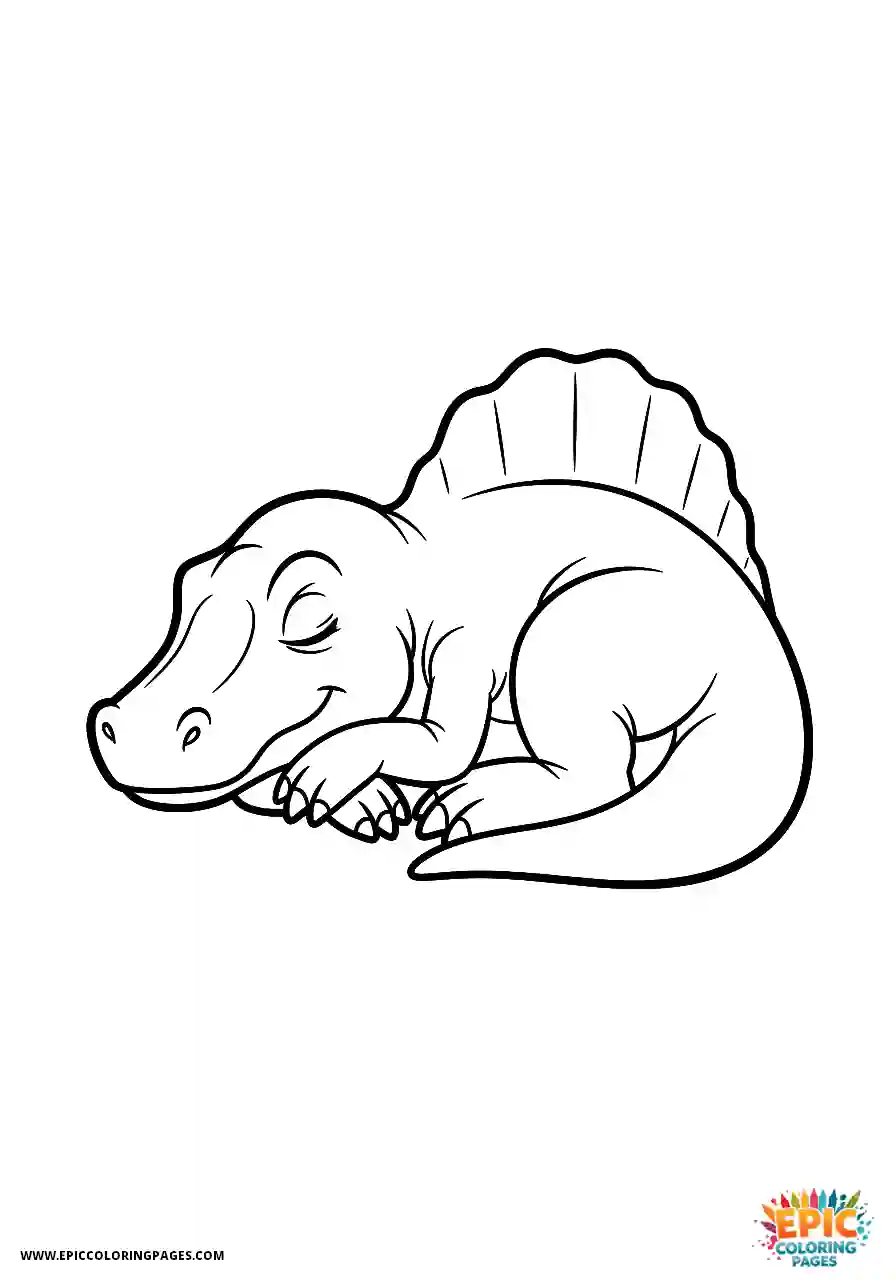
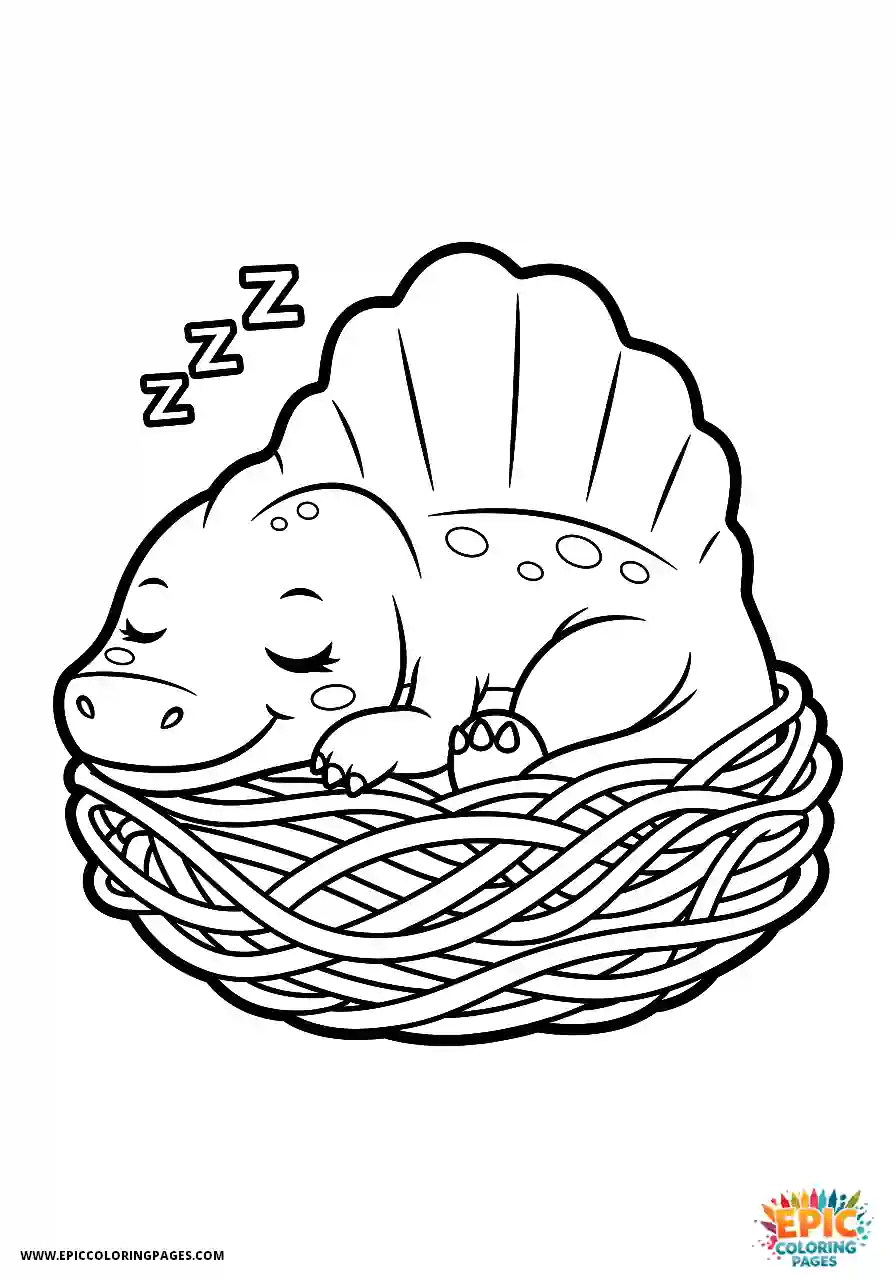
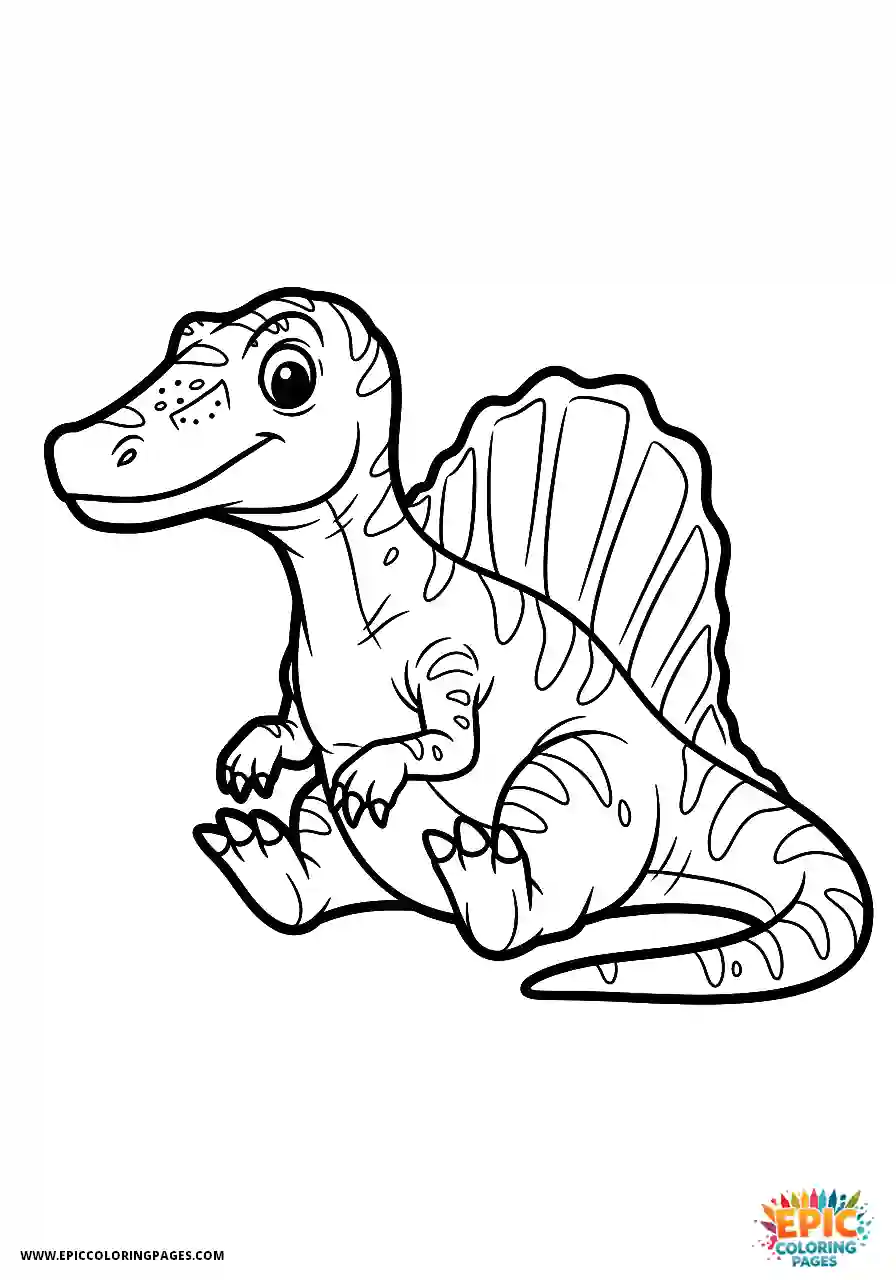
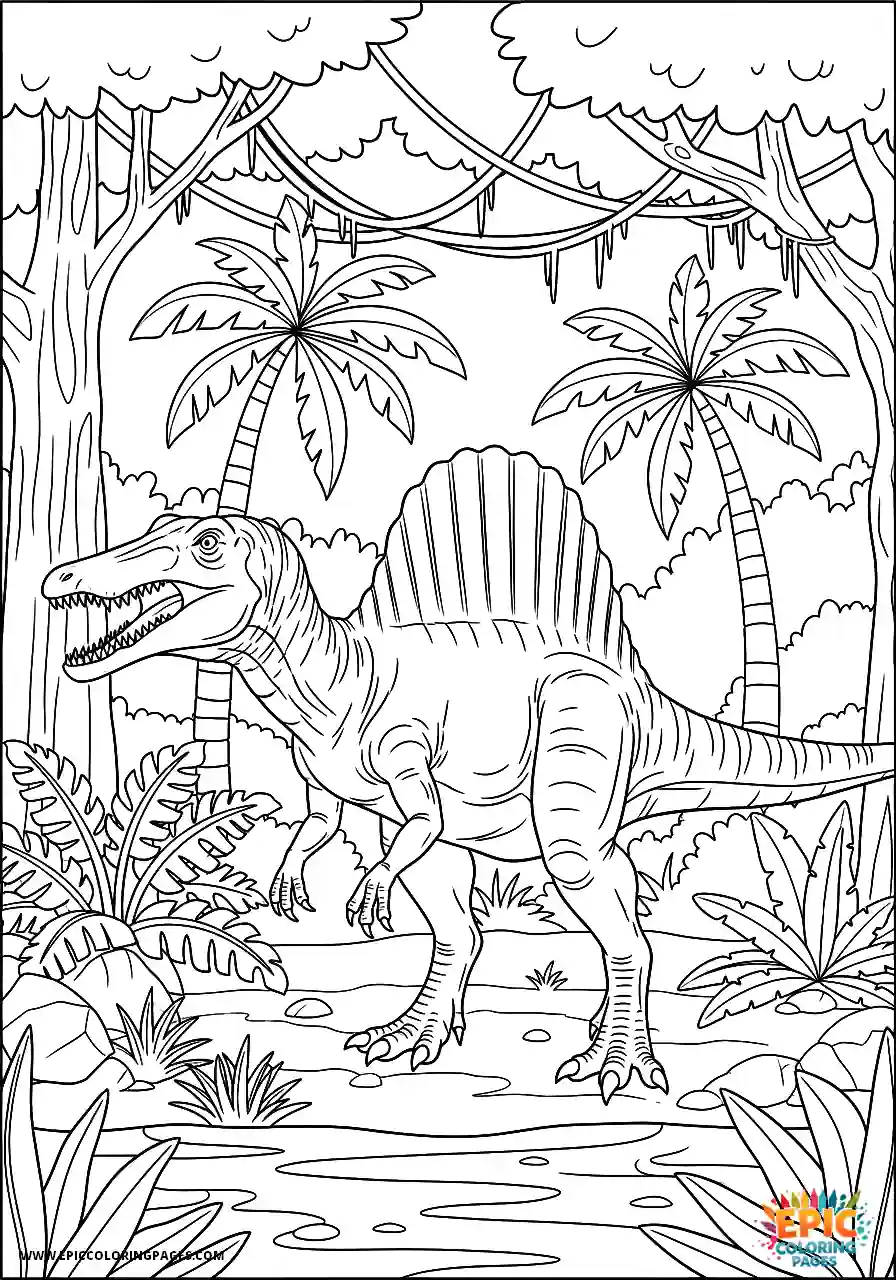
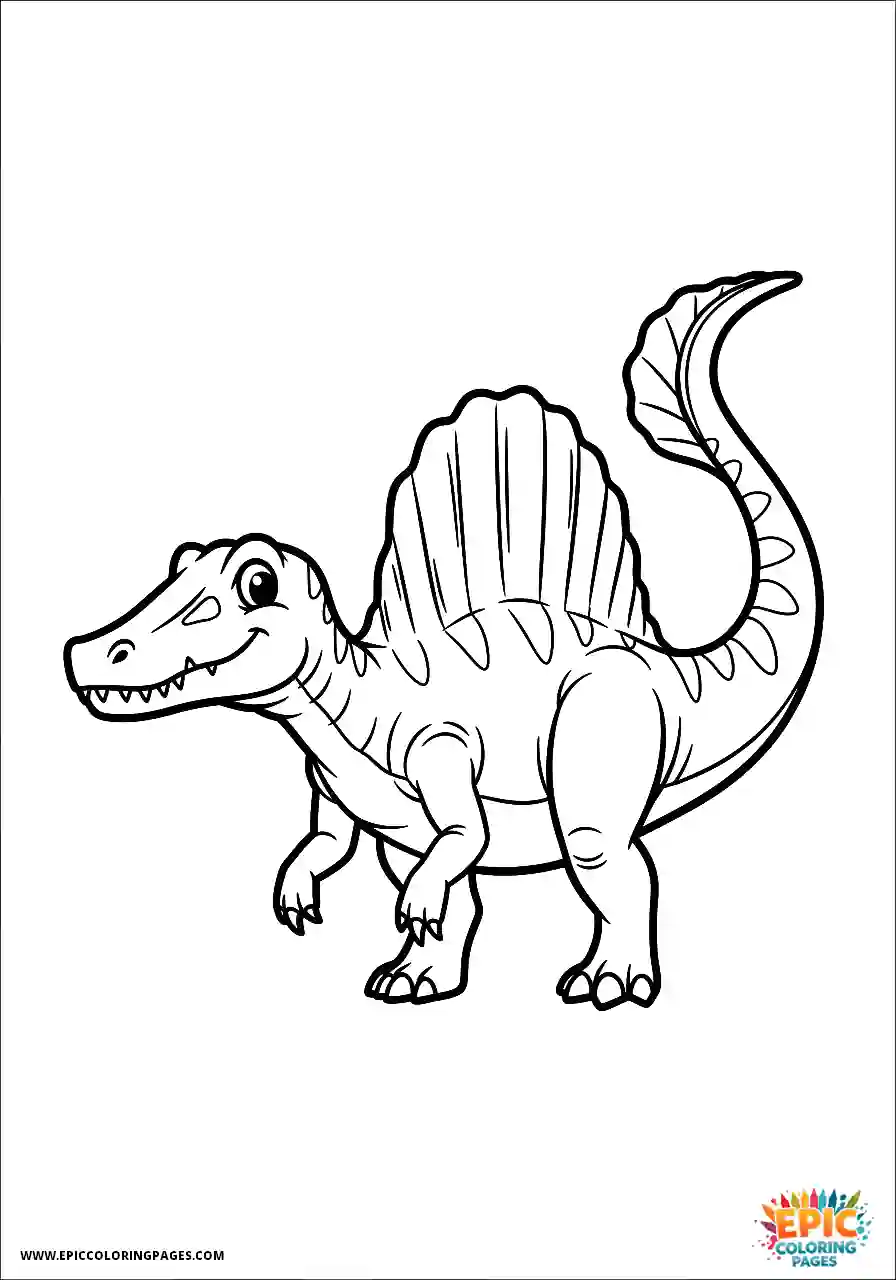
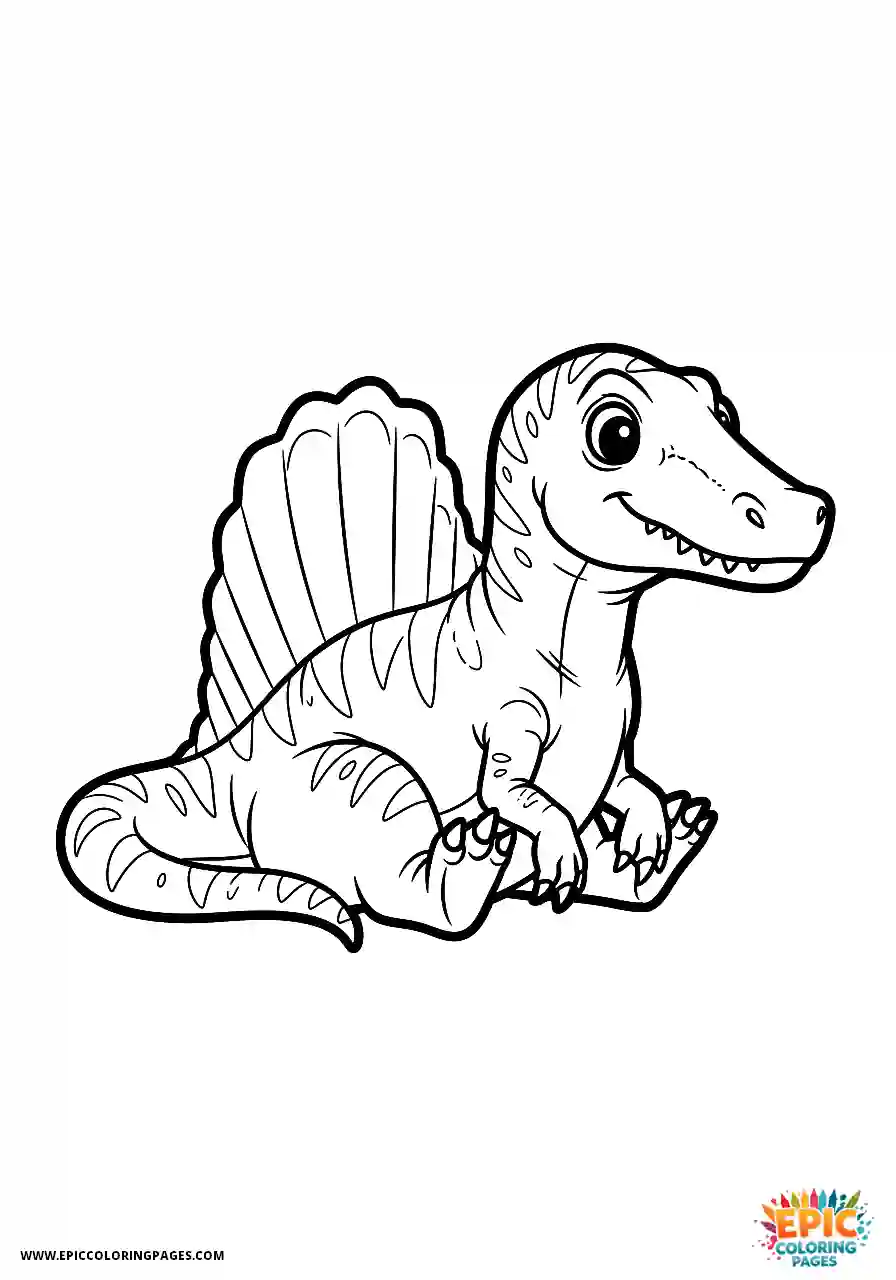
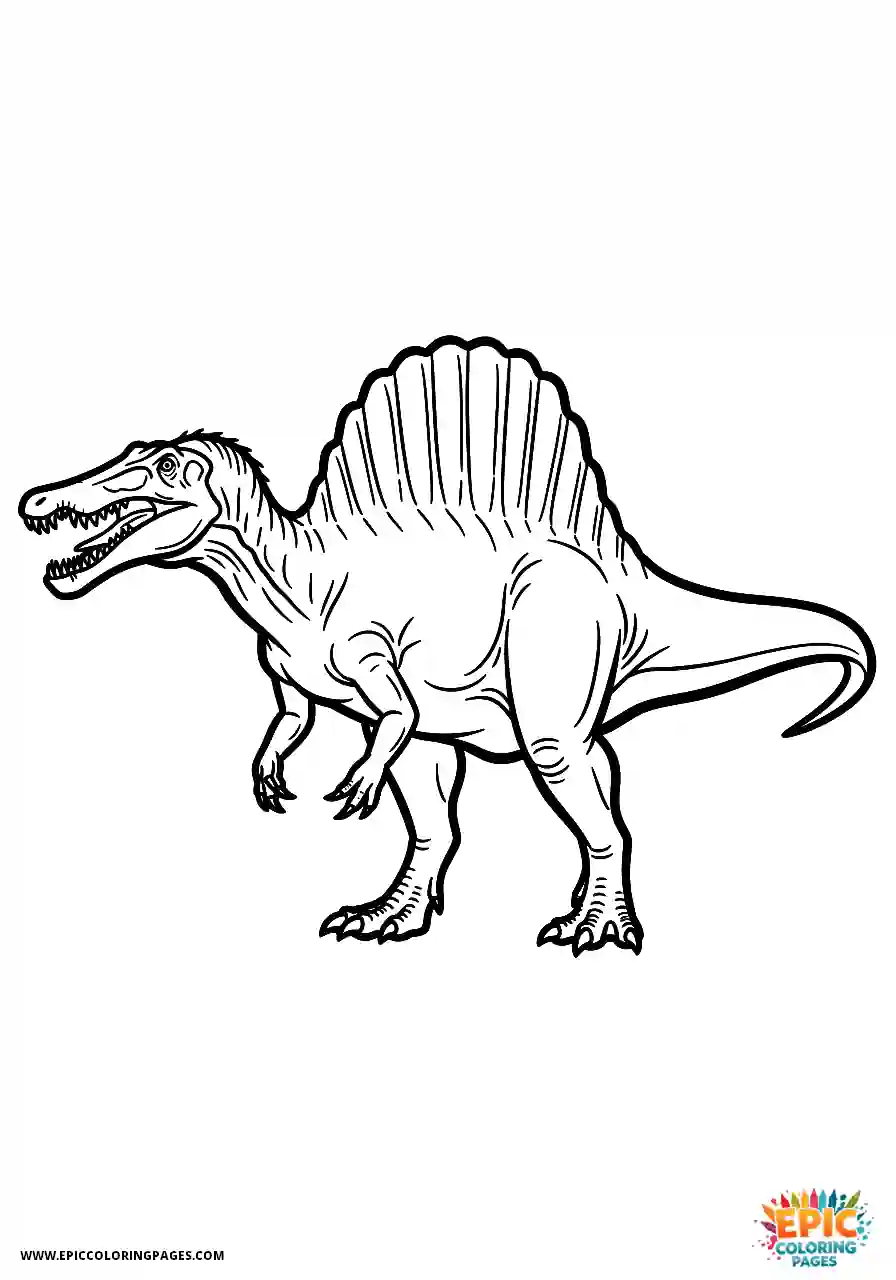
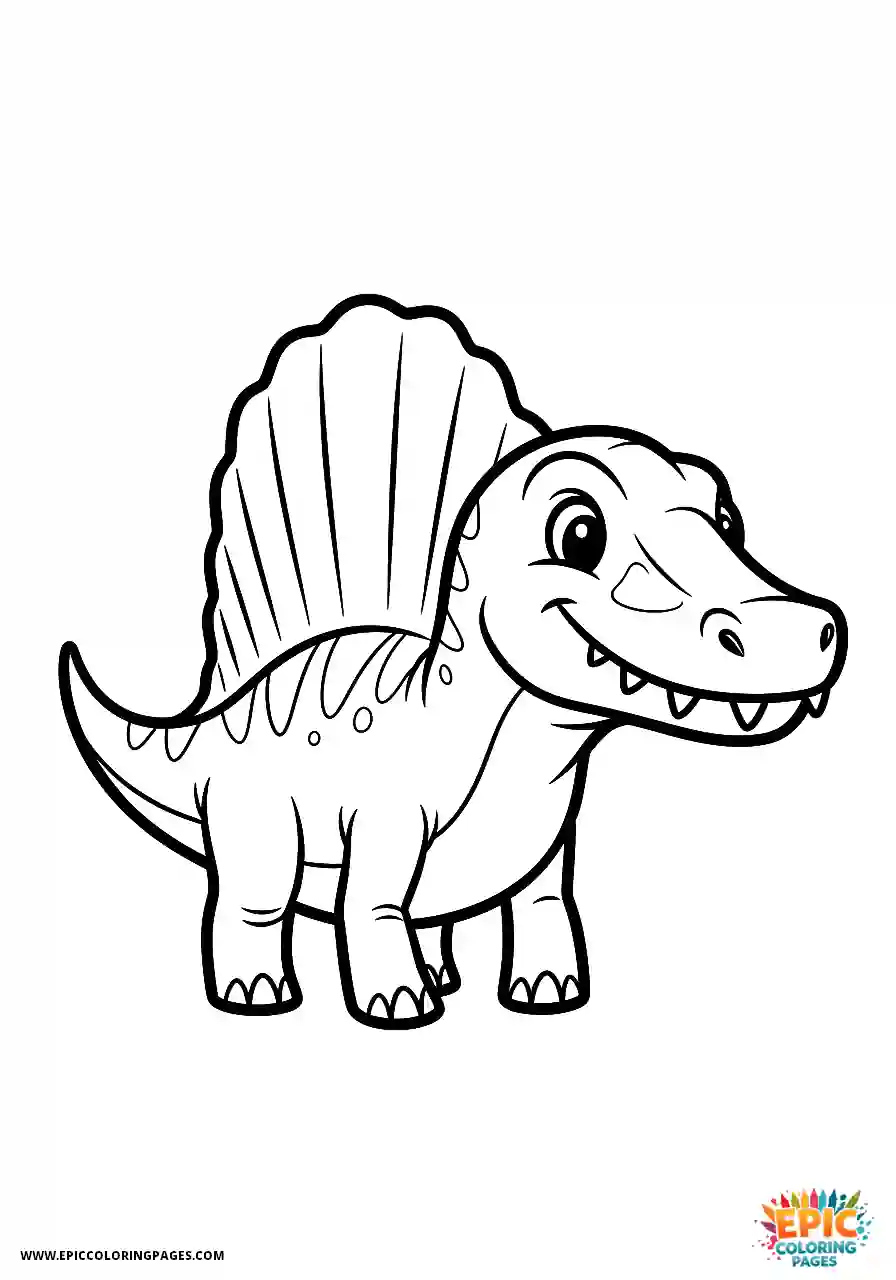
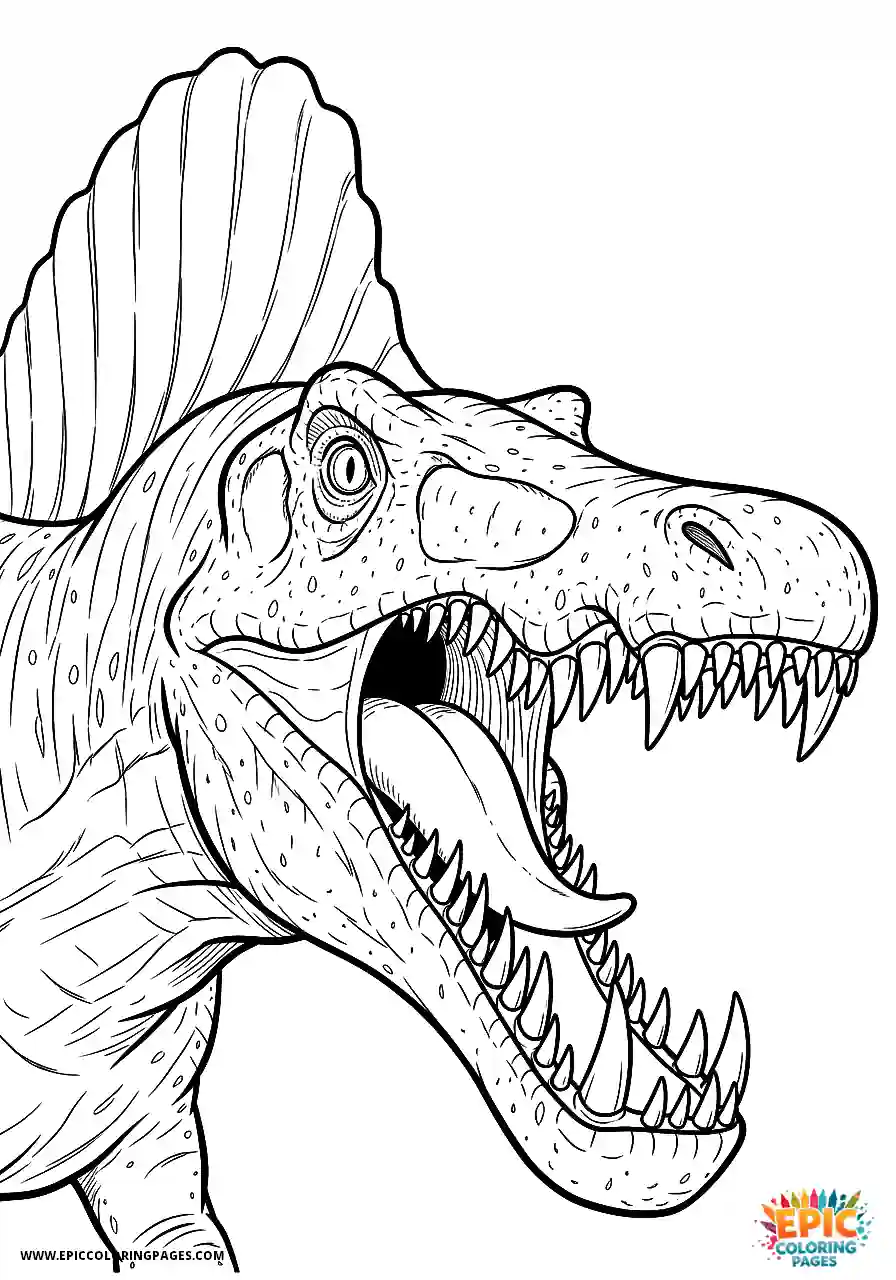
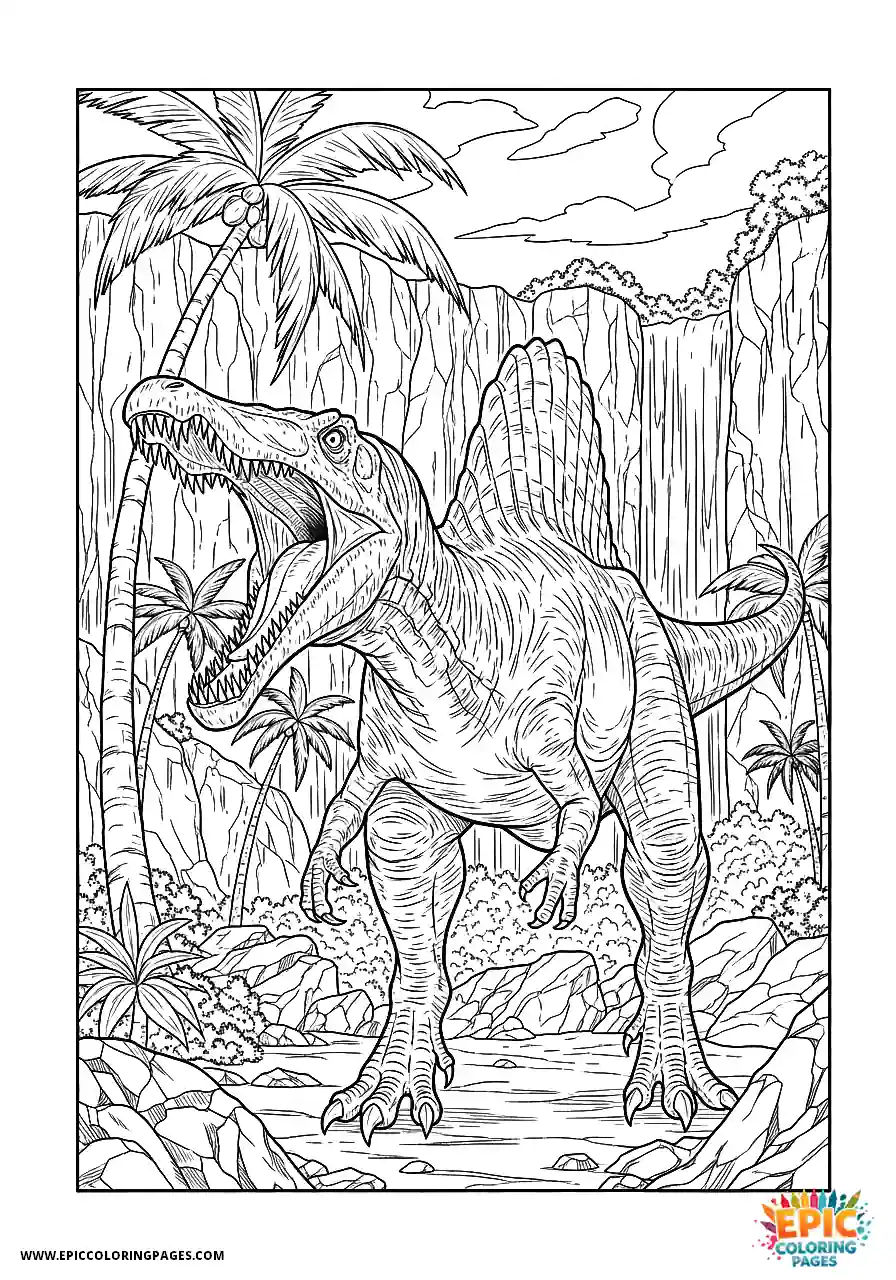
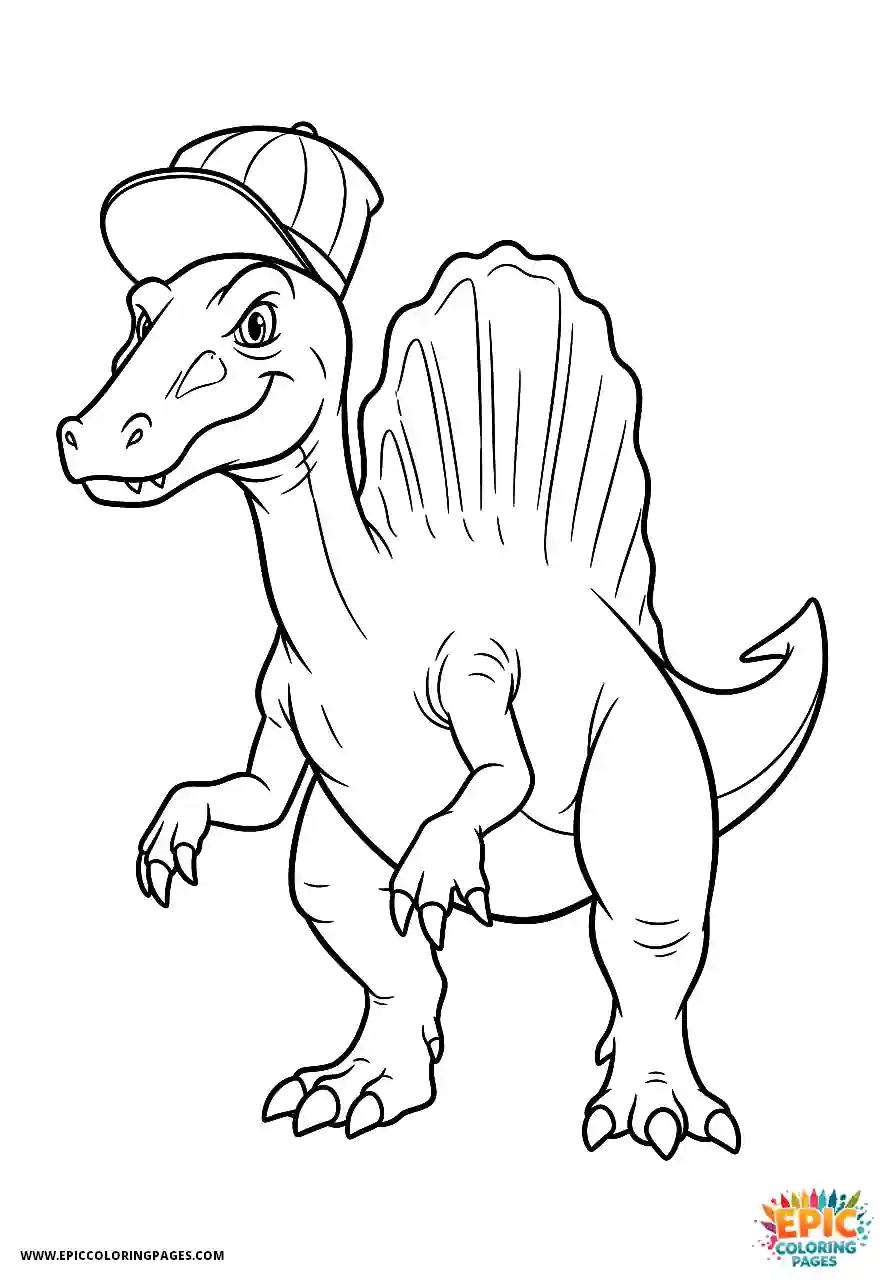
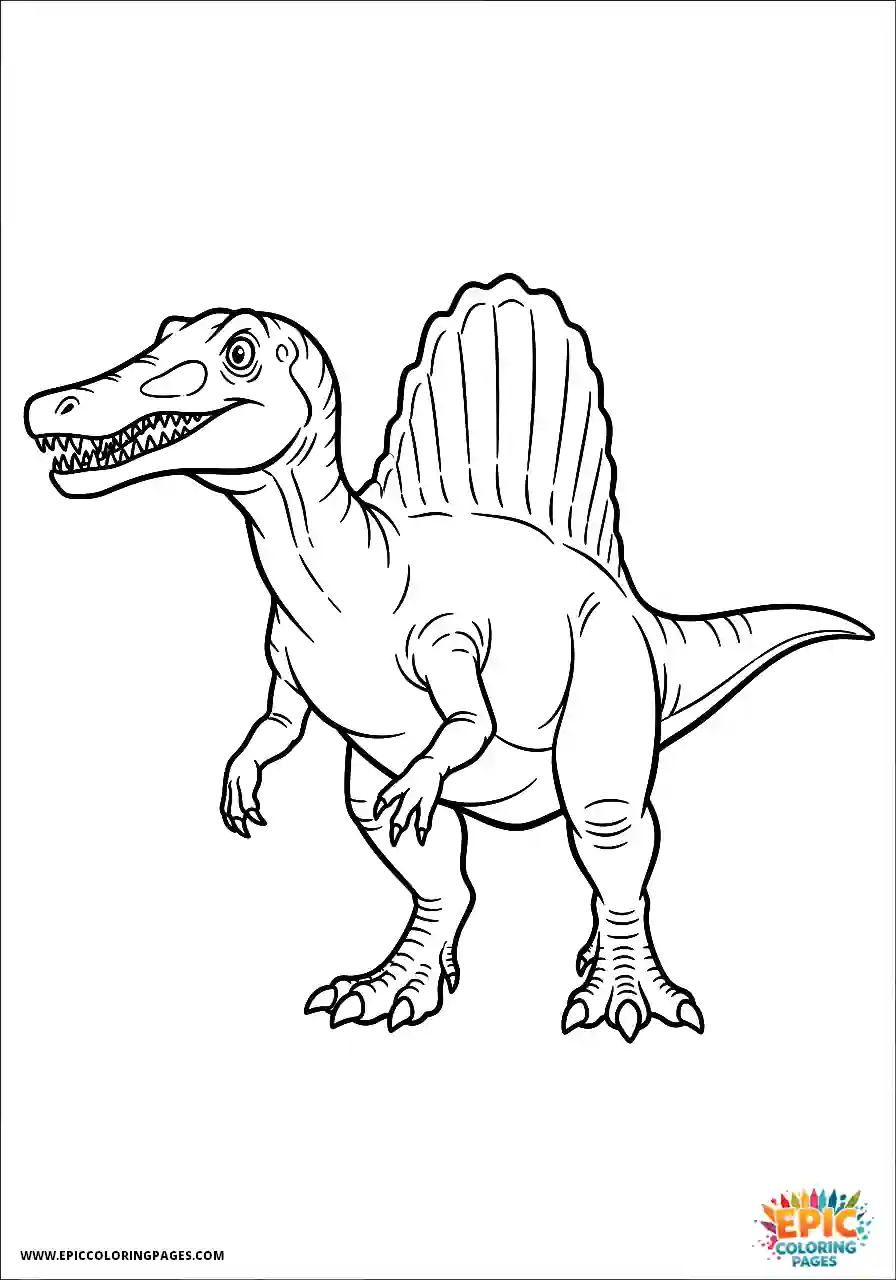
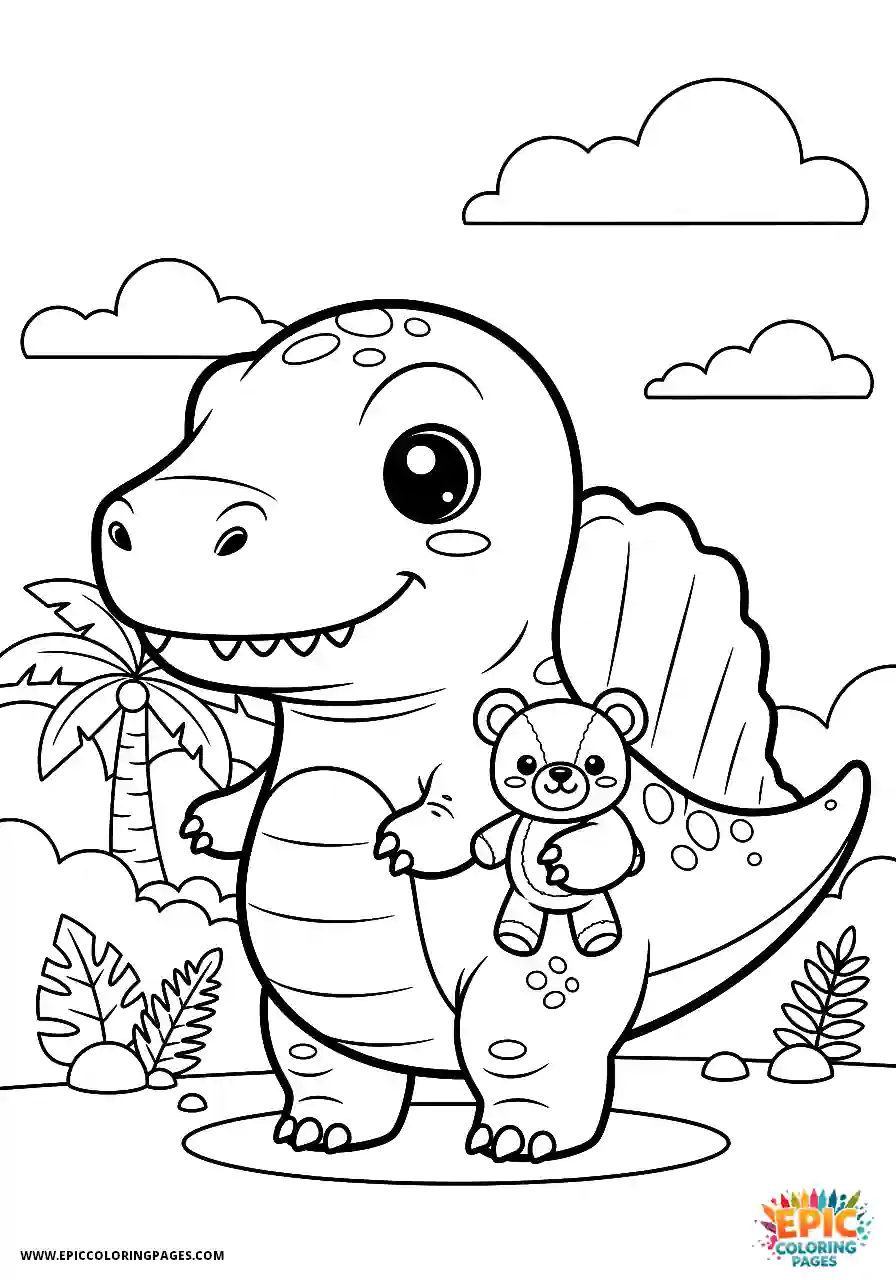
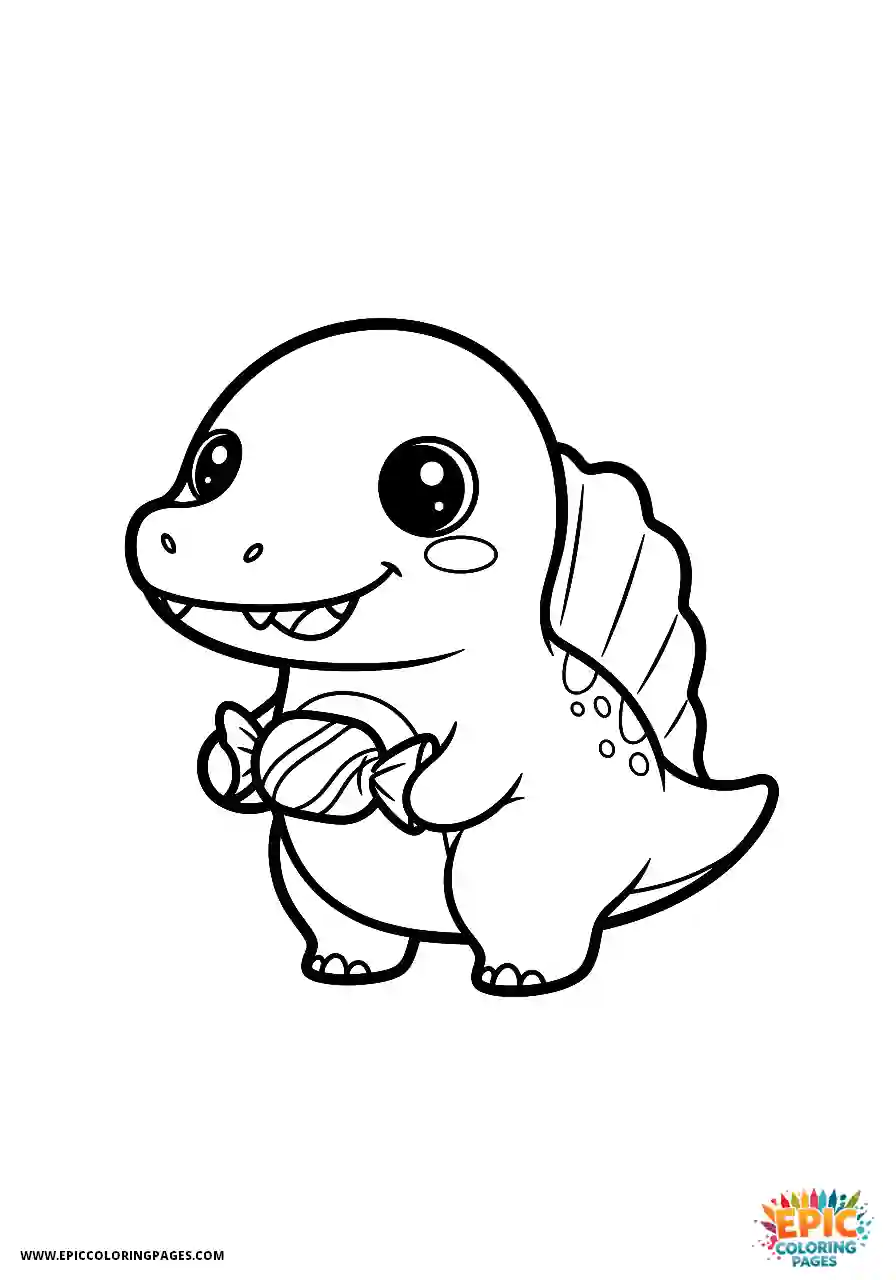
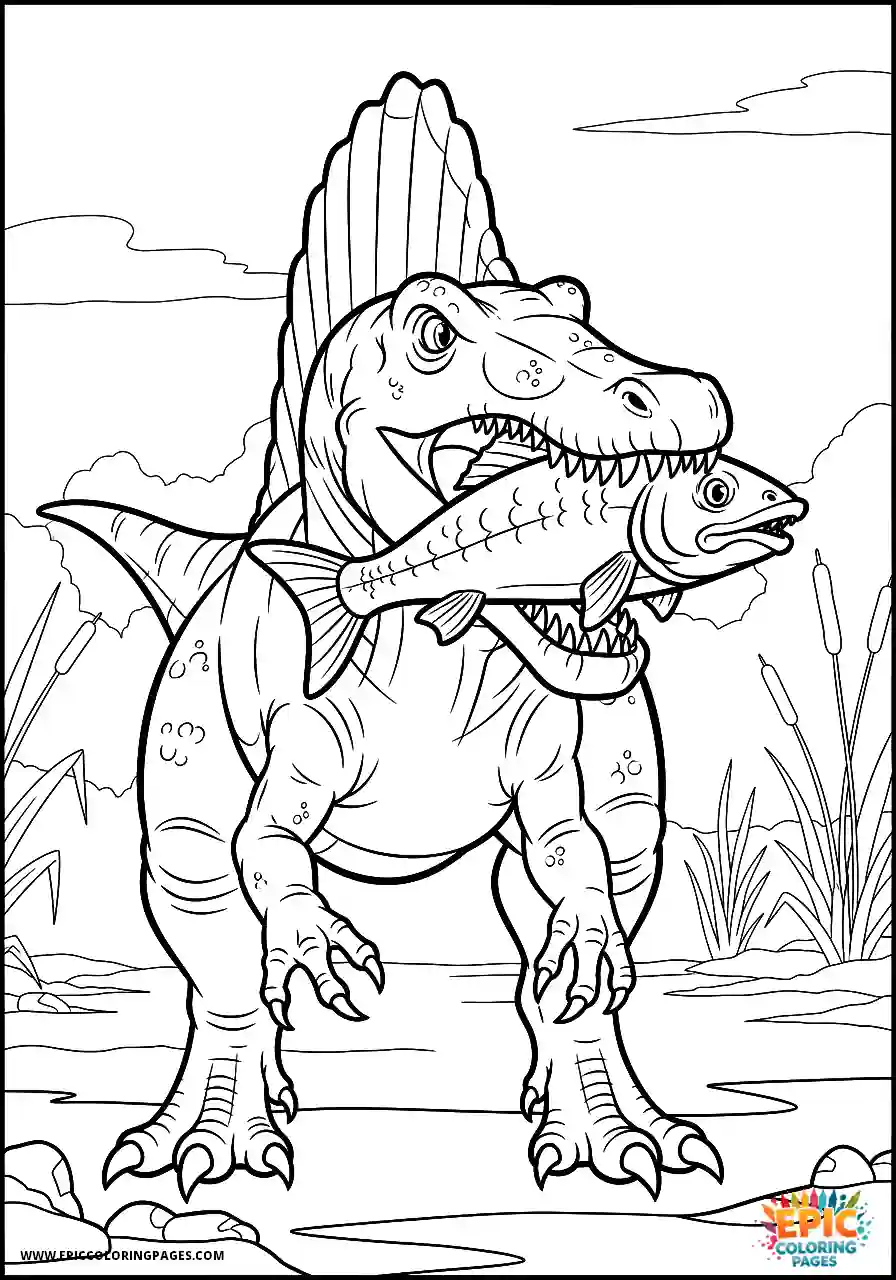
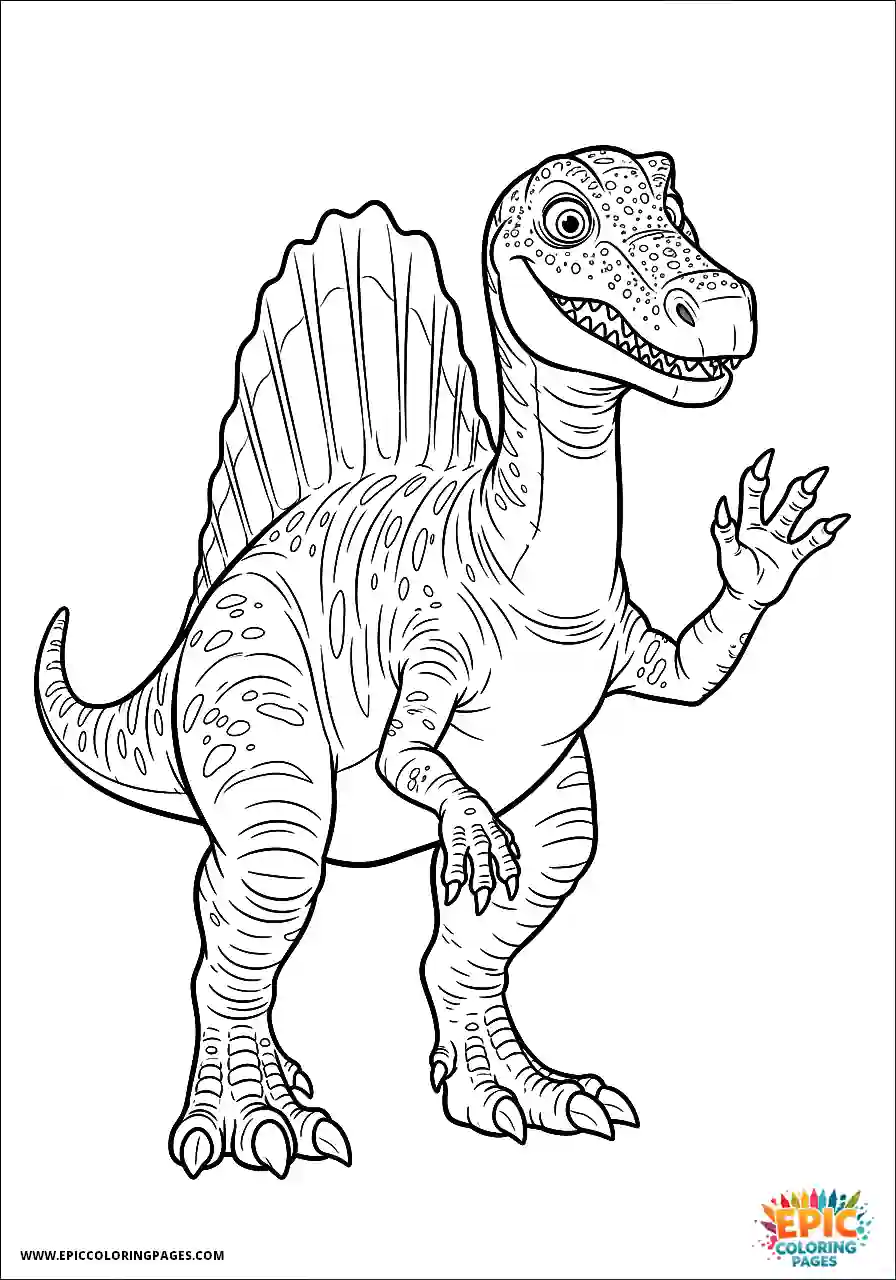
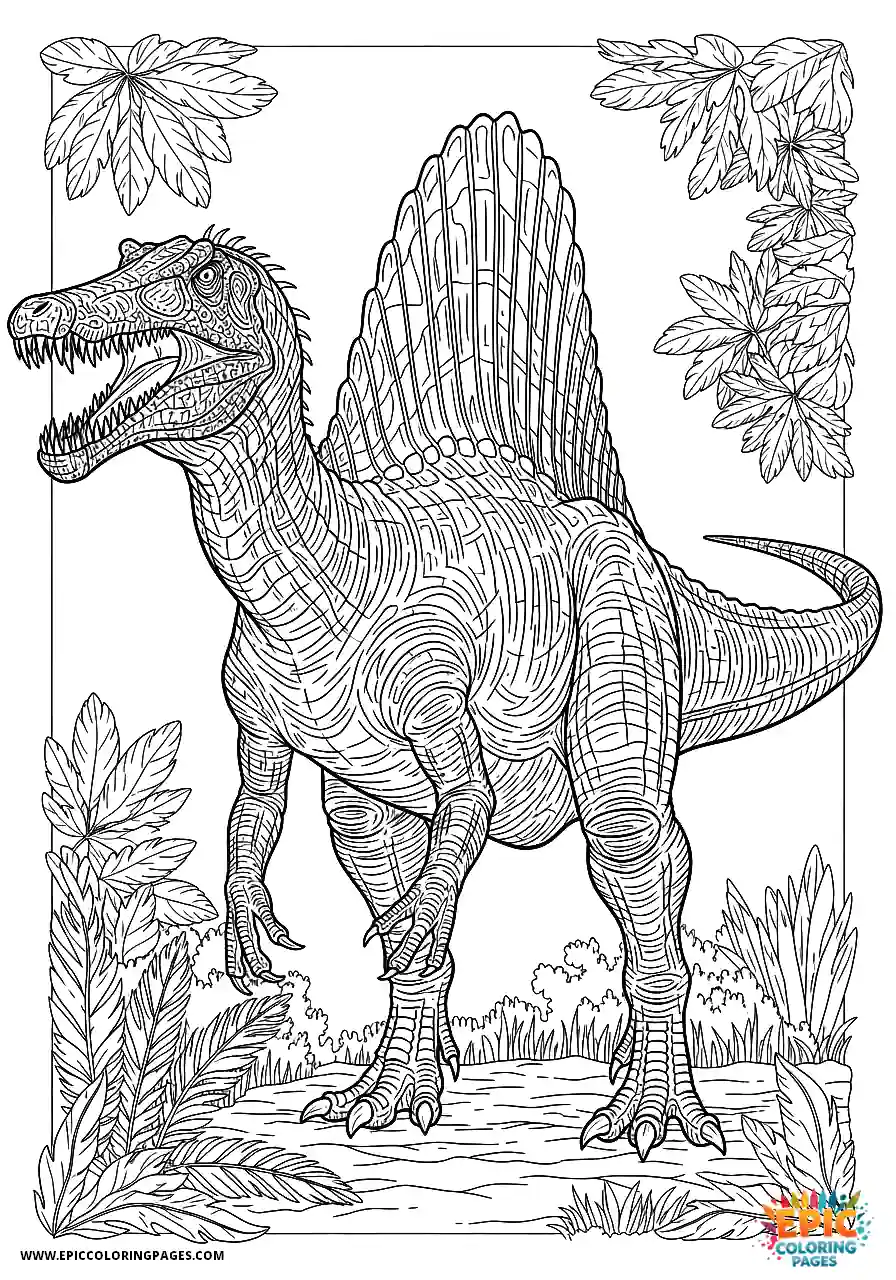
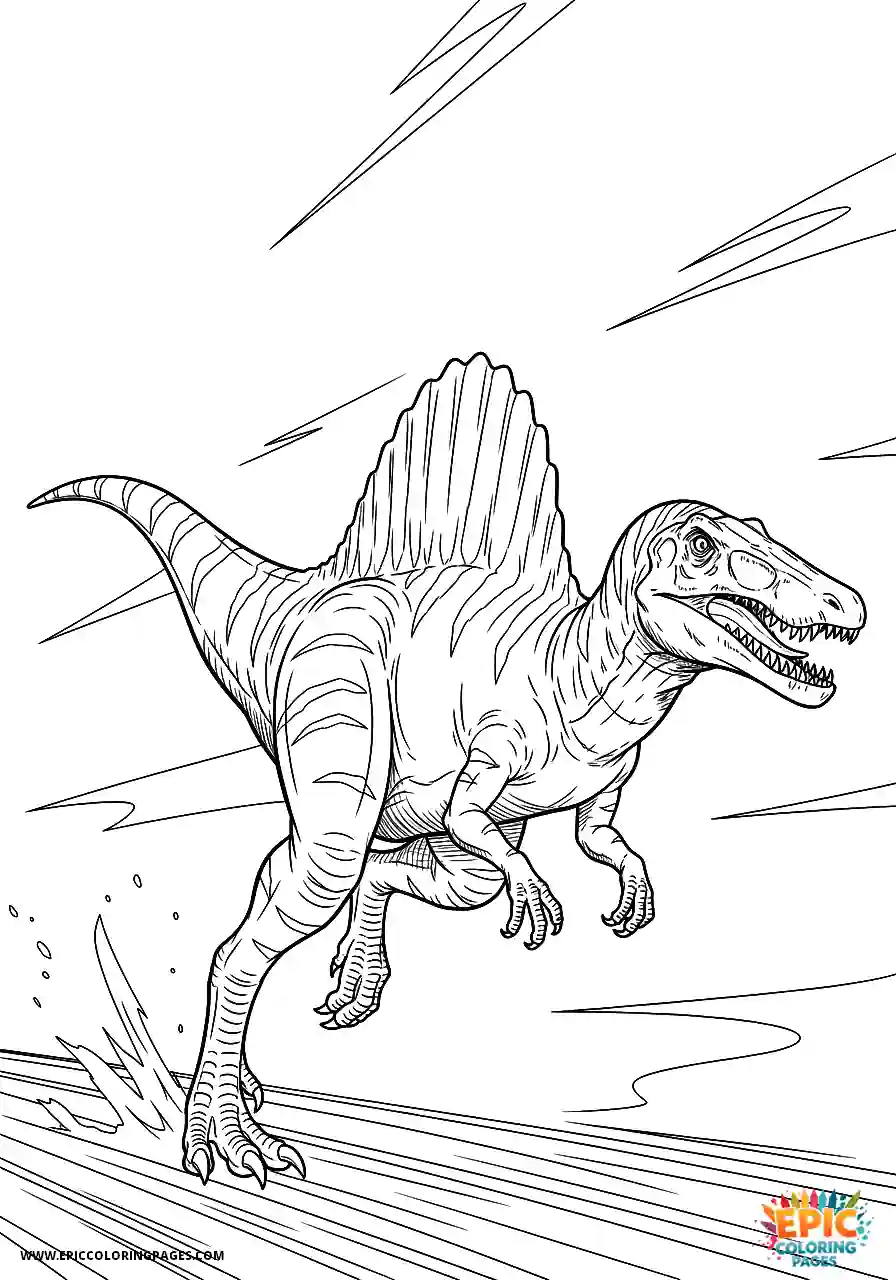
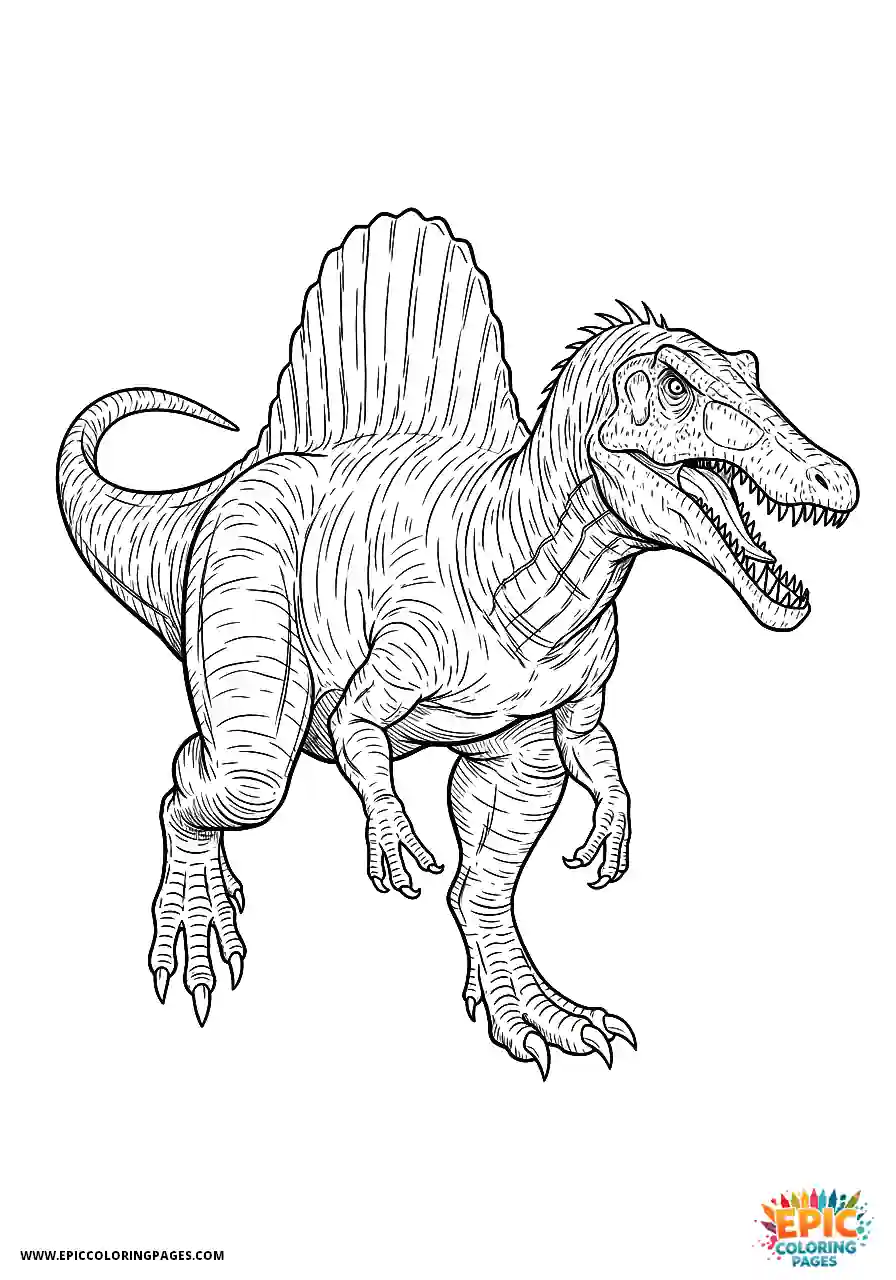
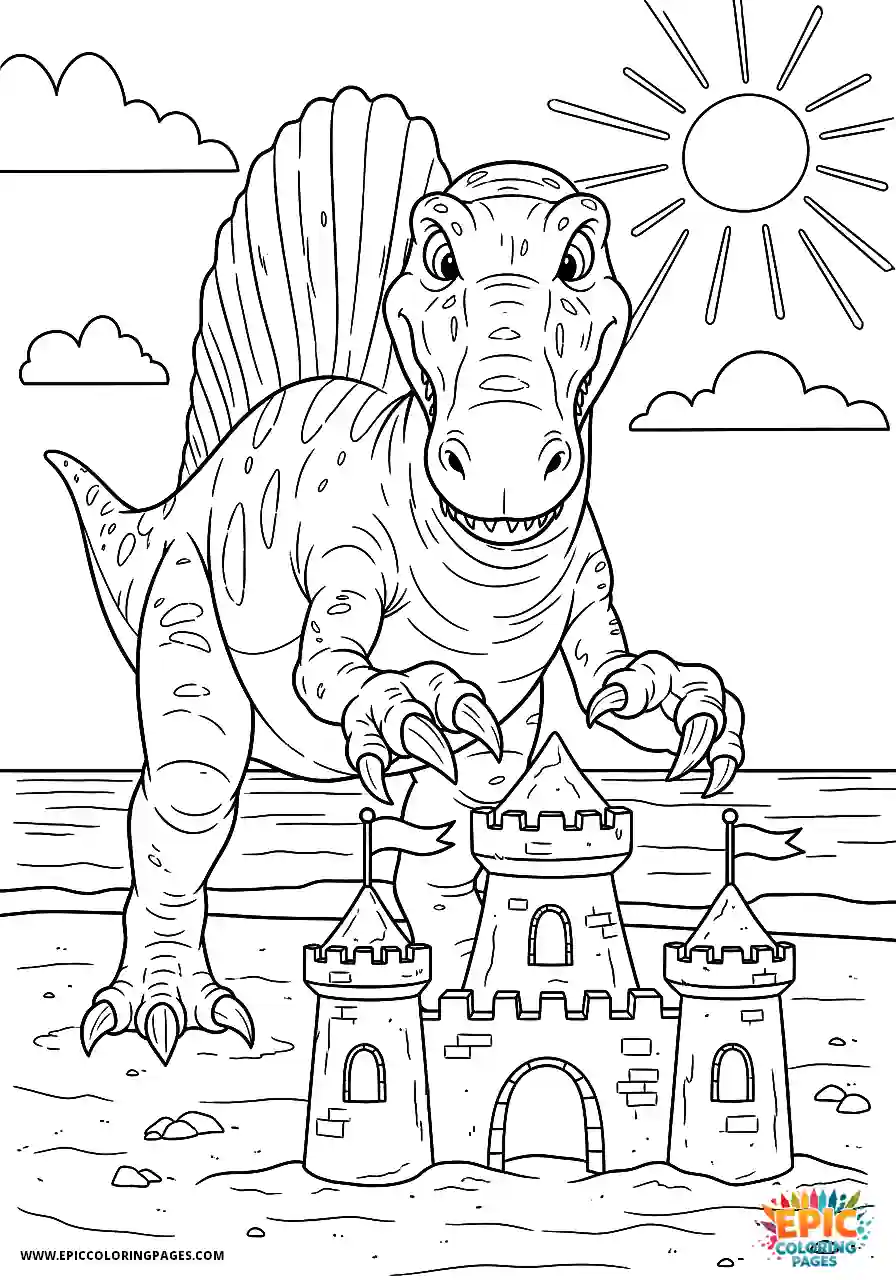
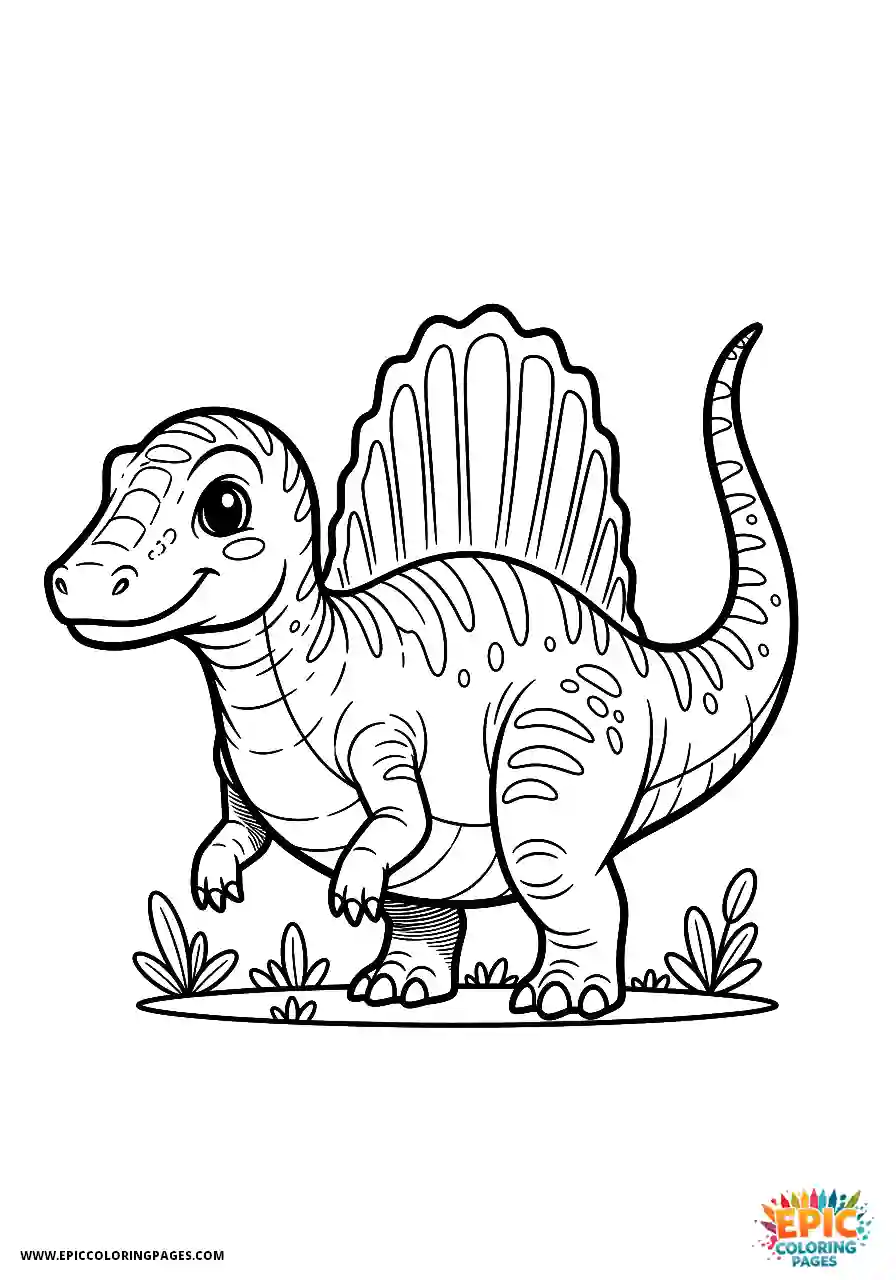
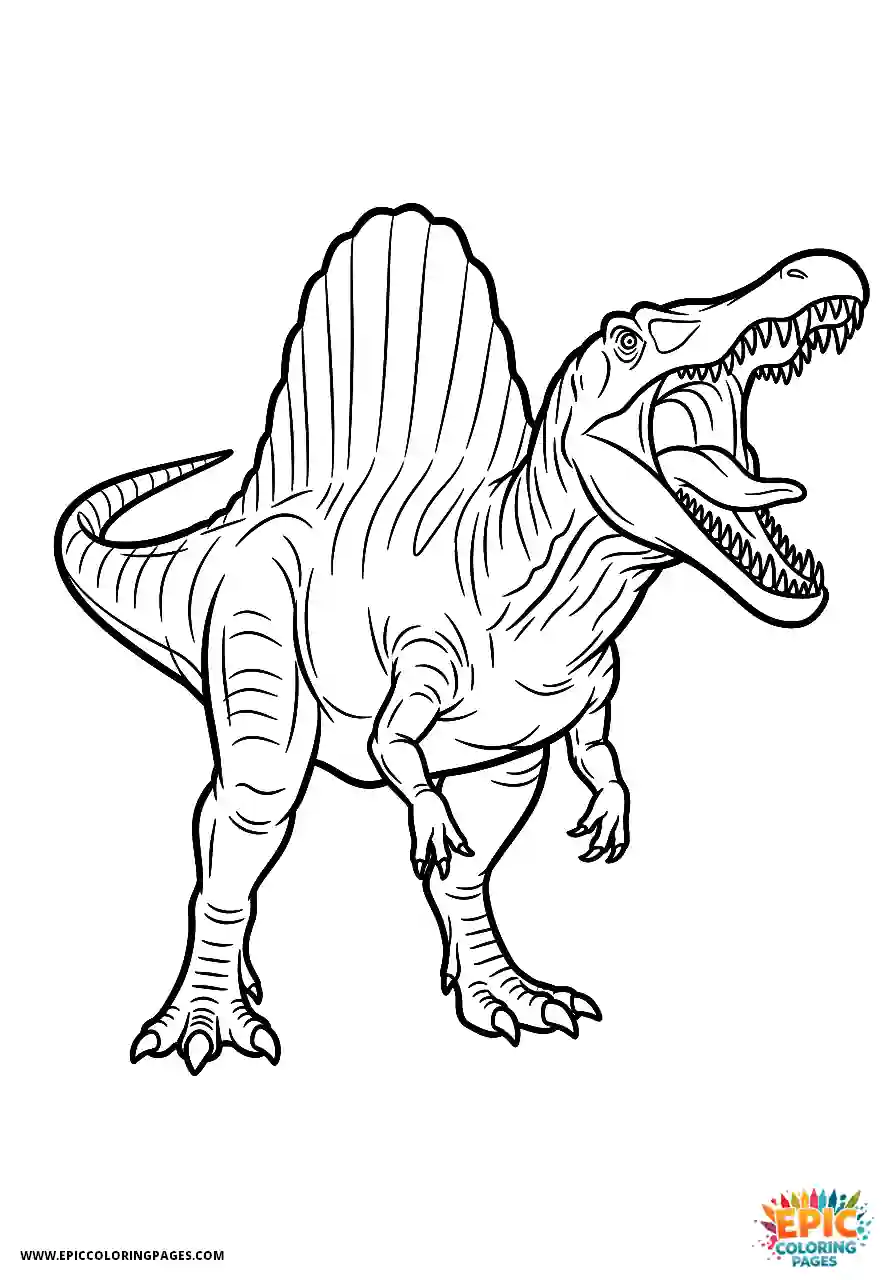
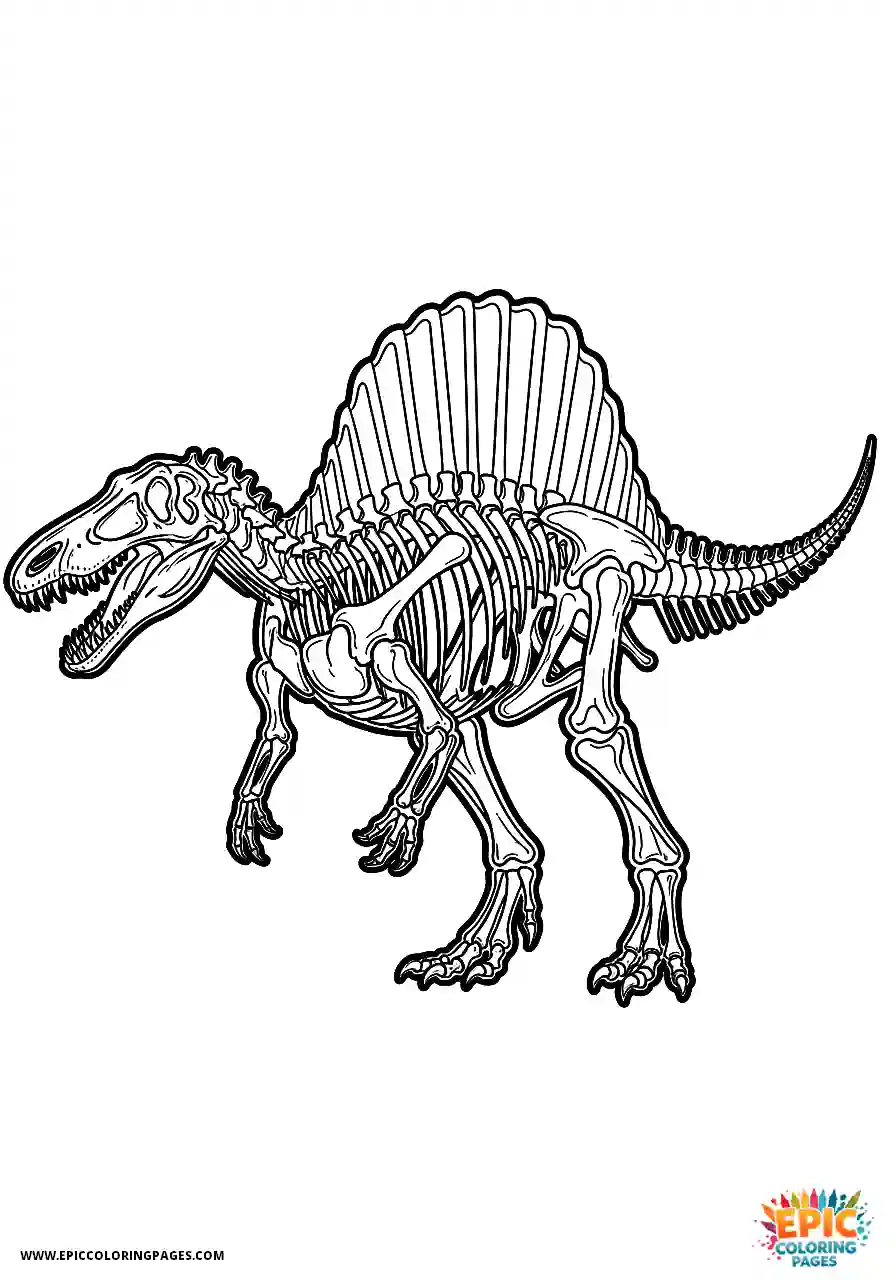
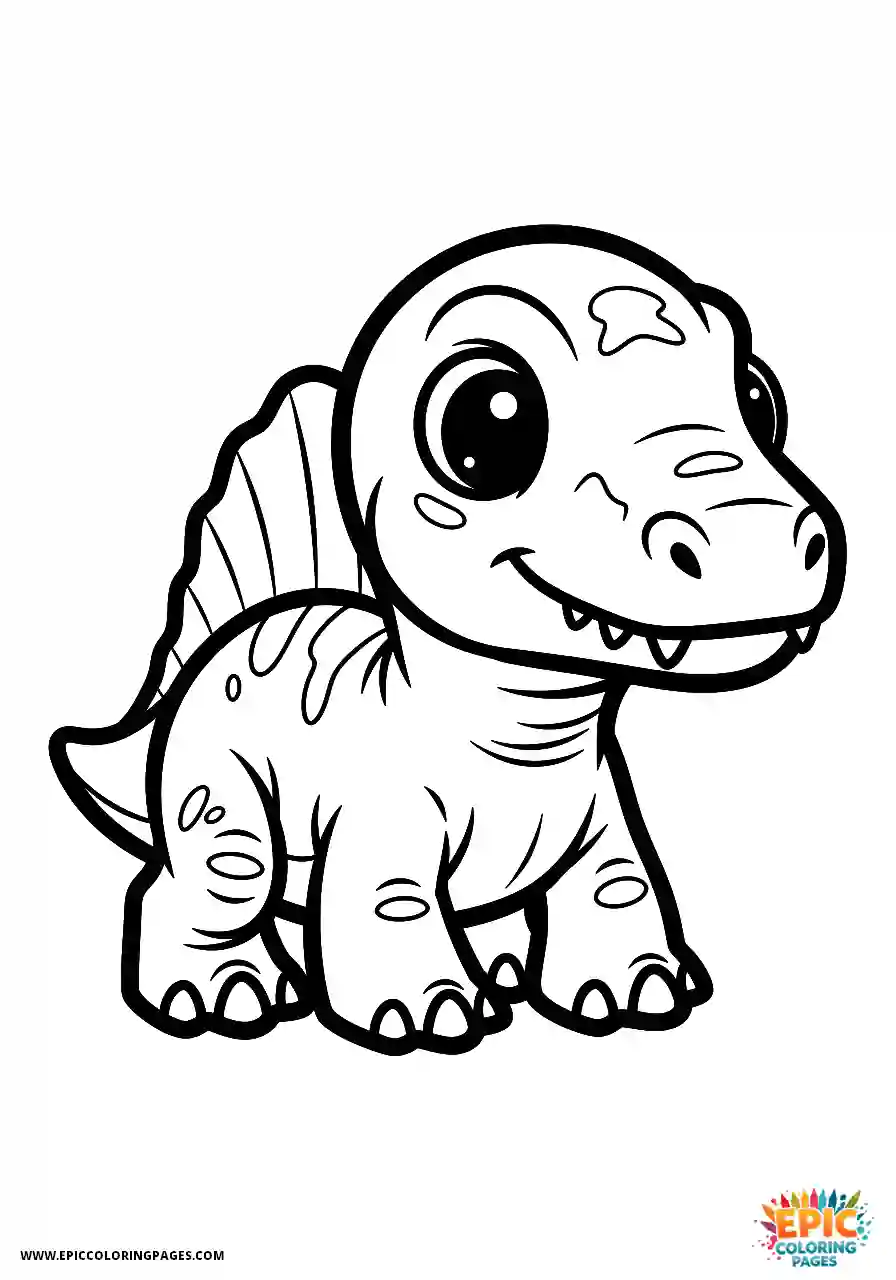
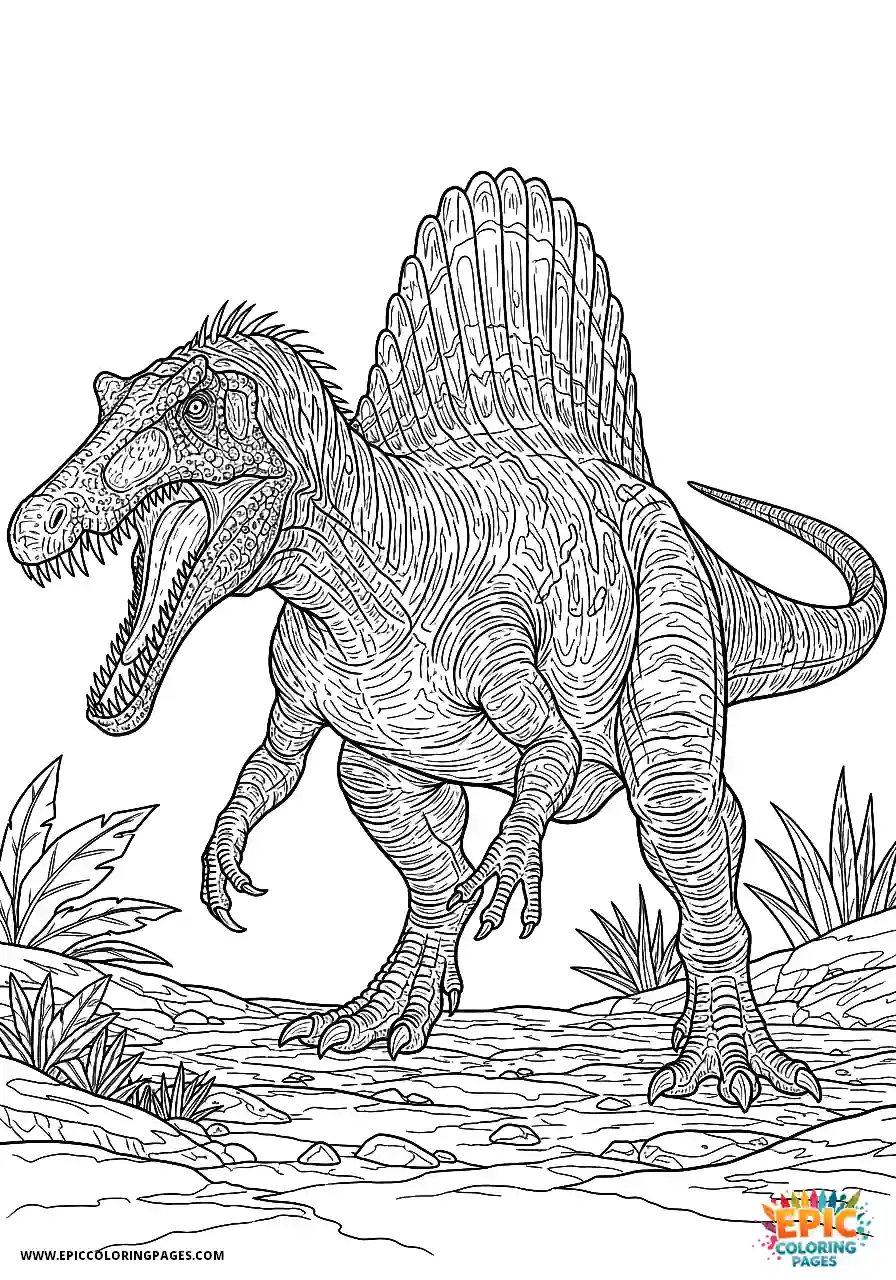
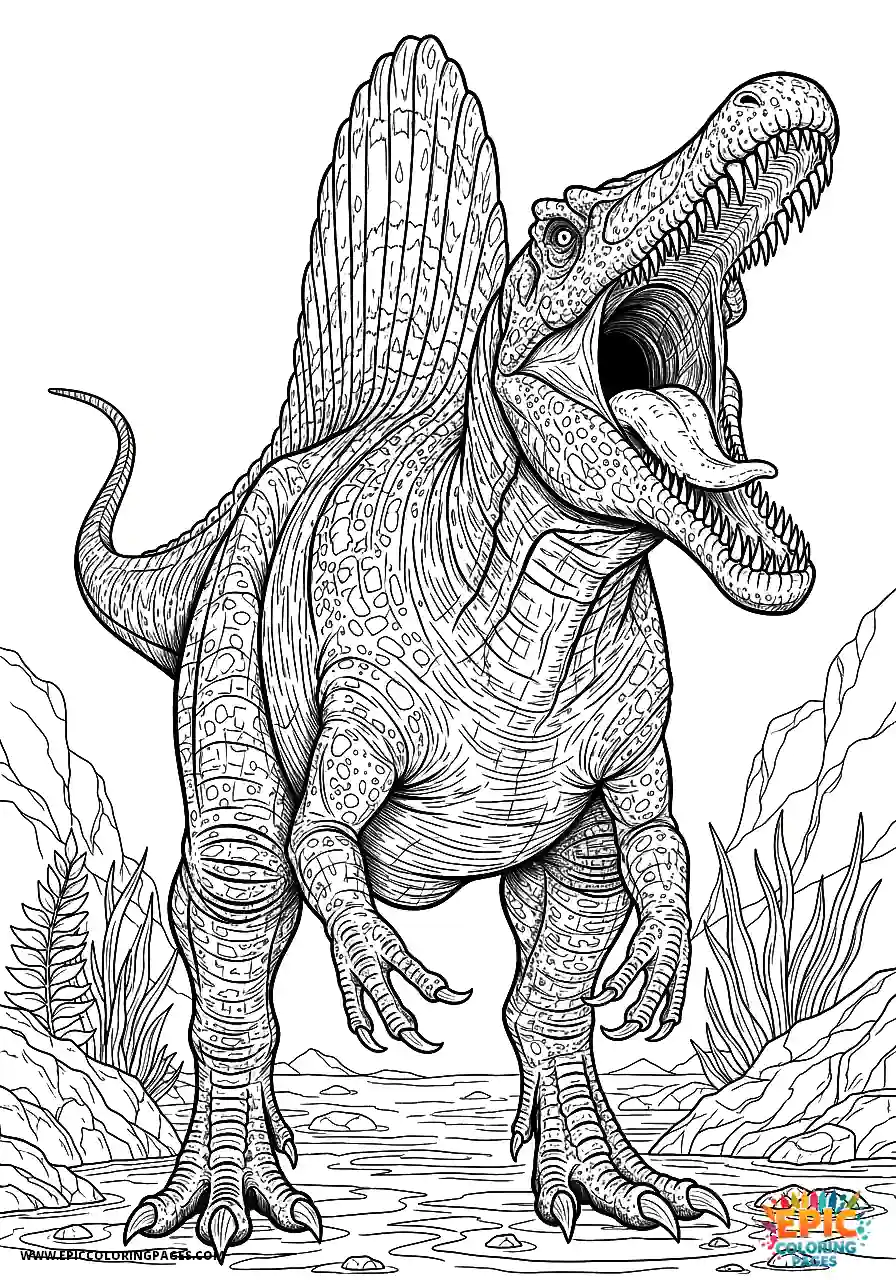
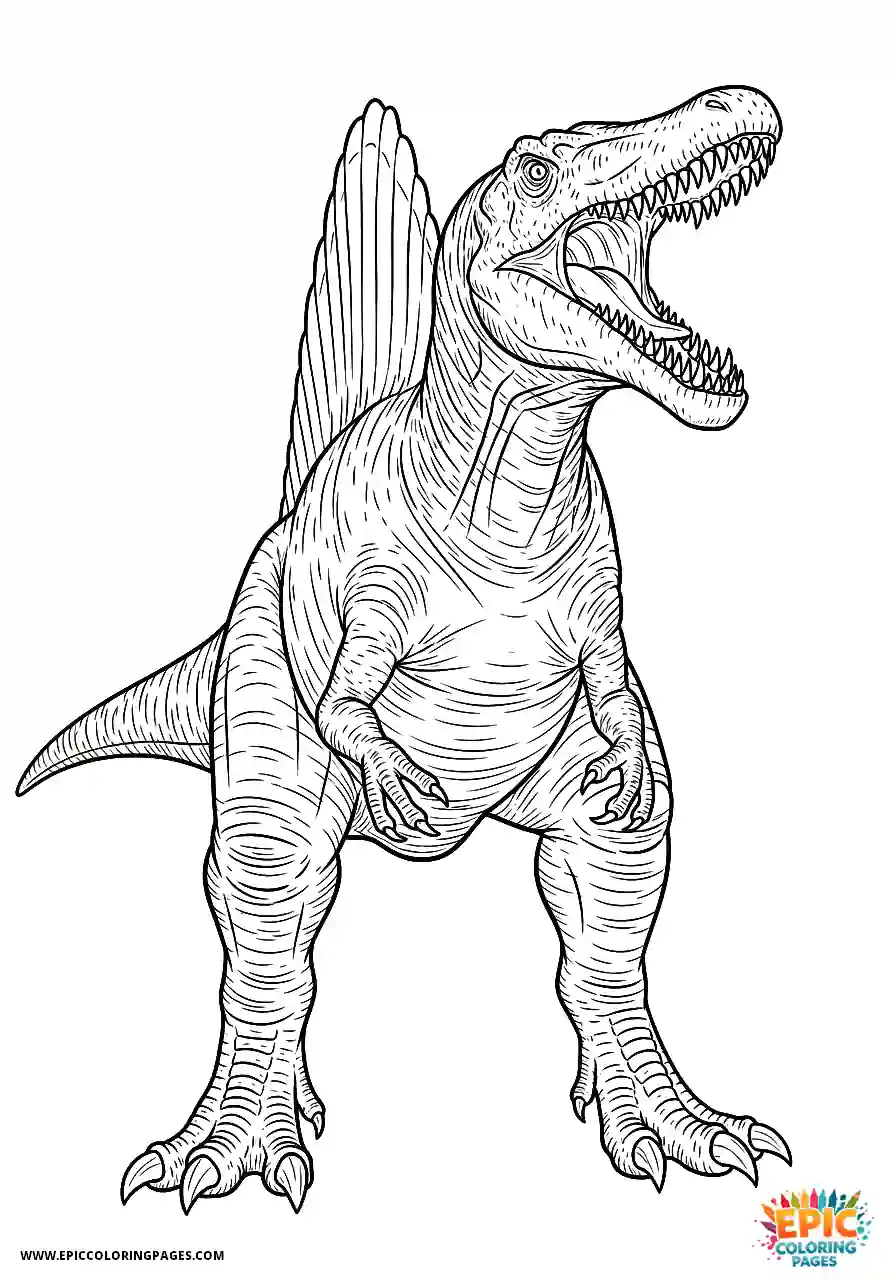
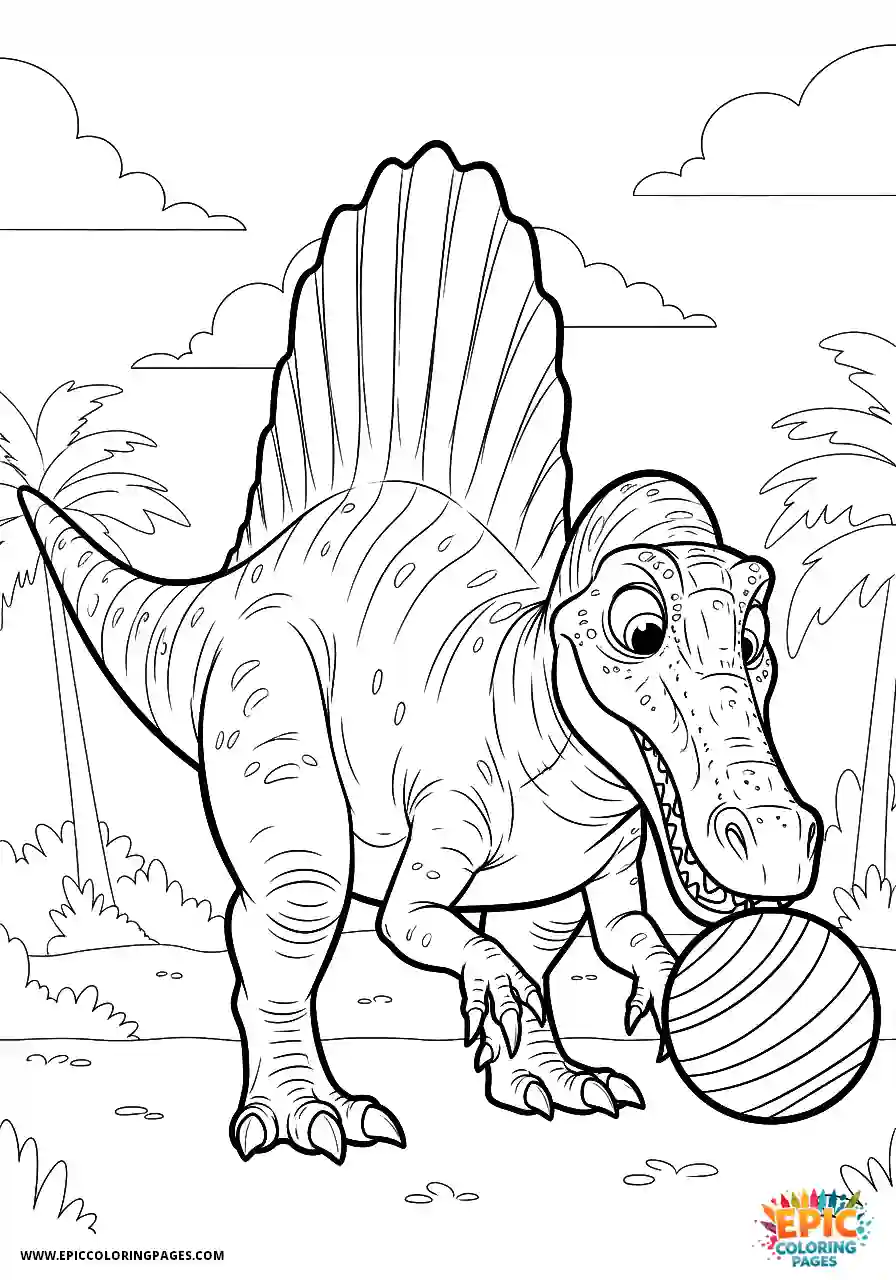
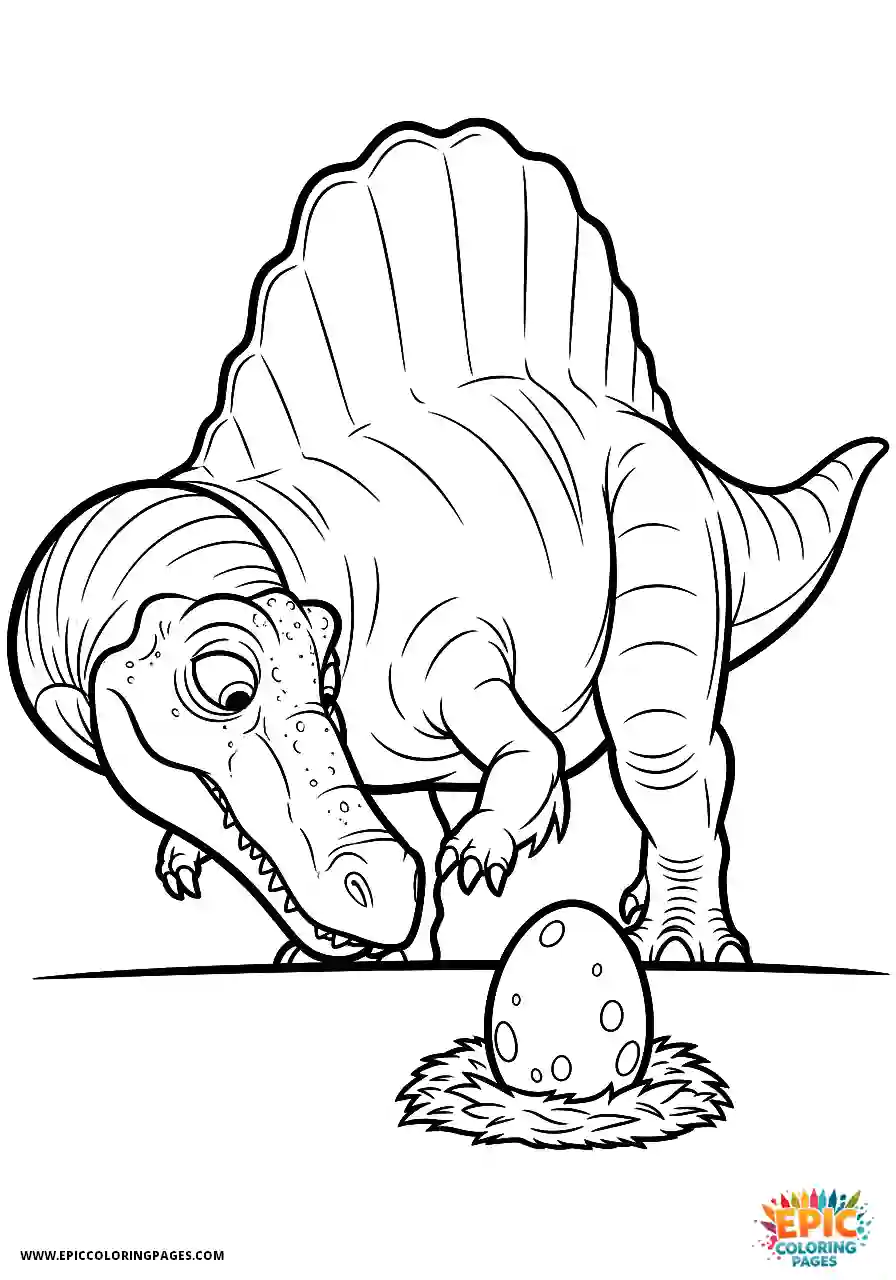
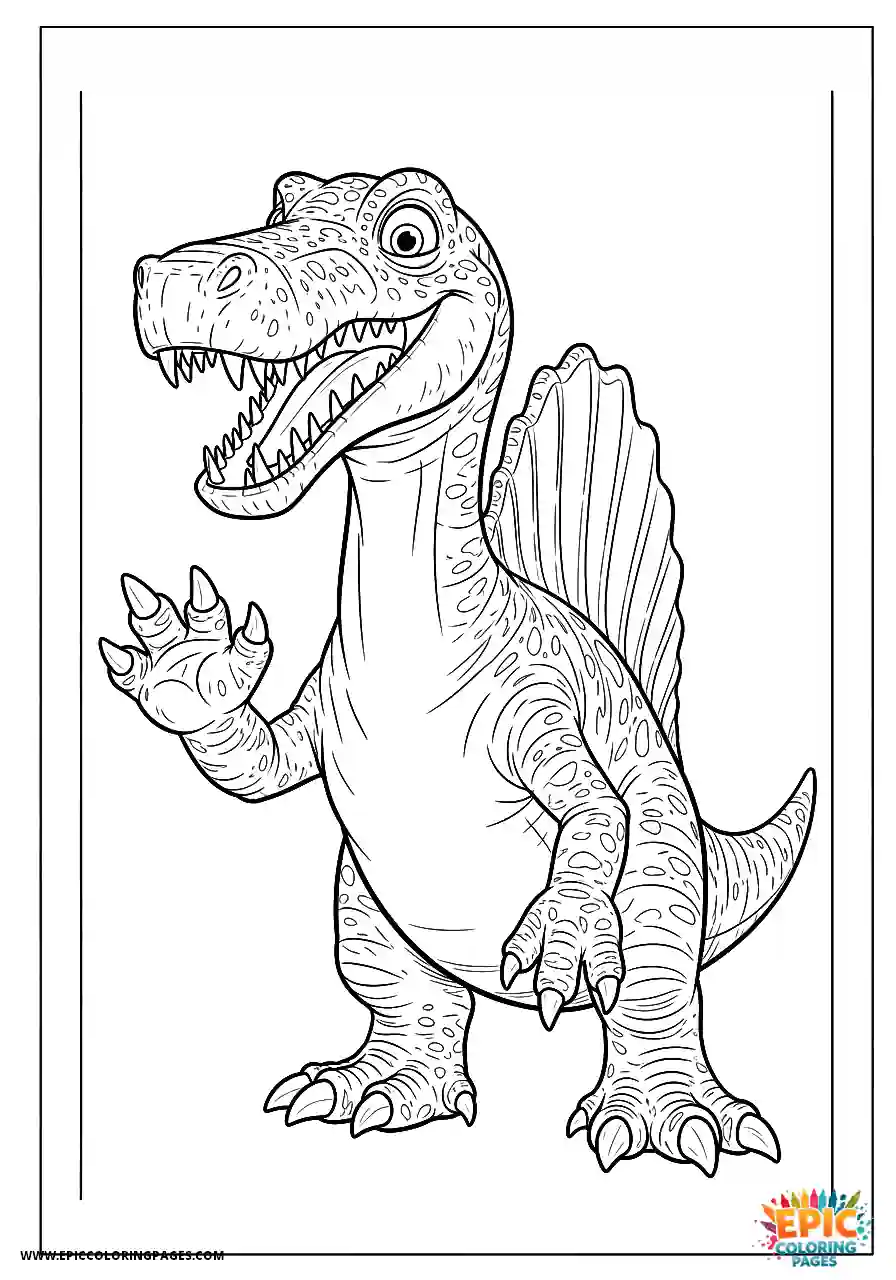
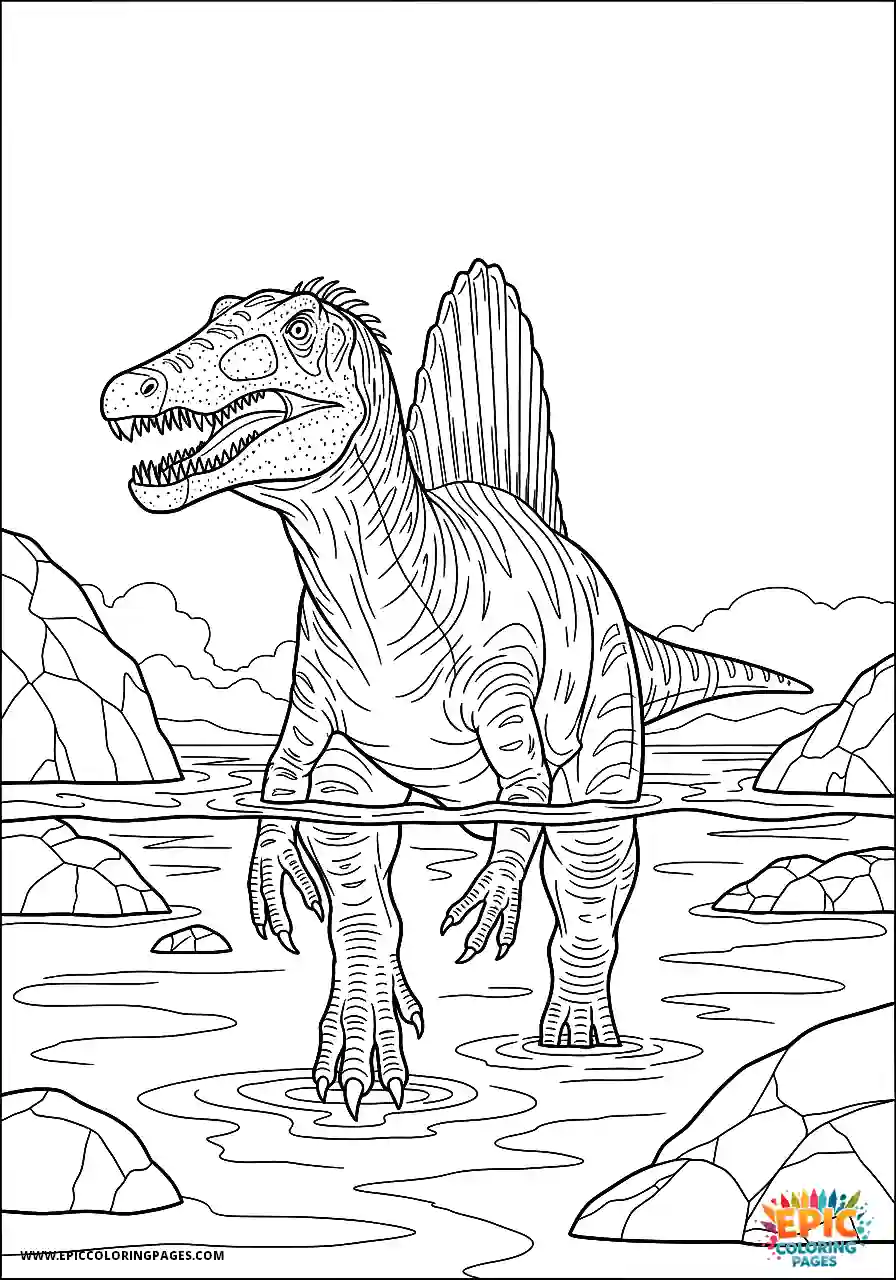
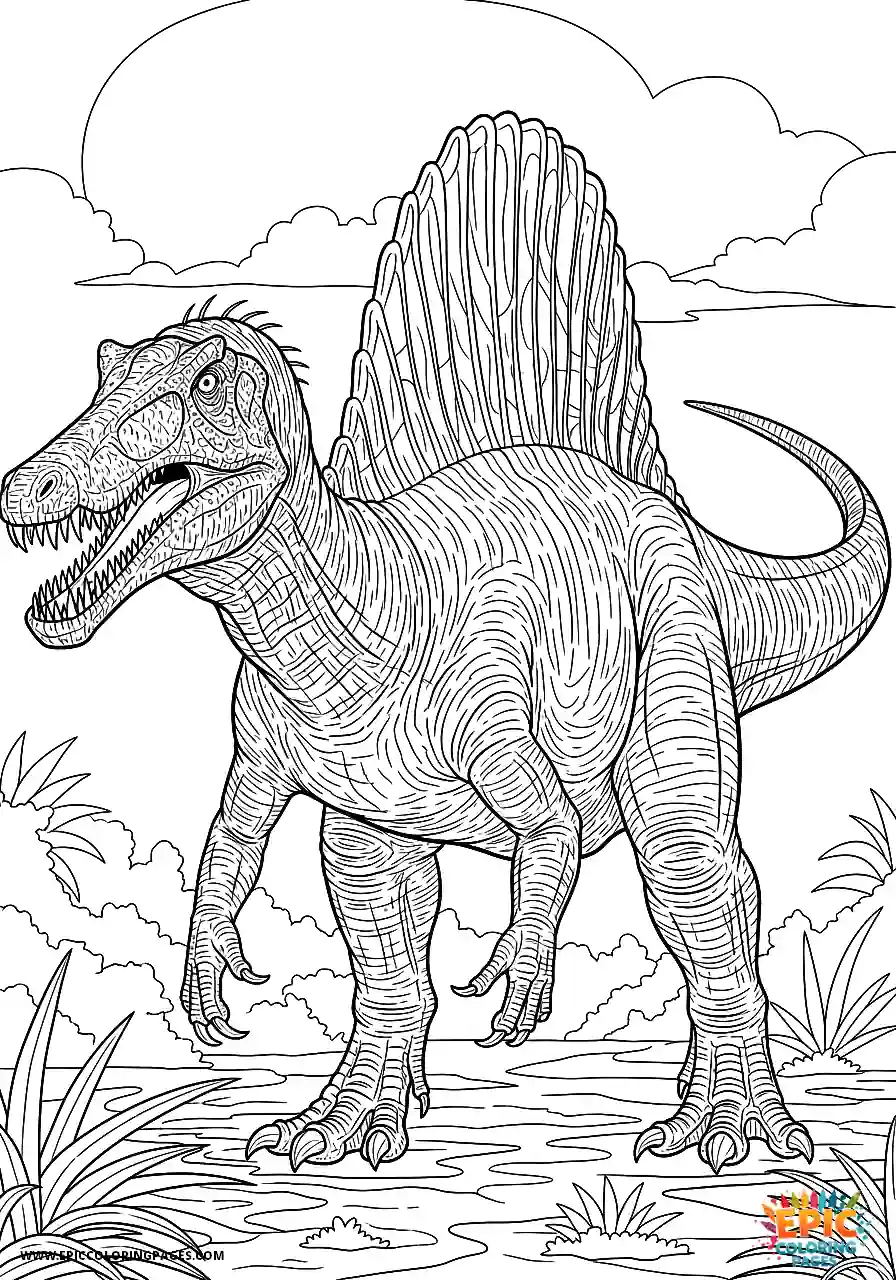
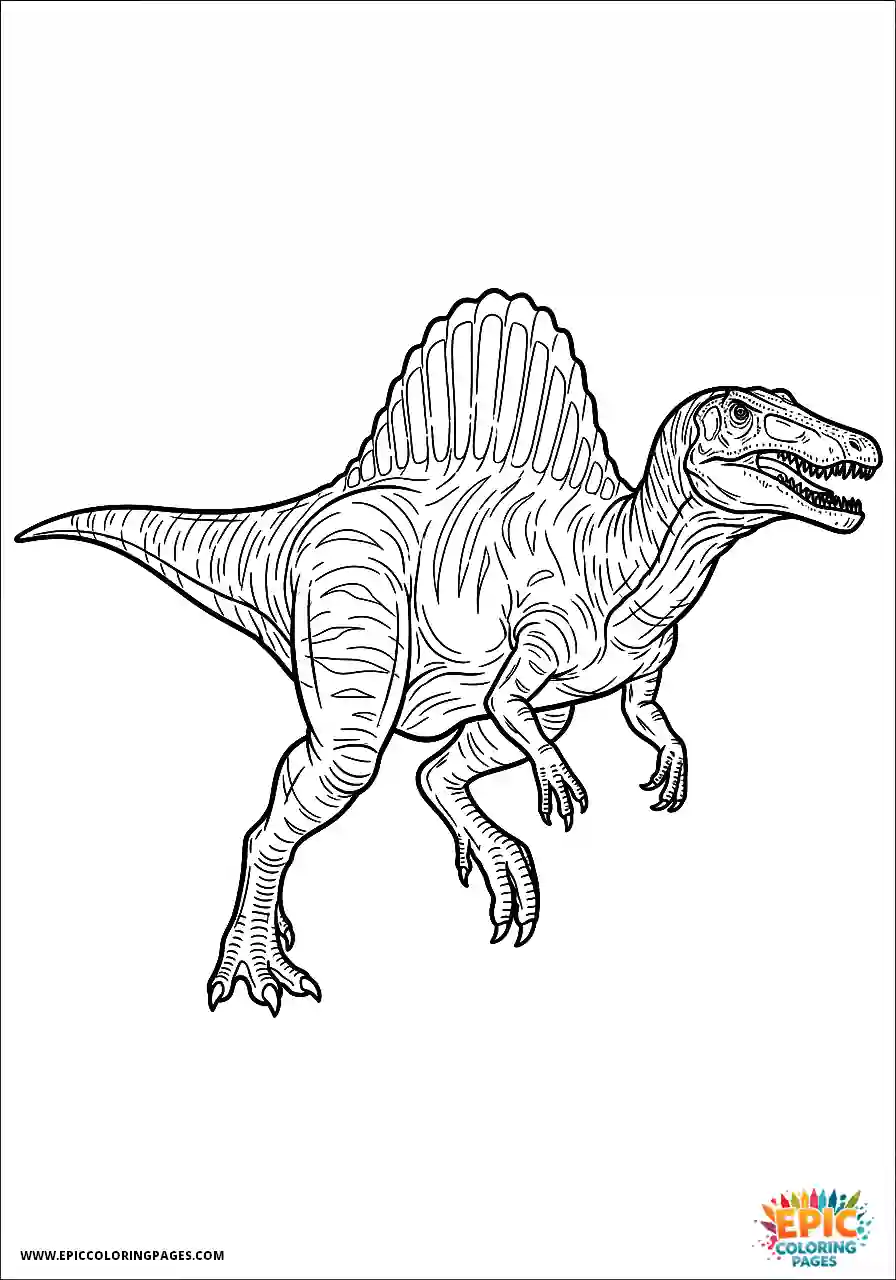
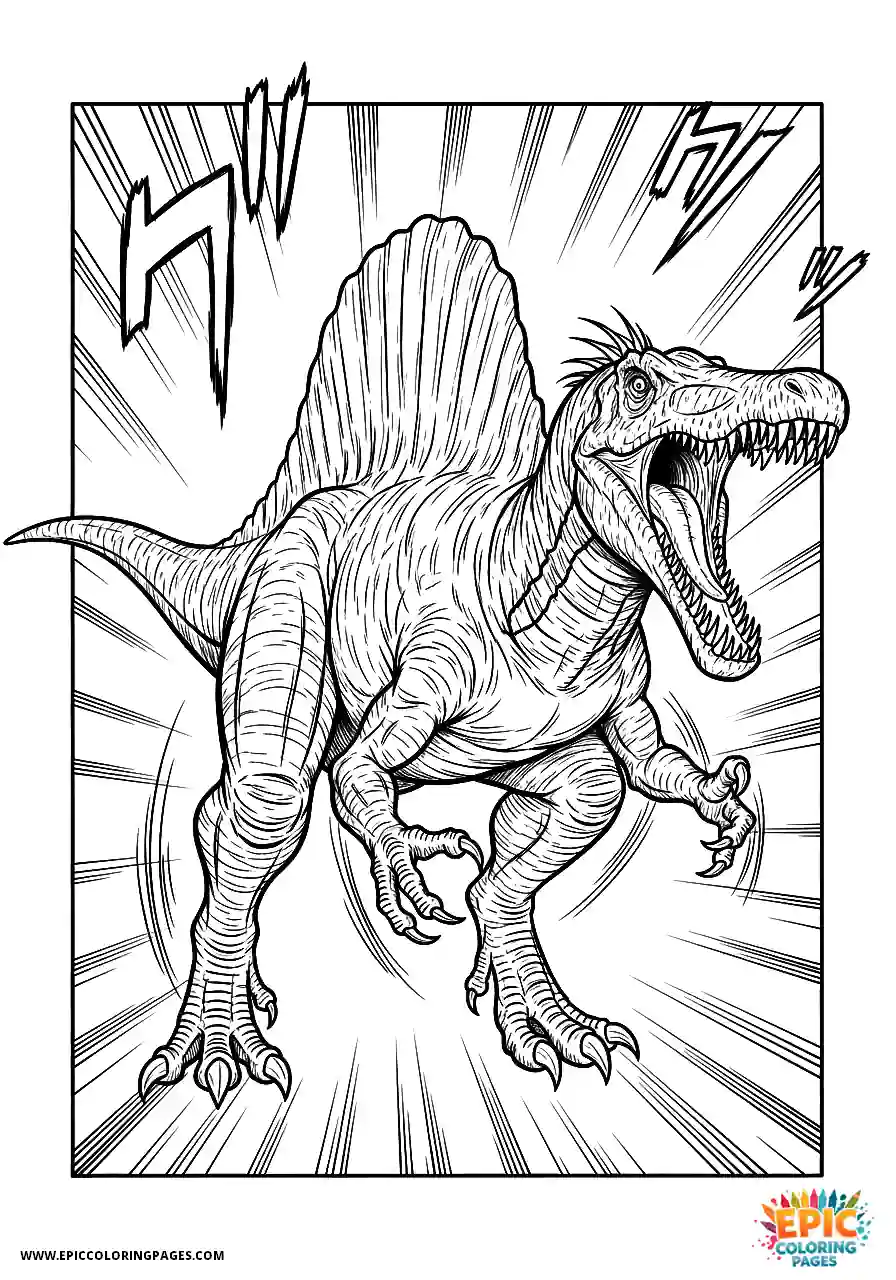
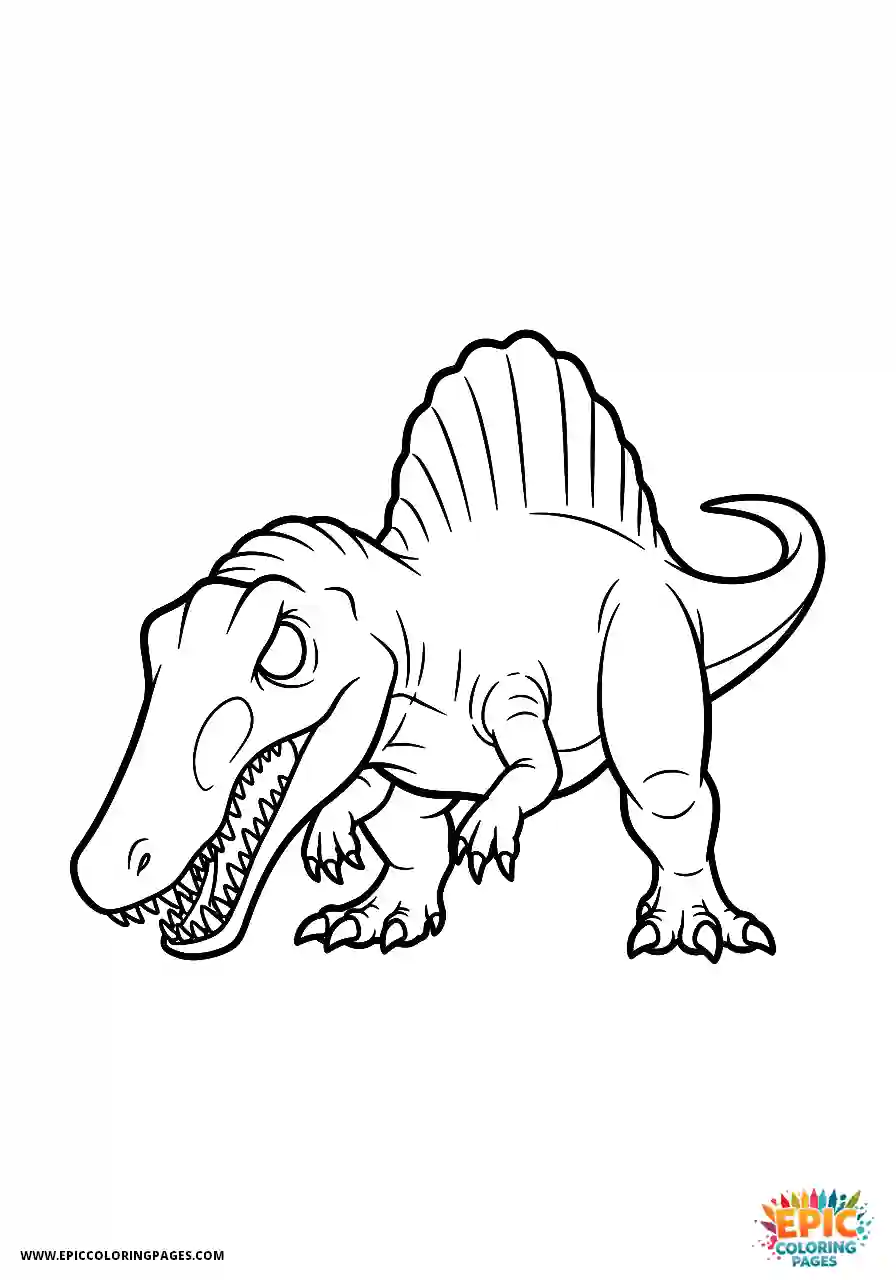
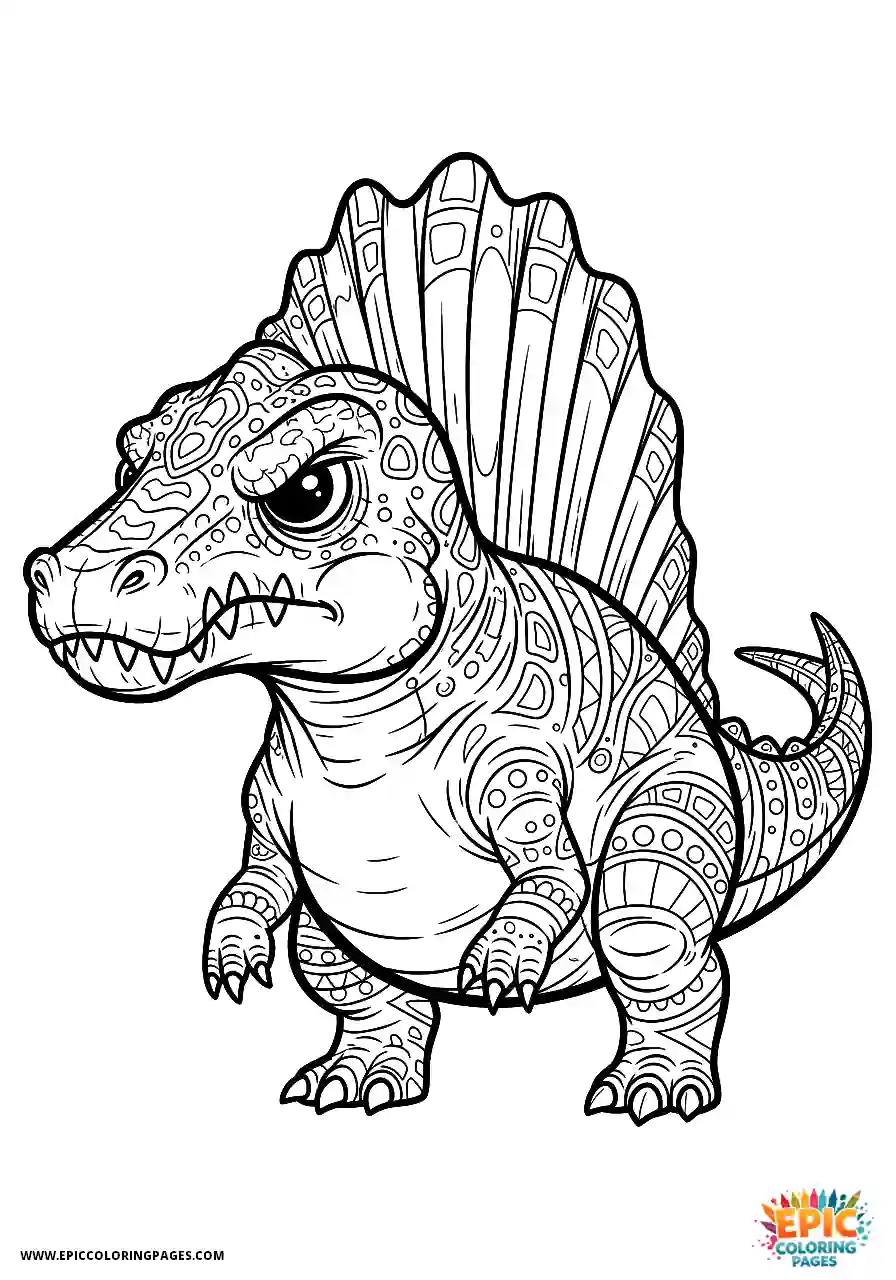
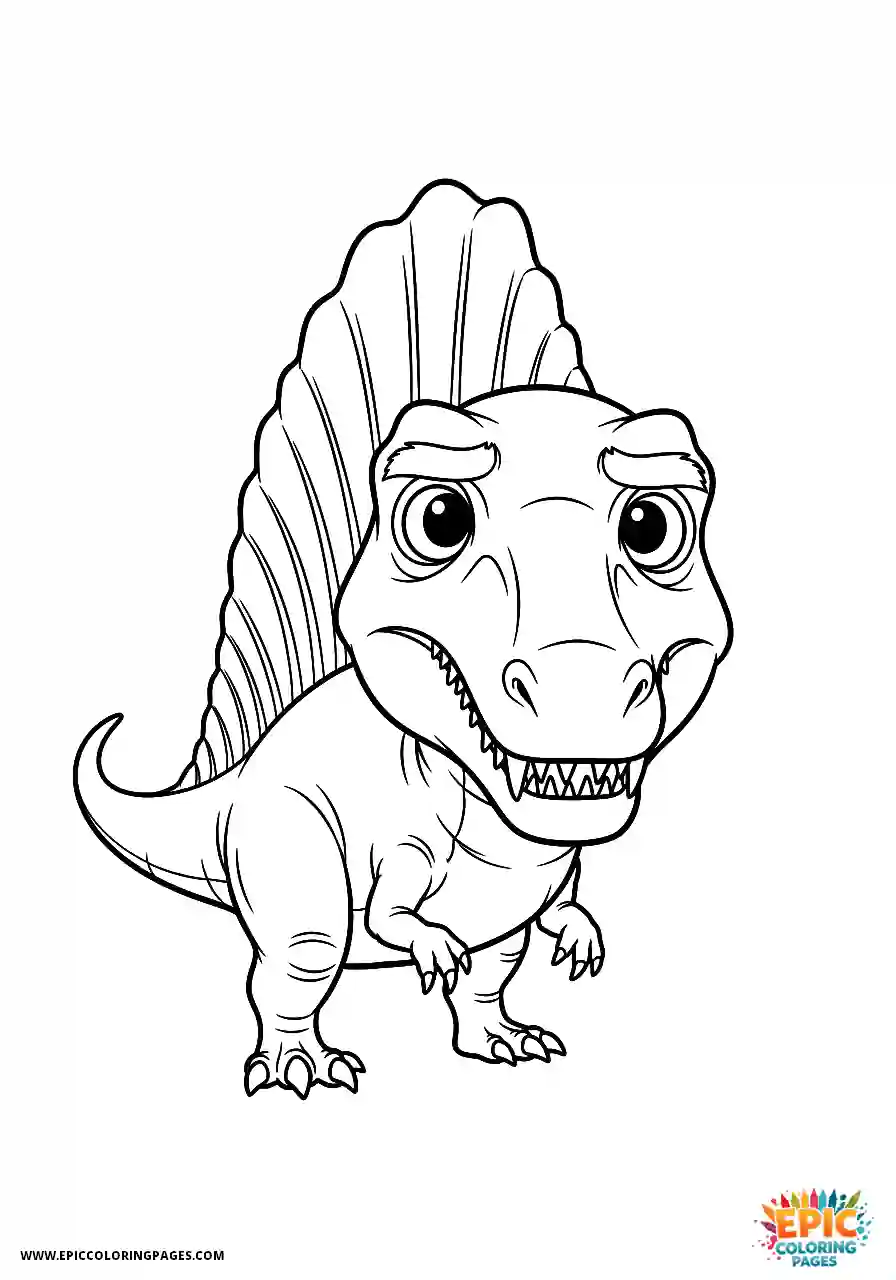
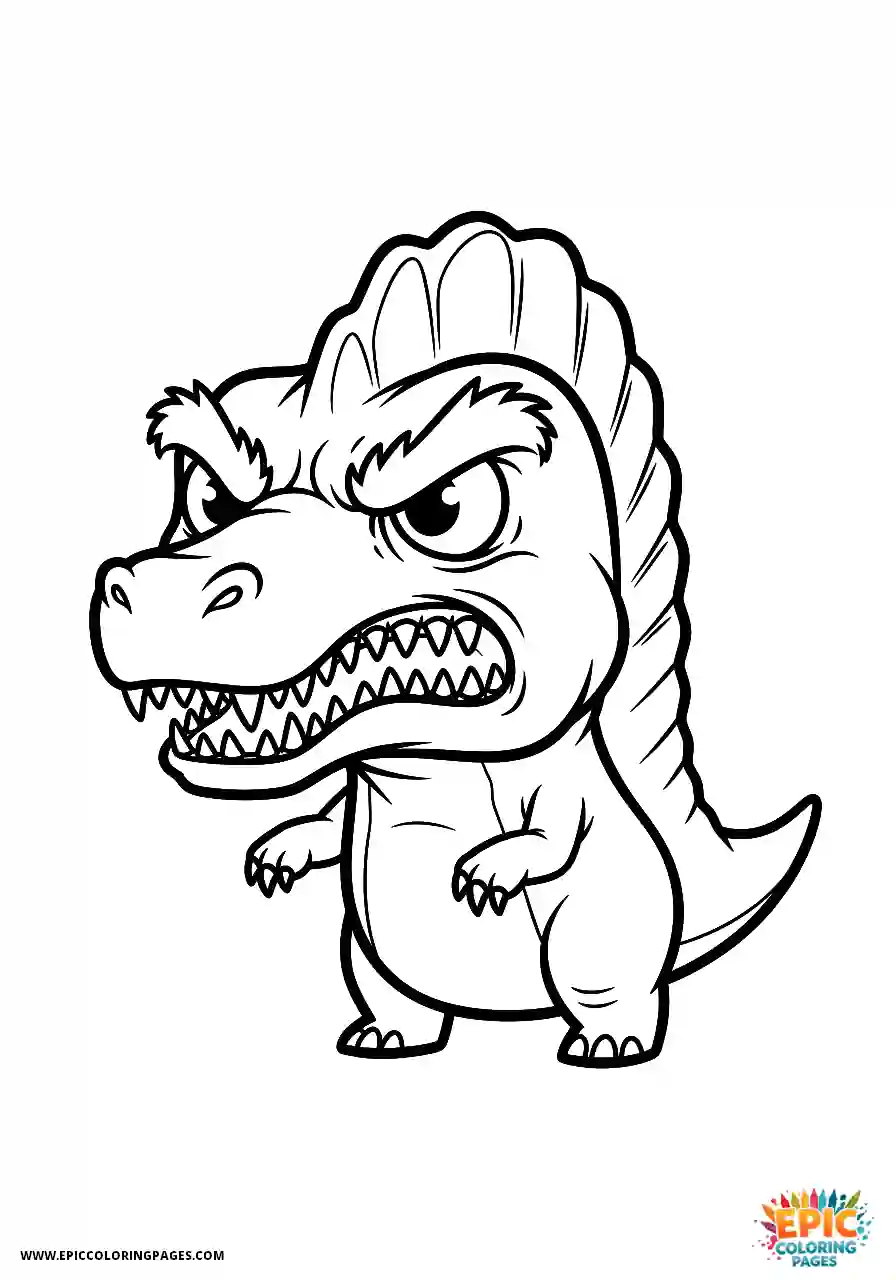
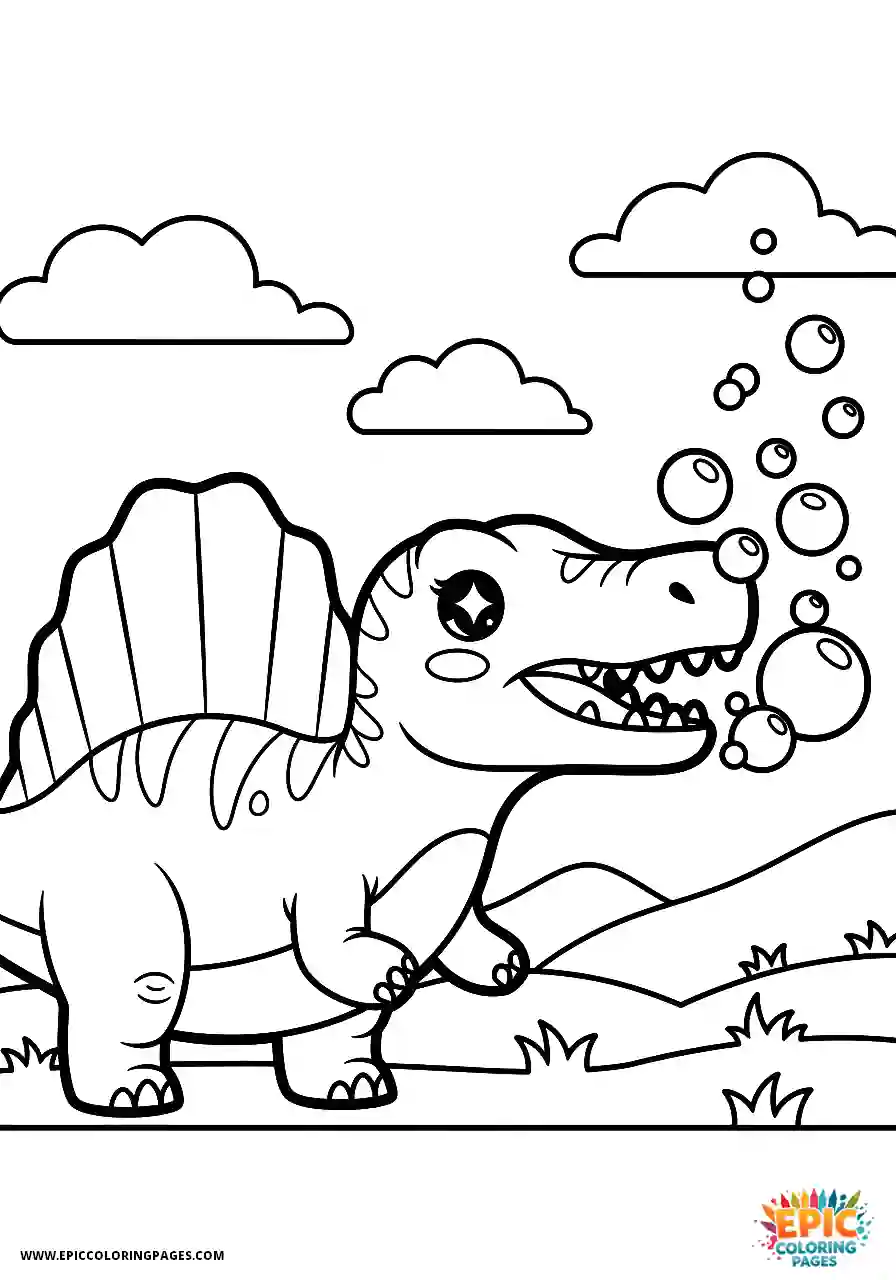
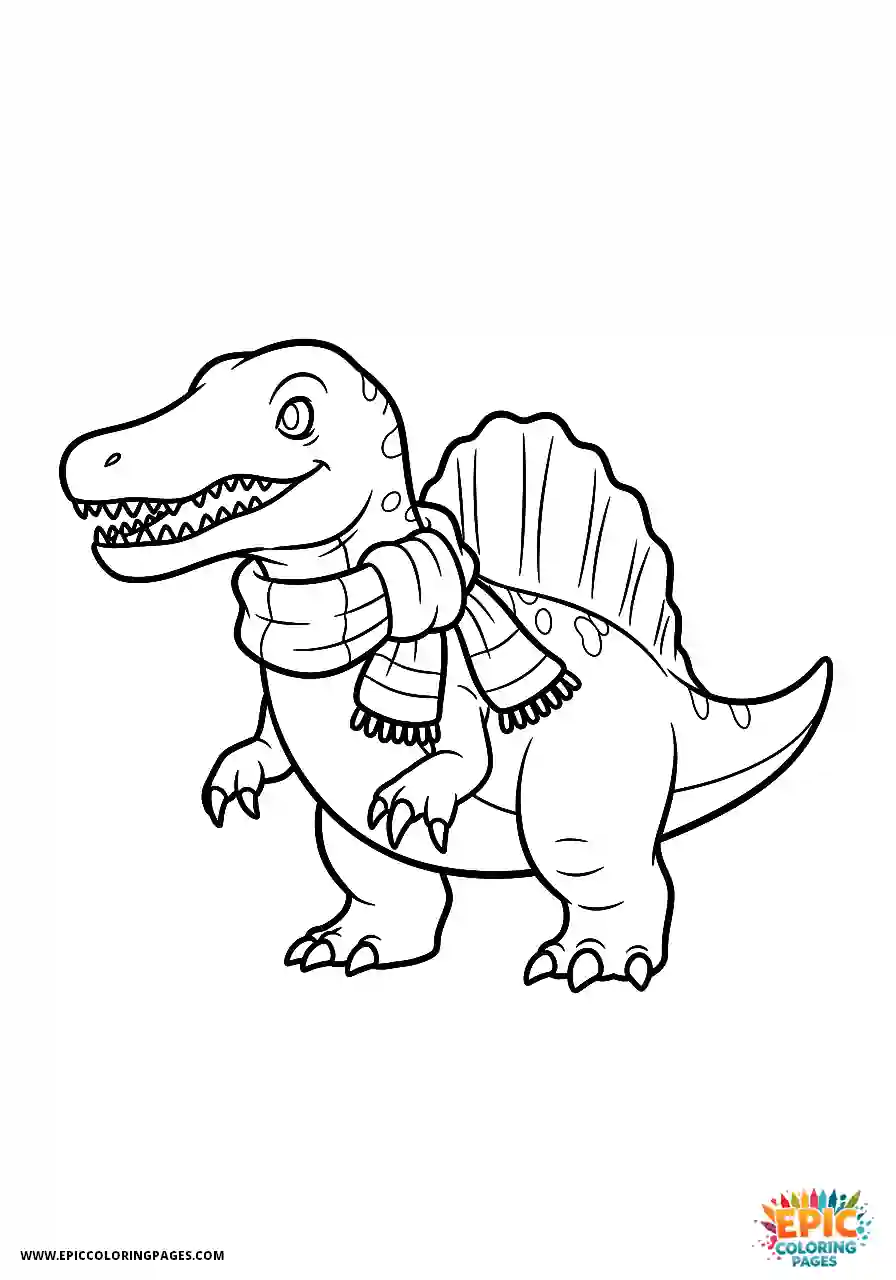
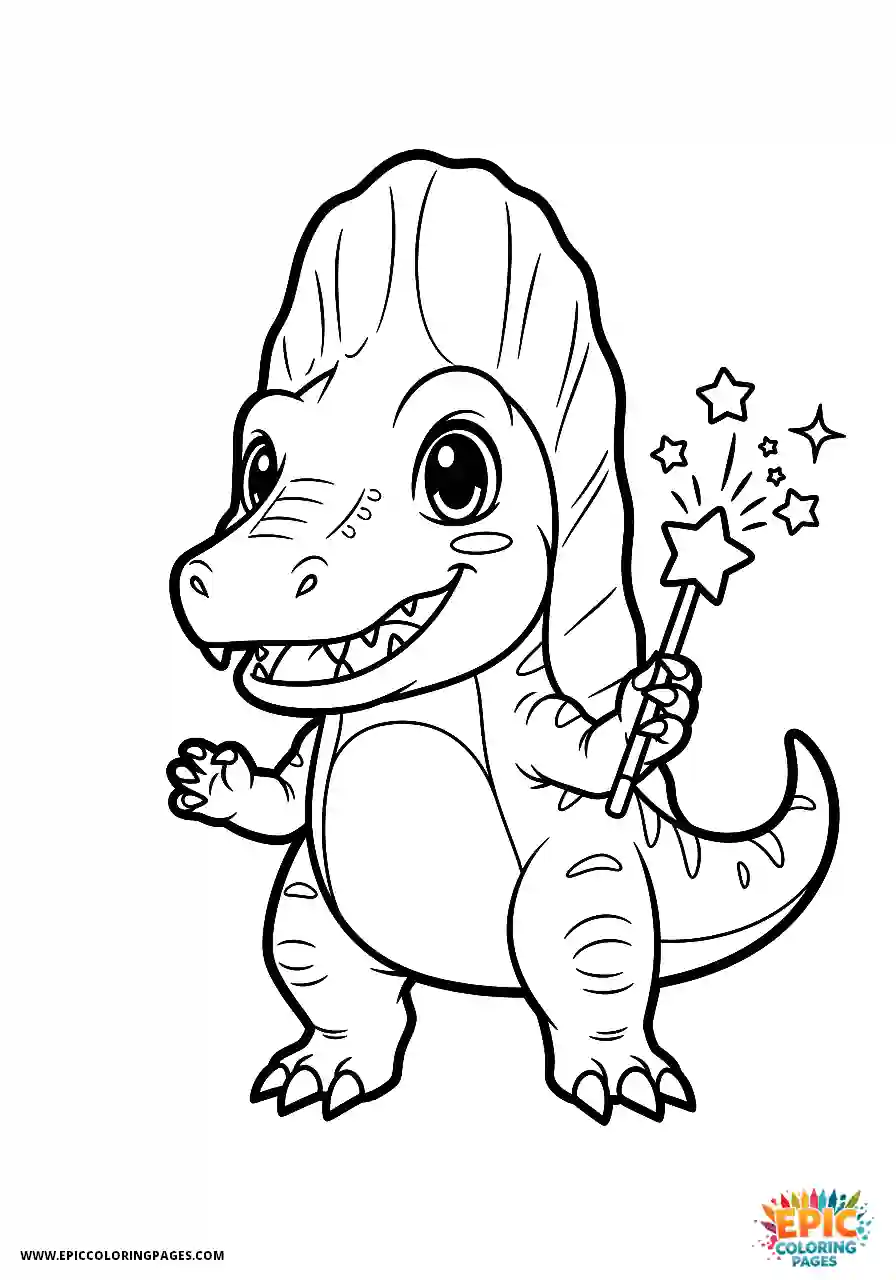
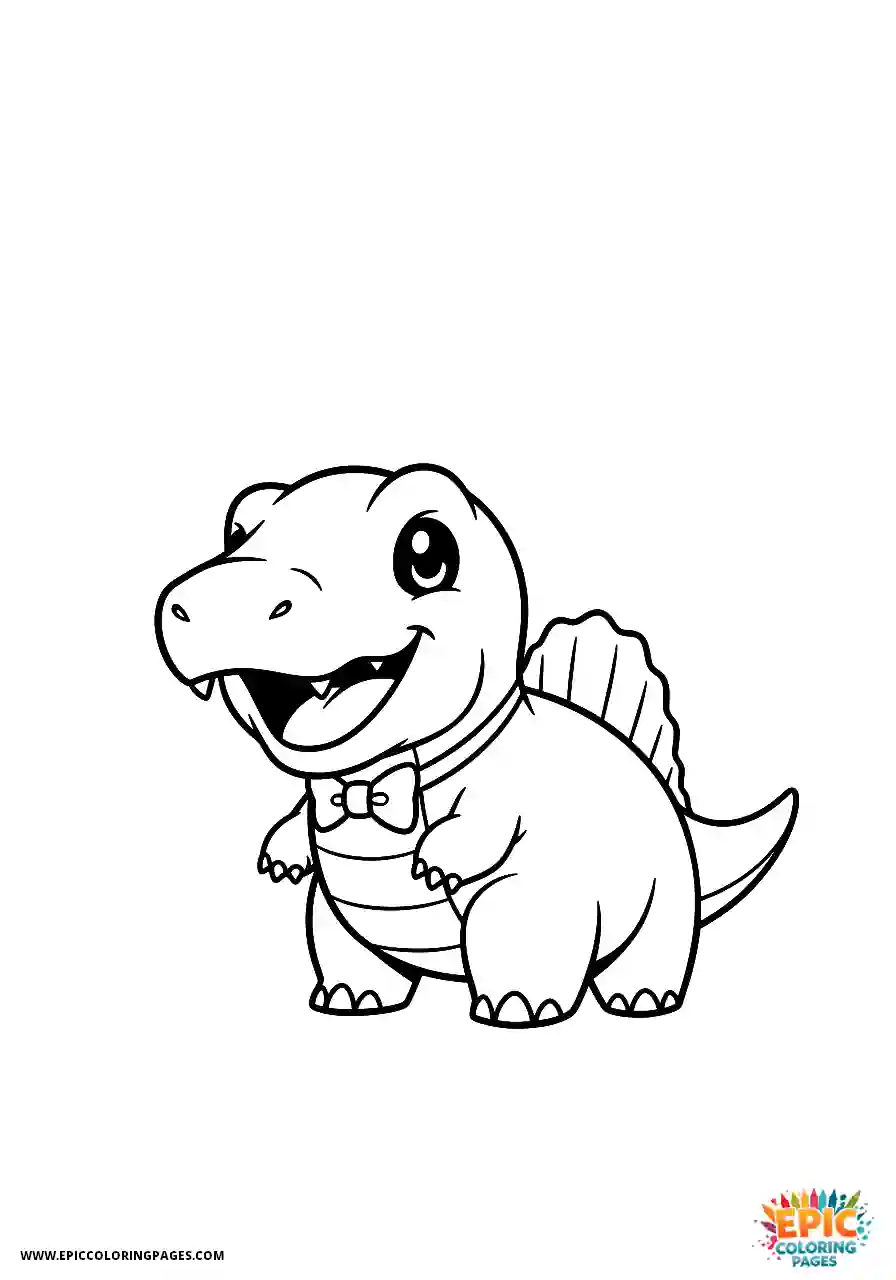
Professional Coloring Tips for Spinosaurus Pages
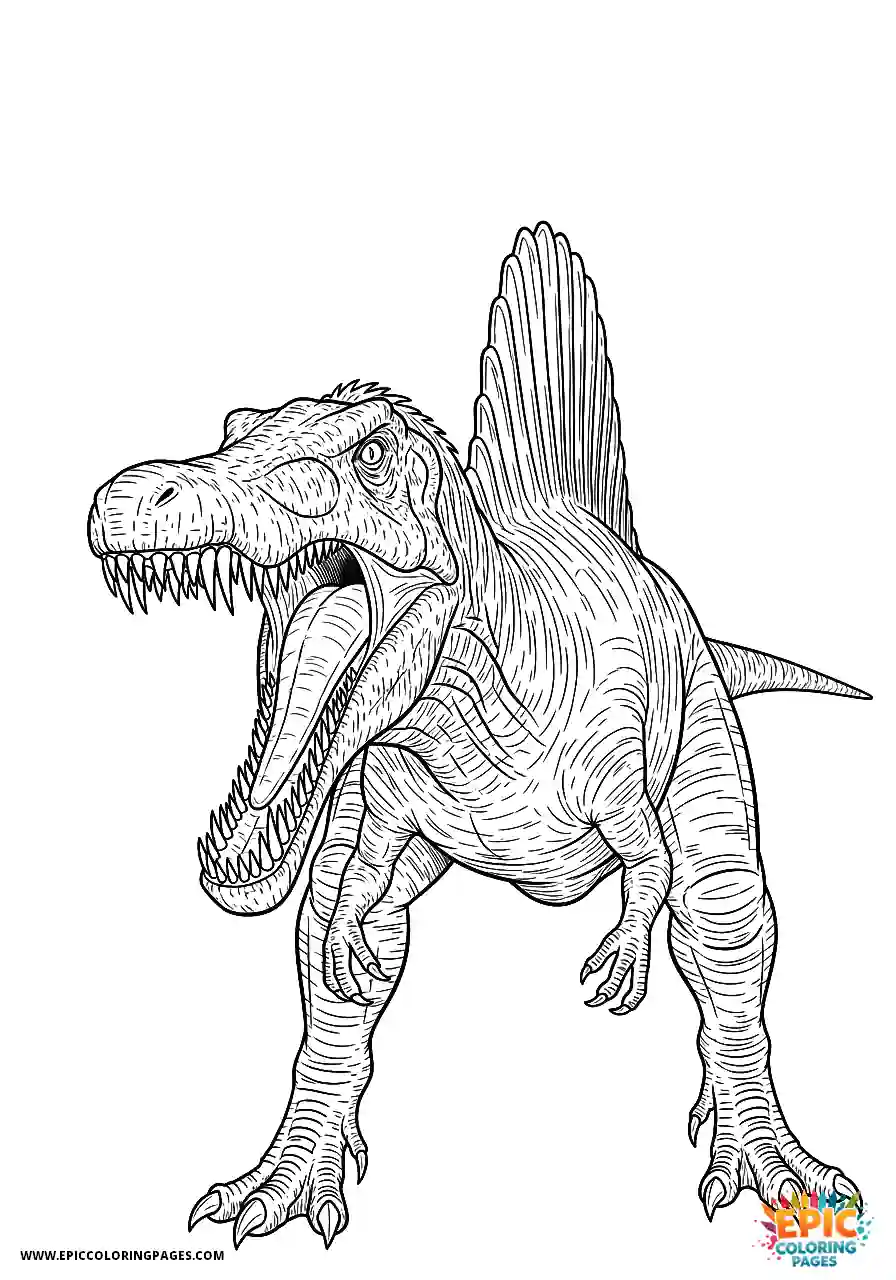
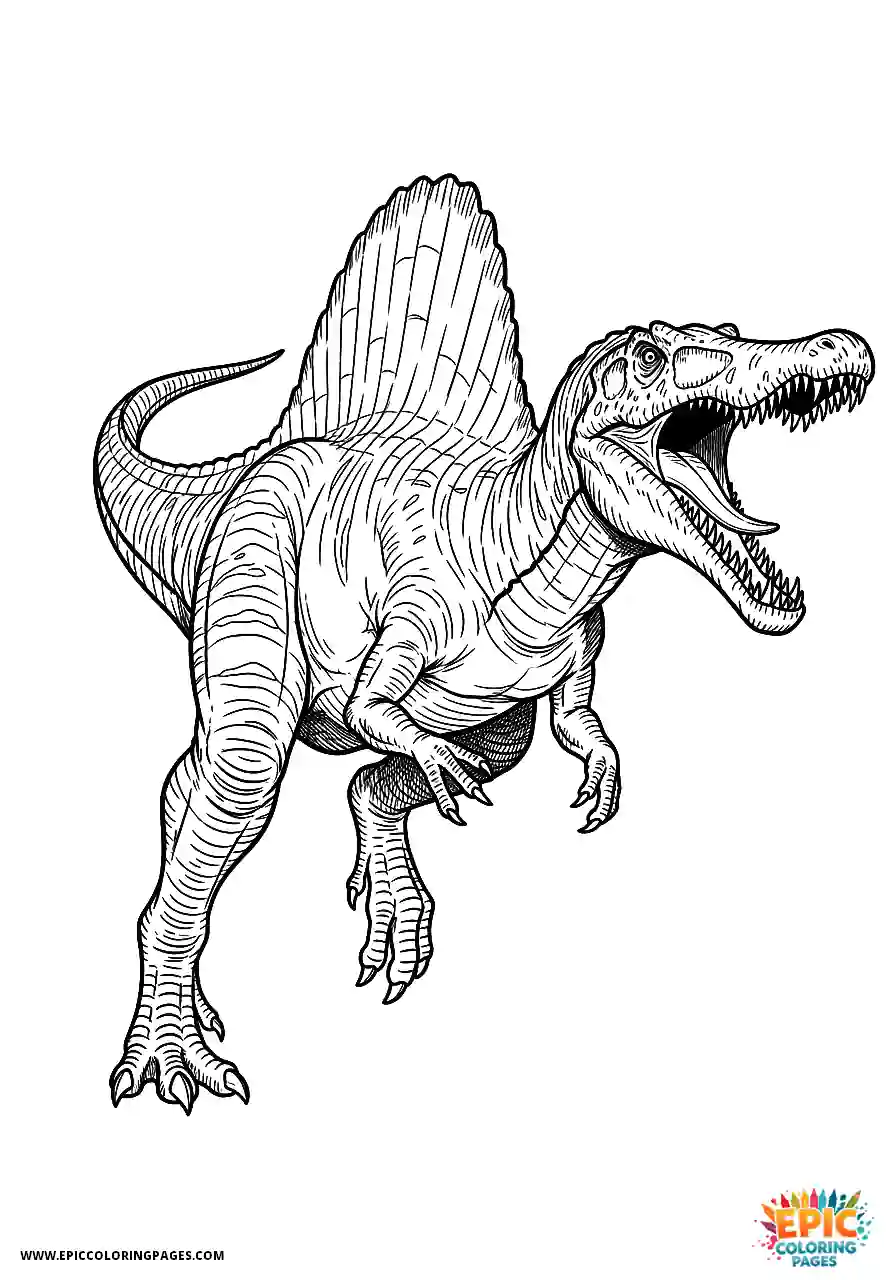
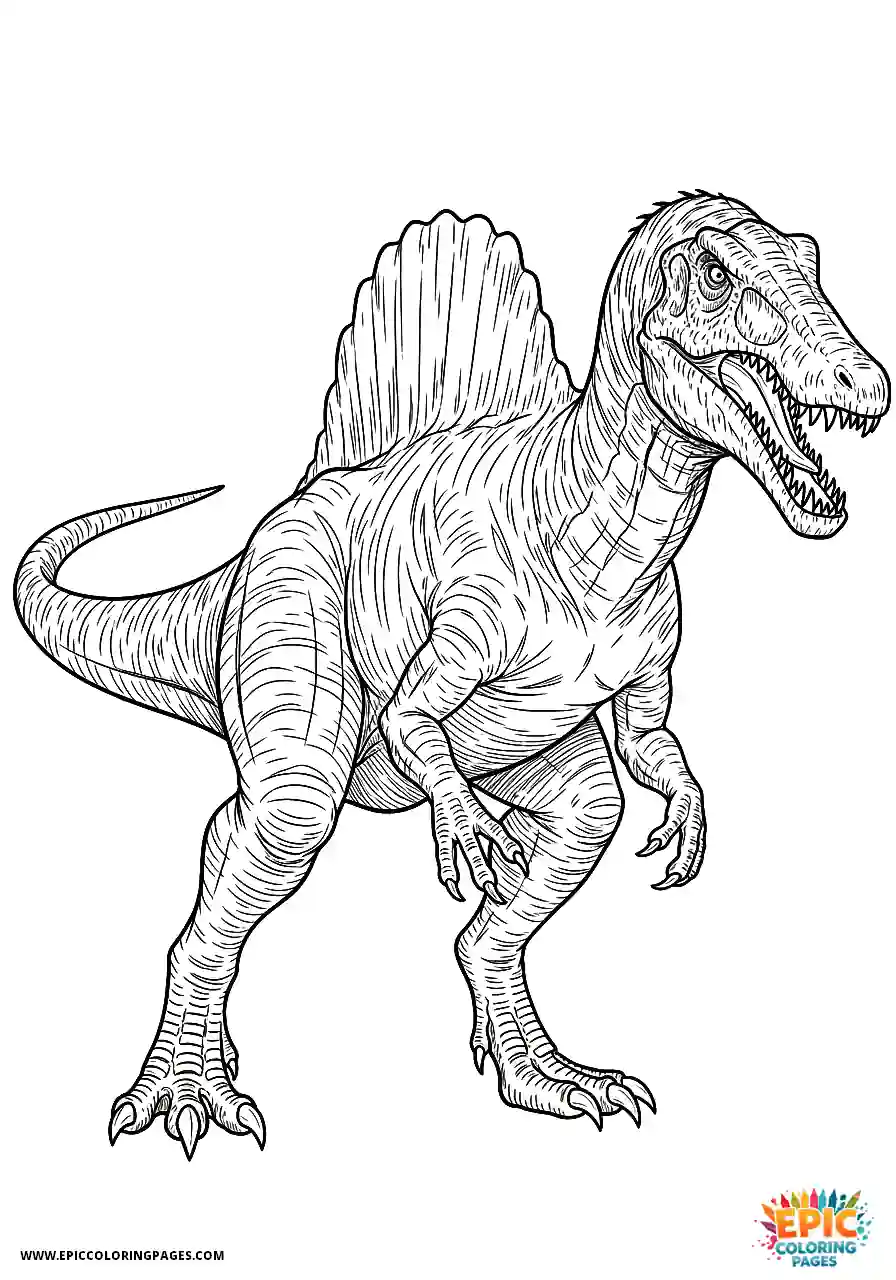
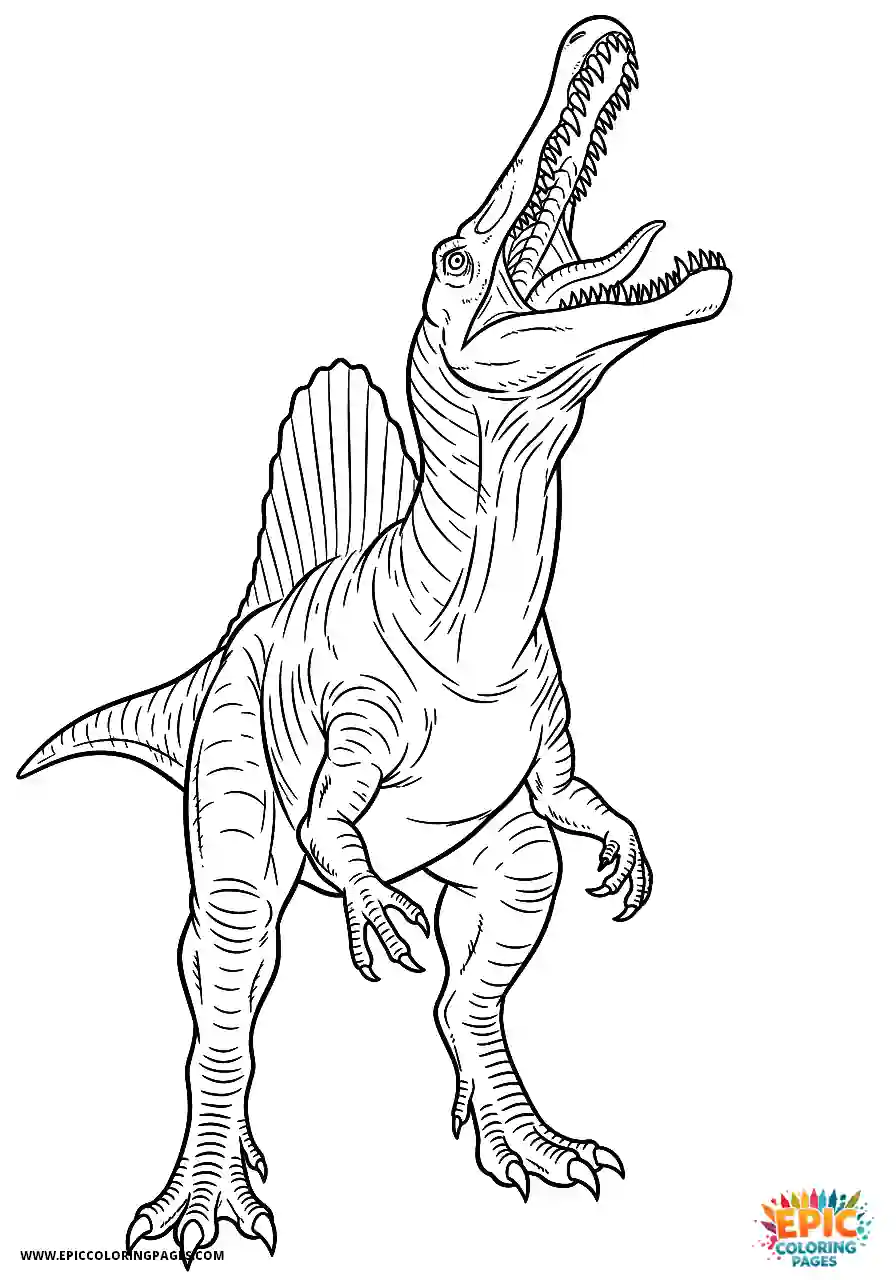
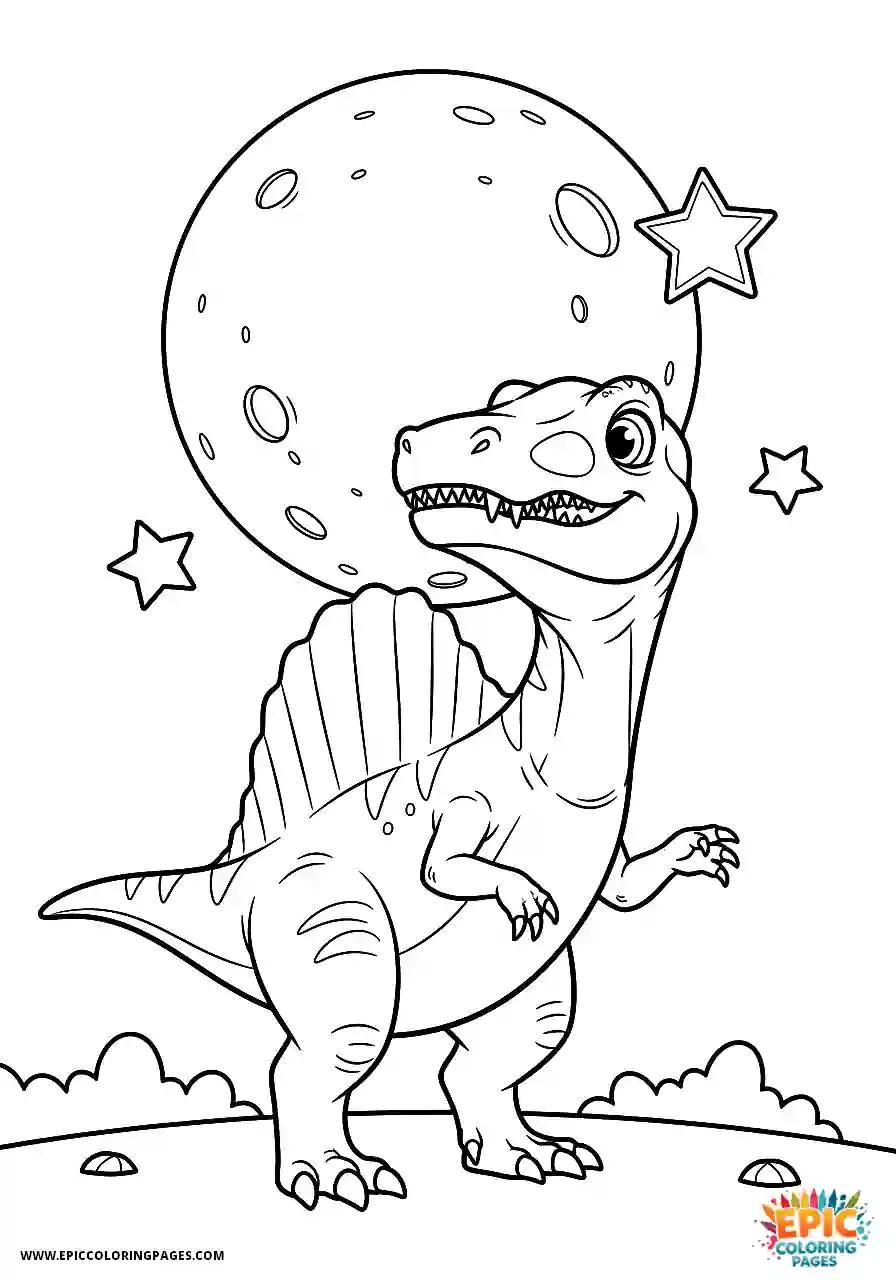
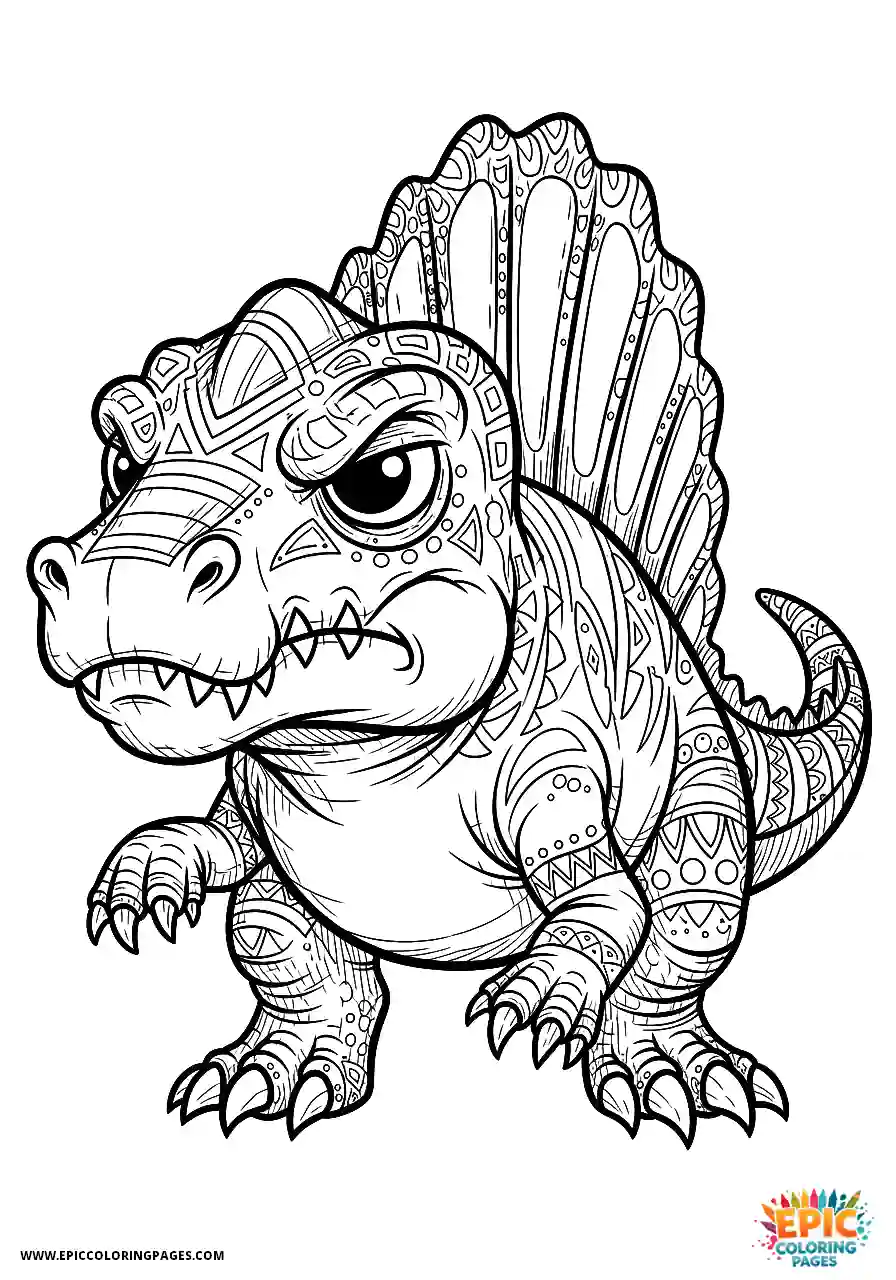
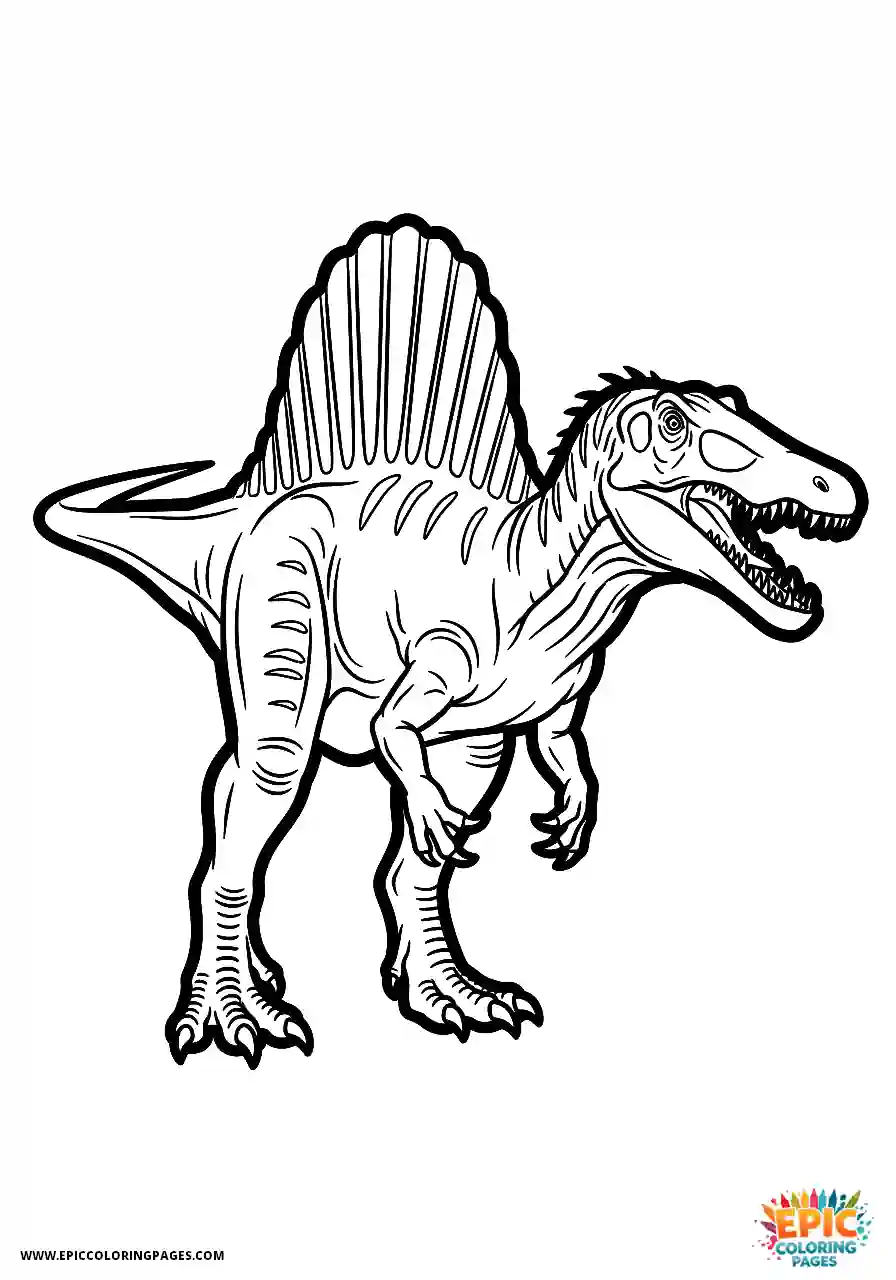
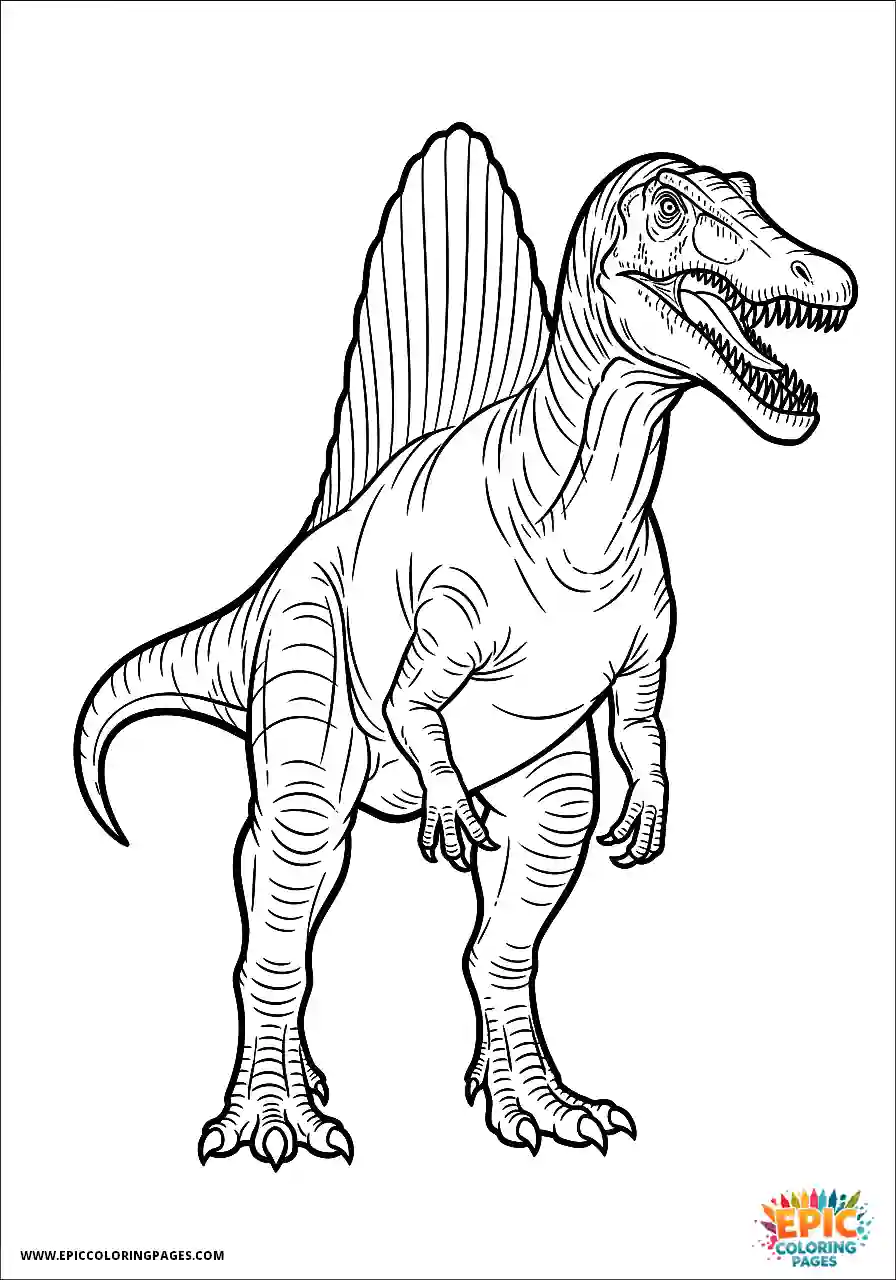
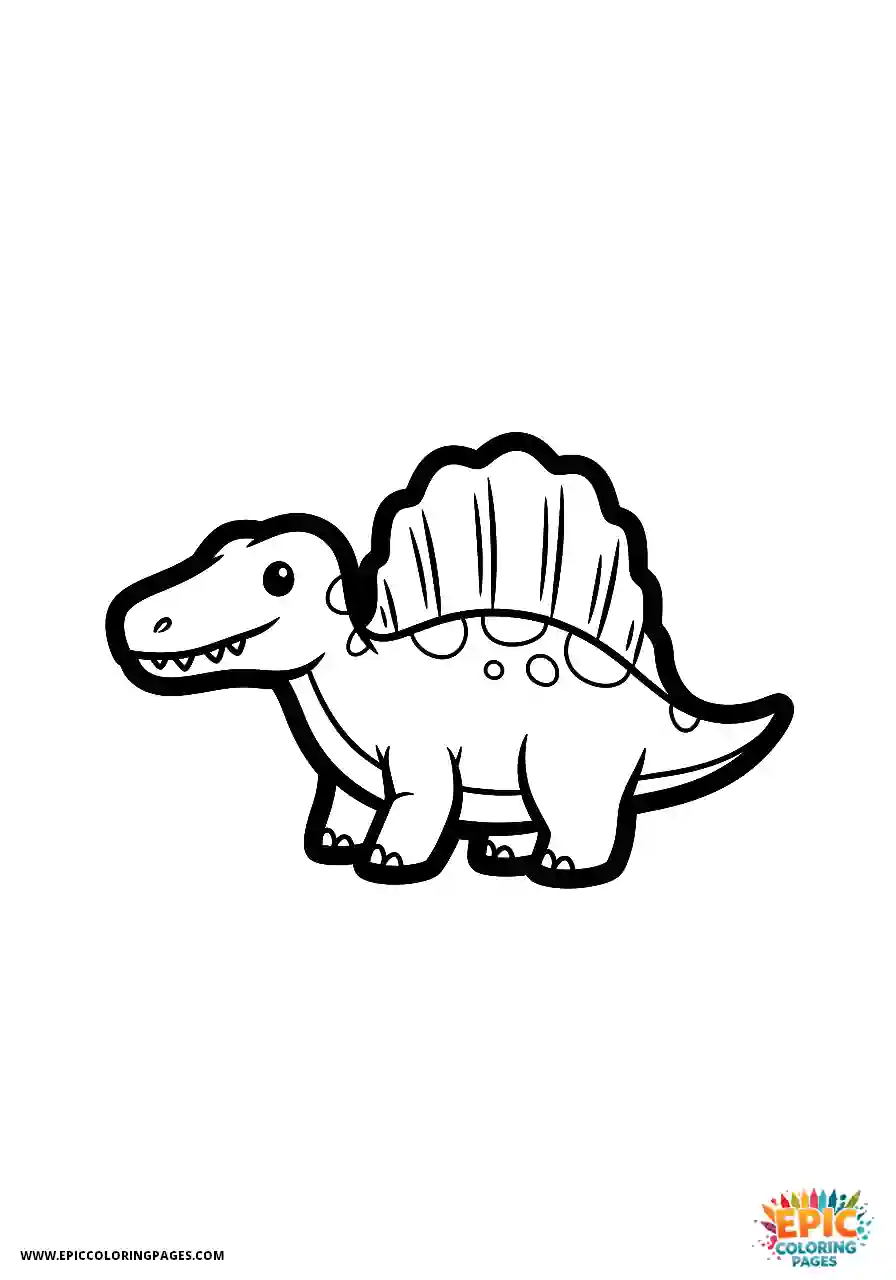
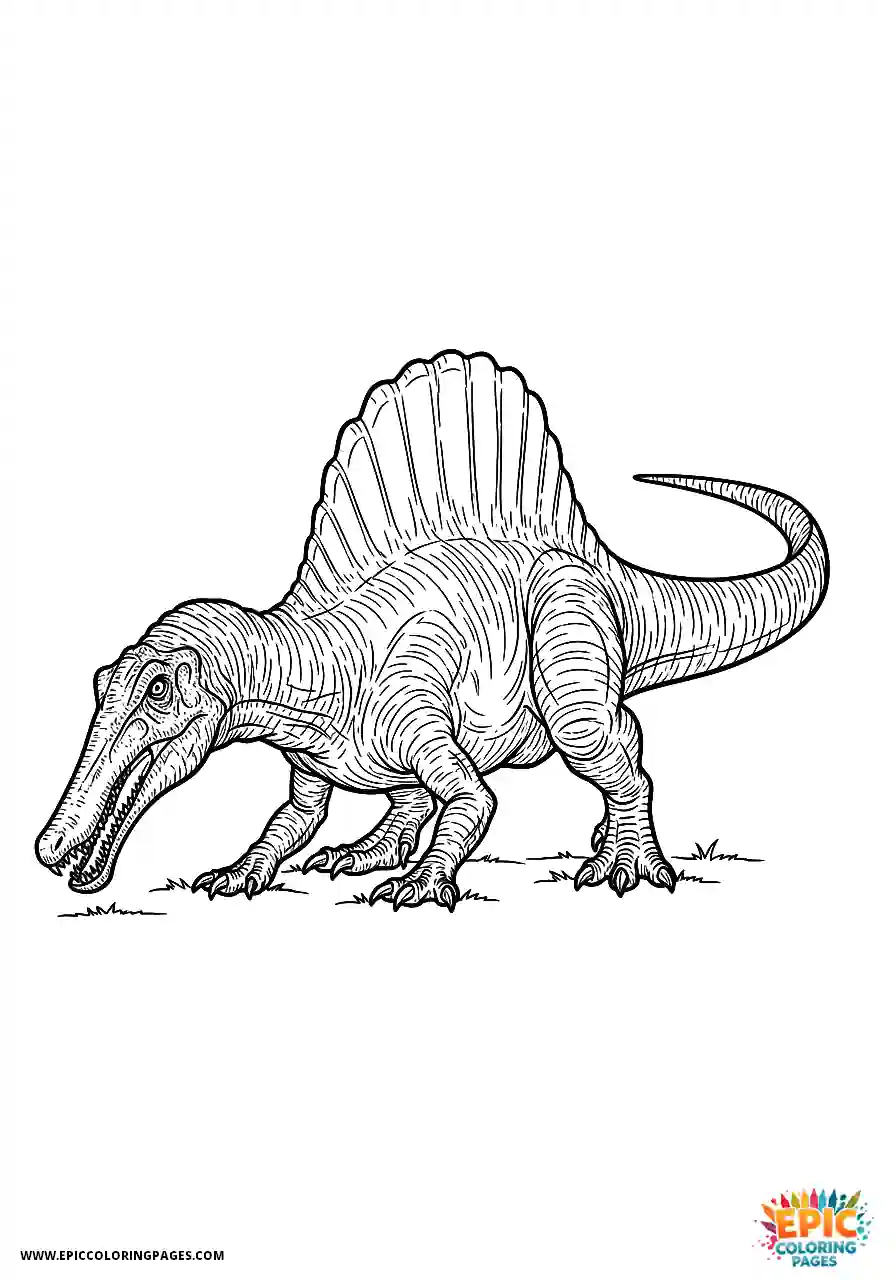
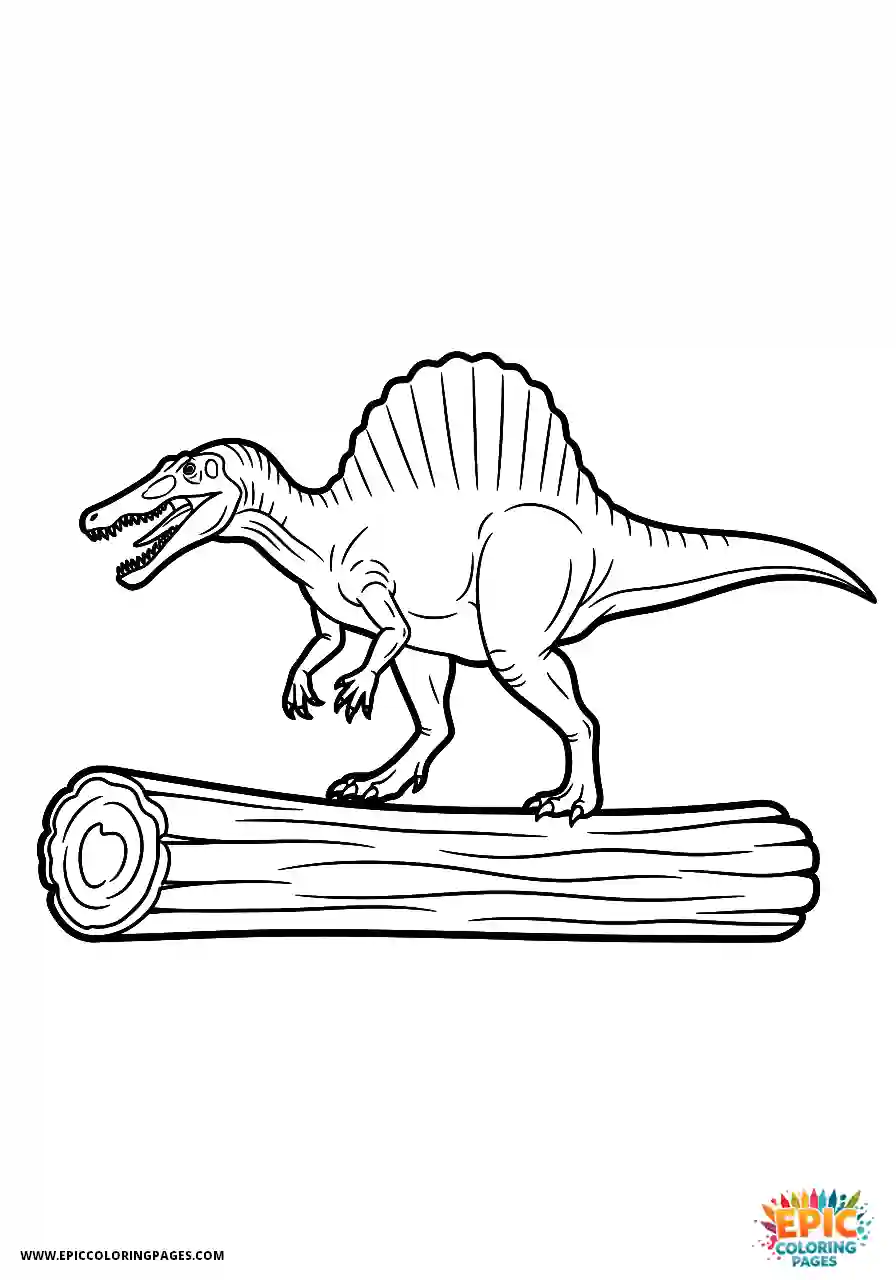
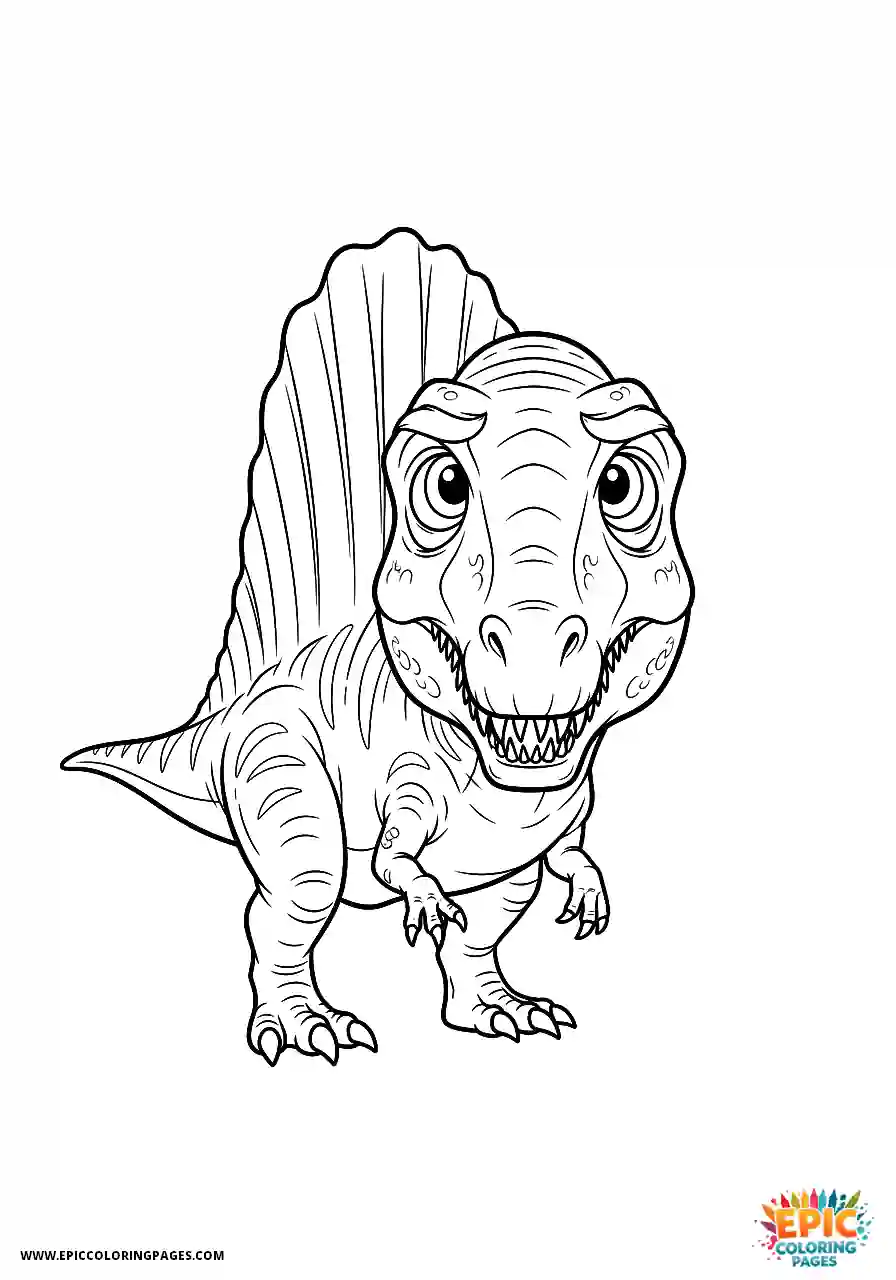
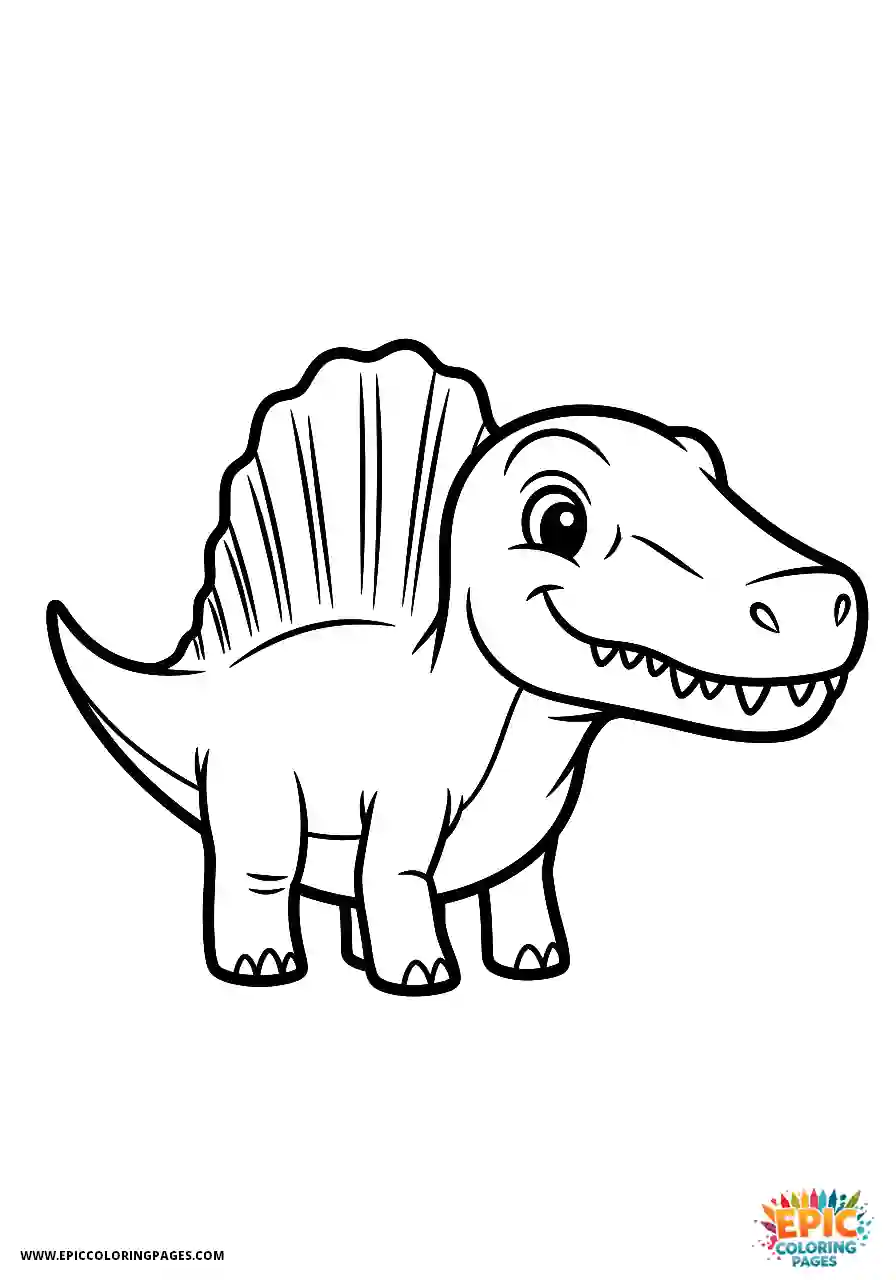
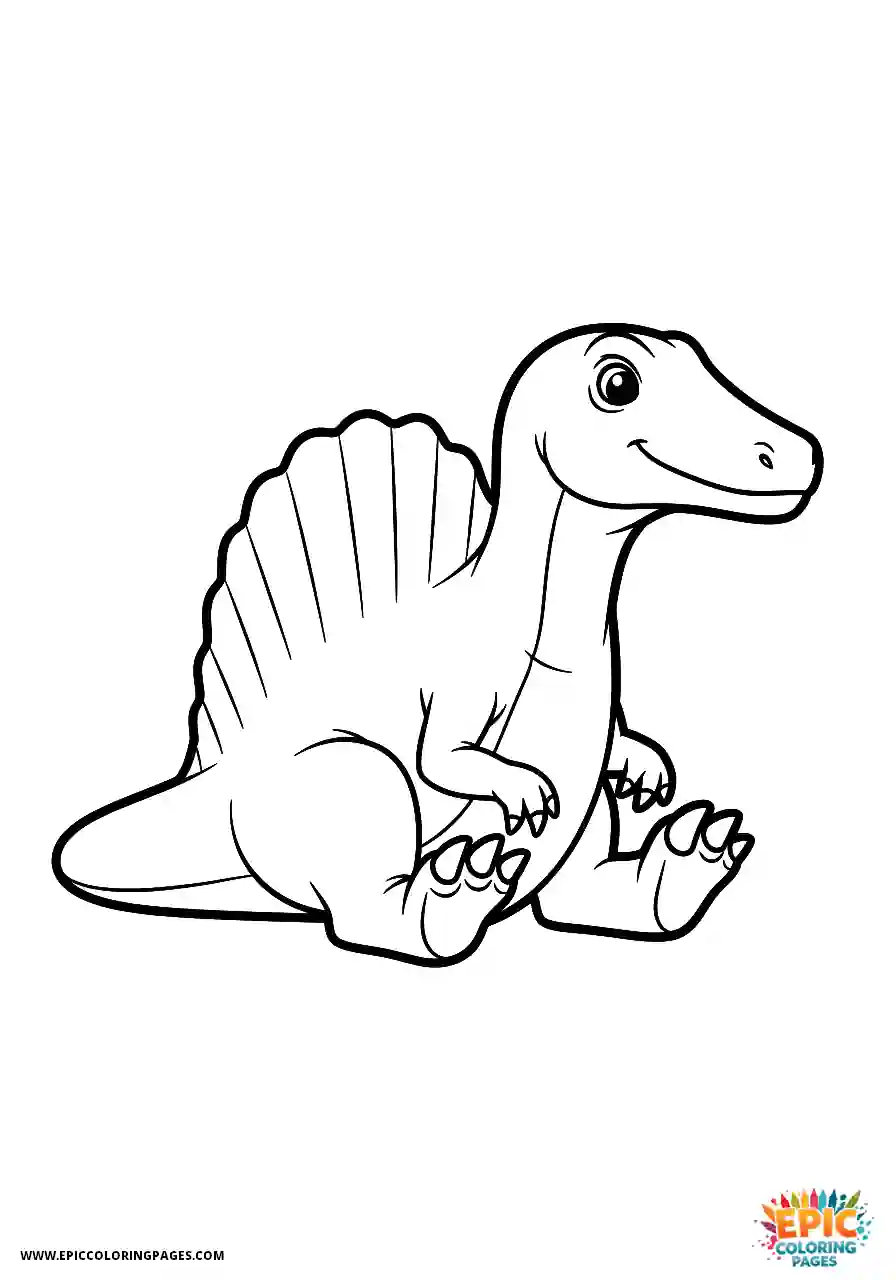
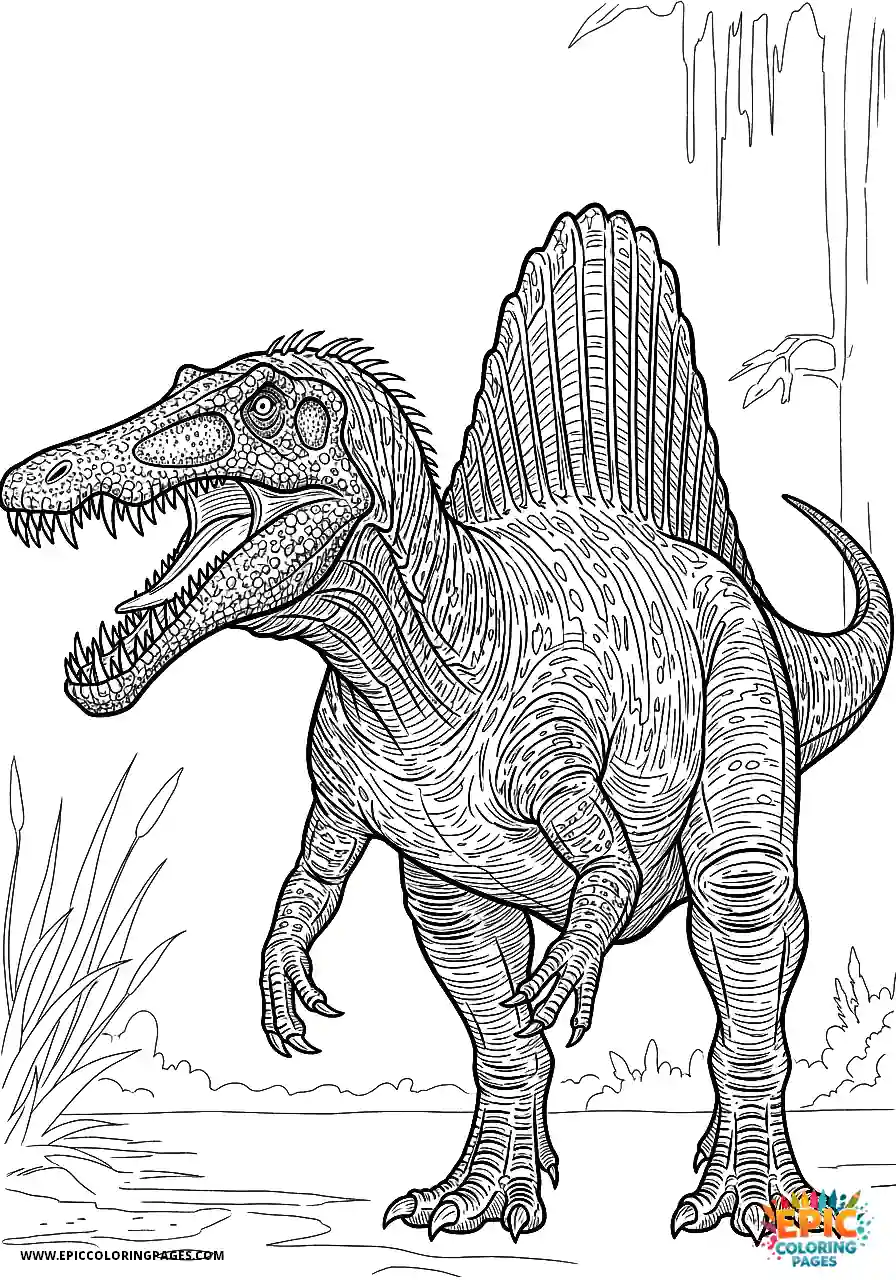
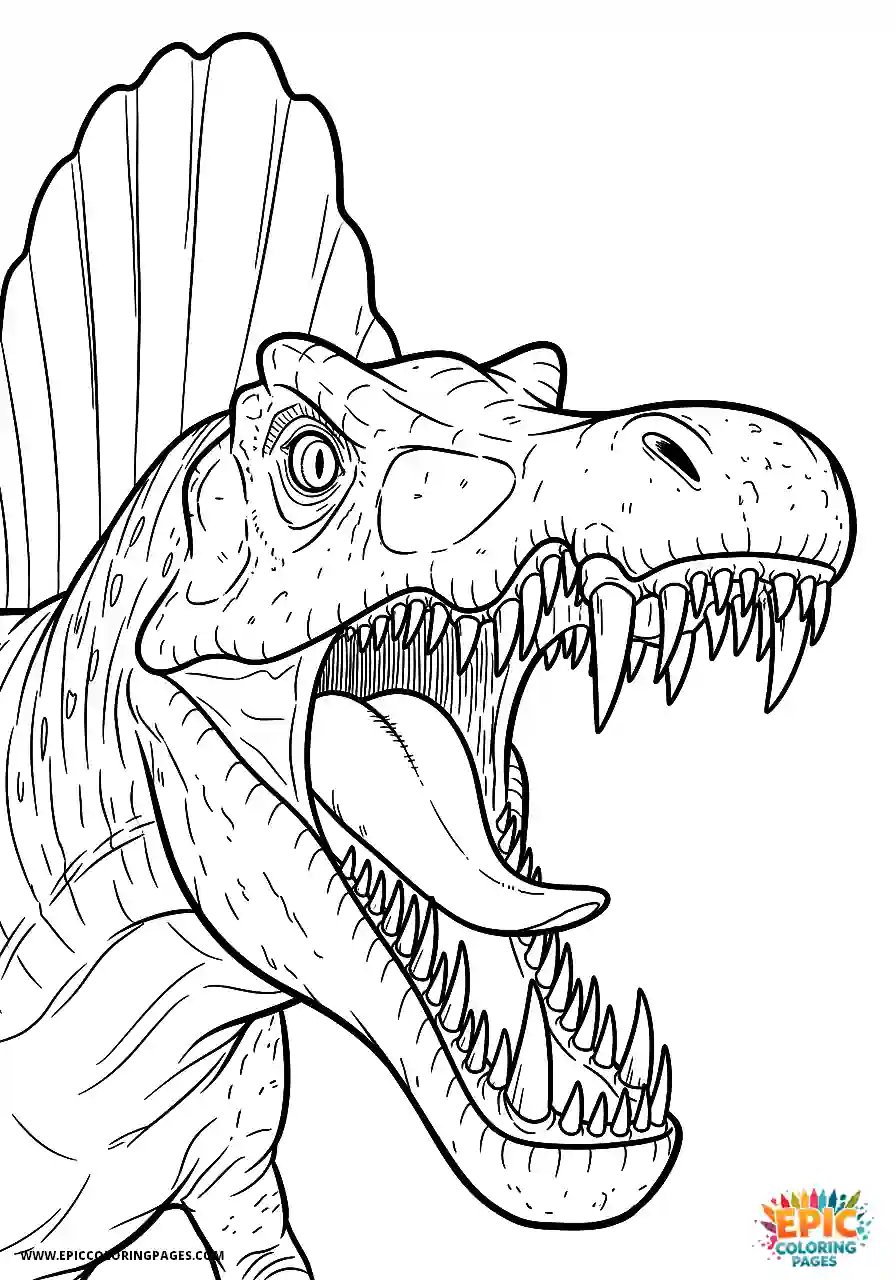
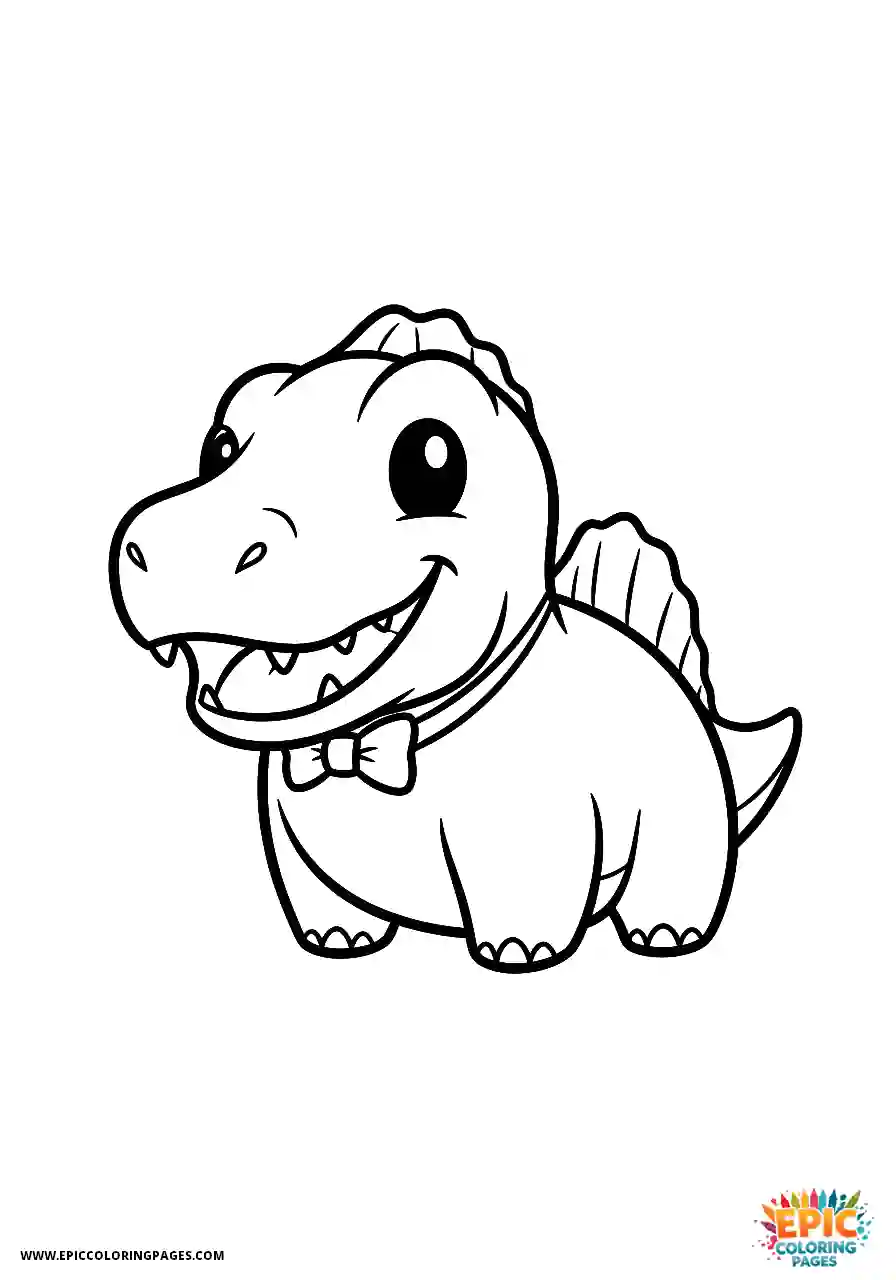
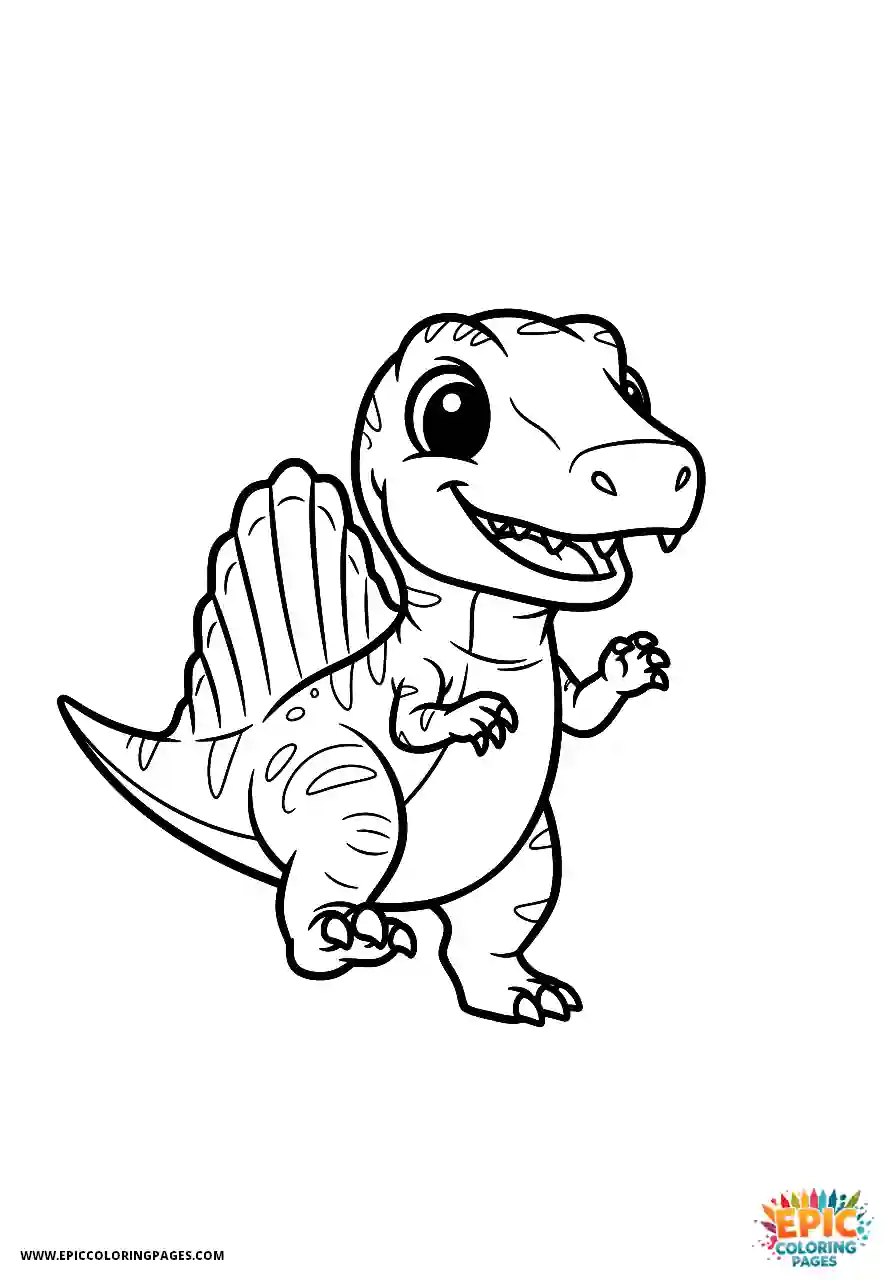
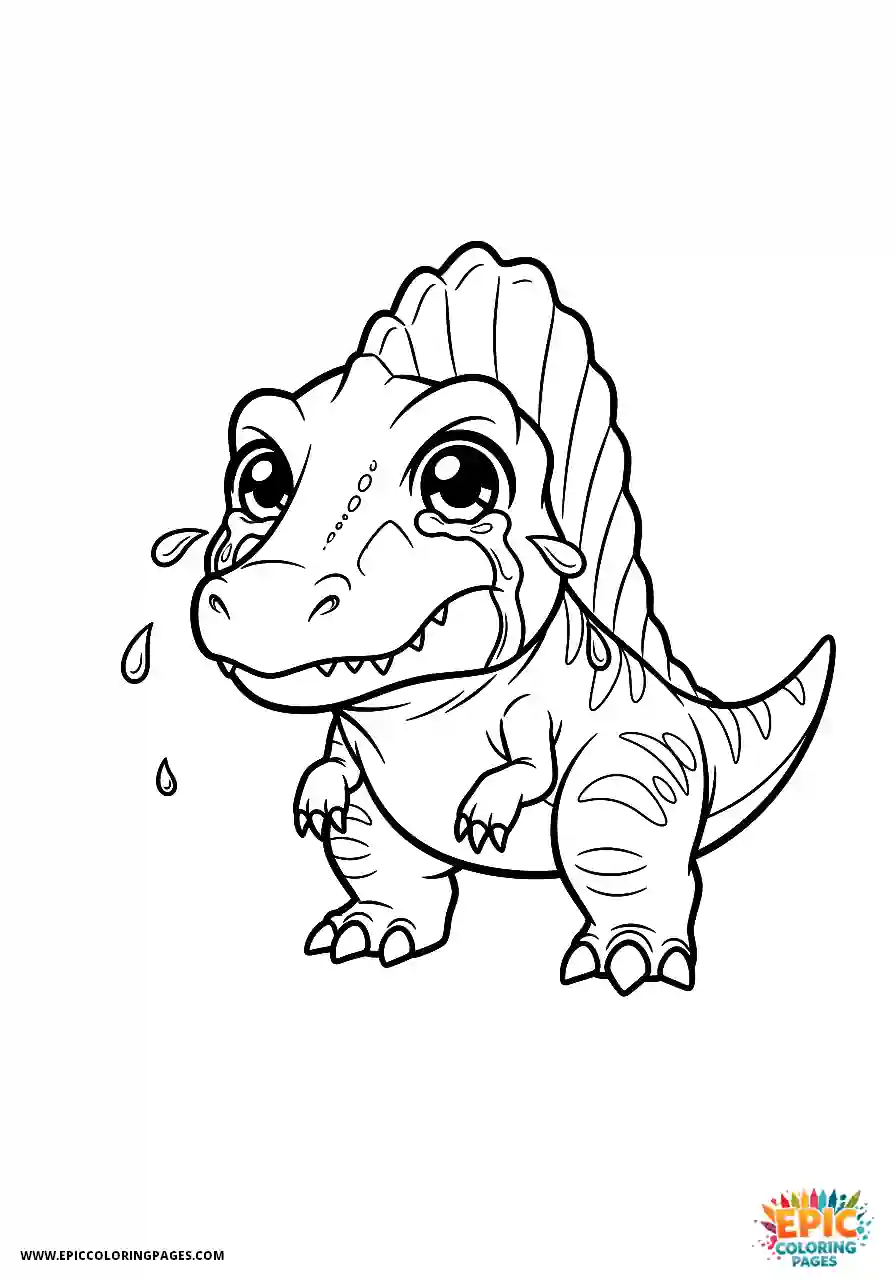
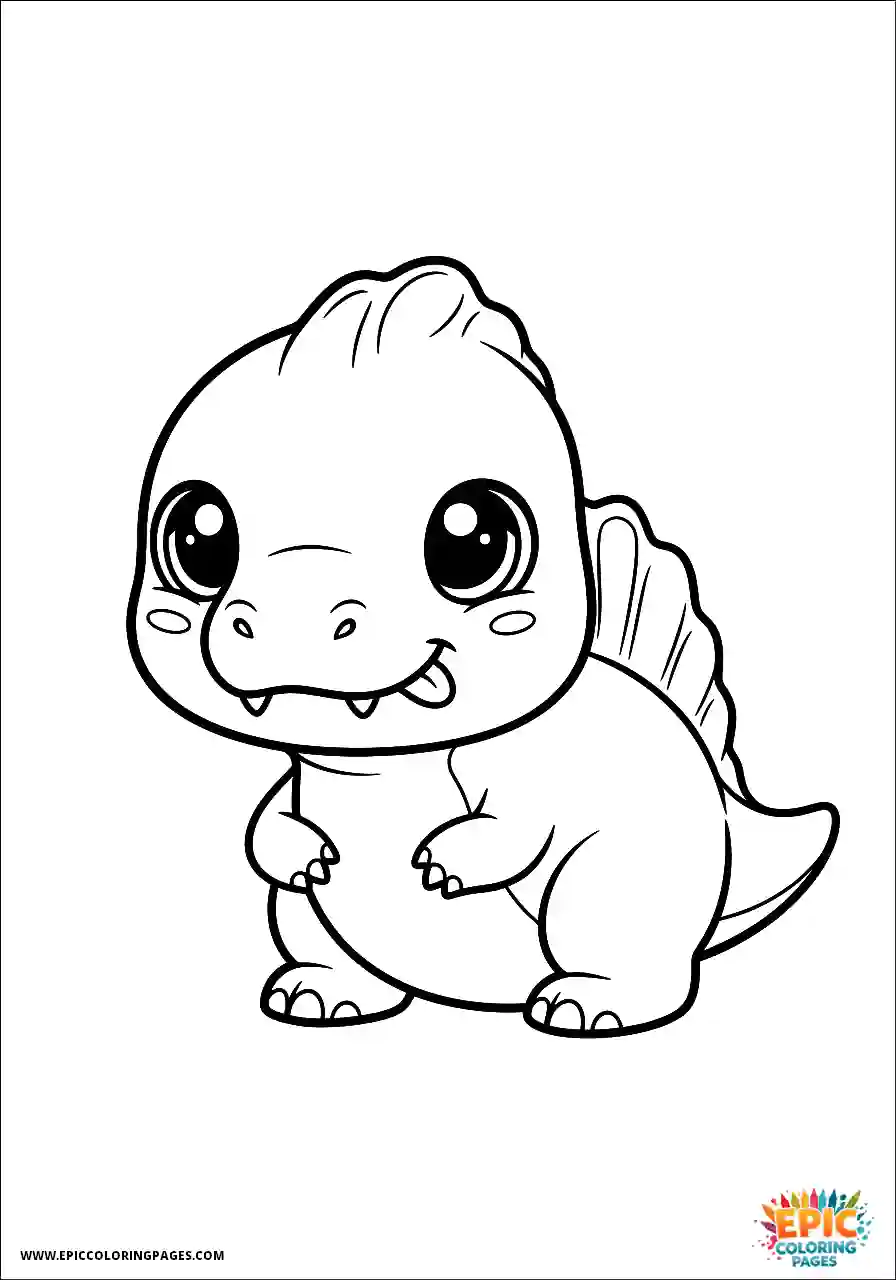
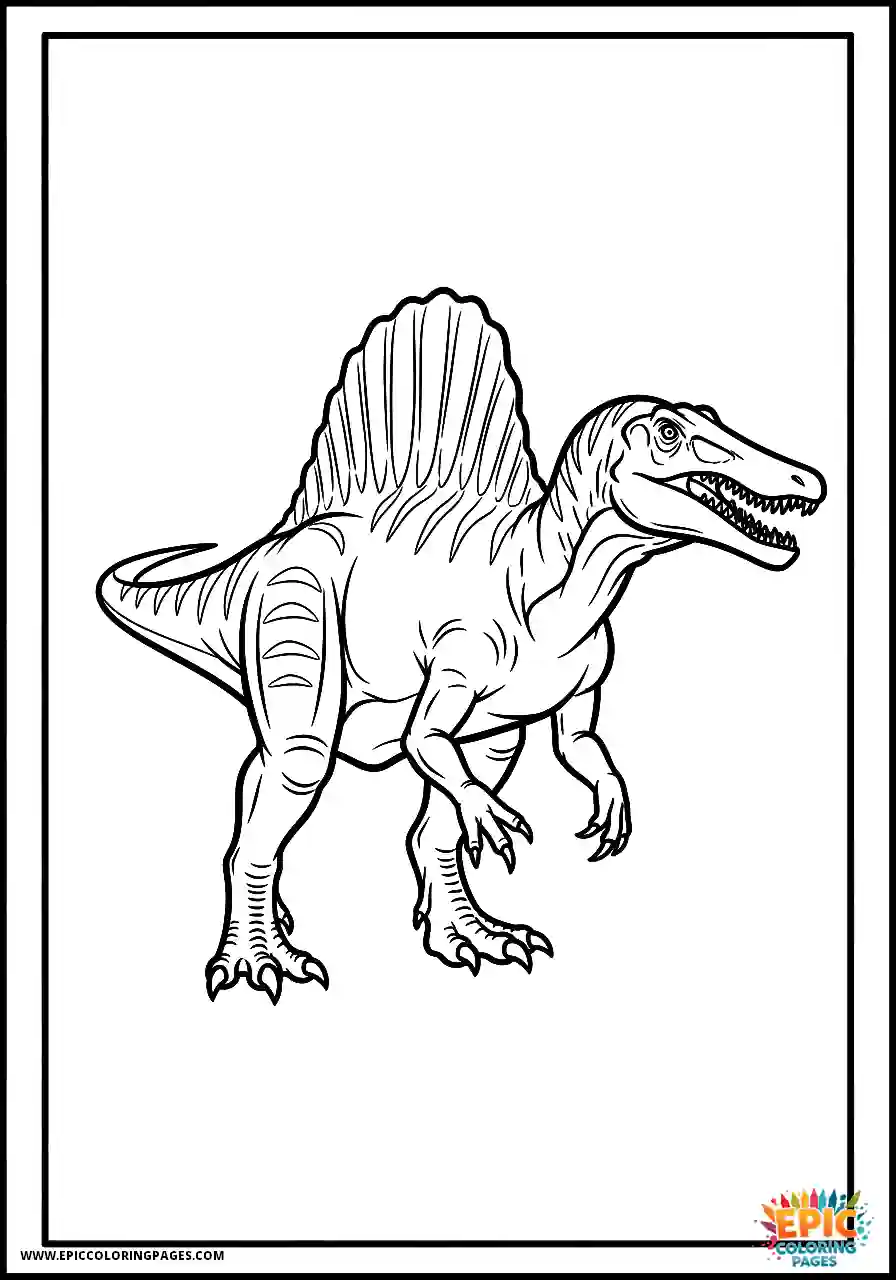
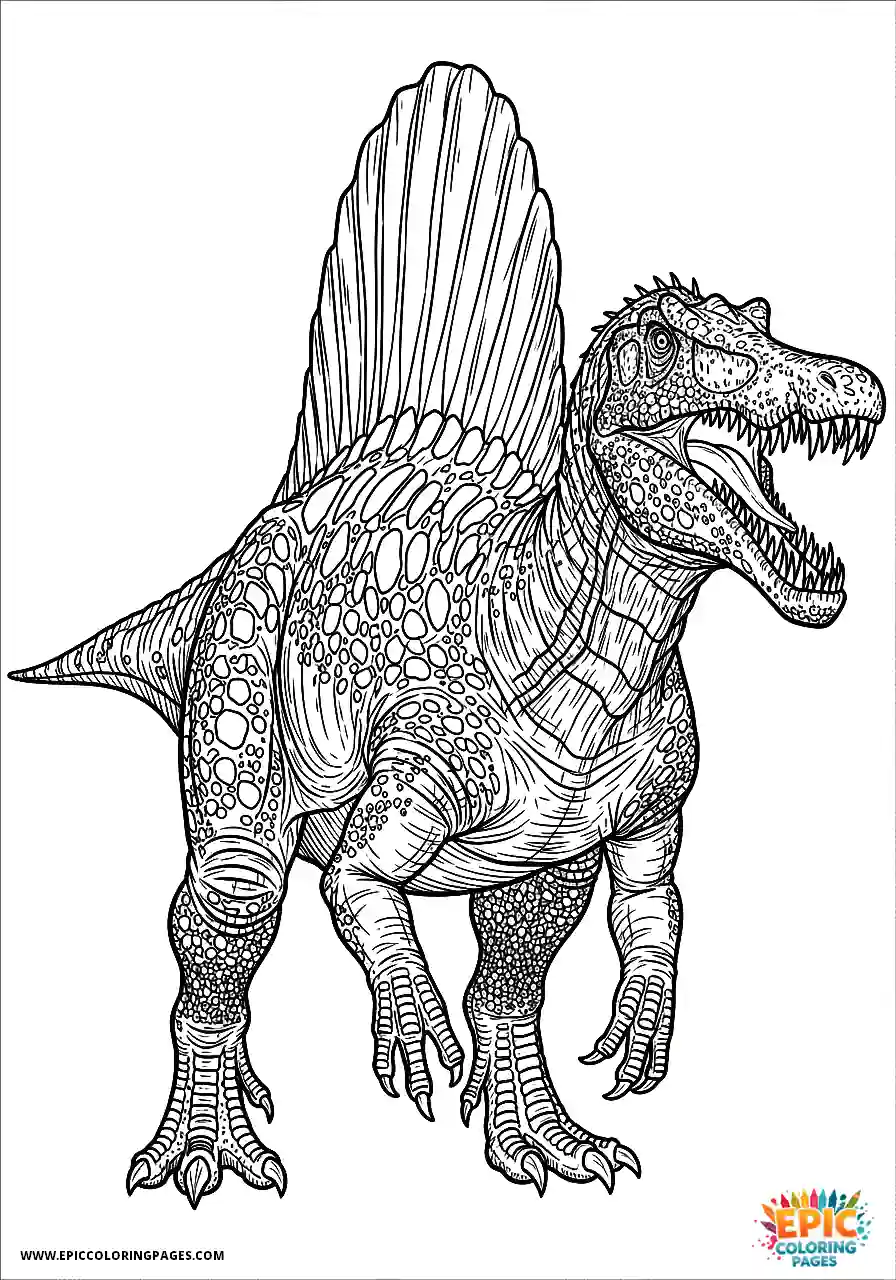
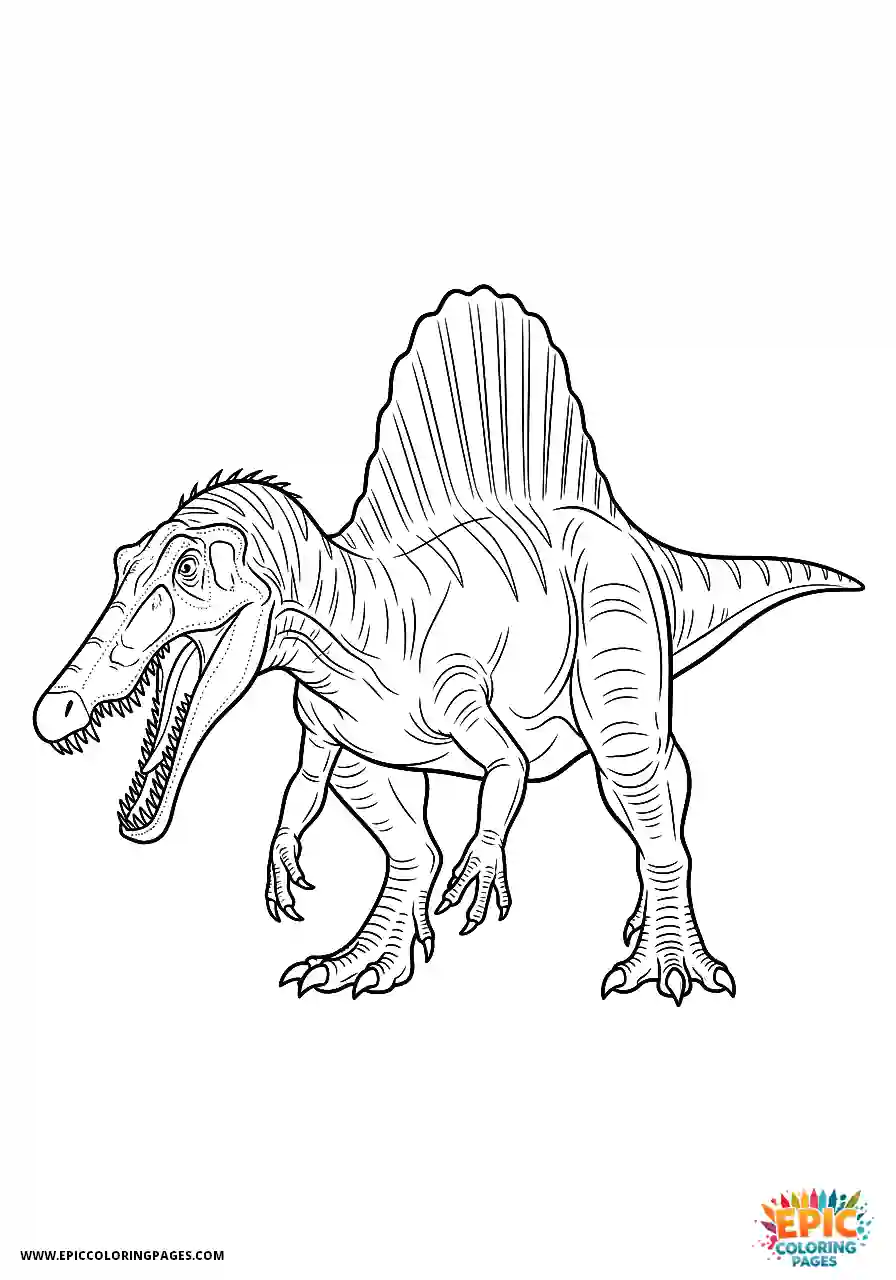
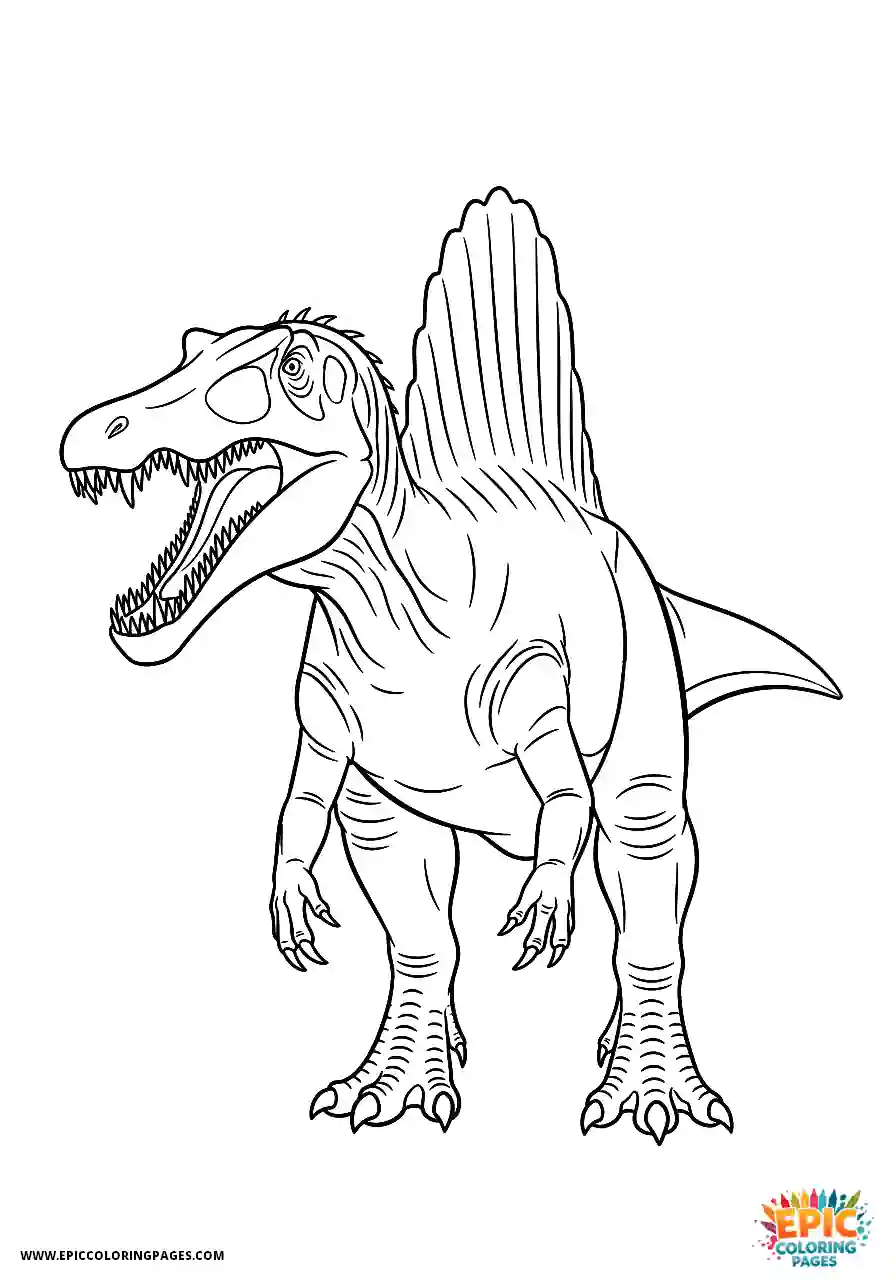
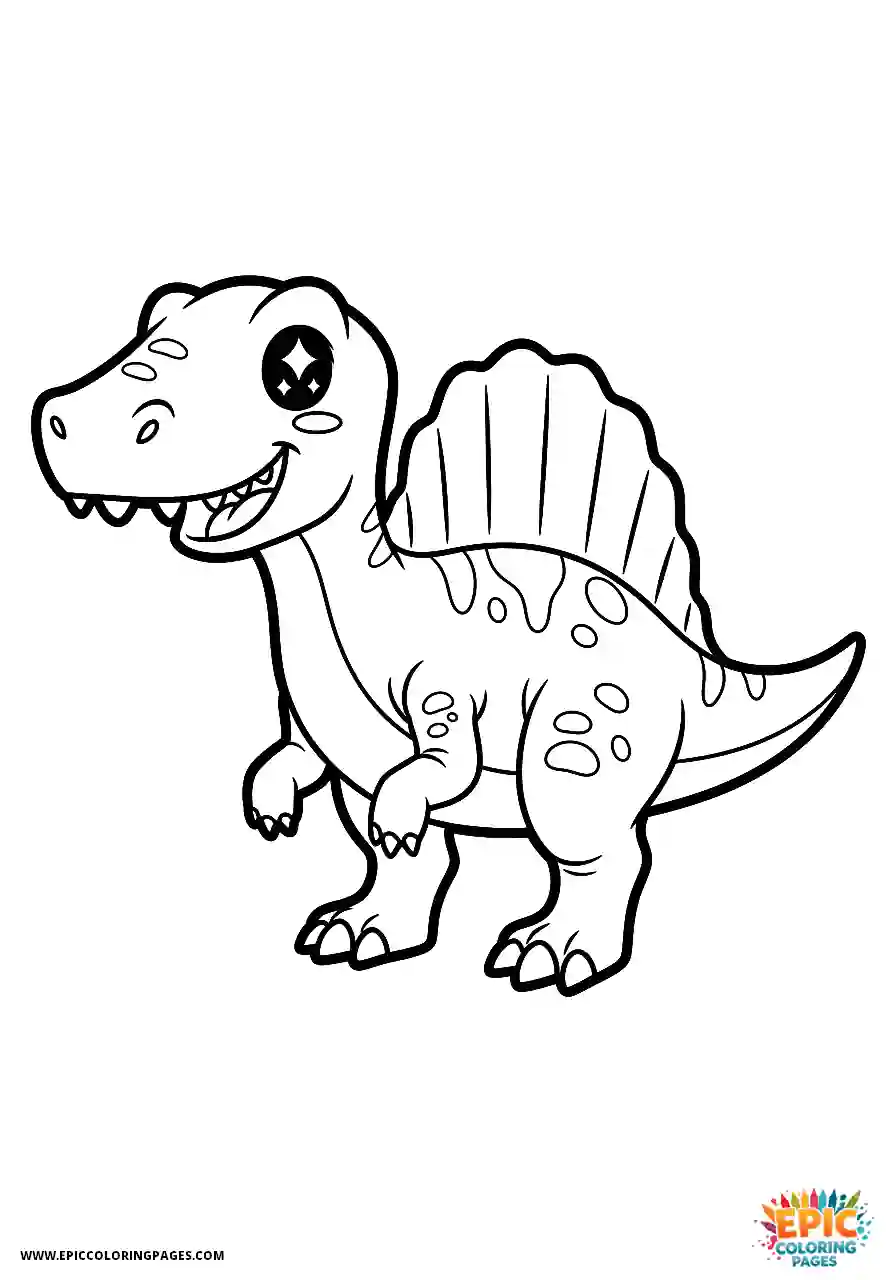
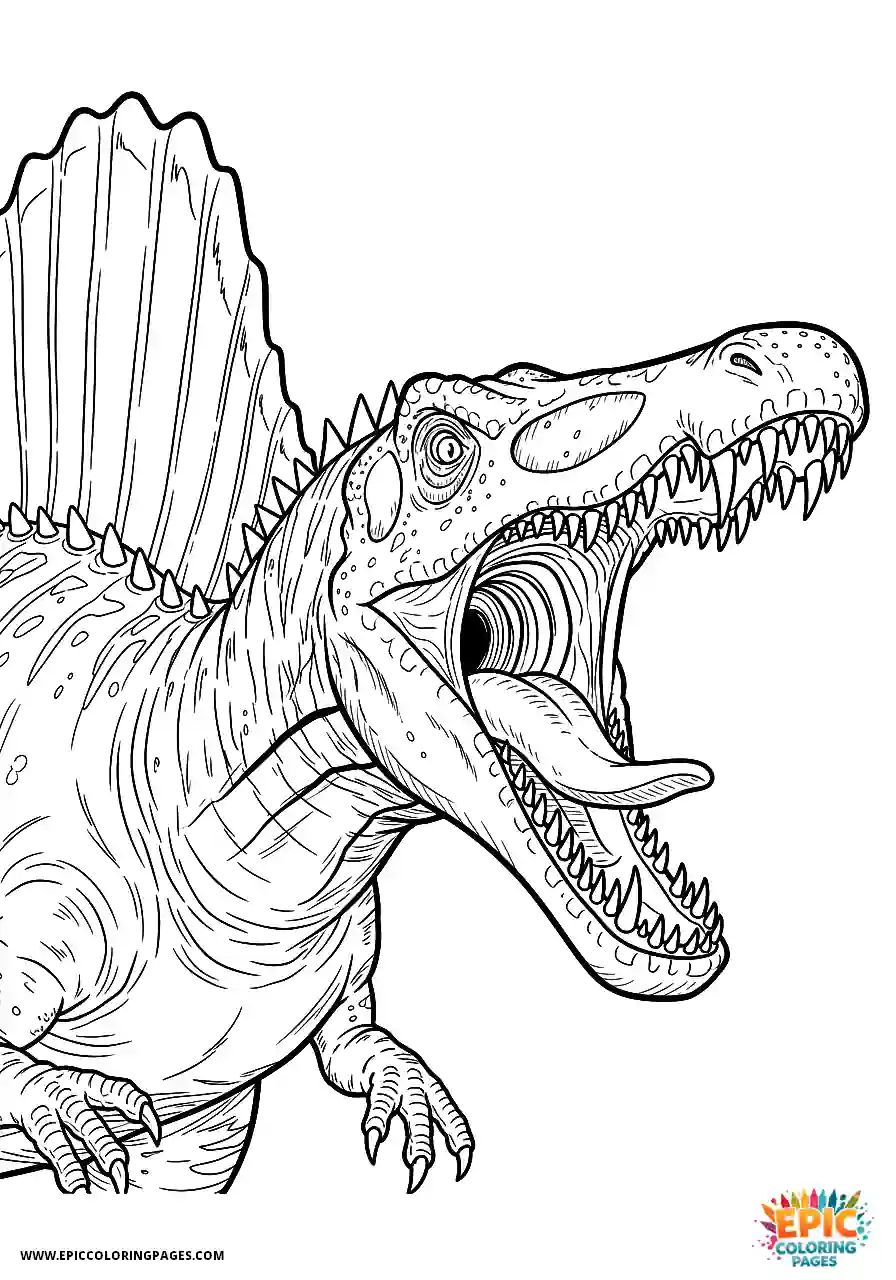
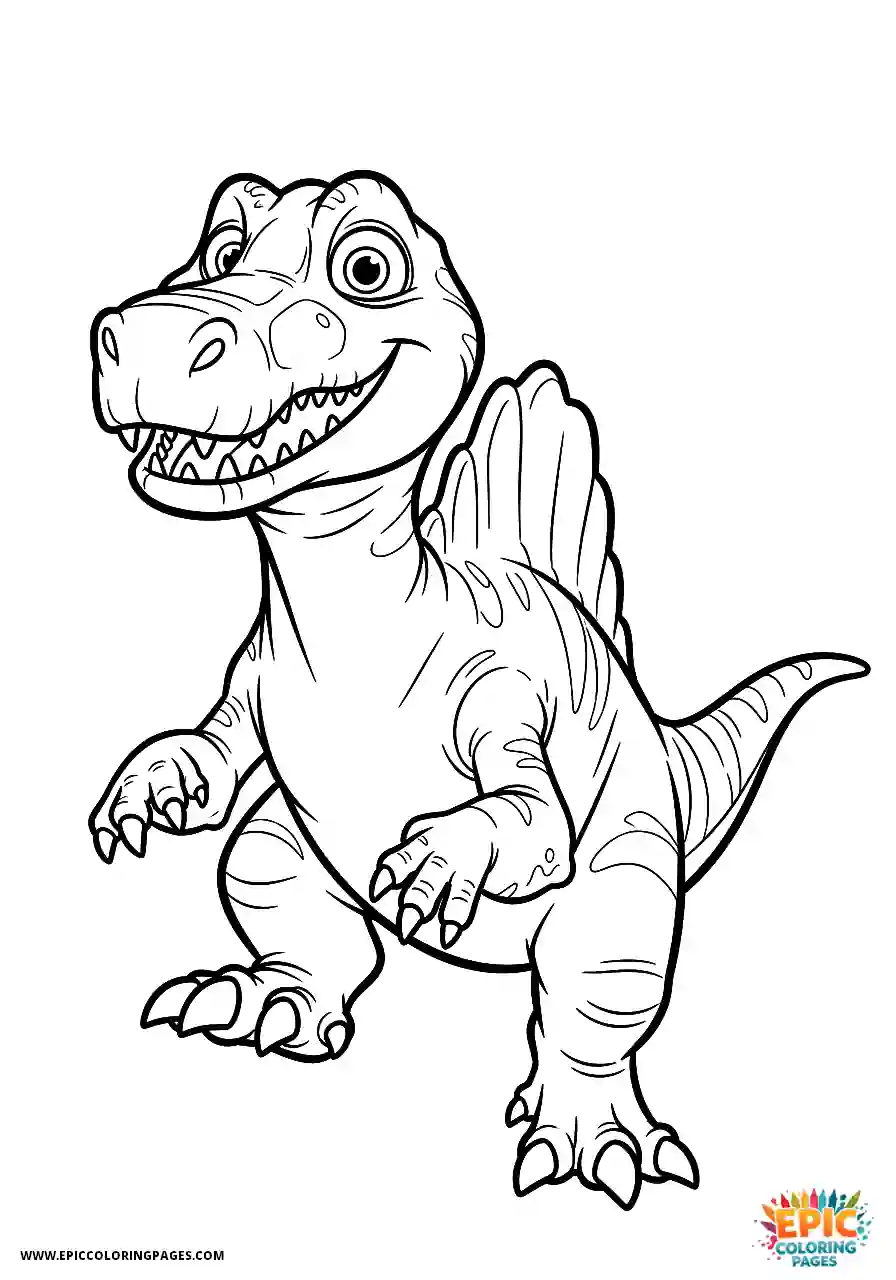
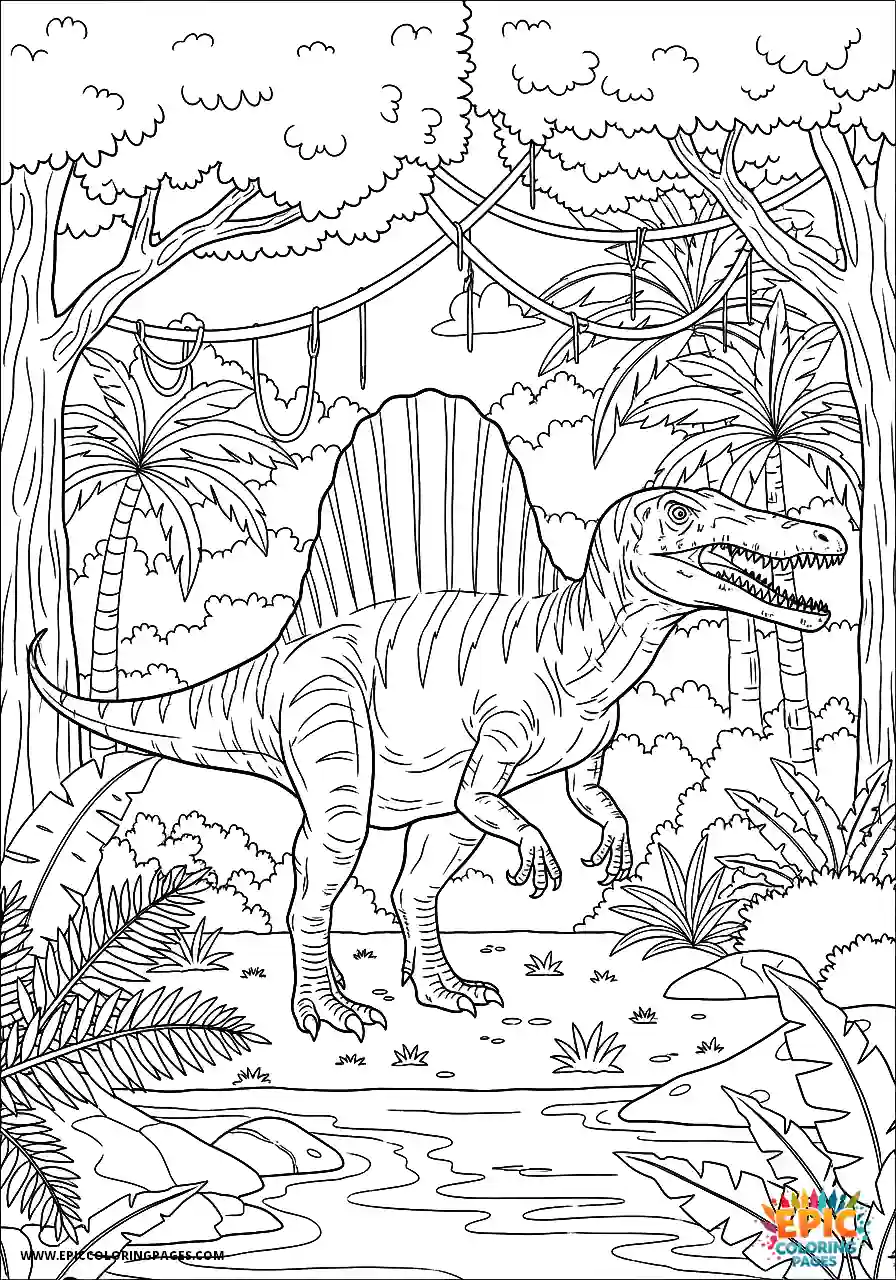
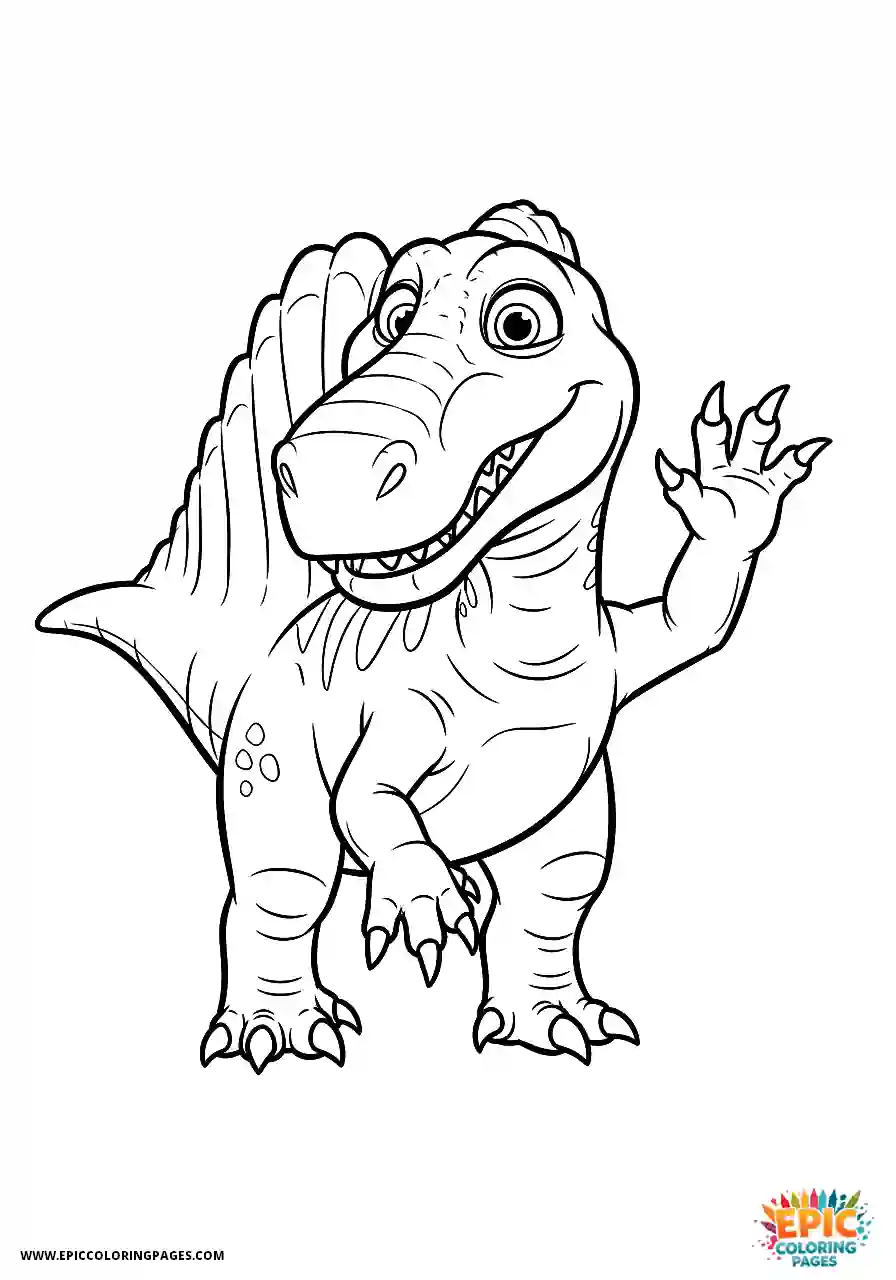
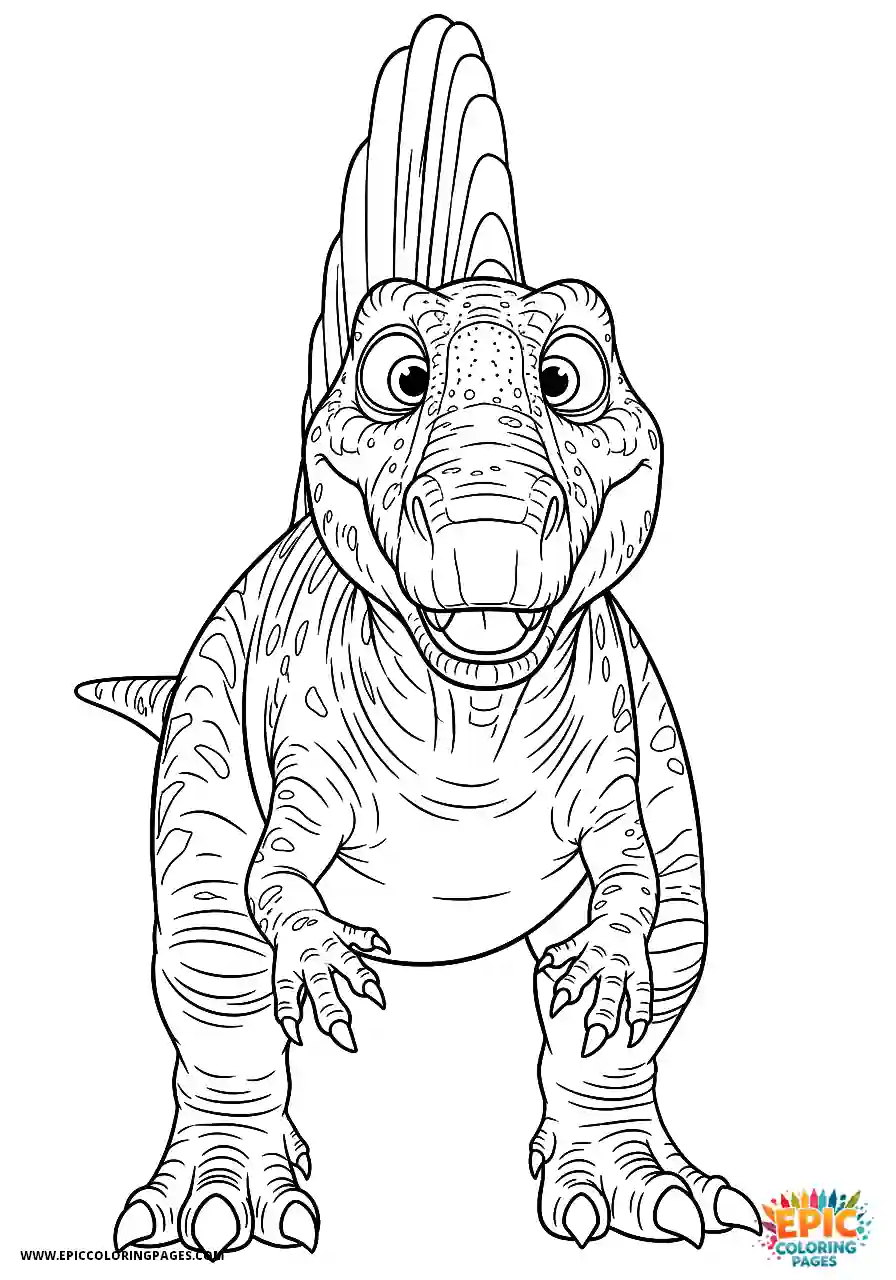
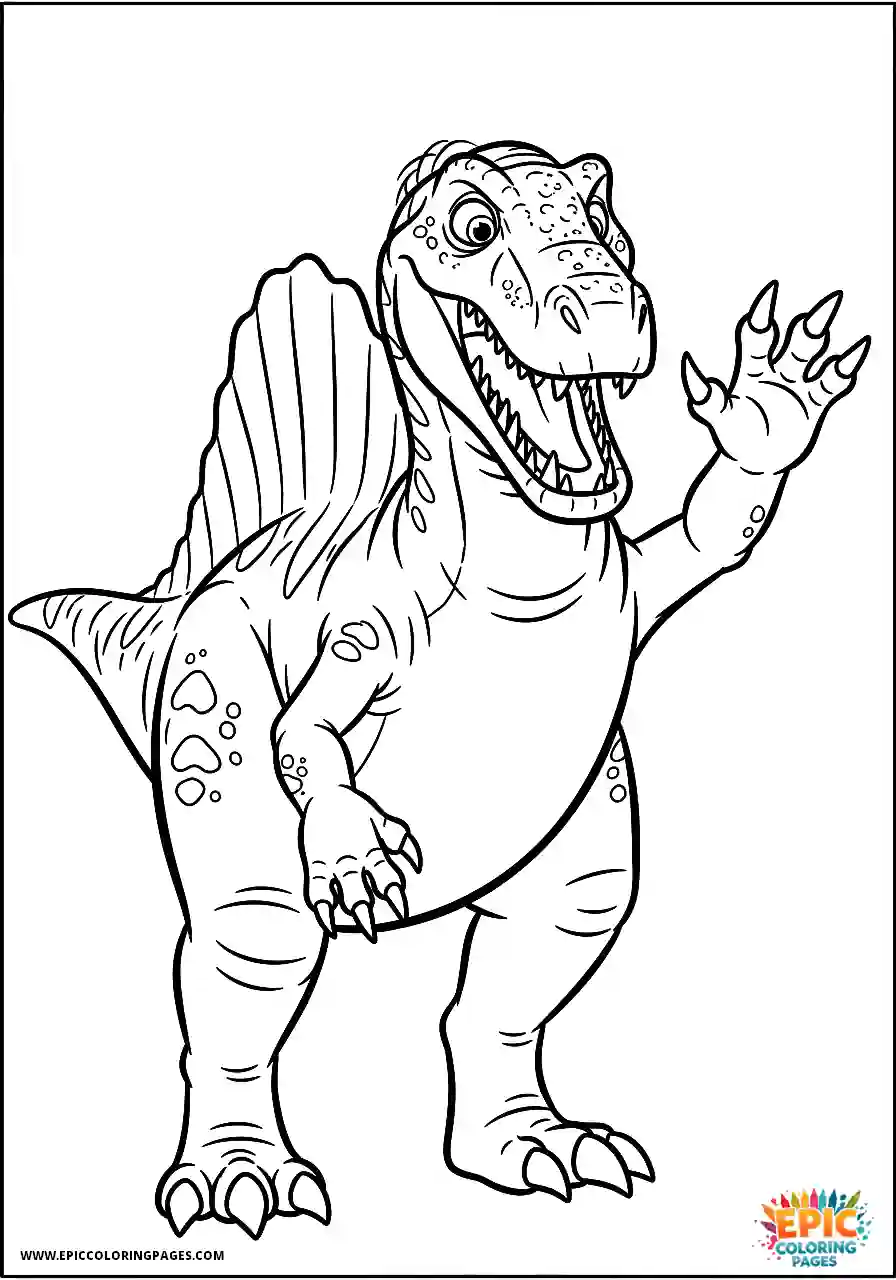
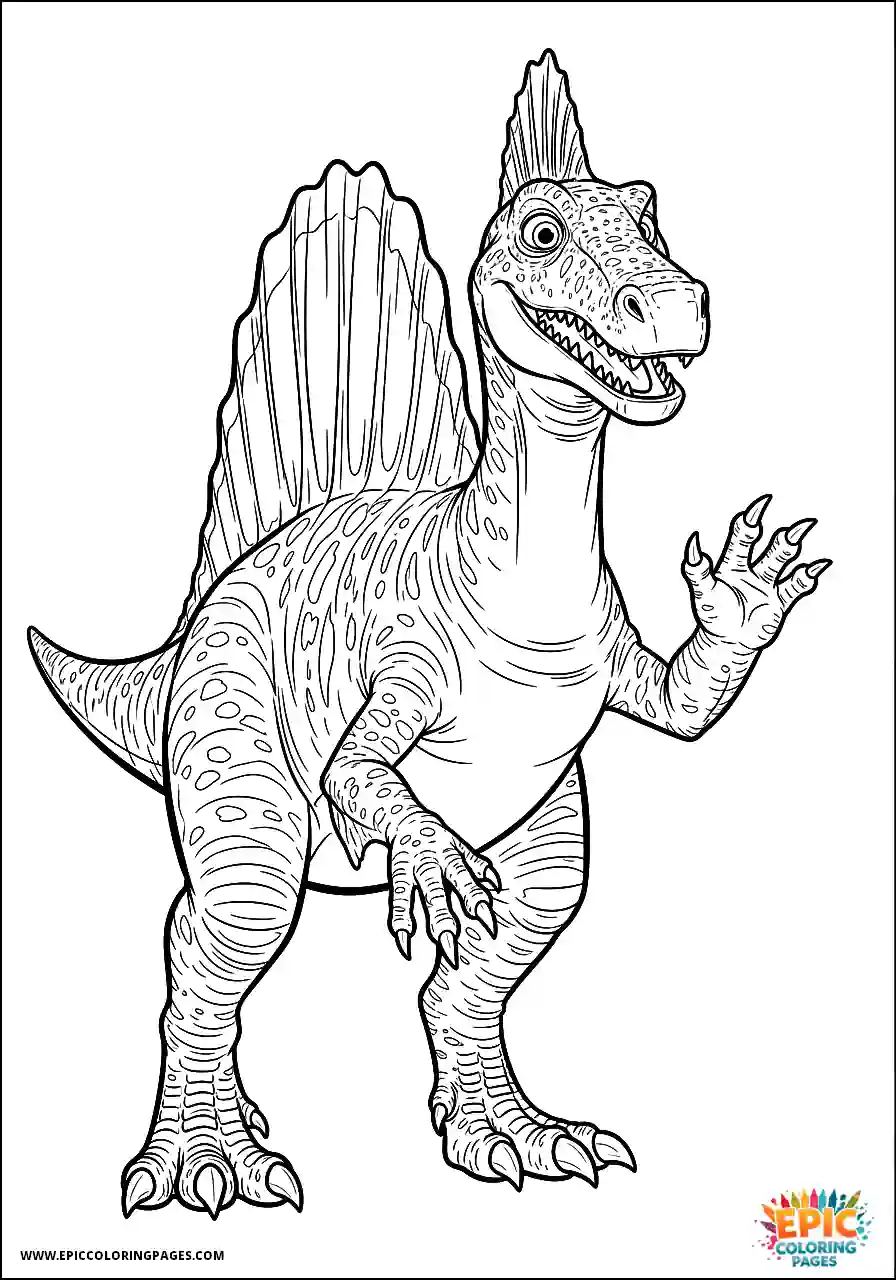
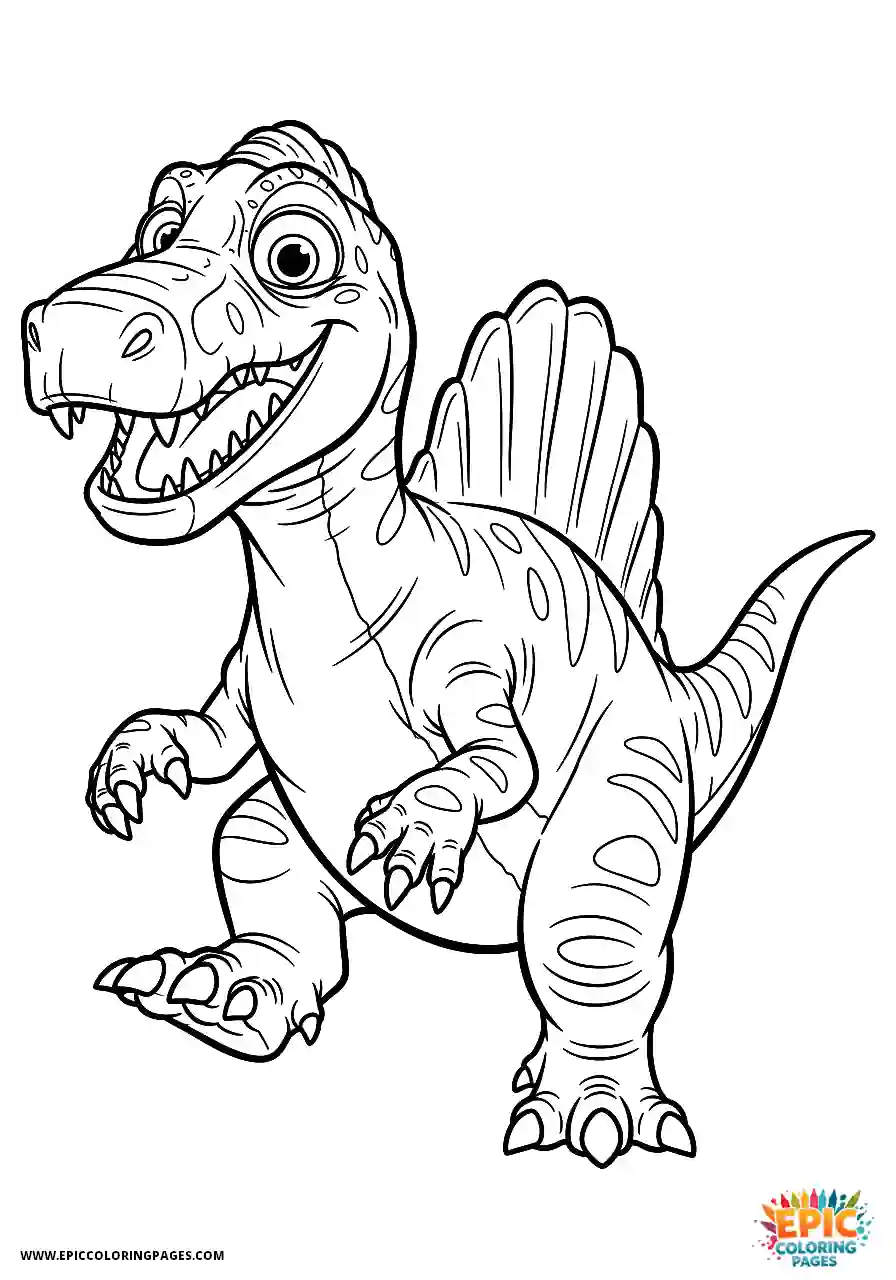
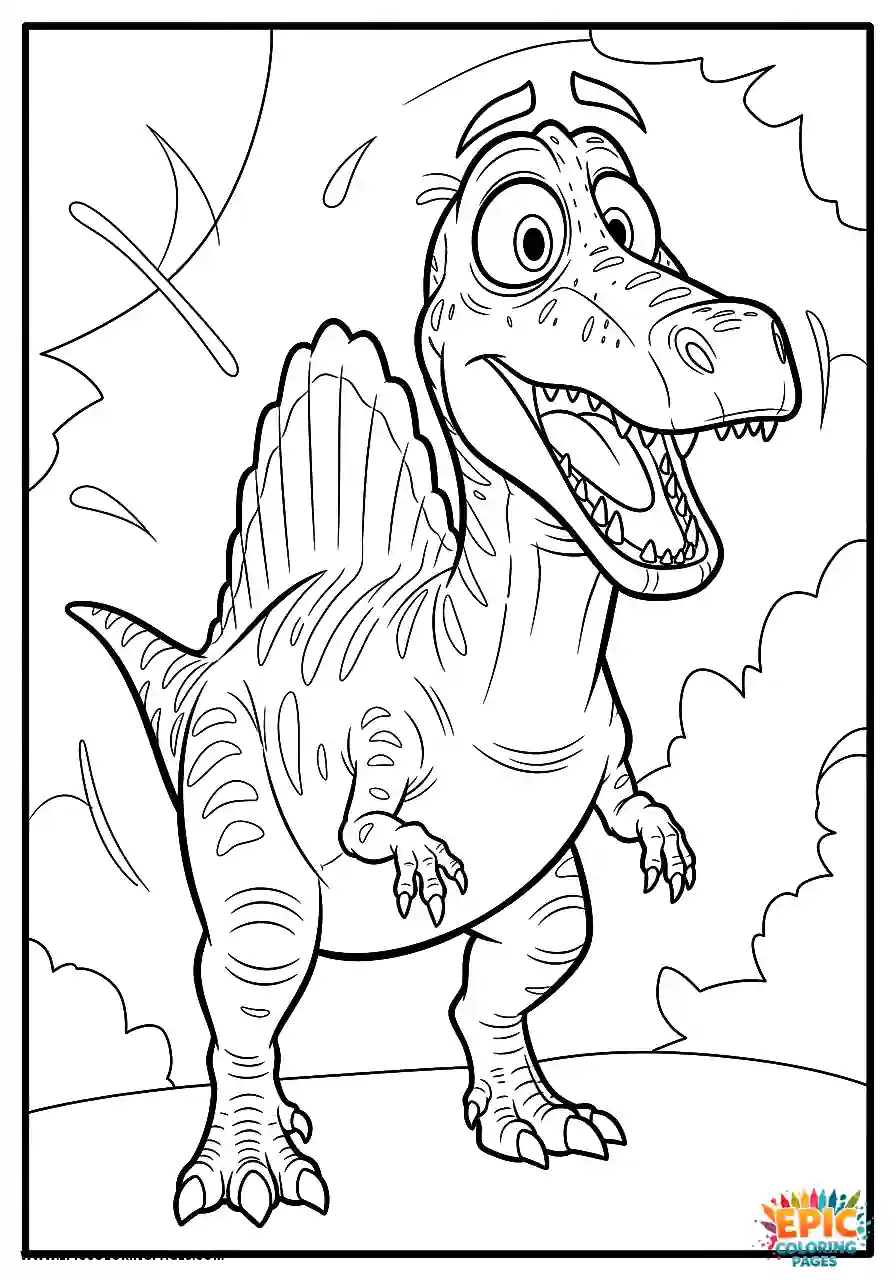
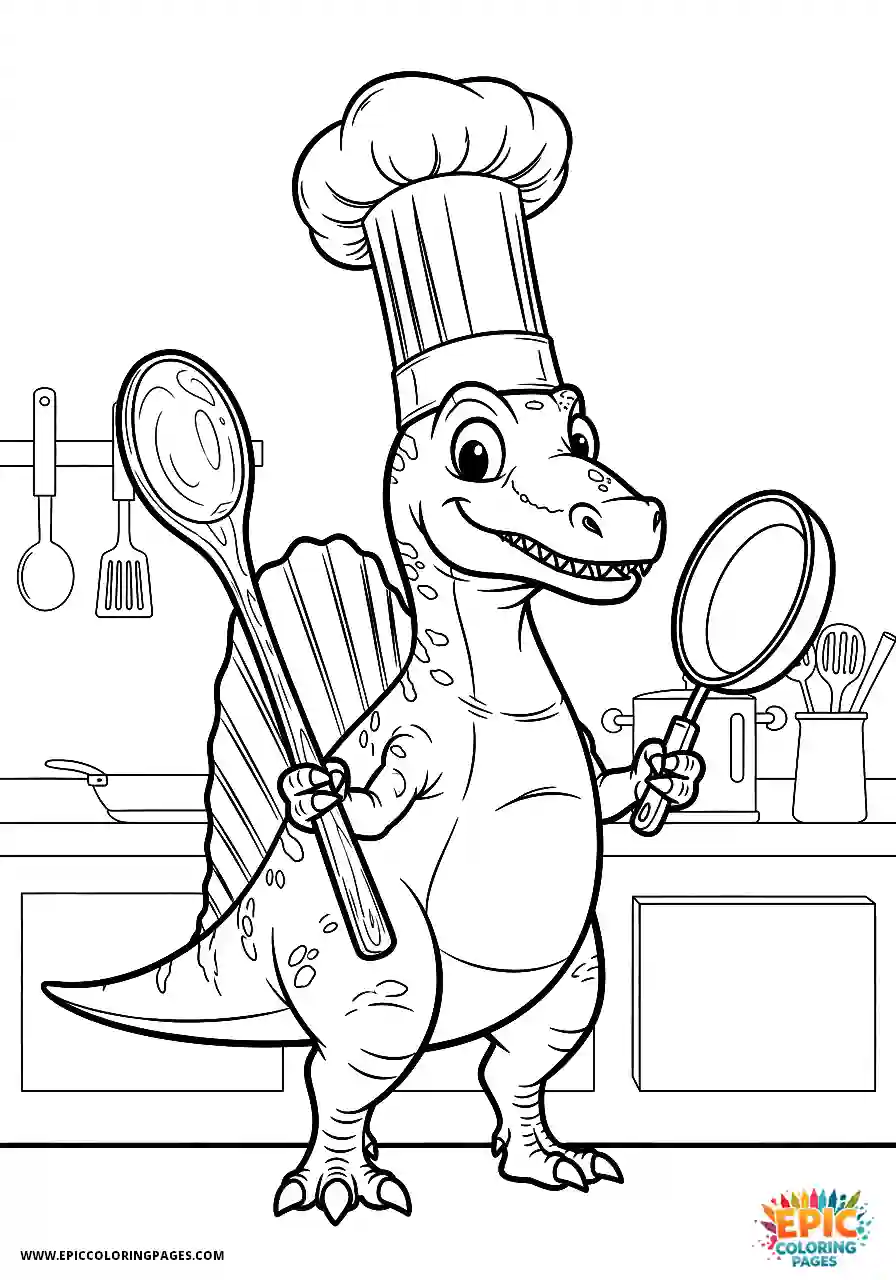
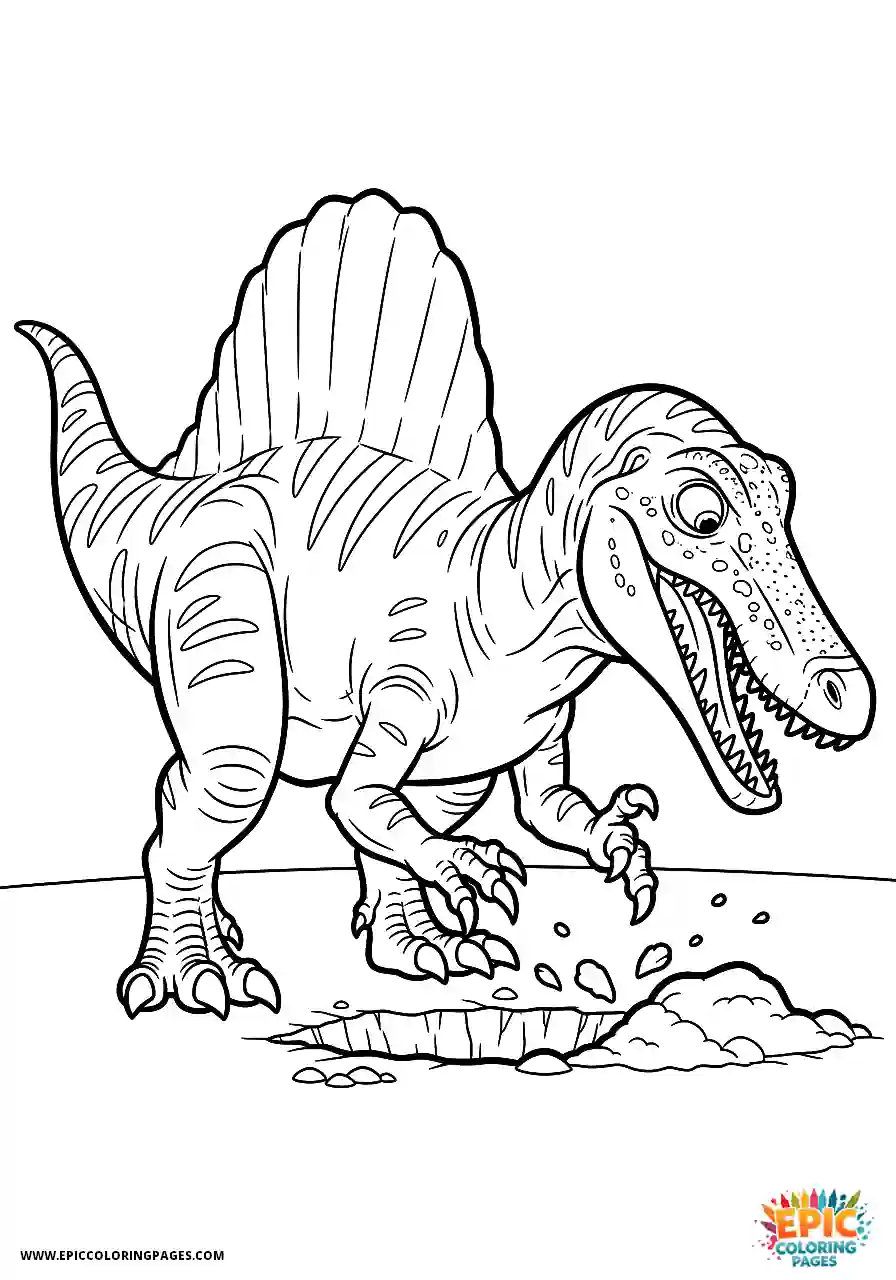
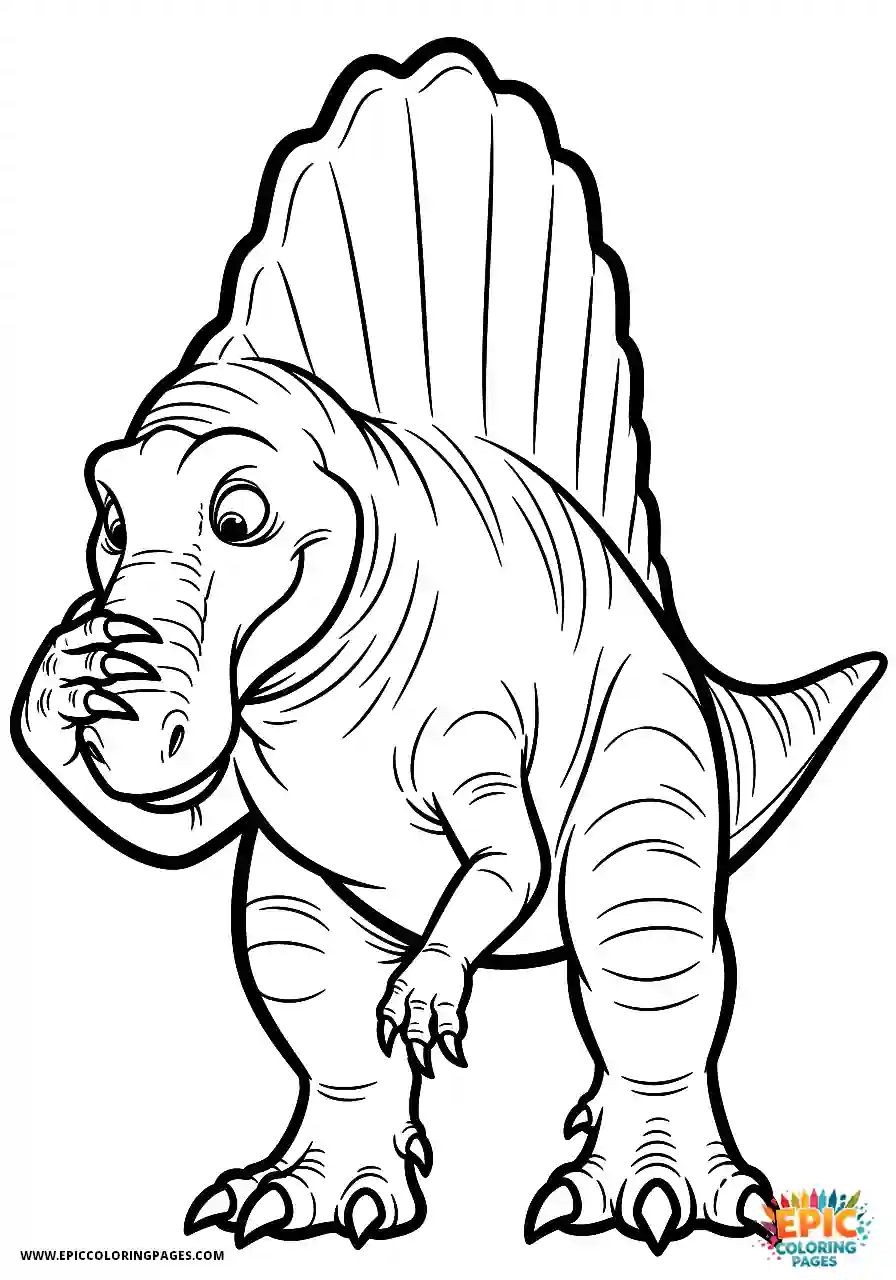
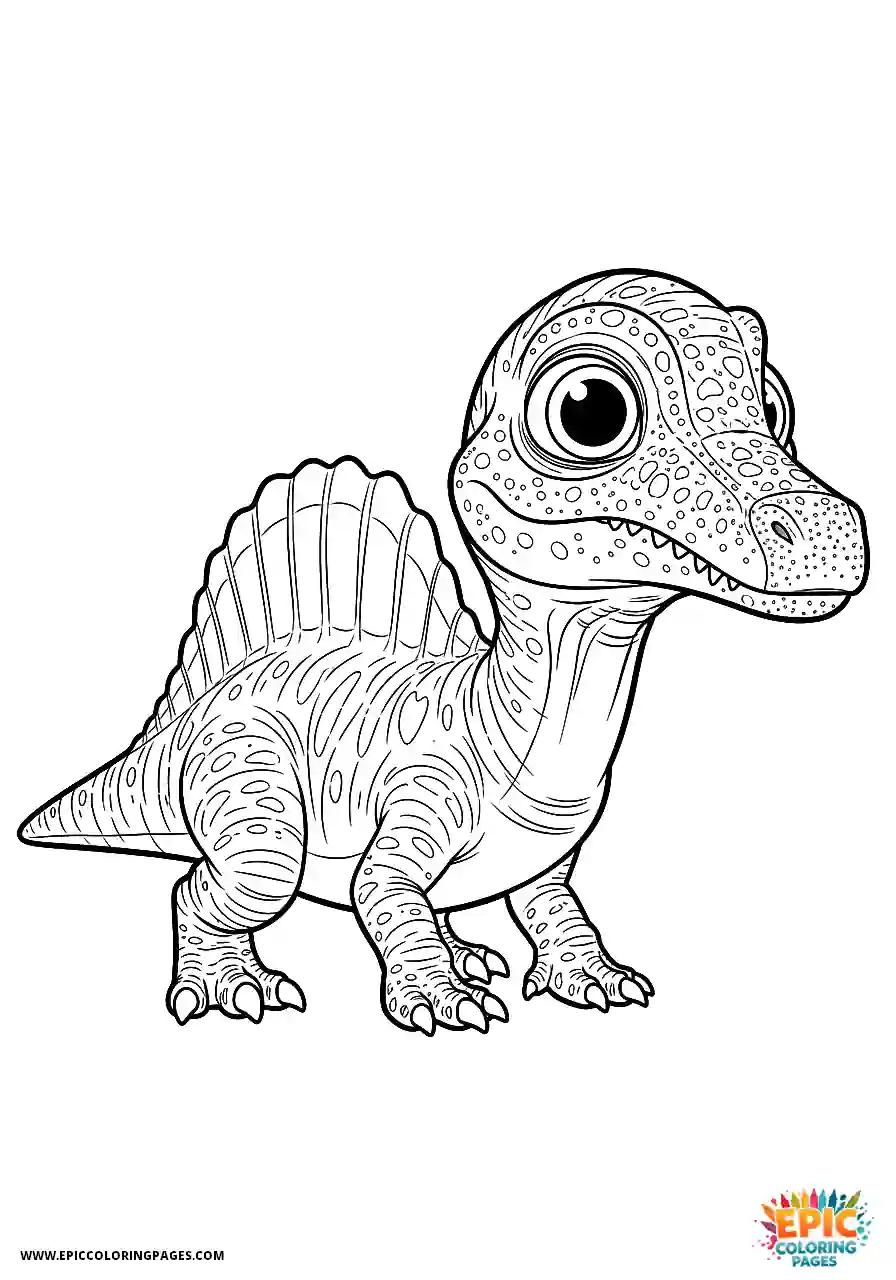
Bringing a Spinosaurus to life through coloring is an exciting challenge that combines paleontological accuracy with creative freedom. Whether you’re a beginner exploring dinosaur art or an experienced colorist tackling prehistoric subjects, these tips will help you create stunning results with your Spinosaurus coloring pages.
Understanding Your Subject
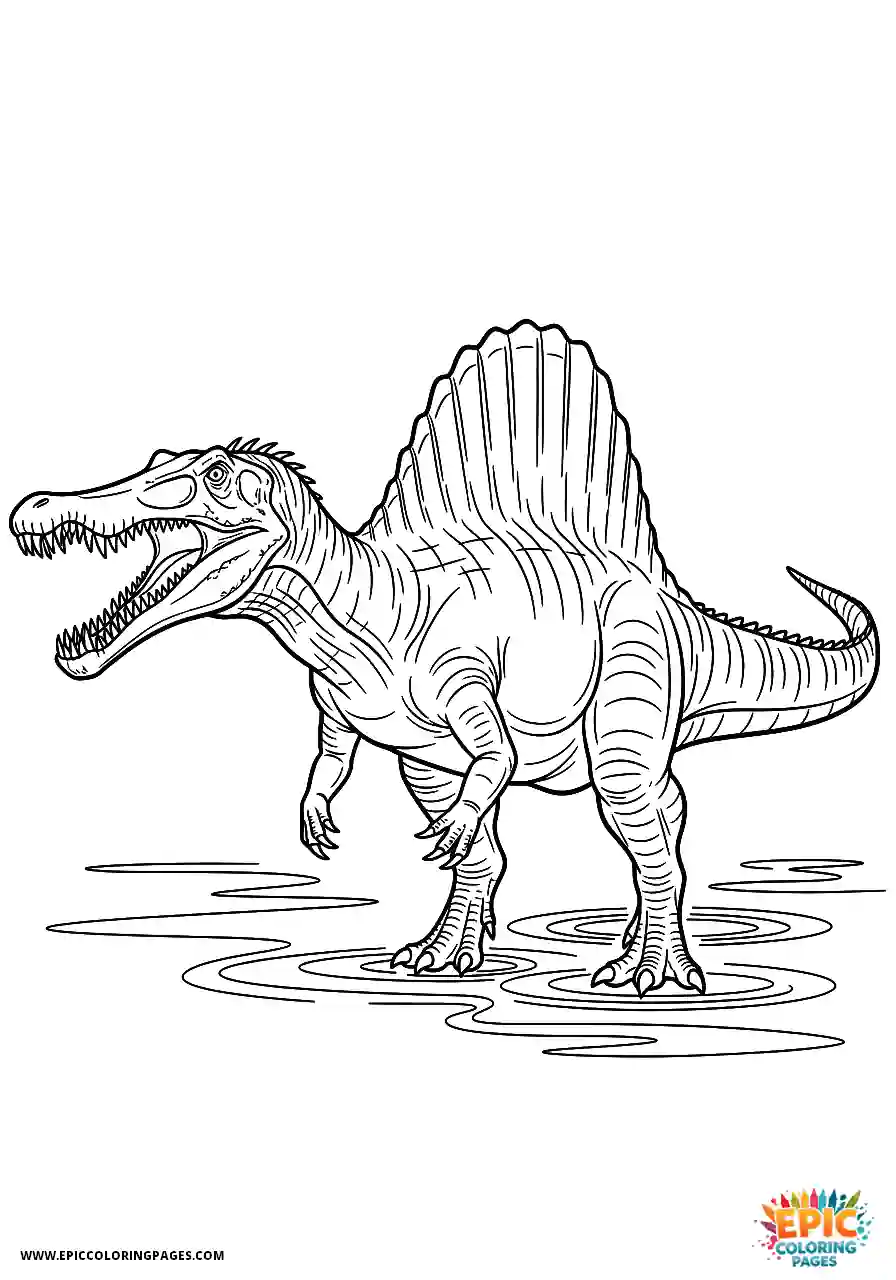
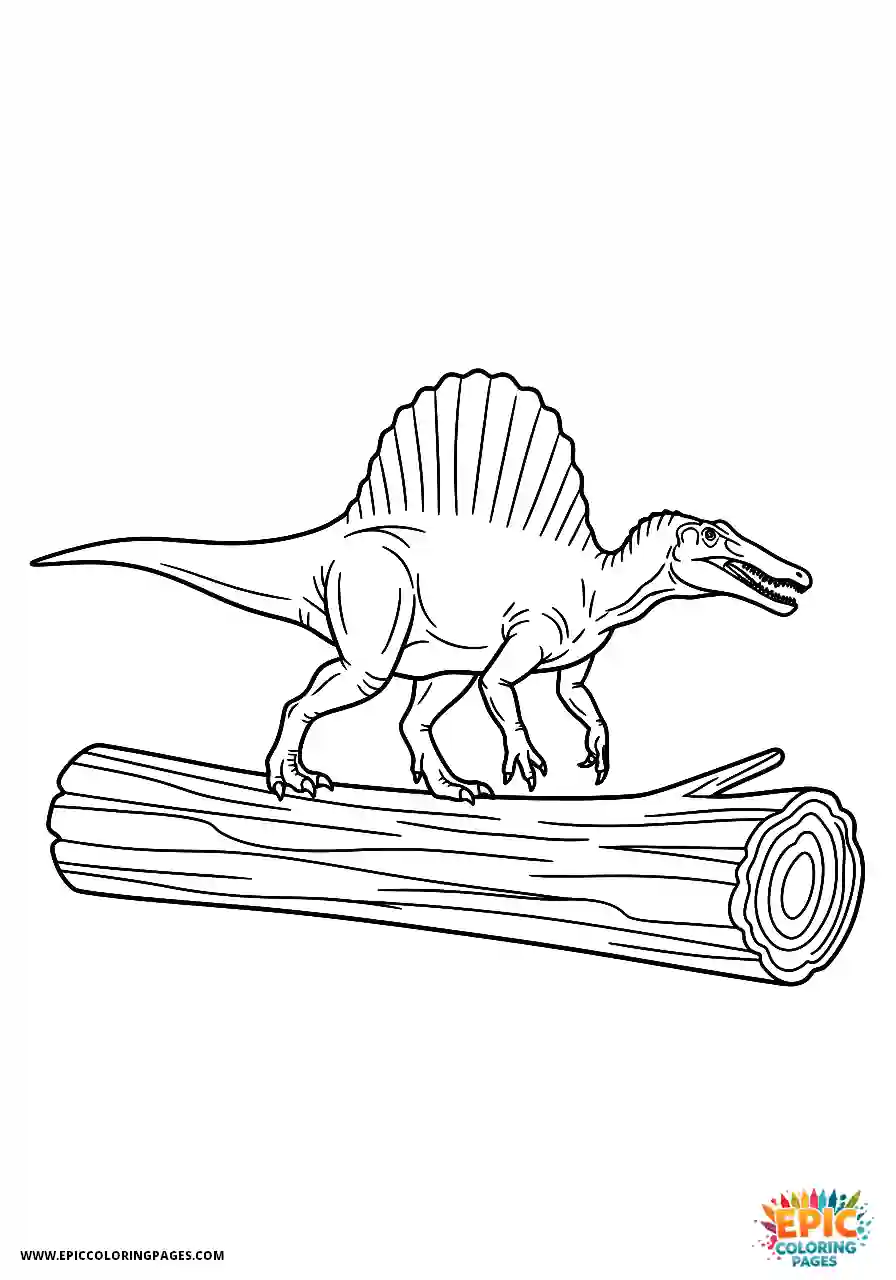
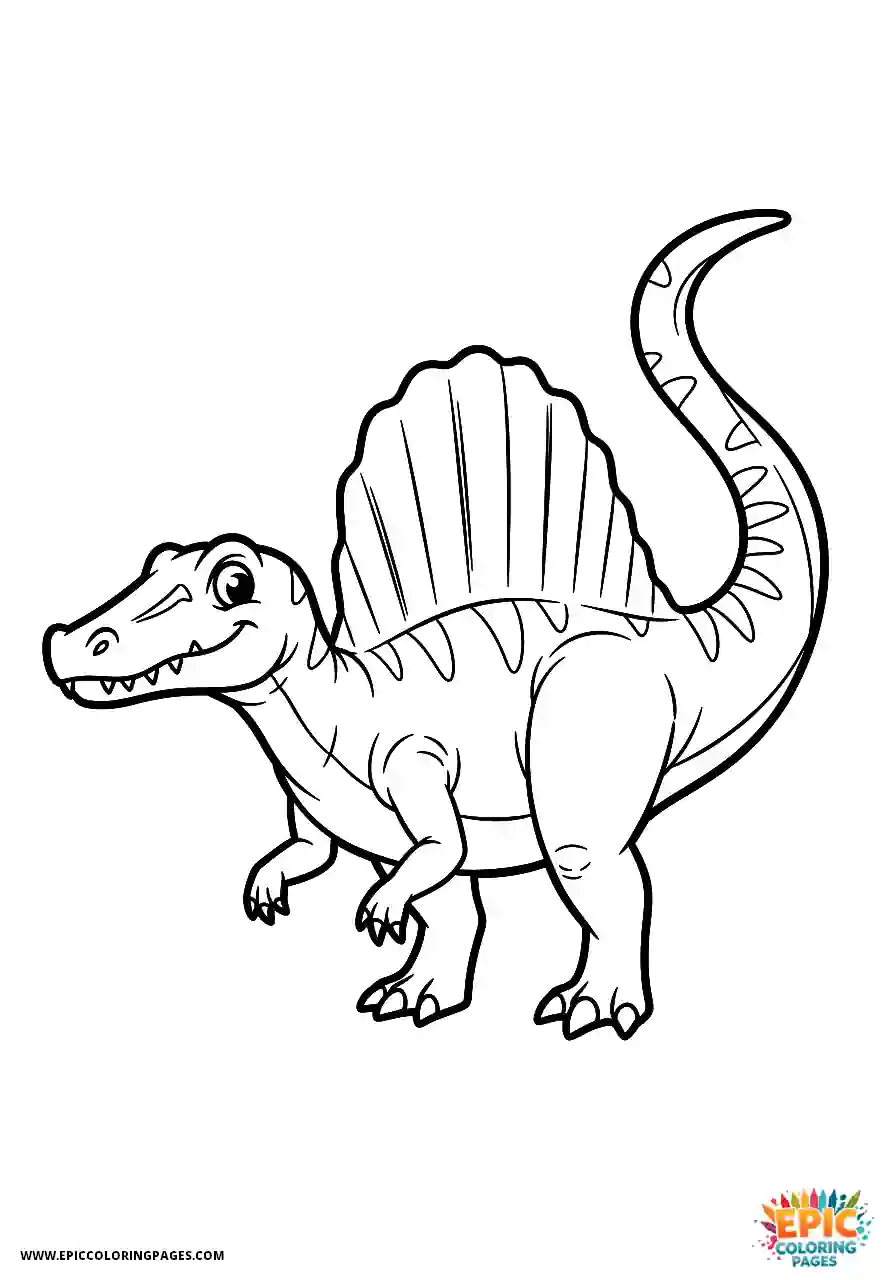
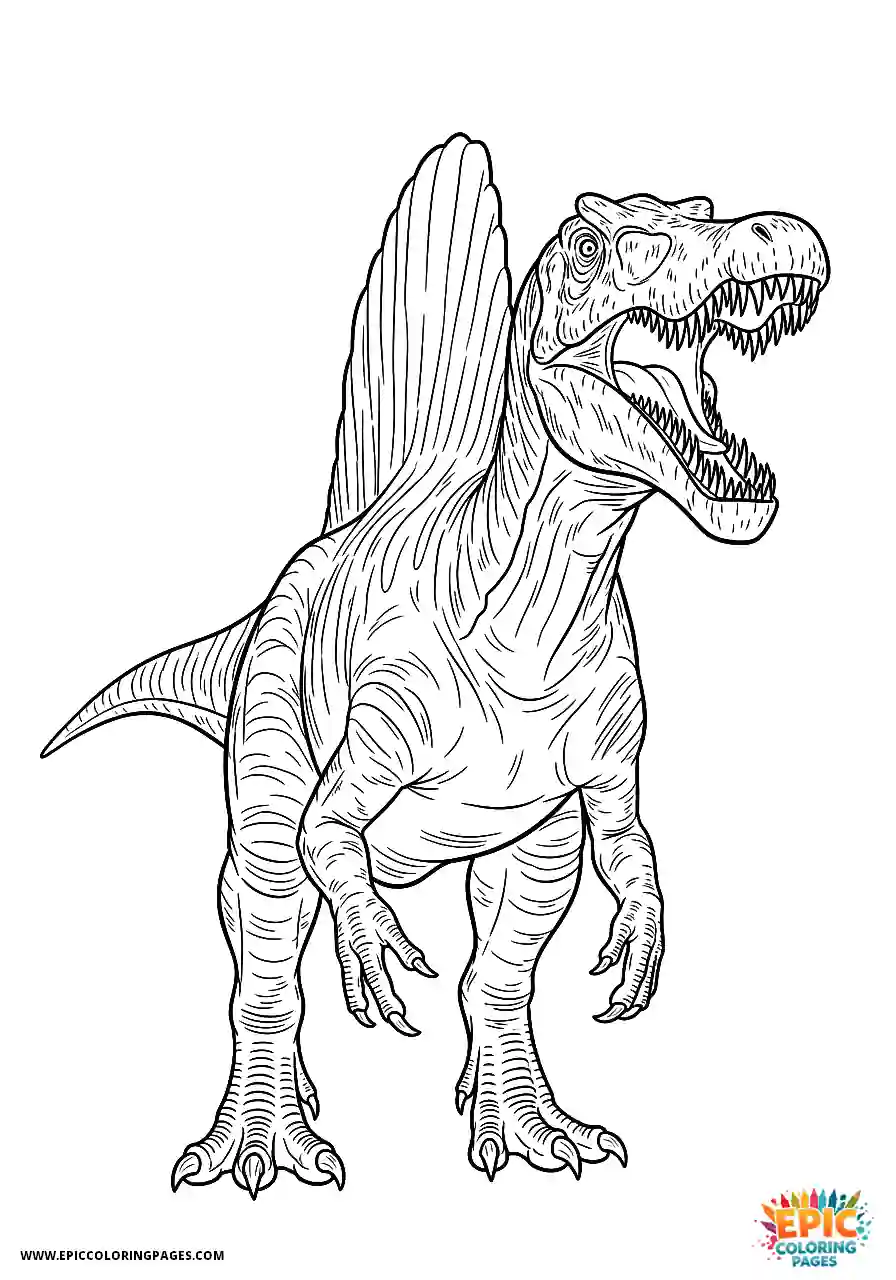
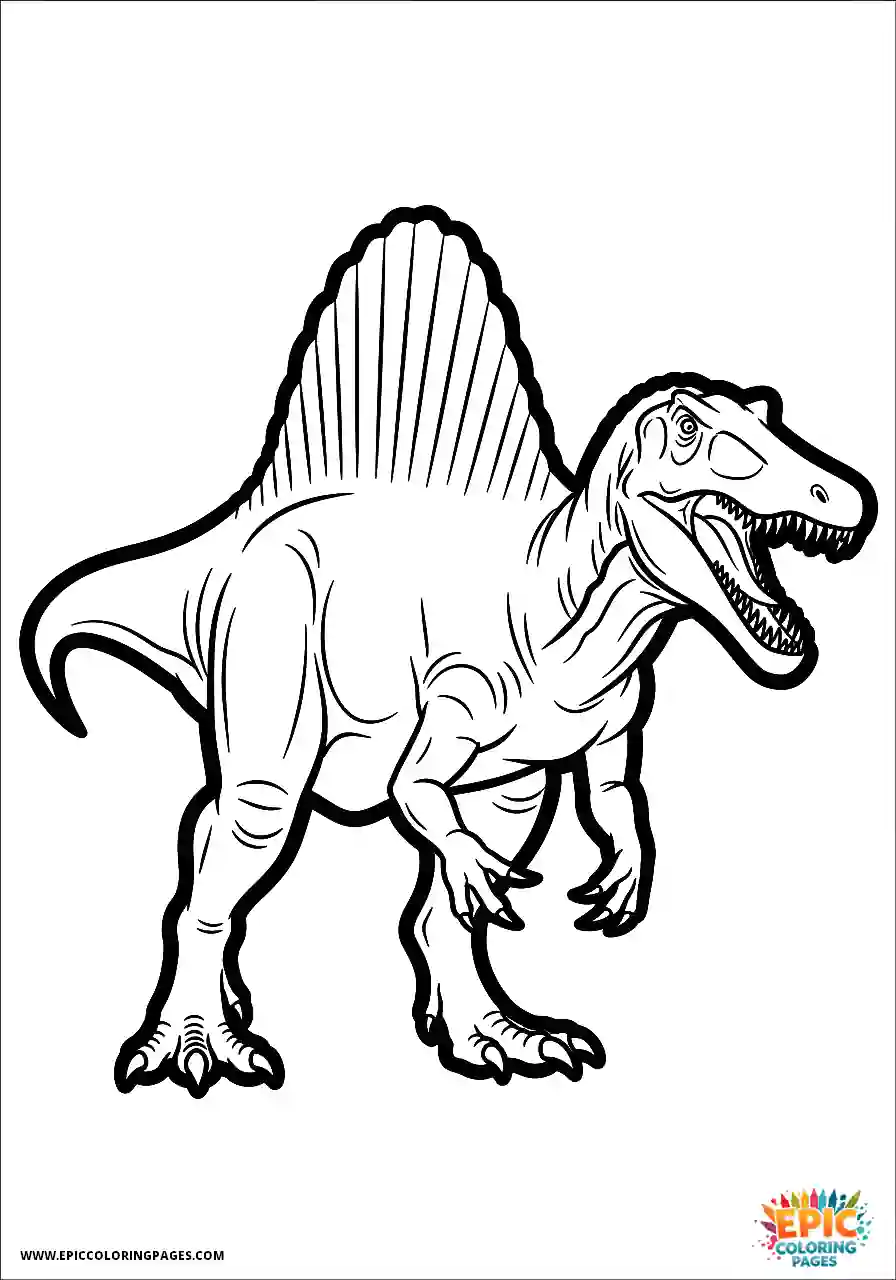
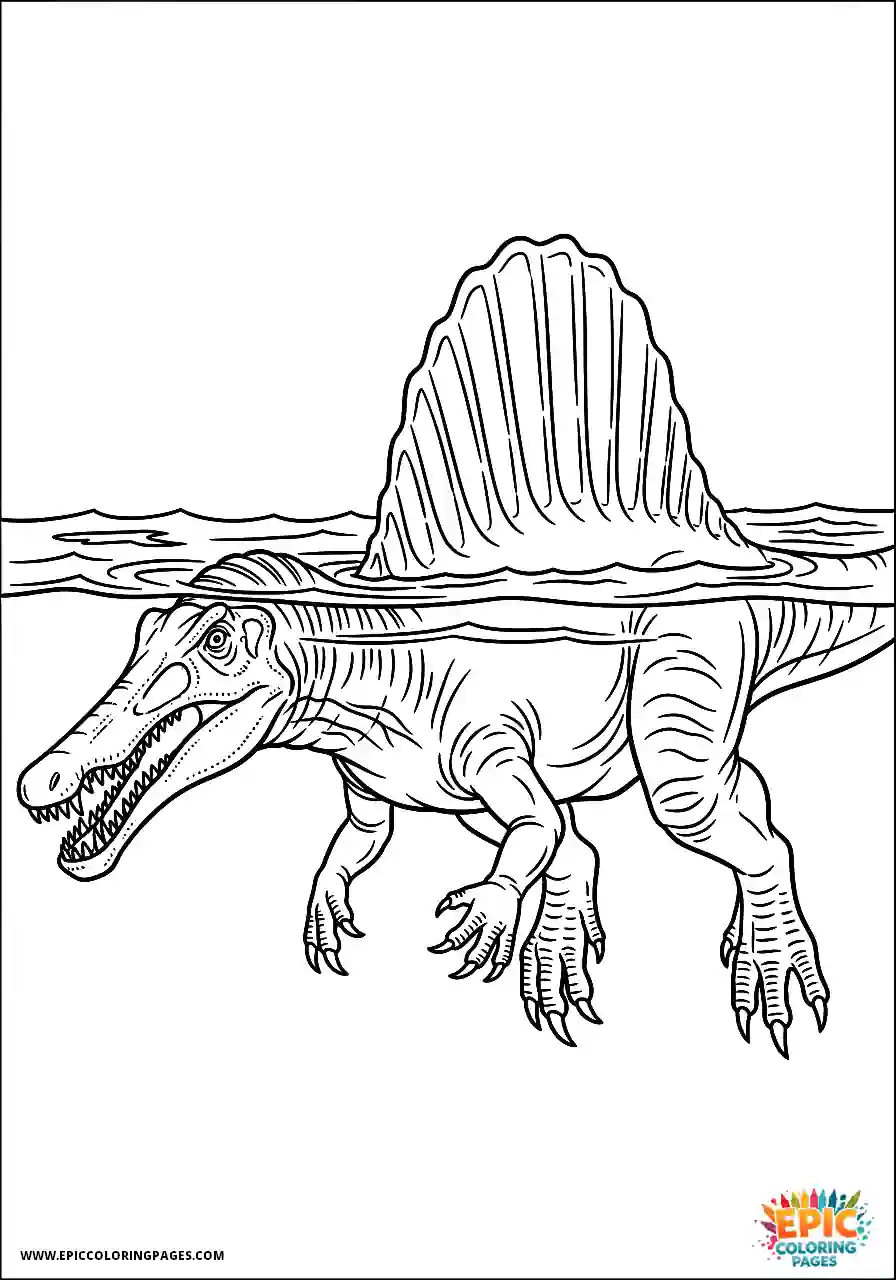
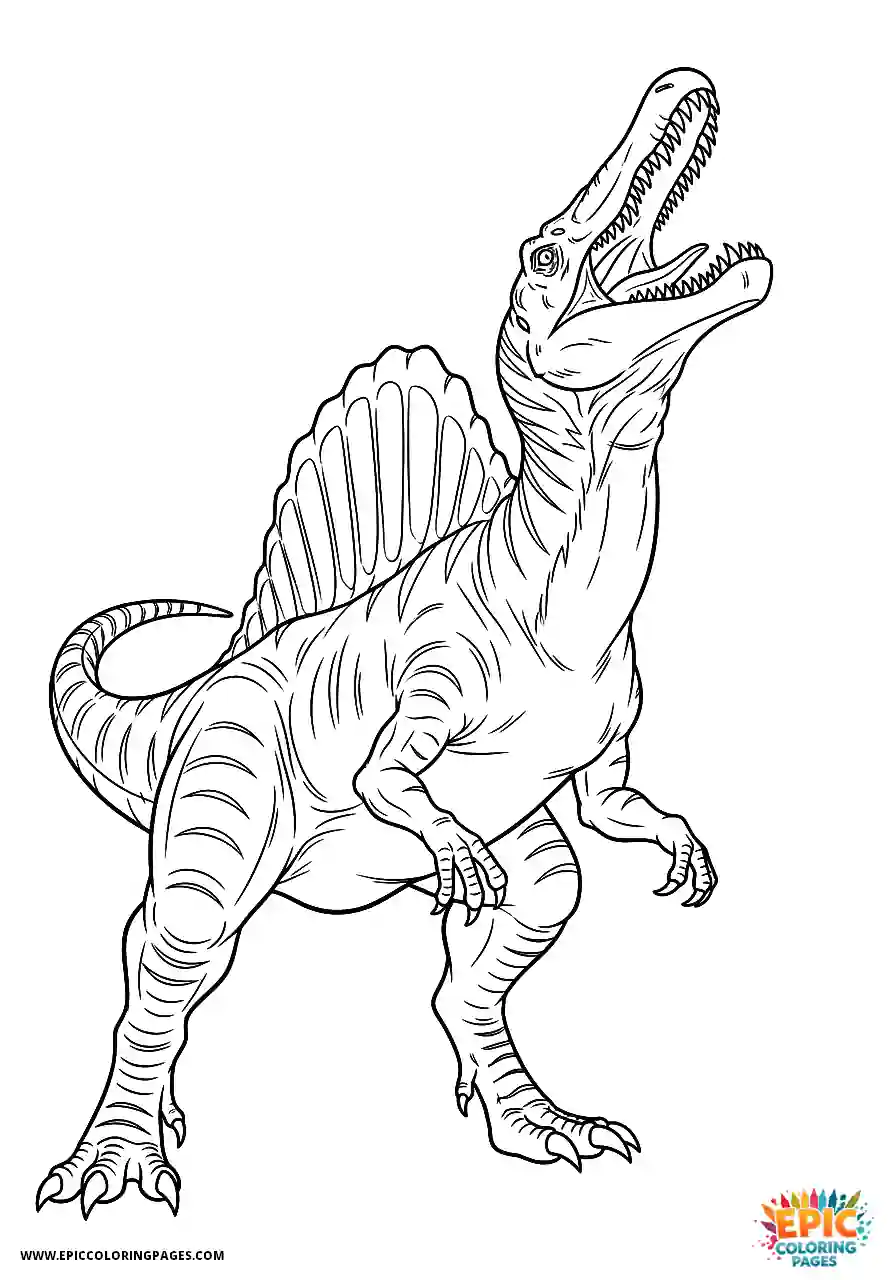
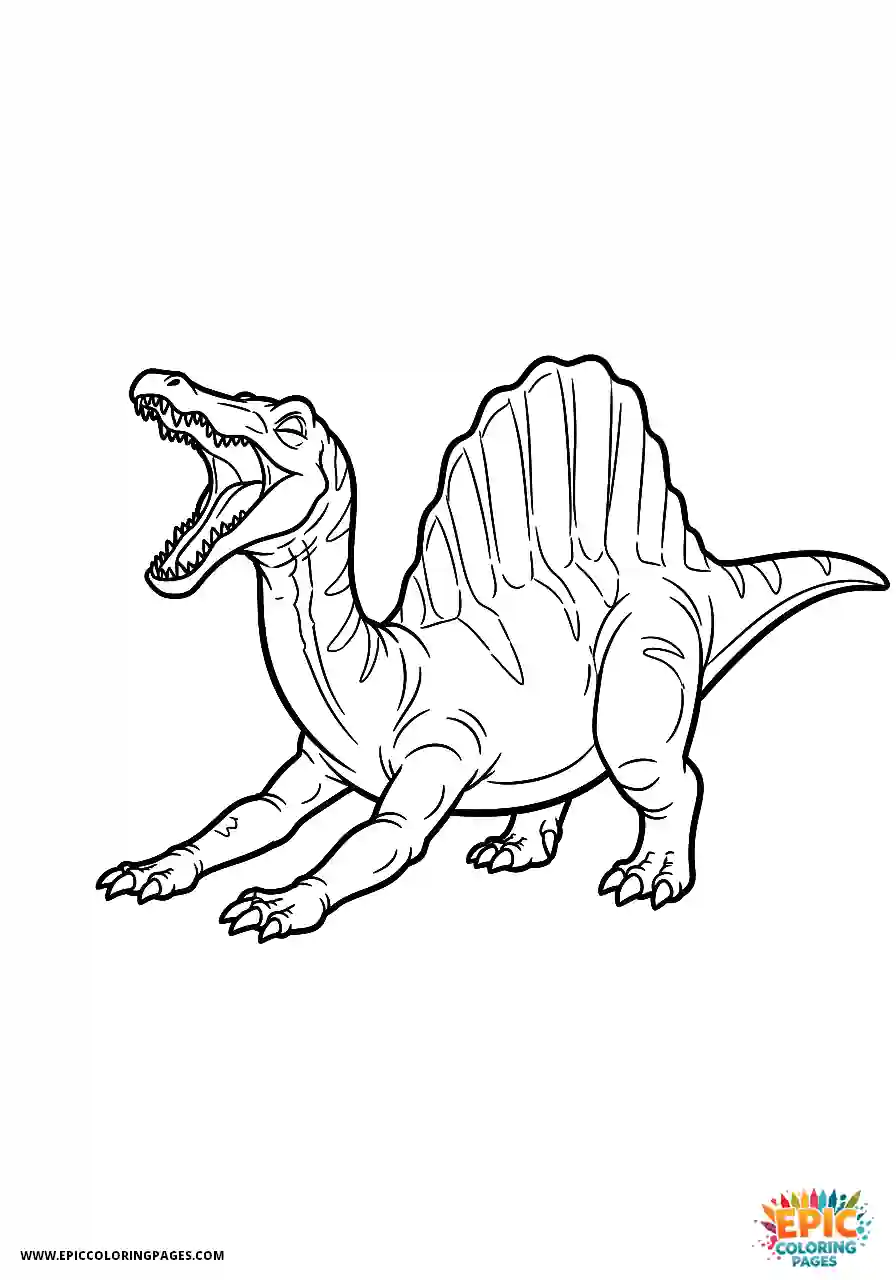
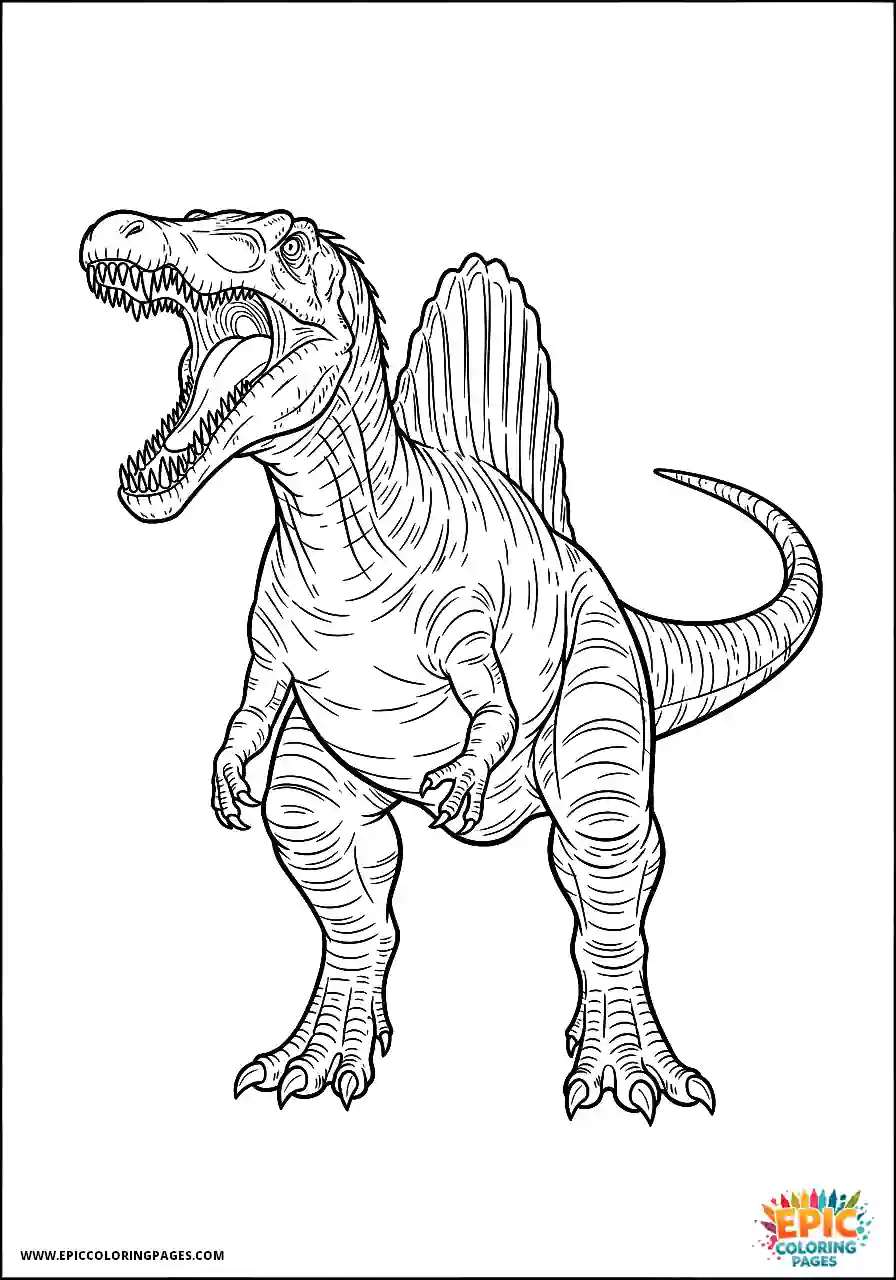
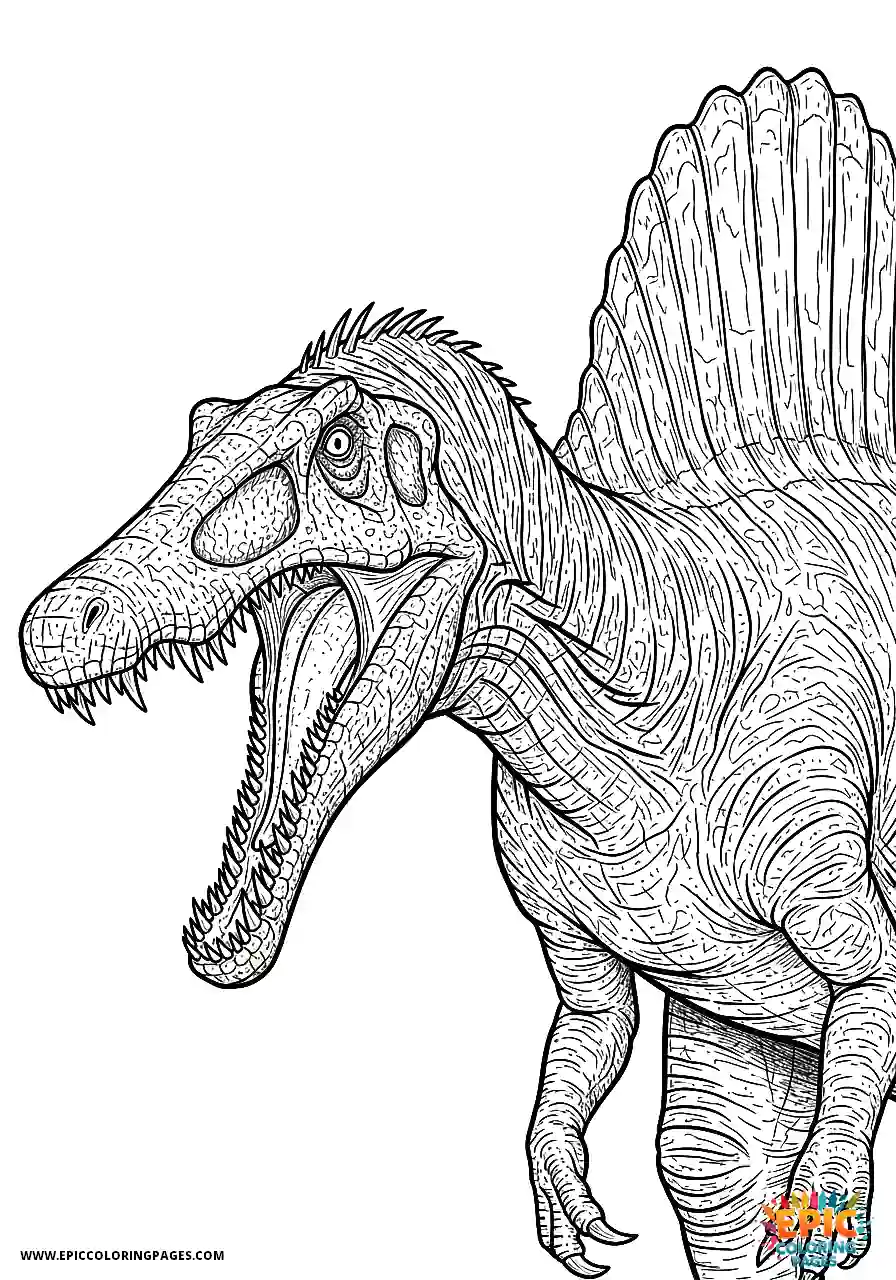
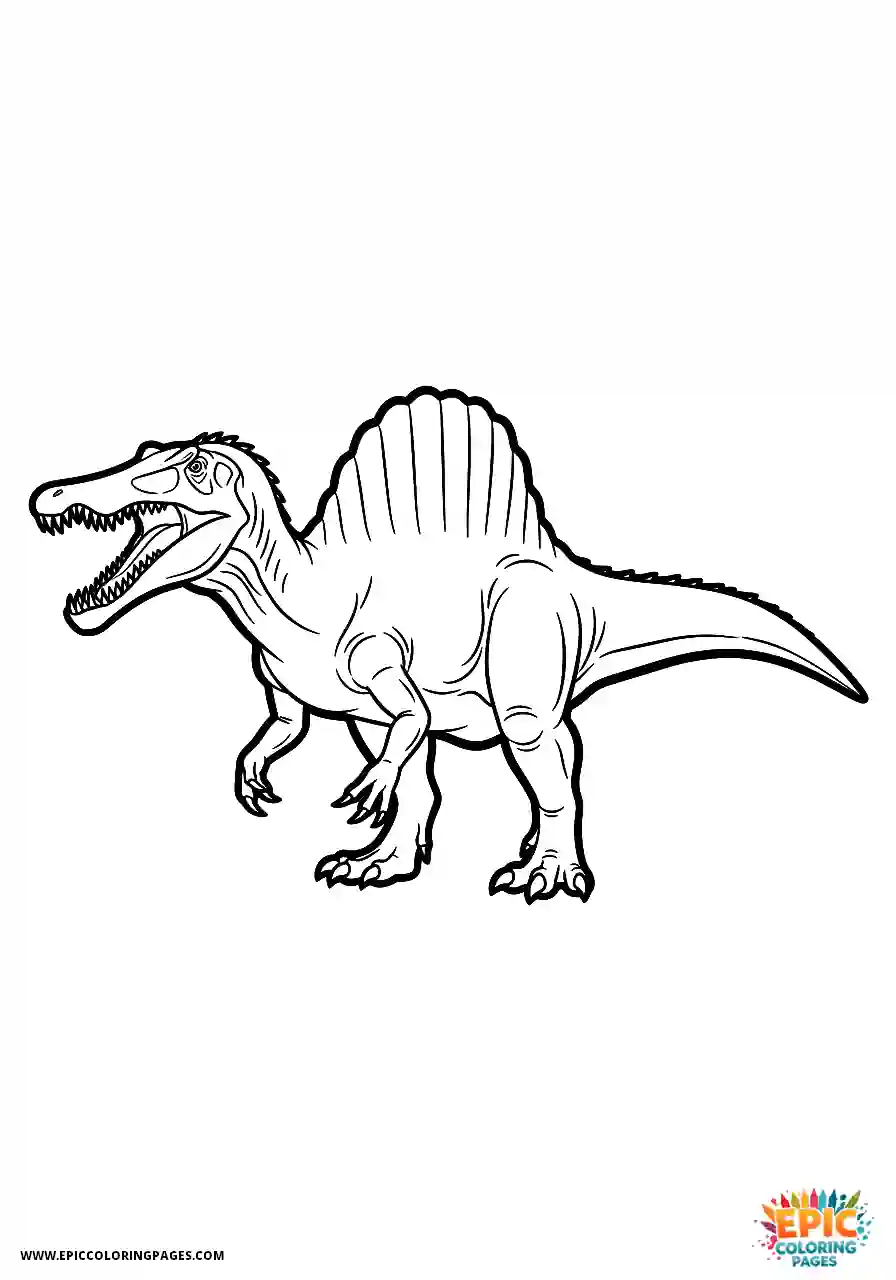
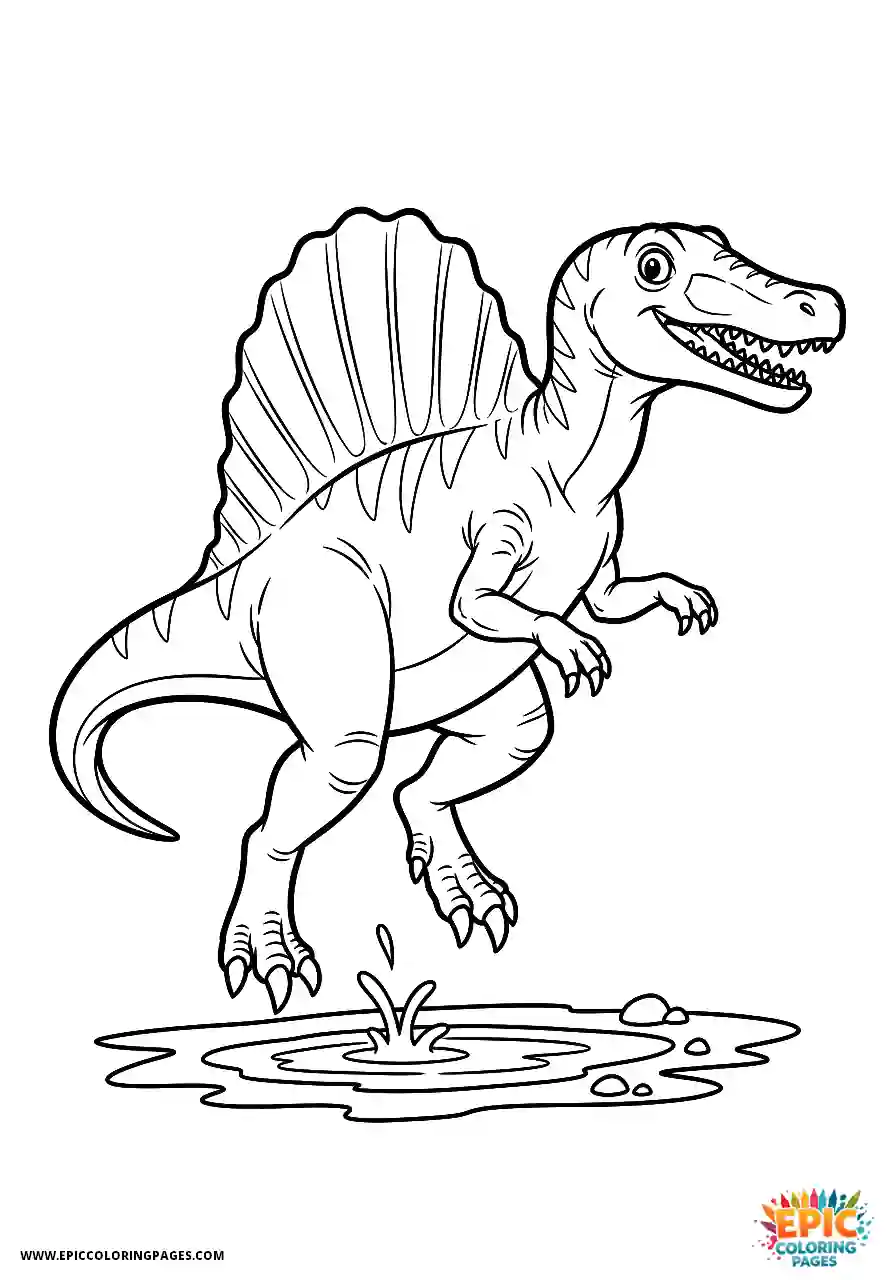
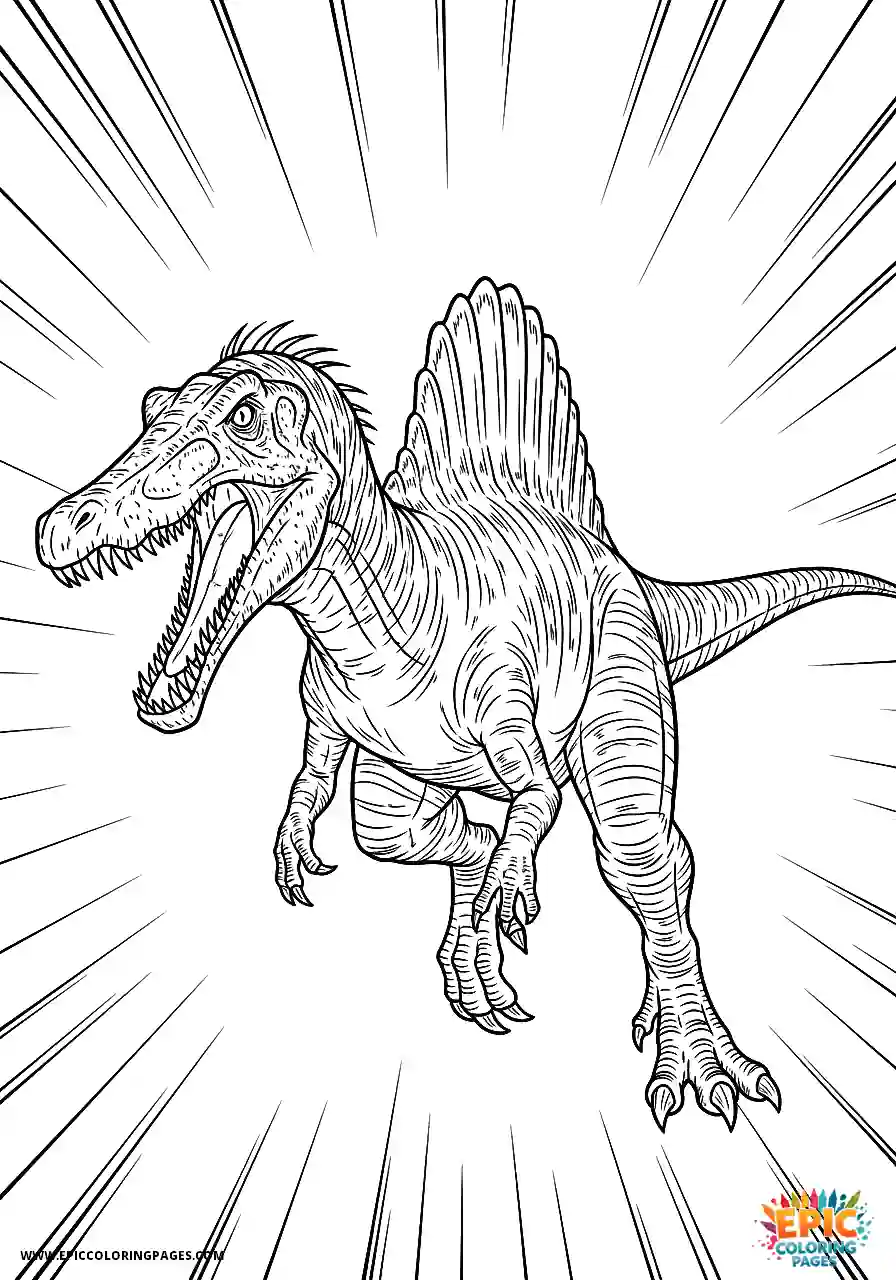
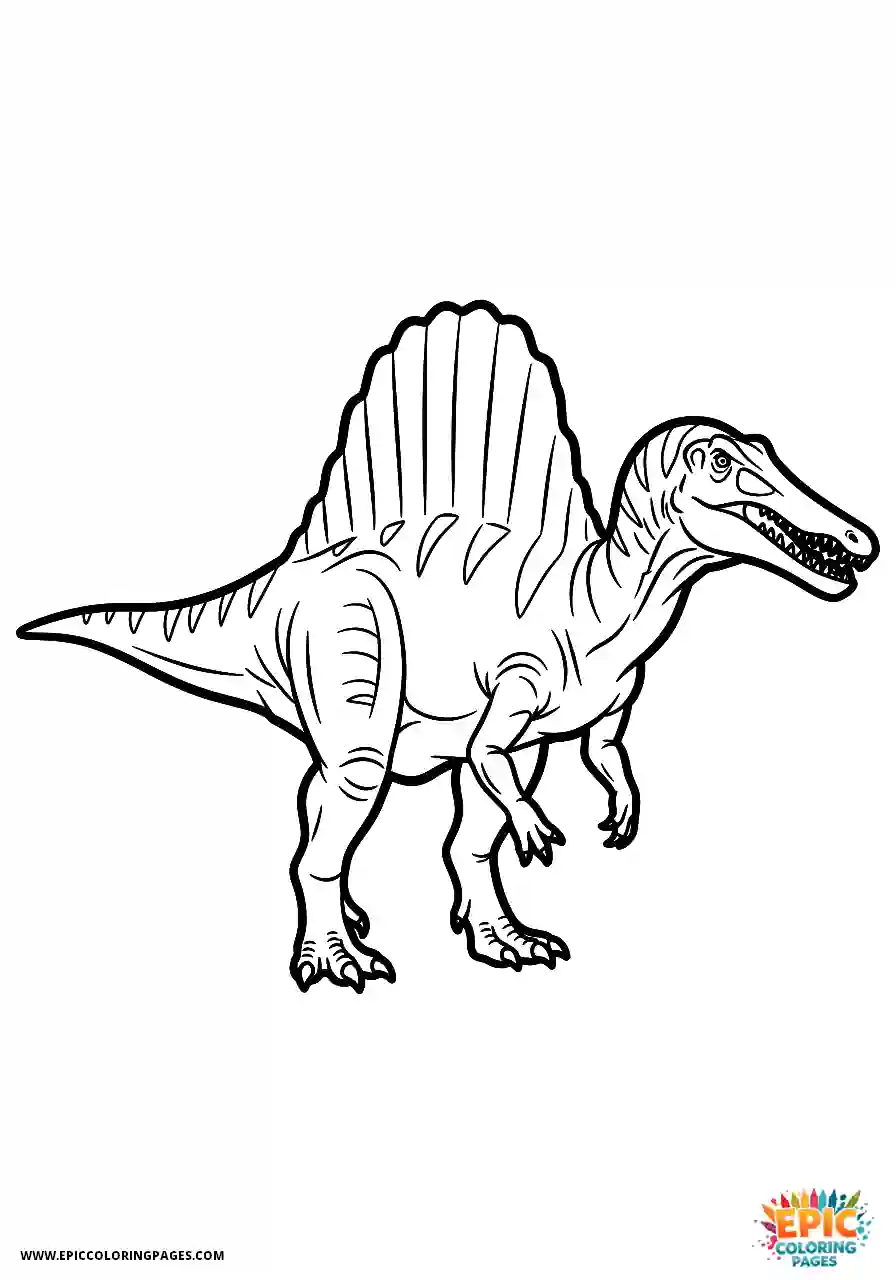
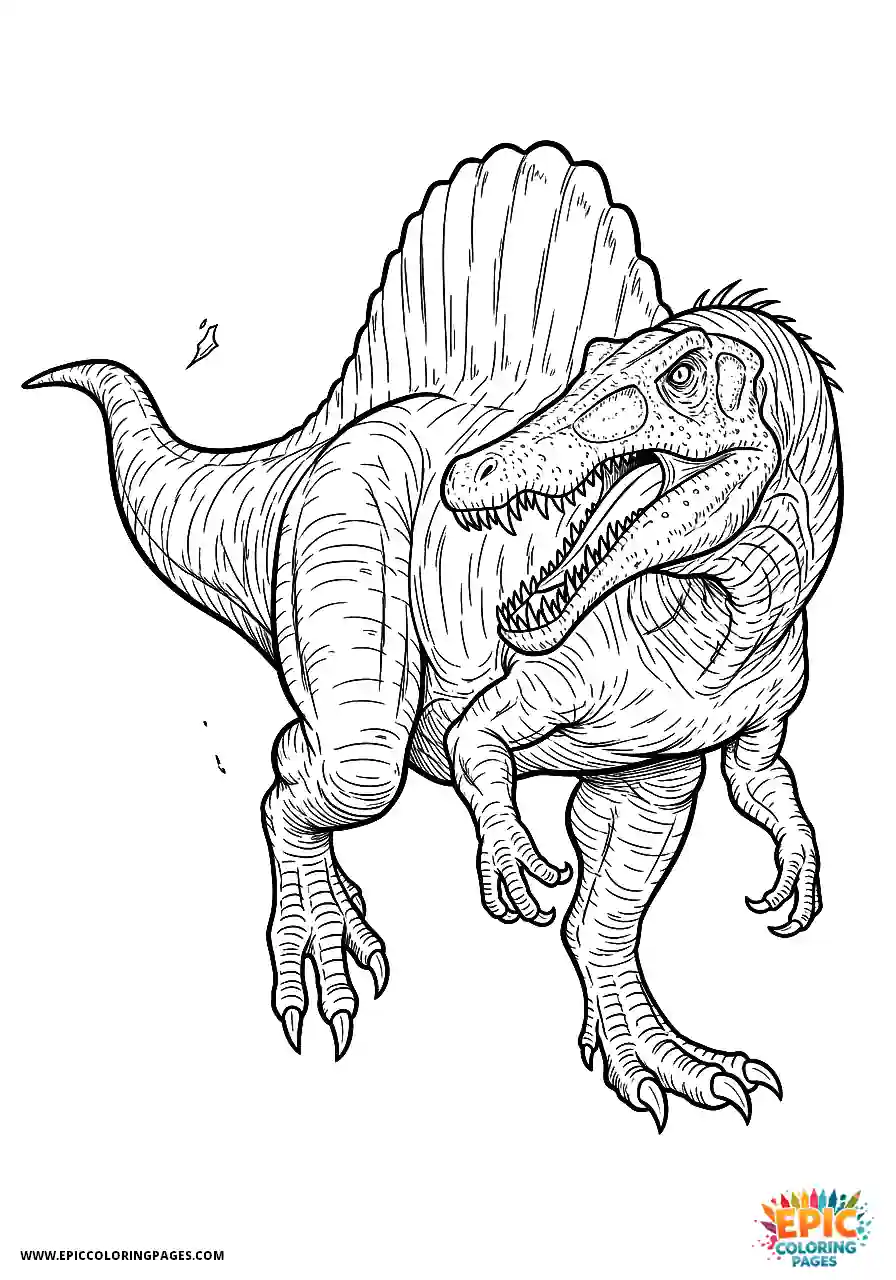
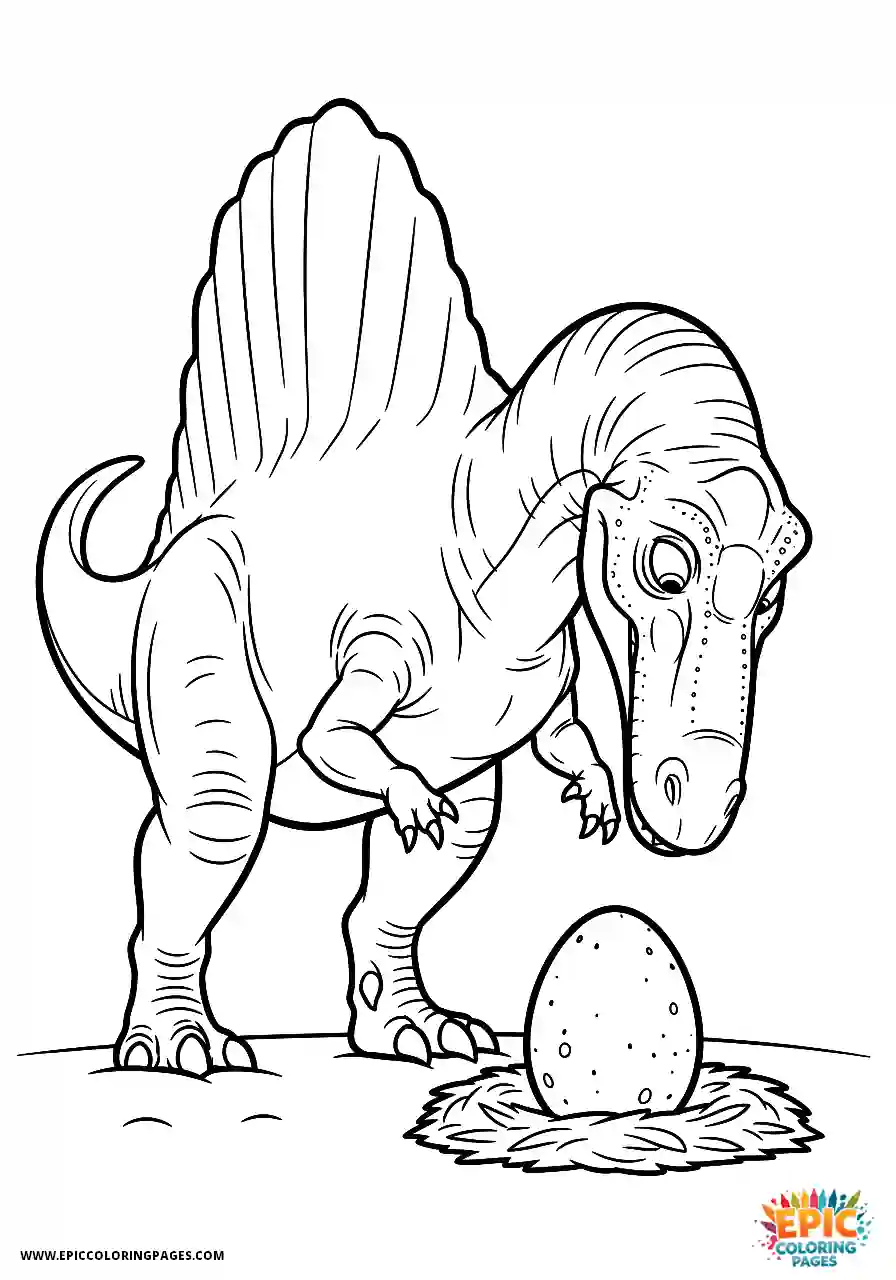
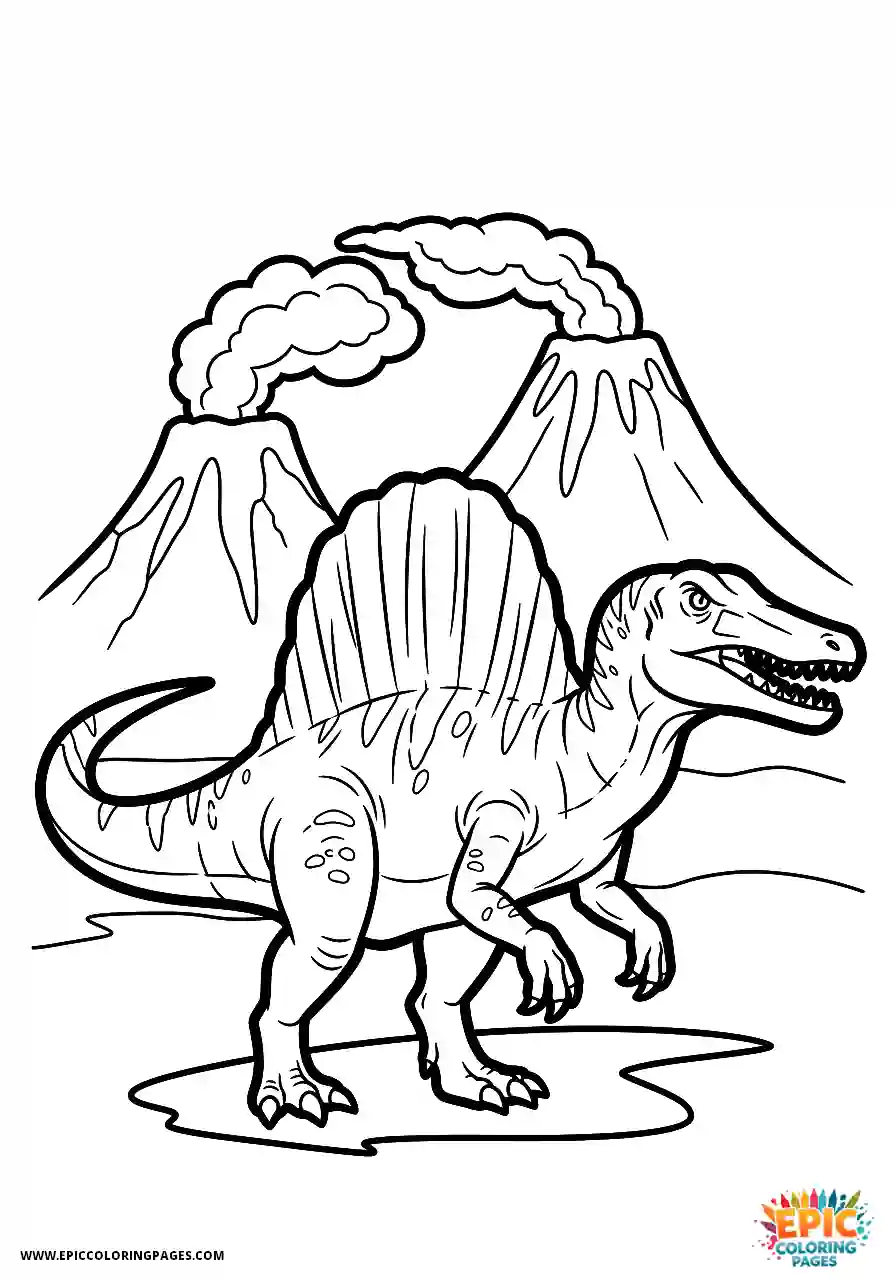
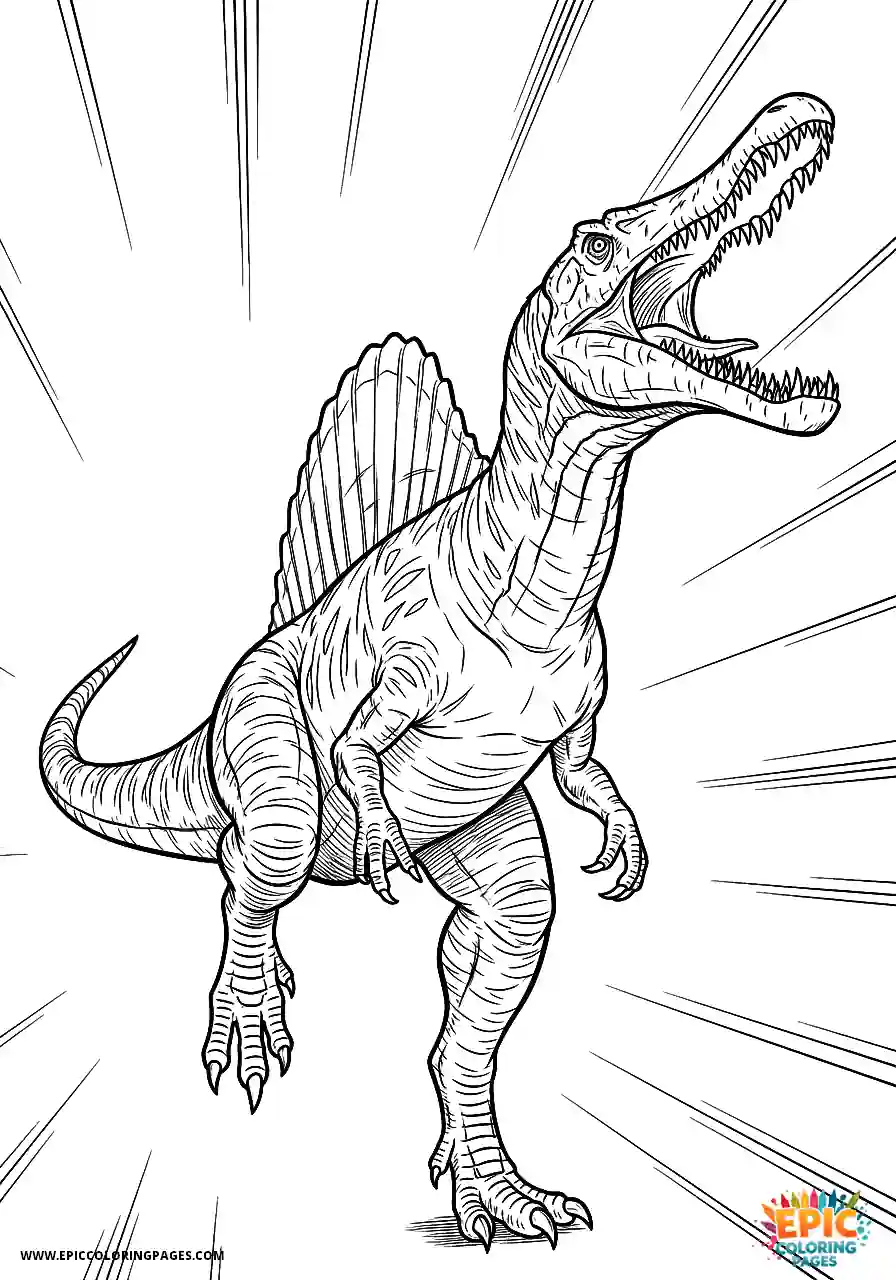
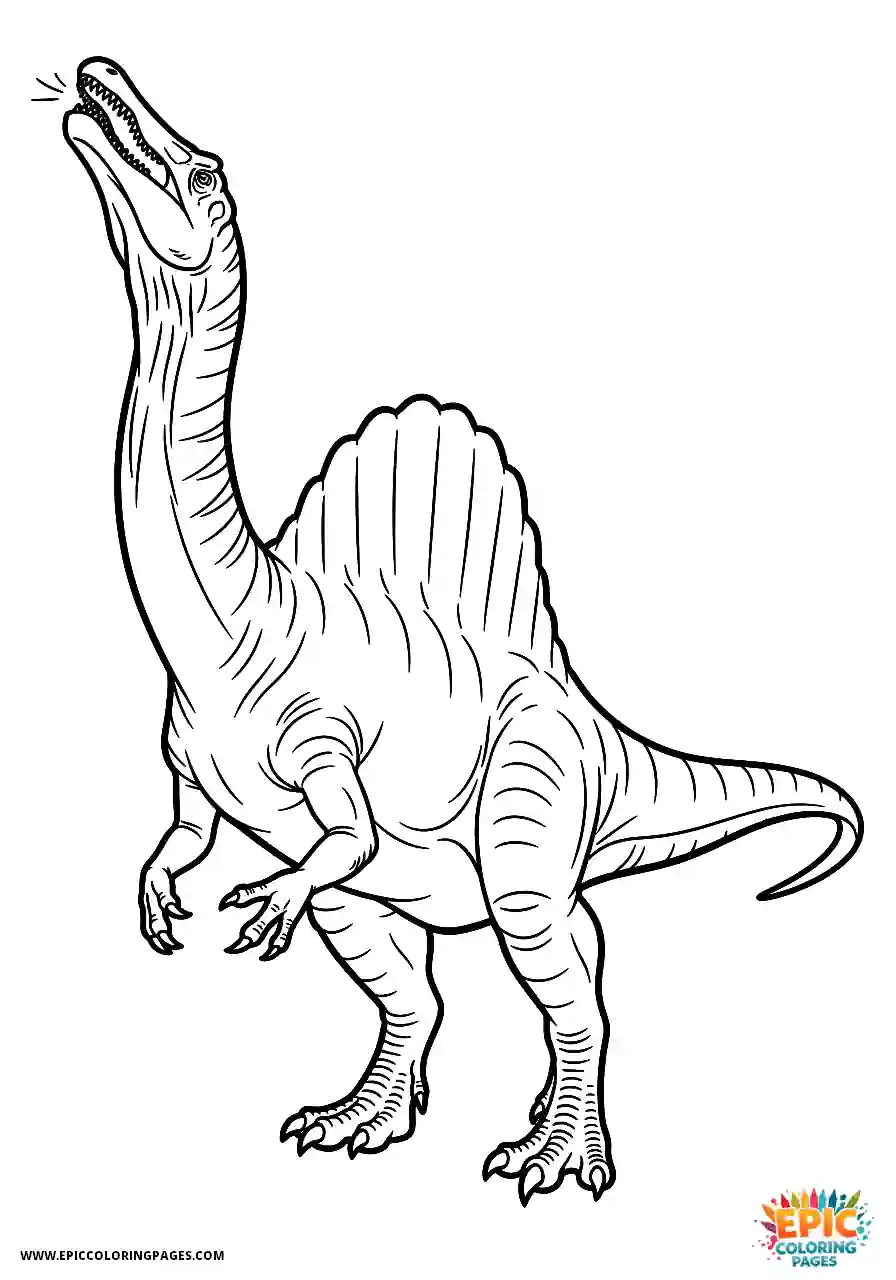
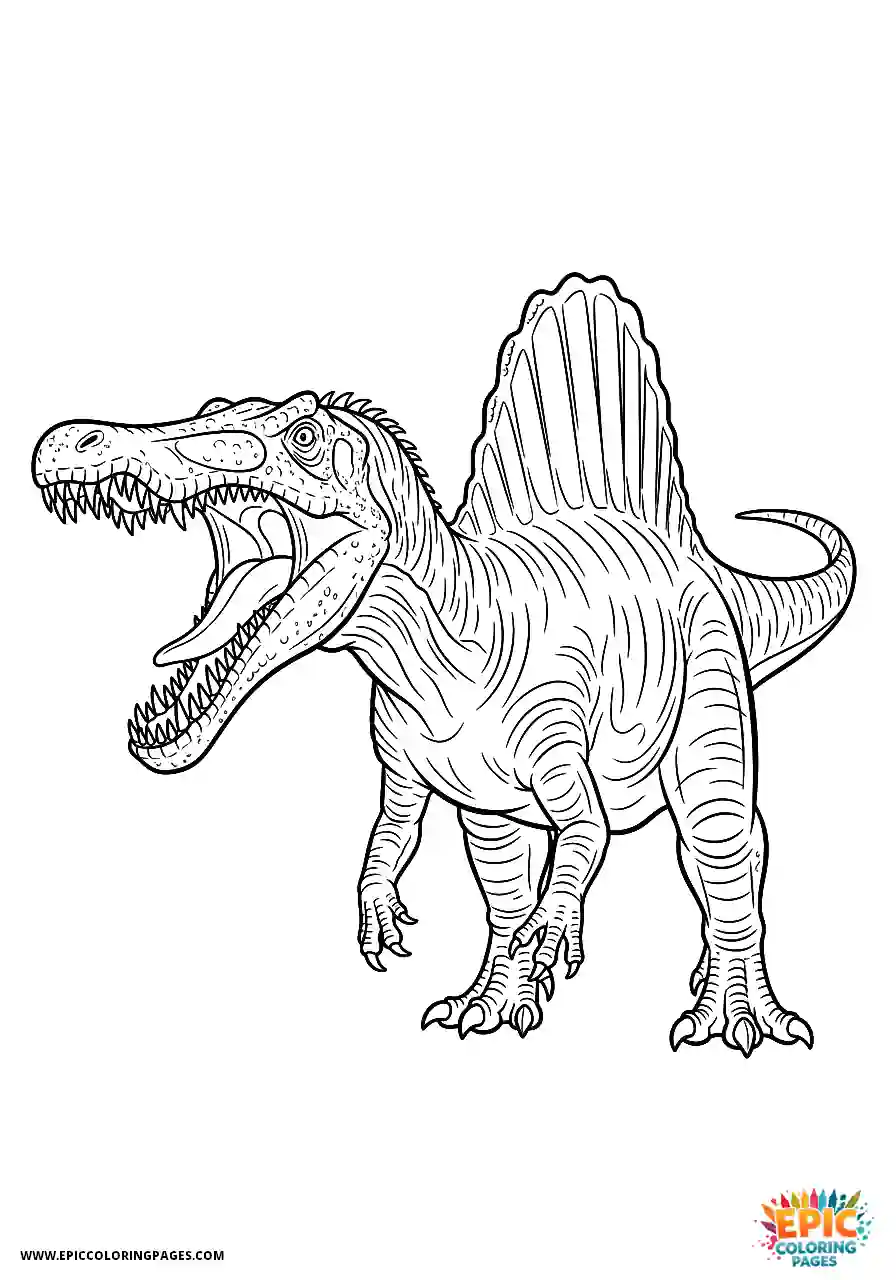
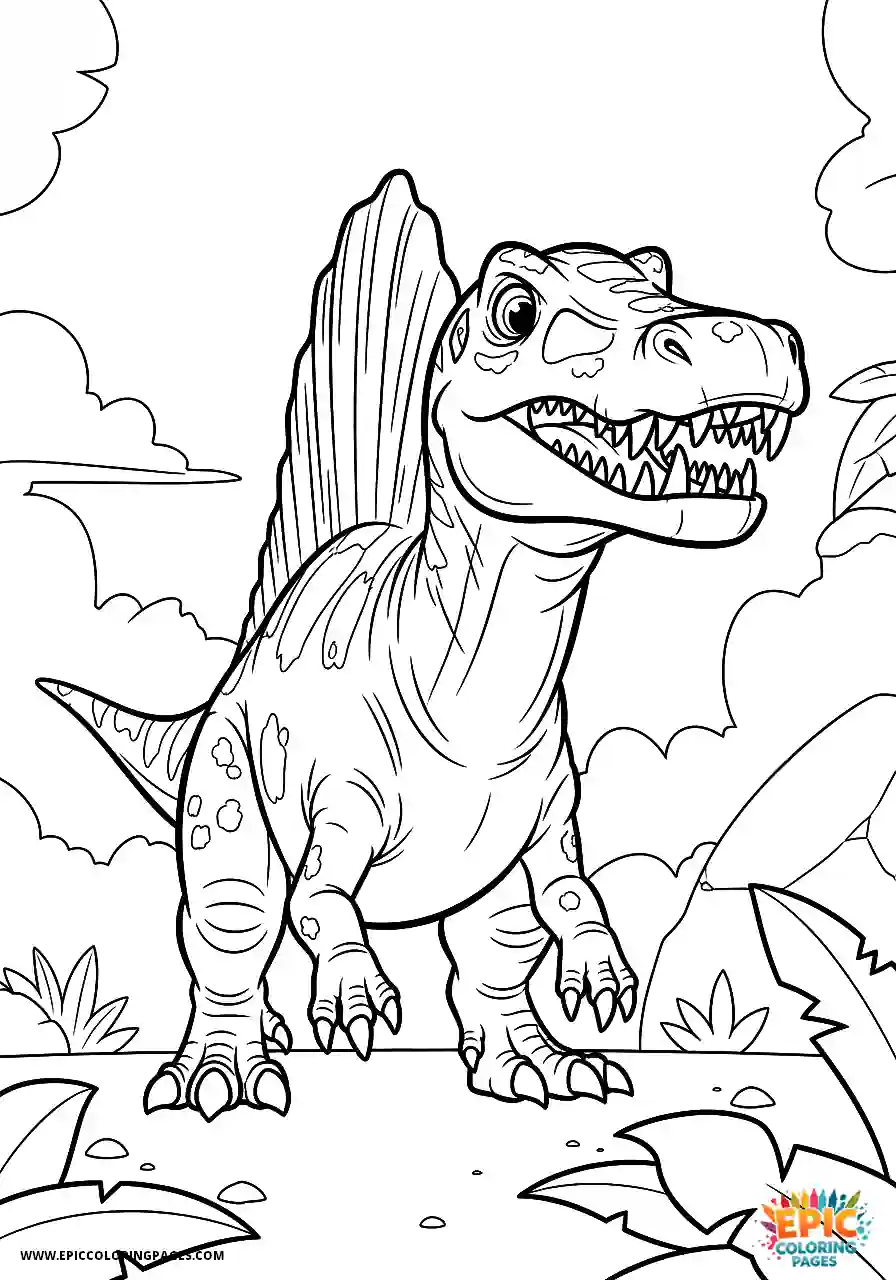
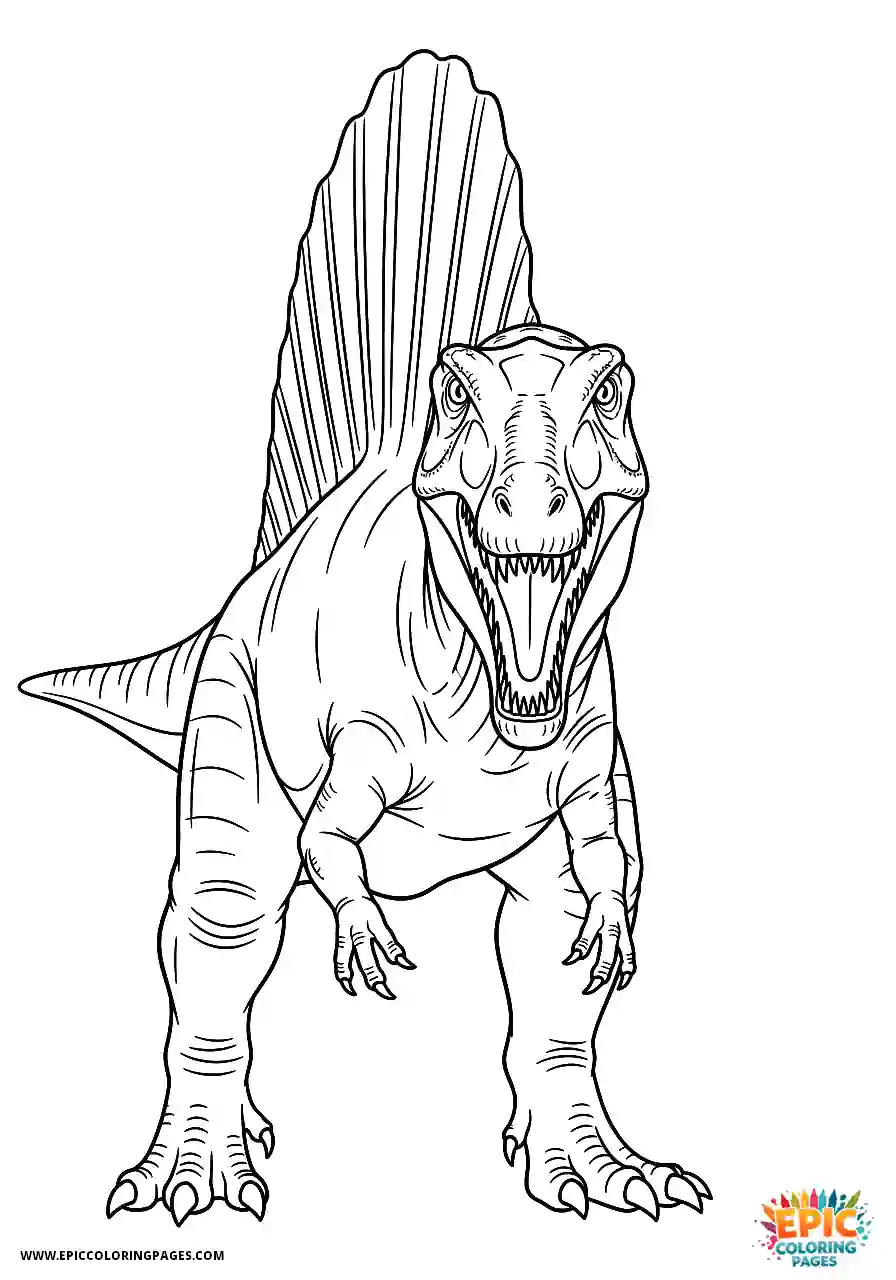
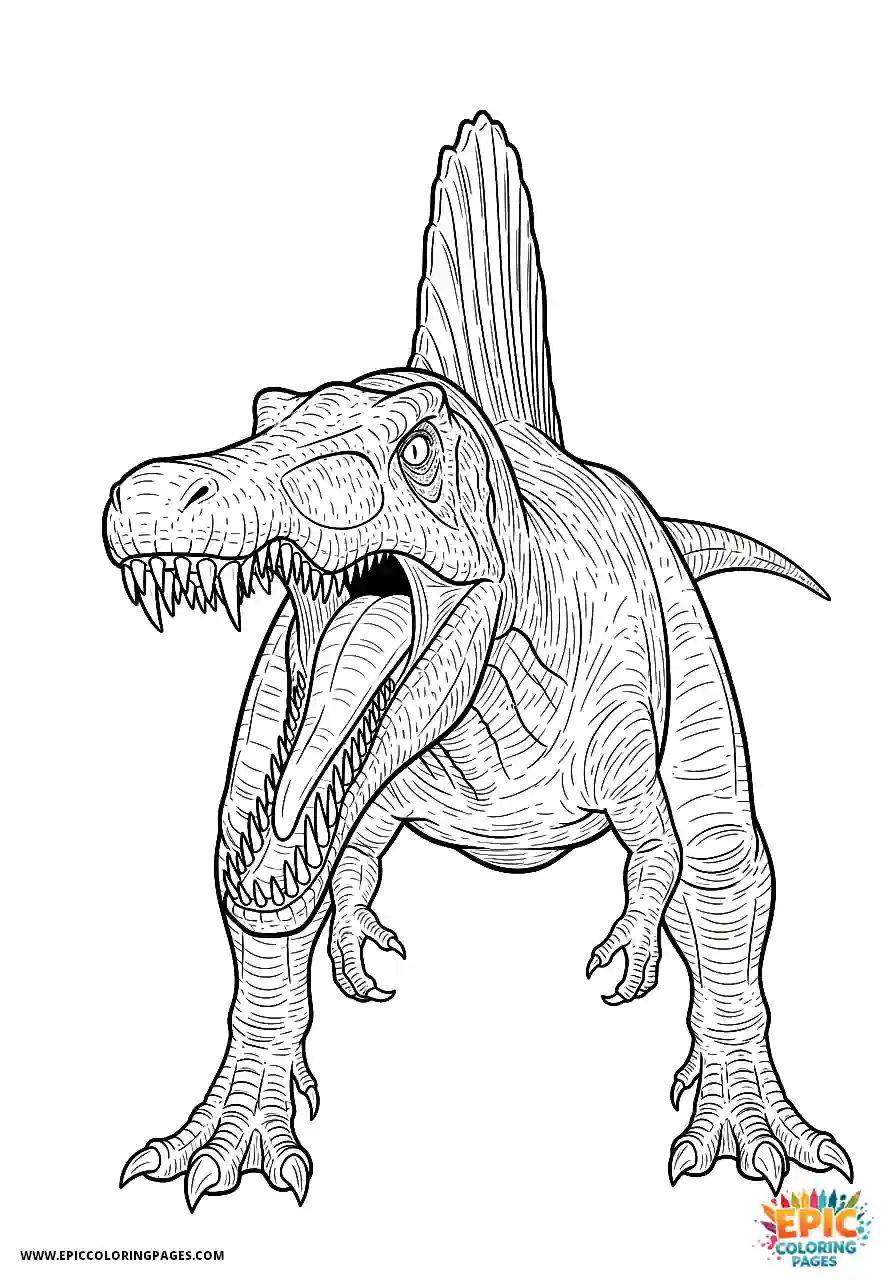
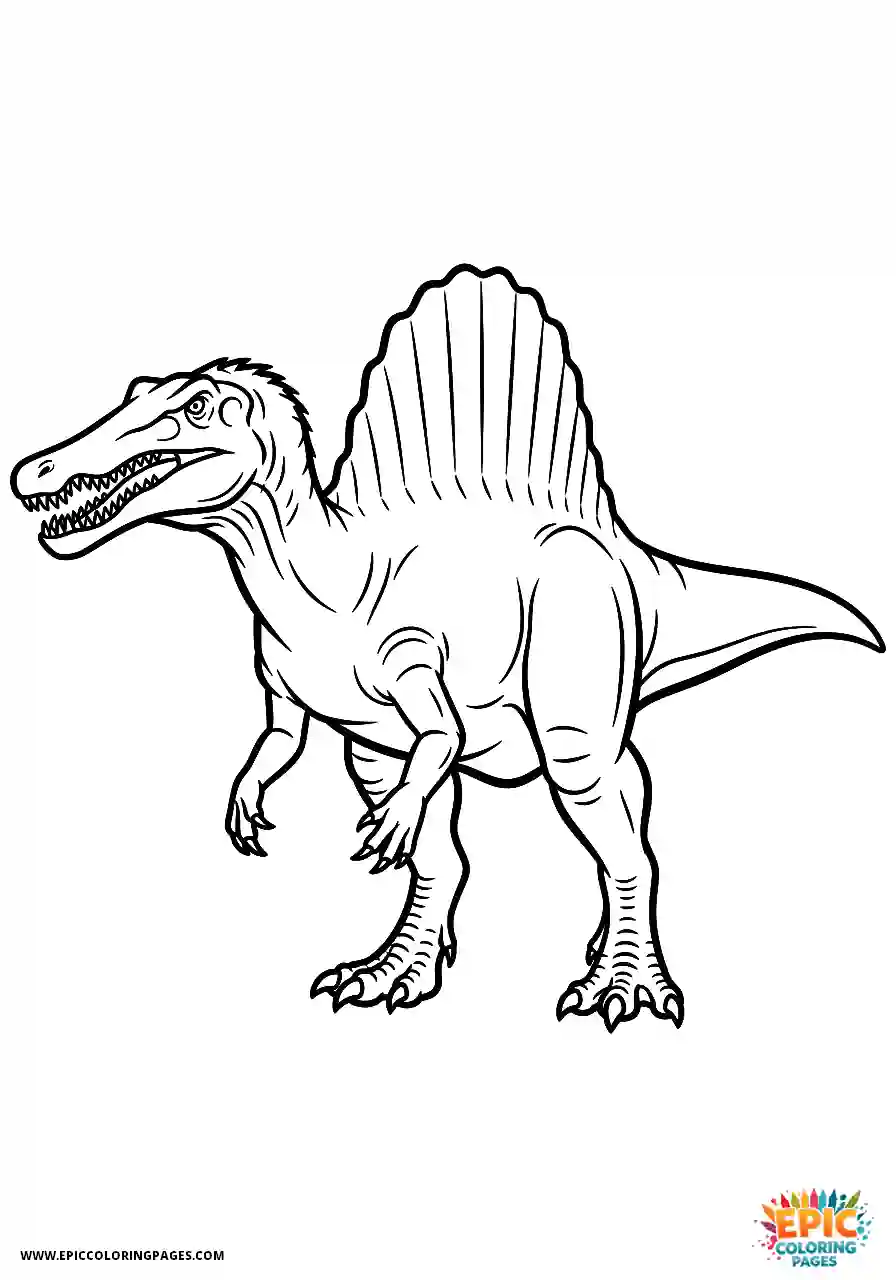
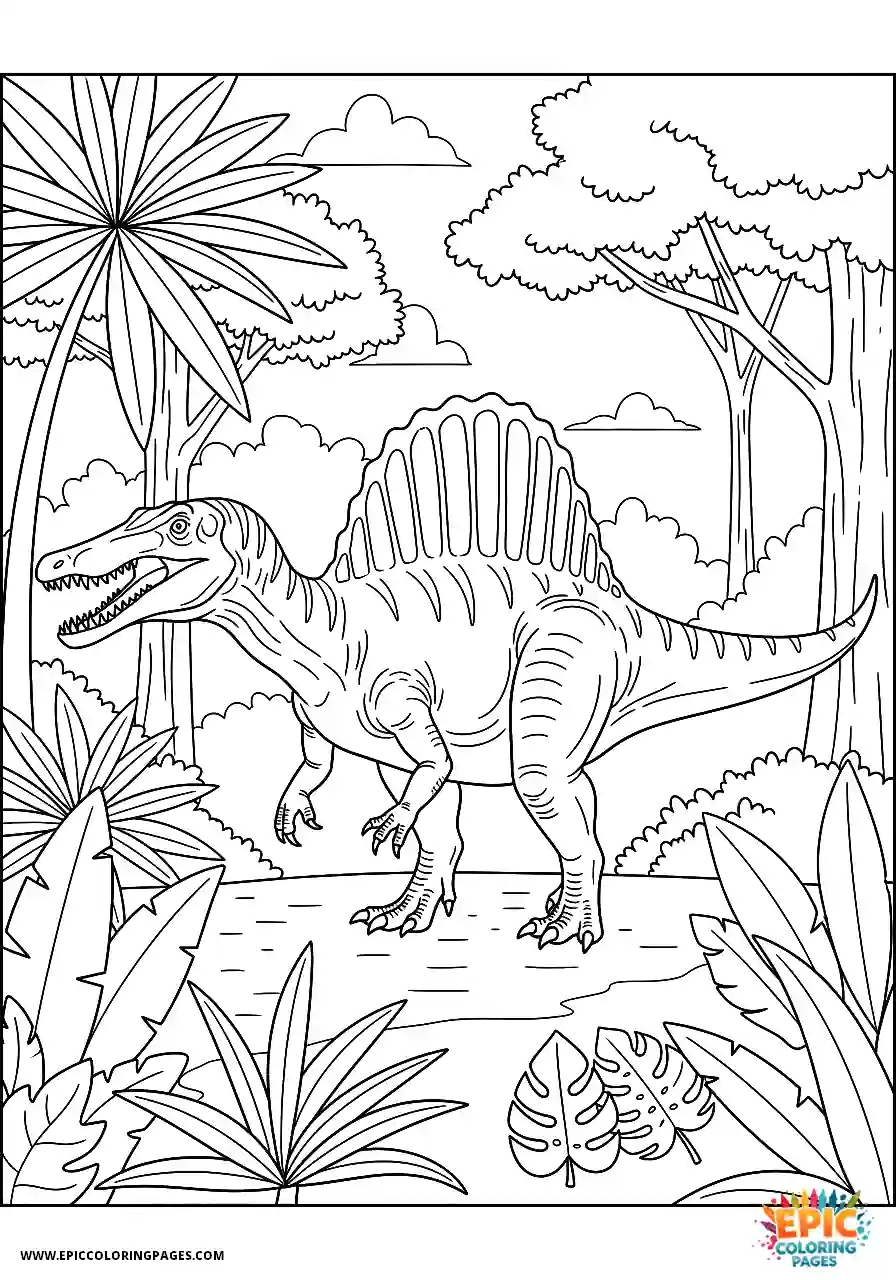
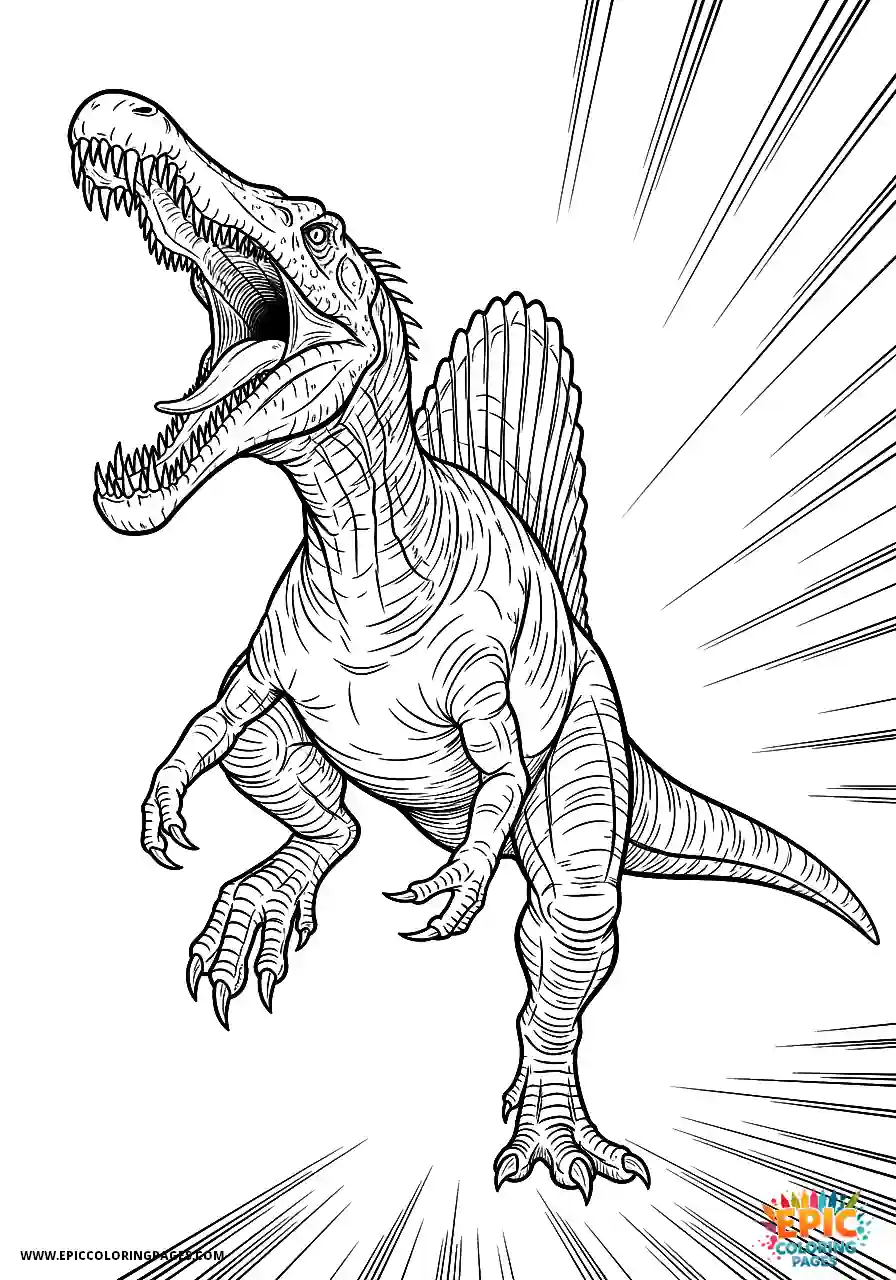
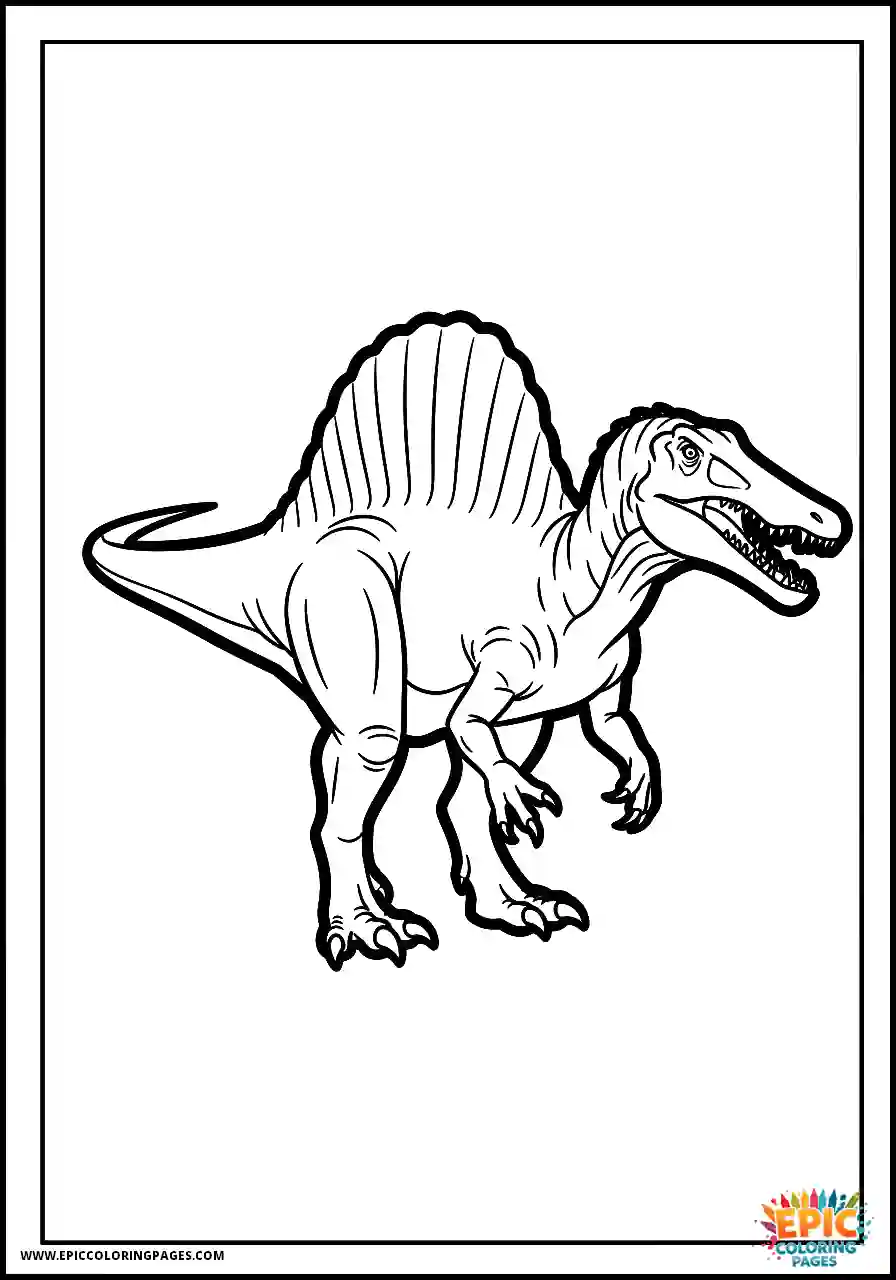
The Spinosaurus stands out as one of the most distinctive dinosaurs ever discovered. That massive sail along its back, the crocodile-like skull, and semi-aquatic lifestyle make it endlessly fascinating to color. Recent scientific discoveries have dramatically changed how we visualize this creature, moving from the upright, land-based predator of older reconstructions to today’s understanding of a water-dwelling hunter with shorter hind legs and a paddle-like tail.
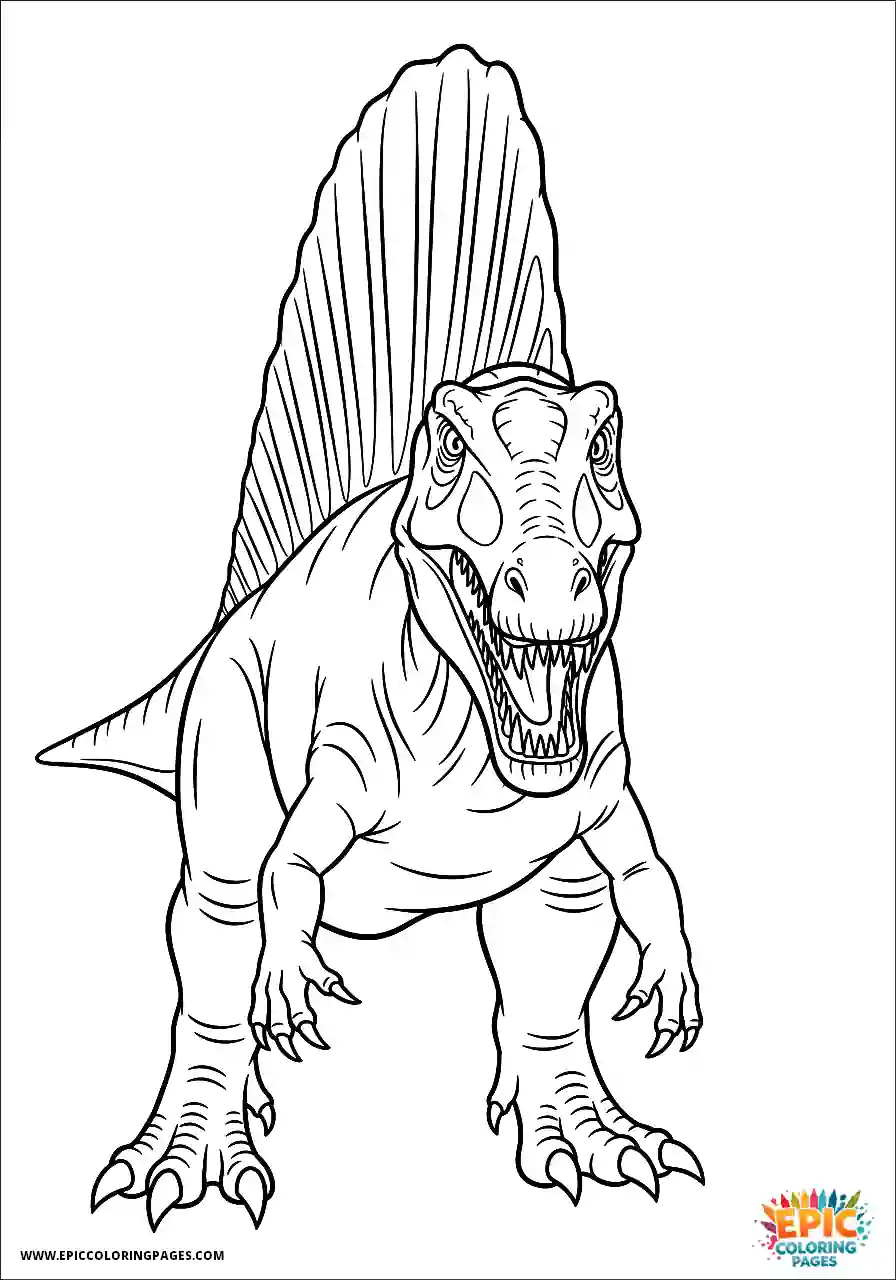
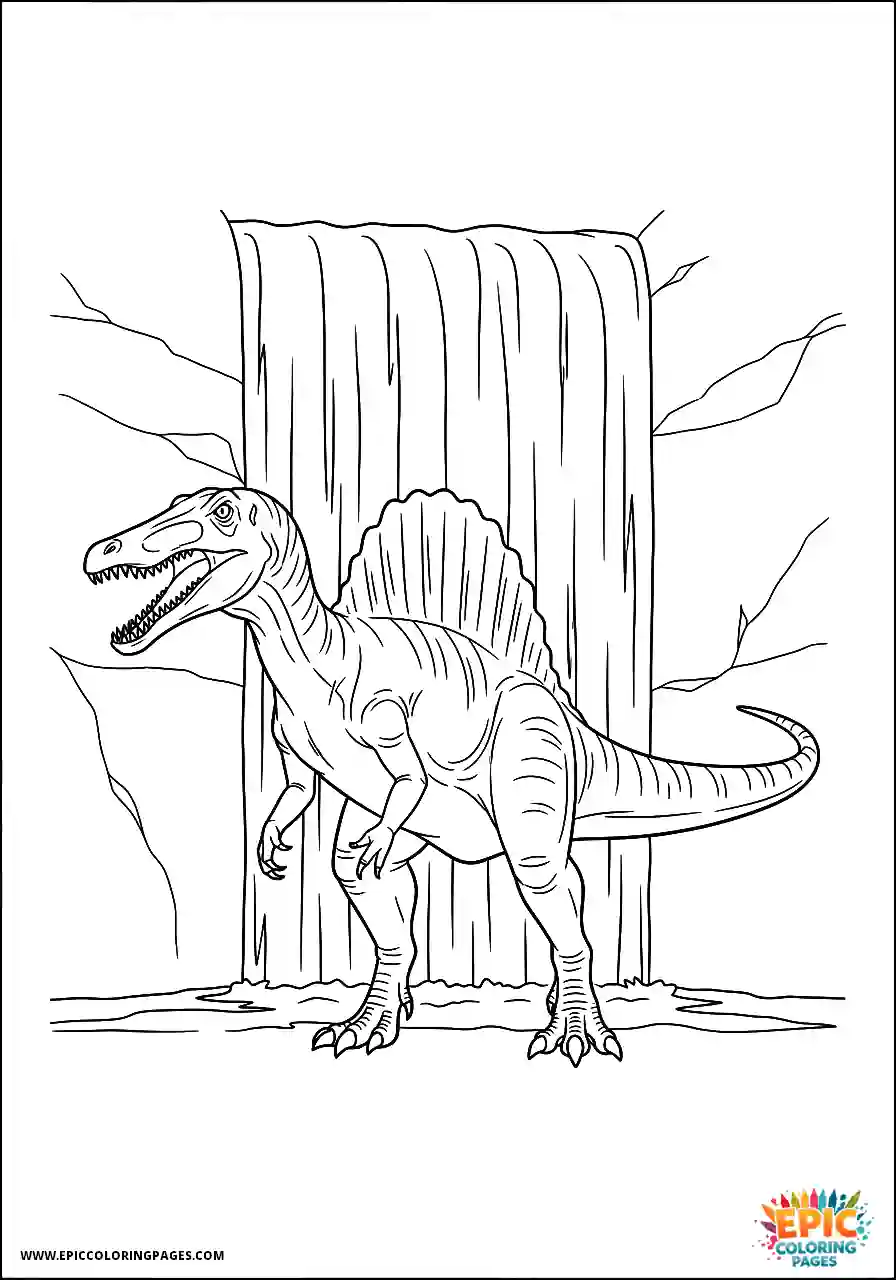
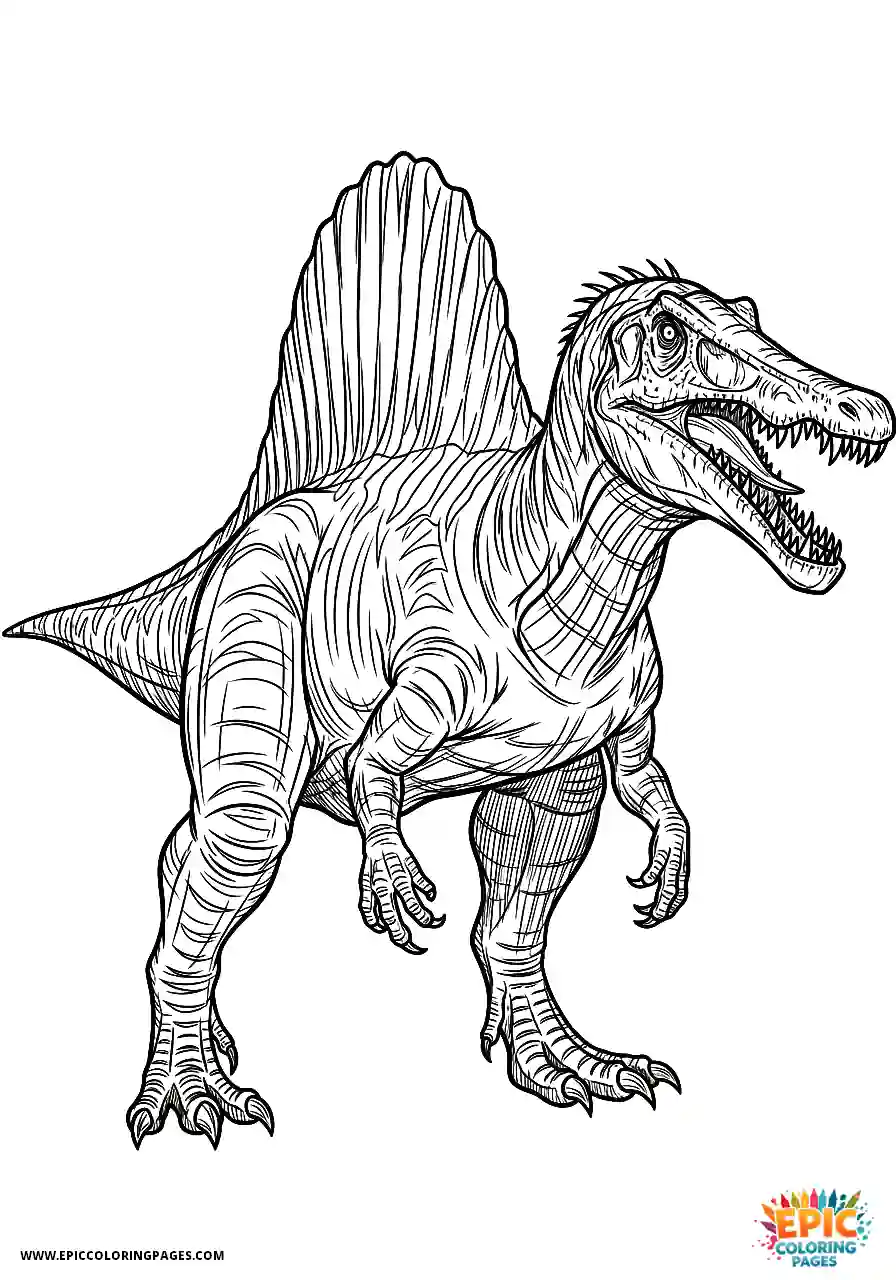
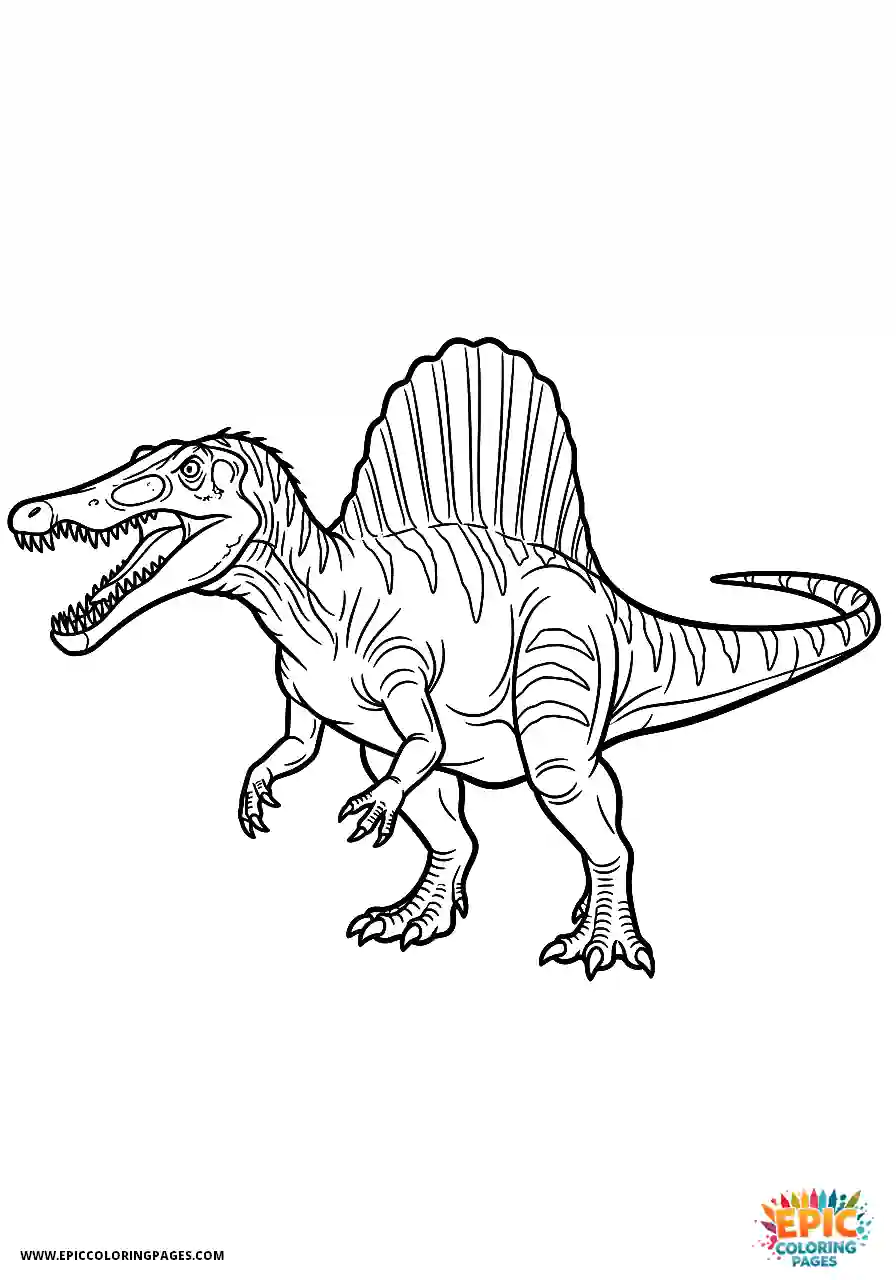
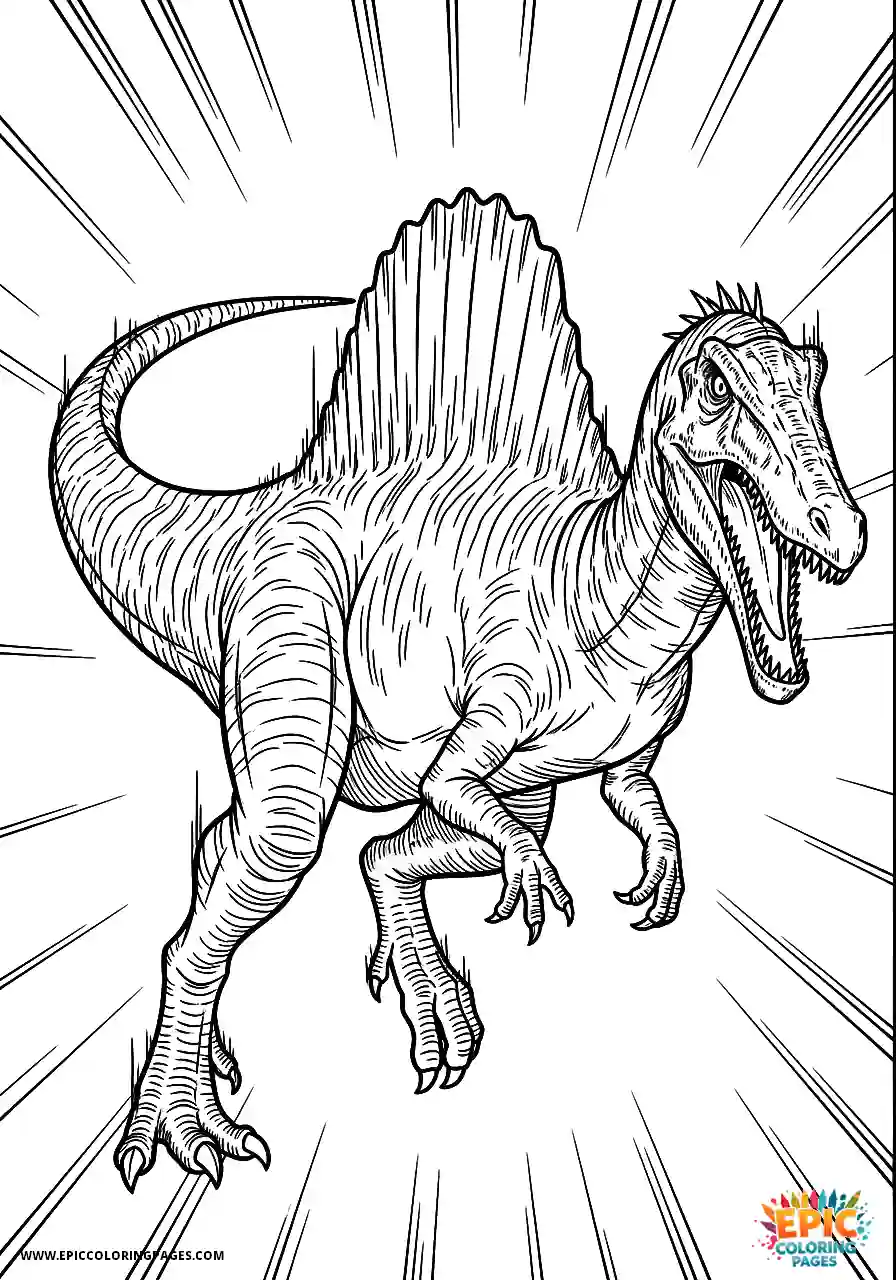
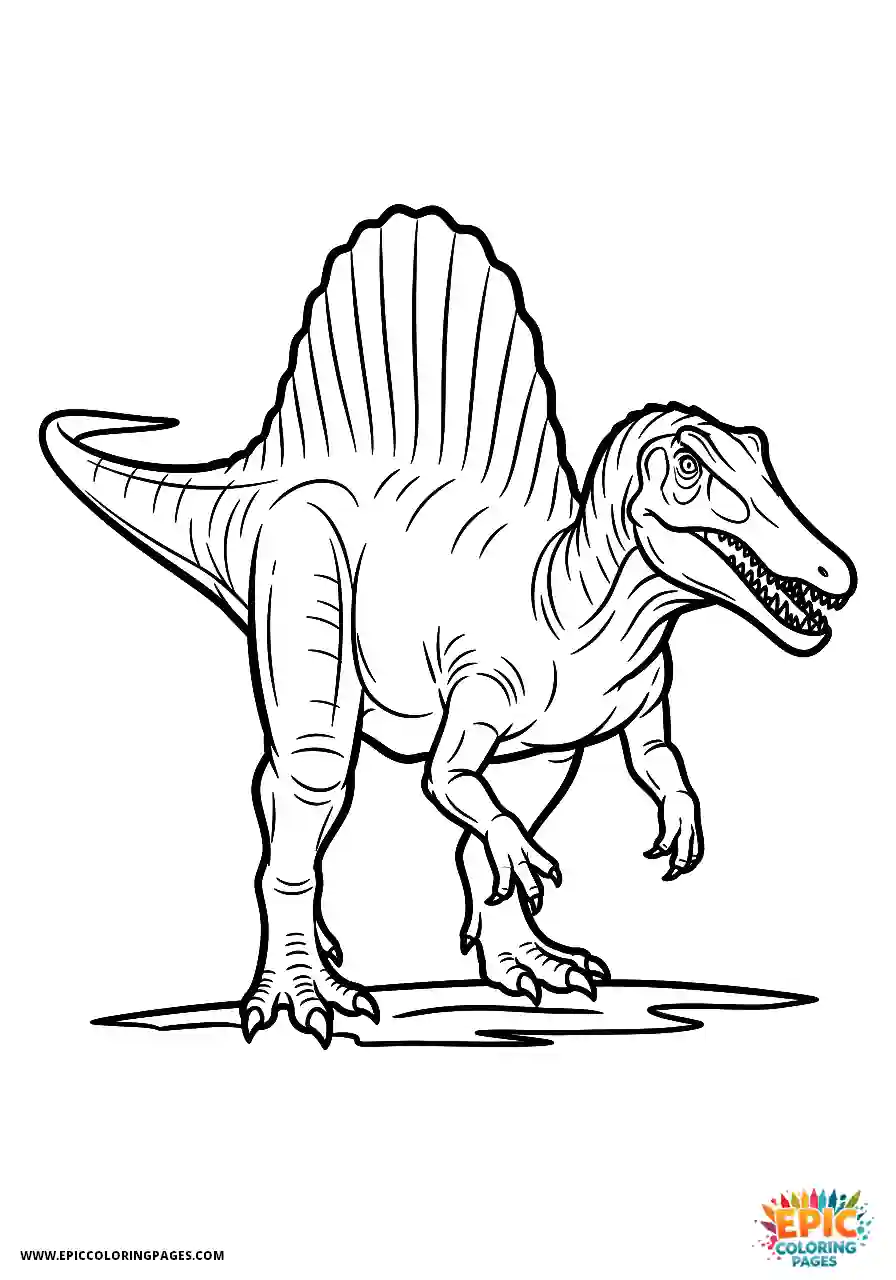
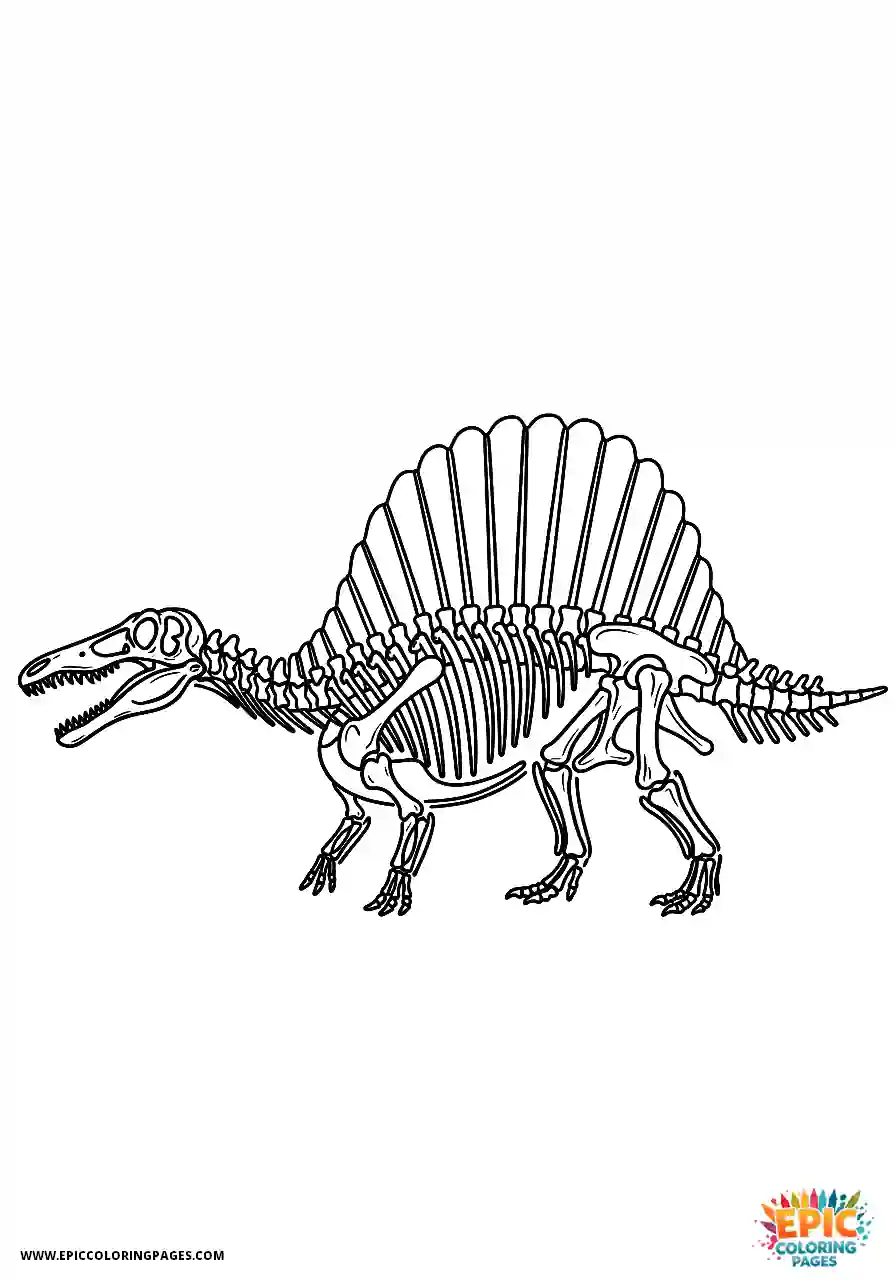
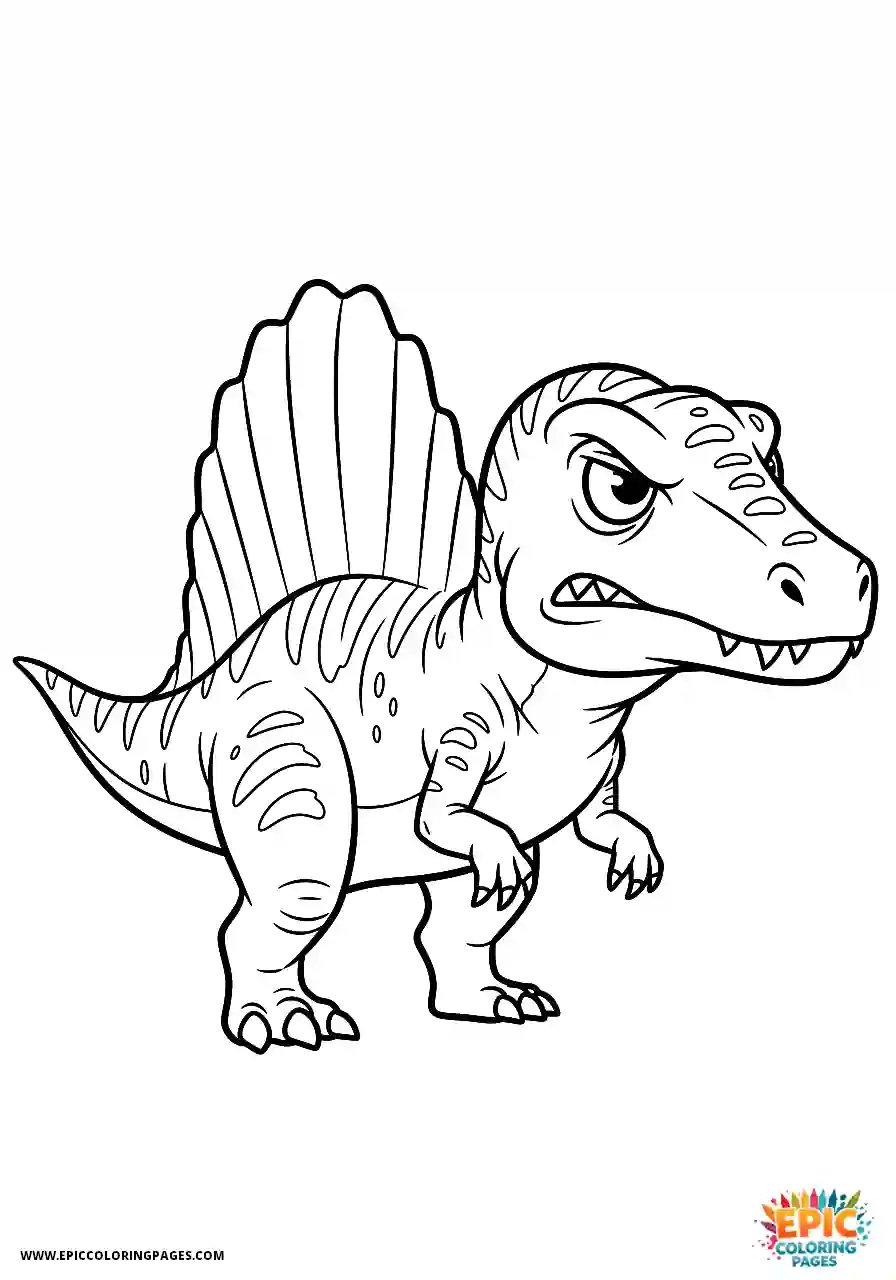
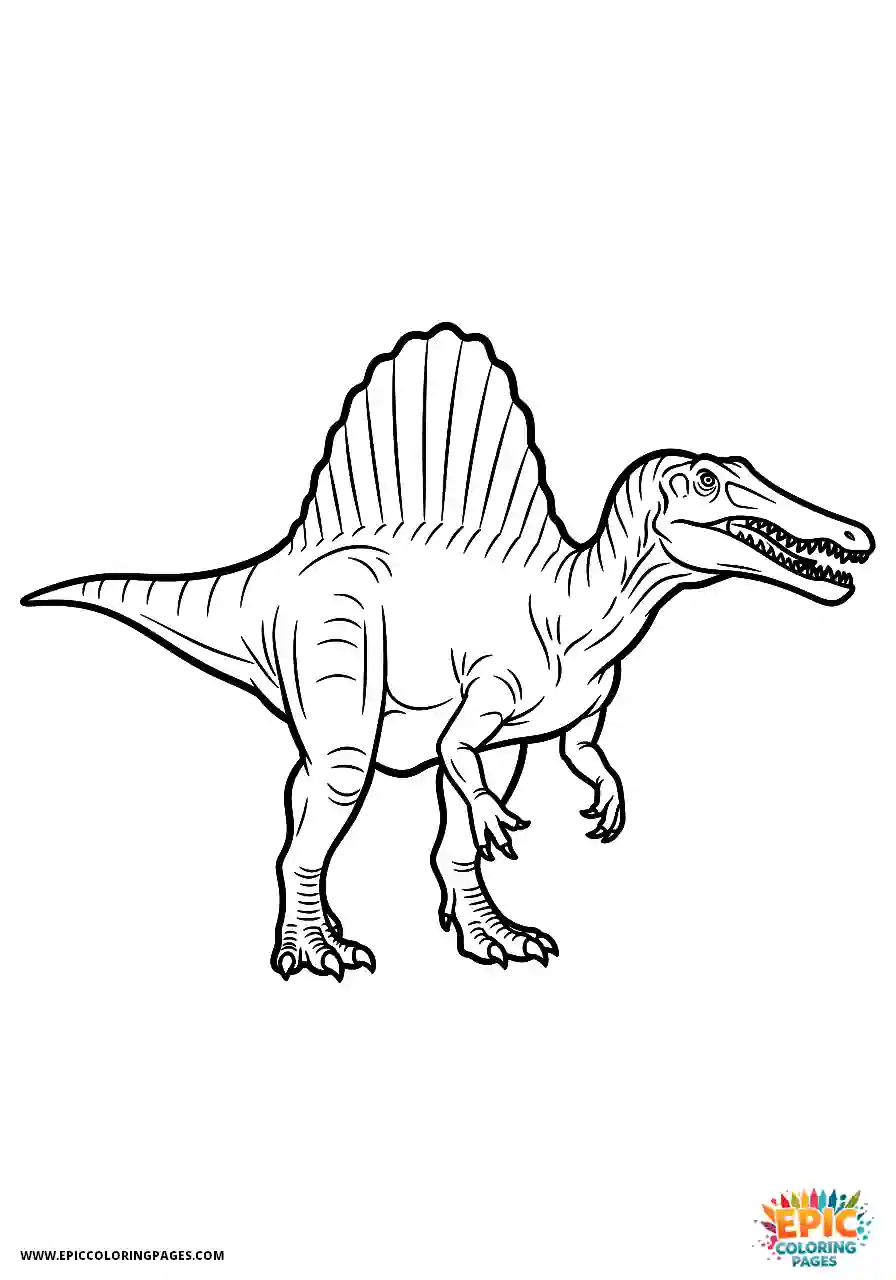
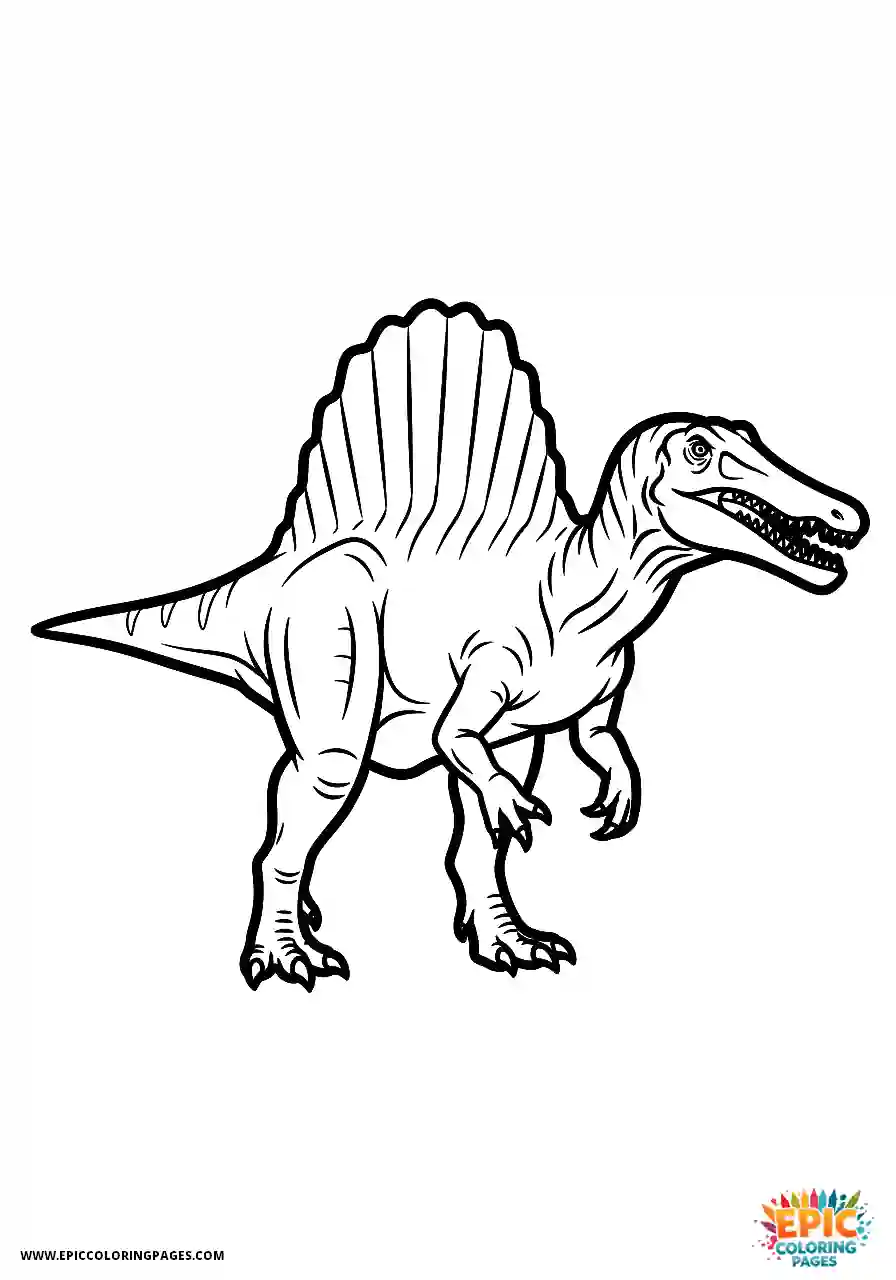
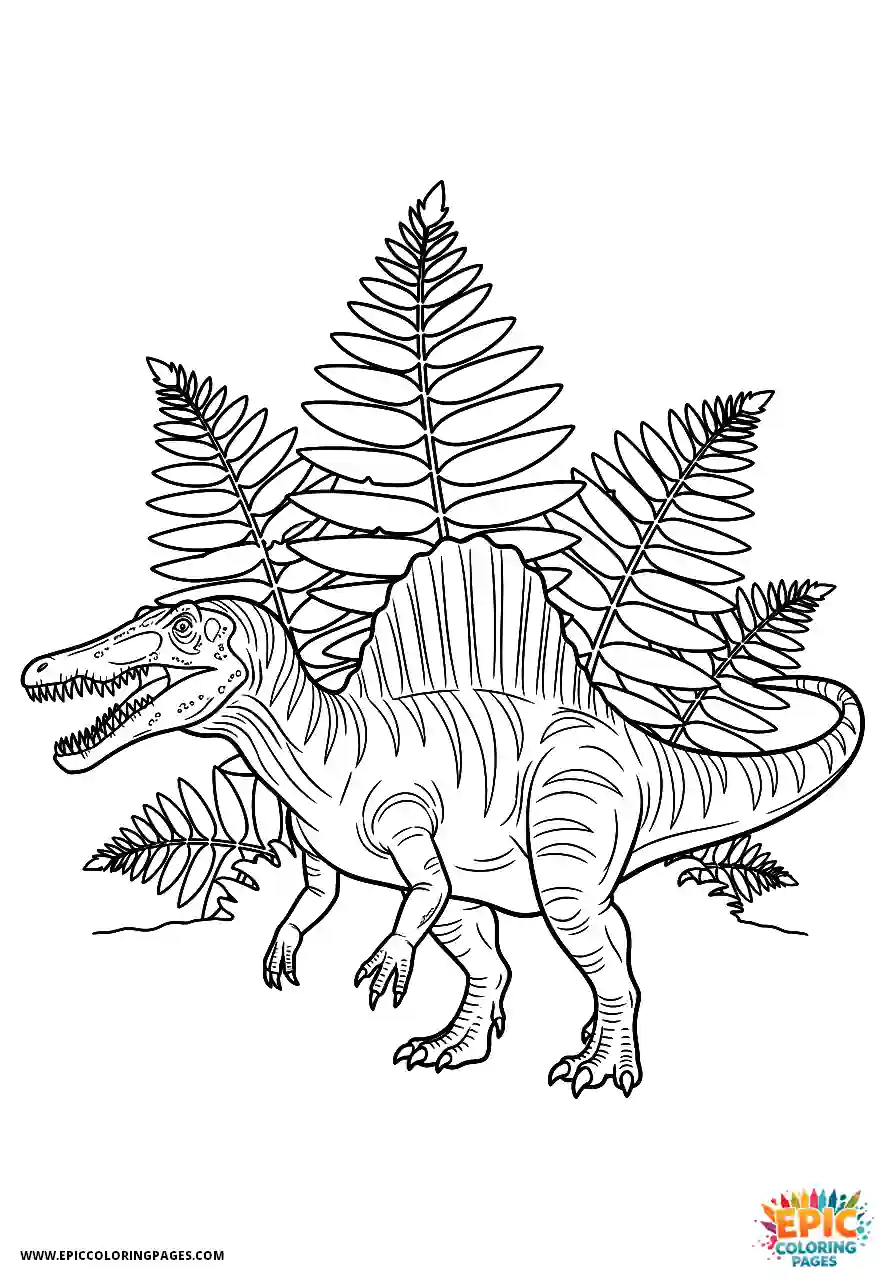
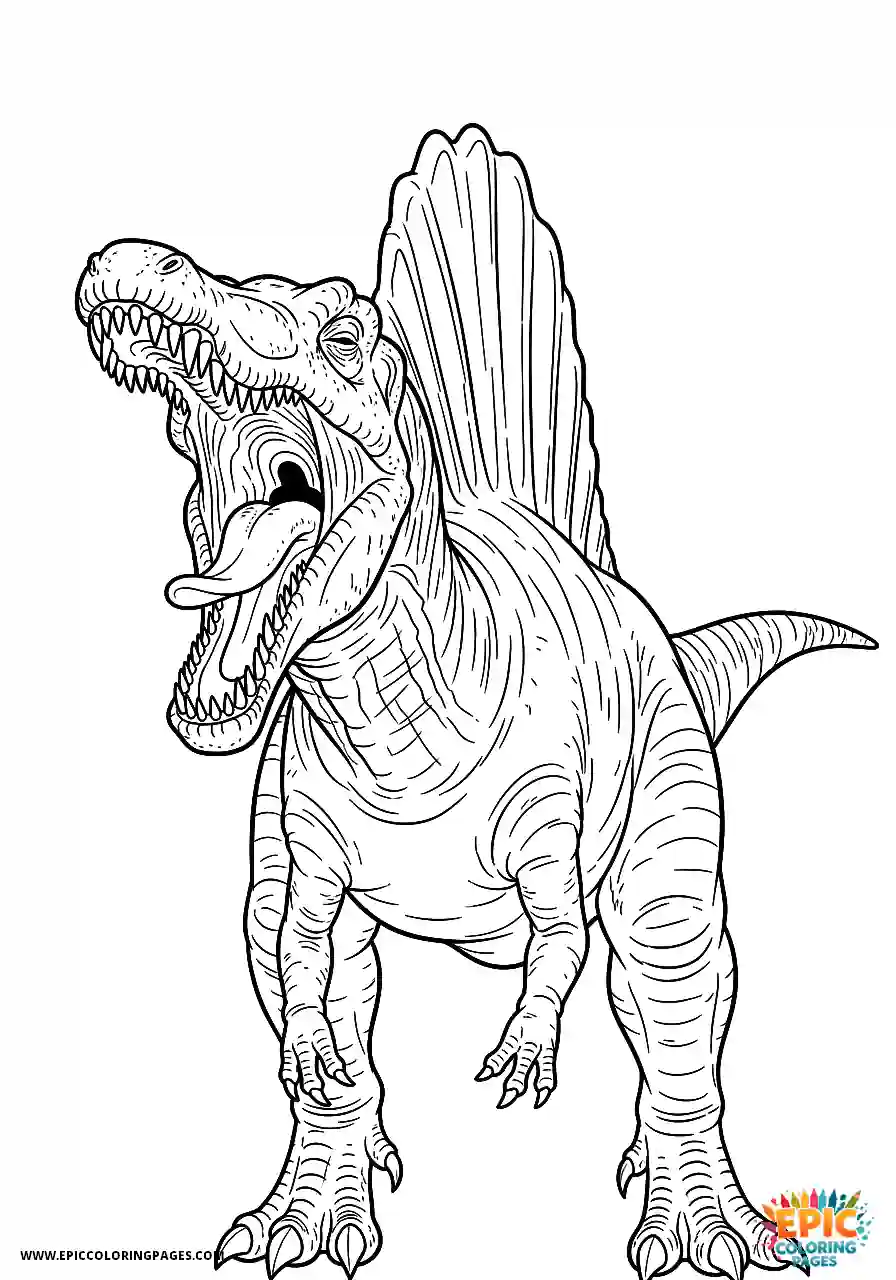
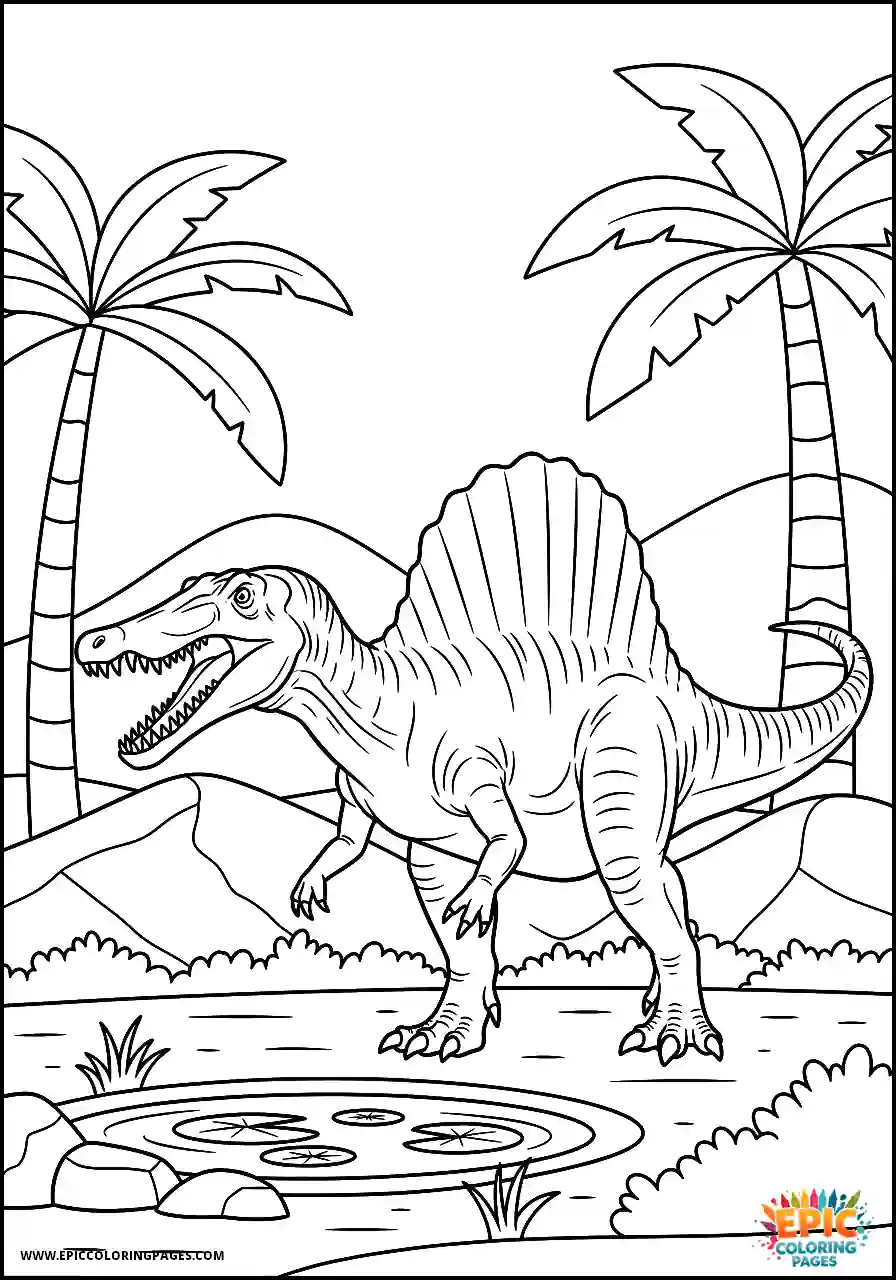
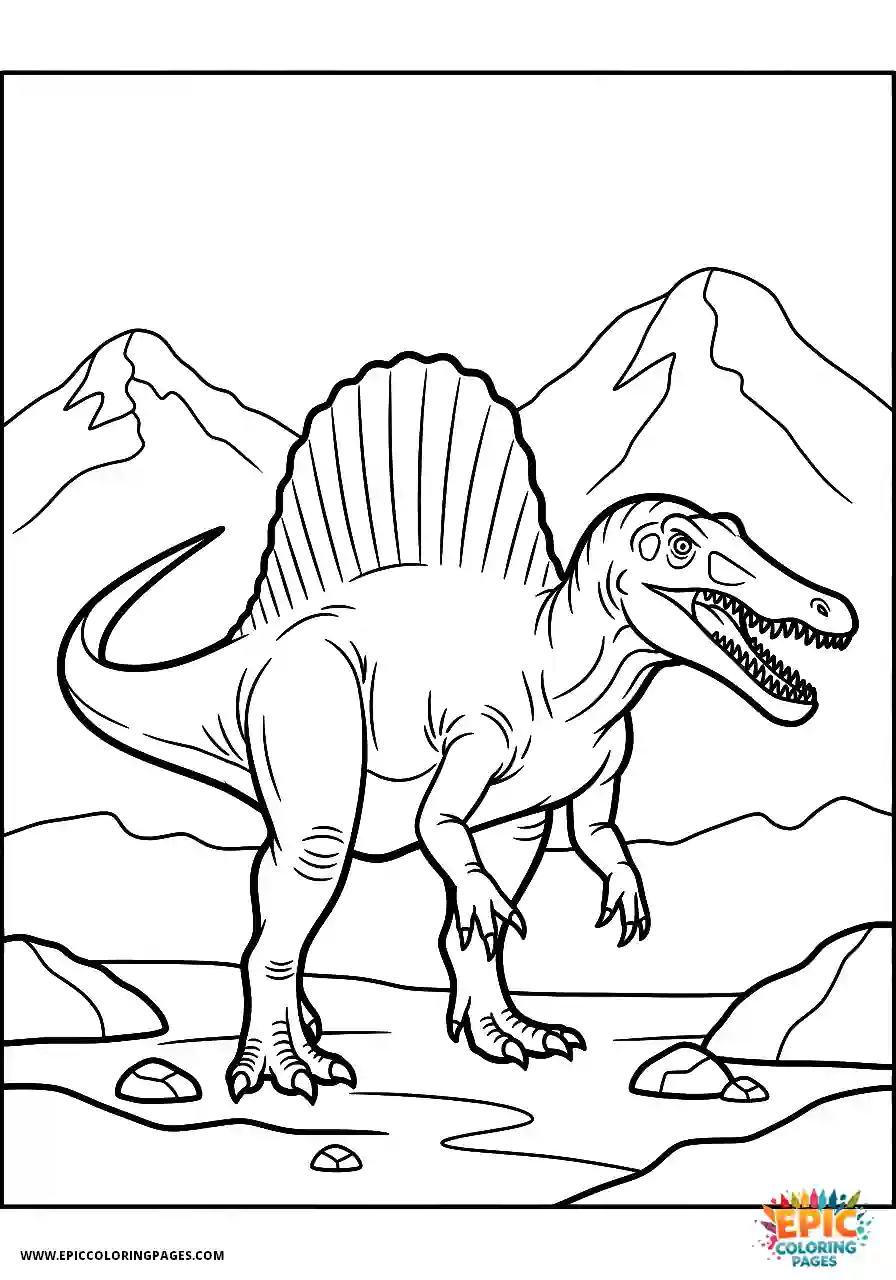
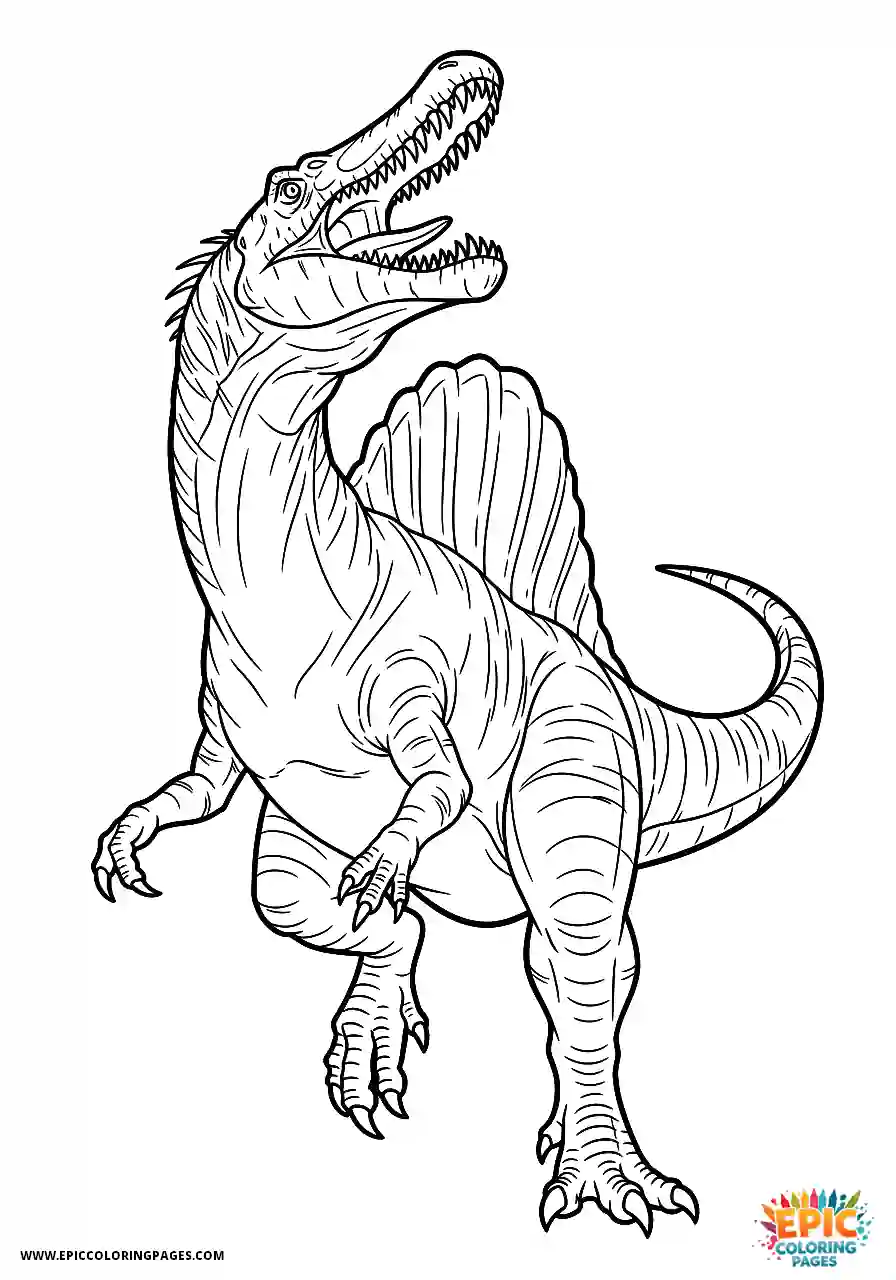
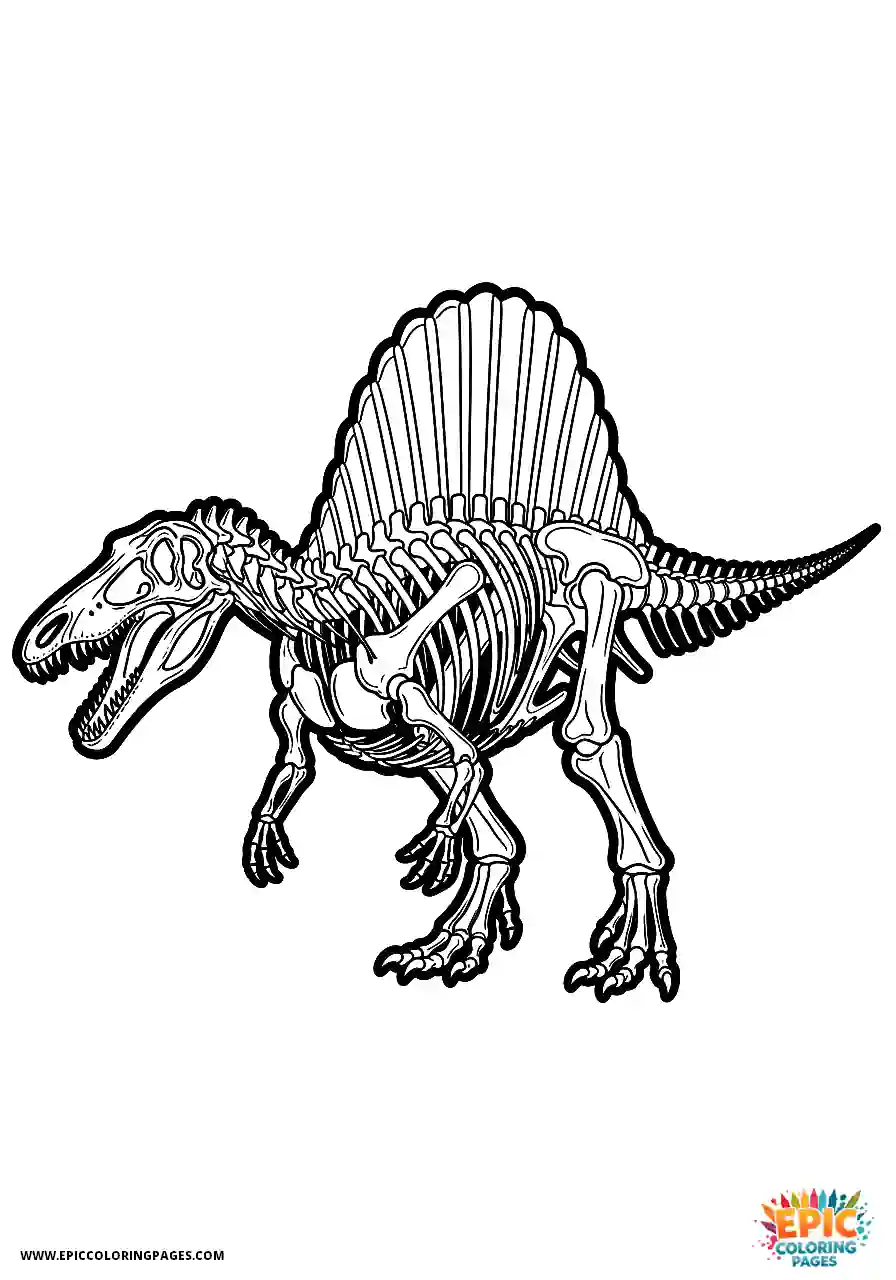
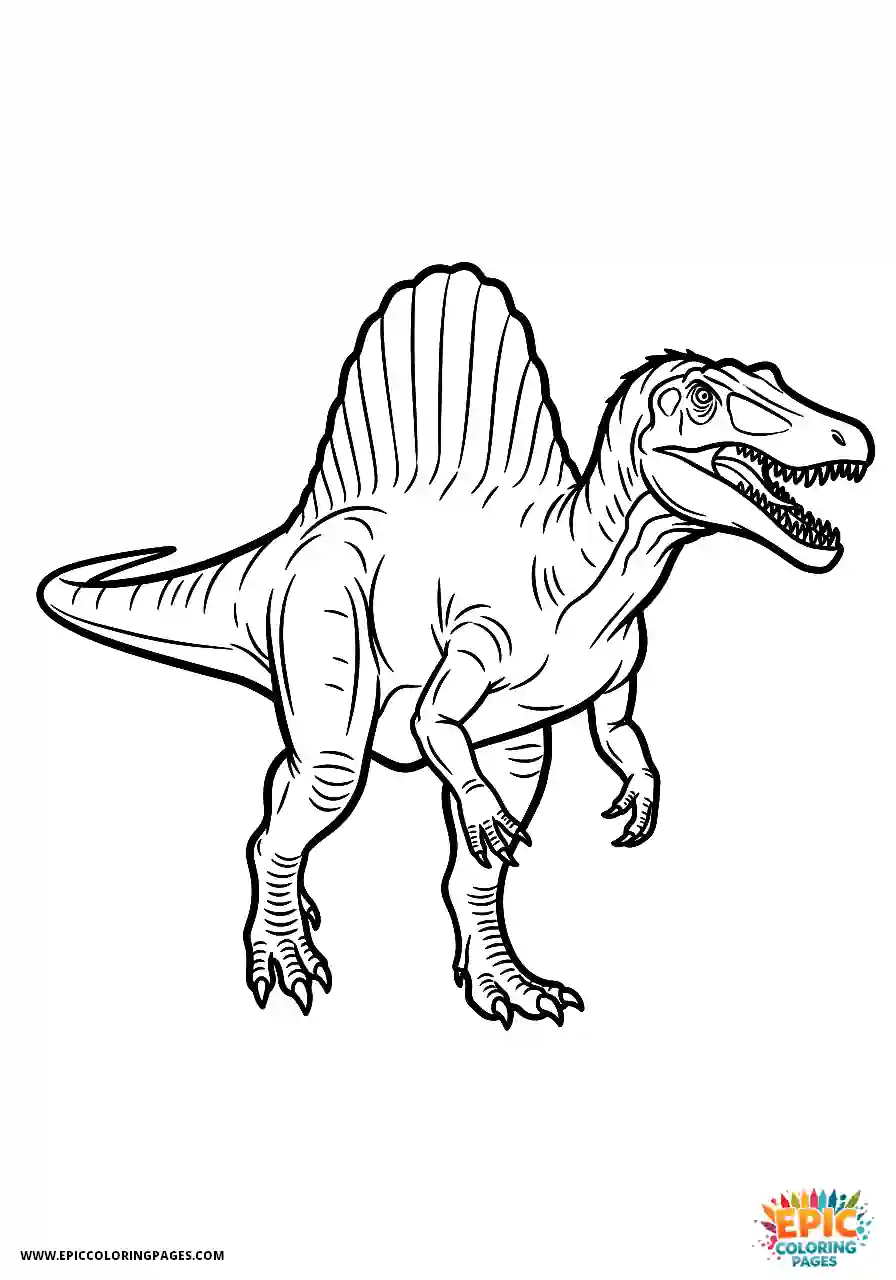
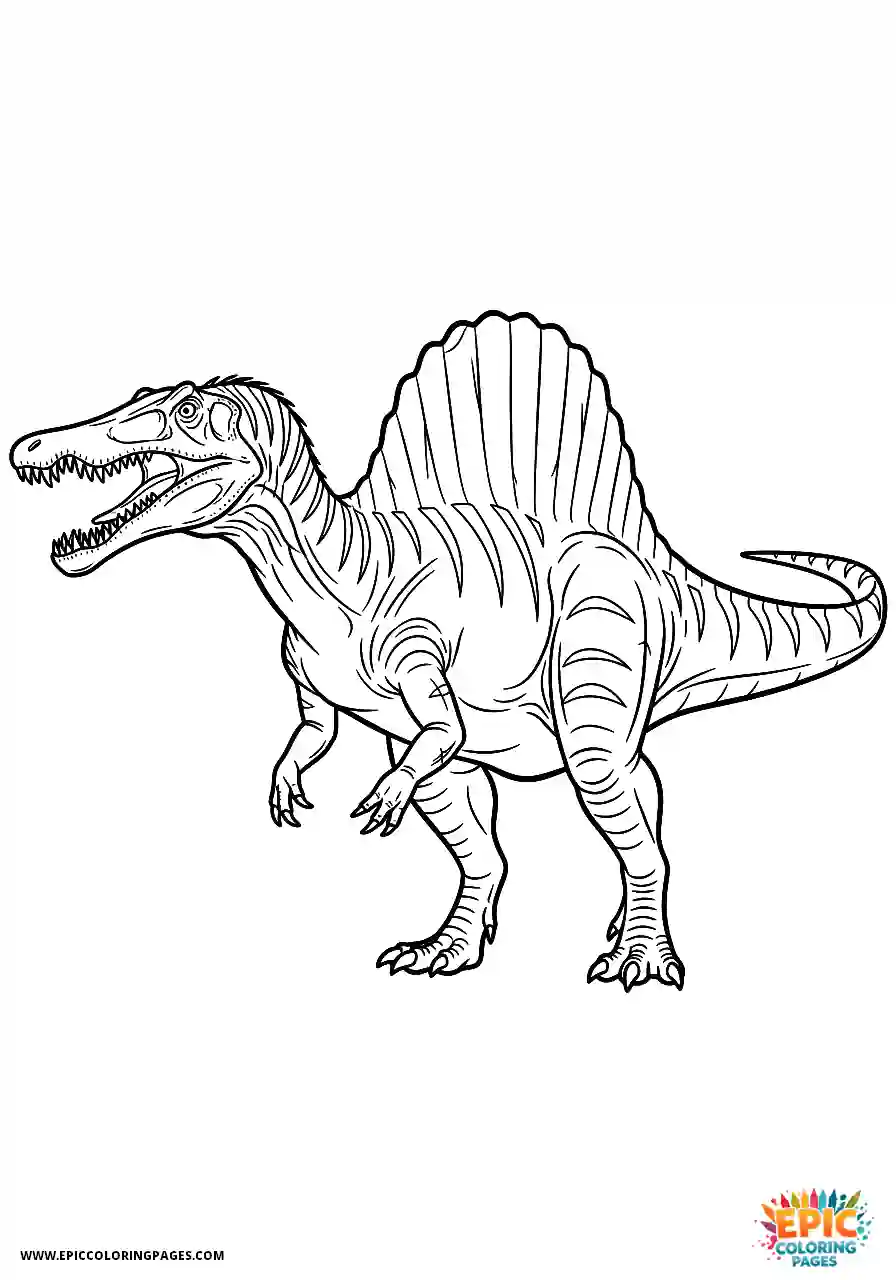
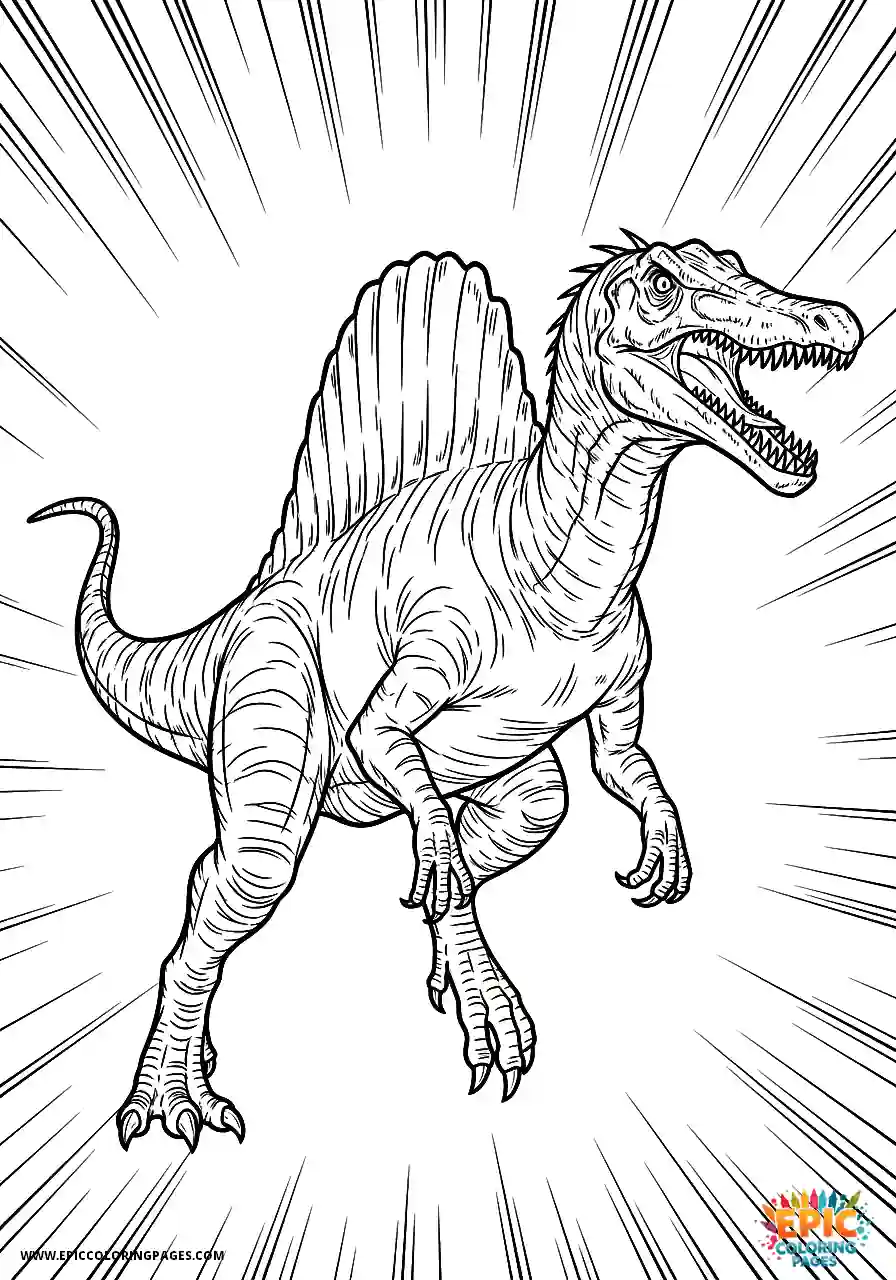
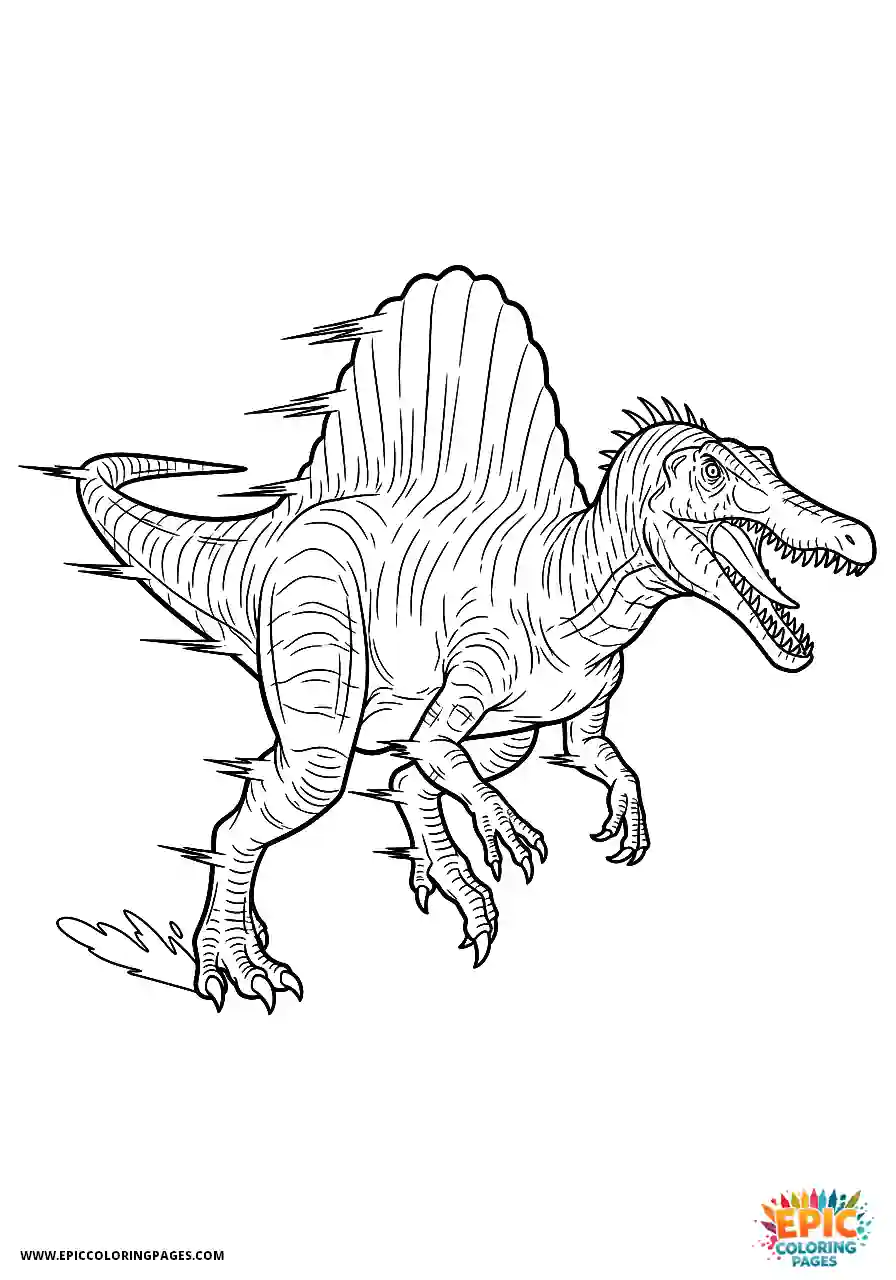
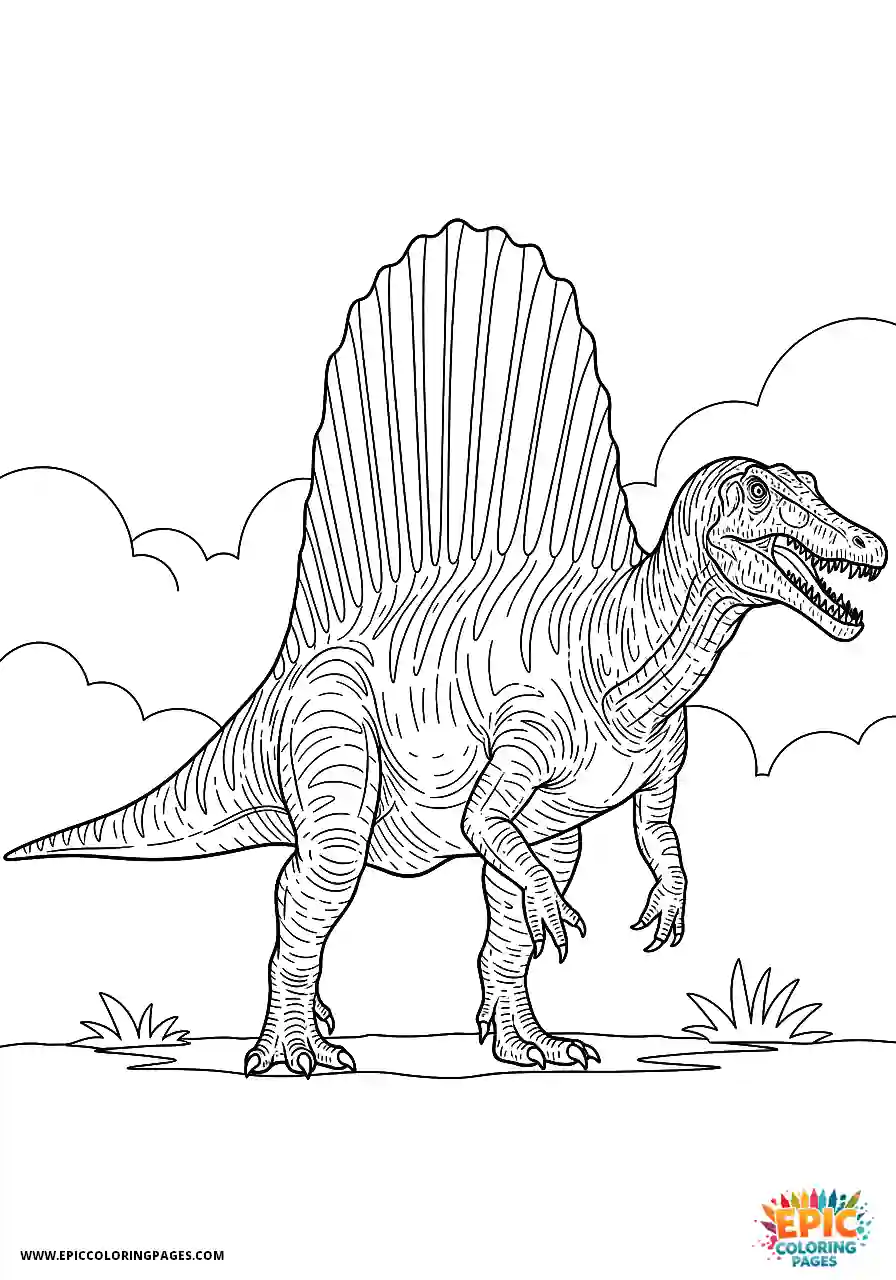
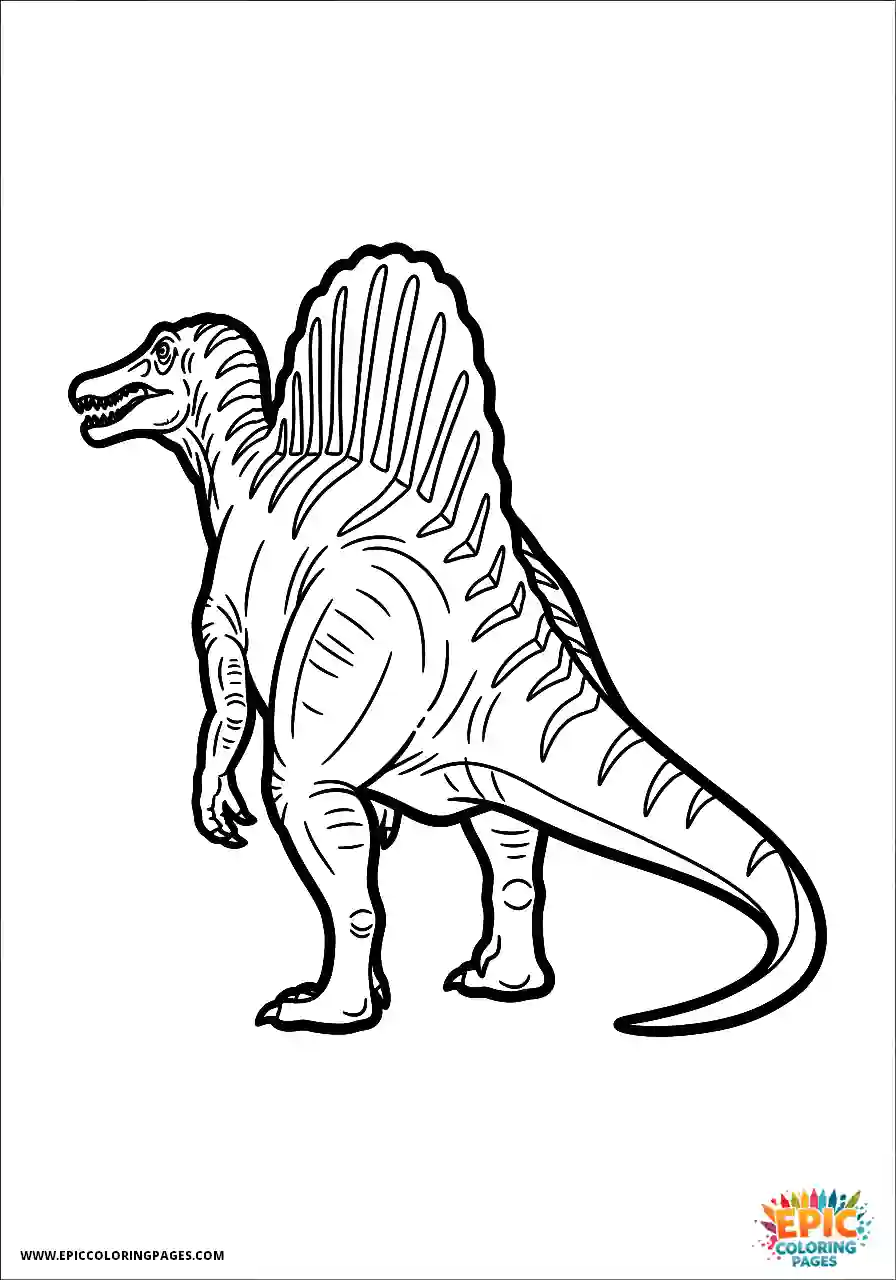
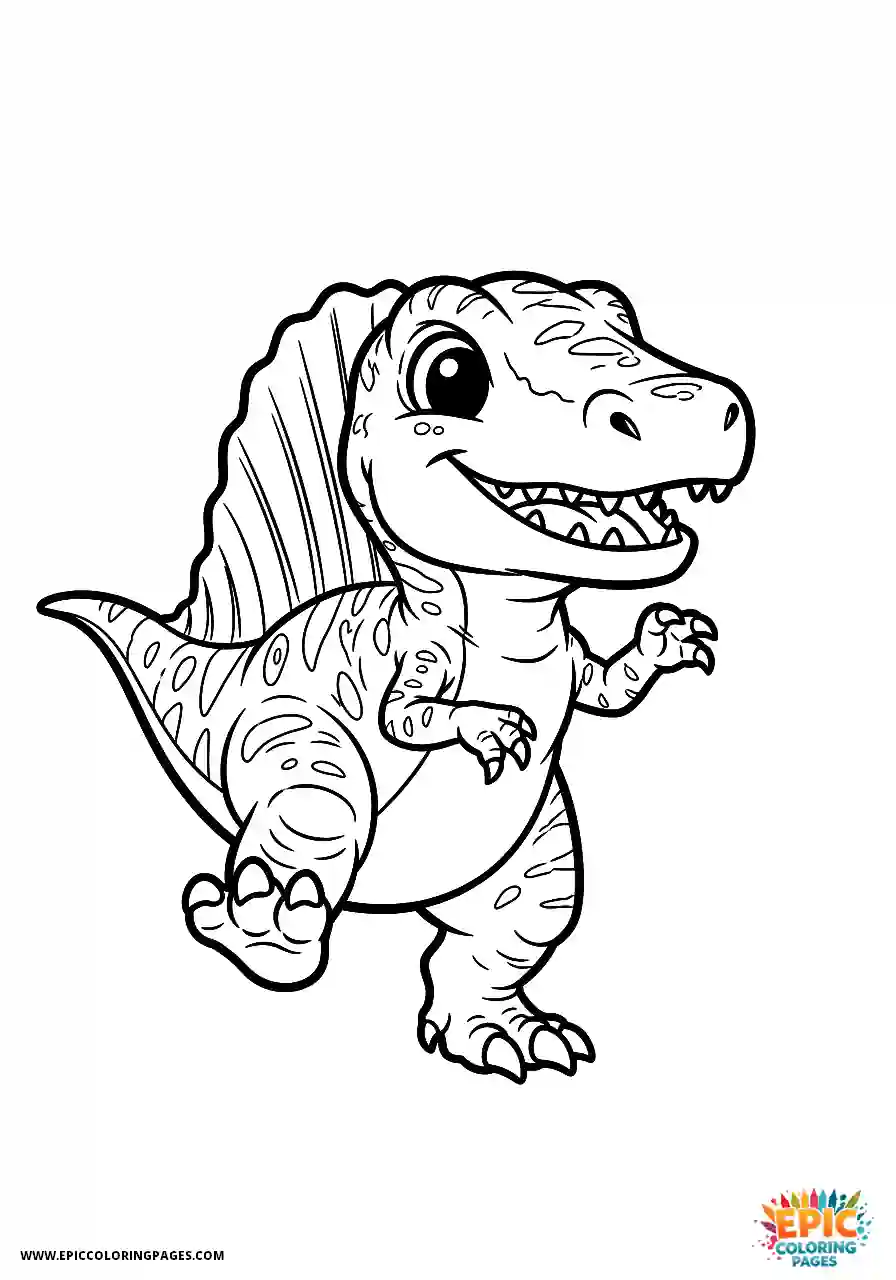
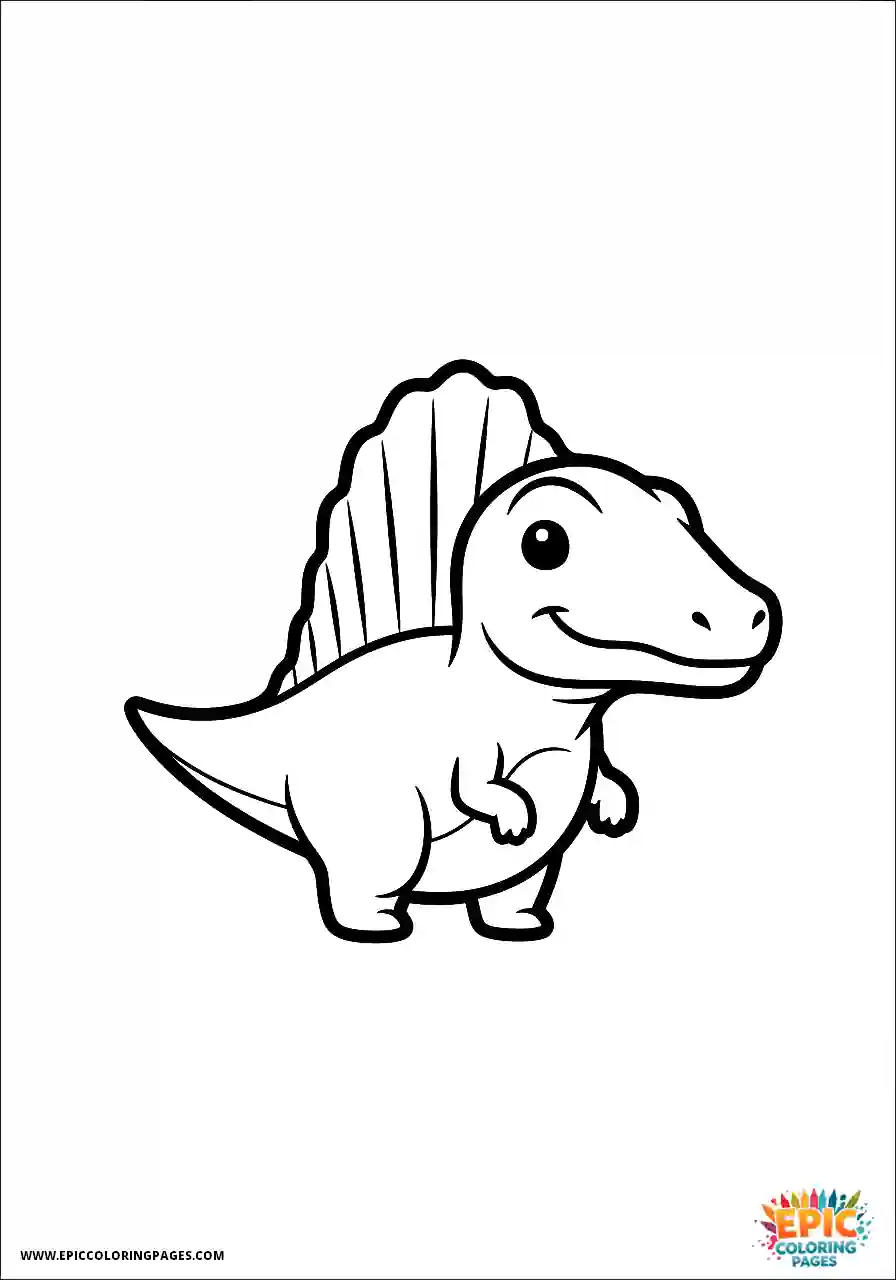
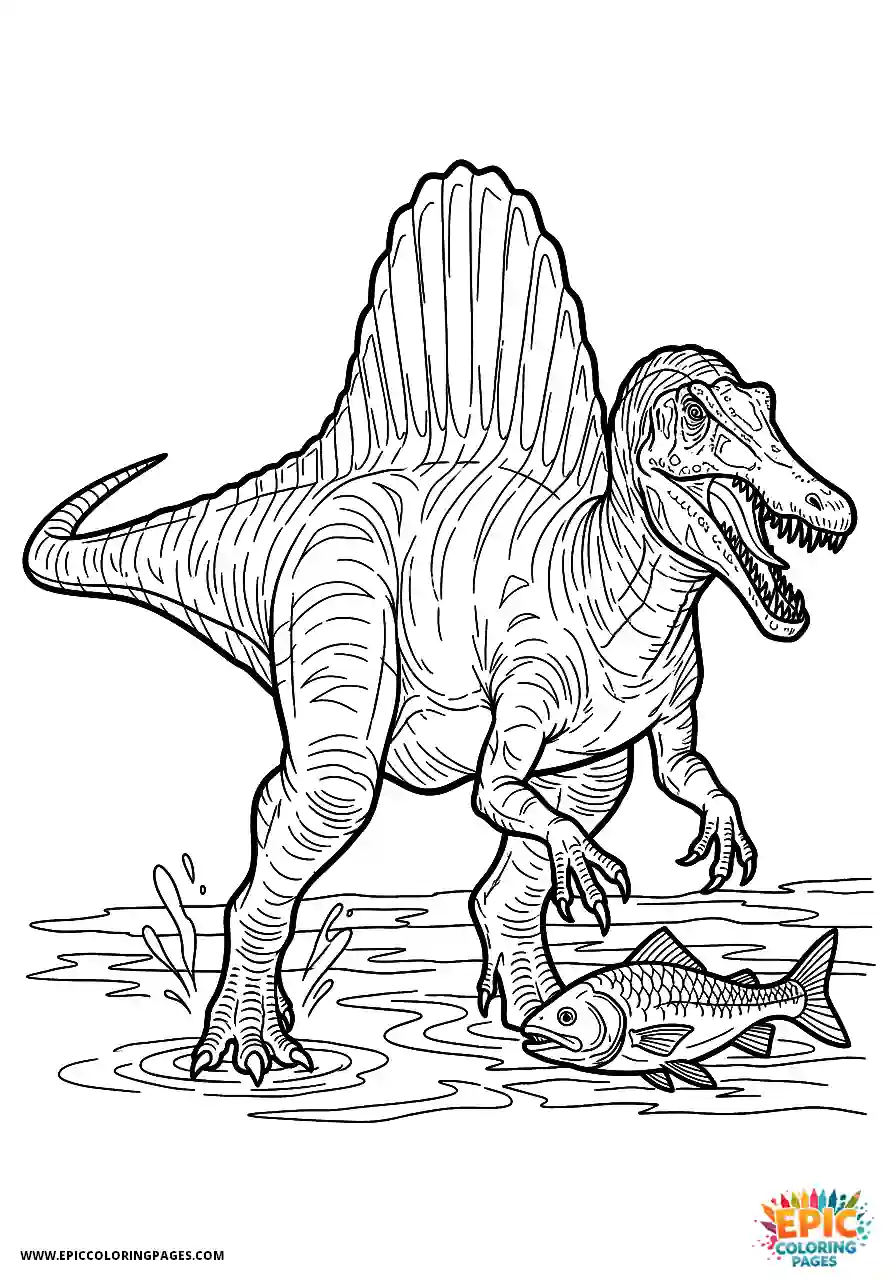
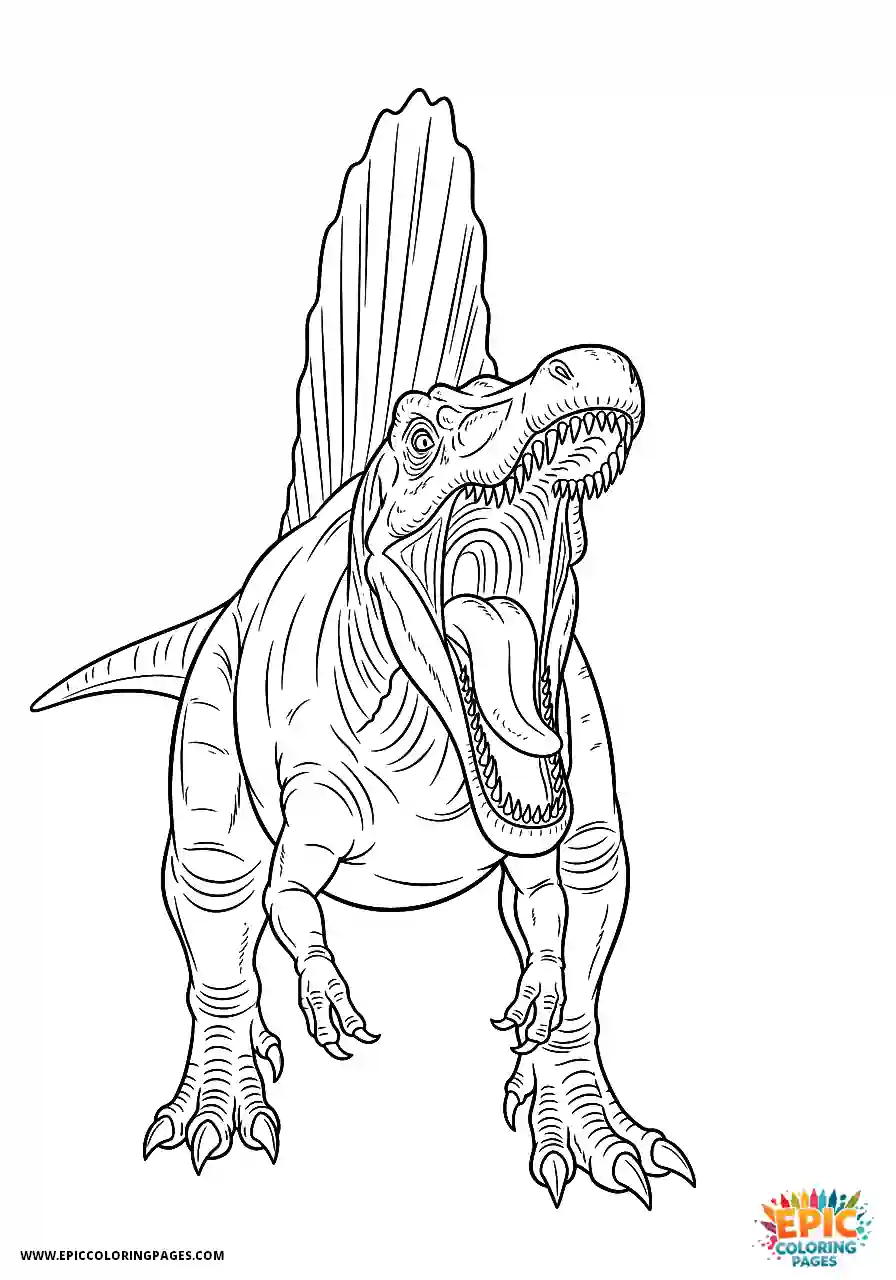
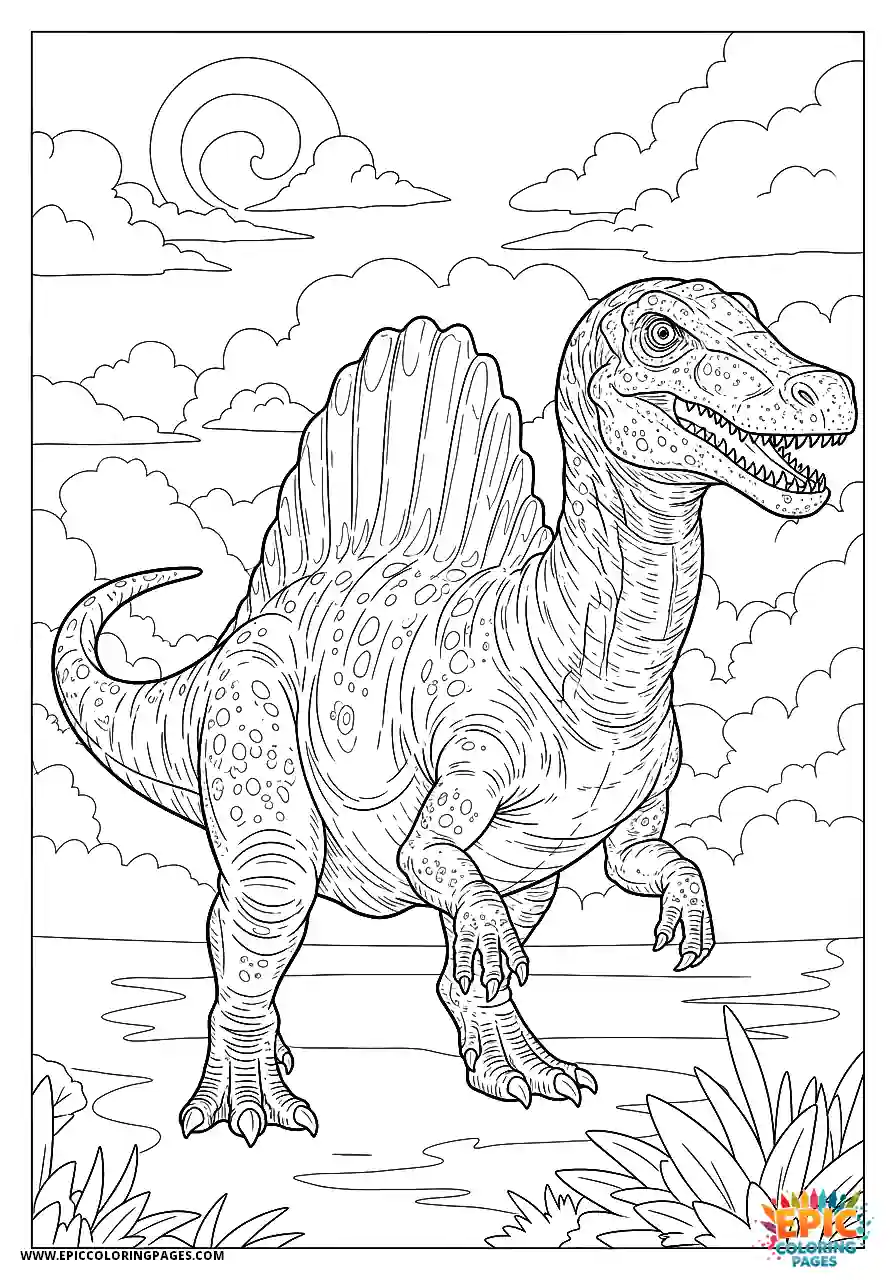
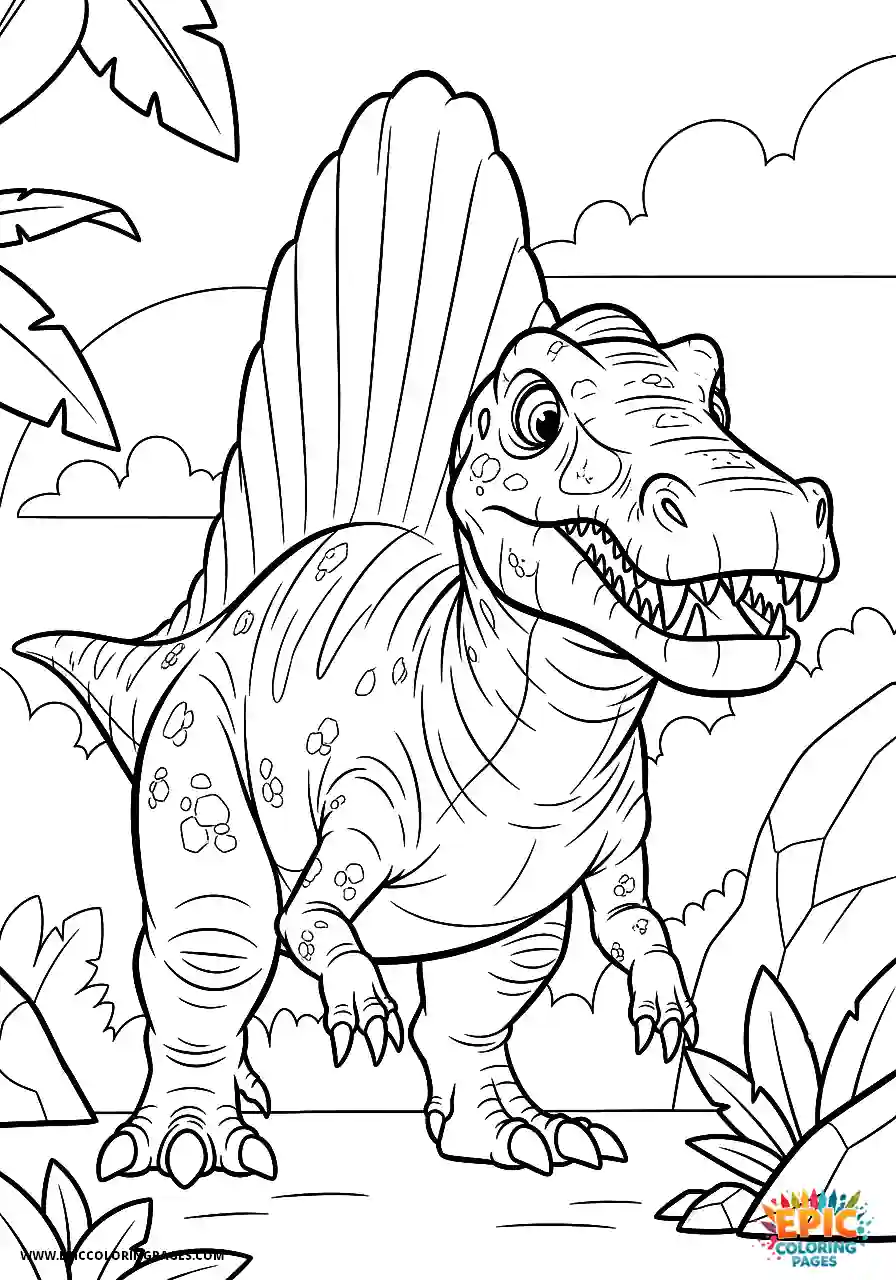
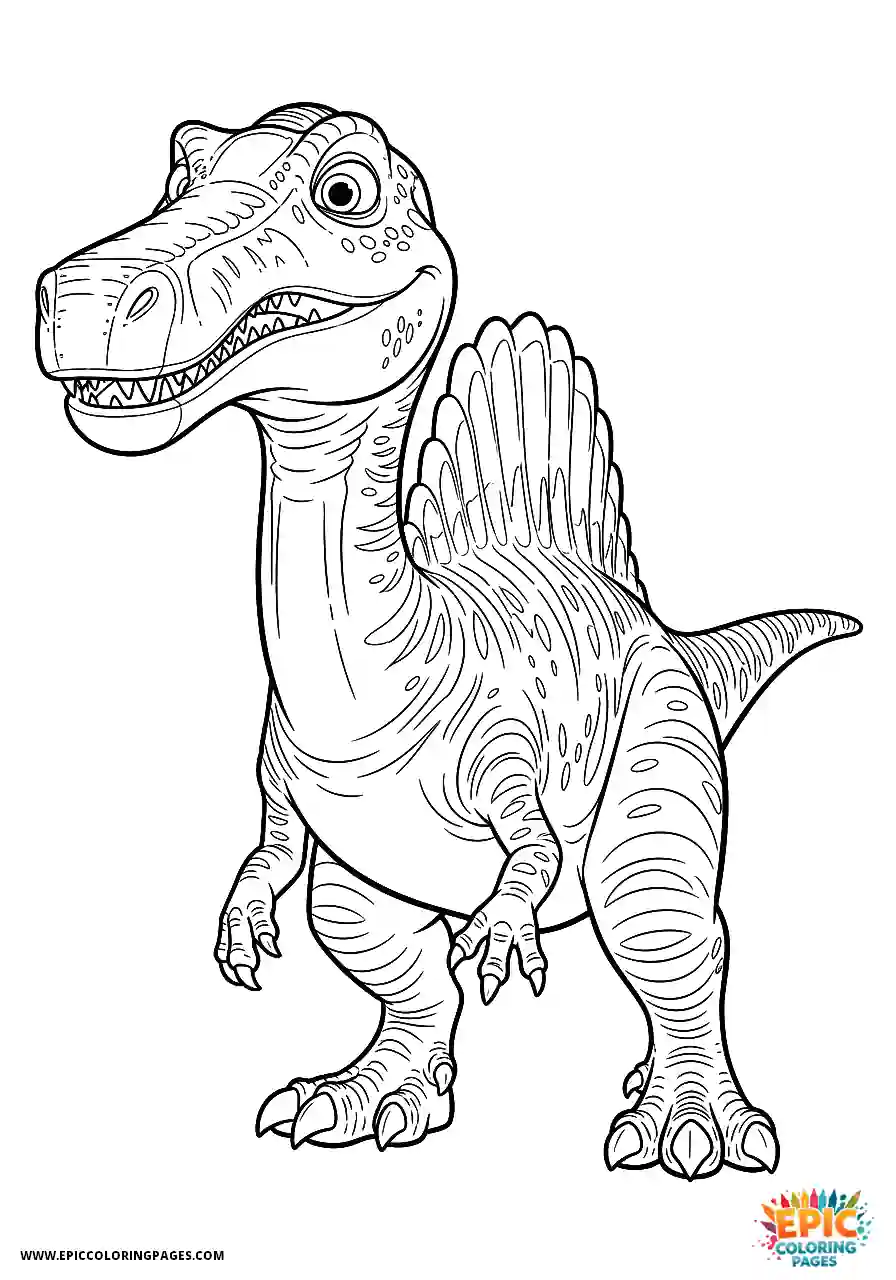
When approaching your coloring page, take a moment to observe the anatomical features. Notice how the neural spines create that dramatic sail, how the snout extends forward, and how the body proportions suggest a life spent both in water and on land. This observation will guide your coloring choices and help you emphasize the dinosaur’s unique characteristics.
Color Palette Considerations
Nobody knows the exact coloration of Spinosaurus, which gives you wonderful creative latitude. However, looking at modern animals with similar lifestyles provides helpful inspiration. Crocodiles, herons, and other water-dwelling predators often display colors that serve camouflage and thermoregulation purposes.
Consider earth tones as your foundation burnt siennas, raw umbers, and olive greens create believable base colors. The sail itself offers an opportunity for drama. Some paleontologists theorize it may have been brightly colored for display purposes, similar to how modern birds use plumage. You might choose deep reds, oranges, or purples for this feature, creating a striking contrast with the body.
For a more subdued, camouflage-focused approach, think about riverine environments. Mottled grays and browns with touches of green help the dinosaur blend into murky waters and muddy banks. The underside would likely be lighter countershading is common in aquatic animals because it provides camouflage from both above and below.
Techniques for Different Media
Colored pencils offer exceptional control for dinosaur subjects. Start with light pressure, building up layers gradually. For the textured skin, use small circular motions to create a pebbly appearance. The sail benefits from directional strokes that follow the spine bones from base to tip, suggesting the membrane stretched between them. Burnishing with a light color at the end can create smooth, realistic highlights on the skull and claws.
Markers require more planning since they’re less forgiving. Work from light to dark, leaving white areas for your brightest highlights. The sail is perfect for marker blending apply your lightest color first across the entire area, then add darker tones while the first layer is still slightly damp. This creates beautiful gradients. For scales and texture, consider using the fine tip for small details before filling larger areas with the brush tip.
Crayons might seem basic, but they’re excellent for building rich, waxy layers. Press firmly for saturated areas like the inside of the mouth or deep shadows under the body. Use the side of the crayon for quickly covering large areas of skin. Scratching through layers with a toothpick or stylus reveals underlying colors, perfect for suggesting scales or creating highlights along the sail’s edge.
Watercolors bring fluidity that suits a semi-aquatic dinosaur beautifully. Wet-on-wet techniques create soft transitions across the body, suggesting smooth, water-adapted skin. Let your first wash dry completely, then add details with wet-on-dry techniques for scales, claws, and facial features. Salt sprinkled into damp paint creates interesting textures that can suggest rough skin patches. A small amount of masking fluid applied before painting preserves white areas for teeth and eye highlights.
Creating Depth and Dimension
Lighting transforms a flat coloring page into a three-dimensional creature. Decide where your light source originates typically from above and slightly to one side works well. The sail’s upper edge catches the most light, while the area behind it falls into shadow. The body’s curved surfaces need gradual transitions from light to shadow.
Shadows anchor your Spinosaurus in space. The underside of the belly, beneath the jaw, and under the tail all need darker values. If your dinosaur is standing, cast shadows on the ground establish weight and presence. These shadows should be cooler in tone add a touch of blue or purple to your base color rather than simply using black.
Highlights bring everything together. The wetness of the eye, the gloss on teeth, the shine on claws these small touches of brightness create believability. For traditional media, you can leave paper white, use a white gel pen, or carefully scratch away pigment. The sail’s membrane might be semi-translucent, so consider adding warm tones where light shines through from behind.
Texture and Detail Work
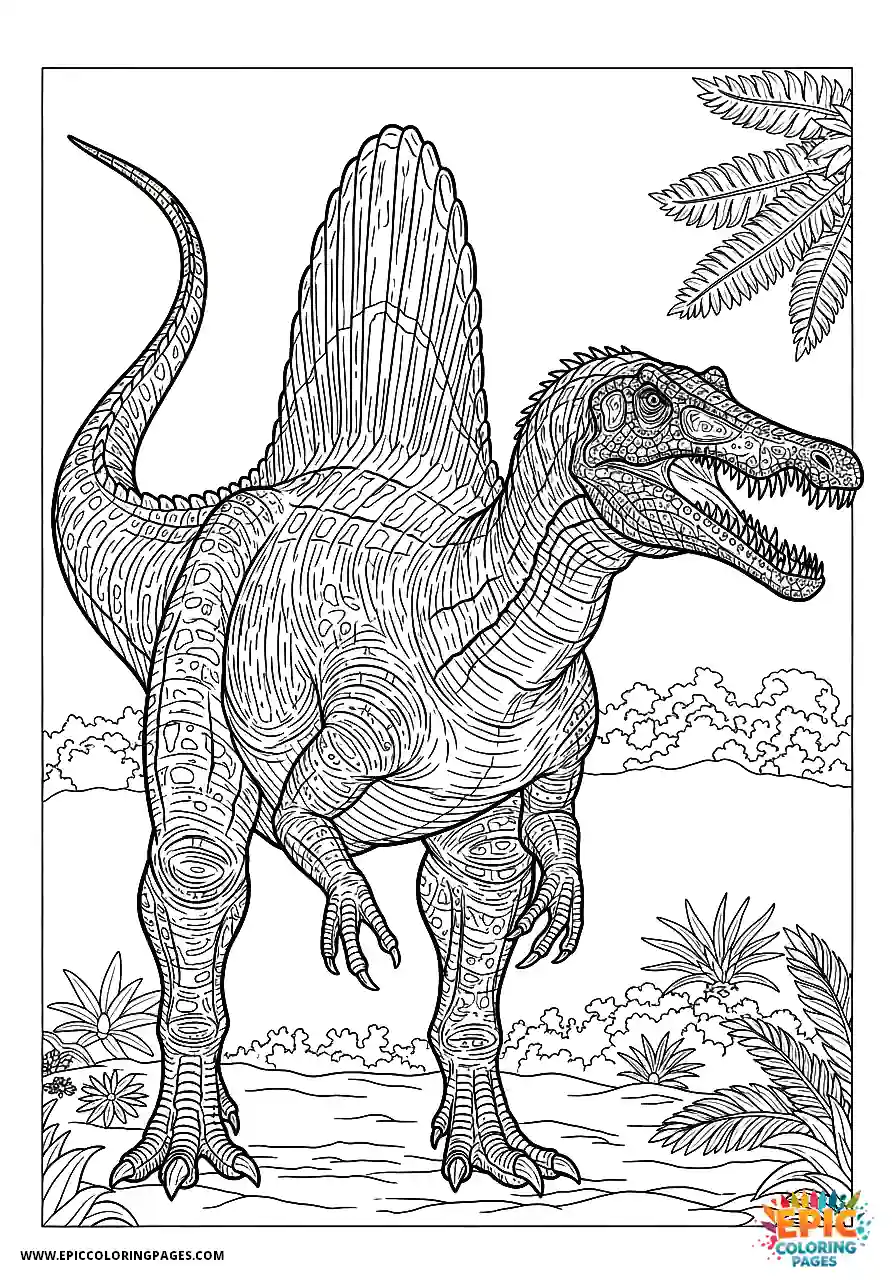
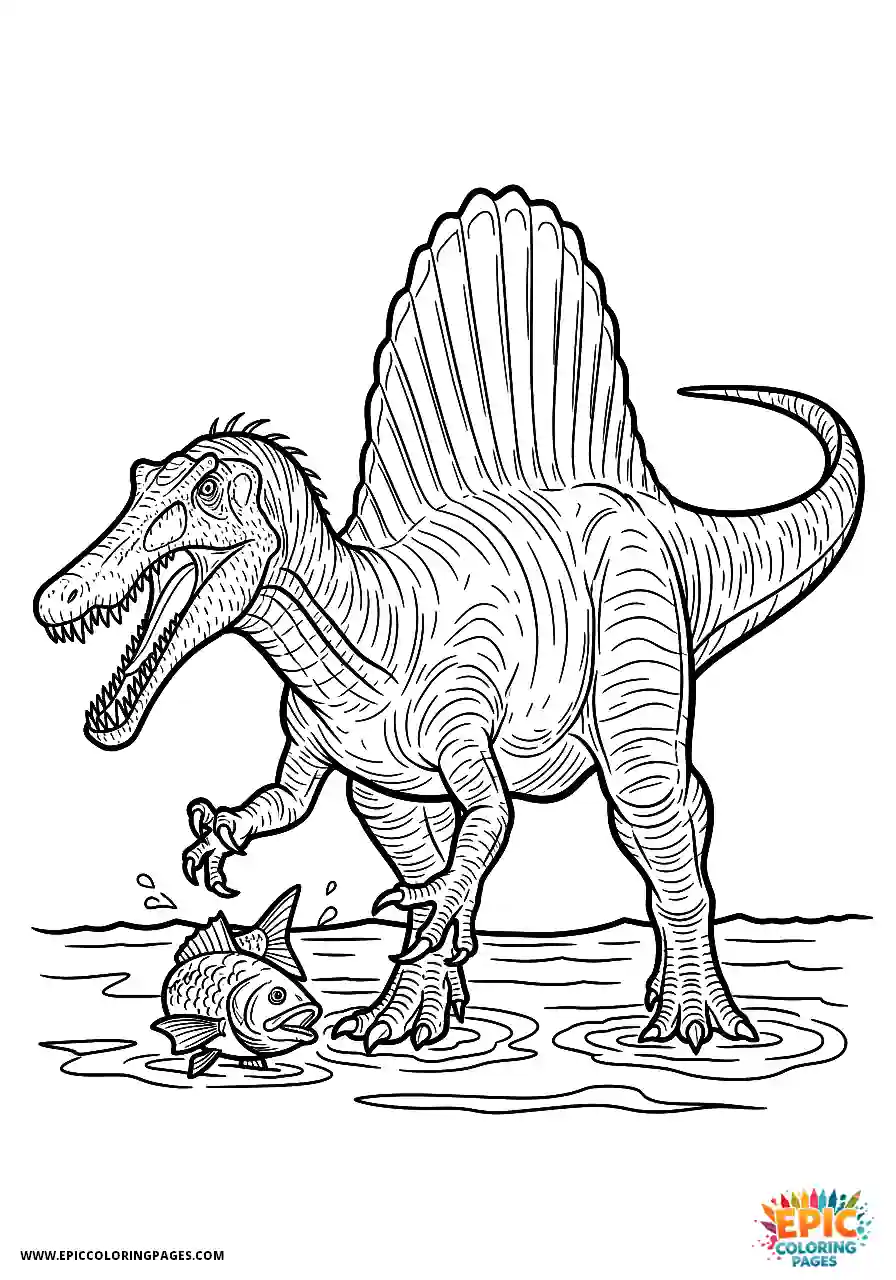
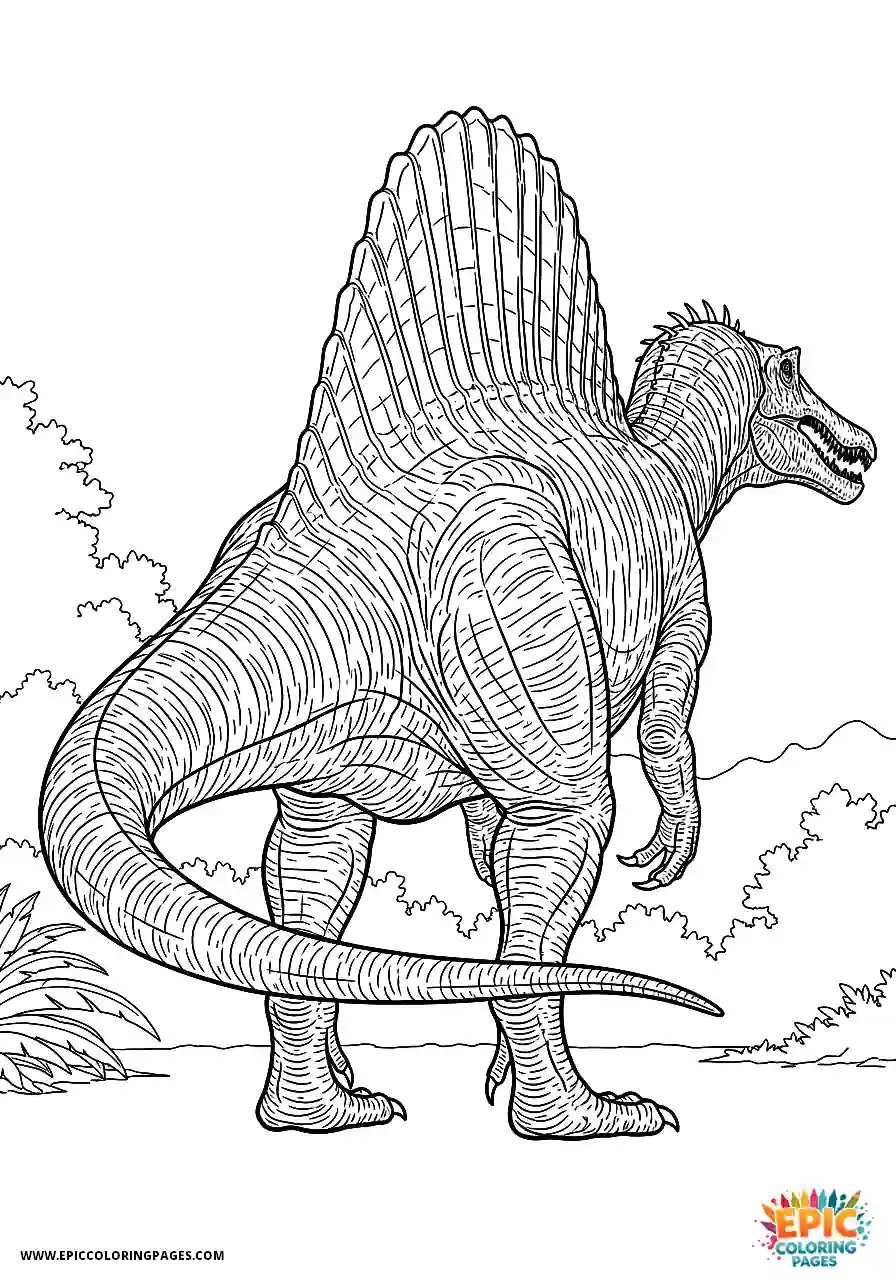
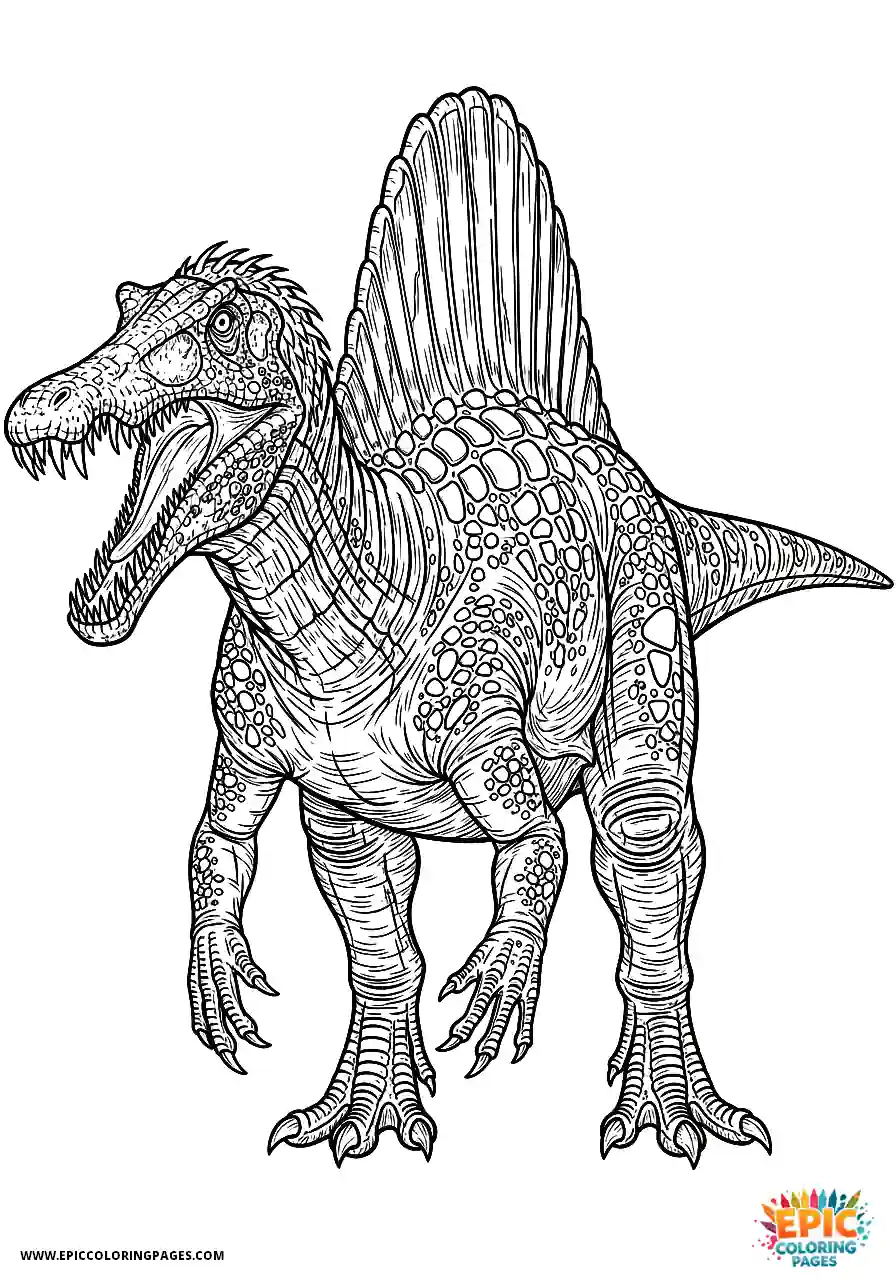
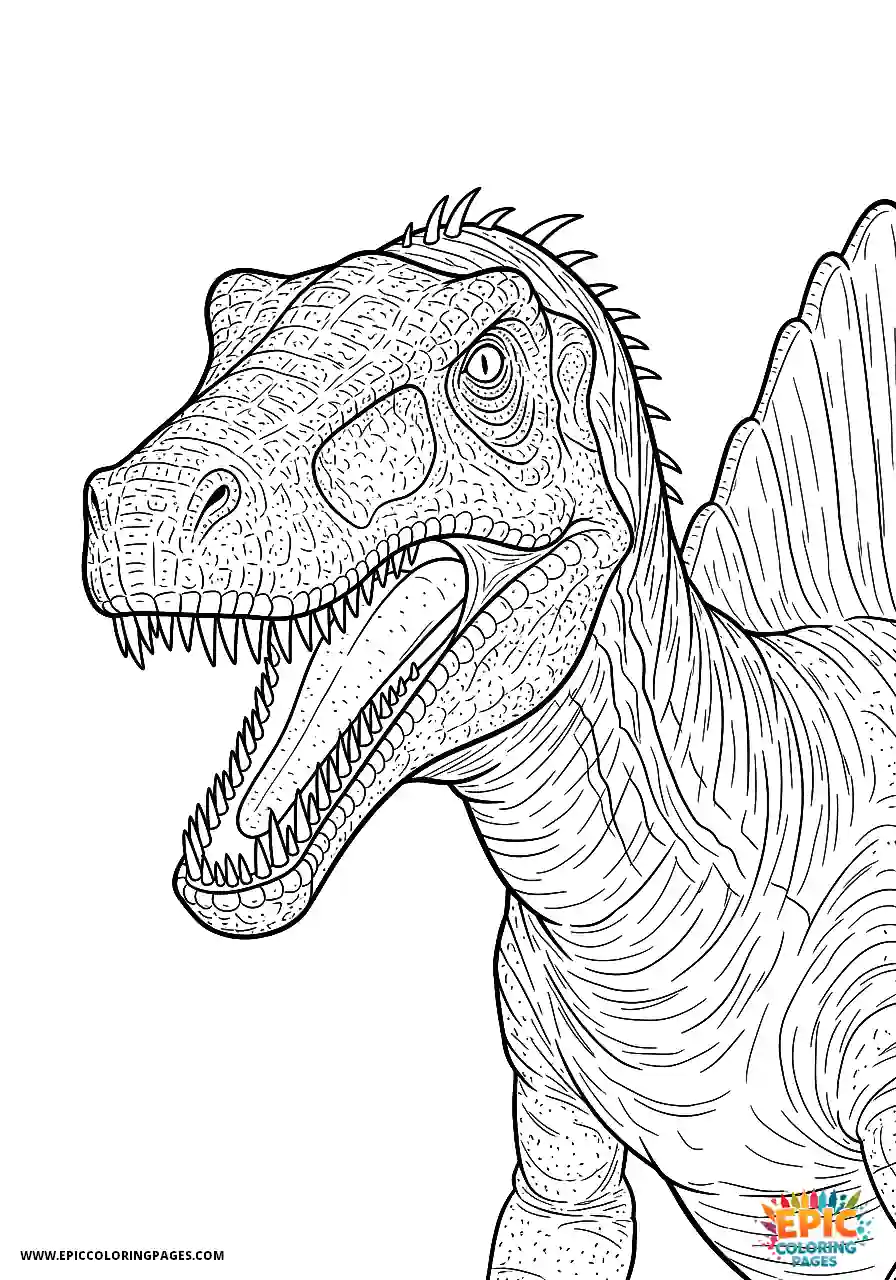
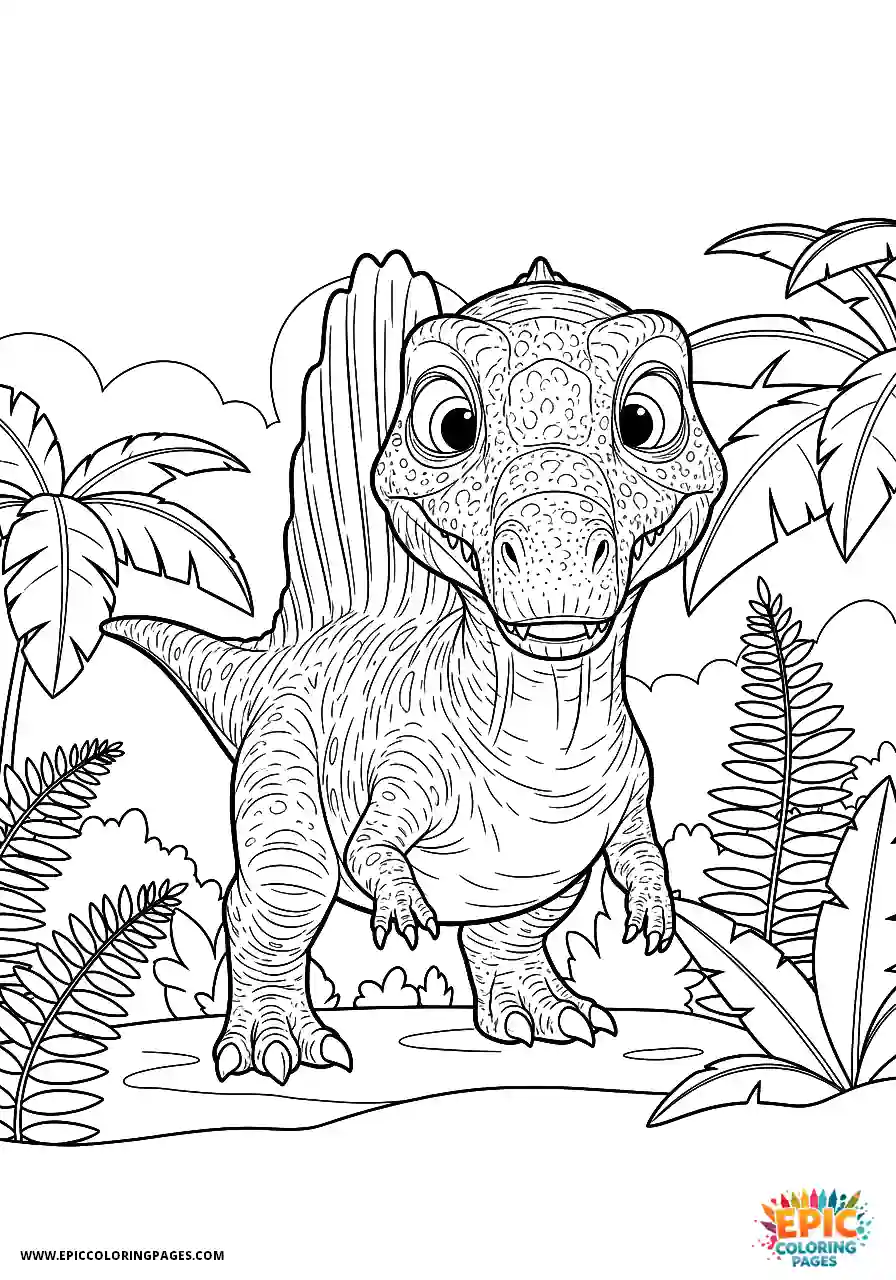
Spinosaurus skin texture remains somewhat speculative, but crocodilian comparisons suggest possibilities. Large, irregular scales called scutes might cover the back, while smaller, more uniform scales appear on the flanks and limbs. You don’t need to draw every scale suggesting texture in key areas while leaving other parts smoother creates visual interest without overwhelming the image.
The sail’s membrane likely stretched between the neural spines, creating a webbed appearance. You might show the bone structure beneath by using slightly different colors or values along where the spines would be. Some scientists suggest the sail was covered in skin without much webbing, more like a bison’s hump. Either interpretation works choose based on your coloring page’s design.
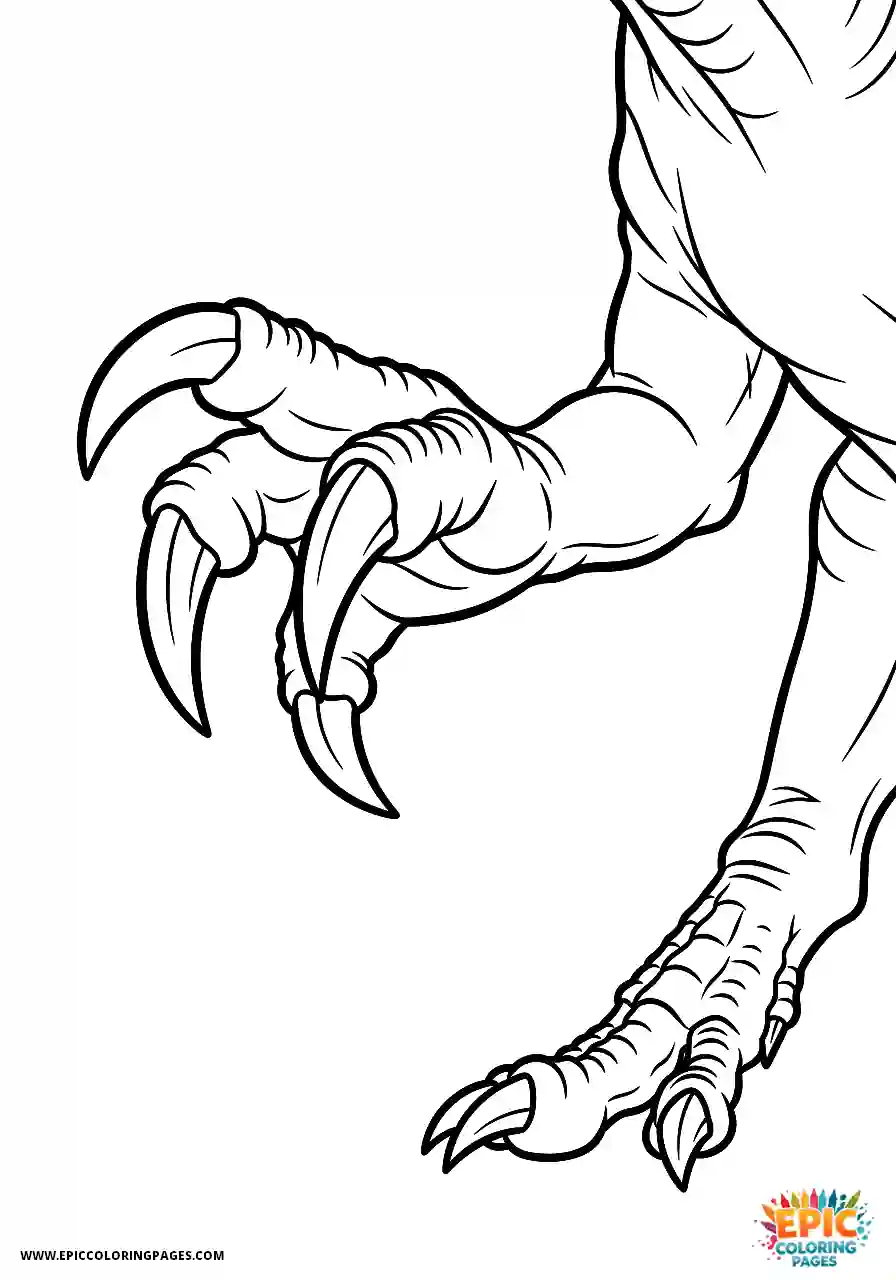
Claws deserve attention since they’re important predatory tools. Make them darker than the surrounding skin, with highlights along the curved outer edge where light catches. The inside curve stays darker. Add a subtle shadow where each claw emerges from the toe to show depth.
The Eye as a Focal Point
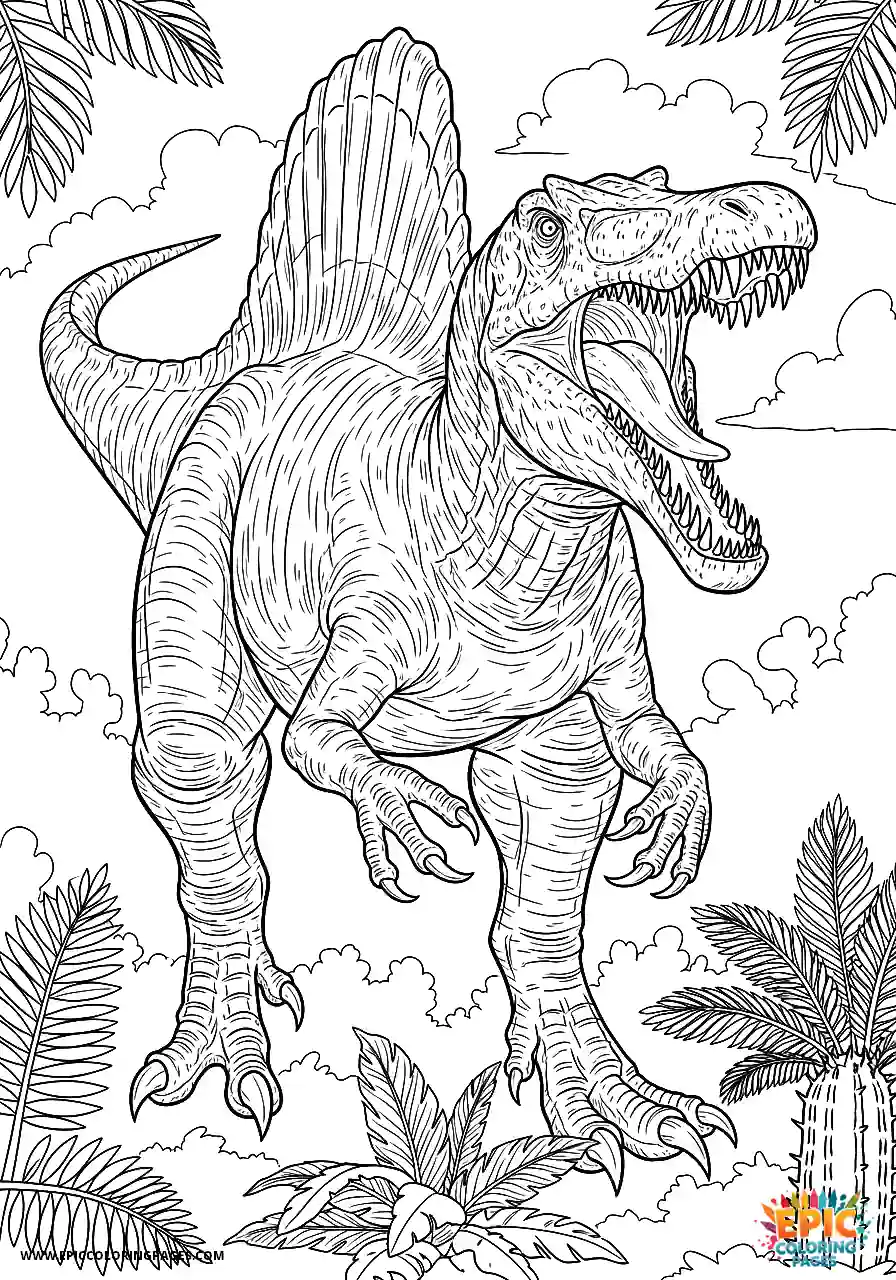
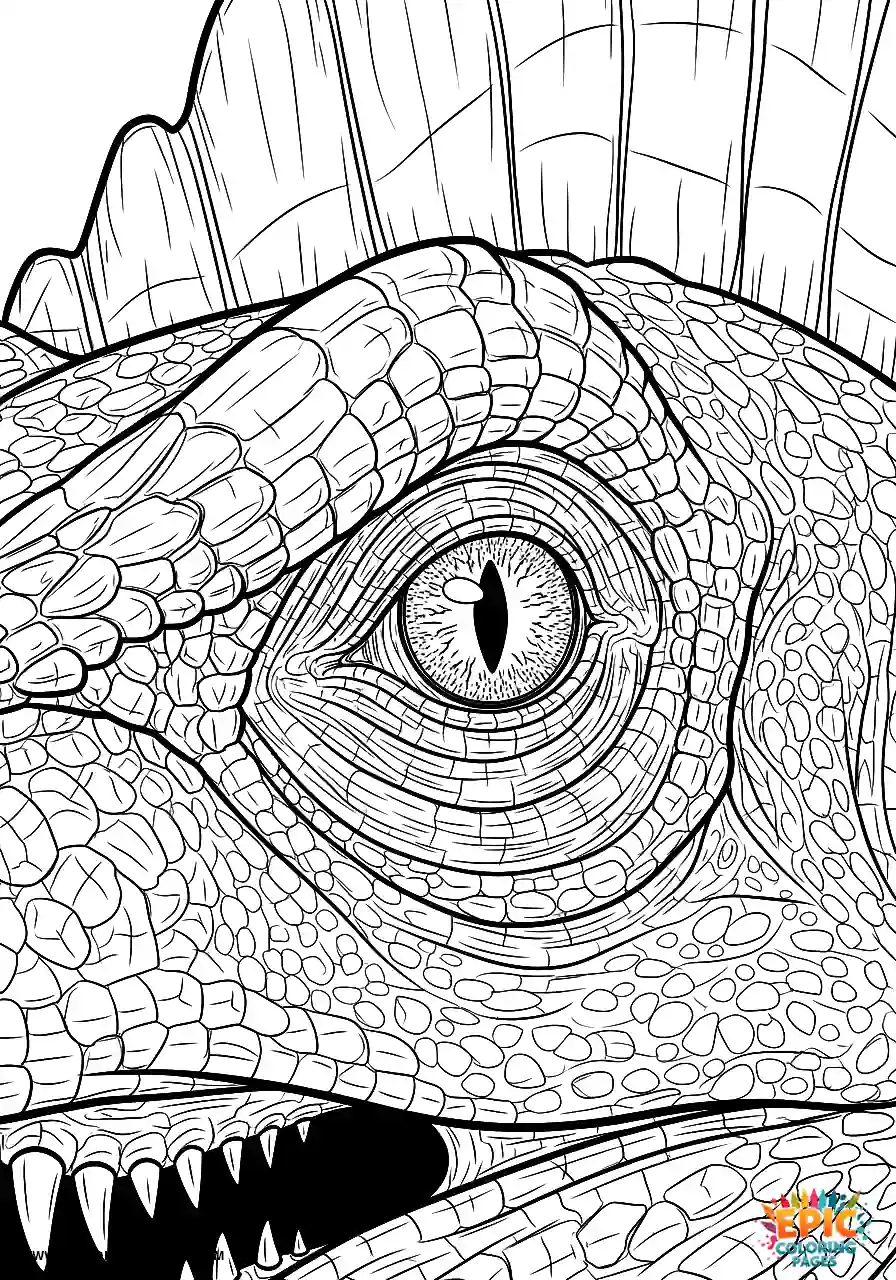
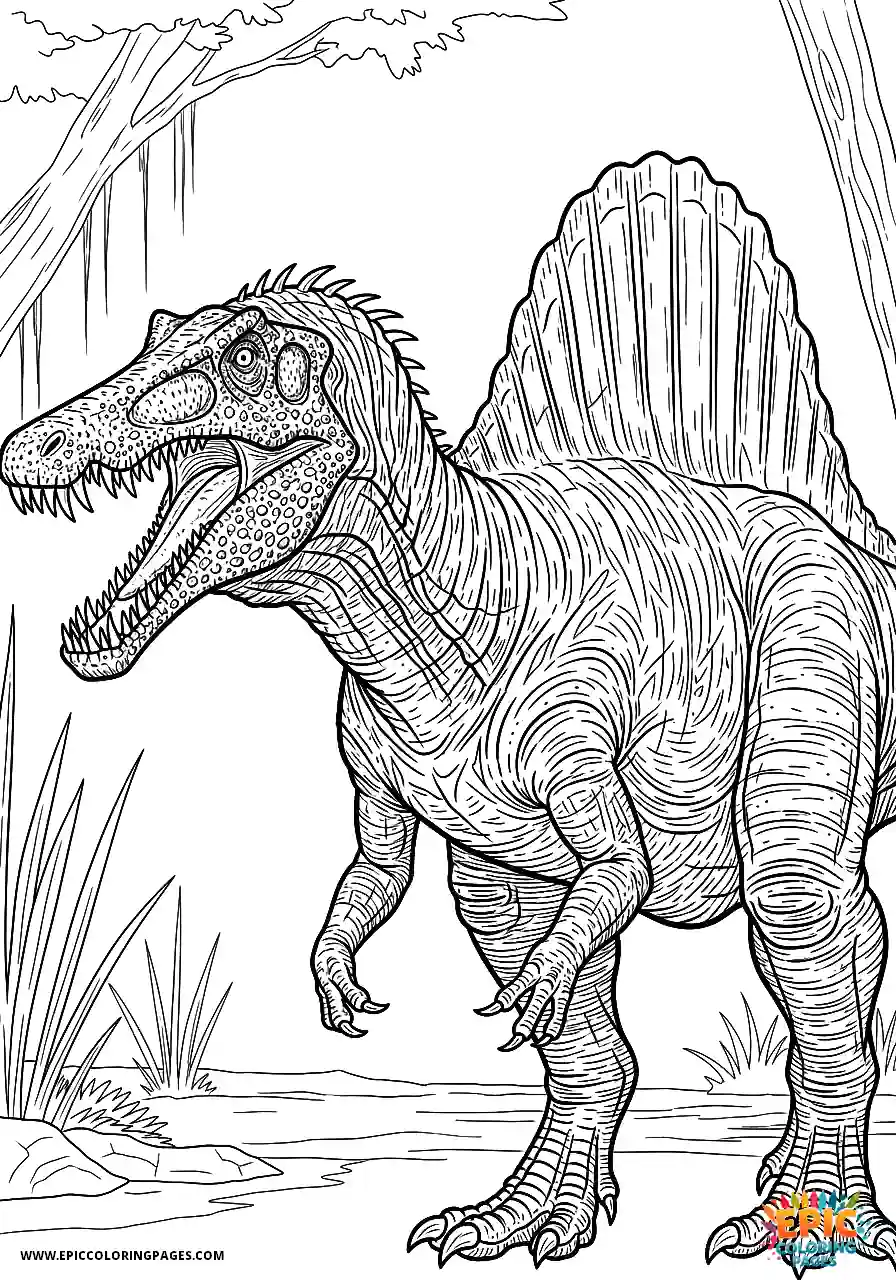
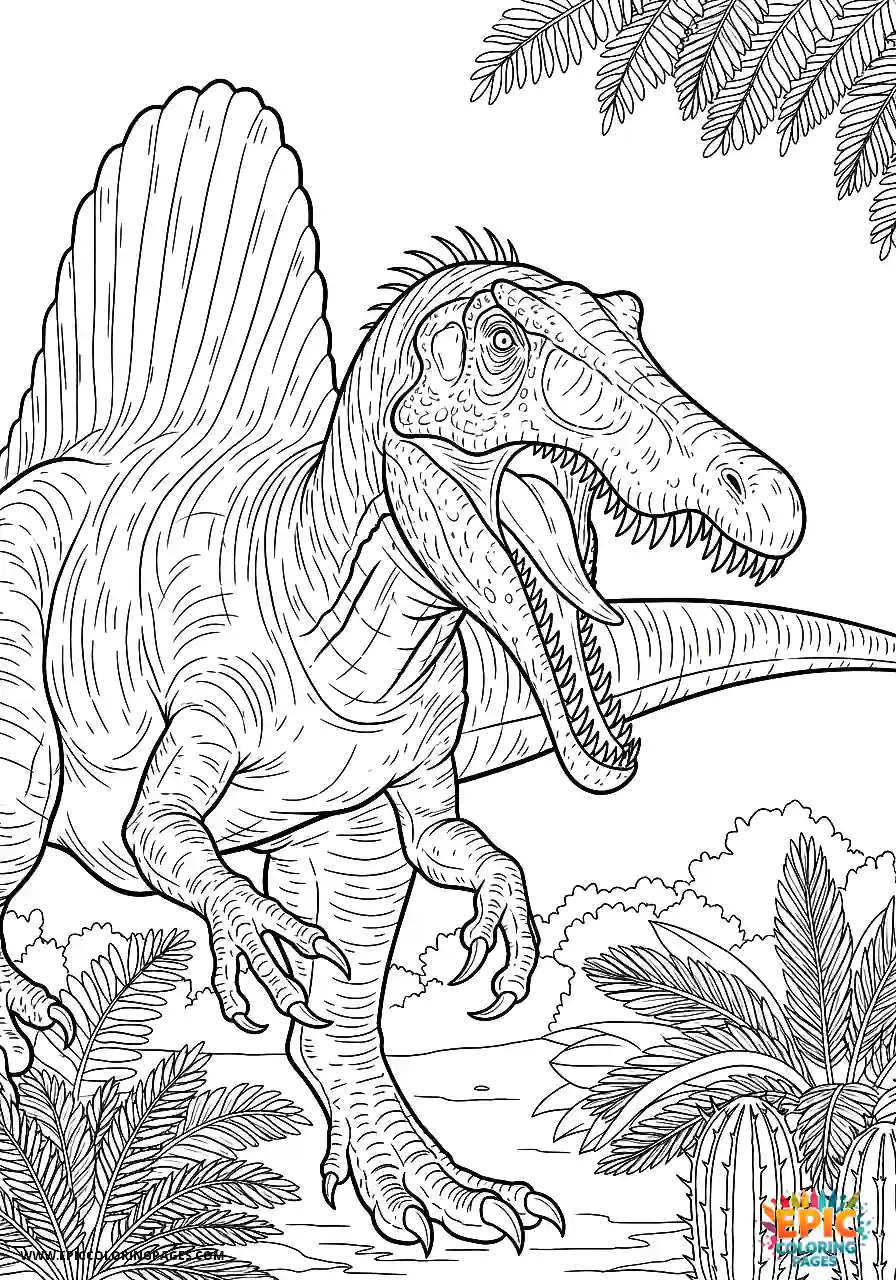
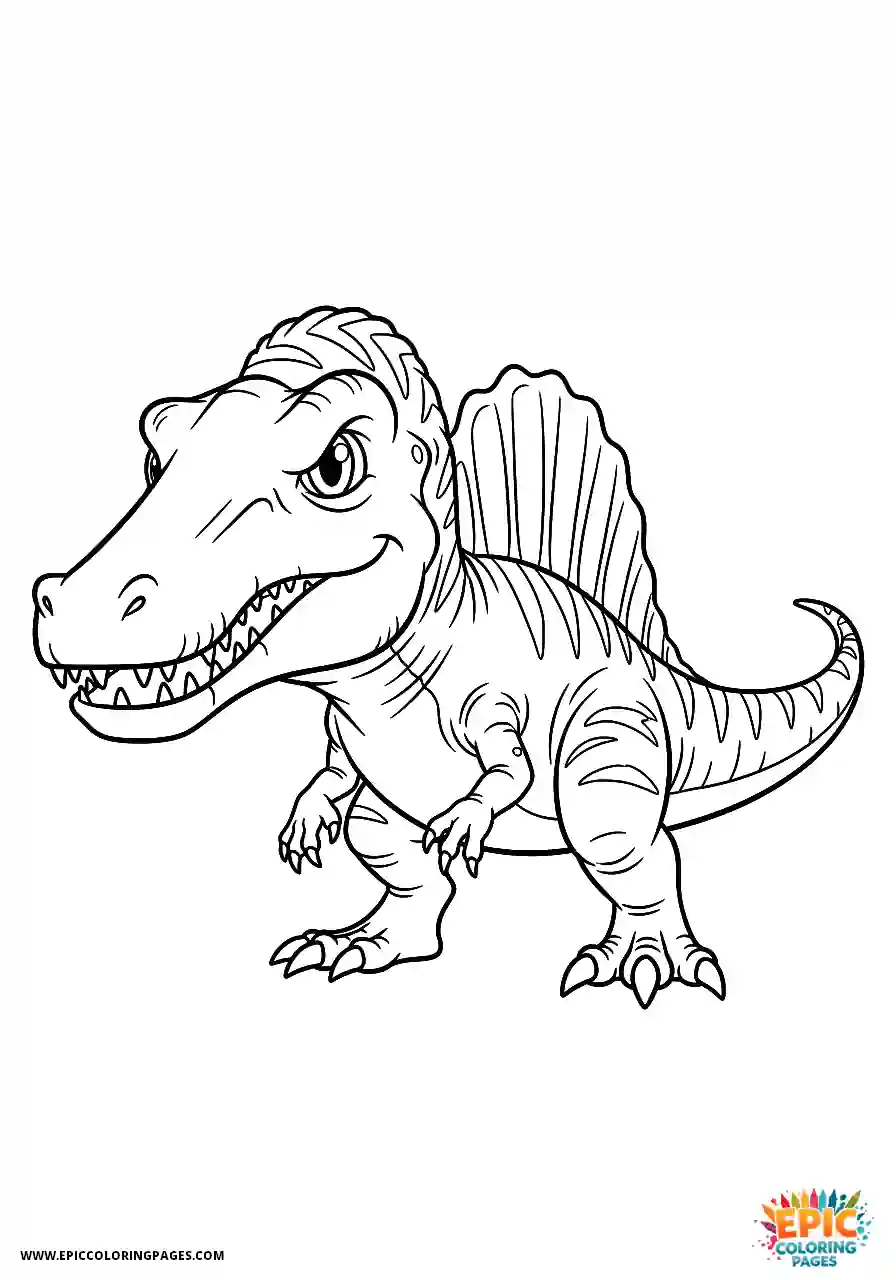
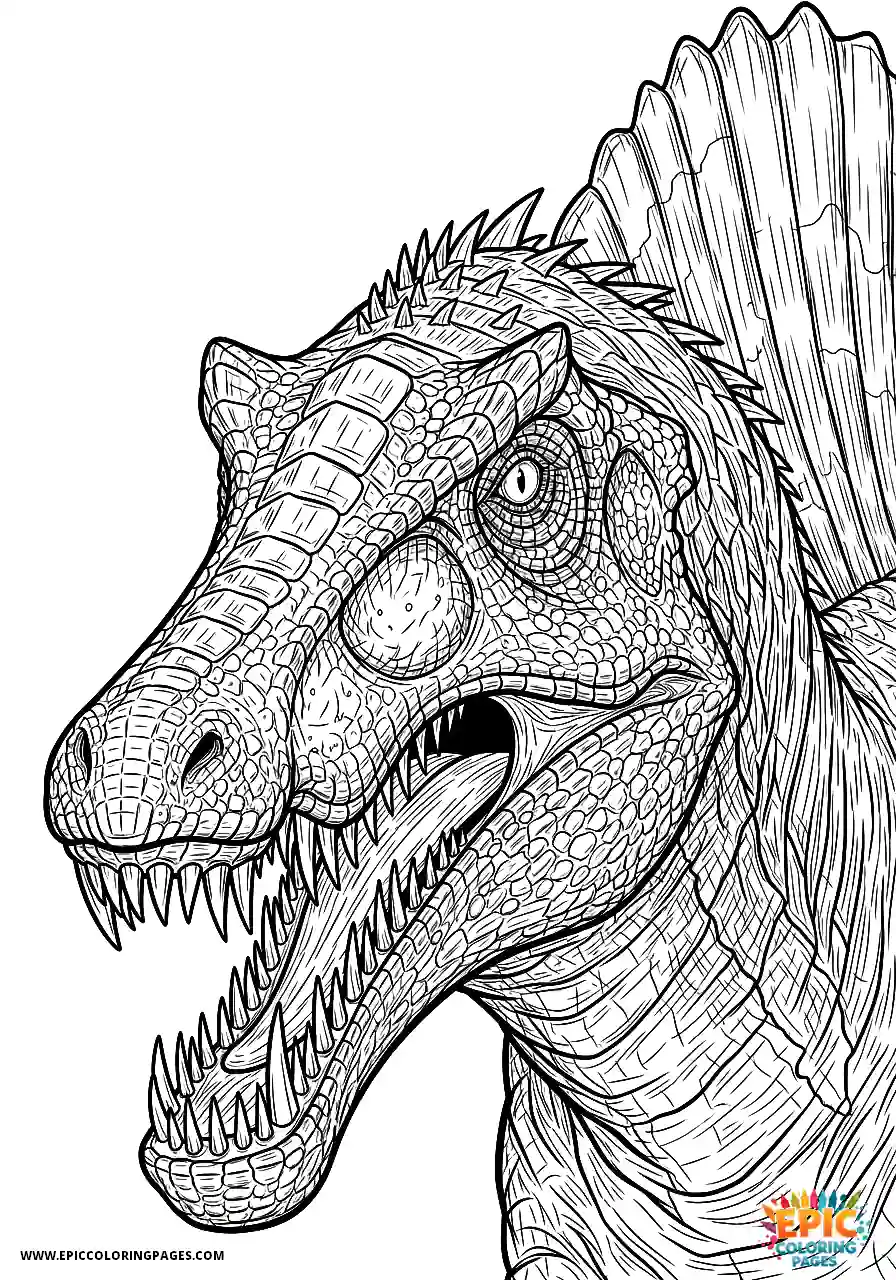
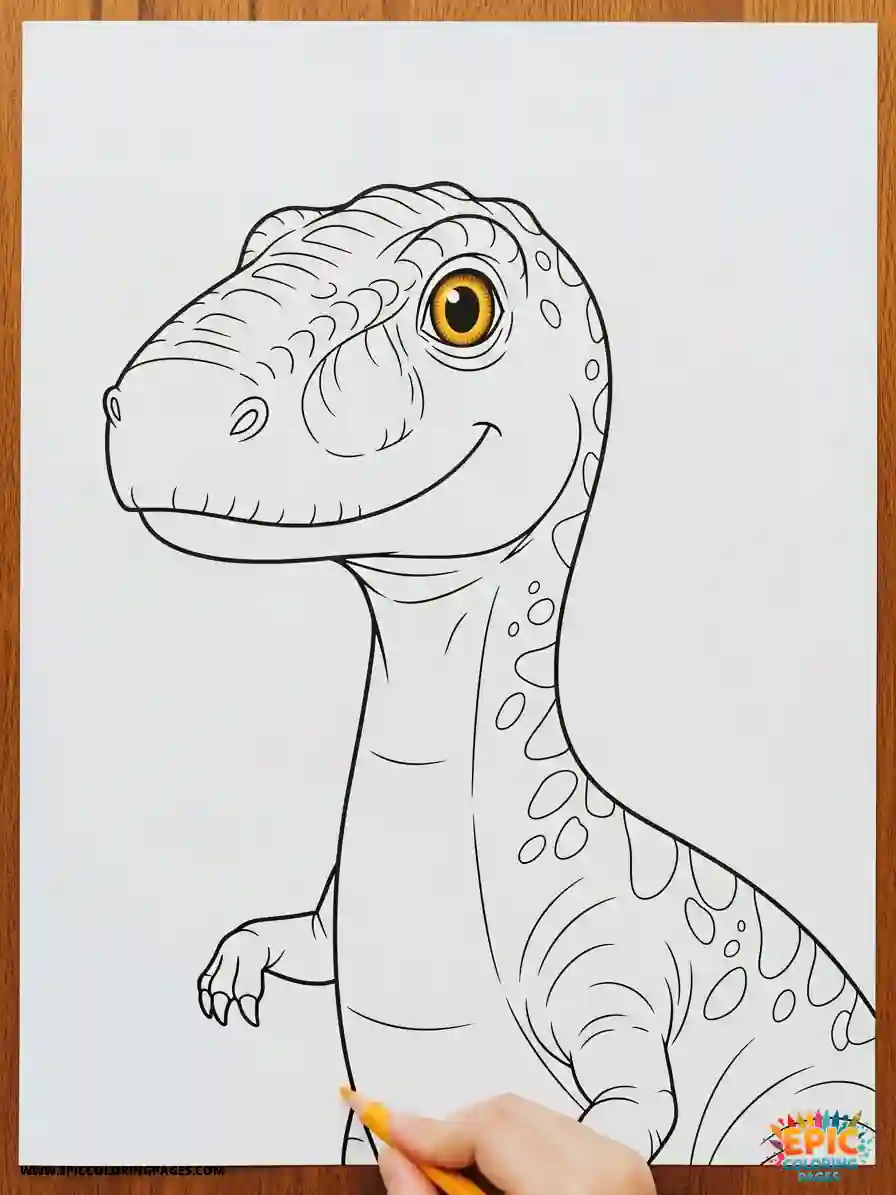
Eyes draw viewers in, making them crucial to your coloring page’s success. Even on simplified designs, spending extra time on the eye pays dividends. Start with a base color yellows, oranges, or greens work well for reptilian eyes. Add a darker outer ring, then place the pupil carefully, making sure it’s truly centered.
The highlight makes the eye alive. Position it consistently with your light source, usually in the upper portion of the eye. This can be a crisp white dot or a softer glow, depending on your medium. Some colorists add a secondary, dimmer highlight on the opposite side to suggest reflected environmental light.
The area around the eye needs consideration too. A slightly darker circle suggests the eye socket’s depth. Scales might radiate outward from the eye in a subtle pattern. If you’re showing the nictitating membrane (third eyelid) common in reptiles, use a pale, semi-transparent color across part of the eye.
Background and Environmental Context
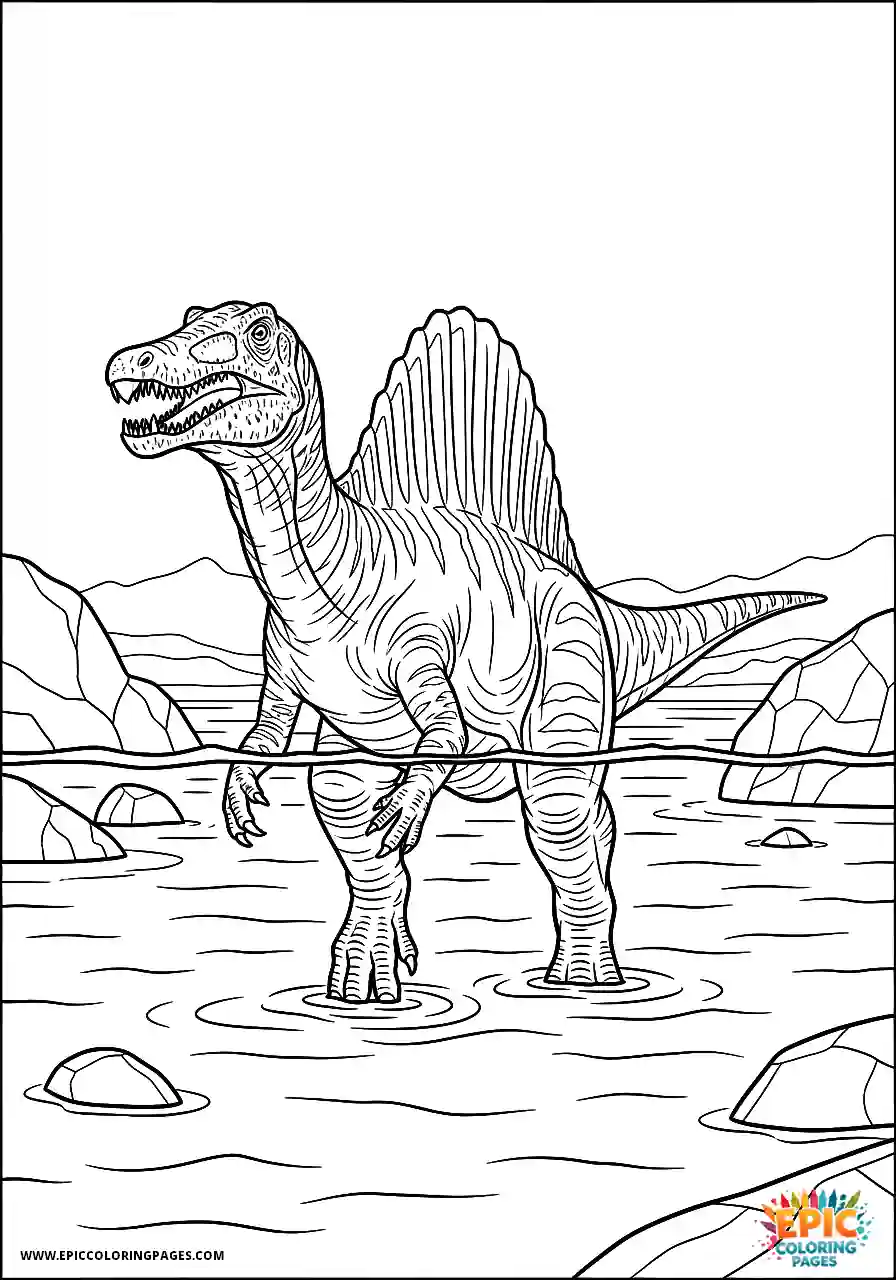
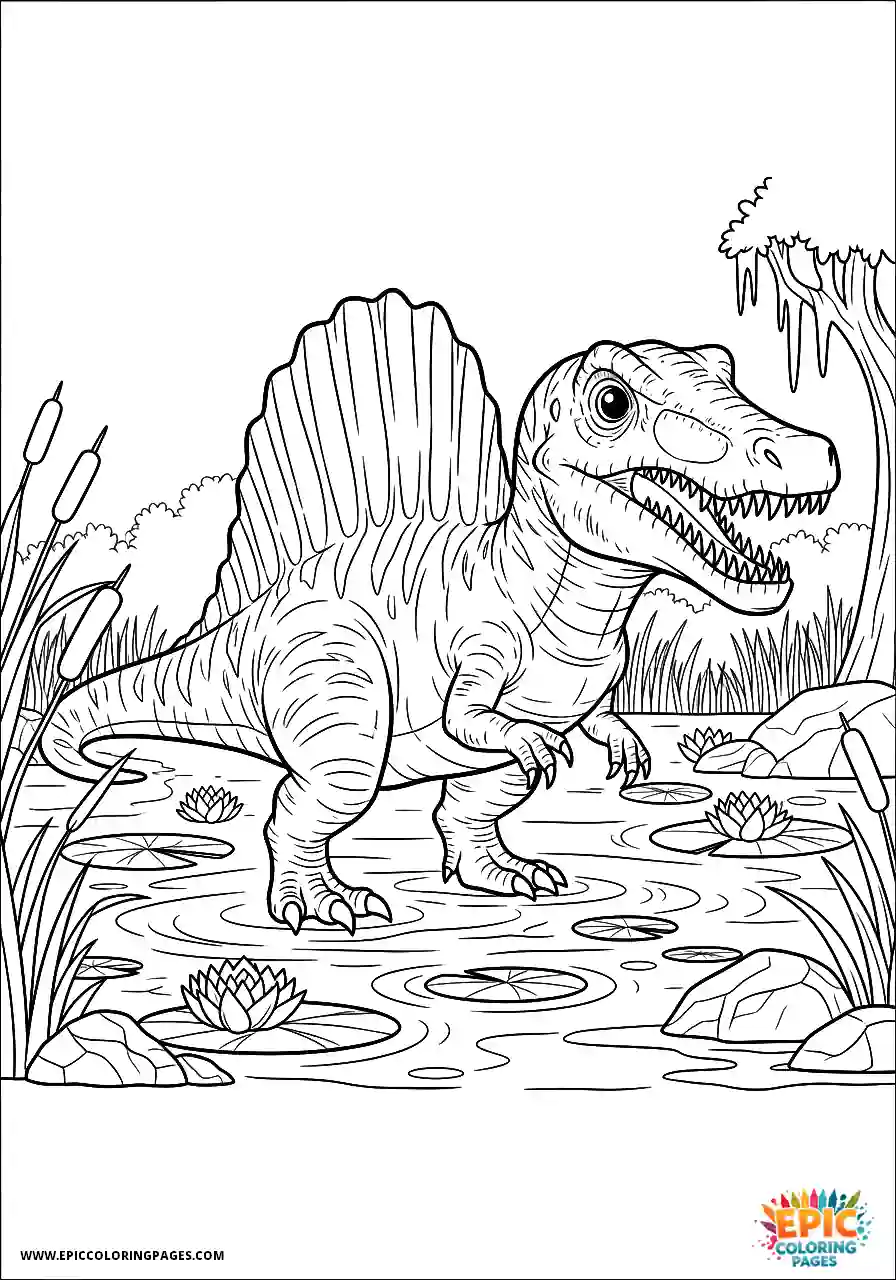
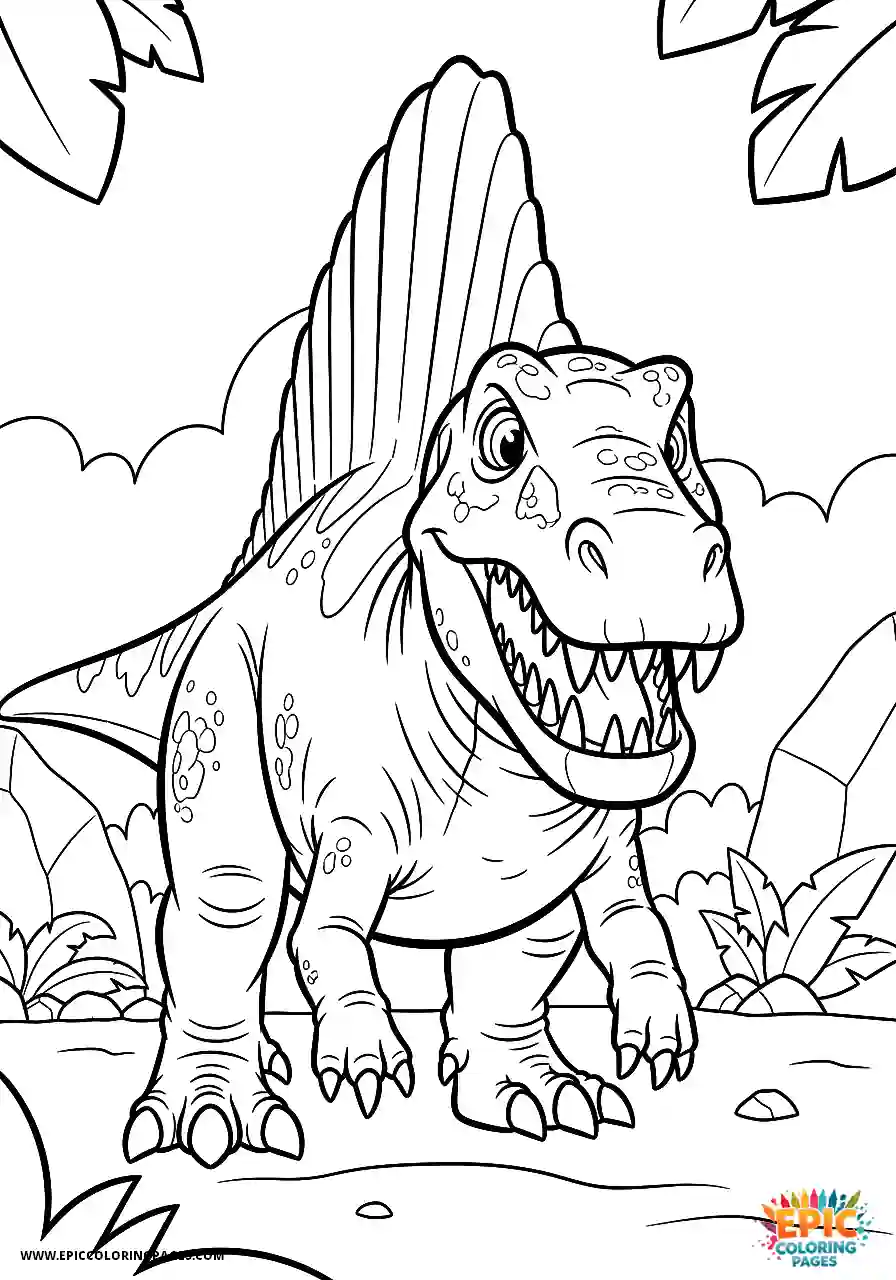
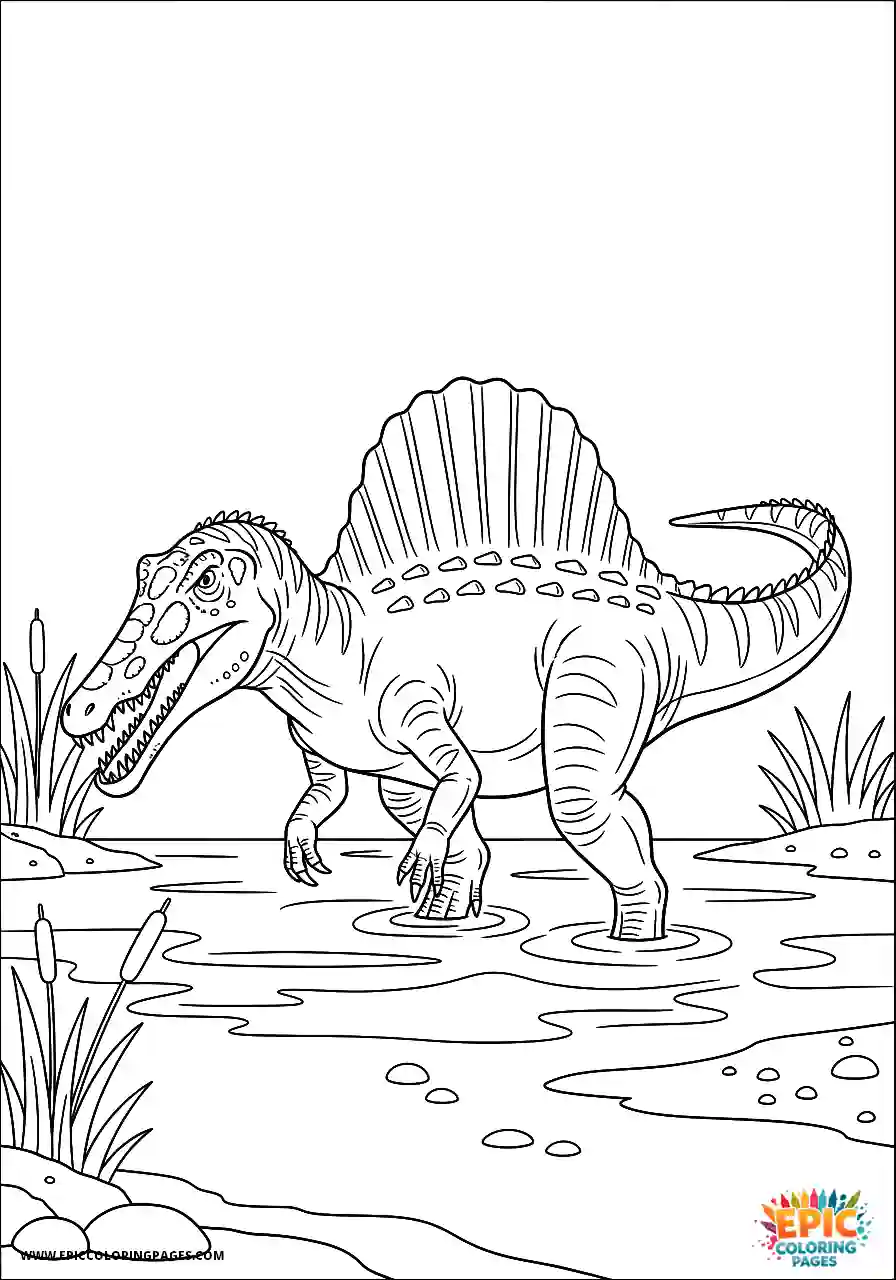
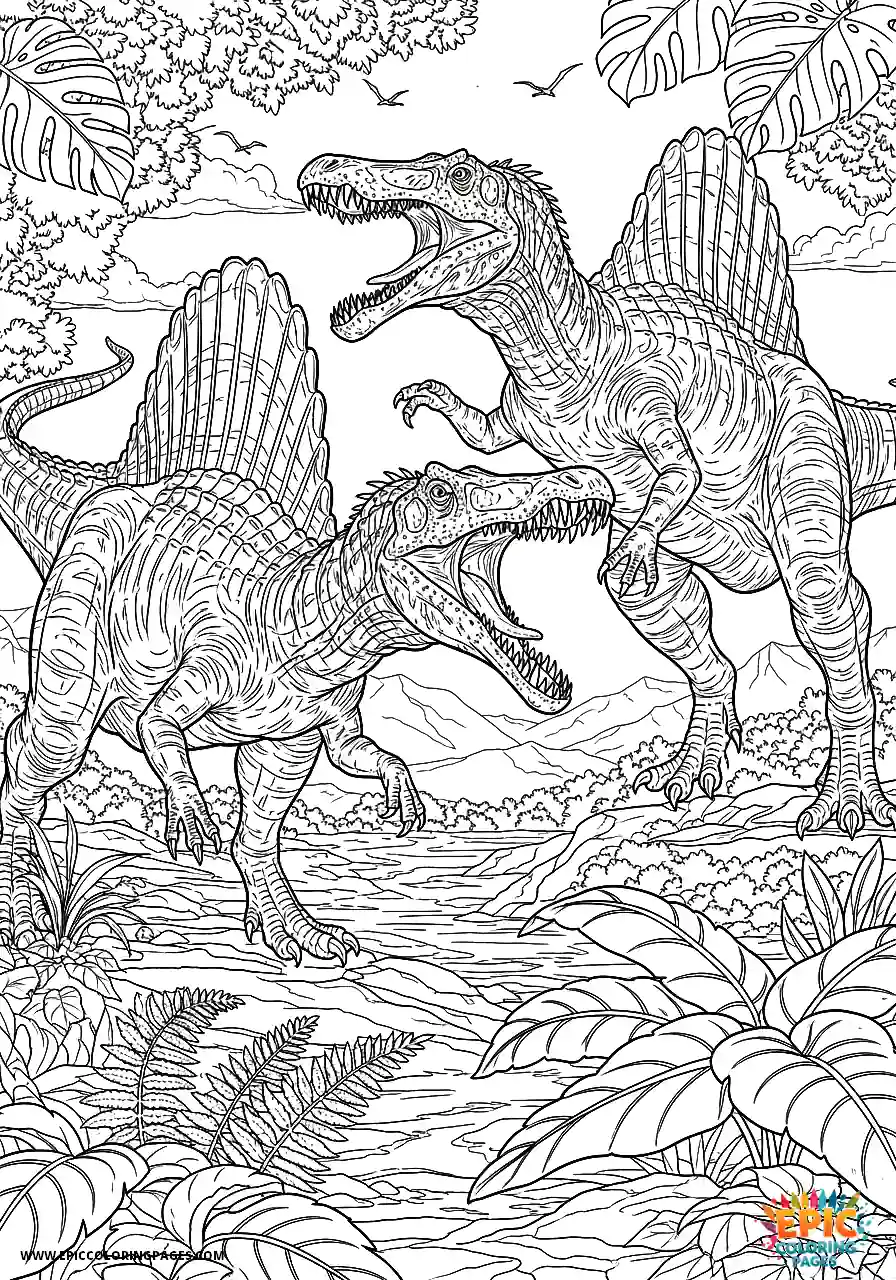
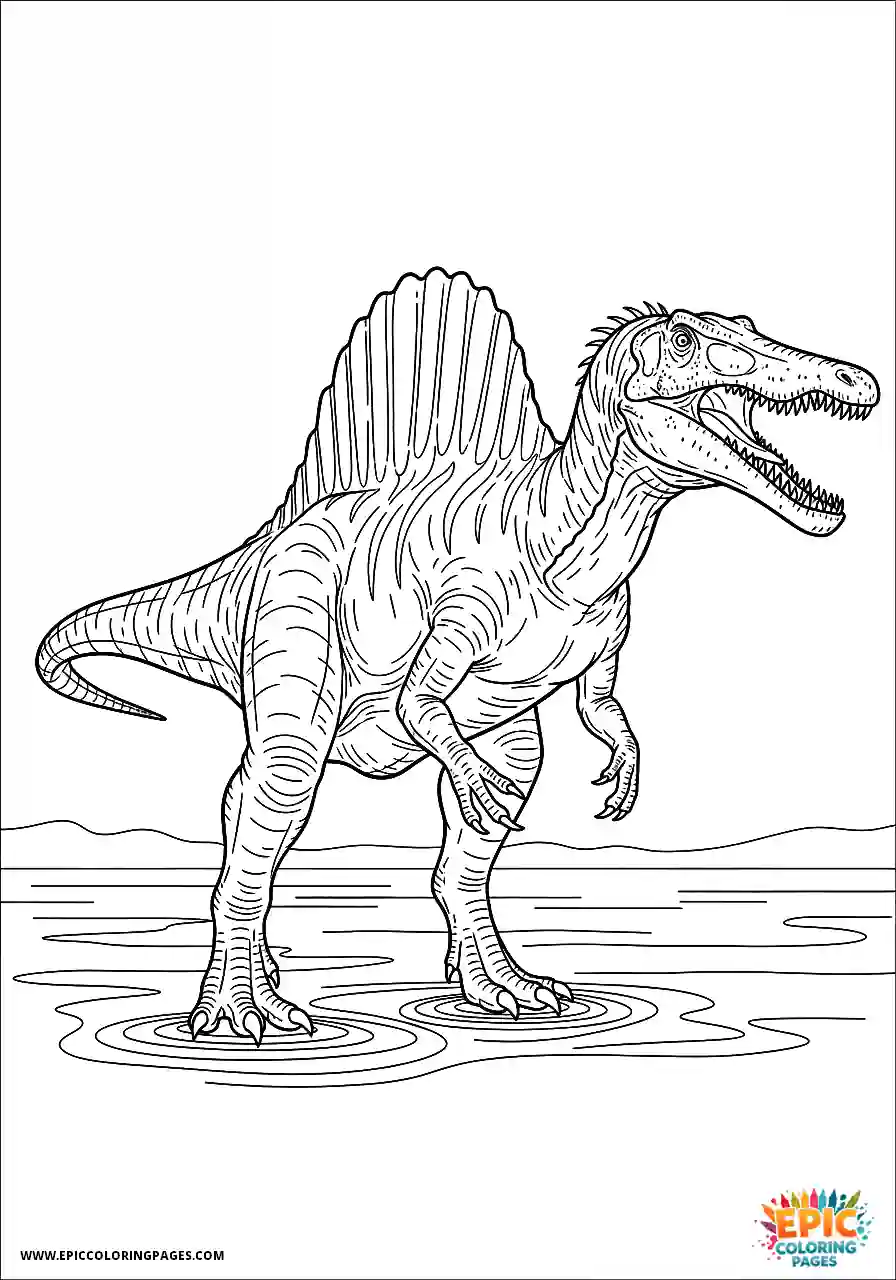
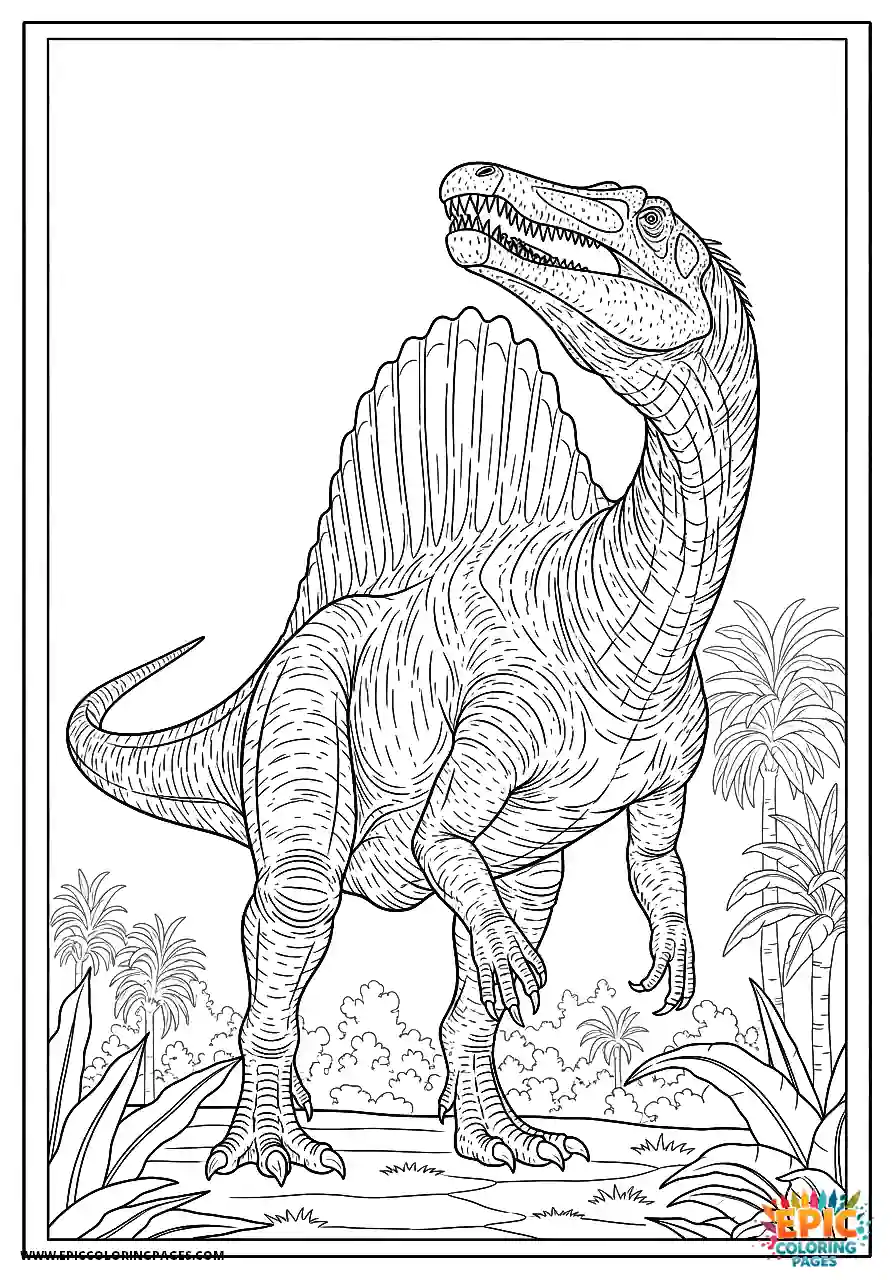
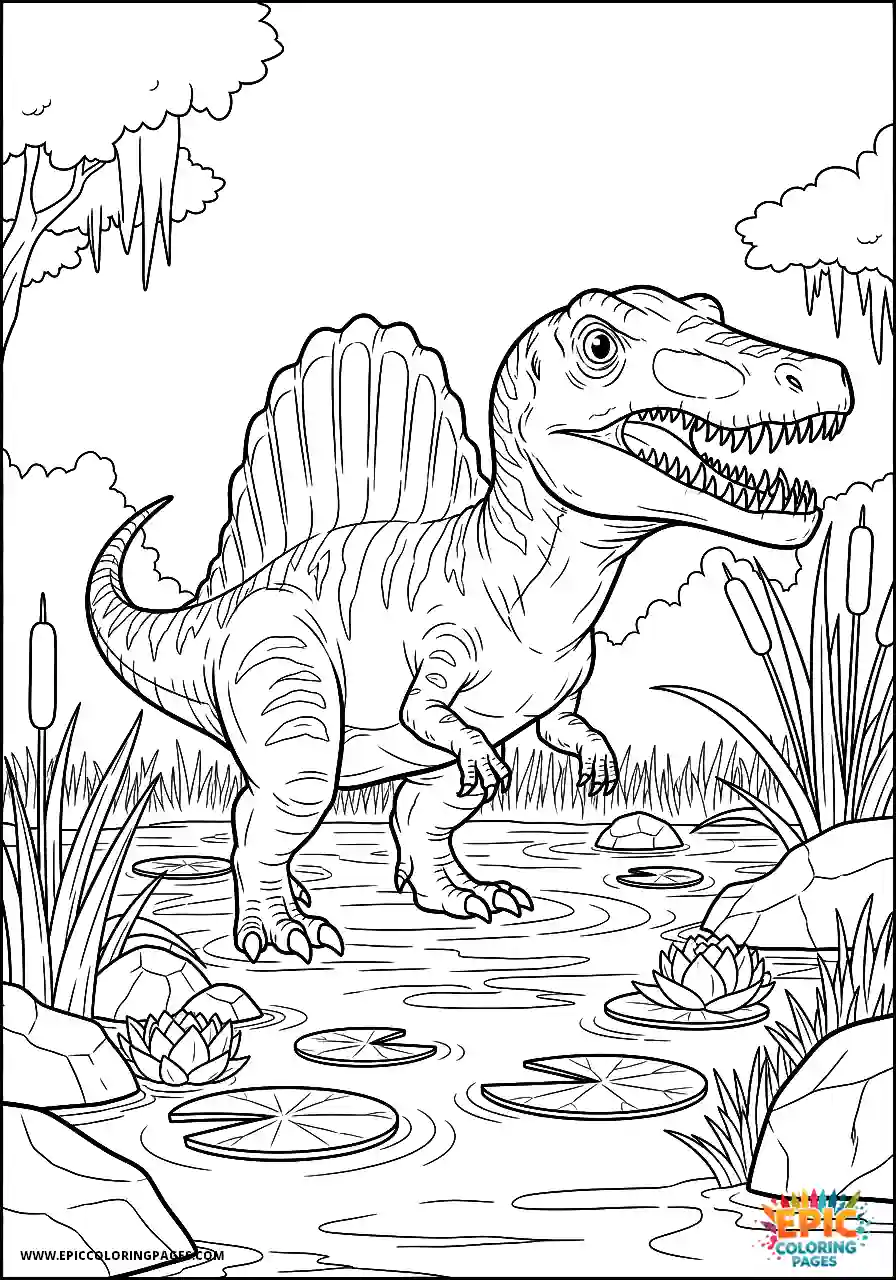
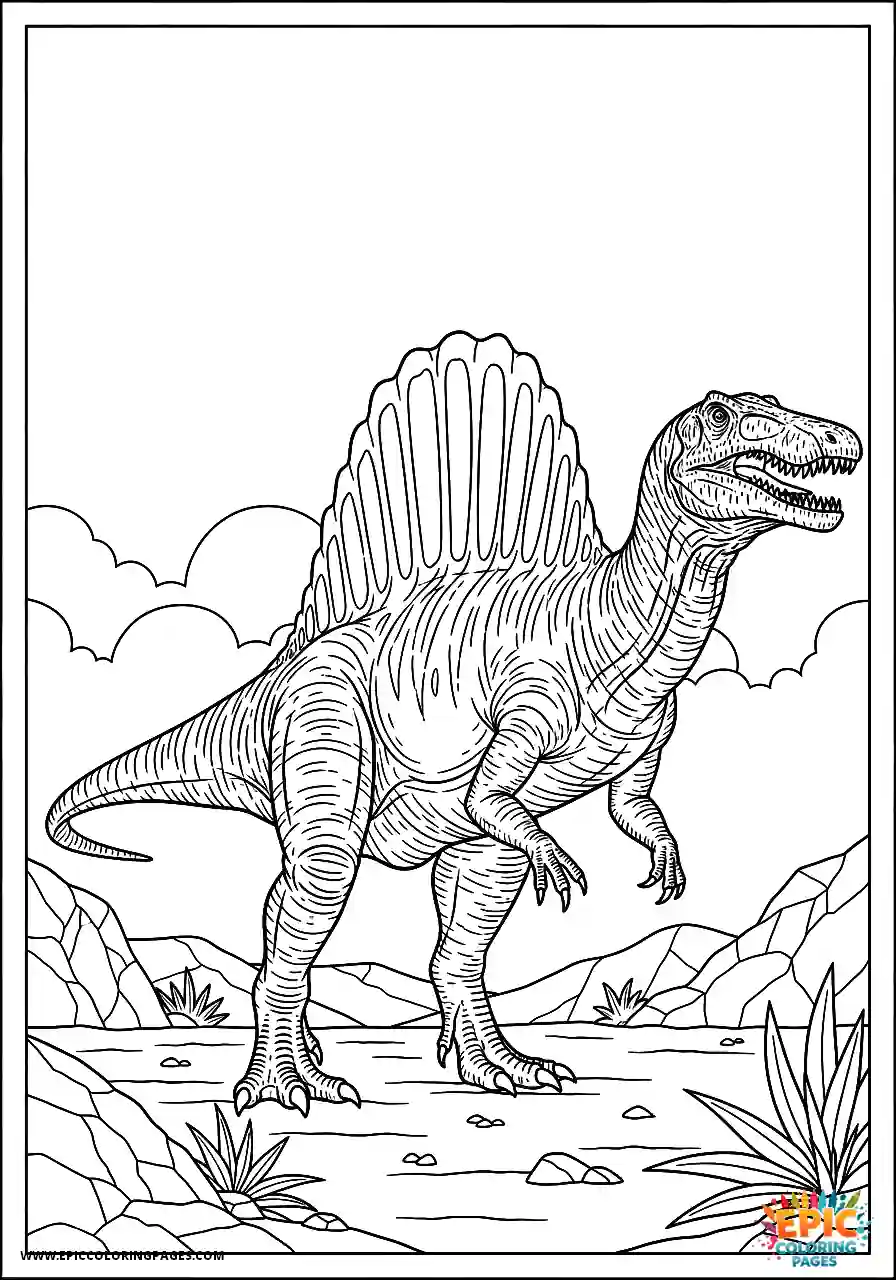
While your Spinosaurus is the star, a thoughtful background enhances rather than distracts. For water scenes, horizontal strokes suggest a calm surface, while varied, broken strokes indicate ripples or waves. Water reflects the sky’s color, typically blues and grays, but incorporate reflections of your dinosaur too a mirror image in darker, less saturated tones.
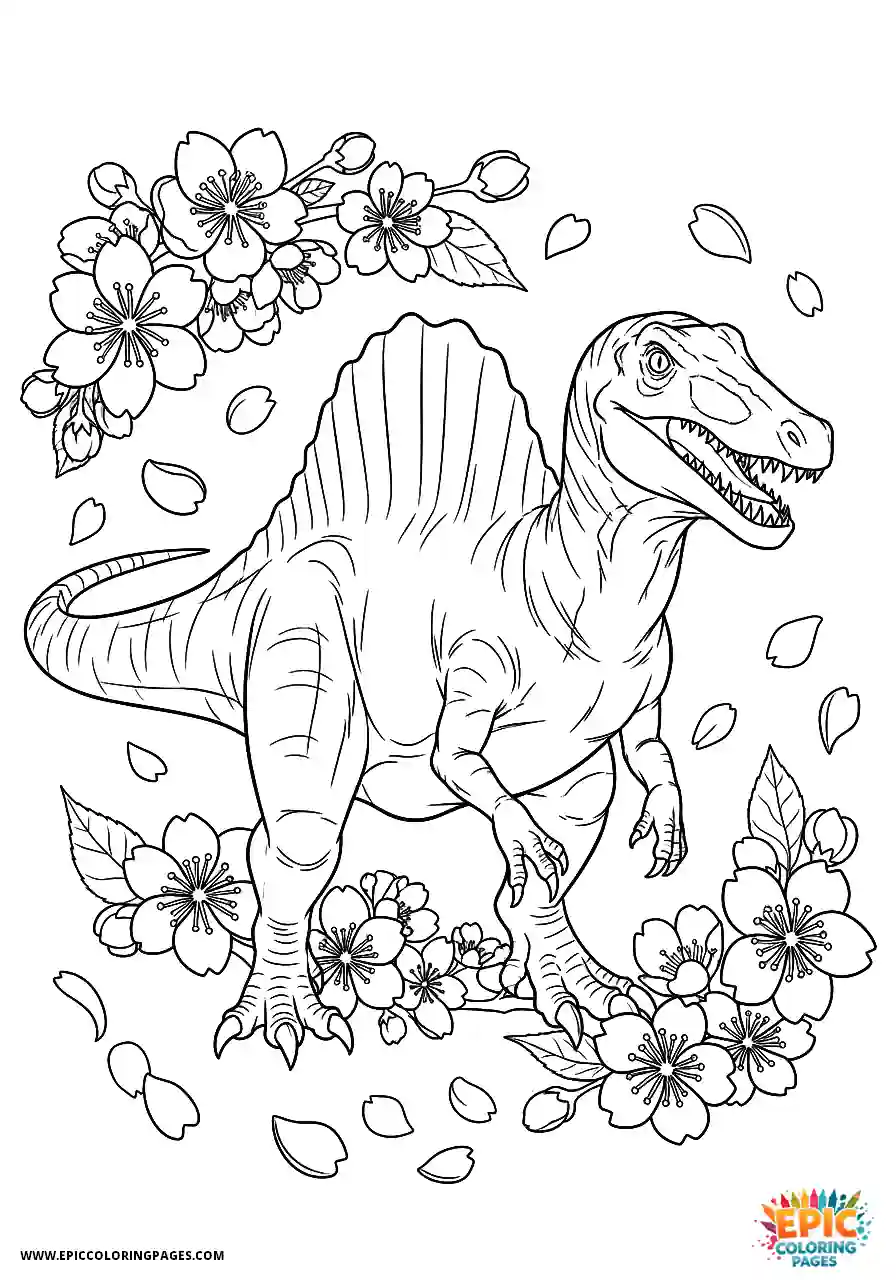
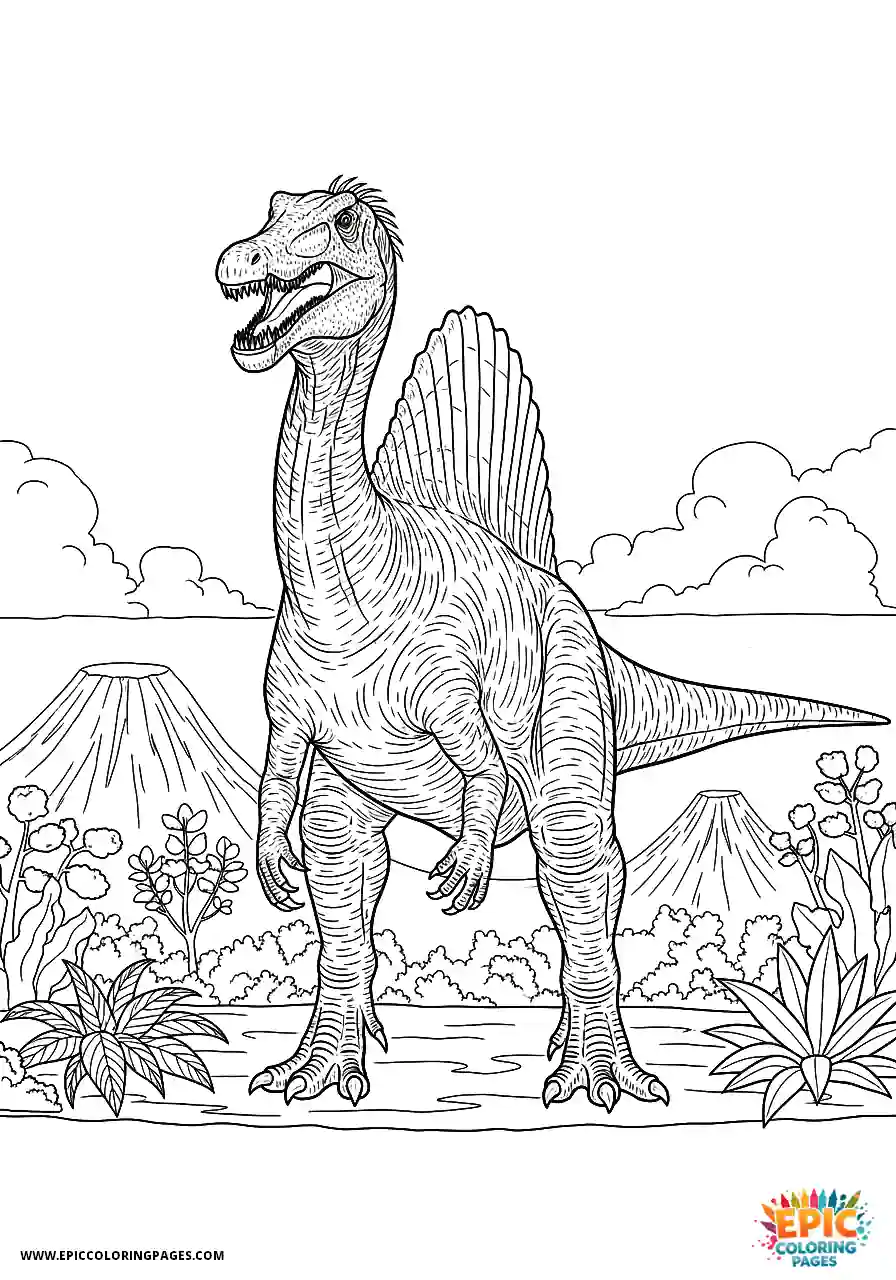
Vegetation places your creature in time and space. Conifers, ferns, and cycads populated Spinosaurus’s Cretaceous environment. Keep background plants lighter and less detailed than the dinosaur itself, which maintains proper focal hierarchy. Atmospheric perspective means distant elements appear hazier and bluer.
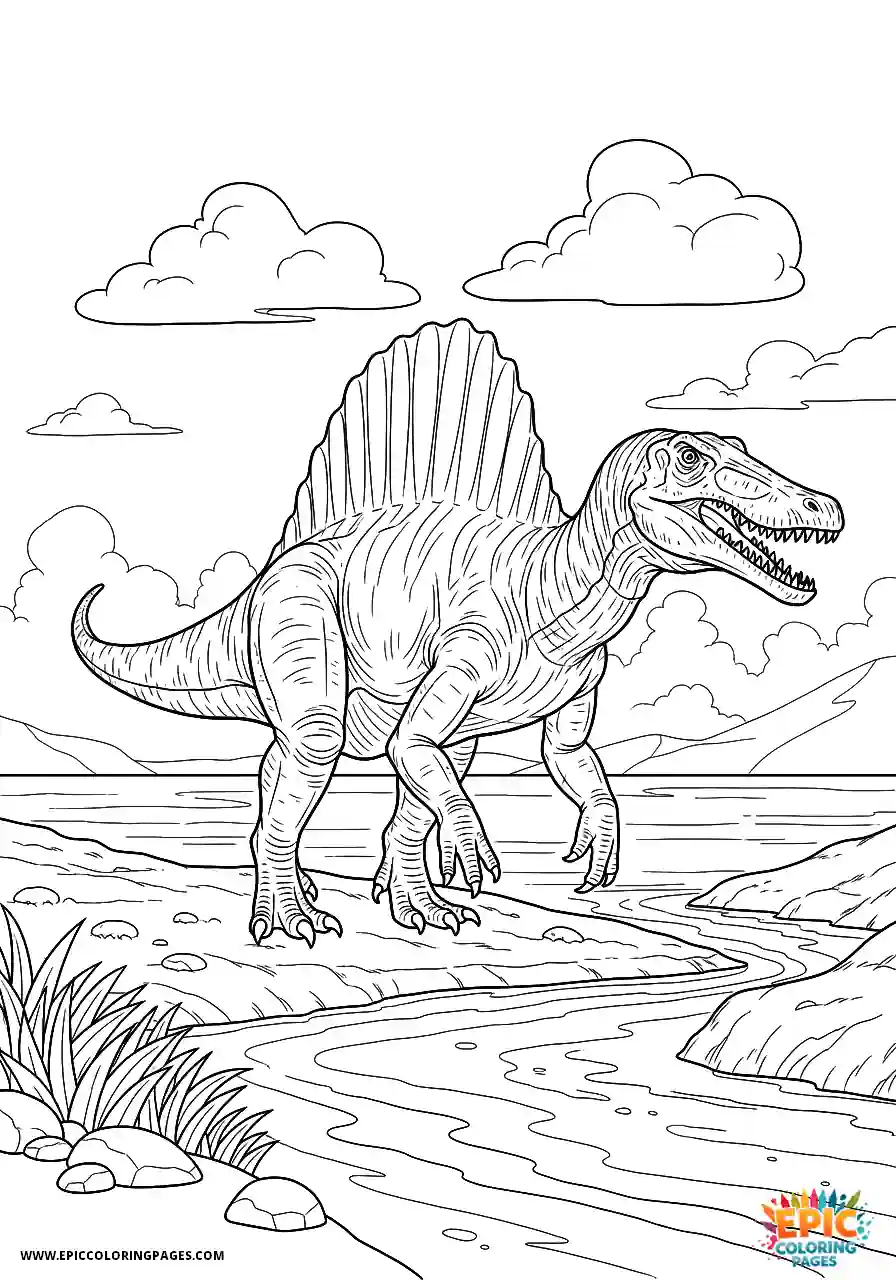
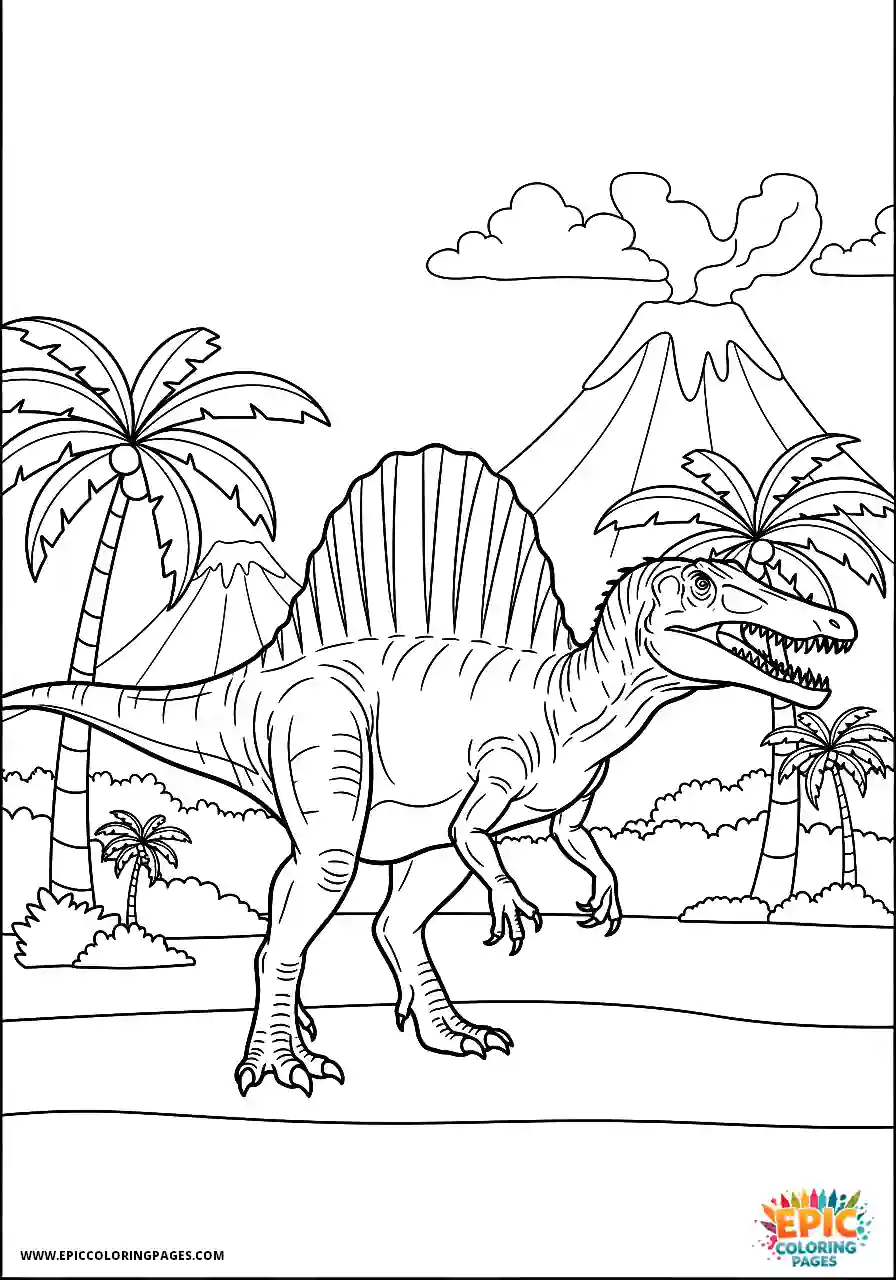
The ground or riverbank provides stability. Muddy browns with rocks and scattered plants work well. Footprints in mud or sand add narrative where has this creature been, where is it going? Disturbed water or crushed vegetation suggests recent movement.
Common Challenges and Solutions
Proportions sometimes feel off when coloring. The Spinosaurus’s unusual body shape short back legs, long arms, massive sail can look awkward if not approached carefully. Use color to guide the eye: warmer, brighter colors advance while cooler, darker tones recede. Making the legs slightly darker helps them visually support the body’s mass.
Muddy colors result from overmixing or using too many pigments. Limit your palette for each section. The body might use three shades of brown, the sail three shades of orange, but avoid having ten different colors competing. Clean water, sharp pencils, and fresh markers prevent muddiness.
Harsh outlines make coloring look flat and cartoon-like. Soften printed lines by coloring slightly beyond them or by using darker values of your local color right along the edge instead of relying on the black line to define everything. Alternatively, vary the outline’s thickness through your coloring make it disappear in bright highlights and strengthen it in deep shadows.
White space intimidates some colorists. You don’t need to fill every single area. Strategic white spaces become highlights, suggesting wet skin or bright sunlight. Leaving some background areas white or barely tinted can actually make your Spinosaurus pop forward more effectively.
Advanced Approaches
Multiple light sources create complex, dramatic effects. Imagine your Spinosaurus at sunset, with warm orange light from one side and cool blue ambient light filling the shadows. This requires tracking two sets of highlights and shadows, but the result is stunning. The sail becomes particularly dramatic with transmitted light glowing through it.
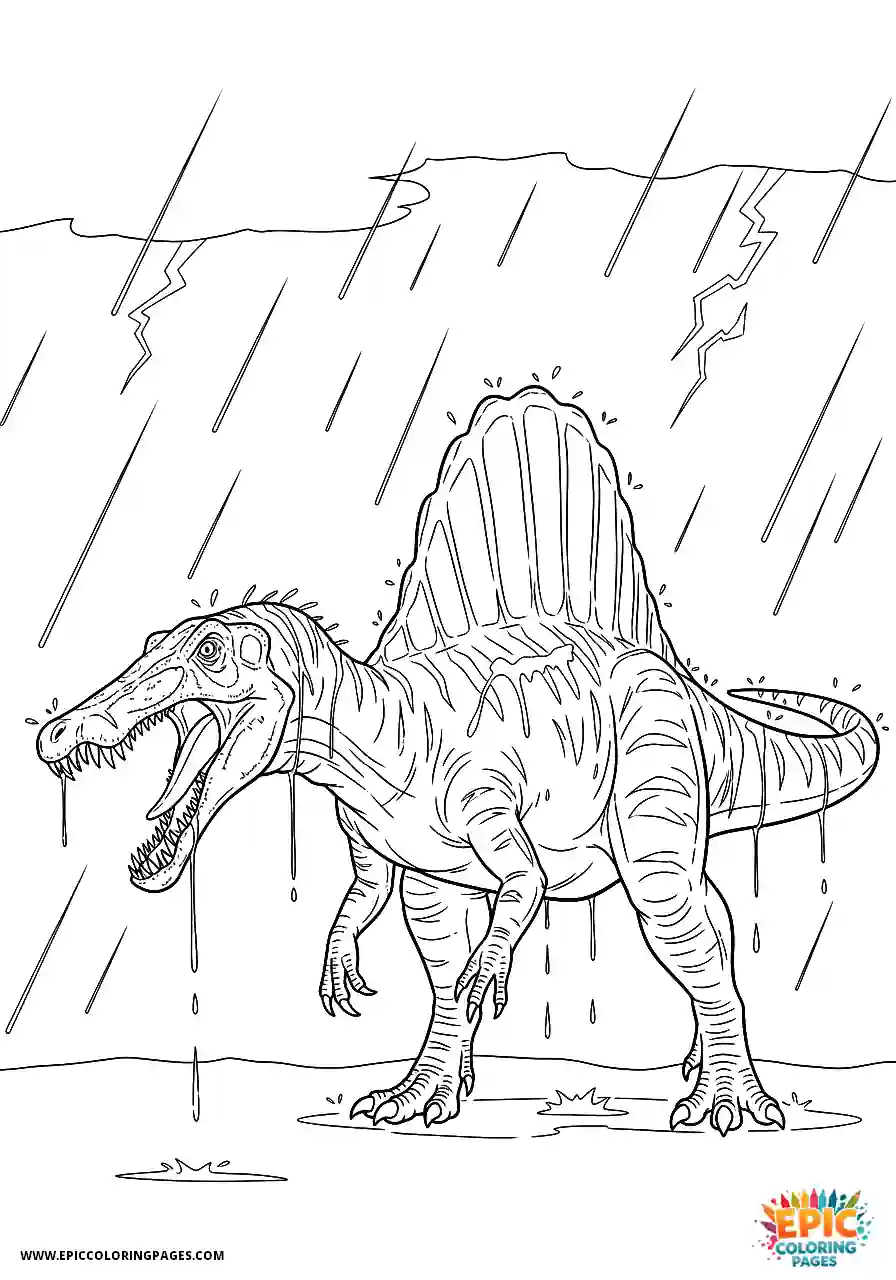
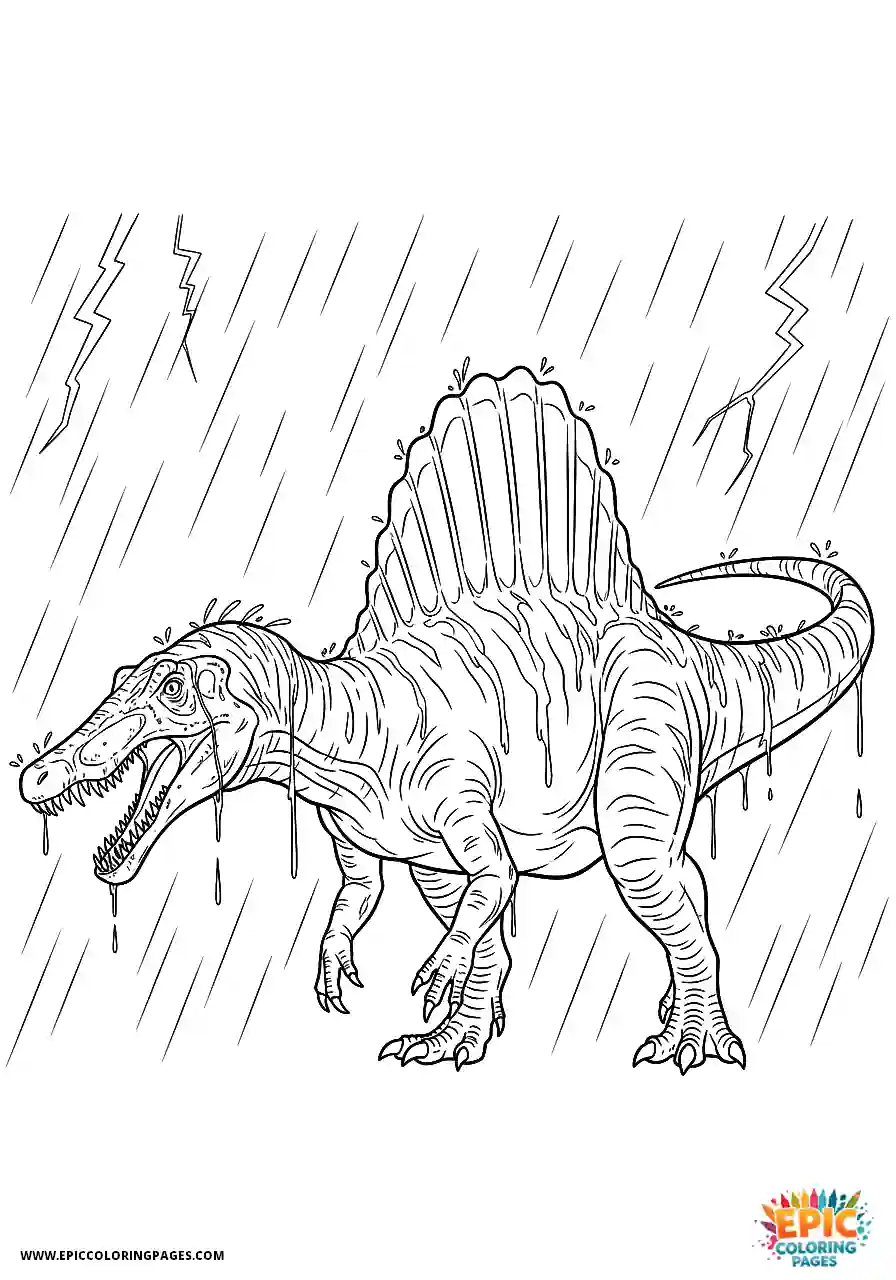
Seasonal variations offer creative possibilities. A wet Spinosaurus emerging from a river needs glossy highlights and darker, saturated colors. A dry one in harsh sunlight might have lighter values overall with stark shadows. Adding environmental effects like rain streaks or splashing water increases dynamism.
Age variations change coloring approach. A juvenile might have brighter colors or bolder patterns that fade with maturity, similar to many modern reptiles. Battle scars tell stories healed wounds appear as lighter areas with different texture, while fresh wounds need reds and darker surrounds. These details add character and narrative depth.
Developing Your Personal Style
Study other artists’ dinosaur work for inspiration, but avoid copying directly. Notice how some emphasize realism while others embrace stylized approaches. Some use bold, saturated colors while others prefer muted palettes. Your personal preference should guide your choices.
Experiment with non-traditional colors occasionally. A purple Spinosaurus with teal accents might not be scientifically defensible, but if it brings you joy and looks striking, that has value. Balance these creative explorations with more grounded attempts to develop versatility.
Keep your finished pages in a folder or portfolio. Looking back across multiple projects reveals your growth and helps identify which techniques you enjoy most. You’ll notice patterns in your color preferences and can consciously expand your comfort zone.
Resources for Continued Learning
Modern paleontology constantly updates our understanding of dinosaurs. Following paleontology journals, museums, and paleoartists on social media keeps you informed about the latest discoveries. The scientific reconstructions by professional paleoartists provide excellent references for anatomically informed coloring.
Color theory books help you understand why certain combinations work. Learning about complementary, analogous, and triadic color schemes gives you frameworks for making intentional palette decisions. Understanding value (lightness and darkness) matters even more than hue selection for creating dimensional results.
Practice remains your most valuable tool. Each Spinosaurus you color builds your skills and confidence. Try the same page multiple times with different approaches realistic, stylized, monochromatic, or wildly creative. There’s no single correct way to color these magnificent creatures, only opportunities to explore and grow.