Home Animal Cat American Wirehair Cat

American Wirehair Cat Coloring Pages (411+ Free Printables)

Originating from a spontaneous natural mutation in a barn in upstate New York in 1966, the American Wirehair is one of the rarest breeds in the United States. Unlike breeds developed through complex breeding programs, this unique cat began with a single red-and-white kitten named Adam who was born with a sparse and wiry coat. This collection of American Wirehair cat coloring pages celebrates this distinct American heritage, focusing on the rugged appearance that sets them apart from their Shorthair cousins.

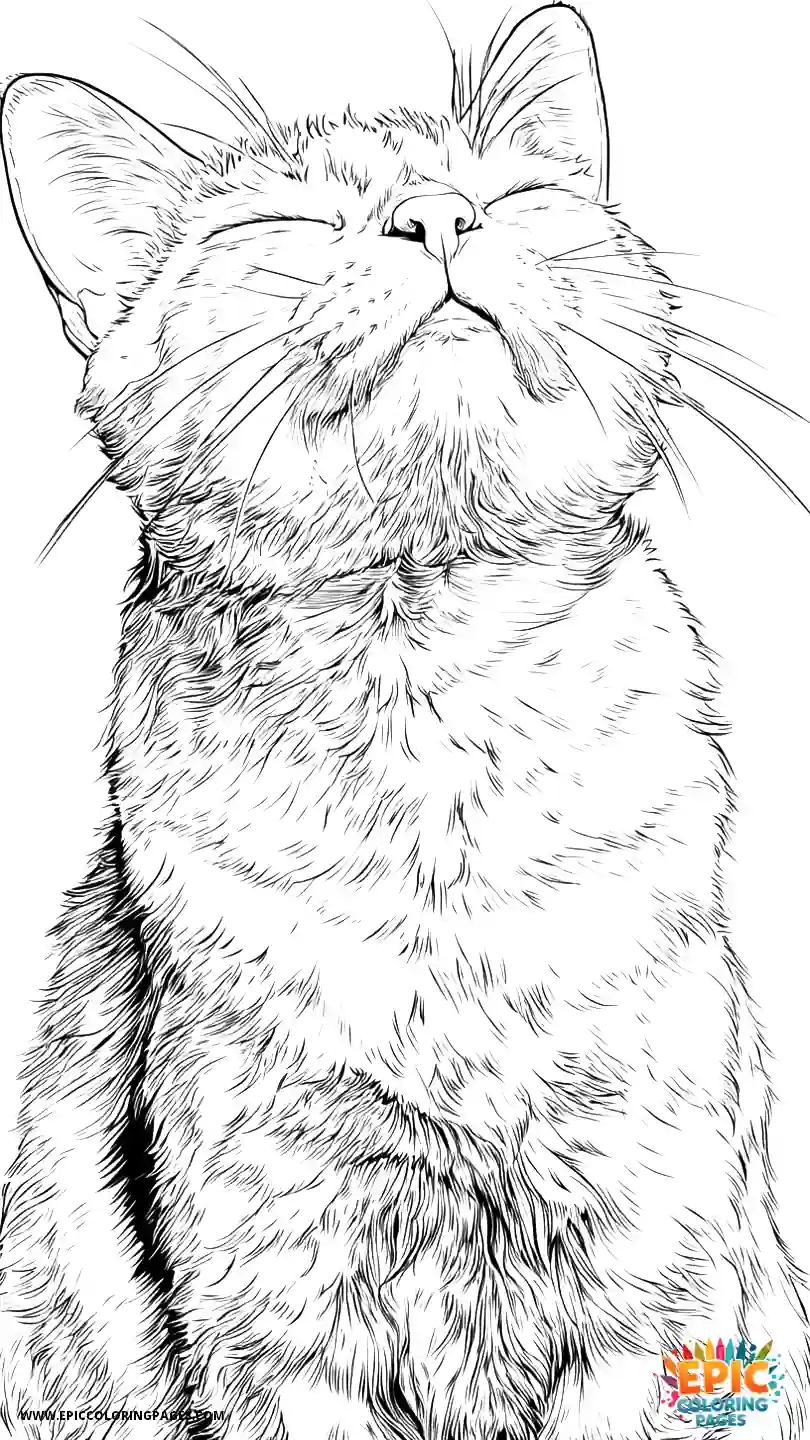
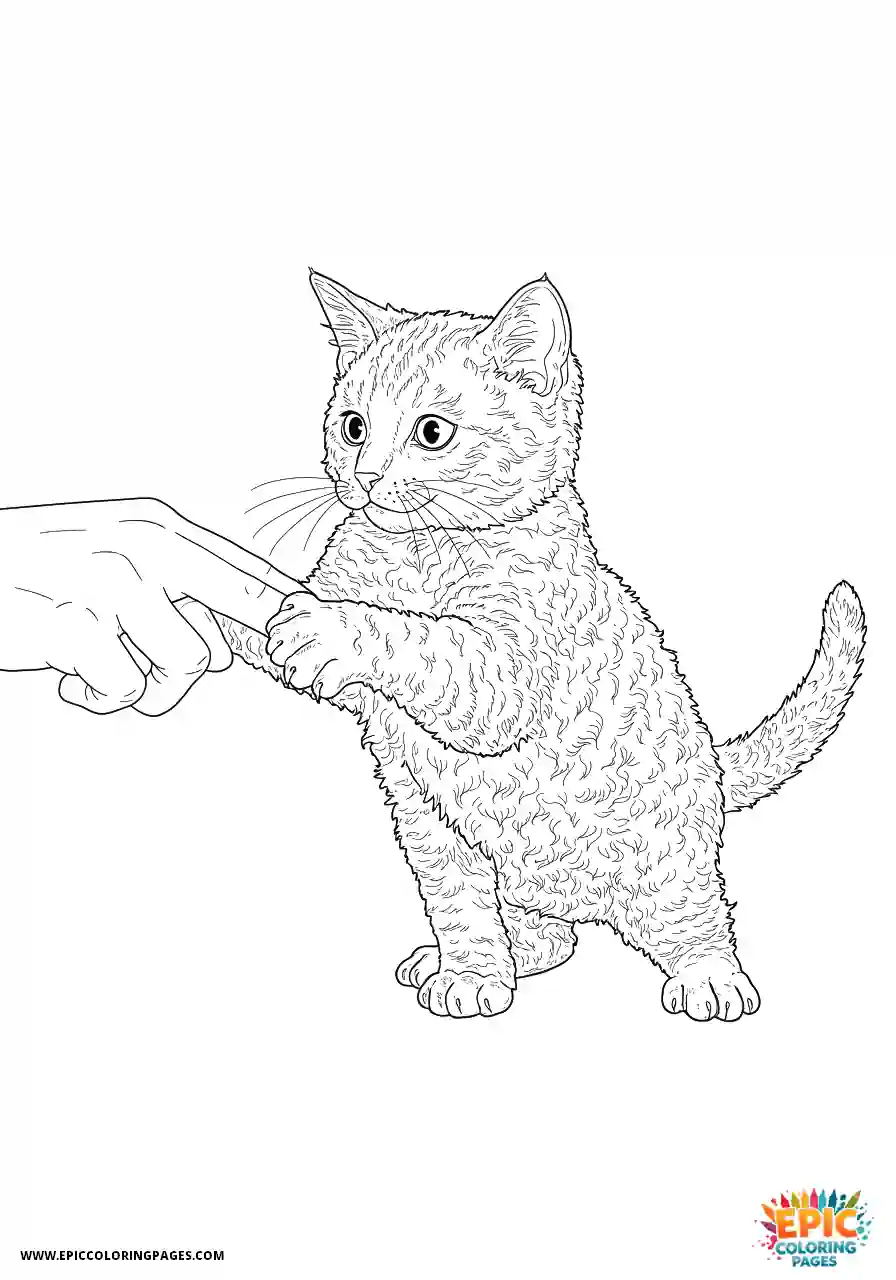
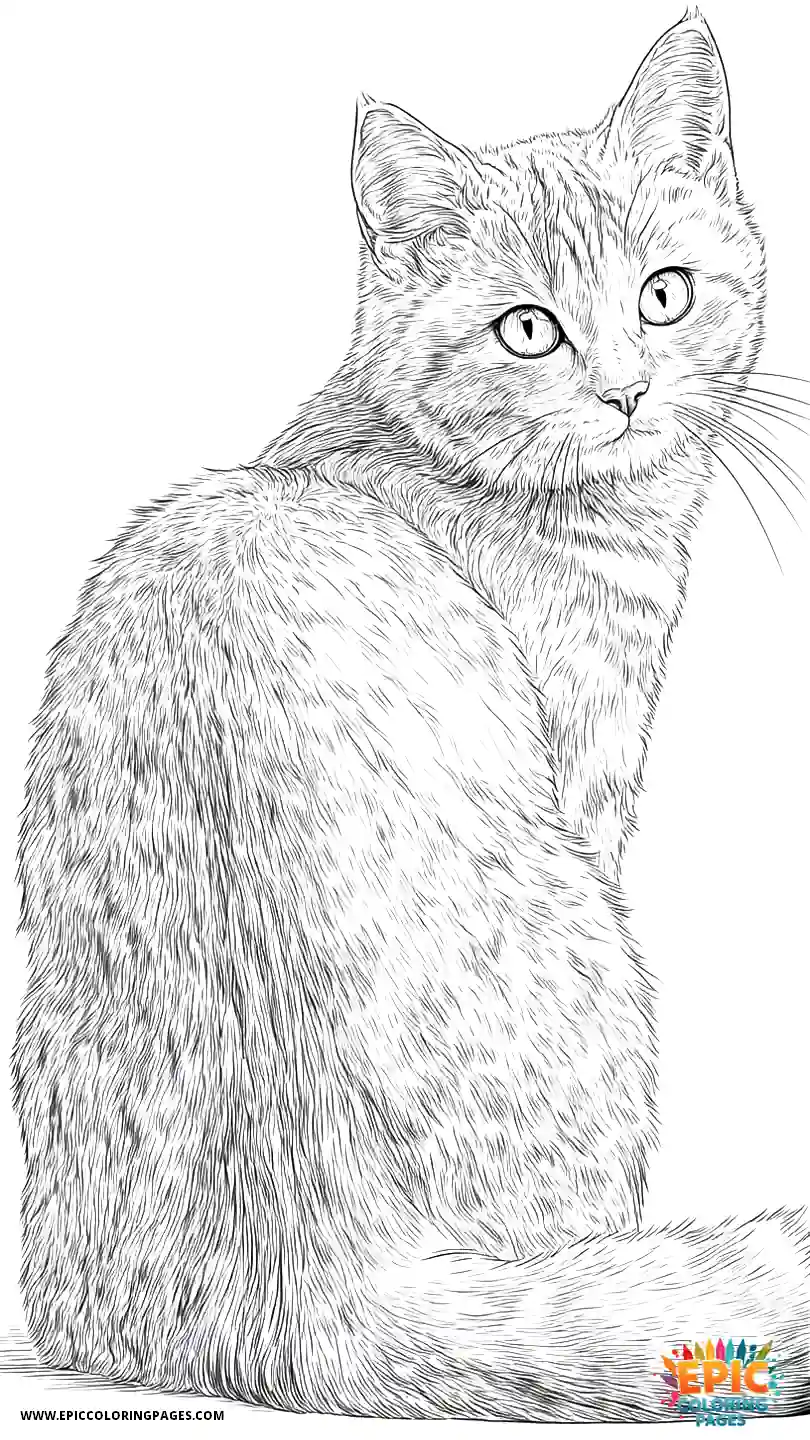
The defining feature of this breed is its coarse and crimped fur, which is often compared to the texture of steel wool or lamb’s wool. This genetic trait affects every hair on the cat’s body, including the whiskers and ear fur, giving them a permanently scruffy appearance often described as the “punk rocker” of the cat world. These illustrations capture that specific texture, requiring a different artistic approach than the smooth flowing lines used for sleek cats like the Siamese.

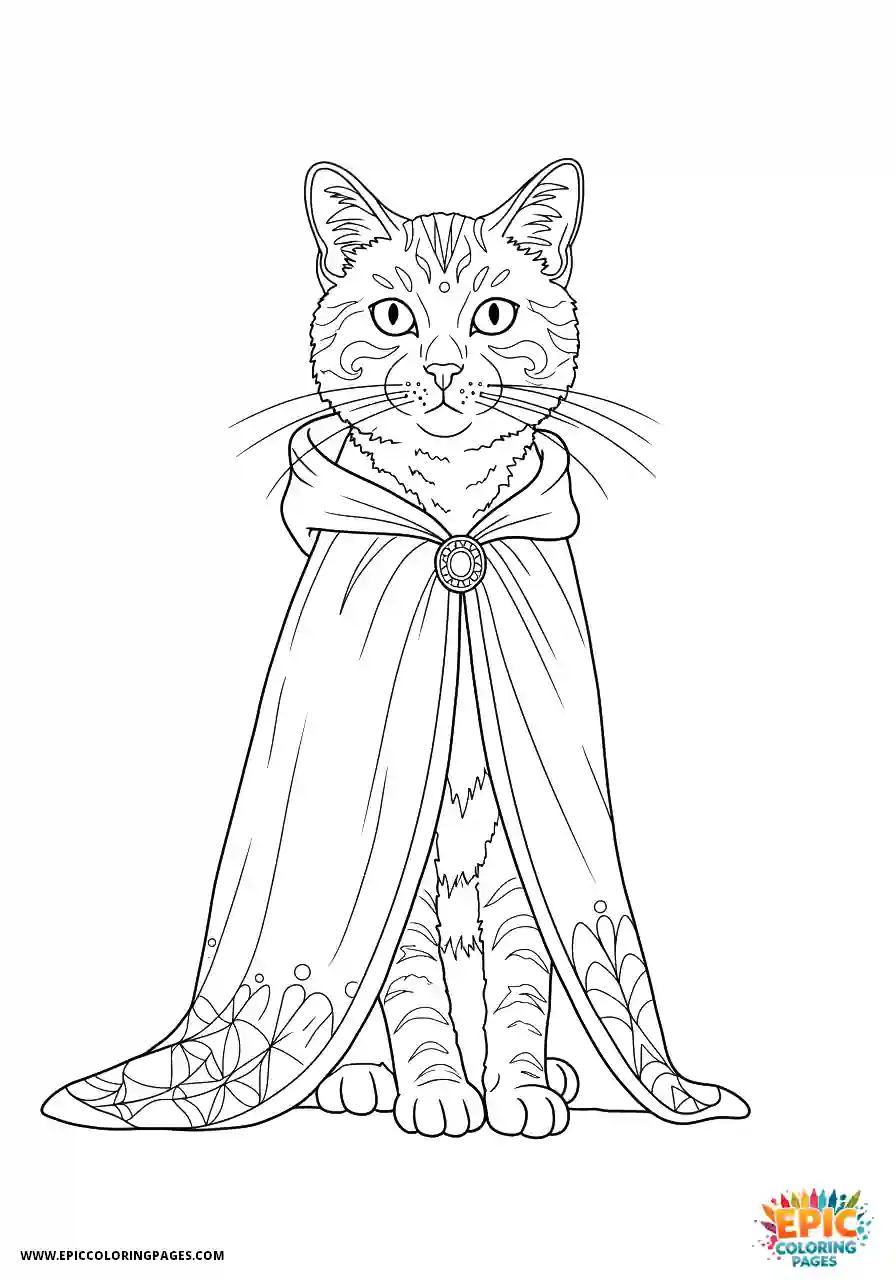
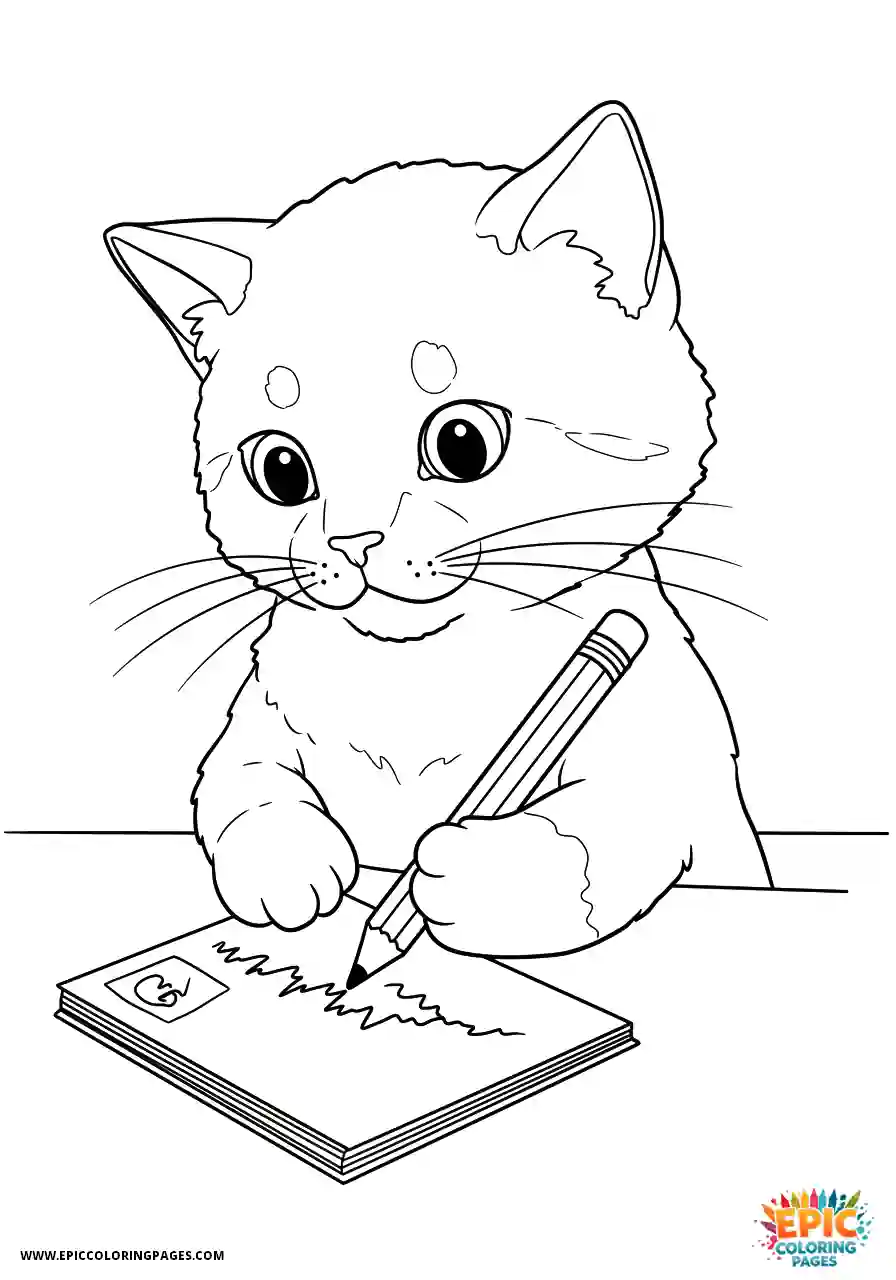
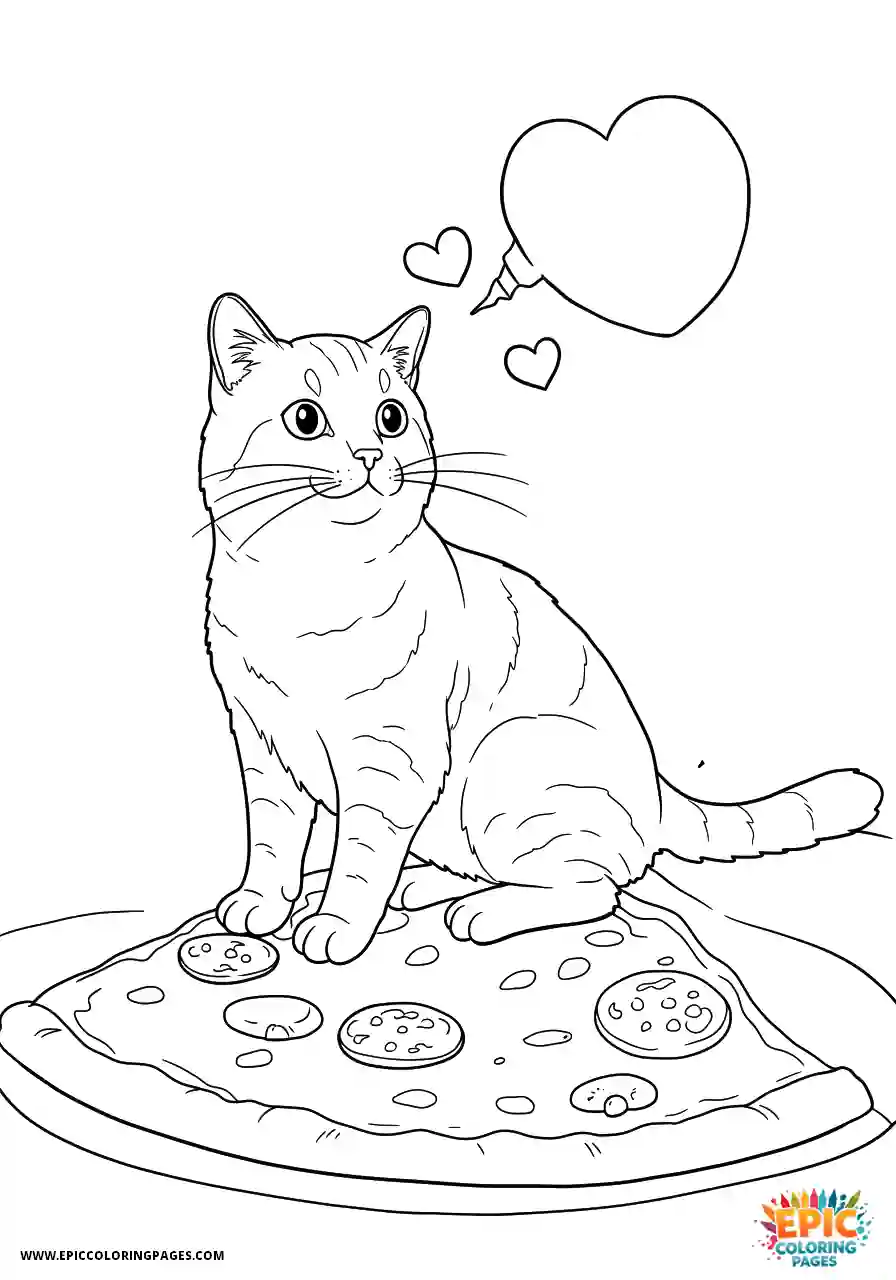
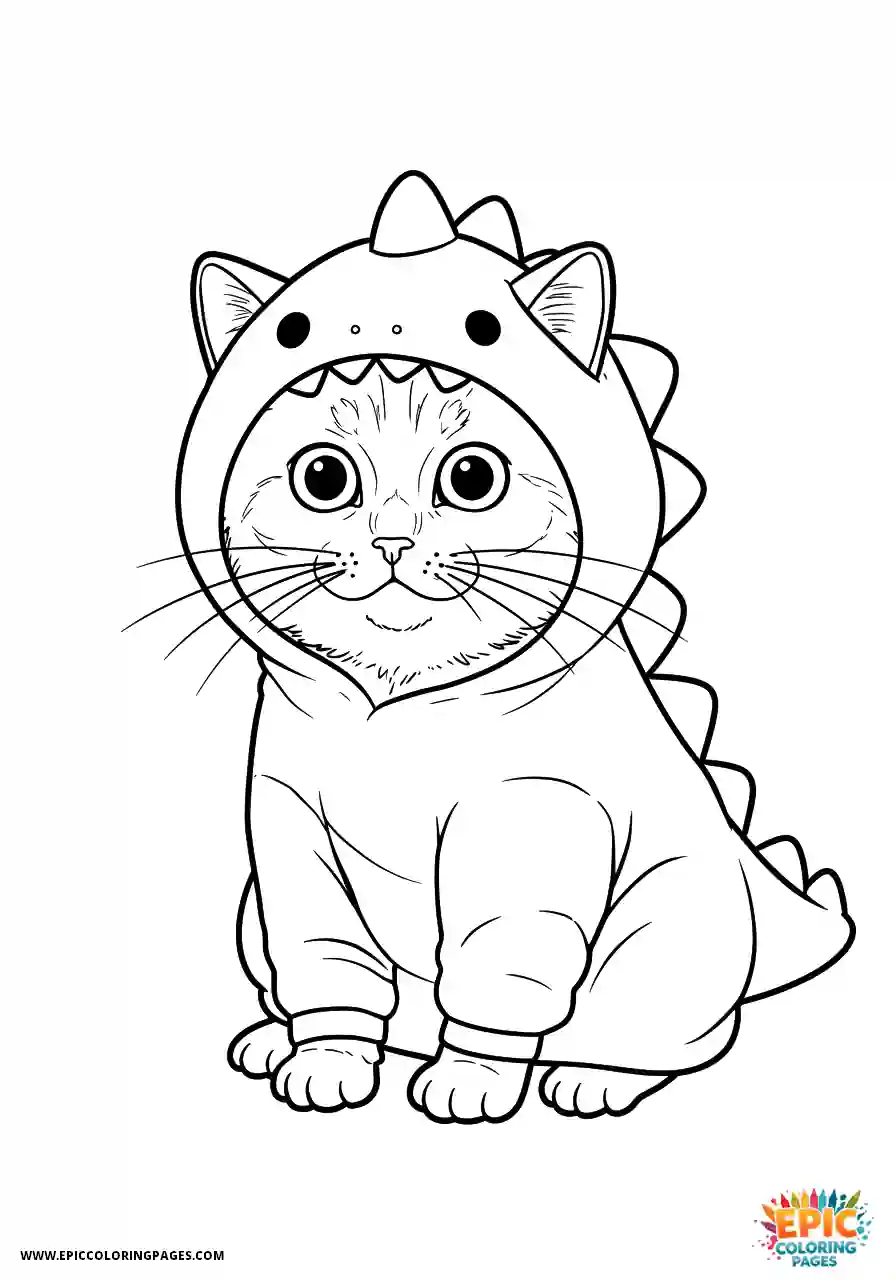
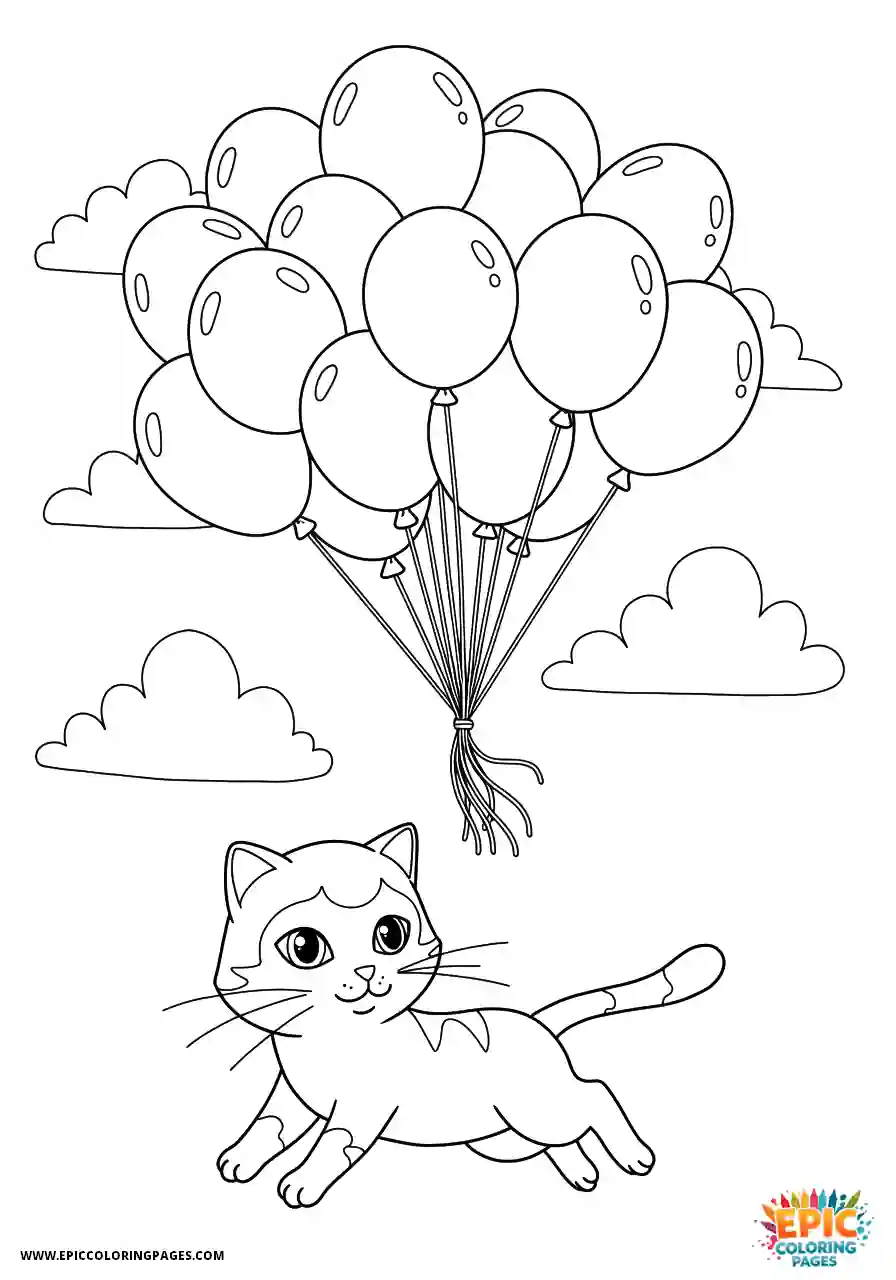
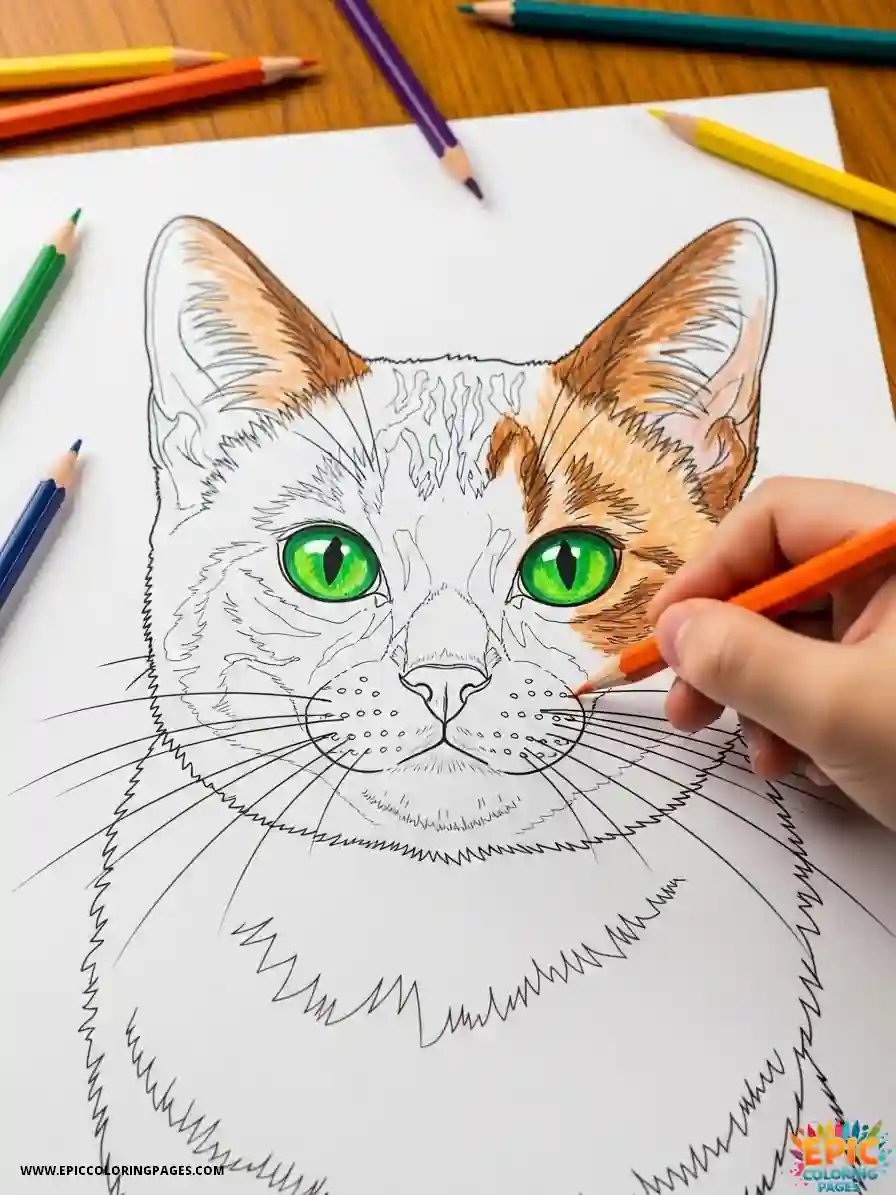
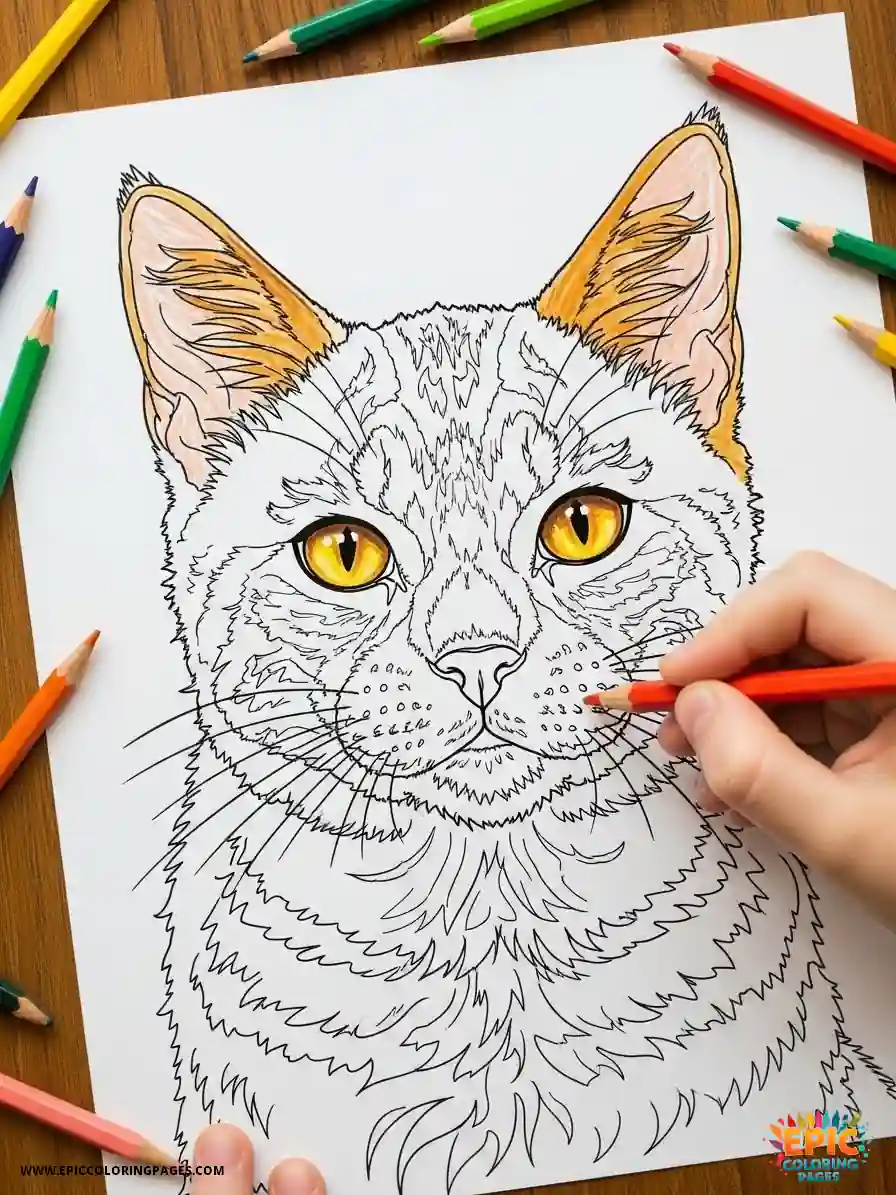
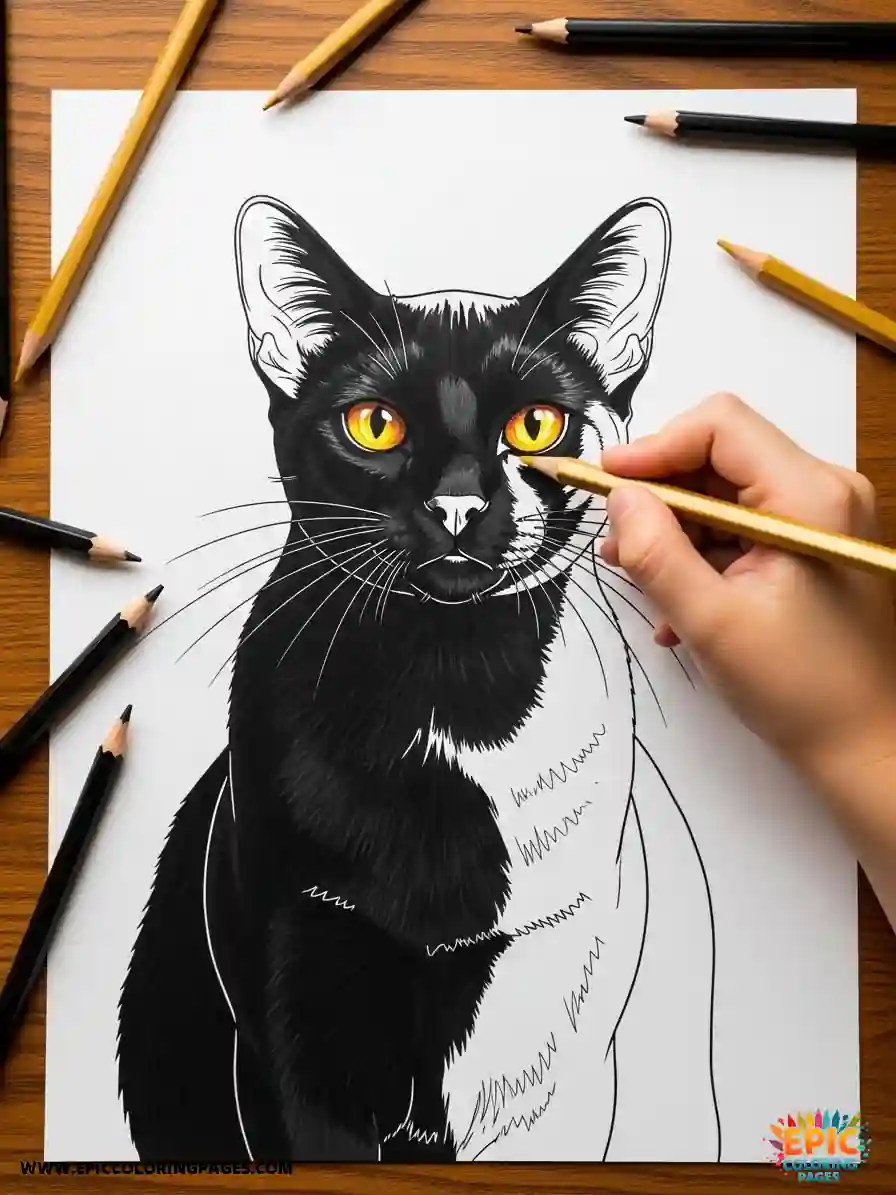
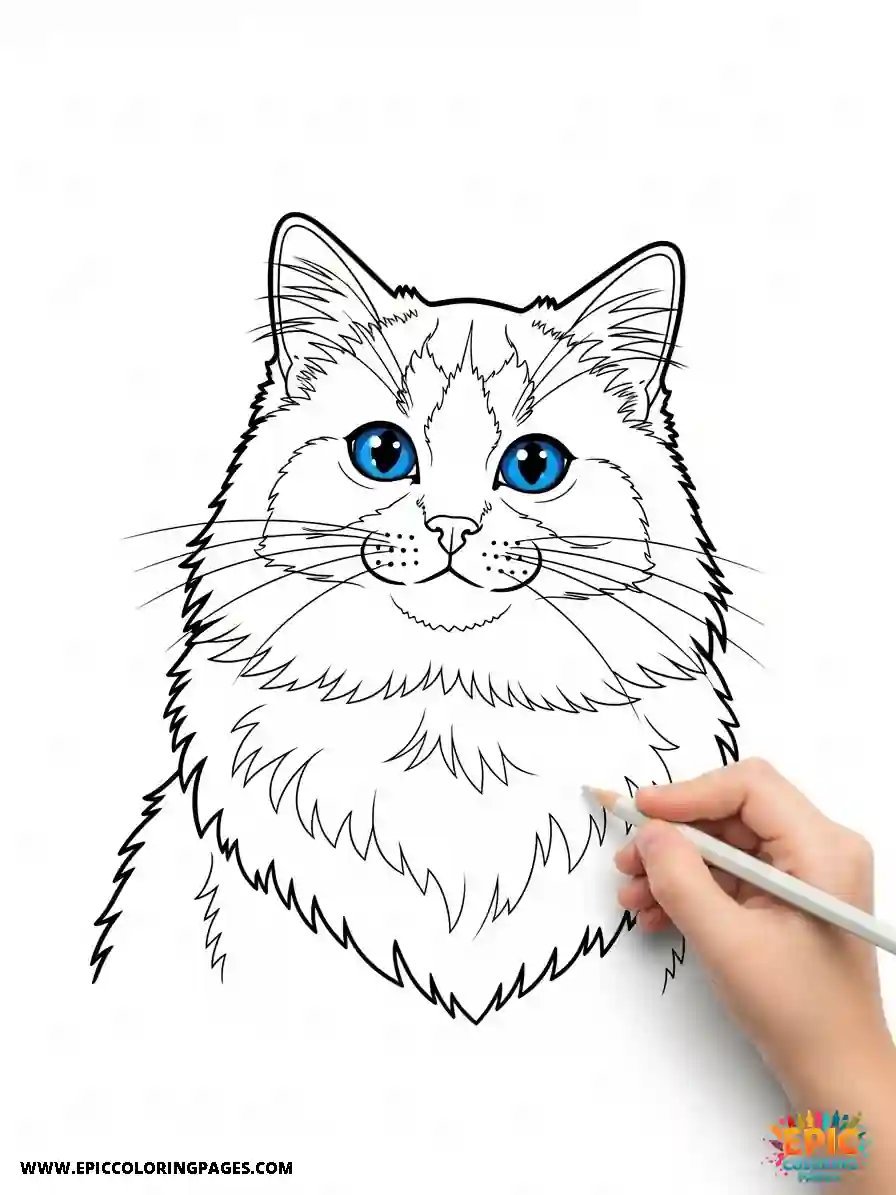
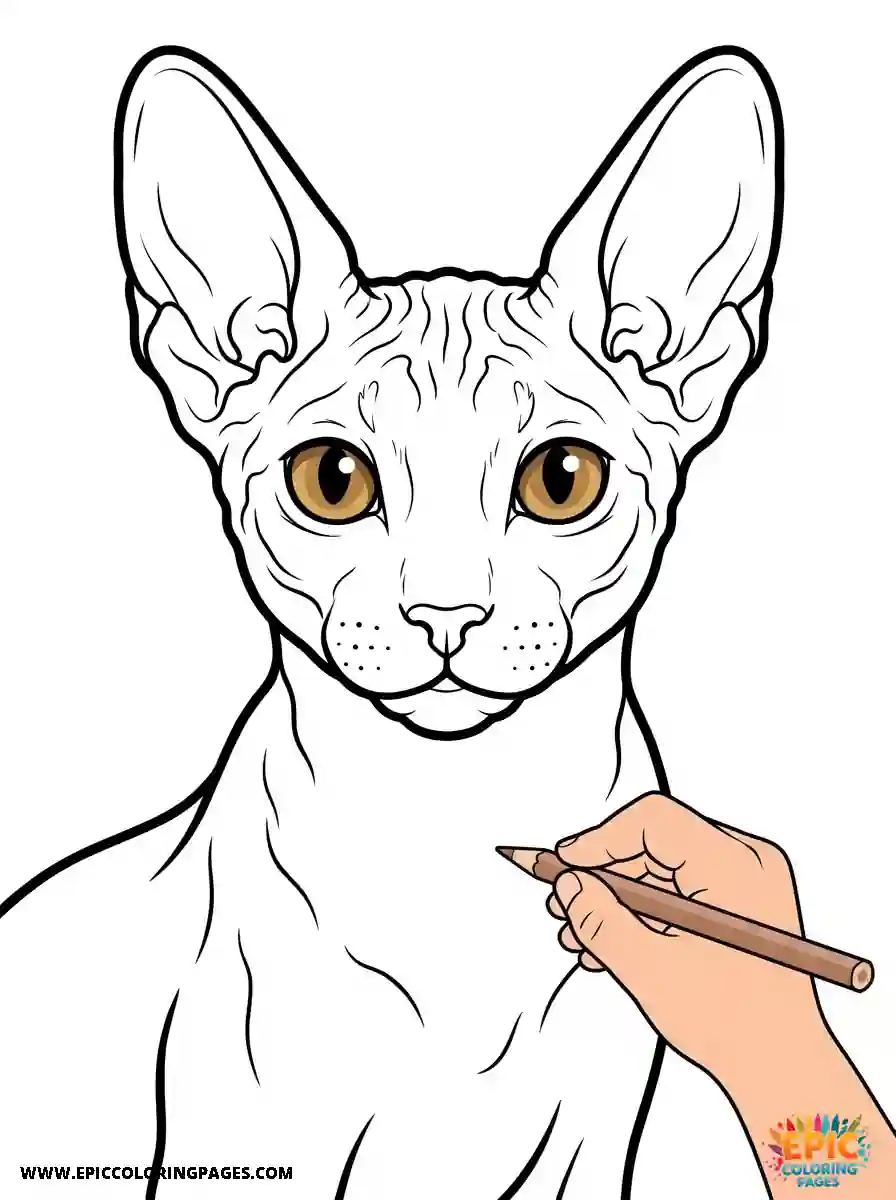
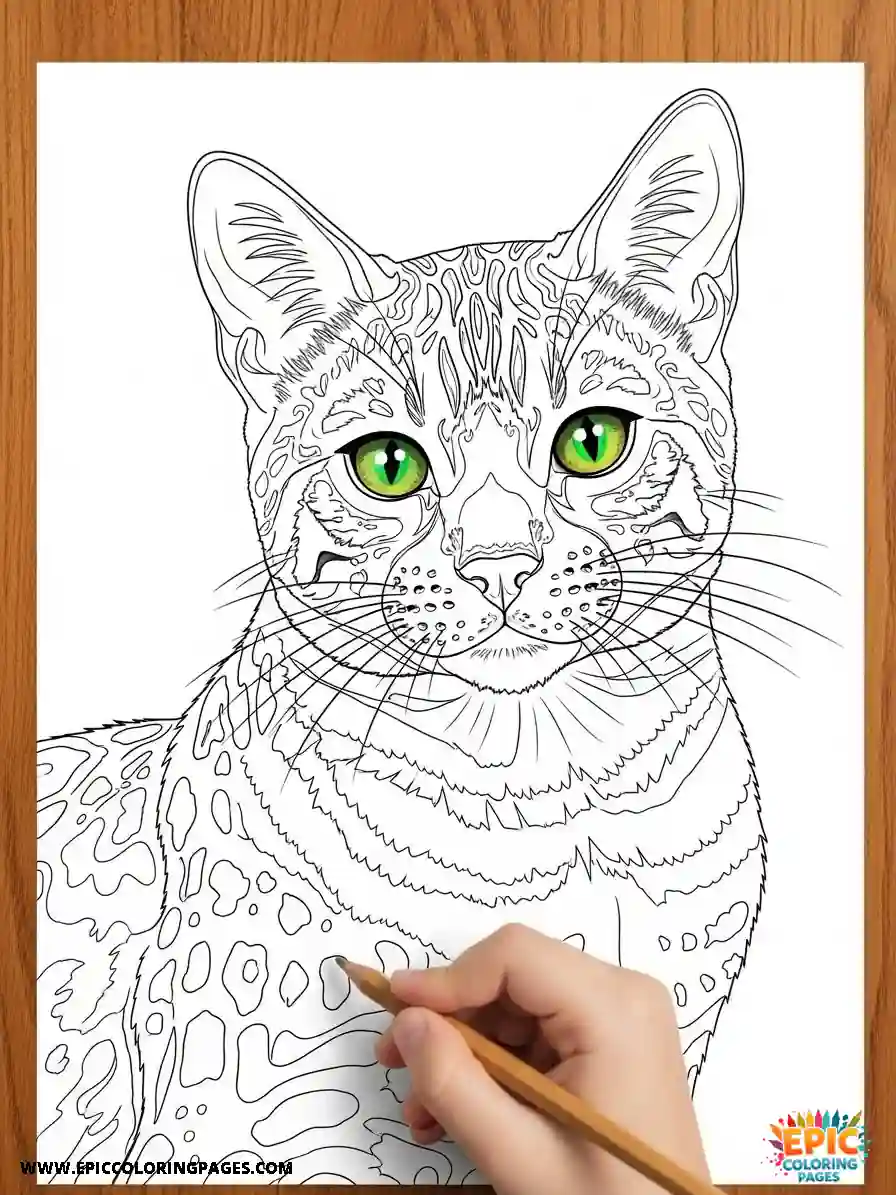
Free printable American Wirehair Cat coloring Sheets featuring a cute cat with thick lines and textured fur

๐ŸŽจ Free Interactive Editor - Customize Your Coloring Pages

Click on any image to open our FREE editor and add personalized text, emojis, zoom in for details, and save in professional 300 DPI quality!

โœ๏ธ

Add Text

11+ fonts

๐Ÿ˜Š

Emojis

500+ items

๐Ÿ”

Zoom

Precision

๐Ÿ’พ

Save

300 DPI

Texturing the "Steel Wool" Coat

The main challenge in coloring an American Wirehair is representing the harsh and springy texture of the coat without making it look messy. Our gallery focuses on these specific physical traits to help you distinguish them from regular farm cats.

  • Crimped Whiskers: One of the easiest ways to identify this breed is by the whiskers. In our detailed portraits, you will notice the whiskers are bent, crinkled, or curled rather than straight and long.

  • The Ringlet Effect: On the head and ears, the fur often forms tight ringlets. You can simulate this texture by using small circular motions with your pencil instead of long, smooth strokes.

  • Muscular Build: Beneath the wiry coat, these cats share the same powerful and rectangular body shape as the American Shorthair. Our action scenes highlight this medium-to-large bone structure, showing that despite their frizzy look, they are athletic working cats.

Complete Gallery of American Wirehair Coloring Sheets

More Cat Drawings

Love these? Don’t stop here! Continue your coloring adventure with our massive Cat Coloring Pages hub or check out other unique breeds below.

Professional tips and techniques for coloring American Wirehair cats

The American Wirehair cat is a uniquely textured breed with a distinctive wiry, crimped coat that sets it apart from all other felines. When coloring these special cats, you have an opportunity to explore texture, light, and the subtle variations that make each Wirehair truly individual.

Understanding the American Wirehair's Unique Coat

Before you begin coloring, it’s helpful to understand what makes this breed special. The American Wirehair’s coat appears springy and dense, with each hair crimped or hooked at the ends. This creates a coat that looks almost like steel wool or a lamb’s fleece quite different from the sleek fur of most cats. Even their whiskers are often curly or kinked!

This texture affects how light interacts with their fur. Instead of smooth, glossy reflections, Wirehairs have a more matte, almost rough appearance that scatters light in interesting ways. When coloring, think about how you can suggest this texture without making the coat look messy or unkempt.

Color Palette Selection

American Wirehairs come in nearly every cat color and pattern imaginable solid colors, tabbies, calicos, tortoiseshells, and bi-colors. The most common colors include:

Solid colors: White, black, blue (gray), cream, and red (orange) Tabby patterns: Classic, mackerel, spotted, and ticked patterns in brown, silver, red, blue, or cream Bi-colors and calicos: Combinations of white with other colors

For beginners, I recommend starting with a single solid color or a simple tabby pattern. This allows you to focus on mastering the texture before tackling complex color combinations.

Creating the Wiry Texture

Here’s where your coloring brings the American Wirehair to life:

  • Layering approach: Start with a base color slightly lighter than your desired final shade. Apply this evenly across the coat area. Then, using short, irregular strokes in a slightly darker shade, build up texture. These strokes should go in multiple directions not all smoothly aligned to suggest the crimped, springy nature of the coat.
  • Avoiding smooth blending: Unlike coloring a Persian or Siamese where you want smooth gradients, the Wirehair benefits from a slightly rougher technique. Don’t blend colors completely smooth. Leave tiny gaps and irregularities that suggest the coat’s texture.
  • Stippling technique: For advanced colorists, try stippling (creating patterns with small dots) in areas where you want to show the densest coat texture, particularly around the neck ruff and hindquarters. Use two or three values of your chosen color, placing darker dots more densely in shadow areas.
  • Directional texture lines: While the coat is wiry, it still follows the cat’s body contours. Draw your texture marks following the direction of fur growth downward on the legs, forward on the face, radiating from the shoulder blades on the body.

Working with Tabby Patterns

If your American Wirehair coloring page features a tabby pattern, you’re working with two levels of detail: the underlying stripes or spots AND the wire texture.

Layer your work this way: First, establish your tabby markings in a darker shade. These can be relatively smooth at this stage. Then, go back over everything both the base color and the markings with your texture technique. This prevents the markings from looking painted-on and integrates them naturally with the coat.

The “M” marking on a tabby’s forehead is particularly prominent in Wirehairs. Make this area special by using slightly more defined strokes while still maintaining that textured feel.

Eyes: Windows to Personality

American Wirehair eyes come in colors coordinating with their coat gold, green, blue-green, or copper are most common. White Wirehairs may have blue eyes or even odd eyes (one blue, one gold).

For realistic eye coloring, remember that cat eyes aren’t a single solid color. Start with a lighter shade around the pupil, deepen the color toward the outer edge, and add a ring of even darker color at the very rim. Leave white highlights to show the reflective quality typically a bright spot near the top and a smaller reflection opposite it.

The area around the eyes often has slightly shorter, sparser fur. Use lighter pressure and fewer texture marks here to show this subtle difference.

Shadow and Light on Textured Fur

The wiry coat creates different shadow patterns than smooth fur. Shadows aren’t as deep or clearly defined because the crimped hairs scatter light into shadowed areas.

Use a lighter touch with shadows on a Wirehair. Where you might use a very dark brown or black shadow on a smooth-coated cat, try using a medium value instead. Build shadows gradually with multiple light layers rather than pressing hard with a dark color.

Highlights also work differently. Instead of glossy bright spots, create subtle lighter areas using gentle hatching with a light-colored pencil or by leaving areas less heavily textured.

The Face and Expression

The American Wirehair has a rounded face with prominent cheekbones and a well-developed muzzle. The eyes are large, round, and set wide apart, giving them an open, sweet expression.

When coloring the face, pay attention to the subtle planes: the slightly protruding muzzle, the cheek areas, the forehead. Even though the coat is textured, these structural elements create natural shadow and highlight areas. The bridge of the nose catches light, while the sides of the muzzle often fall into shadow.

The nose leather (the hairless part of the nose) can be pink, brick red, or correspond to coat color. Add a tiny highlight to one side to show its slight moisture and dimension.

Paws and Details

The paw pads match the coat color pink for light colored cats, black for dark ones. When coloring paws, remember that the fur on the paws and between the toes is often slightly softer and less wiry, so you can use a gentler texture technique here.

Those crimped whiskers deserve attention too! Draw them with slight waves or kinks rather than perfectly straight lines. They’re typically white or coordinate with the coat color around the muzzle.

Background Considerations

Your background choice can enhance your Wirehair. Since these cats have a distinctive texture, a simpler background often works best, allowing the cat to remain the focus.

If you want to add environmental elements, consider settings that complement a cat’s personality: a sunny windowsill, a cozy blanket, a garden scene. Use softer, less detailed coloring in the background to create depth and keep attention on your carefully textured cat.

Tools and Materials That Work Best

While any coloring medium can work, some are particularly effective for creating the Wirehair texture:

  • Colored pencils: Excellent for building texture with controlled strokes. Use sharp pencils for fine texture marks and slightly duller points for base layers.
  • Markers: More challenging for texture but possible. Use stippling and quick, light strokes. Marker tips in various shapes (fine point, brush tip, chisel) can help create different effects.
  • Gel pens: Wonderful for adding fine texture details over a colored base, especially white or light-colored gel pens on darker areas.
  • Crayons: Create interesting rough texture naturally due to their waxy composition. Layer lighter colors over darker ones for depth.

Common Mistakes to Avoid

Don’t over-smooth your coloring. The instinct to blend everything perfectly works against you with a Wirehair. Embrace a little controlled roughness.

Avoid using pure black for shadows unless your cat is actually black. Even black cats benefit from shadows in very dark brown or blue-gray.

Don’t make all your texture marks the same length and direction. Vary both to create a more natural, three-dimensional appearance.

Remember that the coat texture is consistent but not identical everywhere. It’s denser on the body and slightly softer on the face and paws.

Bringing It All Together

Coloring an American Wirehair is about balancing structure with texture. Start with the basic shapes head, body, legs, tail. Establish your light source and plan your shadows. Then build your colors in layers, always thinking about that unique coat texture.

Work from light to dark, from general to specific. Get the overall color down first, then add your tabby markings if applicable, then create your texture, and finally add your deepest shadows and brightest highlights.

Most importantly, don’t rush. The texture that makes American Wirehairs special takes time to render convincingly. Put on some music, get comfortable, and enjoy the process of bringing this wonderful breed to life on the page.

Whether you’re coloring for relaxation or working on developing your artistic skills, American Wirehair coloring pages offer a unique challenge that will improve your understanding of texture, light, and color. Each page you complete teaches you something new about observation and technique skills that transfer to all your future coloring projects.

Interesting facts about the American Wirehair Cat

What colors should I use for an American Wirehair cat?

You can use any color! Because the breed comes from the American Shorthair heritage, they appear in all patterns: white, black, blue, cream, red, tabby, and calico. The fun part is focusing on drawing the crimped texture rather than just the color.

It is all in the coat! Every single hair on their body is bent or hooked at the tip, including the hair inside their ears and their whiskers. This gives them a hard, springy coat that feels similar to lamb’s wool or steel wool.

No, they are not. Neither the American Wirehair nor their close cousin, the American Shorthair, is considered hypoallergenic. Both breeds shed moderately and produce dander containing the Fel d 1 protein, which is the primary cause of cat allergies in humans.

The easiest way is to look at the whiskers and coat. If the whiskers are crimped, bent, or crinkled, and the coat feels springy, coarse, and dense (bouncing back when you pat it), it likely has the wirehair gene.

Since the American Wirehair is a mutation of the American Shorthair, they have the same dietary needs! They require a high-protein diet rich in meat (chicken, turkey, fish). Because they are sturdy, muscular cats, it is important to measure their food to prevent obesity, as both breeds love to eat!

Yes, very! They are known for being quiet, gentle, and adaptable. They are often described as “clowns” but are not hyperactive. They love being part of the family and are excellent with children and other pets.

Item adicionado!