Free Printable Animal Coloring Pages (The Ultimate Collection)
The animal kingdom is a vast and diverse realm, ranging from the beloved domestic companions that share our homes to the prehistoric giants that once ruled the Earth. This comprehensive archive serves as a gateway to exploring biology through art, offering a curated selection of species across different families and eras. Whether you are studying the mammalian anatomy of a canine or the fossilized structure of a Cretaceous reptile, these animal coloring pages provide an educational and creative way to engage with nature.
Our collection is organized to help artists of all levels explore the unique textures and adaptations of wildlife. From the soft fur of household pets to the rough scales of dinosaurs, each illustration is designed to teach observation skills. By categorizing our library into distinct groups, we make it easy to find specific breeds and species, ensuring that whether you are a parent, teacher, or enthusiast, you have immediate access to high-quality, scientifically inspired resources.

🎨 Free Interactive Editor - Customize Your Coloring Pages
Click on any image to open our FREE editor and add personalized text, emojis, zoom in for details, and save in professional 300 DPI quality!
Add Text
11+ fonts
Emojis
500+ items
Zoom
Precision
Save
300 DPI
Click any coloring page to start customizing!
Explore the Animal Kingdom by Category
Biology classifies animals into distinct groups based on their characteristics. Use the sections below to navigate to our specific collections, where you will find hundreds of detailed pages dedicated to each species.
Tips for Coloring Different Animal Textures
Animals possess a wide variety of skin coverings that require different coloring techniques to look realistic. Here is how to approach the main types found in our collection:
Fur and Hair (Cats & Dogs)
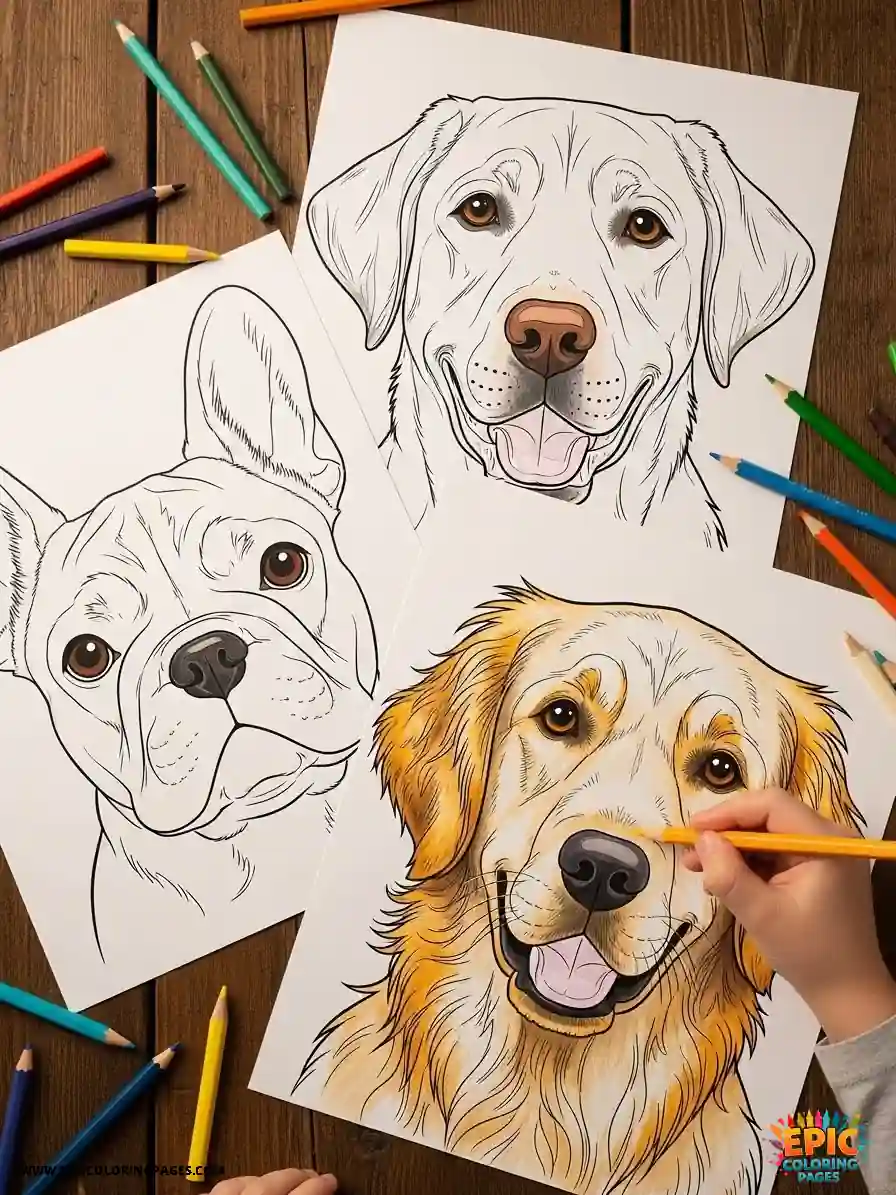
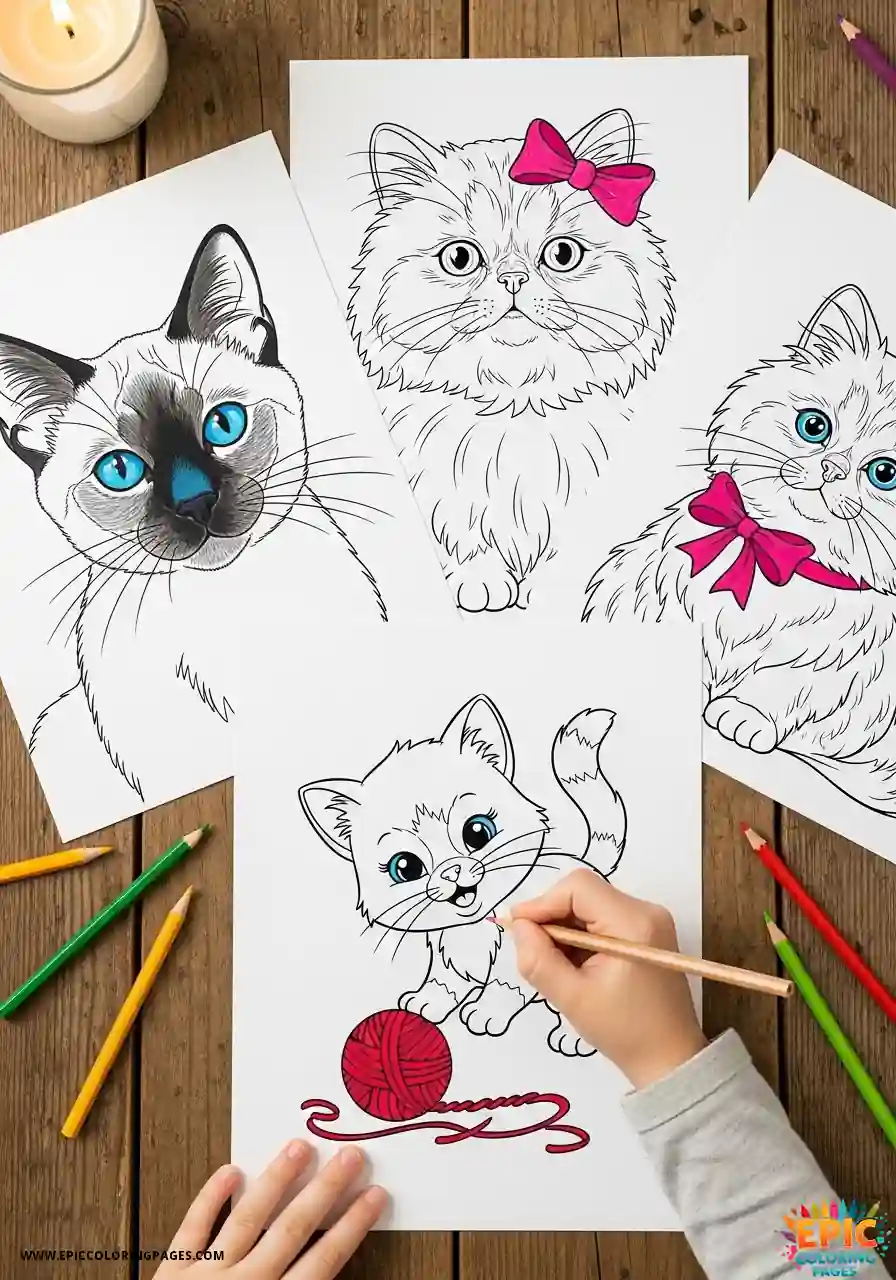
Instead of coloring in solid blocks, use short, quick pencil strokes to mimic the growth direction of the hair. Layer multiple shades like cream, ochre, and brown to create depth and softness, especially around the neck and tail where fur is often longer.
Scales and Rough Skin (Dinosaurs)
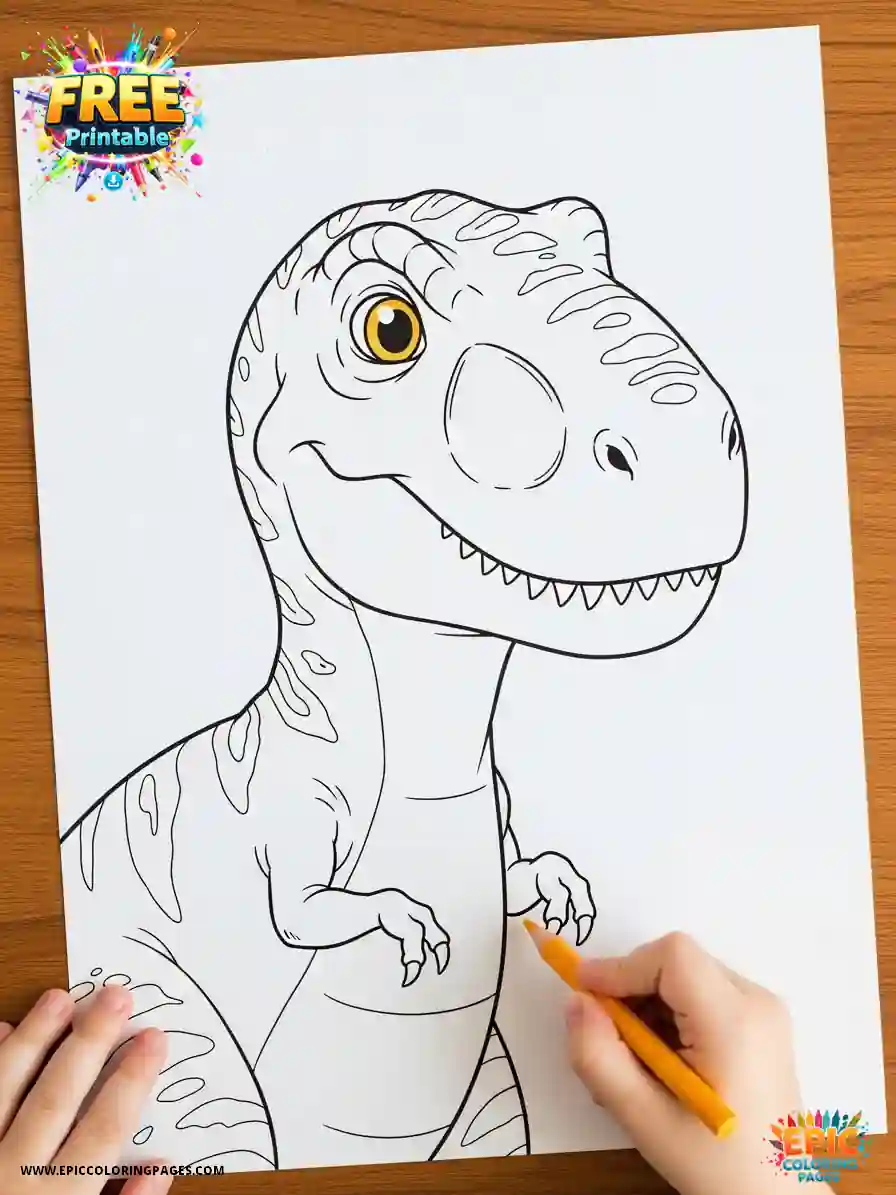
For reptiles and prehistoric creatures, use a “stippling” technique (dots) or cross-hatching to create a rough, bumpy texture. Darker shading between the scales helps define them, making the skin look armored and tough compared to the softness of mammals.
Frequently Asked Questions
Here’s a pro trick, blend the edges where the points meet the body. Real Siamese cats have a subtle gradient the color doesn’t stop abruptly. Use light pressure to feather the dark color slightly into the lighter body color. This small detail makes a huge difference in realism!
Are these animal coloring pages free for educational use?
Yes. All resources in this collection are completely free and formatted for easy printing. They are widely used by teachers for biology lessons, veterinary anatomy study, and classroom activities, as well as by parents for homeschooling.
What age groups are these designs suitable for?
We have structured our categories to include varying levels of complexity. You will find simple, thick-lined outlines of animals for toddlers developing motor skills, alongside scientifically accurate sketches of muscles and skeletal structures for older students and adults.
How do I achieve the best print quality?
To preserve the fine details of fur and scales, we recommend printing on high-quality white paper or cardstock. All images are high-resolution PDFs, ensuring that the lines remain crisp whether you are printing a small card or a full A4 sheet.