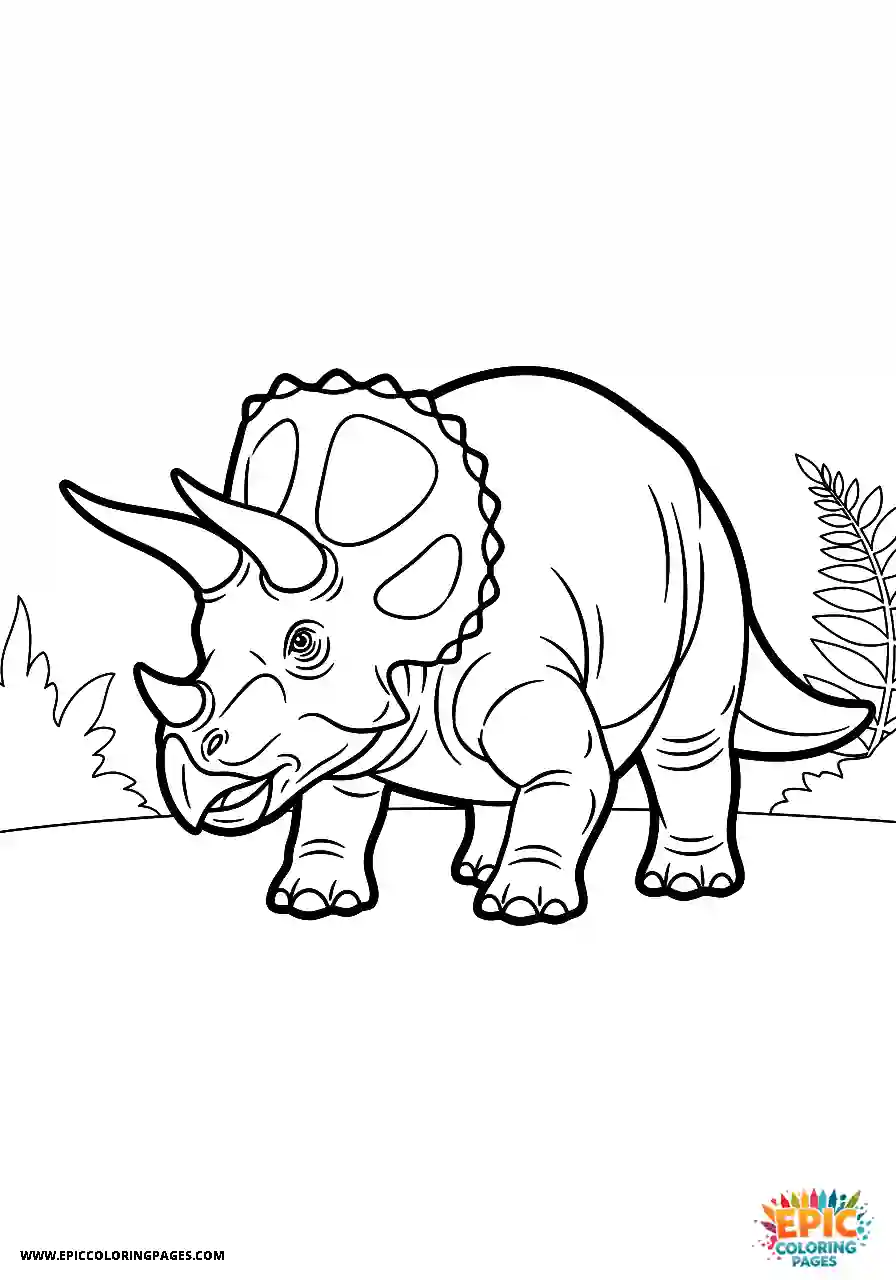
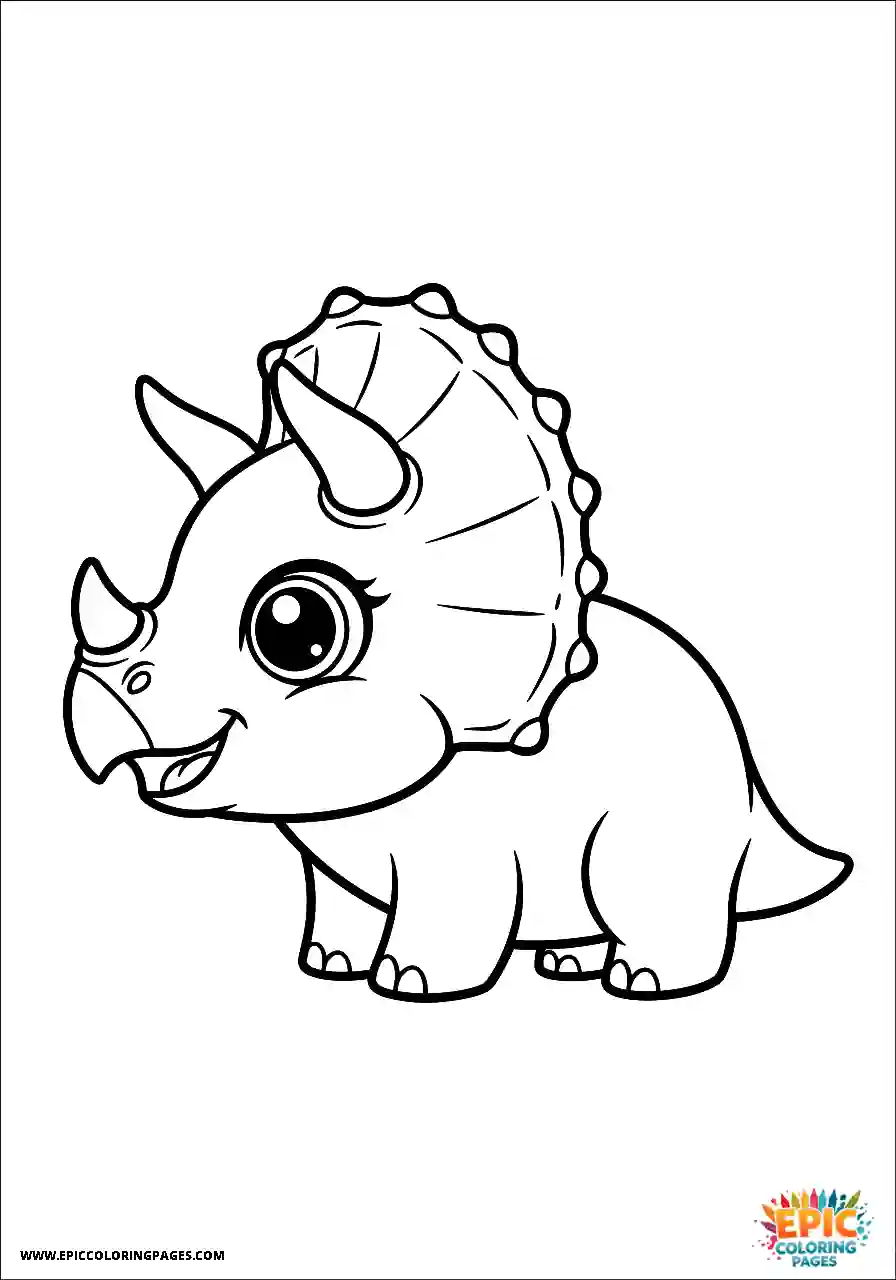
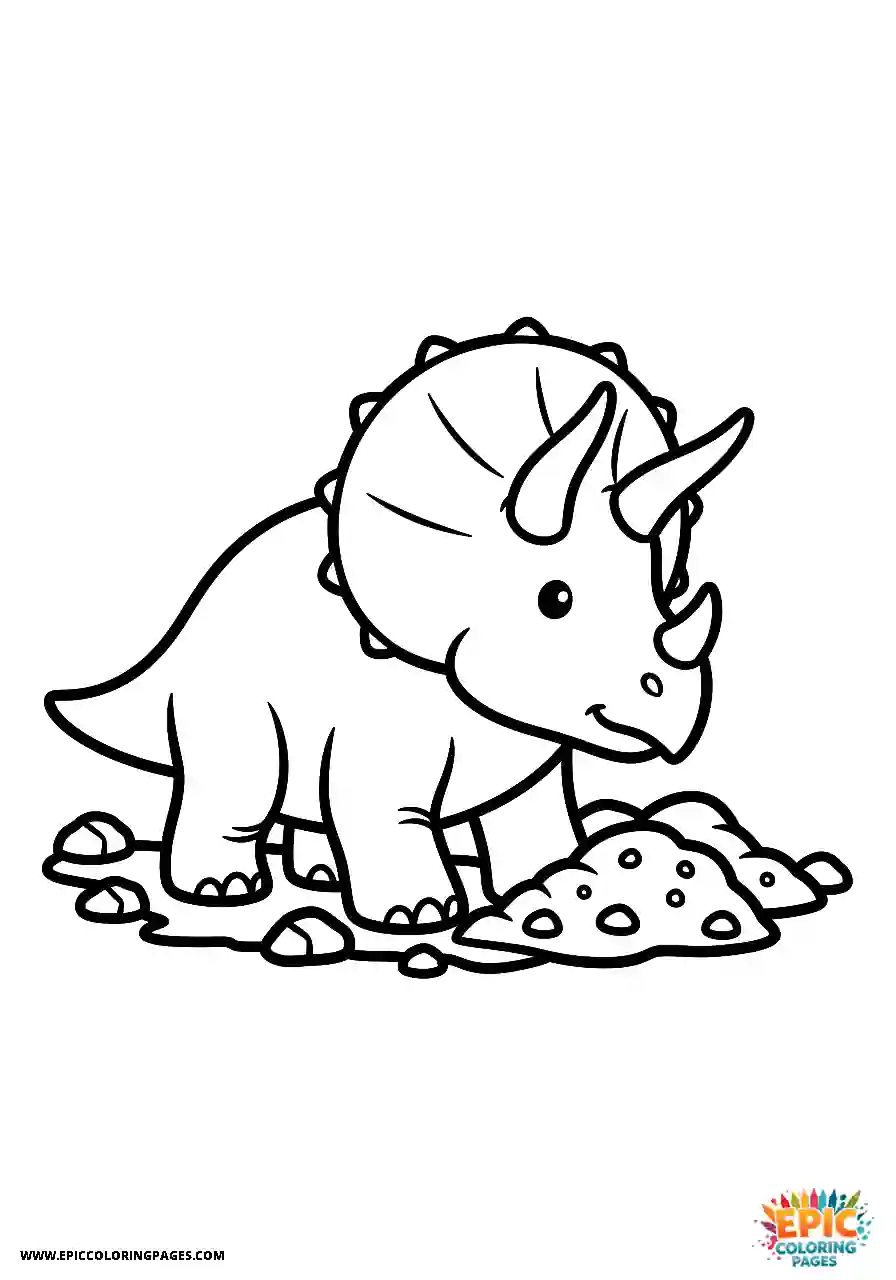
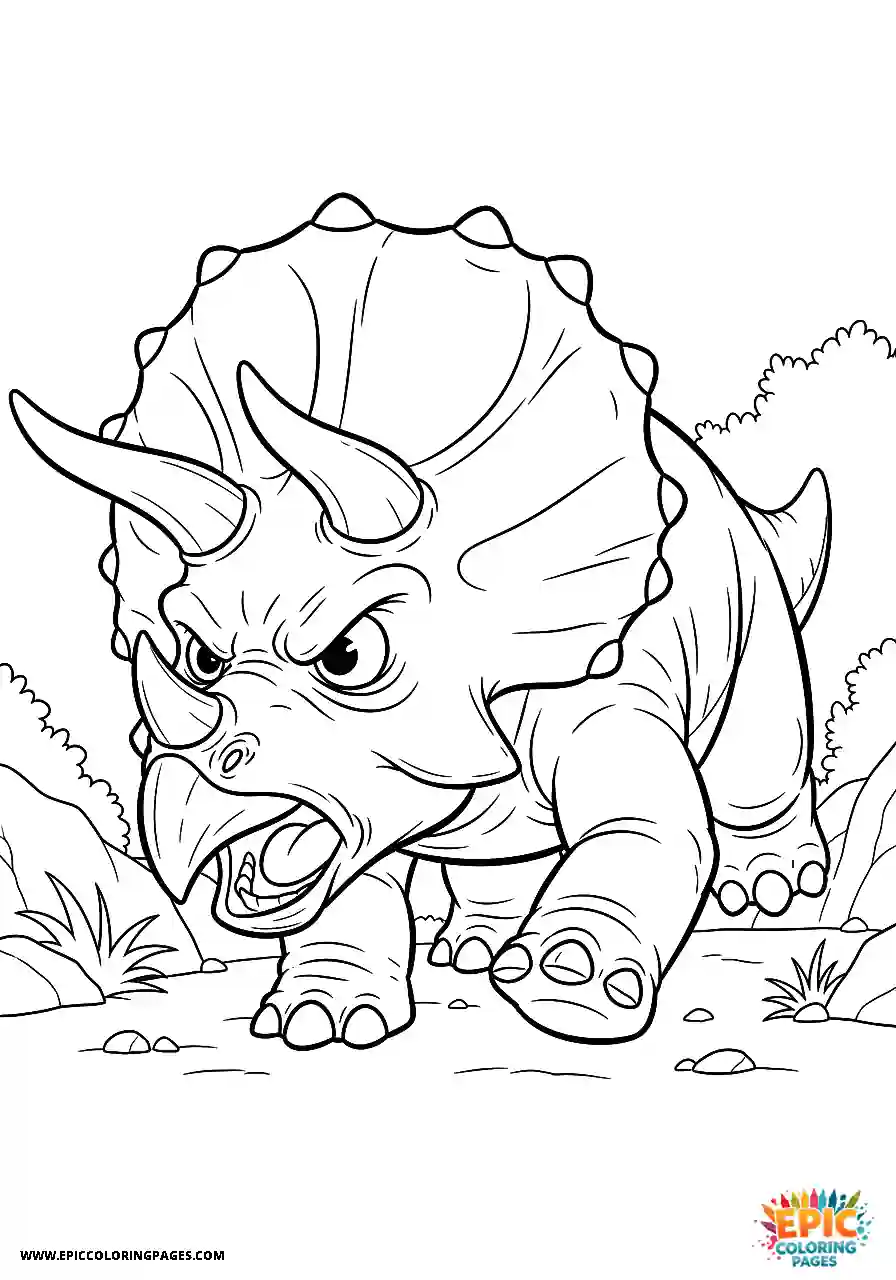
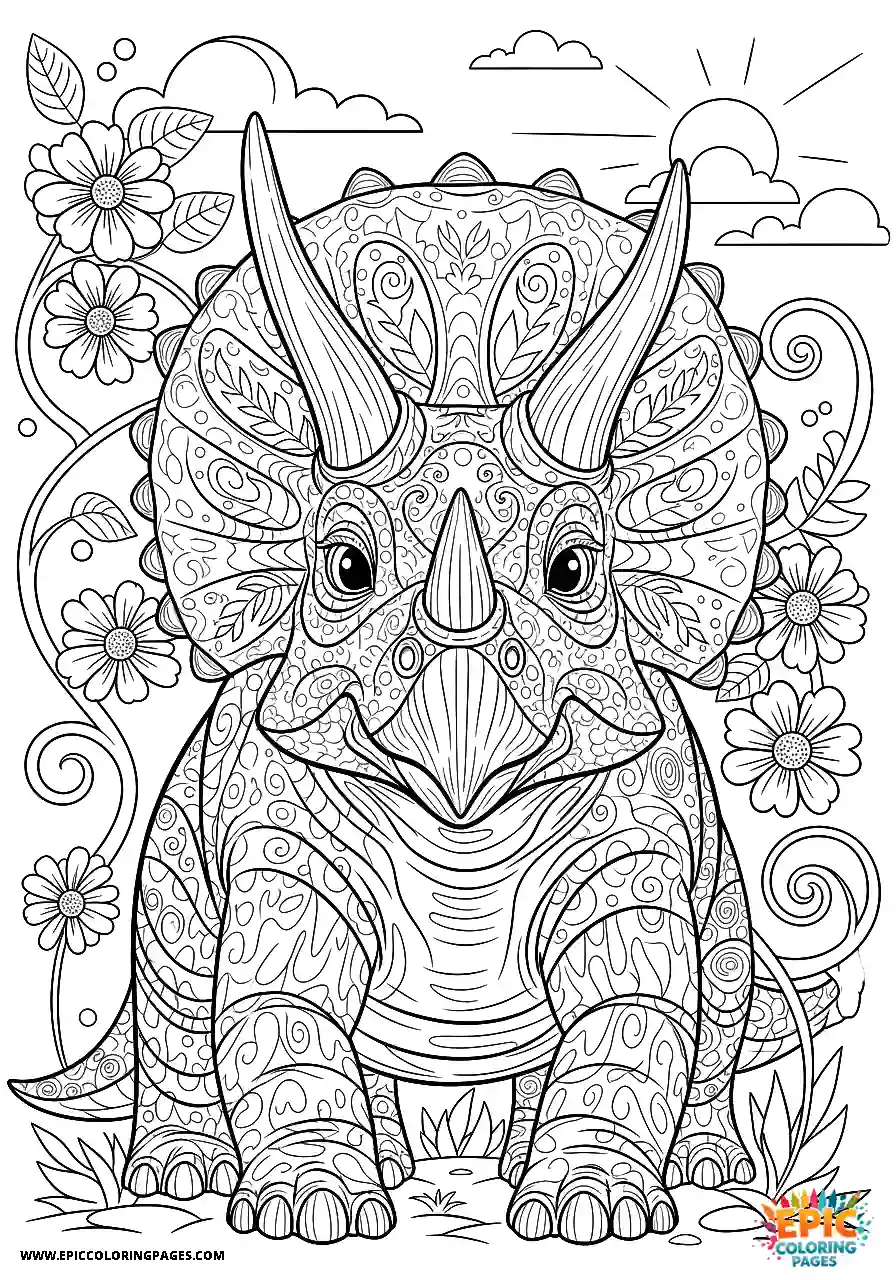
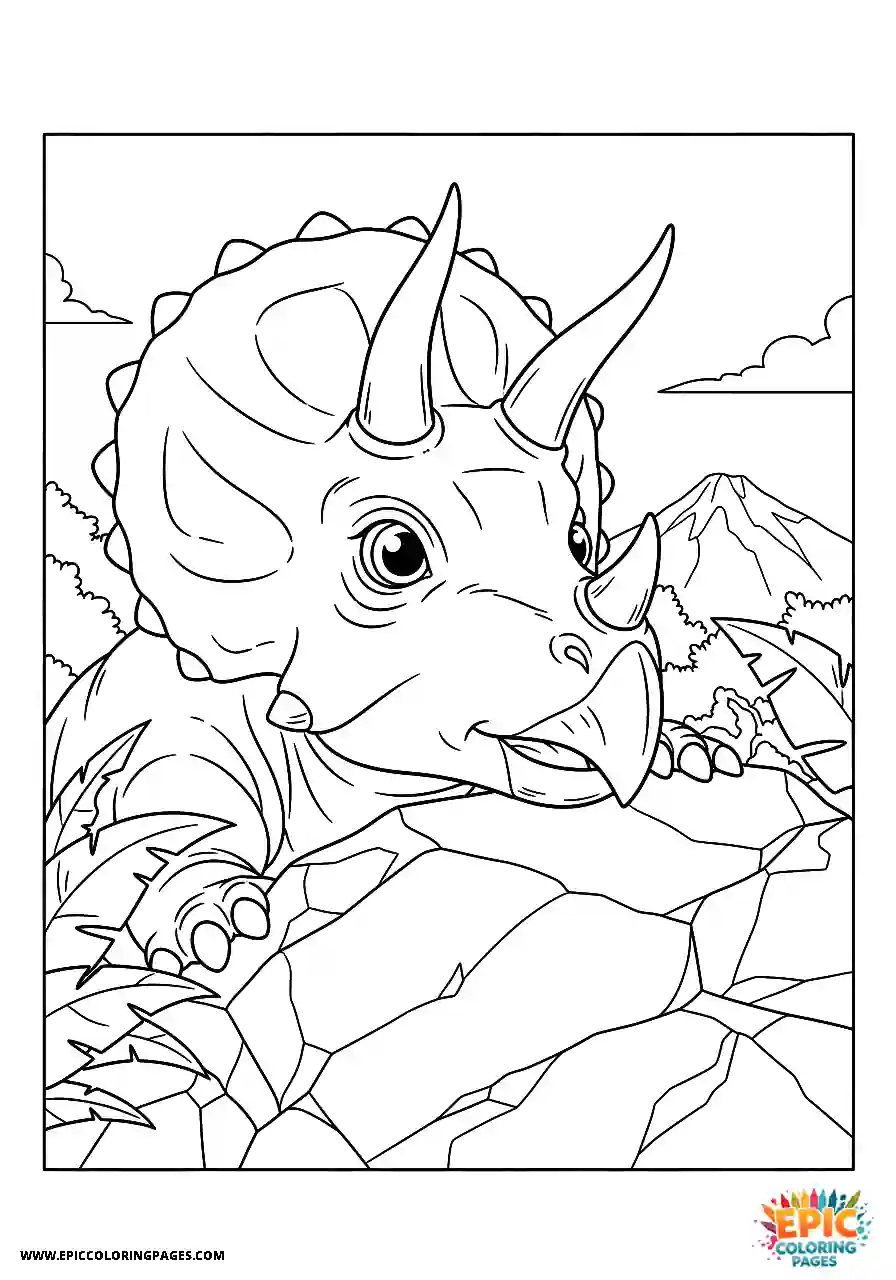
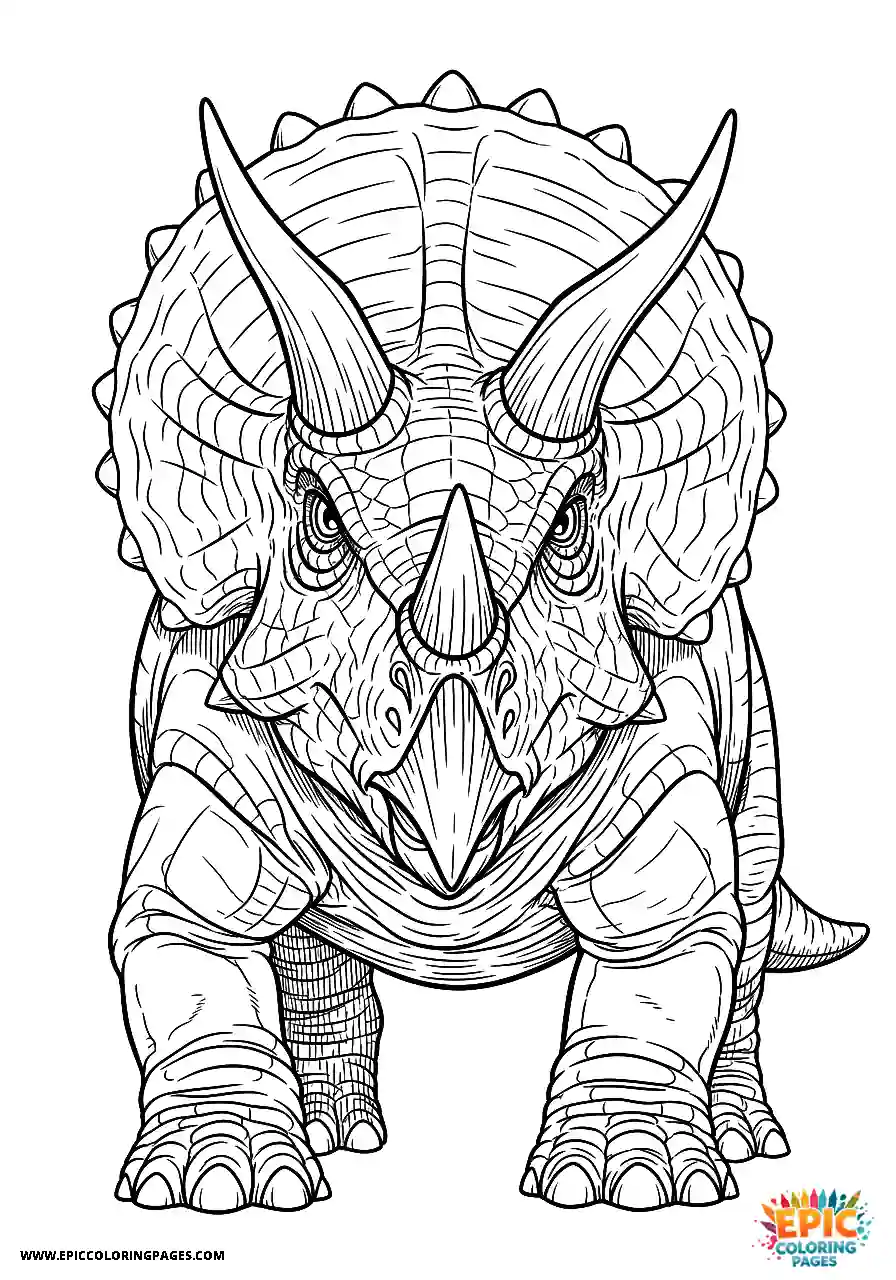
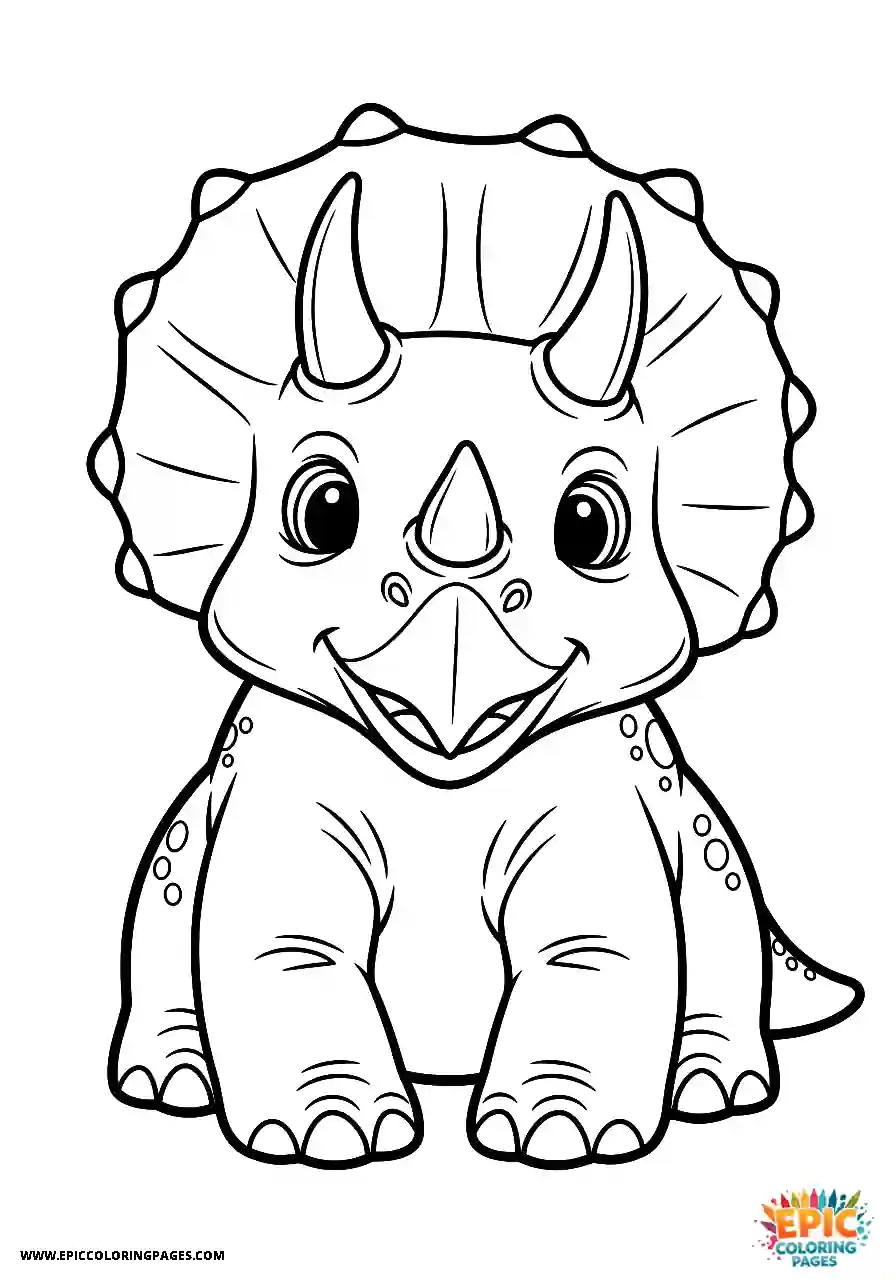
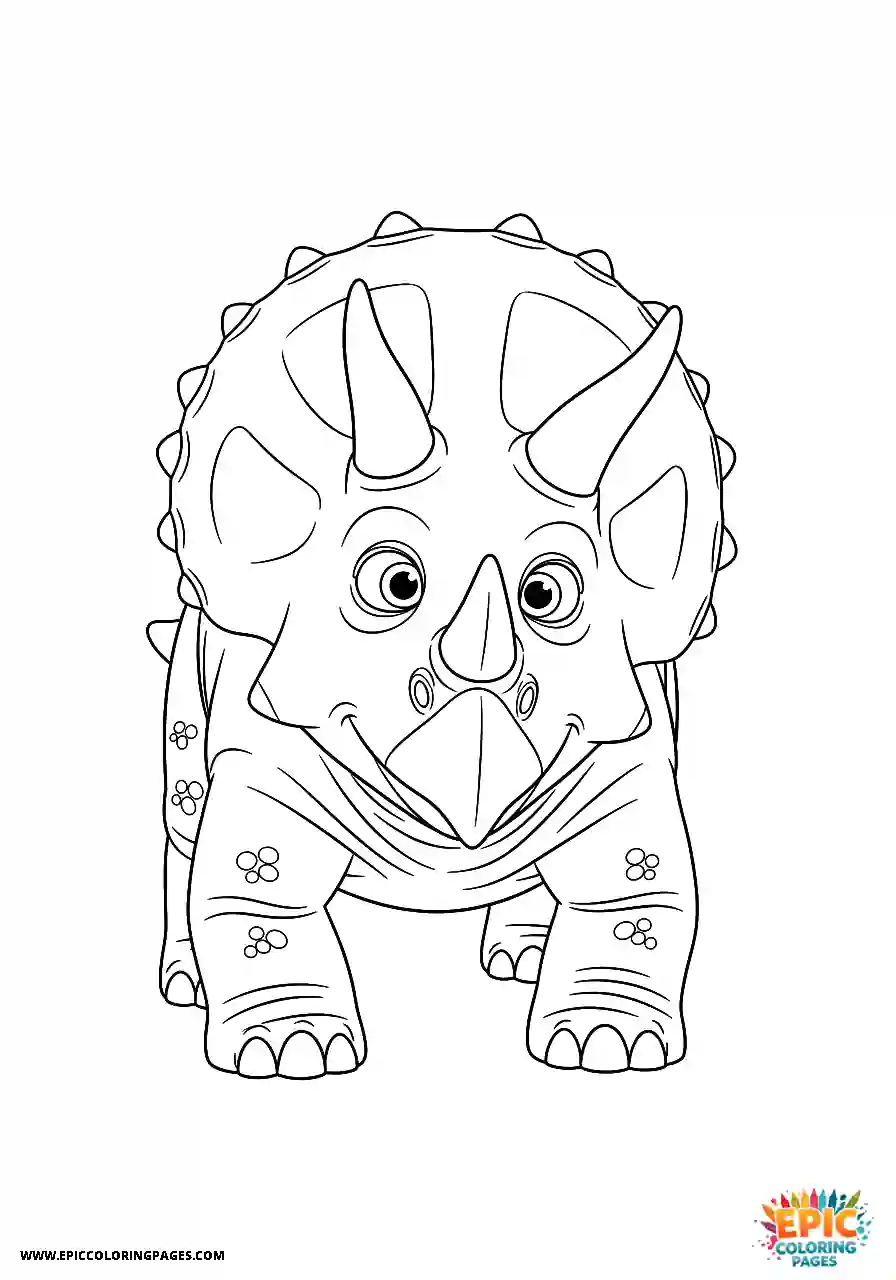
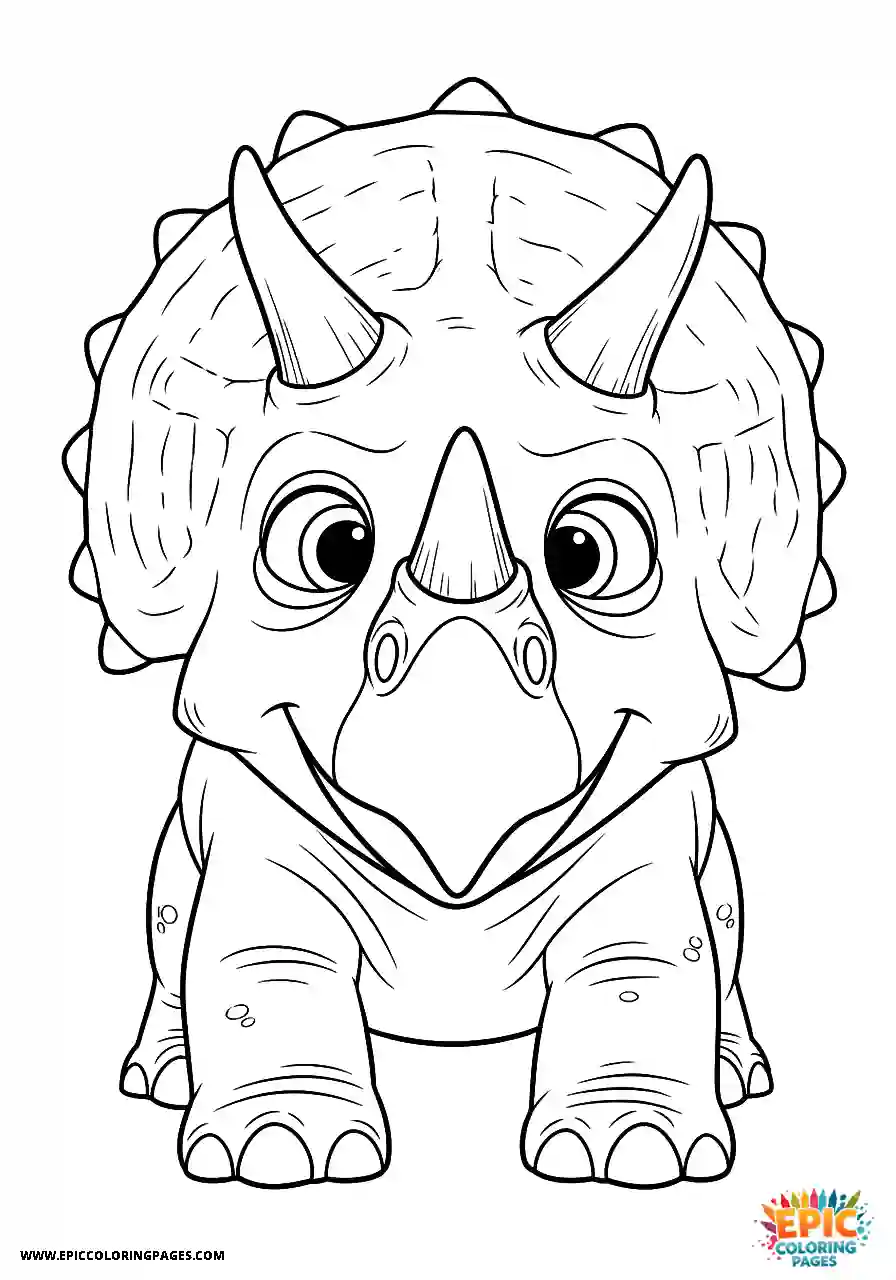
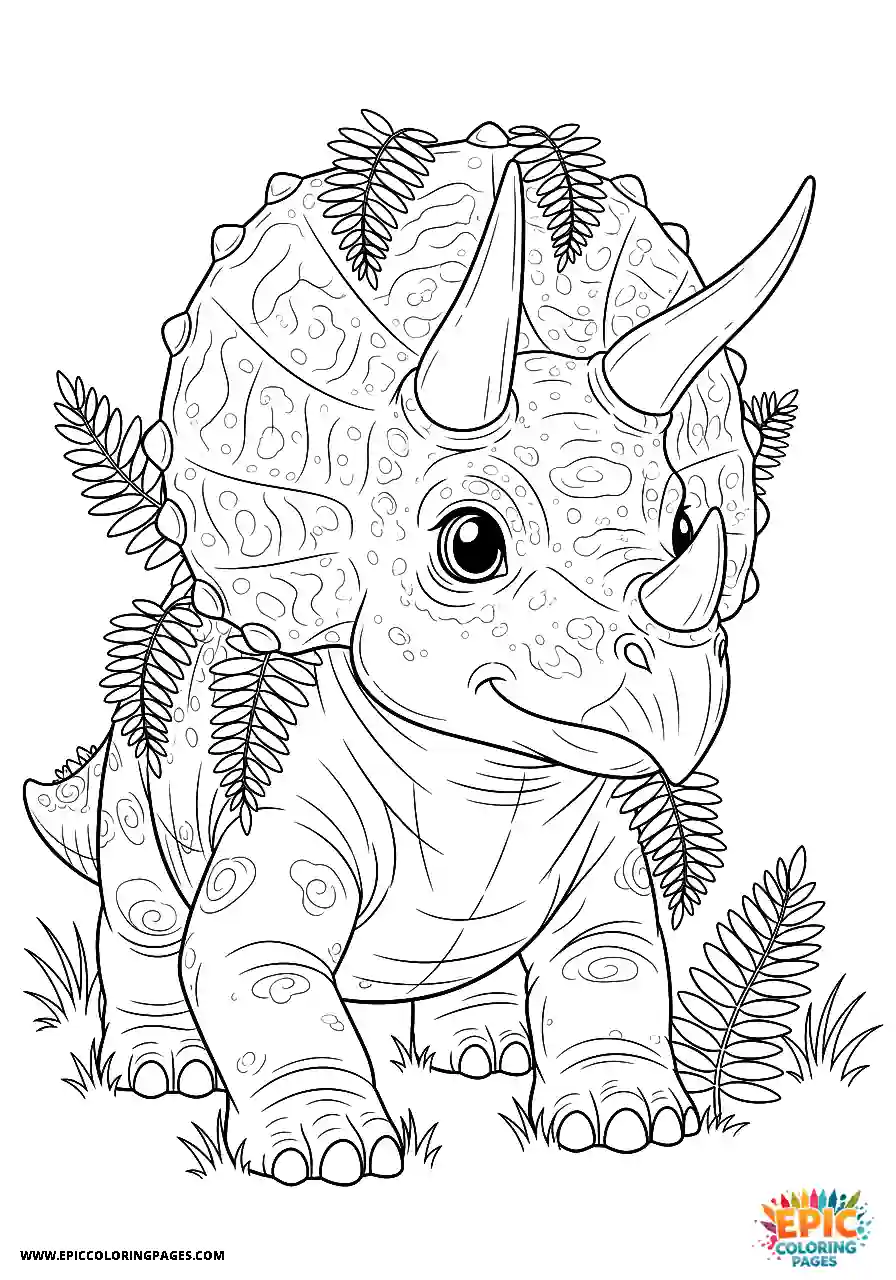
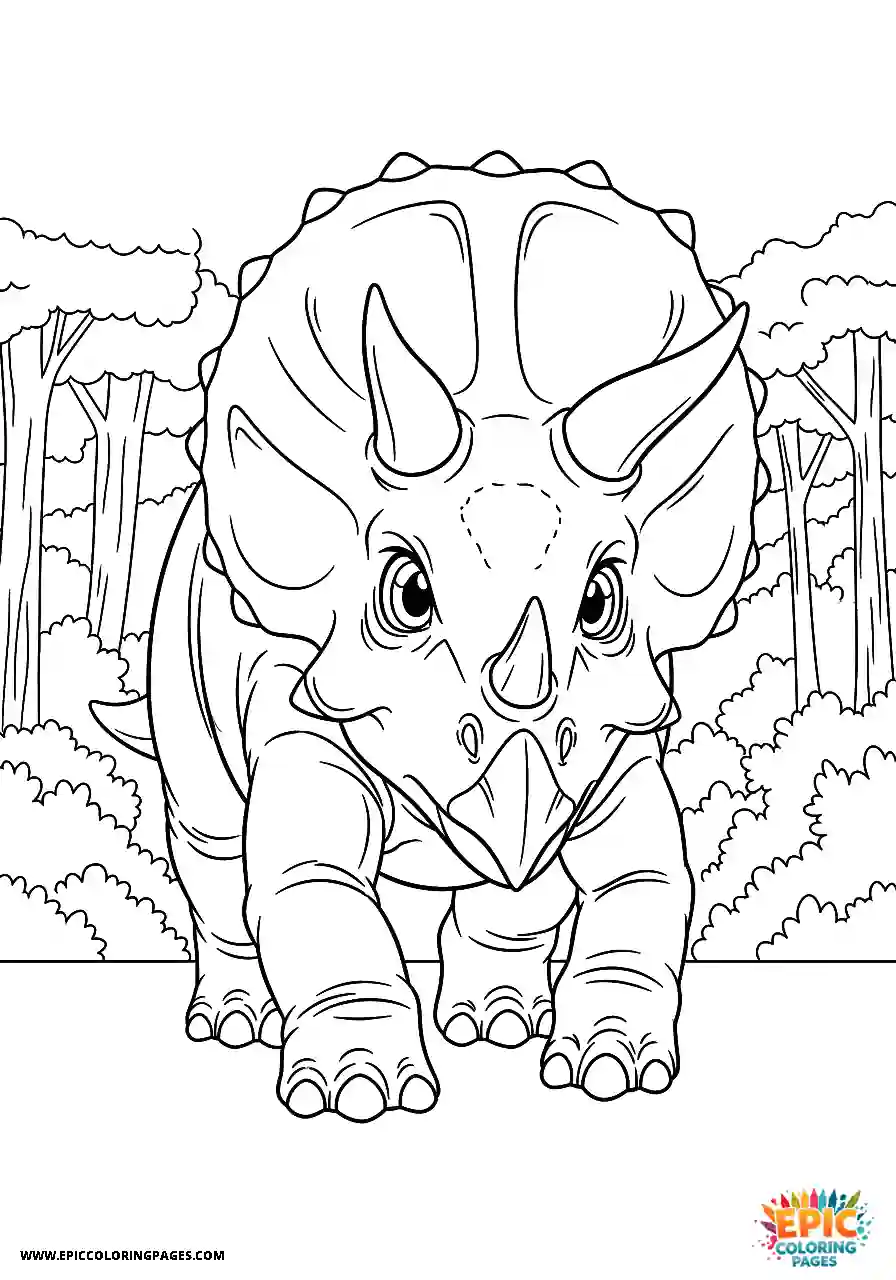
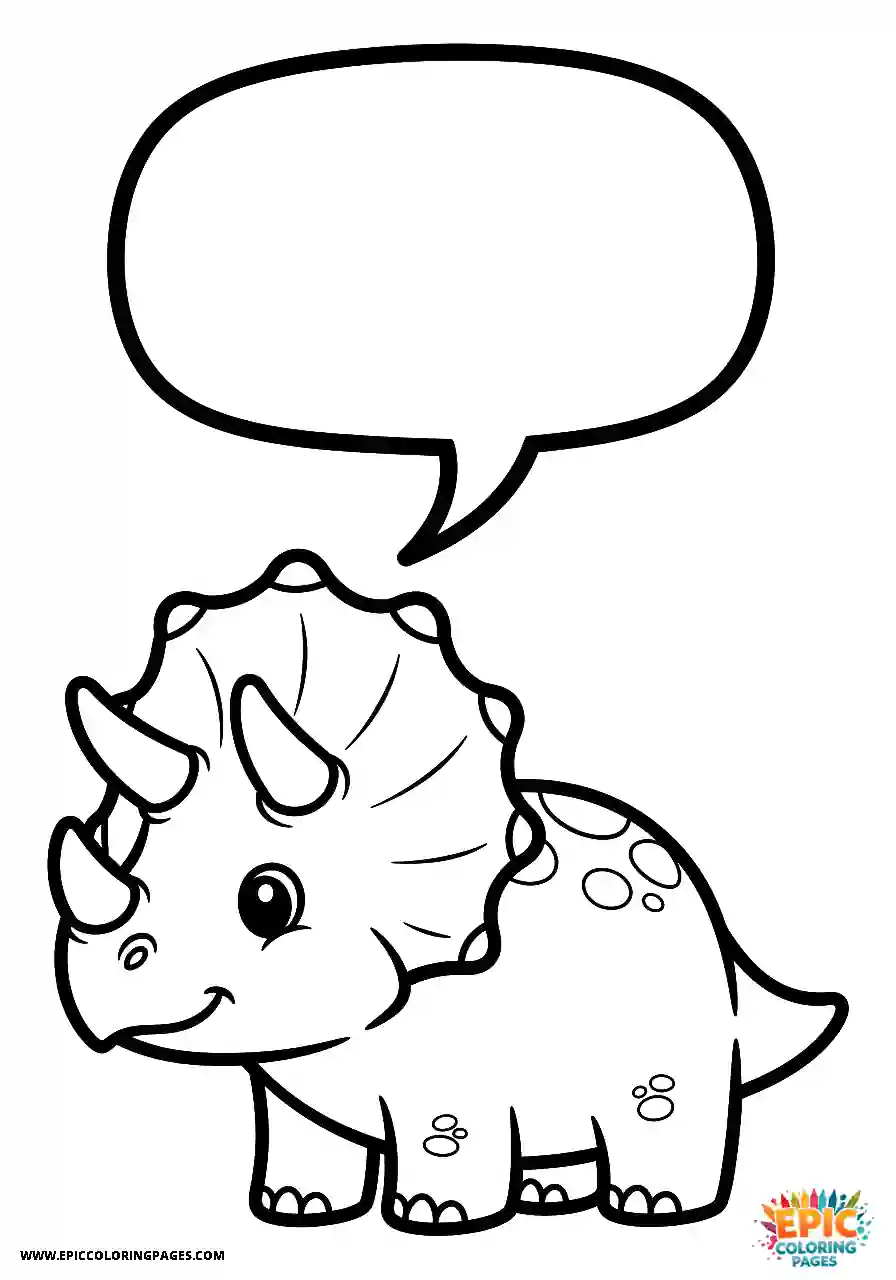
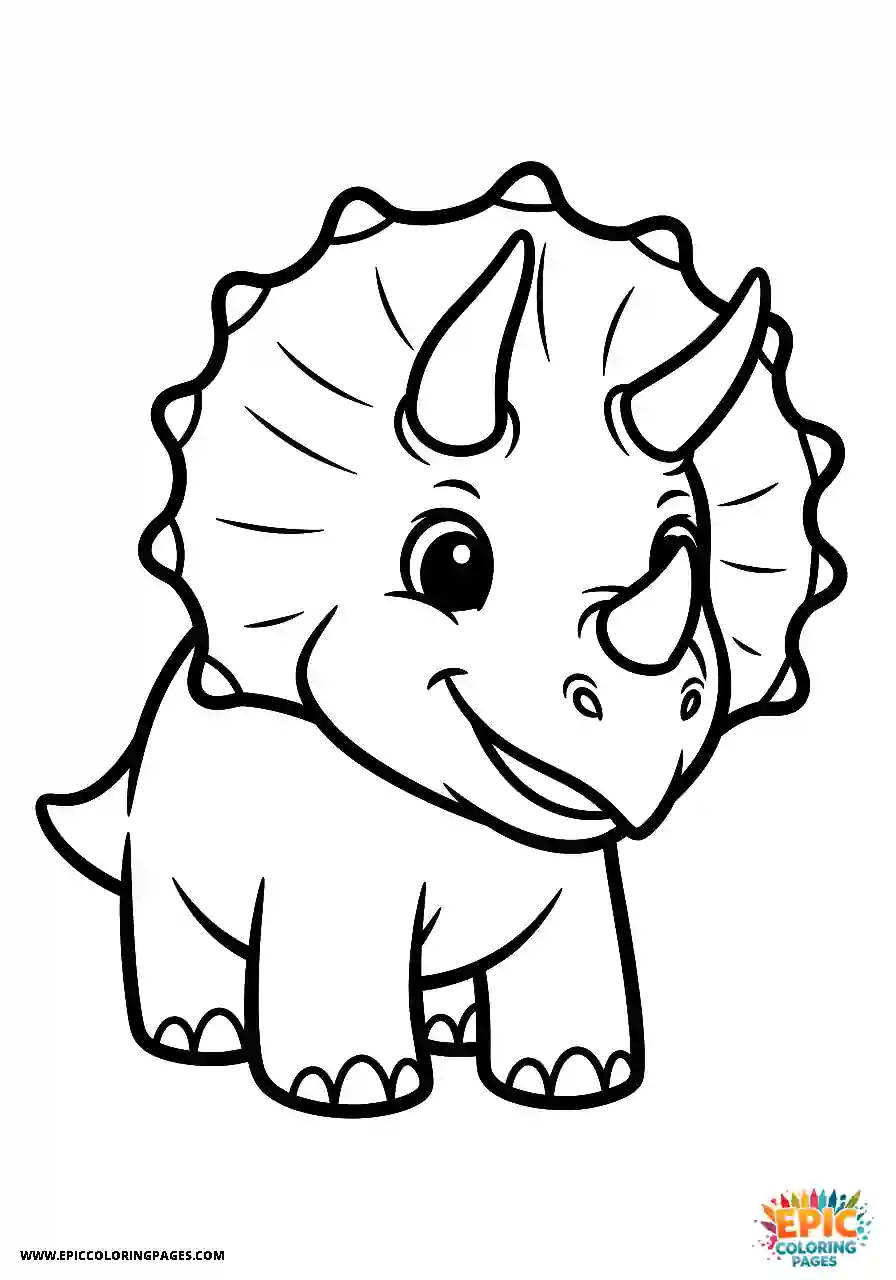
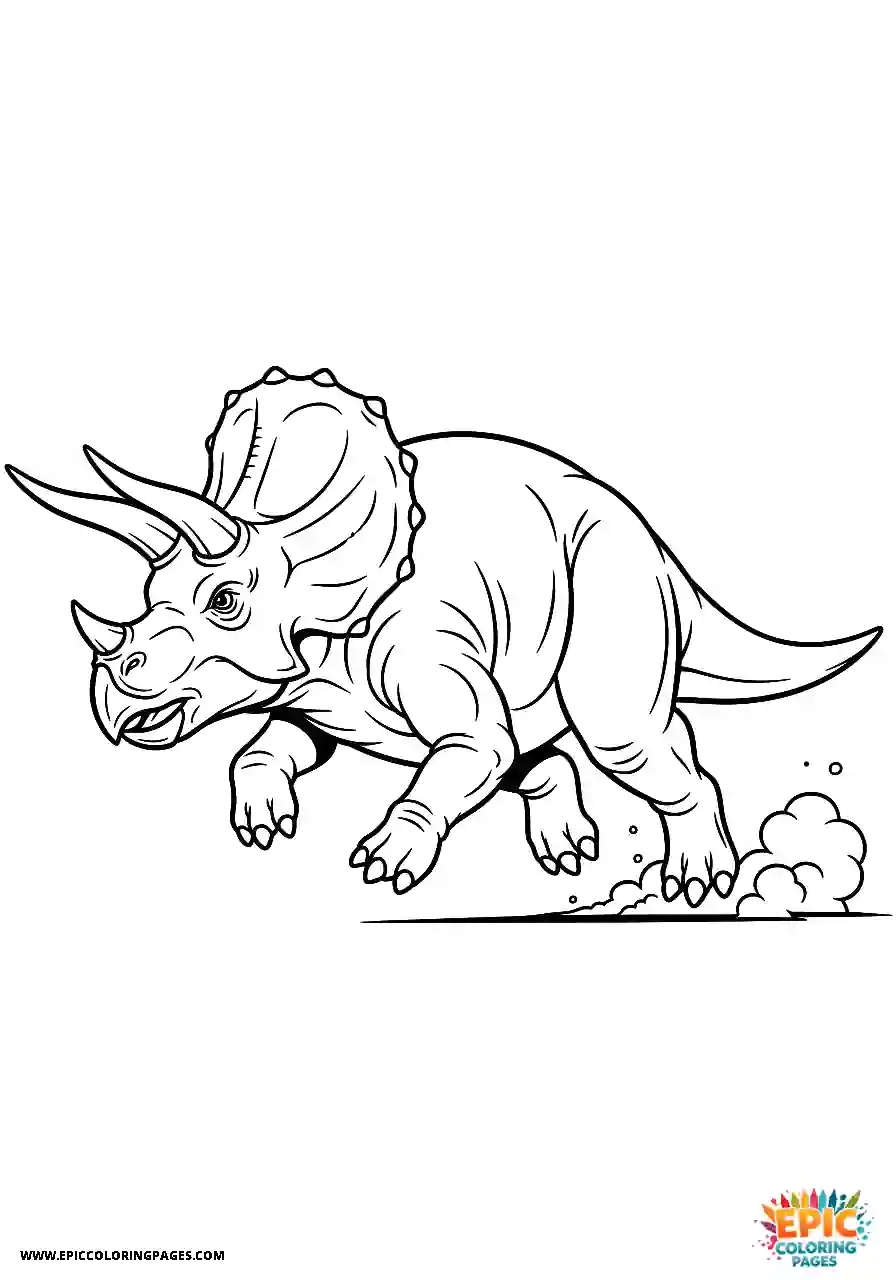
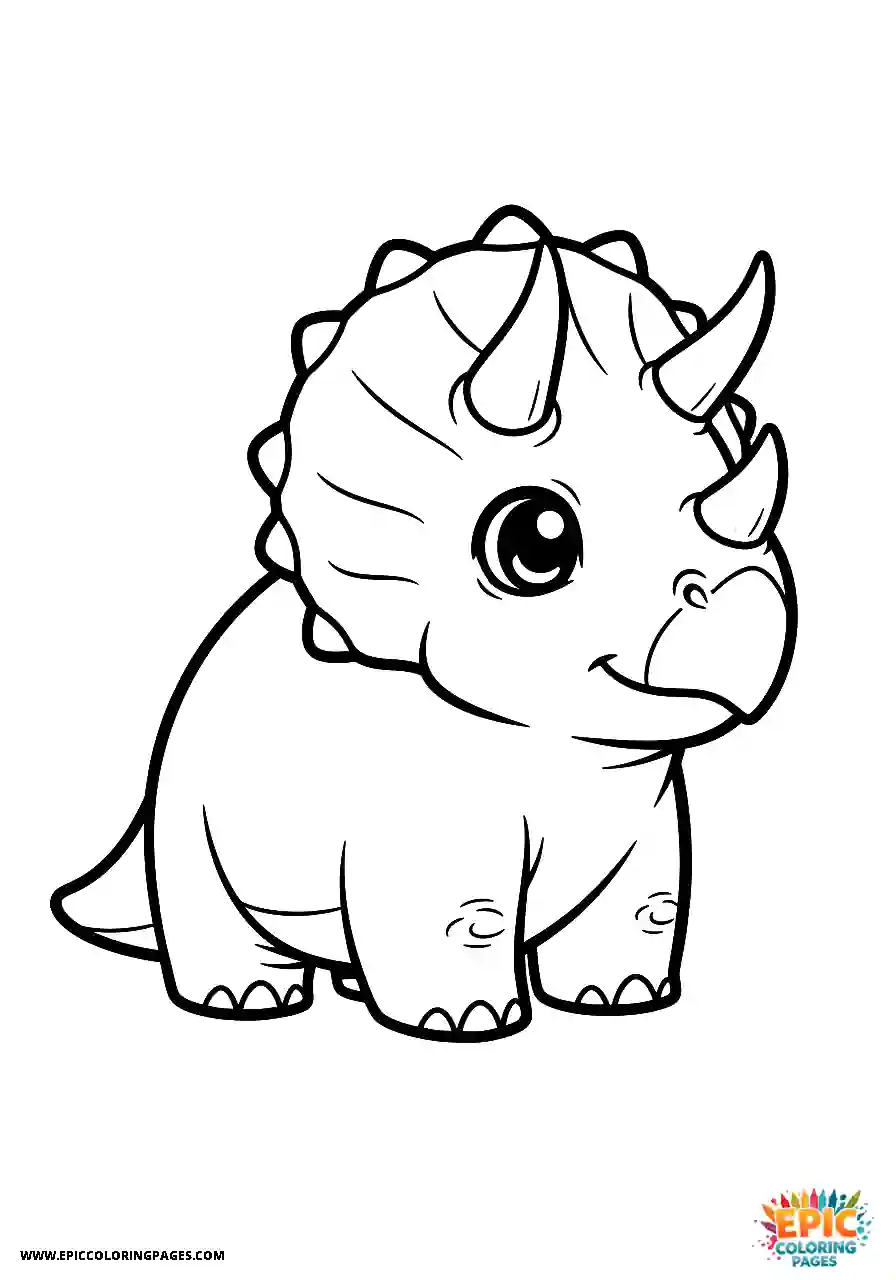
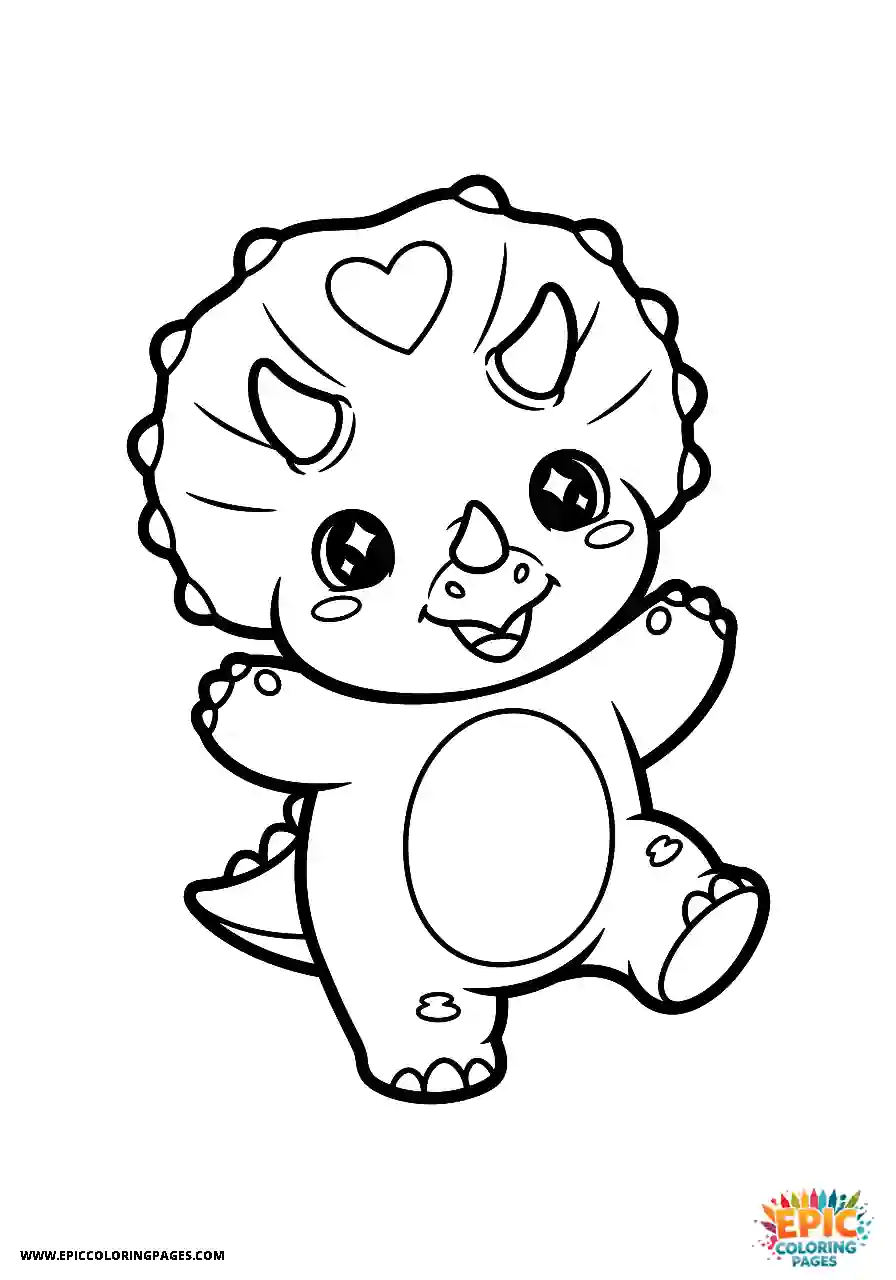
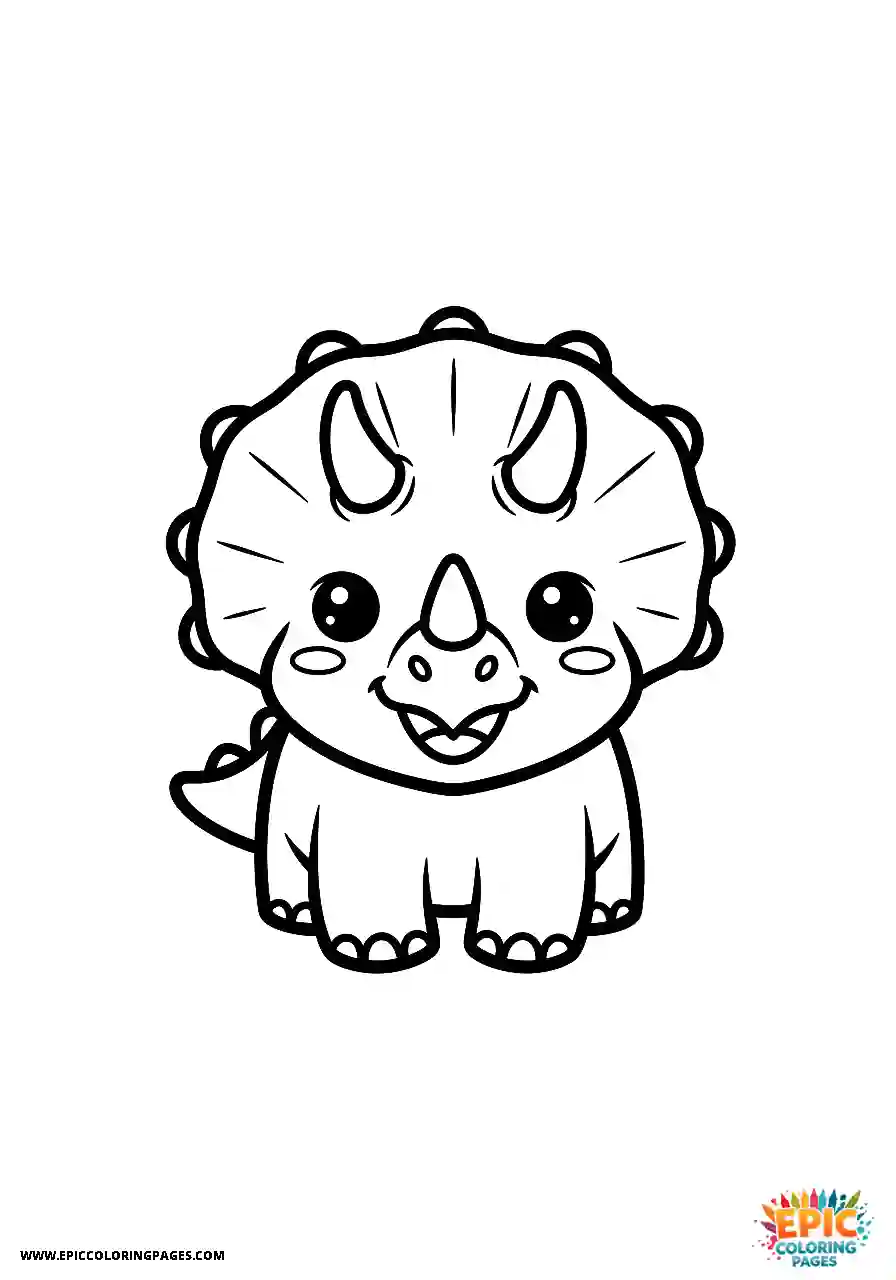
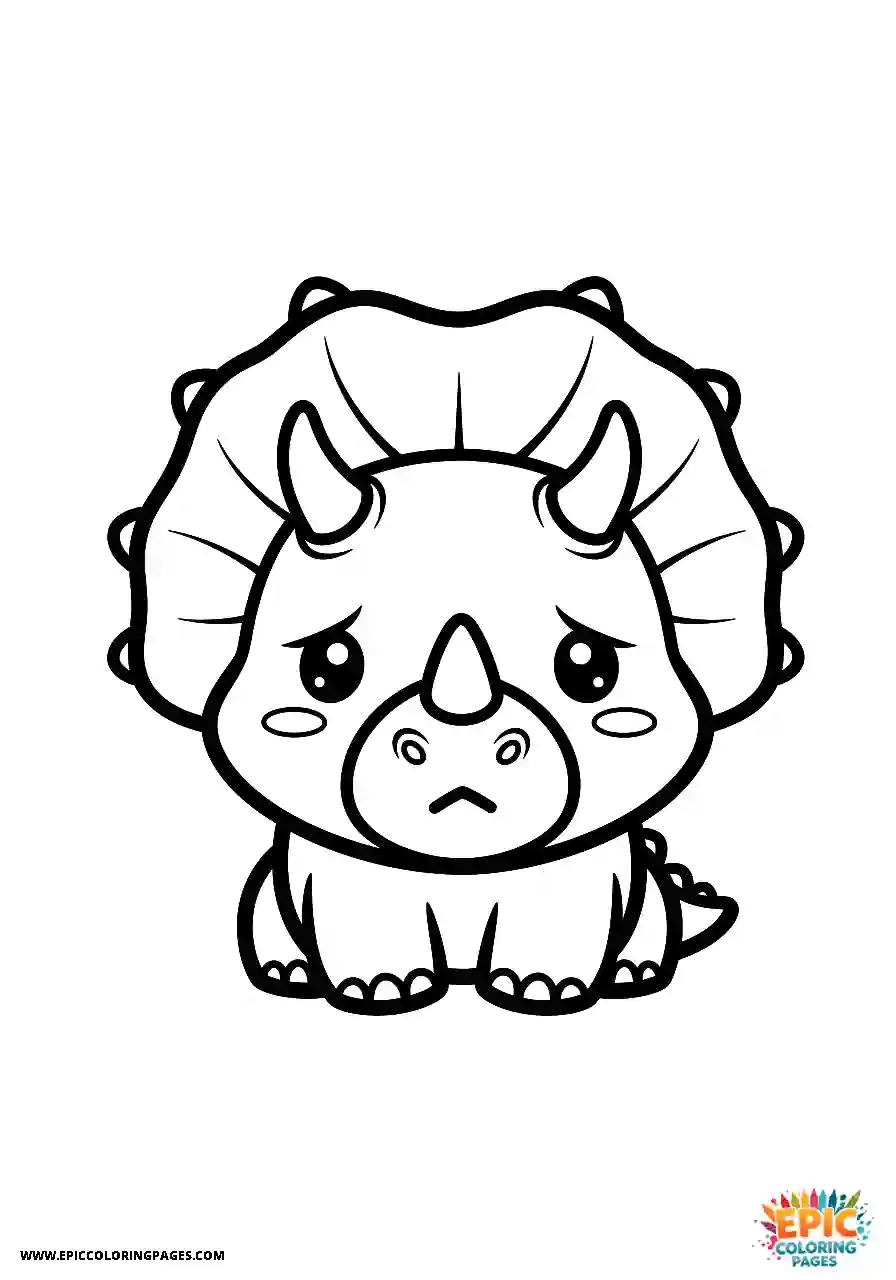
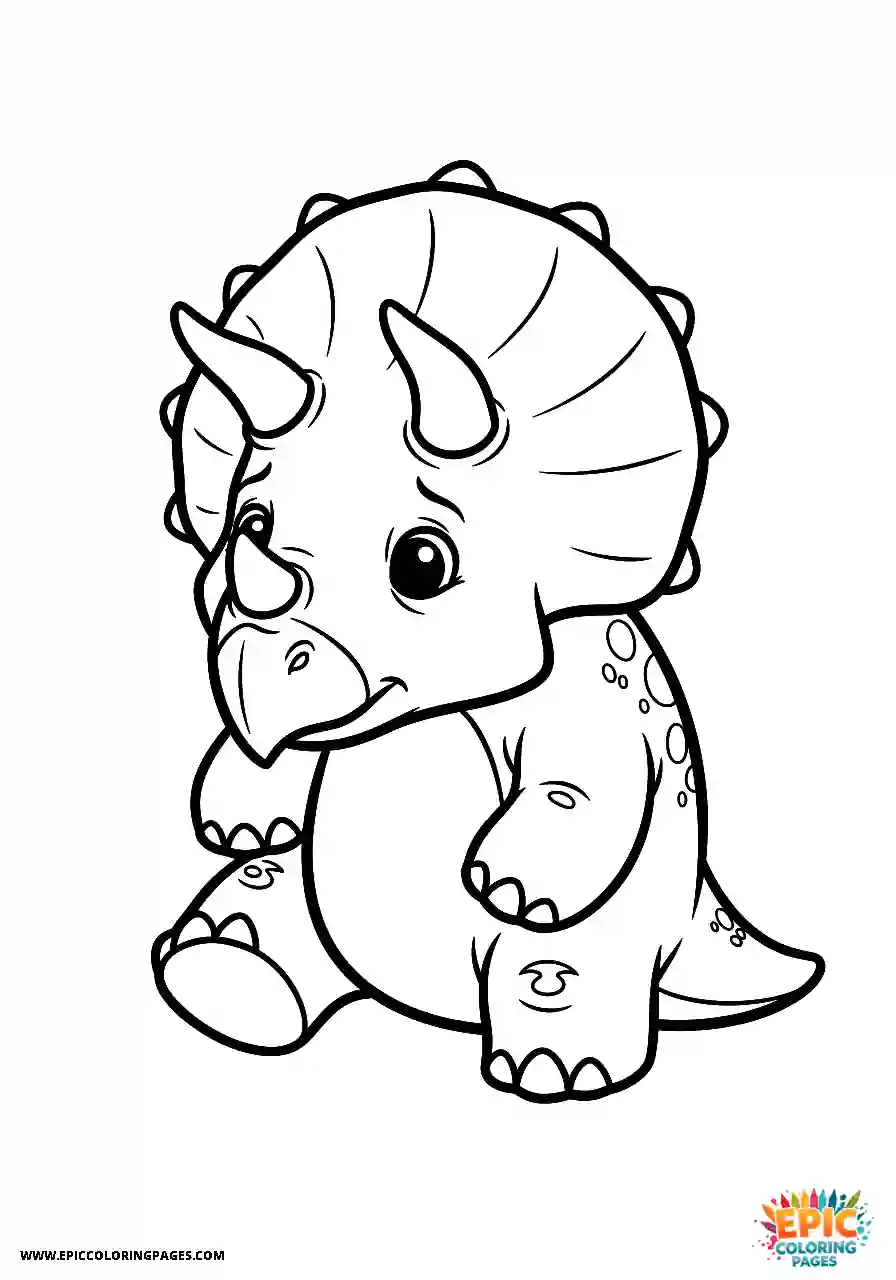
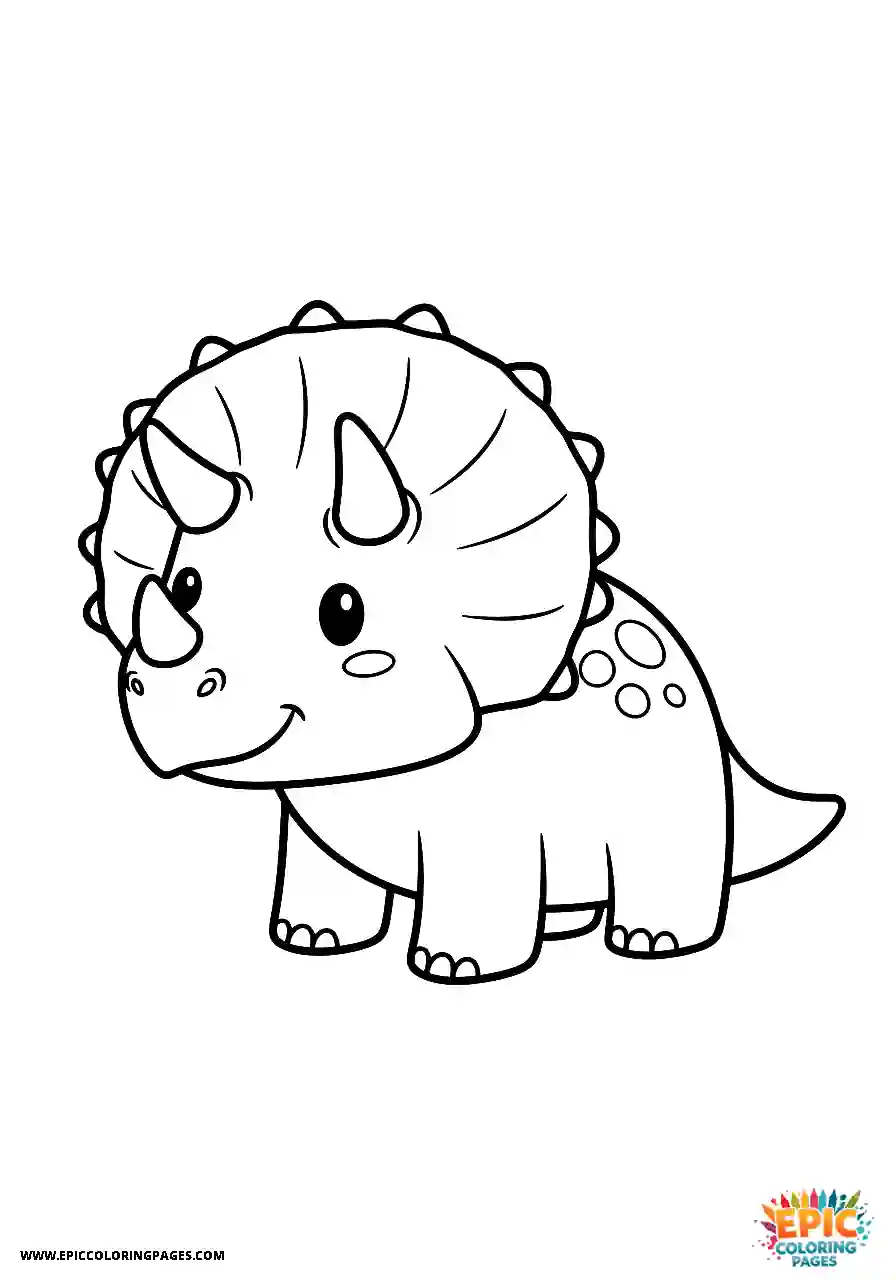
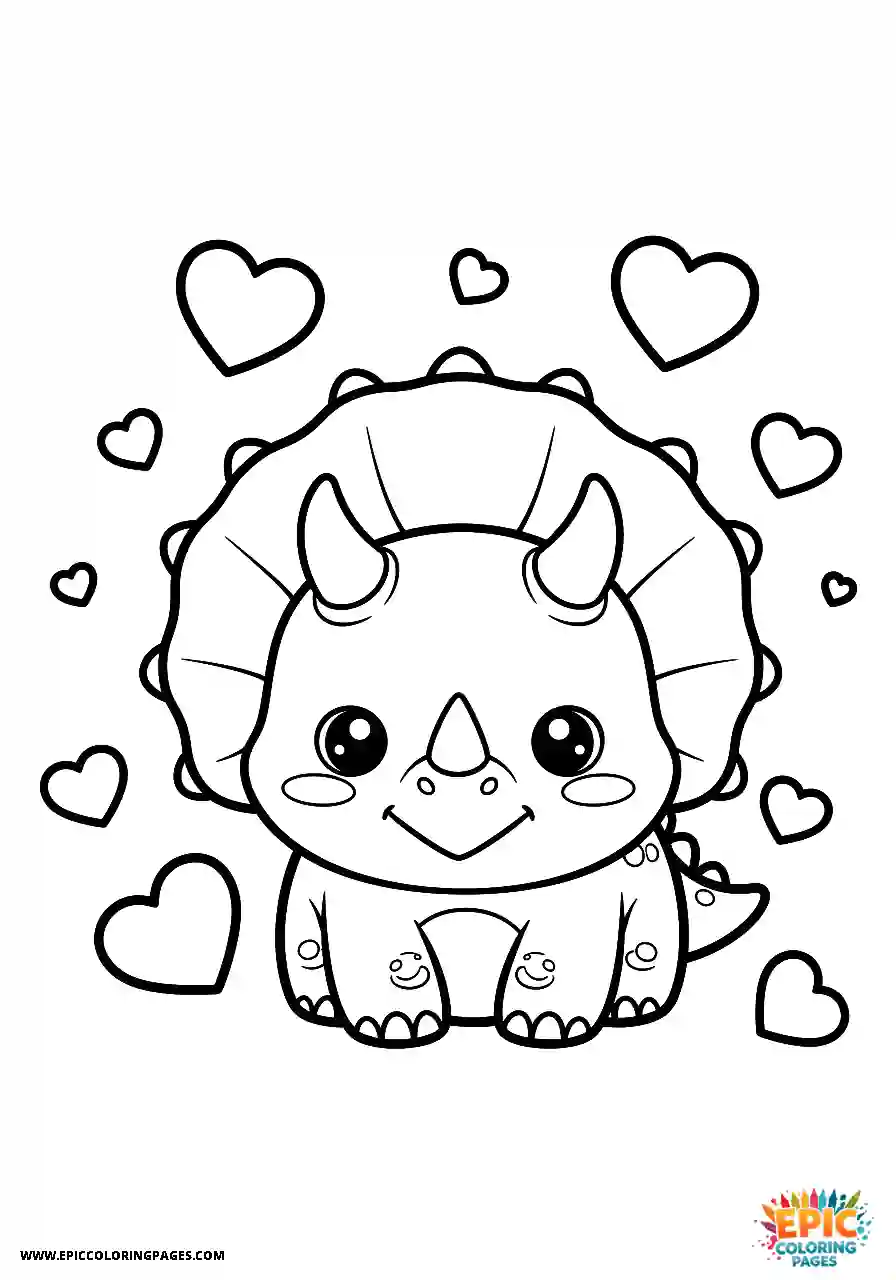
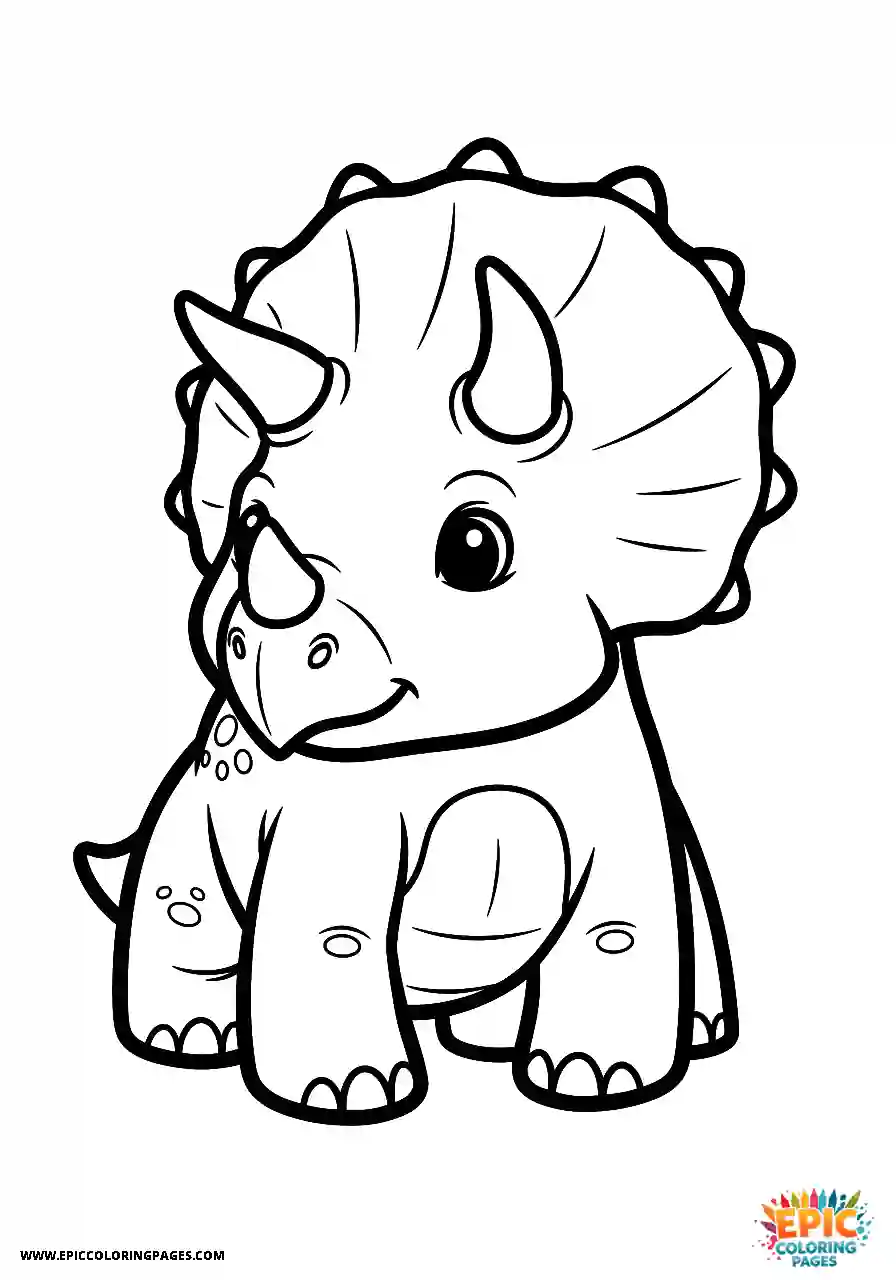
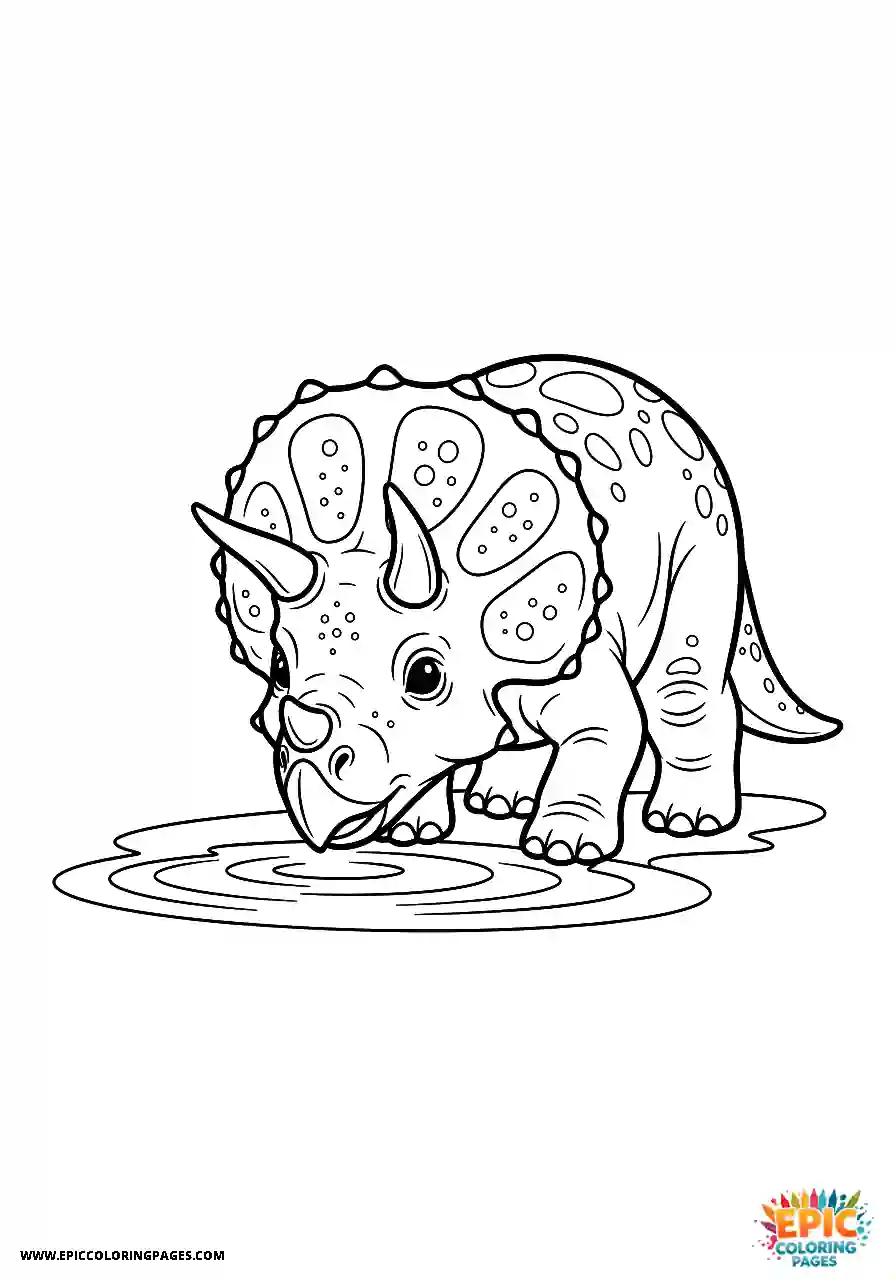
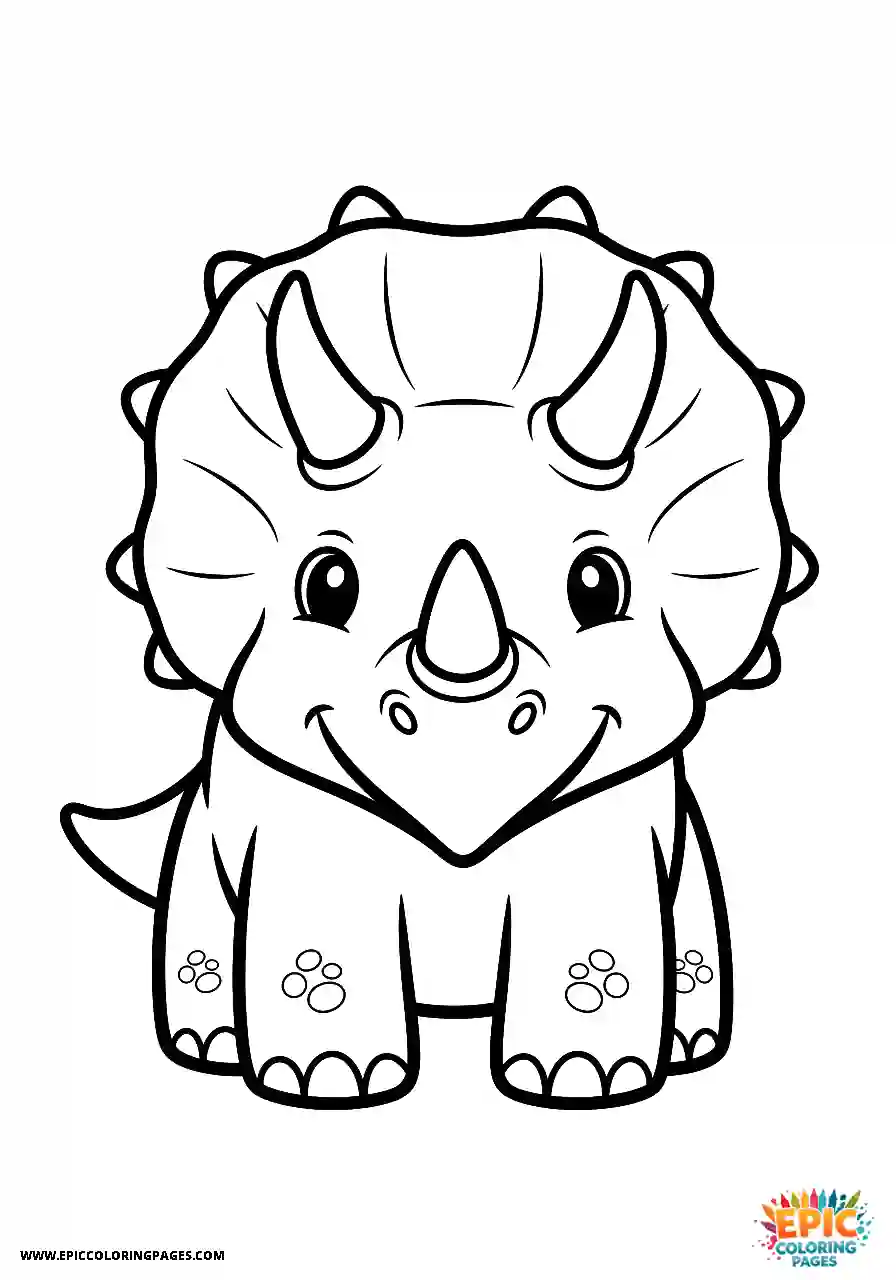
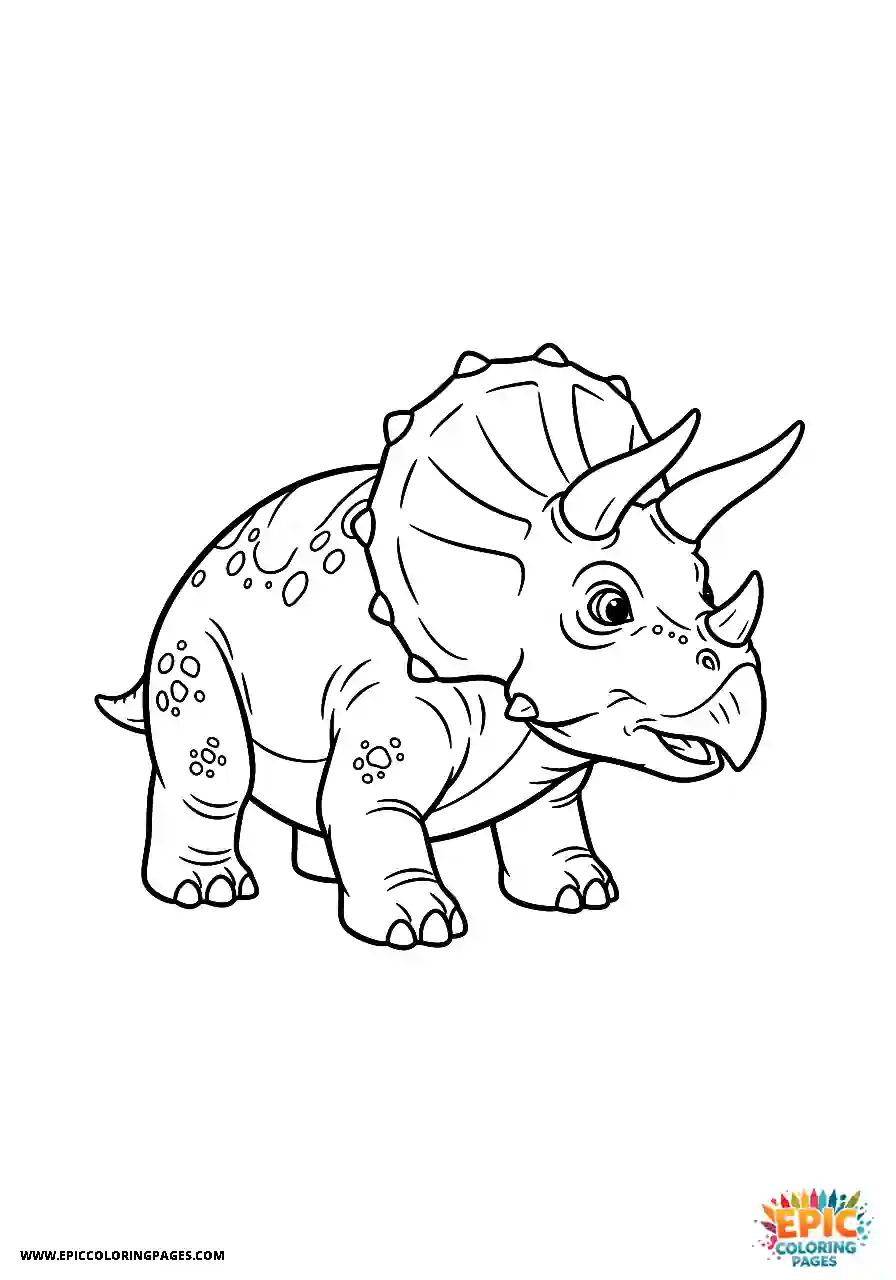
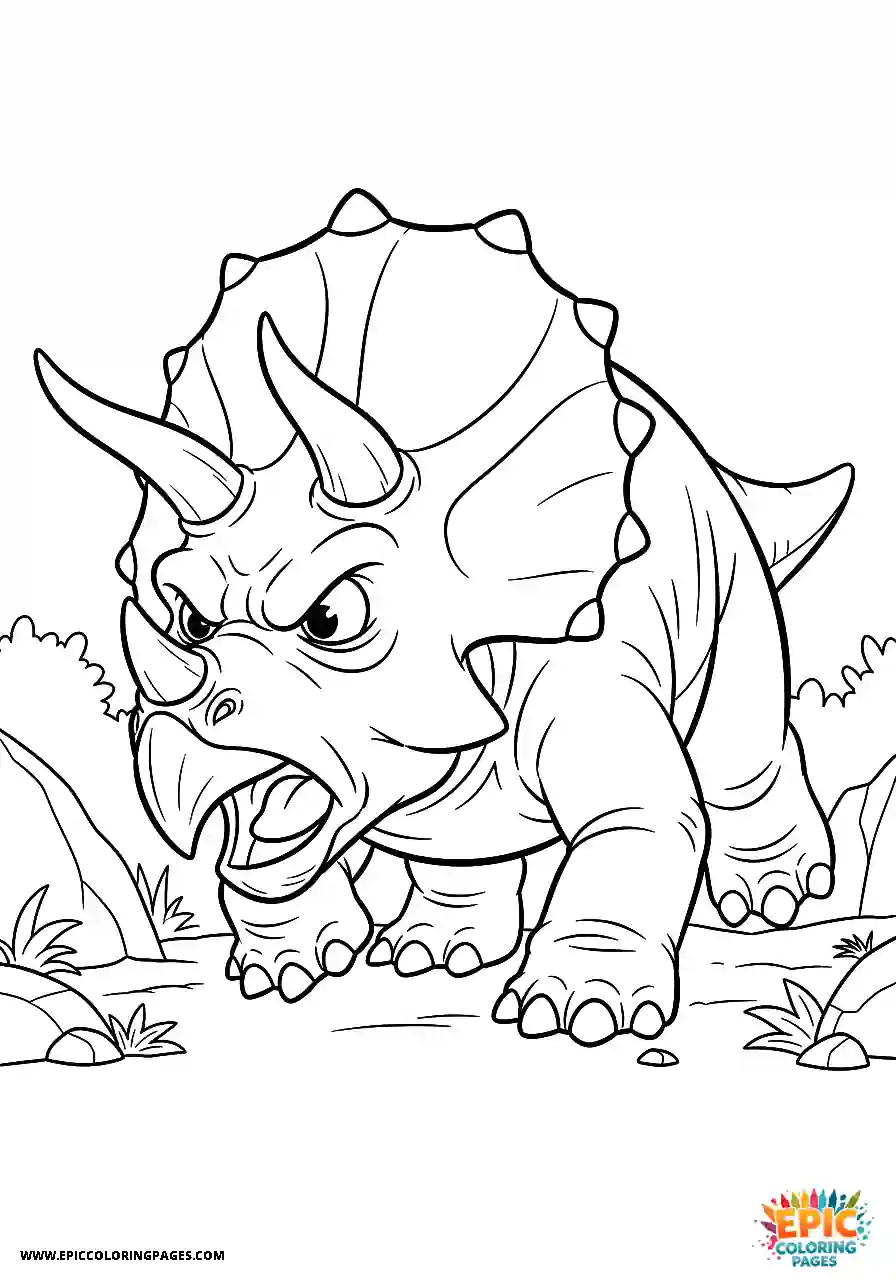
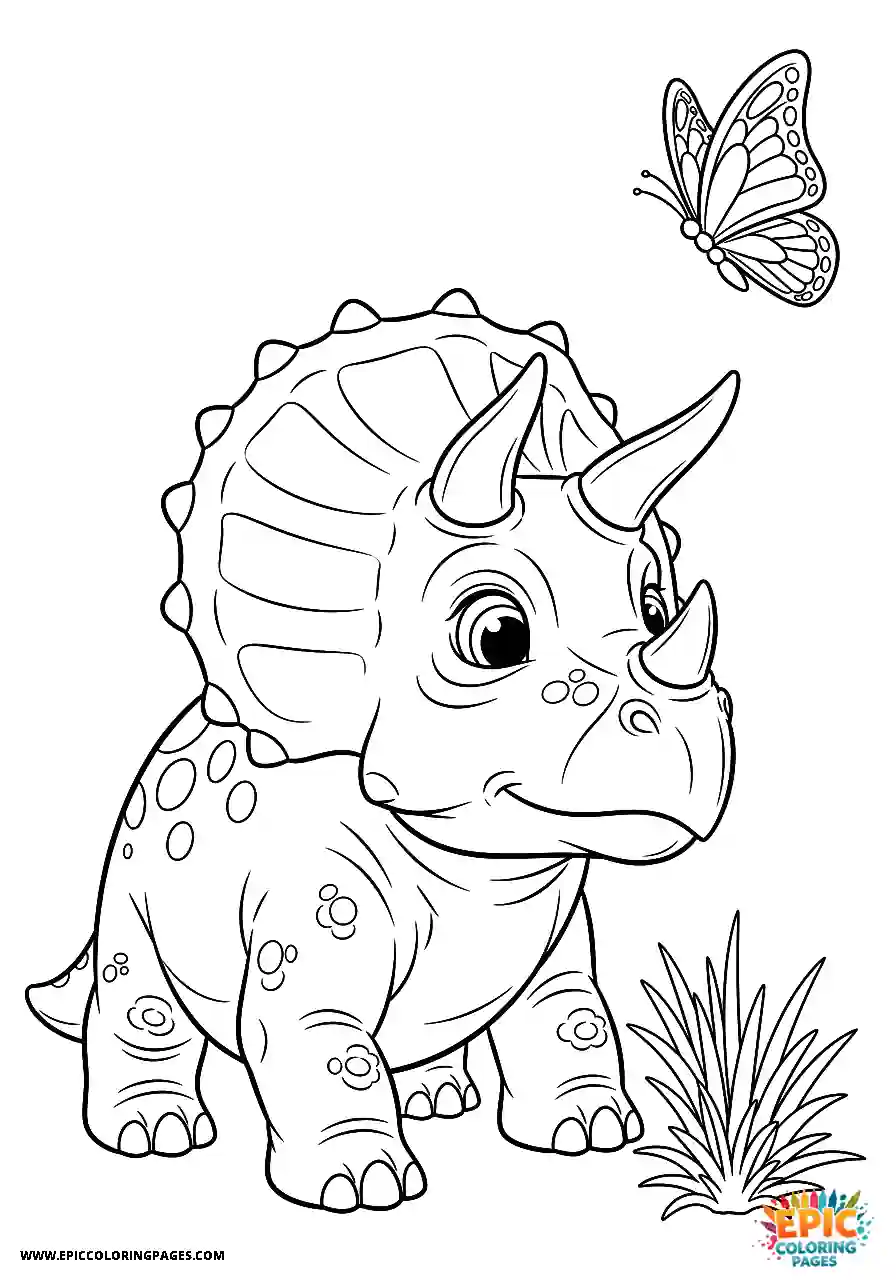
Professional Coloring Tips for Triceratops Pages
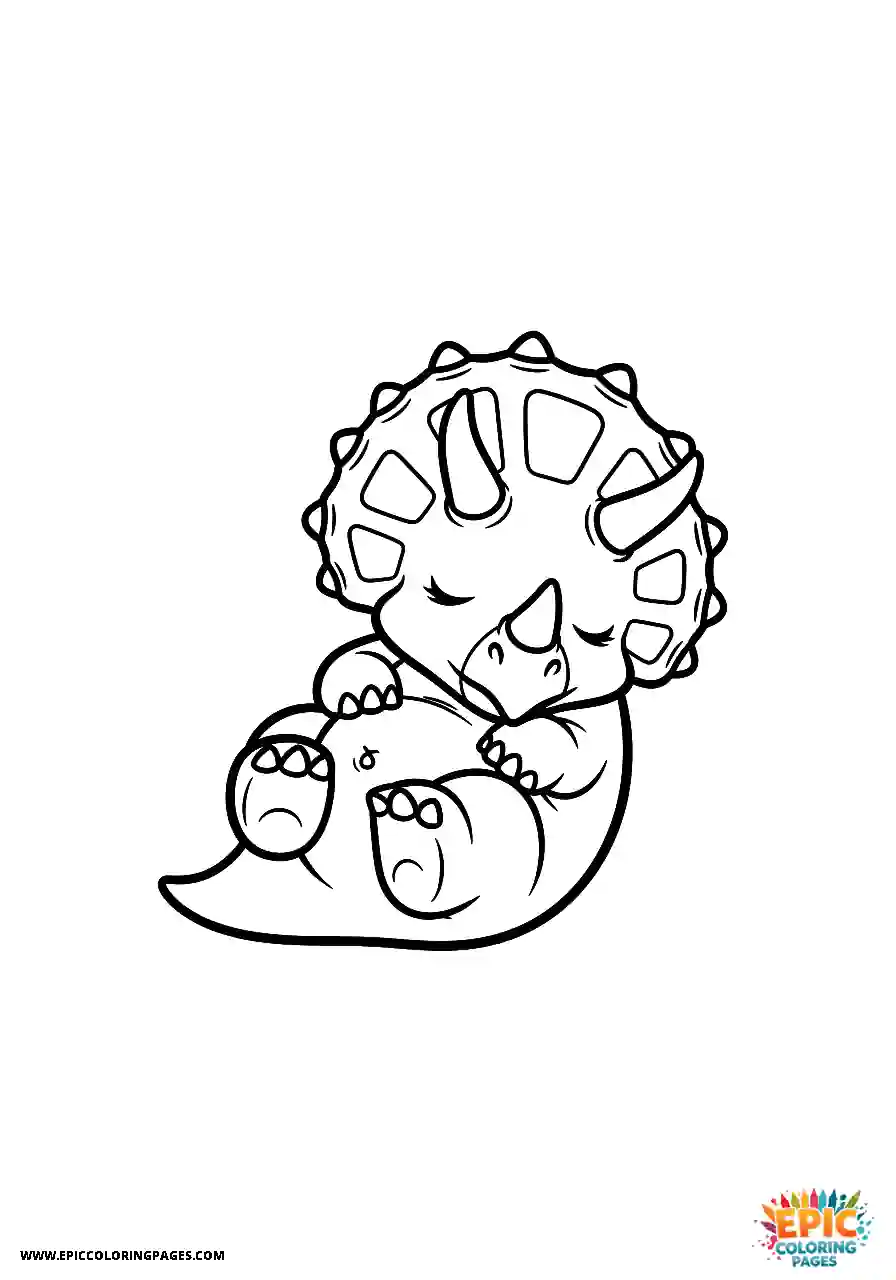
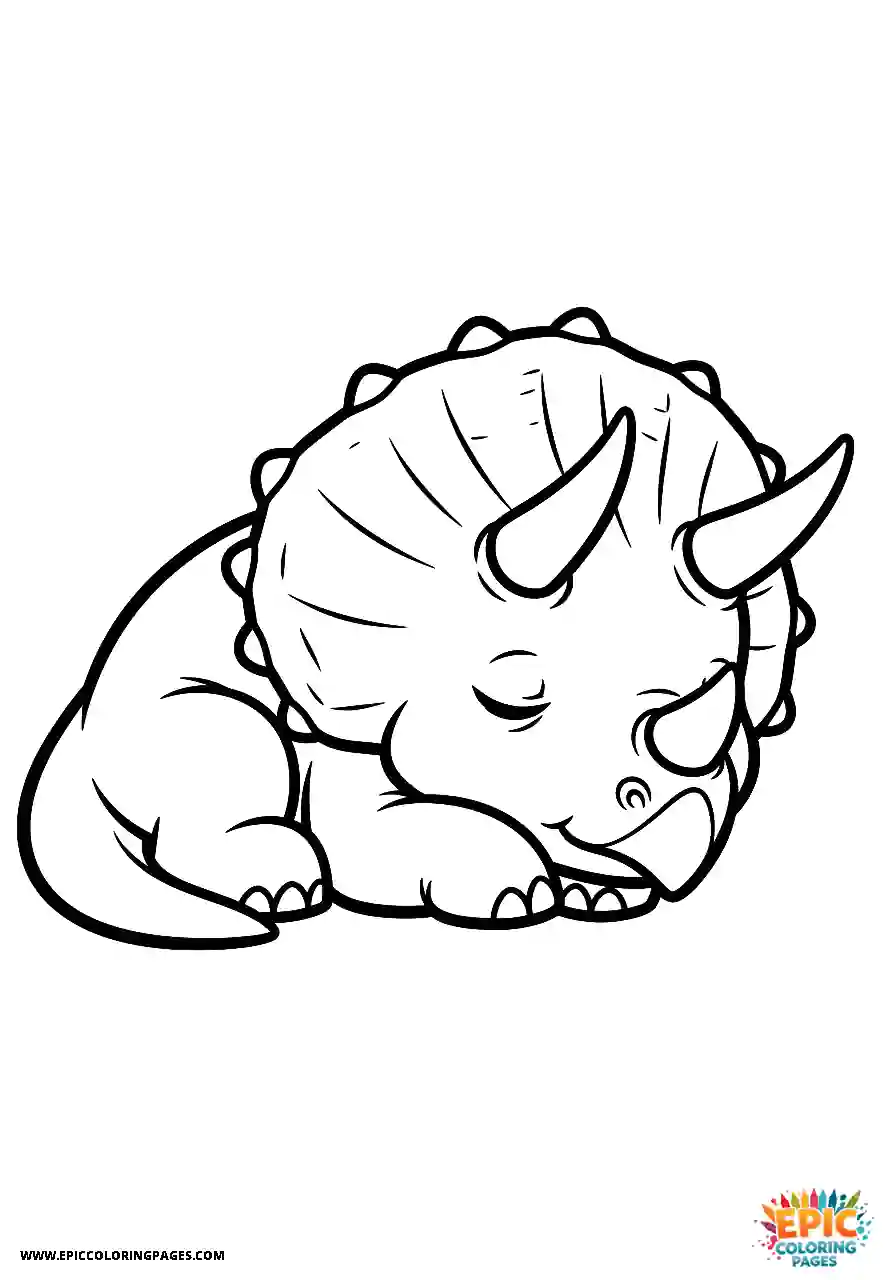
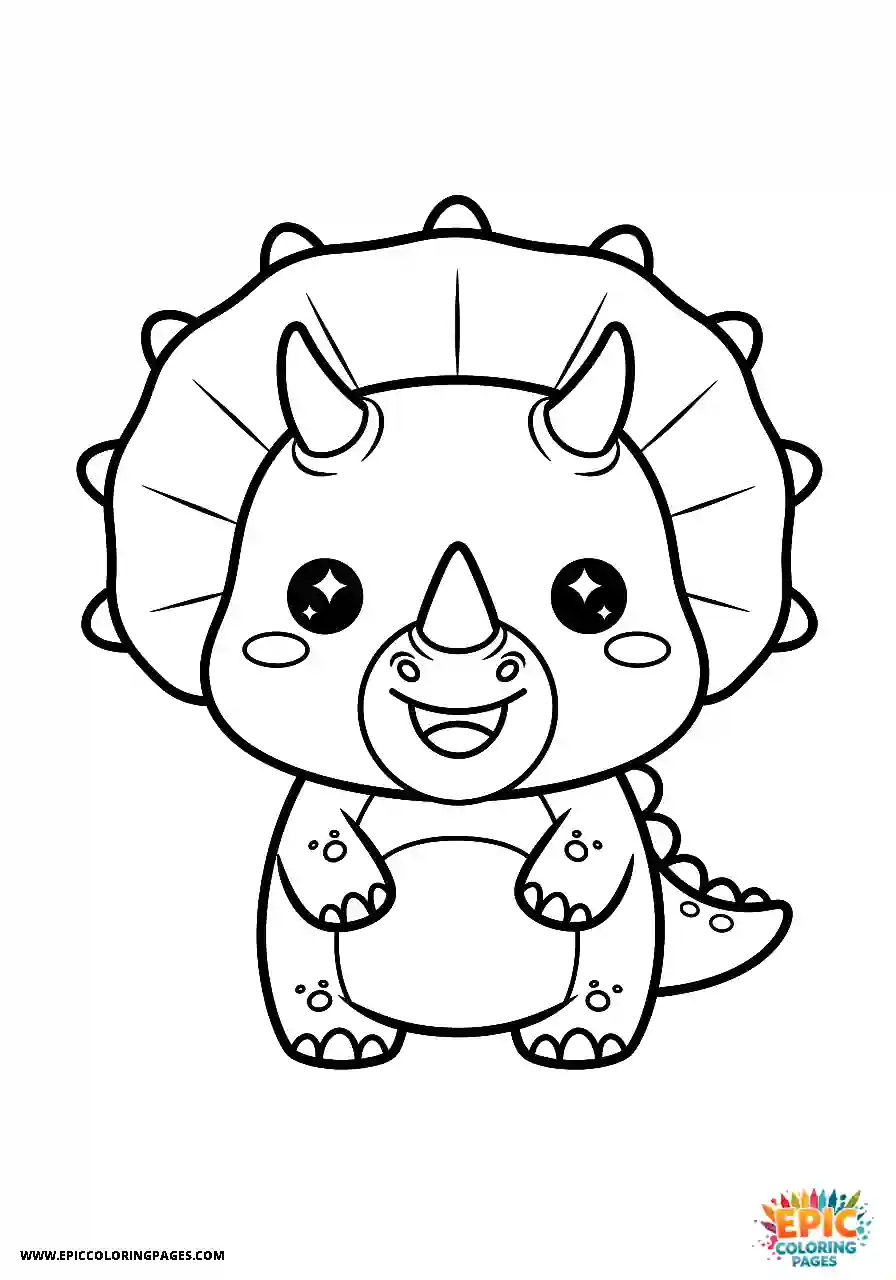
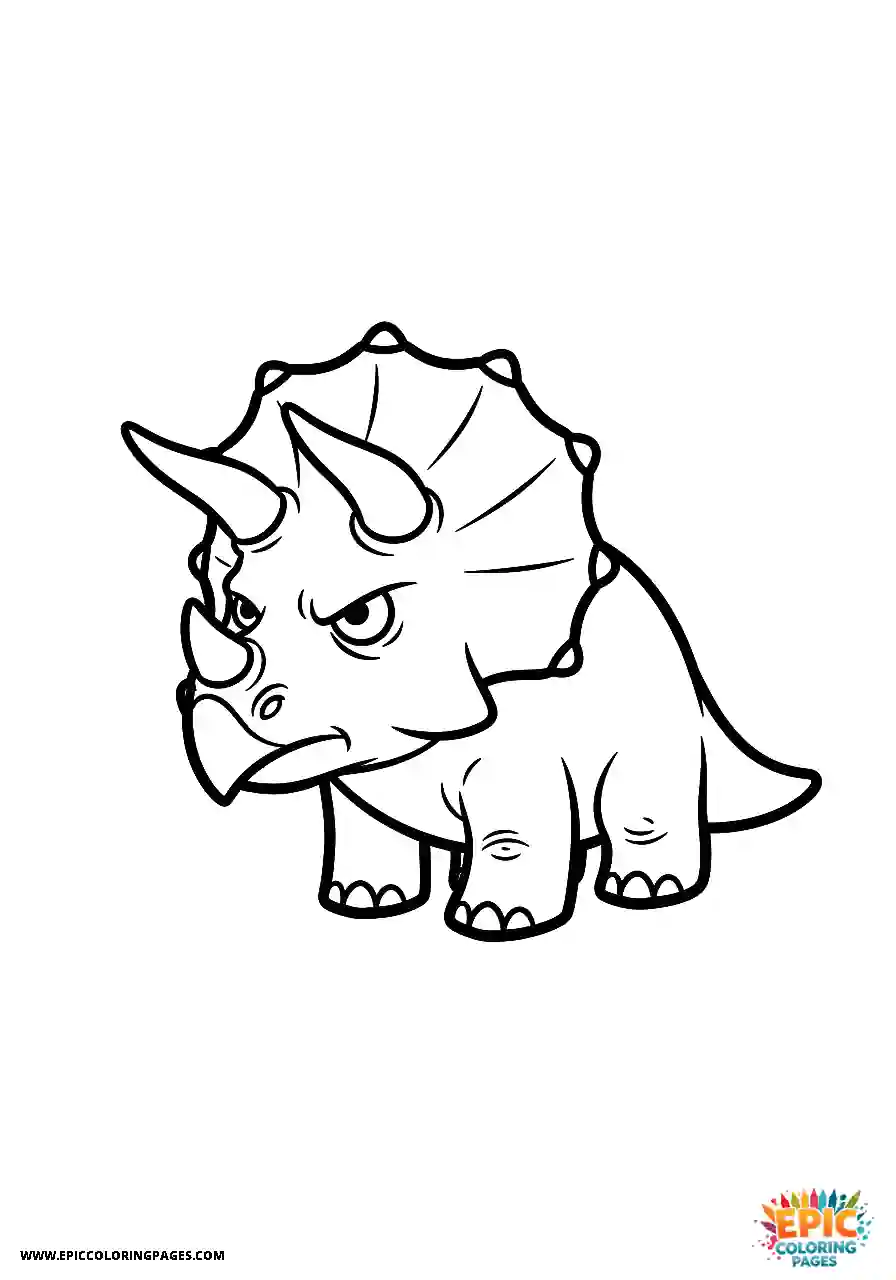
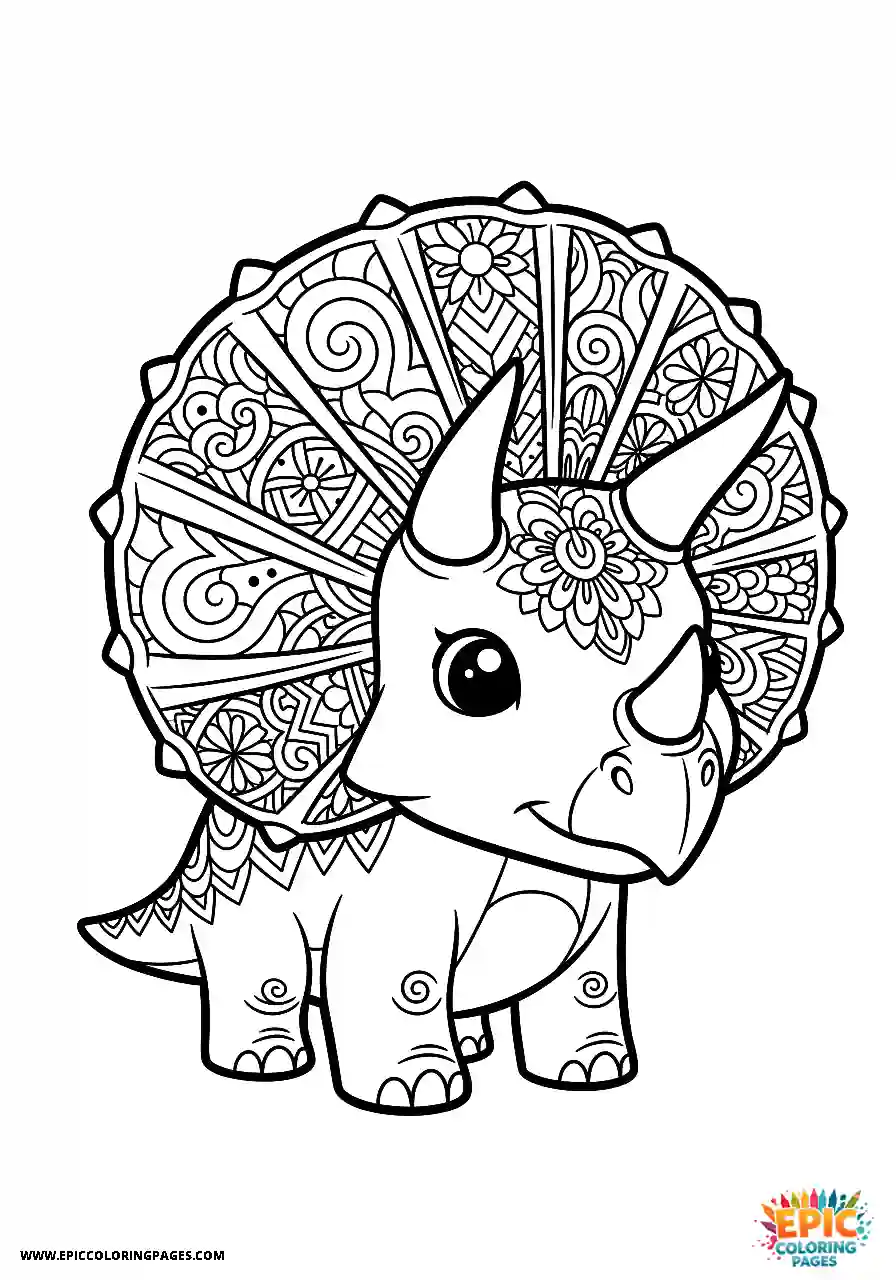
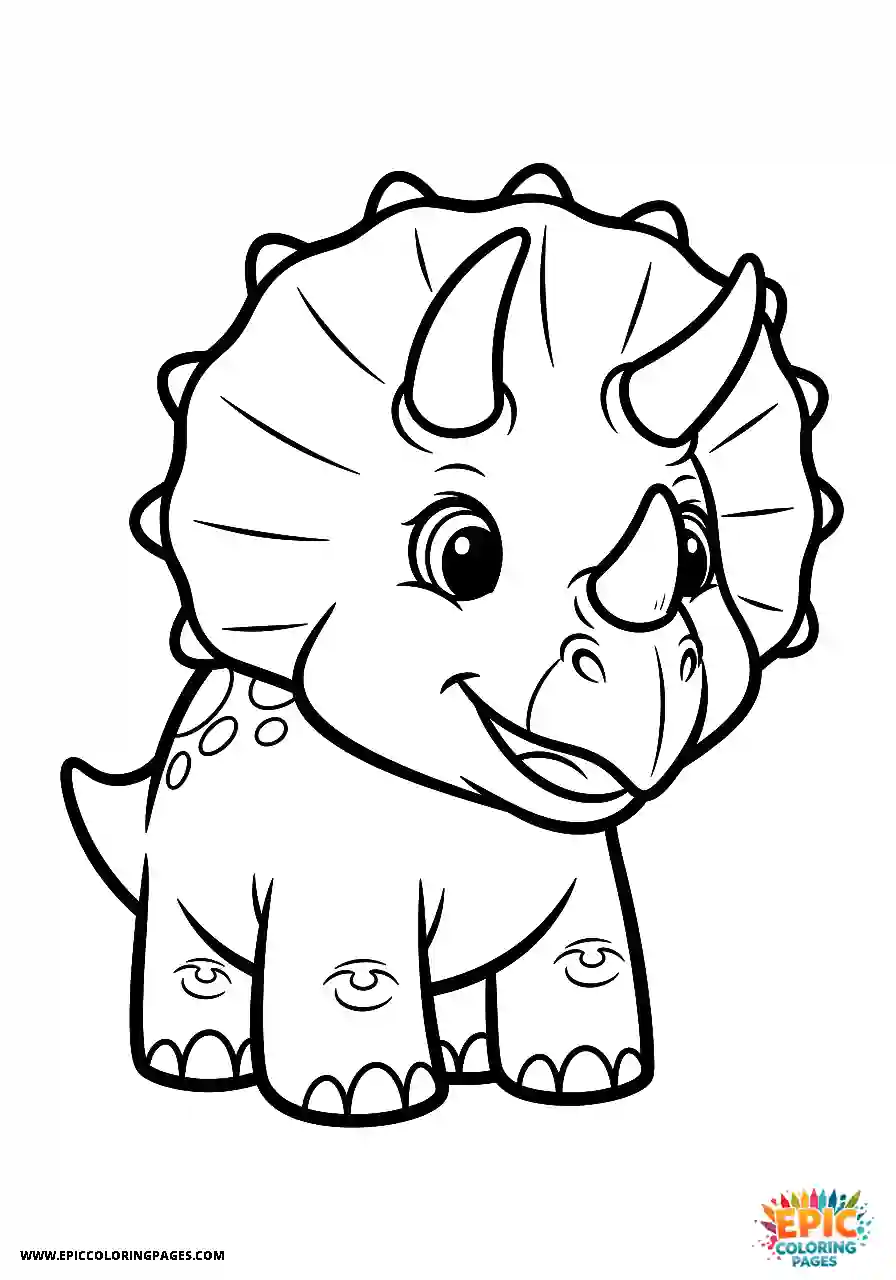
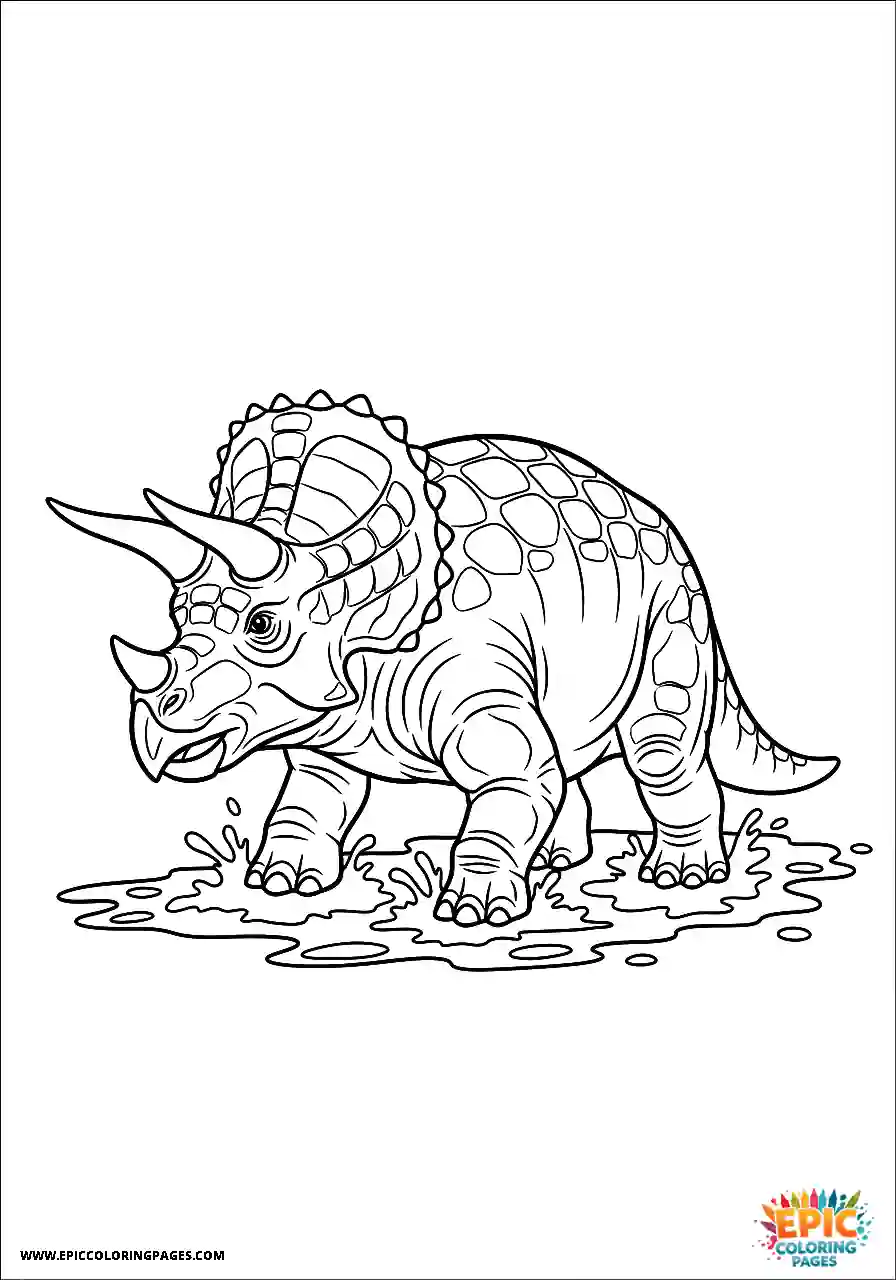
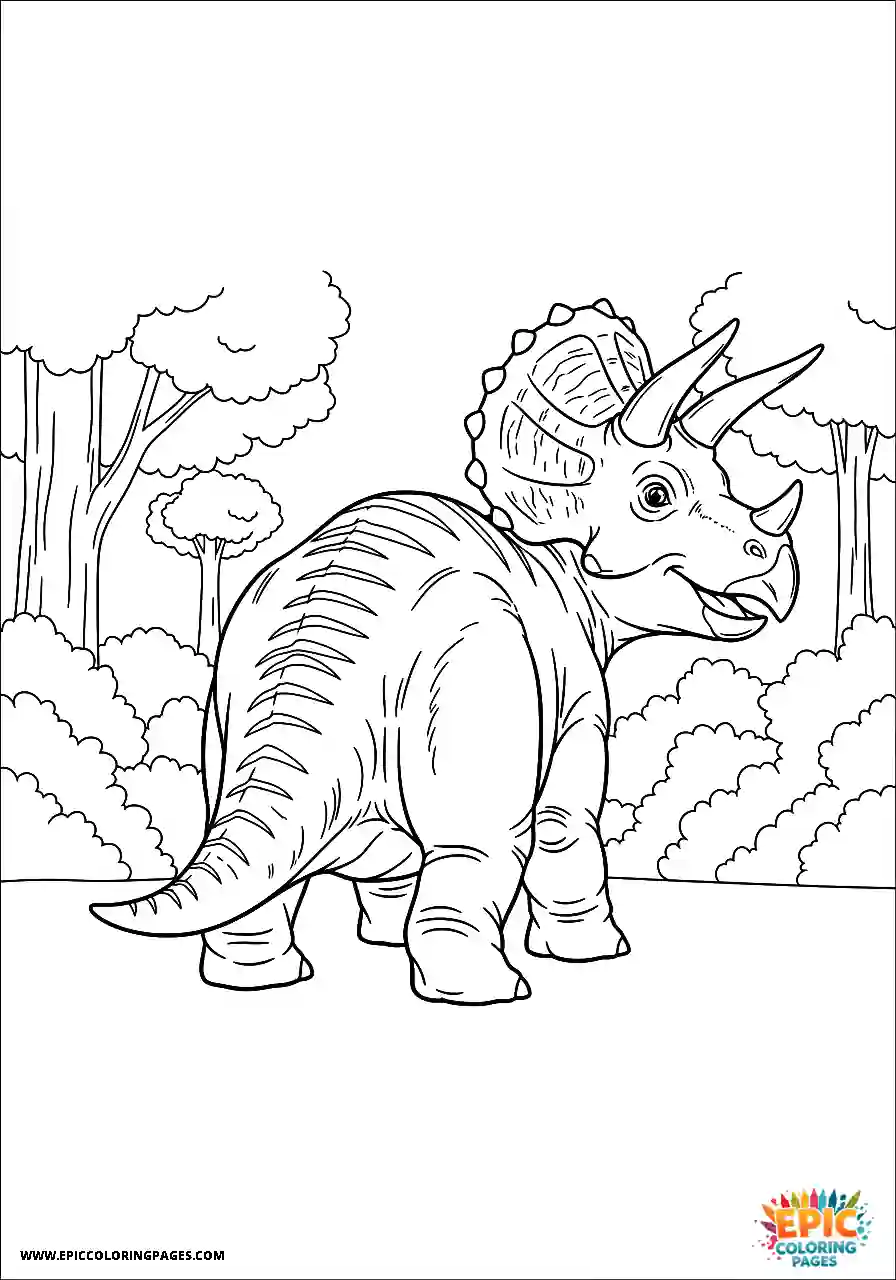
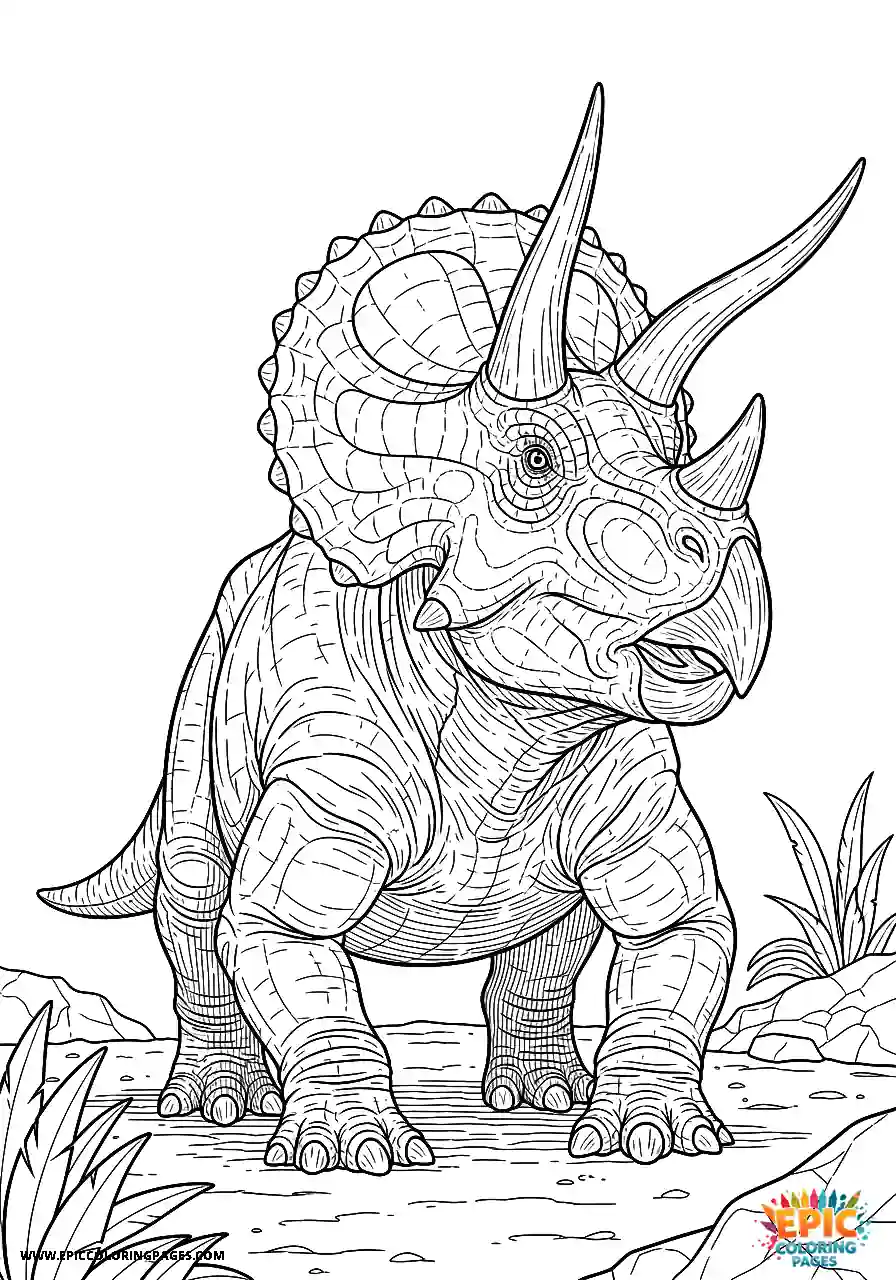
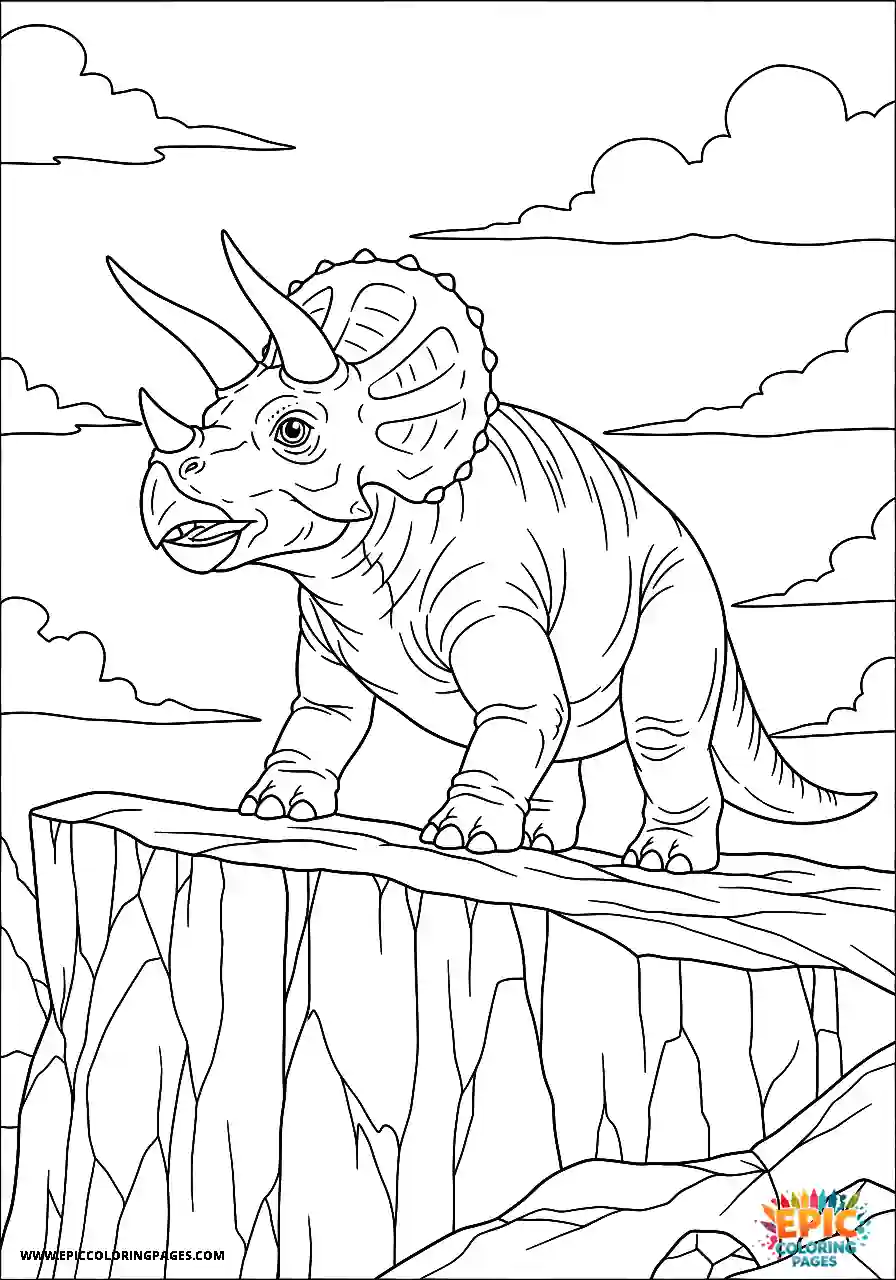
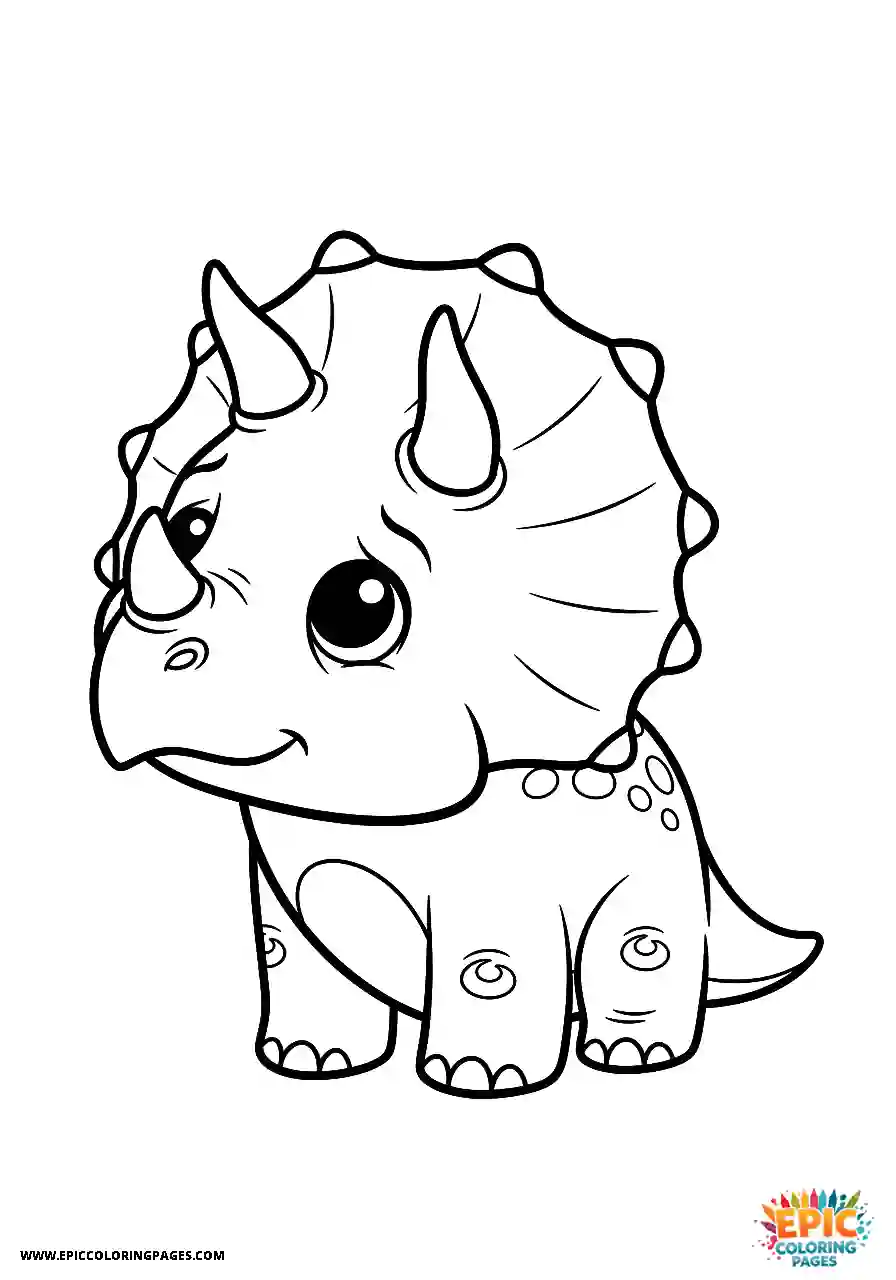
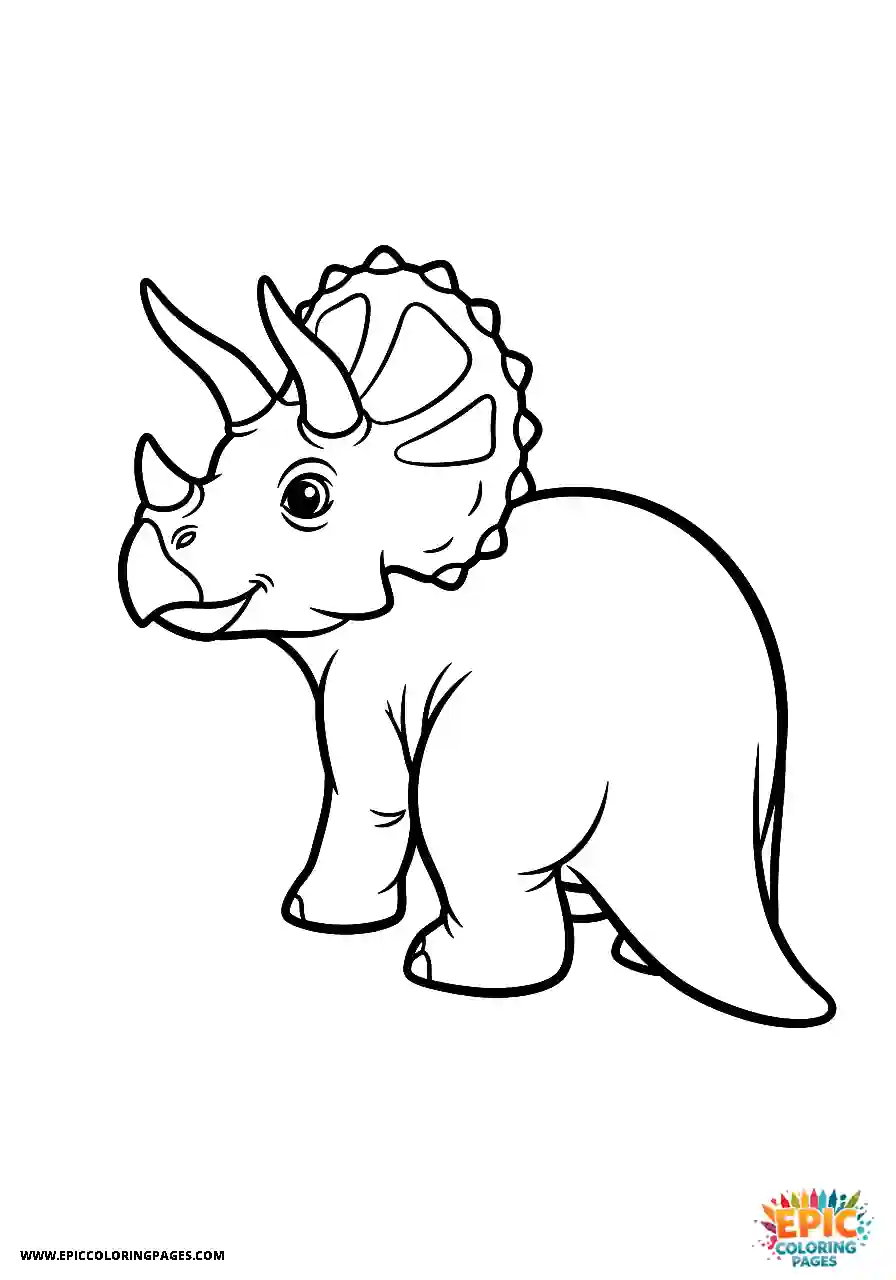
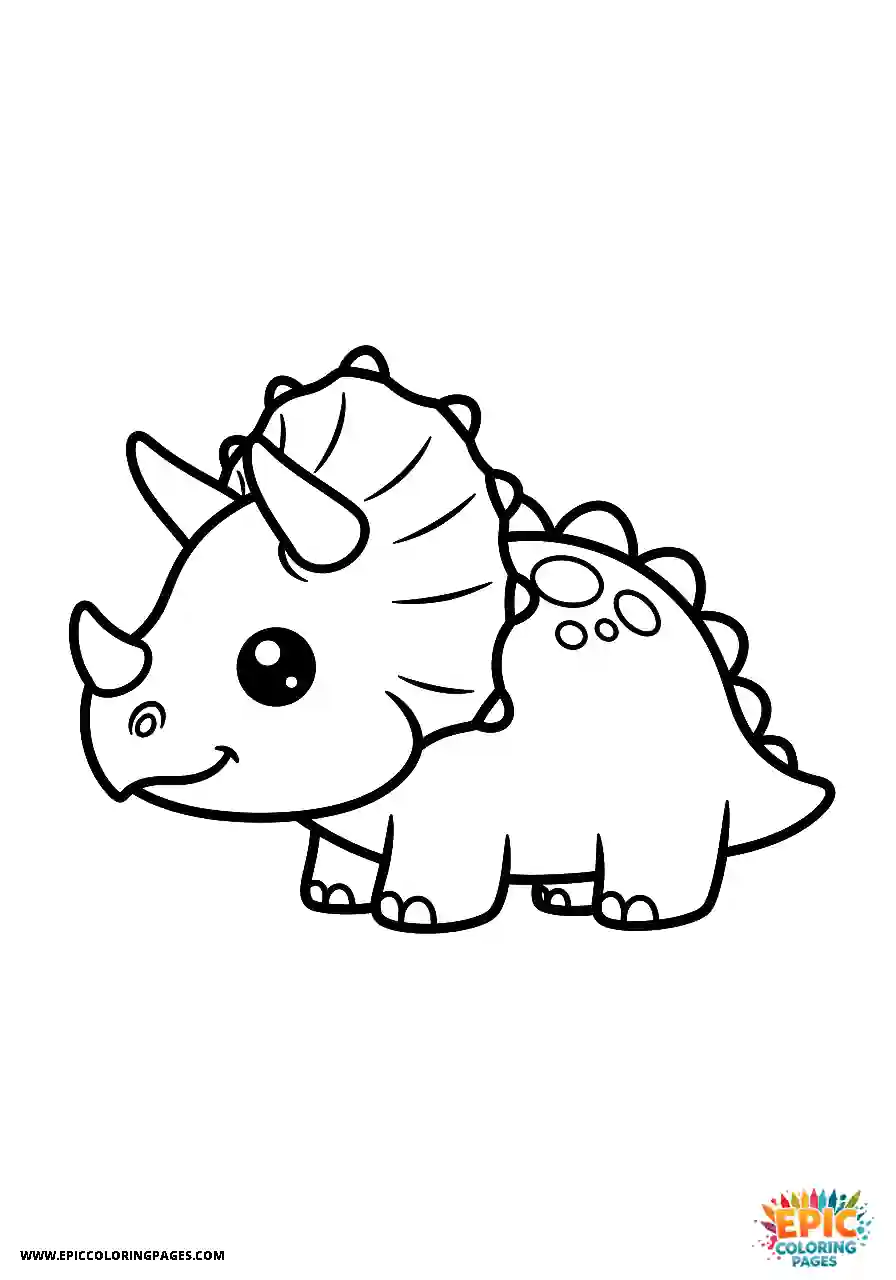
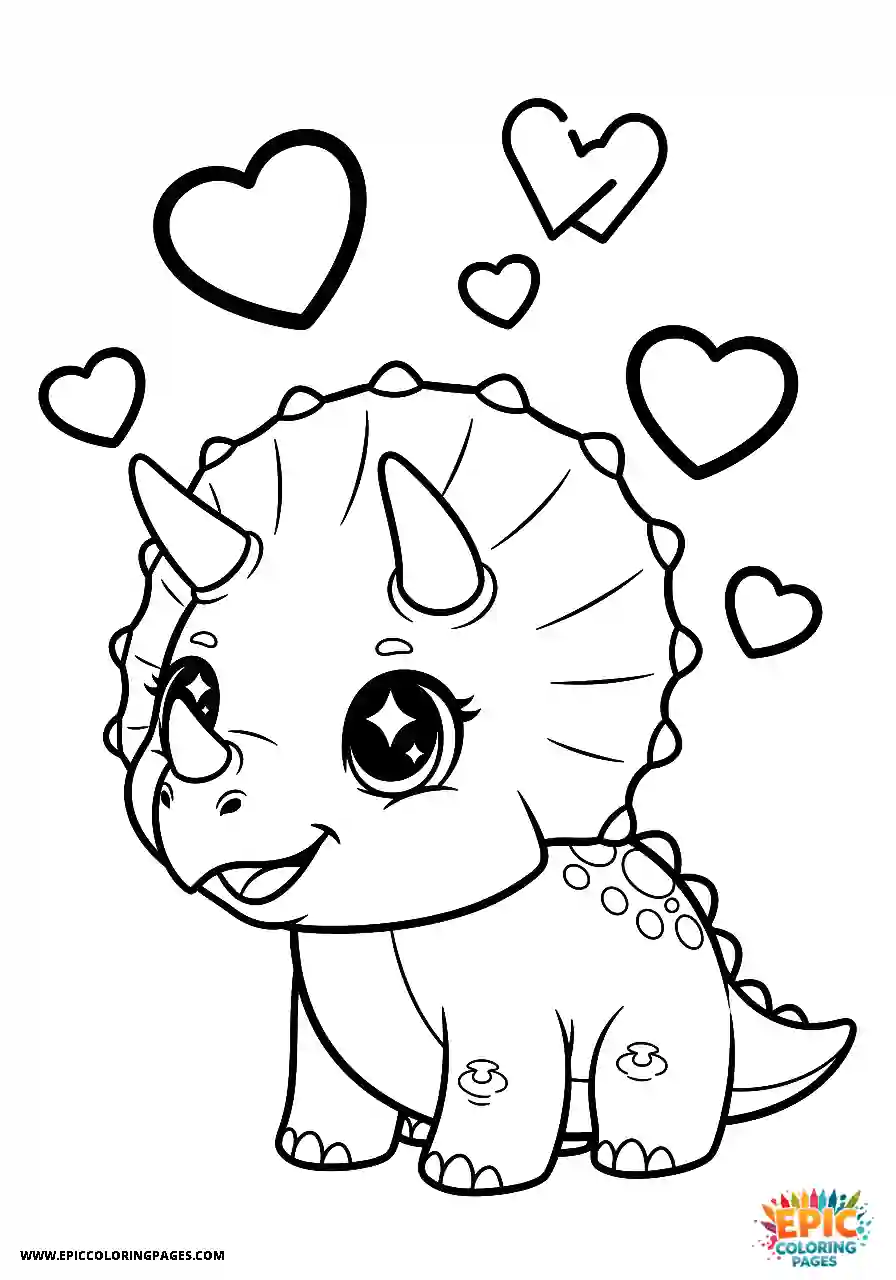
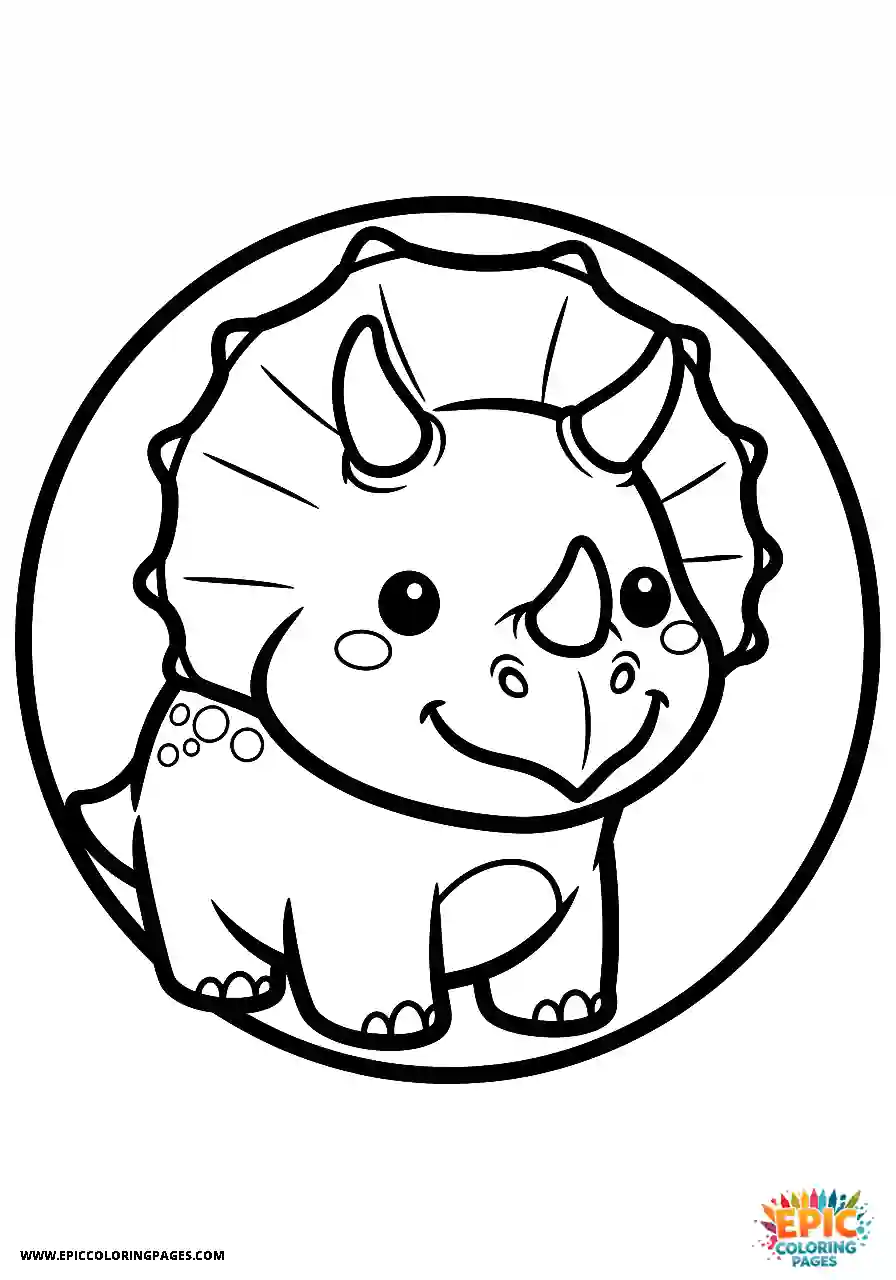
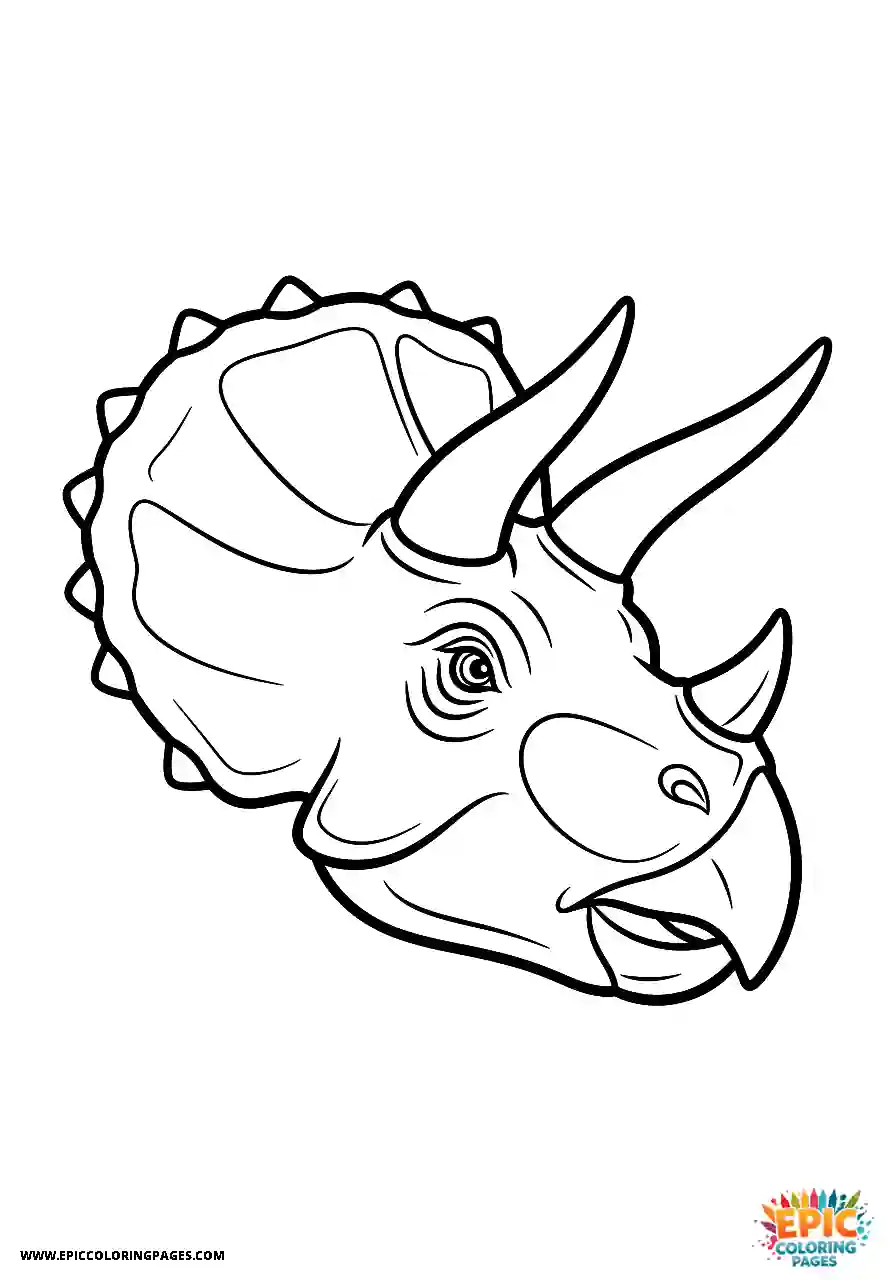
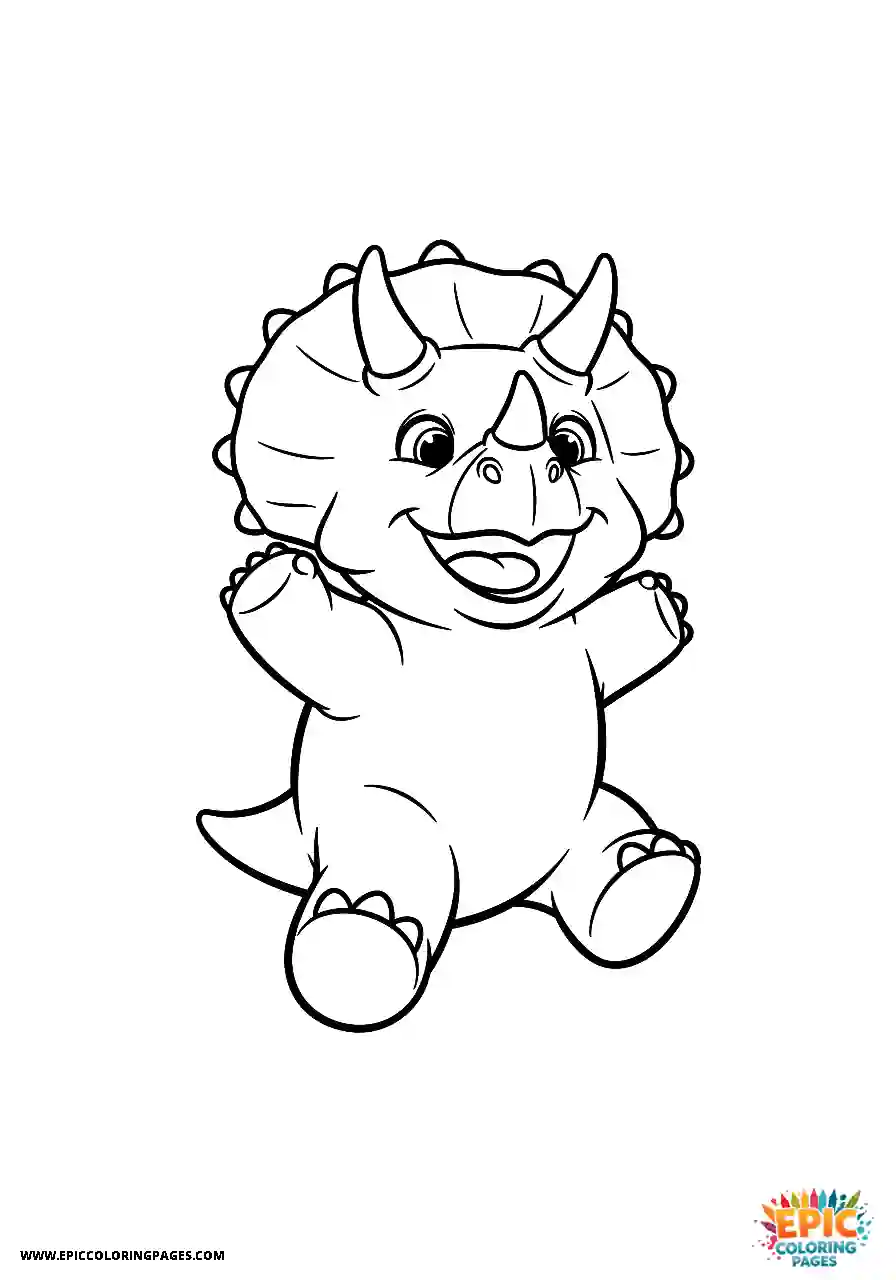
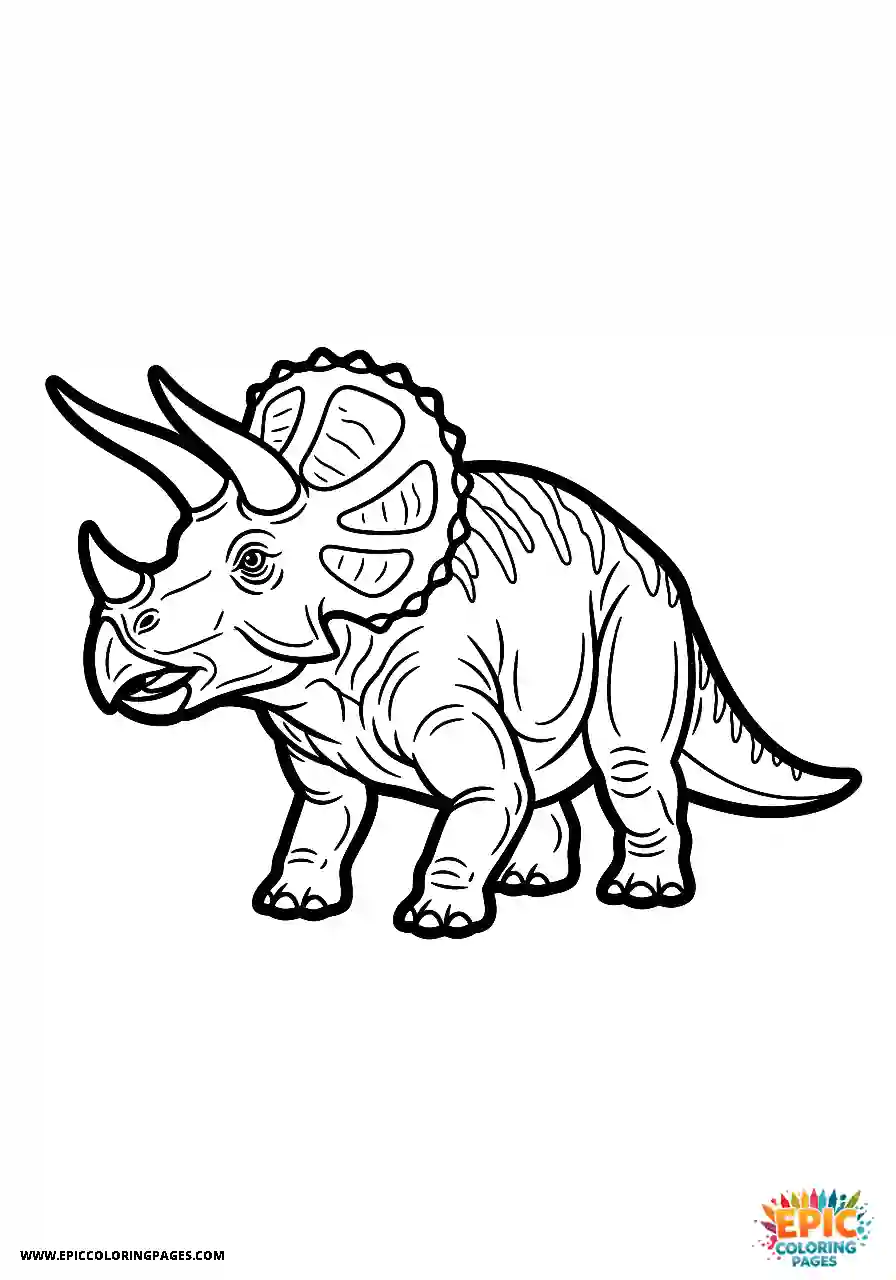
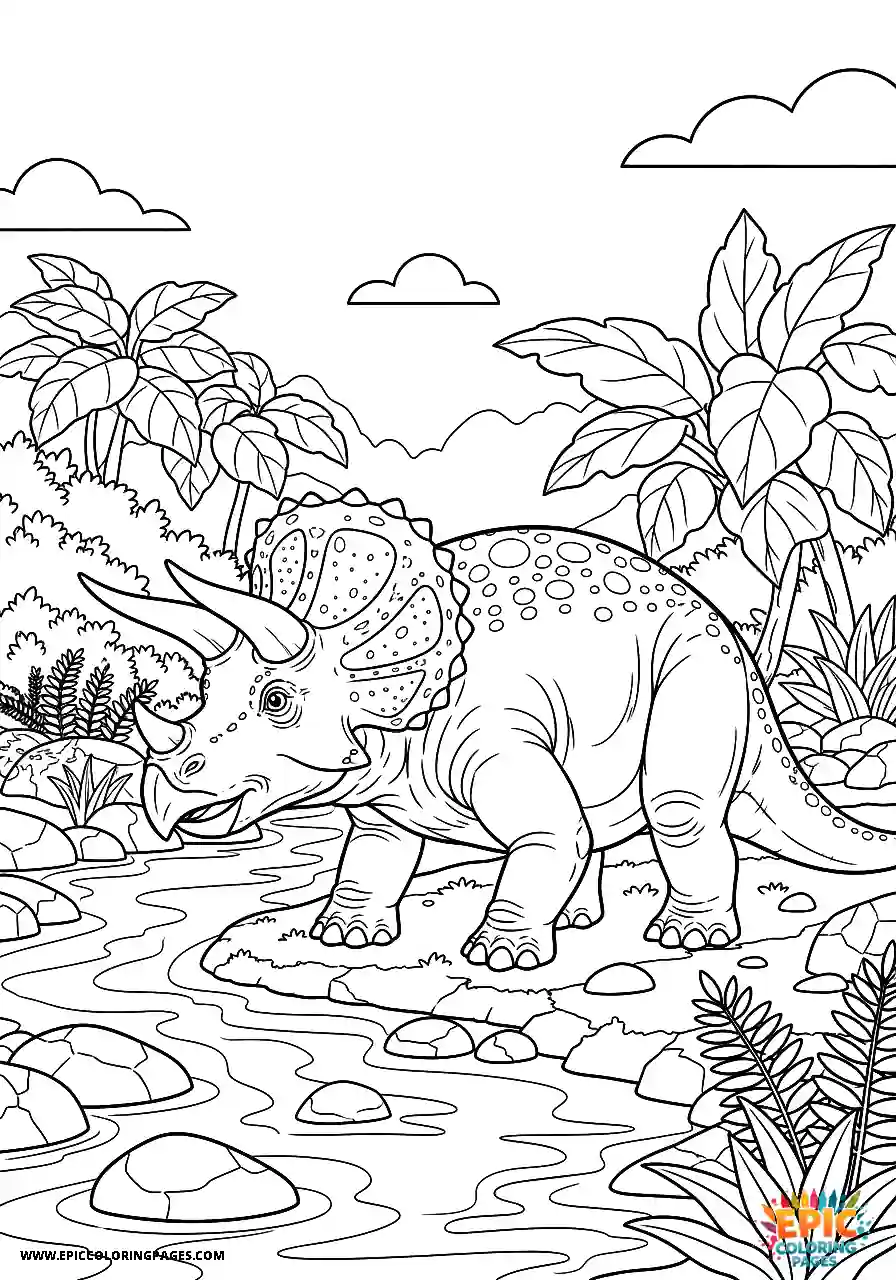
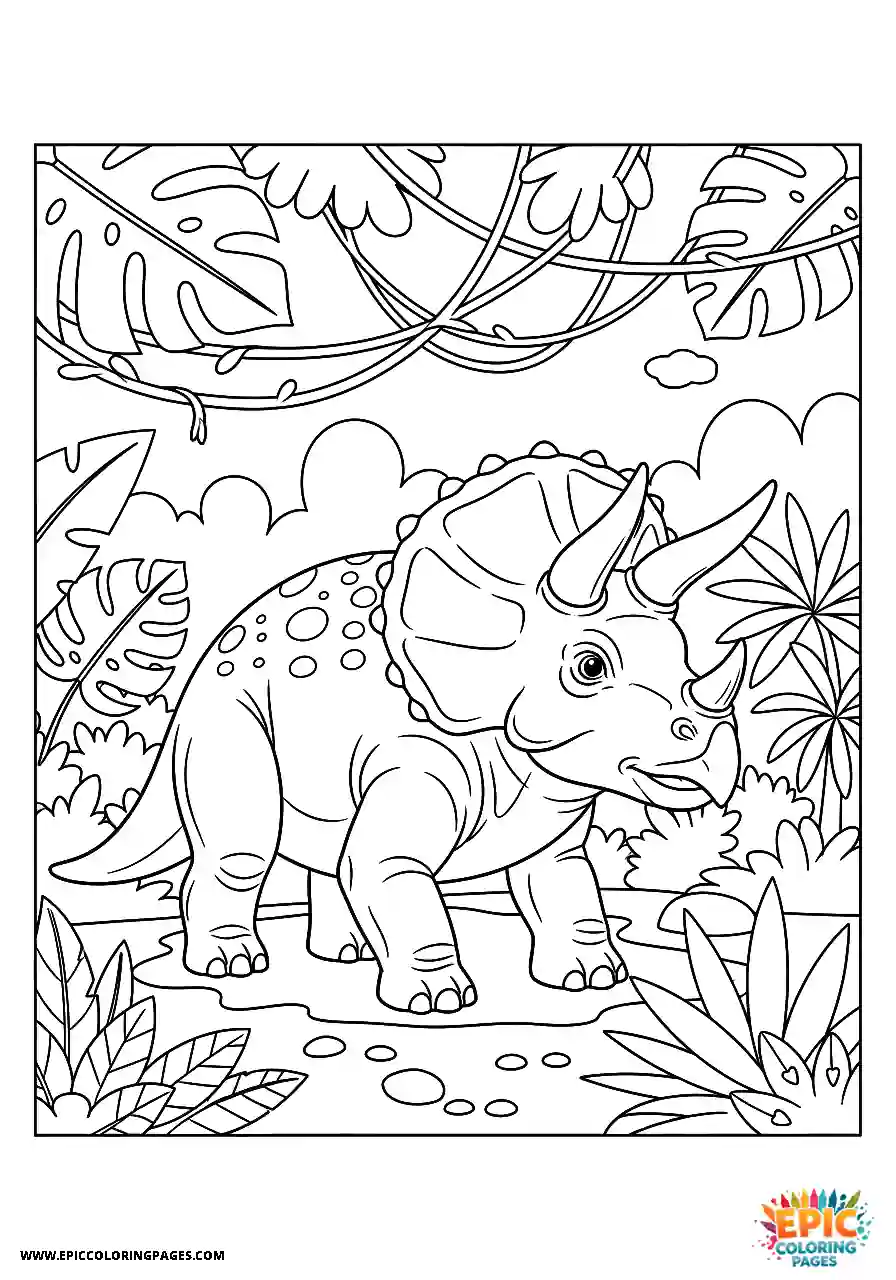
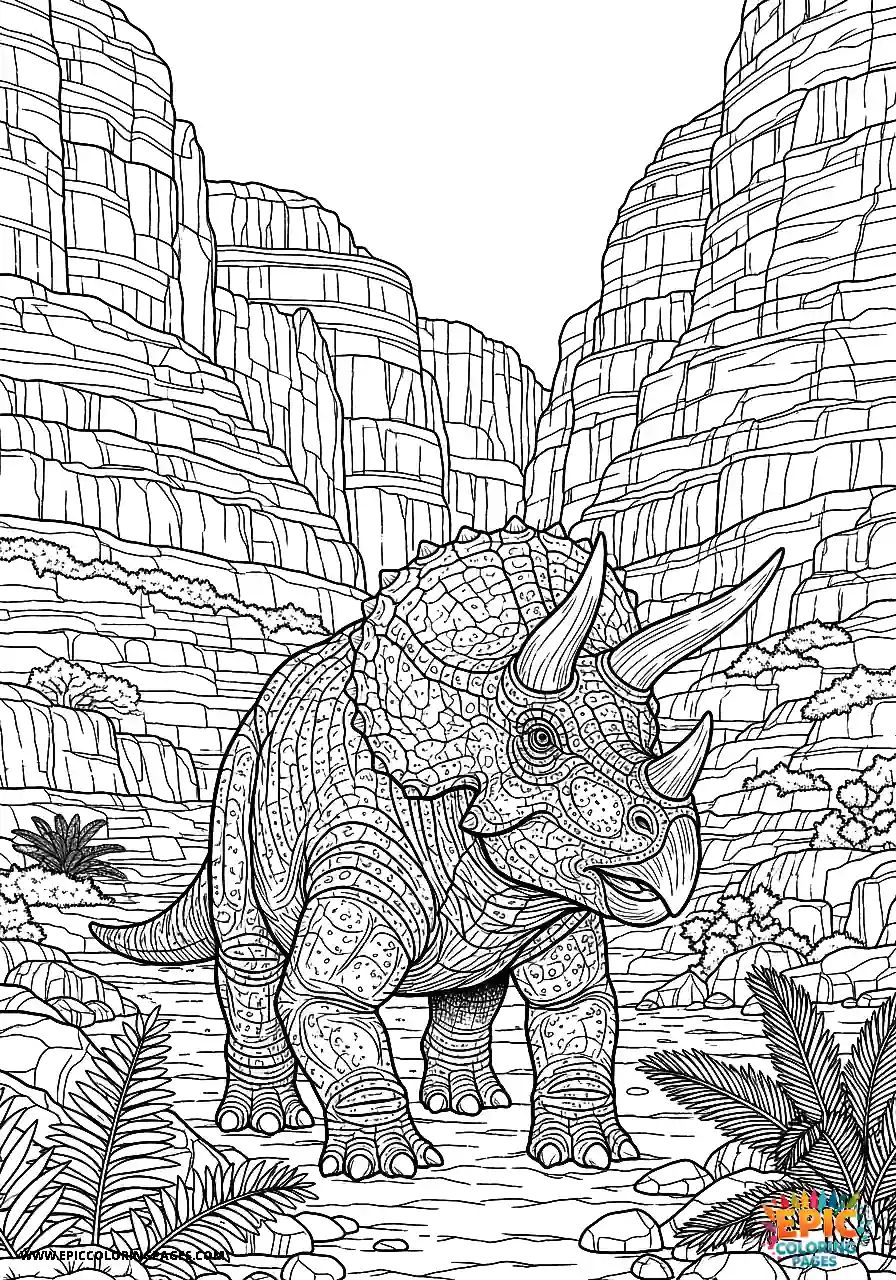
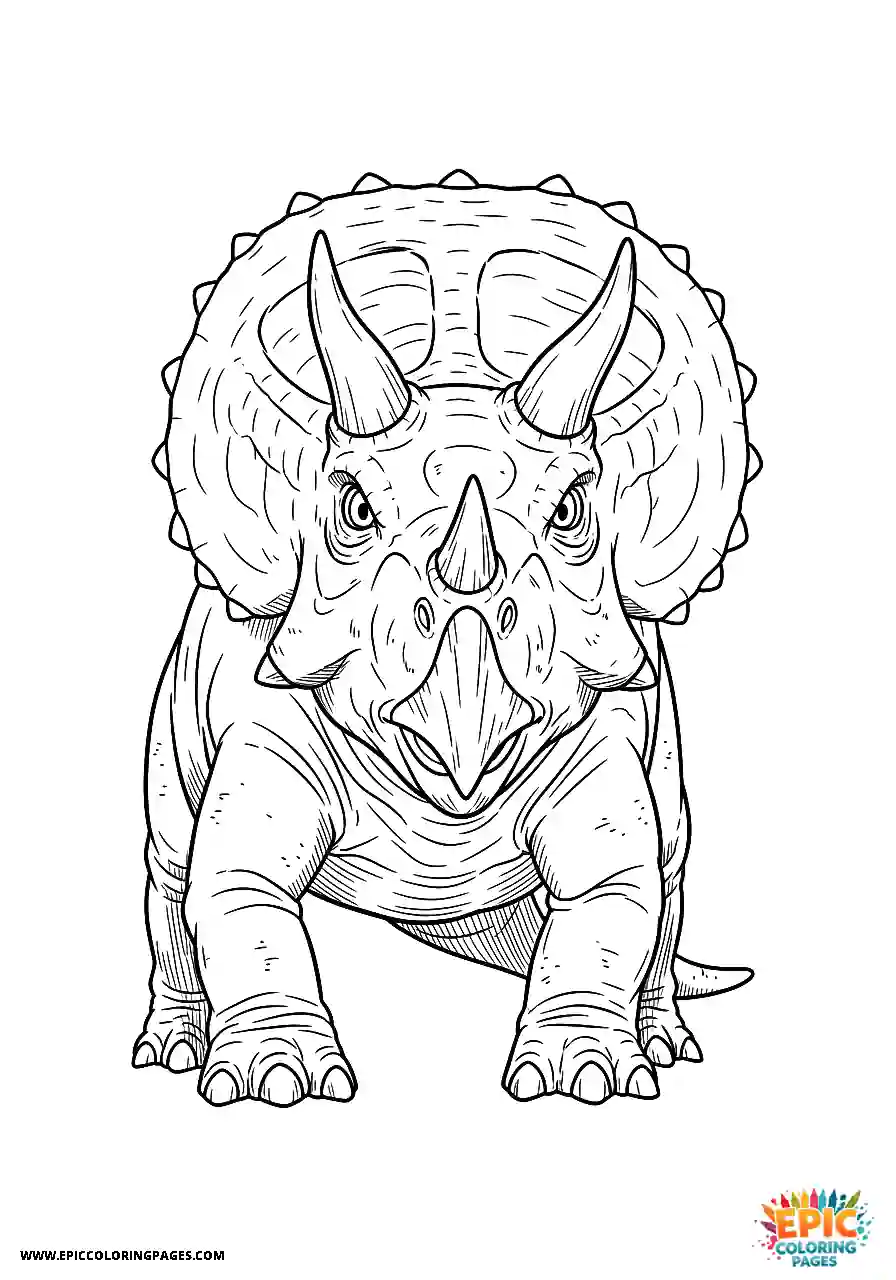
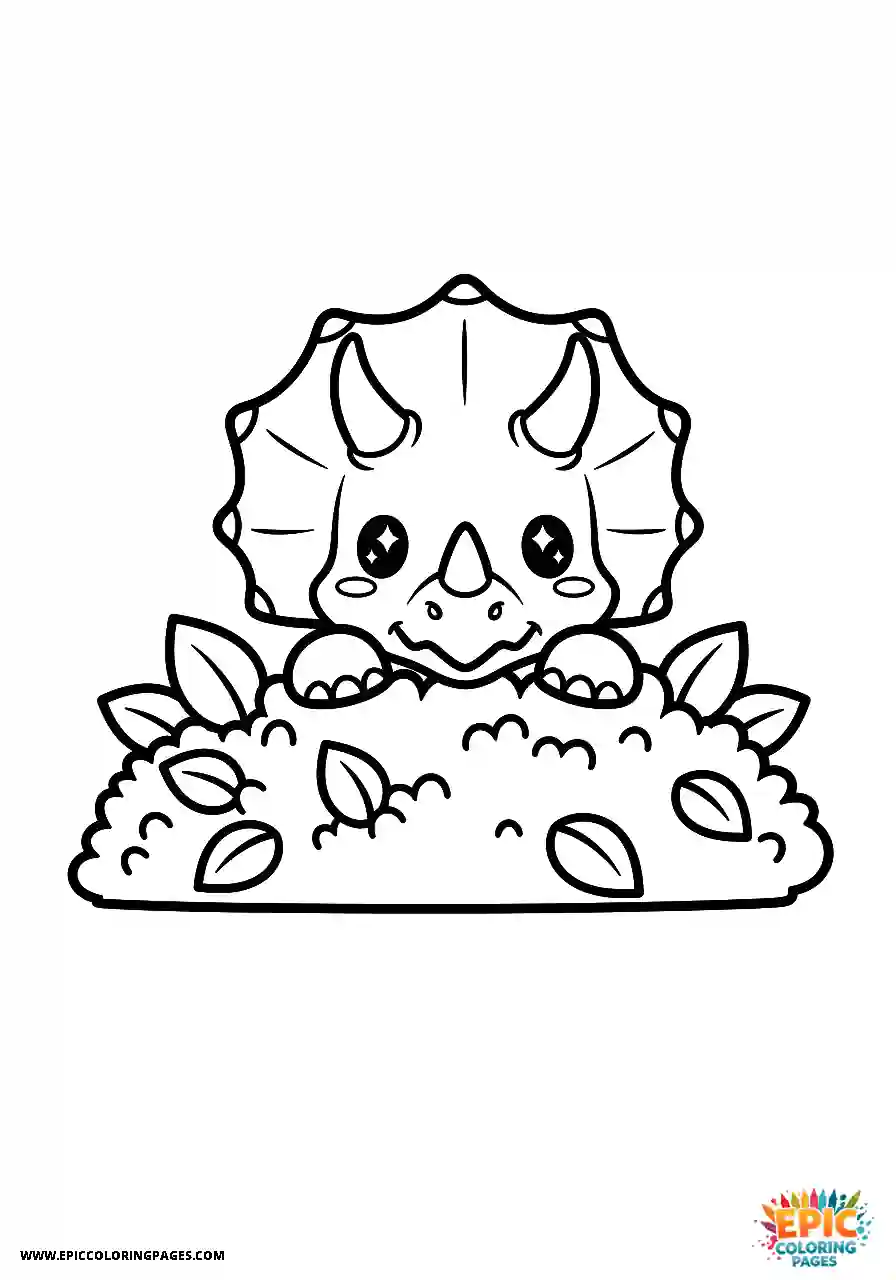
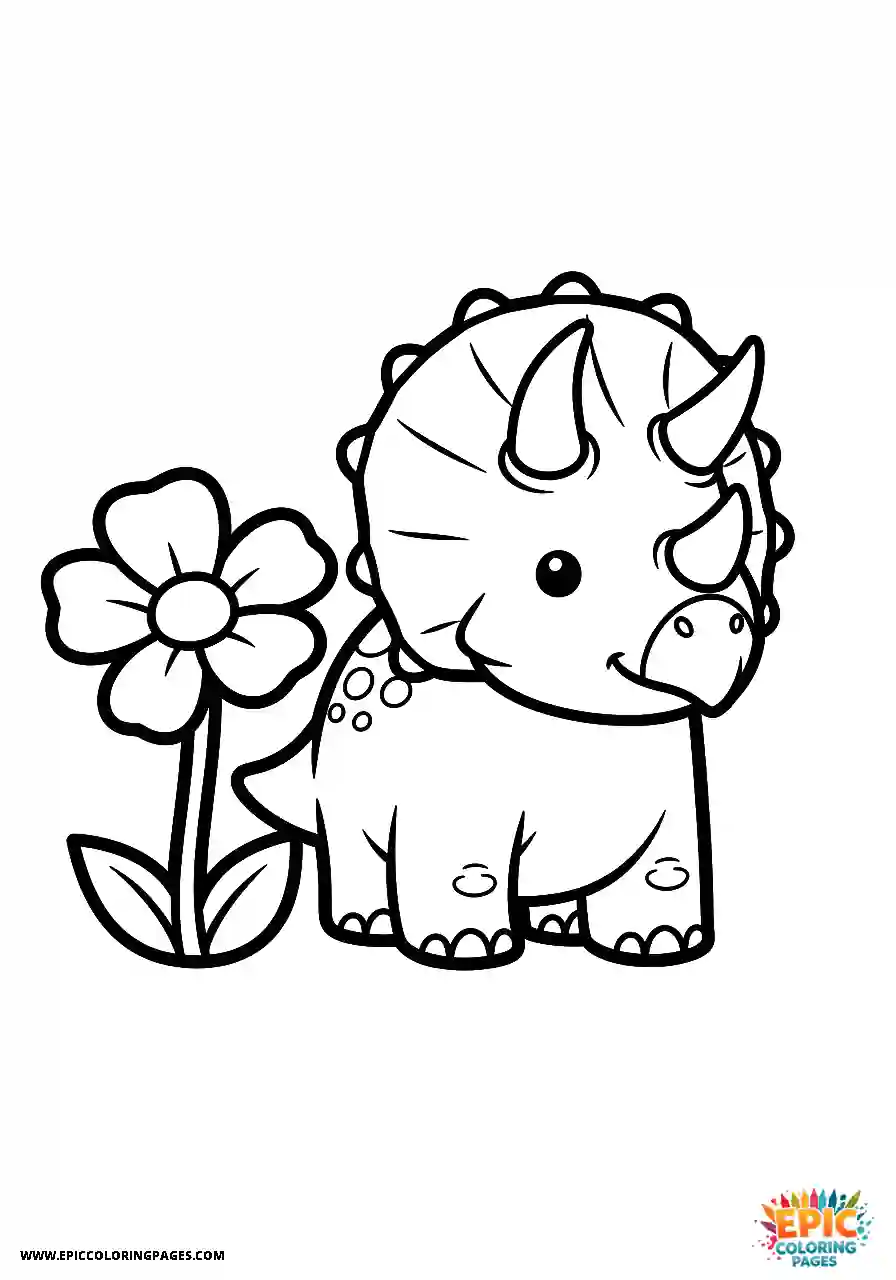
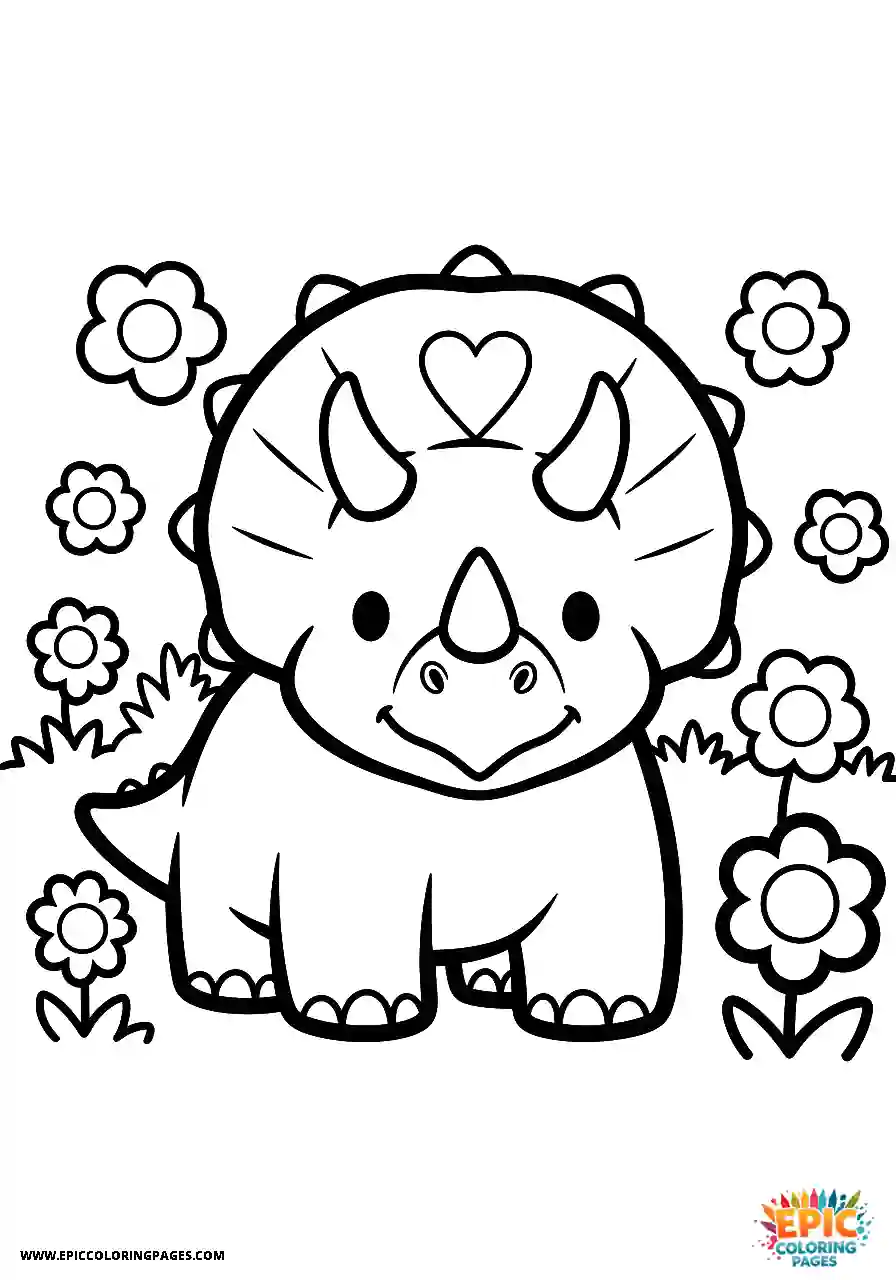
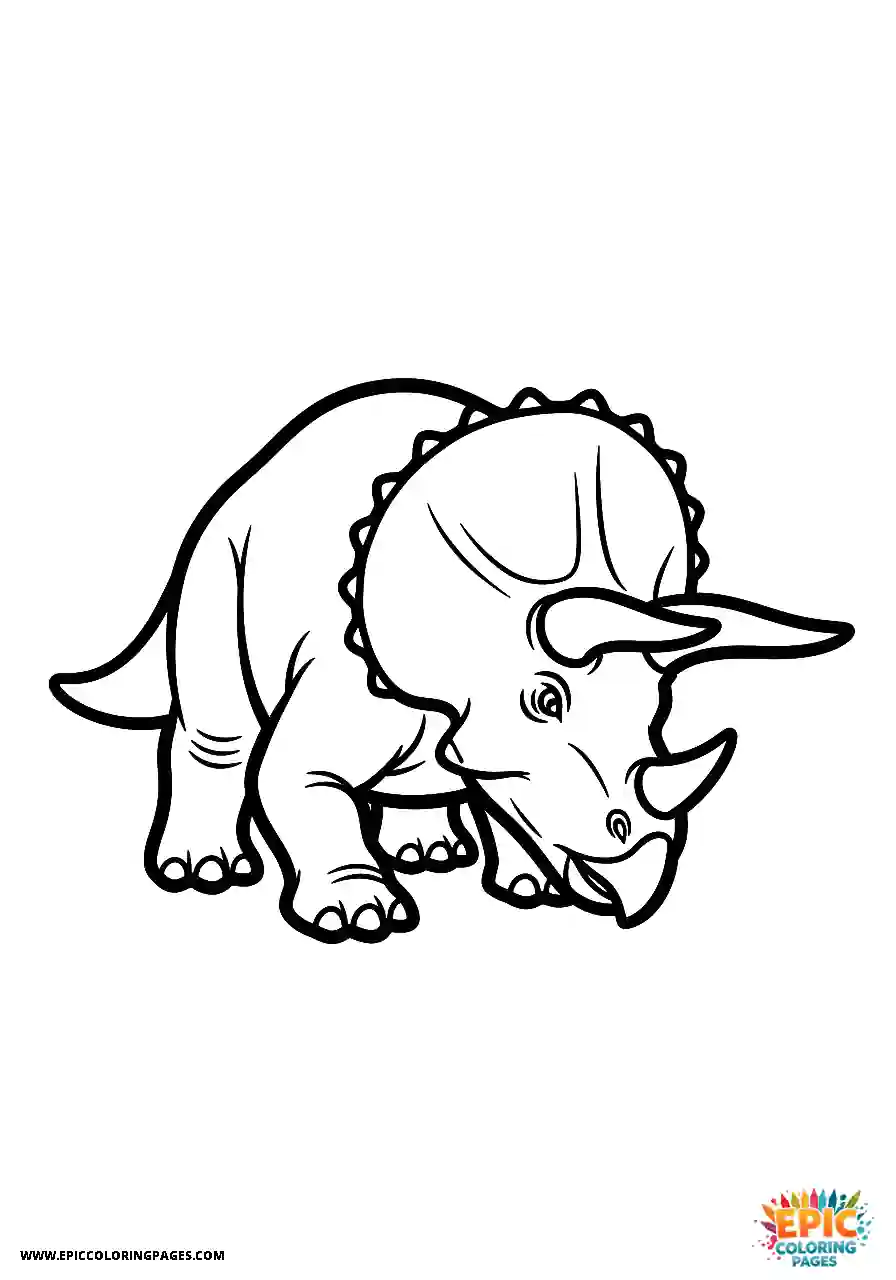
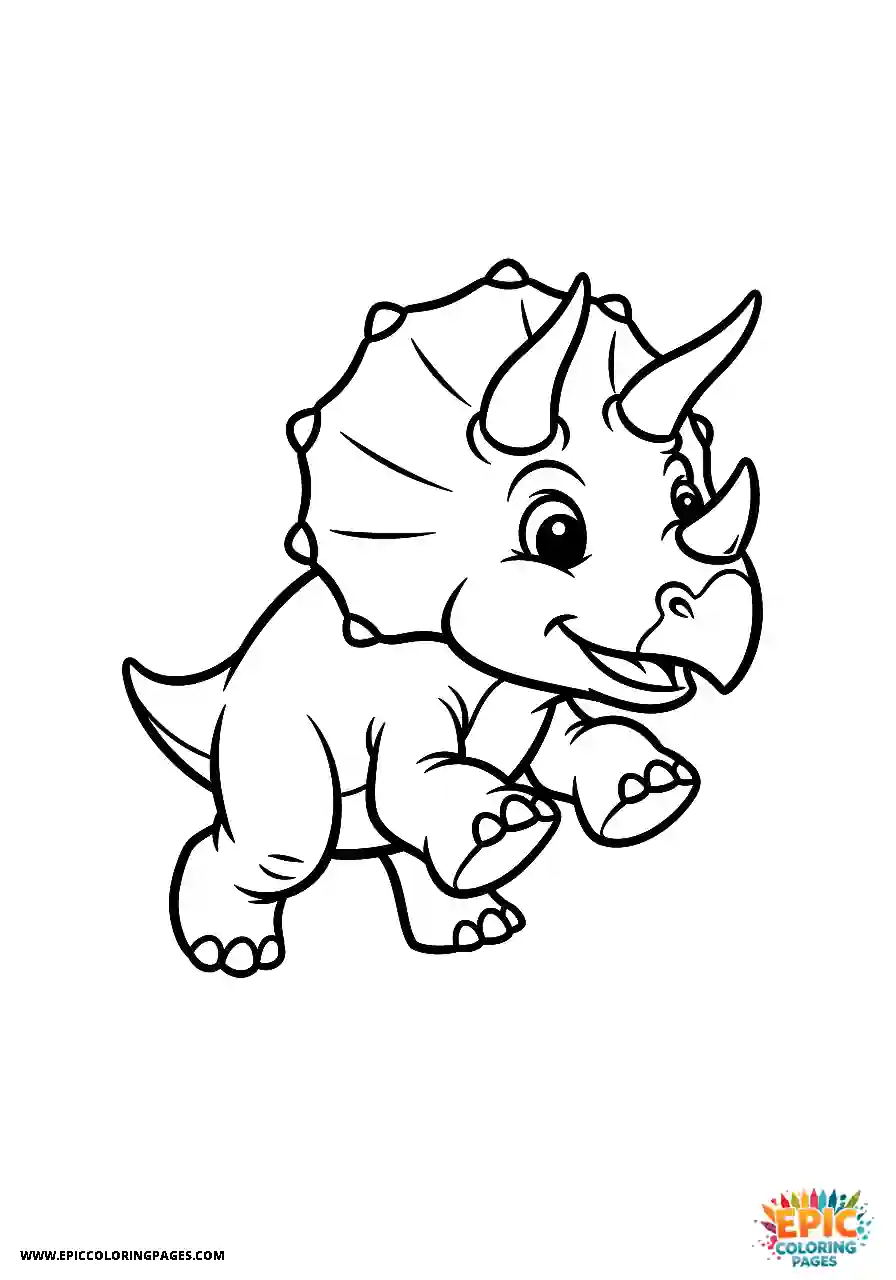
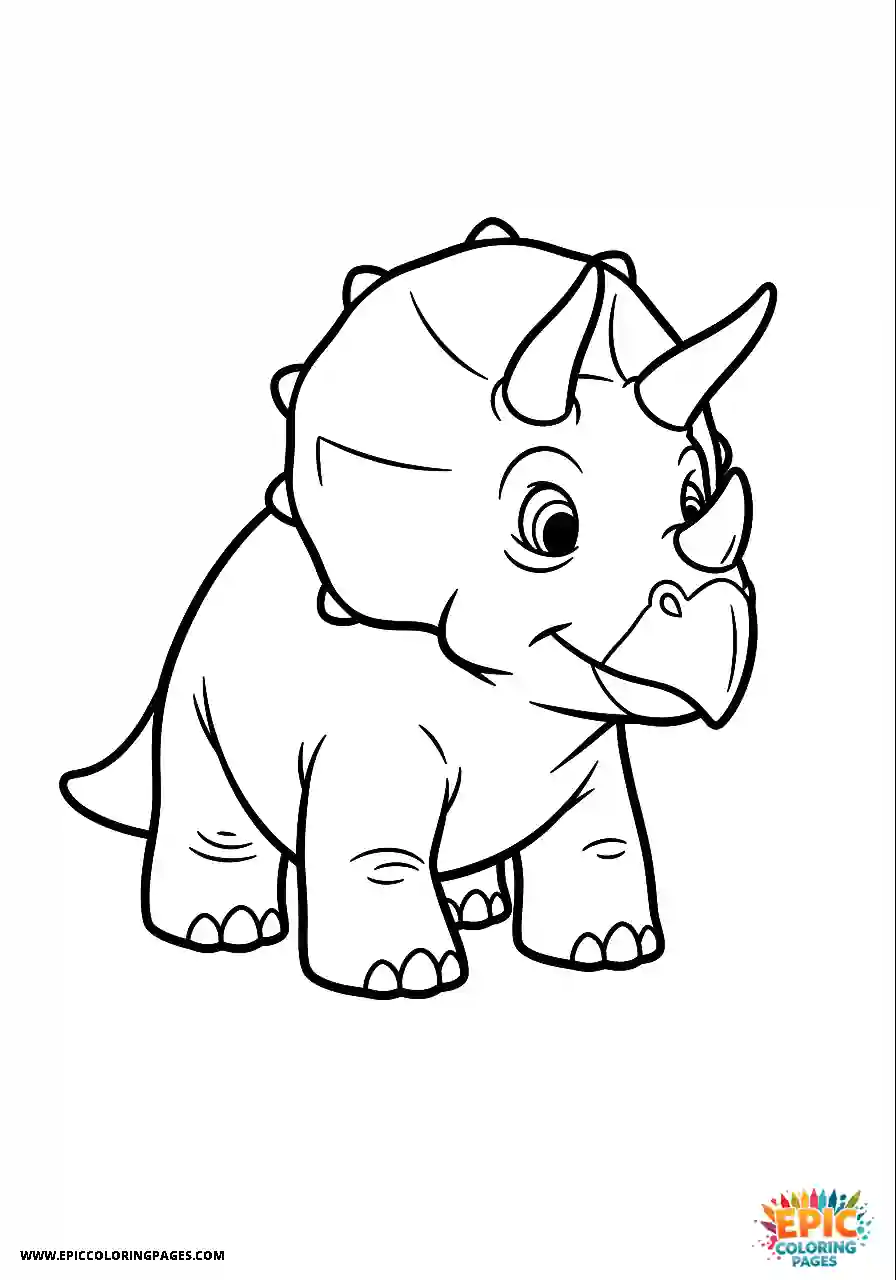
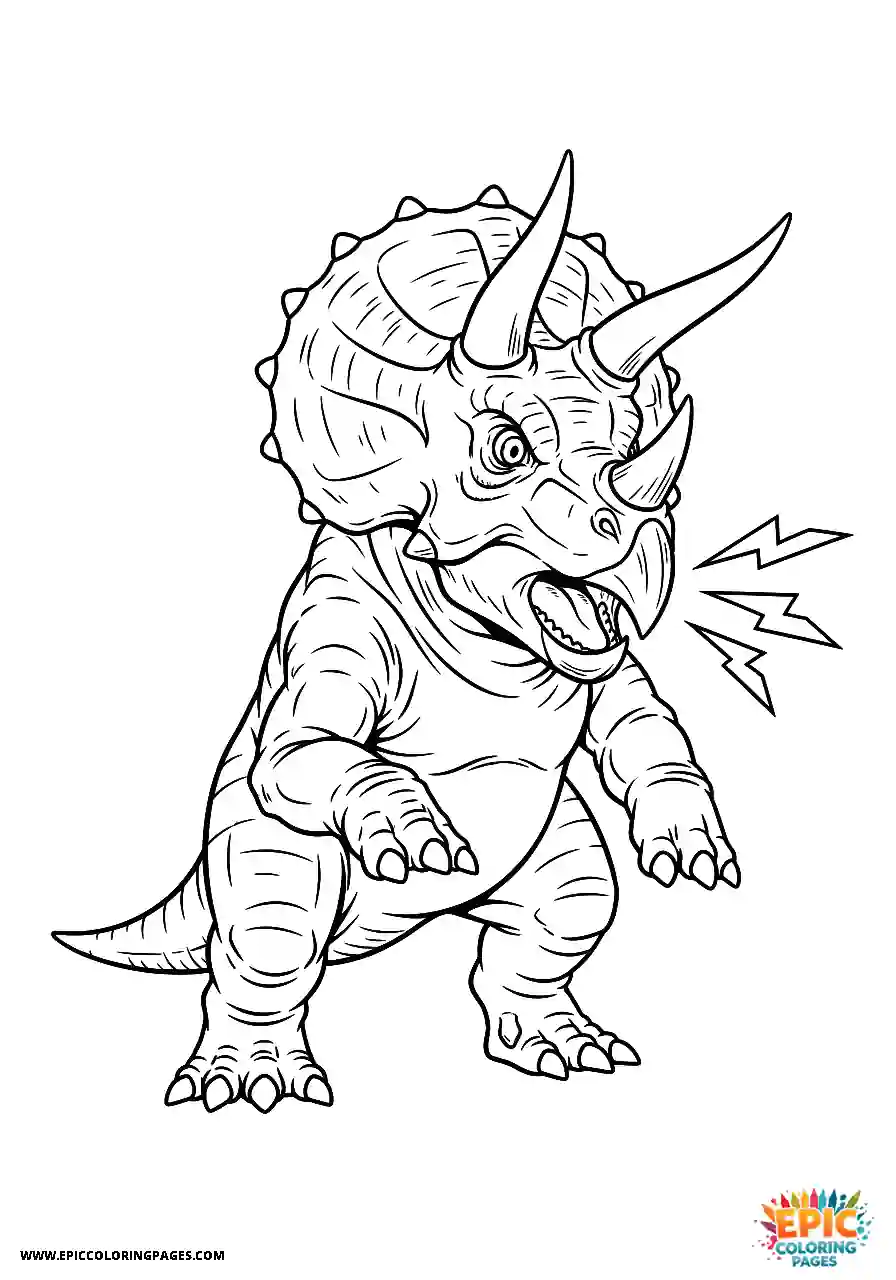
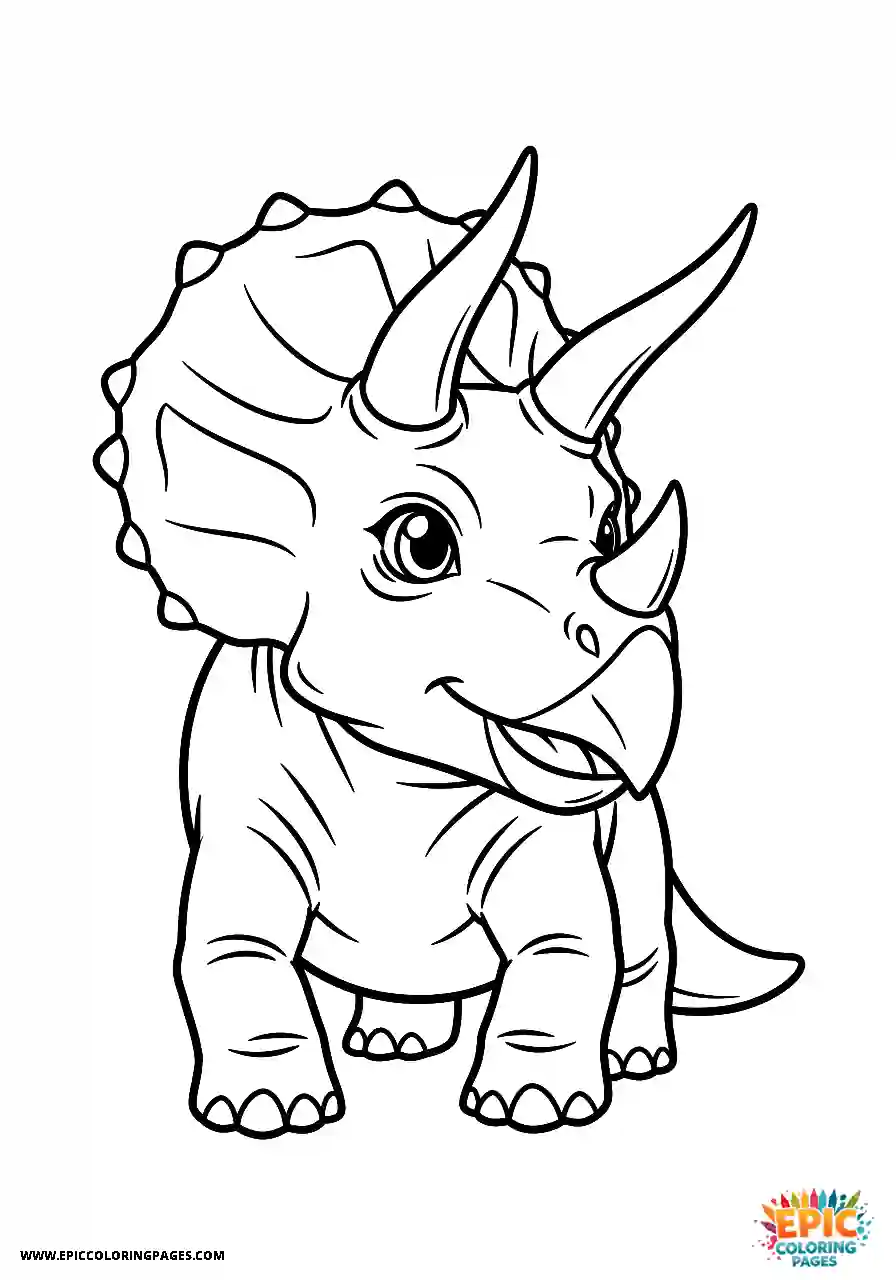
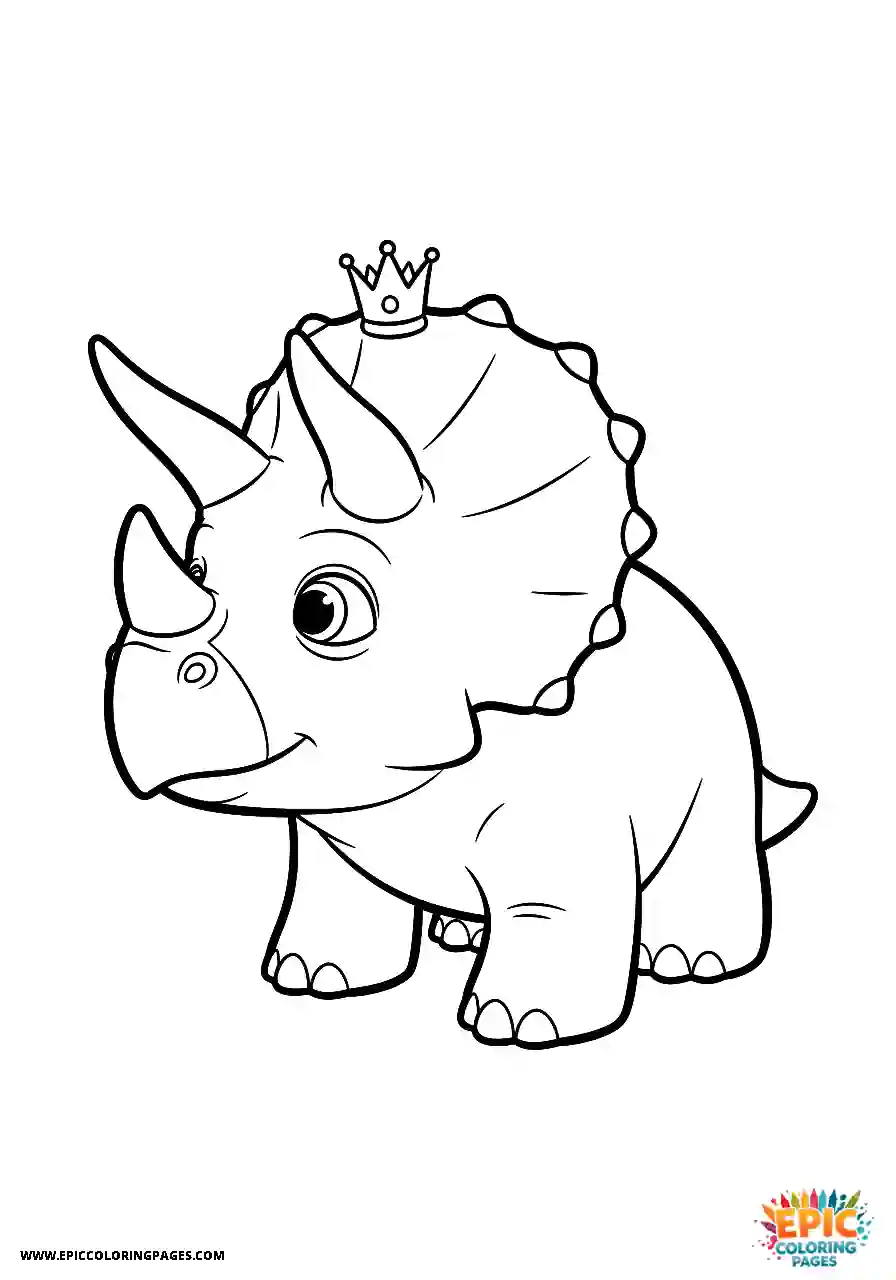
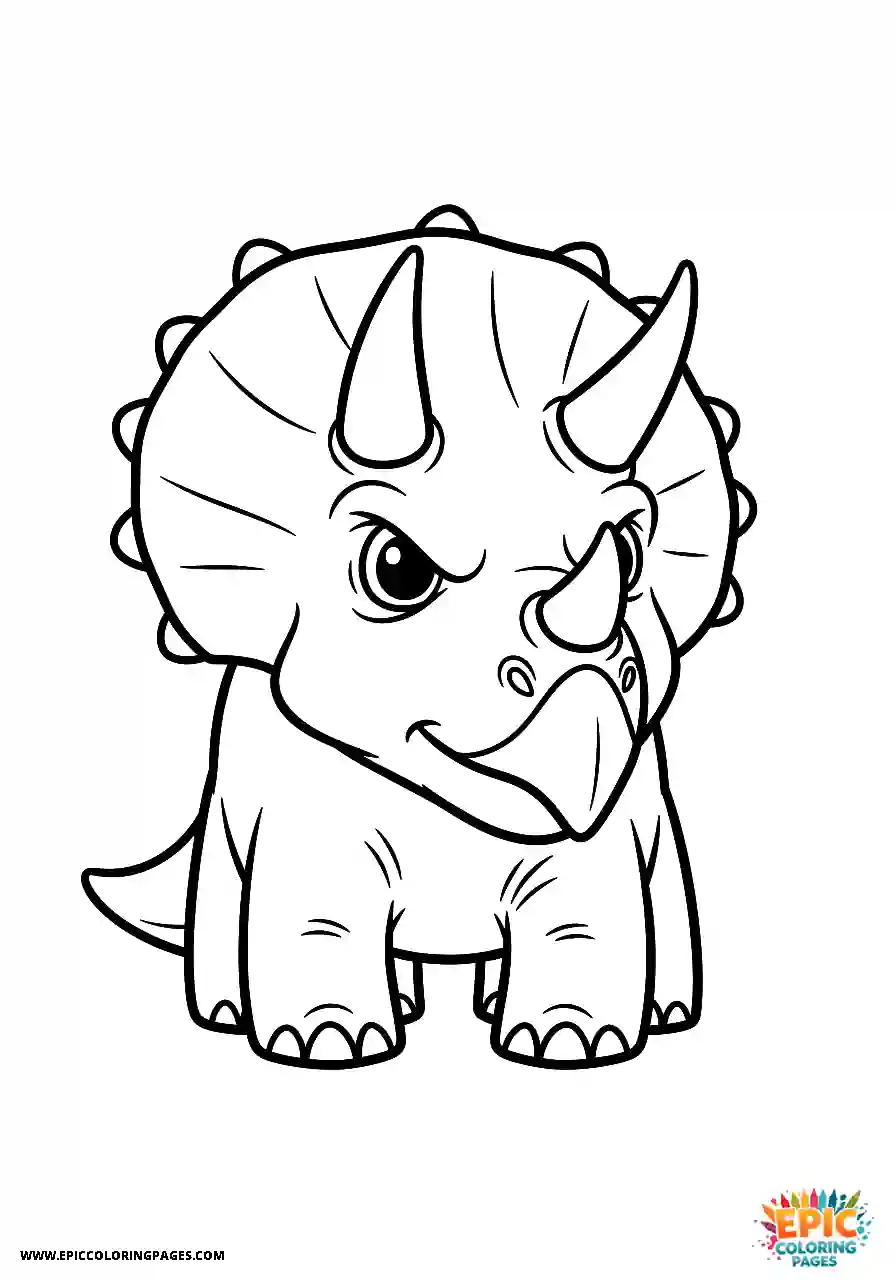
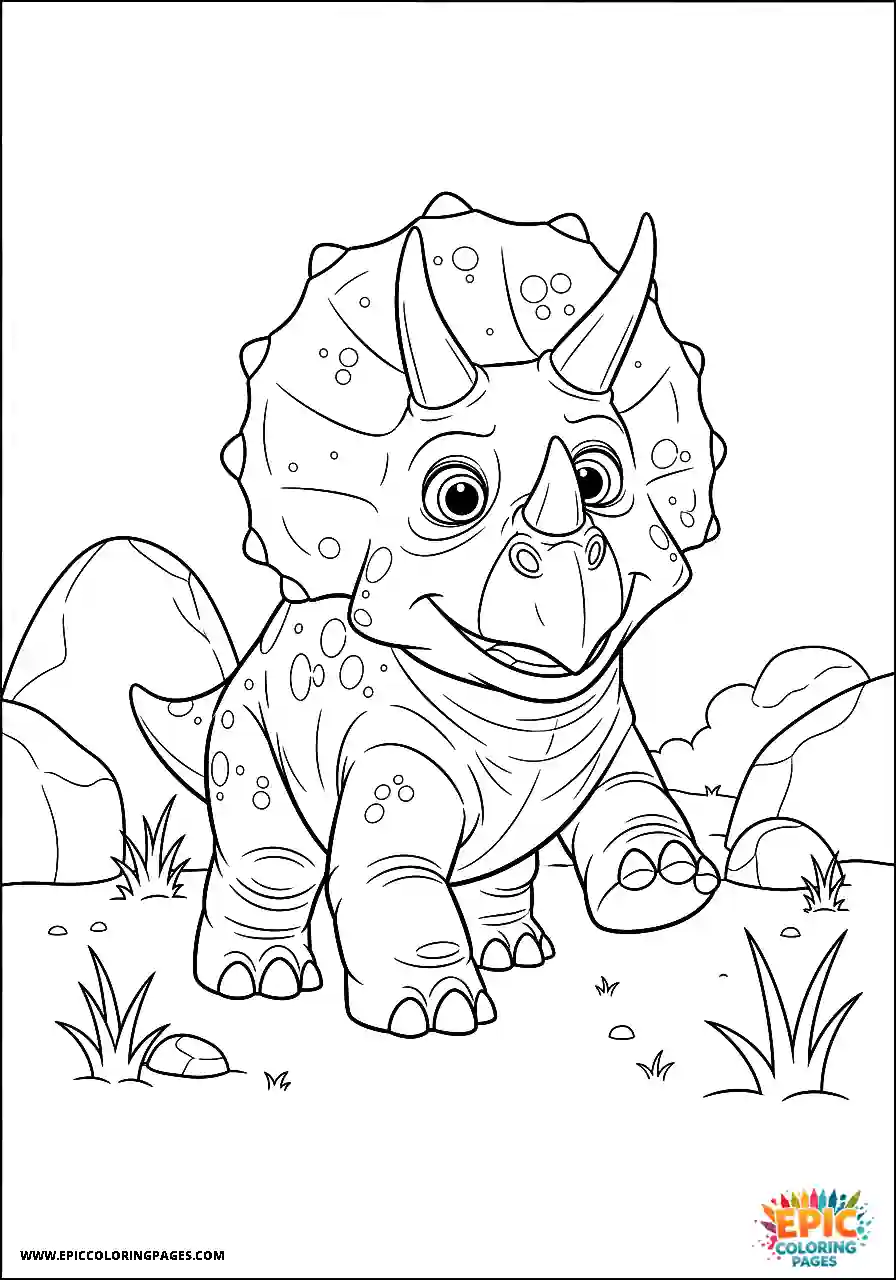
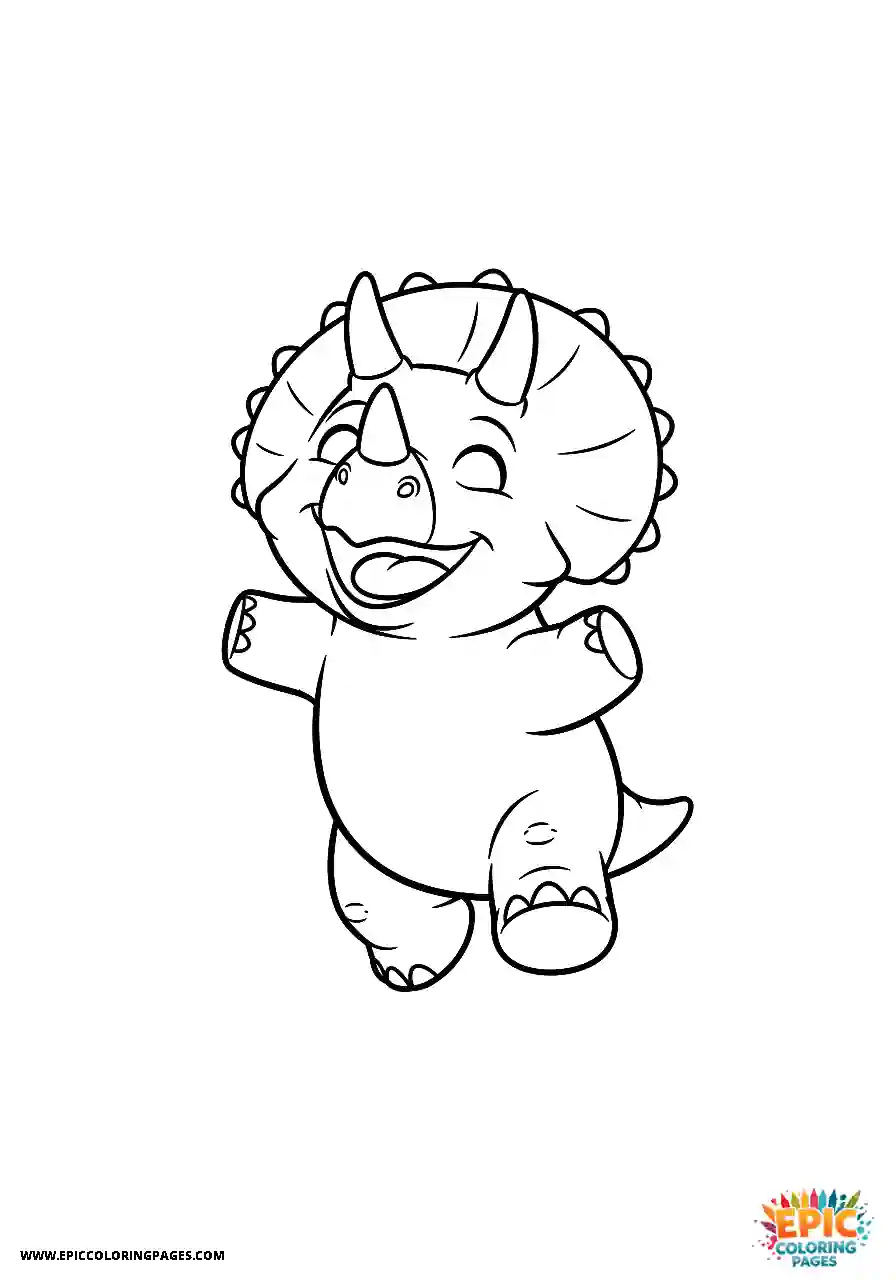
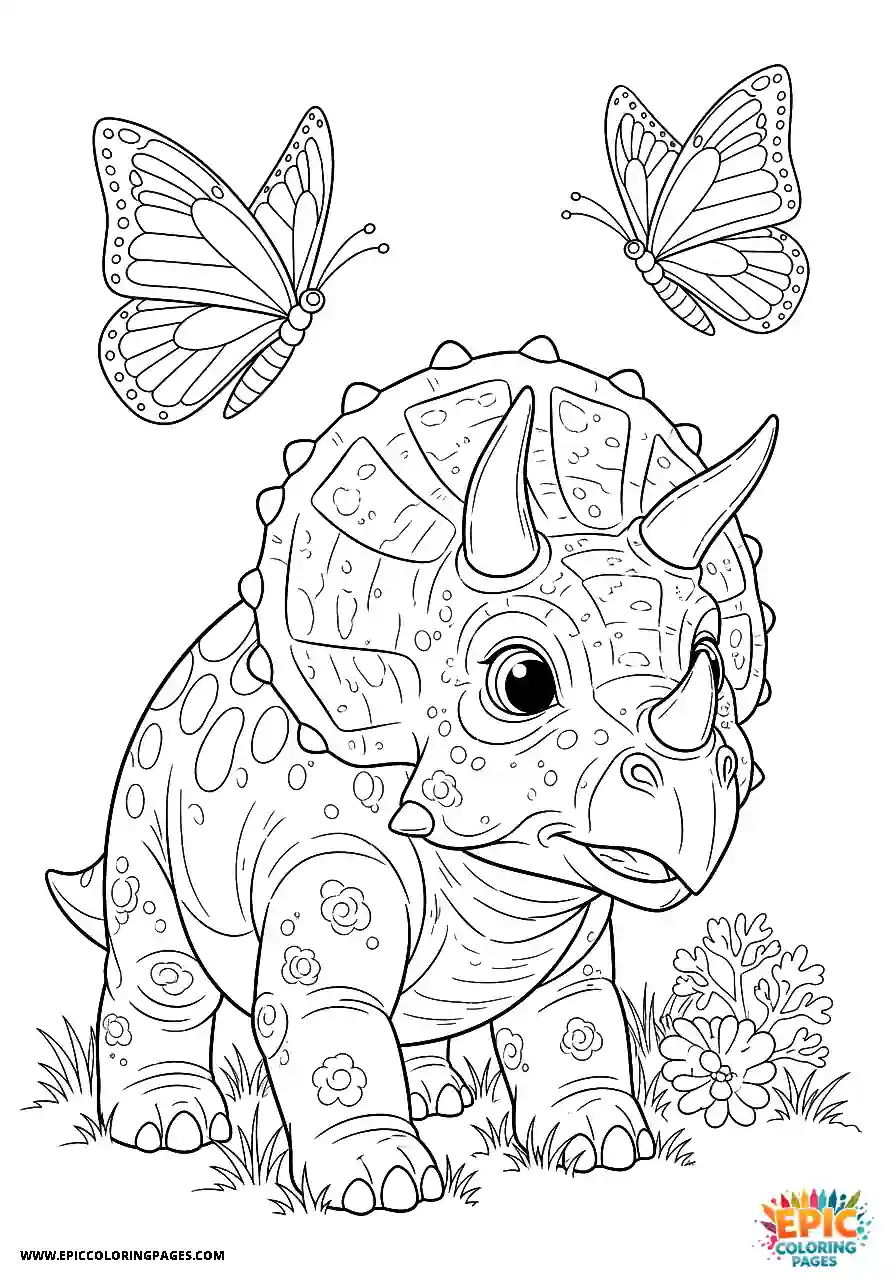
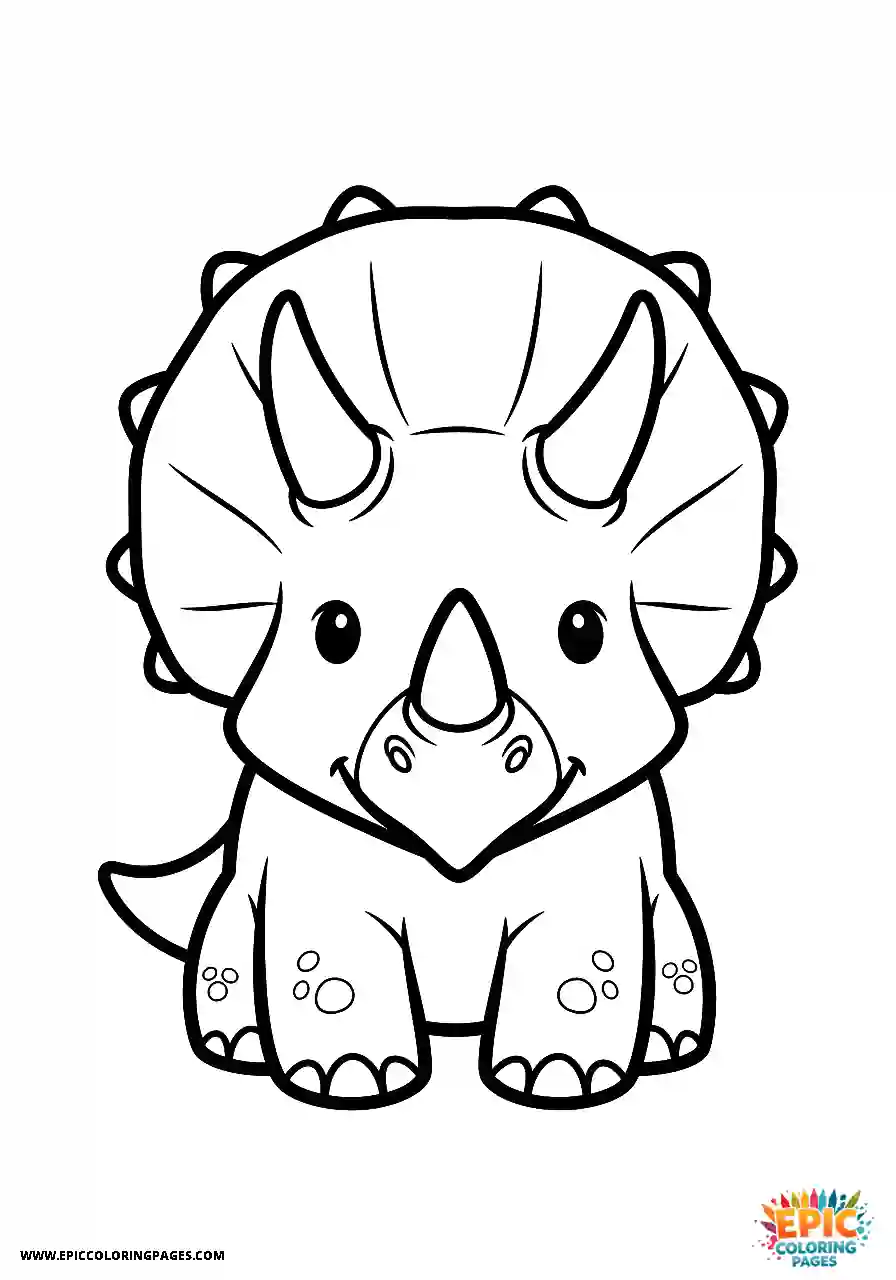
Bringing a Triceratops to life through coloring is an exciting journey that blends prehistoric wonder with artistic expression. Whether you’re just starting out or you’ve been coloring for years, these tips will help you create stunning results that capture the majesty of this iconic three-horned dinosaur.
Understanding Your Subject
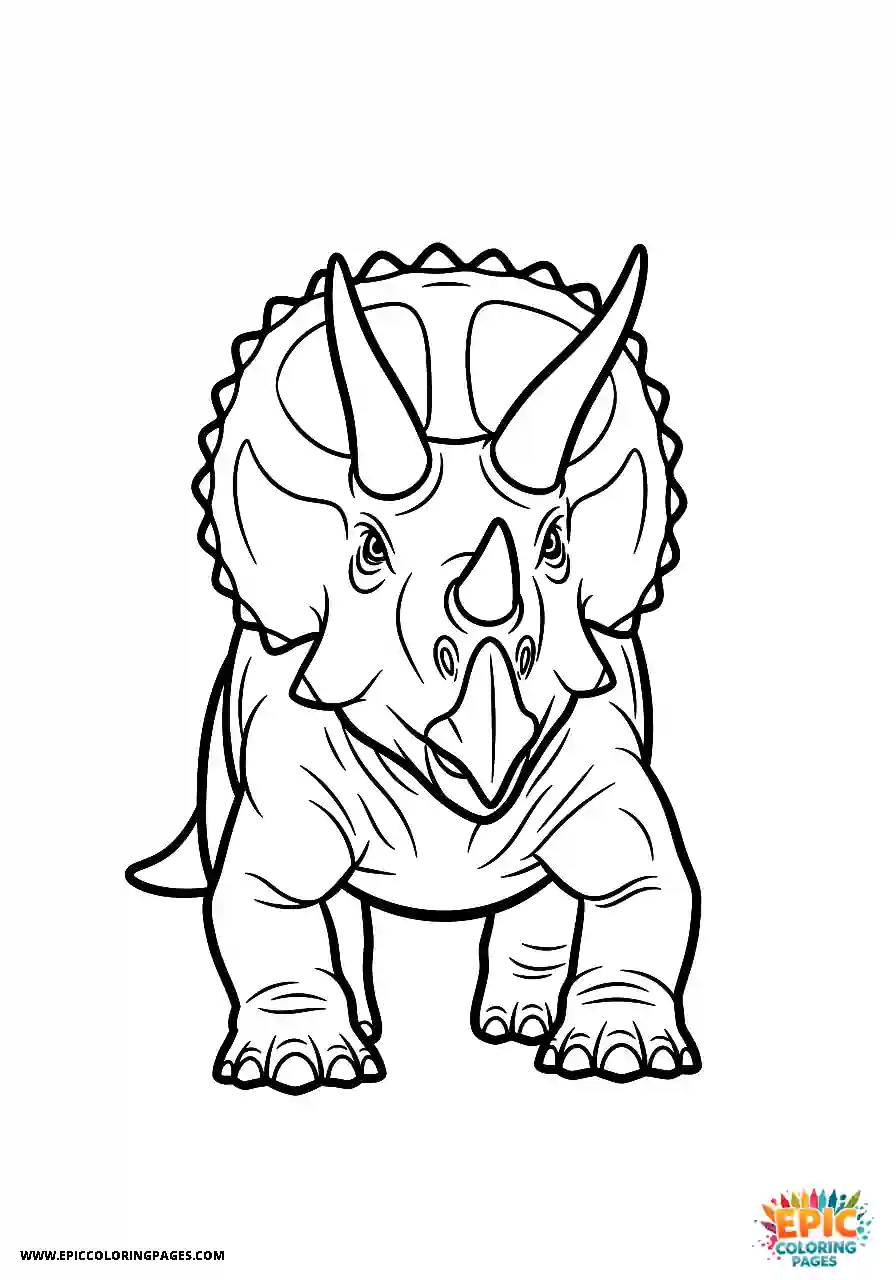
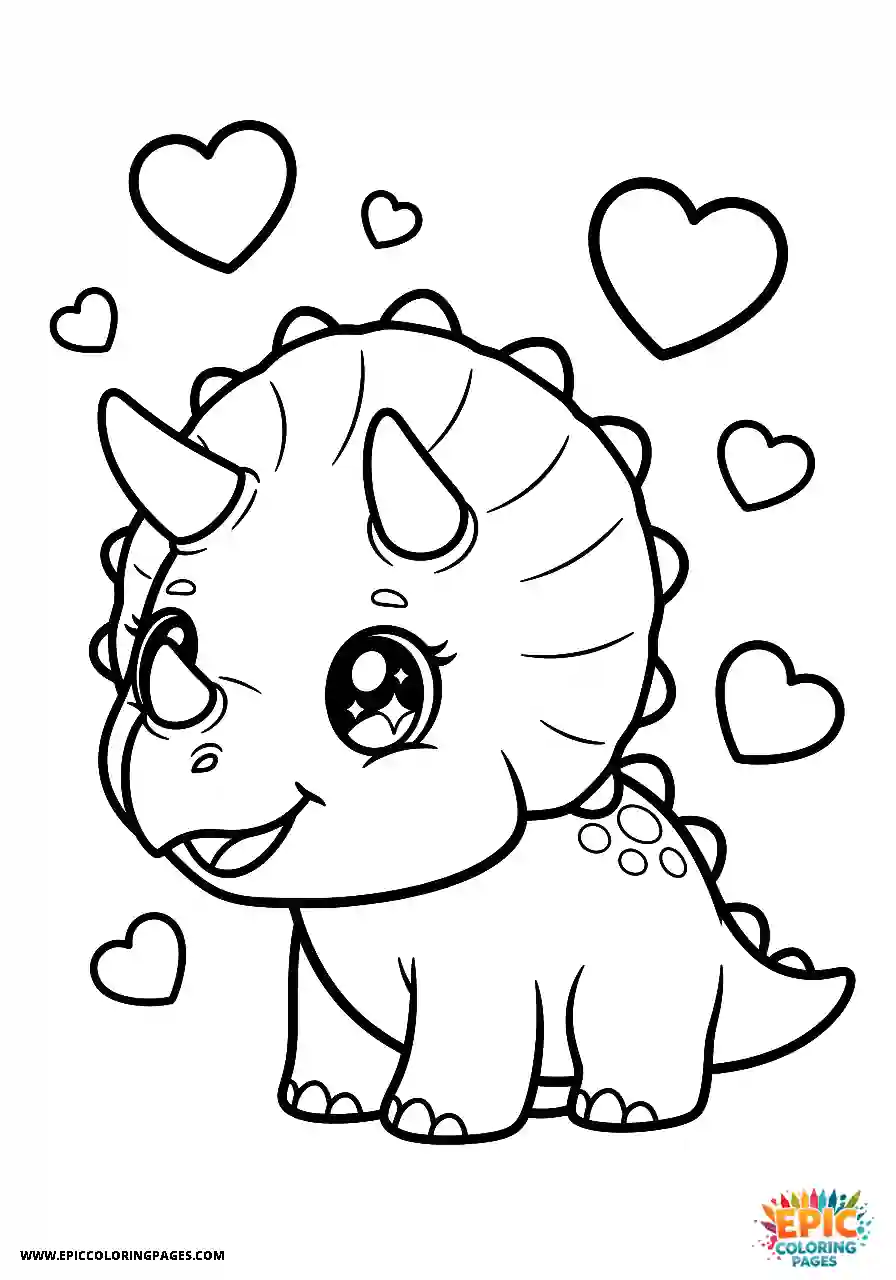
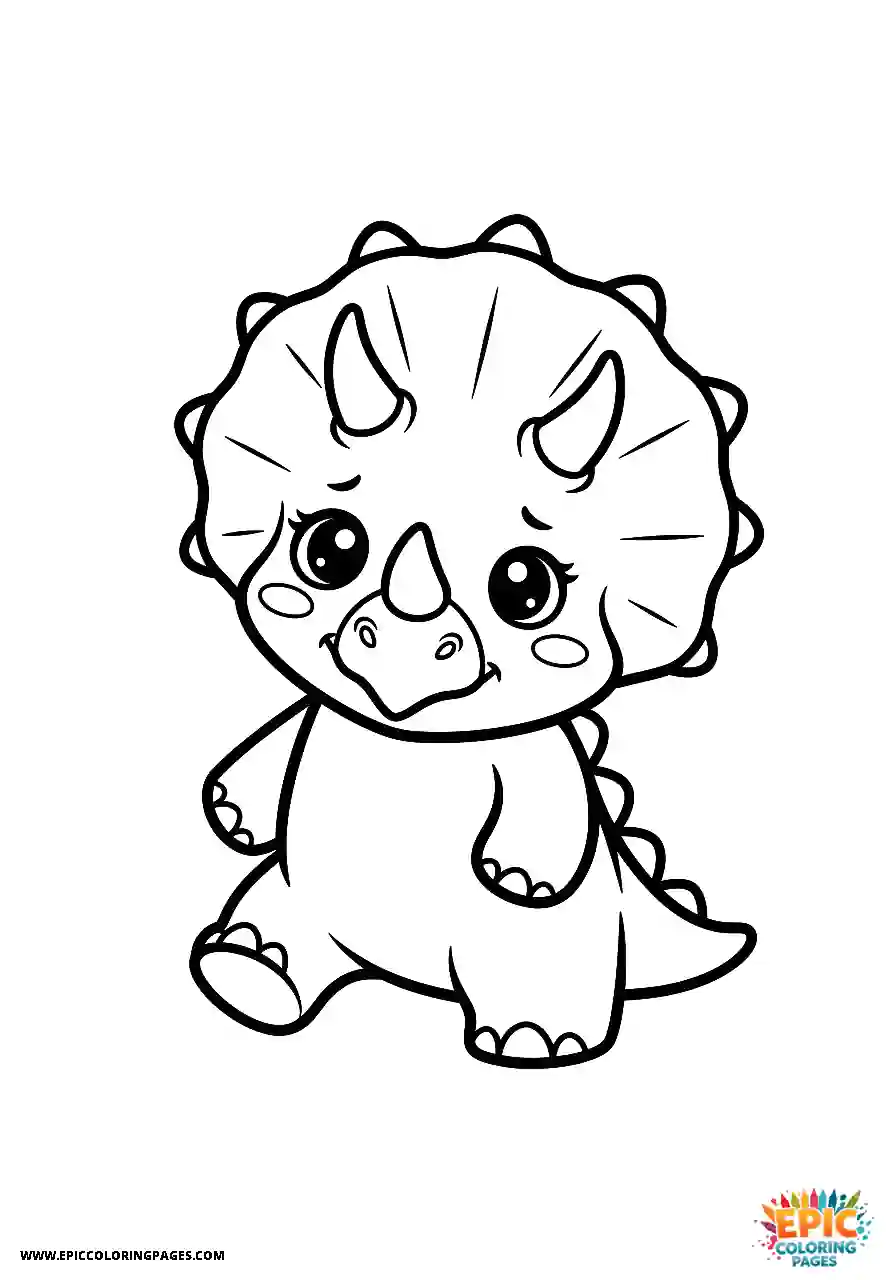
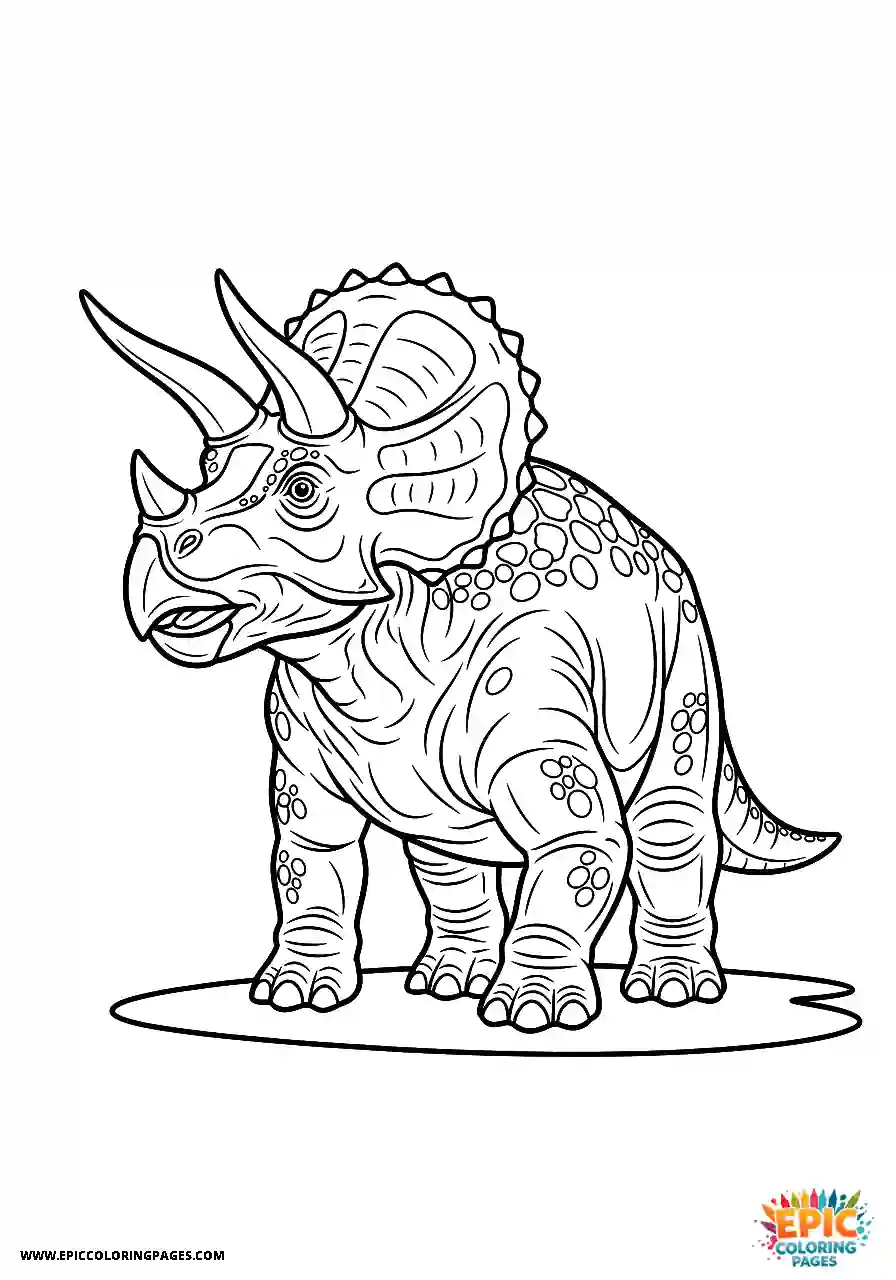
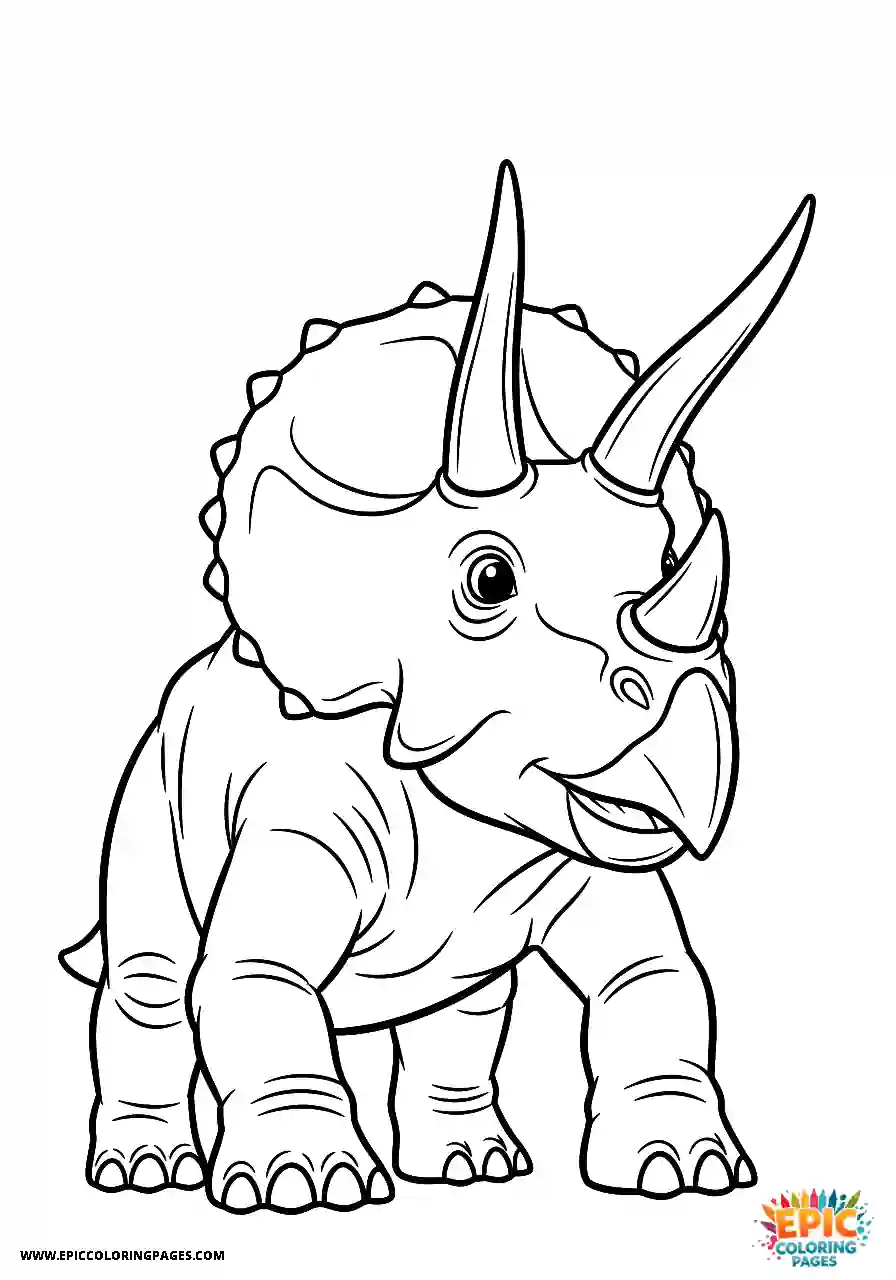
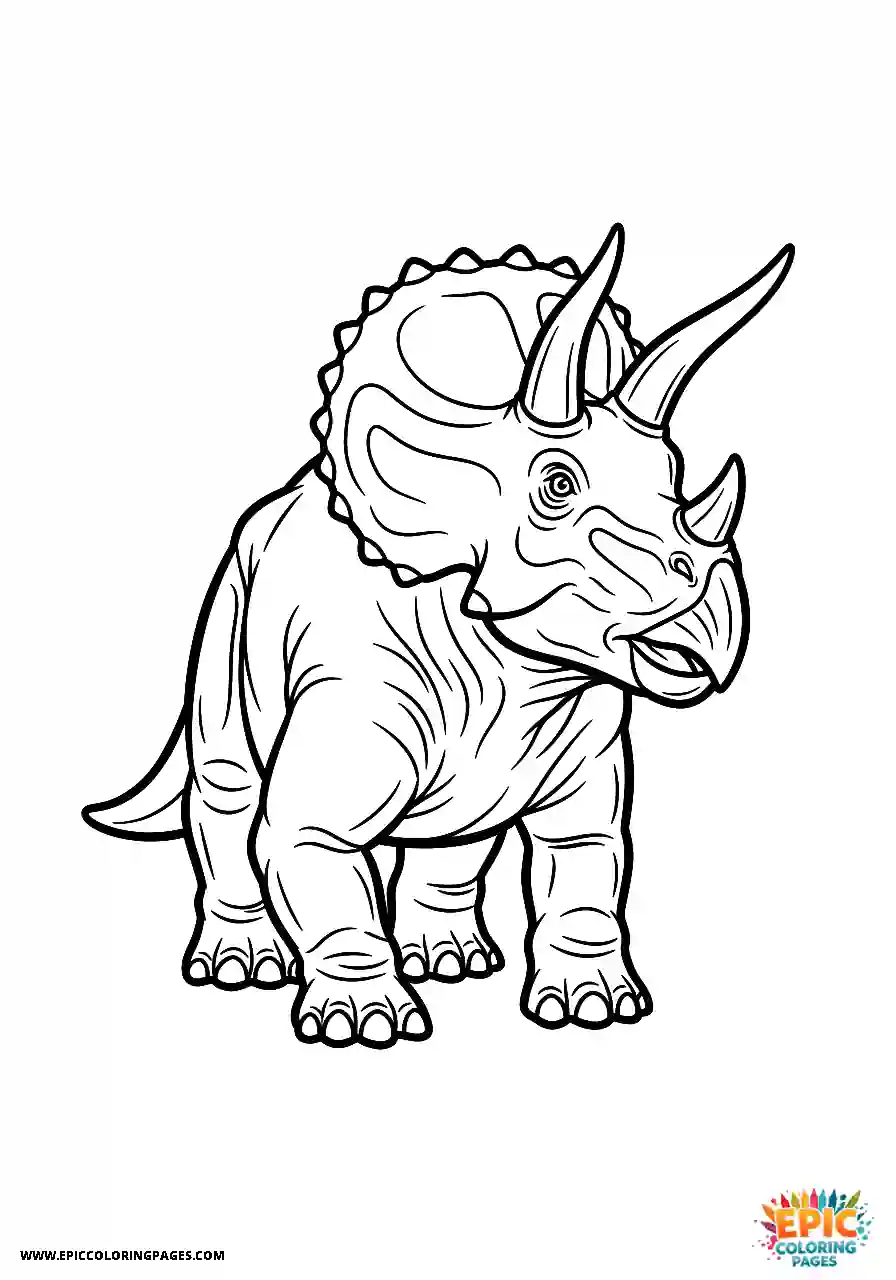
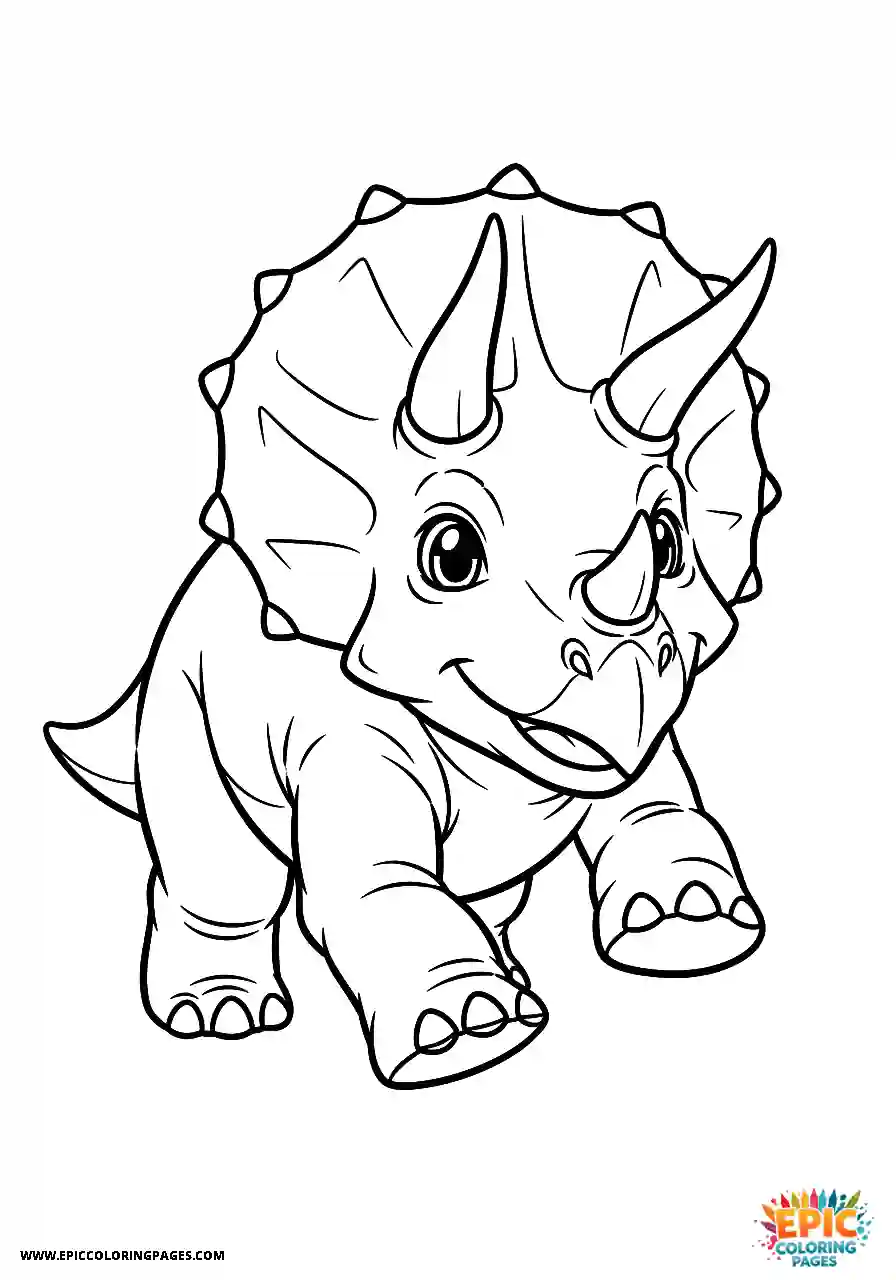
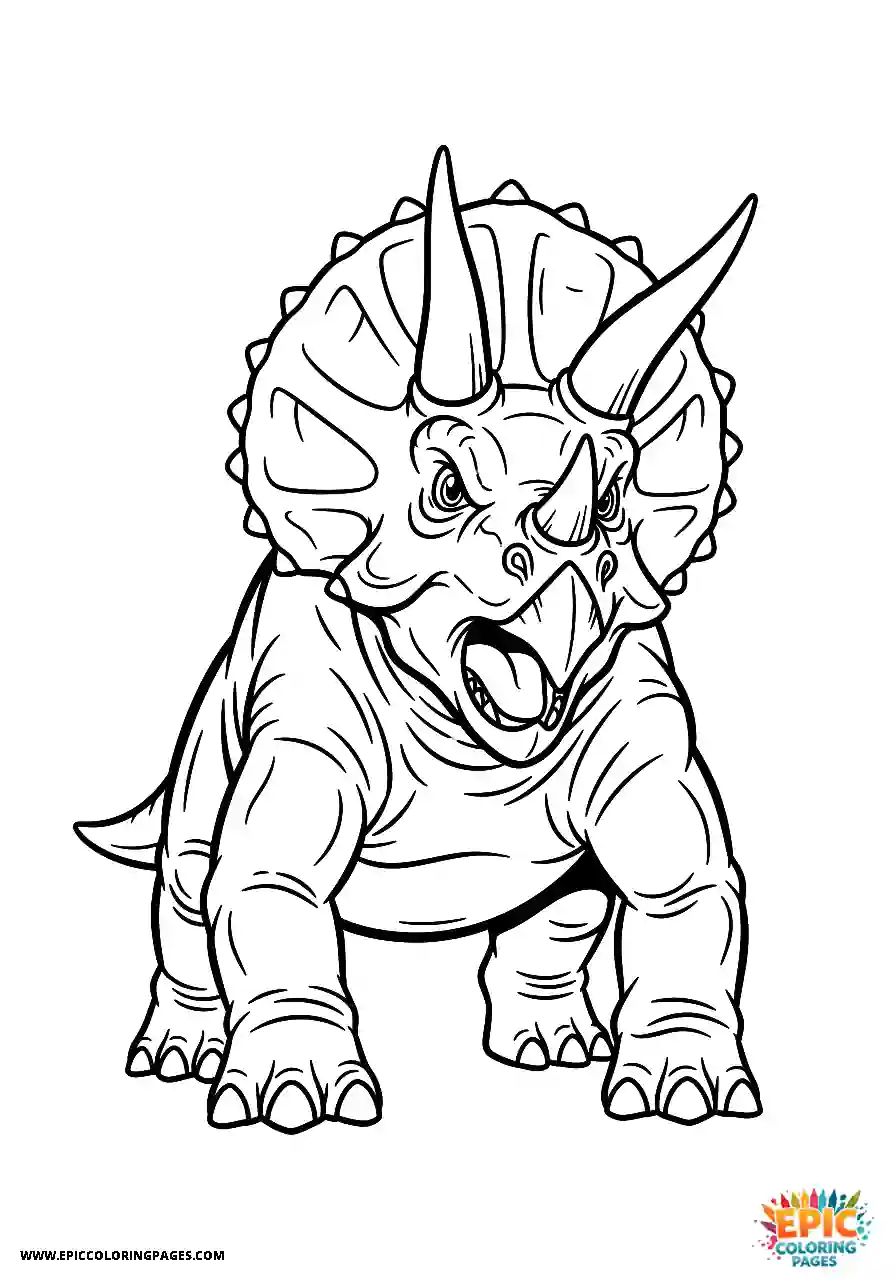
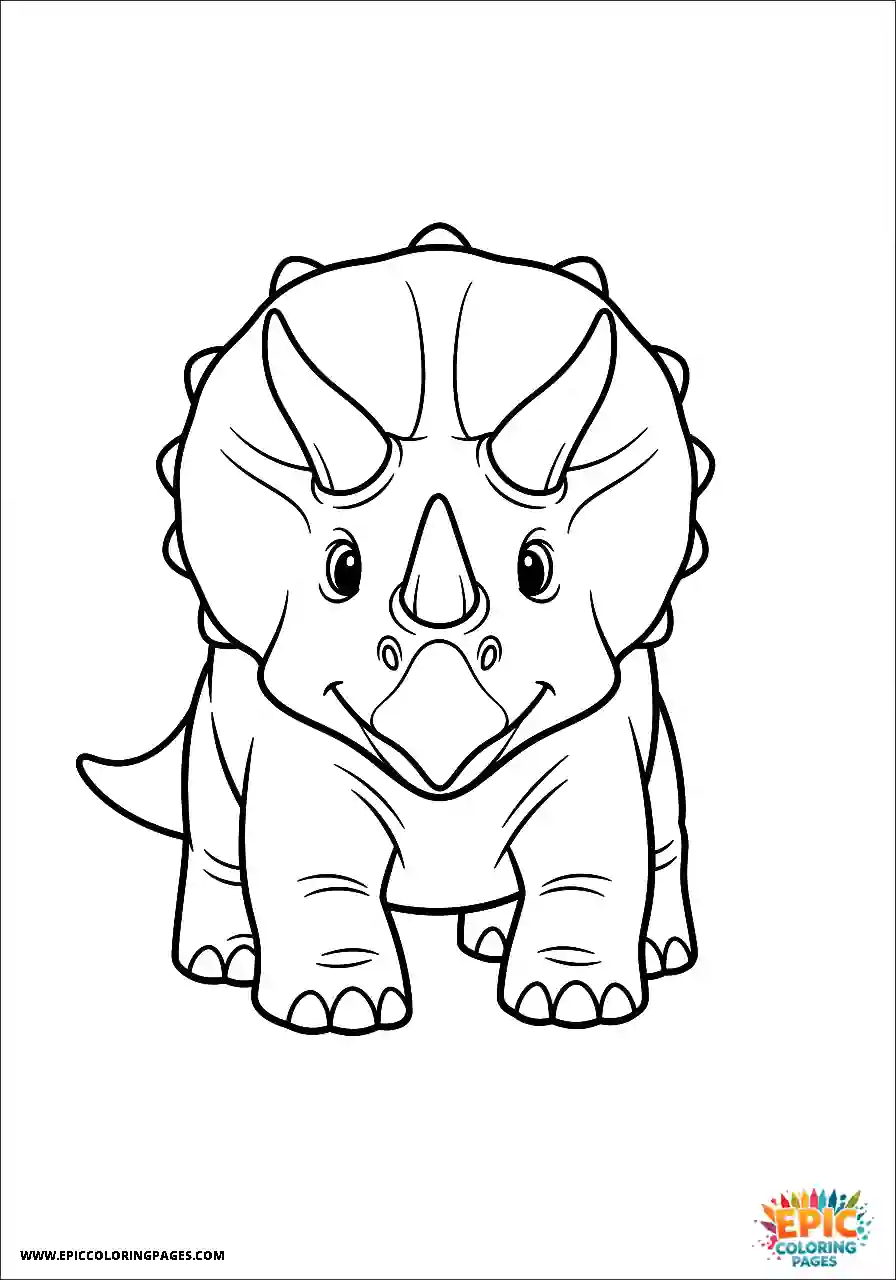
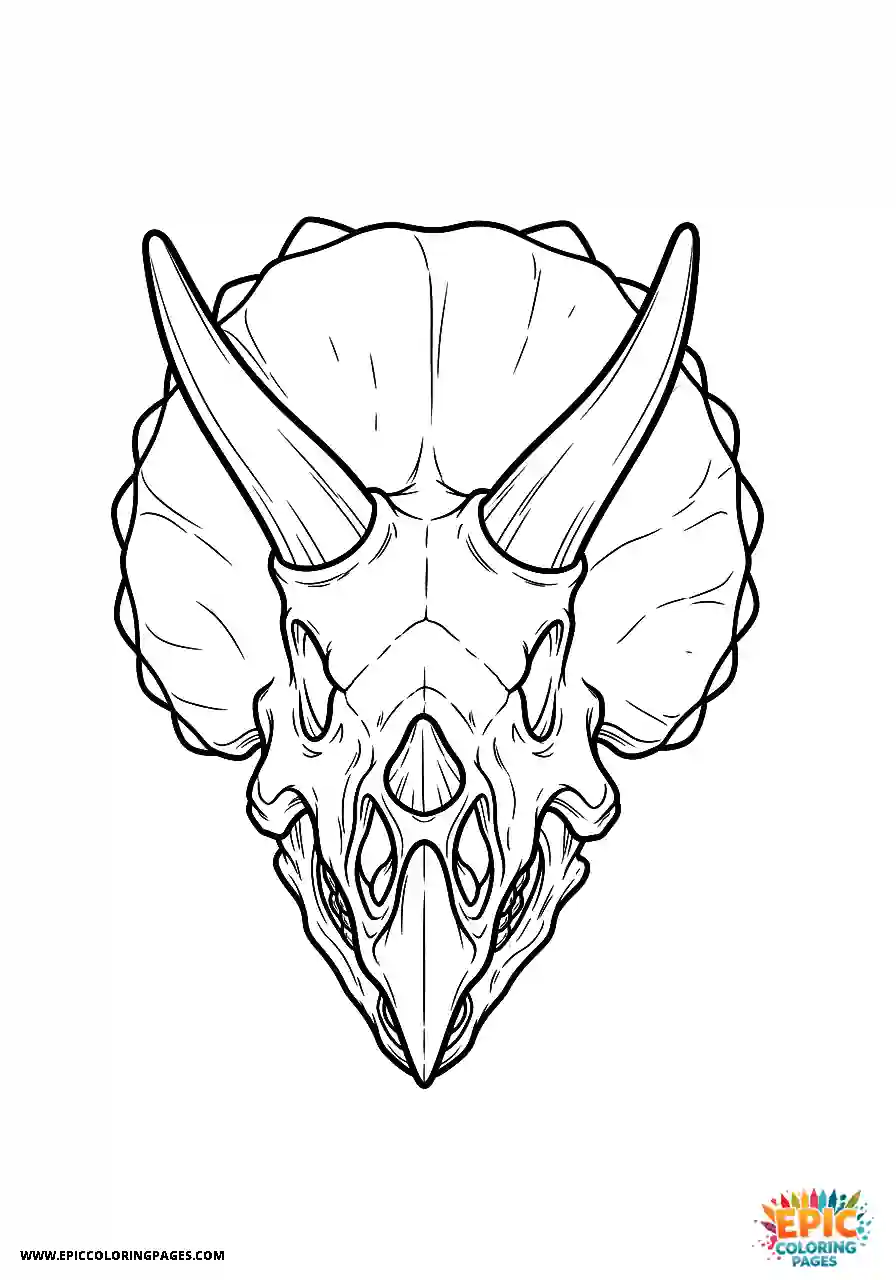
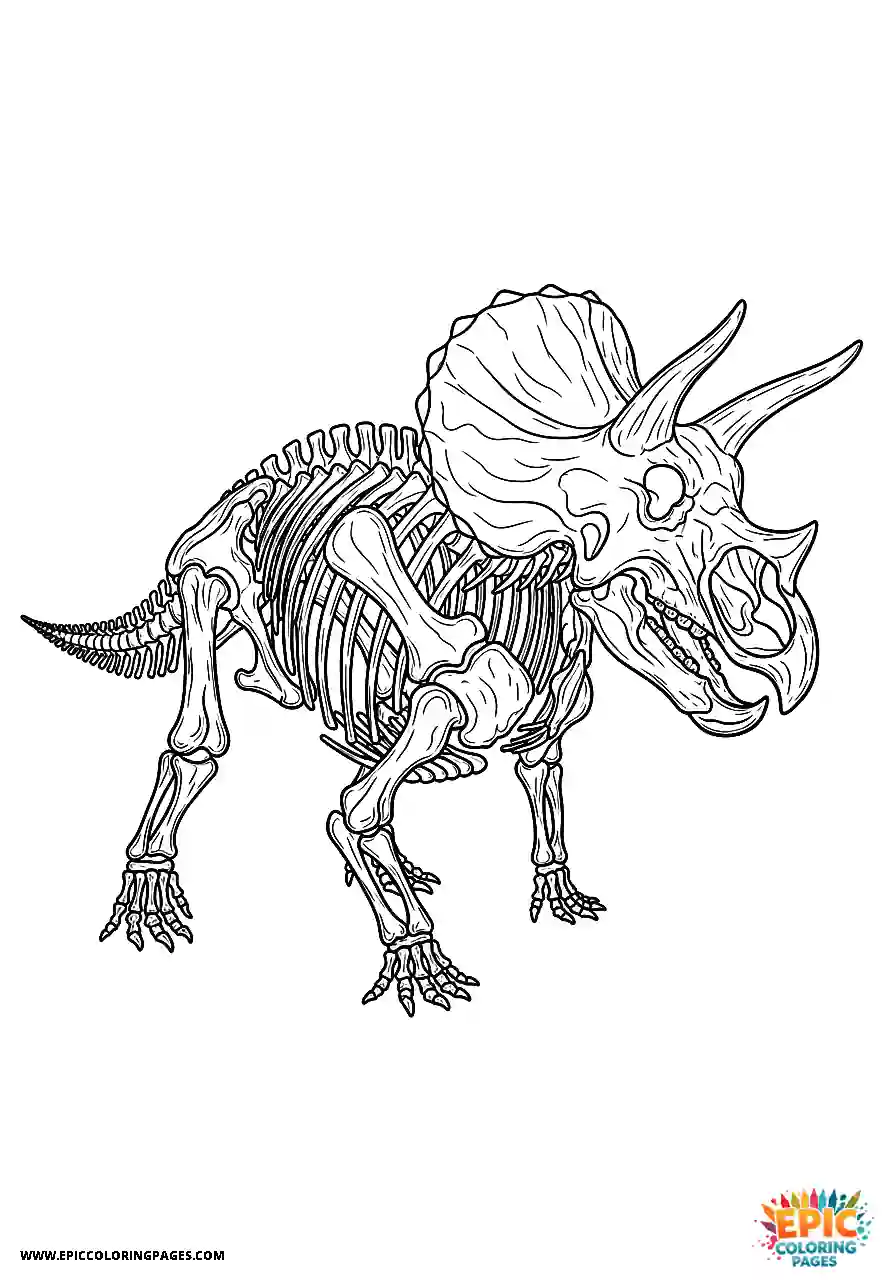
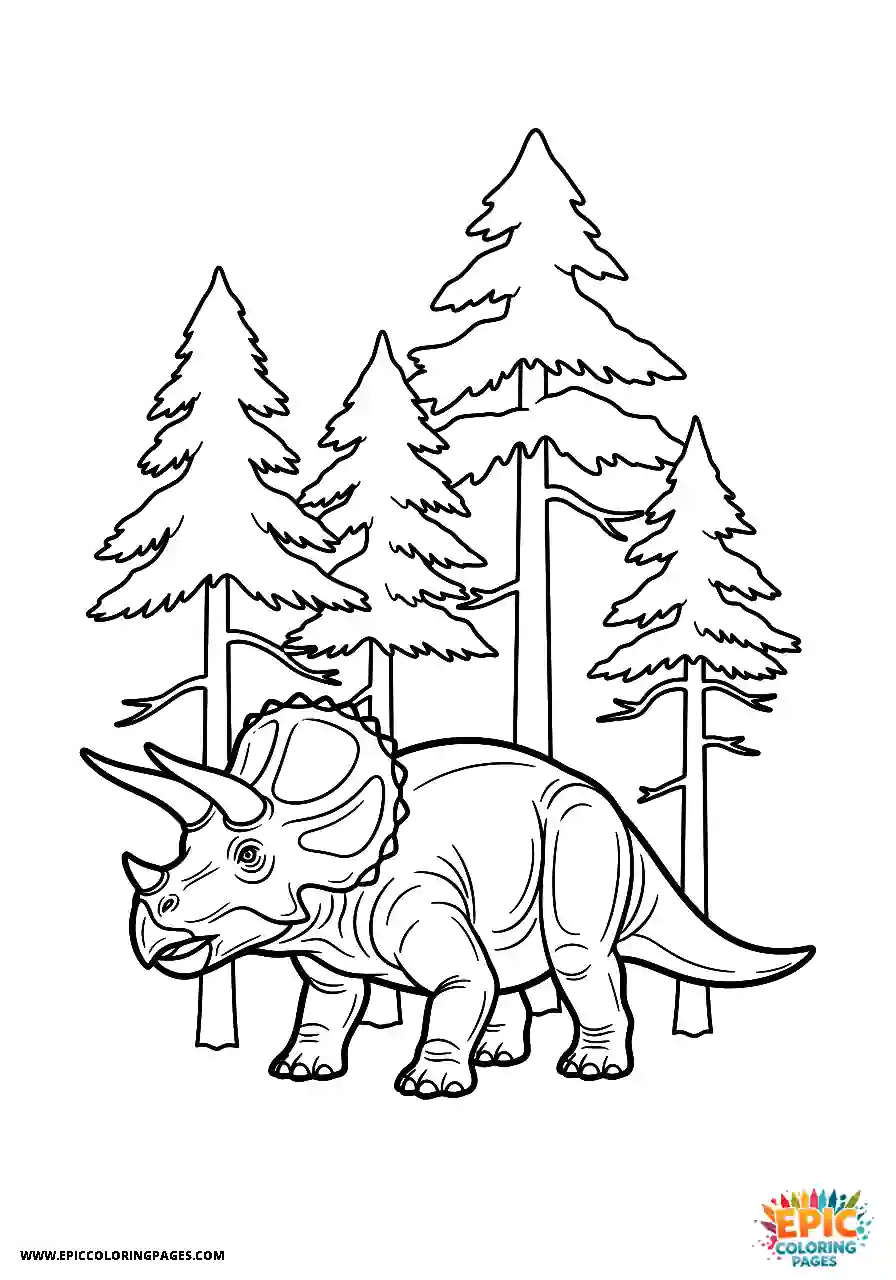
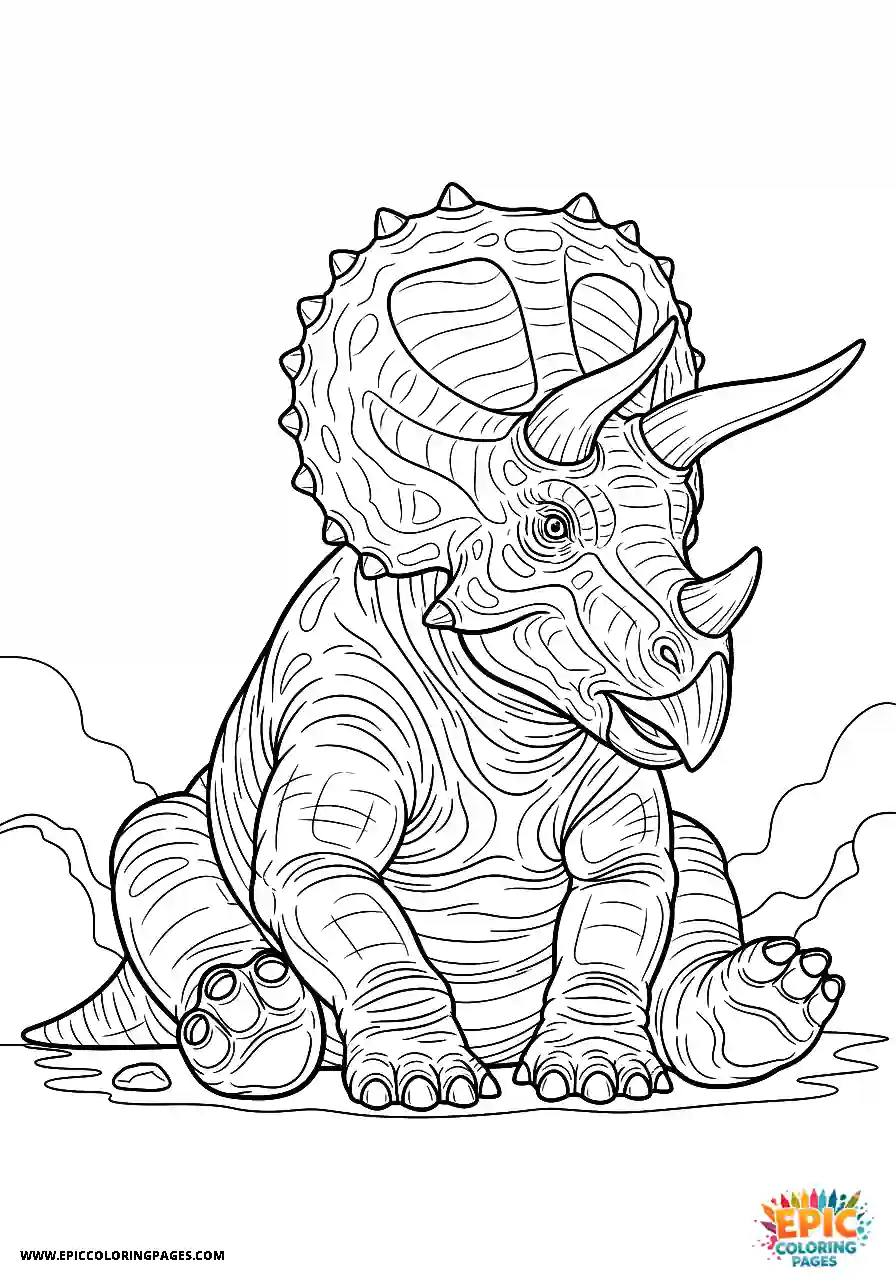
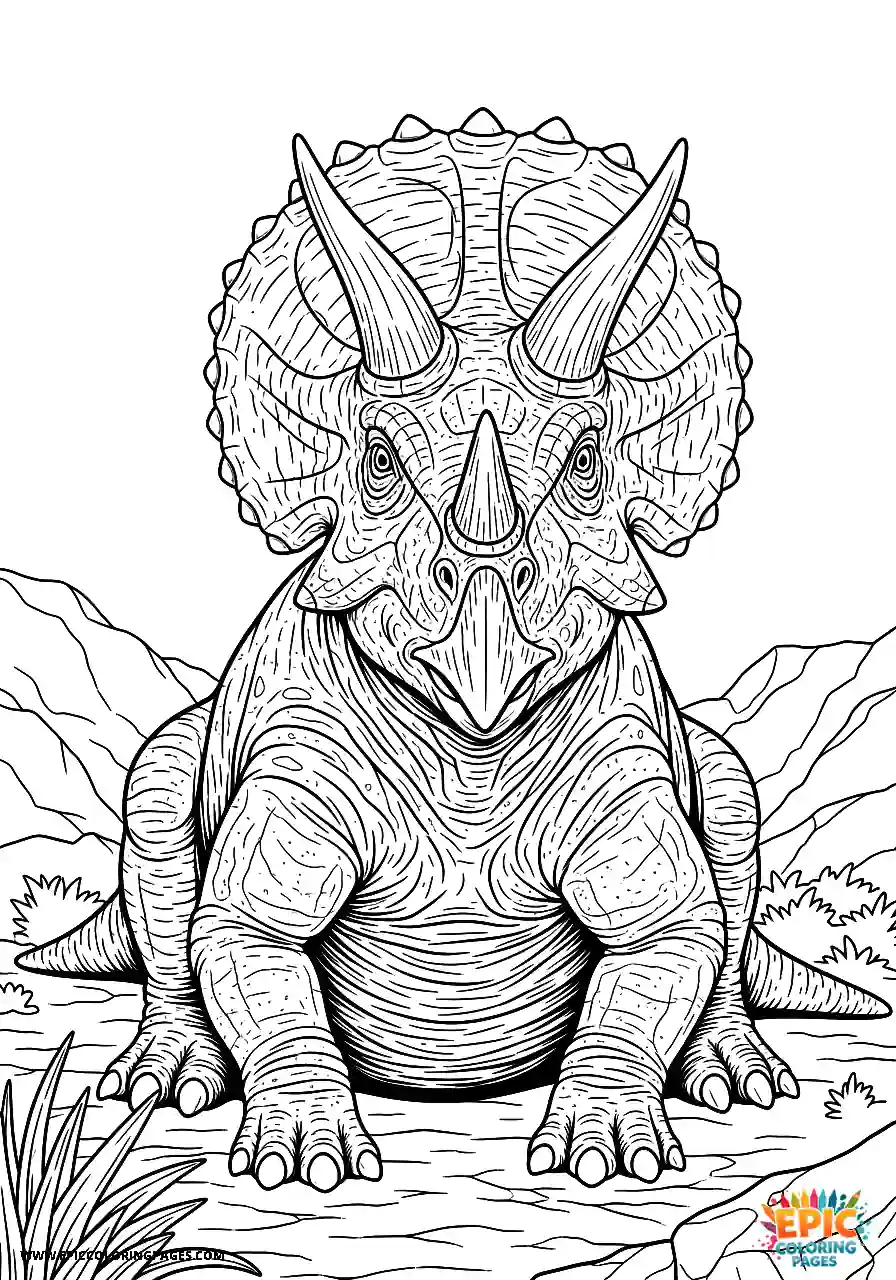
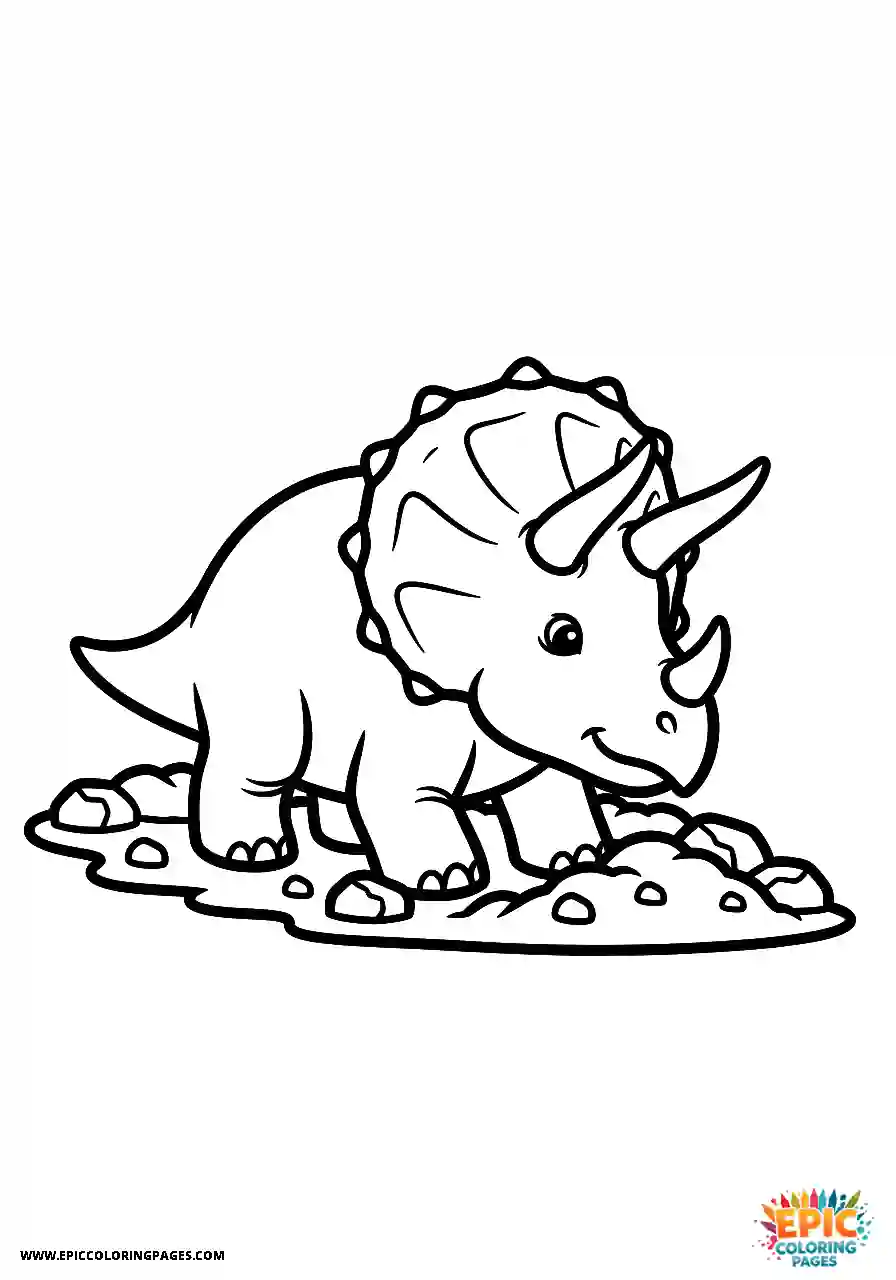
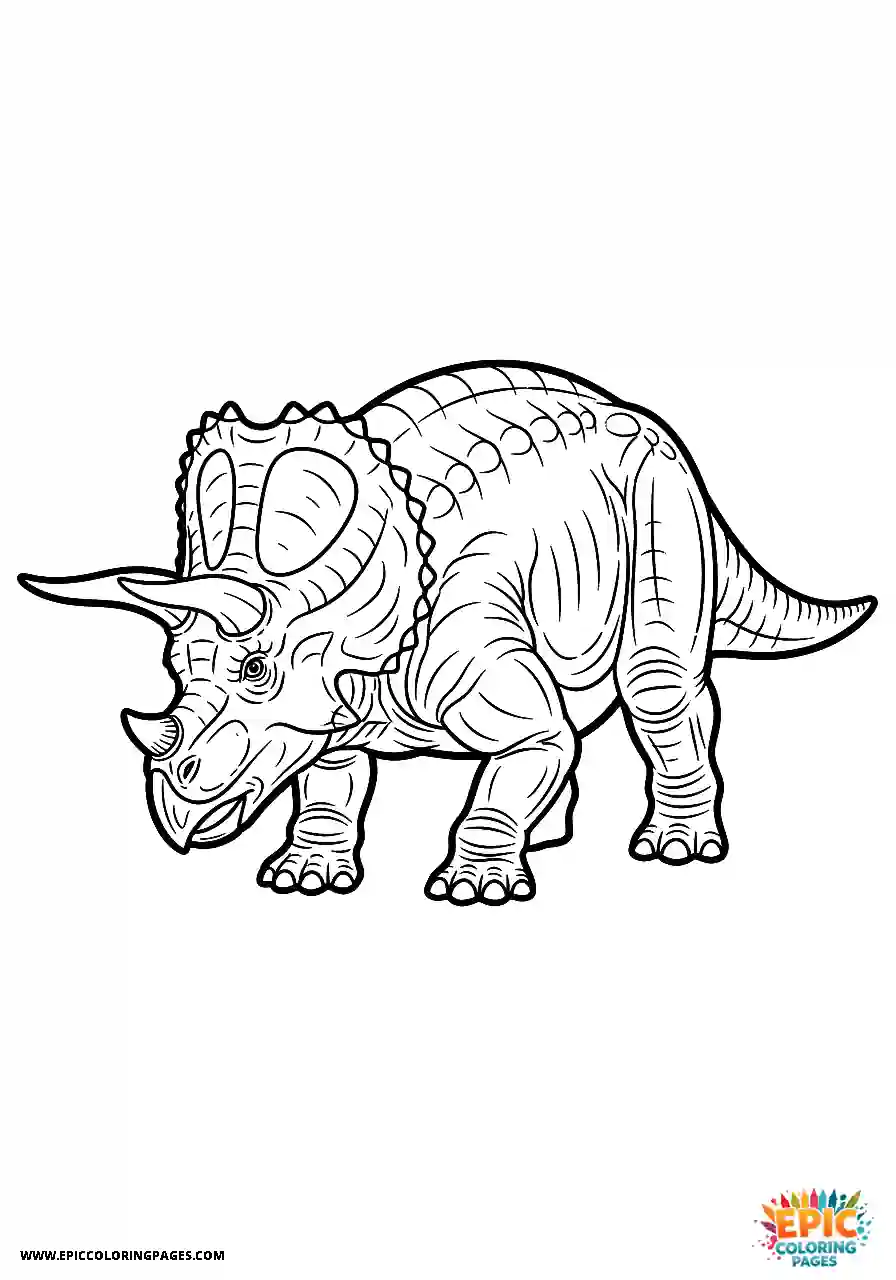
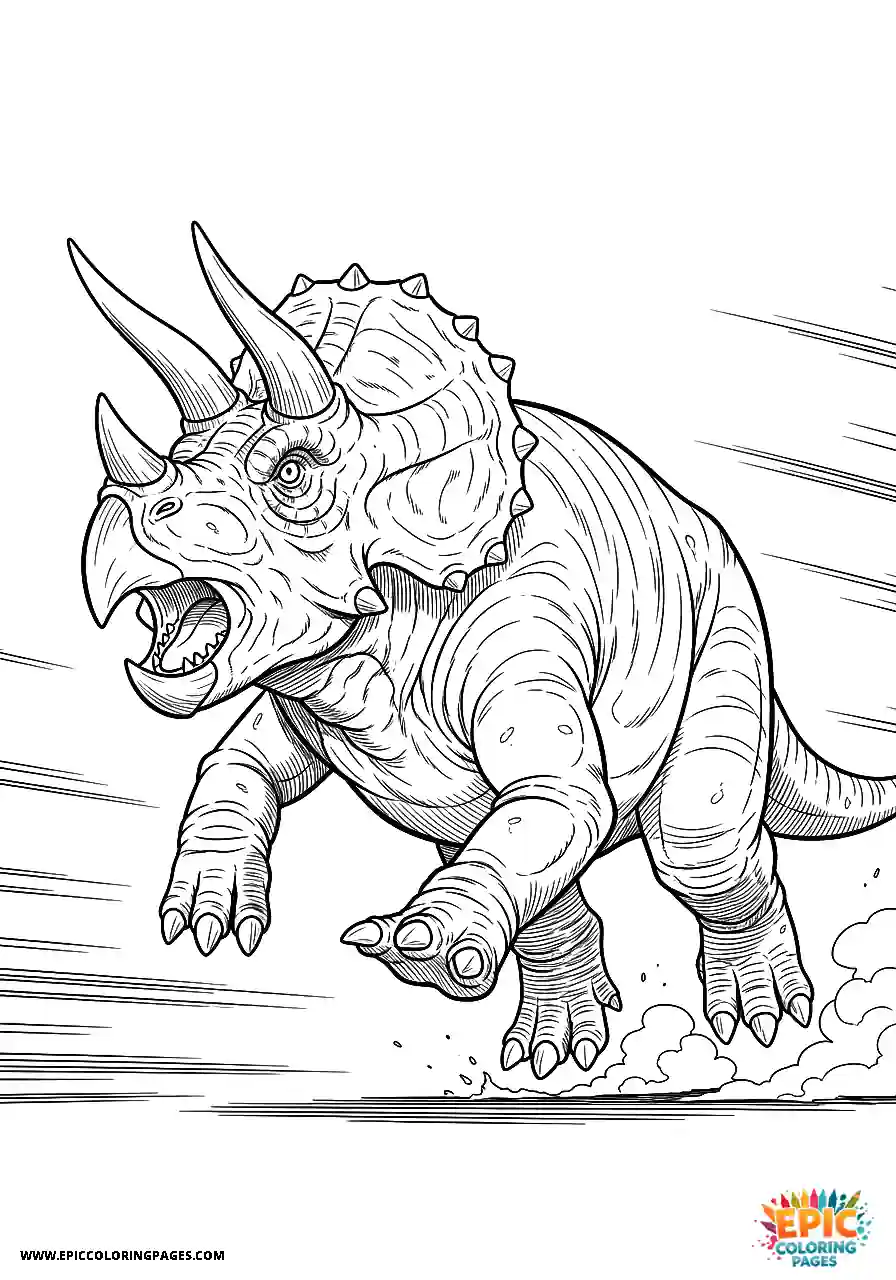
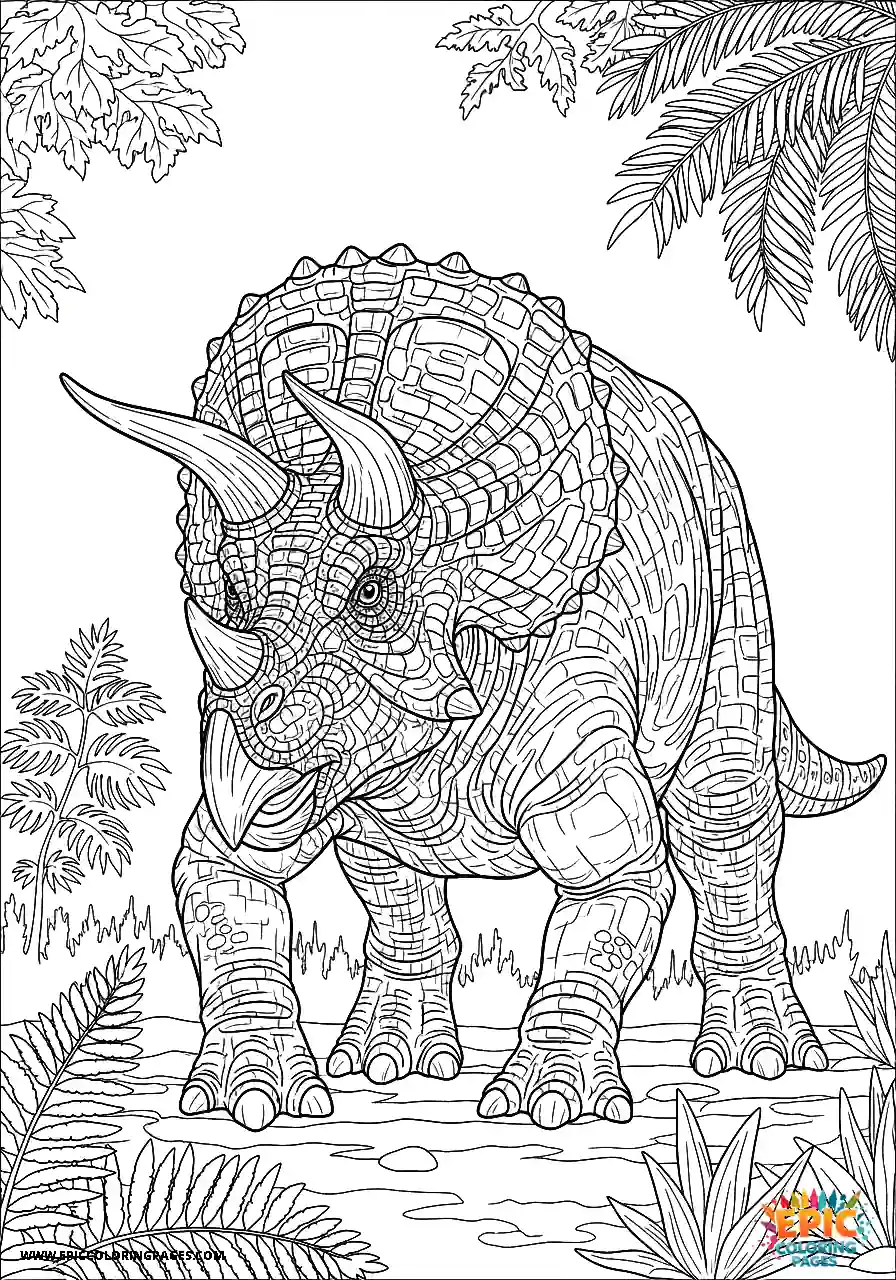
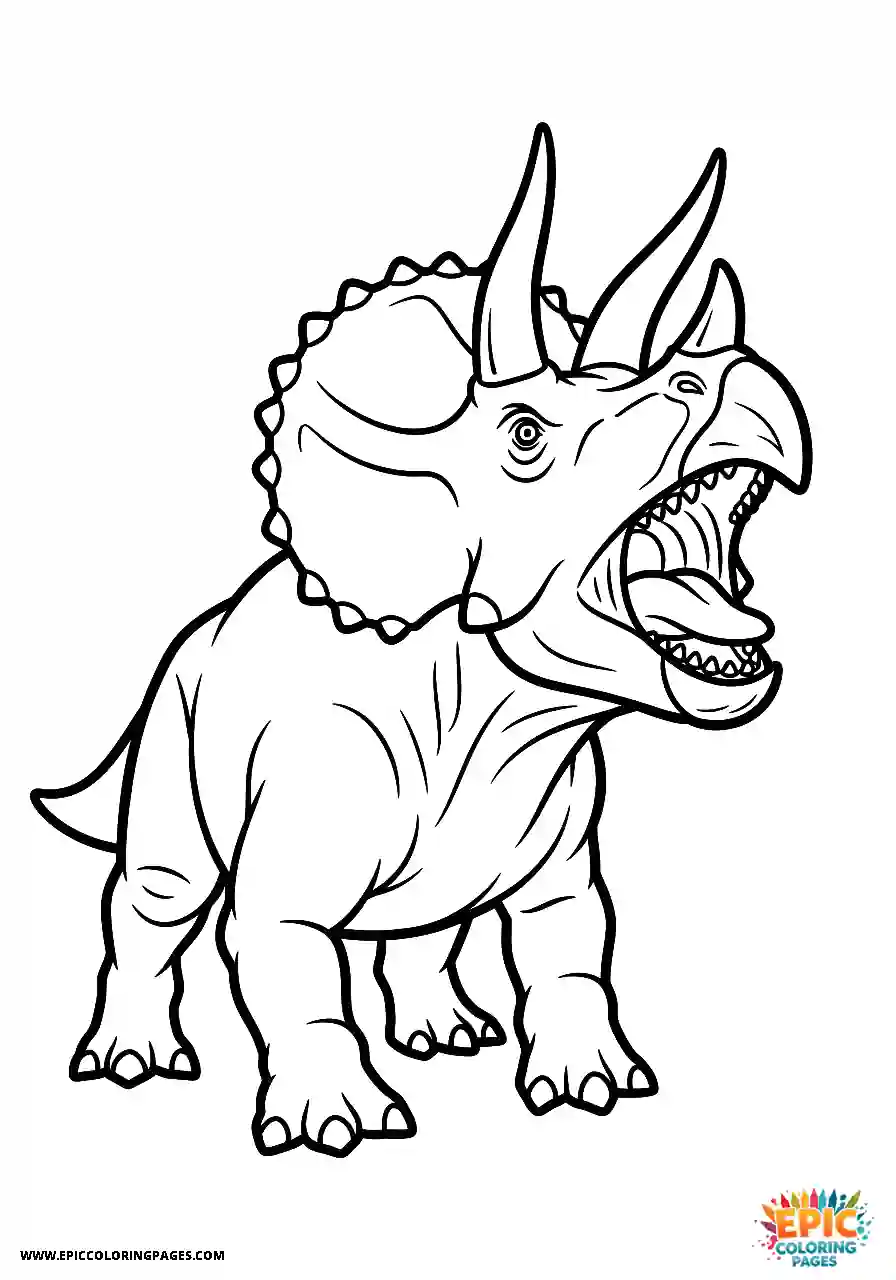
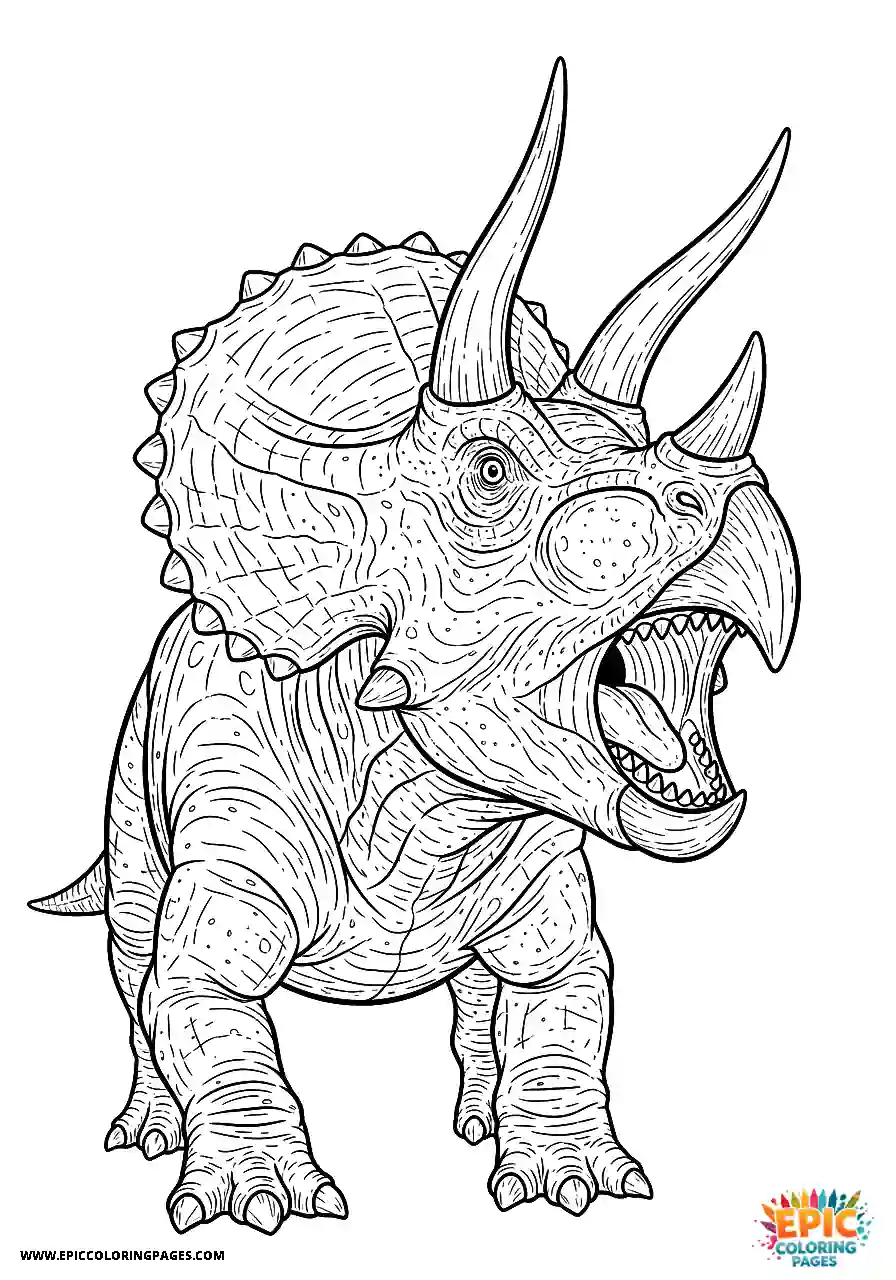
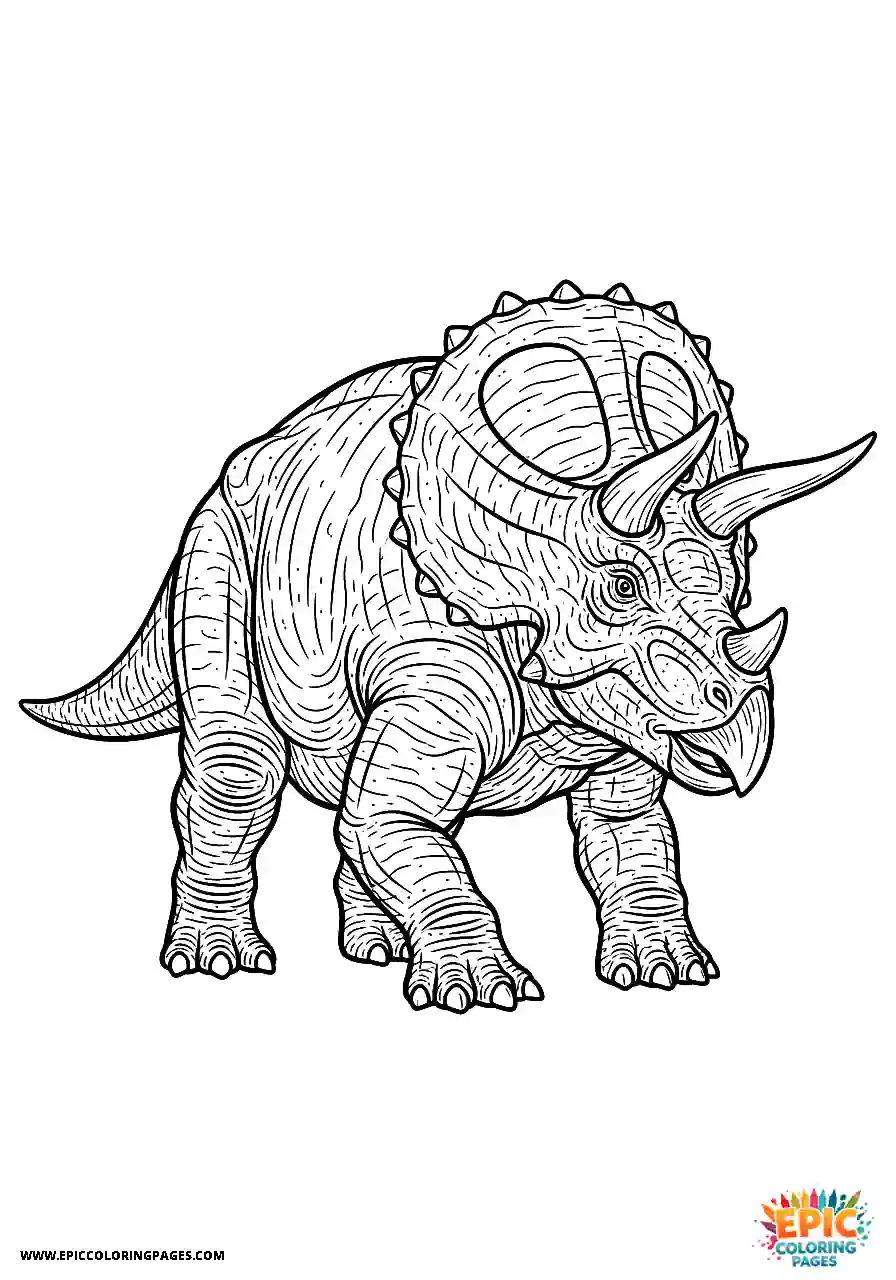
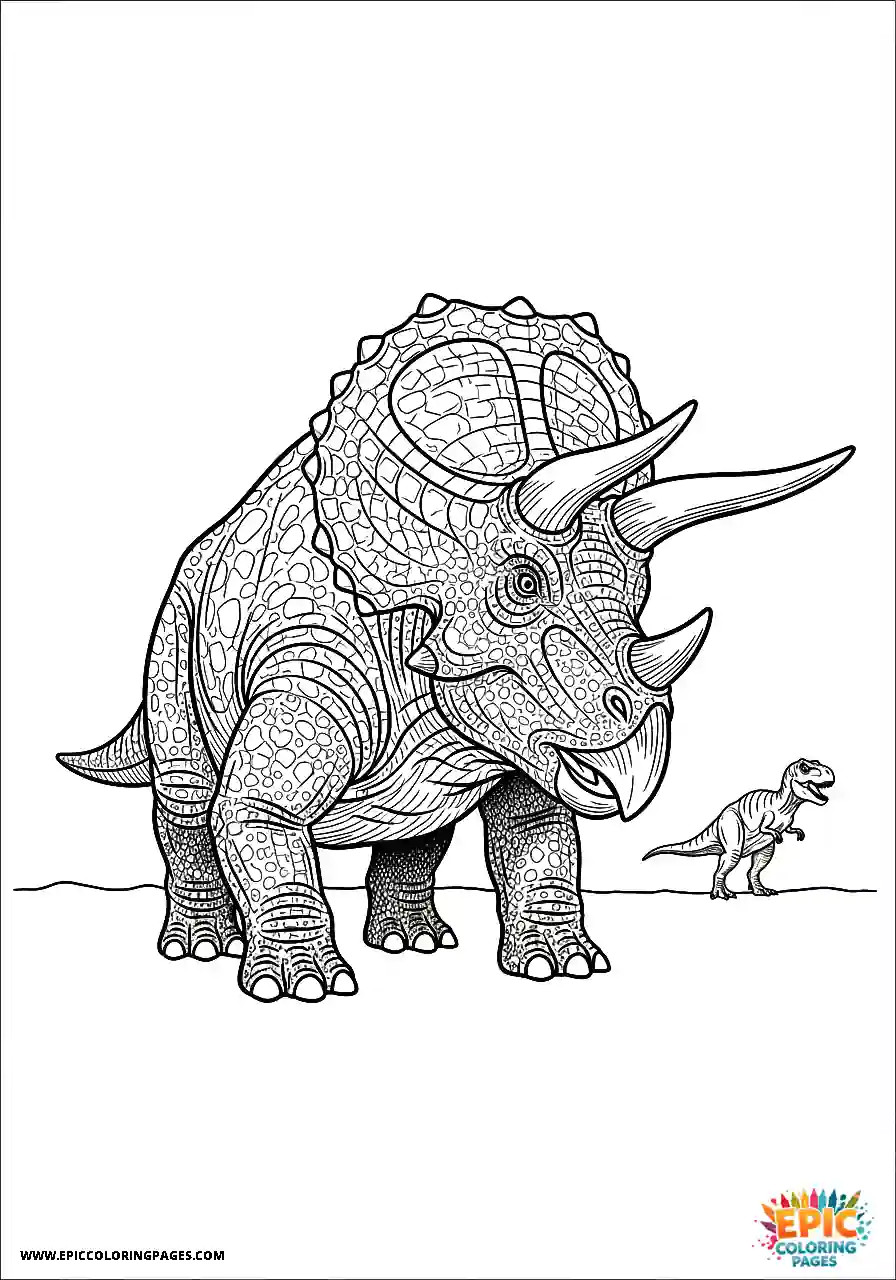
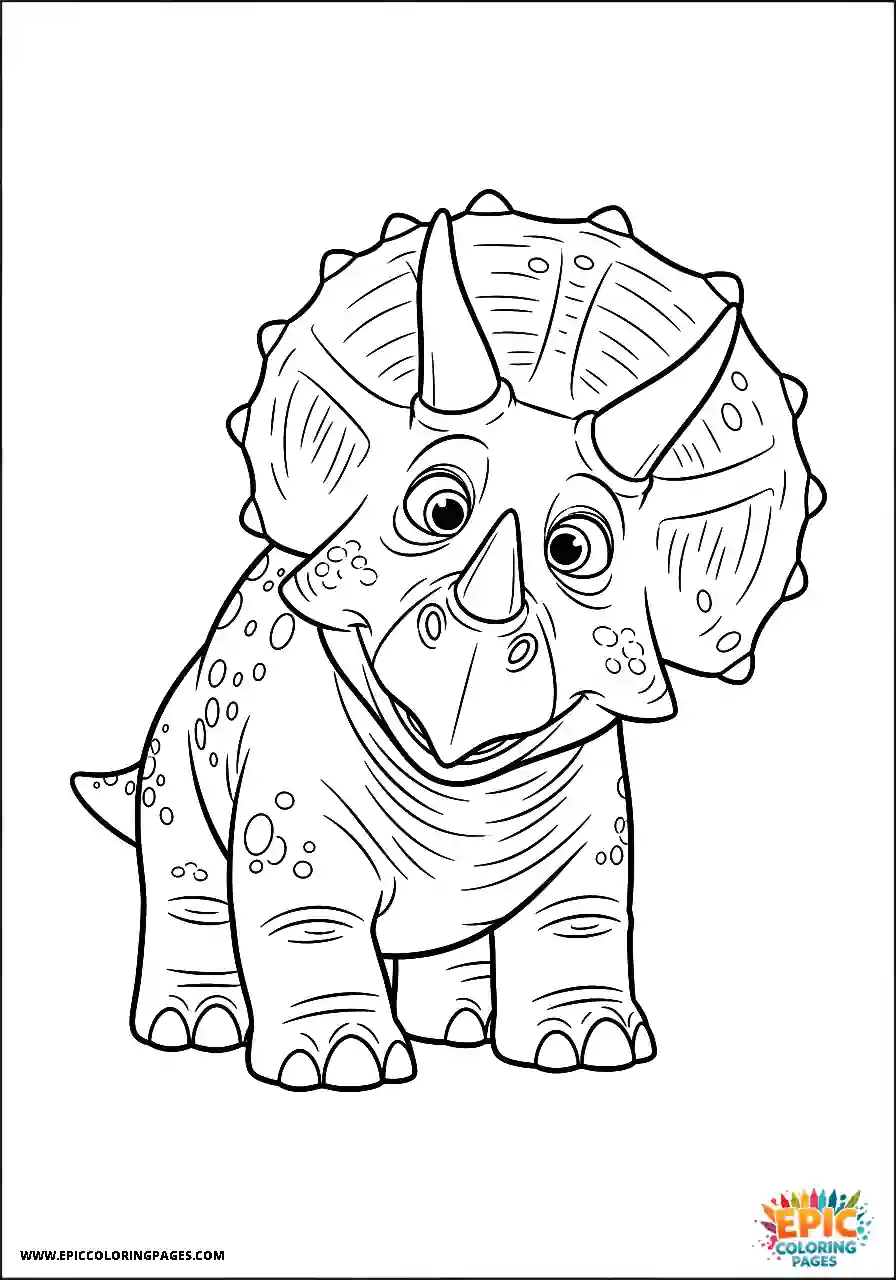
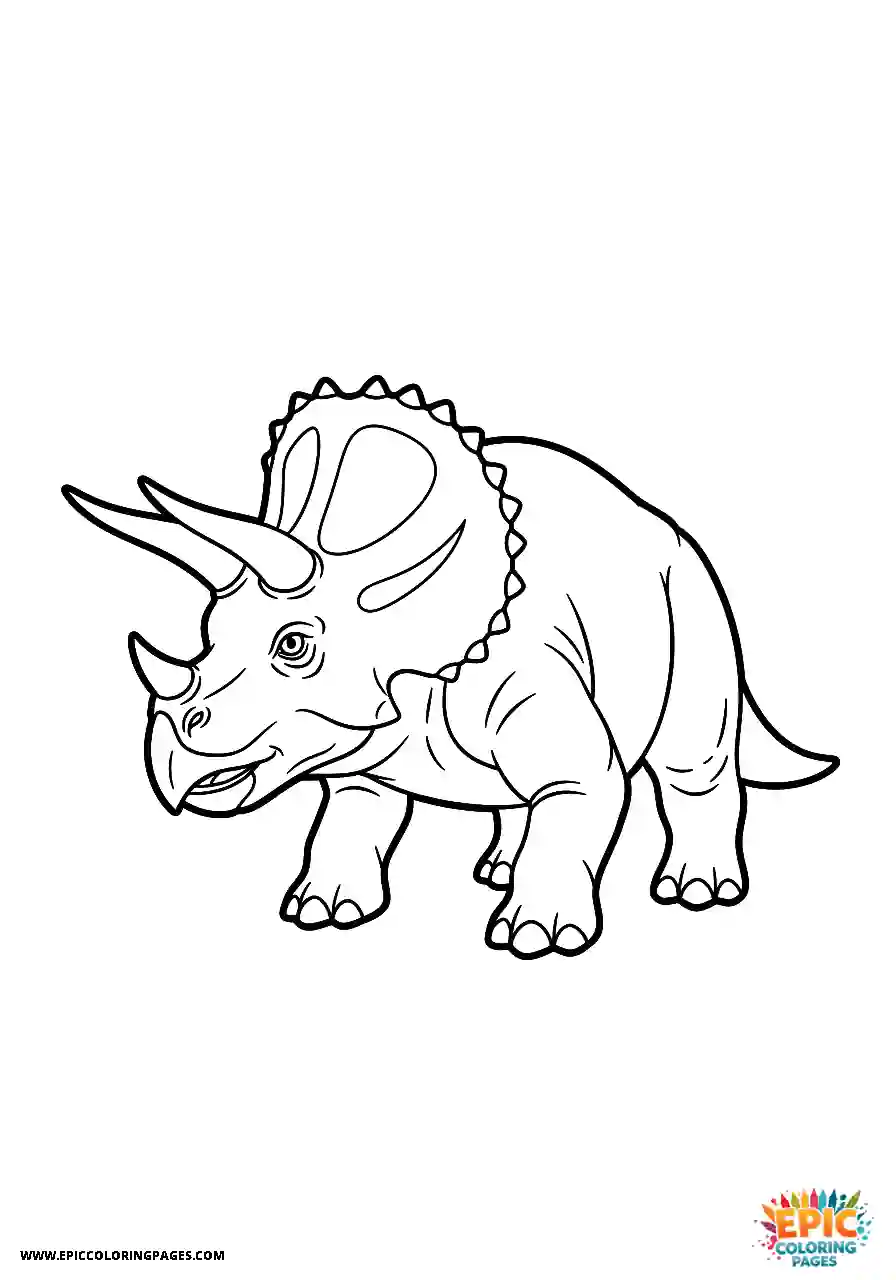
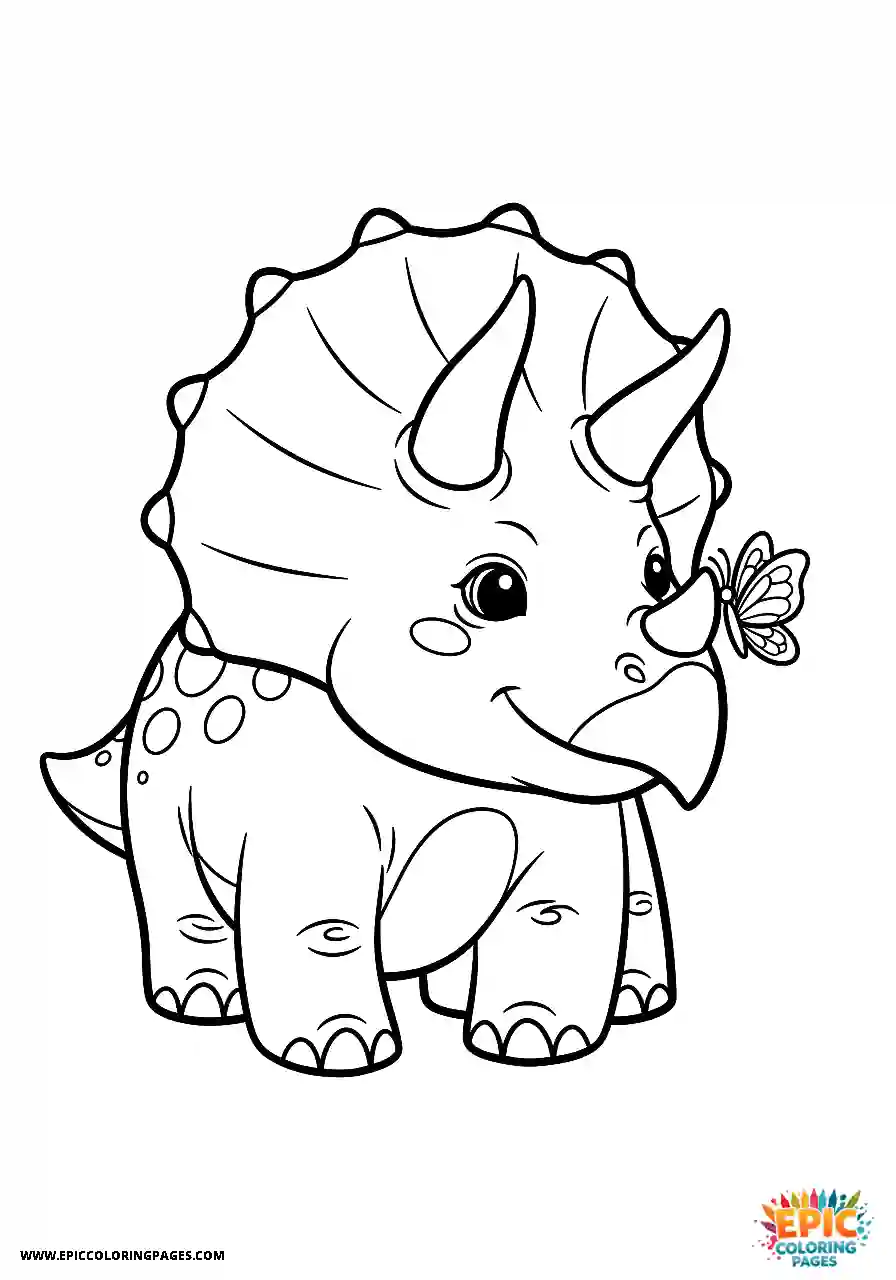
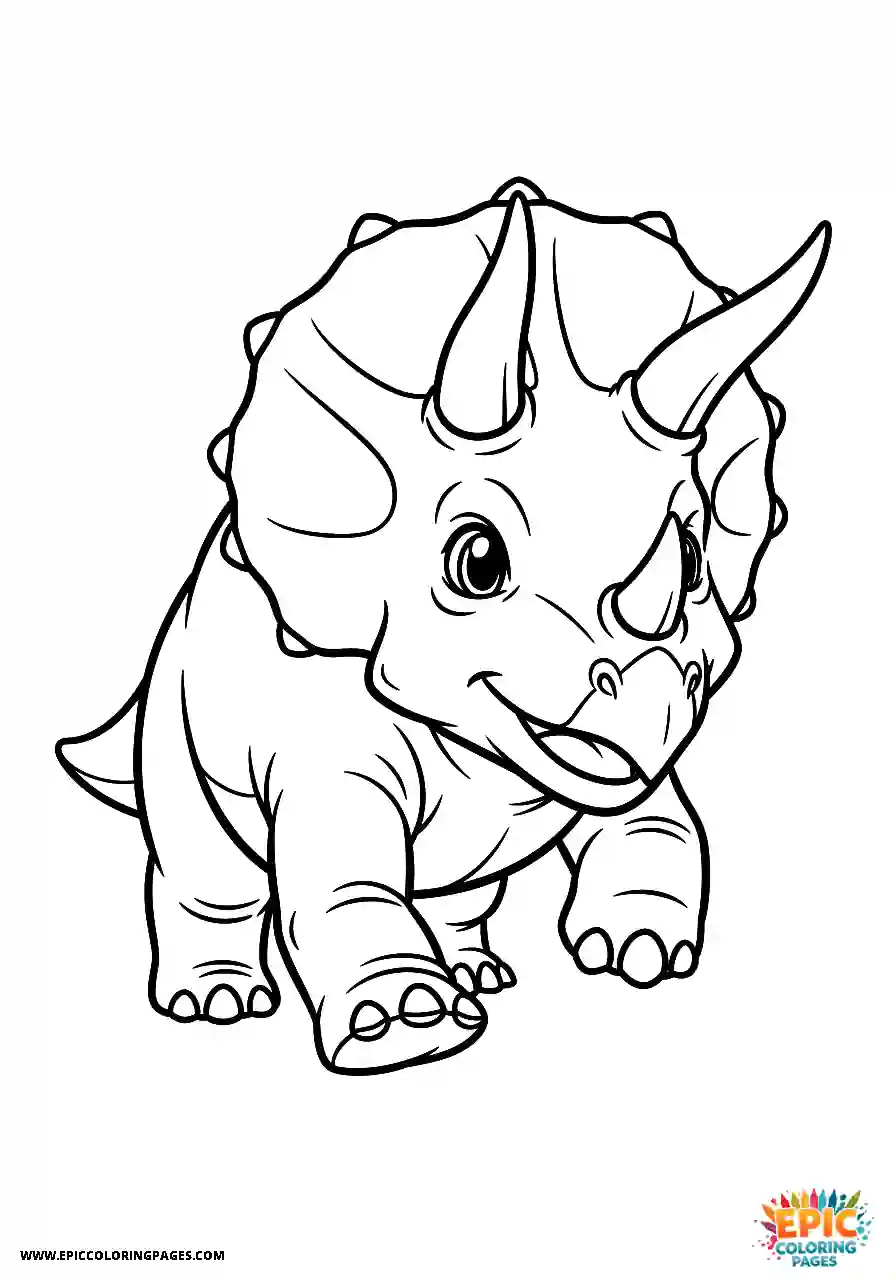
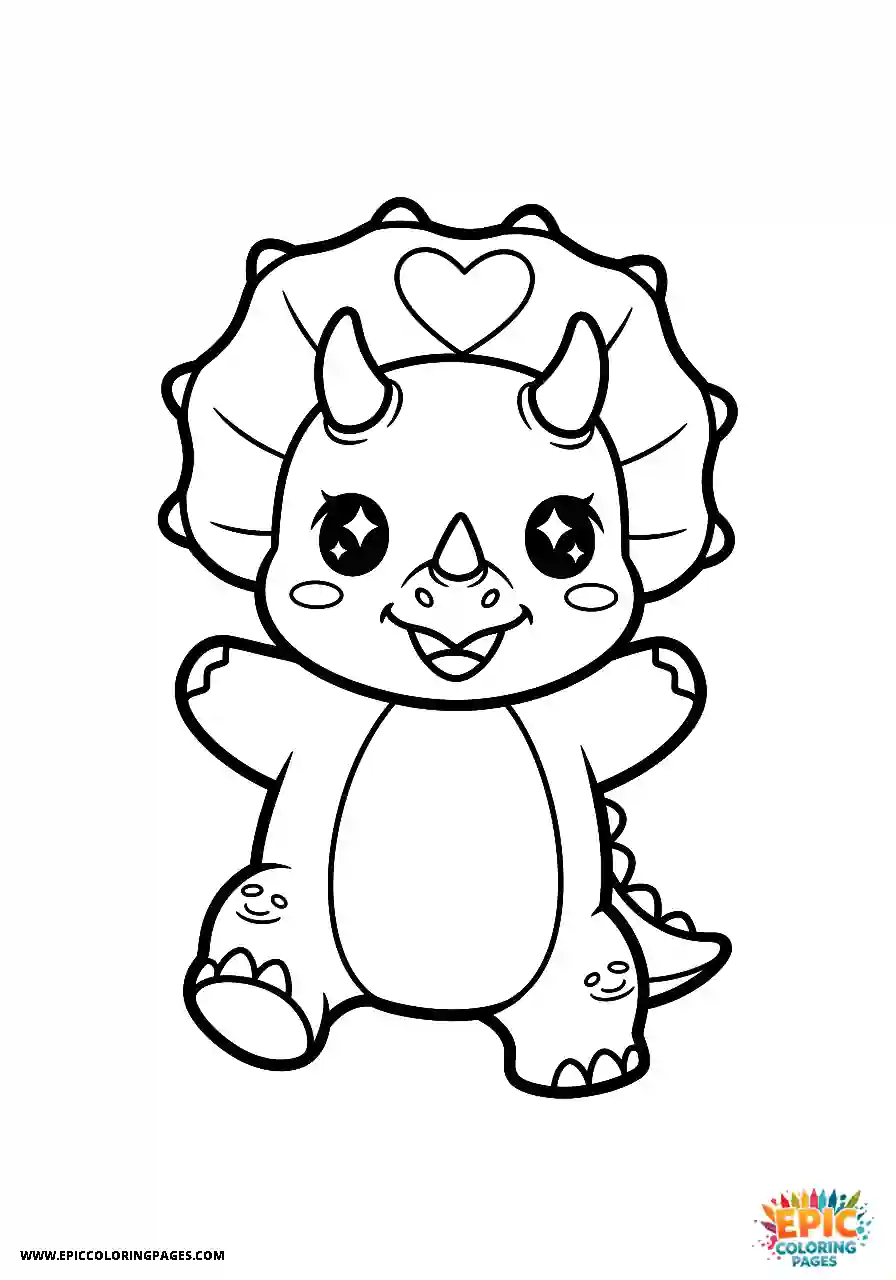
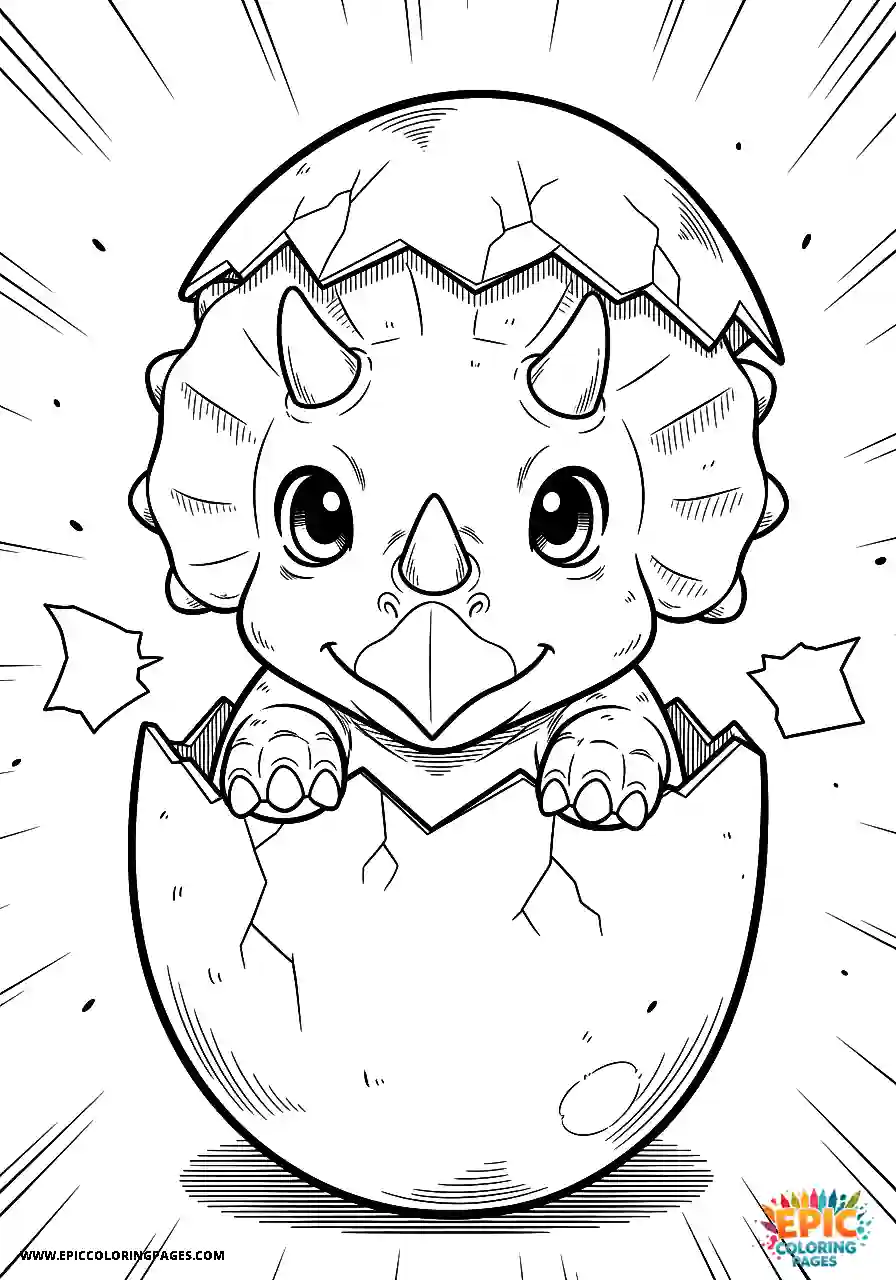
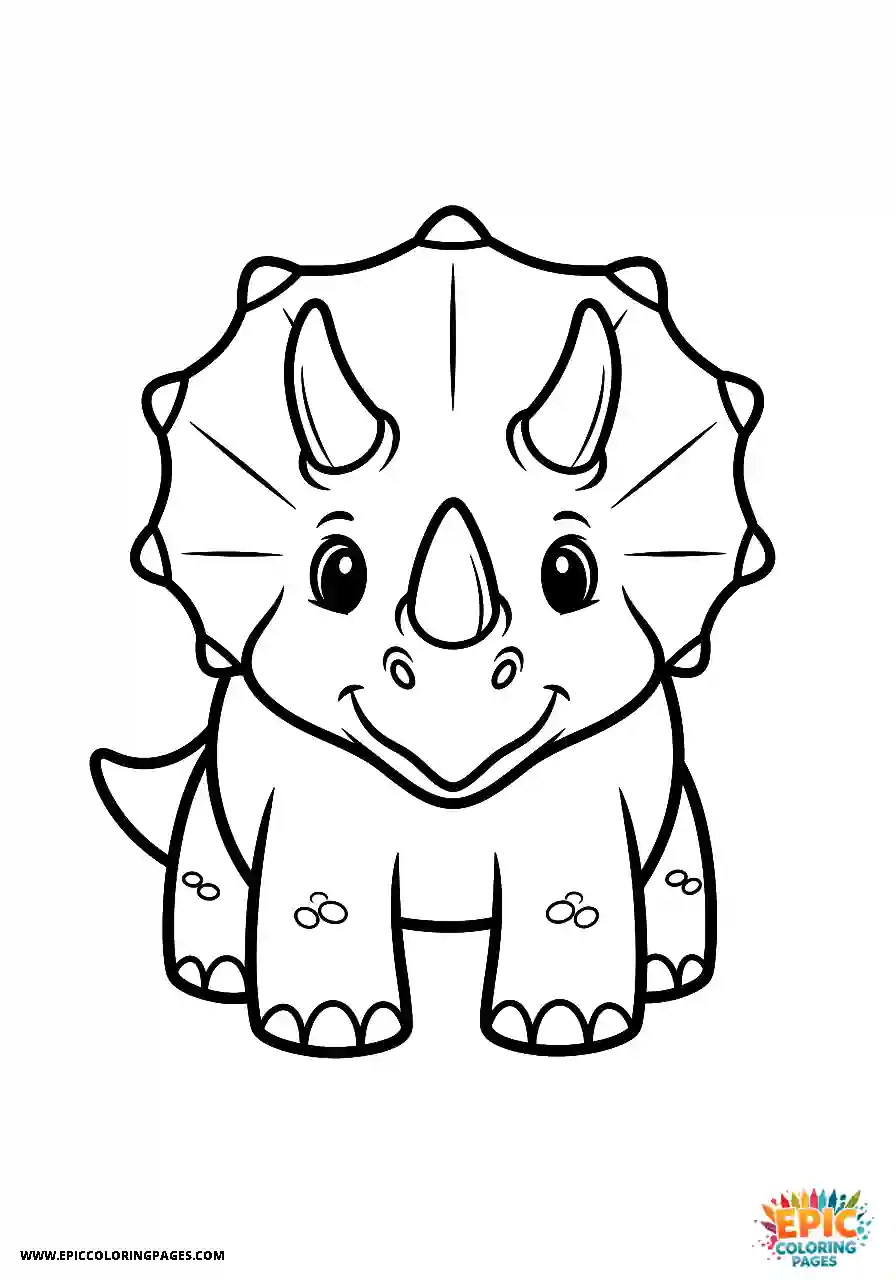
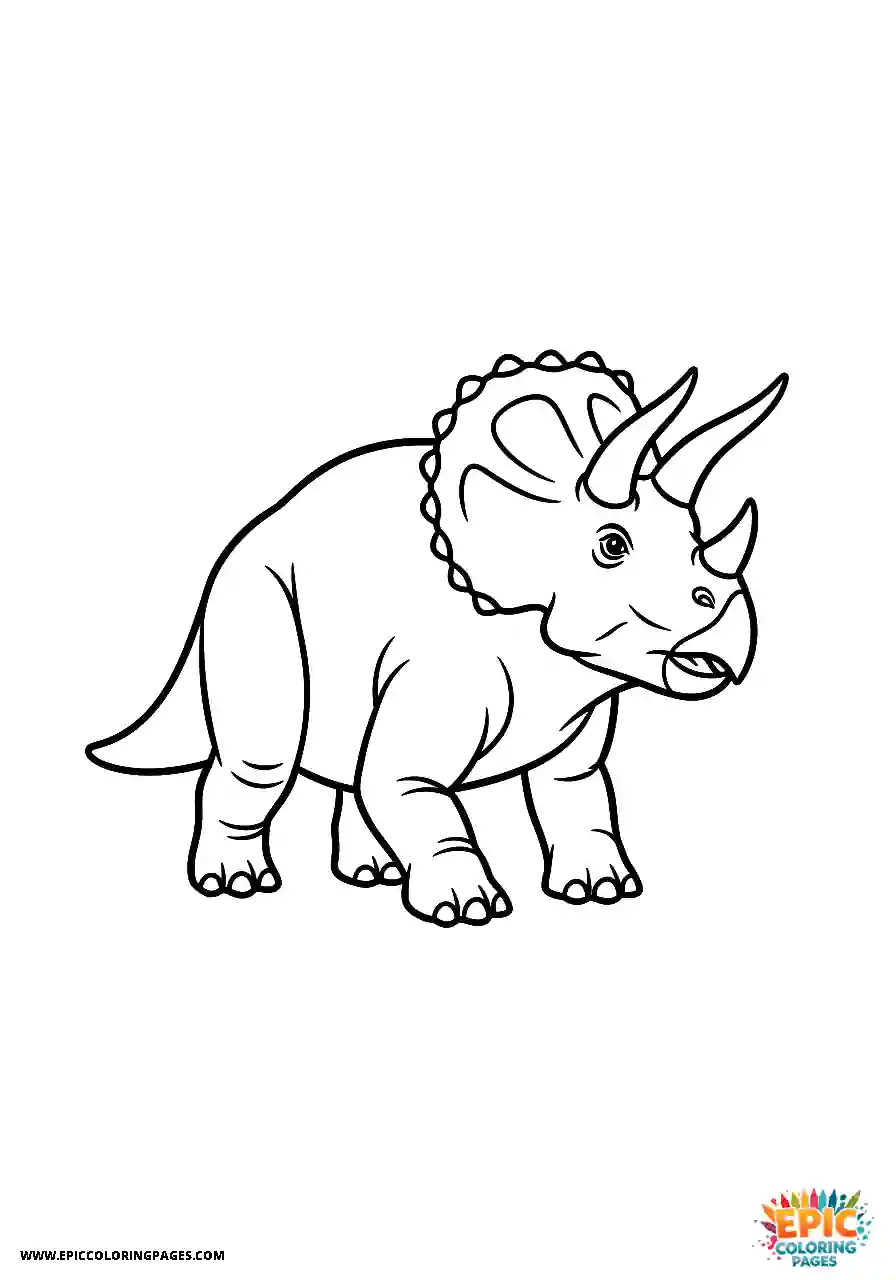
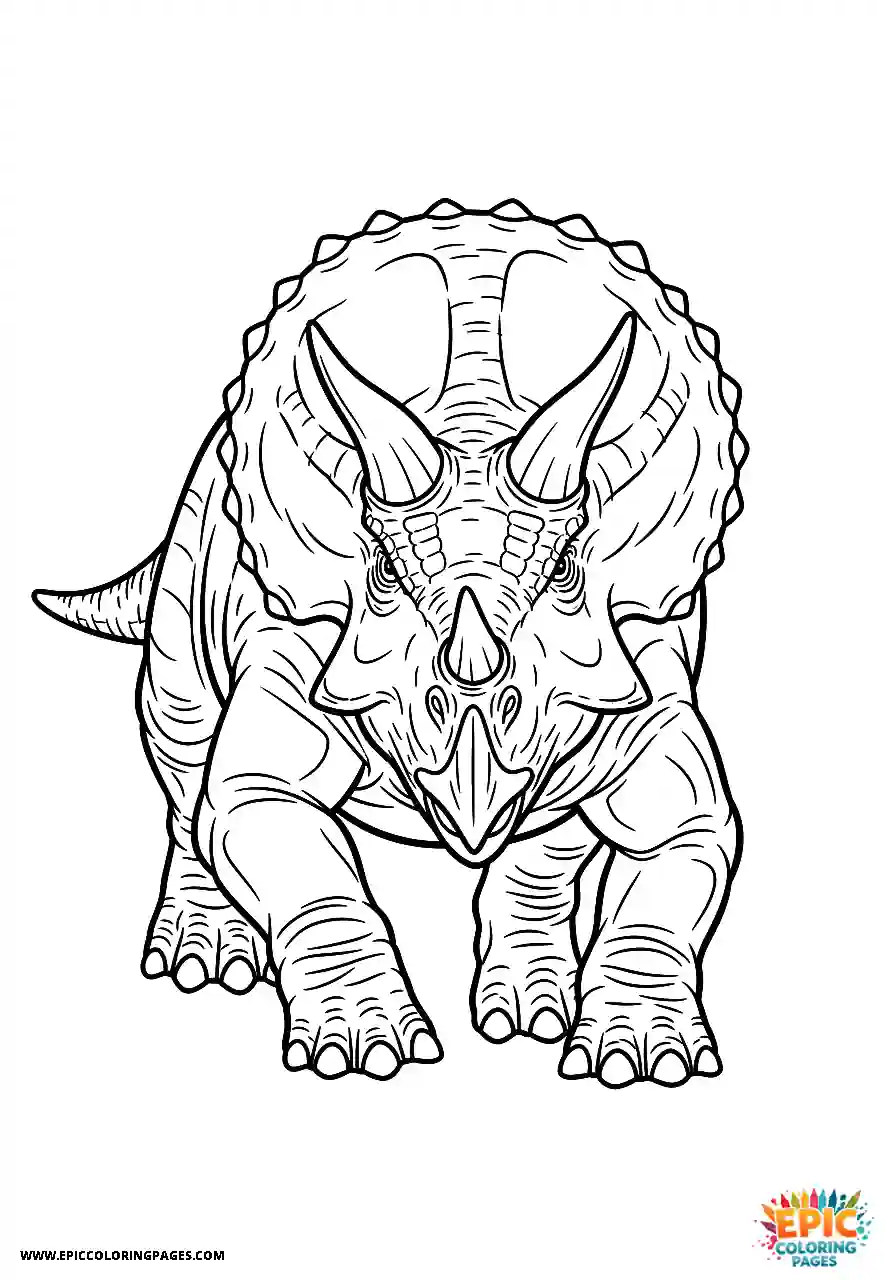
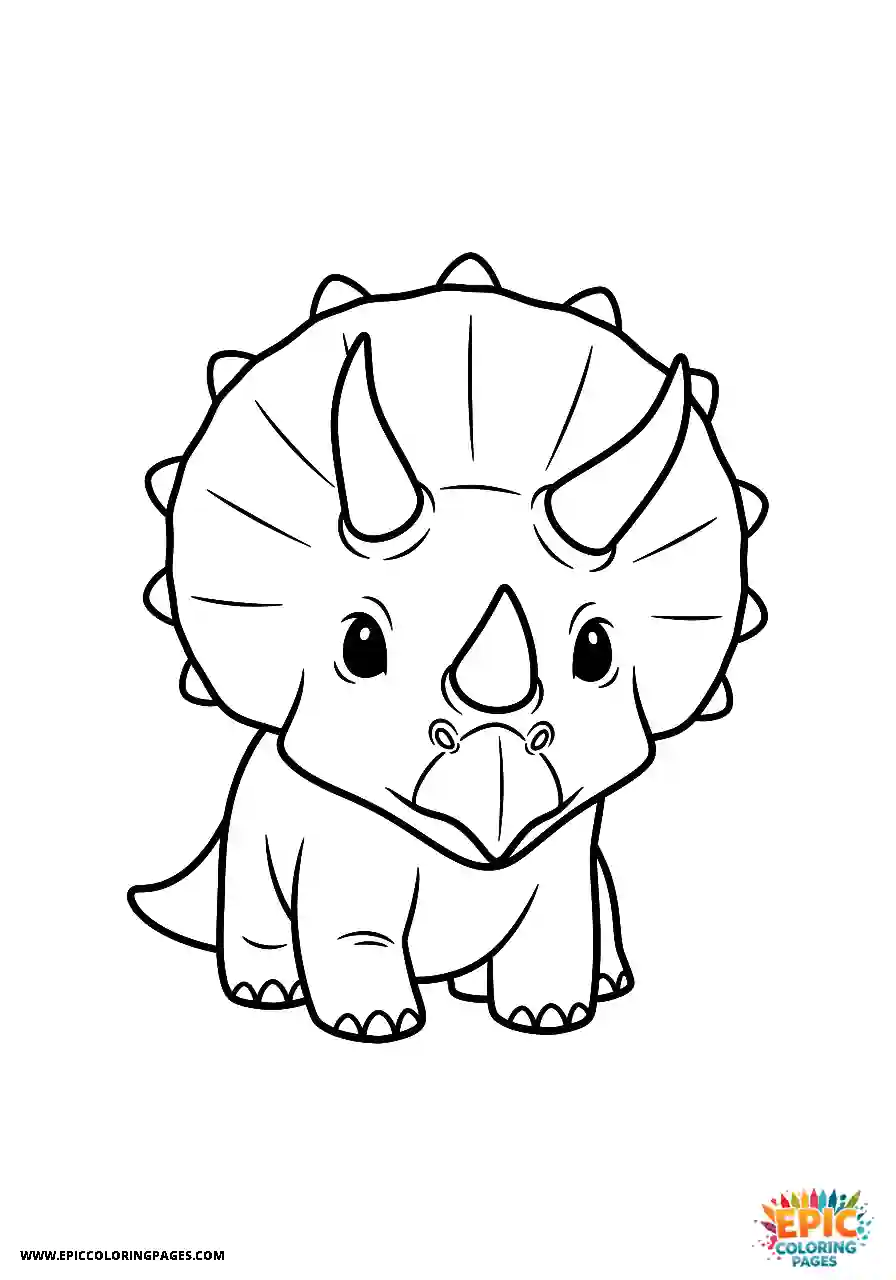
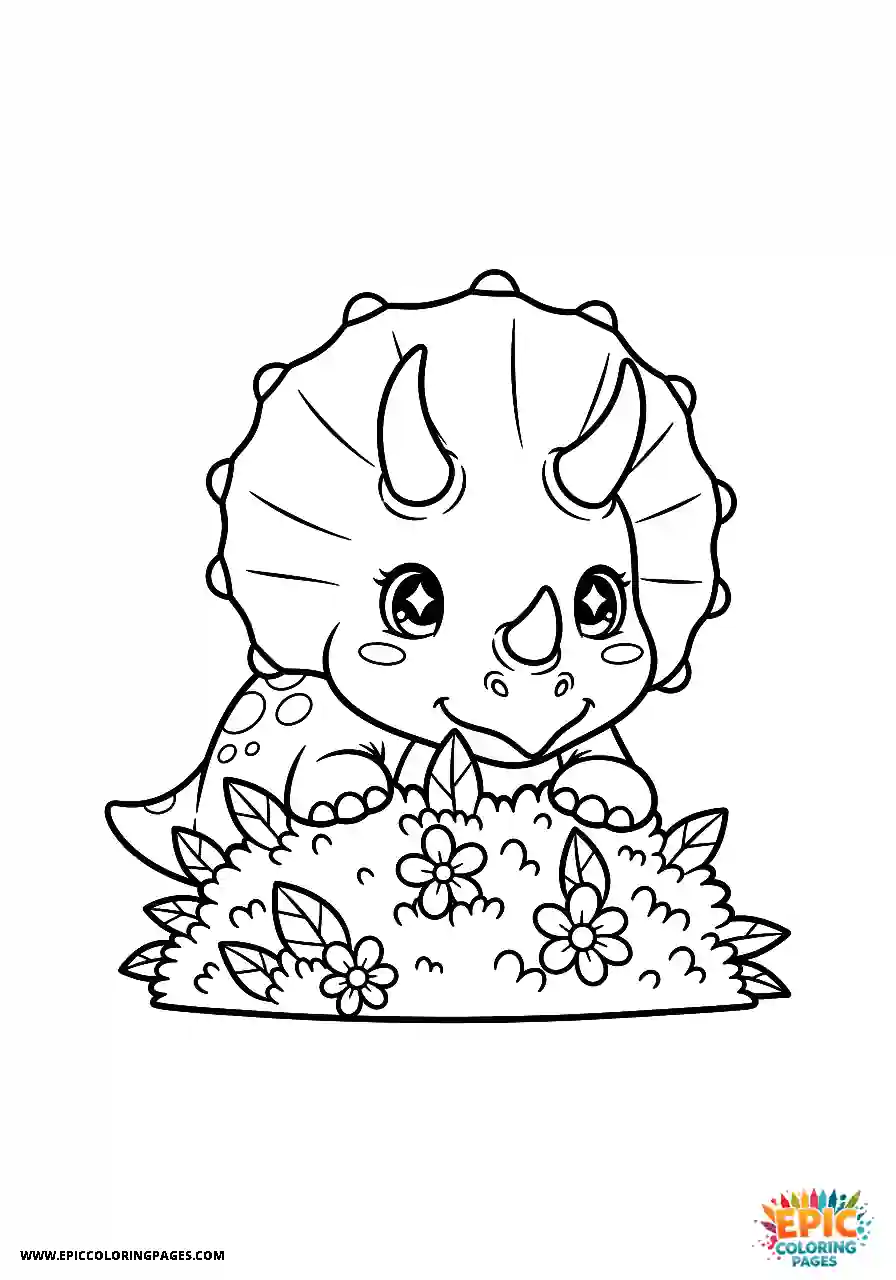
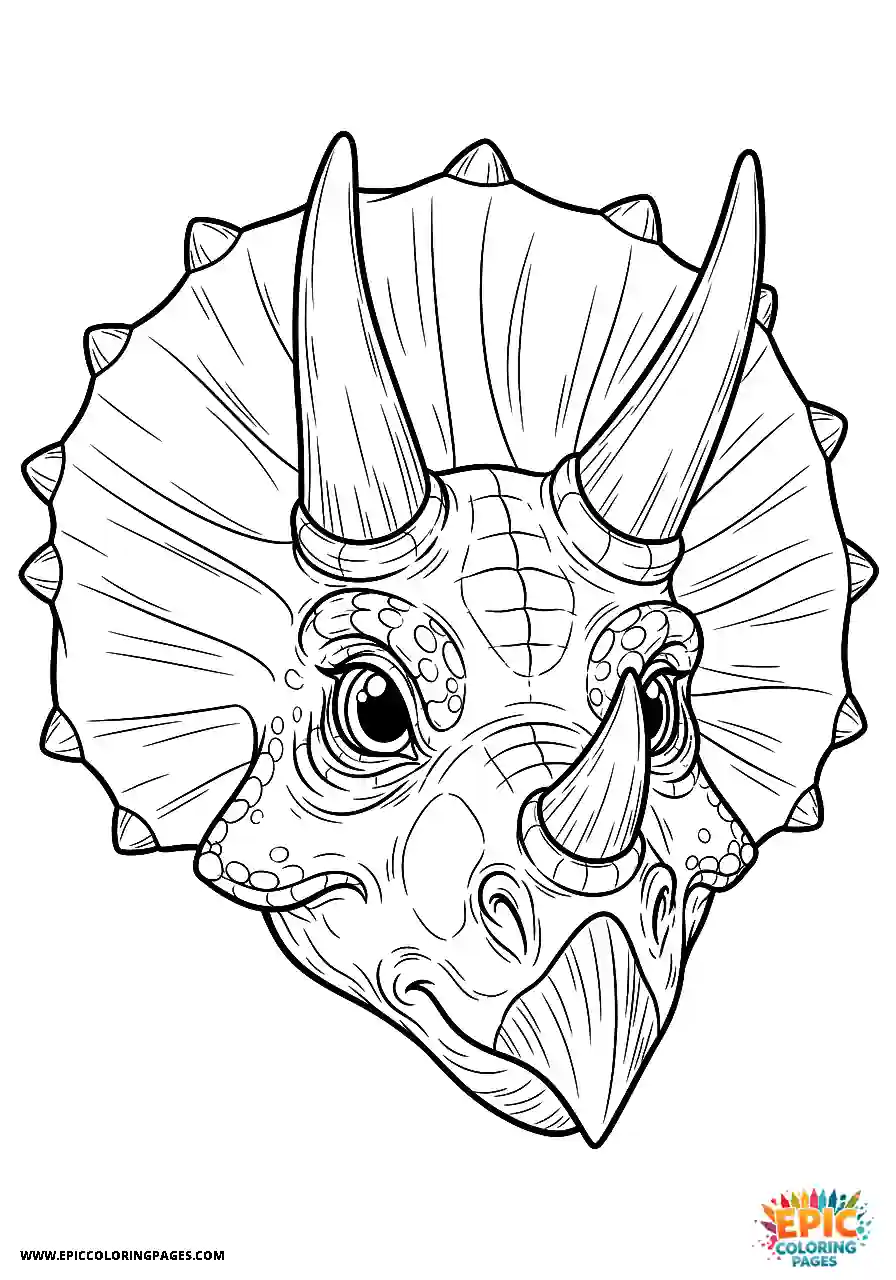
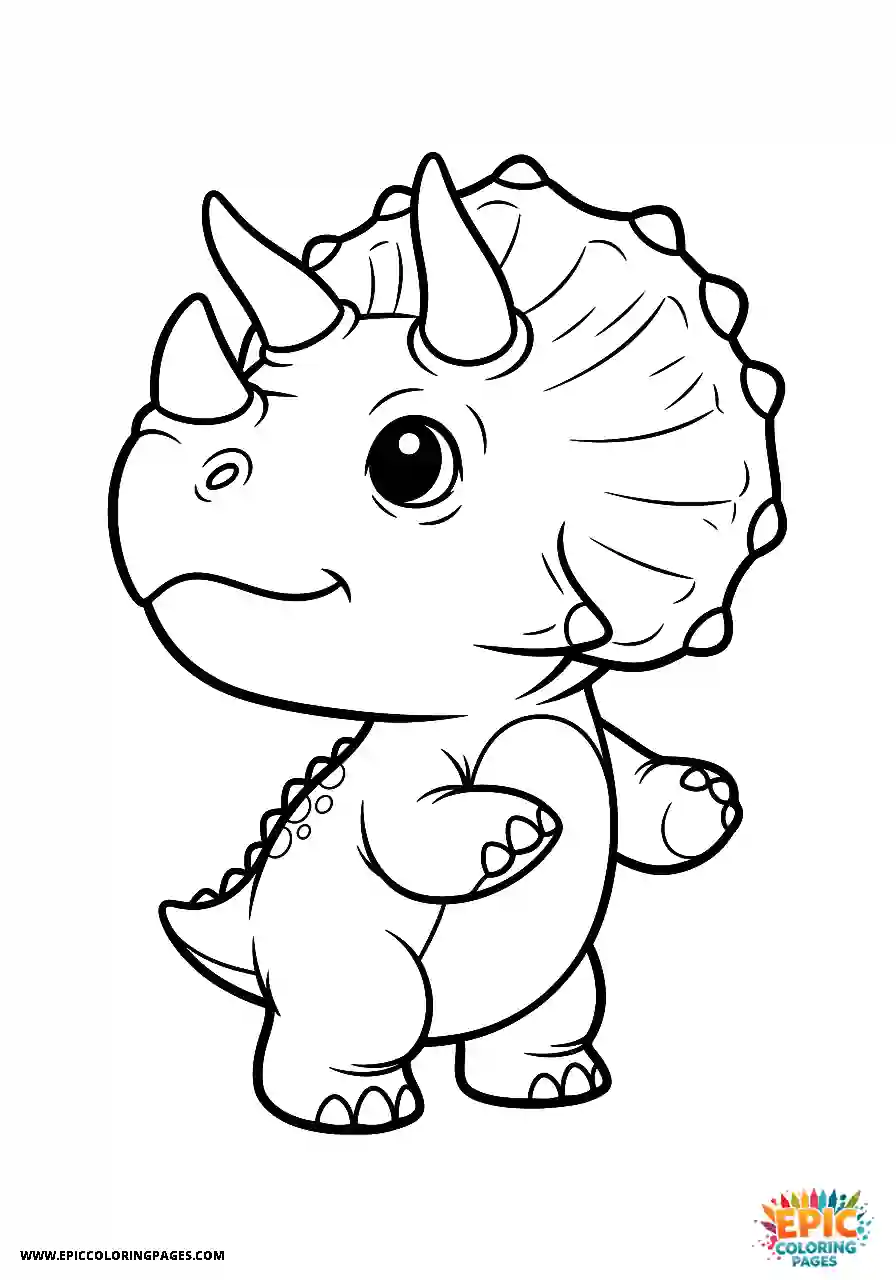
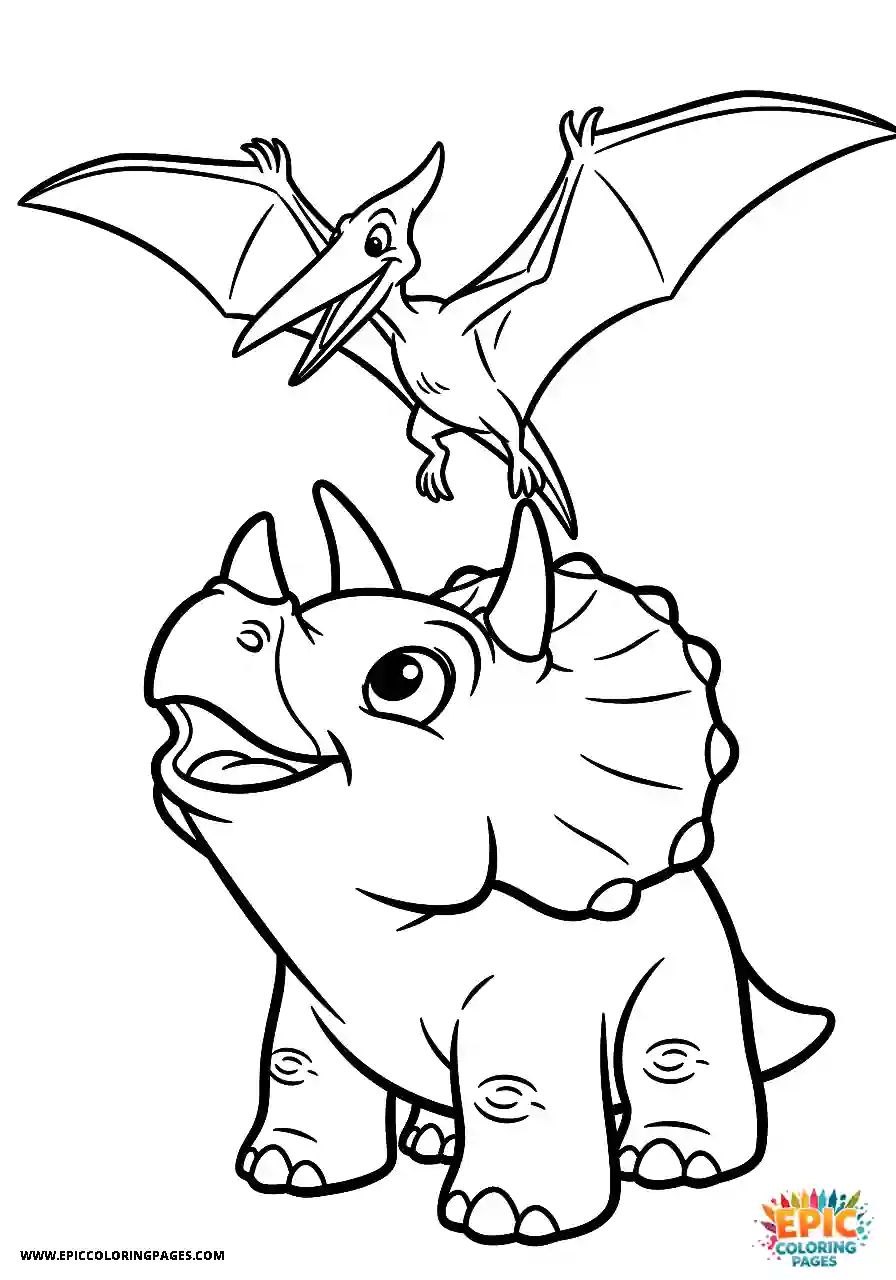
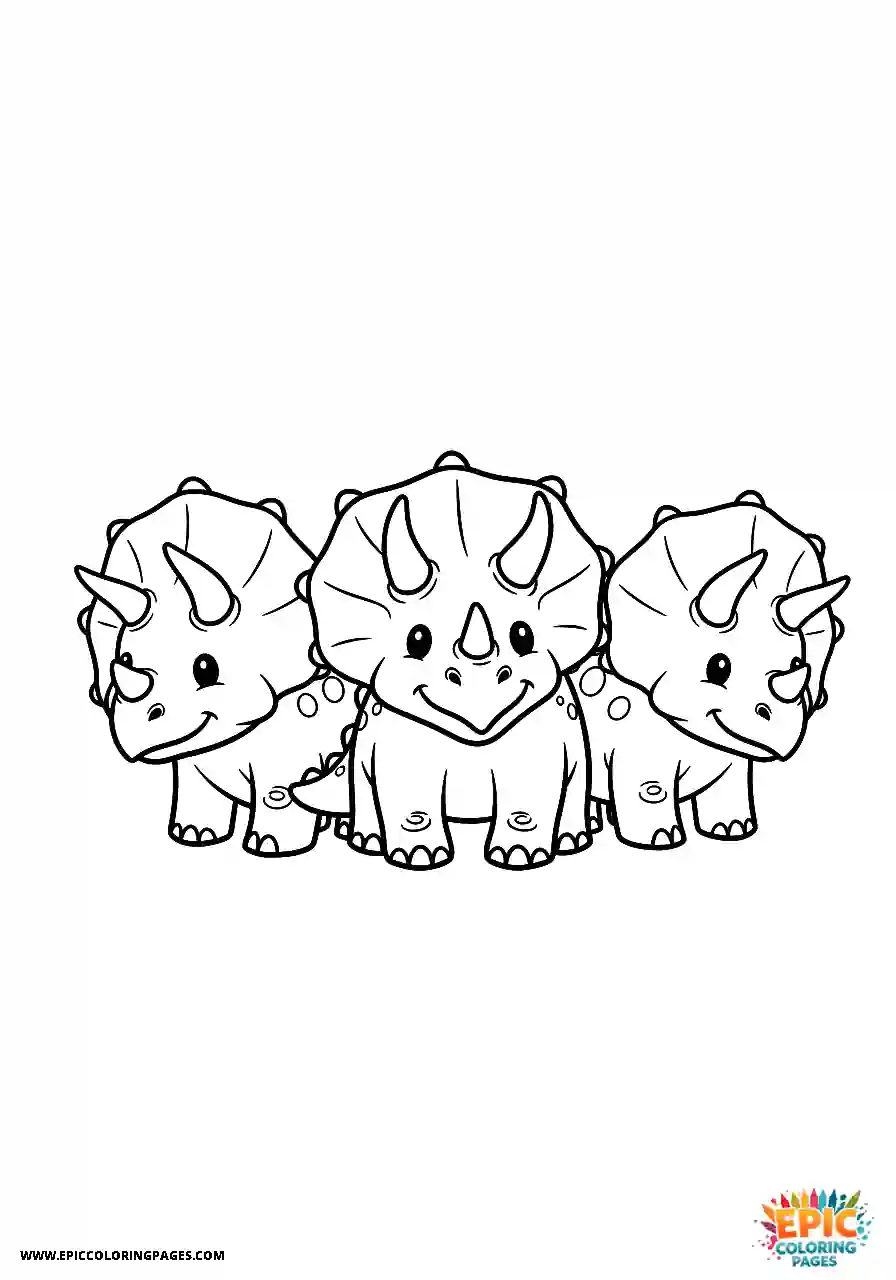
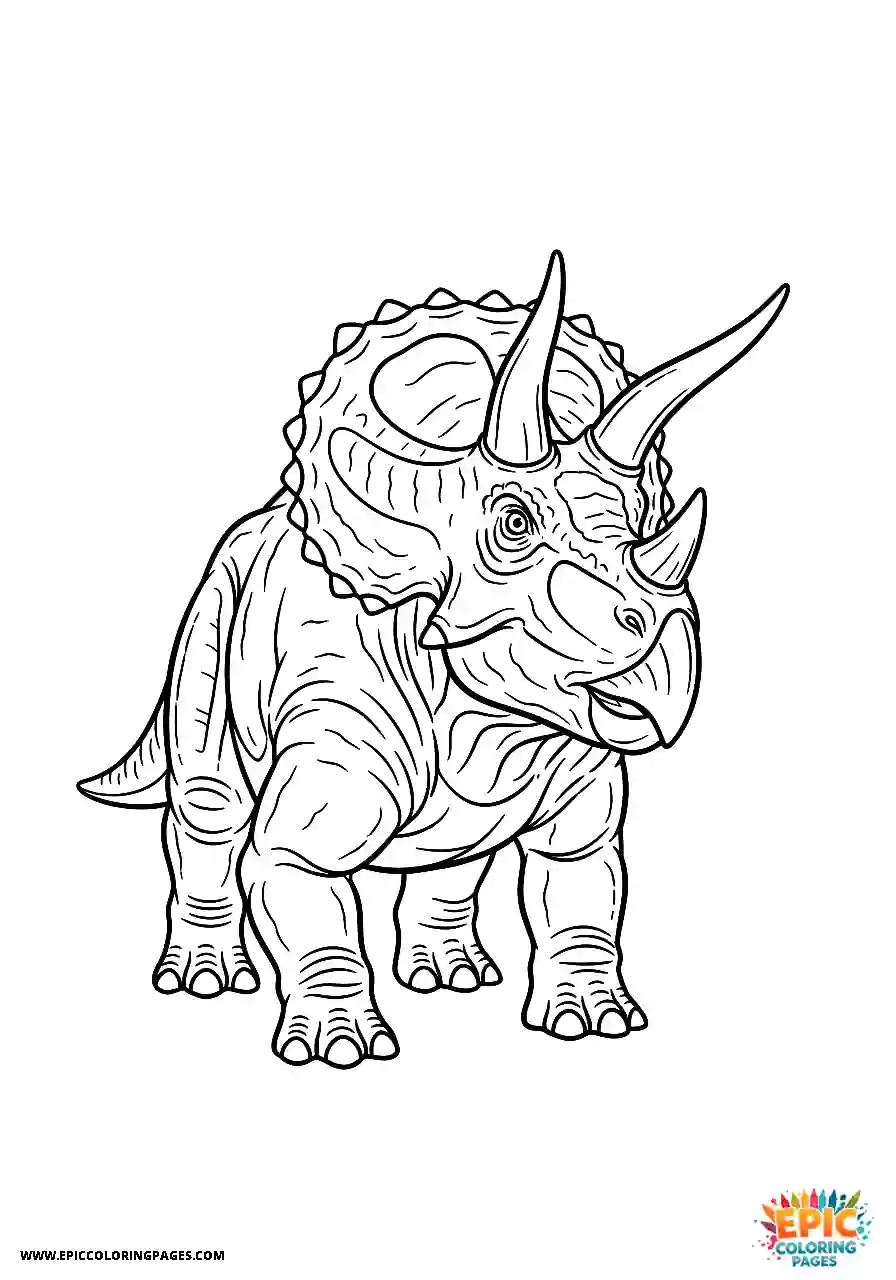
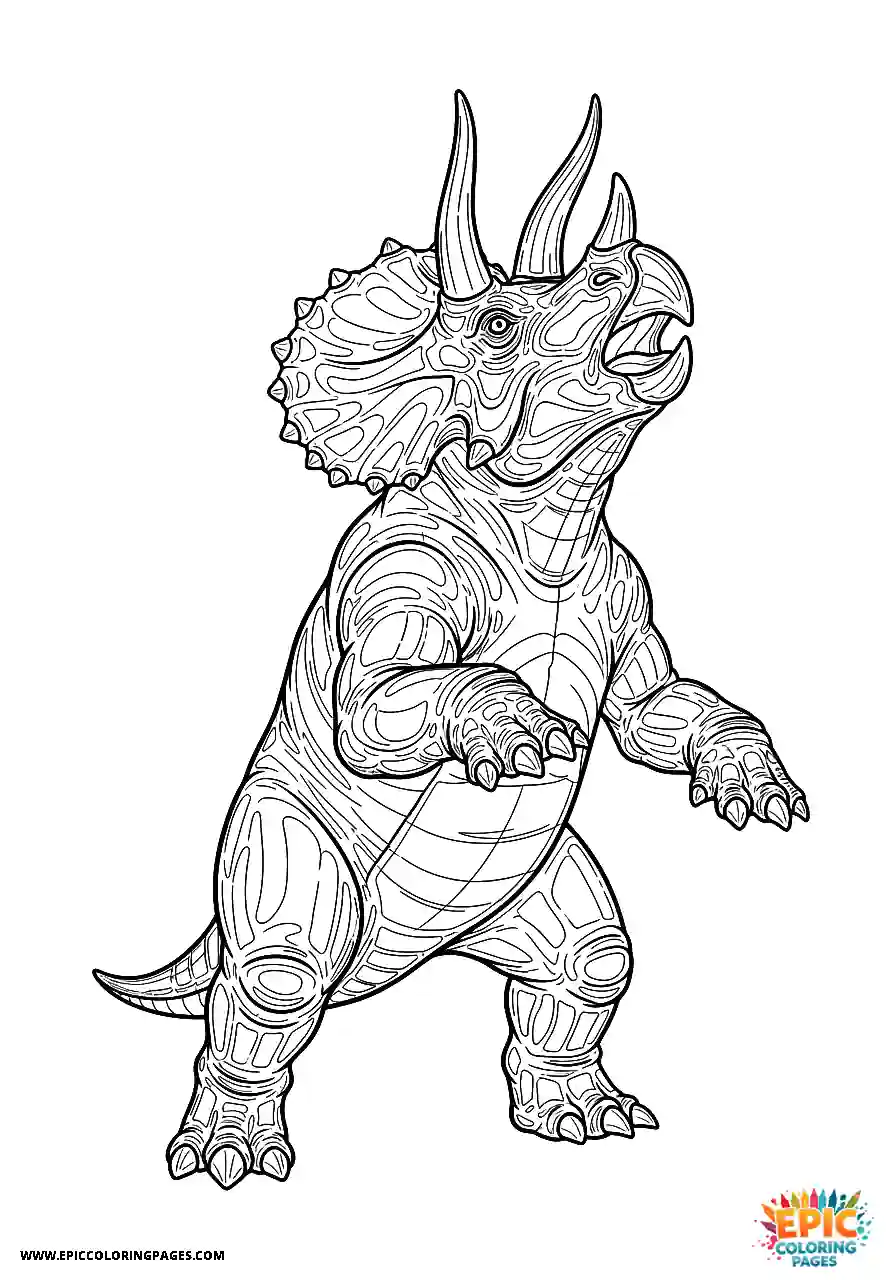
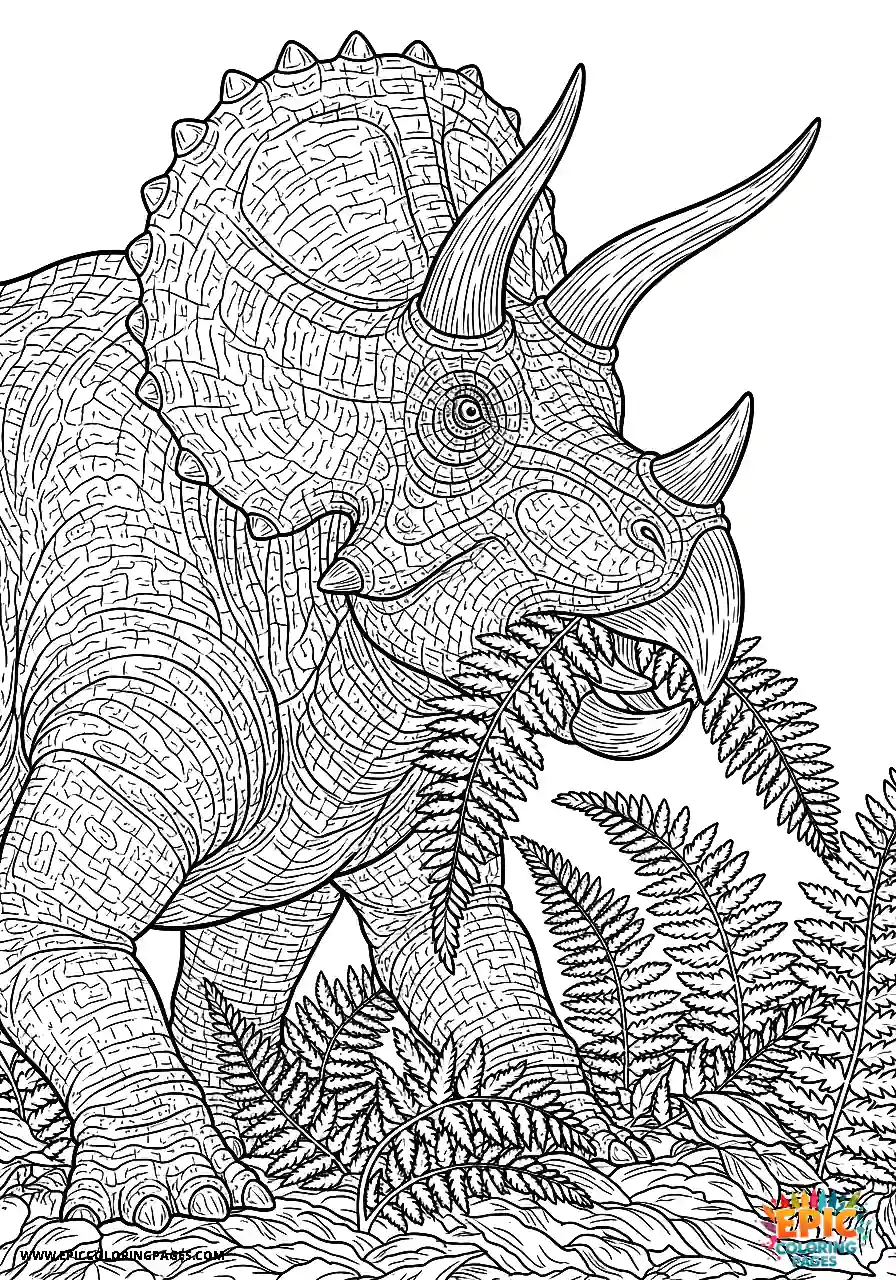
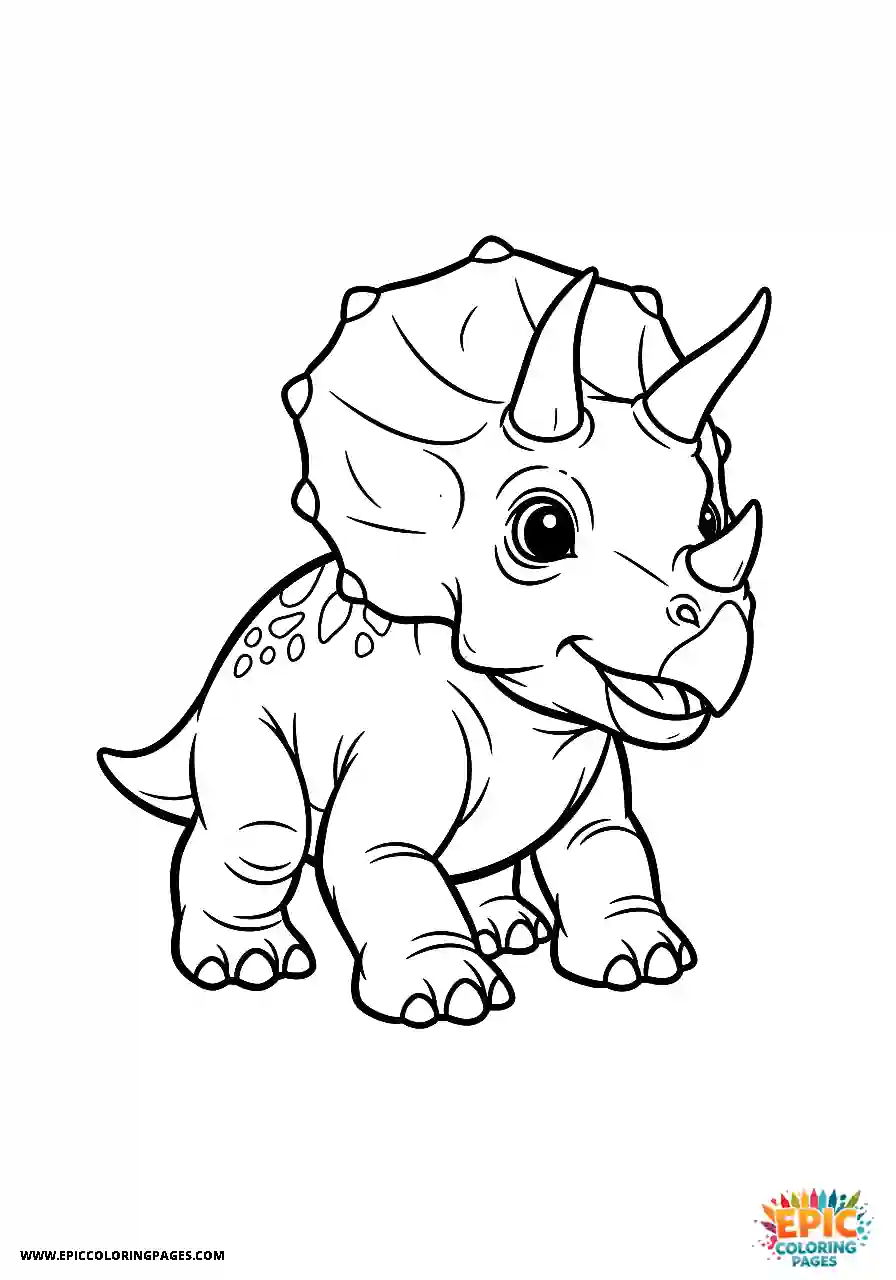
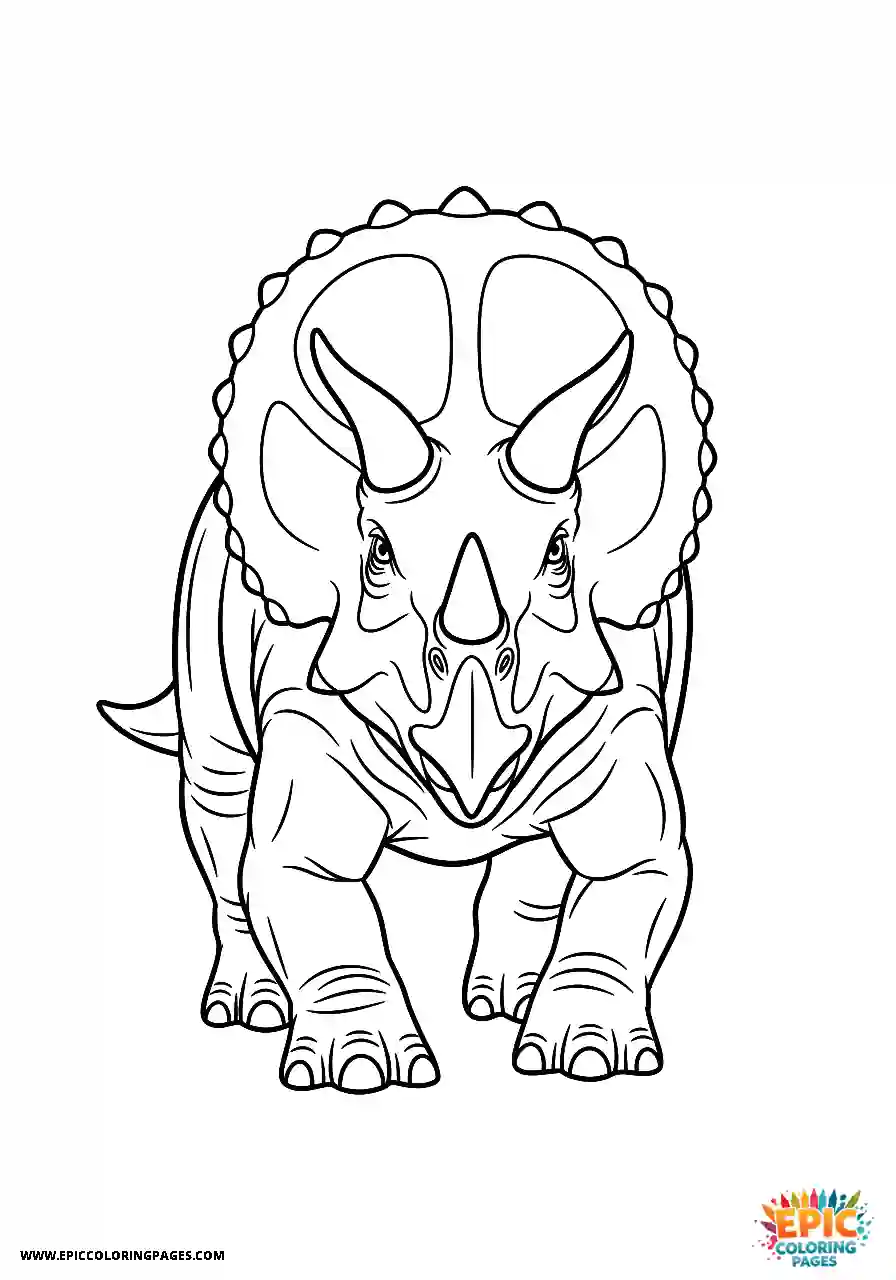
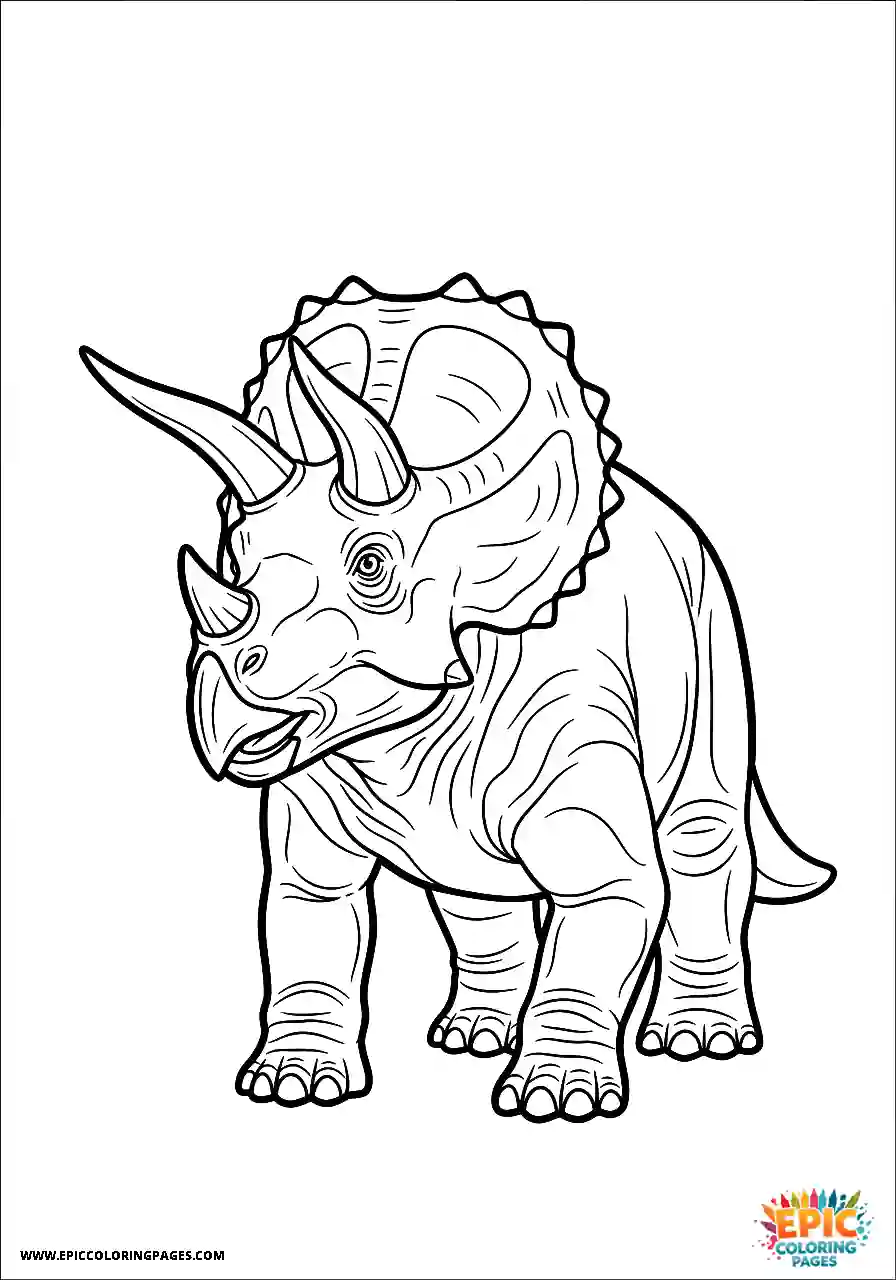
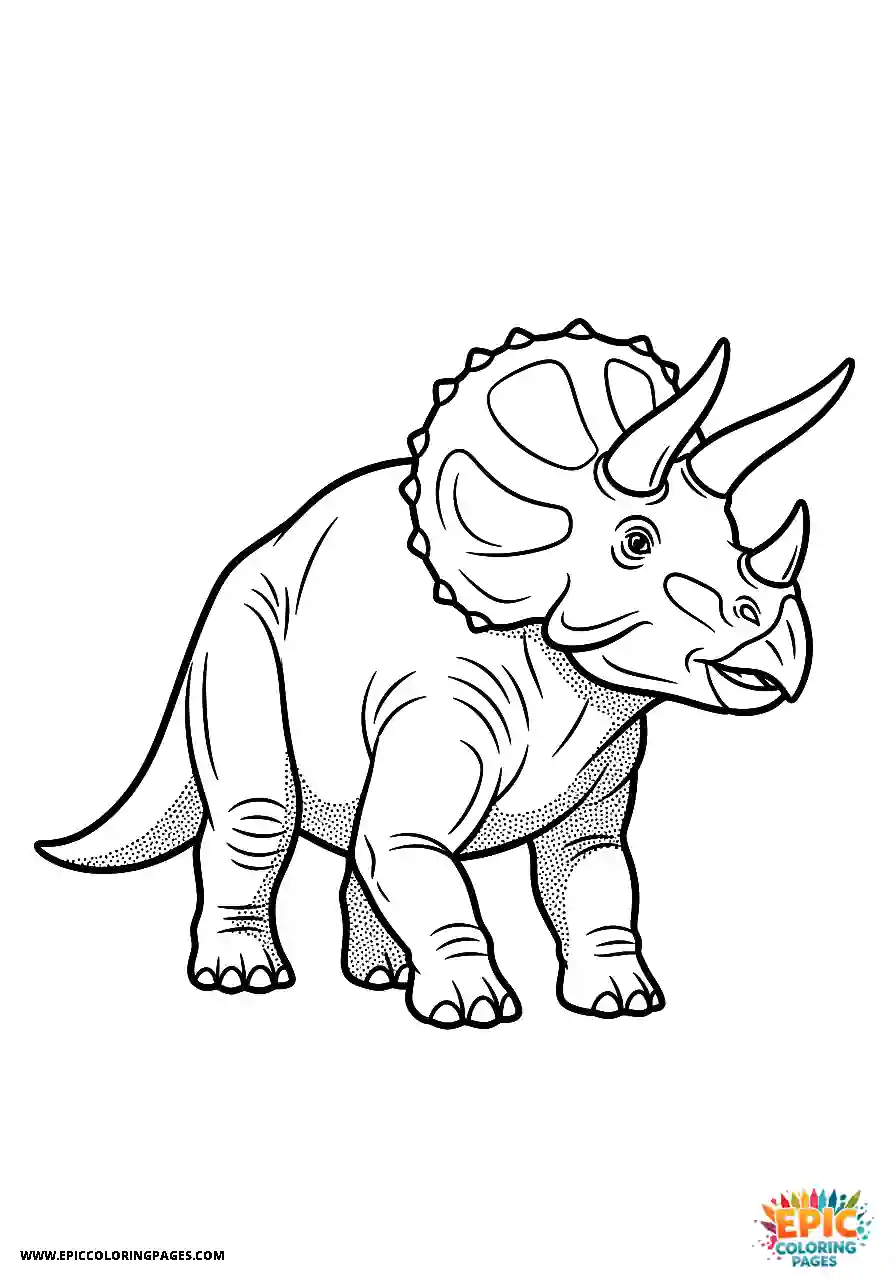
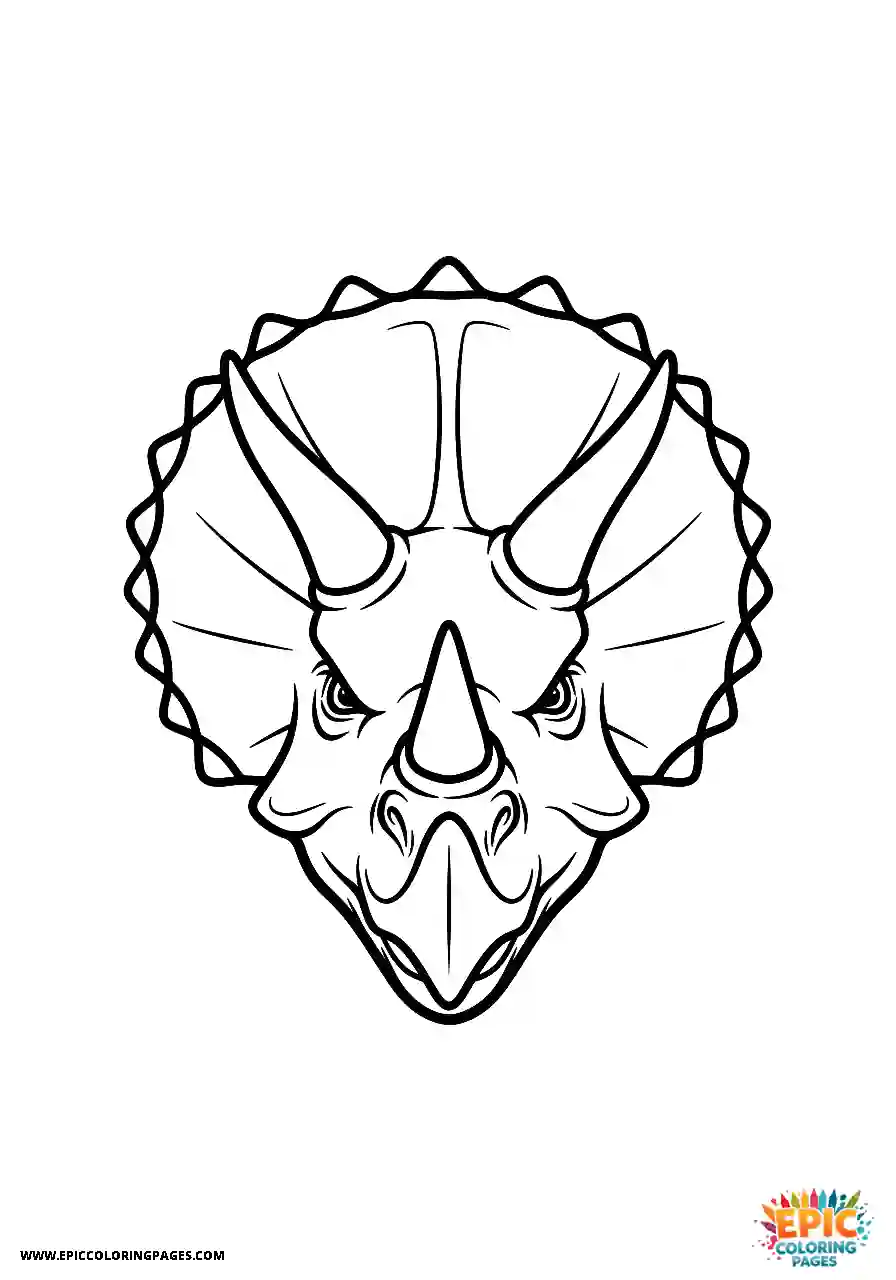
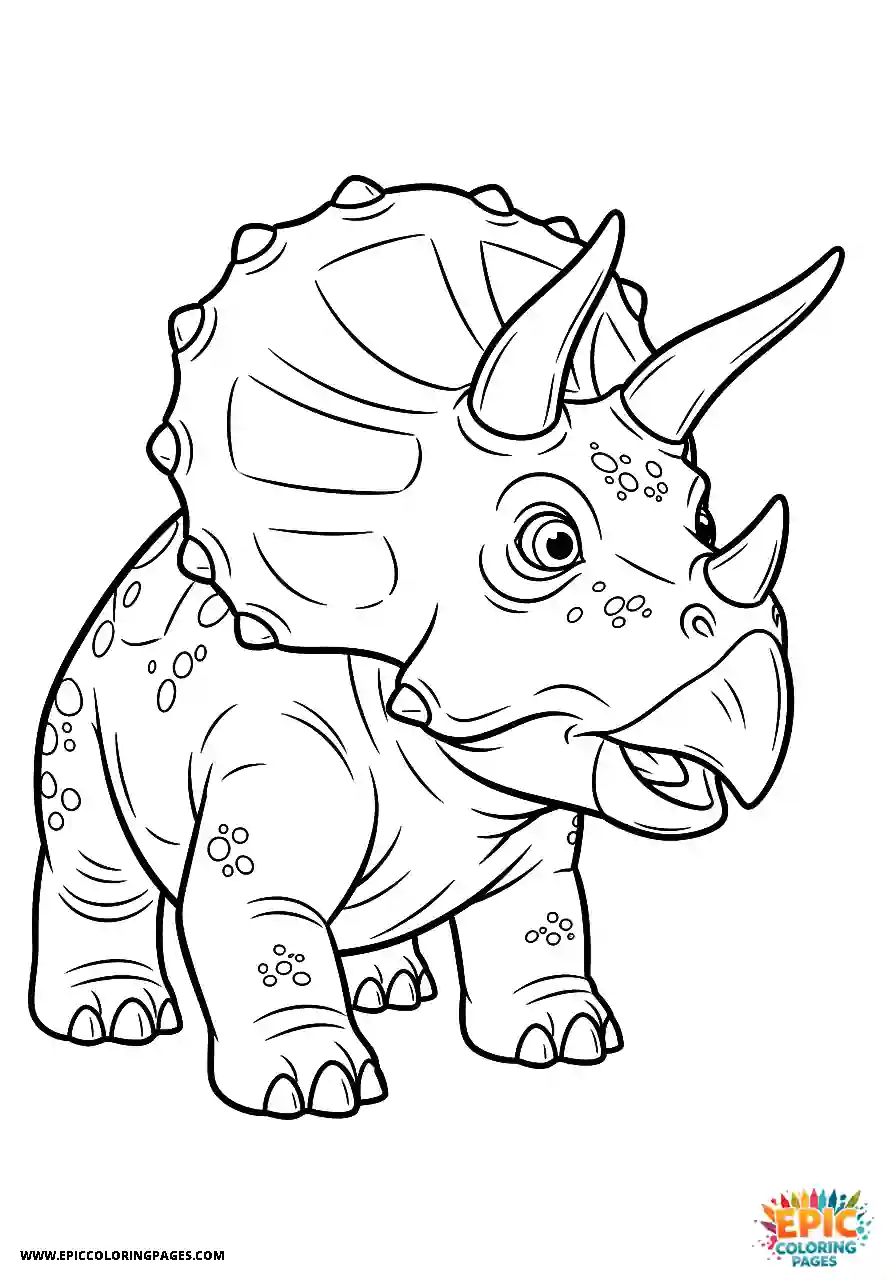
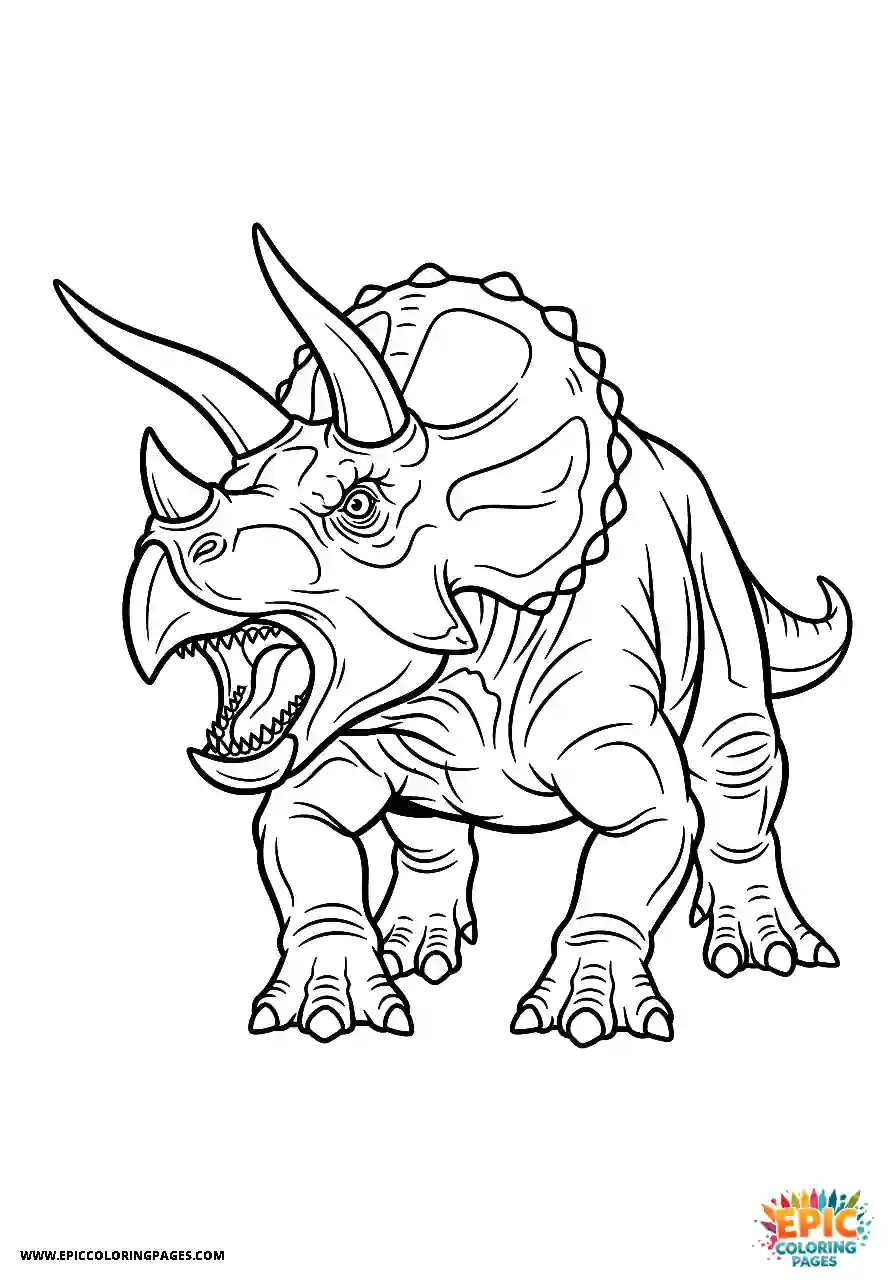
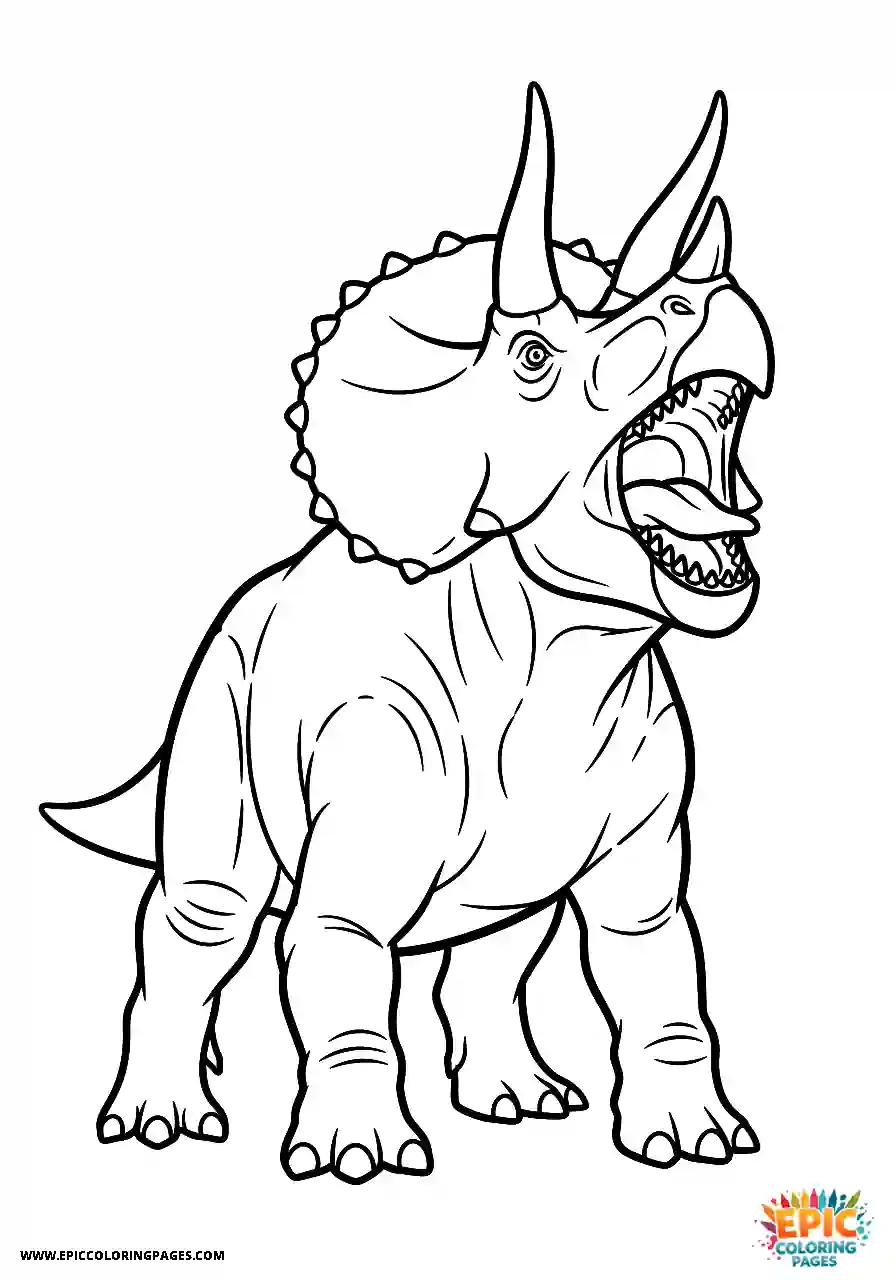
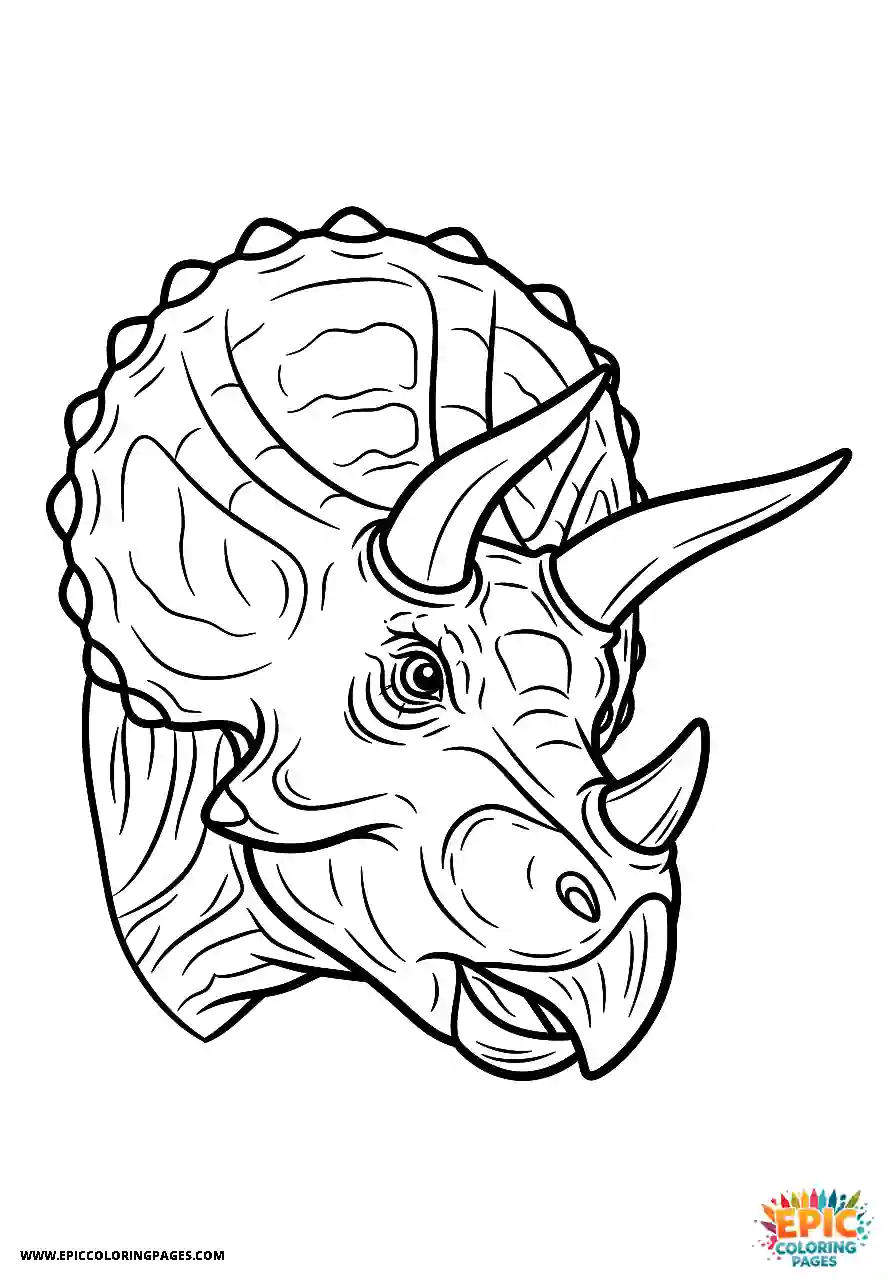
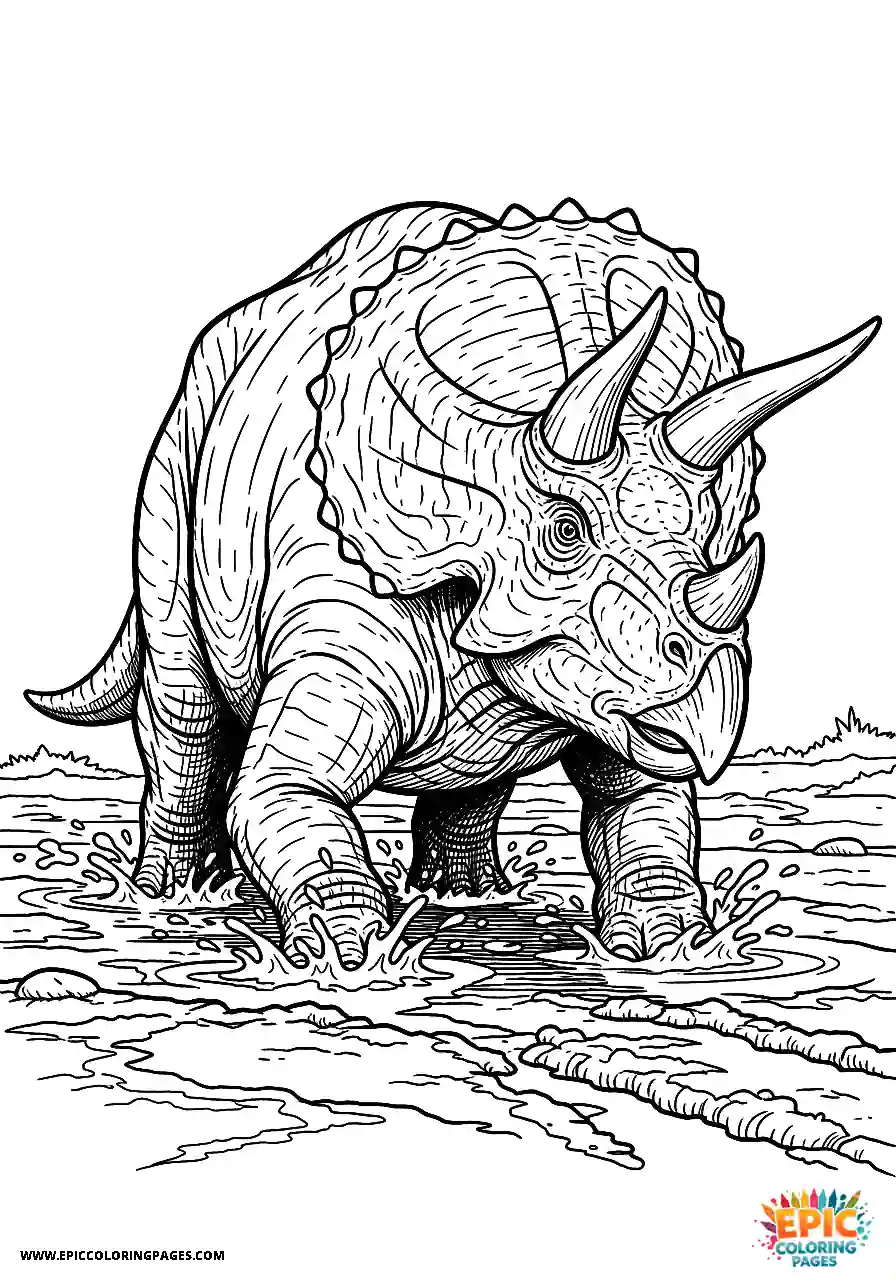
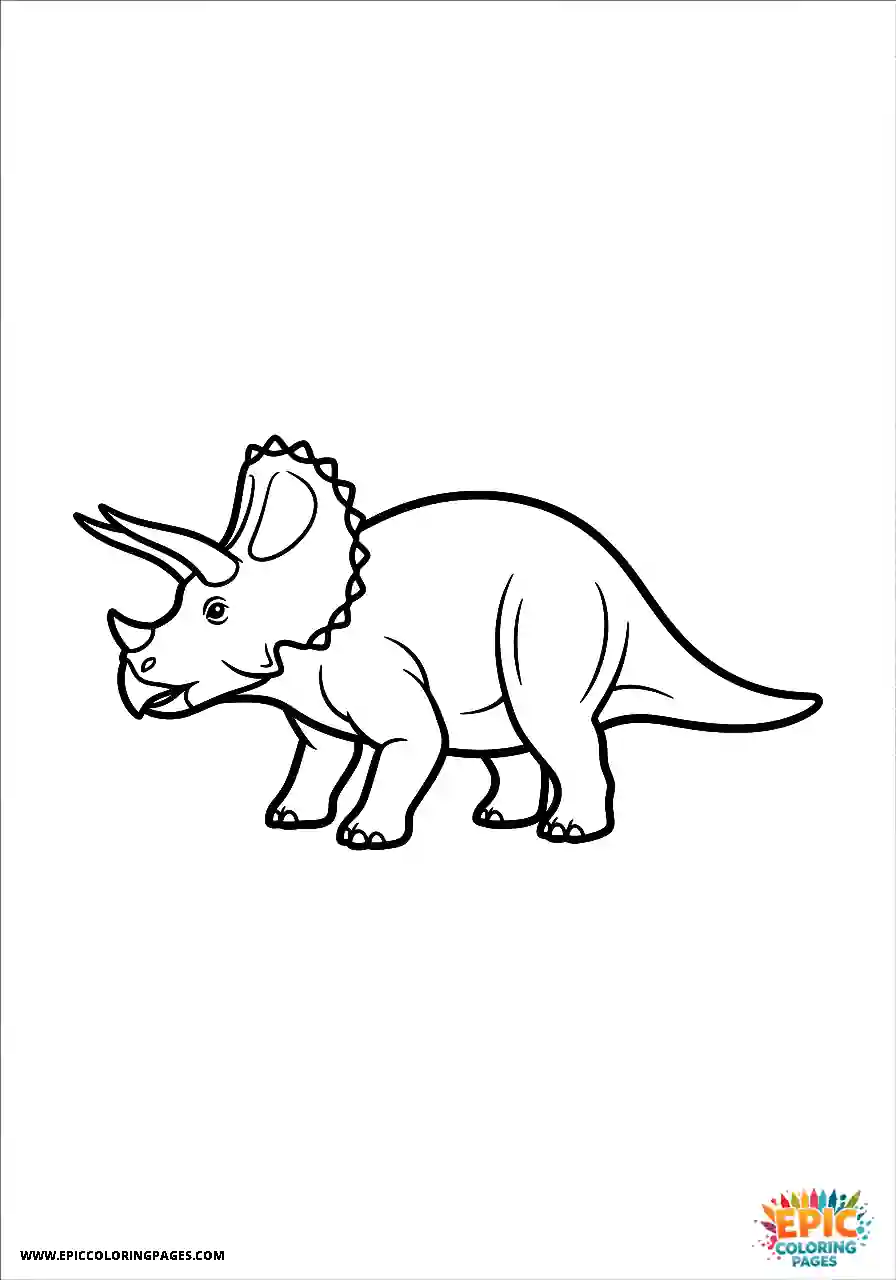
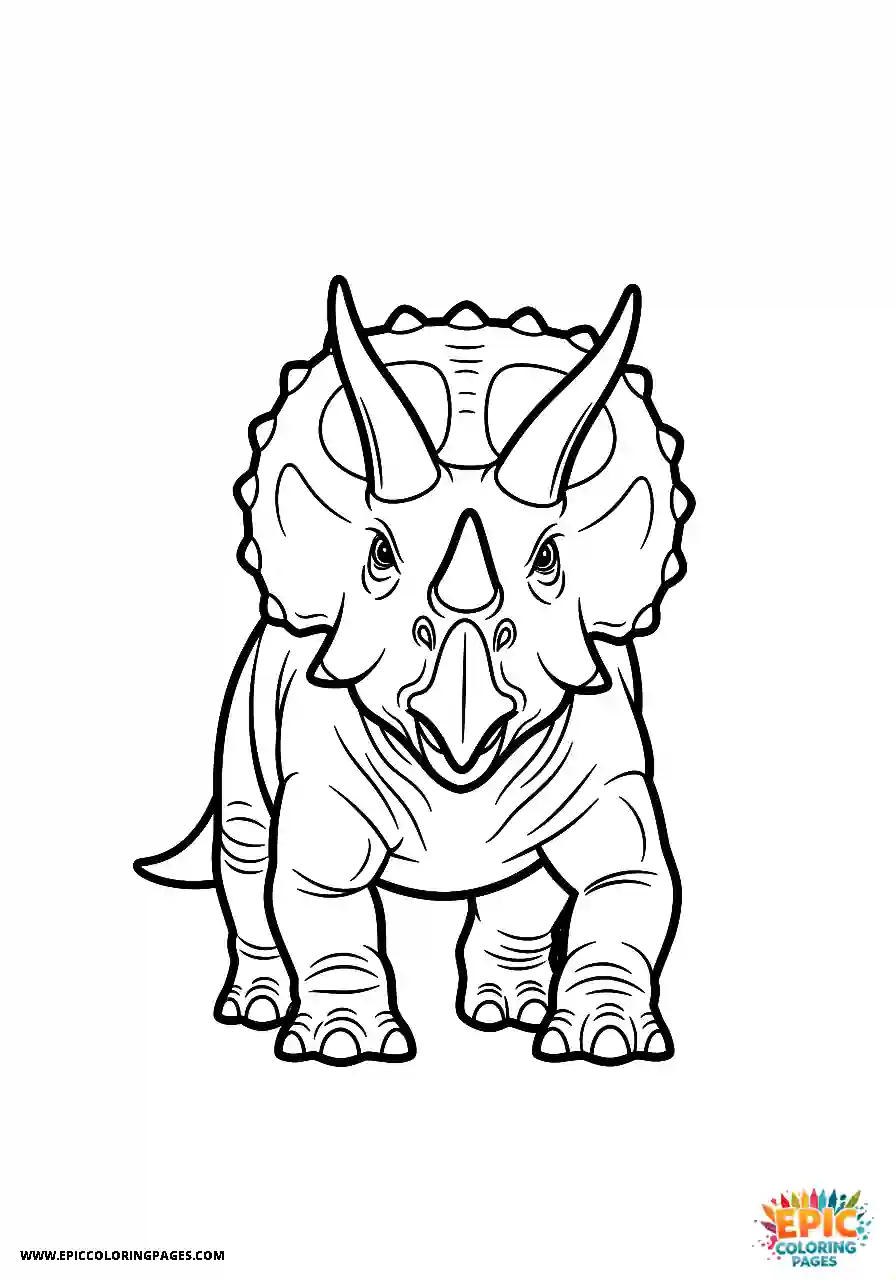
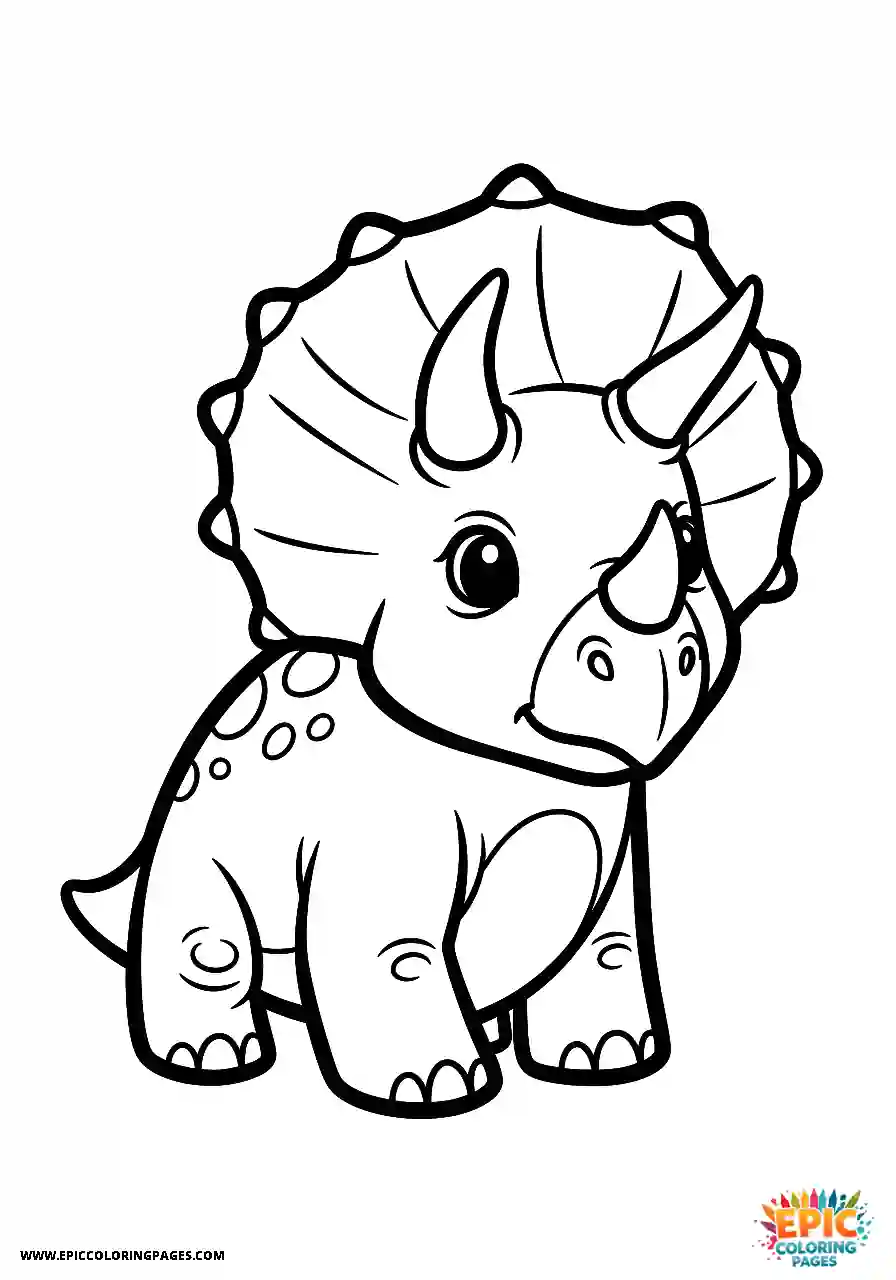
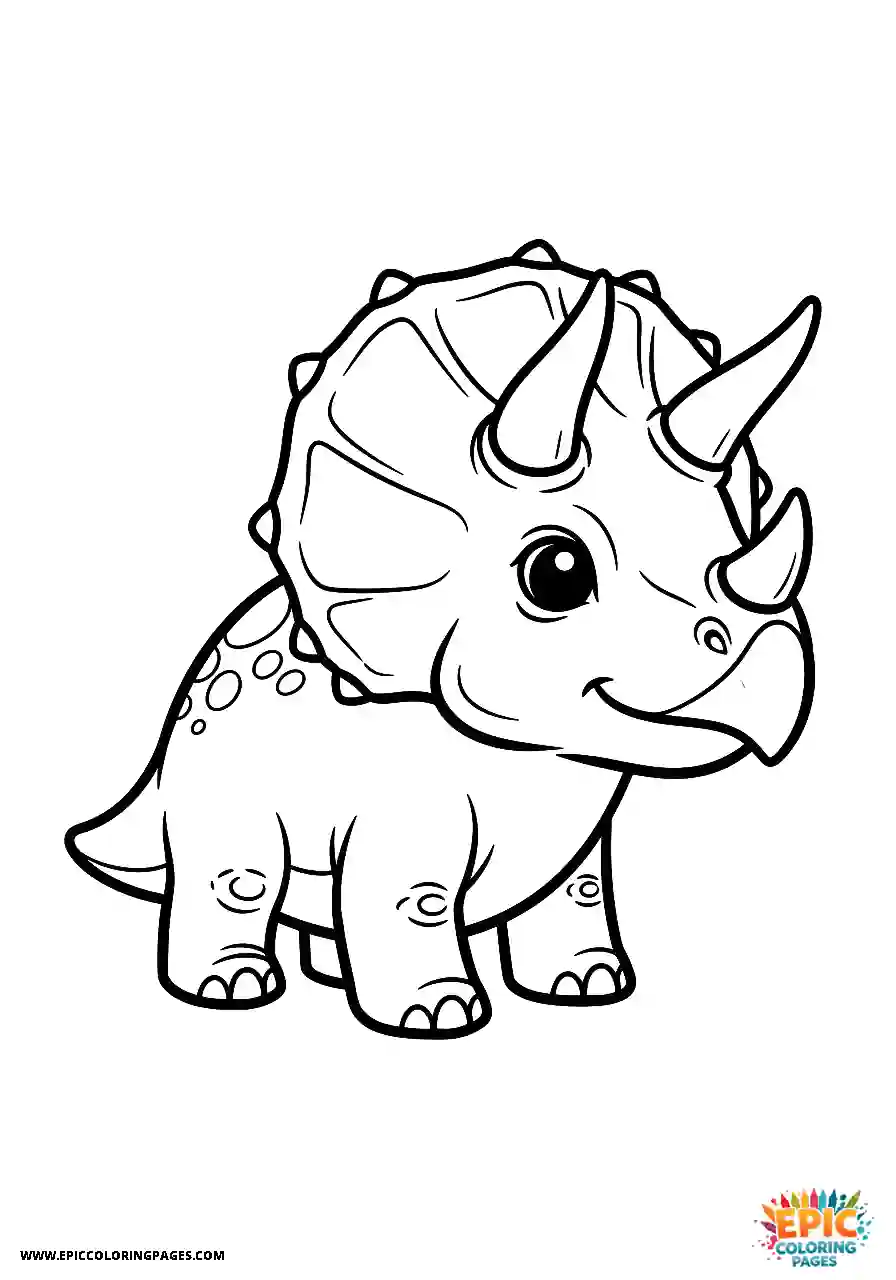
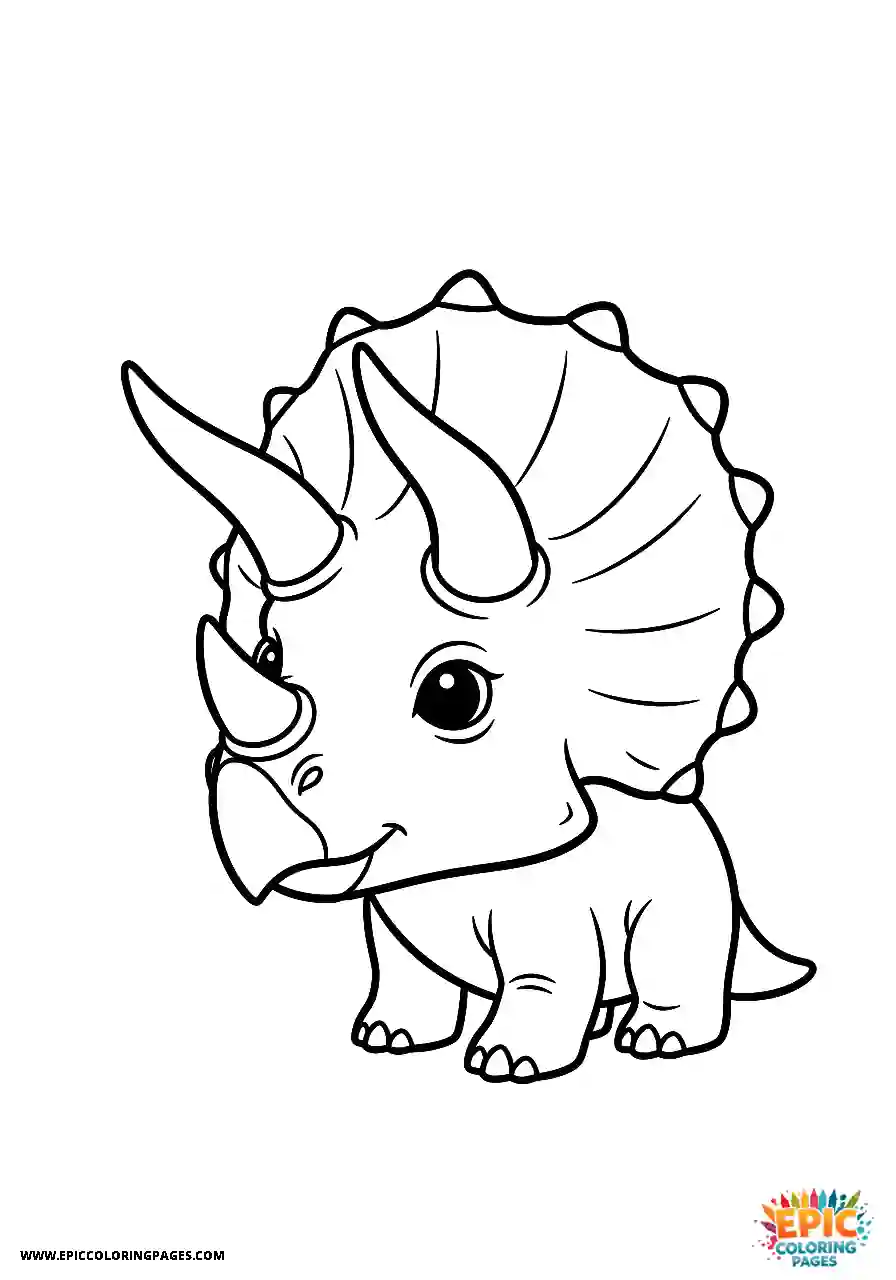
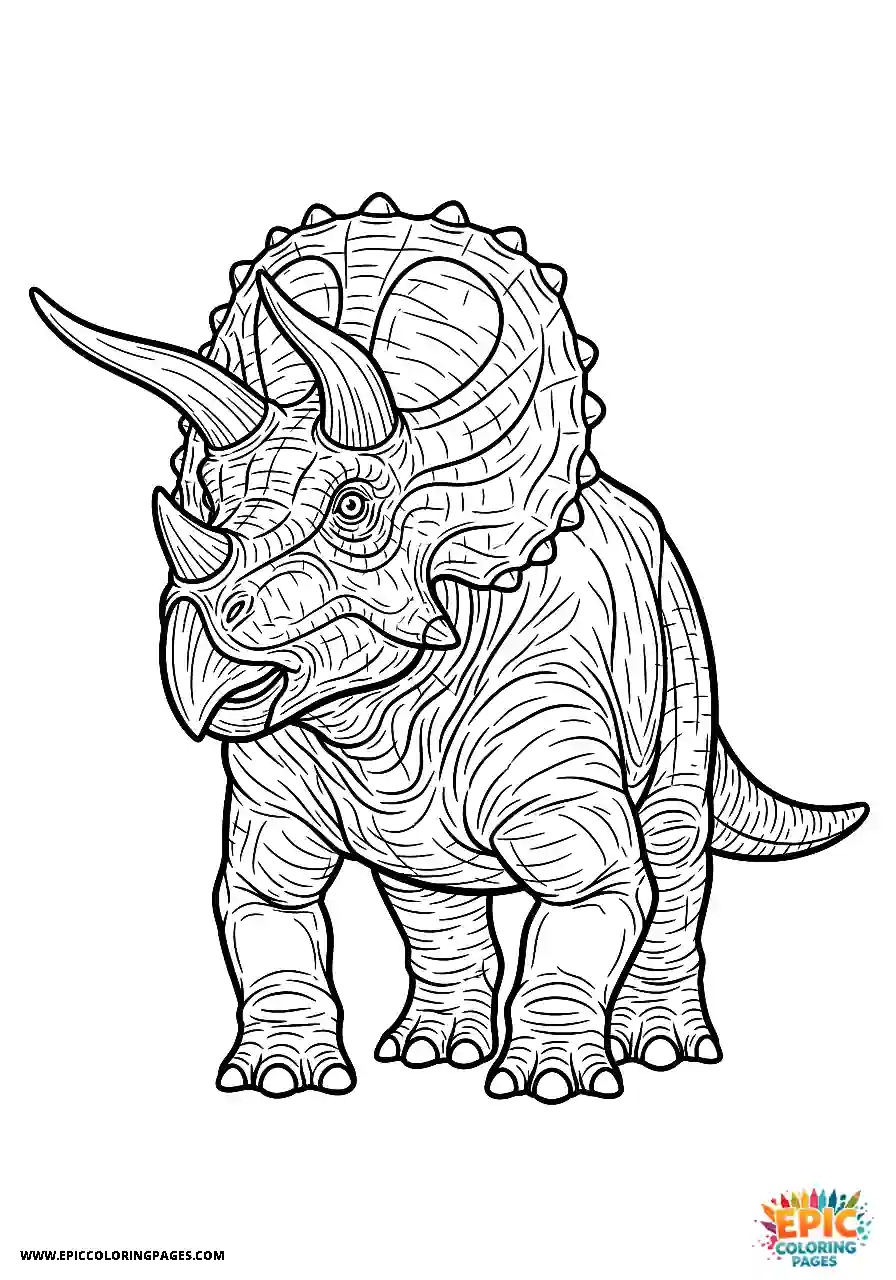
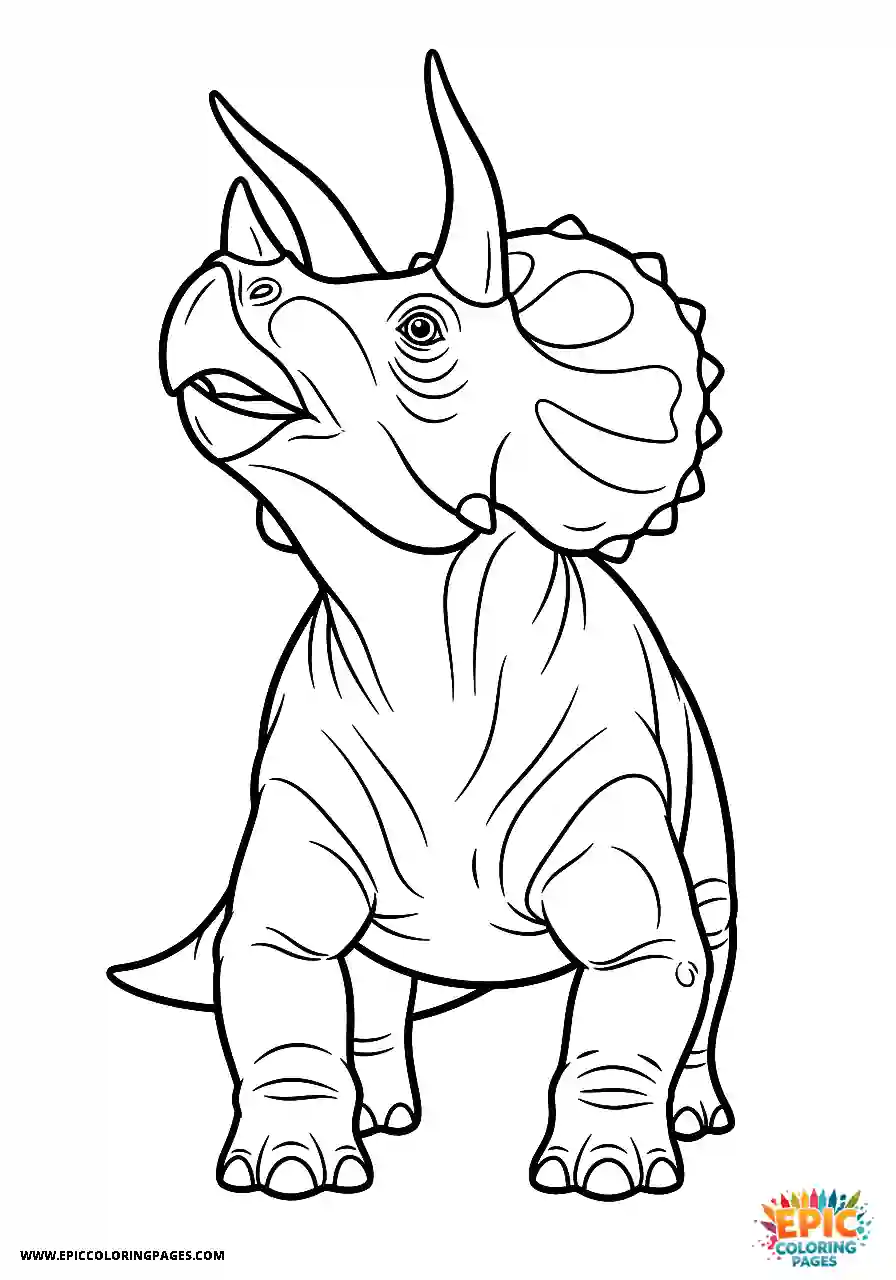
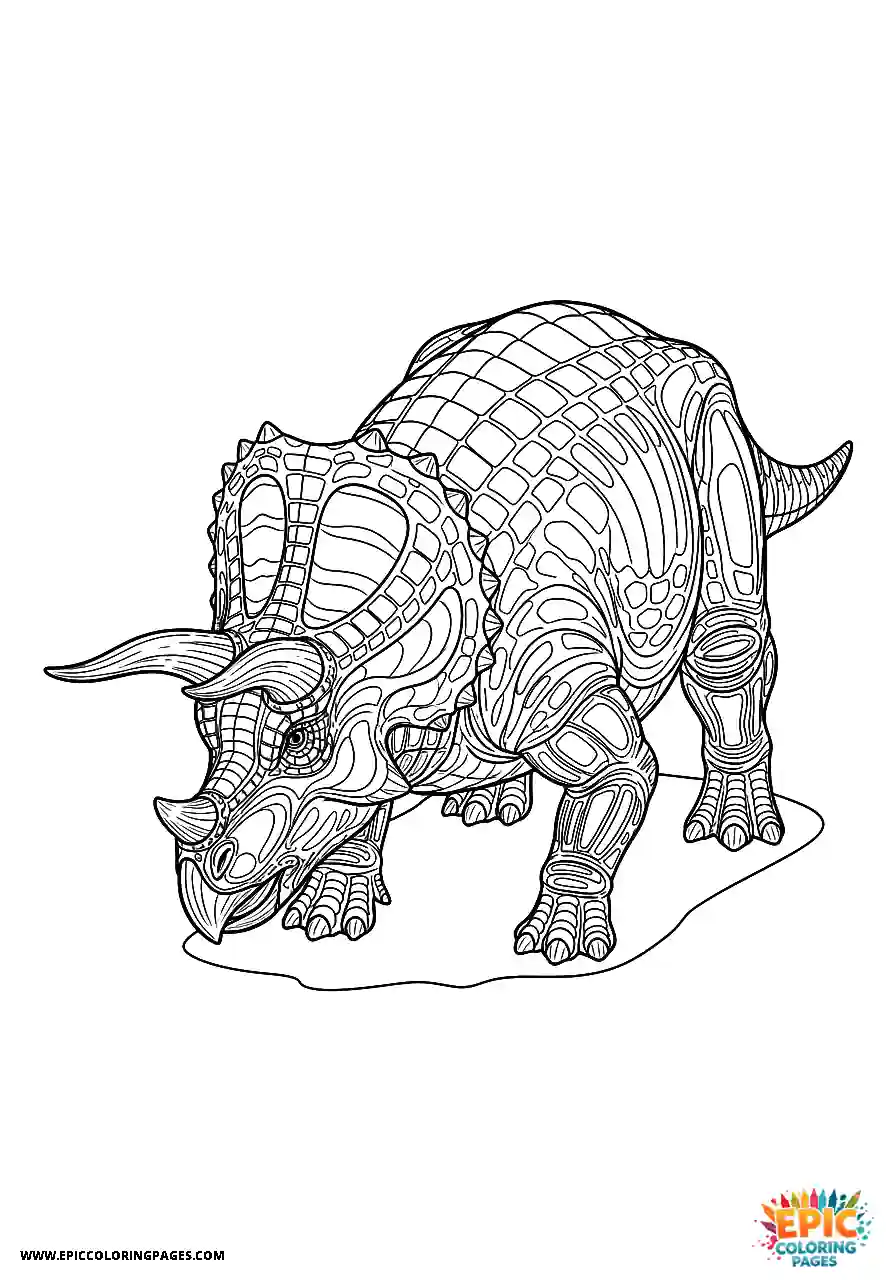
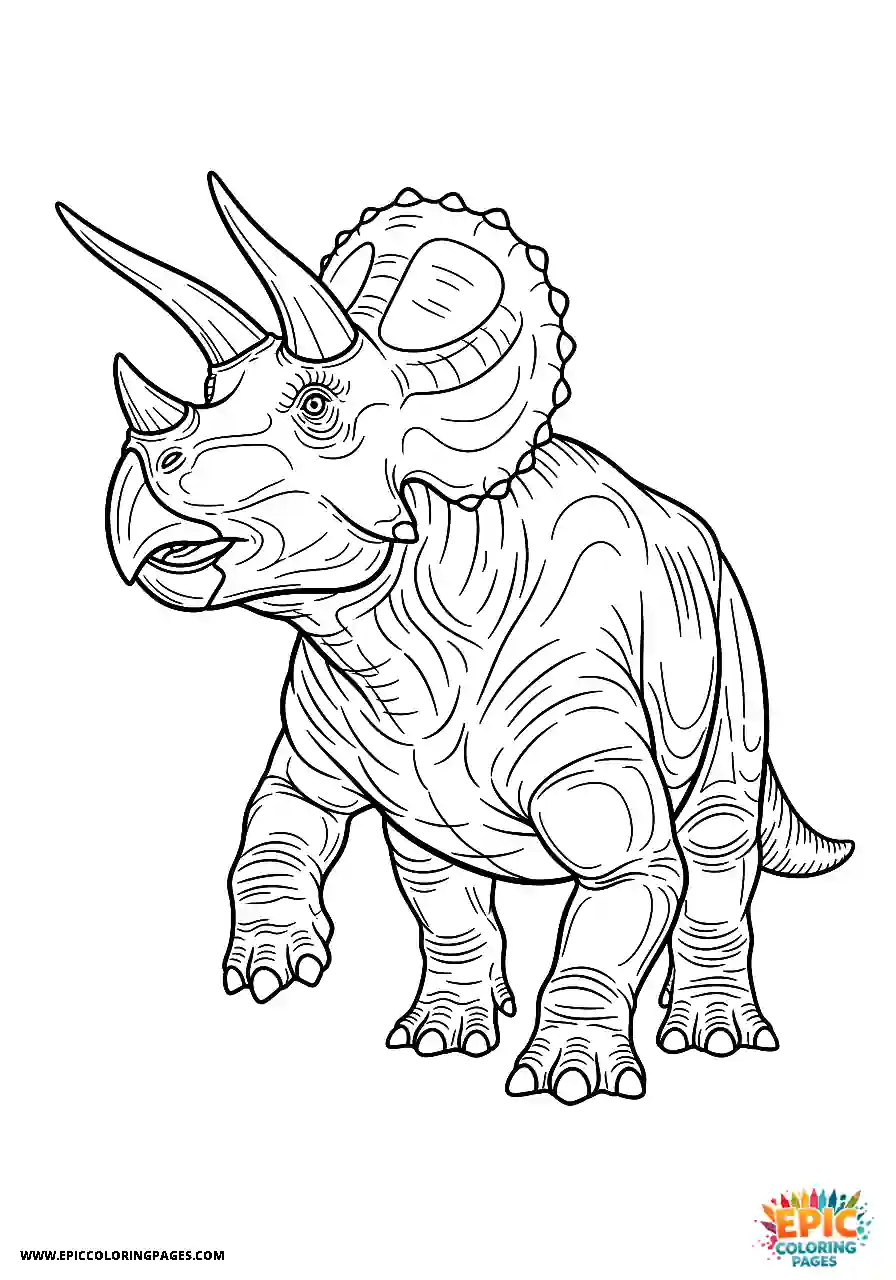
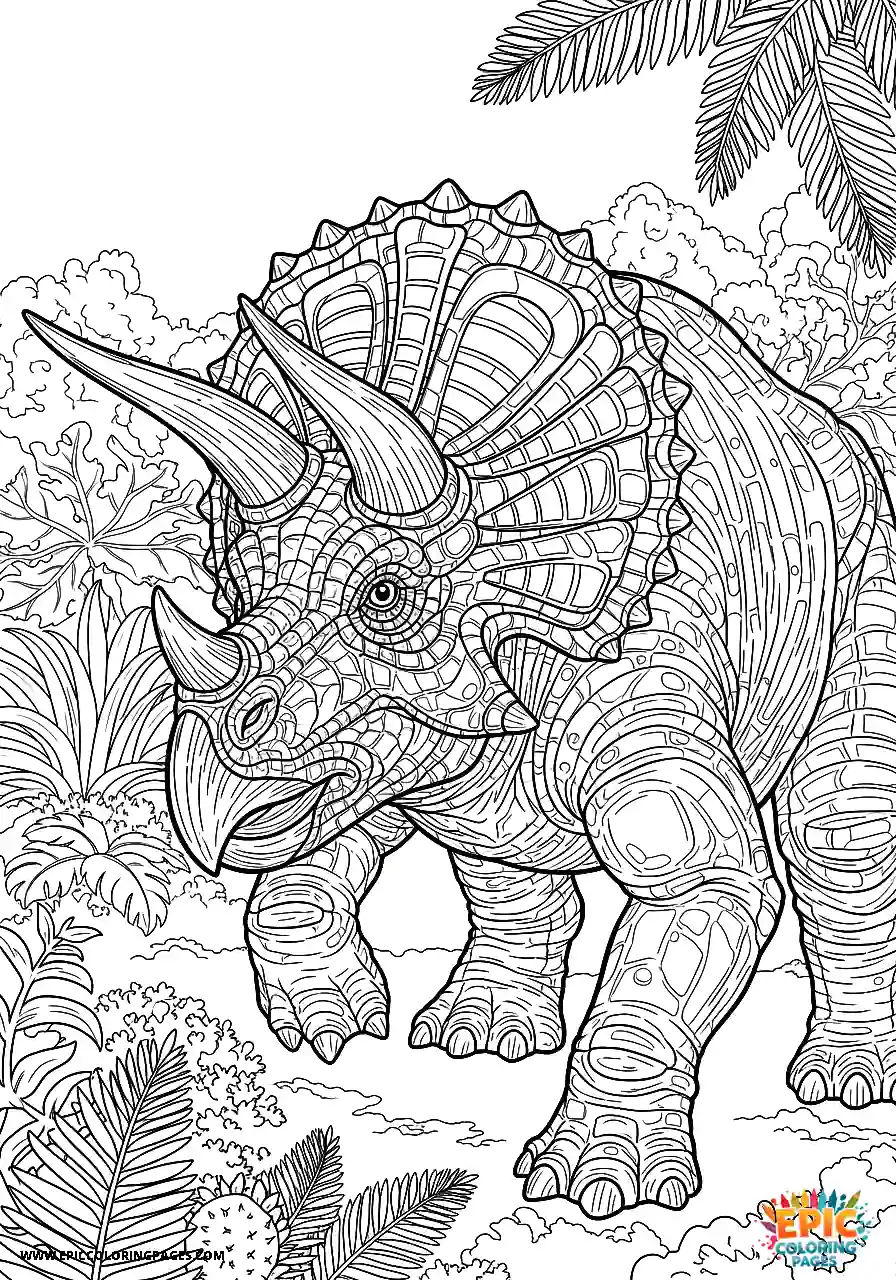
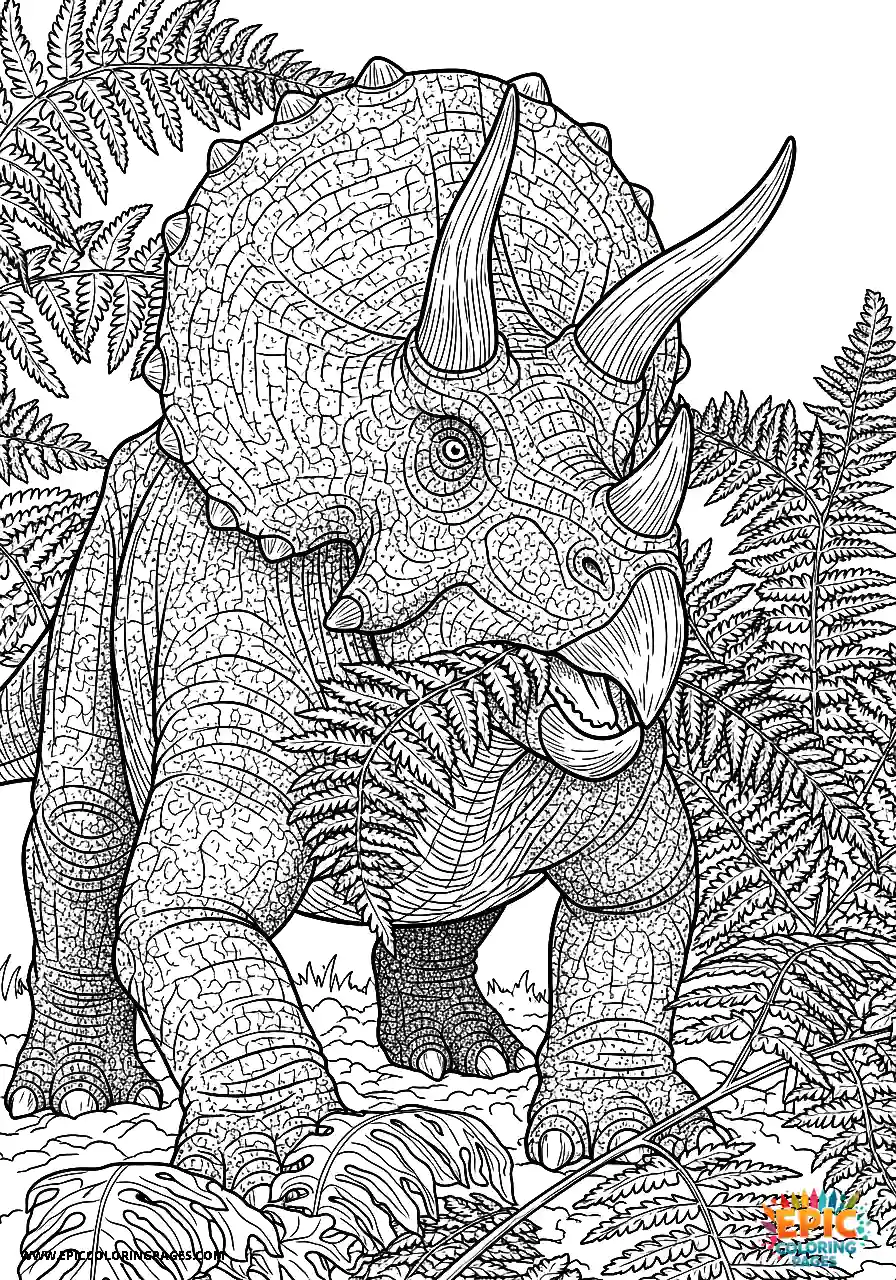
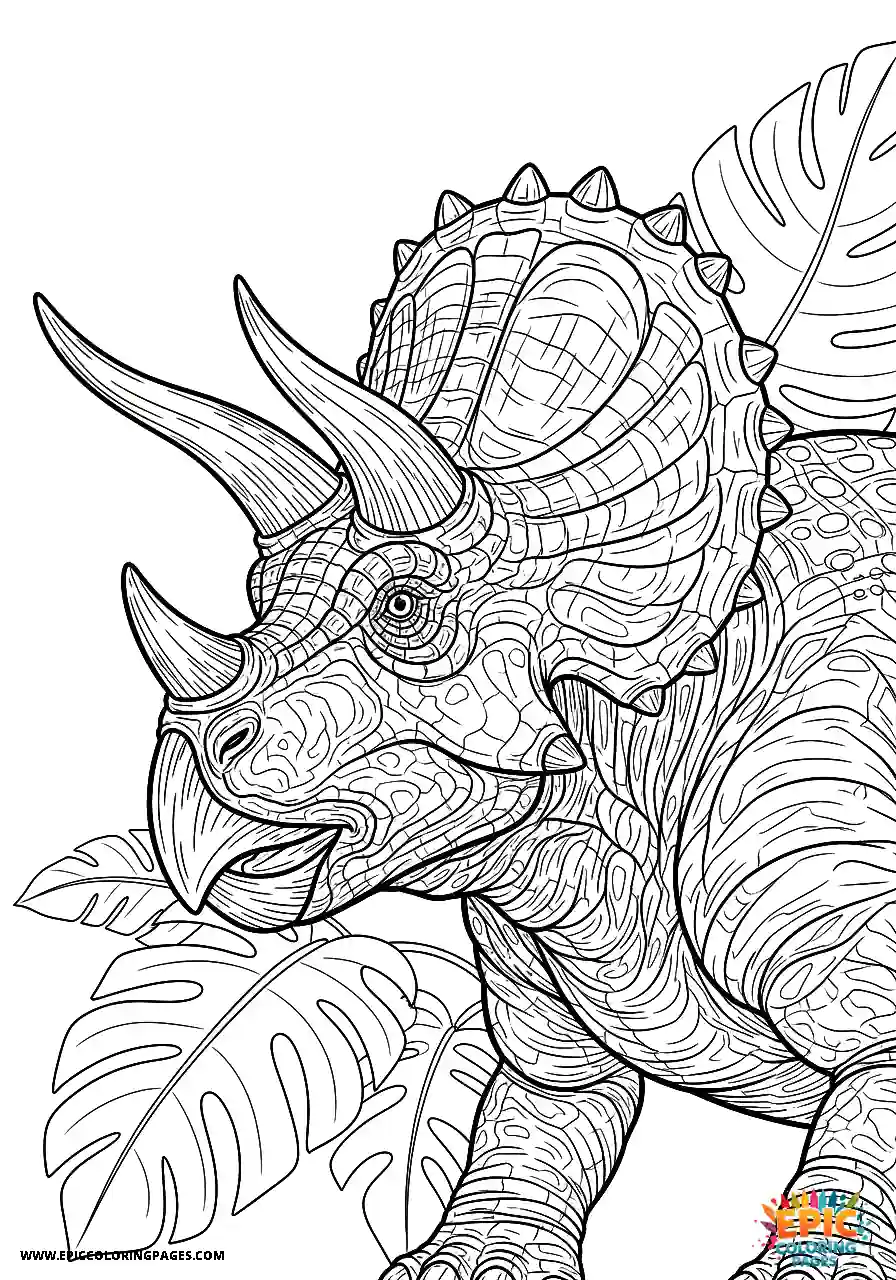
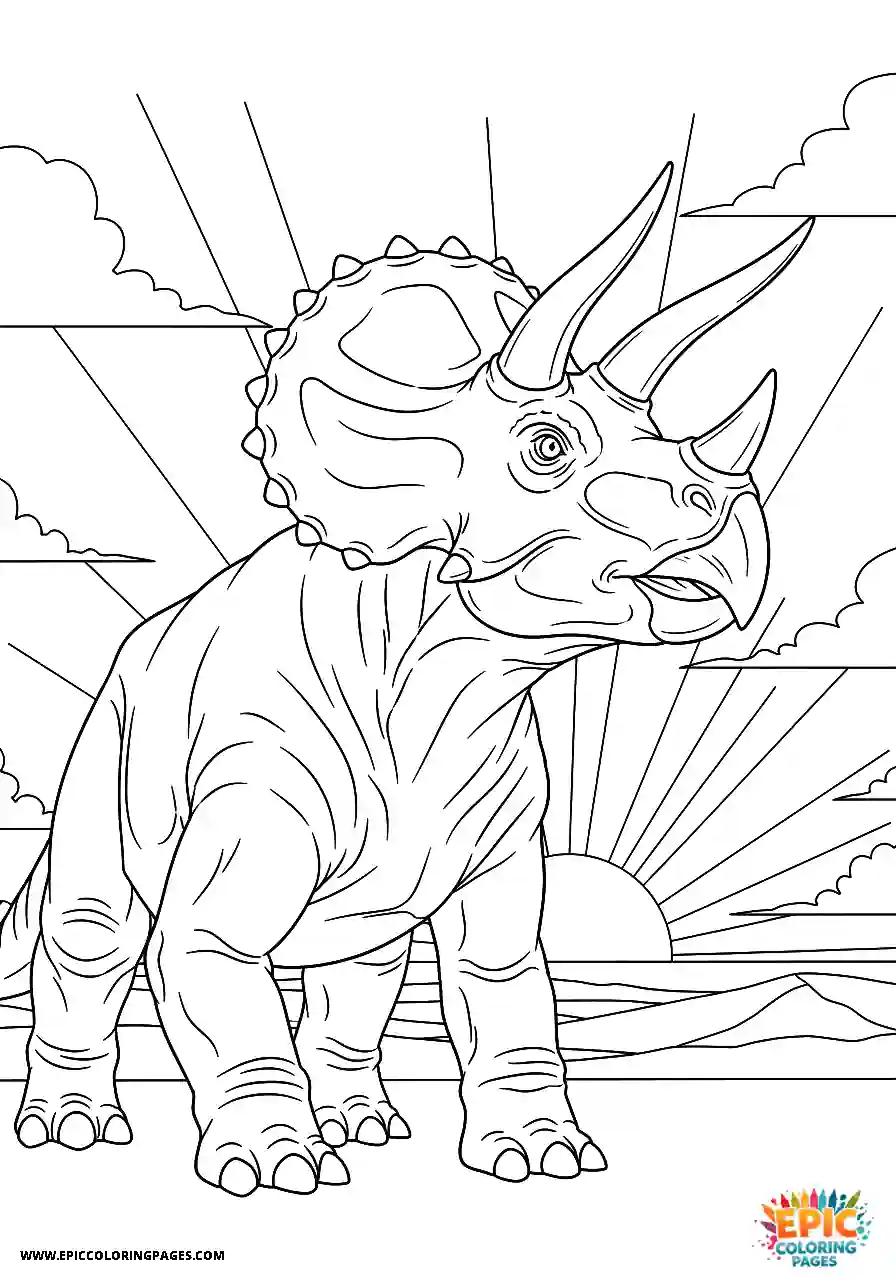
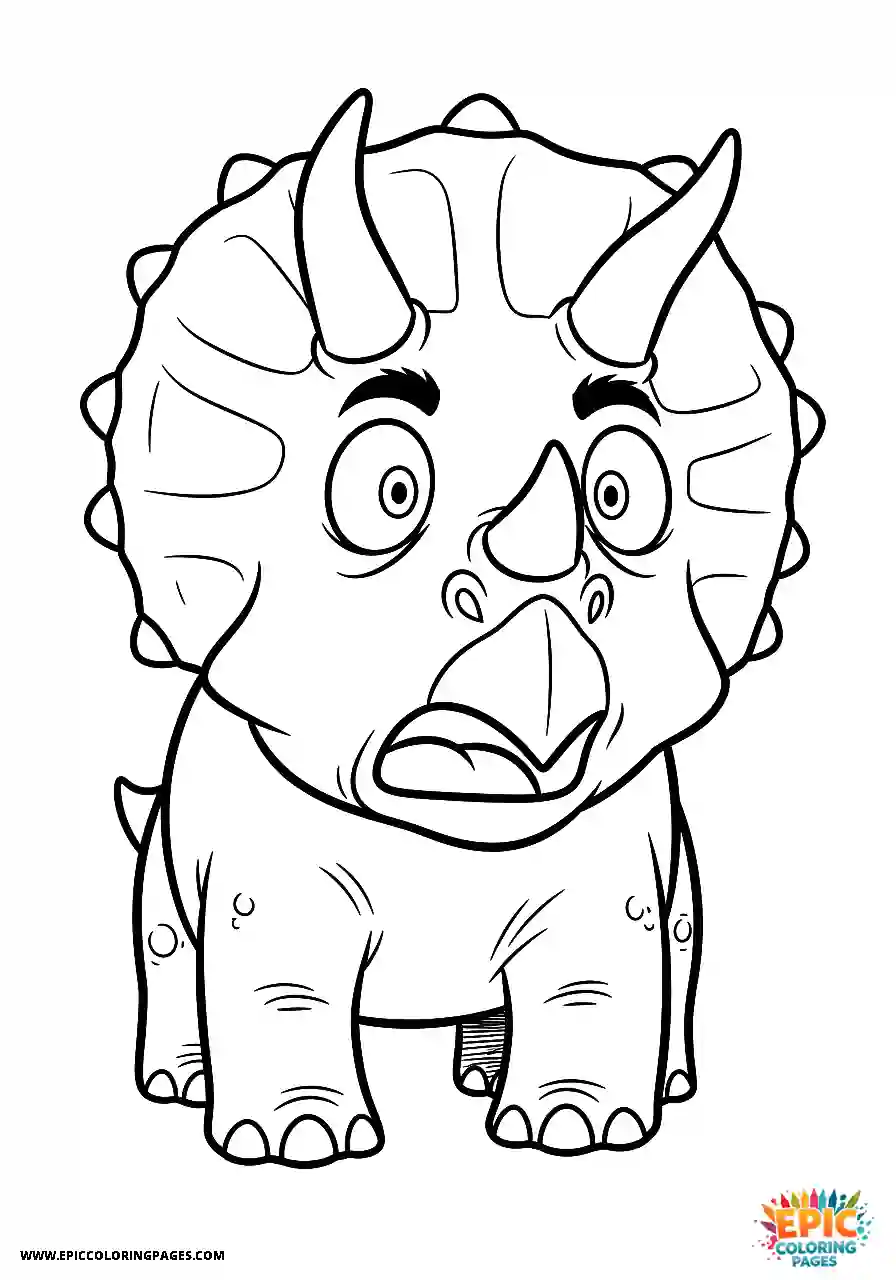
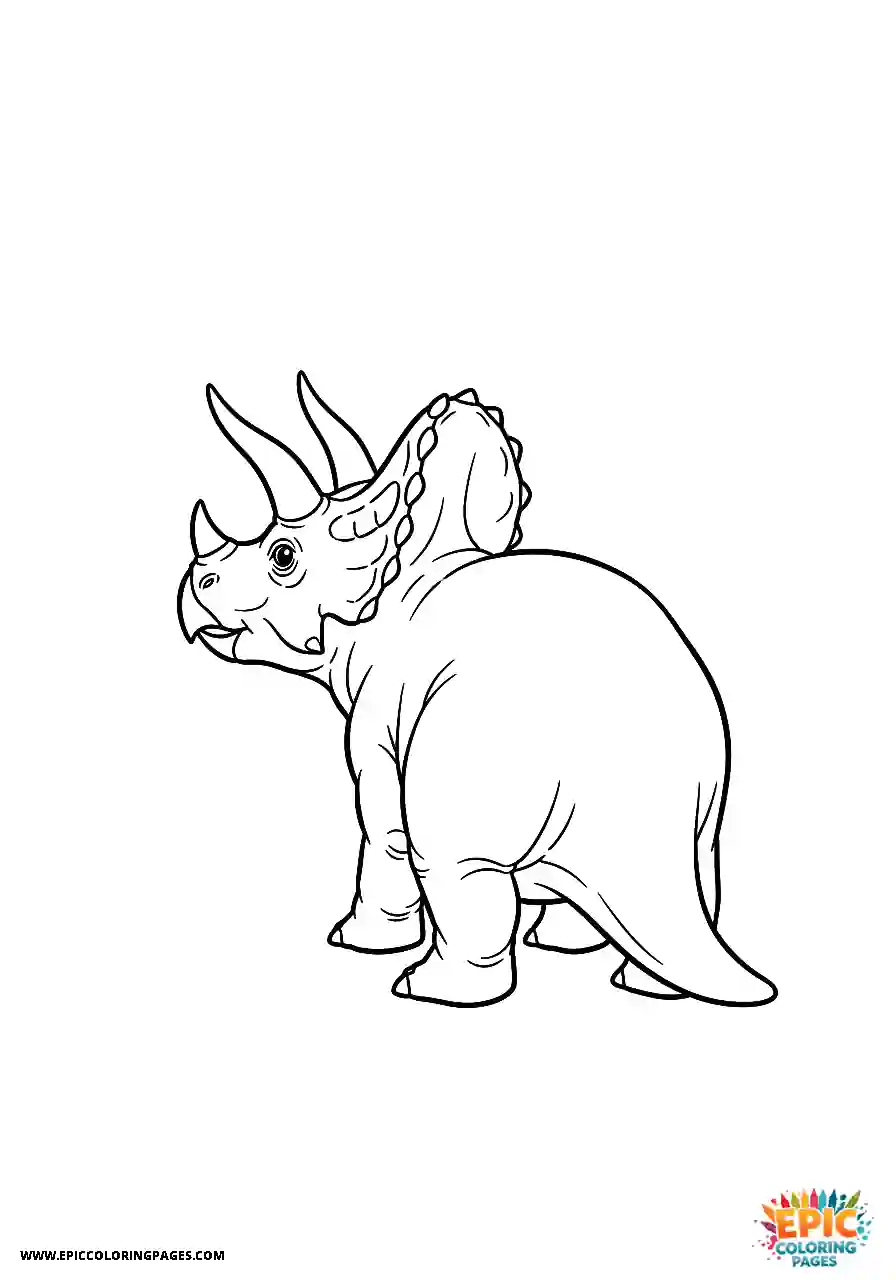
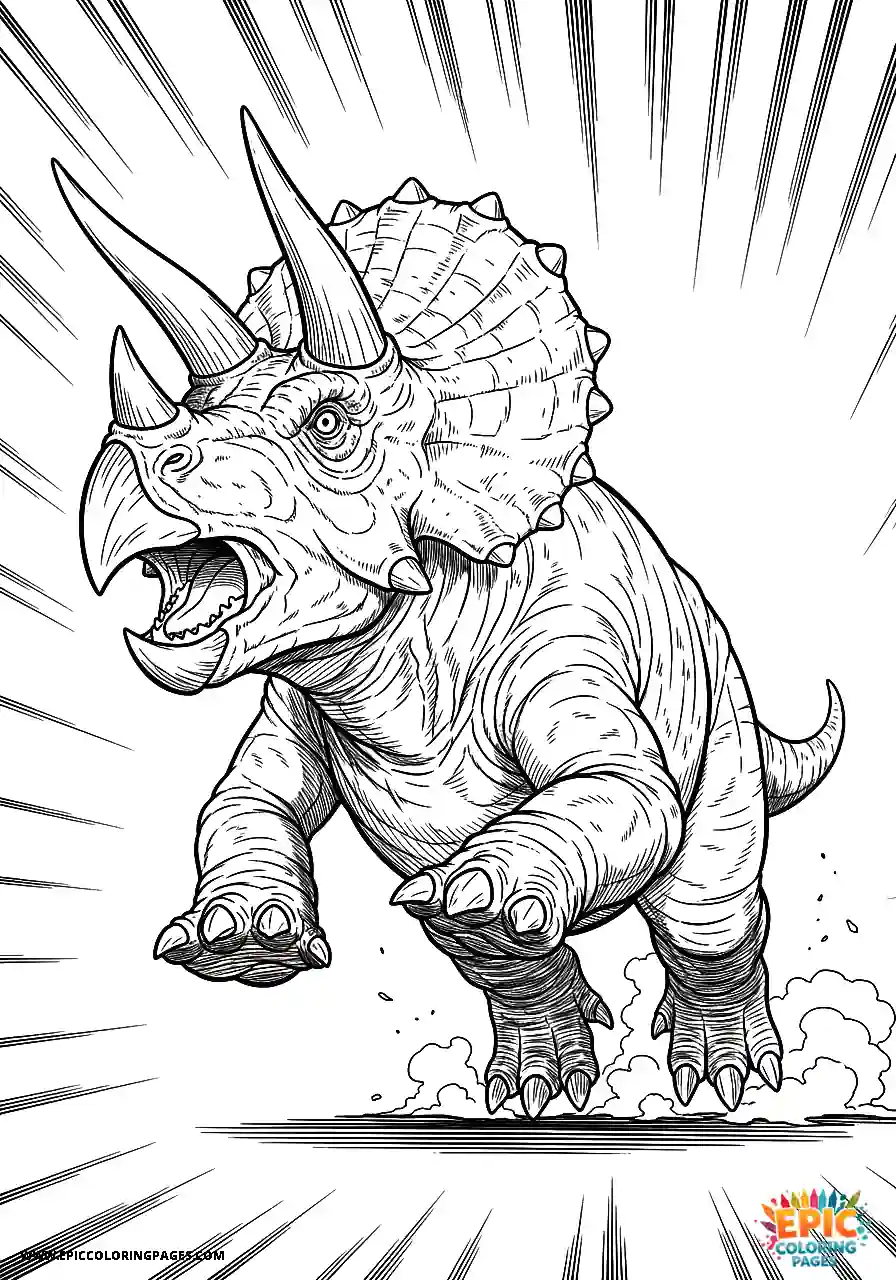
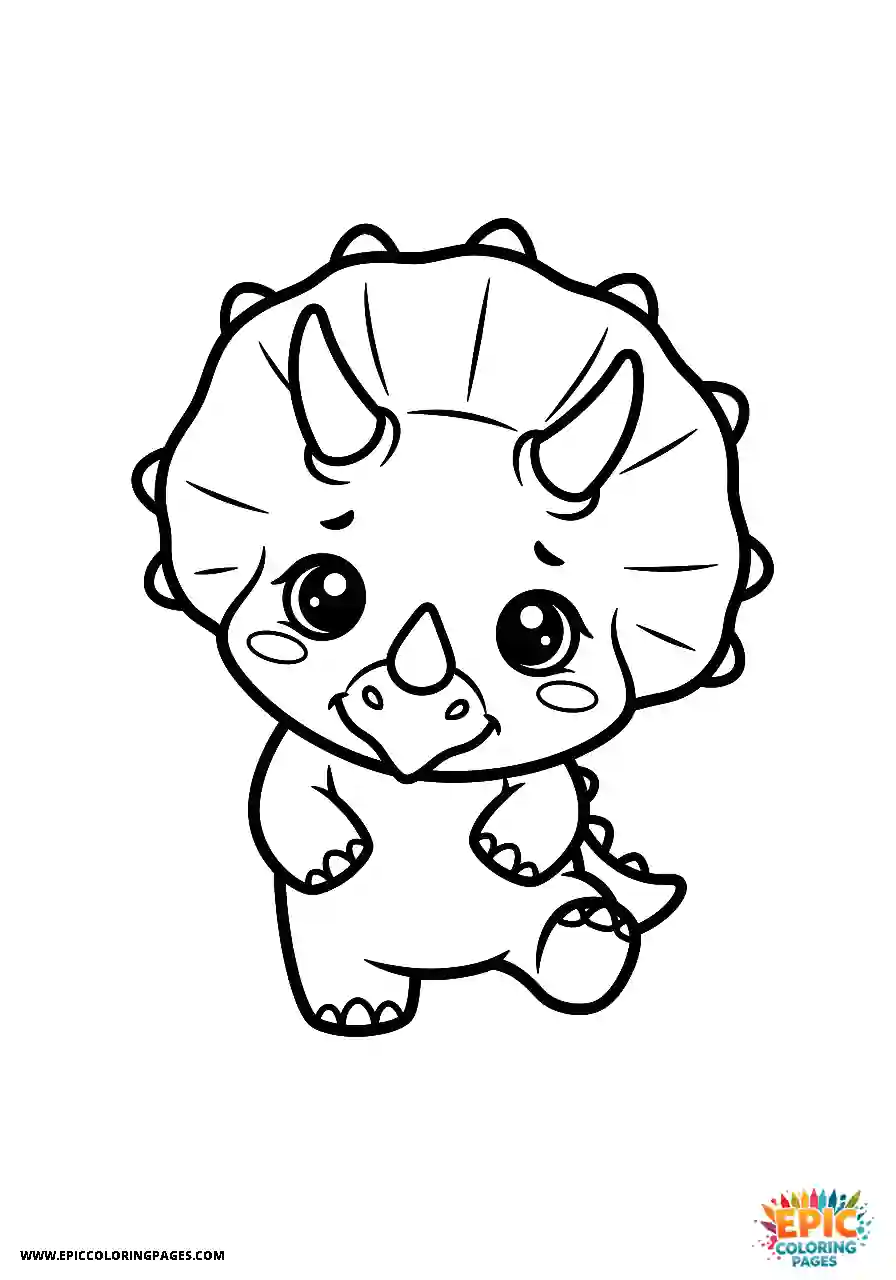
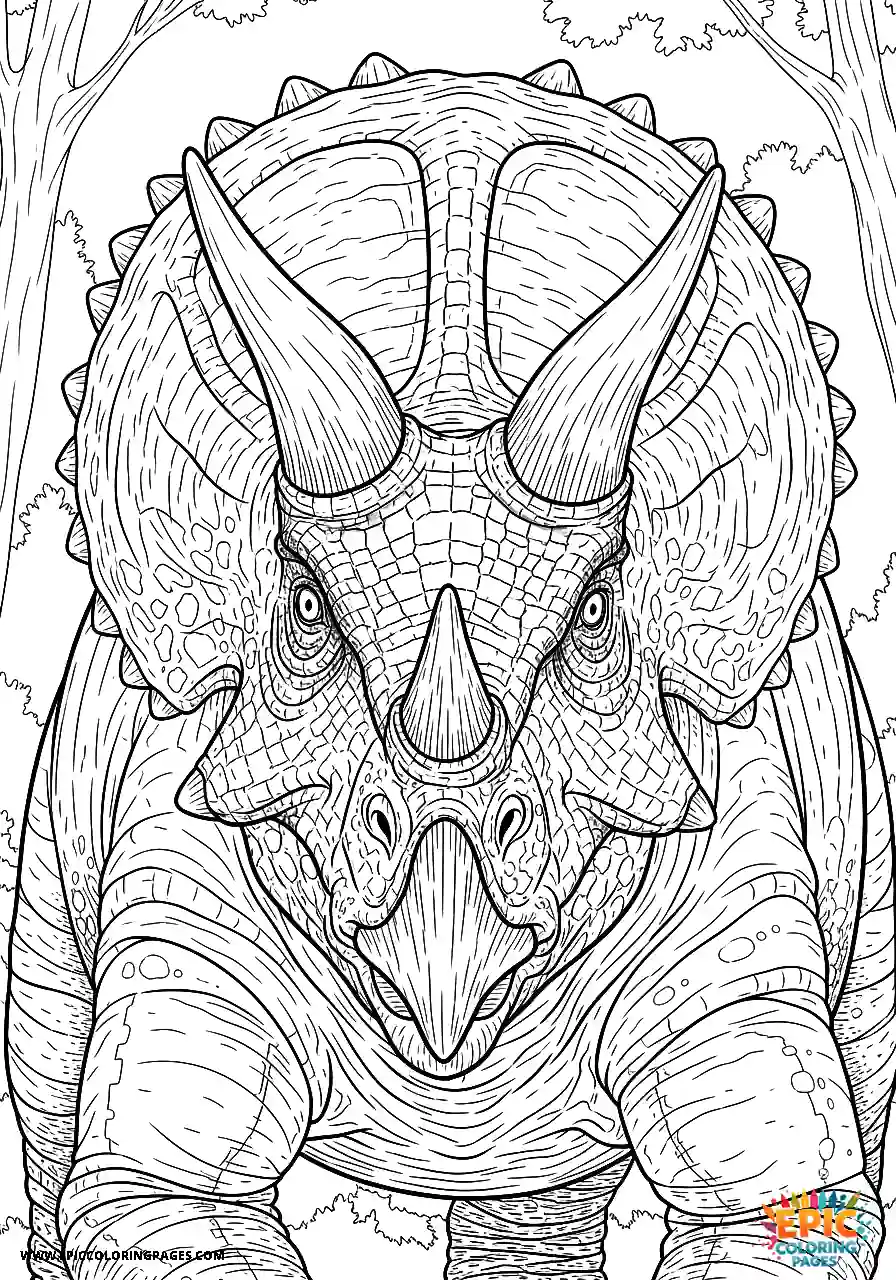
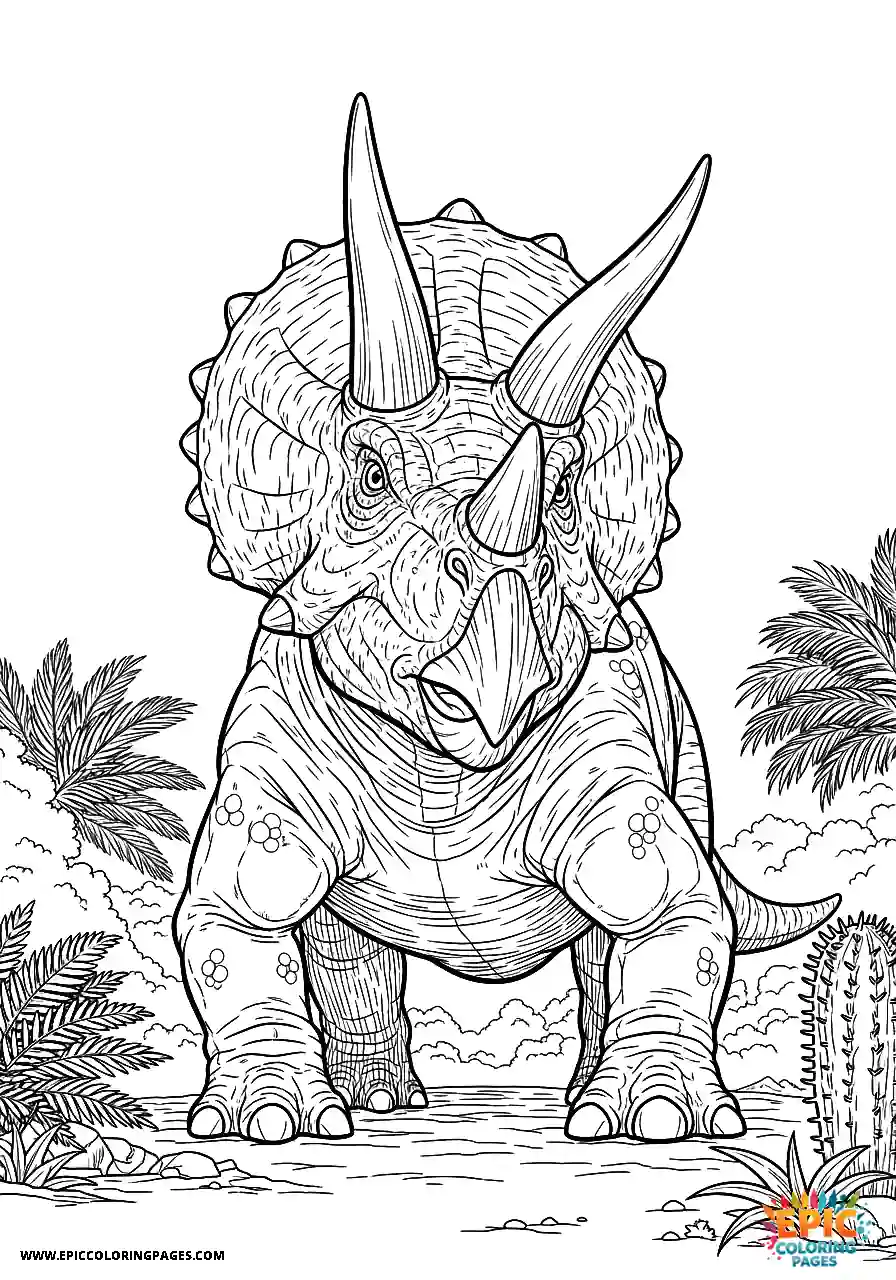
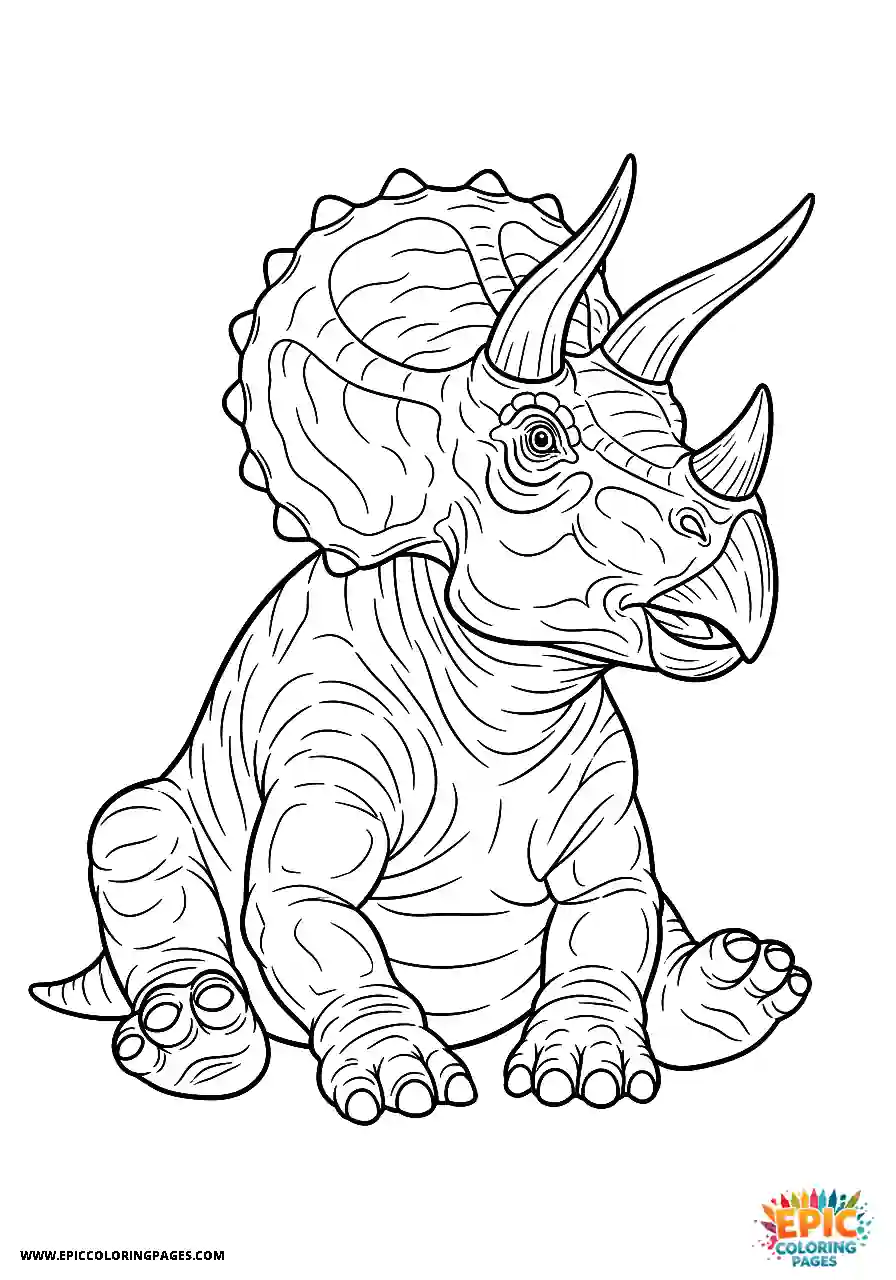
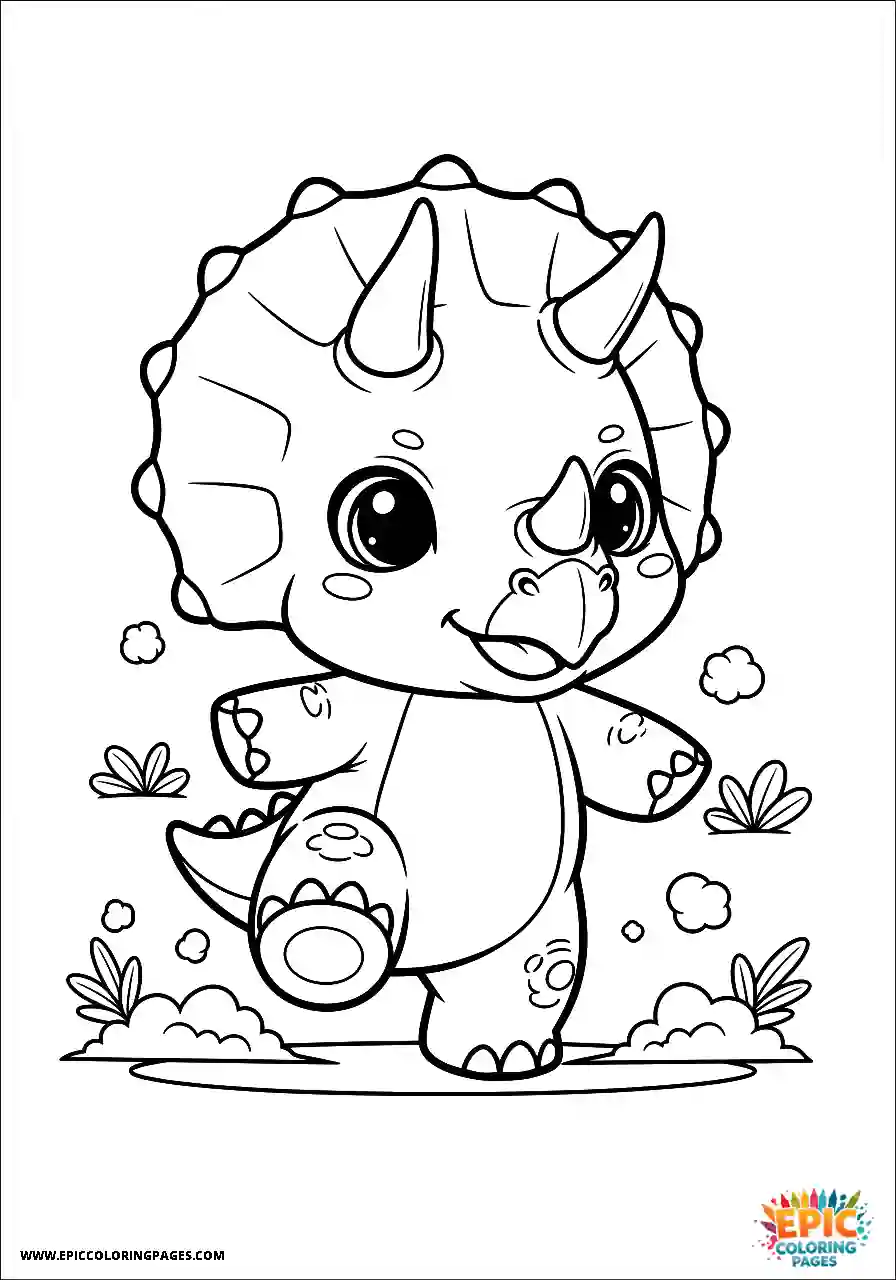
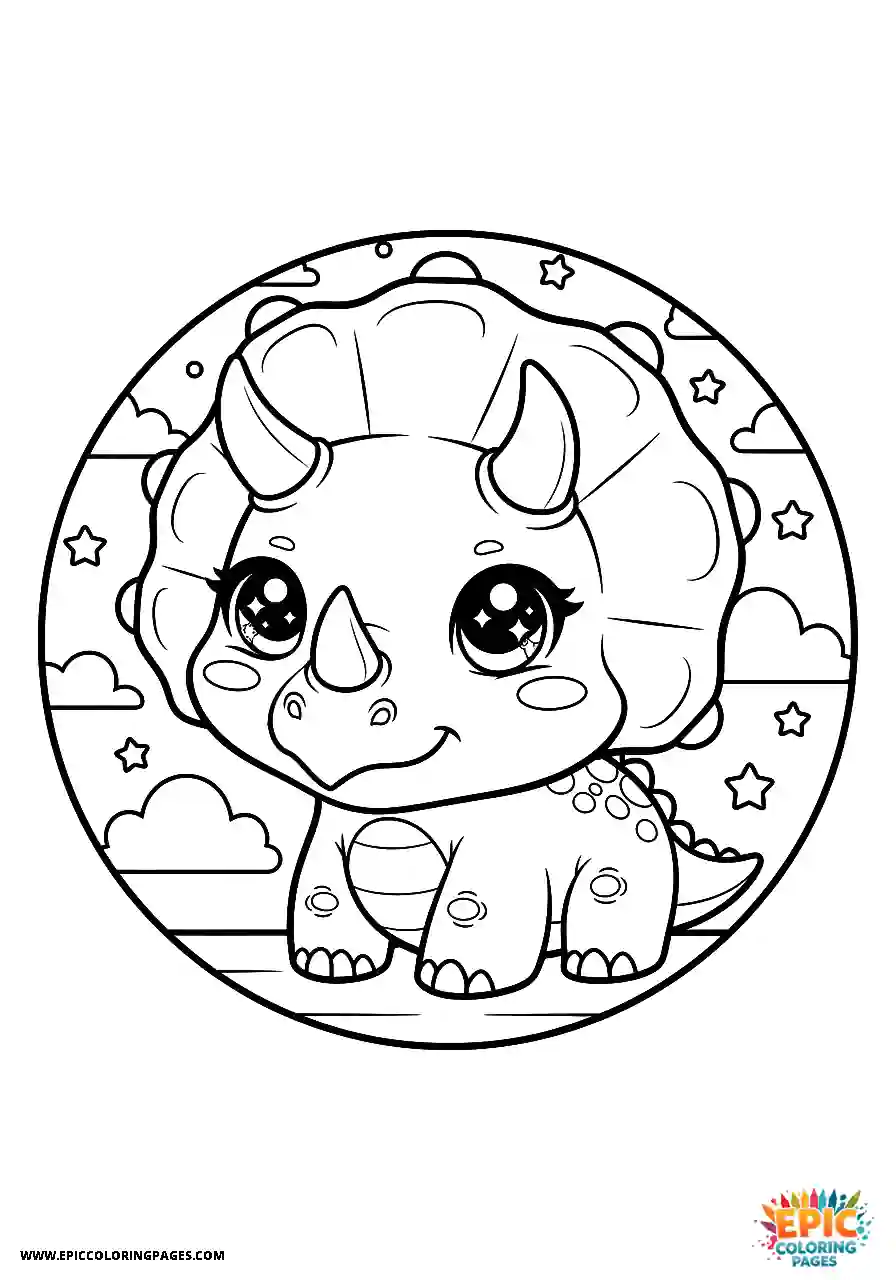
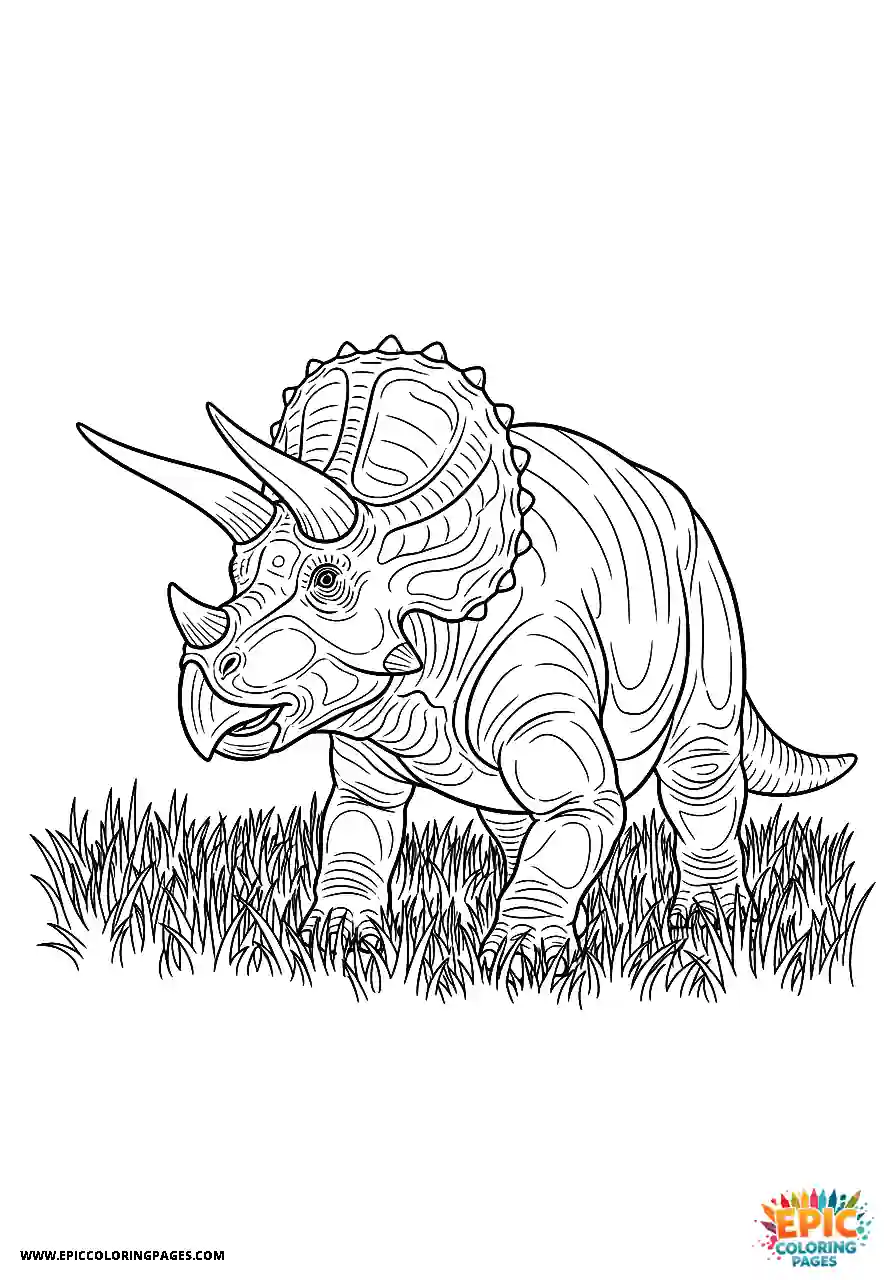
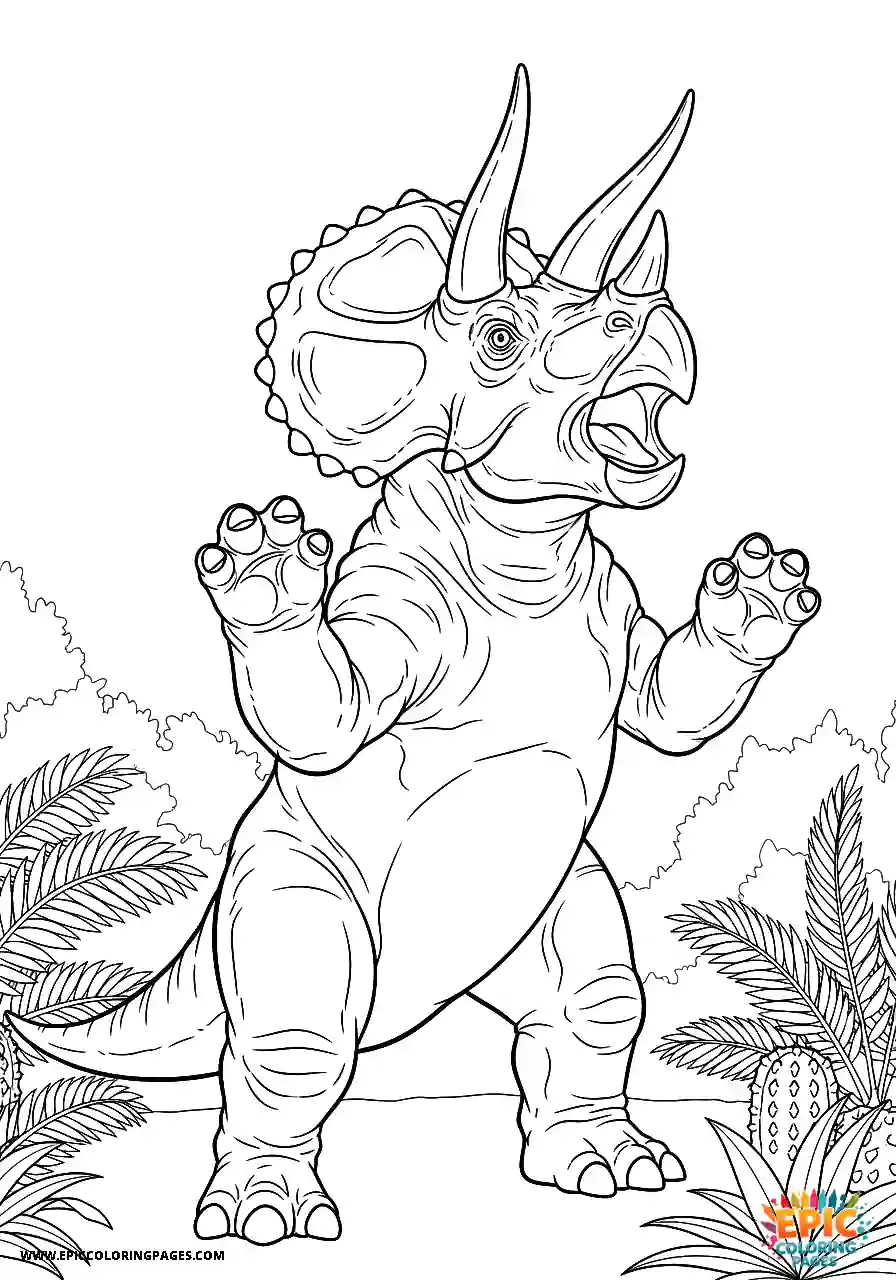
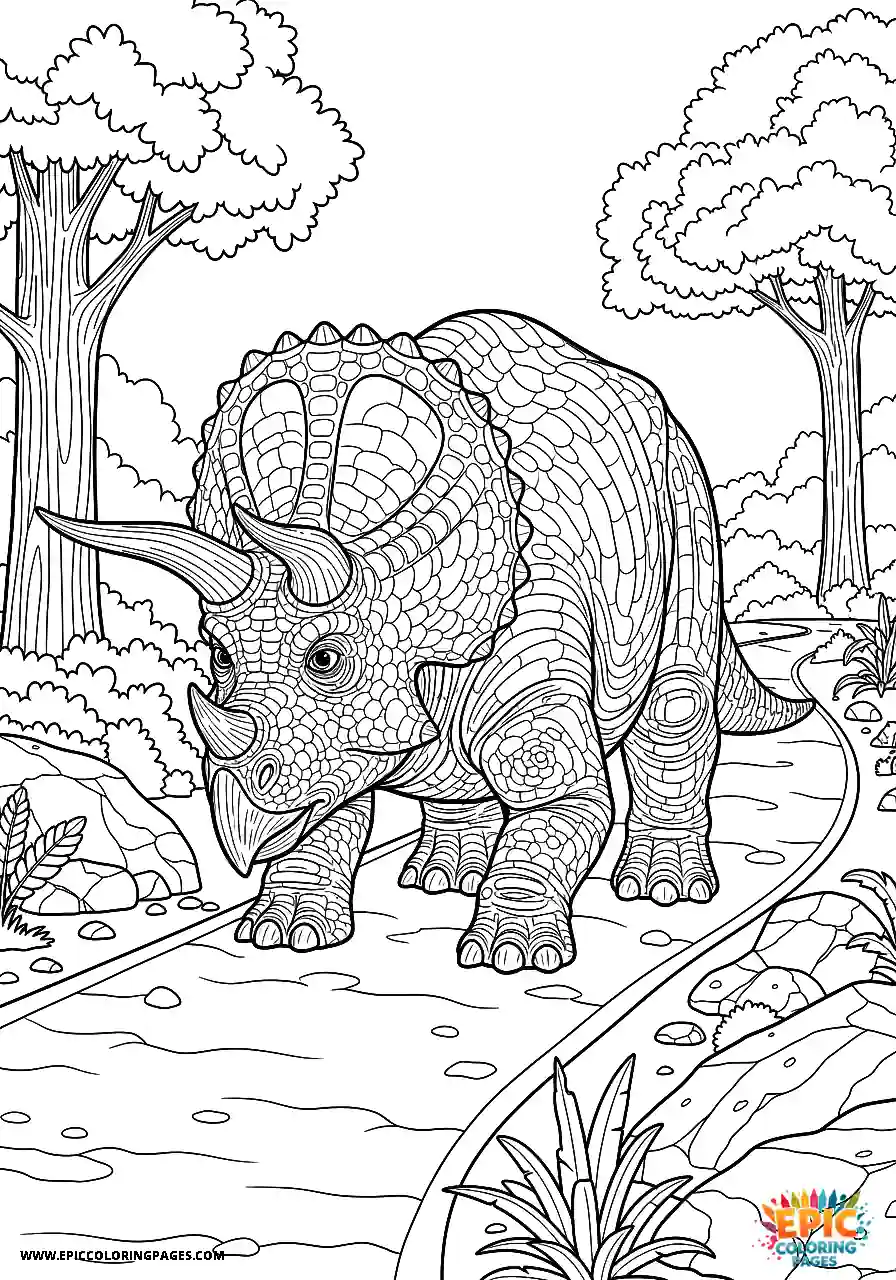
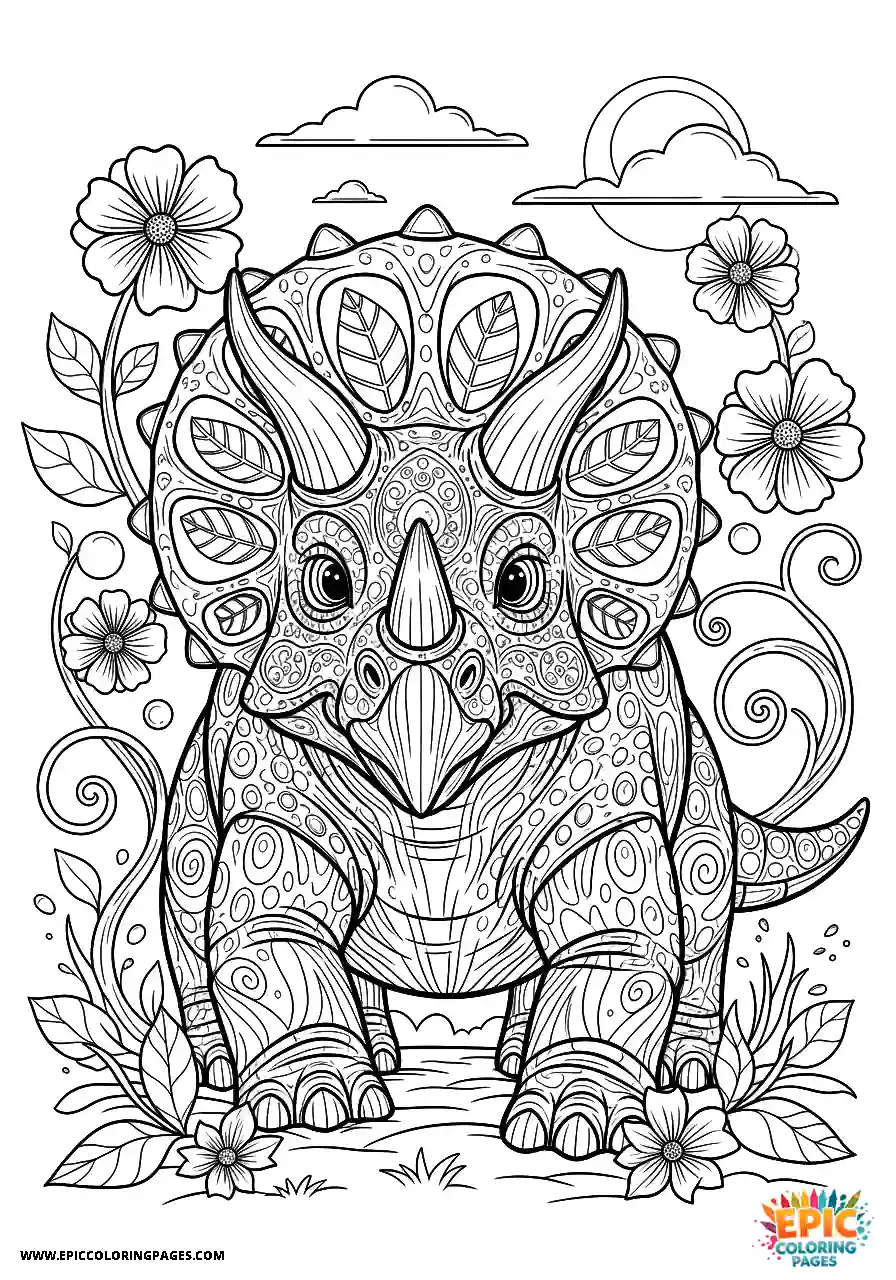
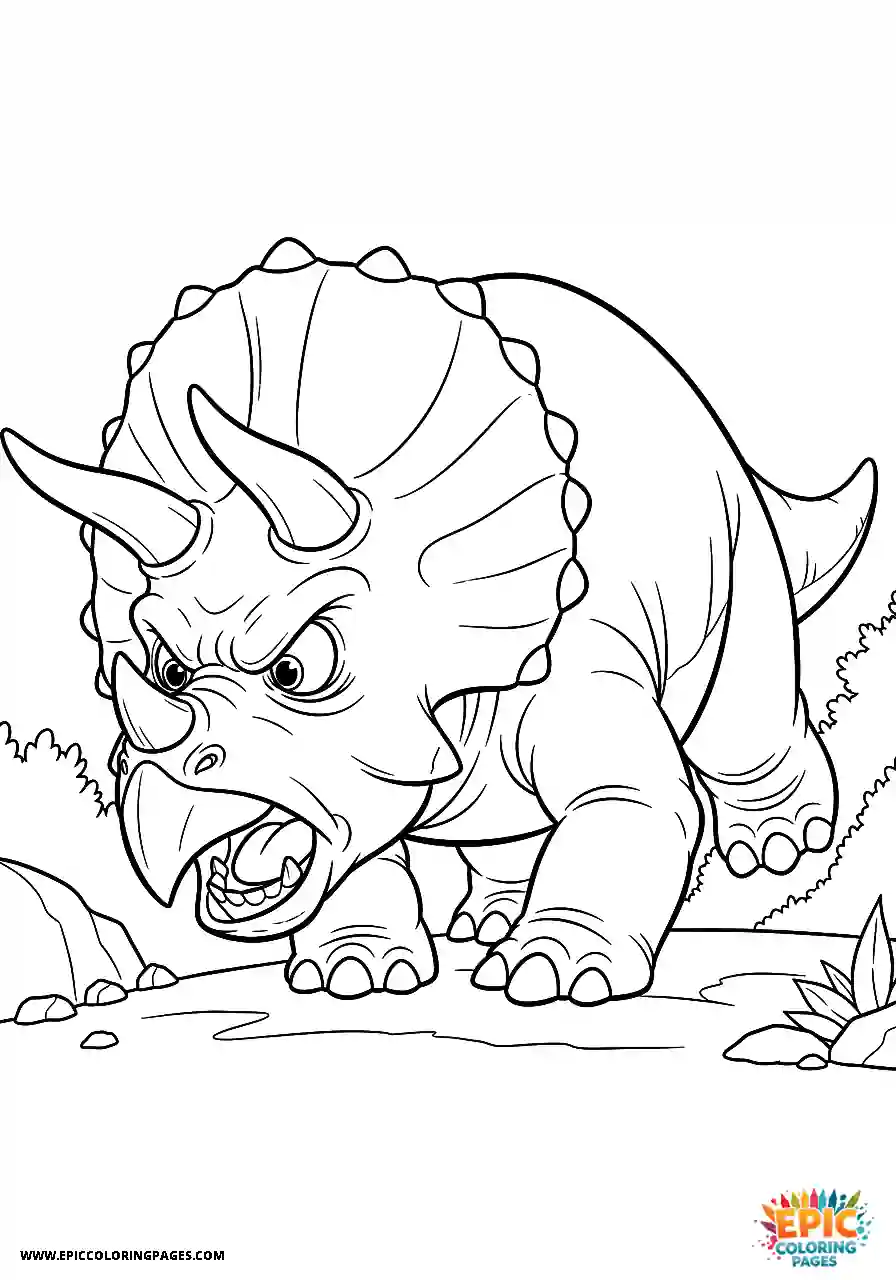
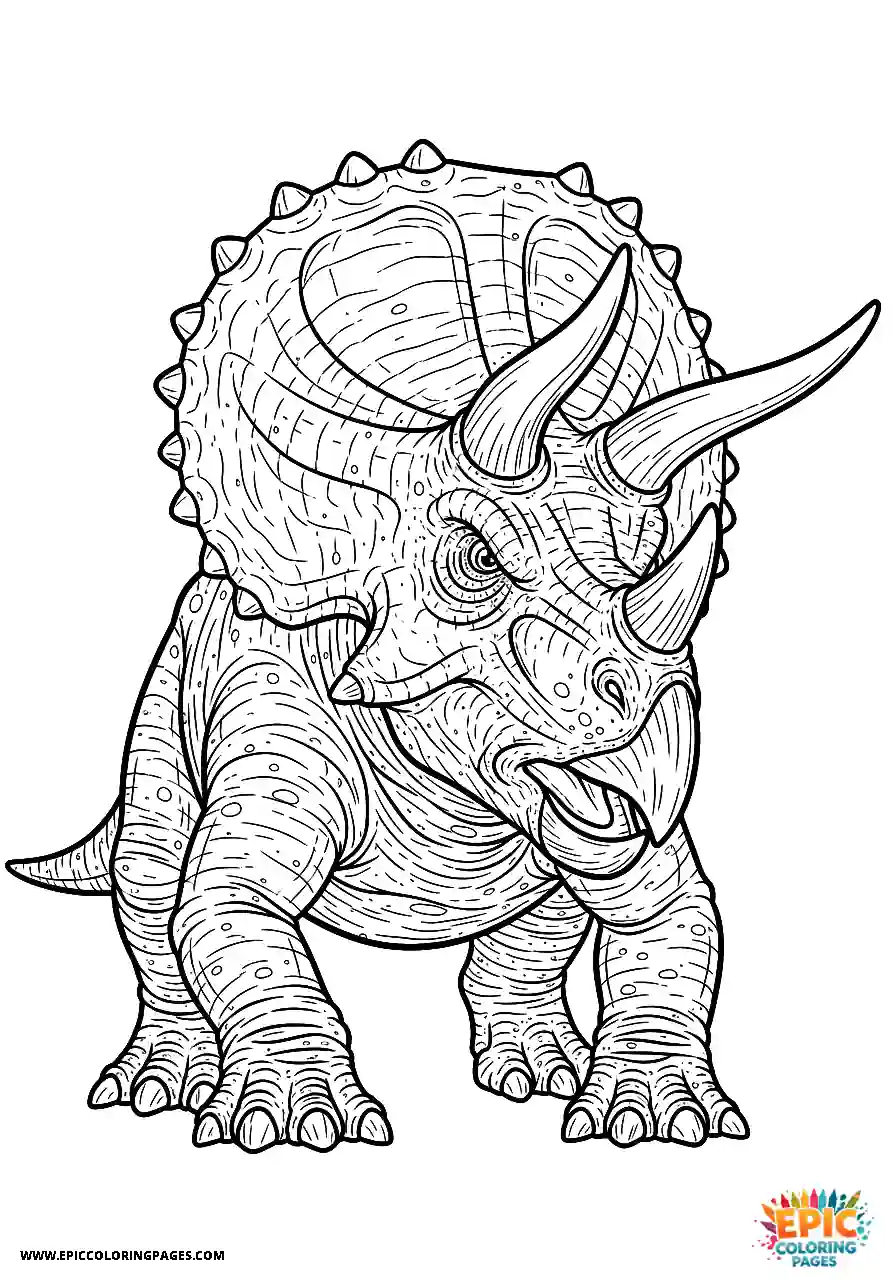
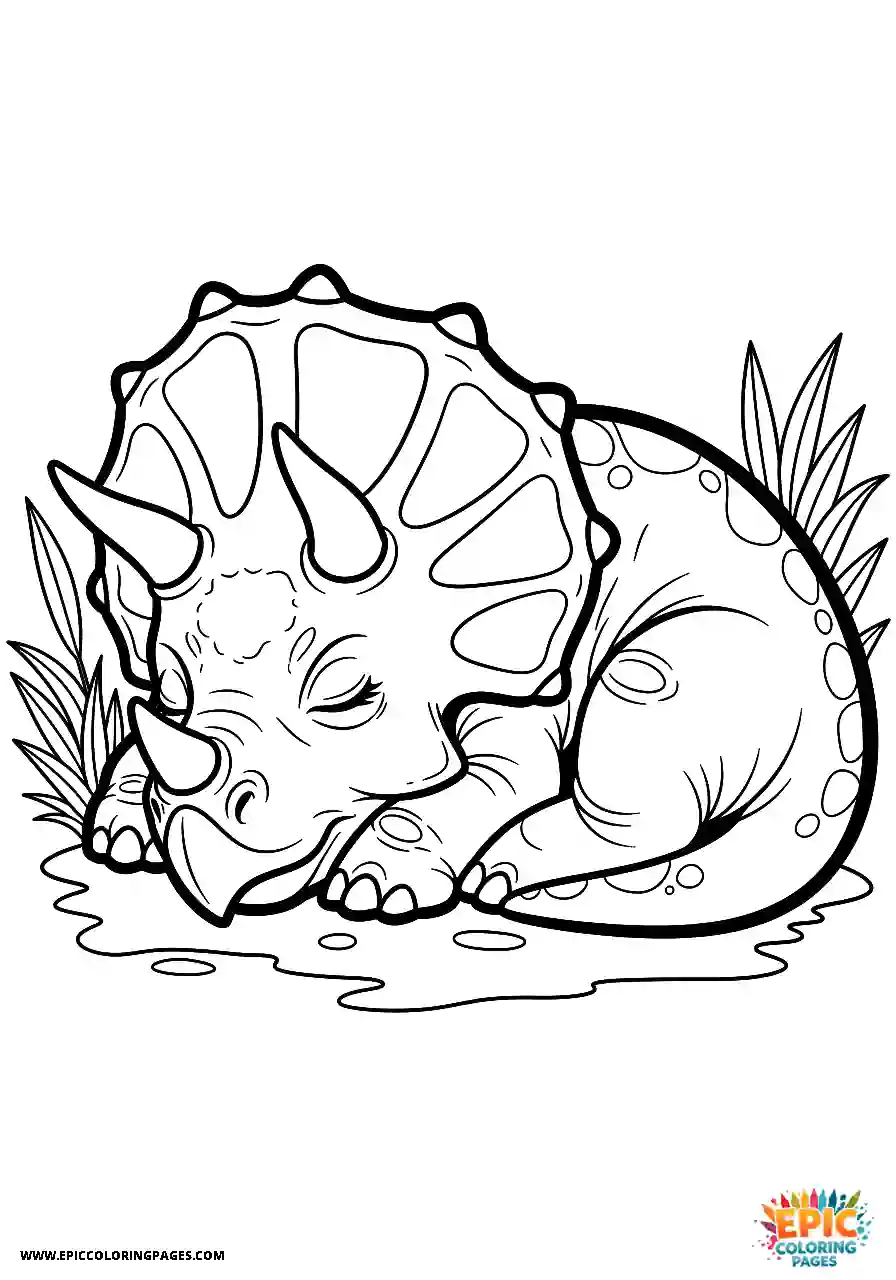
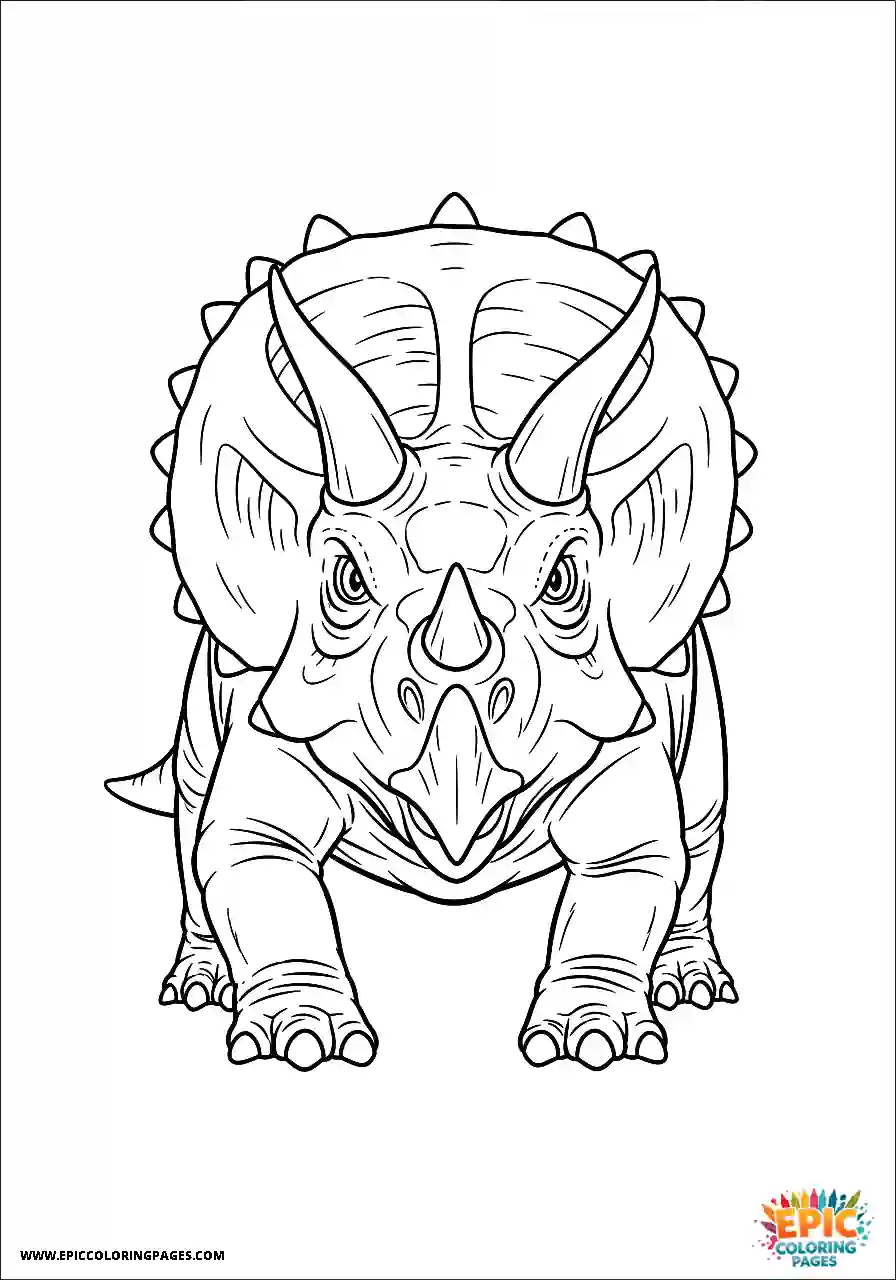
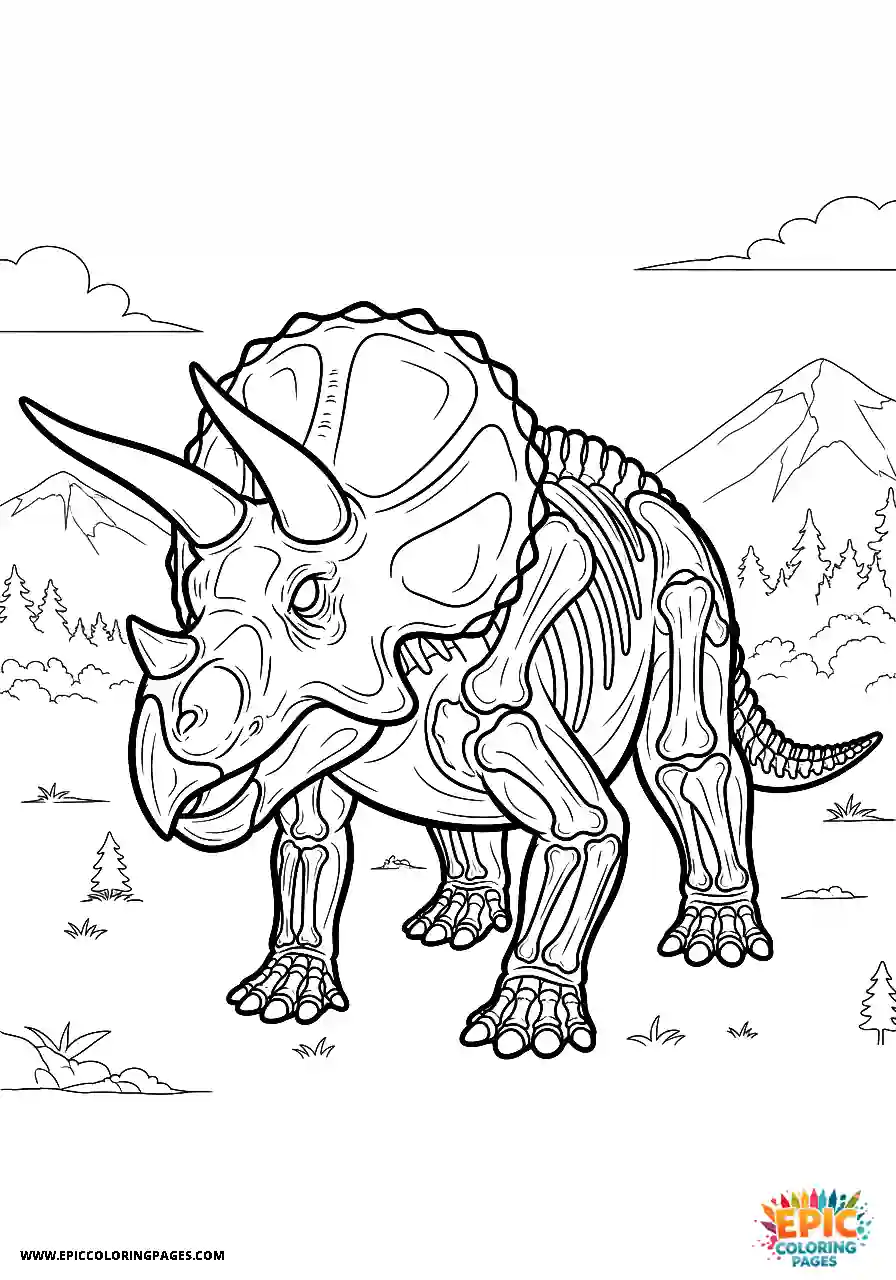
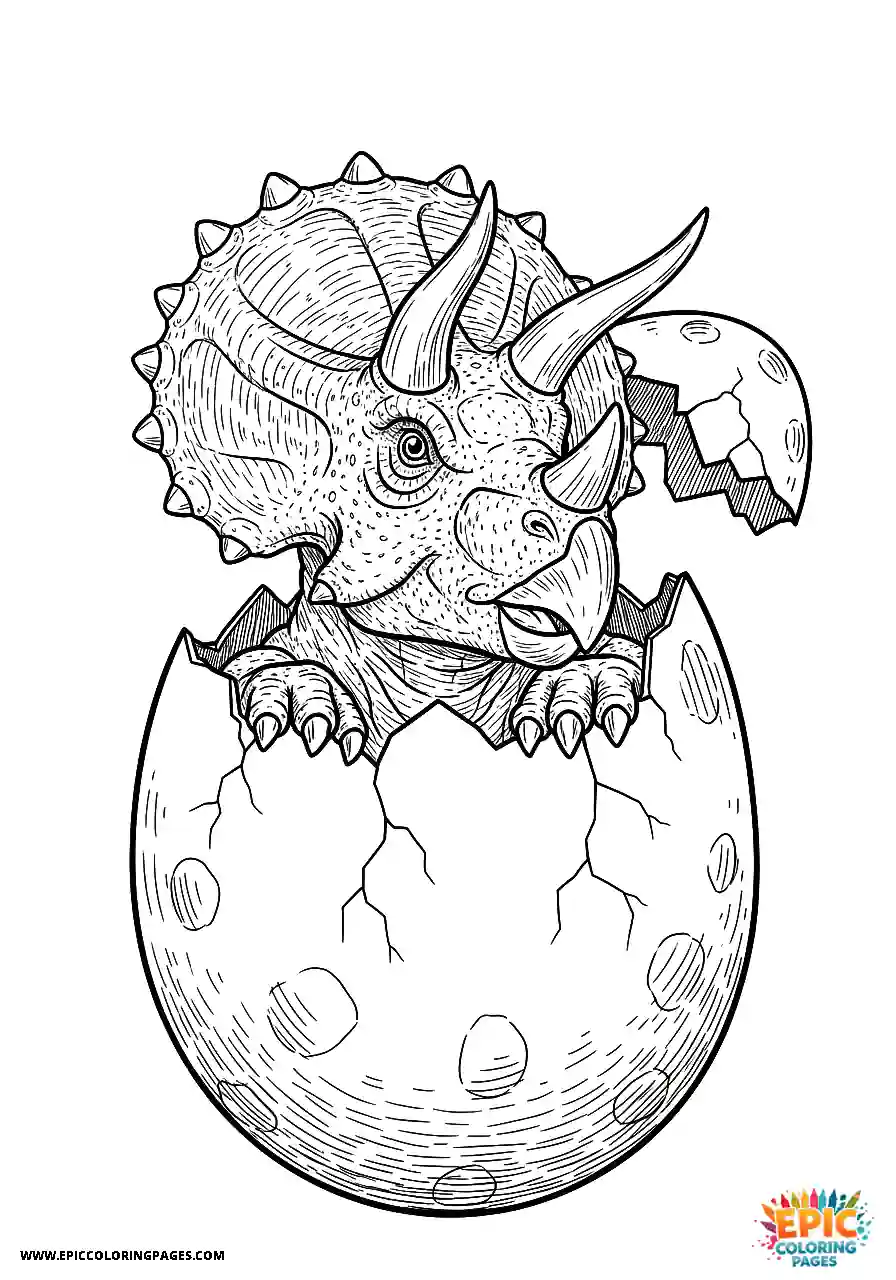
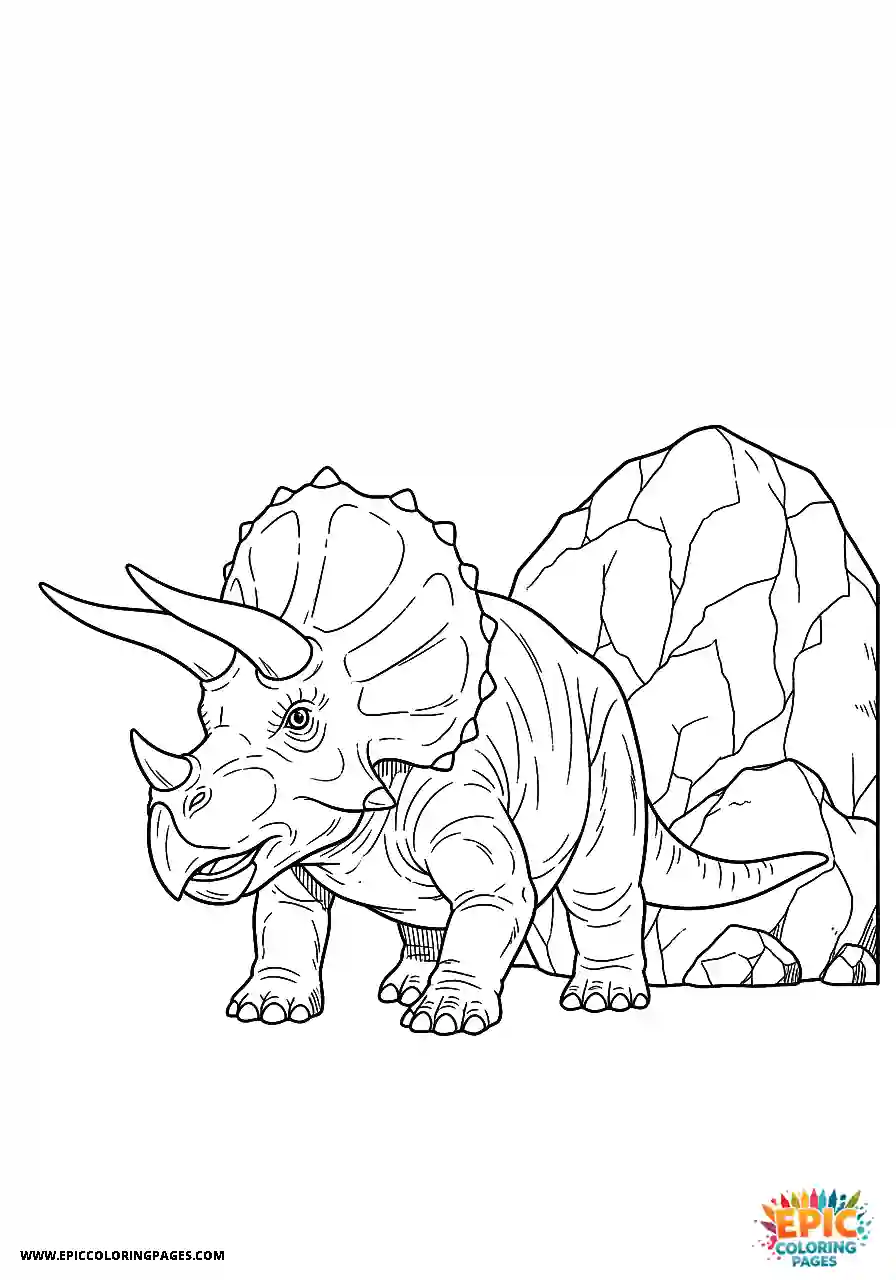
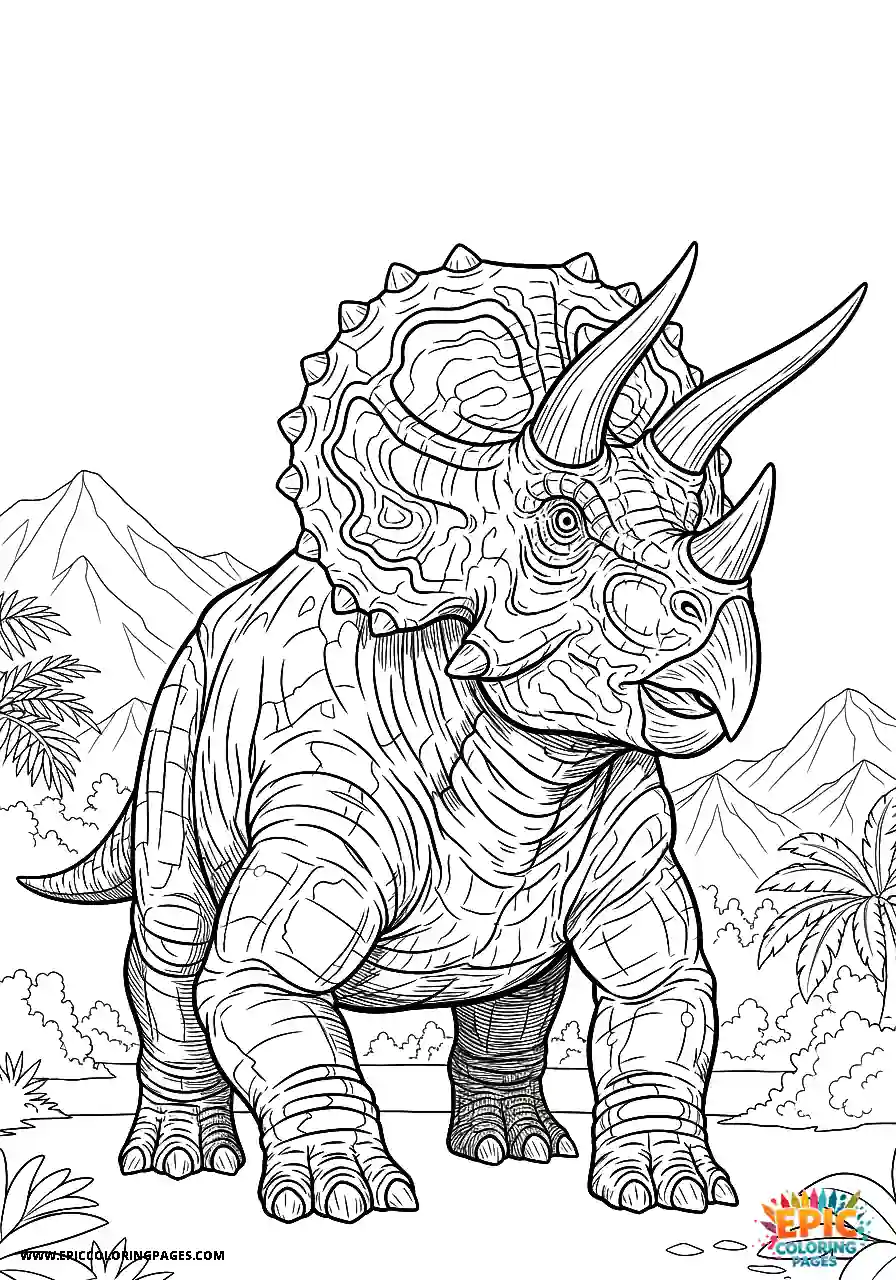
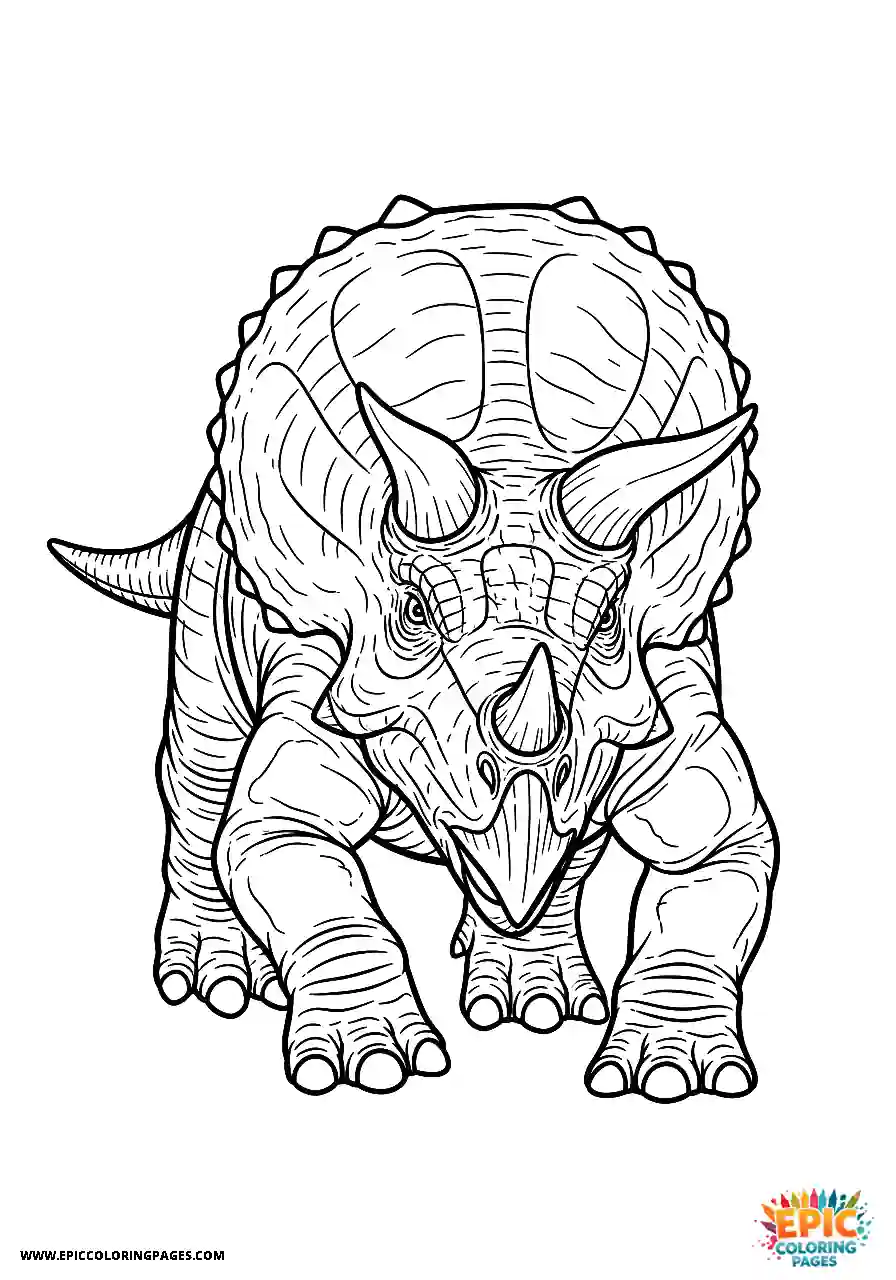
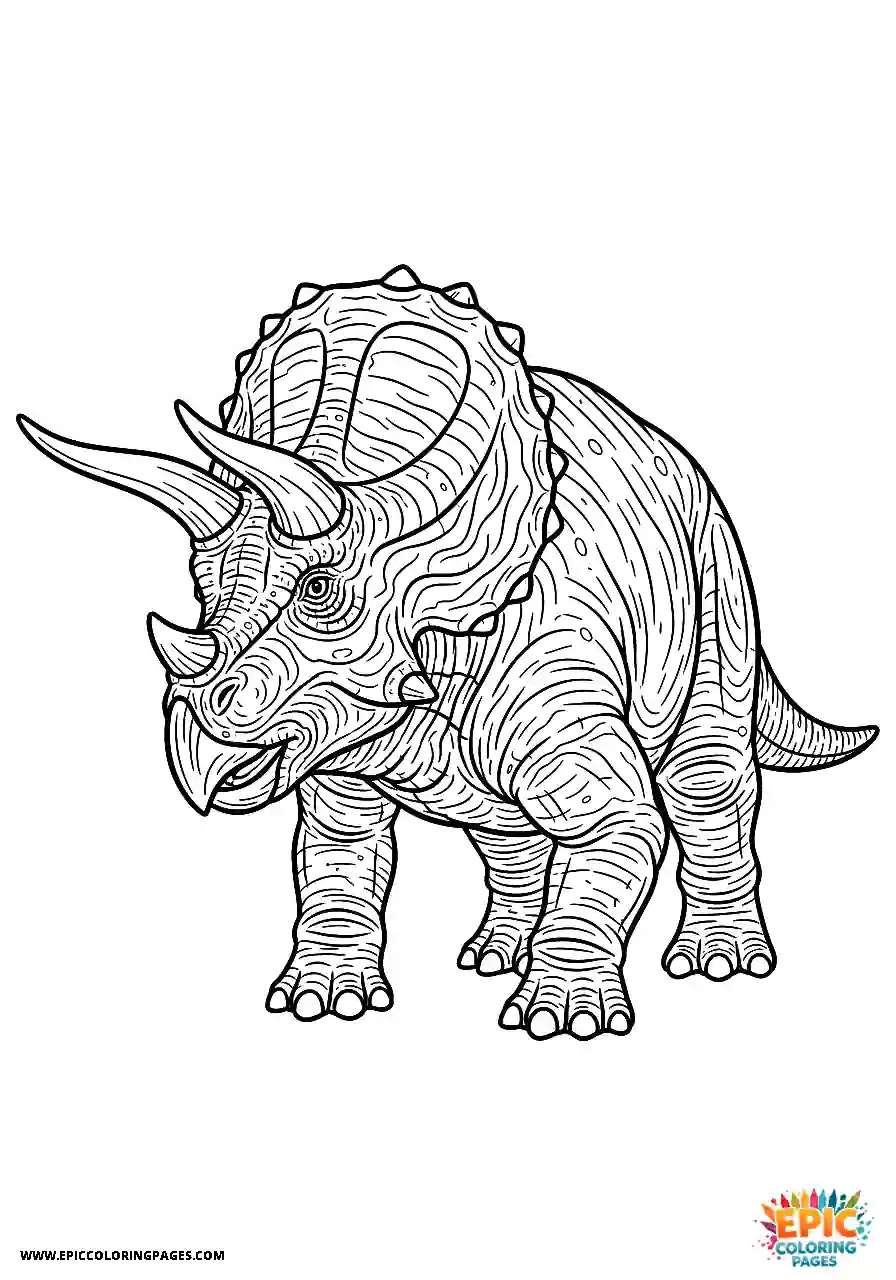
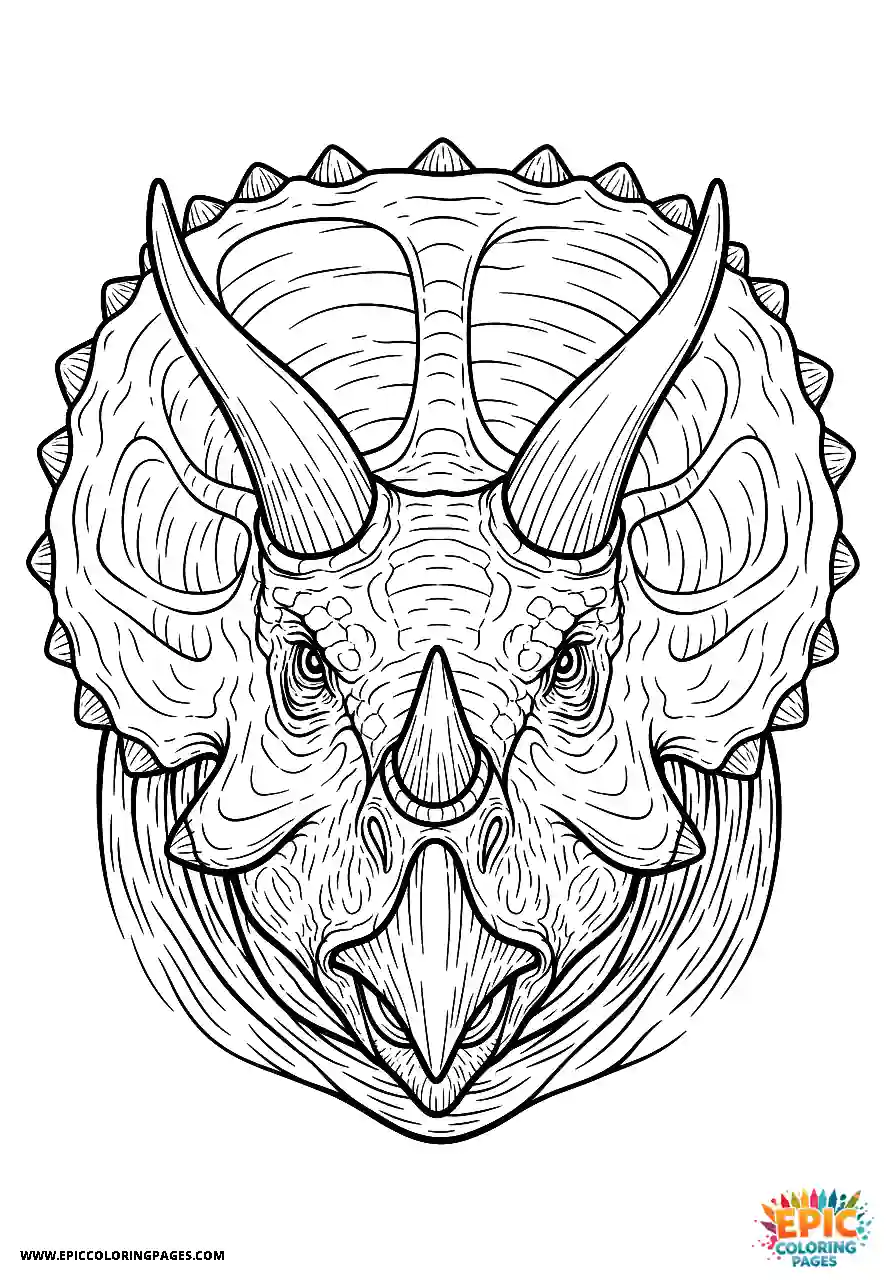
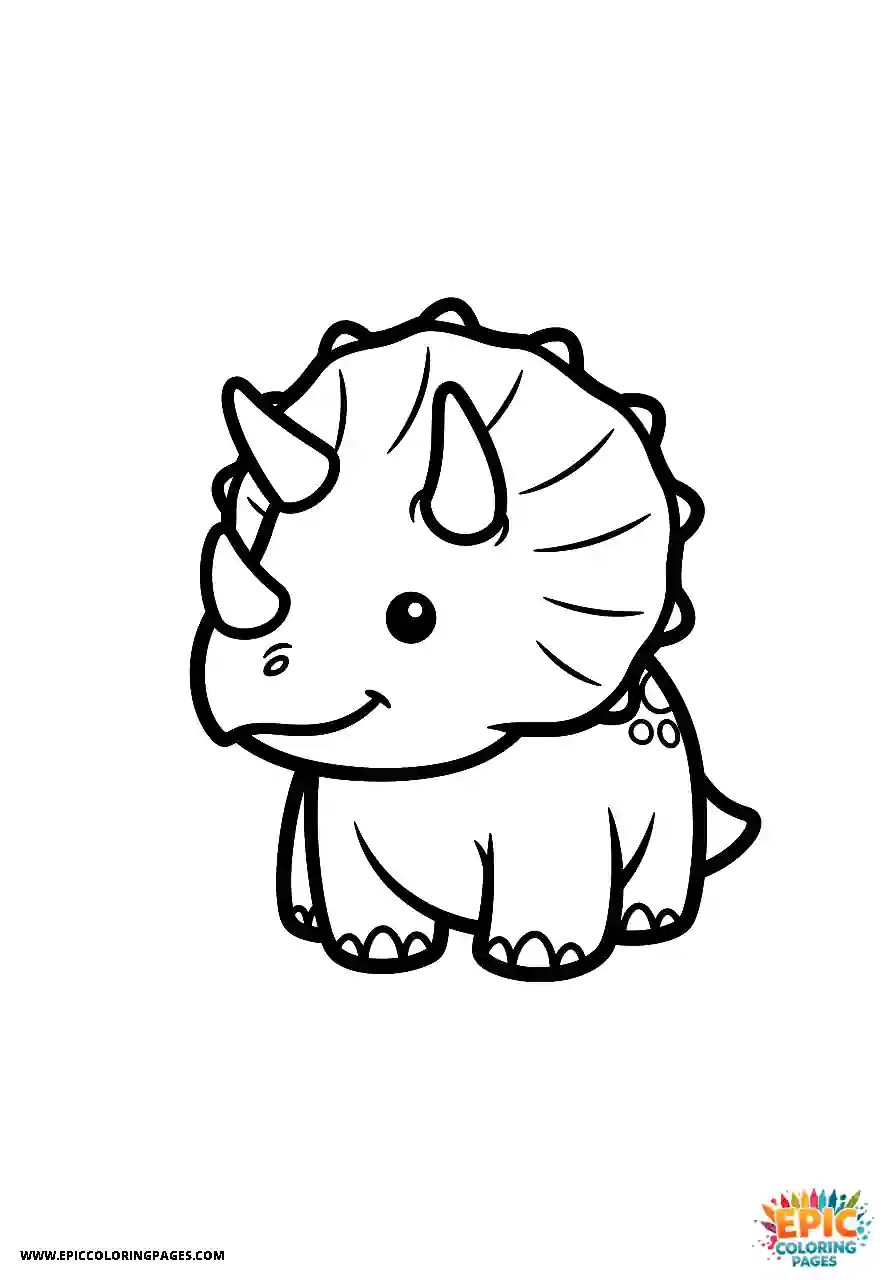
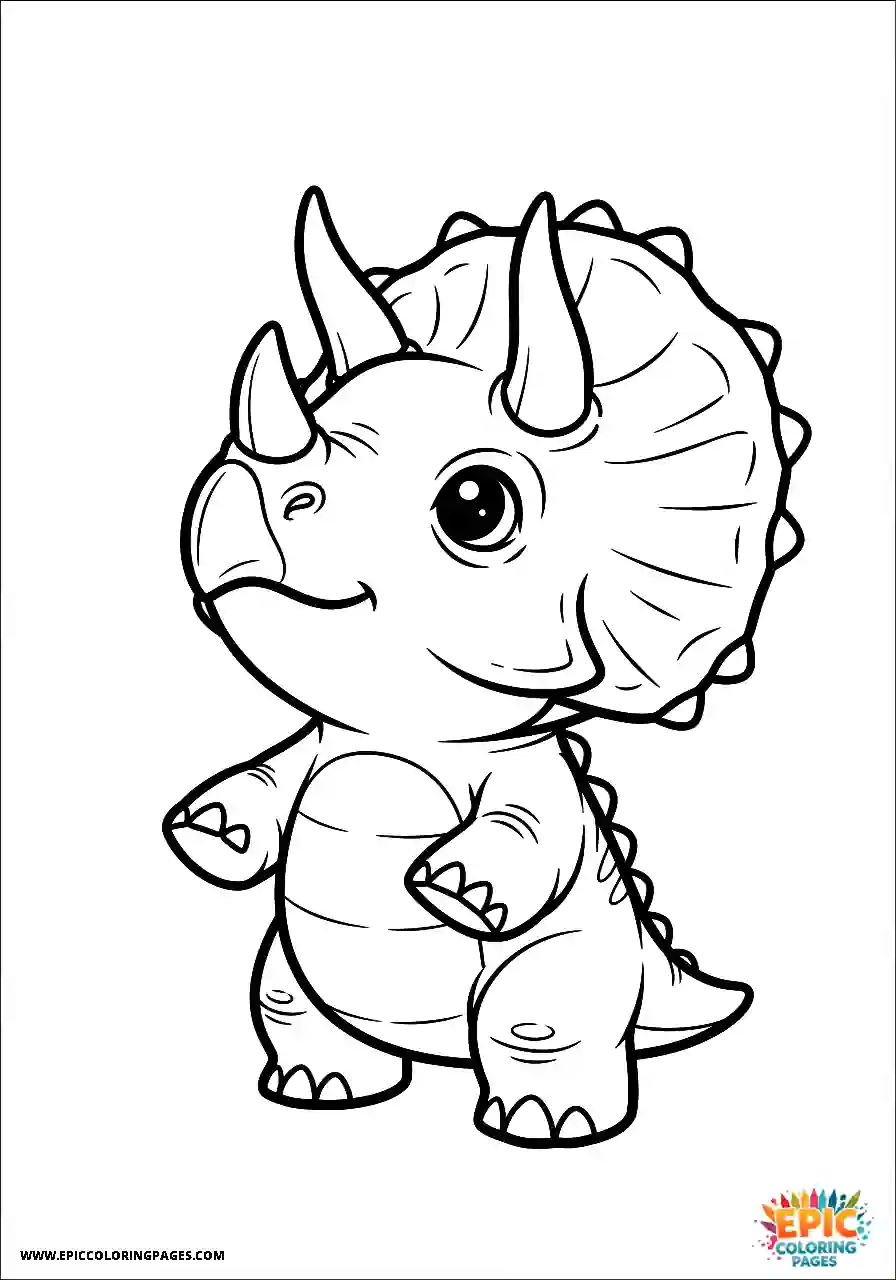
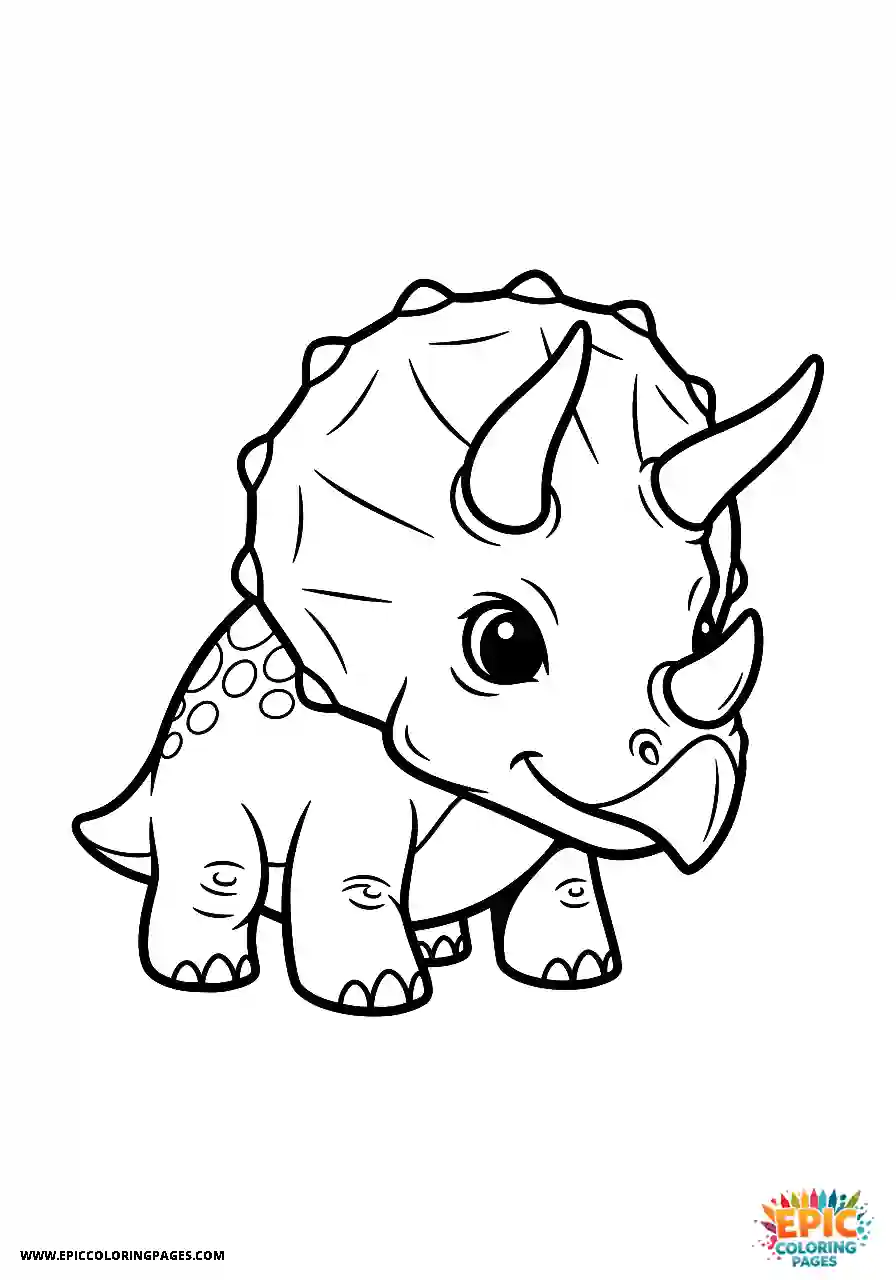
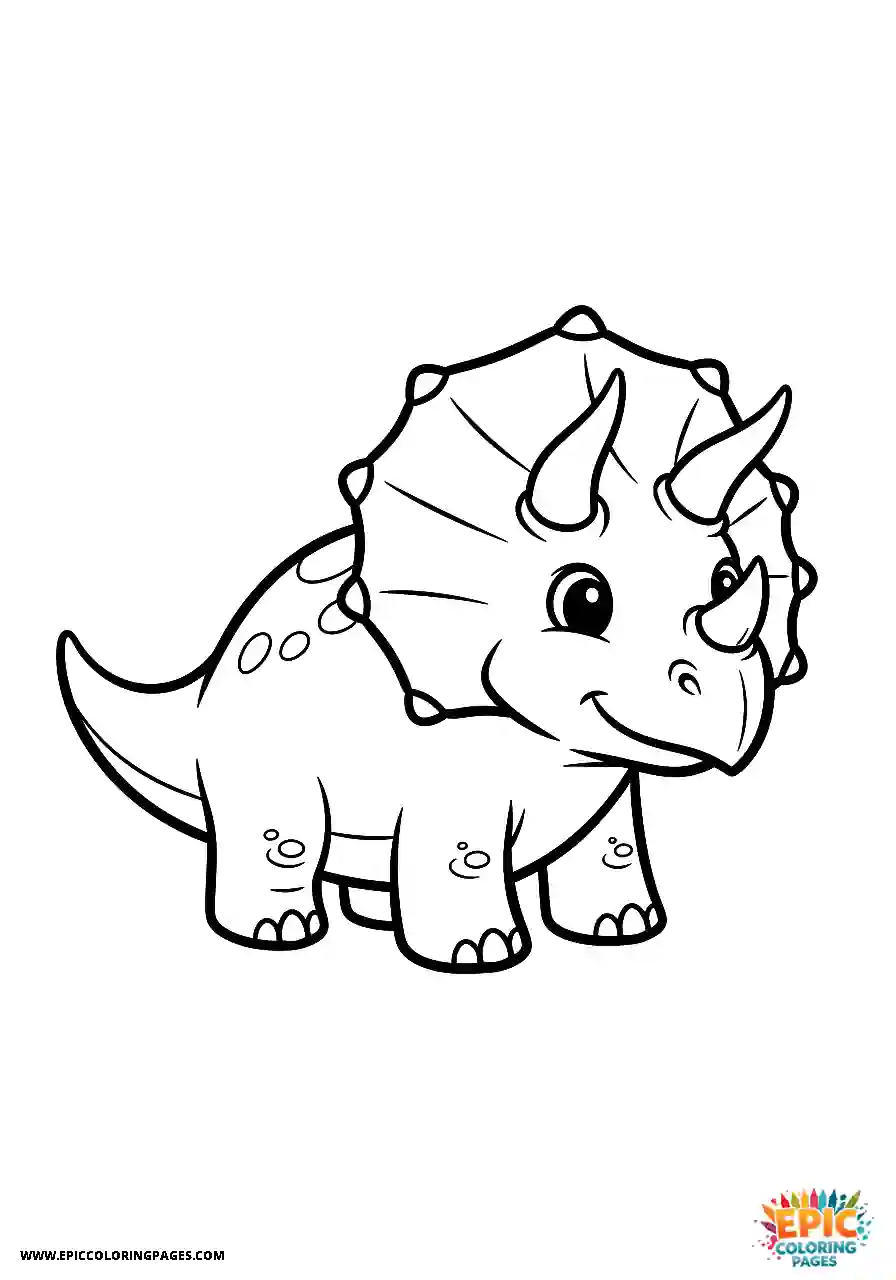
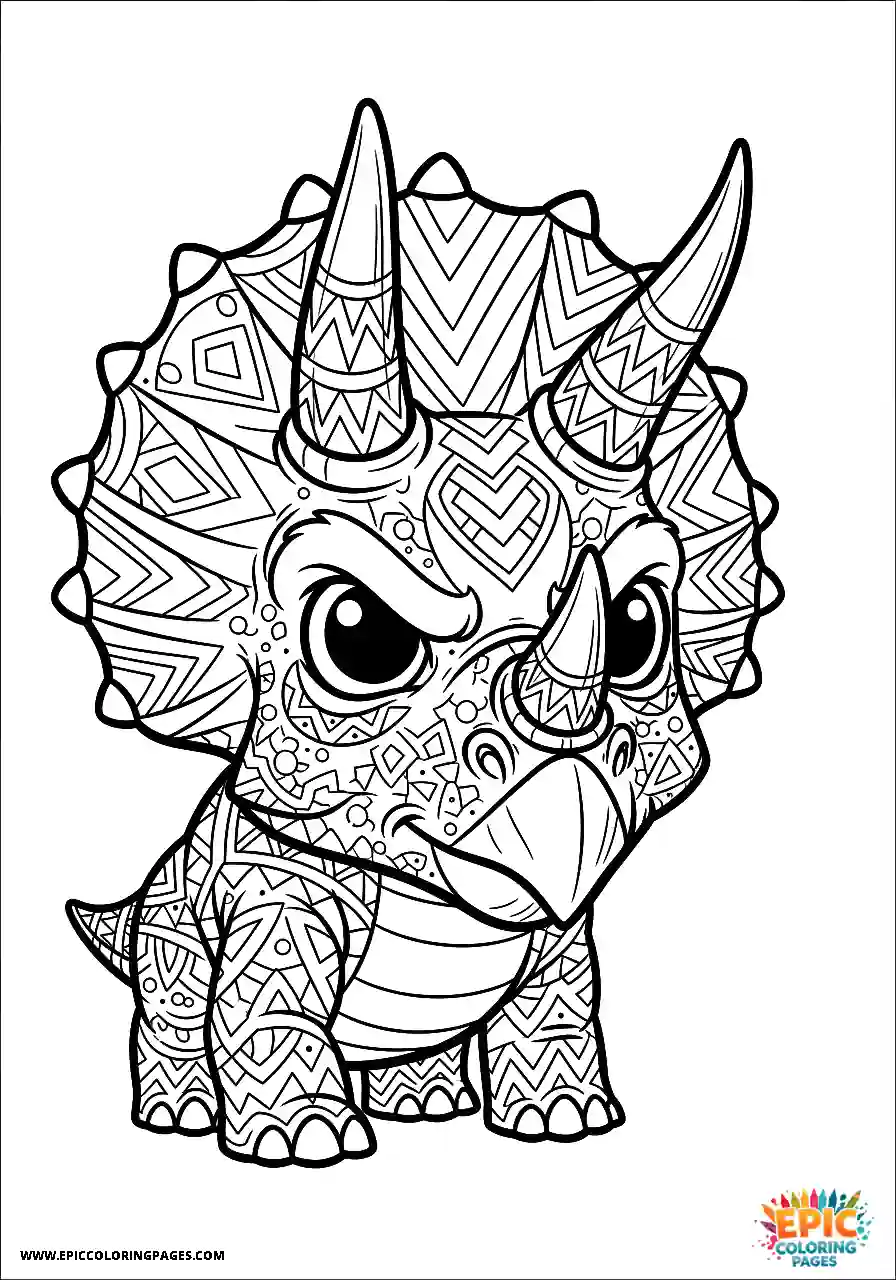
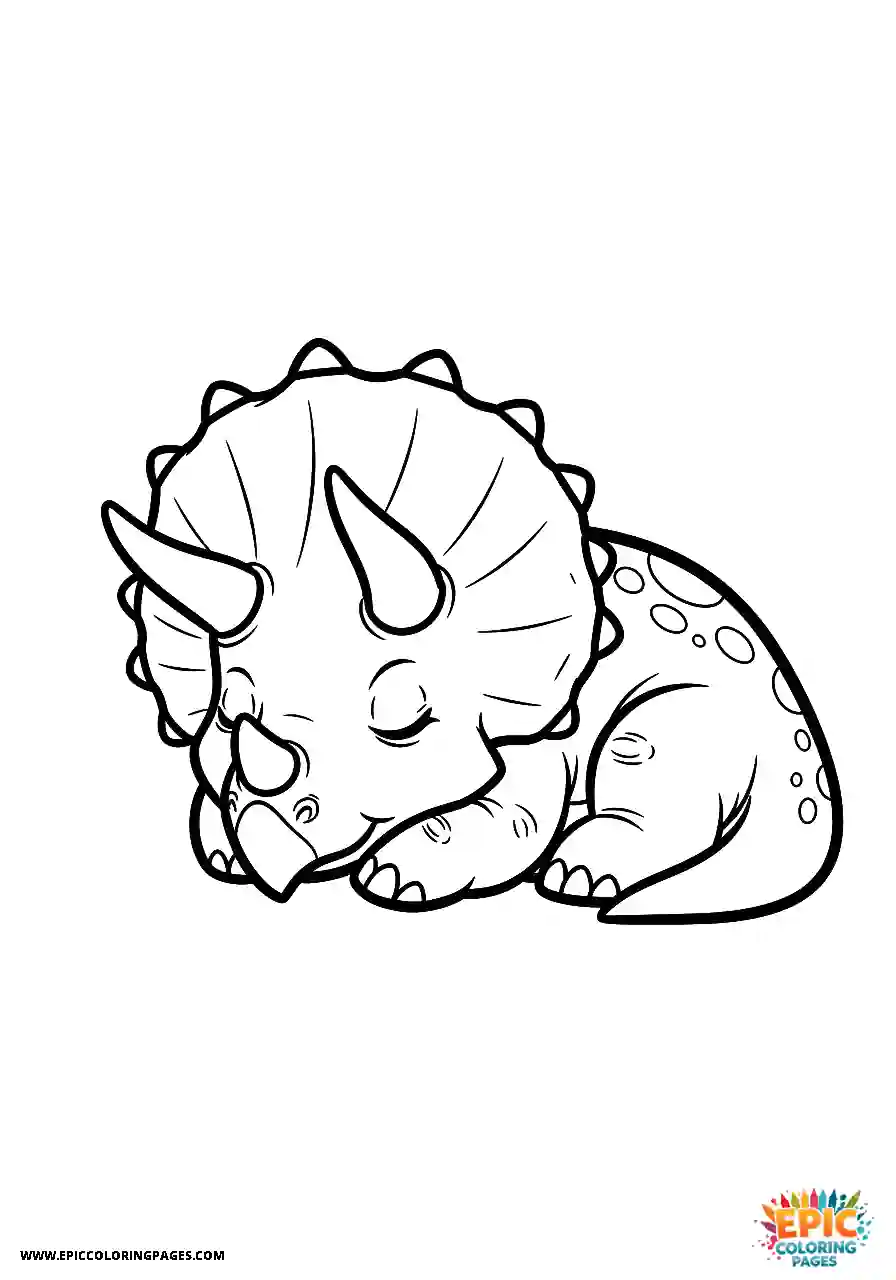
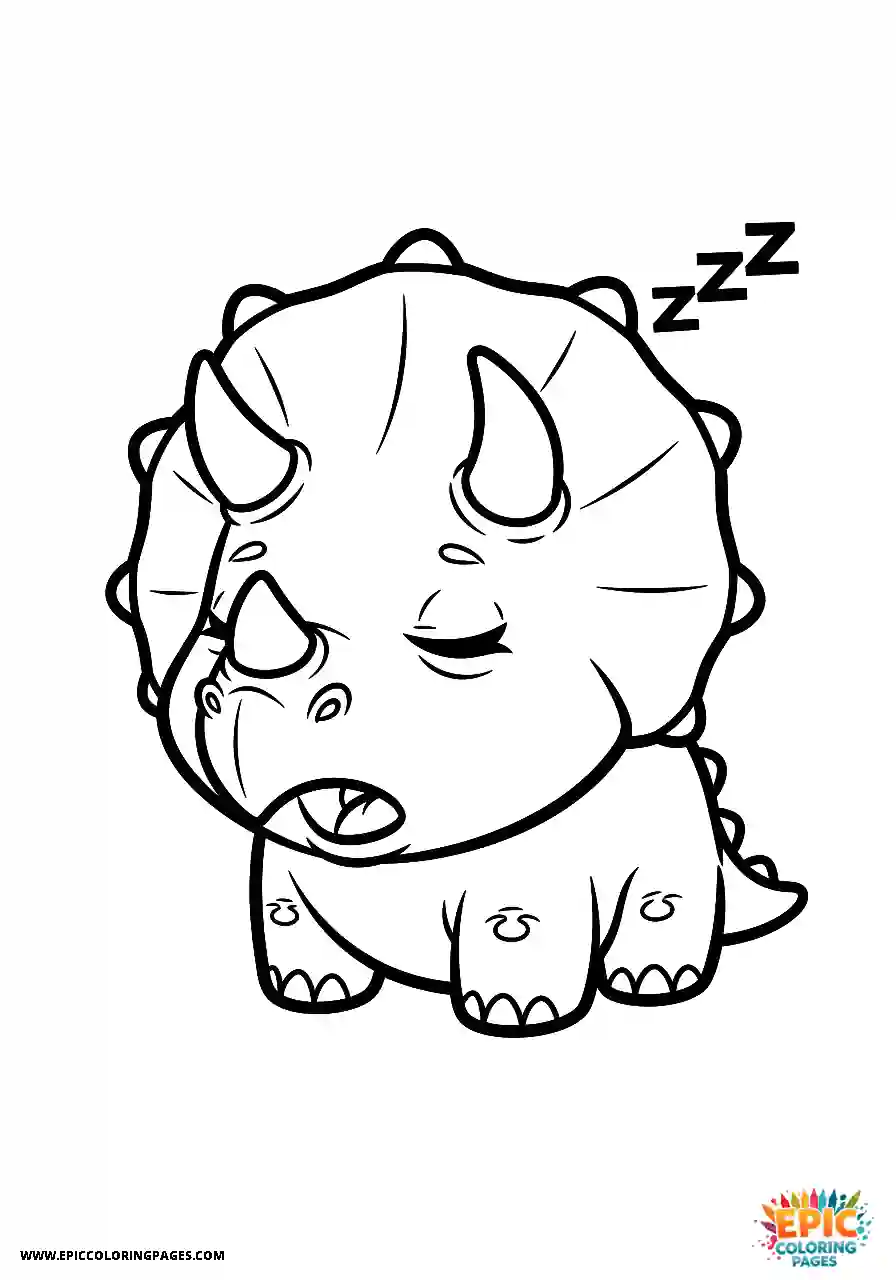
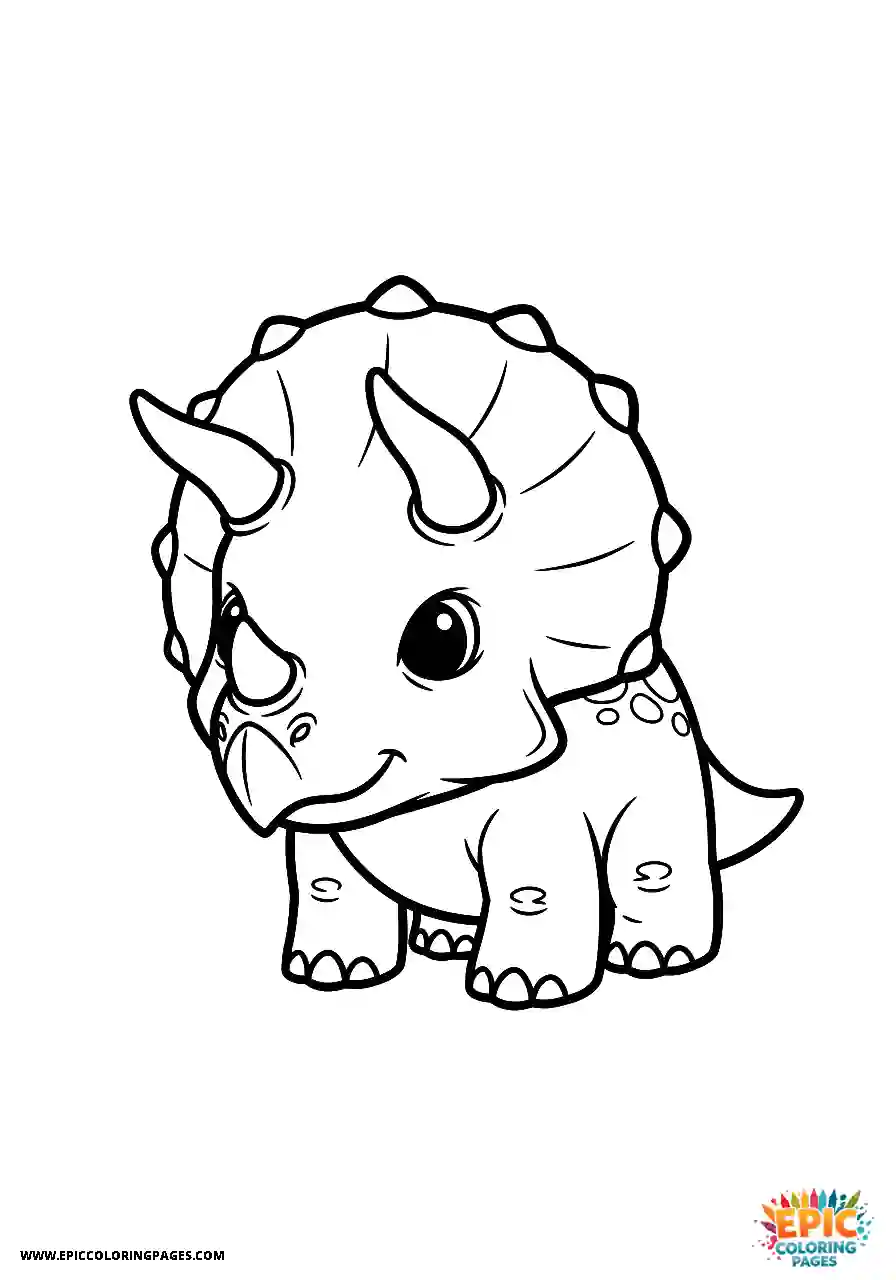
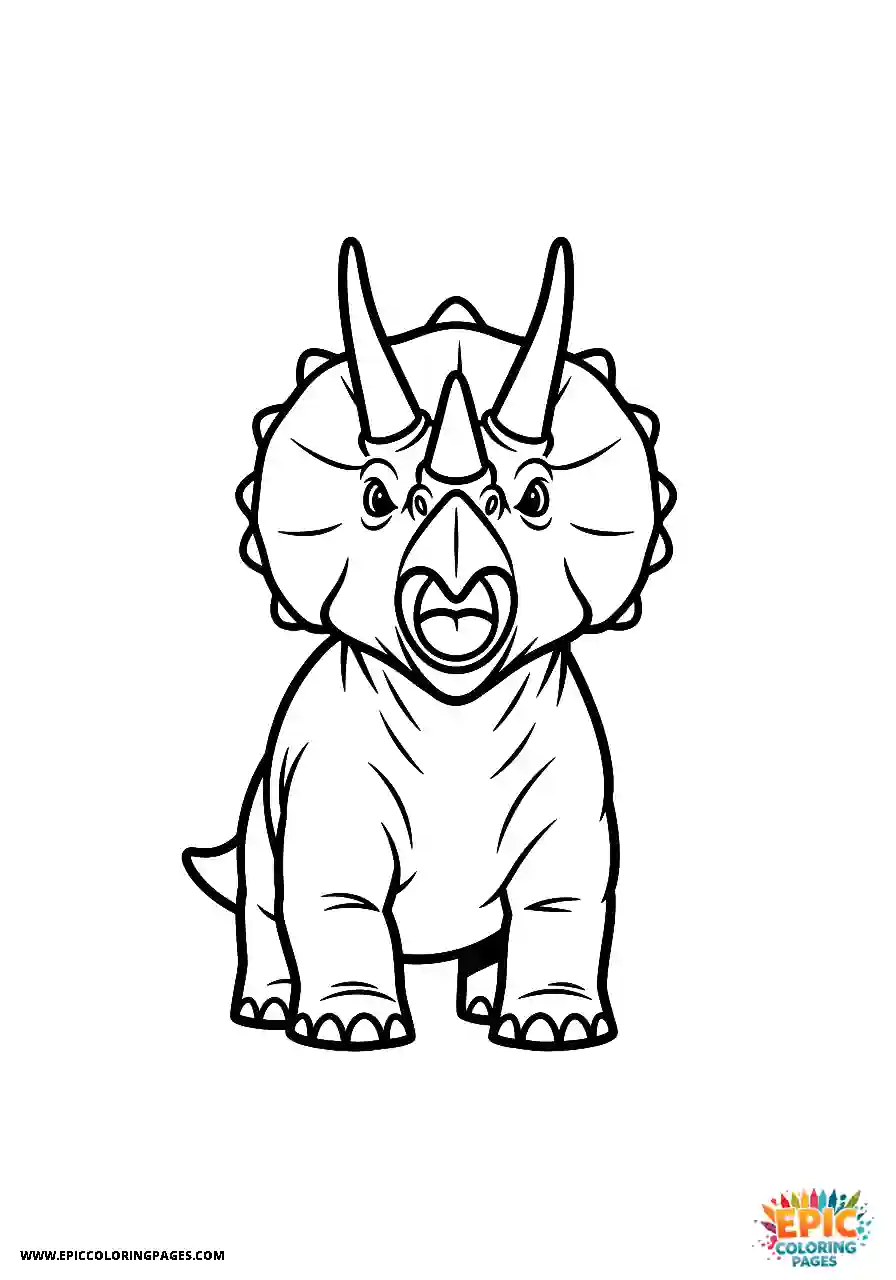
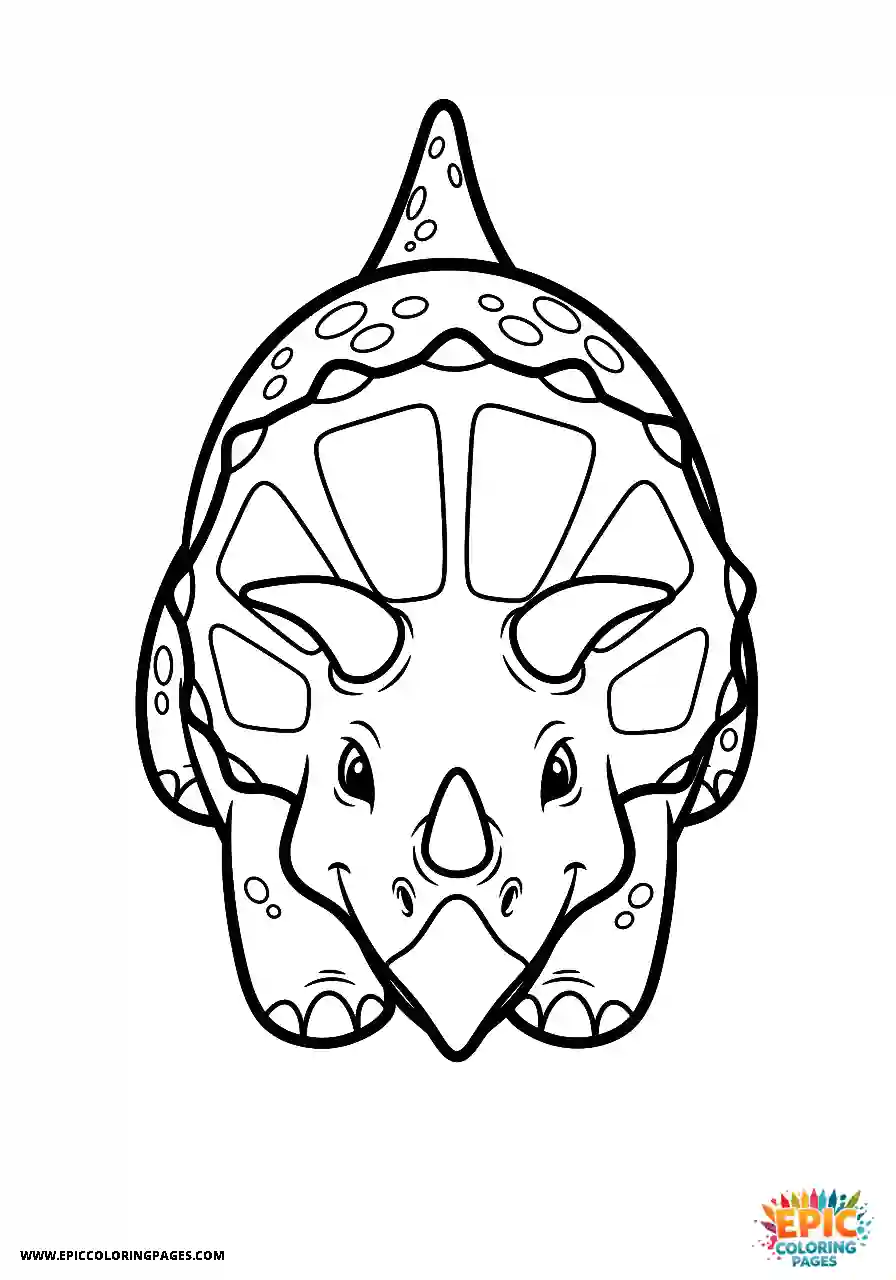
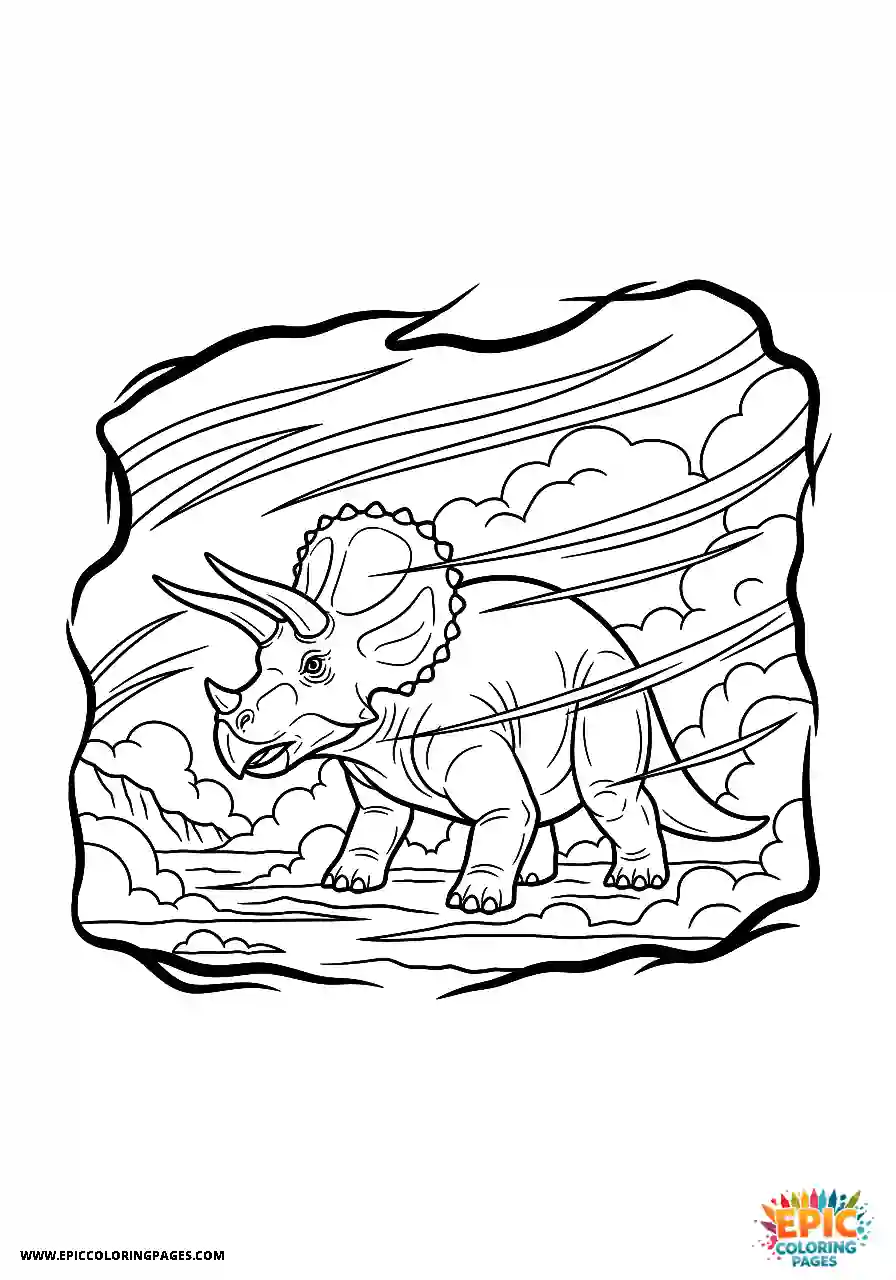
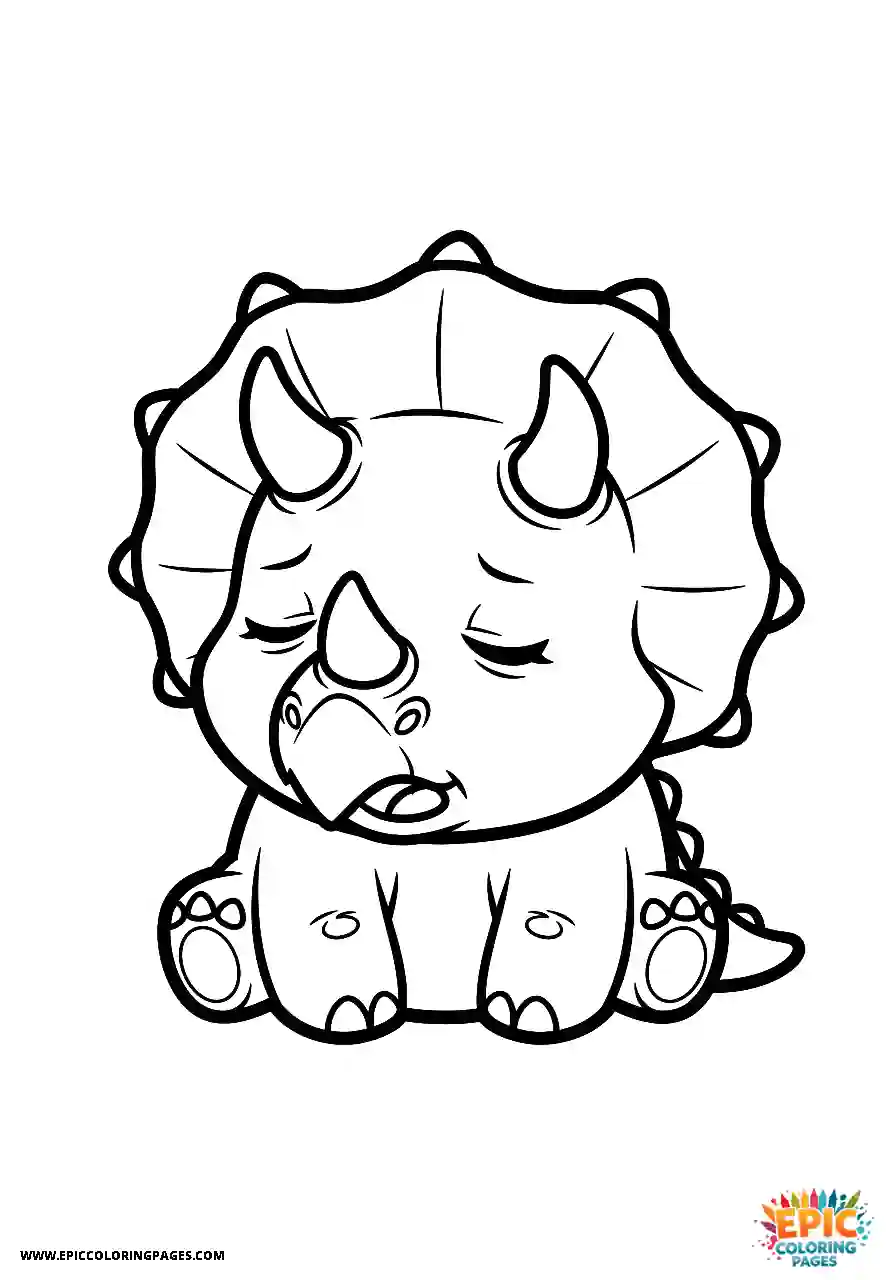
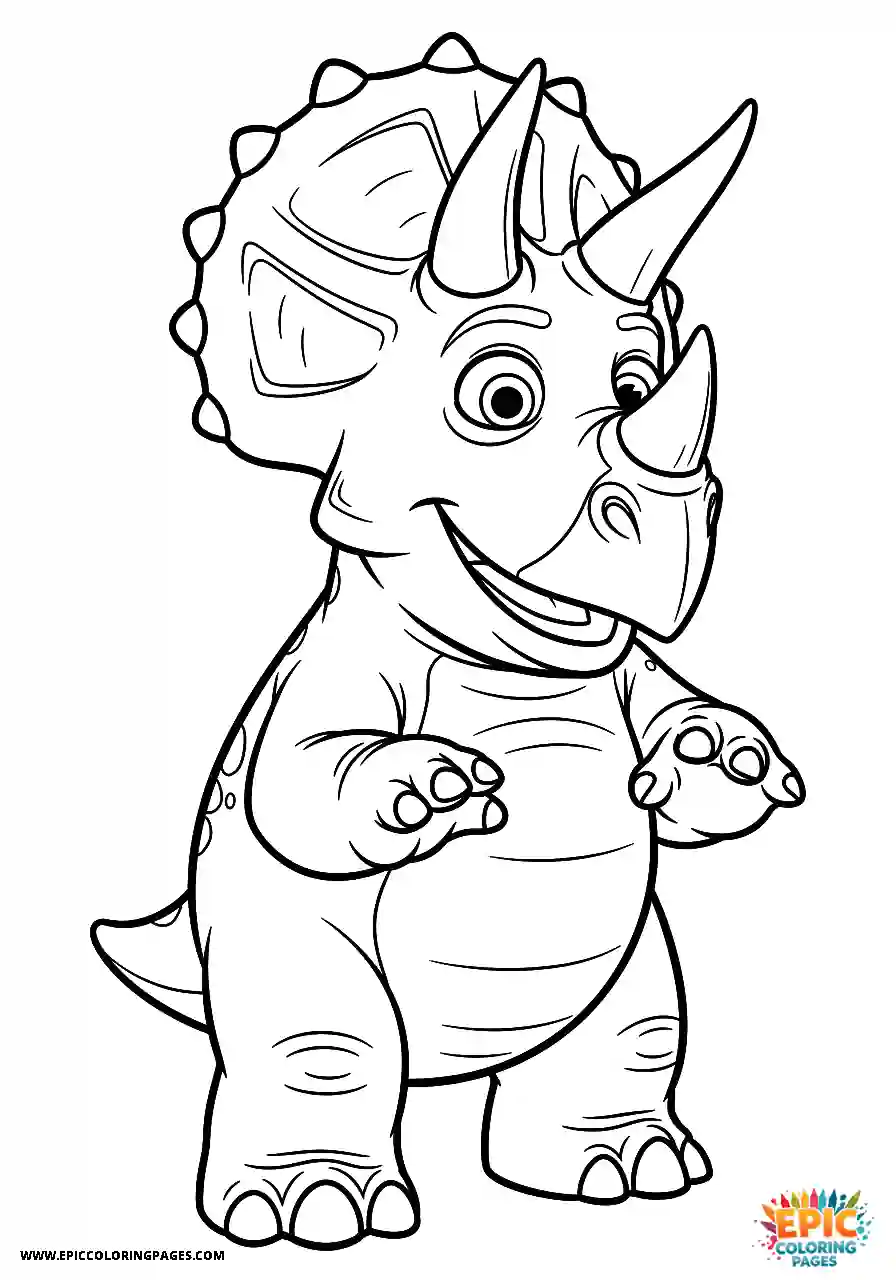
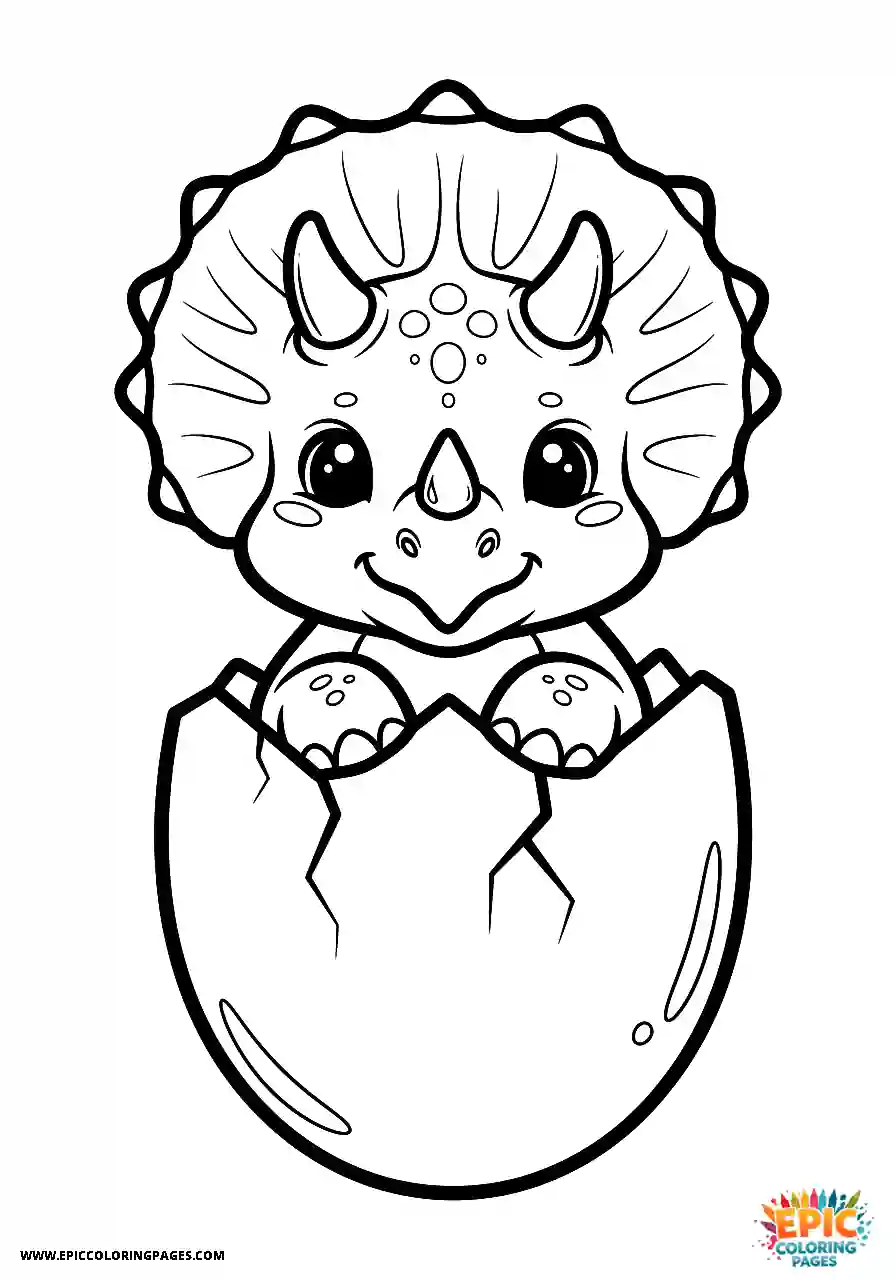
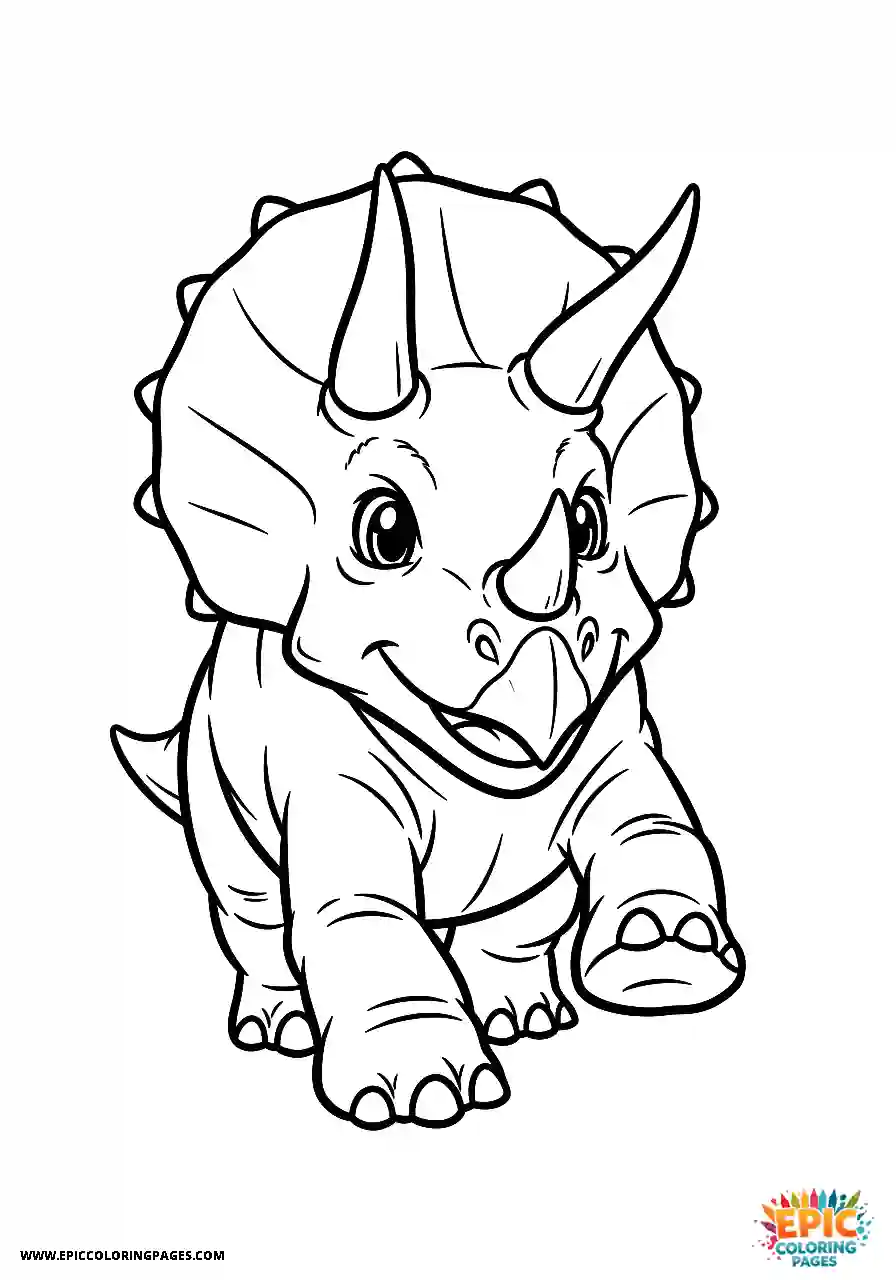
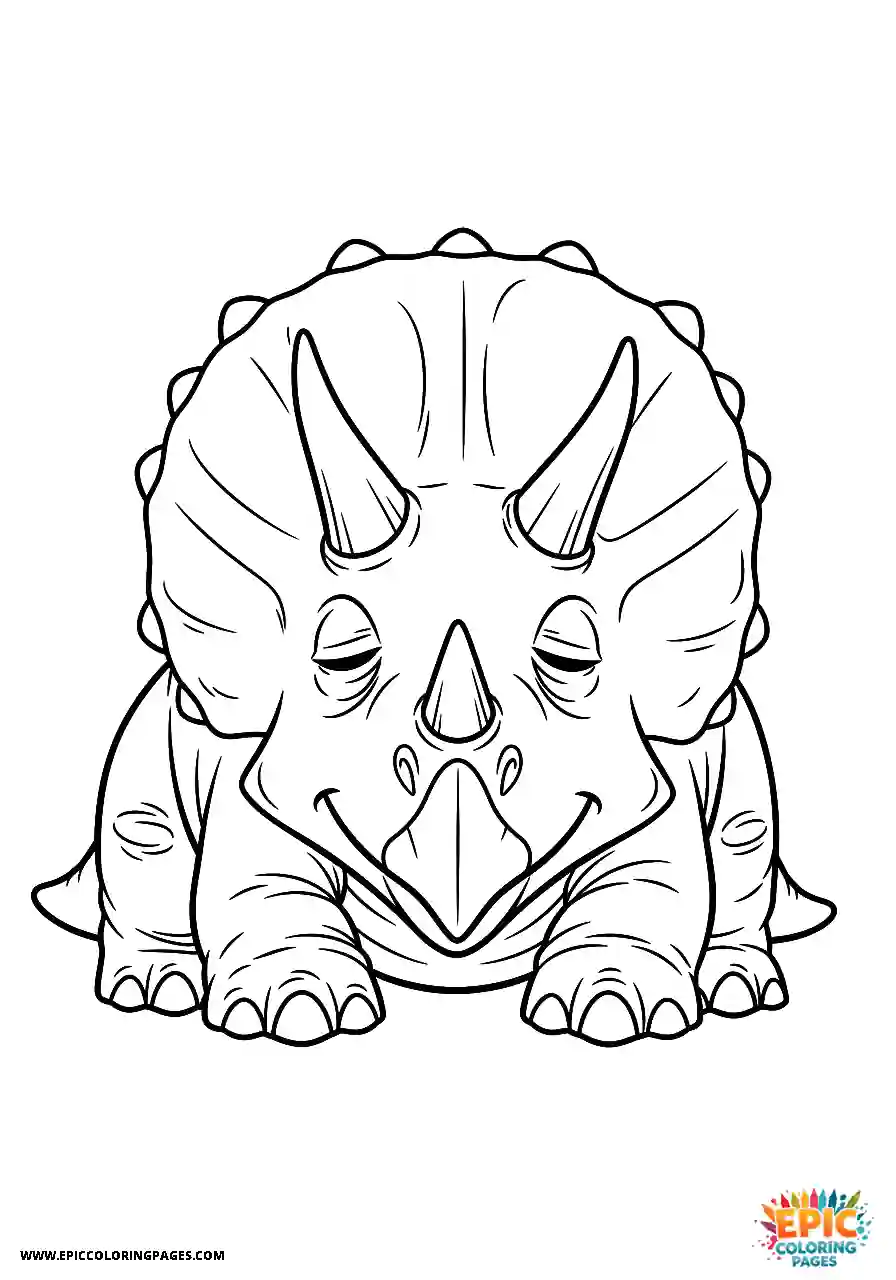
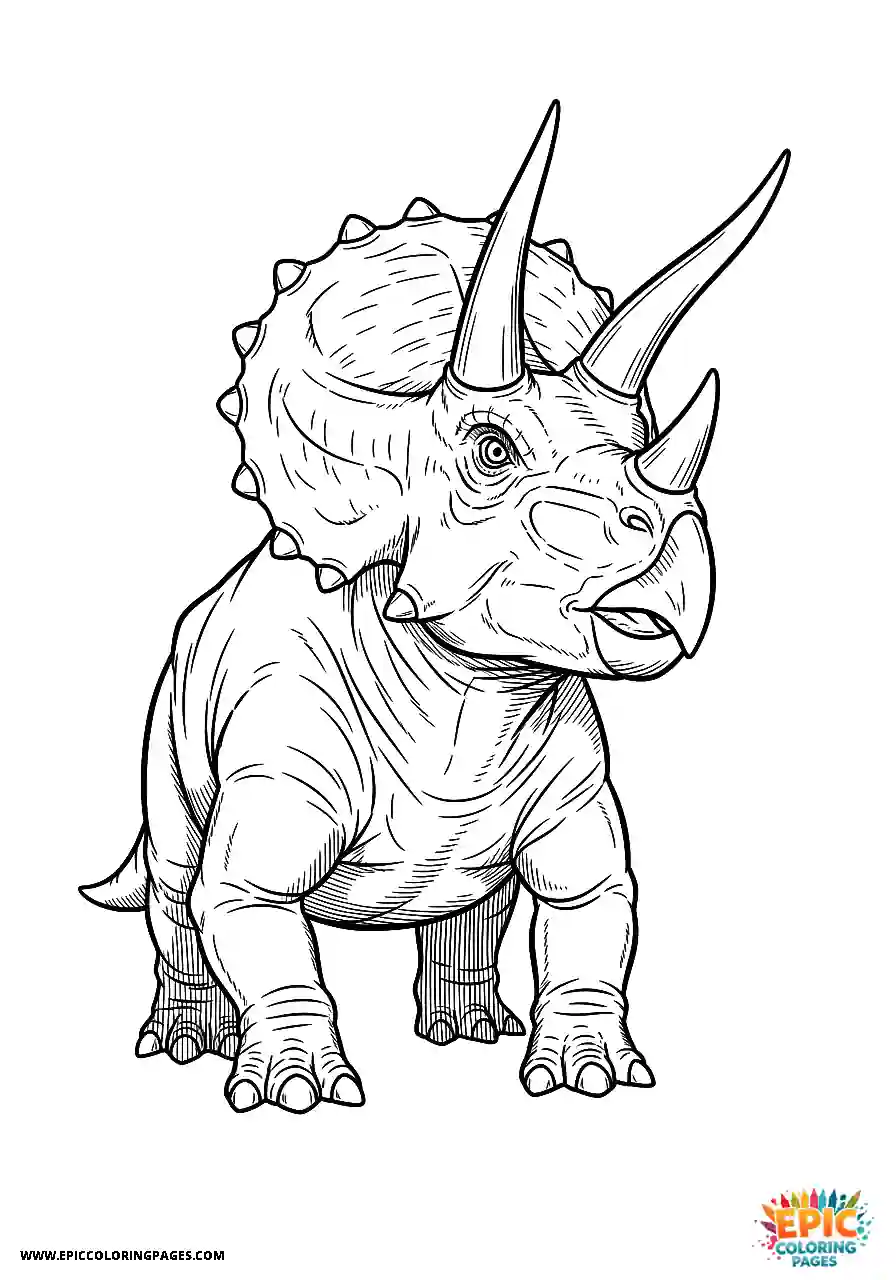
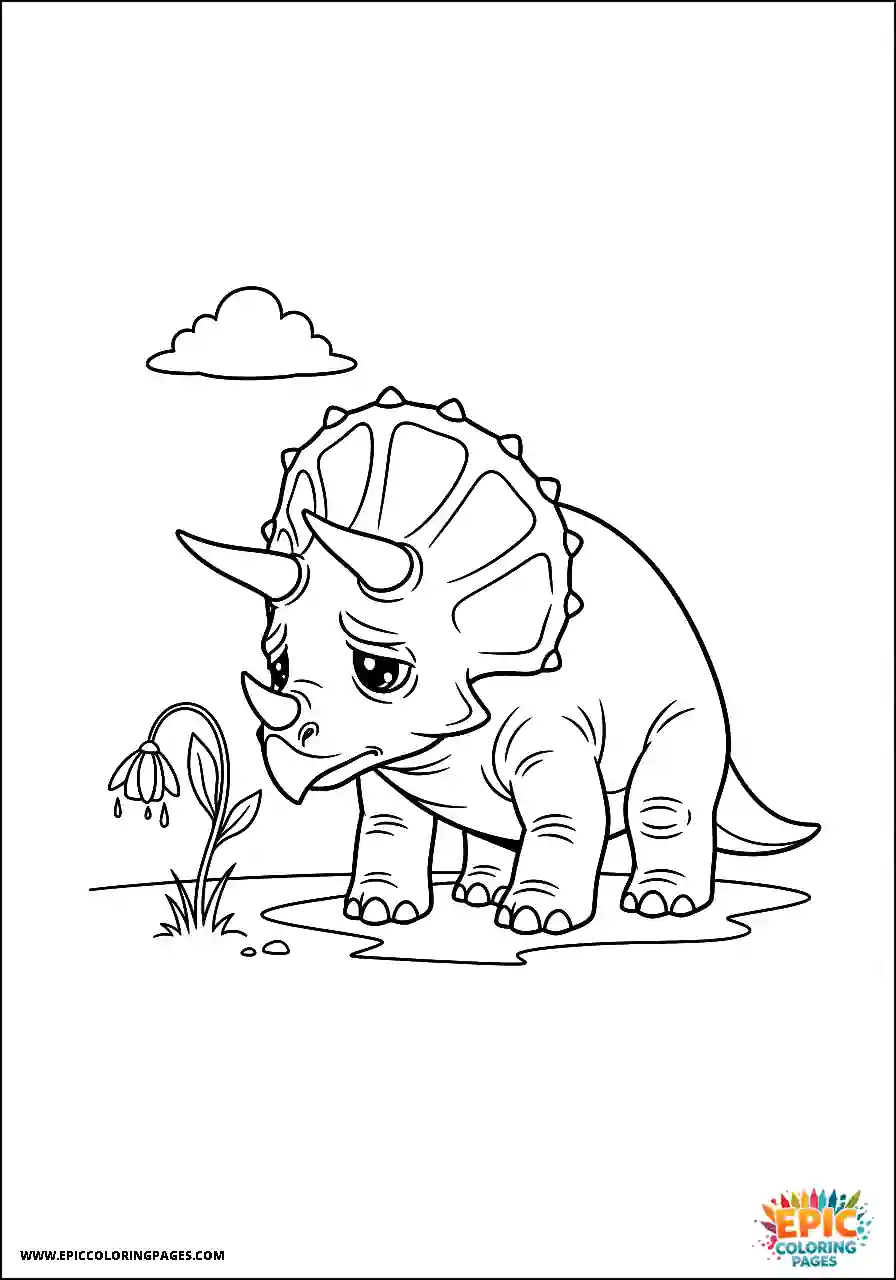
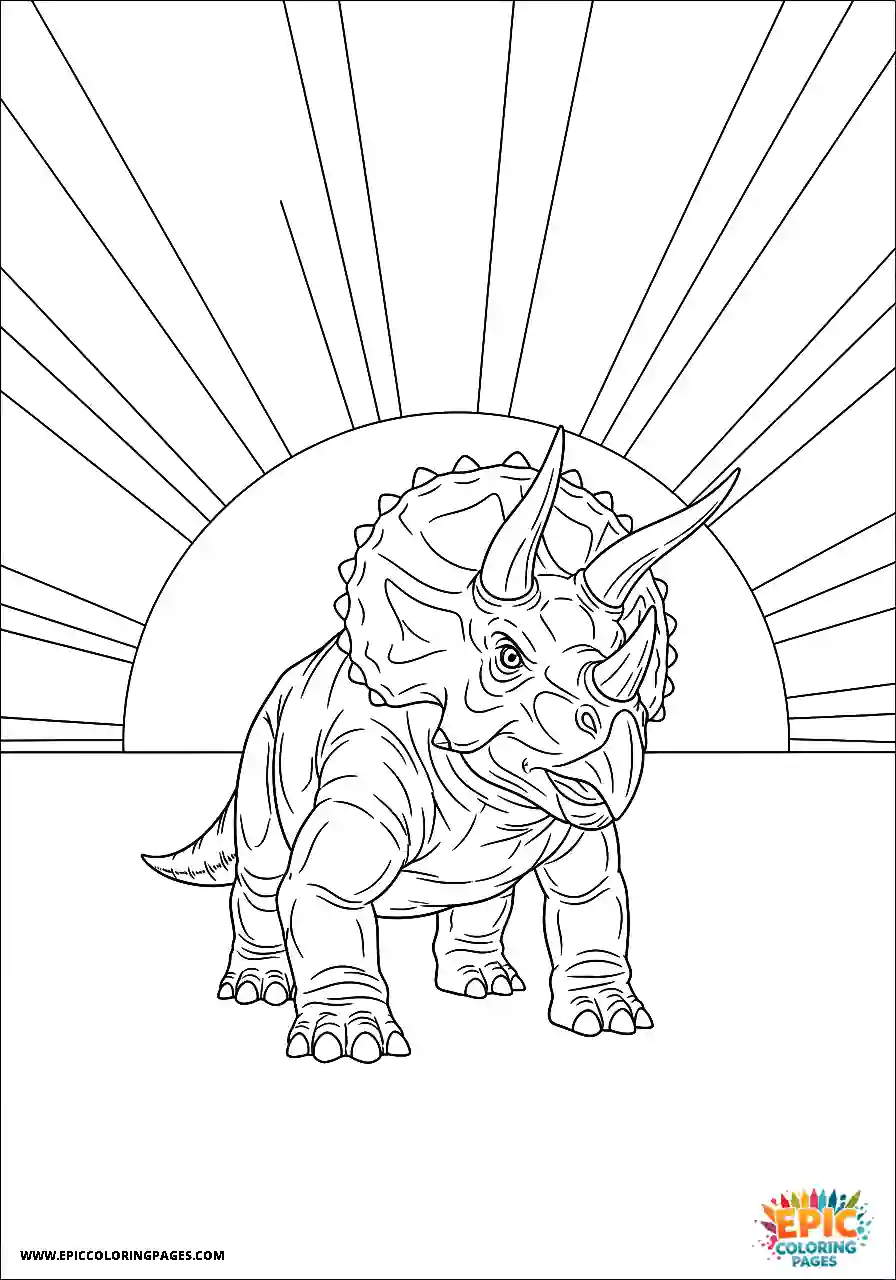
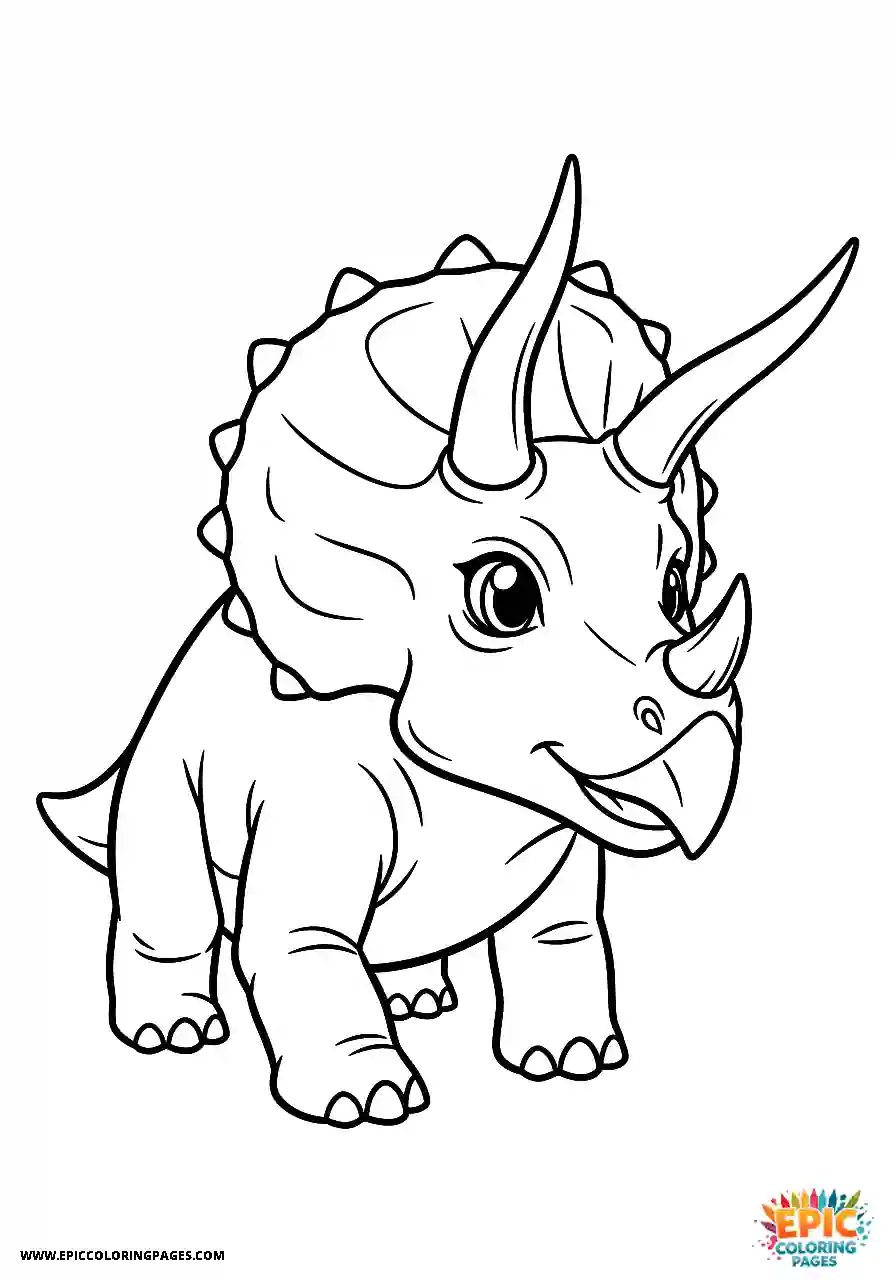
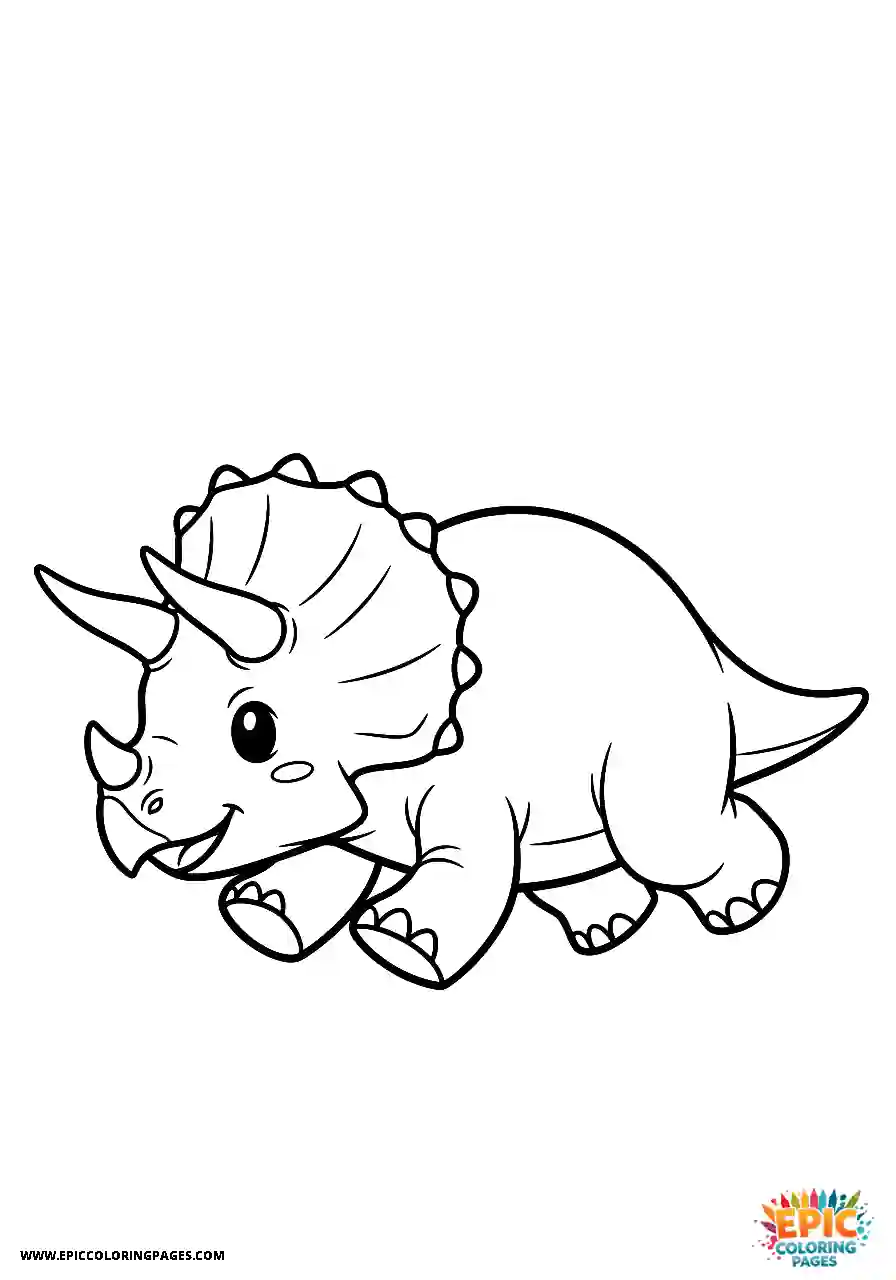
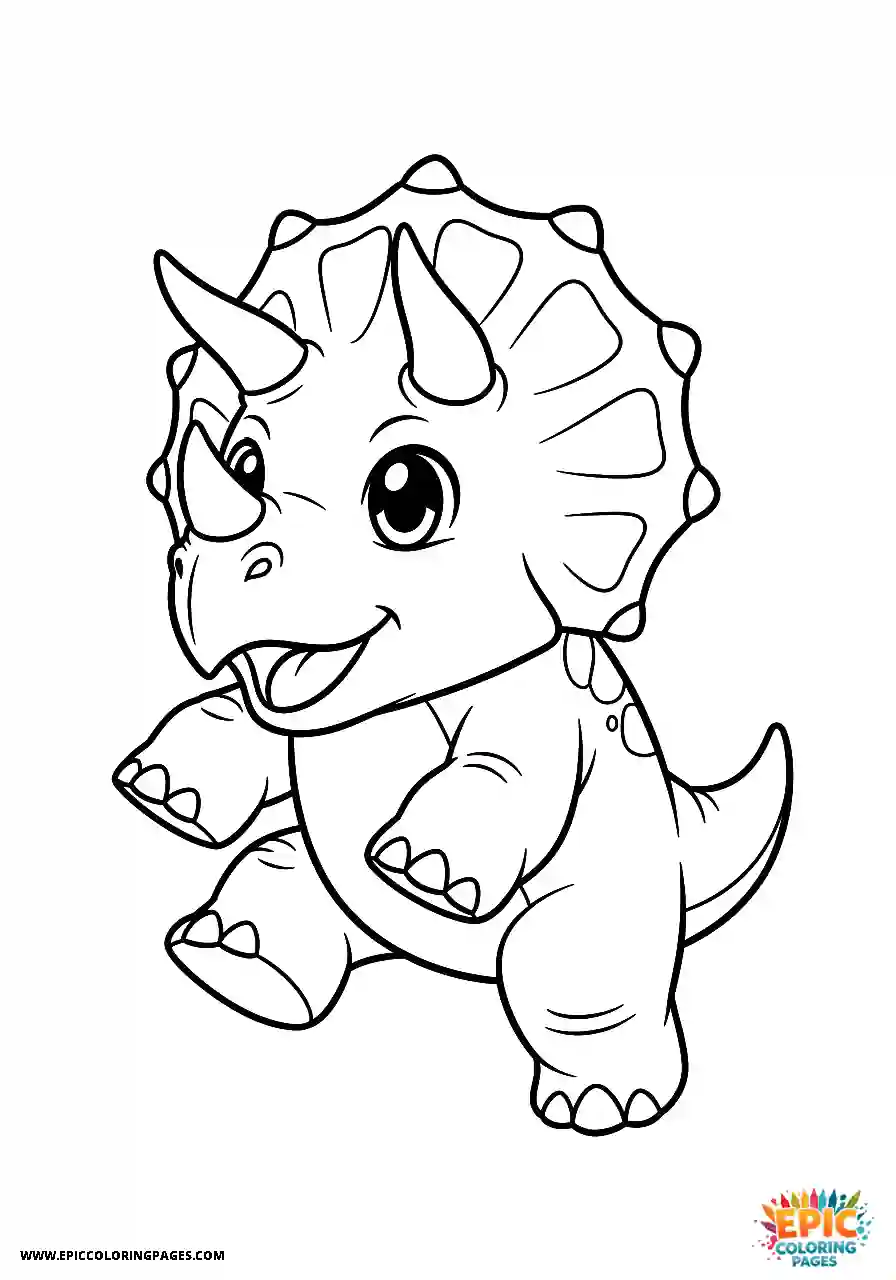
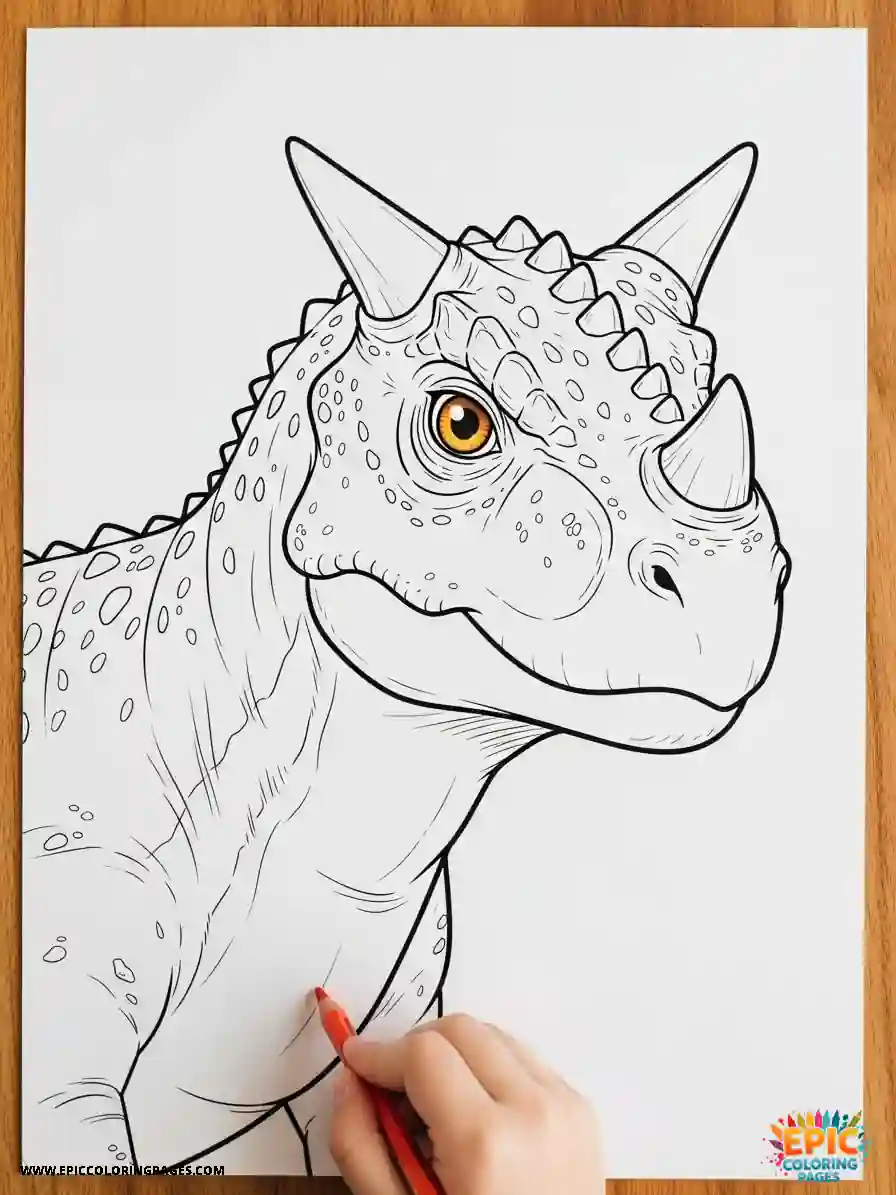
Before picking up your first colored pencil, take a moment to consider what made the Triceratops so distinctive. This massive herbivore roamed North America during the late Cretaceous period, and while we can’t know its exact coloration, we can draw inspiration from modern animals. Its famous frill, three facial horns, and parrot-like beak offer wonderful opportunities for creative color choices and shading techniques.
Think about the Triceratops as you would a rhinoceros or elephant large, thick-skinned creatures that likely had varied skin tones and textures. This gives you incredible freedom while still maintaining believability in your finished piece.
Choosing Your Color Palette
One of the most common questions I hear is “What color should a Triceratops be?” The beautiful truth is that you have complete creative freedom here. Scientists continue to debate dinosaur coloration, which means your artistic choices are just as valid as anyone else’s.
For a naturalistic approach, consider earthy tones like olive greens, dusty browns, slate grays, or sandy tans. These colors ground your Triceratops in a realistic prehistoric world. You might choose a base color for the body and then select a complementary shade for the frill perhaps a reddish-brown body with an orange-tinted frill, or a gray body with subtle blue undertones in the frill.
If you prefer a more vibrant, eye-catching result, don’t hold back. Modern reptiles and birds display incredible colors, from the bright blues of certain lizards to the stunning patterns on poison dart frogs. A Triceratops with jewel-toned scales or bold pattern work can be both beautiful and scientifically plausible.
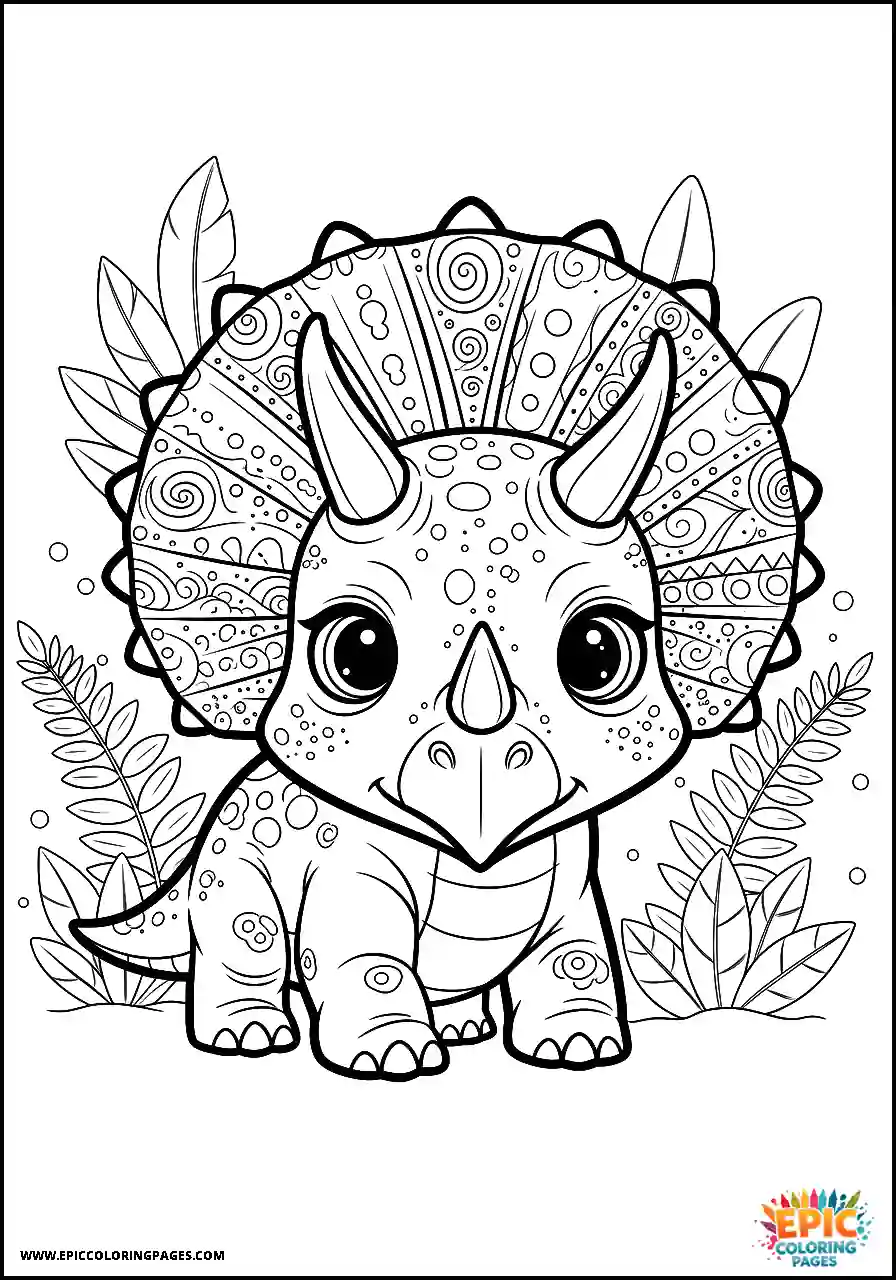
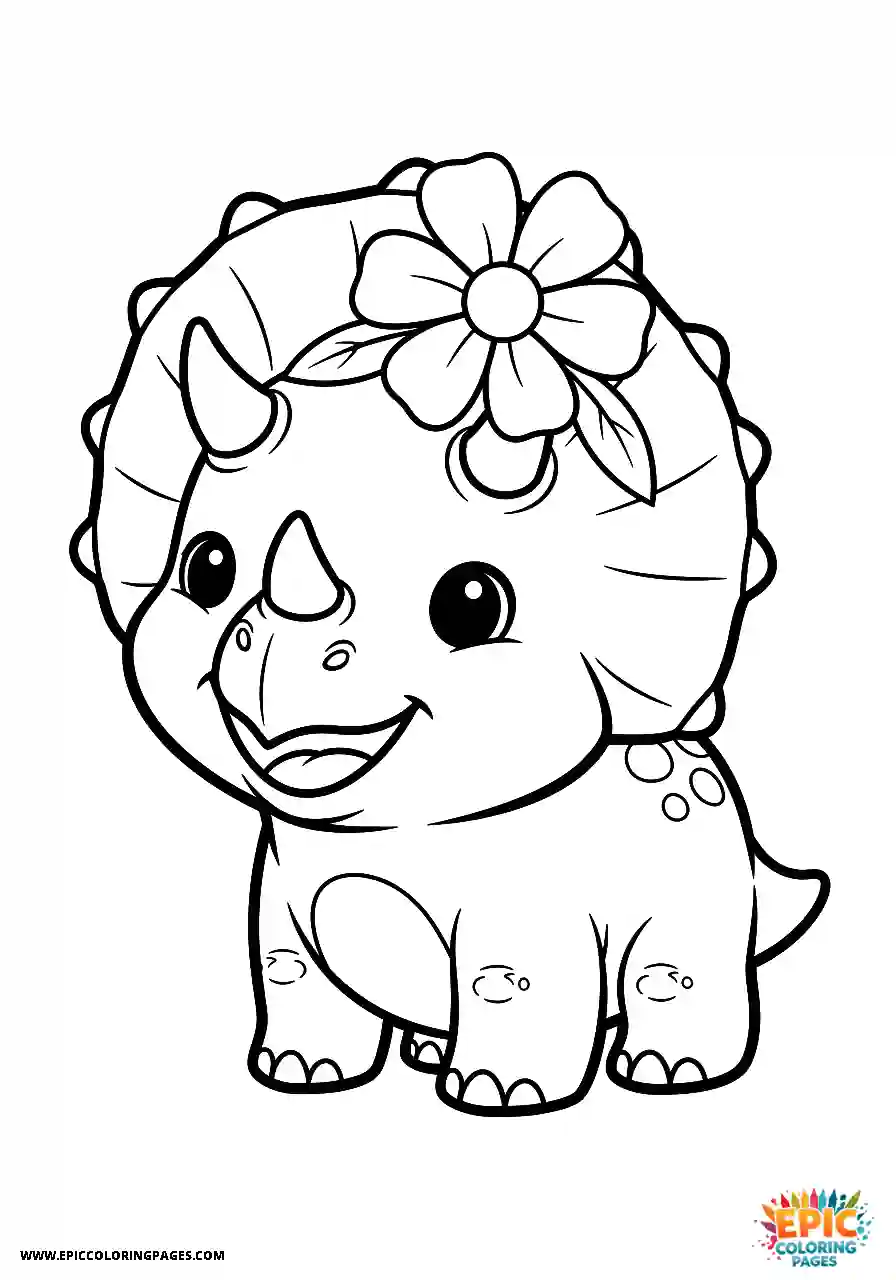
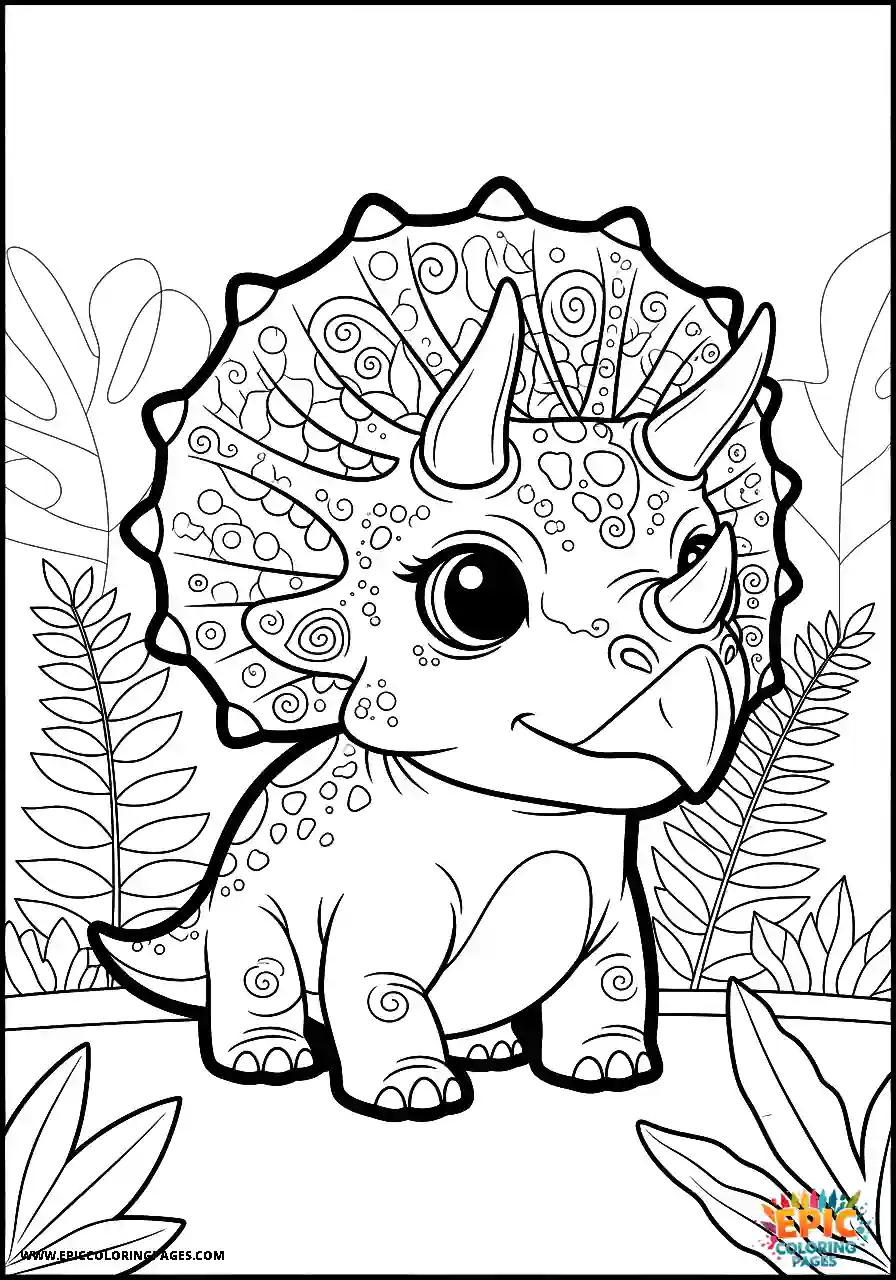
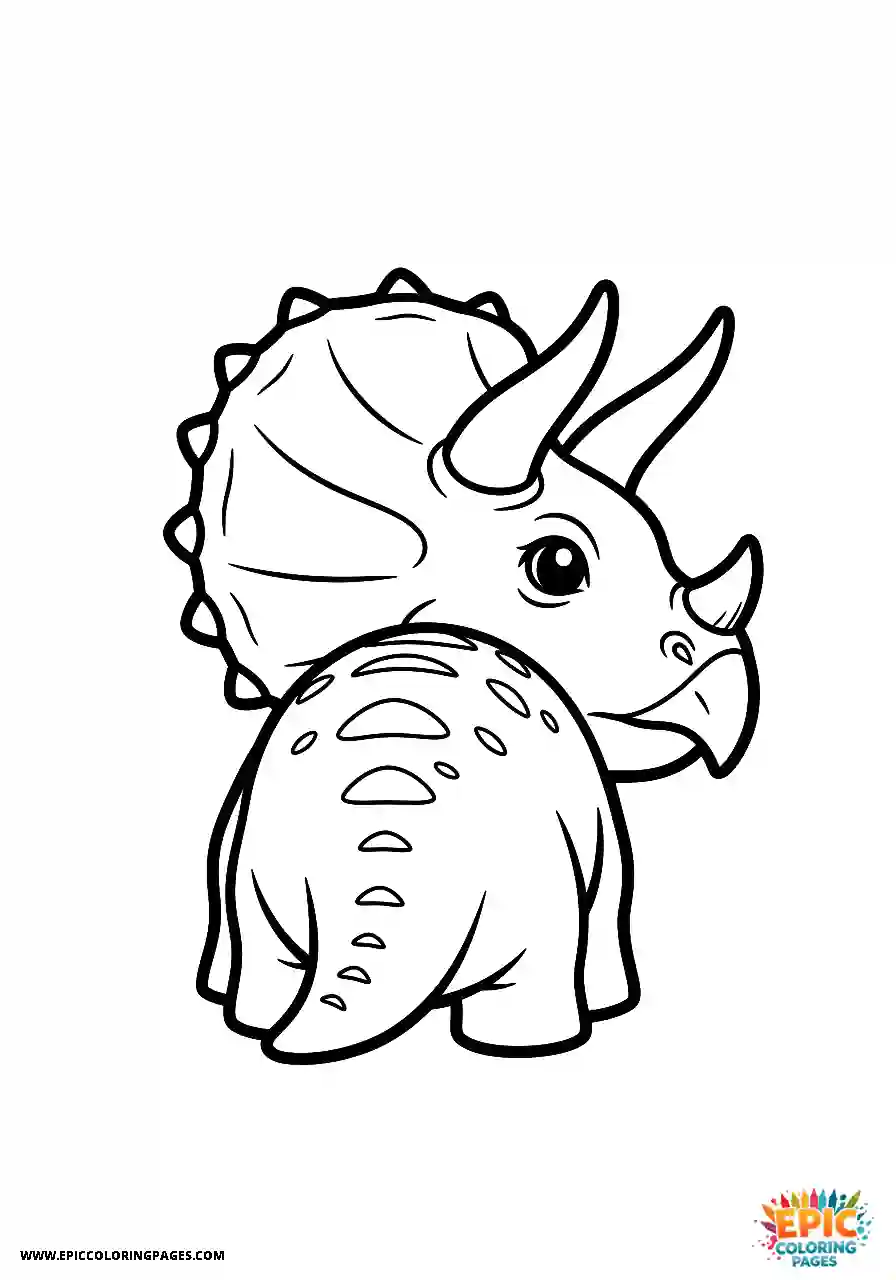
The frill presents a special opportunity for contrast and detail. Consider whether you want it to match the body or stand out as a display feature much like a peacock’s tail or a mandrill’s colorful face. Adding spots, stripes, or even a gradient effect can make this area truly special.
Mastering Shading Techniques
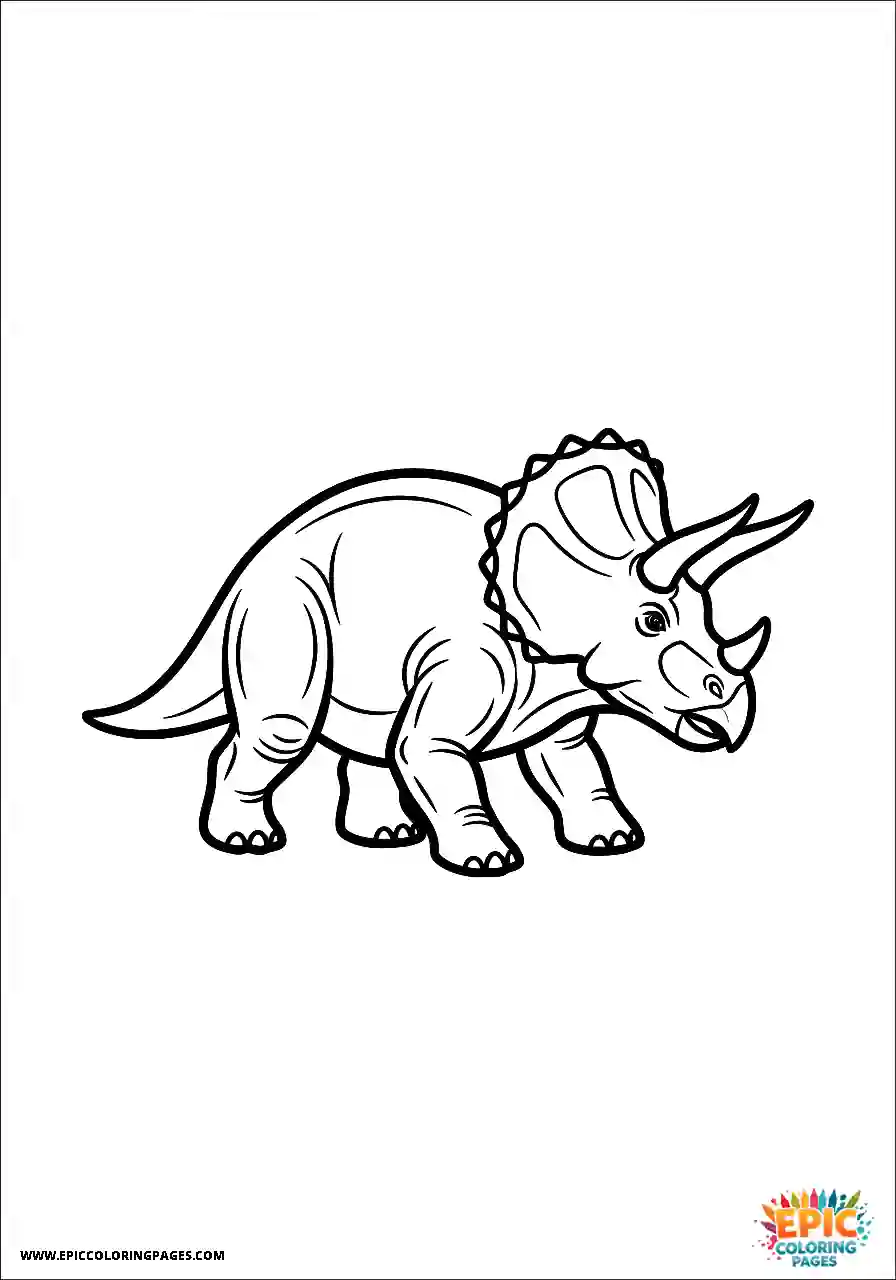
Shading transforms a flat coloring page into a three-dimensional creature that seems to step off the page. For the Triceratops’s massive, rounded body, think about where light would naturally hit and where shadows would form.
Start by deciding where your light source is coming from typically from above and slightly to one side works well. The top of the back, the upper portions of the legs, and the highest points of the horns and frill would catch the most light and should be your lightest values. The underside of the belly, beneath the frill, and the inner legs would be in shadow and should be your darkest values.
Build your shadows gradually using light pressure and multiple layers rather than pressing hard immediately. This gives you more control and creates smoother transitions. For colored pencils, this might mean starting with a light layer of your base color, then adding progressively darker shades in the shadow areas. With markers, you can achieve similar effects by working quickly while the ink is still wet or by using a colorless blender to soften edges.
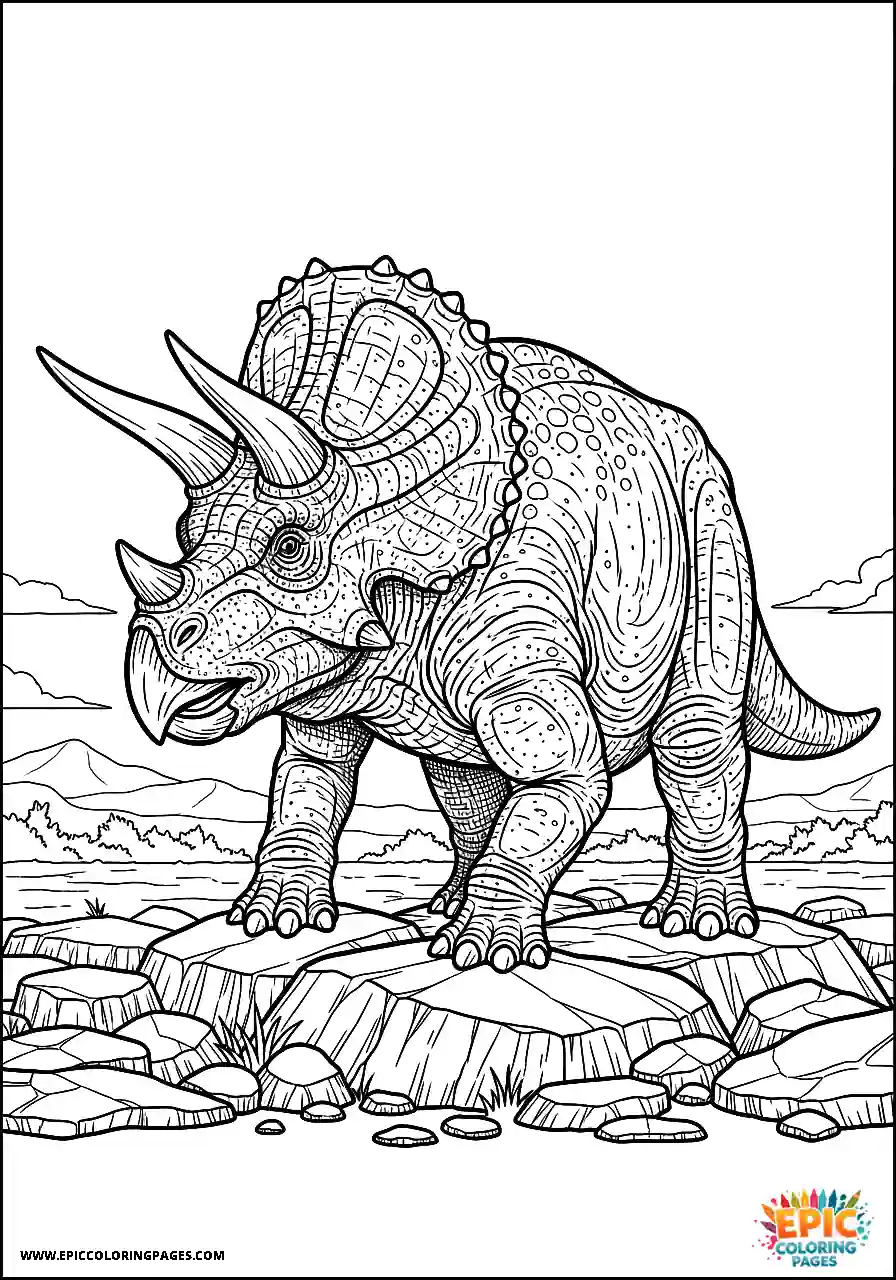
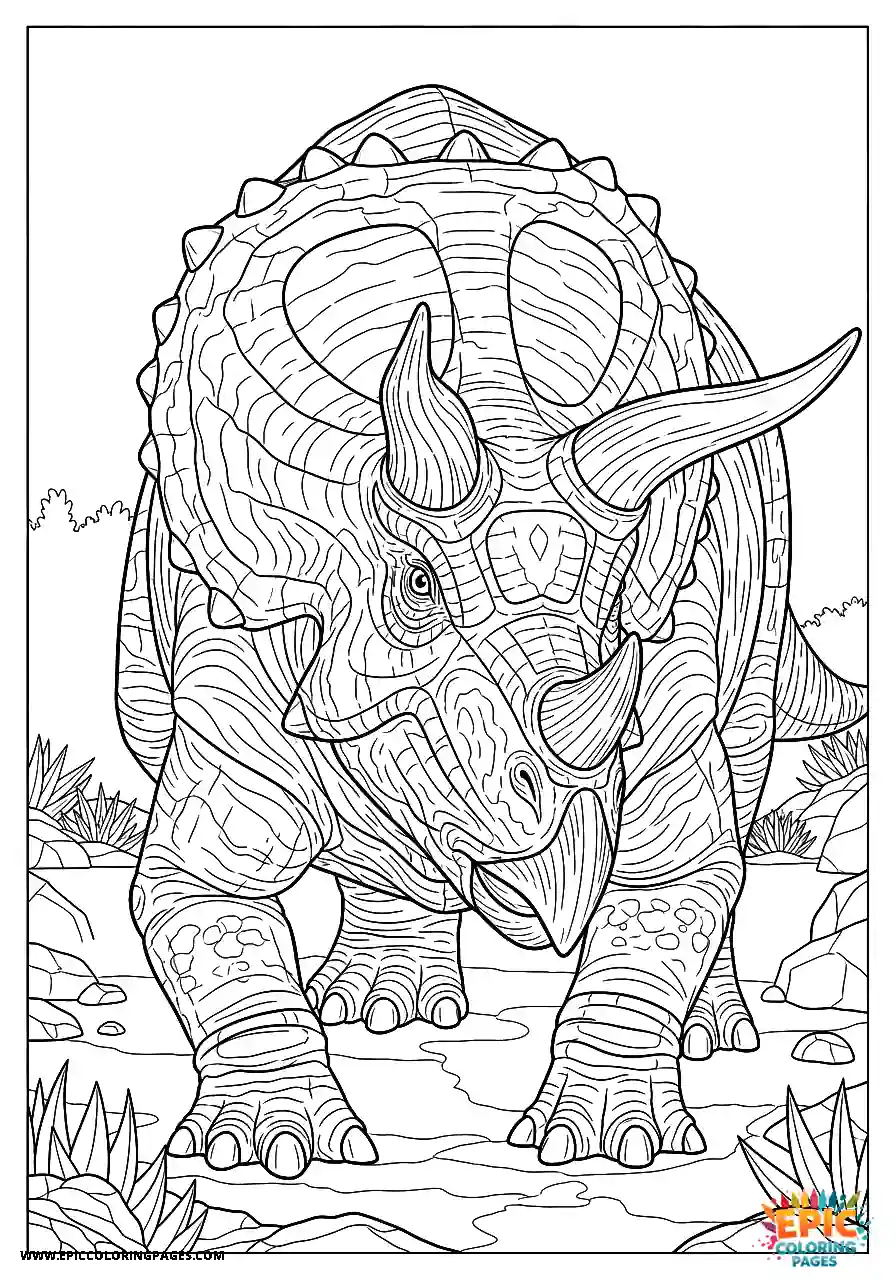
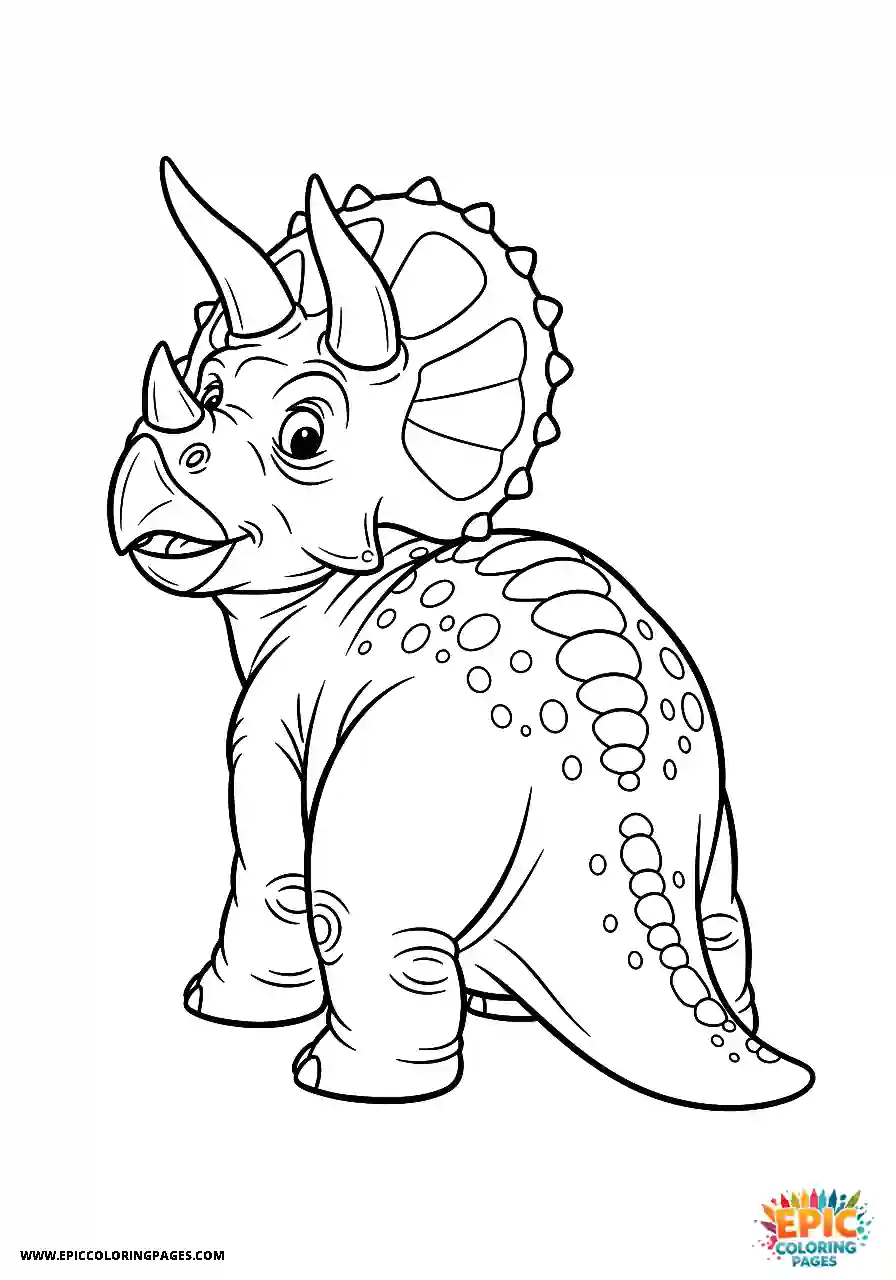
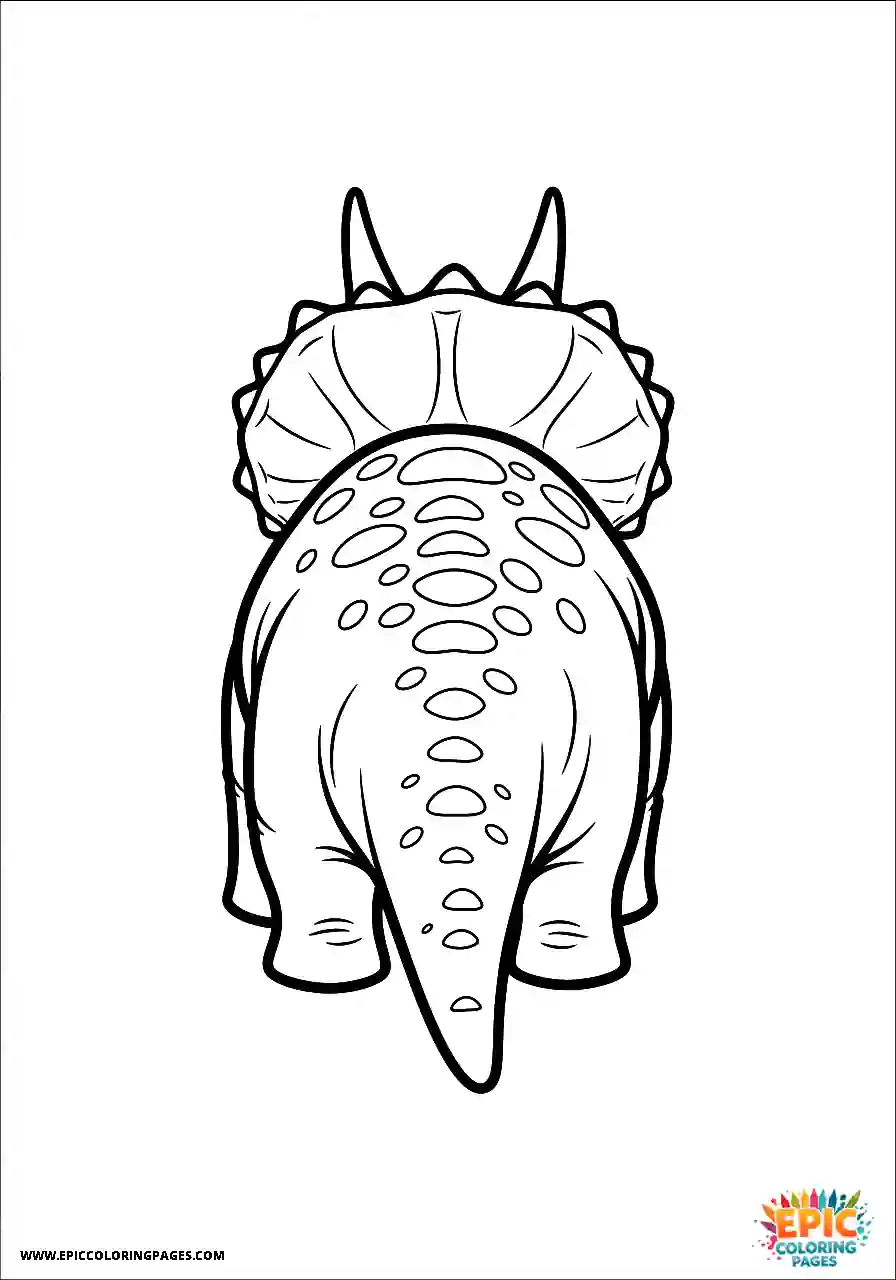
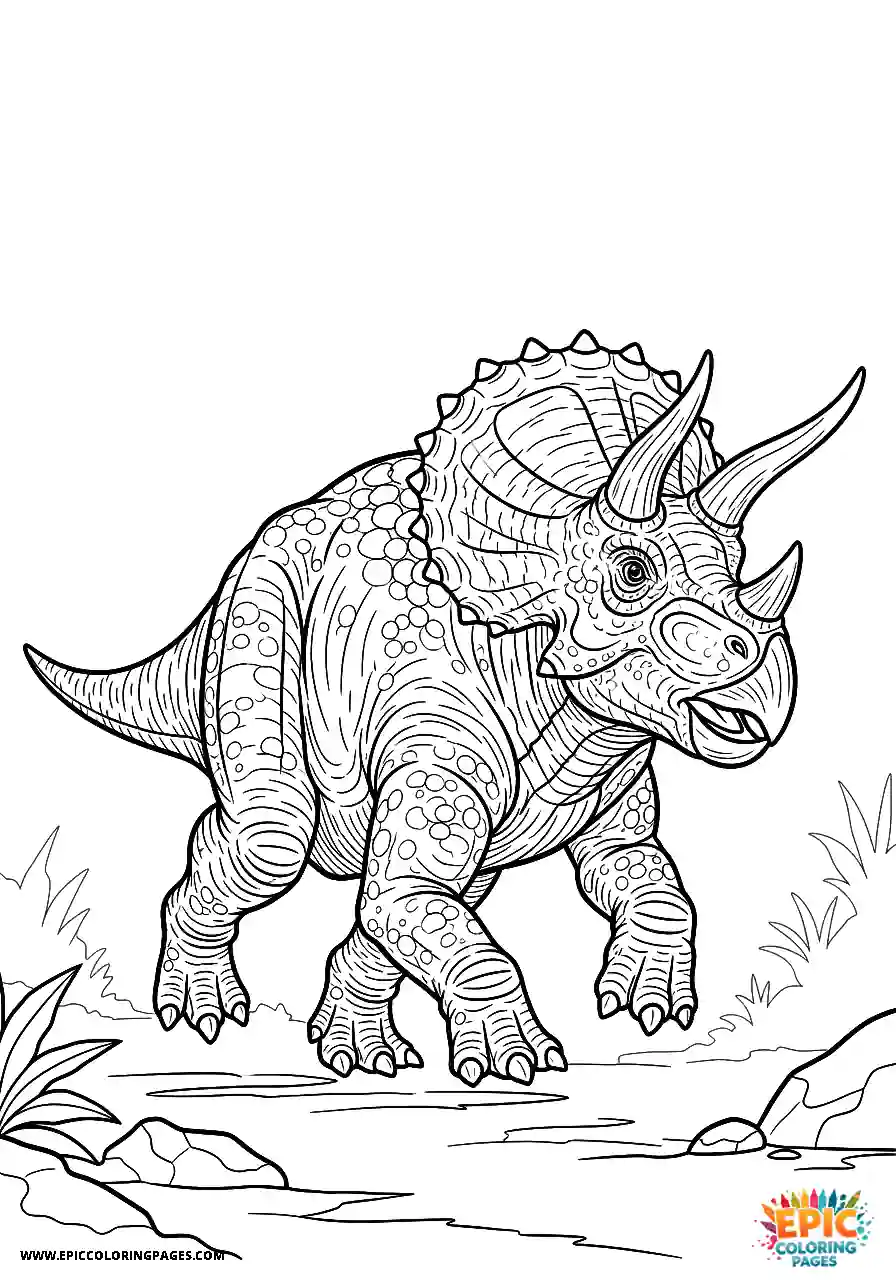
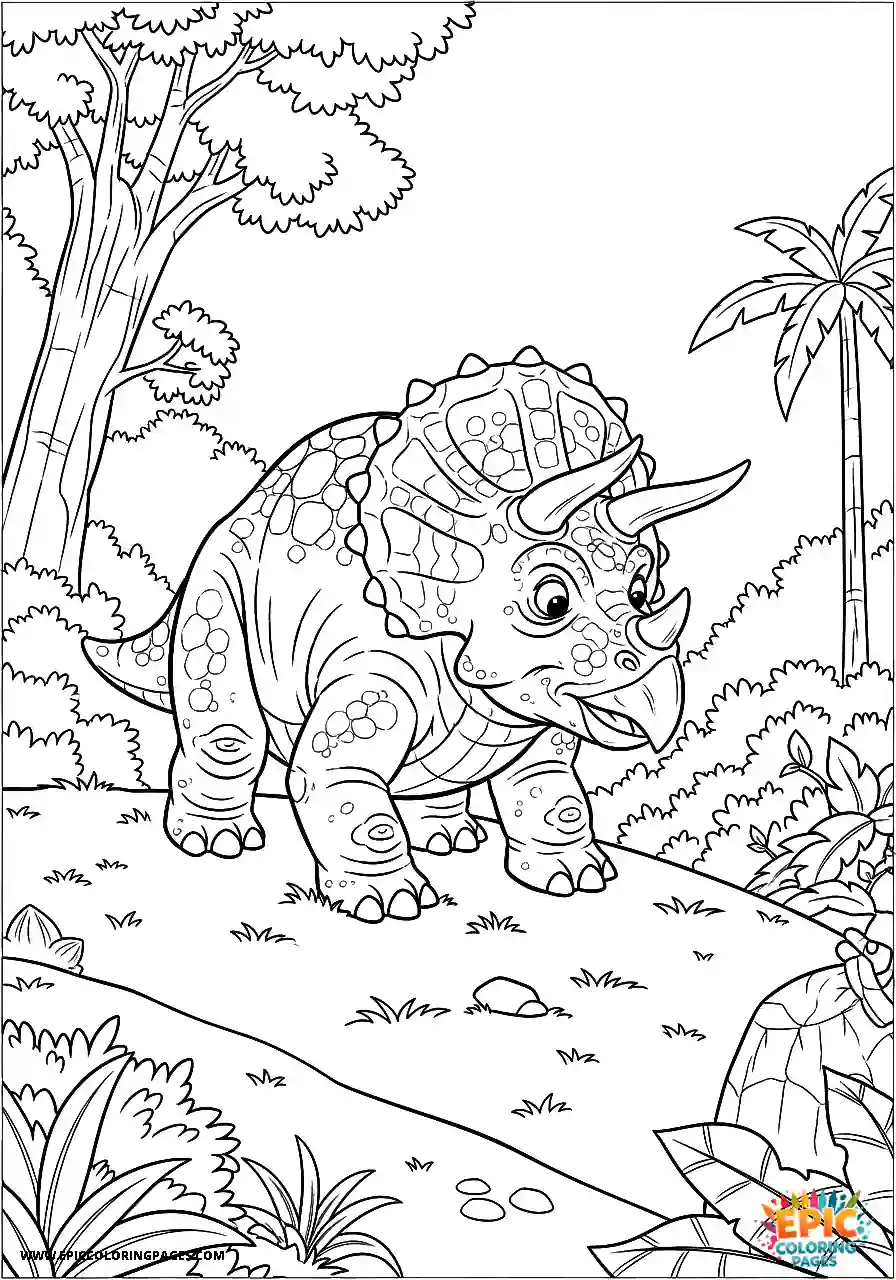
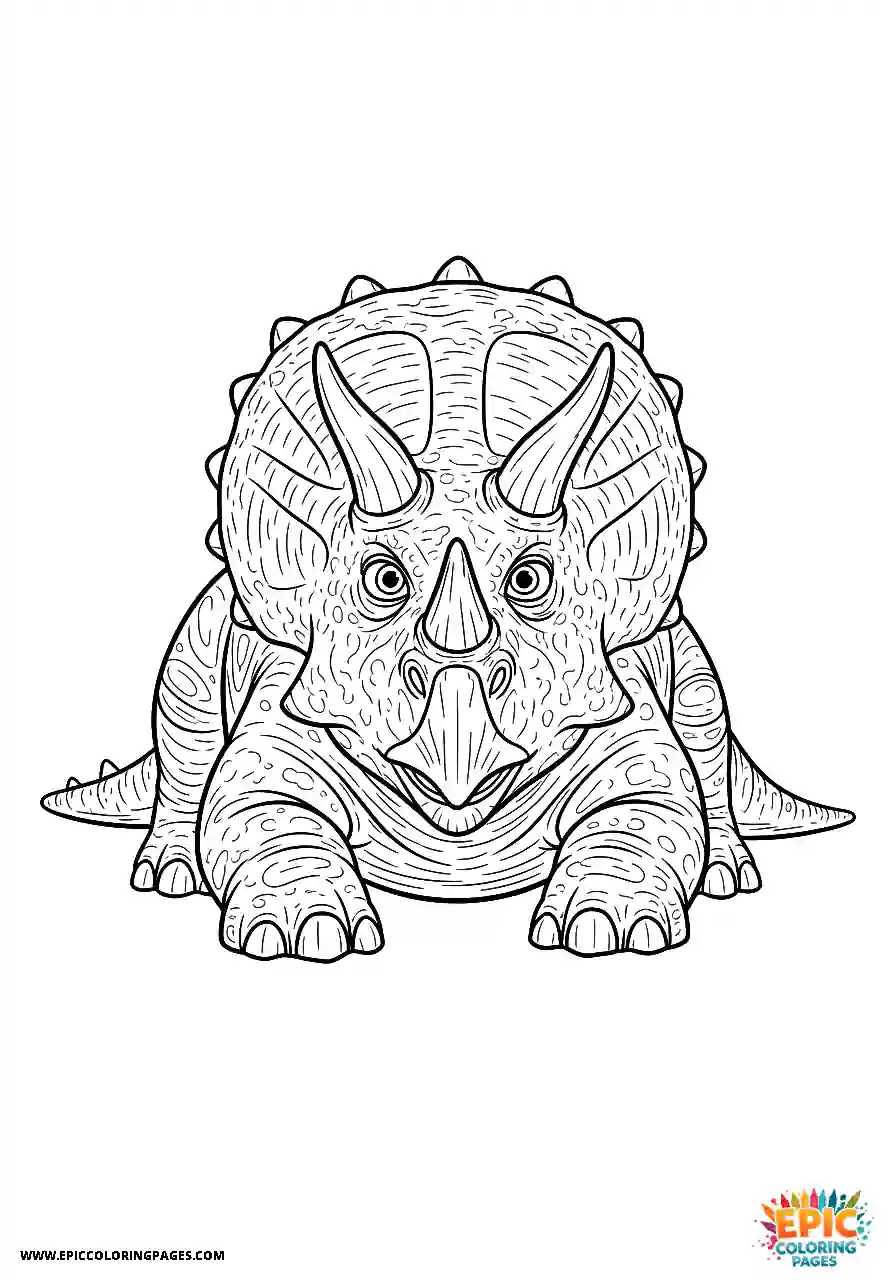
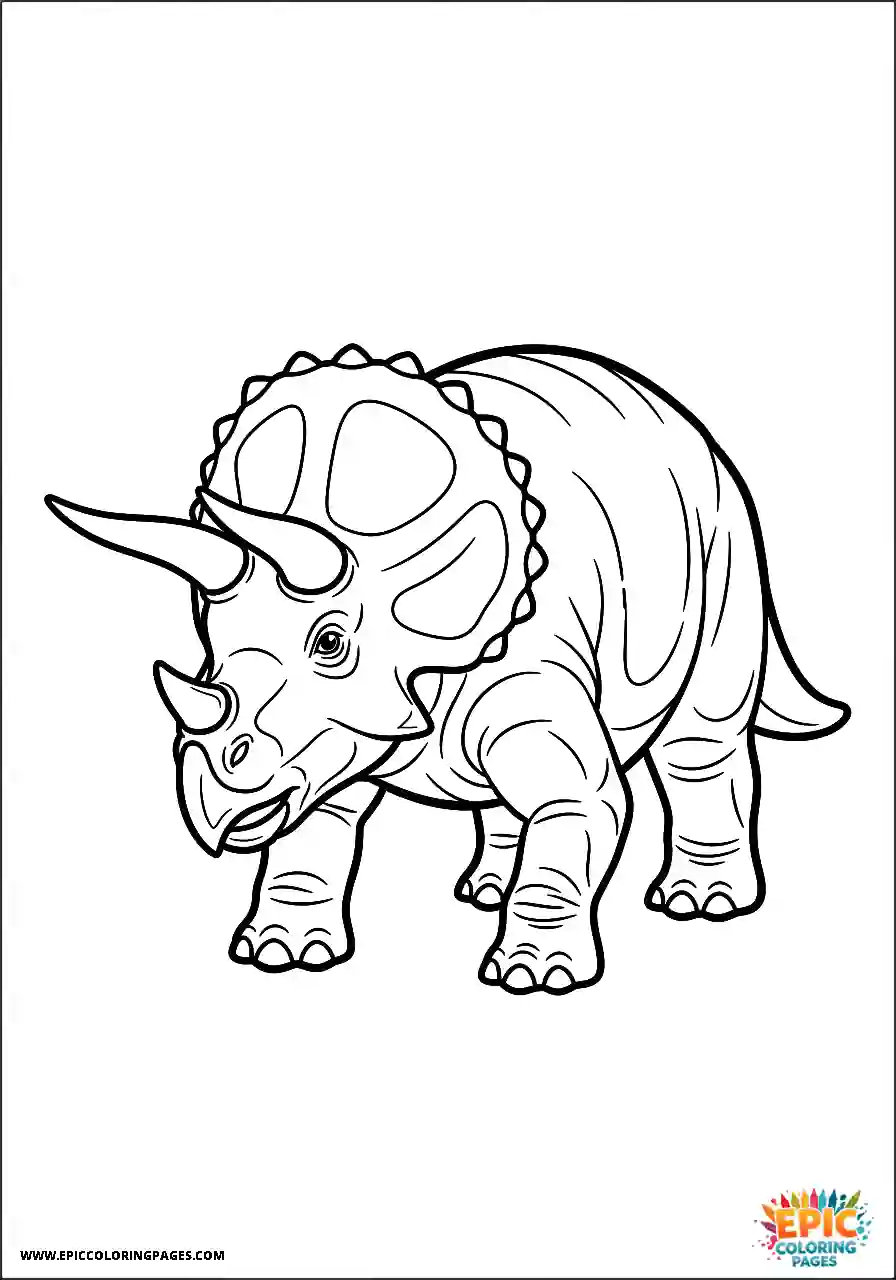
The texture of dinosaur skin is another consideration. While smooth, even coloring works perfectly fine, adding subtle texture can enhance realism. Small circular motions with colored pencils can suggest scales. Leaving tiny white spaces between strokes can create a rougher, more reptilian appearance. The frill might be smoother than the body, or you could add visible veins or bone structure for anatomical interest.
Working with Different Mediums
Each coloring medium has its own personality and strengths when it comes to dinosaurs.
Colored pencils offer the most control and are excellent for beginners and detail-oriented artists alike. They allow you to build color slowly and make precise marks for things like individual scales or the fine details around the eyes and beak. The ability to layer colors creates depth that’s hard to achieve with other mediums. Try using a light hand for most of your work and only pressing harder for the very darkest shadows.
Markers provide bold, vibrant color quickly, which is perfect if you want a striking result without spending hours on a single page. The key with markers is understanding that they’re less forgiving than pencils you can’t easily erase or lighten an area once it’s colored. Work from light to dark, and consider leaving some areas white or very light for highlights. Alcohol-based markers blend beautifully if you work while the ink is still wet, creating smooth color transitions perfect for the Triceratops’s curved forms.
Crayons might seem basic, but they have a charm all their own and work wonderfully for bold, expressive coloring. They’re particularly good for younger artists or anyone who wants a more relaxed, less precise approach. Layering different crayon colors creates interesting optical mixing effects.
Gel pens and metallic markers can add special touches imagine a Triceratops with metallic gold highlights on its horns or a subtle shimmer across its frill. These work best as accent colors rather than for large areas.
Background Considerations
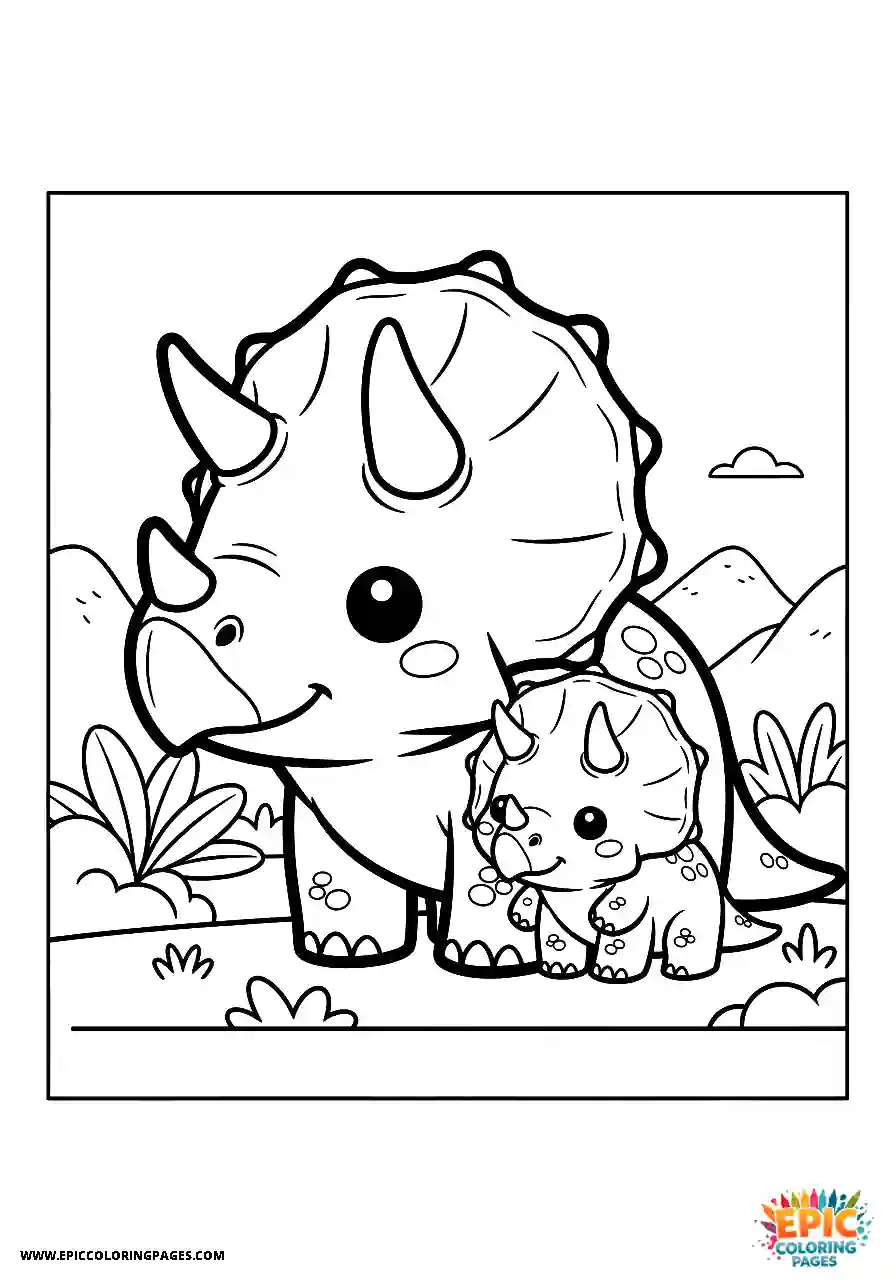
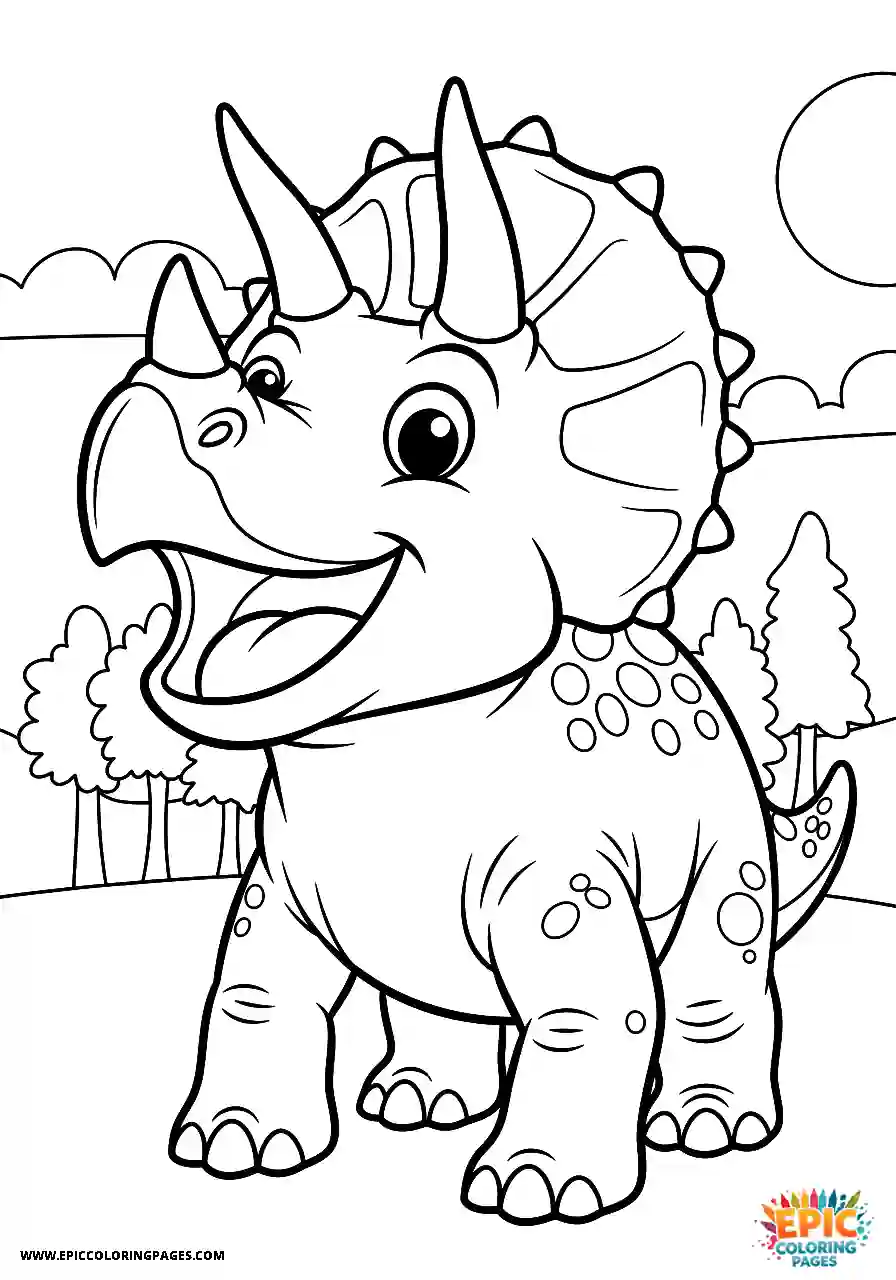
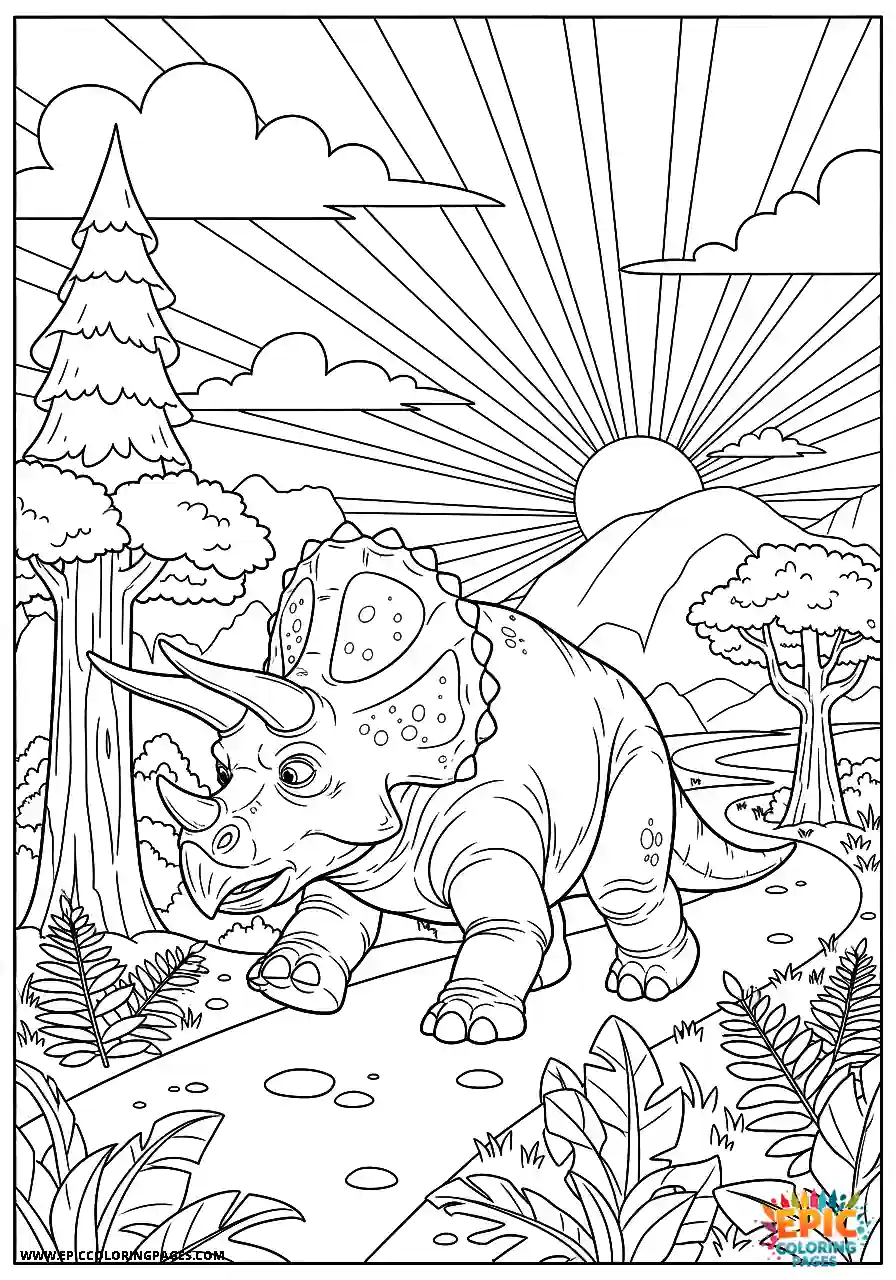
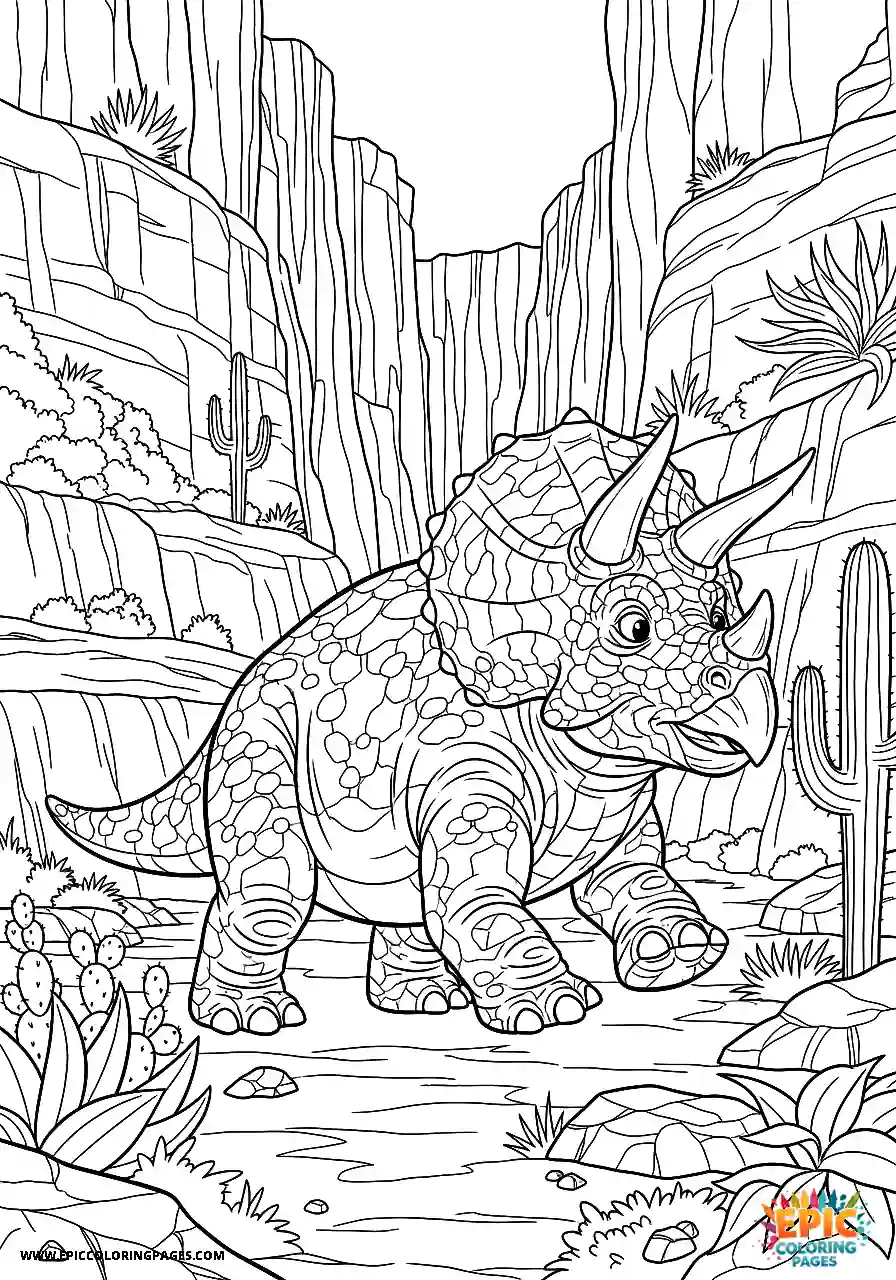
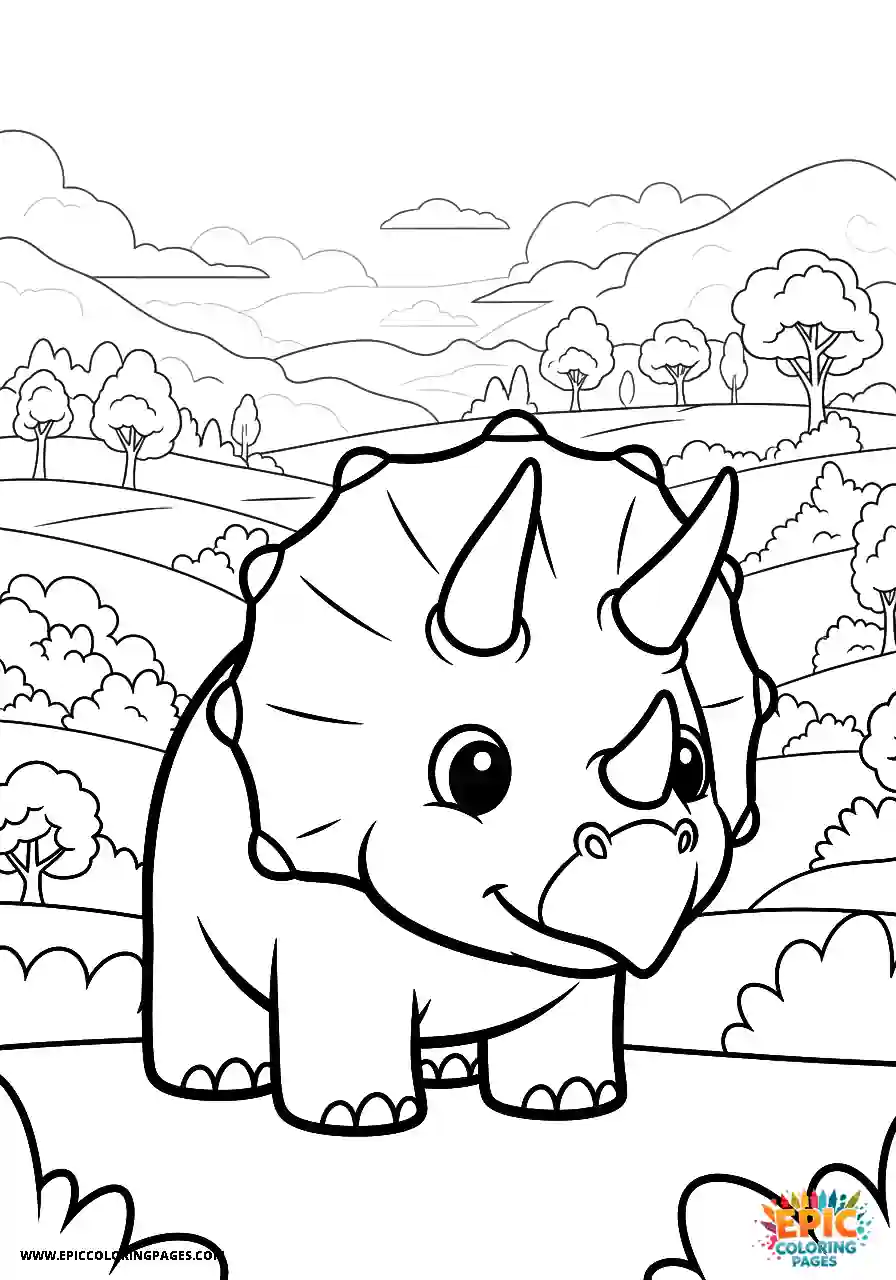
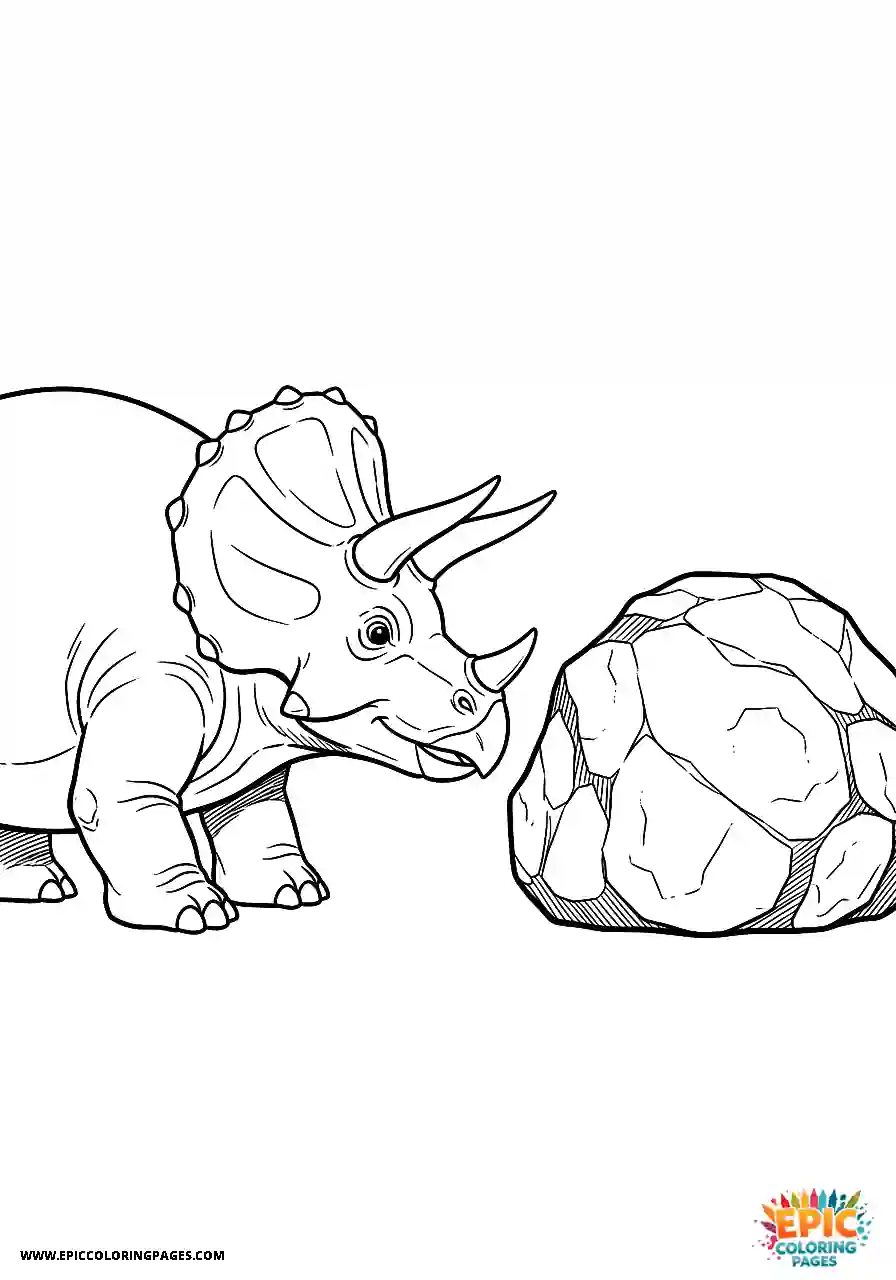
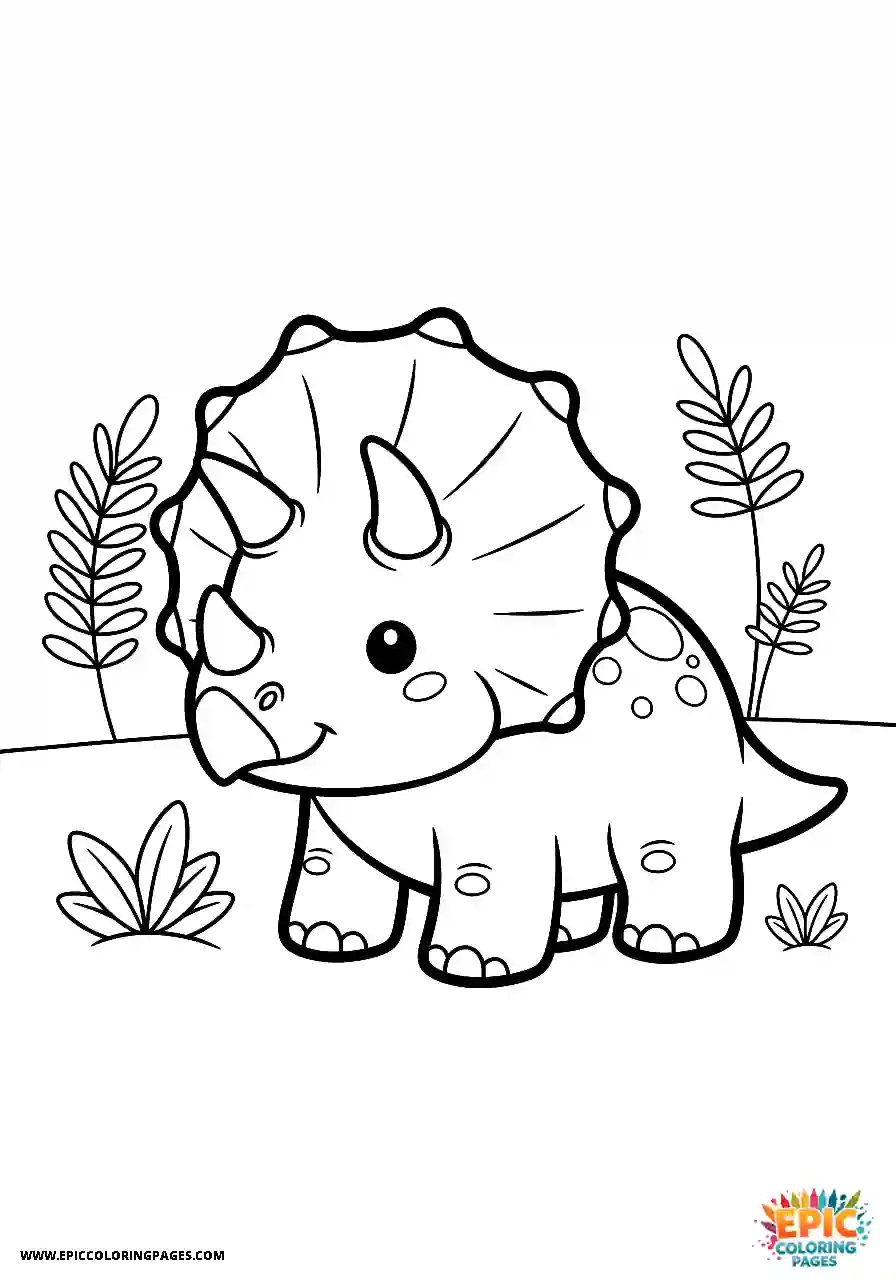
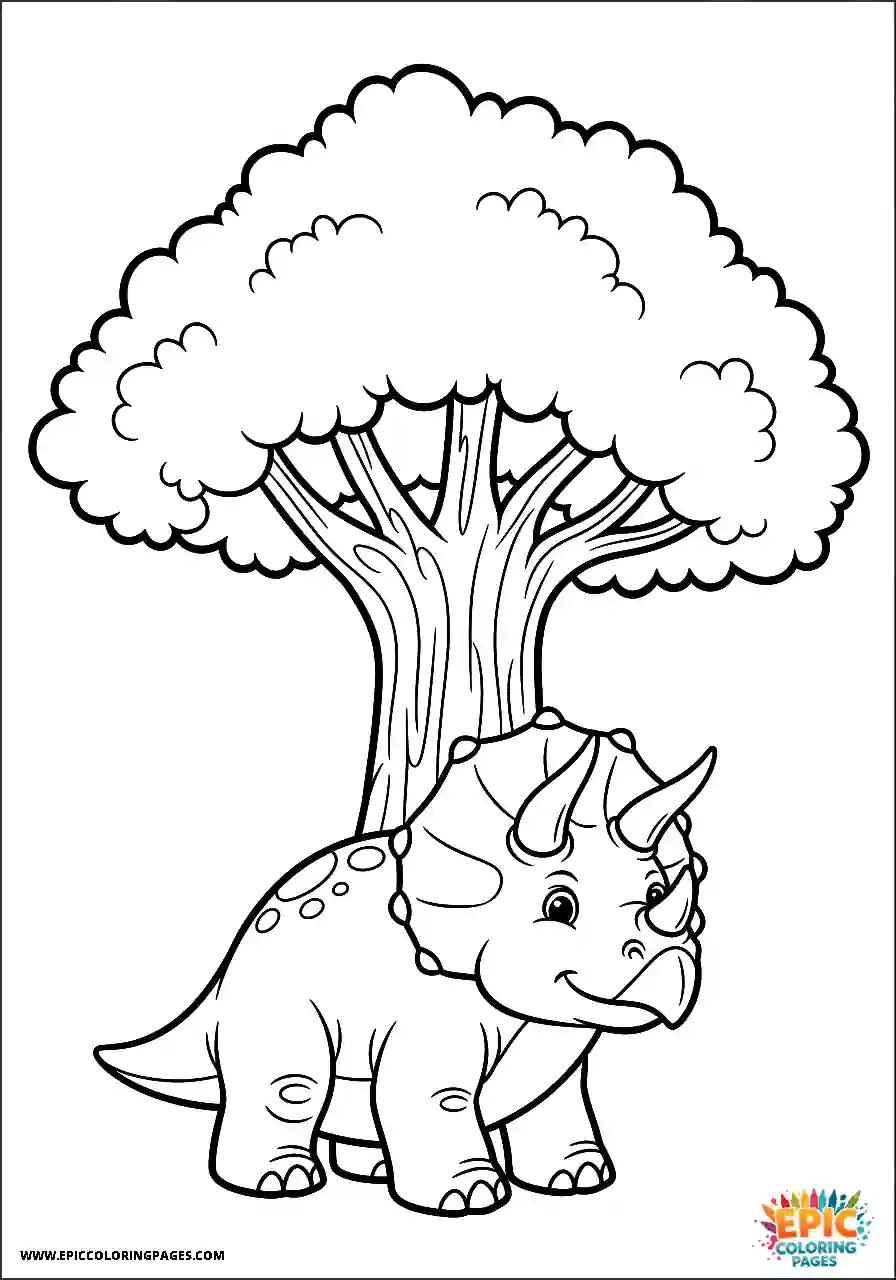
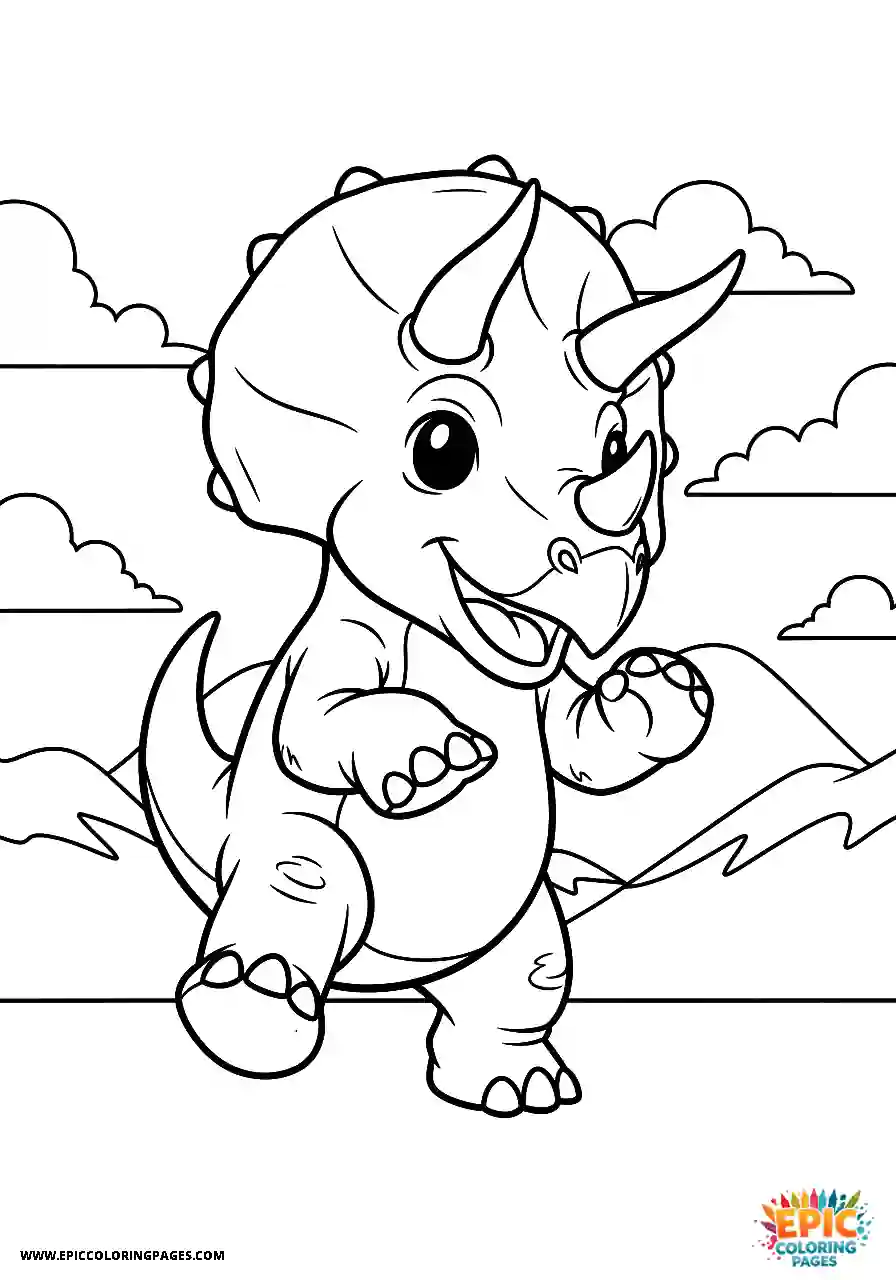
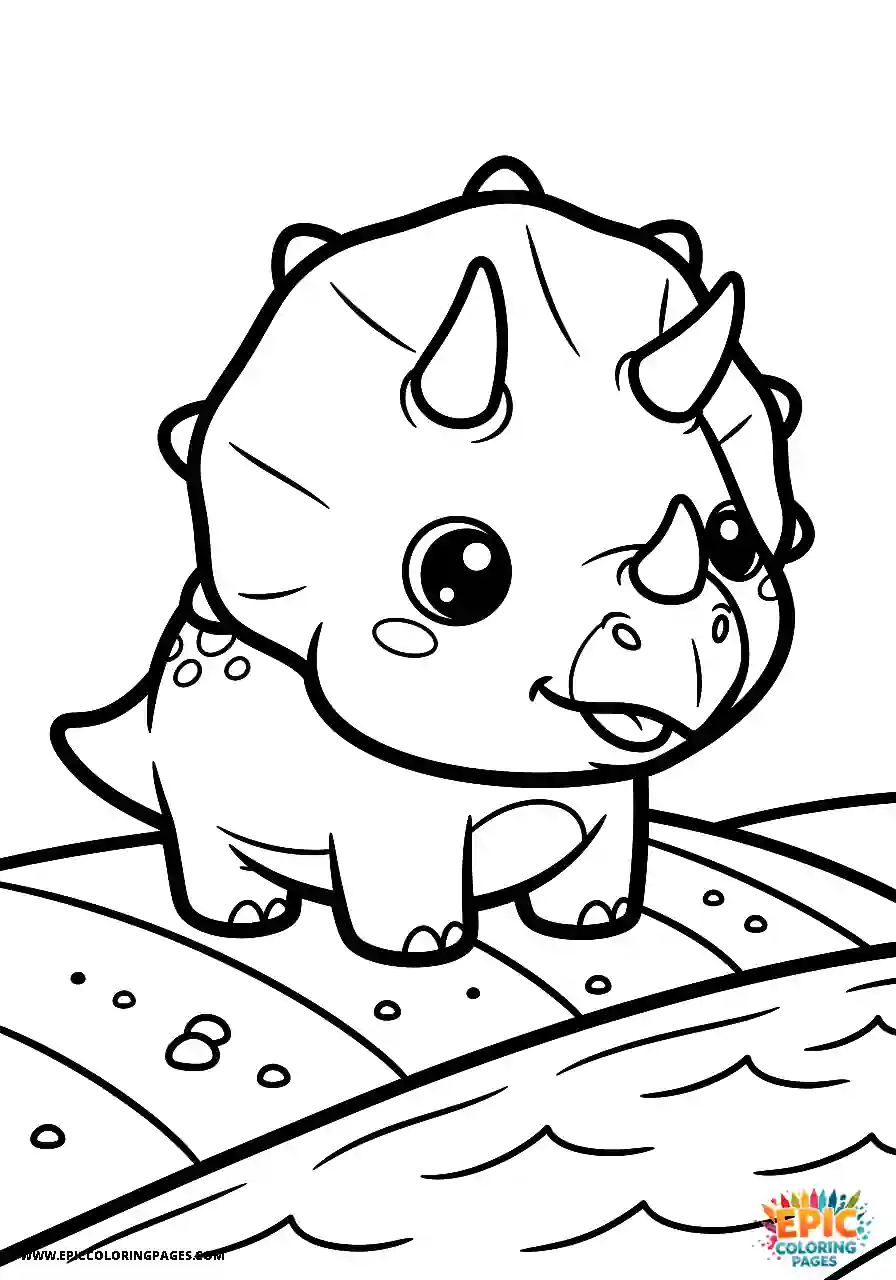
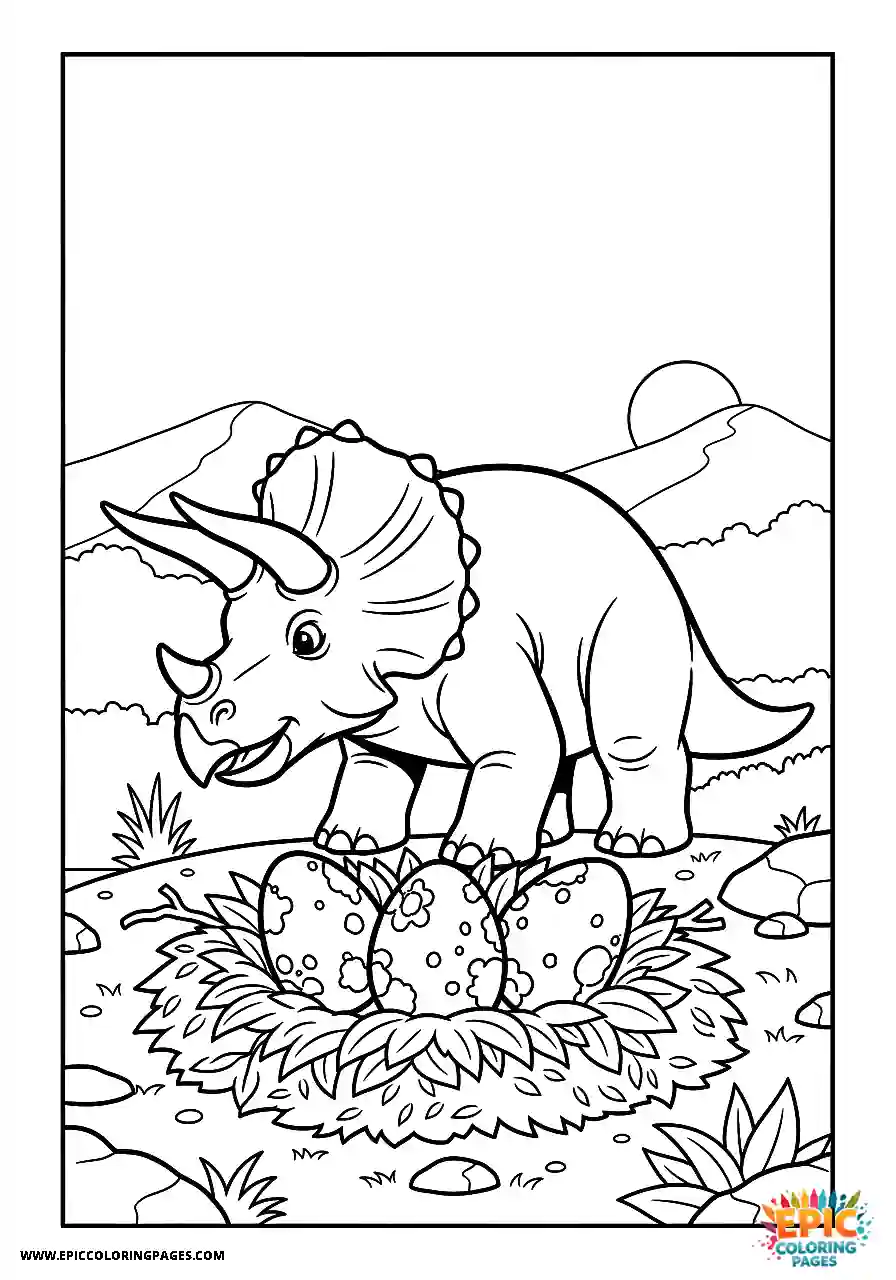
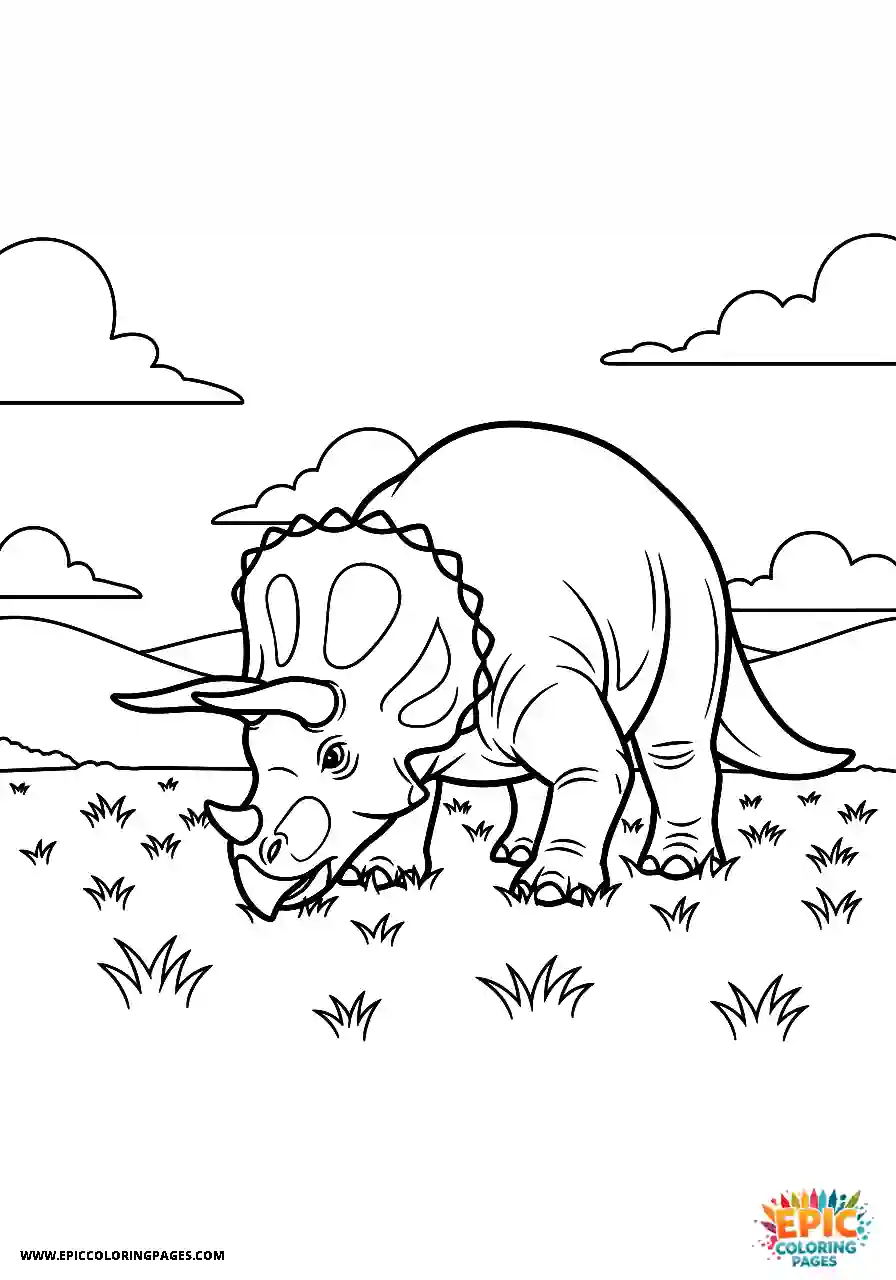
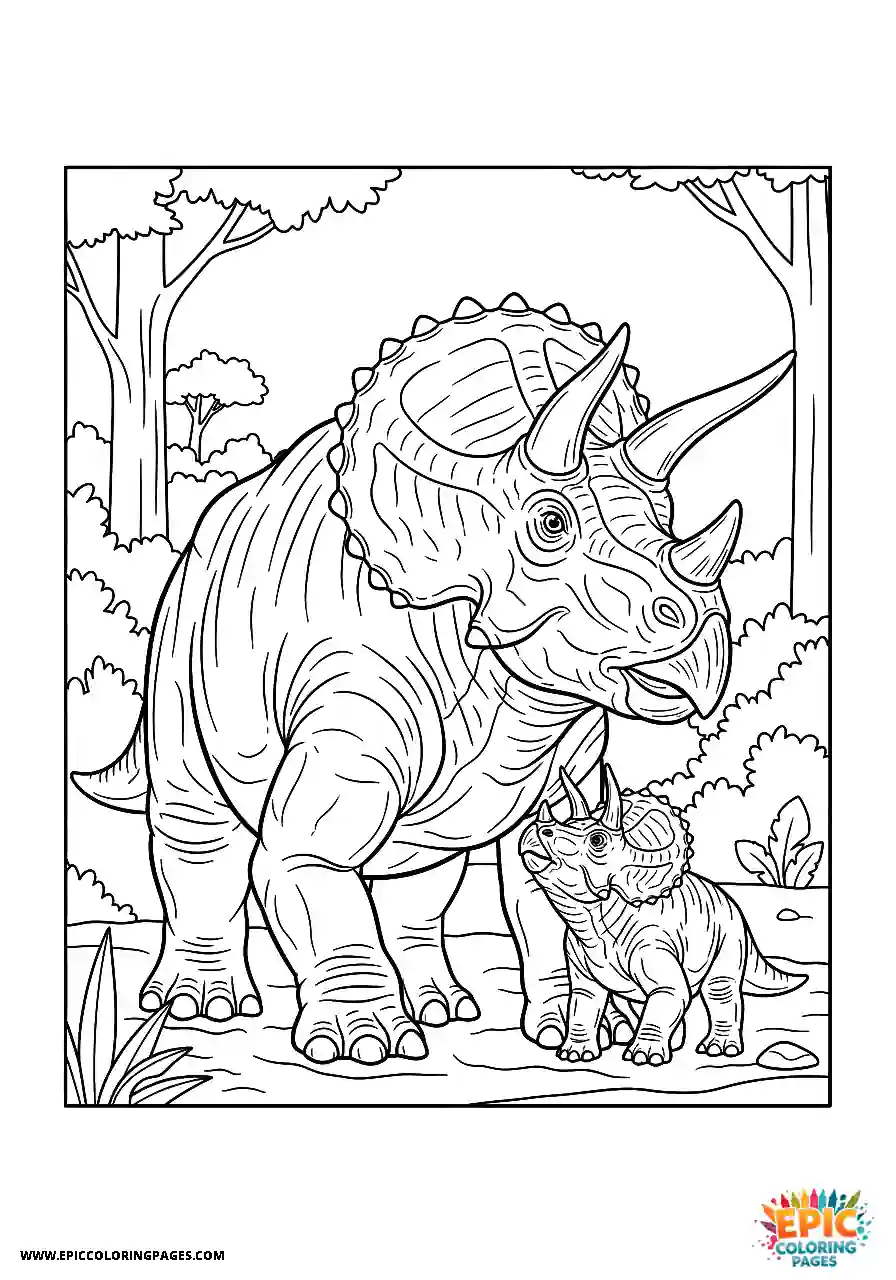
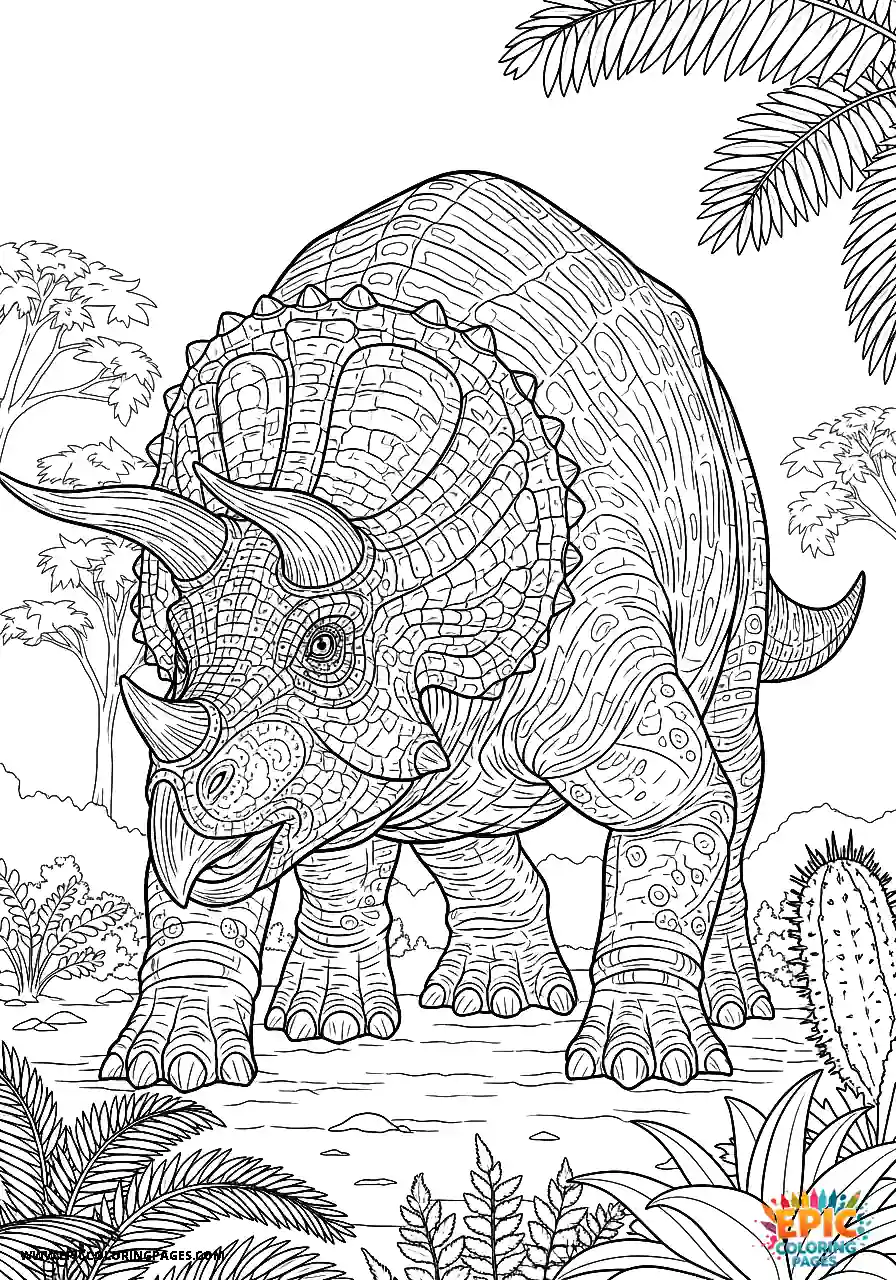
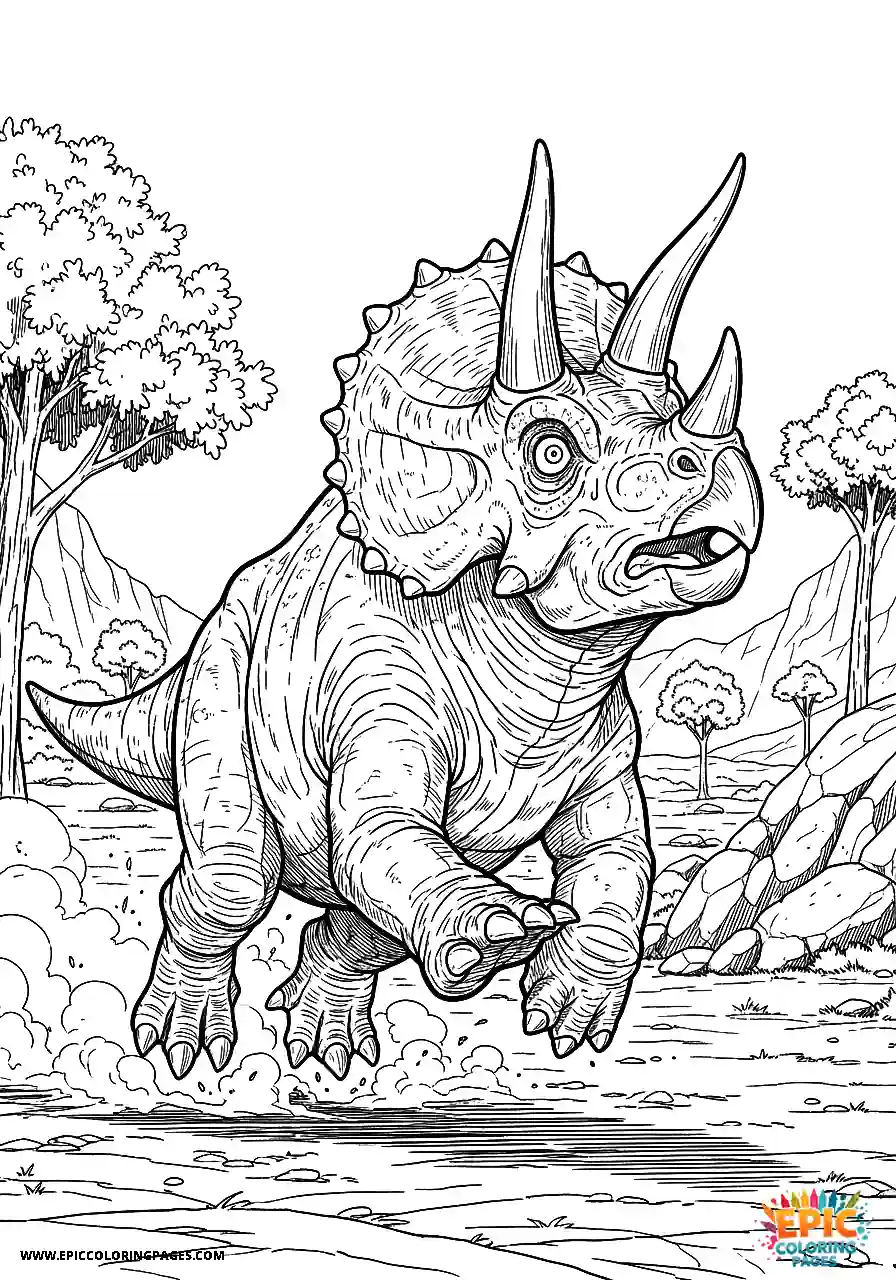
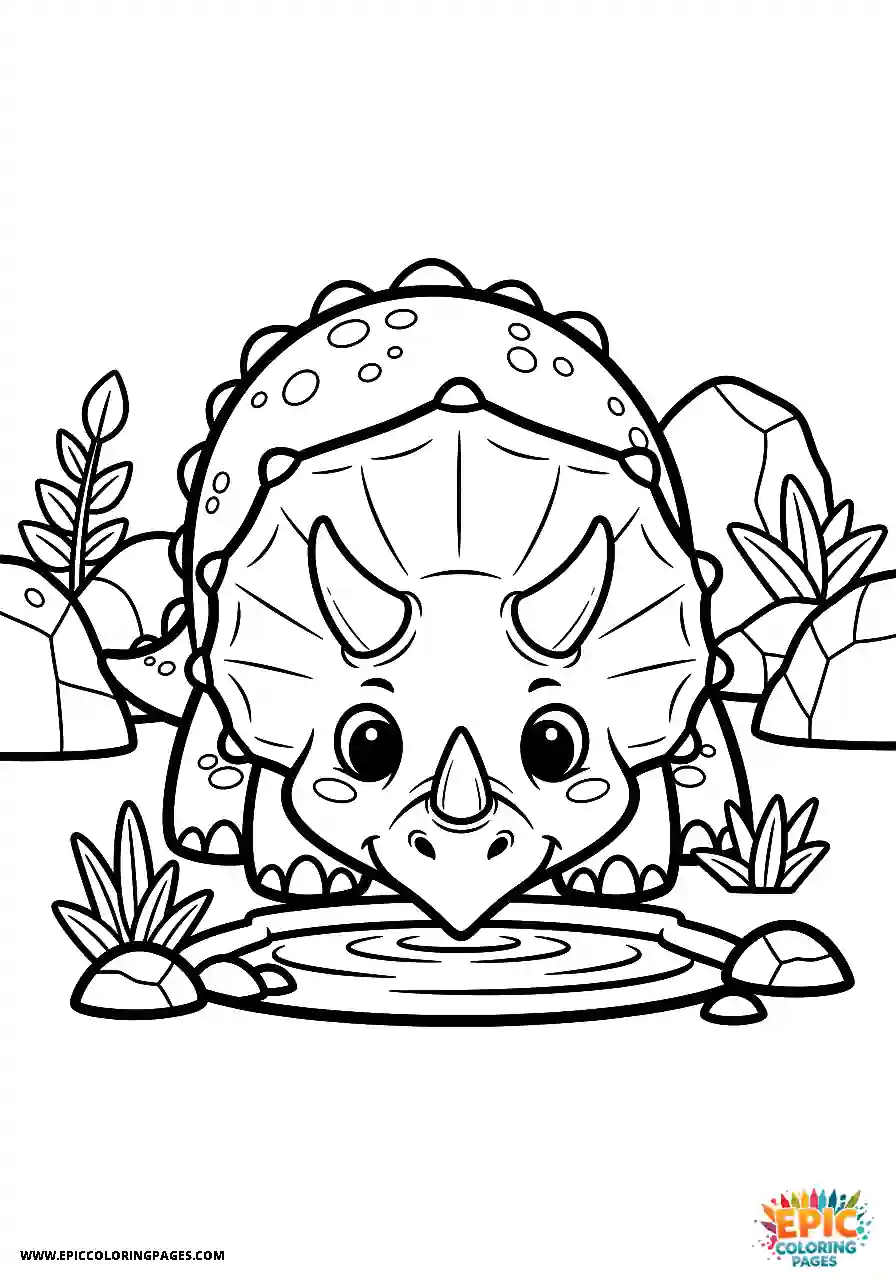
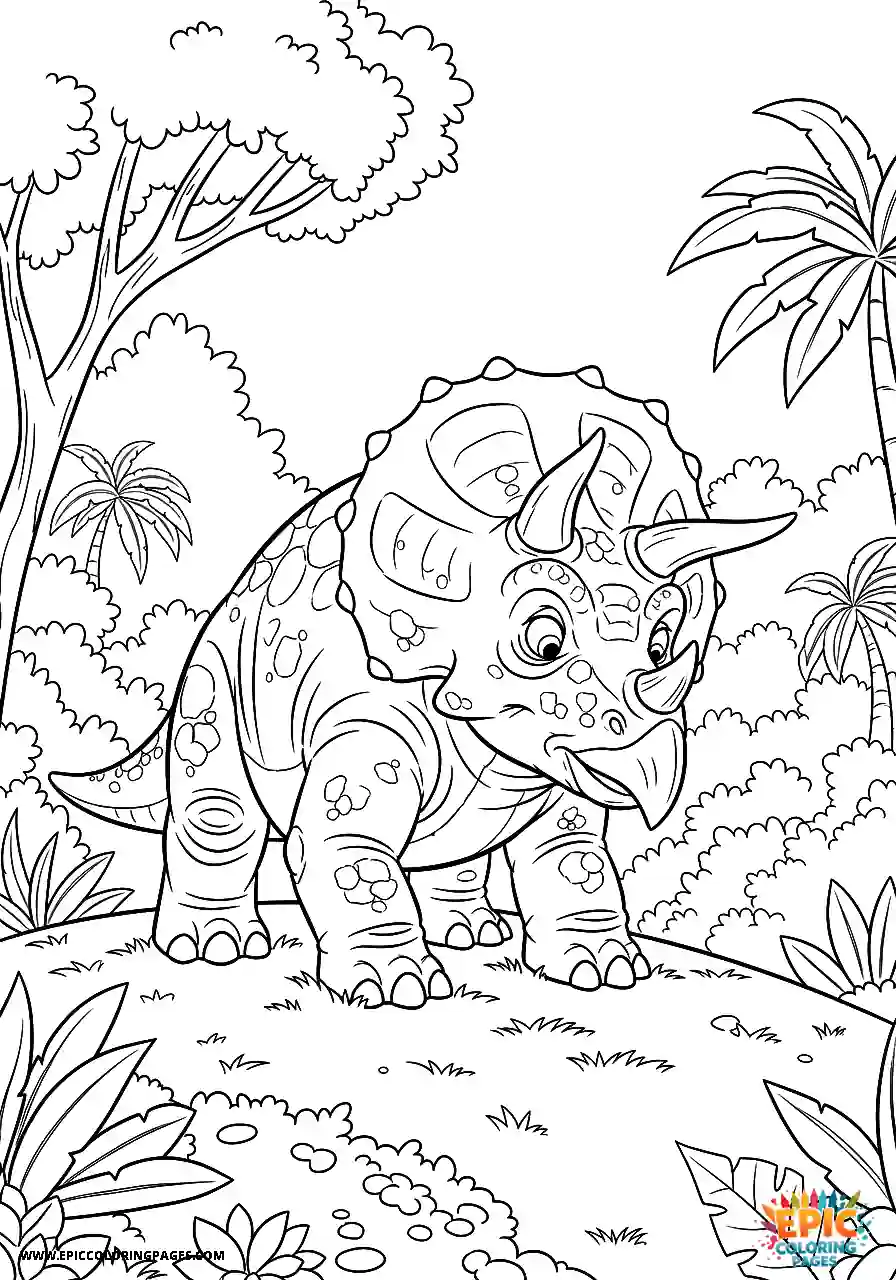
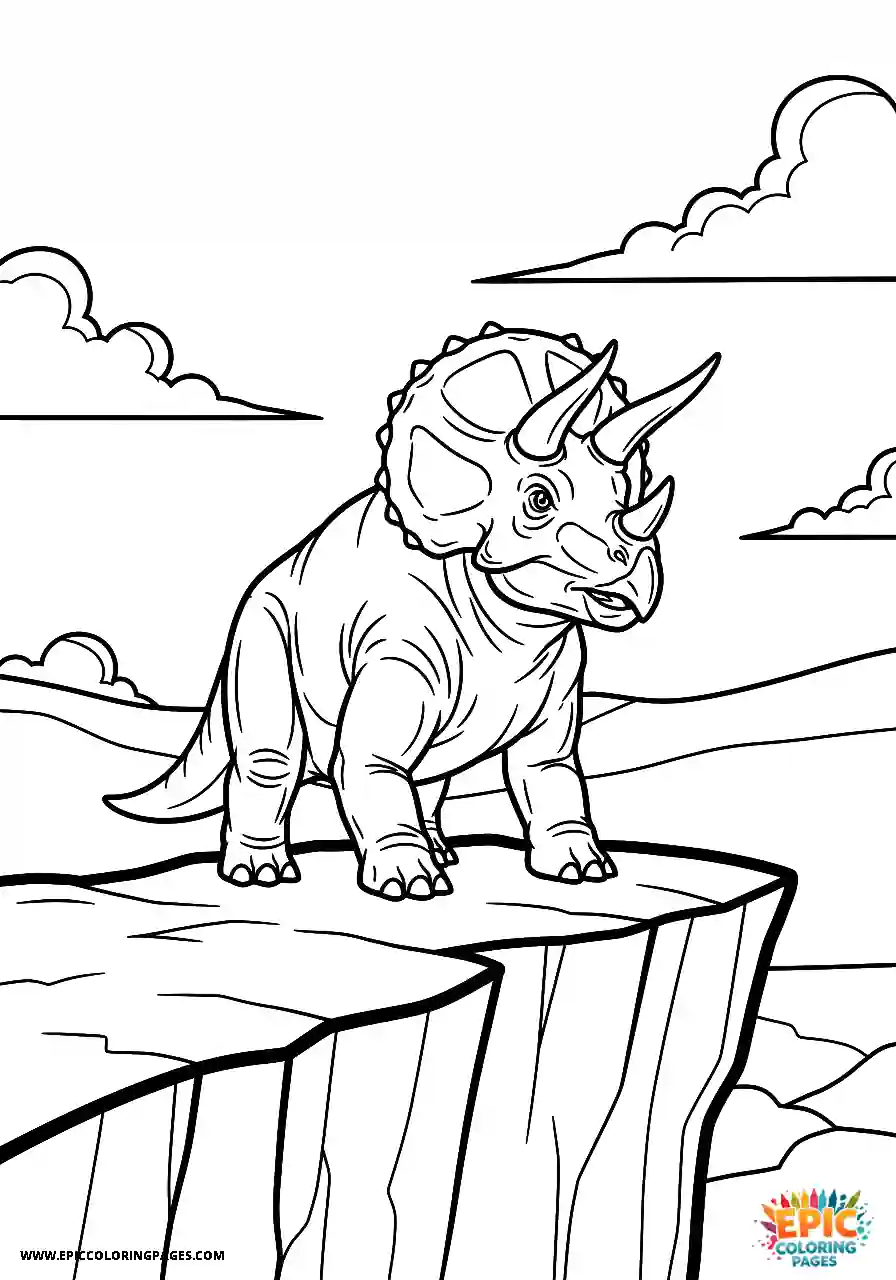
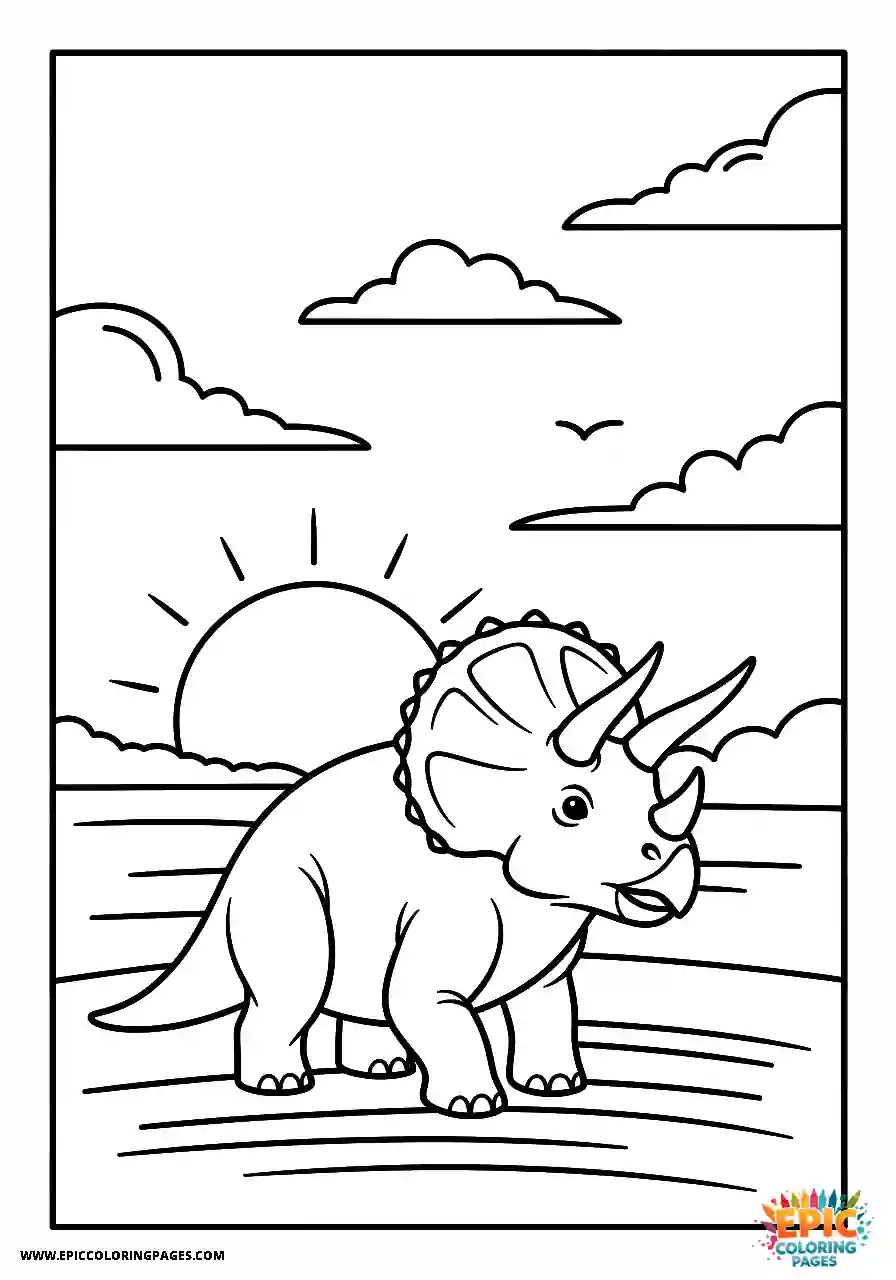
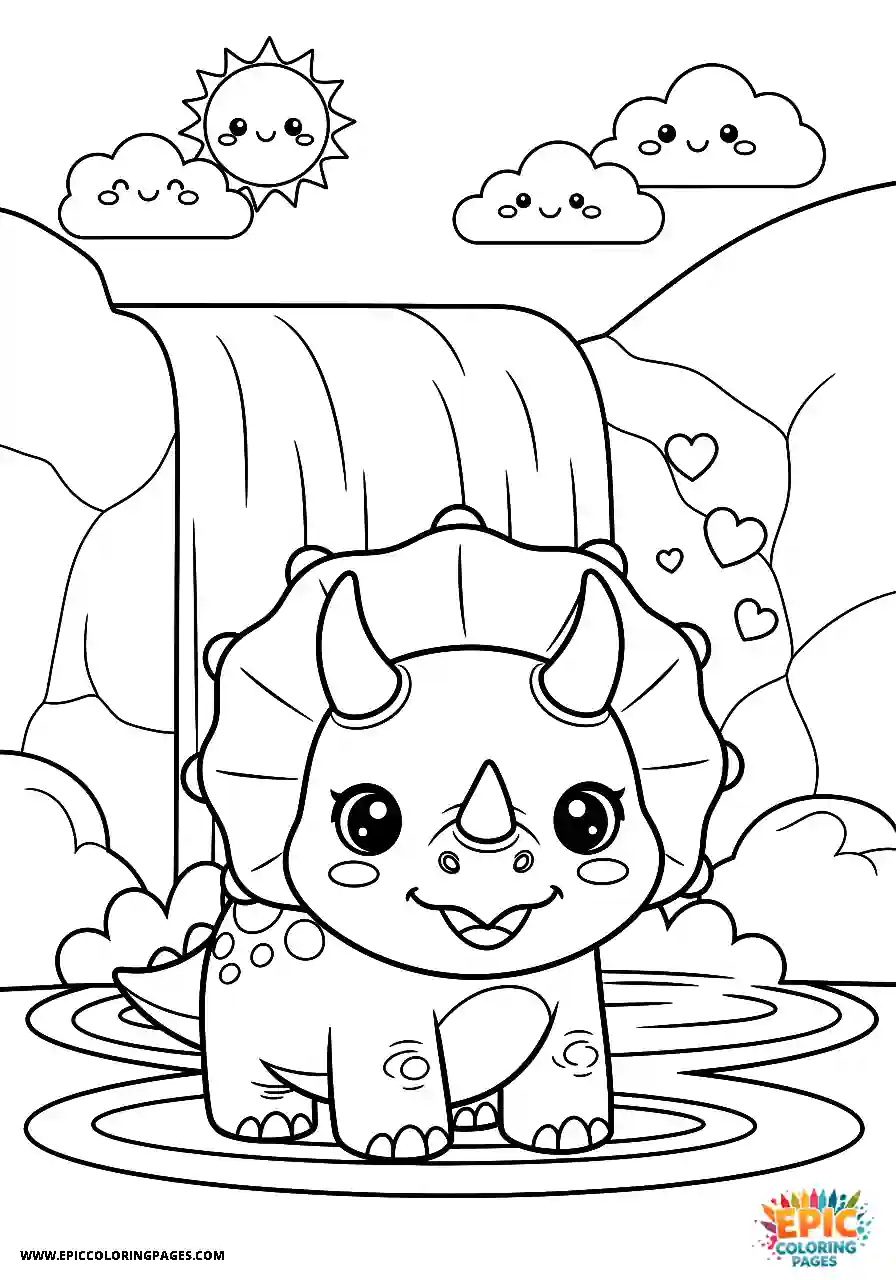
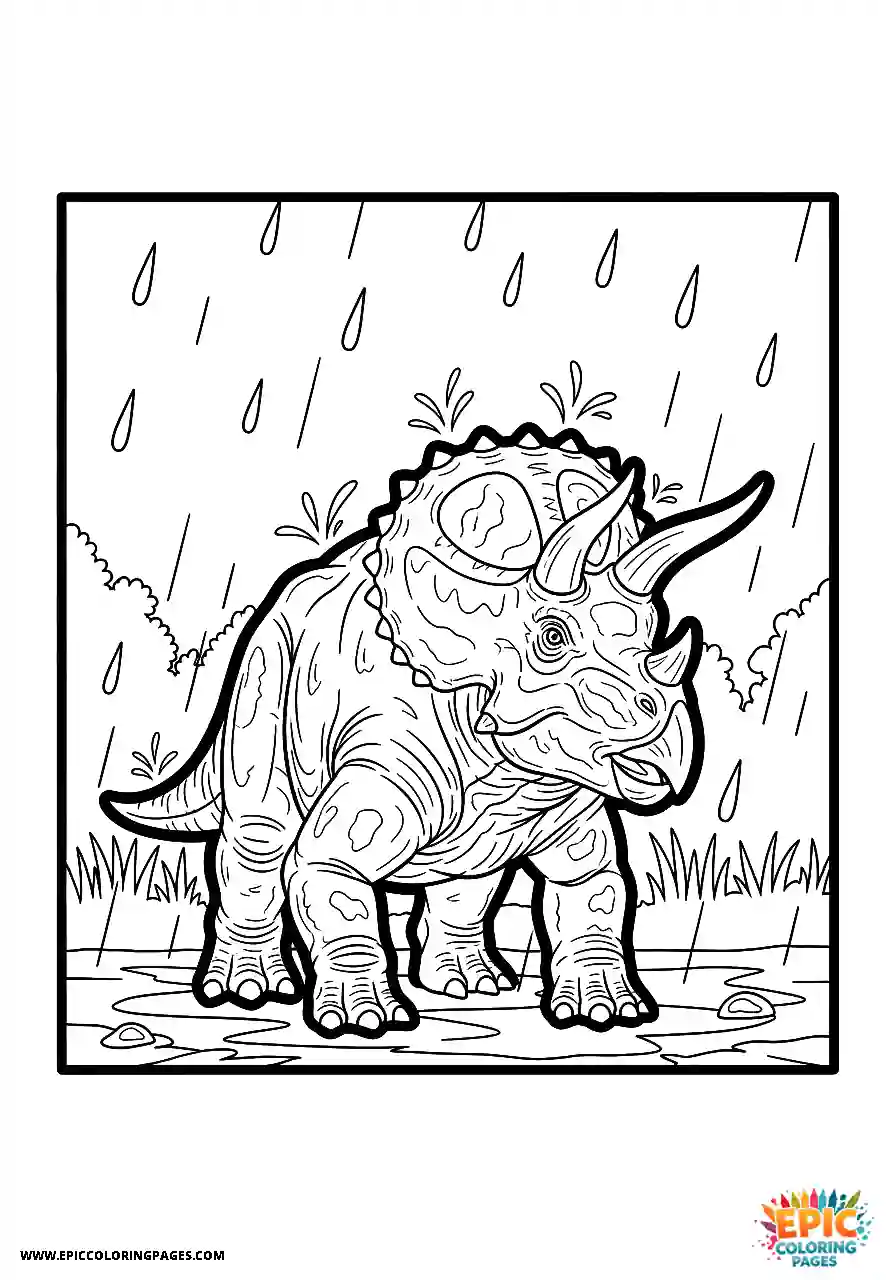
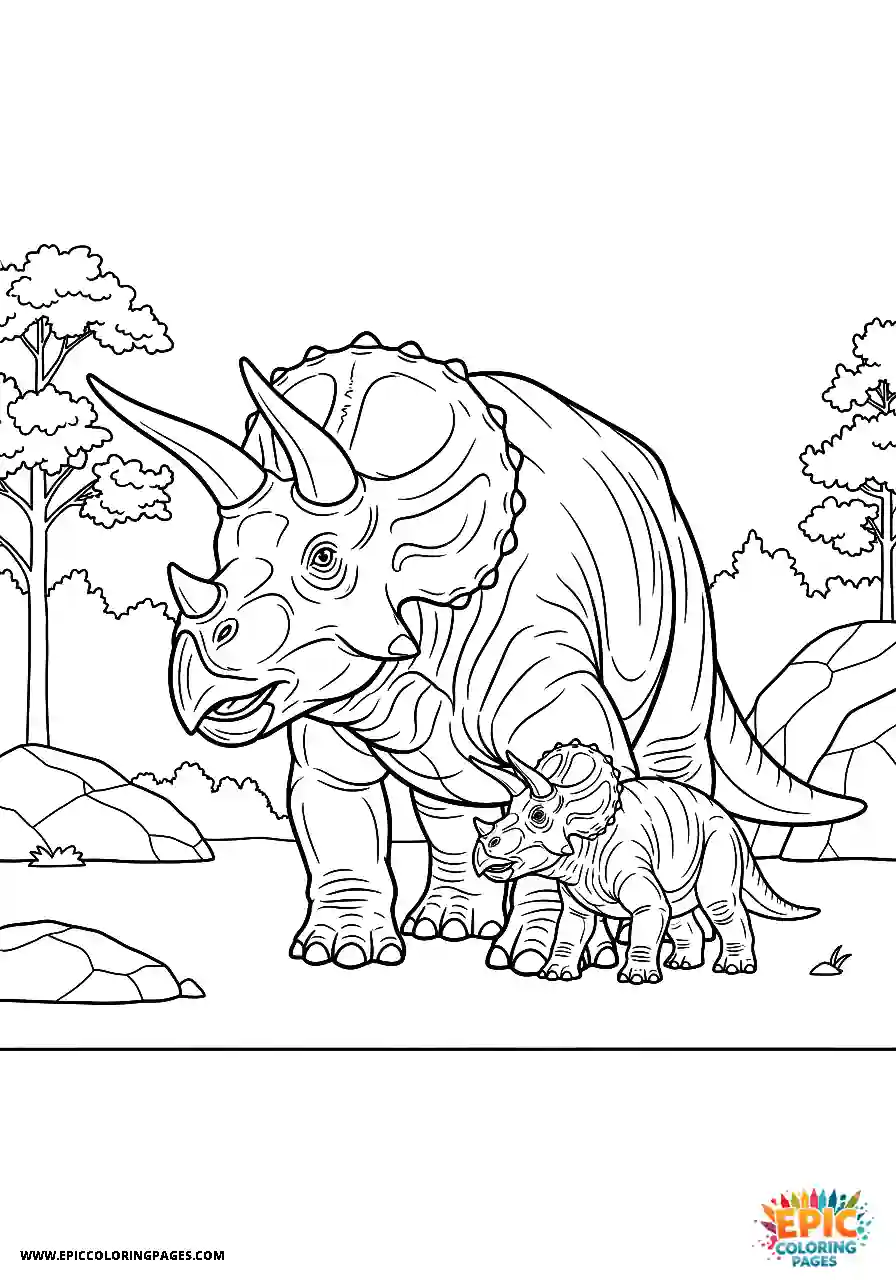
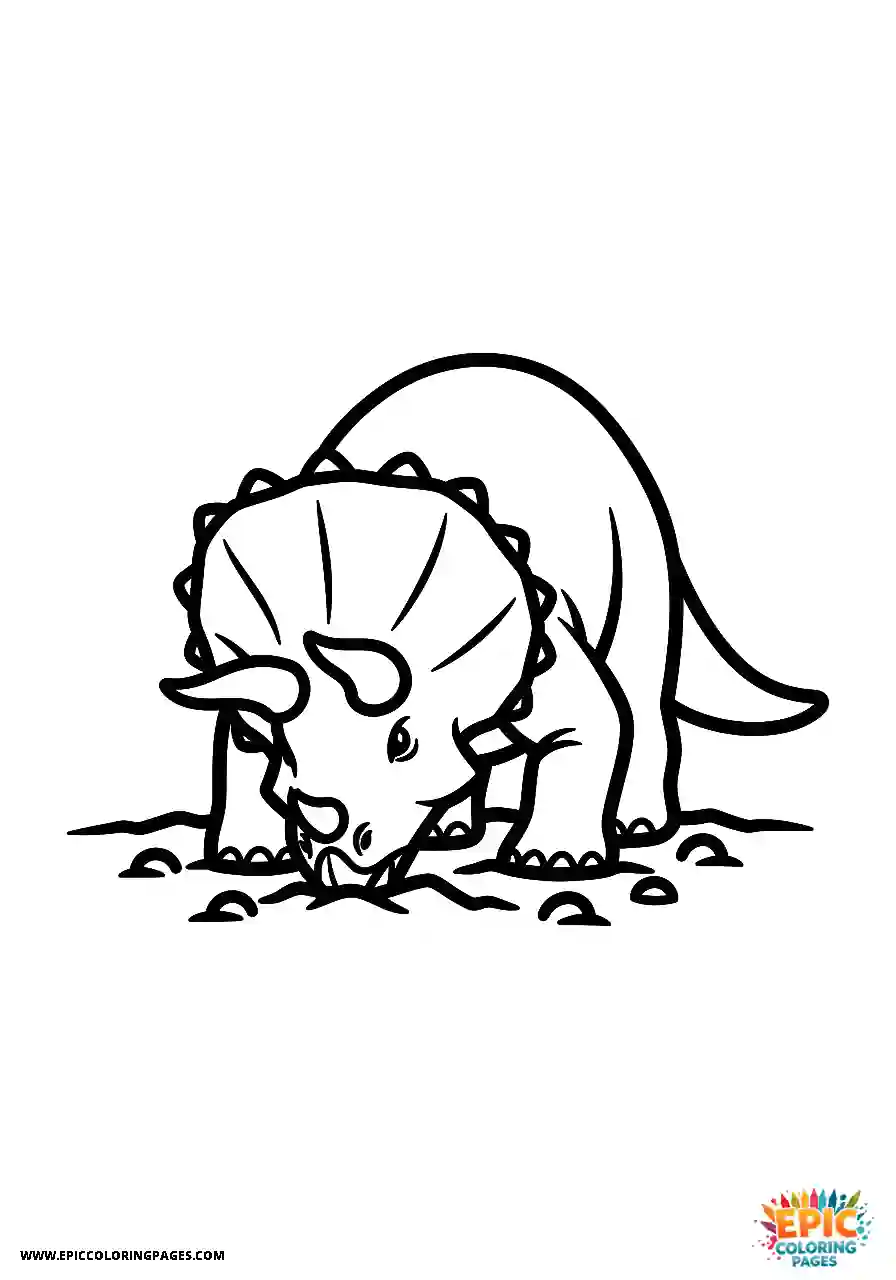
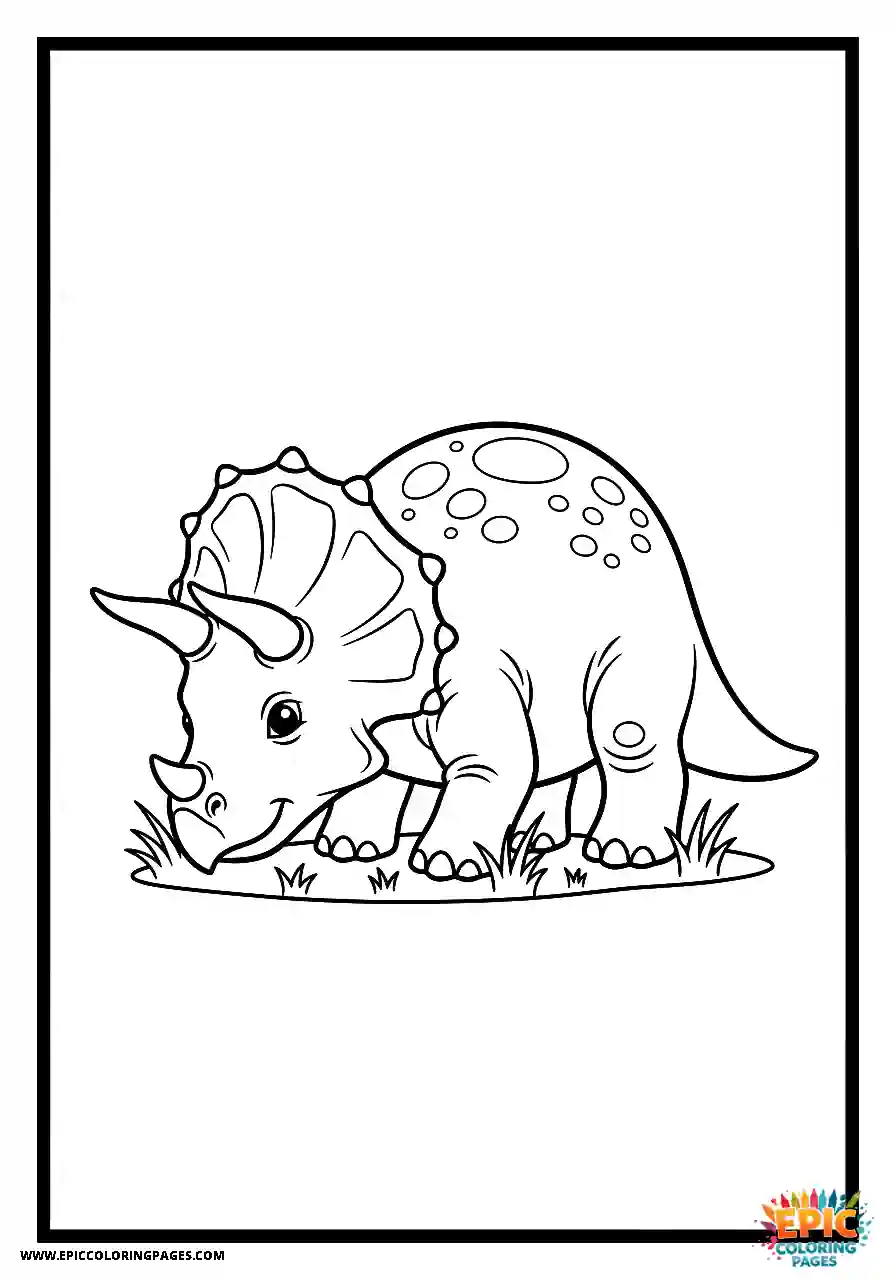
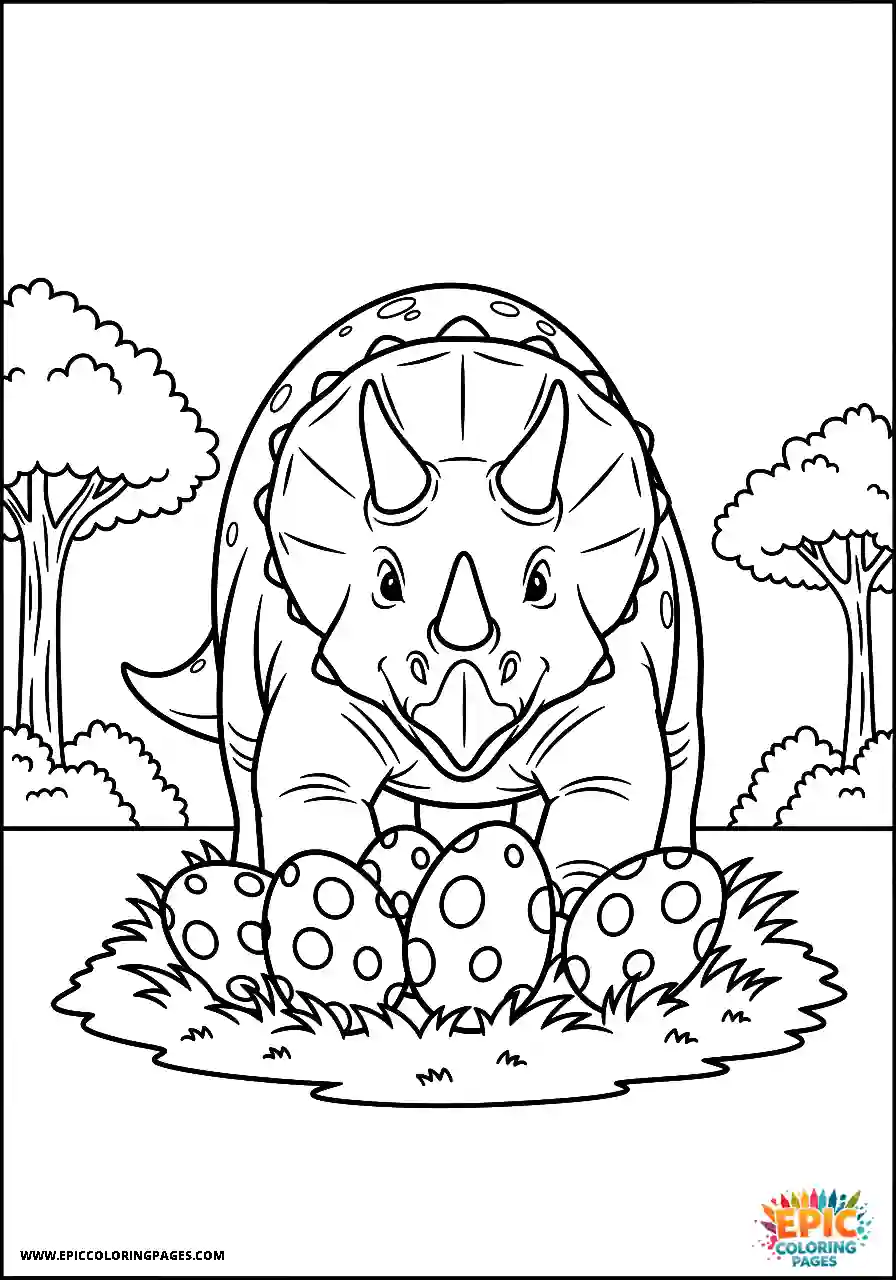
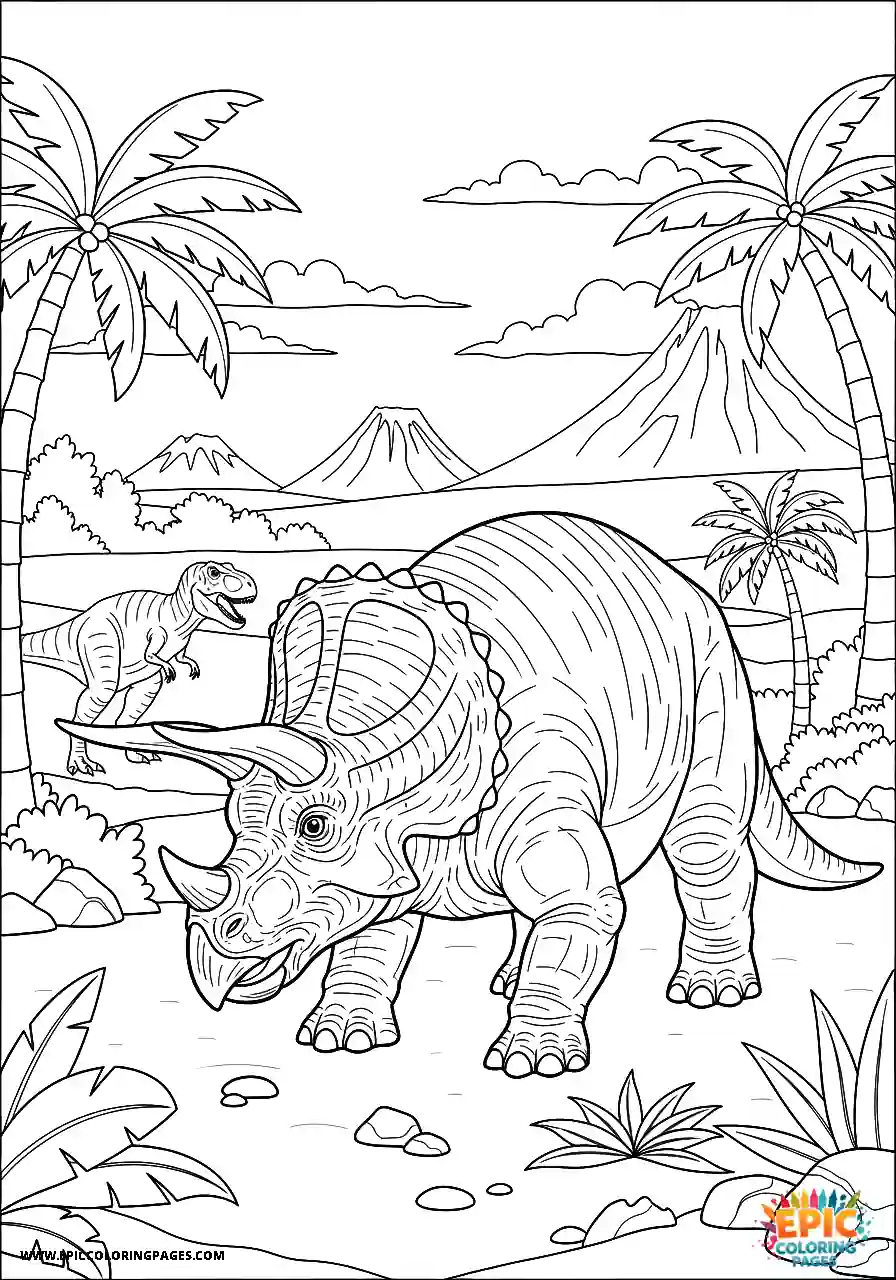
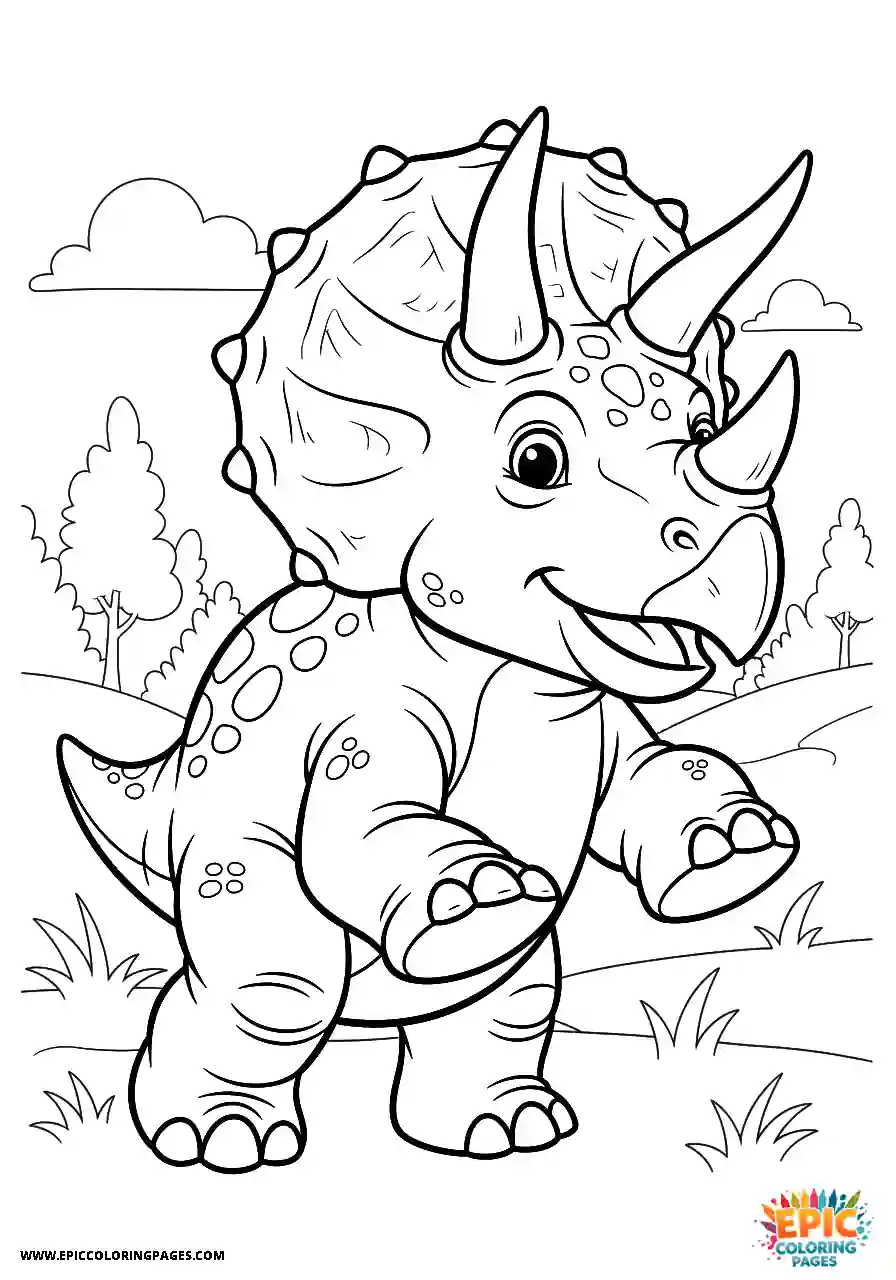
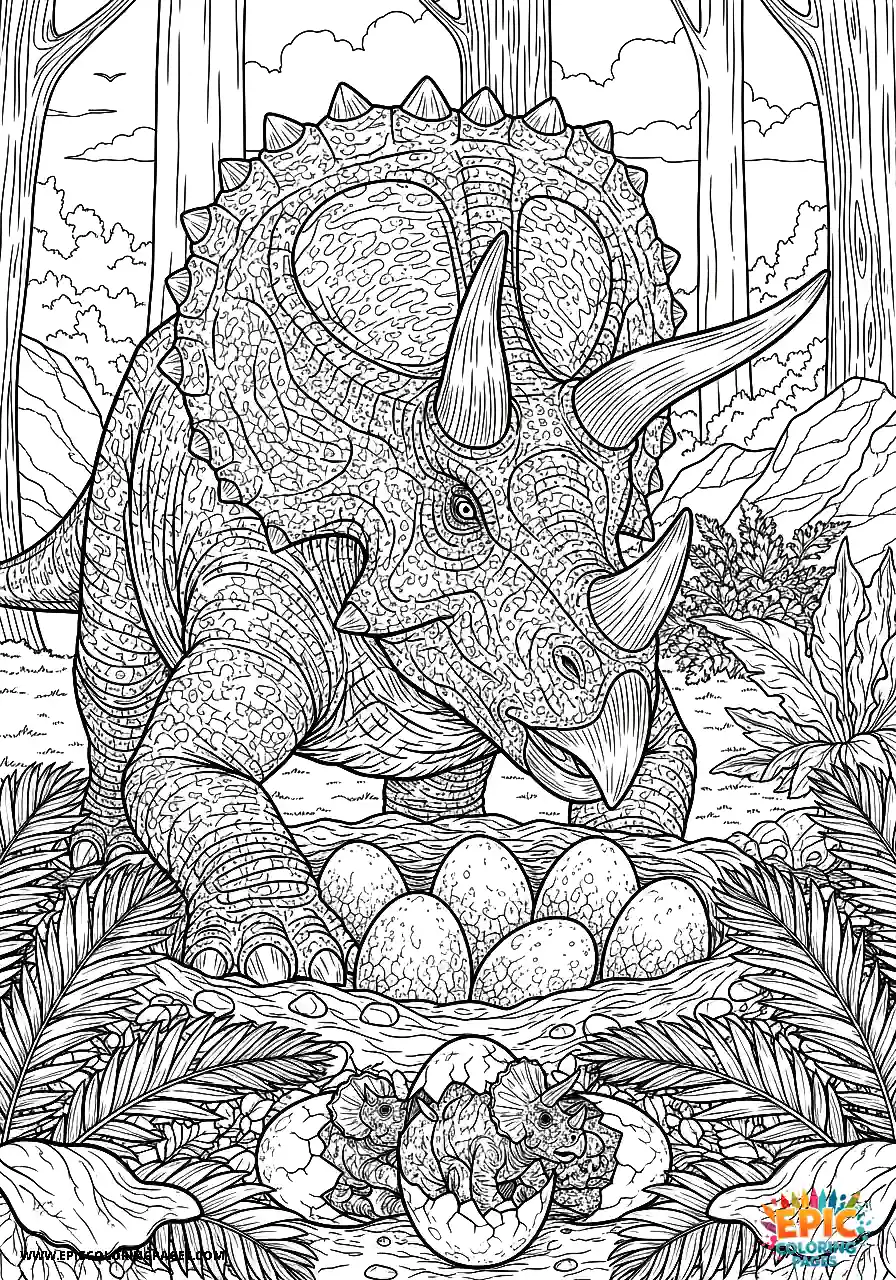
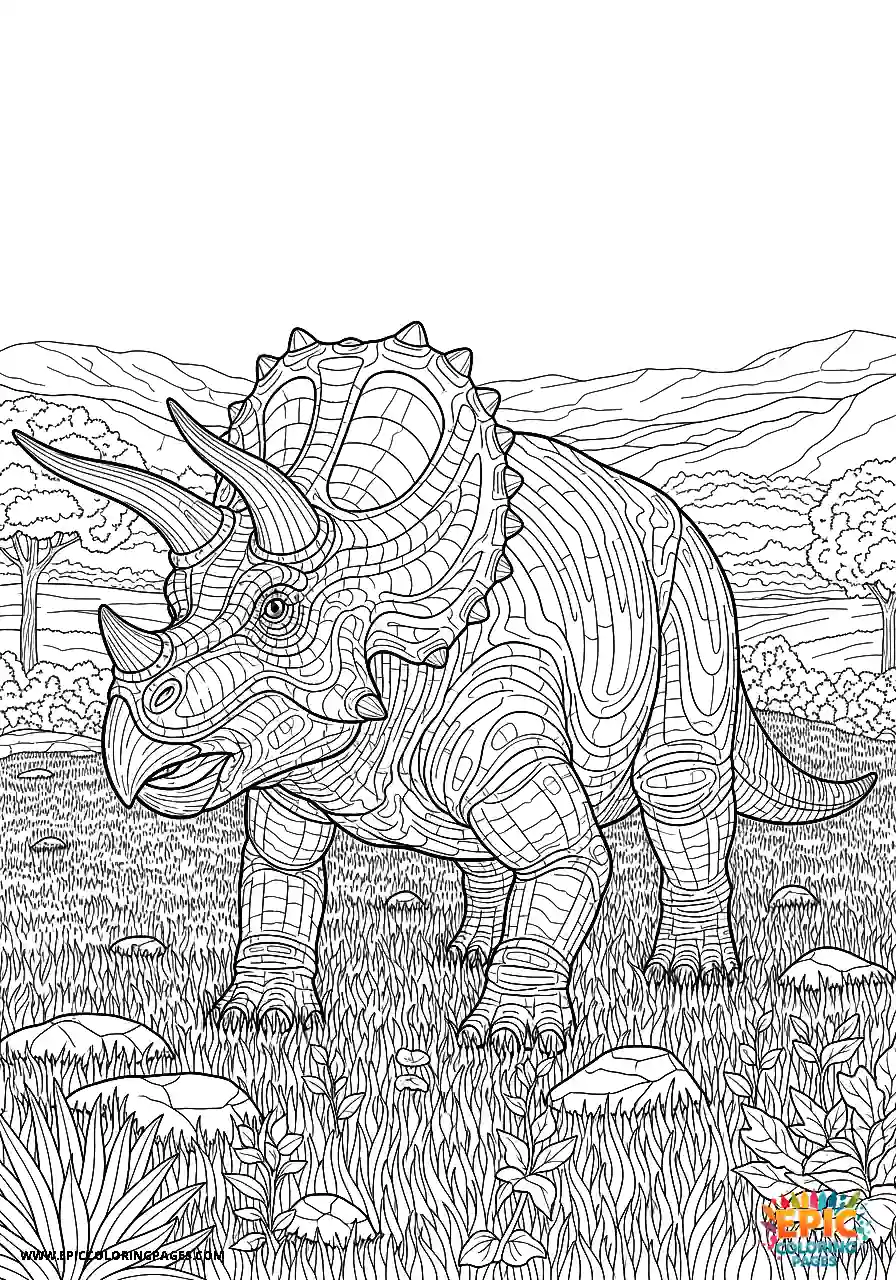
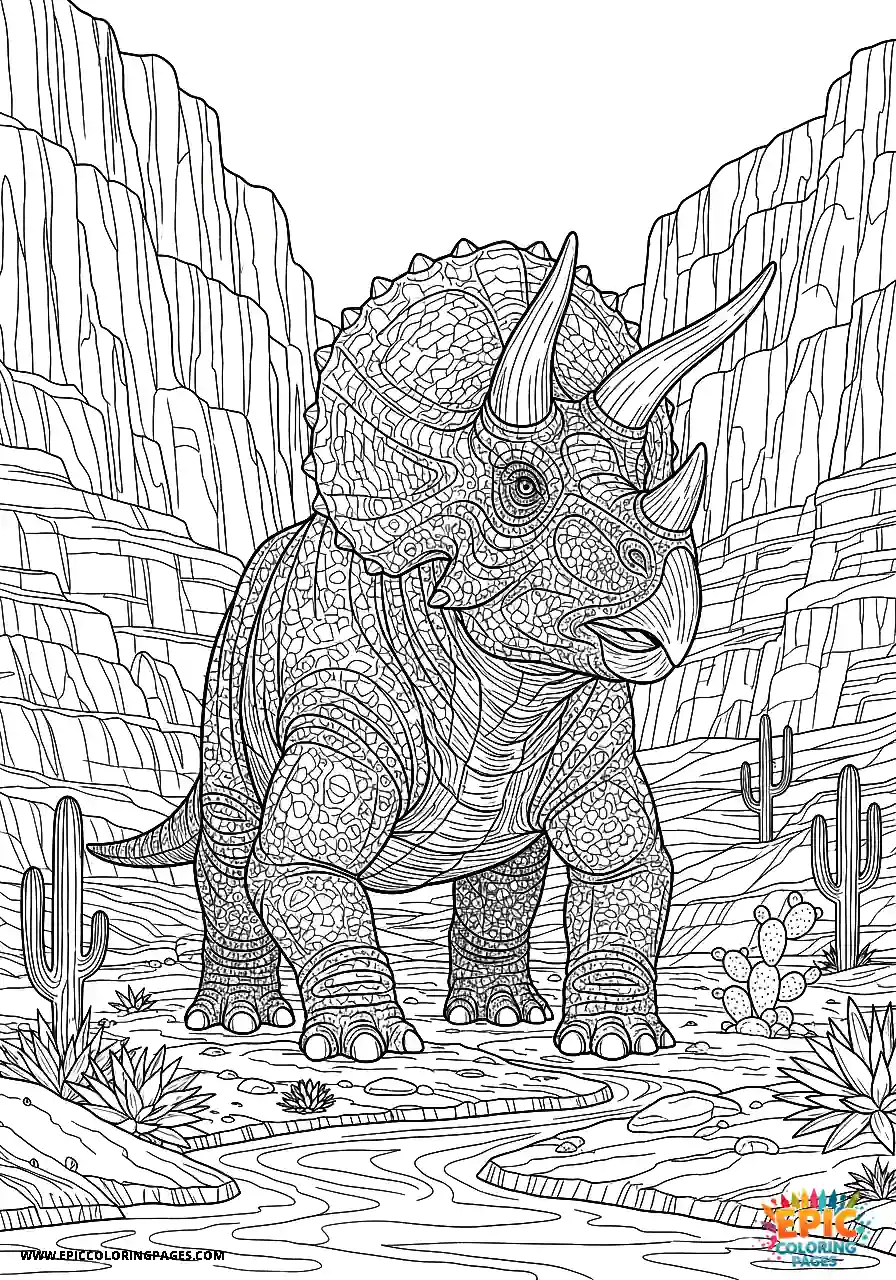
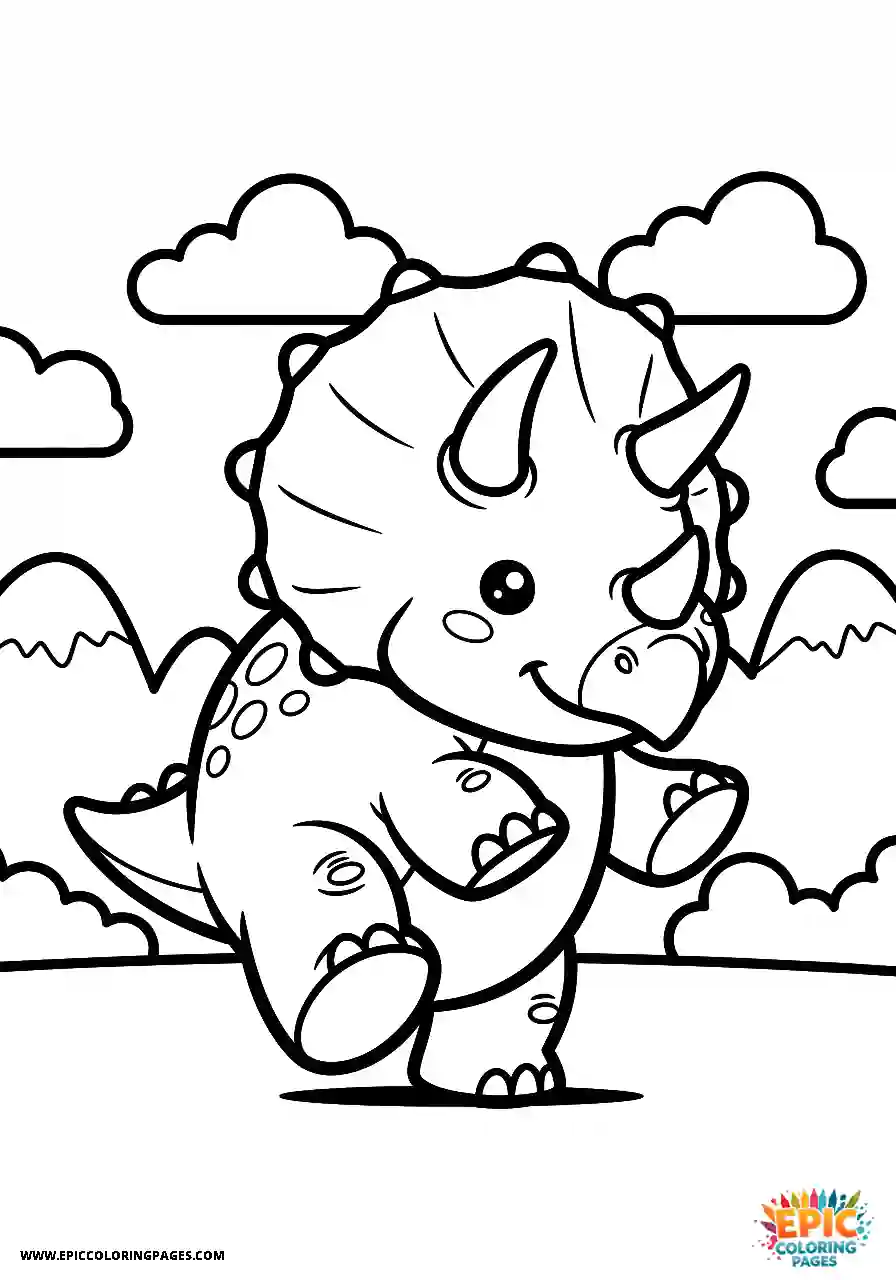
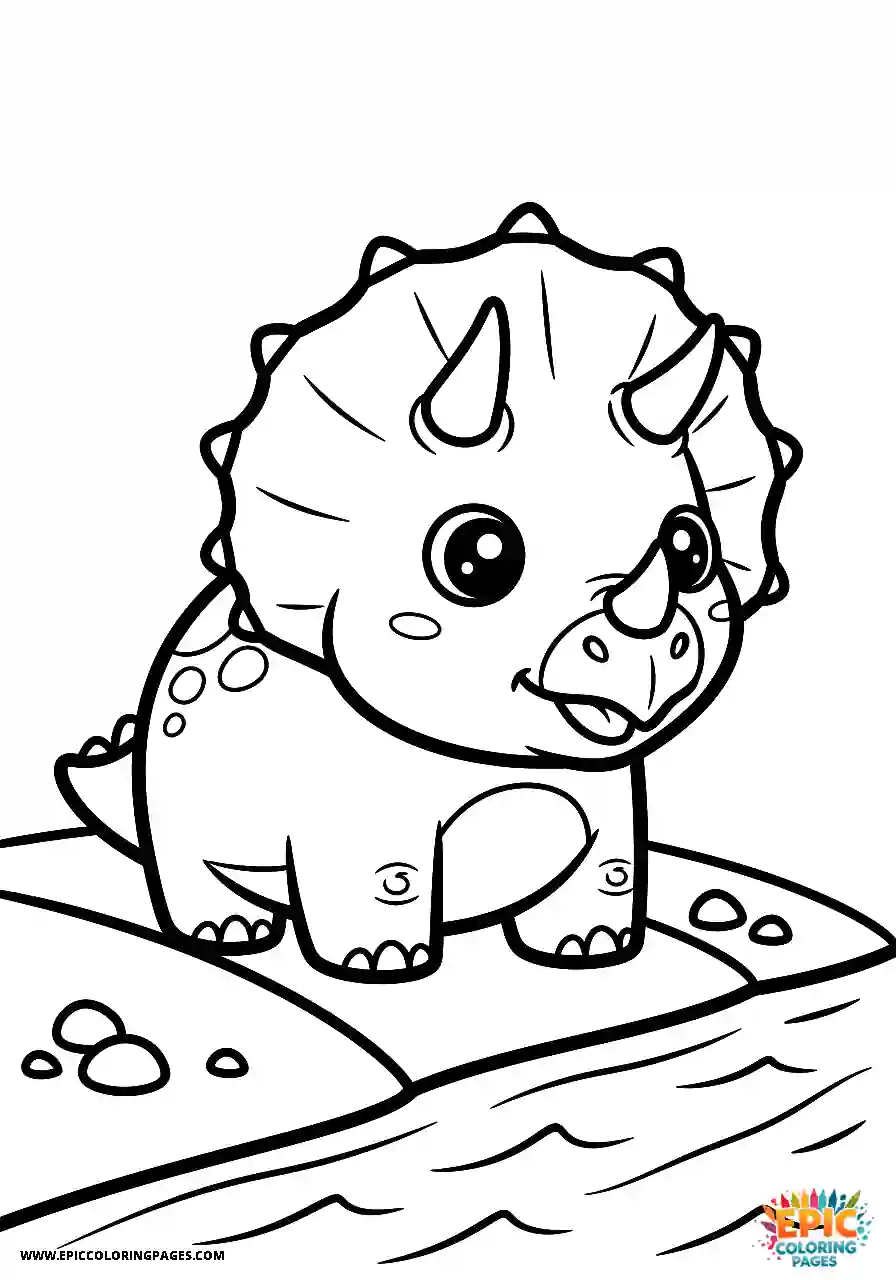
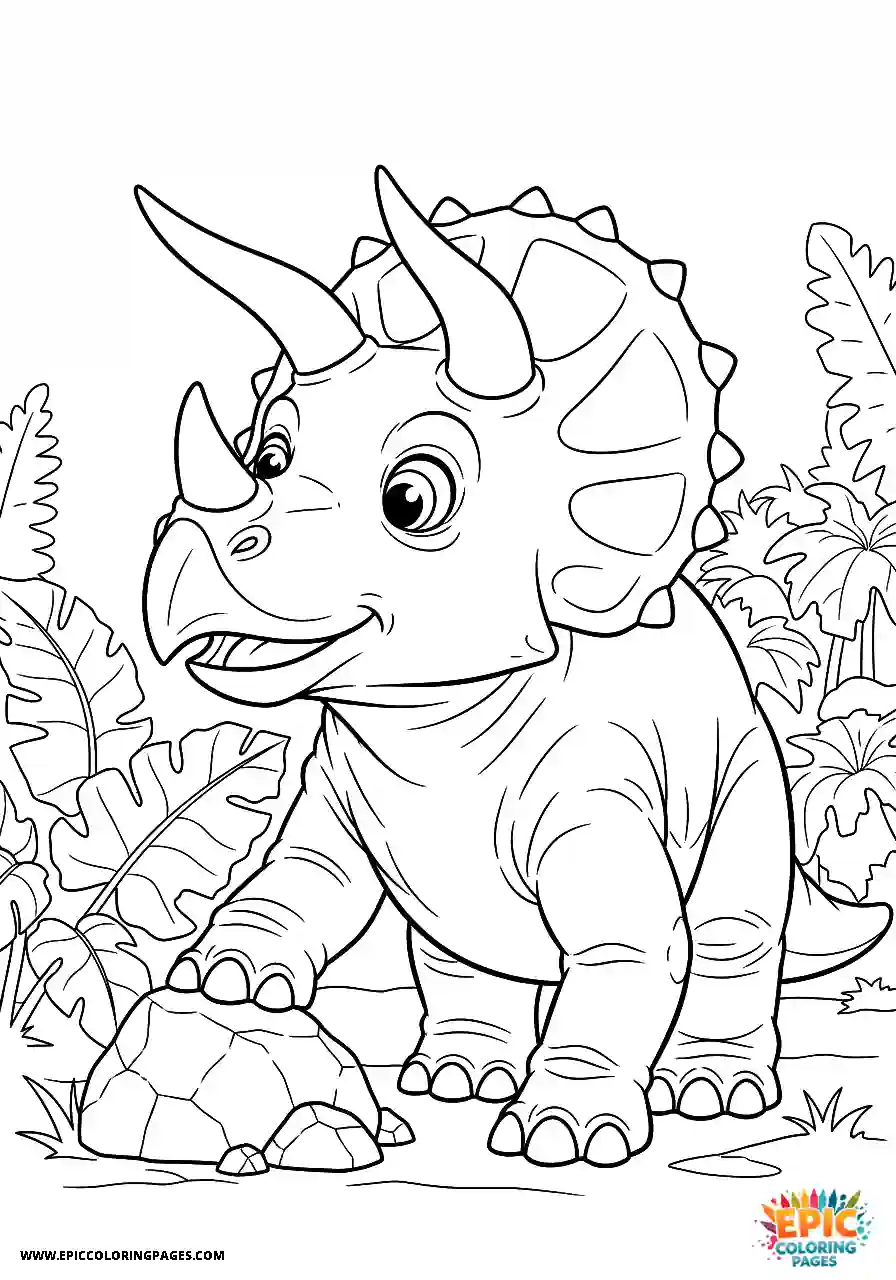
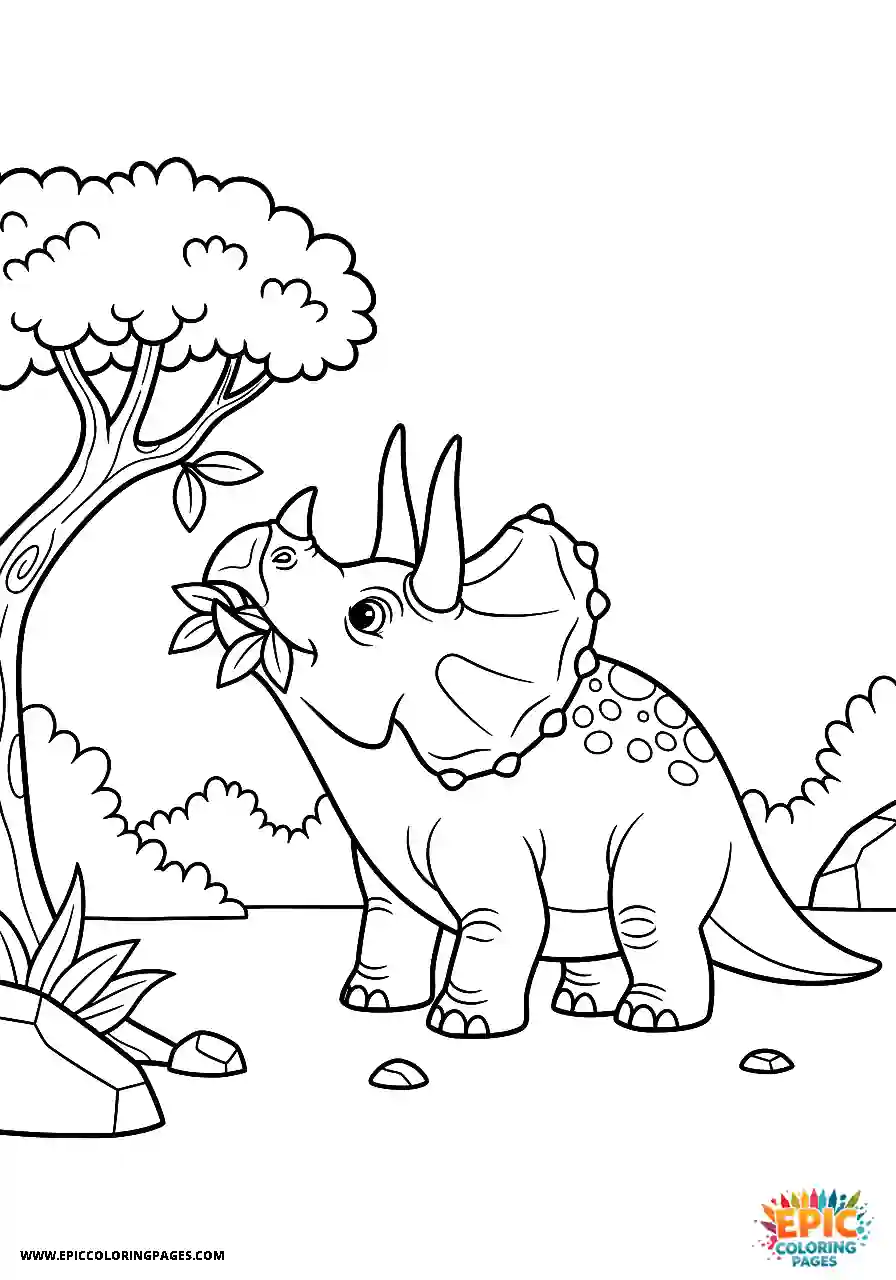
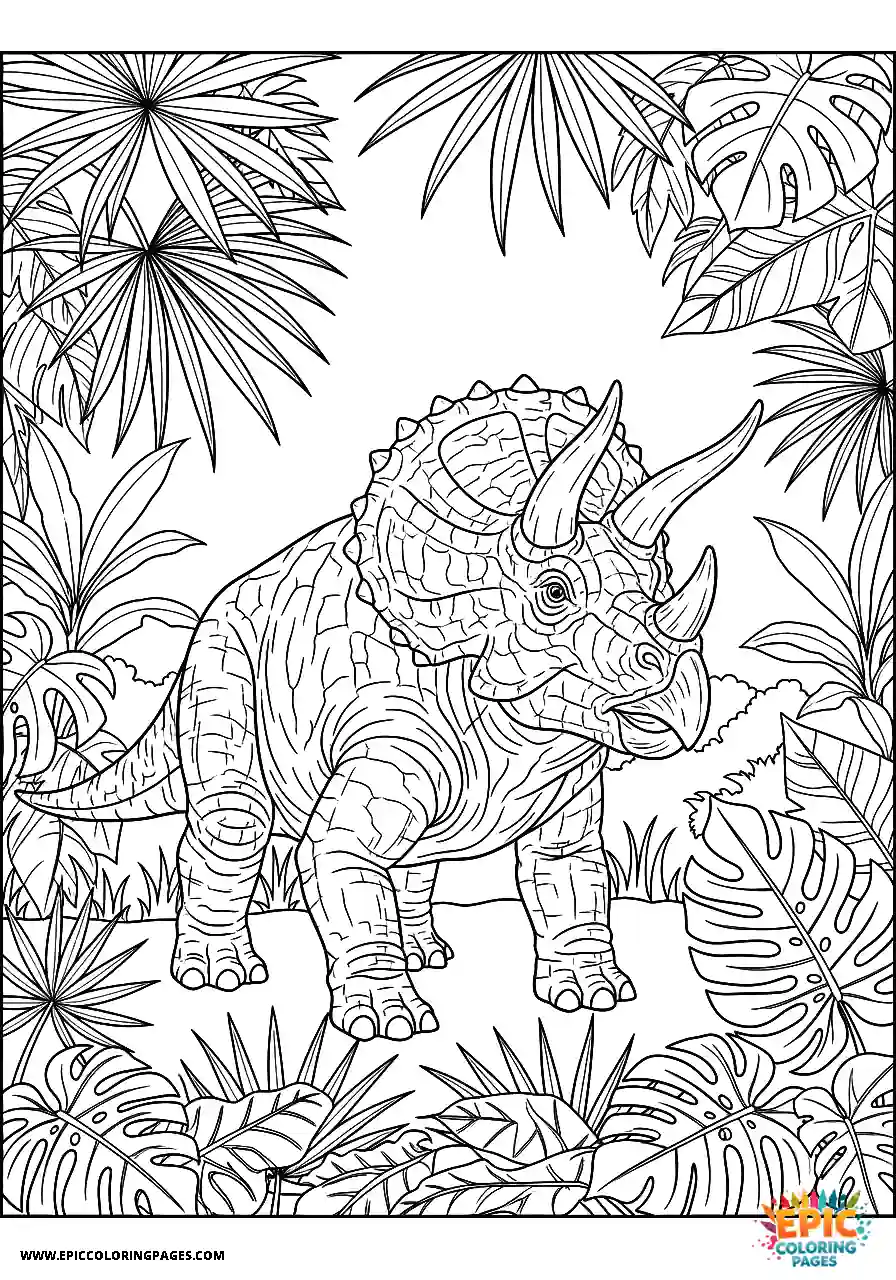
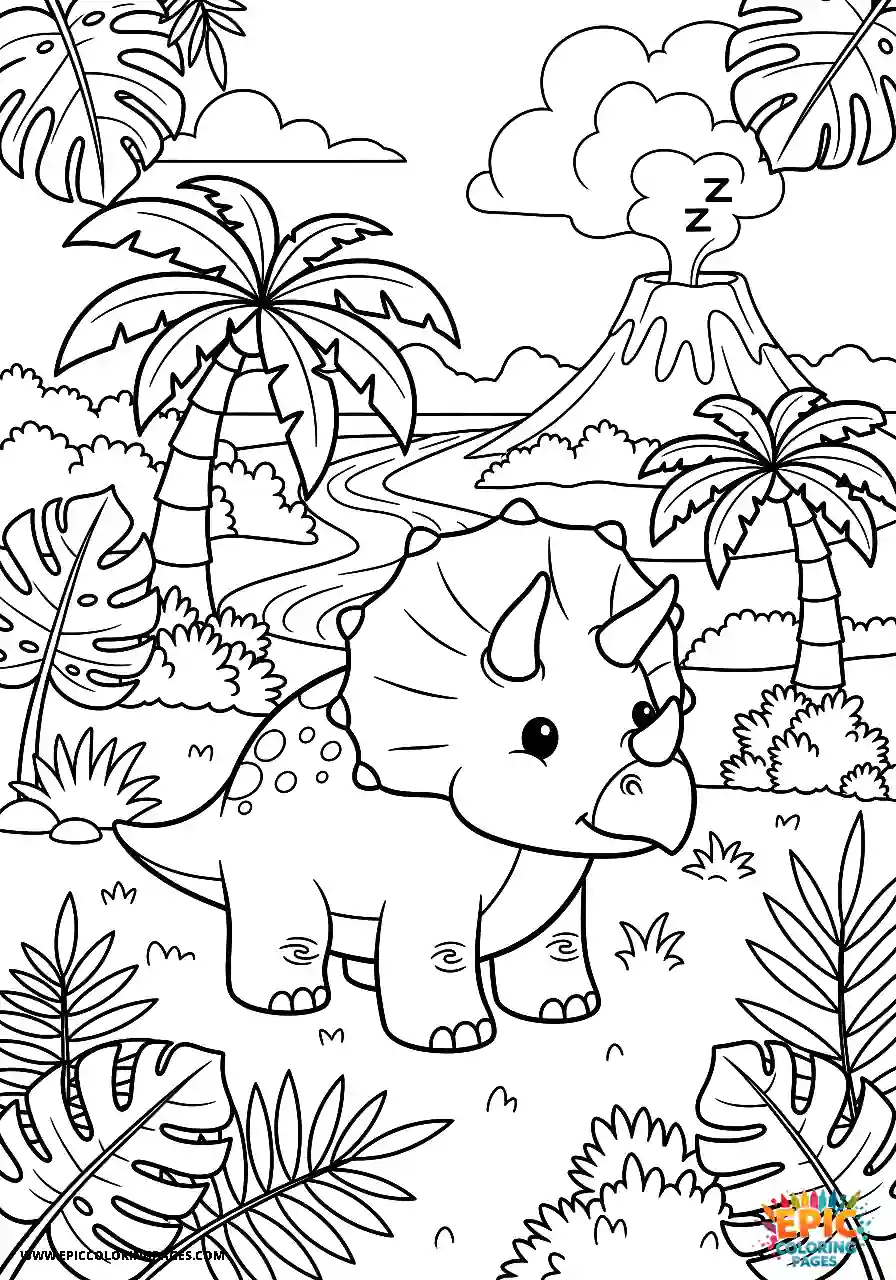
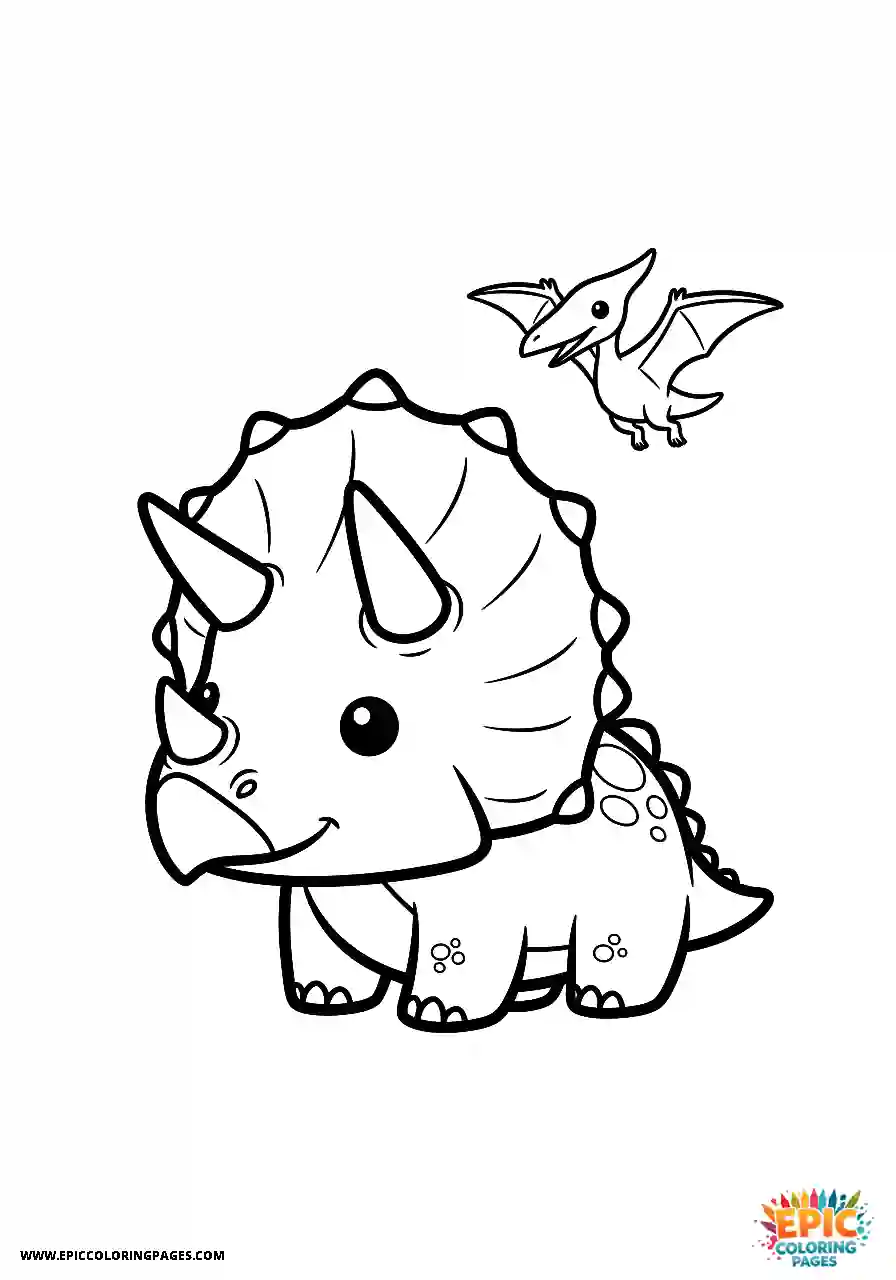
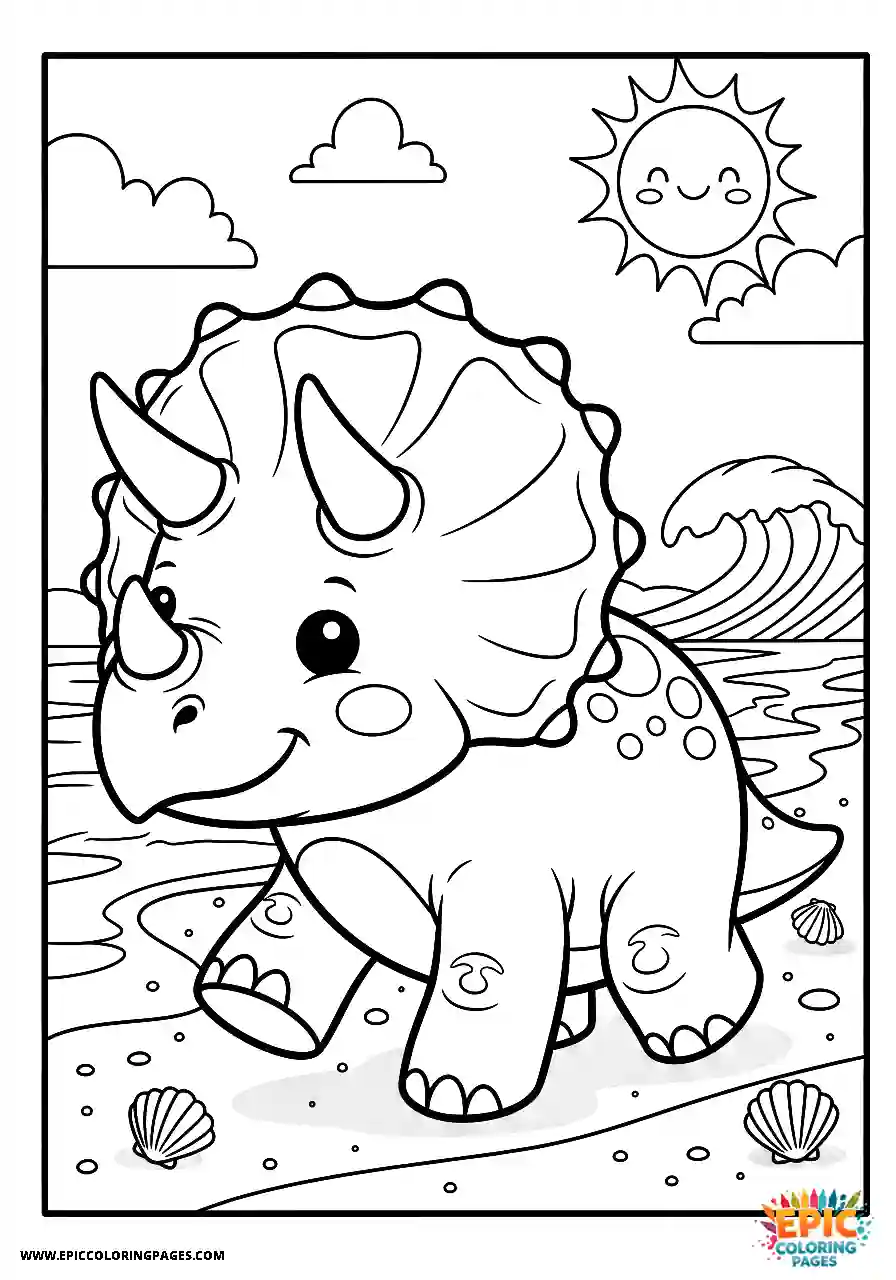
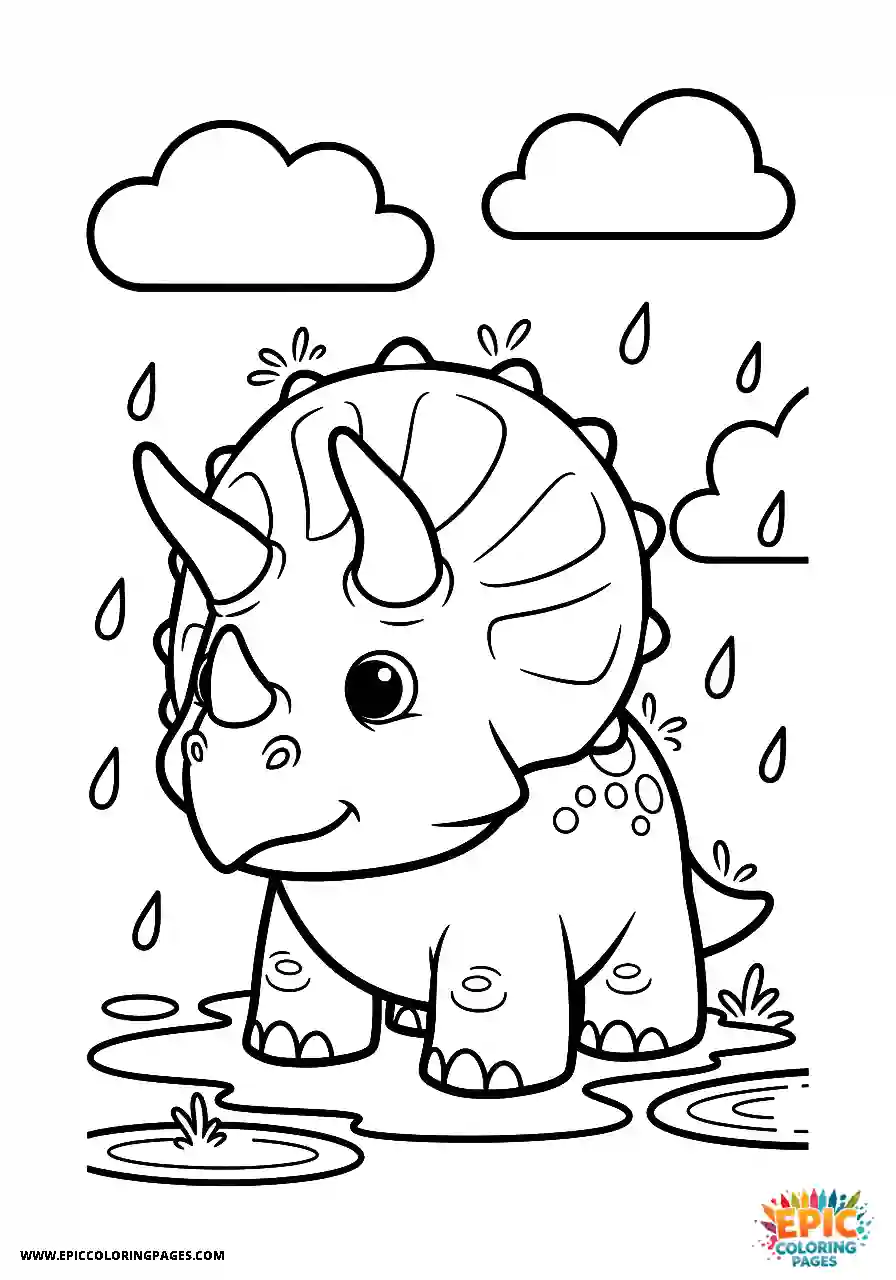
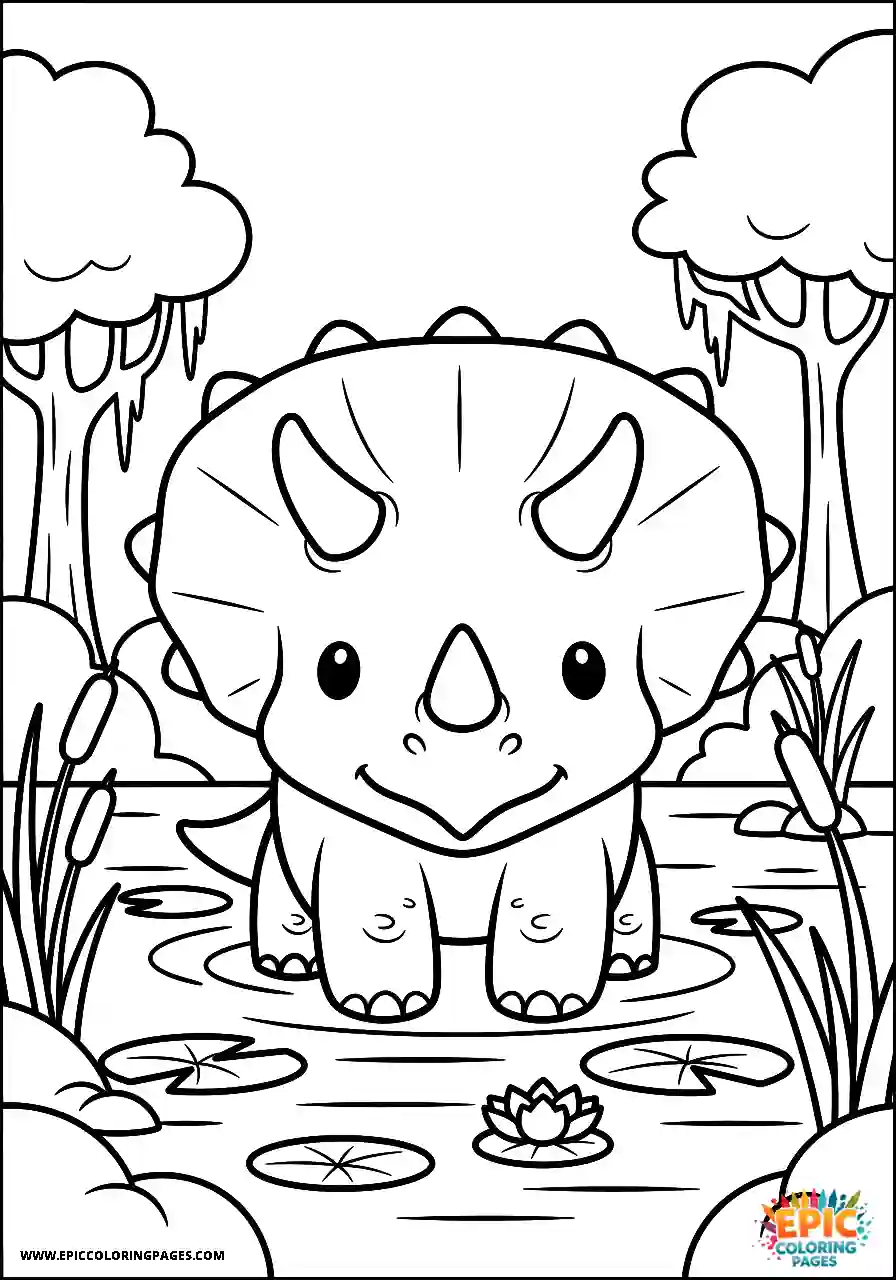
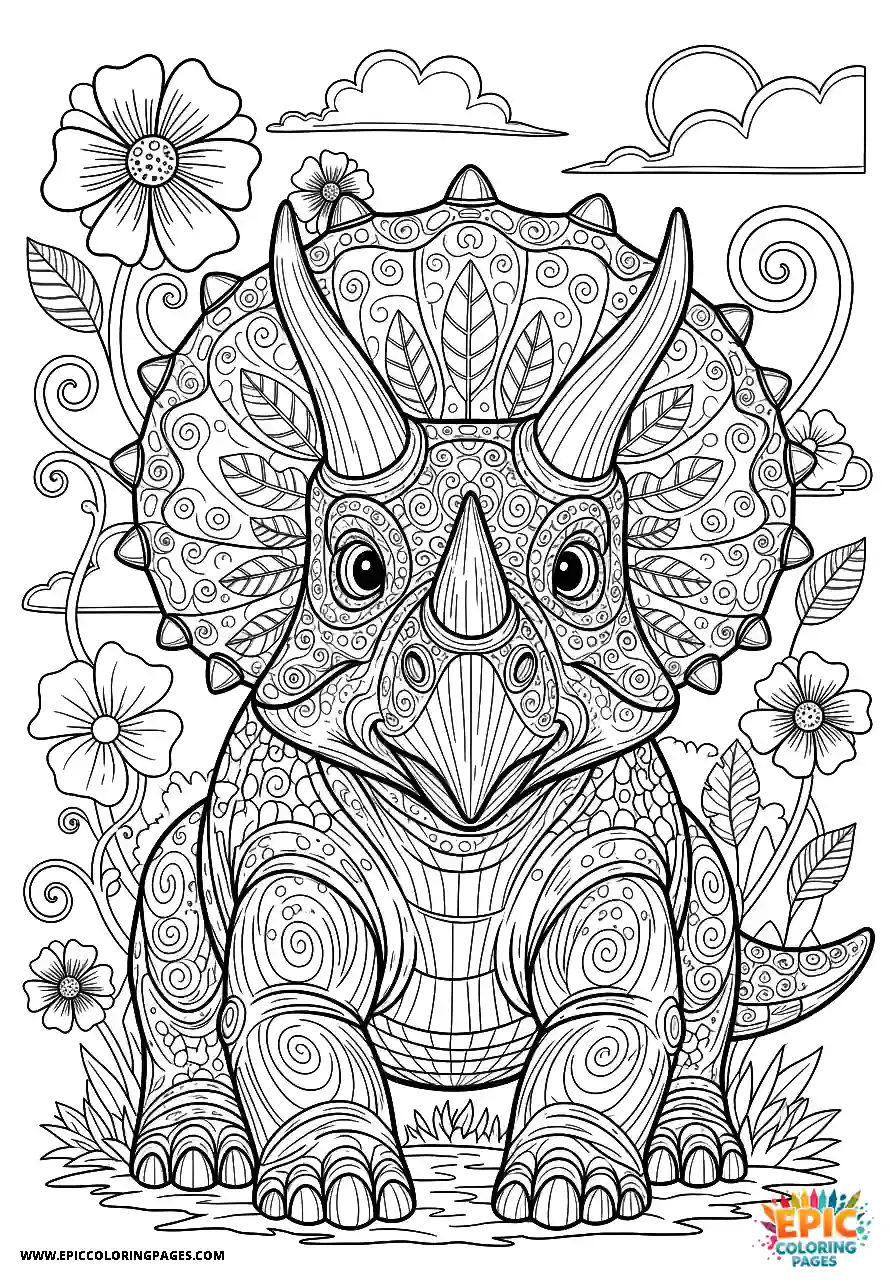
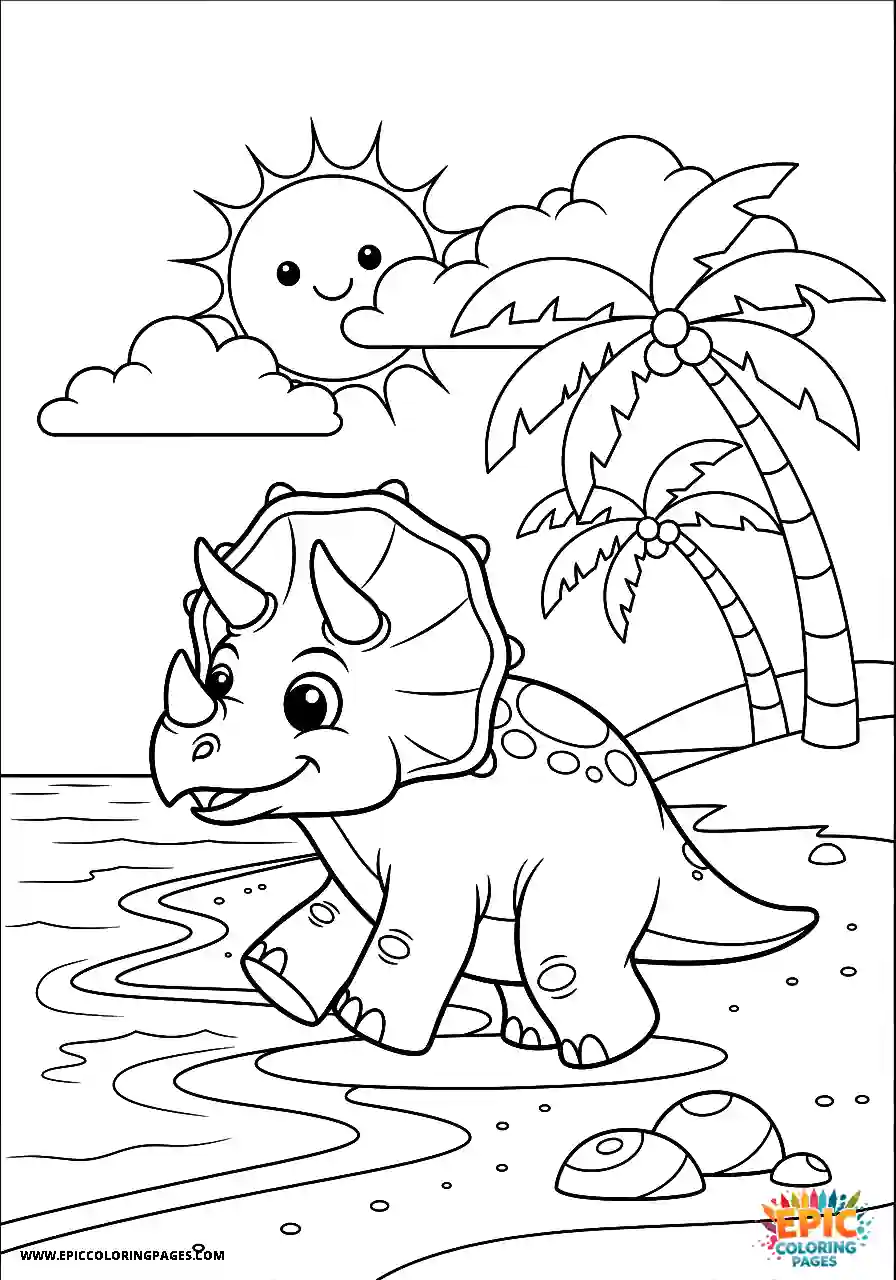
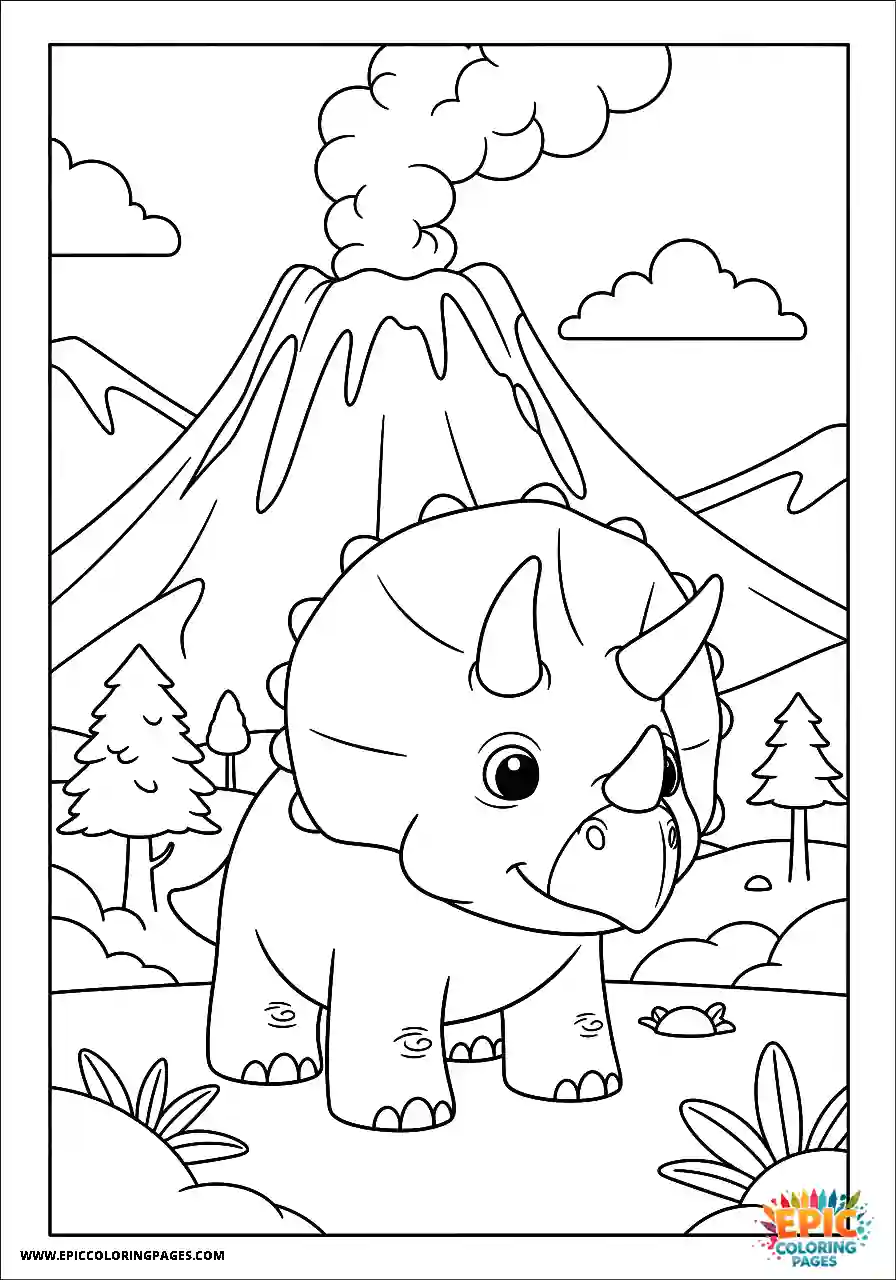
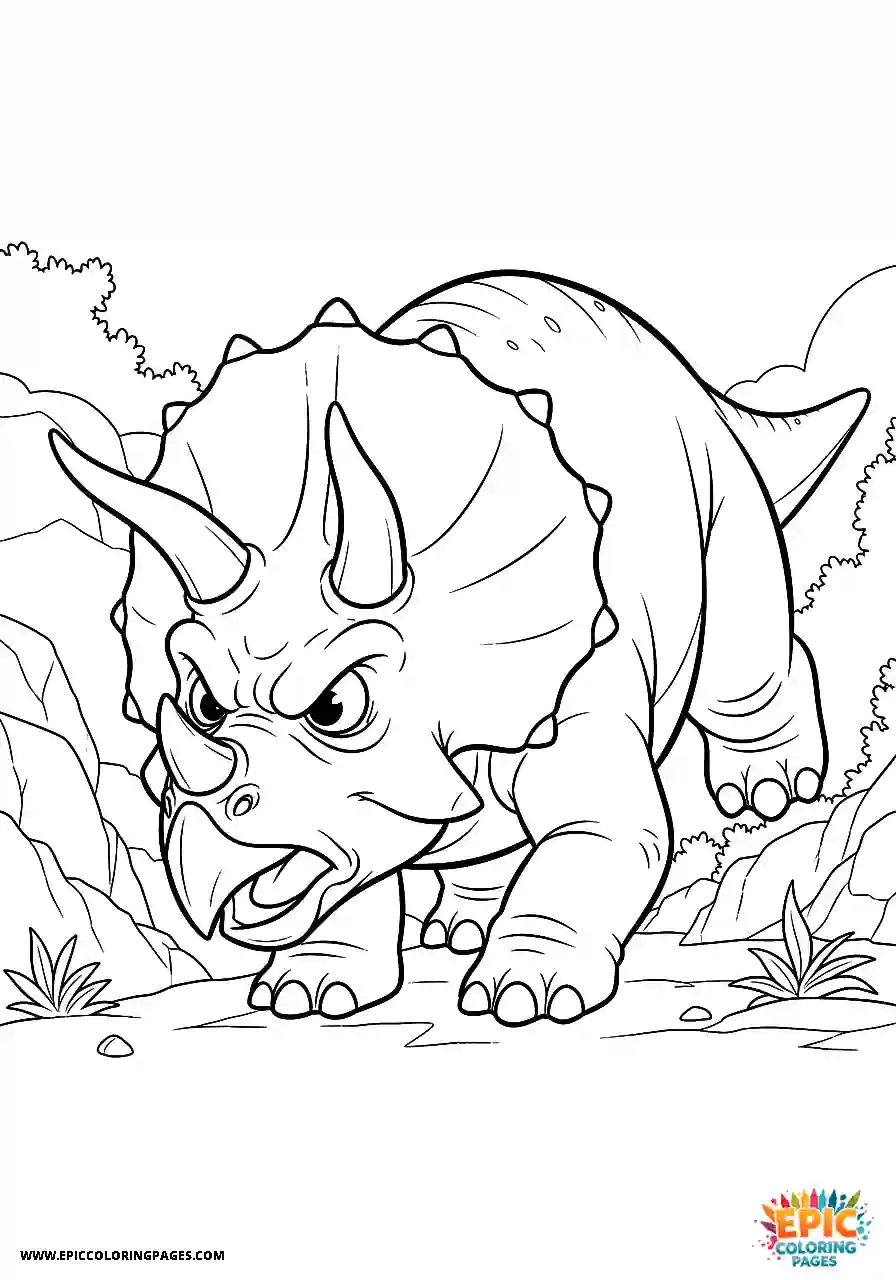
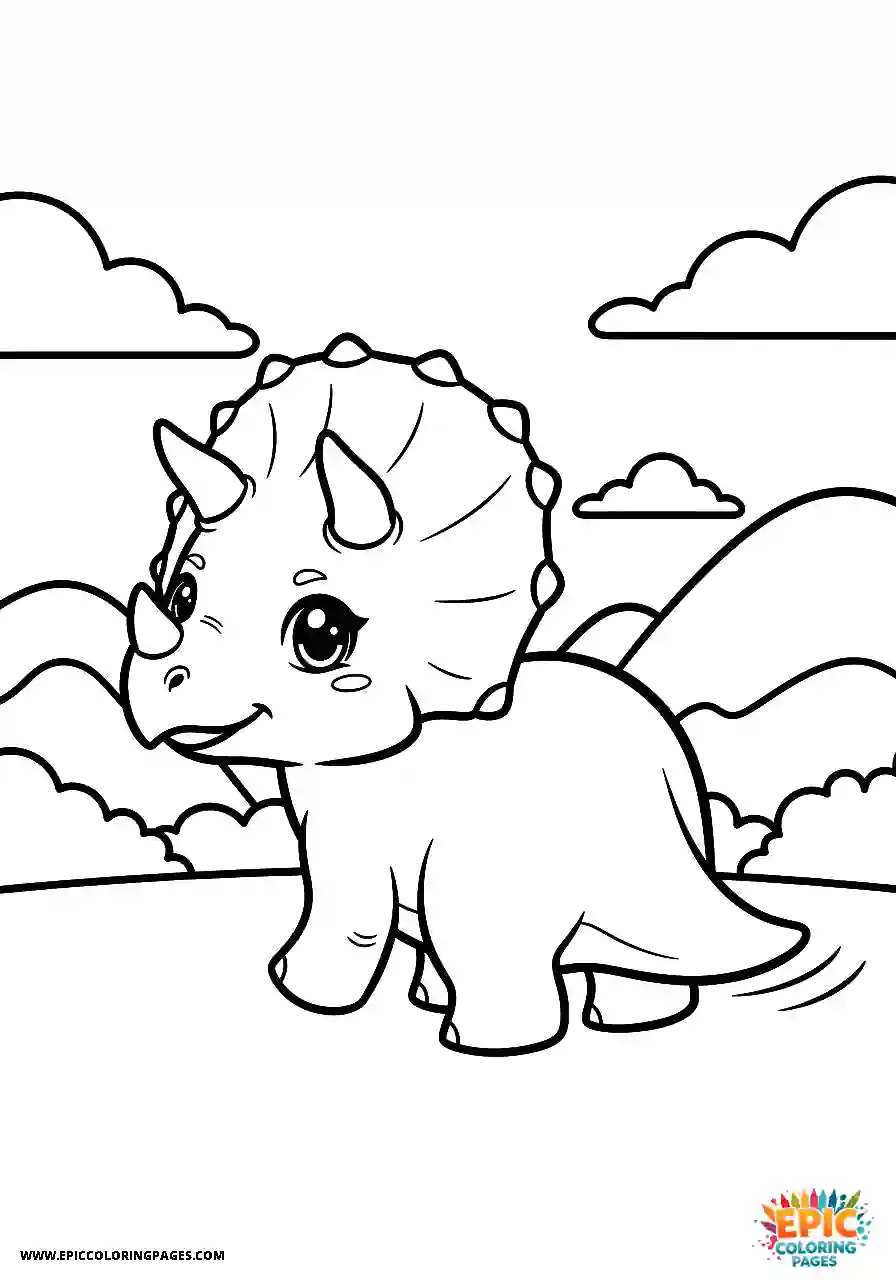
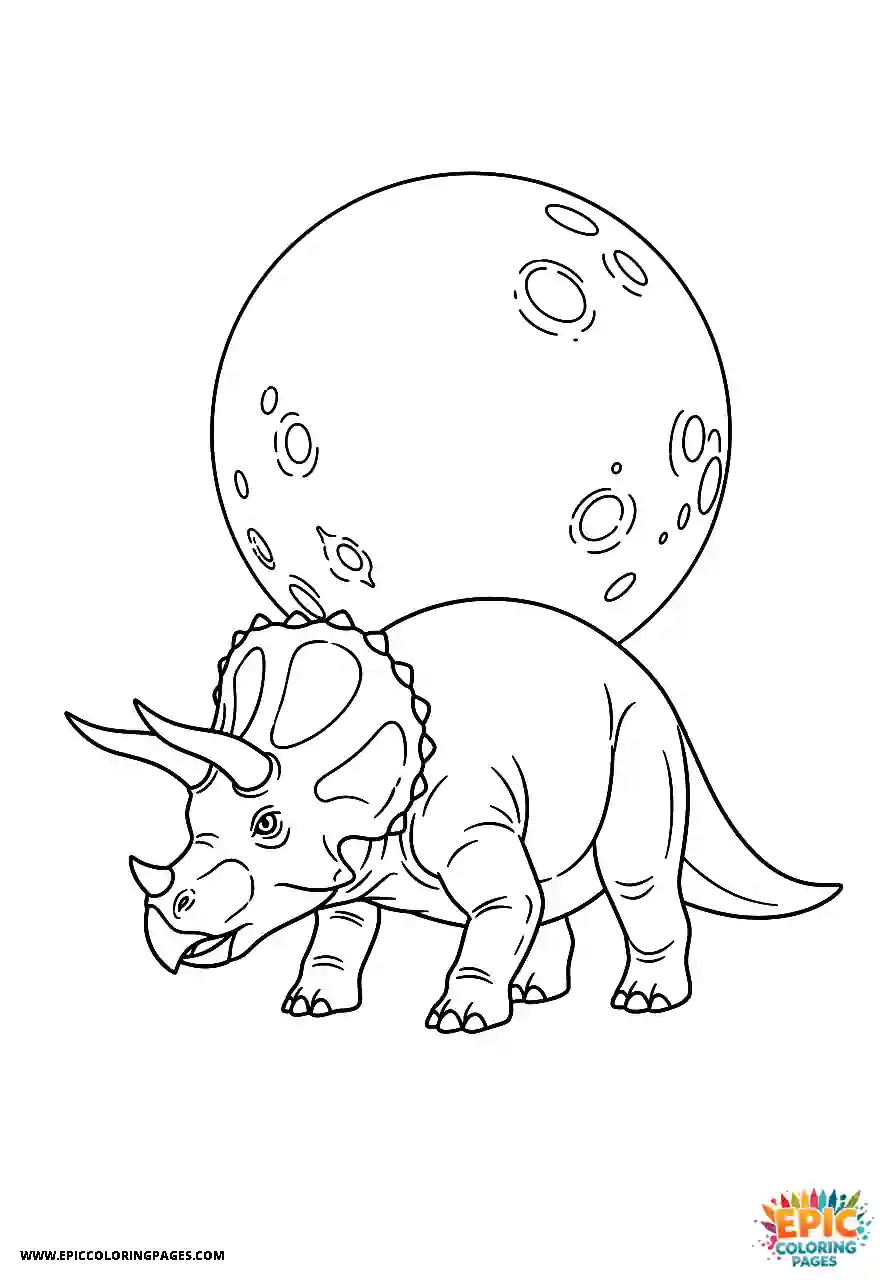
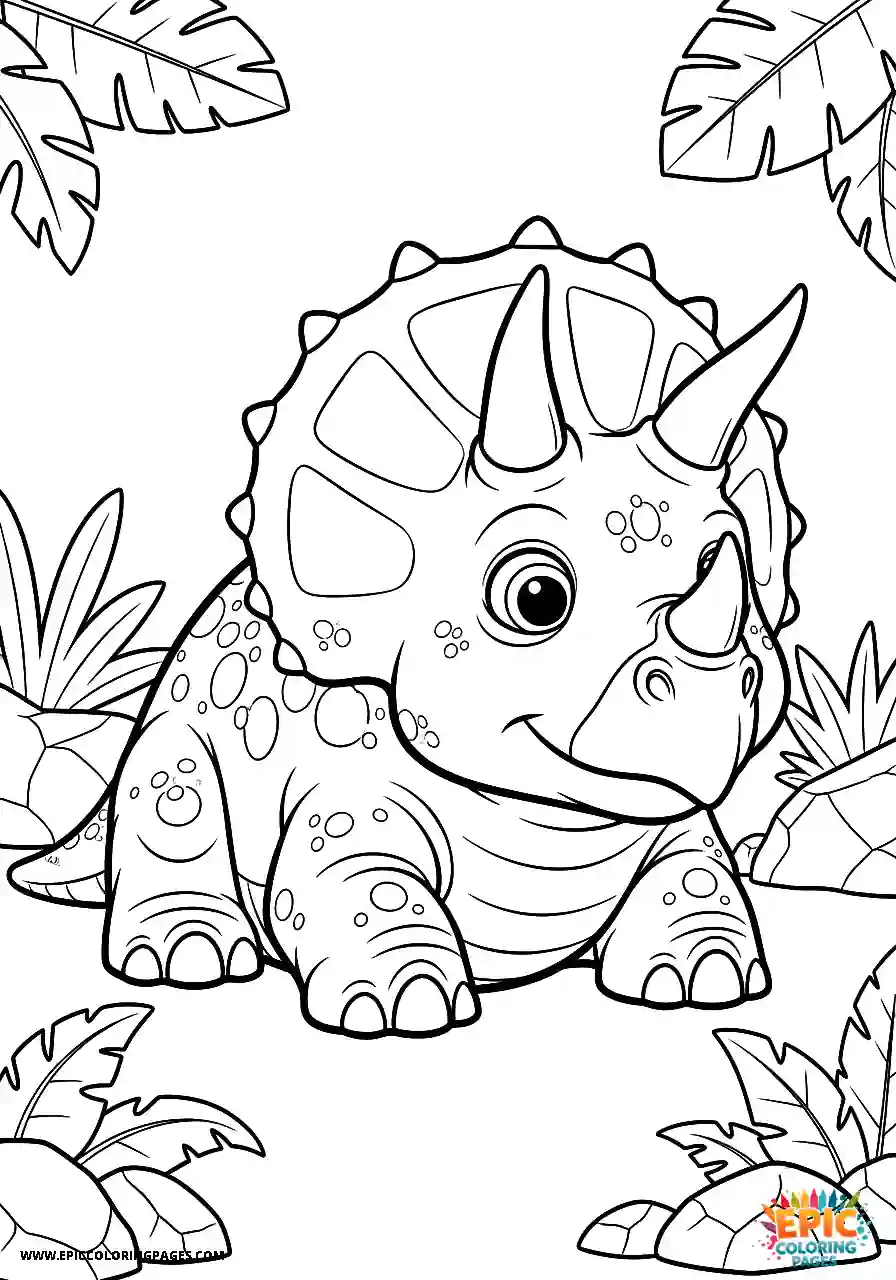
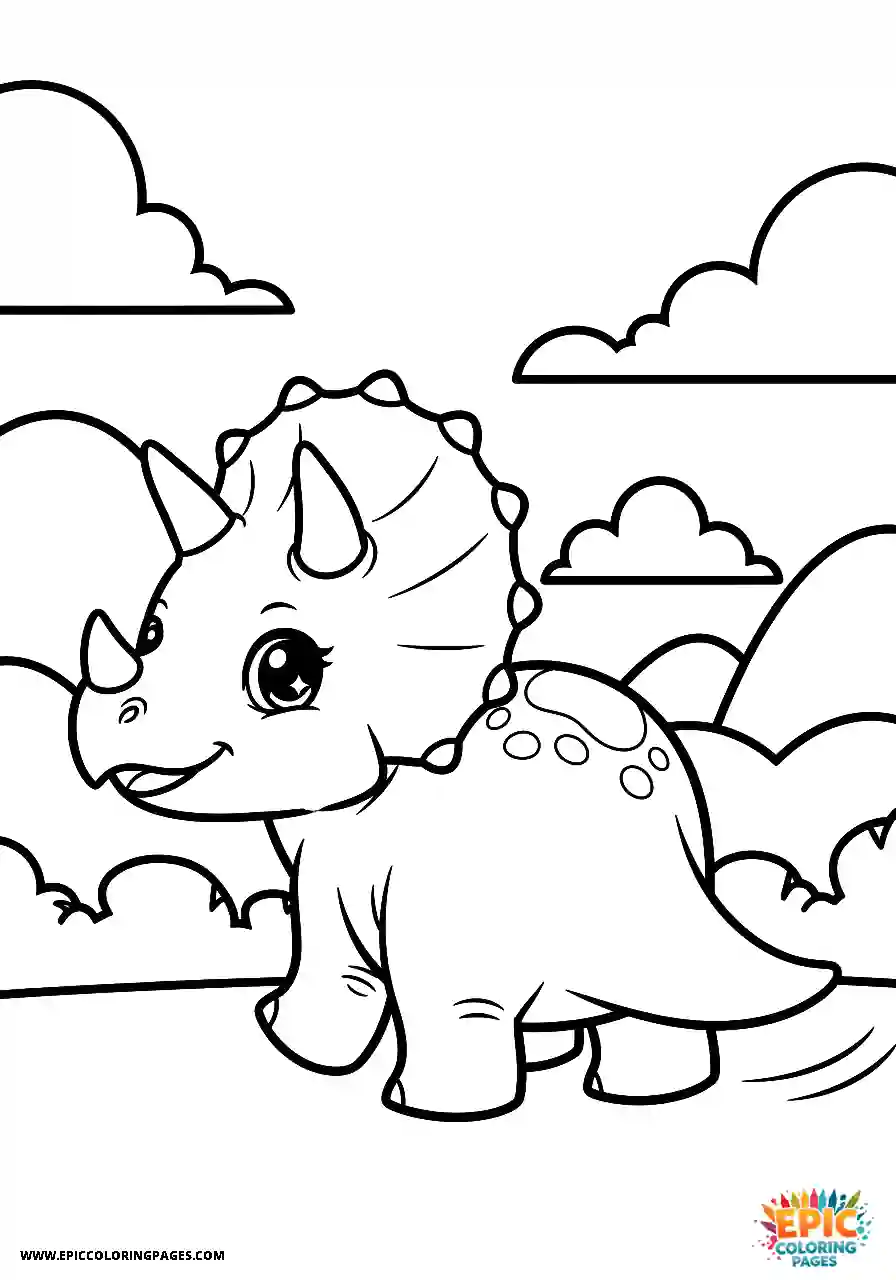
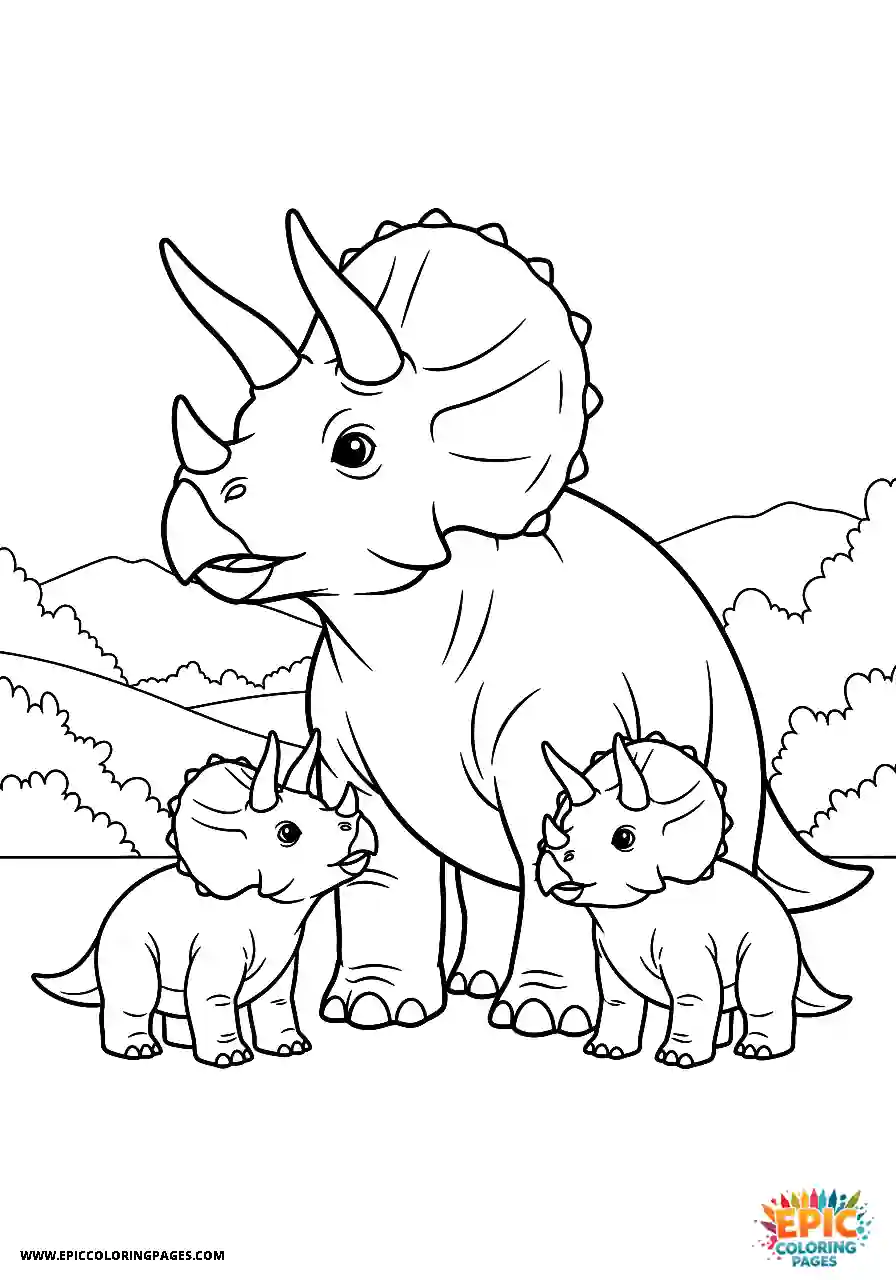
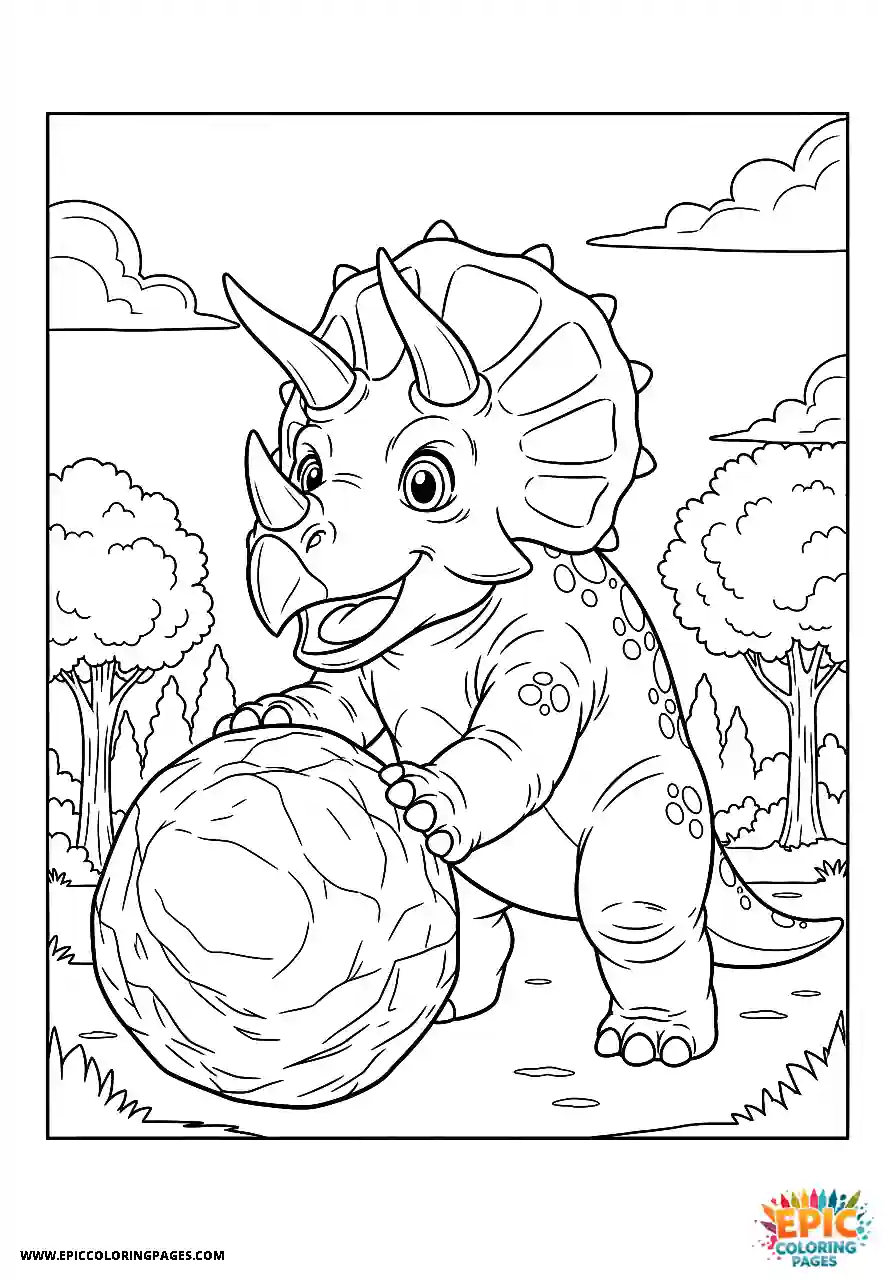
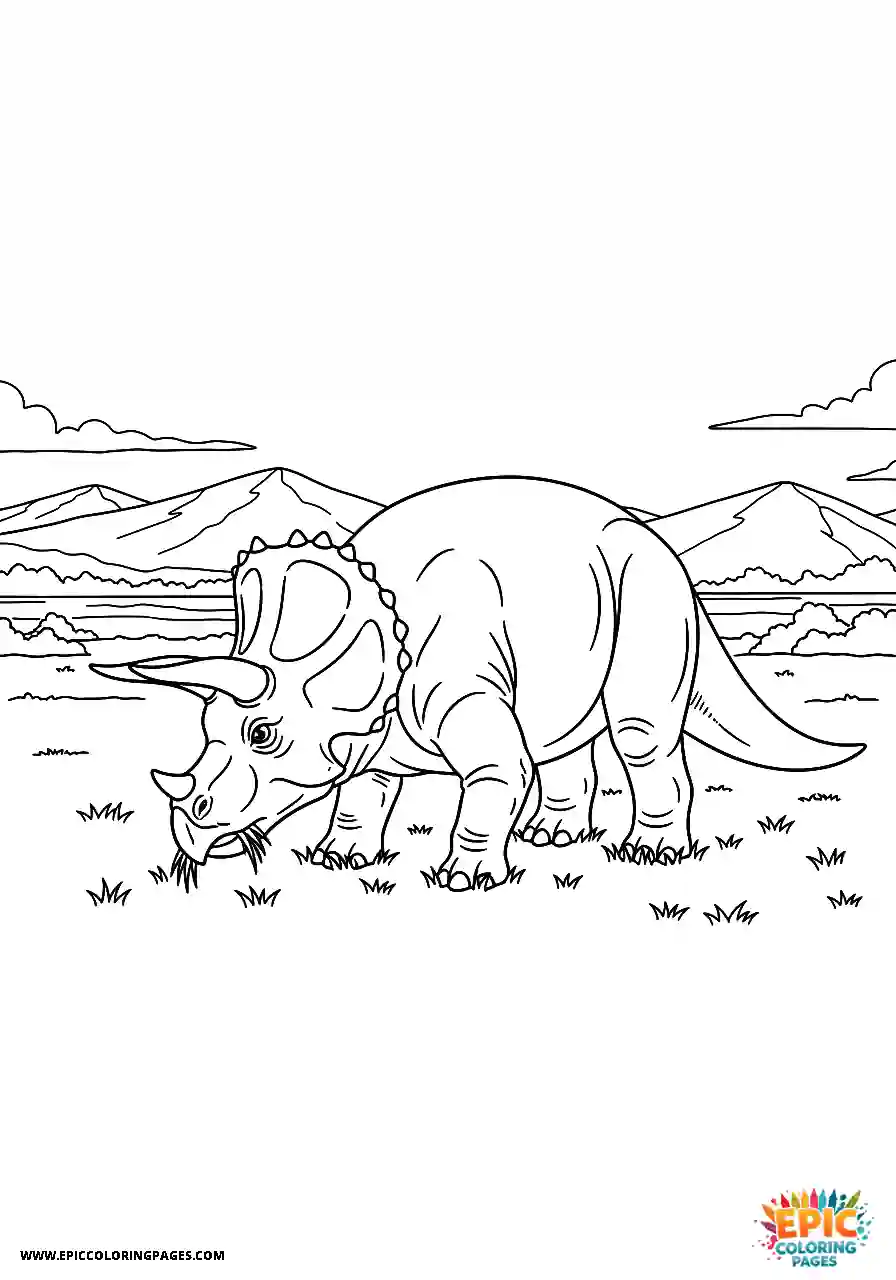
While the Triceratops is your star, don’t ignore the background. A thoughtfully colored background provides context and makes your dinosaur feel like it exists in a real environment.
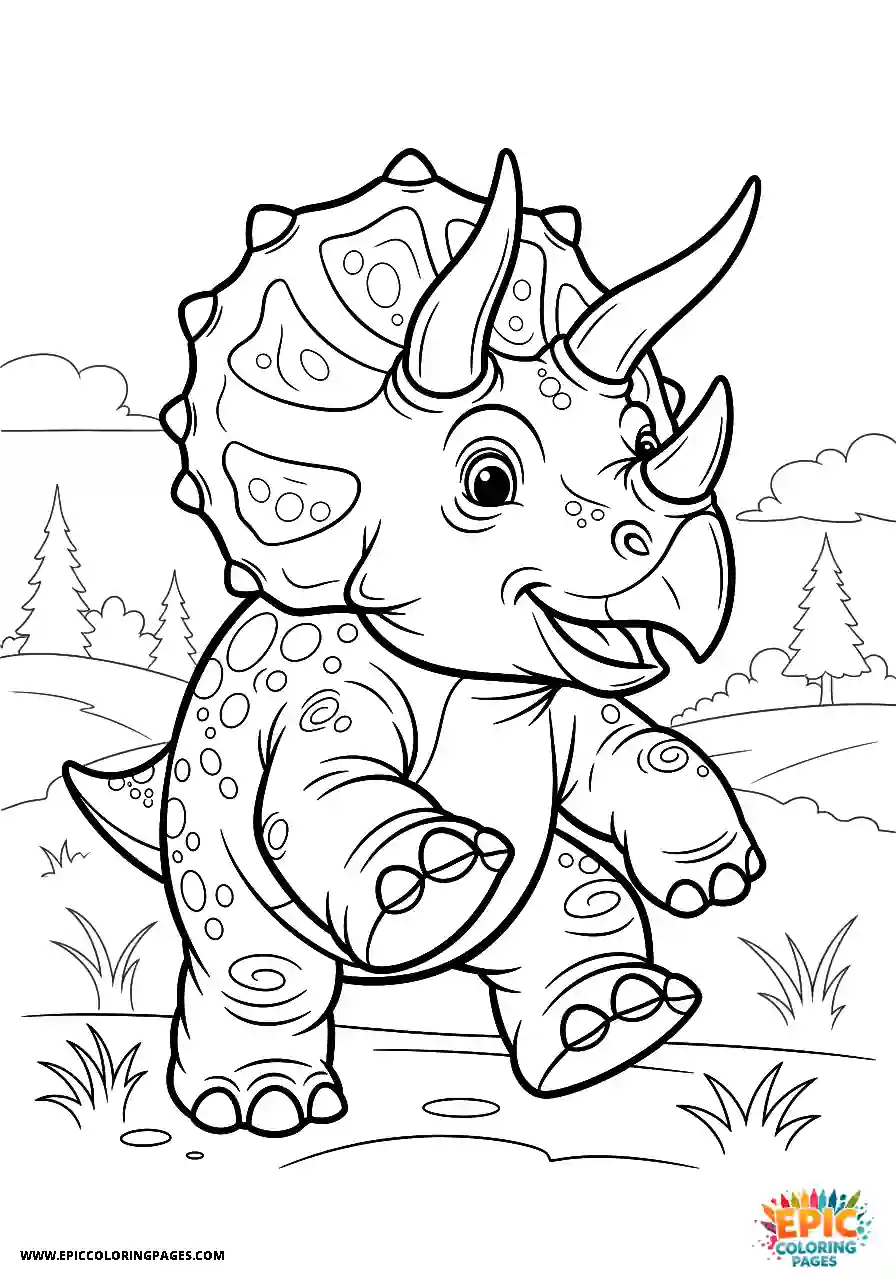
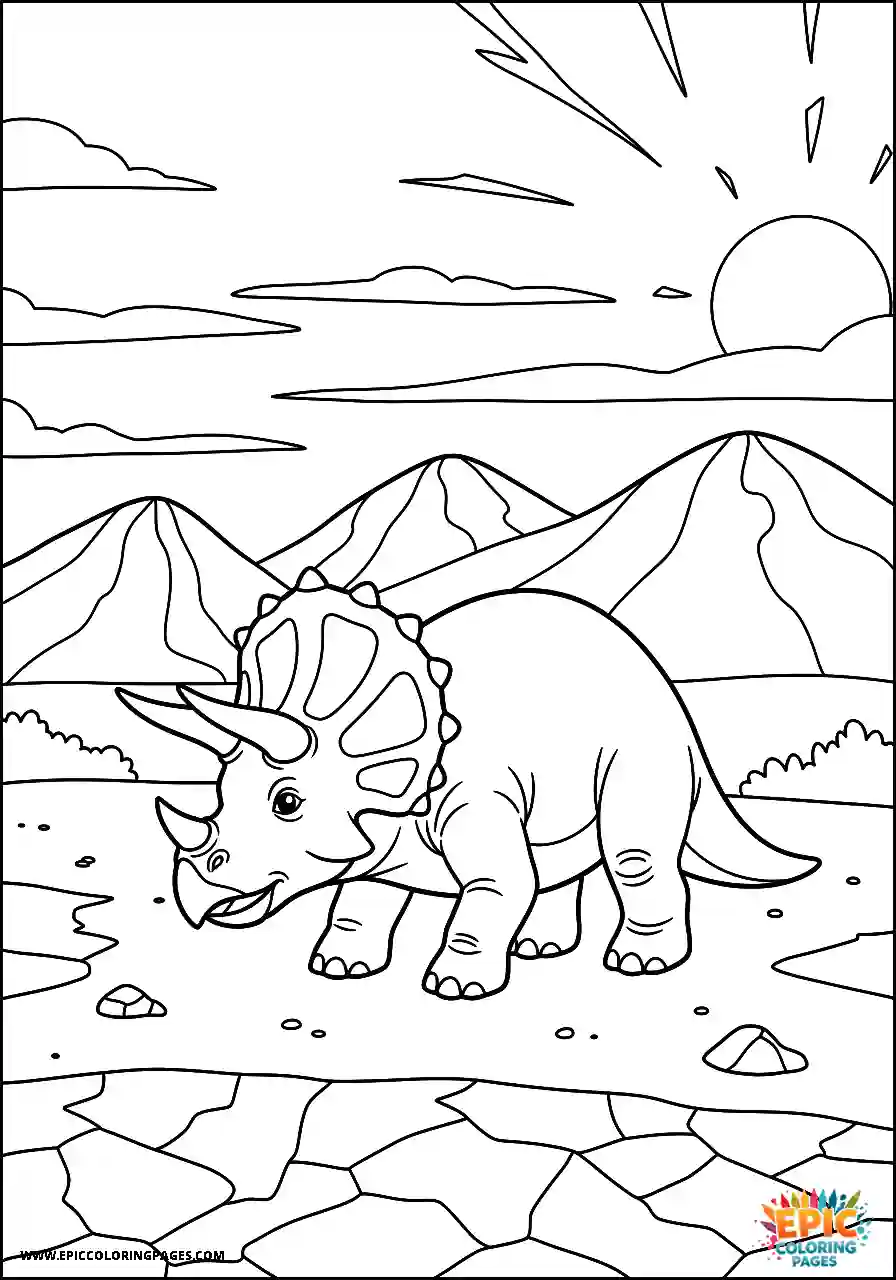
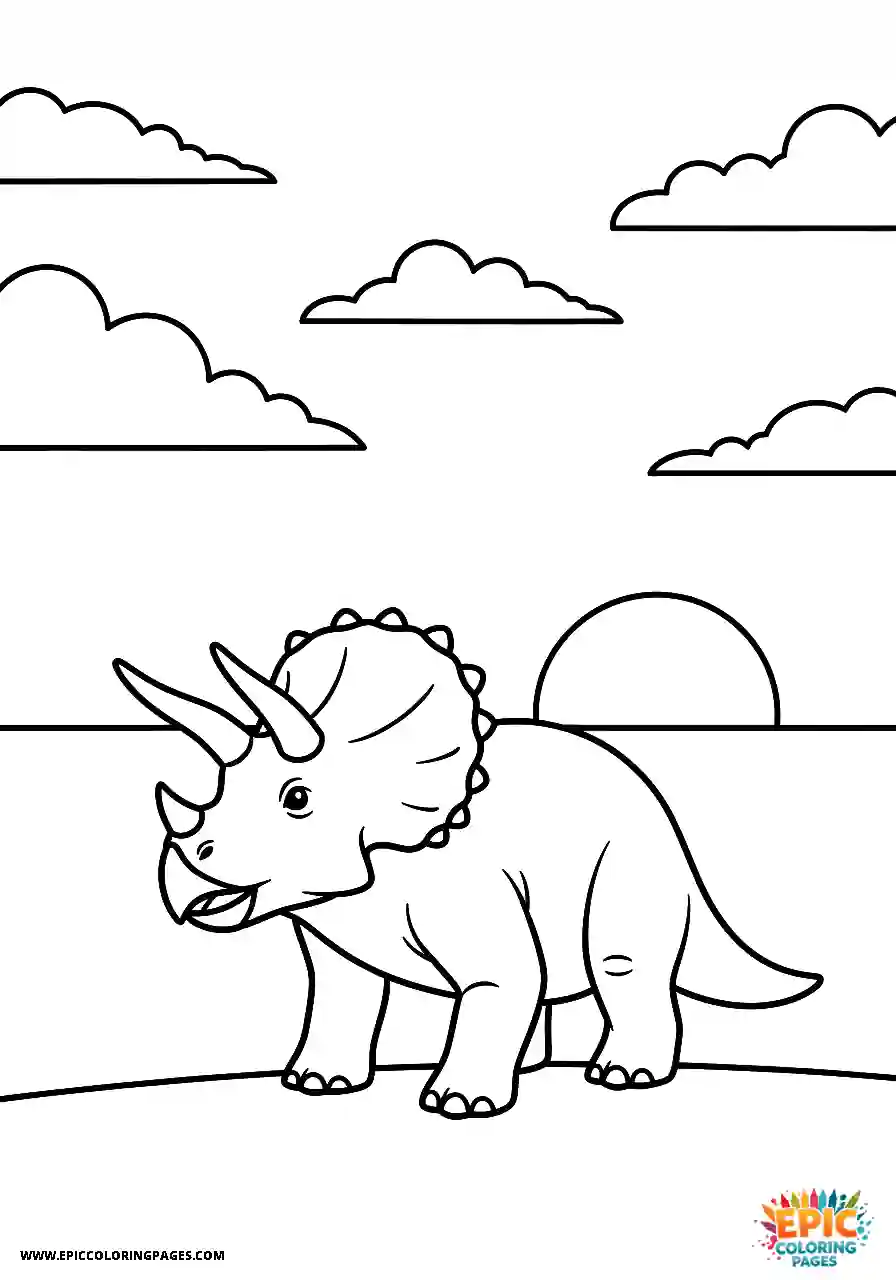
For a simple but effective approach, use a light wash of color perhaps a pale blue for sky or a soft green for distant vegetation. This gives your page a finished look without overwhelming the main subject. Colored pencils can create gentle gradients that suggest depth, with lighter colors near the horizon and slightly darker tones at the top of the page.
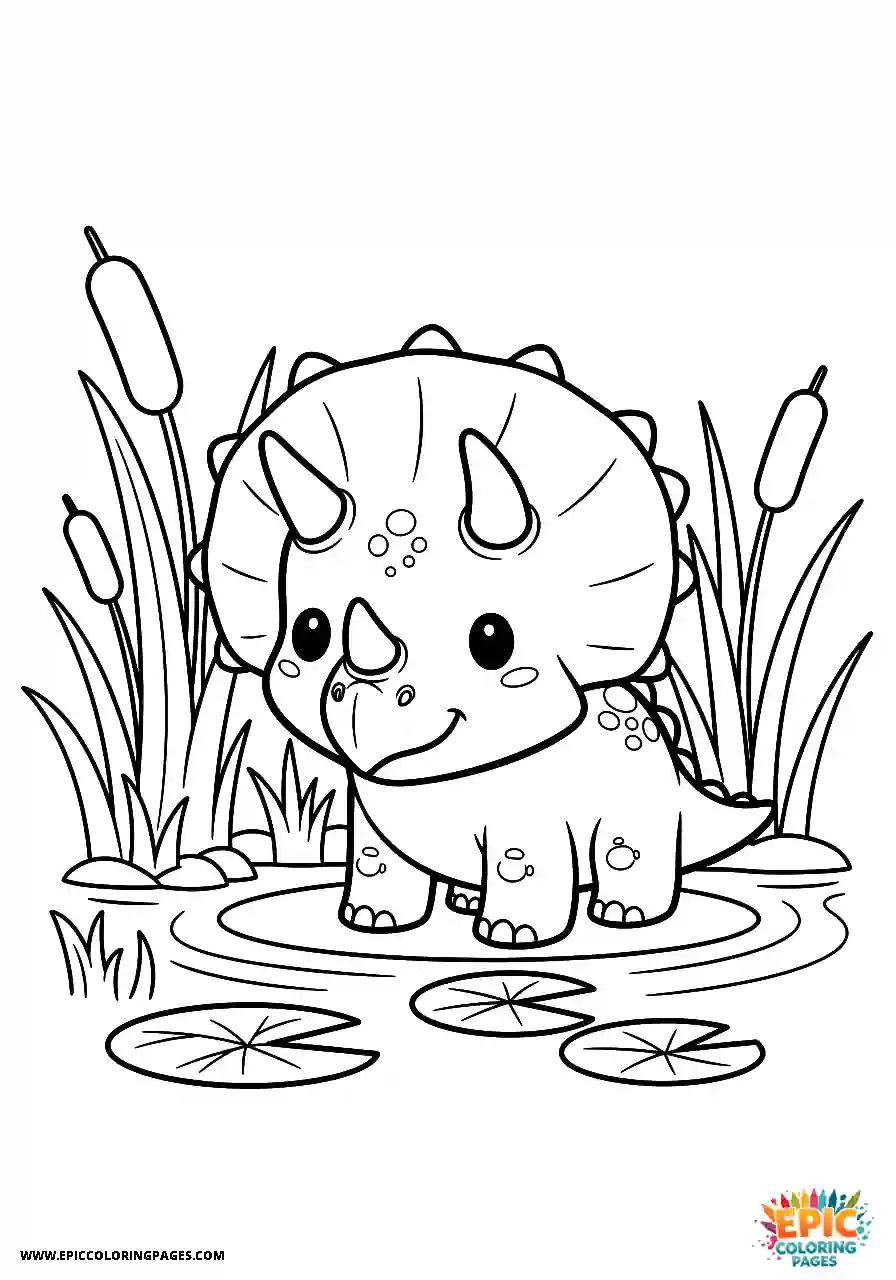
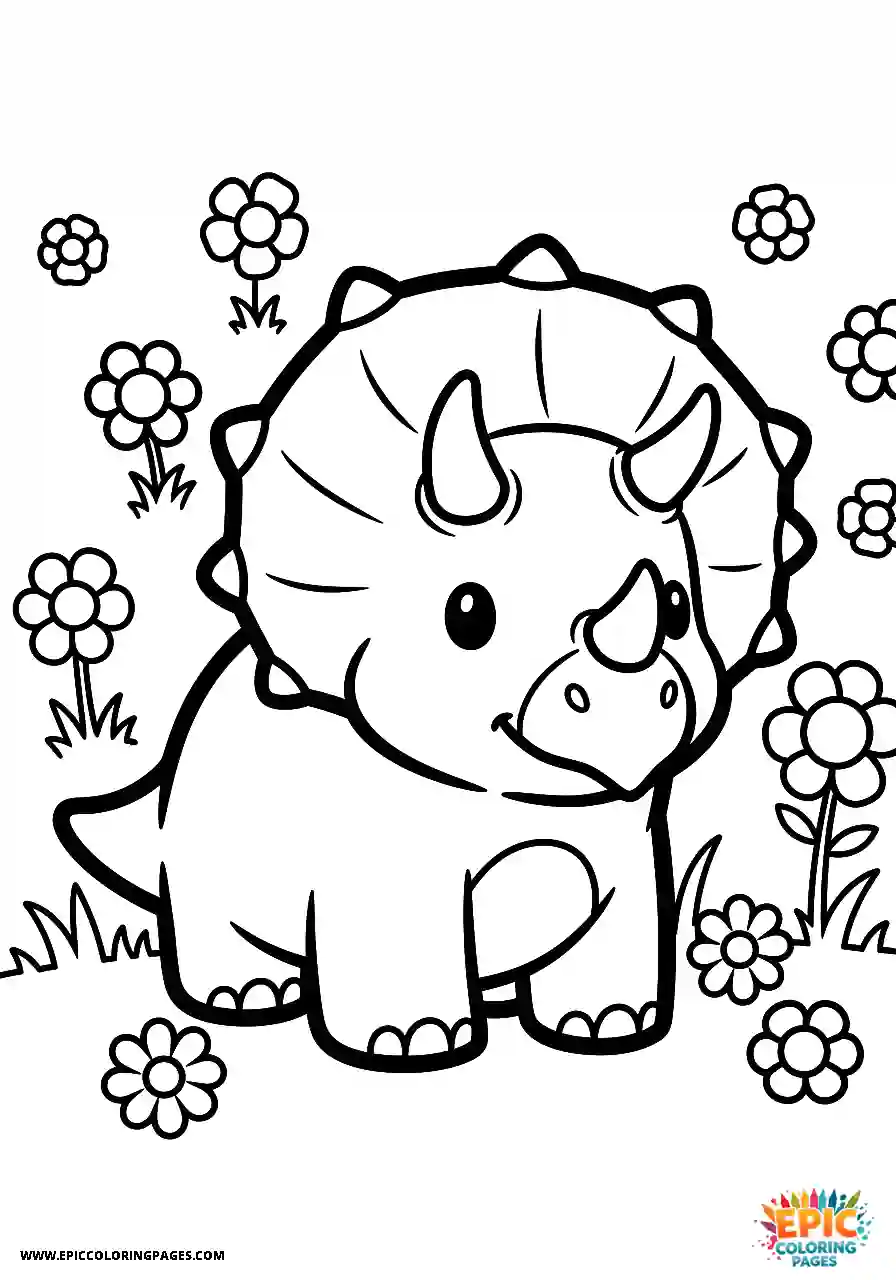
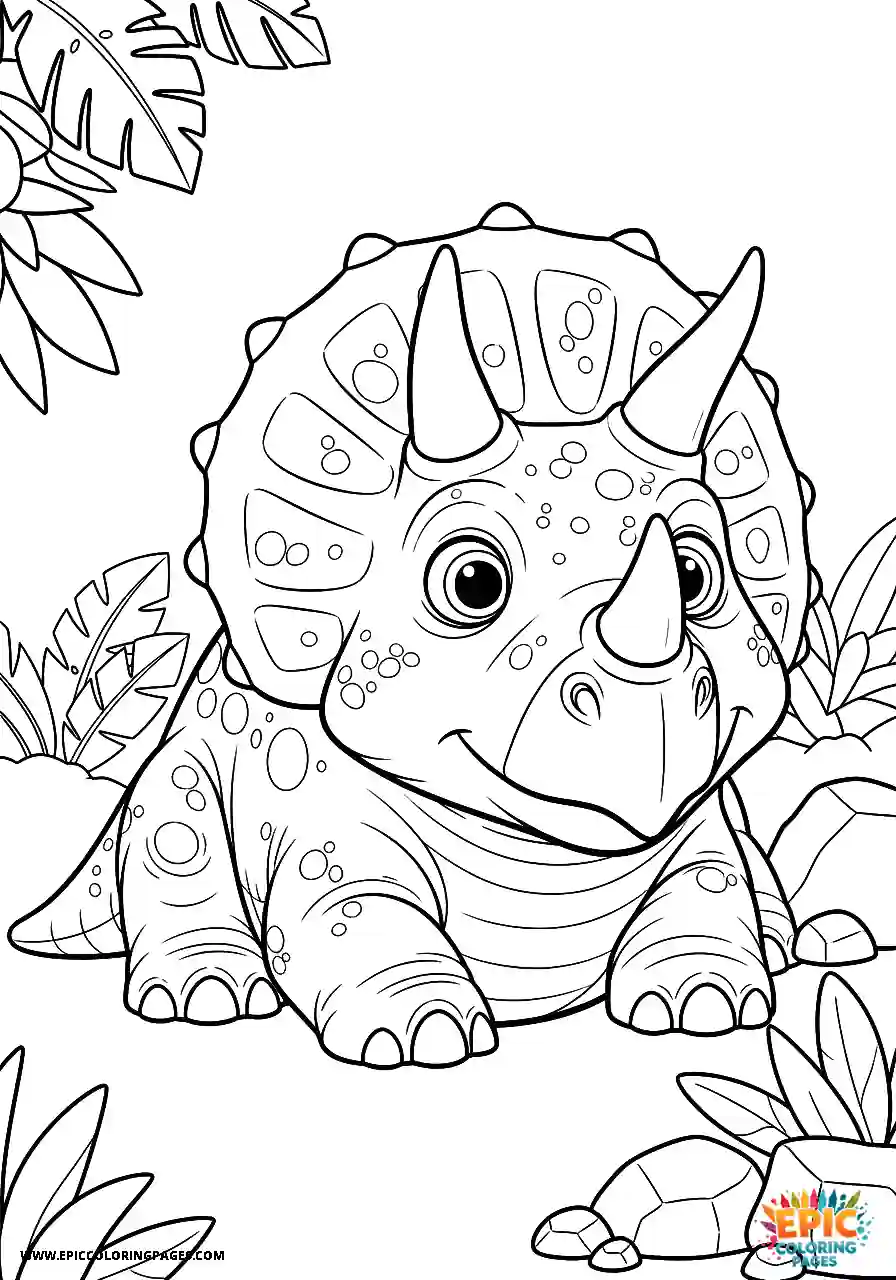
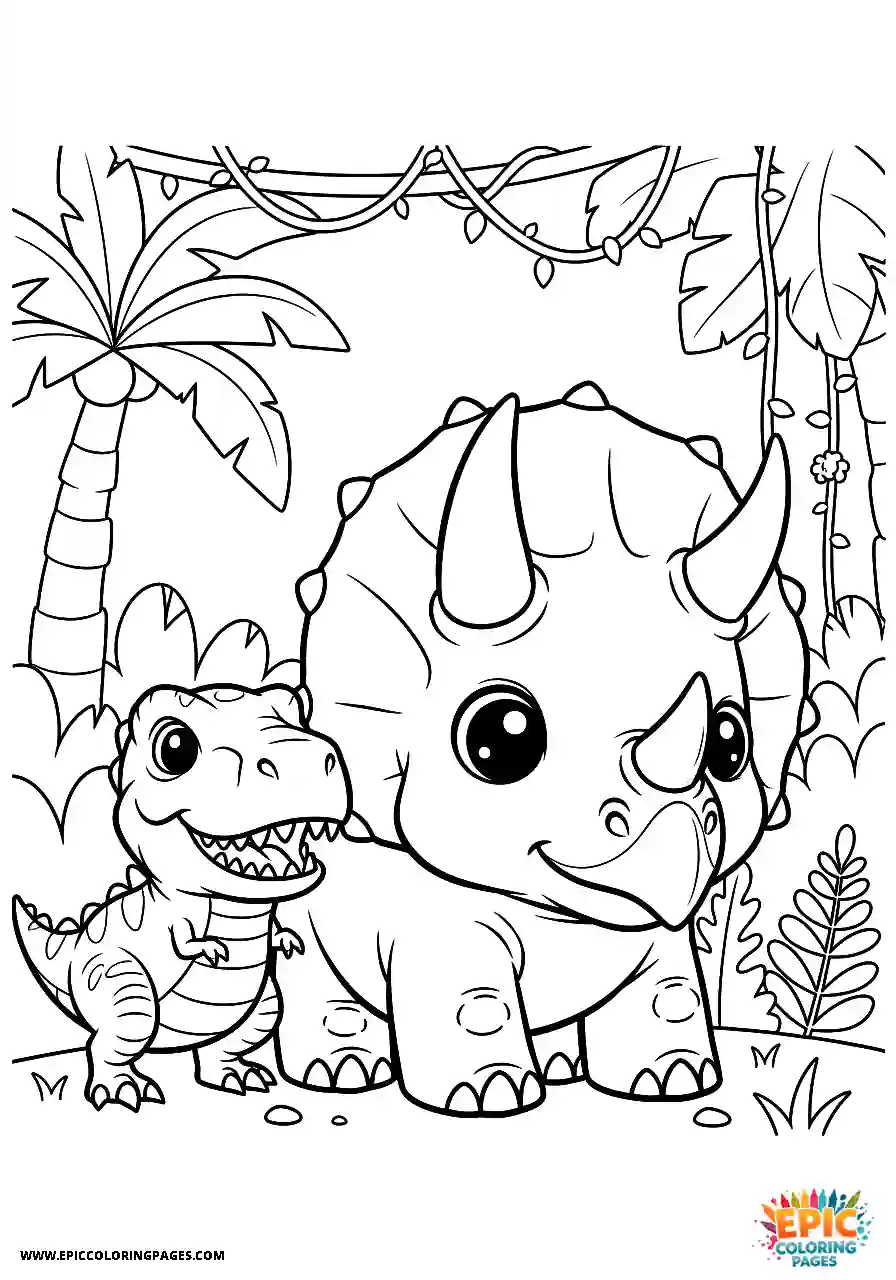
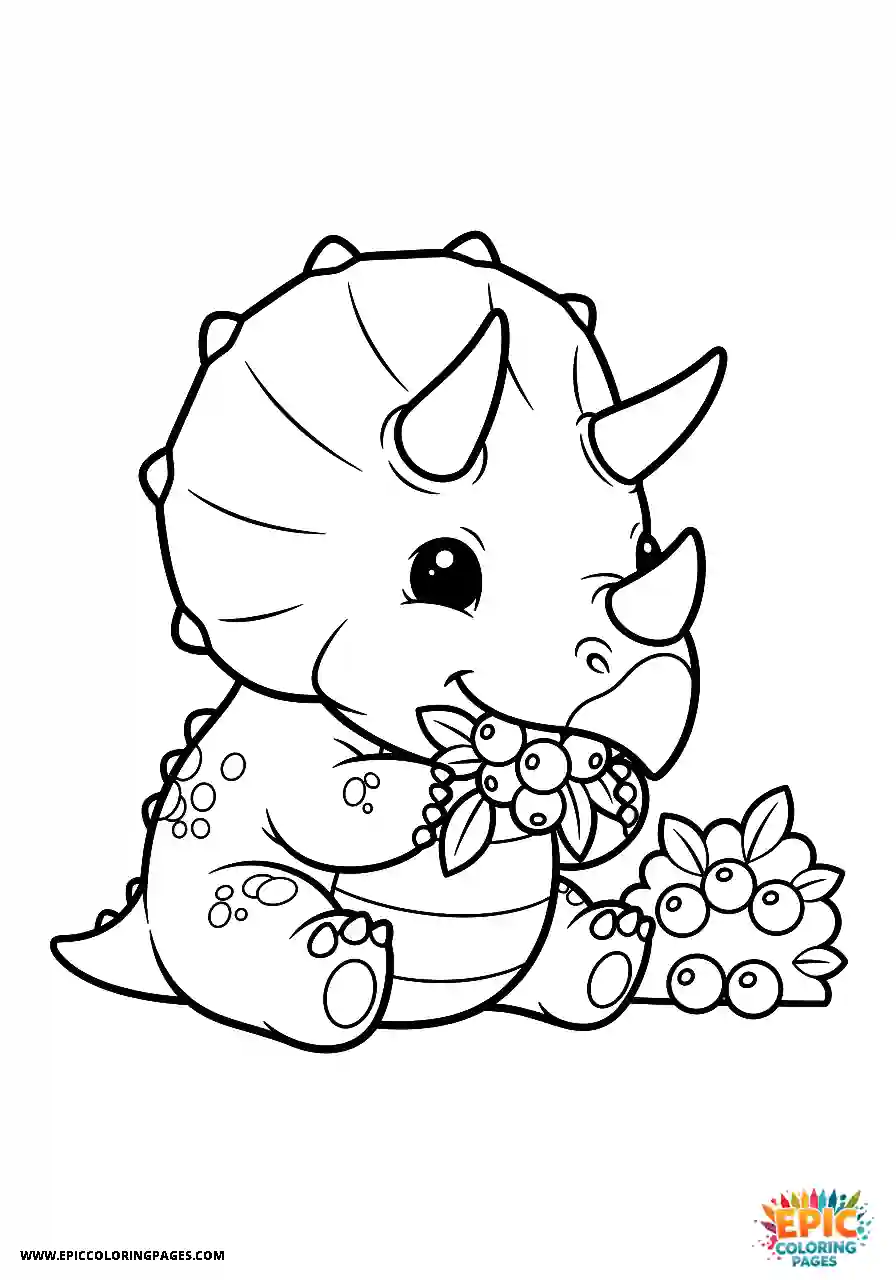
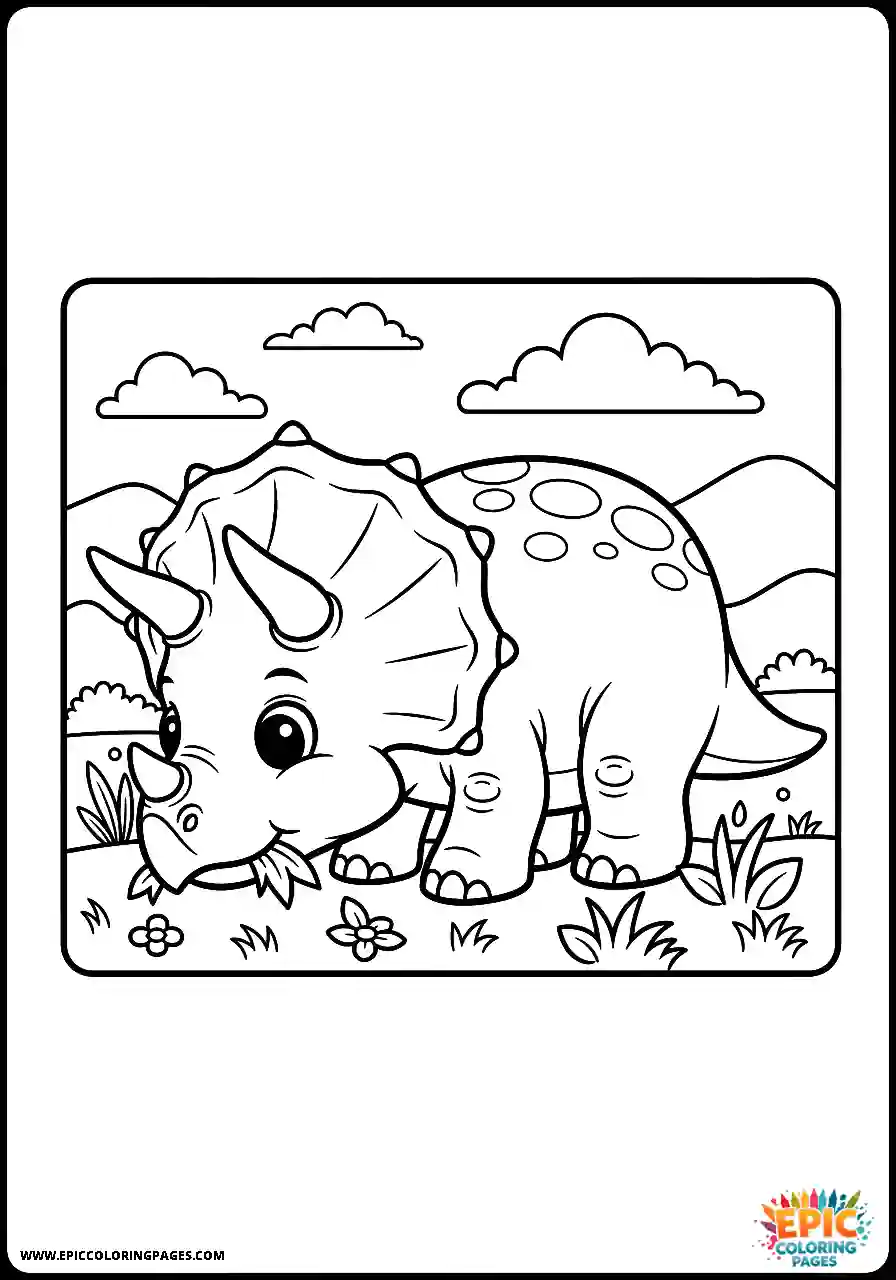
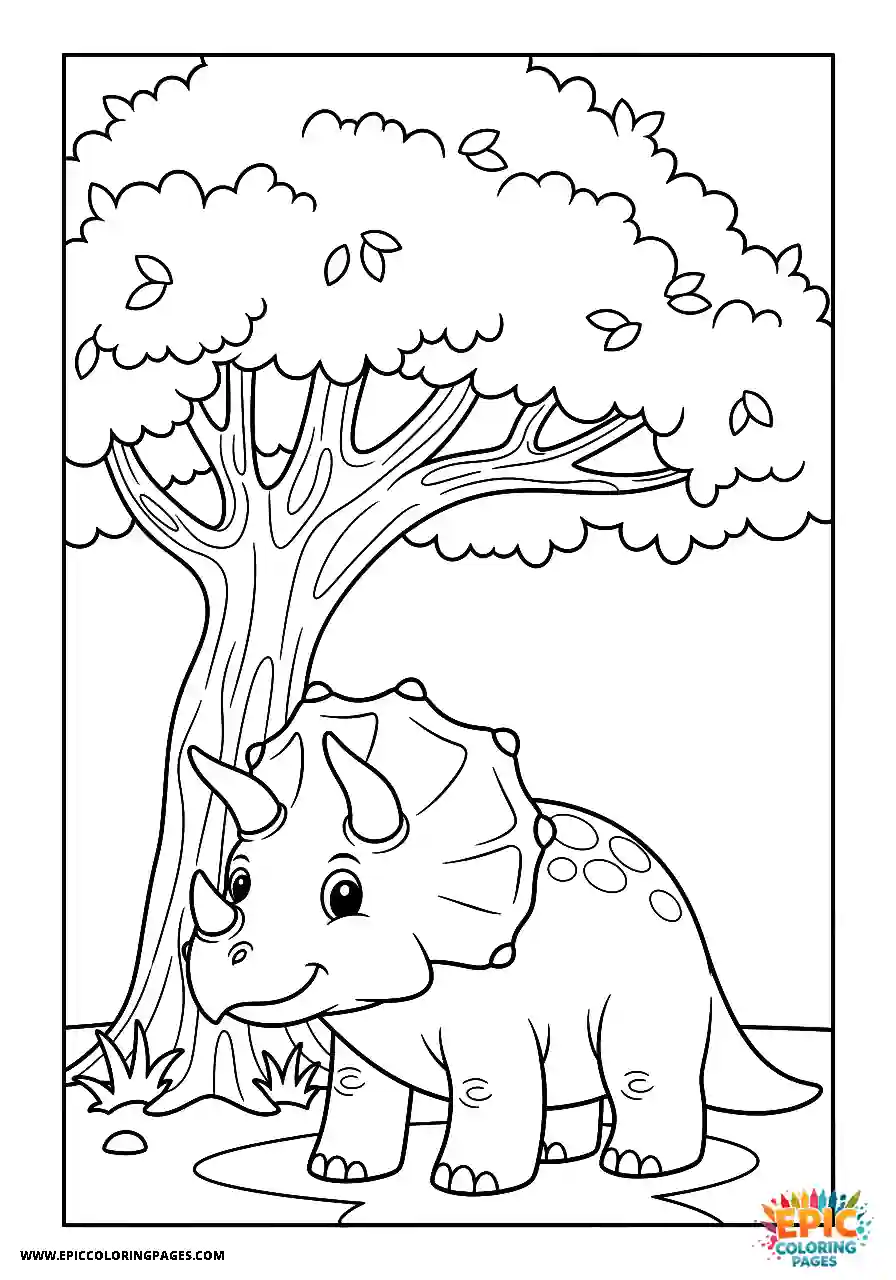
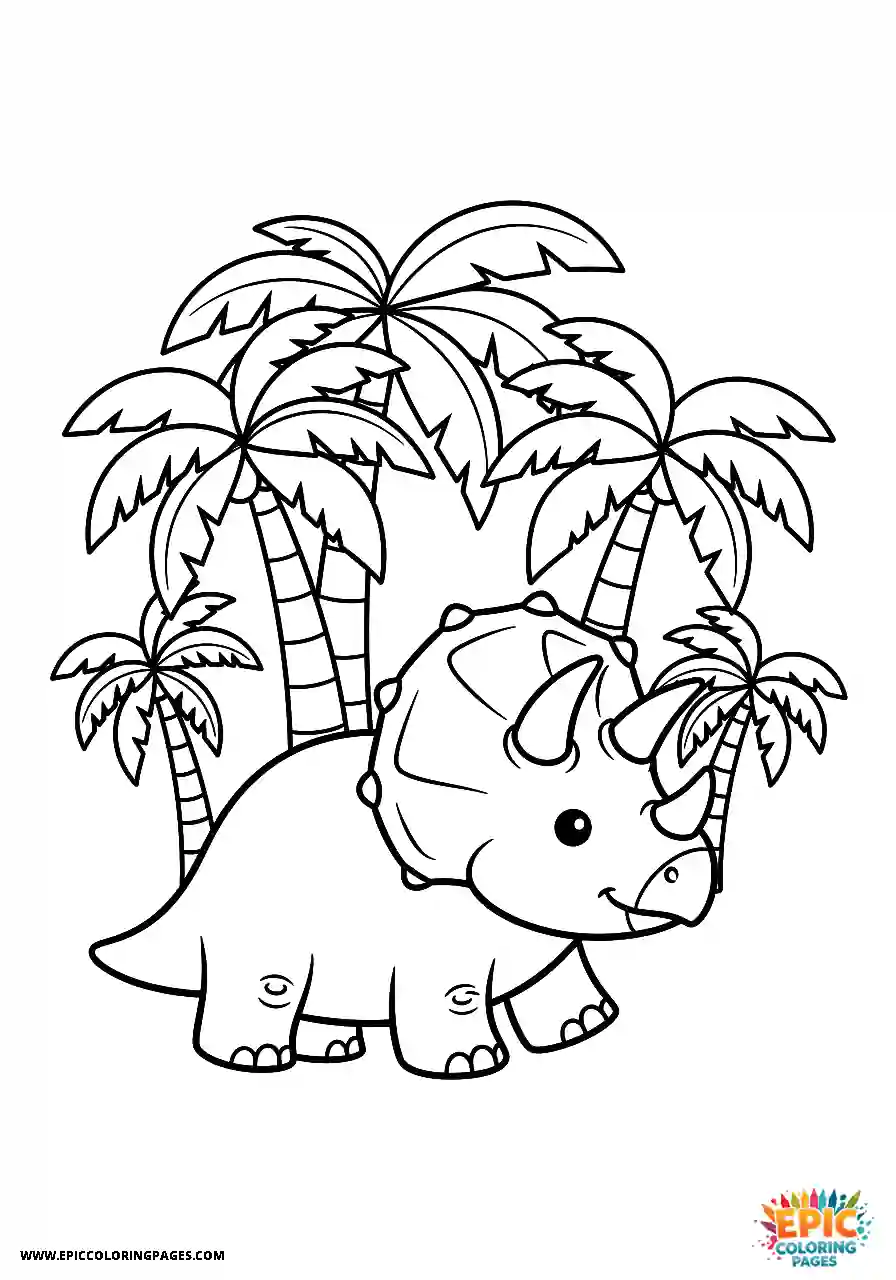
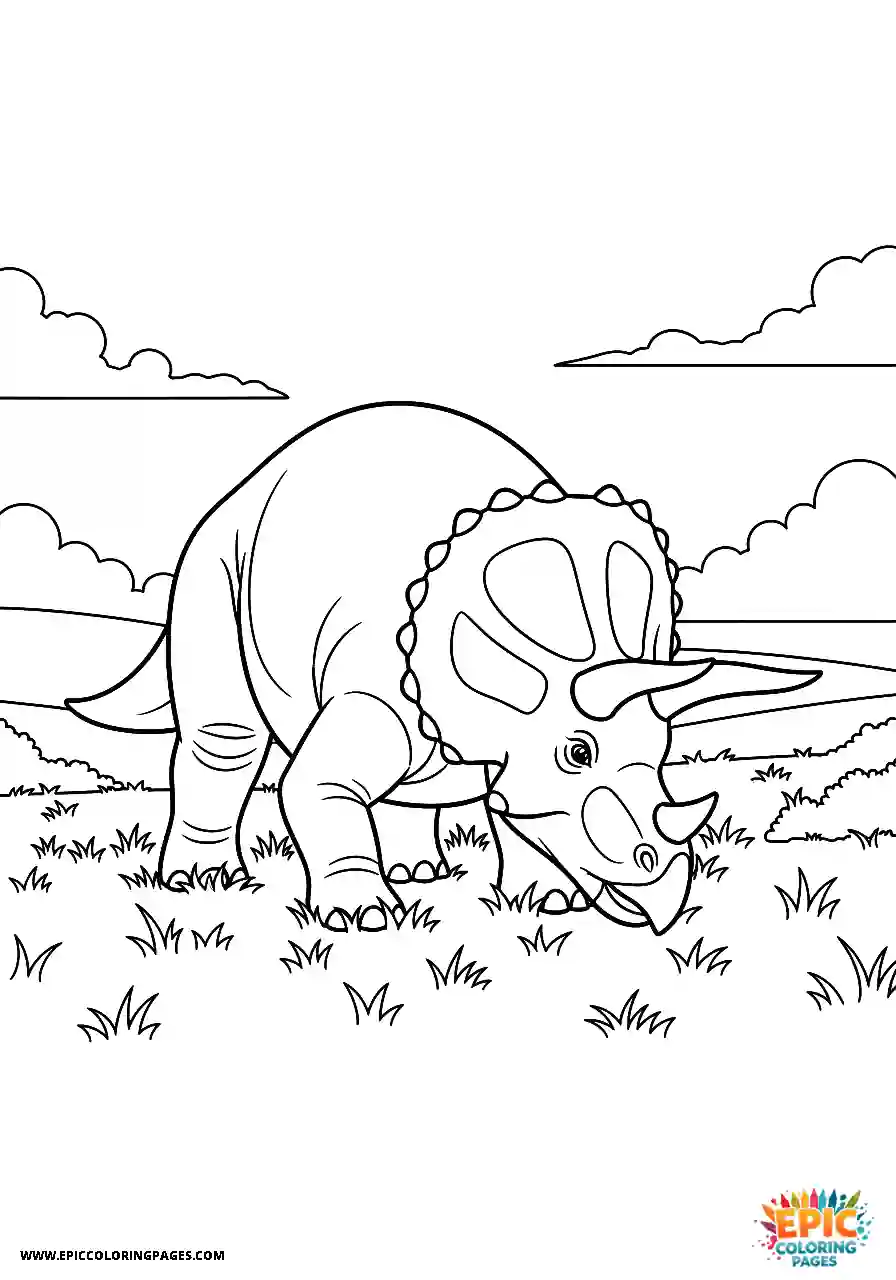
If your coloring page includes plants, rocks, or other elements, consider the overall color harmony. If your Triceratops is cool-toned (blues, grays, purples), warm-toned backgrounds (yellows, oranges, reds) will make it pop through contrast. Conversely, a warm-toned dinosaur stands out beautifully against cool backgrounds.
Some colorists prefer to complete the background first, then color the dinosaur, while others do the opposite. There’s no wrong approach experiment to find what feels most comfortable for you.
Details That Make a Difference
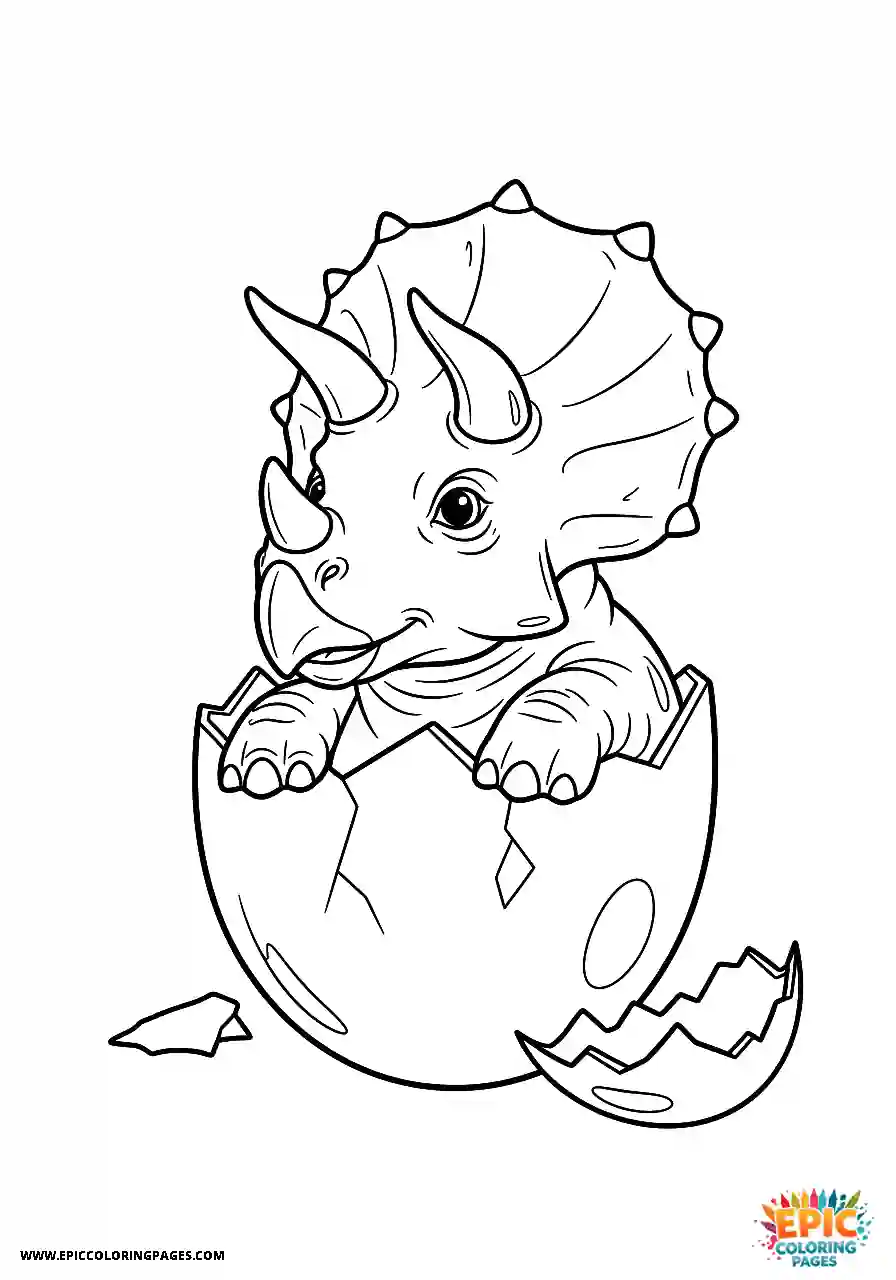
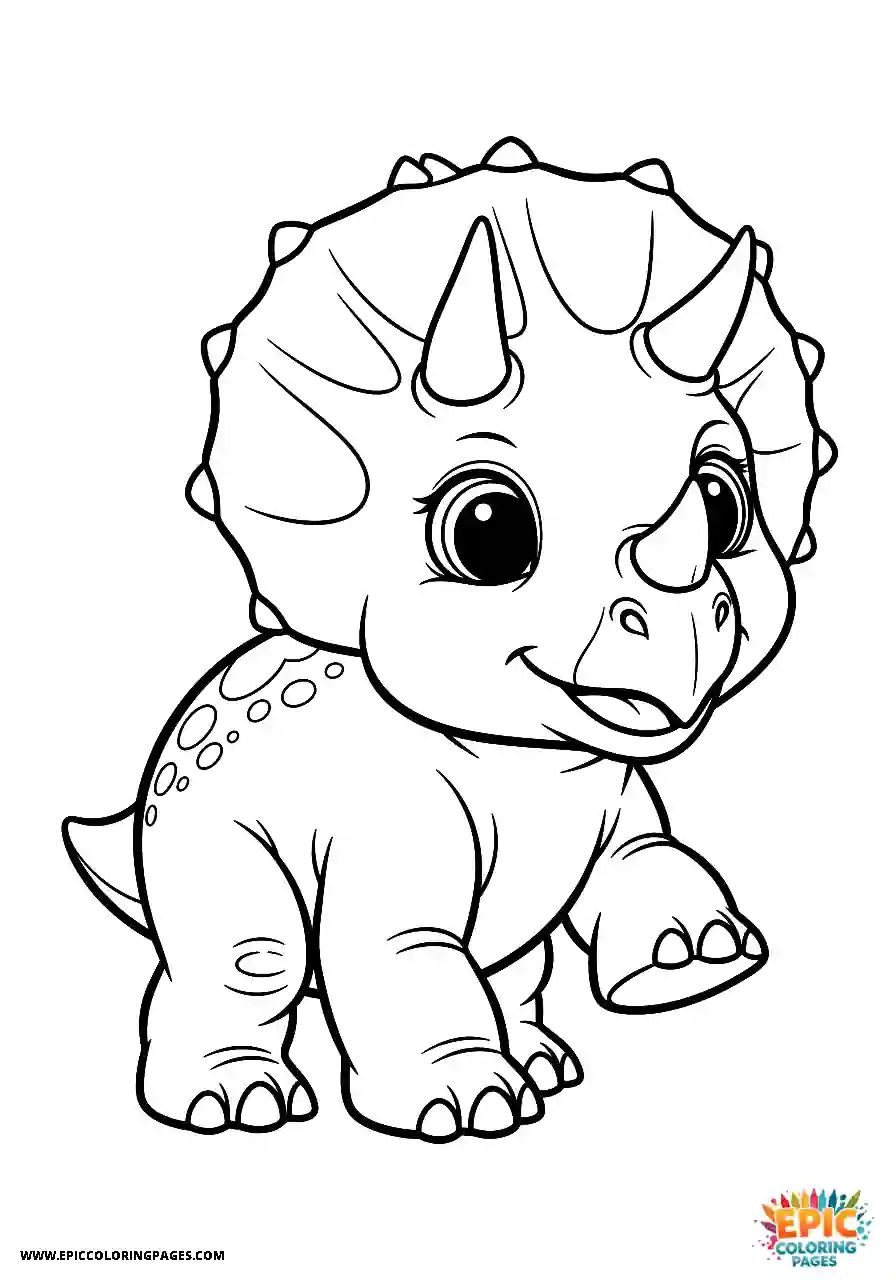
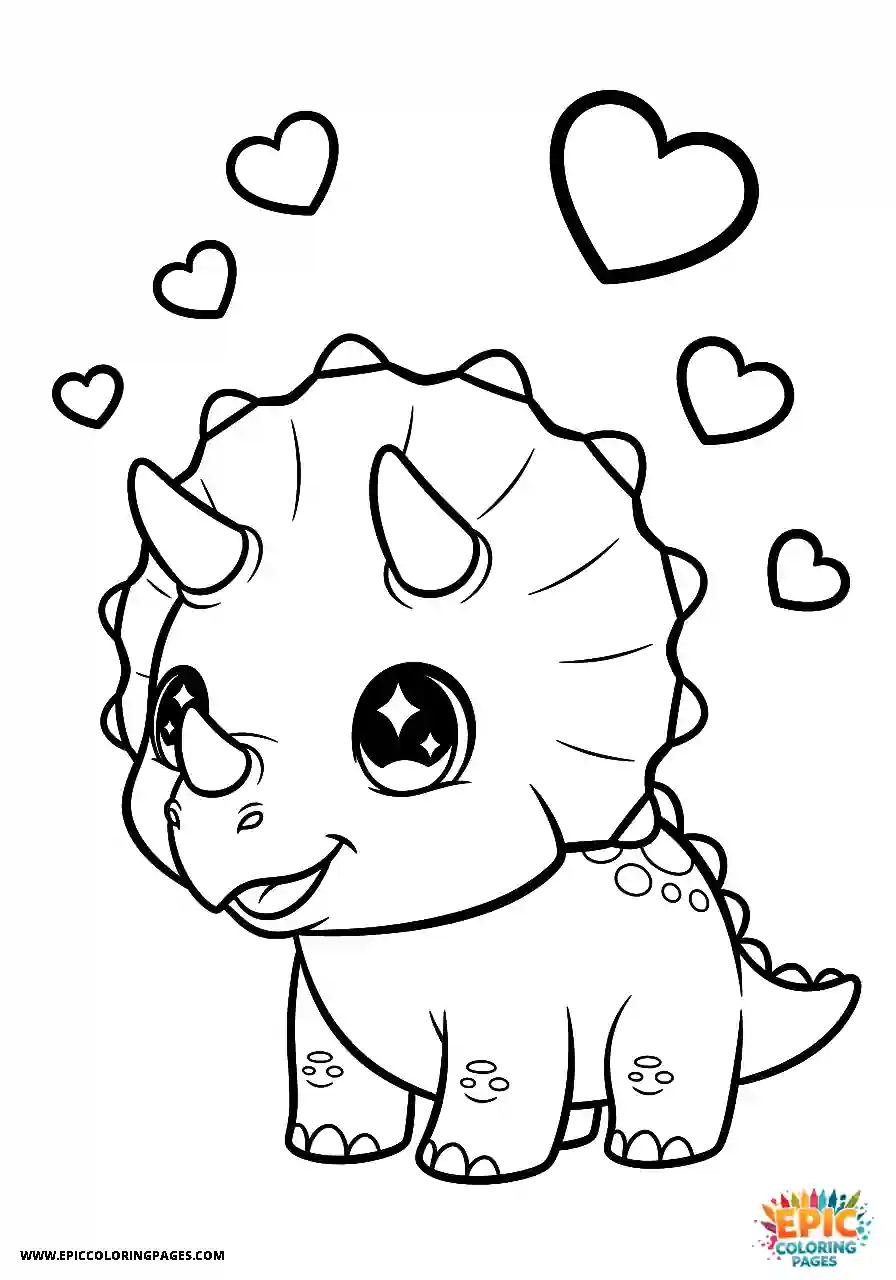
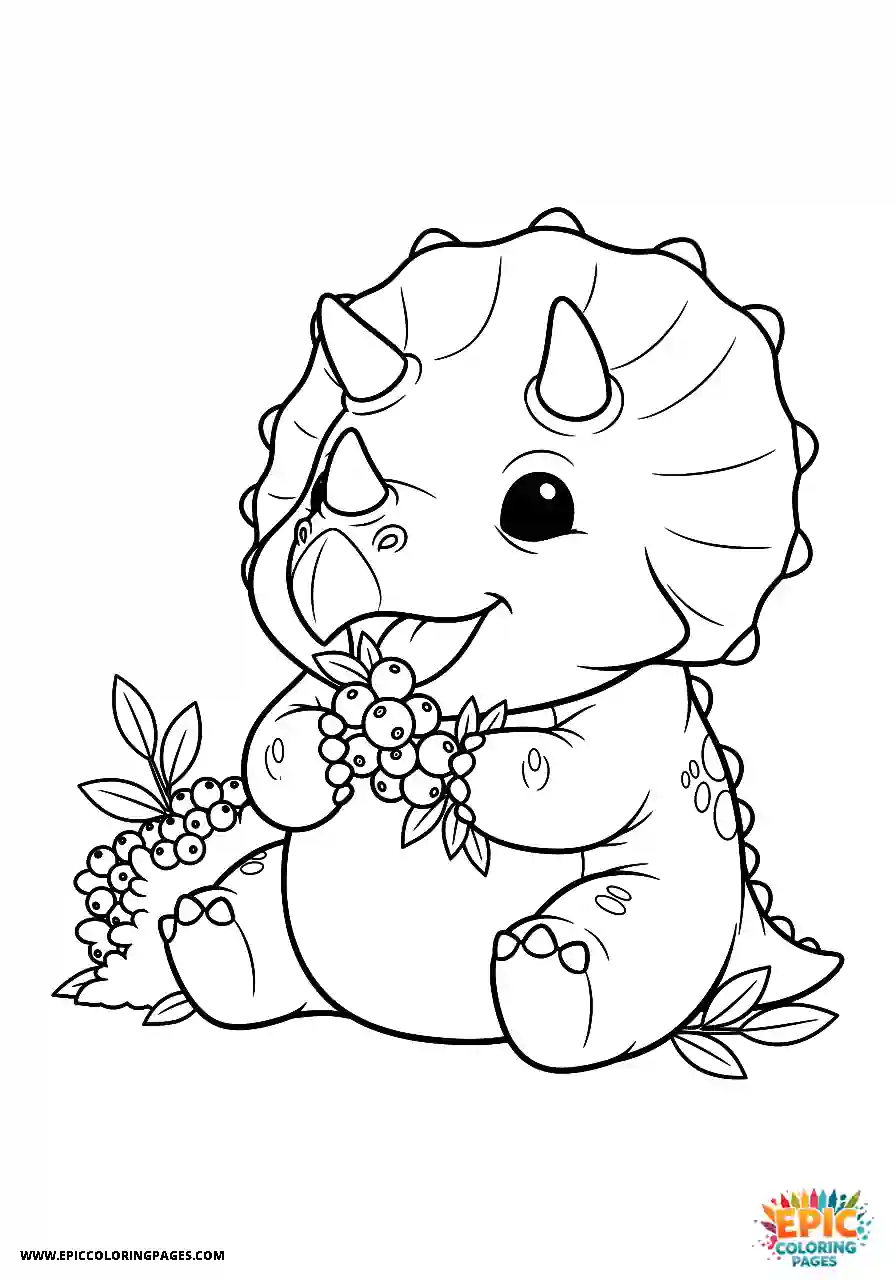
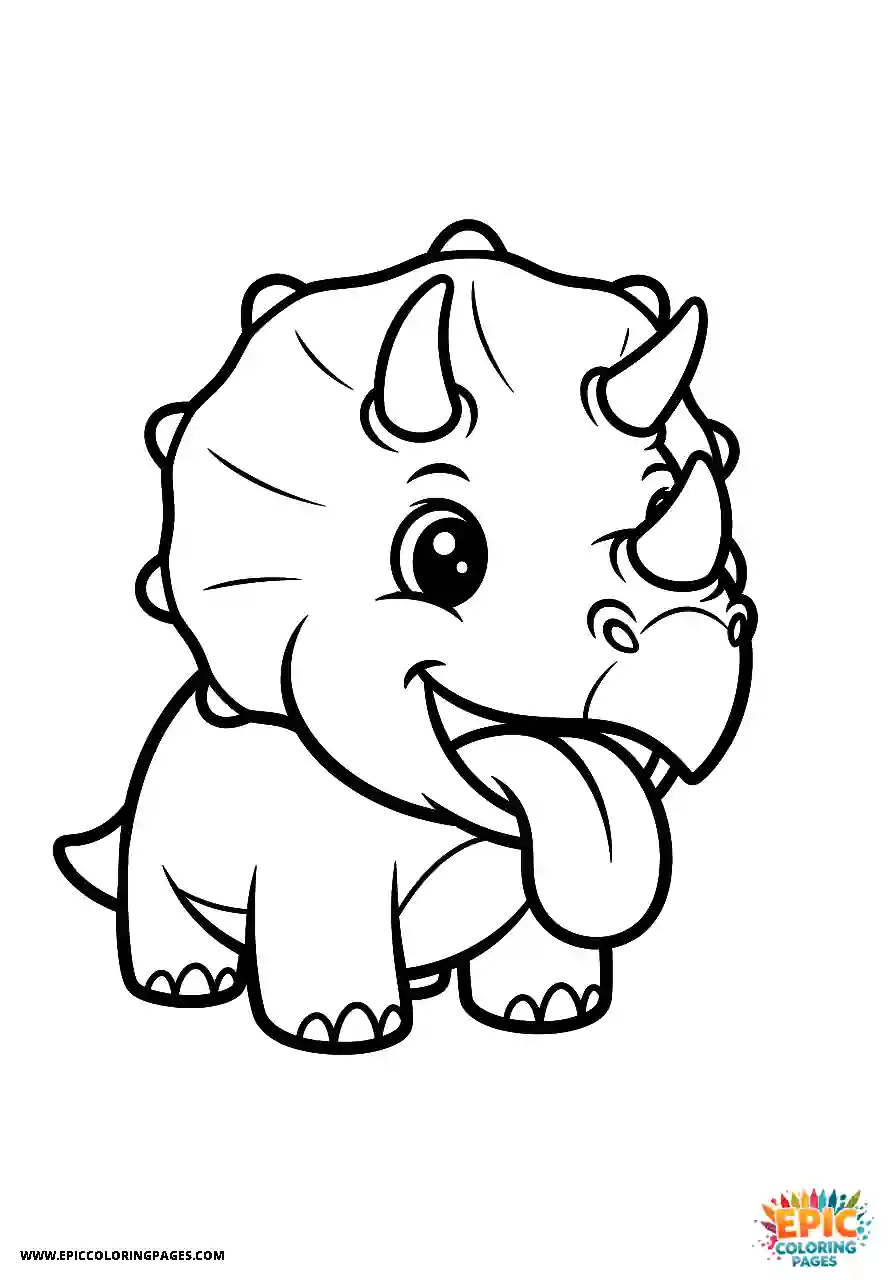
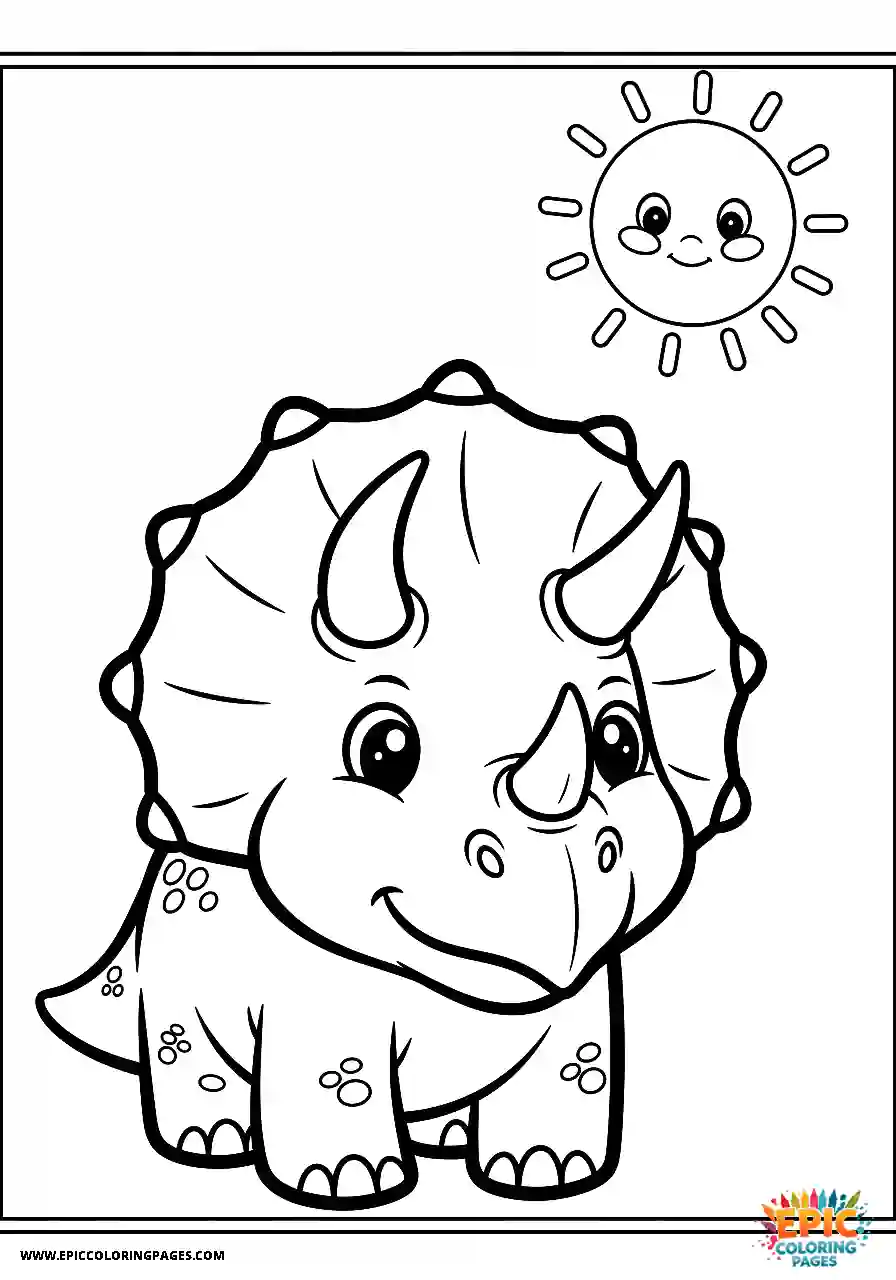
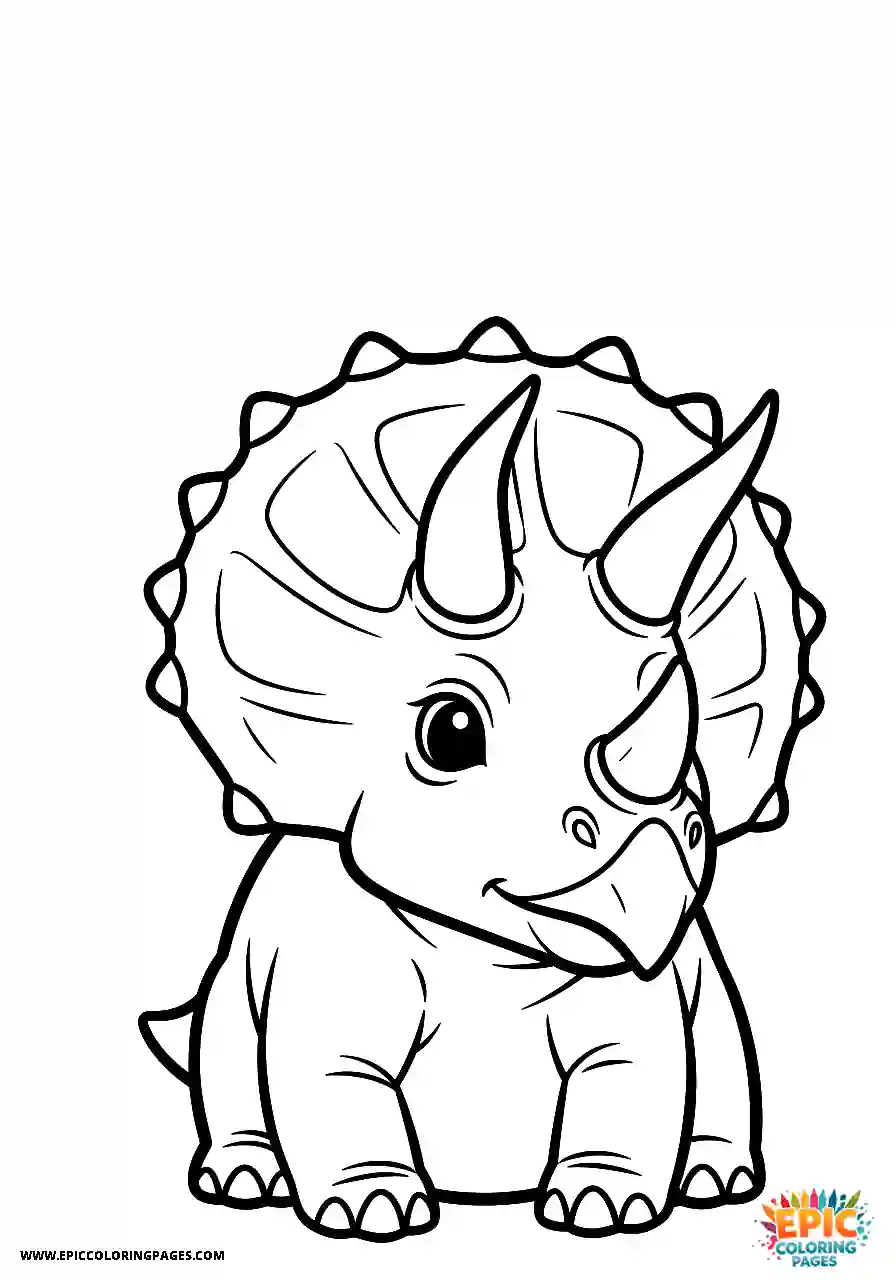
Small touches can elevate your coloring from good to exceptional. The eye deserves special attention it’s often said that eyes bring a creature to life. Consider leaving a small white highlight in the eye to suggest moisture and add a spark of life. The pupil should be very dark, creating strong contrast.
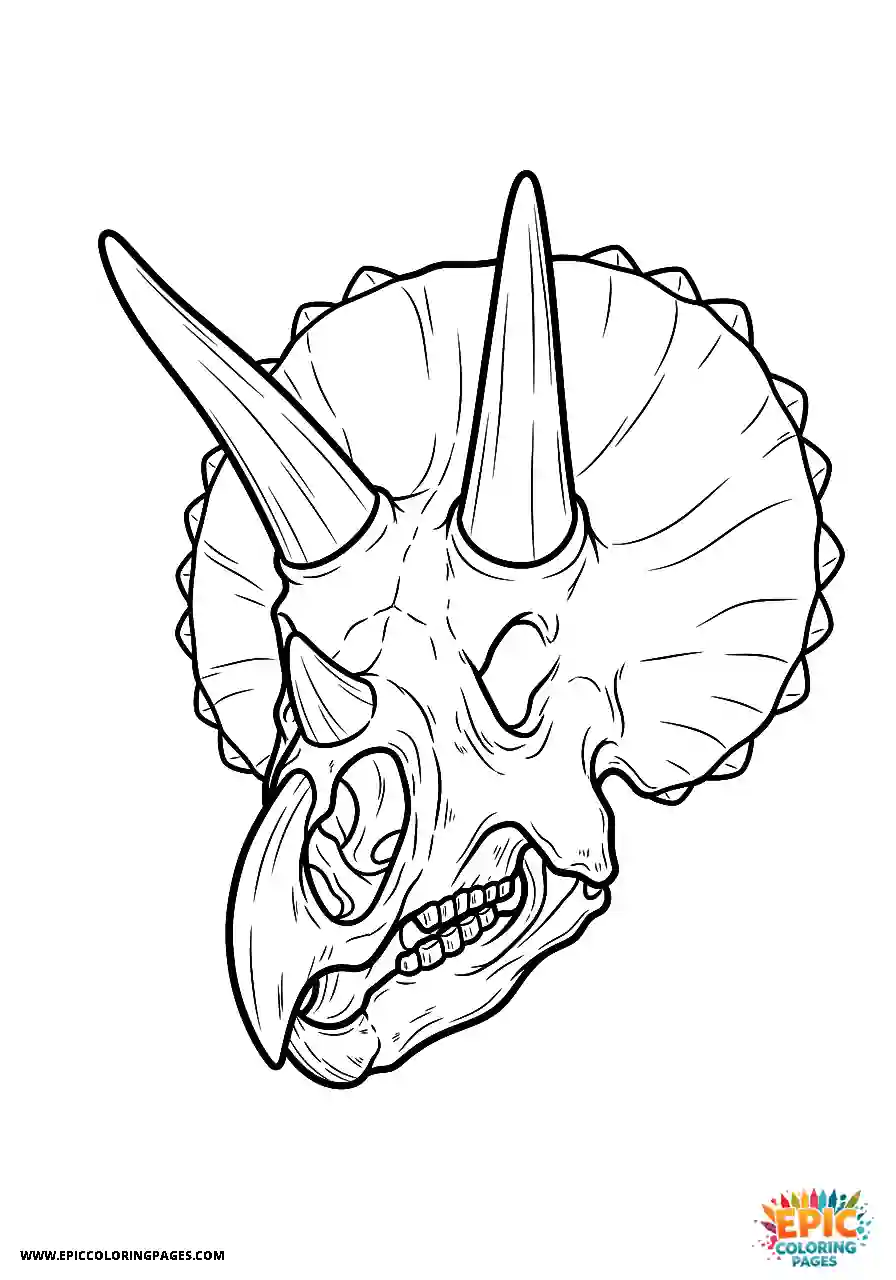
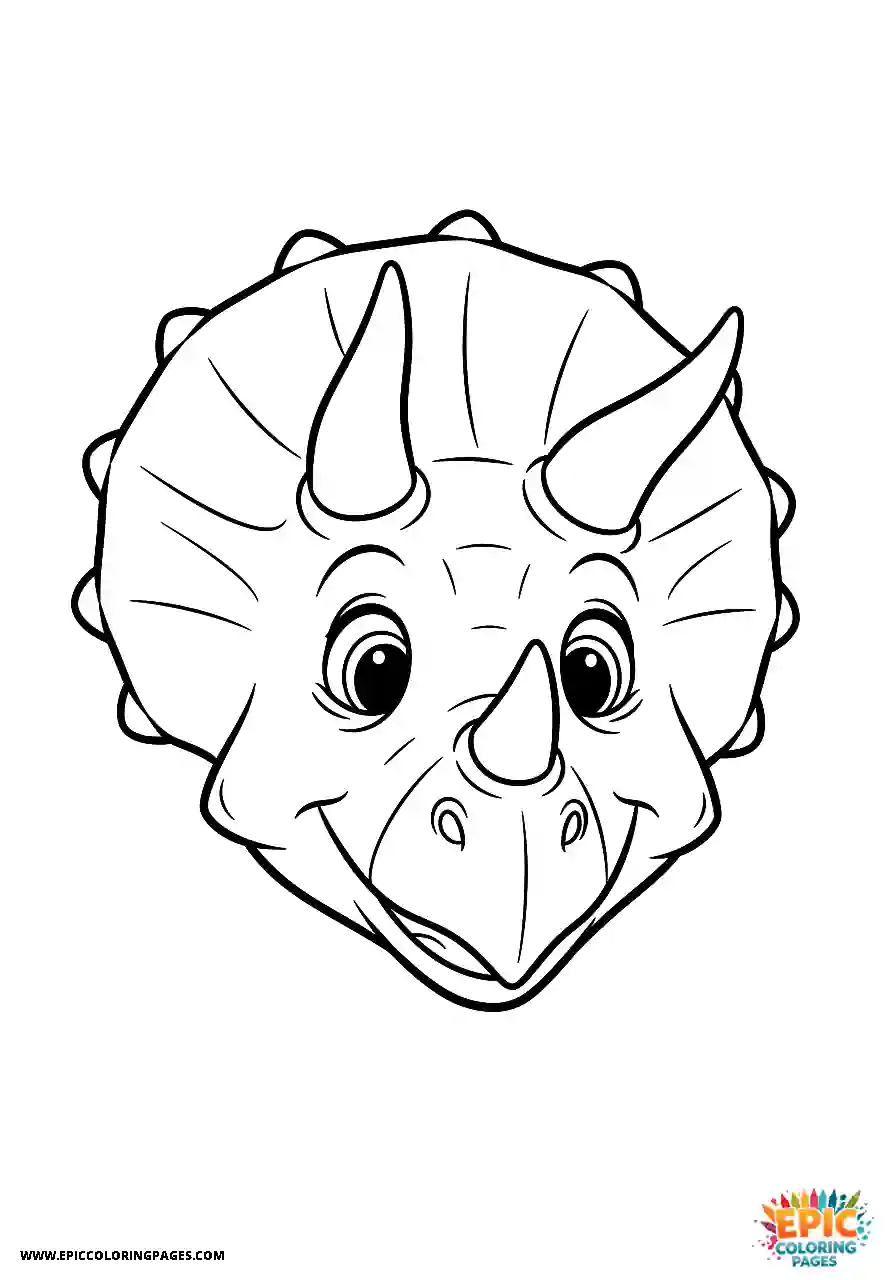
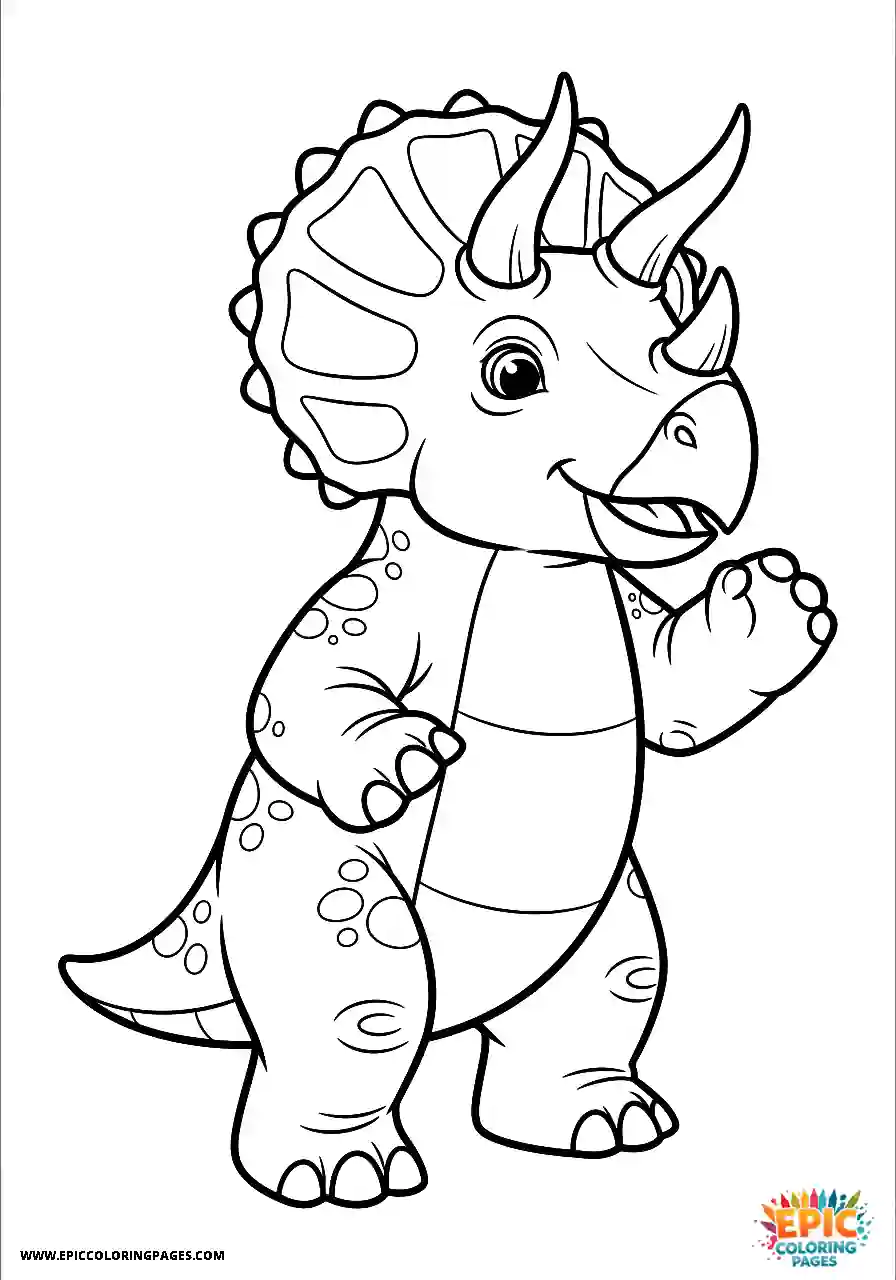
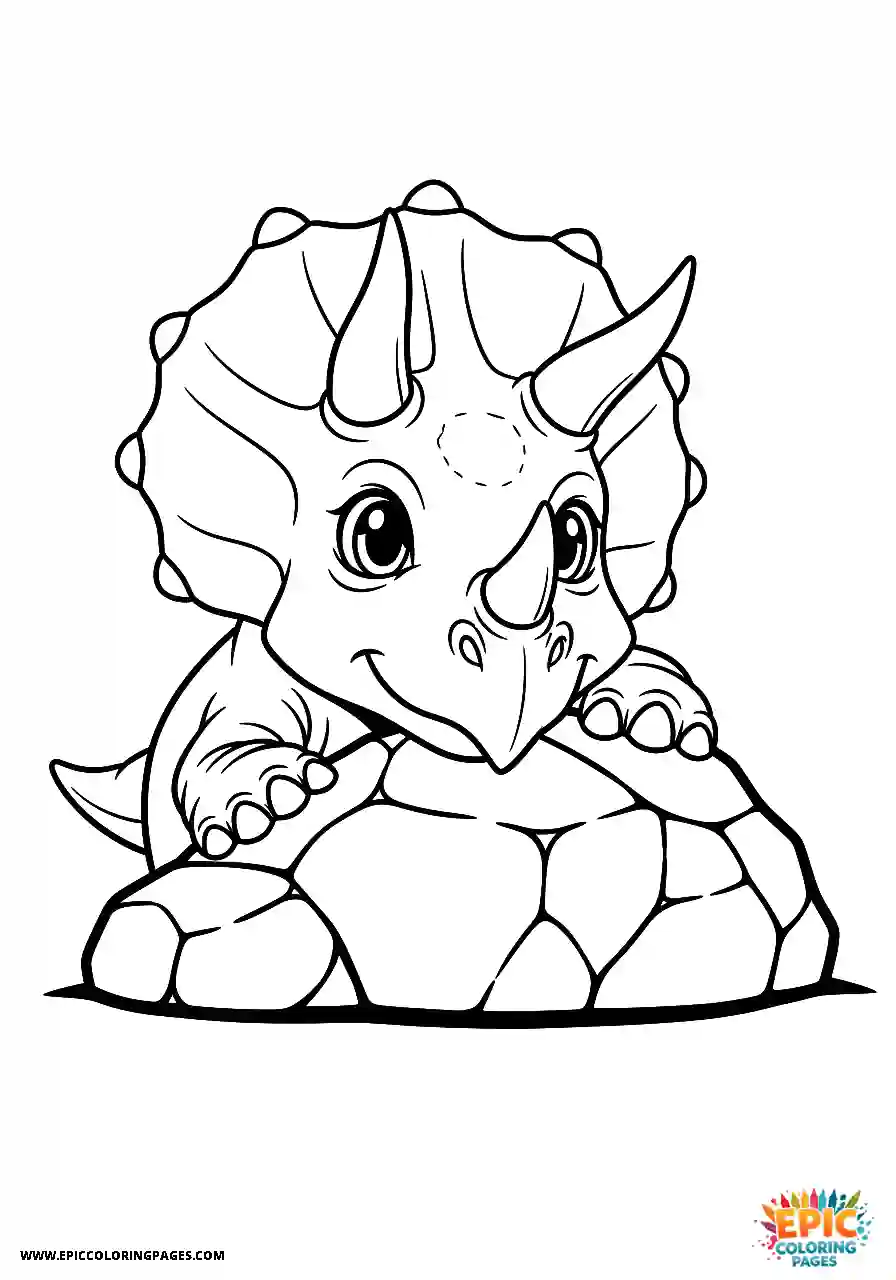
The horns and beak are made of keratin, similar to our fingernails or a bird’s beak. These areas might be slightly different in color from the skin perhaps a bit lighter or with a subtle sheen. Adding fine white or light-colored lines along the horns can suggest shine and dimension.
Where the frill meets the head, shadows would naturally occur. Darkening these areas makes the frill appear to project forward from the skull. Similarly, shadows beneath the body help ground the Triceratops and prevent it from looking like it’s floating.
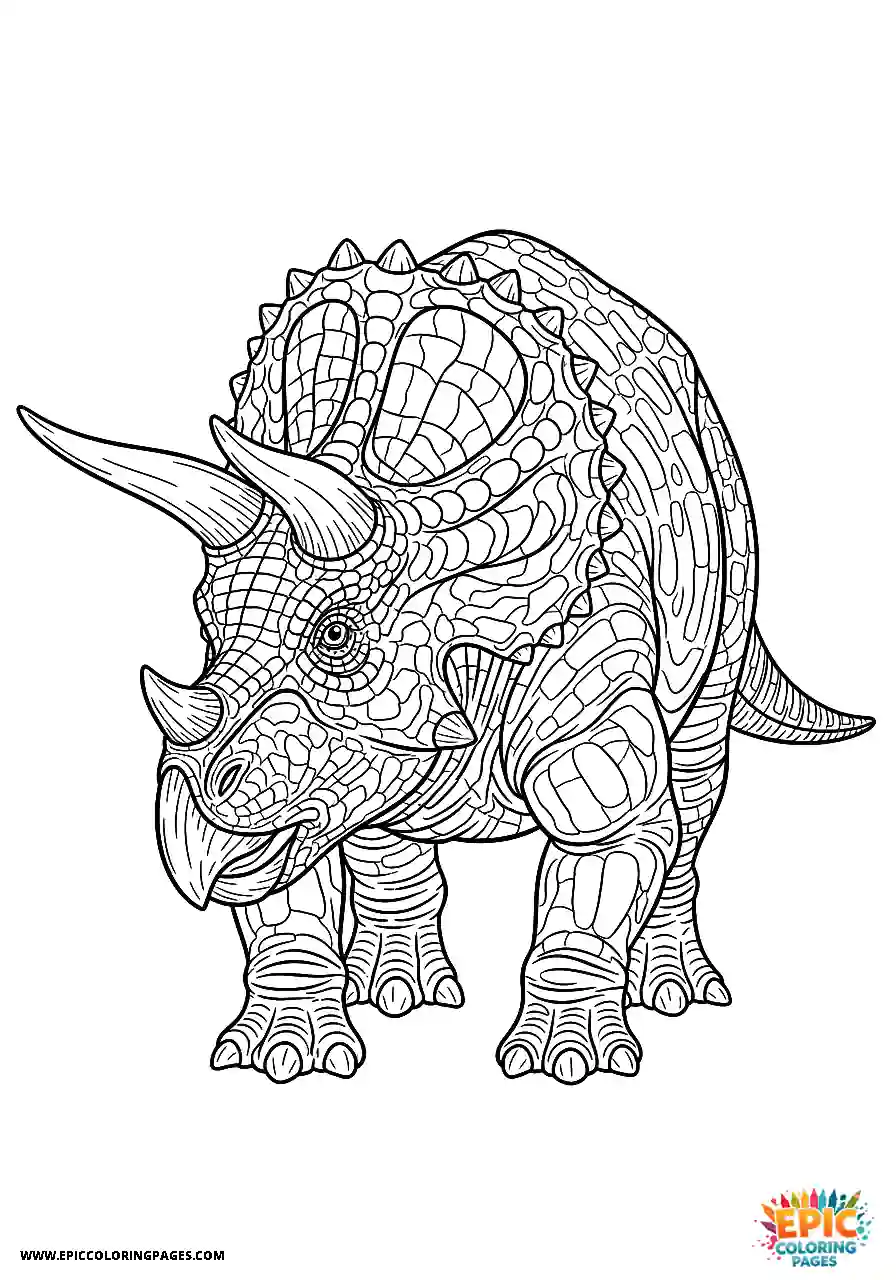
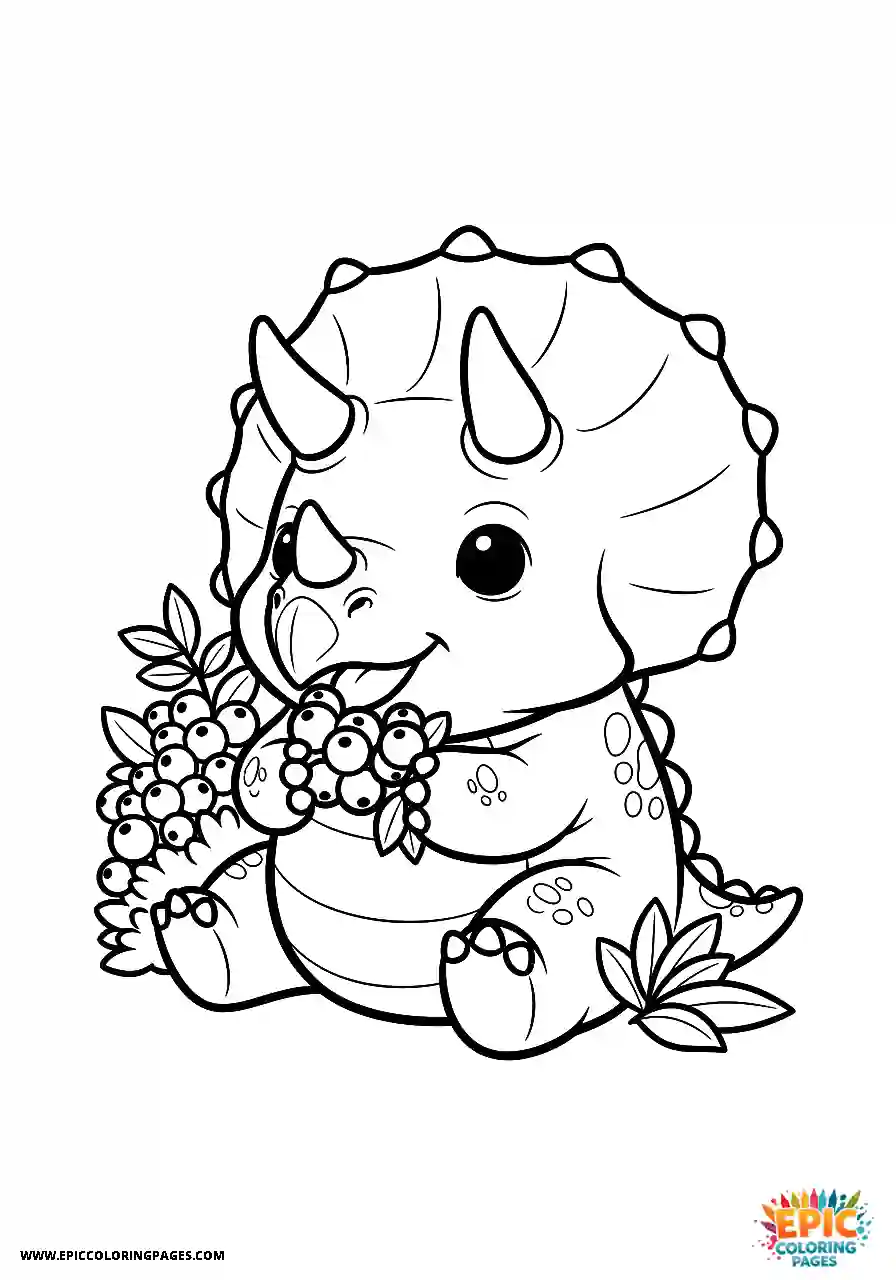
If your coloring page shows texture lines or scale patterns, you don’t need to color each one individually in a different shade, but you can use them as guides for adding subtle variation in tone.
Common Mistakes and How to Avoid Them
One pitfall I see often is using colors straight from the package without mixing or layering. This can result in flat, uniform areas that lack visual interest. Even if you want a green Triceratops, consider layering a yellow-green over an olive green, or adding touches of brown or blue to create complexity.
Another common issue is inconsistent shading or forgetting about the light source partway through. Before you start, make a small mark on your paper indicating where the light is coming from, and refer back to it as you work. Every part of your dinosaur should be shaded consistently according to that light source.
Pressing too hard too soon is a frequent mistake with colored pencils. Hard pressure burnishes the paper, making it difficult to add more layers or make corrections. Start light and build gradually you can always make something darker, but lightening is much more difficult.
With markers, a common error is going back over an area too many times, which can cause the paper to pill or tear. Plan your marker strokes and try to achieve the coverage you want in one or two passes.
Embracing Your Personal Style
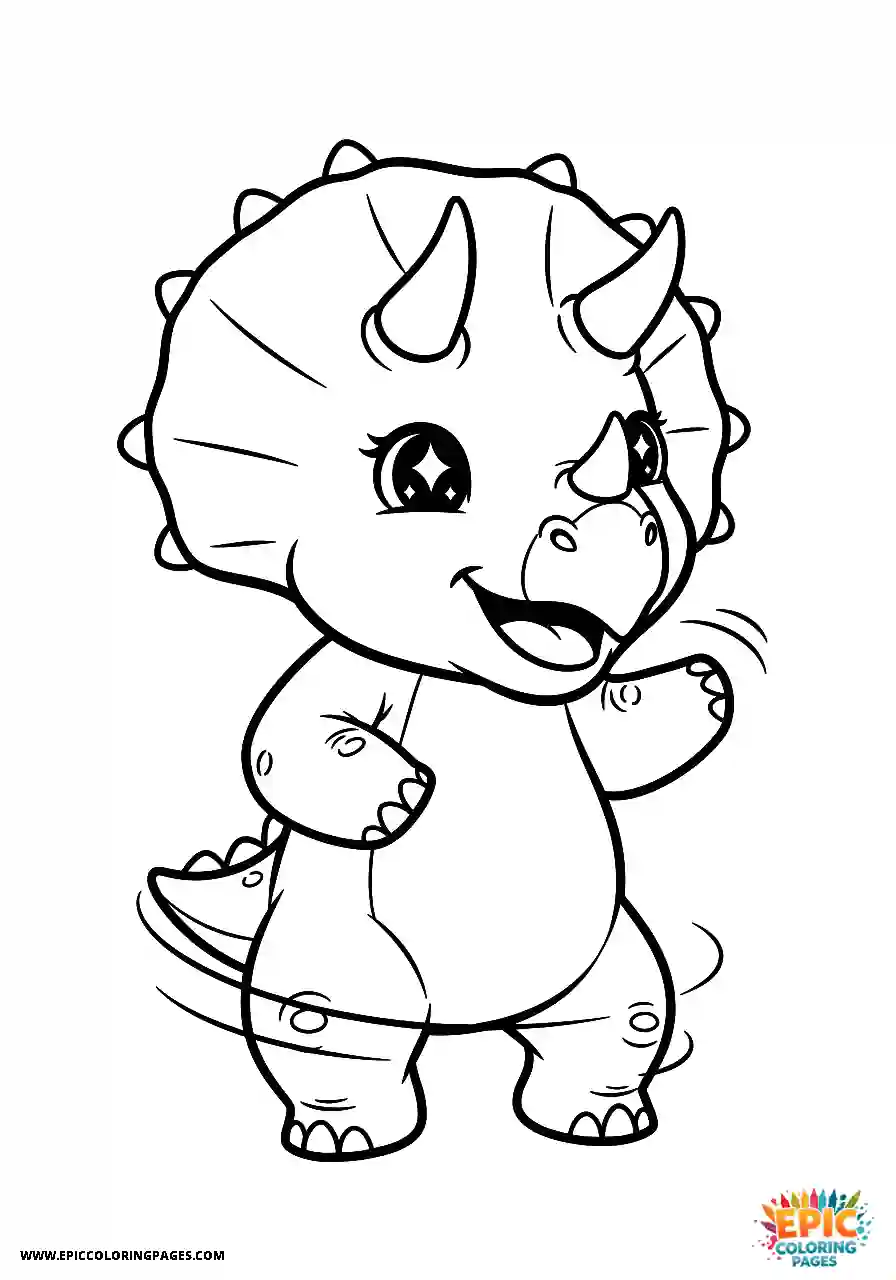
While these tips provide guidance, remember that your coloring should bring you joy. If you prefer bold, unrealistic colors, embrace that. If you love spending hours on tiny details, that’s wonderful. If you want to finish a page in twenty minutes with broad strokes of color, that’s equally valid.
Some of the most striking Triceratops colorings I’ve seen have completely ignored “rules” about realistic coloration. I’ve seen purple Triceratops with pink frills, rainbow-scaled versions, and even galaxy-themed designs that were absolutely stunning. Art is personal, and your coloring reflects your unique vision.
As you practice, you’ll naturally develop preferences and techniques that work for you. Maybe you’ll discover you love creating texture, or perhaps smooth, blended coloring becomes your signature. You might gravitate toward naturalistic palettes or become known for wild, imaginative color combinations.
Learning from Each Page
Every Triceratops you color is an opportunity to try something new. Maybe this time you’ll experiment with a color you’ve never used before, or you’ll try a different shading technique. Perhaps you’ll push yourself to add more detail to the frill or spend extra time perfecting the background.
Take a moment when you finish each page to consider what you liked about your approach and what you might do differently next time. This isn’t about criticism it’s about growth and discovery. Notice which colors you enjoyed using together, which techniques felt satisfying, and what aspects of the process brought you the most enjoyment.
The wonderful thing about coloring is that there’s always another page, another chance to create something beautiful. Your skills will naturally develop over time, and looking back at earlier work, you’ll see your progression. But remember, every finished page whether it’s your first or your hundredth is an accomplishment worth celebrating.
Now pick up your colors, trust your instincts, and bring your Triceratops to life. There’s a whole Cretaceous world waiting for your creative touch.