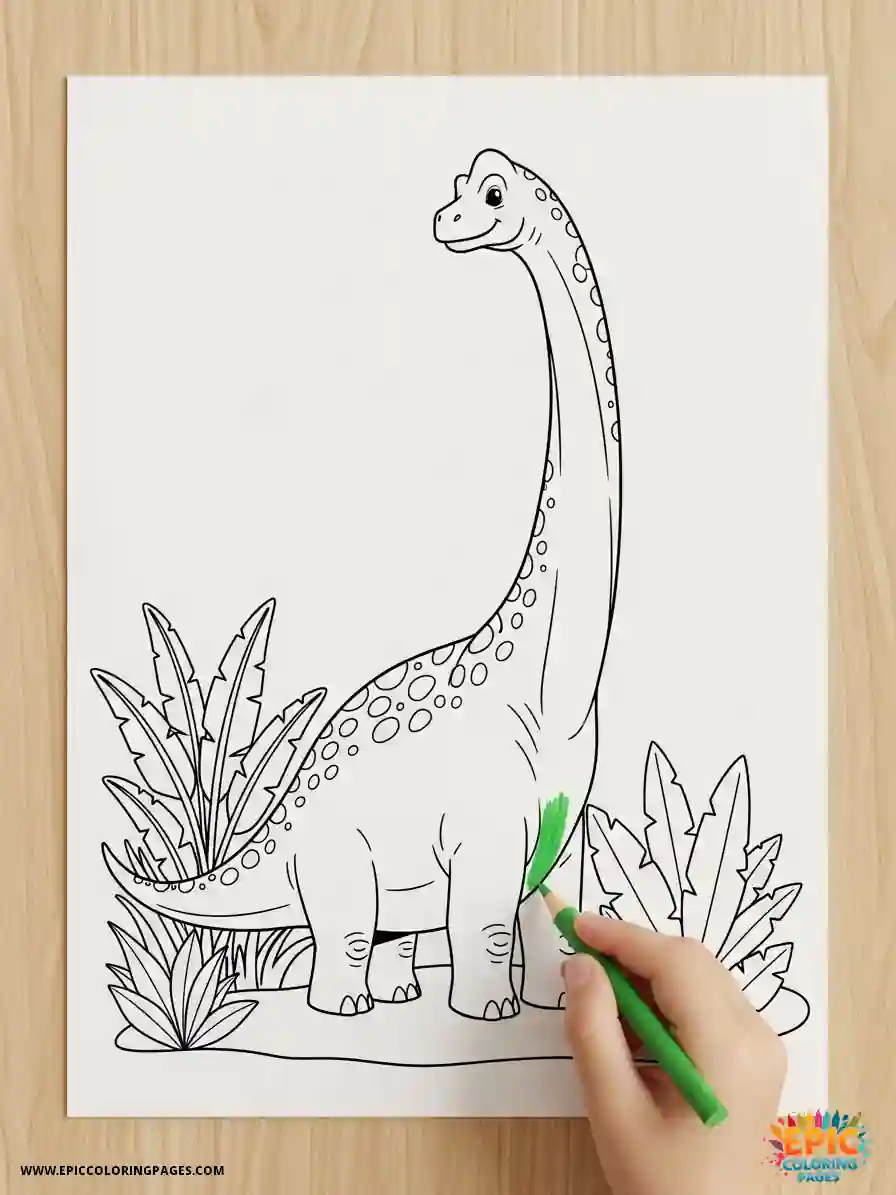
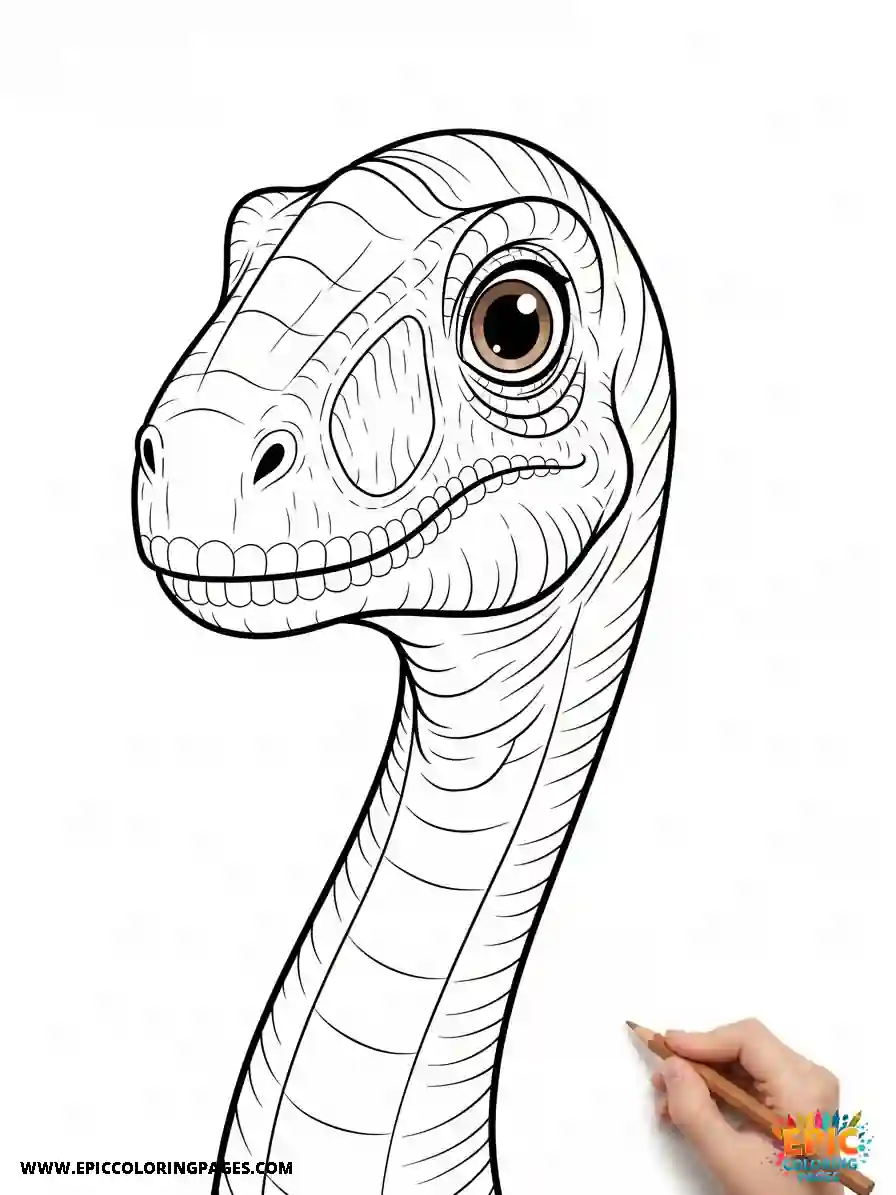
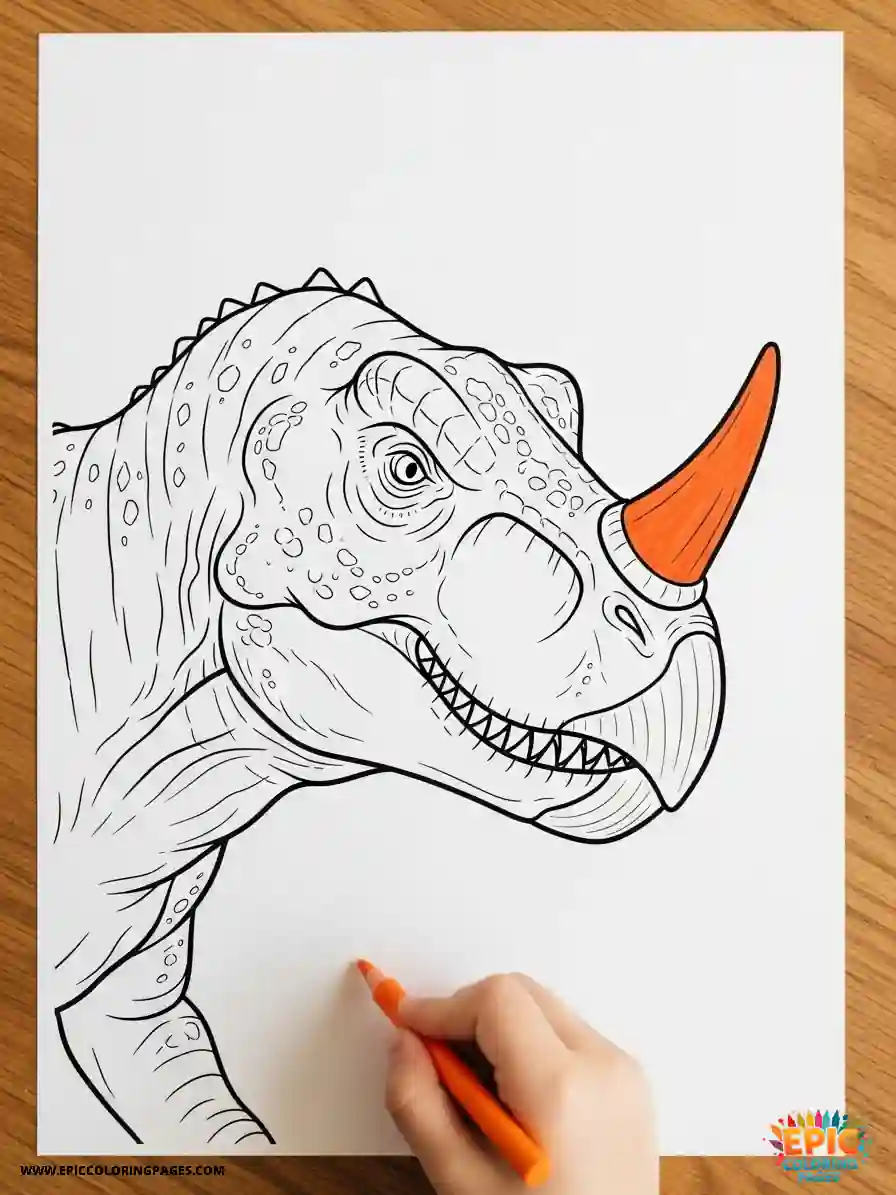
Professional Coloring Tips for Compsognathus Stylized Coloring Pages
Compsognathus affectionately known as “Compy” may have been one of the smallest dinosaurs, but it offers enormous creative potential for coloring enthusiasts. These chicken-sized predators from the Late Jurassic period provide a unique canvas that bridges scientific accuracy with artistic interpretation. Whether you’re a beginner exploring dinosaur art or an experienced colorist seeking fresh techniques, these professional tips will help you bring your Compsognathus pages to life.
Understanding Your Subject
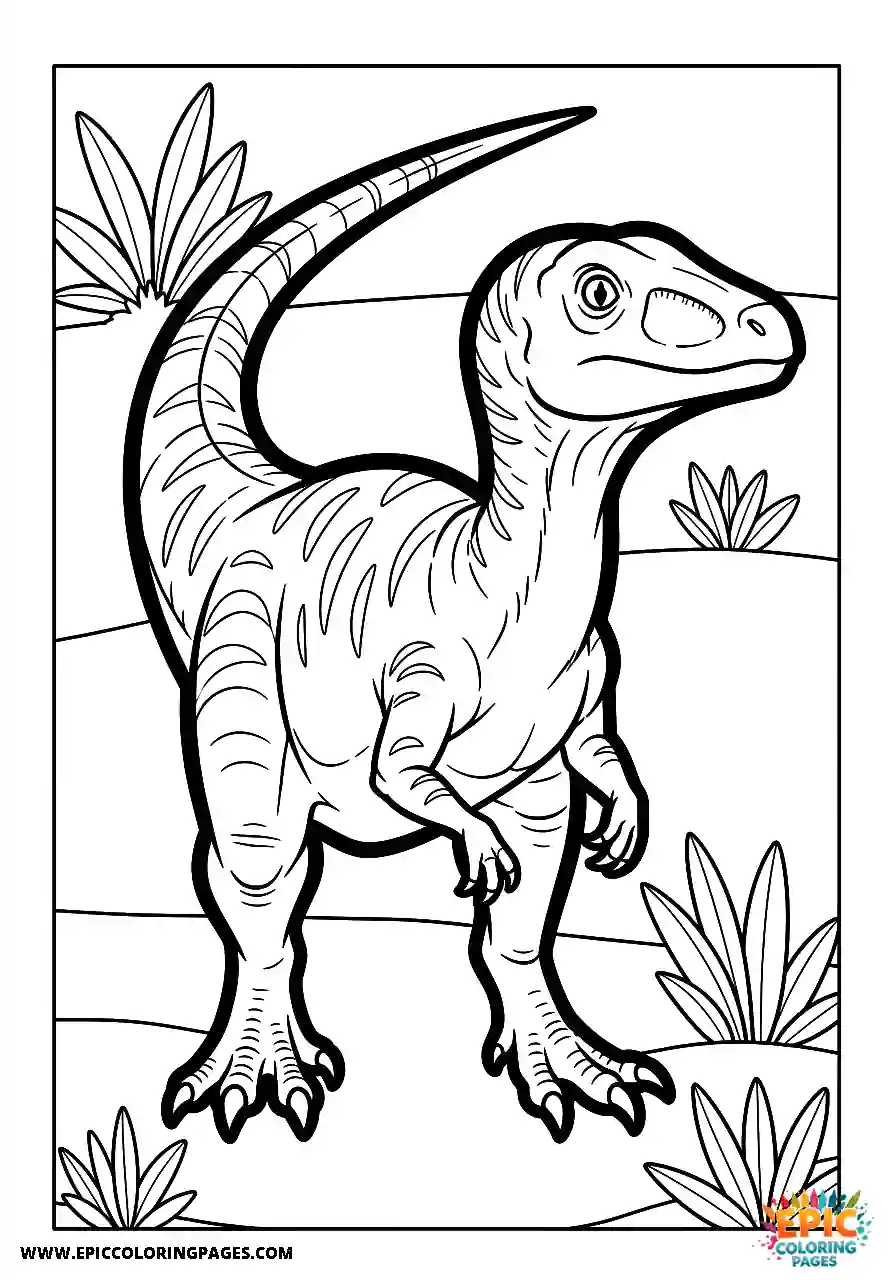
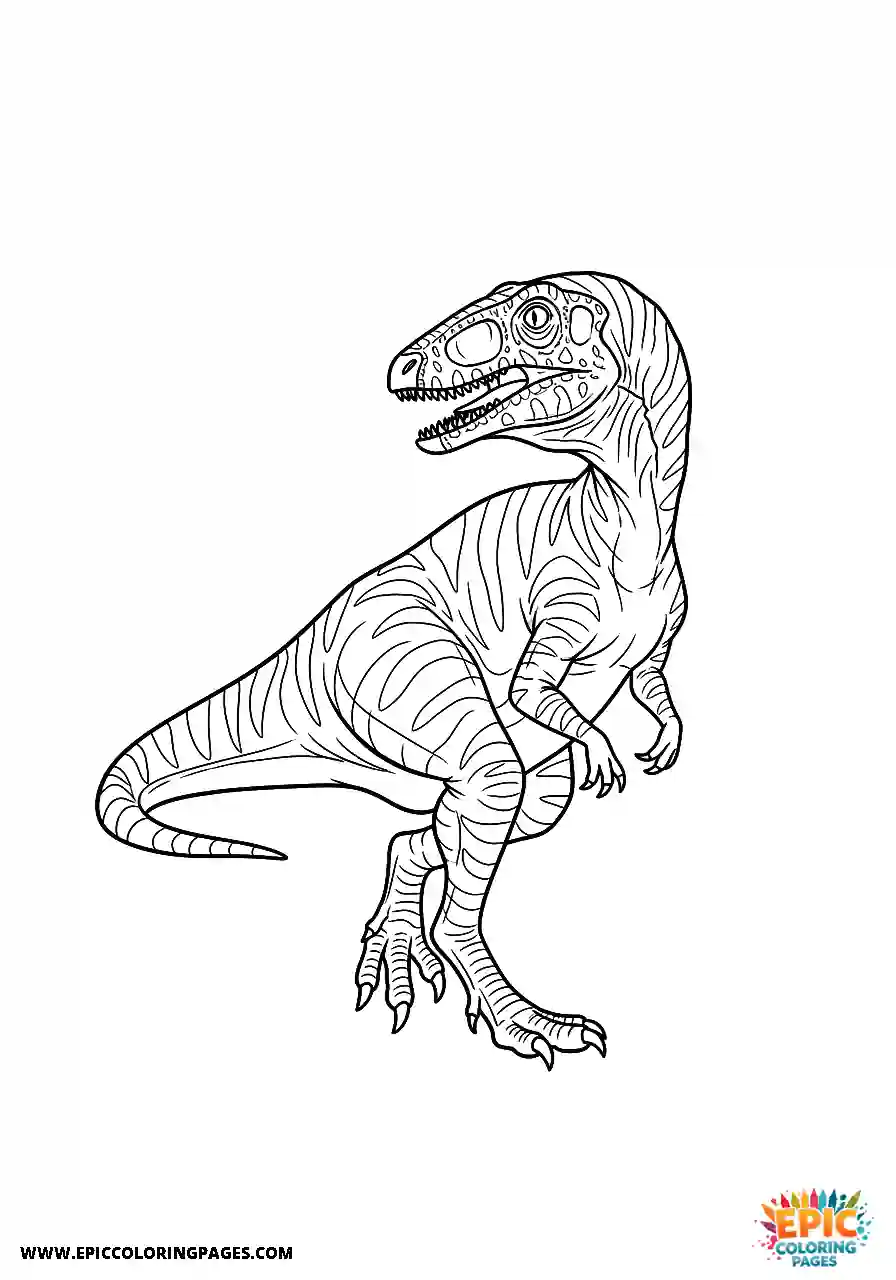
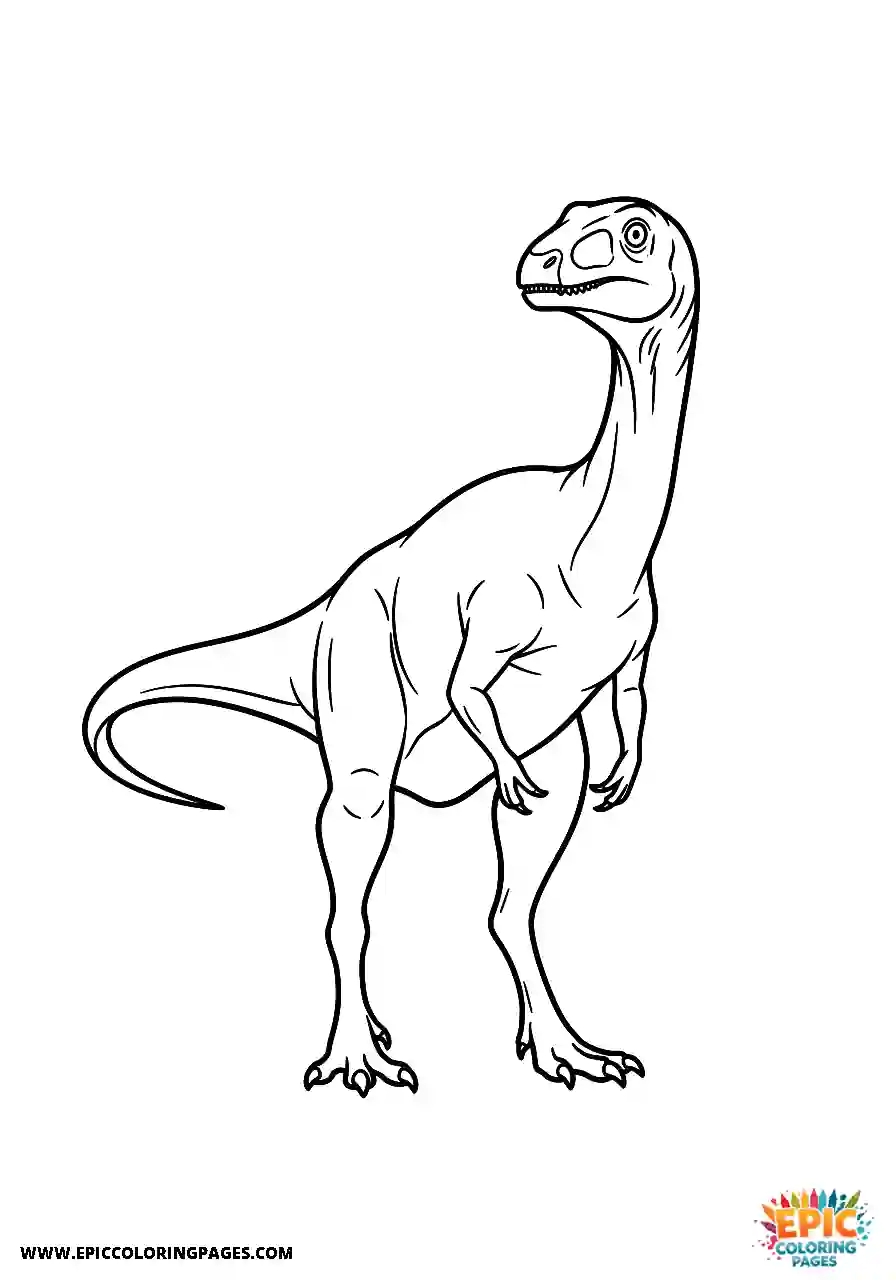
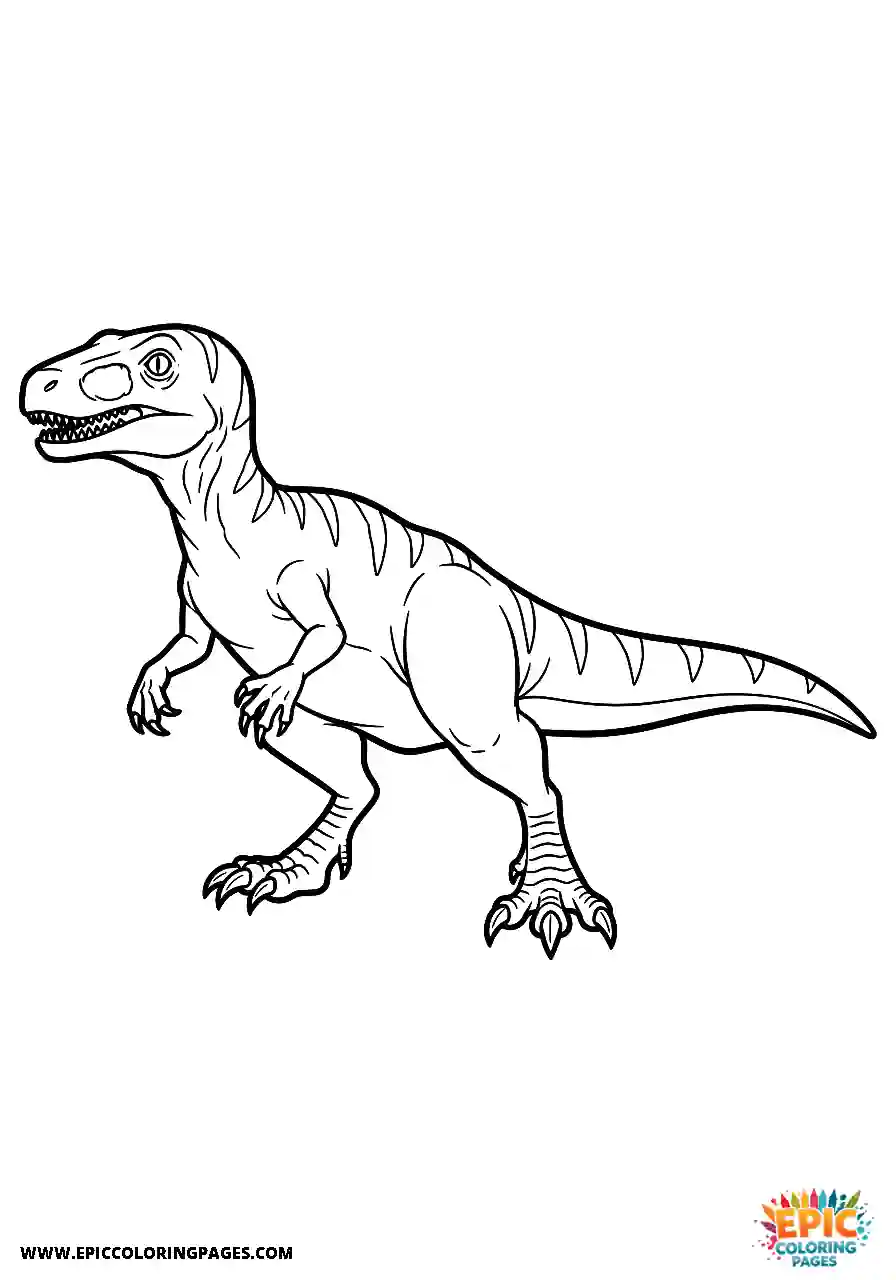
Before picking up your first coloring tool, take a moment to appreciate what makes Compsognathus special. This swift bipedal hunter measured only about three feet long and likely weighed around six pounds. Fossil evidence suggests it had a slender build, long tail for balance, and delicate three-fingered hands. While we can’t know its exact coloration, understanding its lifestyle as an agile predator in coastal environments gives us creative freedom grounded in biological possibility.
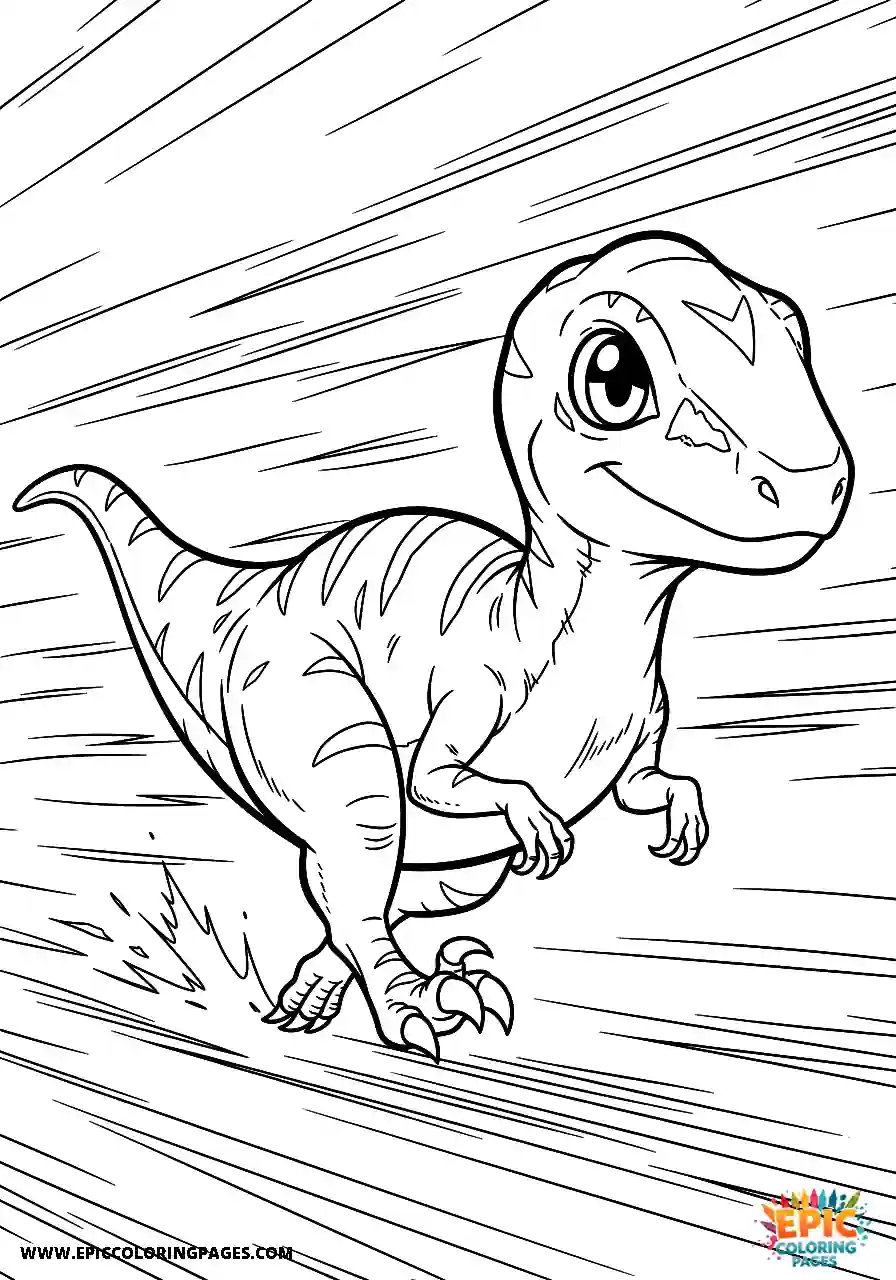
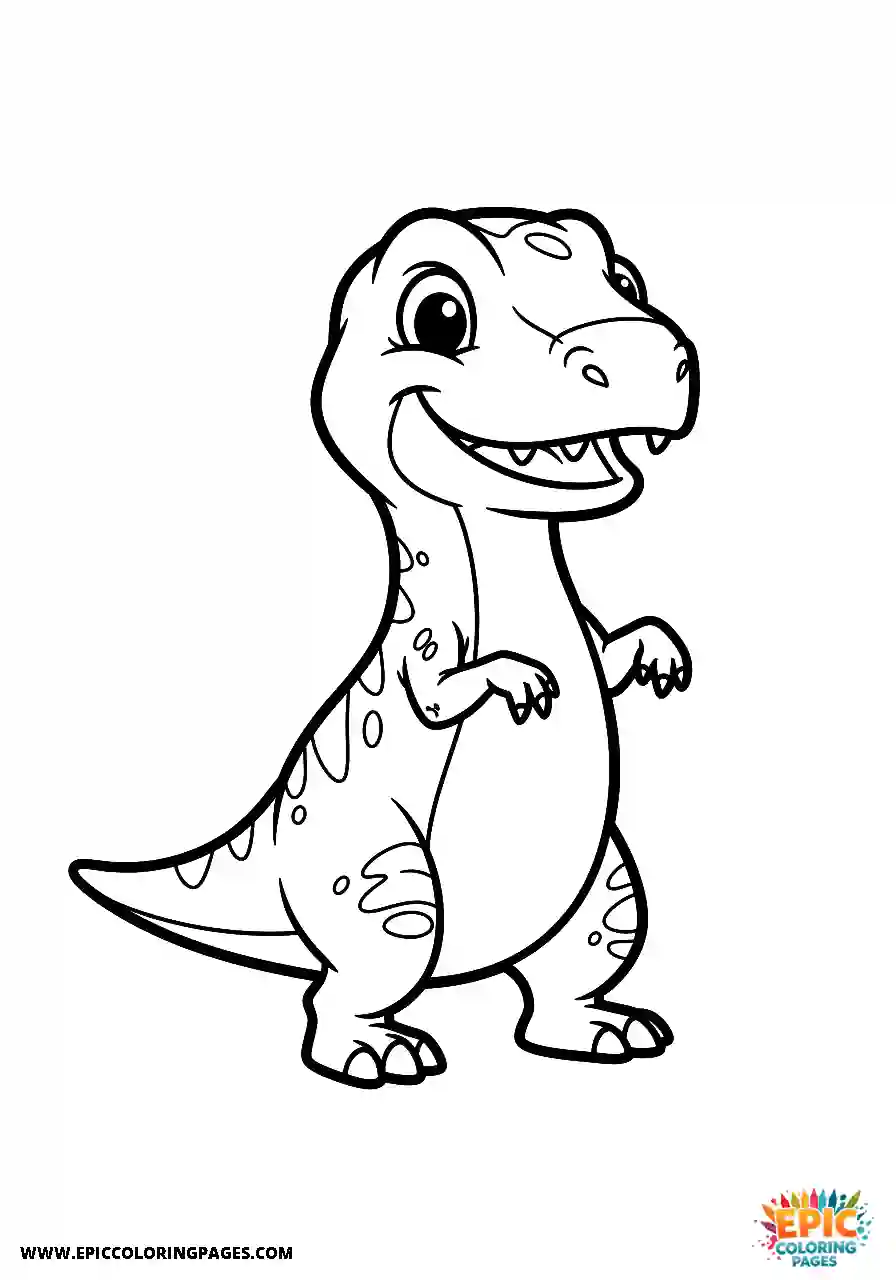
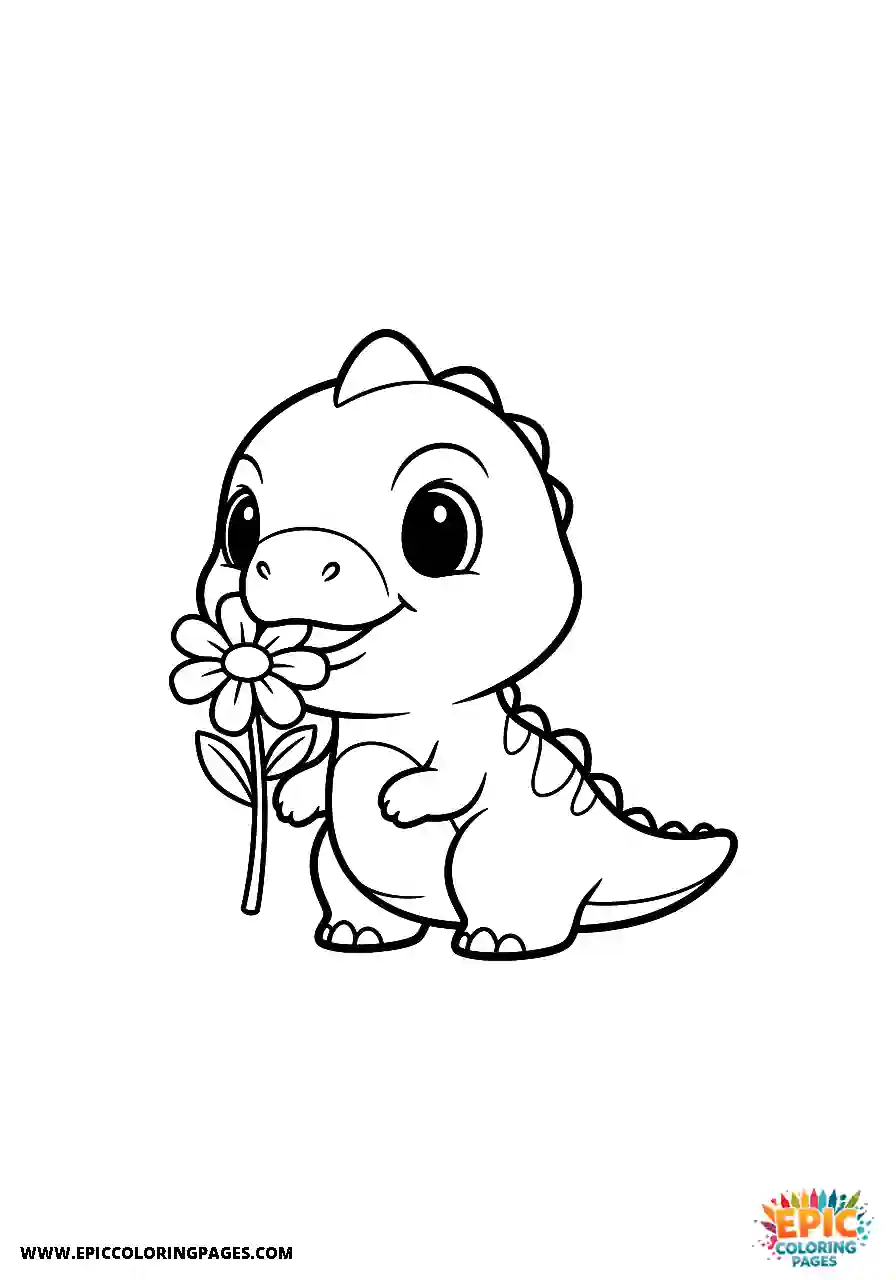
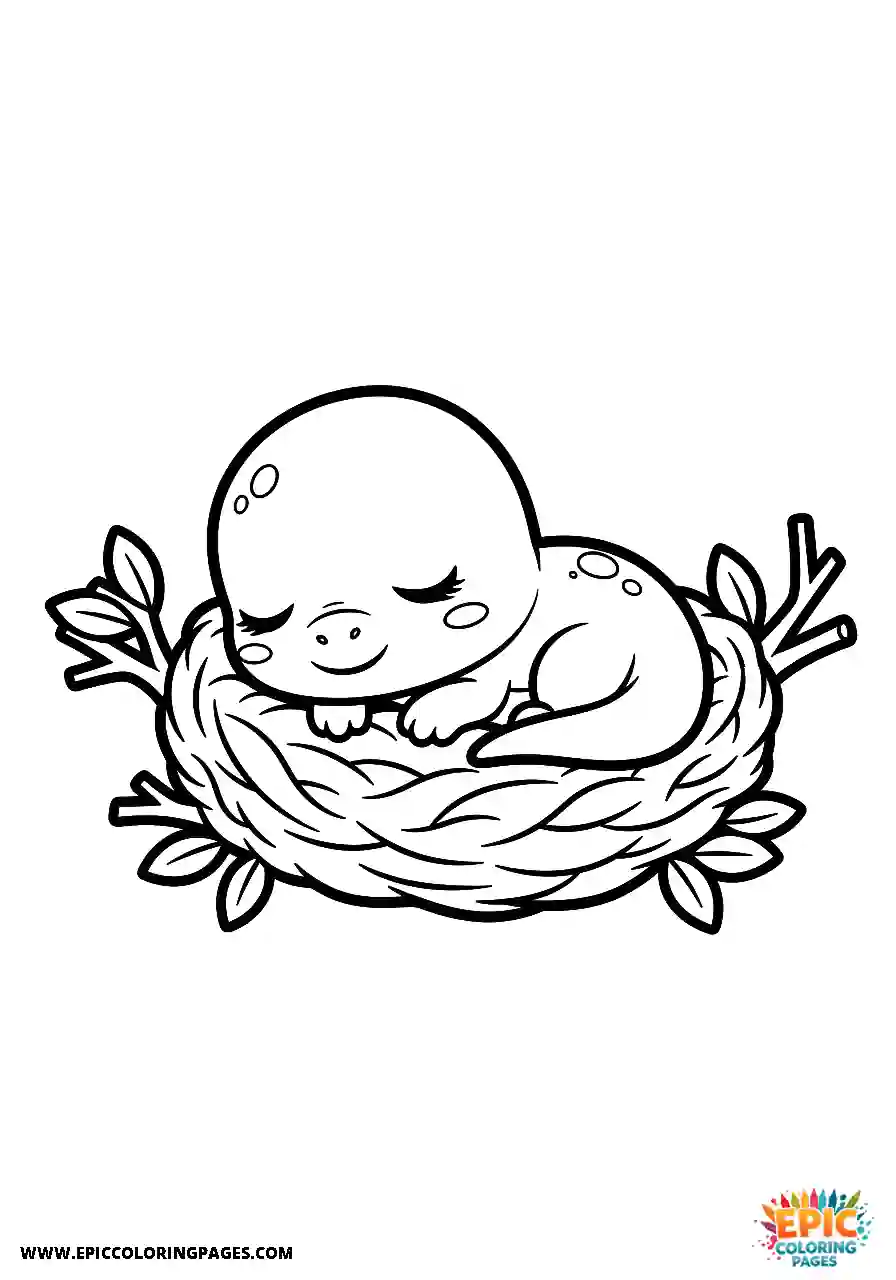
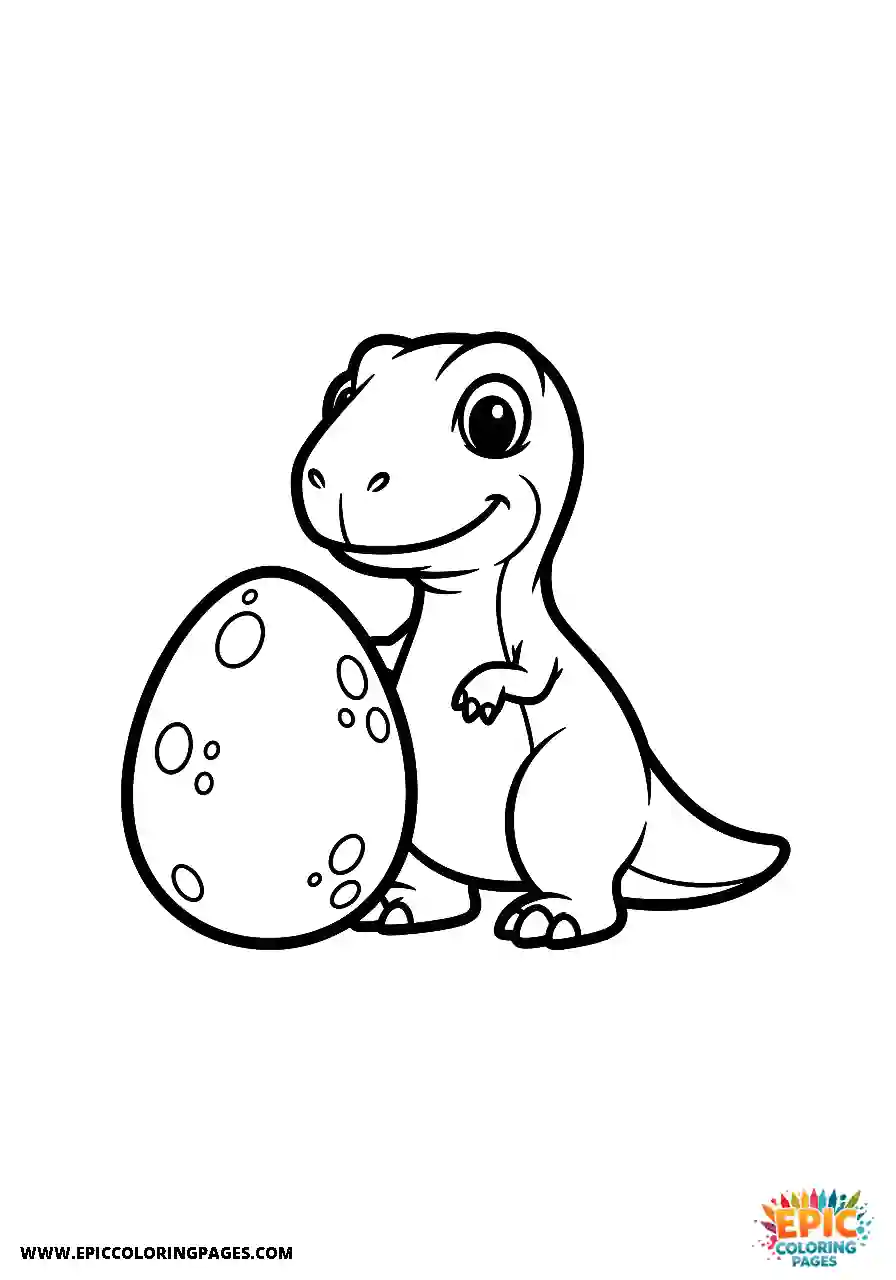
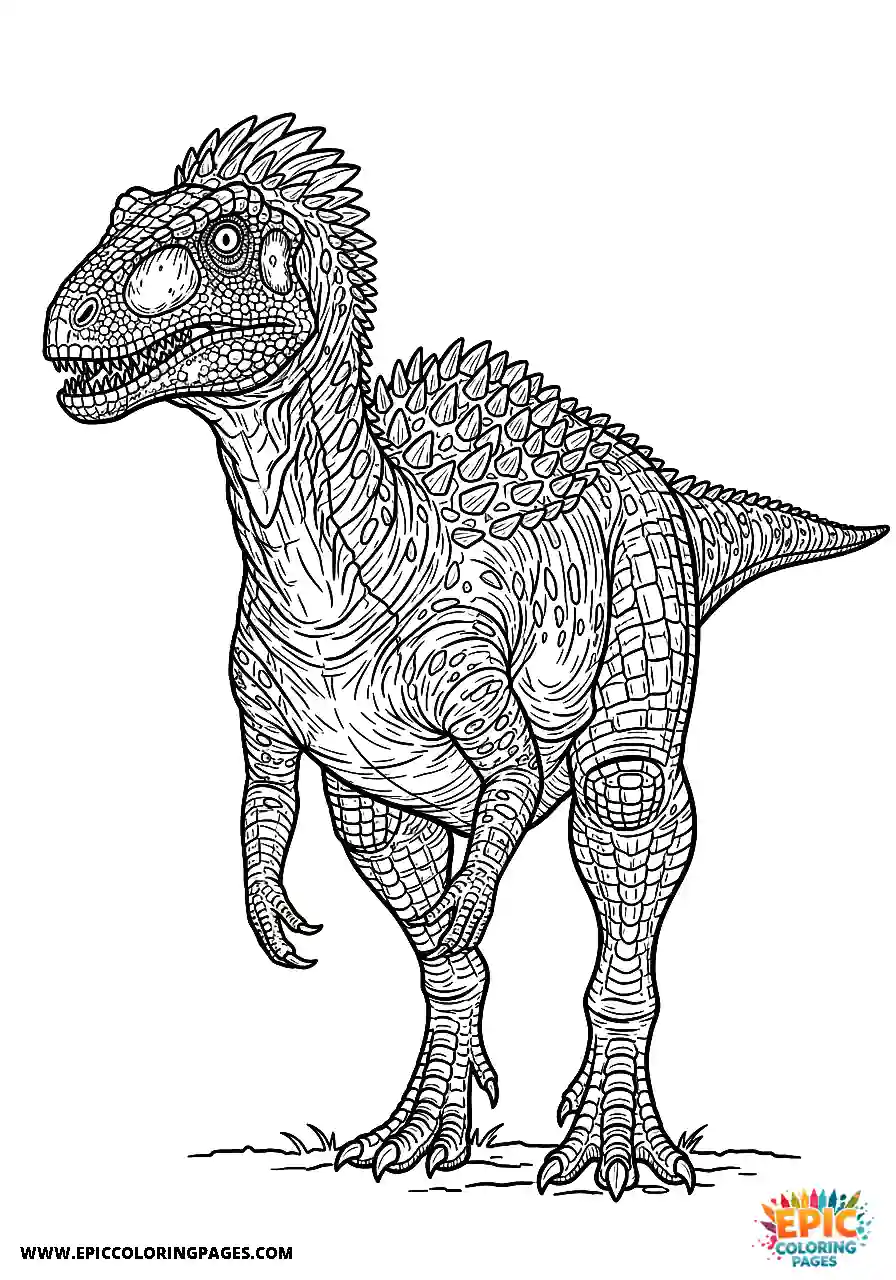
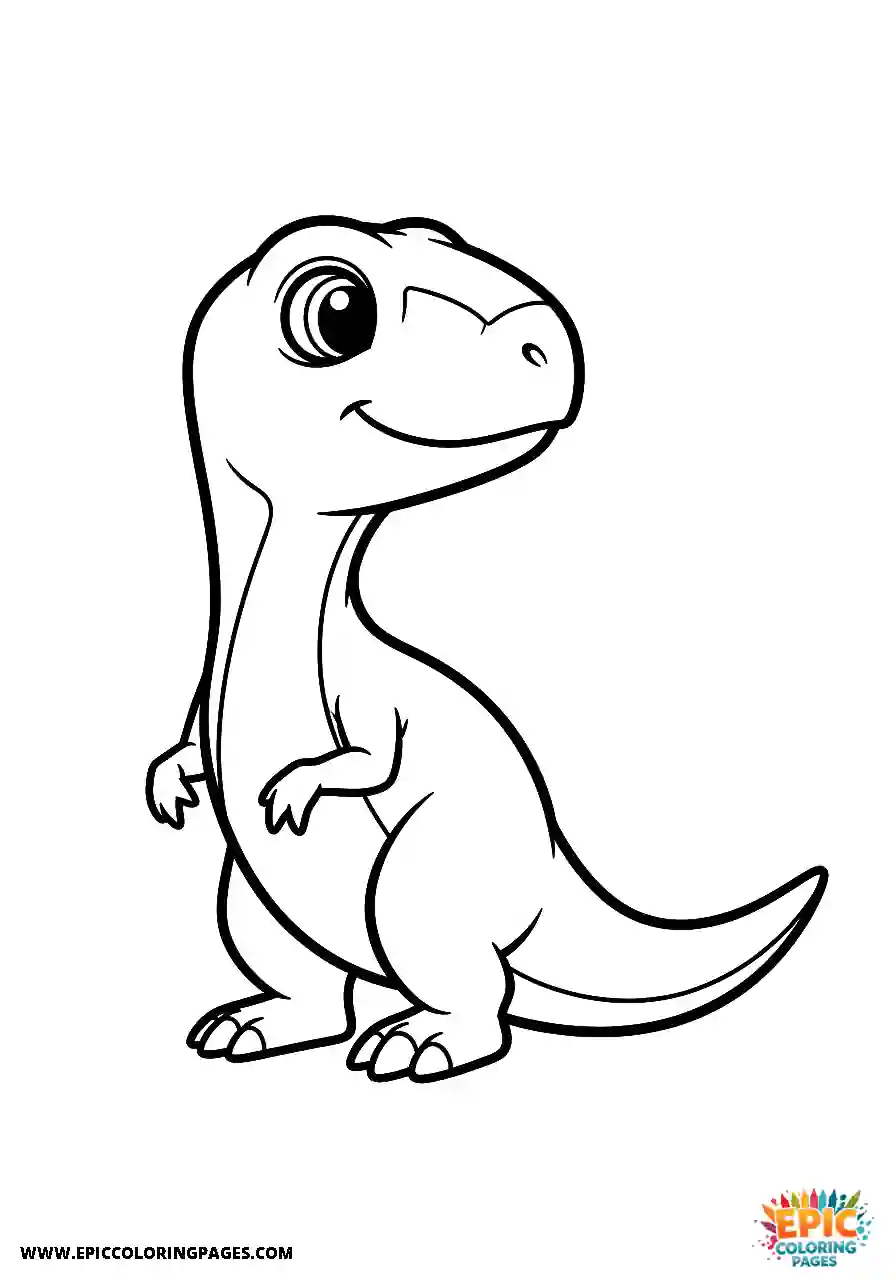
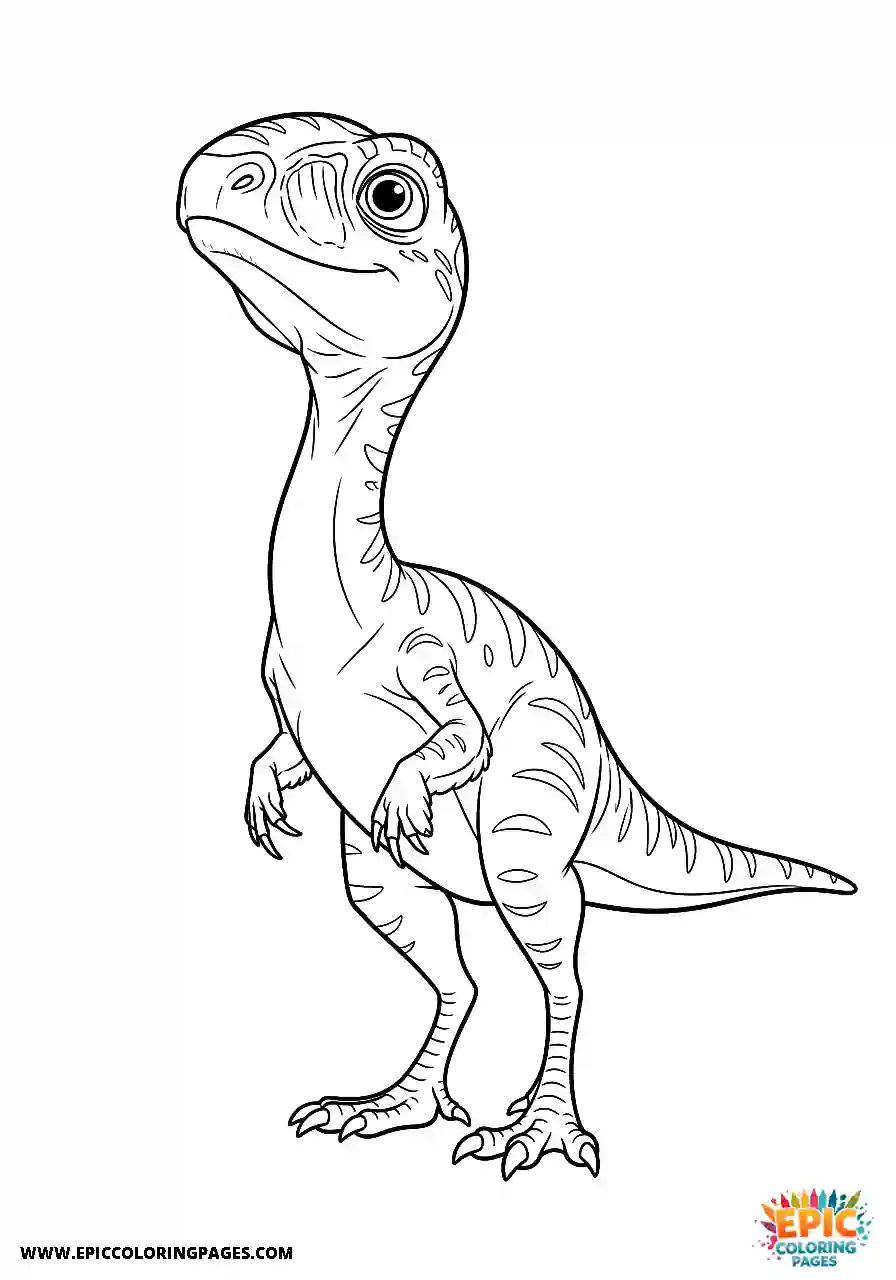
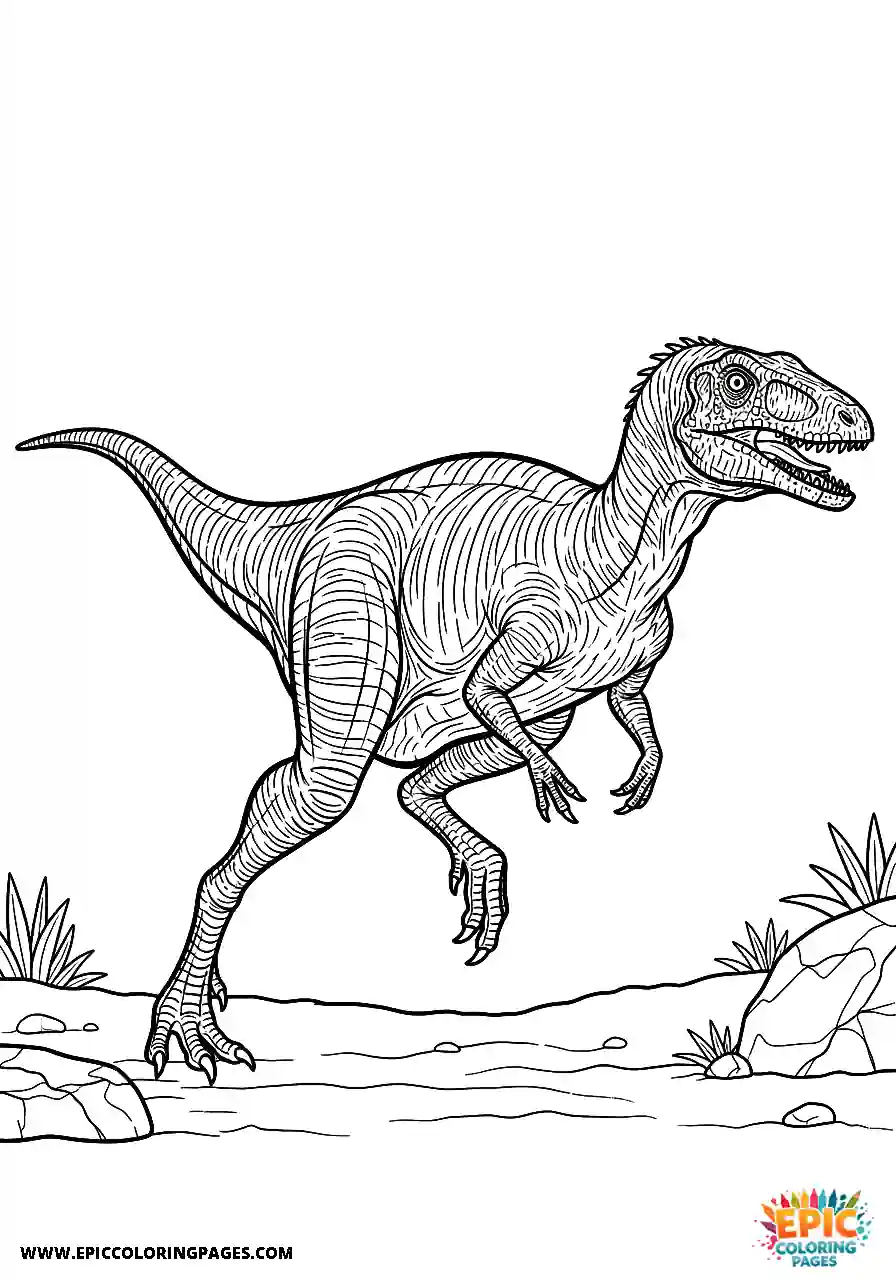
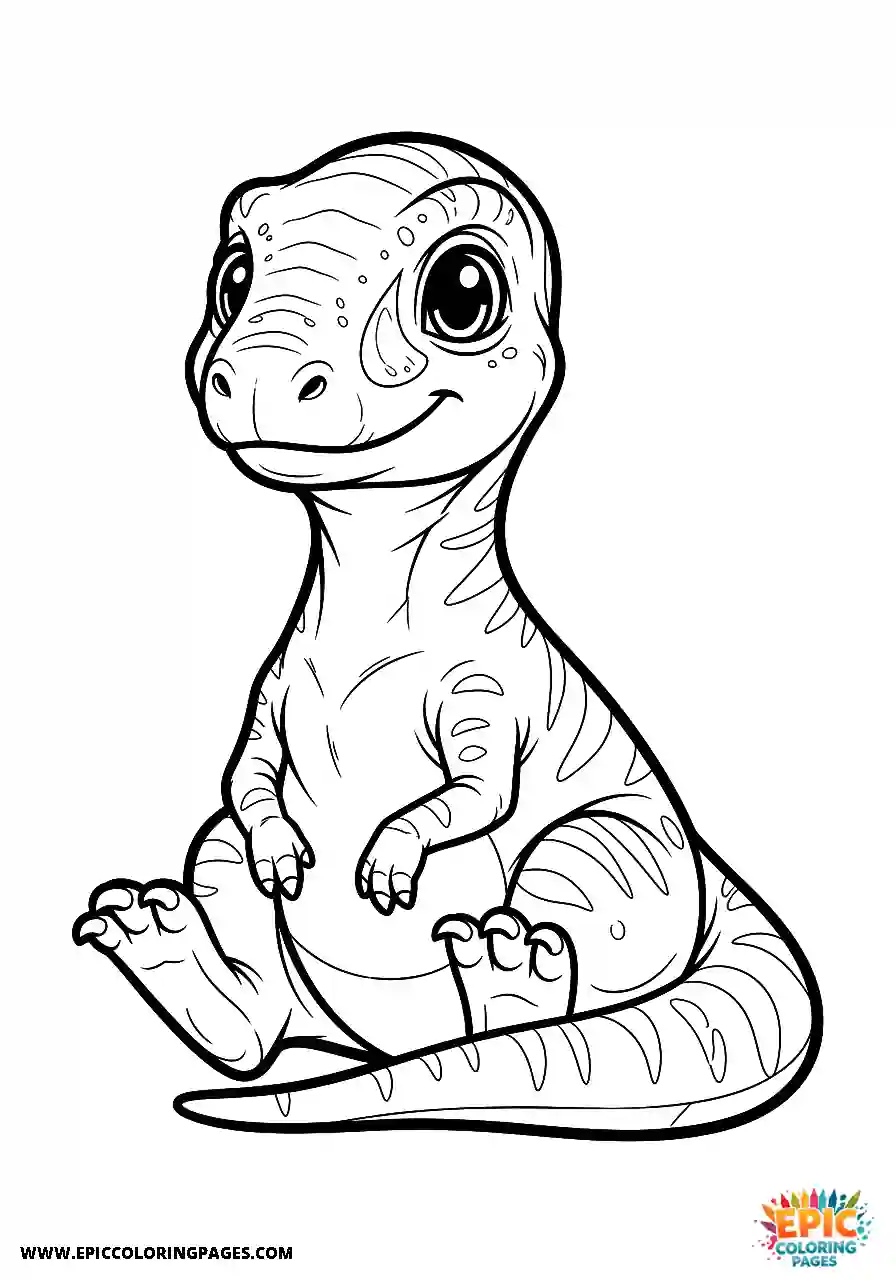
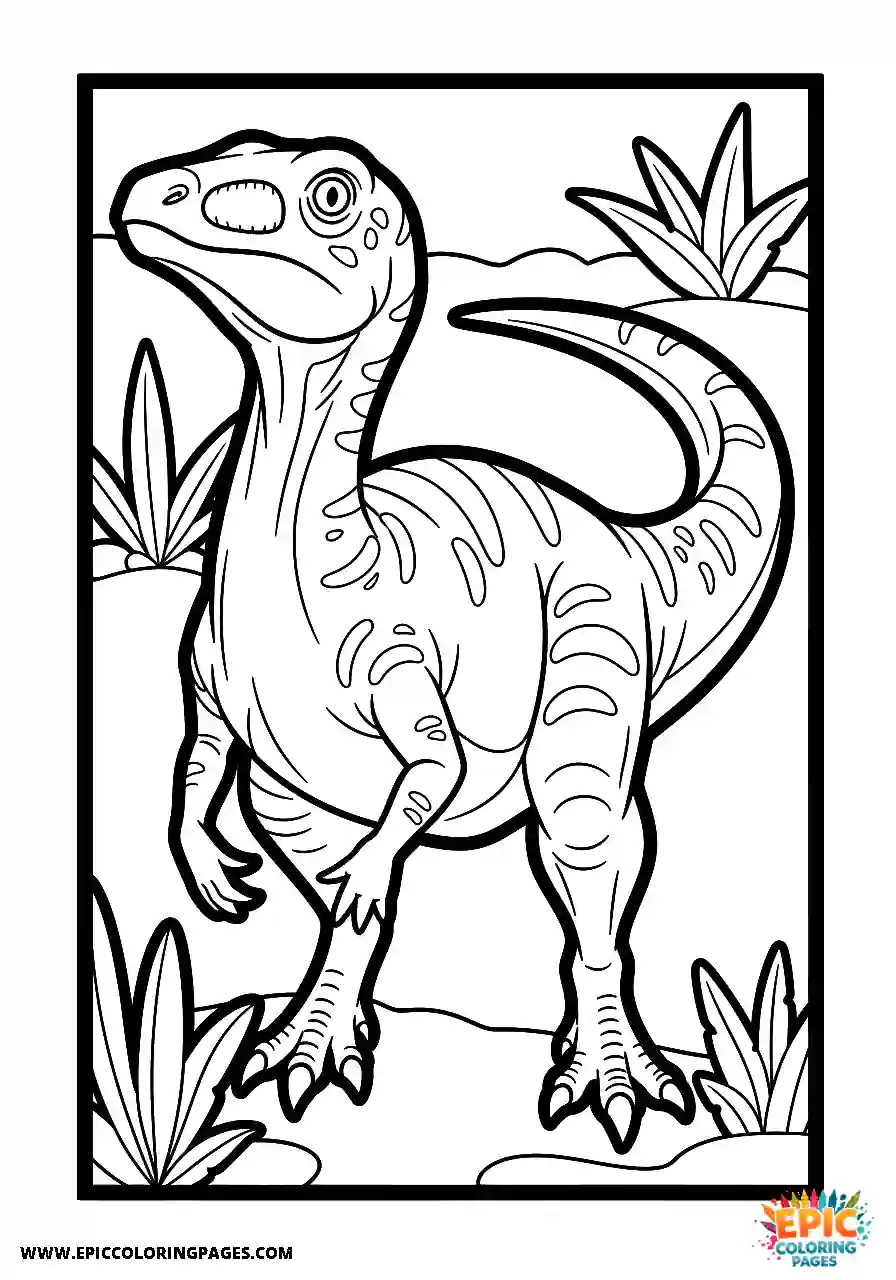
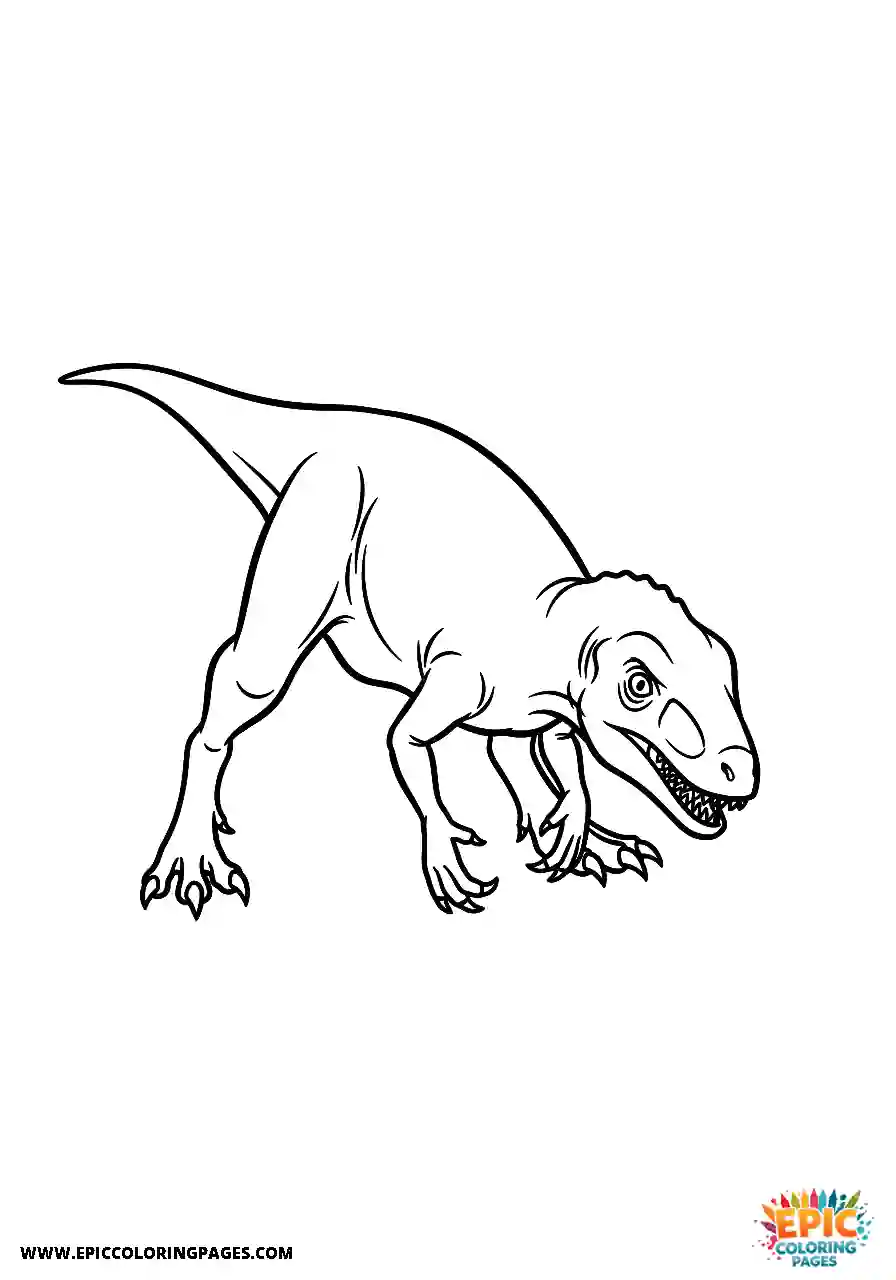
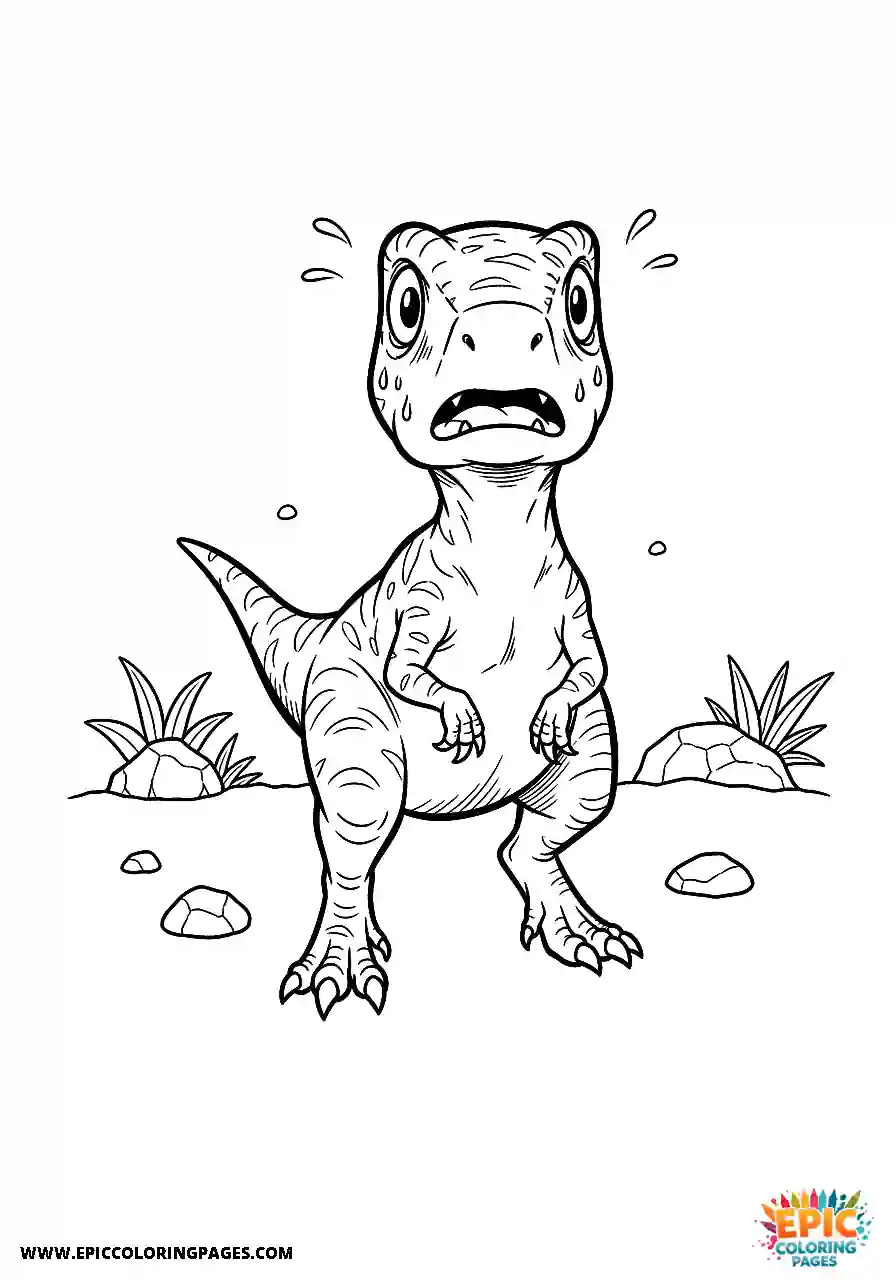
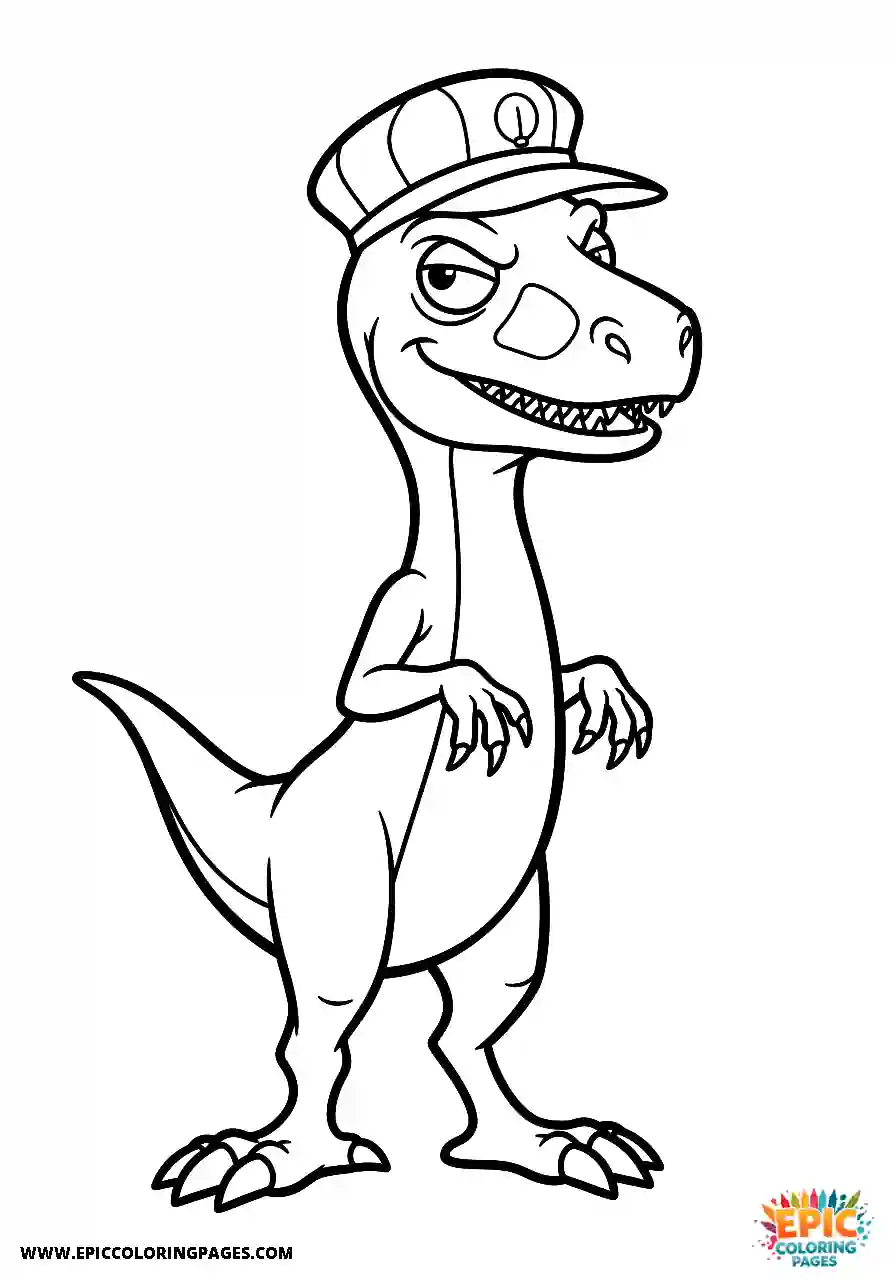
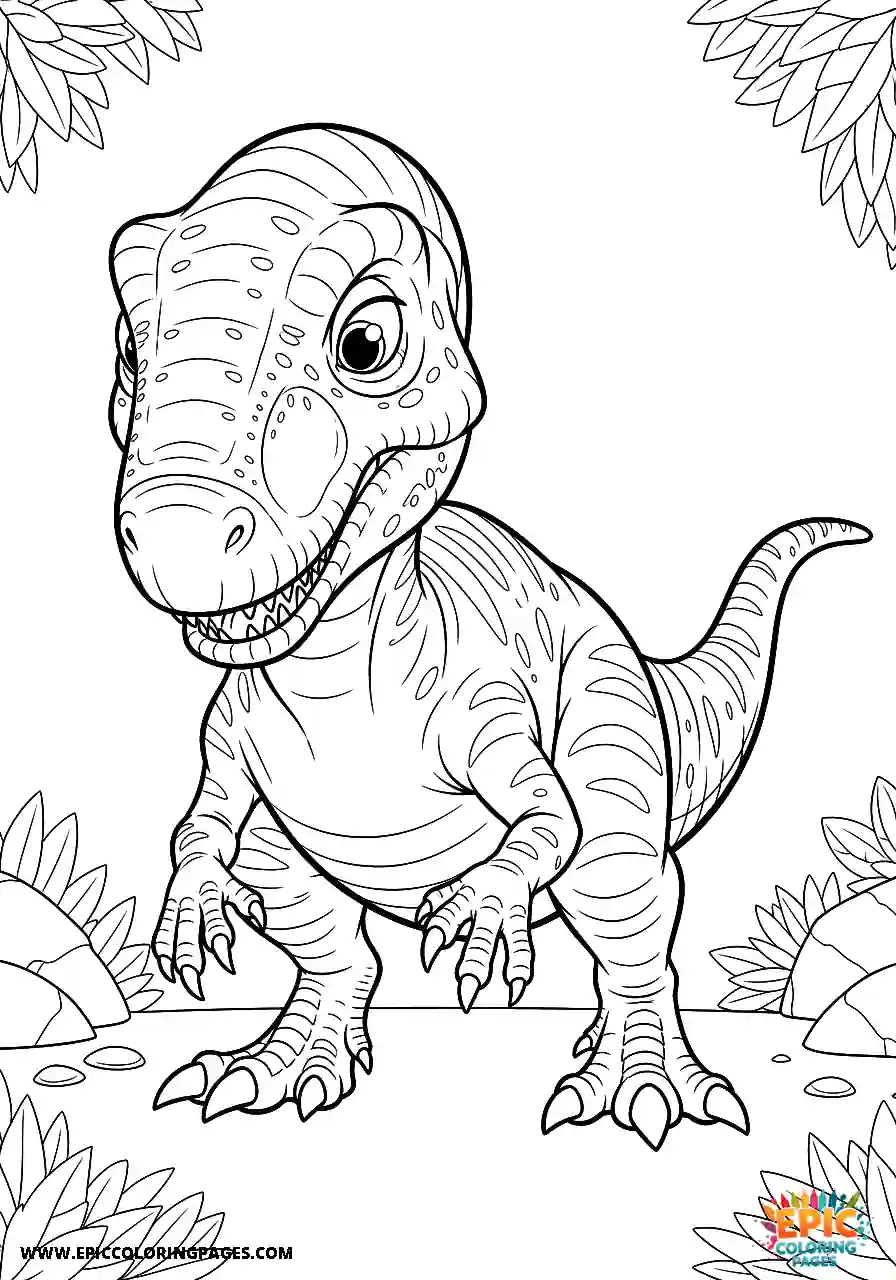
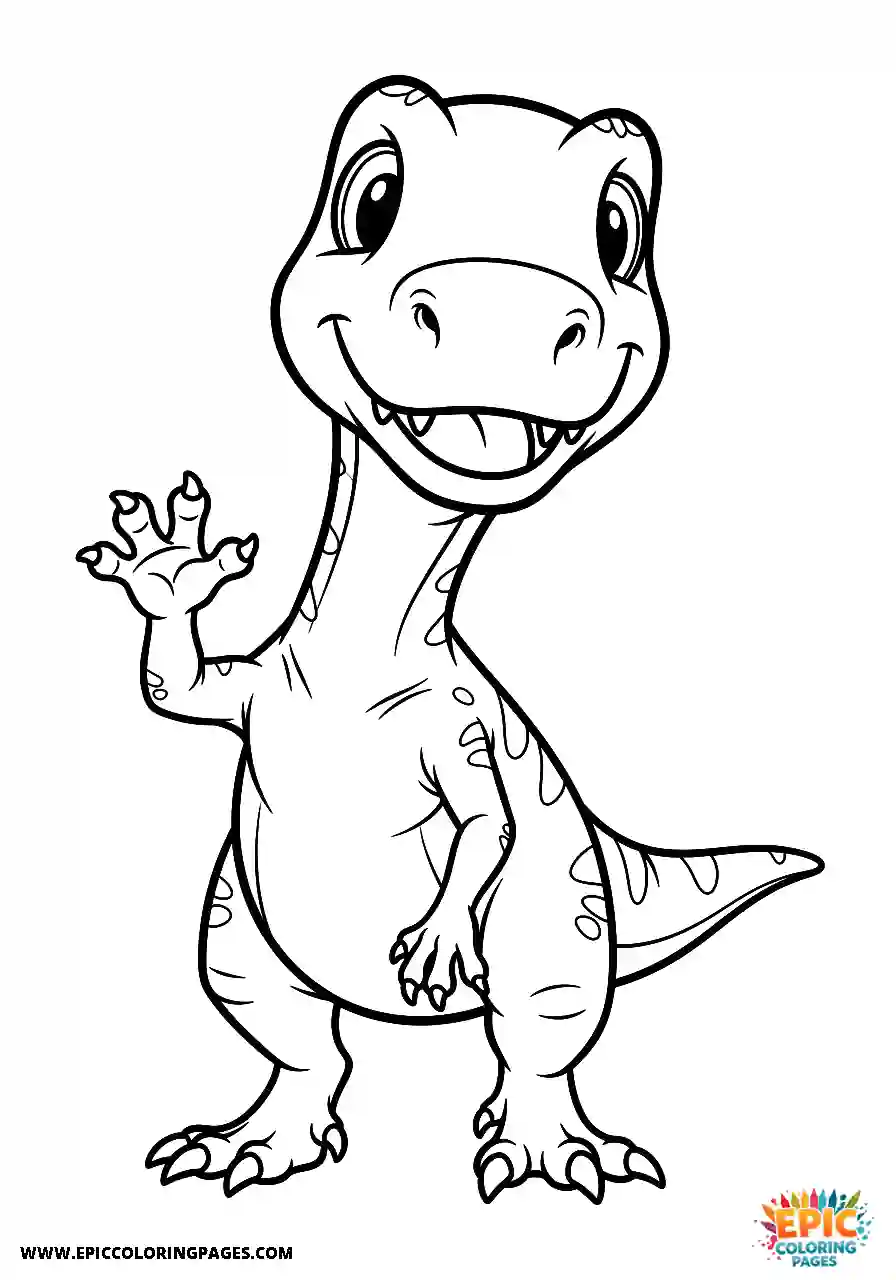
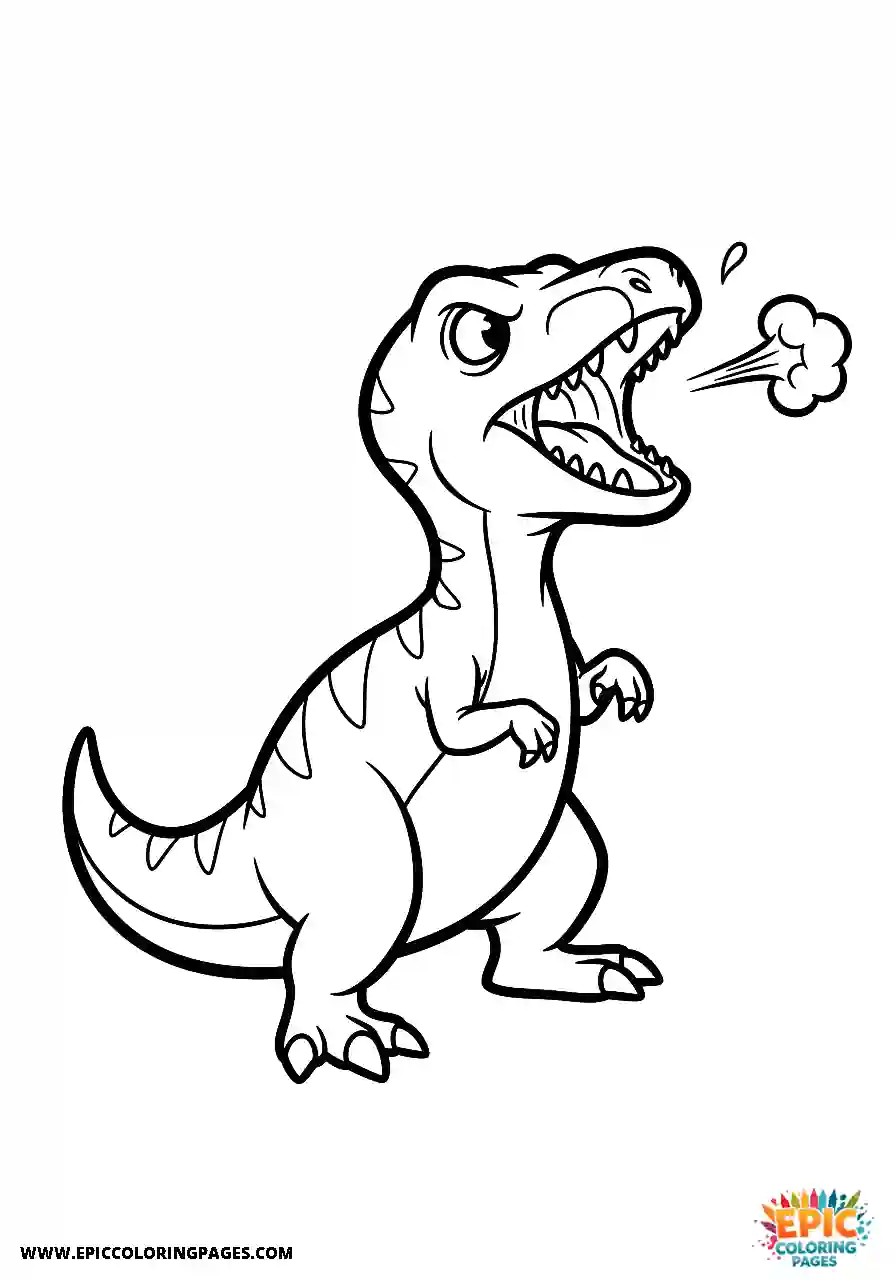
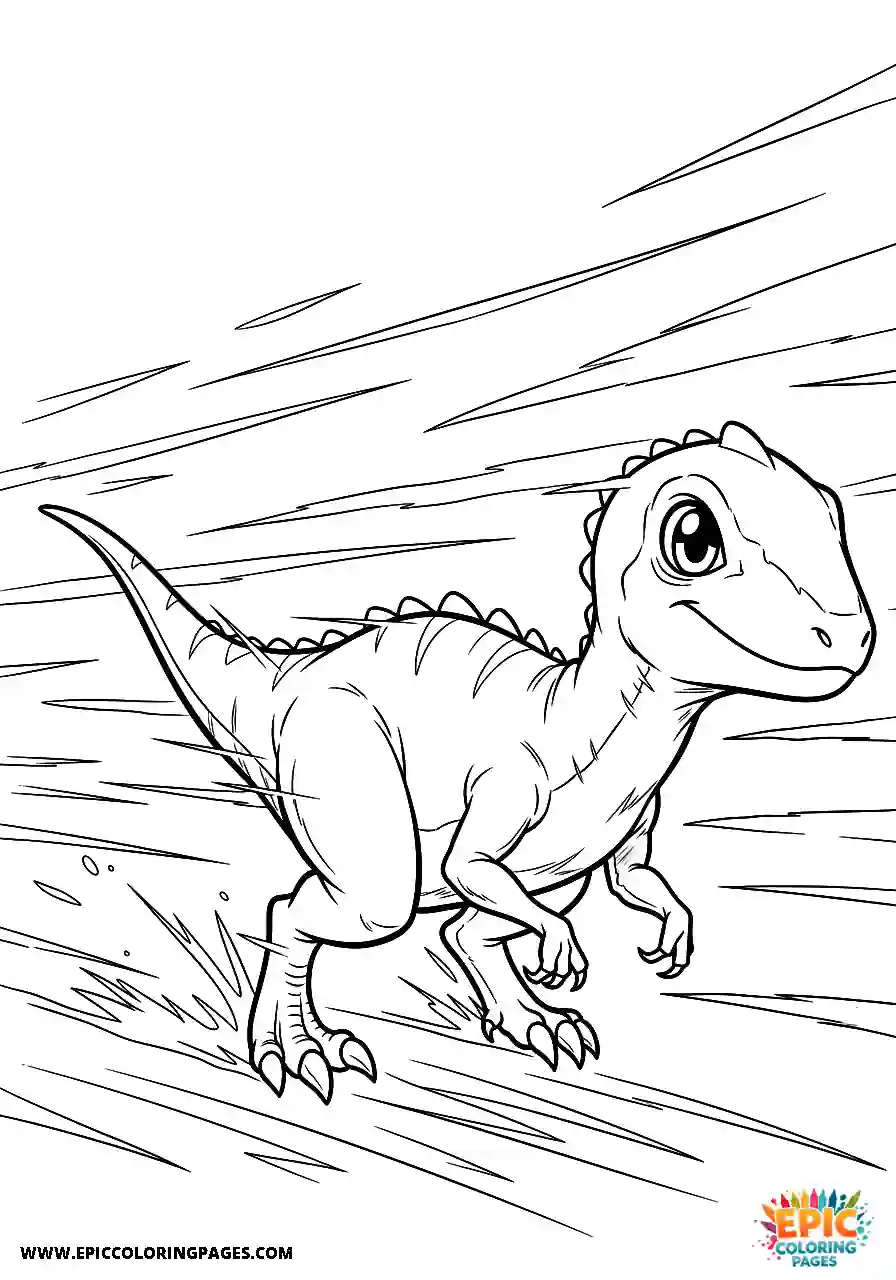
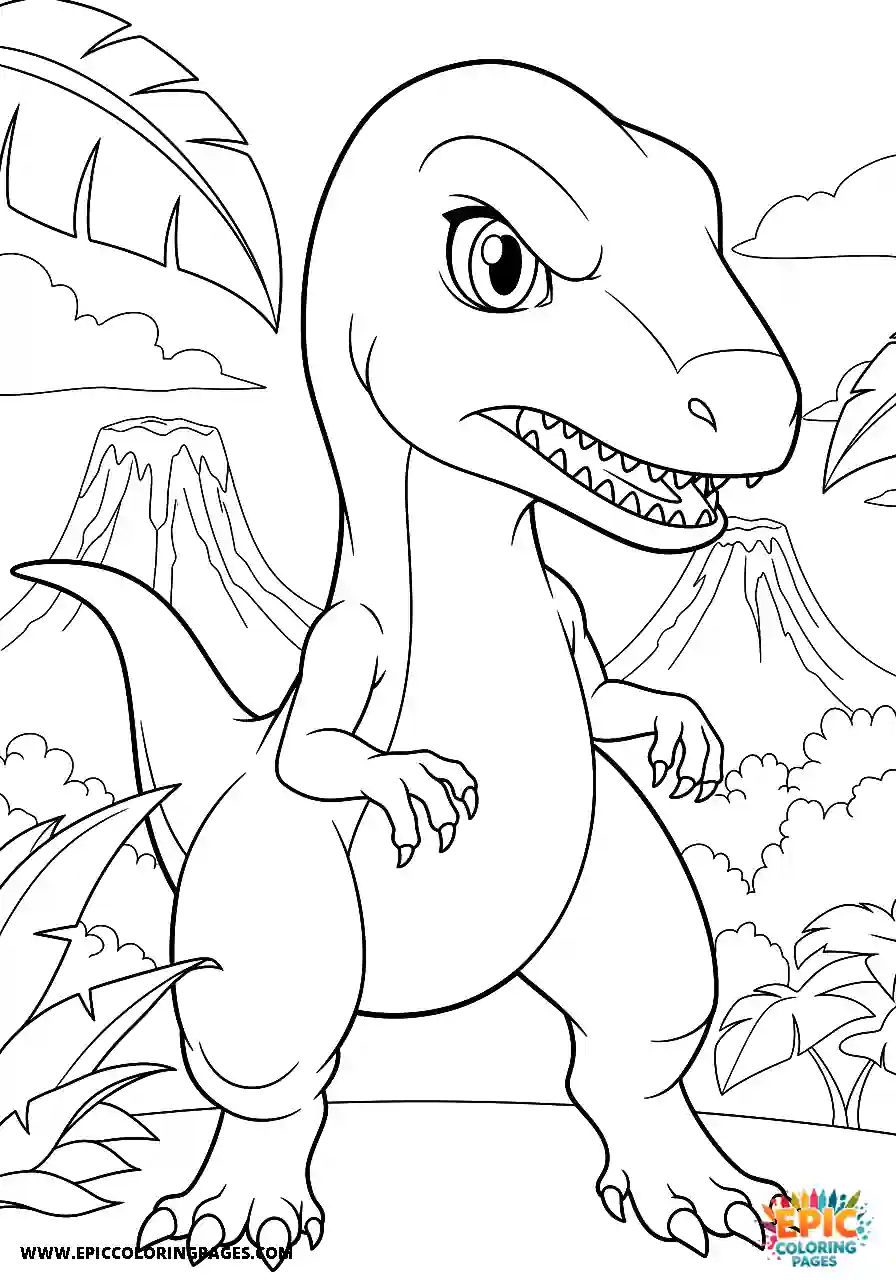
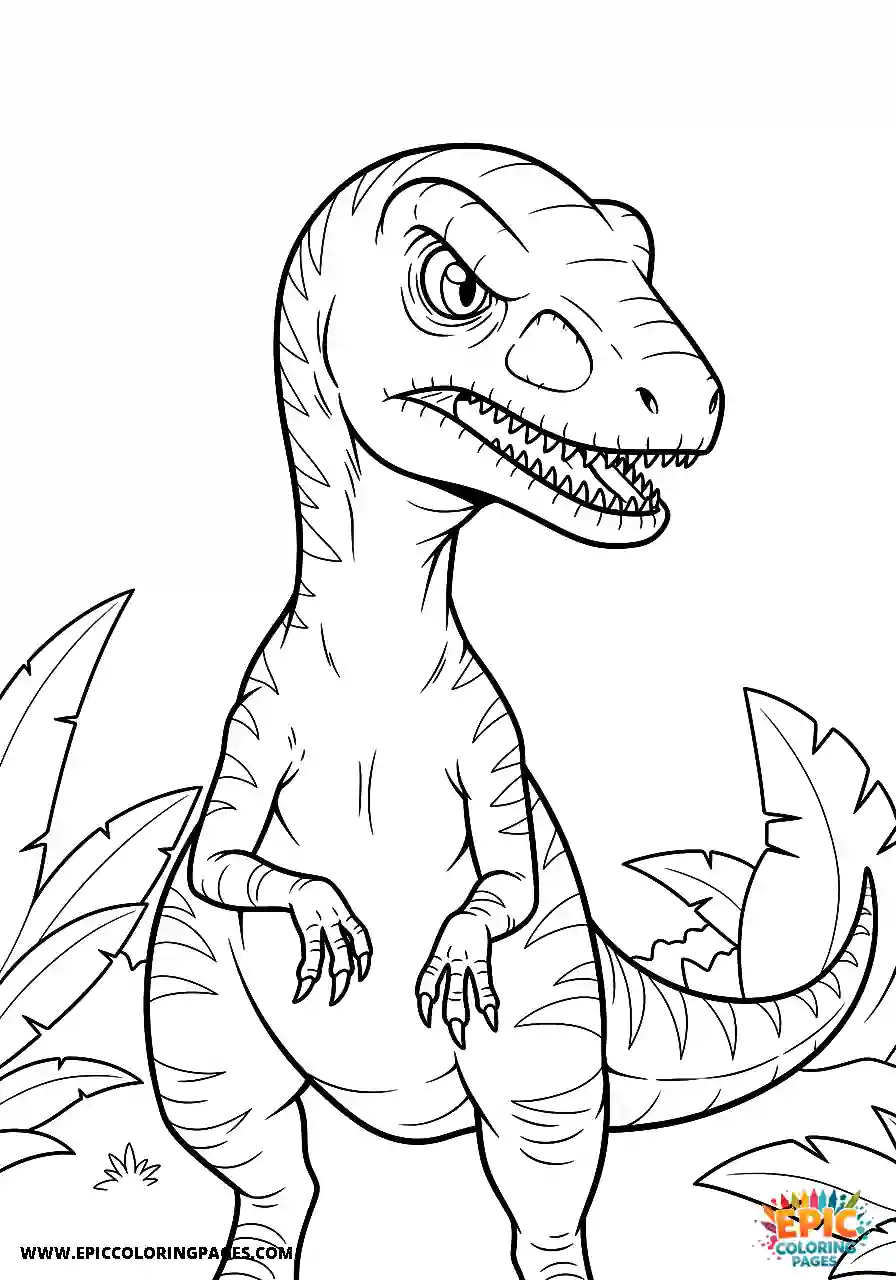
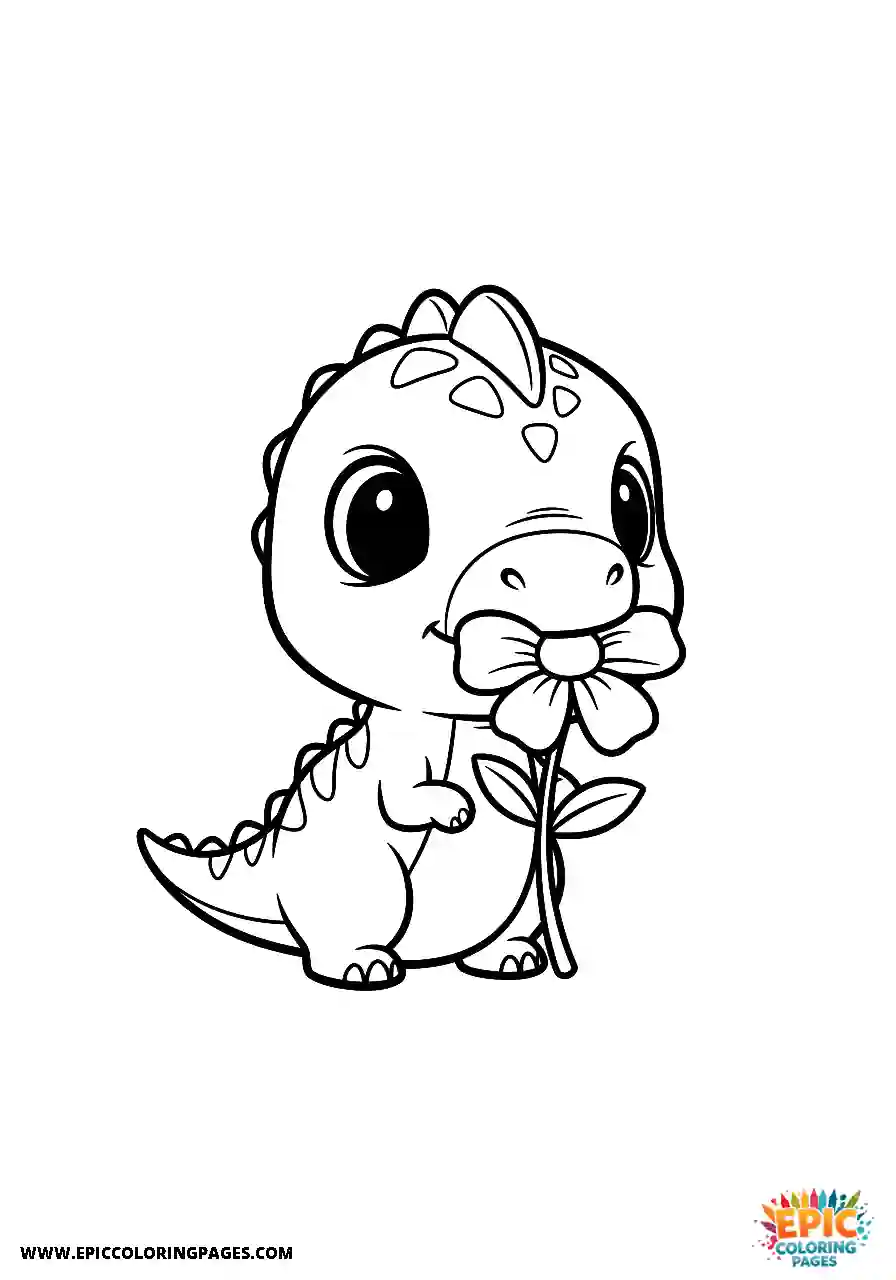
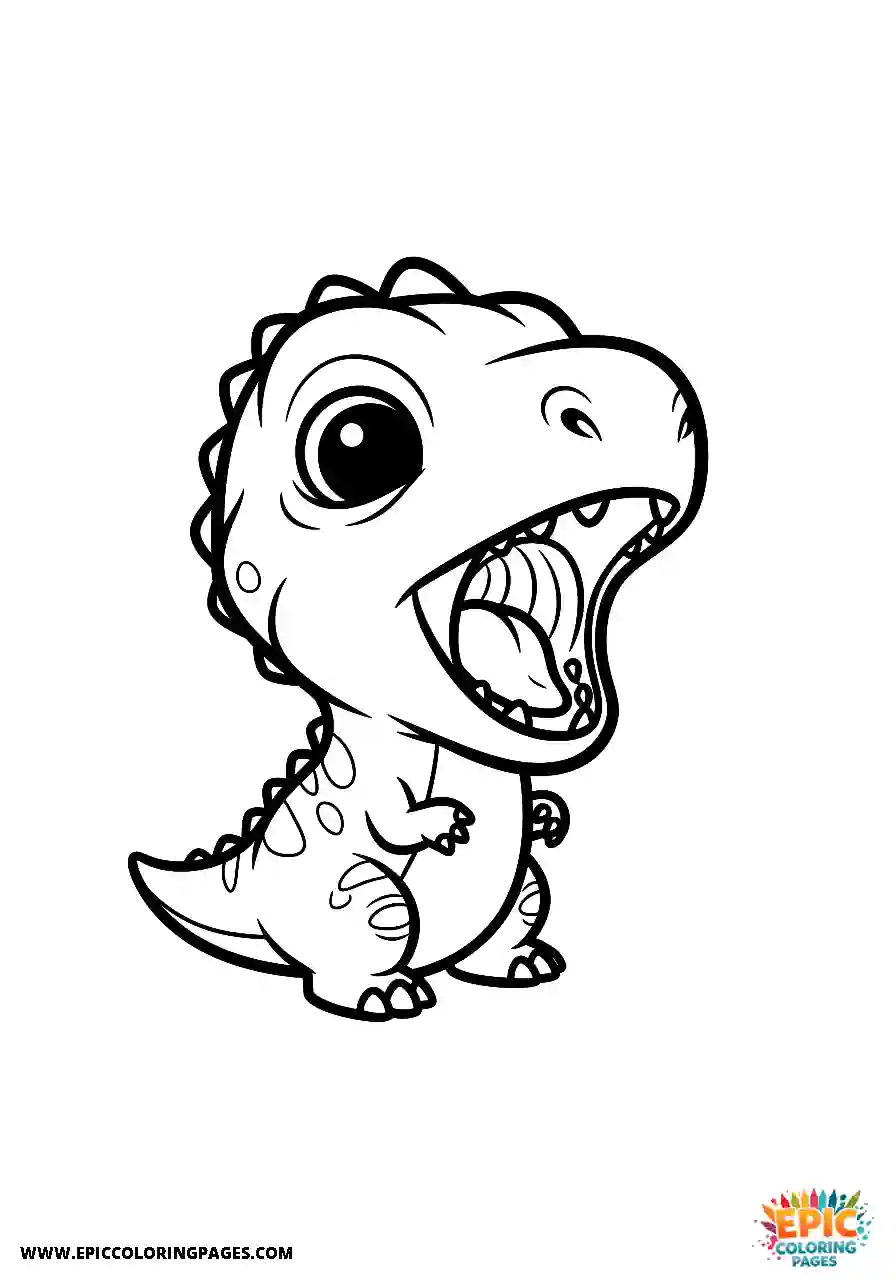
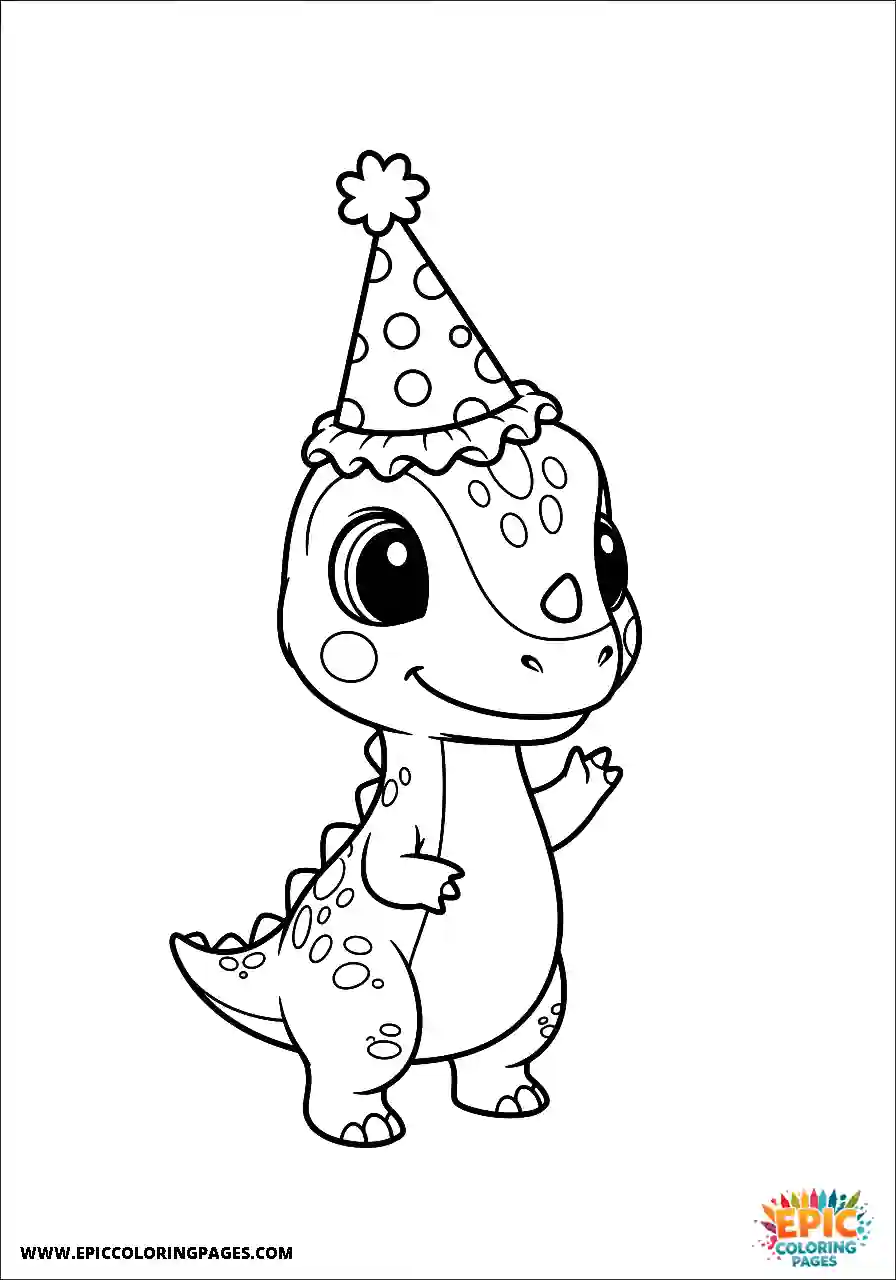
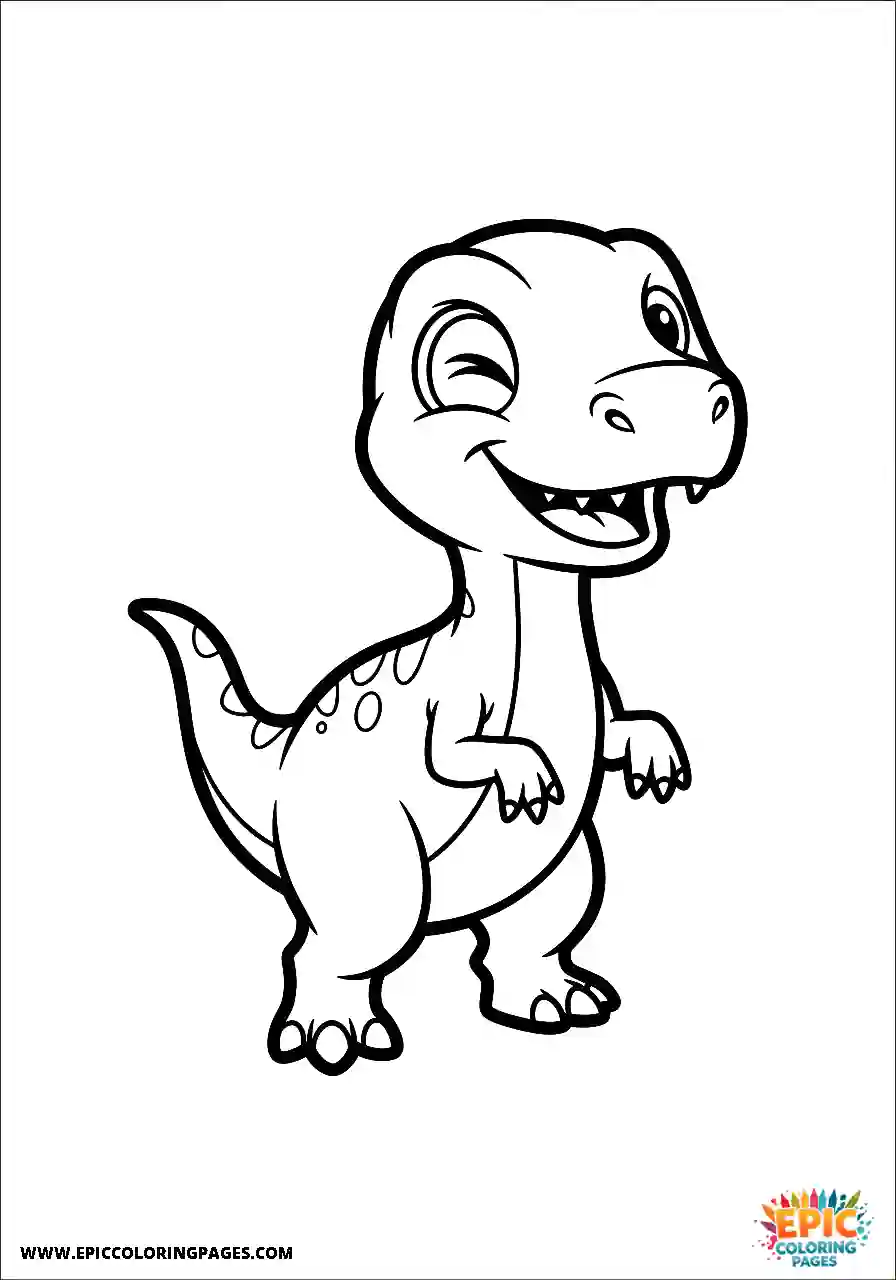
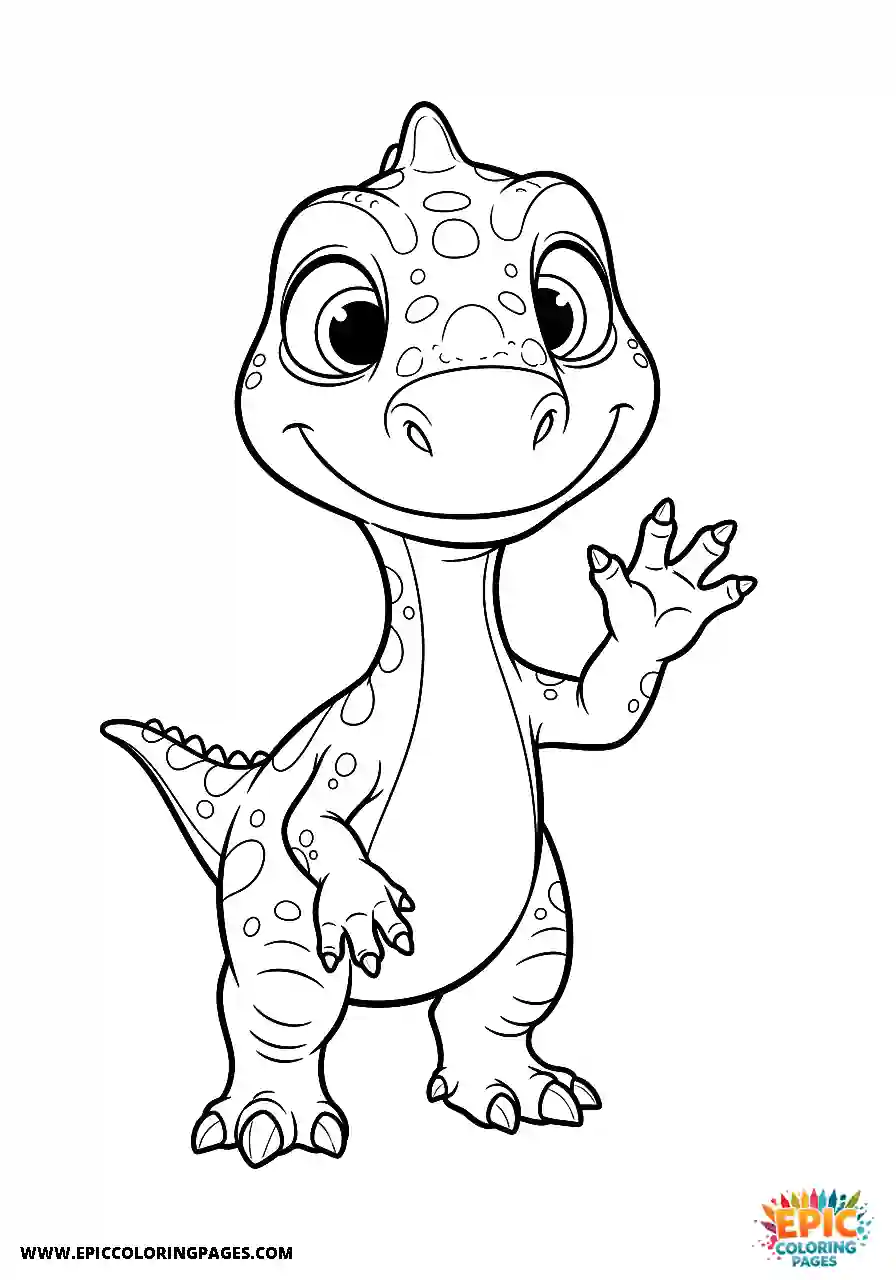
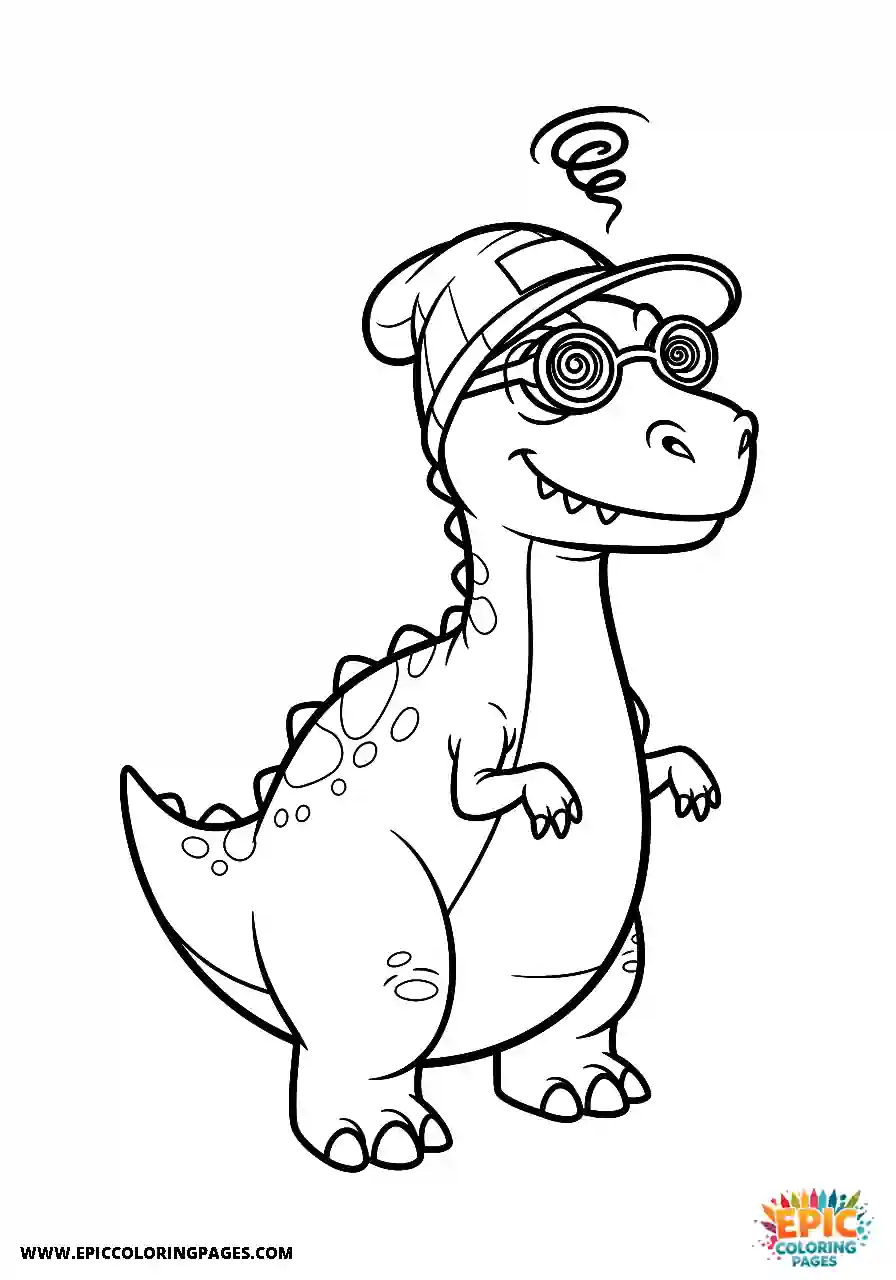
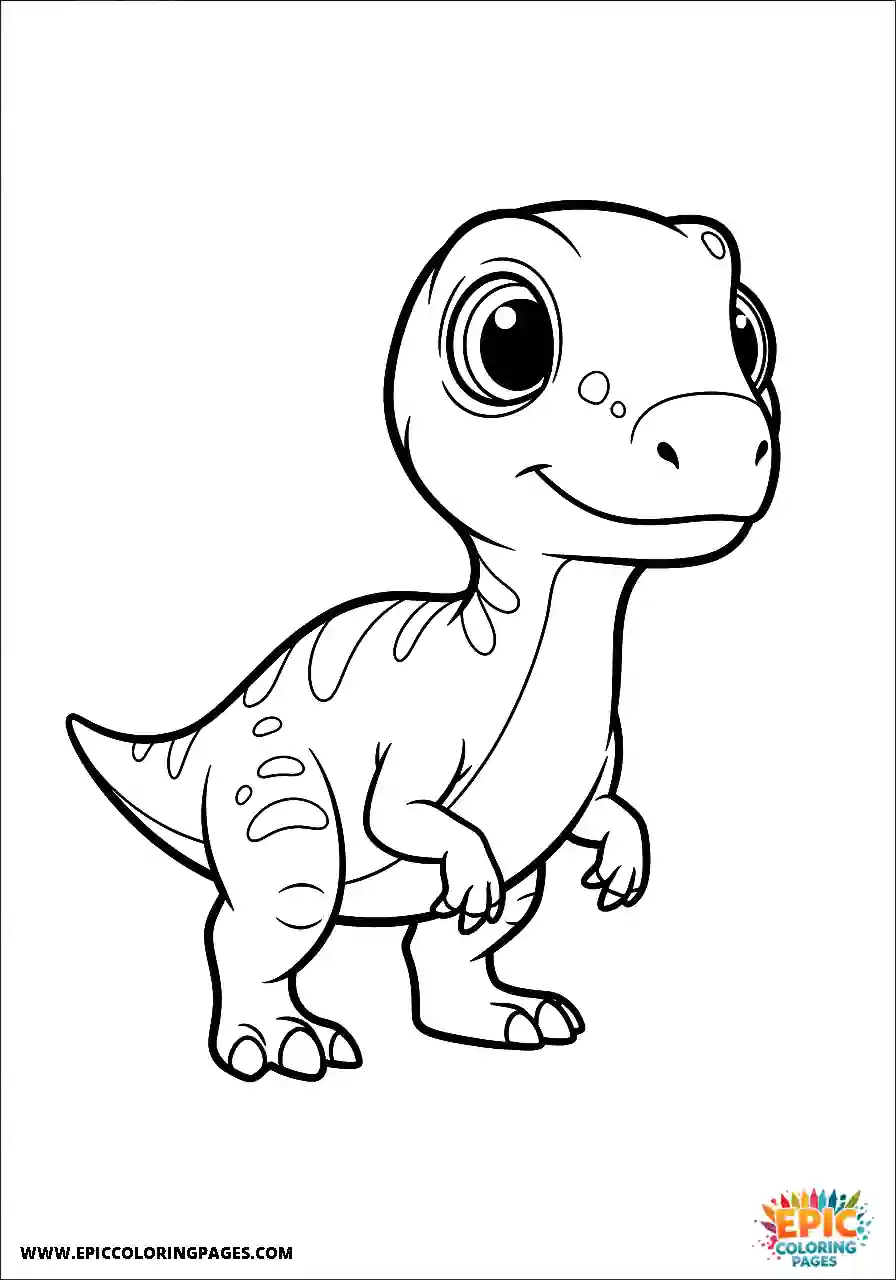
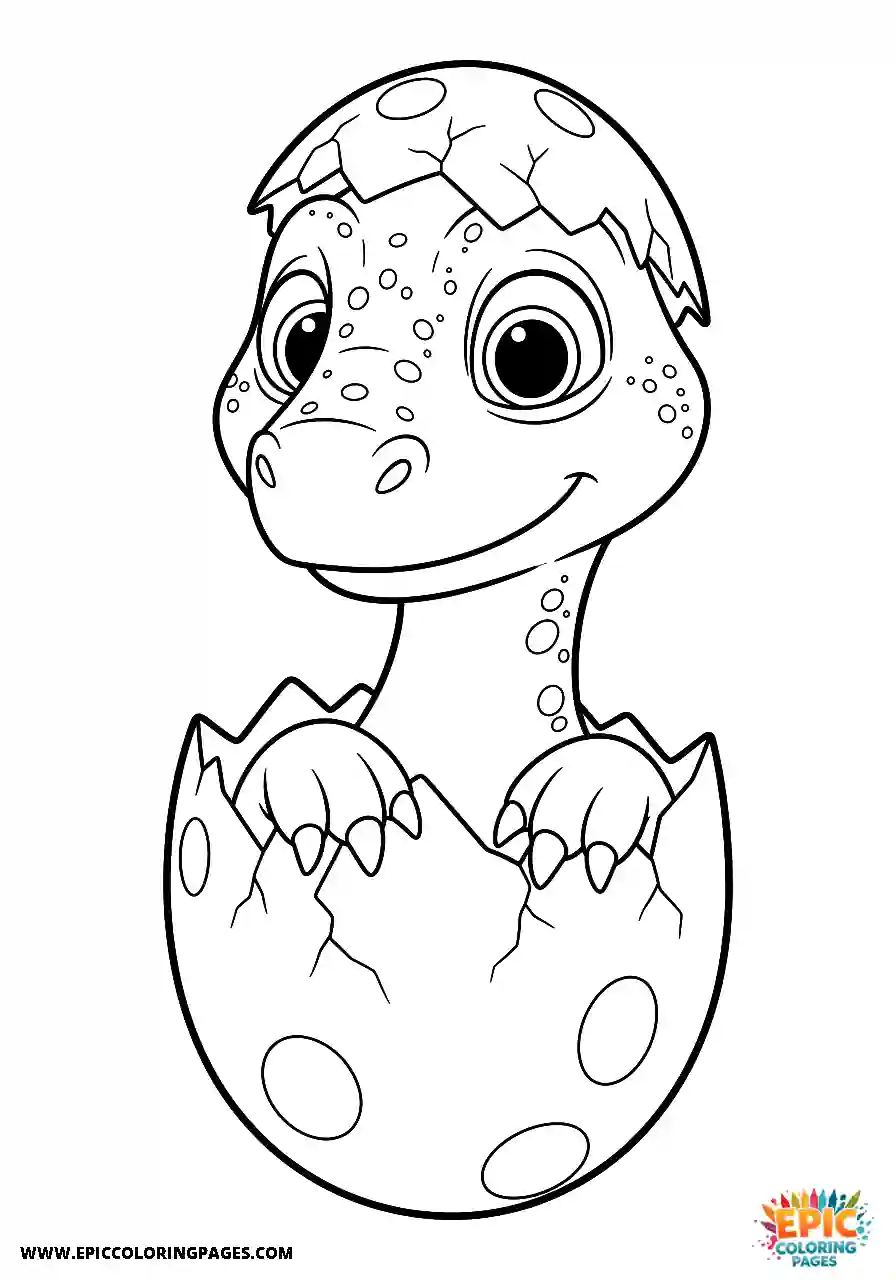
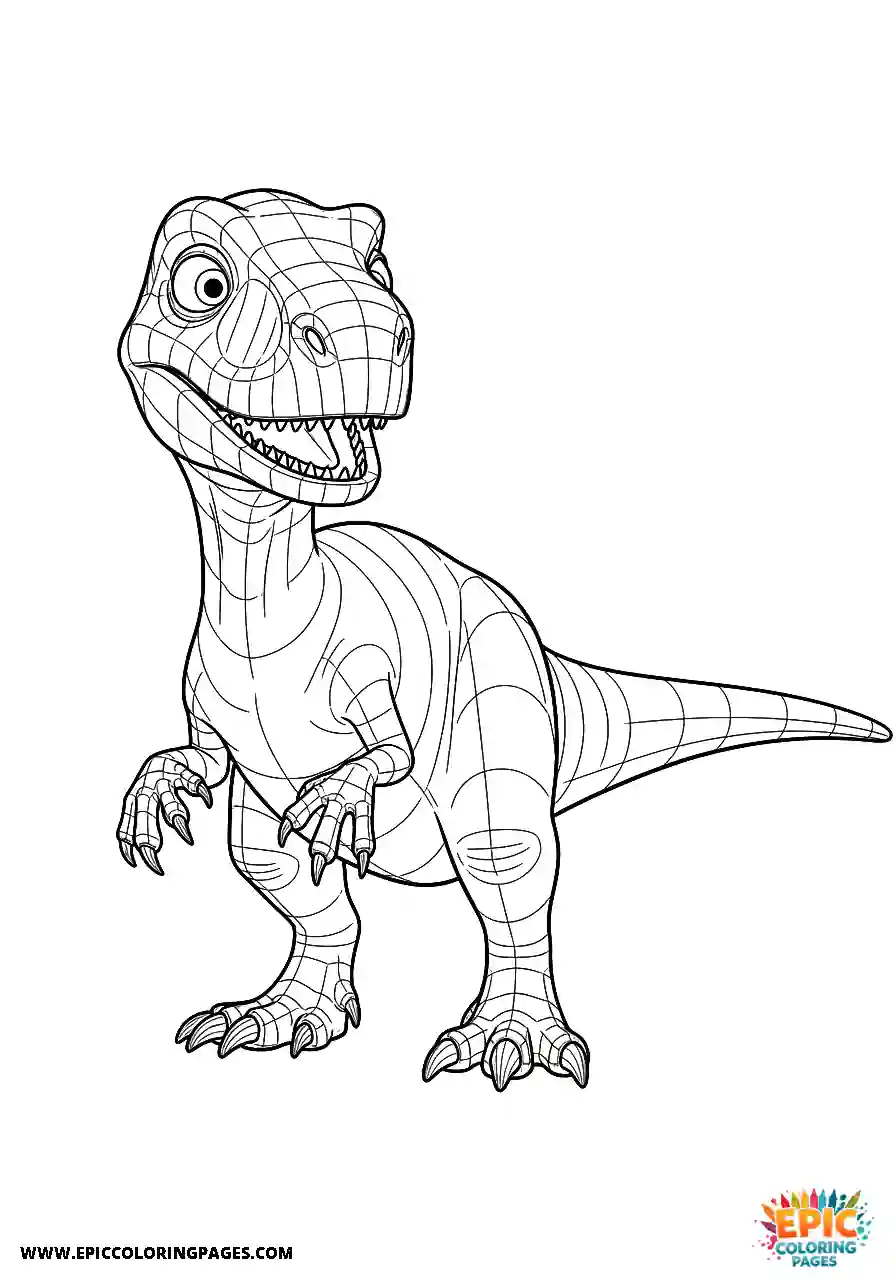
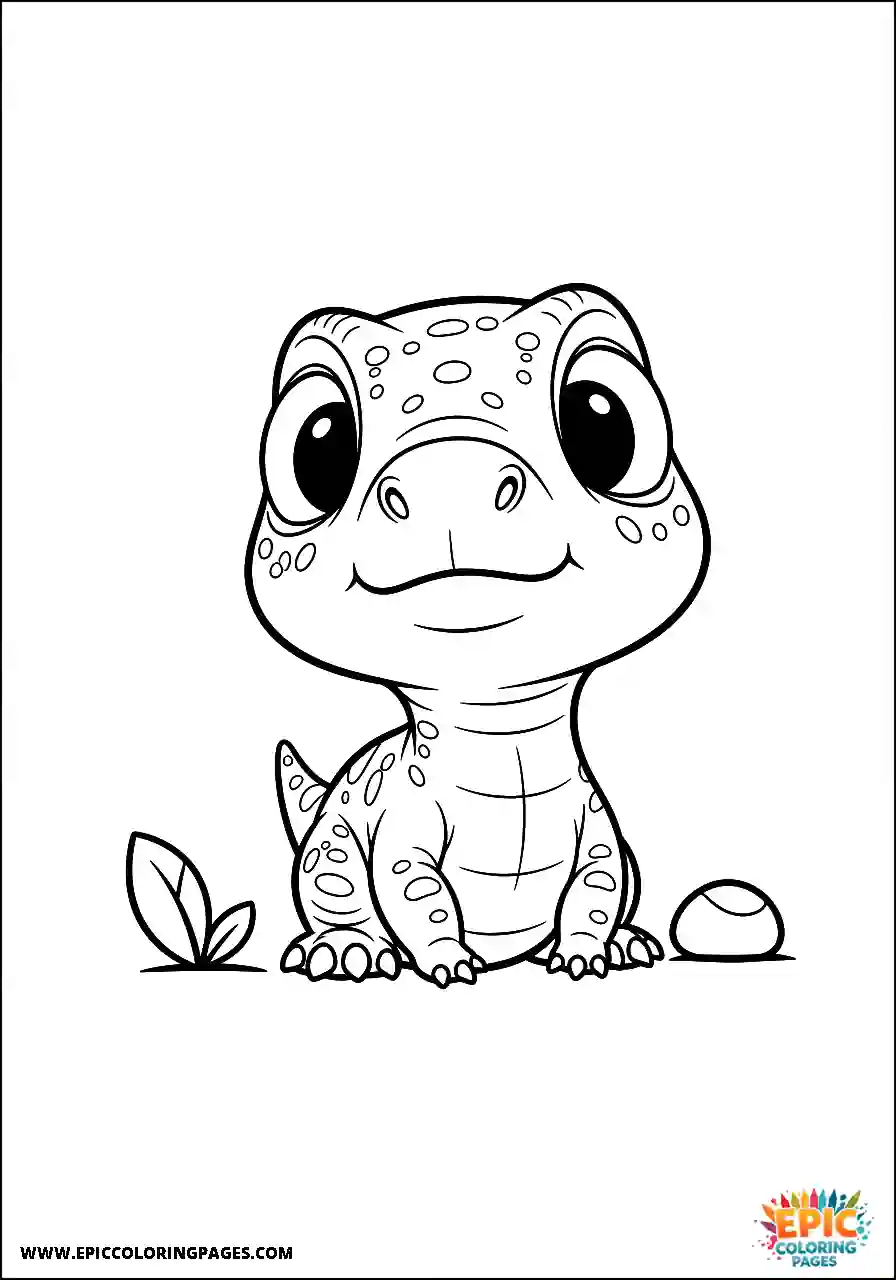
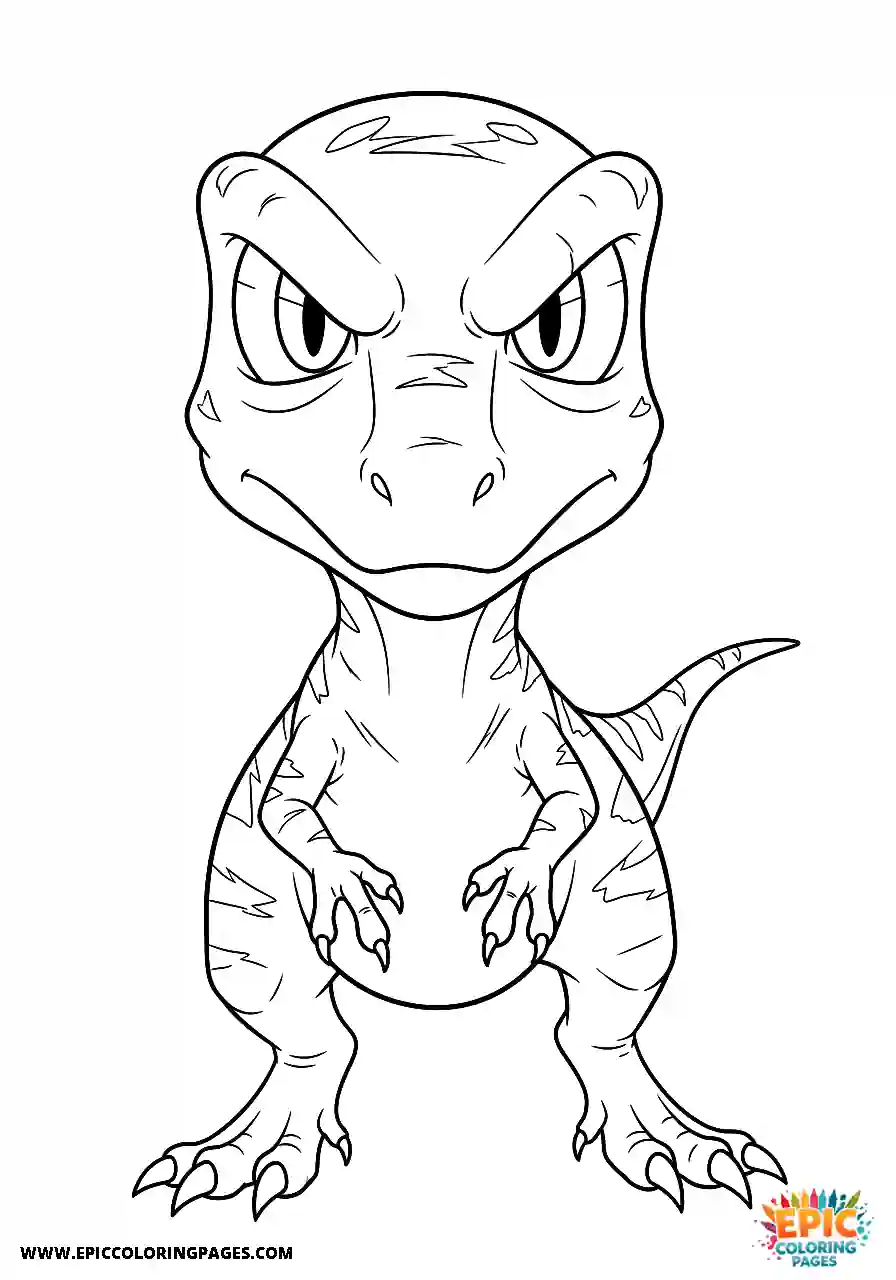
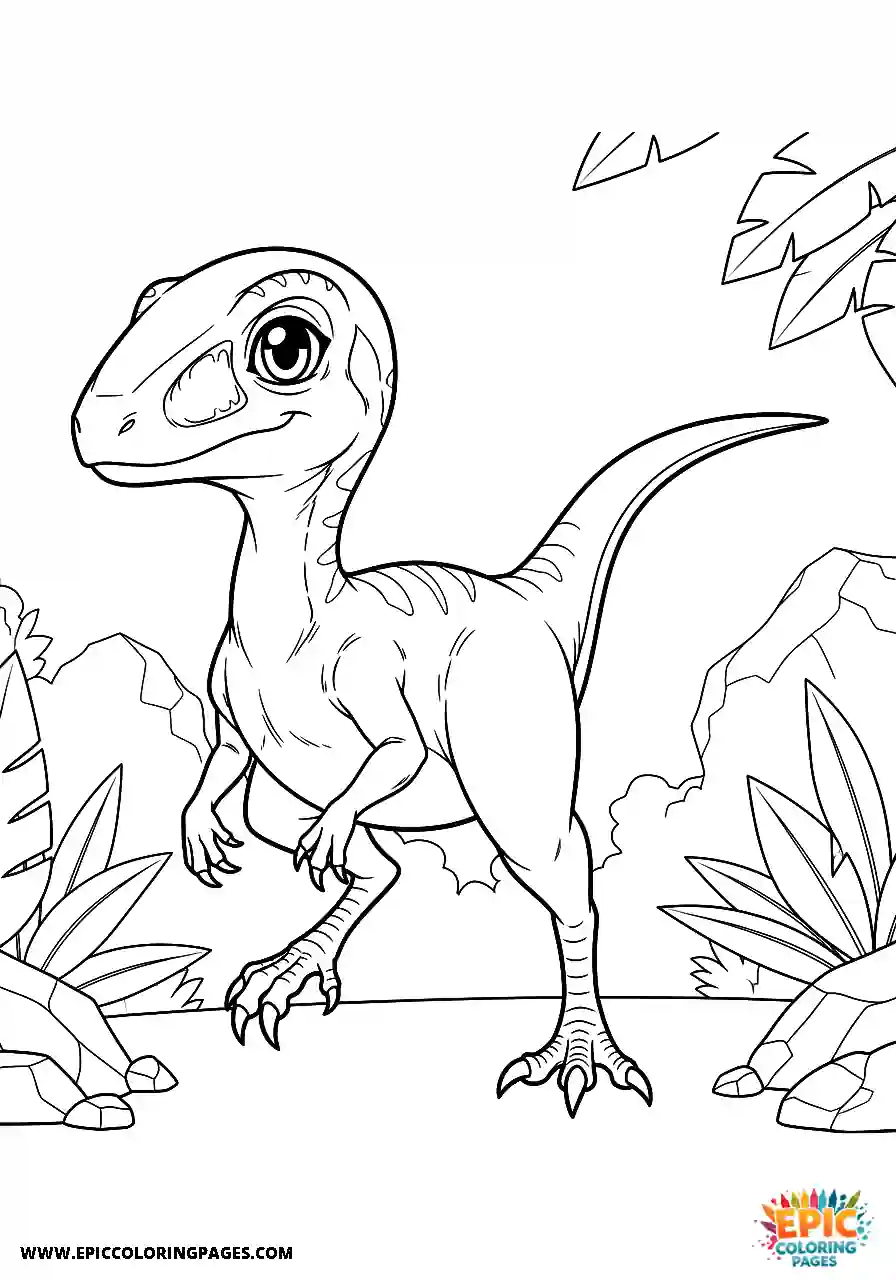
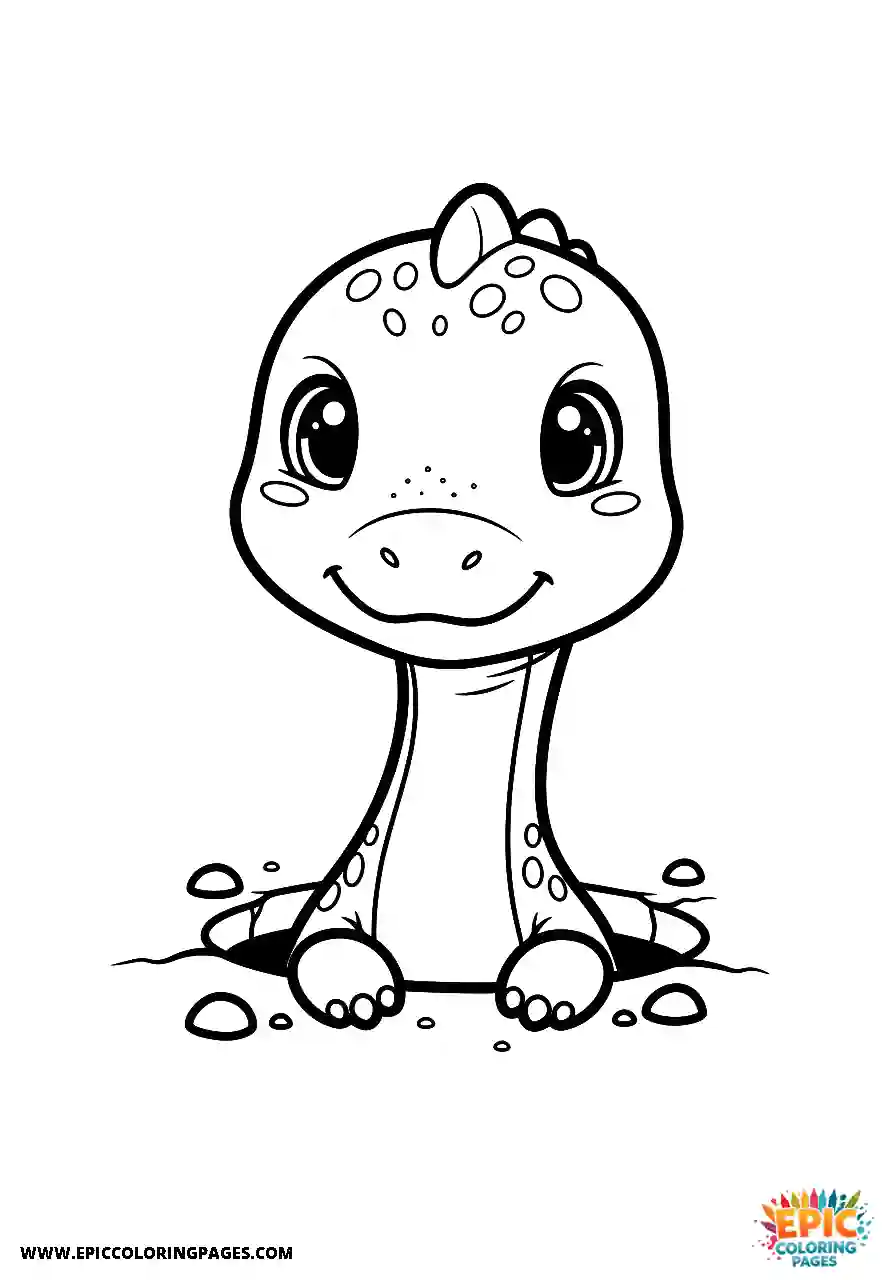
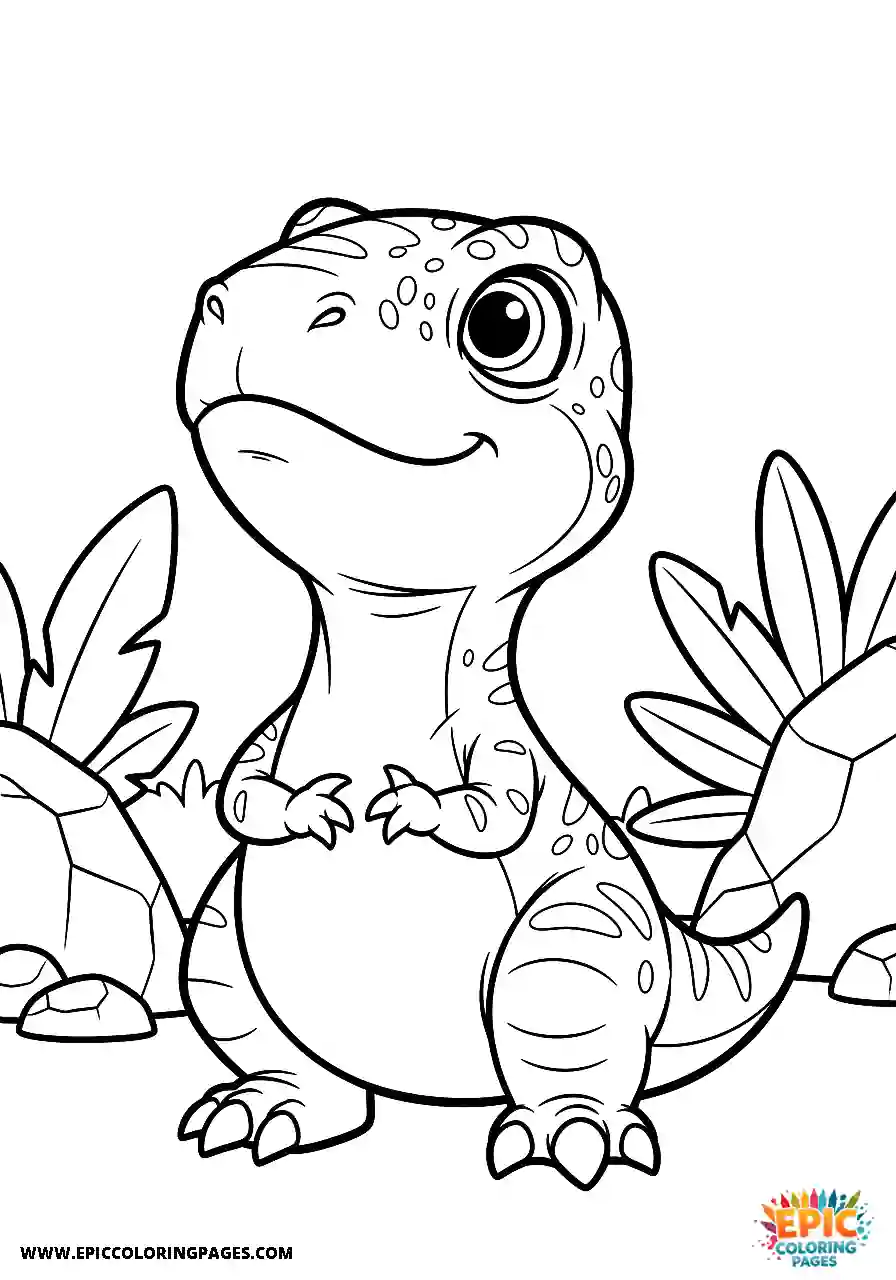
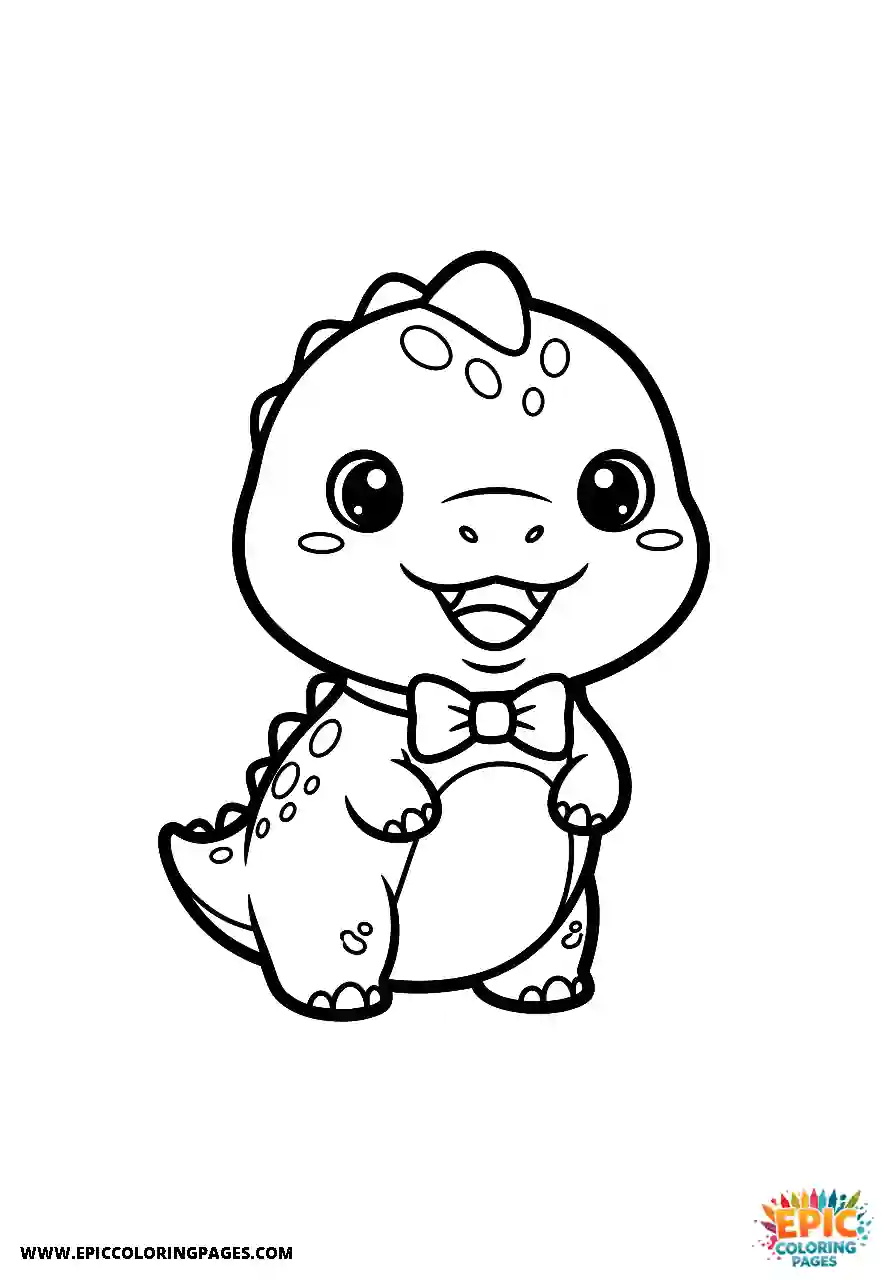
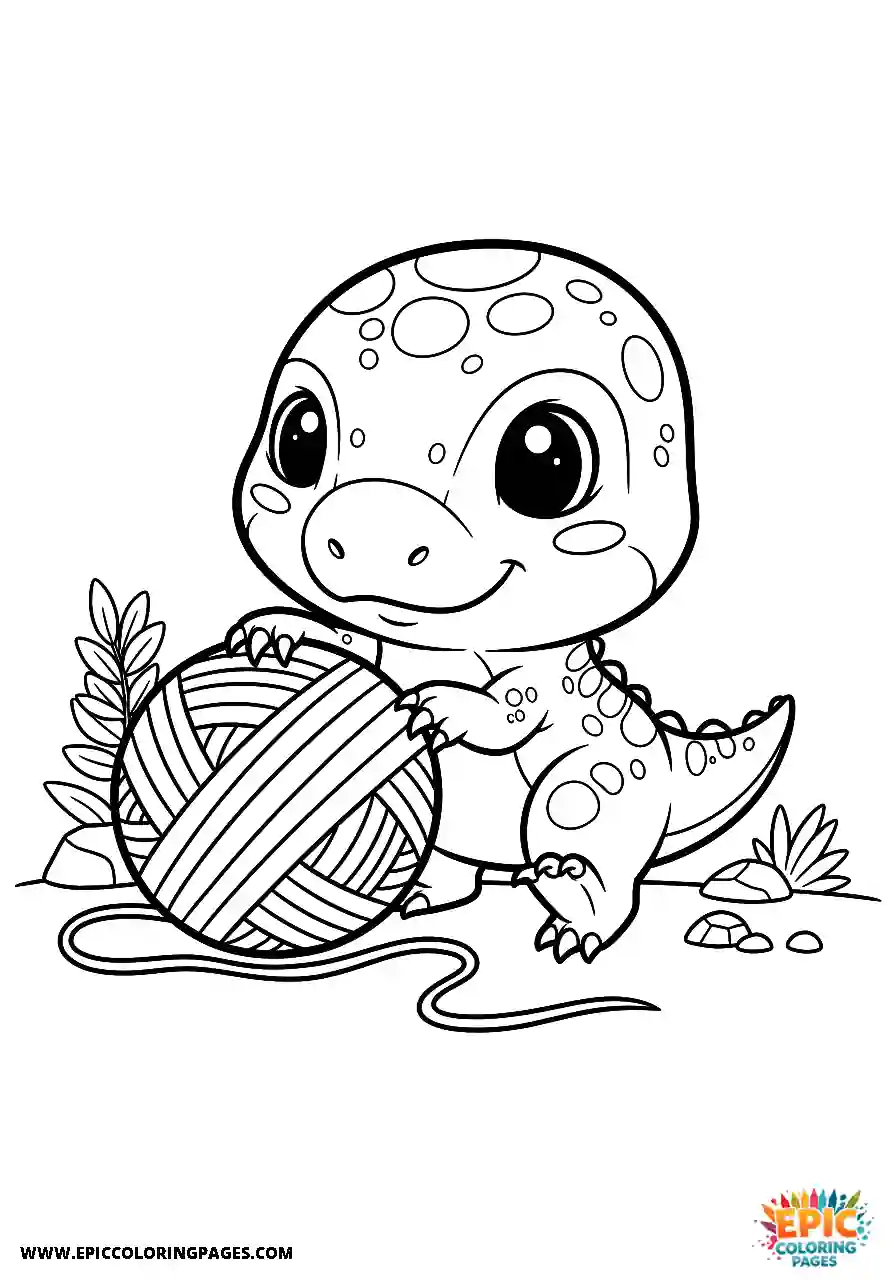
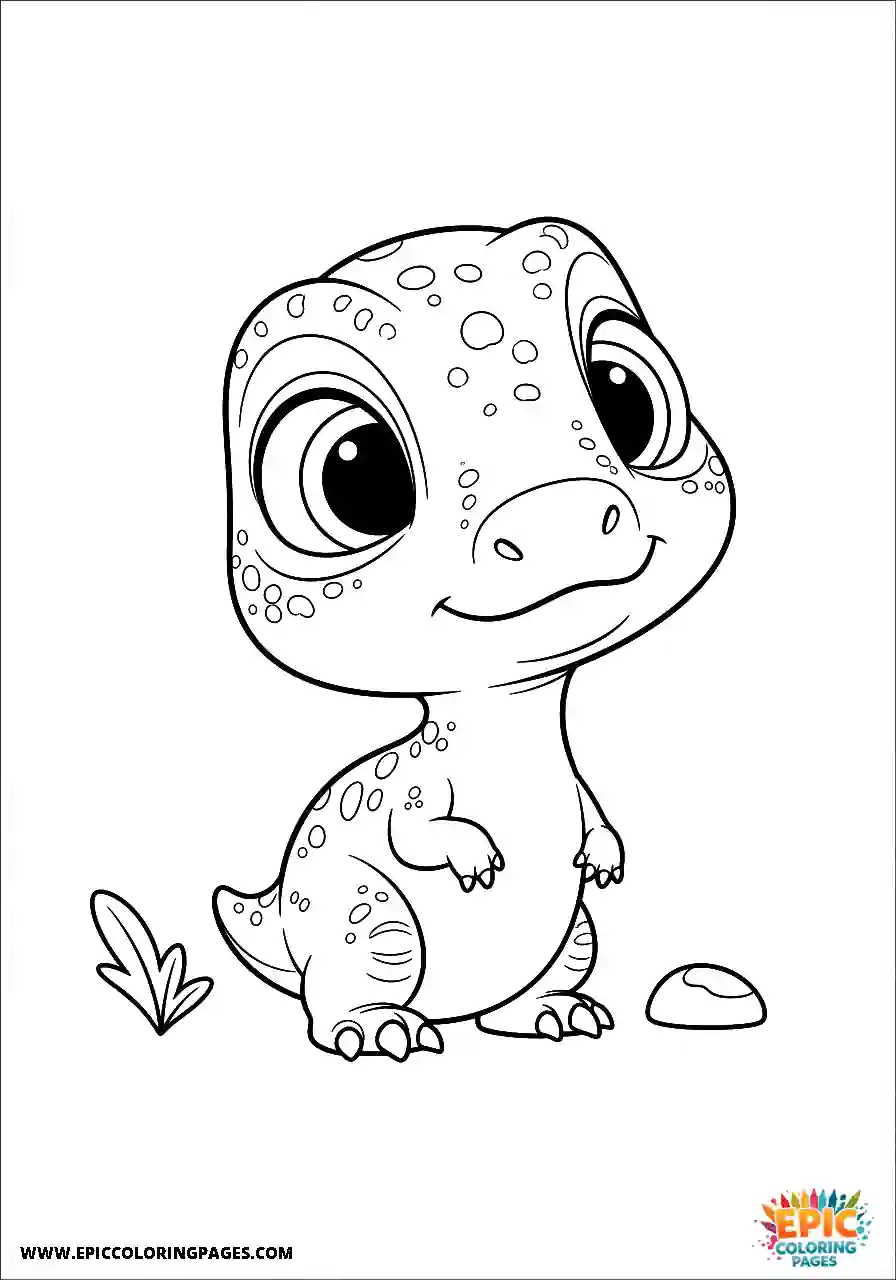
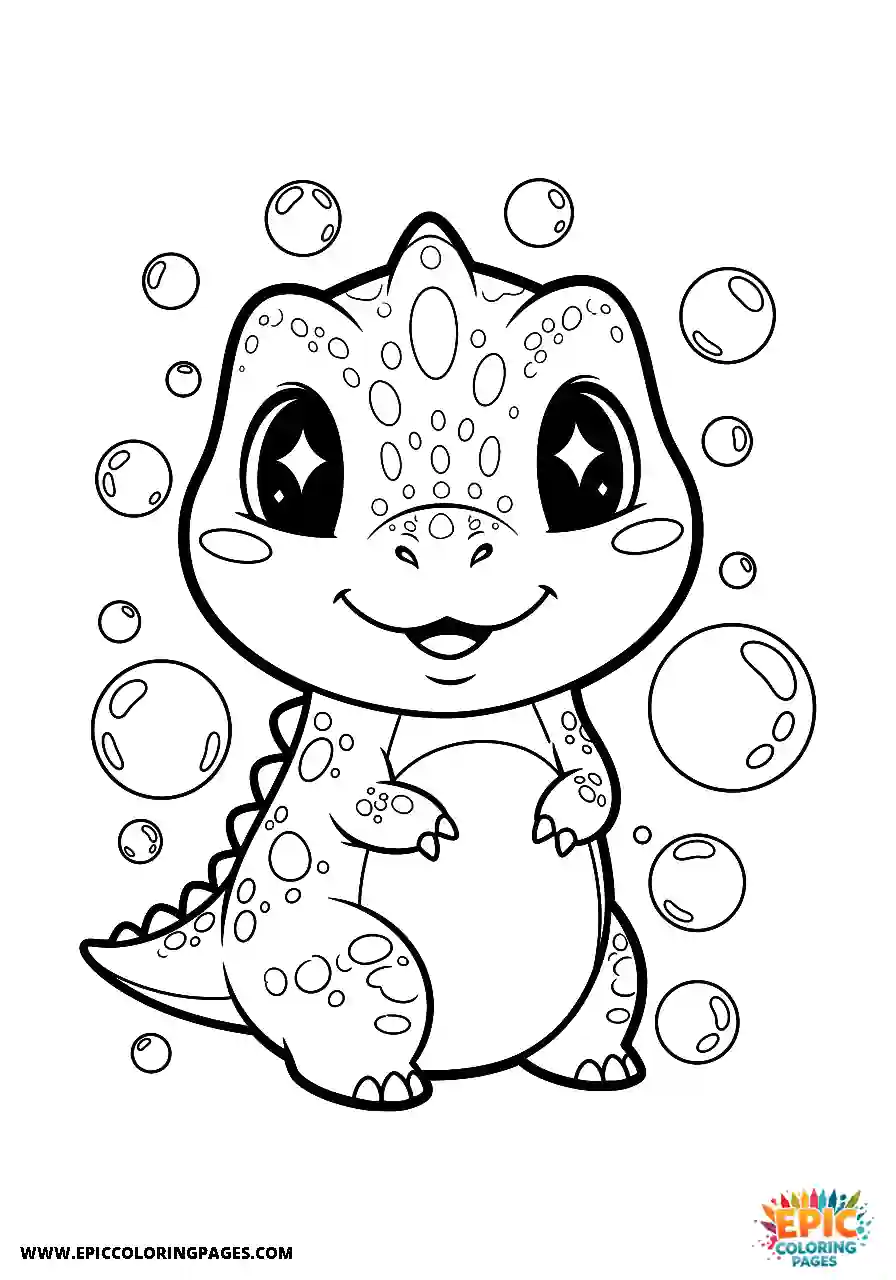
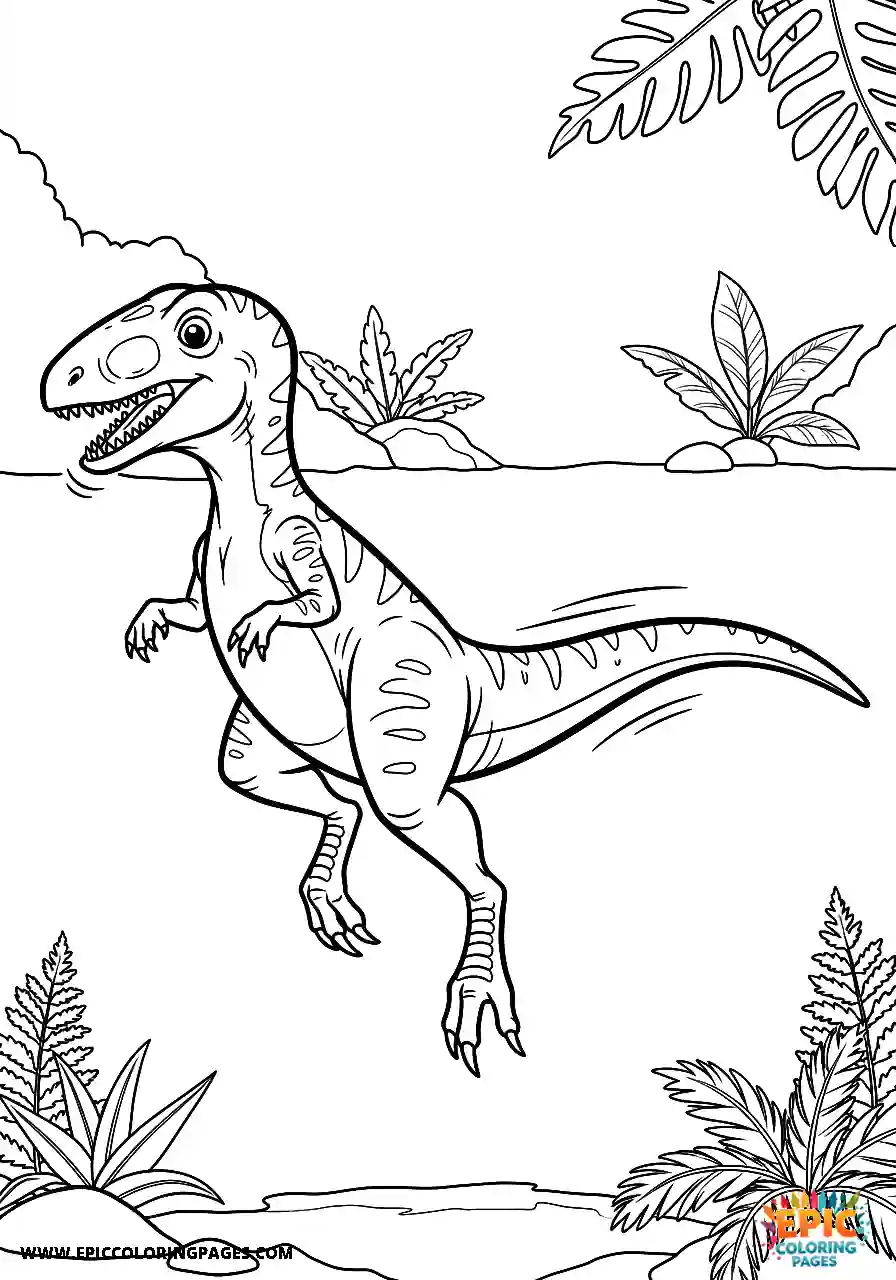
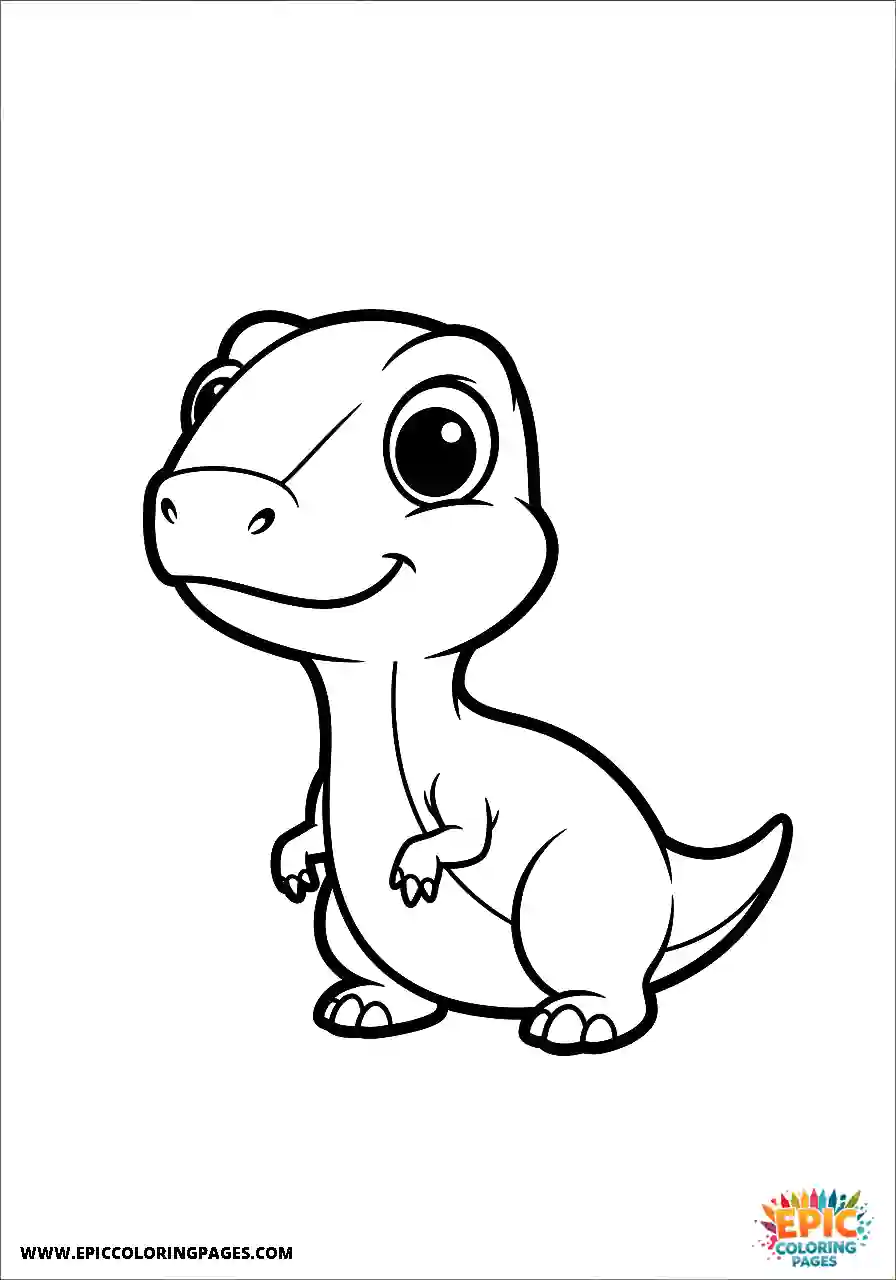
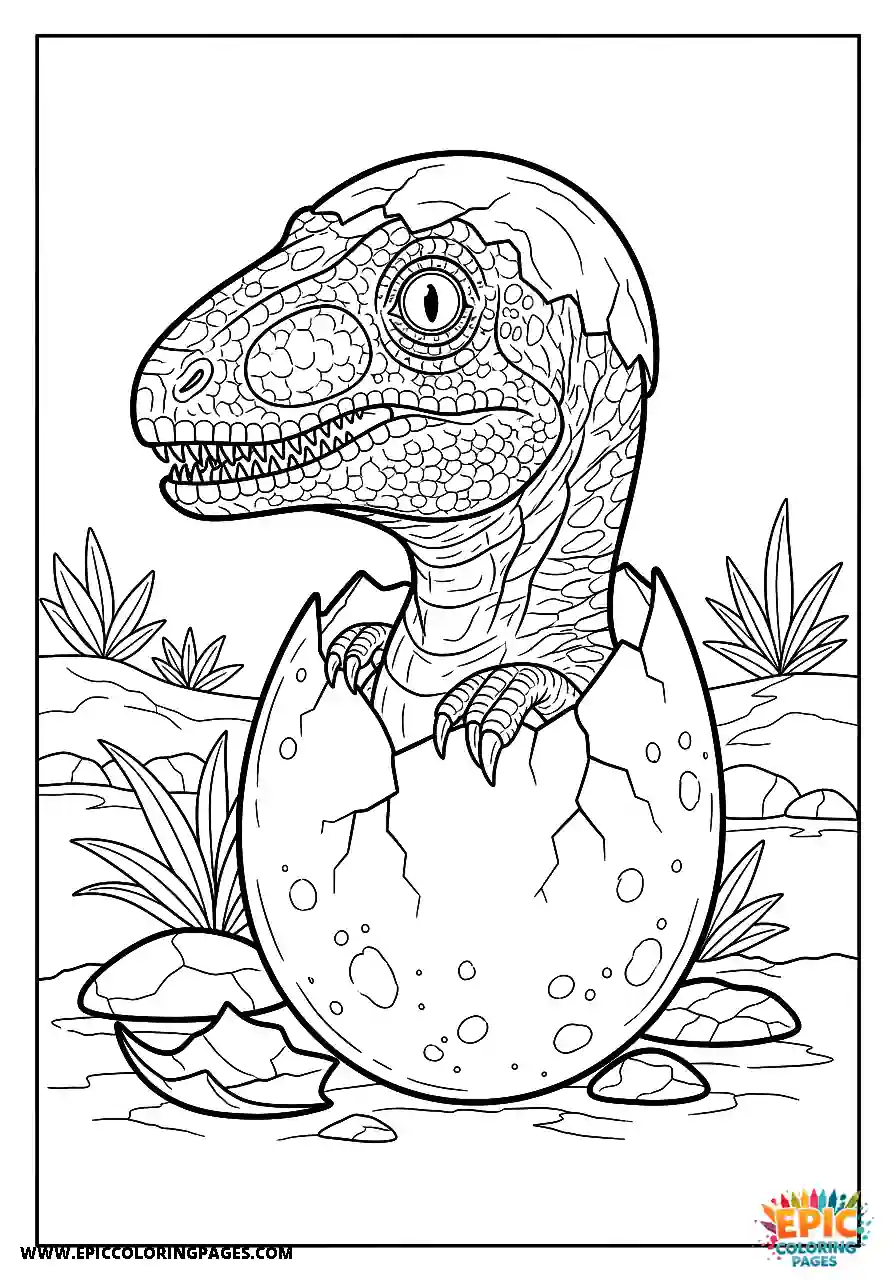
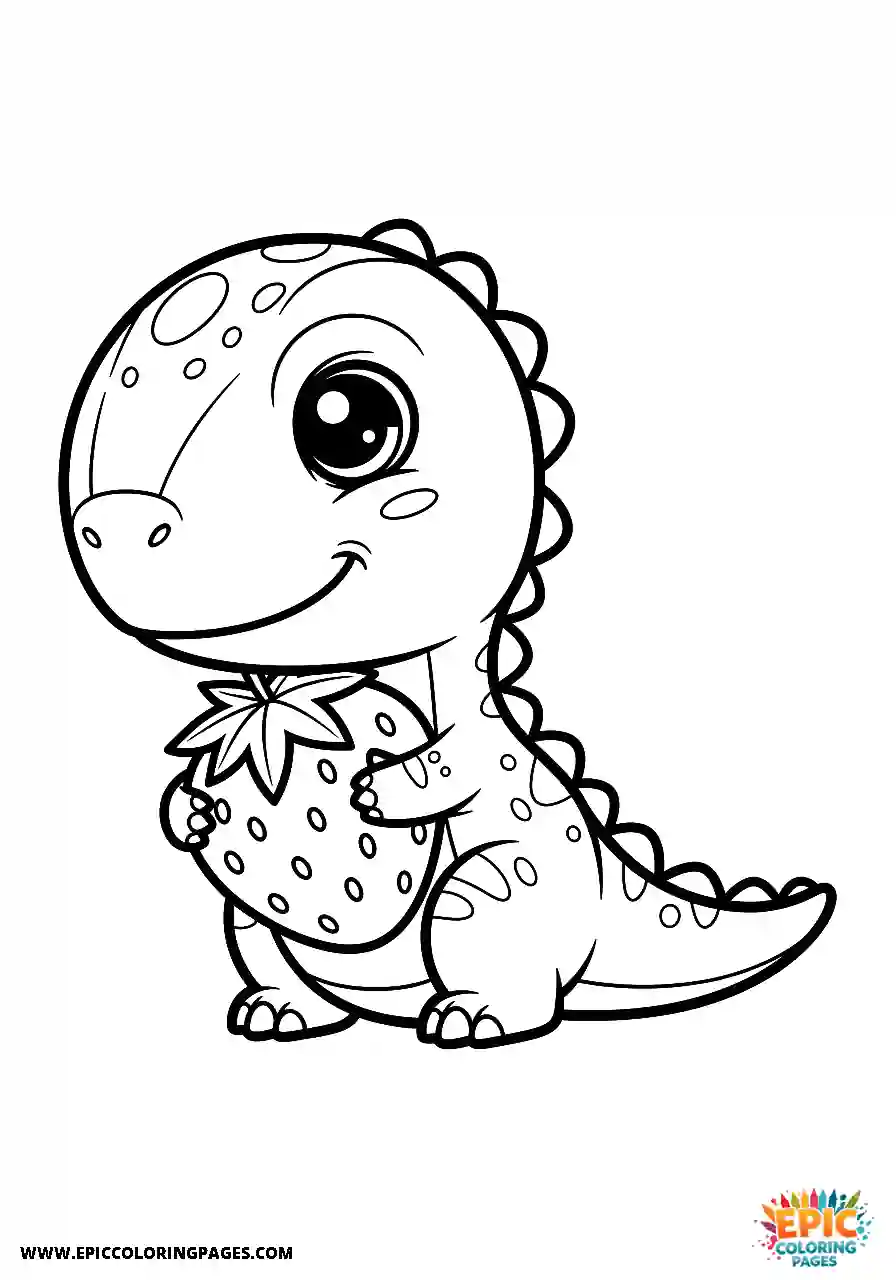
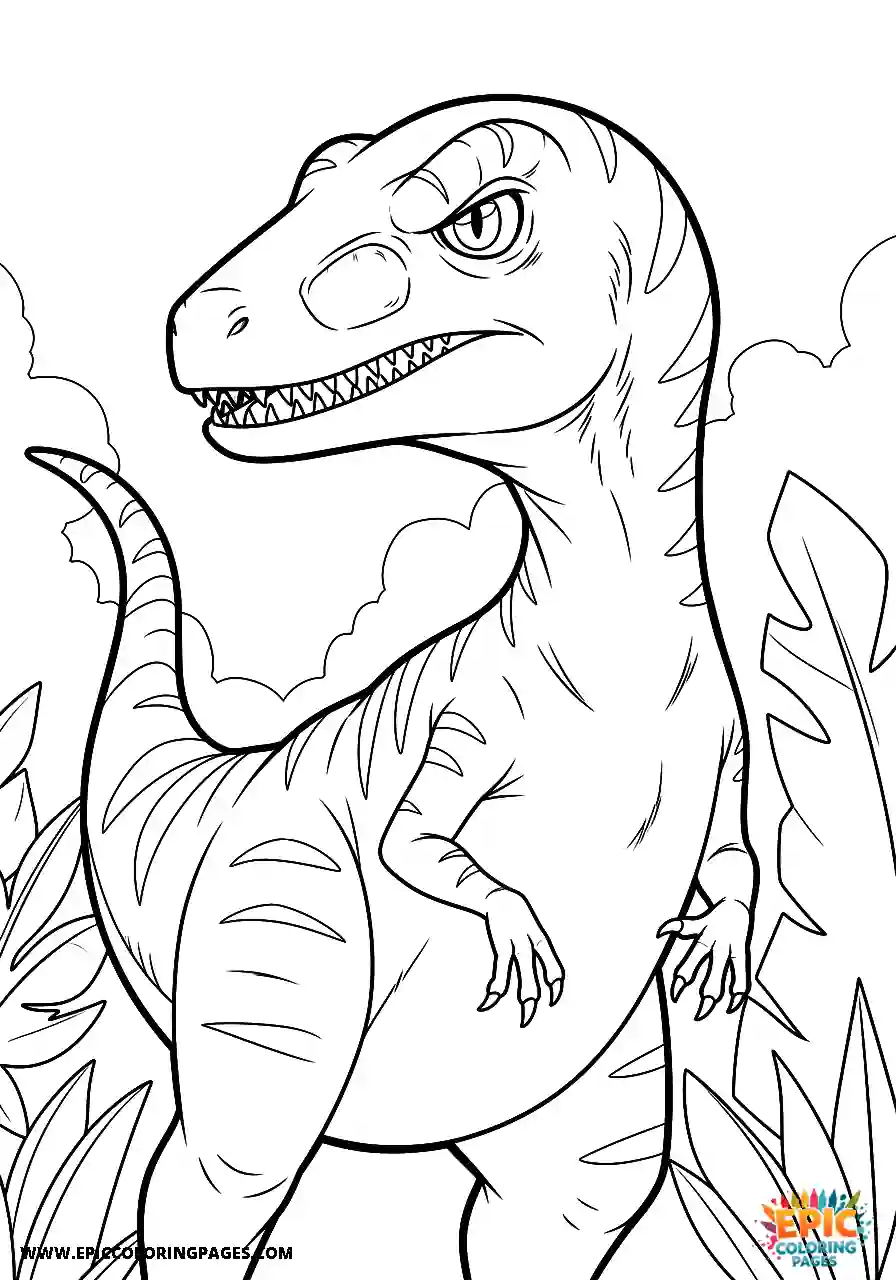
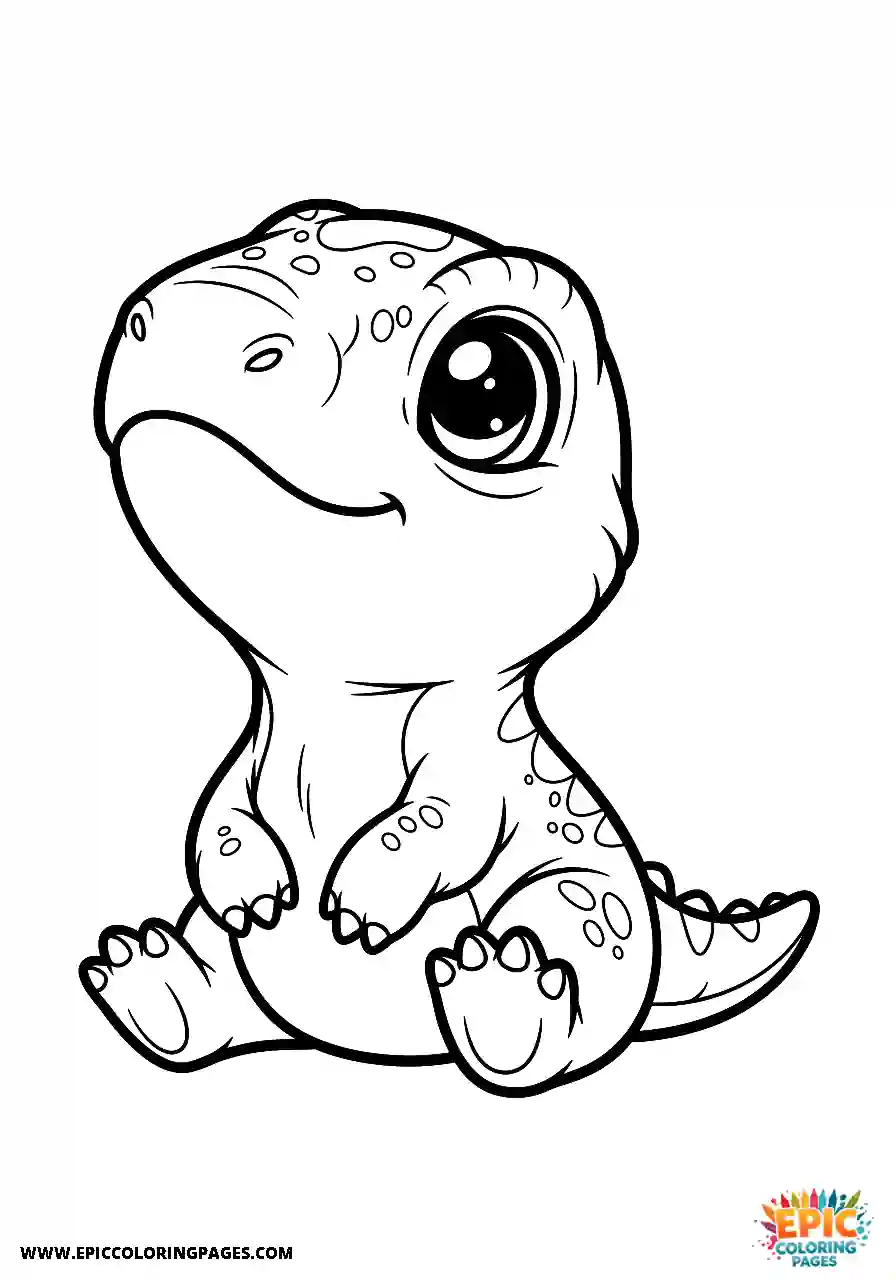
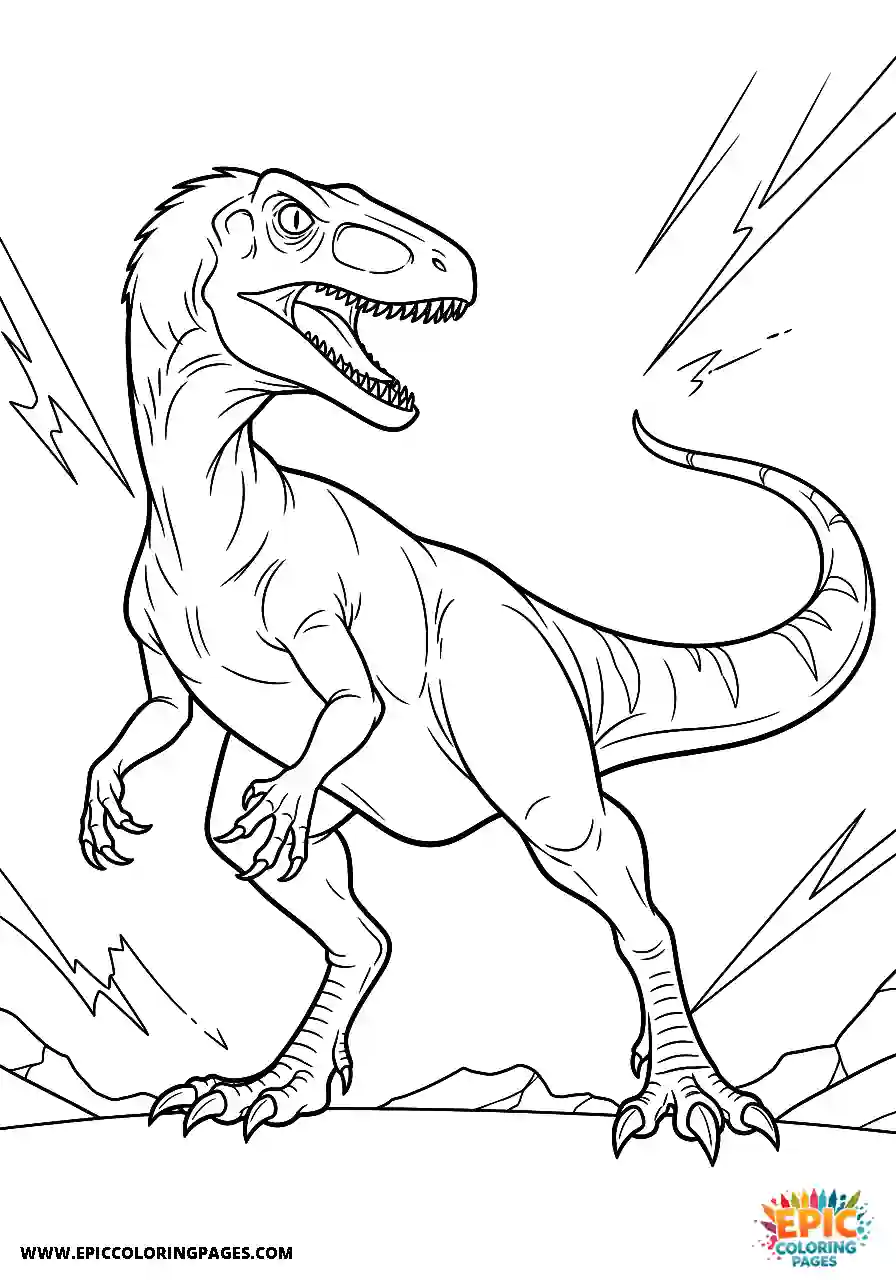
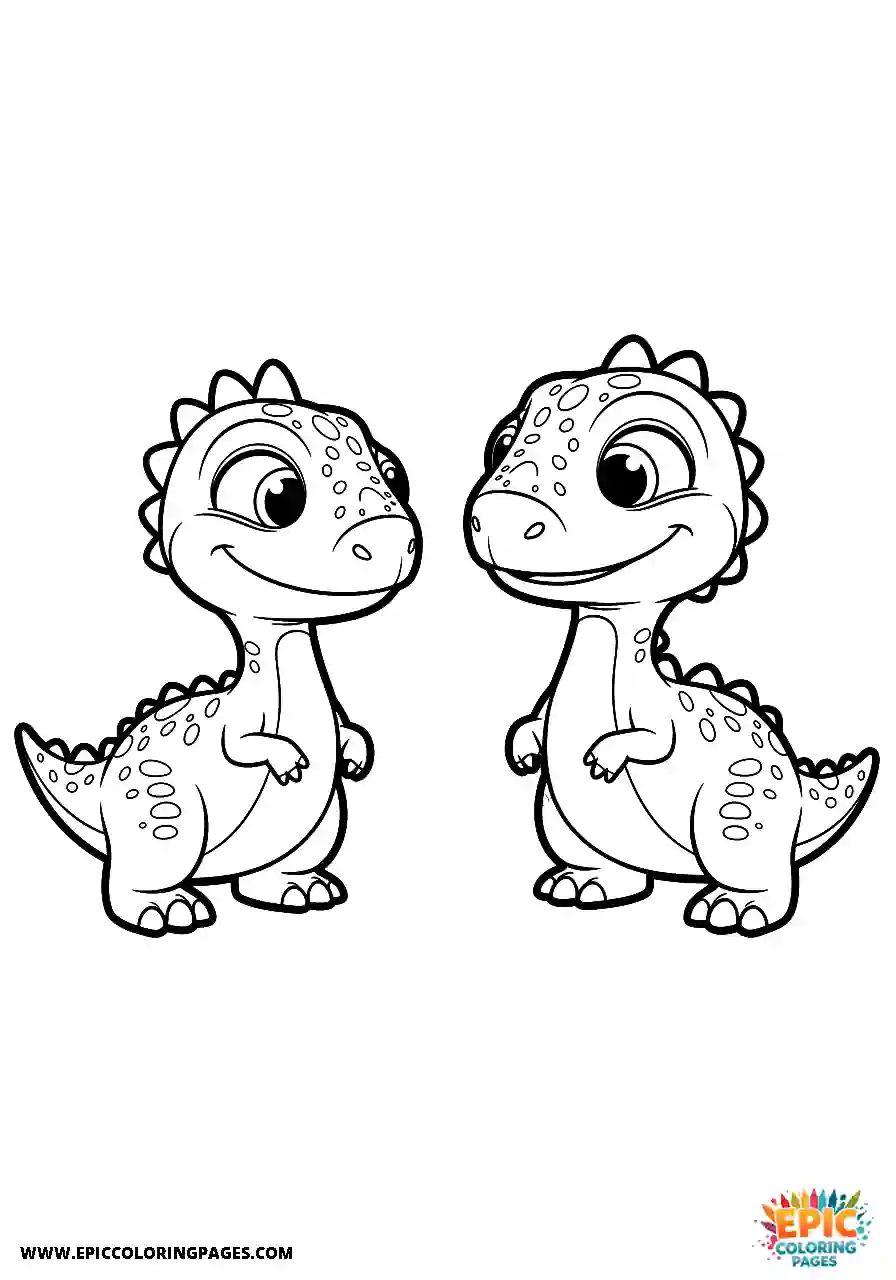
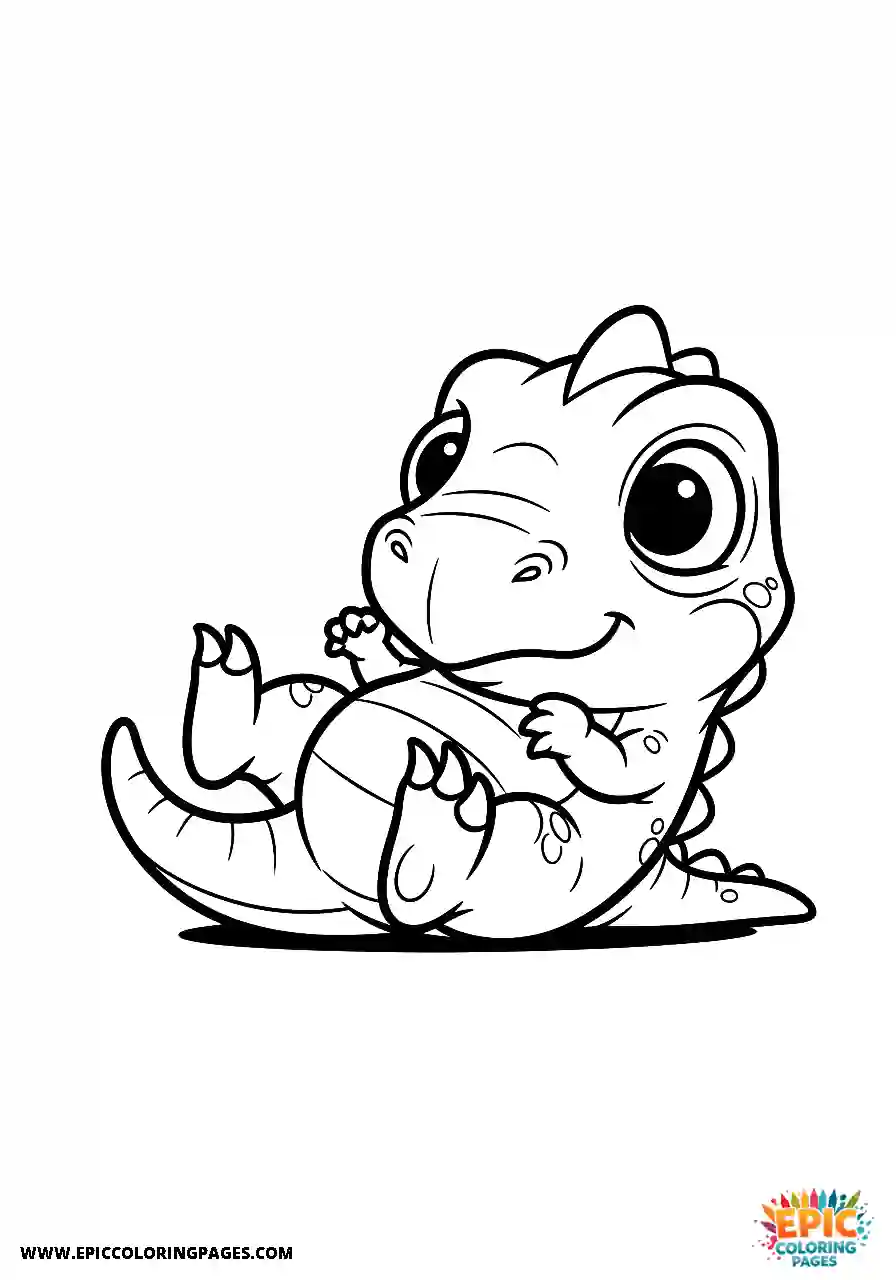
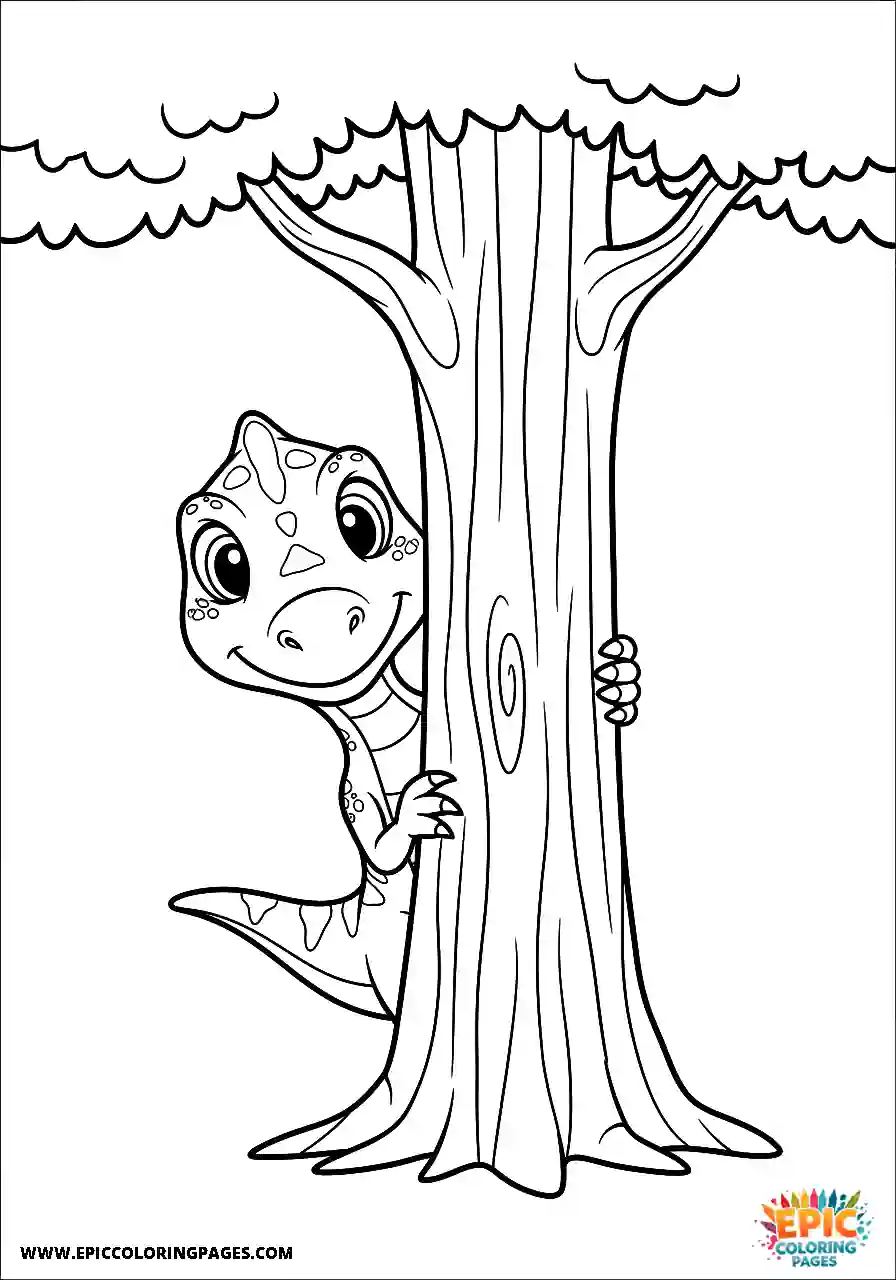
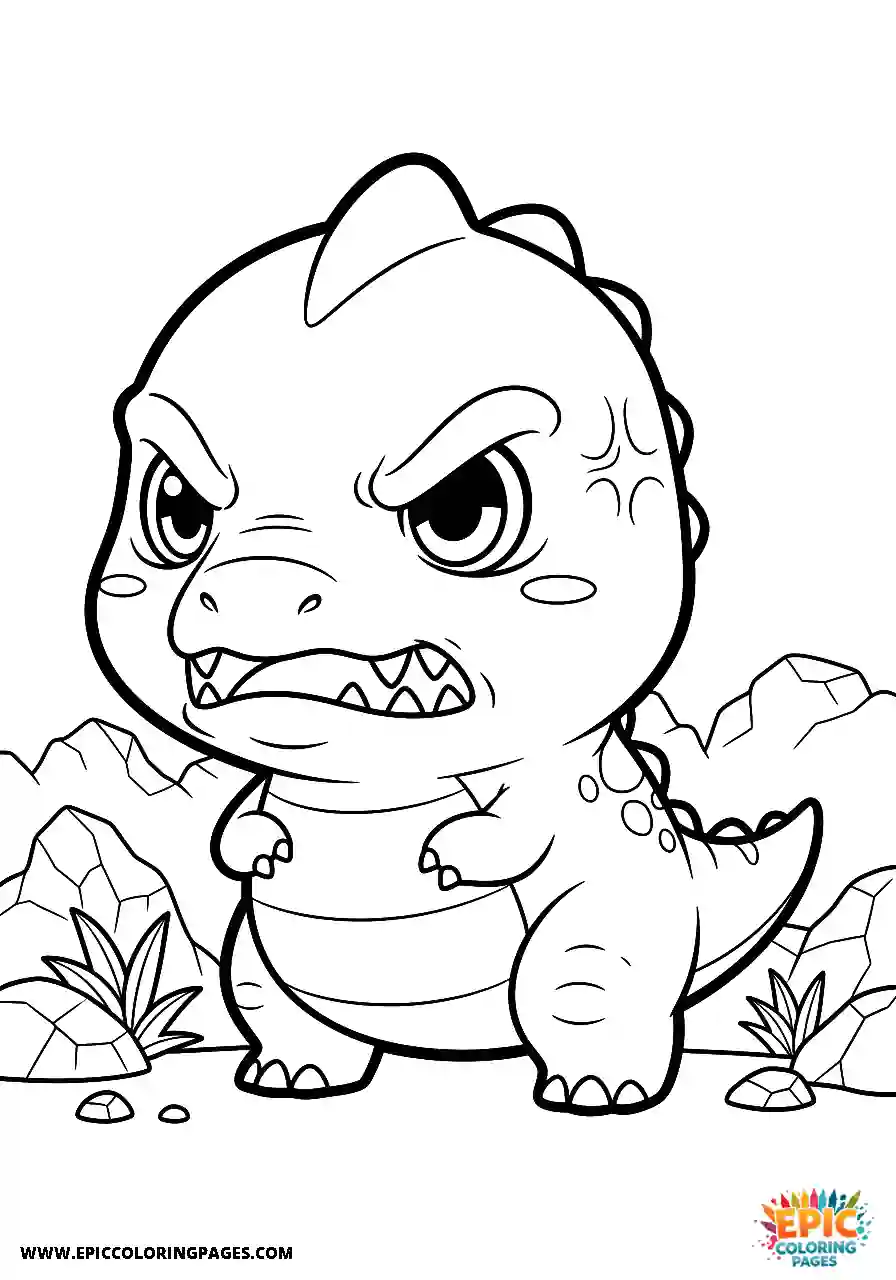
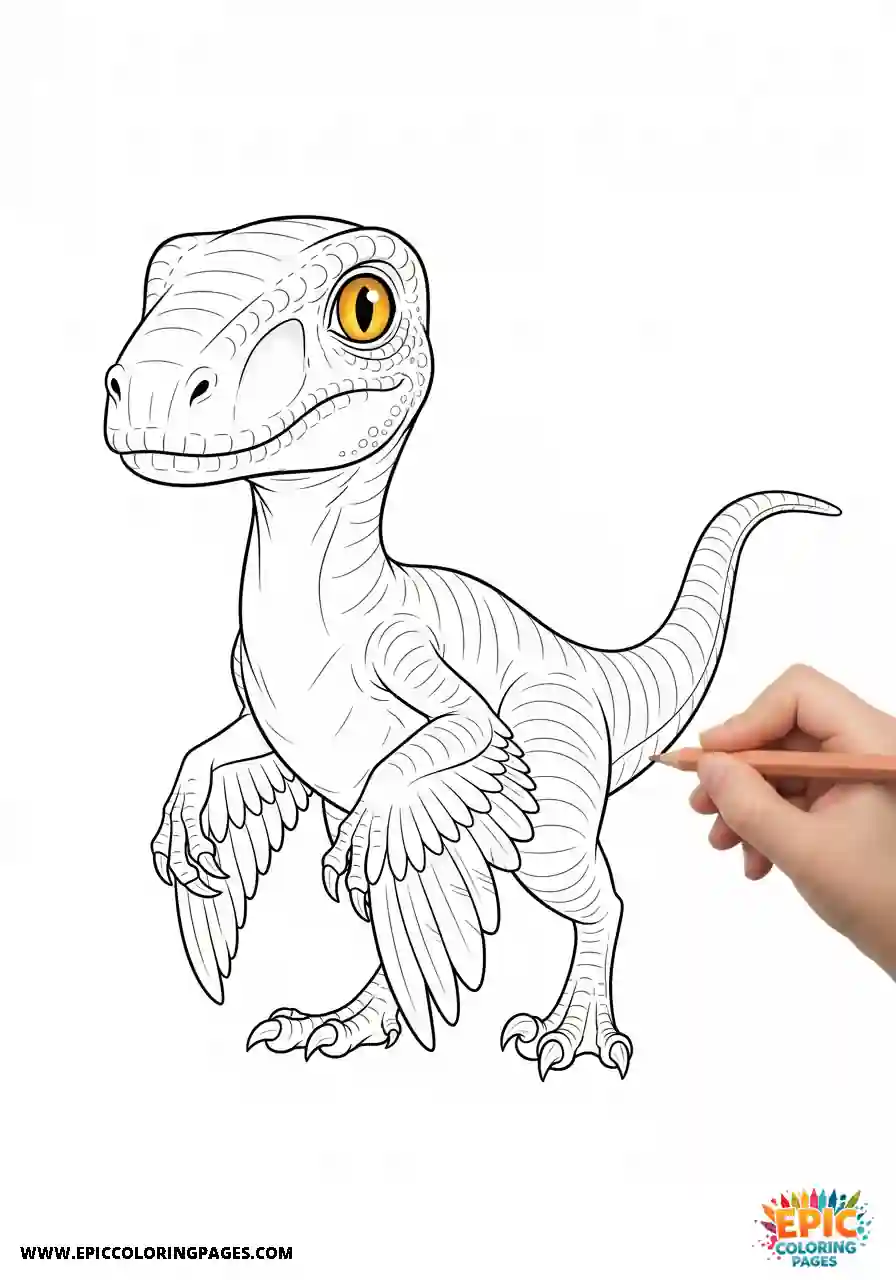
Stylized versions of Compsognathus often exaggerate certain features larger eyes for appeal, more pronounced scales, or dynamic poses that capture movement. These artistic liberties are your playground for color experimentation.
Color Theory for Small Predators
When selecting your palette, consider both realism and artistic impact. Modern birds, the closest living relatives to dinosaurs, display incredible color diversity. Small predatory birds like shrikes and kestrels often feature combinations of browns, grays, and tans with striking accent colors.
For a naturalistic approach, earth tones work beautifully. Burnt siennas, raw umbers, and olive greens create a convincing reptilian appearance. Add warmth with touches of rust or terracotta along the spine and limbs. Cool shadows using blue-grays or purple-grays prevent your piece from looking flat or muddy.
If you prefer bold stylization, don’t hesitate to explore vibrant options. Tropical birds prove that nature isn’t afraid of color. Consider iridescent teals along the neck, deep magentas on crests or wattles, or even subtle gradients that shift from warm to cool tones along the body. The key is maintaining internal consistency choose a logic for where bright colors appear and stick with it throughout your piece.
Layering Techniques for Depth and Dimension
Professional colorists rarely achieve their results in a single pass. Layering is essential for creating the dimensional quality that separates amateur work from polished art.
Start with your lightest base color, applying it evenly across each section. For skin or scales, this might be a pale yellow-ochre or light gray. Build your midtones next, leaving the lightest areas untouched to serve as highlights. Apply your midtones with varying pressure if using colored pencils, or dilute them if working with markers or watercolors.
Shadows require special attention on stylized dinosaurs. Identify your light source first this determines where shadows fall. For Compsognathus, pay attention to the underside of the jaw, beneath the ribcage, and where the legs meet the body. Layer darker versions of your base colors rather than using black, which can deaden your work. A deep purple-brown creates much more interesting shadows than straight black.
Don’t forget reflected light. Even in shadowed areas, surfaces receive bounce light from surrounding objects. Adding a subtle warm or cool tone to your deepest shadows prevents them from appearing lifeless.
Texture and Scale Patterns
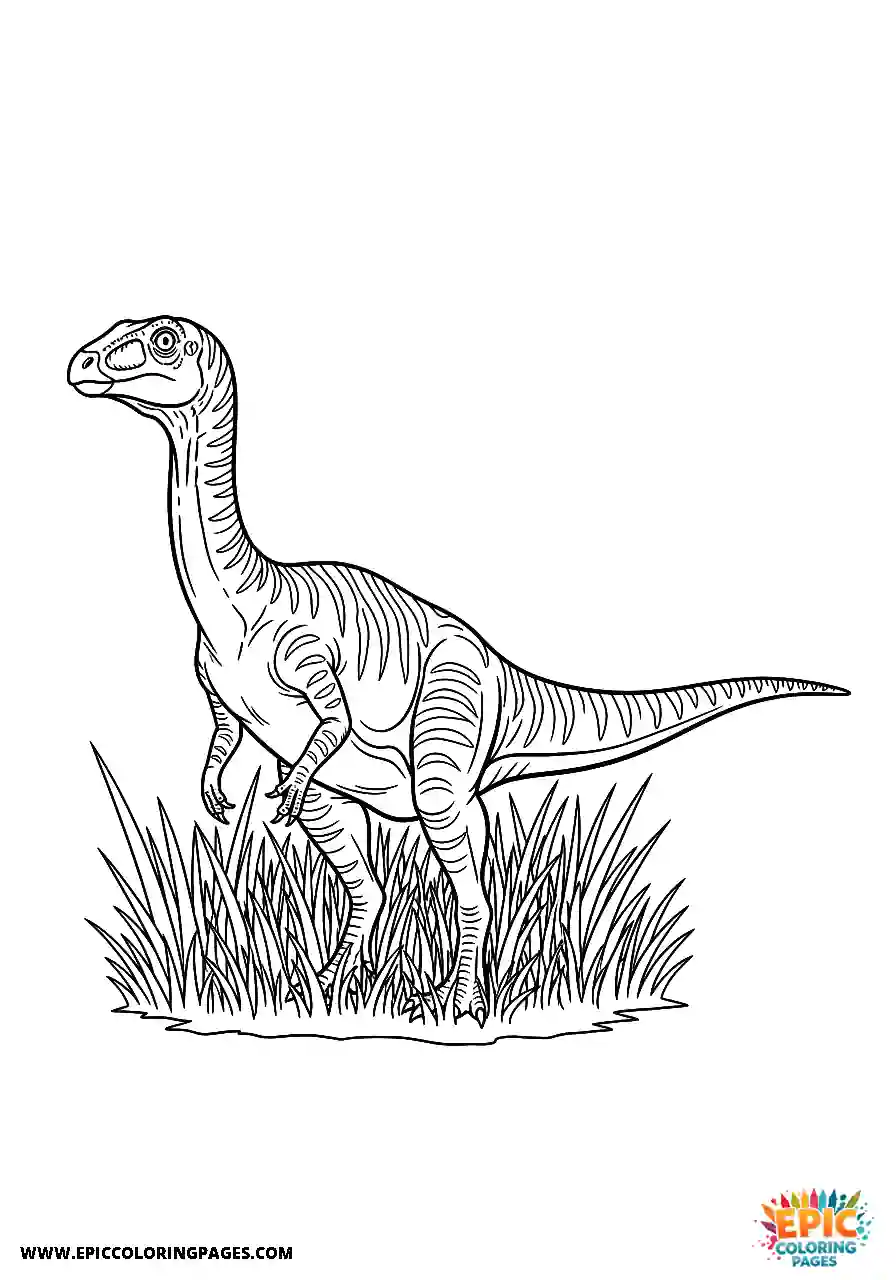
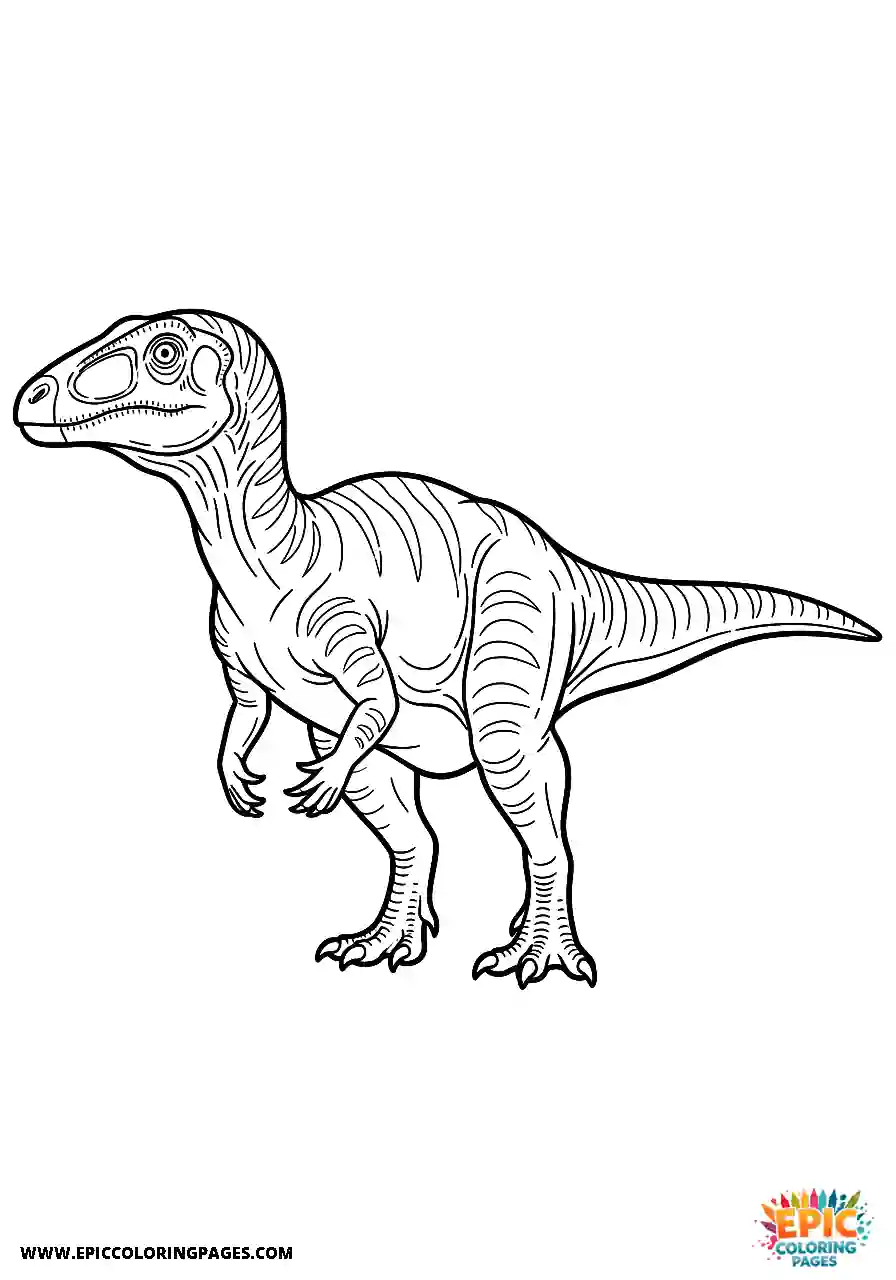
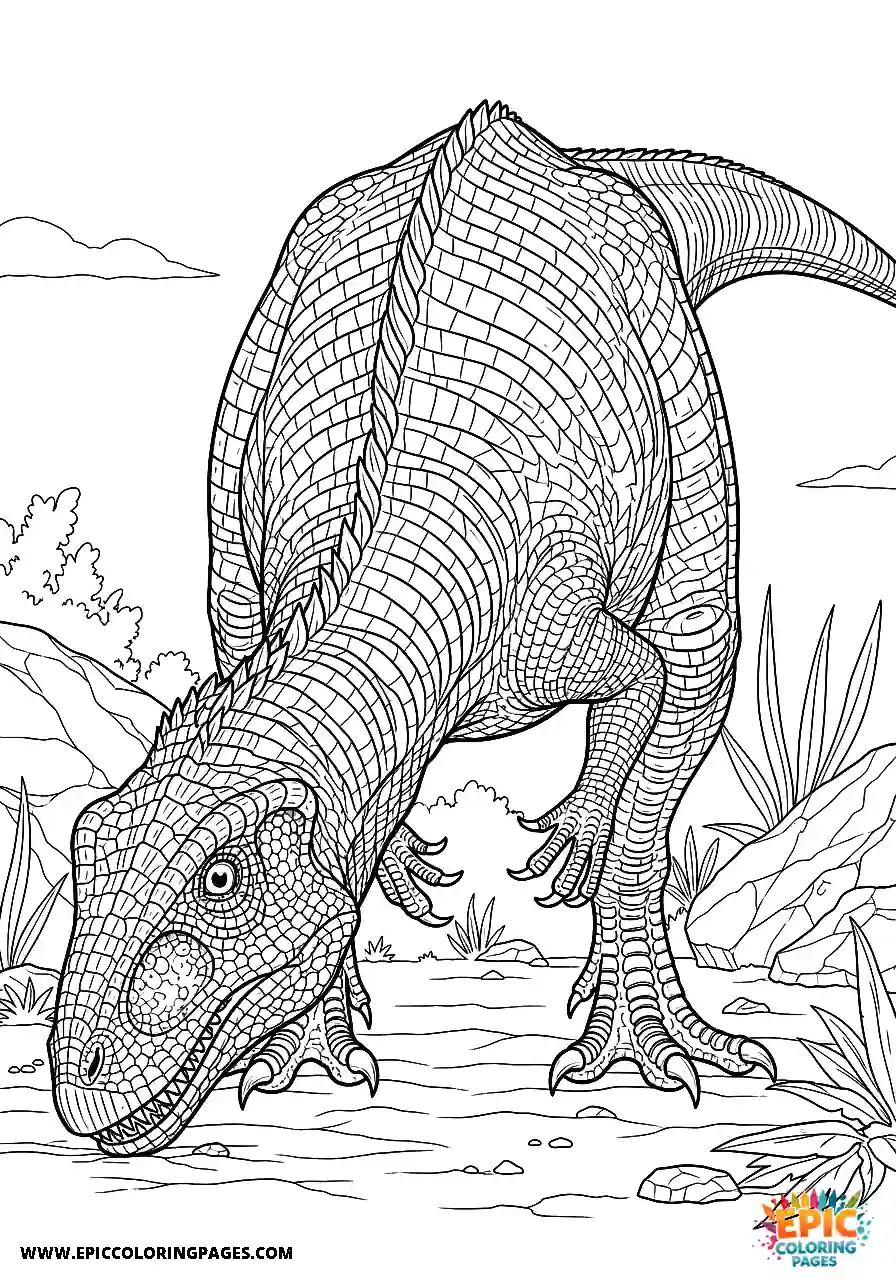
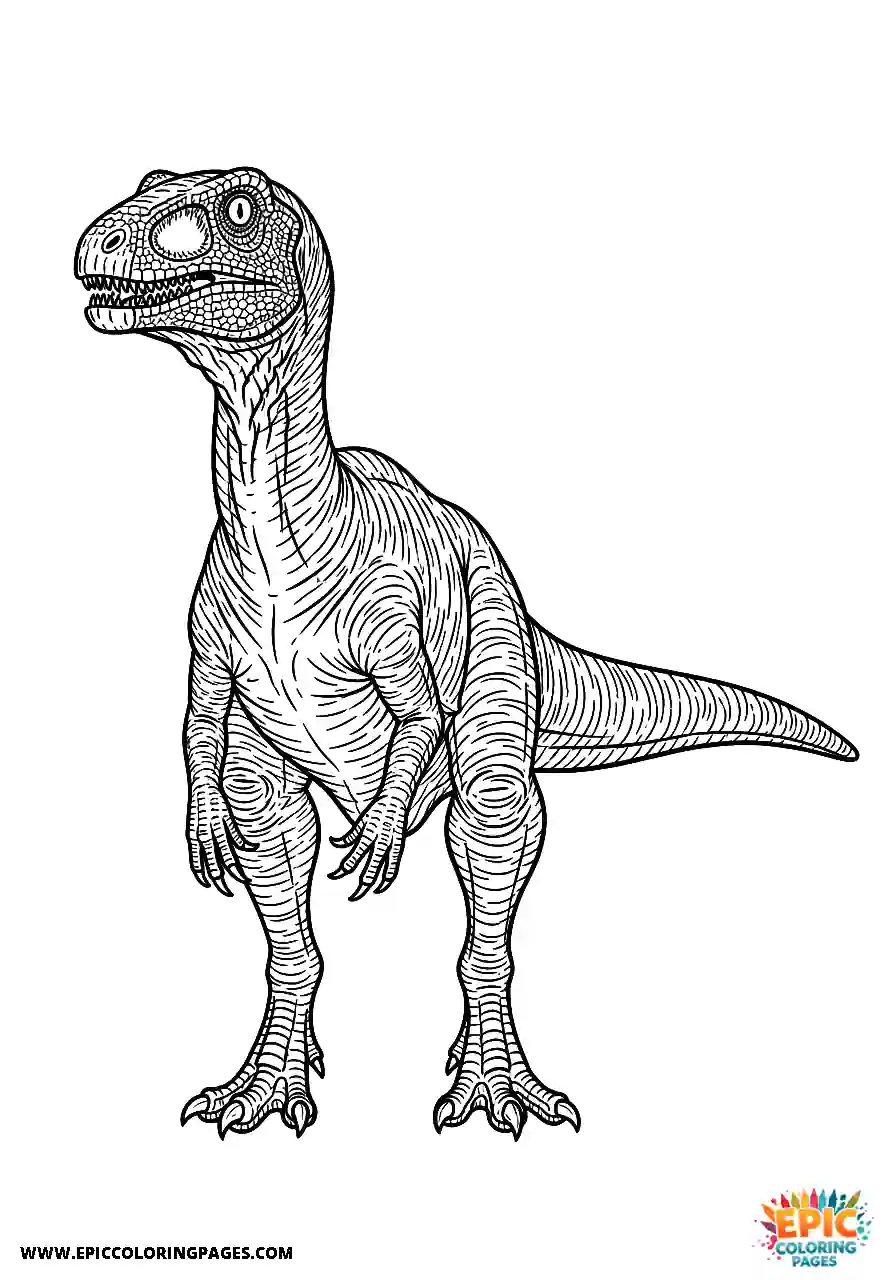
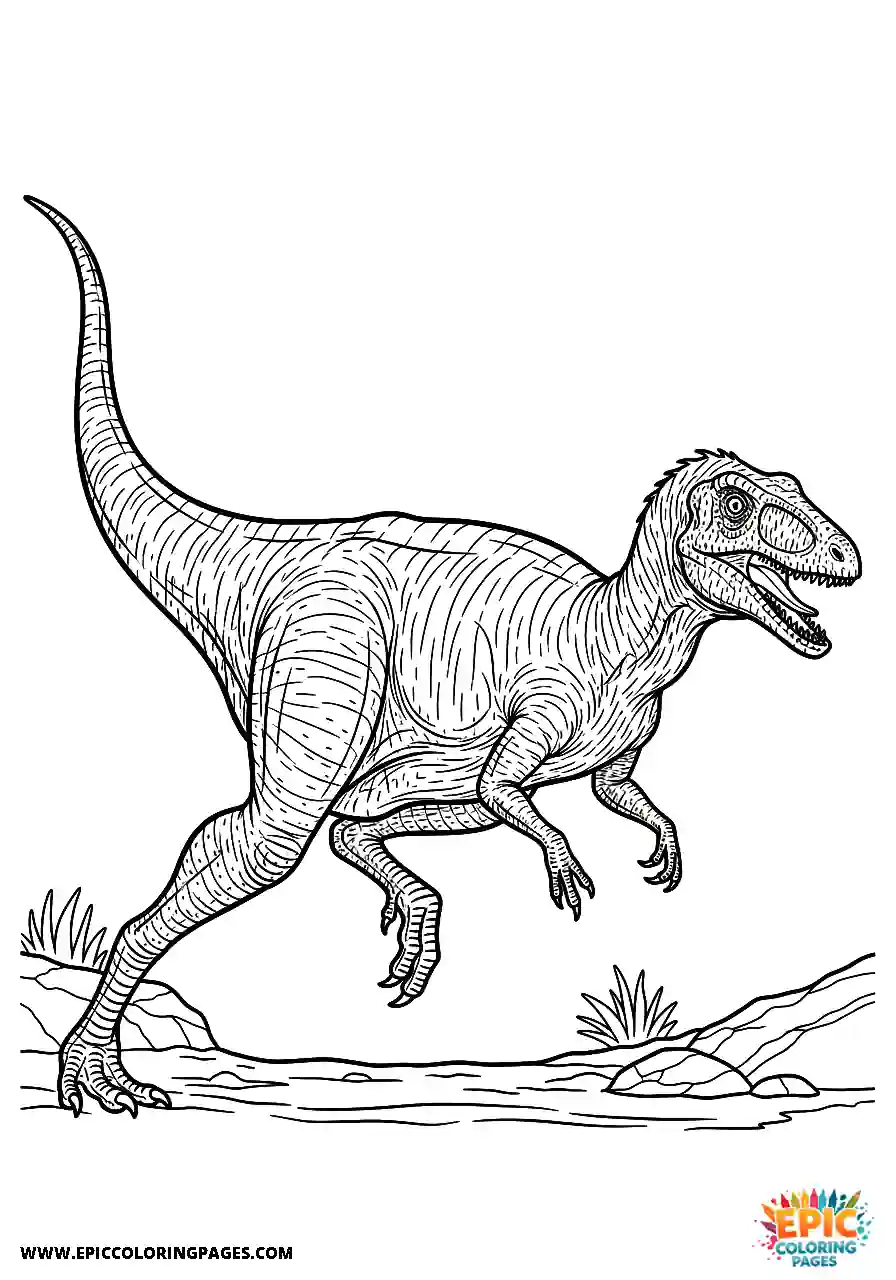
One of the most enjoyable aspects of coloring dinosaurs is creating convincing skin texture. Compsognathus likely had a covering of scales, possibly with primitive feathers or filaments, though this remains scientifically debated.
For a scaled appearance, use small circular or stippling motions with colored pencils to create subtle texture variations. You don’t need to color every individual scale if they’re illustrated sometimes suggesting texture through shading is more effective than laboriously filling each one.
If your stylized page includes feather-like structures, remember that feathers have direction and flow. Color them following their natural growth pattern, using lighter strokes at the tips and deeper saturation at the base where they attach to the body.
Burnishing applying heavy pressure with a light-colored pencil over layered colors can create a smooth, polished scale effect. This technique works especially well for highlighting areas like the skull, shoulders, or thighs.
Eye Contact: Bringing Life to Your Compsognathus
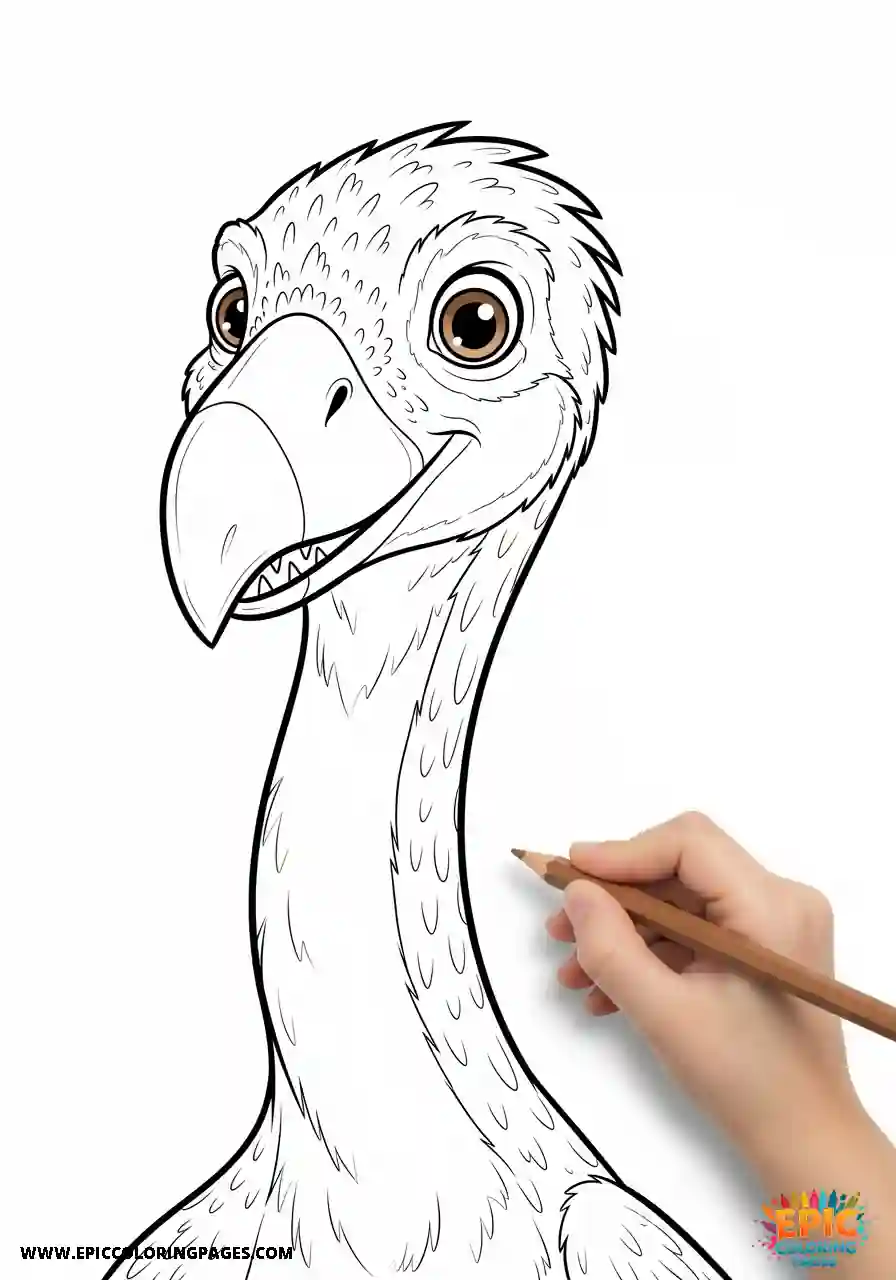
The eyes are the focal point of any creature, and stylized dinosaurs often feature enlarged, expressive eyes. This small detail makes or breaks the overall impact of your coloring.
Begin with the pupil, using your darkest color. Leave a small white highlight positioning it consistently with your light source creates realism, while off-center placement adds character. The iris offers wonderful opportunities for color play. Even if you’re using naturalistic colors elsewhere, consider rich ambers, deep emeralds, or striking golds for the eyes.
Add a thin ring of darker color around the outer edge of the iris to define its shape. Then place a lighter color or even white around the pupil to create depth and luminosity. Finally, shade the upper portion of the eye slightly darker to suggest the shadow cast by the brow ridge or eyelid.
Don’t neglect the area around the eye. Subtle shading in the eye socket adds crucial dimension that makes the eye appear set into the skull rather than pasted on the surface.
Background Considerations
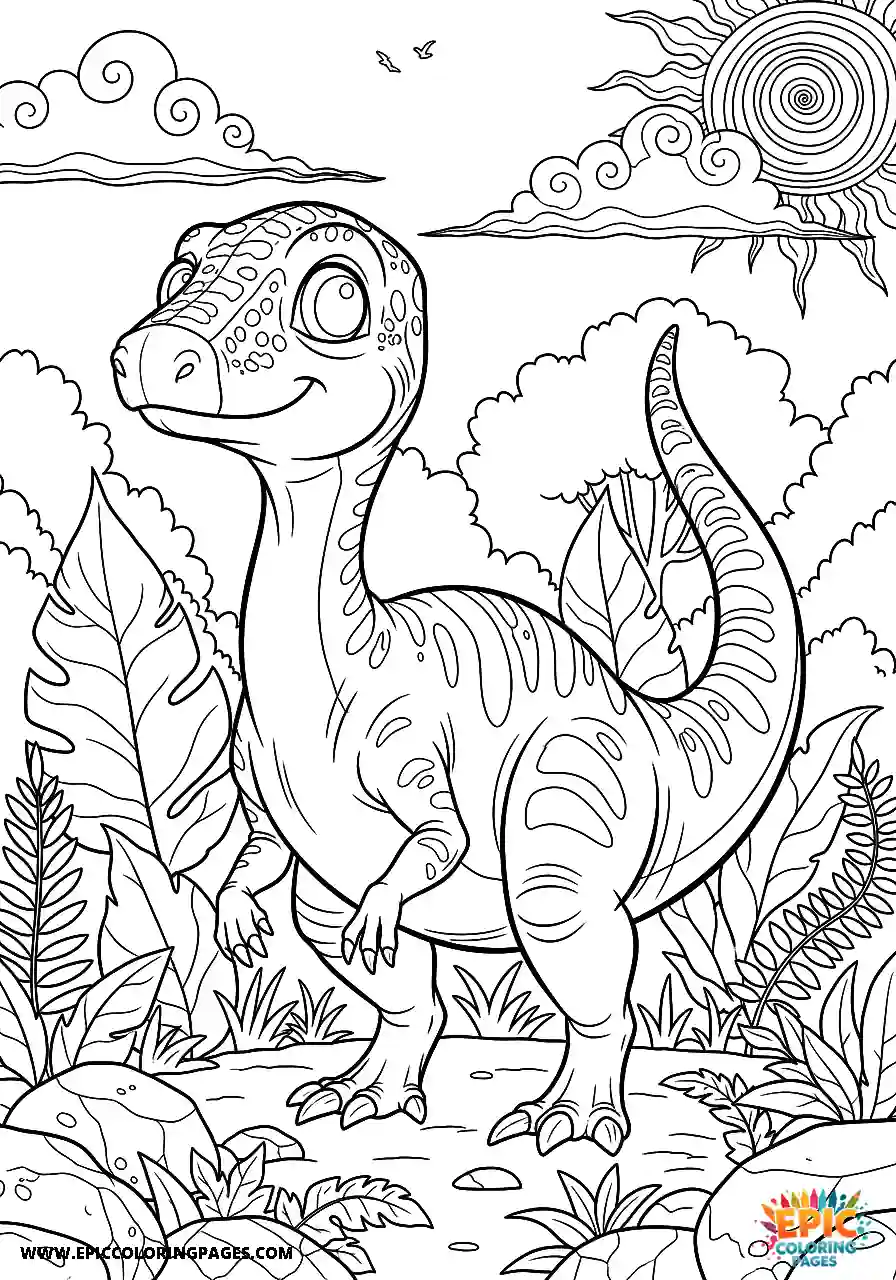
While your Compsognathus is the star, thoughtful background choices enhance the entire composition. For beginners, simple gradient skies perhaps transitioning from warm yellows near the horizon to cool blues above provide context without overwhelming the main subject.
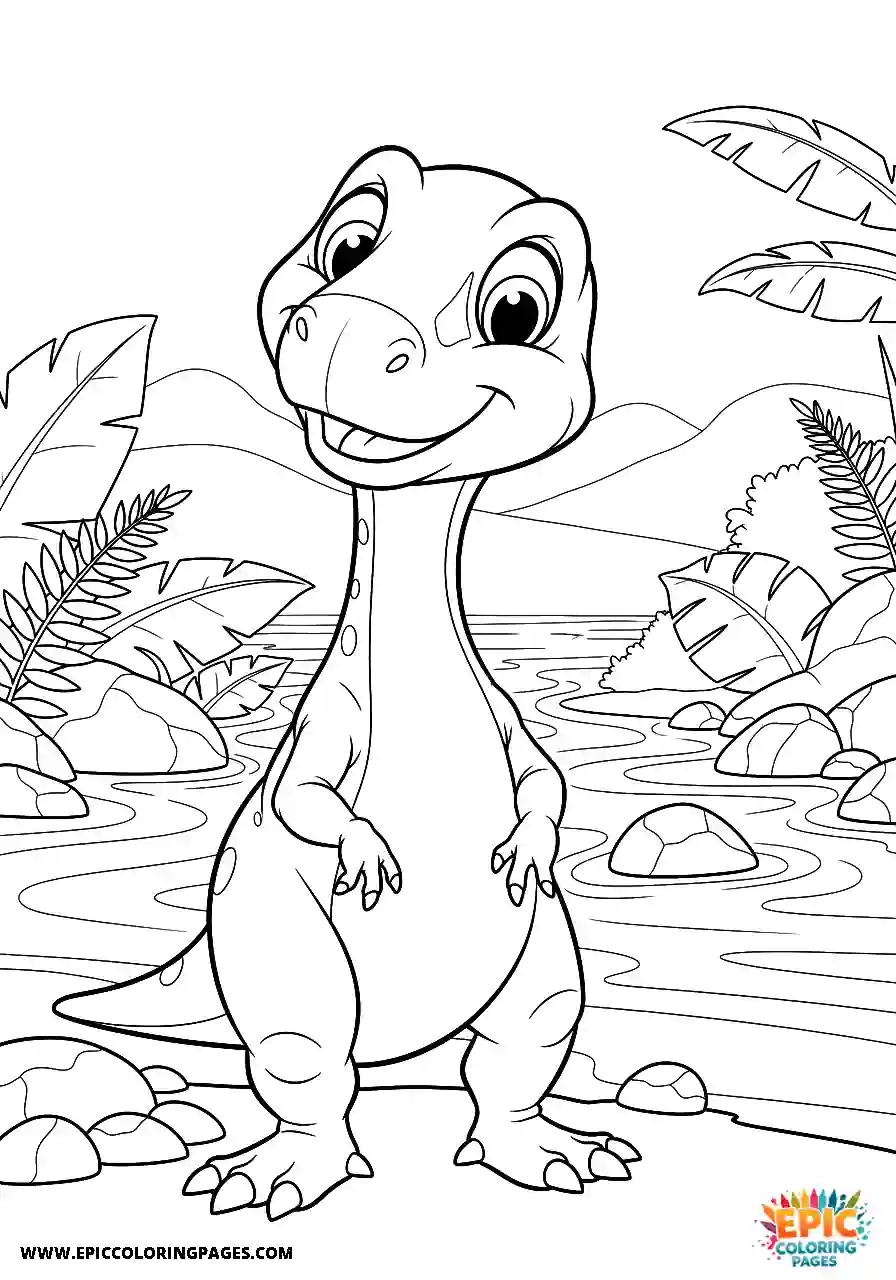
More advanced colorists might add environmental elements that tell a story. Compsognathus lived in what is now Europe during a time when the region featured tropical islands and lagoons. Suggesting palm-like vegetation, water elements, or sandy terrain grounds your dinosaur in a believable setting.
Keep background elements lighter and less saturated than your main subject. This atmospheric perspective ensures the Compsognathus remains the visual focus. If your page includes multiple Compys, vary their color intensity making foreground figures richer and background ones slightly faded to create depth.
Tool-Specific Approaches
Colored pencils offer unmatched control for detailed work. Use sharp points for fine details like claws and teeth, and dull or flat edges for broader areas like the body and tail. Experiment with different paper textures smooth paper allows for detailed blending, while toothier surfaces grab more pigment for vibrant coverage.
Markers demand confidence and planning since they’re difficult to erase. Test colors on scrap paper first, and work from light to dark. Alcohol-based markers blend beautifully apply one color, then immediately add another while the first is still wet. For stylized pages with bold outlines, markers excel at creating clean, vibrant fills.
Gel pens and metallic accents can add magical touches to stylized dinosaurs. A metallic gold or copper along scale edges catches light beautifully, while white gel pens create highlights on dark colors that would otherwise require leaving paper white.
Digital colorists have the advantage of layers and unlimited undo options. Create separate layers for base colors, shadows, highlights, and textures. This allows you to adjust individual elements without affecting others. Use blending modes like Multiply for shadows and Overlay for highlights to create professional-looking depth.
Common Mistakes to Avoid
Even experienced colorists sometimes fall into predictable traps. Overblending can eliminate the texture and vitality that make dinosaur coloring engaging know when to stop. Inconsistent light sources create confusing shadows that undermine realism. Using colors straight from the package without mixing or layering often results in flat, cartoon-like results rather than dimensional artwork.
Many colorists also neglect the extremities. Claws, teeth, and the tail tip deserve the same attention as the head and body. These details might be small, but they’re often where viewers’ eyes travel after initially taking in the whole piece.
Practice and Experimentation
The beauty of coloring pages is that they’re meant for exploration without pressure. Don’t be afraid to try unconventional color schemes a lavender and mint Compsognathus might become your favorite piece. Keep a coloring journal noting which color combinations you loved and which techniques worked best with your preferred tools.
Study reference materials, but don’t feel bound by them. Stylized coloring pages invite creative interpretation. The goal isn’t to replicate a photograph but to create something that brings you joy and perhaps teaches you new techniques along the way.
Remember that professional results come from mindful practice, not expensive supplies. Some of the most stunning dinosaur coloring I’ve seen was created with basic student-grade pencils by artists who understood color relationships and took their time with layering.
Your Compsognathus coloring pages are an opportunity to blend paleontological wonder with personal artistic expression. Whether you’re coloring for relaxation, skill development, or pure creative joy, approaching each page with intention and curiosity will yield results that surprise and delight you. Pick up your tools, trust your instincts, and let these tiny prehistoric hunters inspire your biggest creative leaps.