Home Dinosaur Brachiosaurus

Brachiosaurus Coloring Pages (396+ Free Printables)

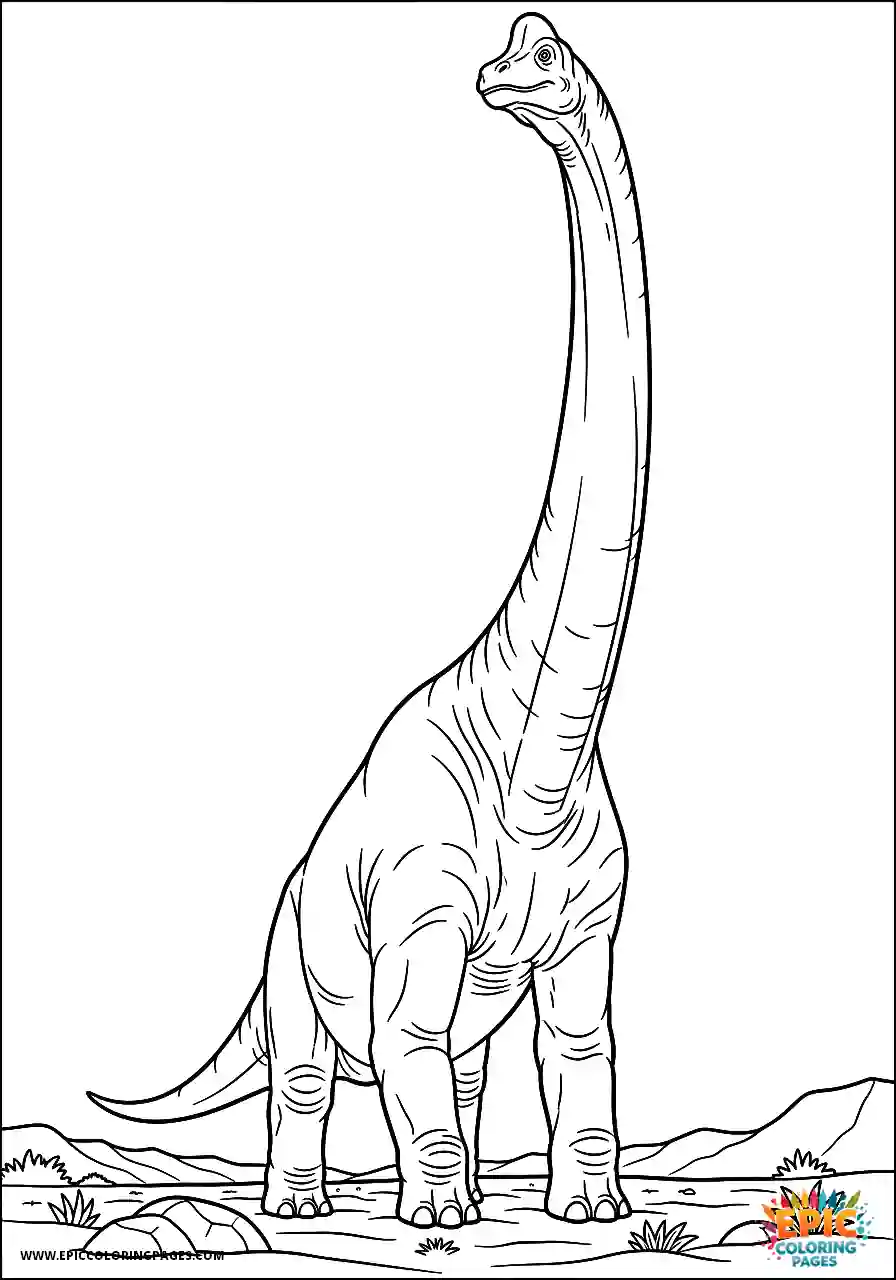
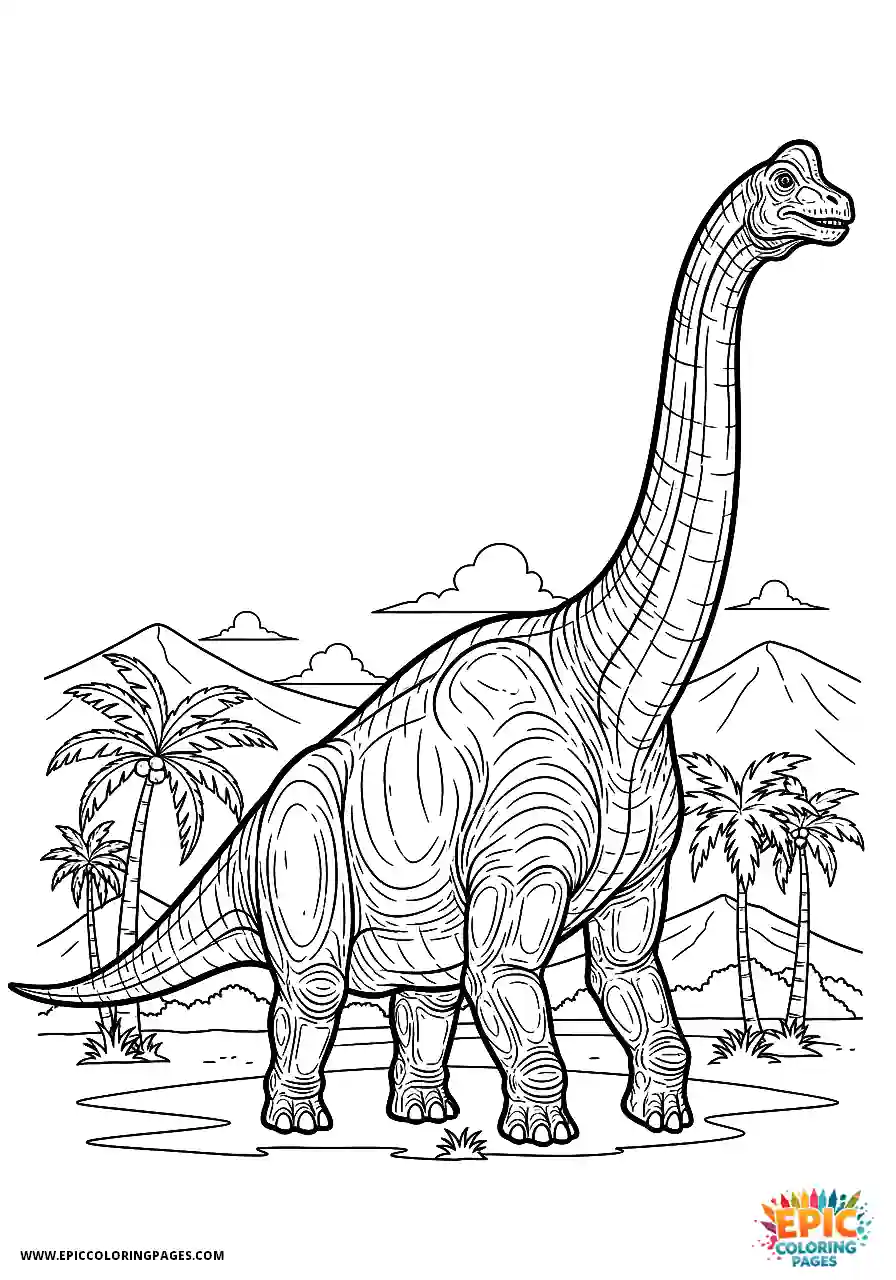
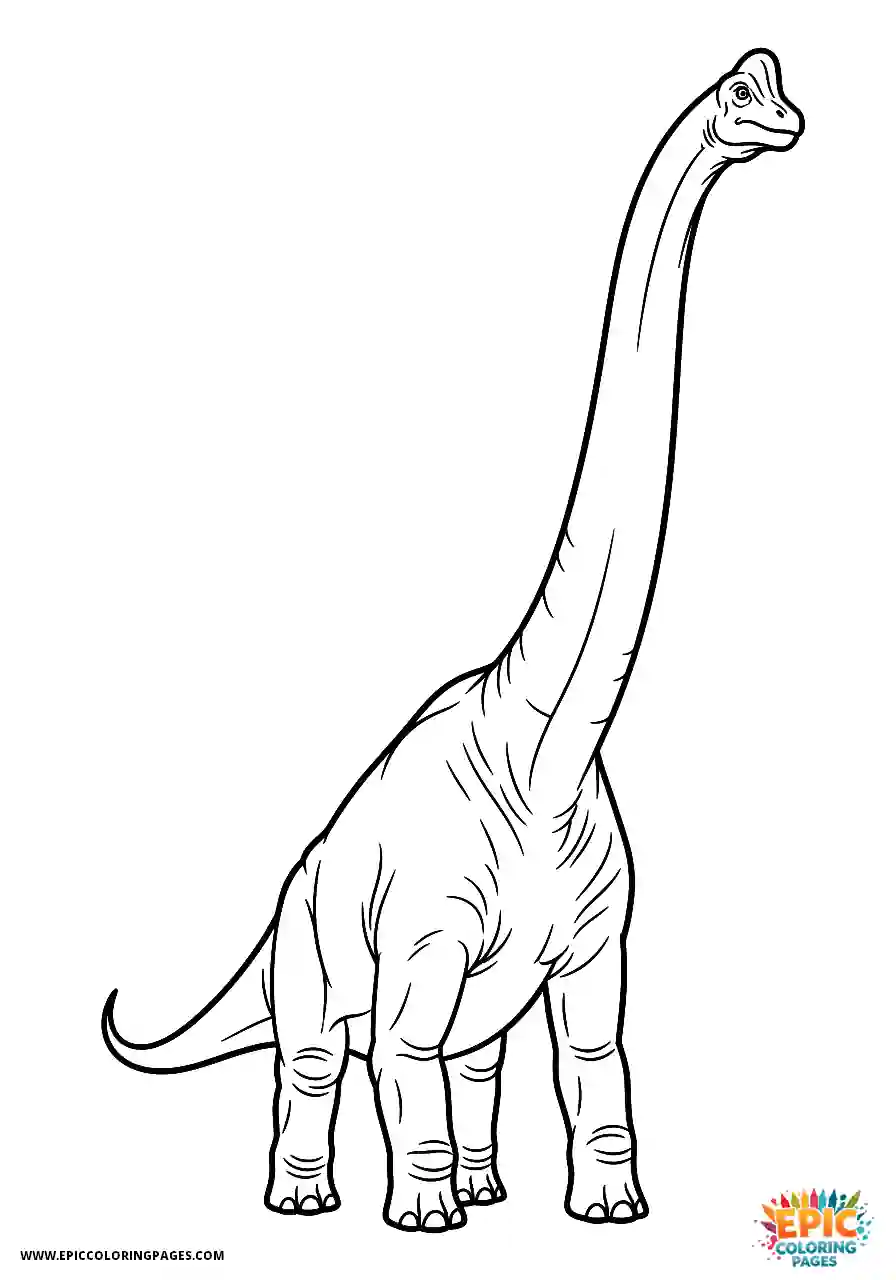
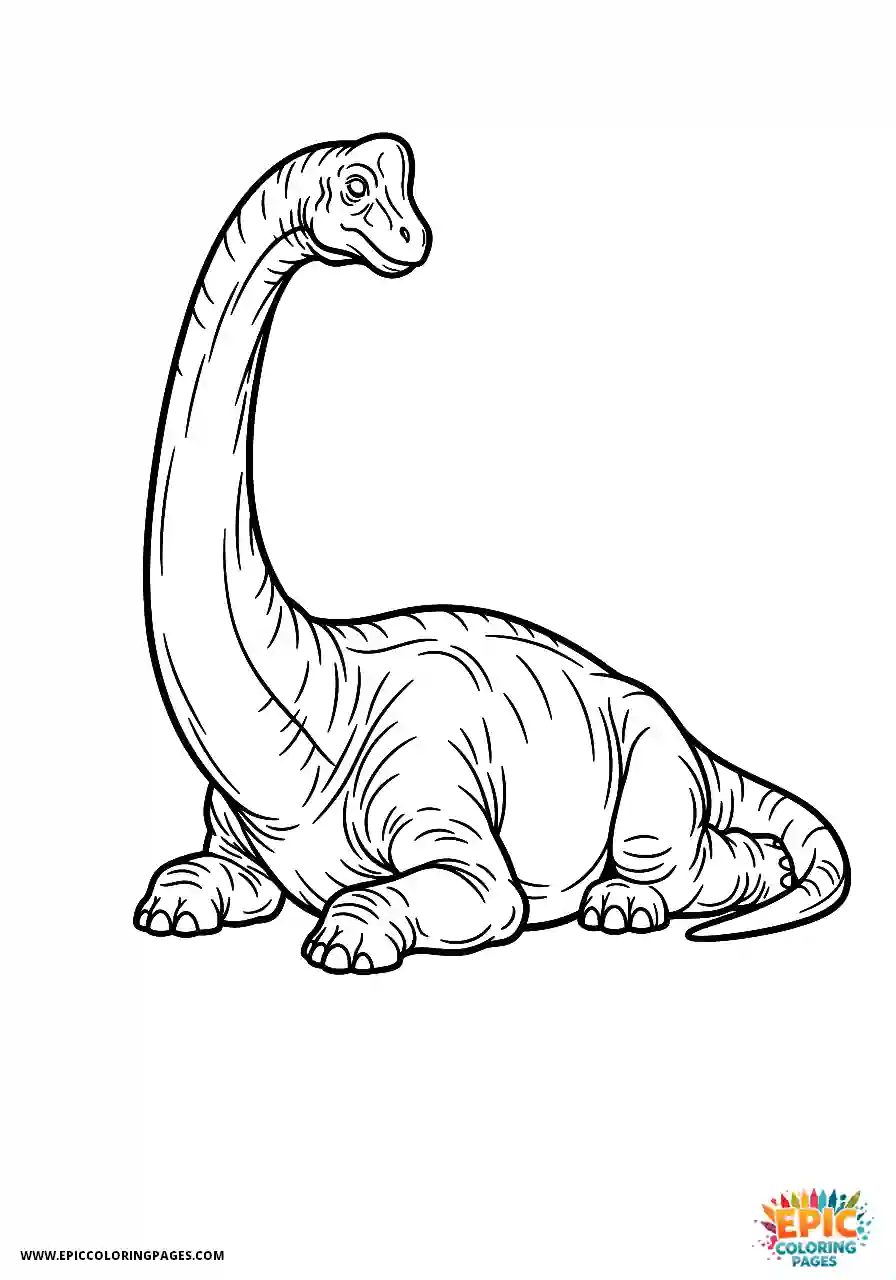
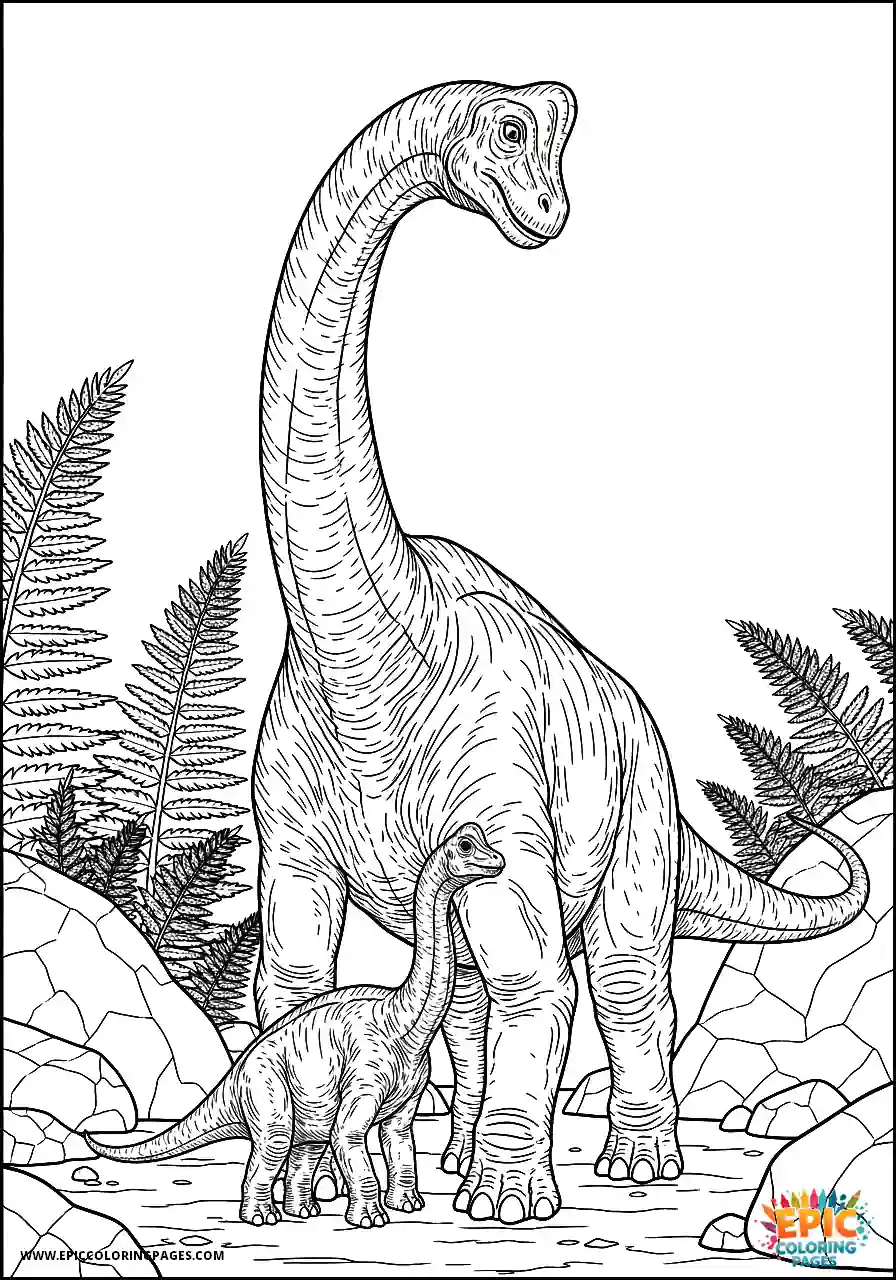
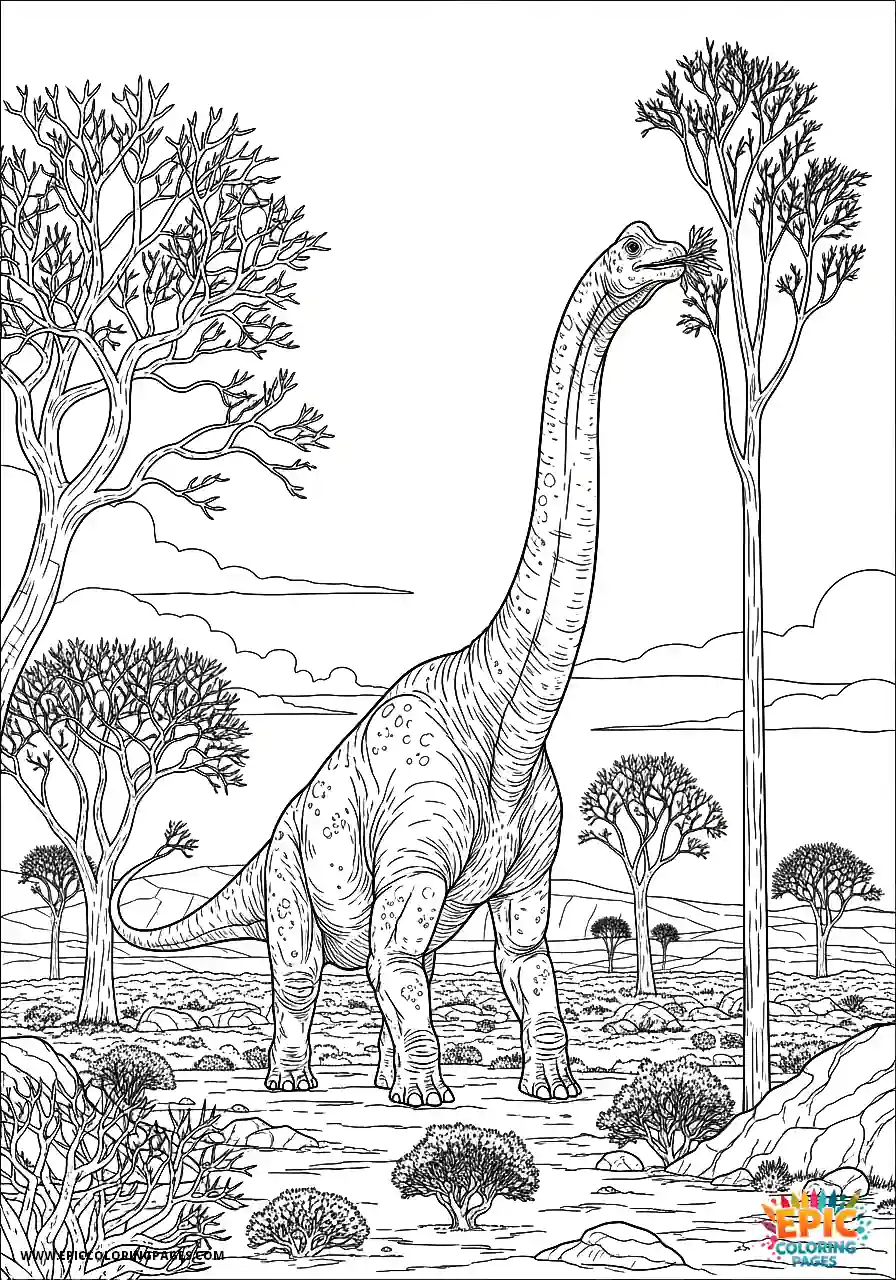
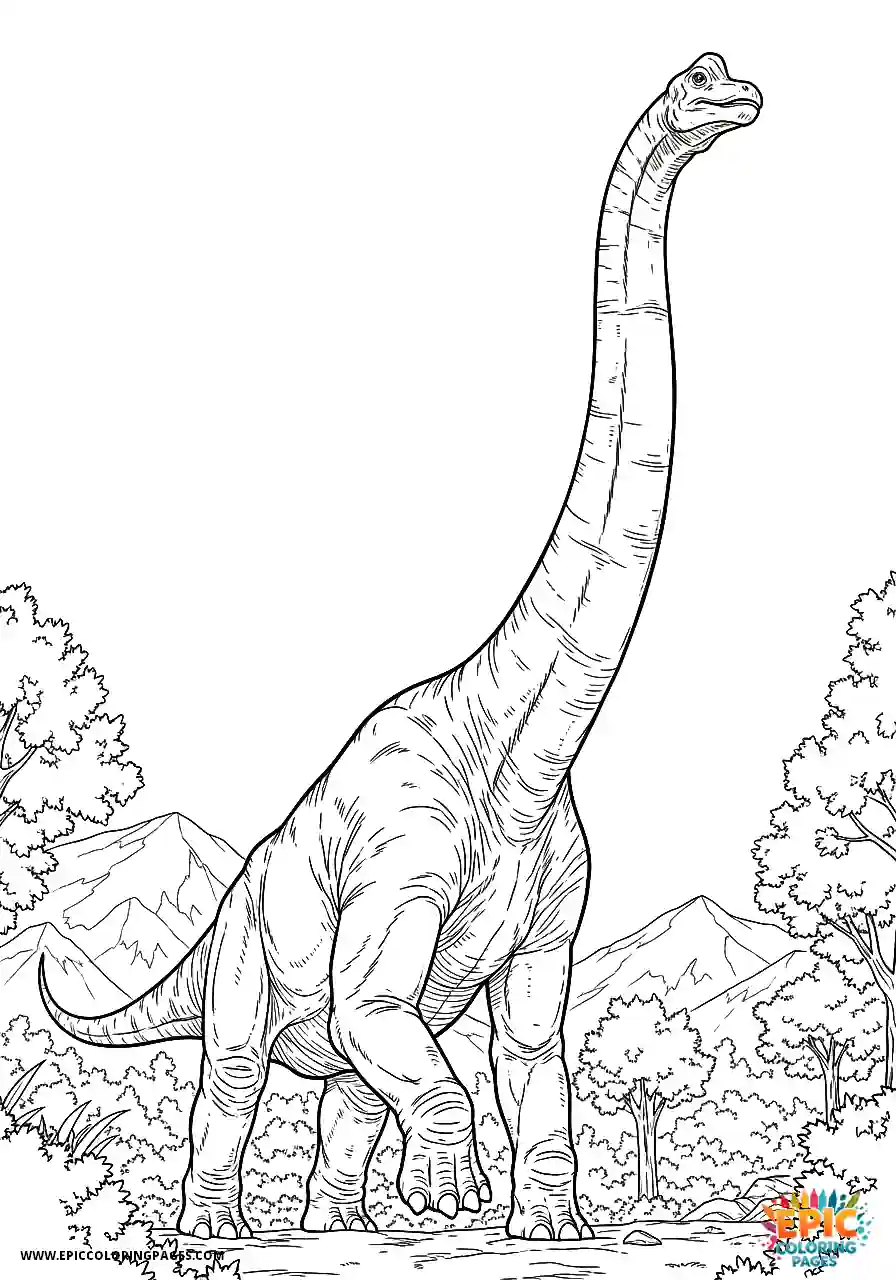
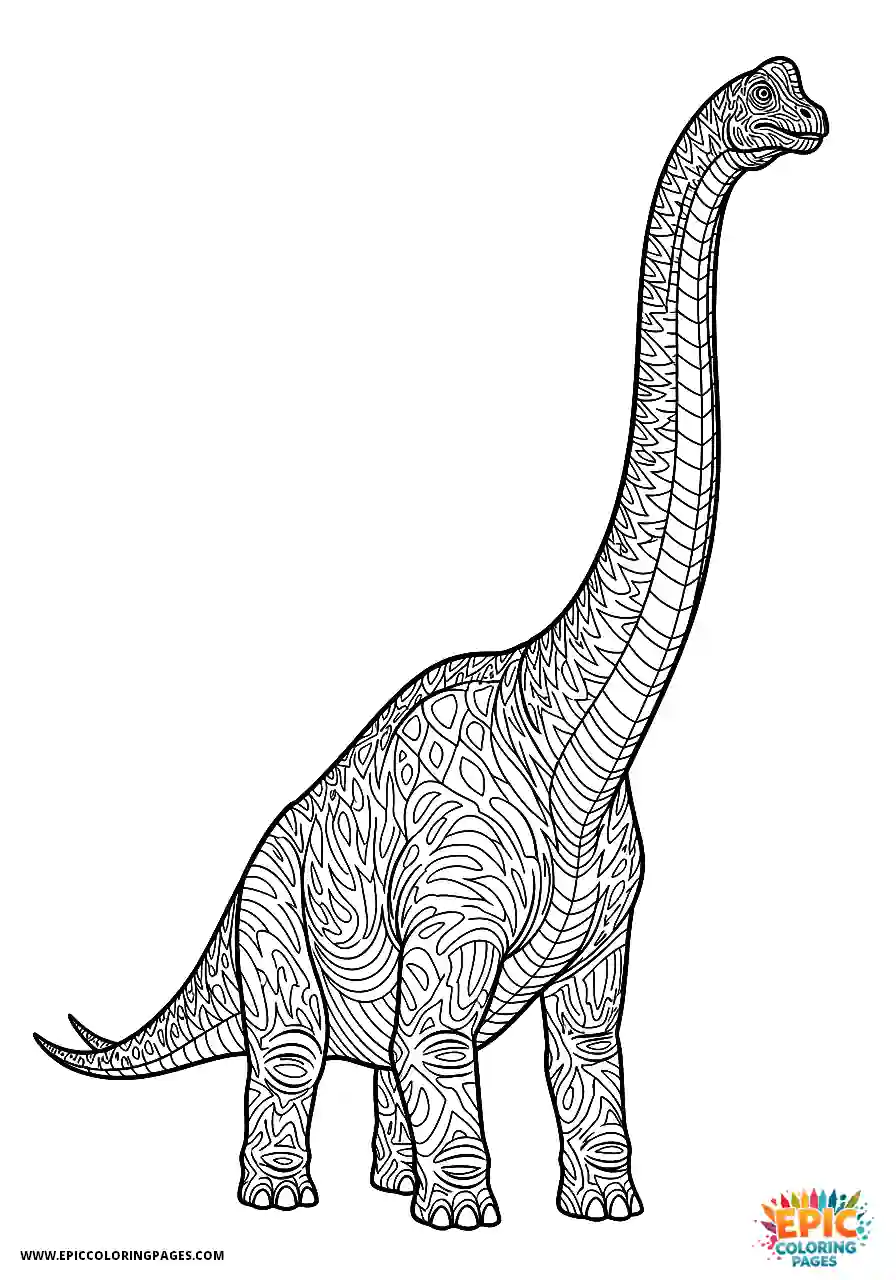
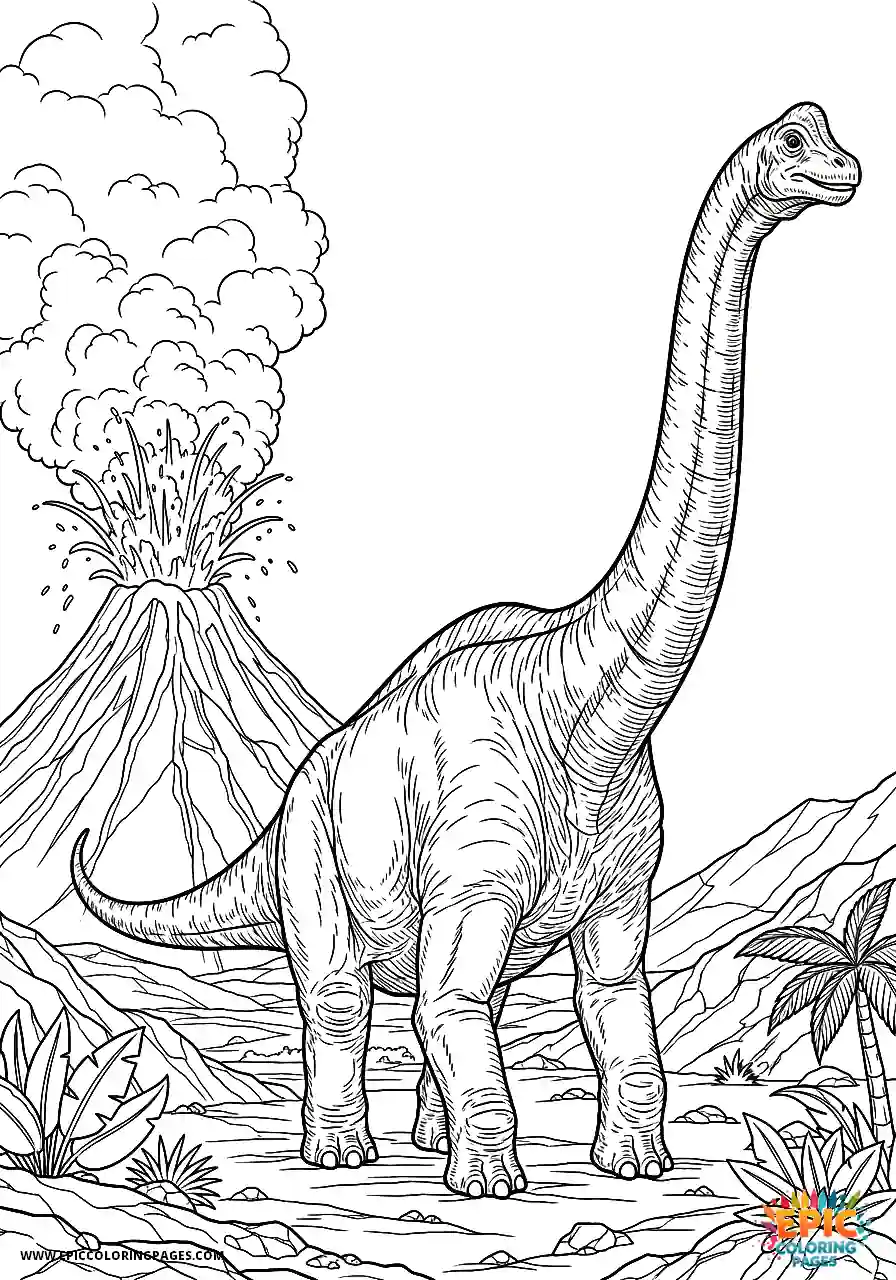
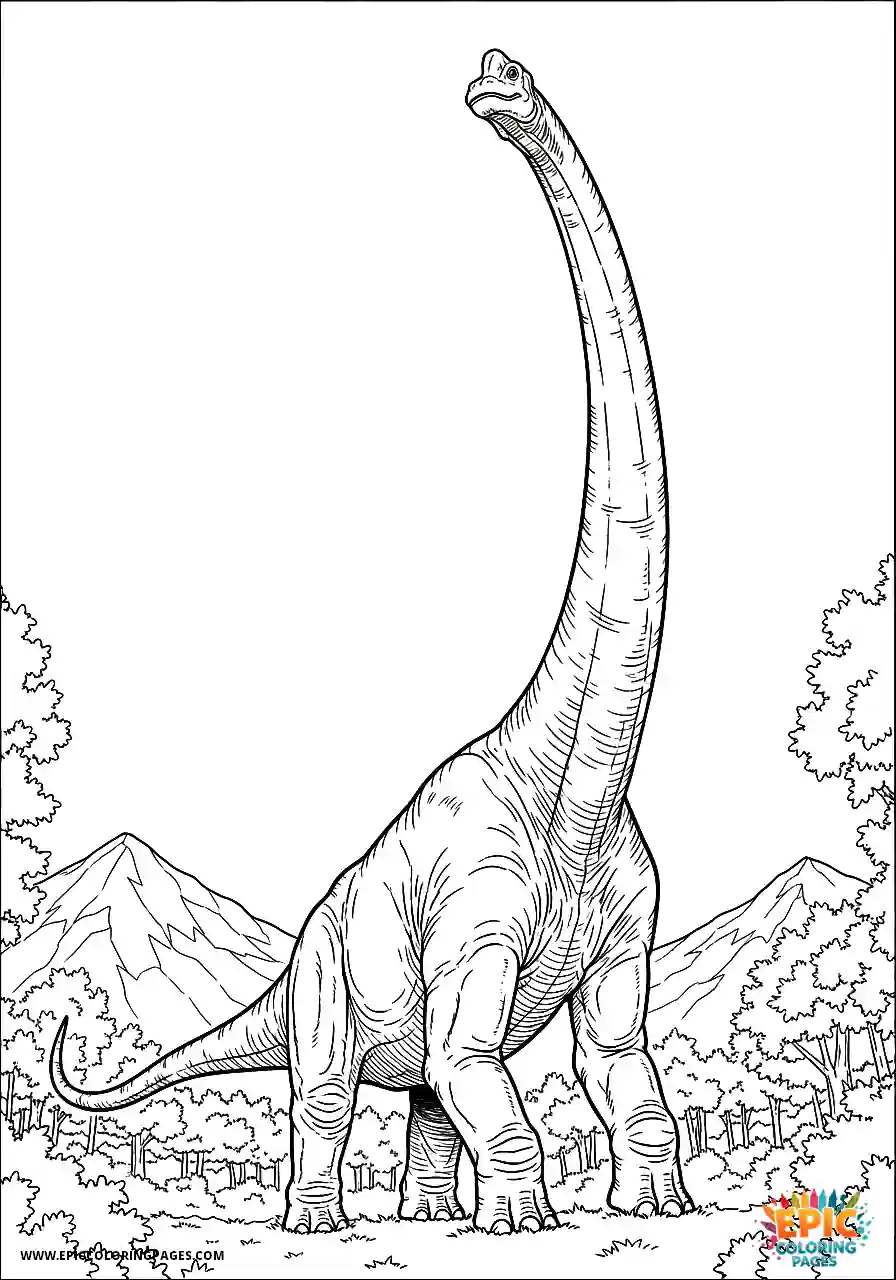
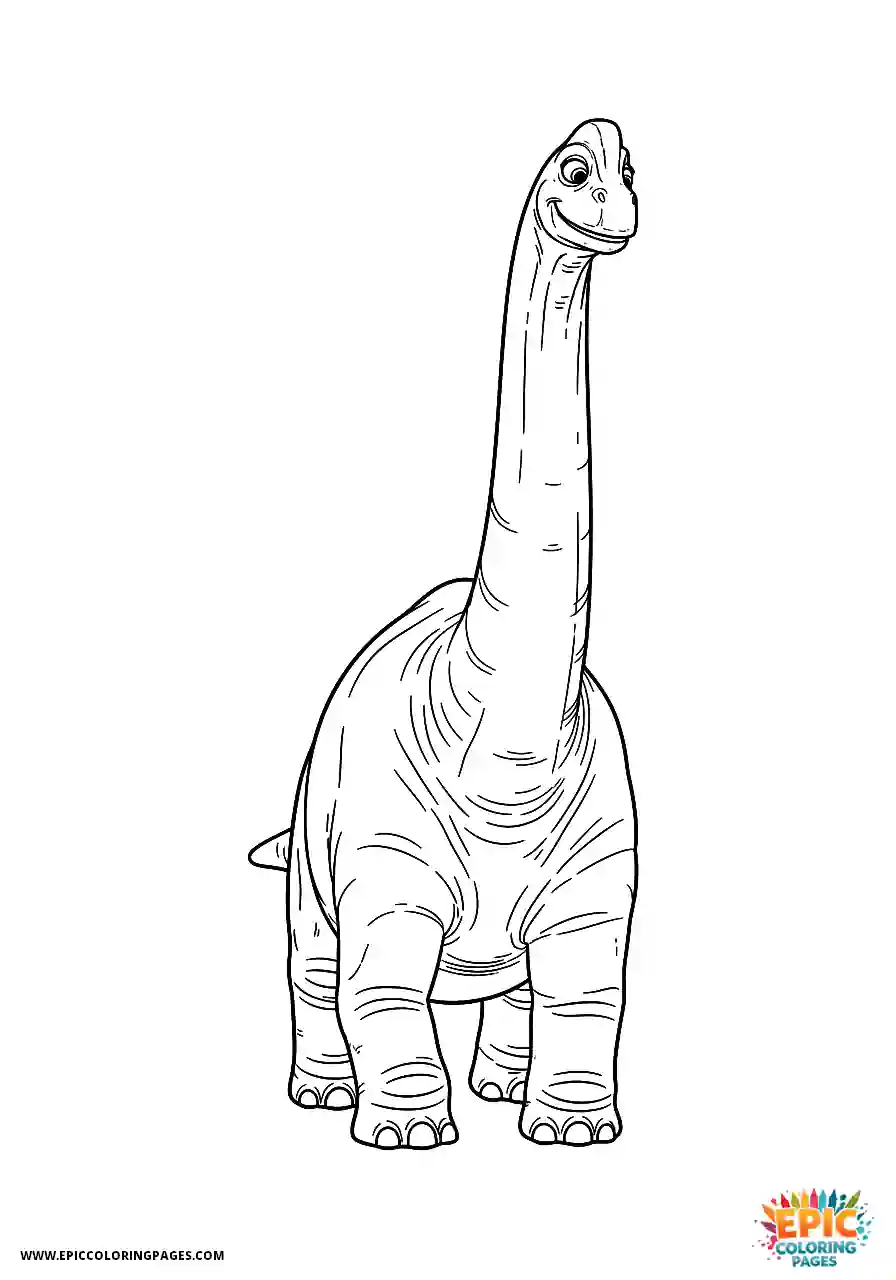
One of the most recognizable giants of the Late Jurassic period, the Brachiosaurus was a massive sauropod that roamed the floodplains of North America roughly 154 million years ago. Distinguished by its unusually long neck and longer front legs which gave it a giraffe-like posture and the name “Arm Lizard” this herbivore could graze on high vegetation that other dinosaurs couldn’t reach. This collection of Brachiosaurus coloring pages captures the scale and majesty of these creatures, featuring scientifically accurate depictions of their towering height alongside stylized versions for younger paleontologists.

Physically, the Brachiosaurus was a masterpiece of biological engineering, possessing a heart powerful enough to pump blood up a 30-foot neck and nostrils located high on its skull. Unlike the Diplodocus which held its neck horizontally, the Brachiosaurus held its head high, making it a unique subject for coloring. These illustrations highlight their massive torso, pillar-like limbs, and the texture of their skin, providing a canvas to experiment with earth tones, forest greens, and the interplay of light on such a massive form.

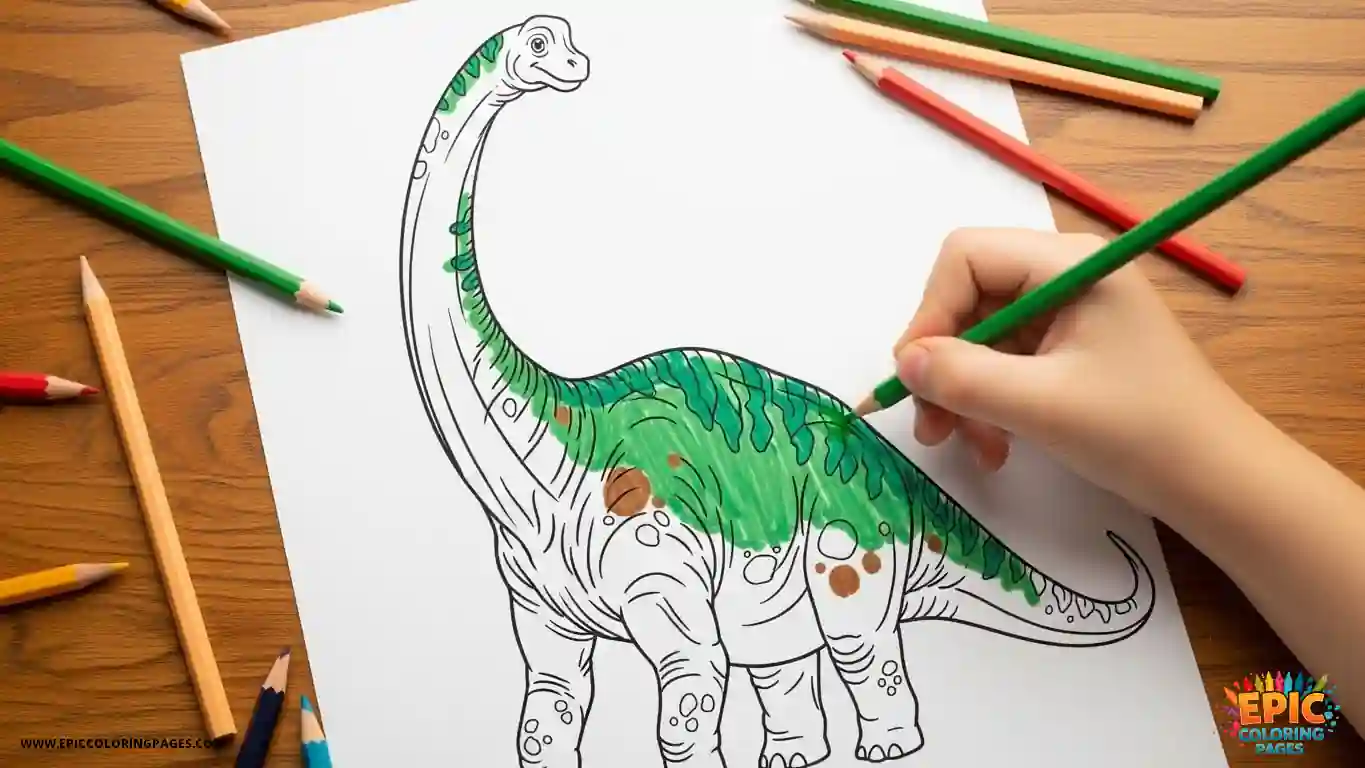
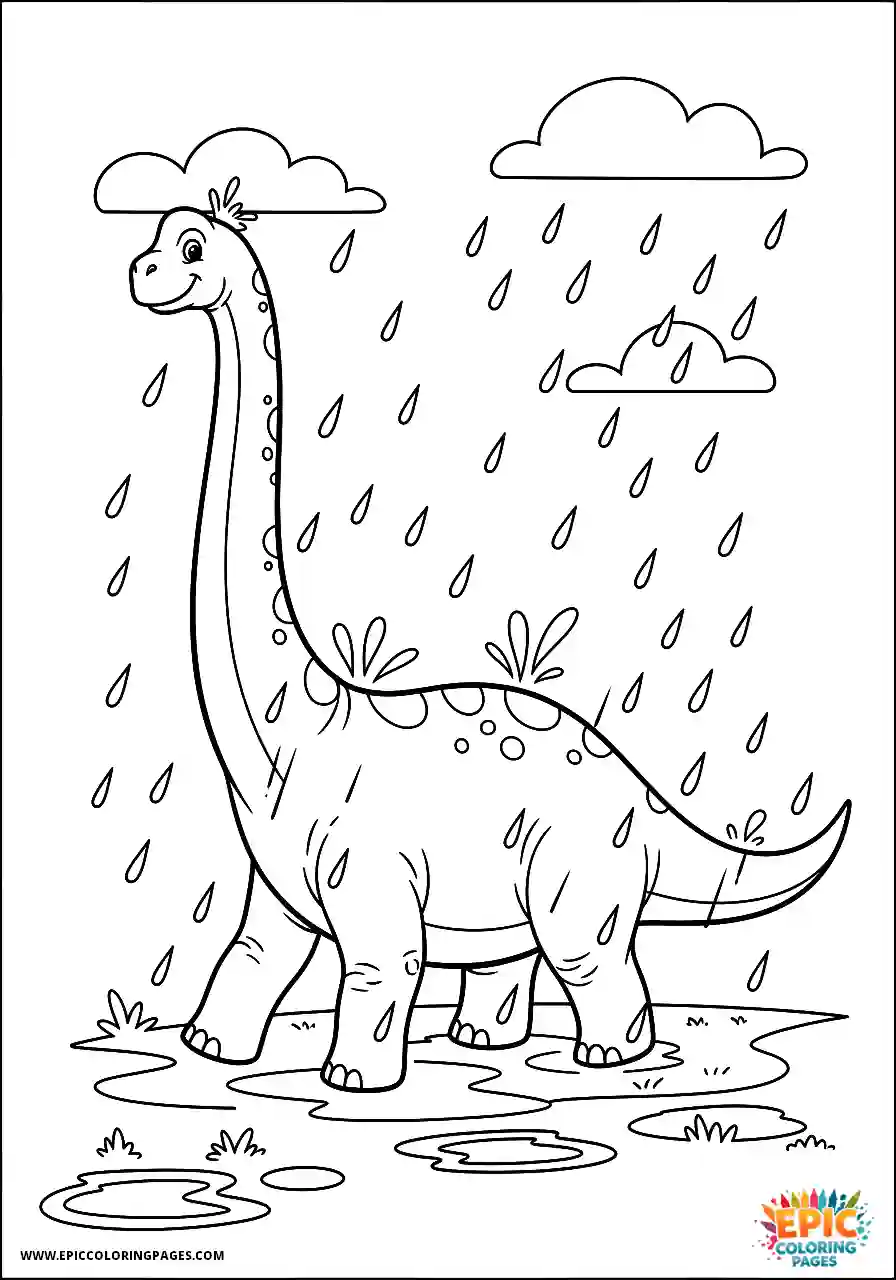
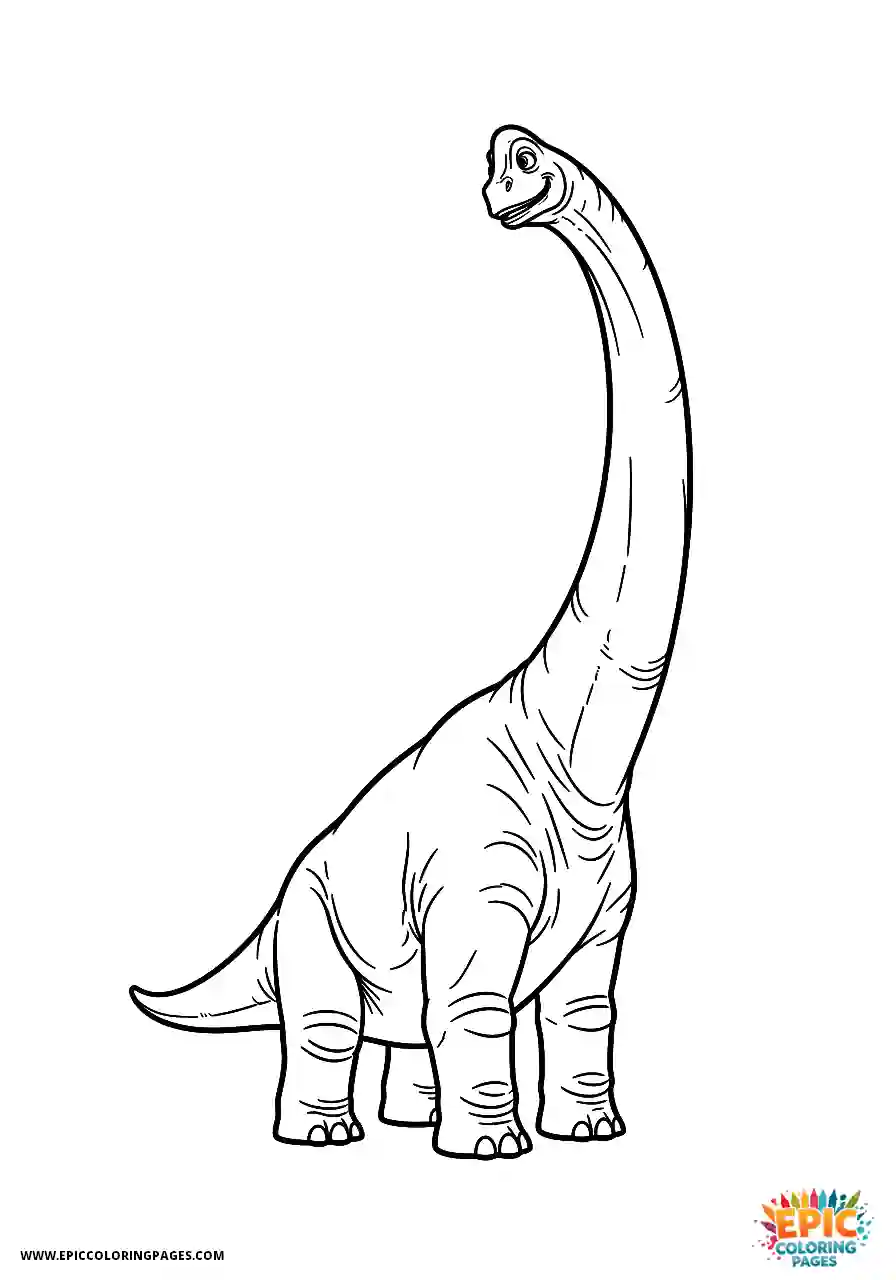
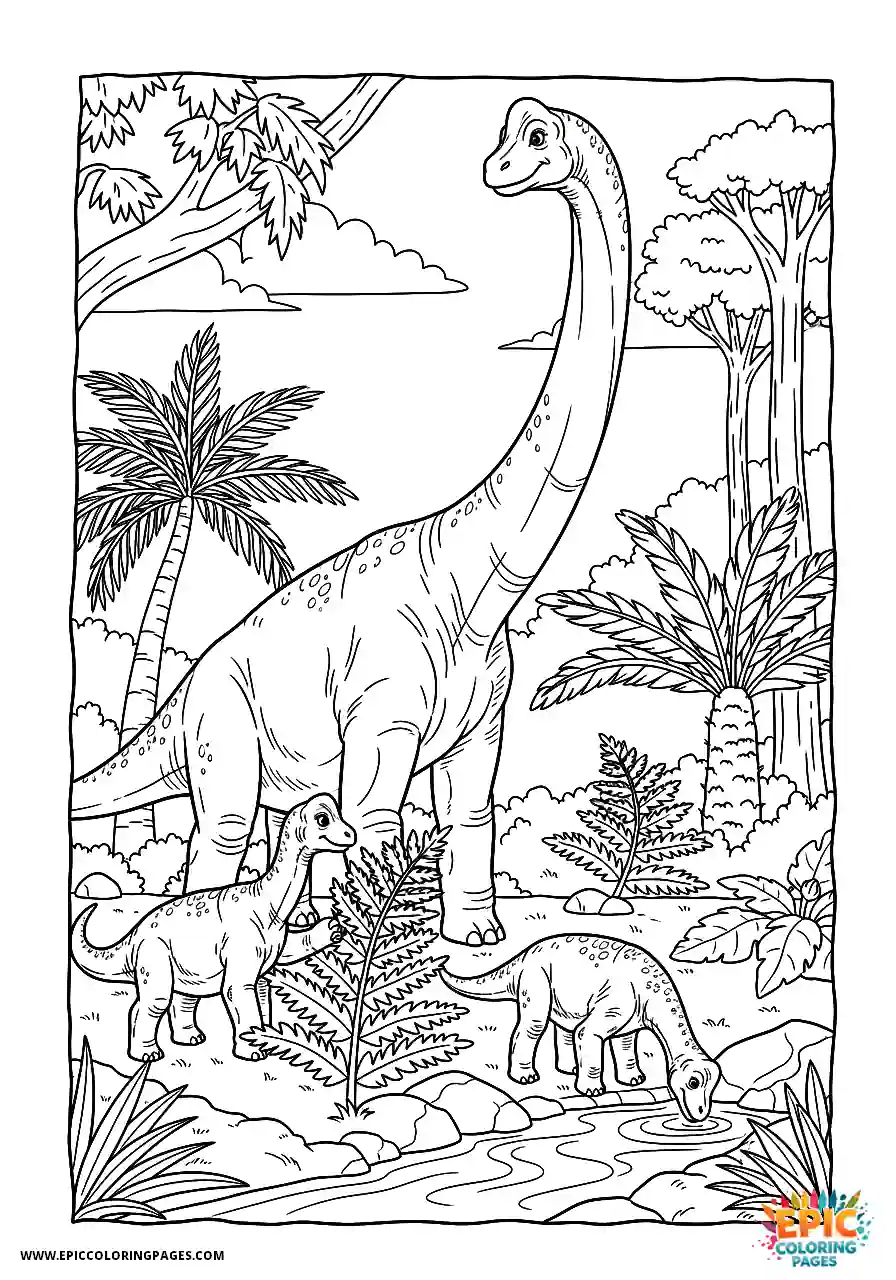
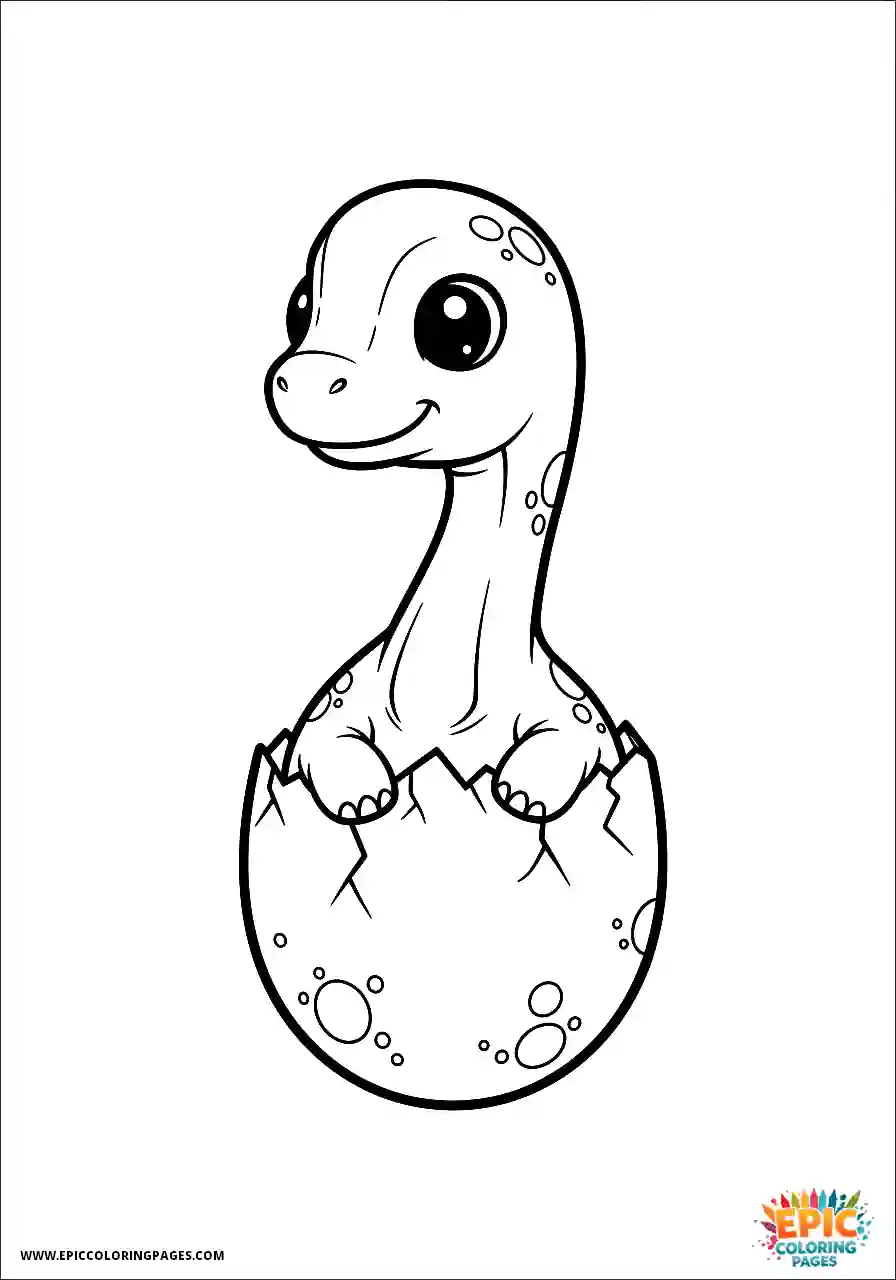
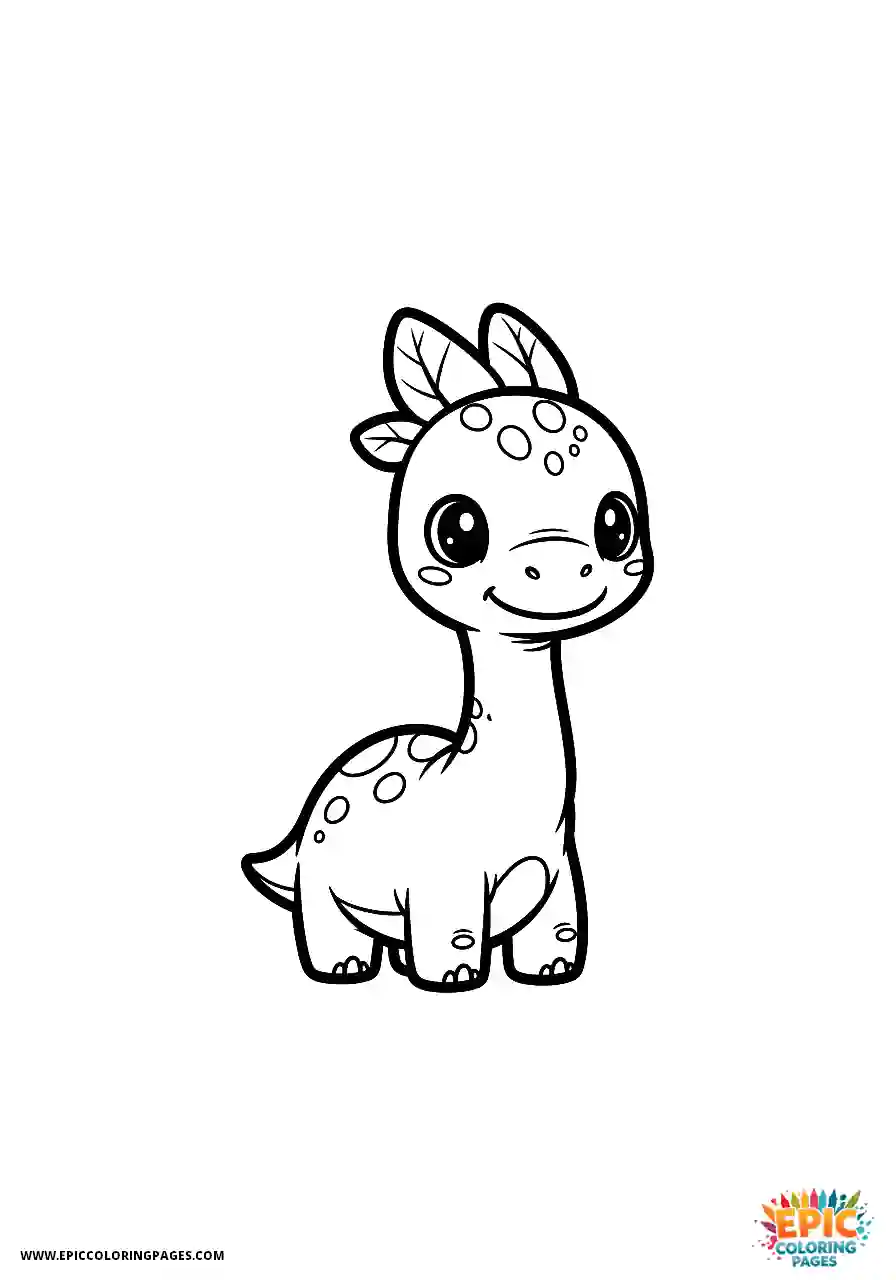
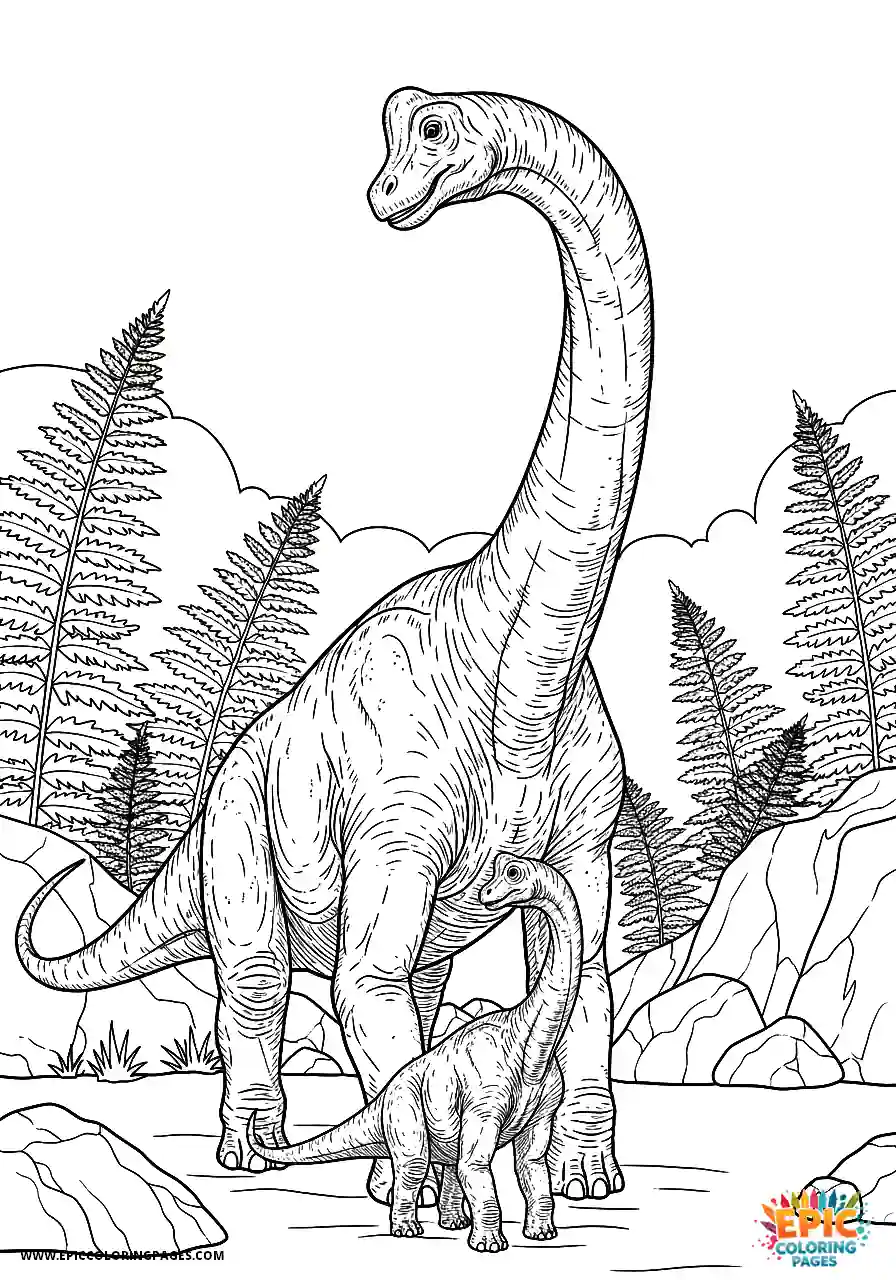
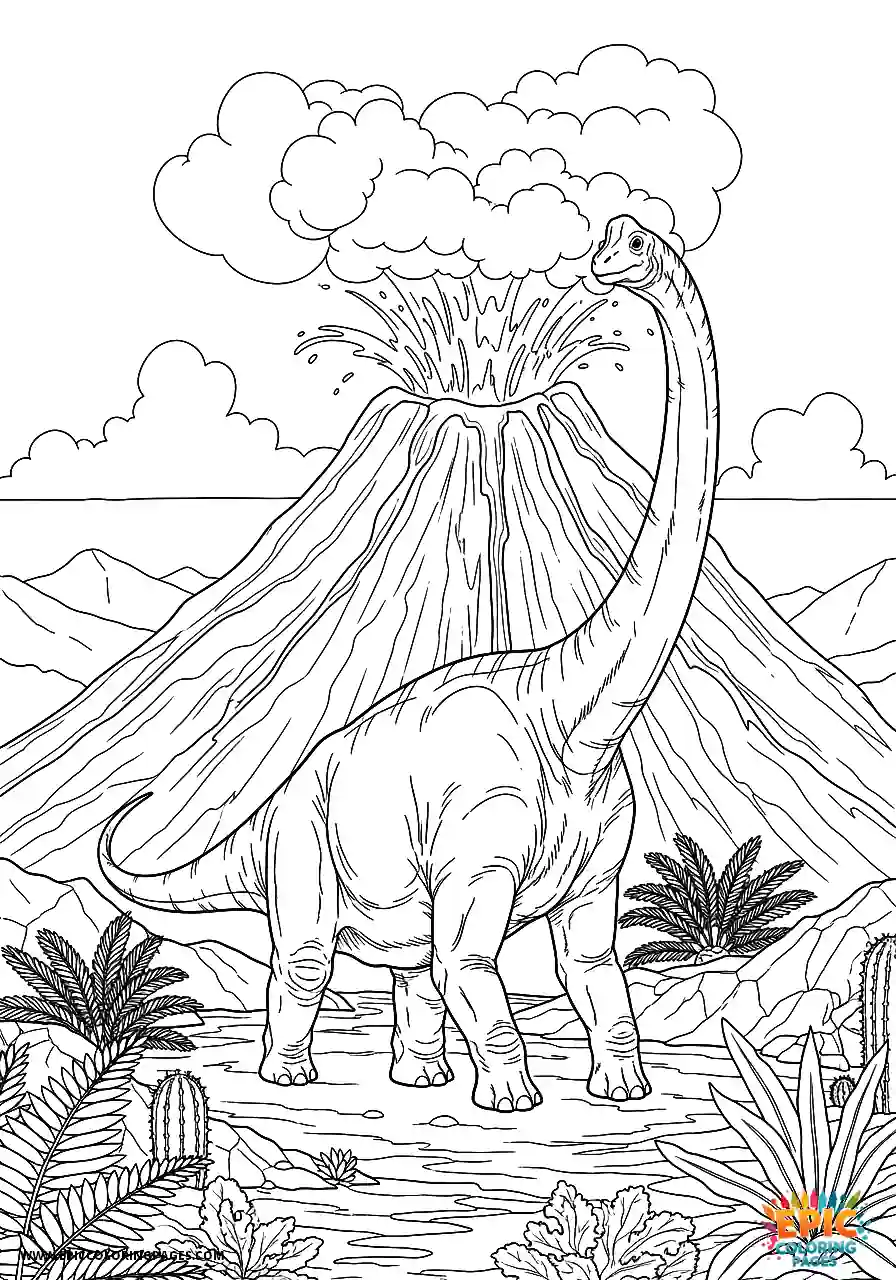
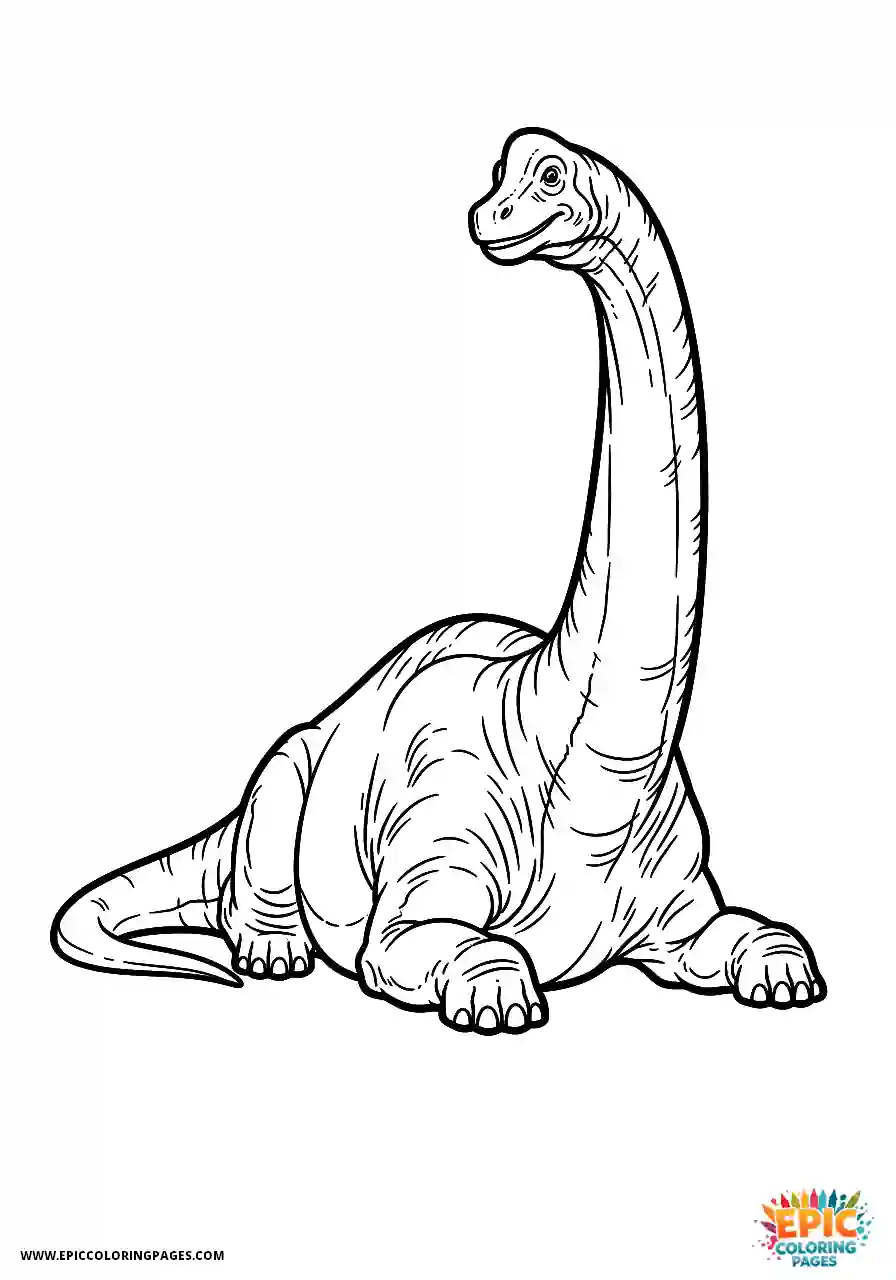
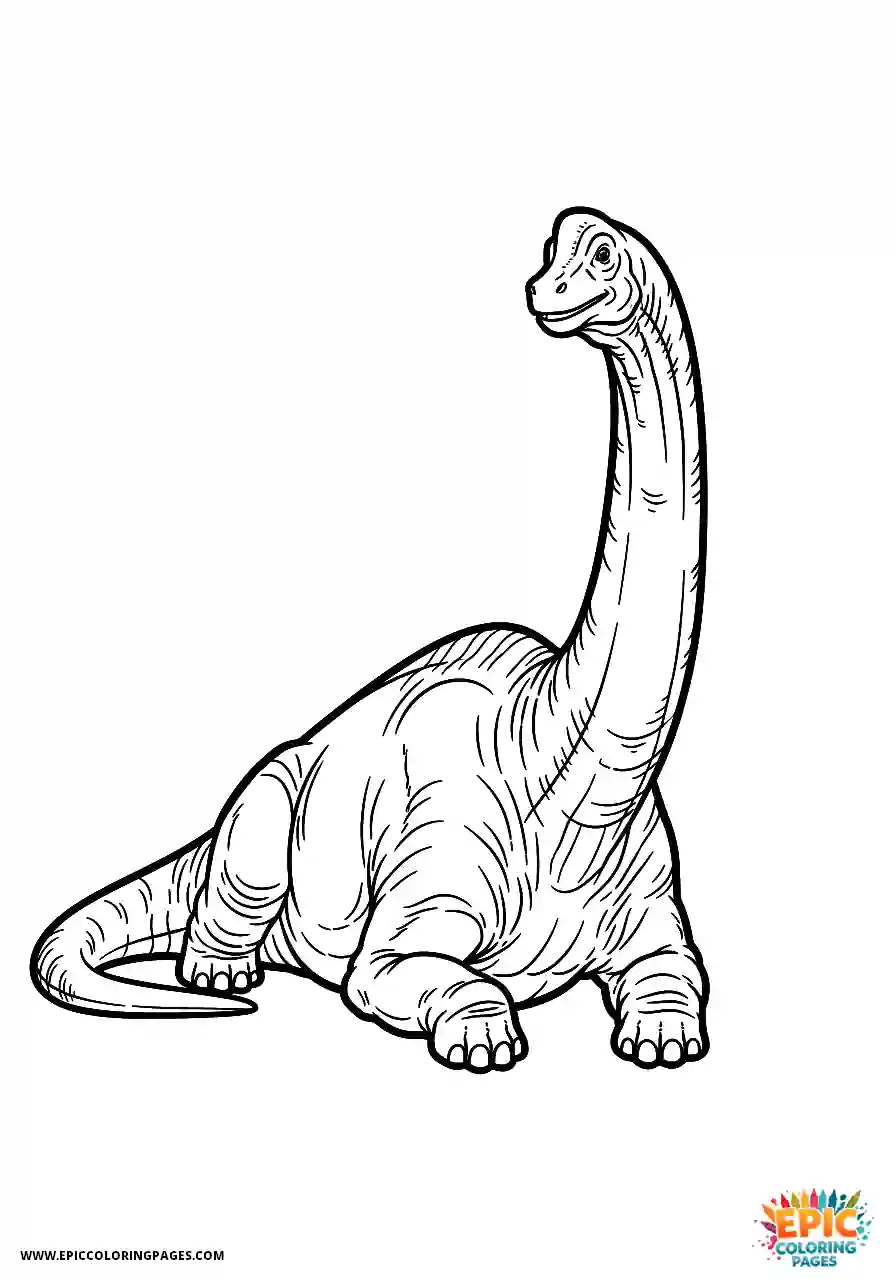
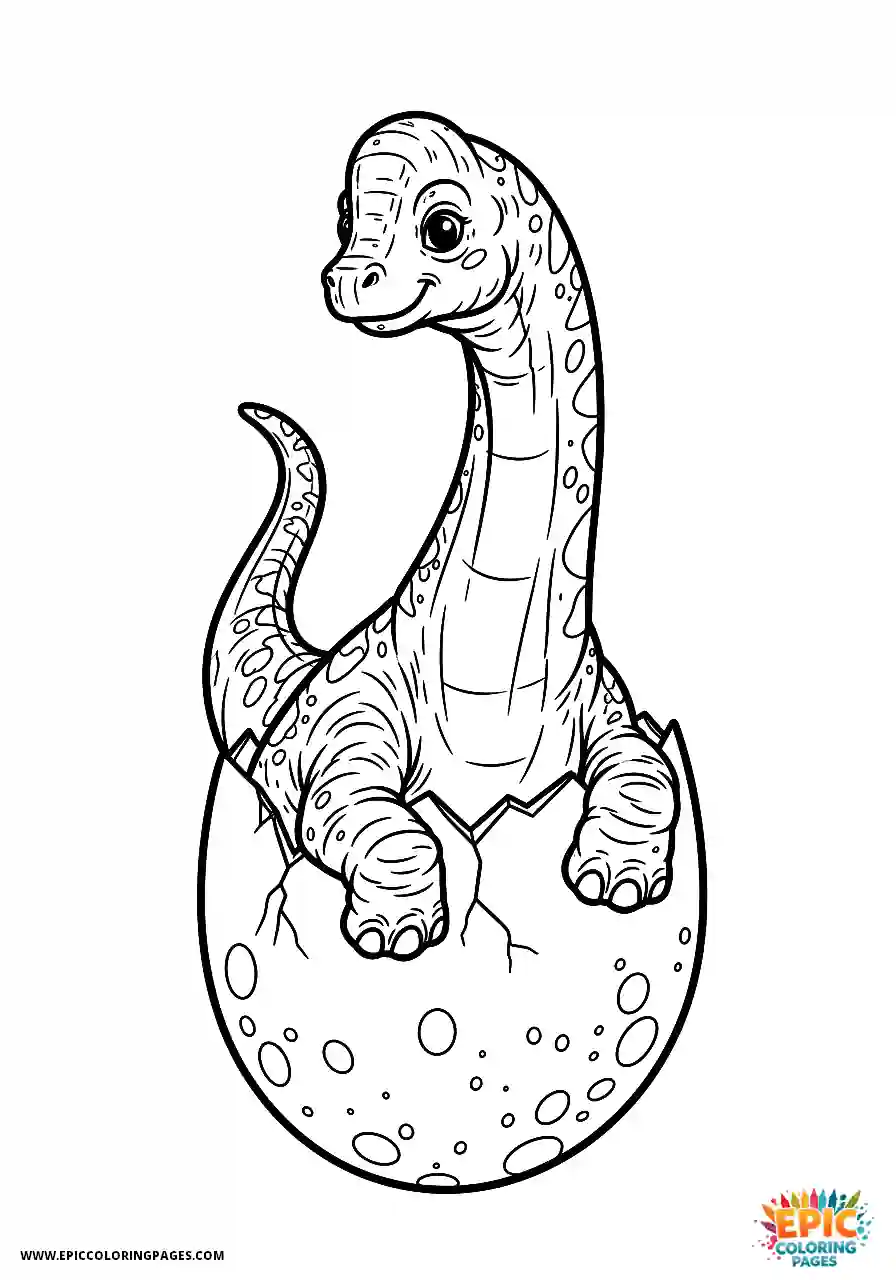
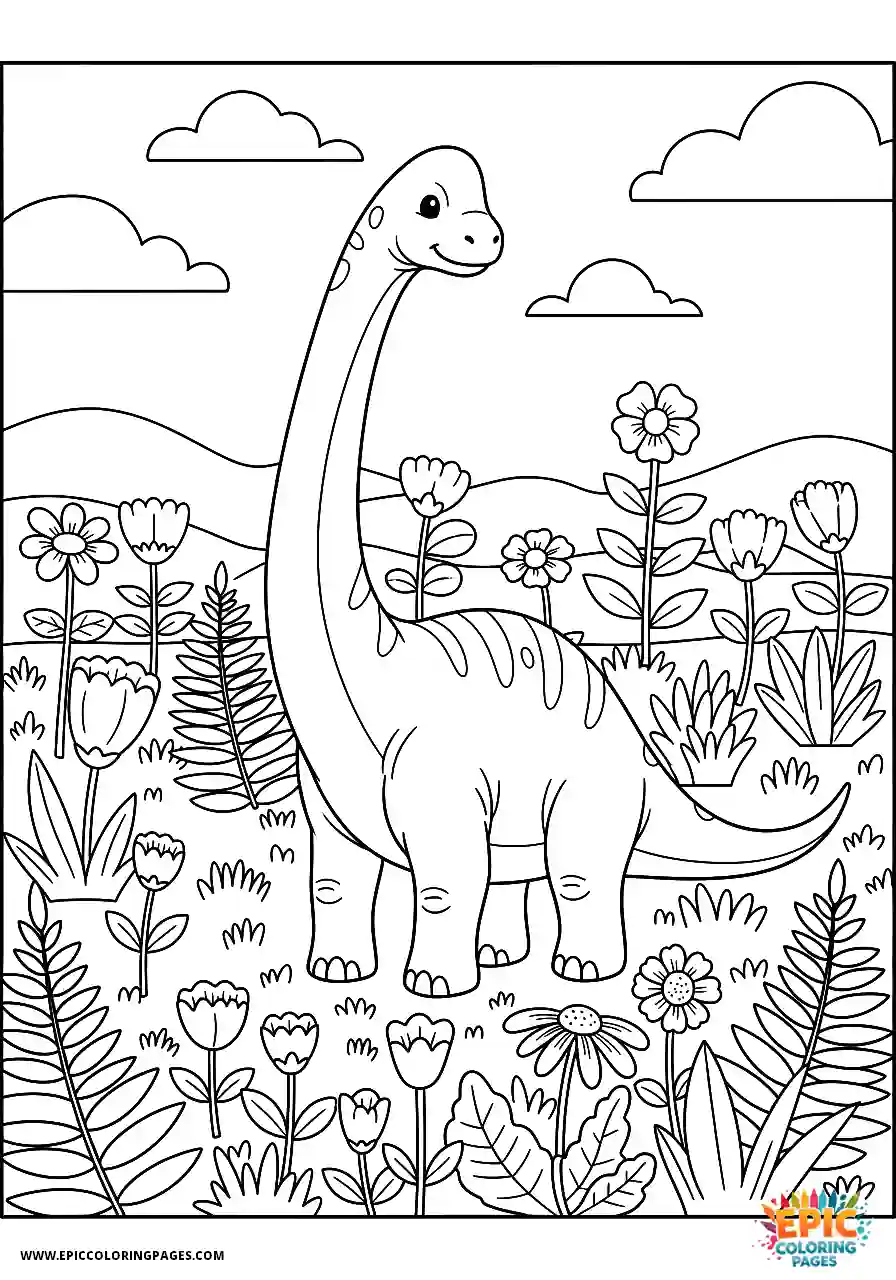
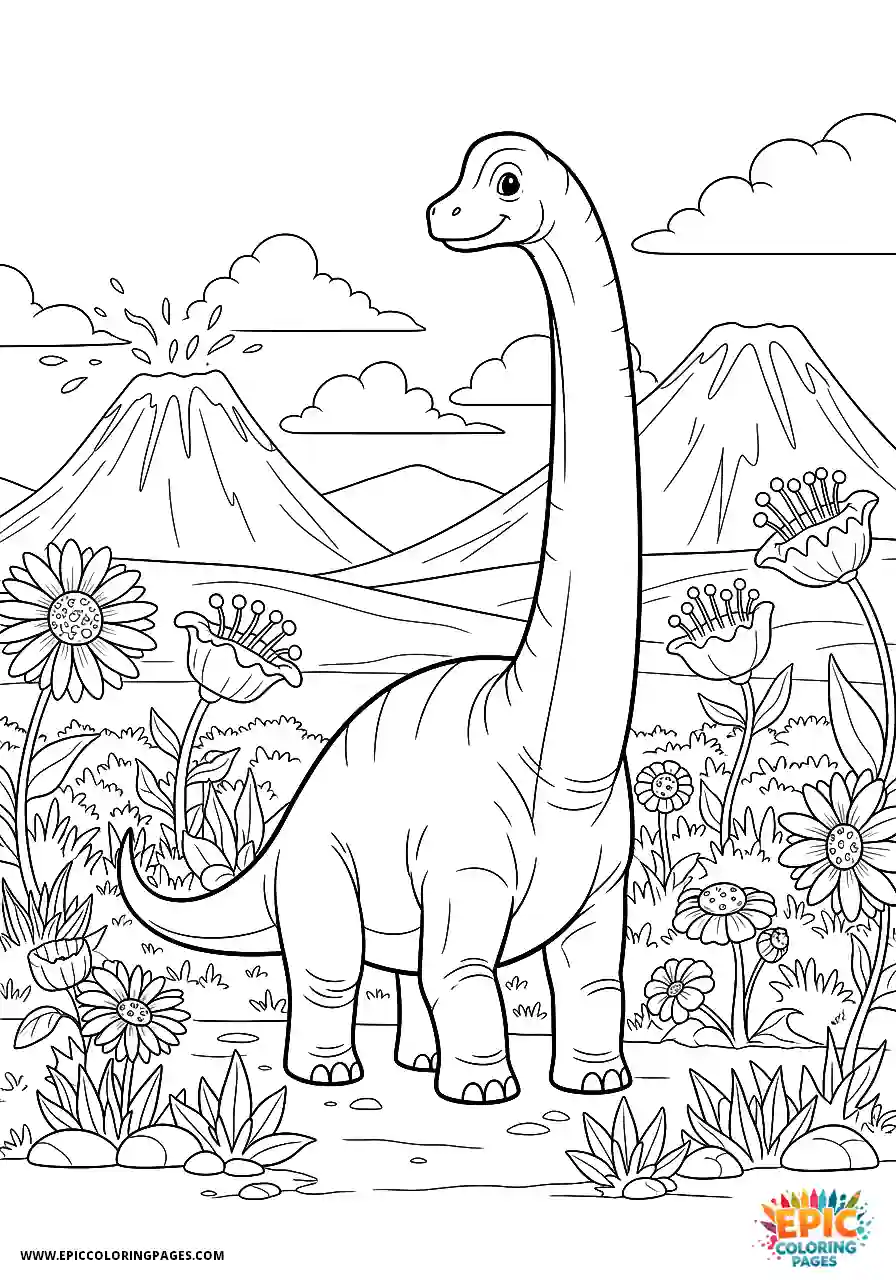
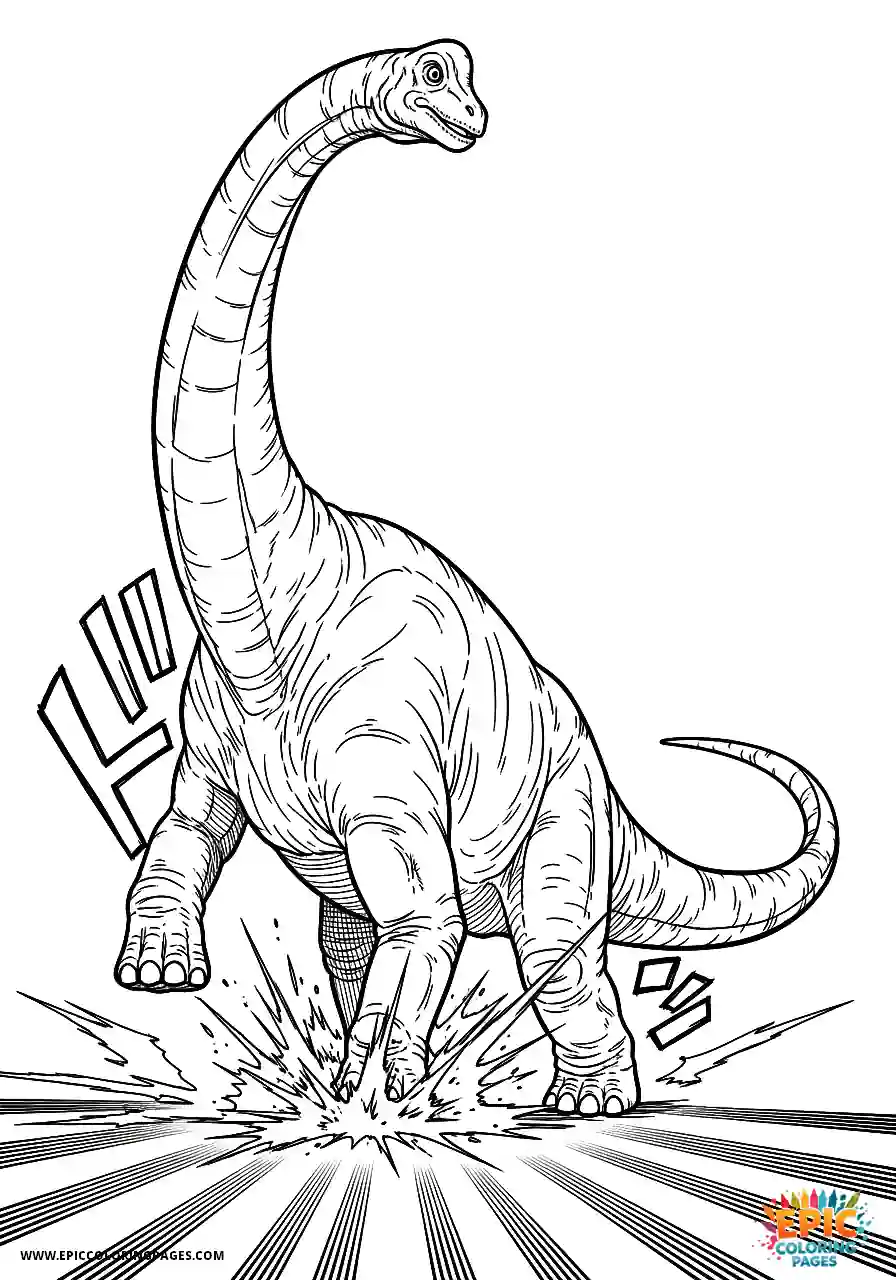
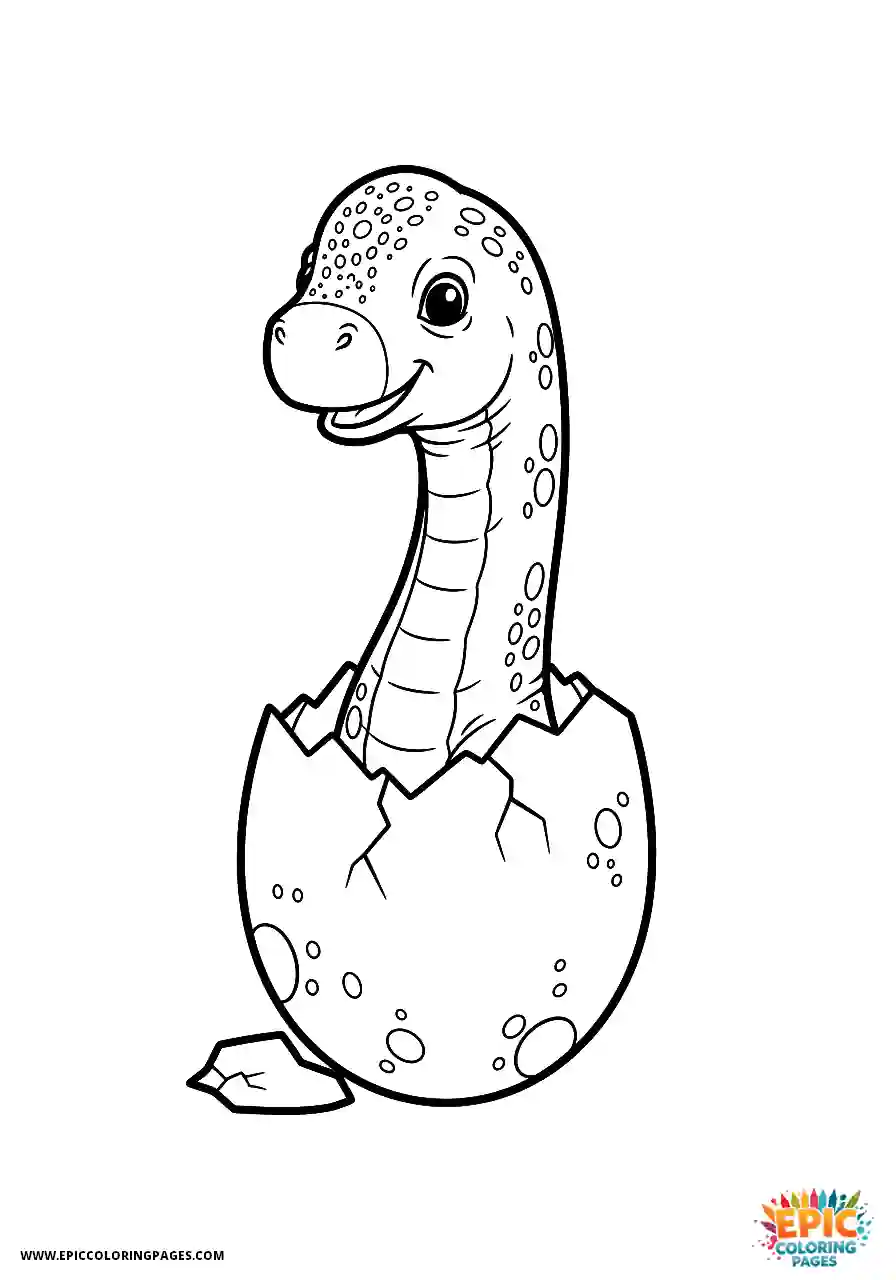
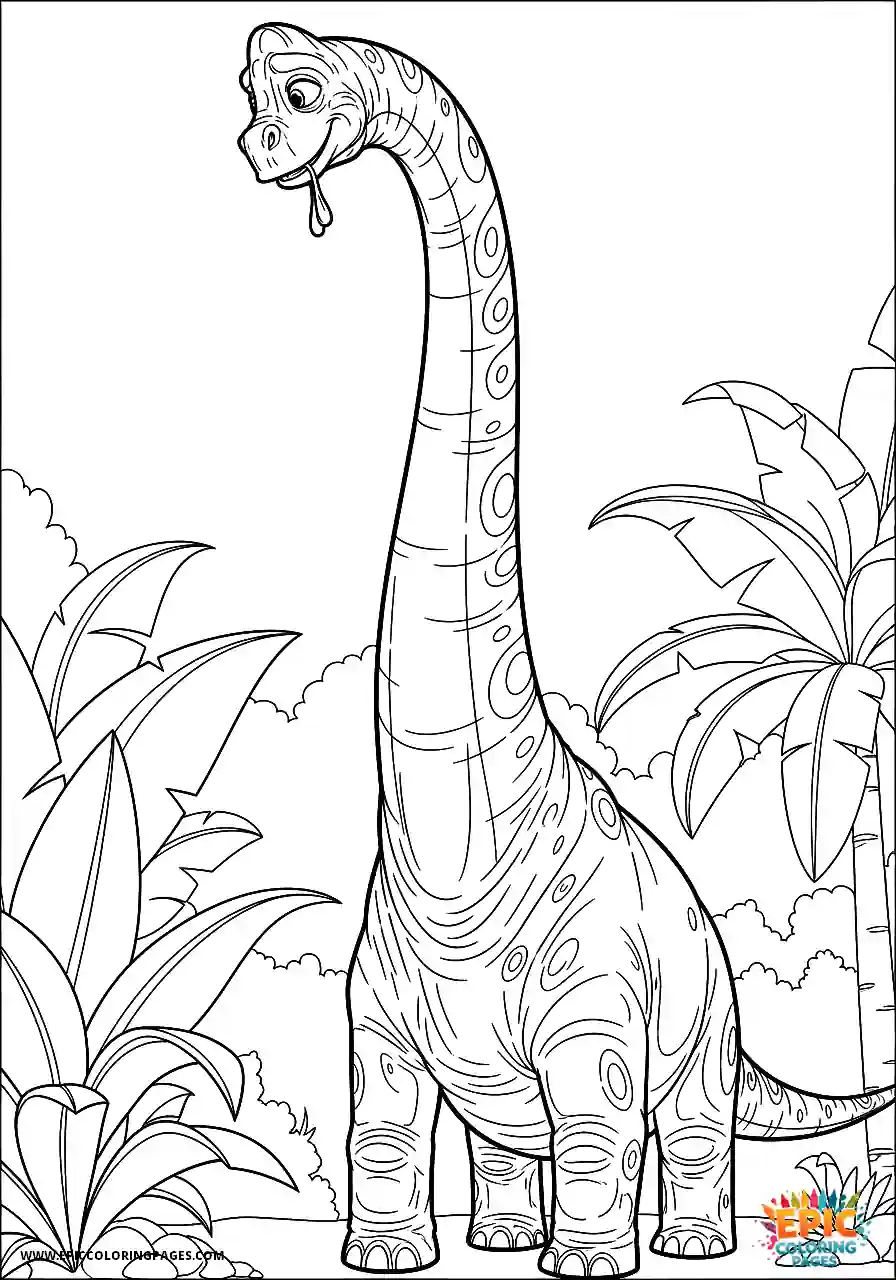
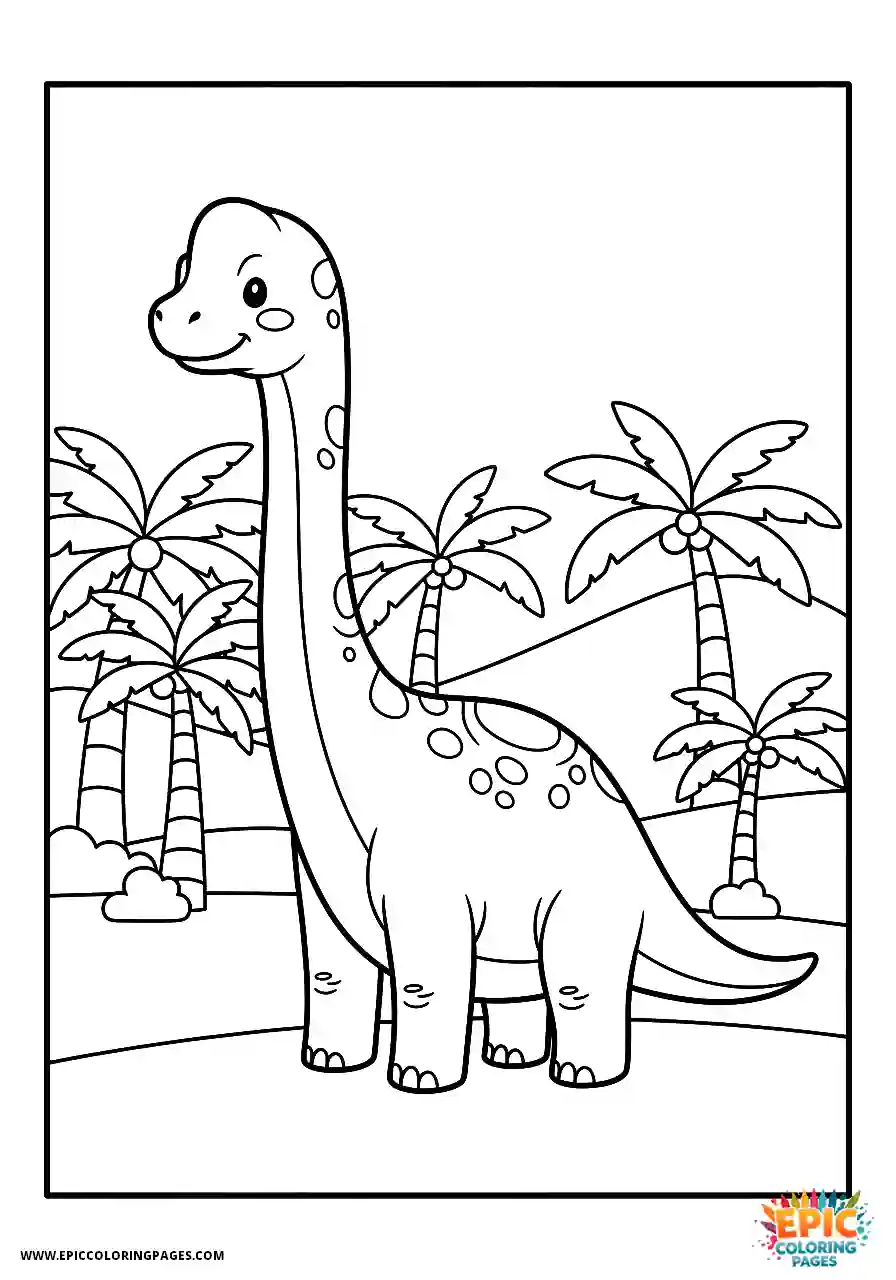
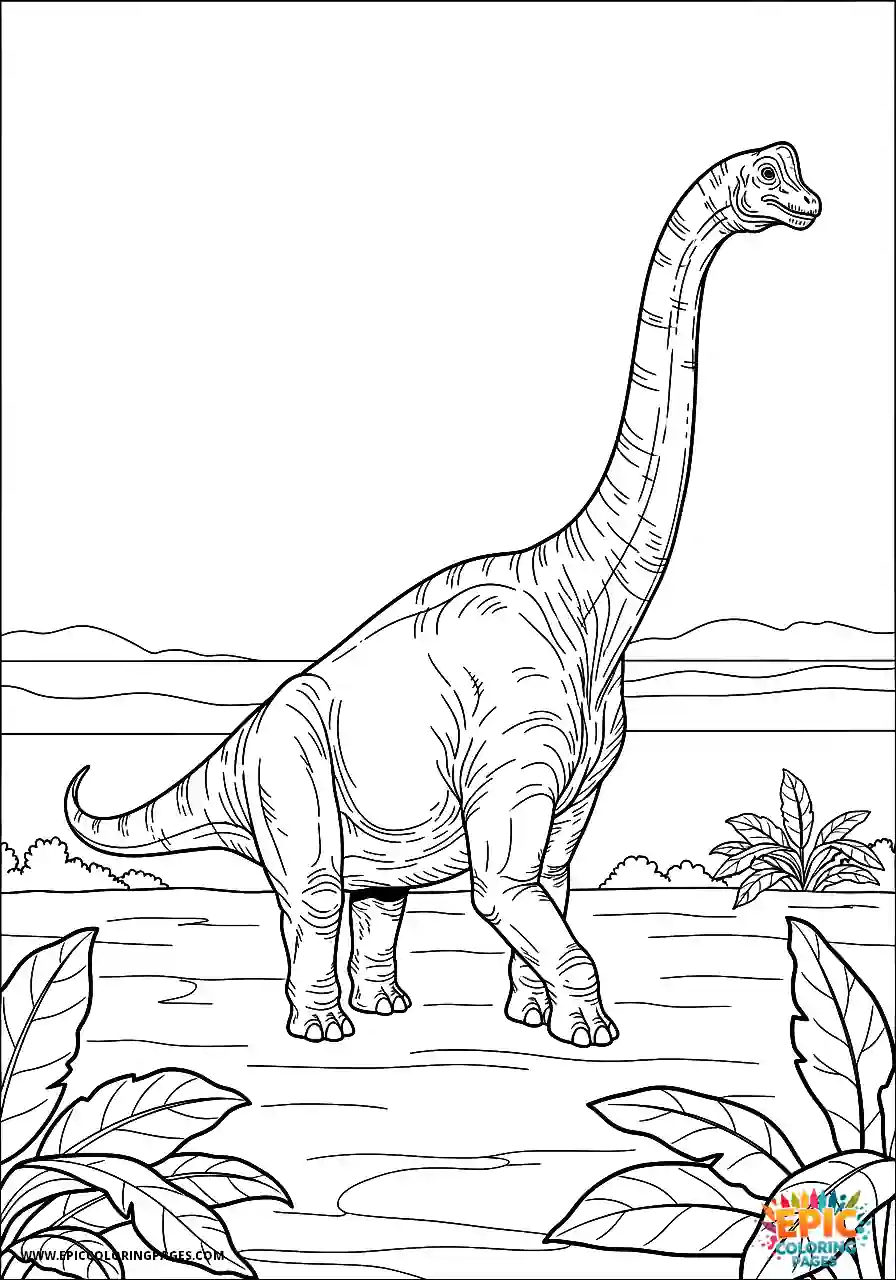
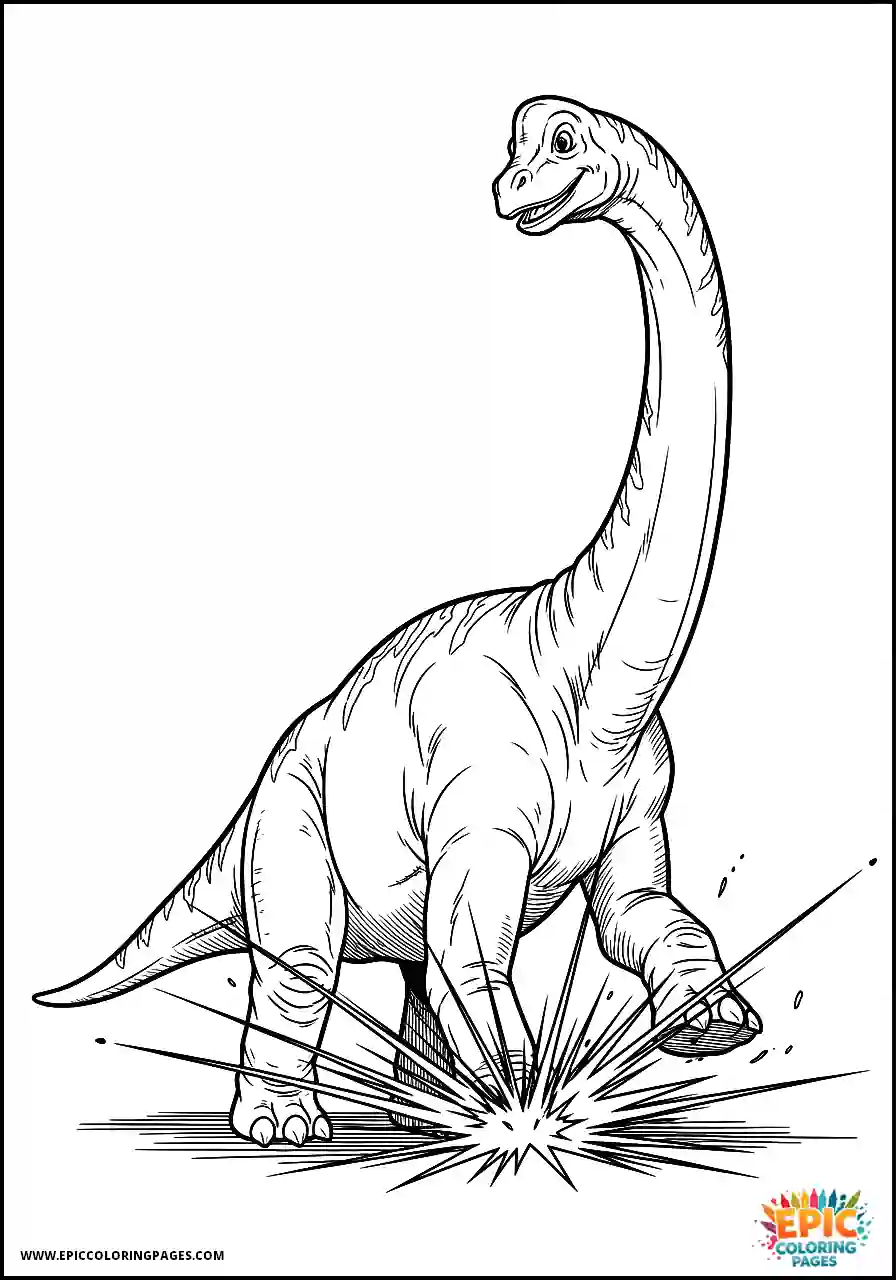
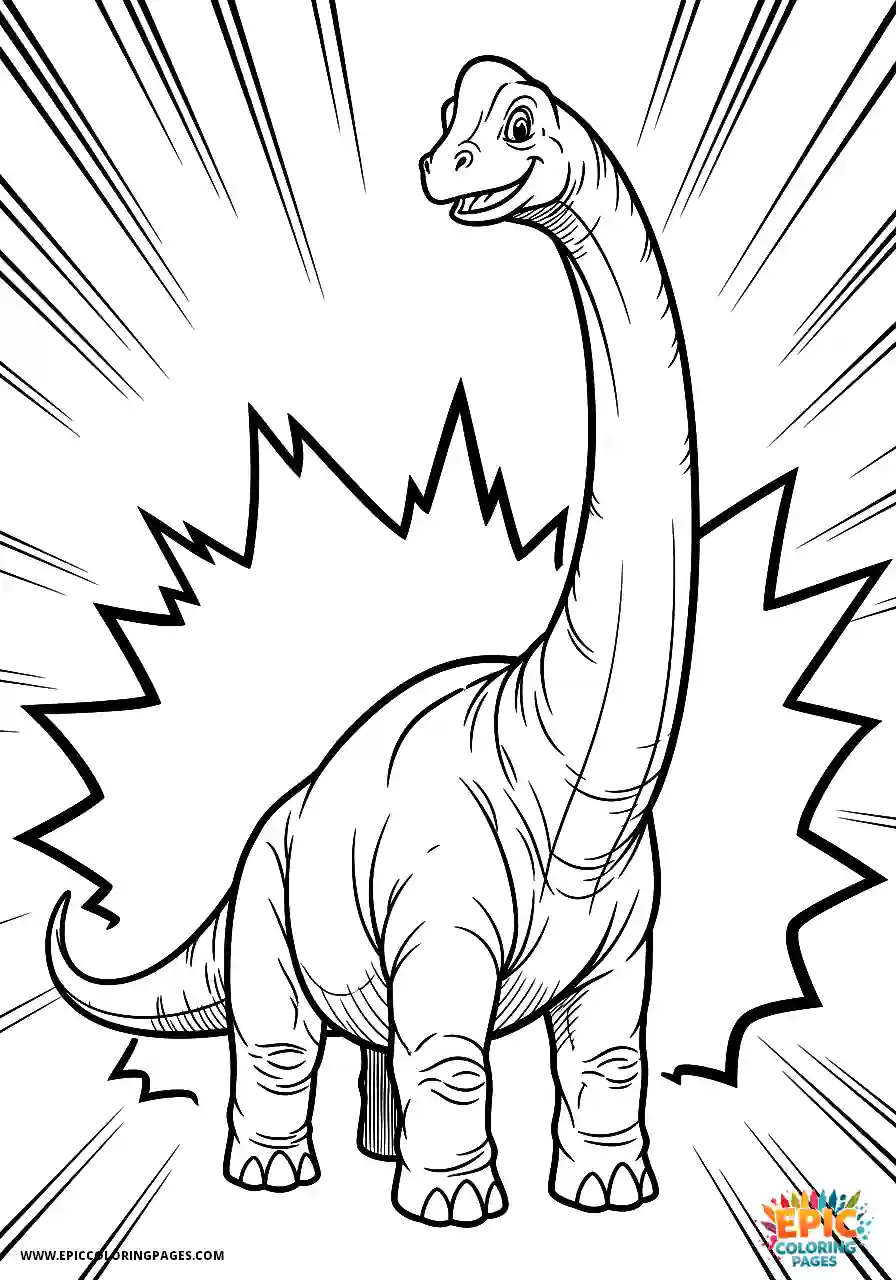
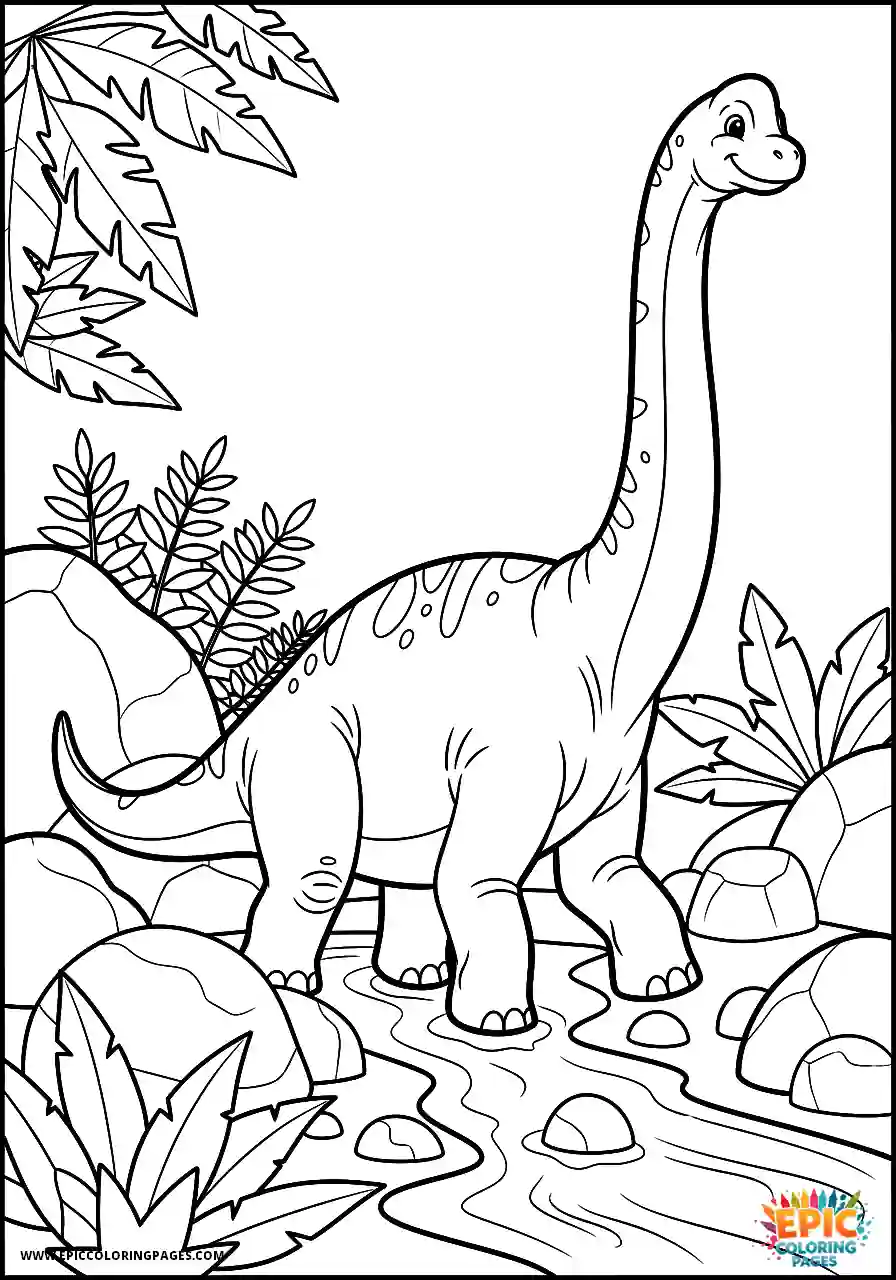
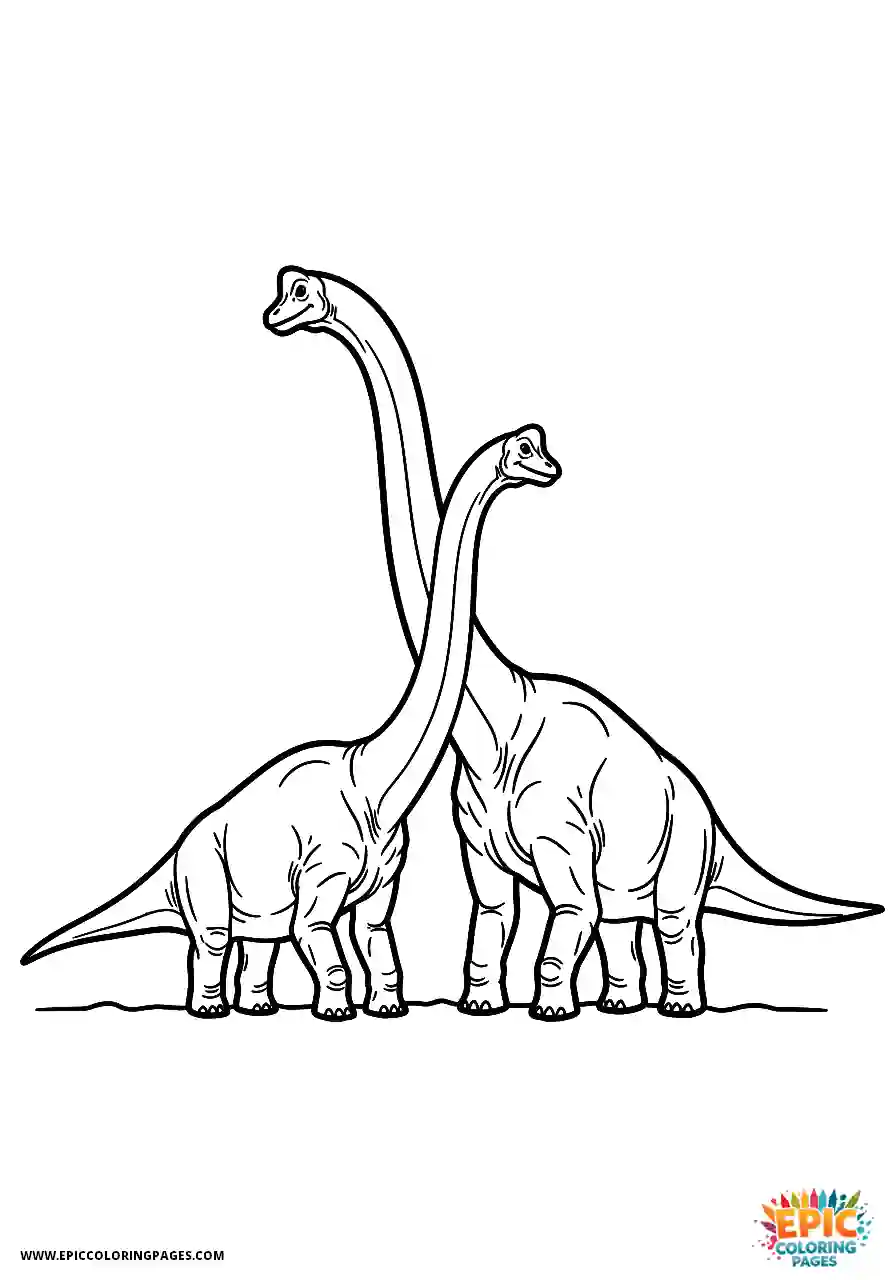
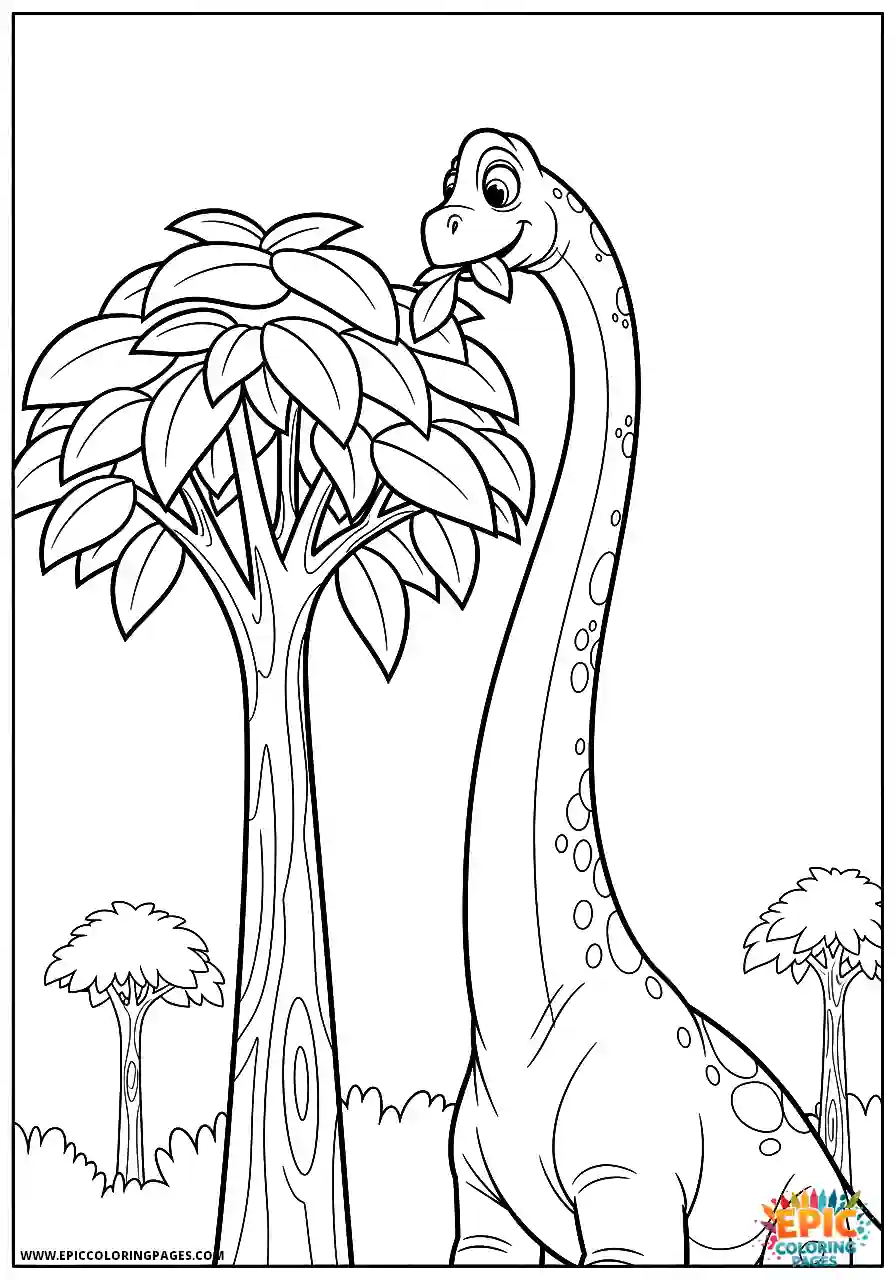
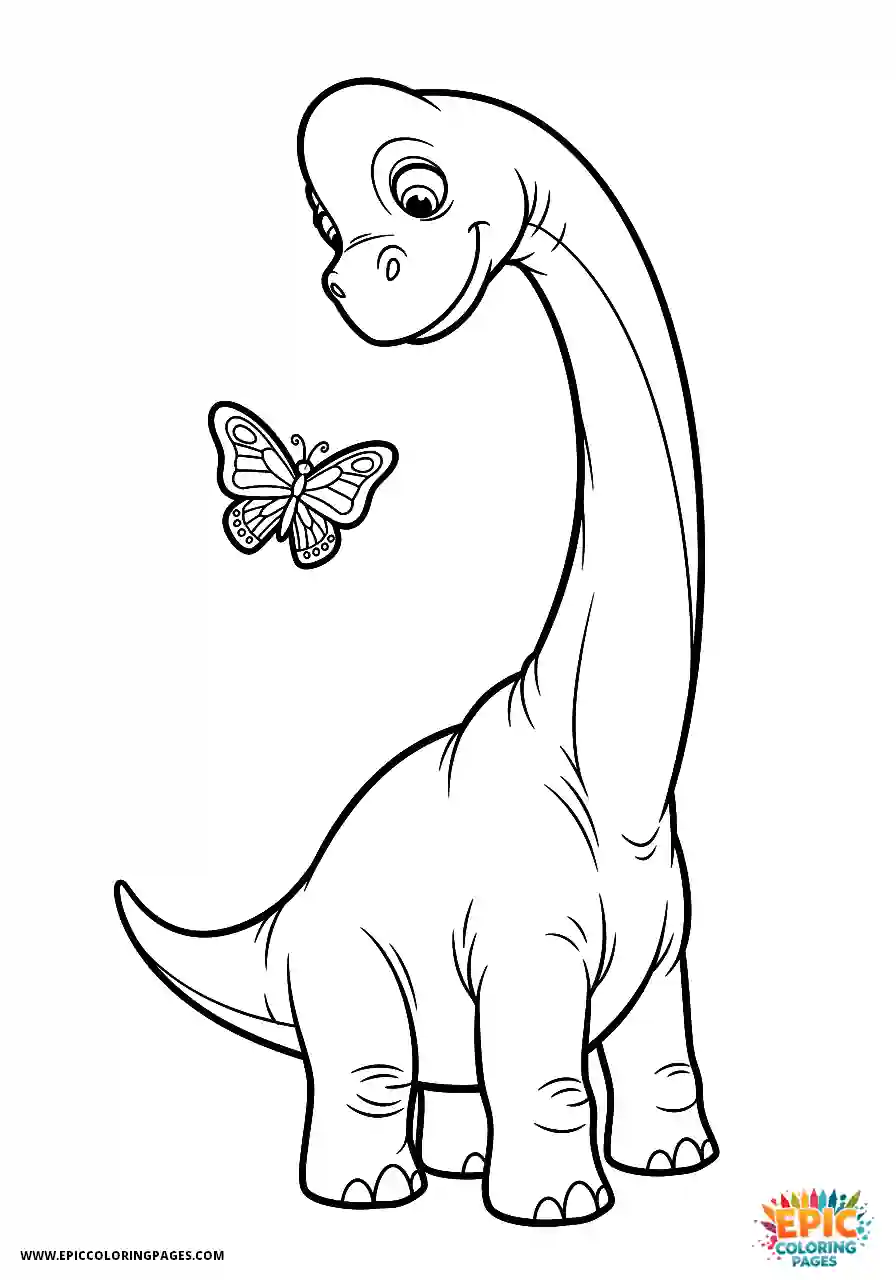
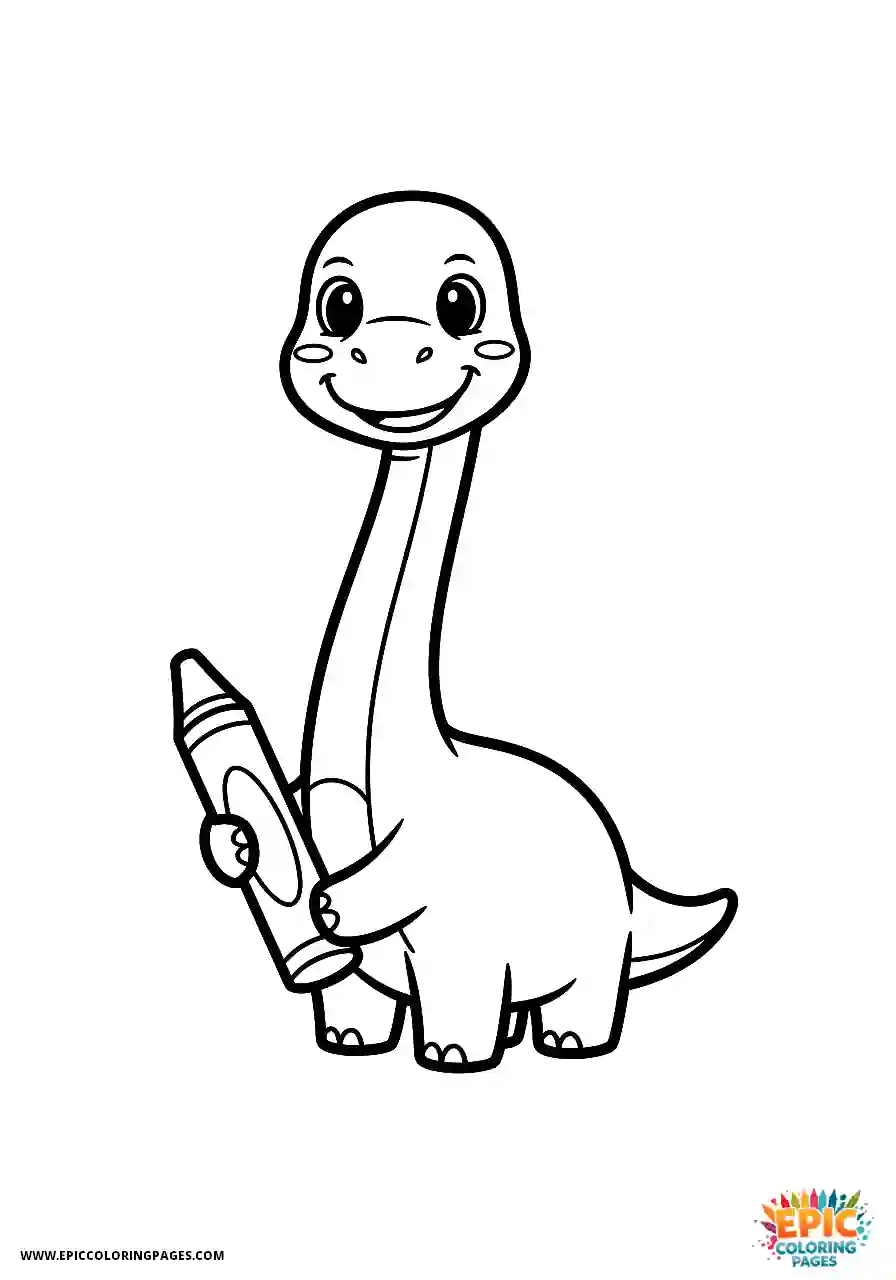
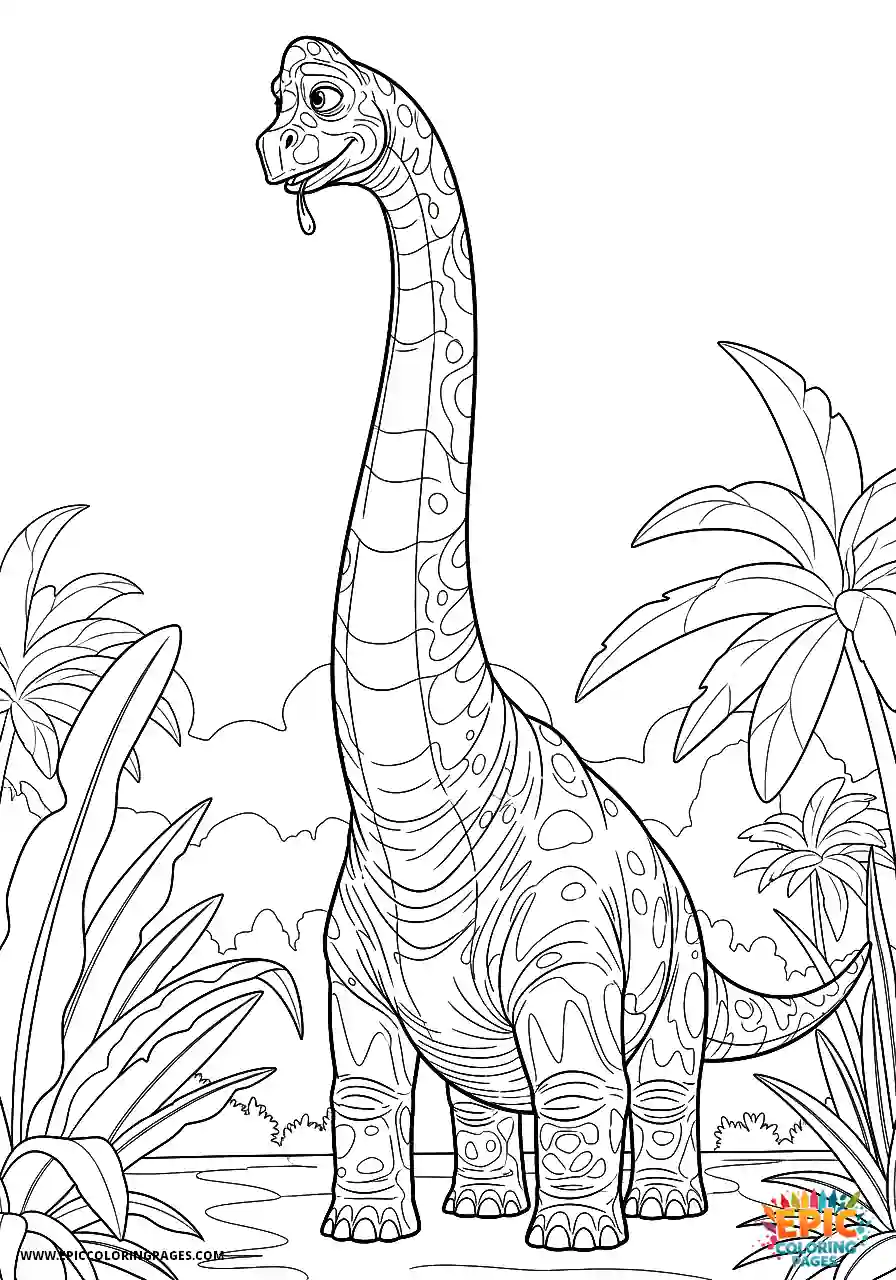
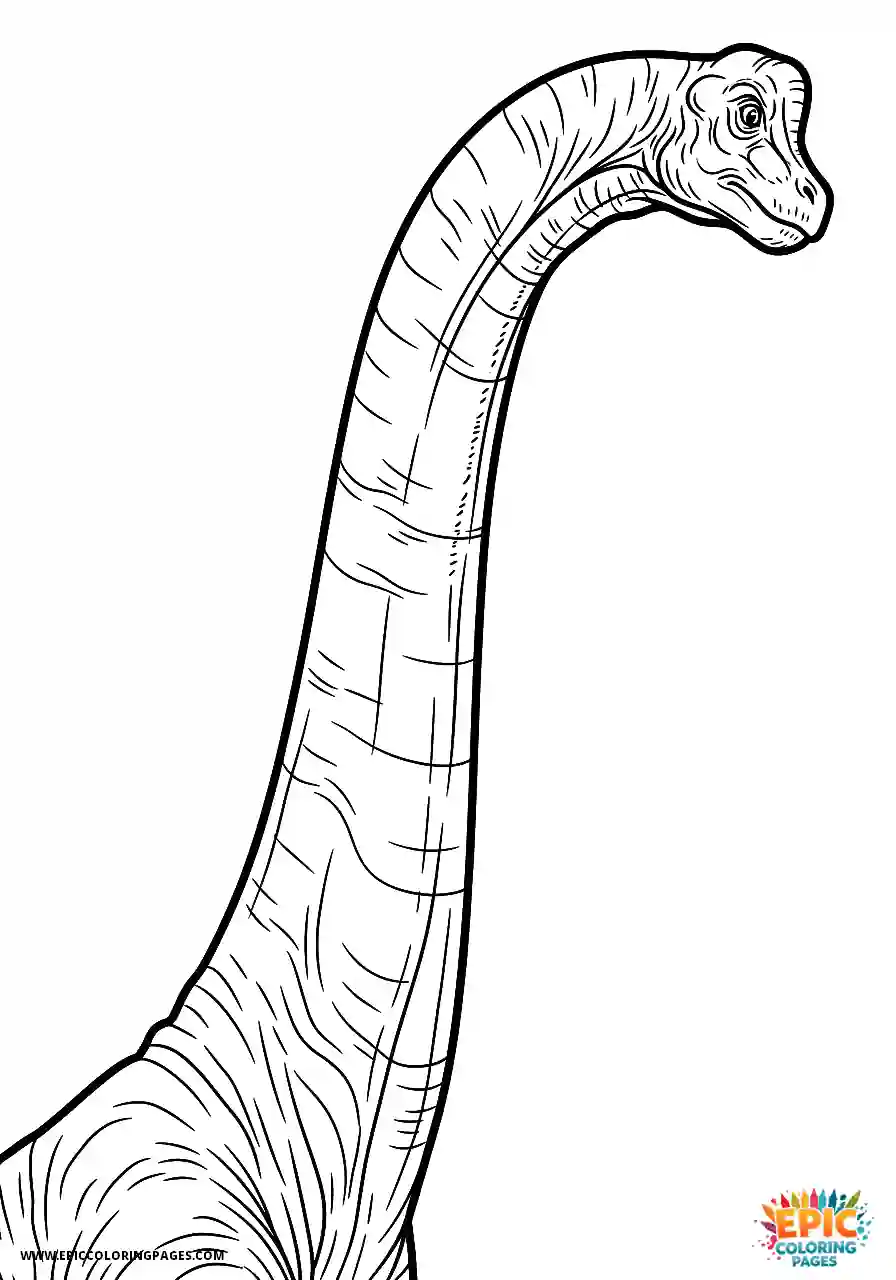
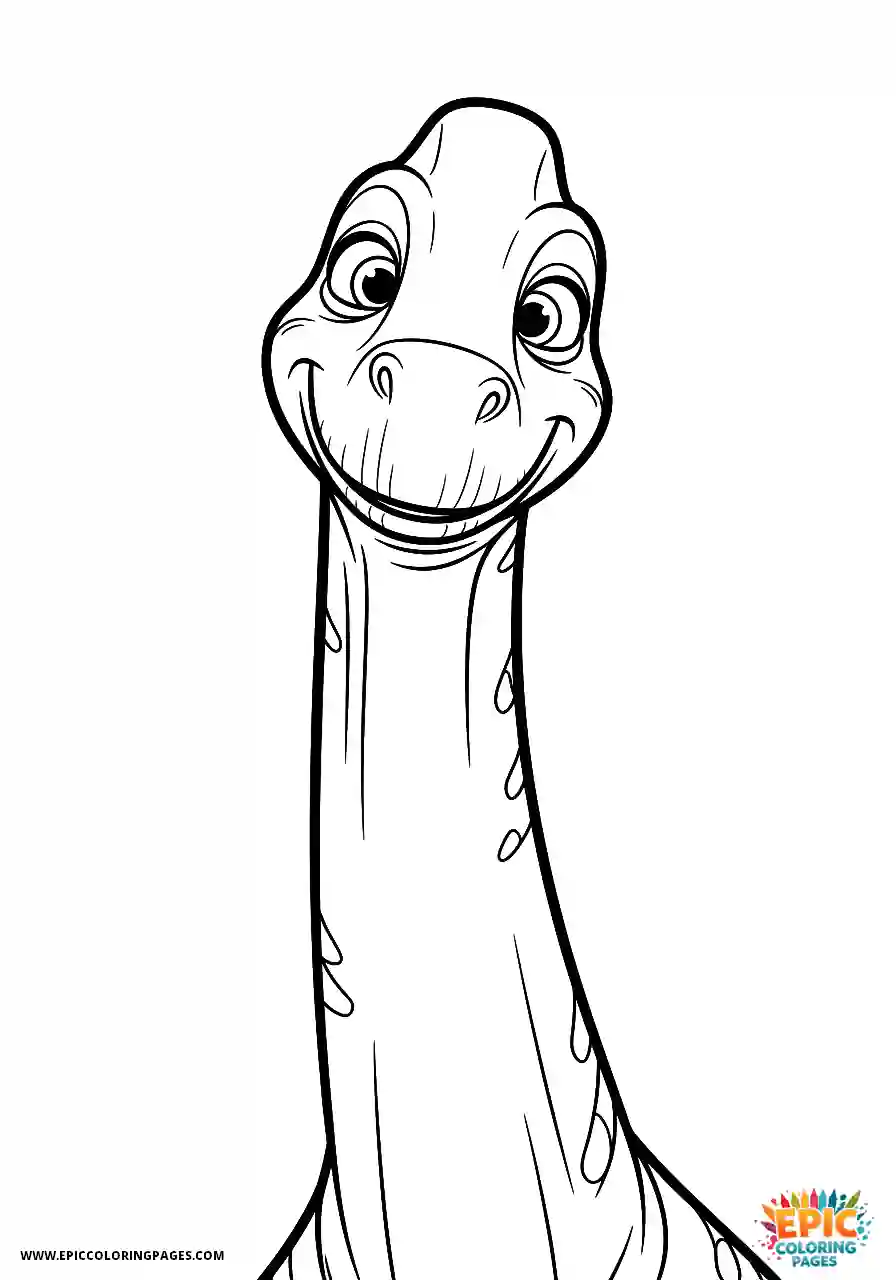
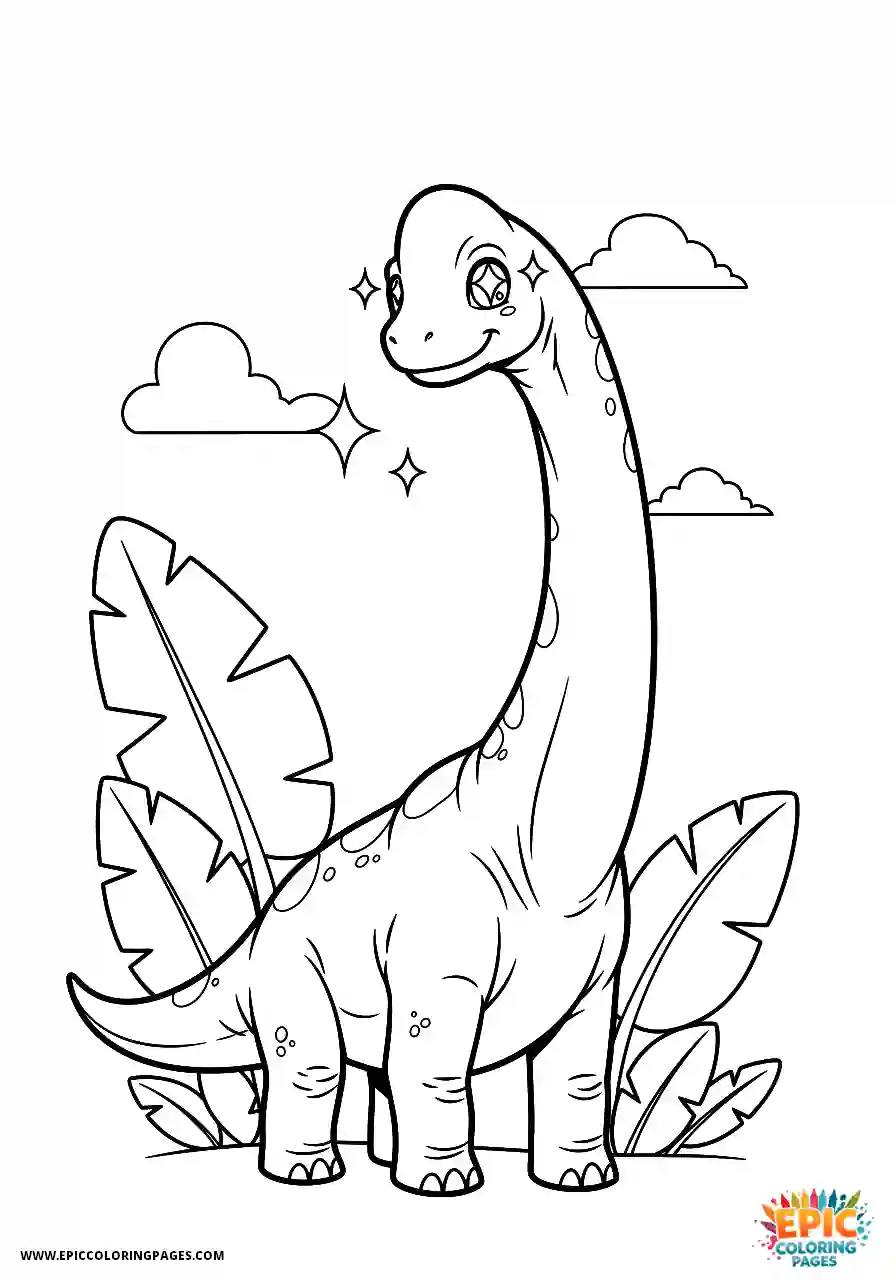
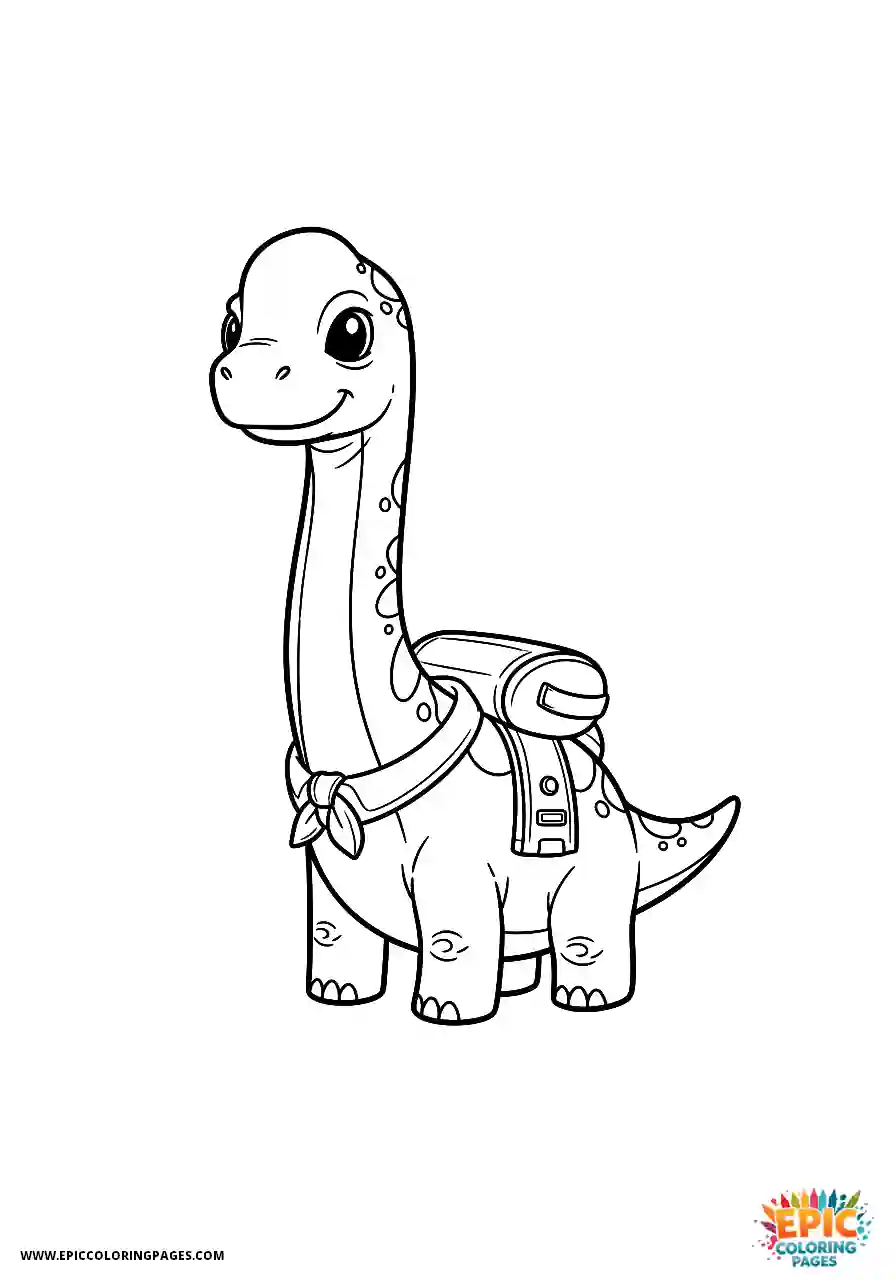
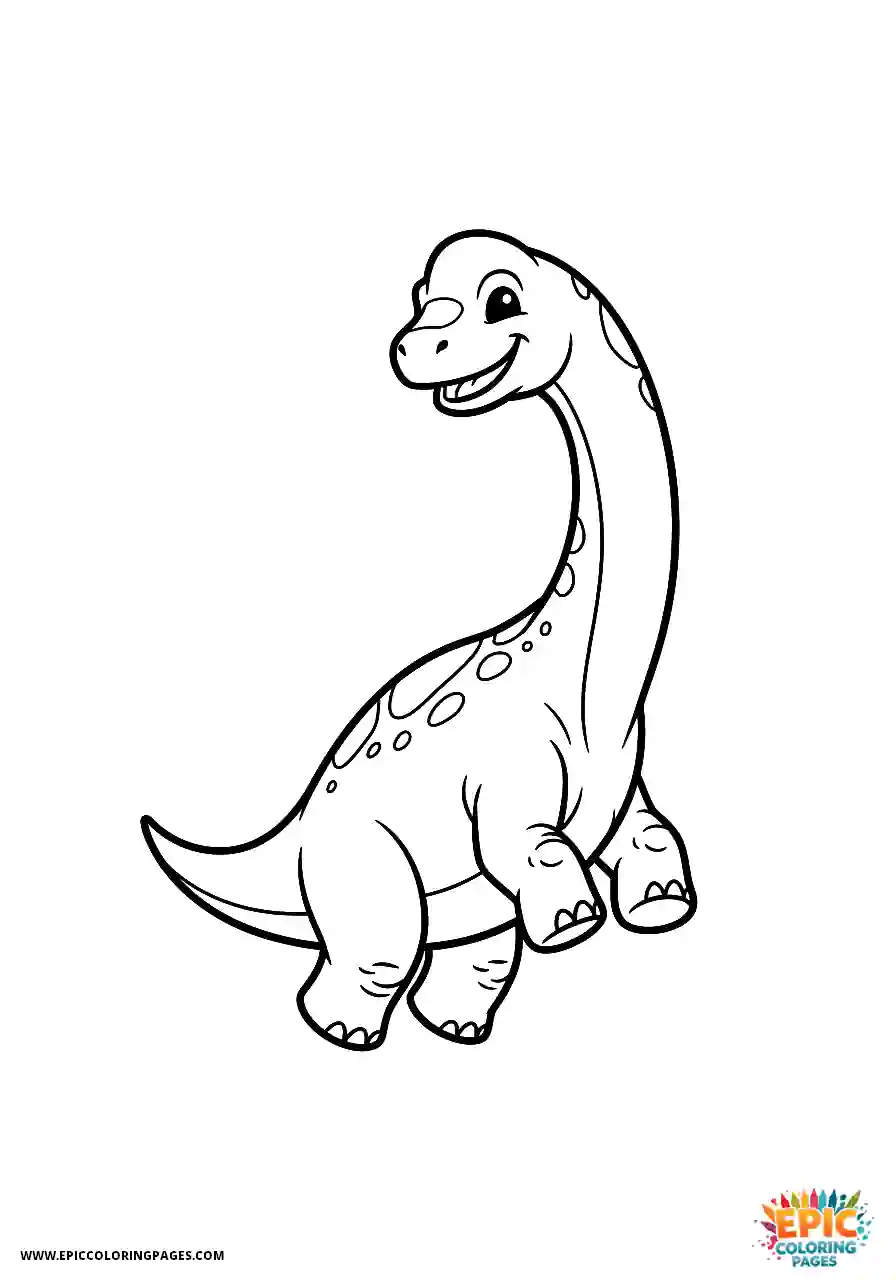
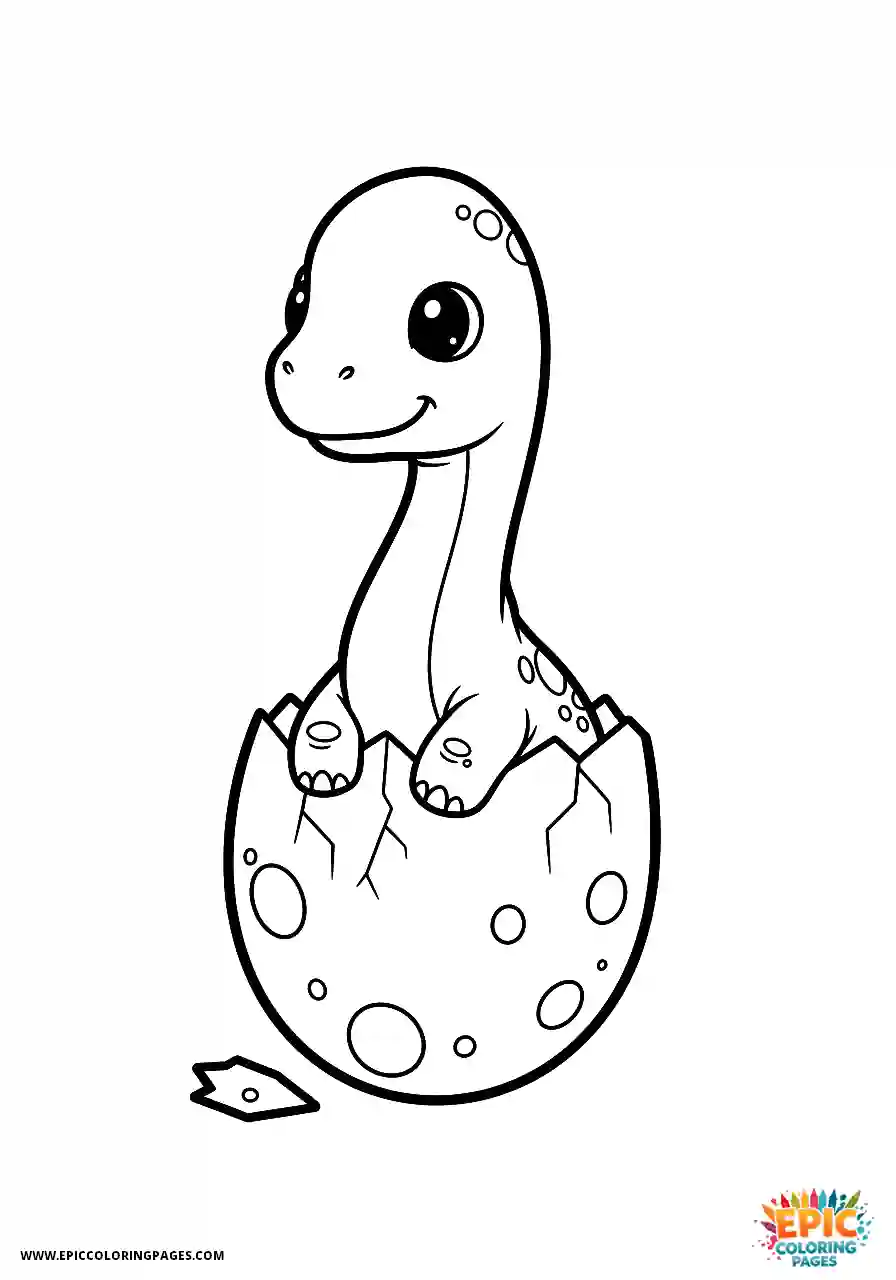
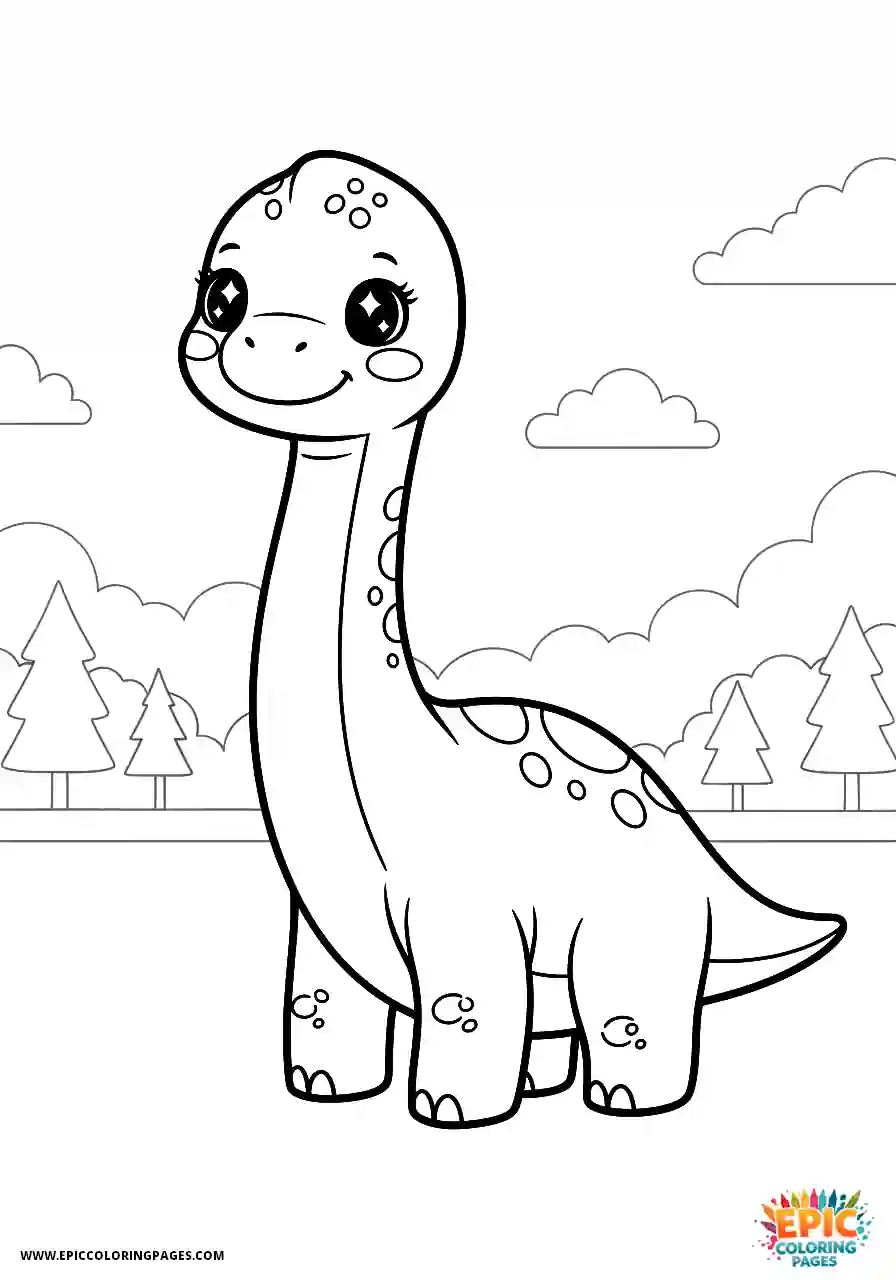
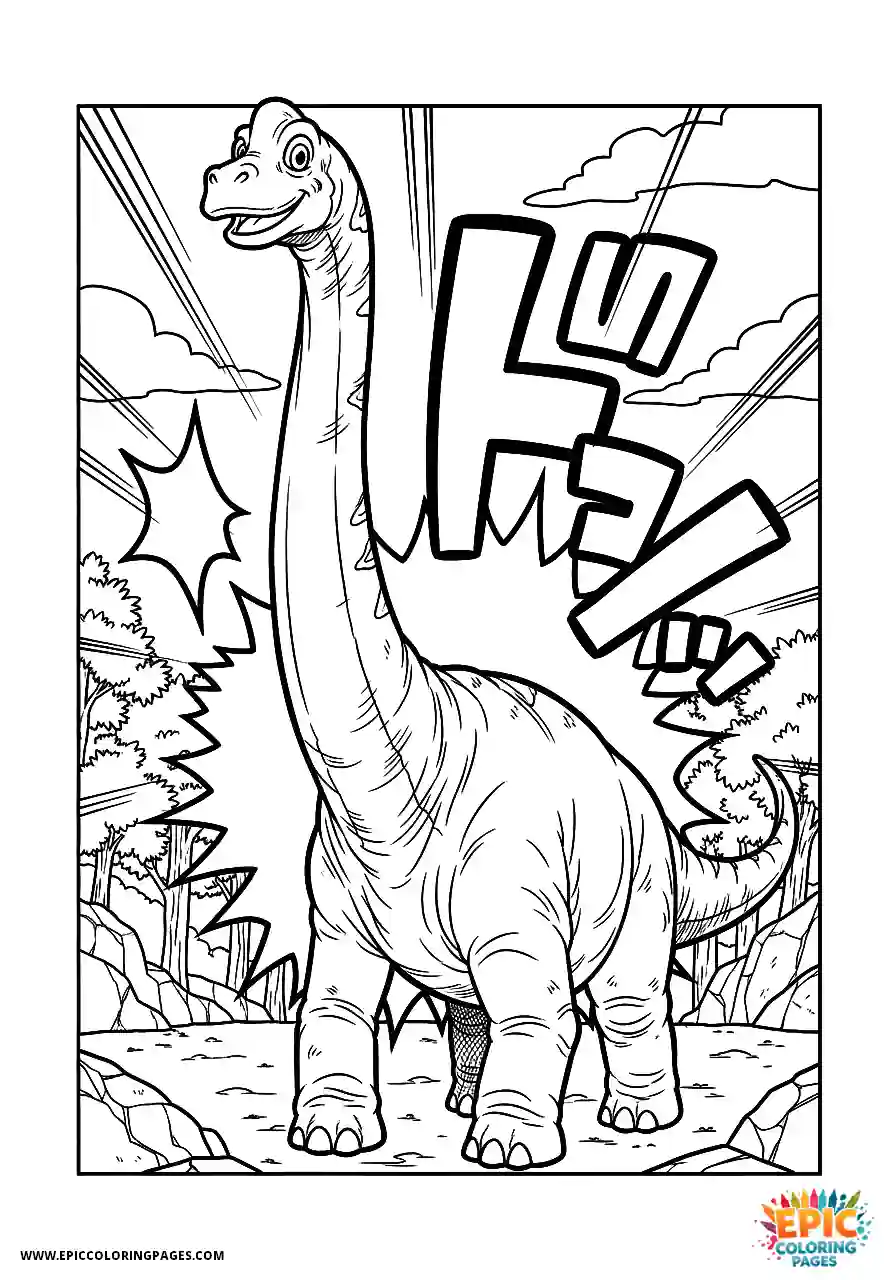
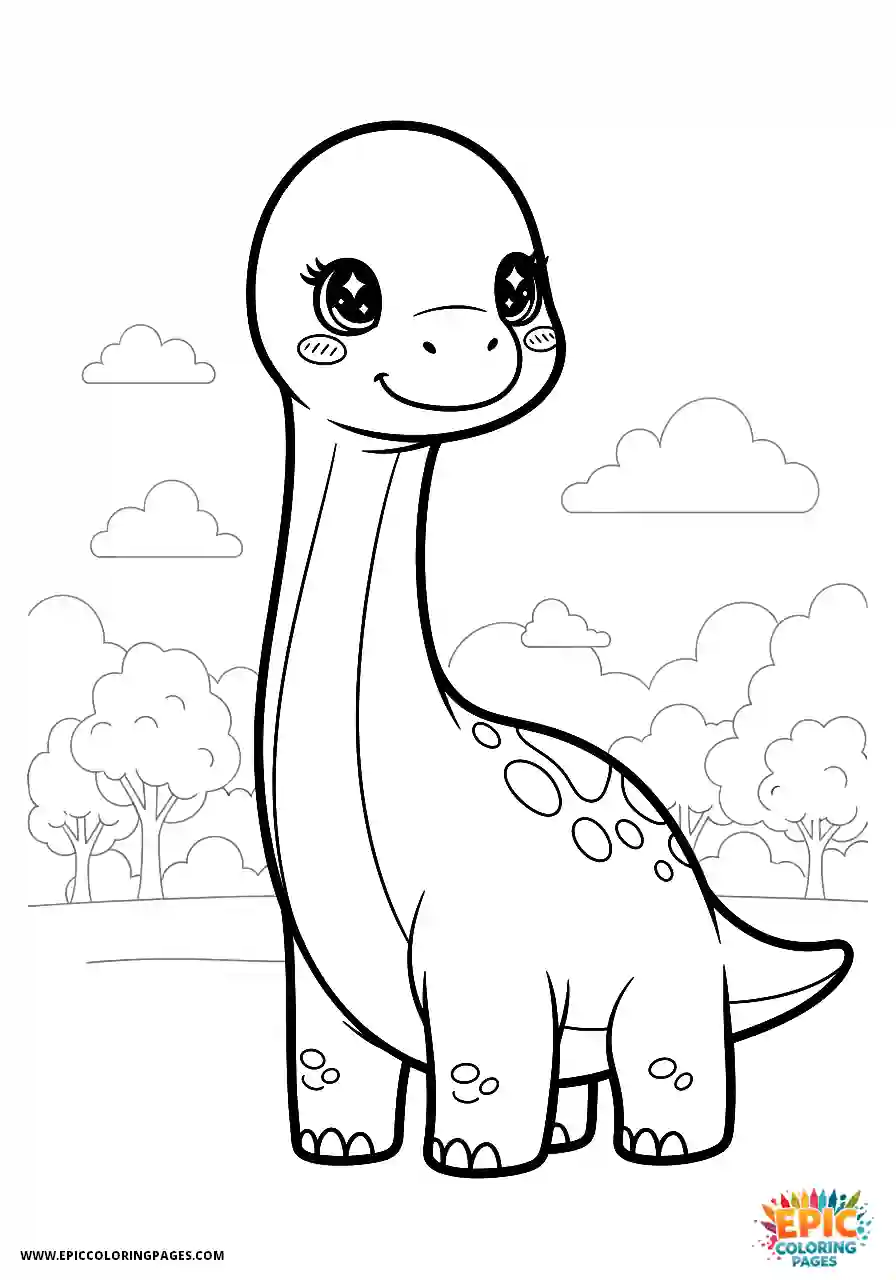
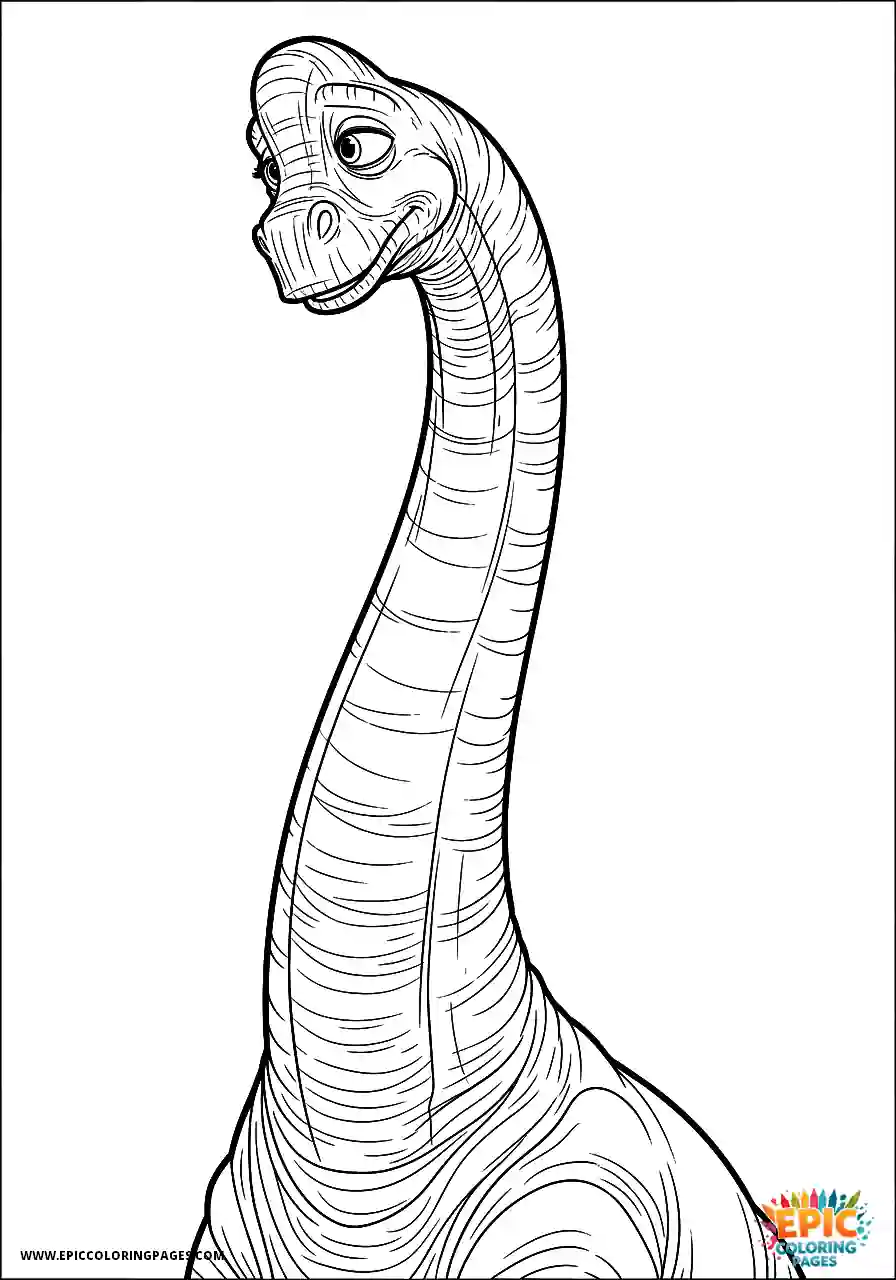
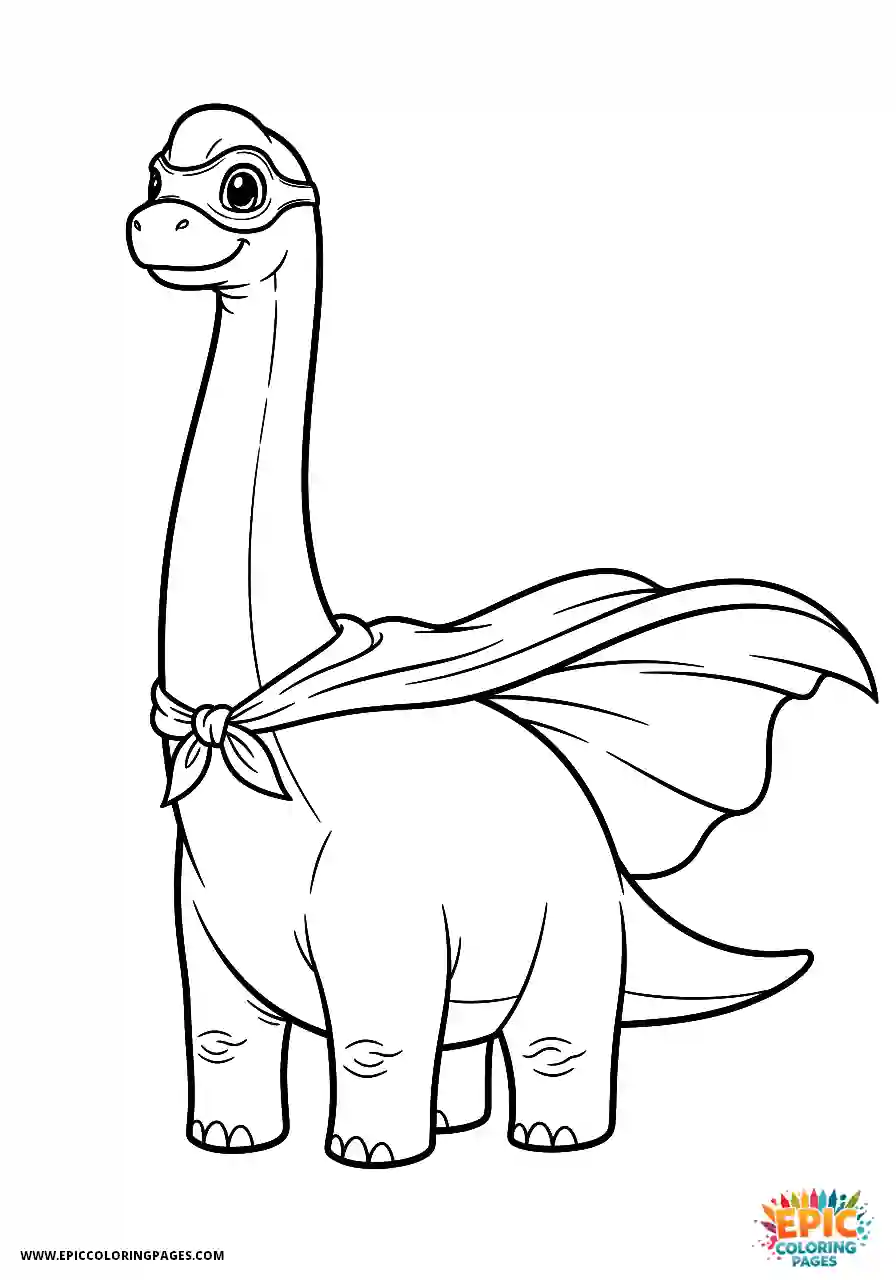
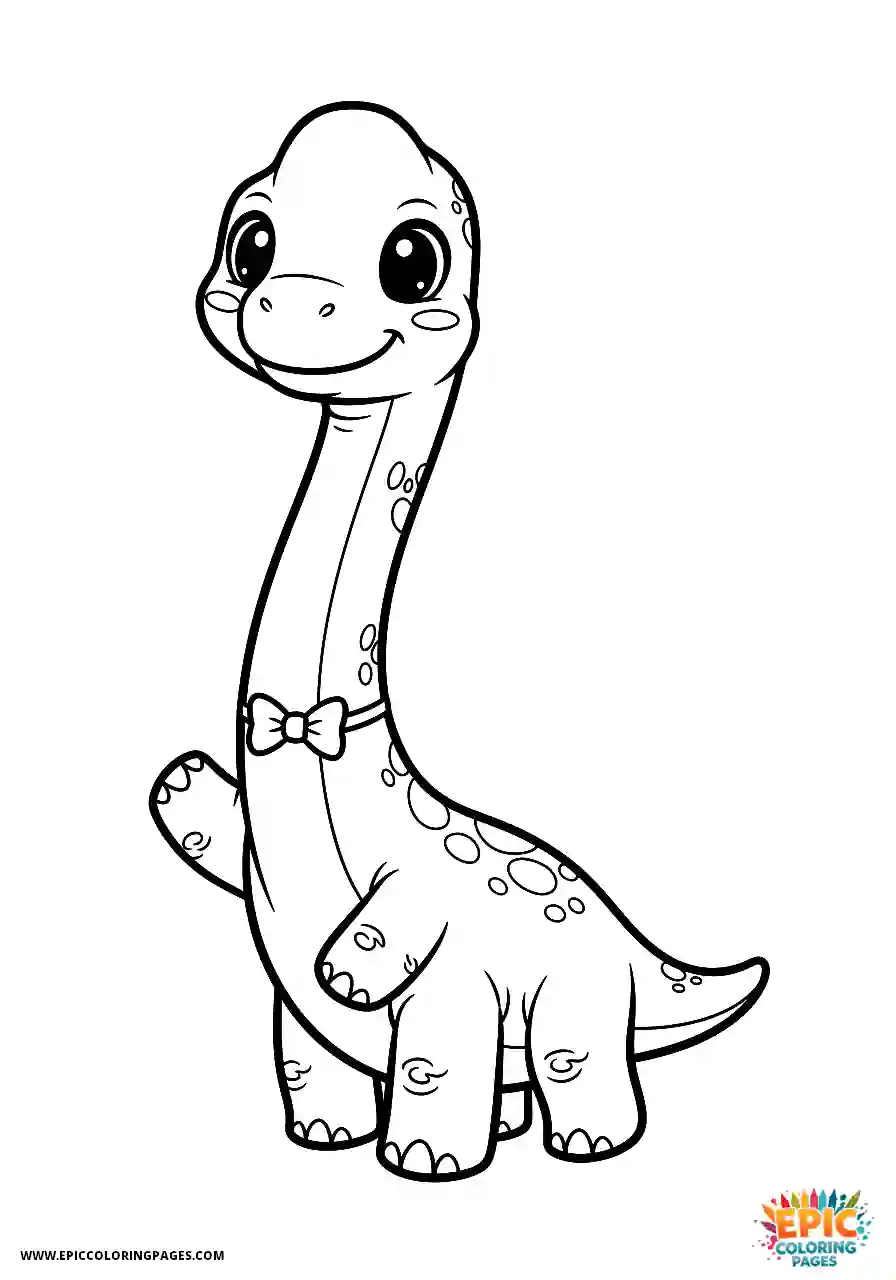
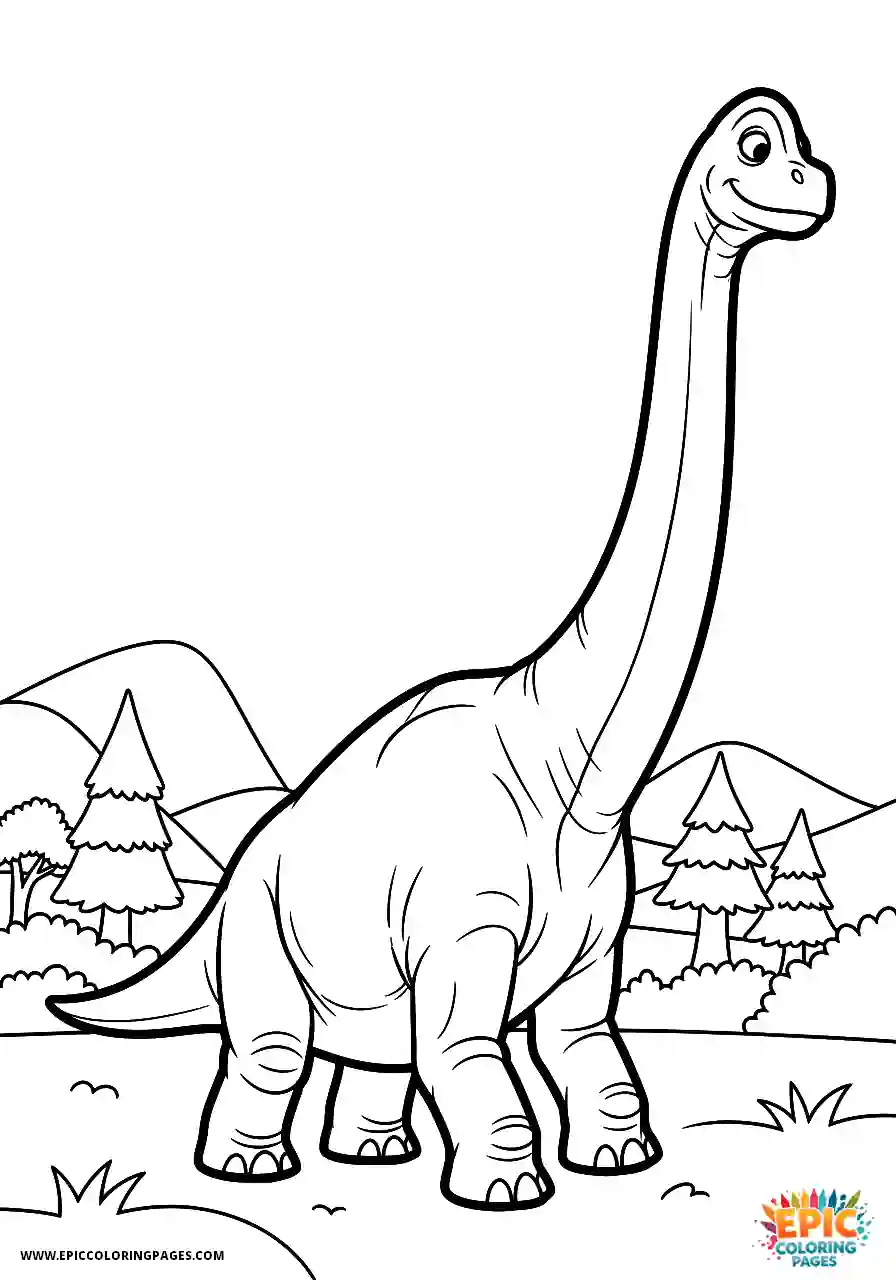
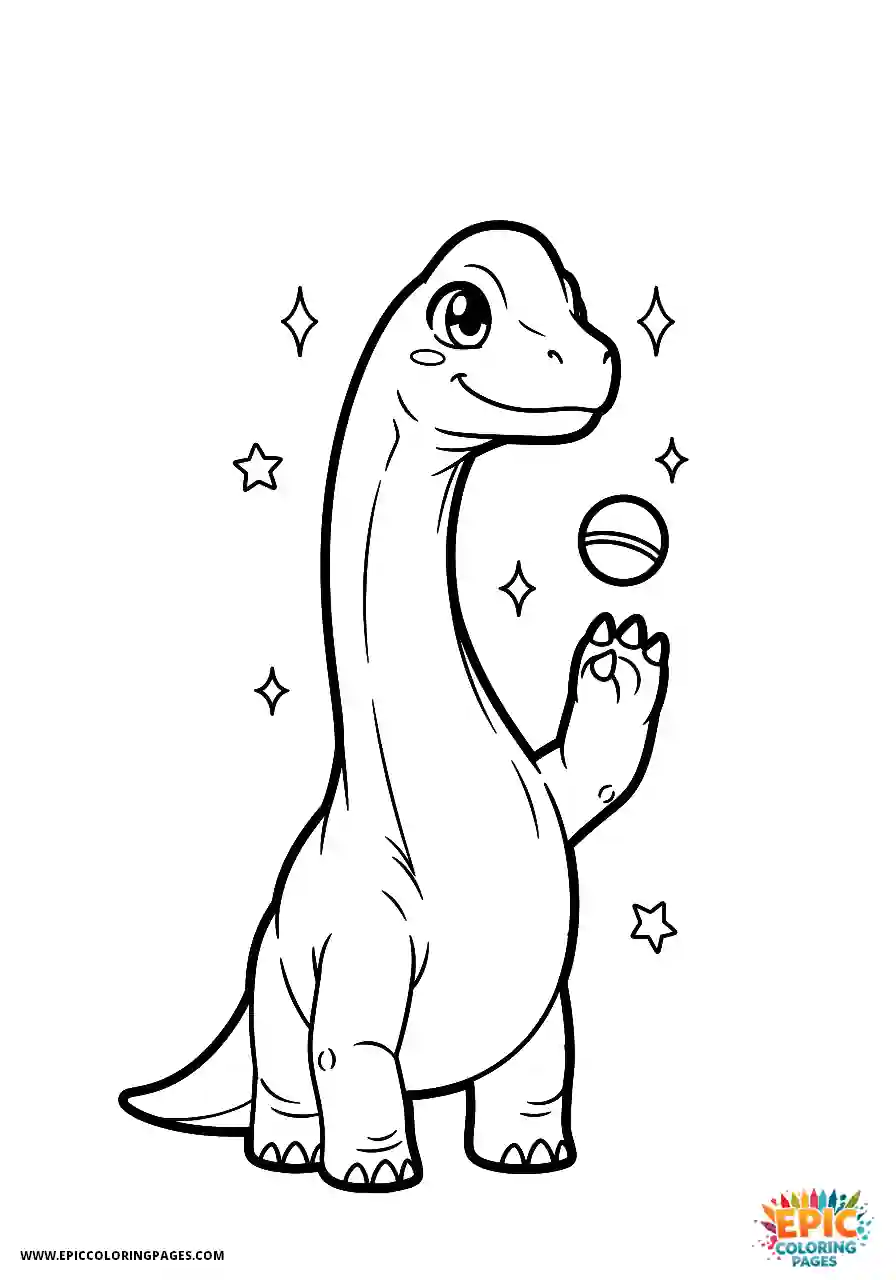
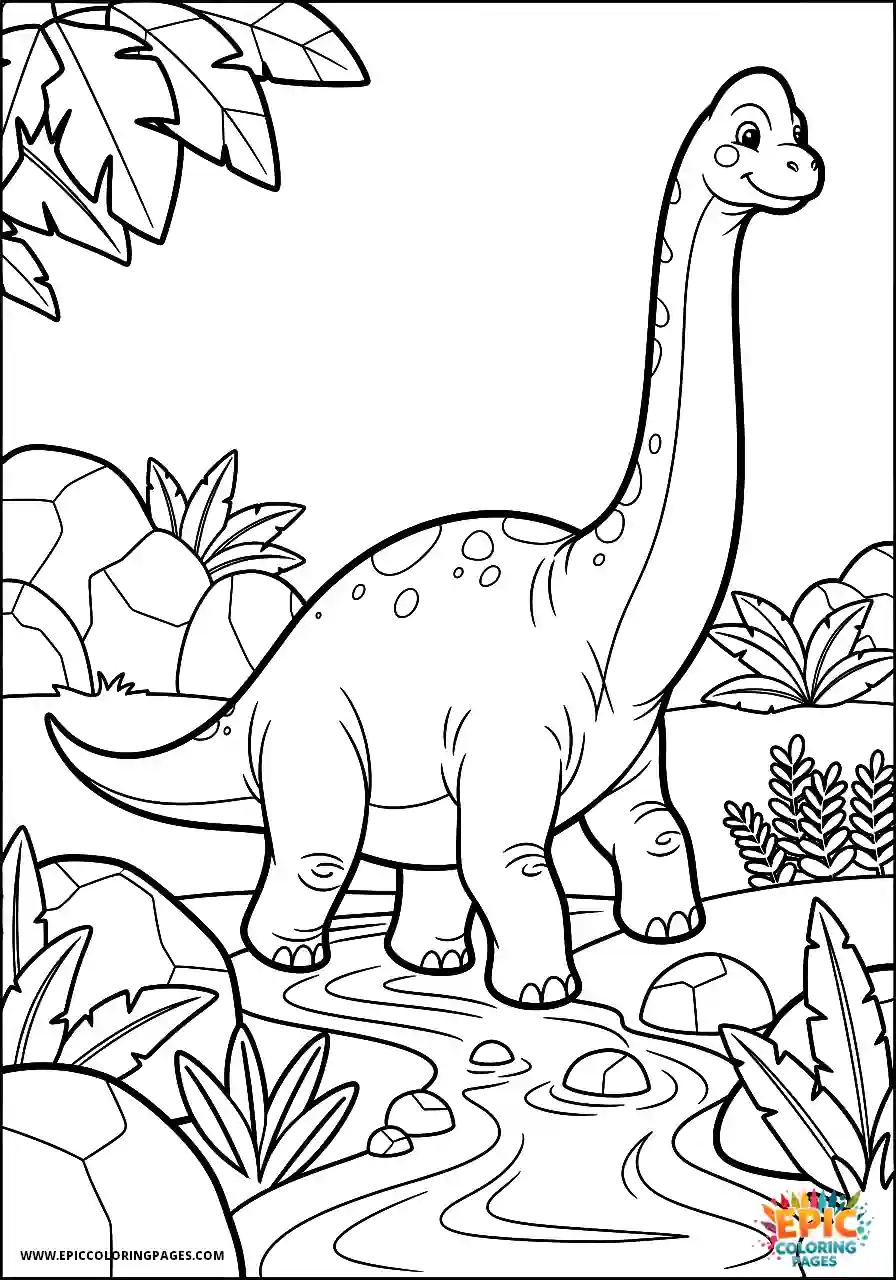
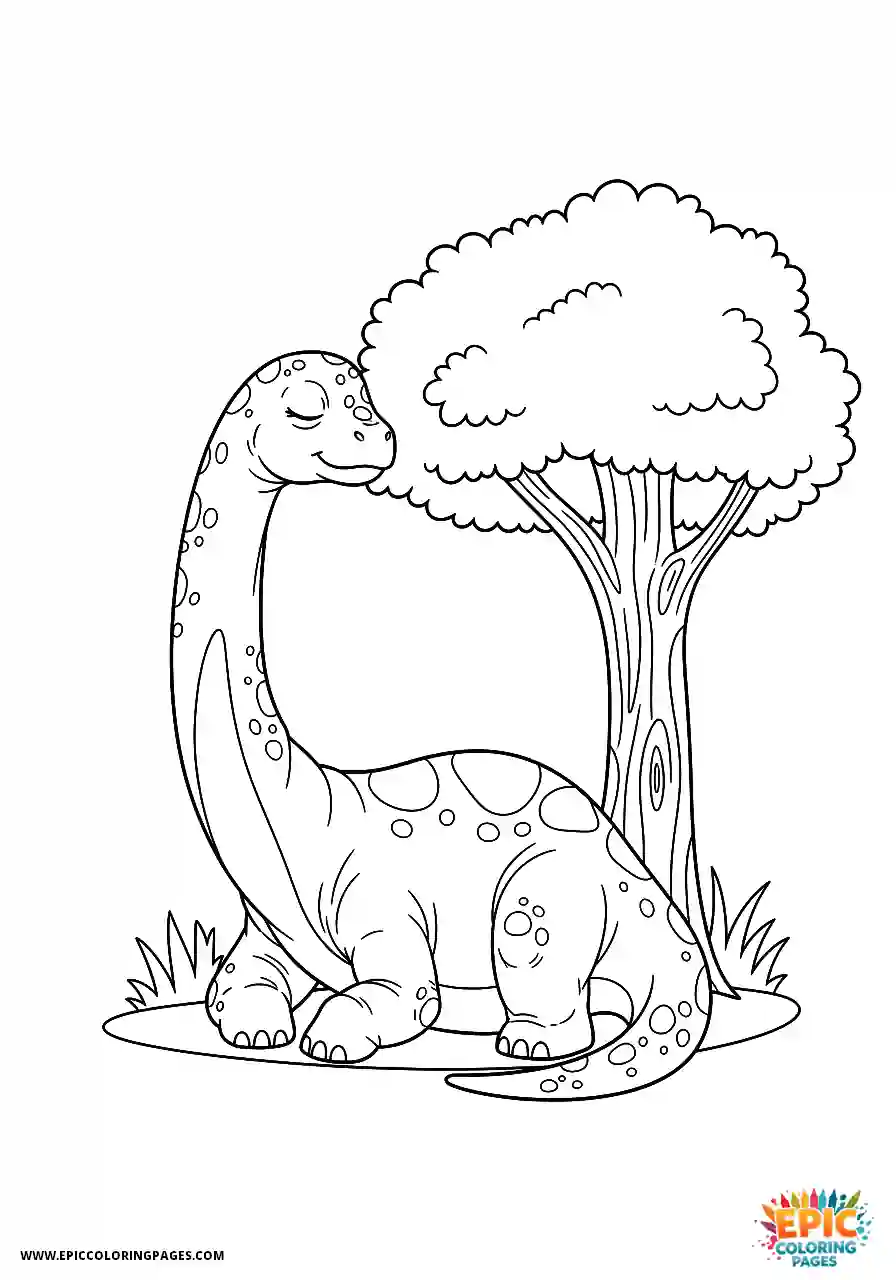
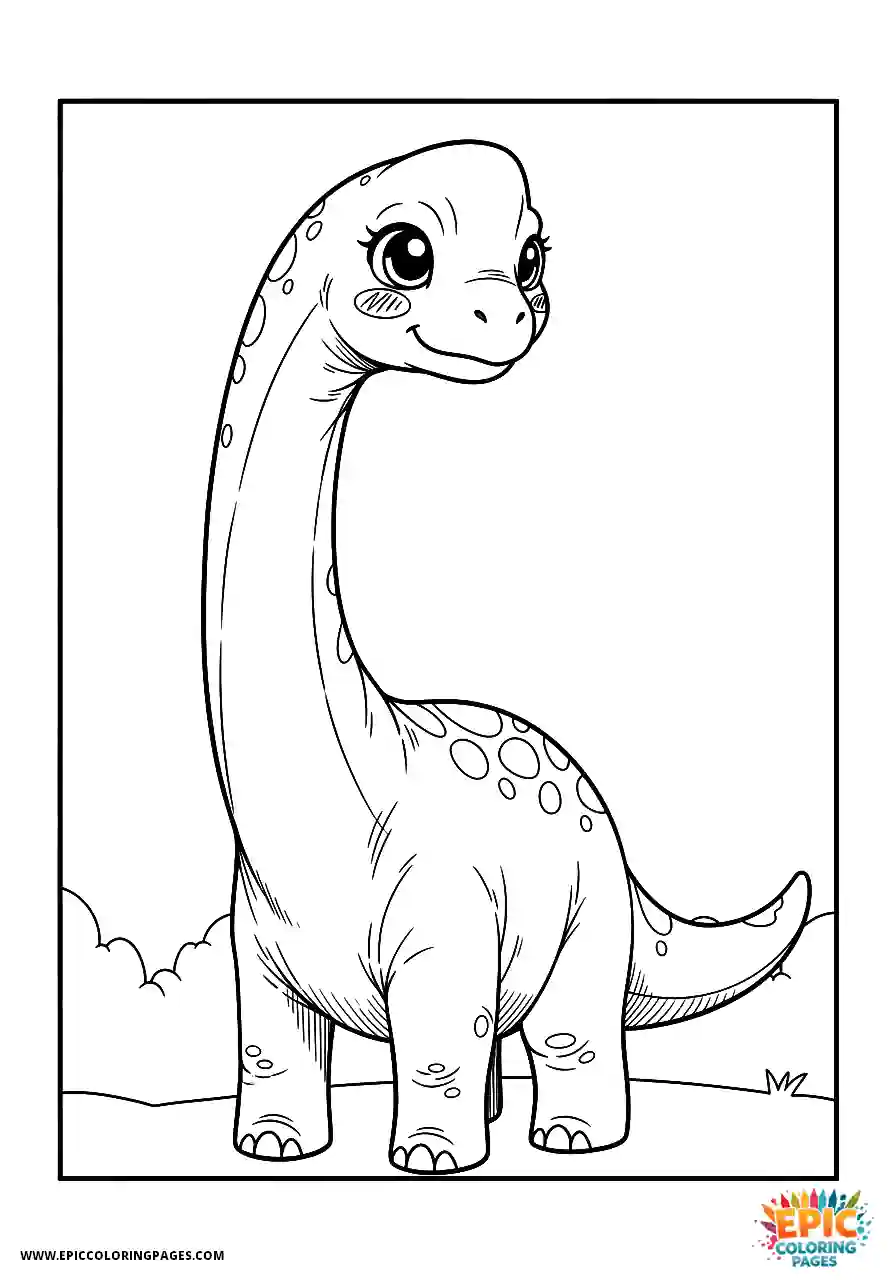
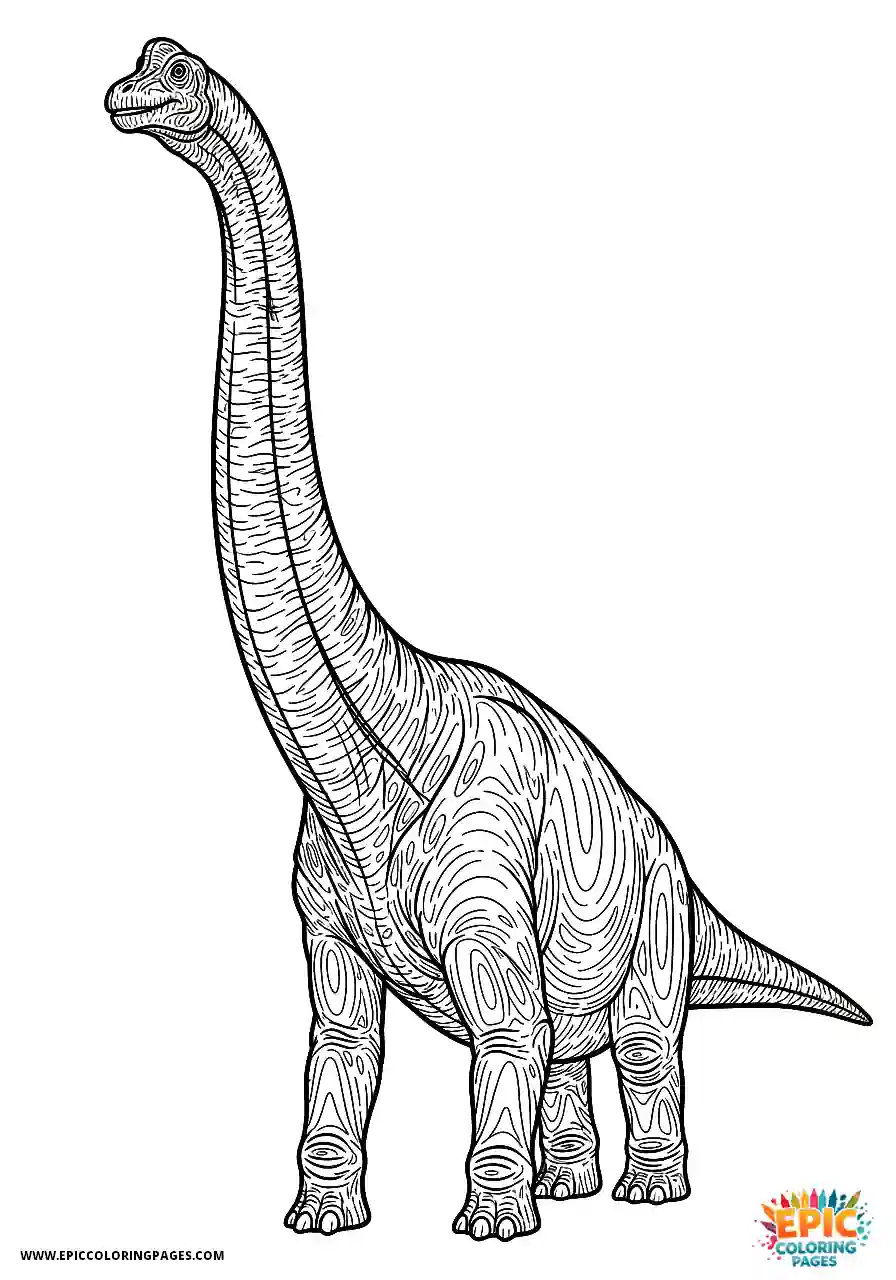
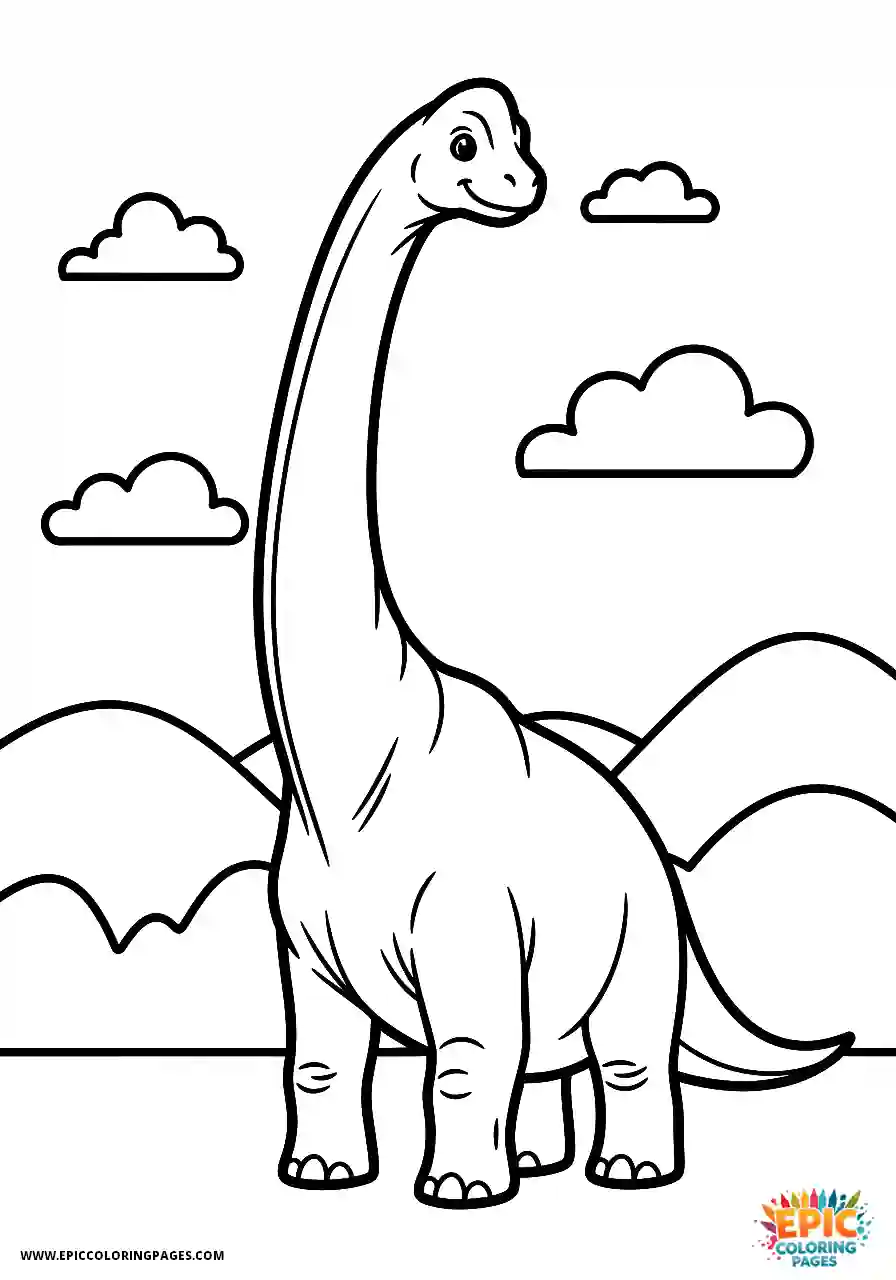
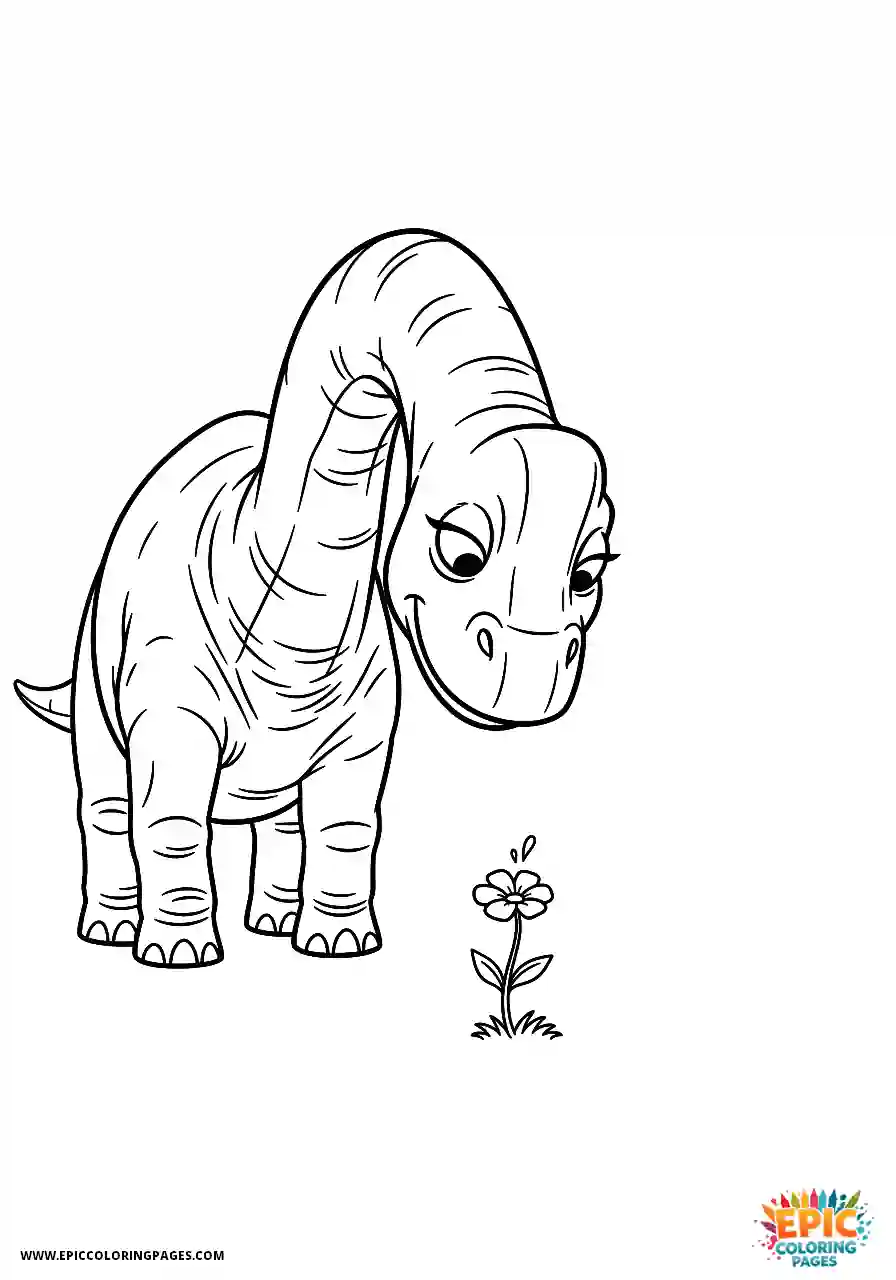
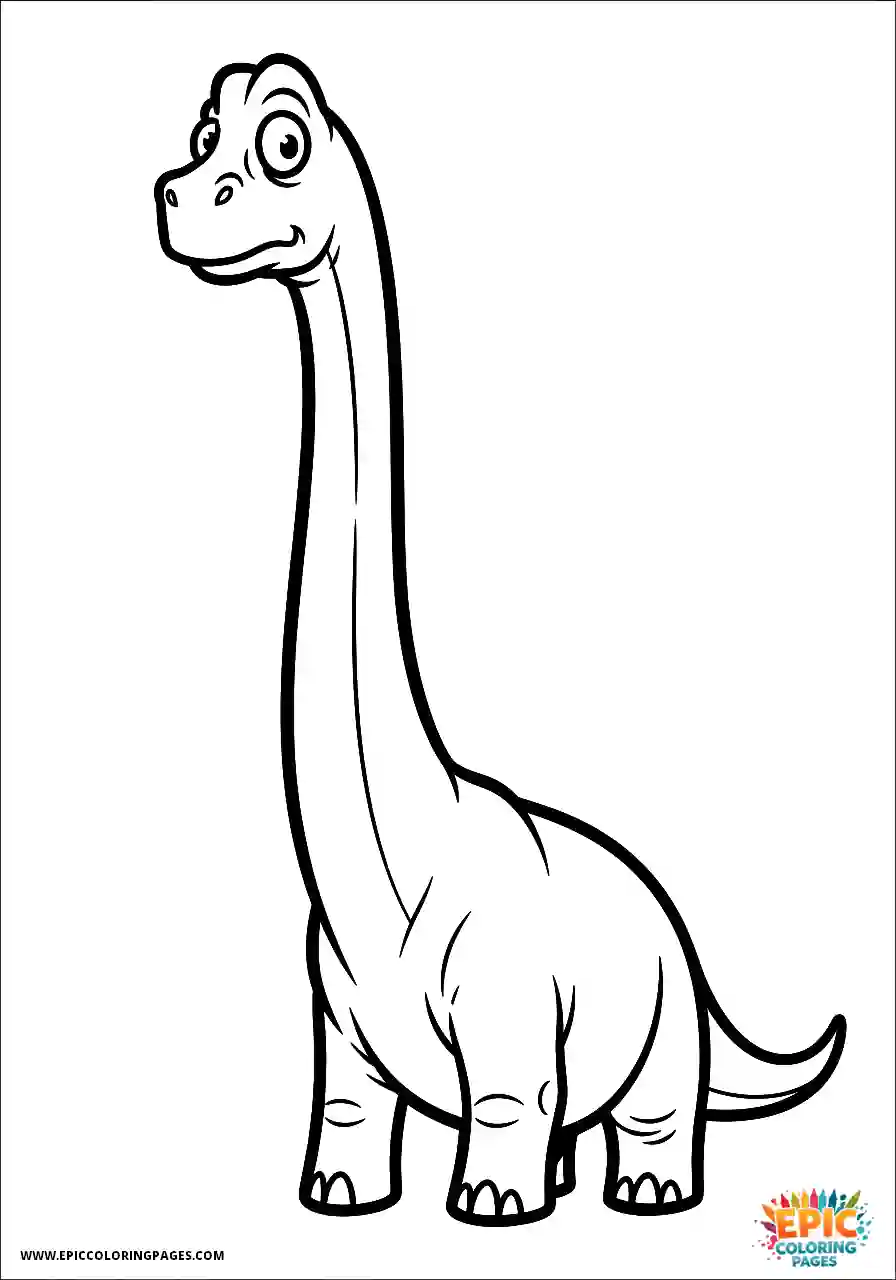
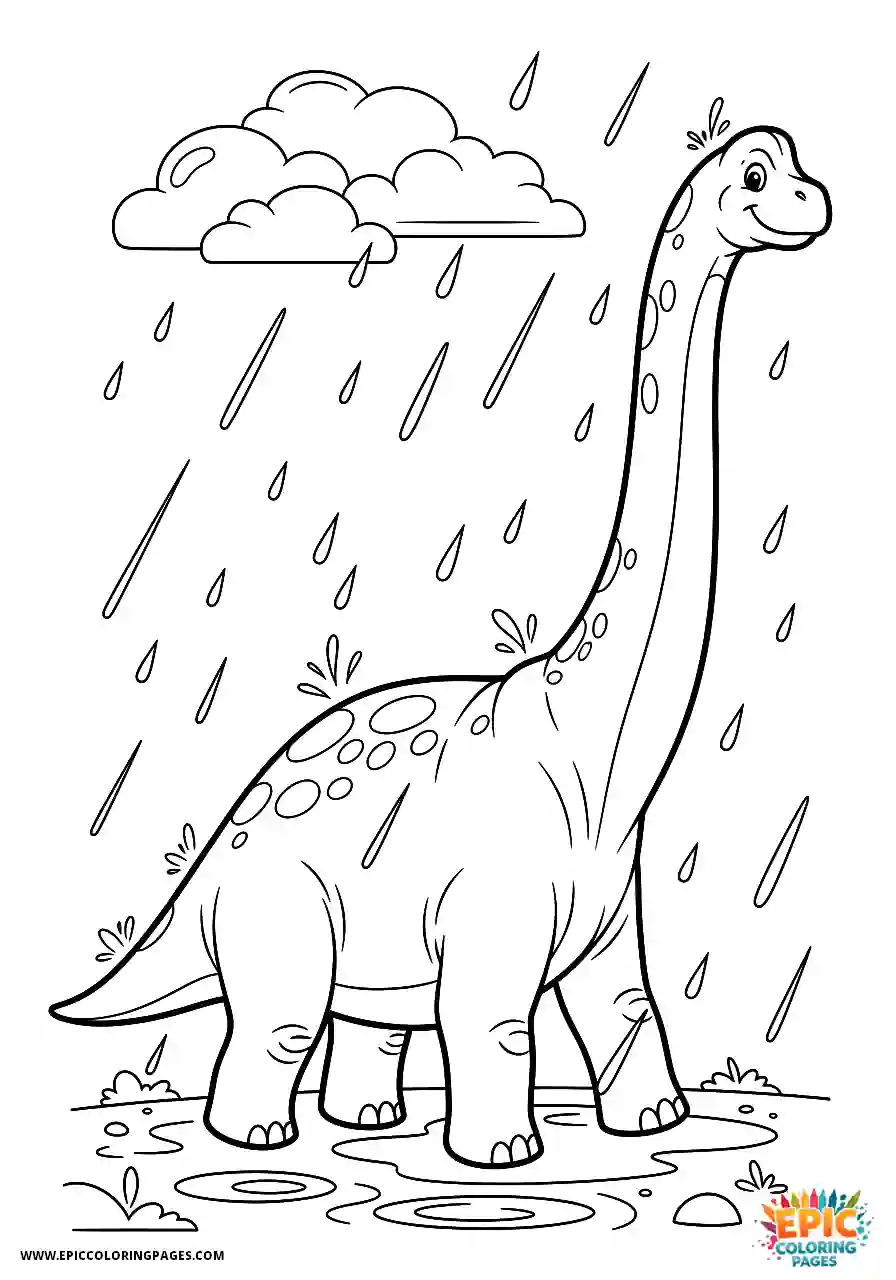
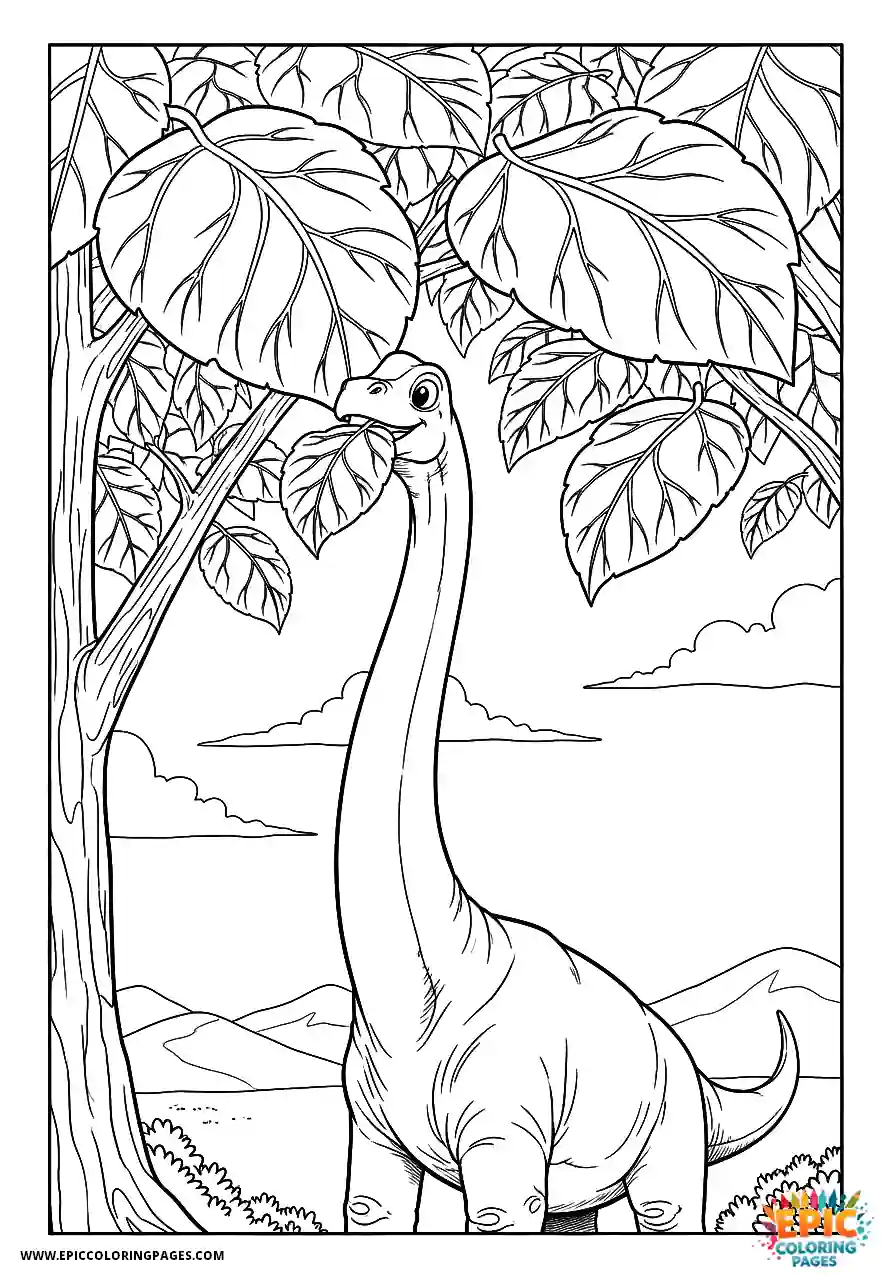
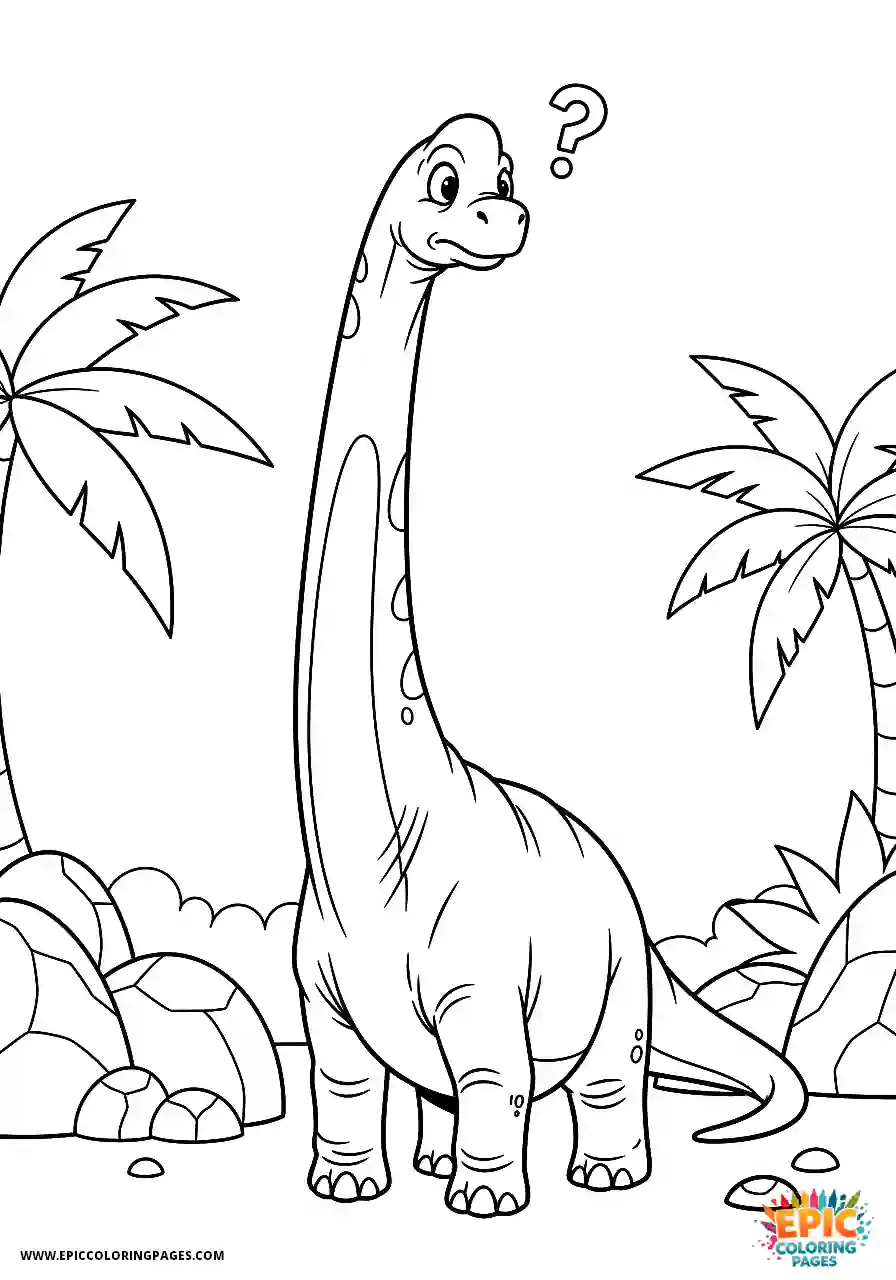
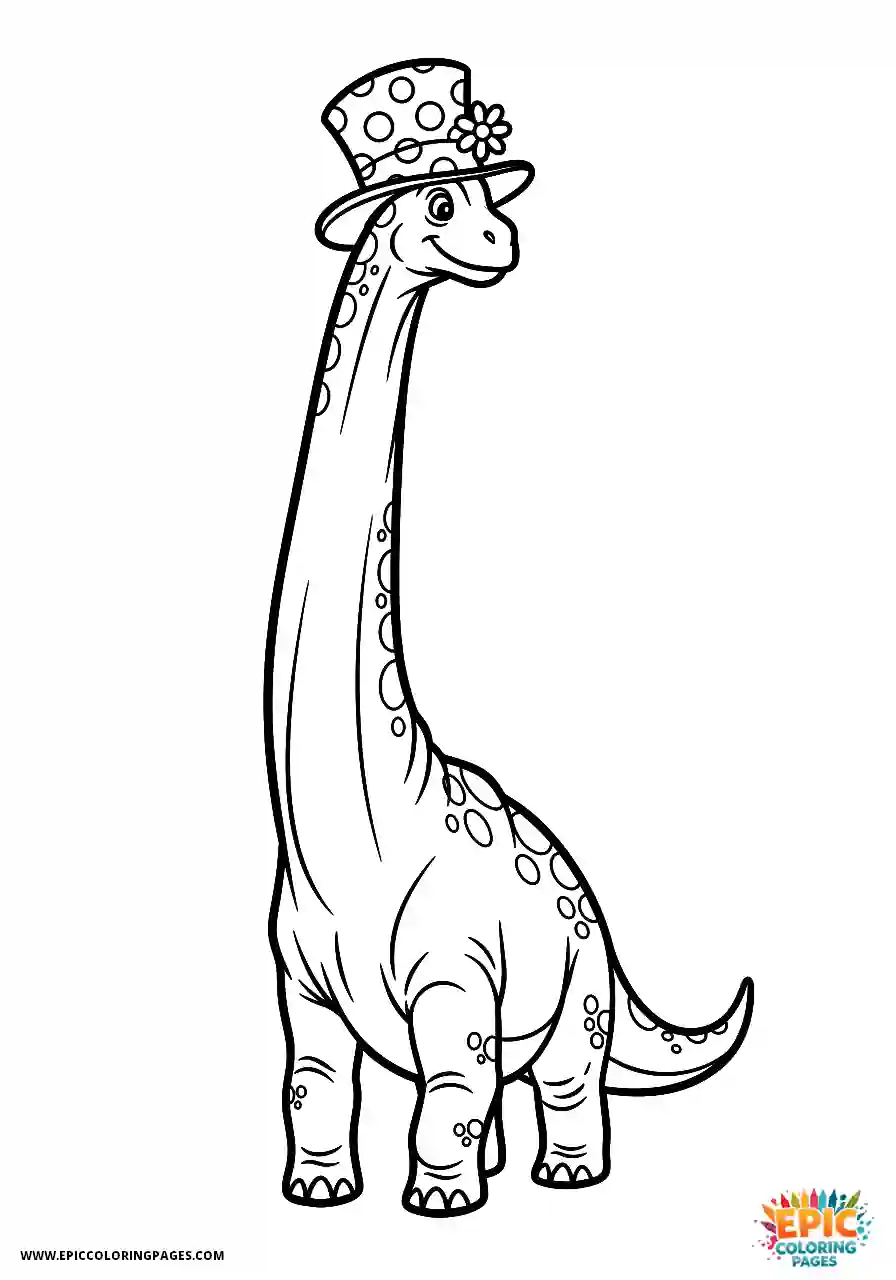
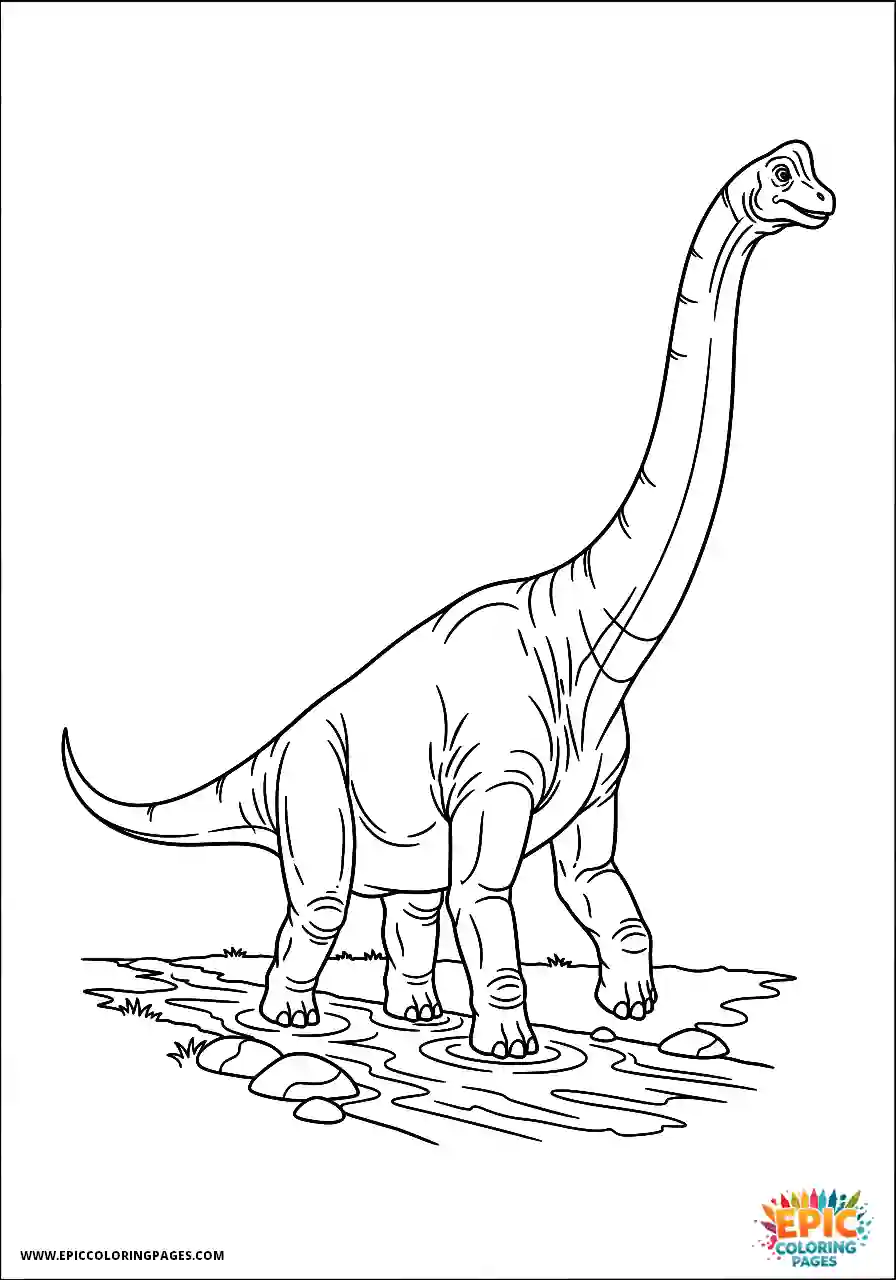
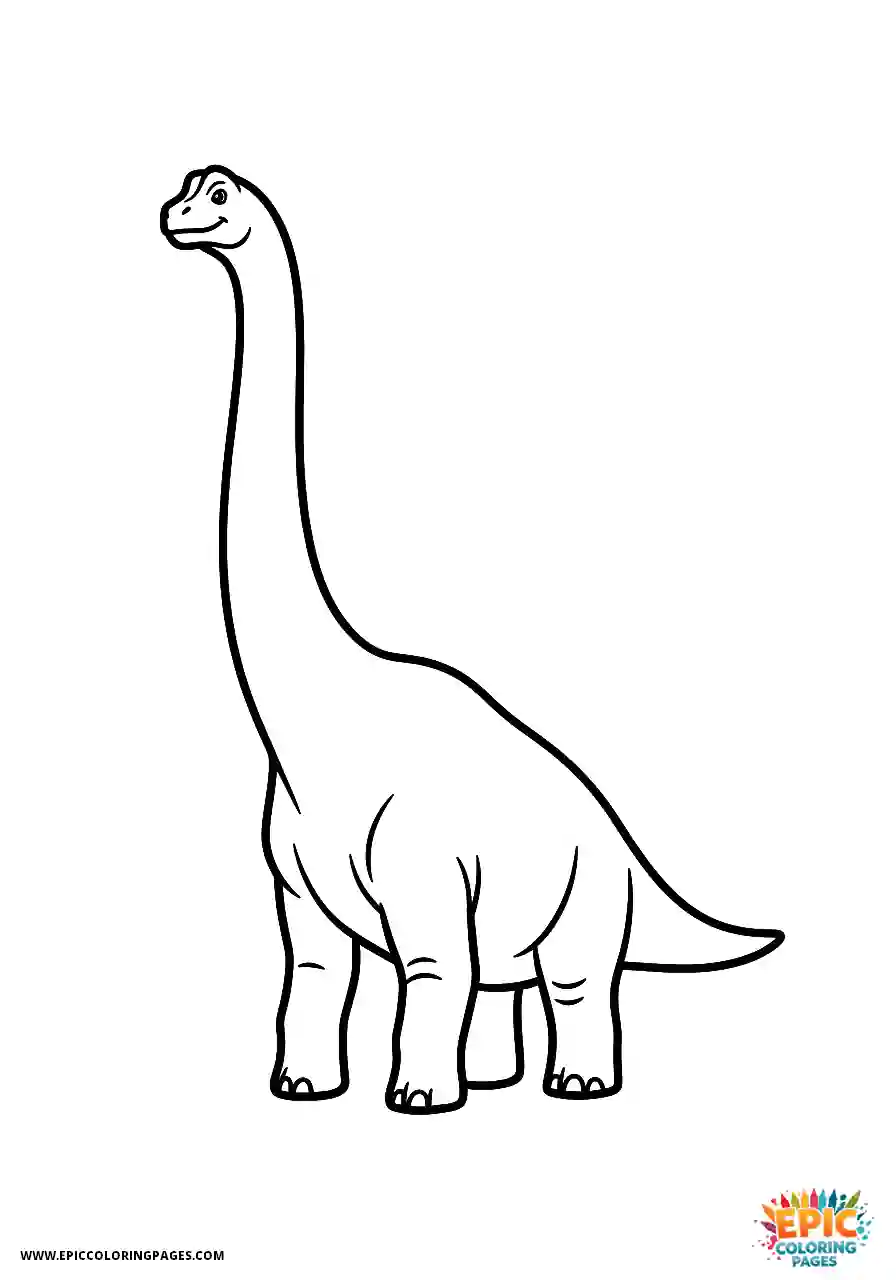
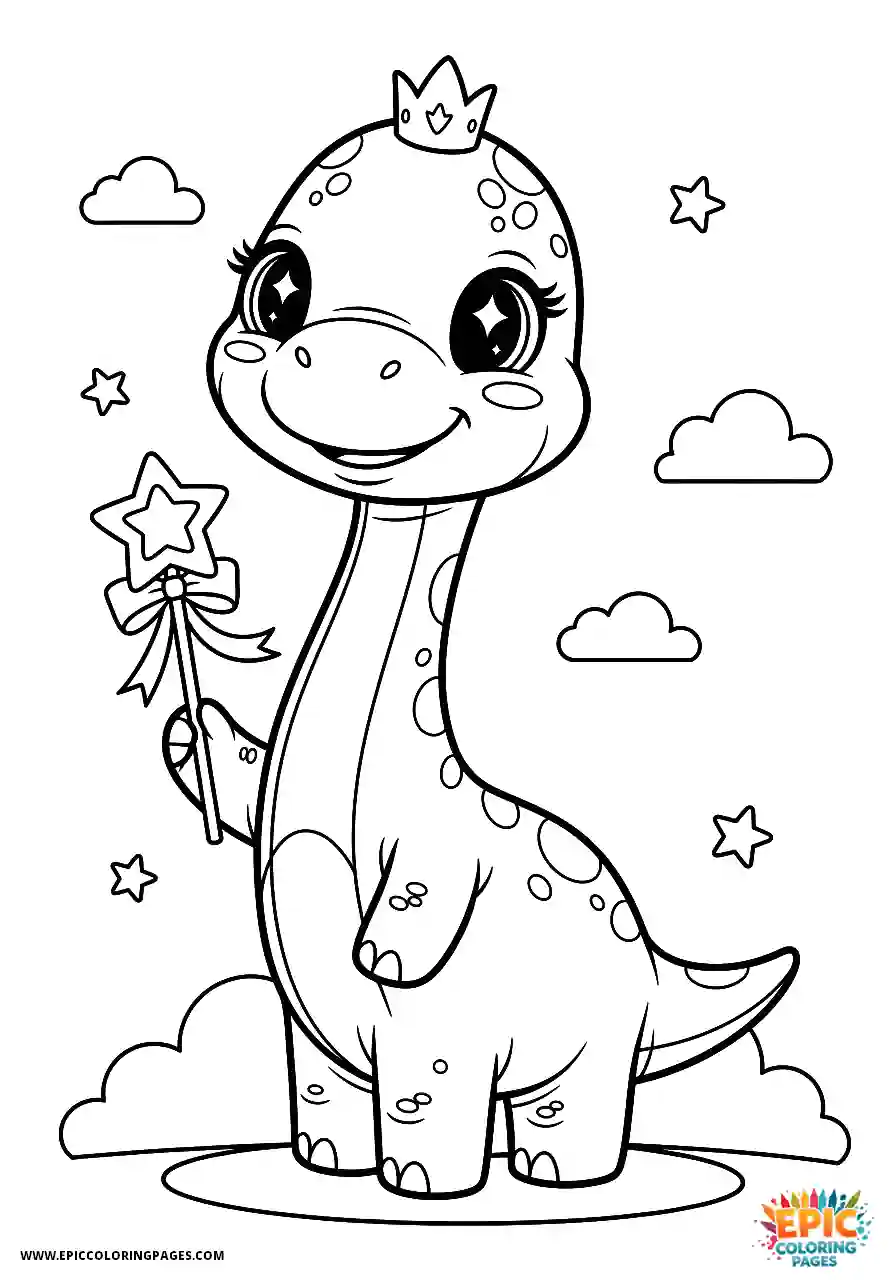
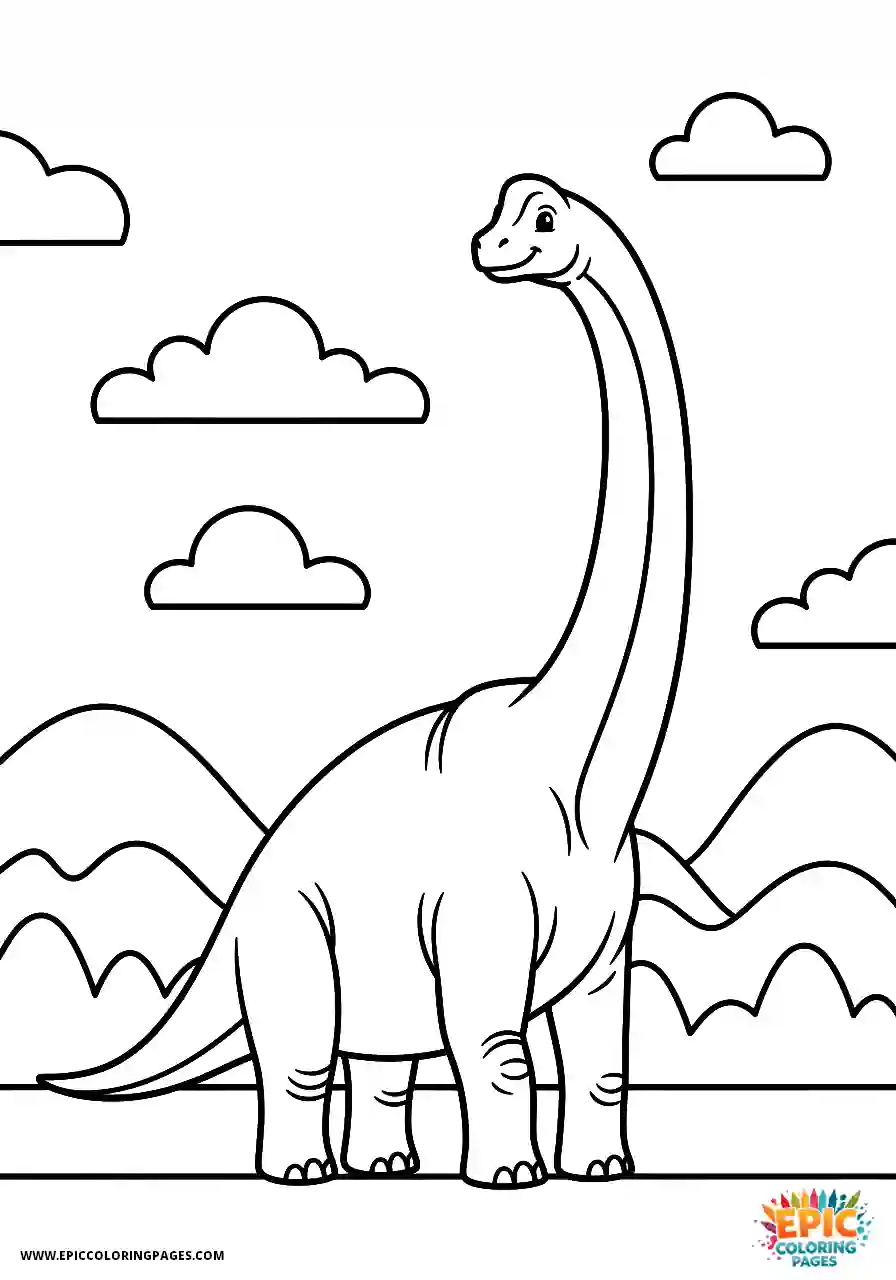
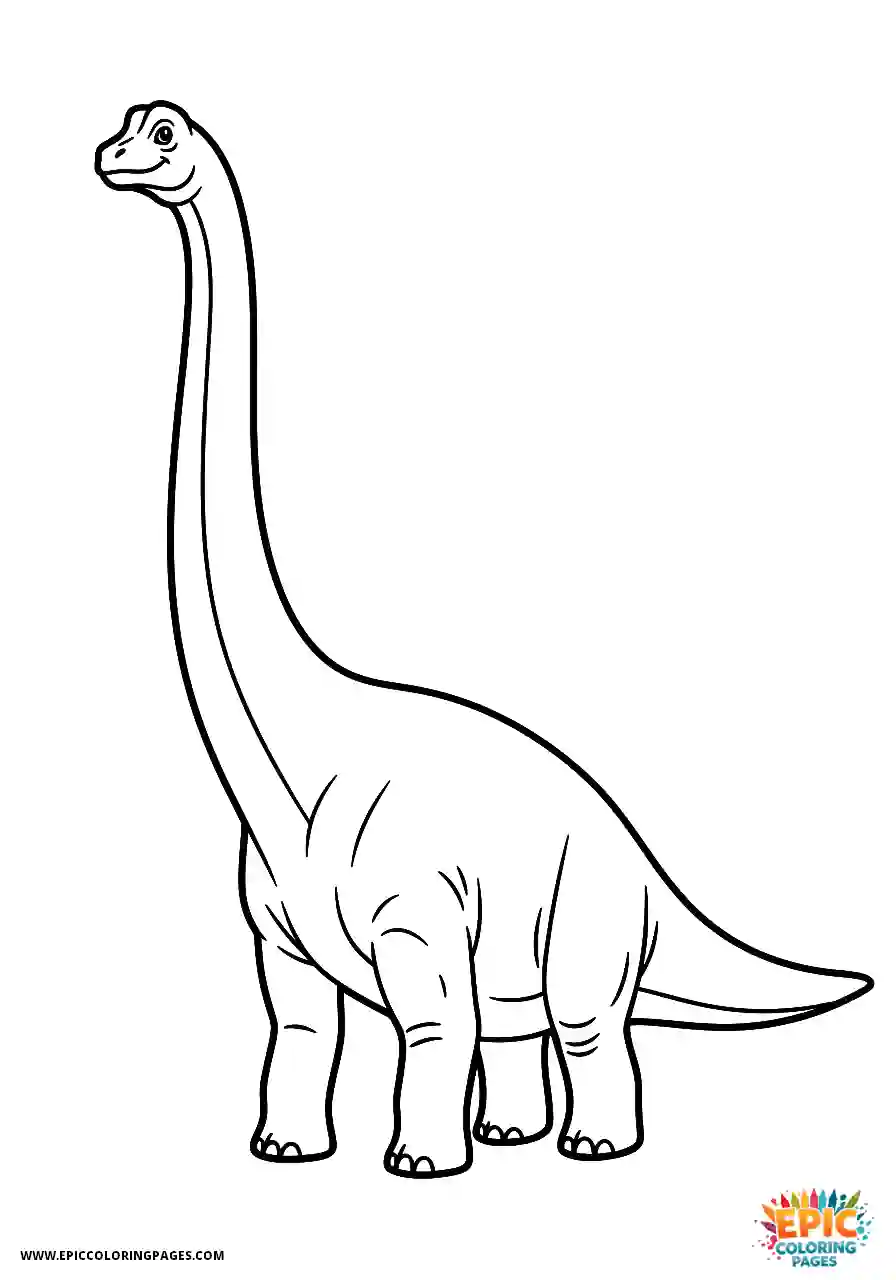
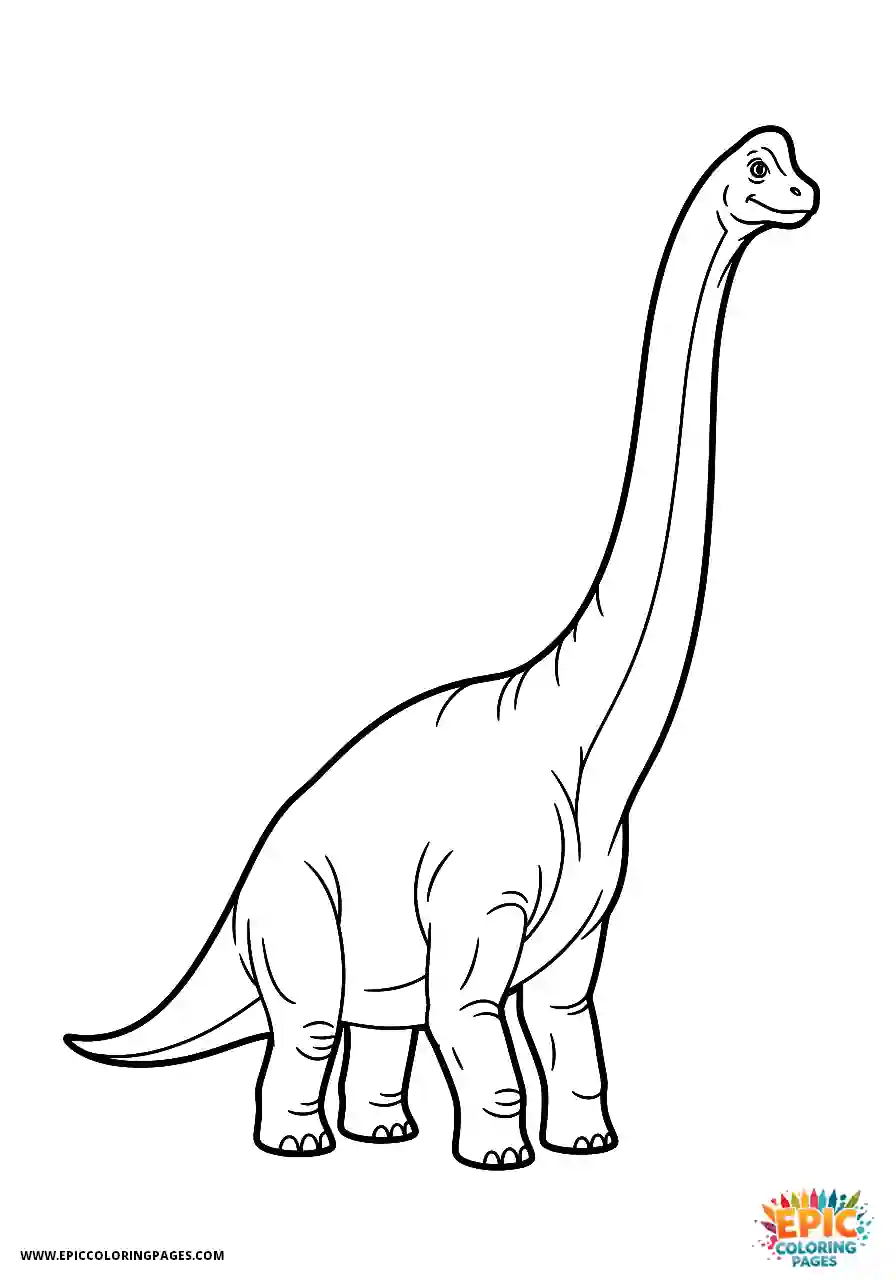
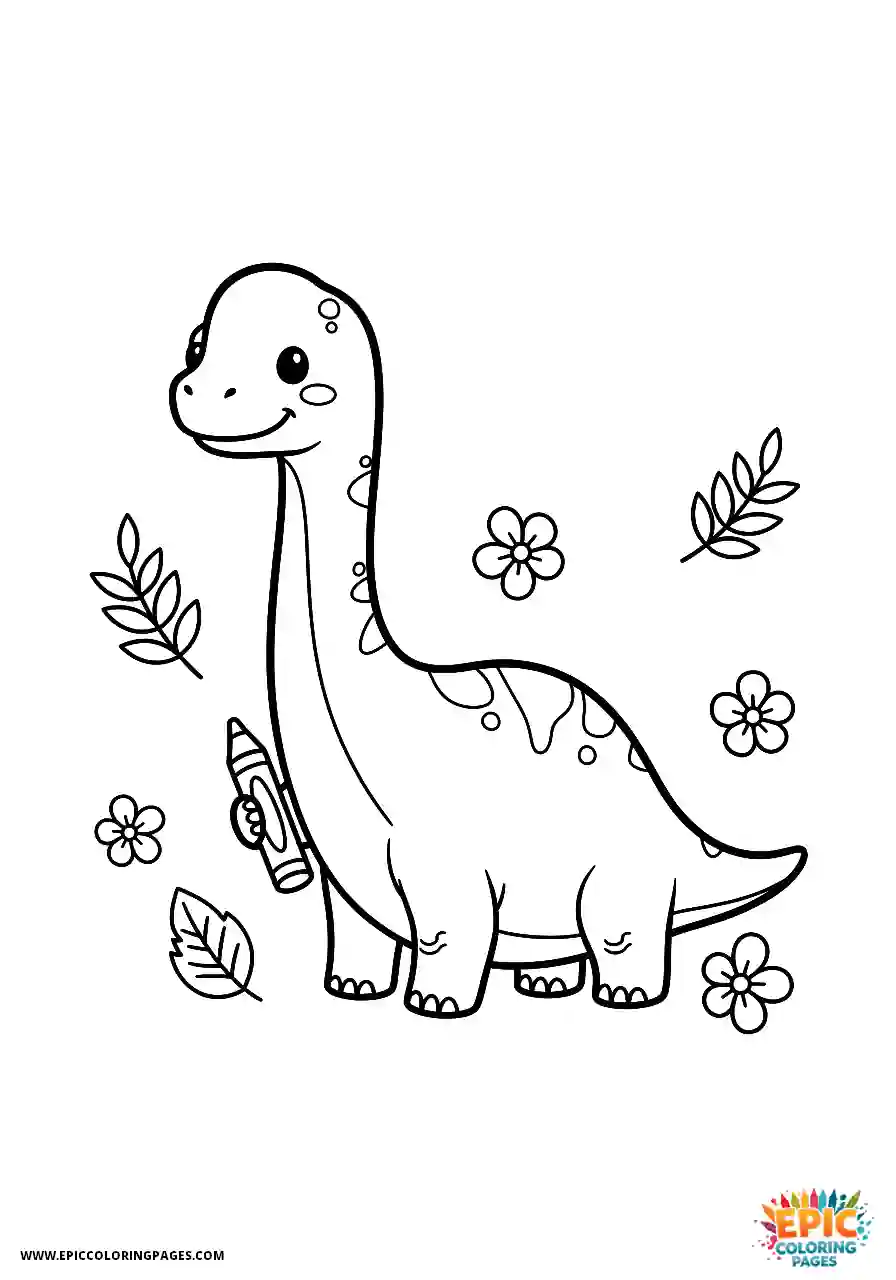
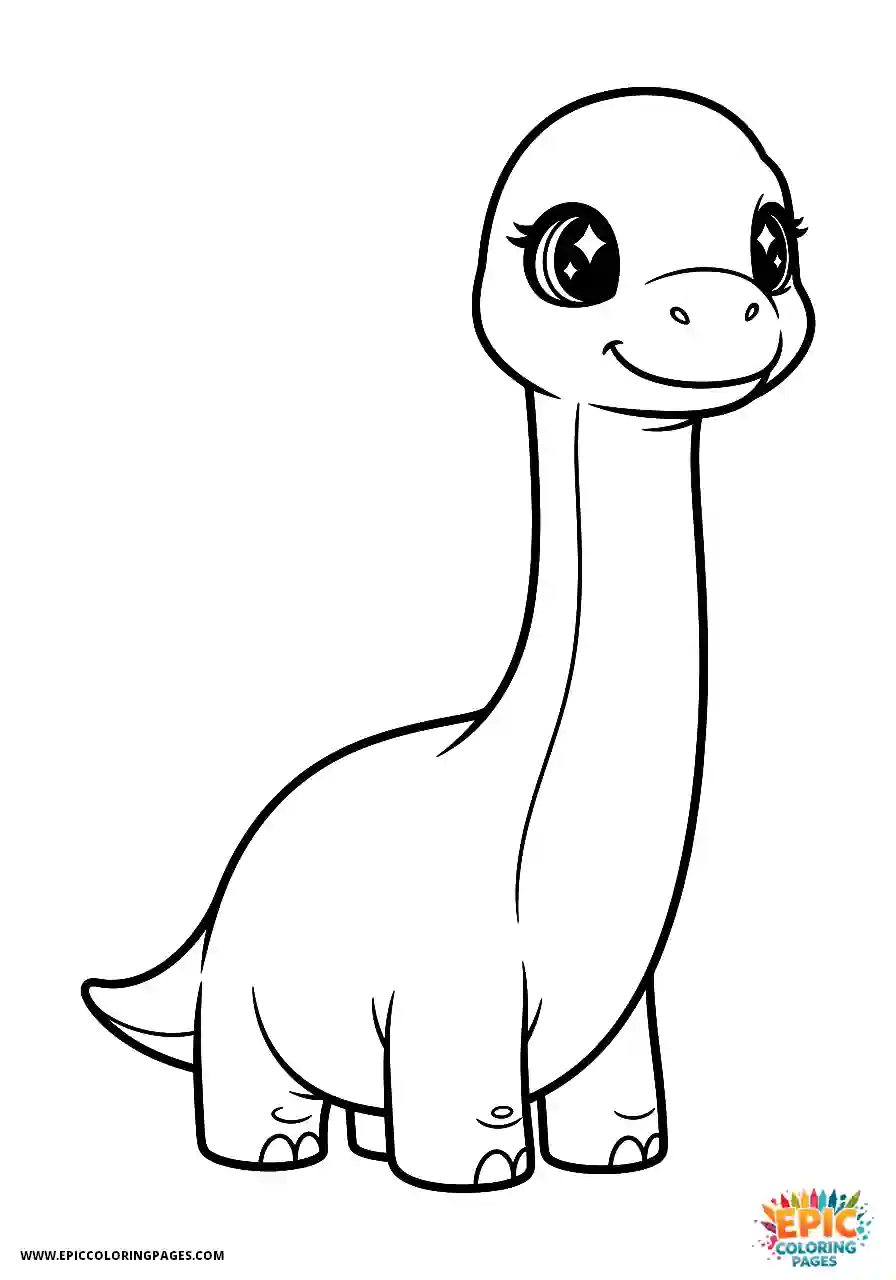
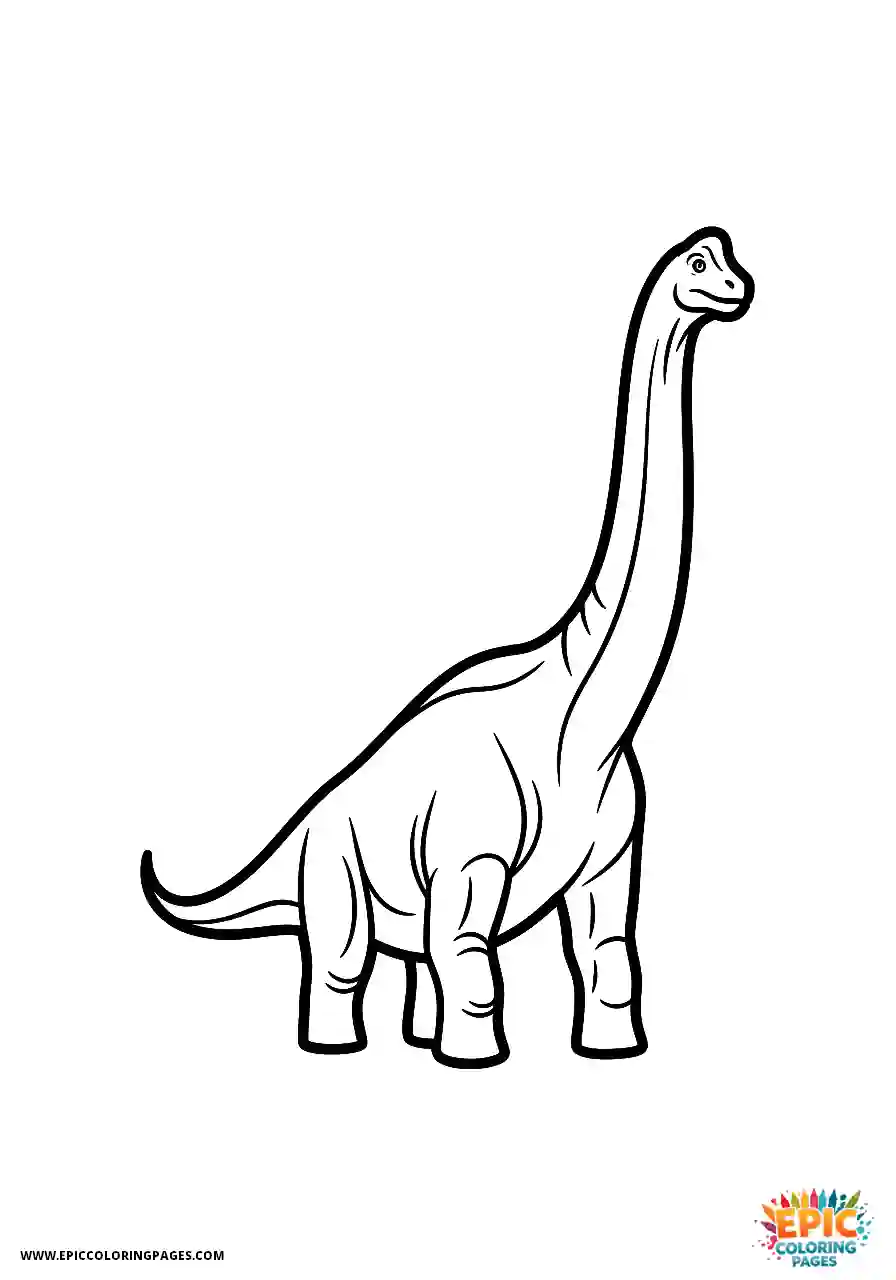
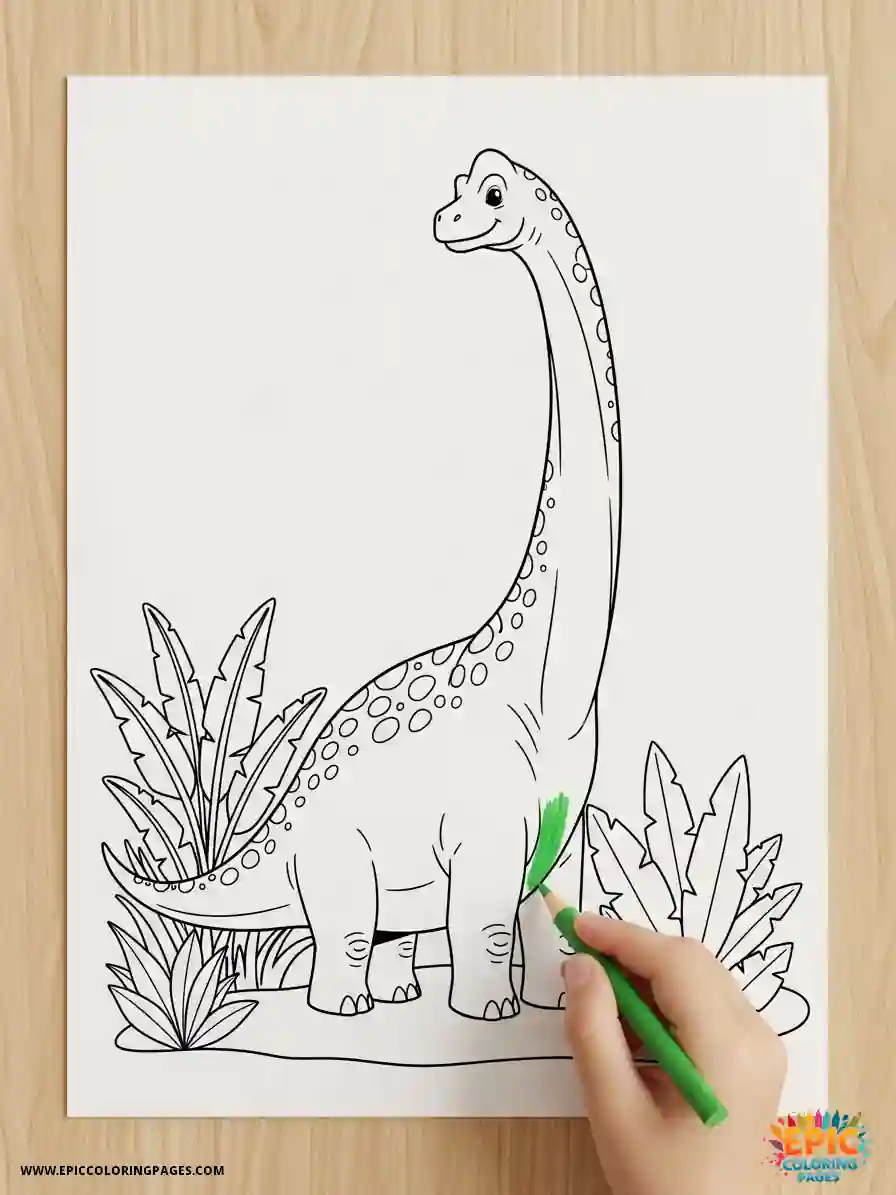
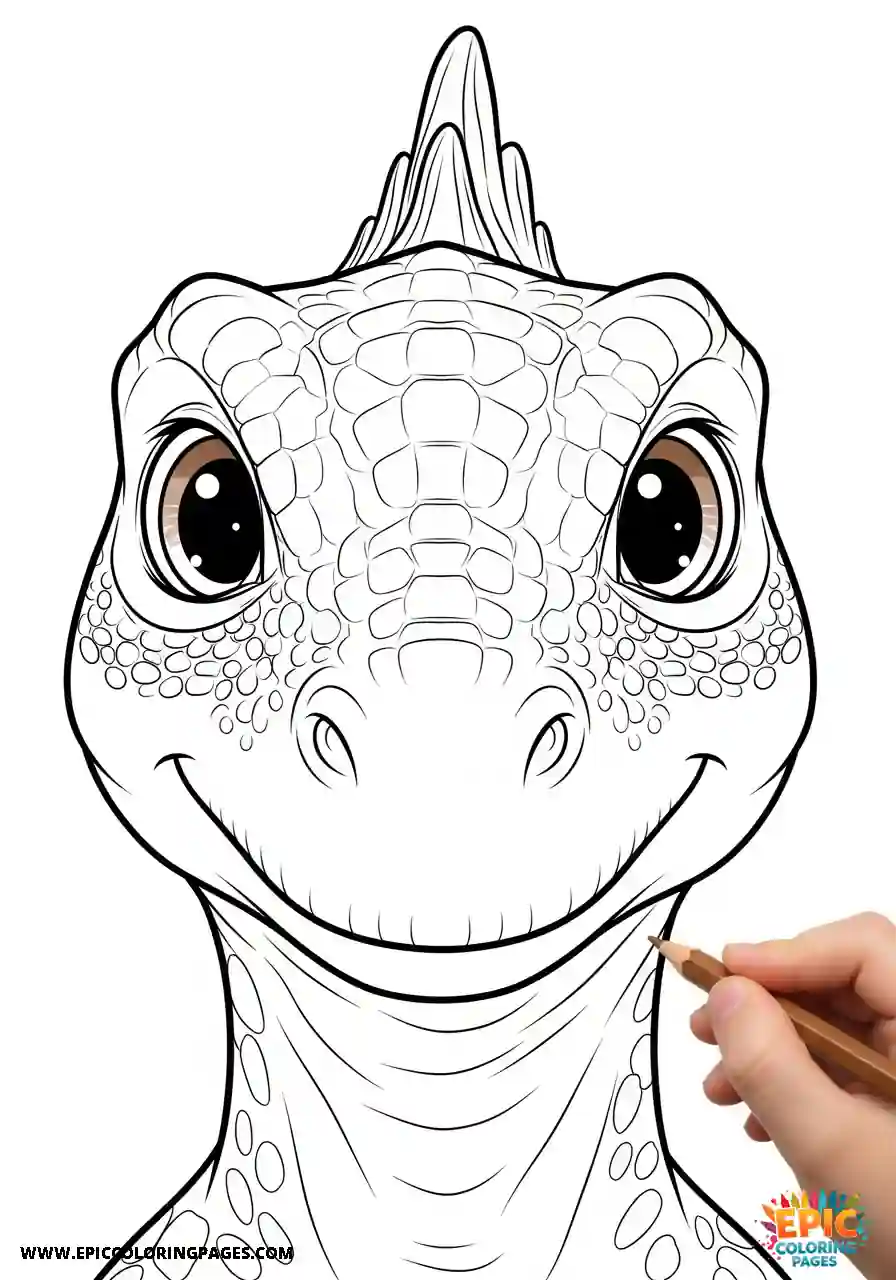
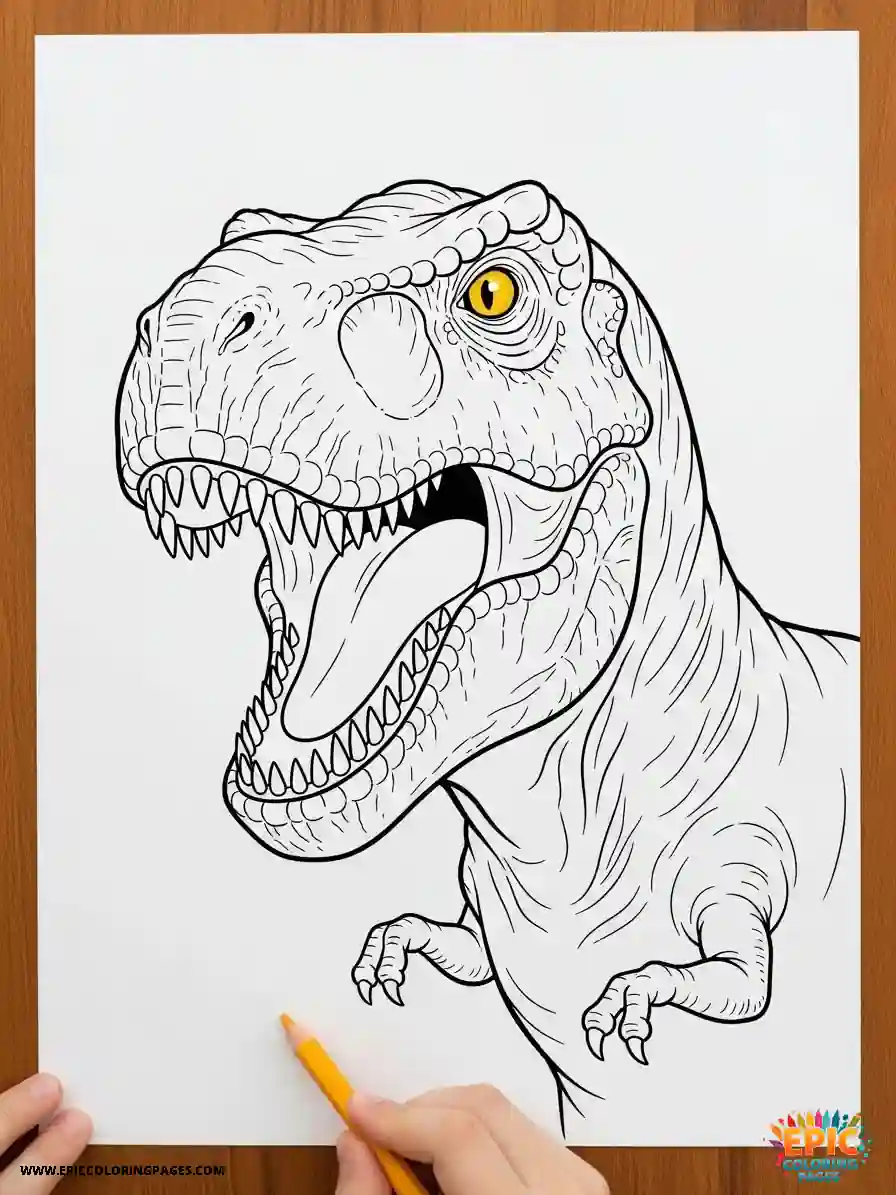
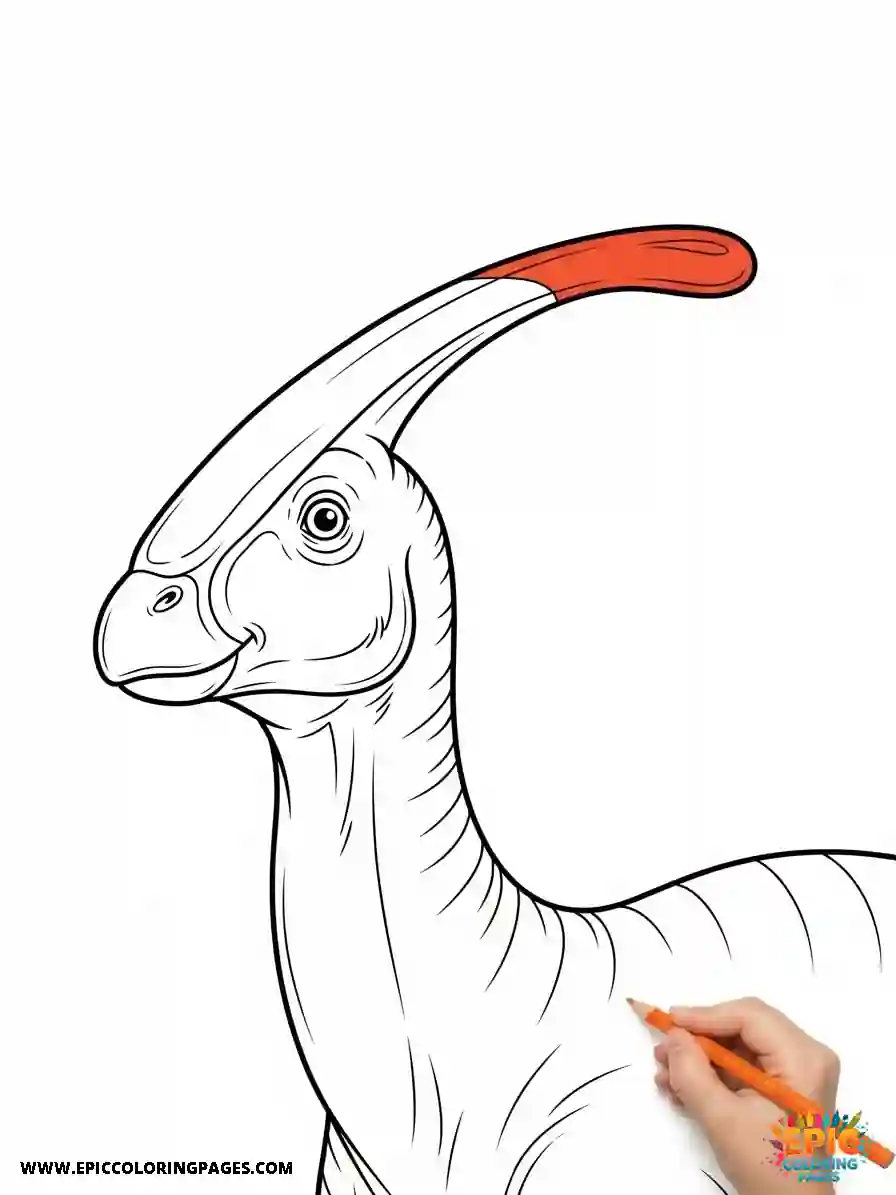
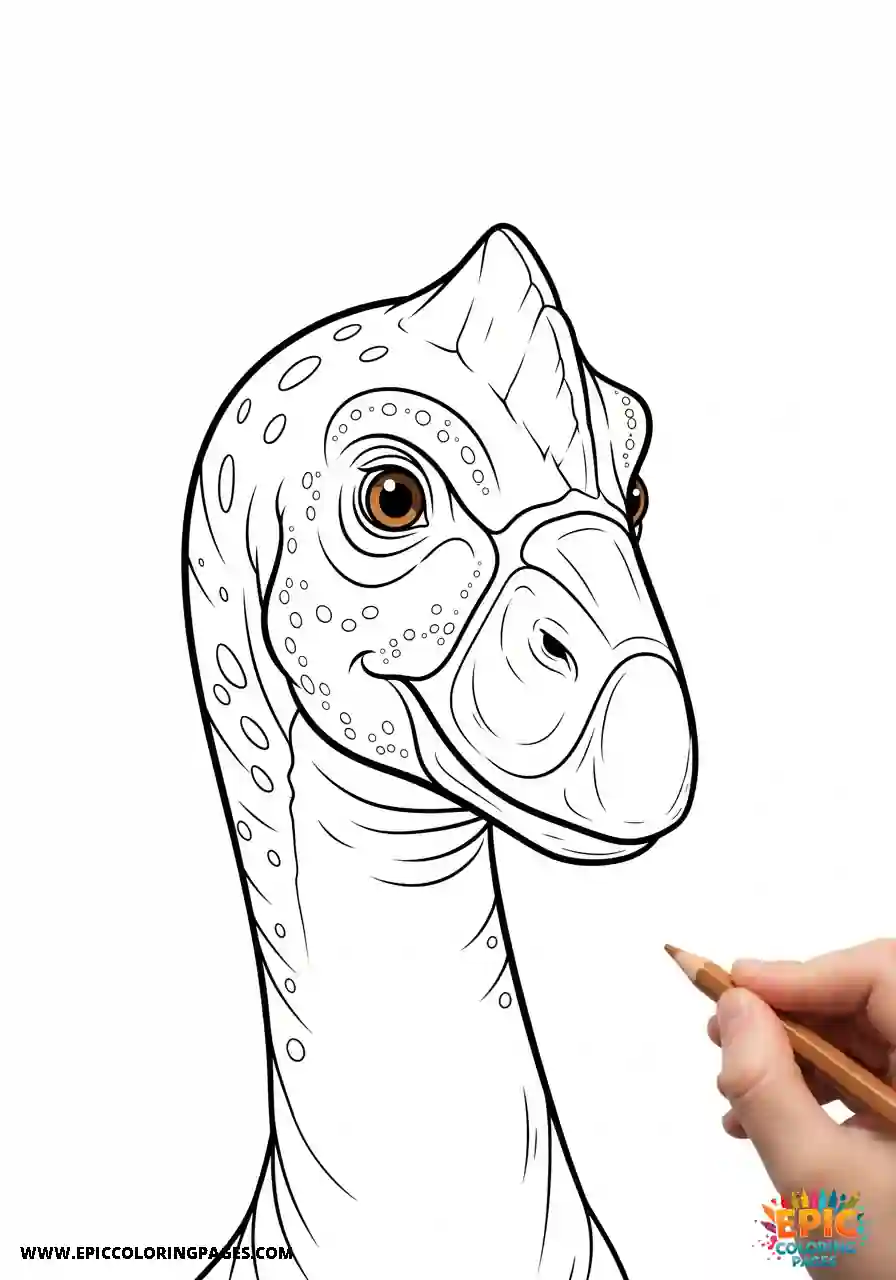
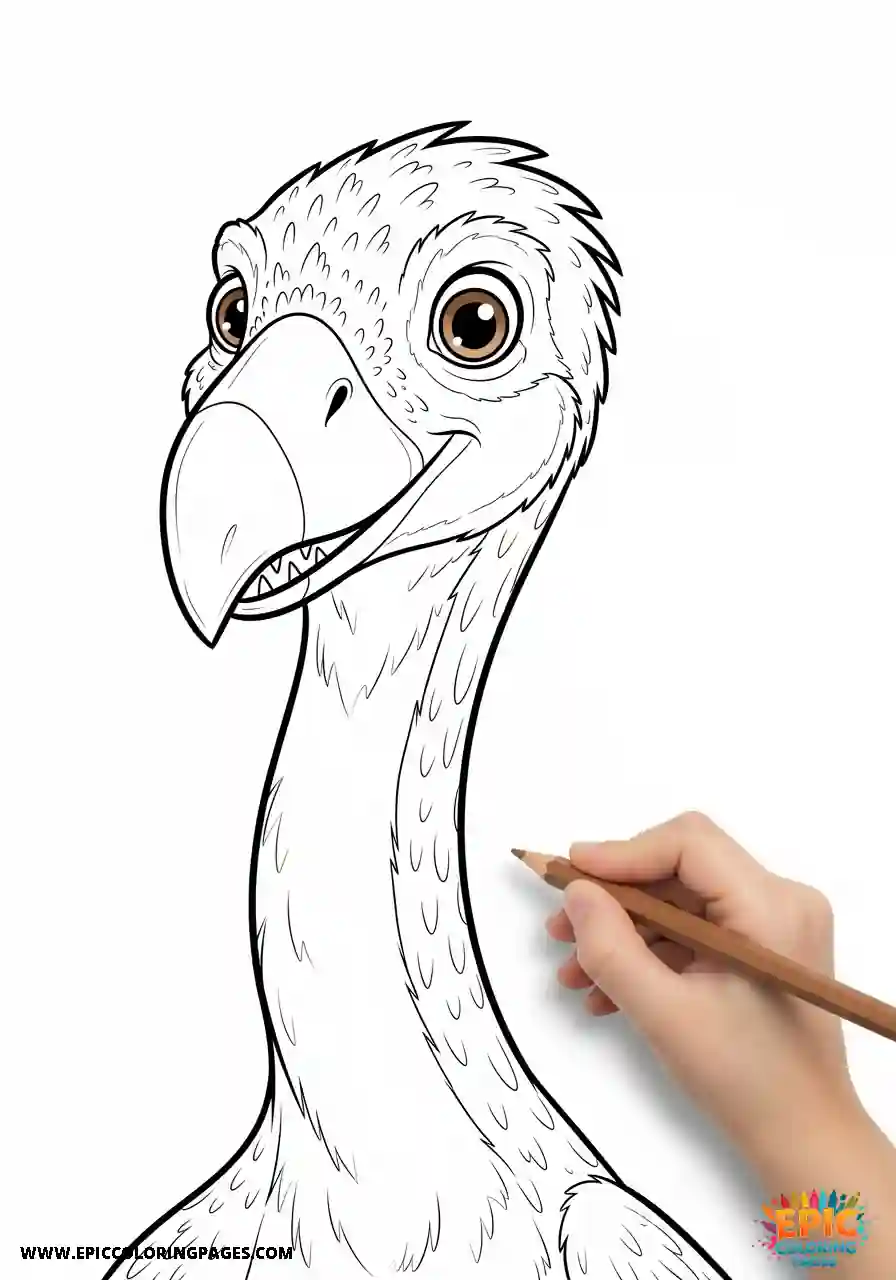
Brachiosaurus dinosaur coloring sheets with bold outlines designed for easy coloring by kids

๐ŸŽจ Free Interactive Editor - Customize Your Coloring Pages

Click on any image to open our FREE editor and add personalized text, emojis, zoom in for details, and save in professional 300 DPI quality!

โœ๏ธ

Add Text

11+ fonts

๐Ÿ˜Š

Emojis

500+ items

๐Ÿ”

Zoom

Precision

๐Ÿ’พ

Save

300 DPI

Explore the Gentle Giant in Every Style

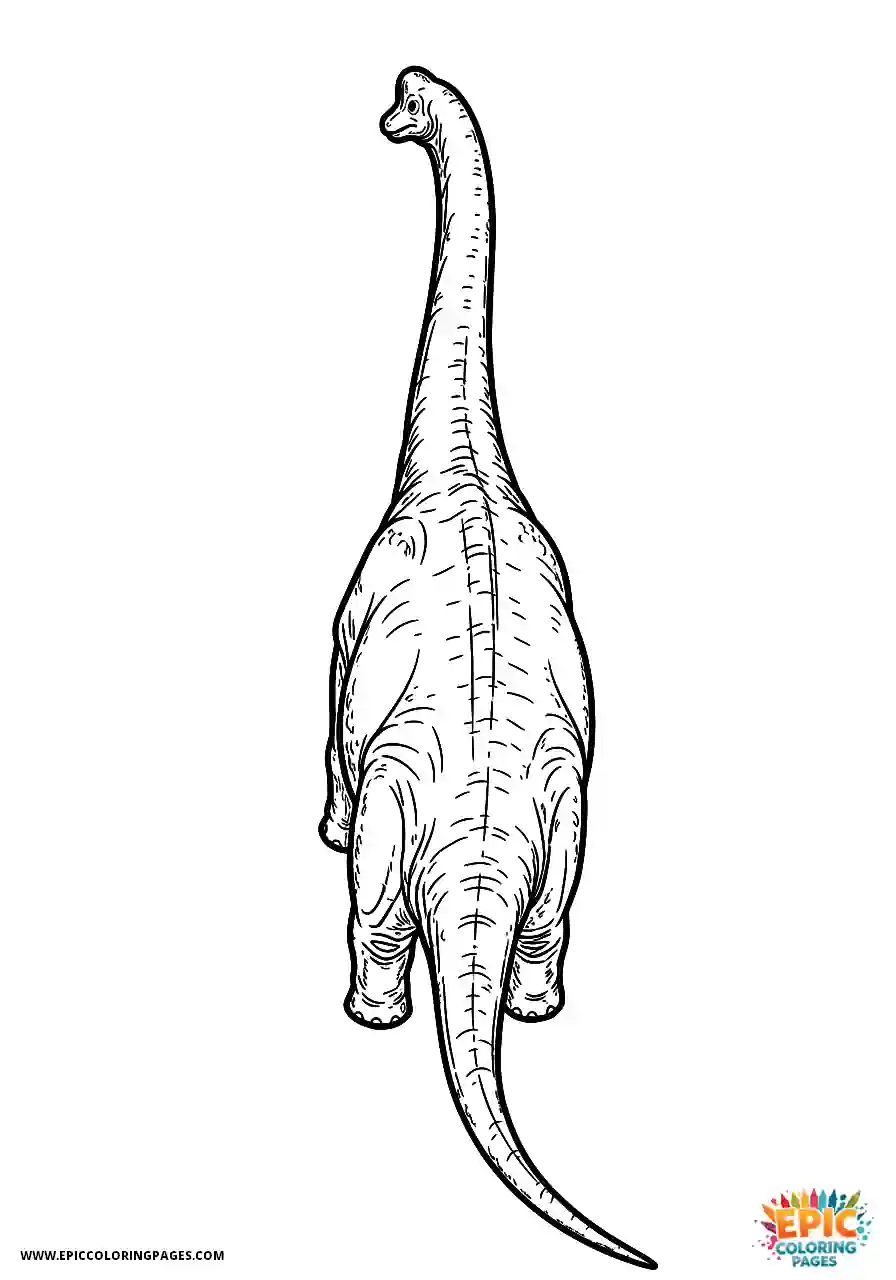
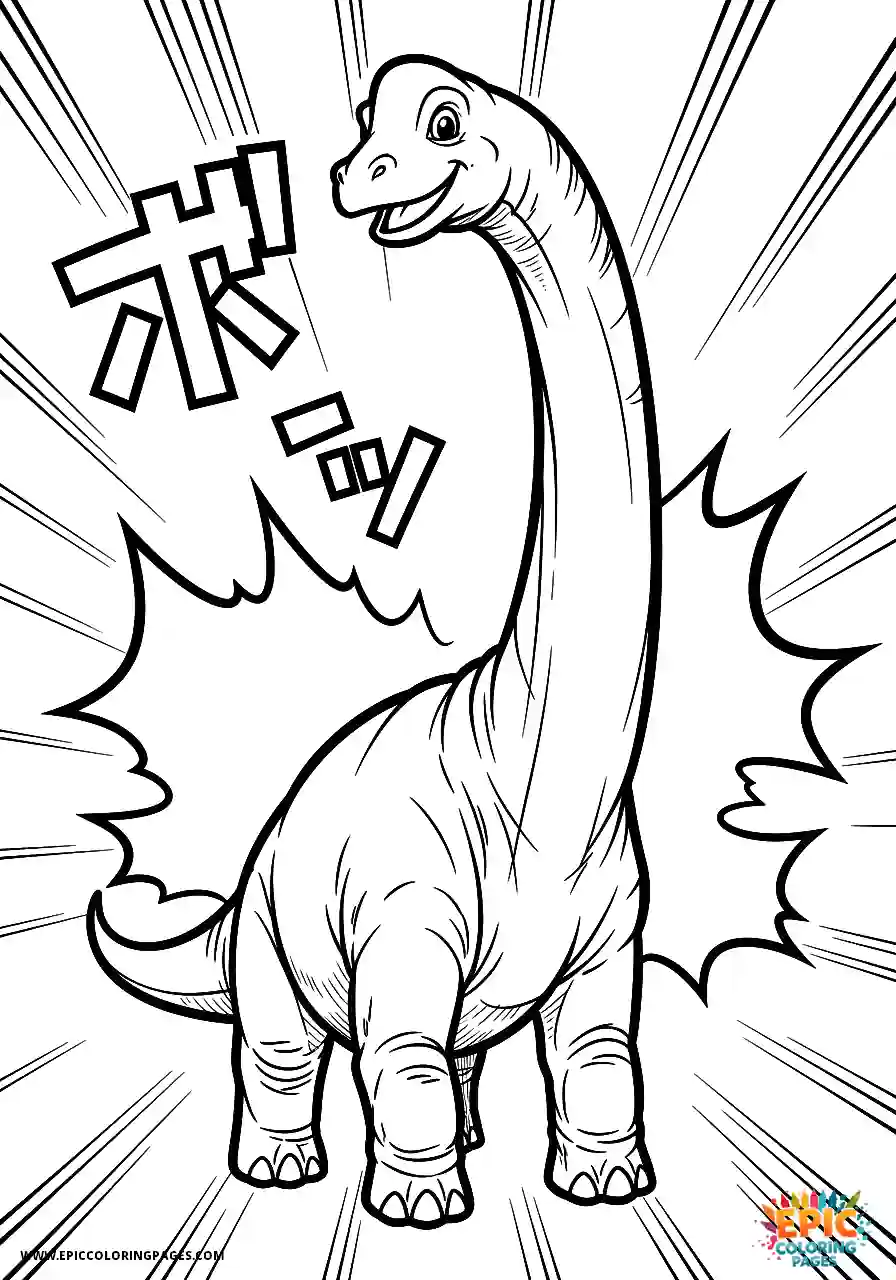
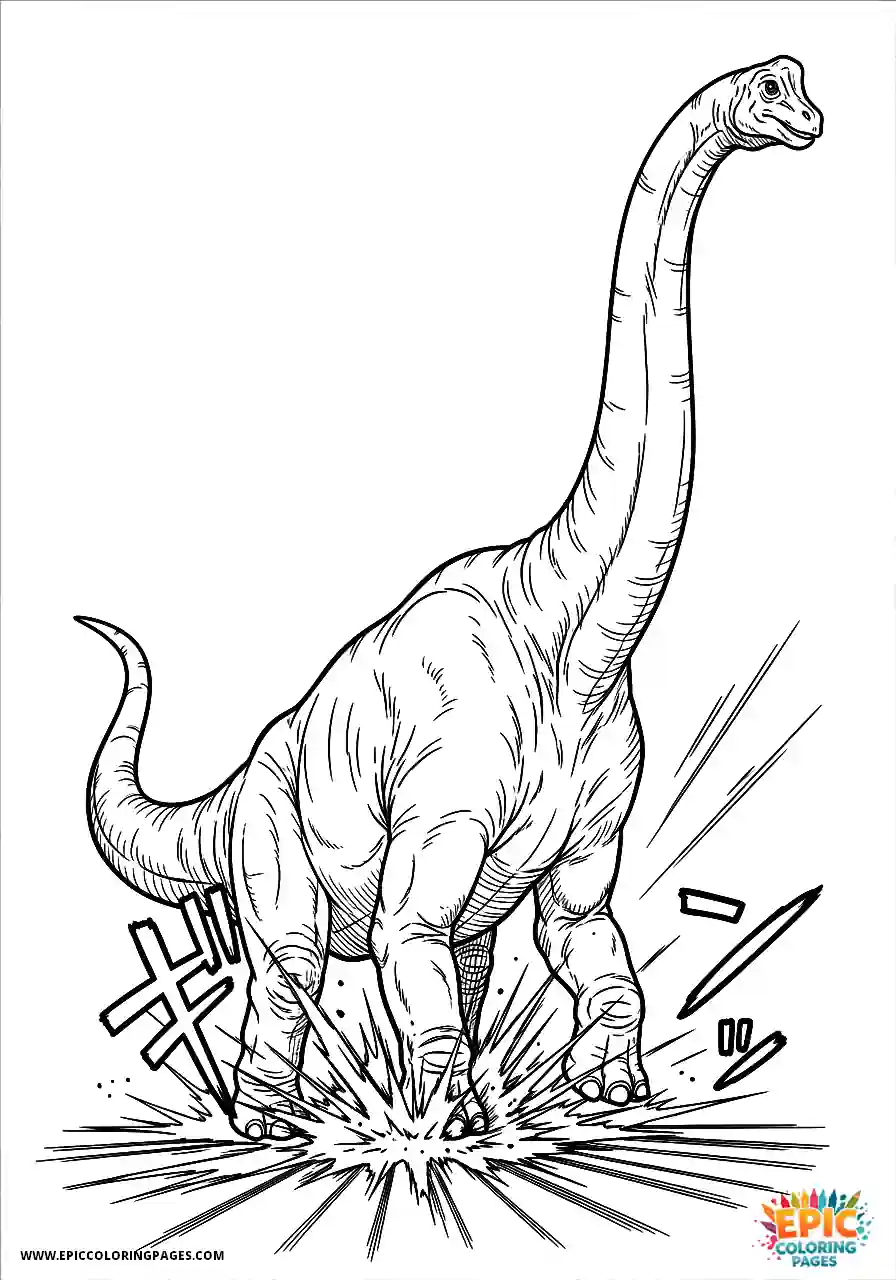
This massive collection offers a wide variety of artistic styles to suit every skill level. You will find adorable Chibi and Kawaii designs perfect for young children, alongside dynamic Cartoon and Animation styles reminiscent of classic Saturday morning shows. For enthusiasts of science and history, we have included highly detailed Realistic sketches that capture the skin texture and massive scale of this sauropod, as well as intricate Mangรก and Anime inspired interpretations.

Discover Our Exclusive Brachiosaurus Coloring Gallery

More Dinosaur Fun...

The Jurassic adventure doesn’t end here! If you loved these gentle giants, we have an entire prehistoric world waiting for you to explore. Check out our massive pillar collection of Dinosaur Coloring Pagesย to find T-Rexes, Triceratops, and many more ancient creatures to bring to life.

Expert Tips for Coloring Brachiosaurus Pages

Coloring a Brachiosaurus offers a unique opportunity to bring one of prehistory’s most magnificent creatures to life. This gentle giant, with its distinctive long neck and towering presence, presents both exciting possibilities and interesting challenges for colorists of all skill levels.

Understanding Your Canvas

The Brachiosaurus stands apart from other dinosaurs with its unusual body proportions. Its front legs were actually longer than its back legs, creating an upward slope toward massive shoulders. This giraffe-like posture allowed it to reach vegetation other dinosaurs couldn’t access. When you’re coloring, pay attention to how this affects the way light would fall across its body the elevated front would catch more direct light, while the lower hindquarters might fall into subtle shadow.

That impossibly long neck wasn’t just for show. It contained at least twelve vertebrae and could extend over thirty feet. As you color, consider adding gentle gradations along the neck’s length. The underside would naturally be lighter, protected from sun exposure, while the top might show slightly deeper, sun-warmed tones.

Choosing Your Palette

Scientists continue debating what color dinosaurs actually were, which means you have creative freedom grounded in educated guessing. Modern animals that share similar environments and lifestyles offer valuable clues. Large herbivores today, like elephants and rhinos, tend toward grays and browns colors that help regulate body temperature and provide camouflage.

For a naturalistic approach, consider a base of warm gray or sandy brown. These earth tones would have helped a Brachiosaurus blend into the Late Jurassic landscape of ferns, conifers, and cycads. You might add subtle olive or sage green undertones, suggesting the dappled light filtering through prehistoric forests.

If you prefer a more speculative approach, think about modern reptiles. Some lizards display surprising colors blues, oranges, even purples often used for communication or thermoregulation. A Brachiosaurus might have had colorful markings along its neck or flanks, perhaps more vibrant in males or during certain seasons.

Mastering Texture and Dimension

The skin texture you choose dramatically affects the overall feel of your piece. Fossilized skin impressions from sauropods show a pebbly texture with larger scales interspersed among smaller ones, similar to modern Gila monsters or some crocodilians.

To suggest this texture with colored pencils, try a stippling technique tiny dots of varying colors built up in layers. Darker dots in the crevices between scales, lighter touches on the raised portions. With markers, you can achieve texture through careful line work, drawing tiny irregular circles or polygons that overlap slightly.

The belly and underside of the neck likely had different texturing than the back. Just as elephants have thinner, more sensitive skin on their undersides, your Brachiosaurus might show smoother coloring in these protected areas. Use lighter pressure and fewer texture marks here.

Working with Light and Shadow

A creature this massive would cast impressive shadows and show dramatic lighting effects. Imagine the sun at mid-morning. The top of that long neck would be fully illuminated, but as the neck curves, it would gradually move into its own shadow. The body, being so thick and round, would show a gentle transition from light to dark as it curves away from your viewpoint.

Don’t forget cast shadows. That long neck would cast a shadow across the body. The legs would create shadows on the ground and potentially on each other. These cast shadows are typically cooler in tone than the shadowed areas of the body itself add a touch of blue or purple to your shadow color.

The head, small relative to the body, requires special attention. The eye socket would be deeply shadowed, but catch-lights in the eye itself bring life to your dinosaur. Even a tiny spot of white or pale yellow makes an enormous difference.

Background Considerations

Your Brachiosaurus lived in a world vastly different from ours. The Late Jurassic period featured high carbon dioxide levels, warm temperatures, and lush vegetation. Rather than grass (which hadn’t evolved yet), the landscape would have been dominated by ferns, horsetails, and primitive conifers.

For backgrounds, consider warm, hazy atmospheres. The high CO2 might have created slightly different sky colors perhaps more peachy or golden tones at sunrise and sunset. If you’re including vegetation, avoid modern flowering plants. Stick to prehistoric options: tree ferns with their distinctive spiral fronds, tall araucaria conifers, or low-growing cycads with their palm-like appearance.

Water sources were crucial for these giants, so a distant lake or river adds both context and compositional interest. Use aerial perspective colors become lighter, bluer, and less detailed as they recede into the distance.

Techniques for Different Mediums

  • Colored Pencils: Build your colors gradually through layering. Start with your lightest color, applying it evenly across the entire dinosaur. Add subsequent layers of darker or more saturated colors, leaving some of that base layer visible for a luminous effect. Use a colorless blender pencil or mineral spirits on cotton swabs to smooth transitions between colors.
  • Markers: Work from light to dark, as you can’t easily lighten marker colors. Leave white paper showing for the brightest highlights. For smooth gradients, work quickly while the marker is still wet, blending colors directly on the paper. Keep a scrap piece of the same paper nearby for testing color combinations.
  • Watercolors: Embrace the medium’s transparency. Wet-on-wet techniques create beautiful, soft transitions perfect for atmospheric backgrounds. For the dinosaur itself, wet-on-dry gives you more control. Let each layer dry completely before adding details. Remember that watercolors dry lighter, so don’t be afraid of initially bold colors.
  • Digital Coloring: Take advantage of layers. Put your base colors on one layer, shadows on another, highlights on a third. This non-destructive approach lets you adjust each element independently. Use soft brushes for organic transitions, harder brushes for scales and details. The overlay and multiply blend modes are particularly useful for adding depth without losing underlying detail.

Adding Finishing Touches

Once your basic coloring is complete, step back and assess. Are there areas that feel flat? Add an extra layer of shadow. Does something feel muddy? Add a sharp highlight to bring it forward. The eye should travel naturally through your composition, typically starting at the head and flowing along the neck to the body.

Consider environmental effects. Was your Brachiosaurus just swimming? Add water droplets catching light on its skin. Is it dusty from a drought? Lighten areas where dust would settle the top of the back, the upper surfaces of the legs. These small details transform a good coloring job into a compelling scene.

Small scratches, scars, or variations in coloring make your dinosaur feel like an individual rather than a generic representation. Real animals accumulate a lifetime of marks. Perhaps your Brachiosaurus has a lighter patch where an old injury healed, or slightly worn skin on the front legs from pushing through dense vegetation.

Learning from Nature

Spend time observing large animals at zoos or in nature documentaries. Watch how light plays across a rhinoceros’s thick hide or how an elephant’s skin shows variation in color across different body parts. Notice how massive bodies move, how weight settles, how muscles create subtle surface changes. All these observations inform your coloring choices, even when working with a creature no human has ever seen.

The most satisfying coloring experiences come not from following rigid rules but from understanding principles and then applying them creatively. Each Brachiosaurus you color is an opportunity to imagine and explore, to make artistic choices that reflect both scientific understanding and personal vision. Whether you’re creating a scientifically plausible portrait or a fantastical interpretation, these techniques help ensure your finished piece has depth, dimension, and that spark of life that makes viewers pause and look closer.

Interesting facts about the Brachiosaurus Dinosaur

What type of dinosaur is a Brachiosaurus?

The Brachiosaurus is a sauropod. This group of dinosaurs is famous for having very long necks, long tails, small heads relative to their bodies, and thick, pillar-like legs. They are among the largest land animals to have ever lived.

They were herbivores (plant-eaters). Their long necks allowed them to reach high branches and eat fresh leaves from tall trees, much like modern-day giraffes. They likely ate conifers, ginkgoes, and cycads.

Actually, no! This is a common movie myth. The Brachiosaurus lived during the Late Jurassic period (about 154โ€“153 million years ago), while the T-Rex lived in the Cretaceous period, millions of years later. They never met!

The name “Brachiosaurus” is Greek for “arm lizard.” It was given this name because its front legs were unusually long longer than its hind legs which gave it a sloping back, similar to a giraffe.

Yes, they were very real! The first Brachiosaurus fossils were discovered in 1900 in Colorado, USA. Since then, paleontologists have found fossils that help us understand how these magnificent creatures lived and looked.

The name “Brachiosaurus” is Greek for “arm lizard.” It was given this name because its front legs were unusually long longer than its hind legs which gave it a sloping back, similar to a giraffe.

Item adicionado!