Professional Coloring Tips for Stegosaurus Pages
Bringing a Stegosaurus to life through coloring is an exciting opportunity to blend creativity with paleontology. Whether you’re a beginner exploring dinosaurs for the first time or an experienced colorist seeking realistic depth, these tips will help you create stunning prehistoric scenes.
Understanding Your Stegosaurus
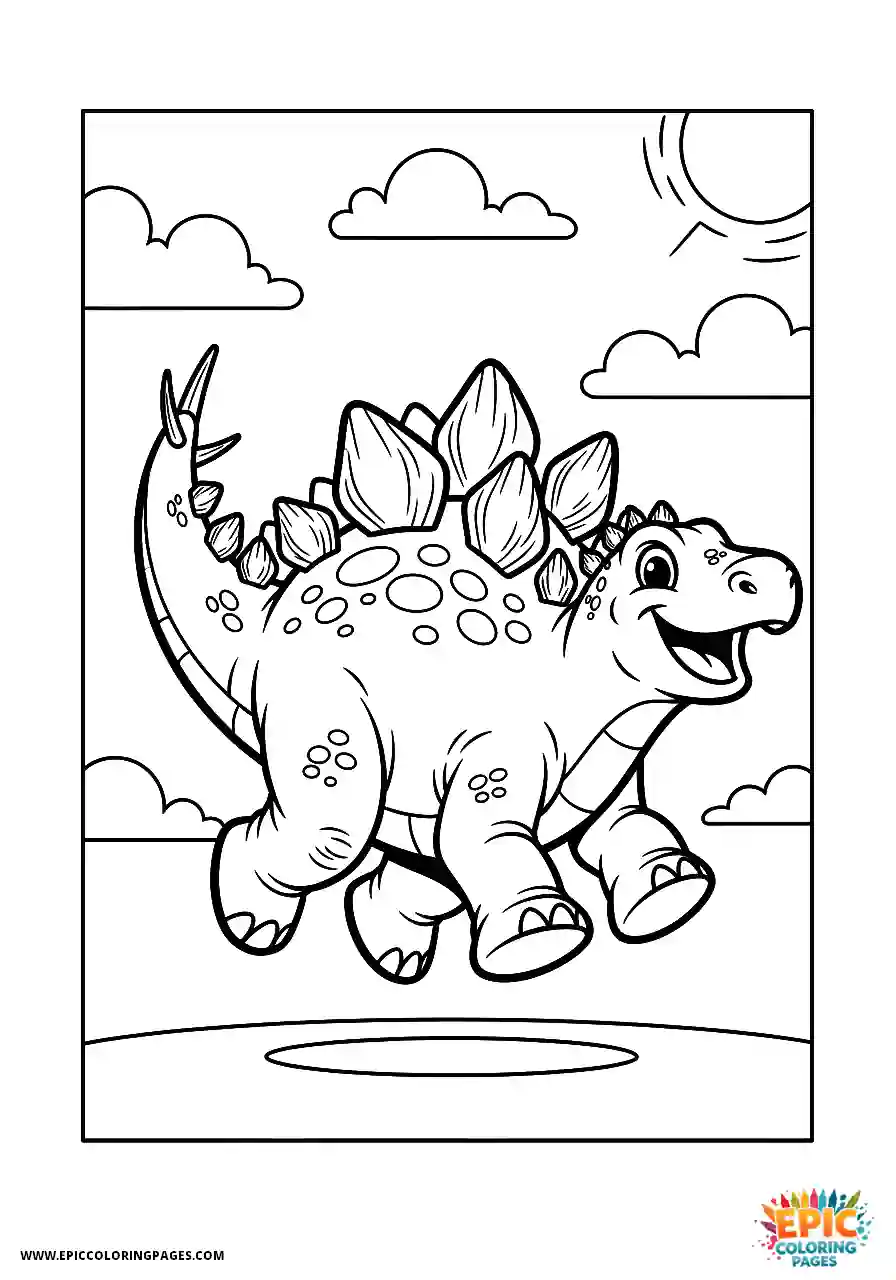
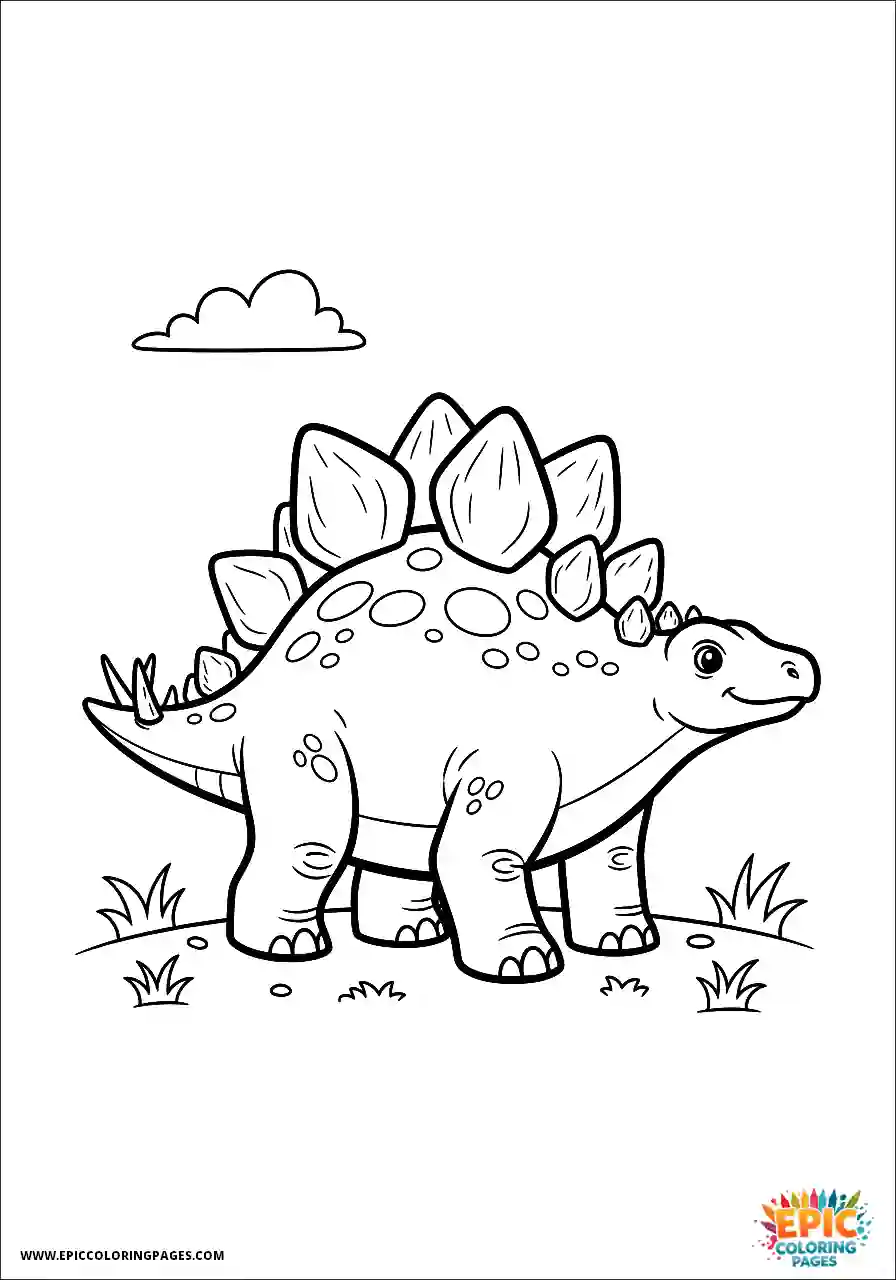
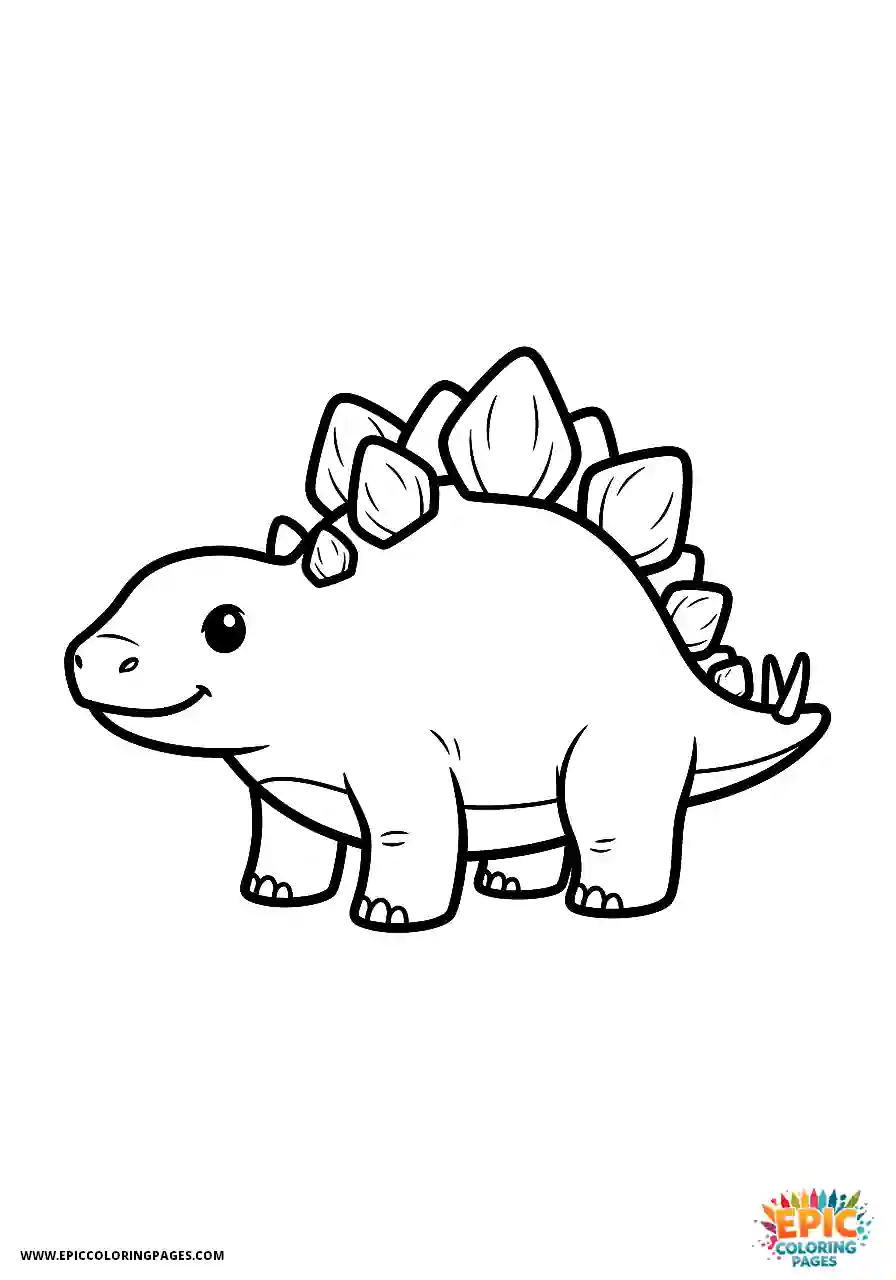
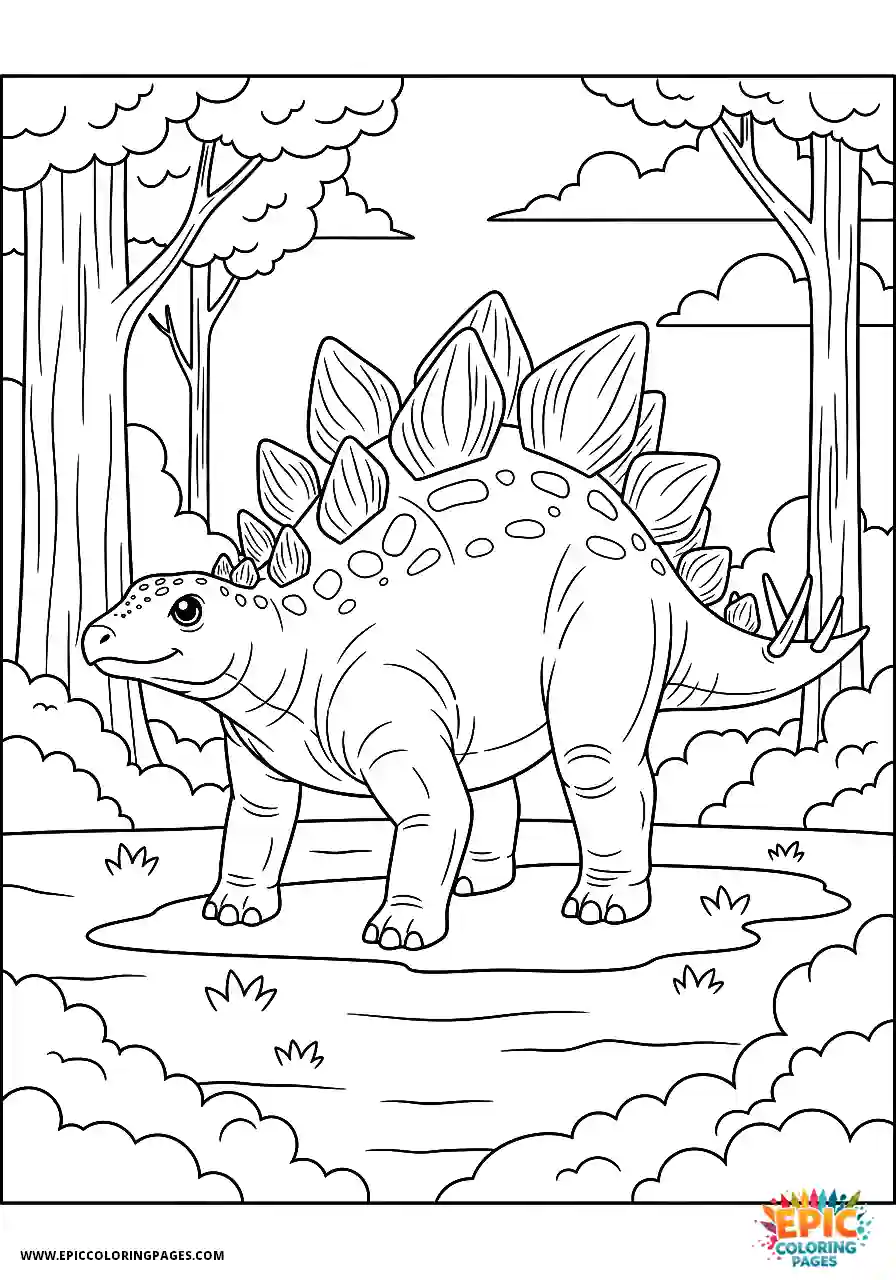
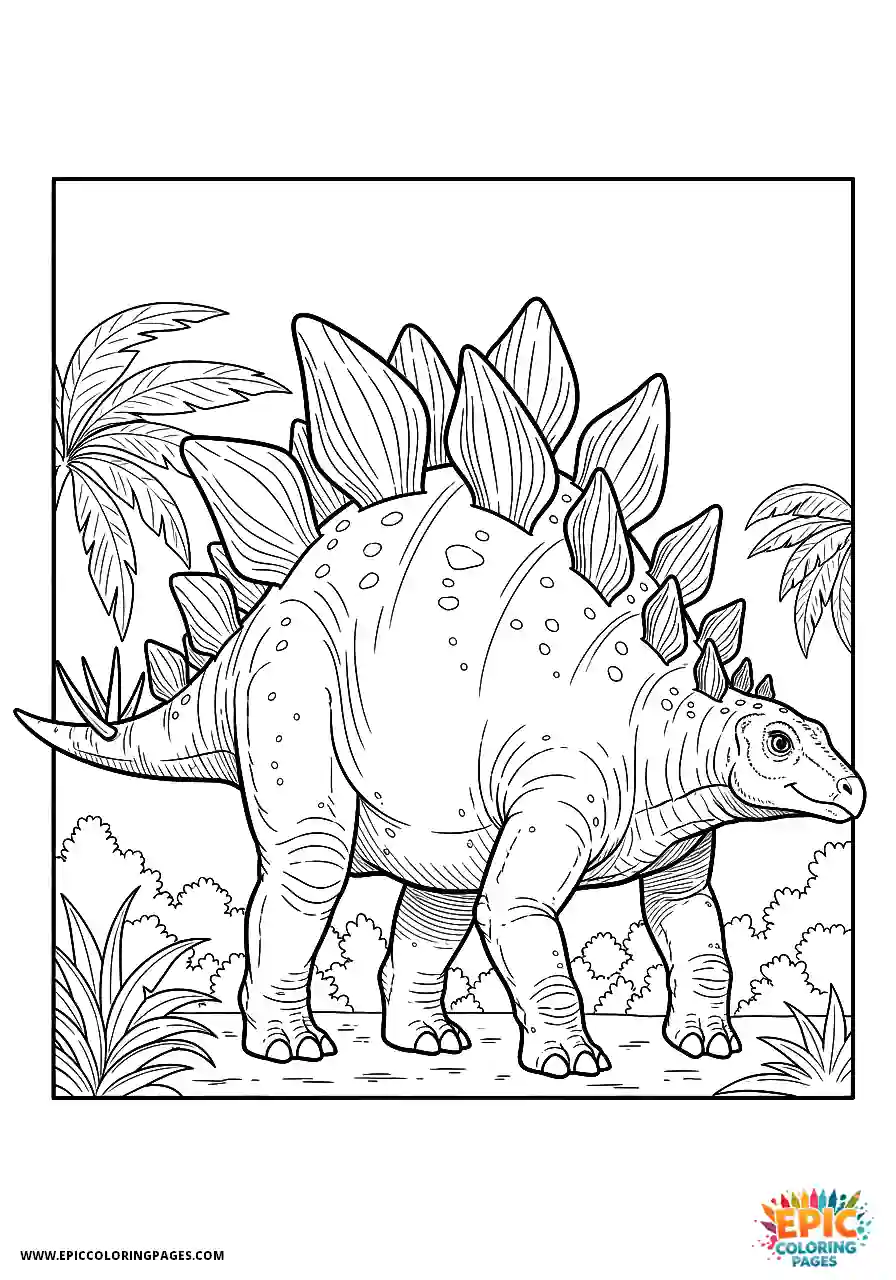
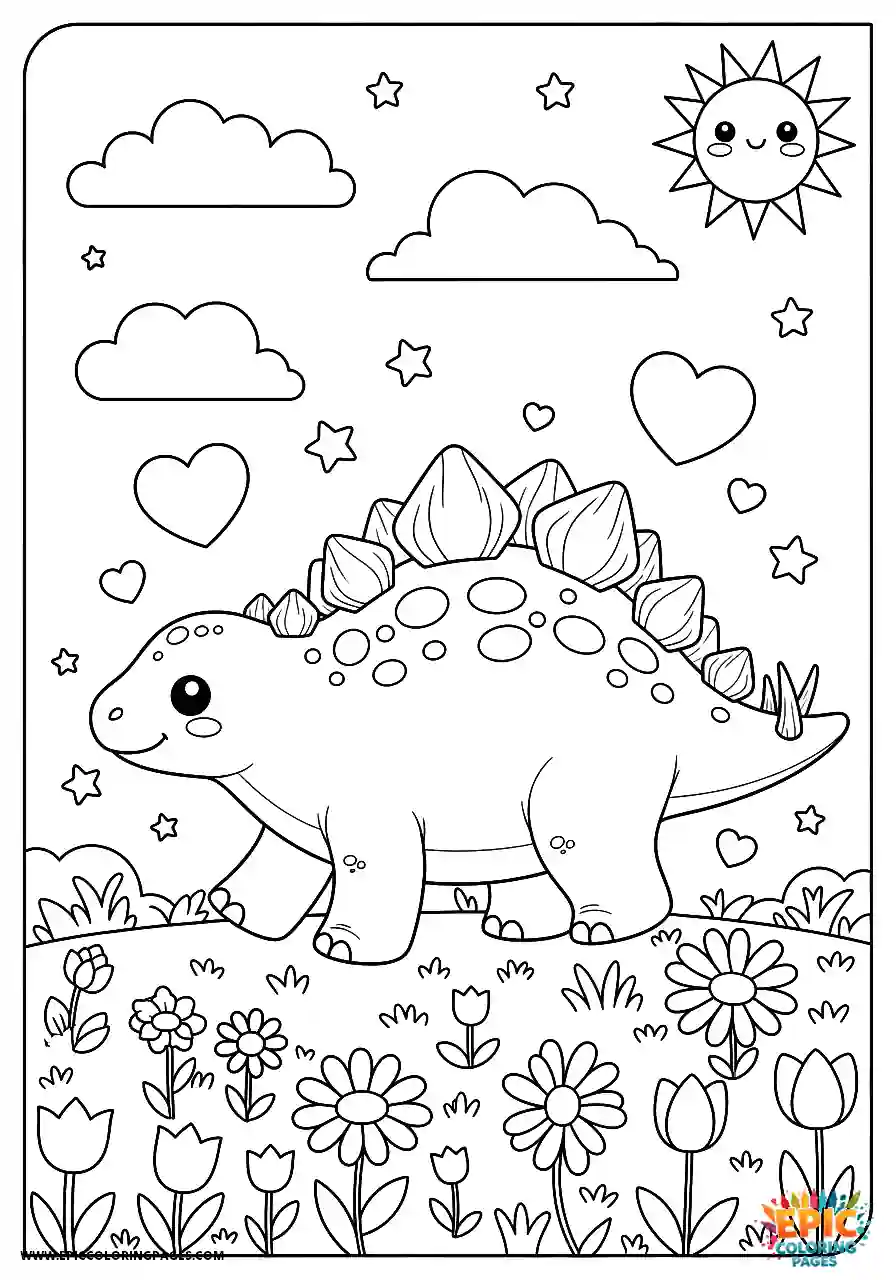
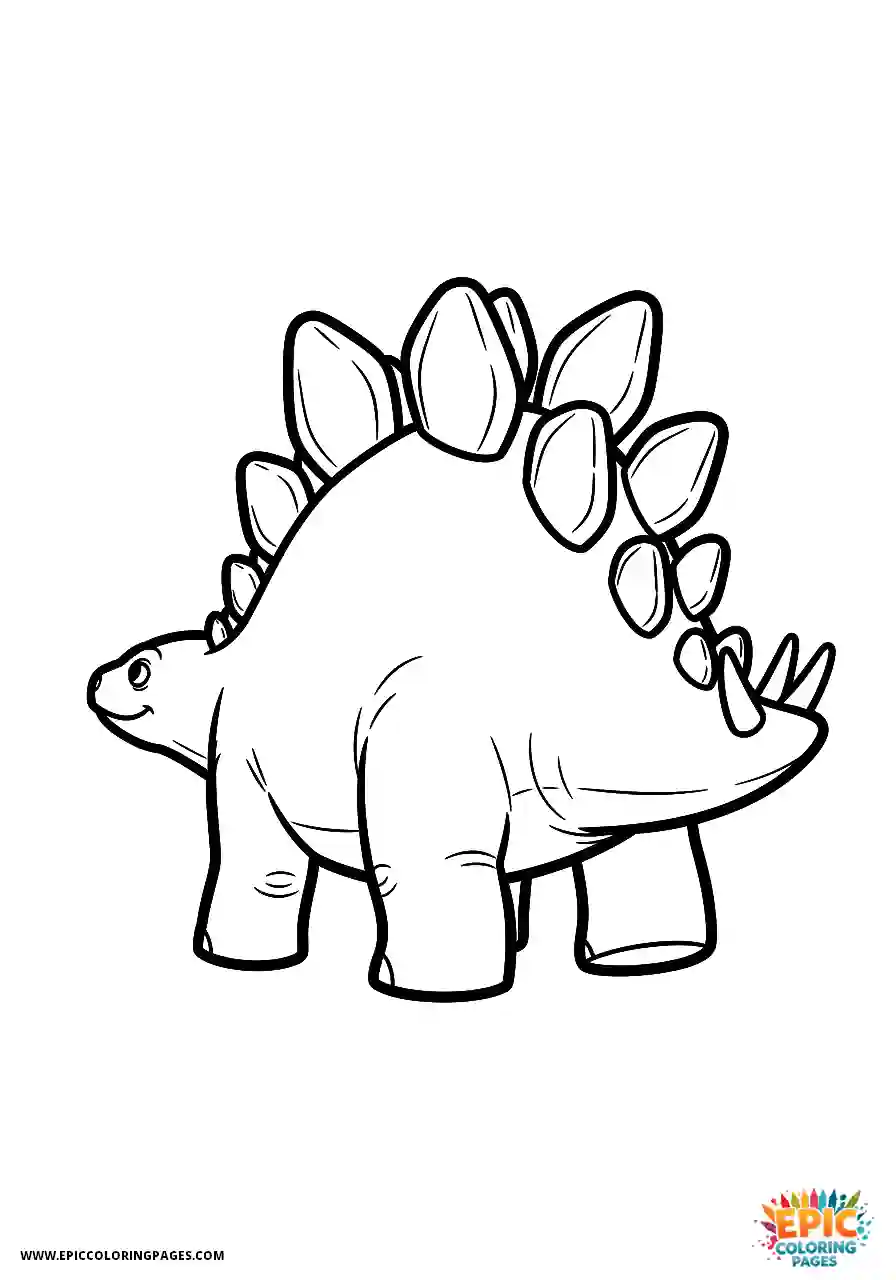
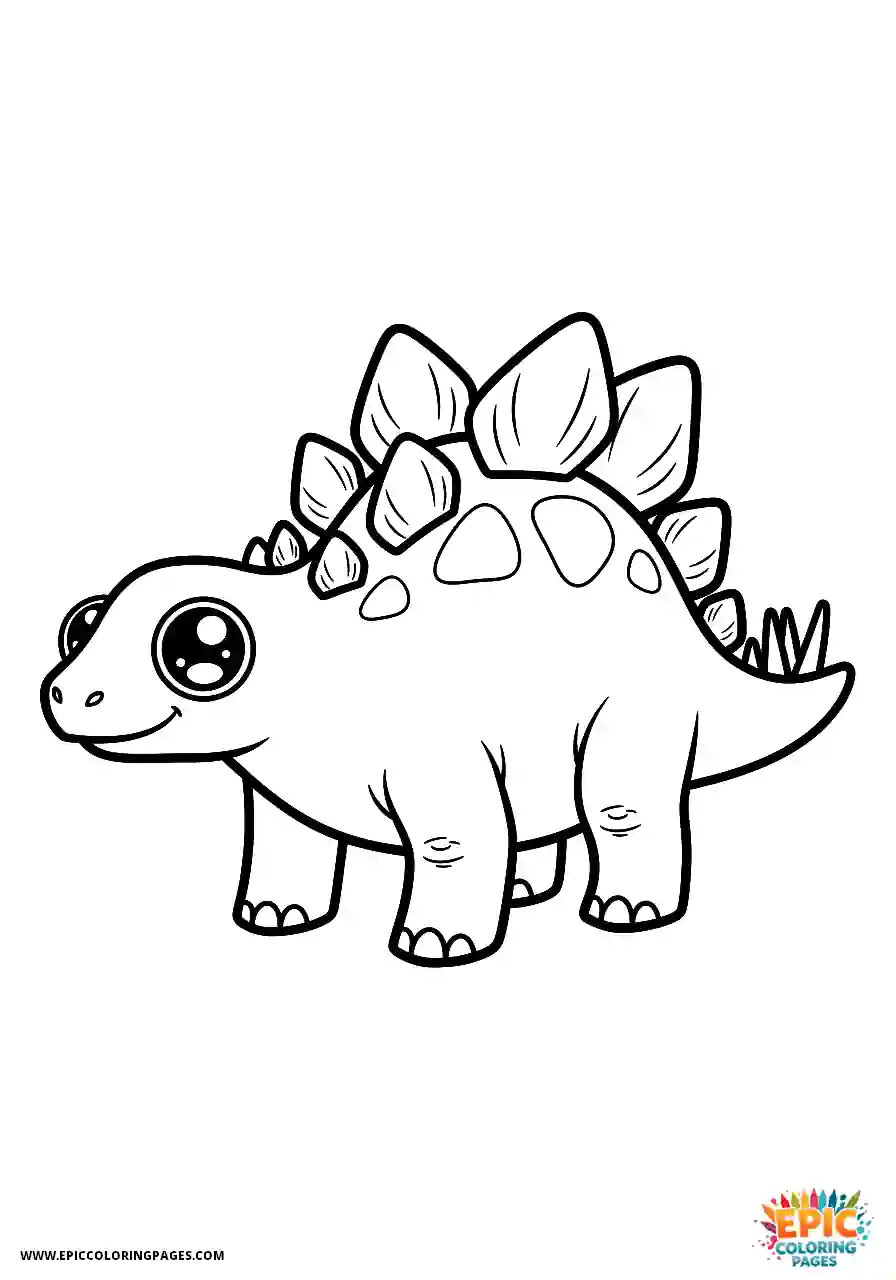
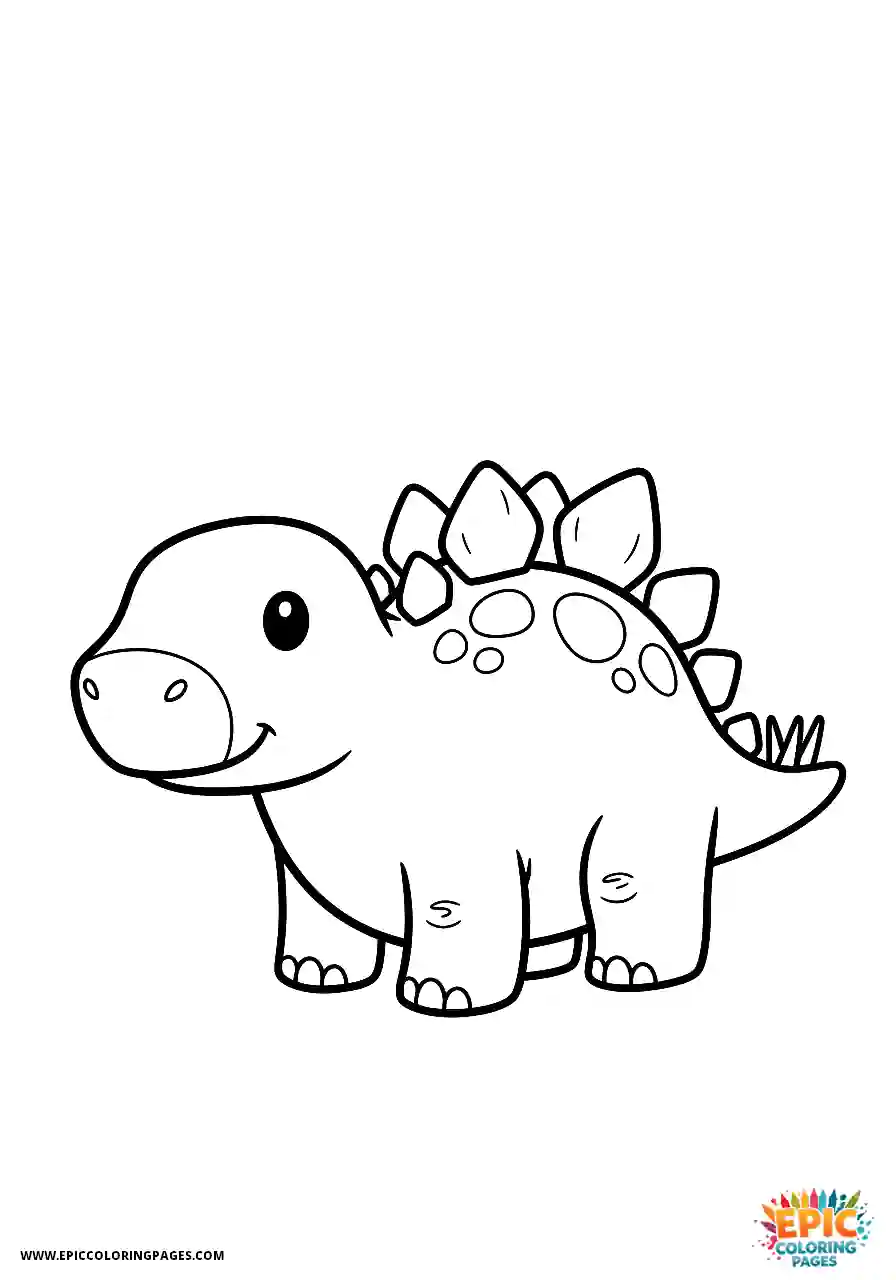
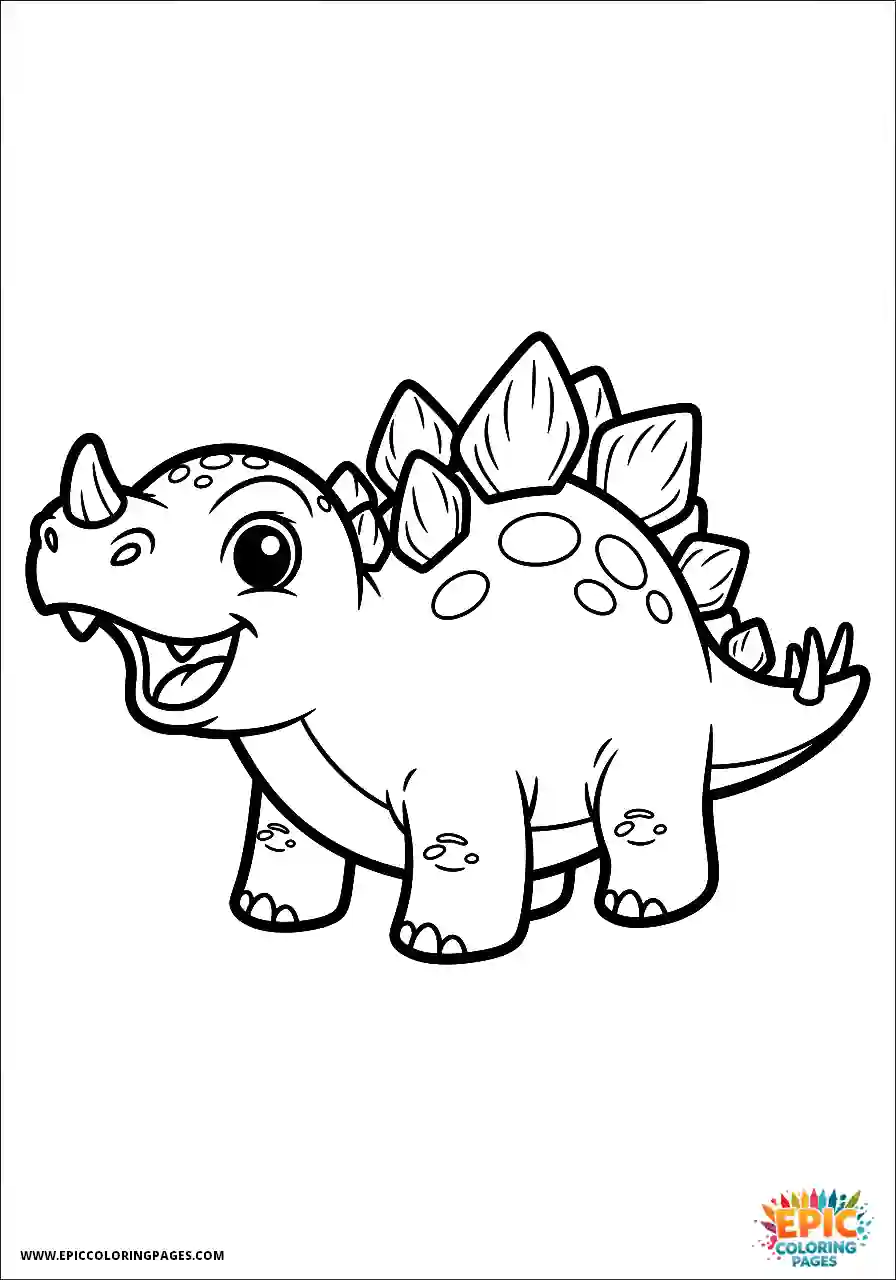
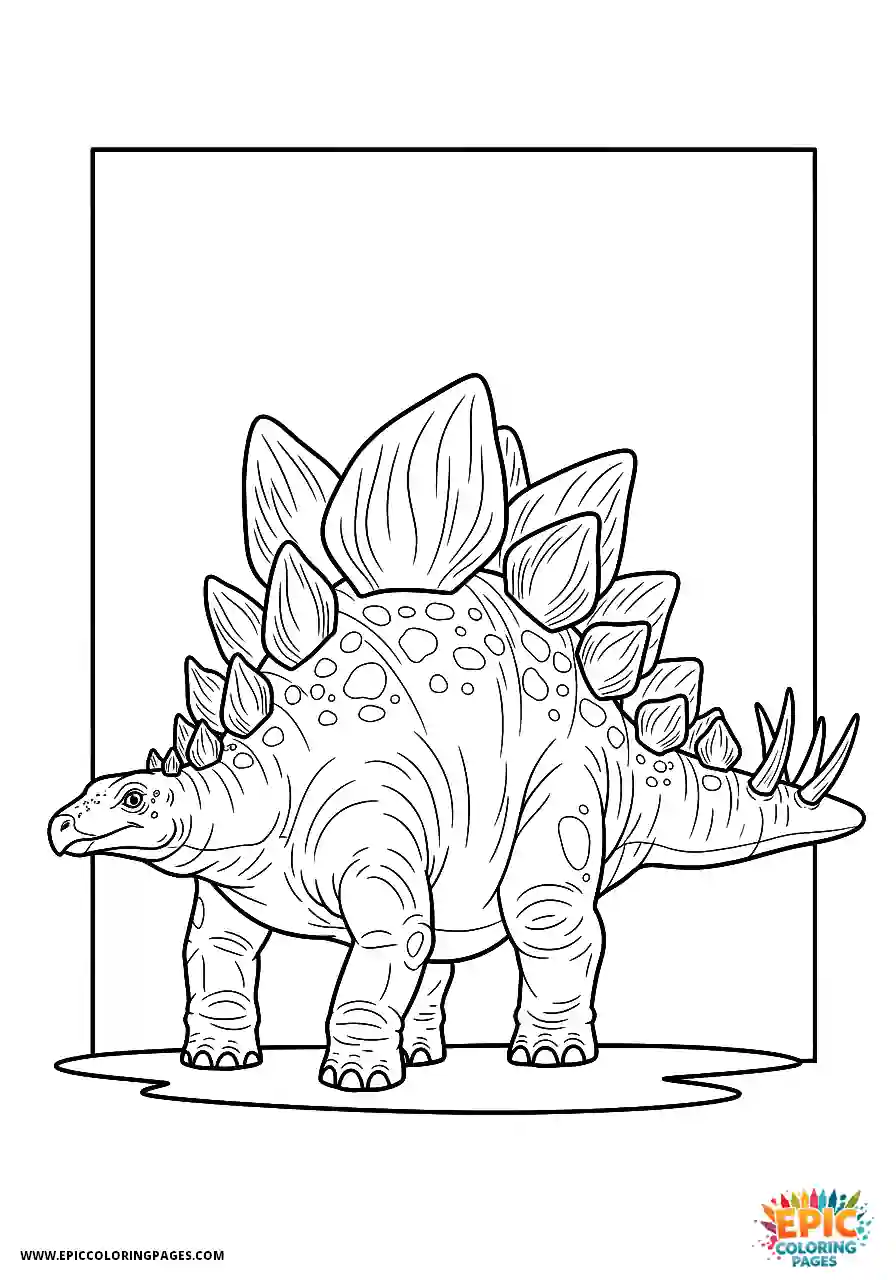
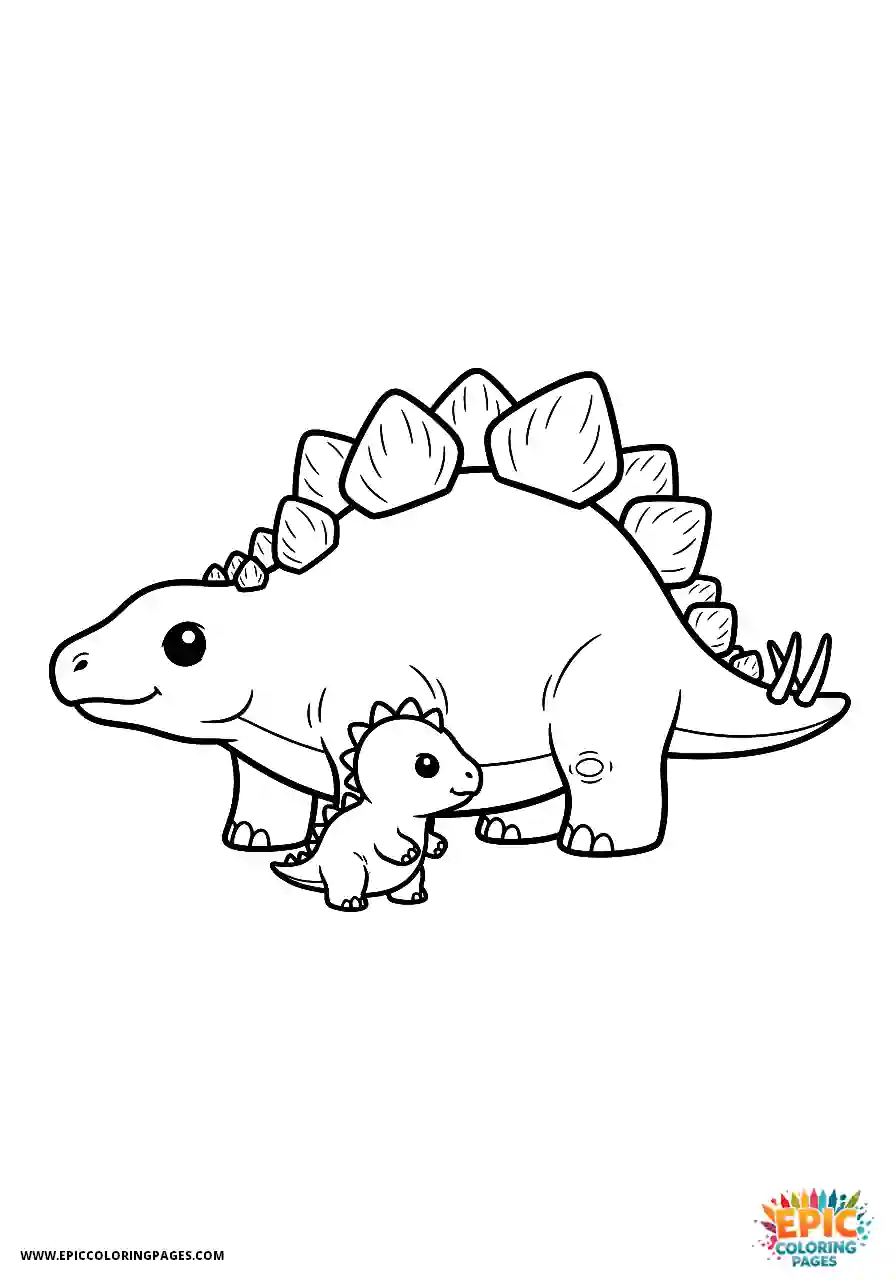
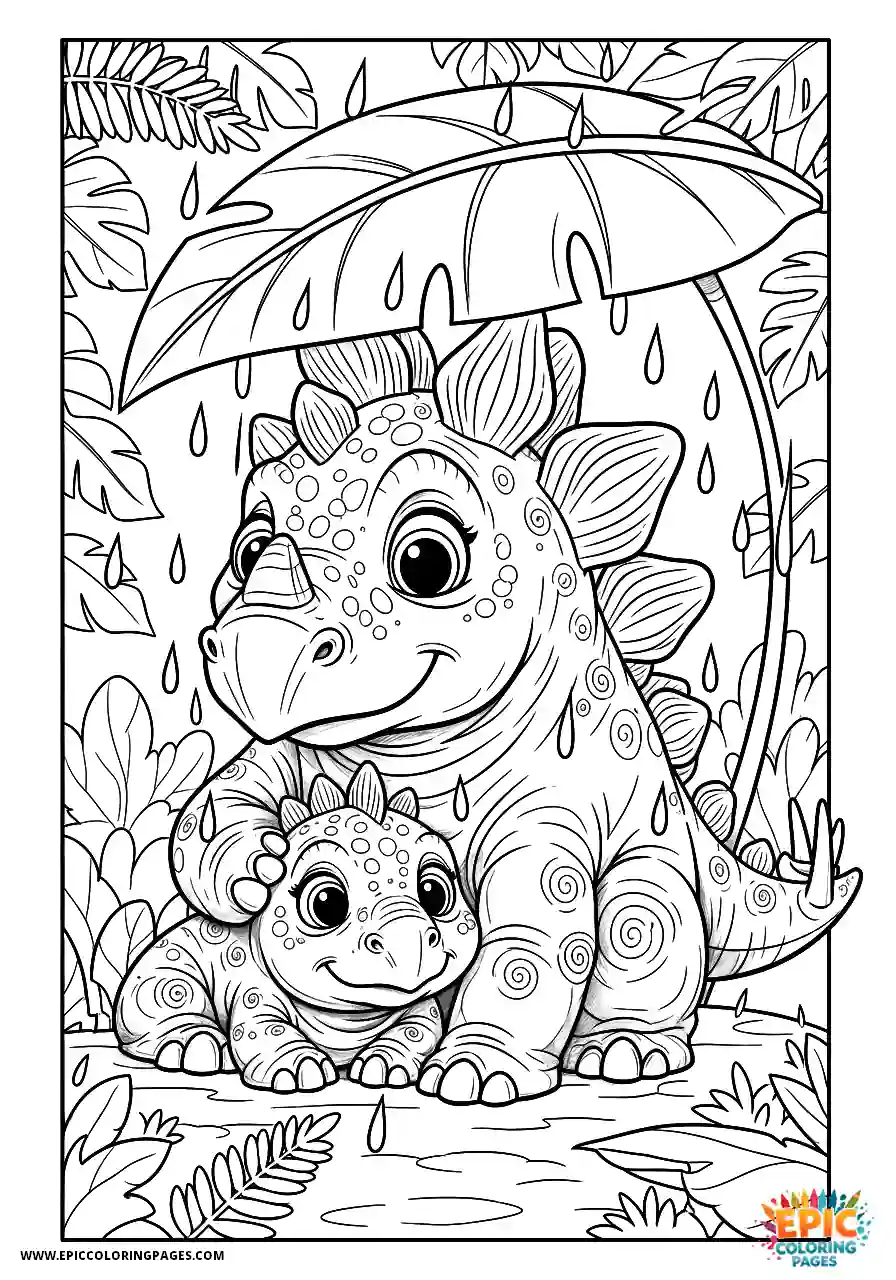
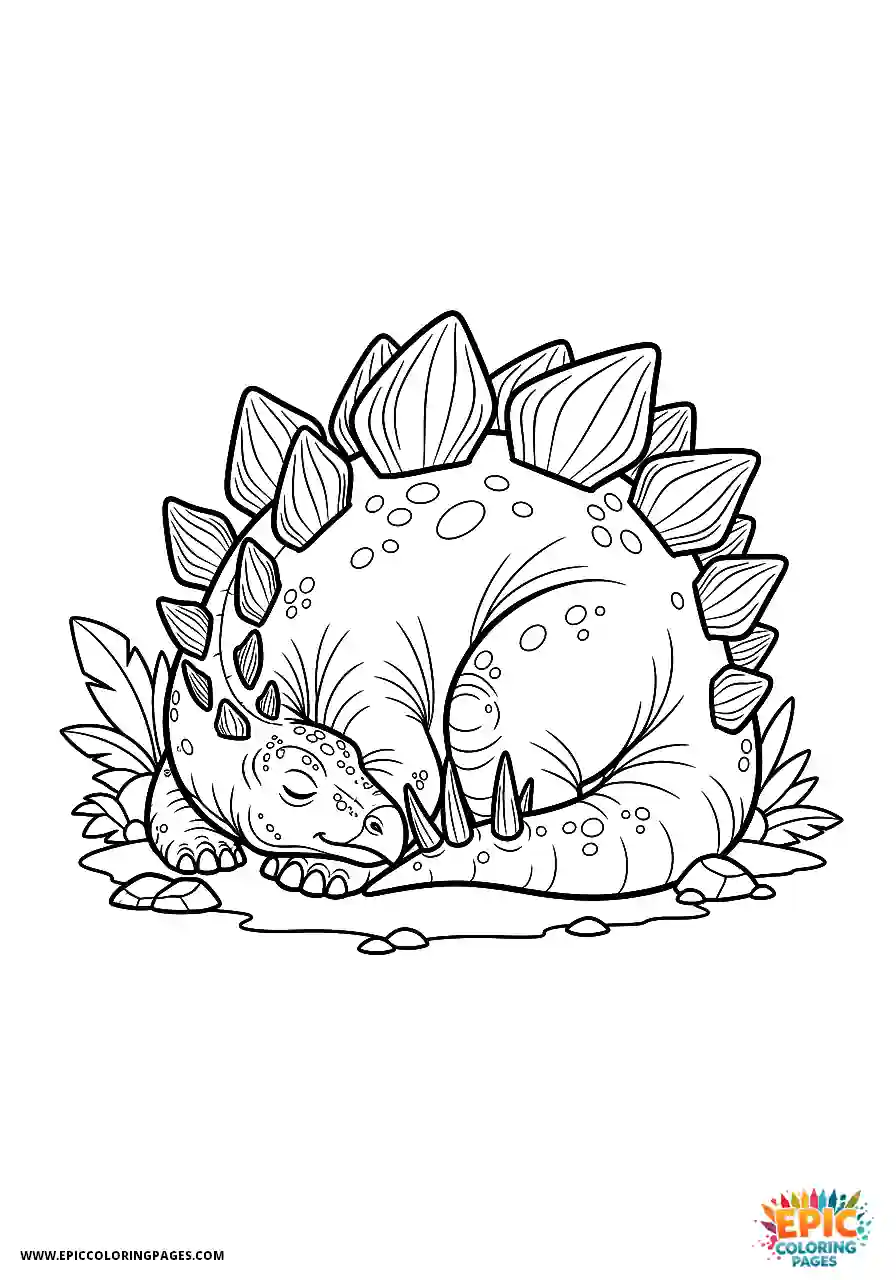
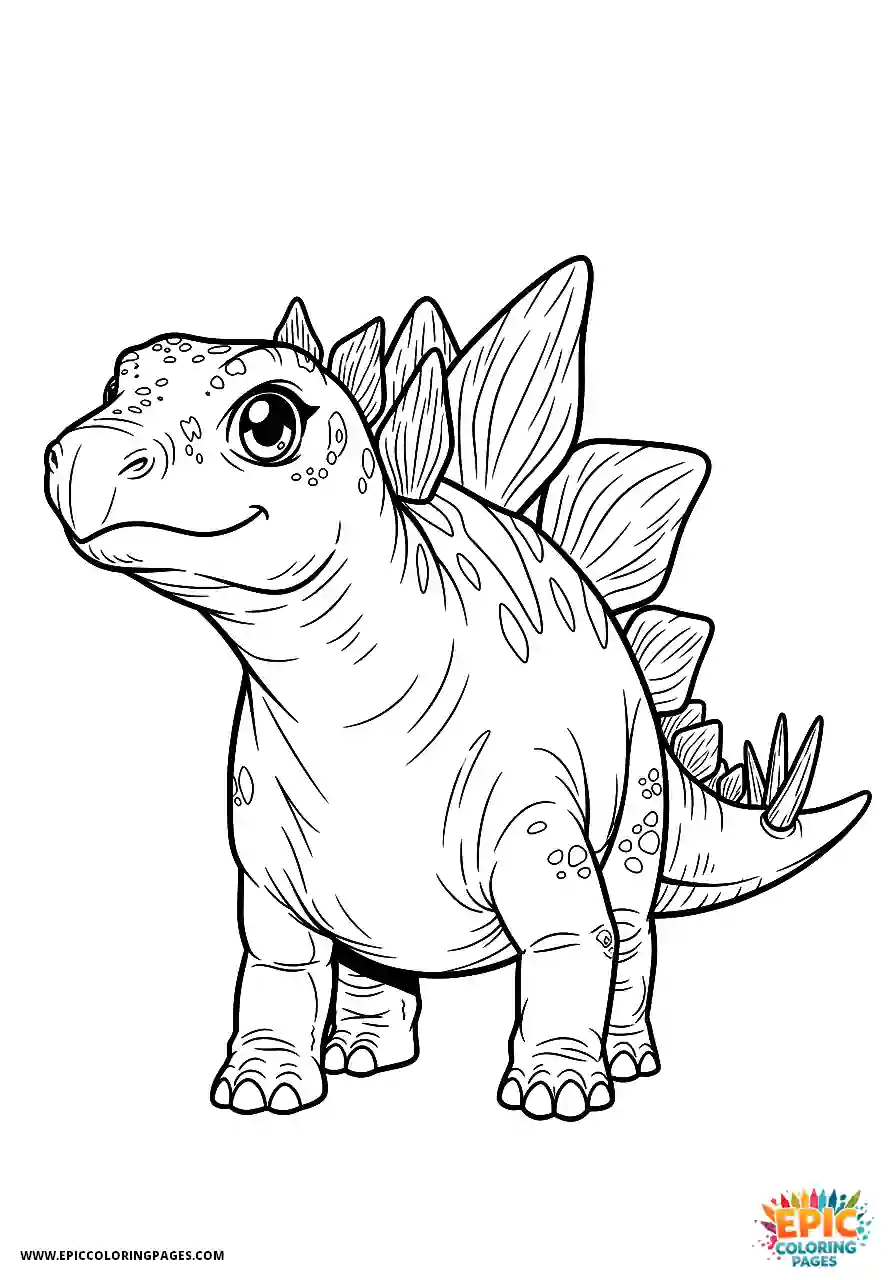
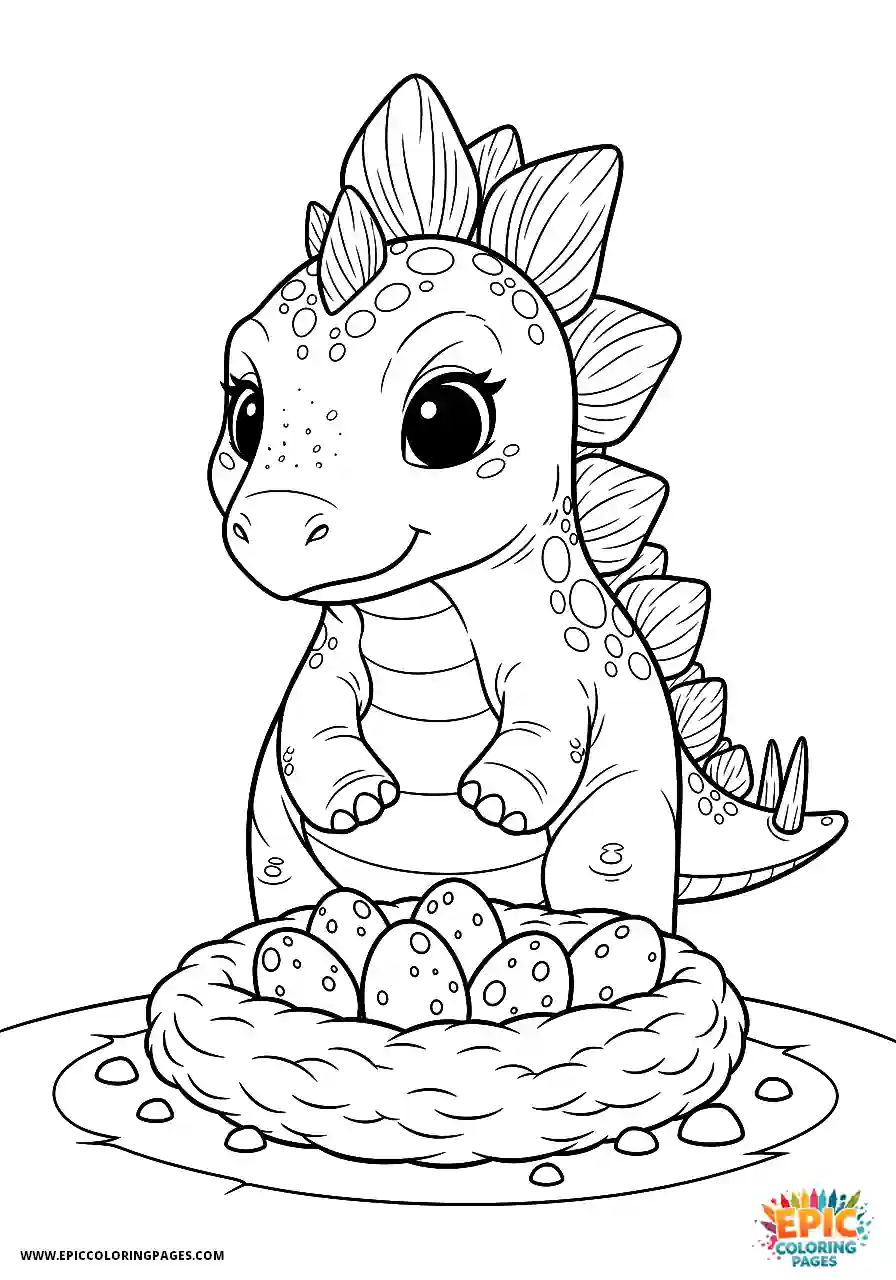
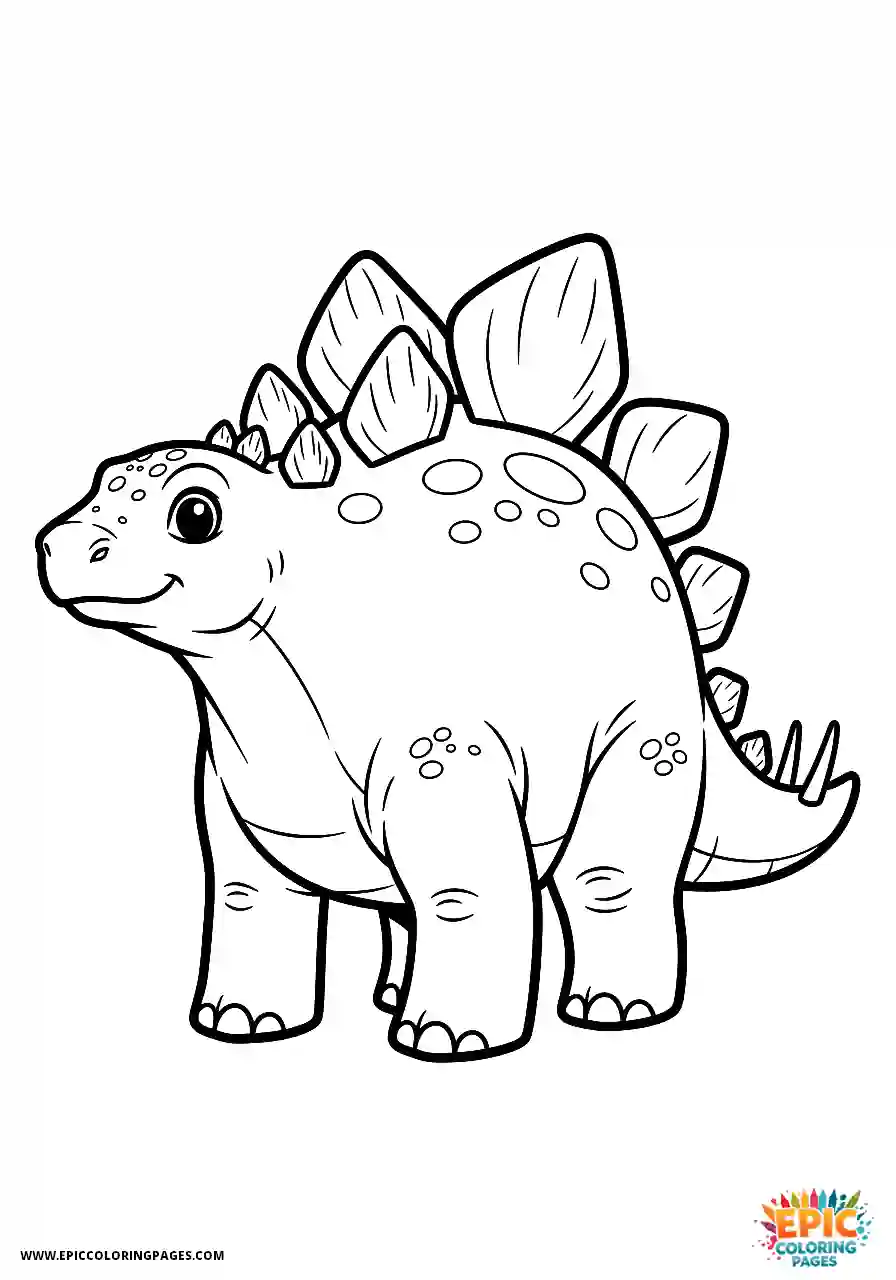
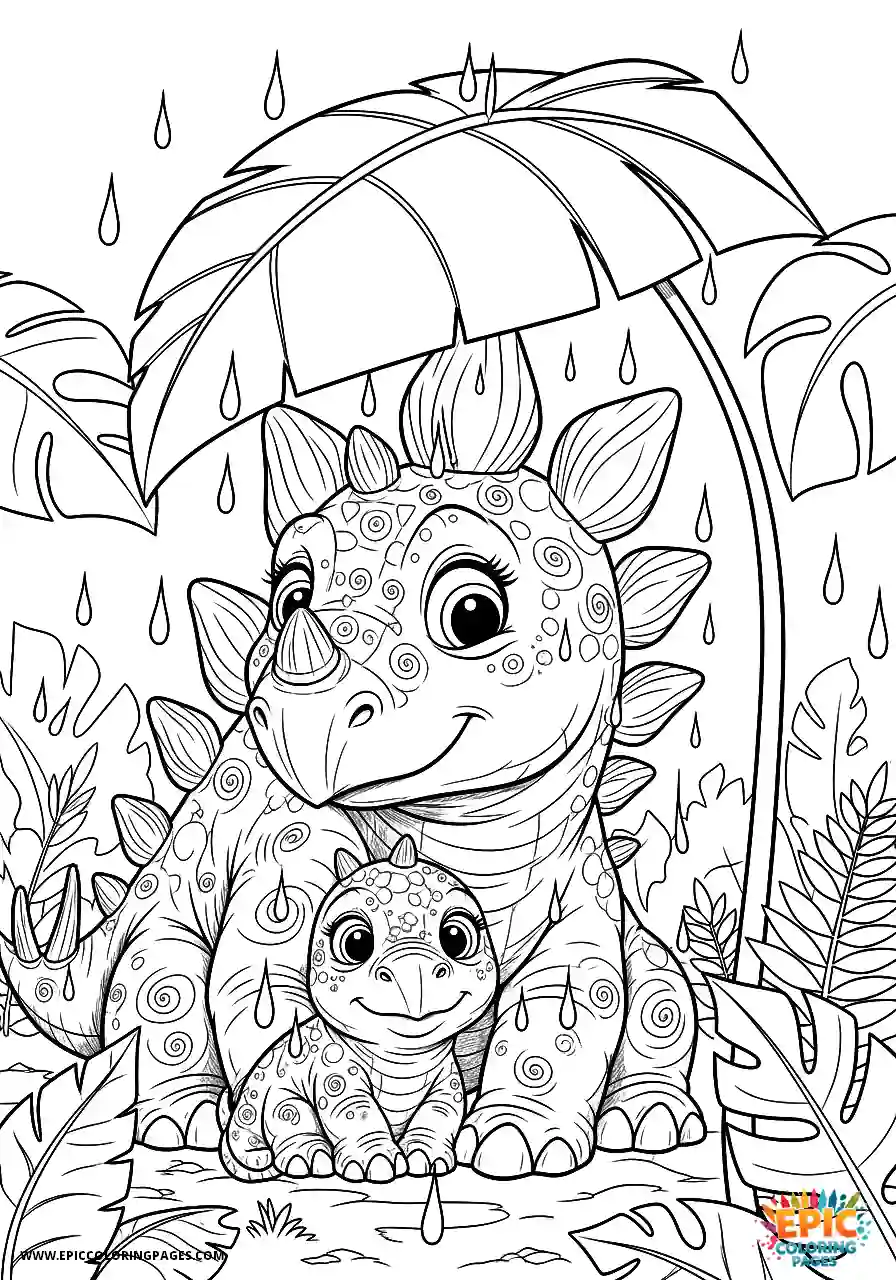
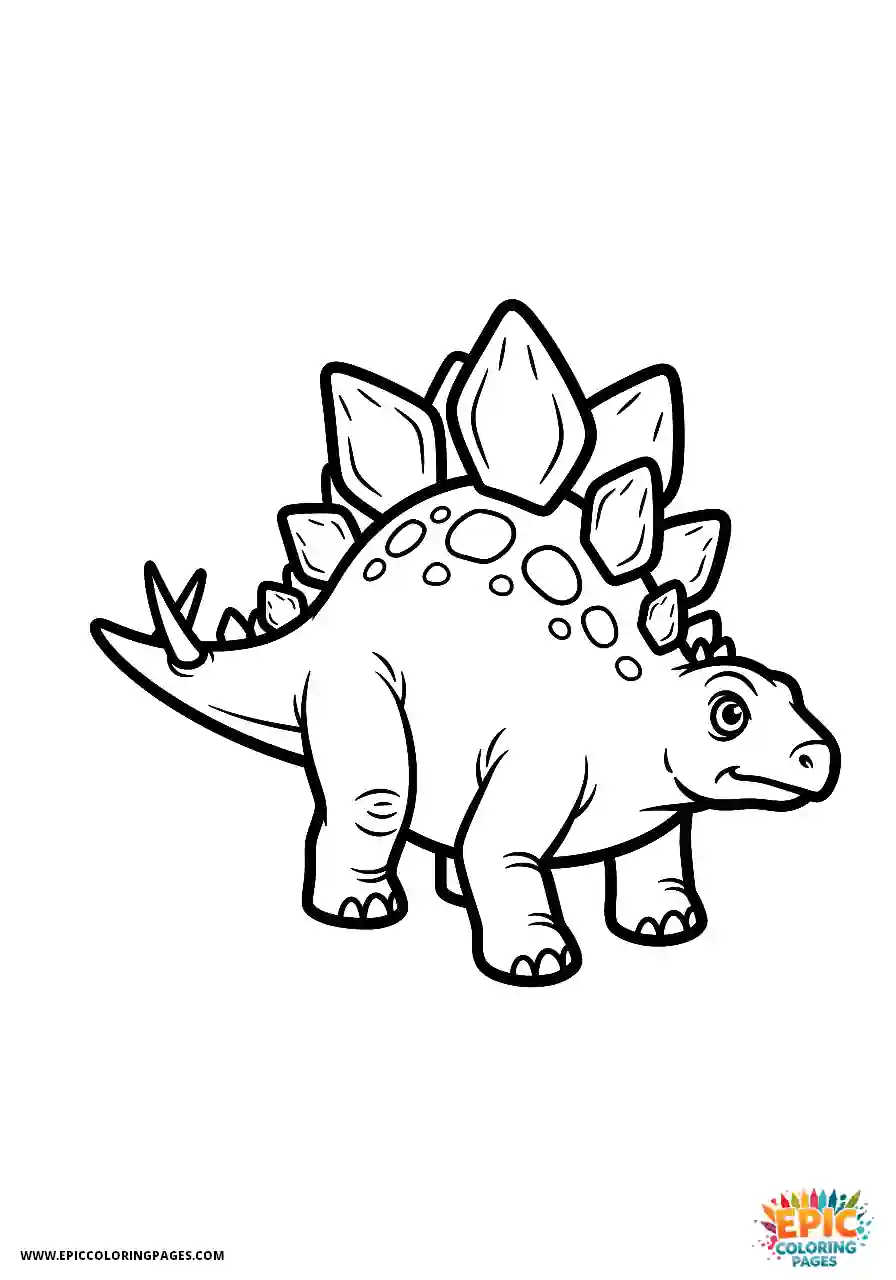
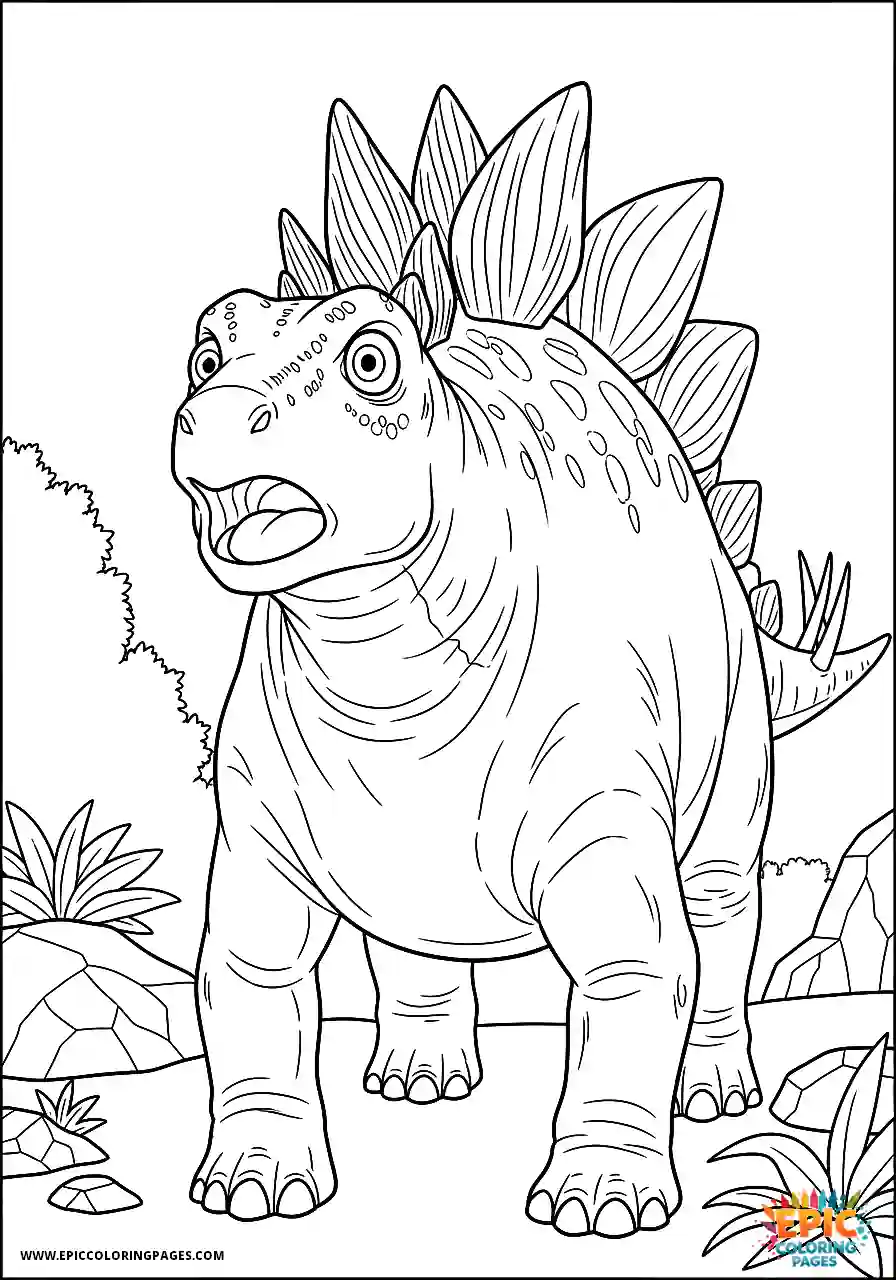
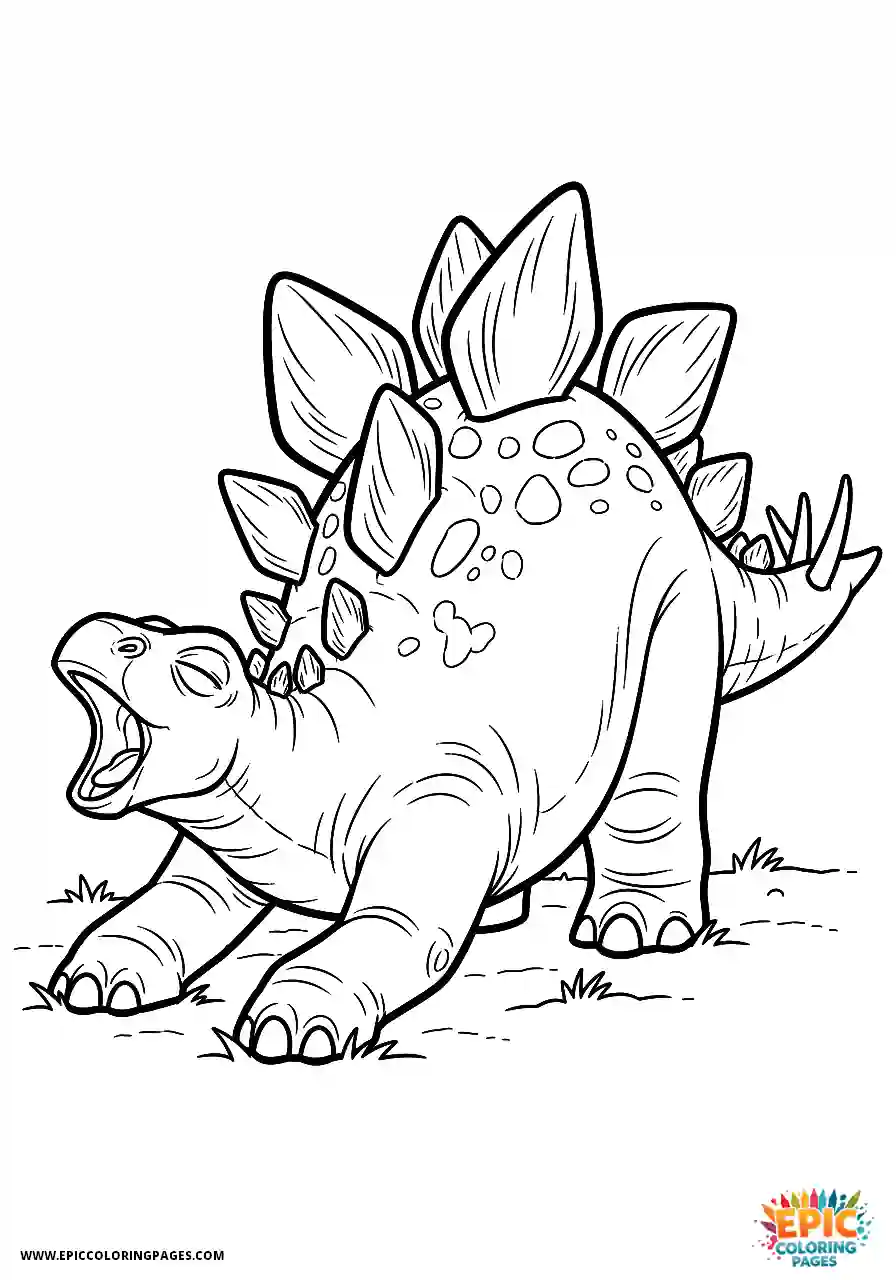
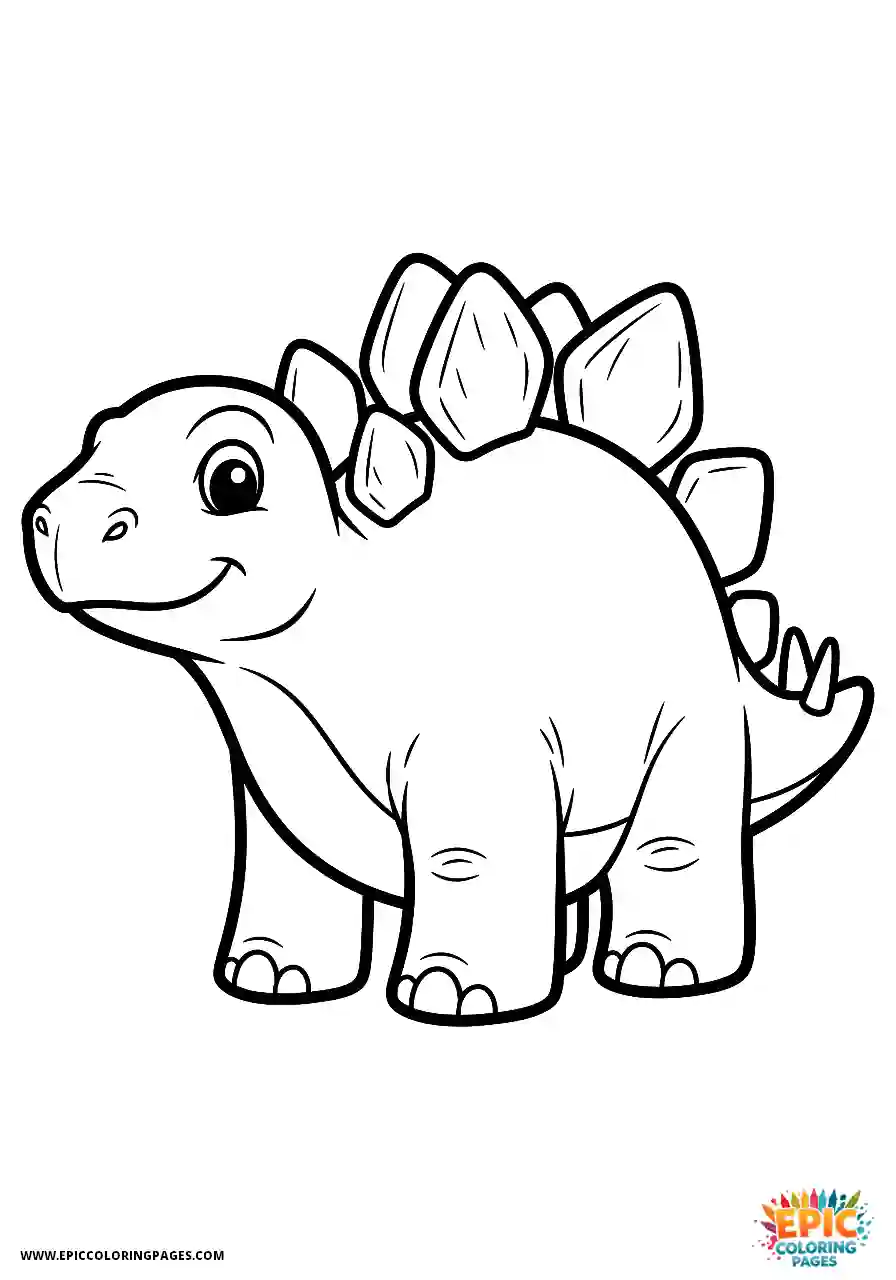
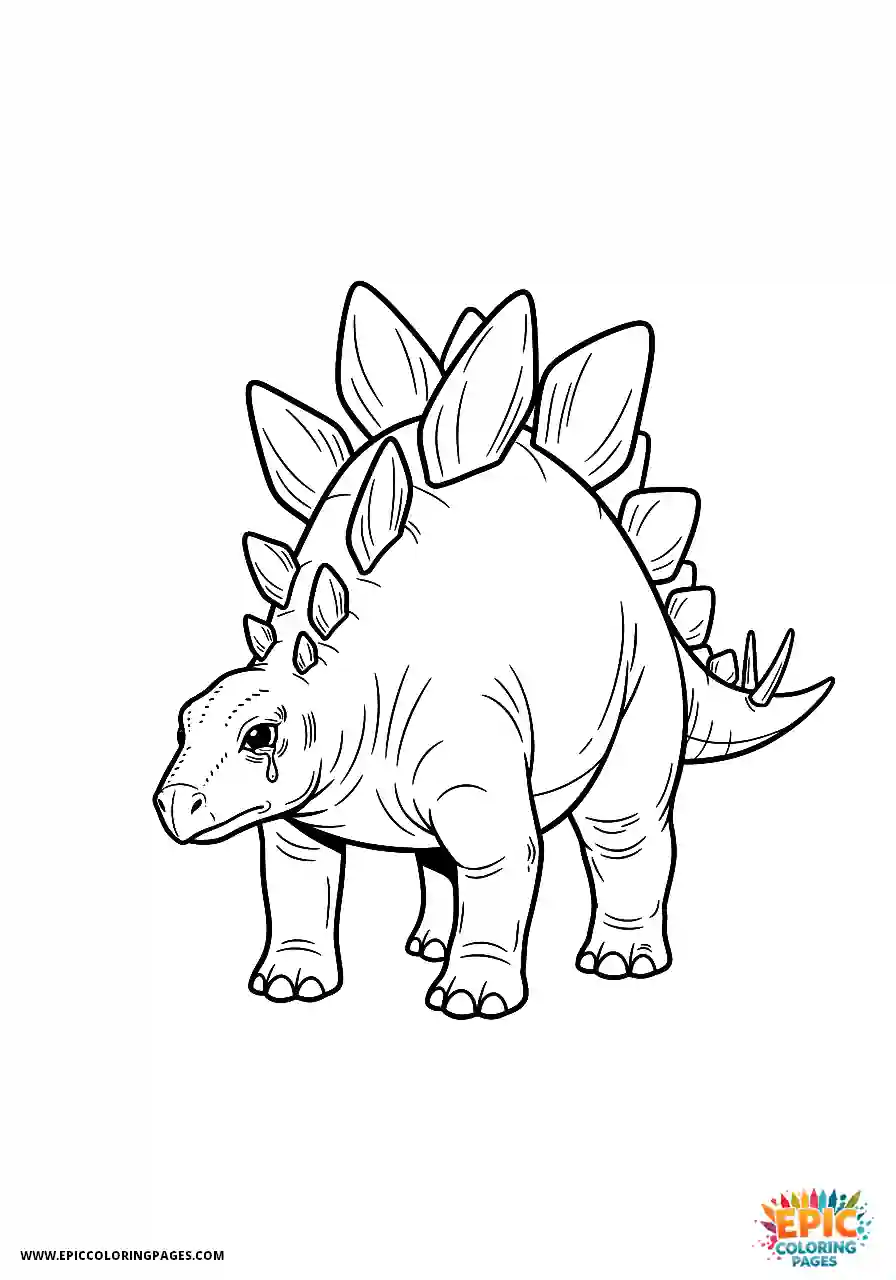
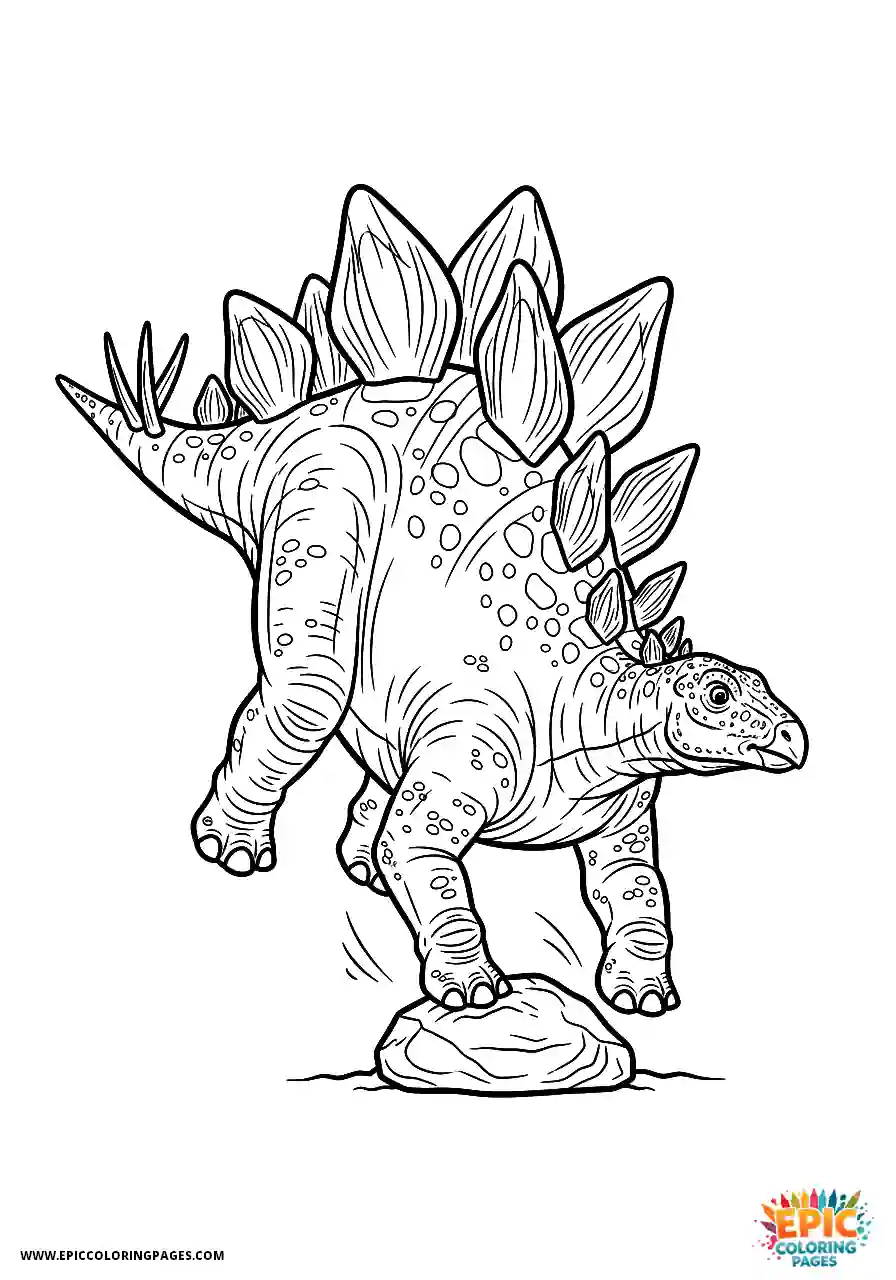
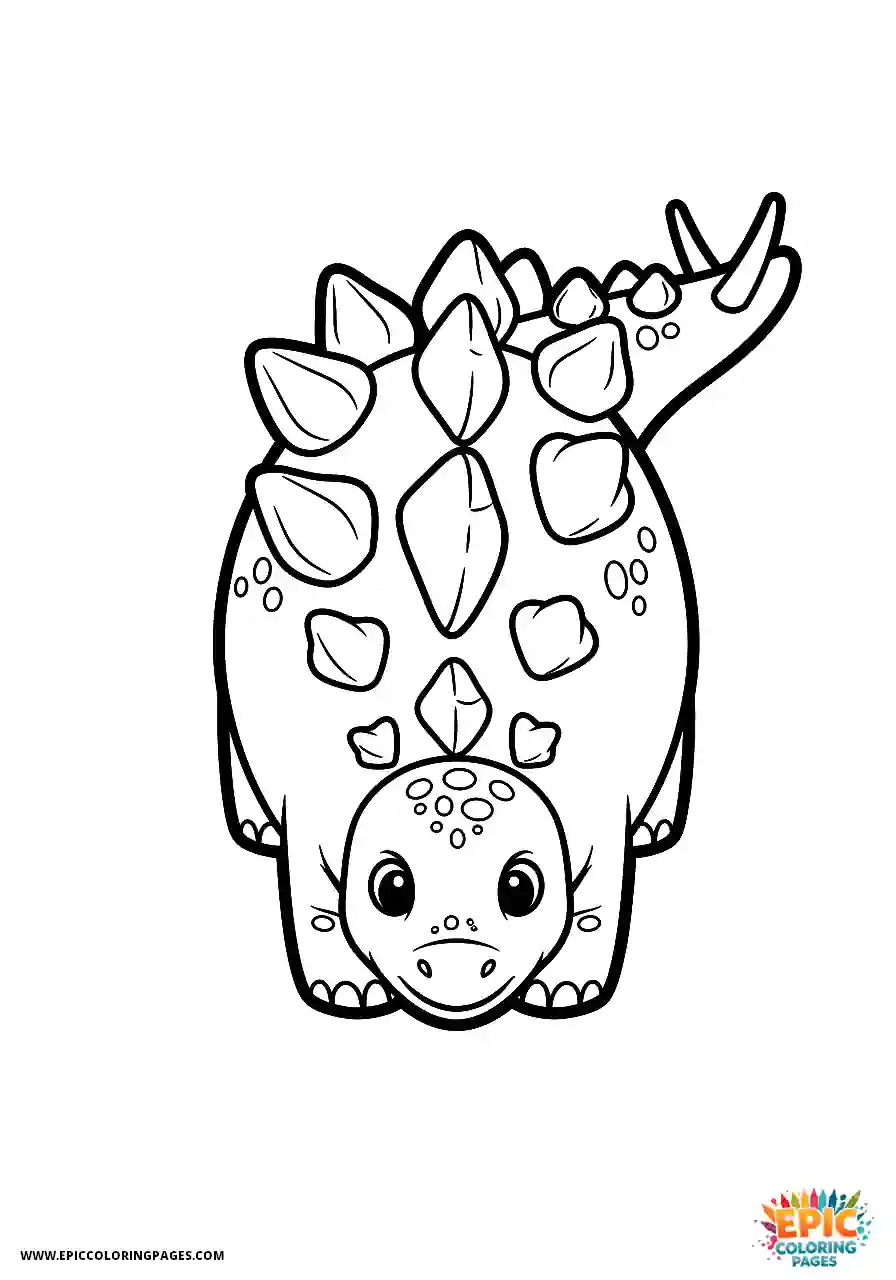
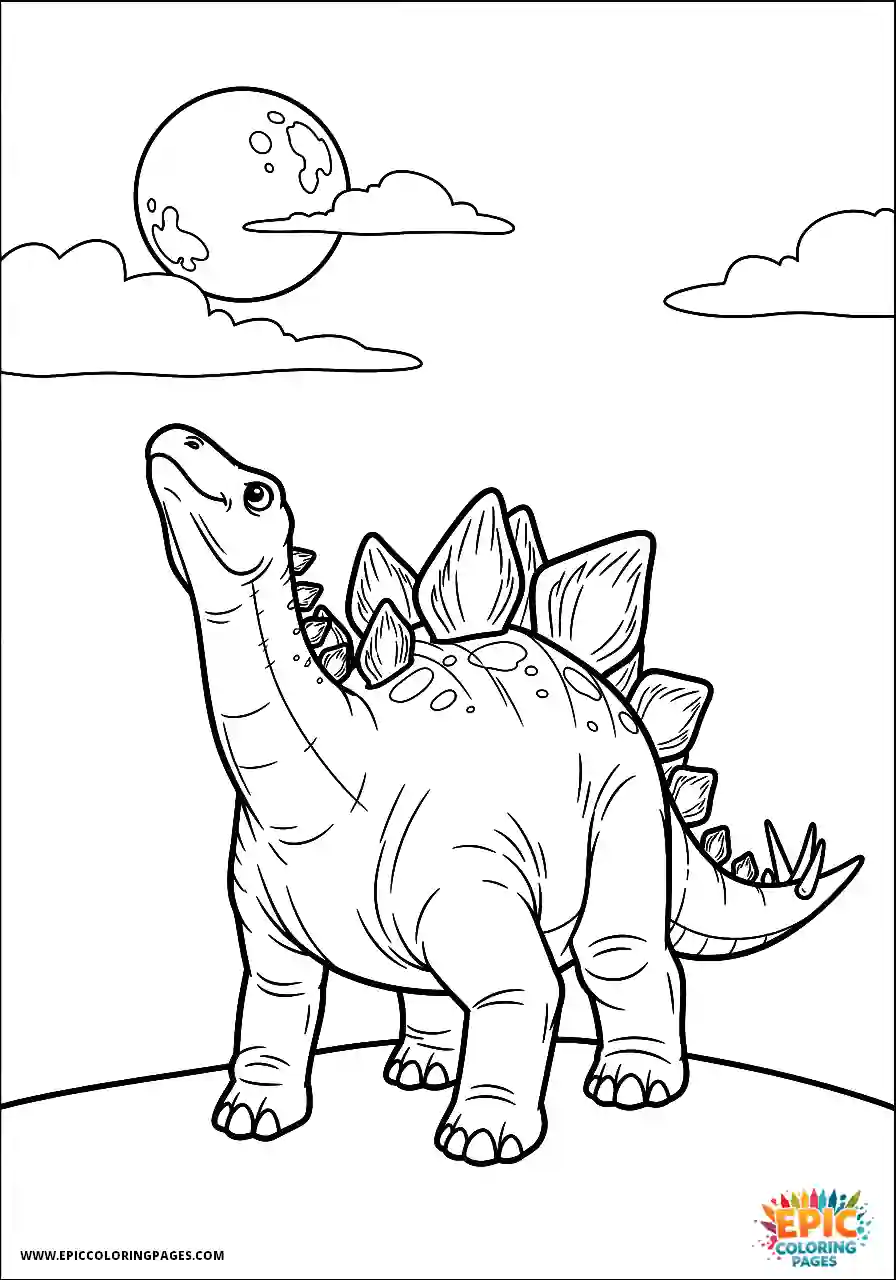
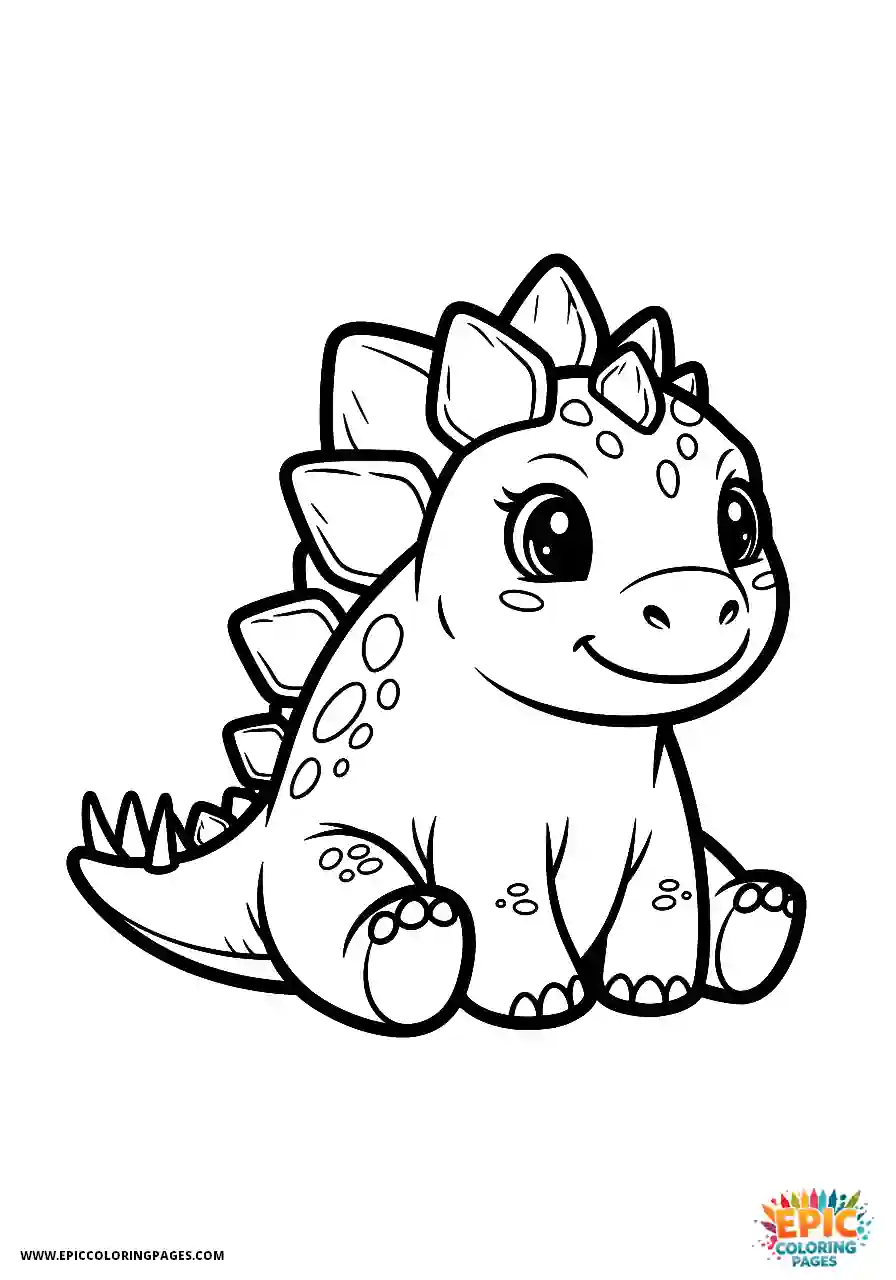
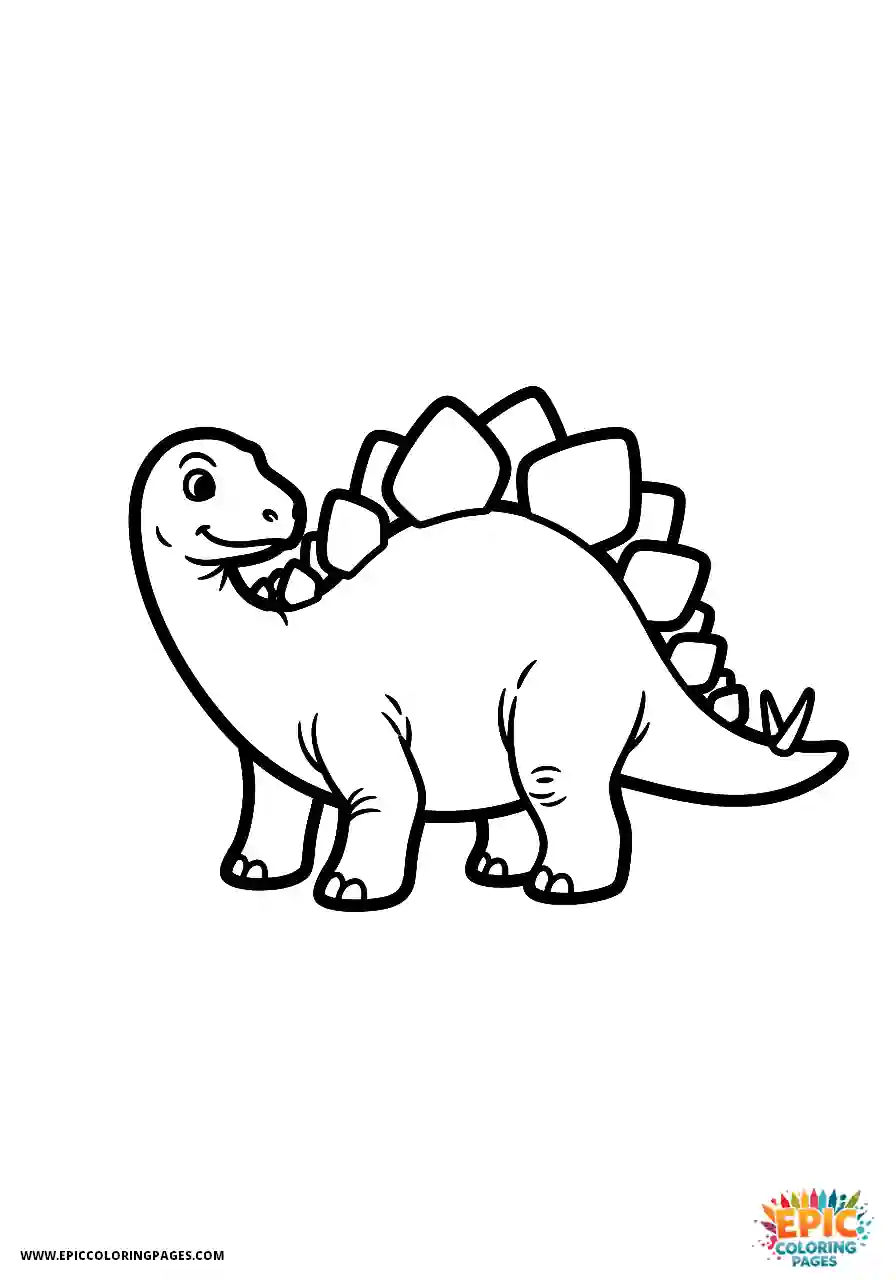
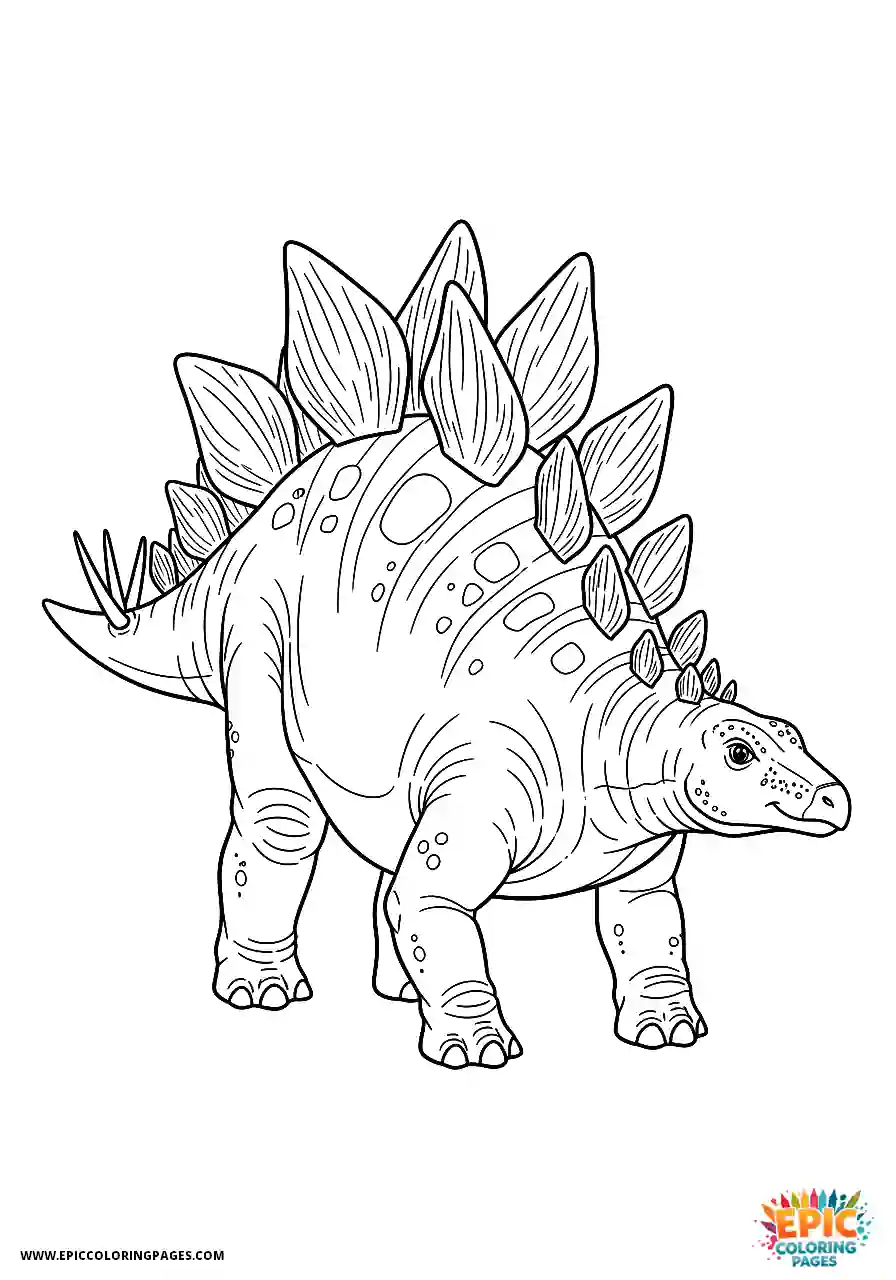
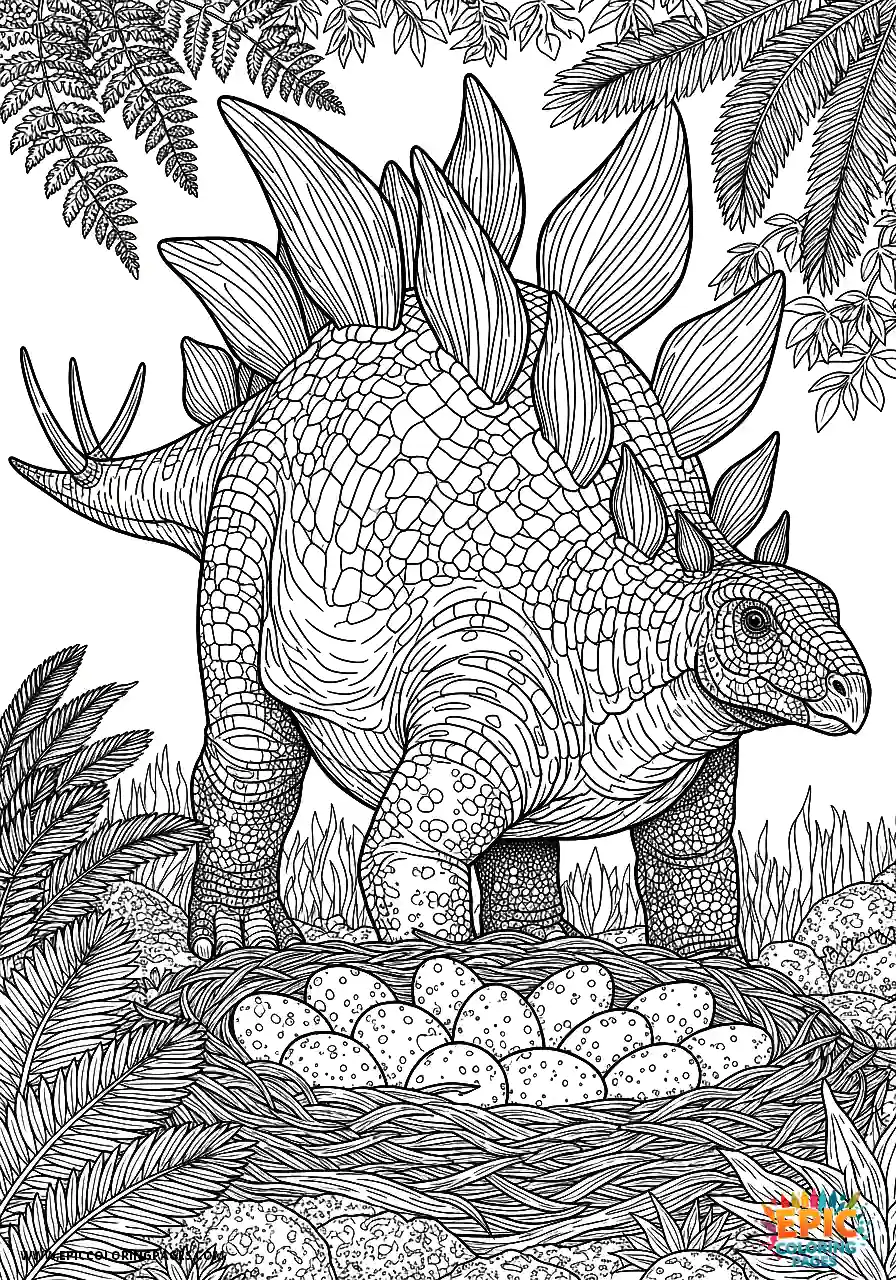
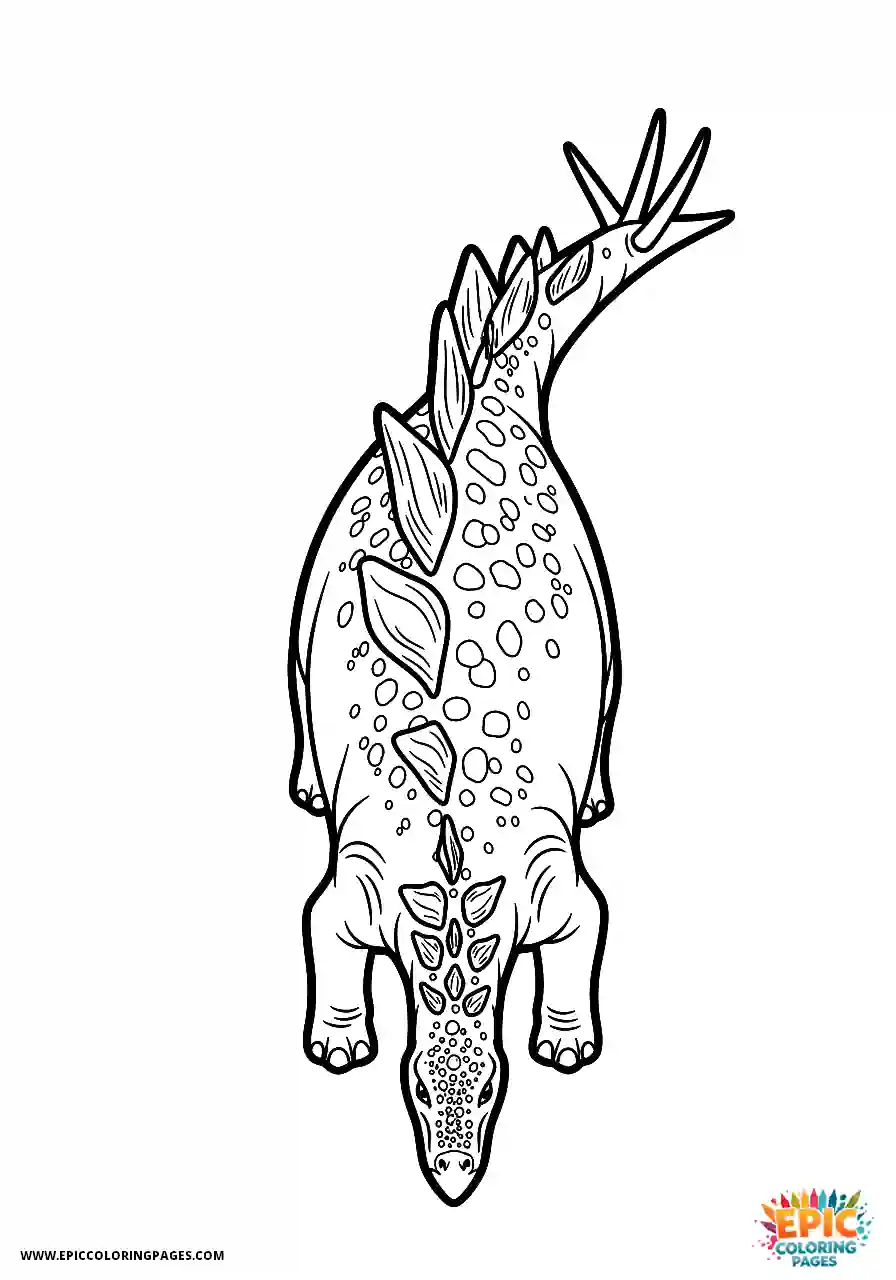
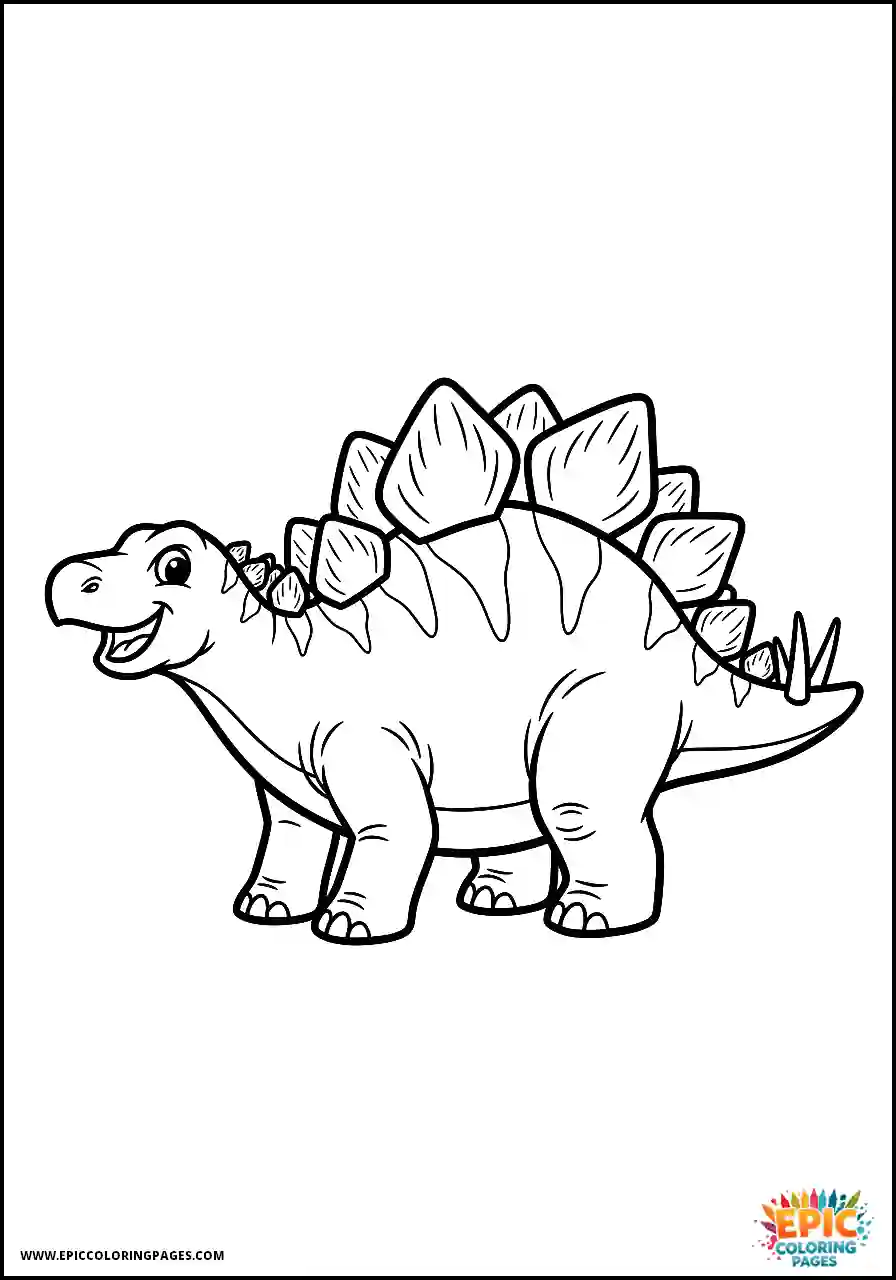
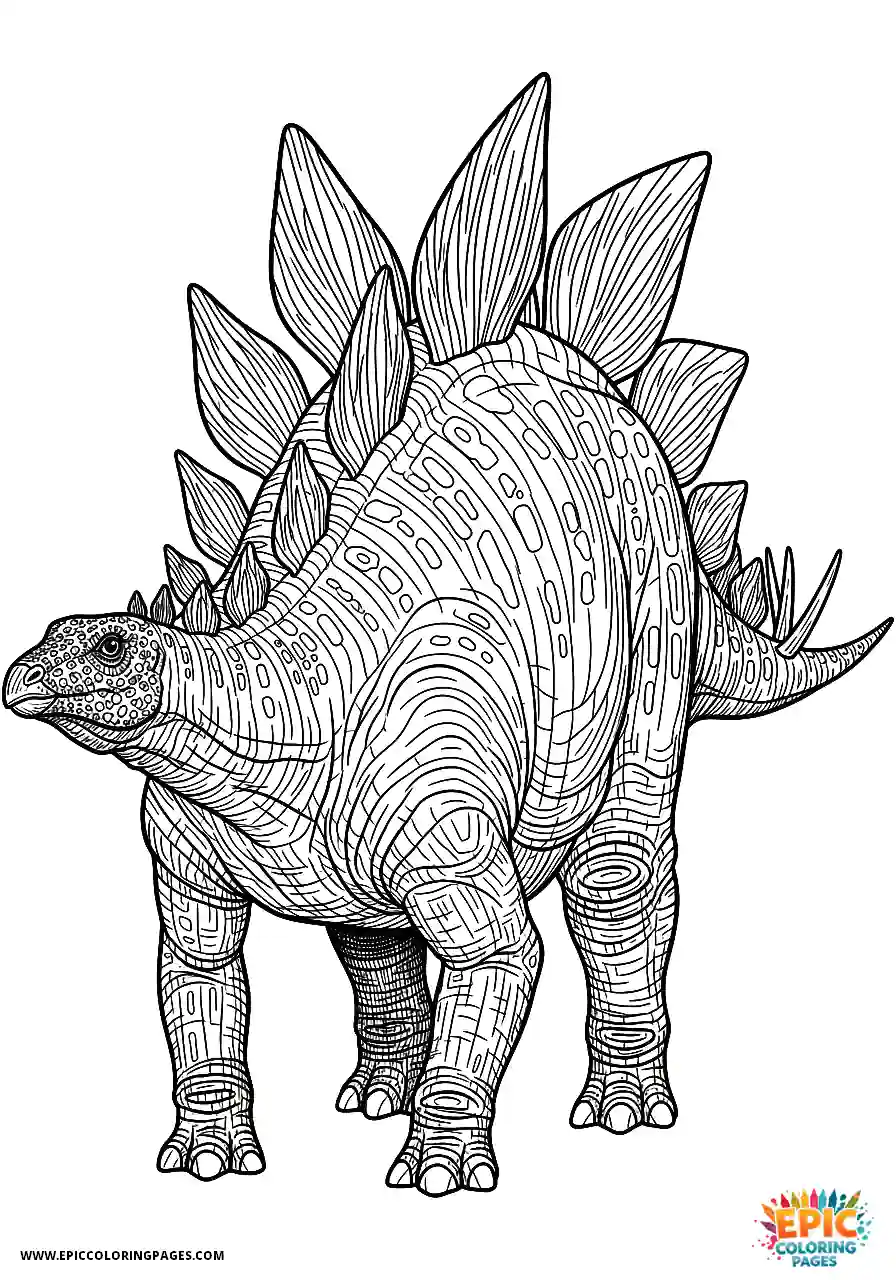
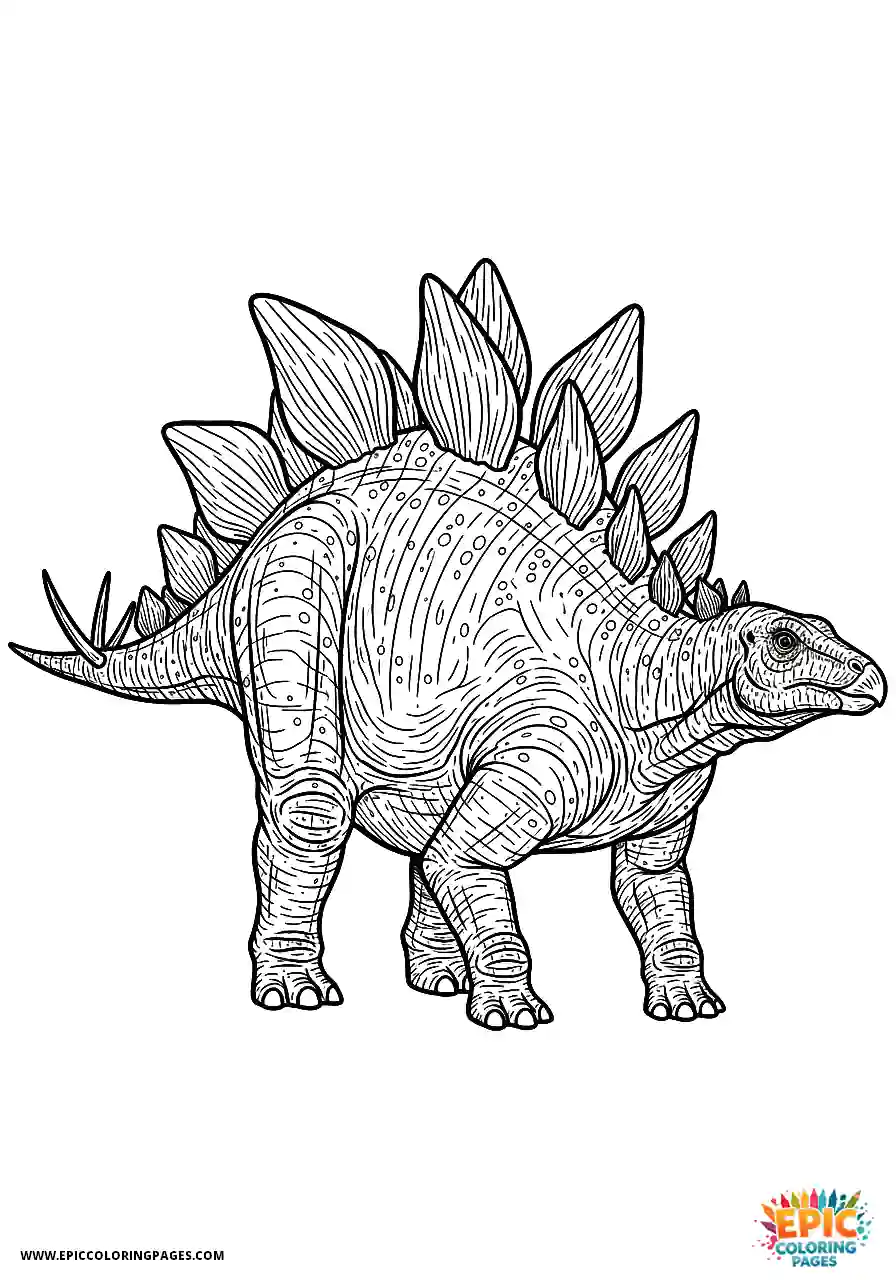
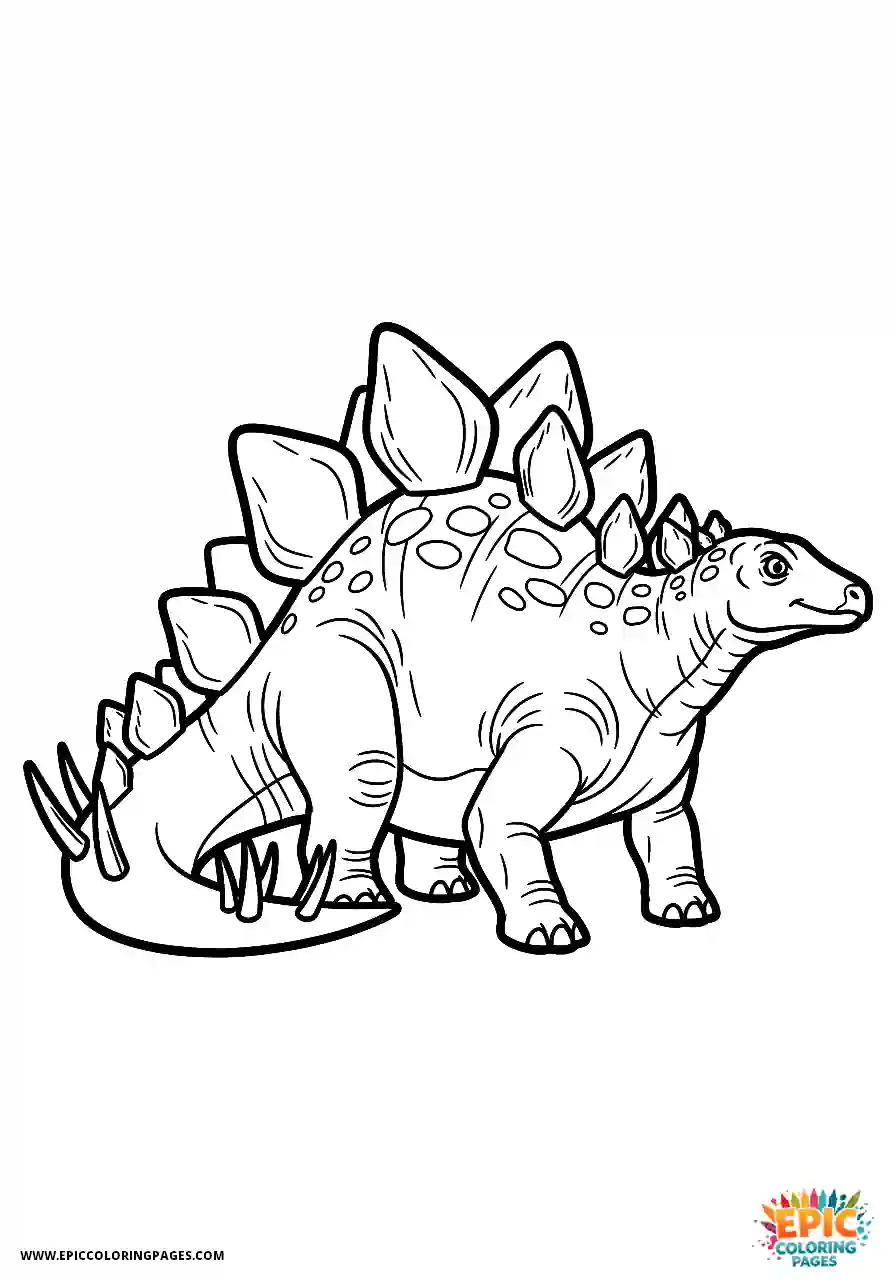
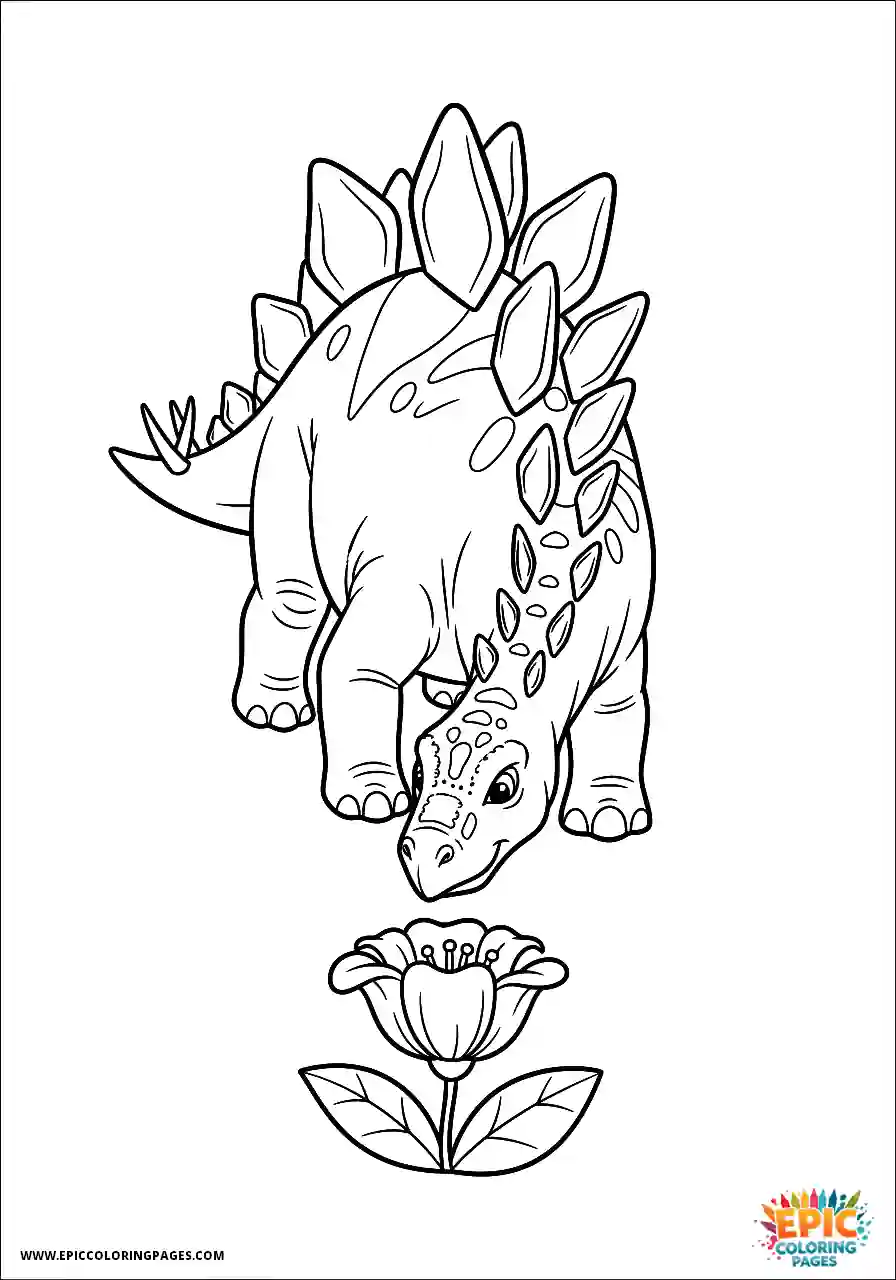
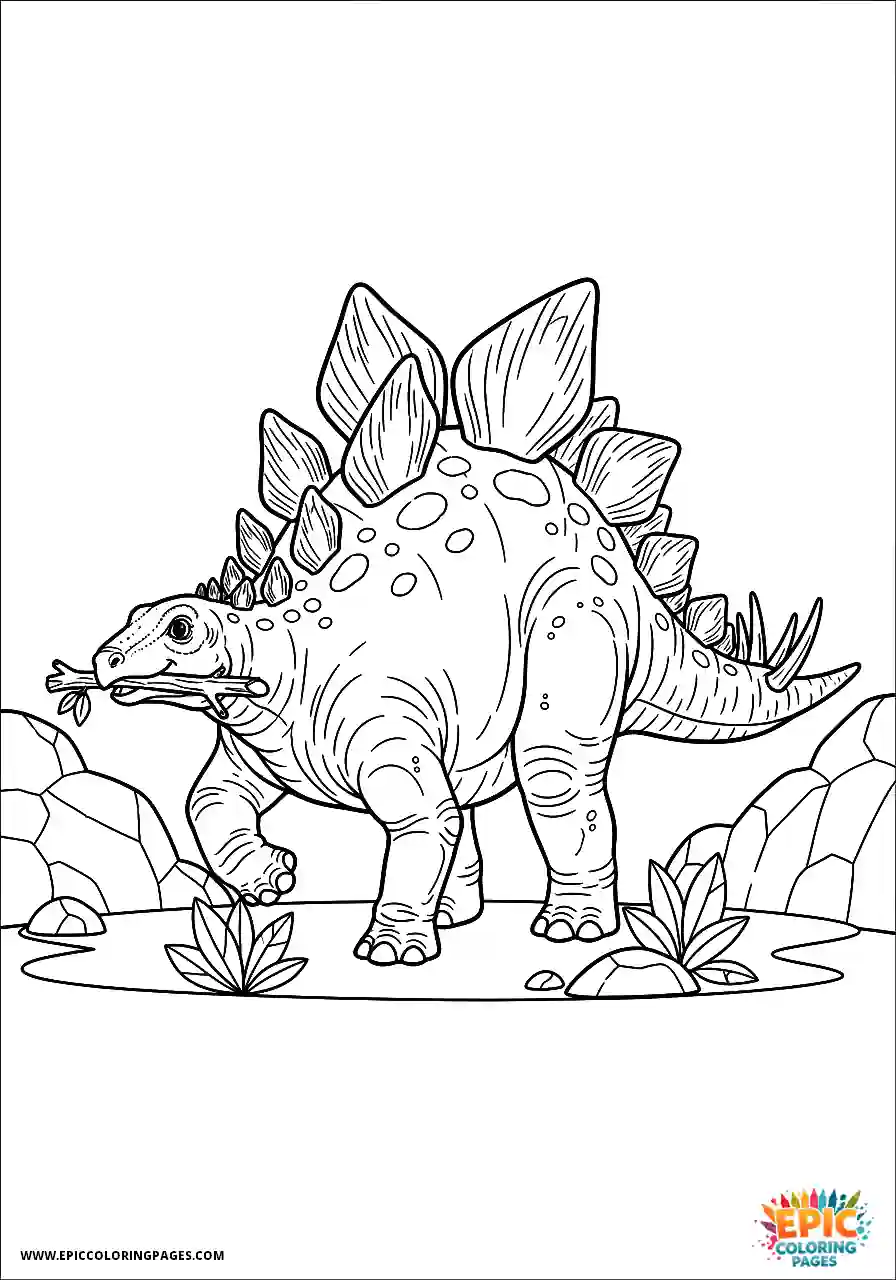
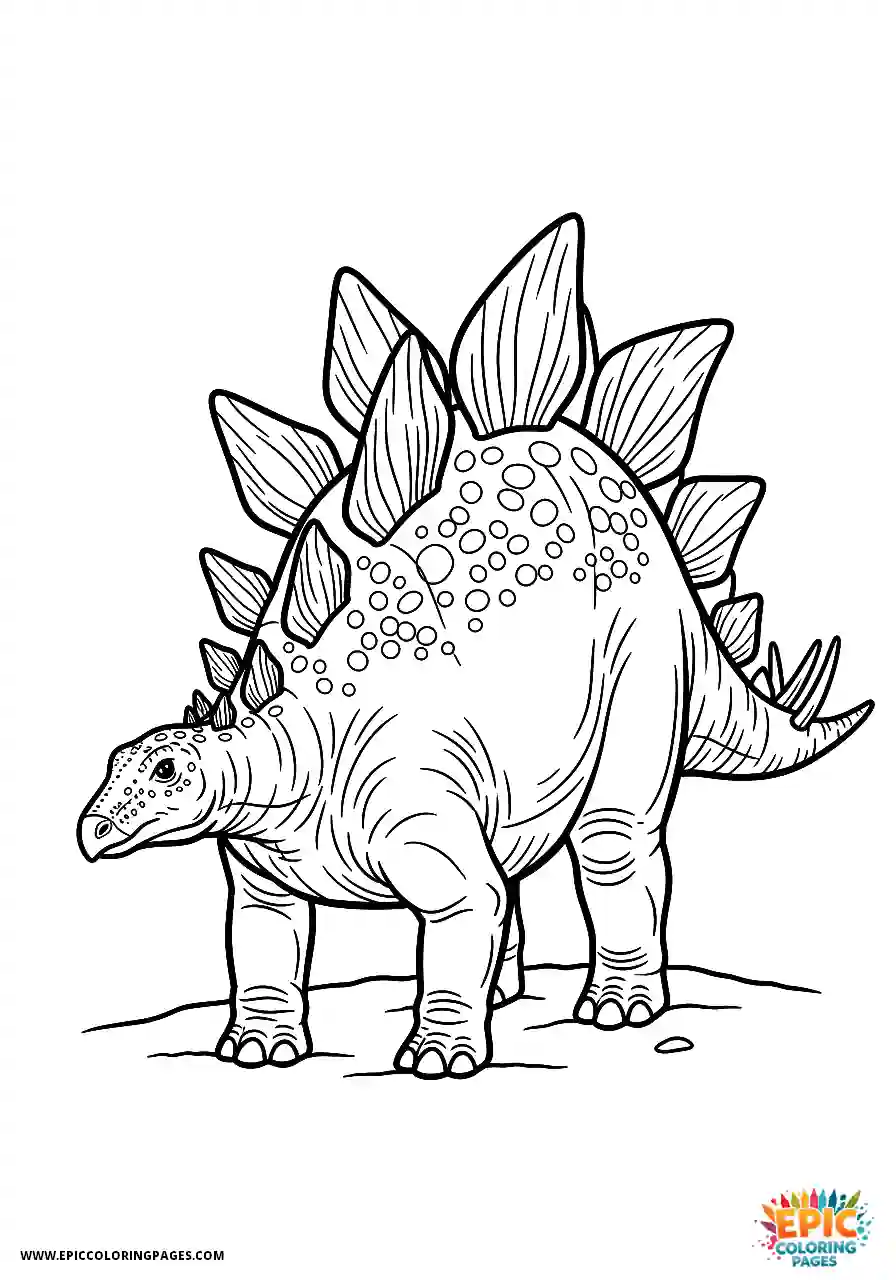
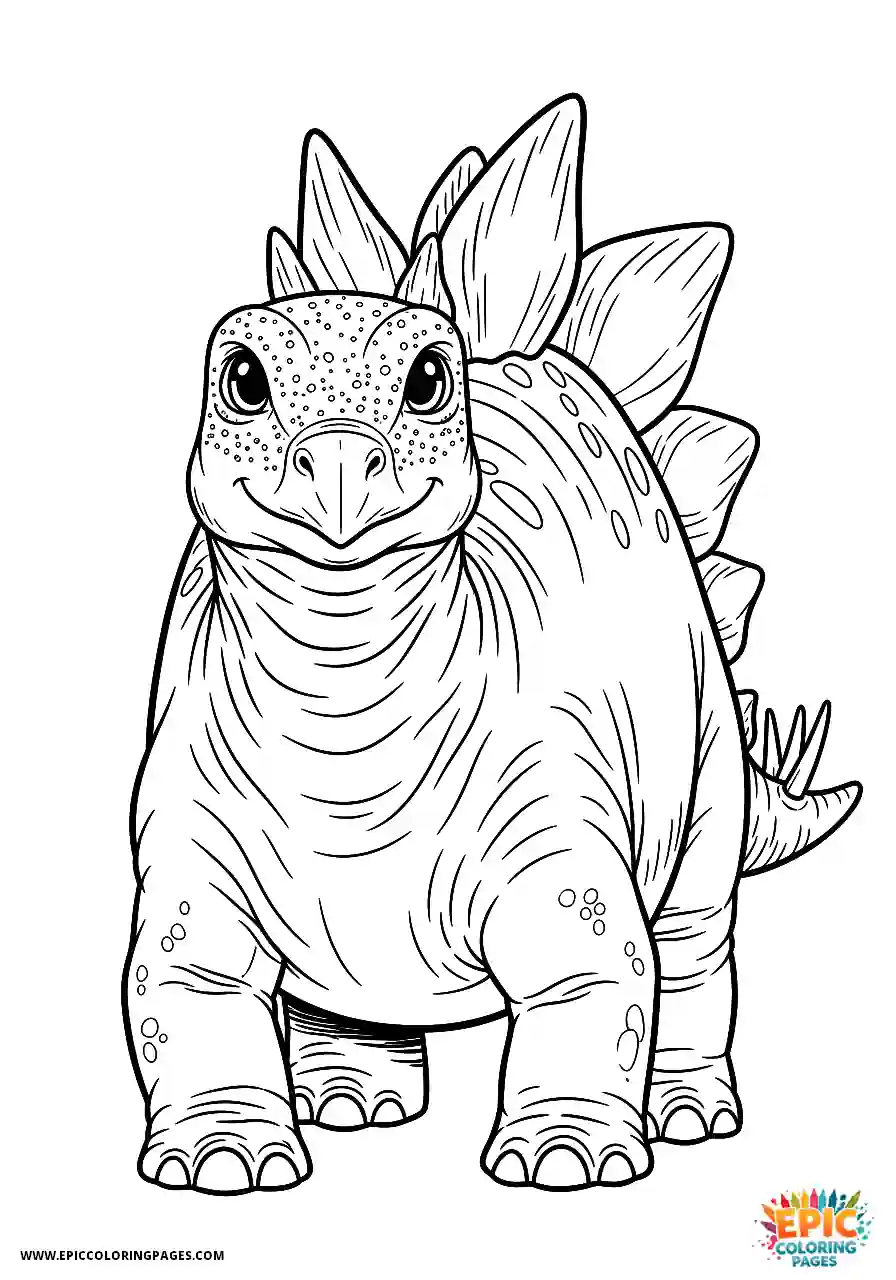
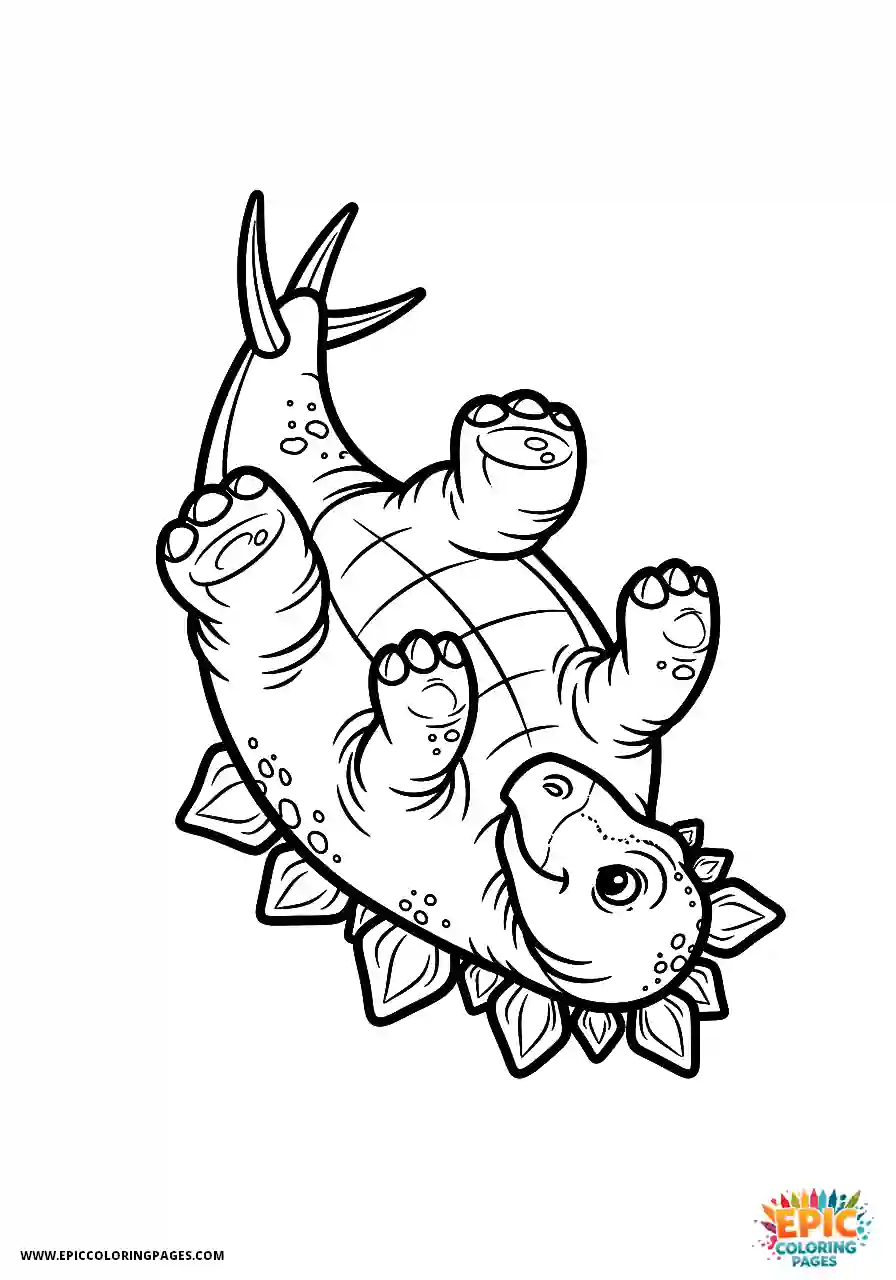
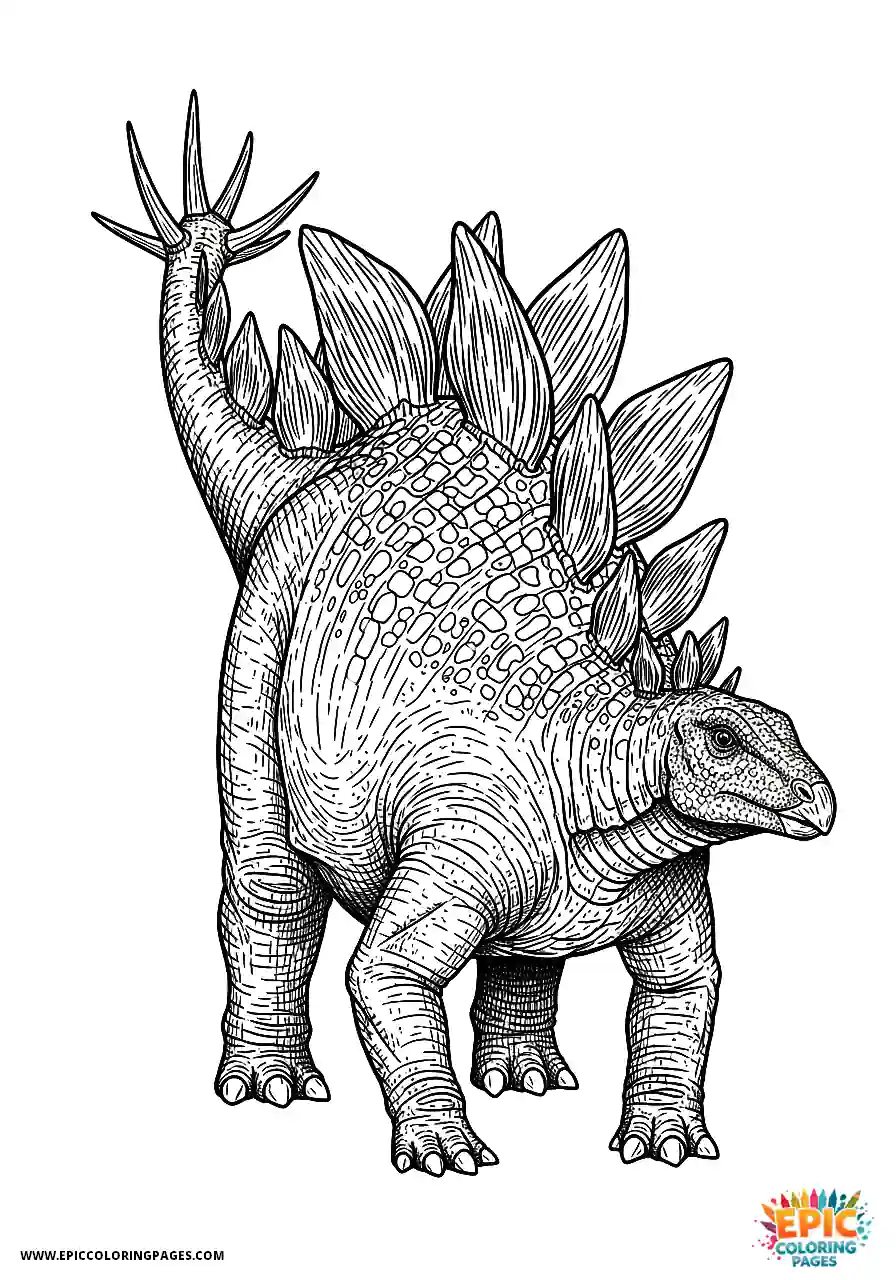
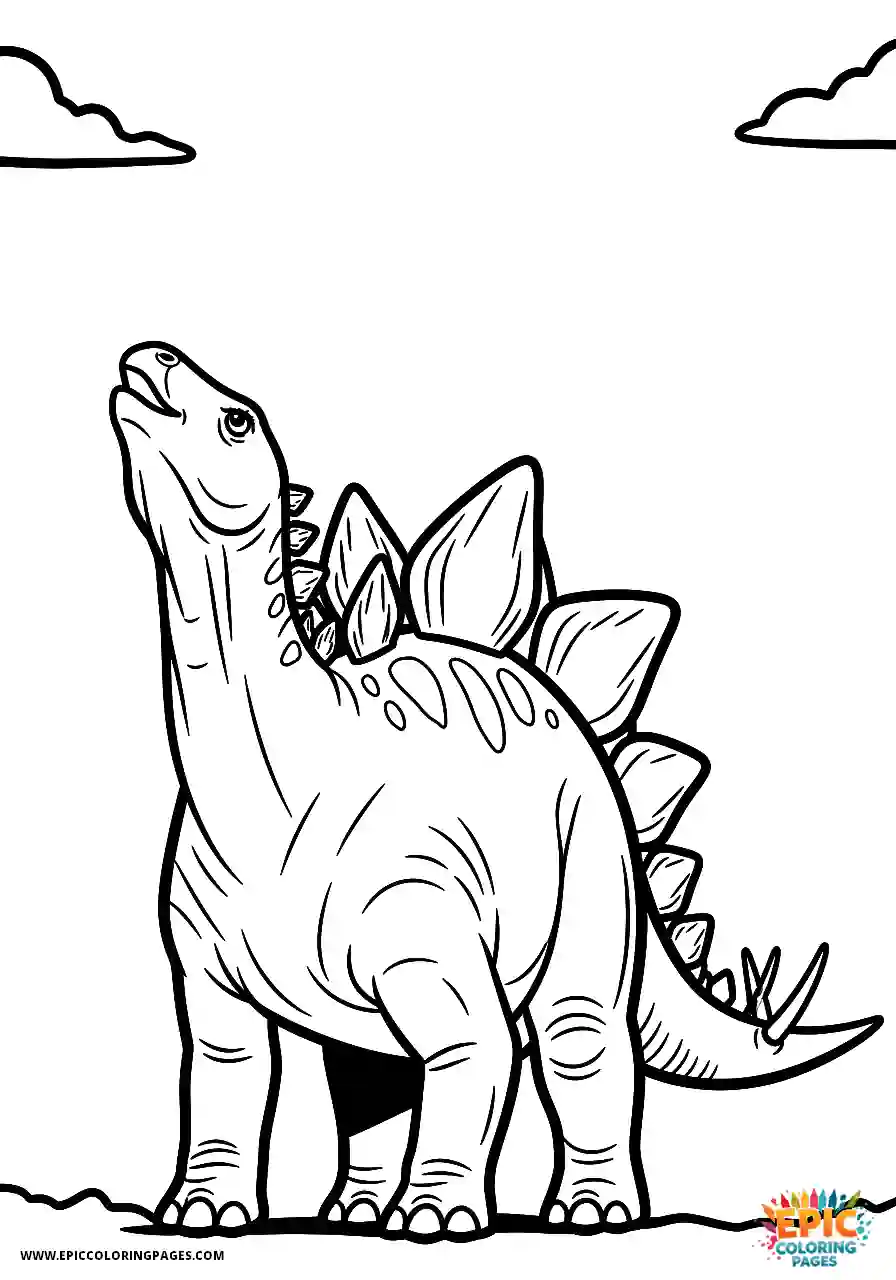
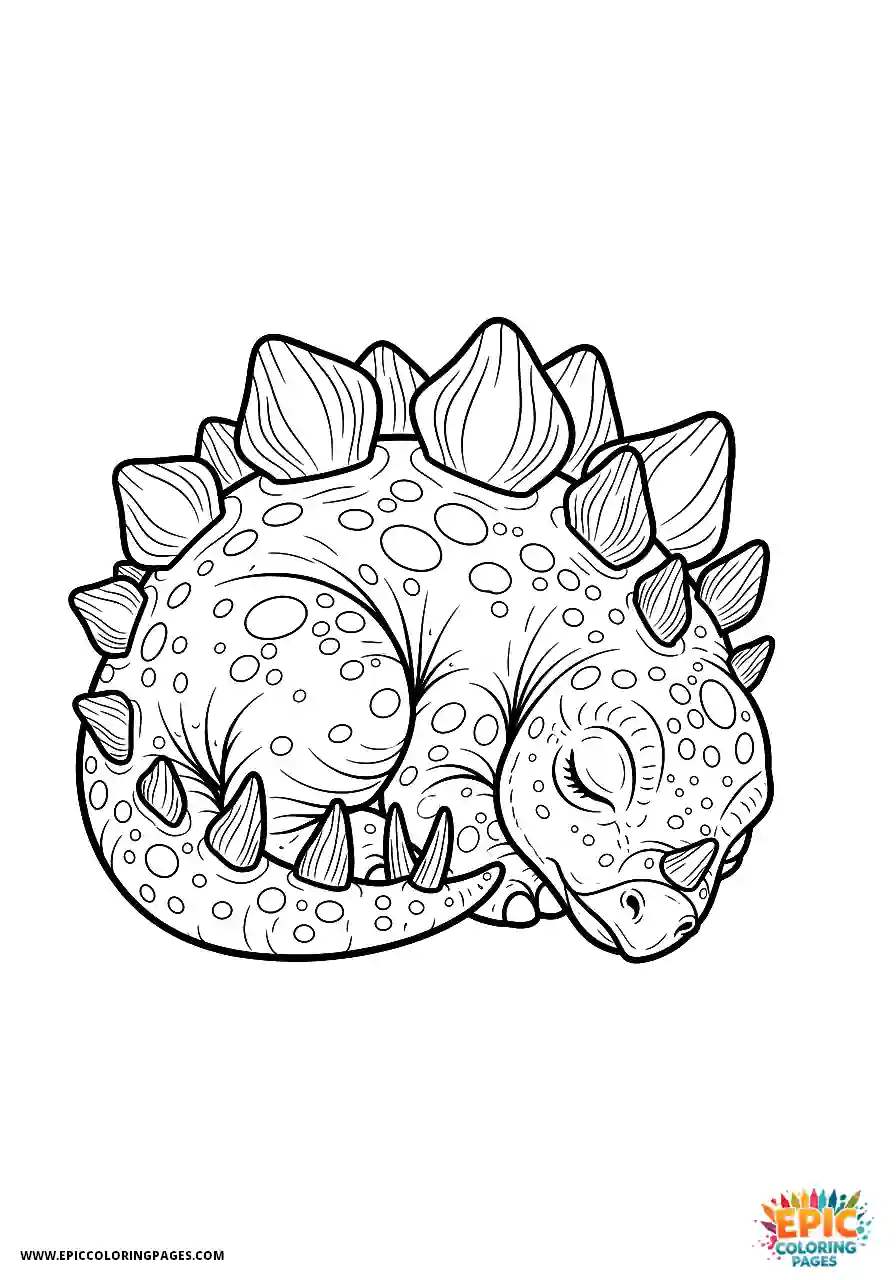
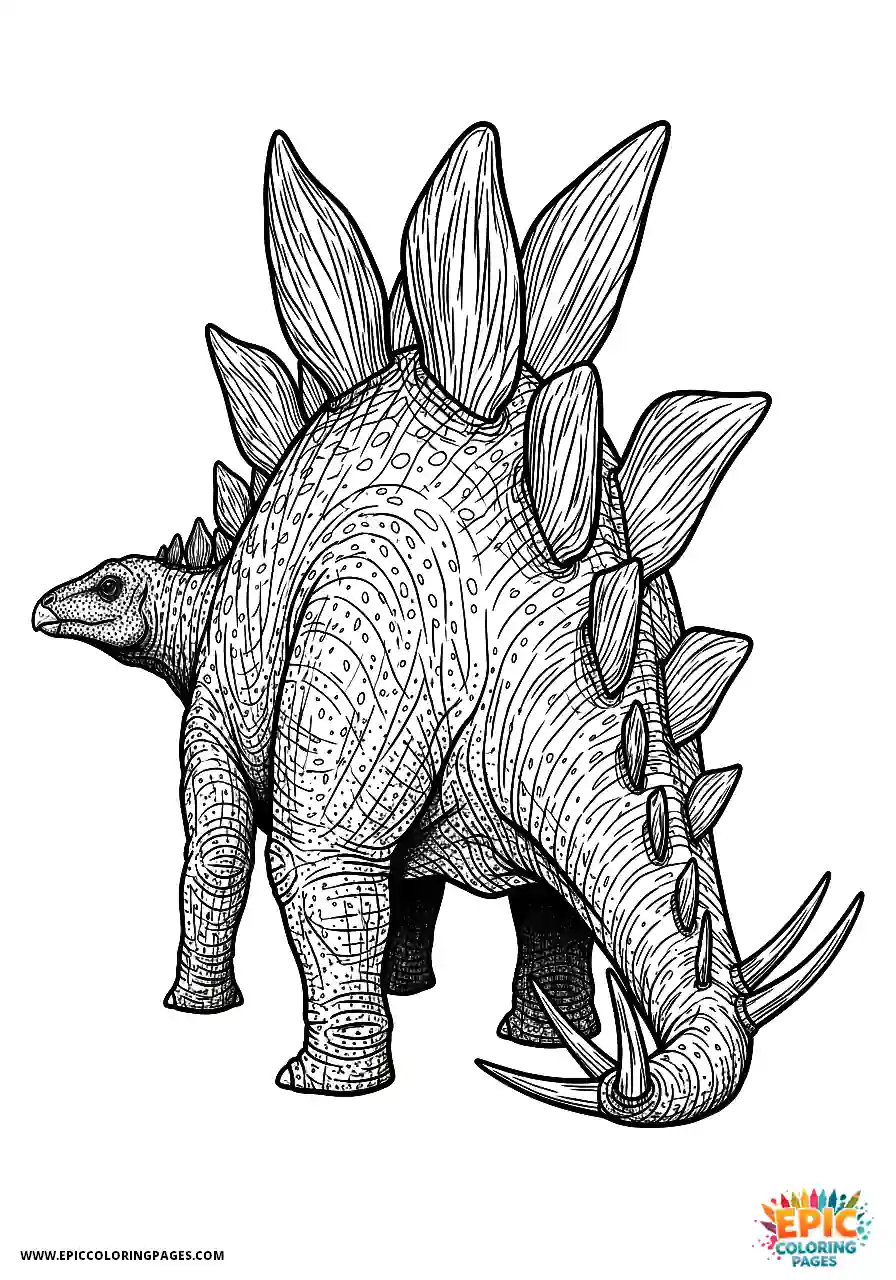
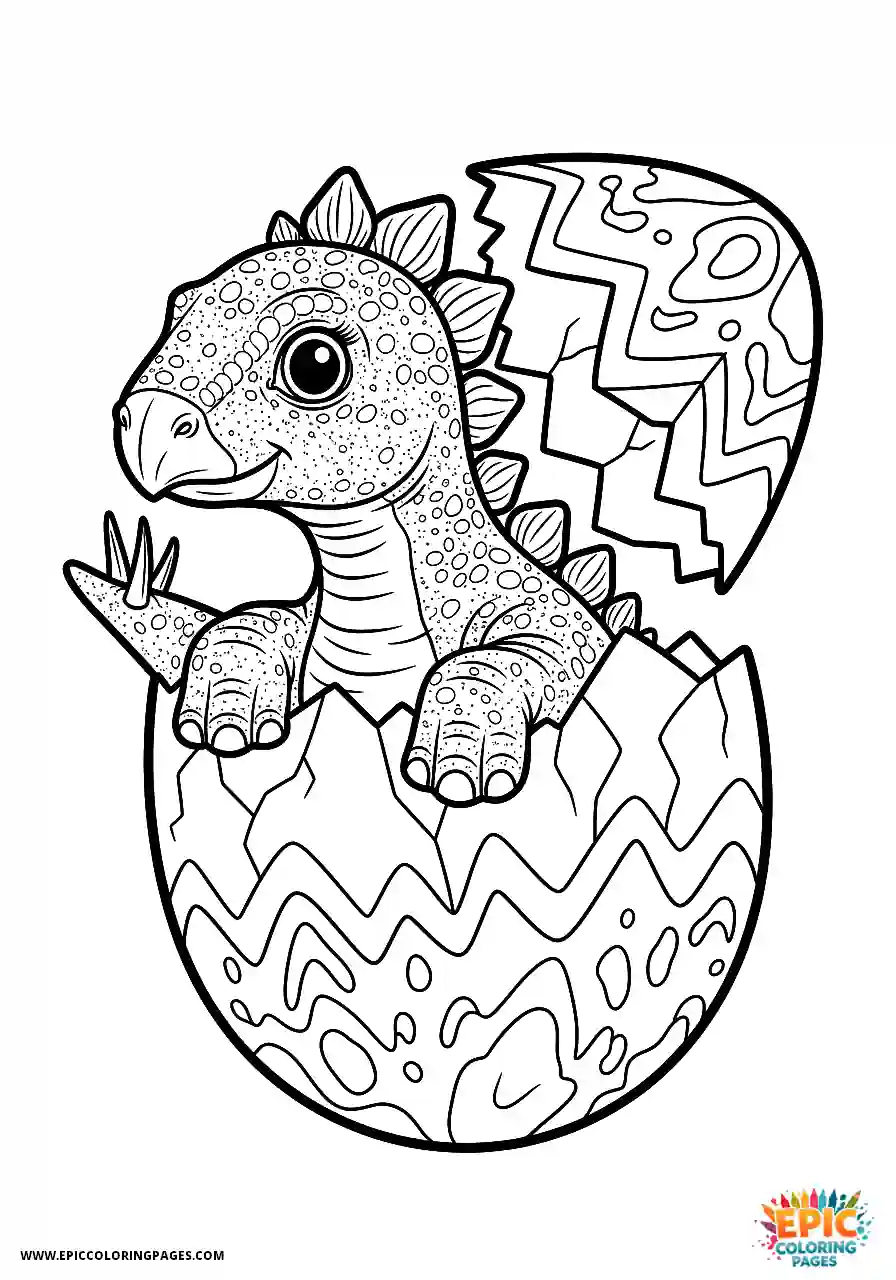
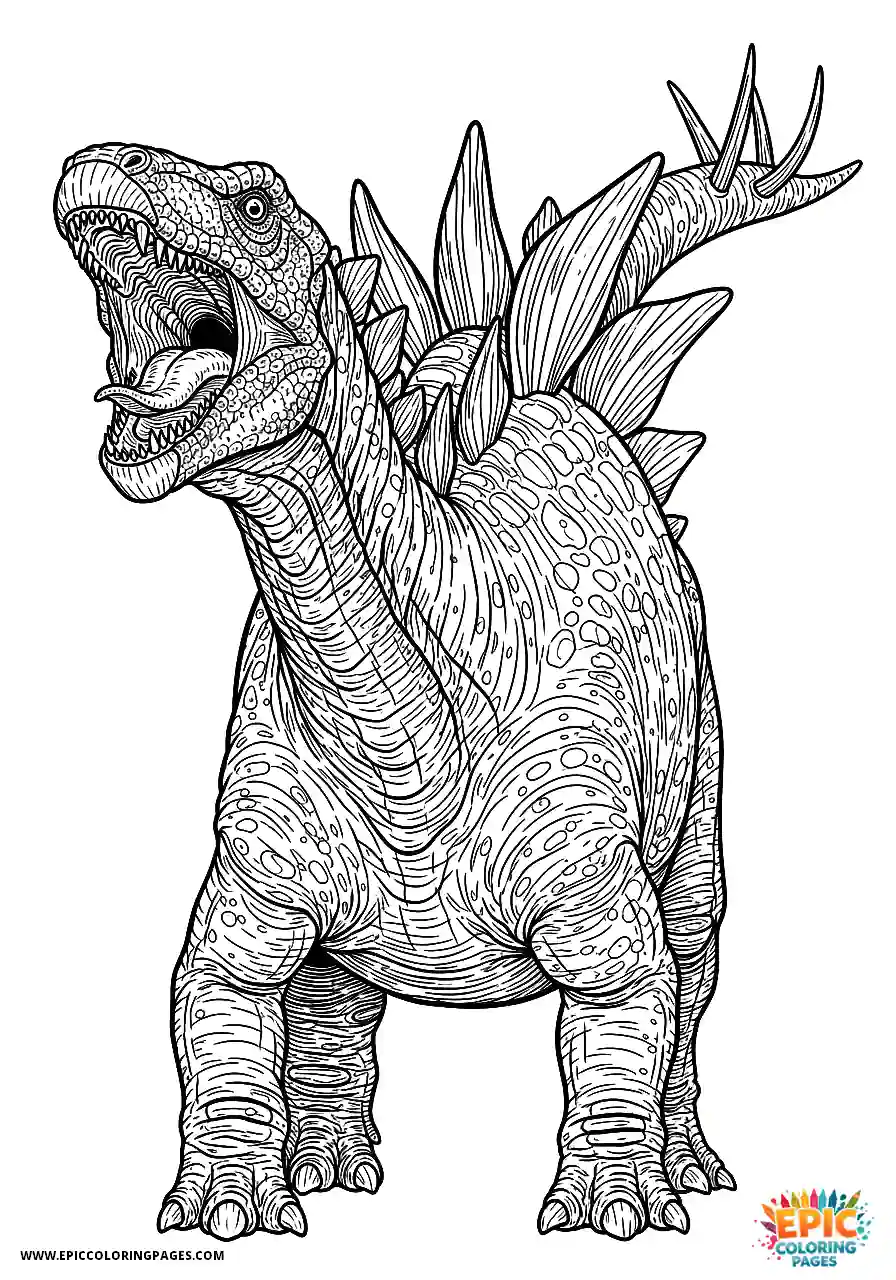
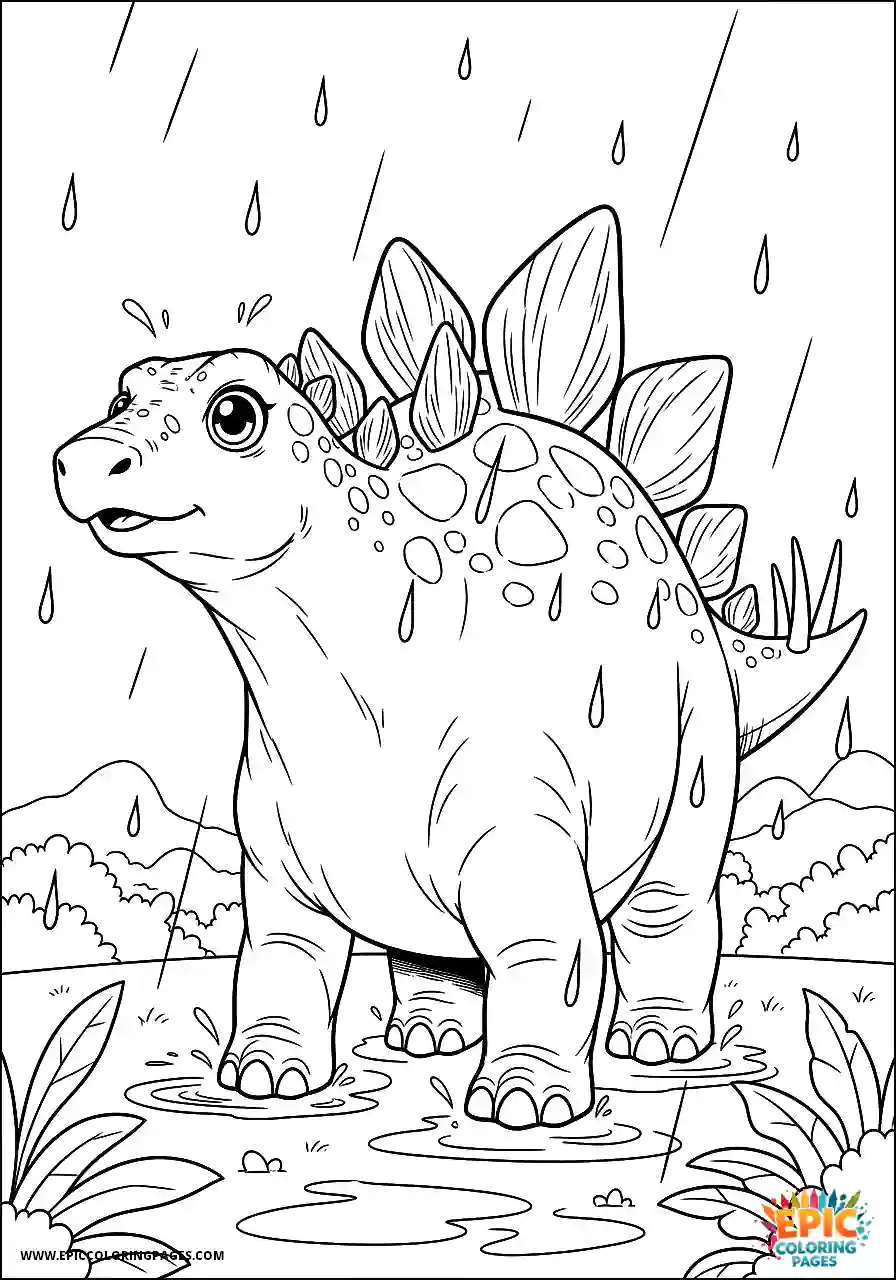
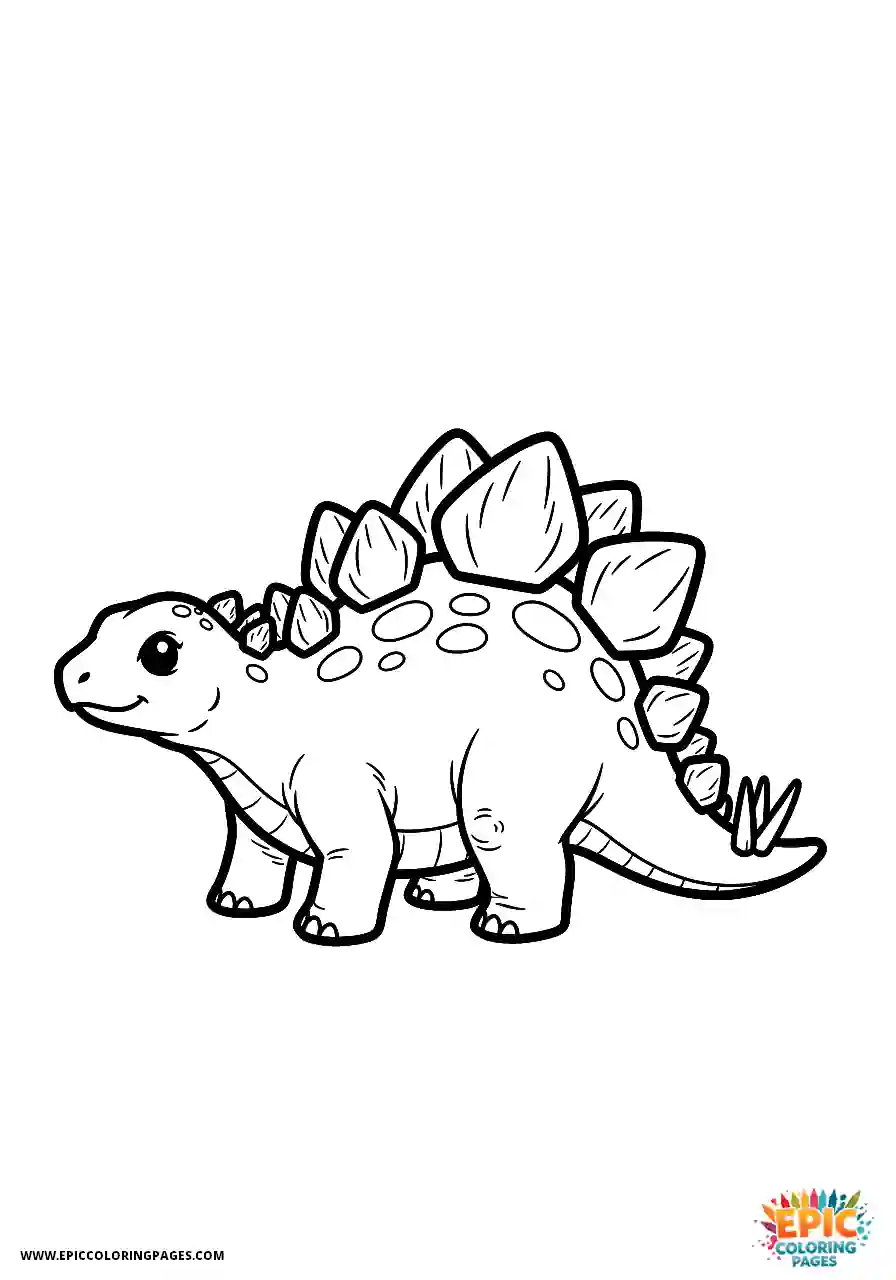
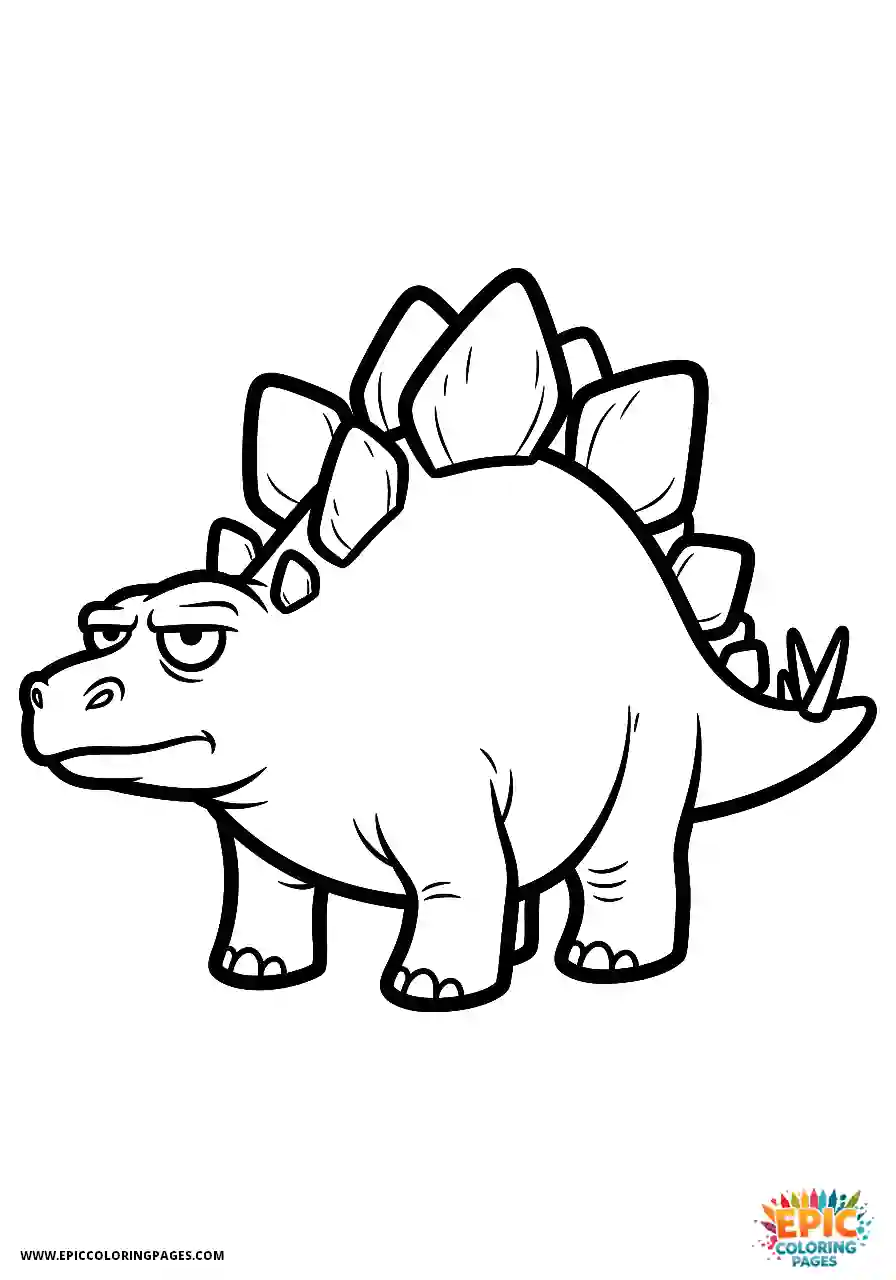
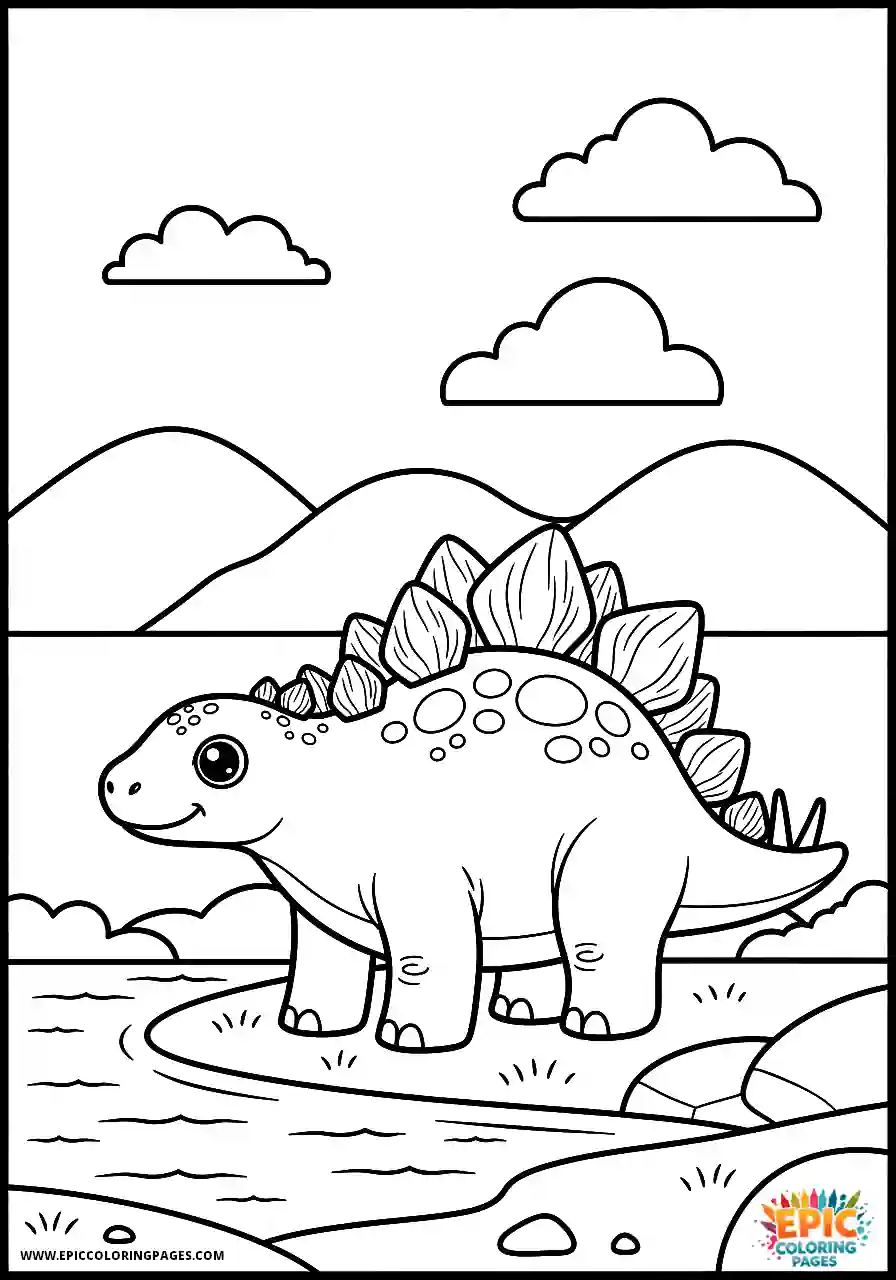
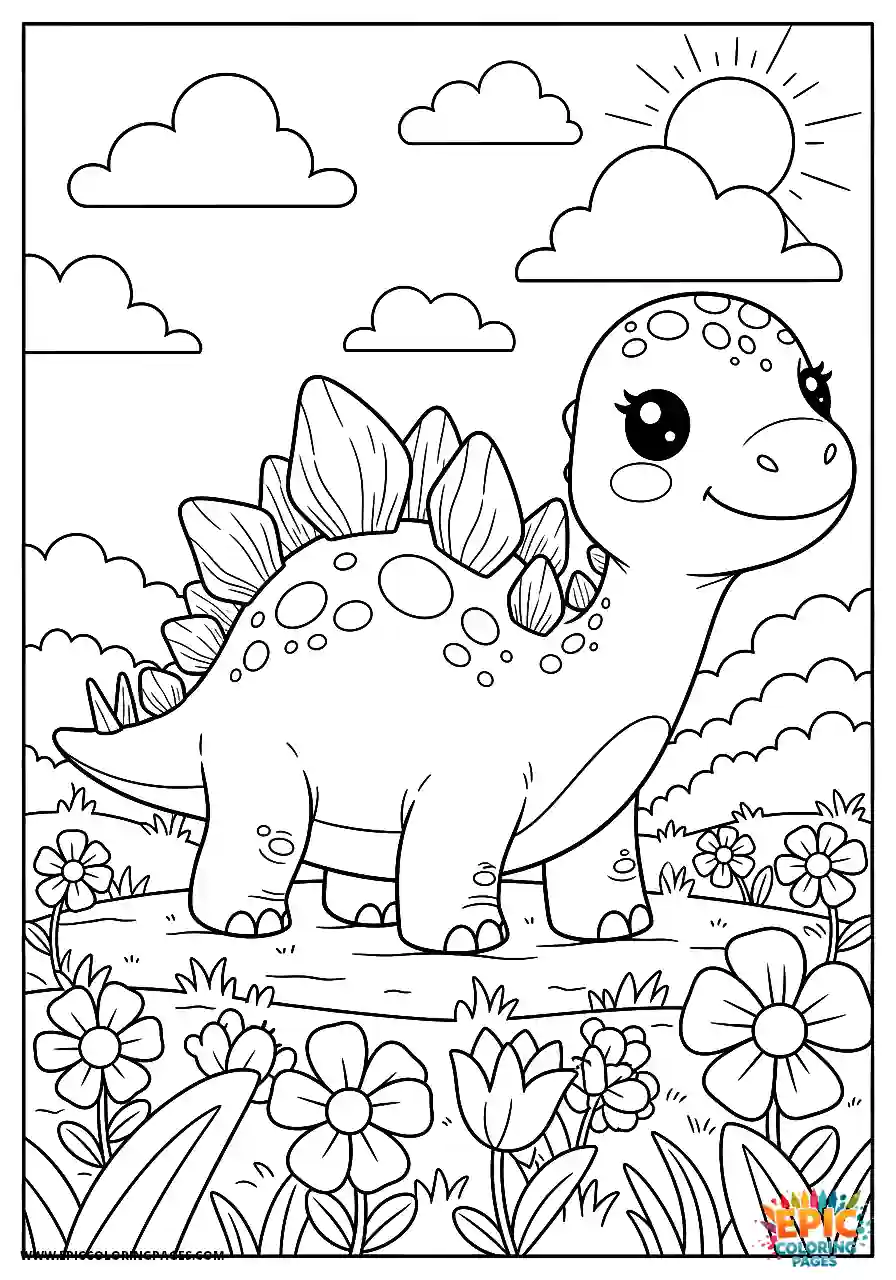
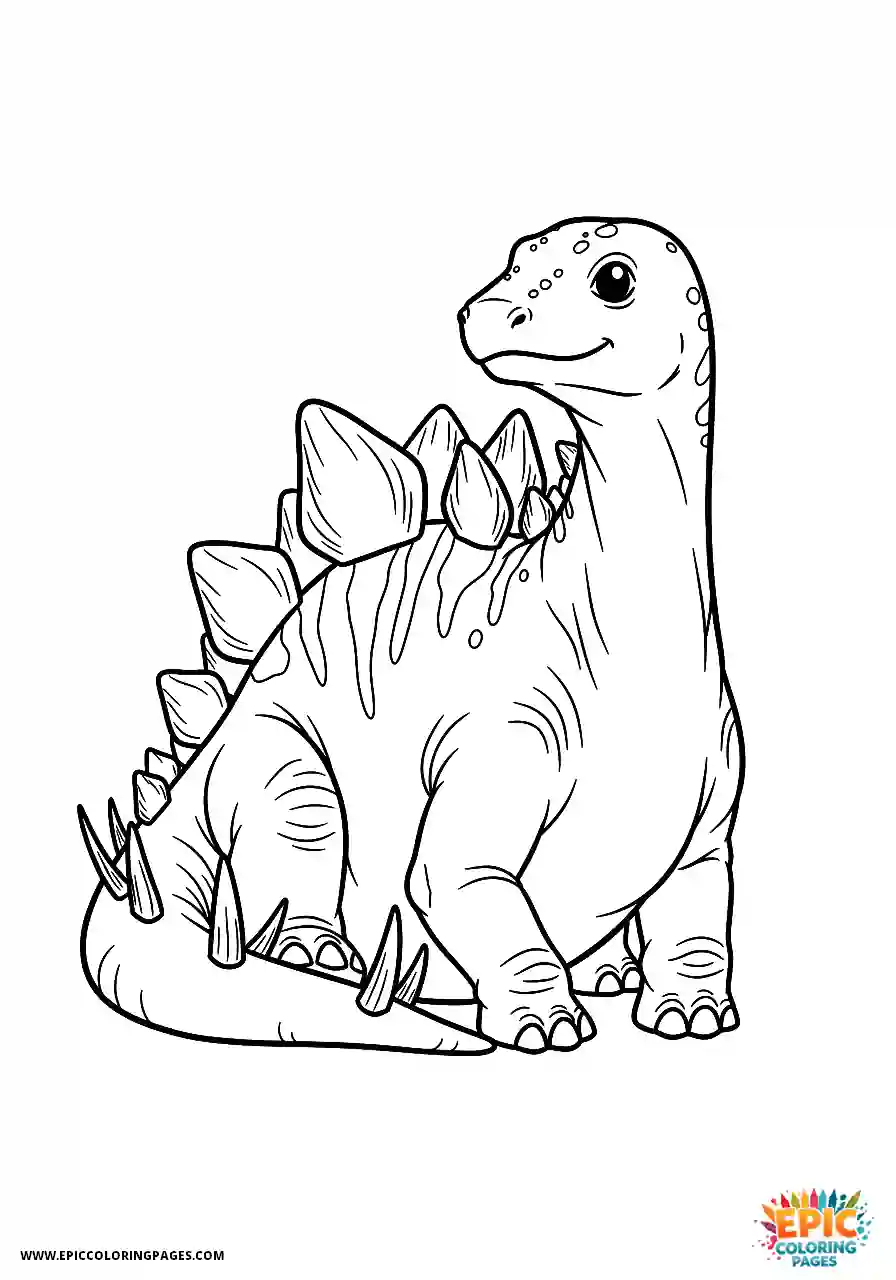
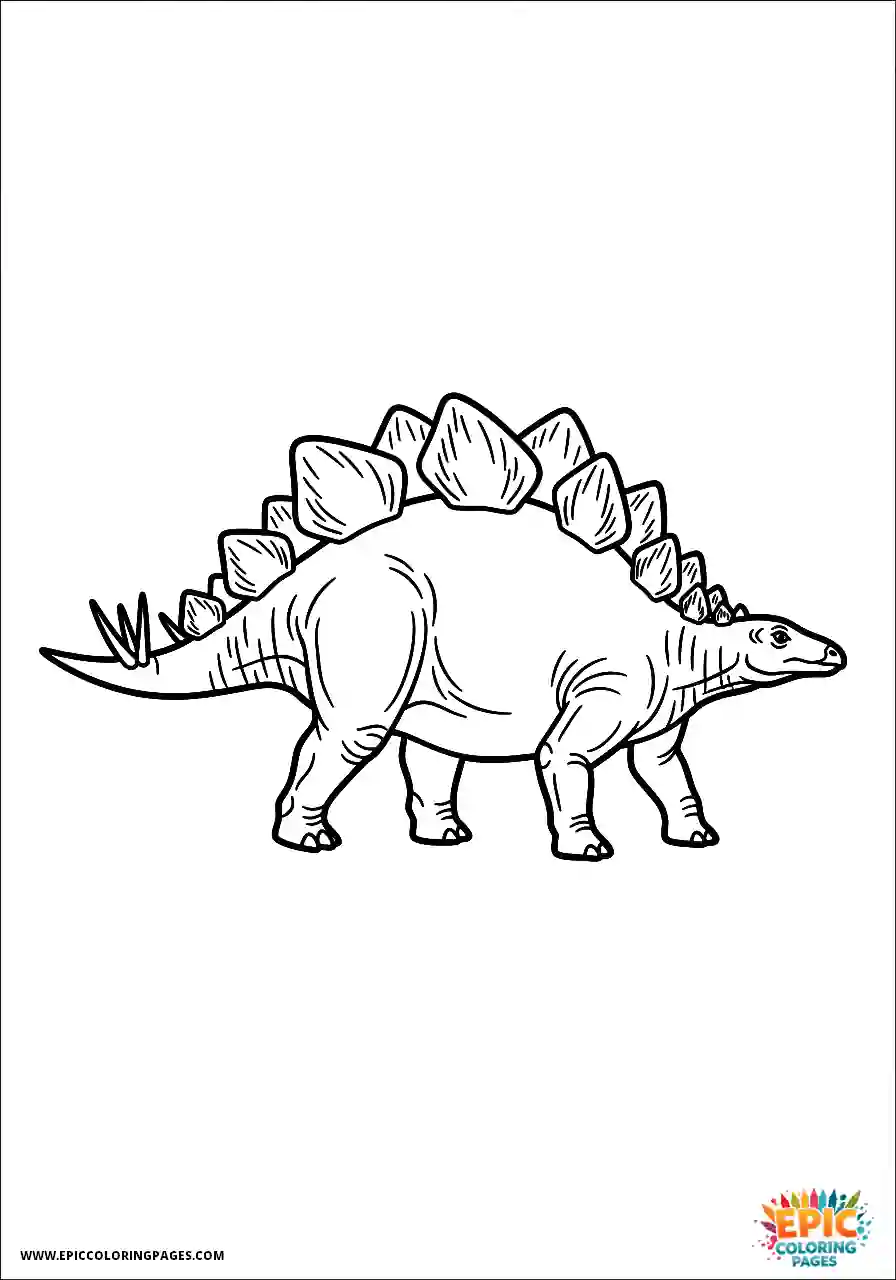
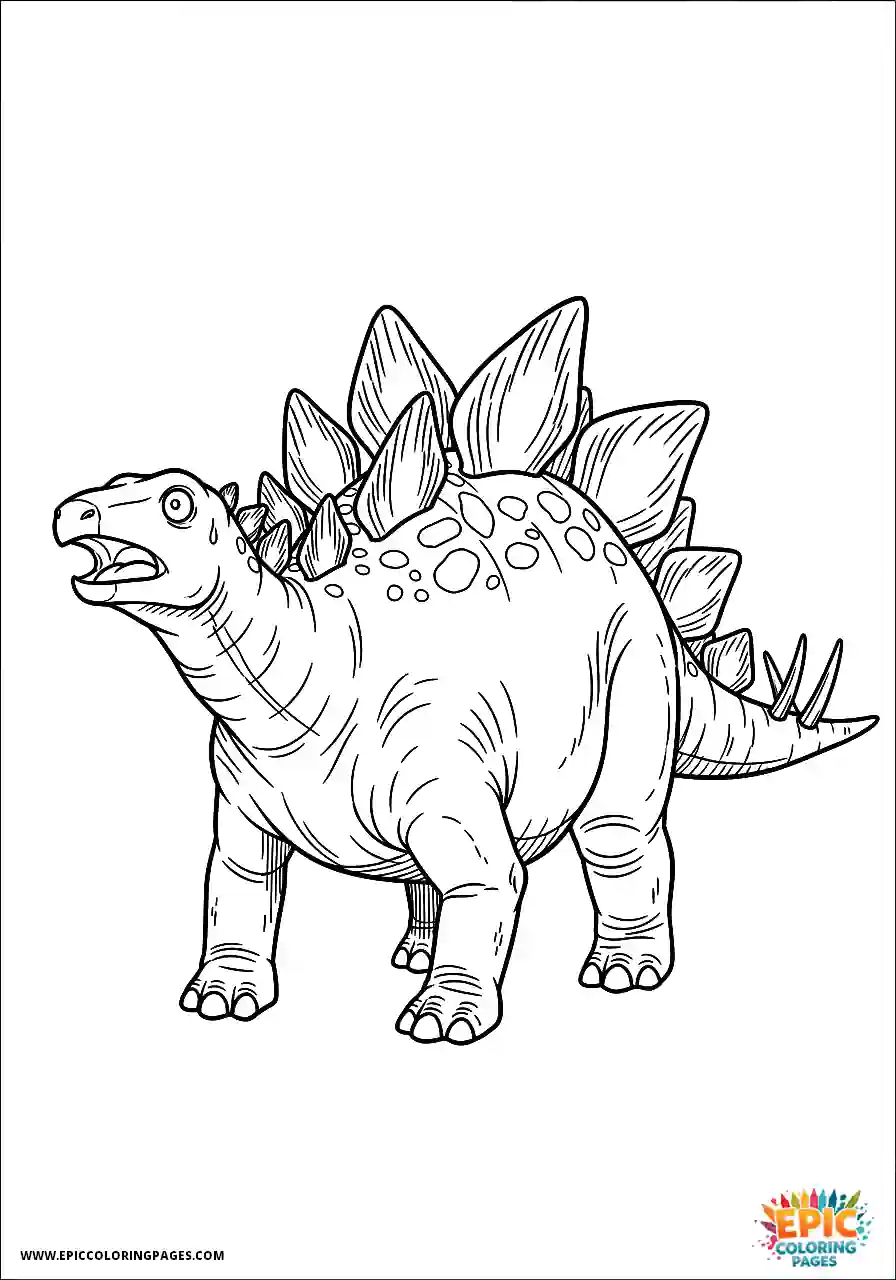
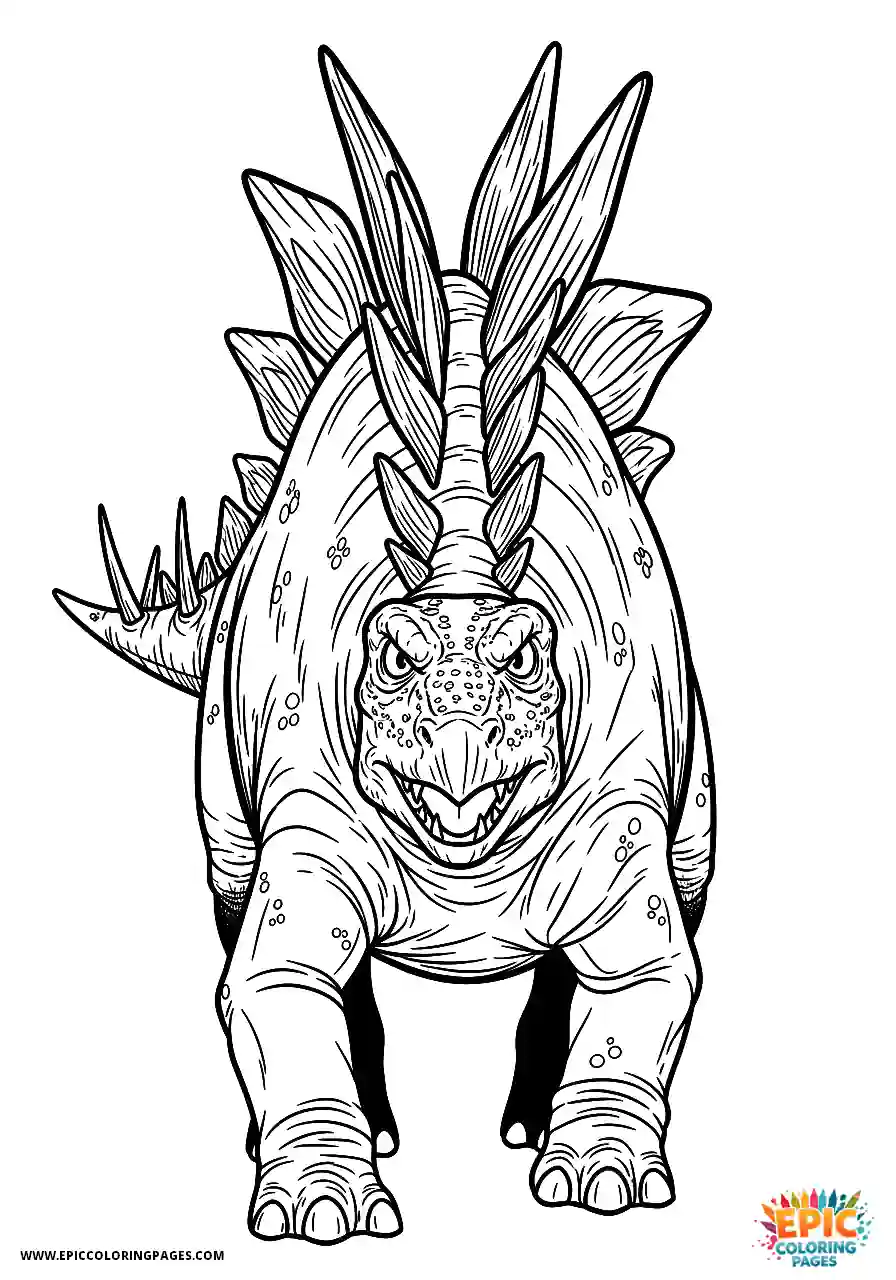
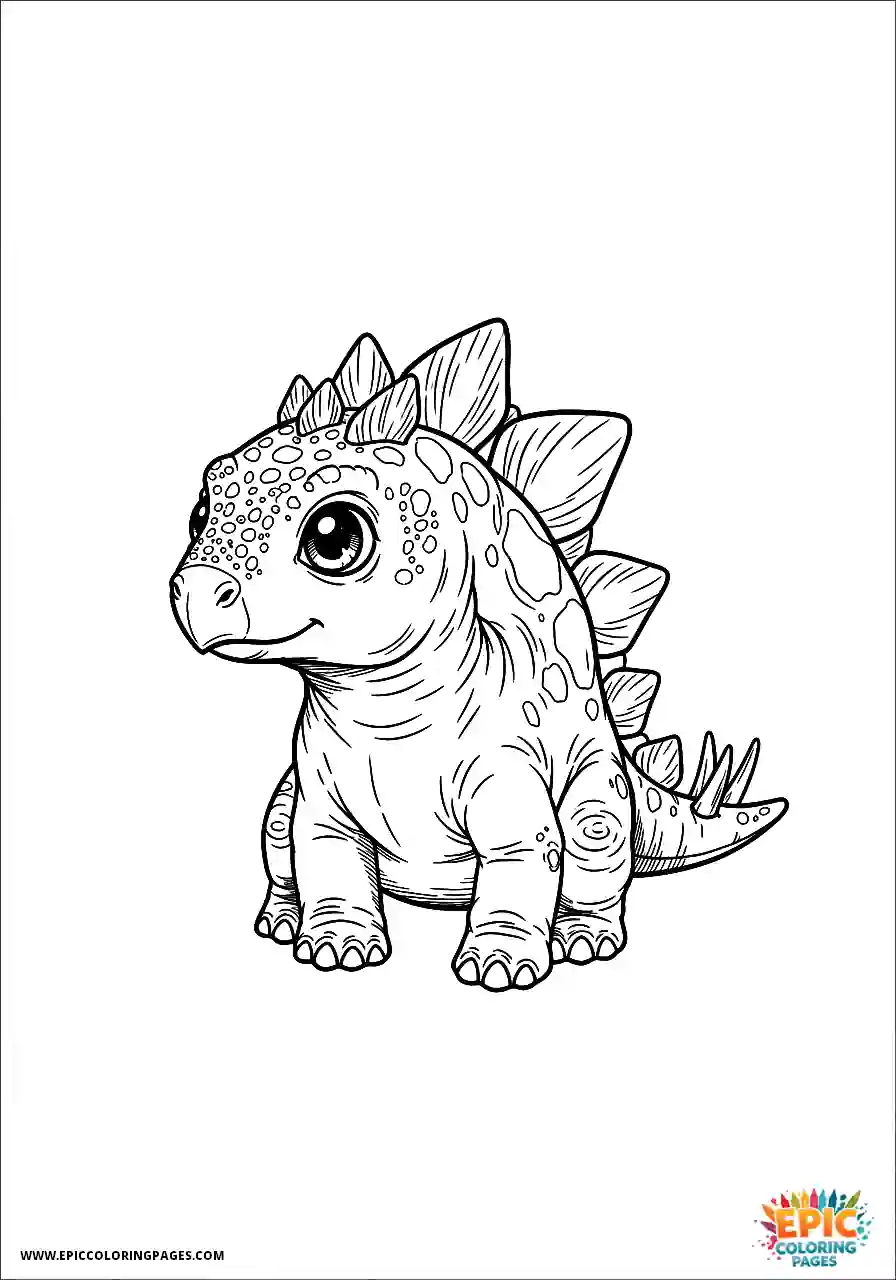
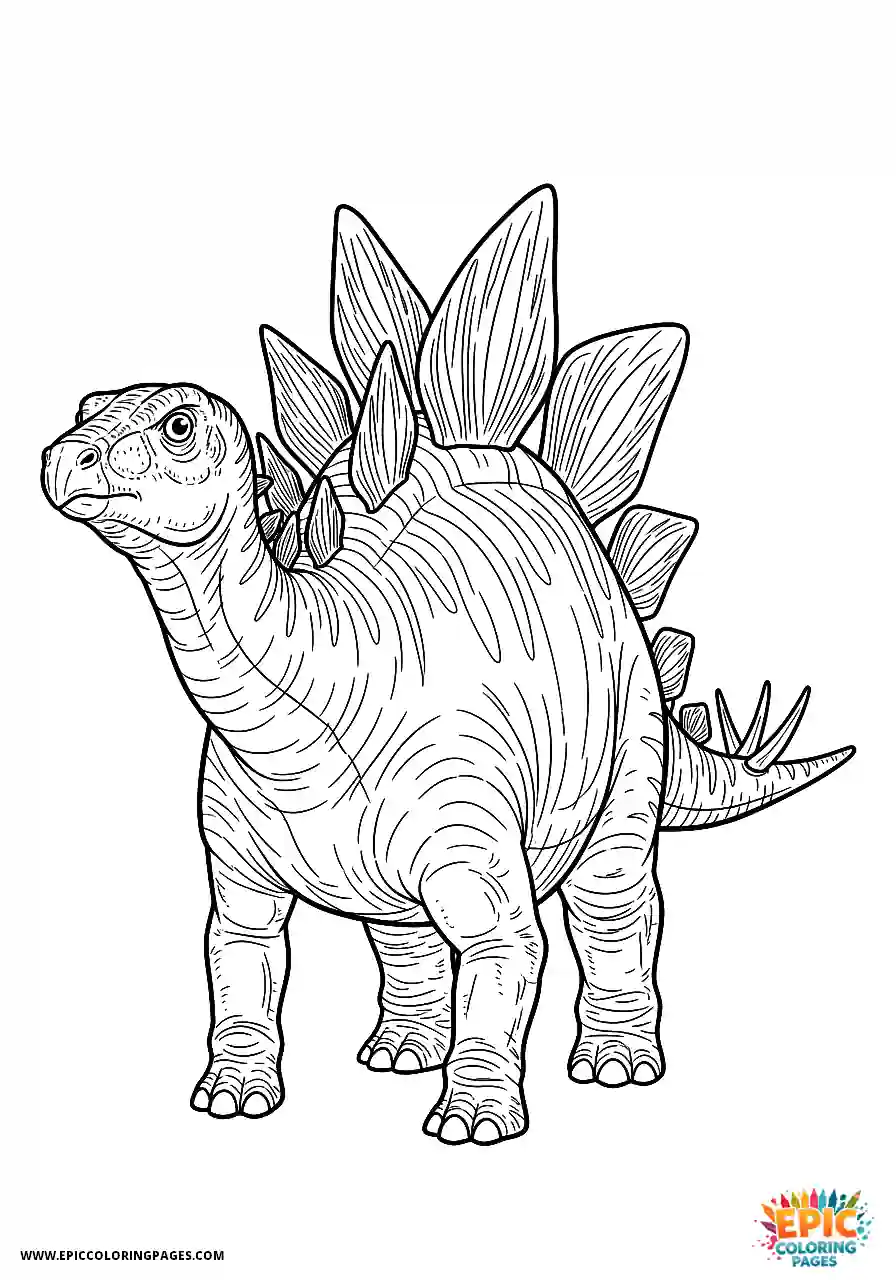
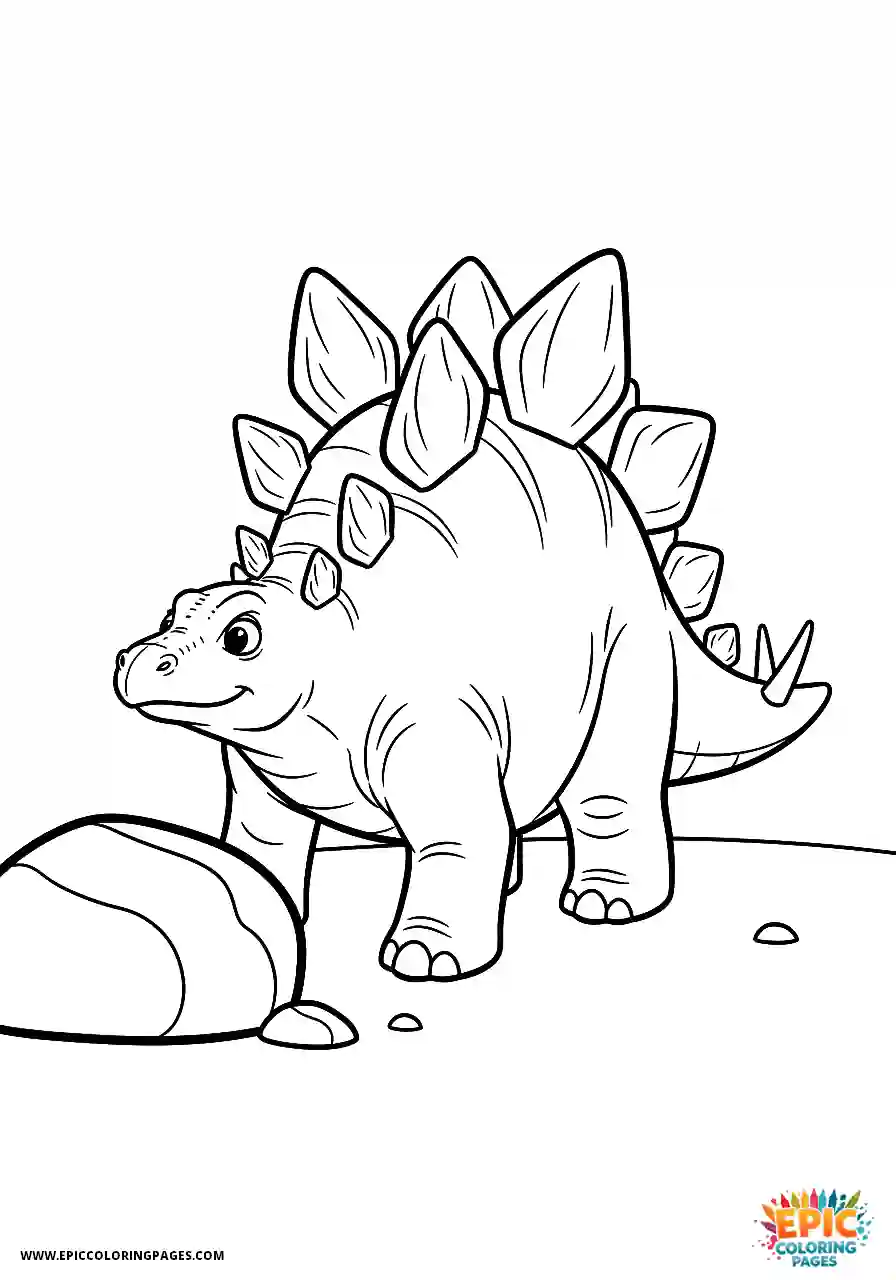
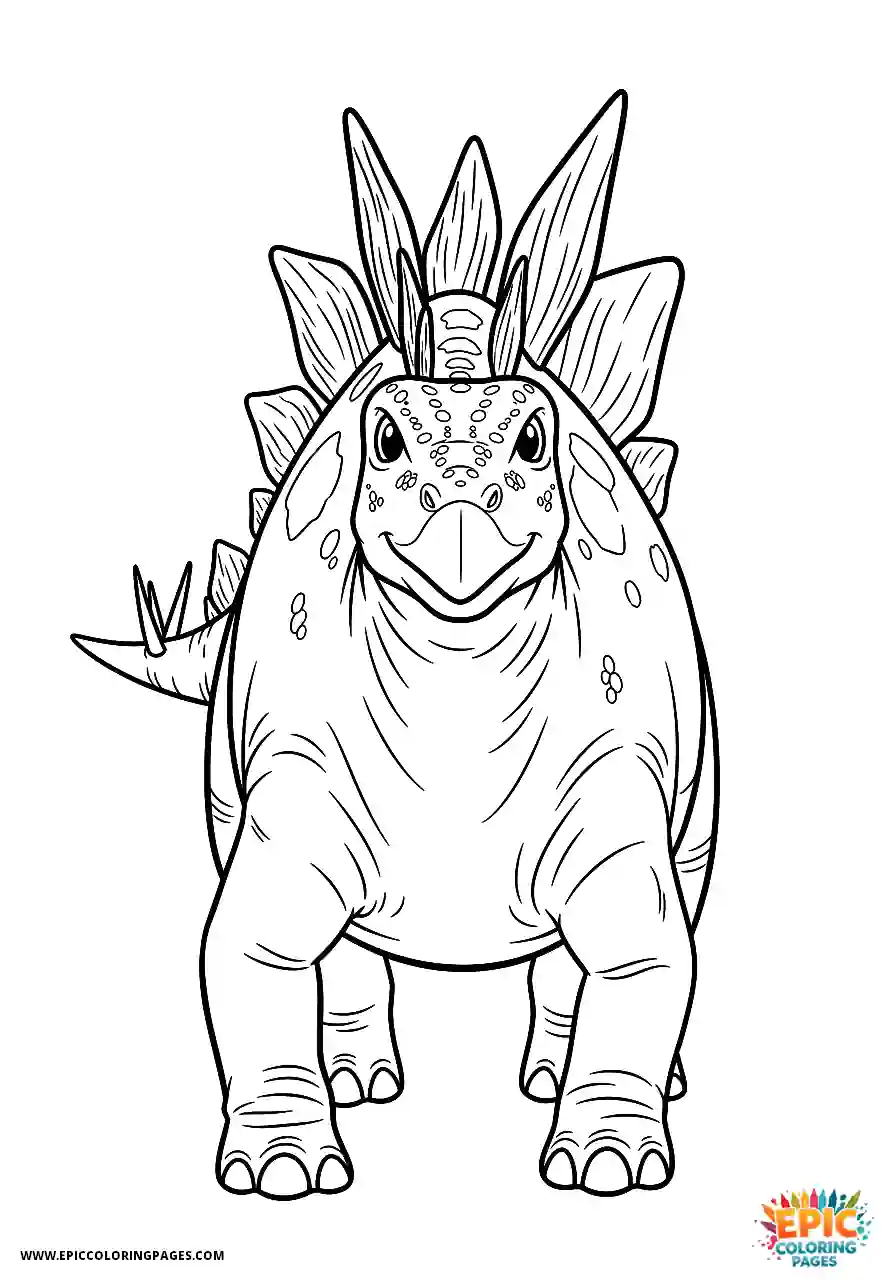
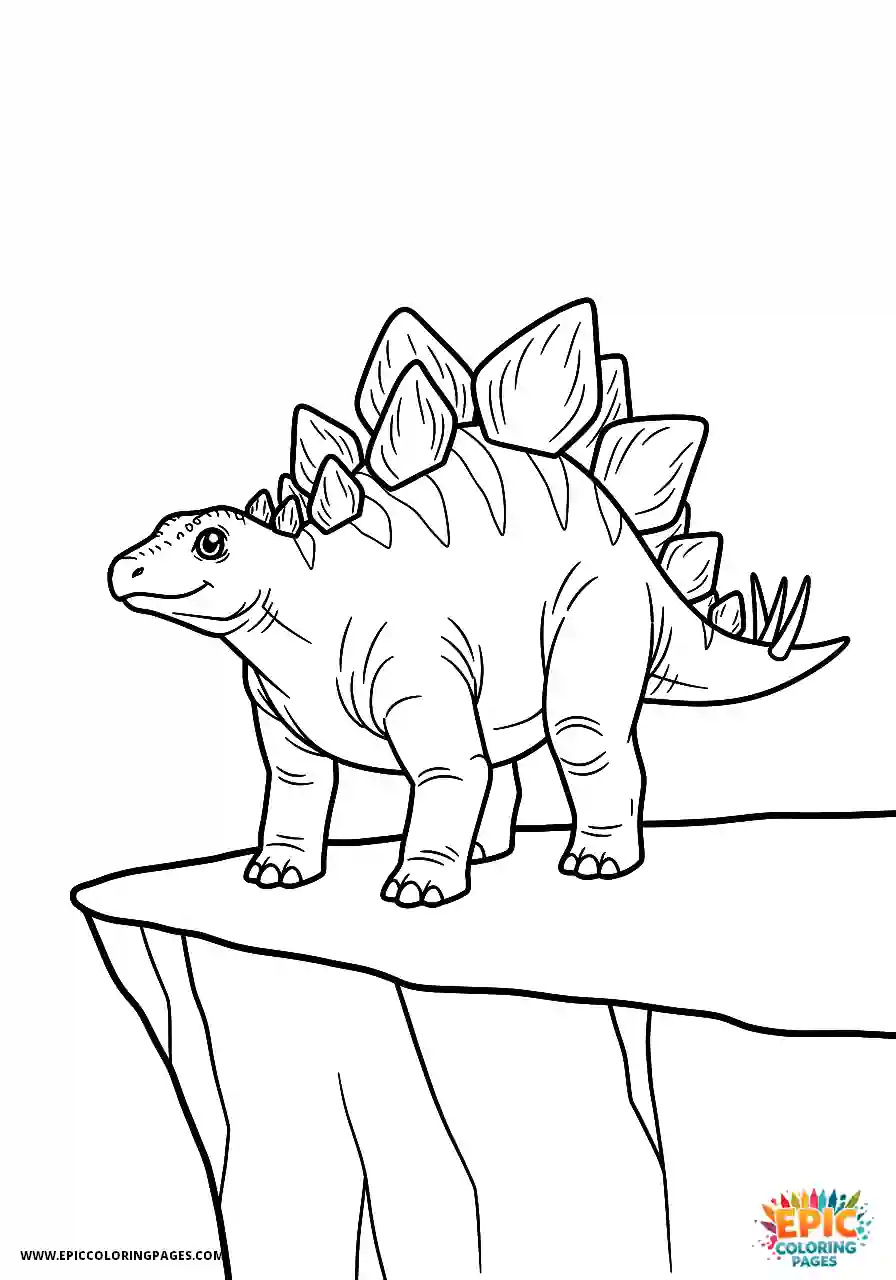
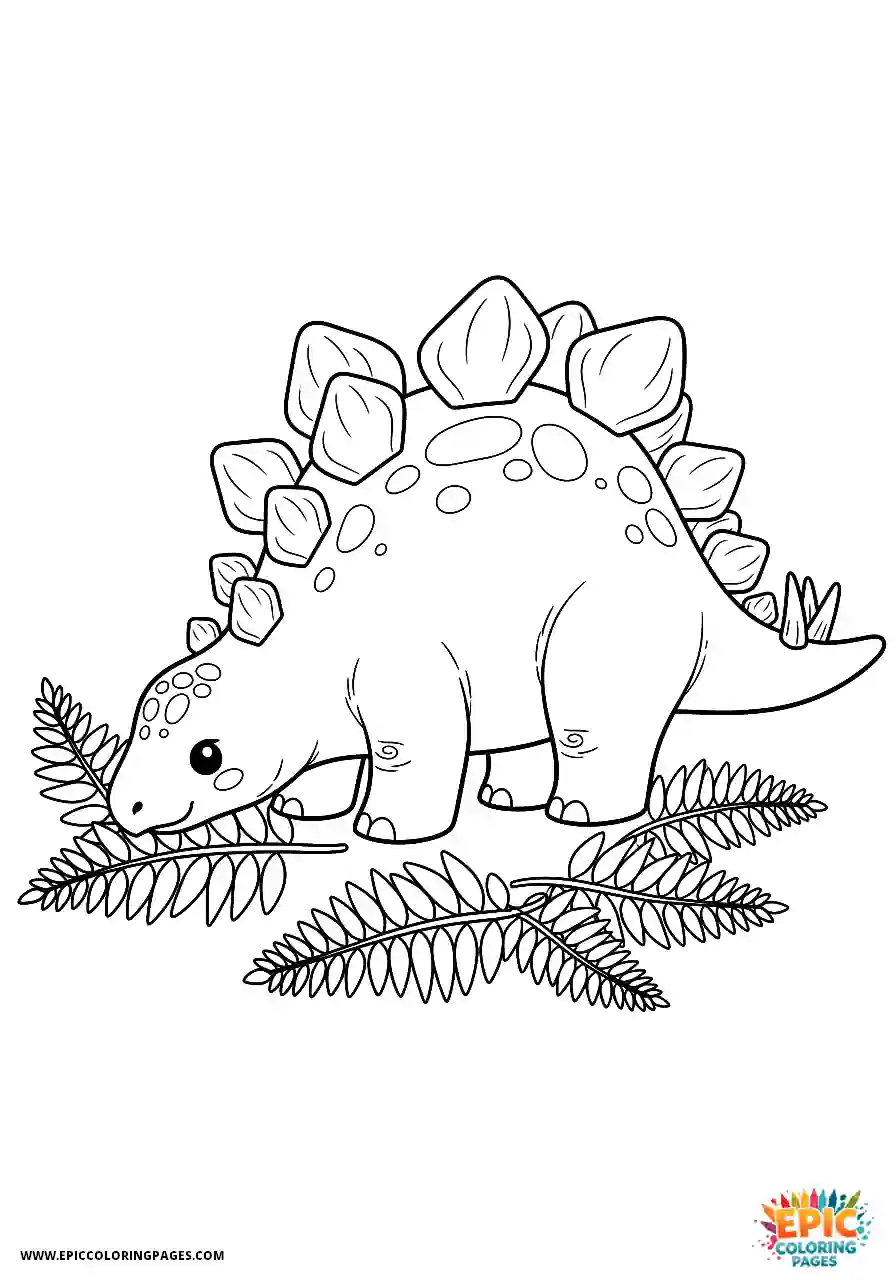
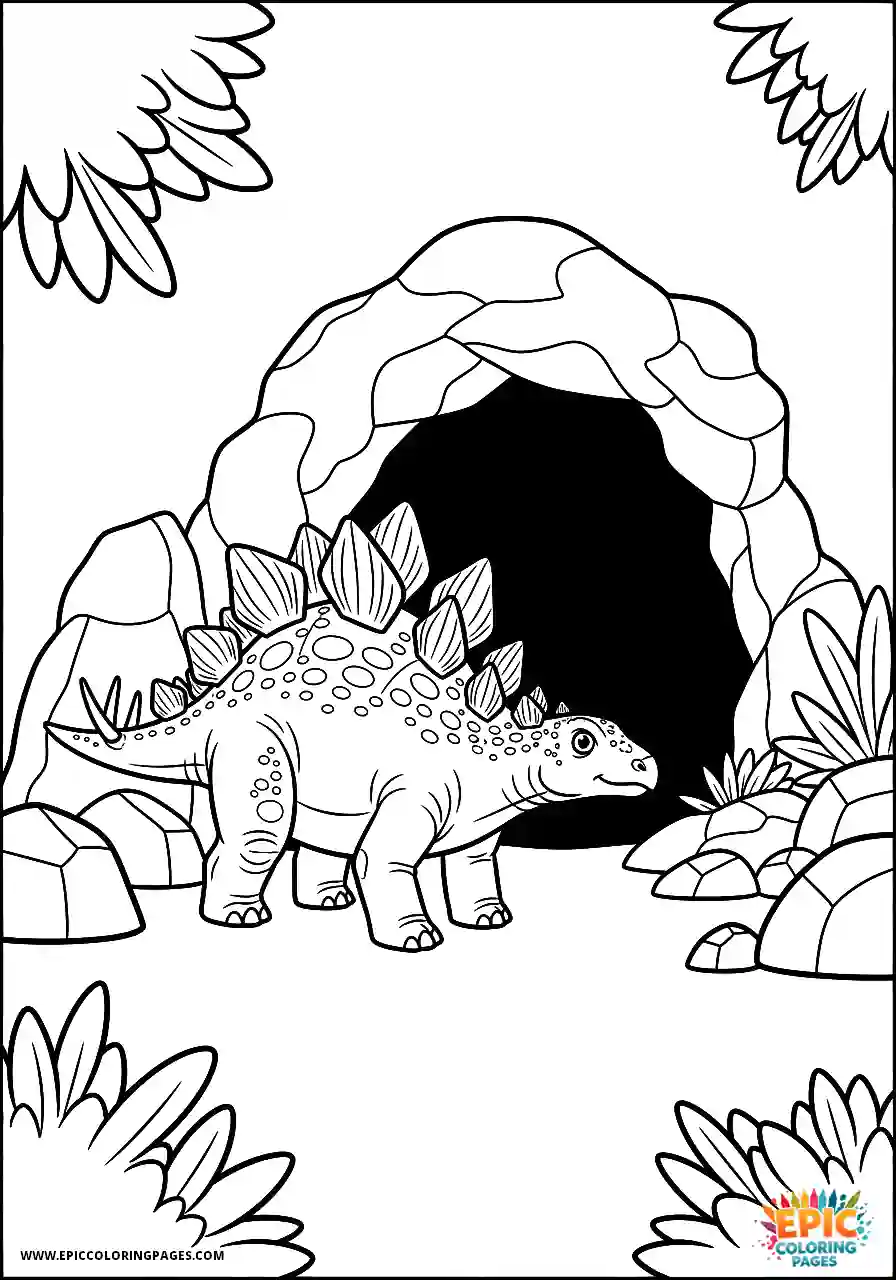
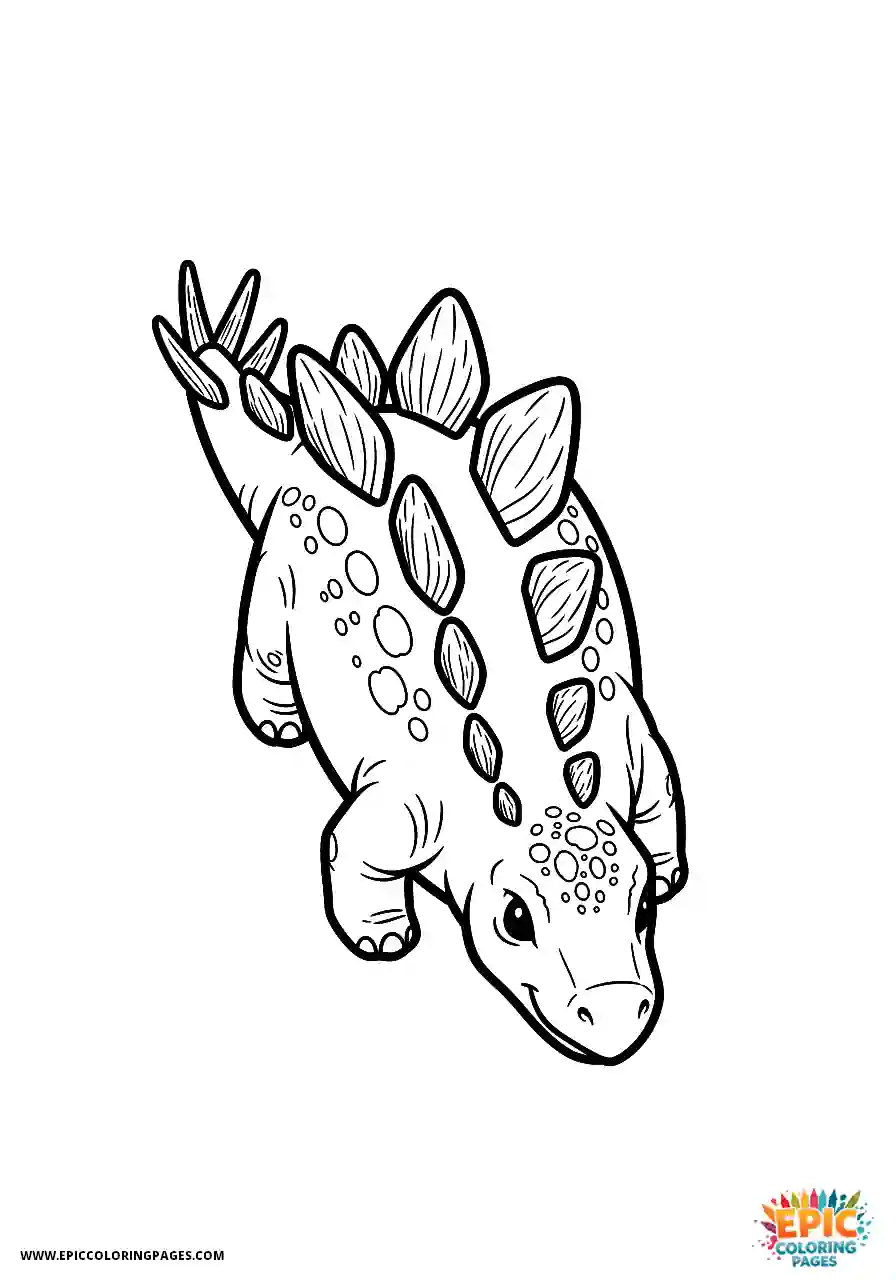
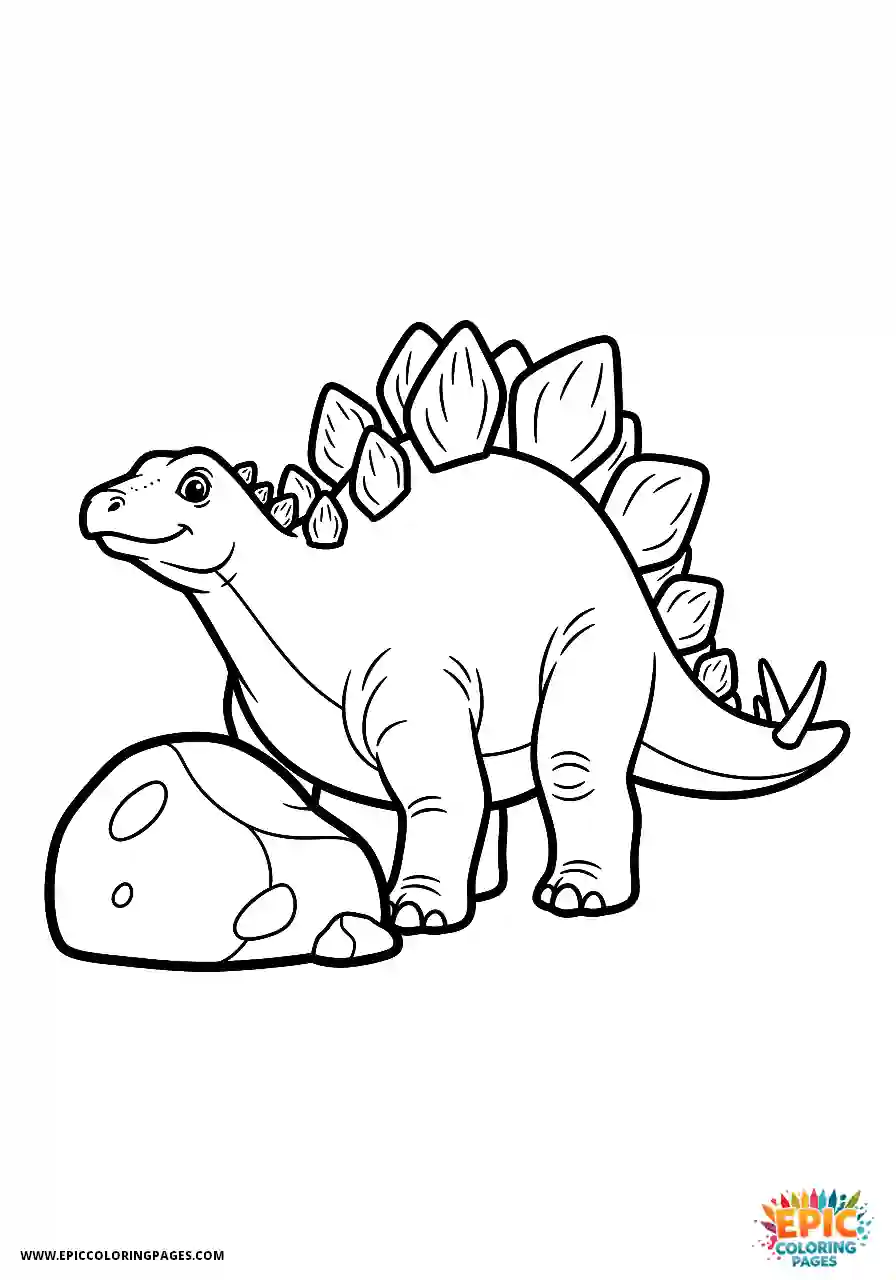
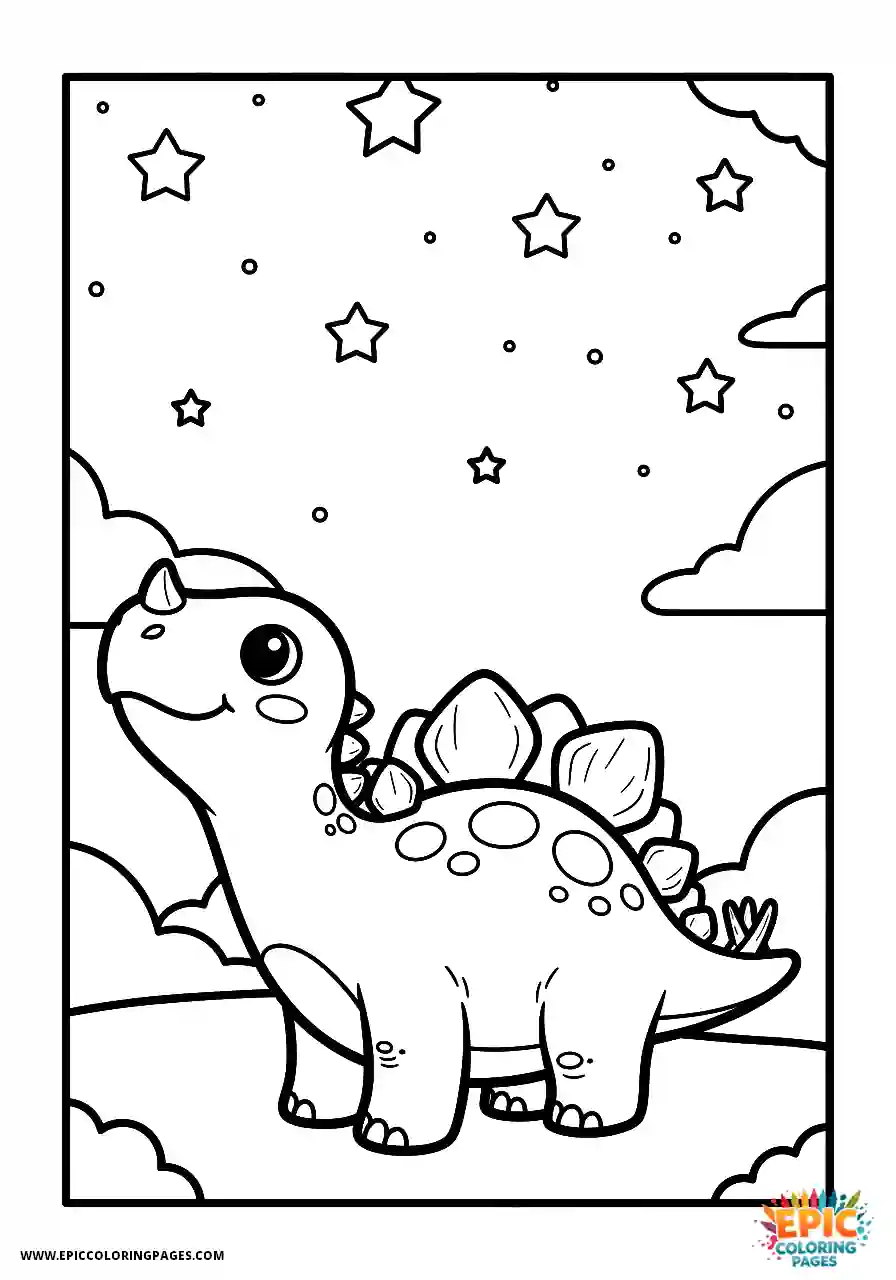
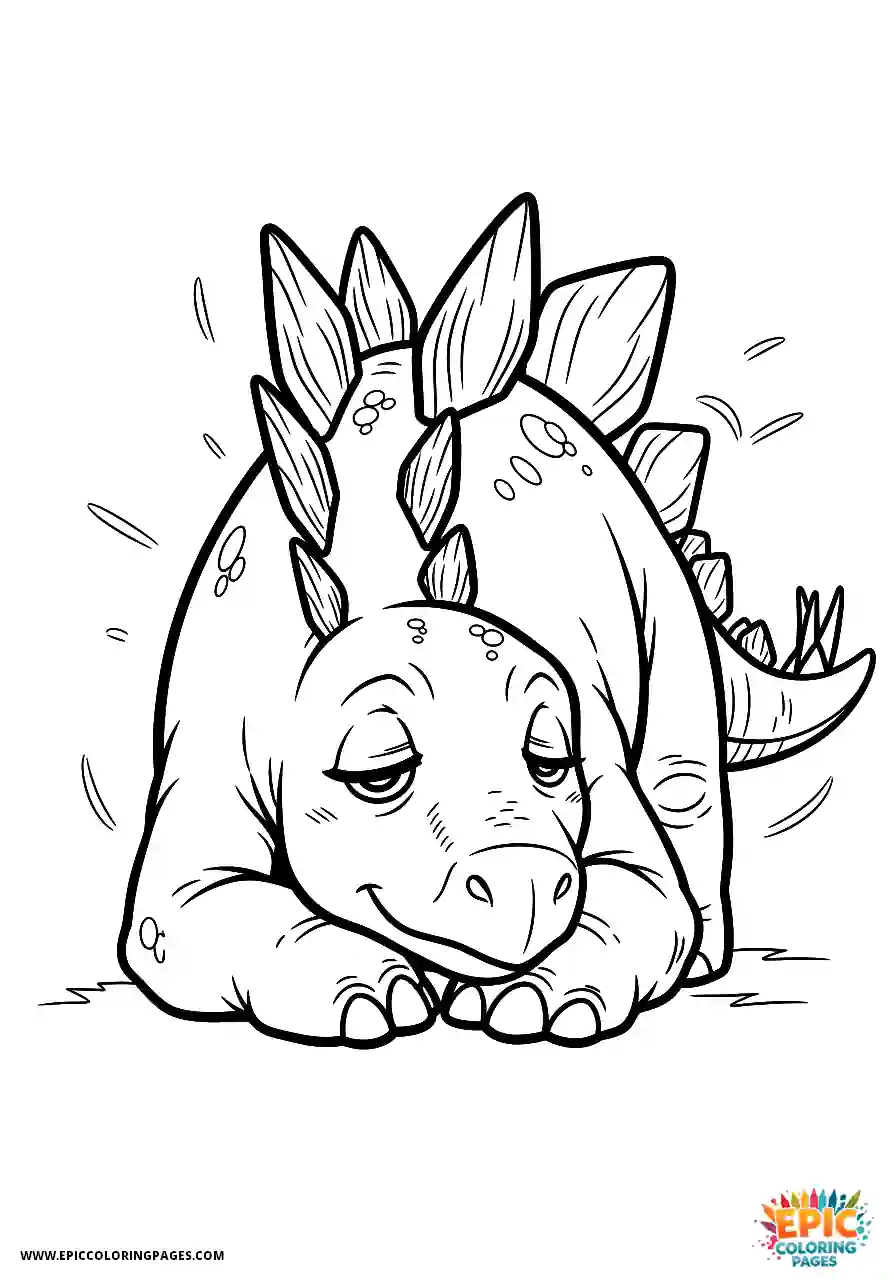
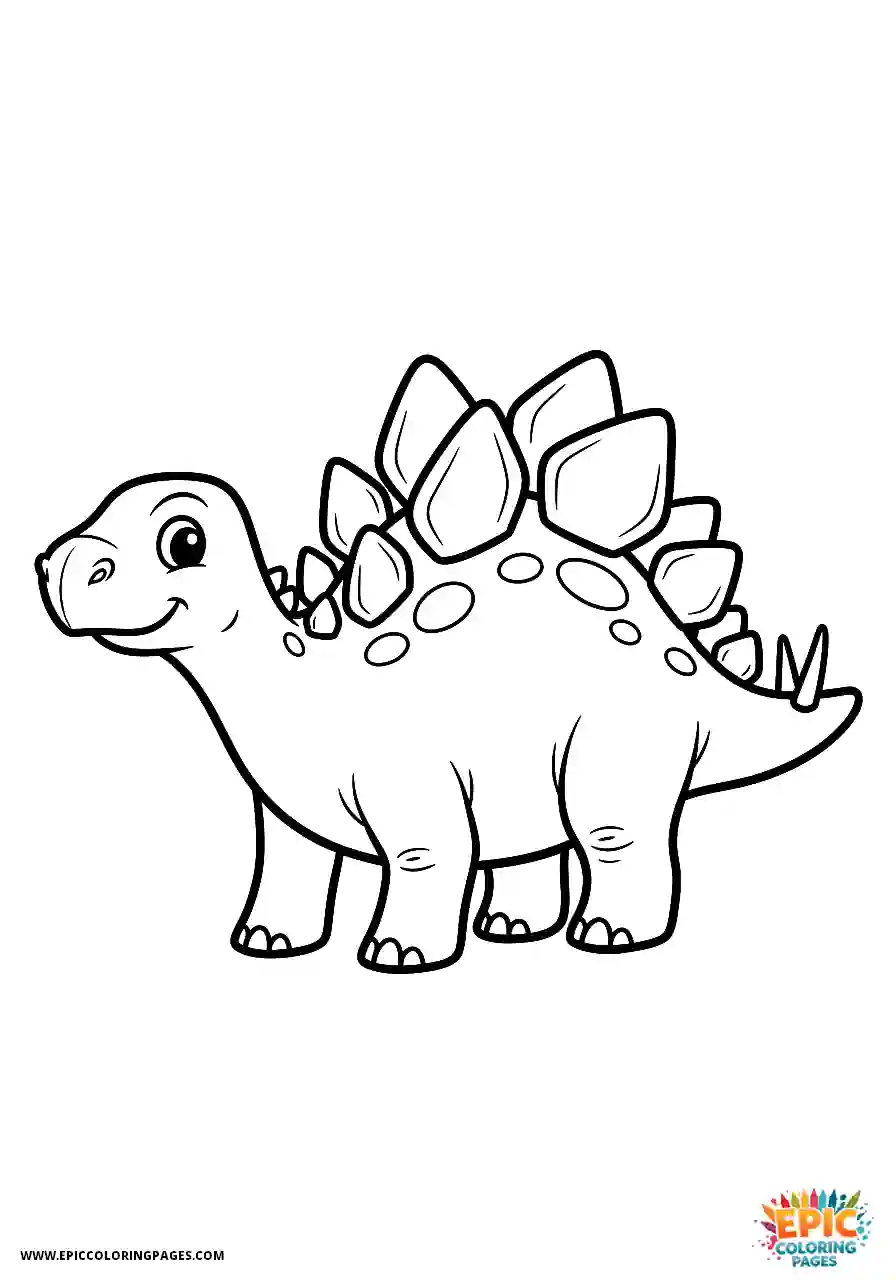
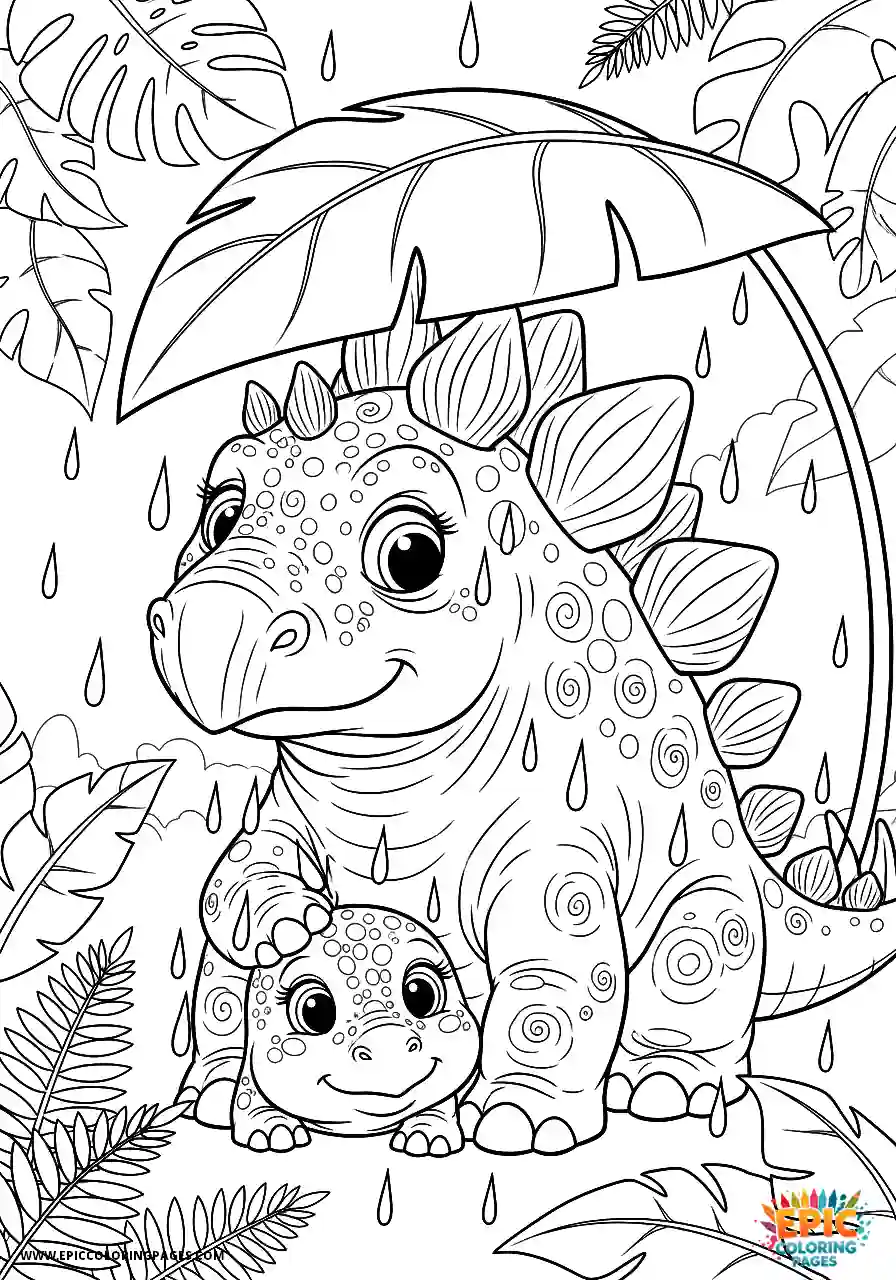
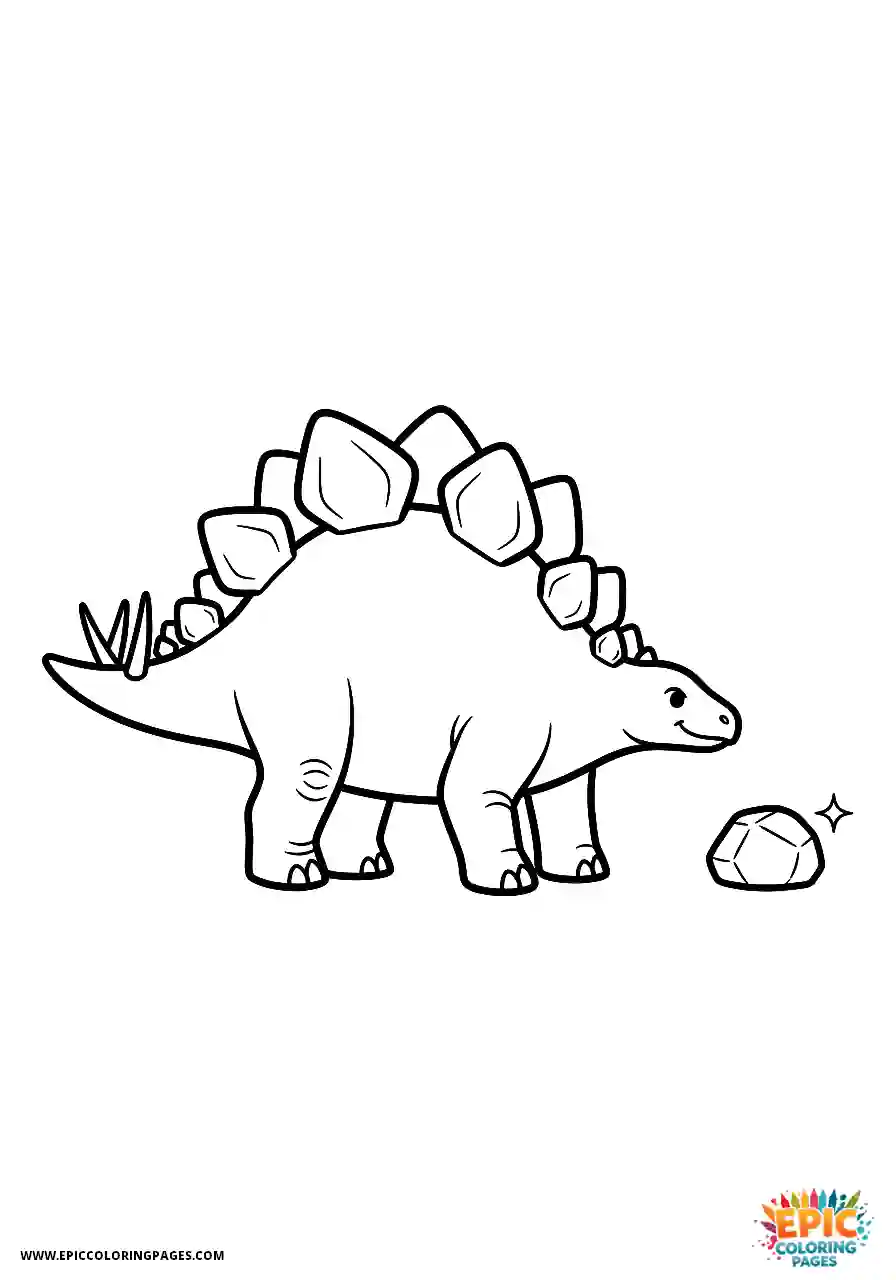
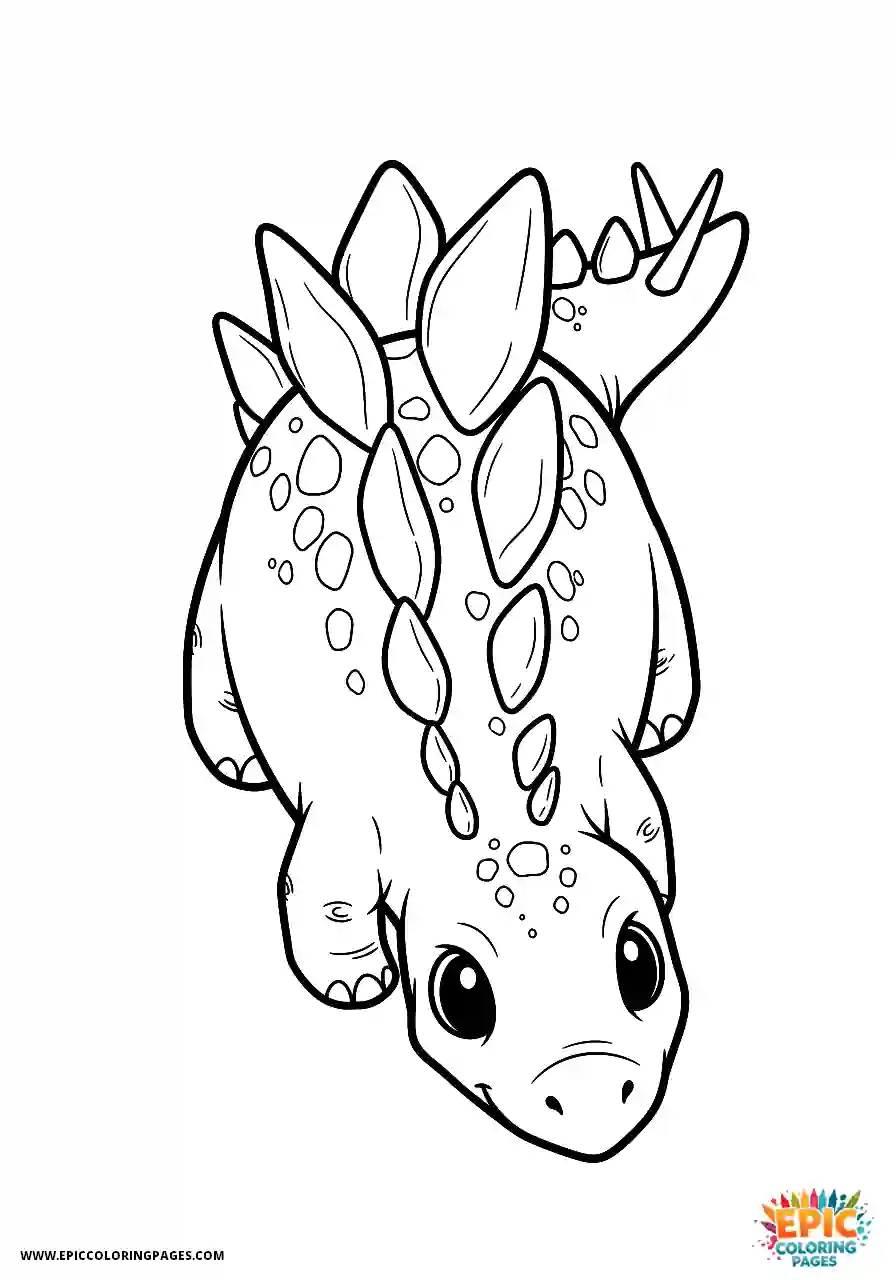
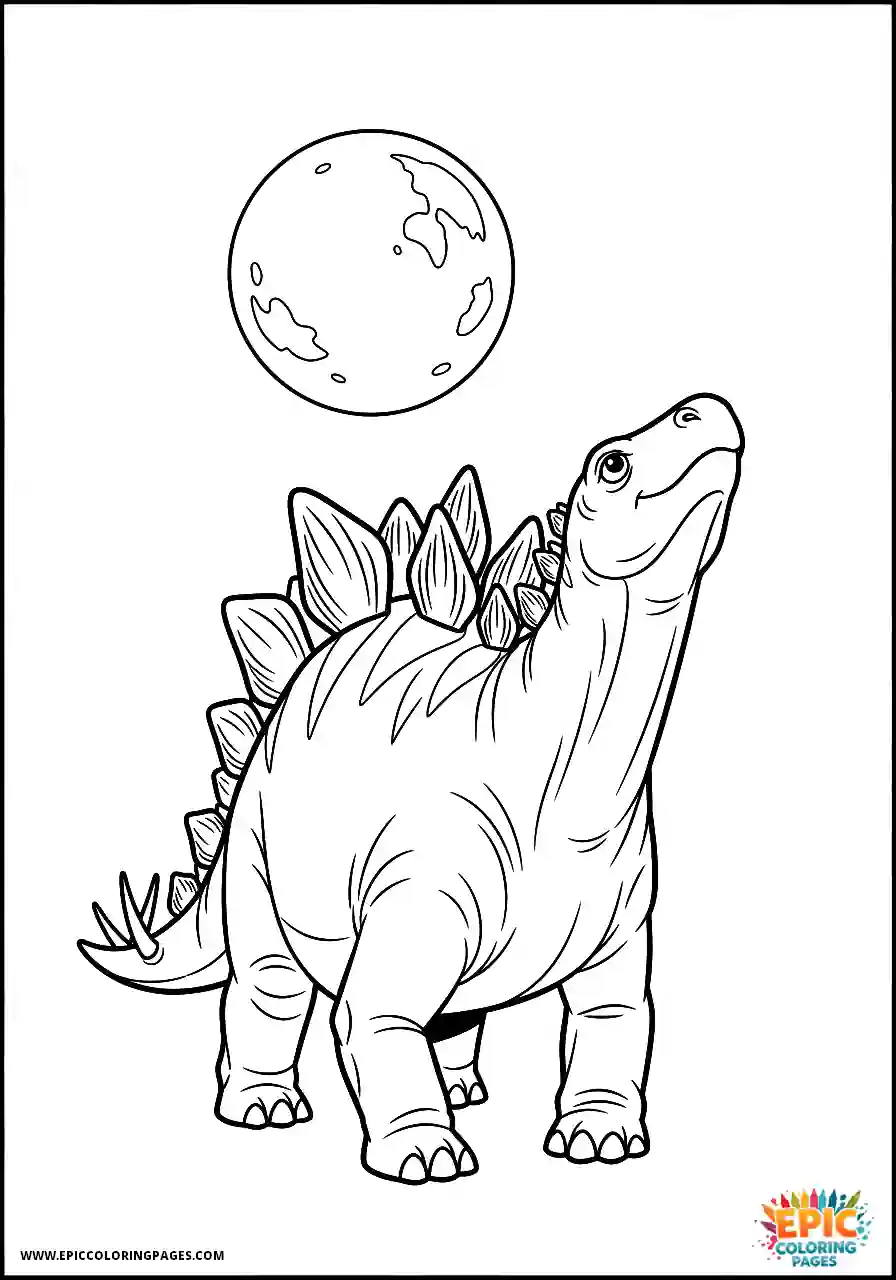
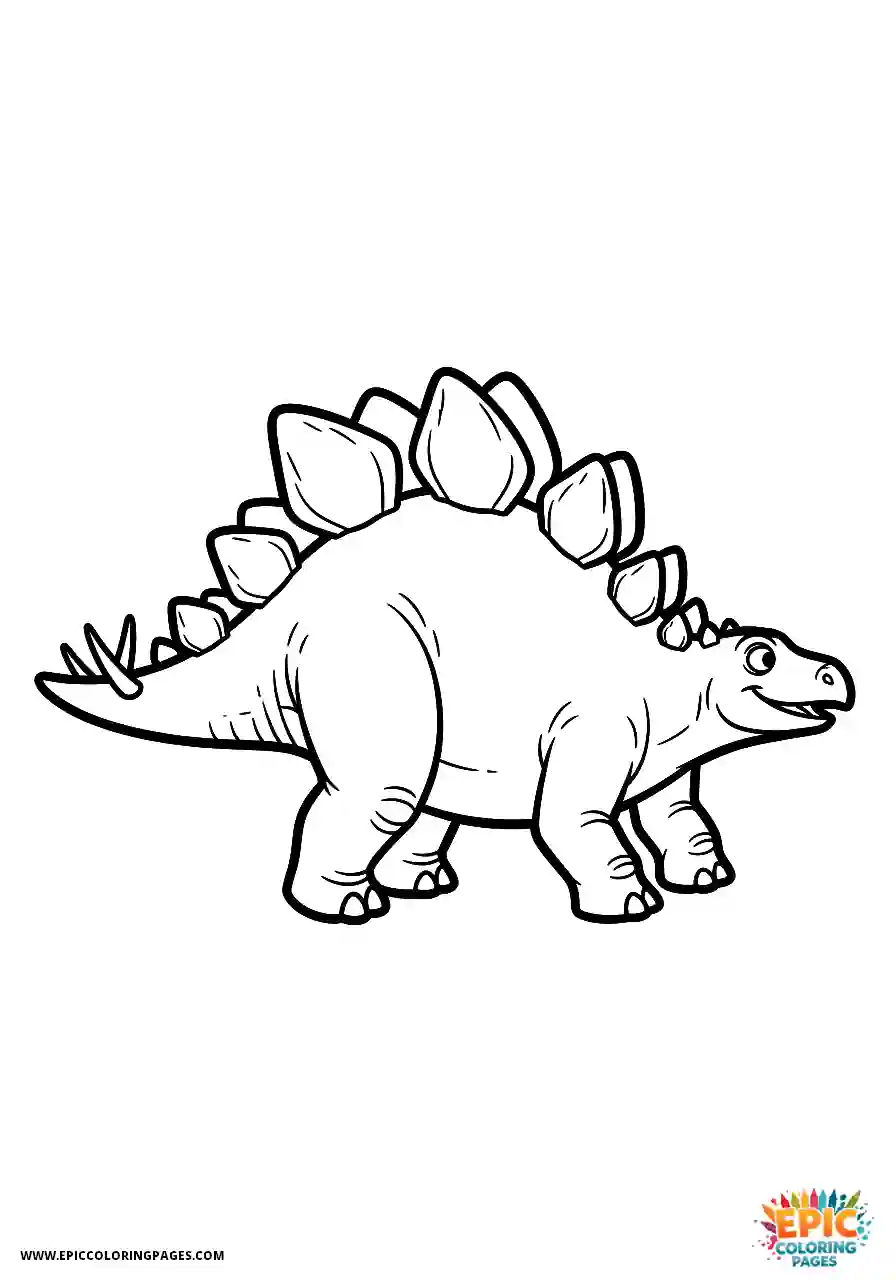
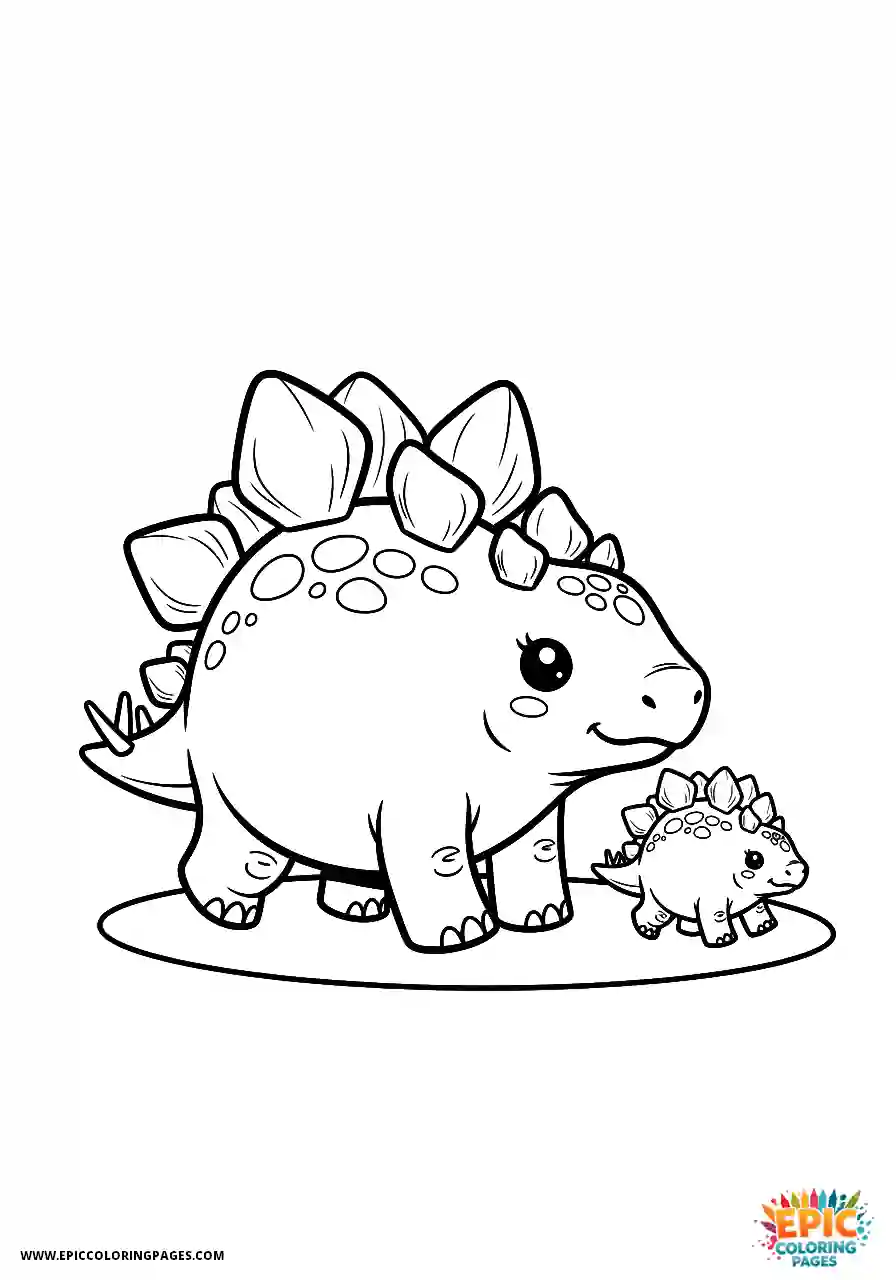
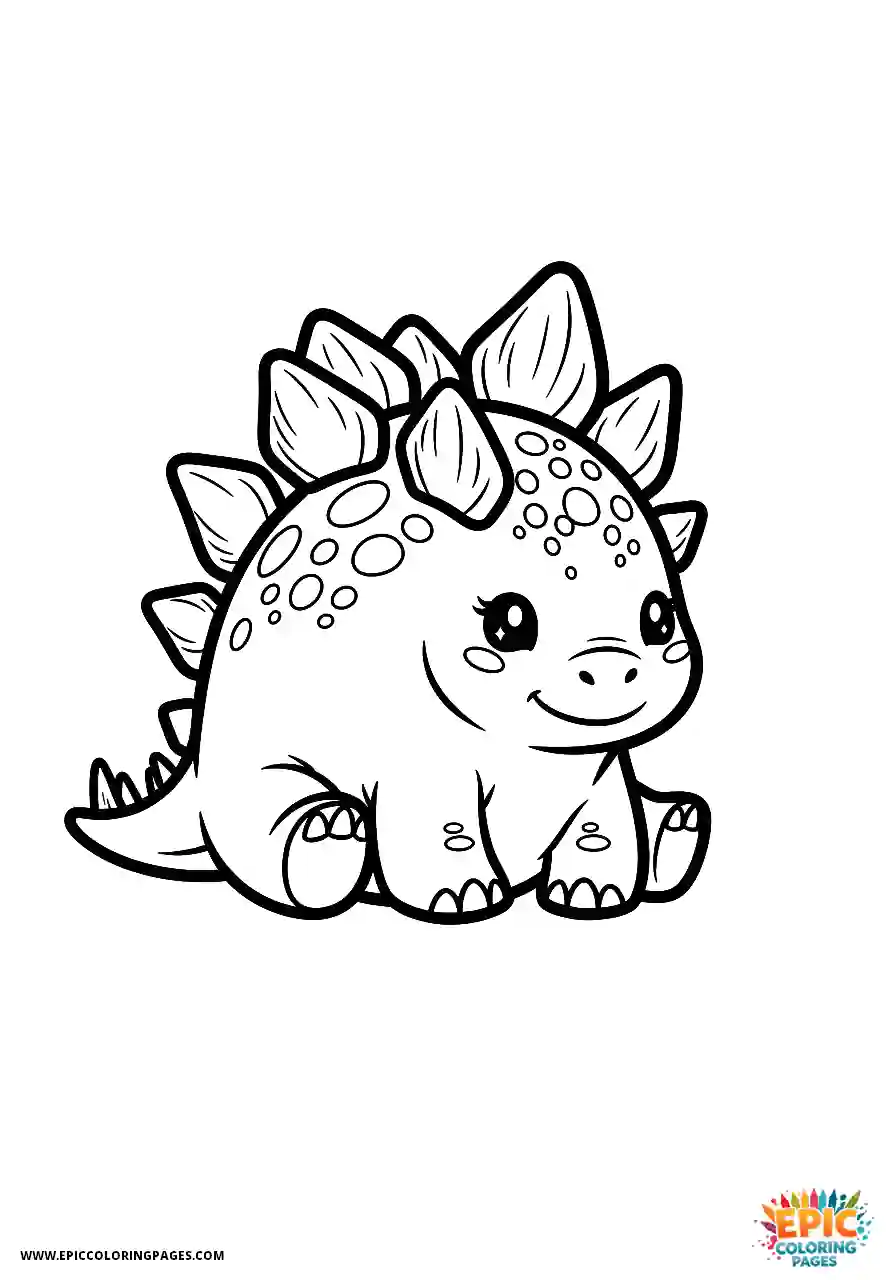
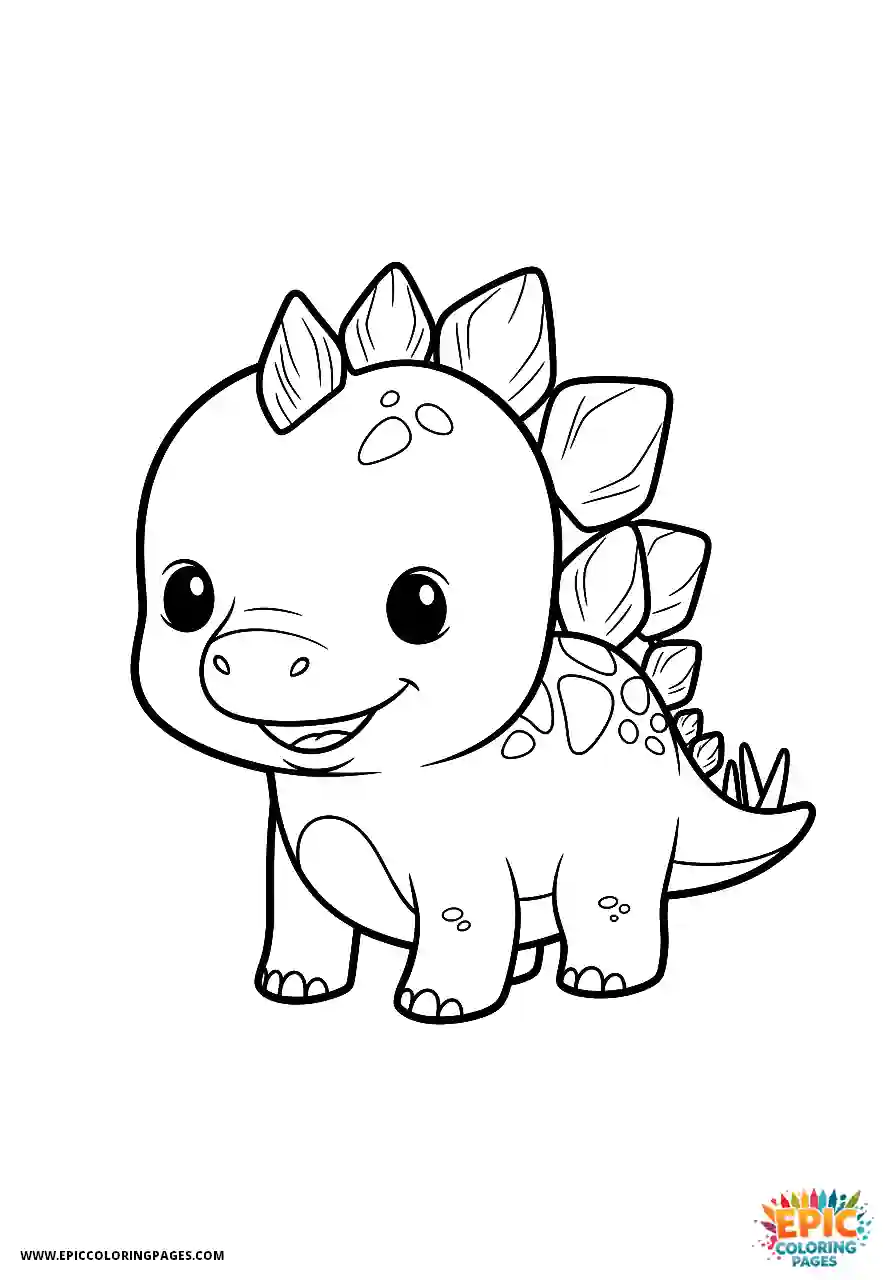
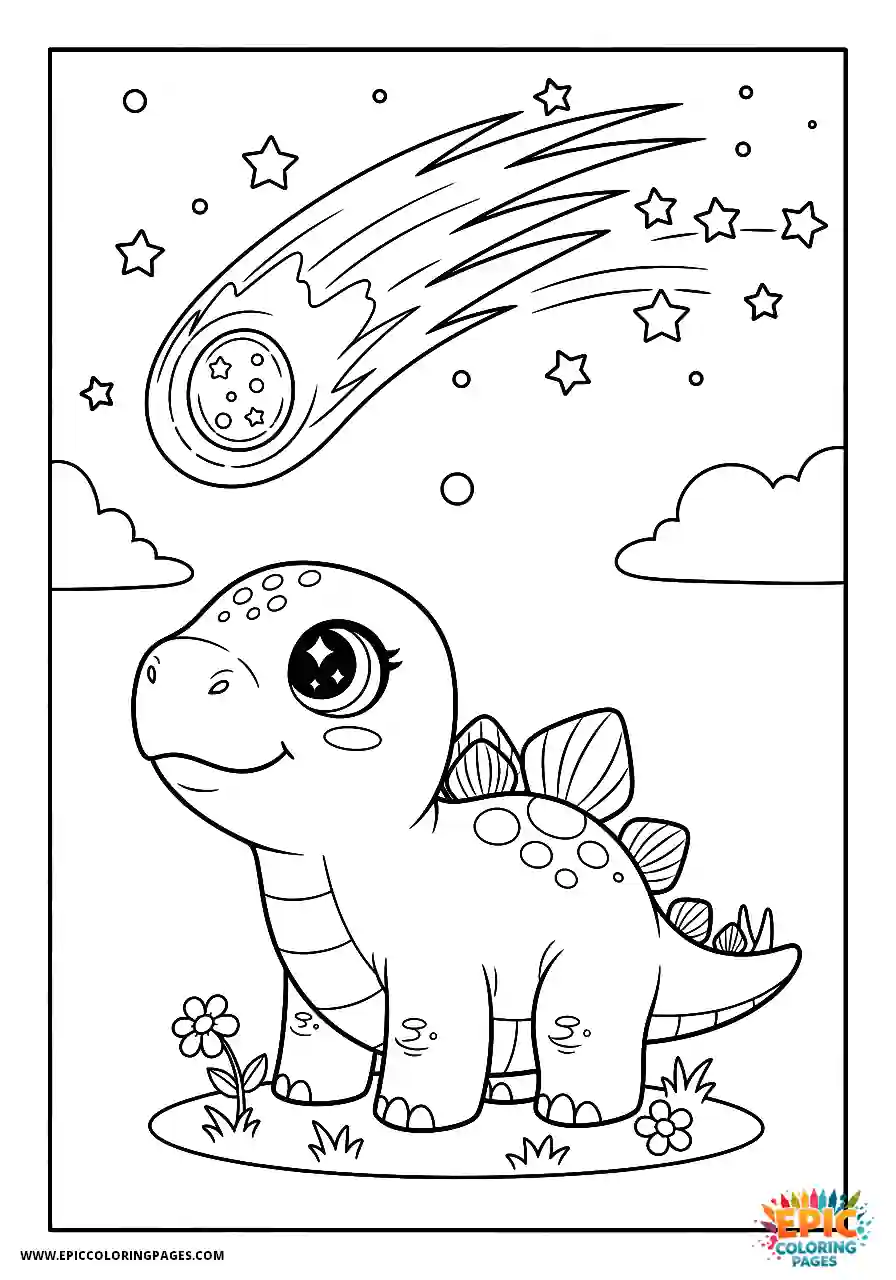
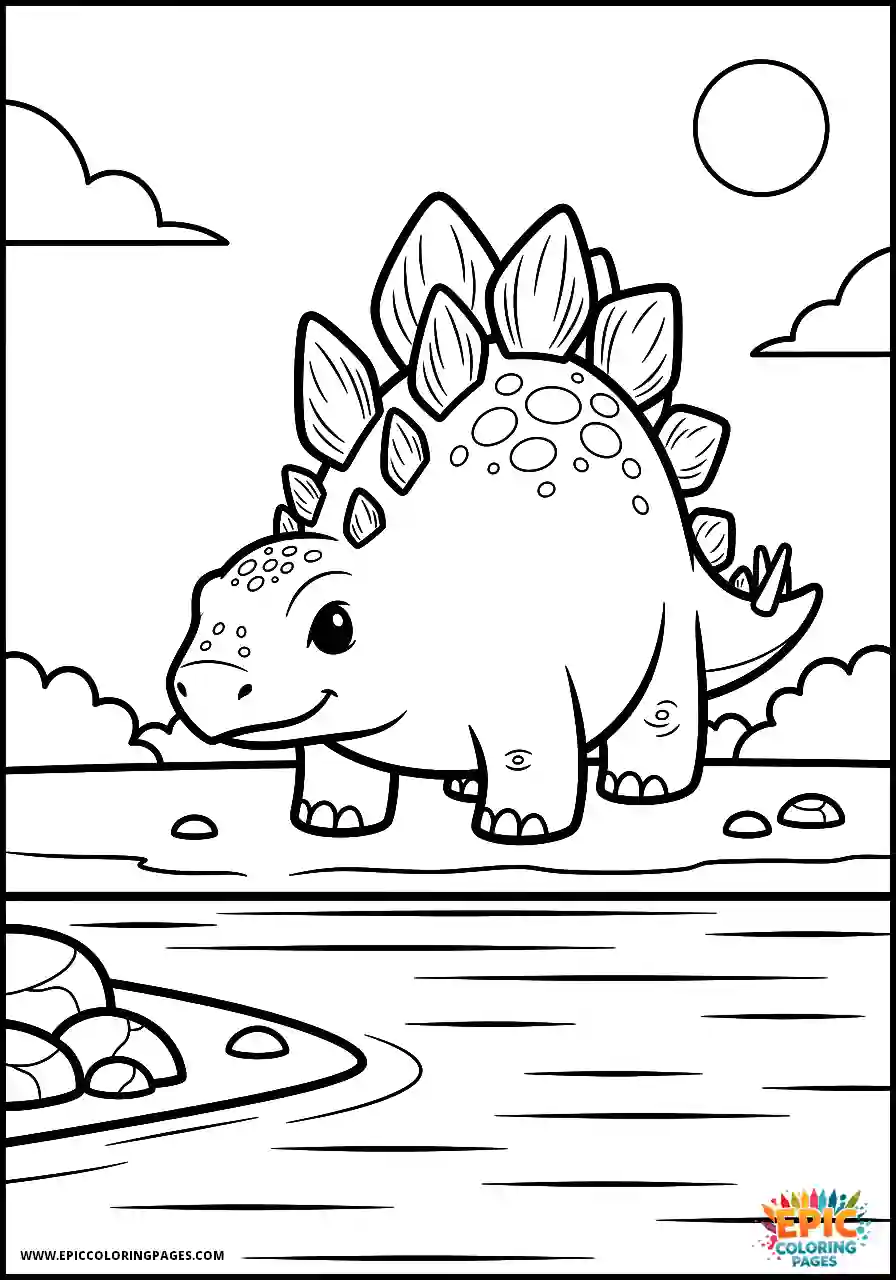
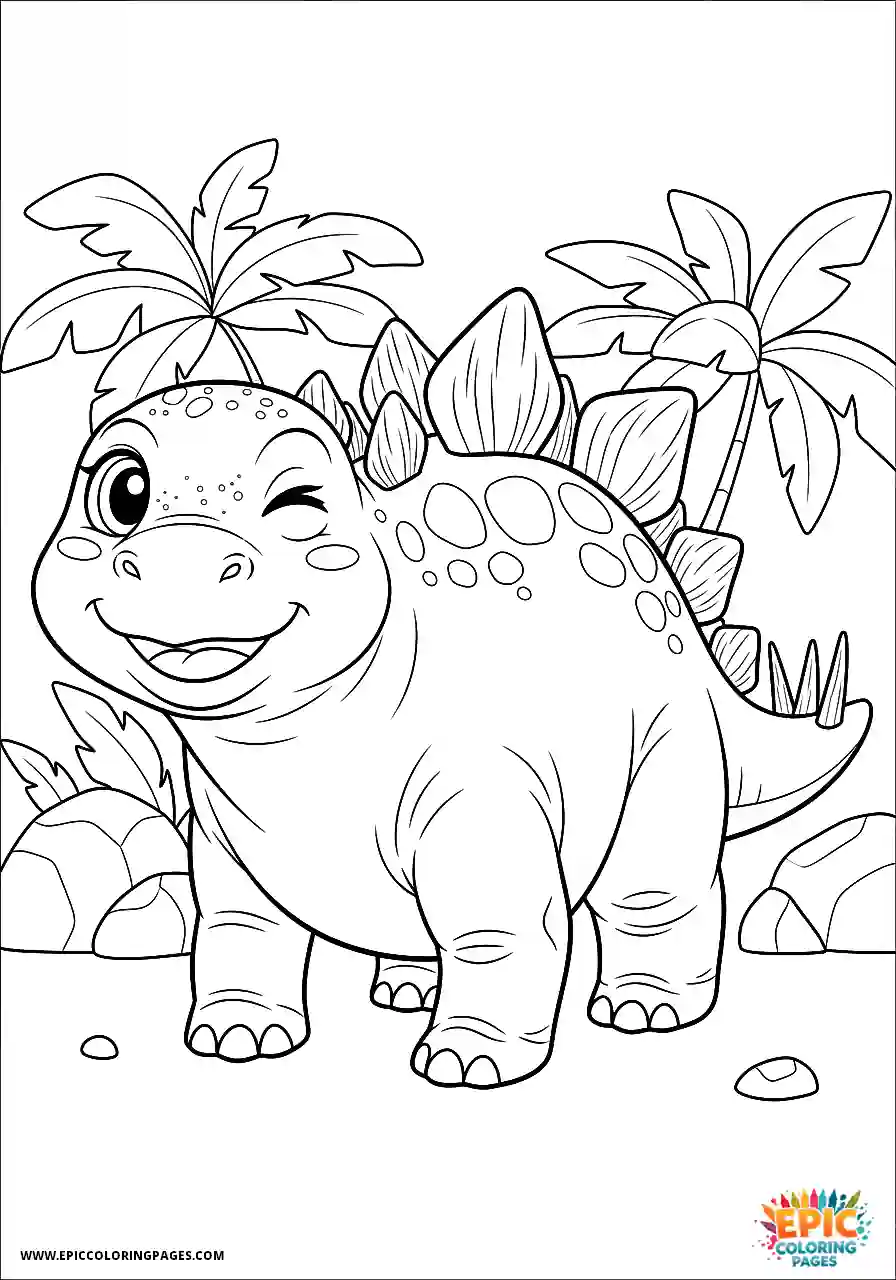
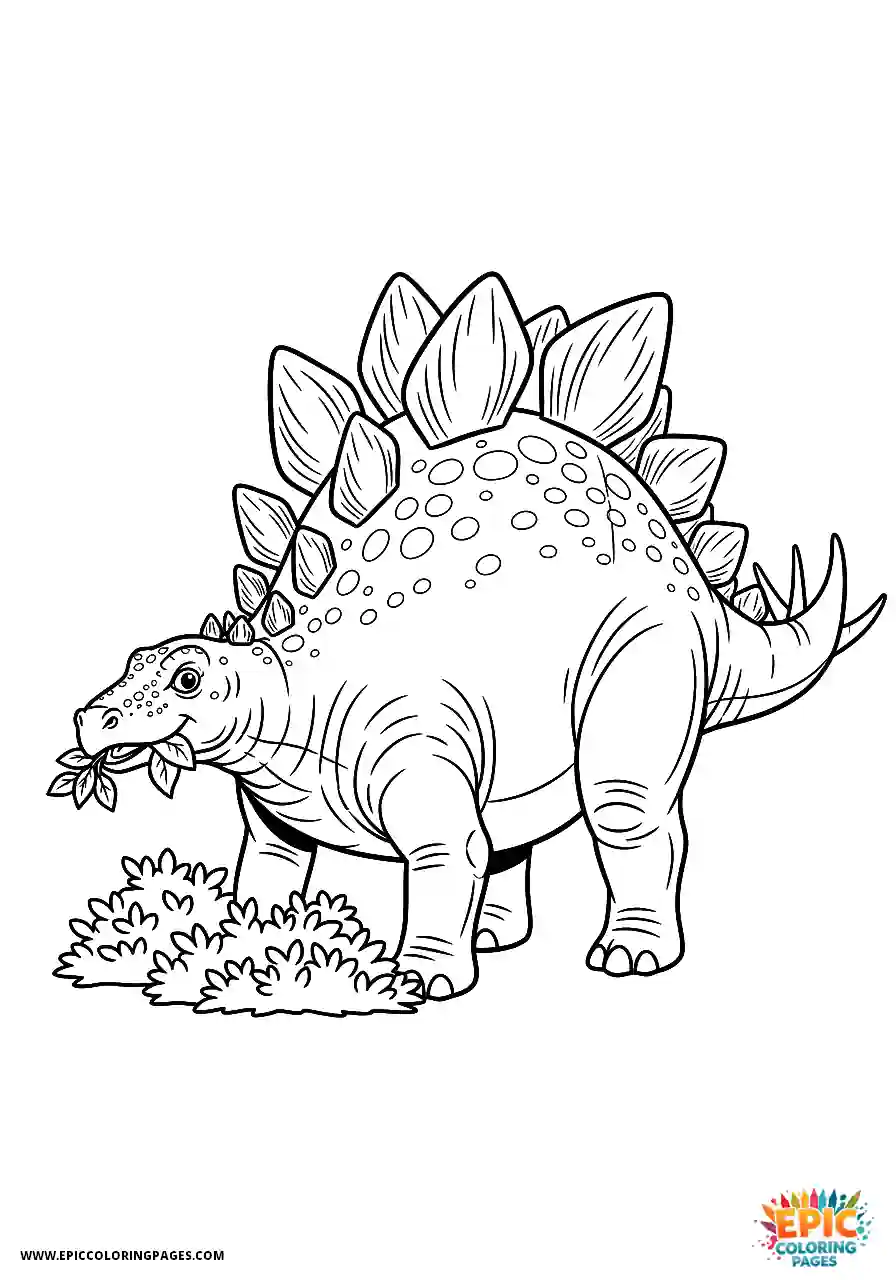
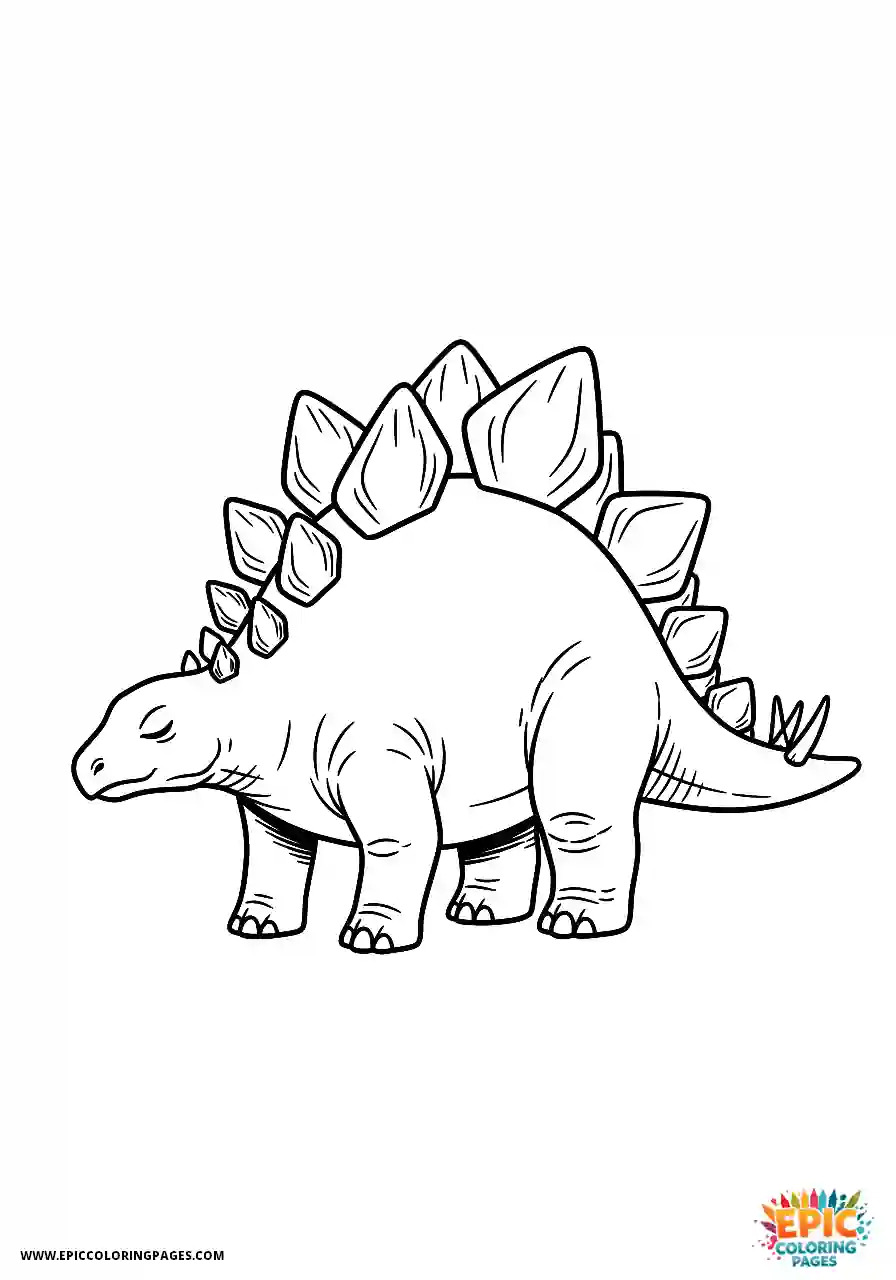
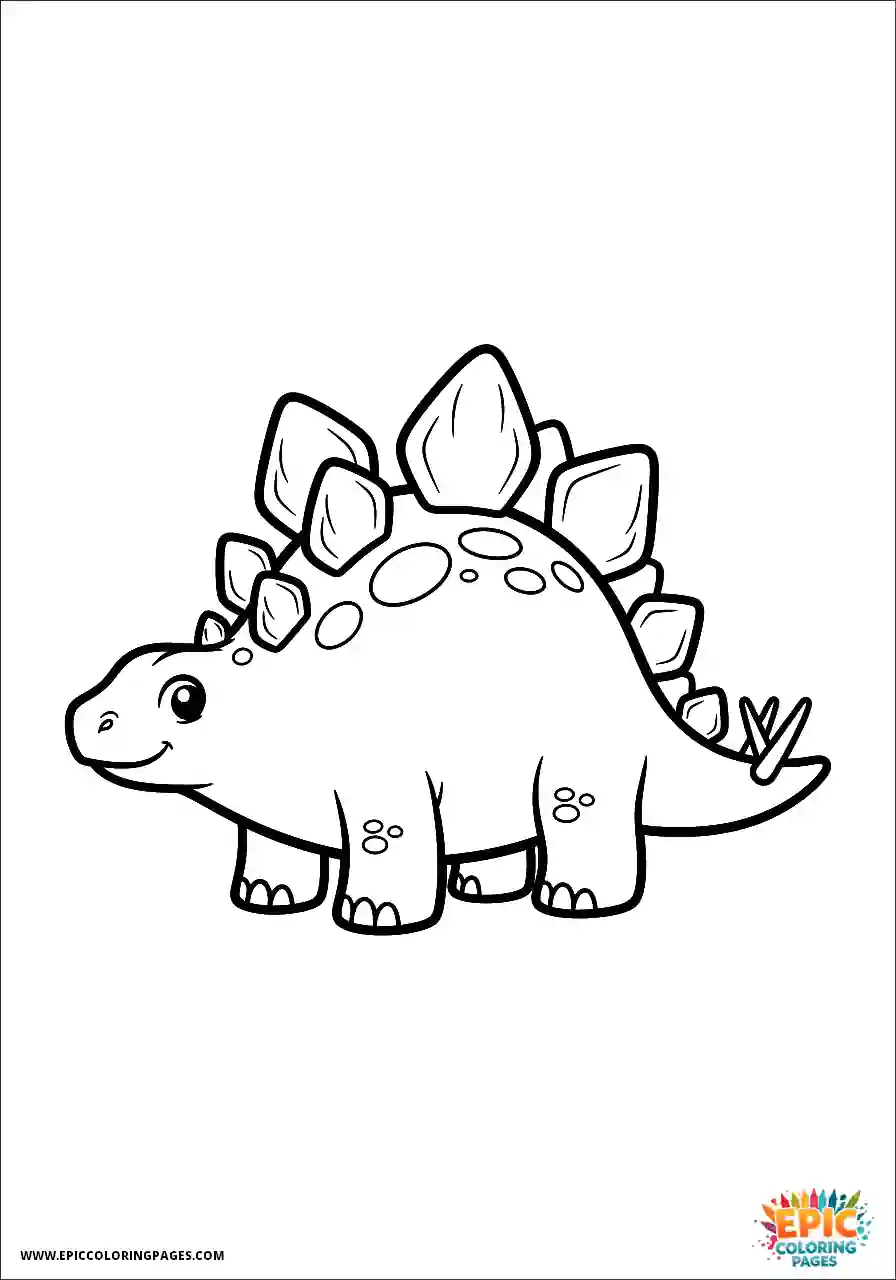
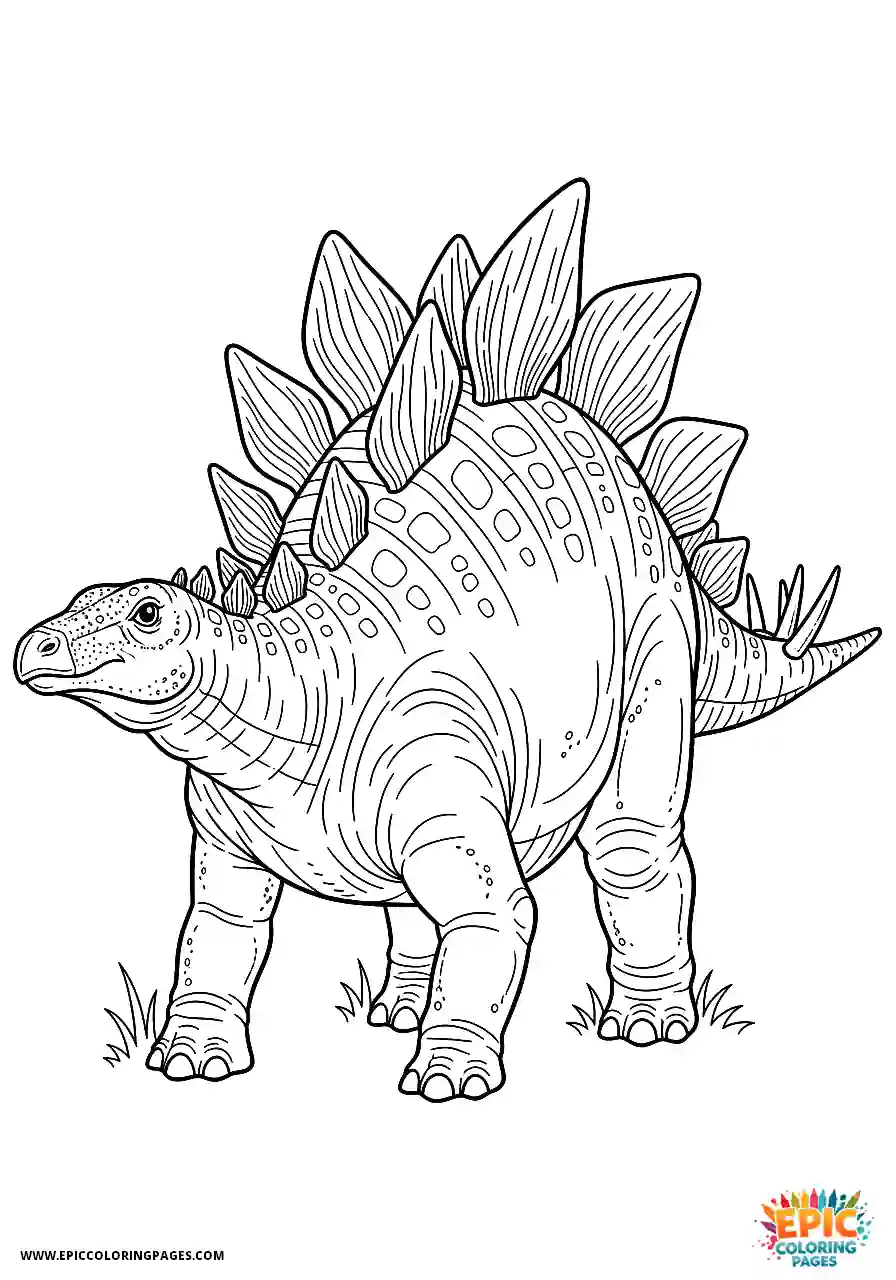
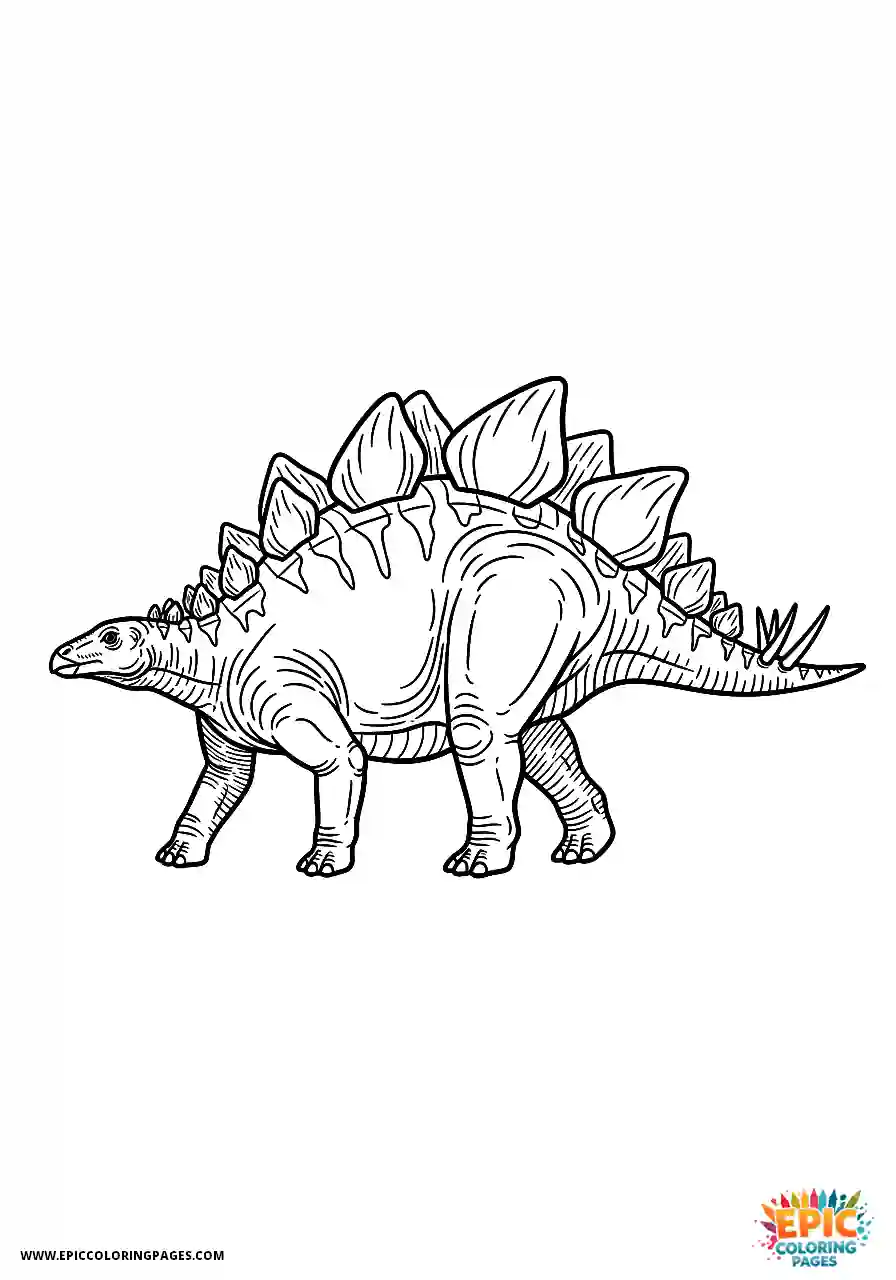
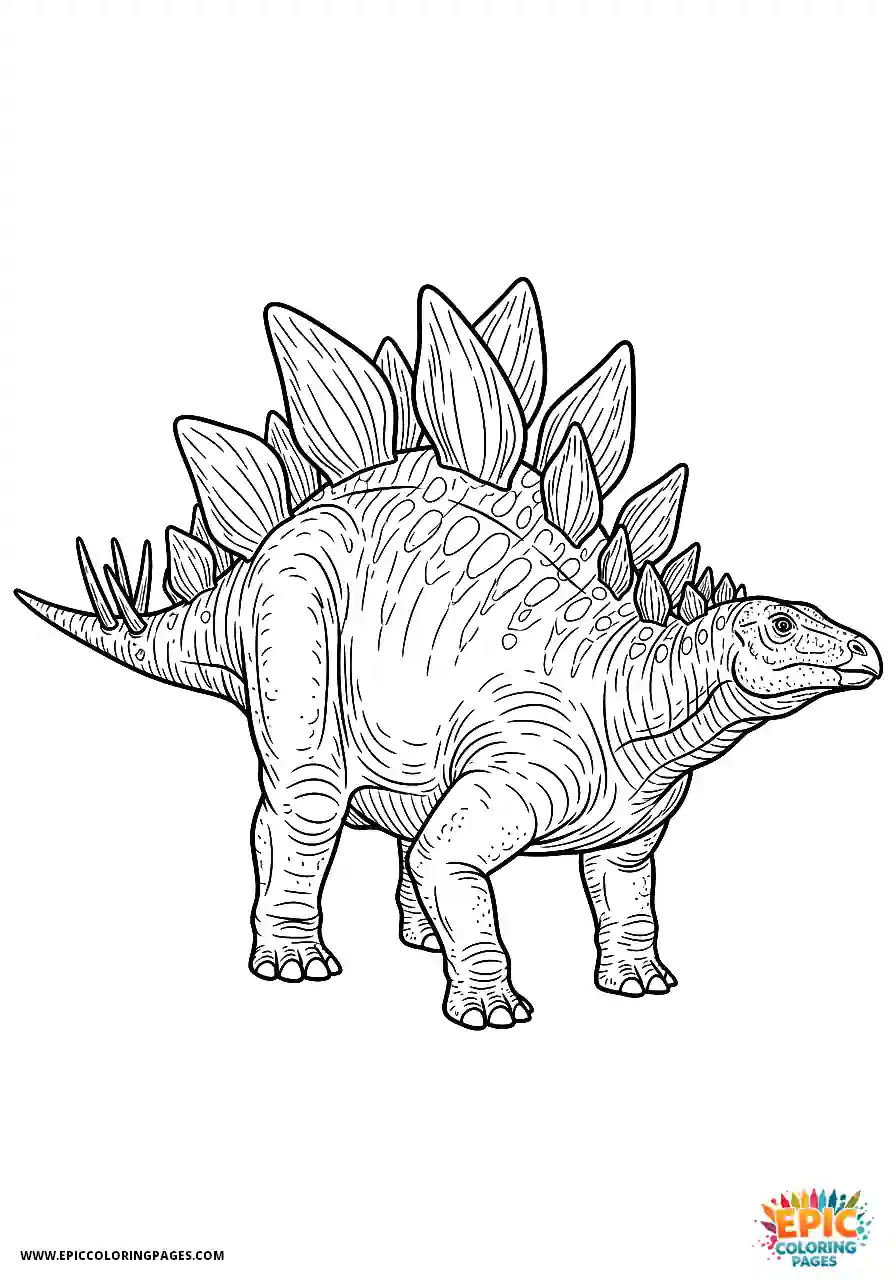
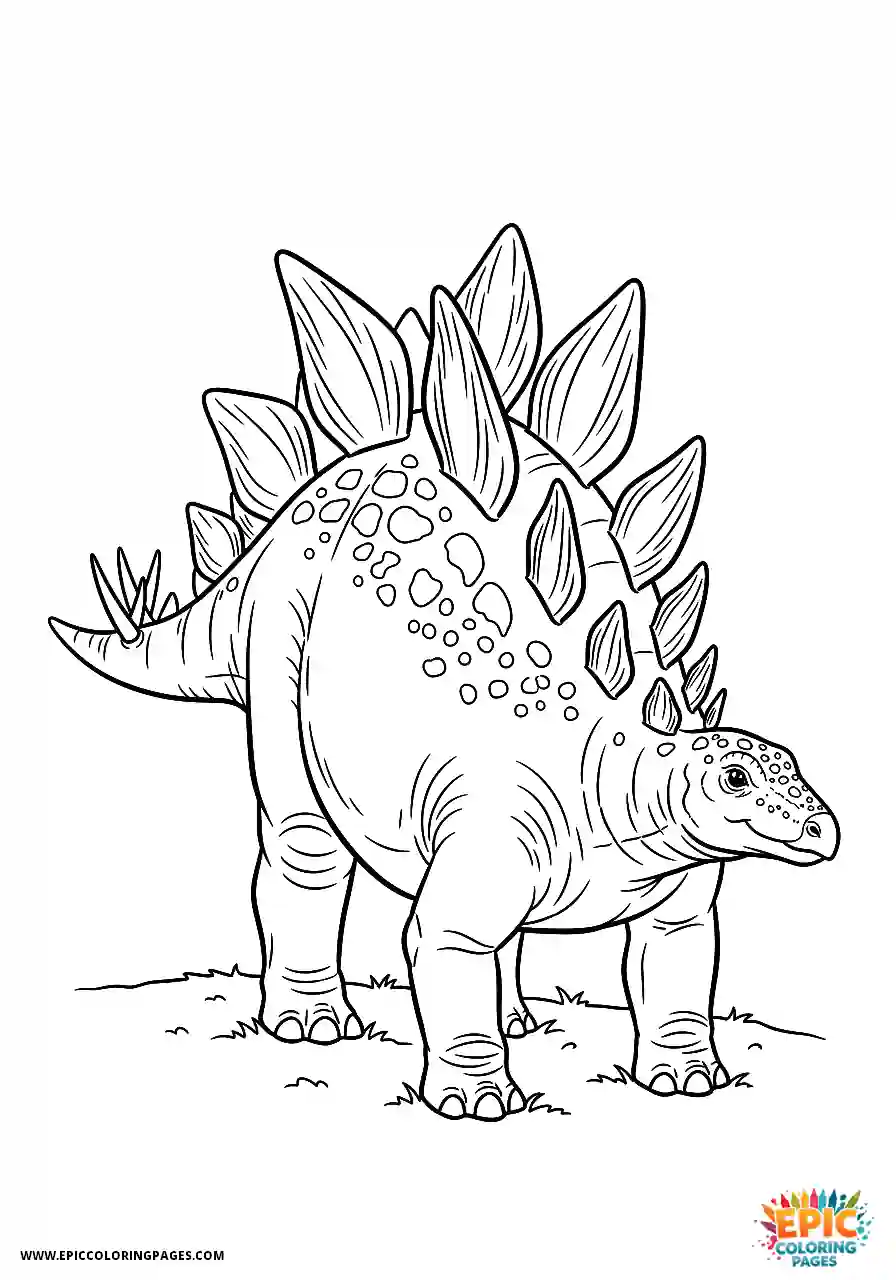
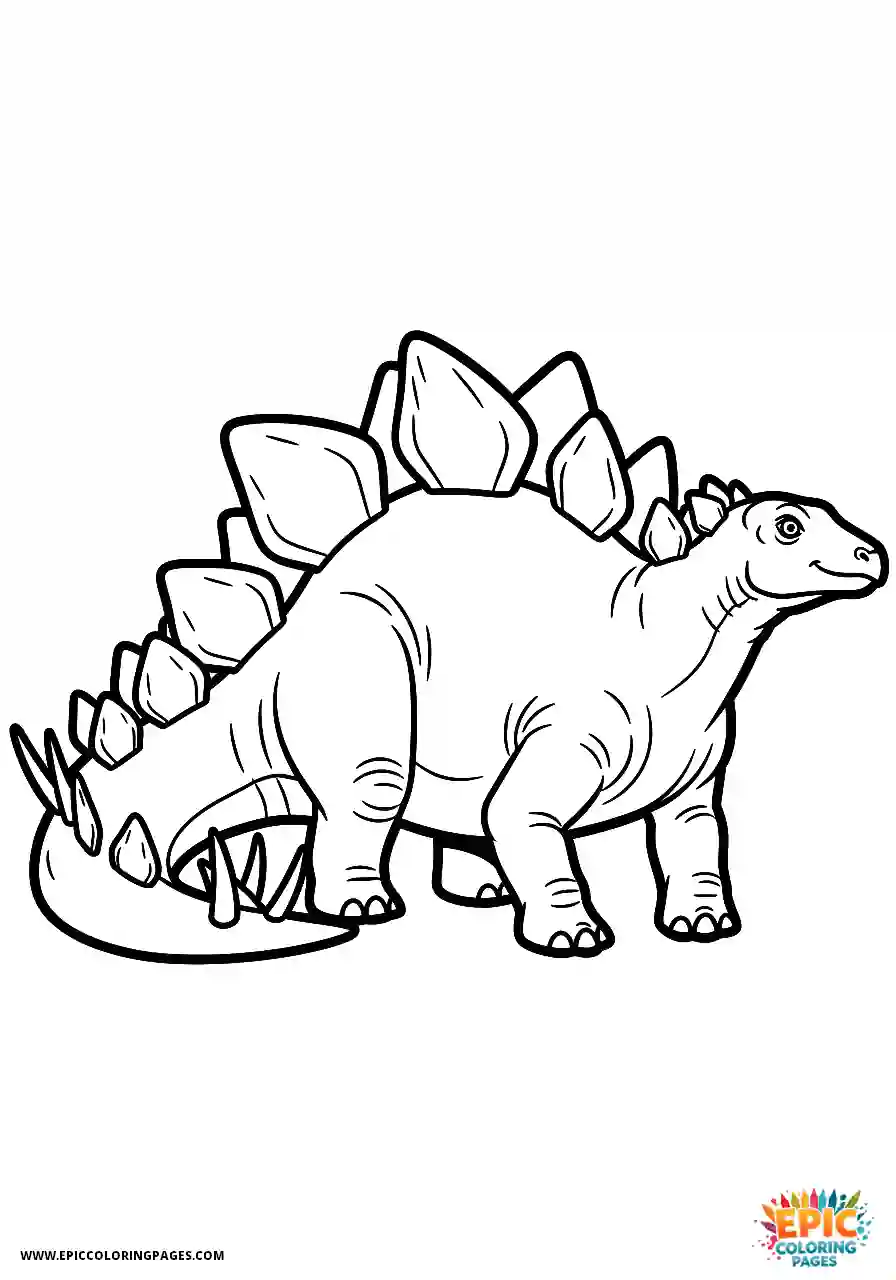
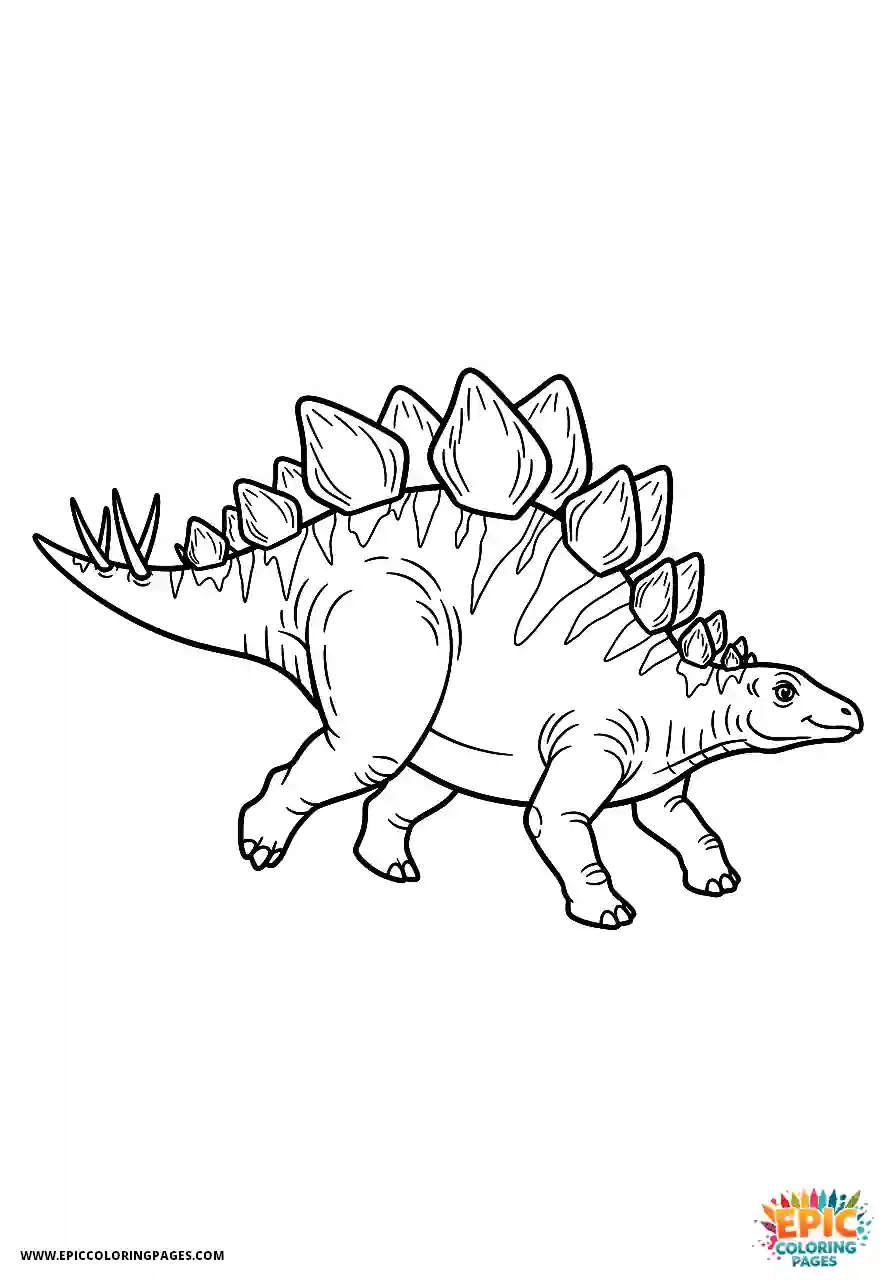
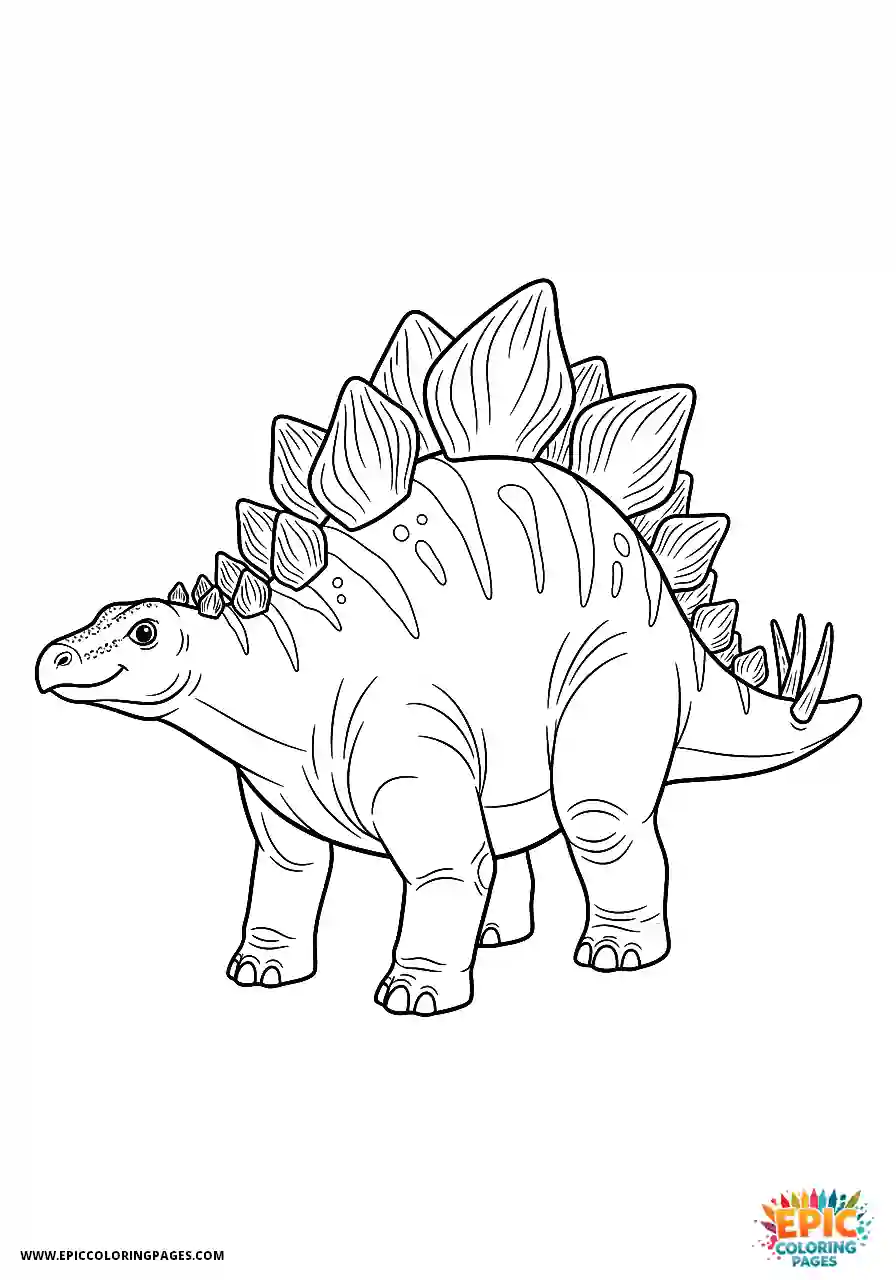
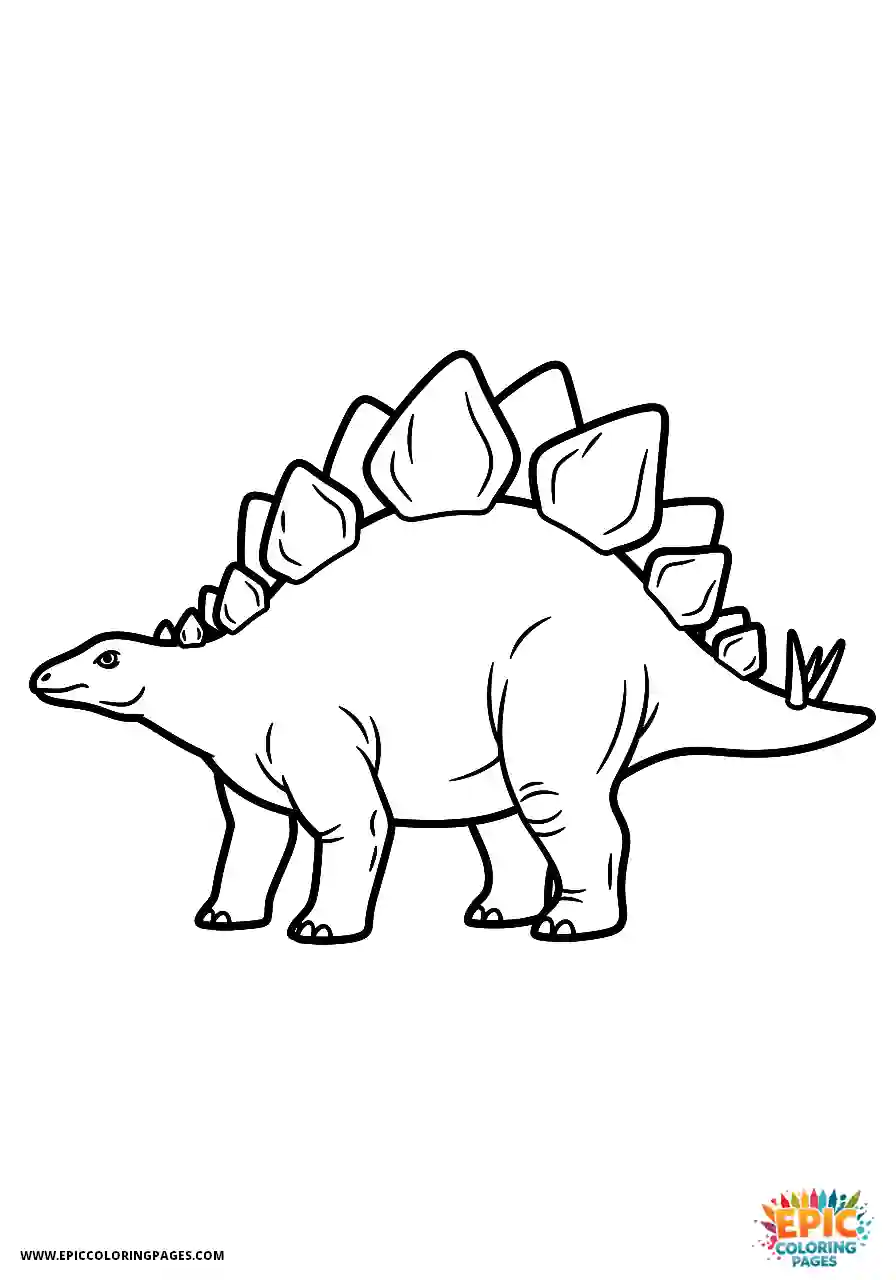
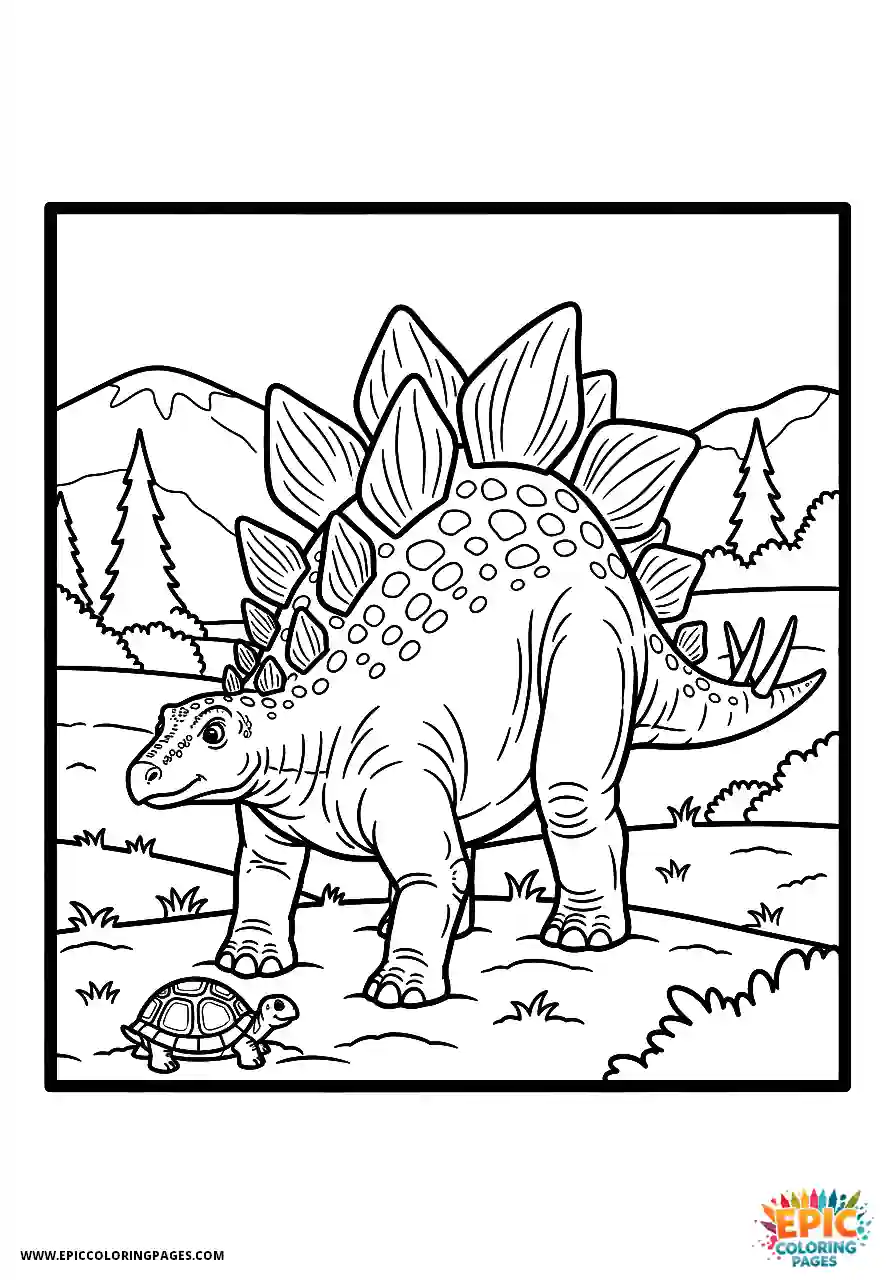
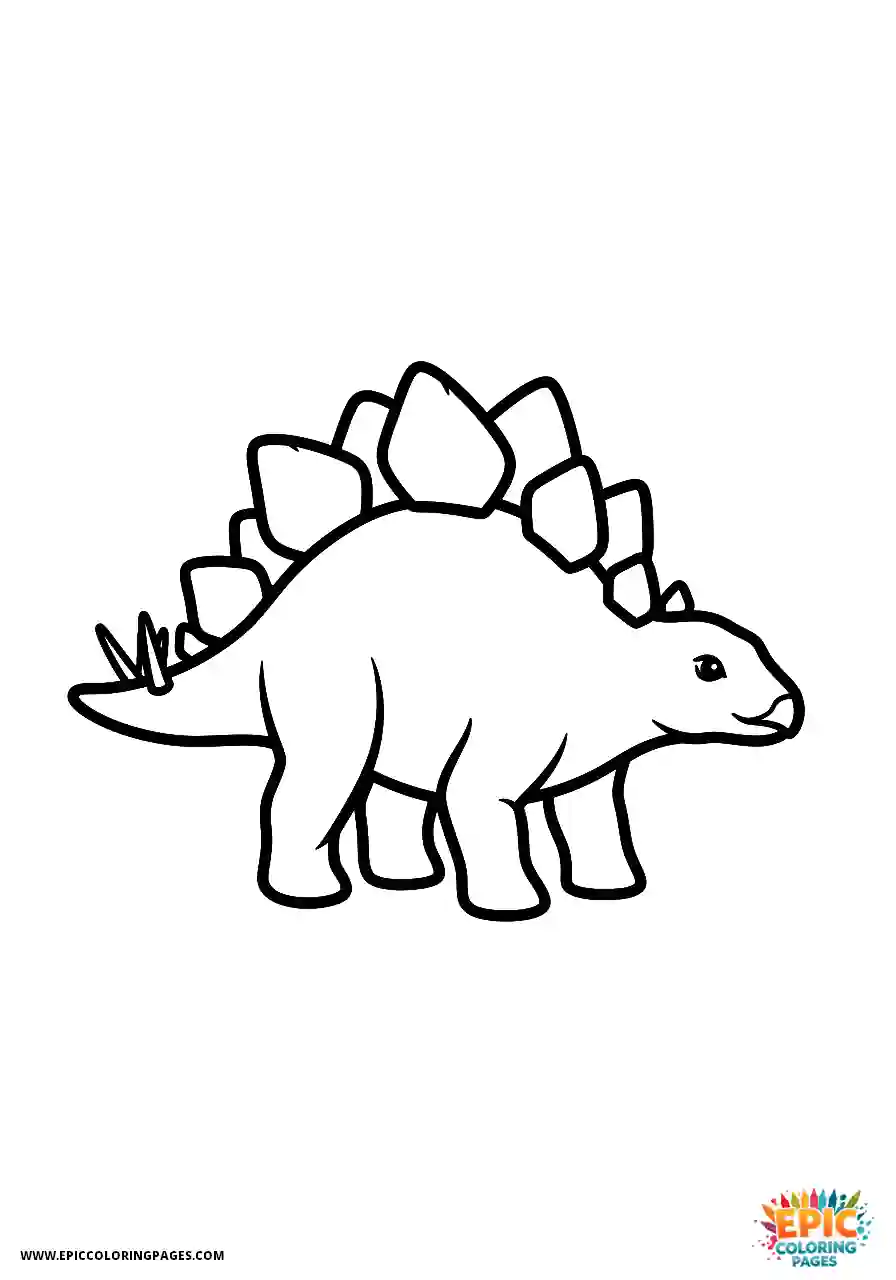
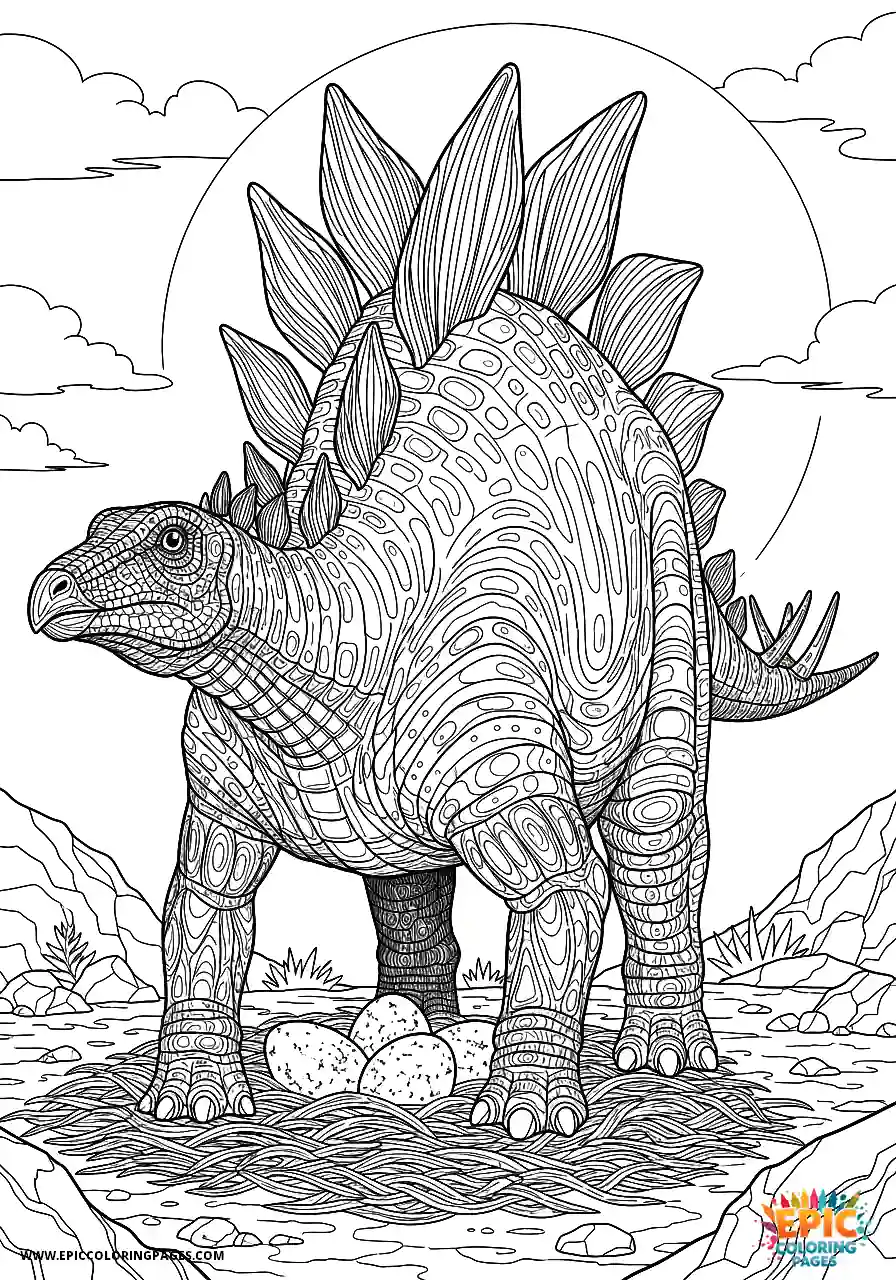
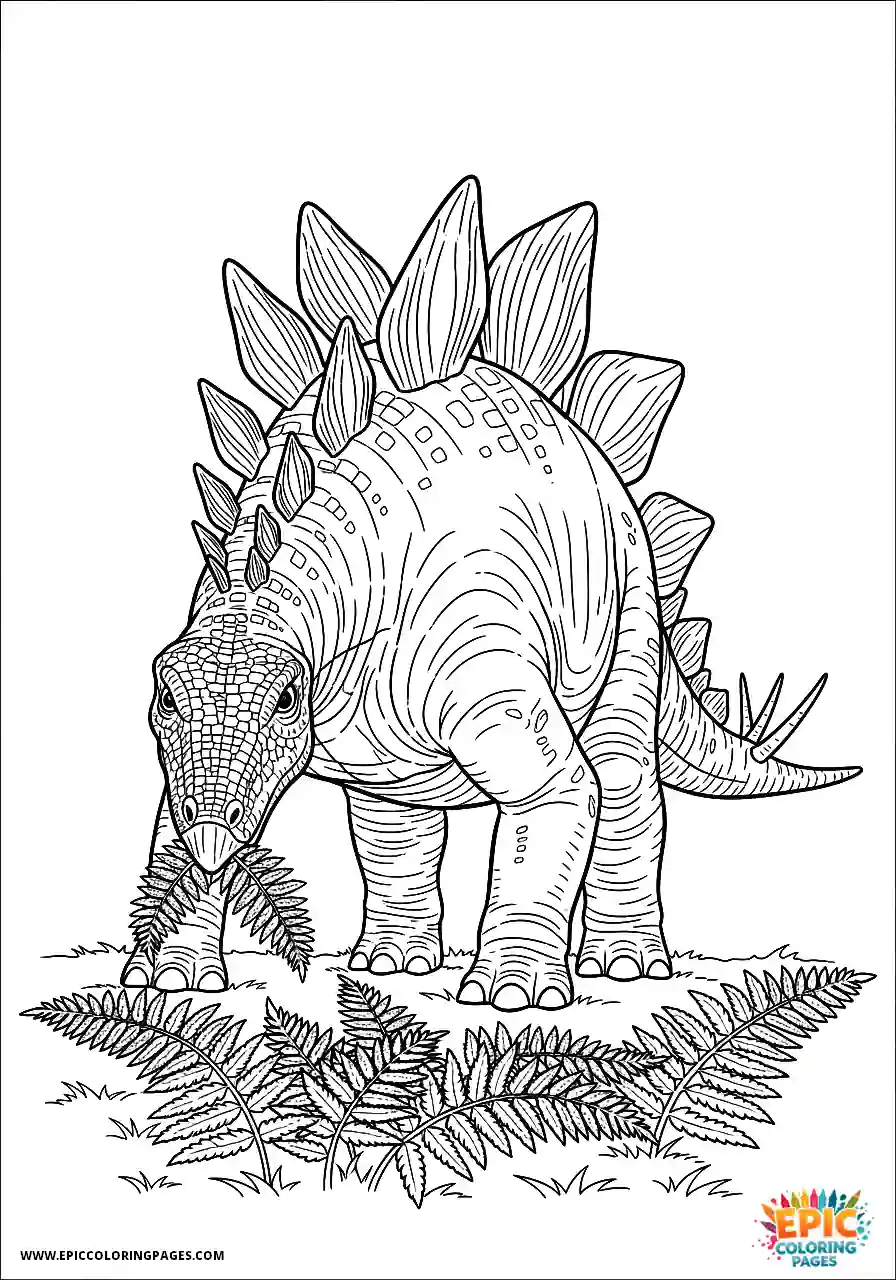
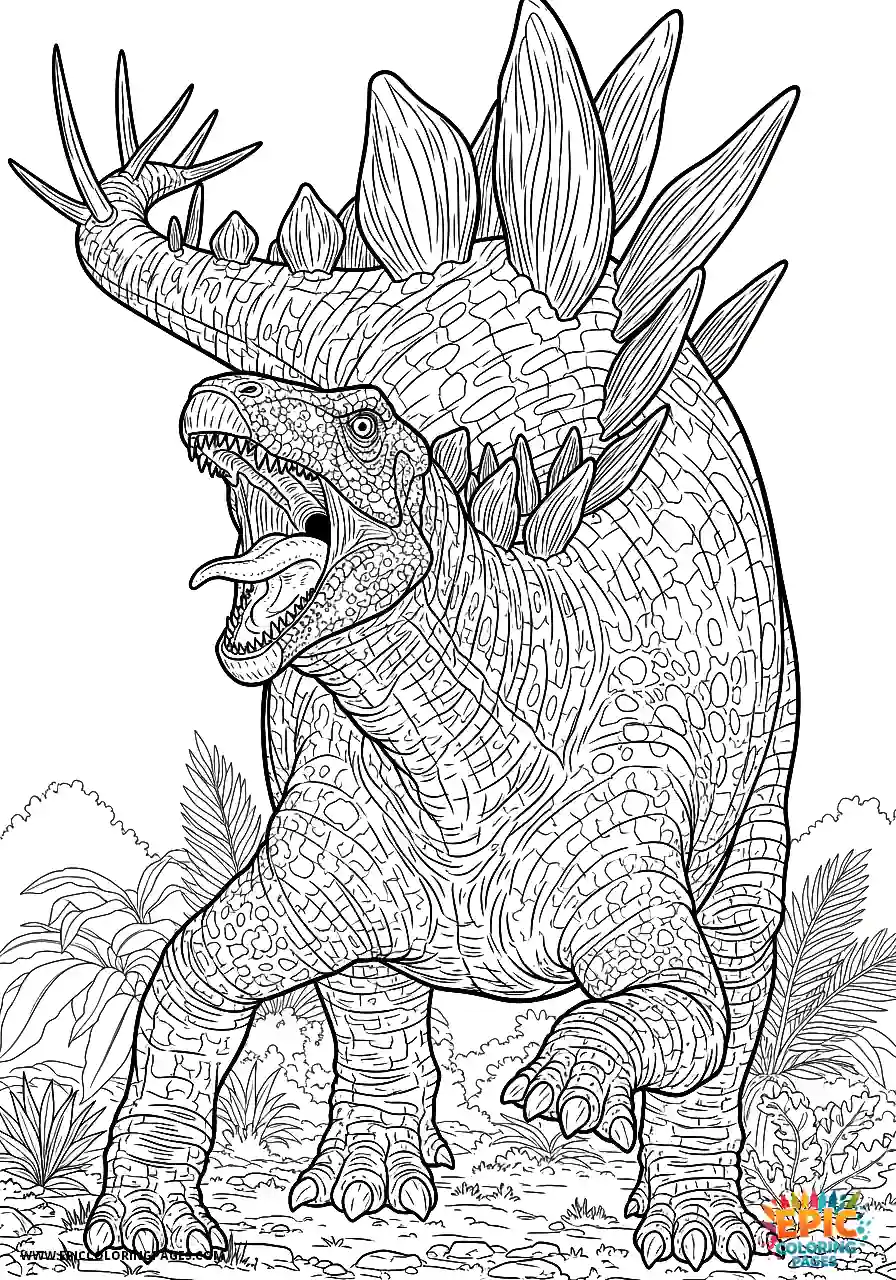
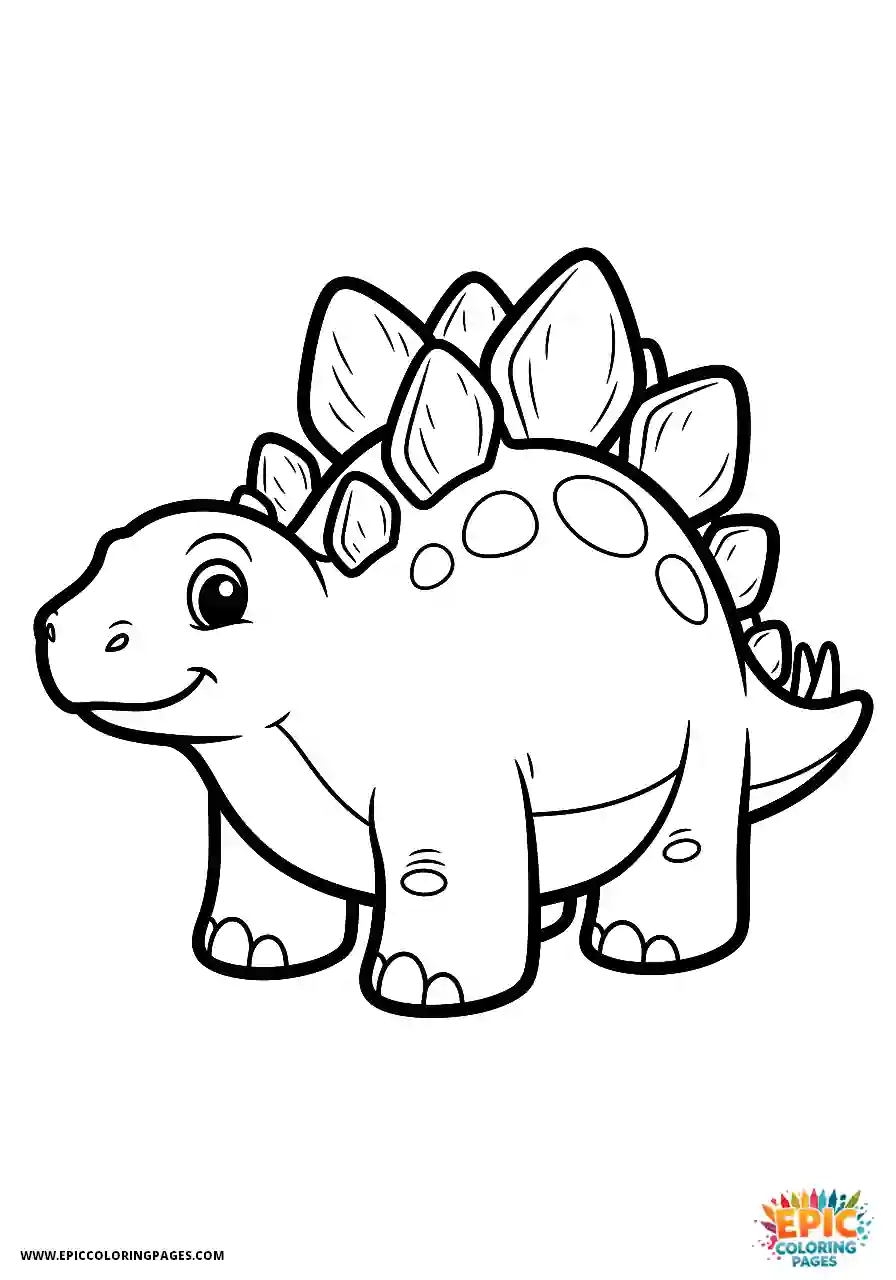
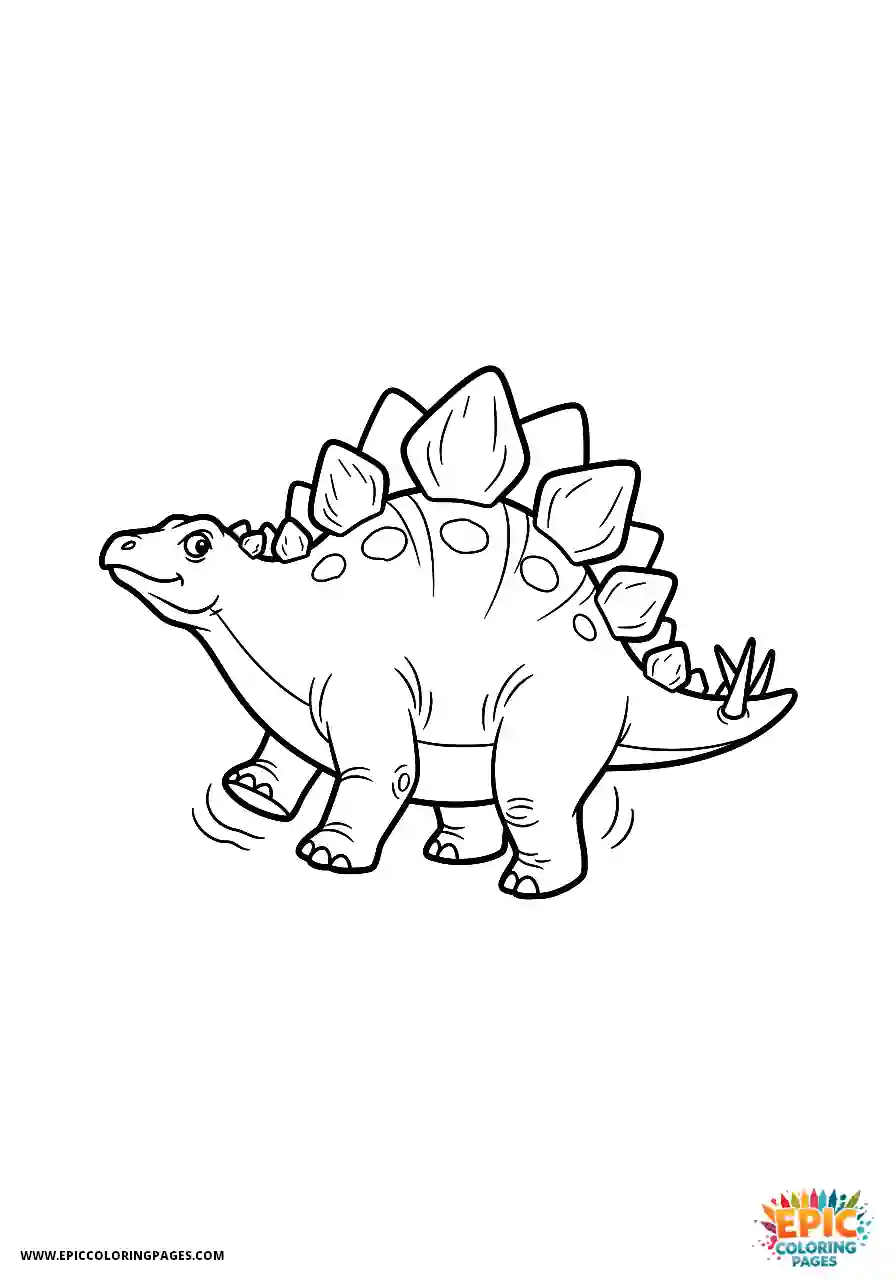
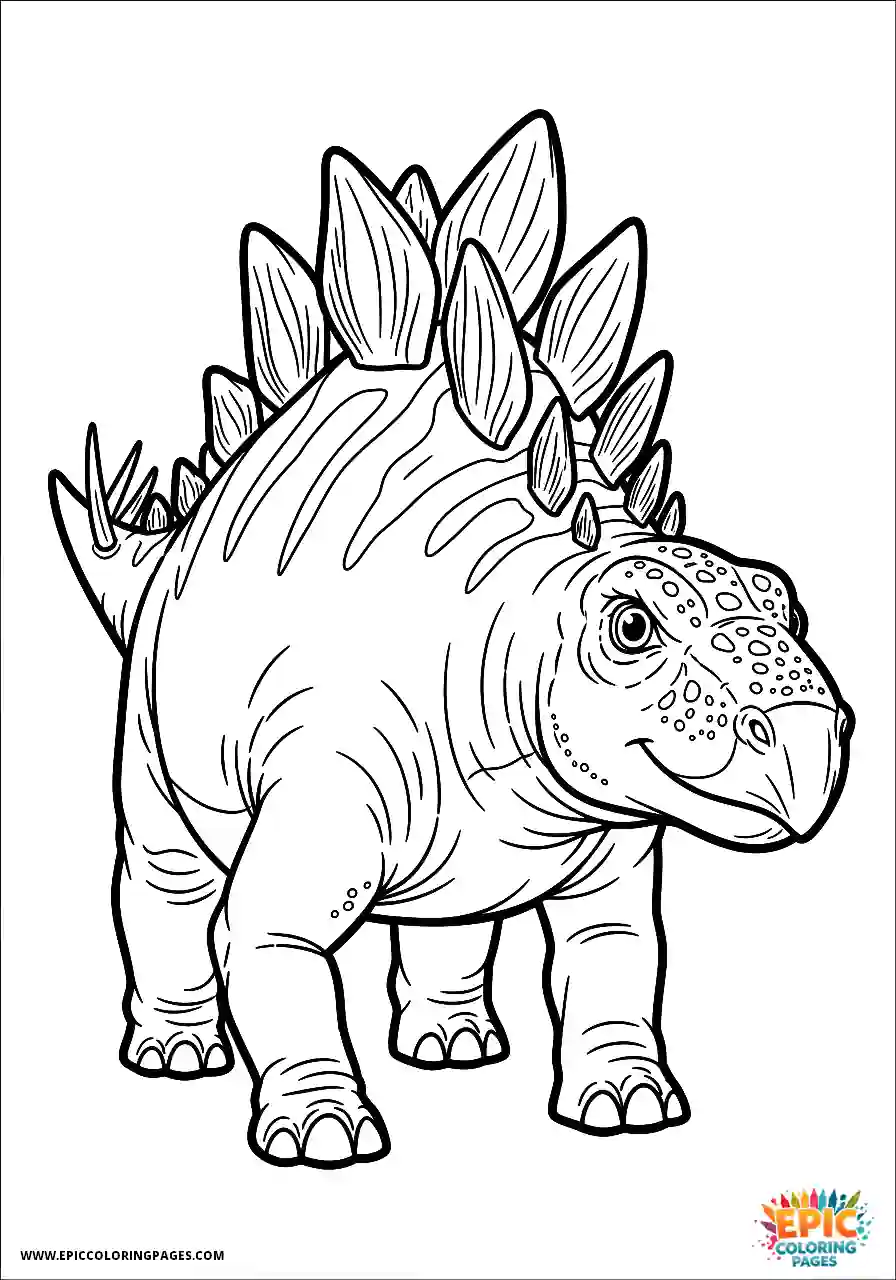
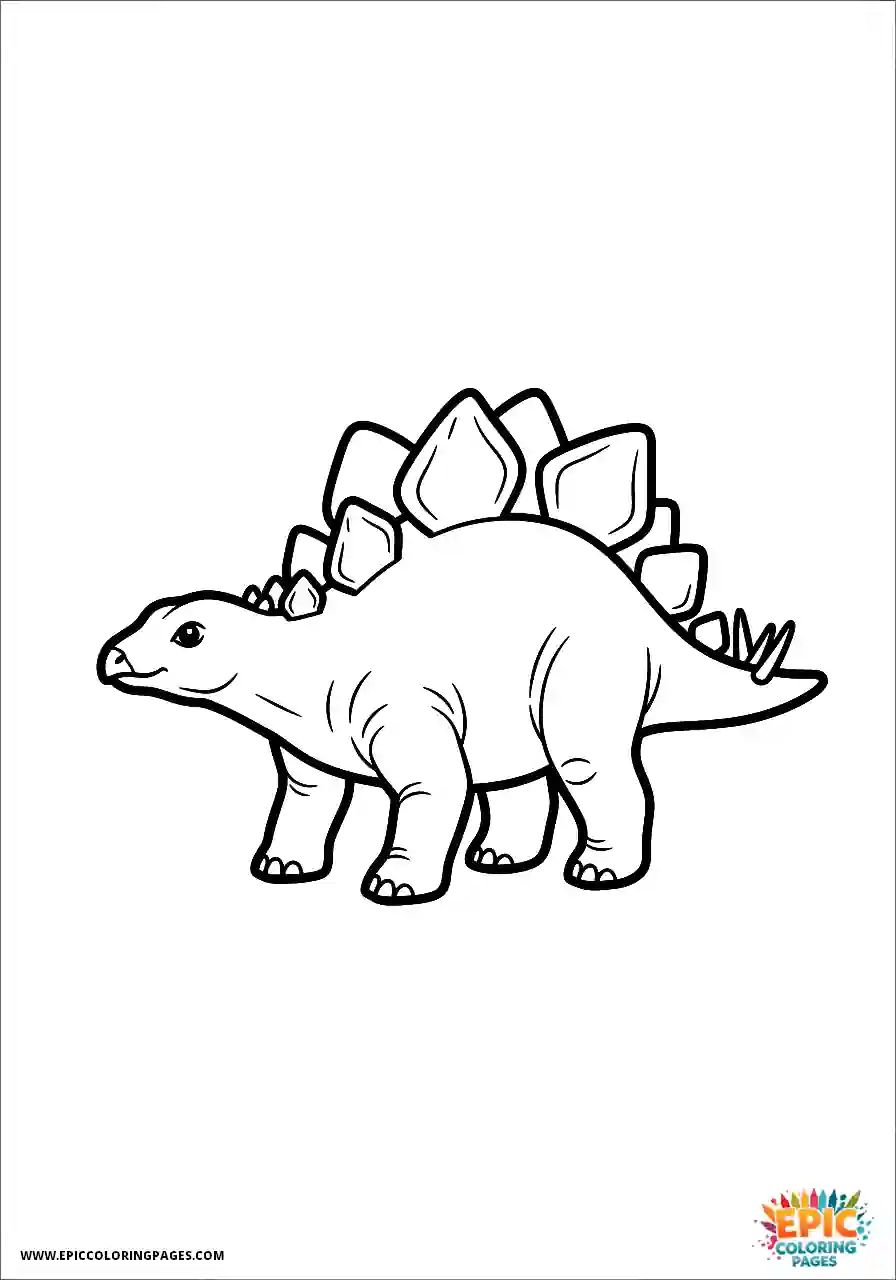
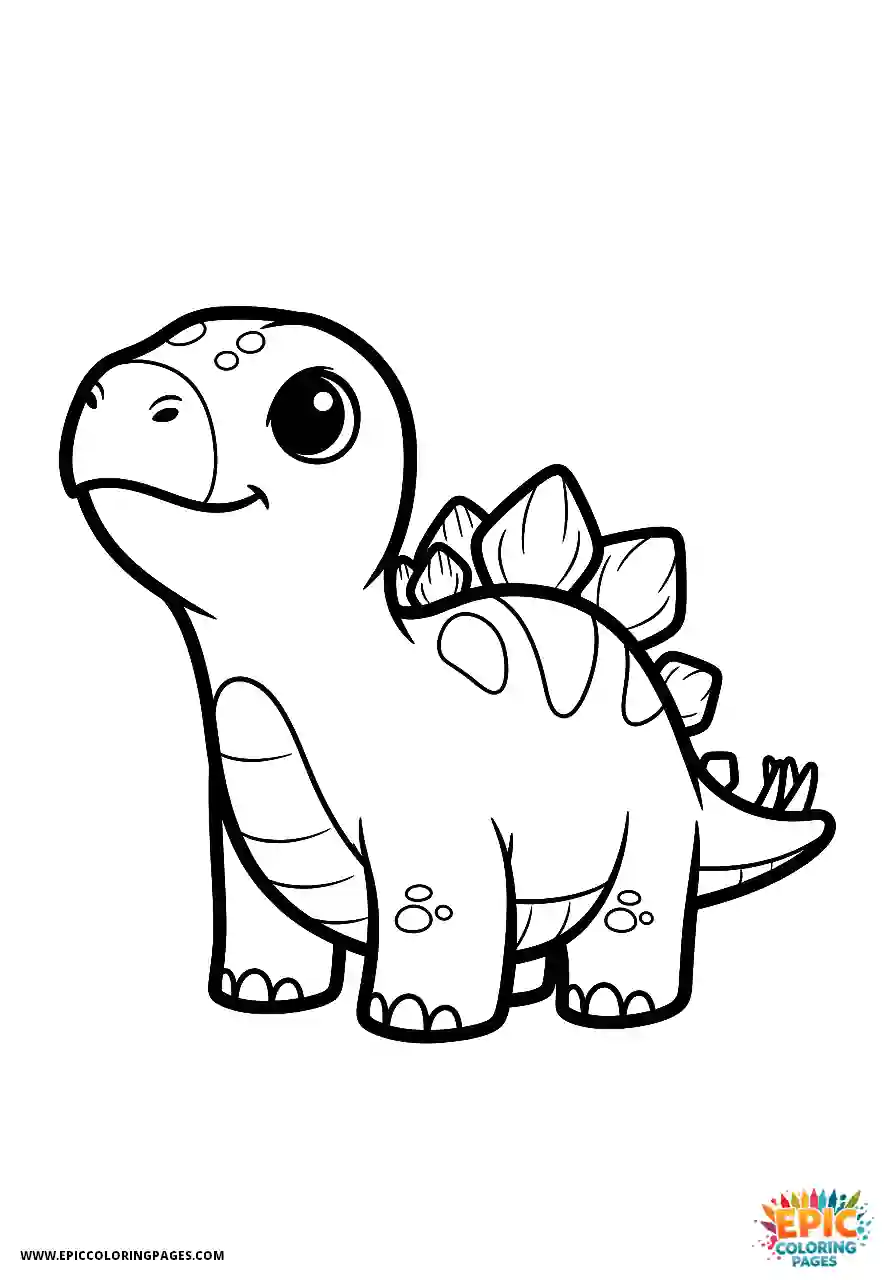
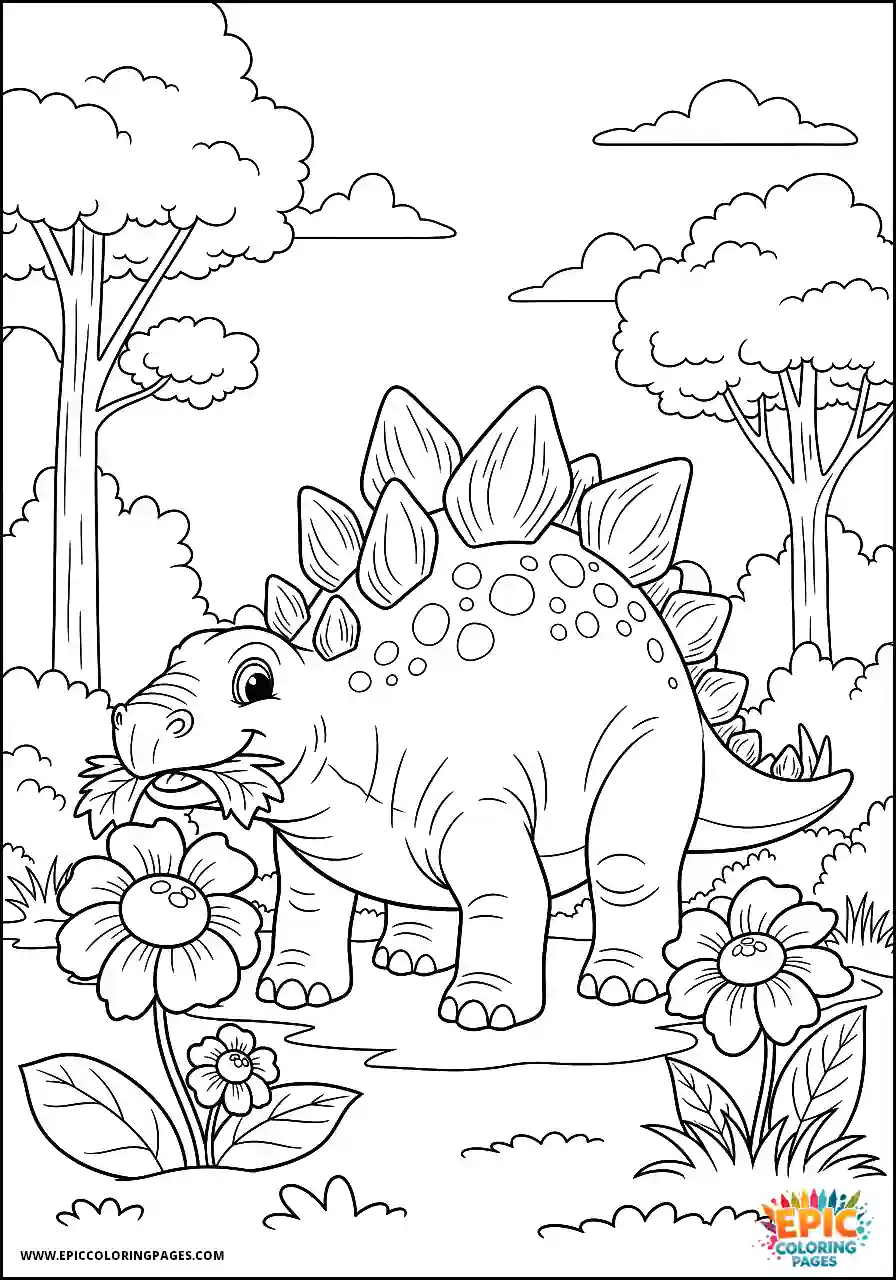
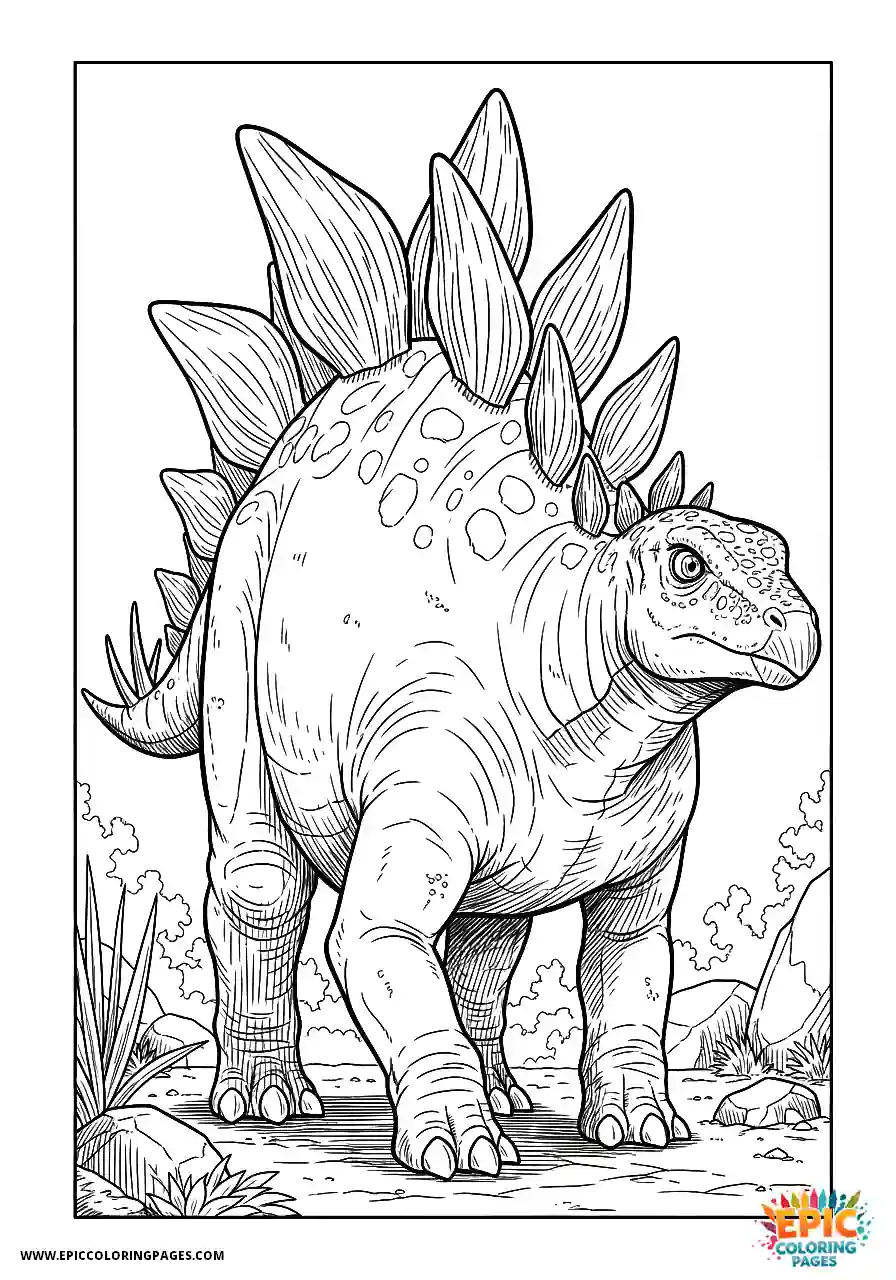
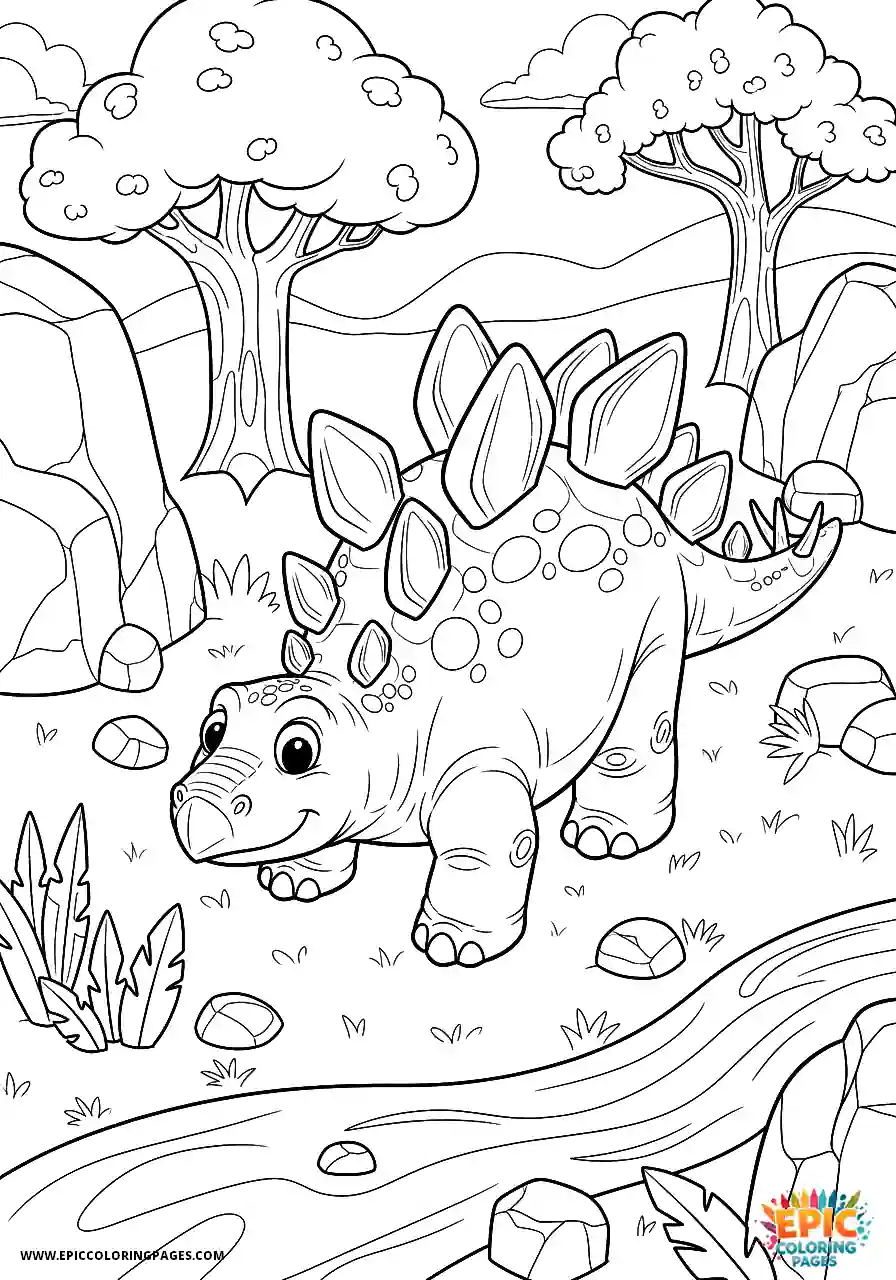
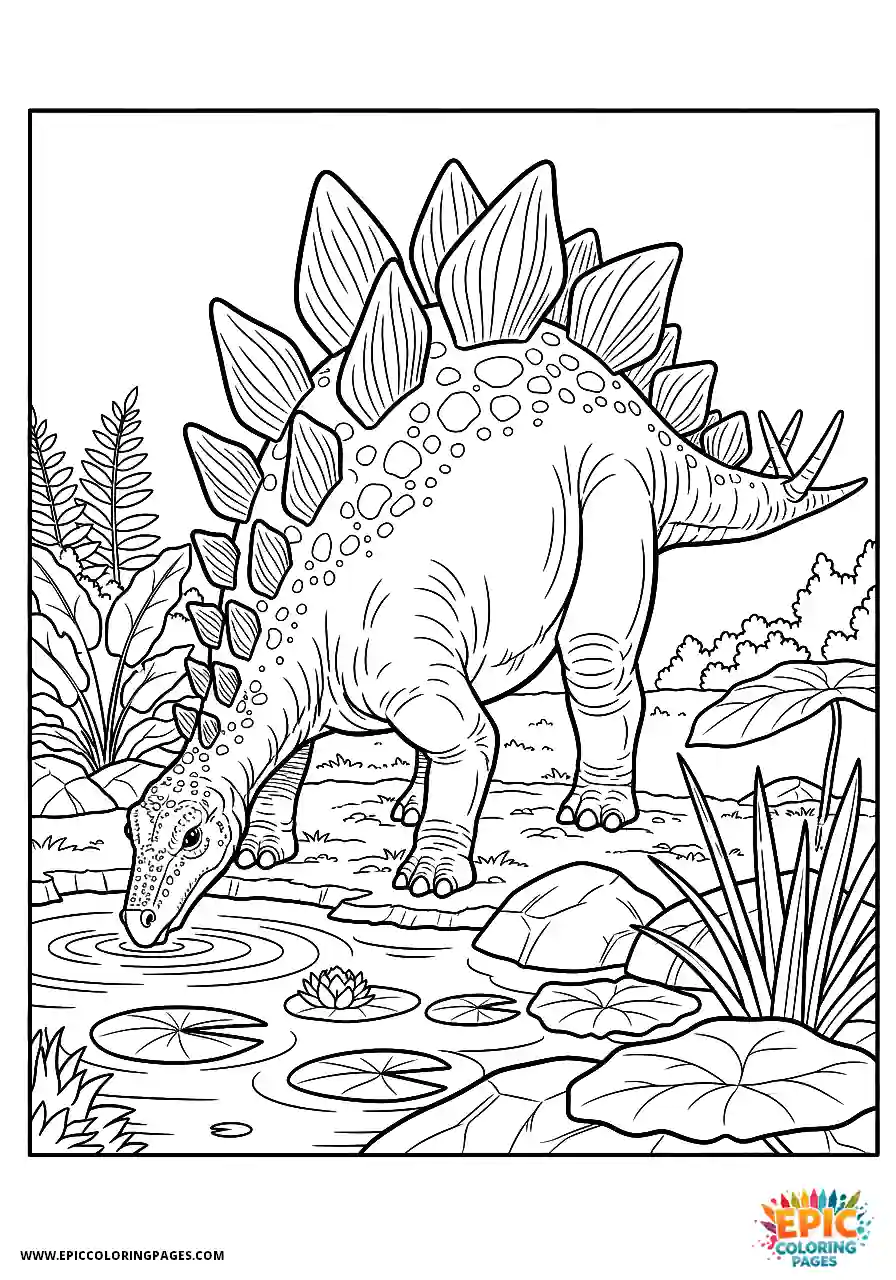
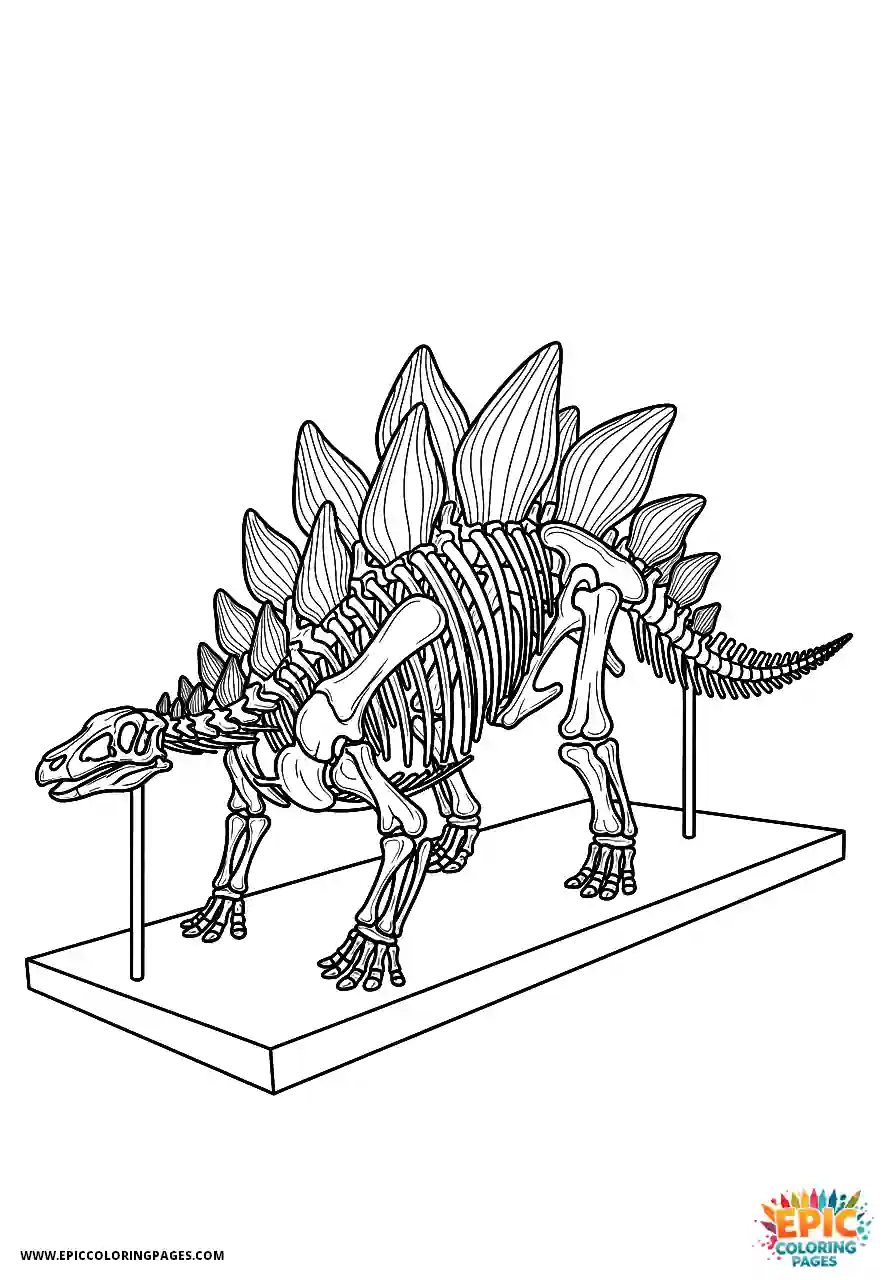
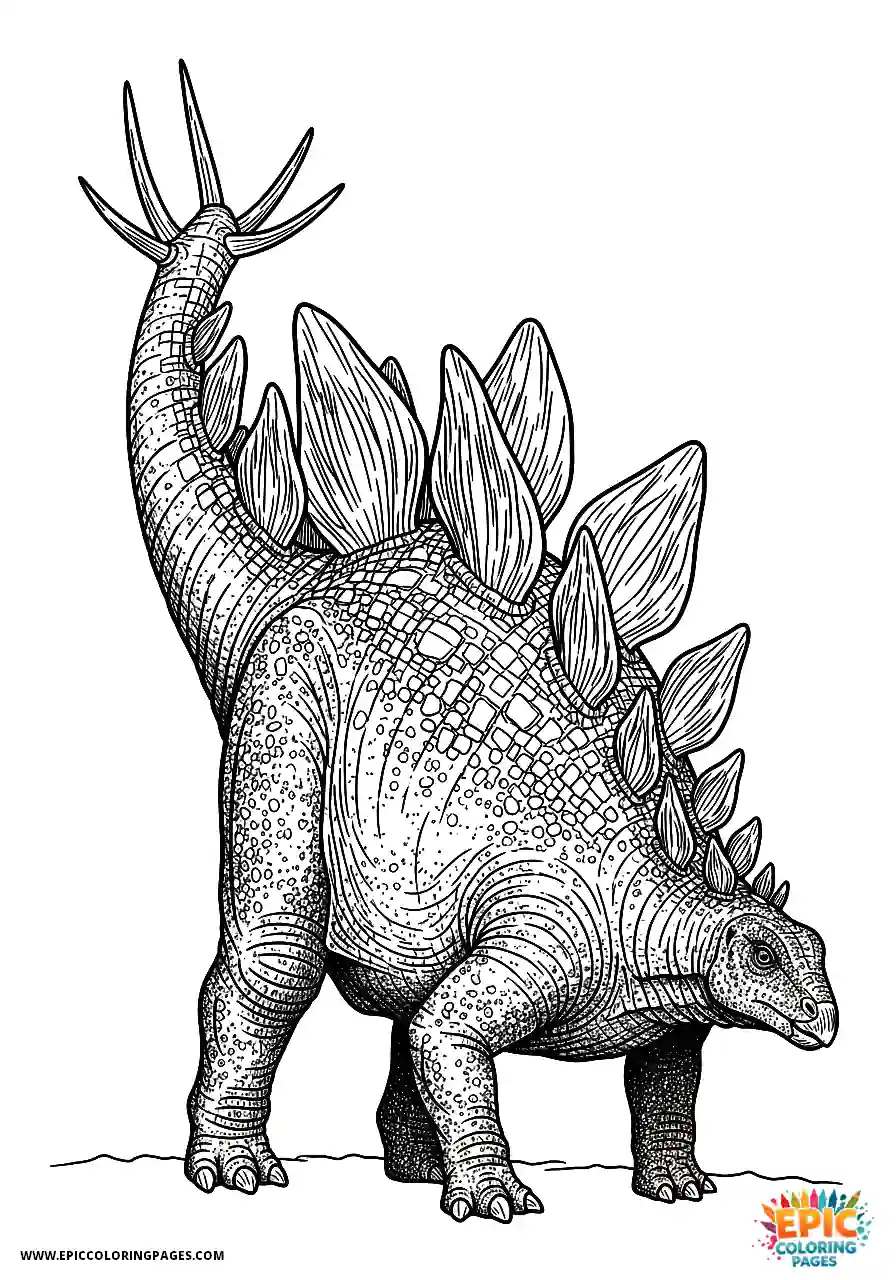
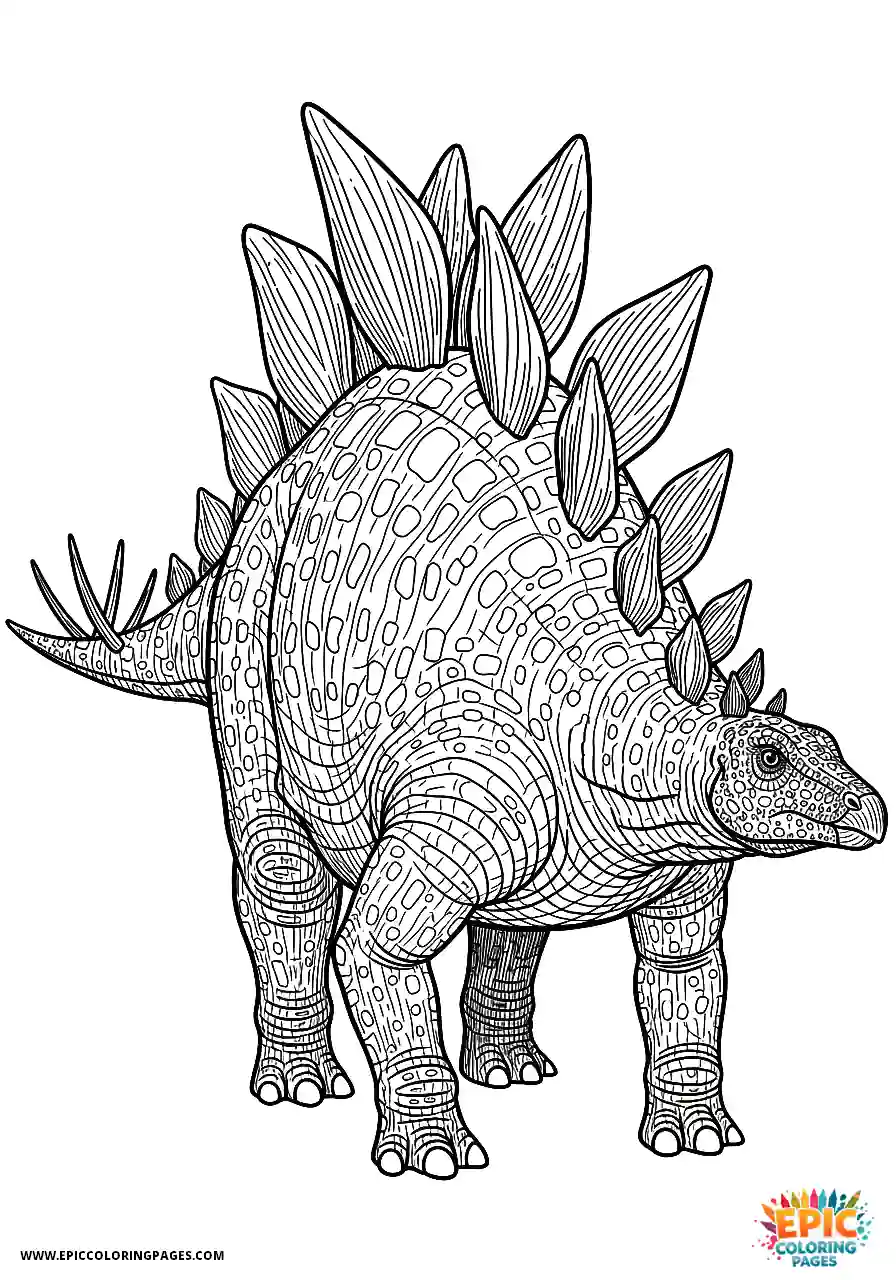
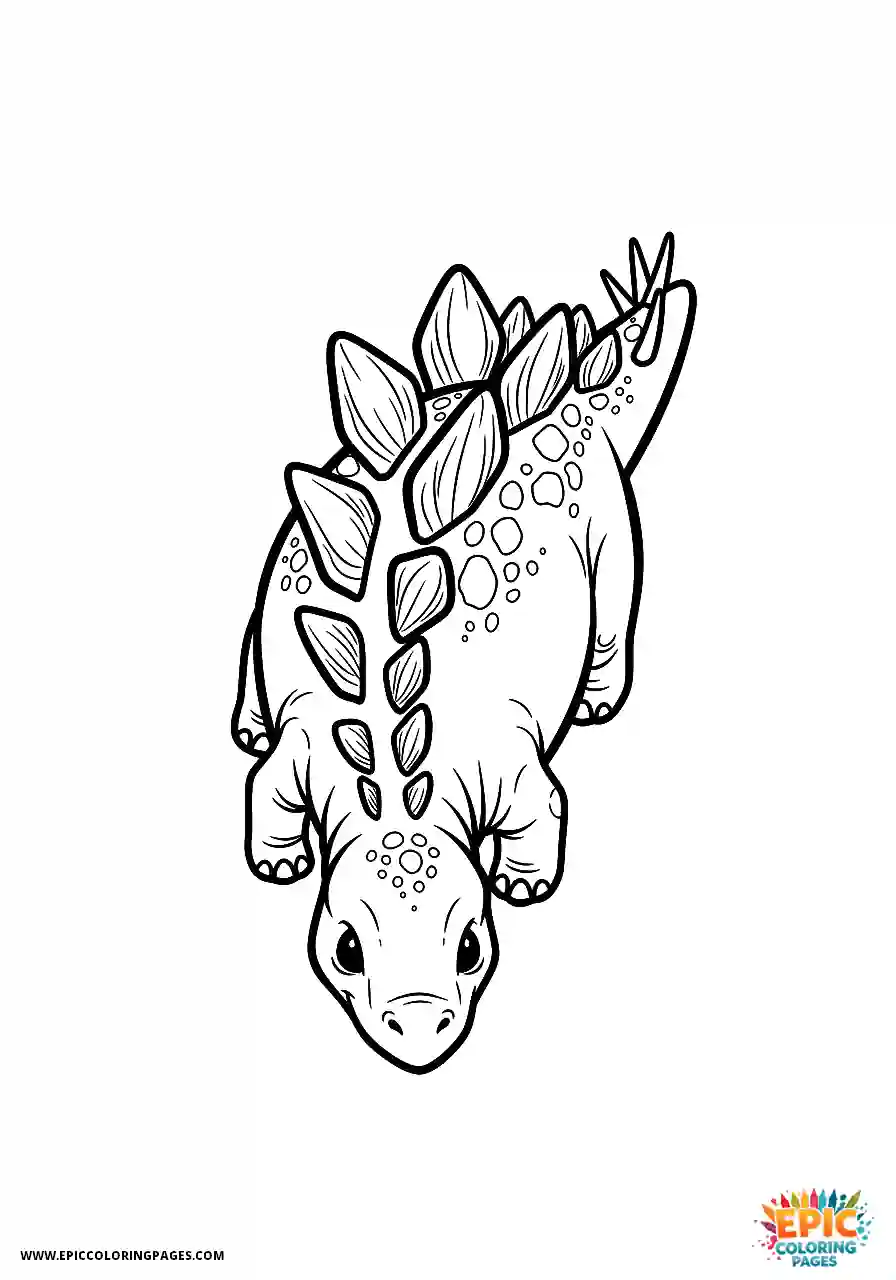
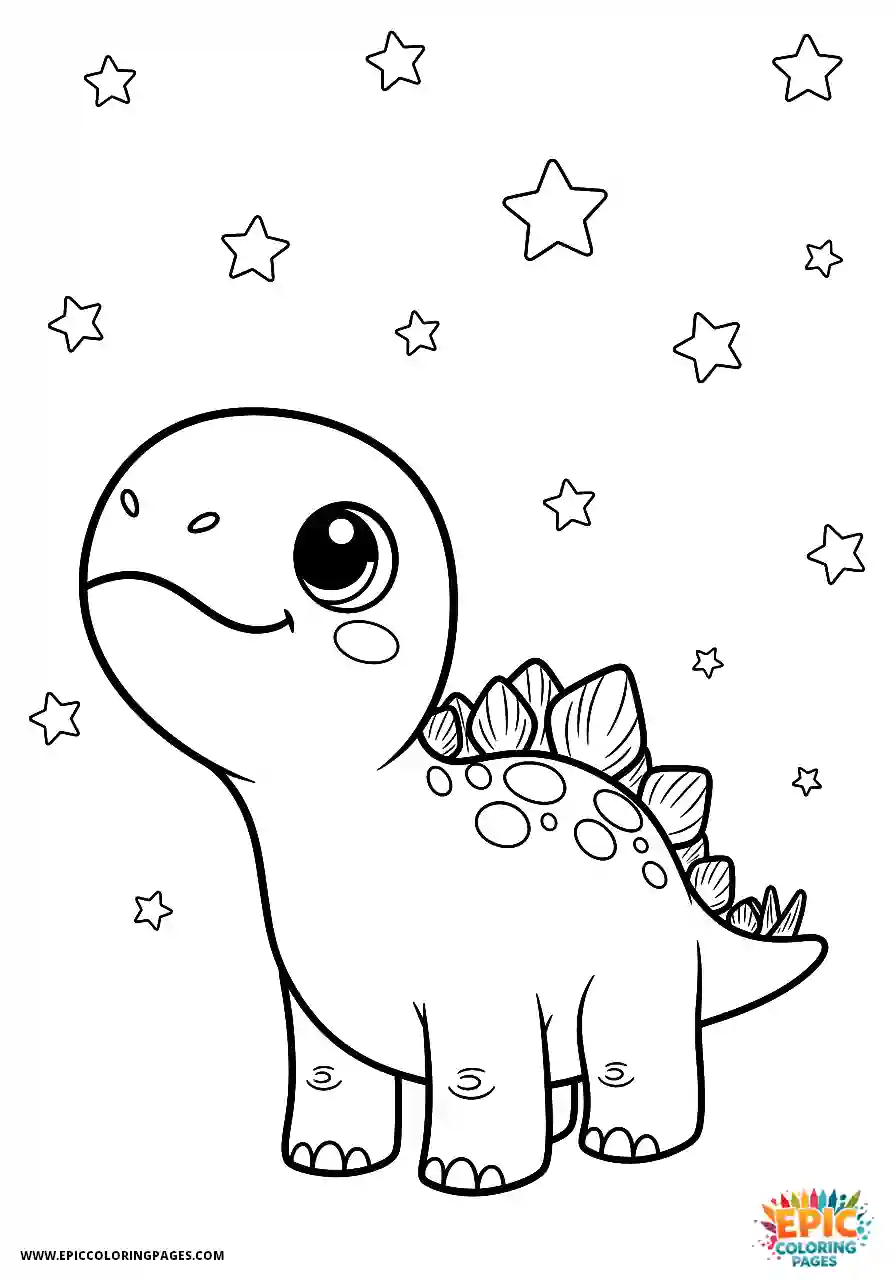
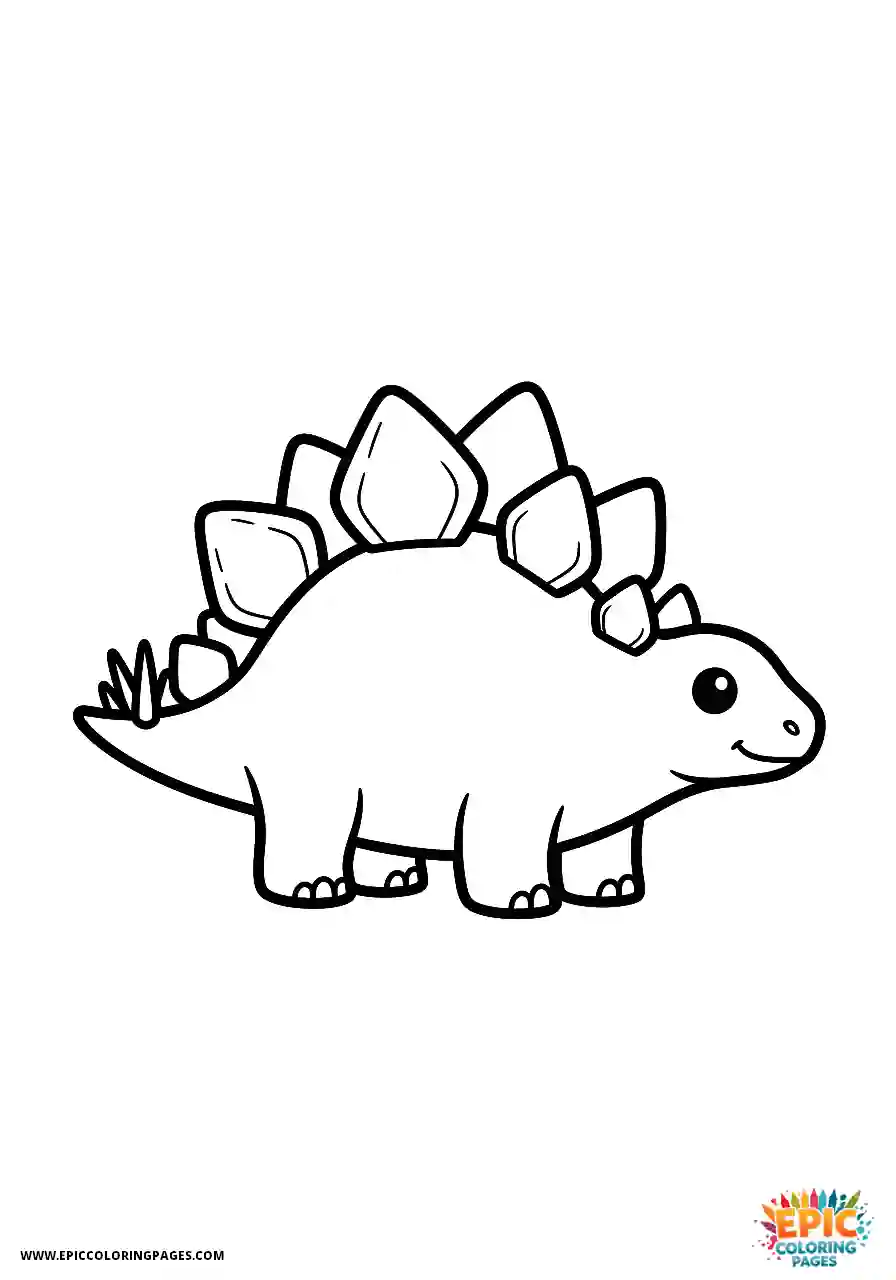
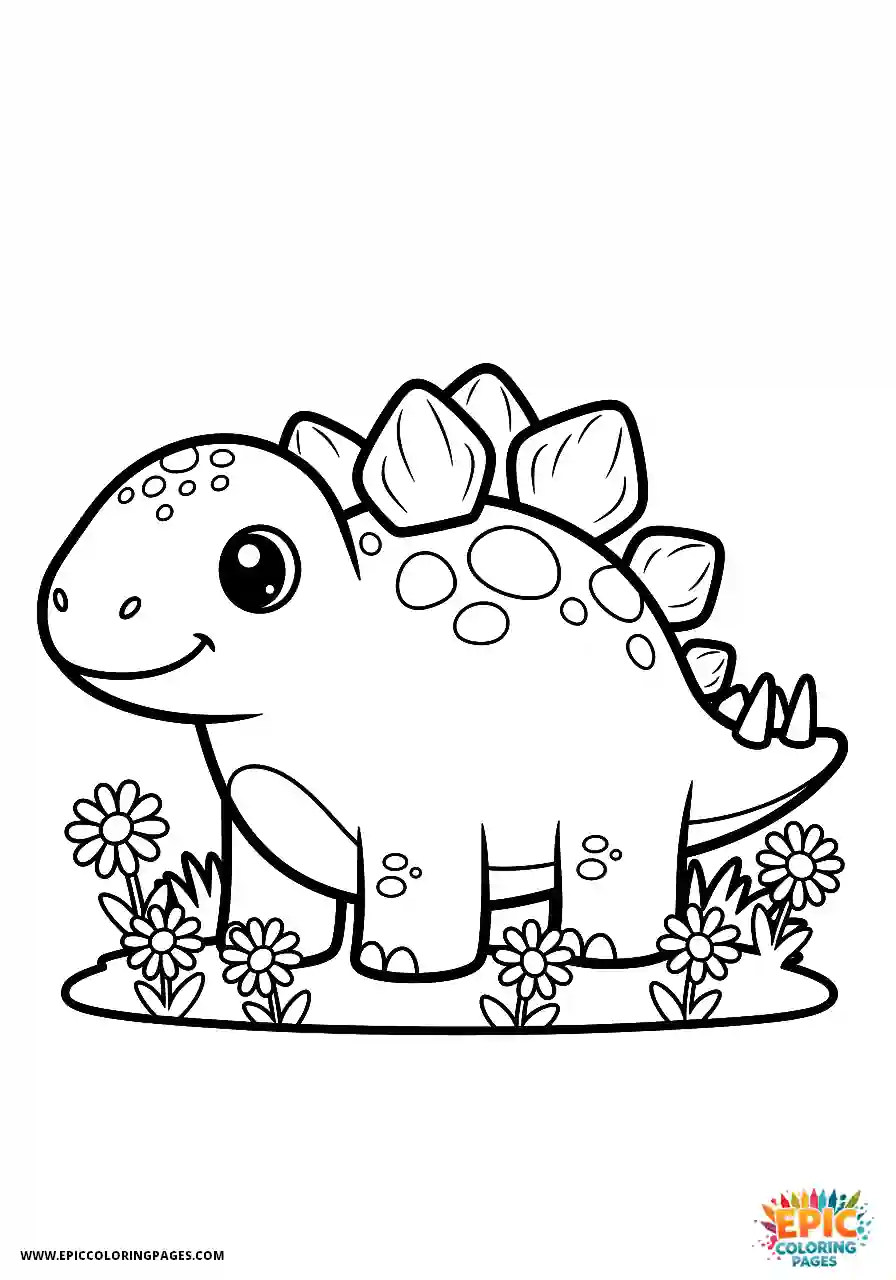
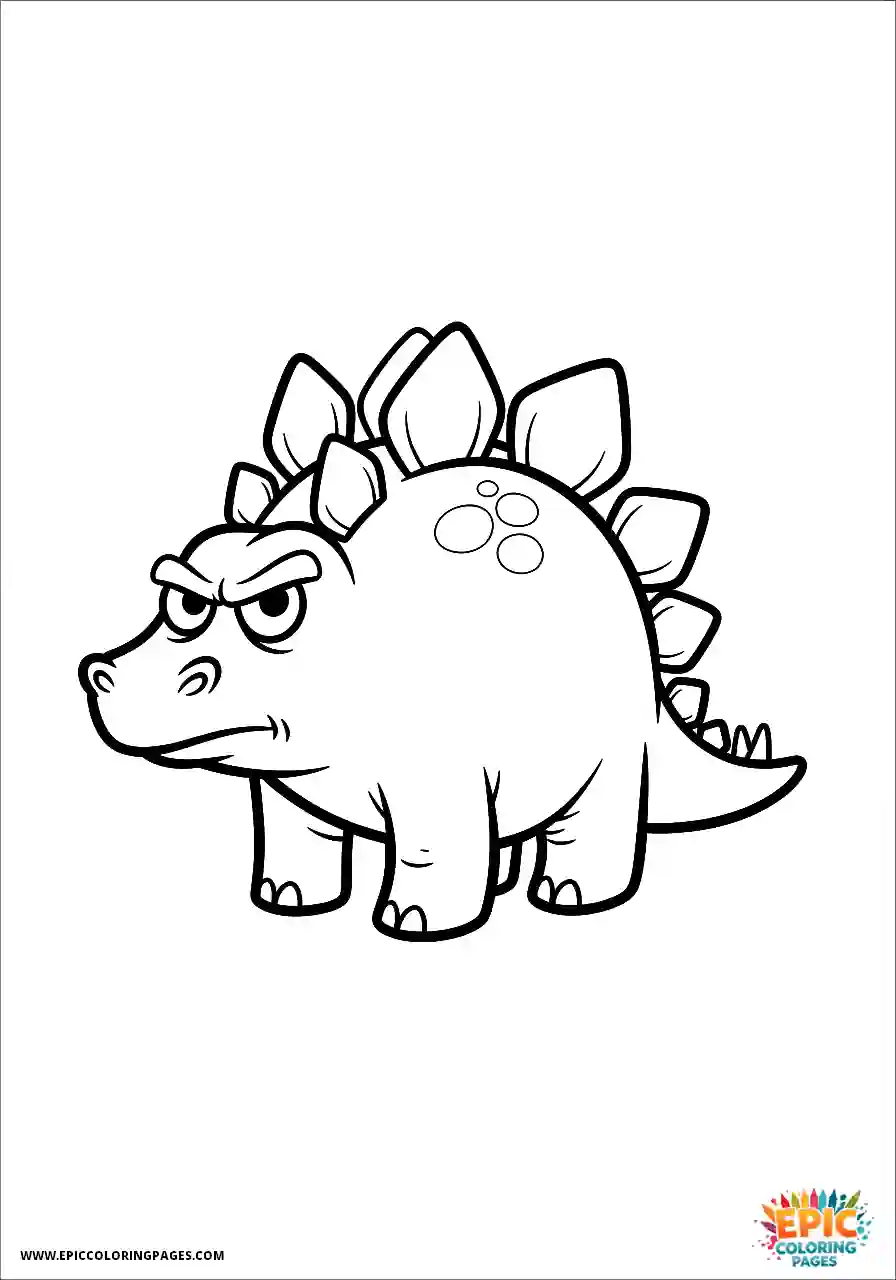
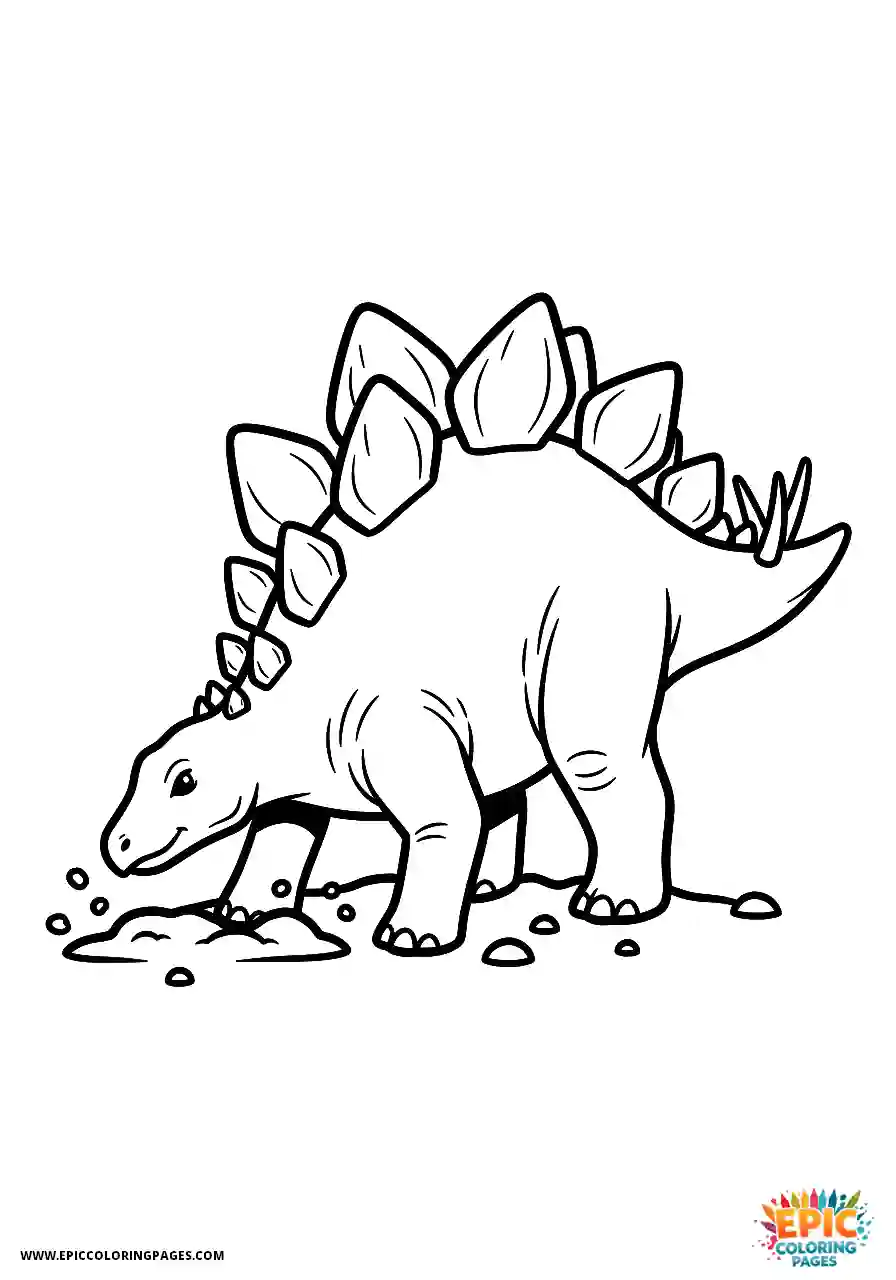
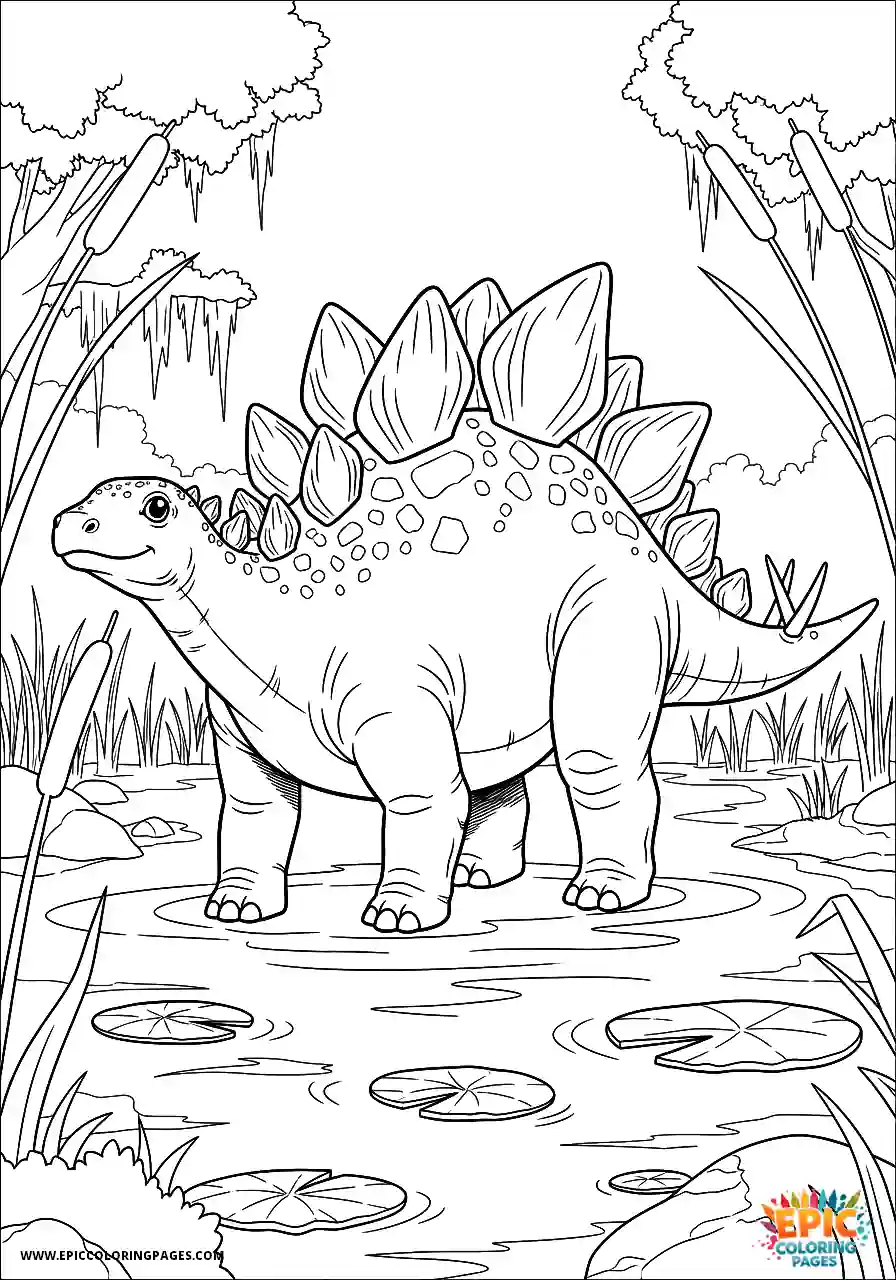
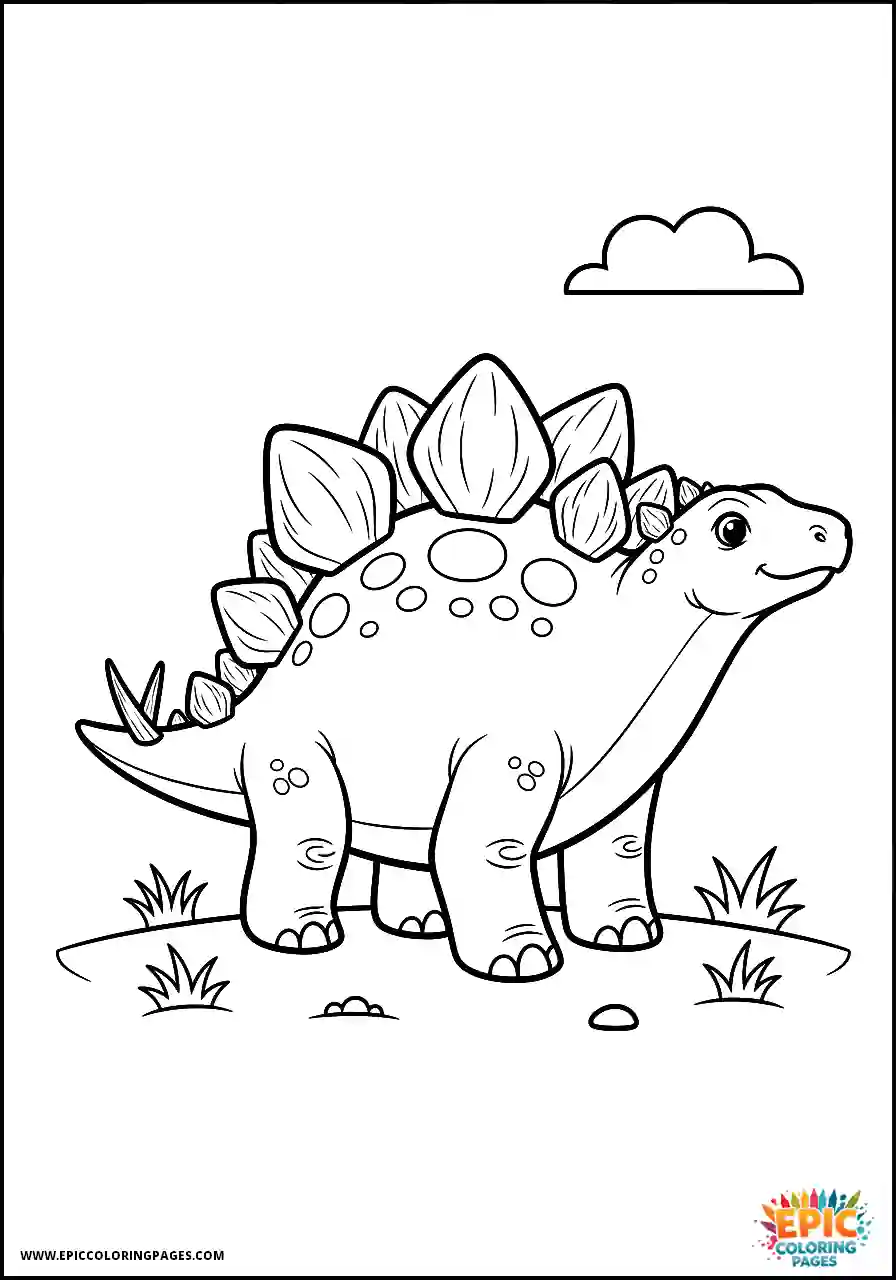
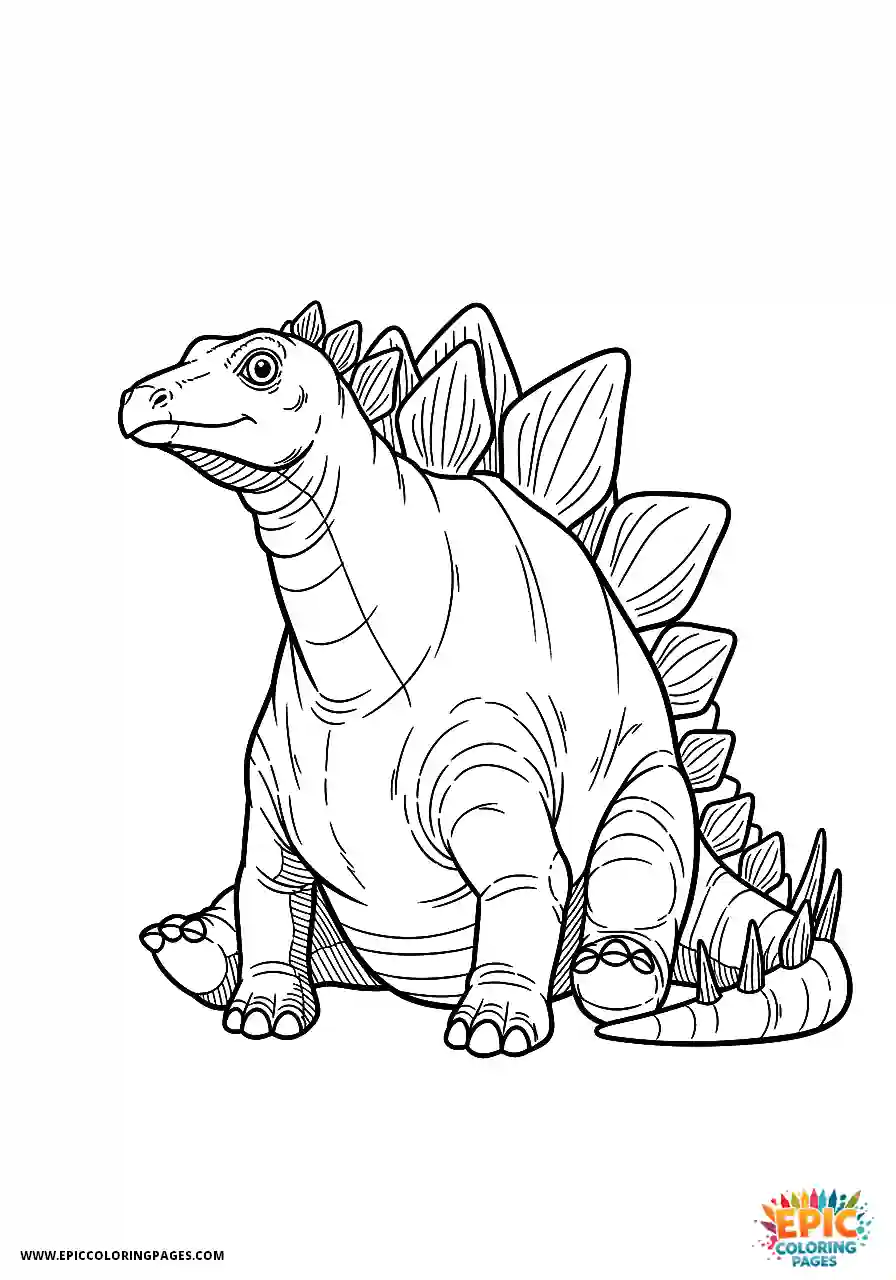
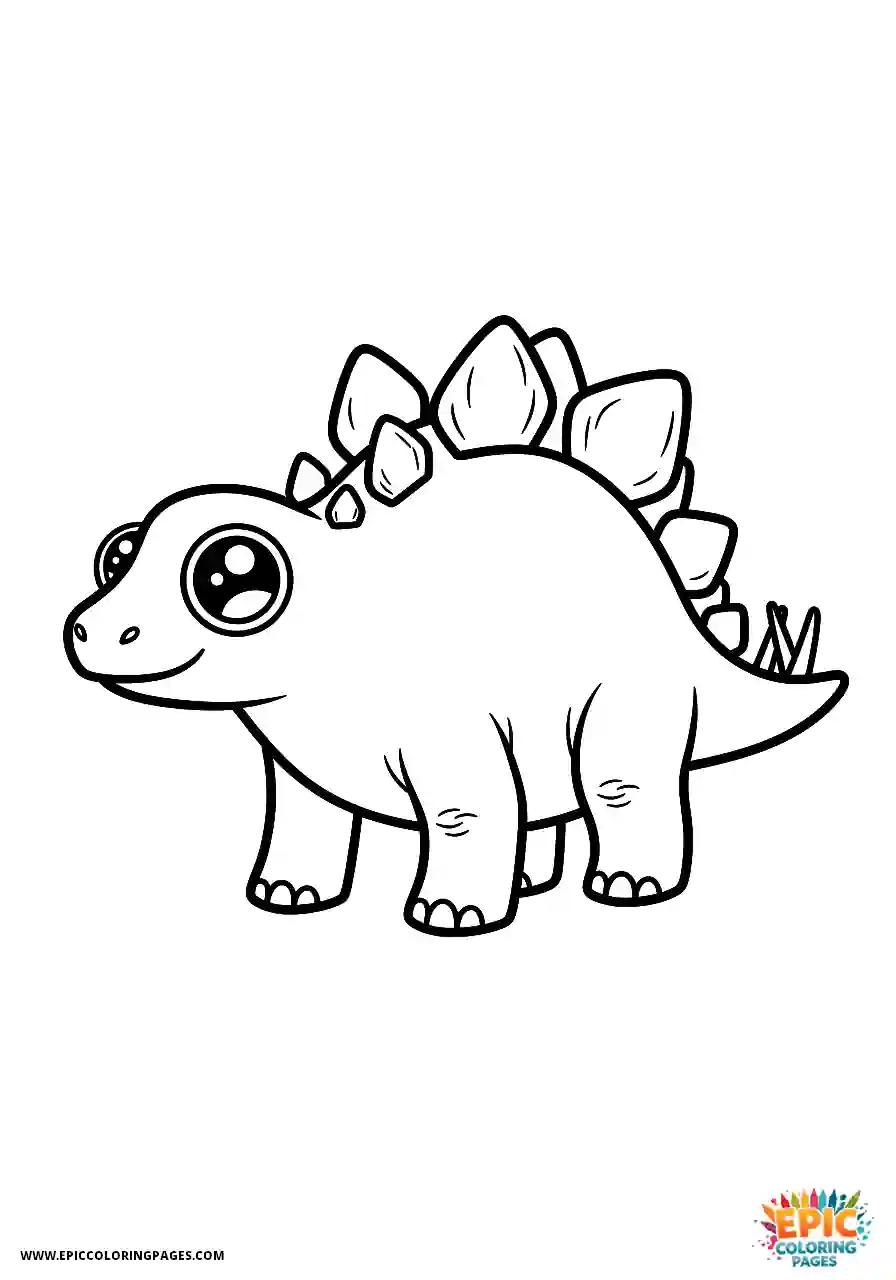
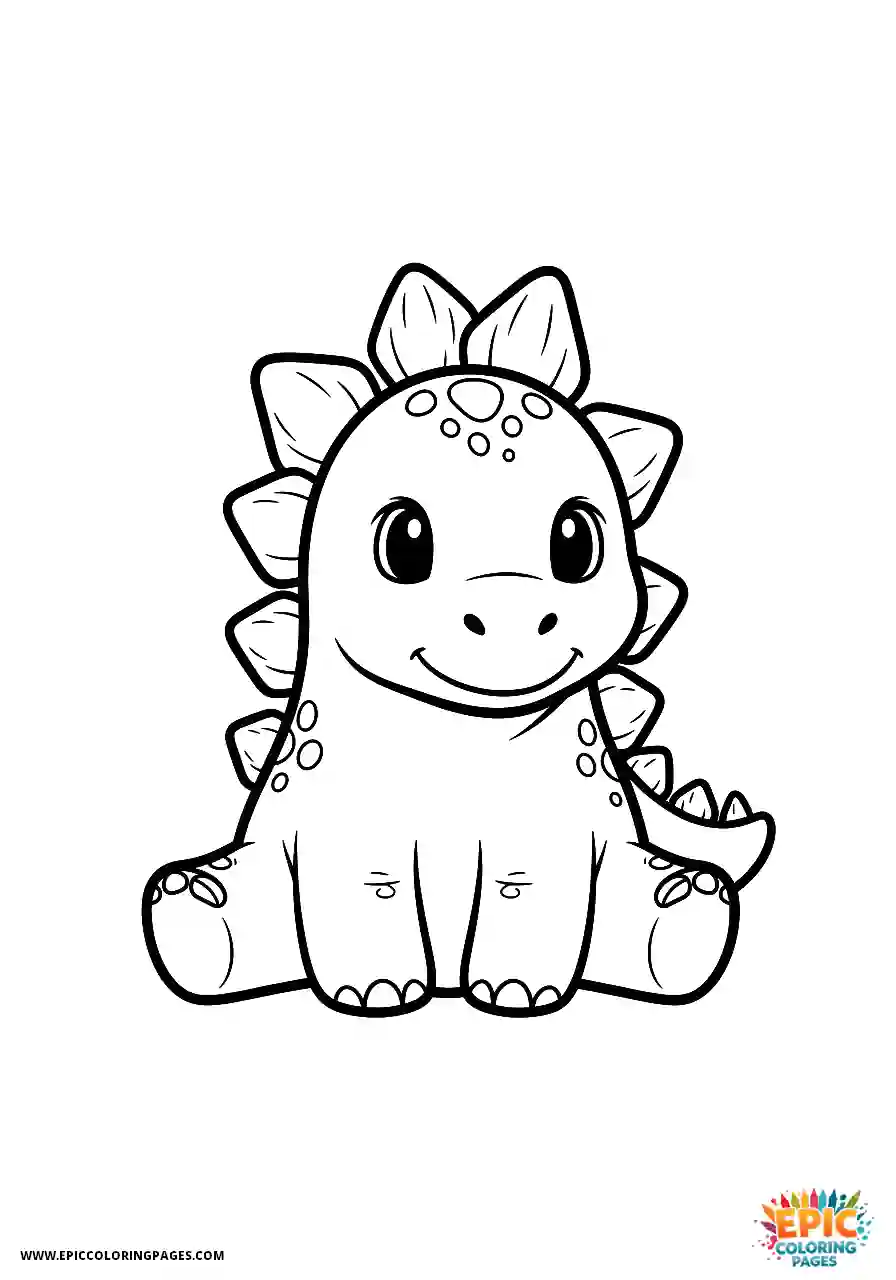
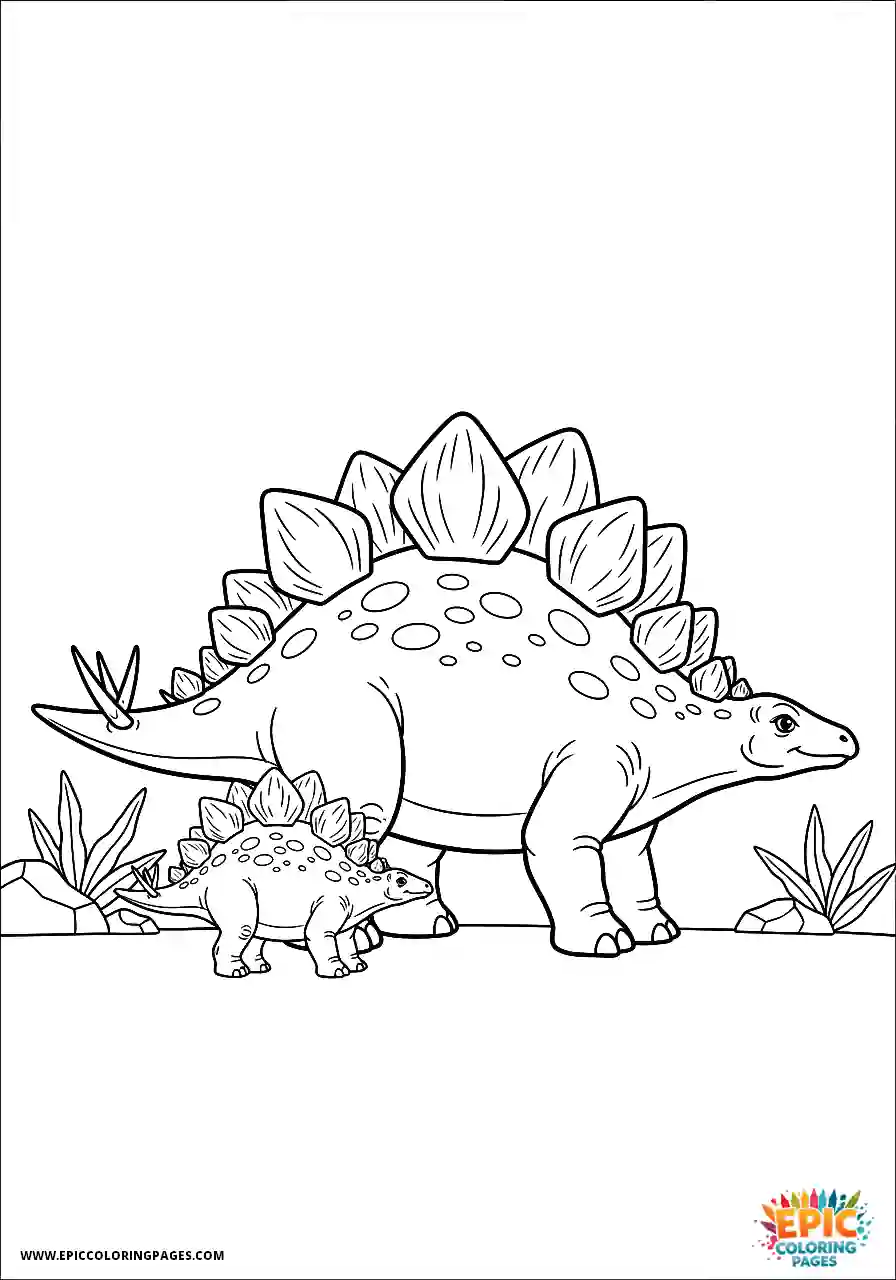
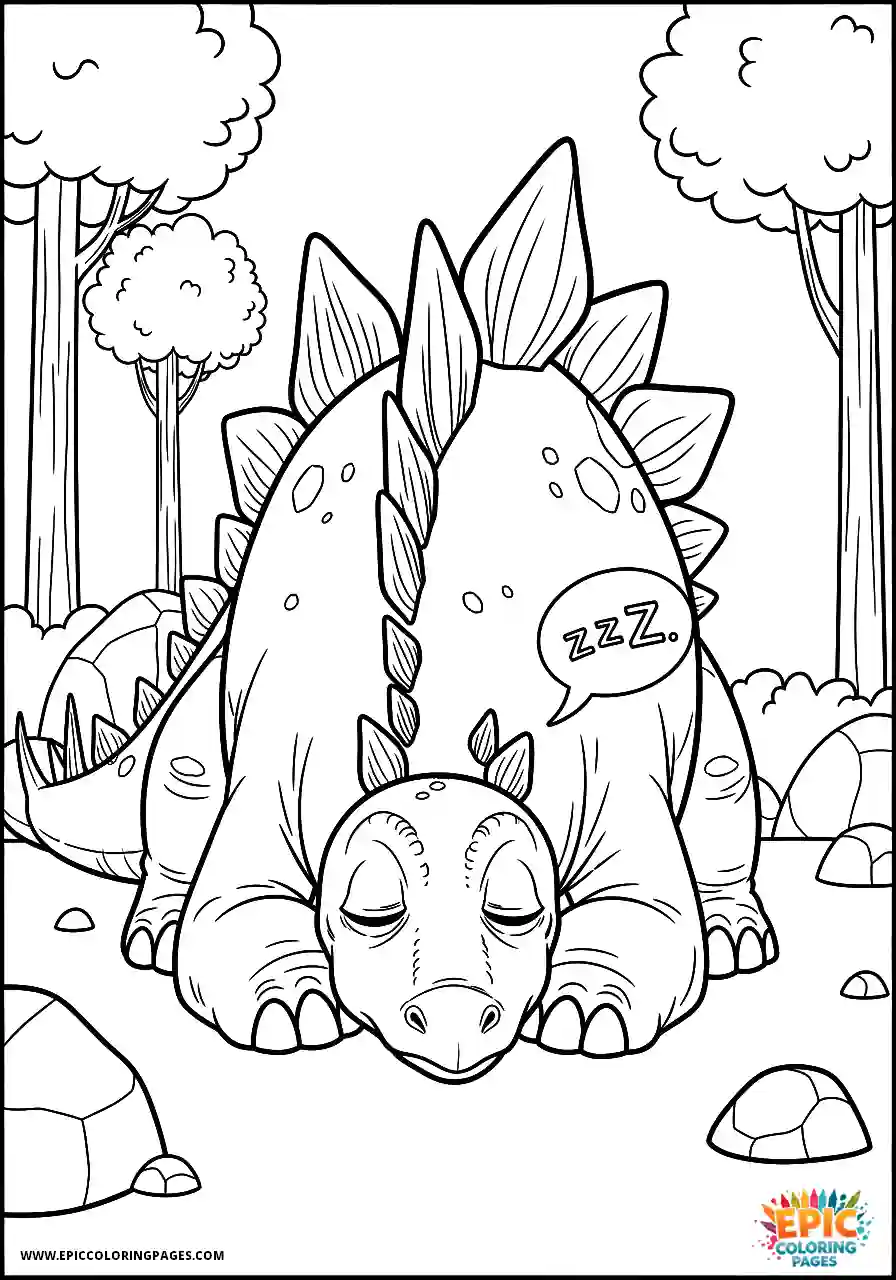
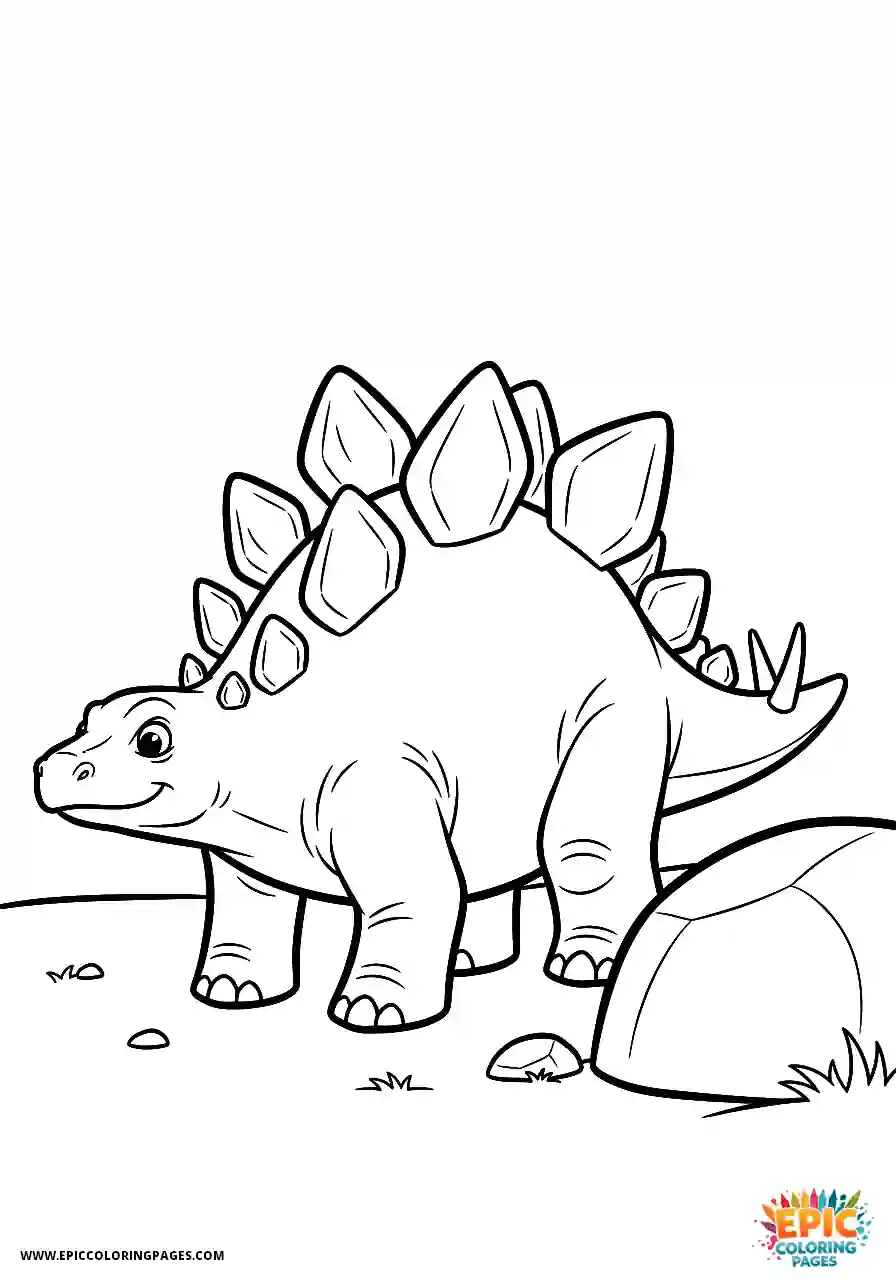
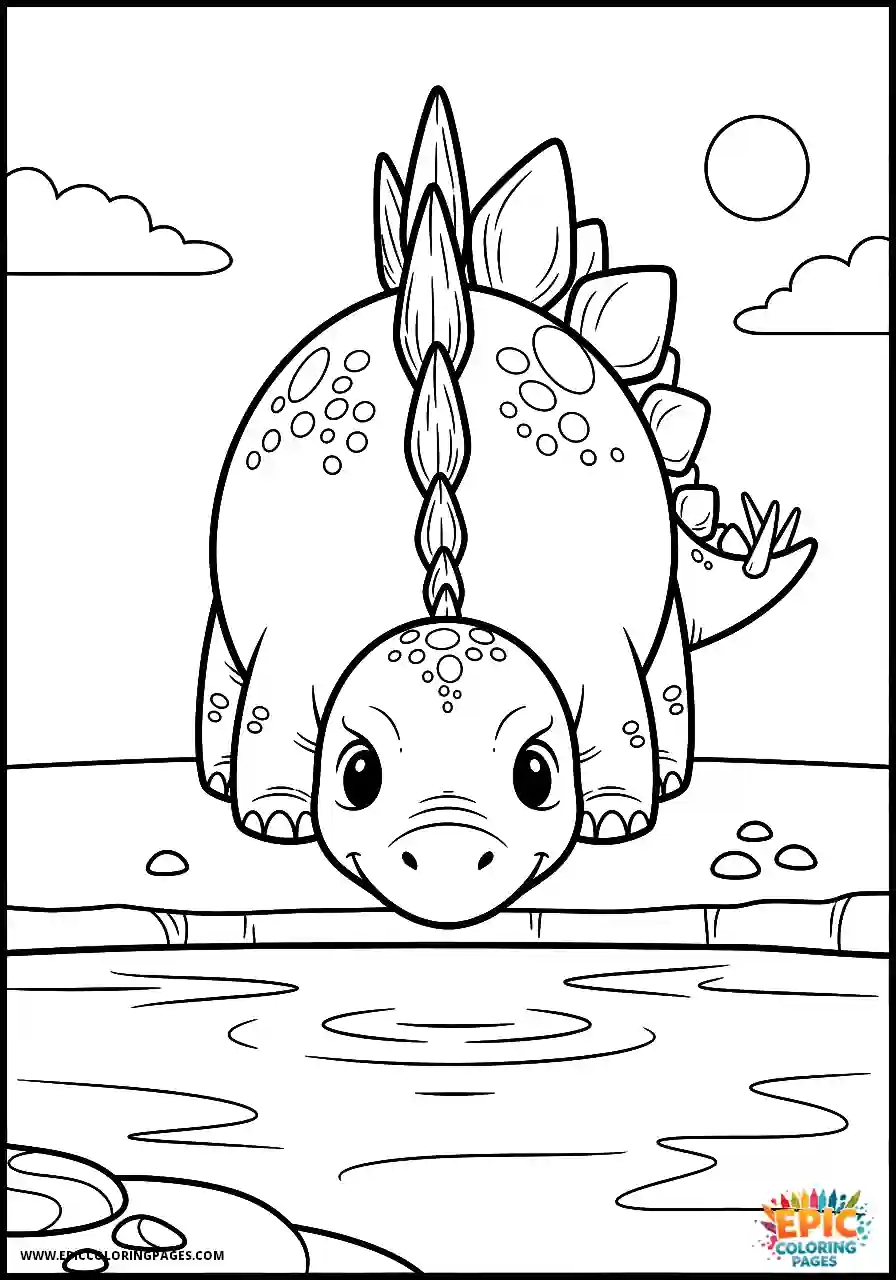
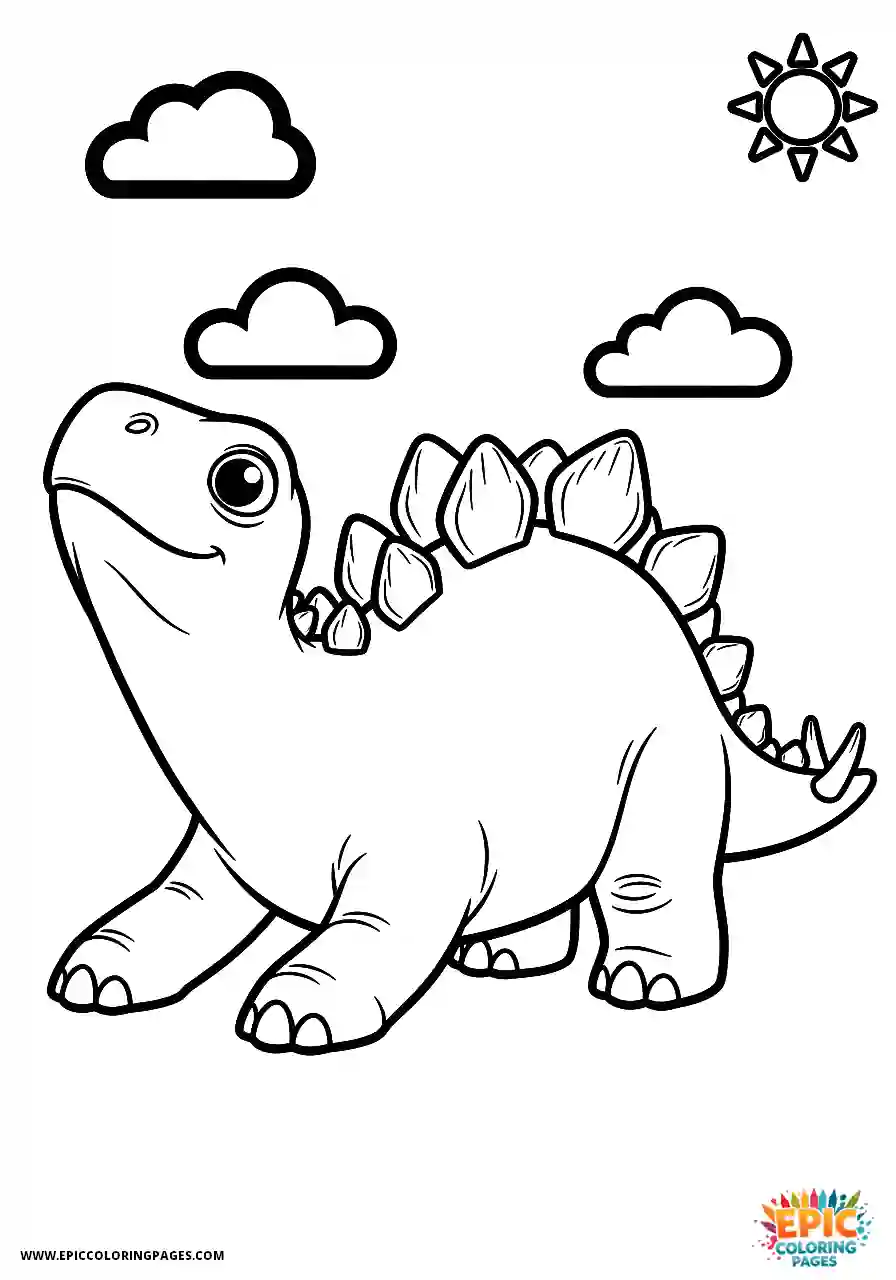
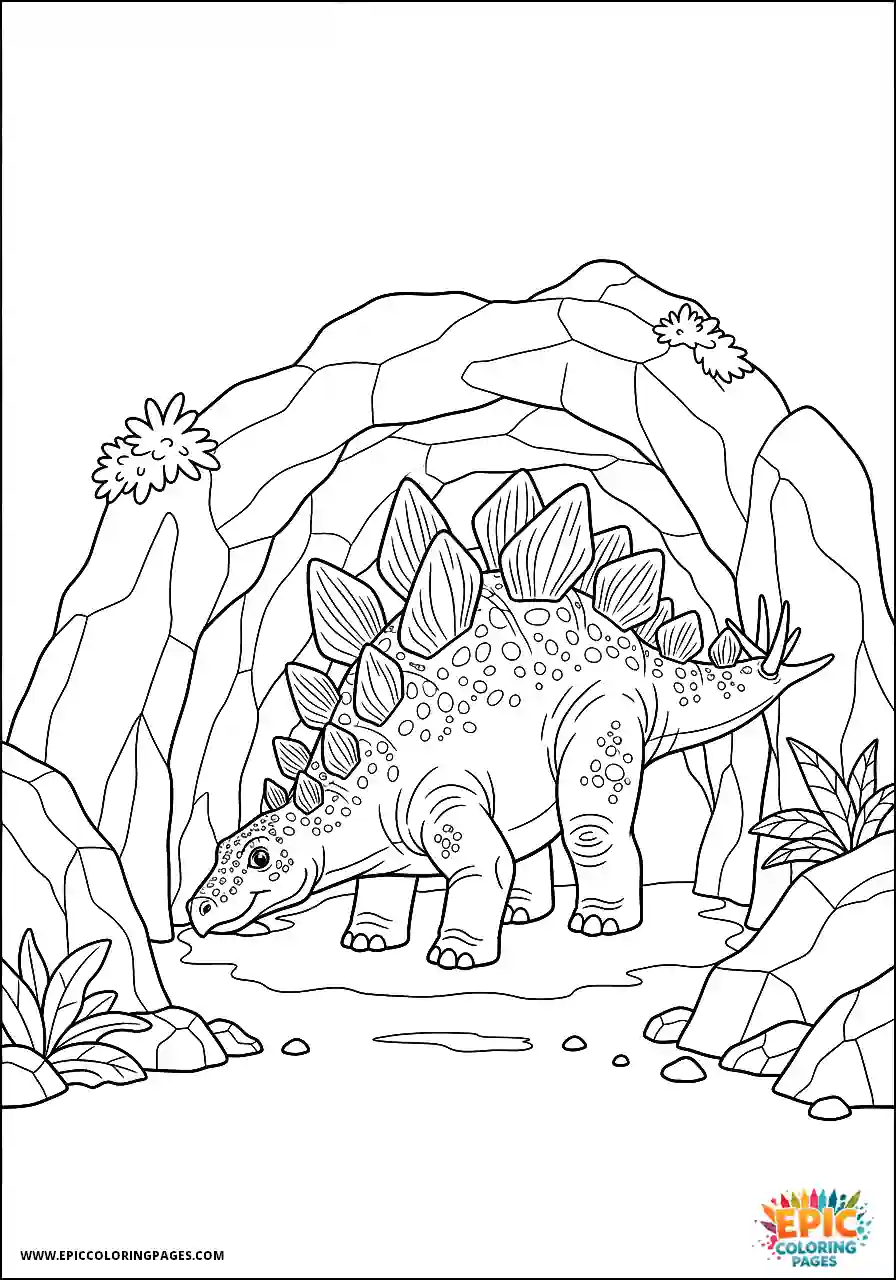
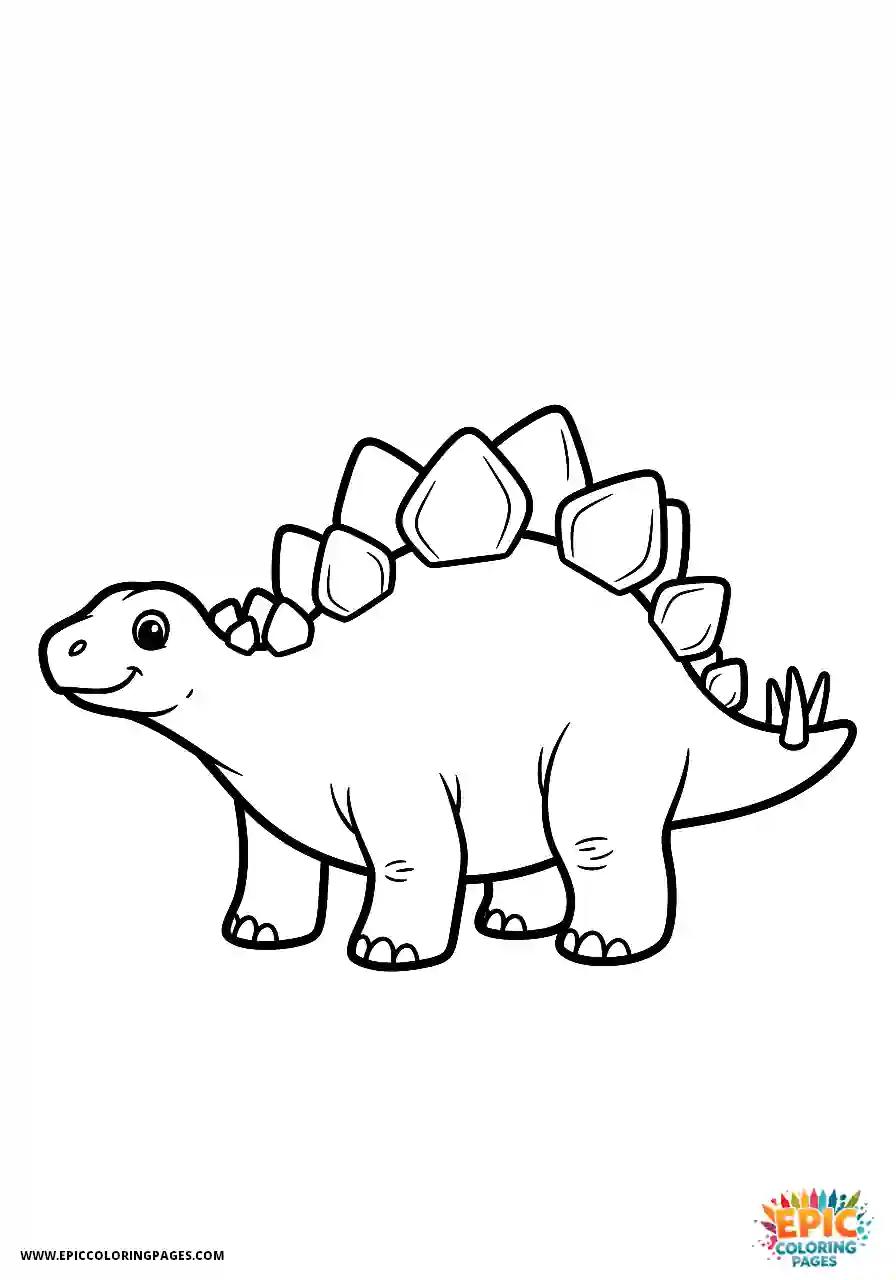
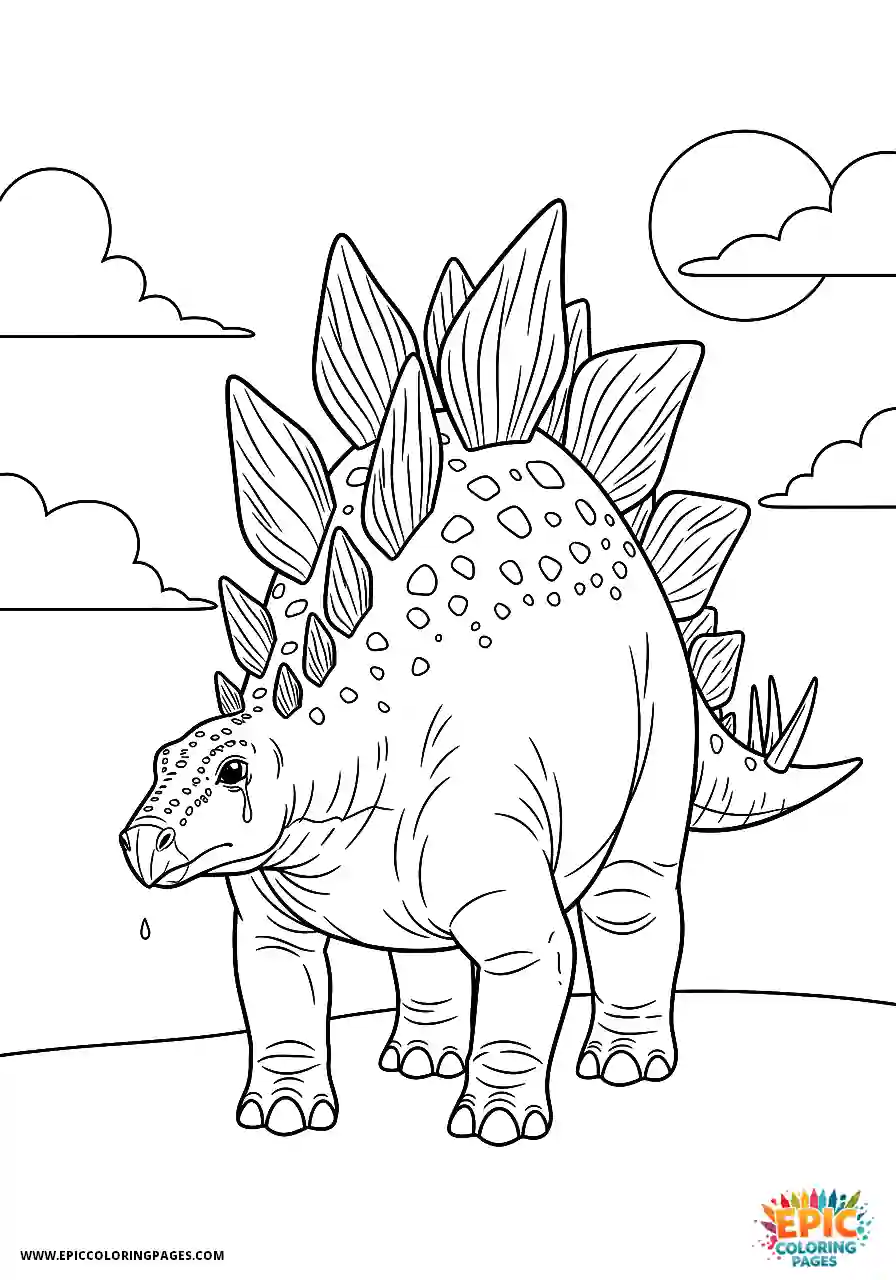
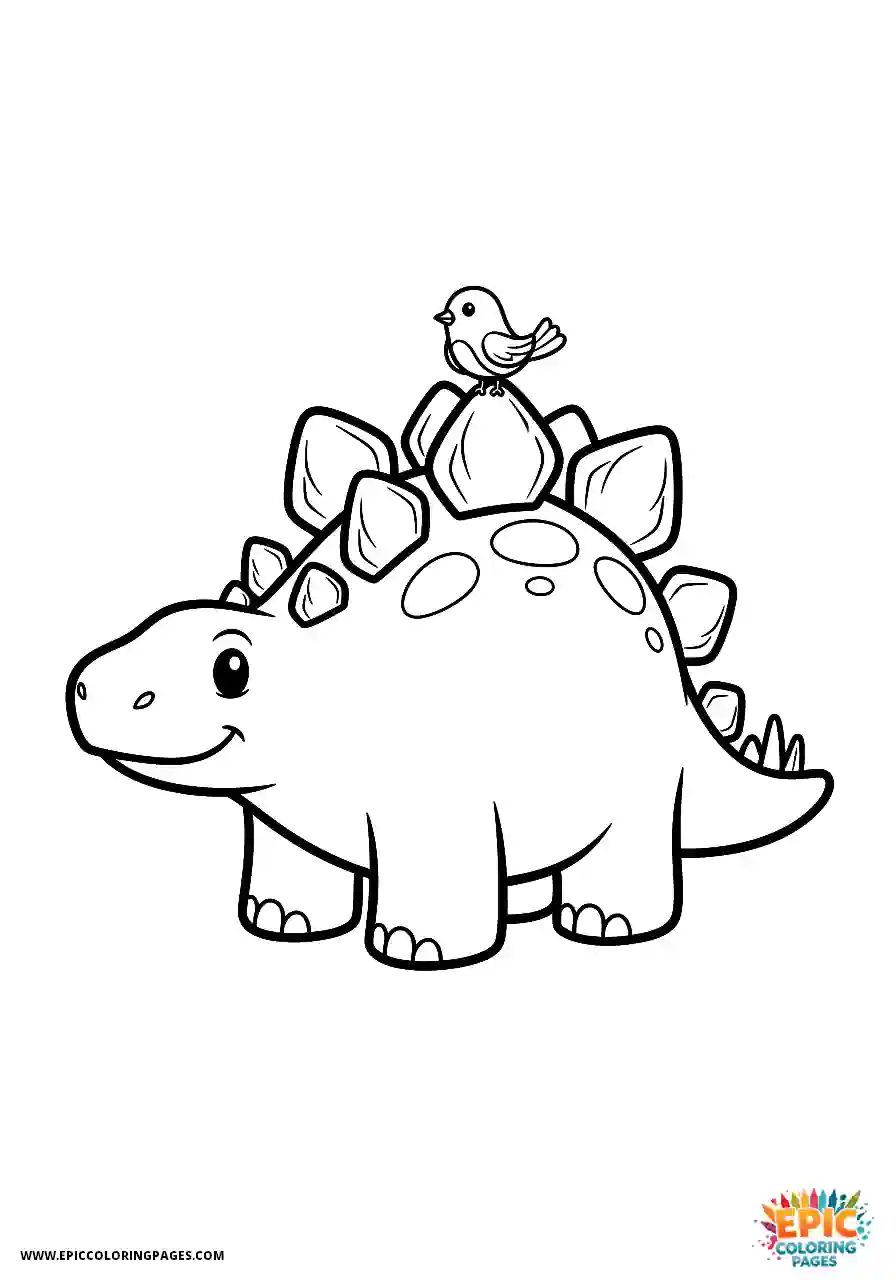
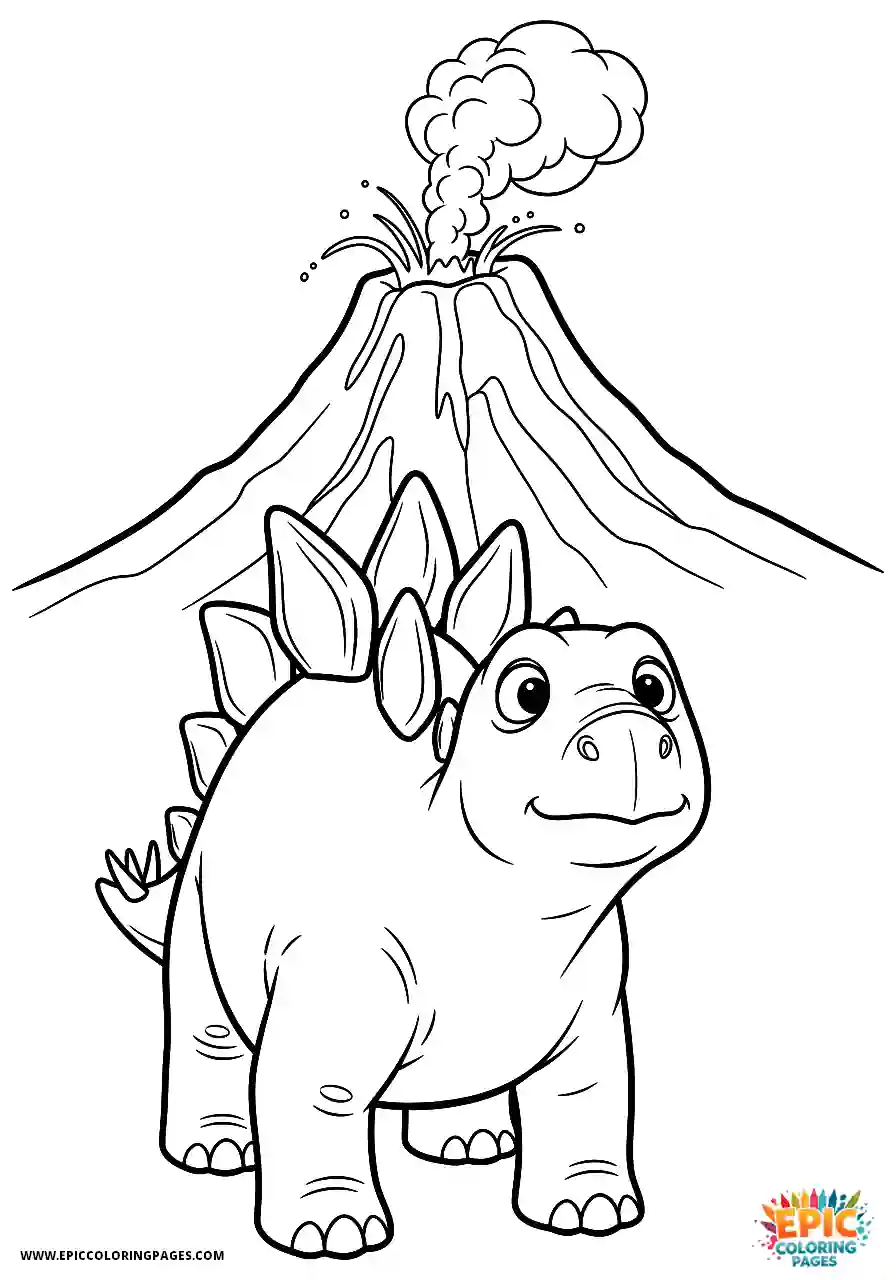
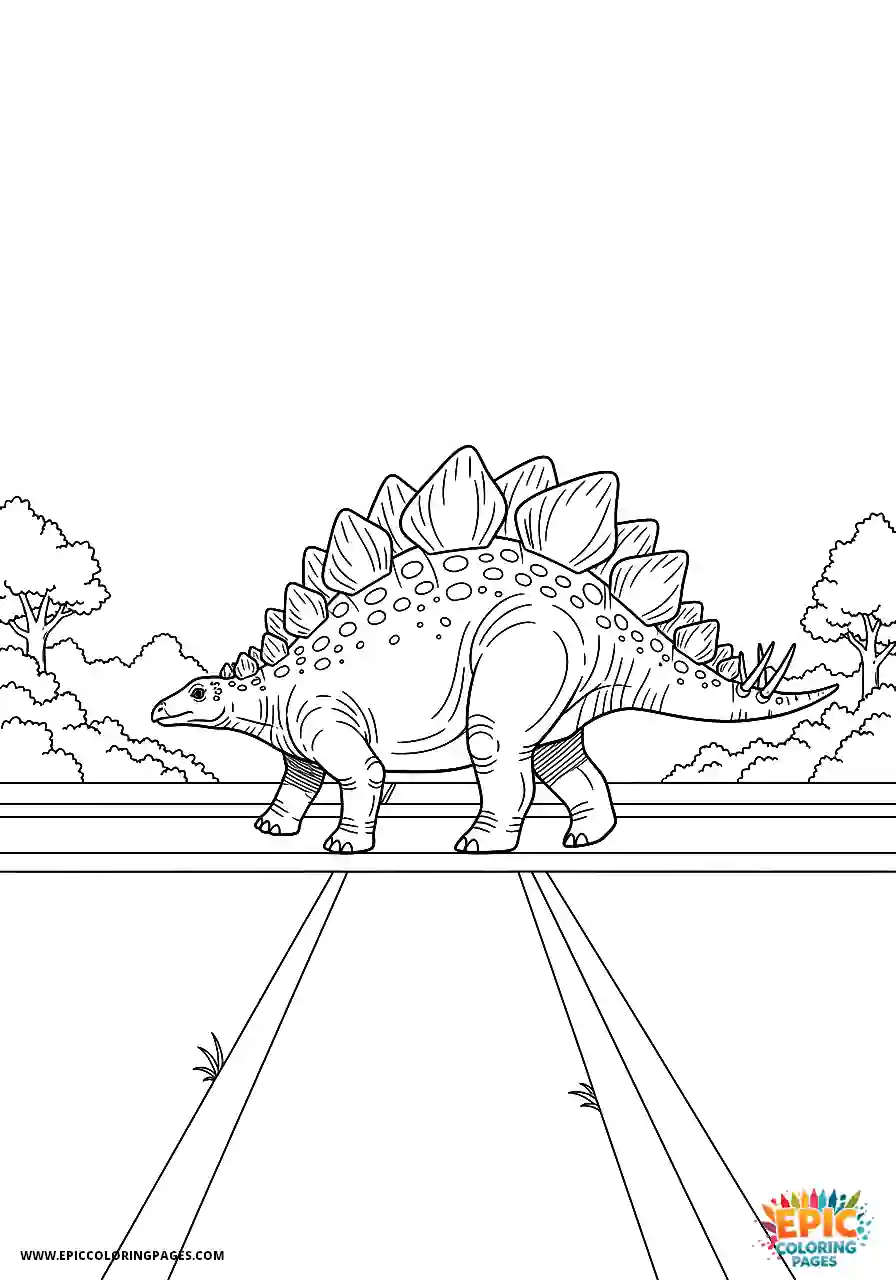
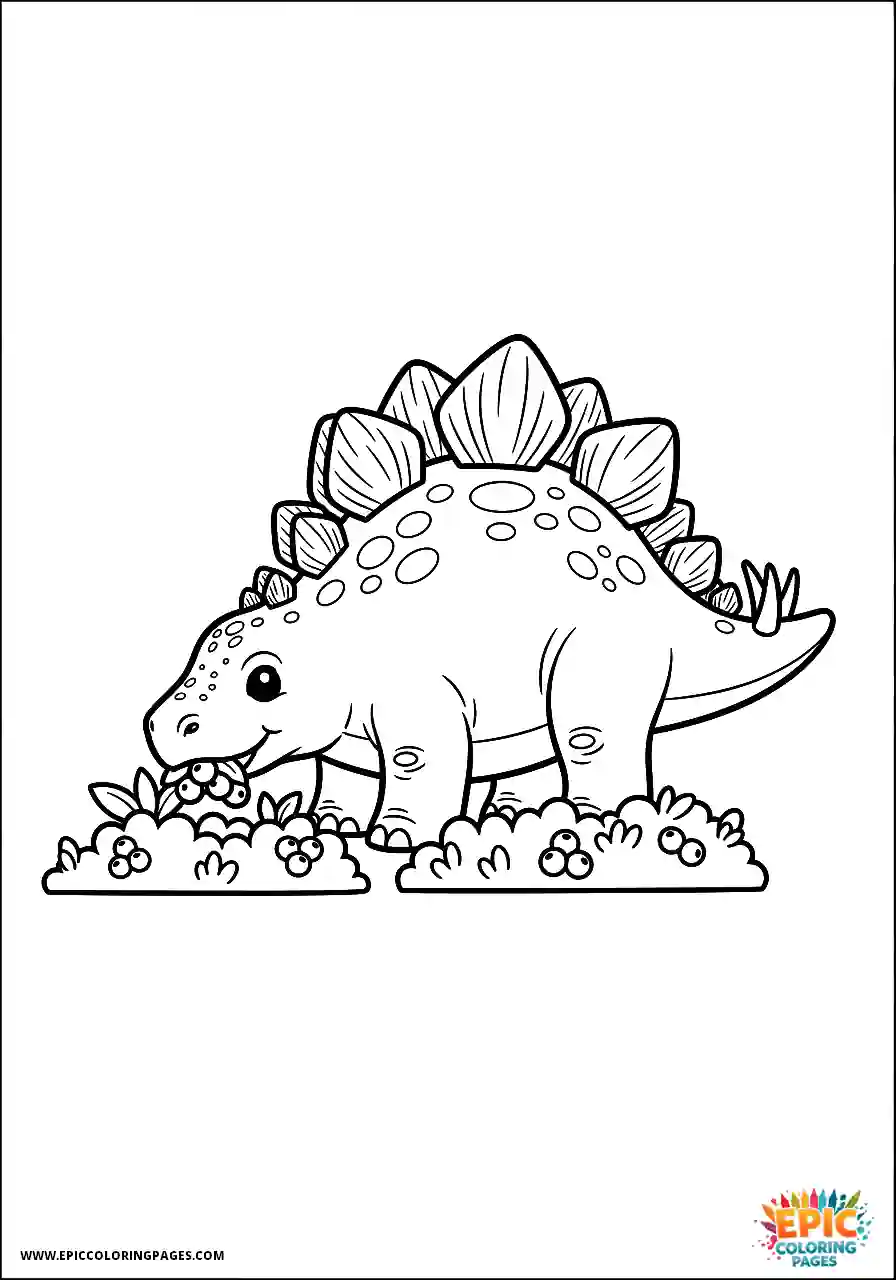
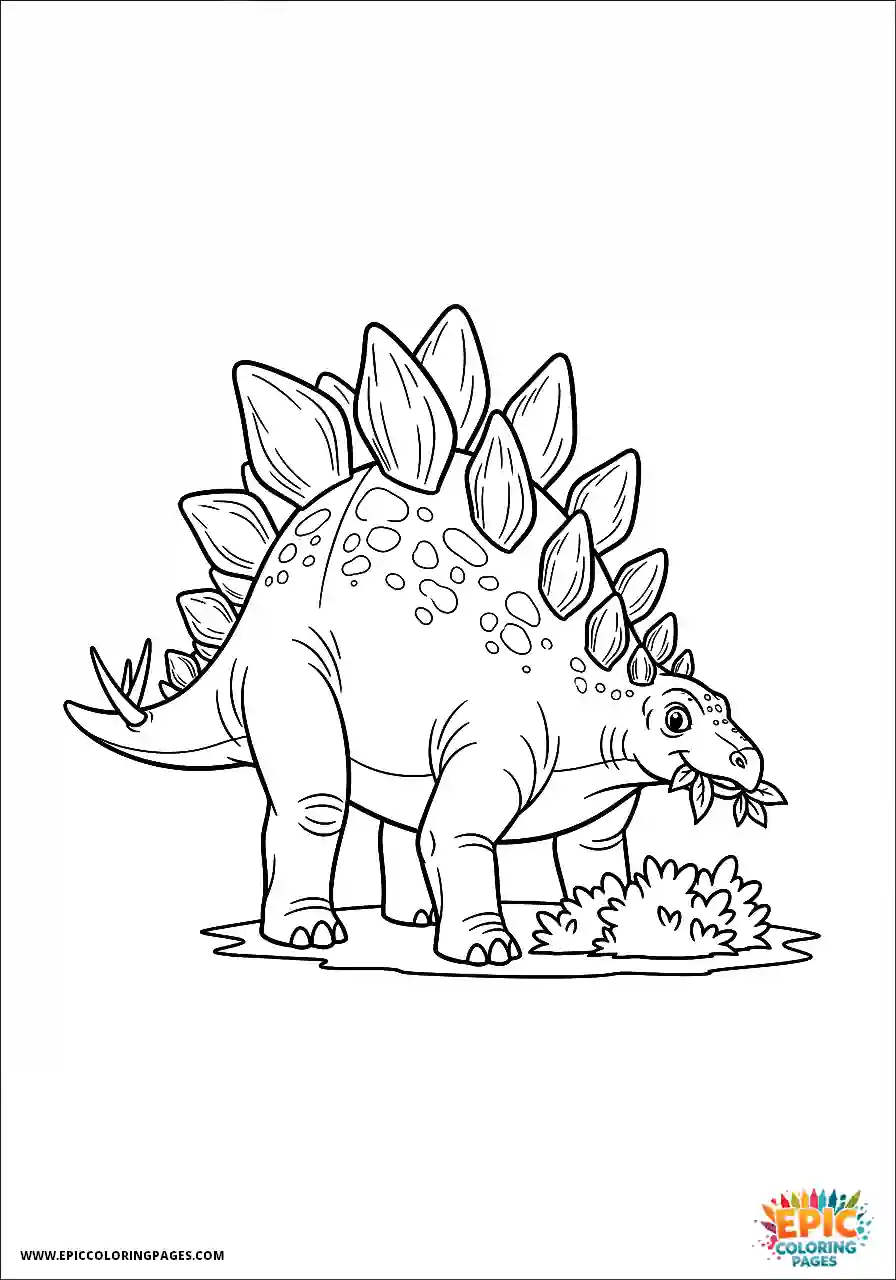
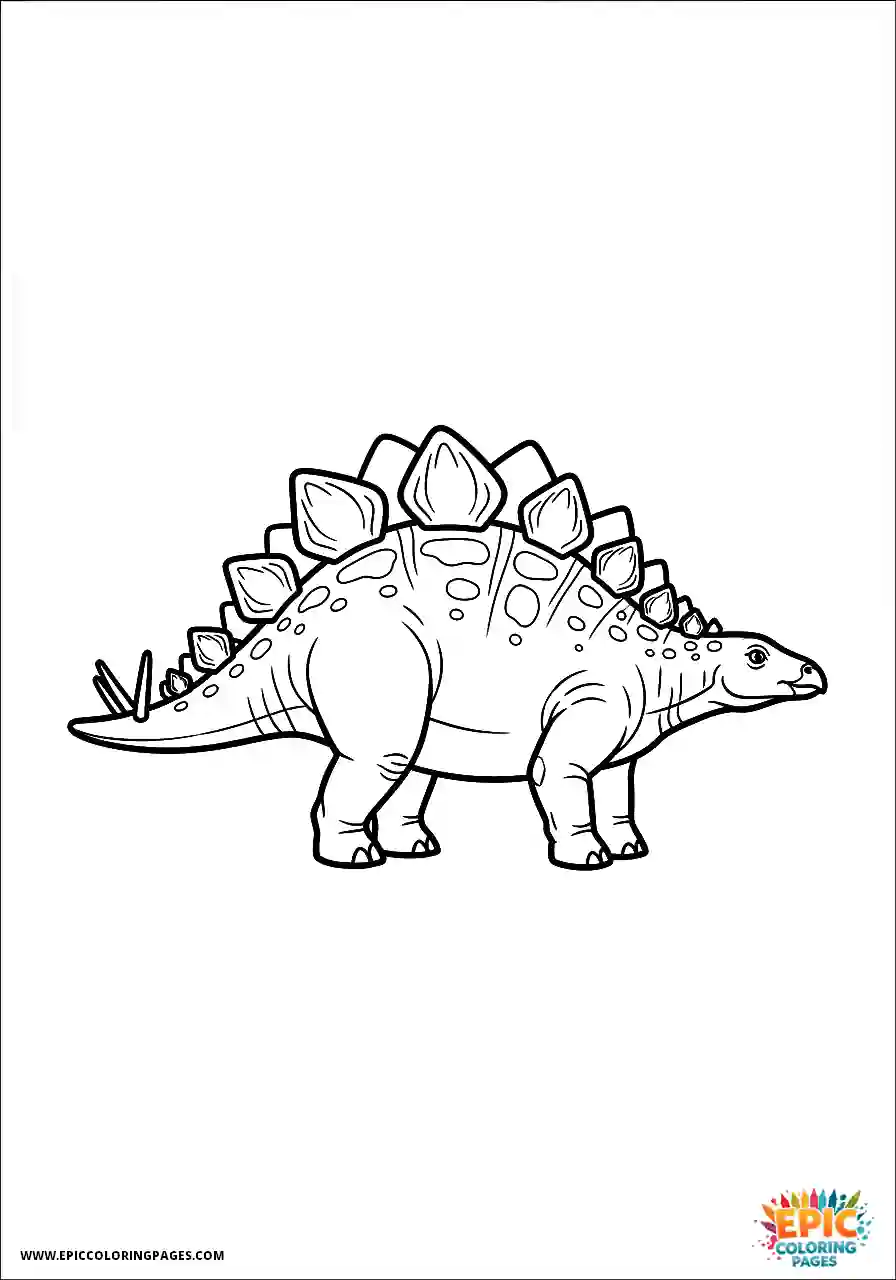
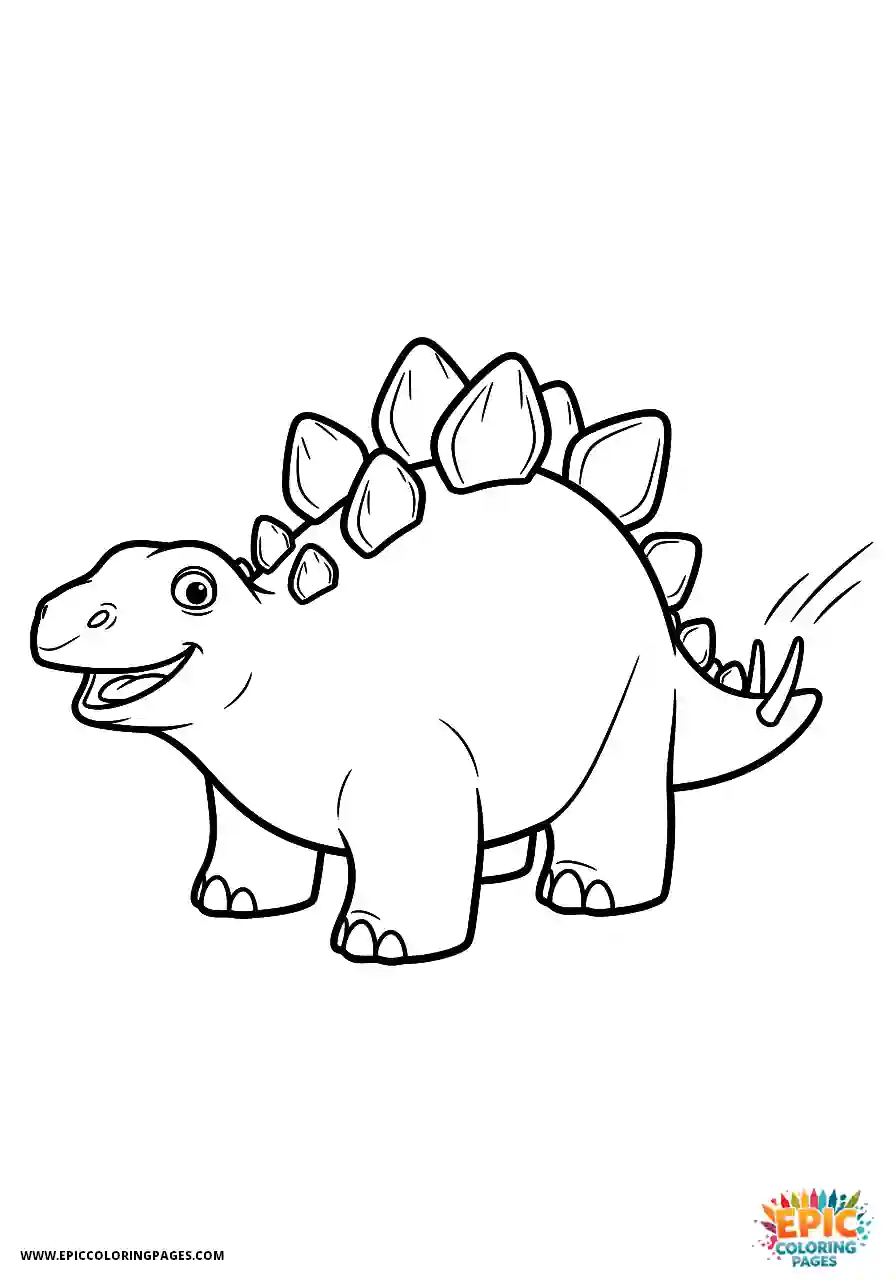
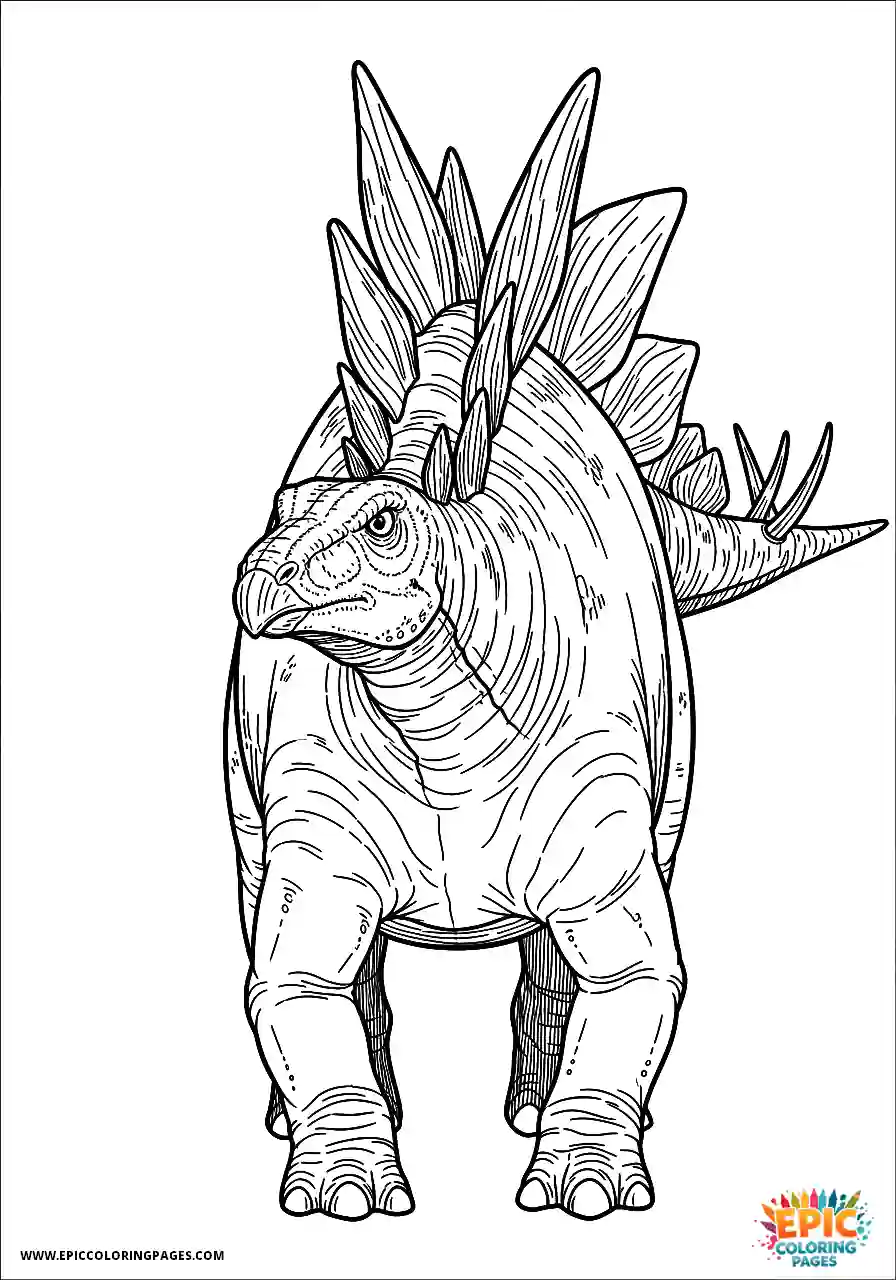
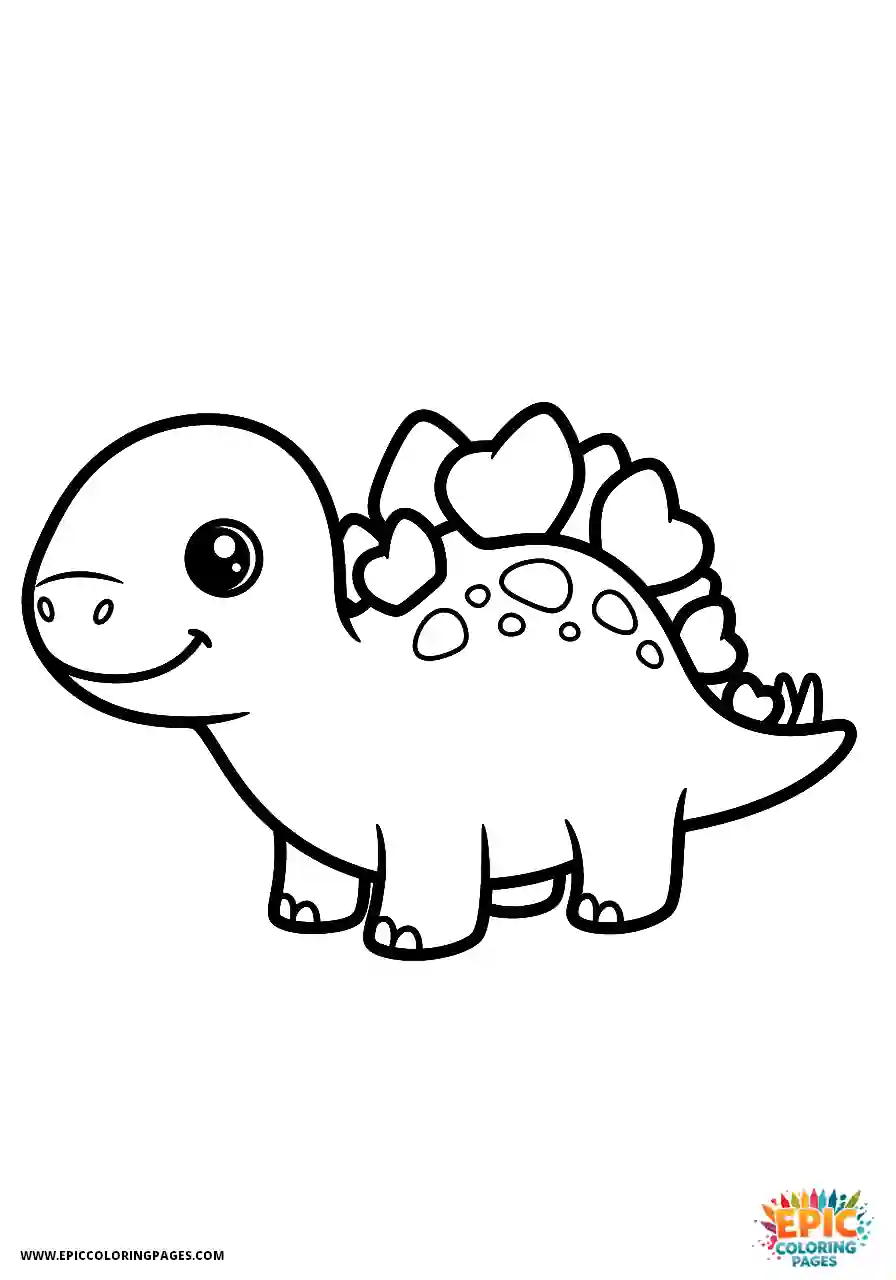
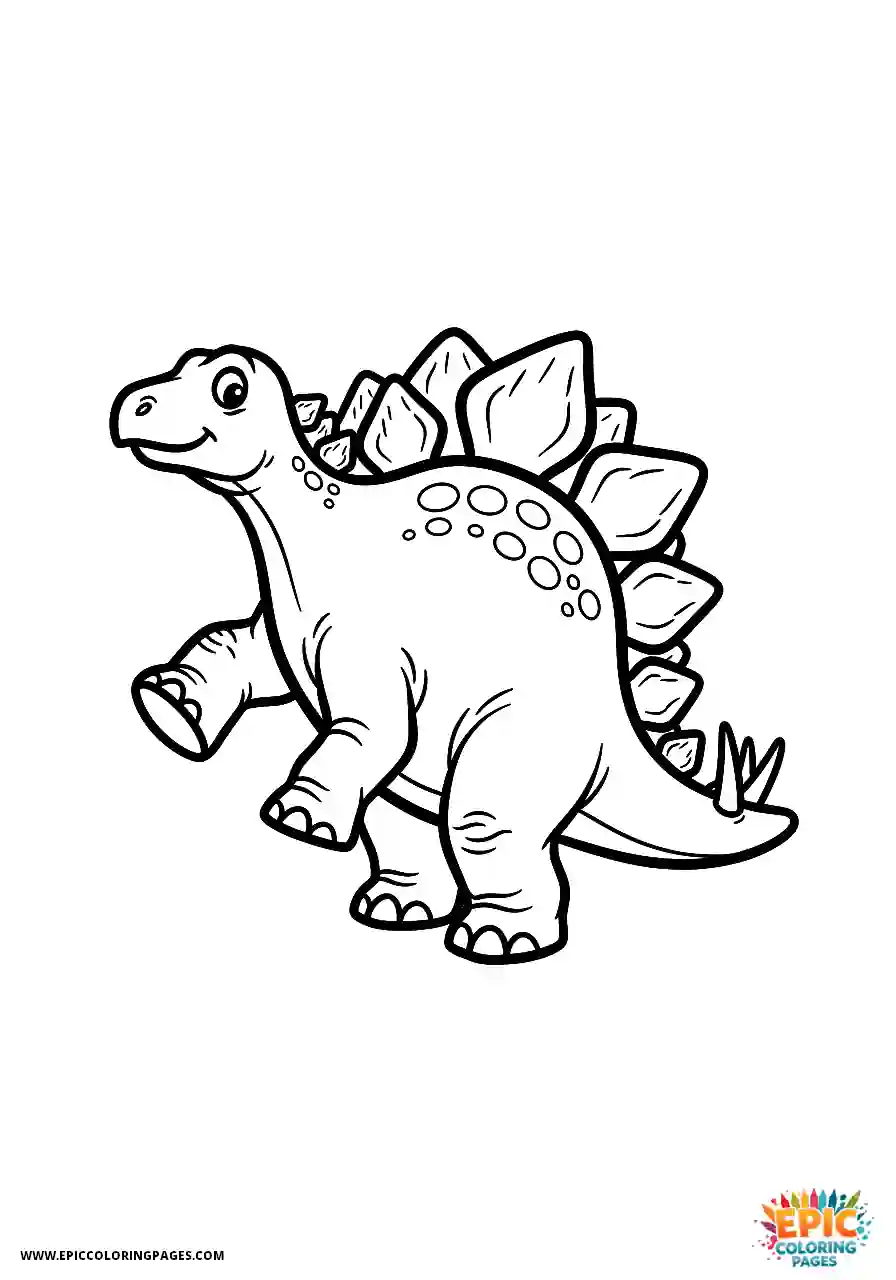
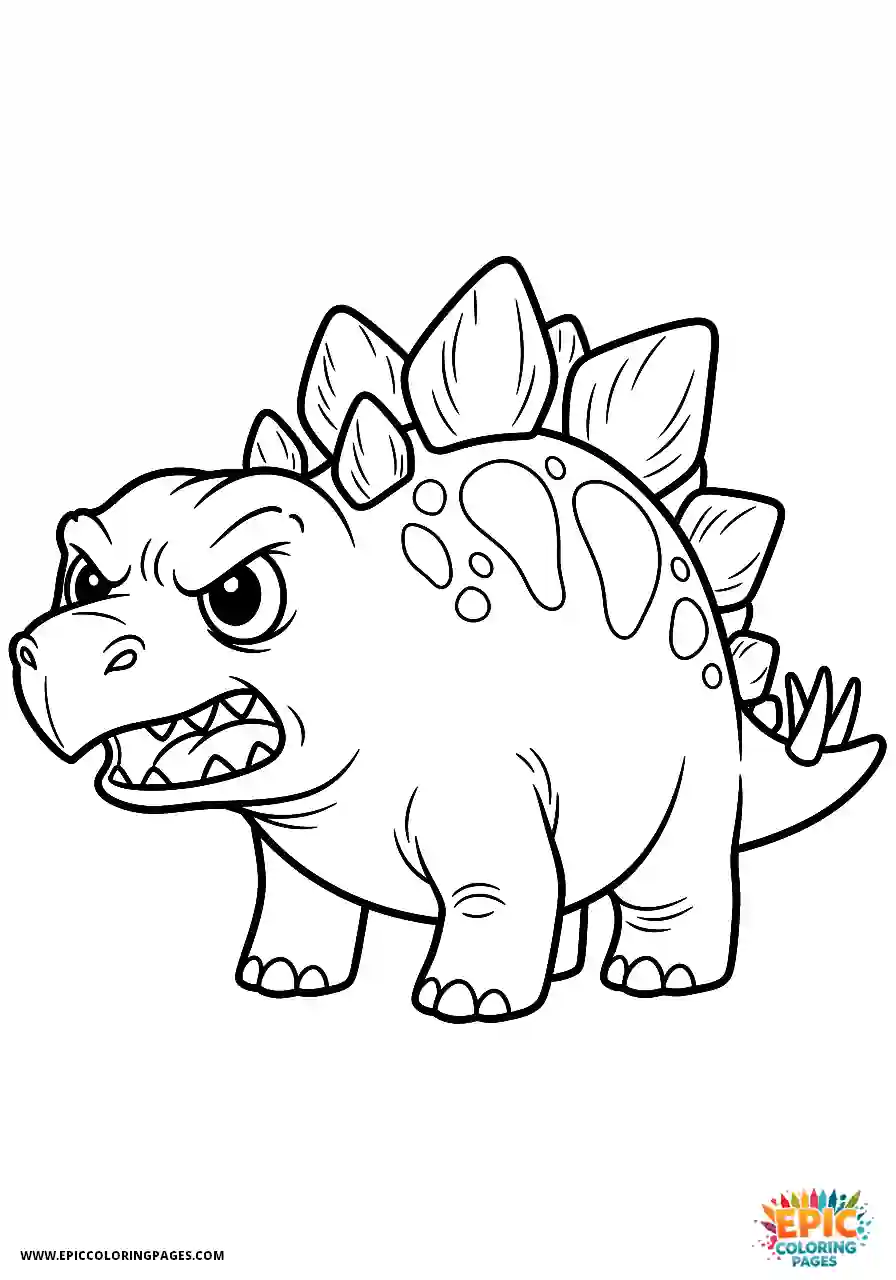
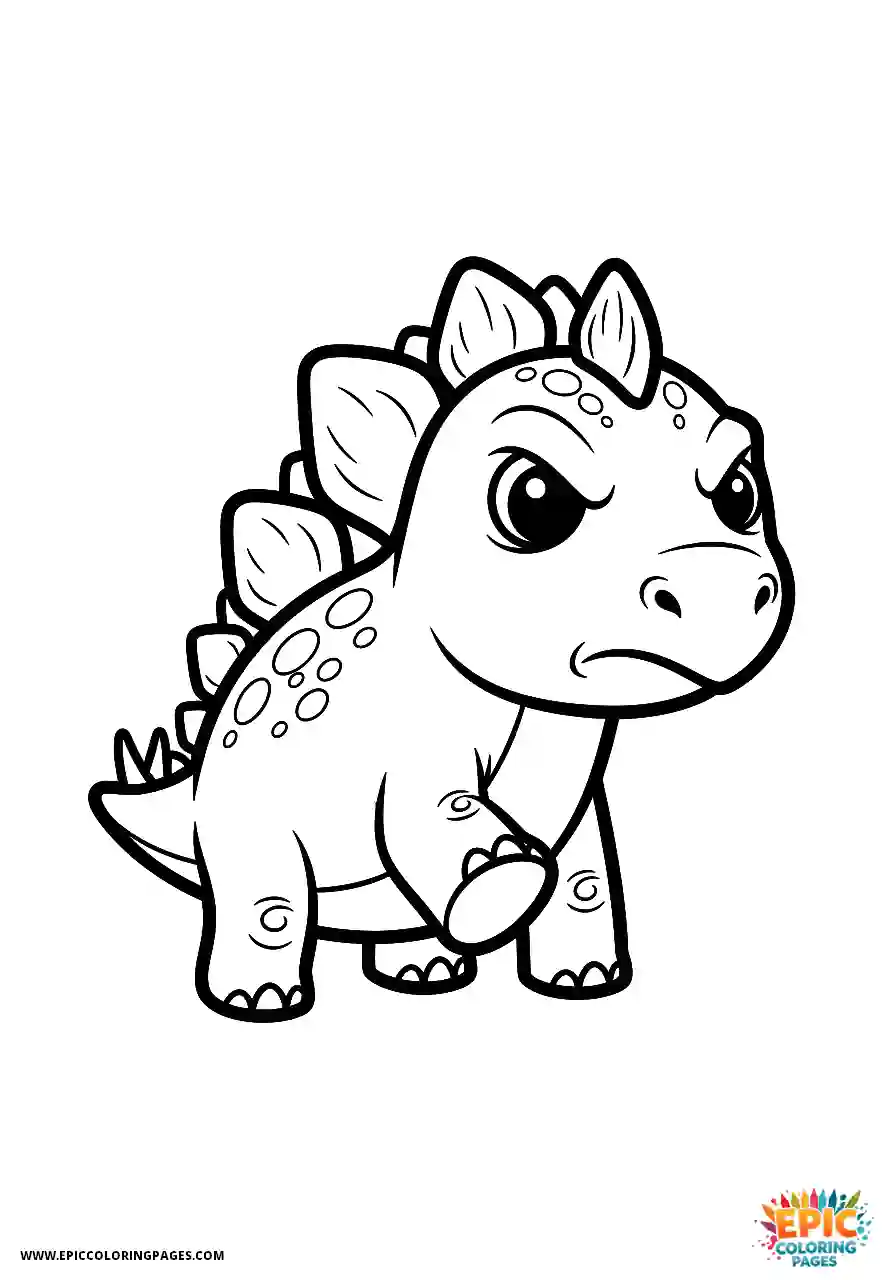
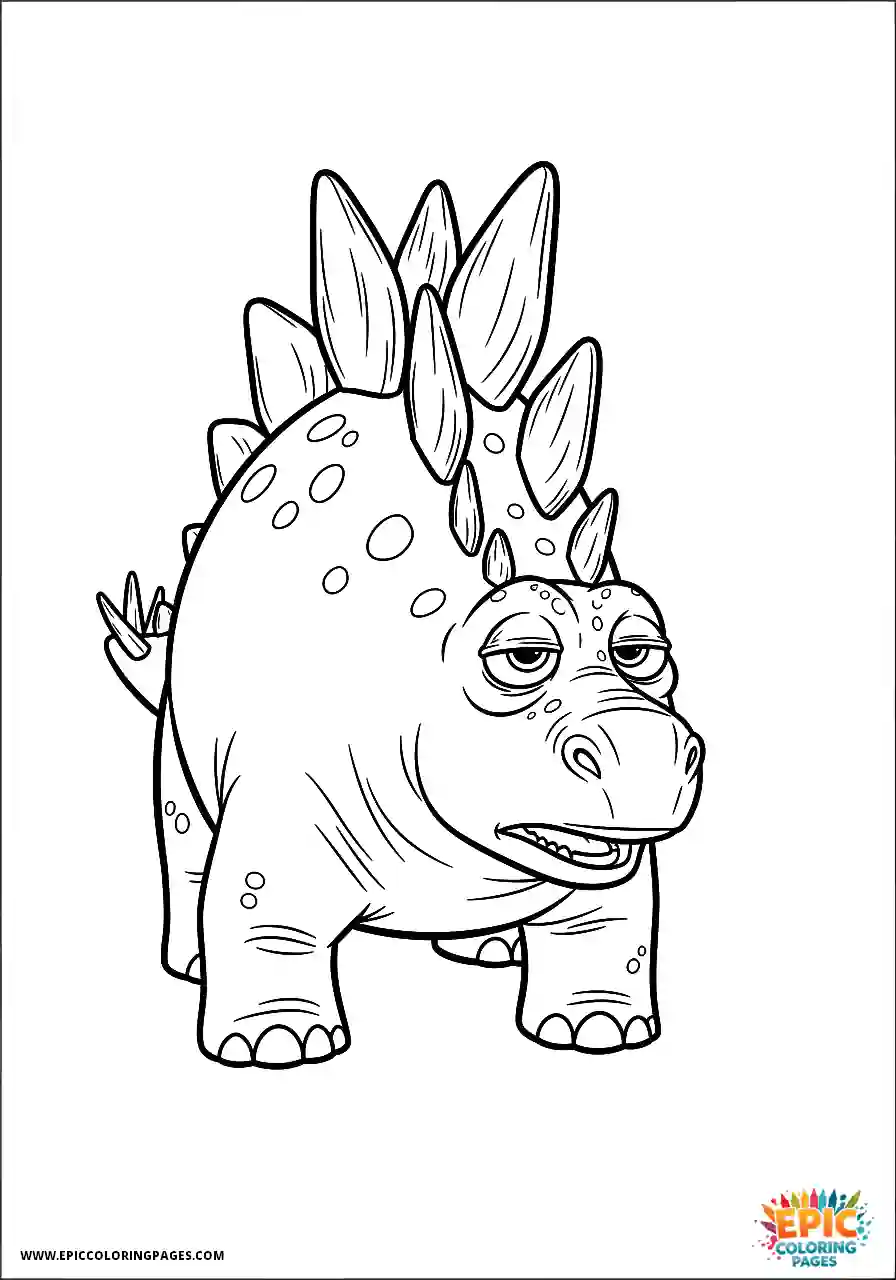
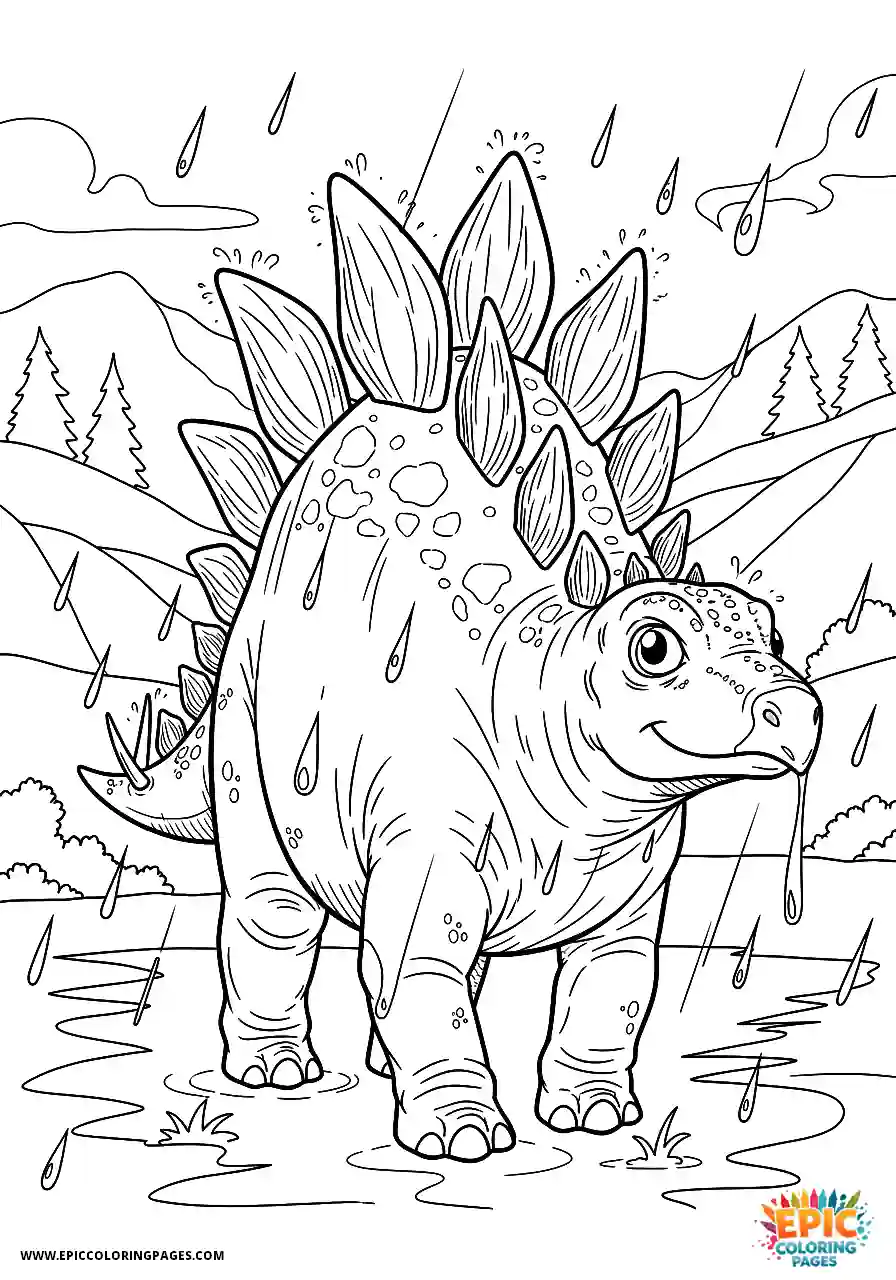
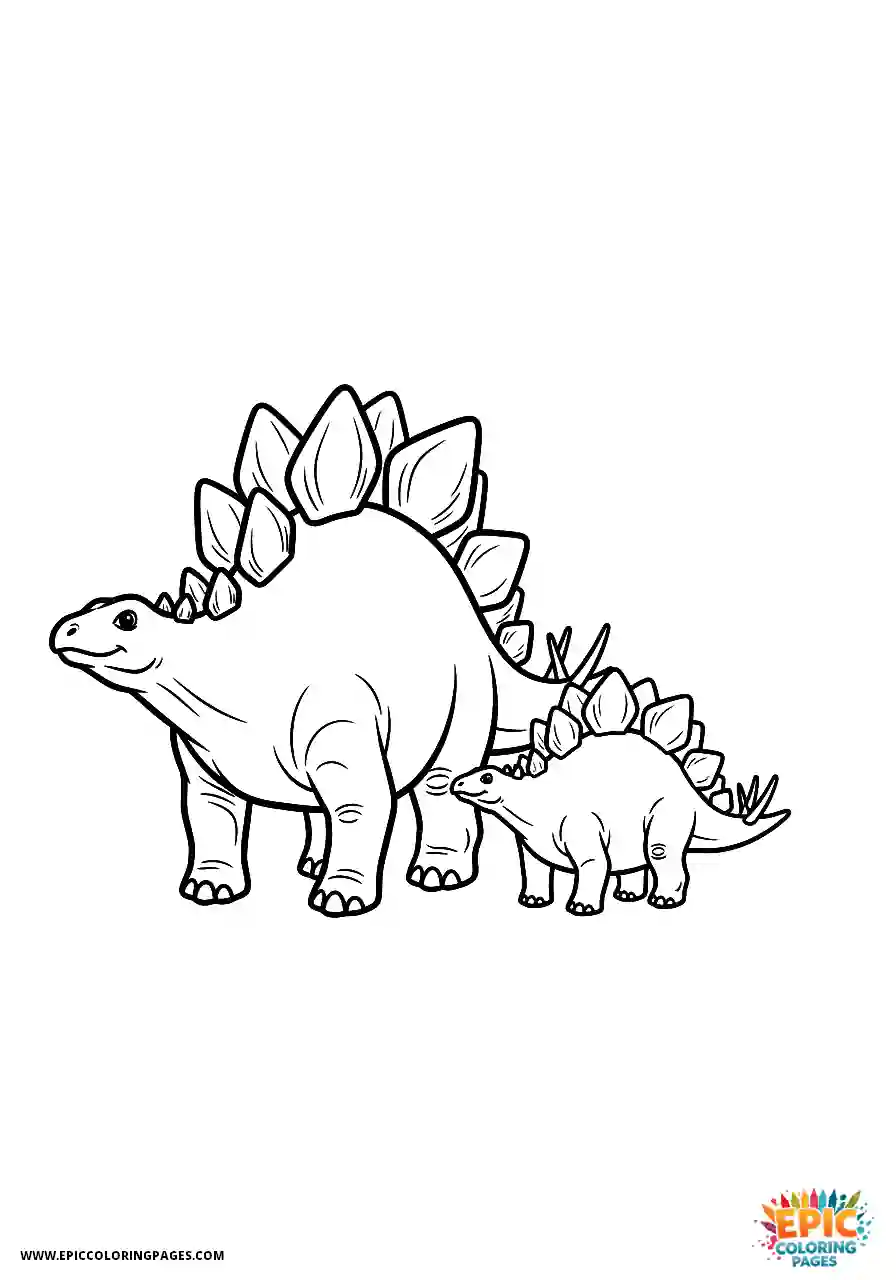
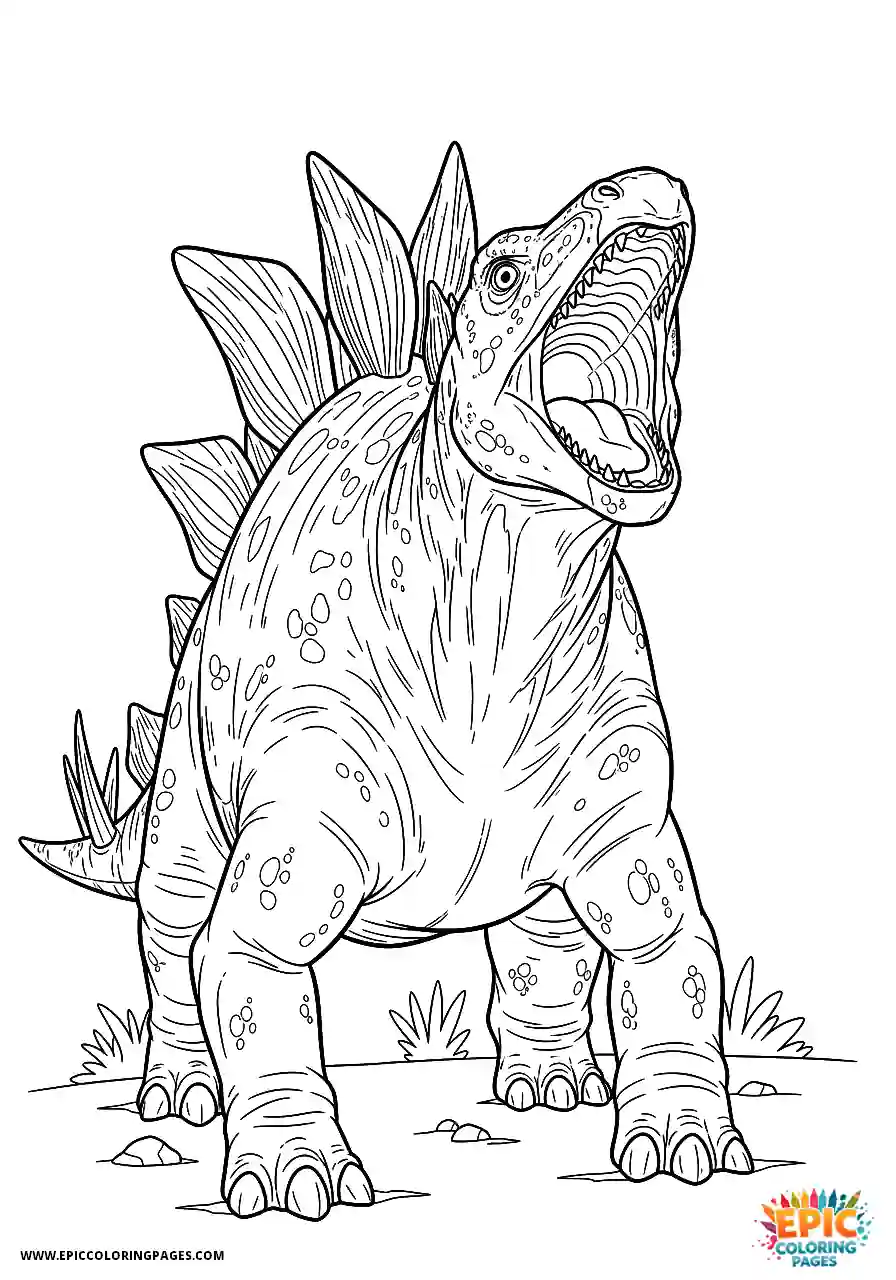
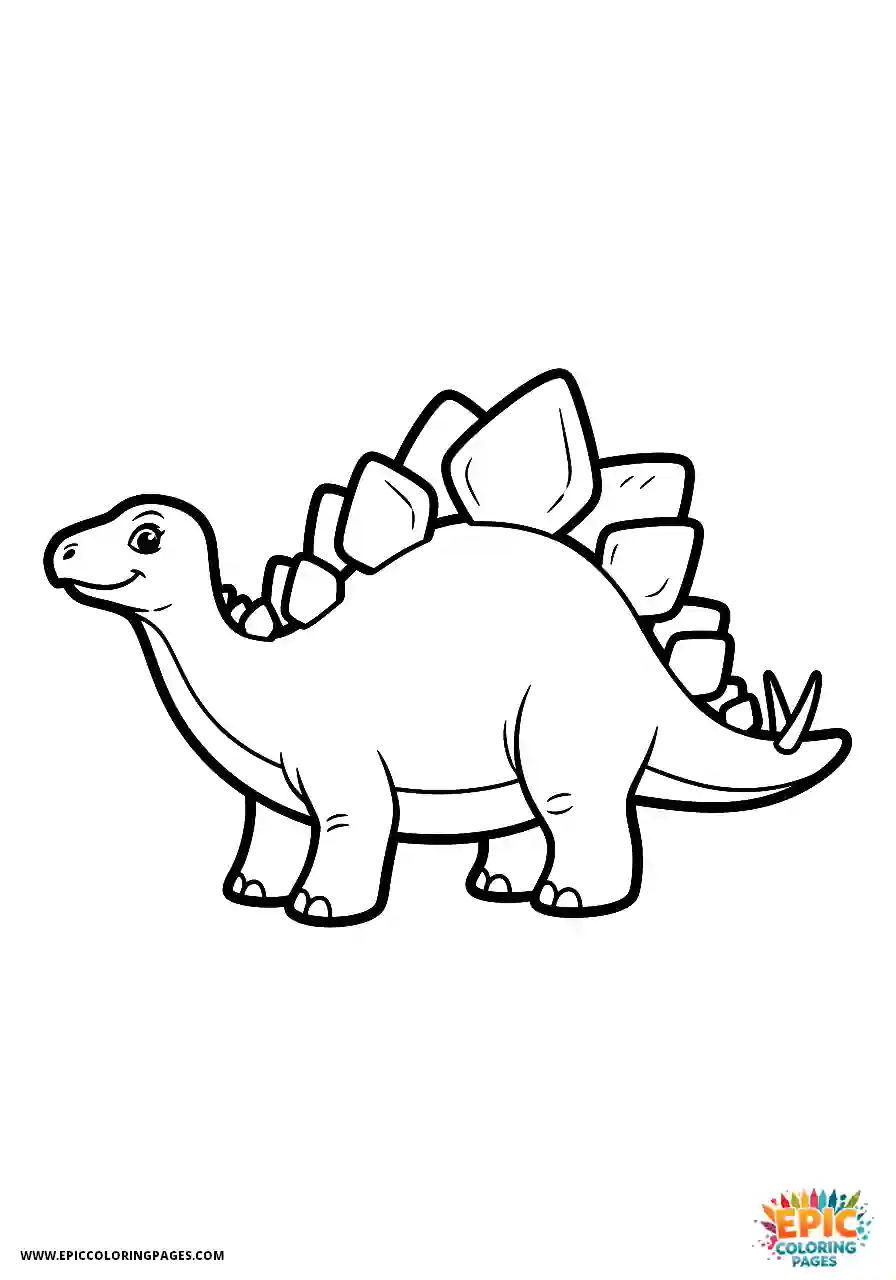
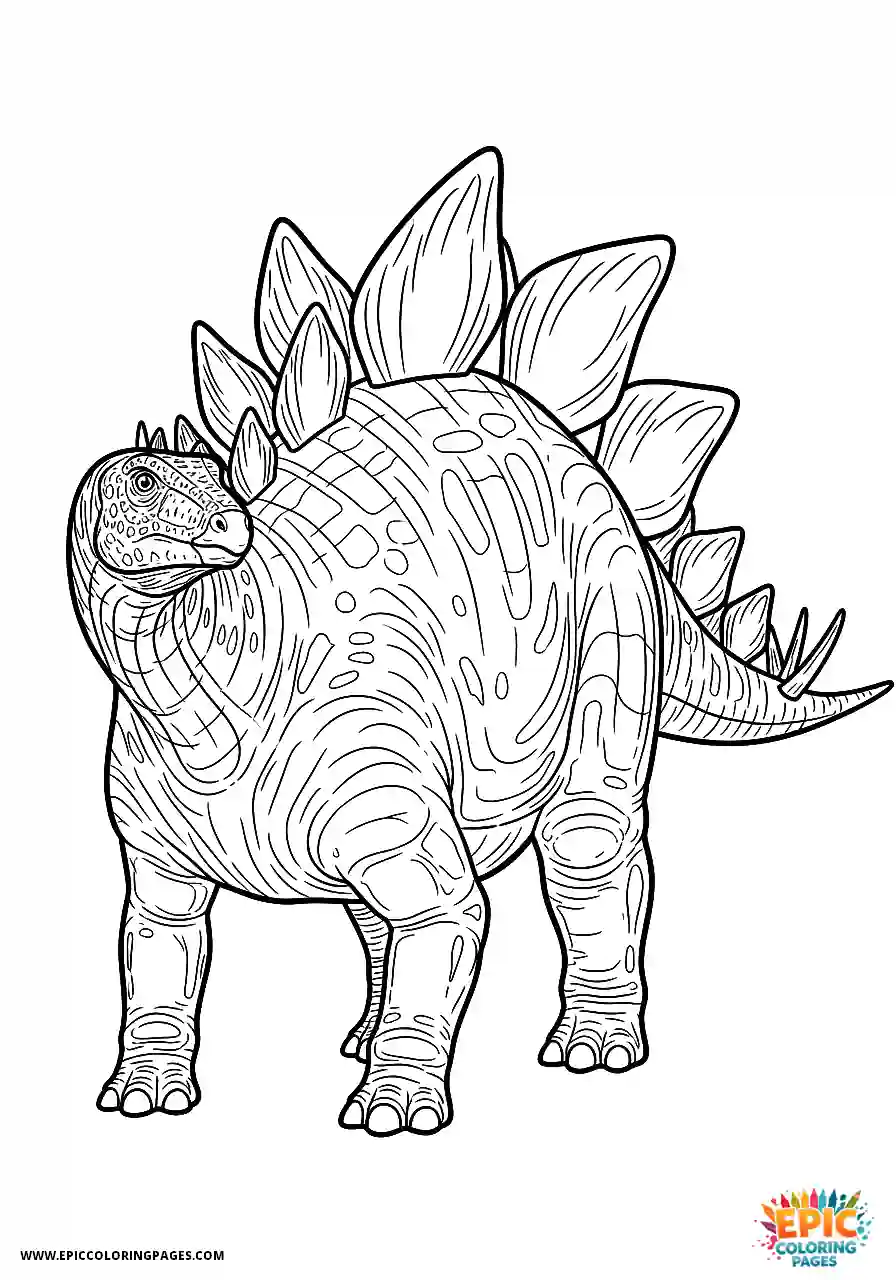
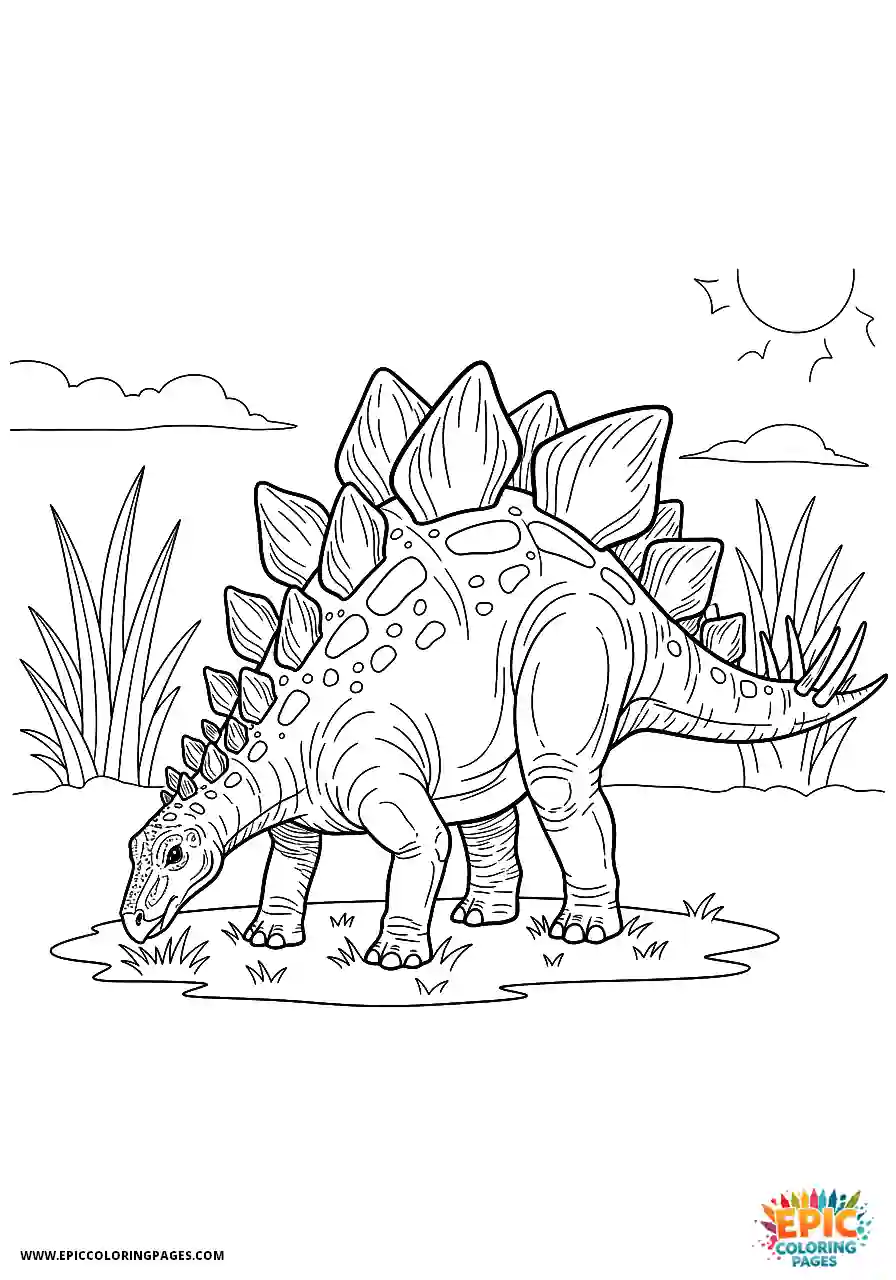
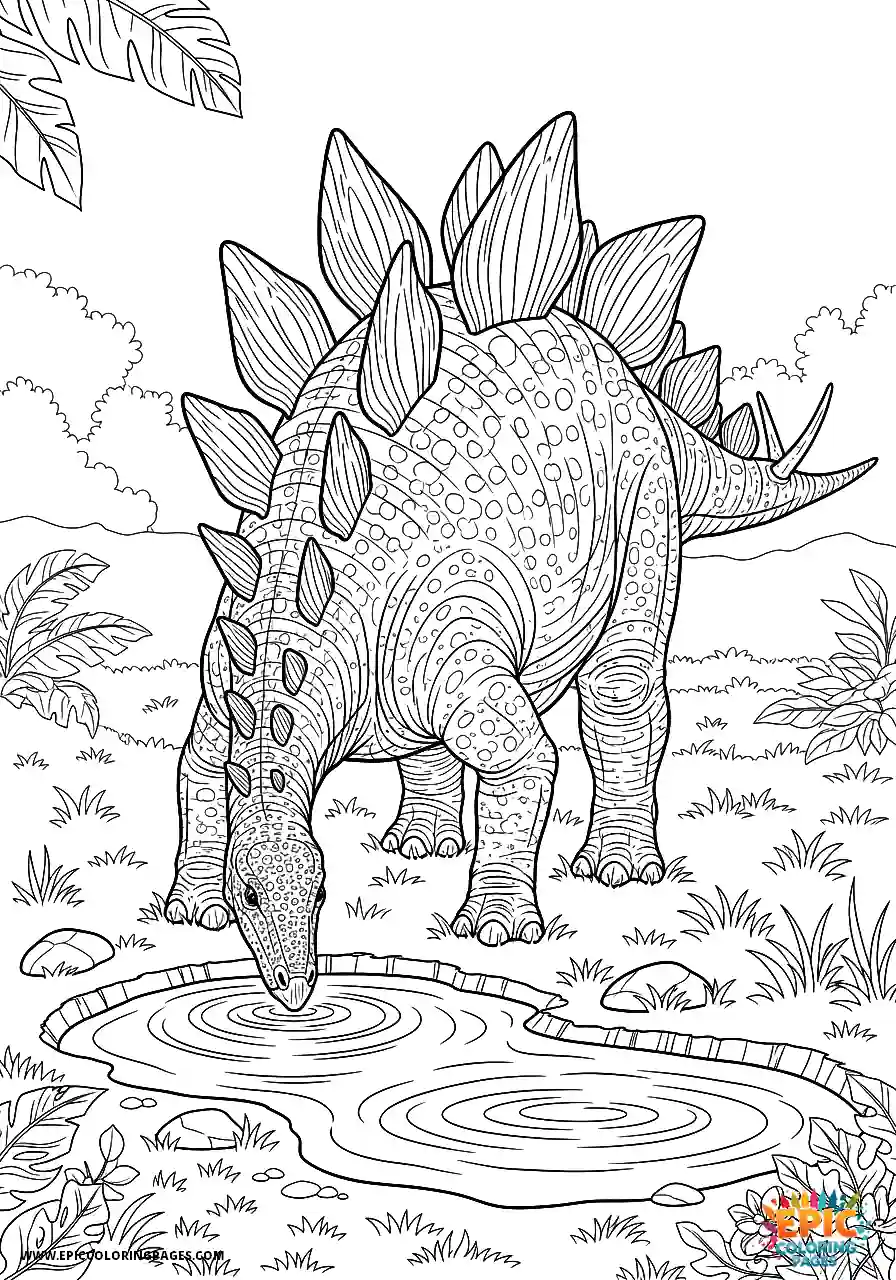
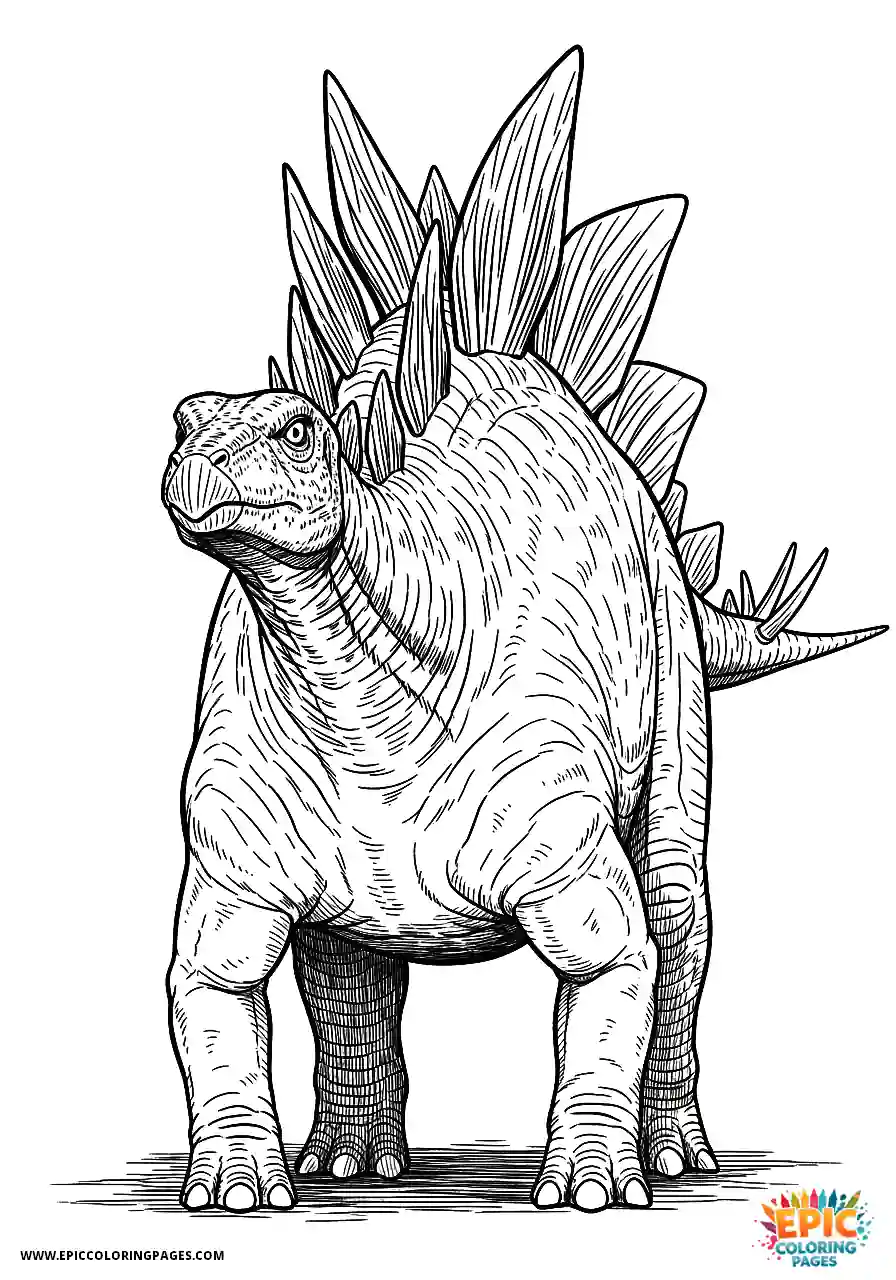
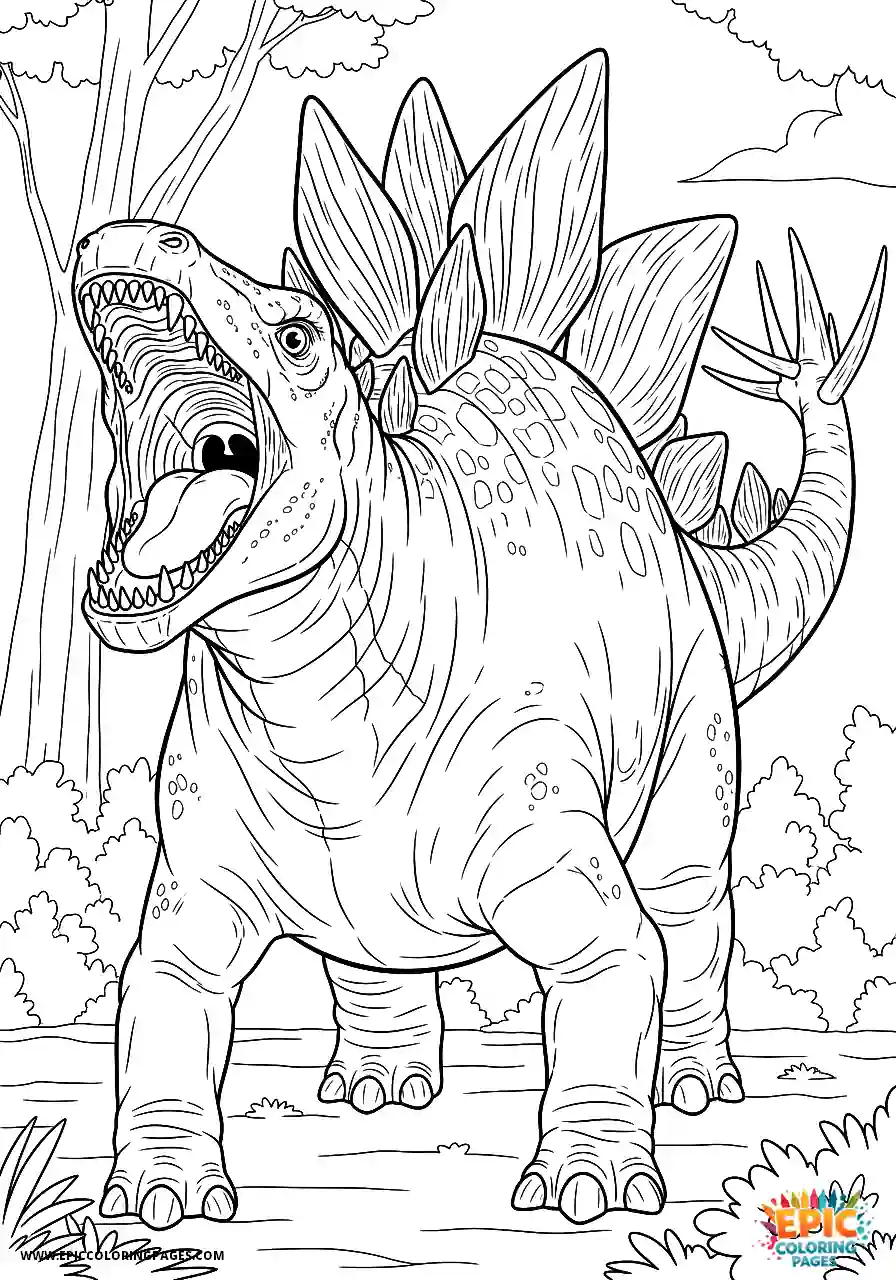
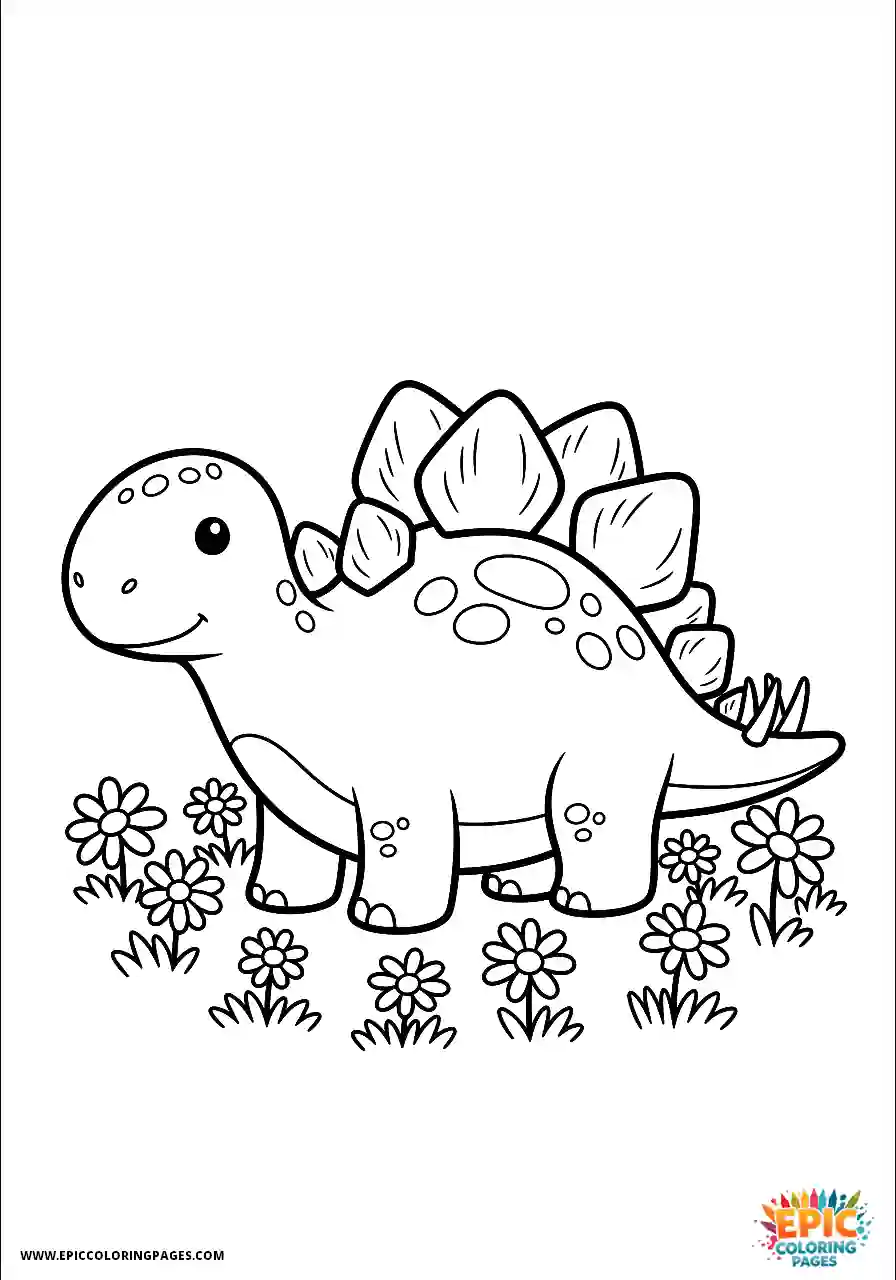
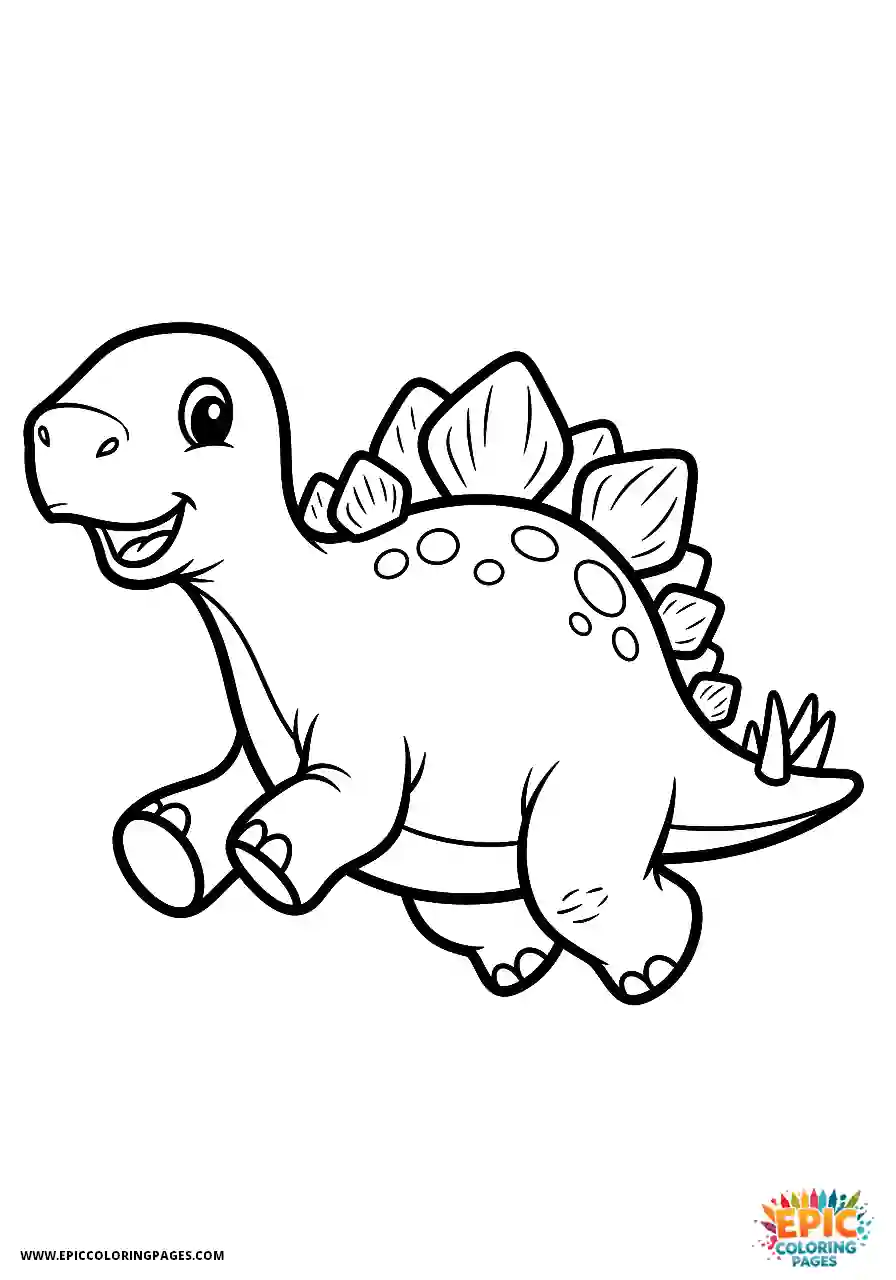
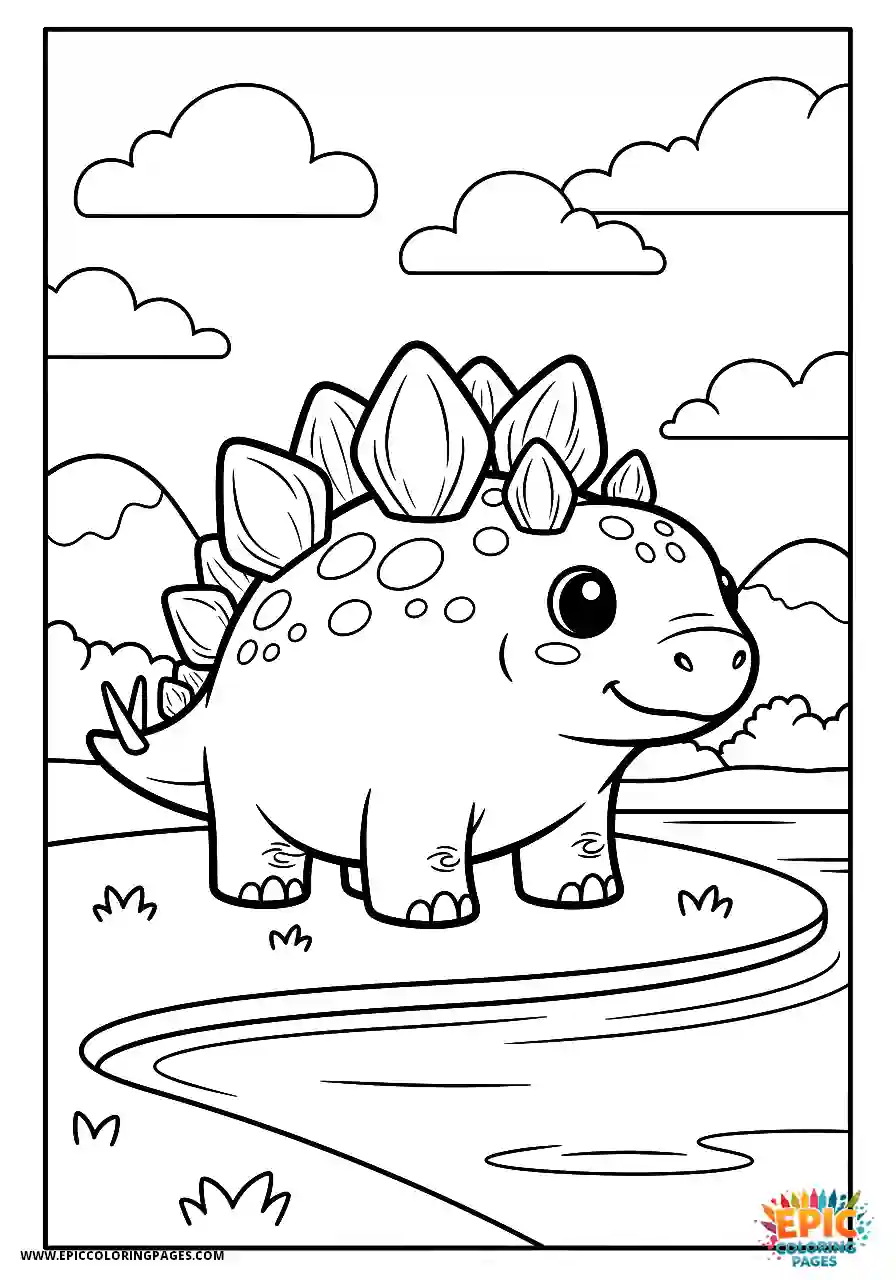
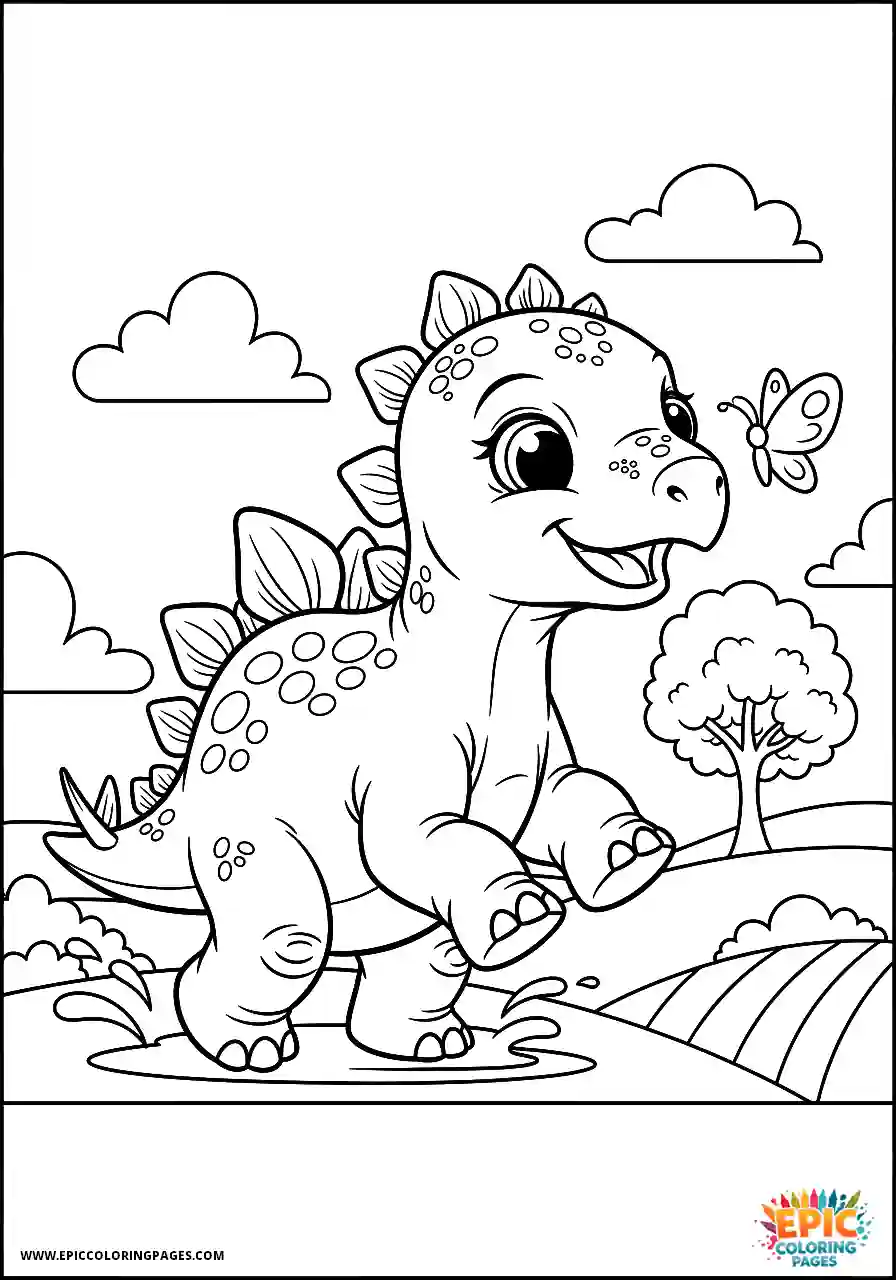
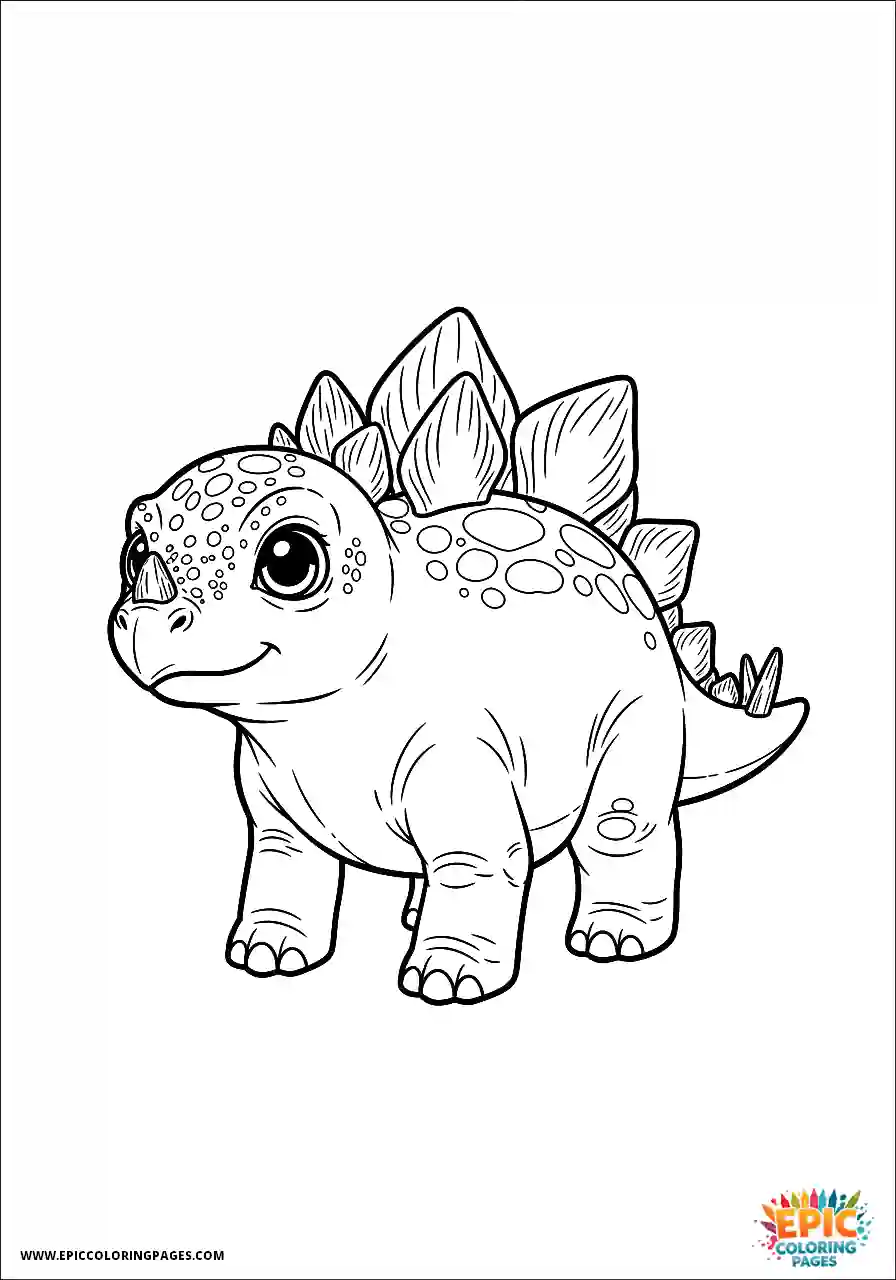
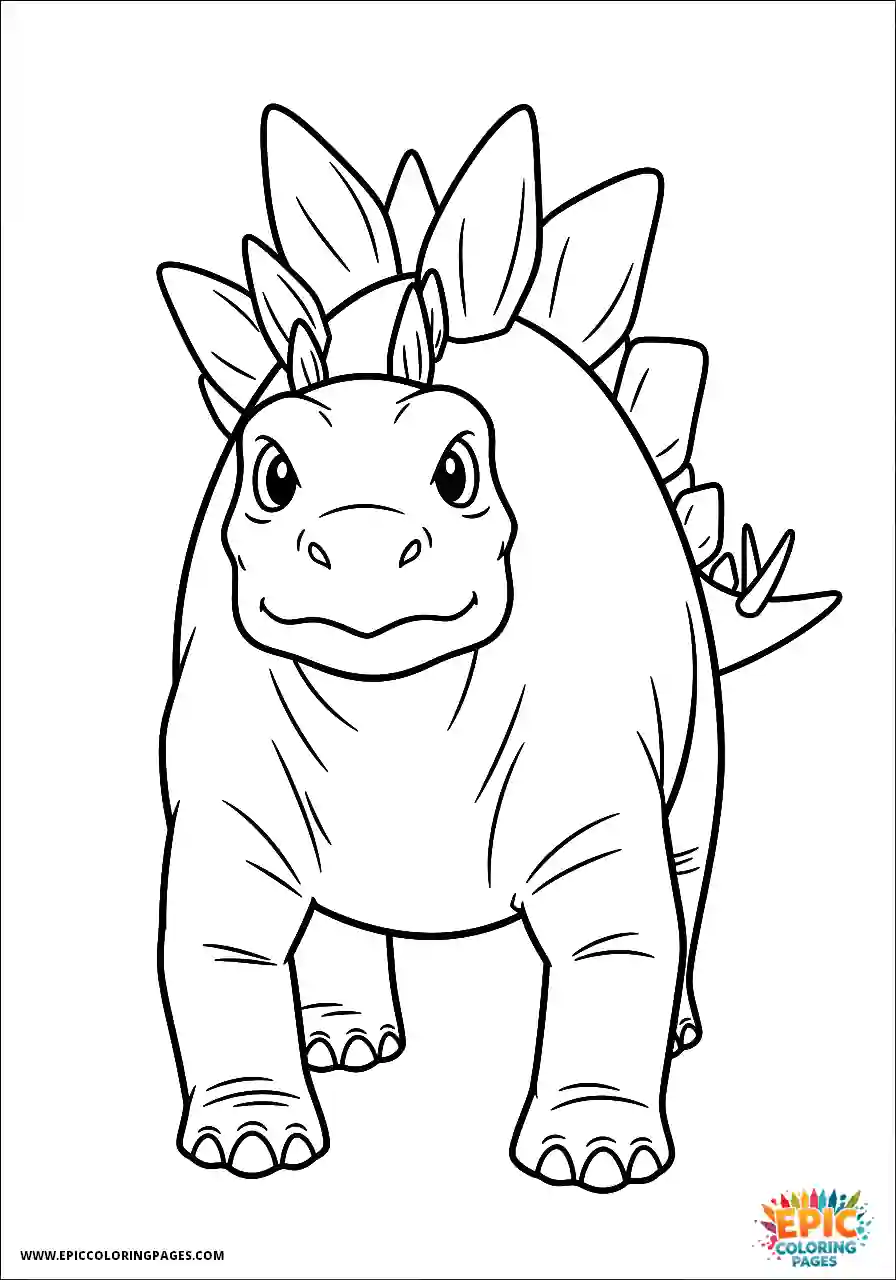
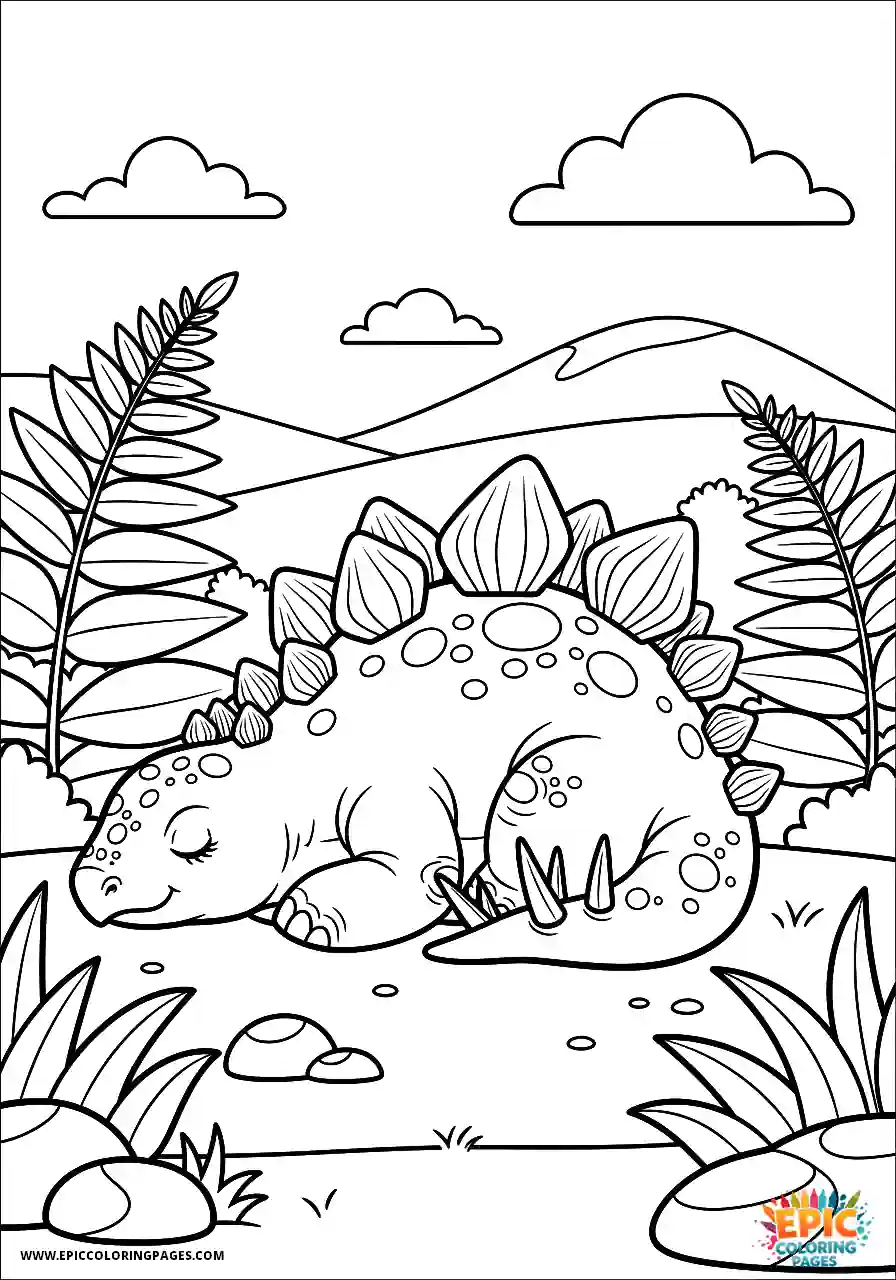
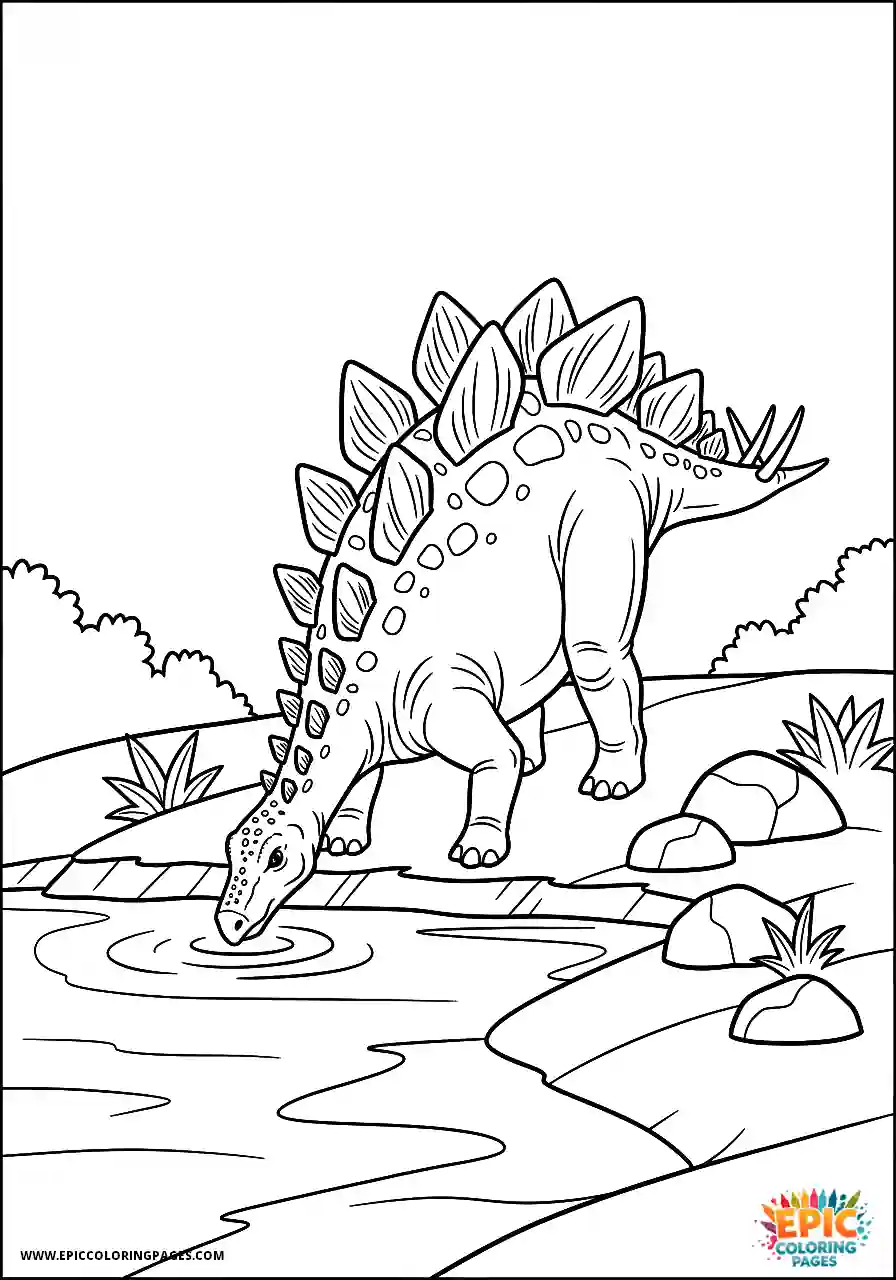
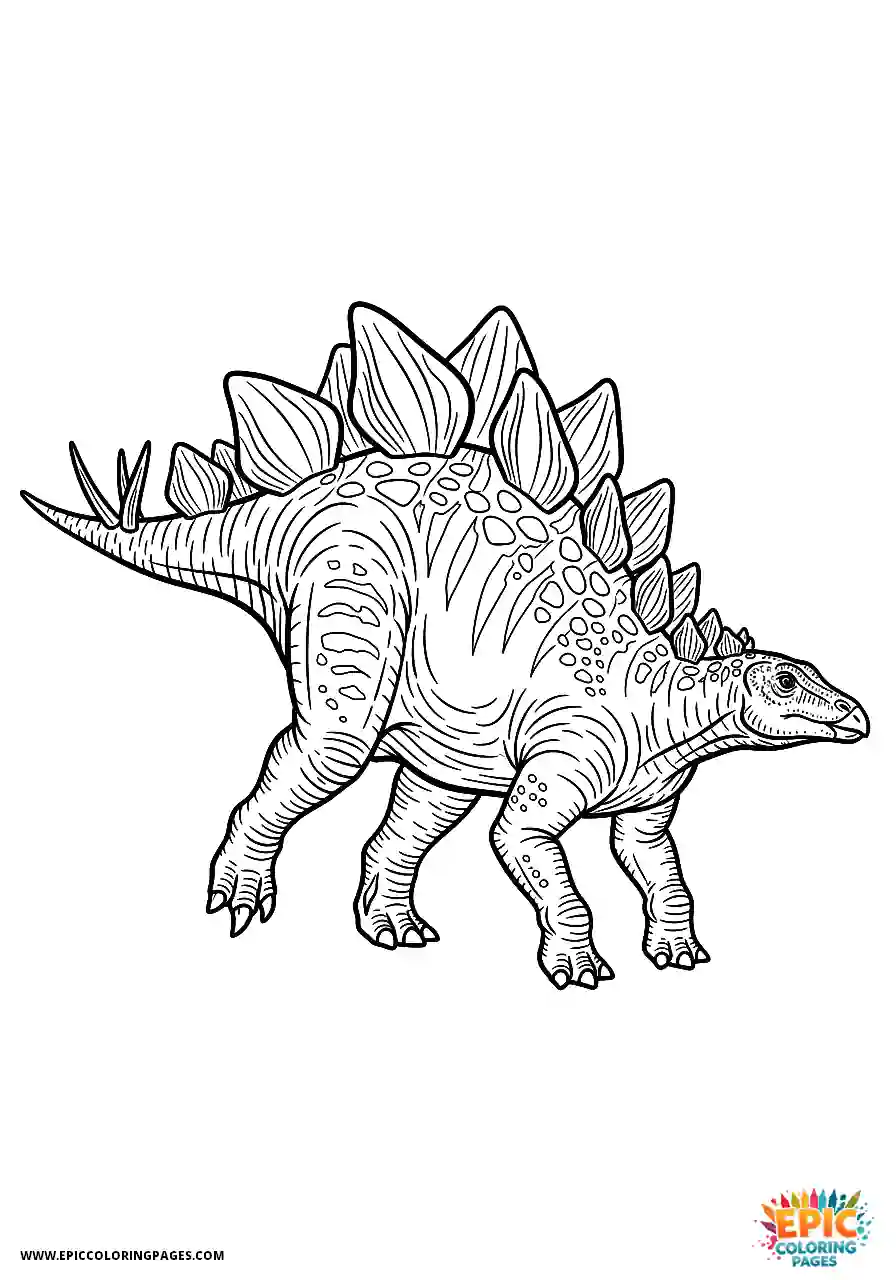
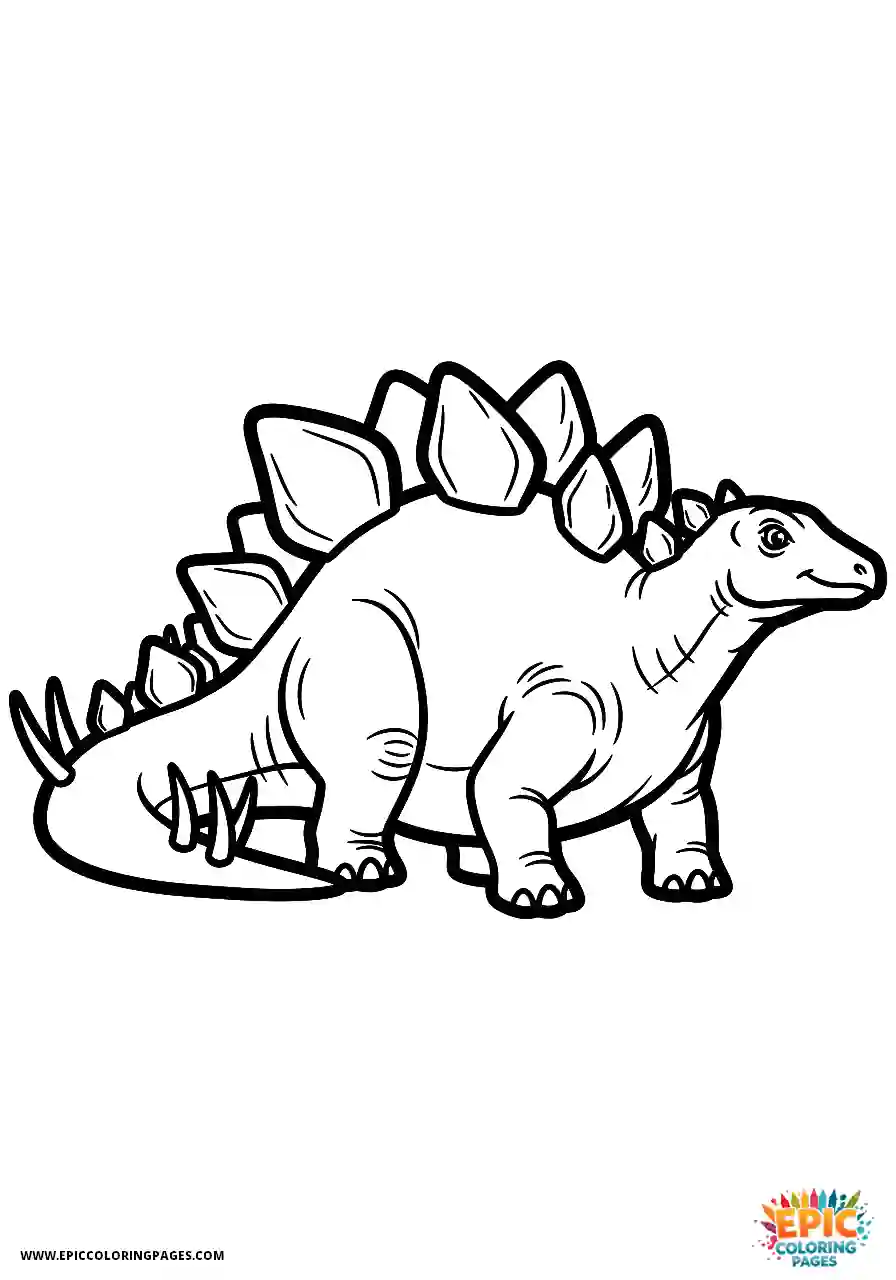
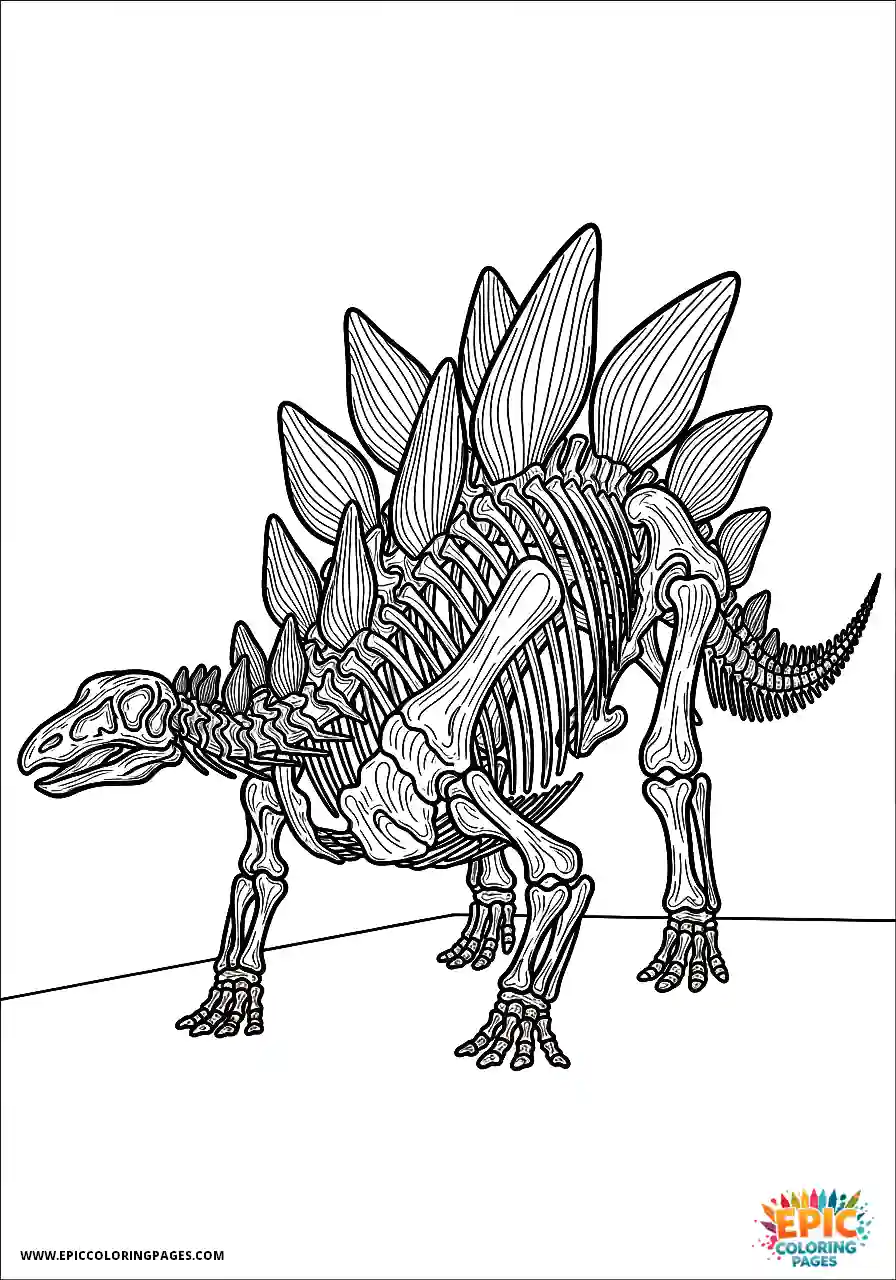
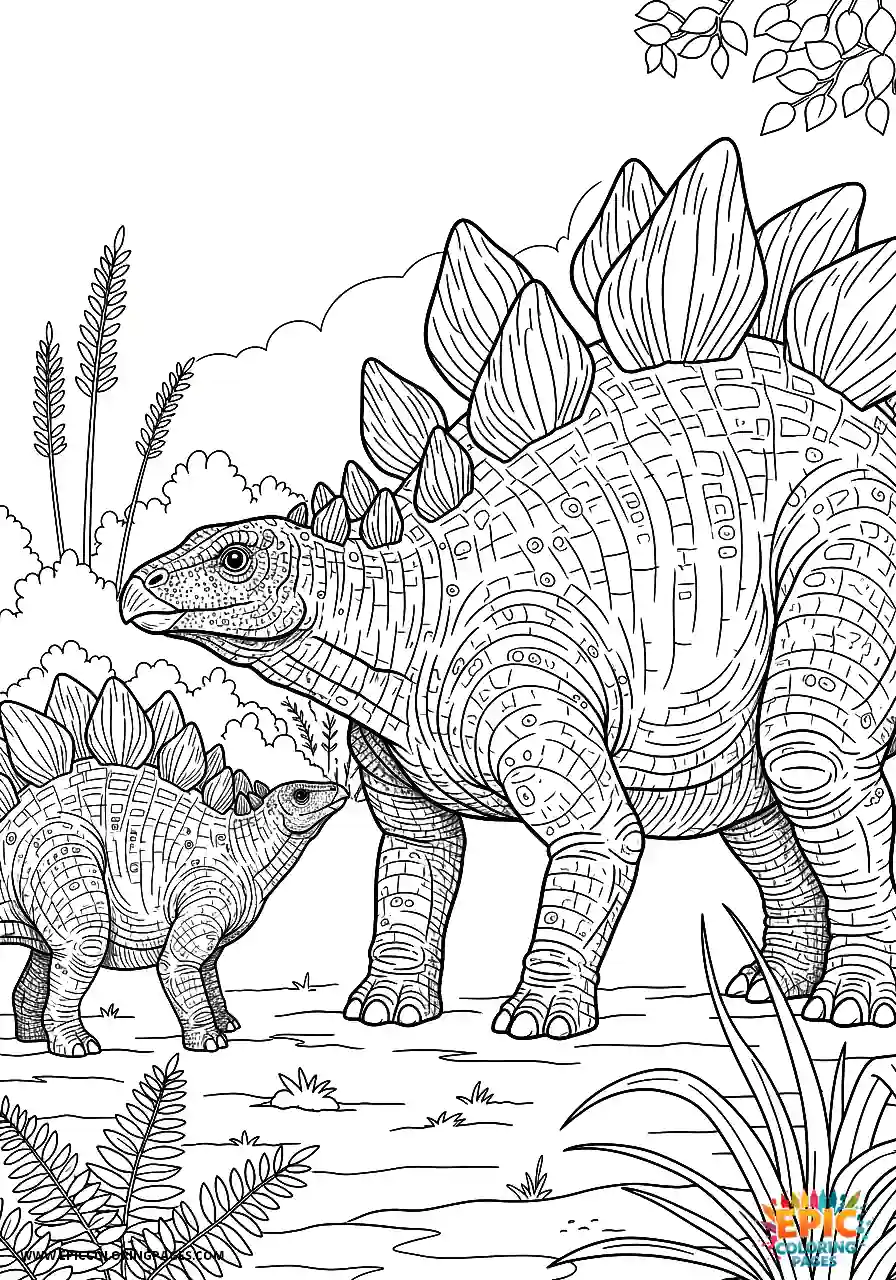
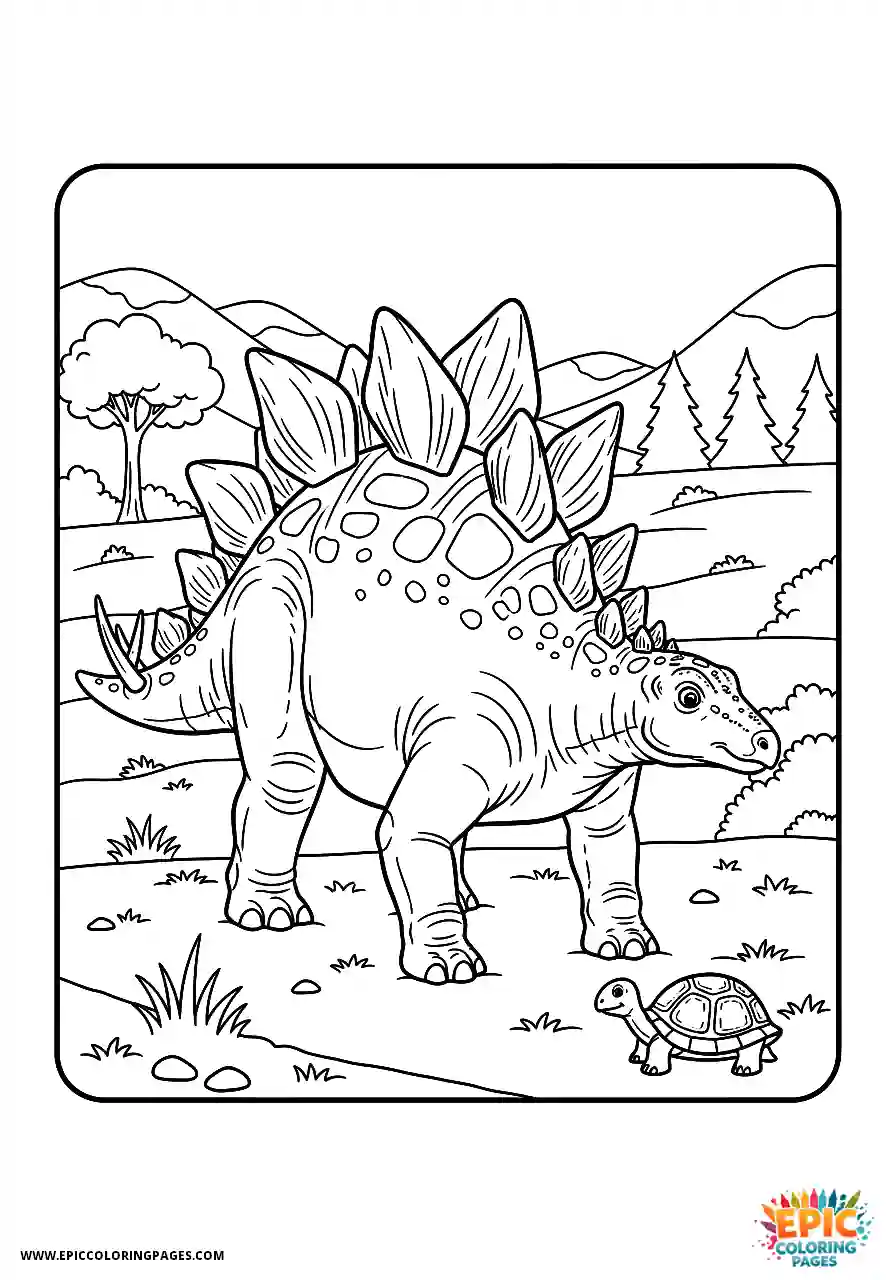
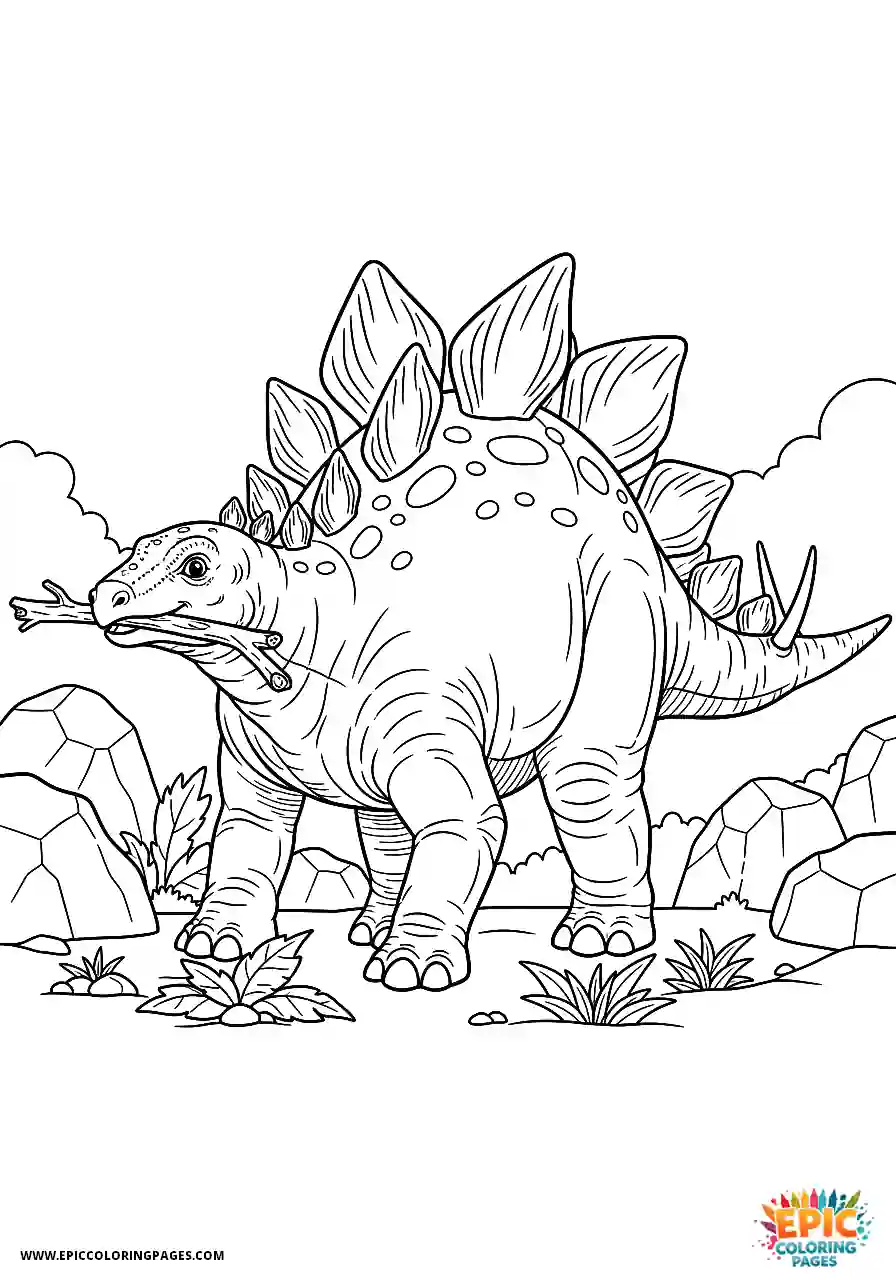
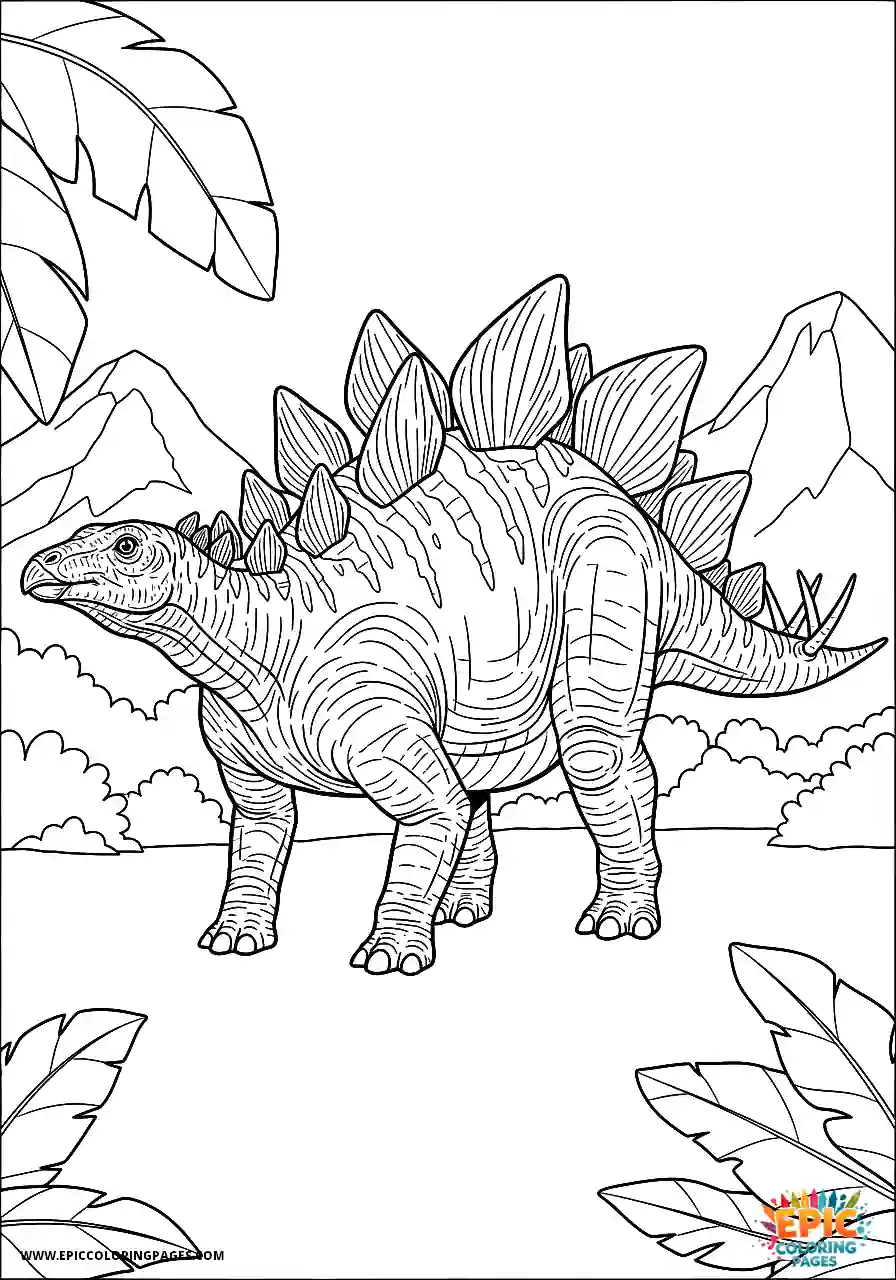
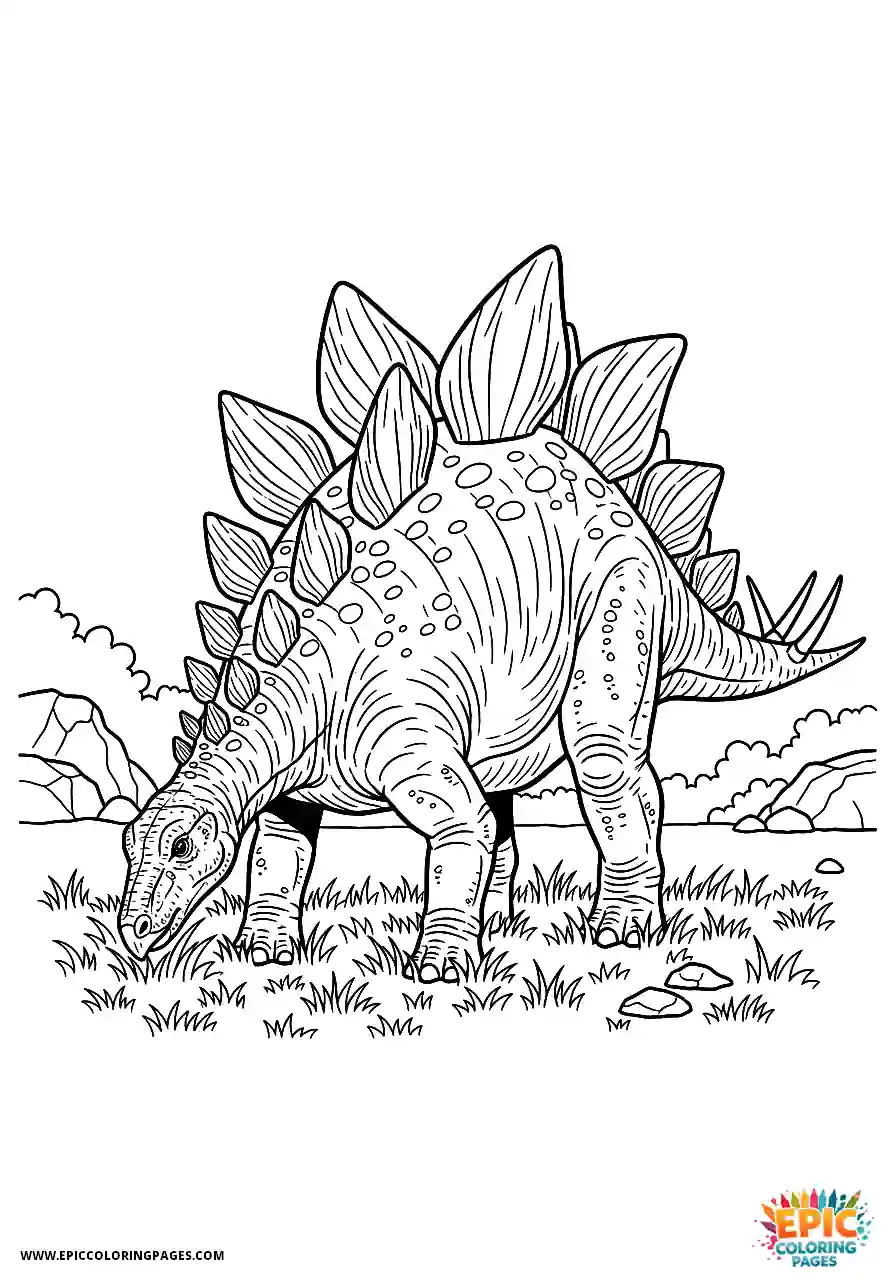
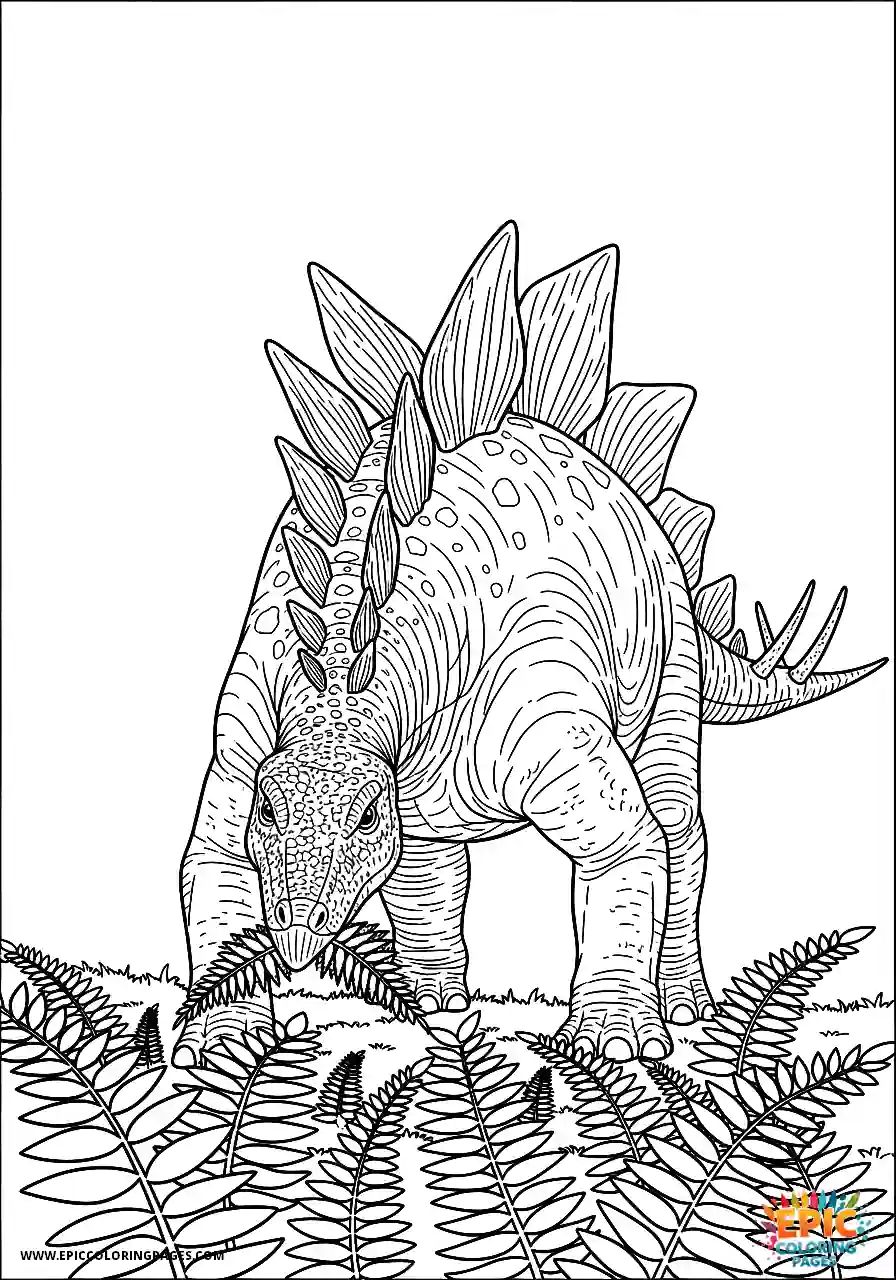
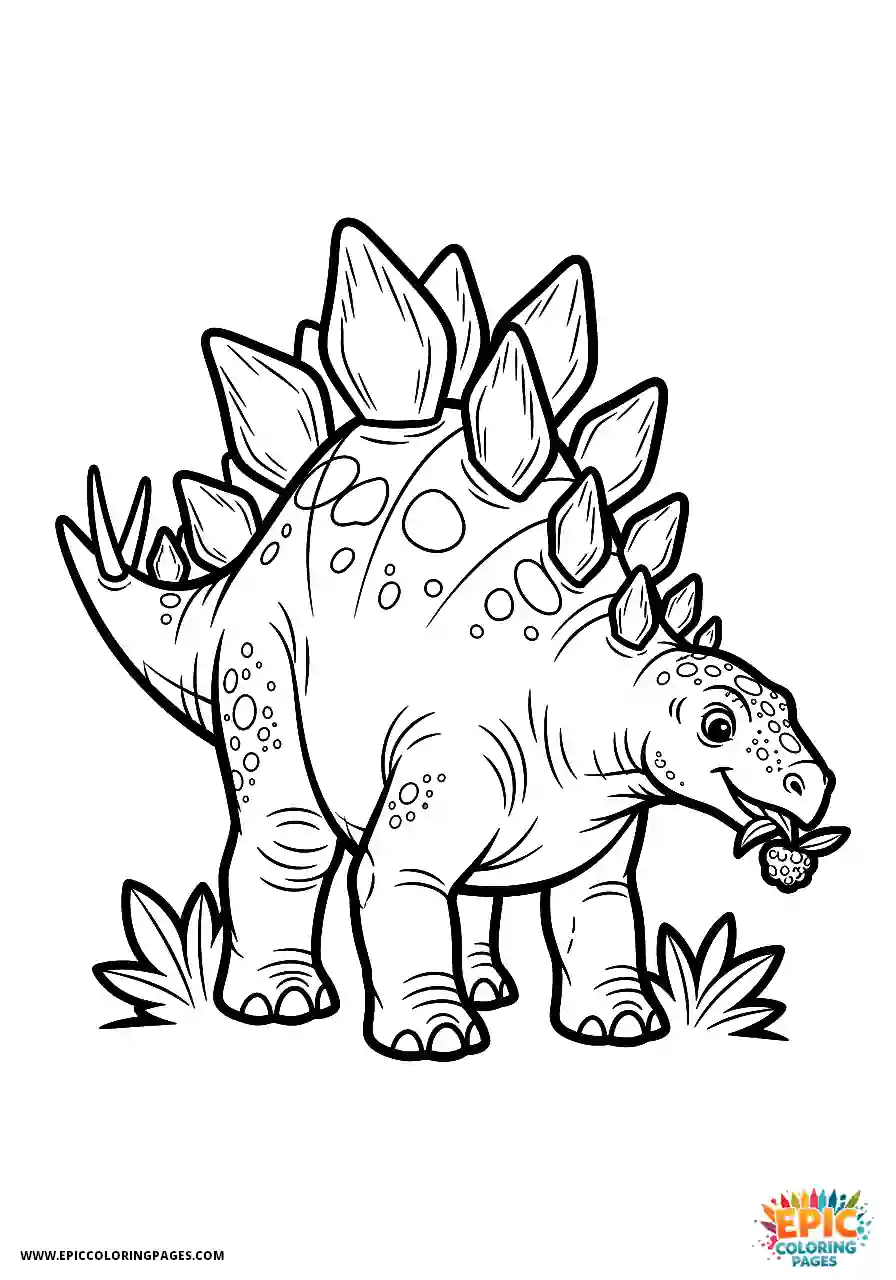
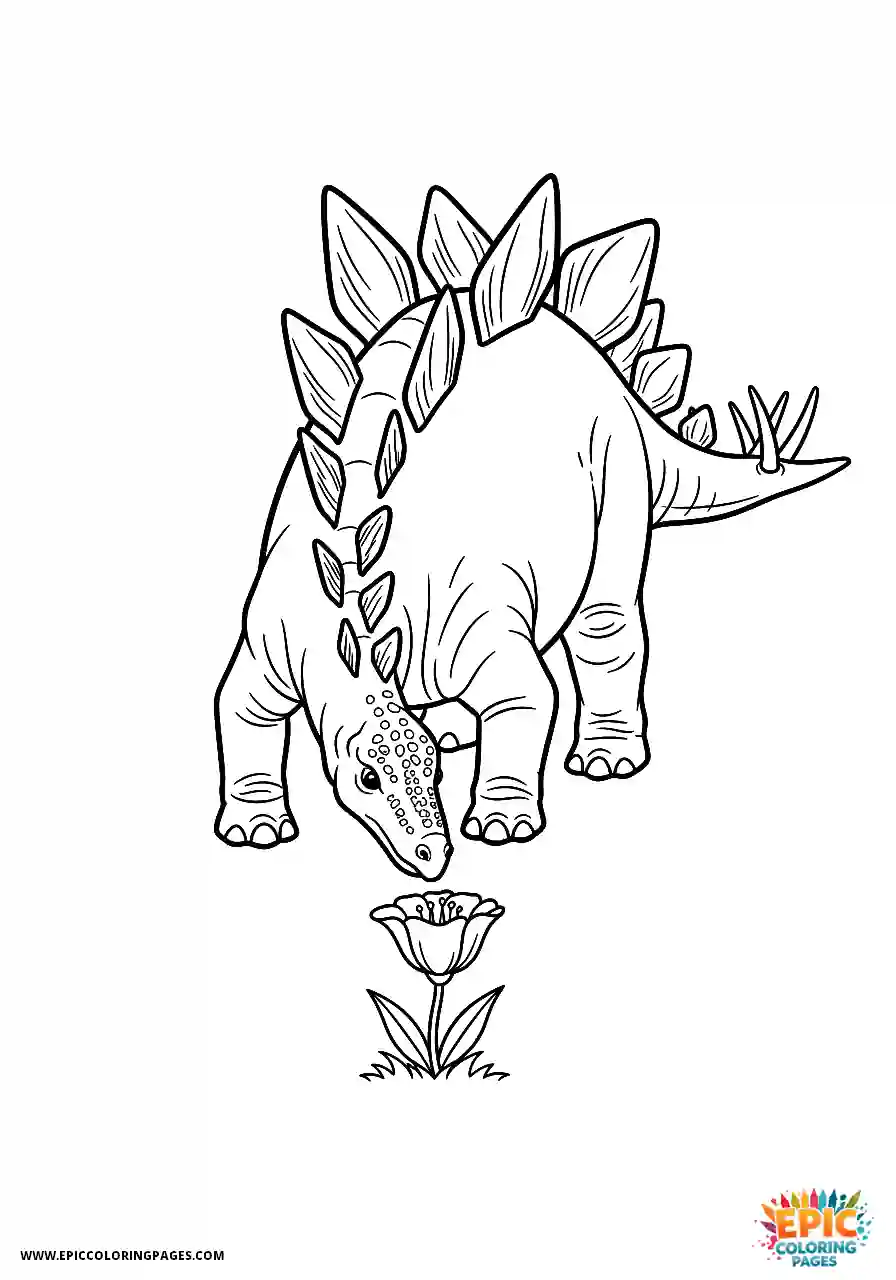
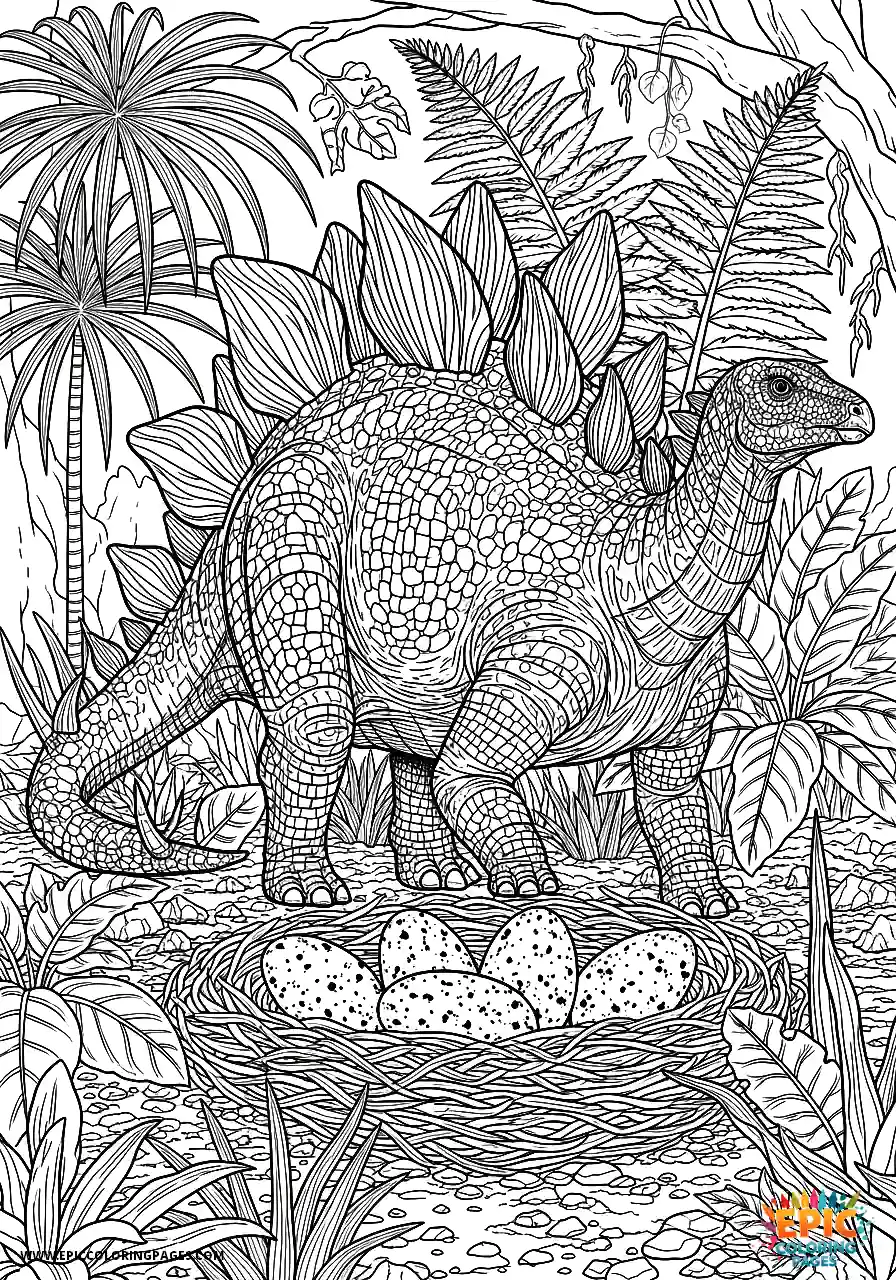
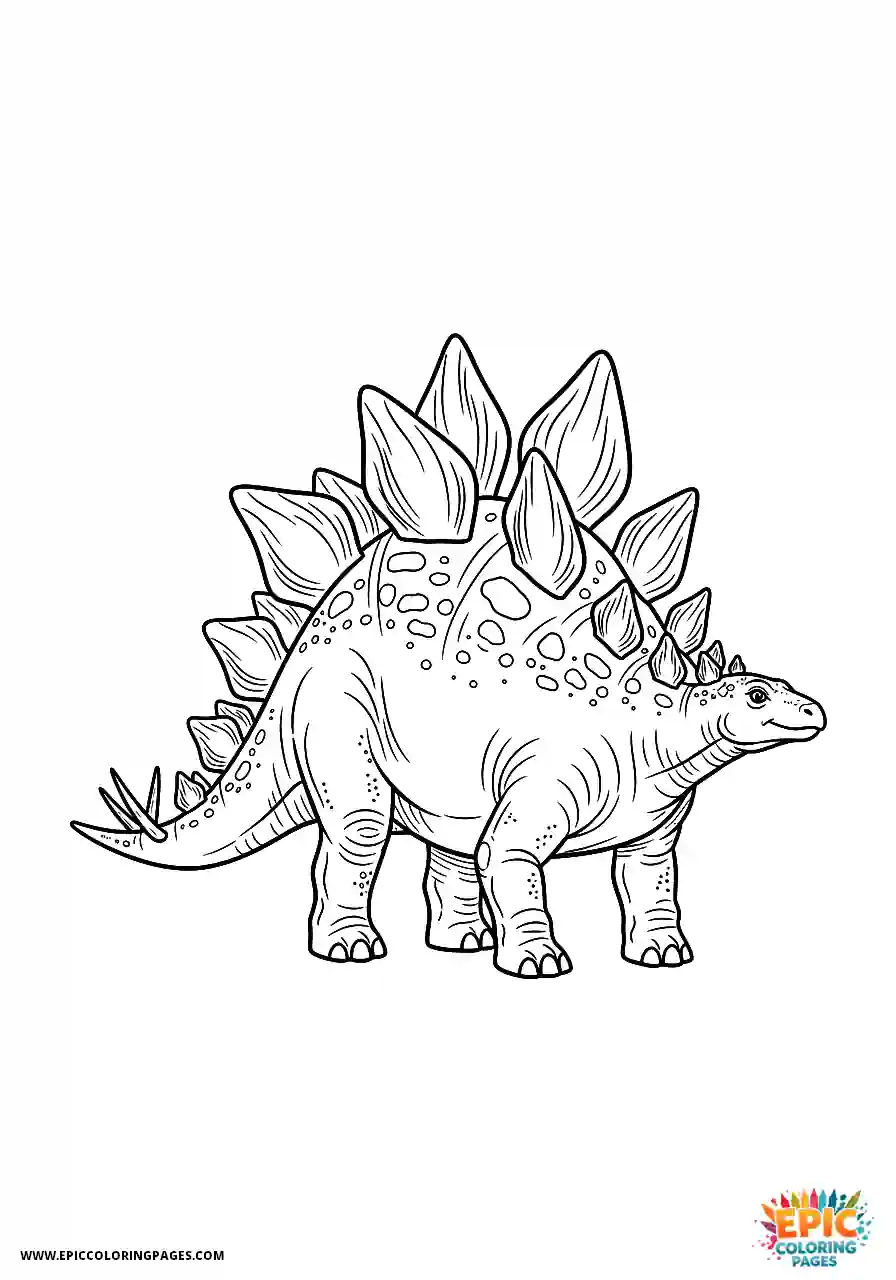
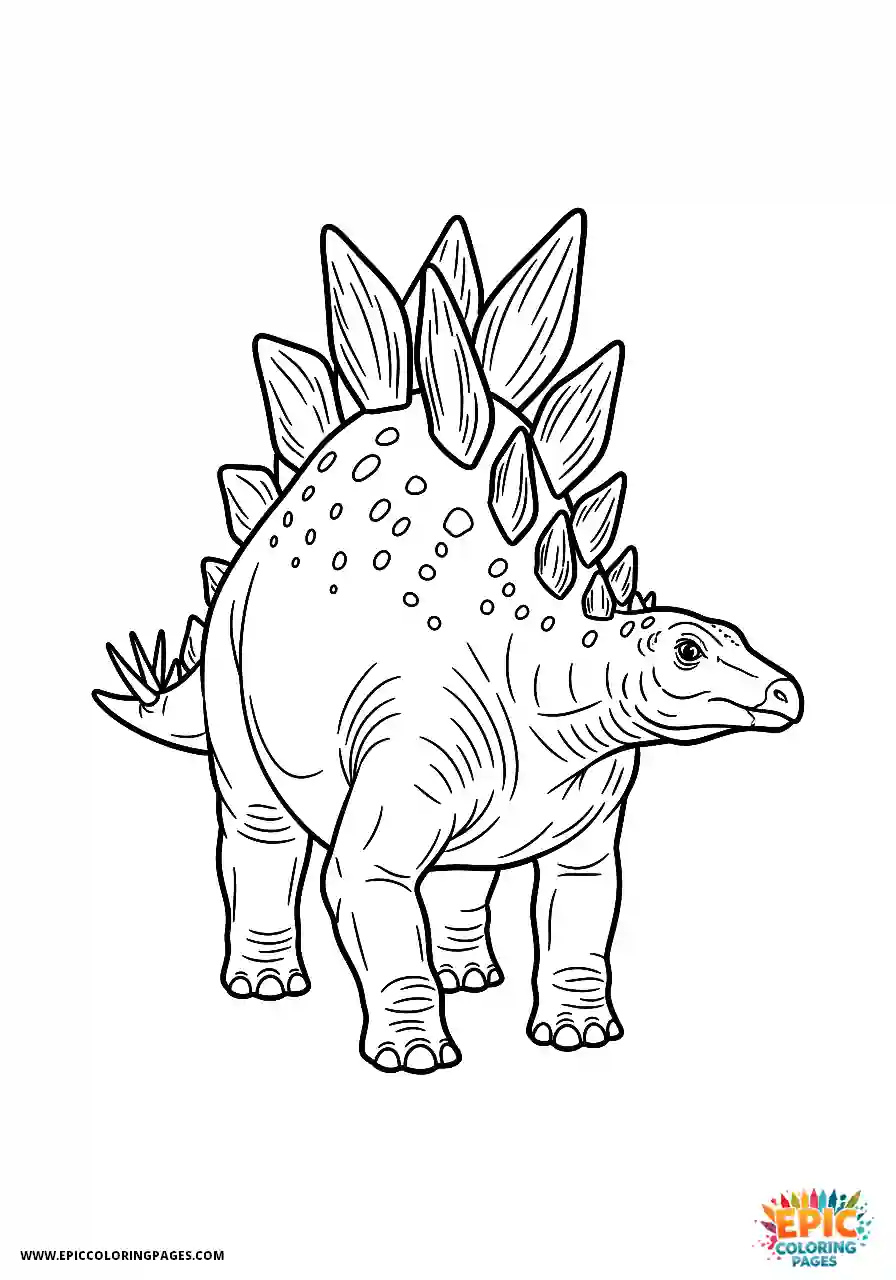
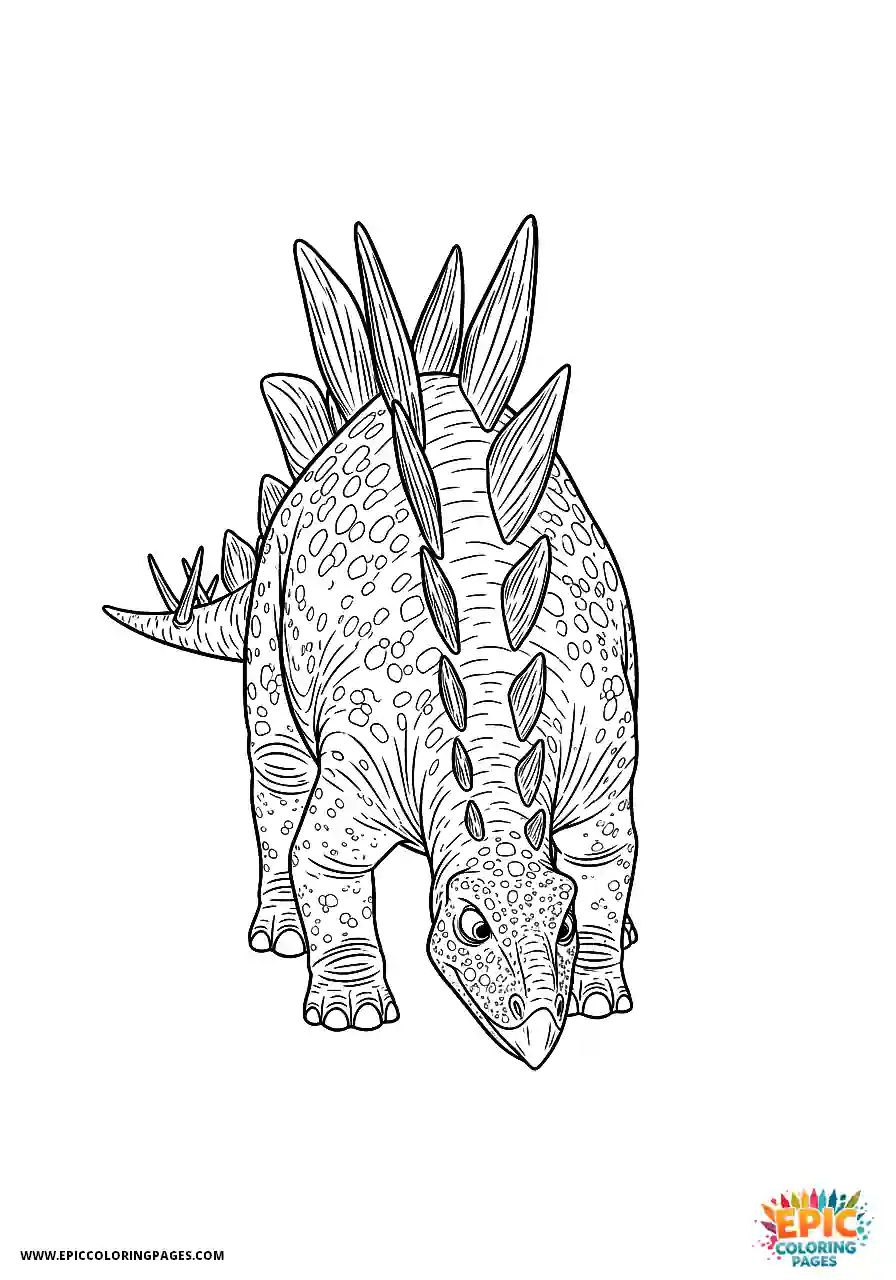
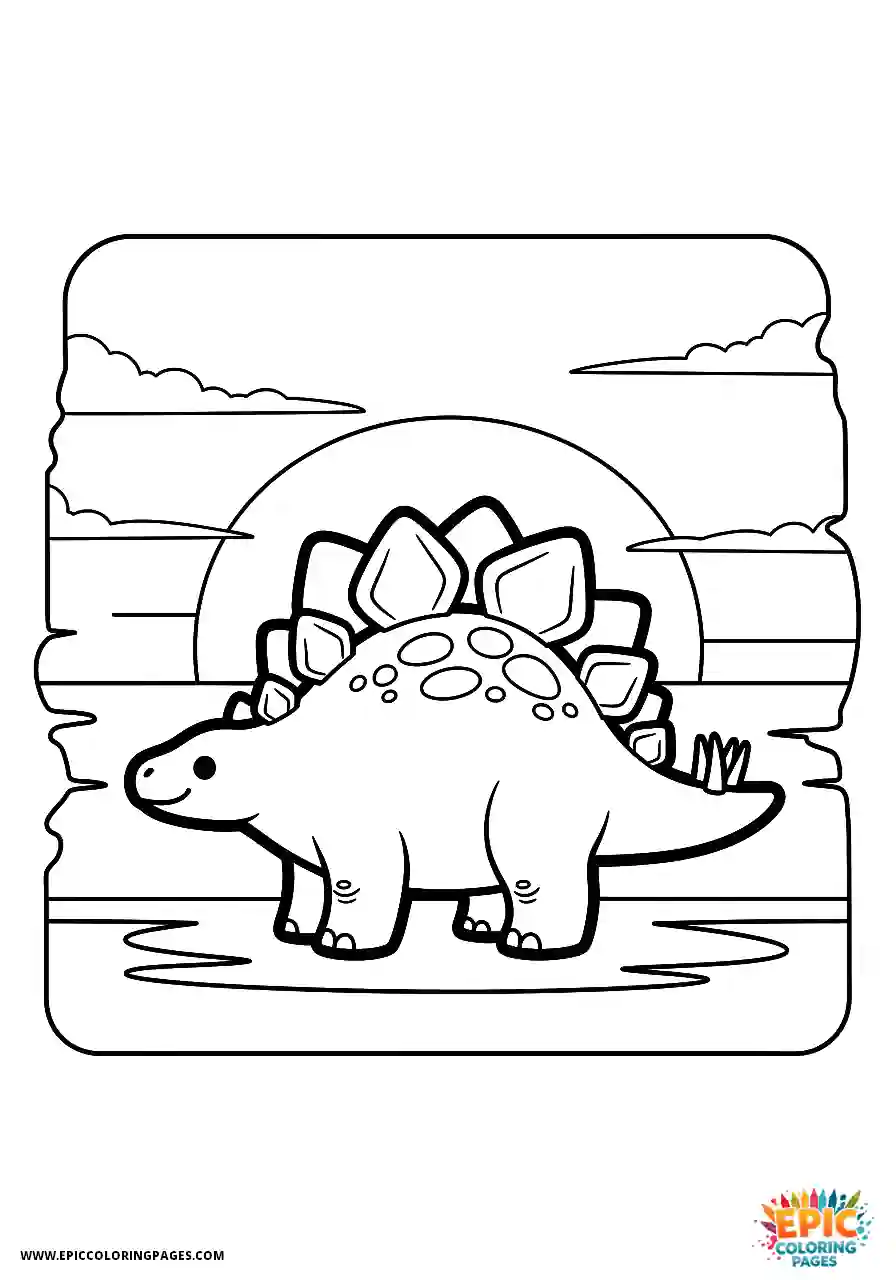
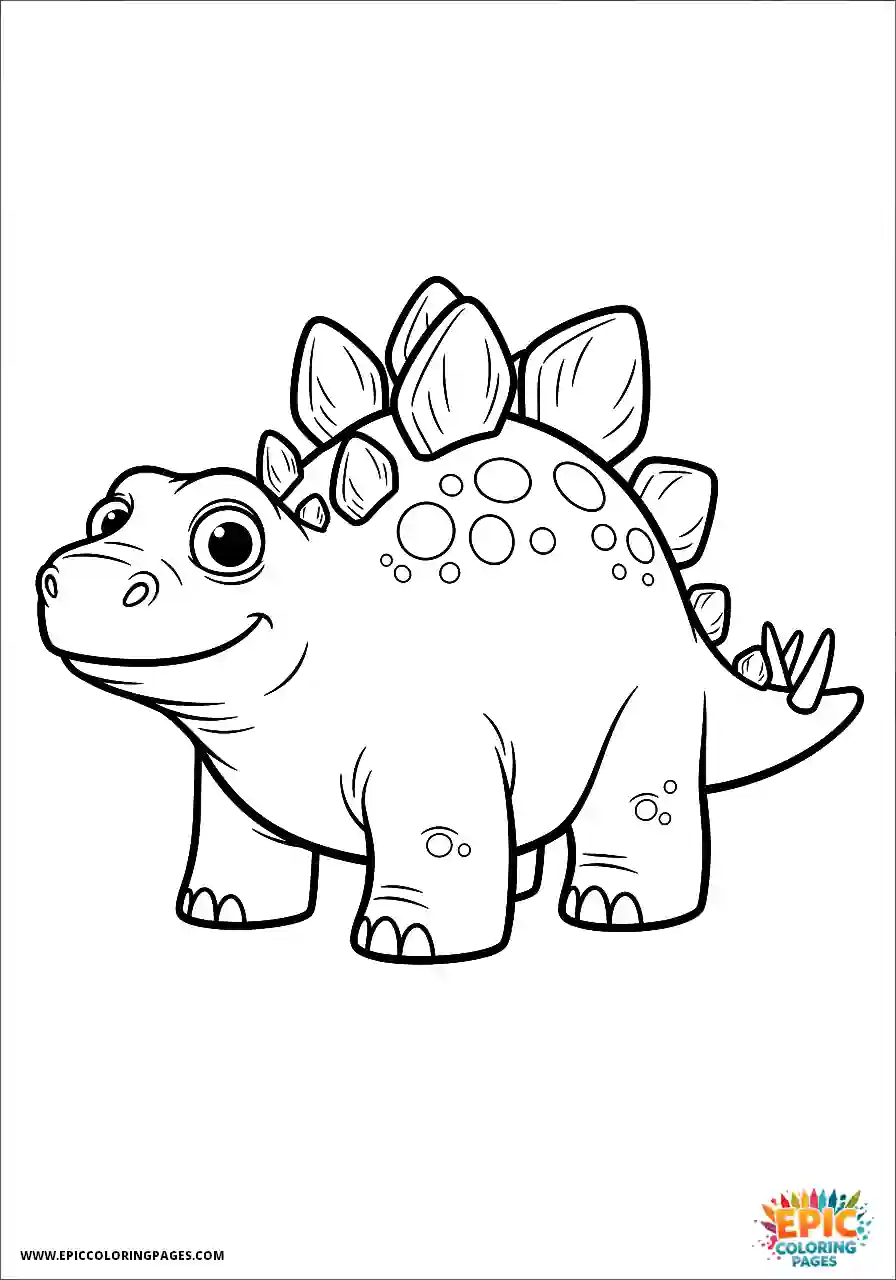
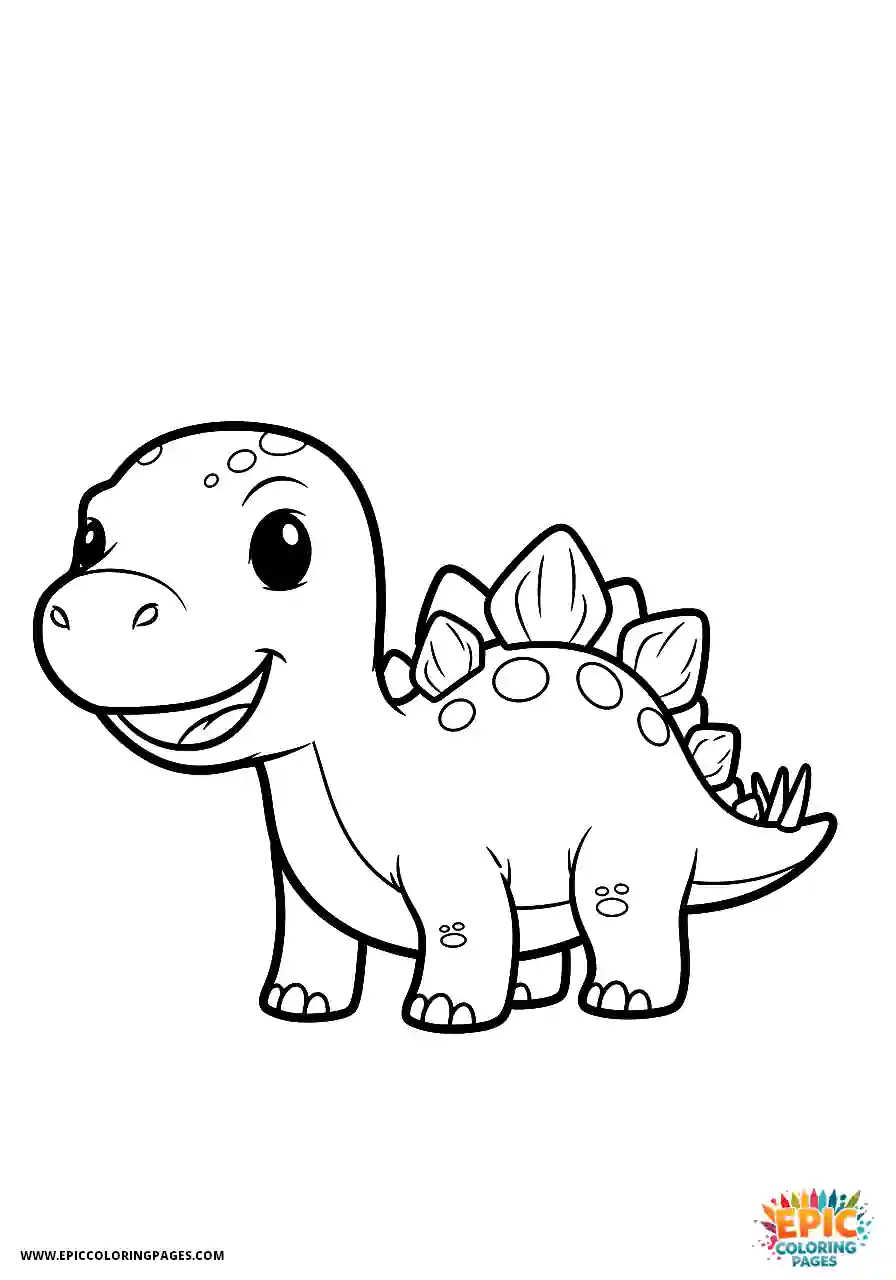
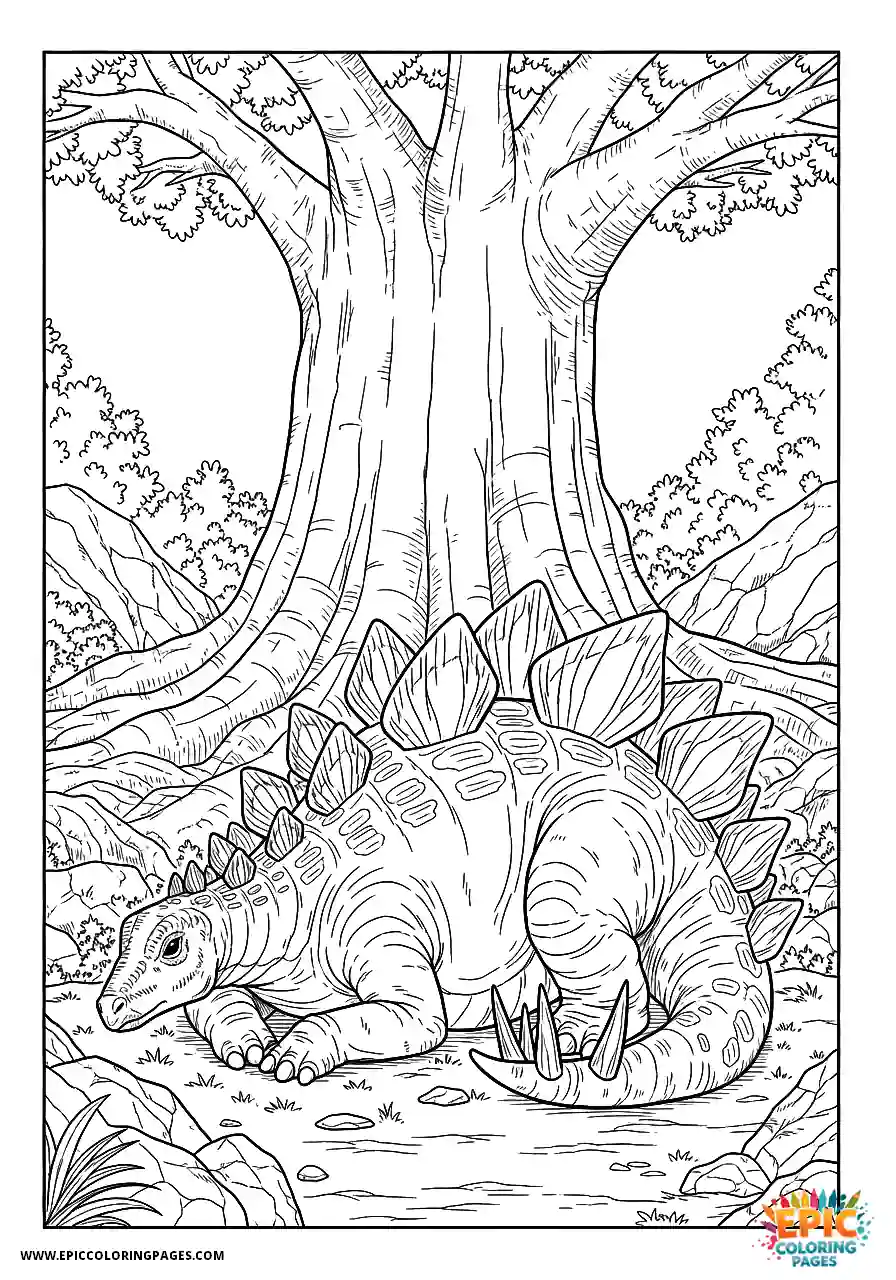
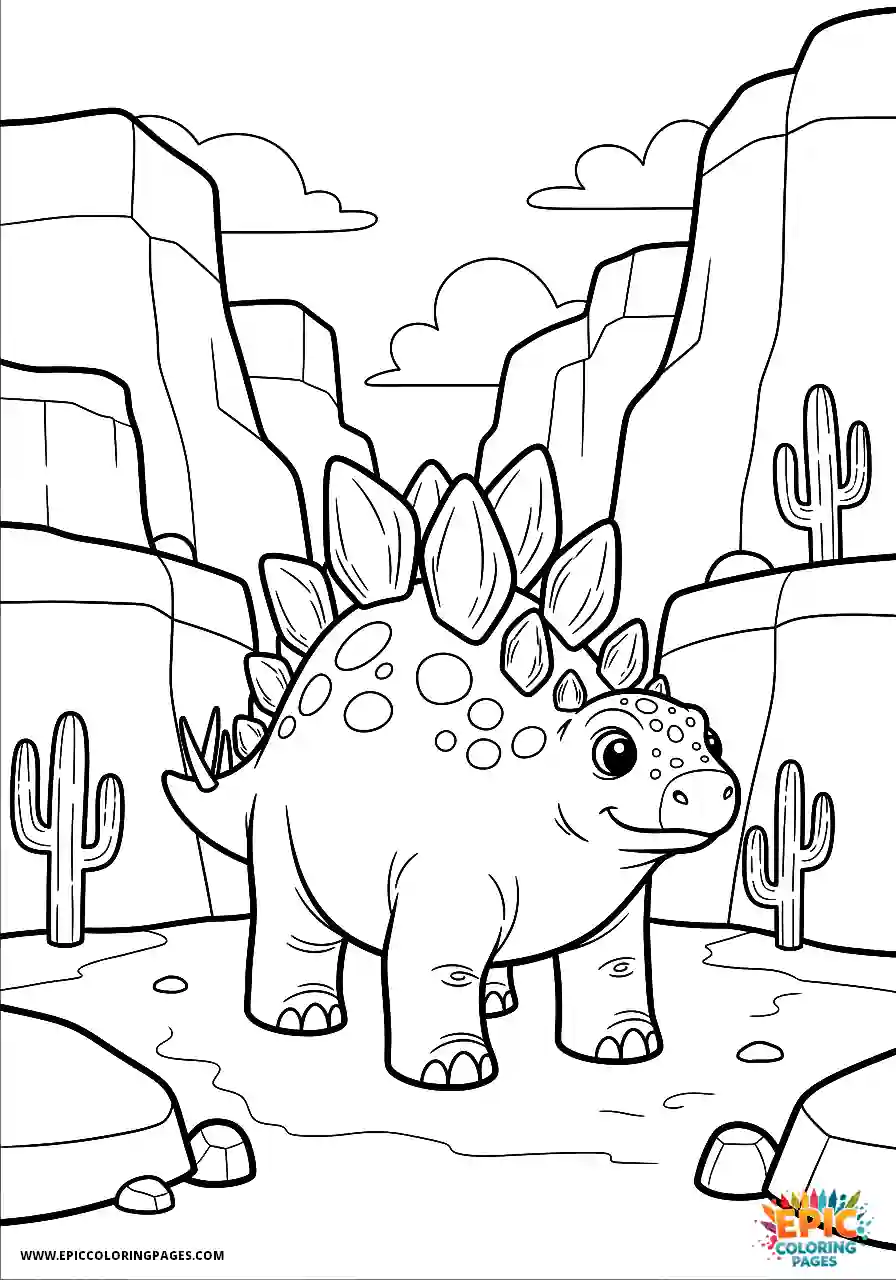
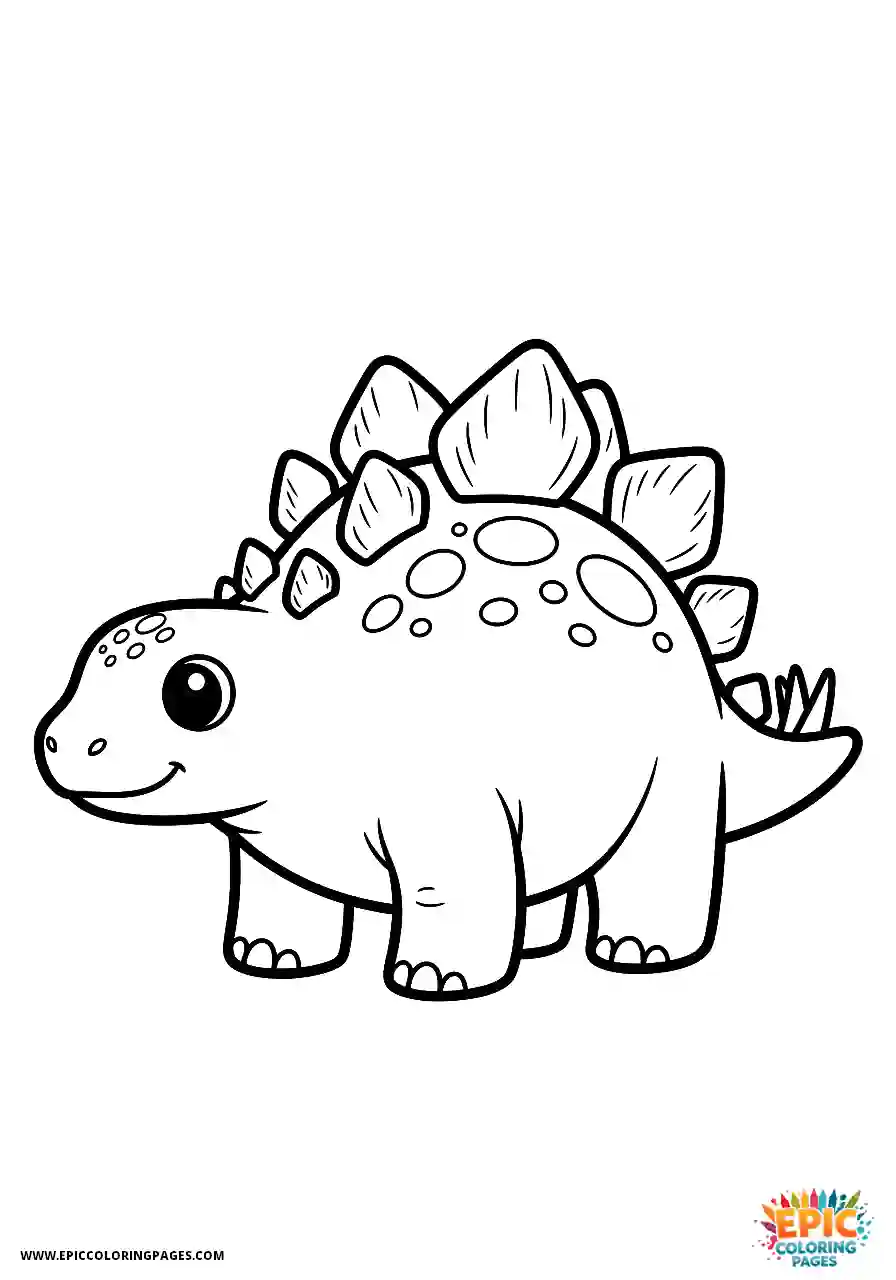
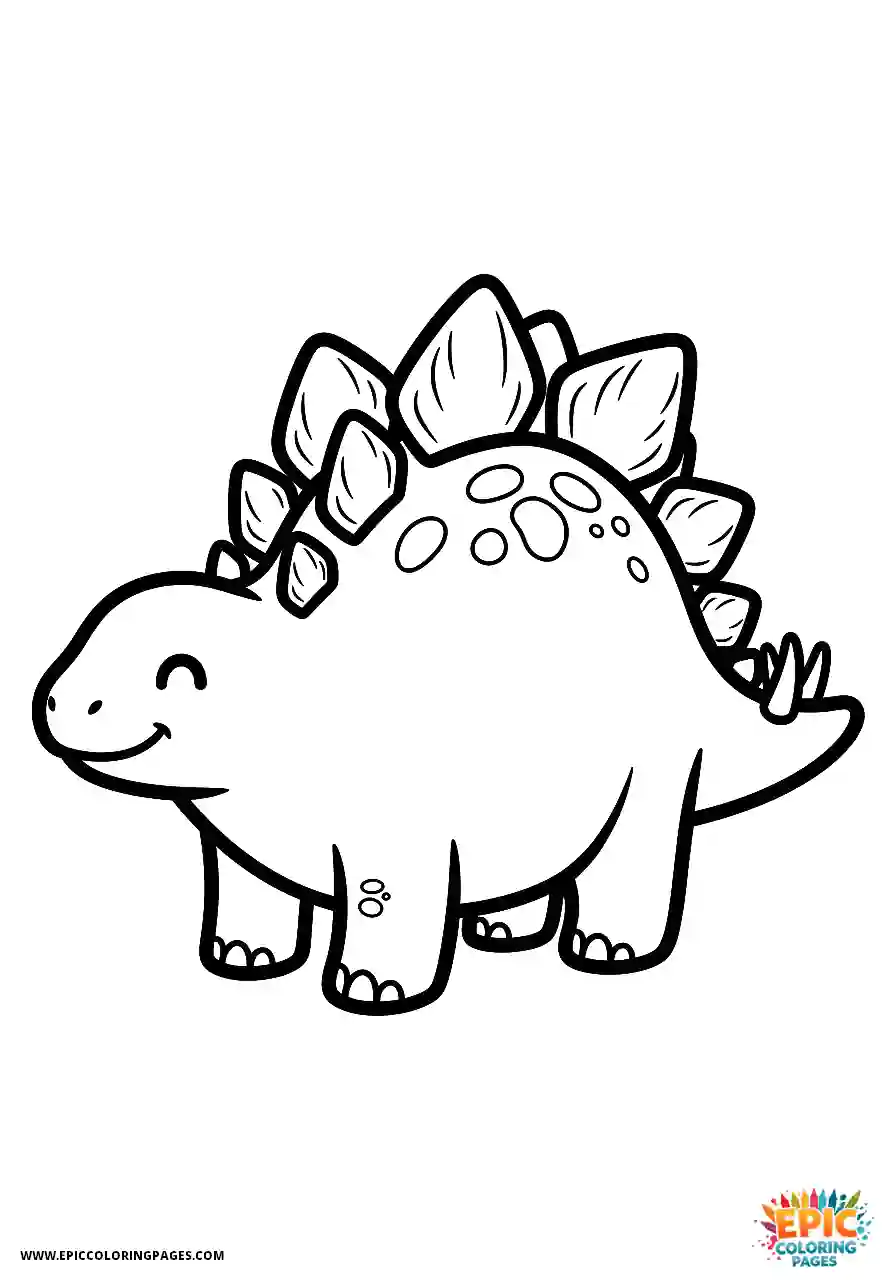
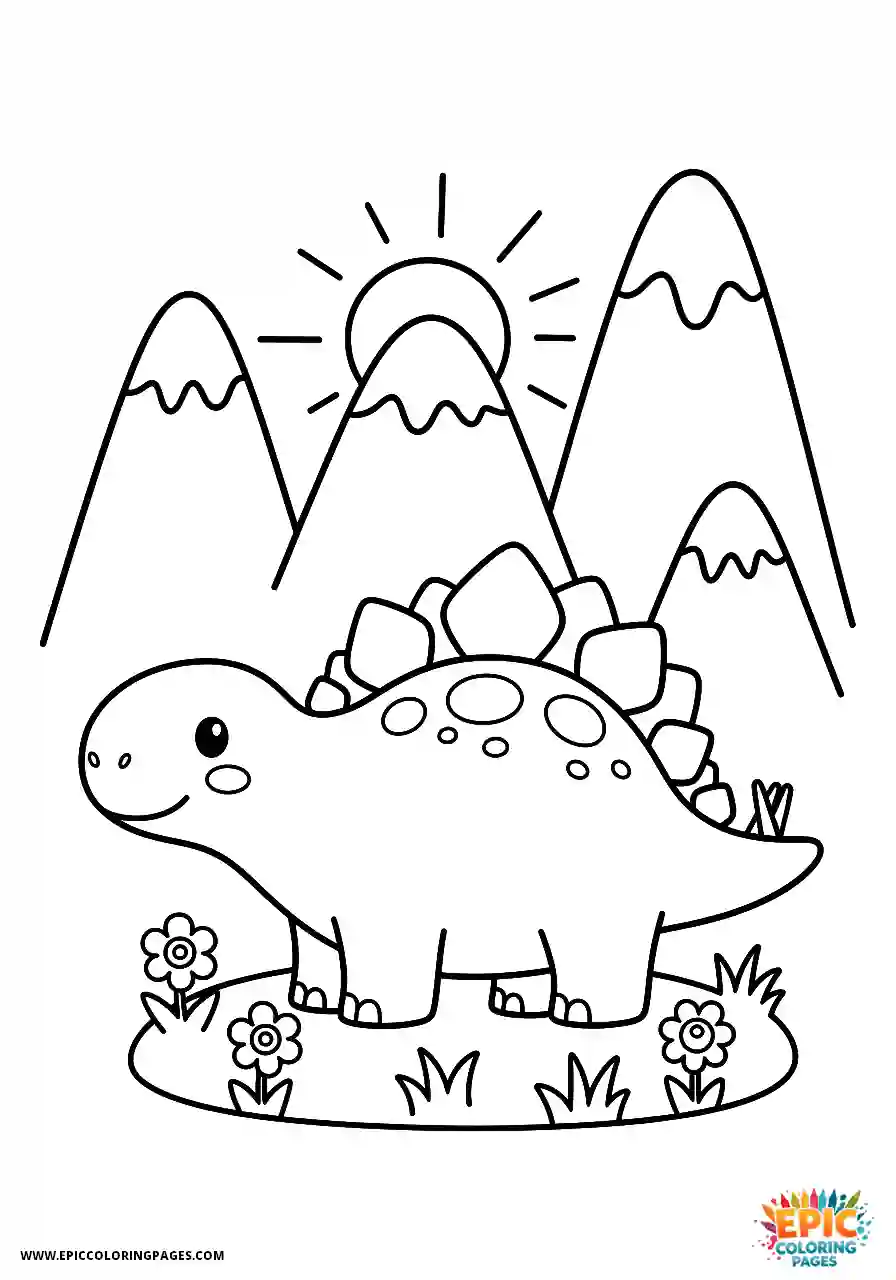
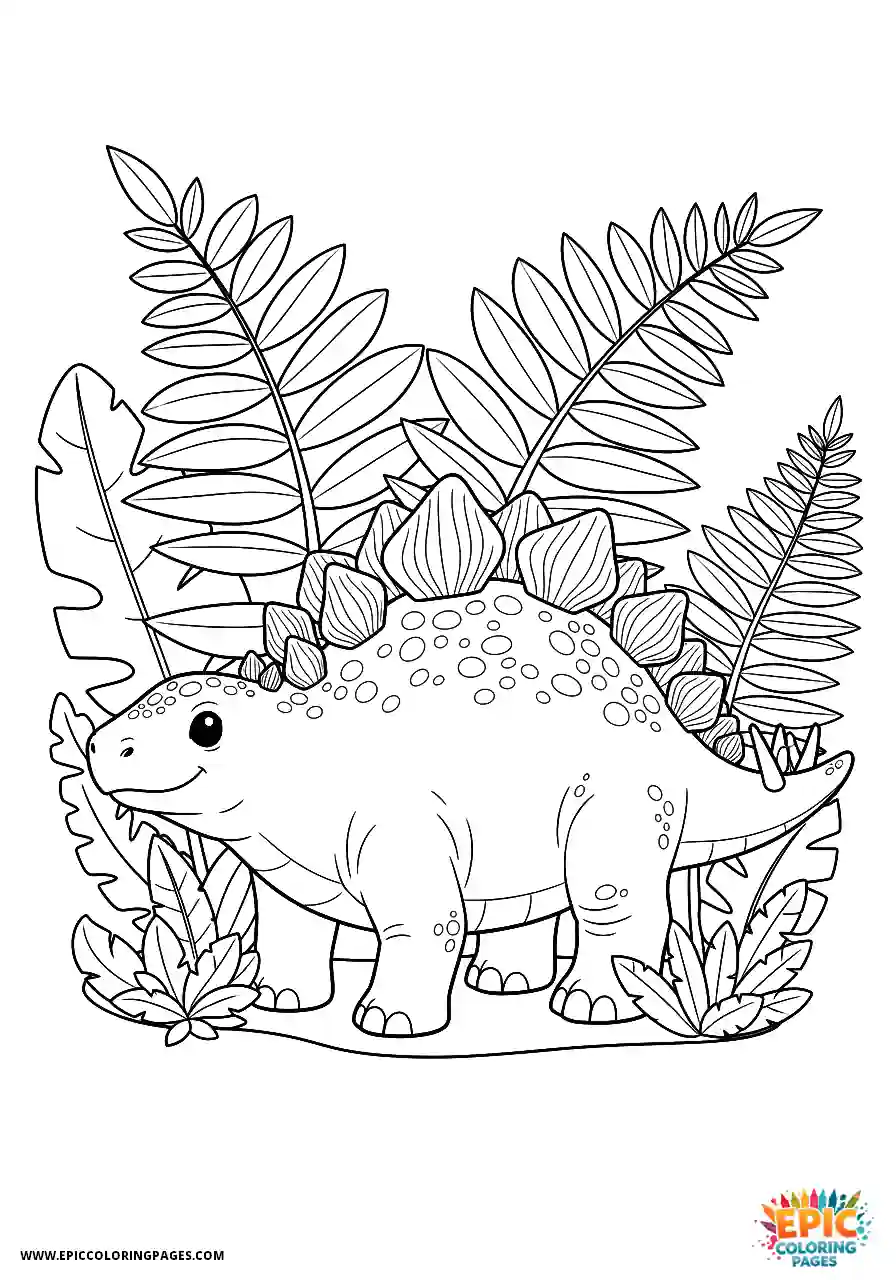
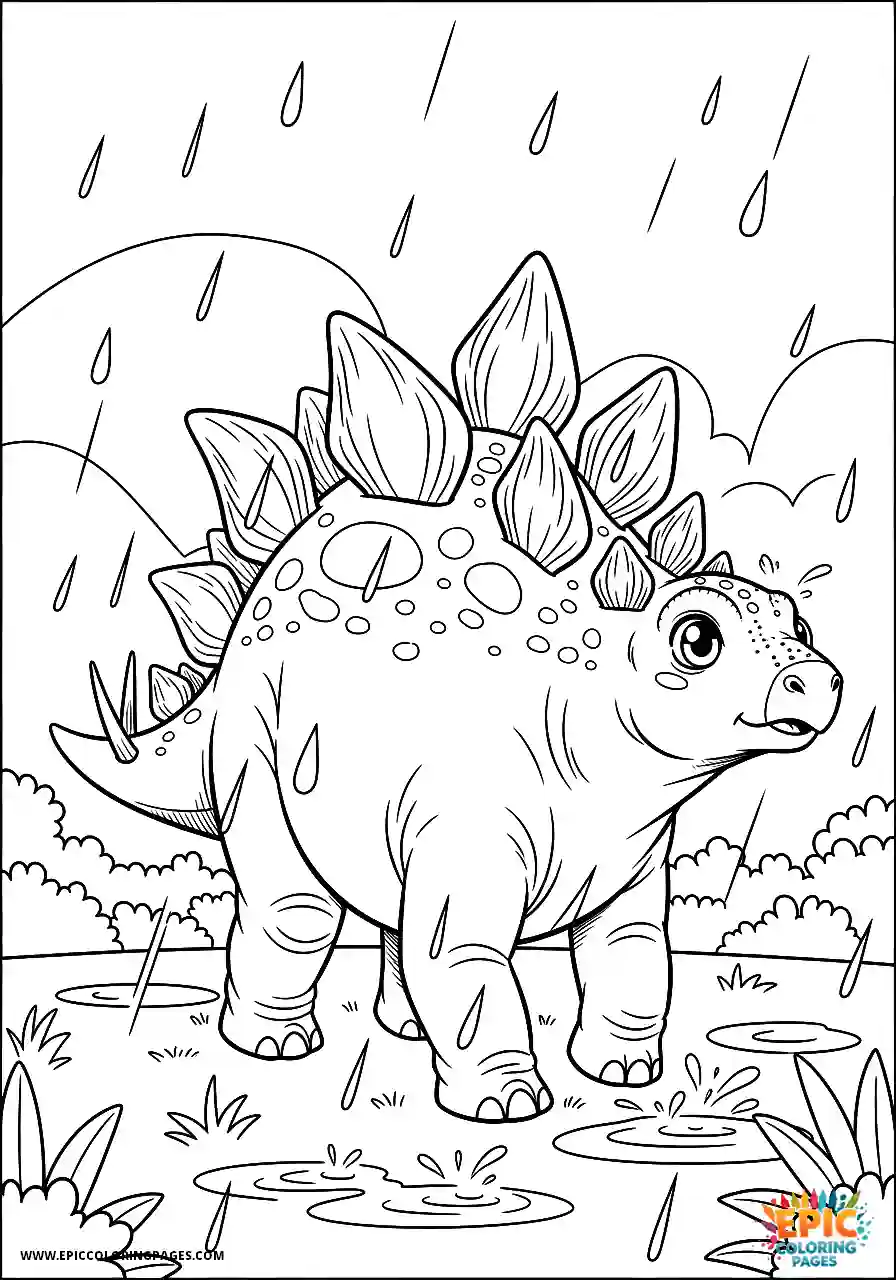
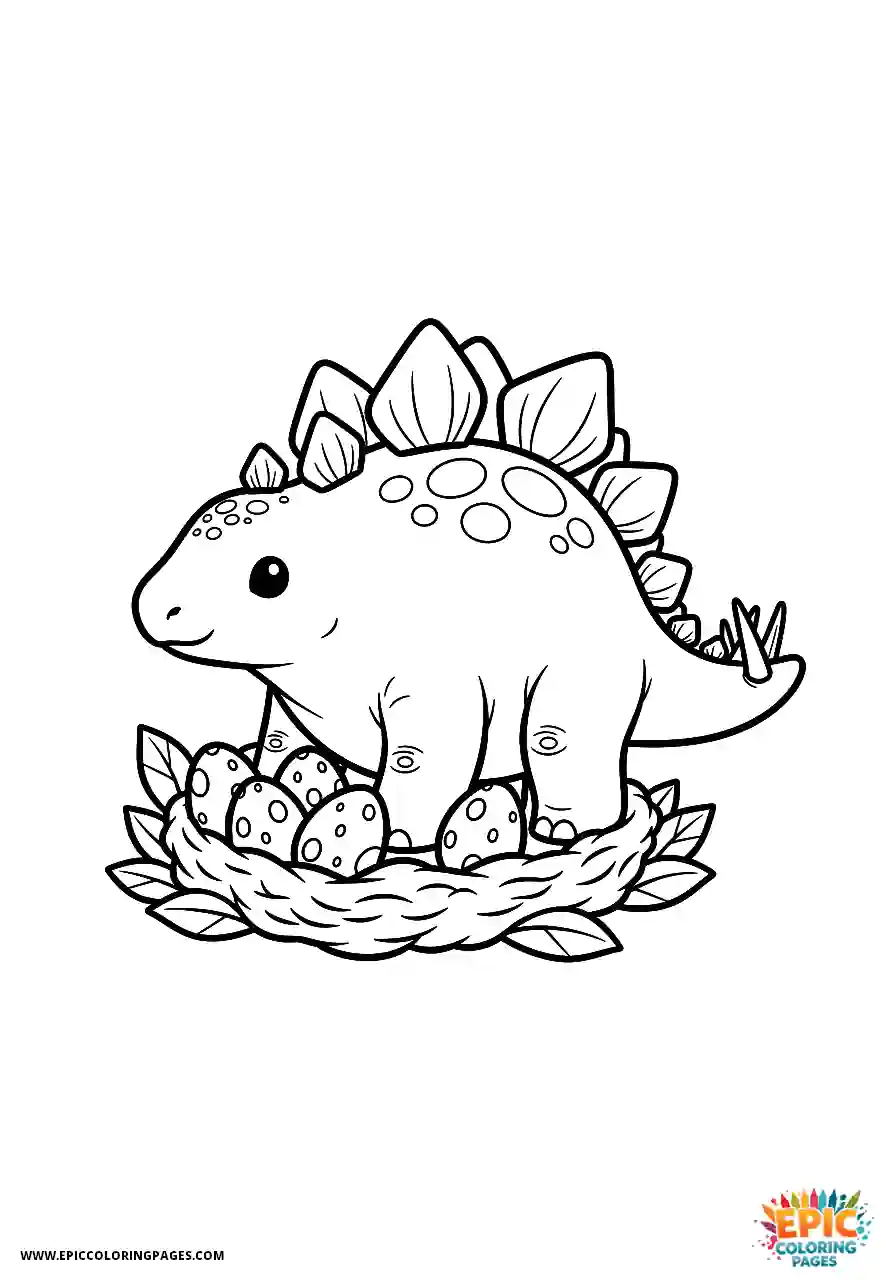
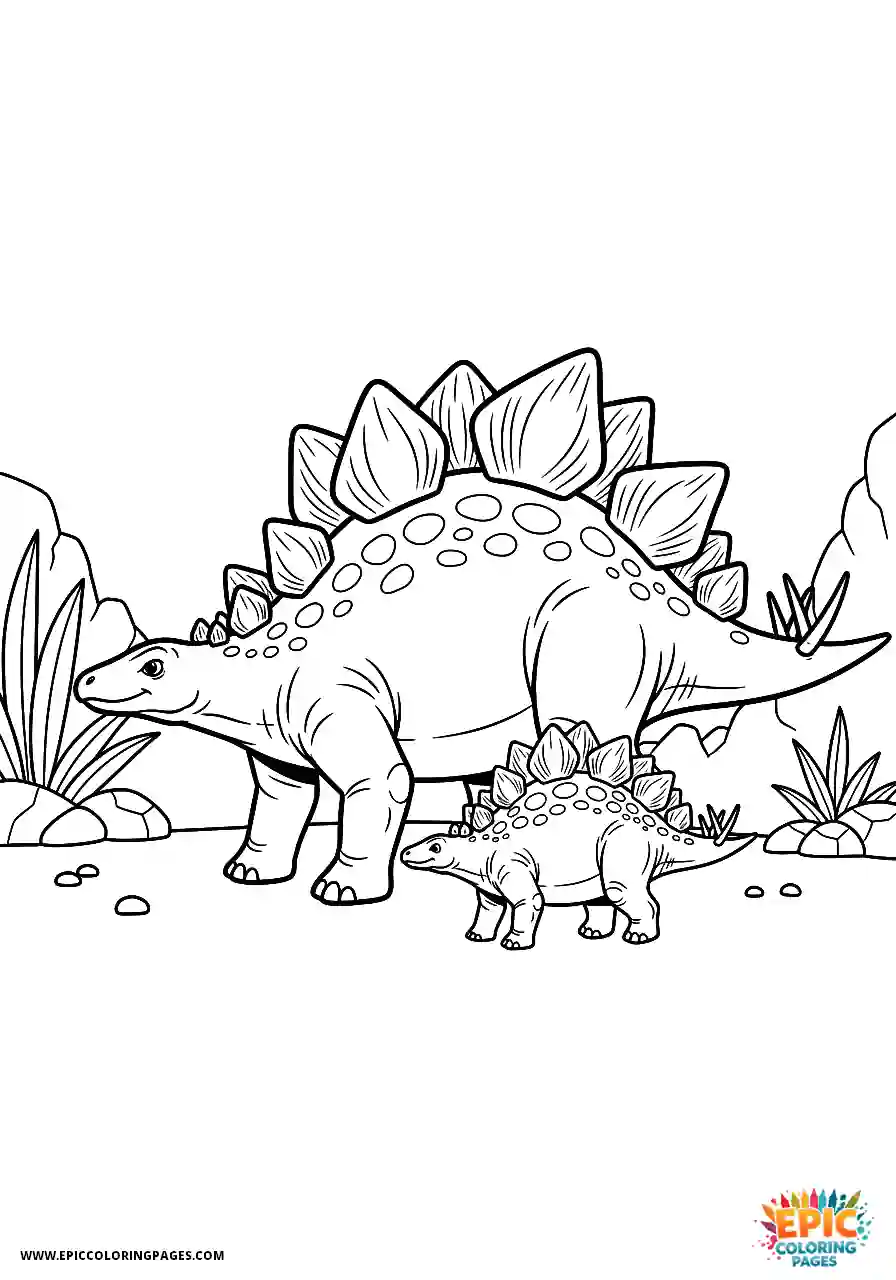
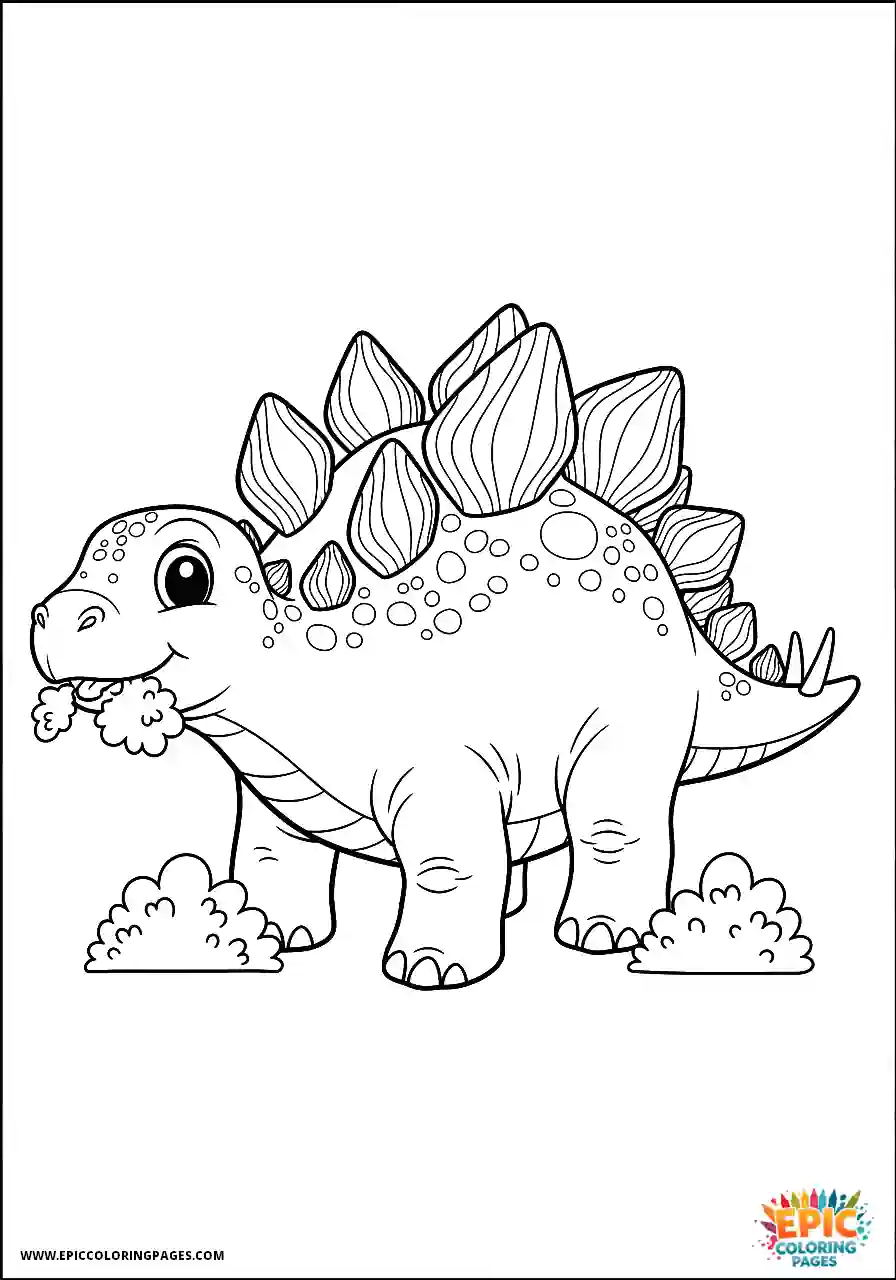
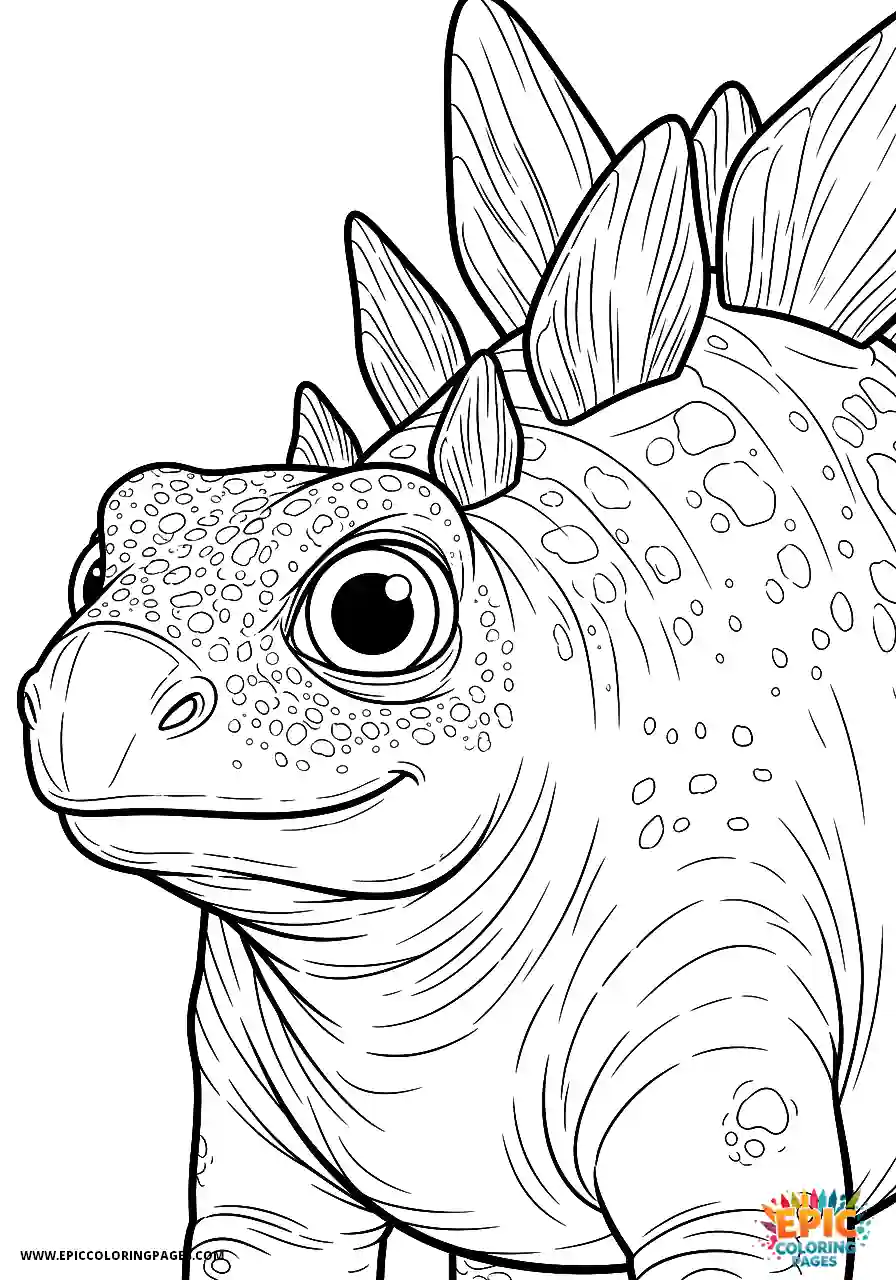
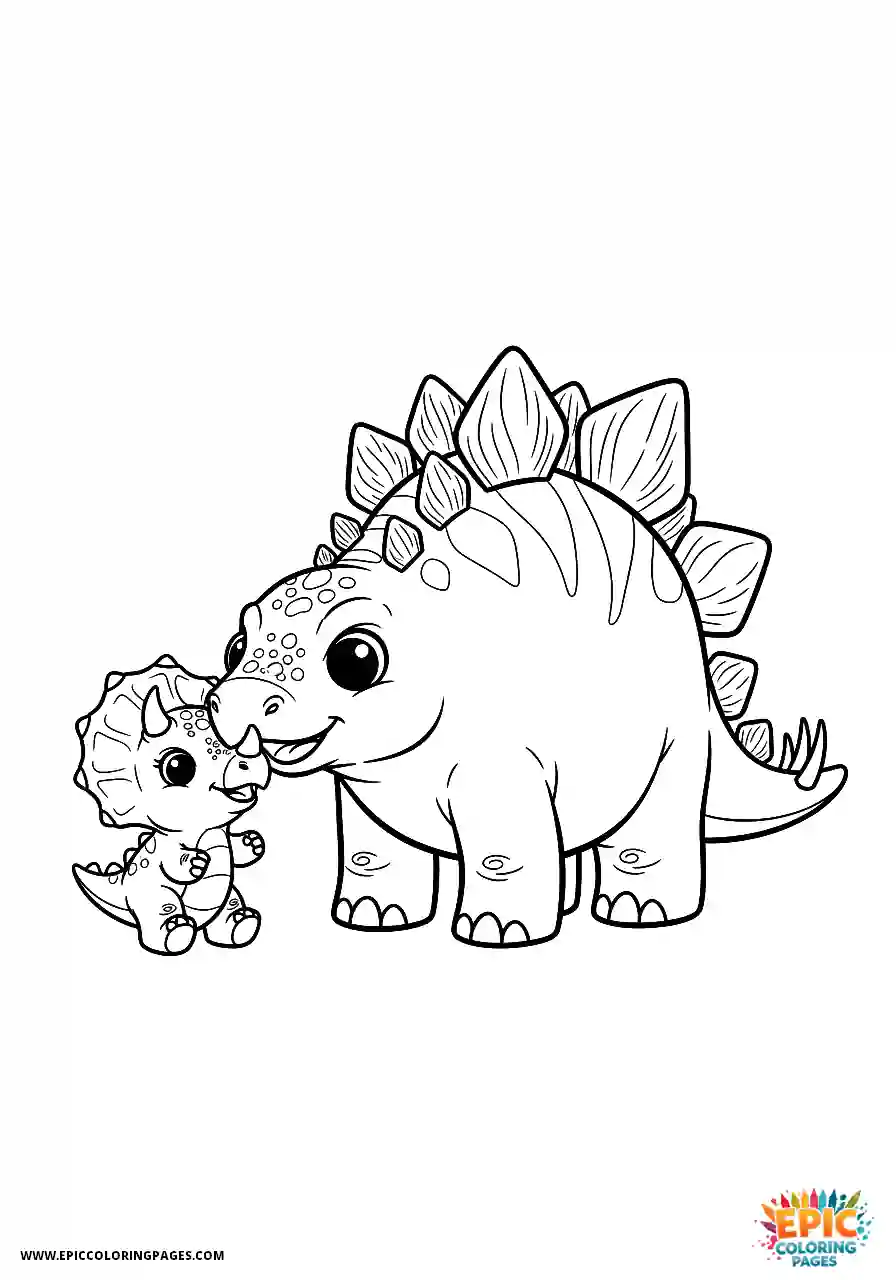
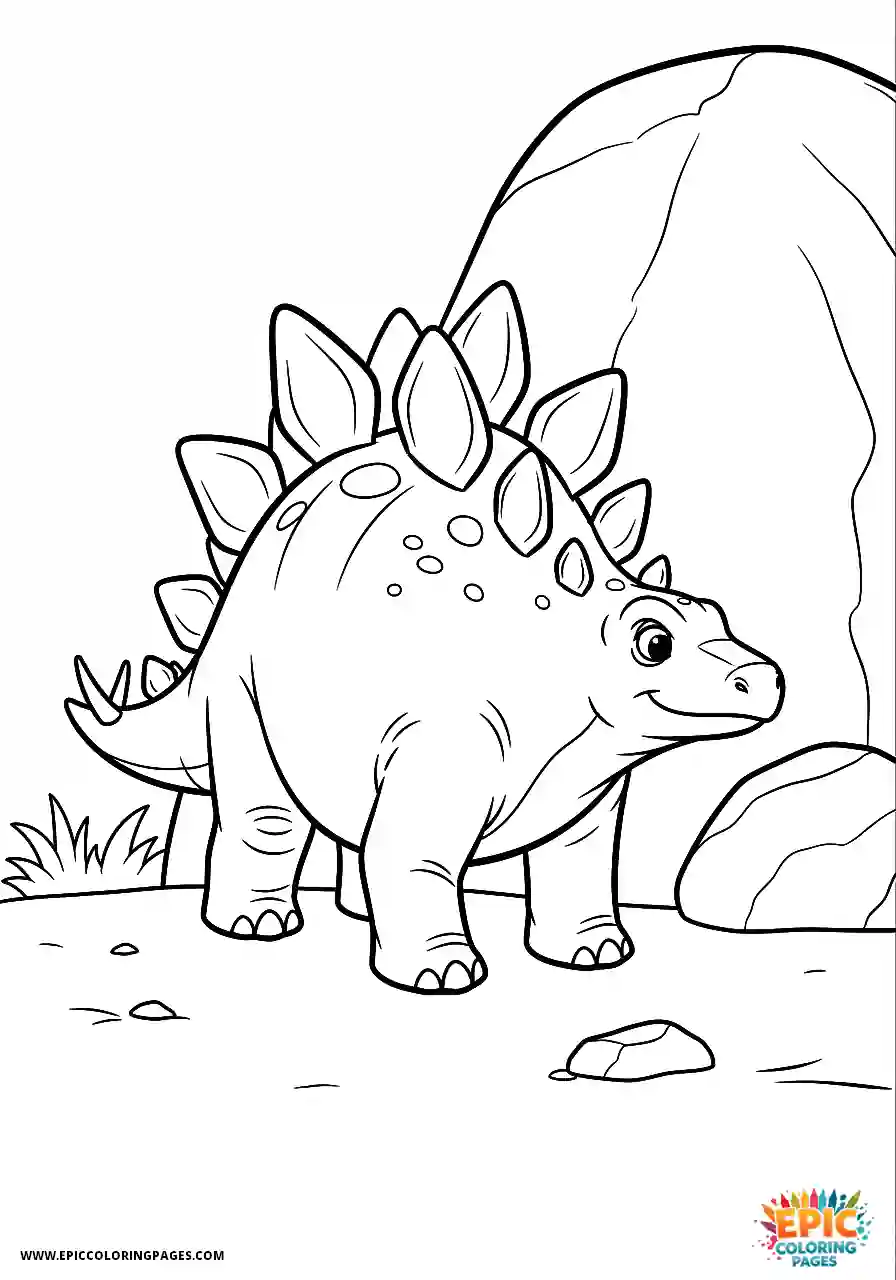
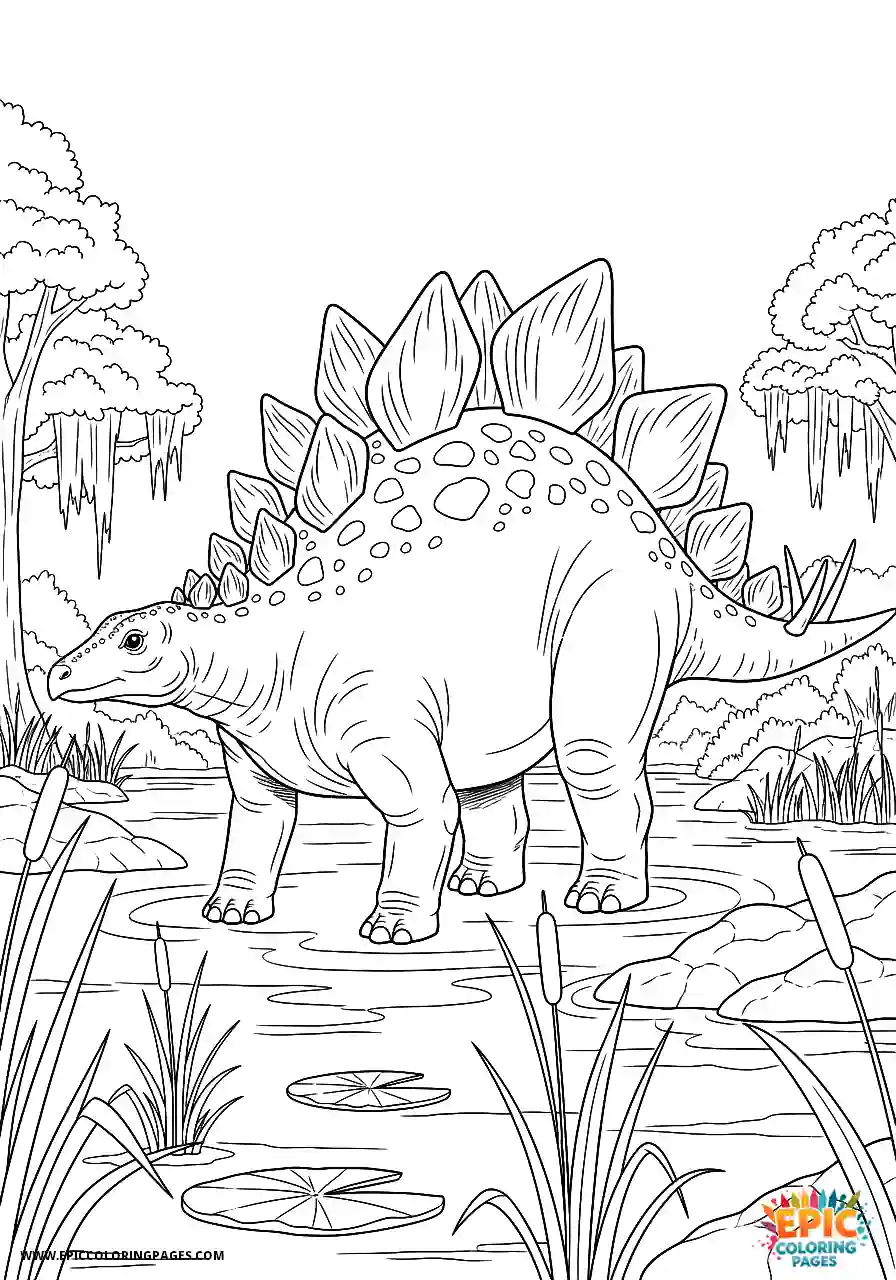
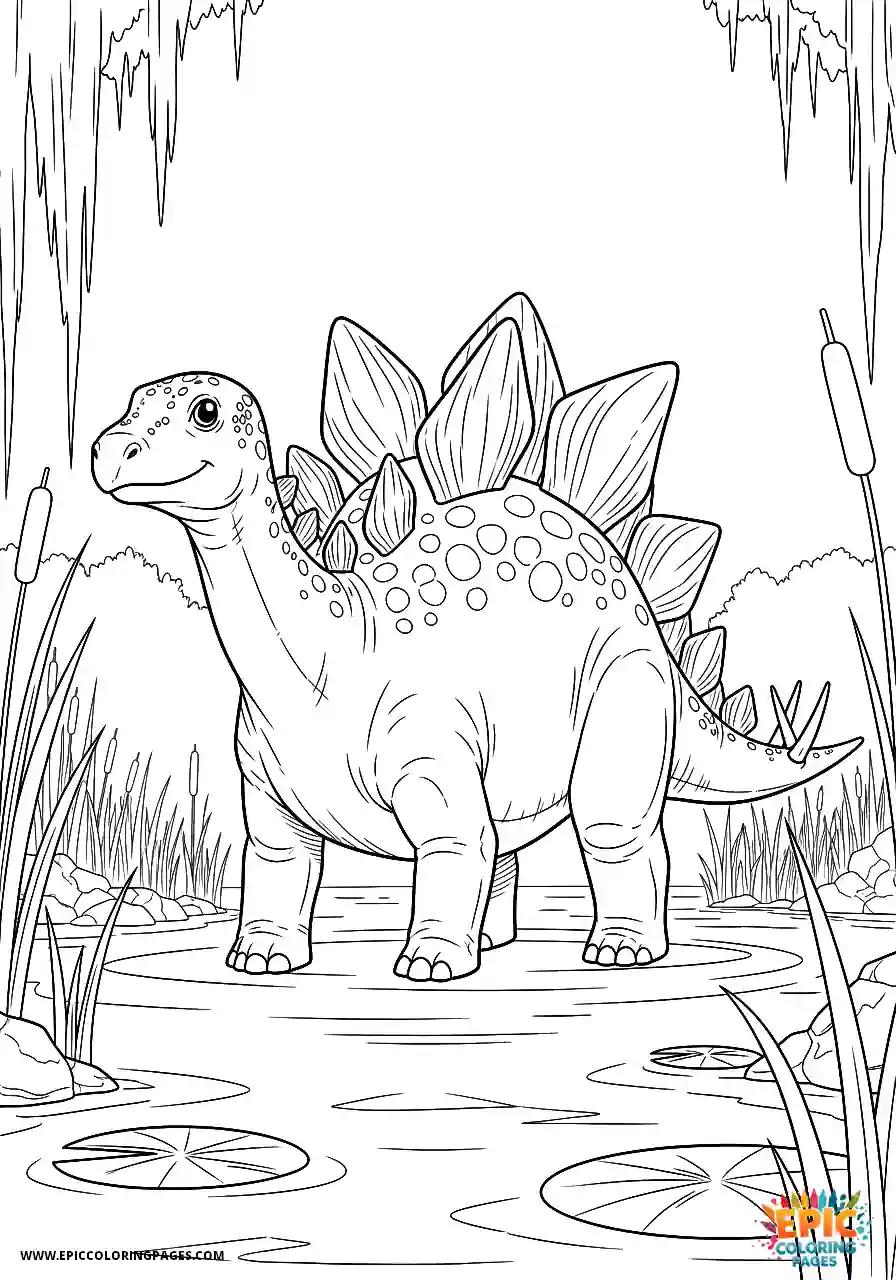
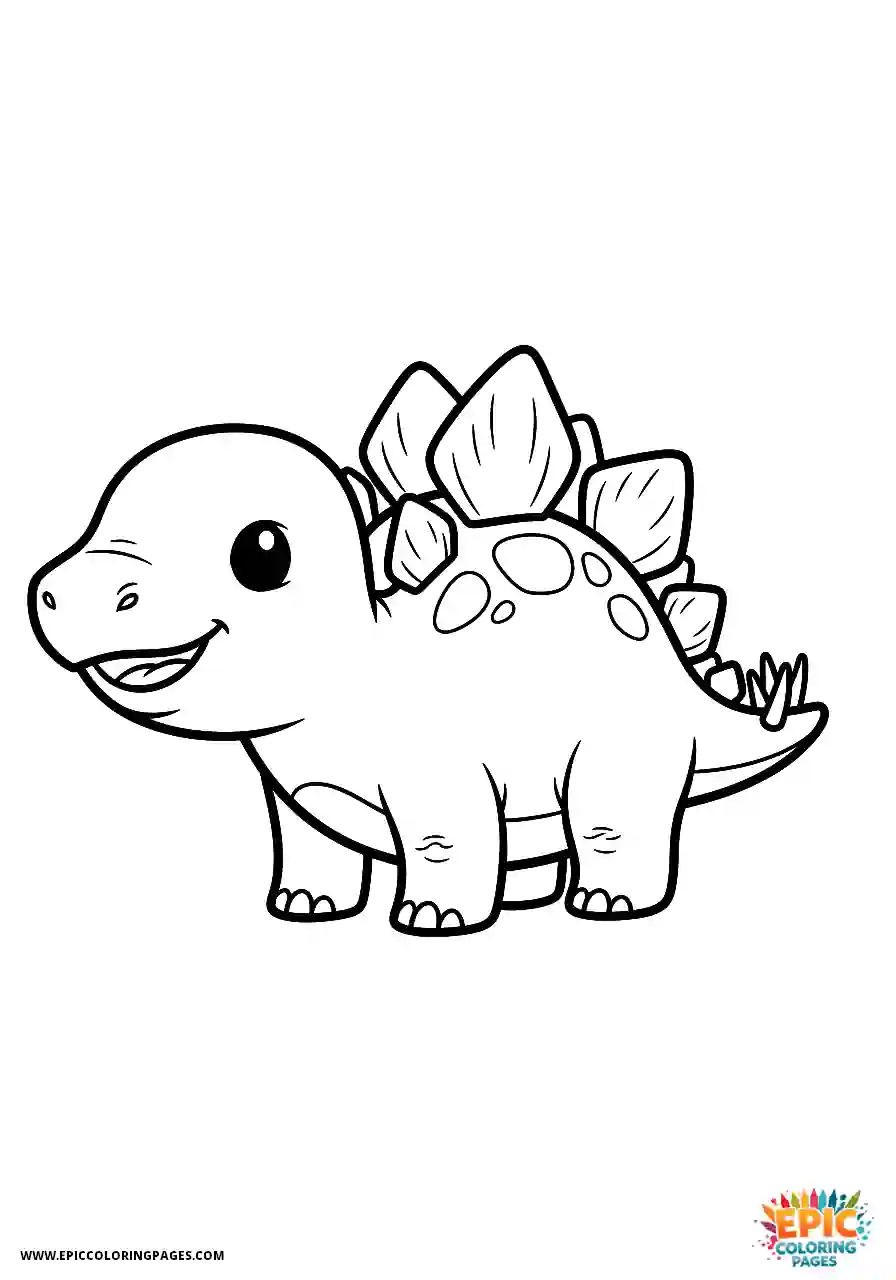
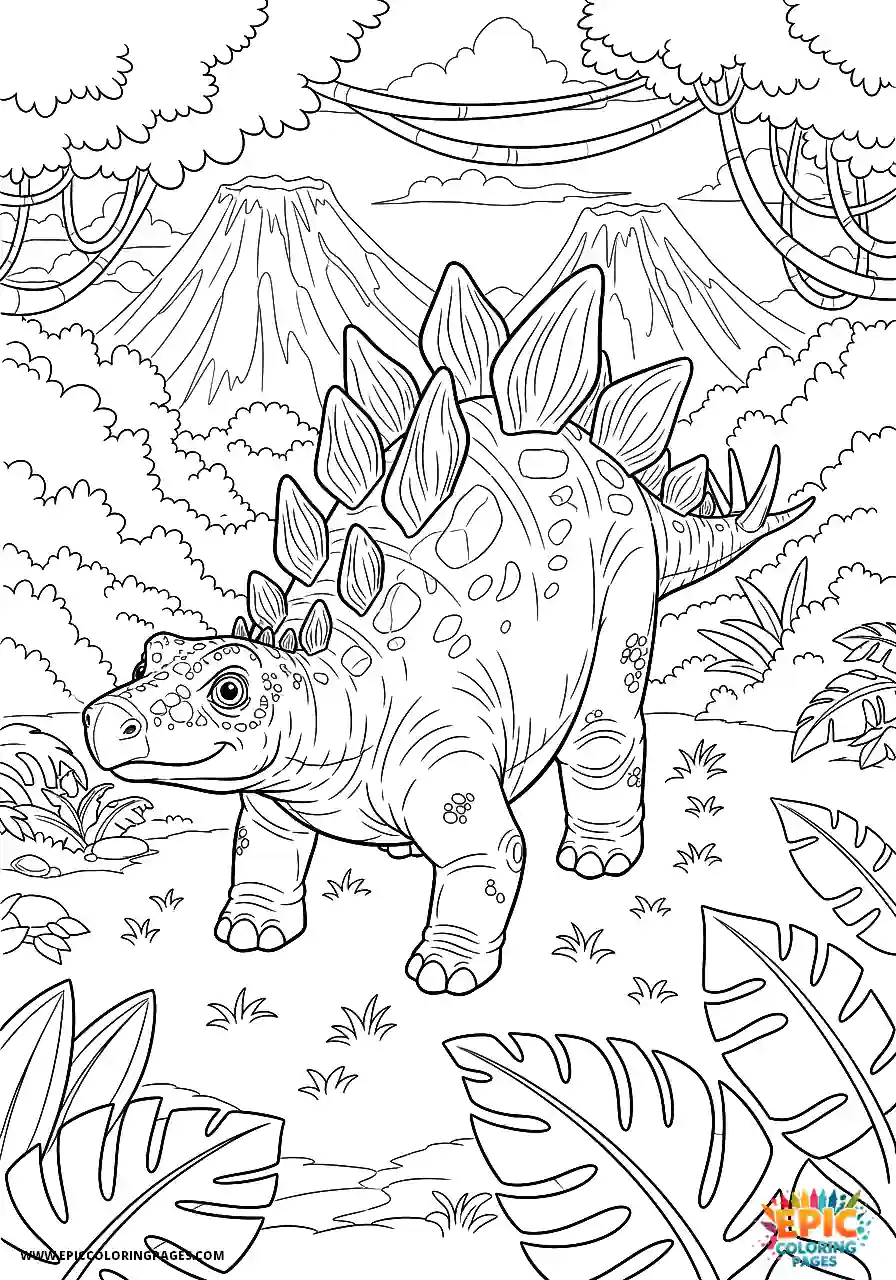
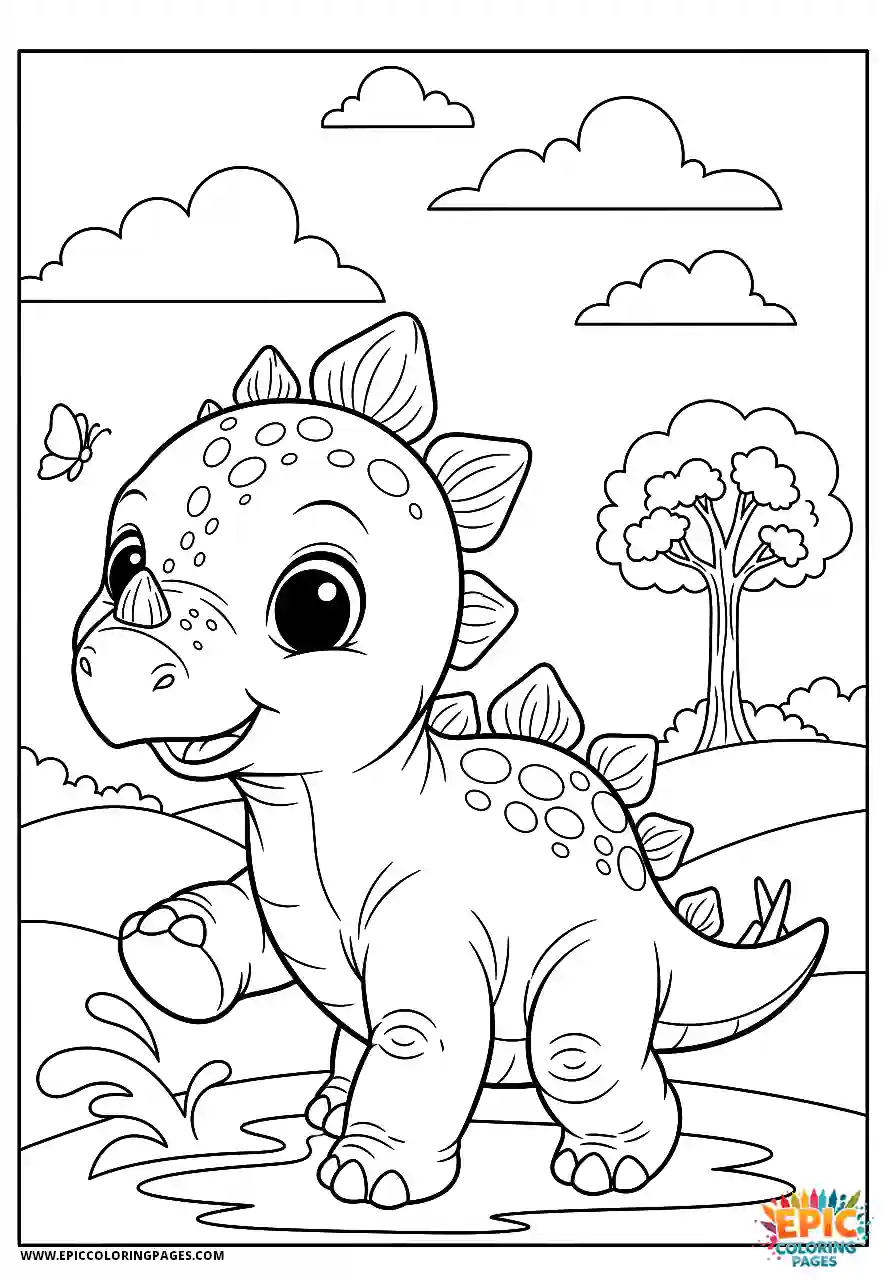
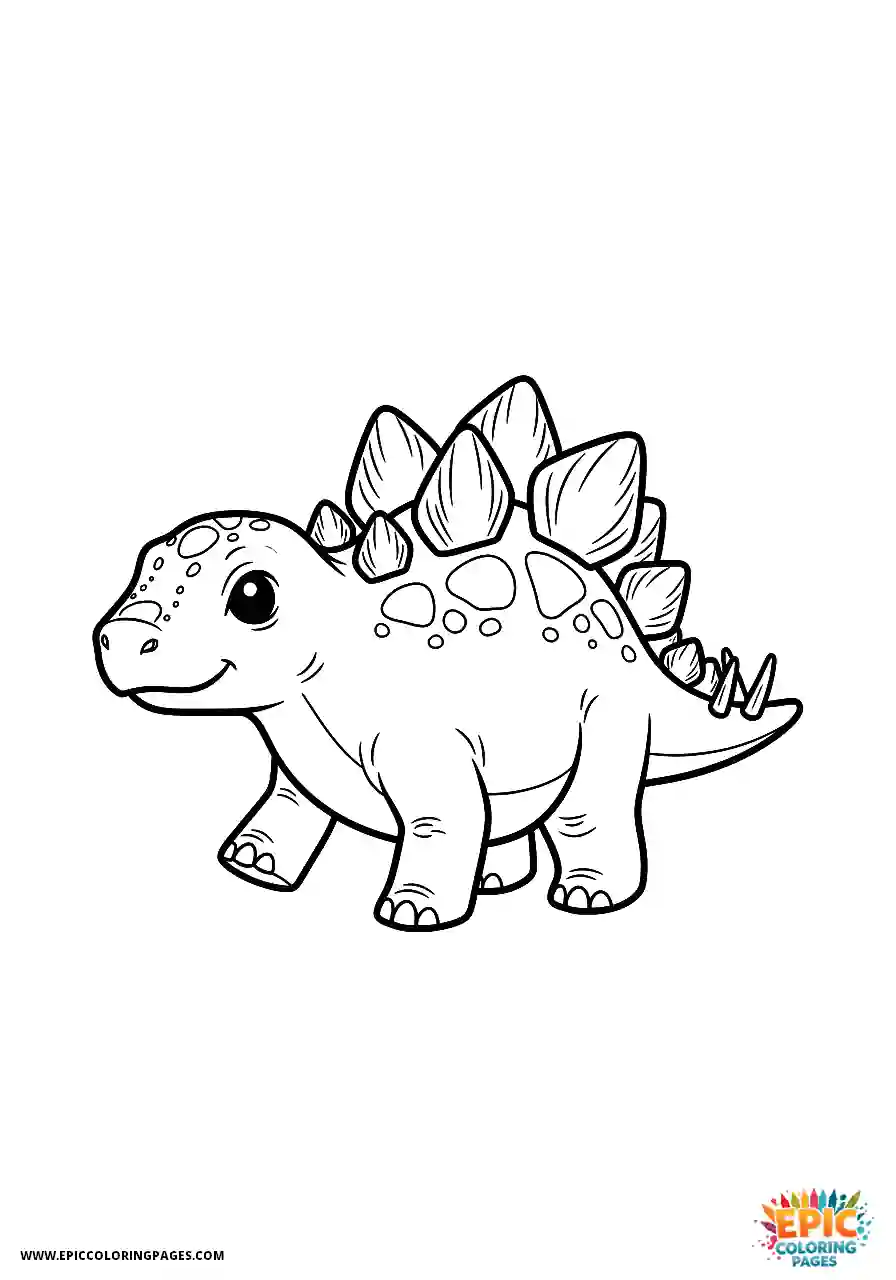
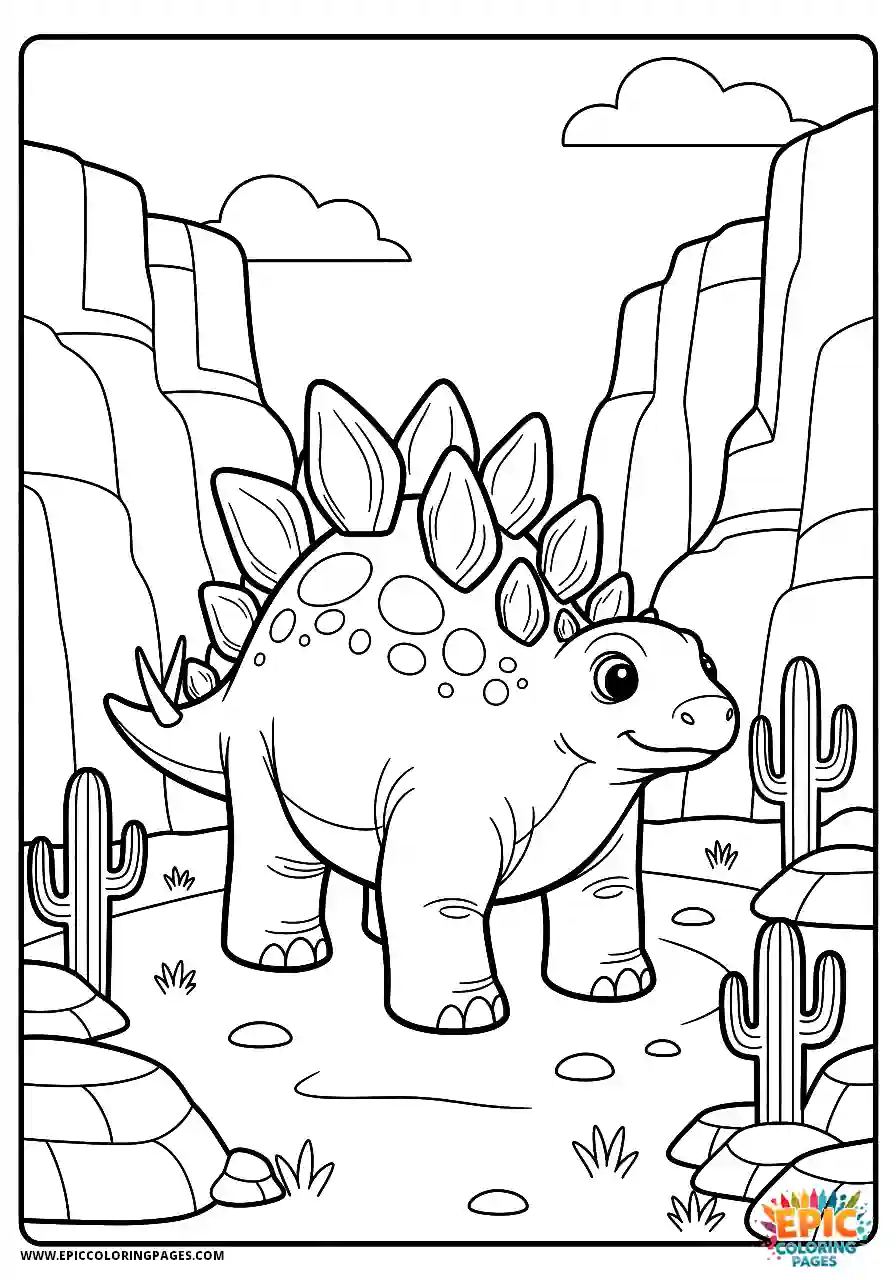
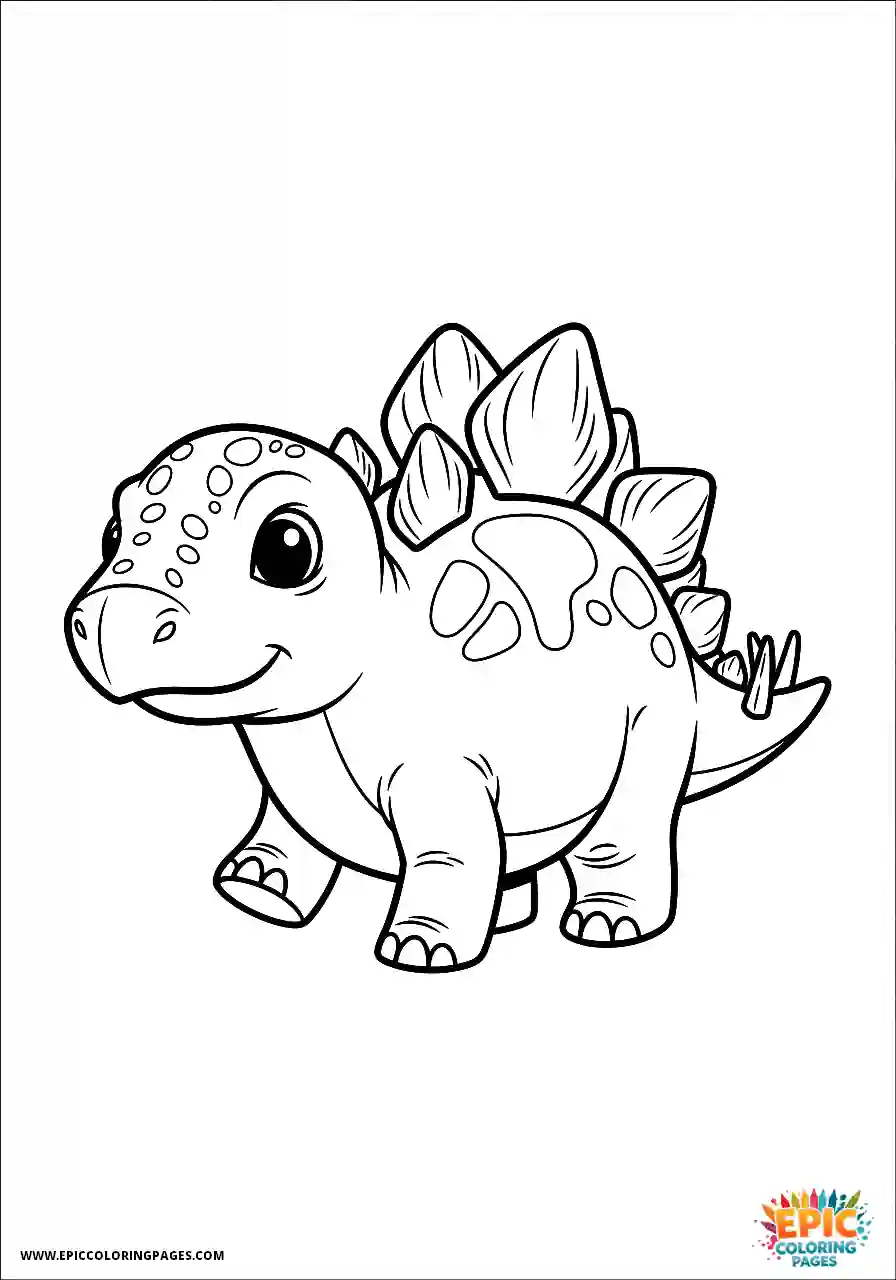
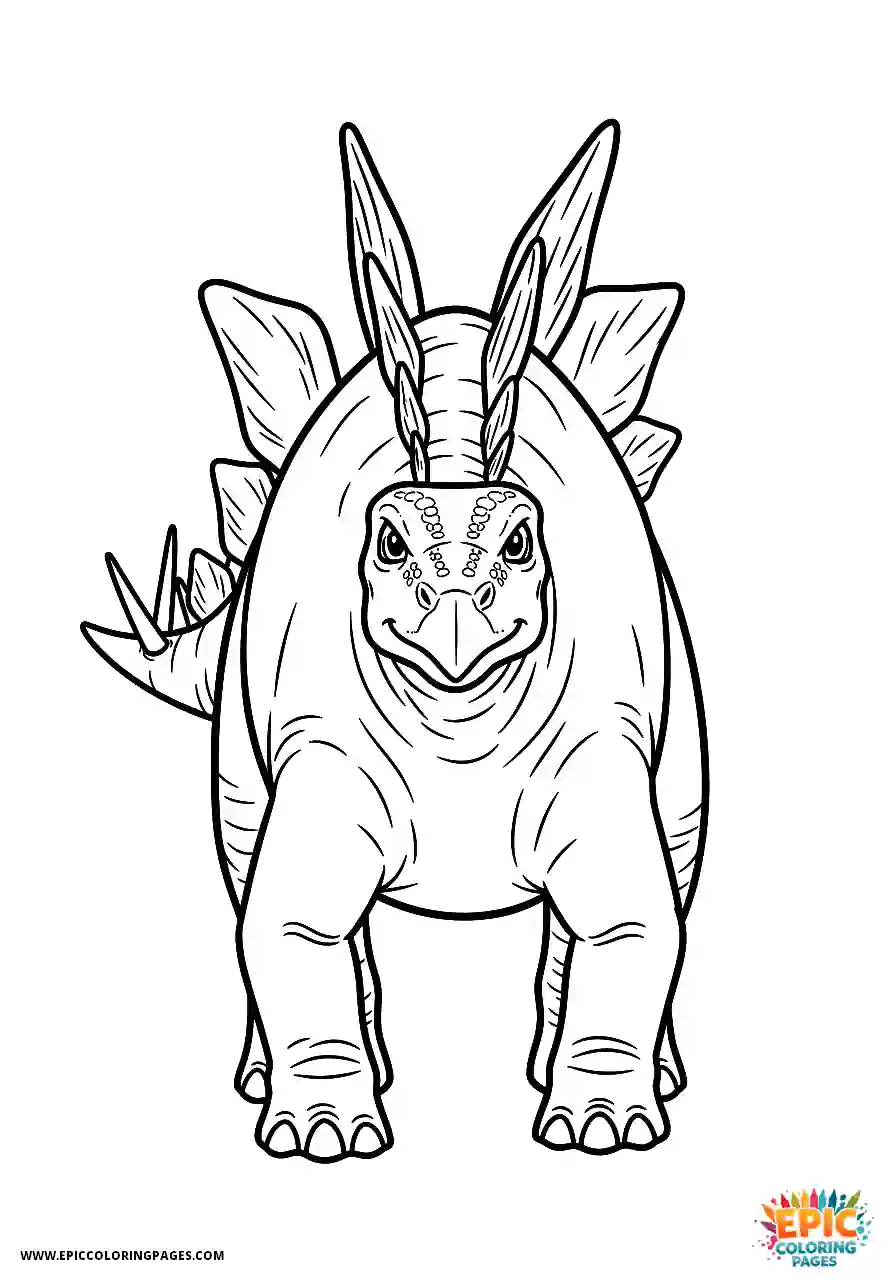
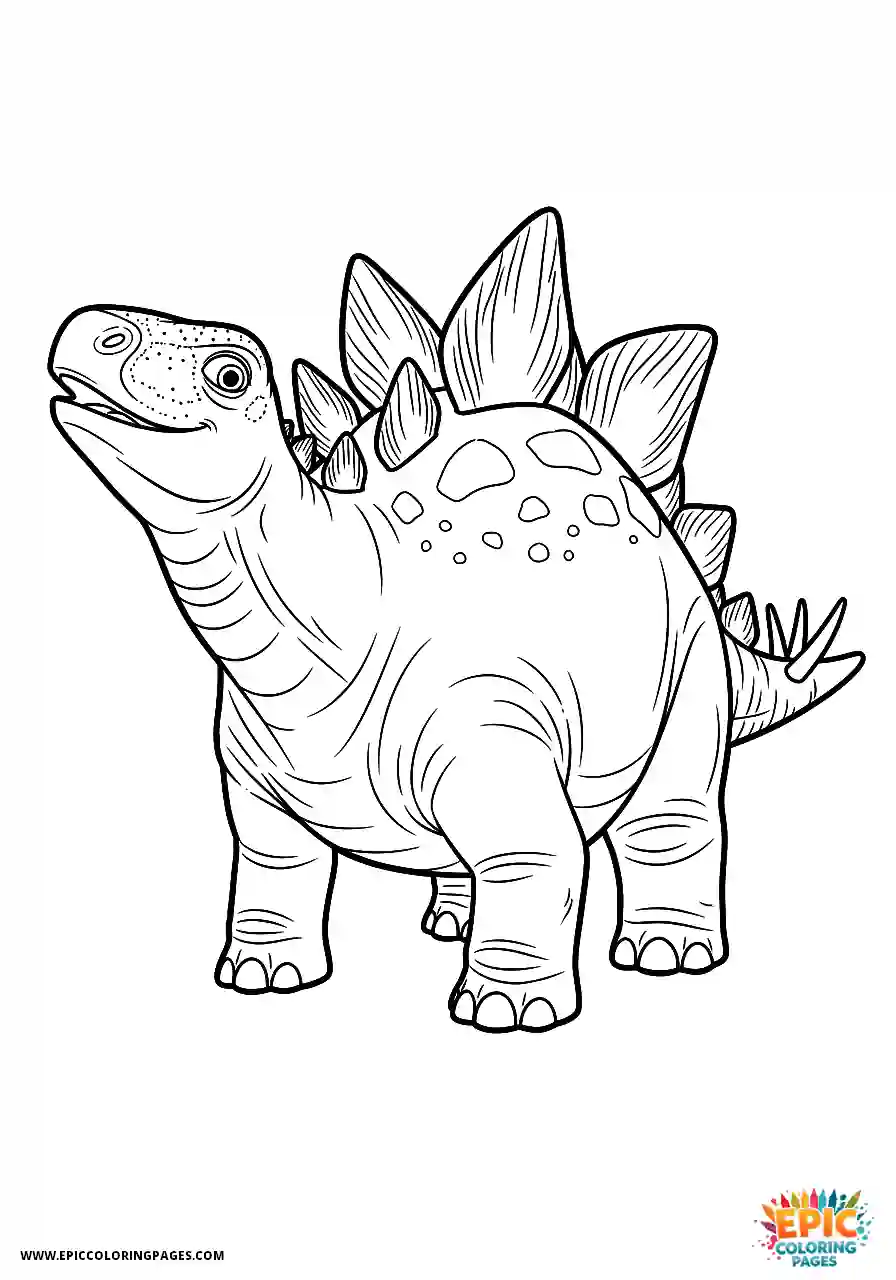
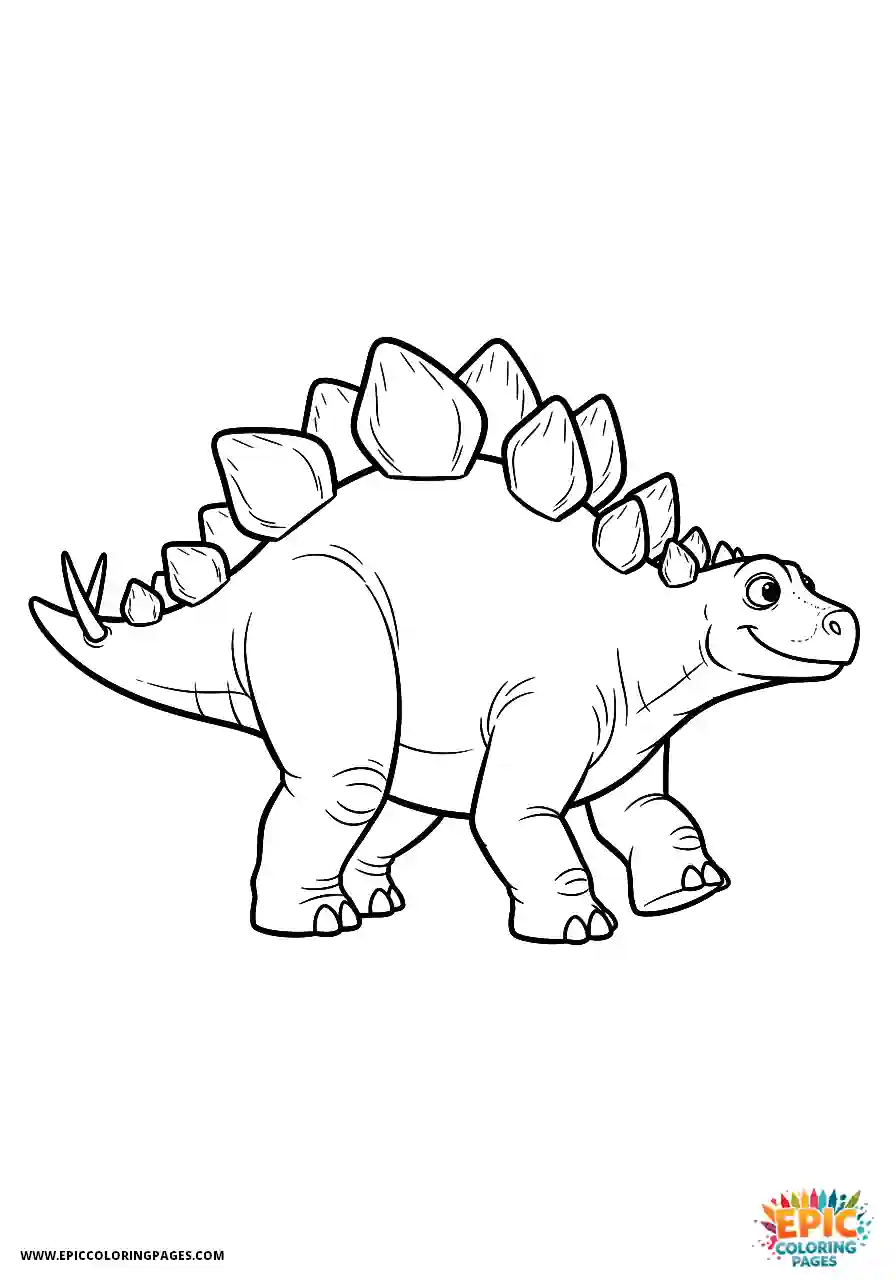
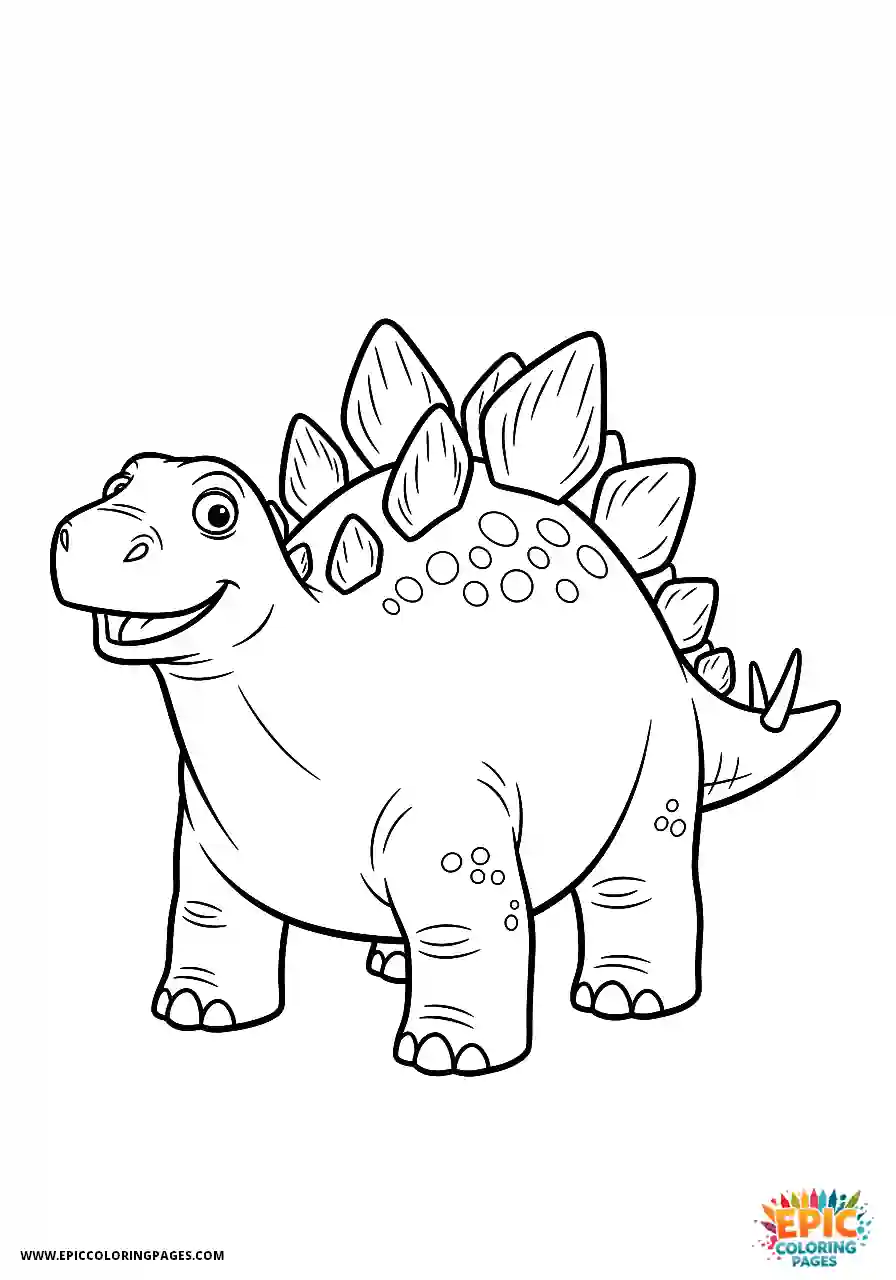
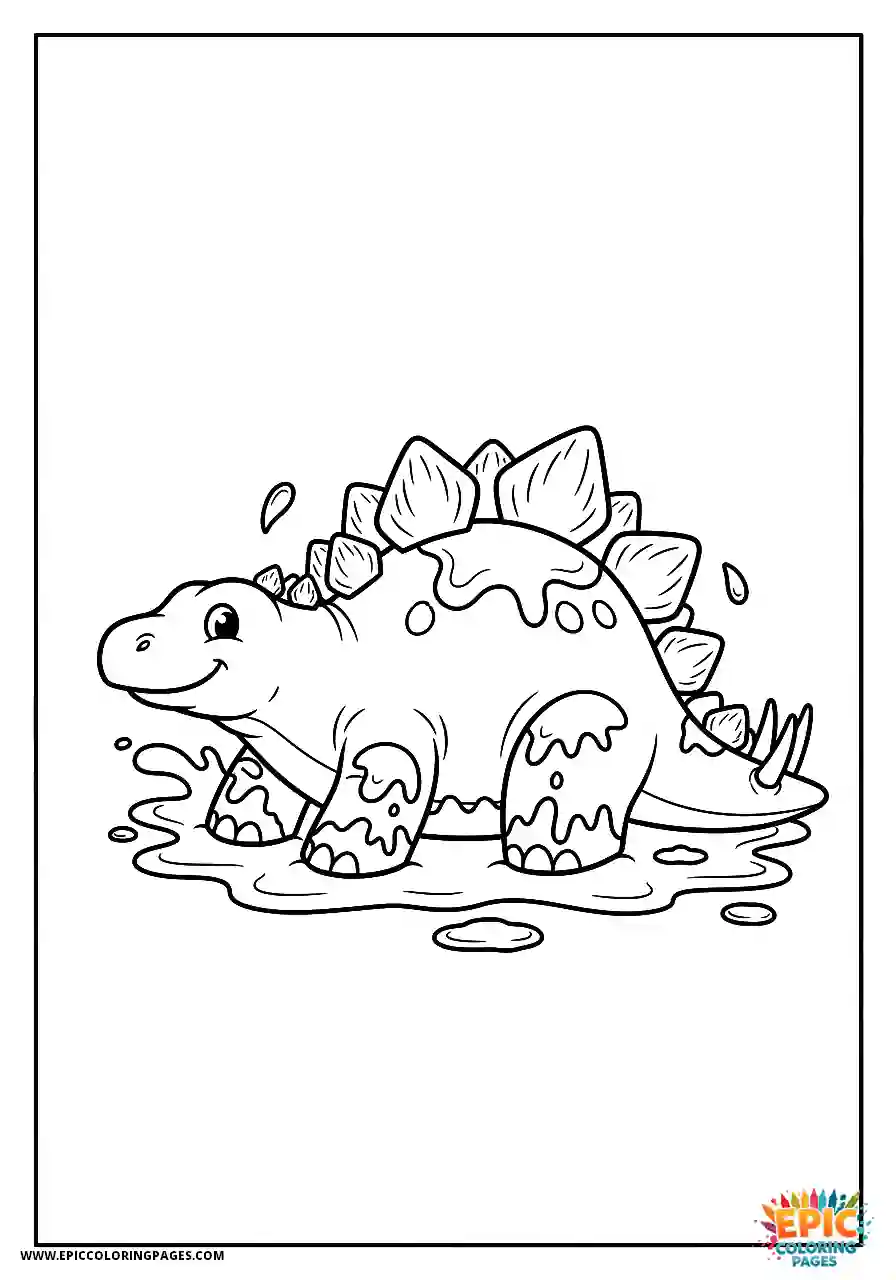
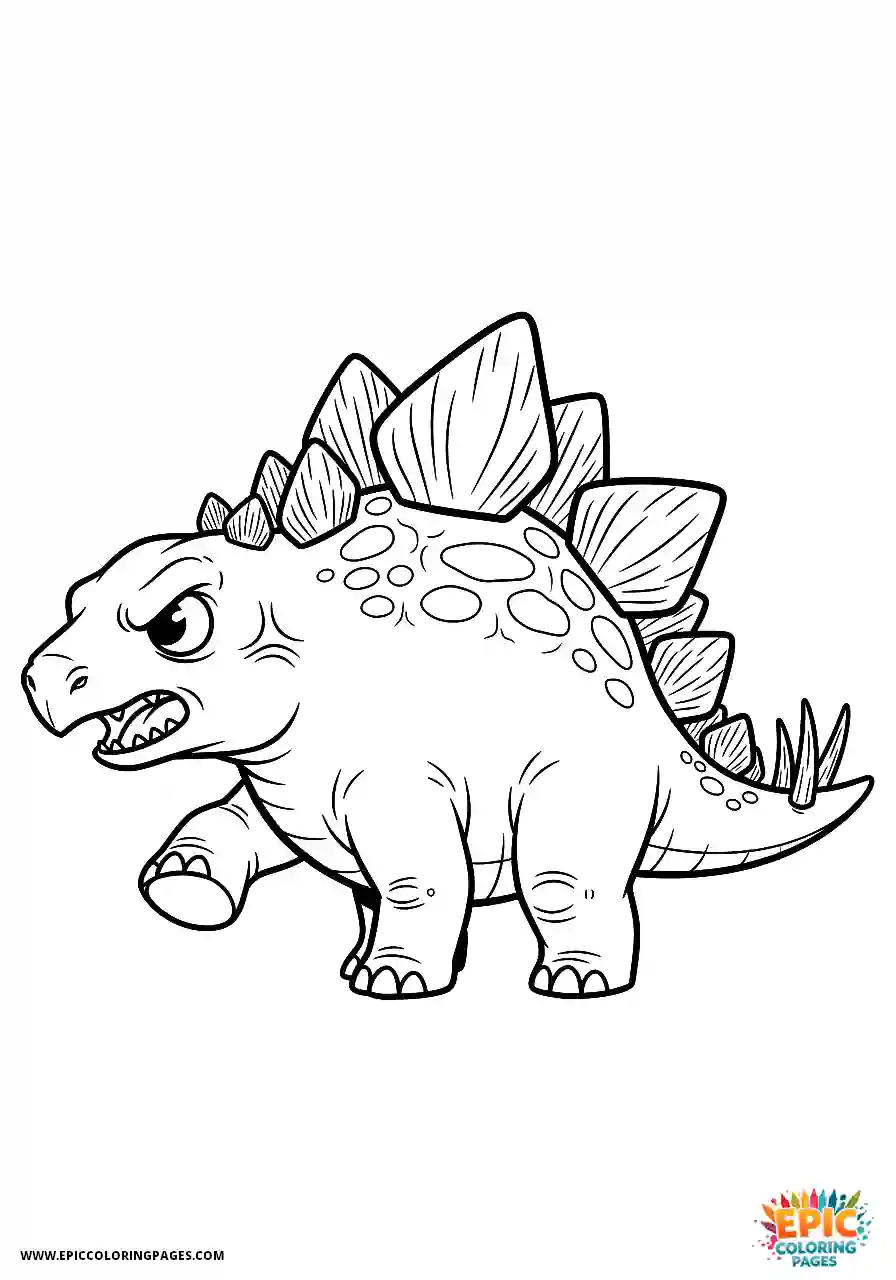
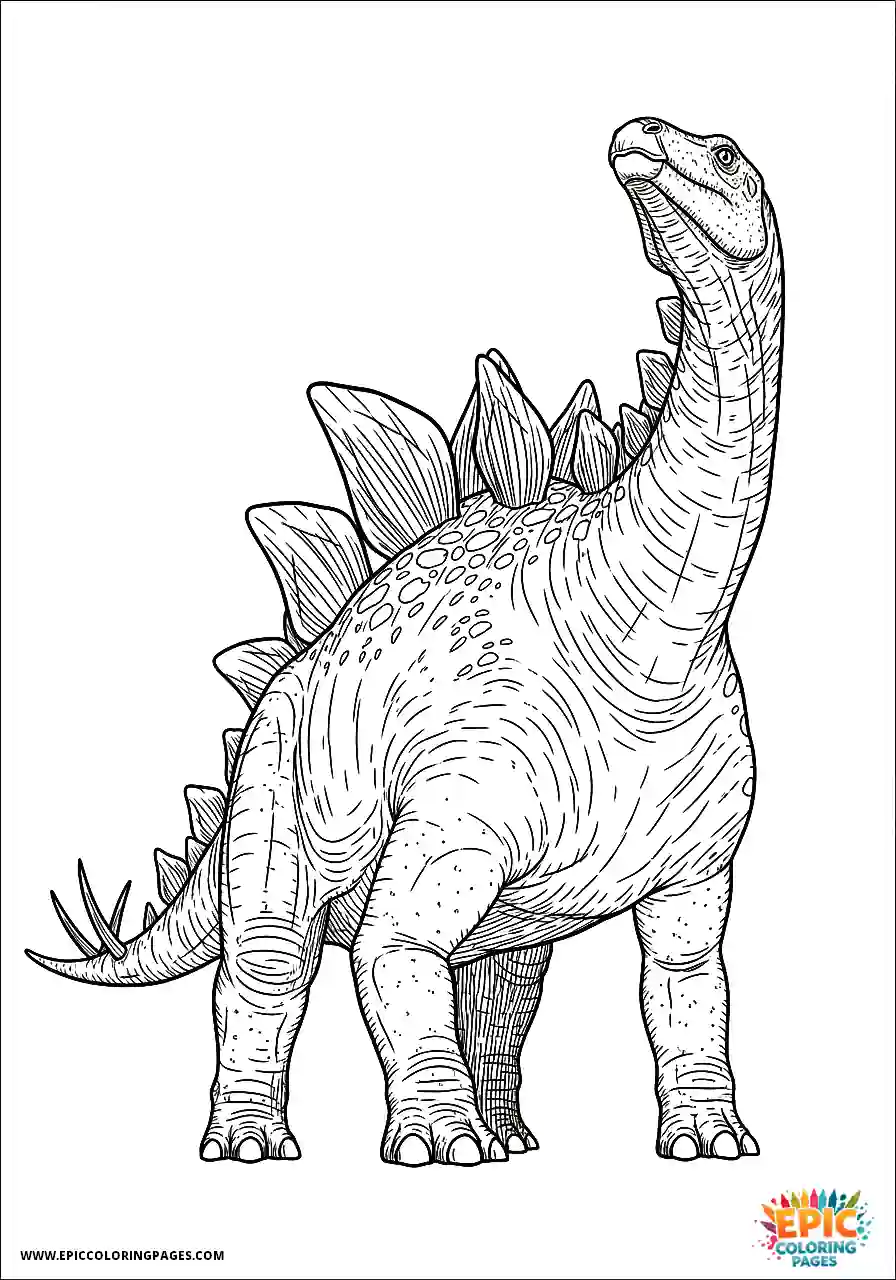
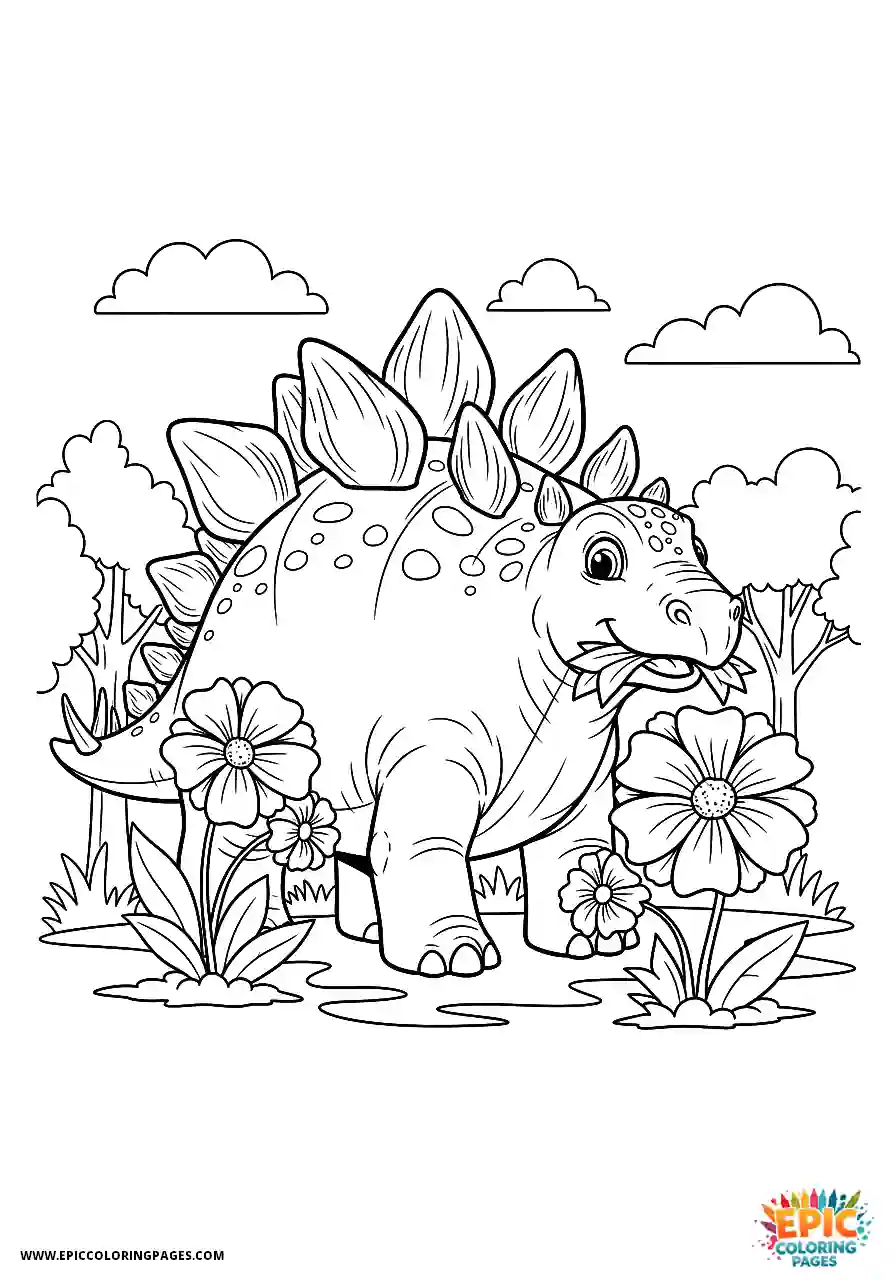
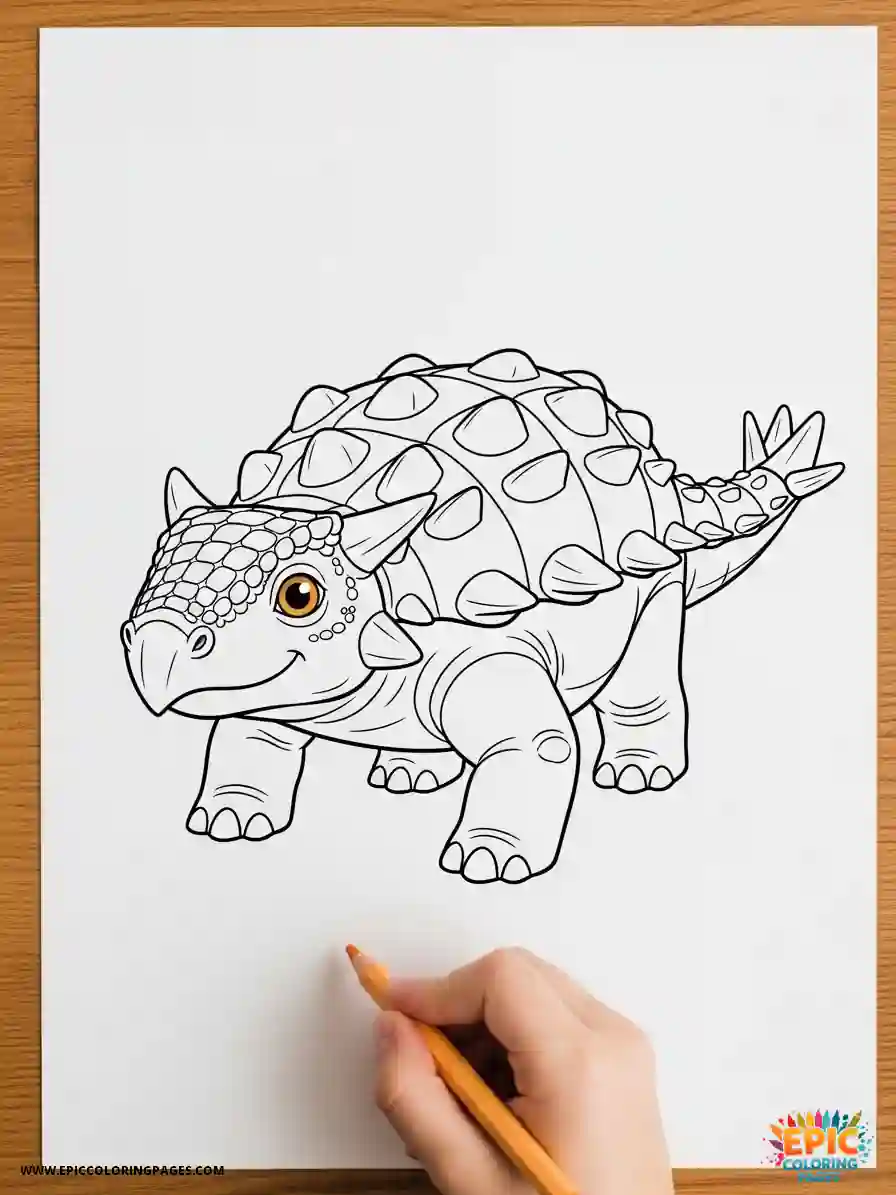
Before picking up your first colored pencil, take a moment to observe your coloring page. The Stegosaurus is instantly recognizable by its distinctive double row of kite-shaped plates running along its back and the four sharp tail spikes called a thagomizer. These features aren’t just decorative they’re your chance to add dramatic visual interest through color and shading.
- What We Actually Know: Paleontologists have never found fossilized skin with color preserved, so nobody knows what color Stegosaurus actually was. This means you have complete creative freedom. That said, looking at modern animals can inspire realistic choices. Large herbivores today elephants, rhinos, hippos tend toward grays, browns, and muted greens that help with camouflage or temperature regulation.
Choosing Your Color Palette
- For Natural Realism: Consider earthy tones as your base. Olive greens, dusty browns, slate grays, and muddy ochres create a believable Late Jurassic herbivore. Think about where your Stegosaurus lived semi-arid plains with seasonal vegetation. These environments suggest colors that blend with dry grasses and fern forests.
- For Creative Expression: Don’t feel constrained by realism. Some paleontologists theorize that dinosaur plates might have been brightly colored for display, similar to modern bird plumage. Vibrant oranges, deep purples, iridescent blues, or bold patterns could have served in mate attraction or species recognition. Let your imagination explore.
- Practical Color Selection: Start with 3-5 colors maximum. Too many colors can create visual chaos. Choose a dominant color for the body, a secondary color for the plates, and an accent color for details. This creates harmony while maintaining interest.
Techniques for Different Skill Levels
- Beginner Approach: Begin with flat, solid colors to establish your basic palette. Don’t worry about shading yet focus on staying within the lines and choosing colors that work well together. Use a lighter touch with crayons or colored pencils; you can always add more pressure for deeper color, but you can’t easily remove it.
- Intermediate Techniques: Once you’re comfortable with basic coloring, introduce simple shading. Identify where your light source is coming from (typically upper left in most drawings). Add a slightly darker shade of your base color to areas that would be in shadow under the belly, beneath the plates, on the underside of the tail. This immediately adds dimension. Try the “burnishing” technique with colored pencils: layer colors, then use a lighter color or white pencil pressed firmly to blend them together, creating a smooth, polished look.
- Advanced Methods: Layer multiple colors to create depth and texture. For reptilian skin, start with a mid-tone base, add darker tones in creases and shadows, then highlight raised areas with lighter colors or even white. This tri-tone approach mimics how light actually interacts with three-dimensional forms. Consider the plates carefully. If they contained blood vessels for temperature regulation (one scientific theory), they might have a slightly different color or translucency than the body. You could show this with warmer tones, subtle variations, or by leaving them slightly lighter as if light passes through.
Working with the Distinctive Plates
The dorsal plates are your Stegosaurus’s signature feature, so give them special attention. Here are several approaches:
- Gradient Effect: Start with a darker color at the base where each plate connects to the body, gradually lightening toward the top edge. This suggests thickness and dimension.
- Pattern Play: Add stripes, spots, or geometric patterns to the plates. Look at modern iguanas, chameleons, or tropical fish for pattern inspiration. Patterns don’t need to be scientifically accurate to be visually striking.
- Texture Indication: Use small, controlled strokes rather than solid coloring to suggest the bony, possibly keratin-covered surface of the plates. This works especially well with colored pencils or fine-tip markers.
Creating Depth Through Shading
Shading transforms a flat outline into a three-dimensional creature. The key is observing how light behaves on rounded and angular surfaces.
- The Body: The Stegosaurus has a barrel-shaped body. This means the center of the torso catches the most light, while the sides curve into shadow. Create this roundness by keeping the top-center of the back lighter and gradually darkening as you move down the sides.
- The Legs: These are cylindrical forms. Add a highlight stripe down the front of each leg where light hits most directly, with darker shading on the sides and back.
- The Tail: As it tapers and curves, vary your shading accordingly. The top surface generally receives more light than the underside.
- Practical Shading Tips: Use circular or hatching motions with your coloring tool. Avoid harsh lines between light and shadow blend gradually using medium pressure. If you make shadows too dark, layer a lighter color over them to soften the effect.
Background Considerations
Your Stegosaurus doesn’t exist in a void. Even a simple background dramatically enhances your finished piece.
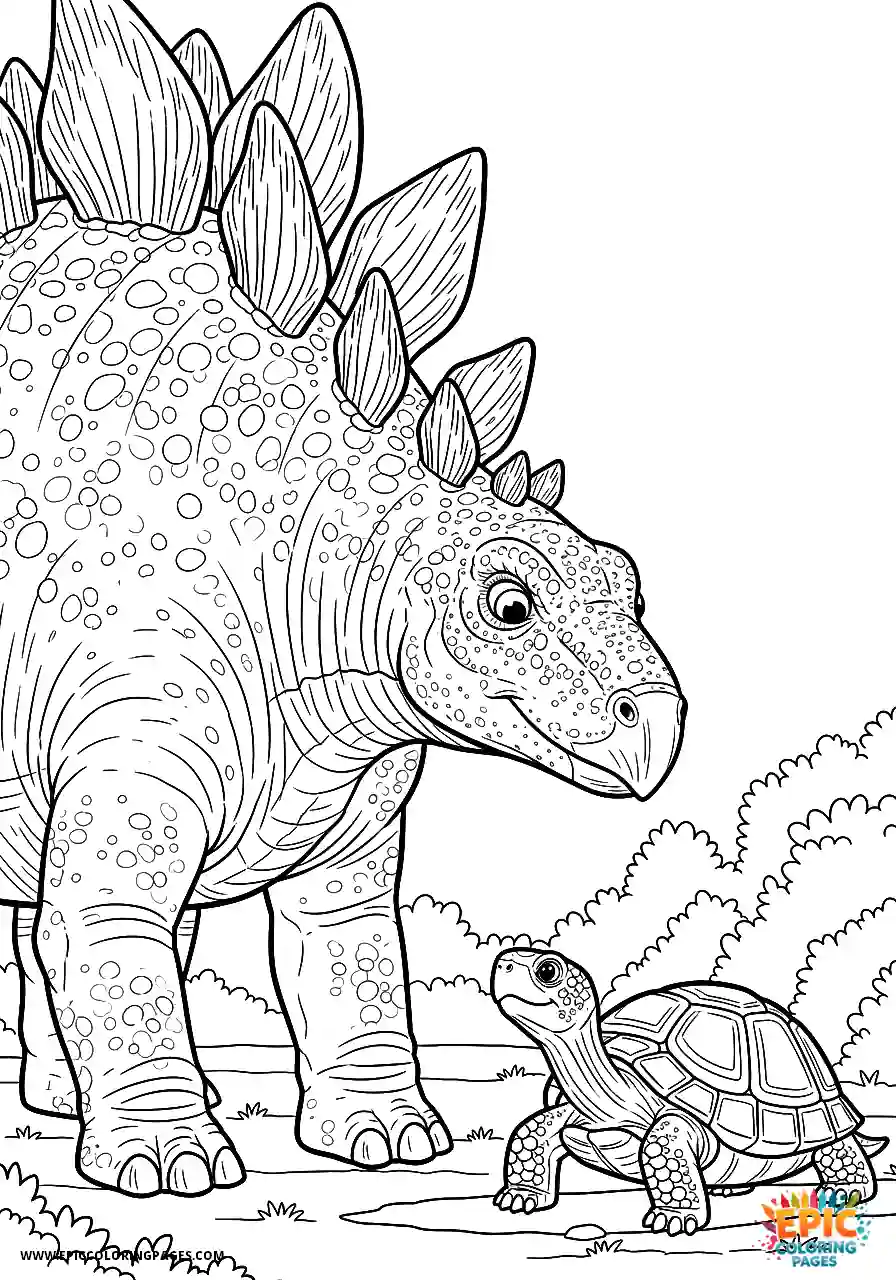
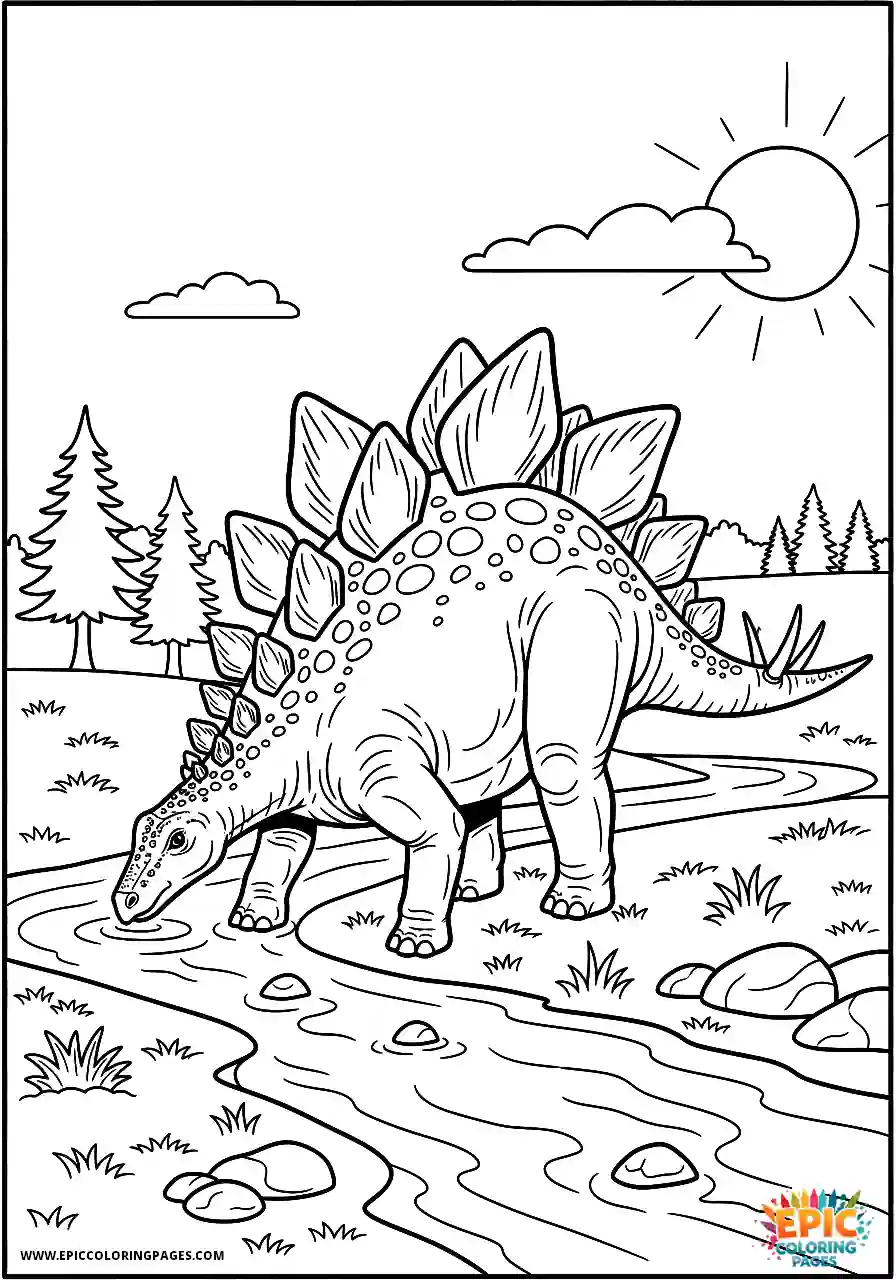
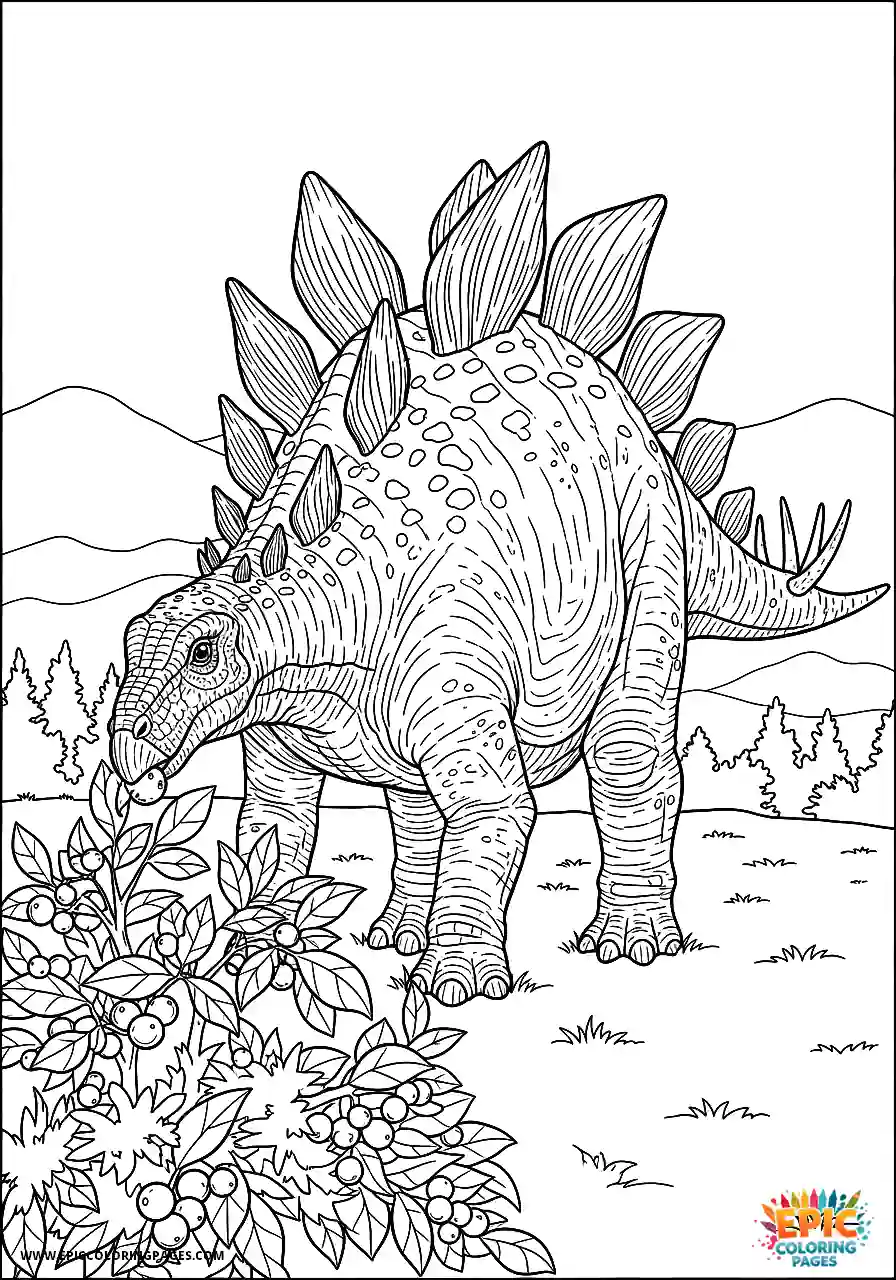
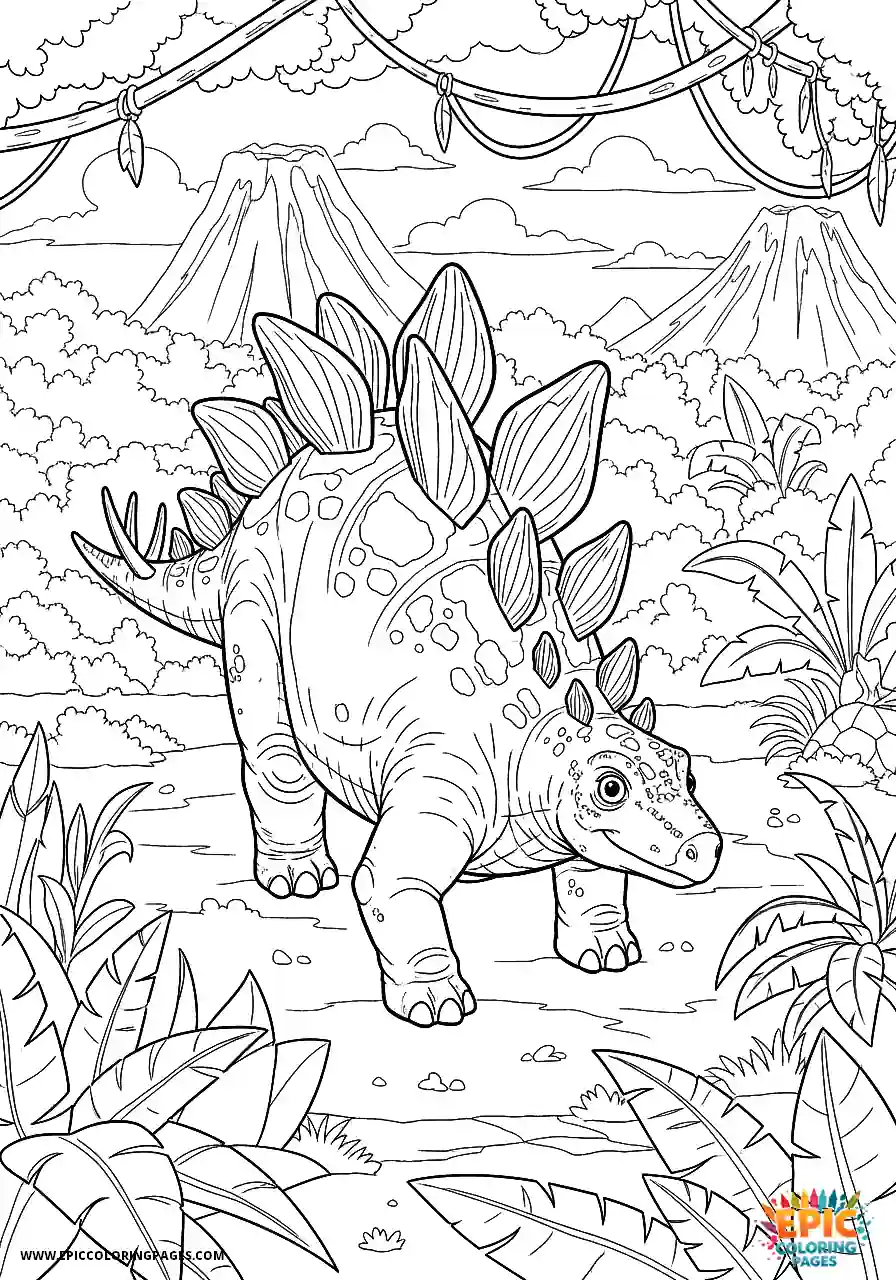
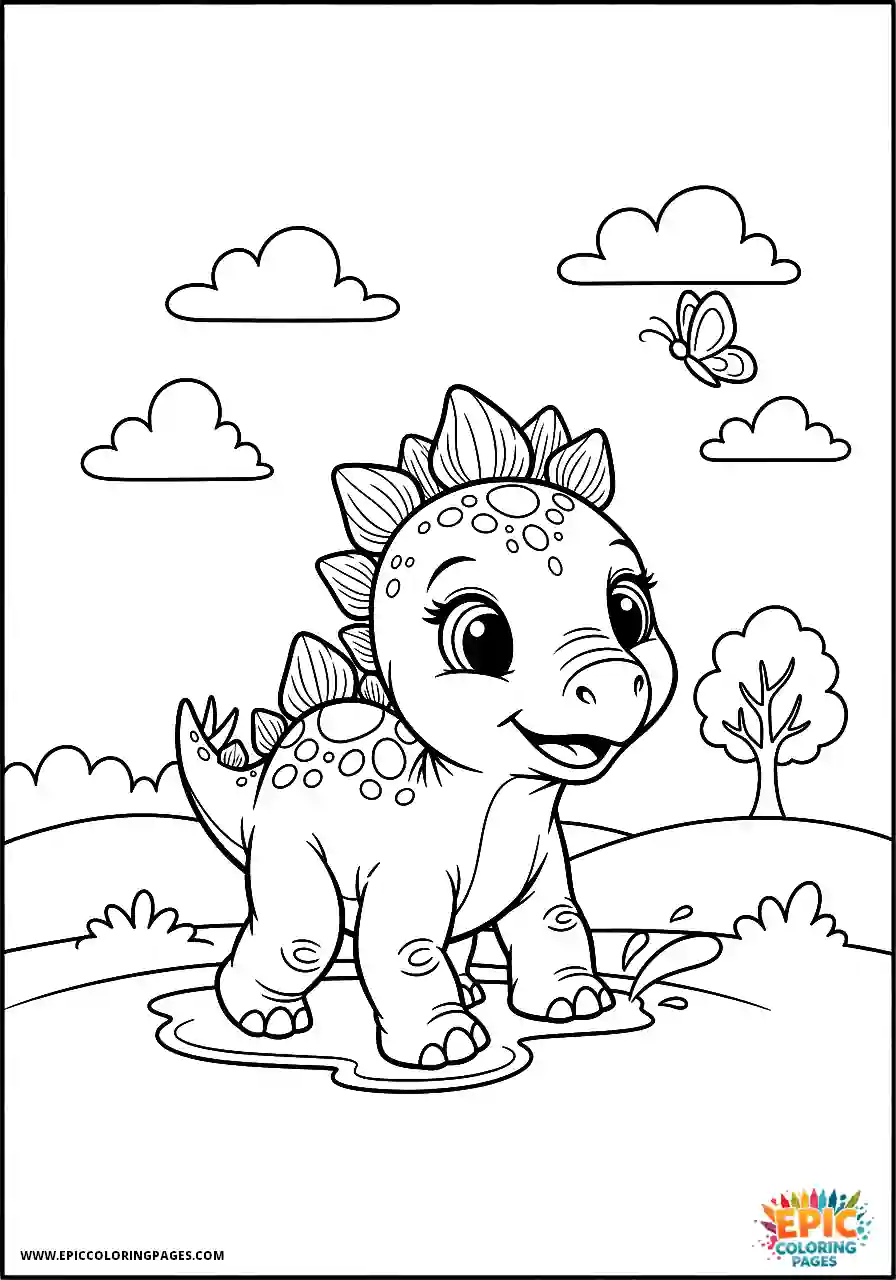
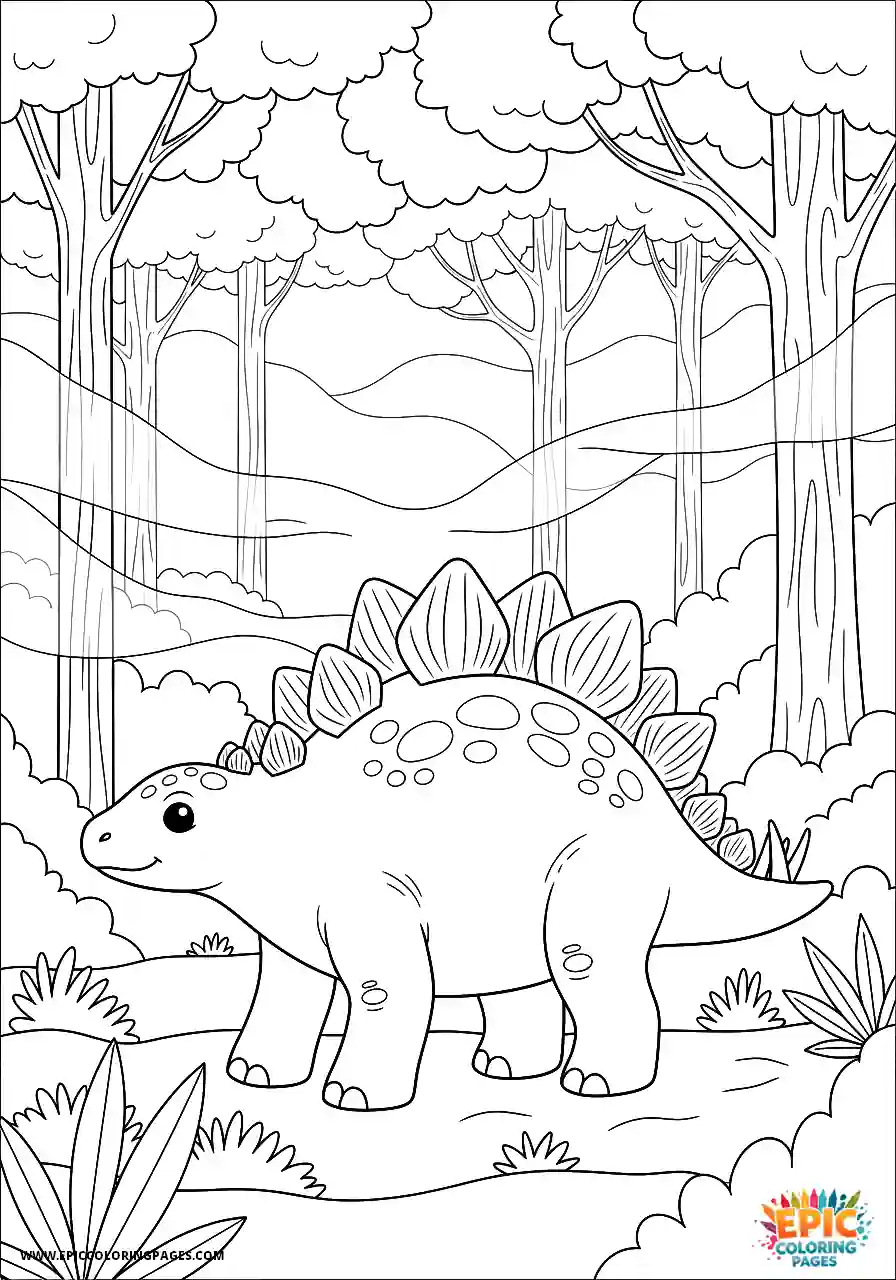
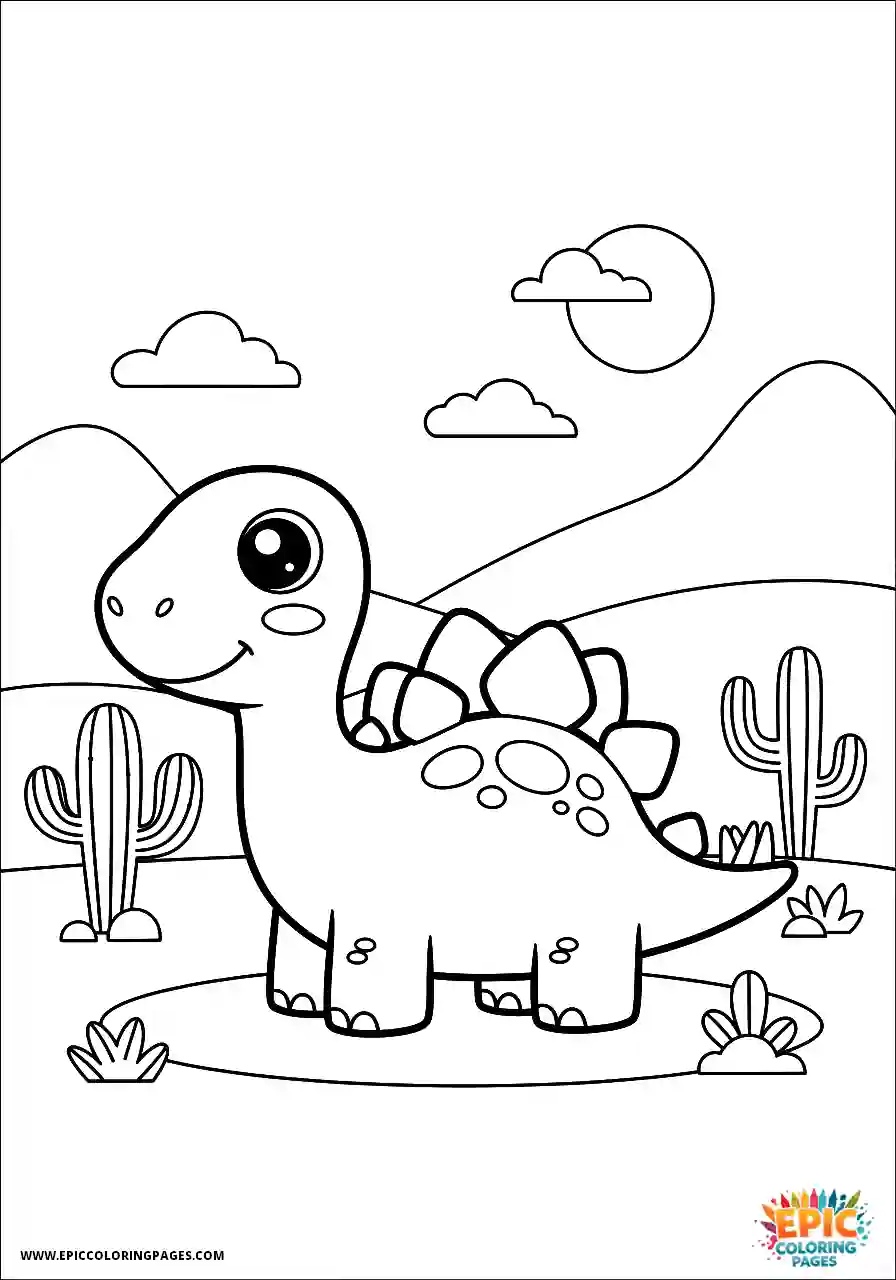
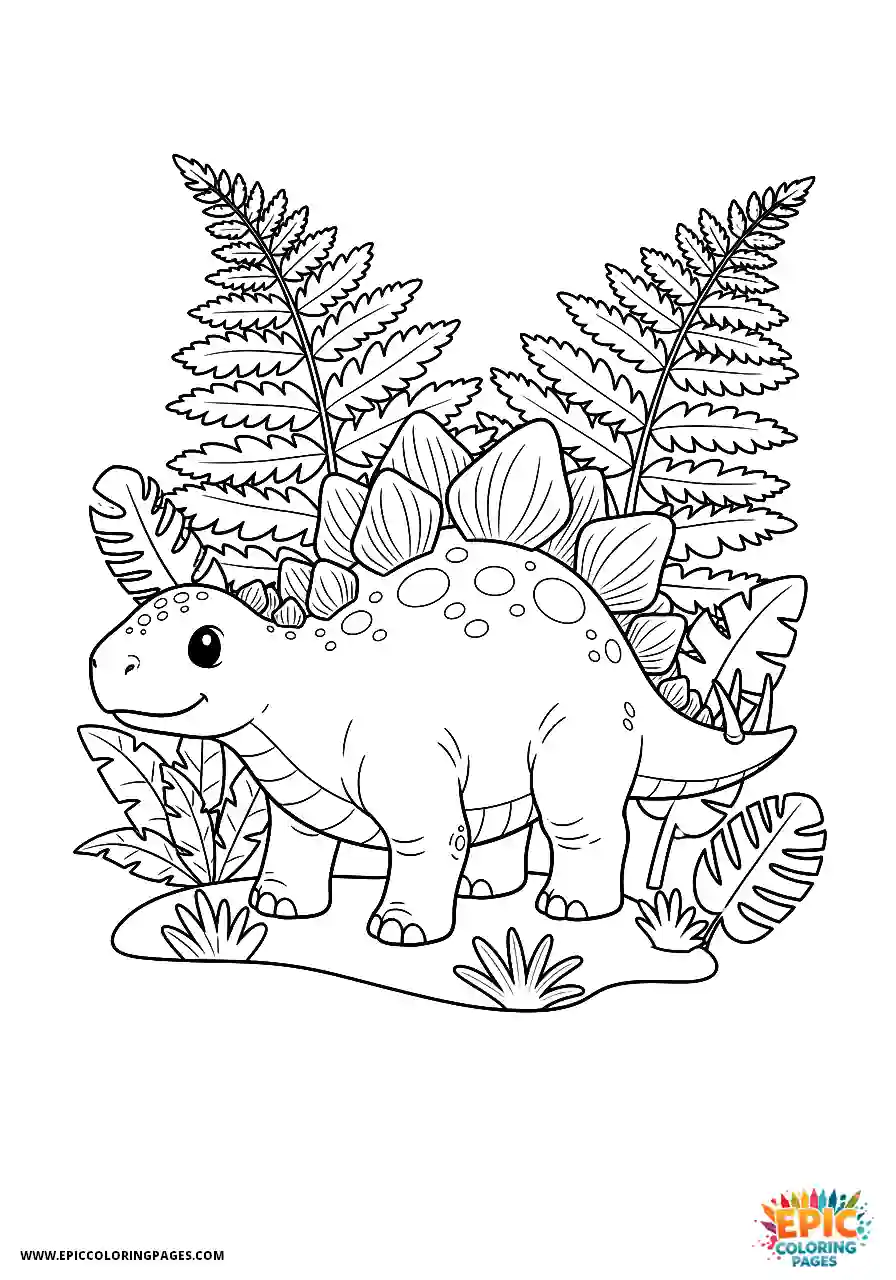
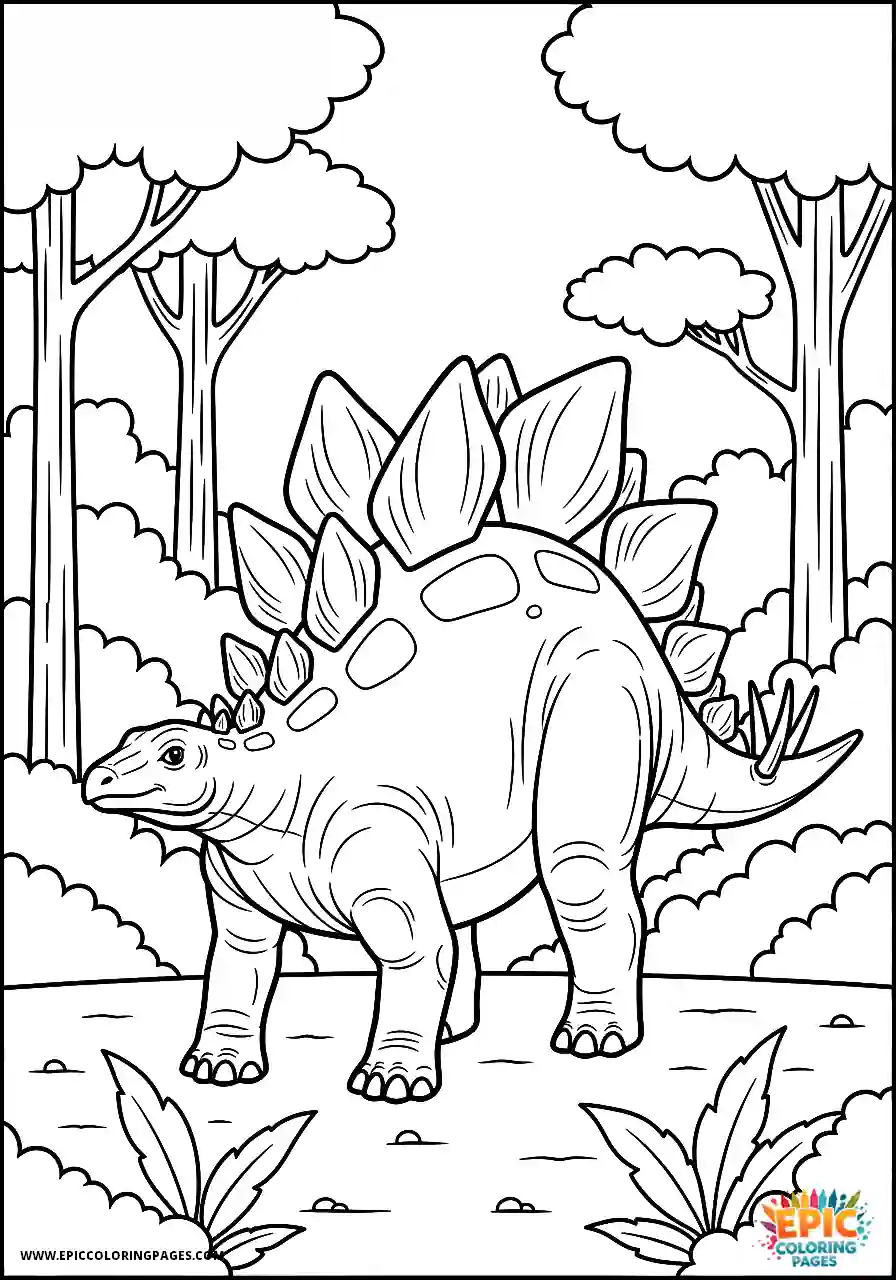
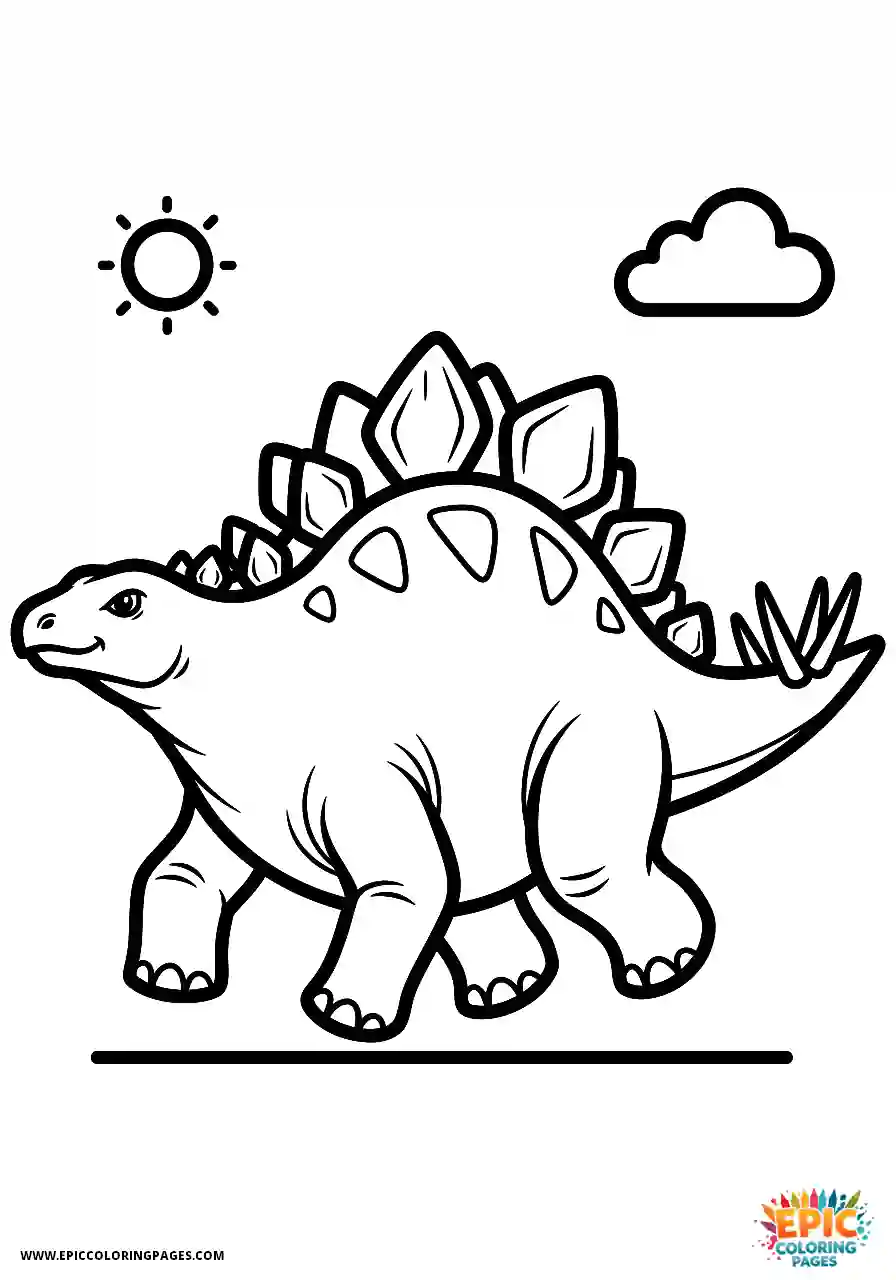
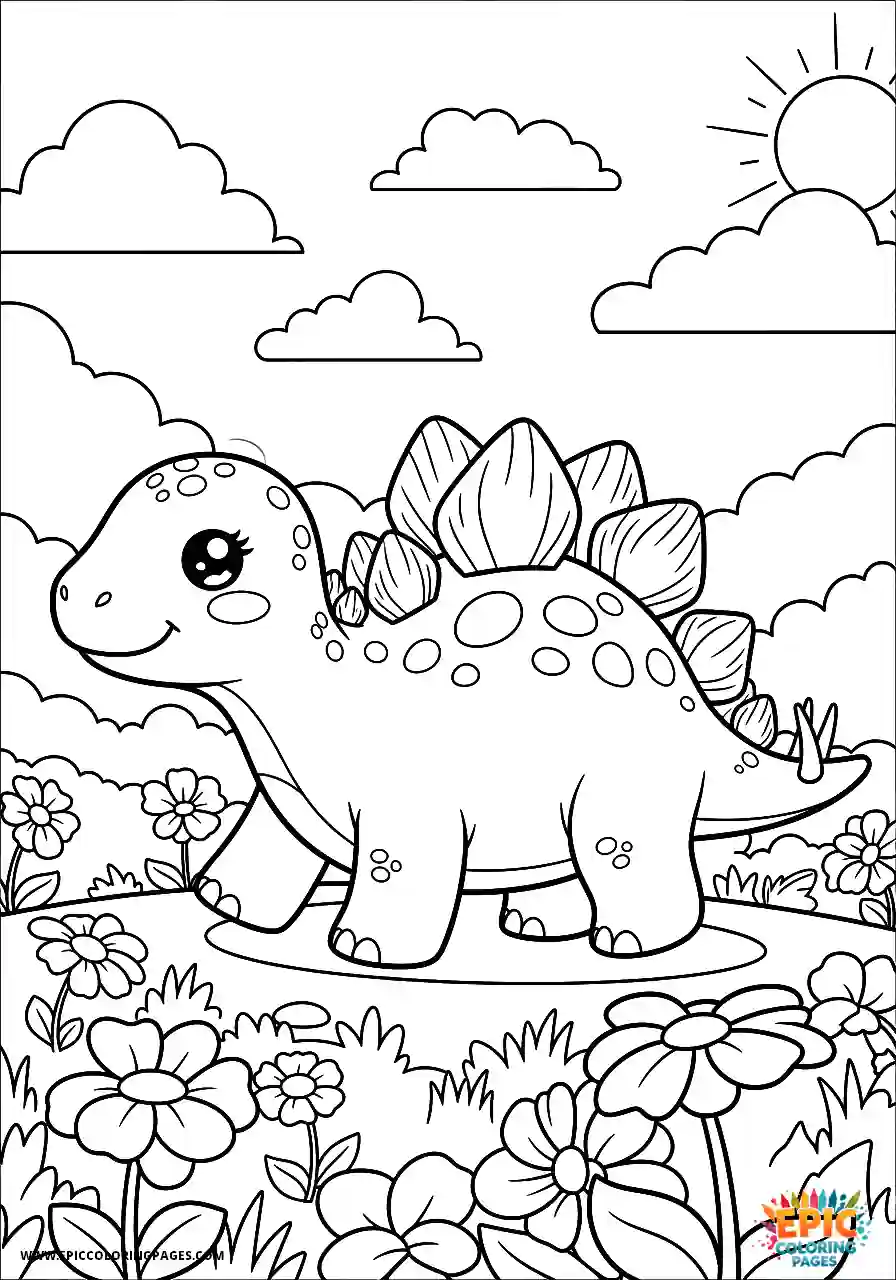
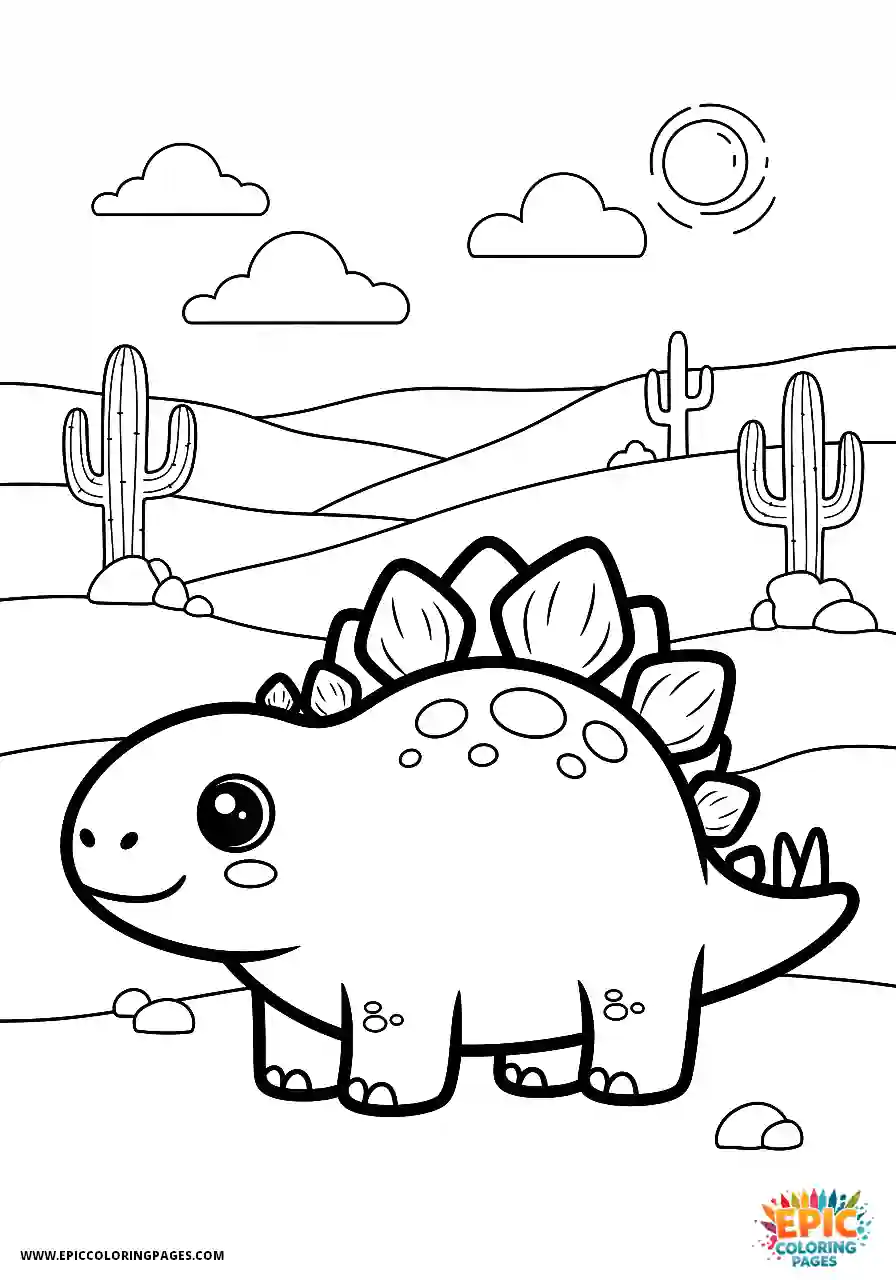
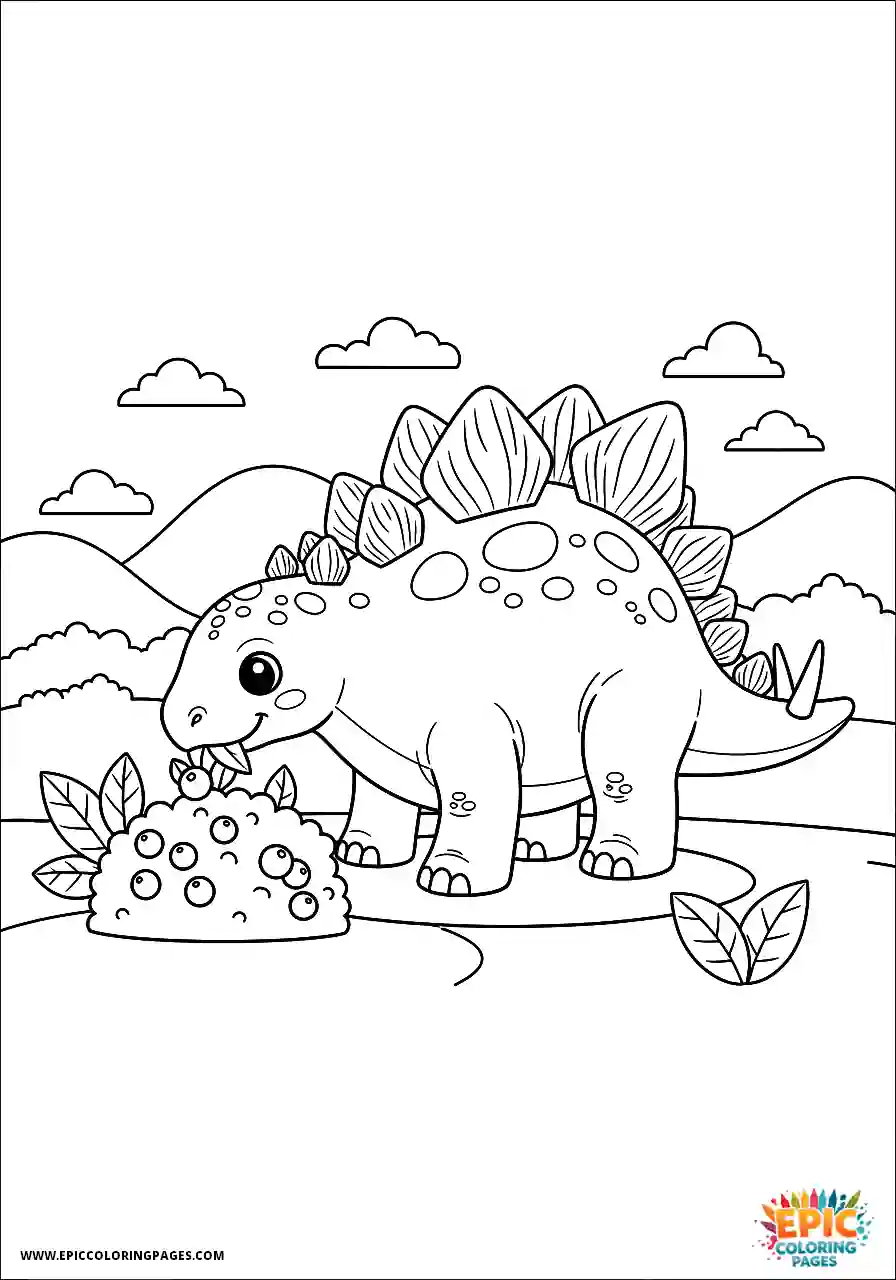
- Minimal Approach: Add a ground line and perhaps some simple vegetation ferns were abundant in the Stegosaurus’s era. A few palm-like cycads or horsetail plants provide context without overwhelming your dinosaur.
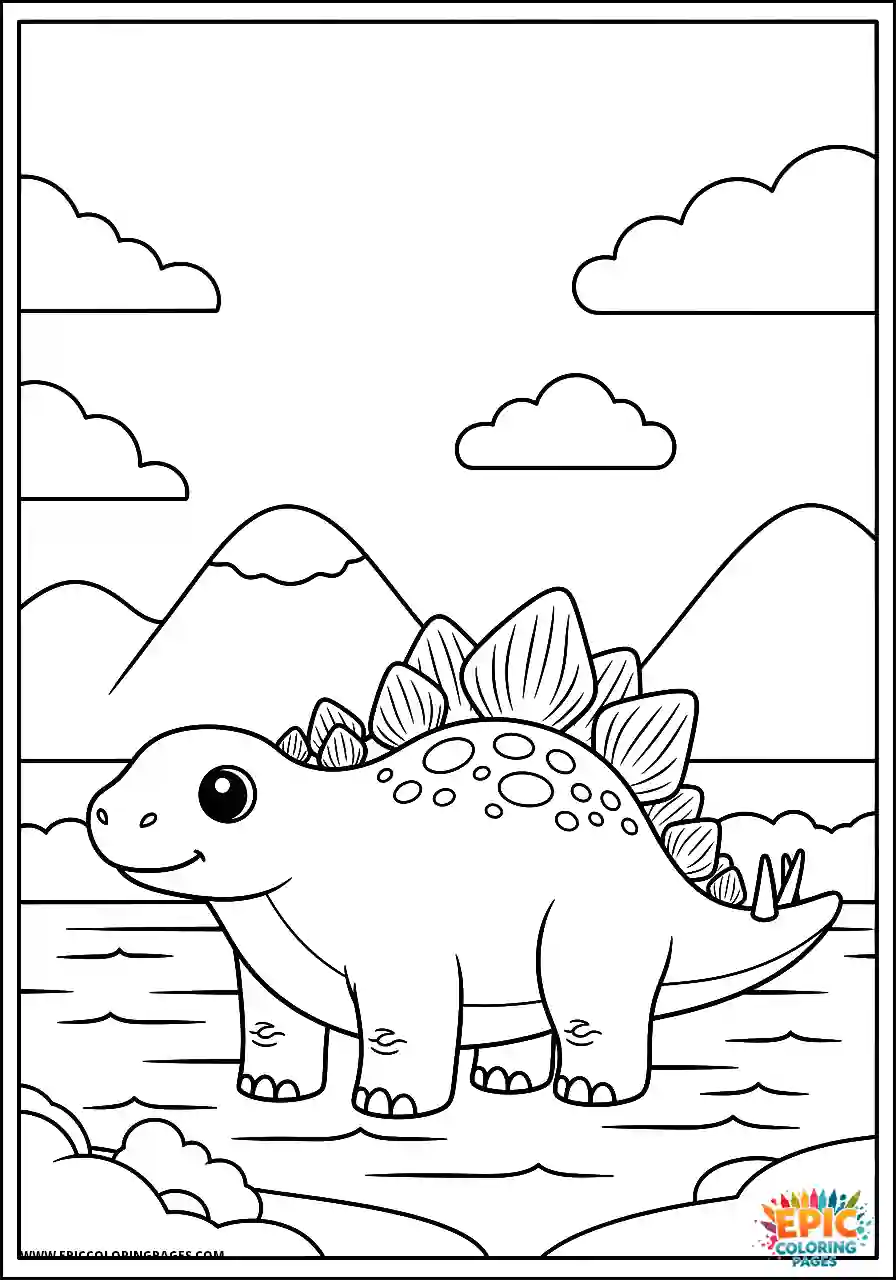
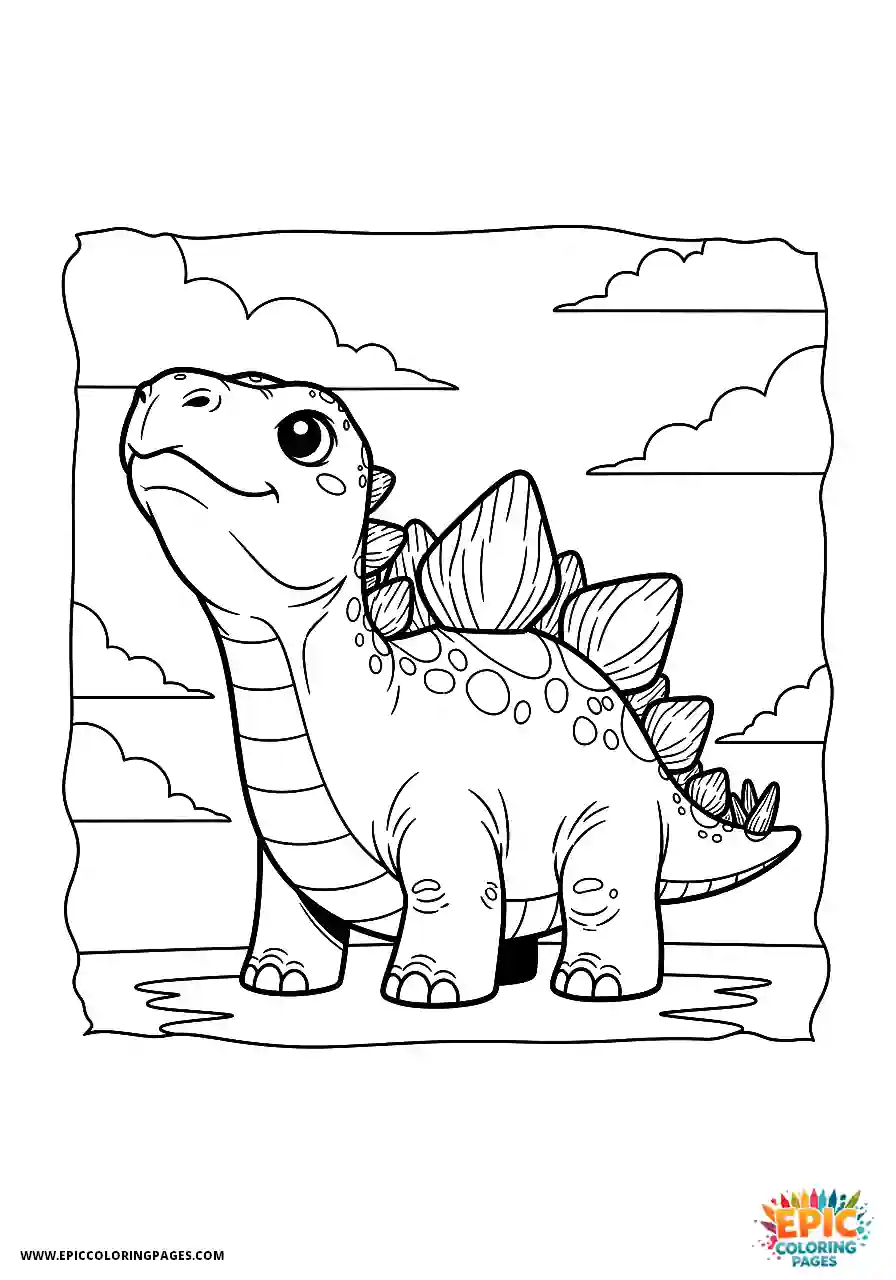
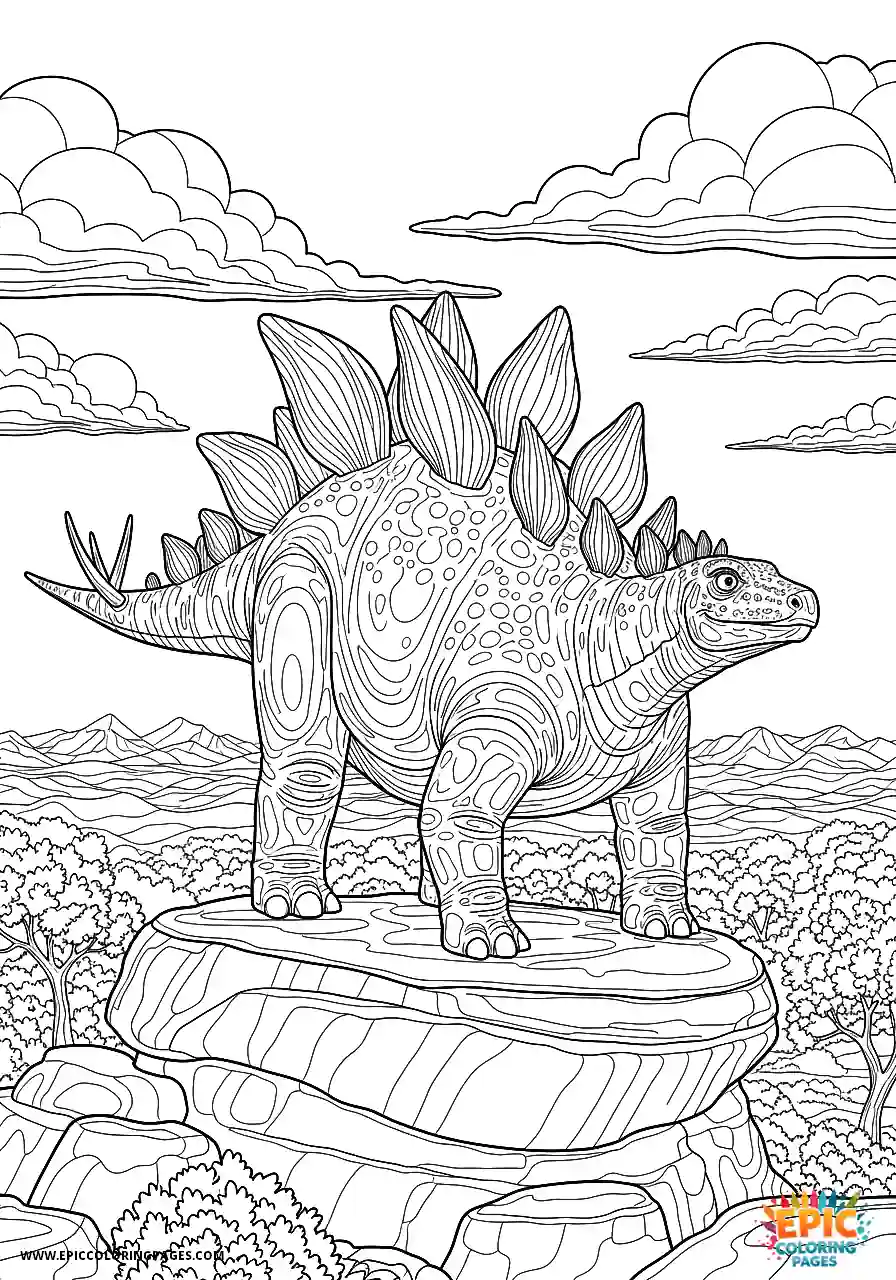
- Environmental Scene: Create depth by adding elements at different distances. Foreground plants in darker, richer colors; your Stegosaurus in full color; and lighter, hazier background elements like distant trees or mountains. This atmospheric perspective mimics how our eyes actually perceive distance.
- Sky and Lighting: Even just coloring the sky adds polish. A gradient from darker blue at the top to lighter at the horizon creates space. Consider the time of day golden yellows and oranges for sunrise/sunset, bright blues for midday, purples and pinks for dusk.
Special Effects and Details
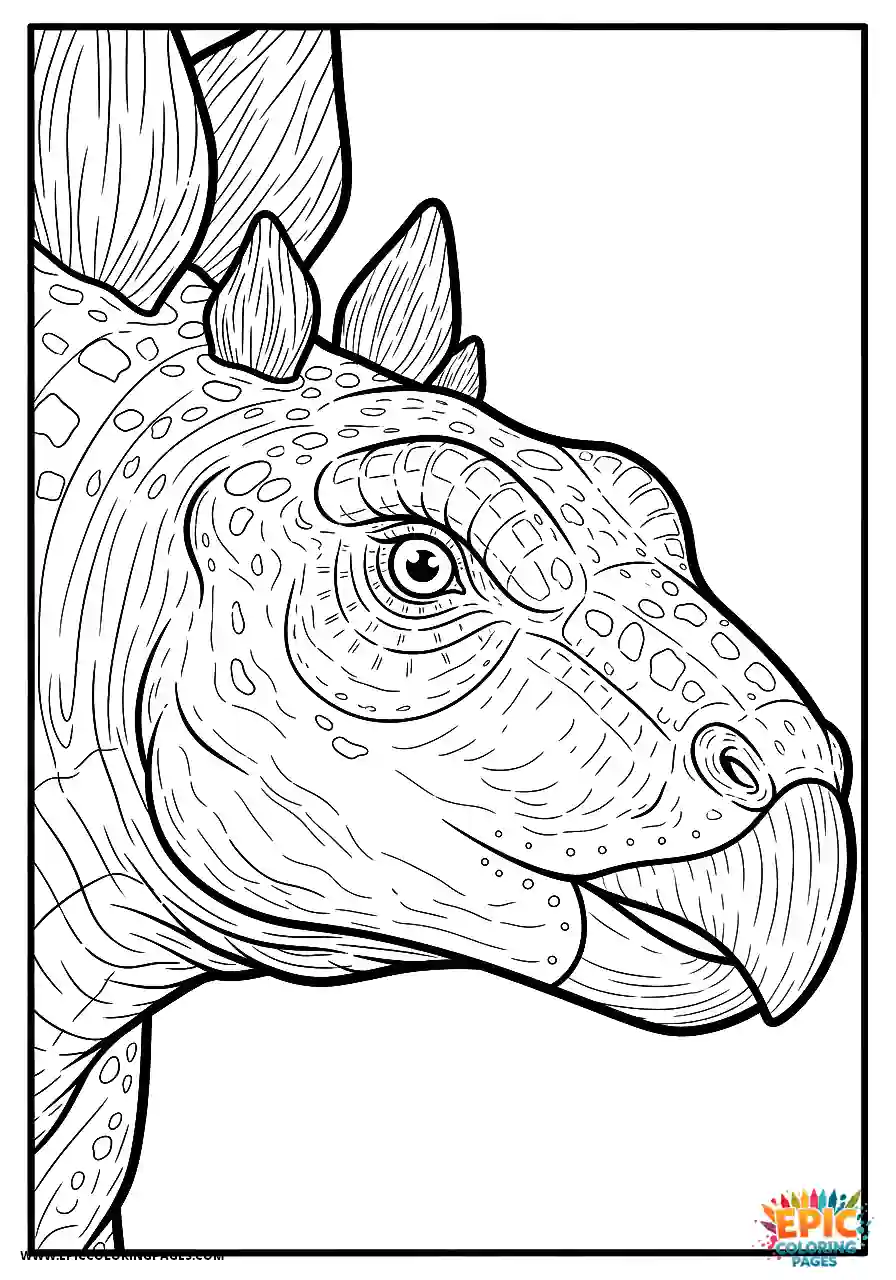
- Eye of the Beast: The eye may be a small detail, but it brings life to your dinosaur. Leave a tiny white highlight dot in the eye to create a “catch light” this makes the eye appear wet and alive. Consider the pupil shape: round is safe, vertical slits look more predatory (though Stegosaurus was an herbivore).
- Texture Variations: Not all skin needs the same texture. The underbelly might be lighter and smoother, while the back could be rougher and darker for sun protection. Use different stroke directions or techniques to suggest these variations.
- Environmental Interaction: Add shadows cast by your Stegosaurus on the ground. These anchor your dinosaur in space and add realism. Cast shadows are typically cooler and less saturated than the object casting them.
Material-Specific Guidance
- Crayons: Best for bold, expressive work. Layer colors lightly, as heavy pressure can make the waxy surface difficult to work over. Great for beginners and younger artists.
- Colored Pencils: Offer the most control and detail. Build color gradually with light layers. Sharpen frequently for fine details. Higher-quality pencils blend more smoothly and produce richer colors.
- Markers: Provide vibrant, saturated color quickly. Work from light to dark since you can’t easily lighten marker. Be aware of bleeding through thin paper. Alcohol-based markers blend beautifully, while water-based are easier to control.
- Watercolors or Watercolor Pencils: Create lovely organic blends and atmospheric effects. Use lighter washes for backgrounds and build stronger colors for the dinosaur itself. Let layers dry between applications to prevent muddiness.
Common Challenges and Solutions
- Staying Motivated on Large Areas: The Stegosaurus’s broad body can feel tedious to color. Break it into sections complete one leg, then move to the torso, then another leg. This provides a sense of progress.
- Uneven Coloring: If your coloring looks patchy, use small circular motions and multiple light layers rather than heavy pressure. For colored pencils, a final layer with a colorless blender or white pencil can smooth everything together.
- Color Choices Feel Wrong: Step away for a few minutes. Fresh eyes help you see what’s working and what isn’t. Remember that you can always adjust layer a different color over one that’s not working, or use it as an underpainting.
- Intimidated by Details: Start with the big shapes and general colors. Details come last. It’s easier to add small elements like claws, texture, and highlights once the foundation is complete.
Educational Opportunities
Coloring isn’t just relaxing it’s learning. As you color, consider sharing these facts with young colorists:
- Stegosaurus lived about 150 million years ago during the Late Jurassic Period
- Its brain was roughly the size of a walnut, despite the animal being as large as a bus
- Those plates might have helped regulate body temperature, like solar panels
- The tail spikes were definitely weapons we’ve found predator bones with Stegosaurus spike-shaped injuries
Encourage questions about why you’re choosing certain colors or techniques. This transforms coloring time into an engaging discussion about art, science, and creativity.
Final Thoughts
There’s no single “correct” way to color a Stegosaurus. Whether you’re aiming for documentary-style realism with carefully researched earth tones, or unleashing creativity with rainbow plates and patterned skin, your choices are valid. The process of selecting colors, applying them thoughtfully, and watching your dinosaur emerge from the page is where the real value lies.
Take your time. Enjoy the meditative quality of repetitive strokes. Experiment with techniques that interest you. Most importantly, remember that every colored Stegosaurus is unique just like the millions of individual animals that once roamed ancient Earth.
Your coloring page is more than just a way to pass time. It’s a small act of resurrection, bringing a long-extinct creature back to life through your imagination and effort. That’s genuinely special, whether you’re six or sixty years old.