Ankylosaurus Coloring Pages (248+ Free Printables)
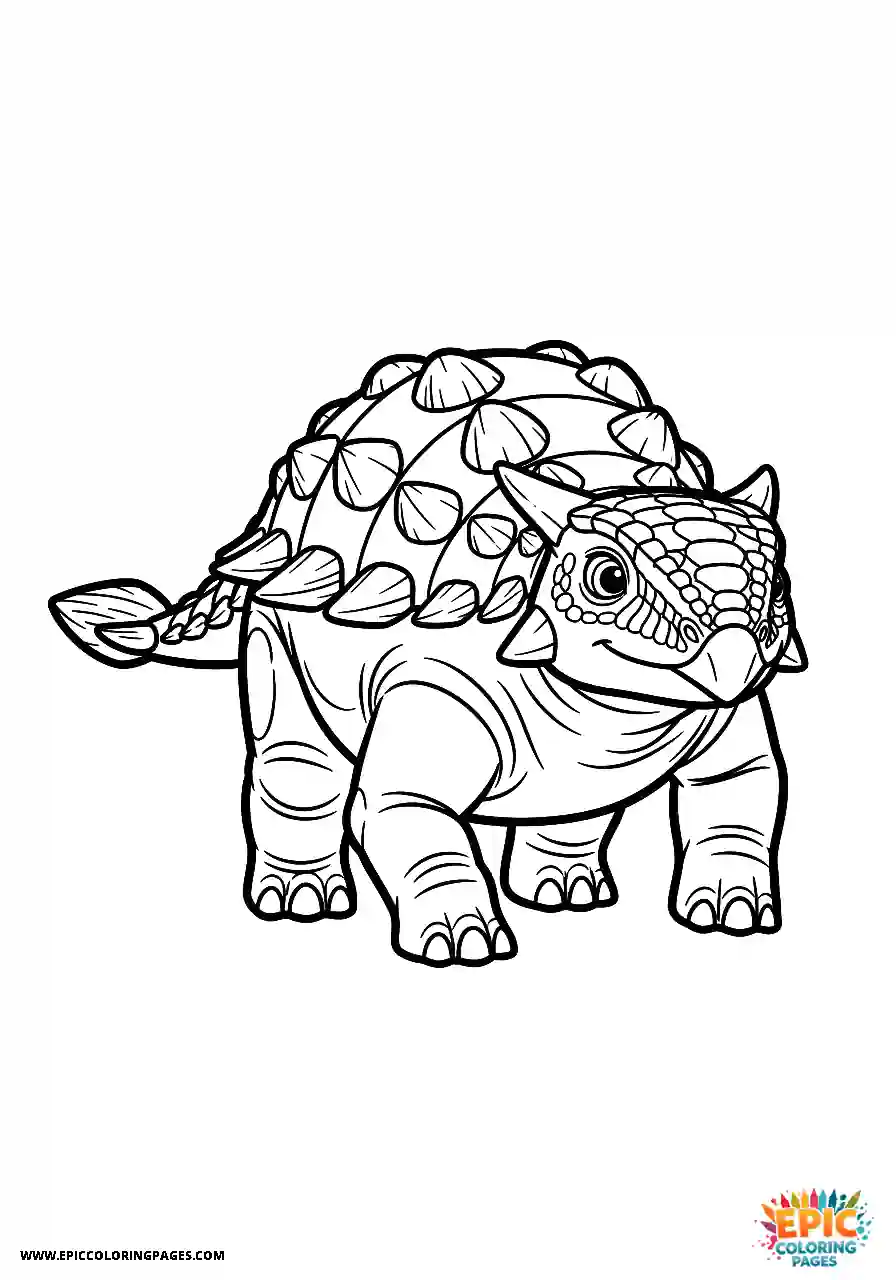
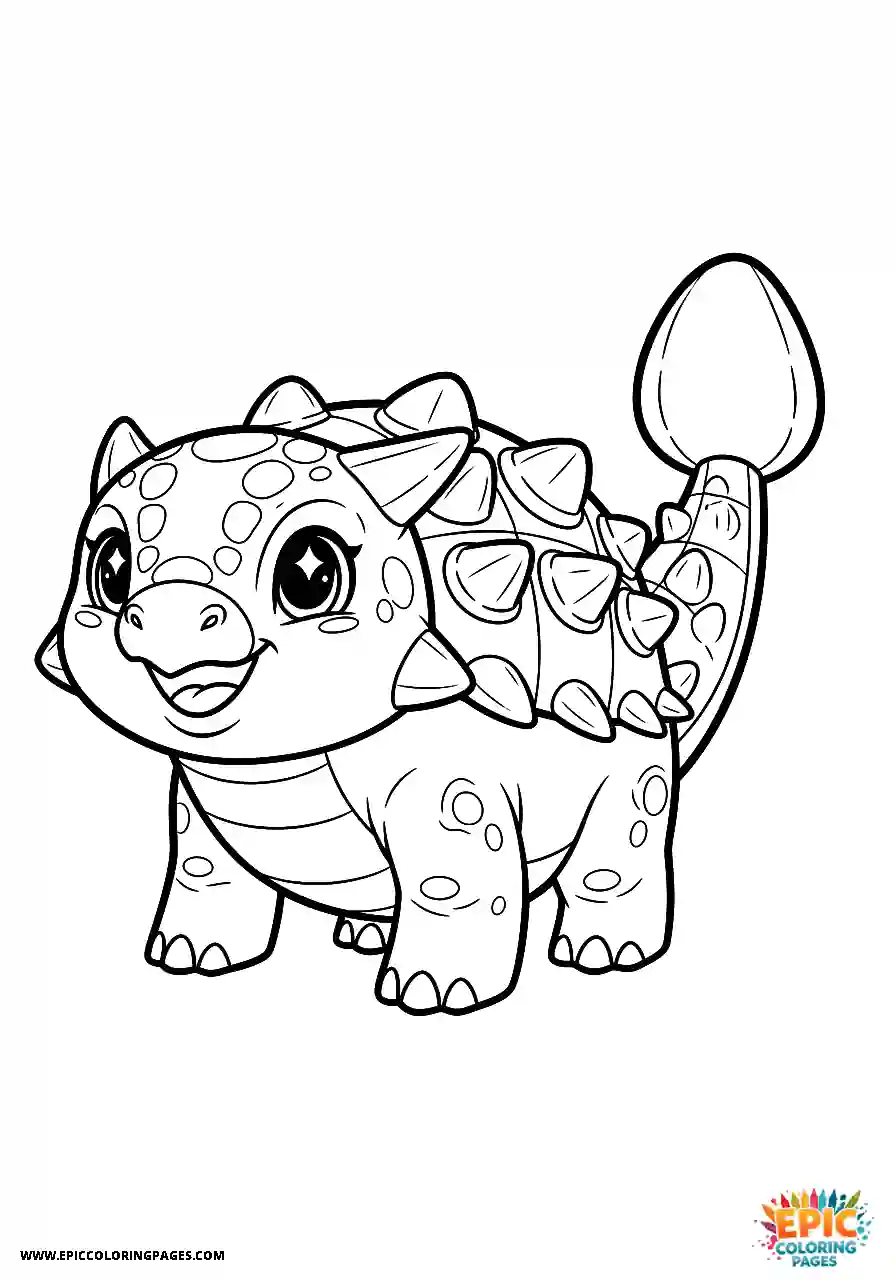
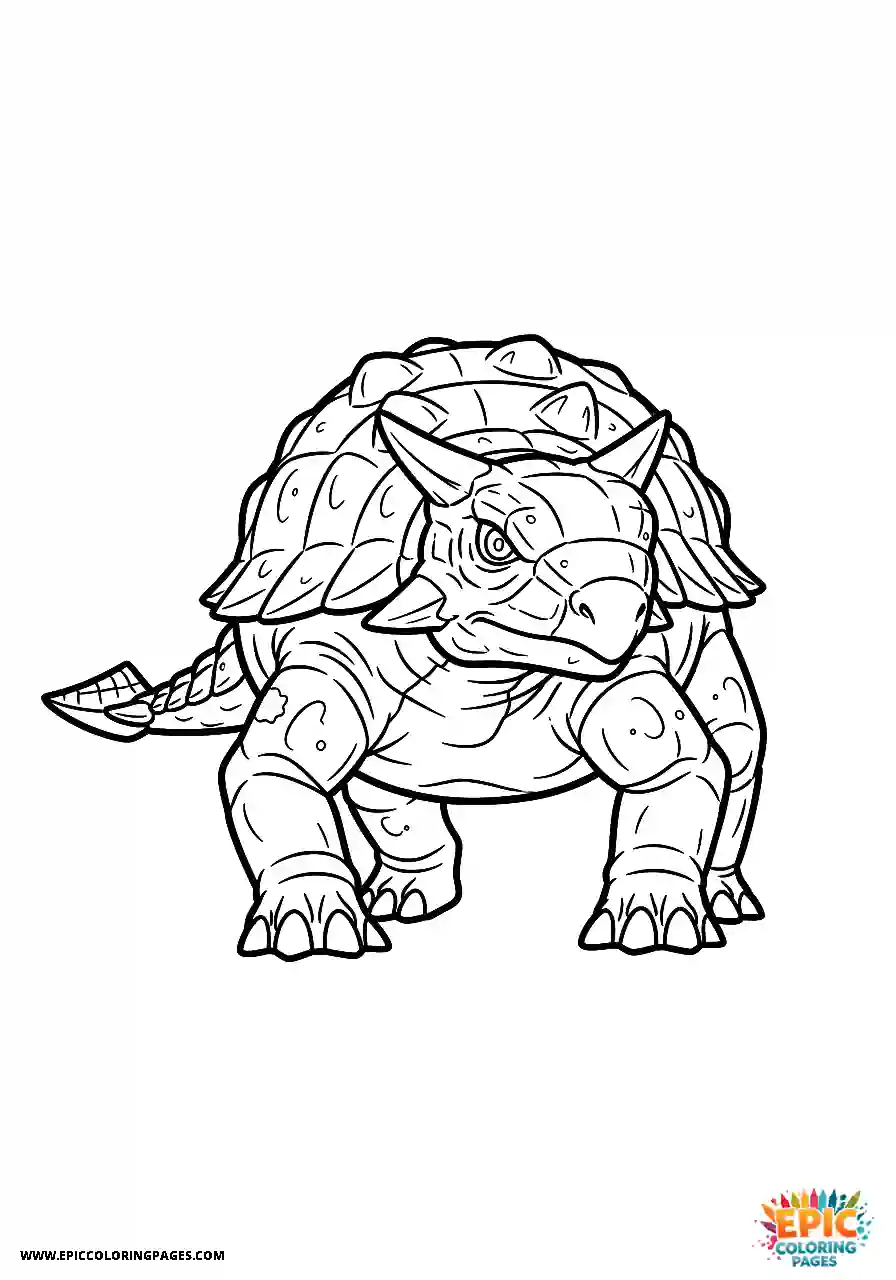
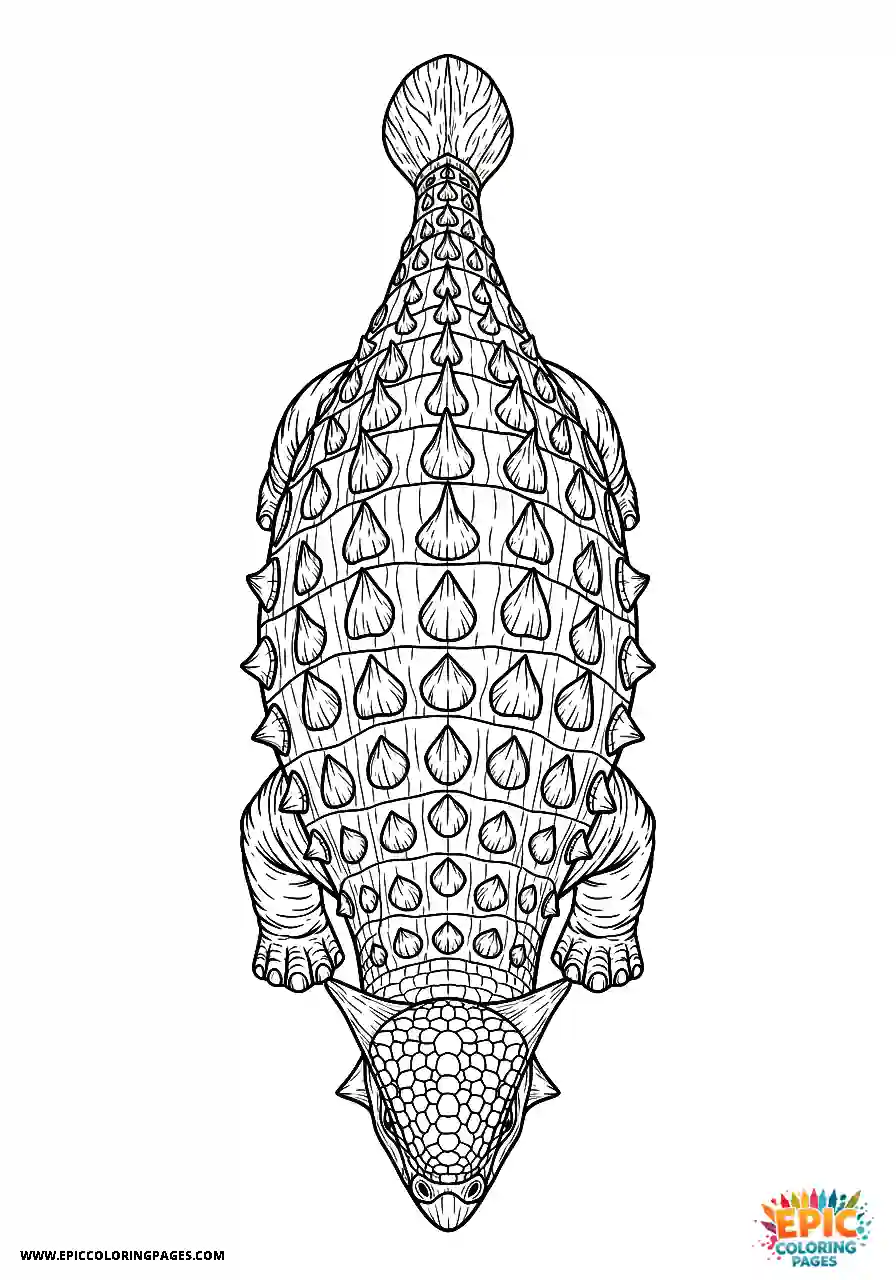
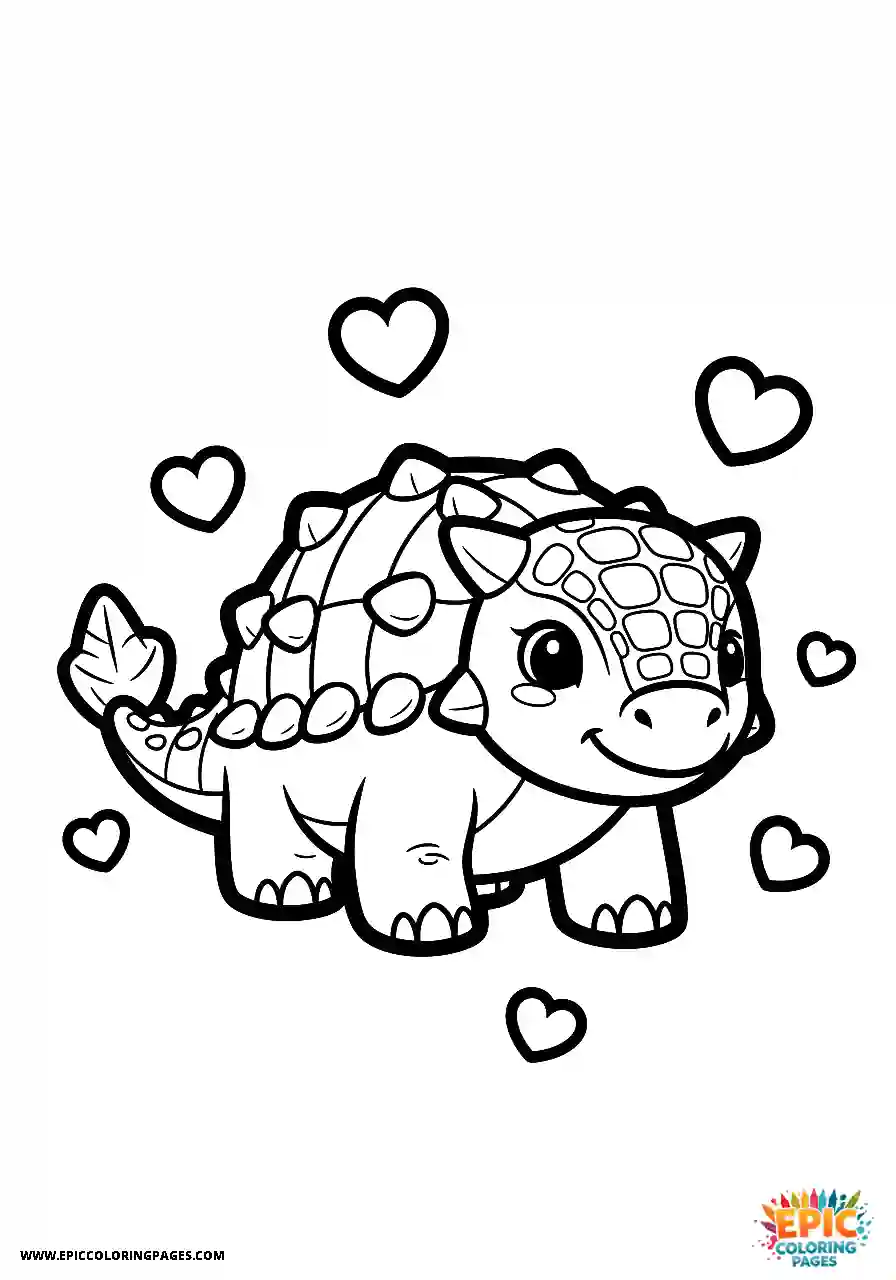
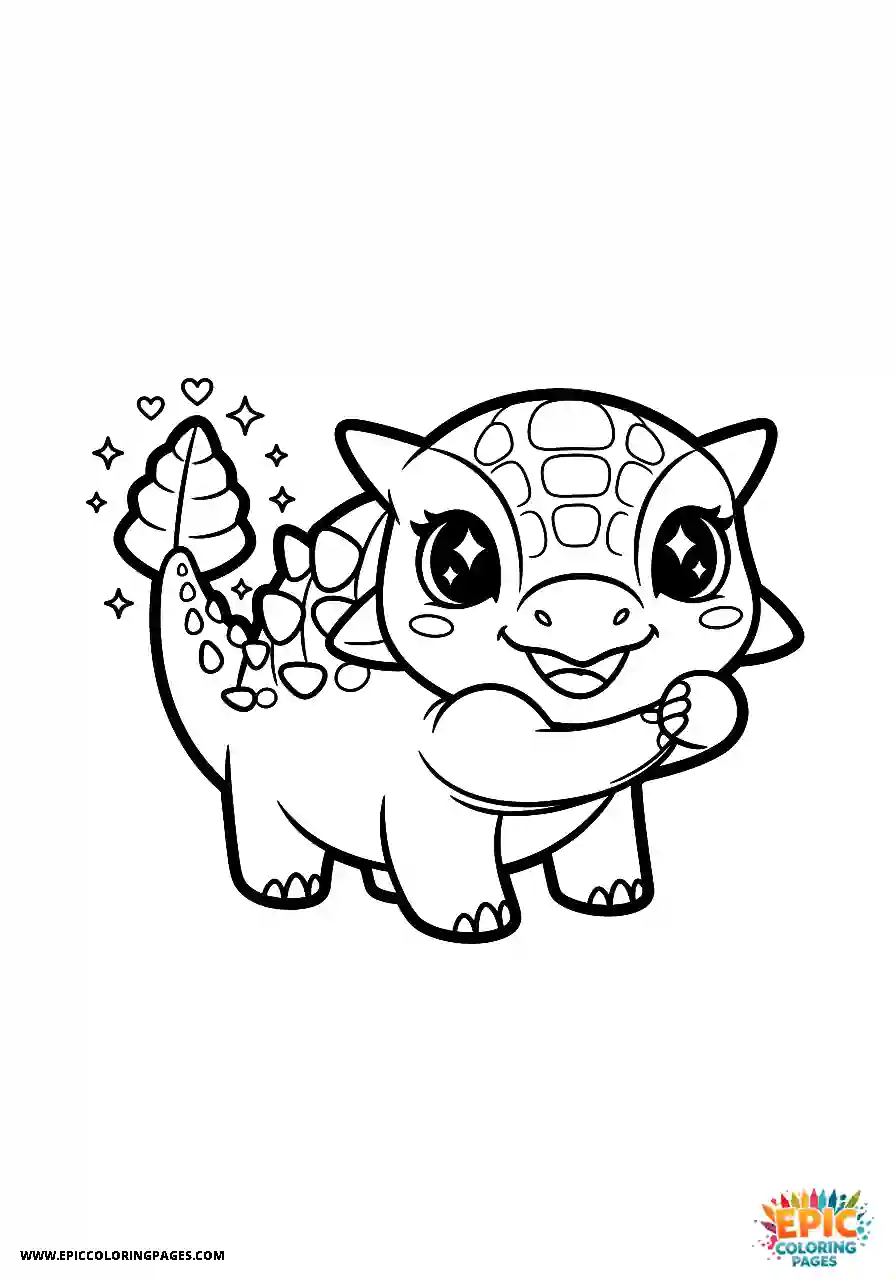
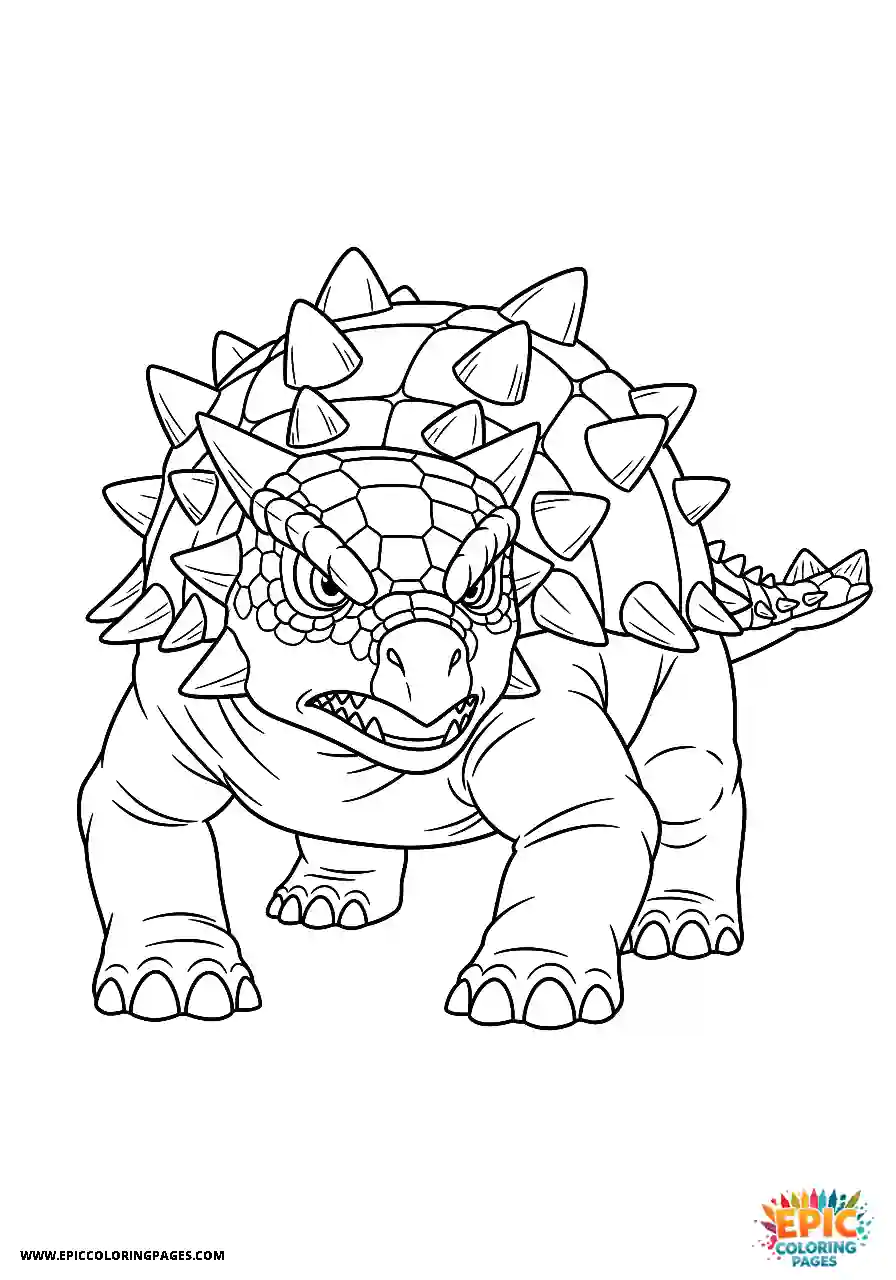
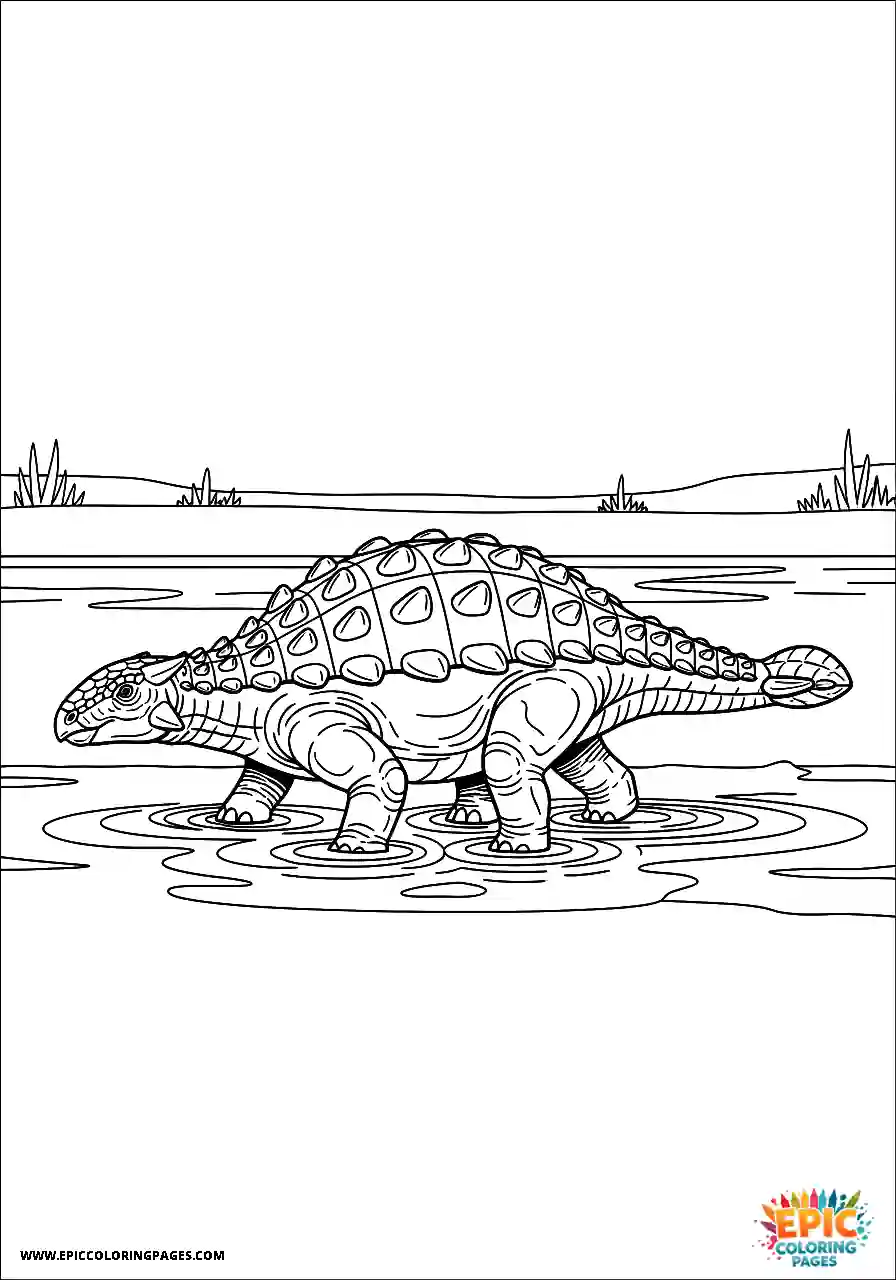
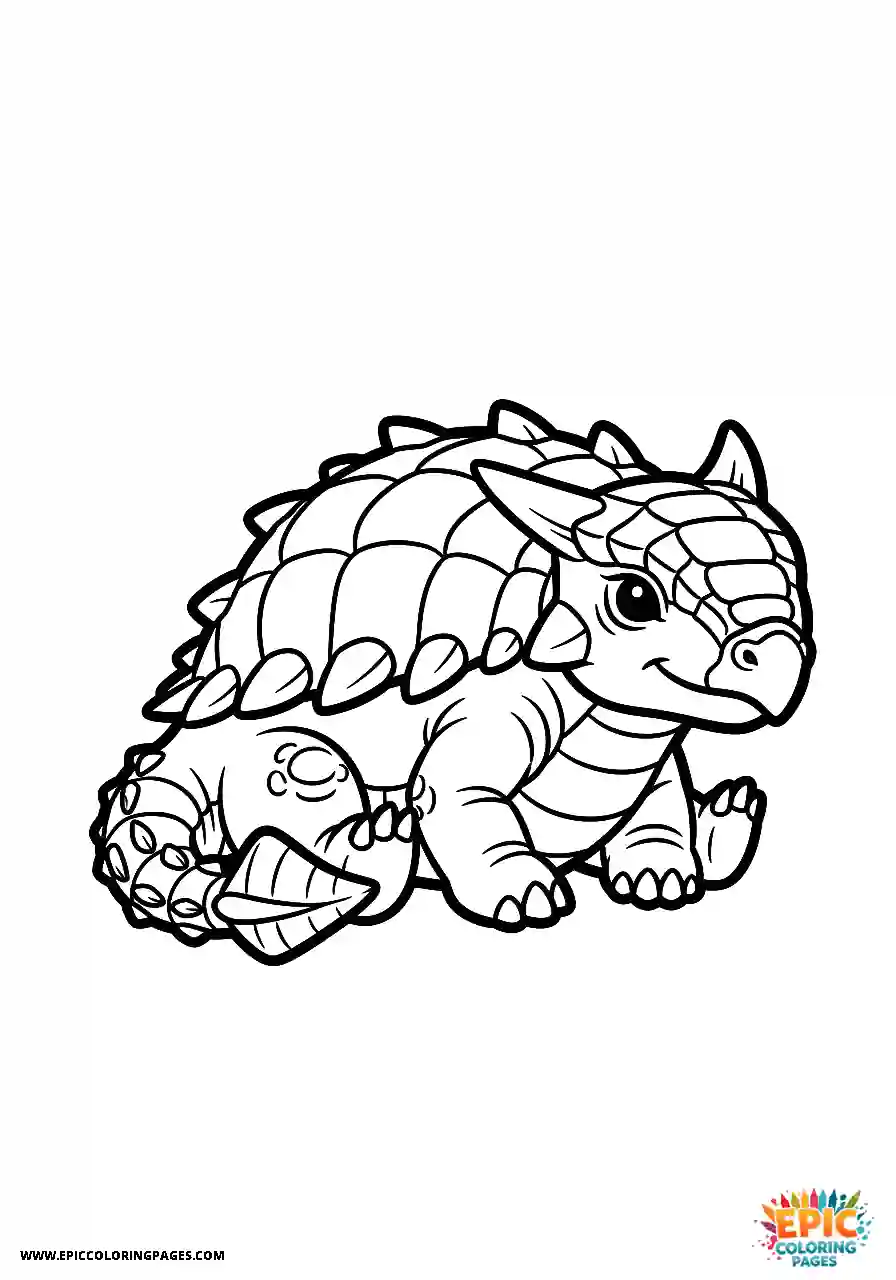
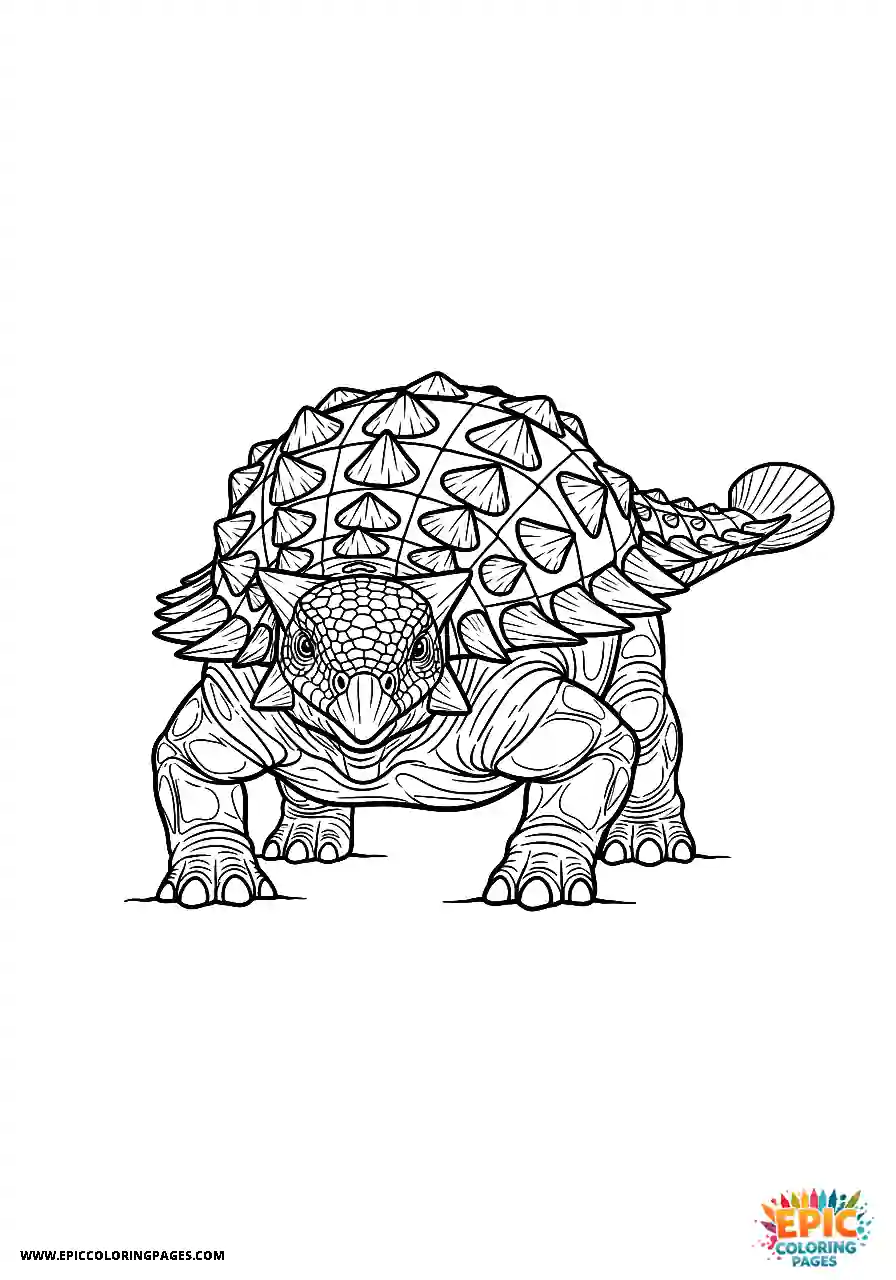
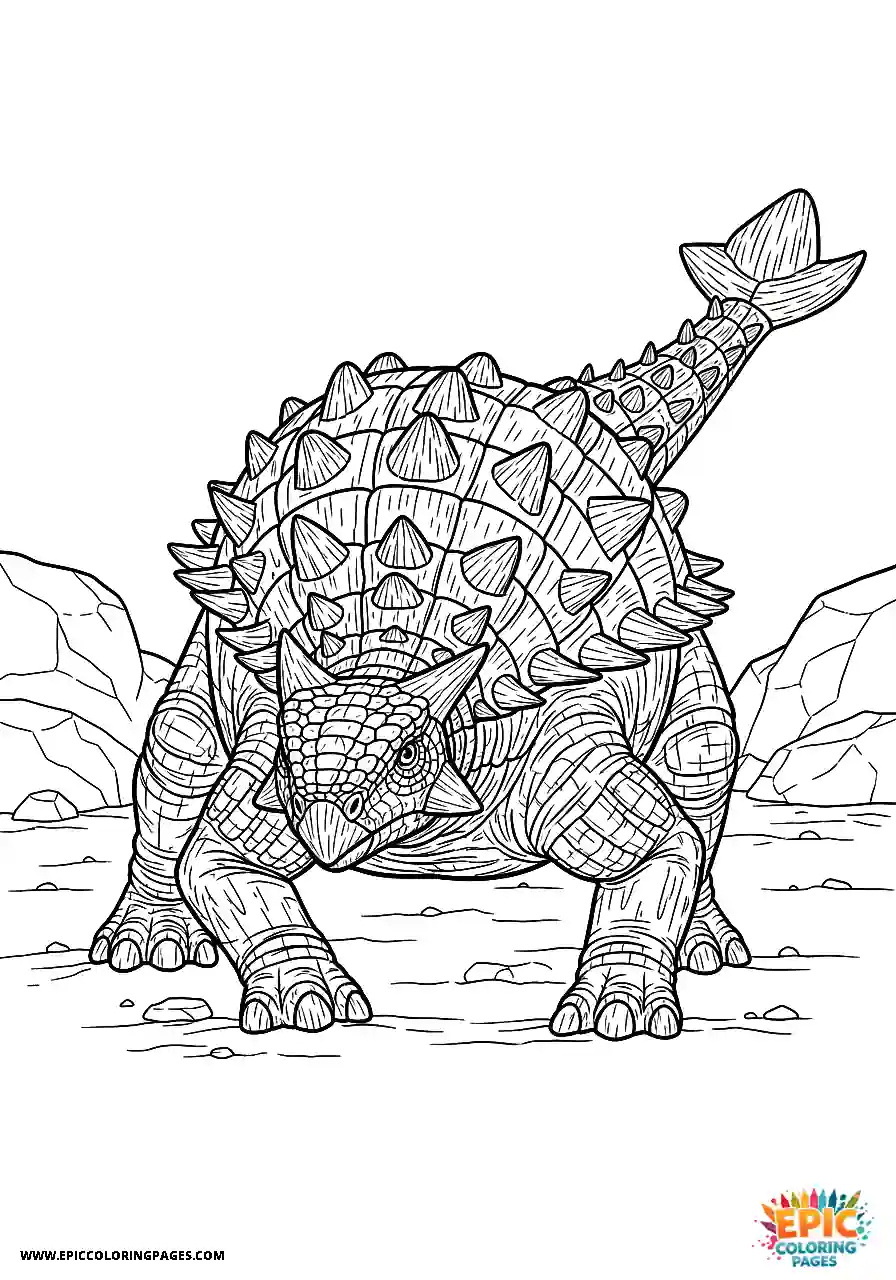
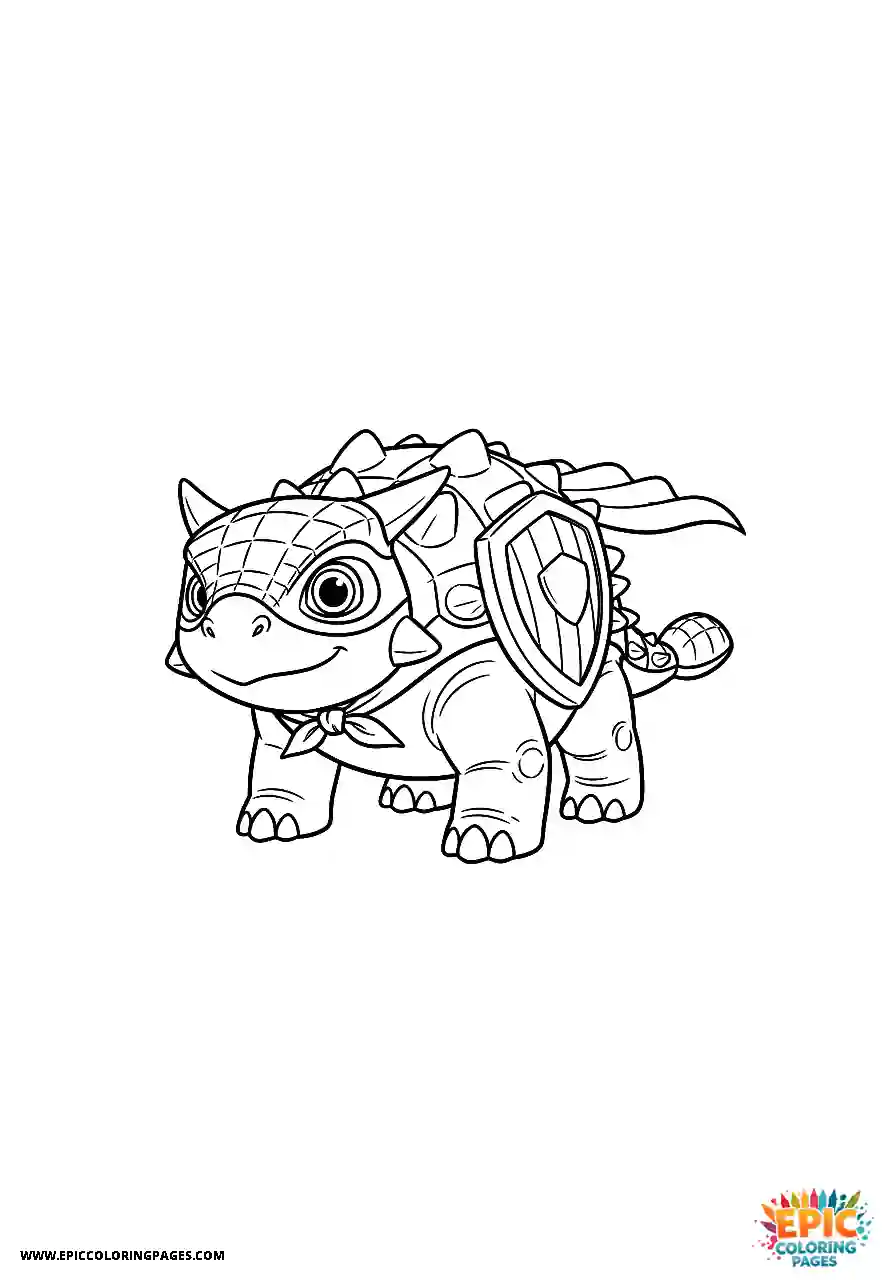
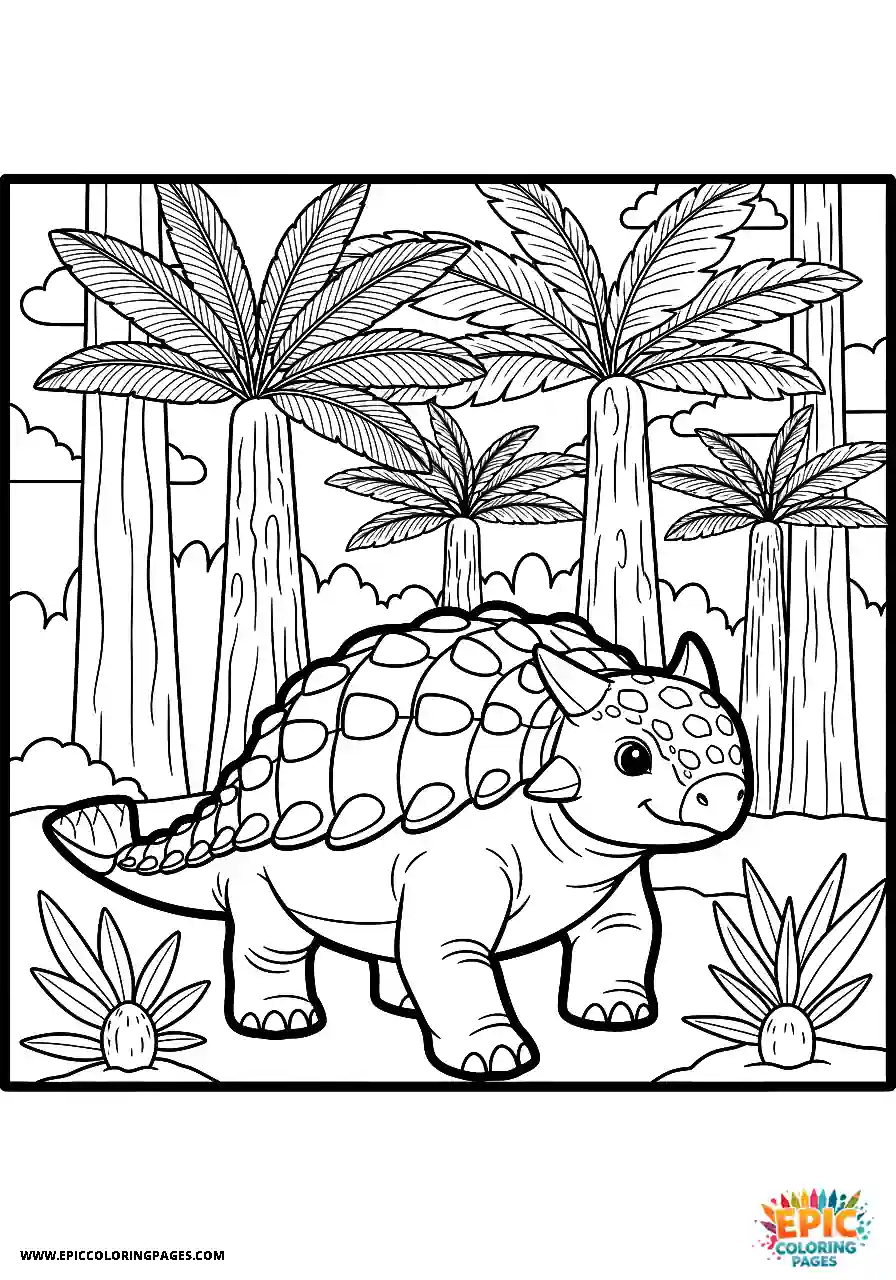
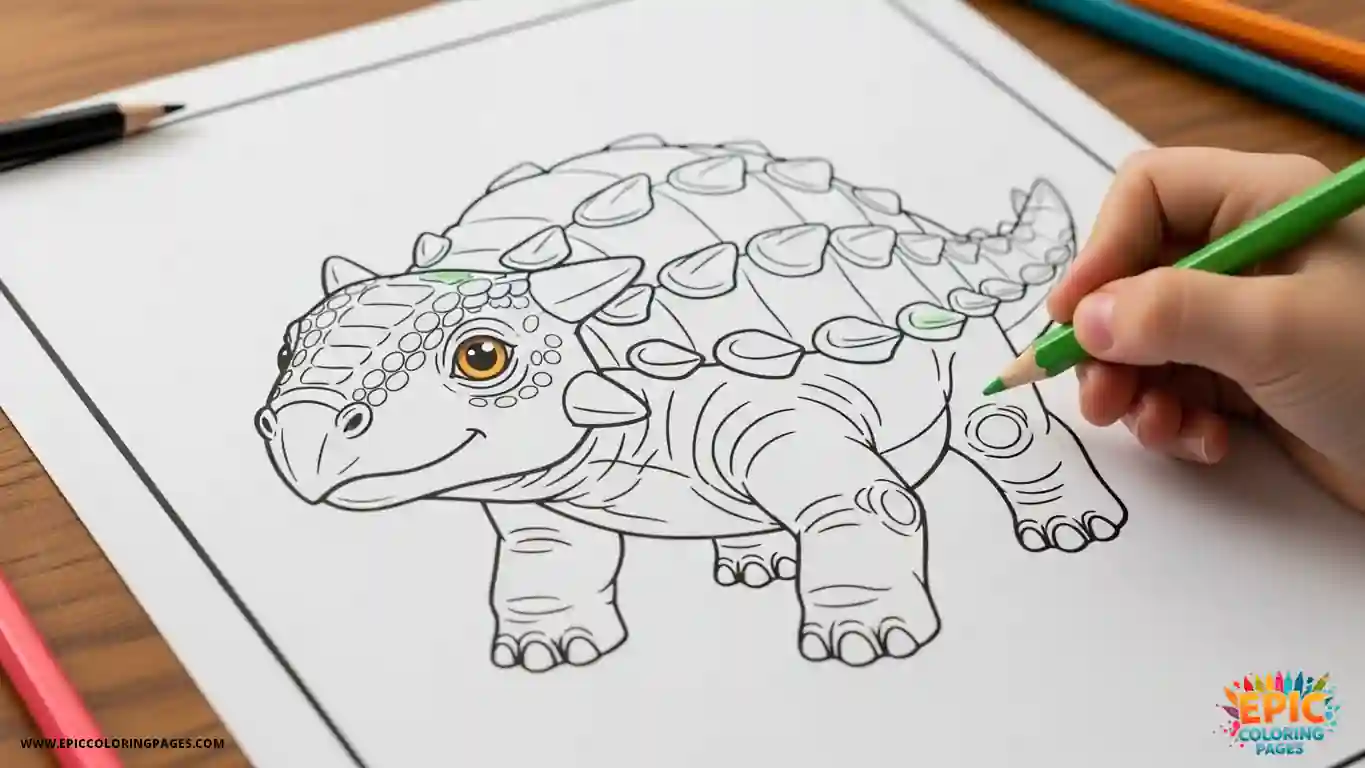
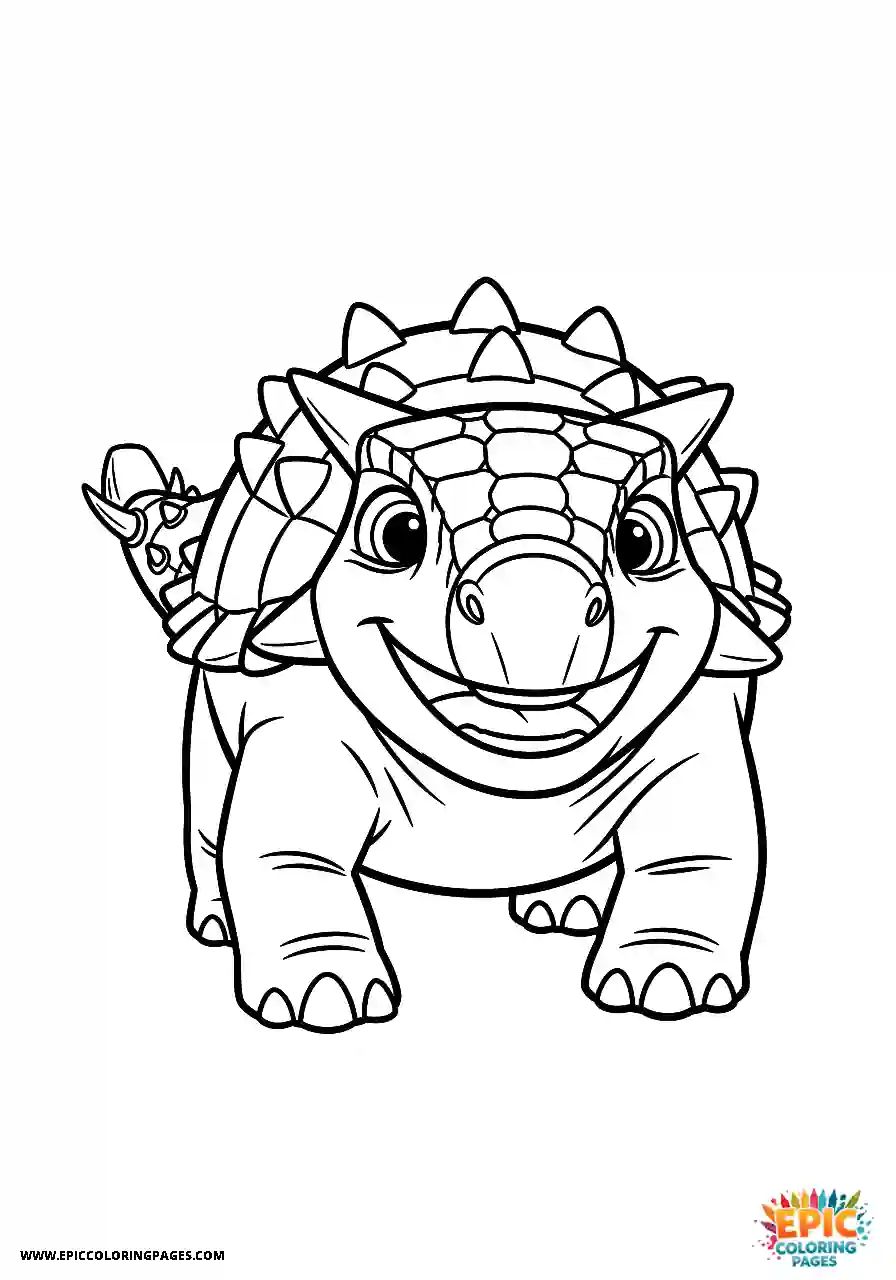
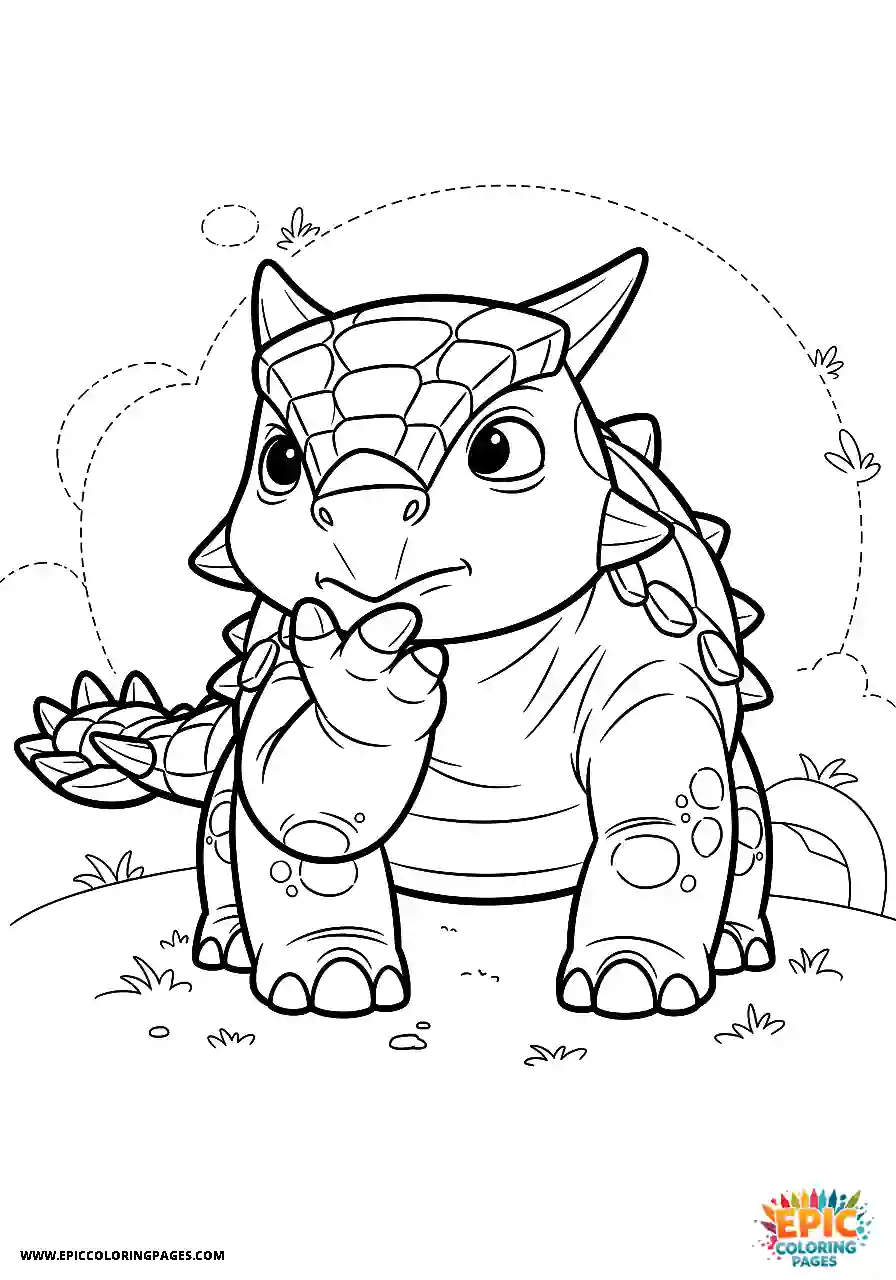
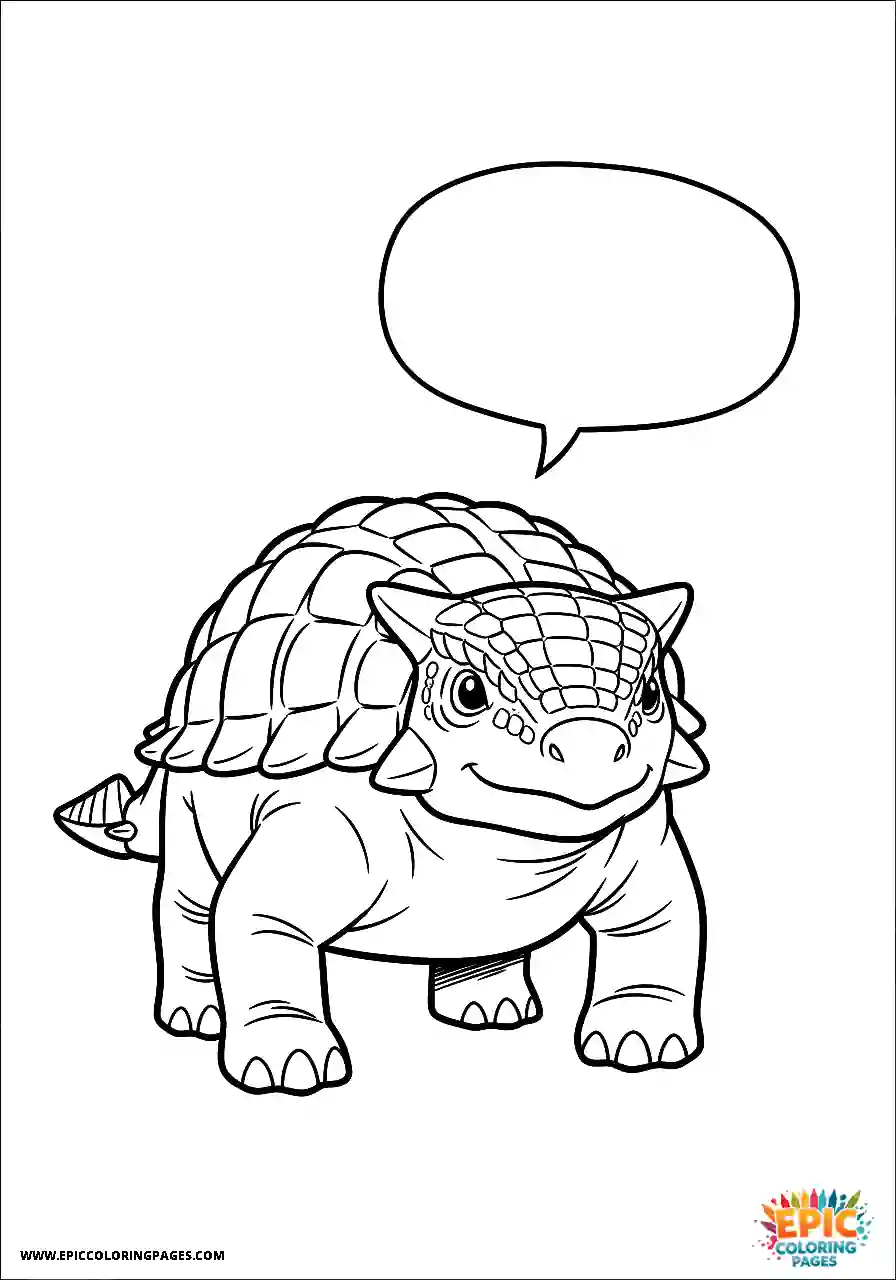
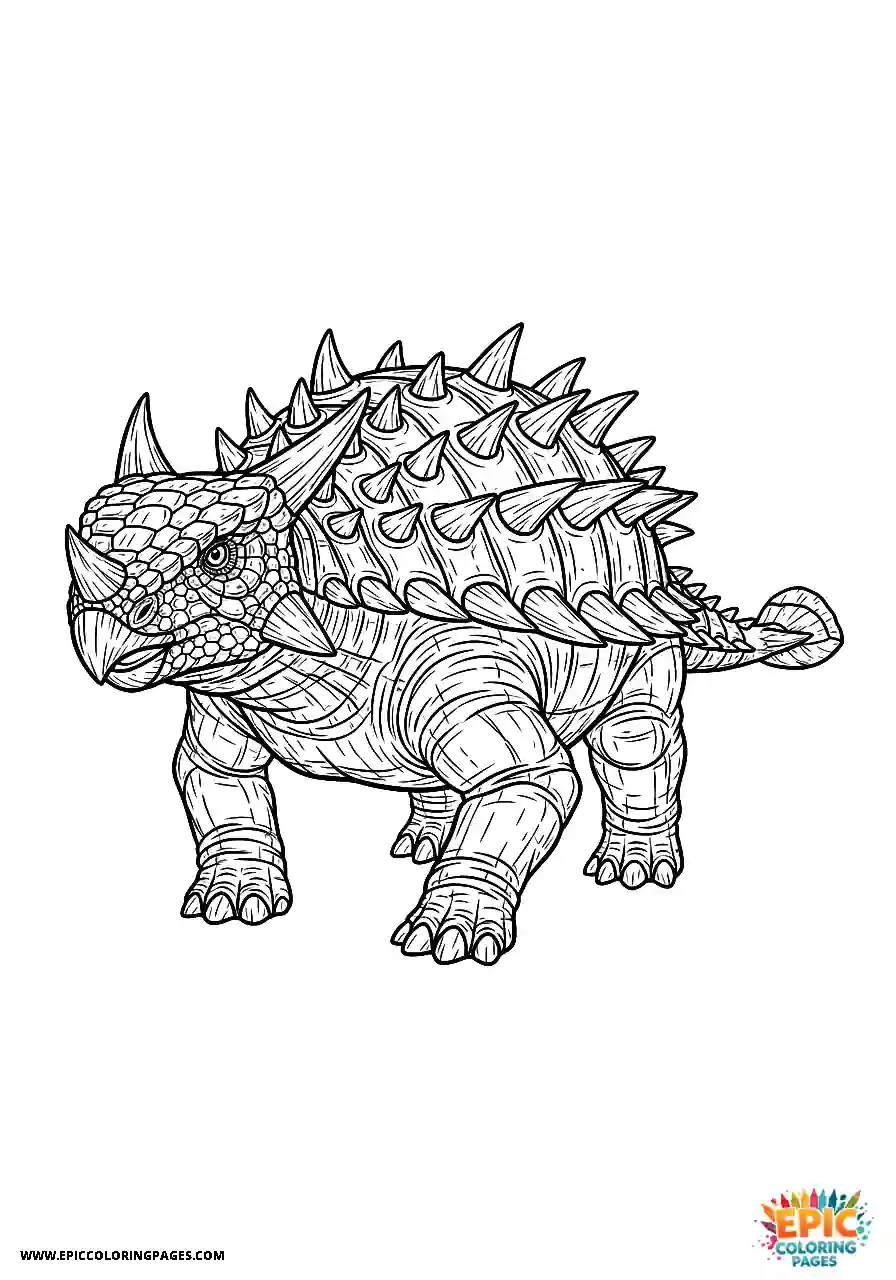
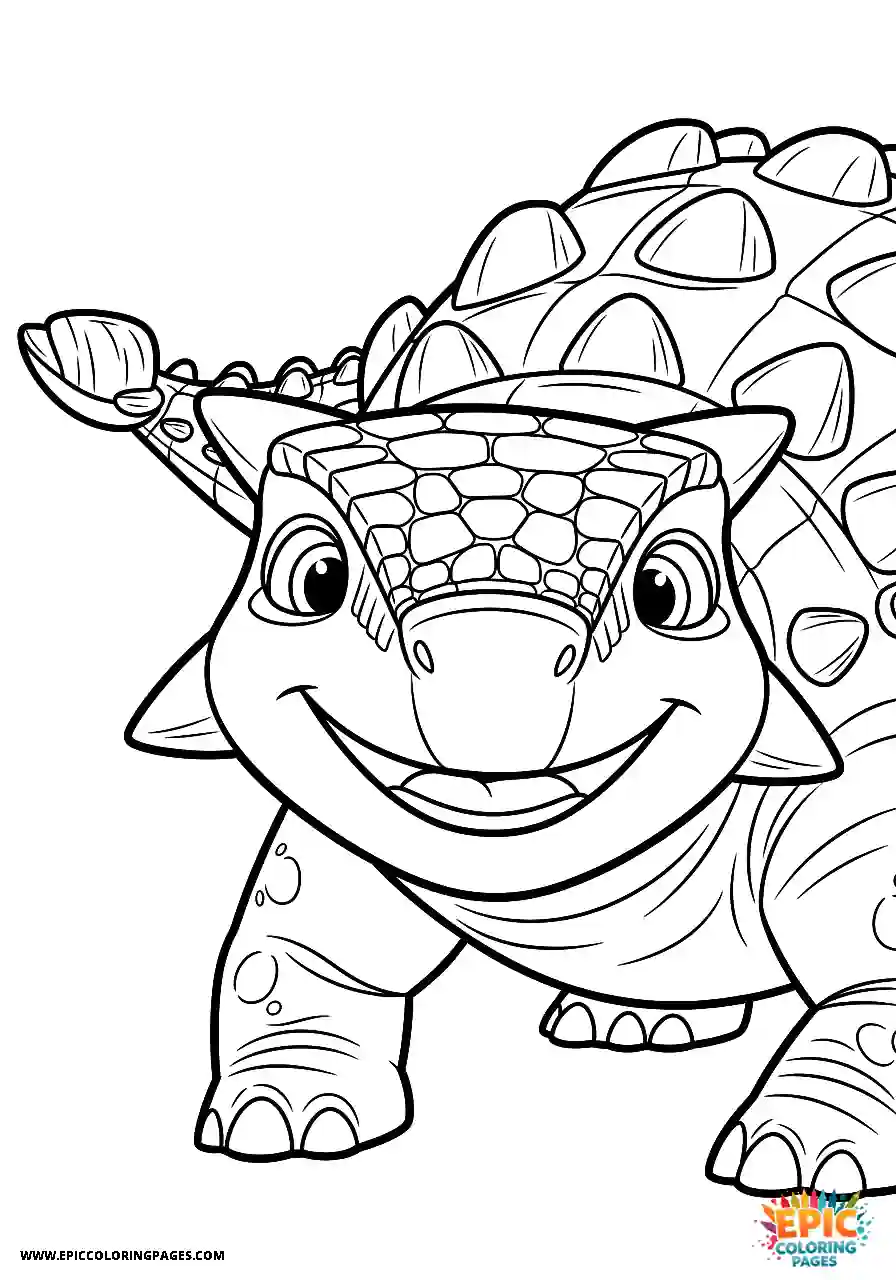
Known as the “living tank” of the Cretaceous period, the Ankylosaurus is one of the last non-avian dinosaurs to exist and remains a favorite among paleontologists for its impressive defense mechanisms. Distinguished by its fused bone plates (osteoderms) and massive tail club capable of shattering bone, this armored herbivore roamed the Western North America roughly 68 million years ago. This collection of Ankylosaurus coloring pages captures the sheer weight and texture of these prehistoric giants, offering scientifically accurate sketches for educational projects as well as stylized cartoons for younger dinosaur enthusiasts.
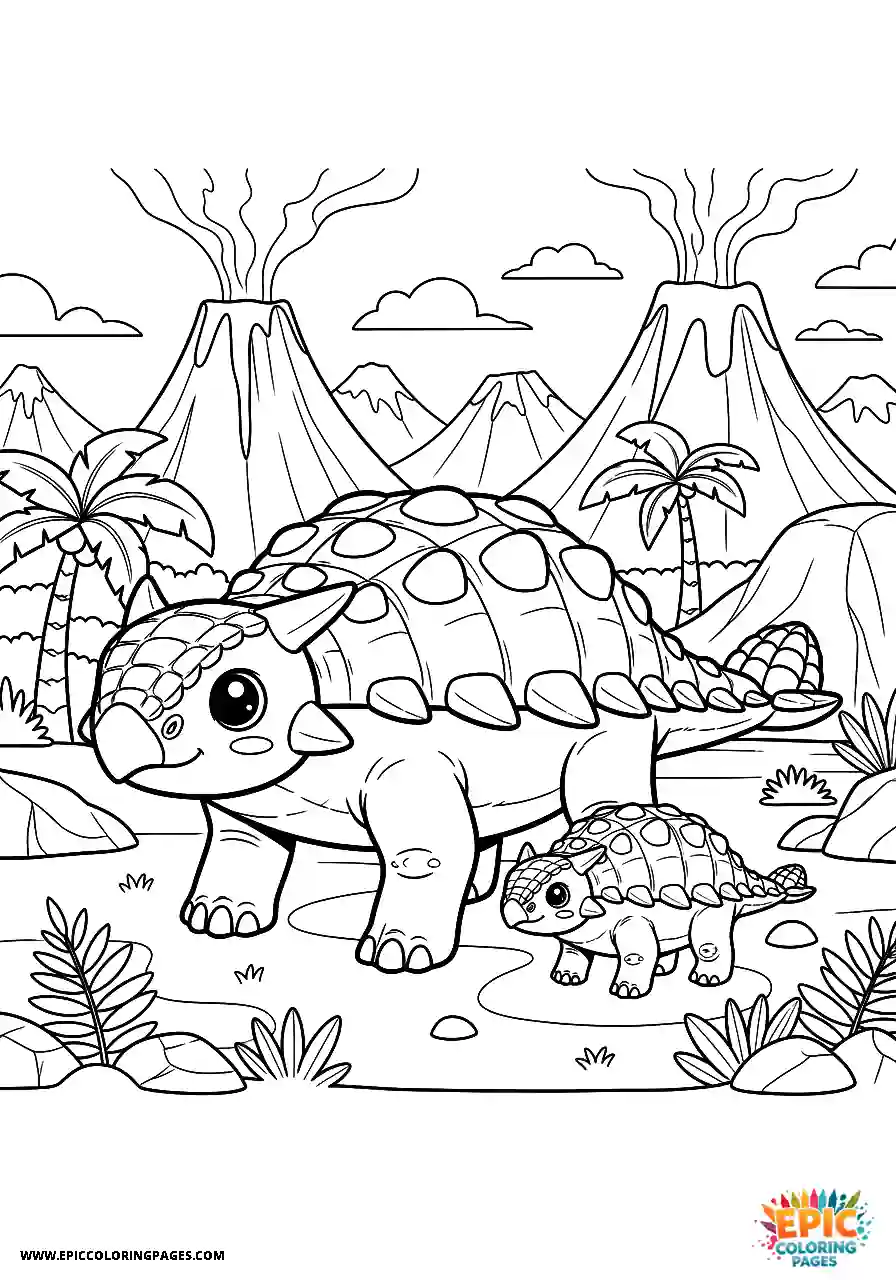
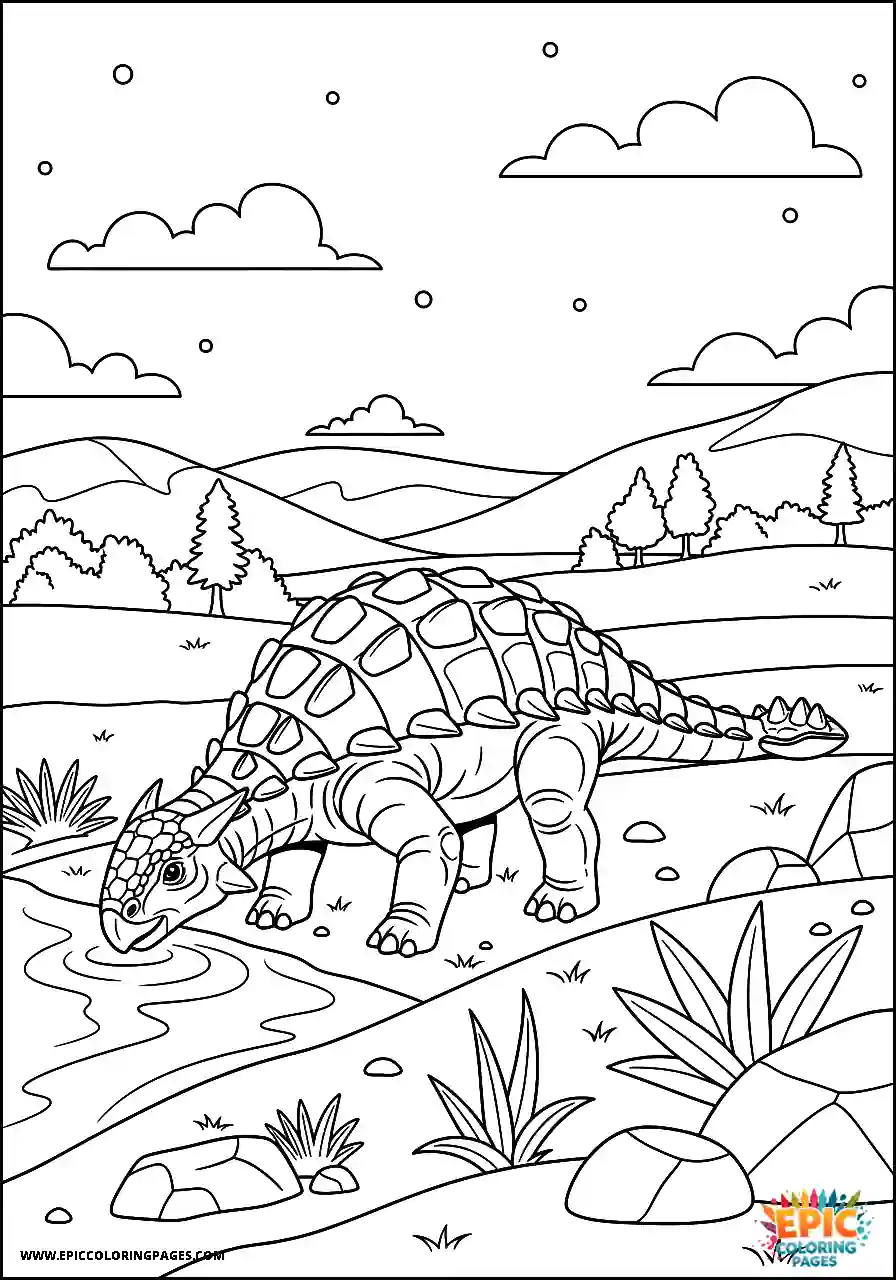
Physically, the Ankylosaurus was a fortress on legs, built low to the ground to protect its soft underbelly from predators like the Tyrannosaurus Rex. Its defining features the hexagonal armor plating and the heavy tail hammer provide a unique artistic challenge, allowing colorists to experiment with shading textures that mimic rough skin and bone. Whether you are looking to depict a battle scene or a peaceful grazing moment in the jungle, these illustrations highlight the sturdy anatomy and defensive power that allowed this slow-moving giant to survive in a world of apex predators.

🎨 Free Interactive Editor - Customize Your Coloring Pages
Click on any image to open our FREE editor and add personalized text, emojis, zoom in for details, and save in professional 300 DPI quality!
Add Text
11+ fonts
Emojis
500+ items
Zoom
Precision
Save
300 DPI
Click any coloring page to start customizing!
Explore the World of the Armored Dinosaur
Ankylosaurus was one of the last non-avian dinosaurs to exist and certainly made a big impression. With its body covered in bony plates (osteoderms) and a tail that could swing with devastating force, it is a fascinating subject for art.
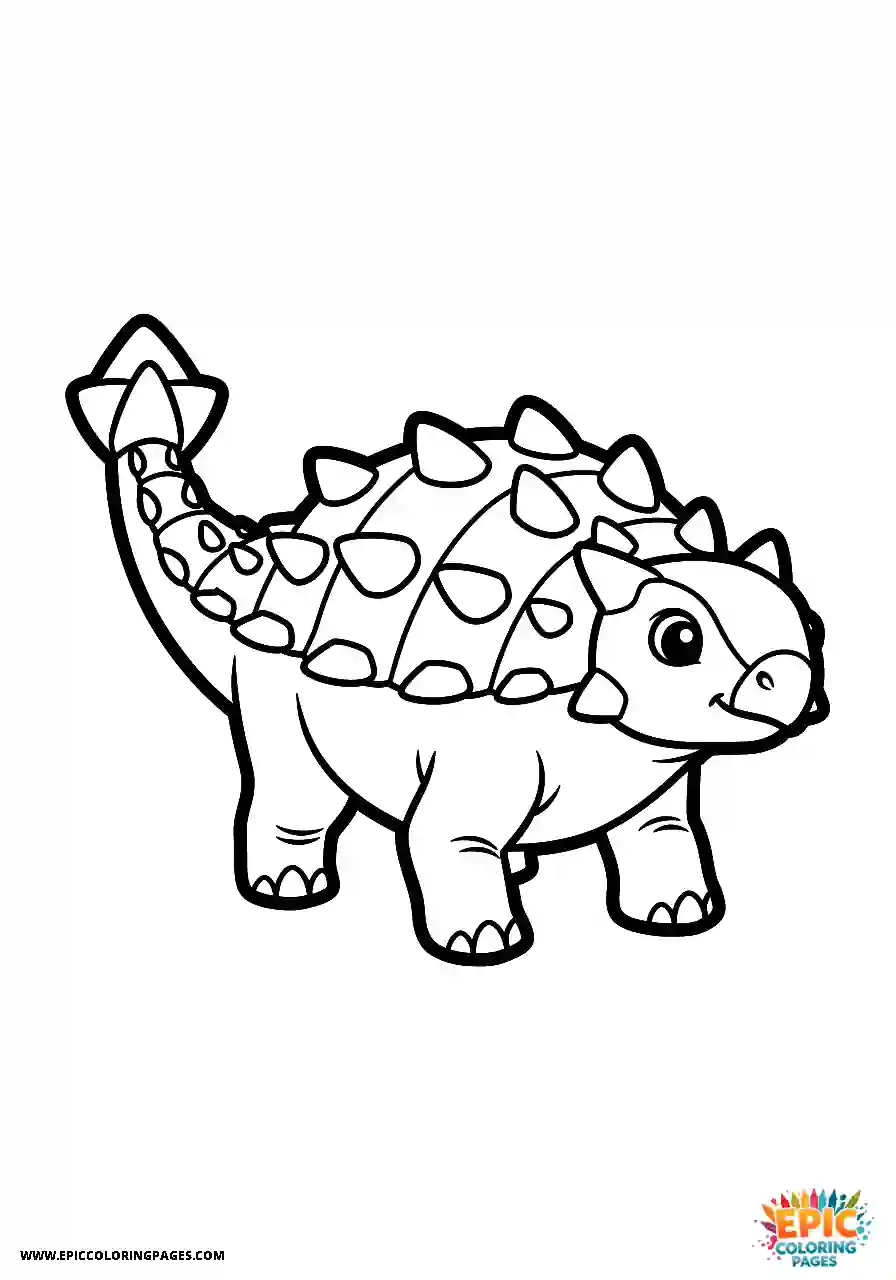
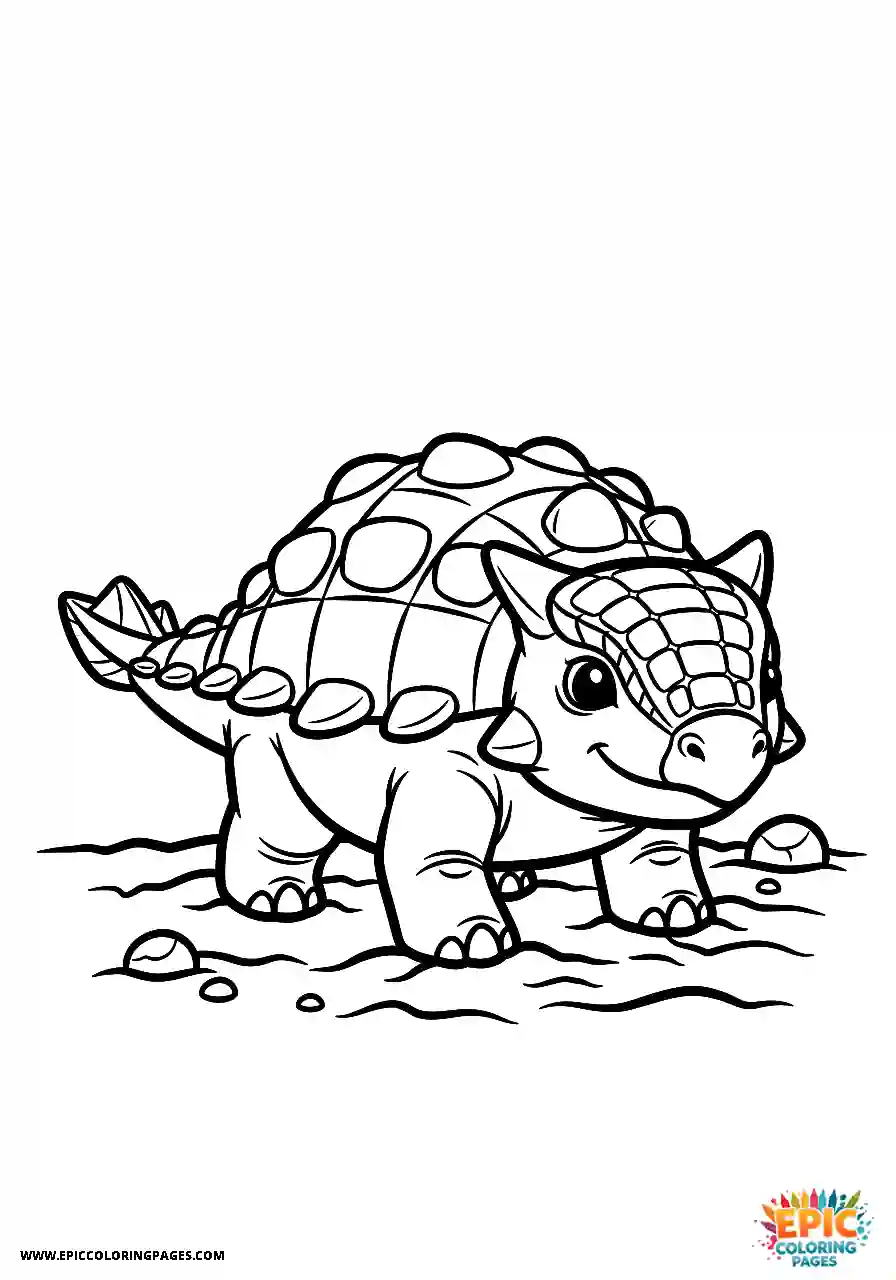
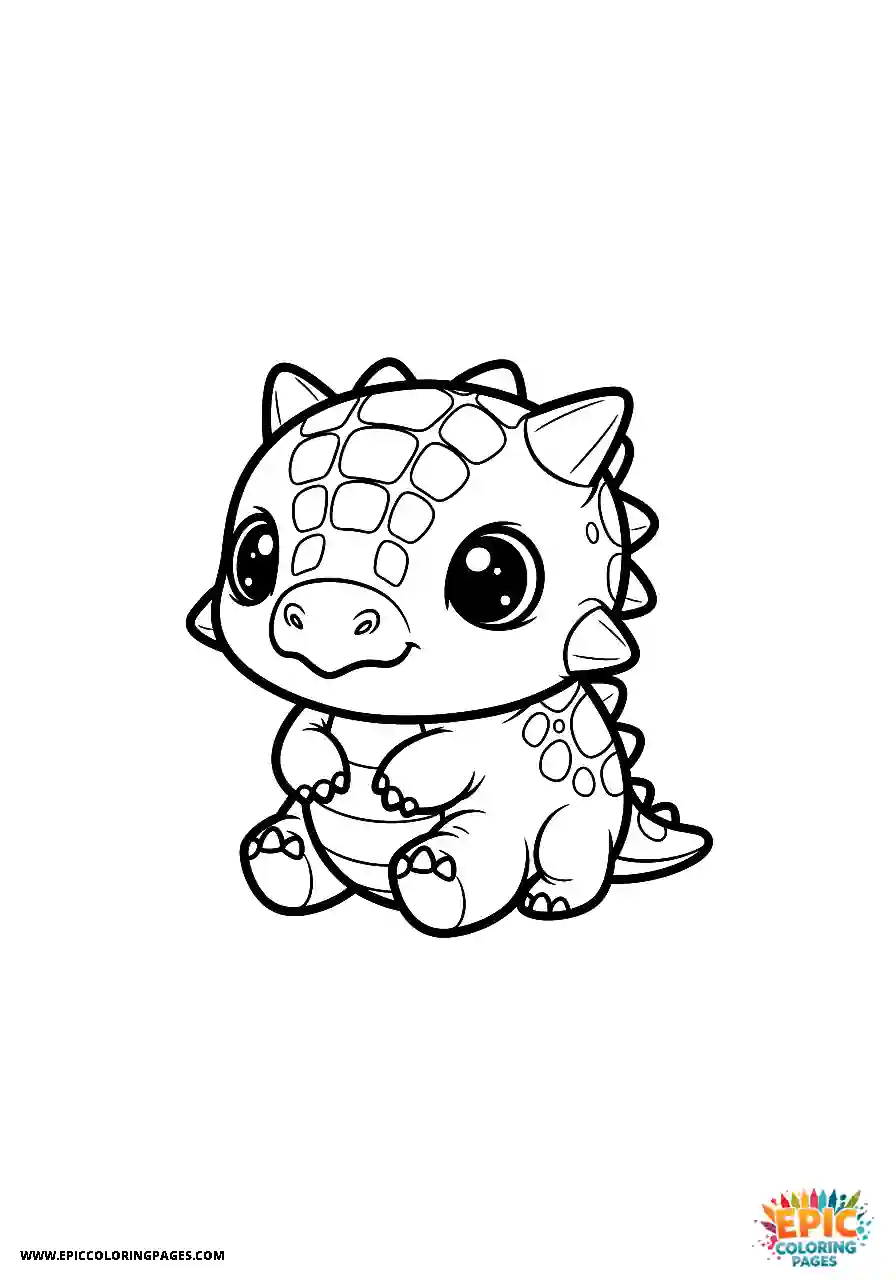
In this collection, we have selected over 248 unique designs. You’ll find scenes of these herbivores grazing in prehistoric jungles, defending themselves from predators like the T-Rex, and versions in Animation style, Cartoon, Chibi, Kawaii, Realistic, and cute, perfect for younger artists. These printable sheets are a great way to combine fun with education, helping children improve their motor skills while learning about paleontology.
The Complete Library of Ankylosaurus
More Prehistoric Adventures
Did you love coloring these armored giants? The Jurassic journey doesn’t stop here! We have a massive library of creatures waiting for your artistic touch. From fierce predators to gentle giants, explore our complete collection to build your own coloring museum.
Check out our main collection here: Dinosaur Coloring Pages.
Professional Coloring Tips for Ankylosaurus Pages
Bringing an Ankylosaurus to life on paper is one of the most rewarding challenges in dinosaur coloring. This armored giant, with its distinctive club tail and plated body, offers incredible opportunities for texture work, shading, and creative color choices that can make your artwork truly stand out.
Understanding Your Subject
Before you pick up your first colored pencil or marker, take a moment to really look at your Ankylosaurus outline. Notice the overlapping plates, the texture of the skin between armor, and the massive tail club. These dinosaurs were built like living tanks, and your coloring should reflect that solid, heavy presence.
The beauty of coloring prehistoric creatures is that nobody knows their exact colors. Fossil evidence can’t preserve pigmentation, so you have creative freedom while still working within what makes biological sense. Modern reptiles and animals give us clues think about crocodiles, rhinoceroses, and armadillos for inspiration.
Choosing Your Color Palette
Most colorists instinctively reach for grays and browns when approaching armored dinosaurs, and there’s good reason for that. These earth tones create a grounded, realistic appearance. However, don’t be afraid to explore other directions.
Consider a base color that speaks to you. Olive greens work beautifully and suggest a creature that might have blended into Cretaceous forests. Deep reddish-browns can give your Ankylosaurus a sun-baked, desert look. Even unexpected choices like deep blues or purples can work if you layer and shade them properly to maintain that sense of weight and texture.
Here’s a practical approach: choose one dominant color for the main body, a slightly lighter or darker shade for the armored plates, and a third color for the underbelly. This creates natural variation without becoming chaotic.
Mastering Texture and Dimension
The armor plating is where your Ankylosaurus comes alive. Each plate should feel raised and separate from the body beneath. Start by establishing your light source decide where the sun is hitting your dinosaur. The tops of plates facing that light should be your brightest points.
For each individual plate, work from dark to light. If you’re using colored pencils, begin with a medium pressure on your base color, then deepen the shadows where plates overlap or curve away from the light. Leave the highest points lighter, or come back with a lighter pencil or white gel pen to add highlights.
The skin between plates deserves attention too. This wasn’t smooth think wrinkled, textured, flexible skin that allowed movement. Use small circular motions or short directional strokes to suggest that leathery quality. Make these areas slightly darker than the plates themselves to create depth.
Working with Different Mediums
Colored pencils excel with Ankylosaurus pages because you can build up layers gradually. Start light and add darkness slowly. Blend with lighter colors or a colorless blender pencil to smooth transitions between shades. Sharp pencils are your friend for defining individual plate edges.
Markers require more planning since they’re less forgiving. Work from light to dark, and use the lighter end of your marker to blend into areas you’ve already colored before the ink dries. Layering different marker colors creates richness a brown base with a darker brown or black over it reads as more complex than a single flat color.
For digital coloring, take advantage of layers. Put your base colors on one layer, shadows on another, and highlights on a third. This lets you adjust intensity without starting over. Multiply or overlay blend modes work wonderfully for adding depth to armor plating.
Watercolors or brush pens create beautiful organic effects. Let colors blend wet-into-wet for the softer skin areas, but use more controlled, drier strokes for the defined armor plates. The natural variations in watercolor pooling can actually enhance that textured, ancient look.
The Tail Club Technique
That massive tail club is an iconic feature that deserves special attention. This weapon was solid bone, different in texture from both the armor plates and regular skin. Make it look heavy and formidable.
Use your darkest values in the recesses where the club connects to the tail. The club itself should have its own highlight and shadow pattern imagine a sphere or oval catching light. Create subtle variations across its surface to suggest the irregular, bony texture. A few darker spots or cracks can add age and character without overdoing it.
Background Considerations
A plain white background works fine, but adding even simple environmental elements can elevate your work. A light wash of green at the bottom suggests grass. Brown strokes become a ground or riverbank. Soft blues or grays in the upper portion create sky or atmosphere.
Keep backgrounds less detailed than your dinosaur you want the Ankylosaurus to remain the focus. Soft, blended colors work better than sharp details. If you add plants or rocks, keep them suggestion rather than fully rendered objects.
Advanced Shading Strategies
Once you’re comfortable with basic shading, try these advanced techniques. Cast shadows make your dinosaur feel grounded in space. If strong light comes from the upper right, a darker shadow should fall to the lower left of the body and beneath the dinosaur on the ground.
Consider reflected light light bouncing up from the ground surface into the shadowed underside of your Ankylosaurus. This is subtle but realistic, keeping shadows from going completely black. Use a lighter version of your shadow color in these areas.
Core shadows are the darkest darks, found where the form curves away from light and where reflected light can’t reach. On an Ankylosaurus, these appear where the body curves under, where plates overlap, and in the deepest crevices. These dark areas make your highlights look even brighter by comparison.
Color Temperature for Mood
Warm colors (reds, oranges, yellows, warm browns) create energy and can suggest a hot, arid environment. Cool colors (blues, greens, purples, cool grays) feel calmer and suggest forests or overcast conditions. You can use both in one piece.
Try a warm base color with cool shadows, or vice versa. This color temperature contrast creates visual interest that straight warm-to-warm or cool-to-cool shading can’t match. A brownish Ankylosaurus with slightly blue-gray shadows has more dimension than one shaded only with darker brown.
Common Mistakes to Avoid
Flat coloring filling areas with single solid colors misses the opportunity to create dimension. Even if you love bold, graphic looks, subtle value shifts within each color area will strengthen your work.
Overly dark shadows early on can’t be easily corrected. Build darkness gradually, especially with colored pencils or digital work. You can always add more, but removing excess is difficult.
Inconsistent light sources create confusion. If light comes from the right on the head but seems to come from the left on the tail, something feels off. Pick your light direction and stick with it throughout the piece.
Outlining everything in black can create a coloring-book look rather than a finished illustration. Consider using dark versions of your colors for outlines instead, or softening black outlines after coloring by going over them lightly with colored pencil.
Making It Your Own
The best coloring reflects your personal artistic voice. Maybe you love vibrant, almost neon colors that make your Ankylosaurus feel fantastical. Perhaps you prefer muted, naturalistic tones that could pass for a museum illustration. Both approaches are valid.
Experiment with patterns. Real animals have stripes, spots, gradients, and color variations. Your Ankylosaurus could have darker plates and lighter skin, tiger-like stripes along the sides, or a gradient from dark back to light belly. Look at modern armored animals like pangolins or alligators for pattern inspiration.
Try different emotional tones too. Bright, saturated colors feel cheerful and energetic. Desaturated, muted colors create a more serious, documentary feel. Dark, high-contrast work looks dramatic. The same line art can tell different stories depending on your color choices.
Practice and Progression
Your first Ankylosaurus won’t be your best, and that’s perfectly fine. Each one you color teaches you something about texture, shadow, and color interaction. Save your finished work so you can look back and see your progress over time.
Try coloring the same page twice with completely different color schemes. This removes the pressure of getting it “right” and becomes pure exploration. You might discover combinations you never would have tried otherwise.
Study references, but don’t feel bound by them. Look at photos of reptiles, armored animals, and yes, other artists’ dinosaur work. Notice what appeals to you and think about why. Then bring those observations to your own coloring in your own way.
The Ankylosaurus, with all its armor and texture, is actually a perfect subject for developing your coloring skills. It rewards patience and attention to detail while still being forgiving enough for experimentation. Each plate you shade, each shadow you deepen, brings you closer to creating something that feels solid, three-dimensional, and alive.
Pick up your colors and start bringing this ancient armored giant into the present, one careful stroke at a time.
Interesting facts about the Ankylosaurus Dinosaur
What gender is Bumpy the Ankylosaurus?
“Bumpy” is a very famous Ankylosaurus from the series Camp Cretaceous. She is a female! Bumpy is known for her asymmetrical horns and friendly loyalty. Many kids love coloring Bumpy in teal and blue shades to match her appearance in the show.
Can Ankylosaurus lay eggs?
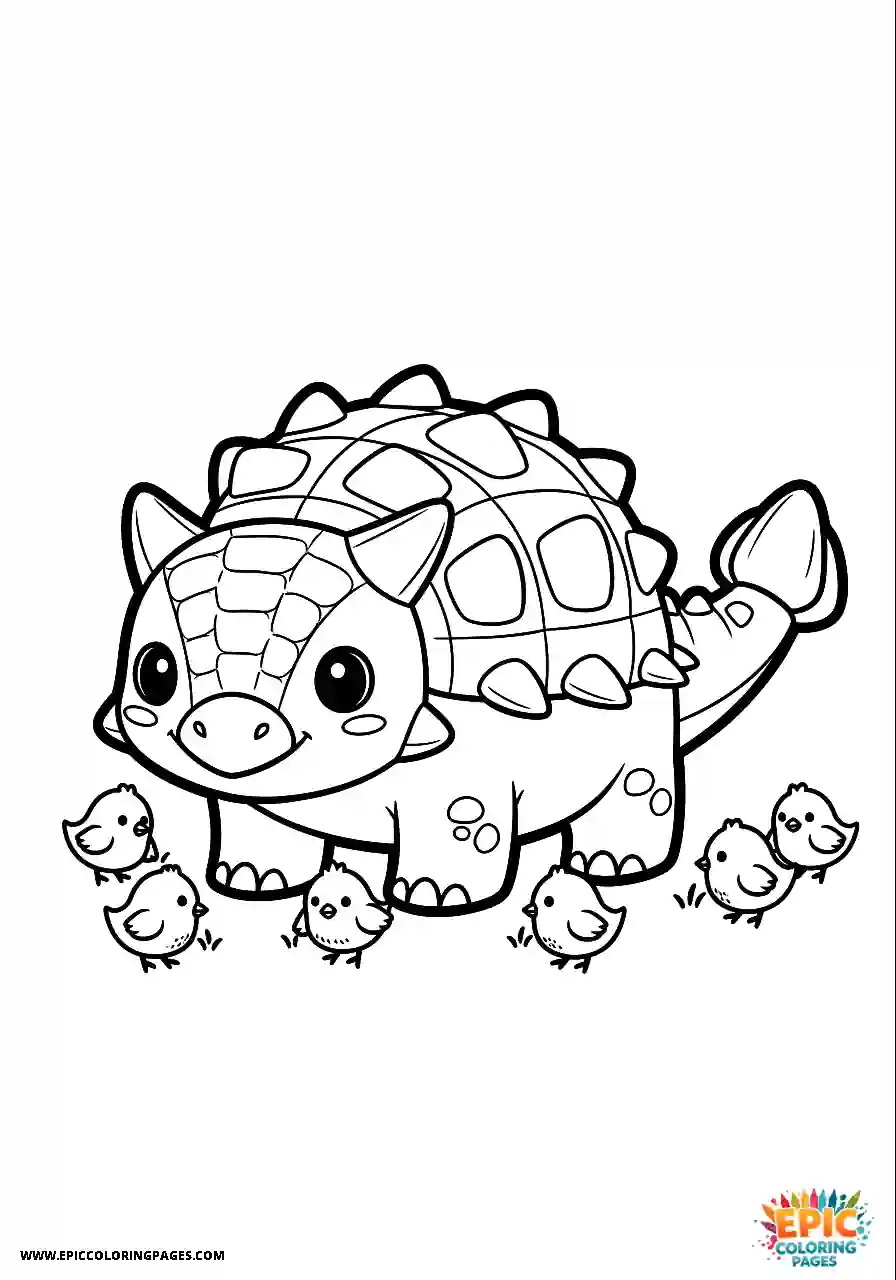
Yes, absolutely! Like all dinosaurs, the Ankylosaurus was an egg-laying reptile. We have several coloring pages featuring dinosaur nests and baby dinos hatching, which are perfect for teaching kids about the life cycle of these amazing creatures.
What is stronger, T-Rex or Ankylosaurus?
This is a classic battle of offense vs. defense! While the T-Rex had the strongest bite force, the Ankylosaurus was built like a tank. Its armor was nearly impenetrable, and one hit from its tail club could break a T-Rex’s leg. In a defensive stand, the Ankylosaurus was incredibly tough to beat.
What does Ankylosaurus eat?
The Ankylosaurus was a herbivore, meaning it only ate plants. Because it was low to the ground, it grazed on low-lying vegetation like ferns, cycads, and shrubbery. When coloring your pages, remember to add plenty of green plants around its mouth!
What are some fun facts about Ankylosaurus?
The name “Ankylosaurus” means “fused lizard” because the bones in its skull and other parts of its body were fused together, making it extremely solid. Also, despite its heavy armor, it had a surprisingly small brain relative to its body size!
How fast could Ankylosaurus run?
Not very fast! Due to its heavy armor and short legs, scientists estimate it could only move at a brisk walk or a slow jog maybe around 6 mph (10 km/h). It didn’t need to run away; it relied on its armor and tail to stay safe.