Home Dinosaur Ceratosaurus

Ceratosaurus Coloring Pages (309+ Free Printables)

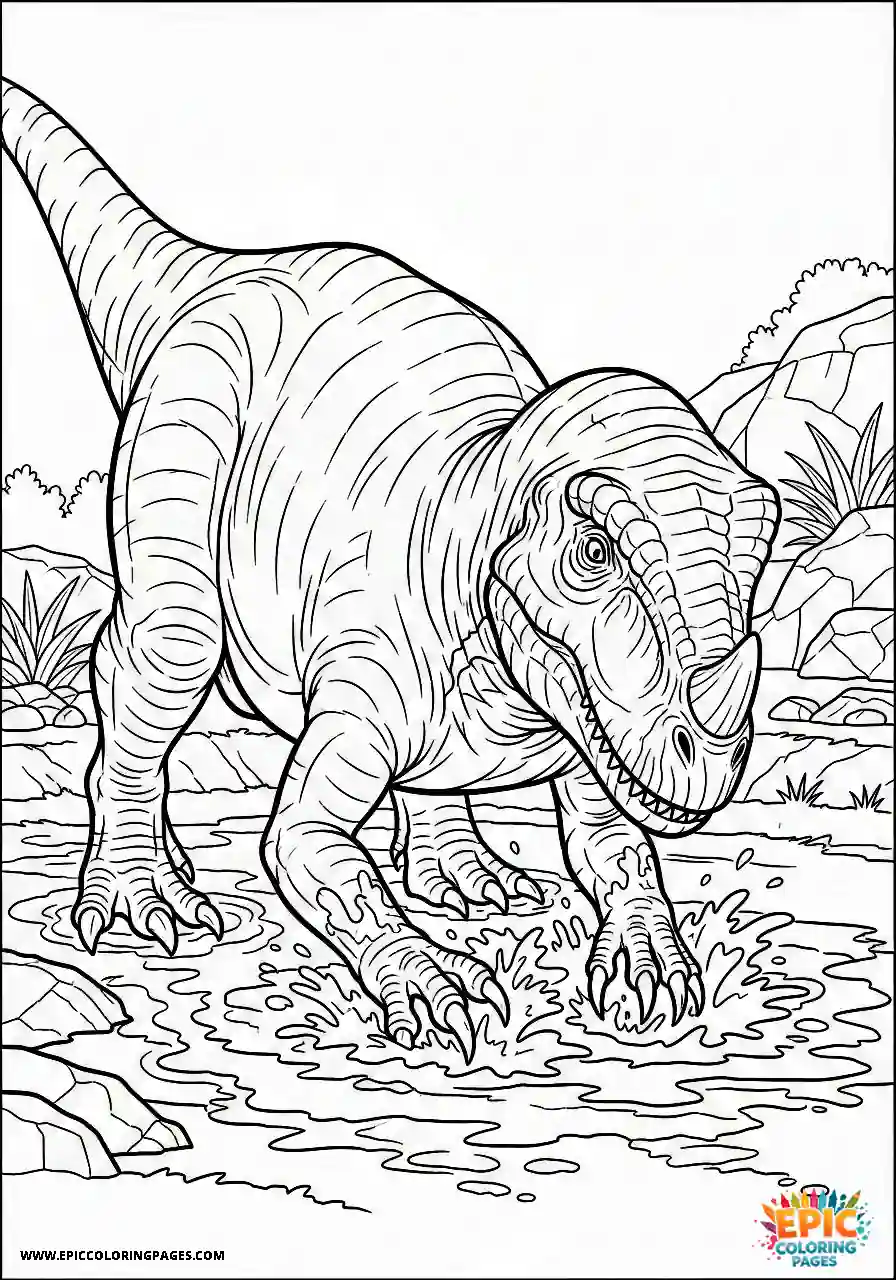
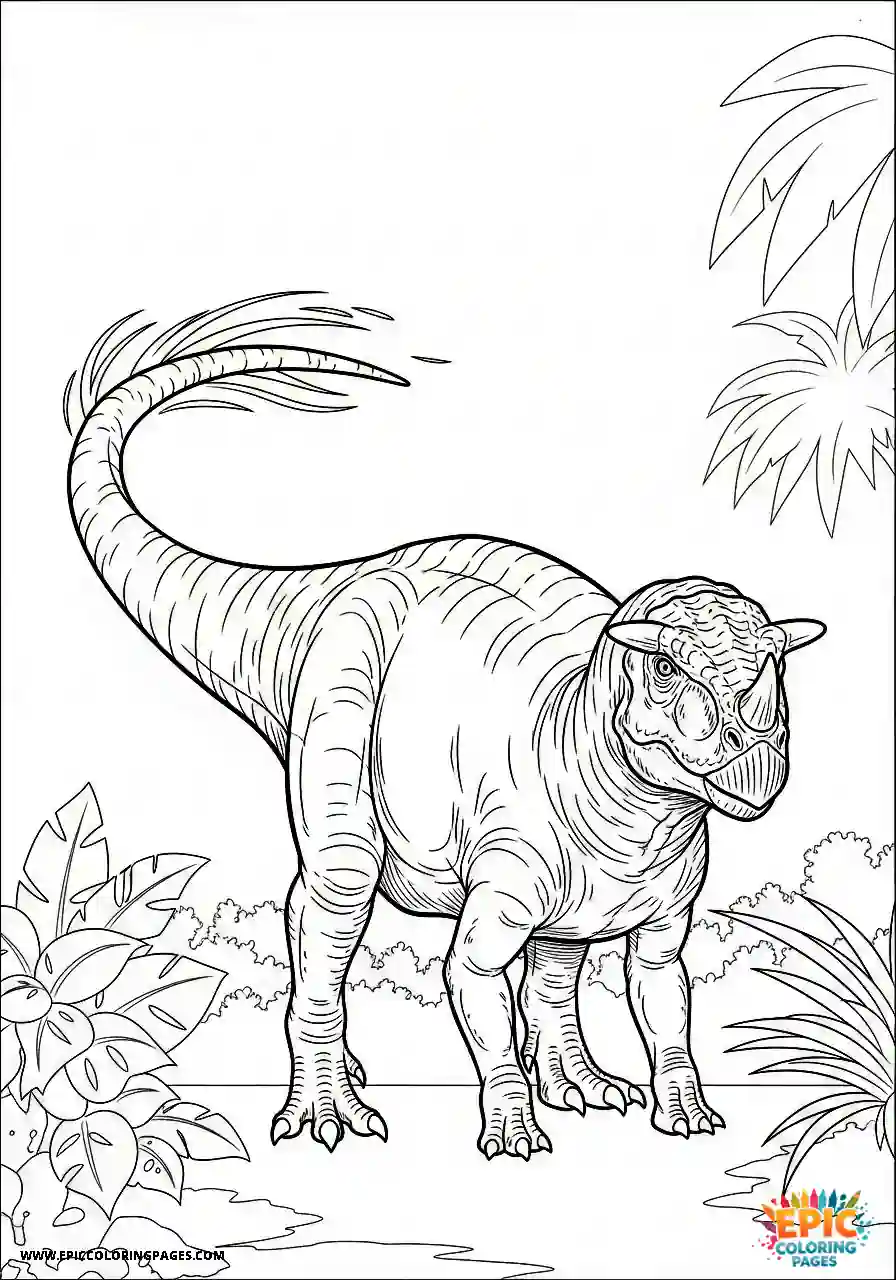
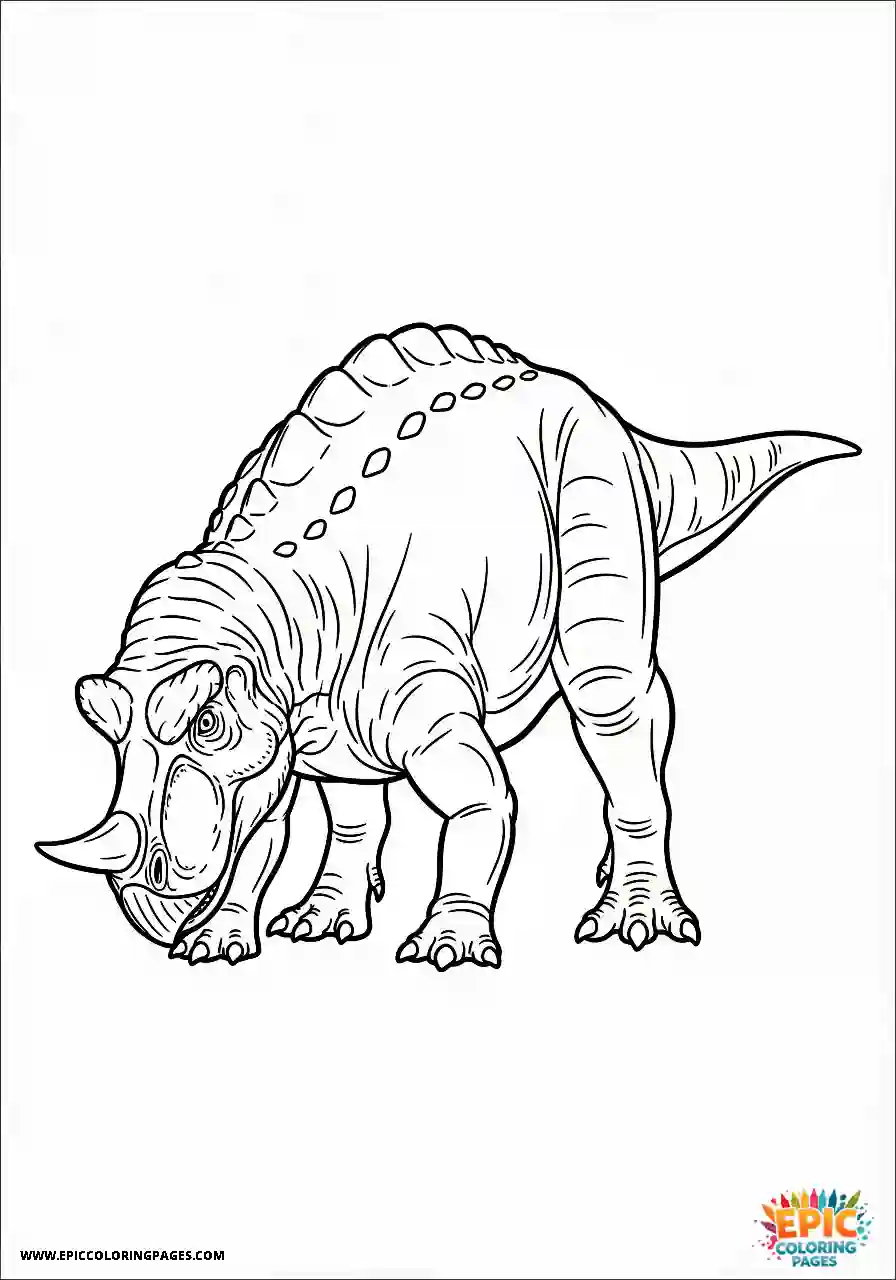
Recognized instantly by the prominent blade-like horn on its snout, the Ceratosaurus was a fierce theropod that prowled the Morrison Formation of North America during the Late Jurassic period, roughly 150 million years ago. Its name, meaning “Horned Lizard,” refers not only to its nasal ornamentation but also to the two smaller hornlets above its eyes. Unlike its larger contemporary rival, the Allosaurus, this predator possessed a unique row of bony osteoderms running down the center of its back, making it one of the most textured subjects for paleo-artists and coloring enthusiasts.

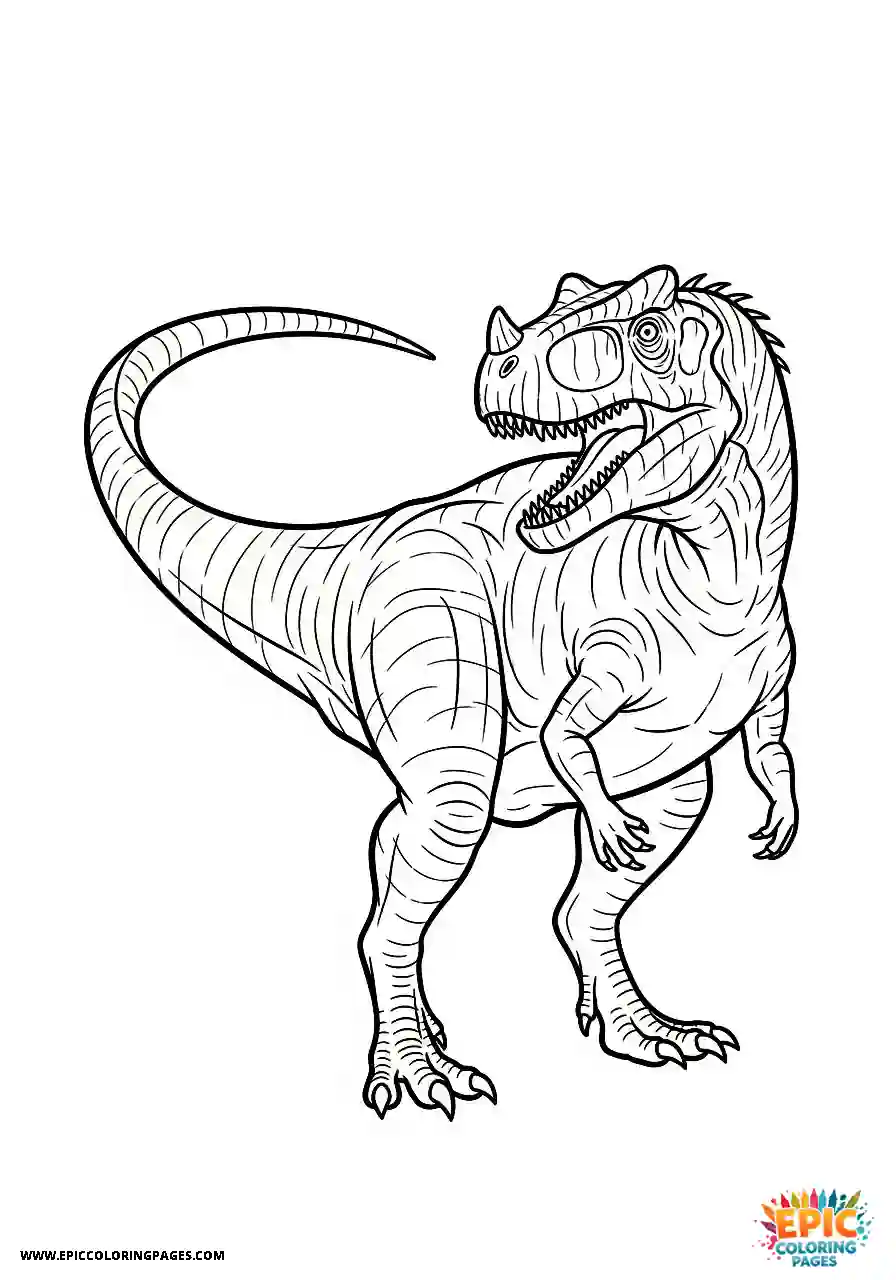
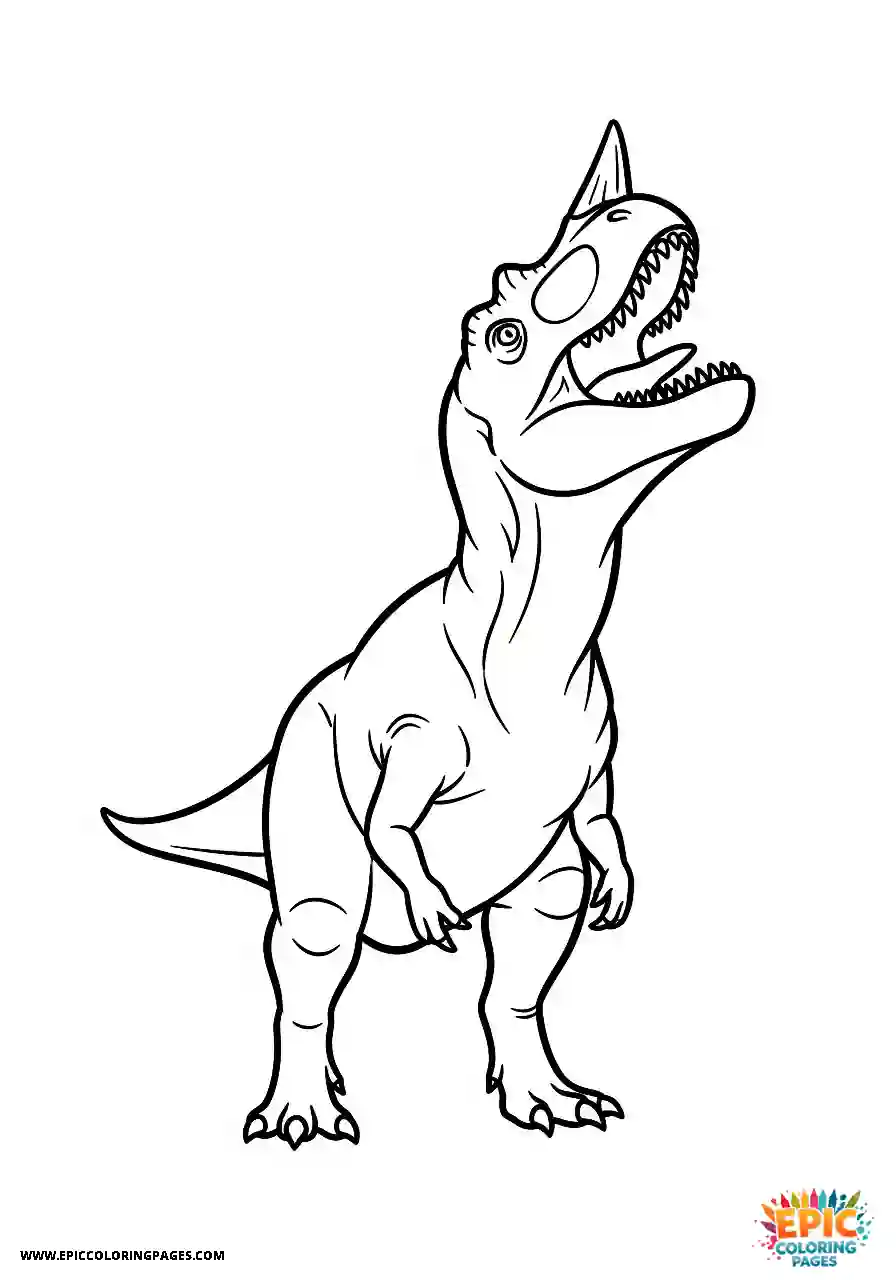
Anatomically, this carnivore offers a distinct profile for colorists. It is one of the few large theropods to retain four fingers on its hands, a primitive trait that sets it apart from the three-fingered Allosaurus or two-fingered T-Rex. These illustrations capture the rugged detail of its armored spine and the sharp, oversized teeth that lined its jaws, providing a fantastic canvas to experiment with shading techniques that highlight its “dragon-like” appearance.

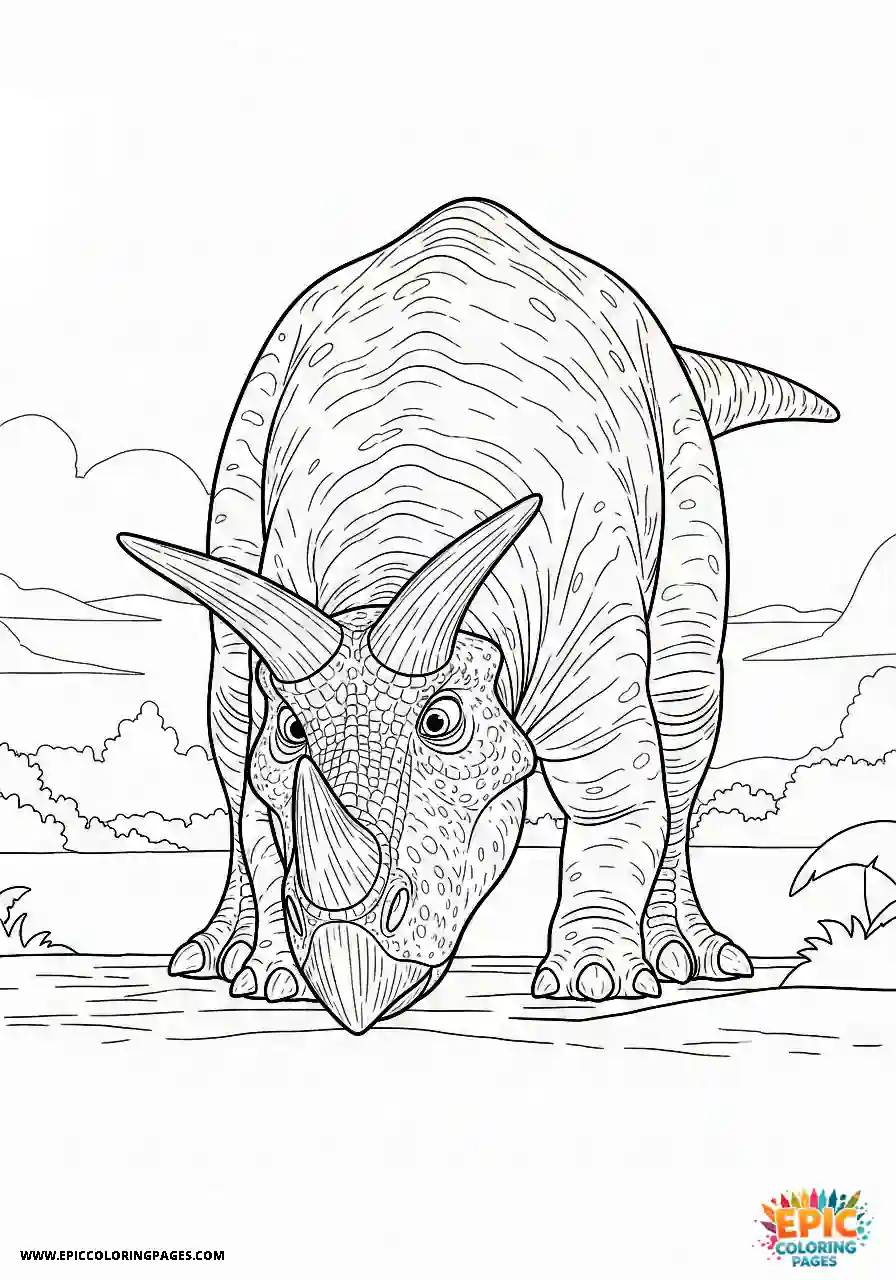
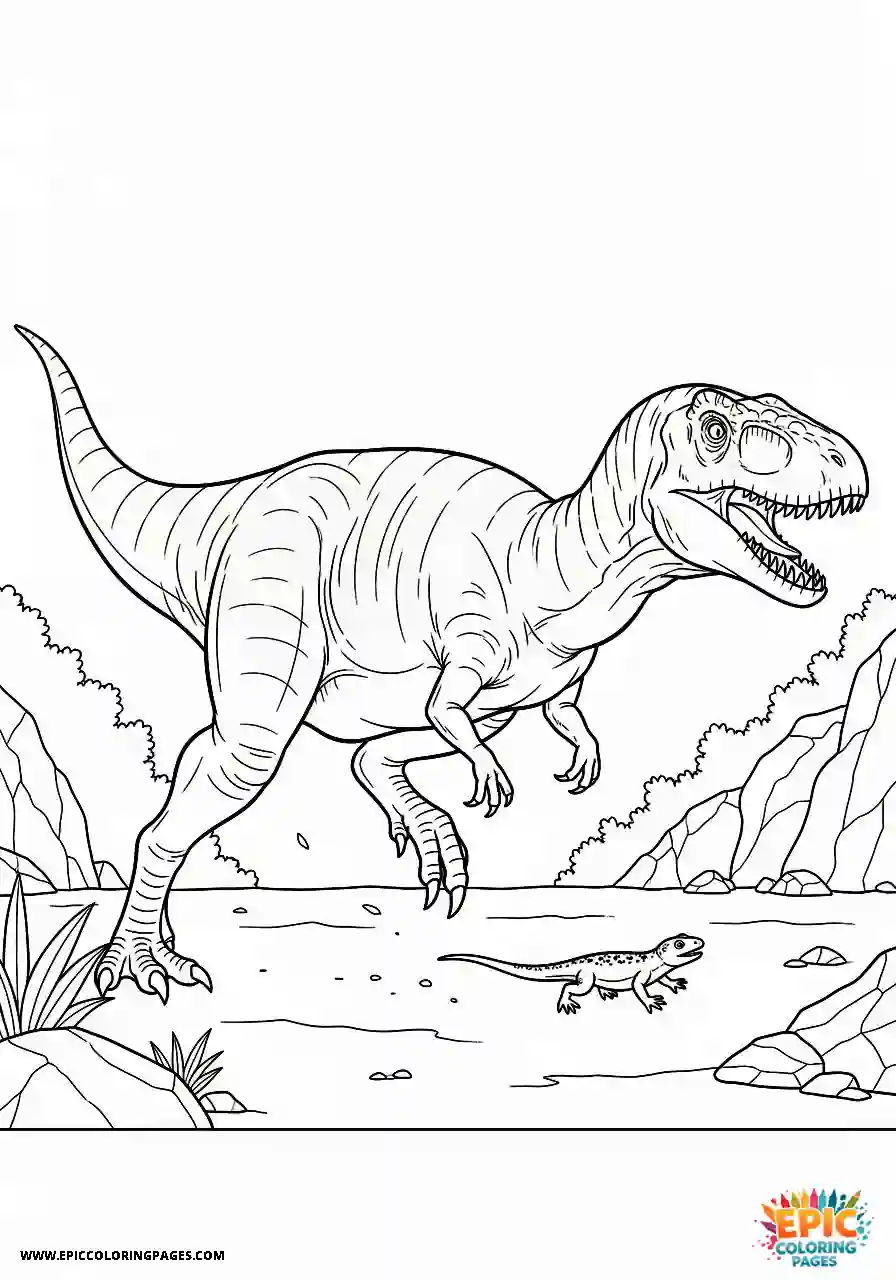
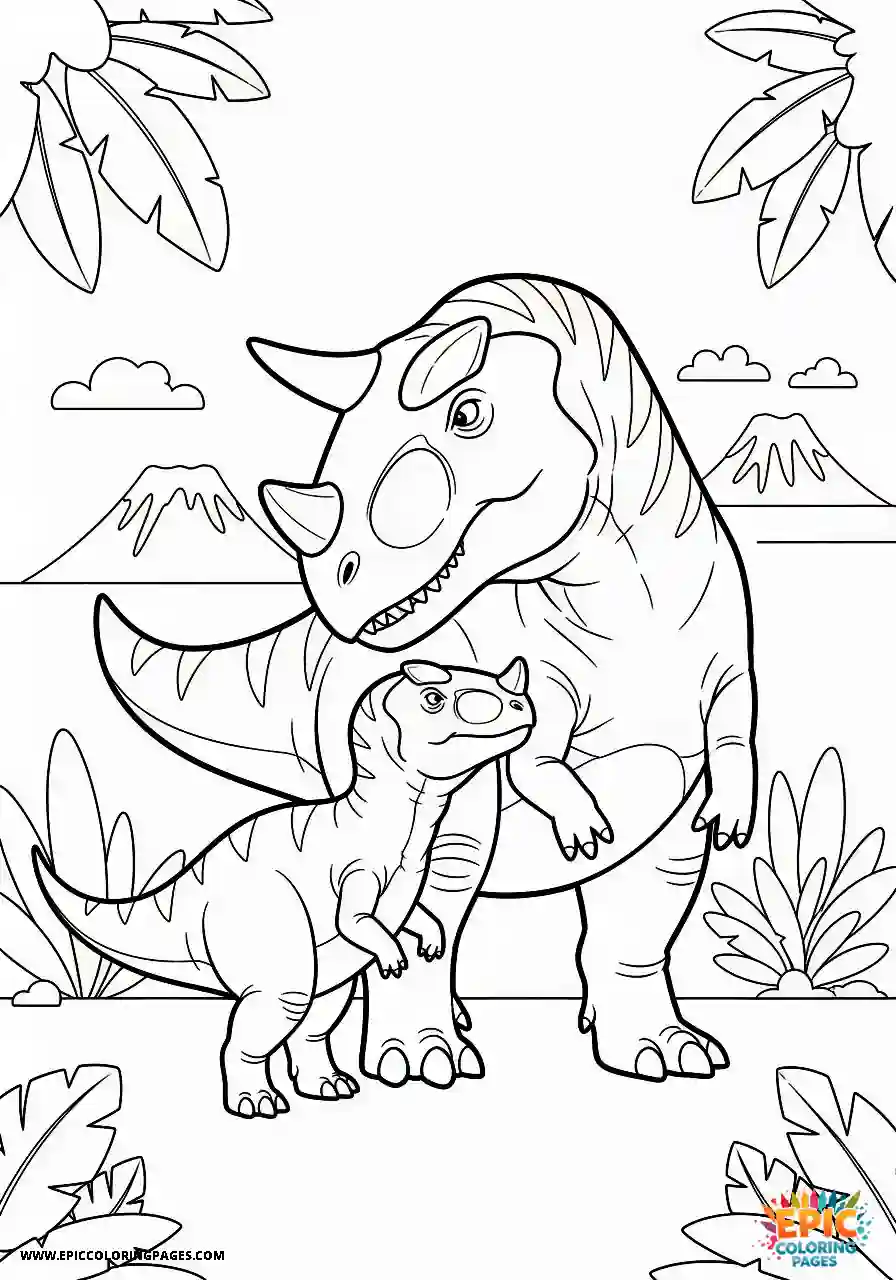
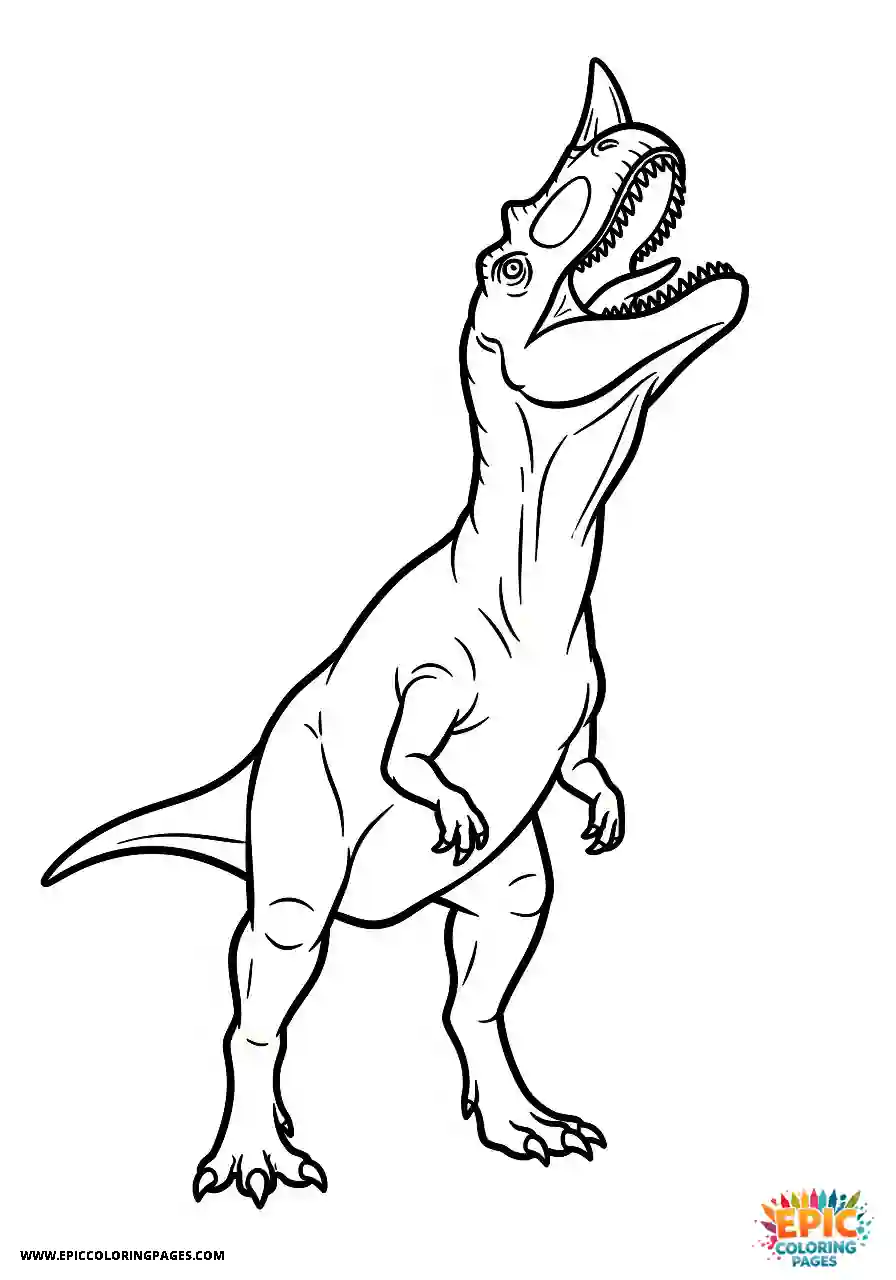
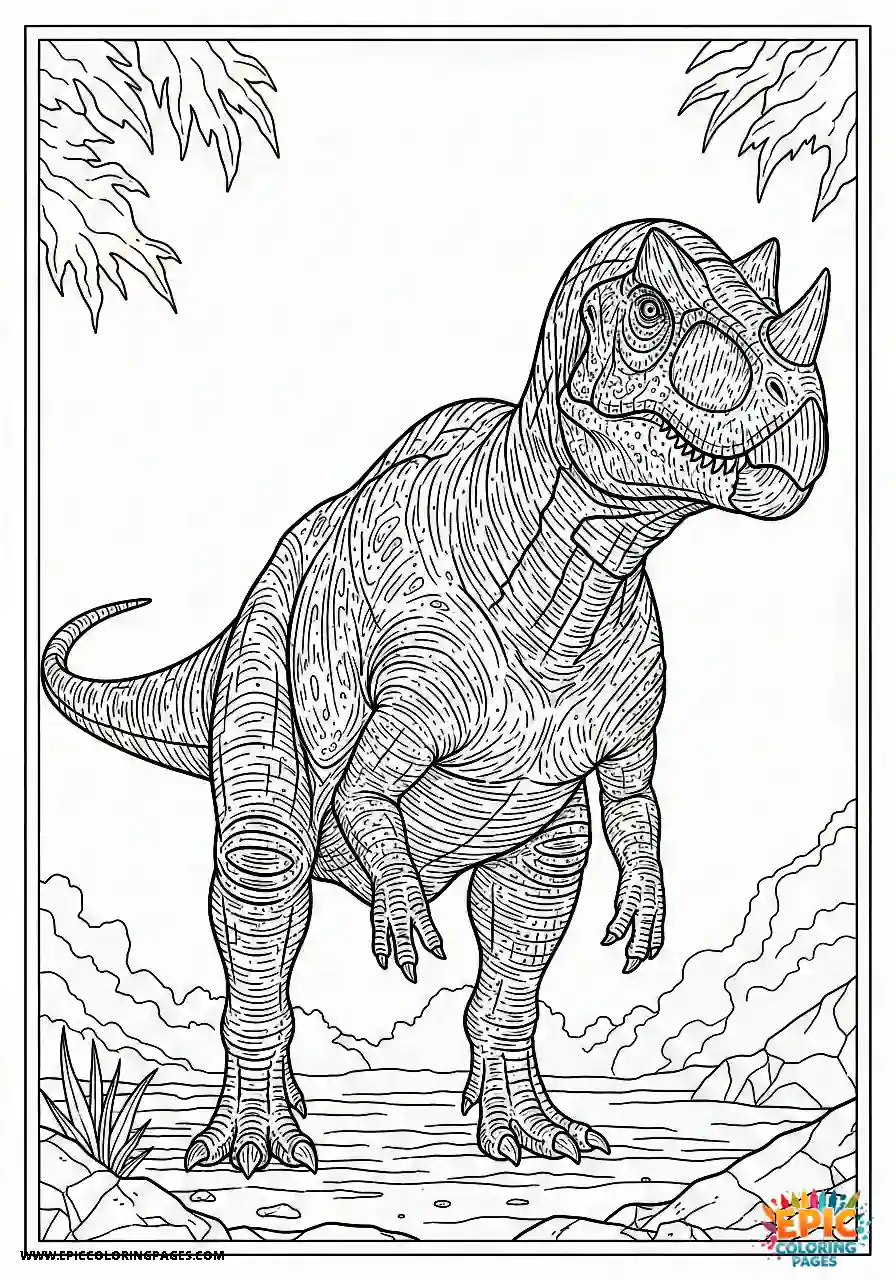
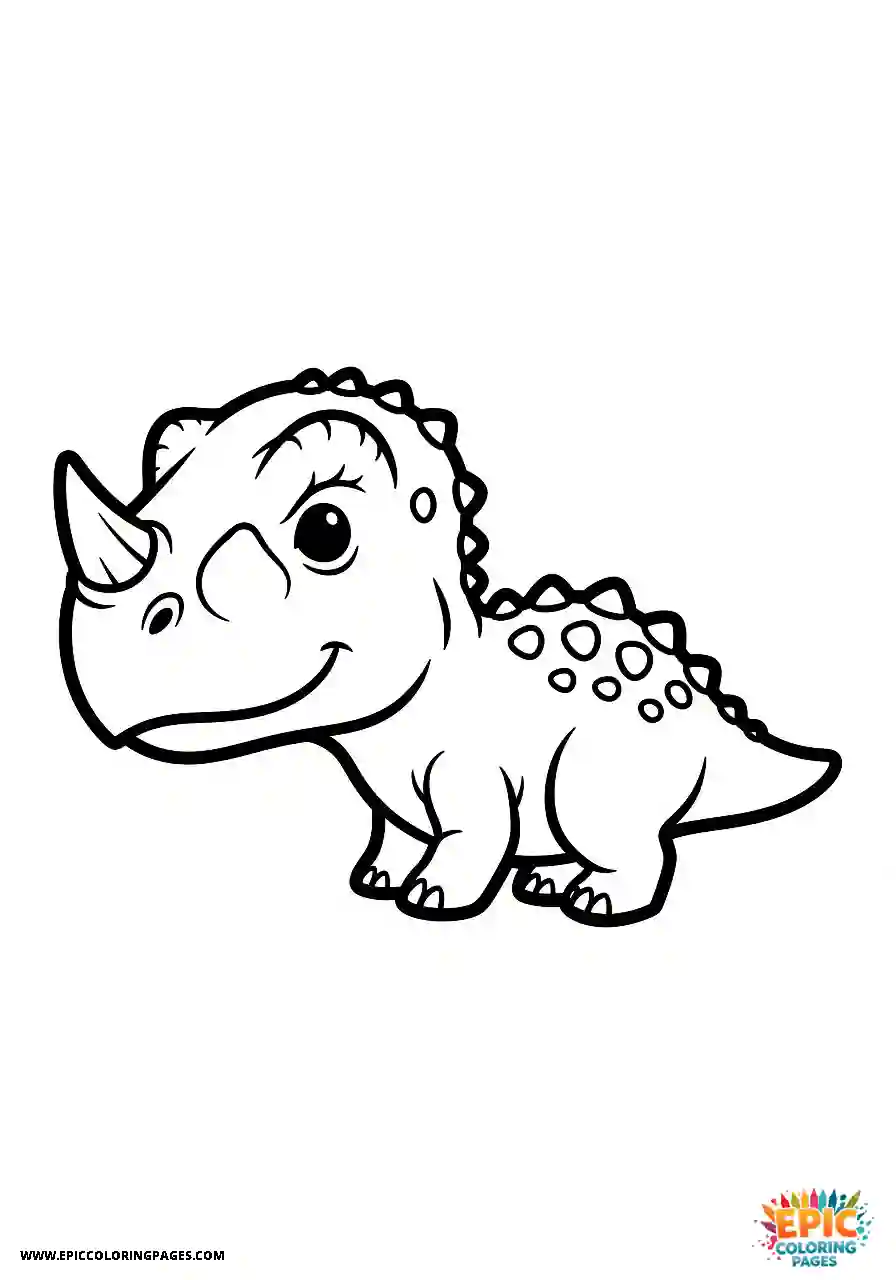
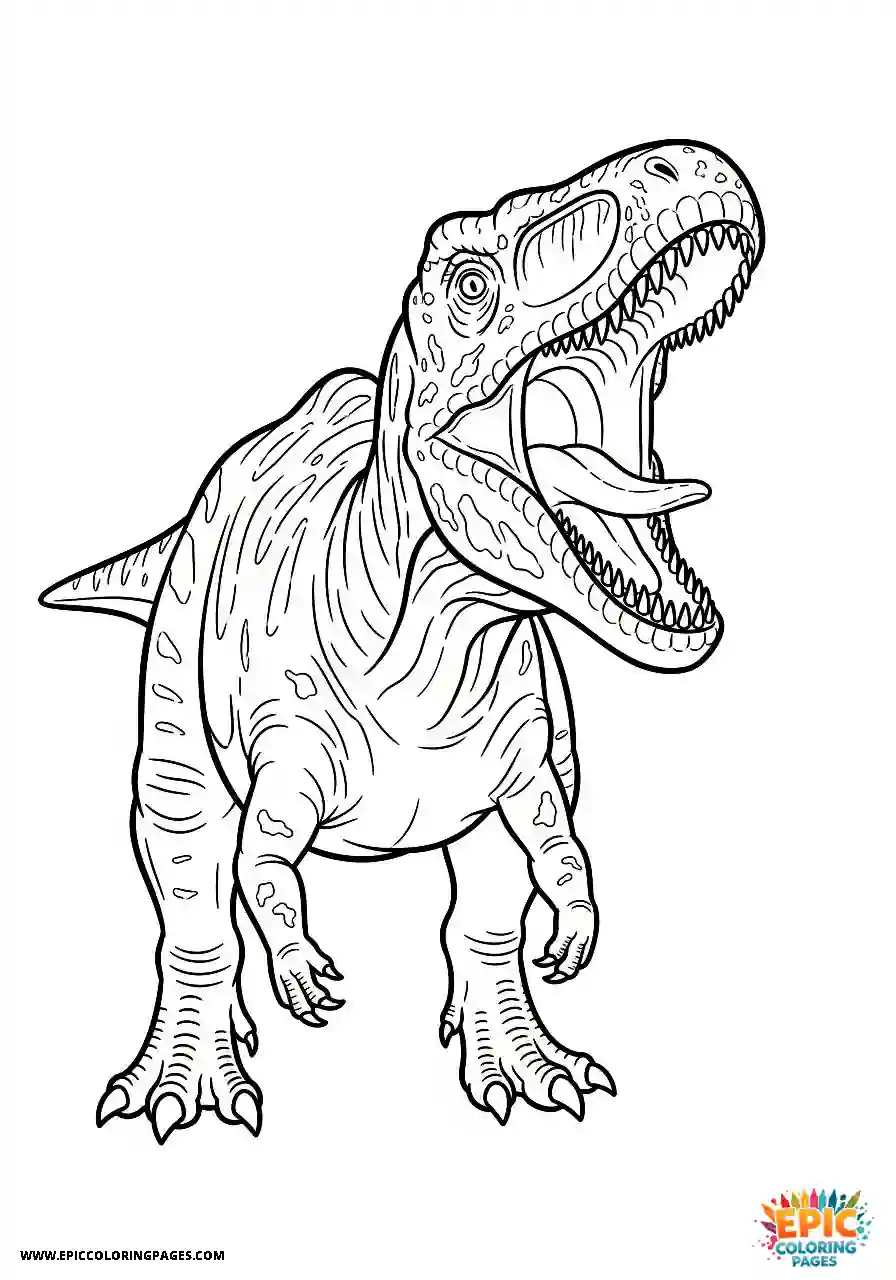
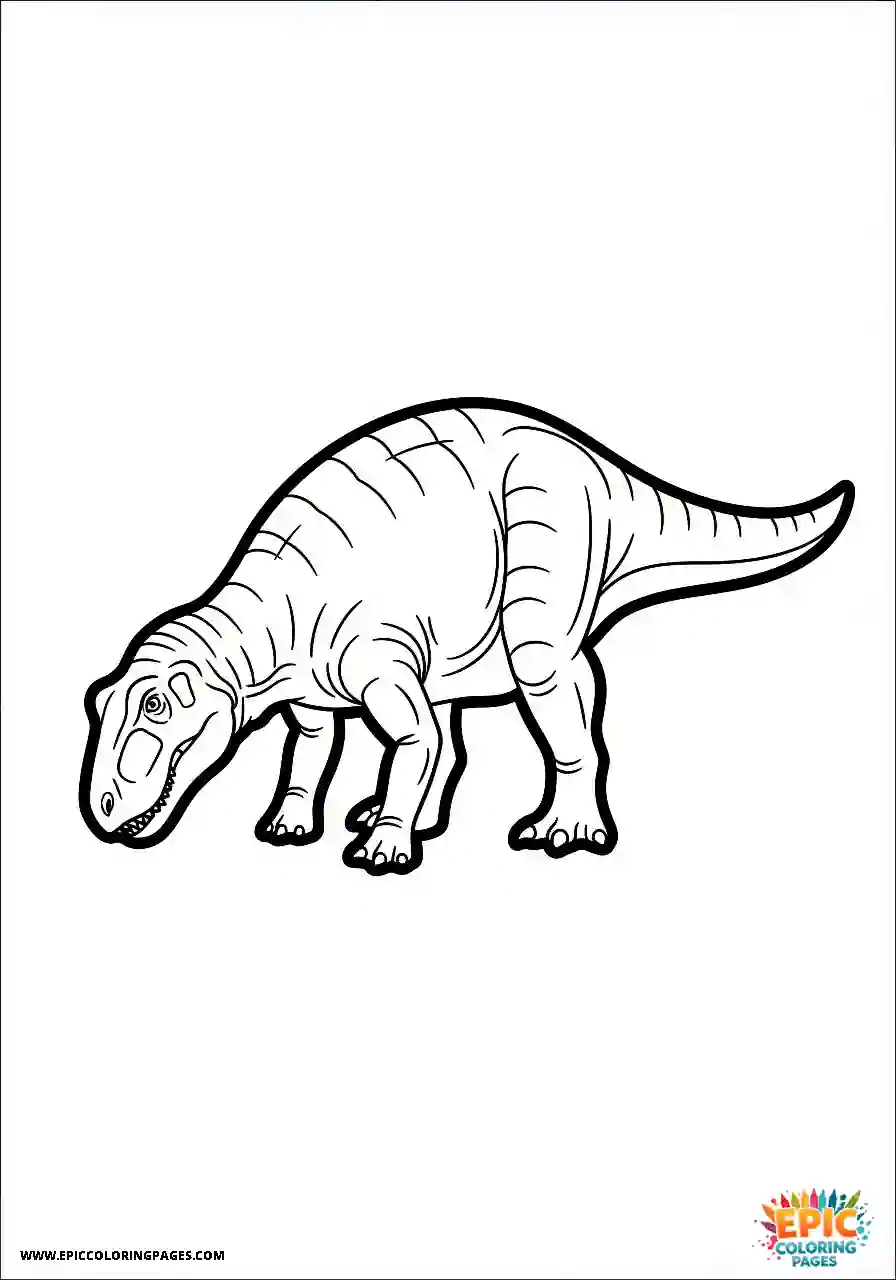
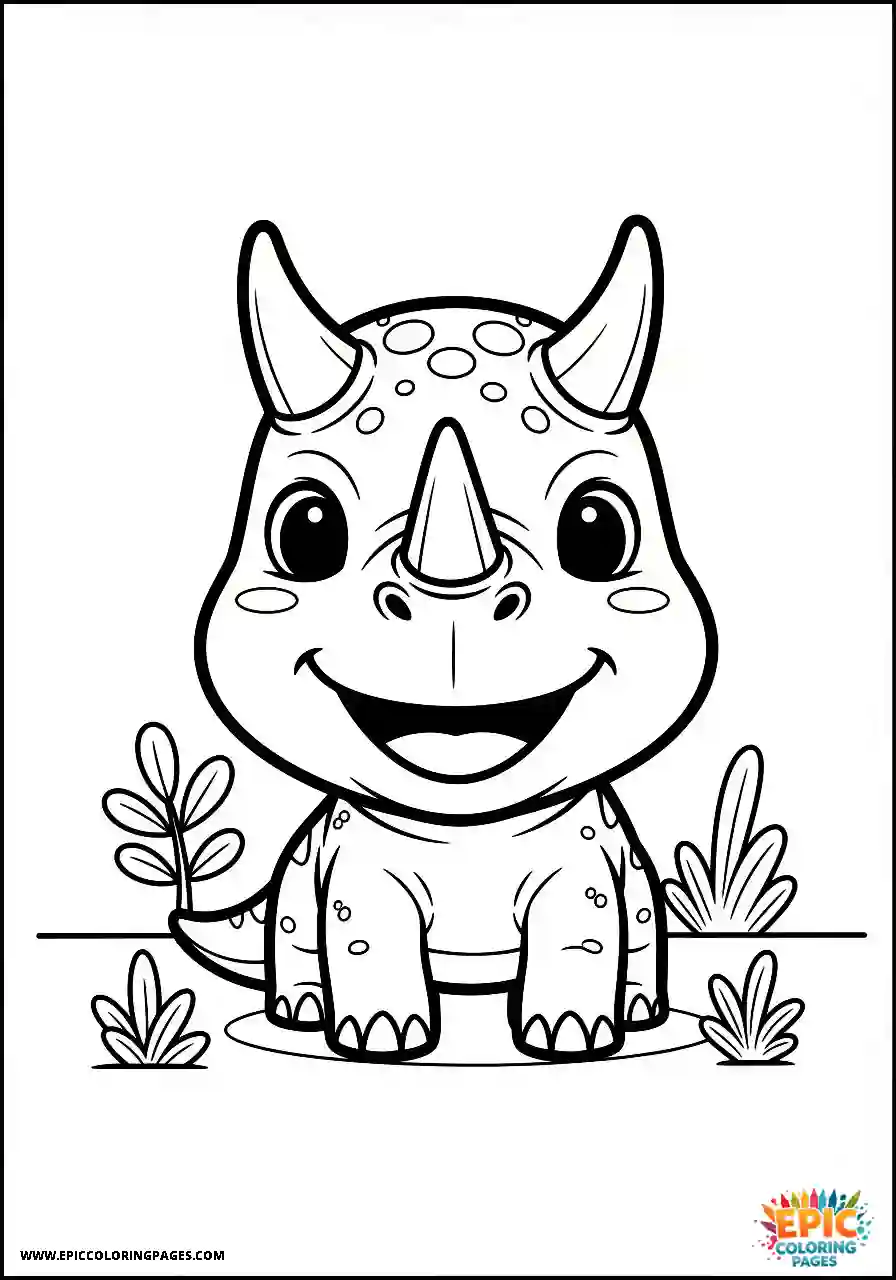
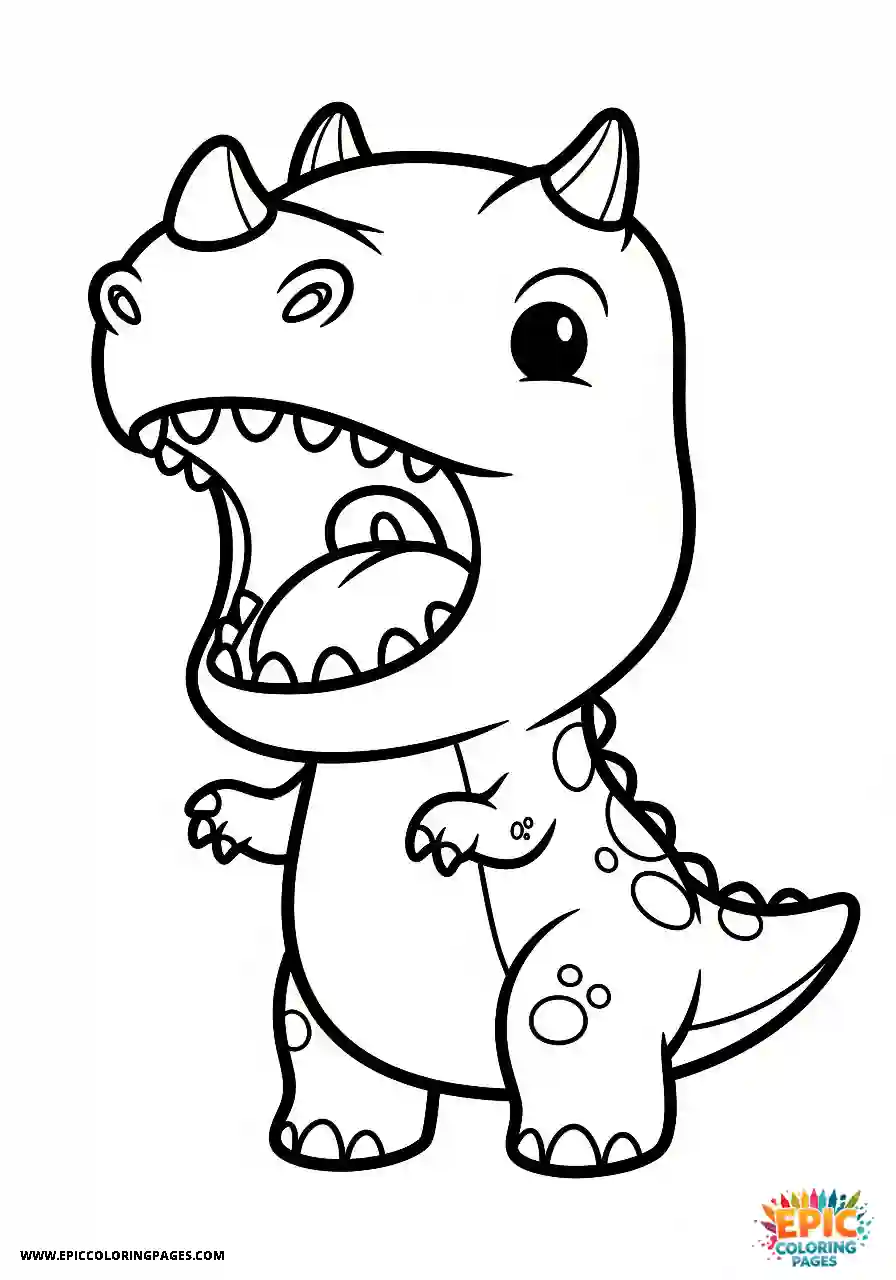
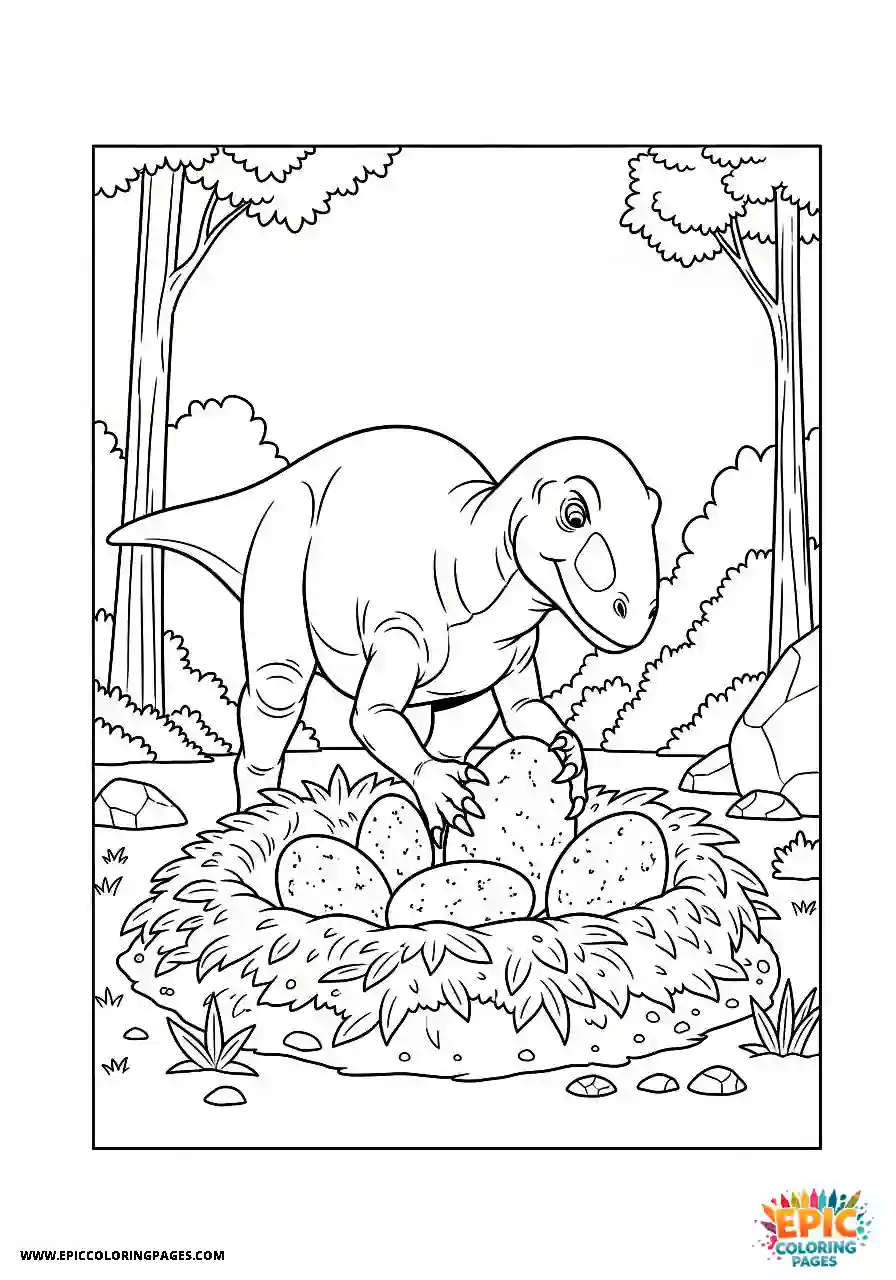
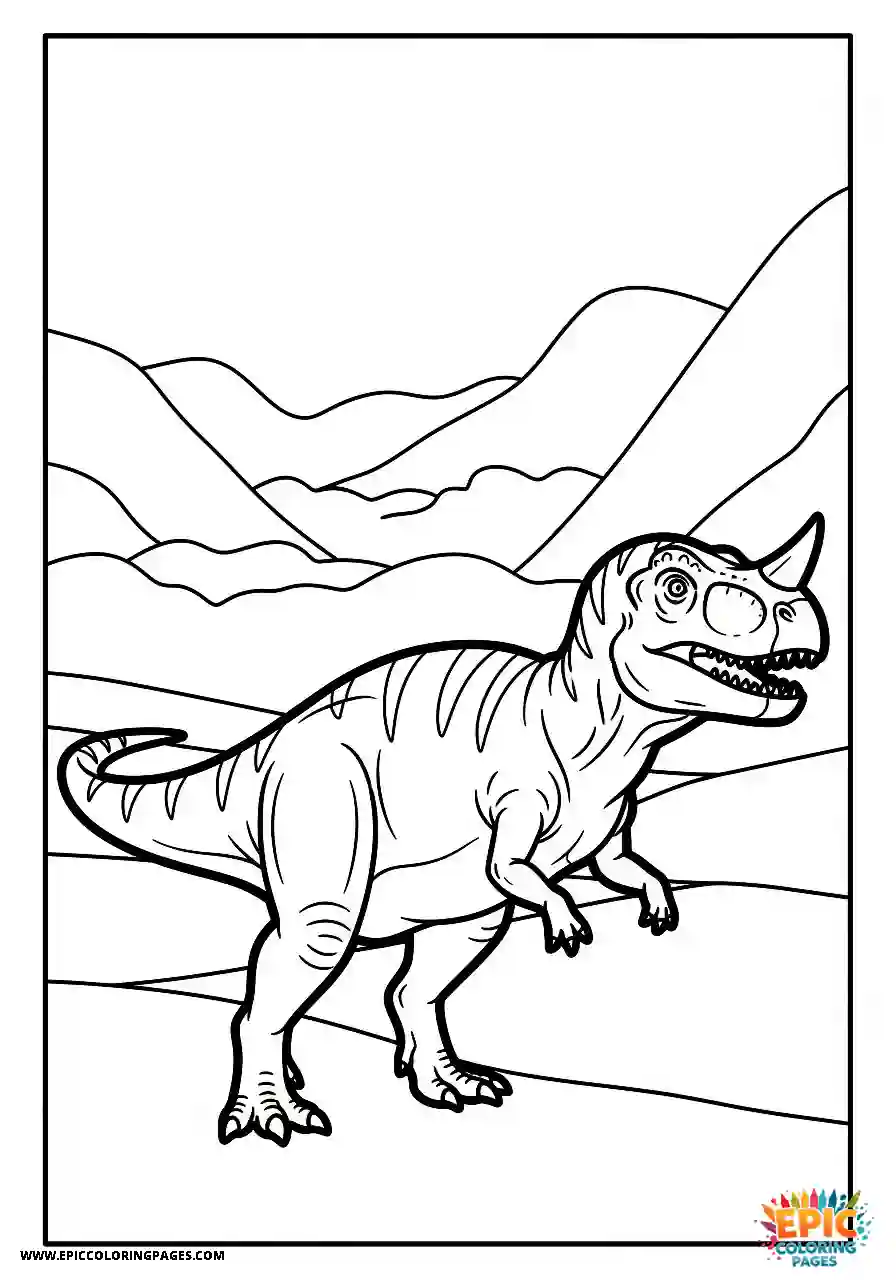
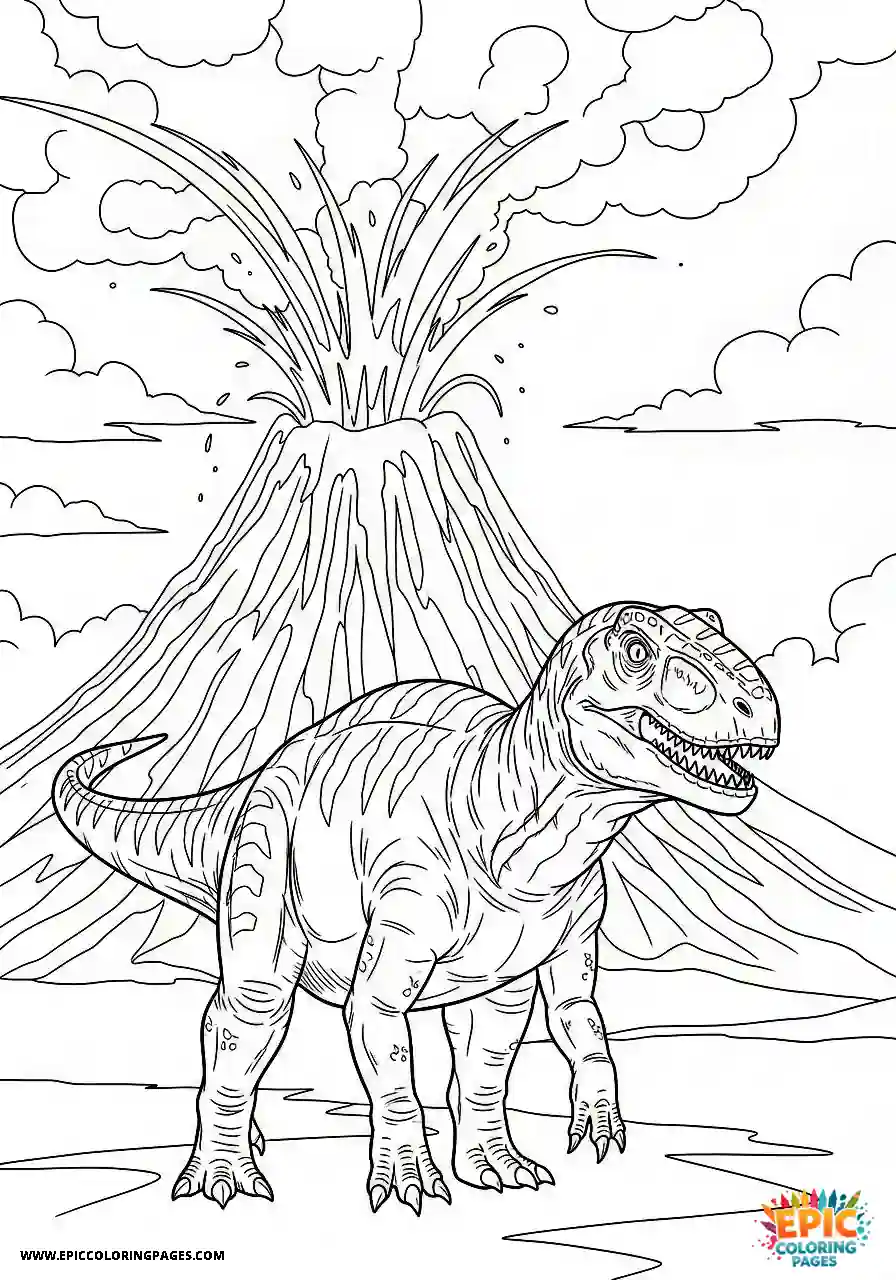
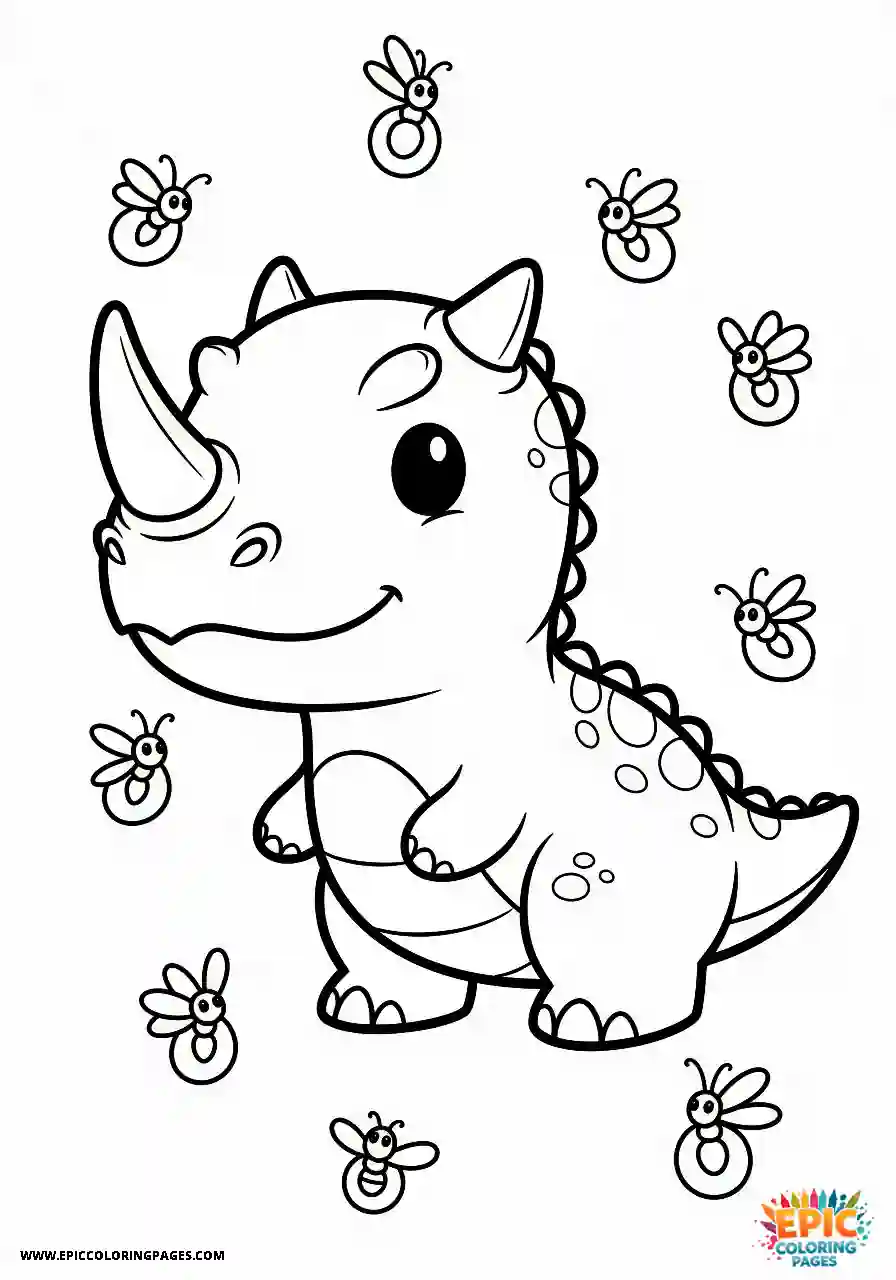
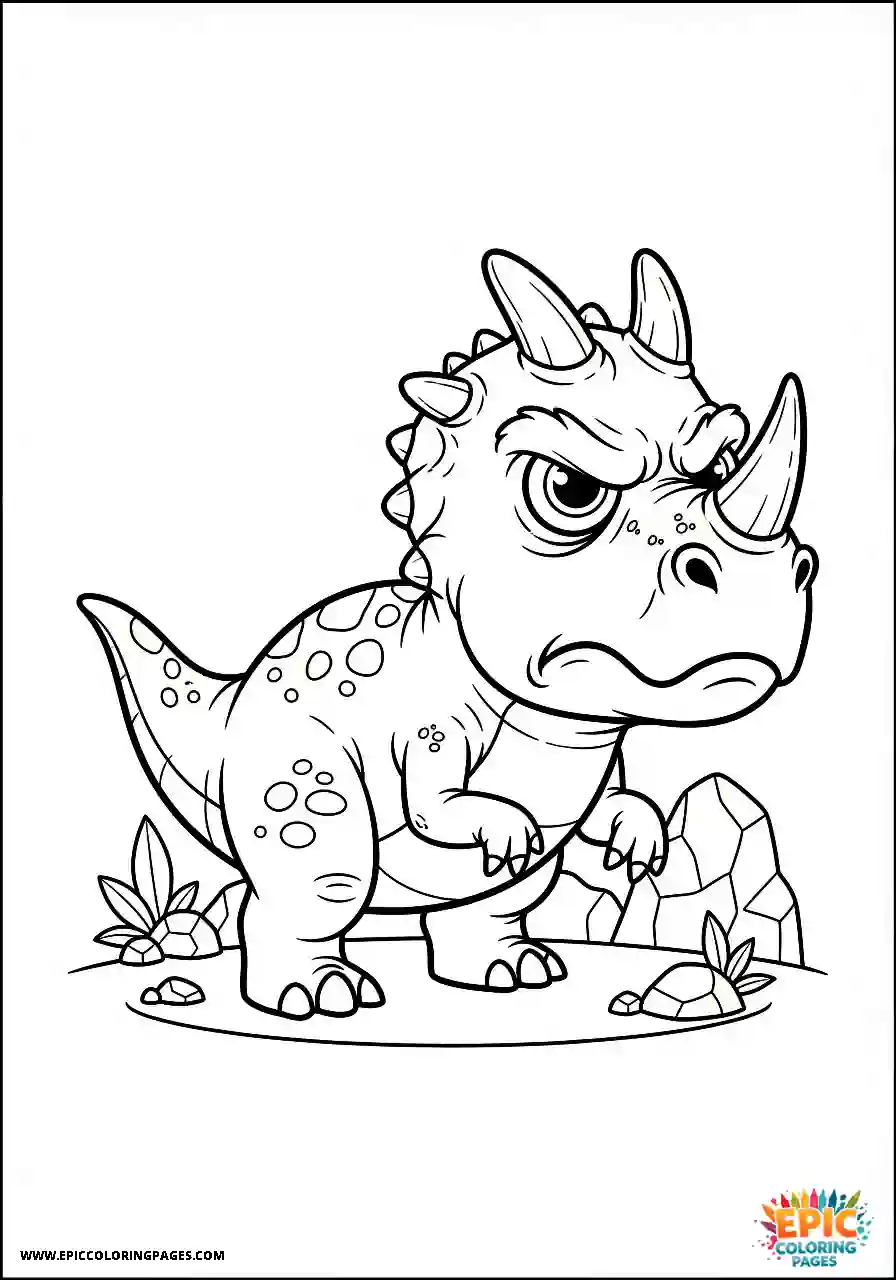
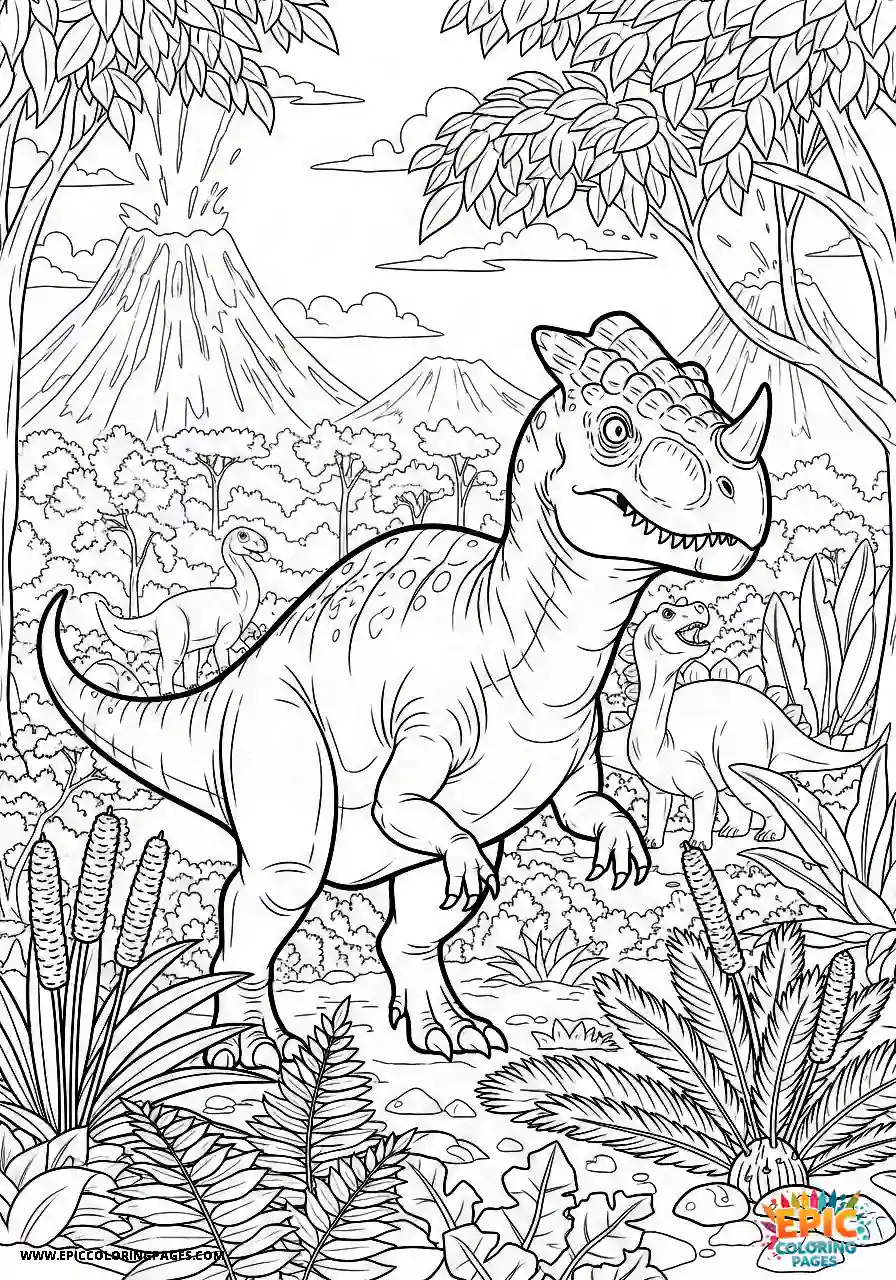
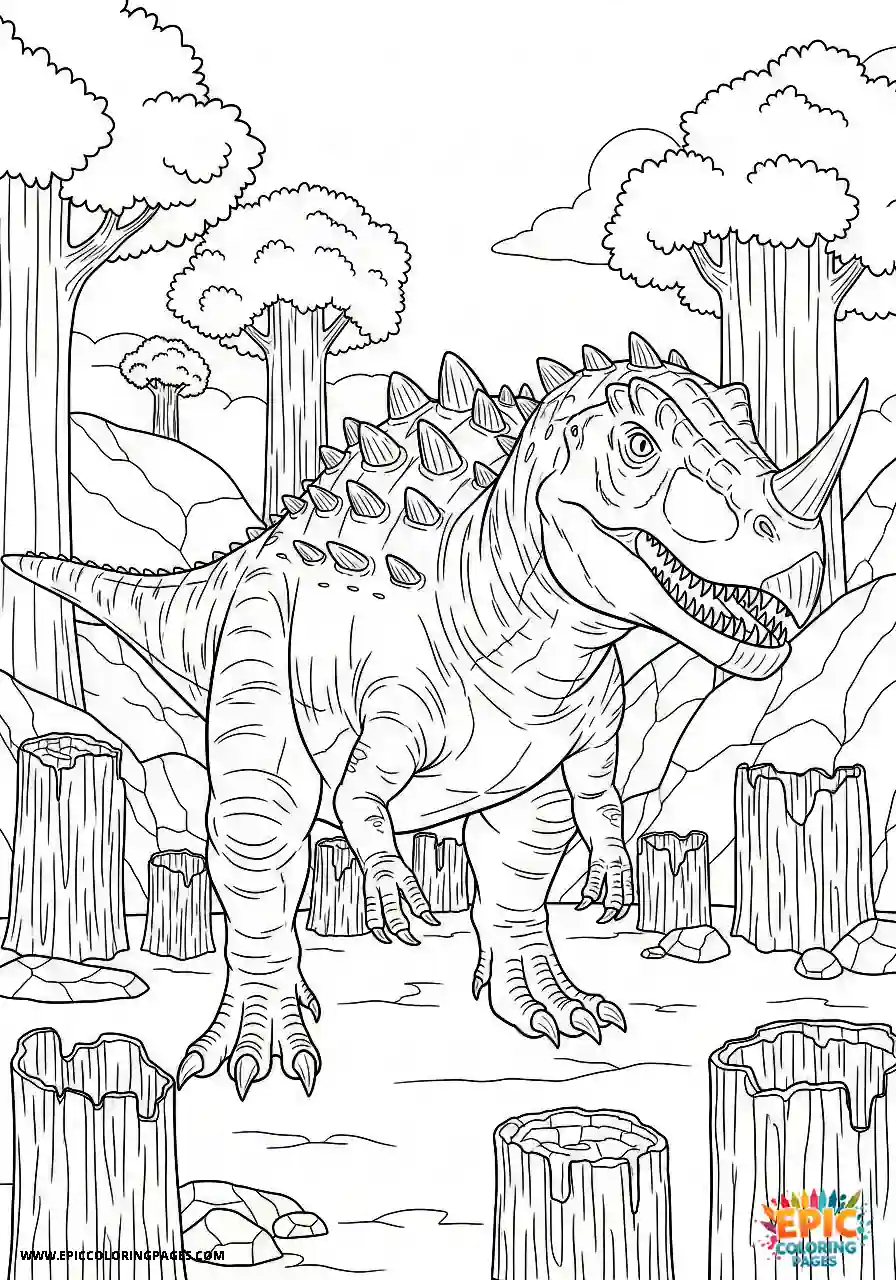
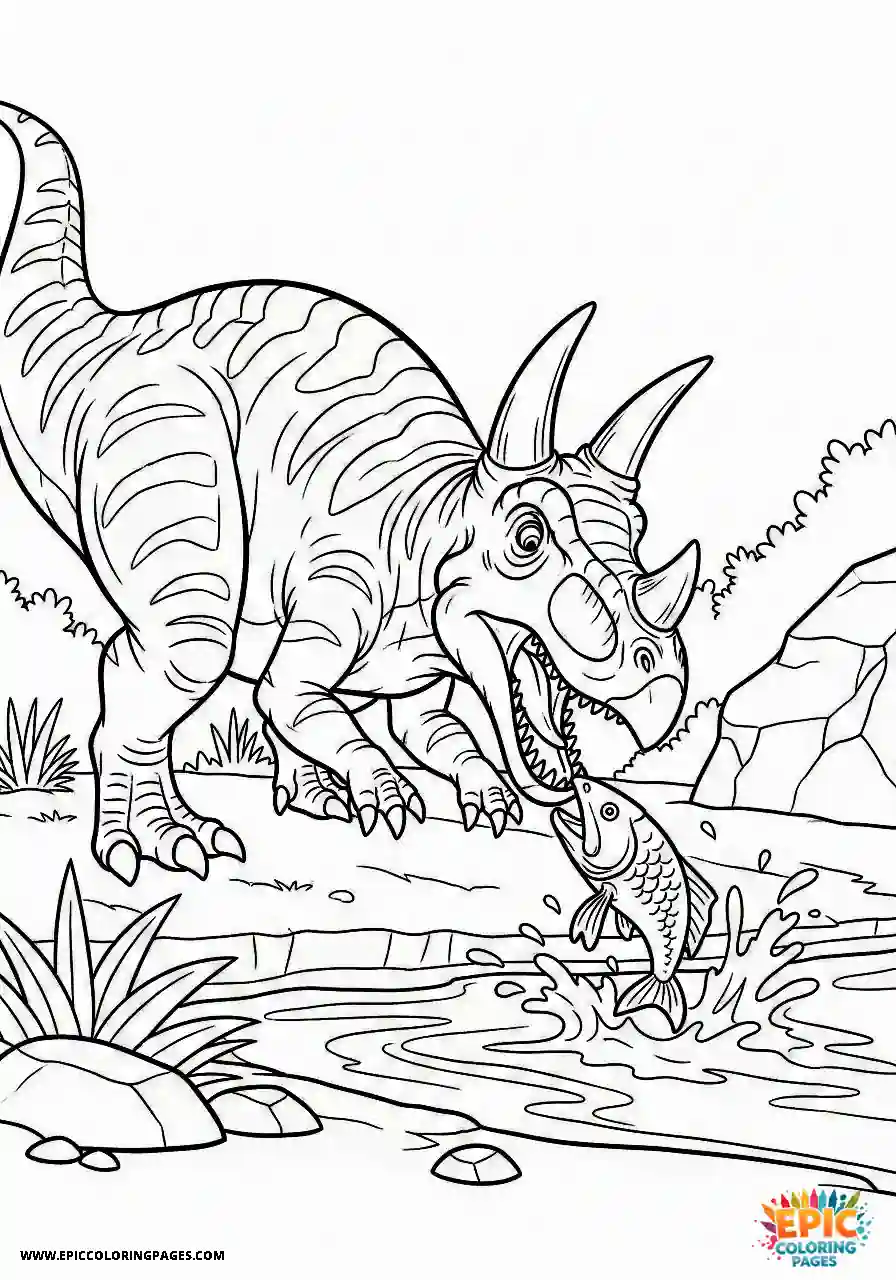
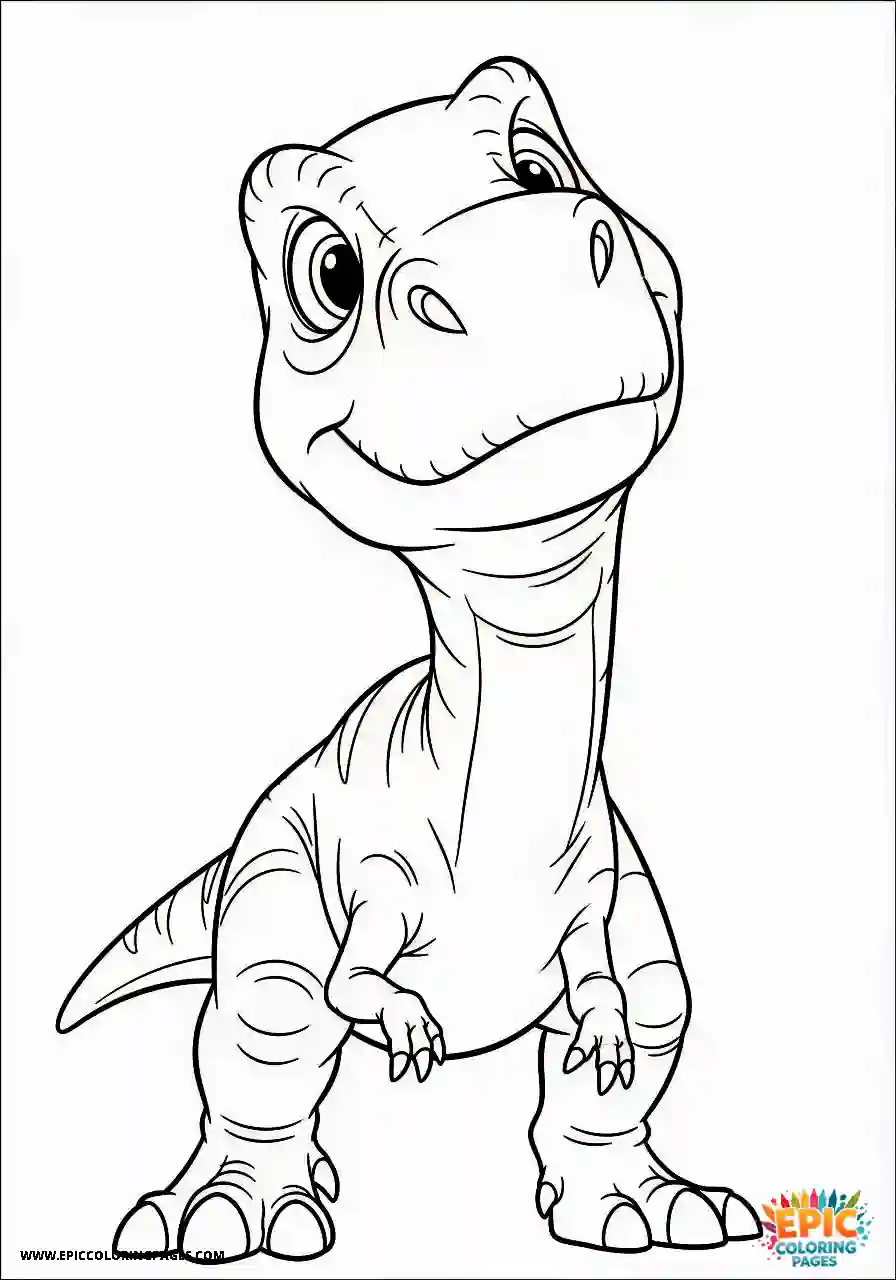
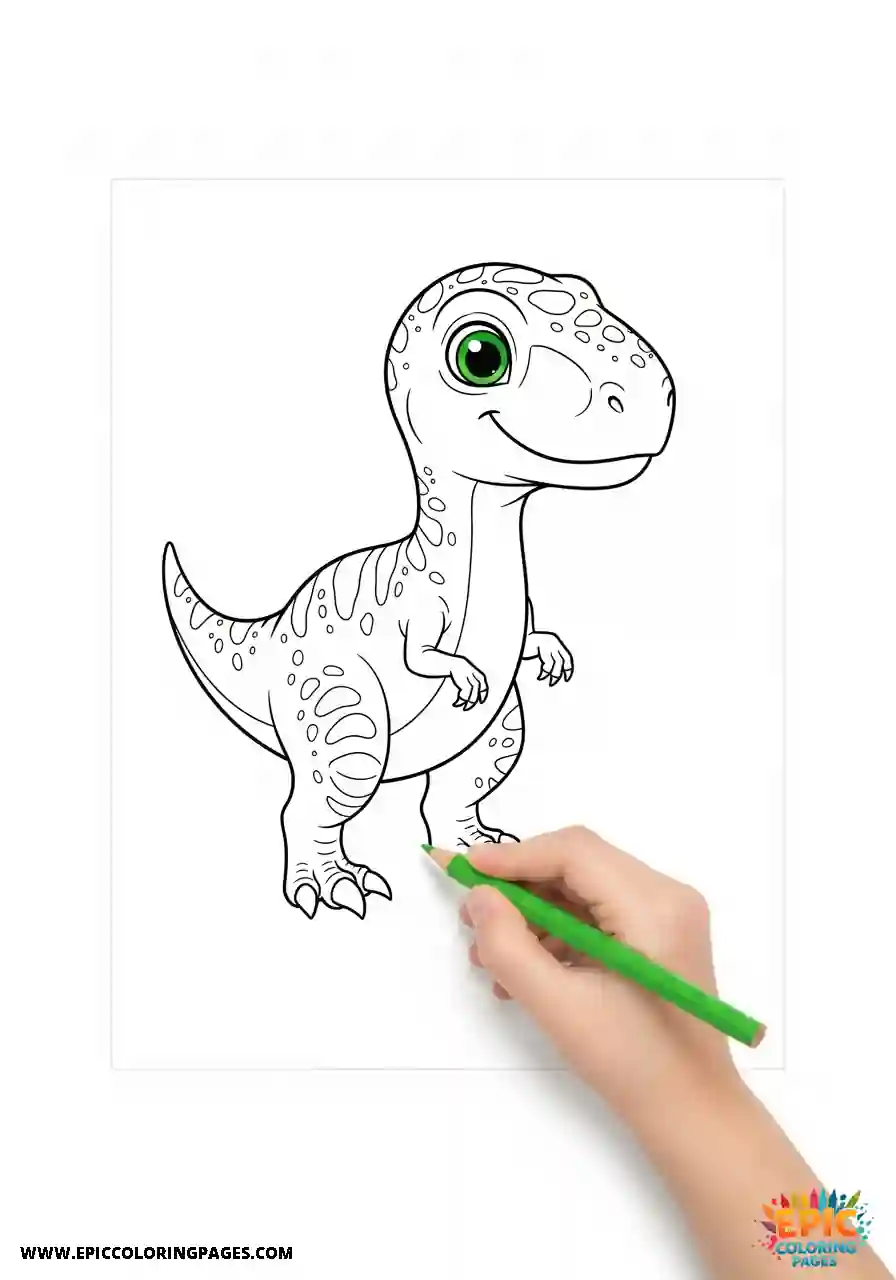
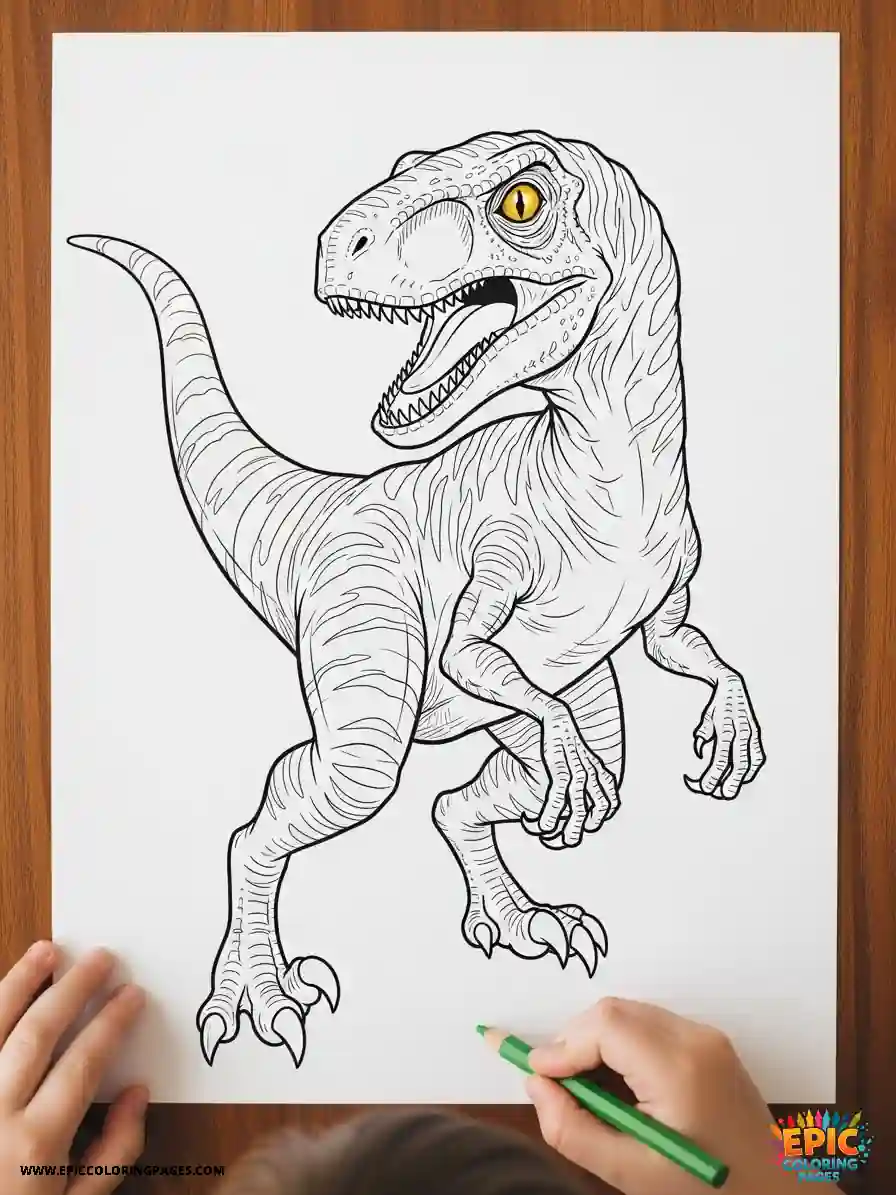
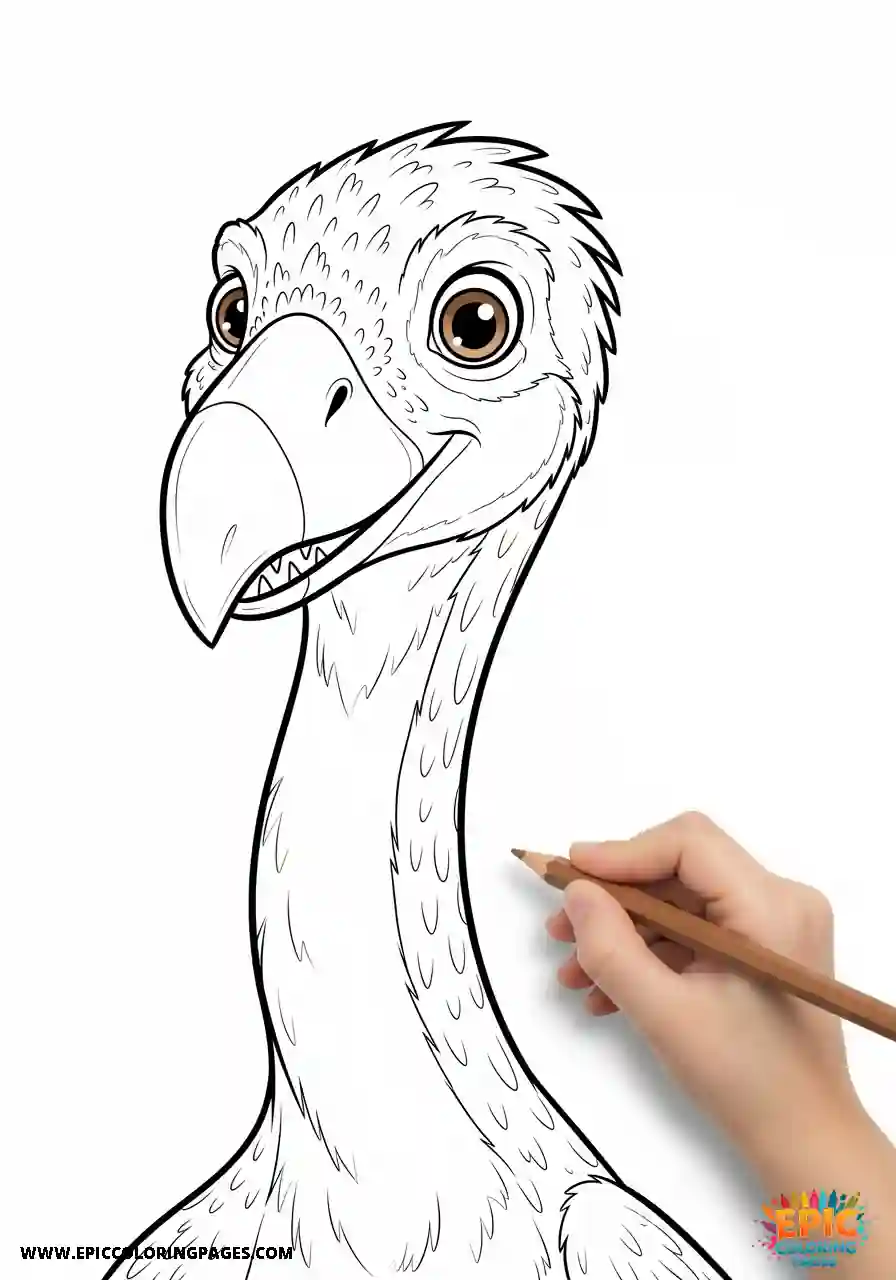
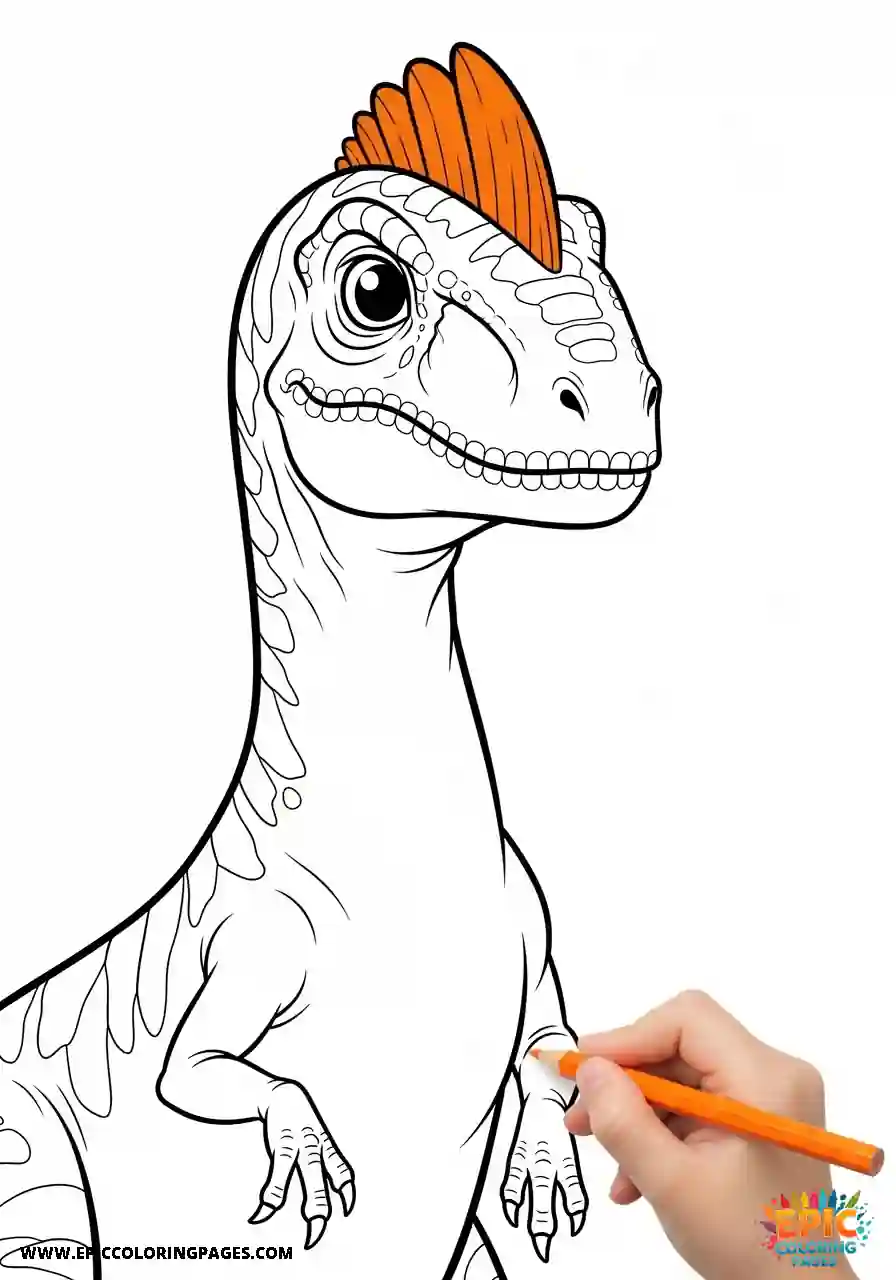
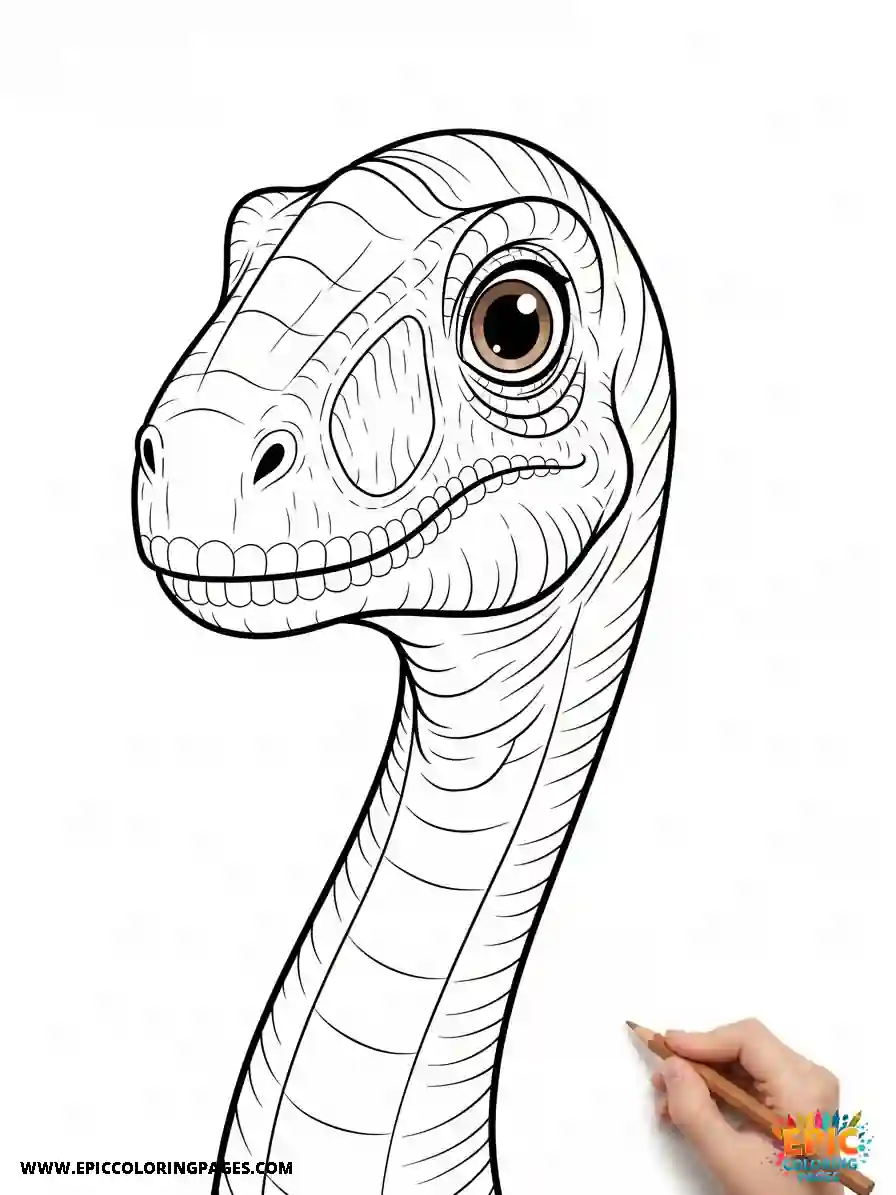
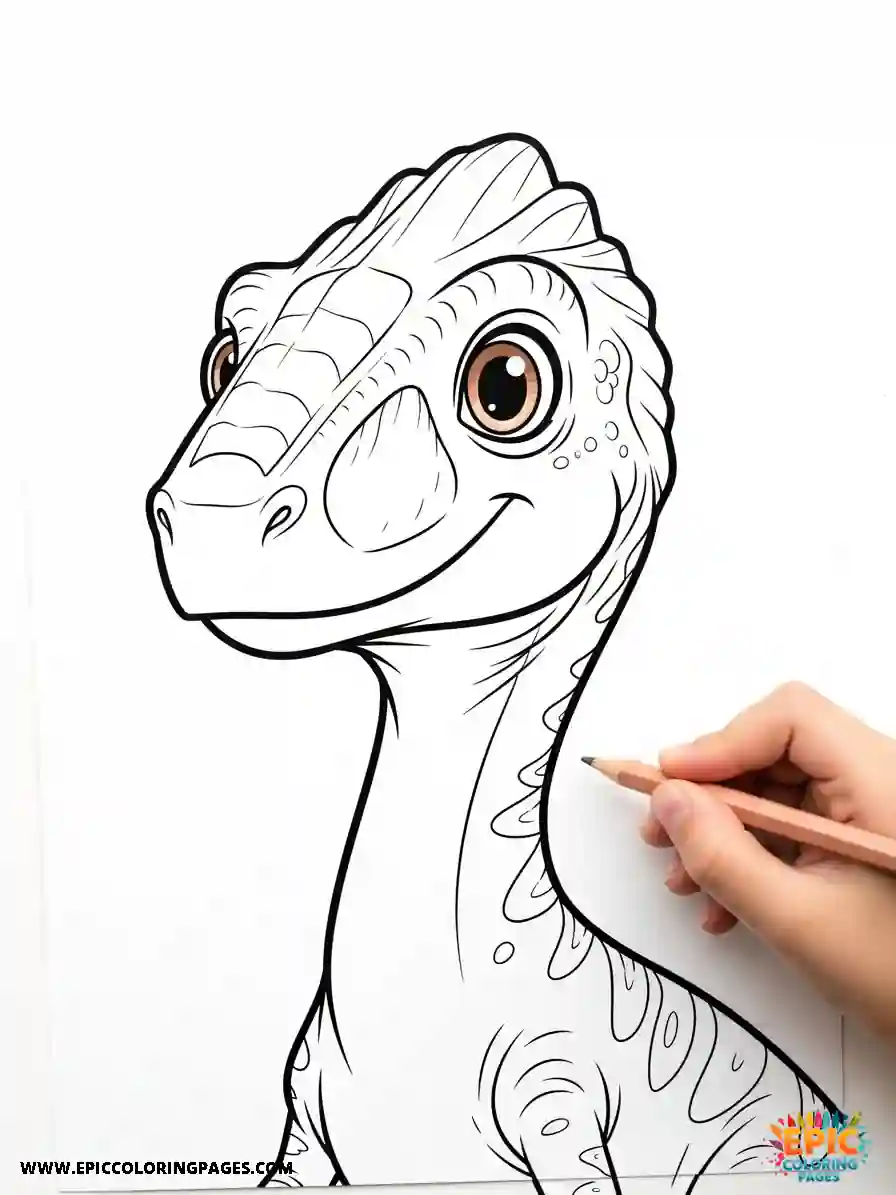
Ceratosaurus dinosaur coloring page with thick lines featuring a touch of color on the horn and eyes, designed for kids to color

๐ŸŽจ Free Interactive Editor - Customize Your Coloring Pages

Click on any image to open our FREE editor and add personalized text, emojis, zoom in for details, and save in professional 300 DPI quality!

โœ๏ธ

Add Text

11+ fonts

๐Ÿ˜Š

Emojis

500+ items

๐Ÿ”

Zoom

Precision

๐Ÿ’พ

Save

300 DPI

Explore Diverse Artistic Styles

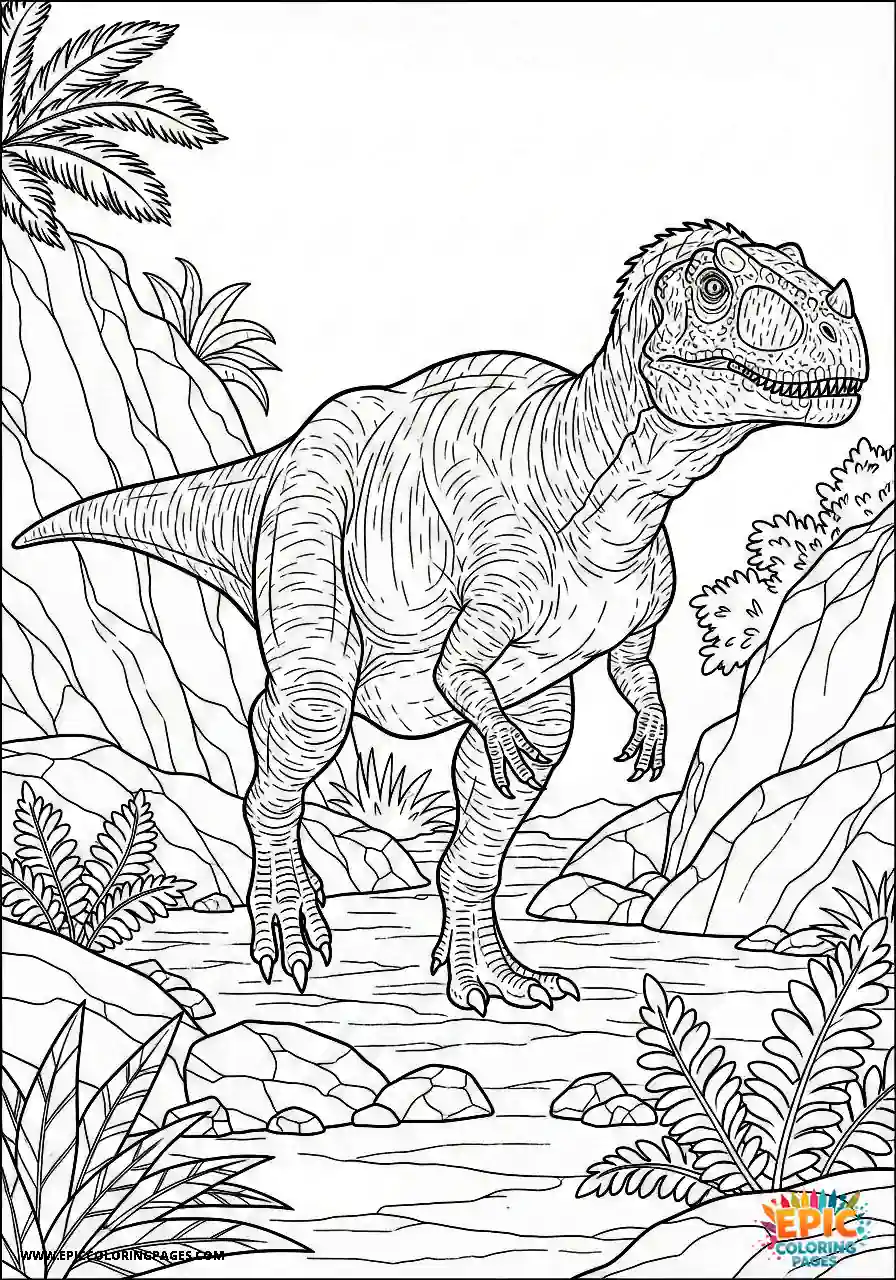
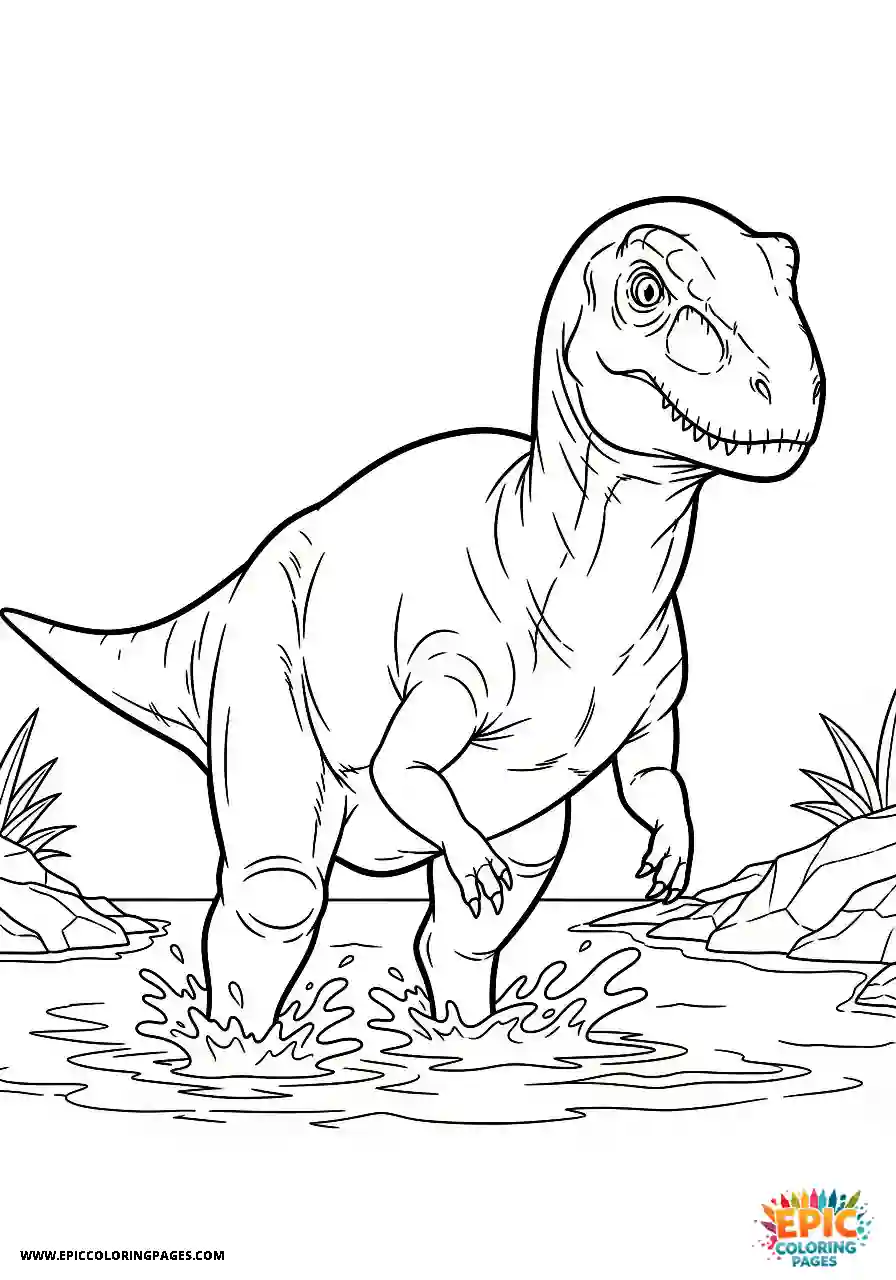
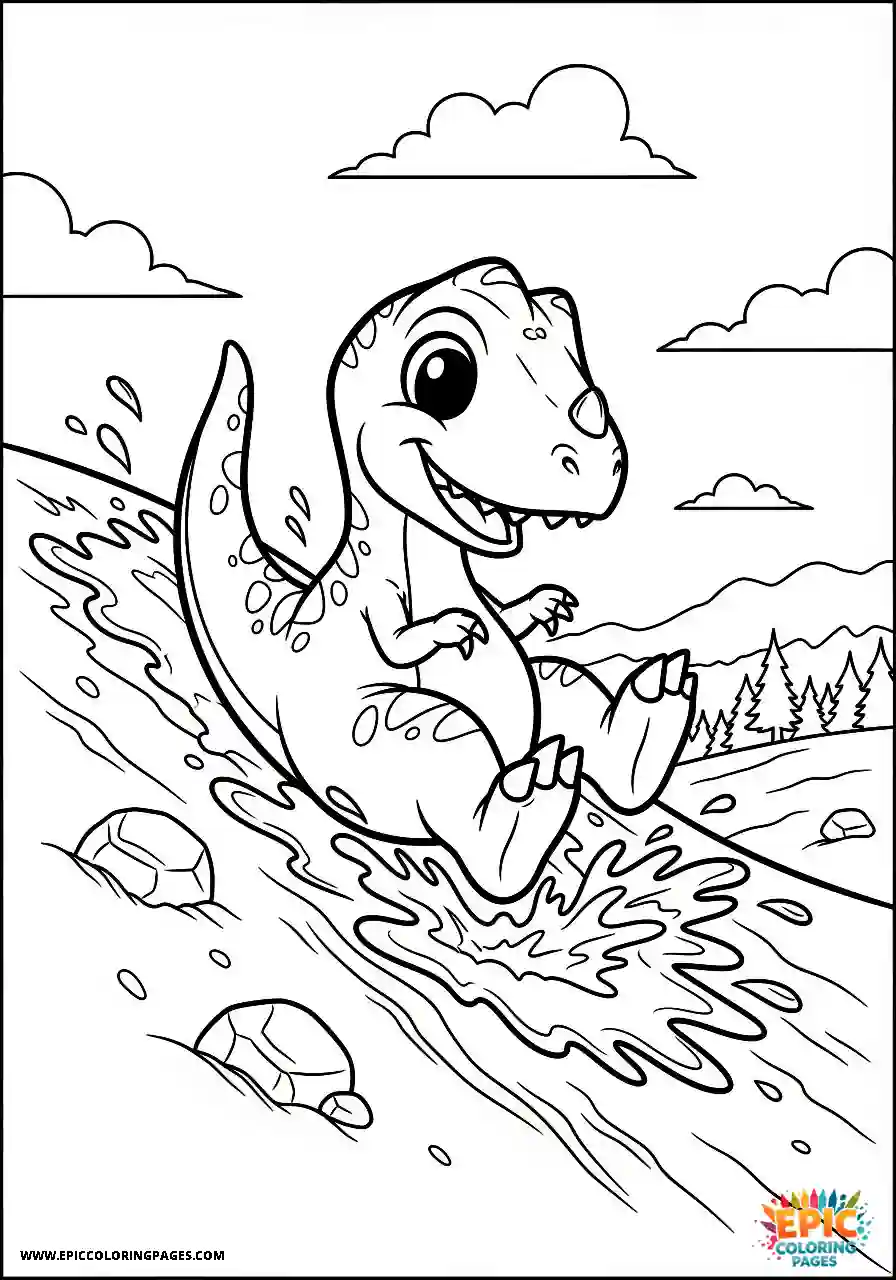
This collection highlights the specific features that make the Ceratosaurus unique among Jurassic predators. You will find pages that emphasize the nasal horn perfect for testing metallic or keratinous textures and the dorsal armor that invites detailed shading. Whether you prefer a scene depicting it swimming (a behavior supported by recent fossil evidence) or a classic profile view showing off its four-fingered grasp, these designs cater to both scientific accuracy and dramatic creature design.

Select a Ceratosaurus Dinosaur Picture to Bring to Life

More Dinosaur Coloring Pages You'll Love

If you enjoyed coloring these Ceratosaurus designs, you’re going to love our complete collection! Explore hundreds of additional prehistoric creatures, from the mighty T-Rex to gentle herbivores, all waiting for your creative touch. Head over to our comprehensive Dinosaur Coloring Pages collection to discover even more Jurassic and Cretaceous favorites. With constantly updated designs and new species added regularly, you’ll never run out of prehistoric coloring adventures!

Professional Coloring Tips for Ceratosaurus Pages

Bringing a Ceratosaurus to life through coloring is an exciting challenge that combines paleontological knowledge with artistic expression. This distinctive predator, with its prominent nasal horn and ridged back, offers colorists of all levels a chance to explore texture, depth, and prehistoric atmosphere.

Understanding Your Subject

Before you begin coloring, take a moment to appreciate what made Ceratosaurus unique. This Late Jurassic theropod stood apart from other predators with its distinctive horn above the nose and bony osteoderms running along its spine. These features aren’t just anatomical details they’re opportunities to create visual interest in your artwork. The horn catches light differently than smooth skin, and those back ridges create natural shadow lines that add dimension to your piece.

Color Palette Considerations

While we can’t know the exact coloration of Ceratosaurus, modern paleontology and zoology offer informed guidance. Consider how today’s apex predators use color. Many employ countershading, where the upper body is darker than the underbelly. This serves camouflage purposes and creates natural depth in your coloring.

For a realistic approach, earth tones work beautifully. Deep olive greens, burnt siennas, and warm grays suggest a creature adapted to the floodplains and river systems where Ceratosaurus fossils have been found. The Morrison Formation, where most specimens were discovered, was a semi-arid environment with seasonal rivers imagine colors that would blend with mud banks and scattered vegetation.

However, don’t feel constrained by conservative choices. Modern birds, the living descendants of theropod dinosaurs, display spectacular colors. Cassowaries sport vibrant blues and reds on their heads, while many birds of prey have striking patterns. If you want to give your Ceratosaurus vivid display colors on its horn or along those osteoderms, you’re working within scientifically plausible territory.

Layering Techniques for Depth

The key to professional-looking dinosaur coloring lies in building up layers gradually. Start with your base color applied lightly and evenly. For colored pencils, use circular motions with minimal pressure you can always add more pigment, but removing excess is difficult.

The horn presents a perfect opportunity to practice highlighting. These keratinous structures would have had a slight sheen, similar to a bird’s beak. Leave the highest point of the horn lighter, or even white, to suggest this reflective quality. As you move down the sides of the horn, gradually deepen your pressure and color intensity.

The osteoderms along the spine deserve special attention. These weren’t soft like scales but bony protrusions covered by skin or keratin. Color them slightly differently from the surrounding skin perhaps a shade darker or with a hint of a complementary color. Add a thin shadow line on one side of each ridge to show they’re raised above the body surface.

Creating Realistic Skin Texture

Dinosaur skin wasn’t uniformly smooth. Fossil evidence shows various theropods had different skin textures across their bodies. For larger areas like the flanks and legs, consider using small, irregular strokes rather than solid coloring. This suggests the pebbly texture seen in some fossil skin impressions.

The belly and throat might have had smaller, more delicate scales. Use lighter pressure and finer strokes in these areas. This textural variation not only looks more scientifically accurate but also prevents your coloring from appearing flat.

Shadow and Light Placement

Lighting transforms a flat image into a three-dimensional creature. Decide where your light source is coming from typically, top-left works well for most compositions. The side facing this light source receives your lightest values, while the opposite side needs deeper, richer colors.

Pay special attention to areas where the body curves away from the light. The legs, where they meet the body, should darken. The underside of the jaw, the area beneath the tail as it curves, and the inside of the arms all need deeper shadows. These shadows don’t have to be black or gray often, using a darker version of your base color creates a more natural effect.

The area around the eye socket deserves careful consideration. The actual eye should have a highlight to suggest moisture and life, but the bony socket around it would cast a shadow on the eyeball itself. This small detail dramatically increases realism.

Working With Different Mediums

Colored pencils allow for precise control and subtle gradations. Build up slowly, and use a colorless blender pencil to smooth transitions between colors. For the horn and claws, try burnishing applying heavy pressure with a light color over your base layers to create a polished, hard appearance.

Markers offer vibrant, saturated colors but require a different approach. Work from light to dark, as there’s no going back. Use the lighter end of your marker first, then add darker tones while the area is still slightly damp to create smooth blends. For scales and texture, try stippling with marker tips in varying colors.

Watercolors bring a beautiful, organic quality to dinosaur coloring. Wet-on-wet techniques work wonderfully for the main body, creating soft gradations. Once dry, add details like individual scales or the definition of those osteoderms with a smaller brush and less water for controlled lines.

Digital coloring offers unlimited experimentation. Use separate layers for base colors, shadows, highlights, and details. This allows you to adjust the intensity of shadows without affecting your base work. Textured brushes can simulate scale patterns convincingly.

Background Considerations

Your Ceratosaurus doesn’t exist in a void. Even a simple ground line or shadow beneath the feet grounds the creature in space. For those wanting to go further, consider the Late Jurassic environment. Cycads, ferns, and conifers dominated the landscape. A suggestion of these plants, colored with less intensity than your dinosaur, creates depth and context without overwhelming your main subject.

Water elements work particularly well with Ceratosaurus, as evidence suggests these predators were comfortable in aquatic environments. A reflection in water, even simplified, adds sophistication to your piece. Remember that reflections are slightly darker and less detailed than the object they’re reflecting.

Common Mistakes to Avoid

One of the most frequent issues is over-saturating early in the process. Whether you’re using pencils, markers, or paints, start lighter than you think necessary. It’s remarkably easy to intensify color, but lightening requires time-consuming techniques or, in some cases, starting over.
Another common challenge is inconsistent light direction. If shadows fall to the right on the head, they must fall to the right on the entire body. Before adding shadows, quickly sketch light arrow notes on scrap paper if needed, indicating your light source direction.

Don’t neglect the feet and claws. These areas are often rushed, but they’re crucial for grounding your dinosaur. Claws, like the horn, would have had a harder, somewhat glossy texture different from the skin. They deserve individual attention with careful highlight placement.

Advanced Techniques

Once you’re comfortable with basics, consider adding environmental lighting effects. If your Ceratosaurus is in dappled forest light, patches of lighter color suggest sunlight breaking through the canopy. This requires leaving some areas of your base color lighter from the start, or lifting color if your medium allows.

Color temperature adds sophistication. Shadows aren’t just darker they’re often cooler in temperature. If your base color is a warm brown, shadows might incorporate subtle purple or blue undertones. Conversely, highlights might have warm yellow or orange hints, especially if you’re suggesting warm sunlight.

For those interested in scientific accuracy, reference modern archosaurs crocodilians and birds. Notice how crocodile skin has subtle color variations, with some scales appearing slightly different from their neighbors. This irregular quality prevents the artificial look of perfectly uniform coloring.

Finishing Touches

Step back from your work regularly during the process. What looks good up close might need adjustment when viewed from a normal distance. Sometimes areas that feel incomplete up close actually work perfectly in the overall composition.

Consider adding a few strategic details that draw the eye perhaps the highlight in the eye is your brightest white, or the tips of the claws have the sharpest contrast. These focal points give viewers somewhere to start when they look at your completed piece.

The osteoderms along the spine create a natural line that leads the eye through your composition. You can emphasize this by making the color or value contrast slightly stronger along this ridge, subtly guiding viewers through your artwork.

Learning From Each Piece

Every Ceratosaurus you color teaches you something new. Perhaps you discover that your favorite green looks muddy when layered too heavily, or that a color combination you hadn’t considered creates a striking effect. Keep your completed pieces, even early ones. Reviewing them later shows your progress and reminds you of techniques that worked well.

Photography is invaluable for this learning process. Take photos of your work in progress and when complete. Often, a camera reveals areas that need more contrast or shows that something you thought was a problem actually works beautifully.

Coloring a Ceratosaurus connects you to deep time, to an animal that walked the earth 150 million years ago. Whether you aim for documentary-style realism or artistic interpretation, each choice you make brings this magnificent predator a little closer to life. The technical skills you develop understanding light, building texture, creating depth serve you in any artistic endeavor, while the joy of the process remains uniquely satisfying.

Interesting facts about the Ceratosaurus

What is a Ceratosaurus?

Ceratosaurus was a medium-sized carnivorous theropod dinosaur that lived during the Late Jurassic period, approximately 153 to 148 million years ago. Its name means “horned lizard,” referring to the prominent horn on its snout and smaller horns above its eyes, making it one of the most distinctive predatory dinosaurs.

The correct pronunciation is “seh-RAT-oh-SORE-us” with emphasis on the second syllable. It comes from Greek words: “keras” (horn) and “sauros” (lizard). Practice saying it slowly at first, and you’ll sound like a paleontology expert in no time!

Ceratosaurus roamed the Earth during the Late Jurassic period, specifically between 153 and 148 million years ago. This prehistoric predator shared its environment with other famous dinosaurs like Allosaurus, Stegosaurus, and the enormous sauropod Brachiosaurus in what is now North America, Europe, and possibly Africa.

Based on fossil evidence, paleontologists believe Ceratosaurus were primarily solitary hunters, unlike some other theropods. While they may have occasionally gathered around large food sources or during mating season, they likely spent most of their time alone, hunting and defending their territories from rivals.

Yes! Evidence suggests that Ceratosaurus was an capable swimmer and may have hunted in aquatic environments. Its relatively flexible tail and laterally compressed body would have made it more adept at swimming than many other theropods. Some paleontologists believe it may have hunted fish and aquatic reptiles, similar to modern crocodiles.

In the movie “Jurassic Park III,” the Ceratosaurus encountered by the characters doesn’t attack because it was more interested in the Spinosaurus dung on them. In reality, Ceratosaurus went extinct naturally around 148 million years ago, likely due to environmental changes, competition for resources, and the natural evolution of ecosystems during the Late Jurassic period.

This refers to the famous scene in Jurassic Park III where a Ceratosaurus sniffs the characters and walks away. In the movie’s logic, the dinosaur detected Spinosaurus dung on them and chose to avoid a potential confrontation with a larger predator’s territory. While this makes for great cinema, real Ceratosaurus behavior would have been driven by hunger, threat assessment, and territorial instincts.

In a hypothetical battle, Allosaurus would likely have the advantage due to its larger size growing up to 32 feet compared to Ceratosaurus’s 20 feet. However, Ceratosaurus had unique weapons: its nasal horn and powerful bite. In reality, these dinosaurs likely avoided direct confrontation when possible, as both were apex predators that couldn’t afford serious injuries. When they did meet, the outcome would depend on individual size, health, and circumstance.

While Ceratosaurus made memorable appearances in Jurassic Park III and briefly in Jurassic World: Fallen Kingdom, its future in the franchise depends on the filmmakers’ creative decisions. Fans continue to hope for more screen time for this distinctive horned predator, especially given its unique appearance and swimming abilities that could create exciting aquatic hunting scenes.

In ARK: Survival Evolved, taming a Ceratosaurus requires knocking it unconscious using tranquilizer arrows or darts, then feeding it regular kibble, raw mutton, or raw prime meat. Keep its torpor high with narcotics or biotoxin while the taming process progresses. Build a taming trap with stone or metal structures to safely contain it during the process, as wild Ceratosaurus can be aggressive and dangerous.

In ARK: Survival Ascended, the taming process for Ceratosaurus follows similar mechanics to the original game but with improved graphics and slightly adjusted stats. Use a bola to temporarily immobilize it if it’s a lower level, then tranquilize it with your preferred weapon. The best taming foods remain exceptional kibble or raw prime meat, and having a taming calculator app handy helps you prepare the exact resources needed for your desired level dinosaur.

Item adicionado!