Home Dinosaur Allosaurus

Allosaurus Coloring Pages (486+ Free Printables)

Long before the Tyrannosaurus Rex walked the earth, the Allosaurus reigned supreme as the apex predator of the Late Jurassic period. Its name translates to “different lizard” in Greek, referencing its unique concave vertebrae that were lighter and more agile than other large carnivores of its time. This collection of Allosaurus coloring pages brings you face-to-face with the “Lion of the Jurassic,” capturing the ferocity of a hunter that dominated the ecosystem 150 million years ago.

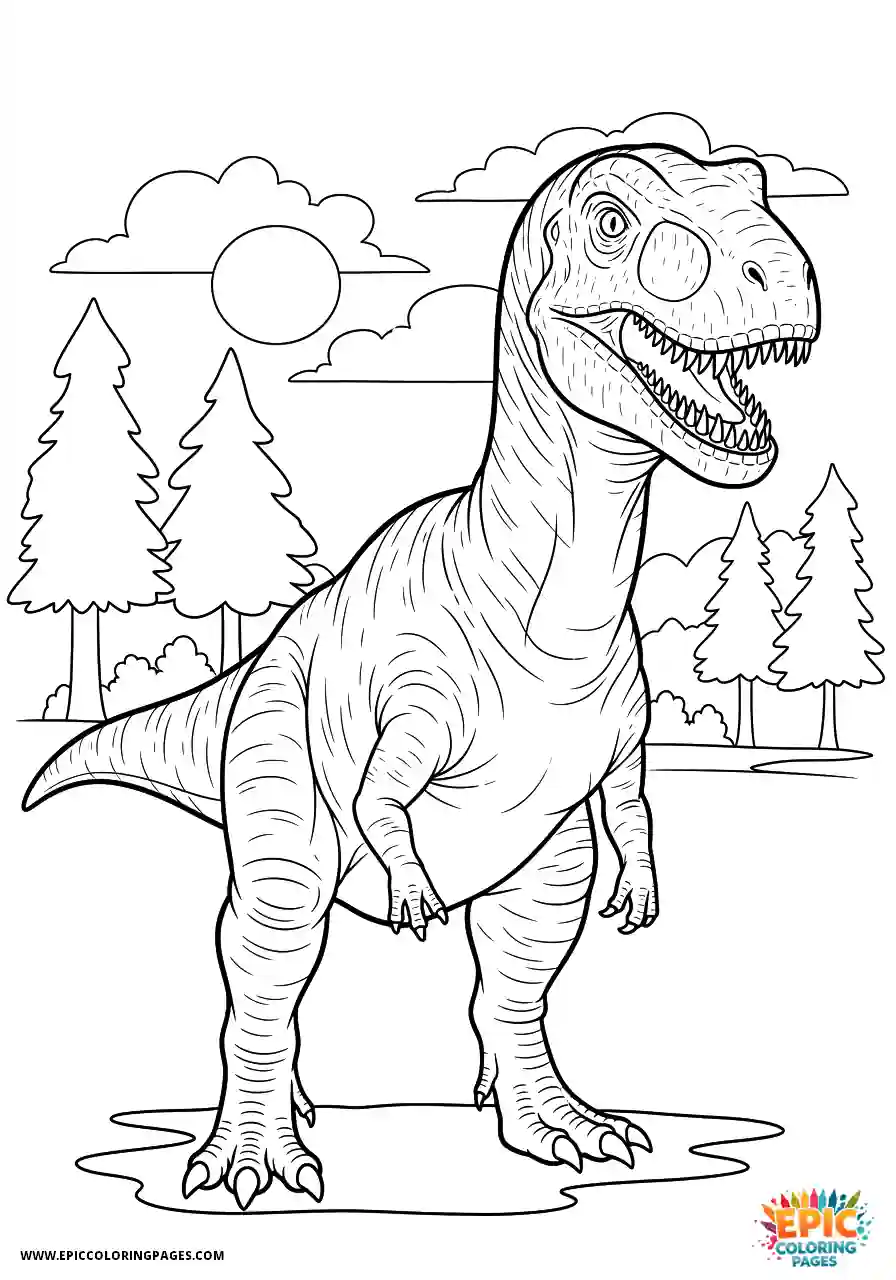
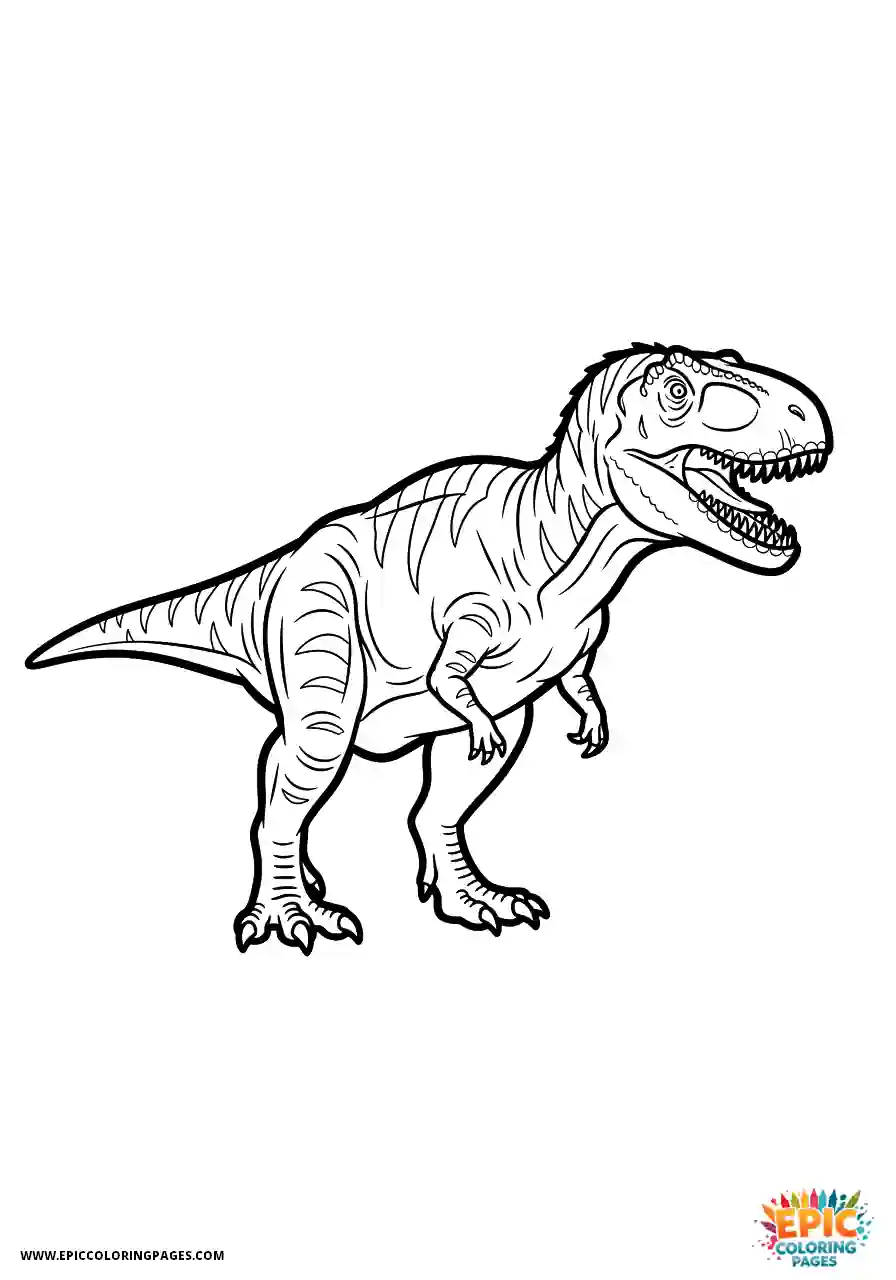
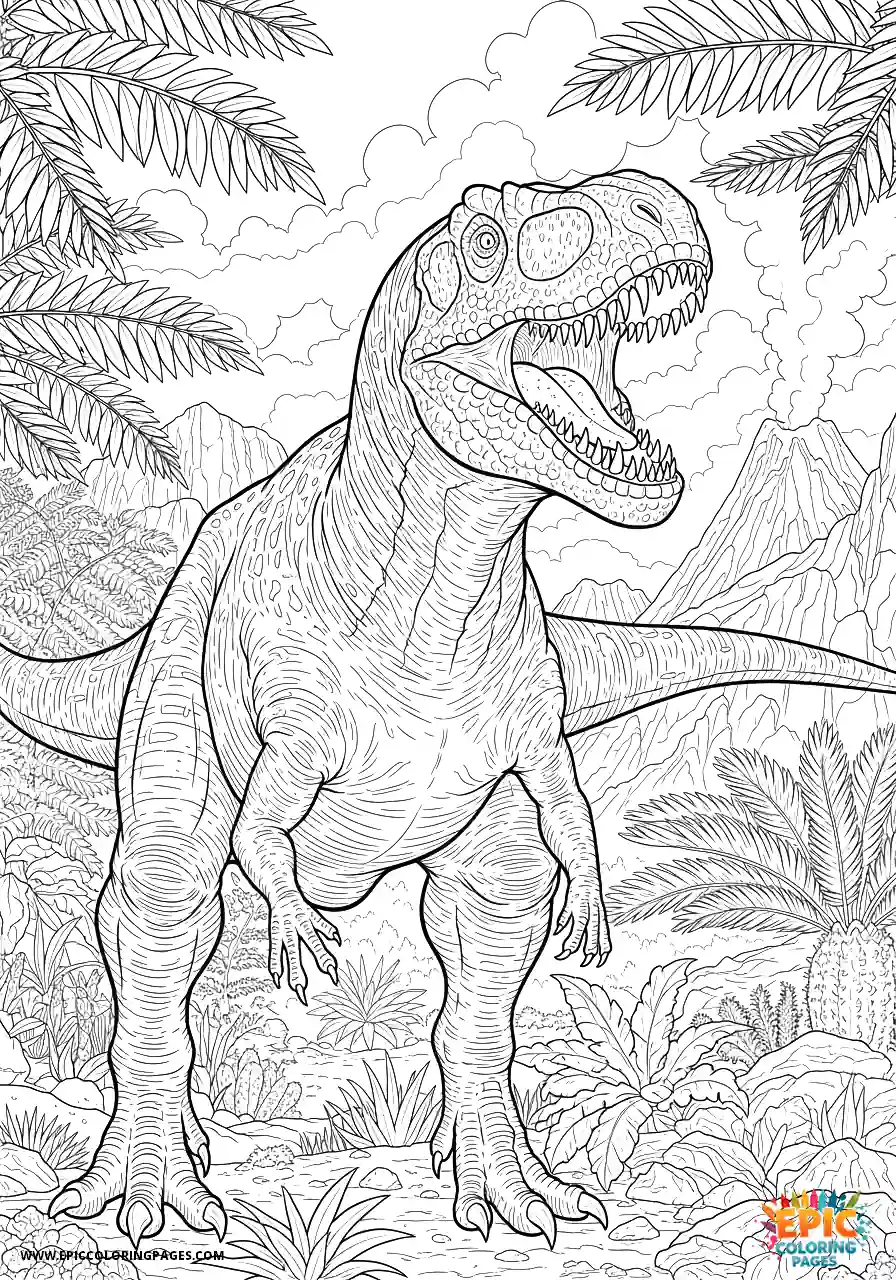
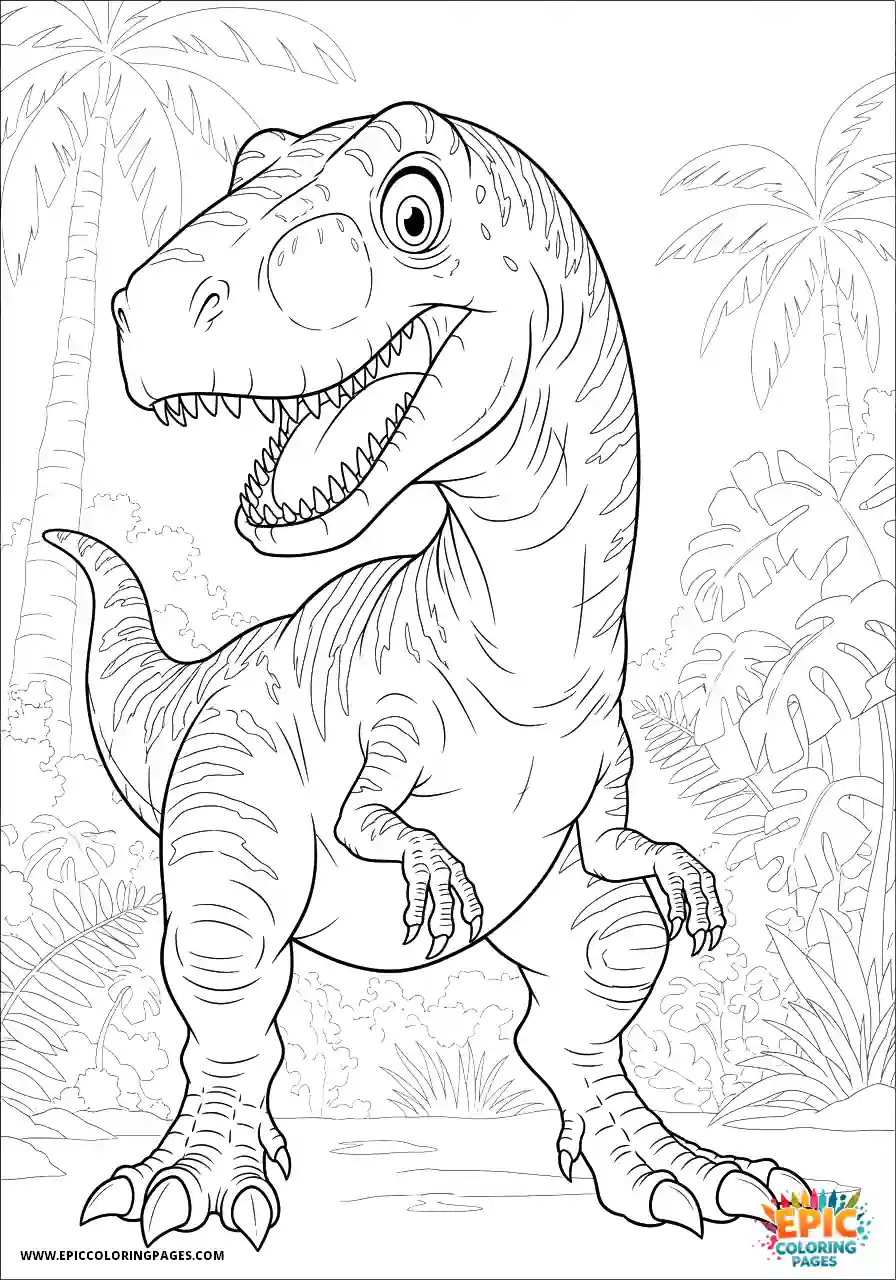
While often confused with later theropods, the Allosaurus has distinct physical traits that make it a fascinating subject for artistic study. It possessed long and powerful arms ending in three sharp fingers, unlike the two-fingered T-Rex, and sported distinctive bony crests above its eyes. These illustrations highlight its lighter and more athletic build, offering a variety of poses that range from solitary stalking to the debated theory of cooperative pack hunting.
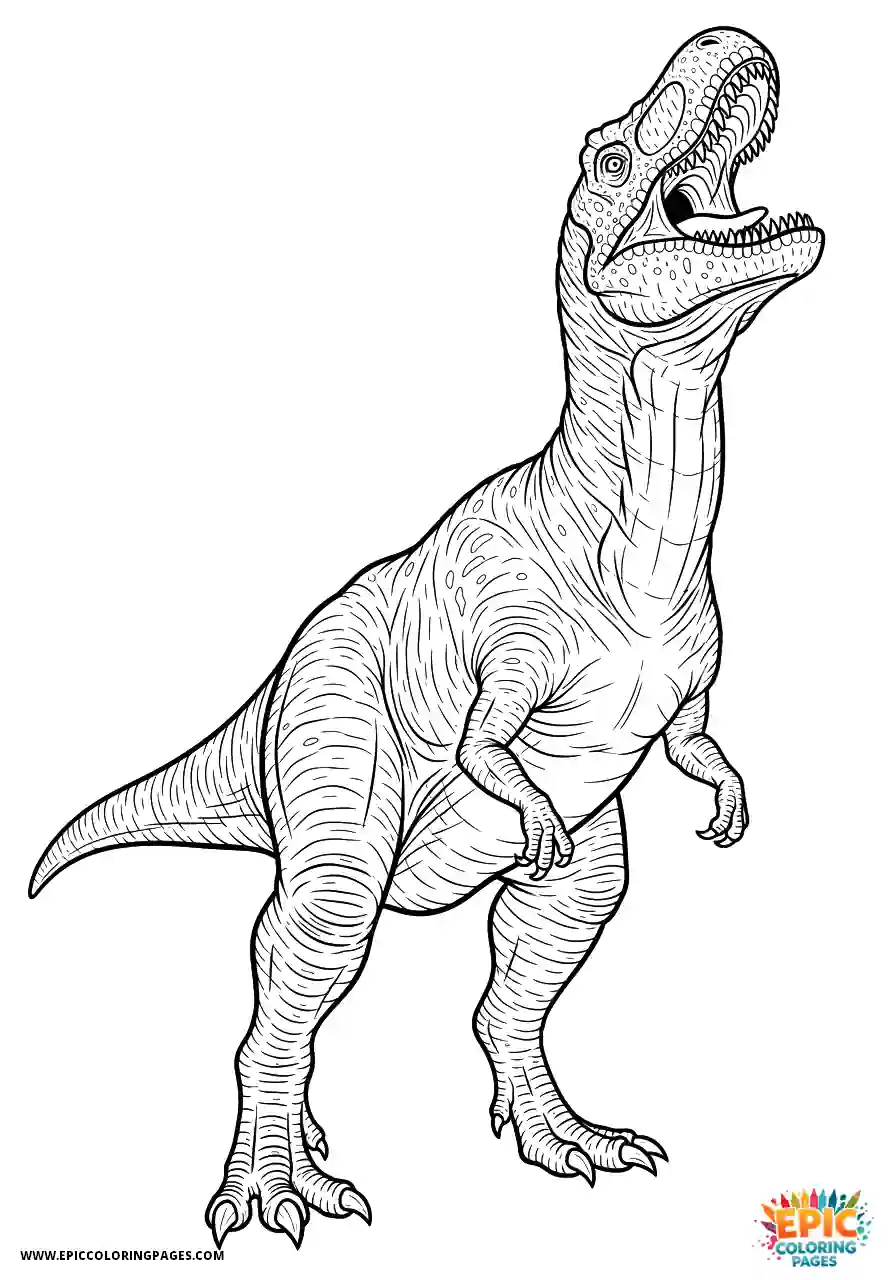
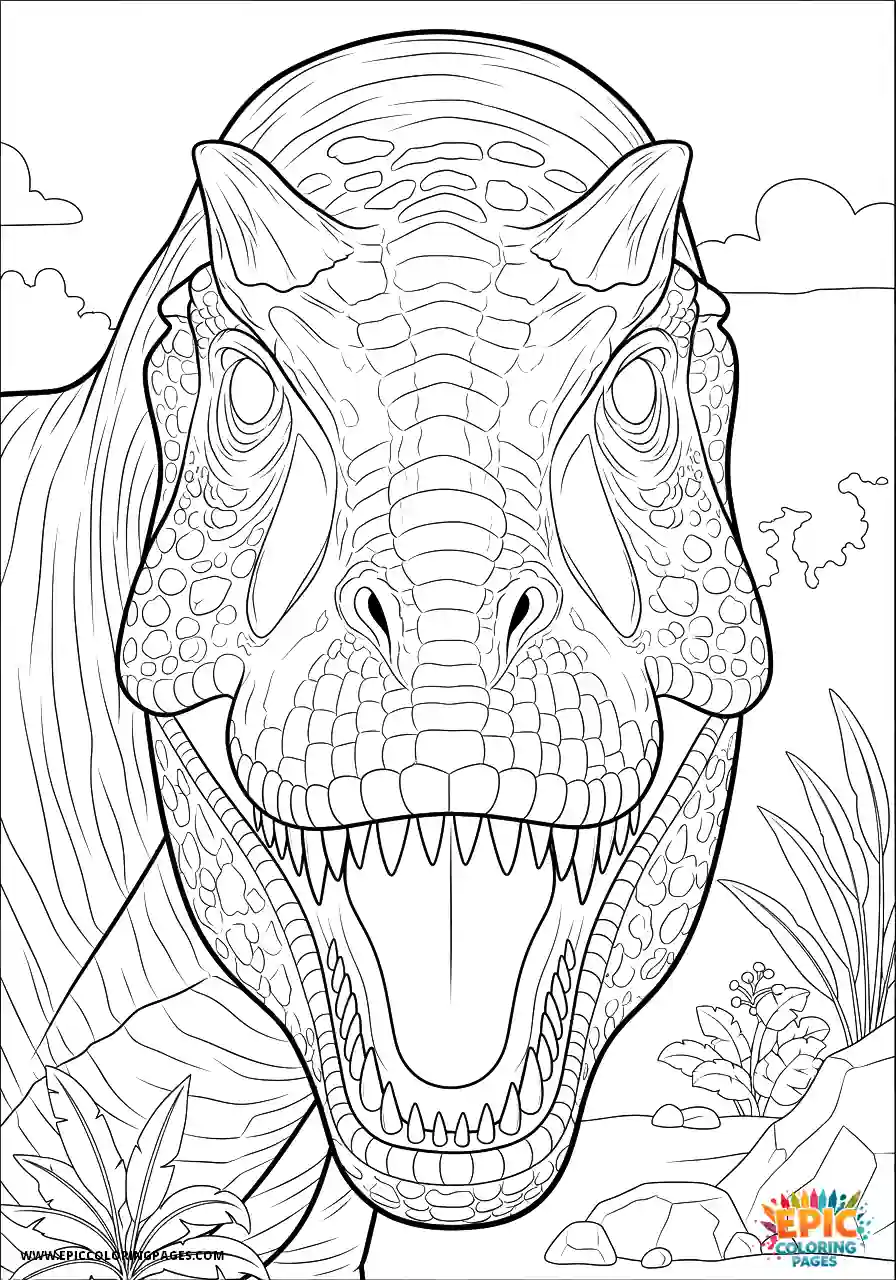
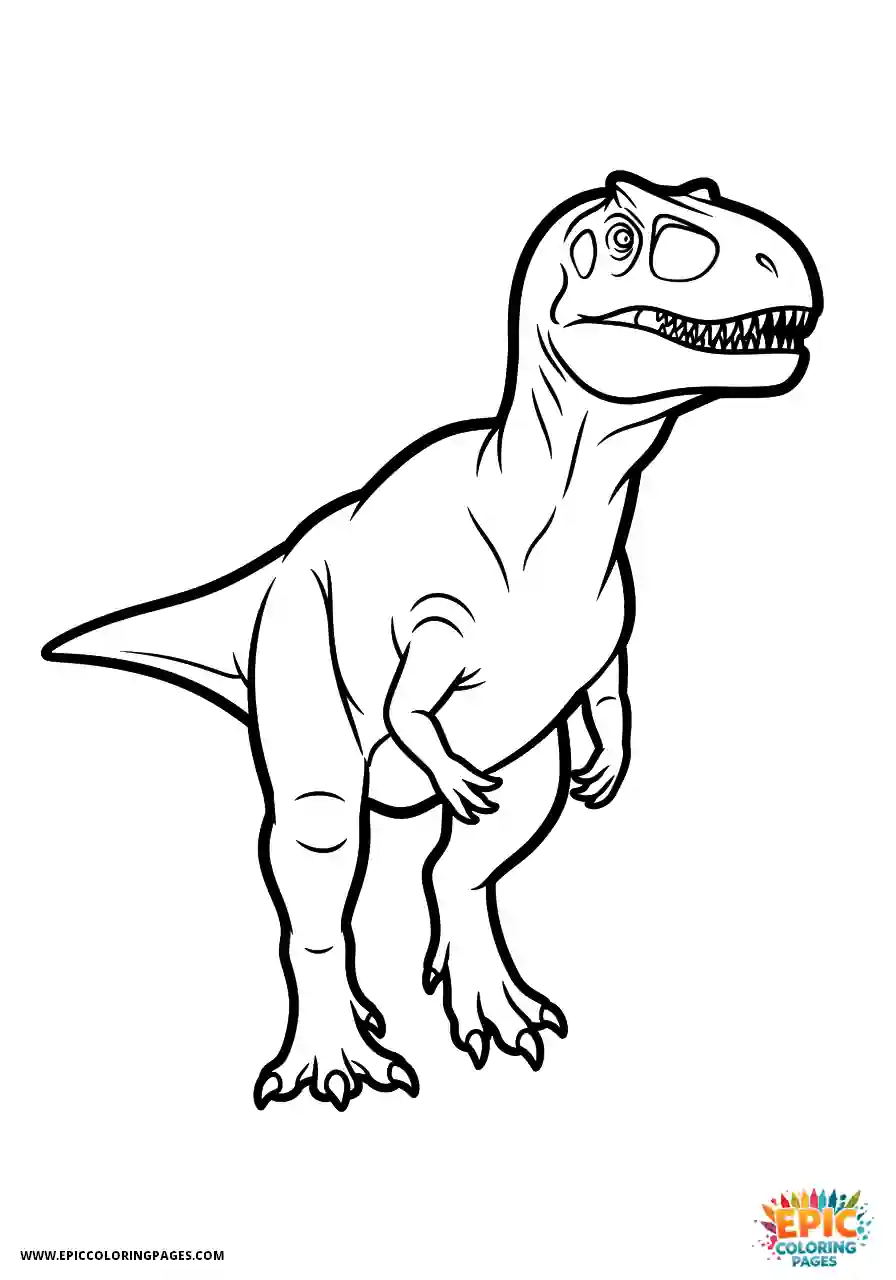
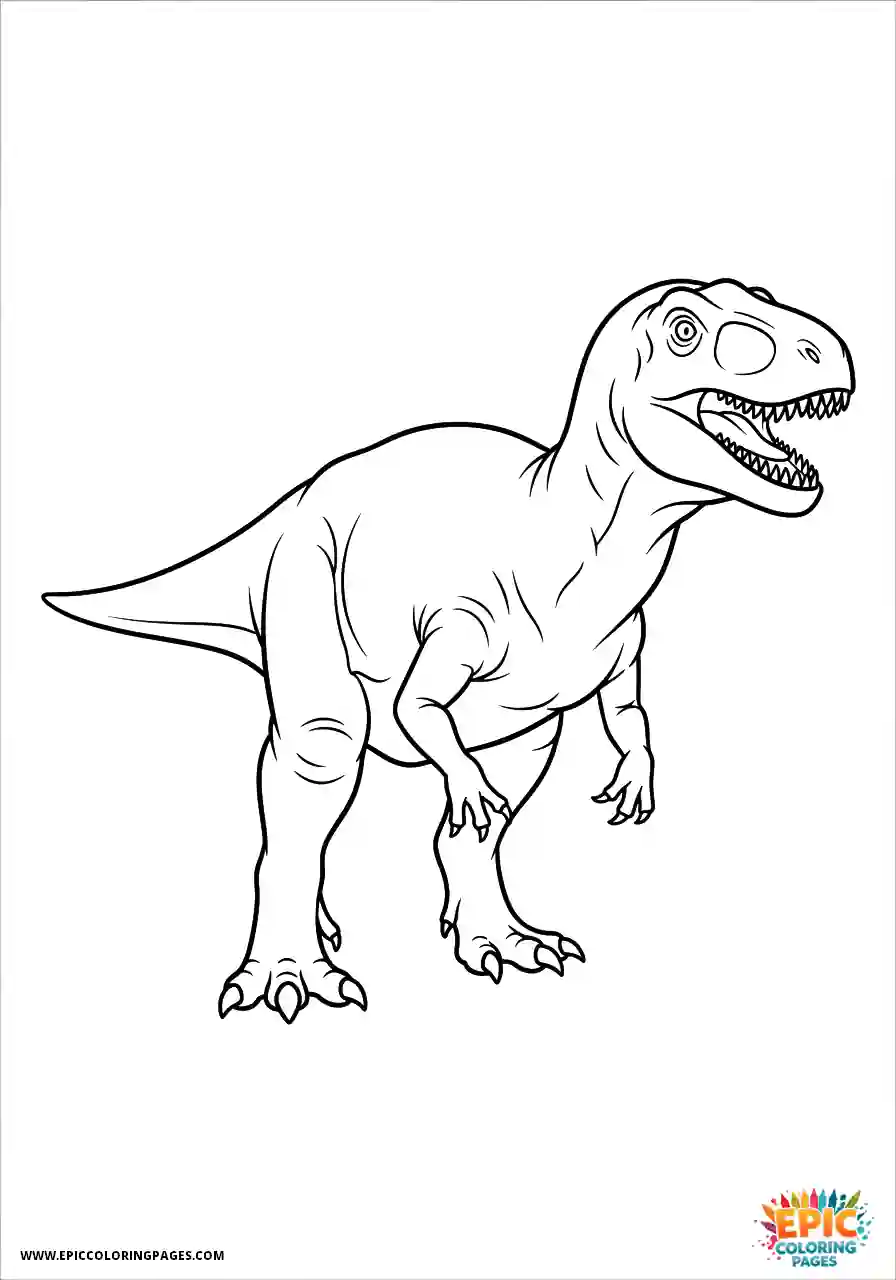
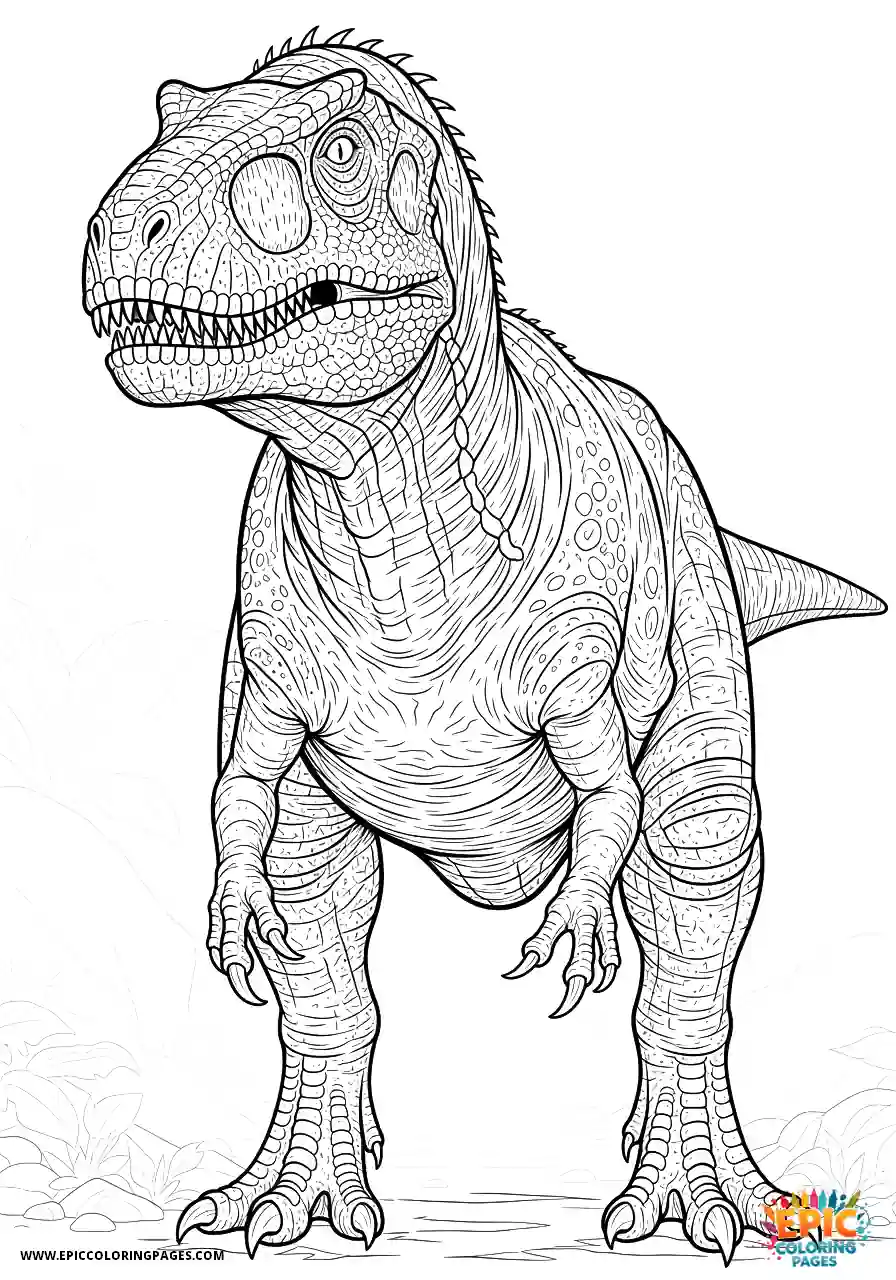
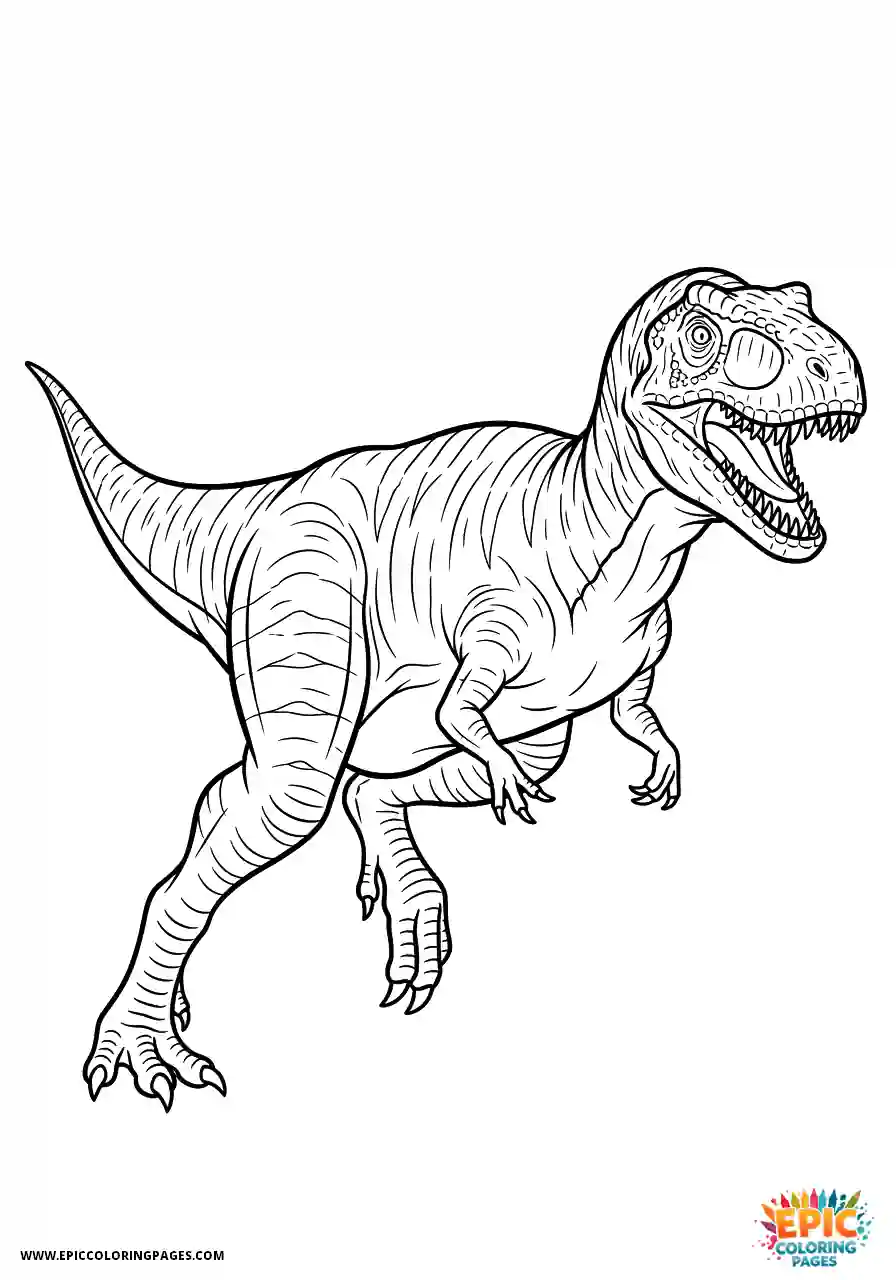
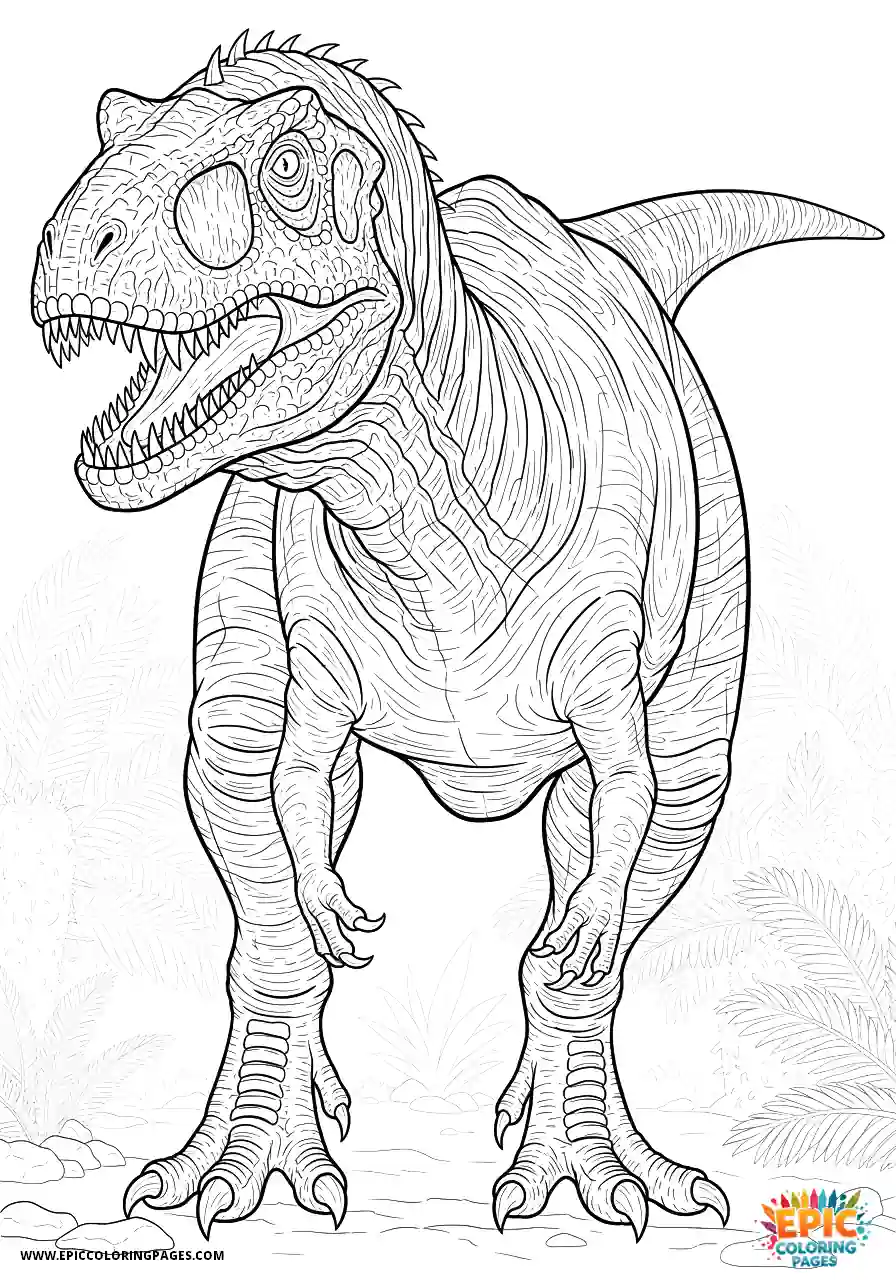
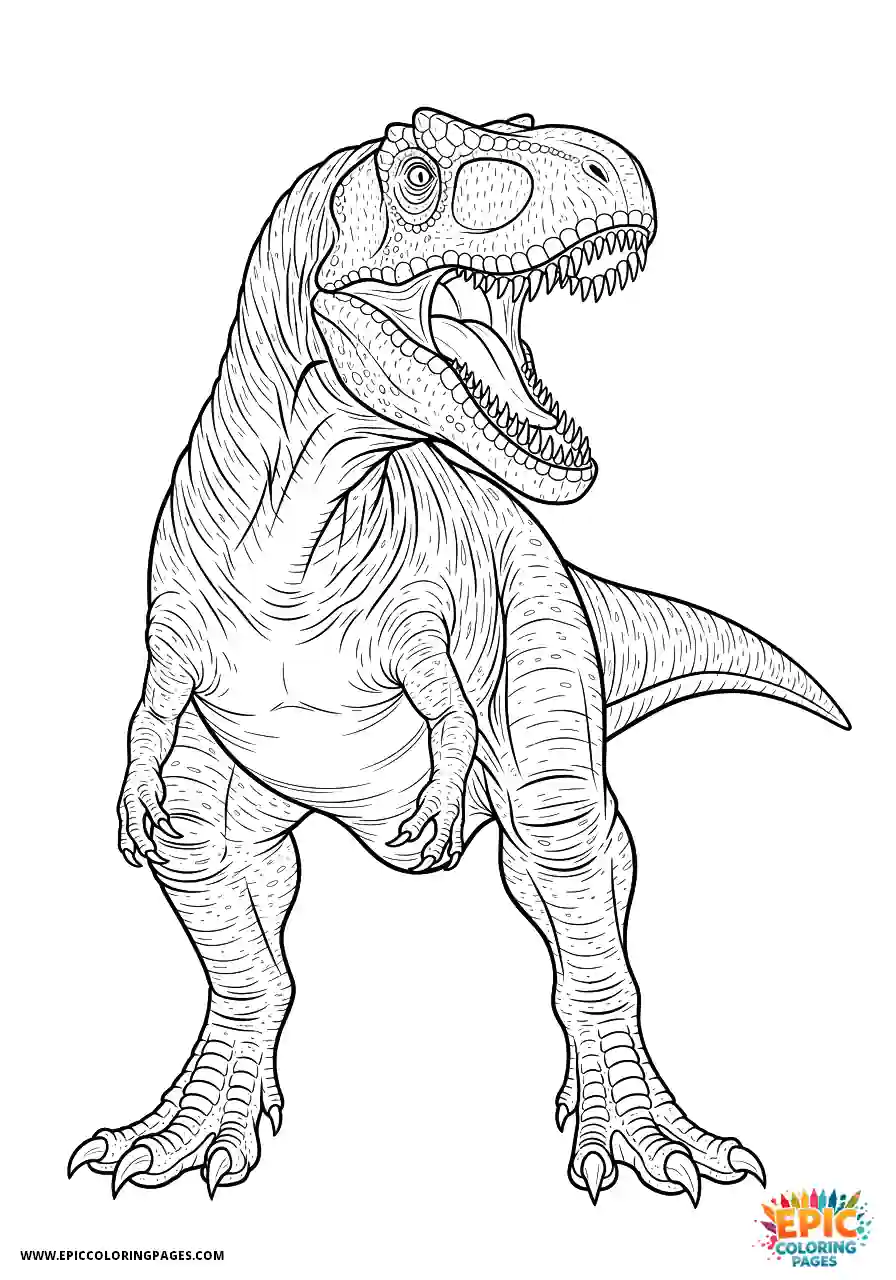
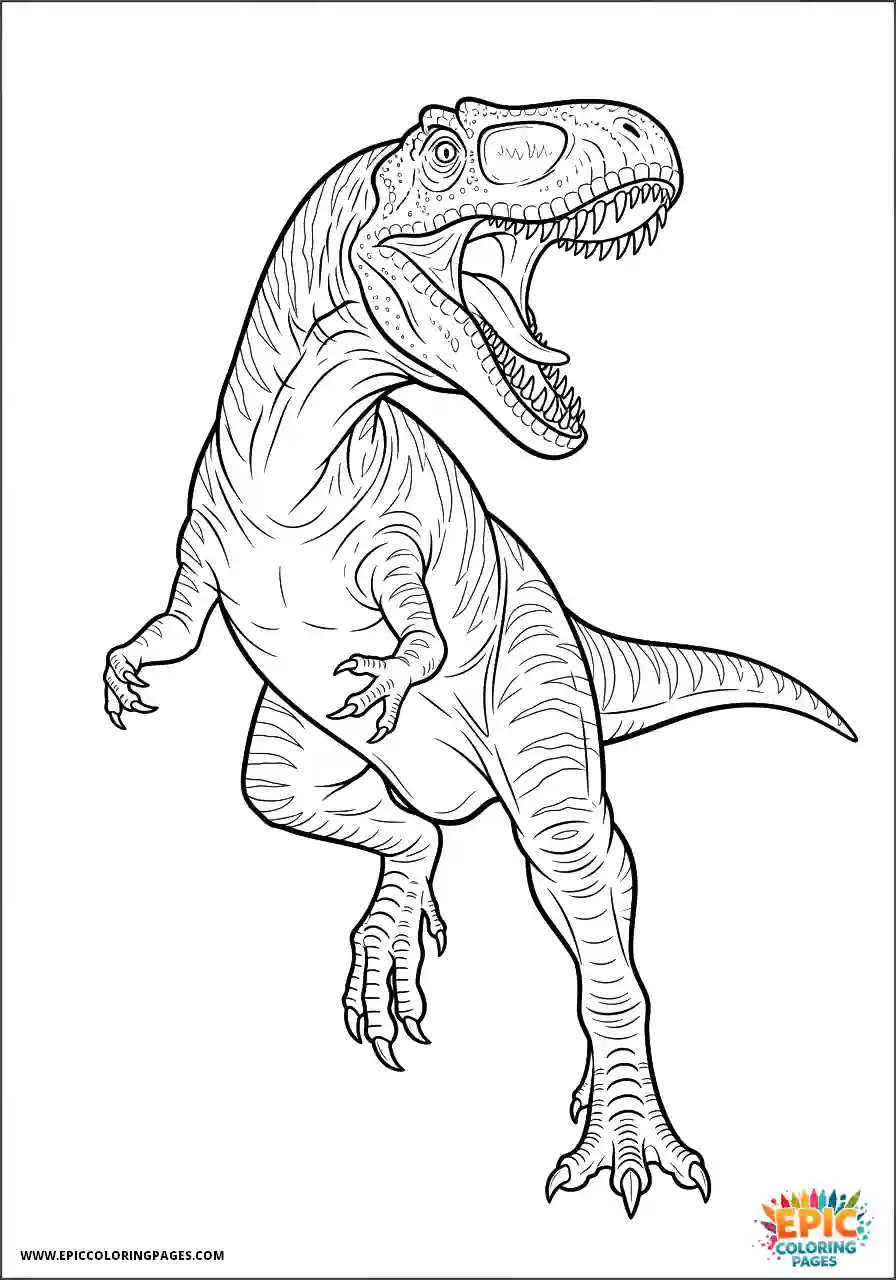
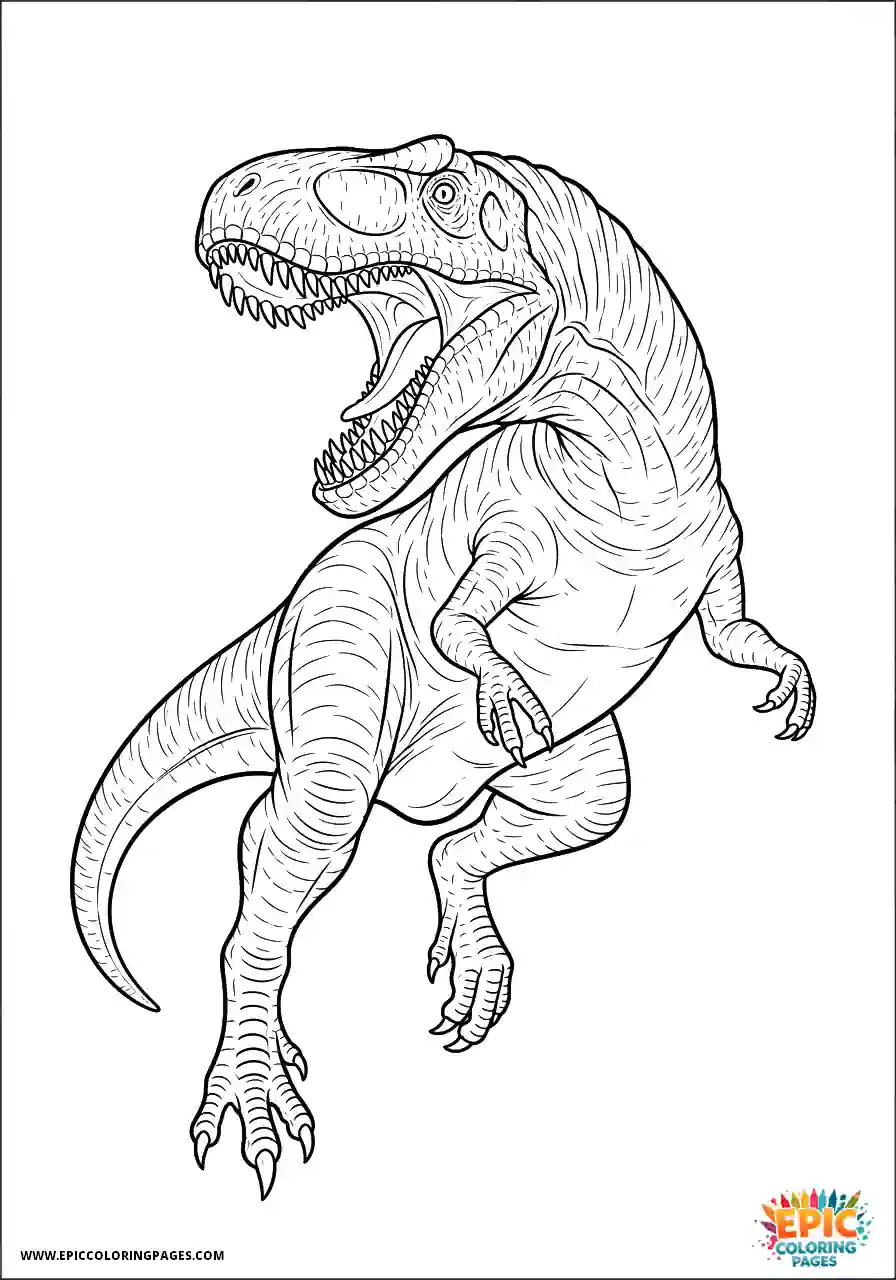
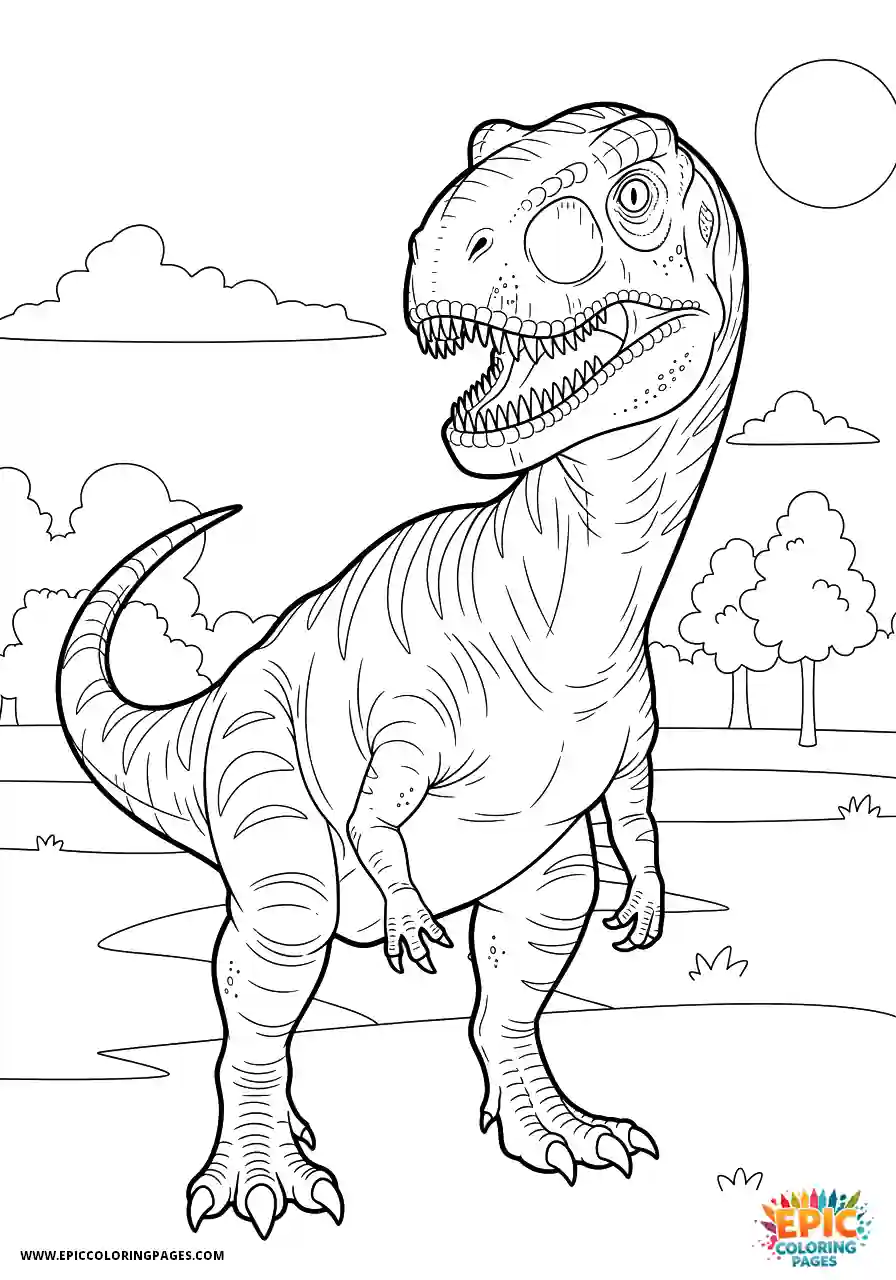
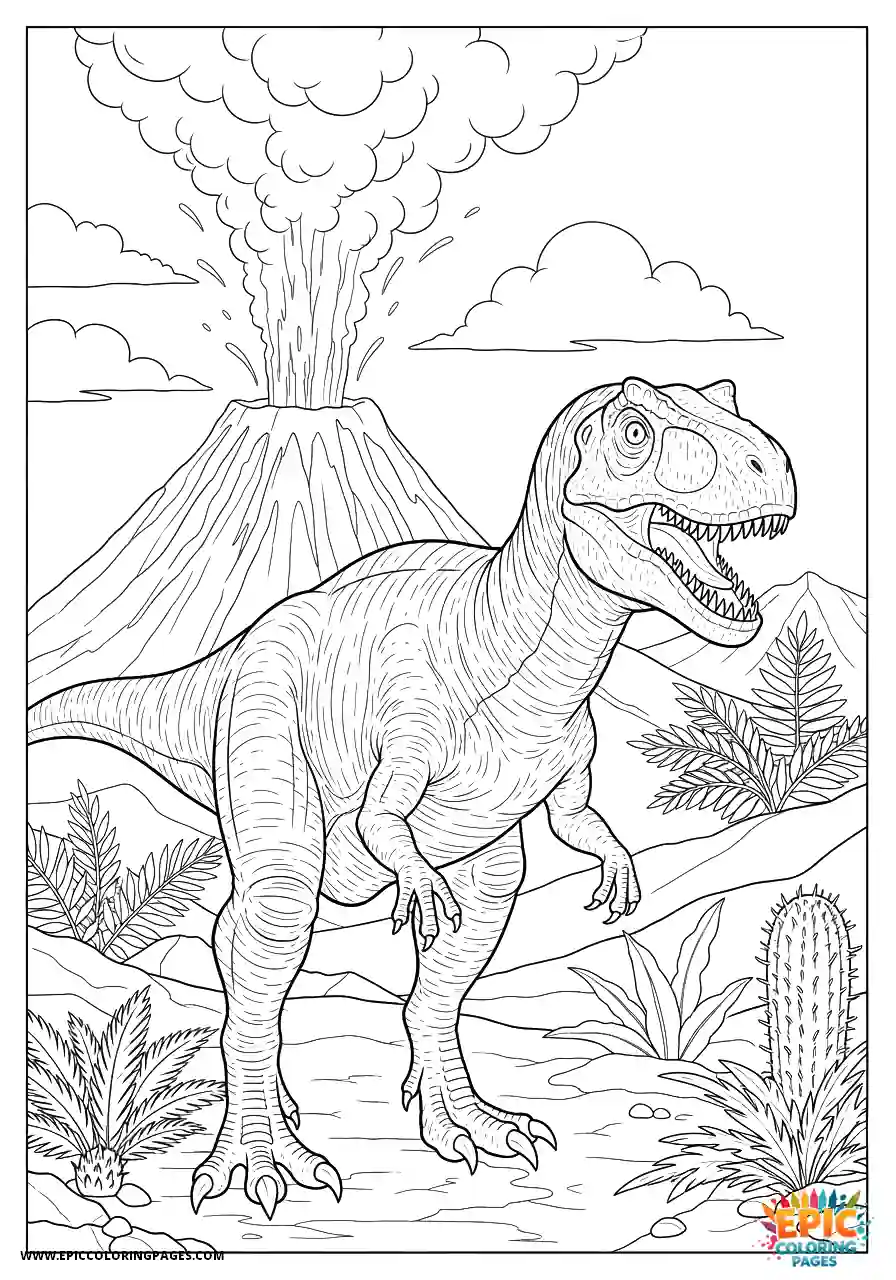
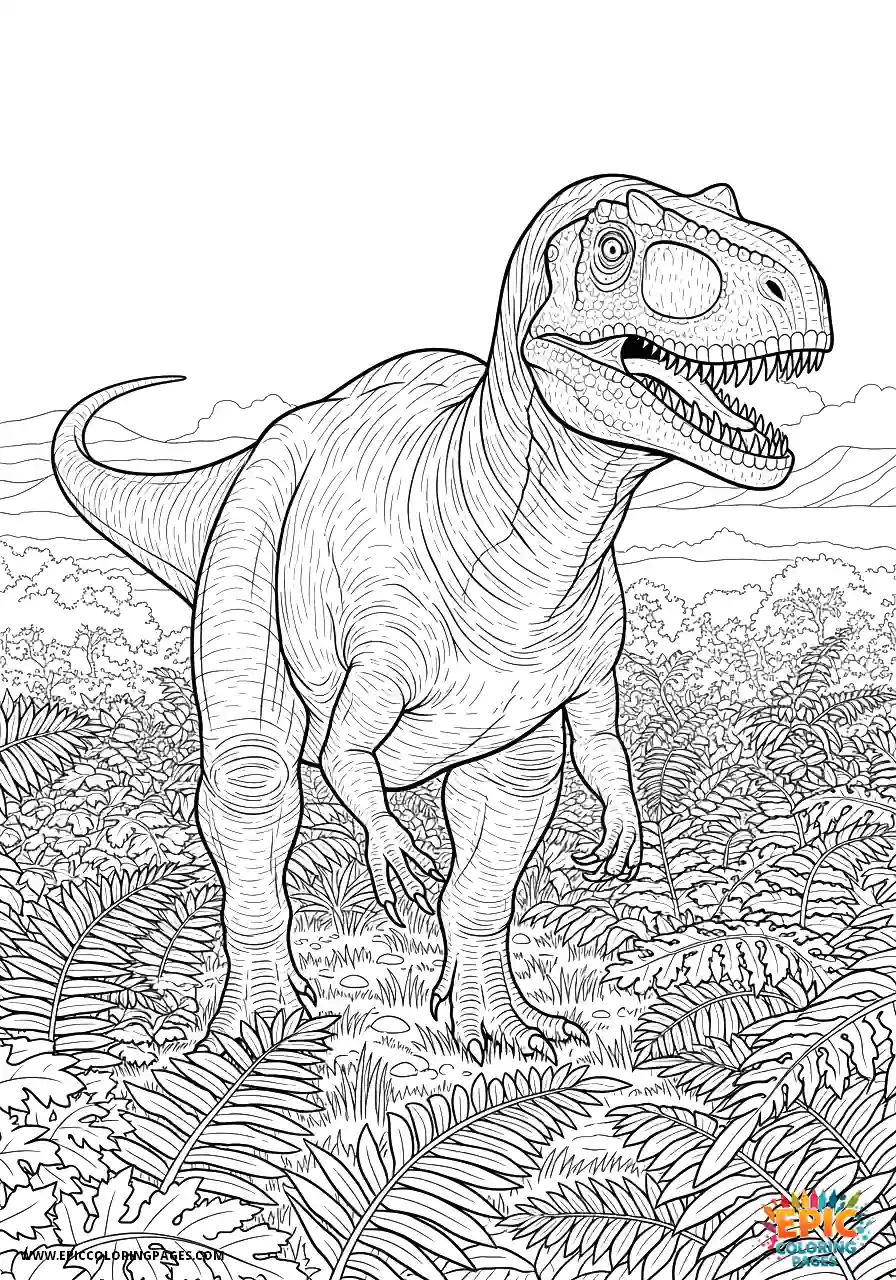
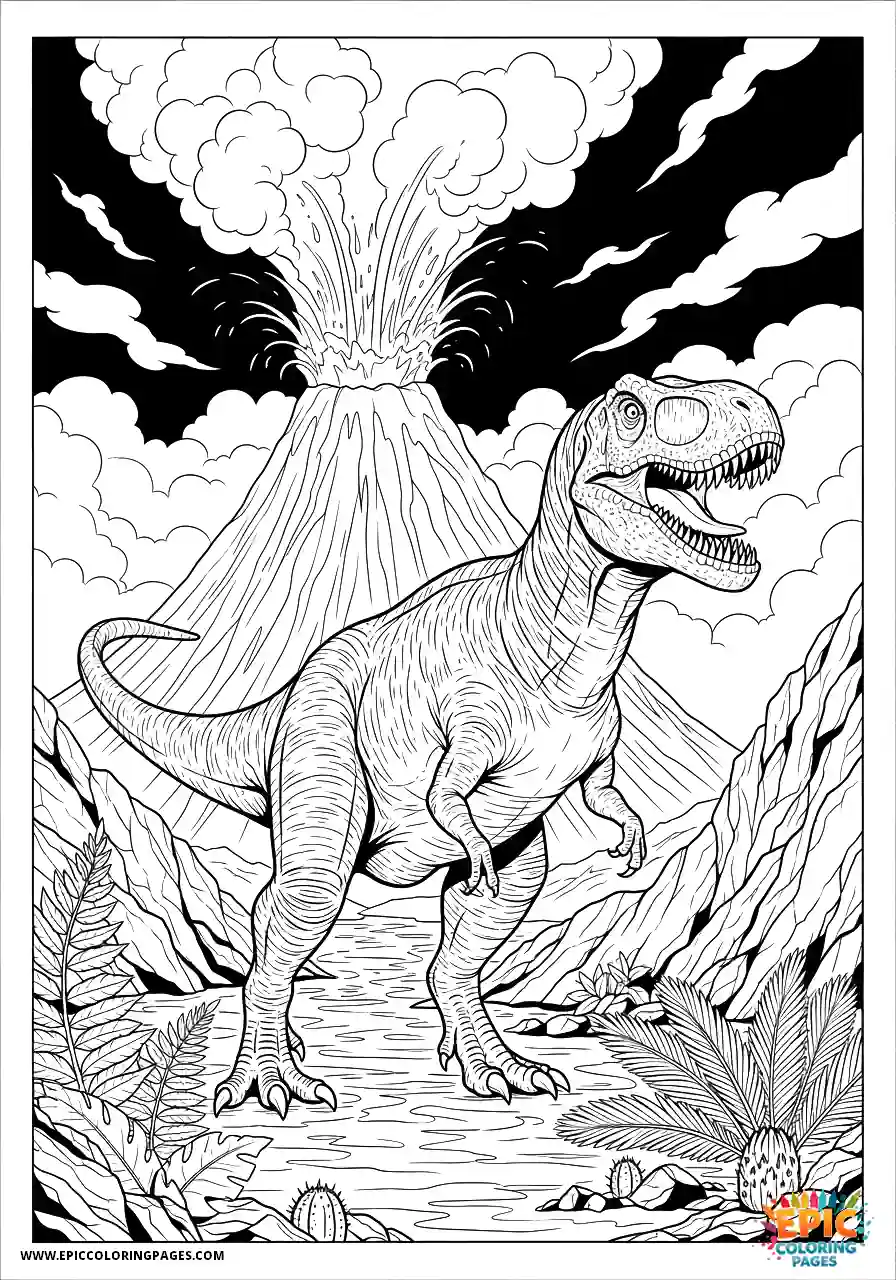
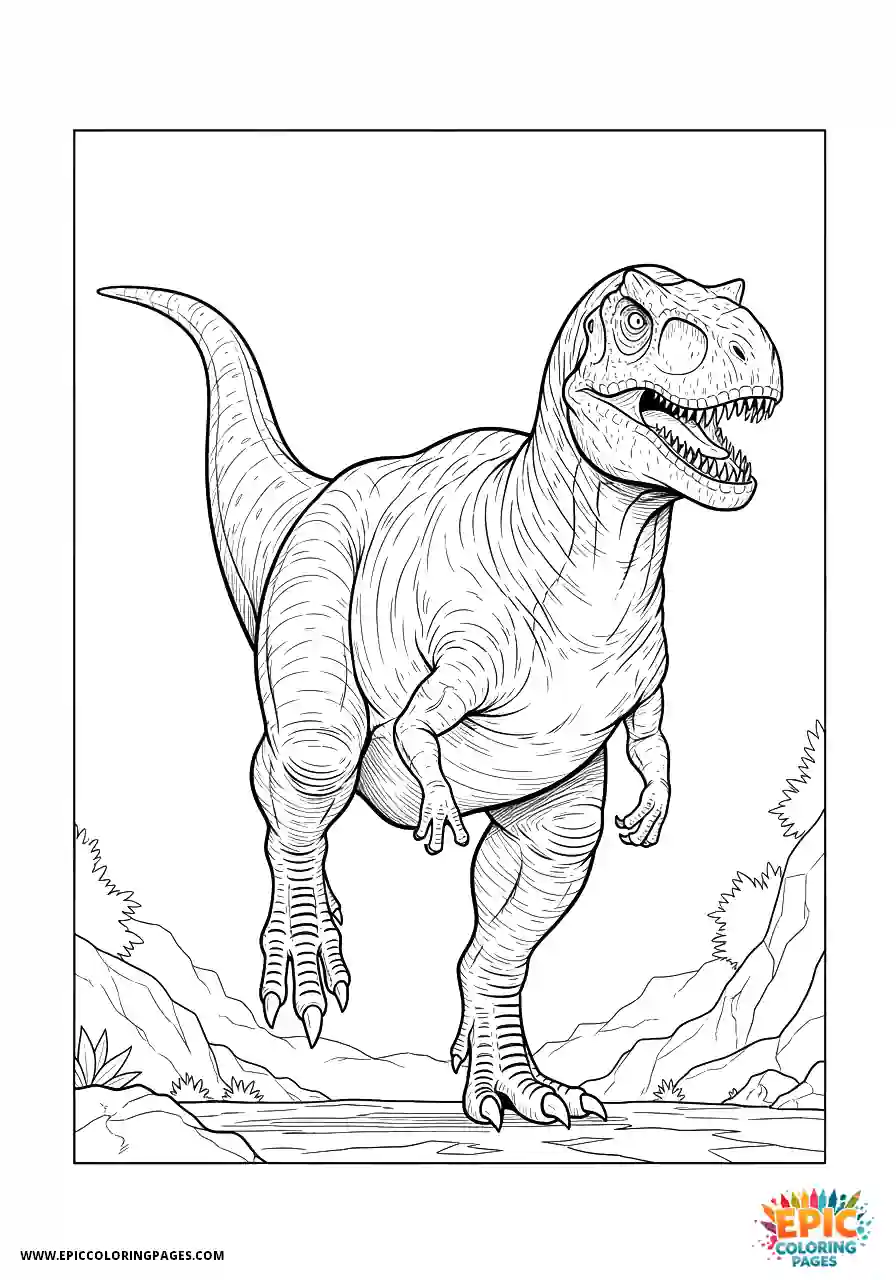
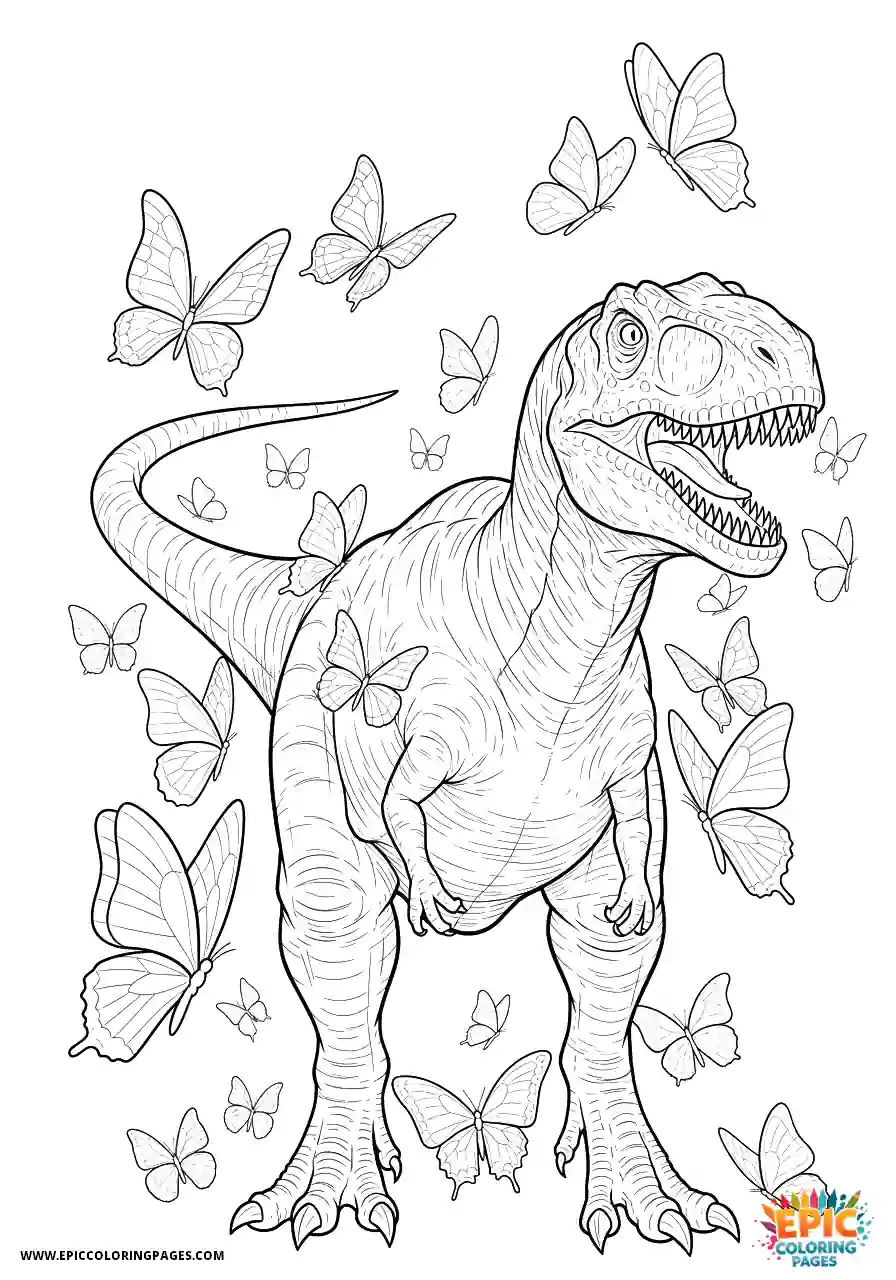
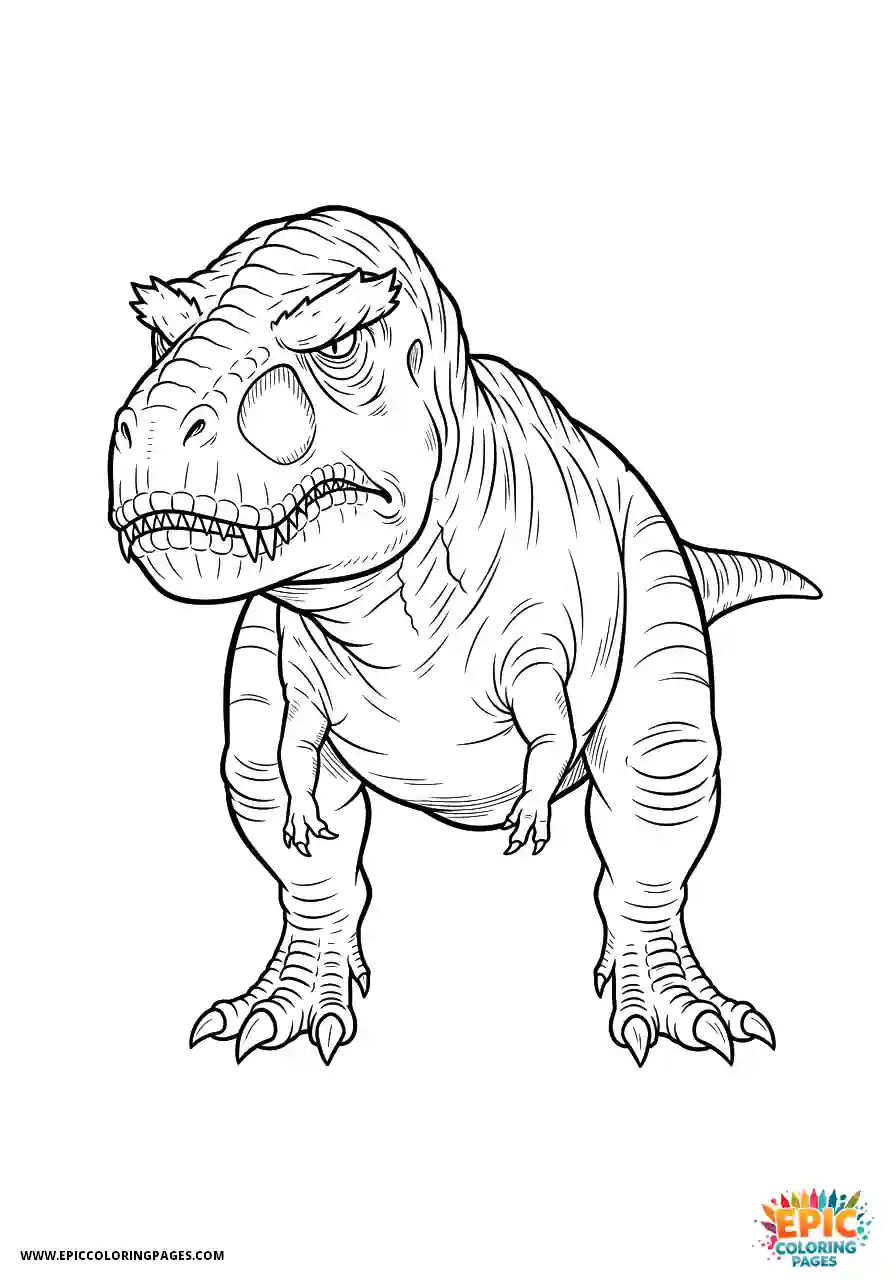
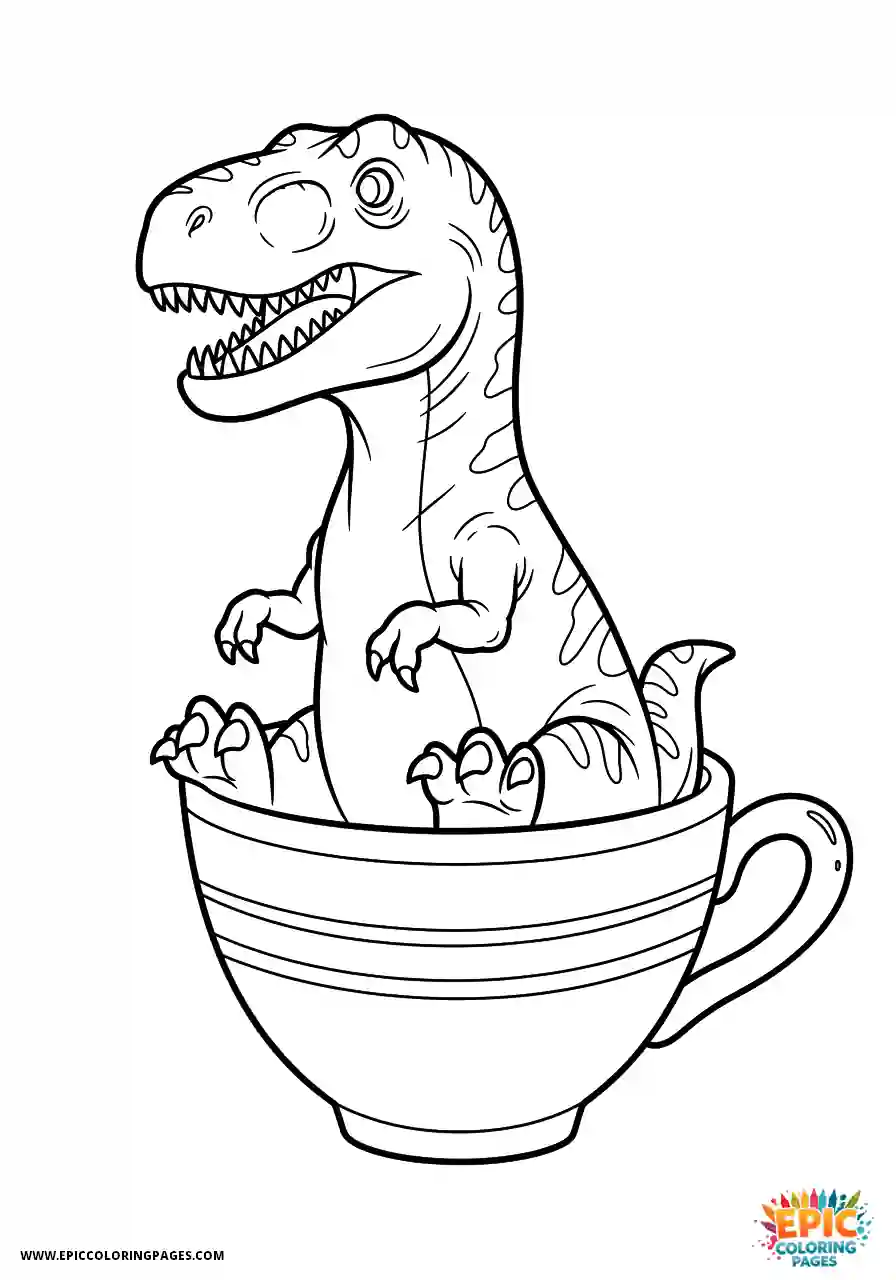
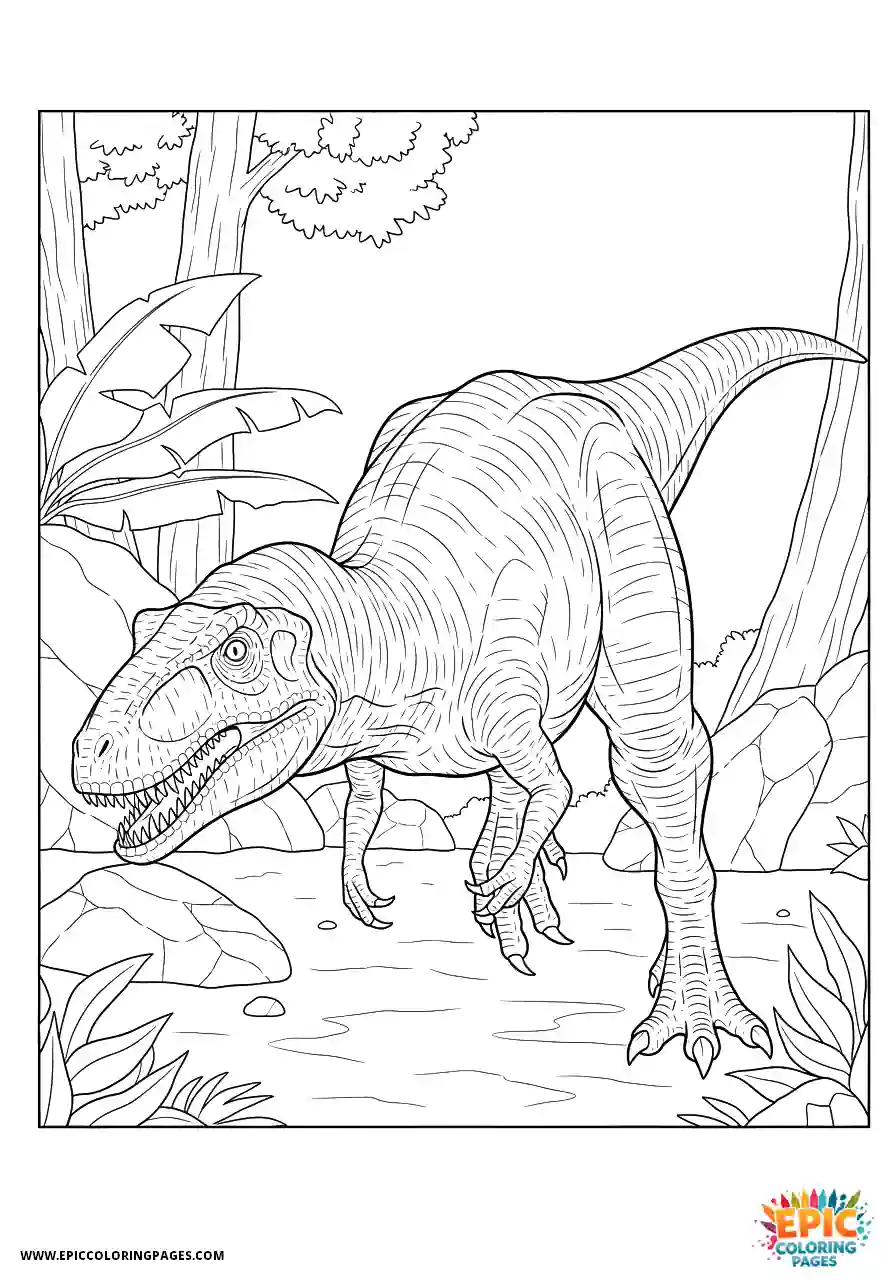
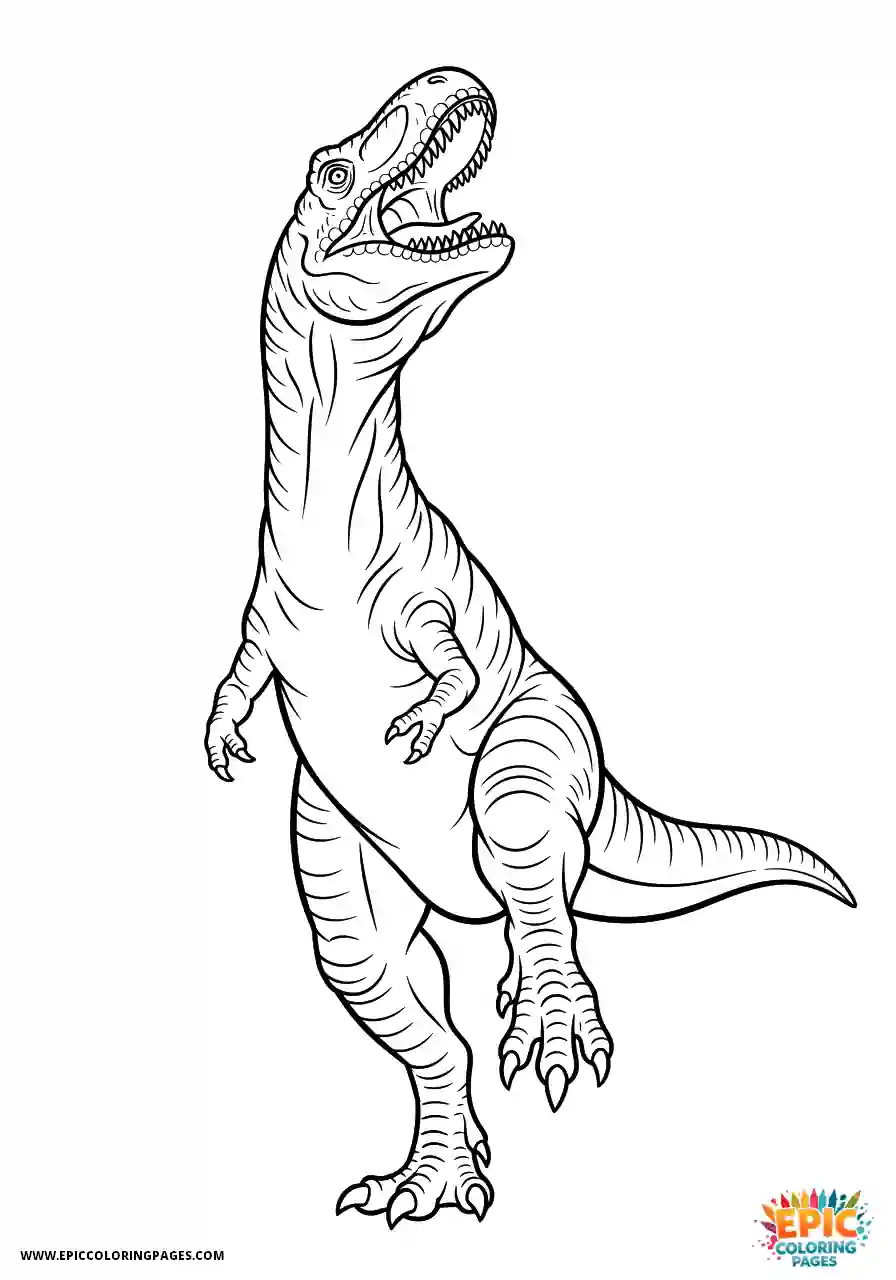
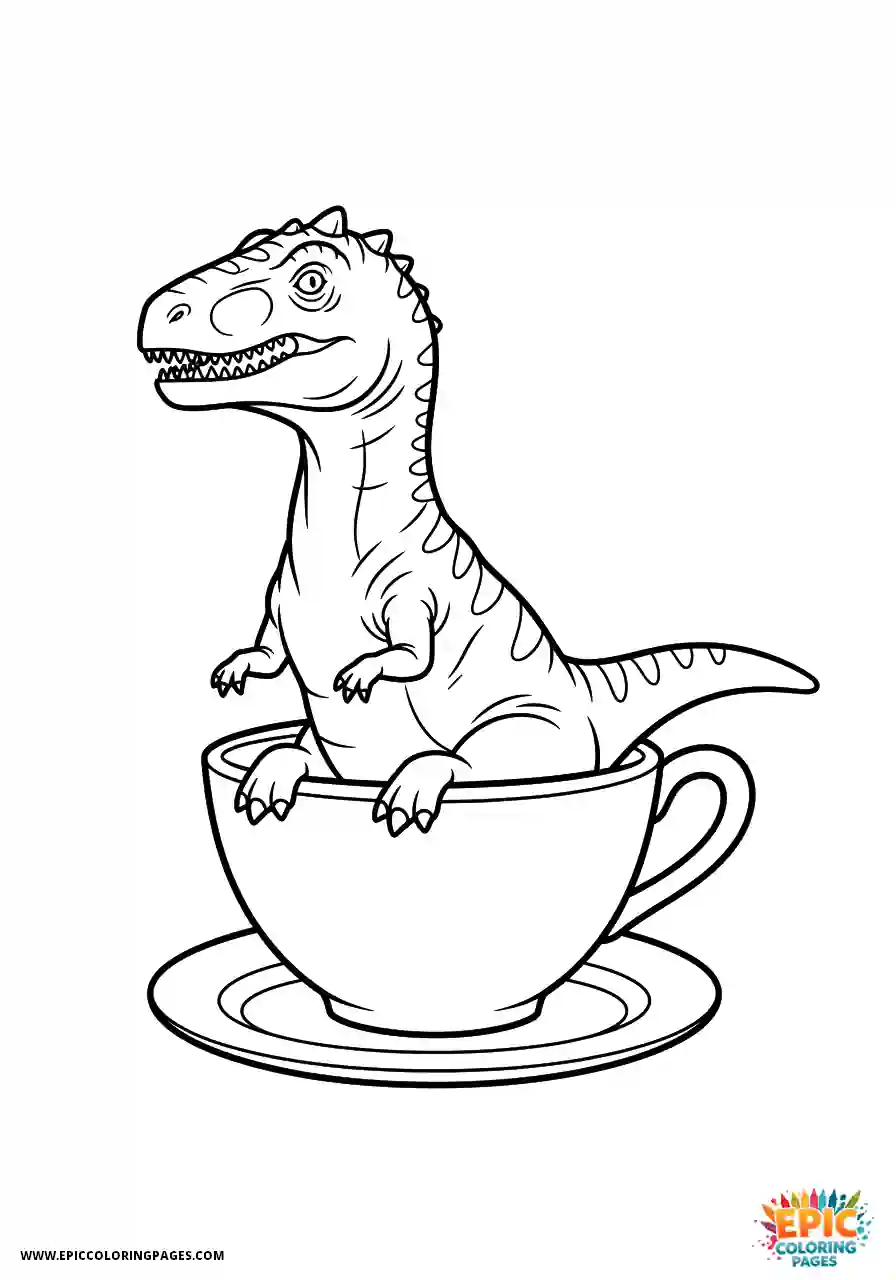
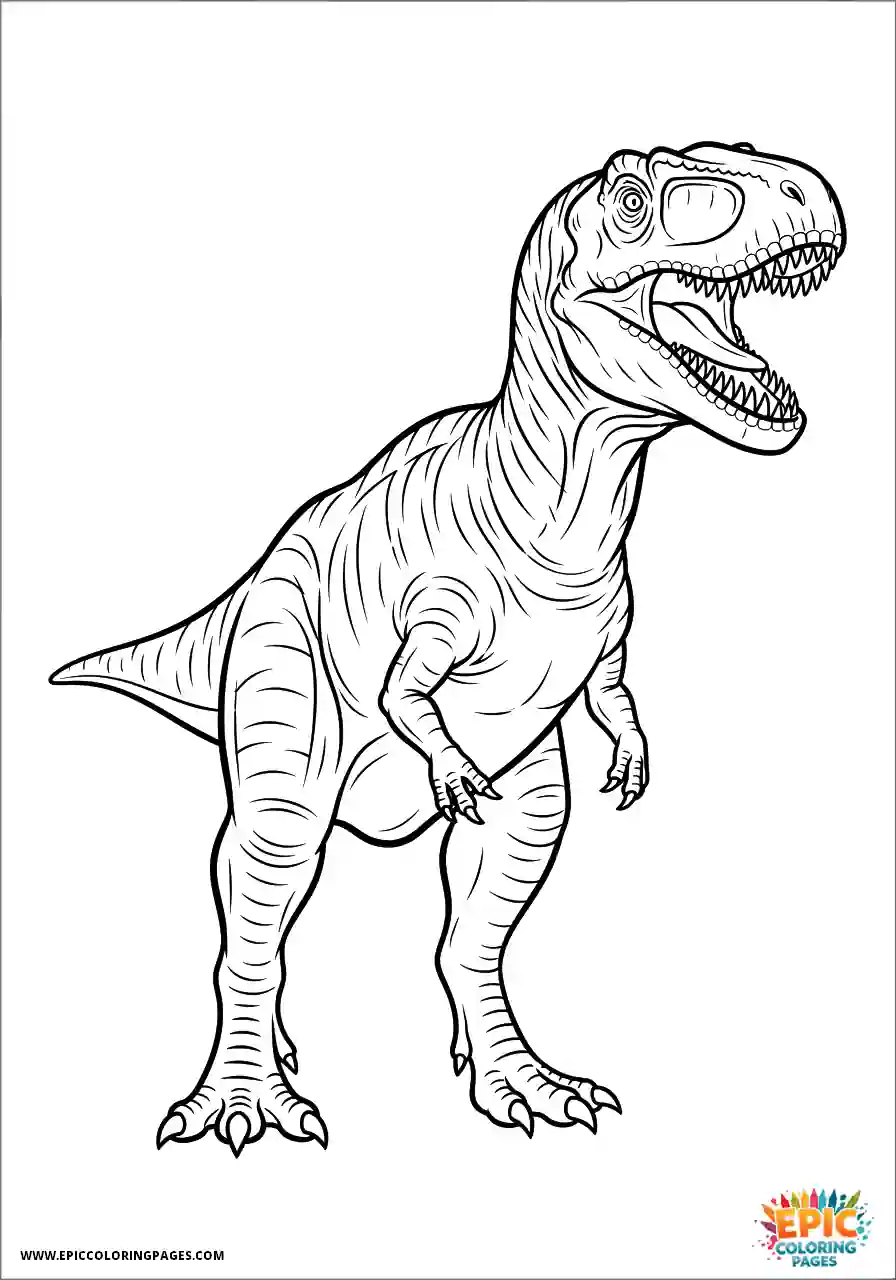
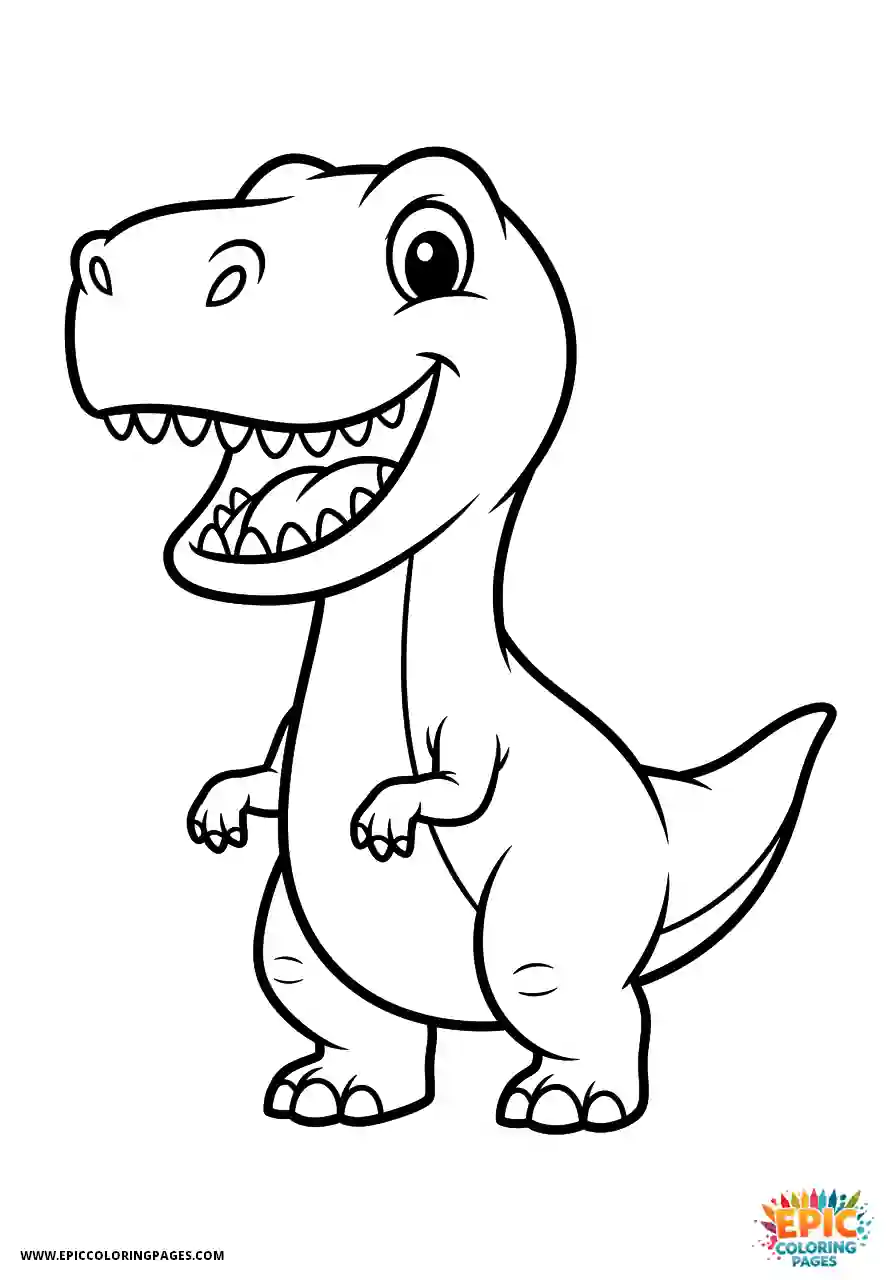
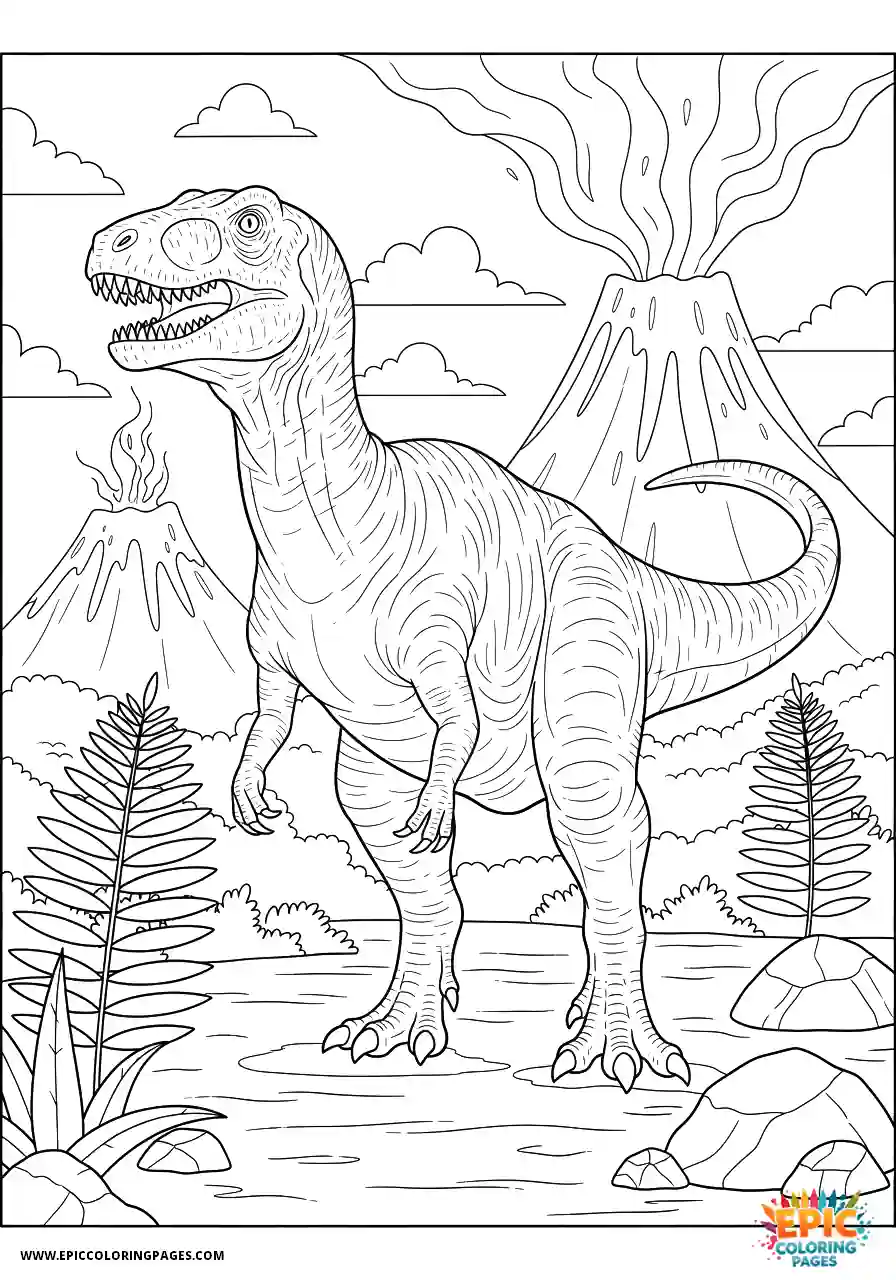
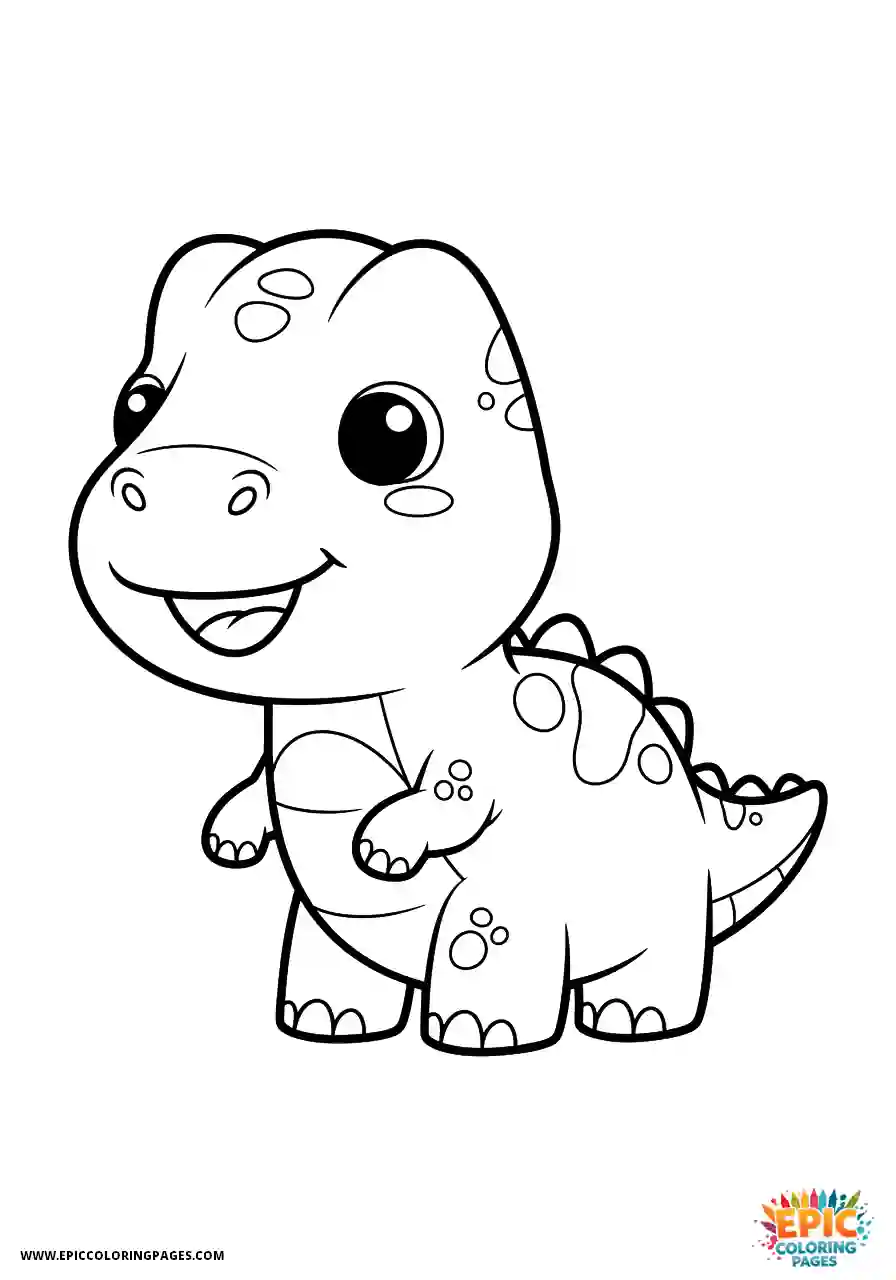
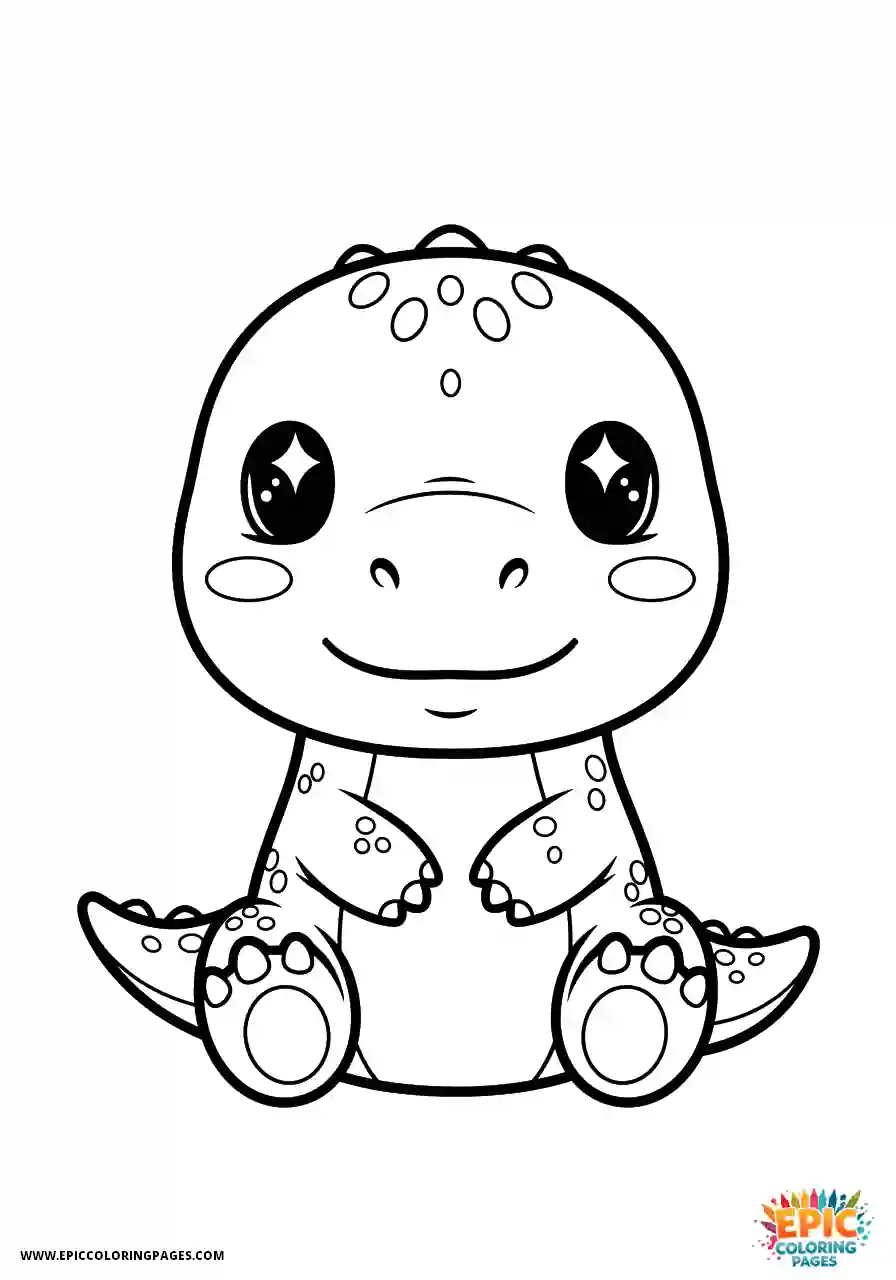
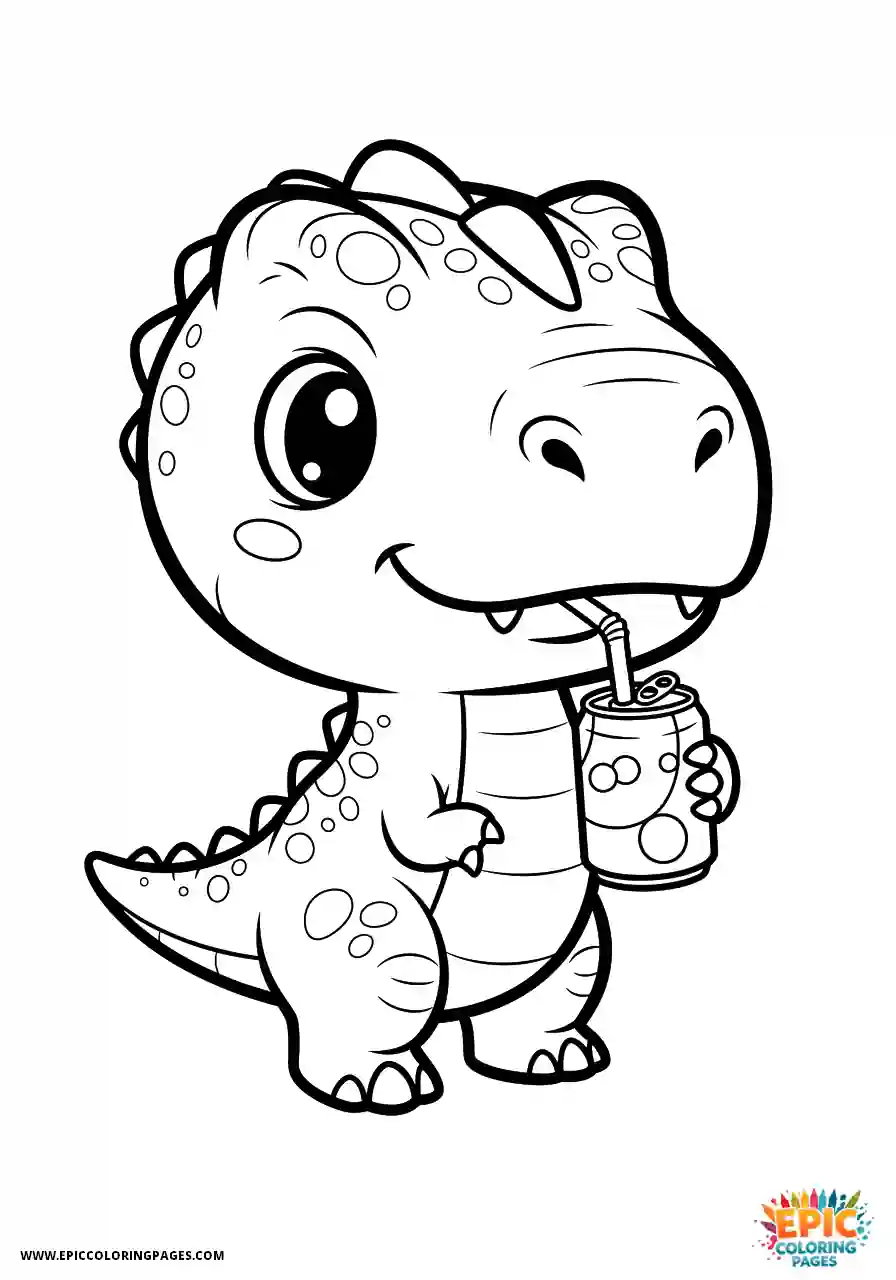
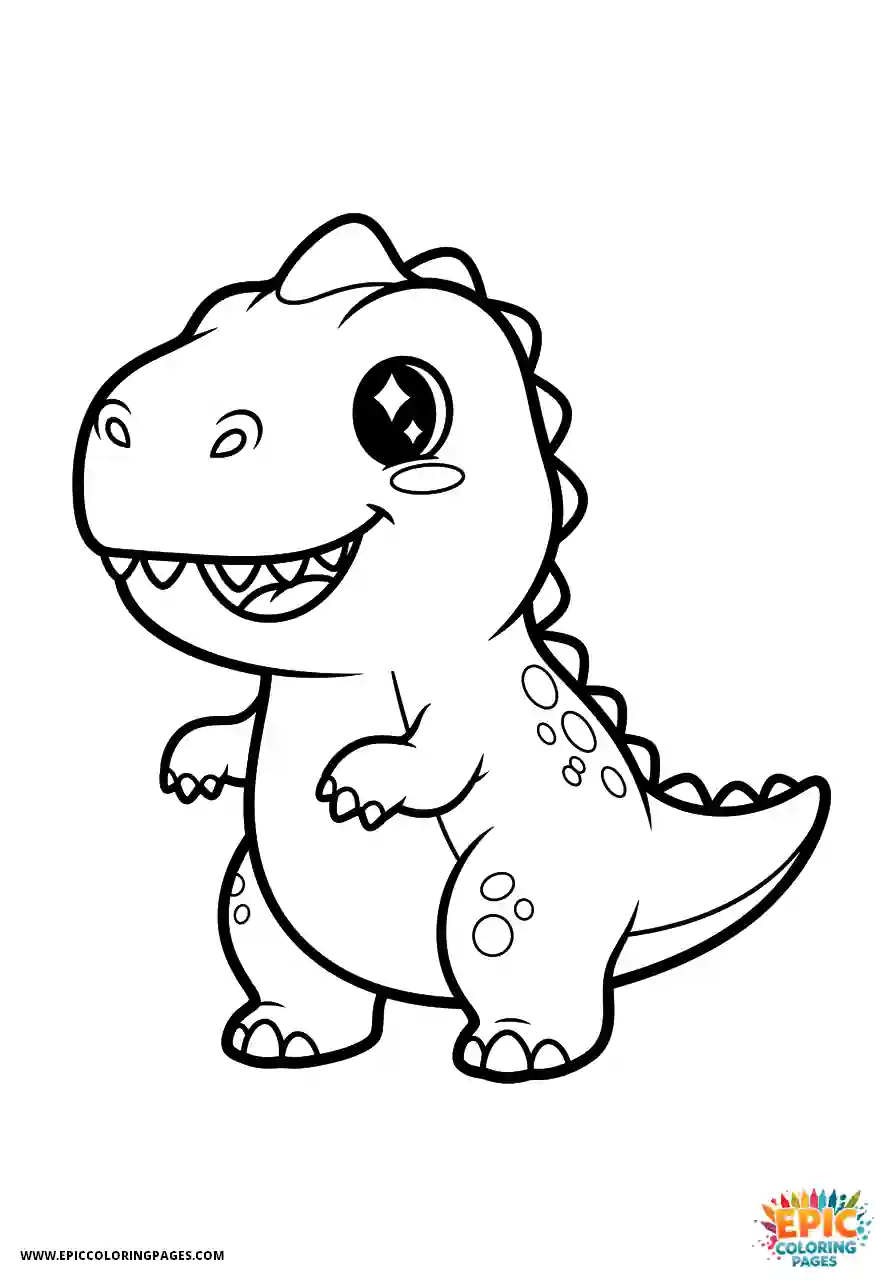
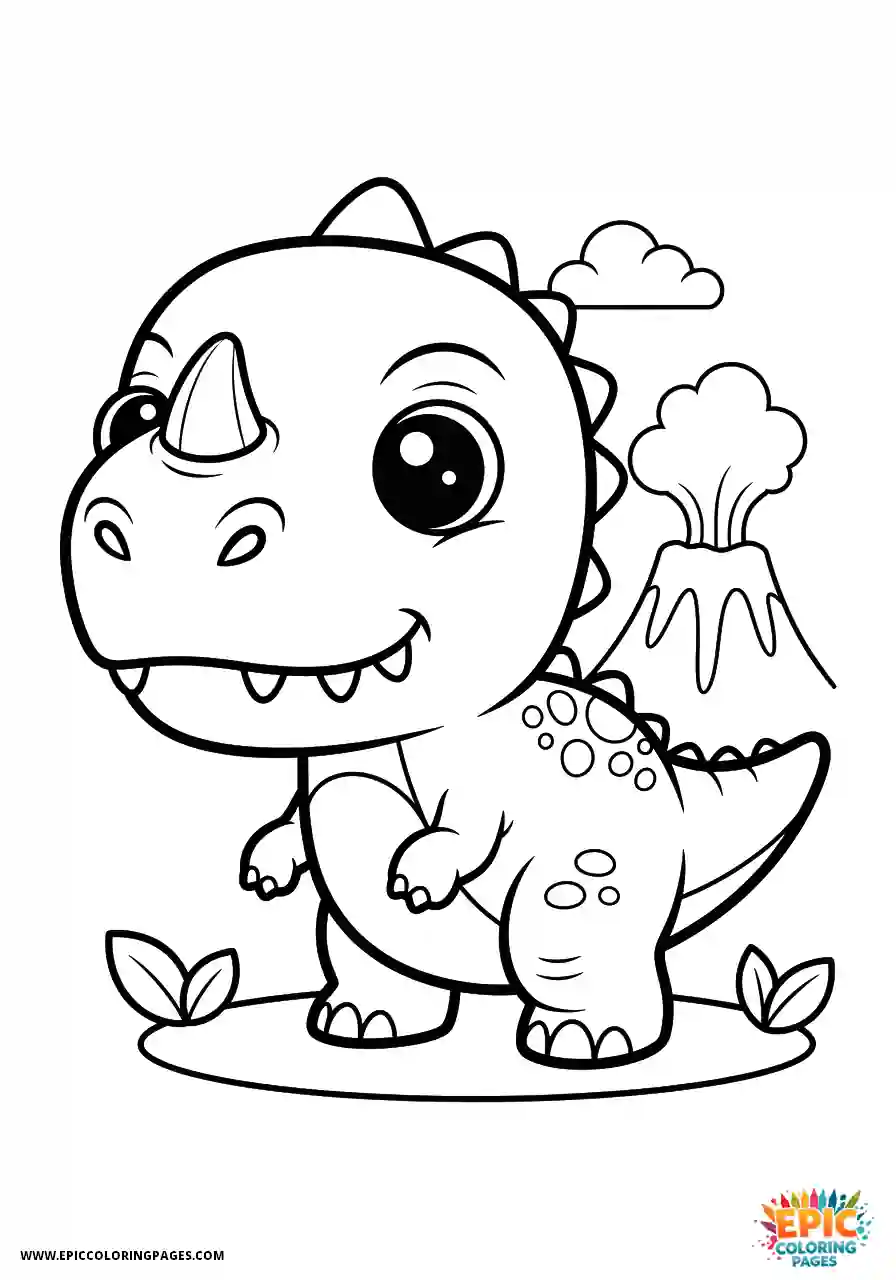
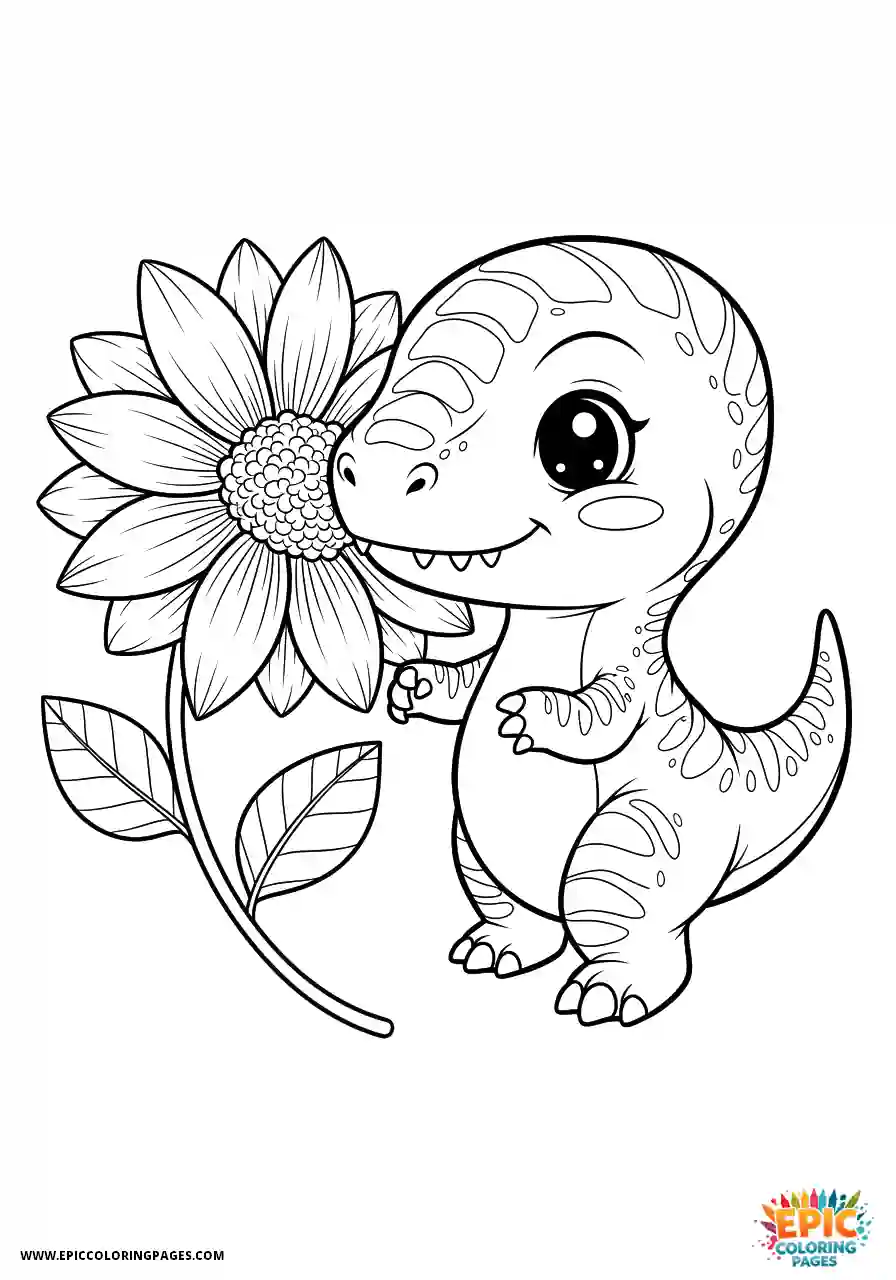
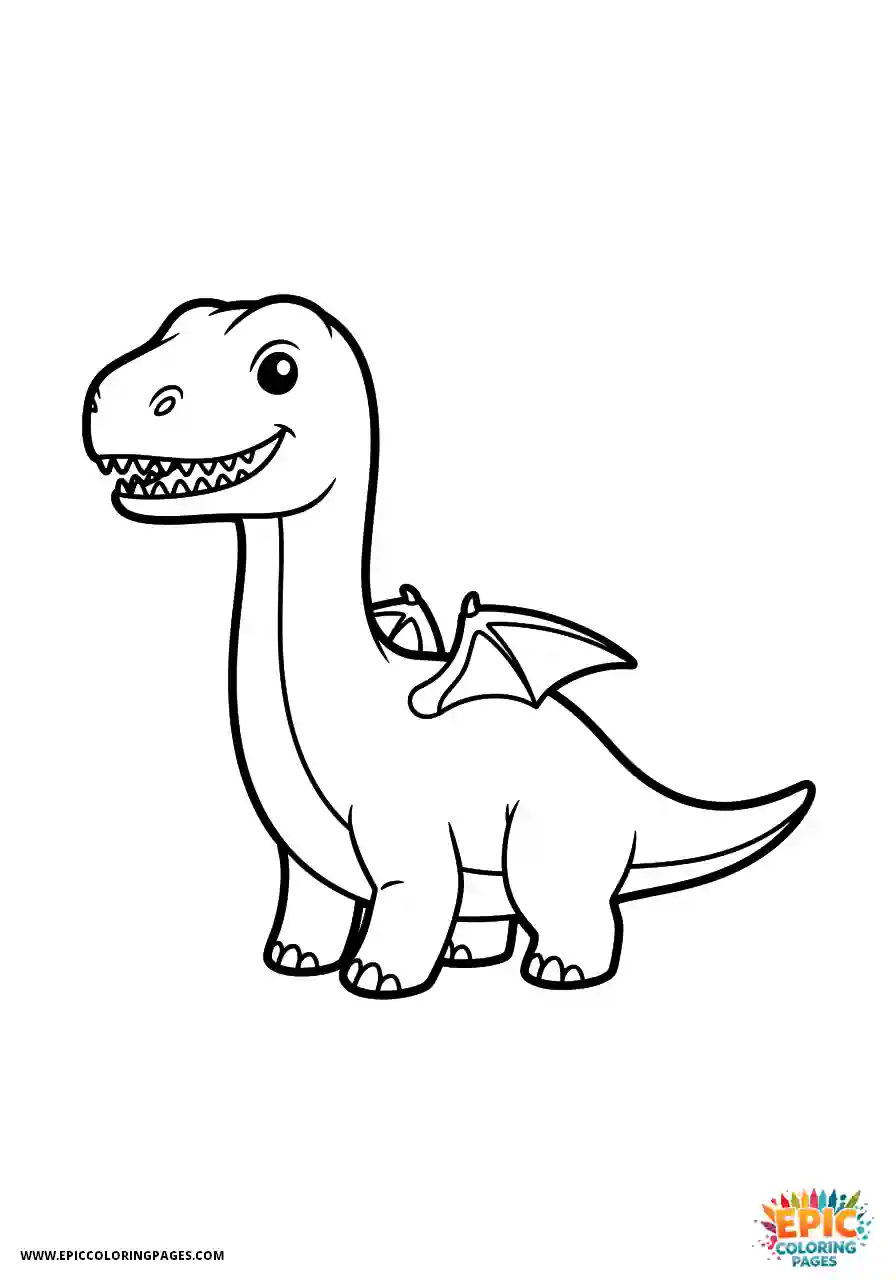
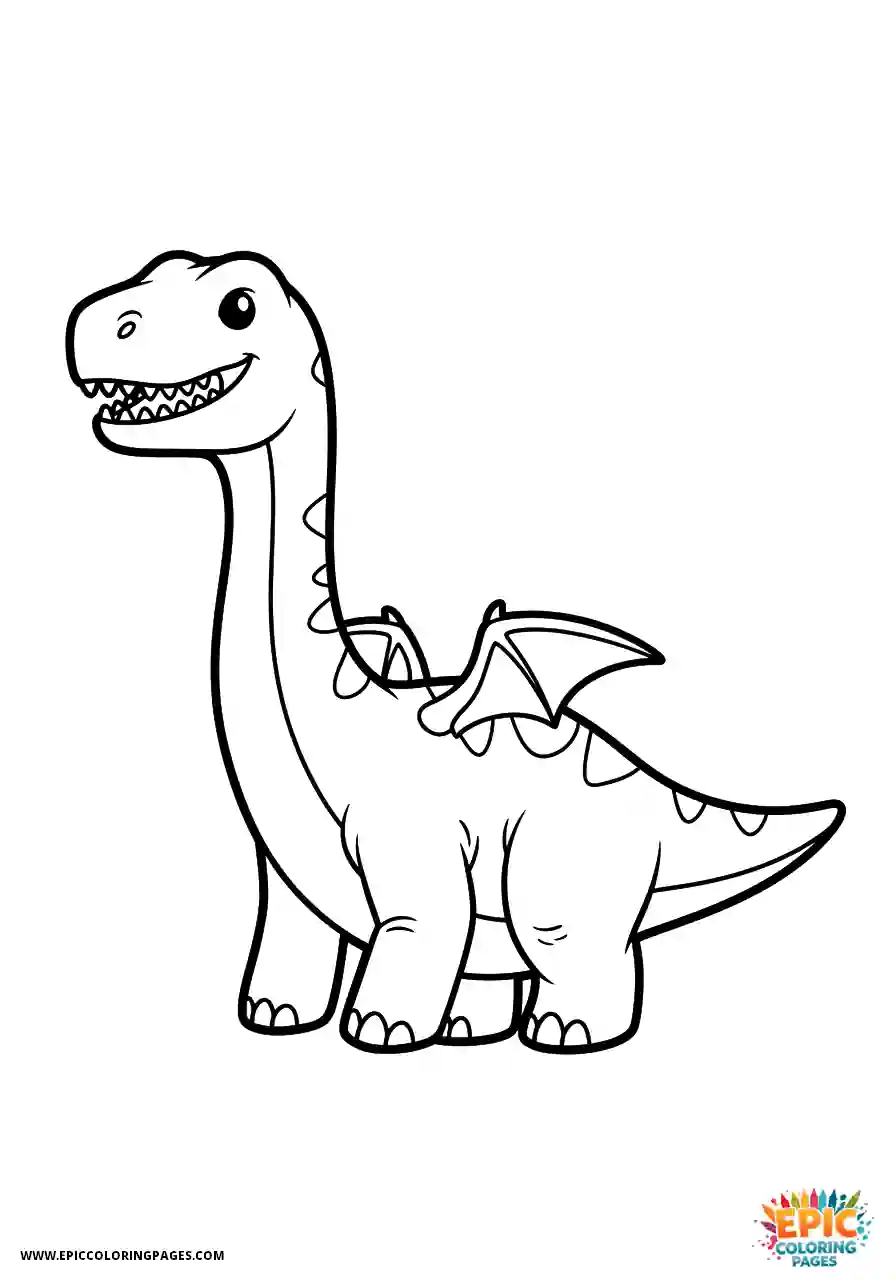
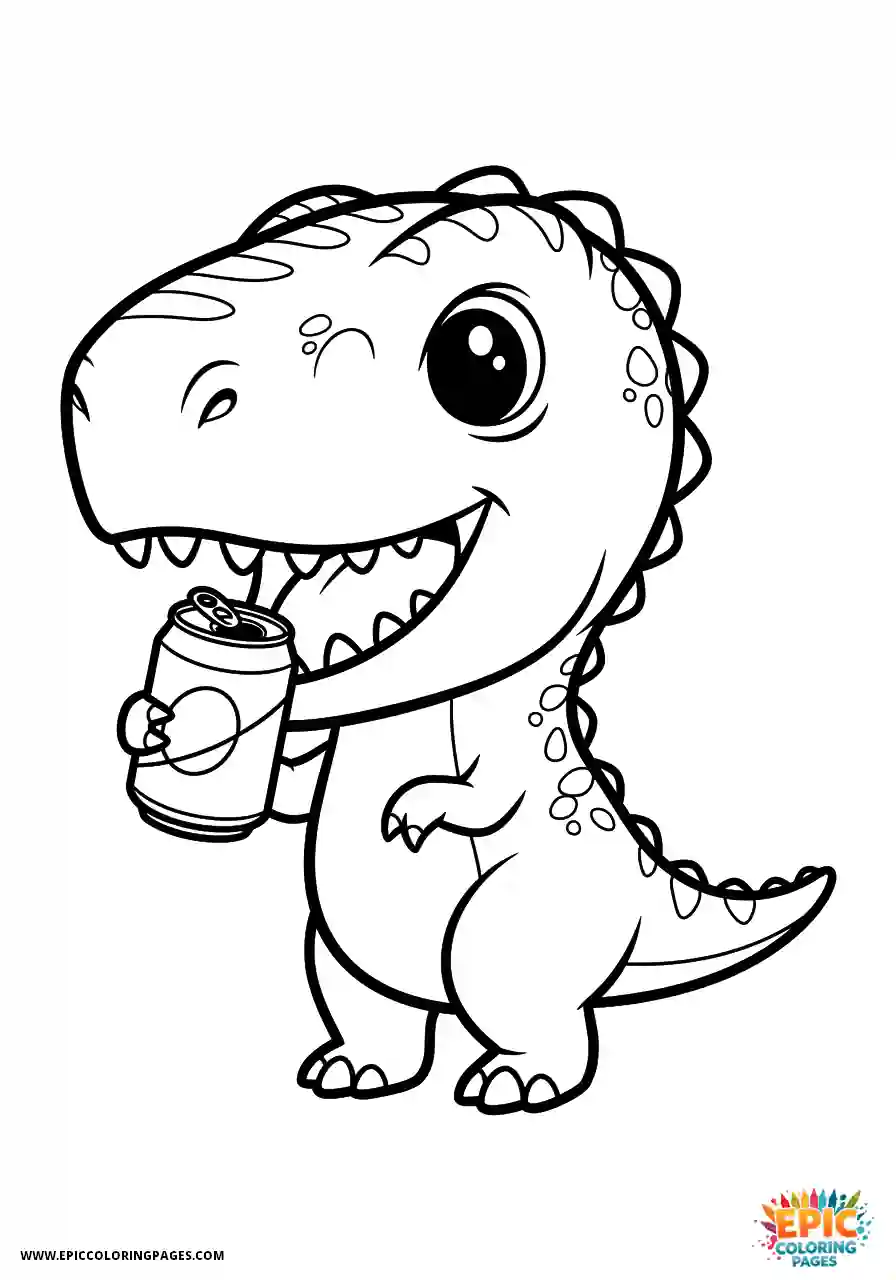
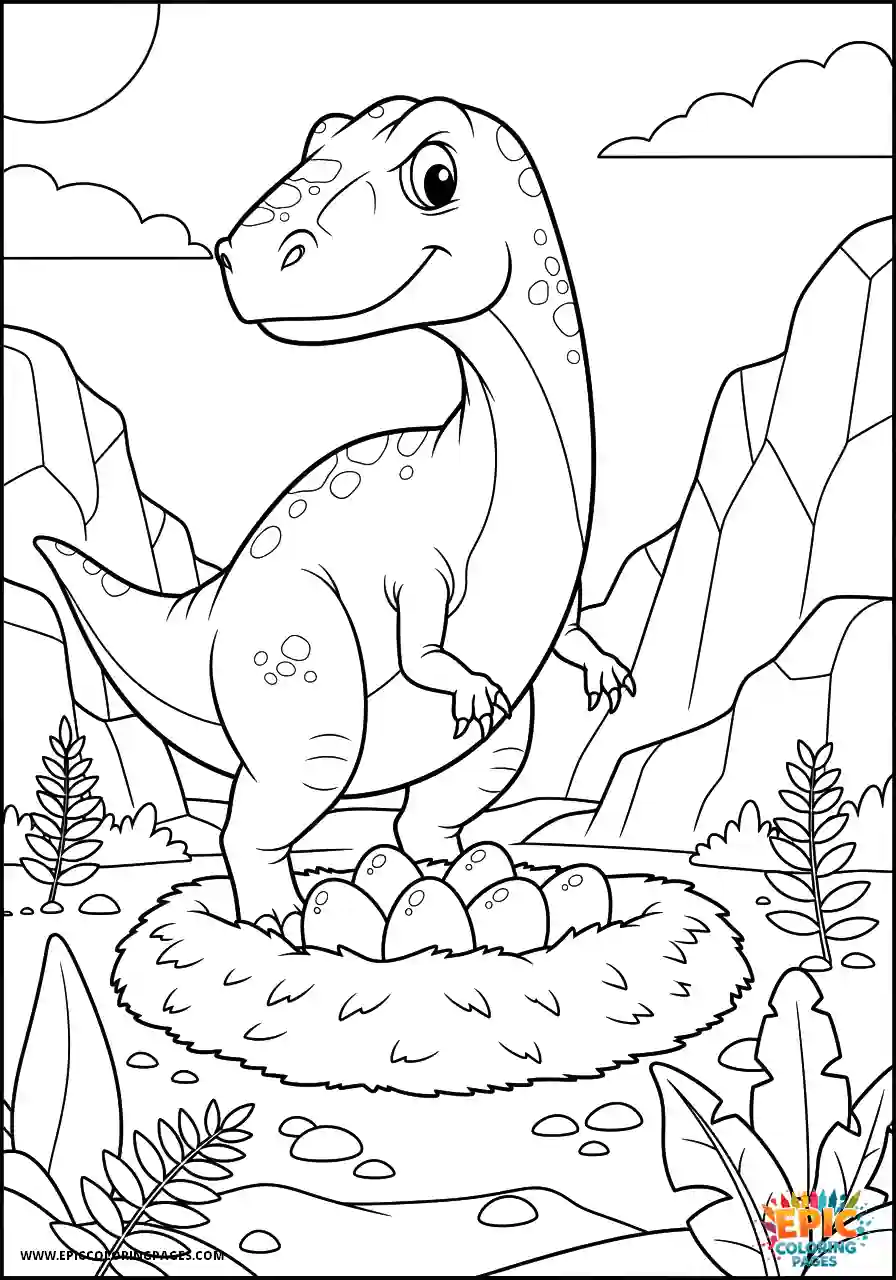
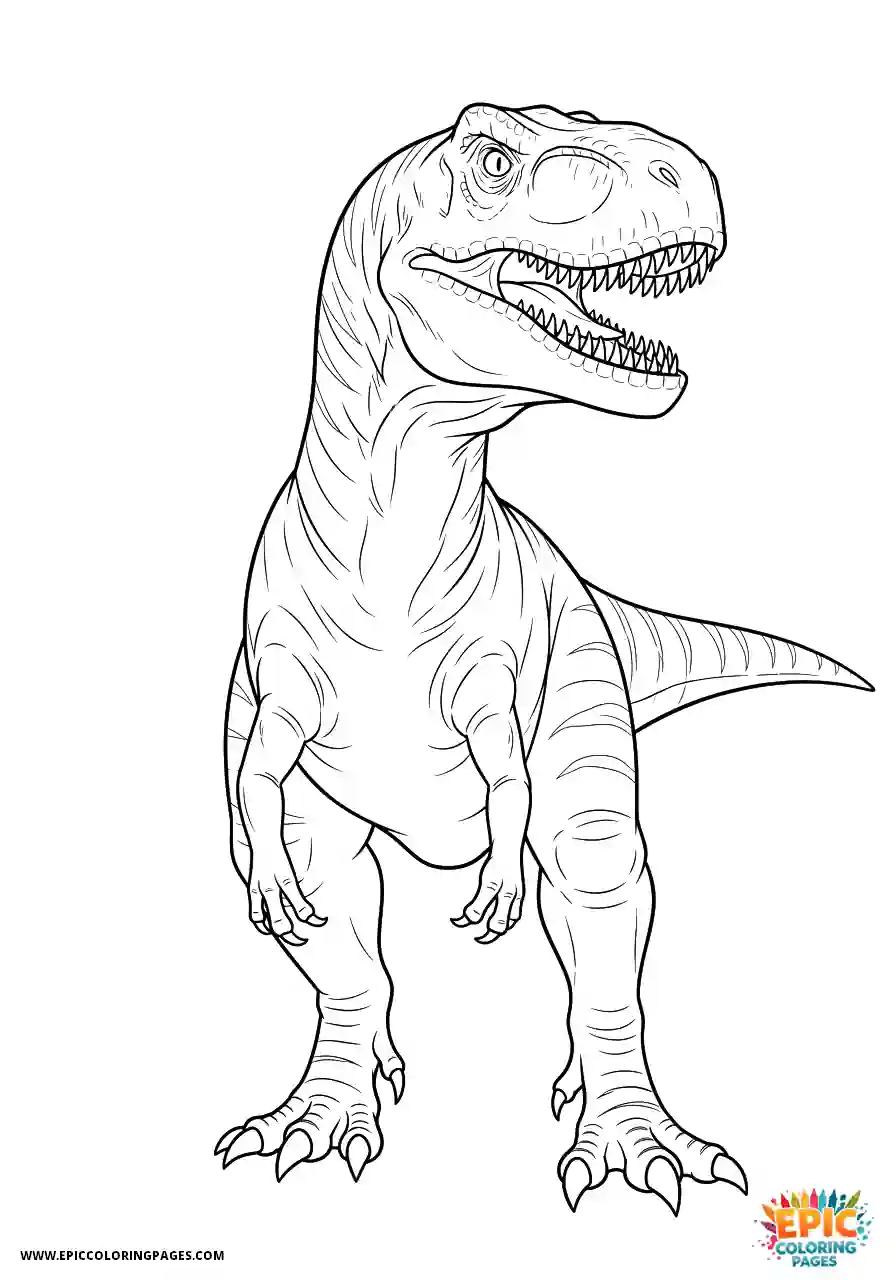
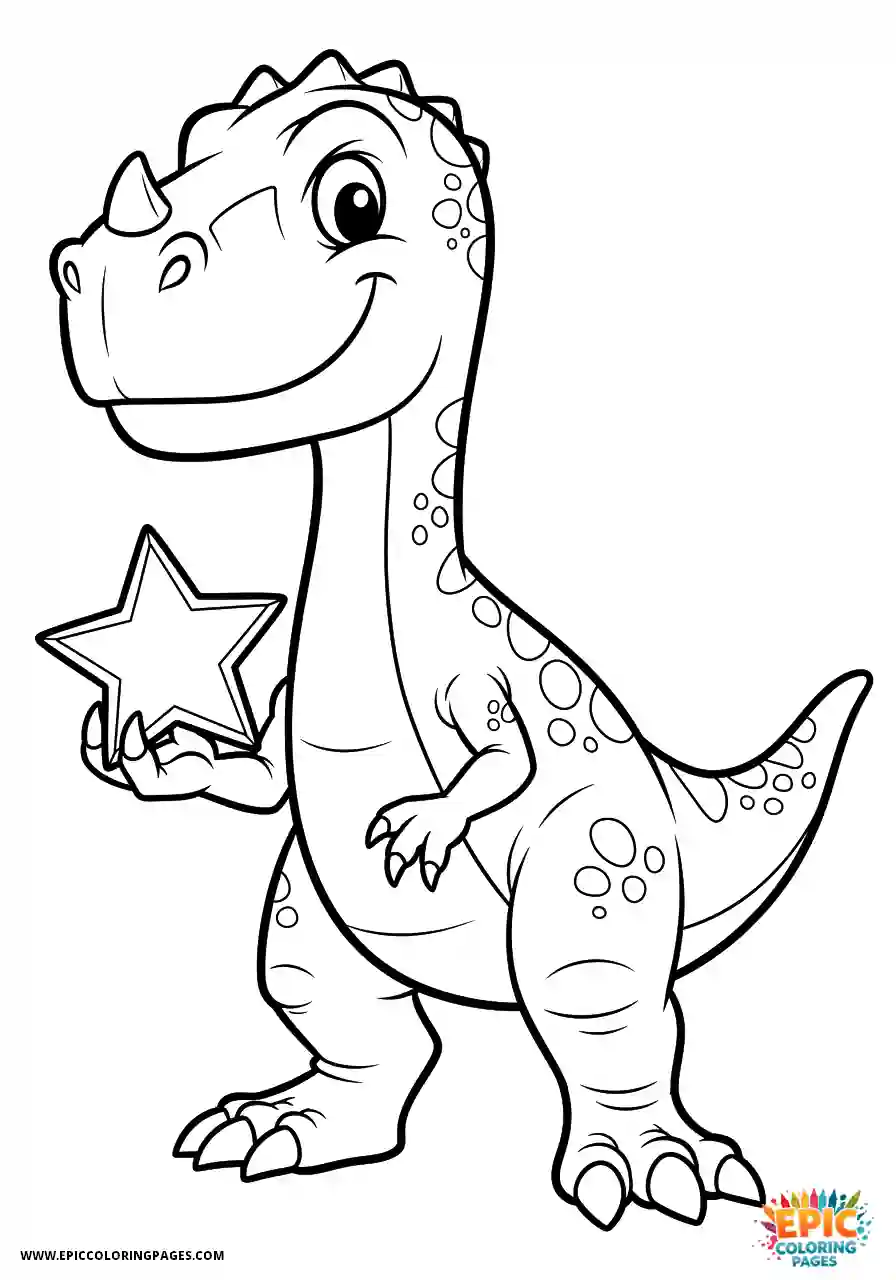
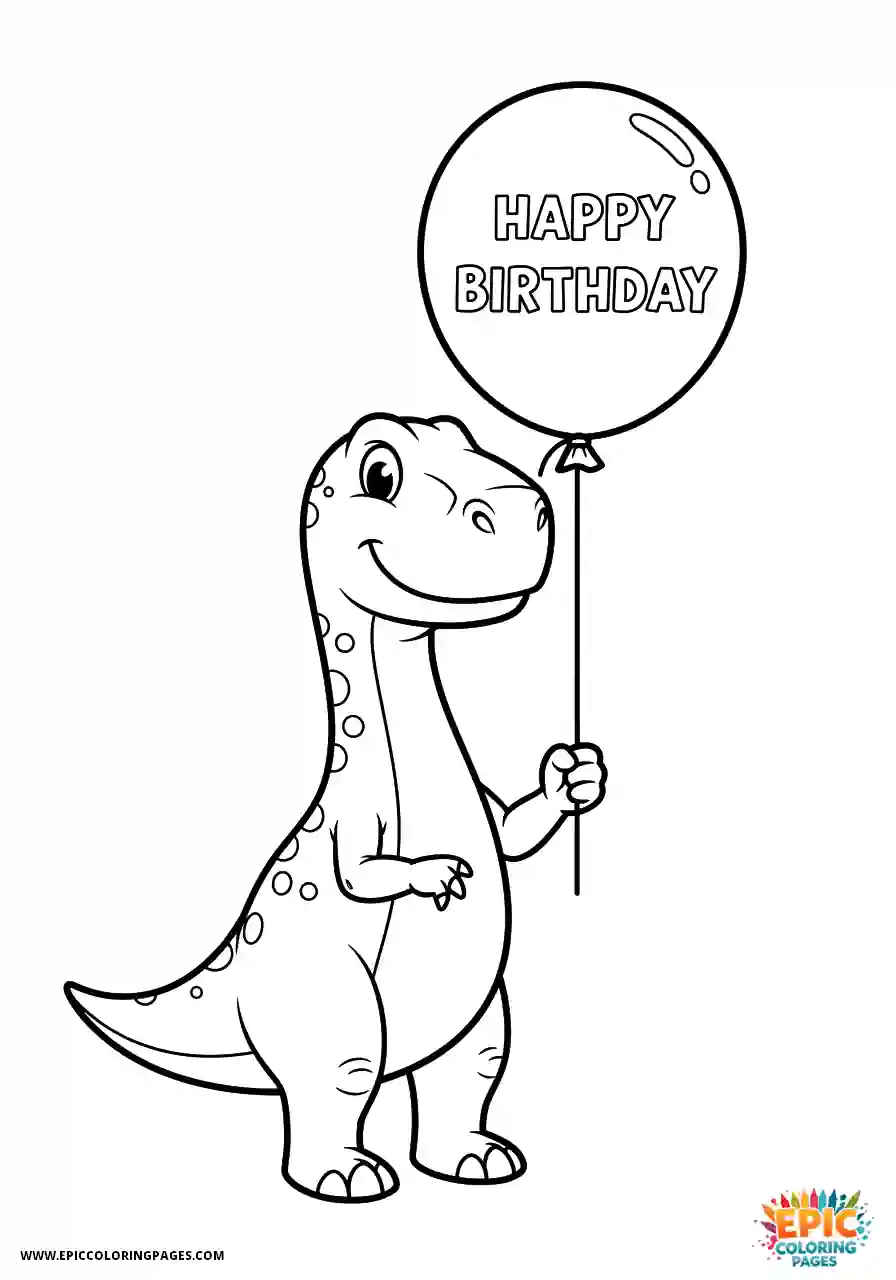
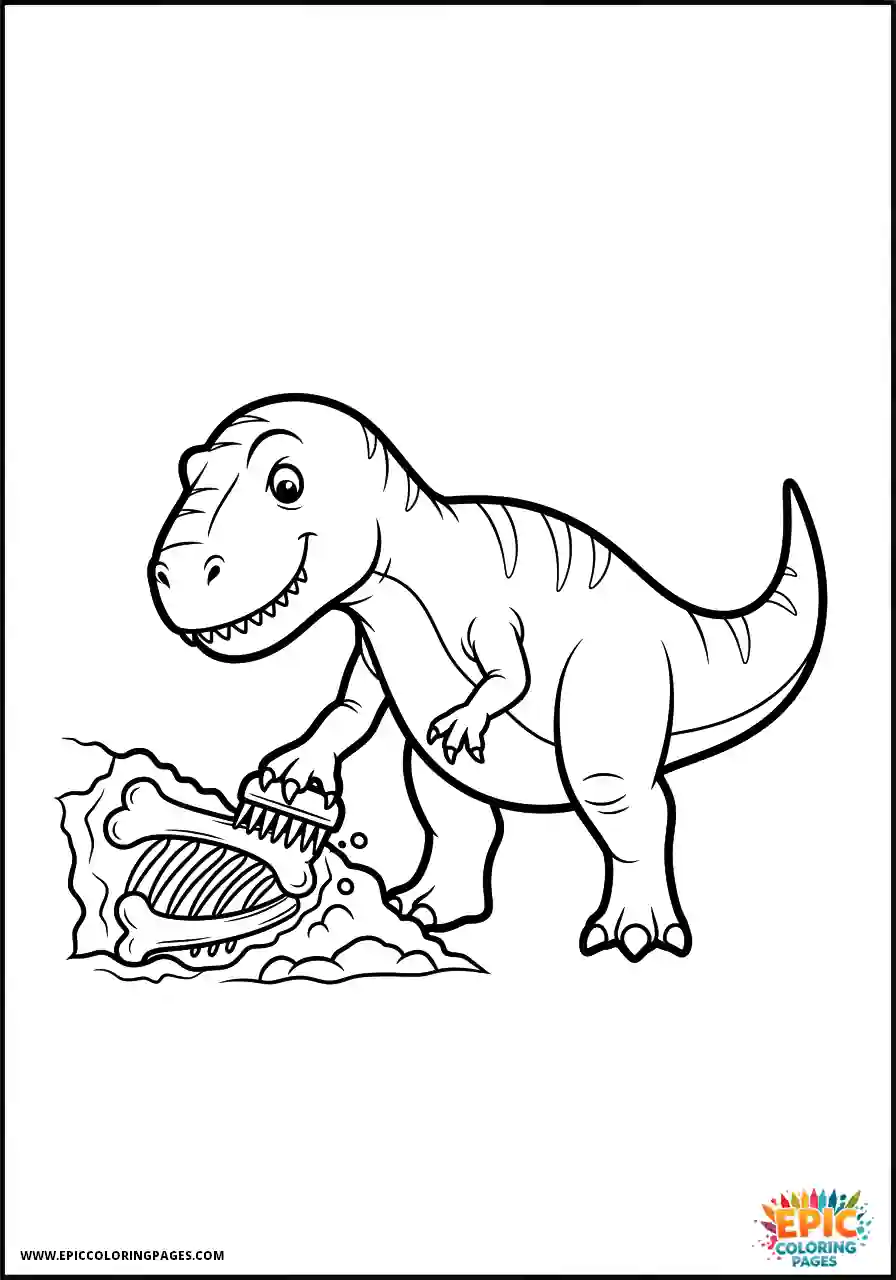
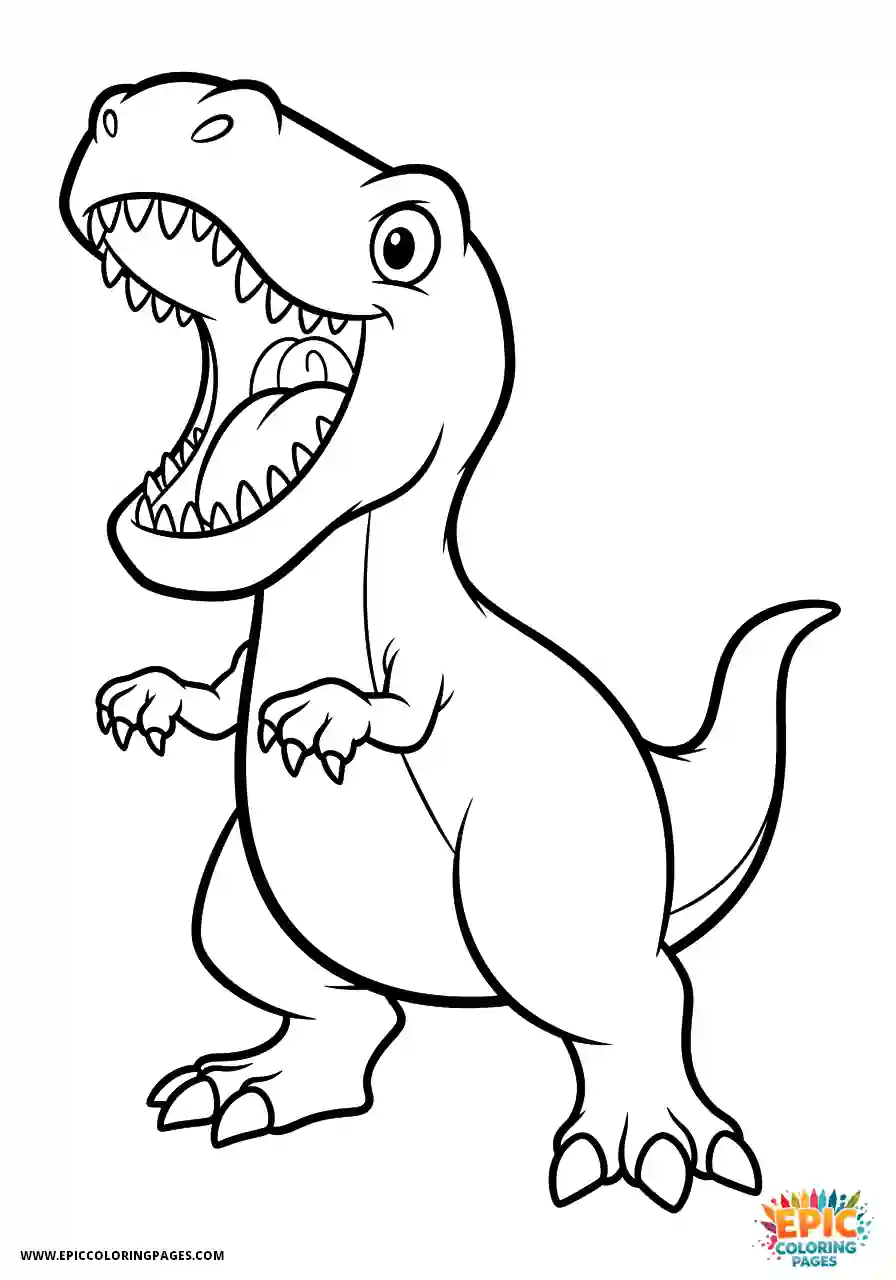
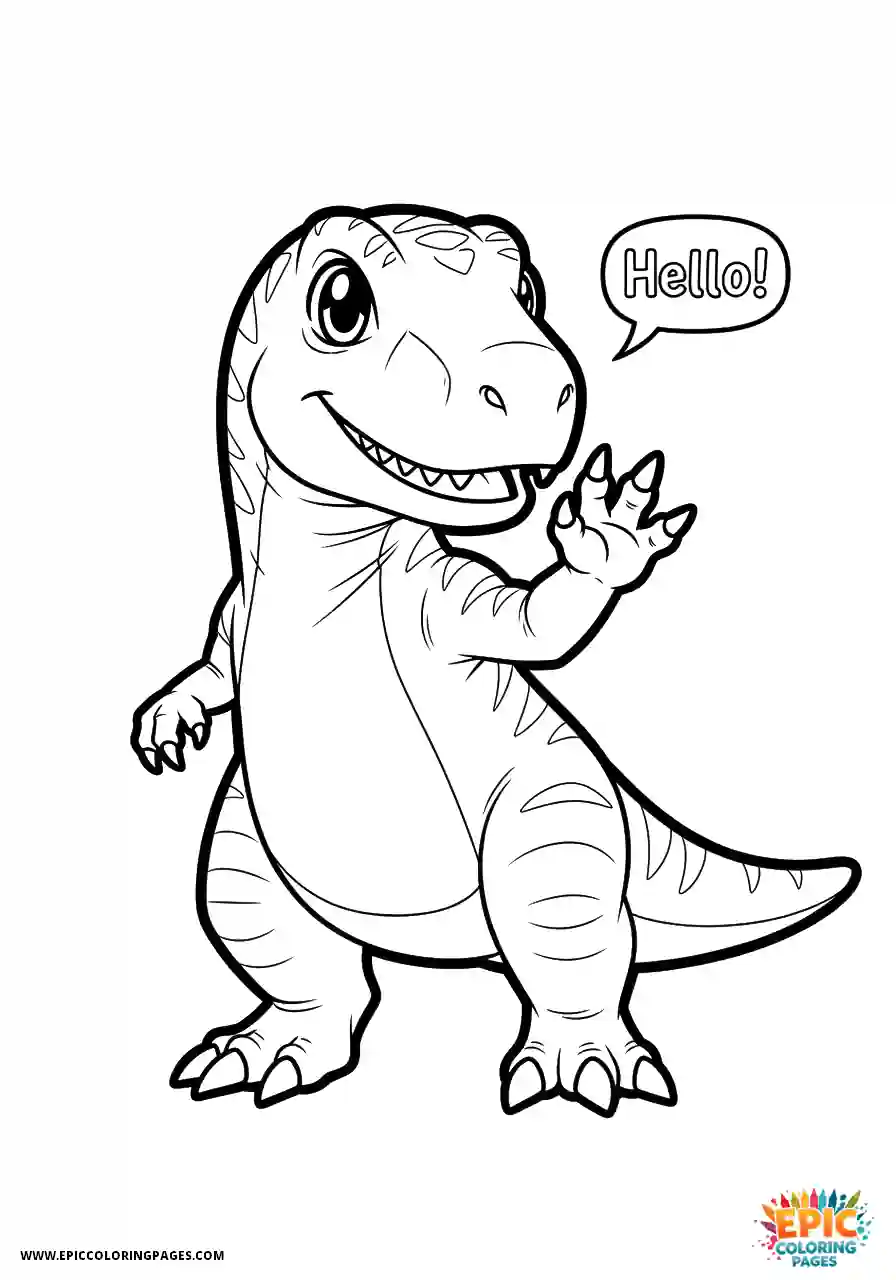
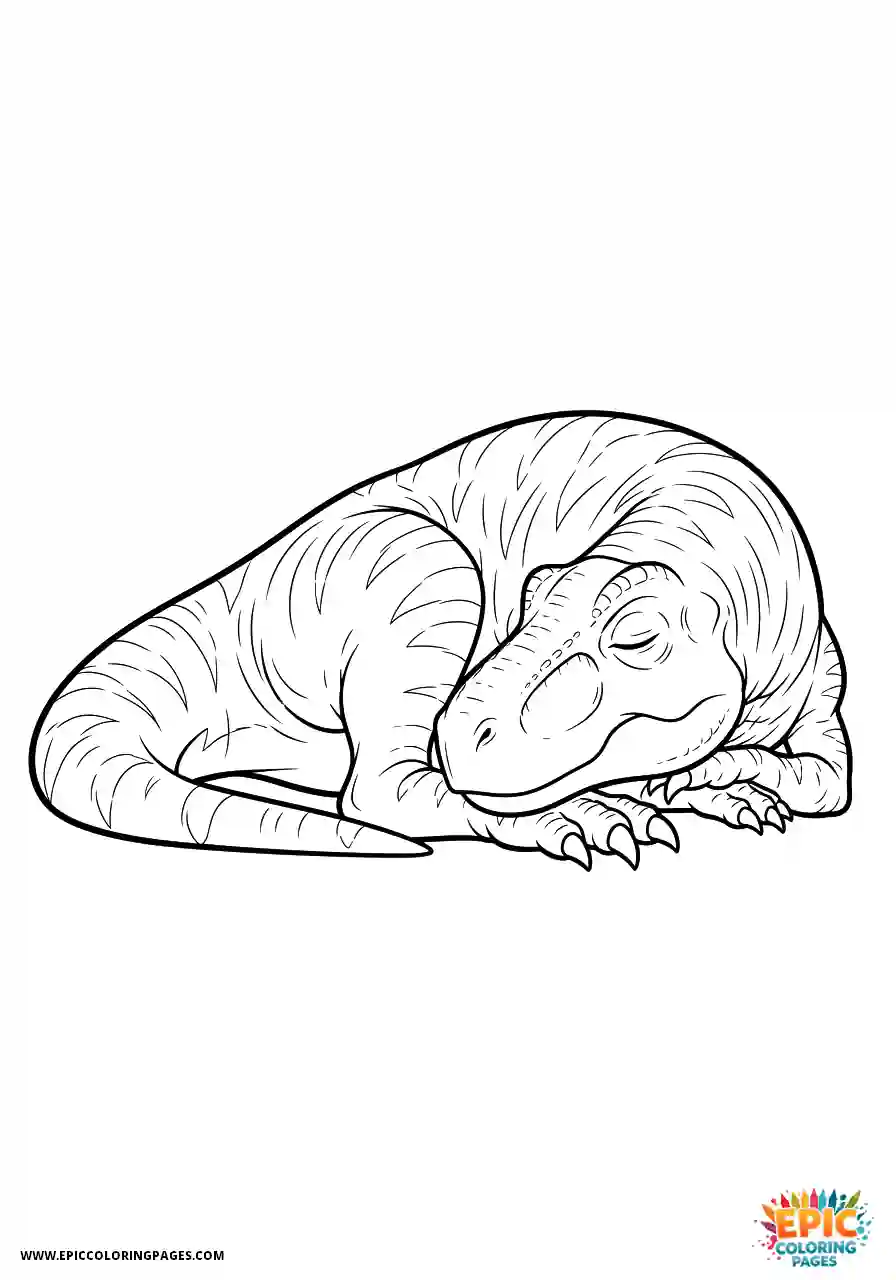
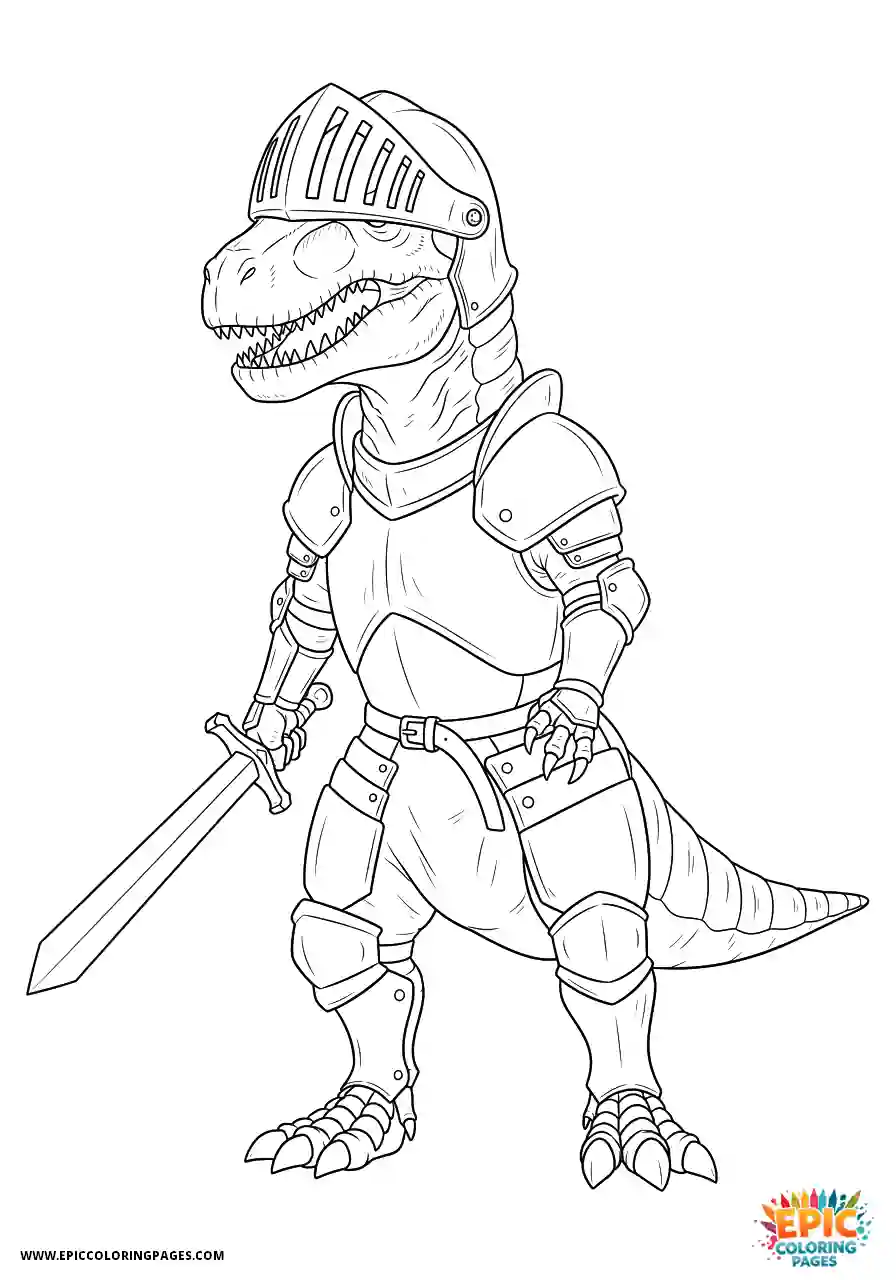
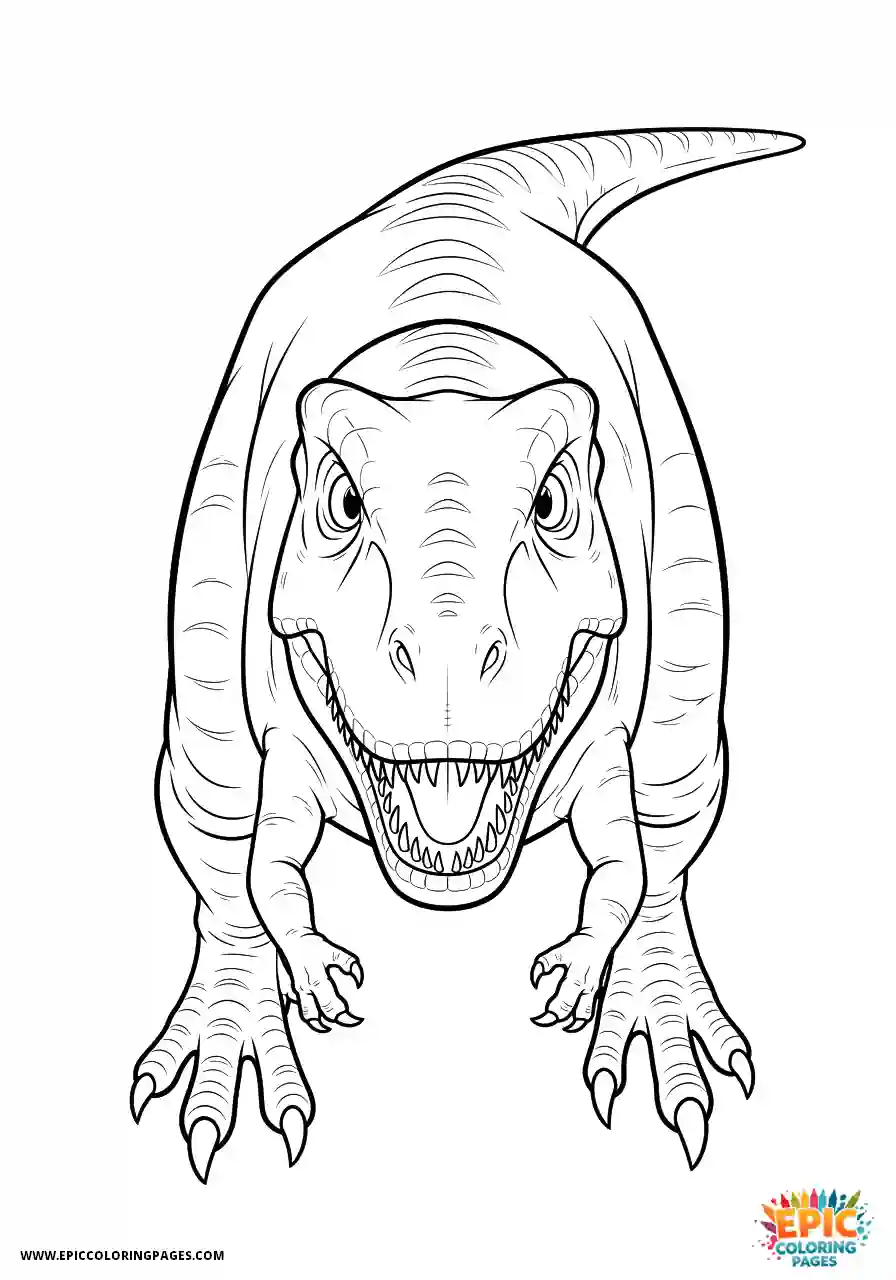
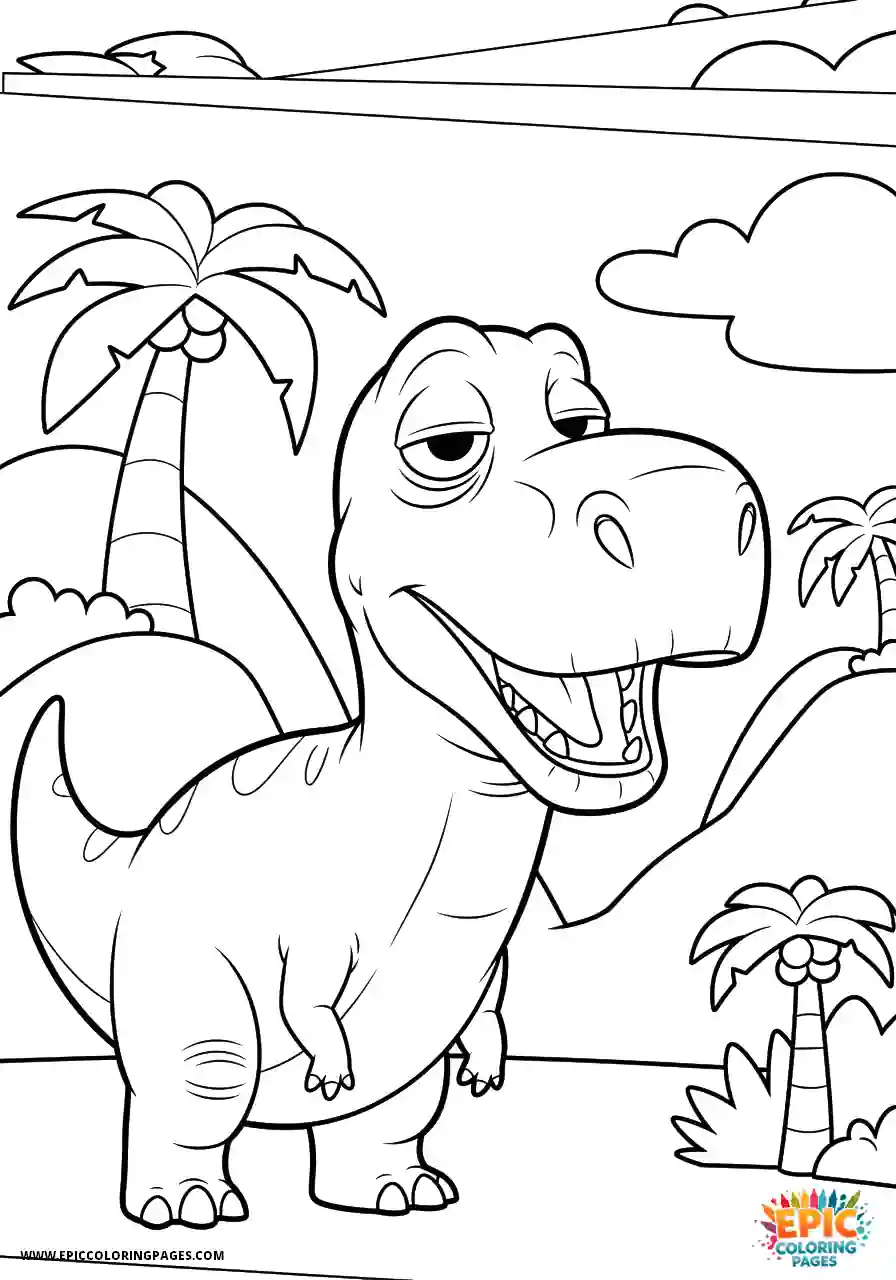
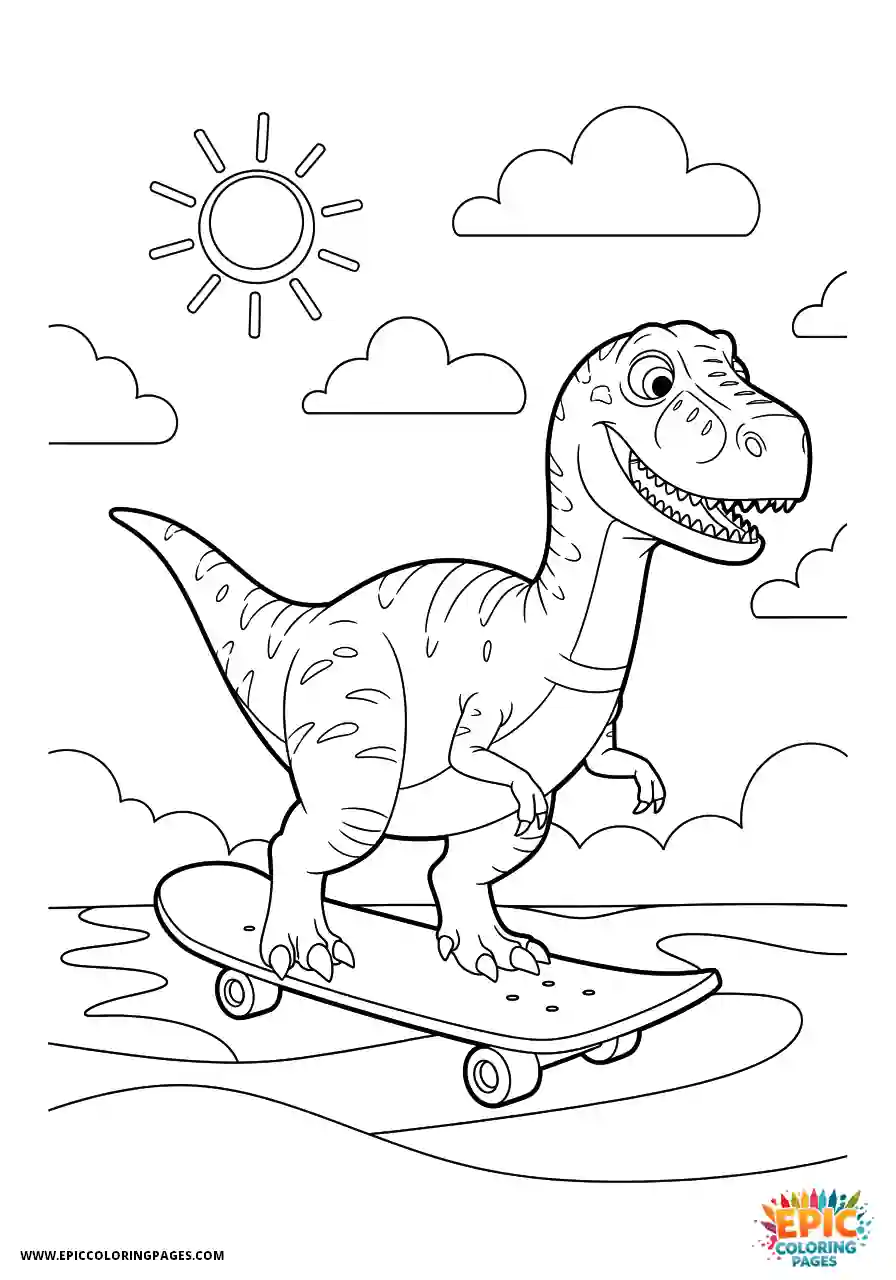
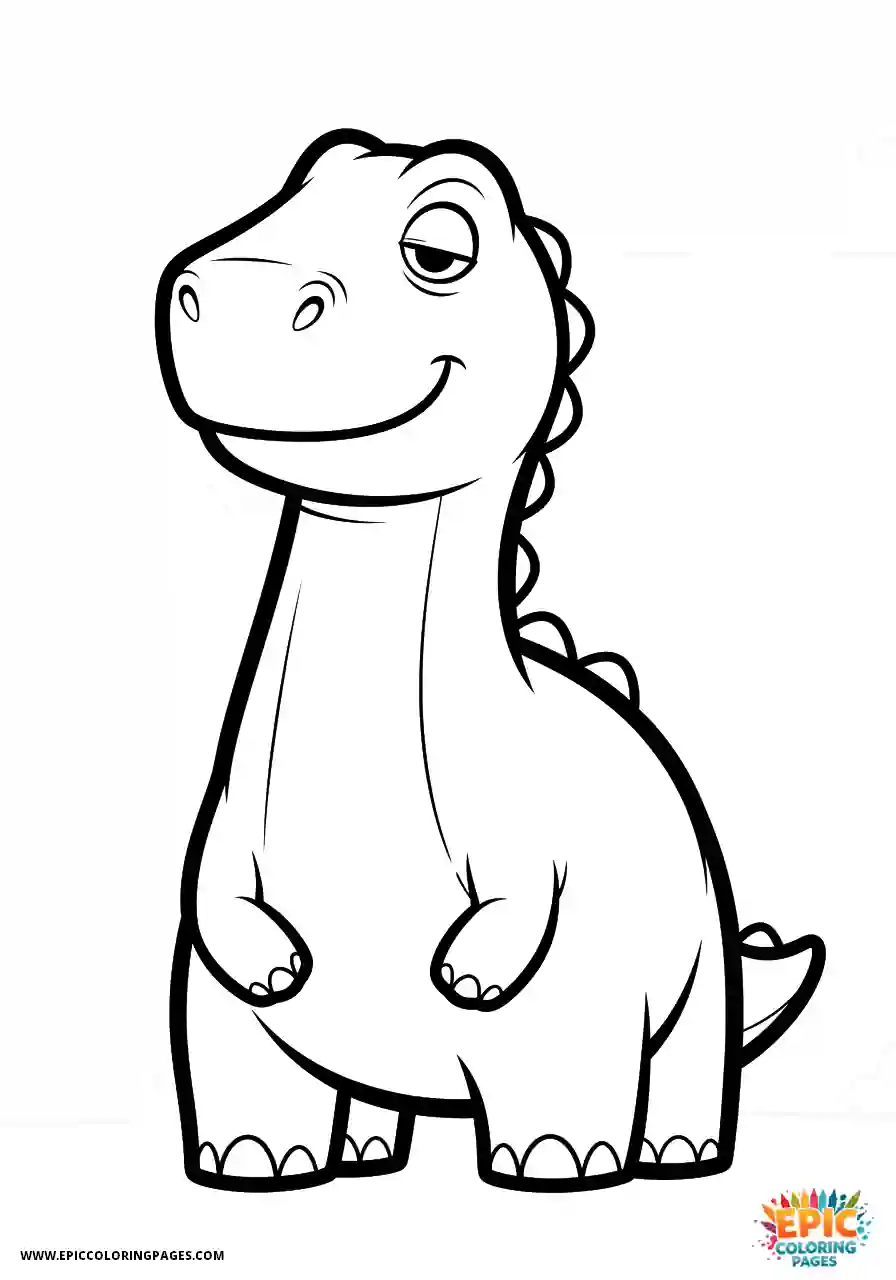
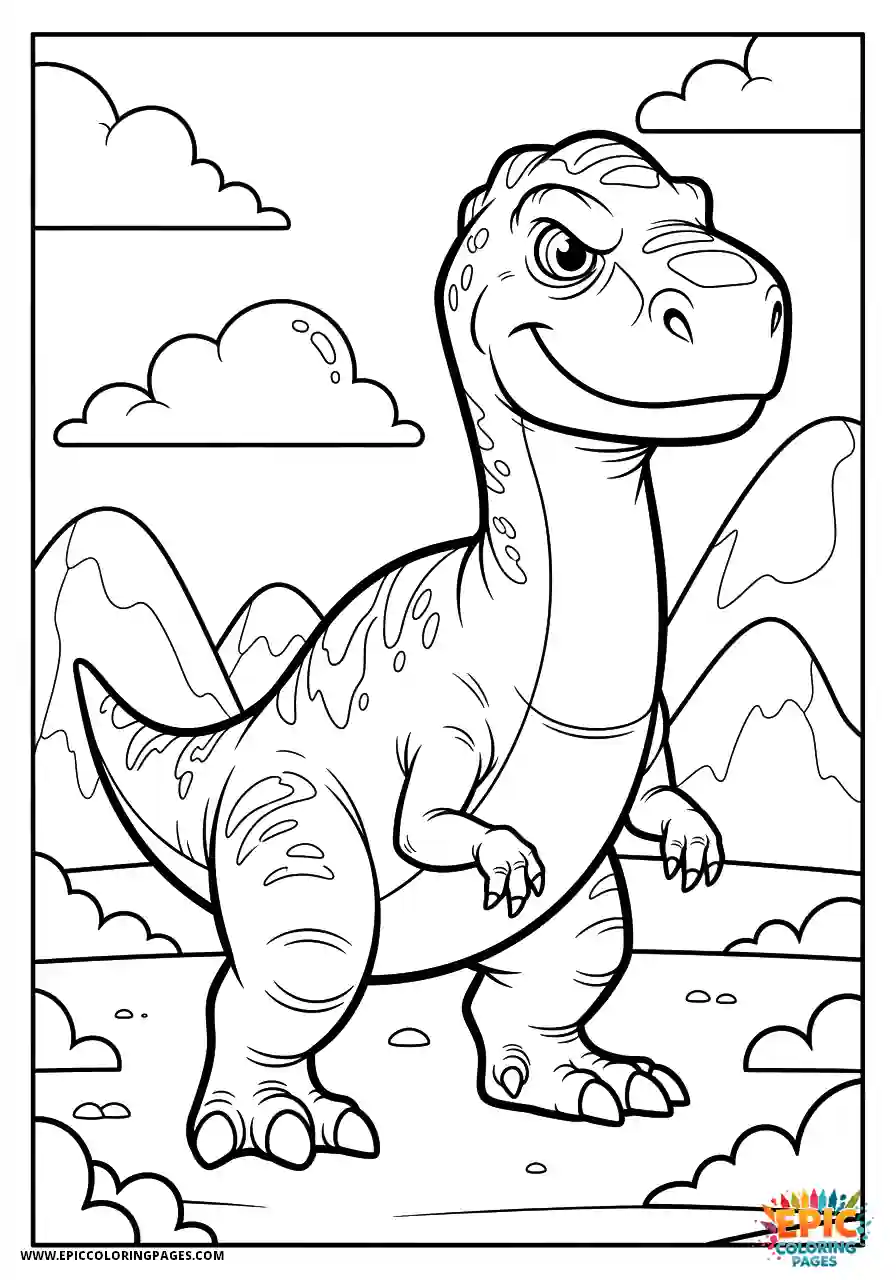
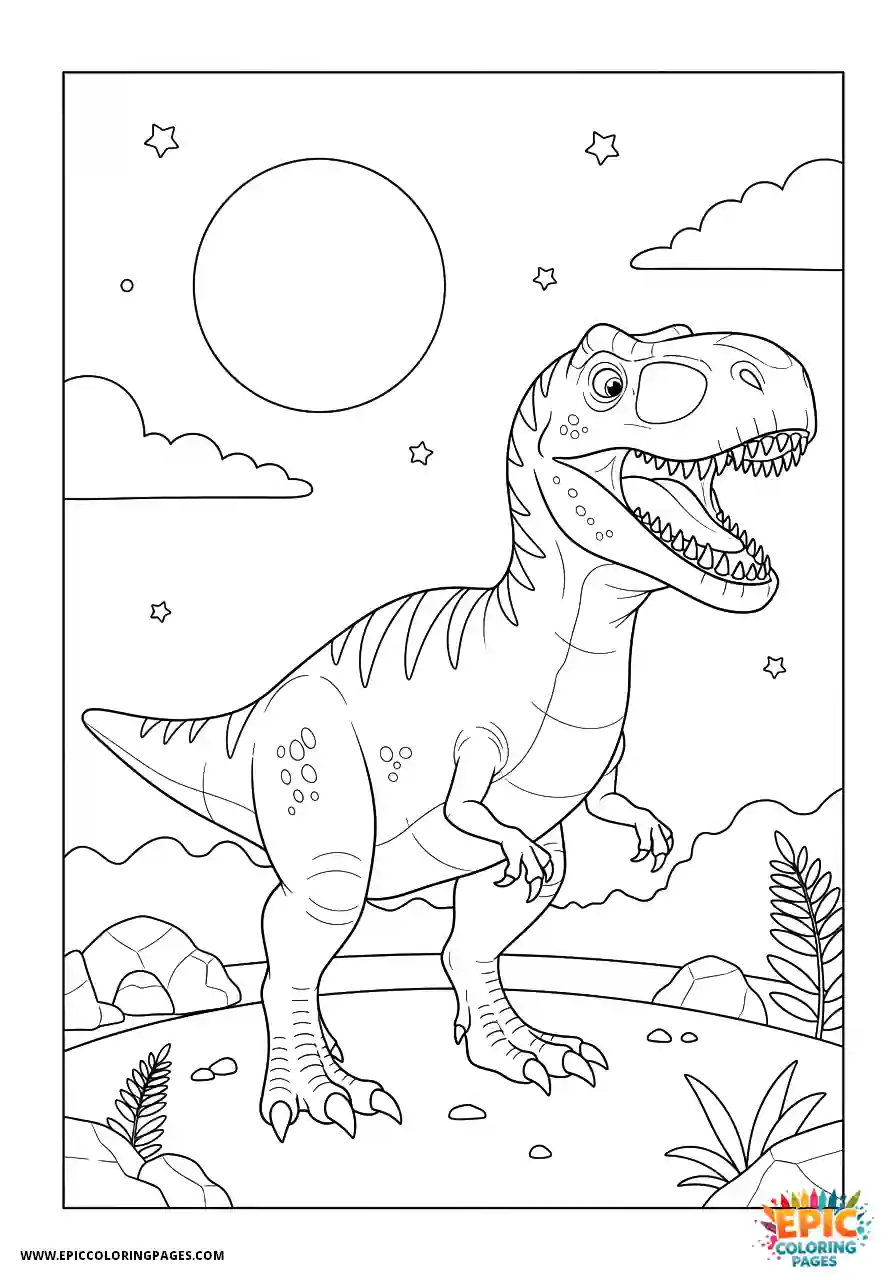
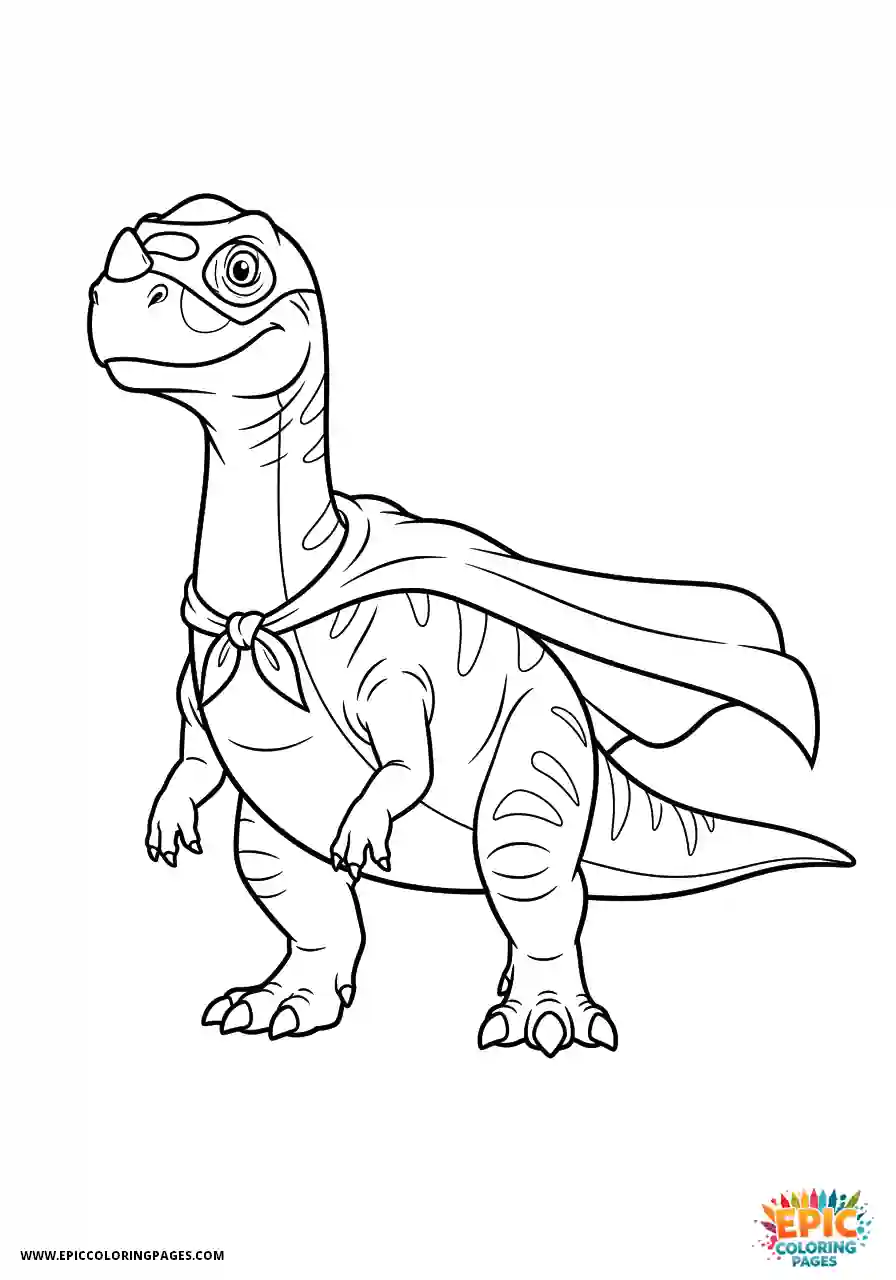
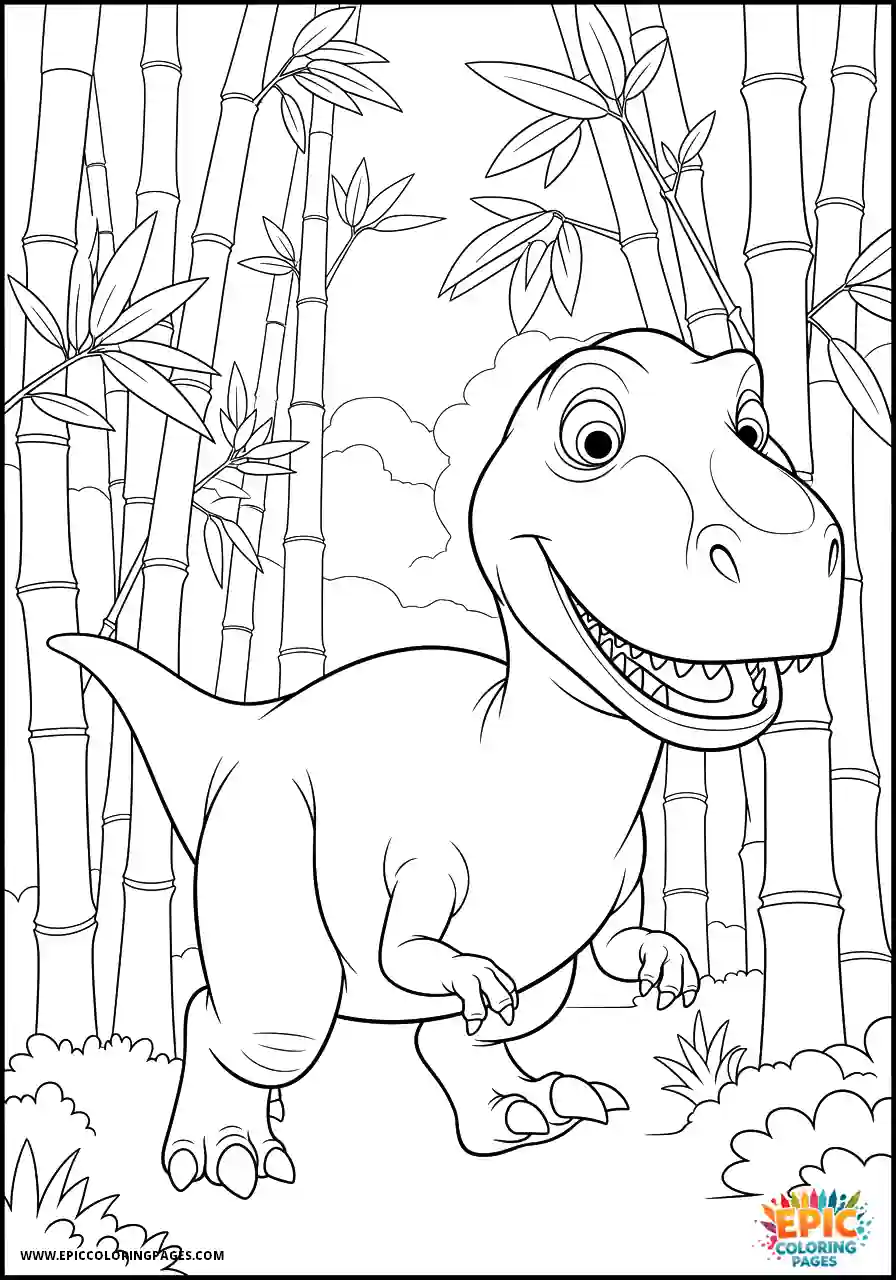
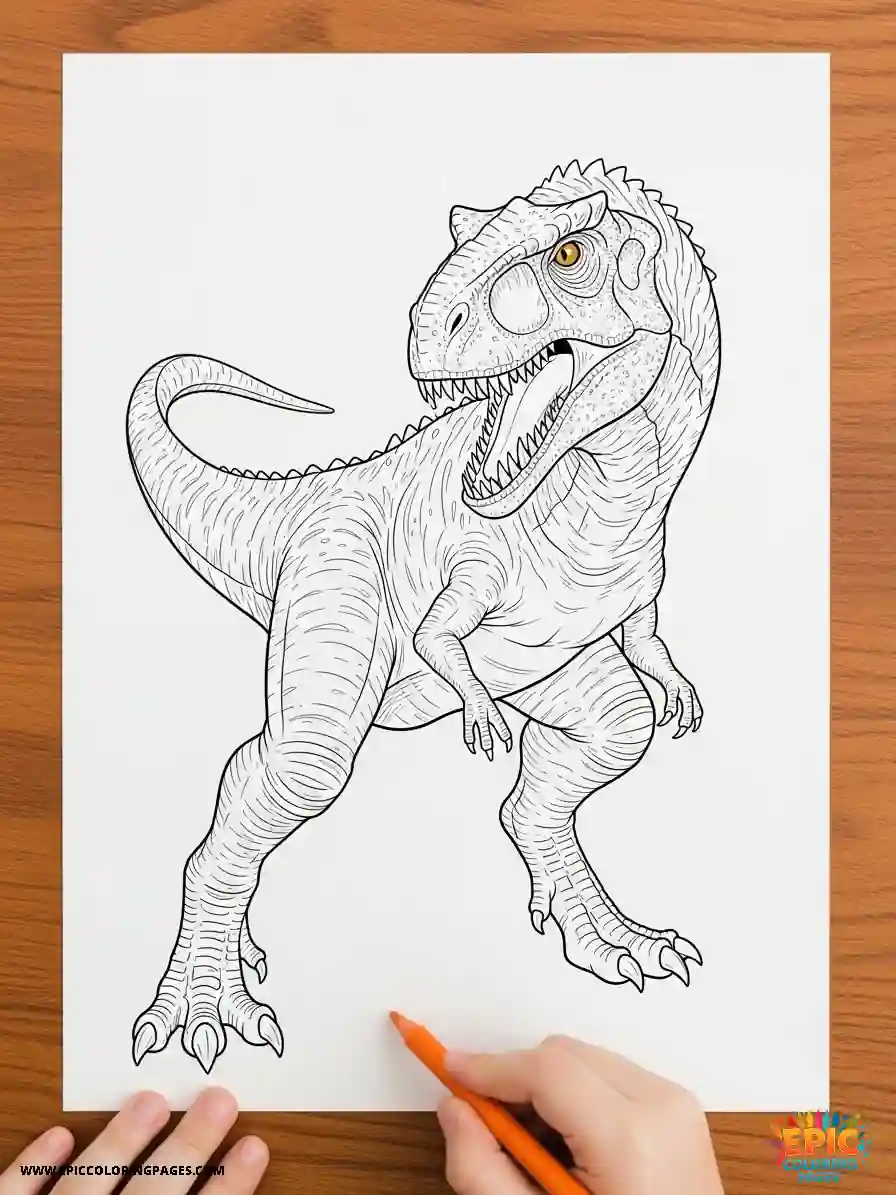
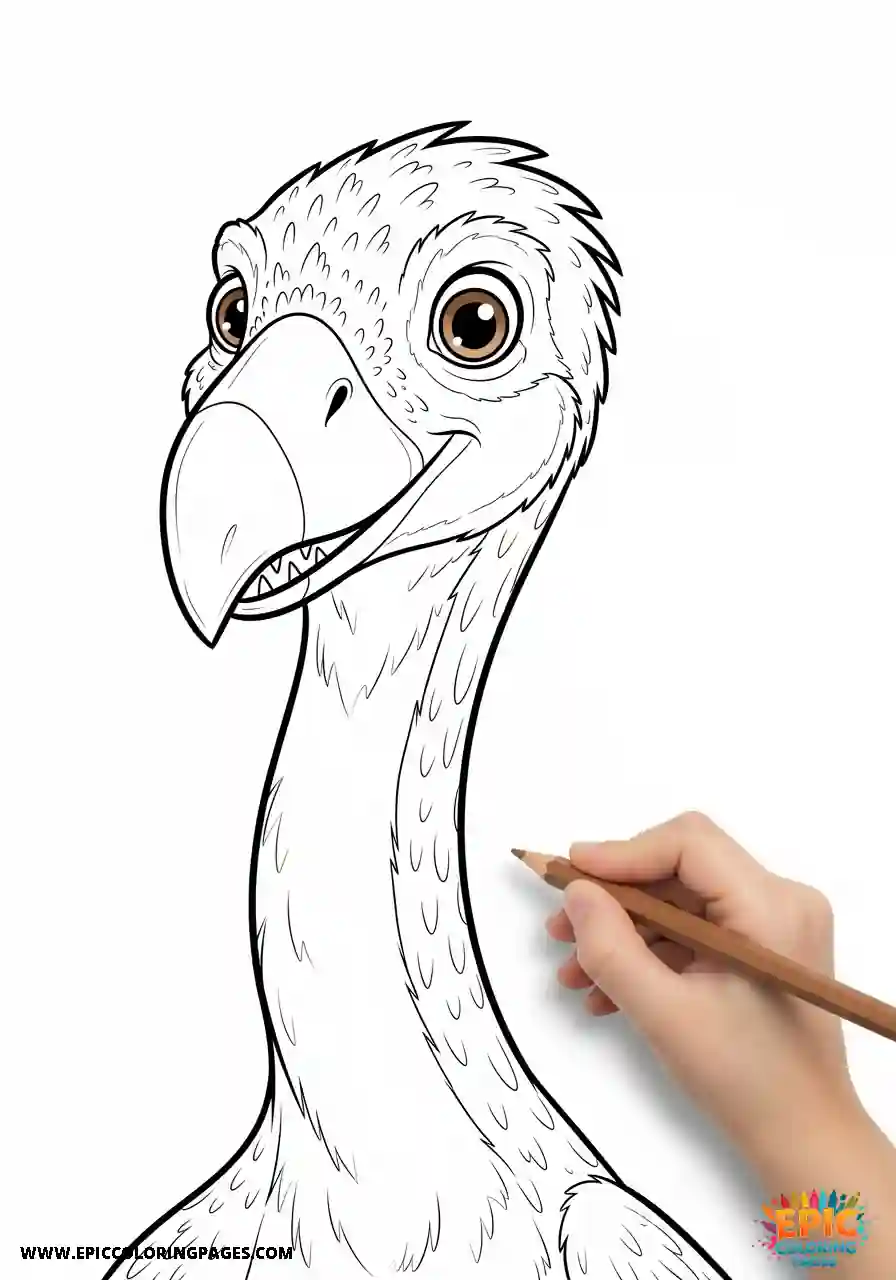
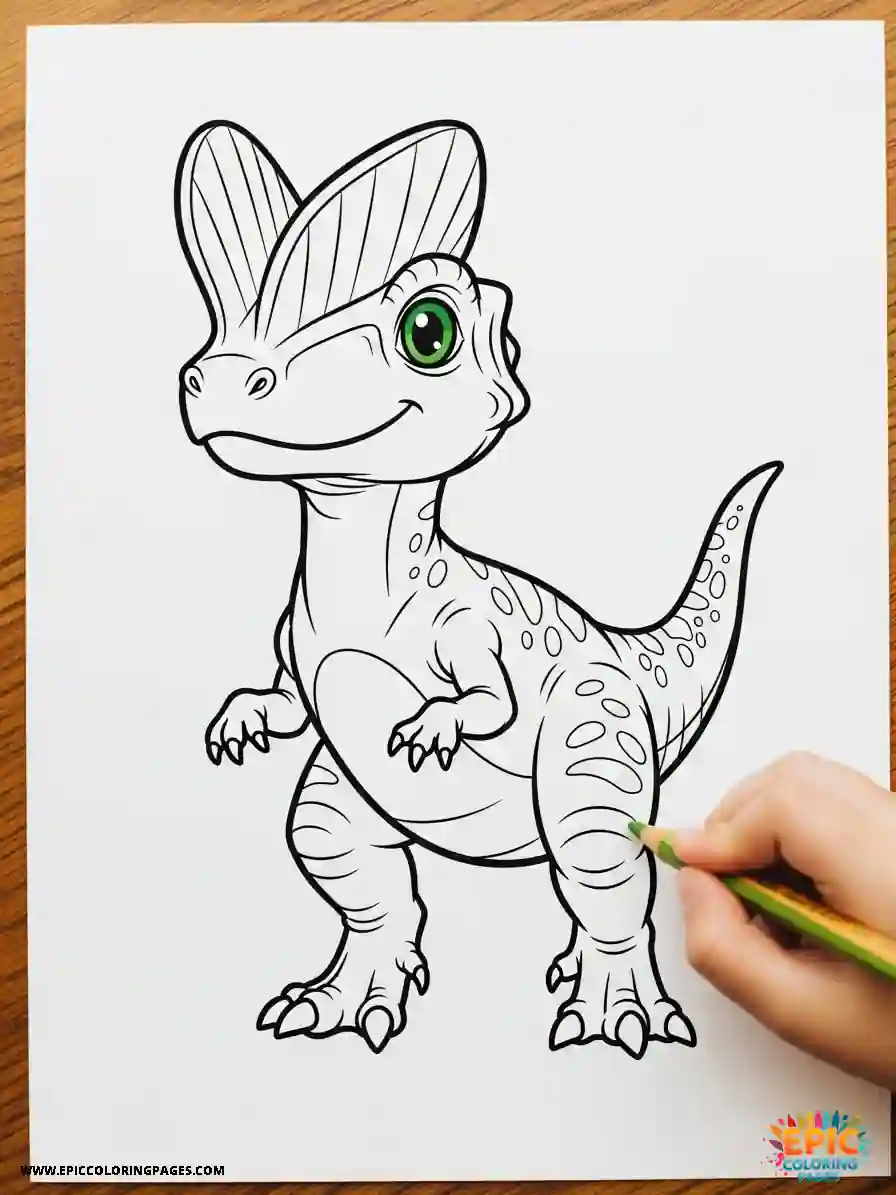
Free printable allosaurus dinosaur coloring Pages featuring a fierce Allosaurus with thick lines

๐ŸŽจ Free Interactive Editor - Customize Your Coloring Pages

Click on any image to open our FREE editor and add personalized text, emojis, zoom in for details, and save in professional 300 DPI quality!

โœ๏ธ

Add Text

11+ fonts

๐Ÿ˜Š

Emojis

500+ items

๐Ÿ”

Zoom

Precision

๐Ÿ’พ

Save

300 DPI

Distinguishing Features: Crests and Claws

The Allosaurus is visually distinct from other meat-eaters due to specific anatomical features that are fun to highlight with color. Unlike the bulky skull of the T-Rex, the Allosaurus had a narrower head with ridges that serve as excellent focal points for creative shading.

  • The Lacrimal Horns: The most recognizable feature of this dinosaur is the pair of small horns or crests located just above and in front of the eyes. Paleontologists believe these may have been brightly colored for display, so feel free to use vivid reds or oranges here.

  • The Three-Fingered Hand: Pay close attention to the forelimbs in these drawings. The Allosaurus used its large, hooked claws to grapple with prey, meaning the arms are muscular and prominent in our action scenes.

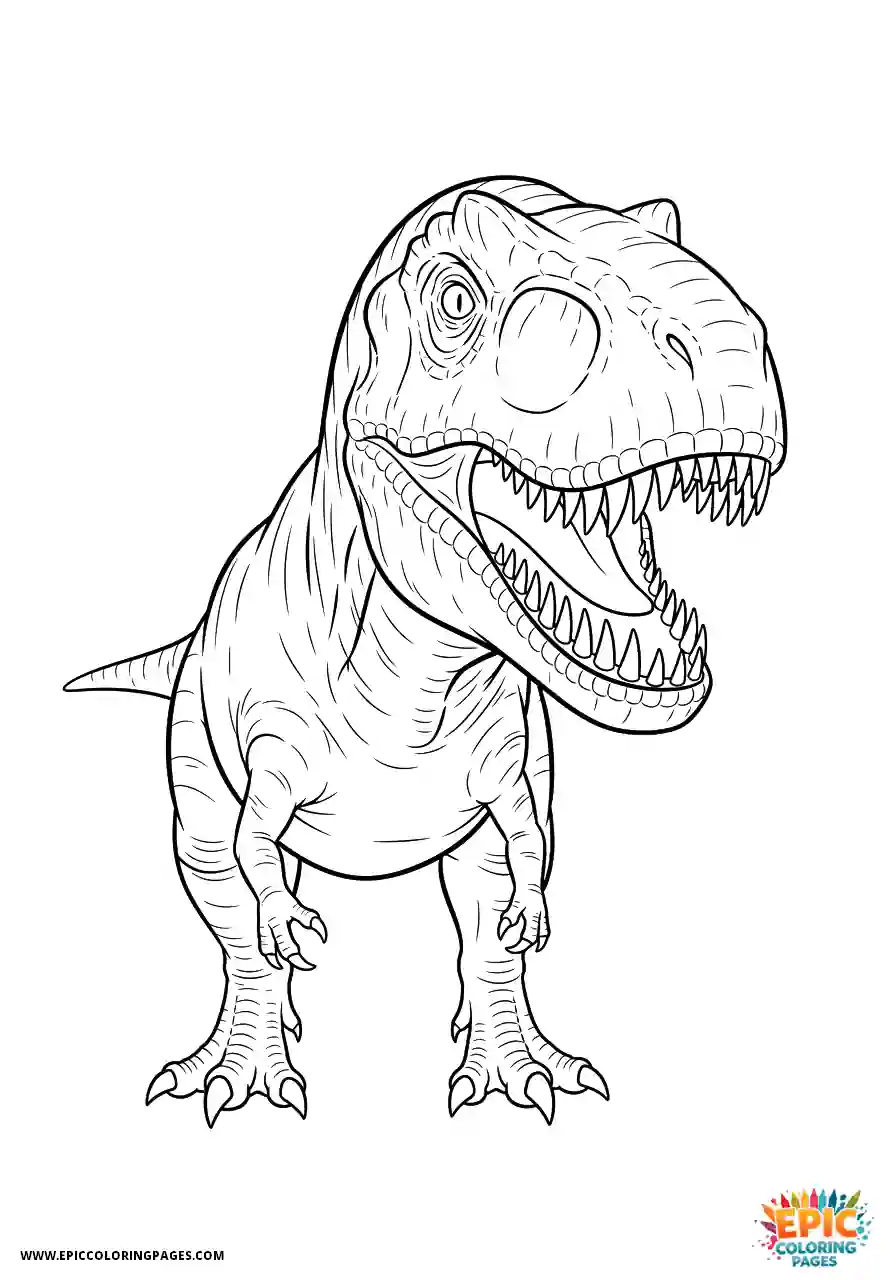
  • The “Hatchet” Jaw: This predator had a unique way of hunting, using its skull like a hatchet to strike prey with its mouth open extremely wide. Our gallery includes close-up portraits that capture this terrifying jaw mechanism in detail.

Roar into Creativity: The Ultimate Allosaurus Collection

More Dinosaur Coloring Sheets

Love these? Don’t stop here! We have thousands of other designs waiting for you.

Access our complete collection of Dinosaur Coloring Pages.

Professional Coloring Tips for Allosaurus Pages

Bringing an Allosaurus to life through coloring is an exciting journey that combines artistic expression with paleontological accuracy. Whether you’re a beginner exploring dinosaurs for the first time or an experienced colorist seeking to create museum-quality work, these tips will help you capture the prehistoric majesty of this Jurassic predator.

Understanding Your Subject

The Allosaurus lived approximately 155 to 145 million years ago during the Late Jurassic period. As one of the most studied theropod dinosaurs, we have remarkable fossil evidence about its physical structure, but its coloration remains scientifically speculative. This gives you creative freedom while staying grounded in what we know about similar modern animals.

Before selecting your first color, take a moment to observe your line art. Notice the powerful hind legs, the relatively short but muscular arms with three-fingered claws, and the large skull with distinctive ridges above the eyes. Understanding these anatomical features will guide your shading and color placement.

Color Theory Meets Paleontology

Modern paleontologists look to living relatives of dinosaurs birds and reptiles for clues about possible coloration. Consider these scientifically-inspired approaches:

  • Countershading is observed in many predators today. A darker dorsal (top) surface transitioning to a lighter ventral (belly) area helps animals blend into their environment. For an Allosaurus, try earthy greens or browns on top, fading to tan or cream underneath. This creates natural depth and reflects how light falls on three-dimensional forms.
  • Pattern possibilities are endless. Crocodilians display mottled patterns, while many birds show stripes, spots, or bold color blocks. Your Allosaurus might have featured tiger-like stripes for camouflage in Jurassic forests, or bold warning coloration if it was confident enough in its predatory abilities. Komodo dragons, another large predator, show us that subtle, dusty coloration can be just as striking as bright hues.
  • Seasonal variation could have existed. Some modern reptiles change coloration slightly with temperature or breeding season. You might create multiple versions of the same Allosaurus with different color schemes to explore this concept.

Medium-Specific Techniques

  • Colored Pencils excel at building texture and depth through layering. Start with light pressure, establishing your base colors. For scales, use small circular motions to create individual texture. Build darker tones gradually in shadowed areas under the jaw, beneath the body, and along the underside of the tail. Burnish (apply heavy pressure with a lighter color) to blend and create smooth, leathery skin areas. A colorless blender pencil can soften transitions beautifully.
  • Markers require planning since they’re less forgiving. Test your colors on scrap paper first to see how they interact. Use the lighter color first when blending, then add darker tones while the first layer is still slightly wet. For scales, try stippling (dotting) with the marker tip to create texture. Alcohol-based markers blend more smoothly, while water-based markers offer more control for beginners.
  • Watercolors bring a naturalistic, organic feel perfect for dinosaurs. Work light to dark, allowing layers to dry between applications. A wet-on-wet technique (applying paint to dampened paper) creates soft, atmospheric backgrounds suggesting ancient mists or volcanic ash. For the Allosaurus itself, wet-on-dry gives you more control over edges and details. Salt sprinkled into wet paint creates interesting texture for rough, scaly hide.
  • Digital coloring offers unlimited experimentation. Use layers one for base color, others for shadows, highlights, and texture. Blend modes like “Multiply” for shadows and “Overlay” for highlights create realistic depth. Texture brushes can simulate scales convincingly. Don’t over-smooth; some grain and texture makes the creature feel tangible and real.

Light, Shadow, and Dimension

Flat coloring makes your Allosaurus look like a cardboard cutout. Strategic shading transforms it into a living creature. Imagine a light source perhaps the Jurassic sun high and slightly to one side. Areas facing the light receive your brightest colors, while areas facing away need progressively darker tones.

Pay special attention to form shadows. The deep eye sockets would be quite dark, as would the area where the powerful thigh muscles meet the body. The underside of the jaw, the spaces between toes, and any skin folds all need deeper shadows. Reflected light (subtle brightening on the shadow side from light bouncing off the ground) adds sophisticated realism.

The powerful tail, essential for balance, would cast a shadow on the ground. Even a simple shadow grounds your dinosaur in space and implies weight. This can be a soft gradient of gray or a darker version of your ground color.

Textural Details That Matter

Dinosaur skin wasn’t uniform. Based on fossilized skin impressions from various dinosaurs, we know they had varying scale sizes and textures. Larger, plate-like scales might have covered the back and sides, while smaller, more flexible scales allowed movement at joints.

For prominent scales, consider giving each a subtle highlight on one edge and shadow on the other. This is time-intensive but creates remarkable realism. Alternatively, suggest texture through color variation slightly lighter or darker scales scattered across larger areas create visual interest without outlining each individual scale.

The teeth deserve special attention. Theropod teeth were constantly replaced throughout life, so they might vary slightly in color ivory, yellowish-white, or even slightly brown at the bases. A thin dark line at the gum line and subtle shading along each tooth’s length makes them look three-dimensional and threatening.

Claws would be keratin, like modern bird talons. Consider dark gray, black, or horn-colored claws with a slight shine along the curved edge. These are weapons that were used regularly, so they might show wear perhaps slightly lighter at the very tips or with small chips.

Environmental Context

Your Allosaurus didn’t exist in a void. Even simple environmental elements enhance your coloring page significantly. A dusty ground in warm ochres and siennas suggests arid conditions. Scattered vegetation in muted greens indicates the Jurassic landscape. Perhaps a few rocks or a distant treeline provides context without overwhelming your main subject.

Consider color harmony between creature and environment. If your Allosaurus is primarily cool blues and grays (perhaps suggesting a coastal habitat), complement this with cool-toned surroundings. A warm, rust-red dinosaur looks stunning against a warm desert-like background.

Common Challenges and Solutions

  • Muddy colors result from over-blending or mixing too many colors. Limit yourself to a focused palette perhaps three to five main colors plus white and black. Clean your tools between colors, and when blending, do so intentionally rather than endlessly working the same area.
  • Loss of line art happens when colors are too dark or opaque. If working traditionally, consider using a light box to trace your original lines after coloring if needed. Digitally, keep your line art on a separate layer set to “Multiply.” Some artists prefer to slightly soften or color their lines to match the art brown lines in brown areas, for instance.
  • Inconsistent light source creates confusion. Before you begin, mark on scrap paper where your light is coming from. Reference this throughout your coloring to maintain consistent highlights and shadows.
  • Overworking can deaden your colors and flatten your image. Sometimes, less is more. Step away periodically to see your work with fresh eyes. What feels unfinished might actually be perfectly balanced.

Building Your Skills Progressively

If you’re just starting, begin with a limited palette maybe just three colors plus white and black. Focus on basic light and dark values. As you gain confidence, gradually add more colors and techniques.

Try the same coloring page multiple times with different approaches. One version might be highly realistic with naturalistic colors; another could be fantastical with purples and teals. This experimentation builds both skill and creative confidence without the pressure of getting a single attempt “perfect.”

Study photographs of modern animals with similar builds ostriches for the leg structure, crocodiles for texture, large lizards for scale patterns. Notice how light interacts with their forms. This observational practice directly improves your dinosaur coloring.

The Joy of Creative Interpretation

Remember, nobody knows exactly what color an Allosaurus was. The most prominent paleontologists in the world are making educated guesses based on modern animals and physics. Your interpretation is valid, especially if you’ve thoughtfully considered light, texture, and natural patterns.

Some colorists prefer scientific accuracy as far as possible; others embrace artistic license with vibrant, unexpected palettes. Both approaches are worthwhile. The act of coloring these magnificent prehistoric creatures connects us with deep time, exercises our spatial reasoning and fine motor skills, and provides a meditative creative outlet.

Whether you’re coloring for relaxation, education, artistic growth, or simply the love of dinosaurs, each completed Allosaurus is a small celebration of both Earth’s incredible history and your own creative journey. Take your time, enjoy the process, and don’t be afraid to experiment. After all, your Allosaurus has waited 145 million years it can wait a bit longer for you to choose the perfect shade of green.

Interesting facts about the Allosaurus Dinosaur

What is an Allosaurus dinosaur?

The Allosaurus (pronounced al-uh-saw-rus) was a massive carnivorous dinosaur that lived during the Late Jurassic period, about 150 million years ago. Its name implies “Different Lizard.” It was the top predator of its time, long before the T-Rex existed. It is famous for having sharp teeth, three claws on each hand, and small horns above its eyes.

The Allosaurus belongs to a group called Allosauroidea. Its close relatives include the massive Saurophaganax (which might just be a giant Allosaurus) and the Giganotosaurus and Carcharodontosaurus, which lived later in the Cretaceous period. Interestingly, despite looking similar, it is not closely related to the Tyrannosaurus Rex.

This is a great detail for coloring! The Allosaurus had three distinct, sharp claws on each hand. This is a key physical difference from the T-Rex, which only had two very small fingers. Their arms were powerful and used for grasping prey.

The Allosaurus frequently fought with the Stegosaurus. Paleontologists have actually found fossil evidence of these battles, such as an Allosaurus vertebra with a puncture wound that perfectly matches a Stegosaurus tail spike (thagomizer)!

As the apex predator of the Morrison Formation, it ate large herbivores. Its menu included long-necked sauropods like Diplodocus and Camarasaurus, as well as the armored Stegosaurus. It likely hunted in packs to take down these massive creatures.

The Allosaurus had a terrifyingly flexible jaw! Studies show it could open its jaws extremely wide up to 79 to 92 degrees (almost a right angle). It used its skull like a hatchet to strike down onto its prey, rather than just crushing with bite force like a T-Rex.

Item adicionado!