Home Dinosaur Argentinosaurus

Argentinosaurus Coloring Pages (267+ Free Printables)

The Argentinosaurus huinculensis stands as a monumental representative of the Titanosauria clade, dominating the terrestrial landscape during the Late Cretaceous period in what is now the Huincul Formation of Argentina. Paleontological evidence suggests this massive sauropod pushed the biological limits of vertebrate size, necessitating specialized physiological adaptations to support its immense mass against gravity while foraging for high-growing gymnosperms and ferns in the canopy.

Illustrations of this genus typically emphasize the distinctively robust vertebrae some measuring over 1.5 meters tall and the characteristic elongated neck required for browsing vegetation inaccessible to smaller herbivores. Artistic renderings in this collection aim to capture the sheer scale and gravitational presence of the animal, contrasting its colossal skeletal structure with the semi-arid, floodplain environments it likely inhabited approximately 94 to 97 million years ago.

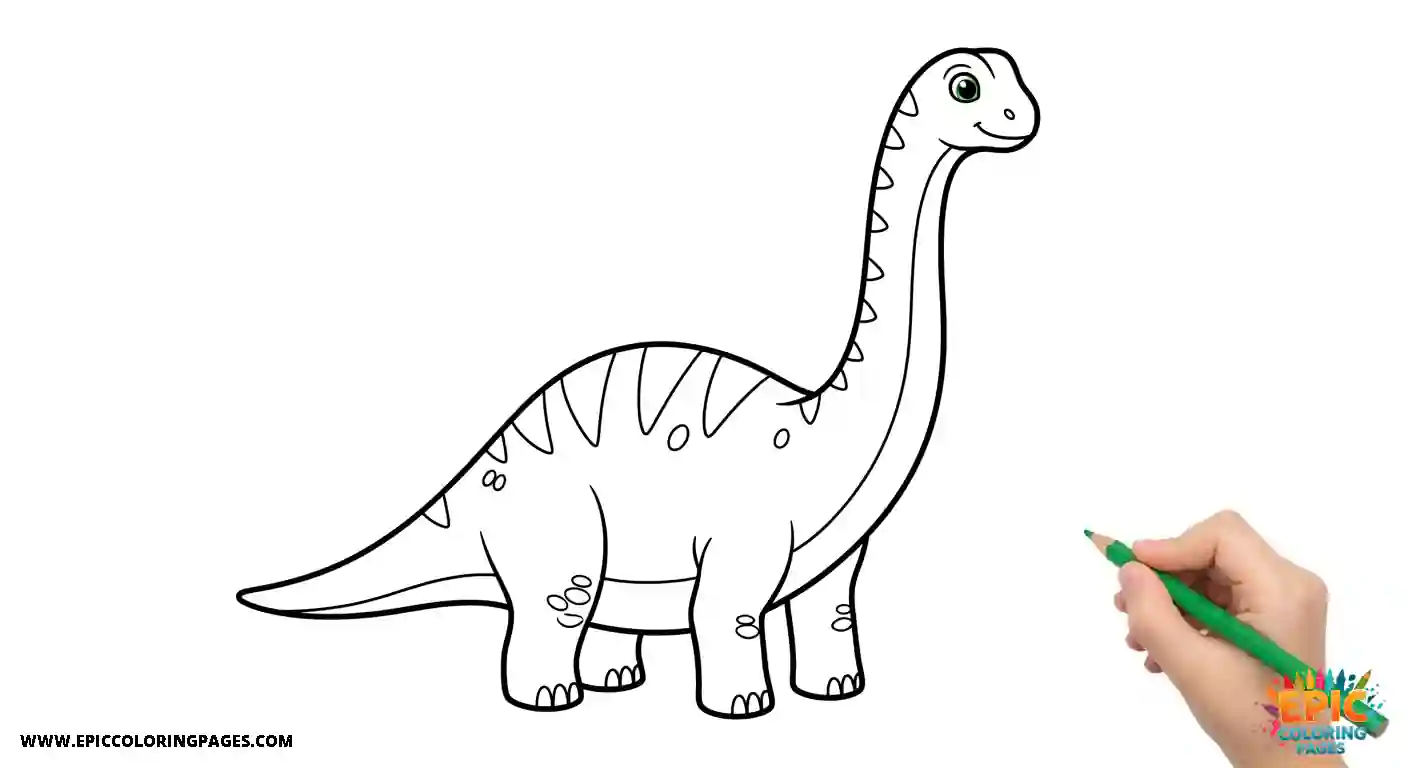
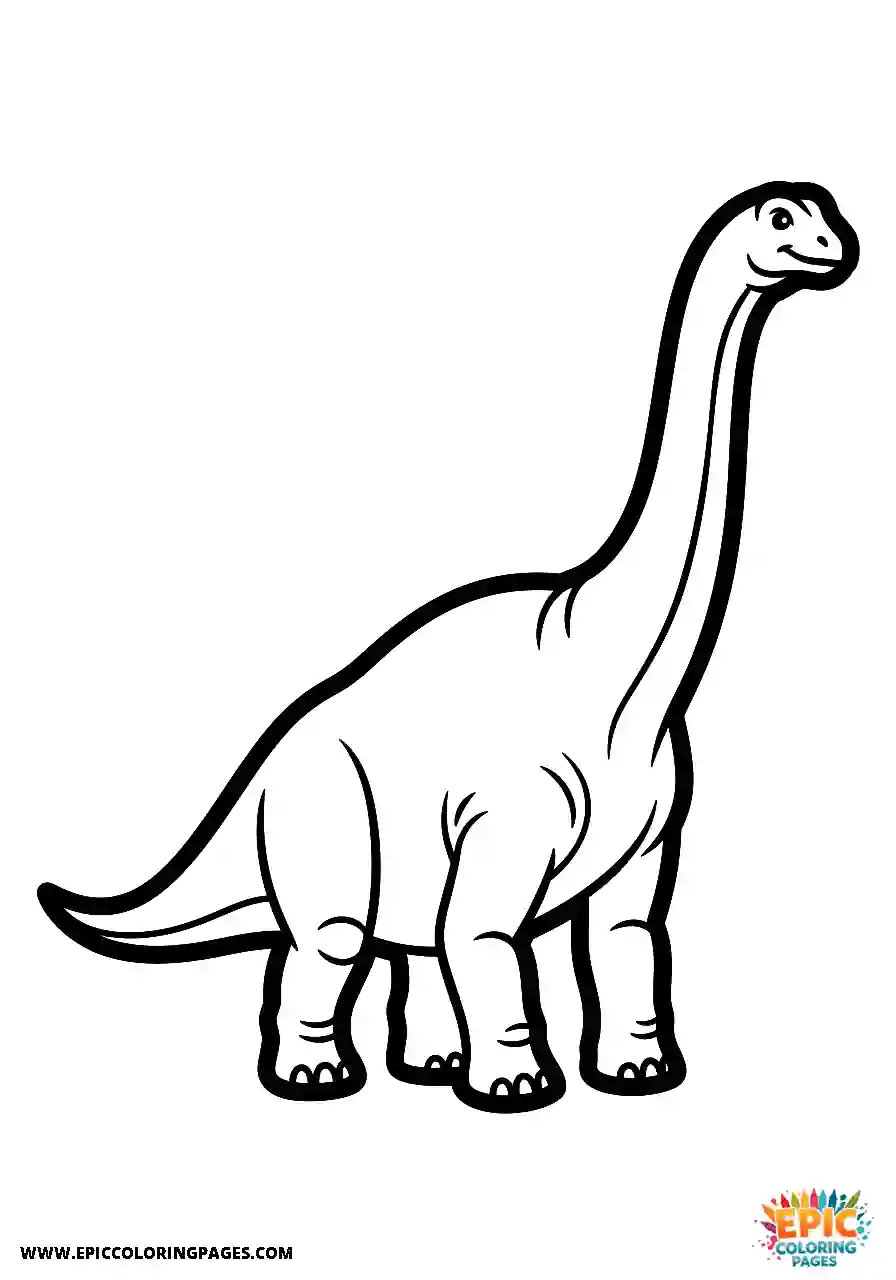
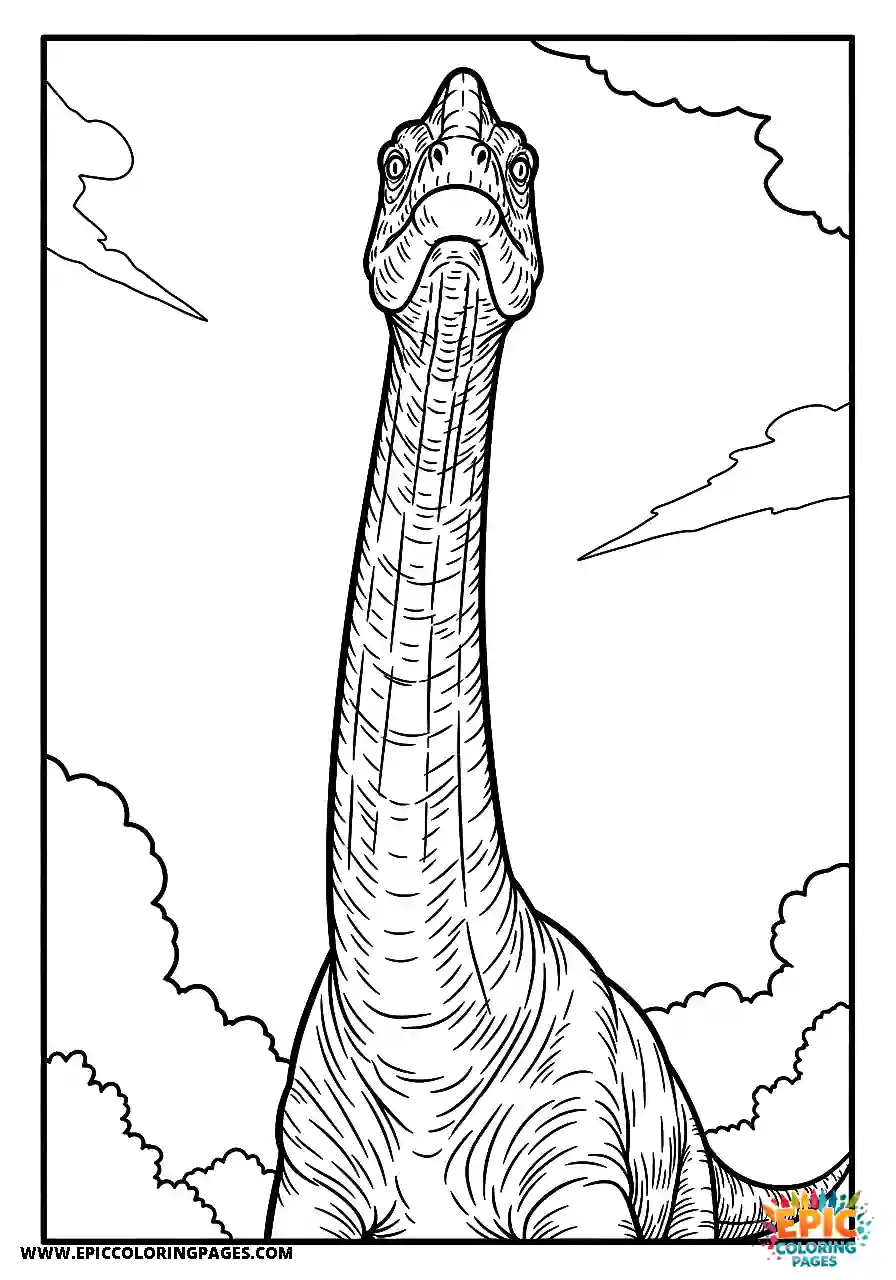
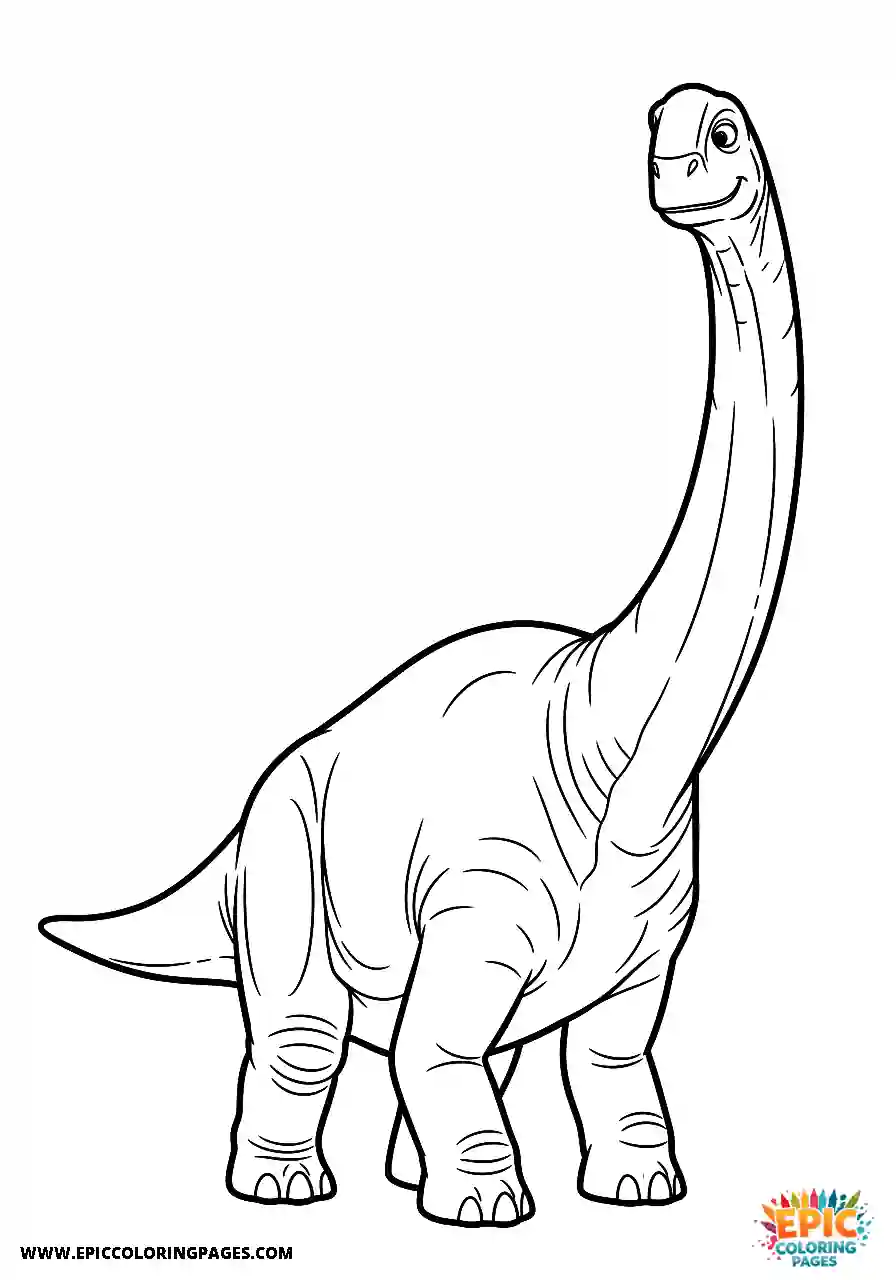
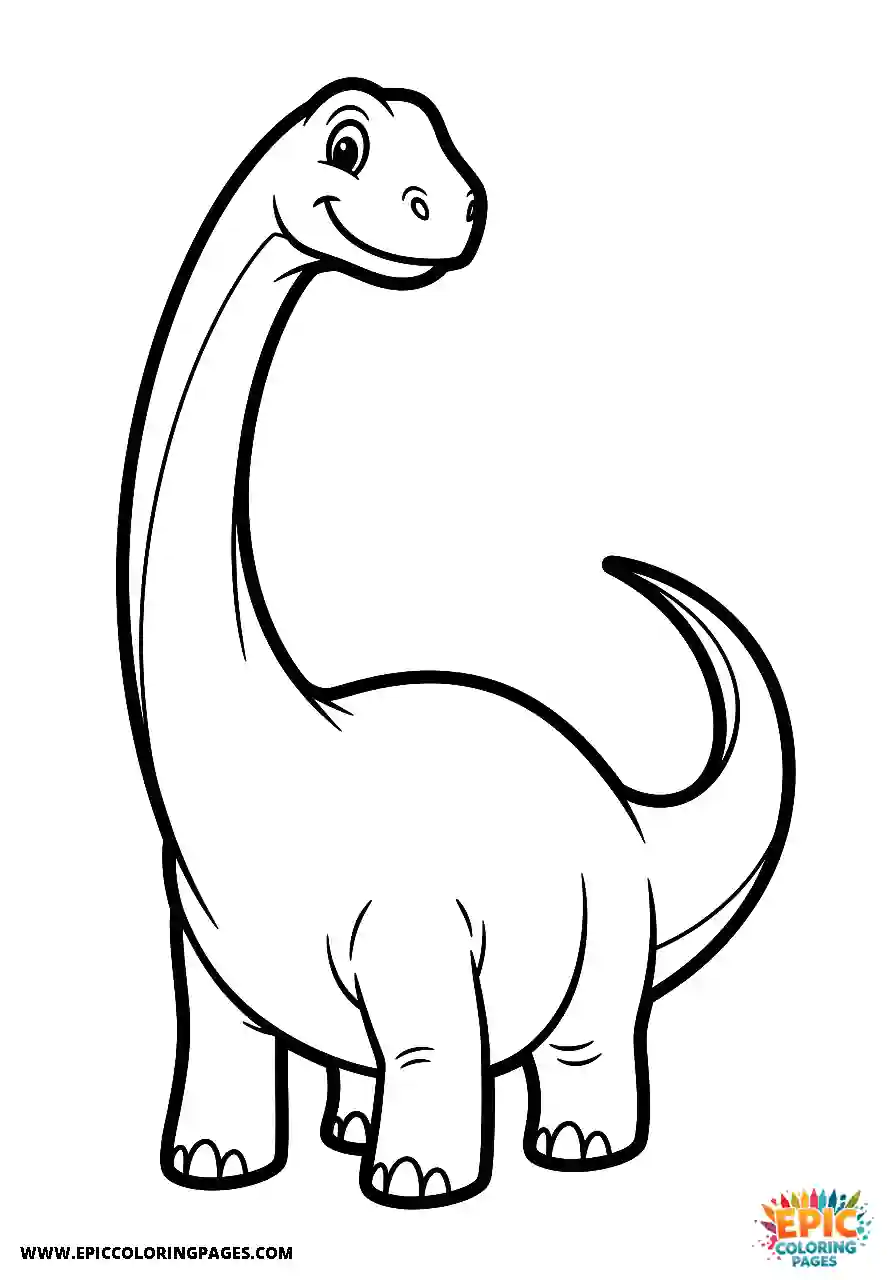
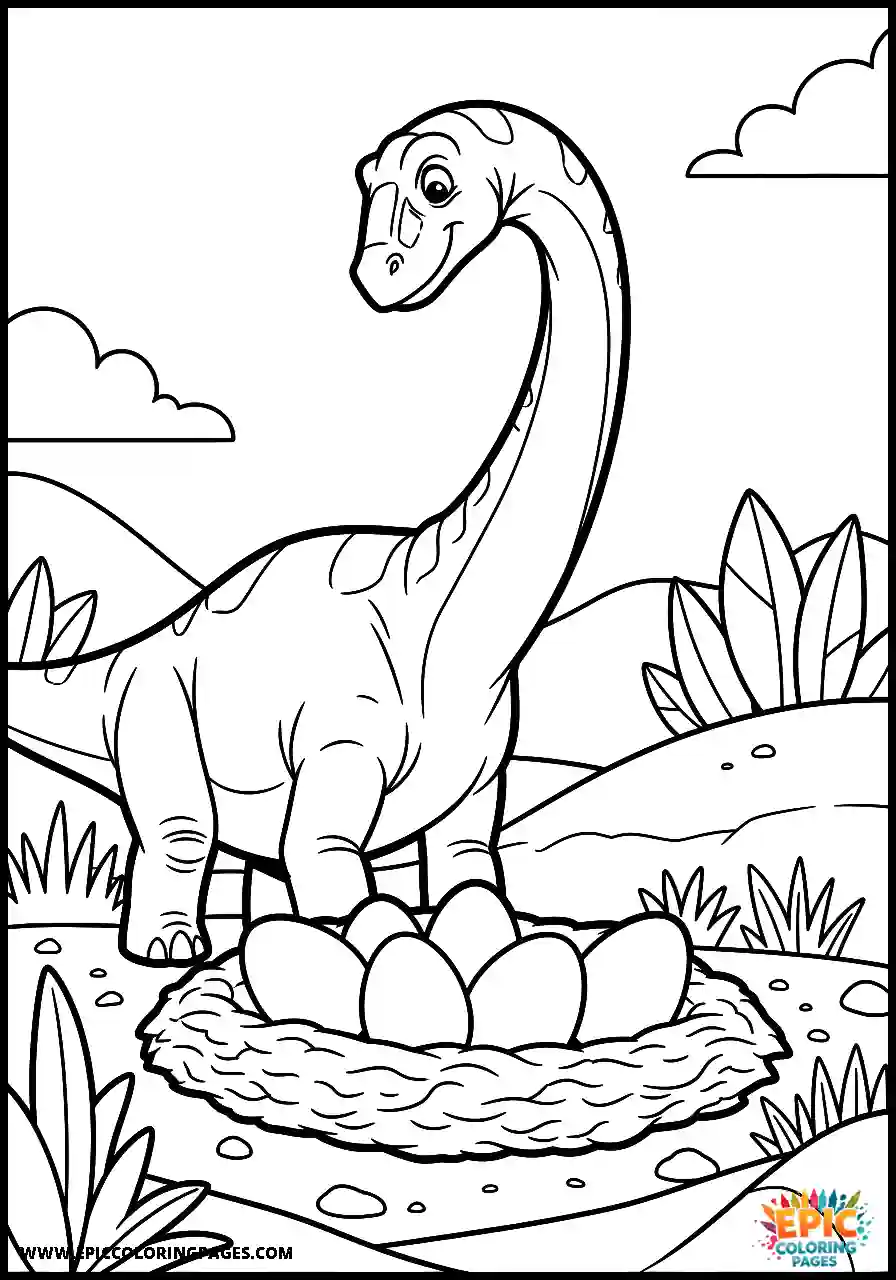
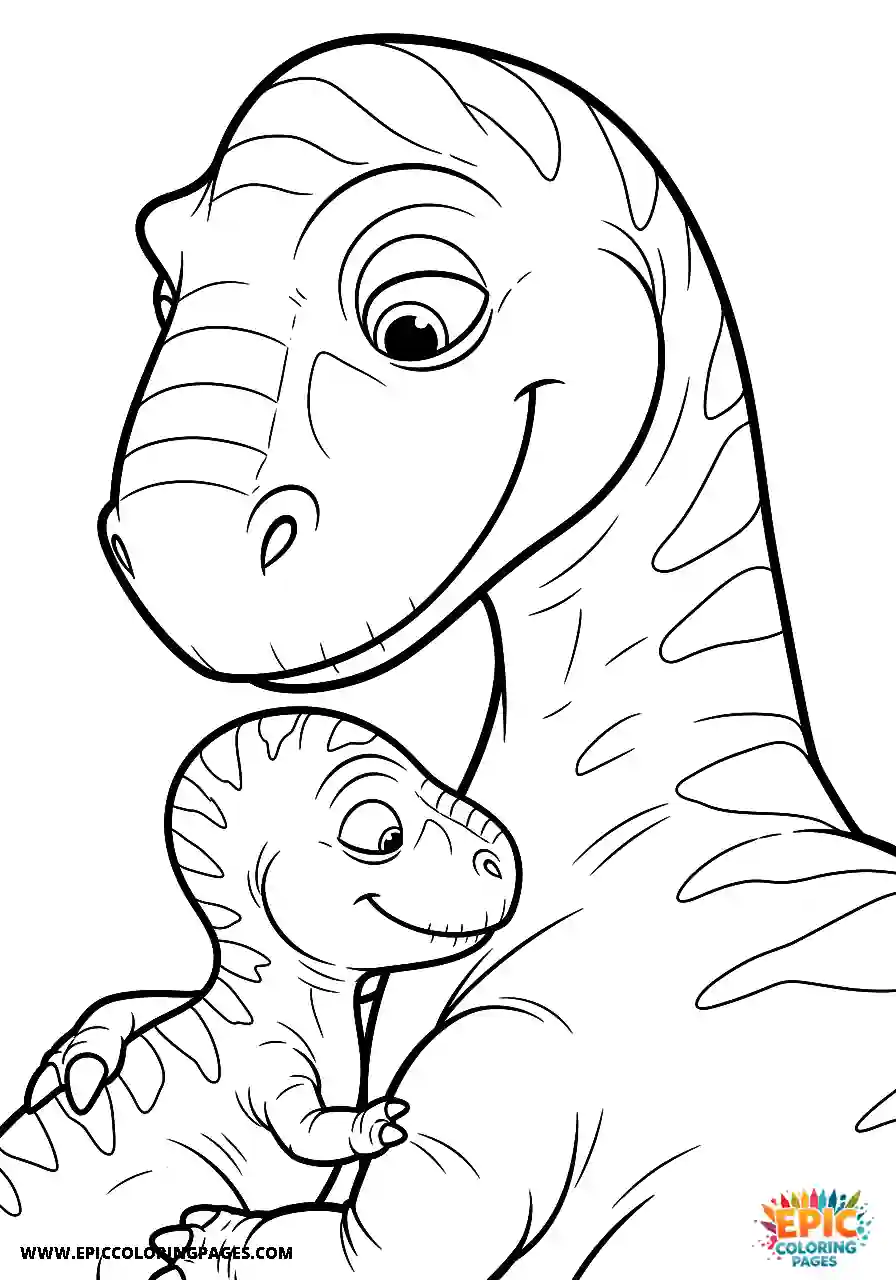
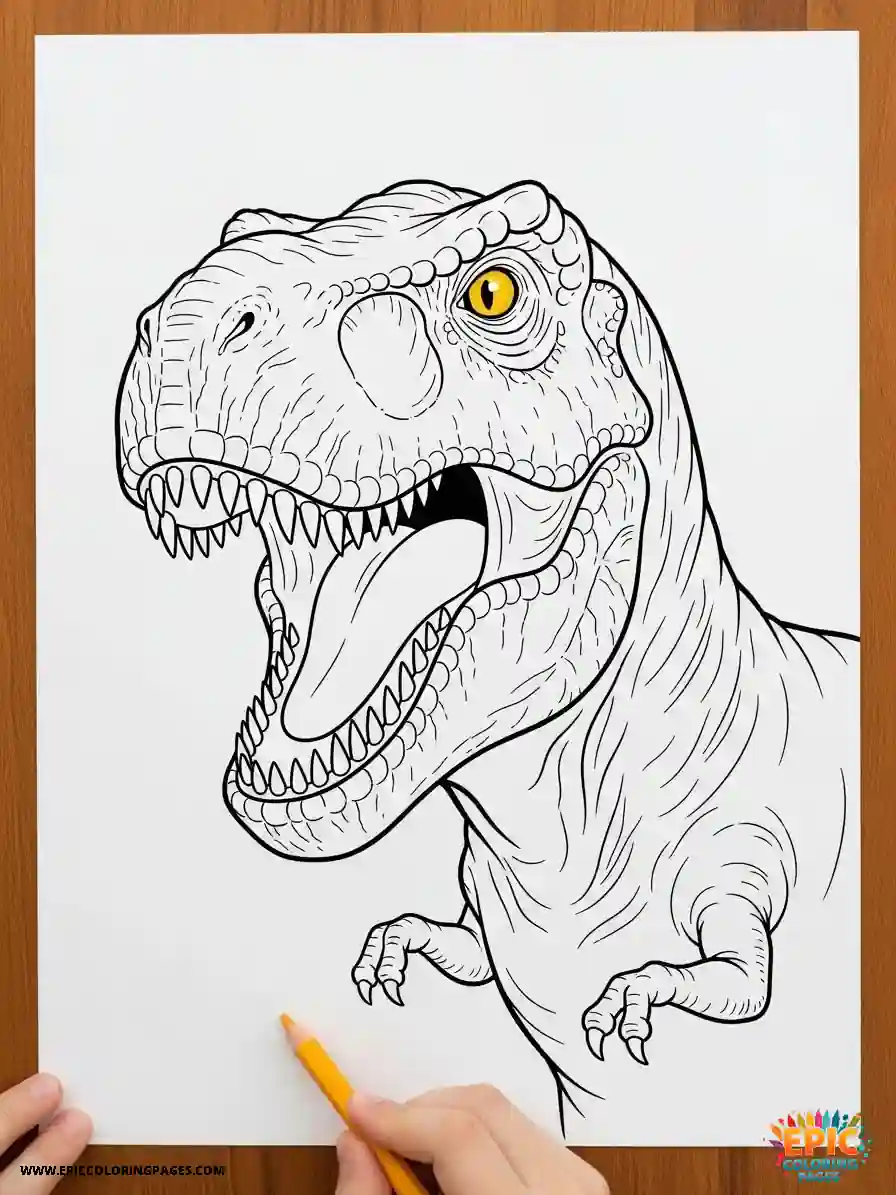
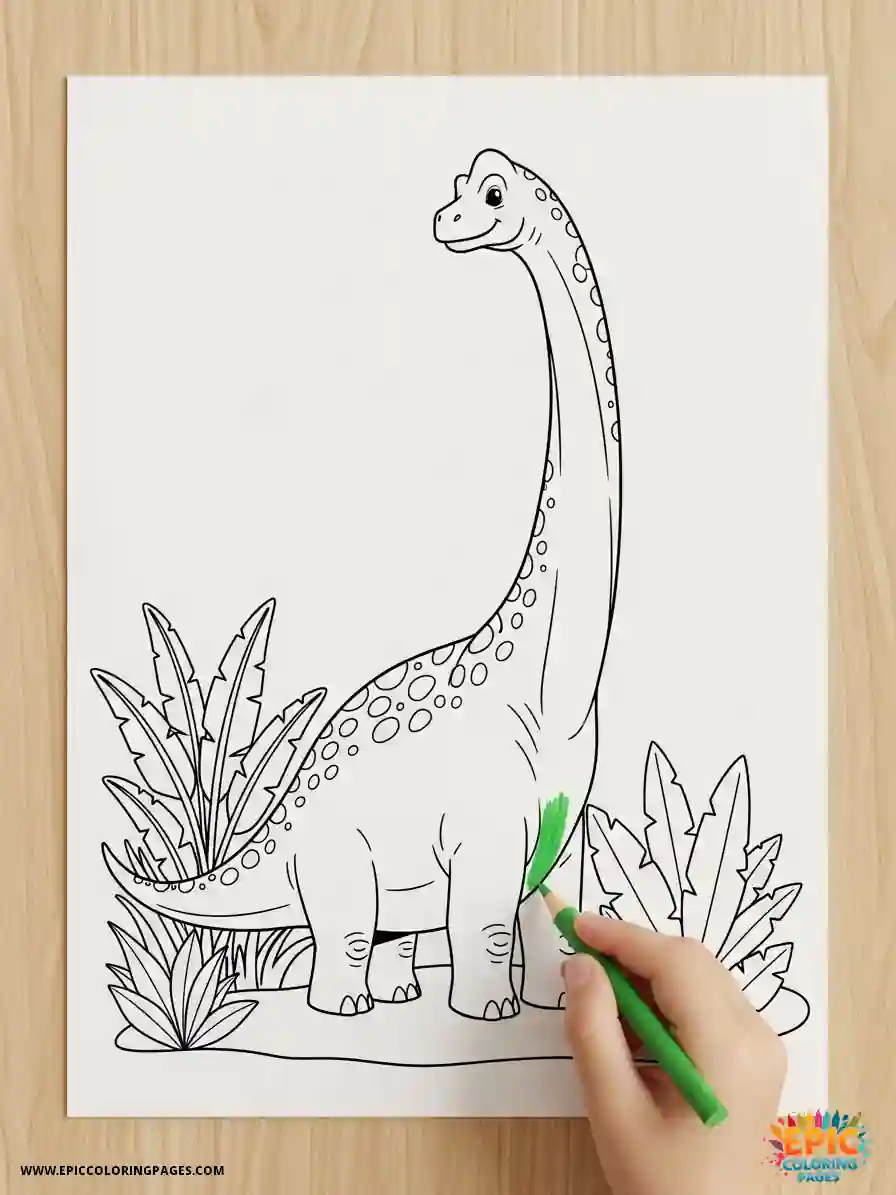
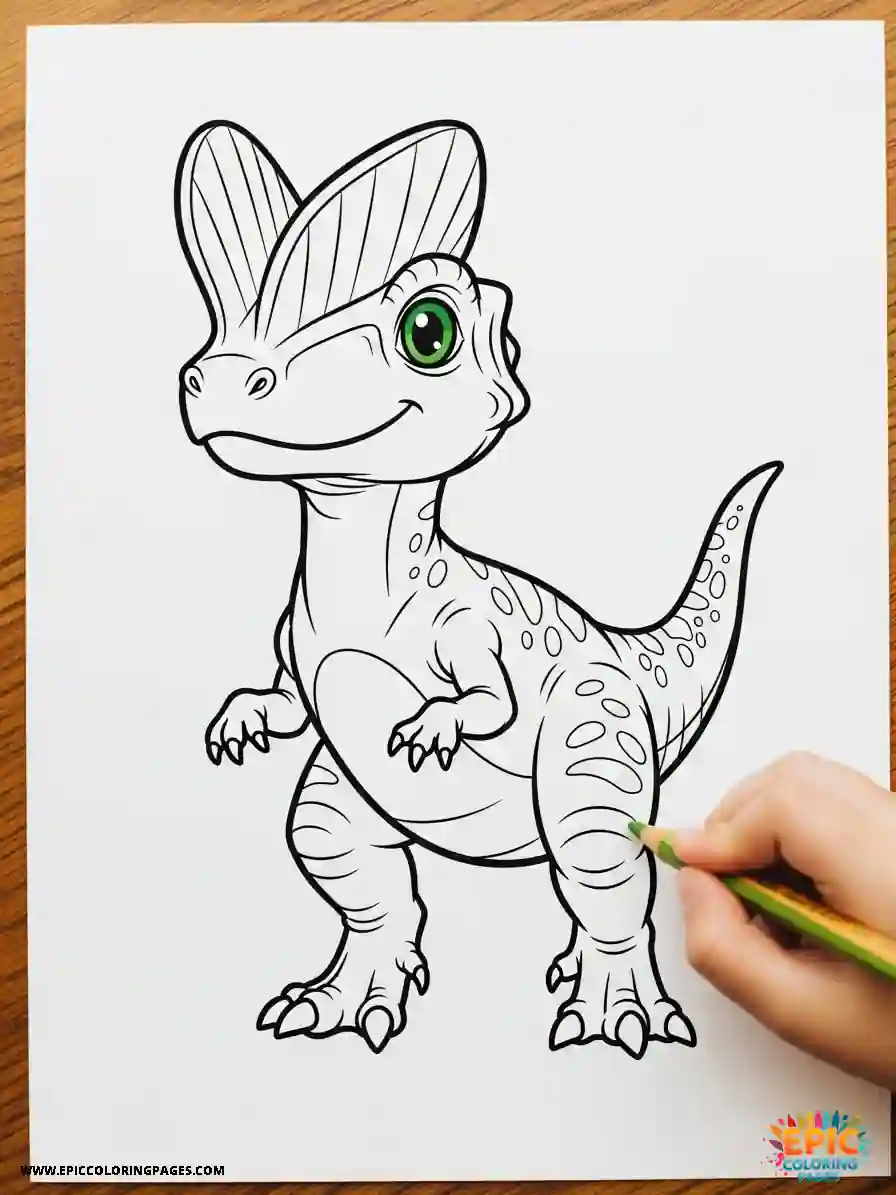
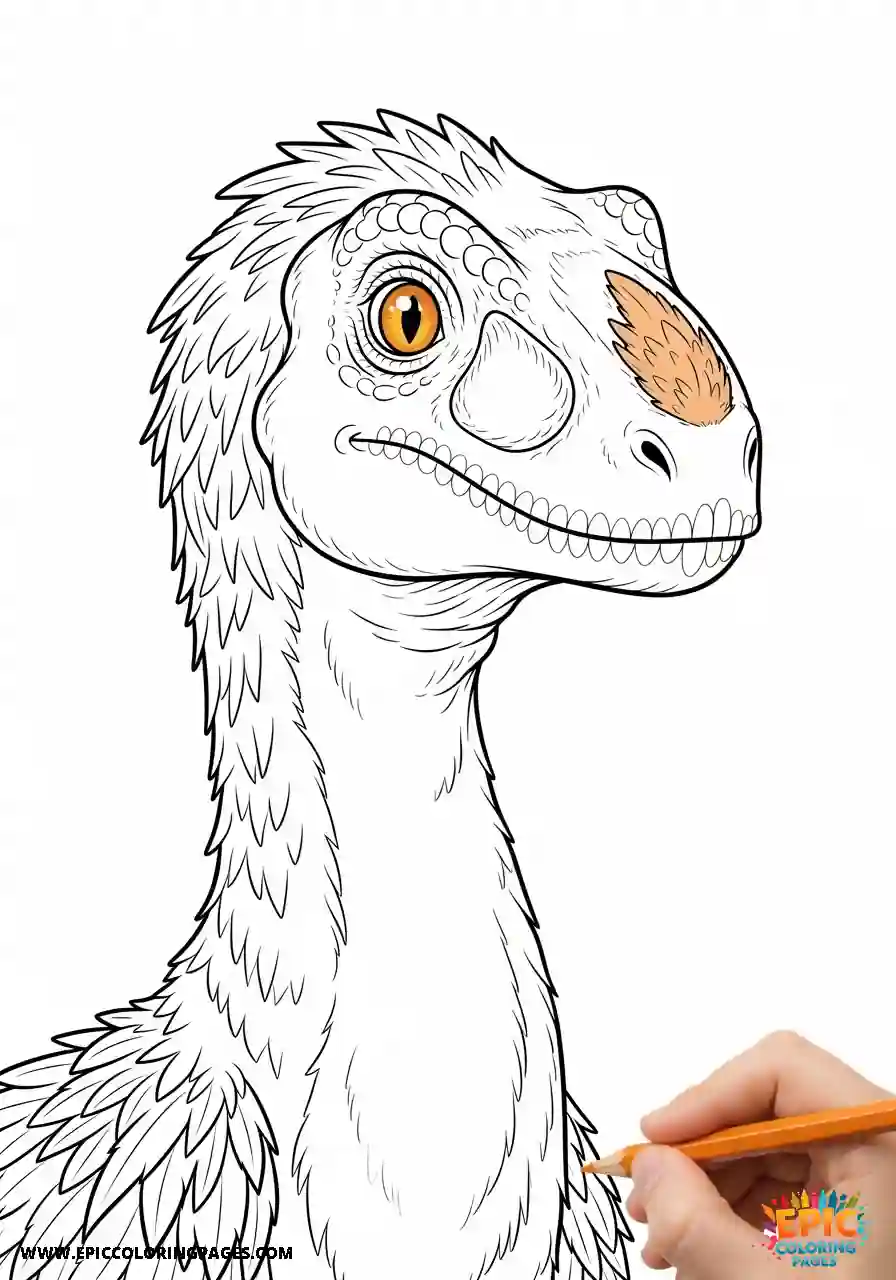
Argentinosaurus coloring Sheet featuring a giant long-neck dinosaur with Thick lines for easy coloring

๐ŸŽจ Free Interactive Editor - Customize Your Coloring Pages

Click on any image to open our FREE editor and add personalized text, emojis, zoom in for details, and save in professional 300 DPI quality!

โœ๏ธ

Add Text

11+ fonts

๐Ÿ˜Š

Emojis

500+ items

๐Ÿ”

Zoom

Precision

๐Ÿ’พ

Save

300 DPI

The Titan of the Huincul Formation

Sedimentary analysis of the Neuquรฉn Basin indicates a habitat characterized by seasonal river systems, requiring these megaherbivores to navigate distinct wet and dry cycles. Depicting the Argentinosaurus involves understanding the biomechanics of quadrupeds carrying extreme weight; accurate line art often highlights the columnar structure of the limbs and the counterbalance mechanics of the tail, which were essential for locomotion and stability across the Cretaceous plains.

Beyond mere size, the texture of the integument remains a subject of scientific inference, with skin impressions from related titanosaurs suggesting a mosaic of non-overlapping scales and potential osteoderms. These coloring pages provide a canvas to explore speculative coloration patterns, ranging from cryptic countershading useful for juvenile camouflage to bold display colors that might have characterized mature adults during mating seasons or intraspecific signaling.

From Cretaceous Realism to Kawaii Styles

This curated library traverses the spectrum of visual representation, offering varied artistic interpretations of the colossal titanosaur. Options range from scientifically rigorous Realistic sketches that adhere to skeletal reconstruction data to stylized Animation and Cartoon formats designed for younger demographics. Users will encounter distinct aesthetic sub-genres, including large-eyed Chibi and Kawaii designs that soften the dinosaur’s imposing stature, alongside dynamic Manga and Anime inspired lines that exaggerate motion and perspective for a dramatic visual impact.

More Dinosaur Printables

Explore the wider ecosystem of the Mesozoic era by navigating through our extensive categorization of theropods, ornithischians, and sauropods.

Access our complete page of Free Printables Dinosaur Coloring Pages.

How to Color Argentinosaurus: Pro Tips for Every Skill Level

What Makes Argentinosaurus So Exciting to Color

Argentinosaurus wasn’t just a big dinosaurย  it was the big dinosaur. One of the largest land animals that ever walked the Earth, this titanosaur from Late Cretaceous Argentina could reach up to 100 feet long and weigh as much as 70โ€“80 tons.

That massive scale is exactly what makes it a thrilling subject for coloring. You’re not filling in a simple outline. You’re bringing a creature of almost impossible size back to life.

And that’s both the fun and the challenge.

Choosing Your Colors: What We Actually Know

The Honest Answer About Dinosaur Colors

Nobody knows what Argentinosaurus looked like. We have bonesย  massive, heavy bonesย  but soft tissue, skin patterns, and color? Those are gone.

That means you have complete creative freedom here, but it helps to color with intention, not just random choices.

What Science Suggests

Paleontologists study modern large animals to make educated guesses about sauropod coloration. Here’s what’s generally accepted:

A creature this large likely used color for thermoregulation and camouflage rather than display (unlike smaller, flashier dinosaurs).

Think elephants, rhinos, and hipposย  large modern animals tend toward muted, earthy tones: deep grays, warm browns, dusty tans, muddy greens.

Countershading is also a strong possibility. That means a darker back and lighter bellyย  a pattern seen across hundreds of modern species. It breaks up the silhouette and provides camouflage even in open floodplains.

Realistic Palette Suggestions

For a naturalistic Argentinosaurus, these color families work well together:

Base skin: Warm medium gray, sandy brown, or olive khaki

Shadowed areas: Deep charcoal, raw umber, or dark forest green

Belly/underside: Pale cream, light tan, or dusty rose-gray

Accent details: Faint rust-orange or muted terracotta for ridge lines or scale patterns

Understanding the Body Before You Color It

Break It Into Zones

Argentinosaurus has an overwhelming silhouette. The trick is to mentally divide the body into sections before you pick up a single colored pencil or marker.

Think of it in five zones:

The head and neck:ย long, relatively slender, and often the focal point despite being a small fraction of the body.

The torso:ย massive, barrel-shaped, the largest surface area you’ll color.

The tail:ย tapers gradually and is a great place to show off color gradients.

The legs:ย thick as tree trunks, and easy to under-render. Don’t neglect them.

The feet:ย often overlooked but critical for grounding the creature visually.

Work Light to Dark

Regardless of your medium, always lay down your lightest values first. You can always deepen a shadow. You cannot easily lighten a dark layer without damaging the paper.

This is especially important on the torsoย  it’s a huge area that’s easy to overwork too early.

Tips by Coloring Medium

Colored Pencils

Layering is everything with colored pencils on a large-bodied dinosaur like Argentinosaurus.

Start with a base wash of a light neutralย  try French gray, warm beige, or a pale olive. Use light pressure and circular strokes.

Build shadow gradually using a darker complement of your base color. Avoid jumping straight to blackย  it flattens the skin.

Burnish with a white or cream pencil at the end to blend and give the skin a subtle sheen that reads as thick, leathery hide.

For scales or texture, a sharp pencil tip used in short, stippled strokes works better than trying to draw every individual scale.

Markers

Markers work beautifully on Argentinosaurus if you respect the bleed.

Work fast on the base layer and always go light-to-dark. Once a dark marker touches a wet lighter layer, you’ll get a hard edgeย  which can either ruin your blending or create a cool texture depending on your intent.

Use a blending marker or colorless blender immediately after each section while it’s still wet. Don’t wait.

The neck and tail are your best areas for smooth gradients. The torso handles a more blocked, textural approach well because of its sheer size.

Watercolor and Watercolor Pencils

Watercolor rewards patience with Argentinosaurus.

Use wet-on-wet technique for the base bodyย  drop in earthy tones while the paper is wet and let them bloom organically. The result looks more like living, breathing skin than anything you could achieve with controlled strokes.

Once dry, add a second layer for shadow using a slightly darker, cooler version of your base. Shadows that shift cooler (more blue or purple) read as more natural than those that just go darker.

Use a dry brush technique for any skin textureย  scales, wrinkles, or ridge lines along the spine.

Shading an Argentinosaurus That Looks 3D

Pick One Light Source and Commit

This is the rule most beginners skipย  and it’s why their coloring looks flat.

Before you shade anything, decide: where is the sun or light source? Upper left? Directly above?

Then everything shades consistently from that decision. If the light comes from the upper left, the right side of the neck is in shadow. The underside of the tail is in shadow. The ground-facing side of every leg is in shadow.

Inconsistent lighting is the #1 thing that makes a coloring look unfinished, even if the color choices are great.

The Shadow Under the Belly

On a creature with a massive, deep torso like Argentinosaurus, the belly shadow is dramatic.

It’s not just slightly darkerย  it can be very dark, because the belly hangs low and blocks its own light. Deepen this area significantly and let it fade as you move toward the flanks.

This single technique adds more perceived three-dimensionality than almost anything else you can do.

Backgrounds: Setting the Scene

Match the Era

Argentinosaurus lived in what is now Patagonia during the Late Cretaceous, roughly 94โ€“97 million years ago. The environment was warm, semi-arid, with open floodplains and sparse vegetationย  not the dense jungle many people imagine.

A background that reflects this can elevate your coloring significantly:

Dusty red-orange soil, wide open sky, distant low hills, and sparse cycads or primitive conifers in the distance.

Avoid dense tropical jungleย  that’s more Jurassic Park than Cretaceous Argentina.

Keep the Background Softer Than the Dinosaur

Whatever you do in the background, keep the value contrast lower than what you’ve built on the dinosaur itself. The Argentinosaurus should always read as the subject.

A simple technique: complete the dinosaur fully, then come back and add the background using lighter pressure or more diluted colors. This naturally pushes the background into the distance.

Common Mistakes to Avoid

Coloring the whole body one flat color. Even if you’re going for a simple look, add at least one shadow tone and one highlight area. Flat color makes a big dinosaur look like a cardboard cutout.

Ignoring the neck. It’s easy to rush through the neck because it feels like a narrow connector. But the neck is often where the most interesting lighting and texture details live.

Over-detailing the scales. You don’t need to render every scale. Suggesting texture in a few key areasย  shoulders, side of the face, along the spineย  and leaving other areas smoother reads as more realistic, not less.

Coloring the feet last as an afterthought. Grounded feet make the dinosaur feel like it belongs in its world. If the feet look disconnected or unfinished, the whole piece suffers.

Quick Tips for Kids and Beginners

You don’t have to make it realisticย  that’s never the point.

Pick three colors you love. Use the darkest one for shadow, the middle one for the main body, and the lightest one for the belly and highlight areas.

Color inside to outsideย  start near the spine and work toward the edges. It helps keep your hand from smudging what you’ve already done.

Add a simple ground shadow directly beneath the feet. Even a rough oval of dark color makes the dinosaur look like it’s actually standing on something.

Final Thought

Argentinosaurus is one of the most humbling creatures to ever exist. Coloring it is a chance to sit with that scaleย  to give form and color to something that once shook the ground with every step.

Whether you’re a child coloring for the first time or an adult who’s been doing this for years, take your time with it. A dinosaur this big deserves a little patience.

Want more dinosaur coloring tips? Browse our full guide to prehistoric coloring pages for every age and skill level.

Frequently asked questions and interesting facts about Argentinosaurus

The sheer magnitude of this sauropod generates numerous inquiries regarding its biology, discovery, taxonomy, and ecological role within the South American Cretaceous fauna.

Where did Argentinosaurus live?

This dinosaur lived in South America, specifically in the Plaza Huincul region of the Neuquรฉn Province, Argentina, within the Huincul Formation.

Estimates suggest the shoulder height ranged between 7 and 10 meters (23 to 33 feet), though the head could reach much higher when the neck was raised.

Paleontologists estimate the total length of the animal was between 30 and 40 meters (98 to 131 feet), making it one of the longest animals known.

It is widely considered the largest and heaviest land animal ever discovered, though the Patagotitan mayorum is a close contender for the title.

Mass estimates vary due to fragmentary remains, but most studies place the weight between 50 and 100 metric tonnes.

Adults had few predators, but huge carcharodontosaurid theropods like Mapusaurus roseae likely hunted juveniles or sick individuals, possibly in packs.

The generic name is derived from the Greek, translating literally to “Argentine Lizard,” honoring the country of its discovery.

They were herbivores and not aggressive hunters, but their sheer size and tail force made them extremely dangerous if threatened or provoked.

Only limited fossil remains exist, consisting primarily of vertebrae, ribs, and a fibula, belonging to the holotype specimen found in 1987.

Item adicionado!