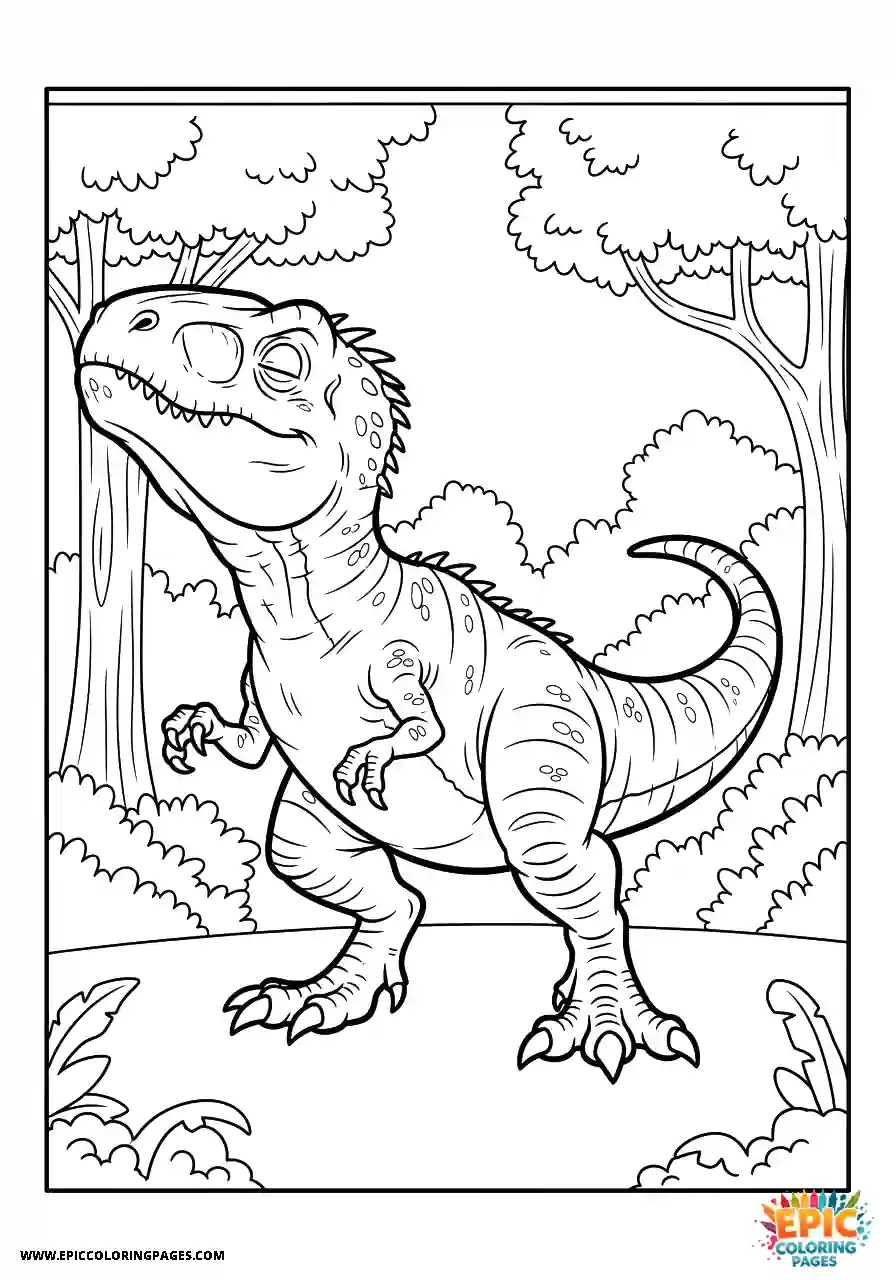
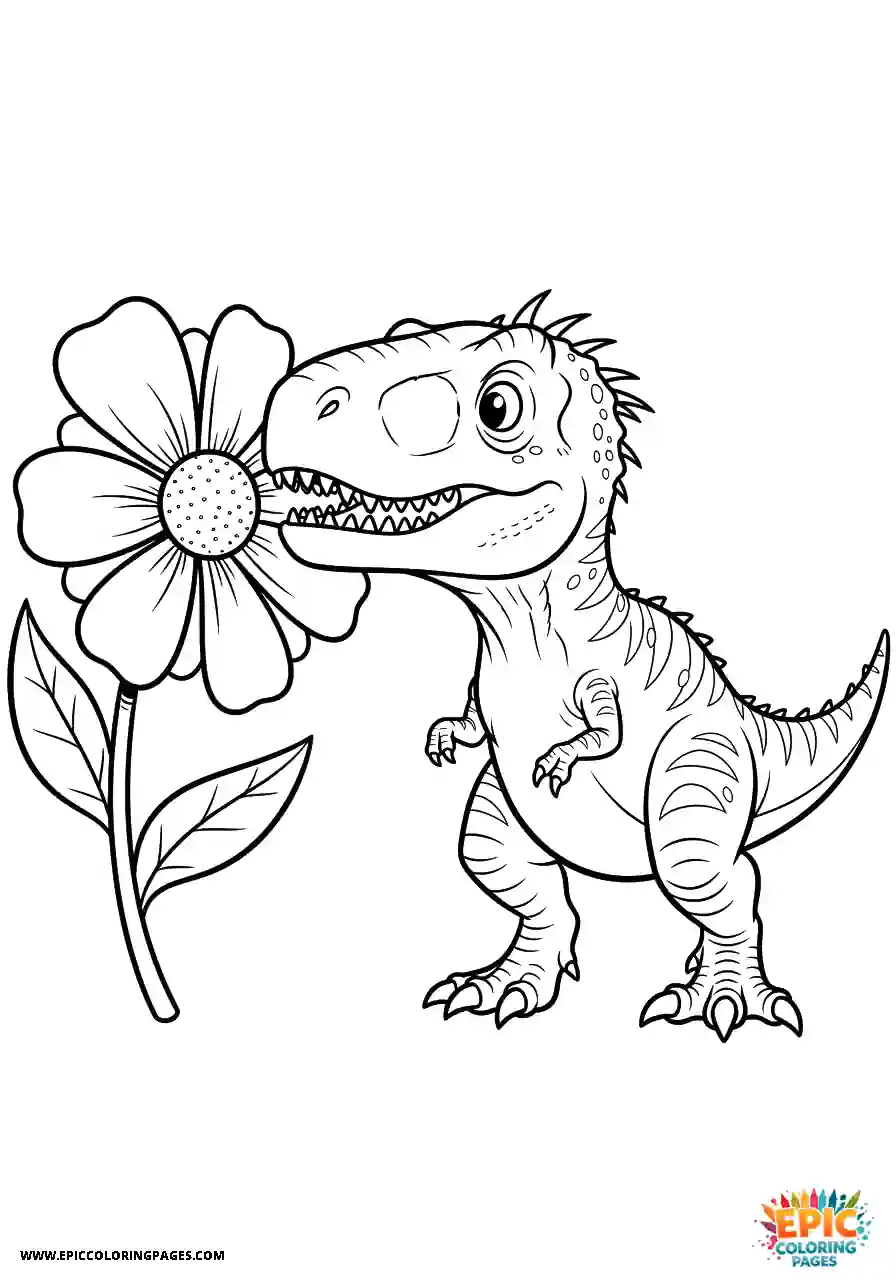
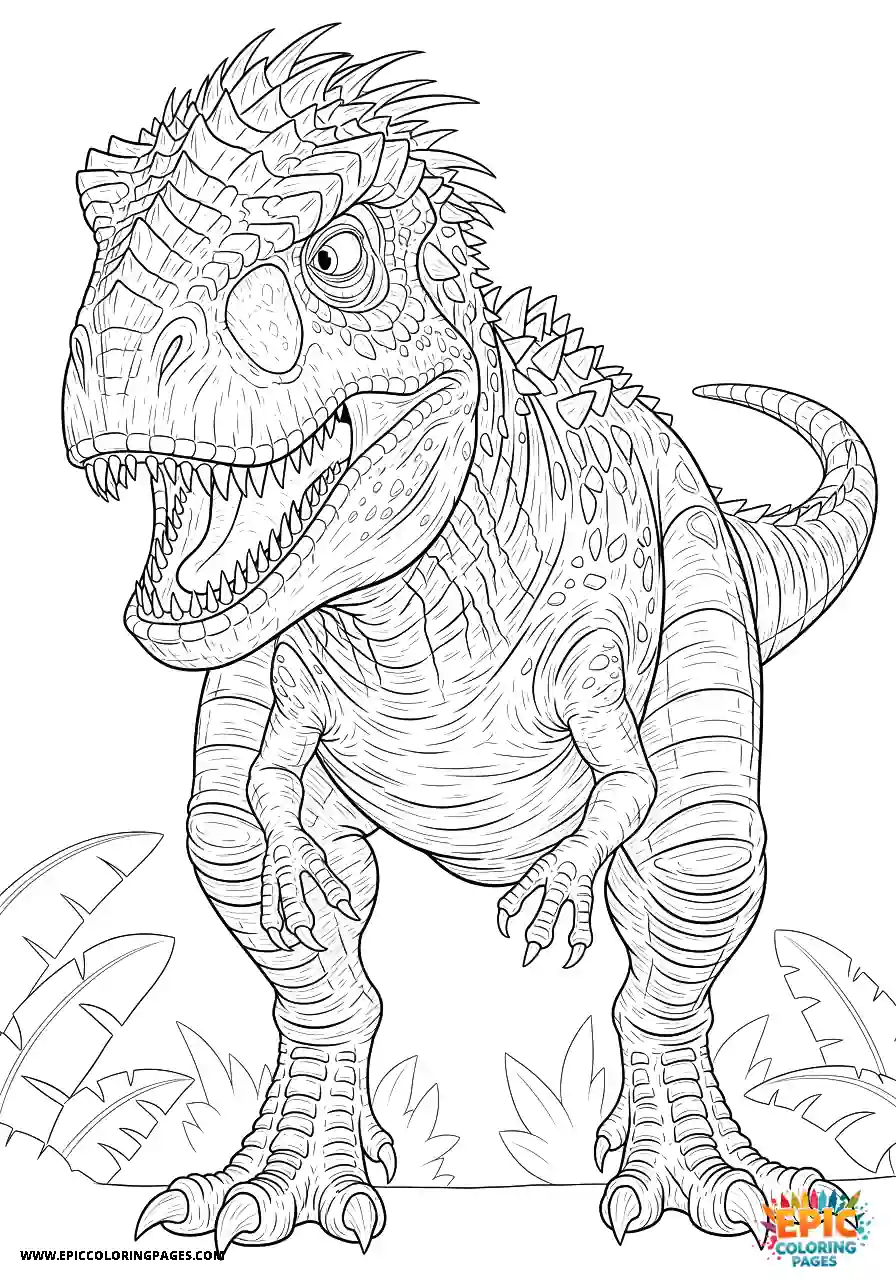
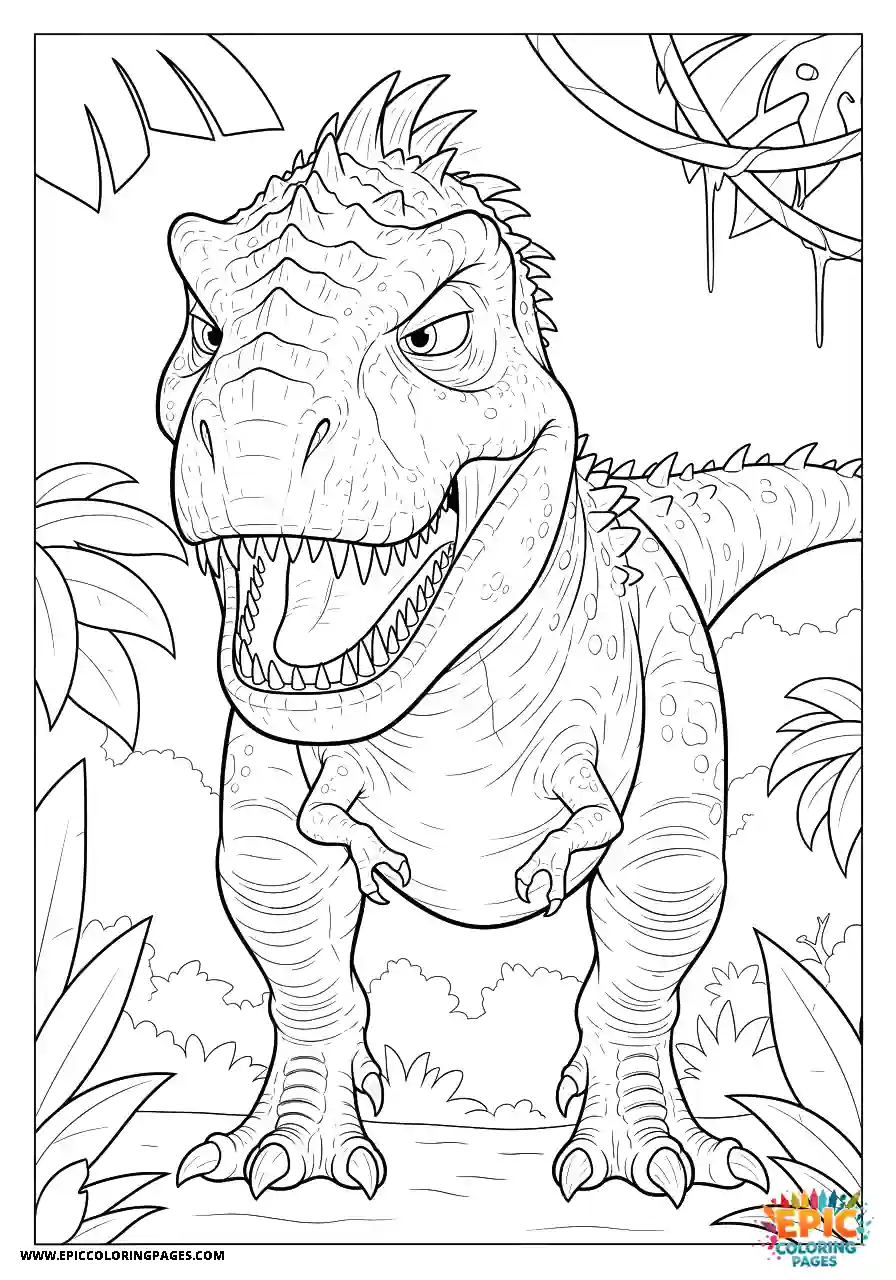
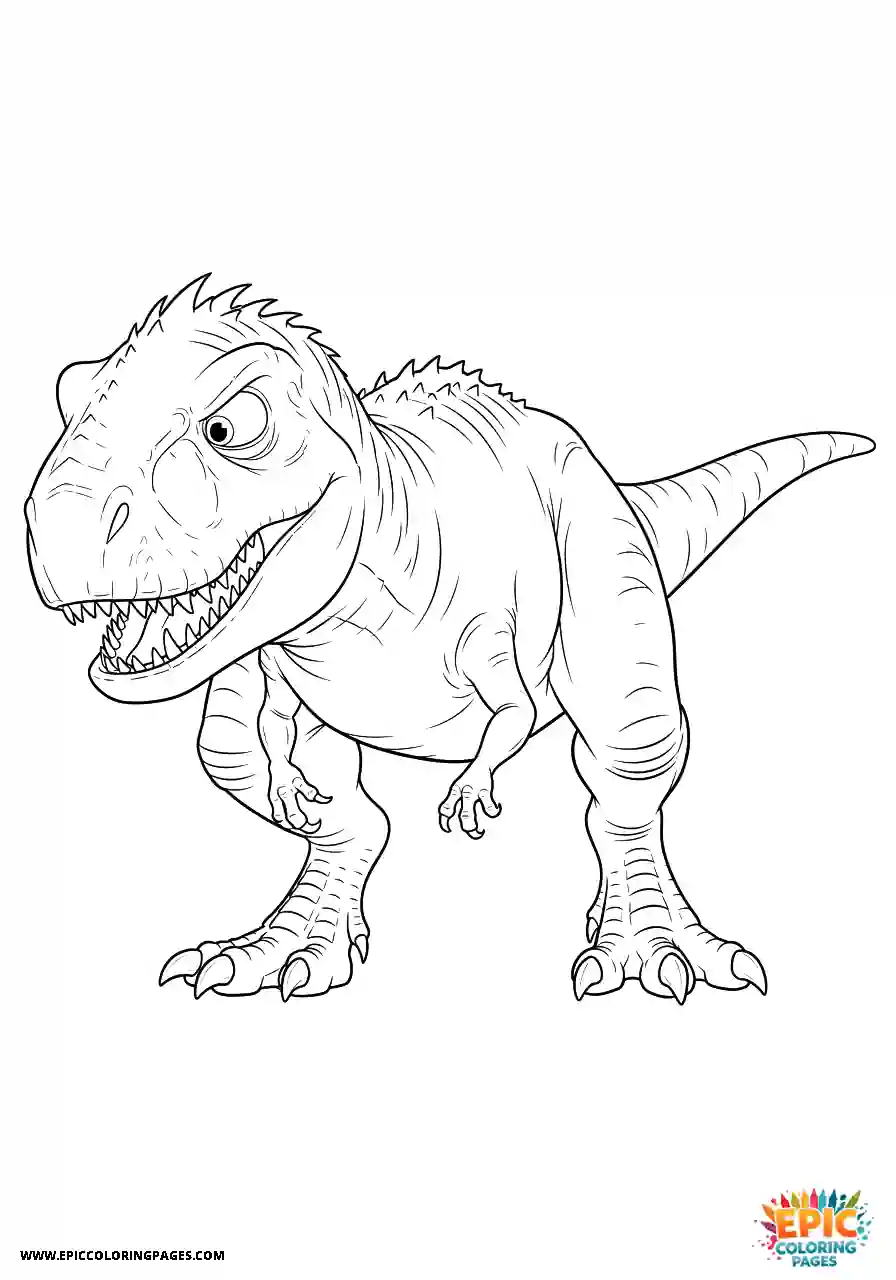
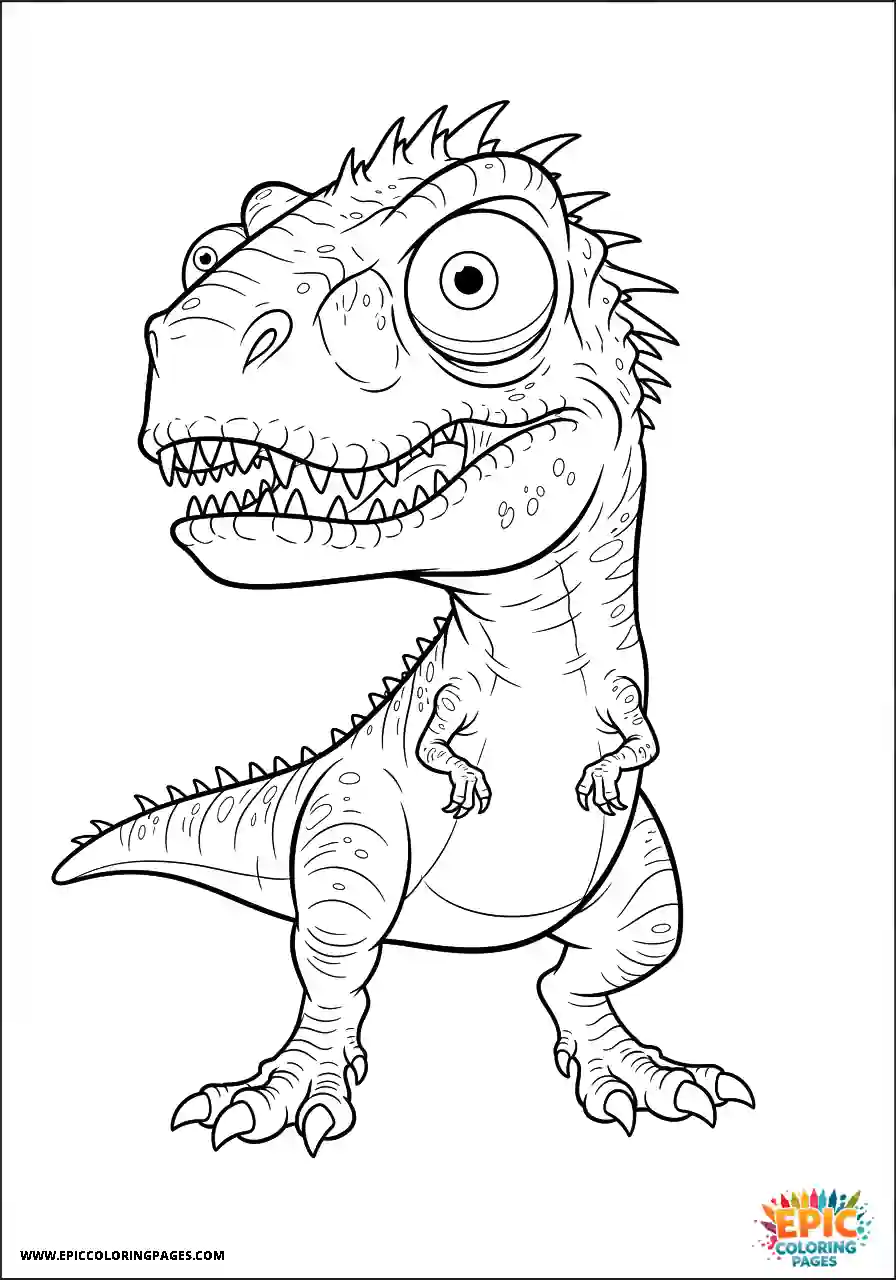
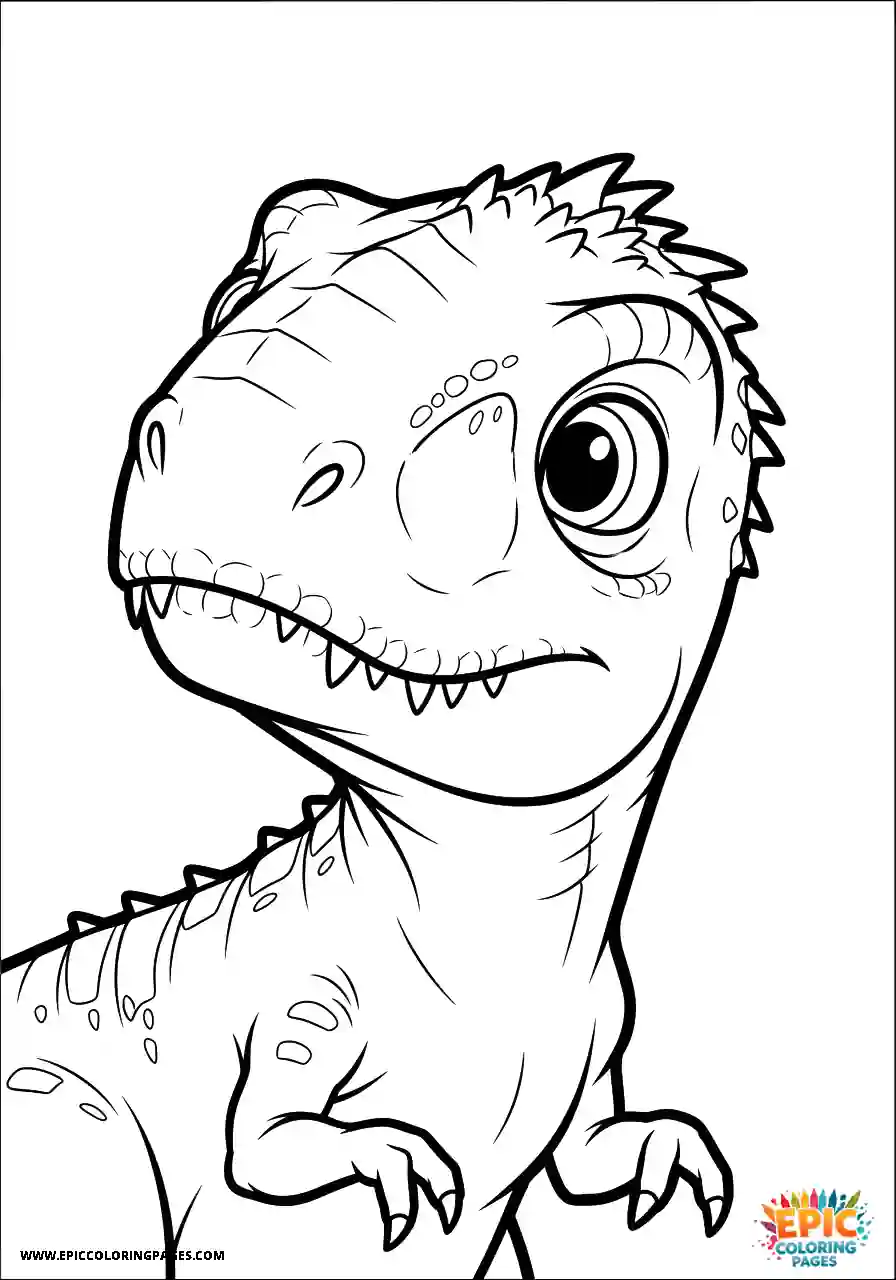
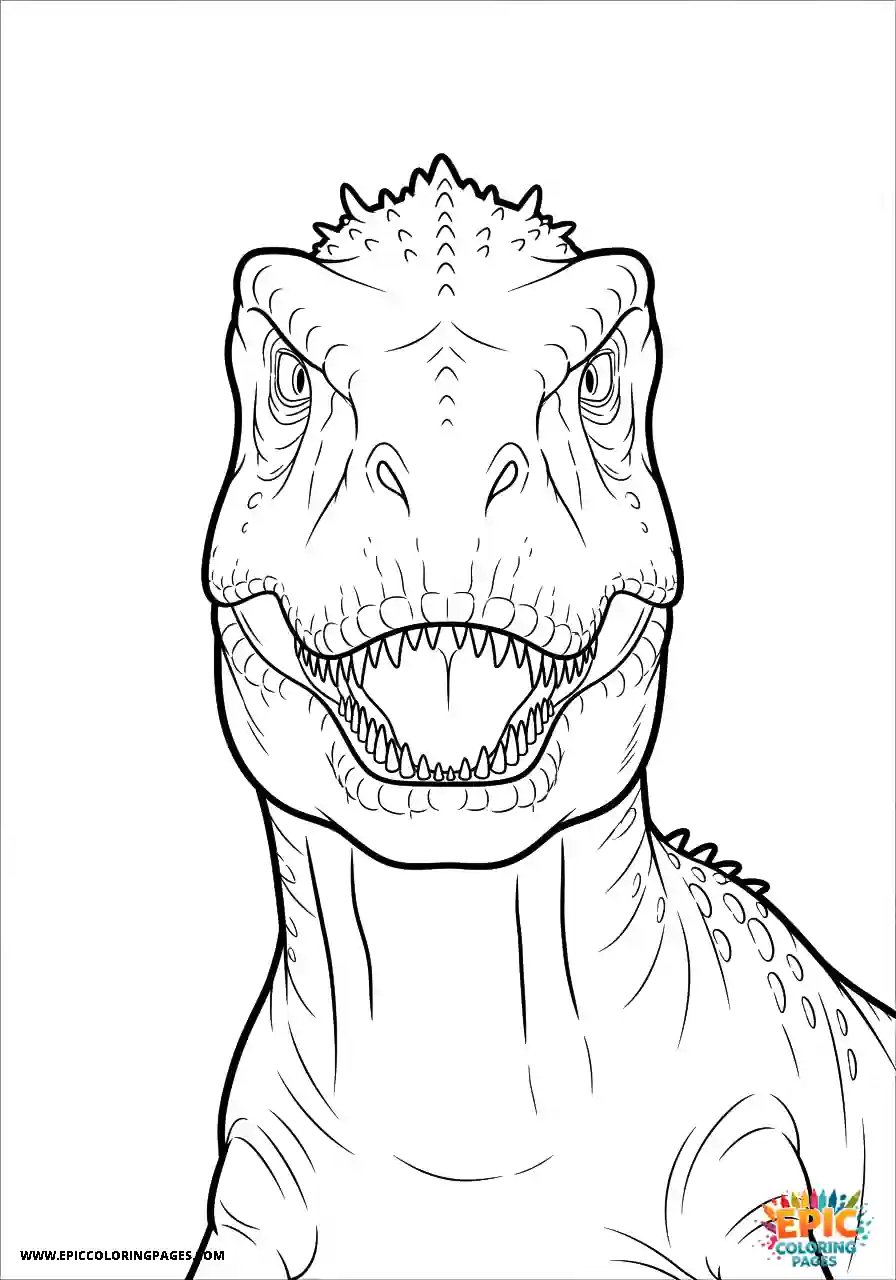
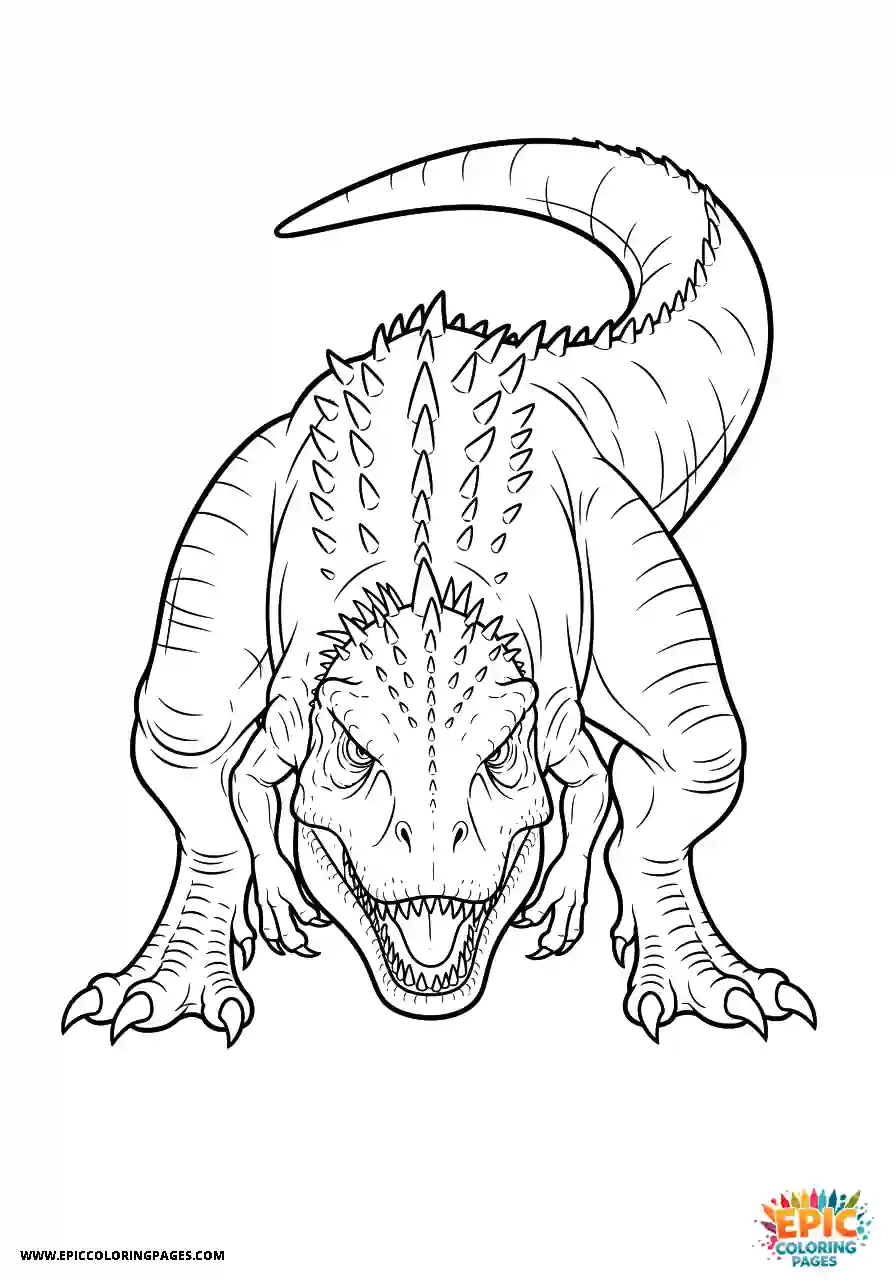
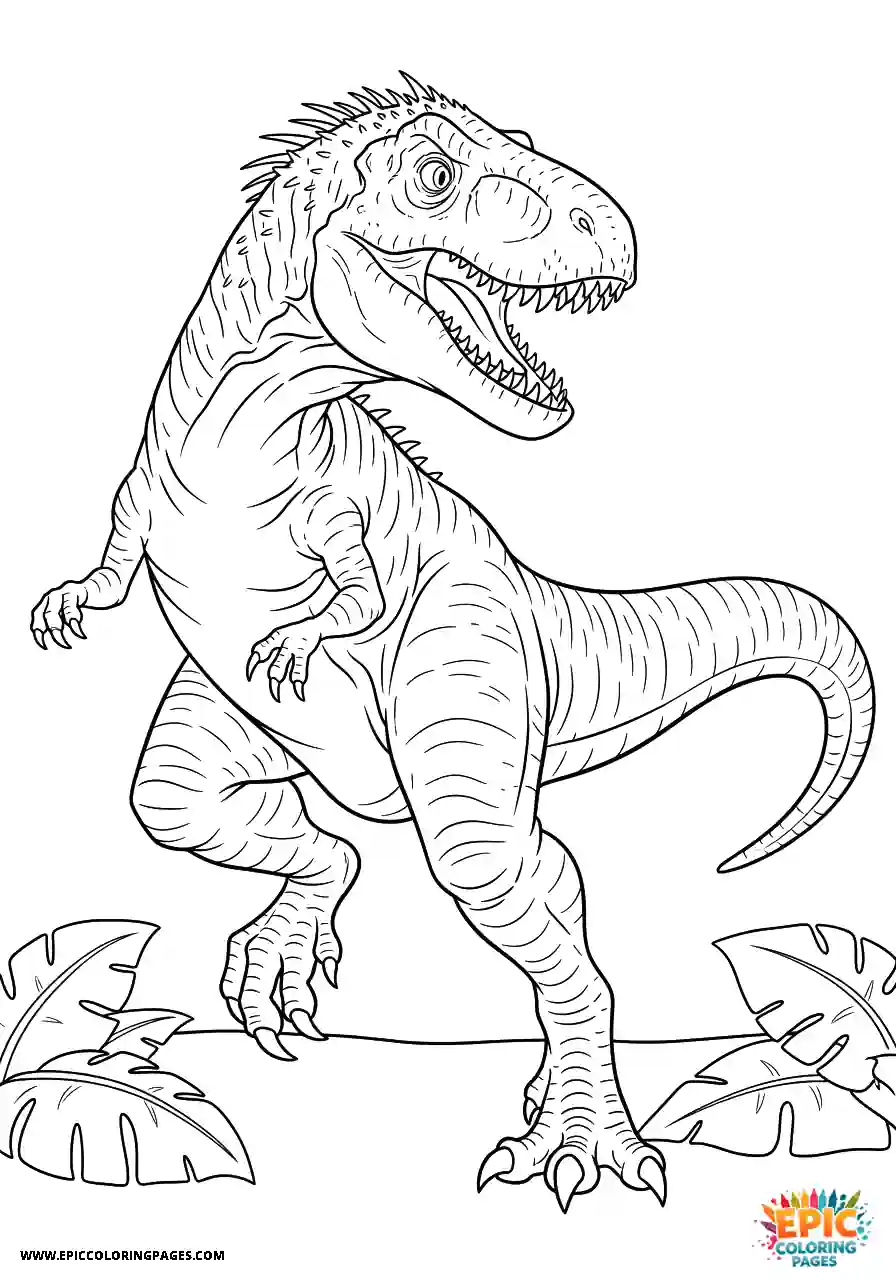
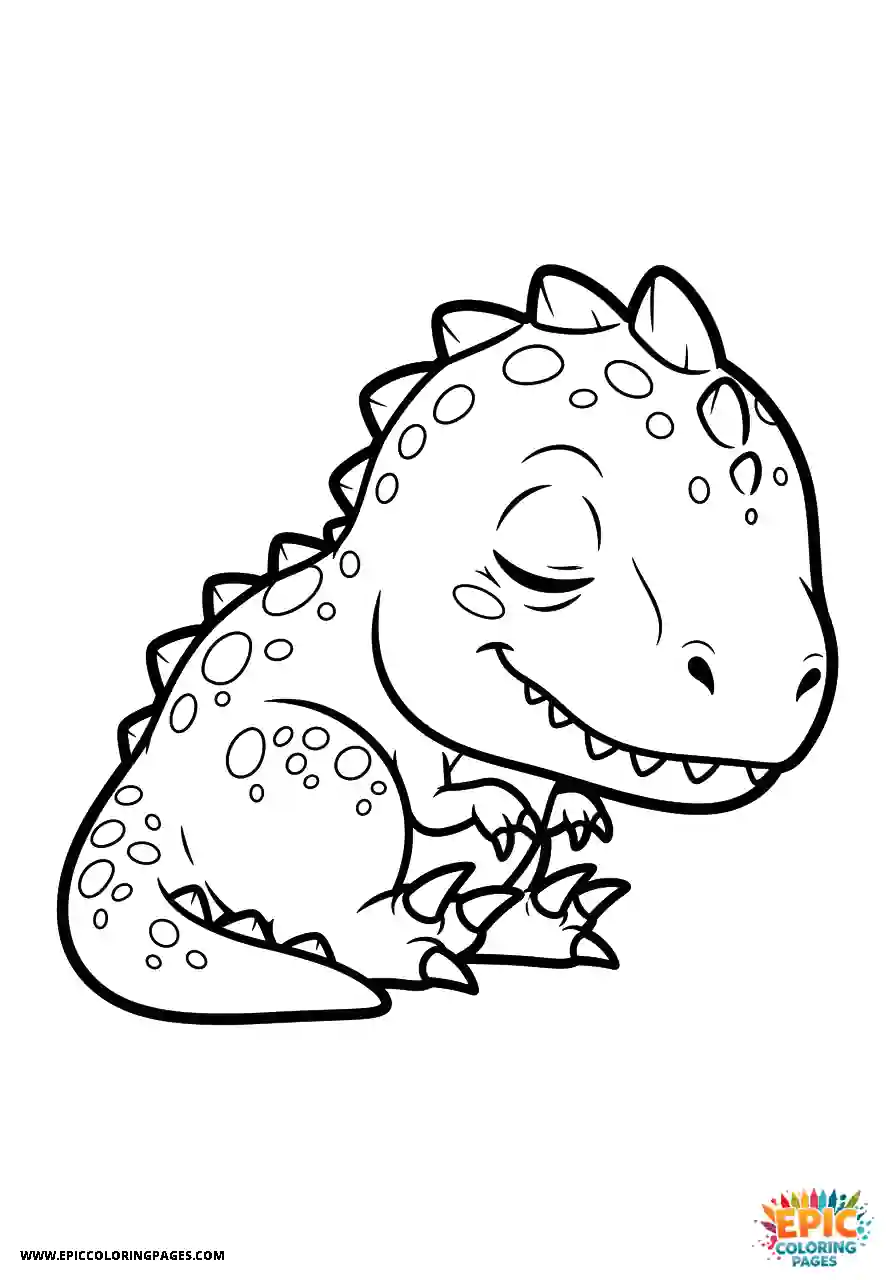
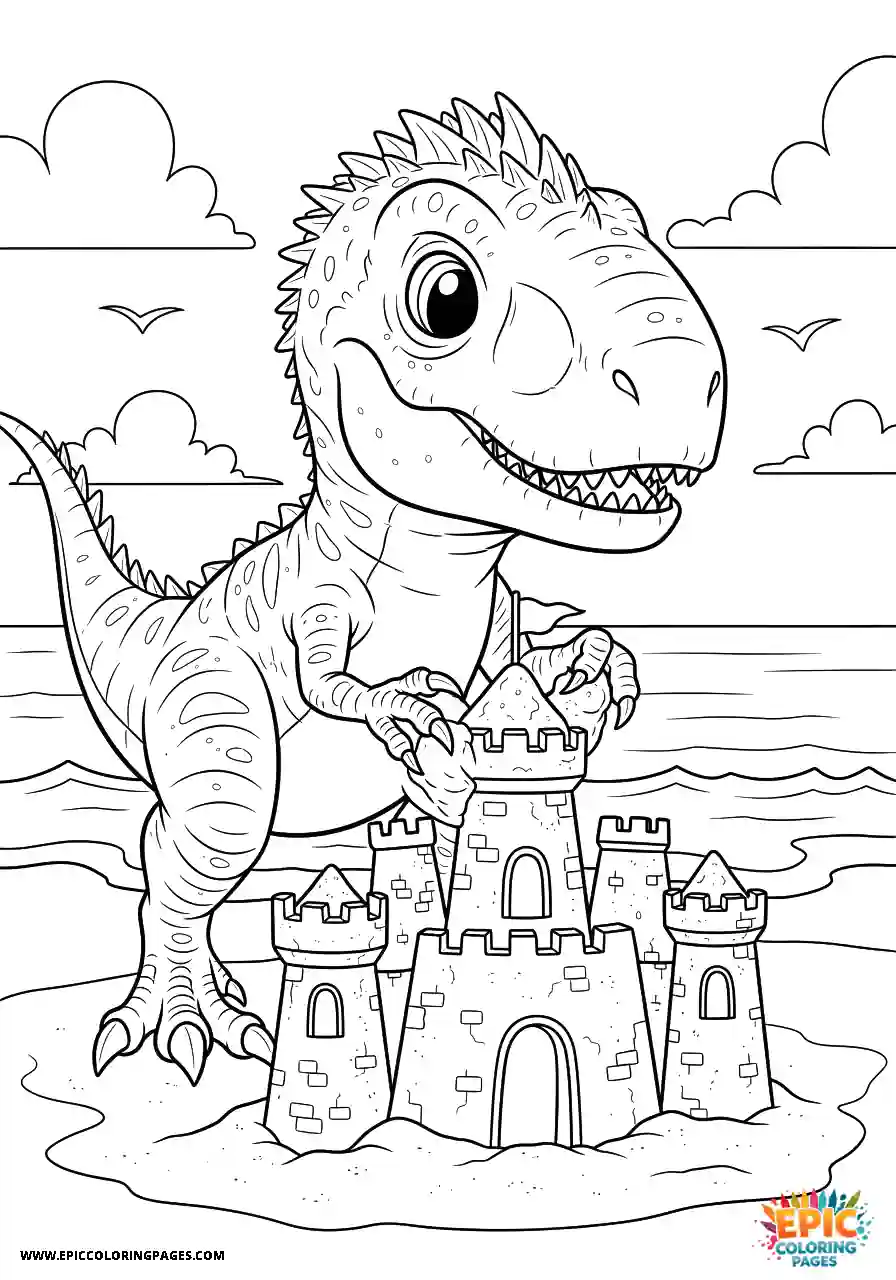
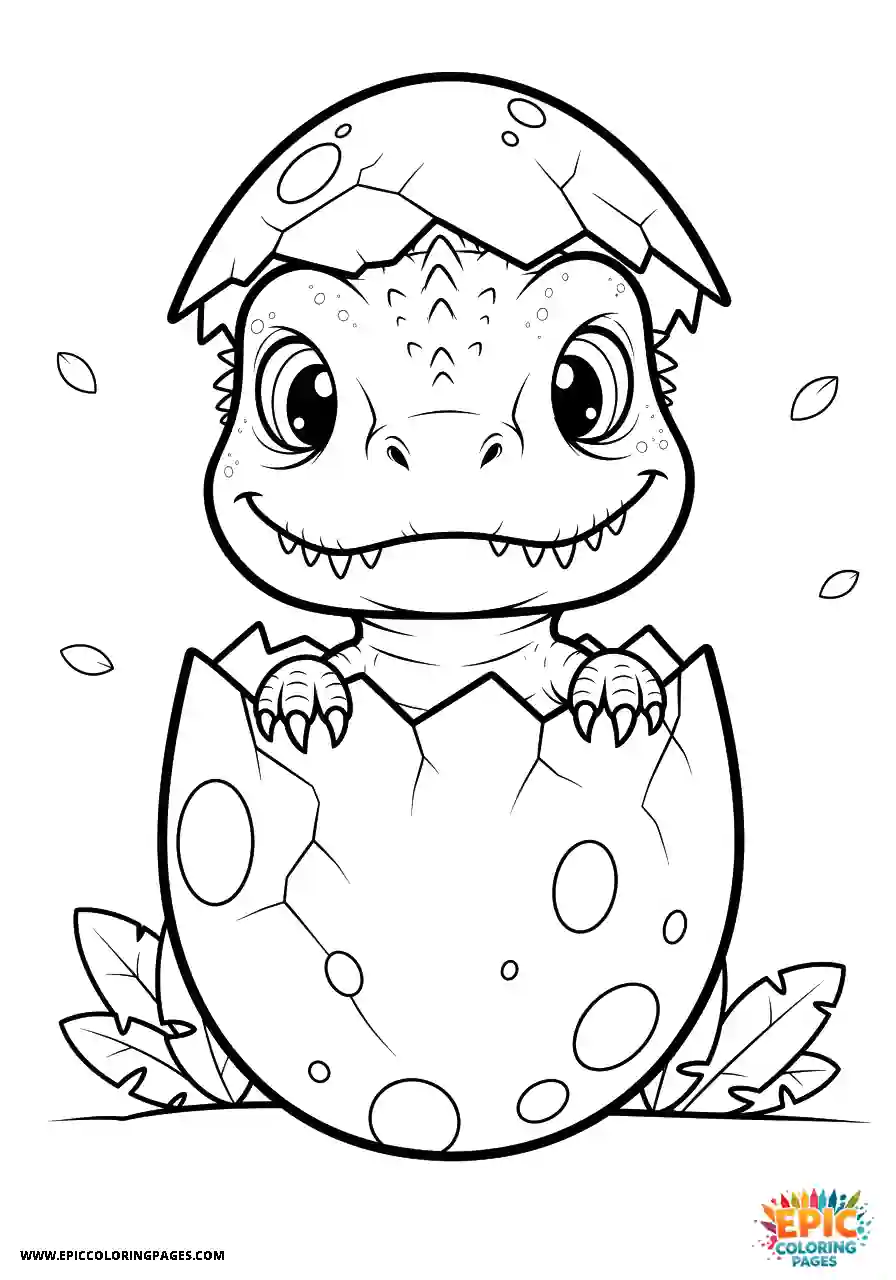
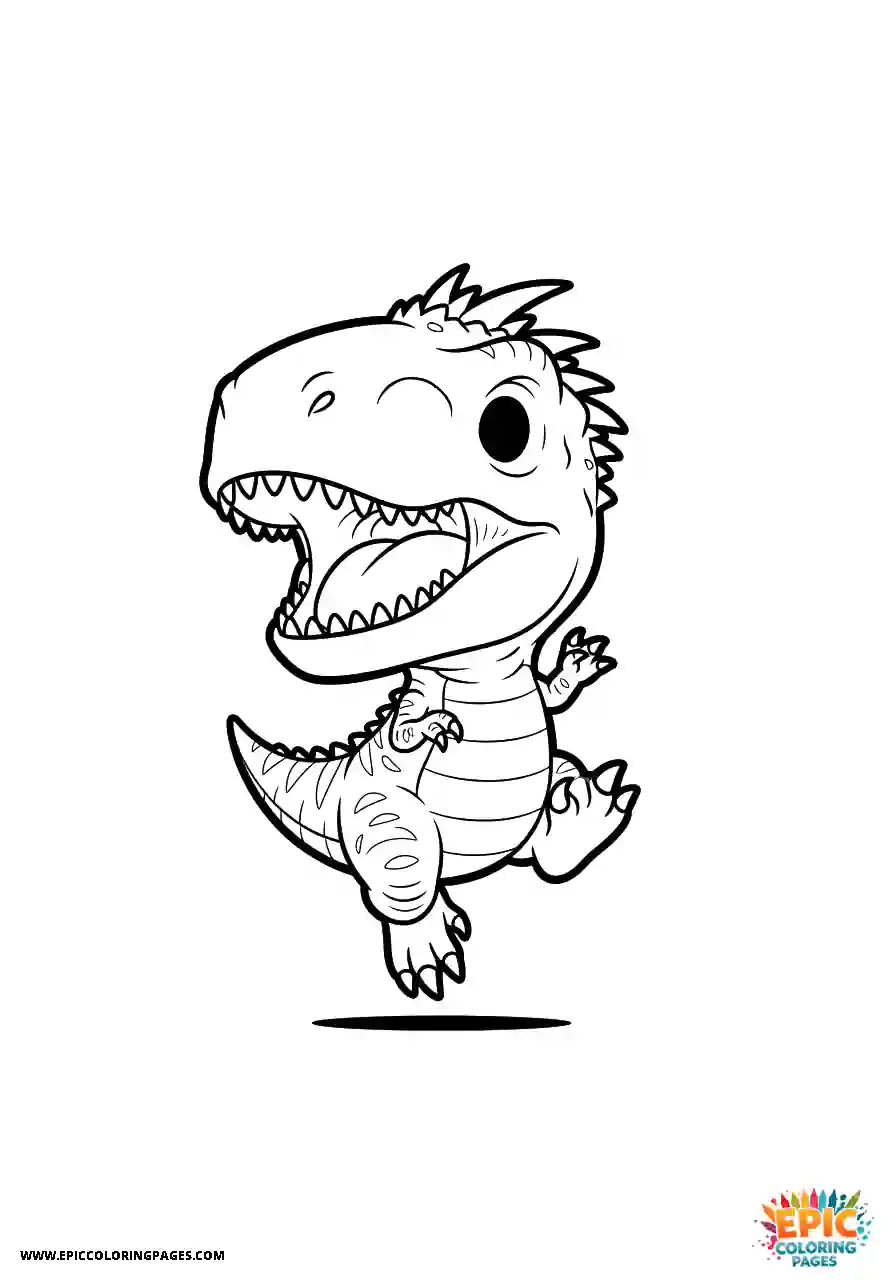
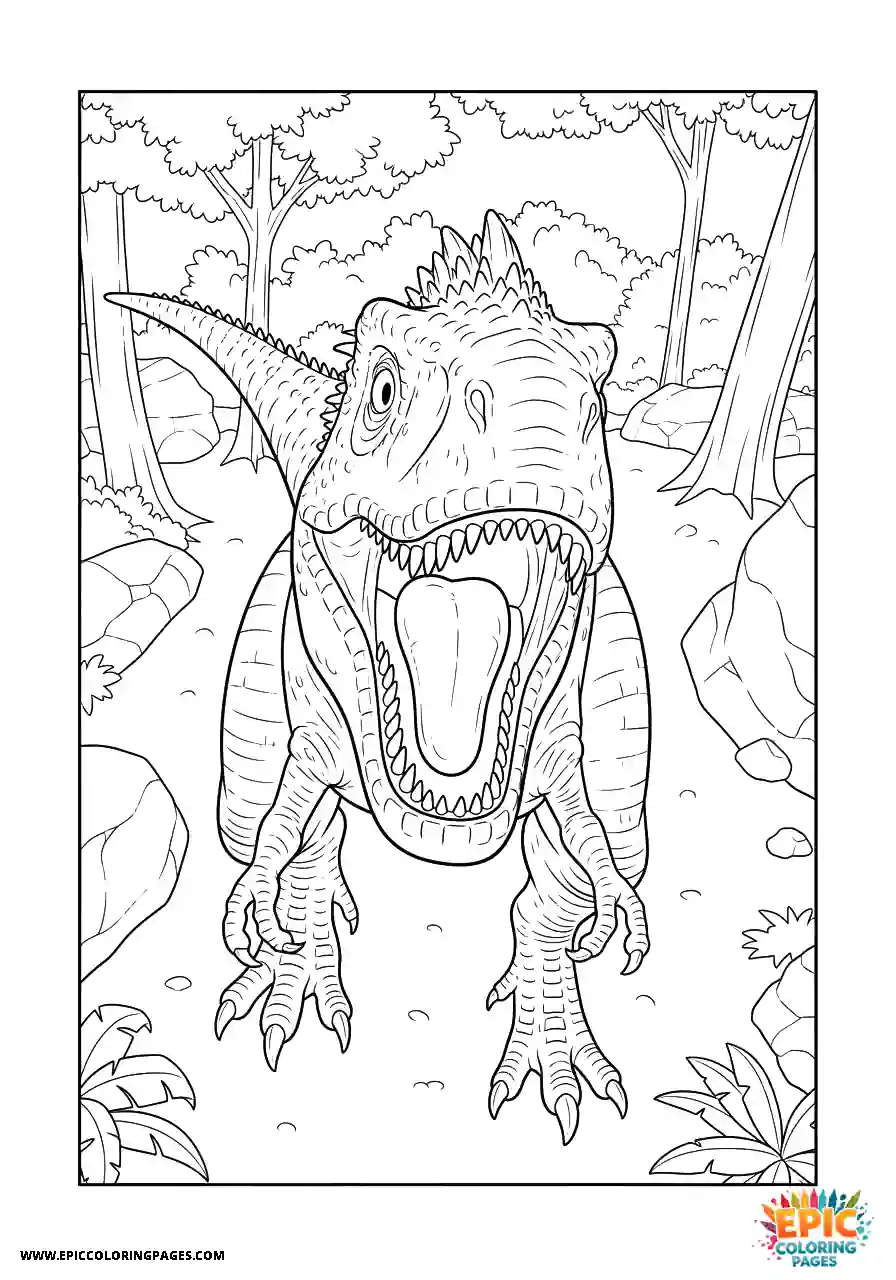
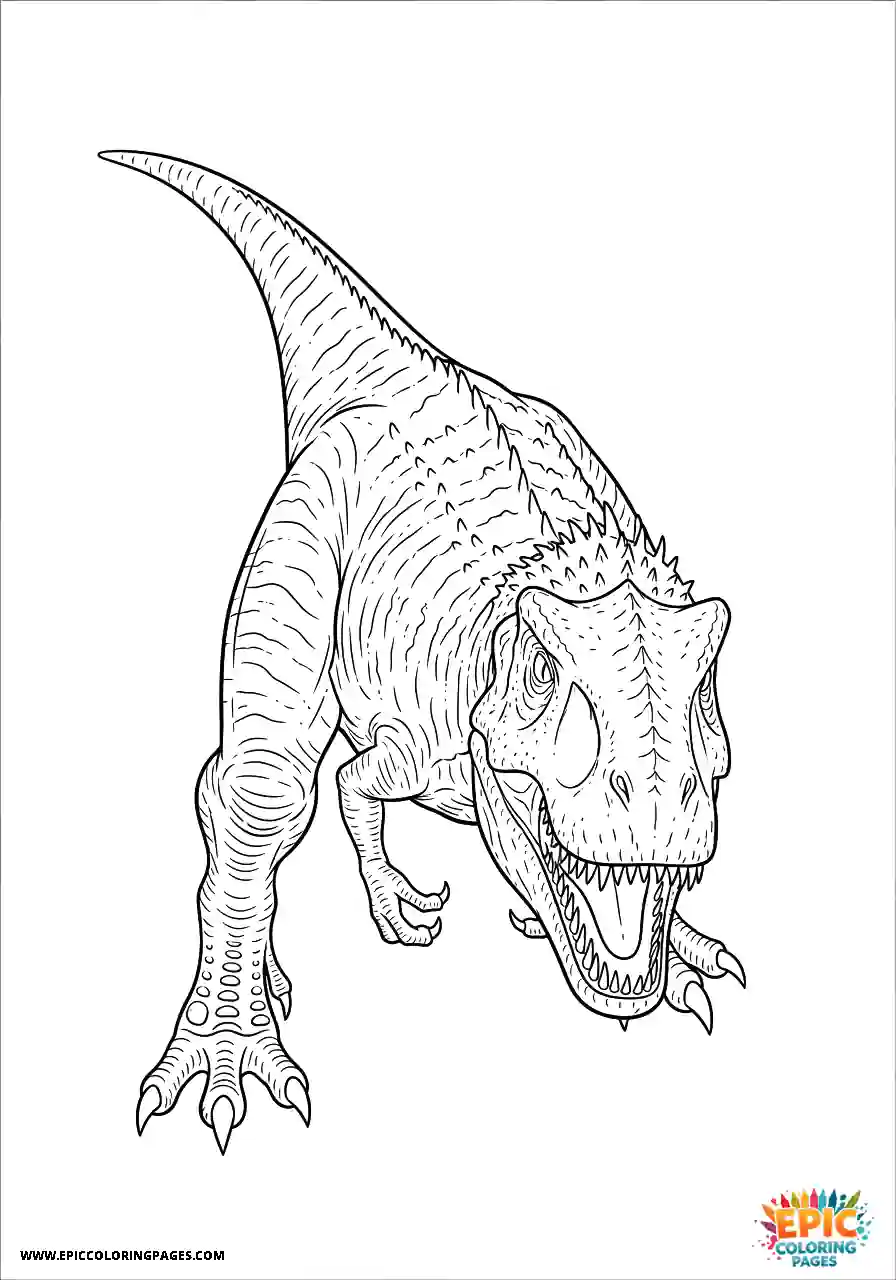
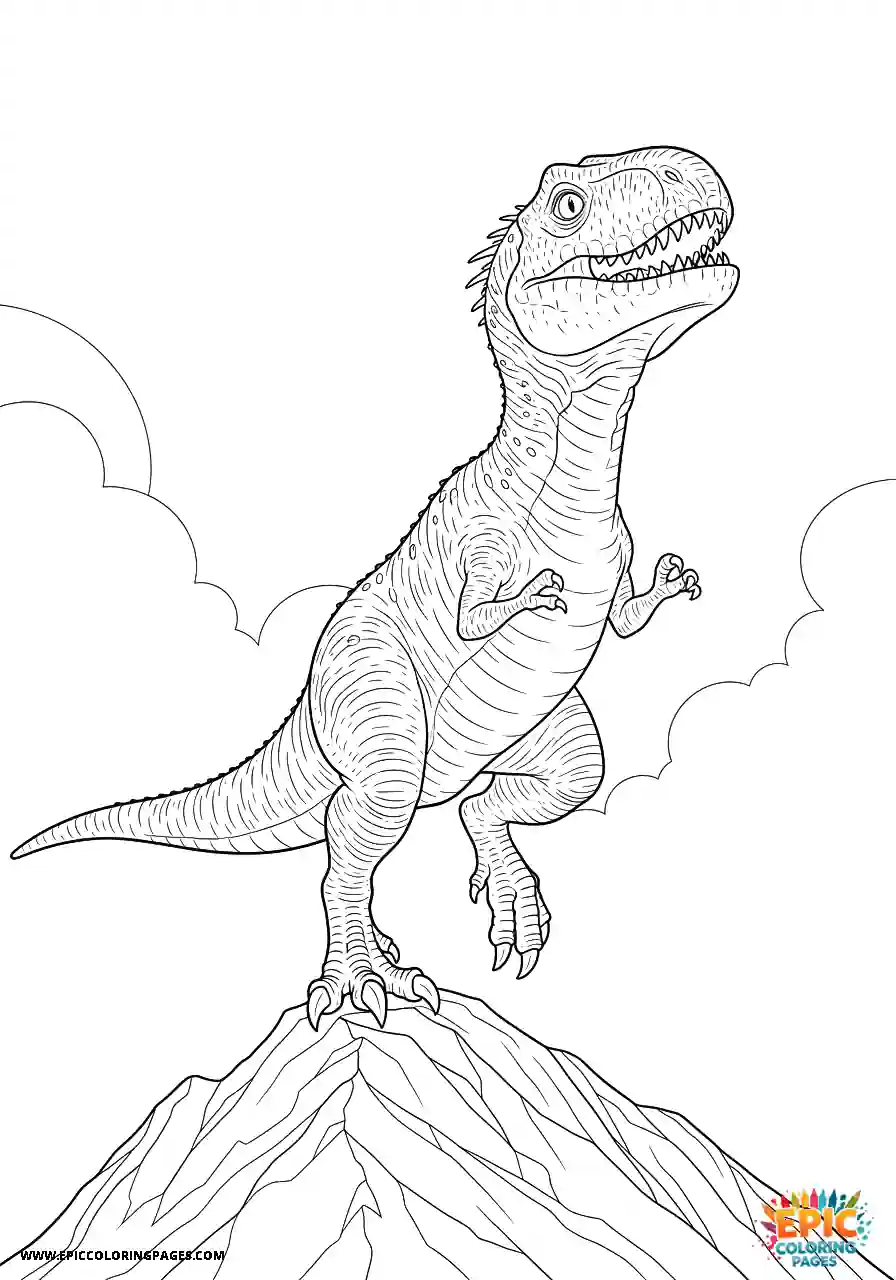
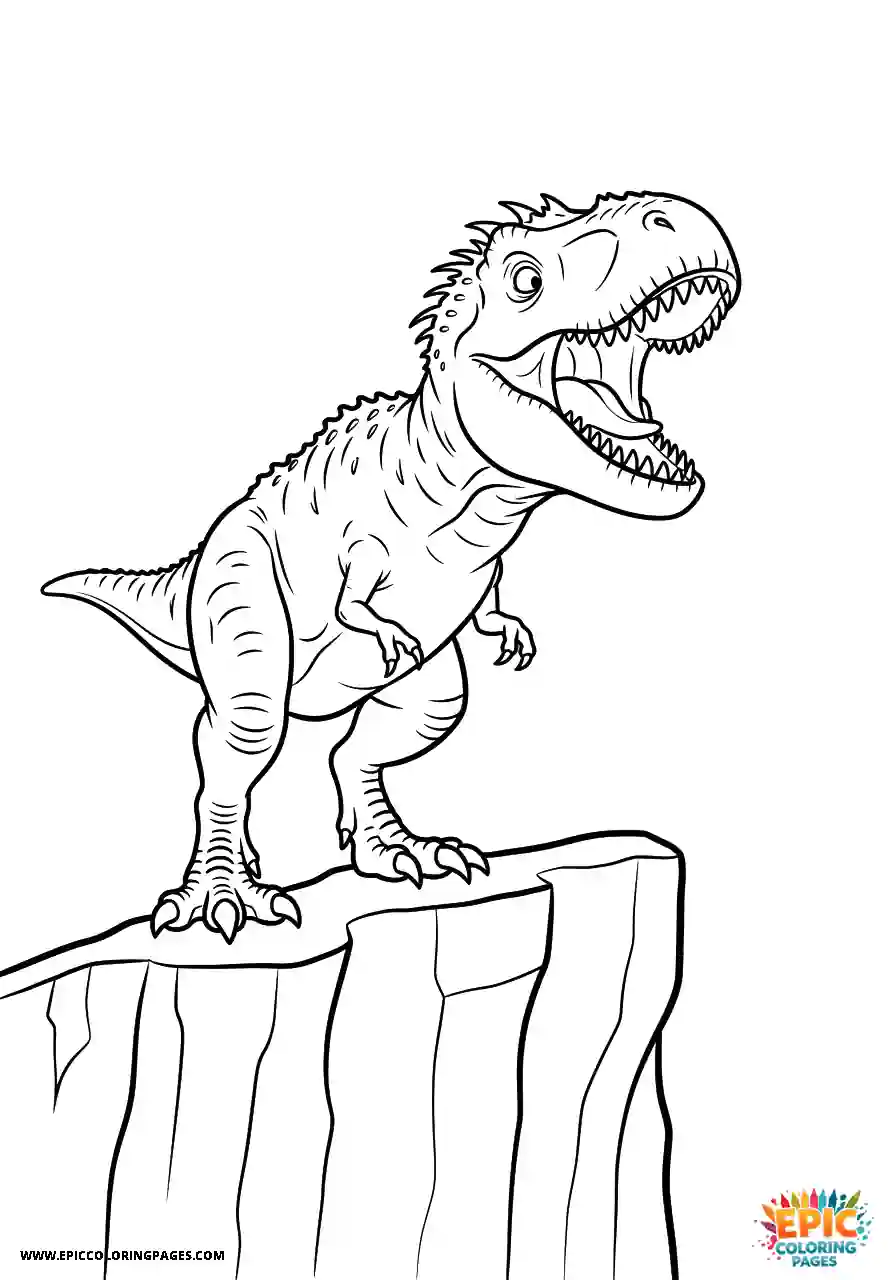
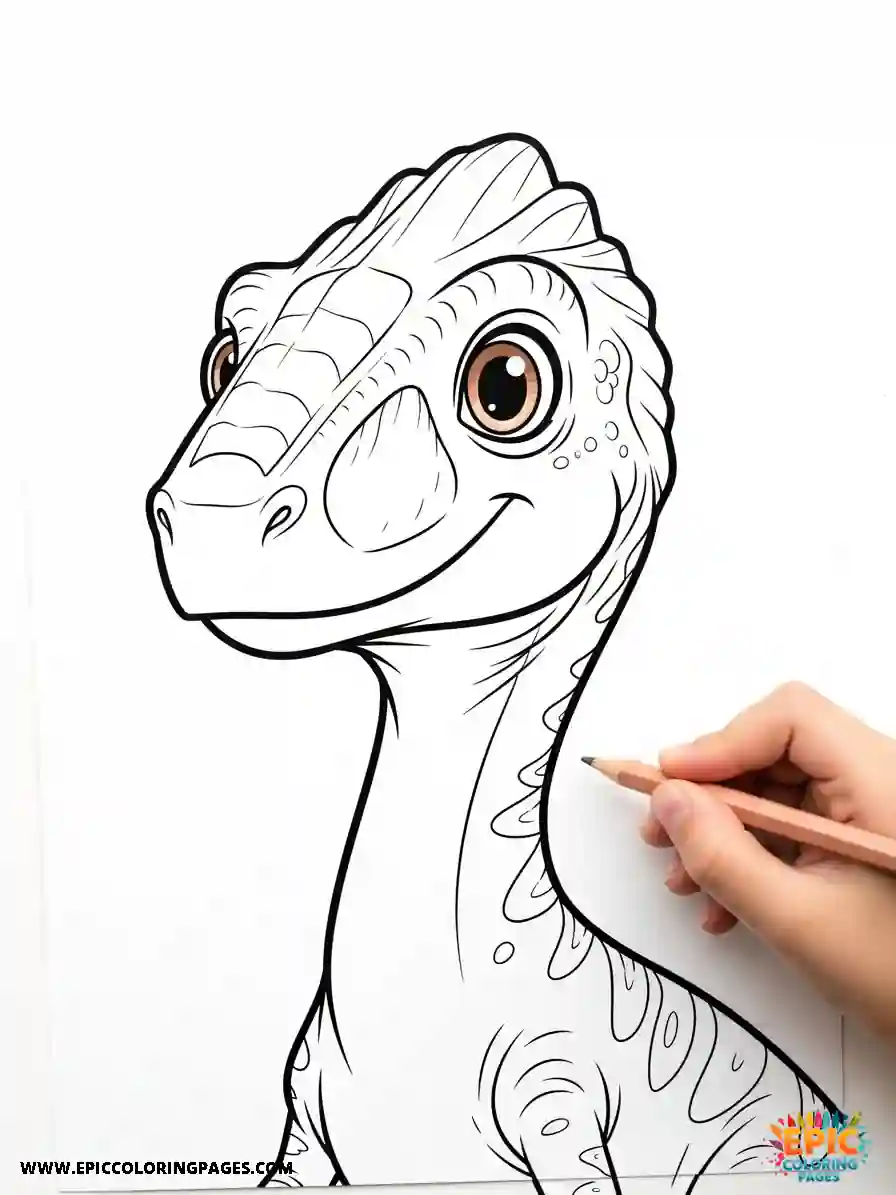
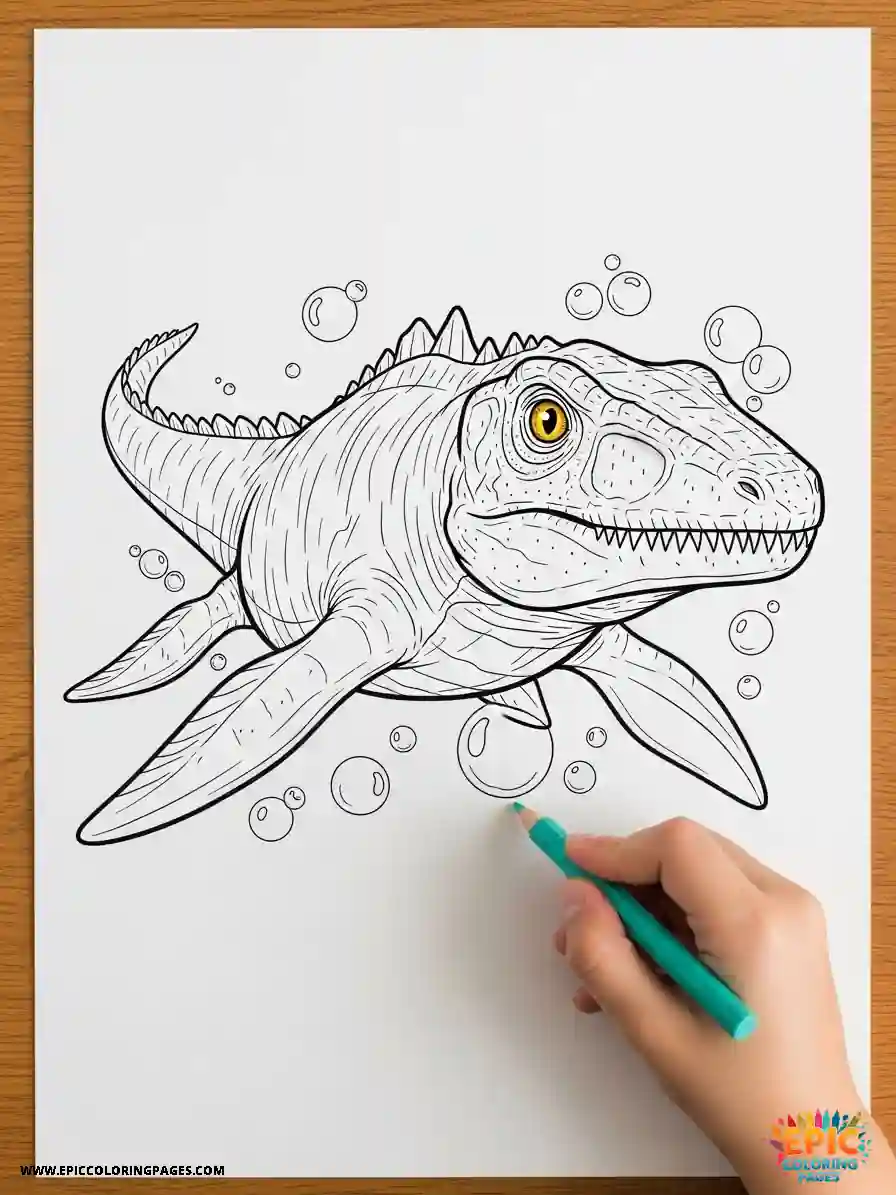
Professional Coloring Tips for Indominus Rex Pages
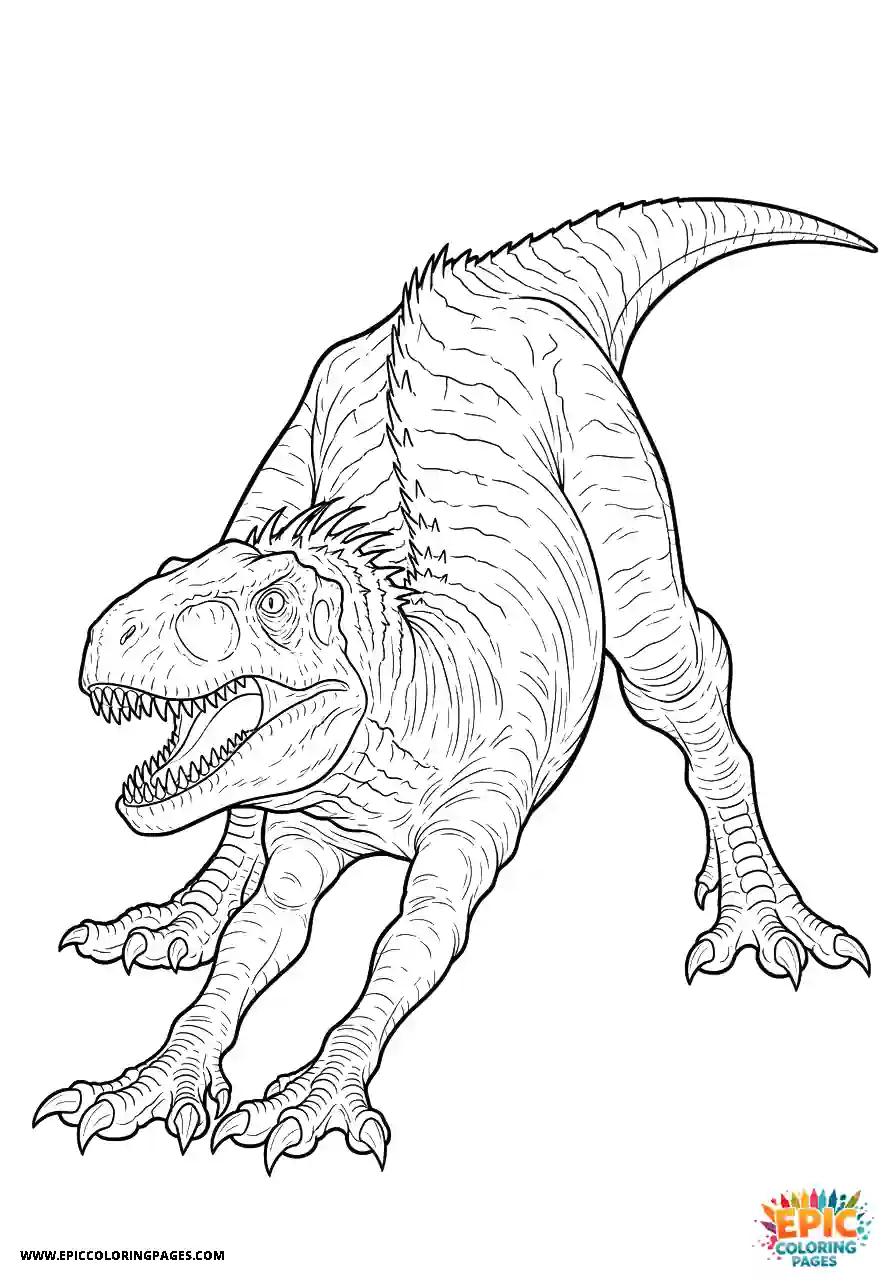
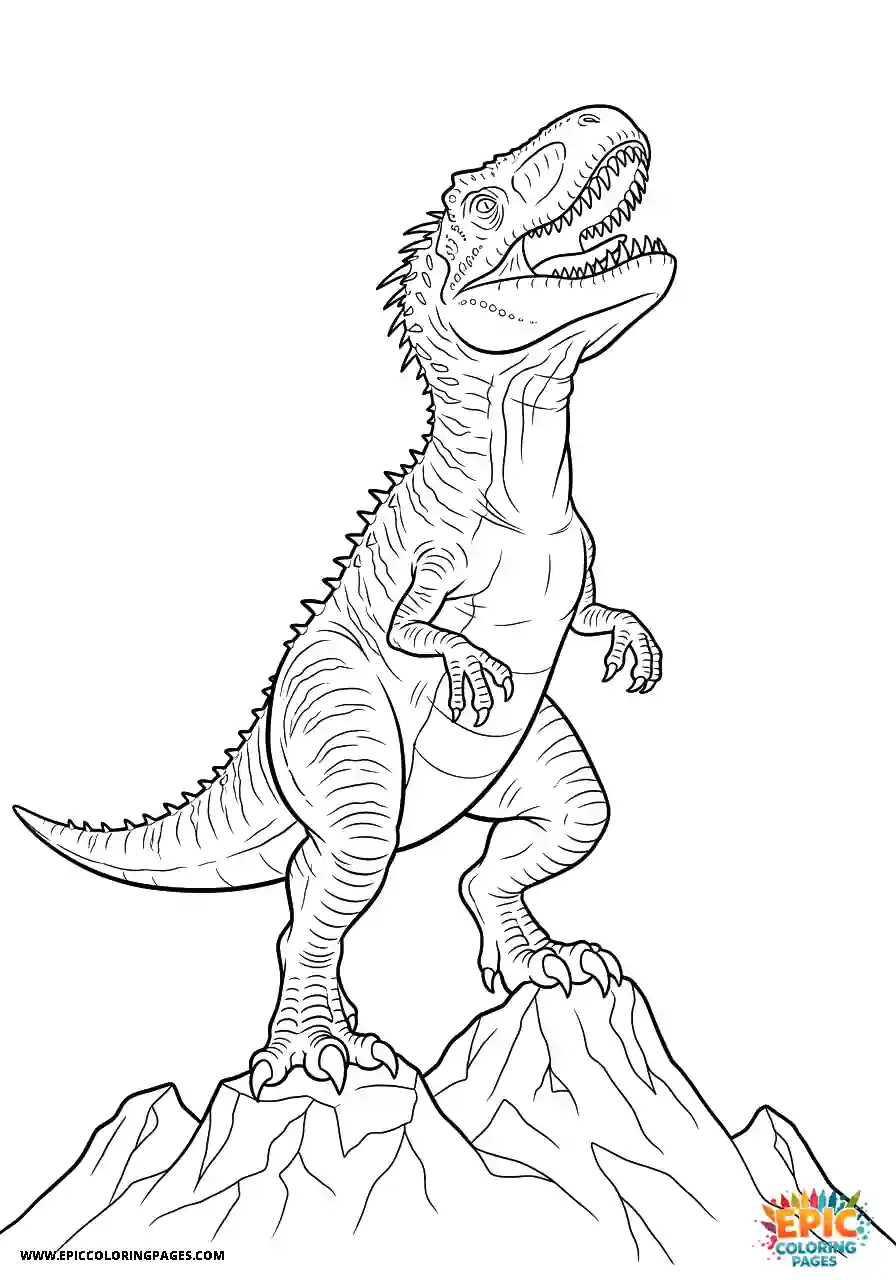
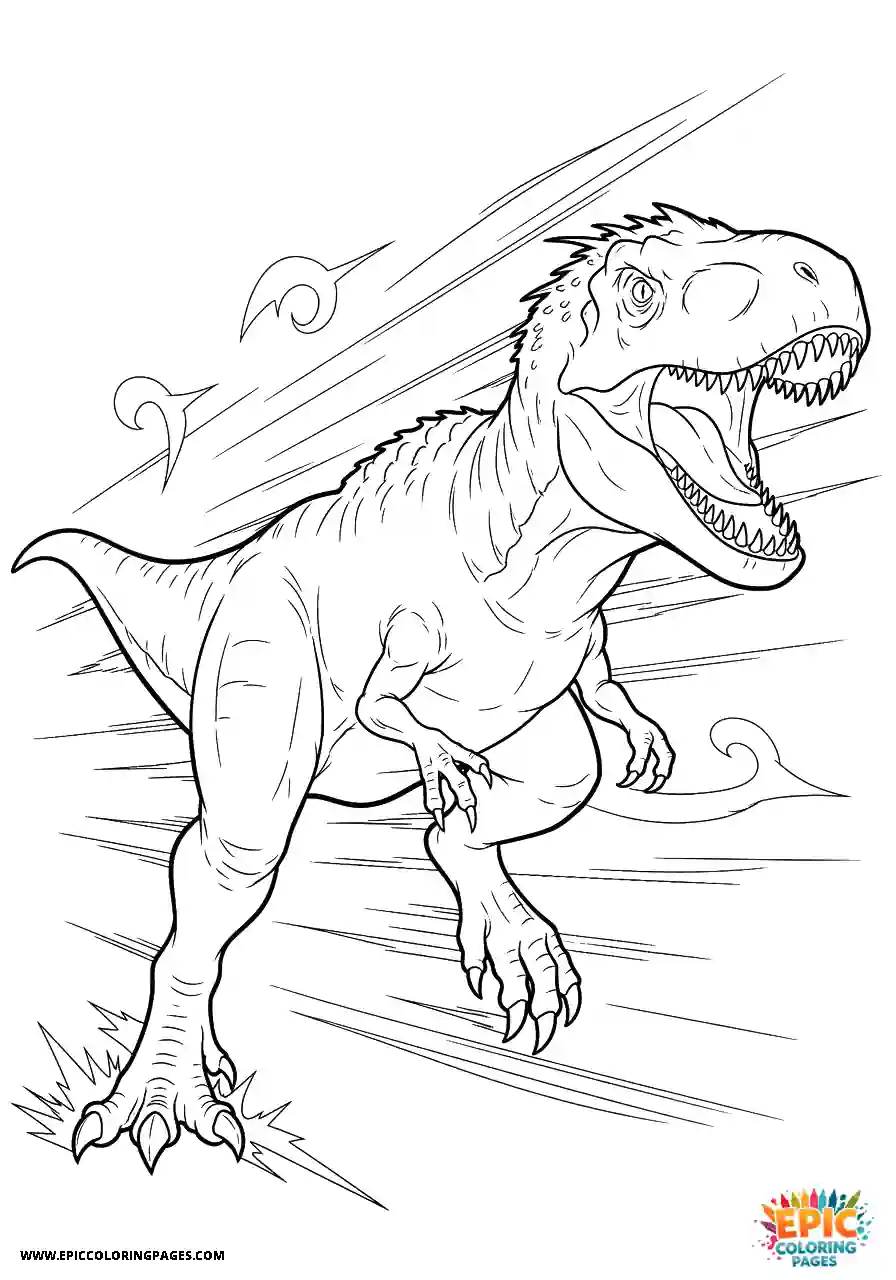
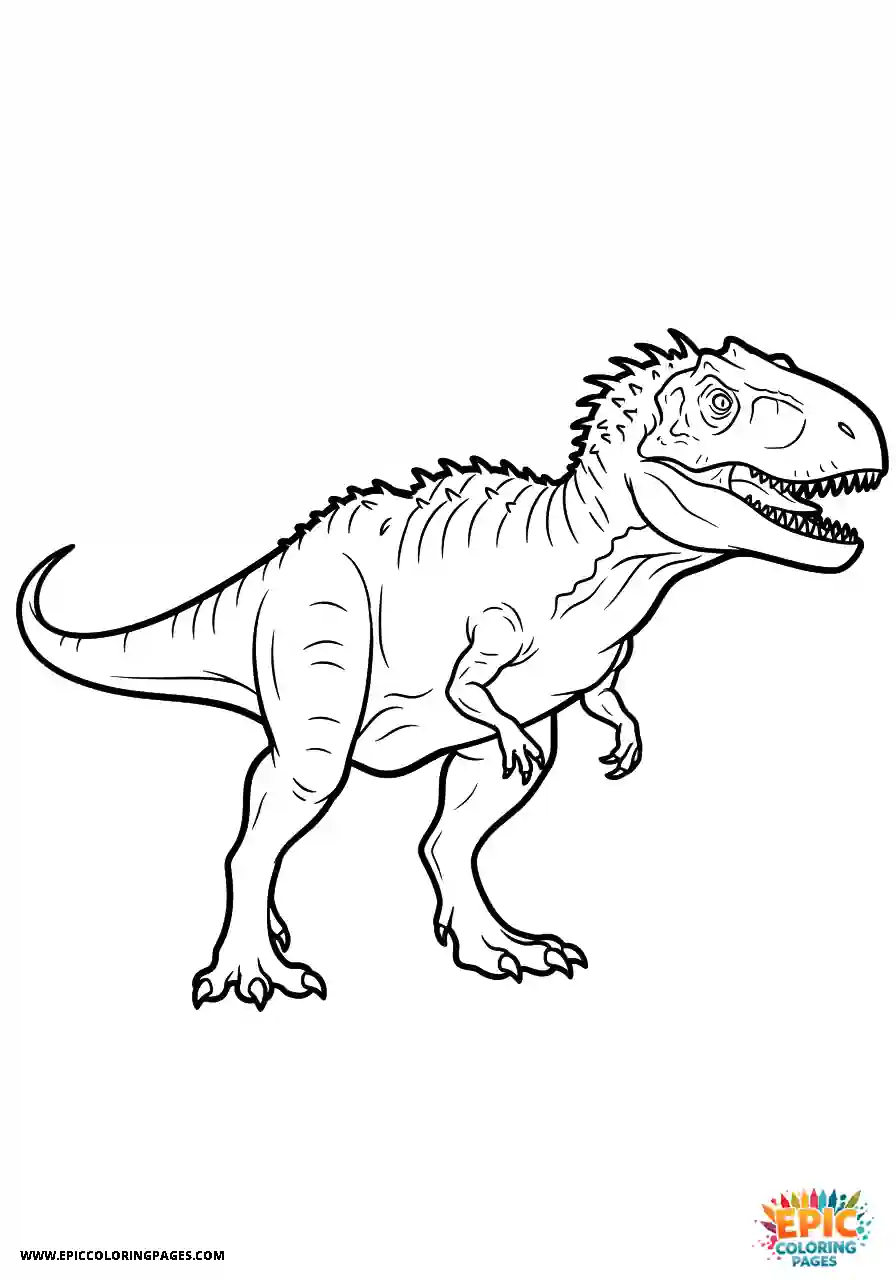
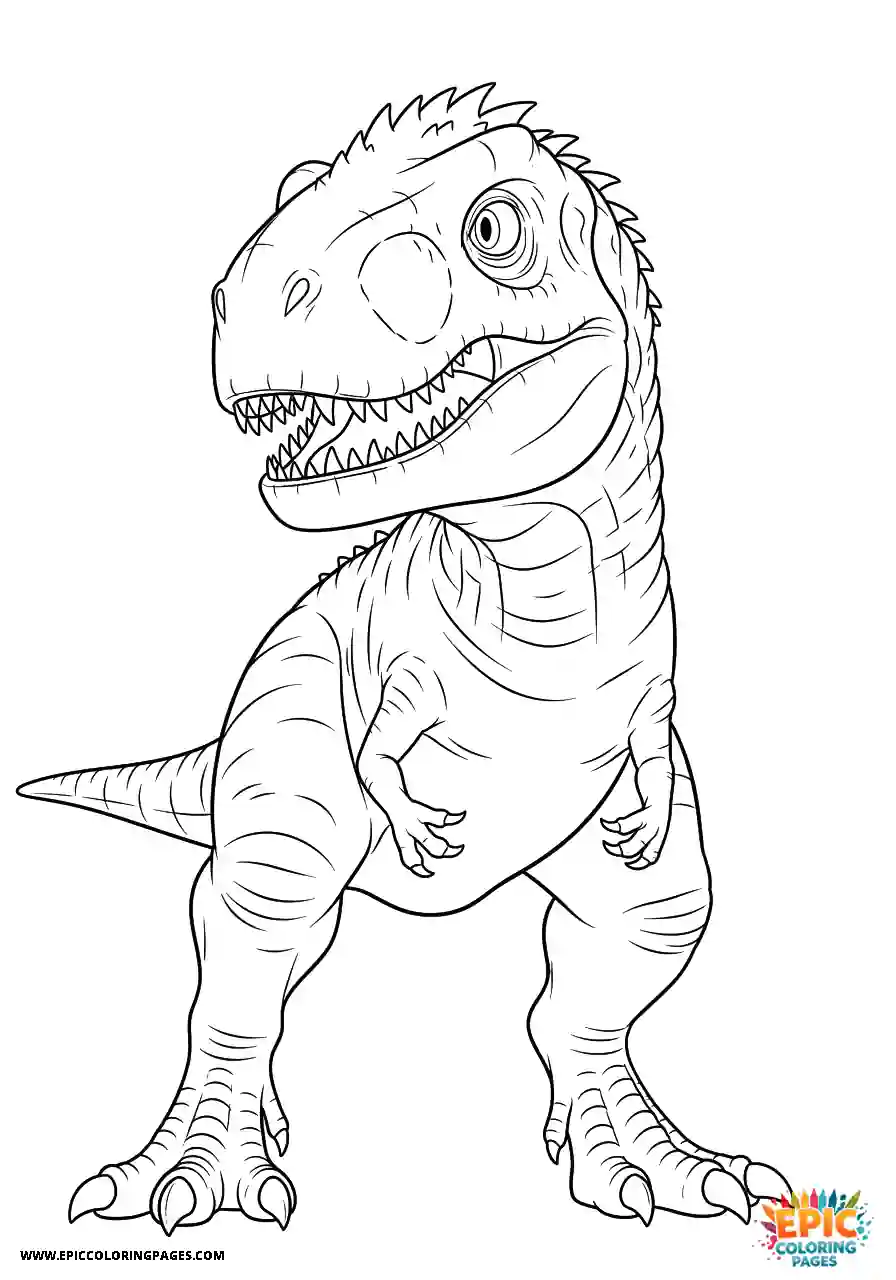
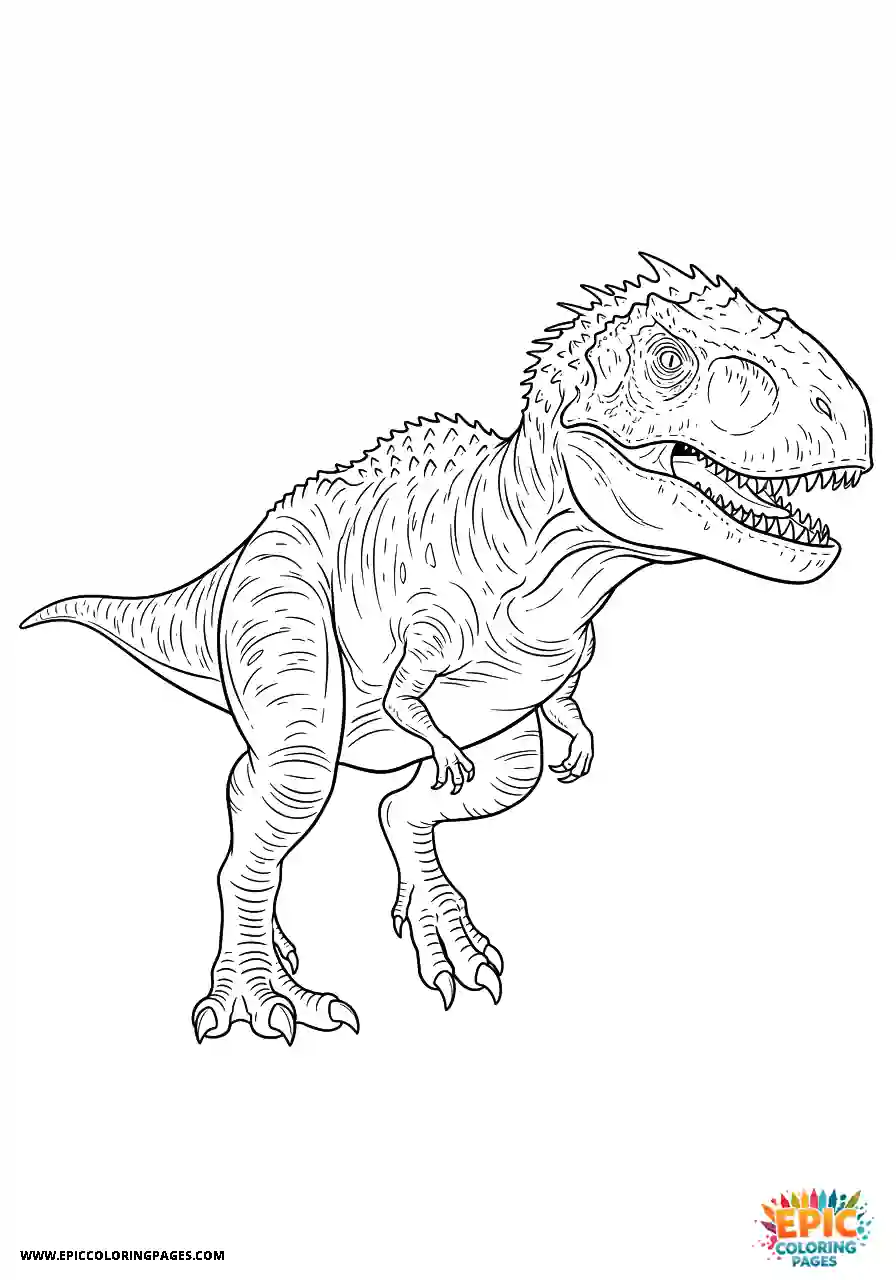
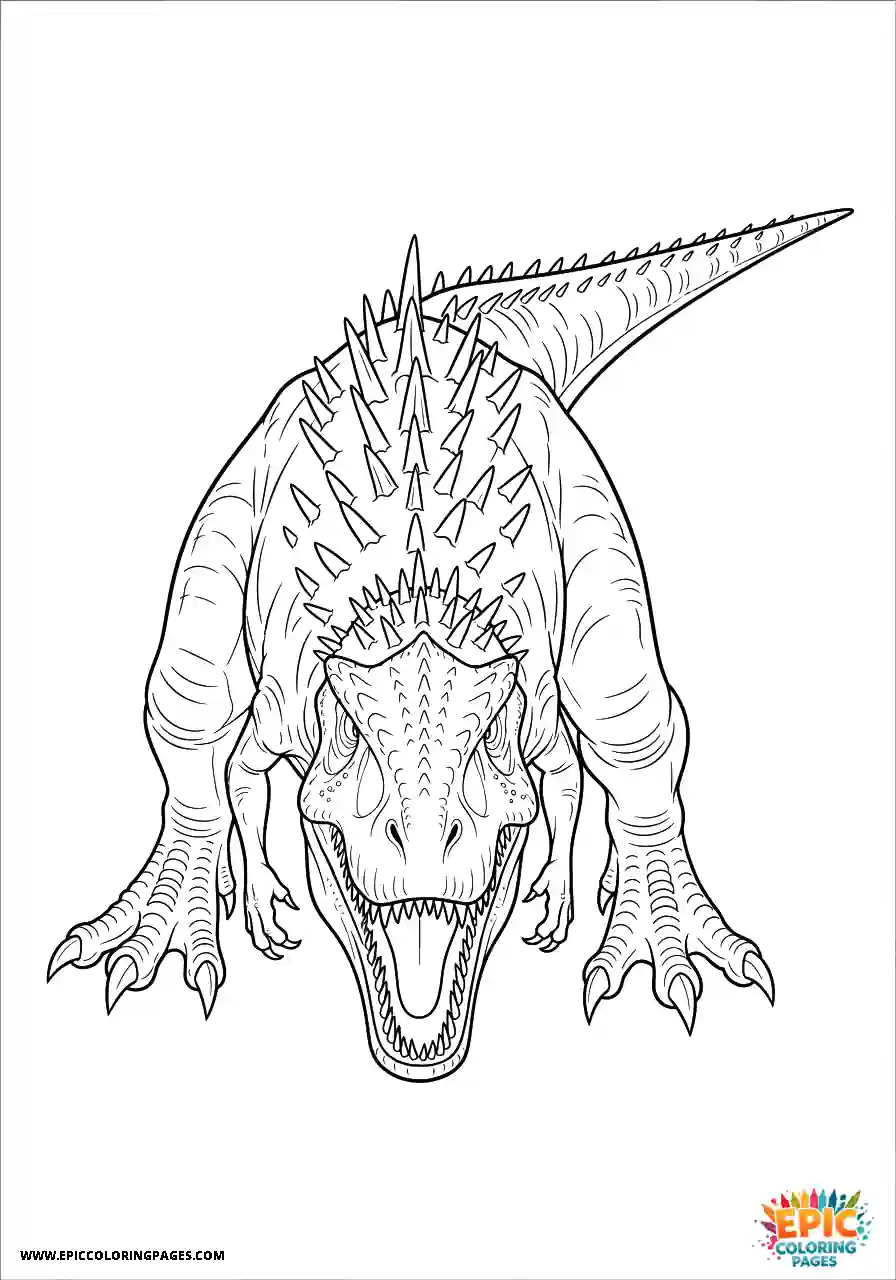
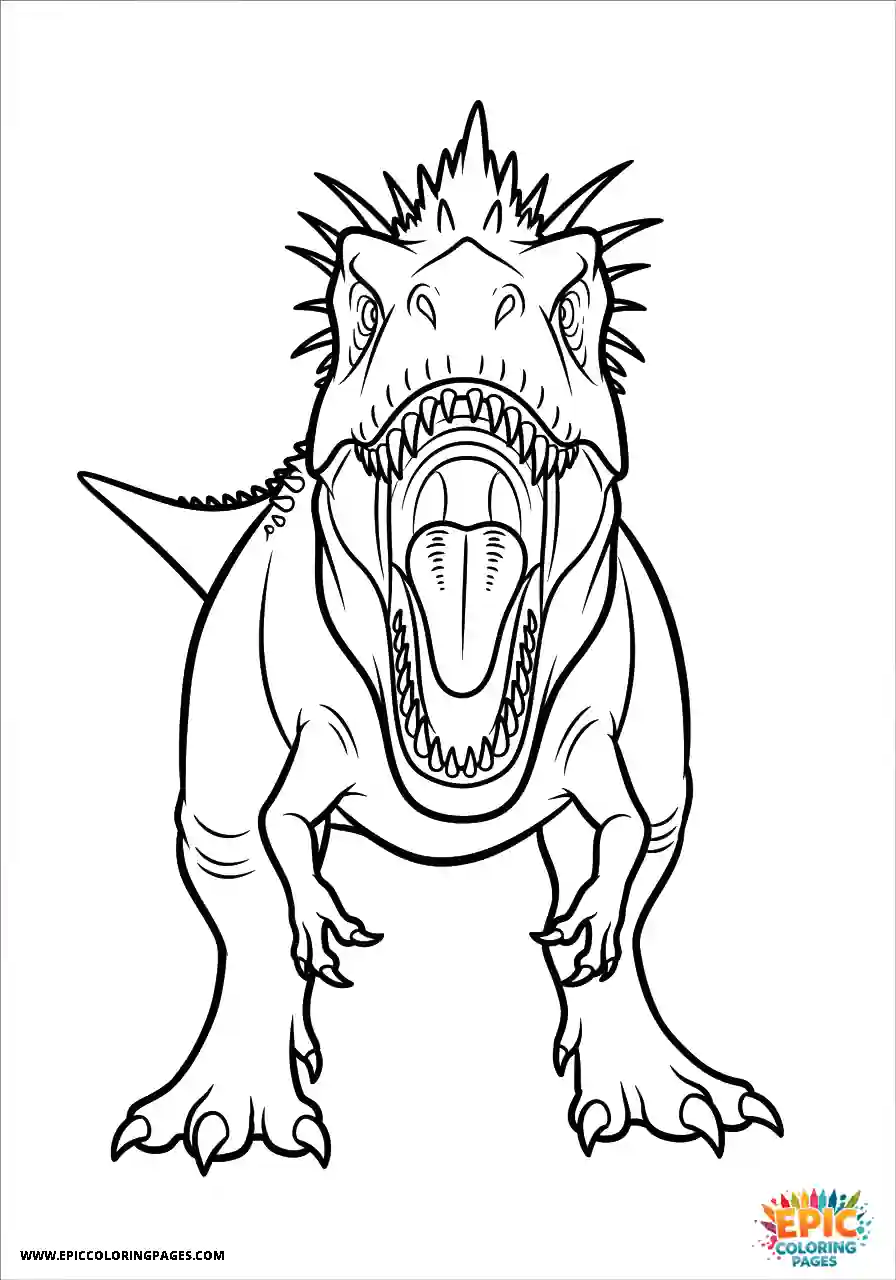
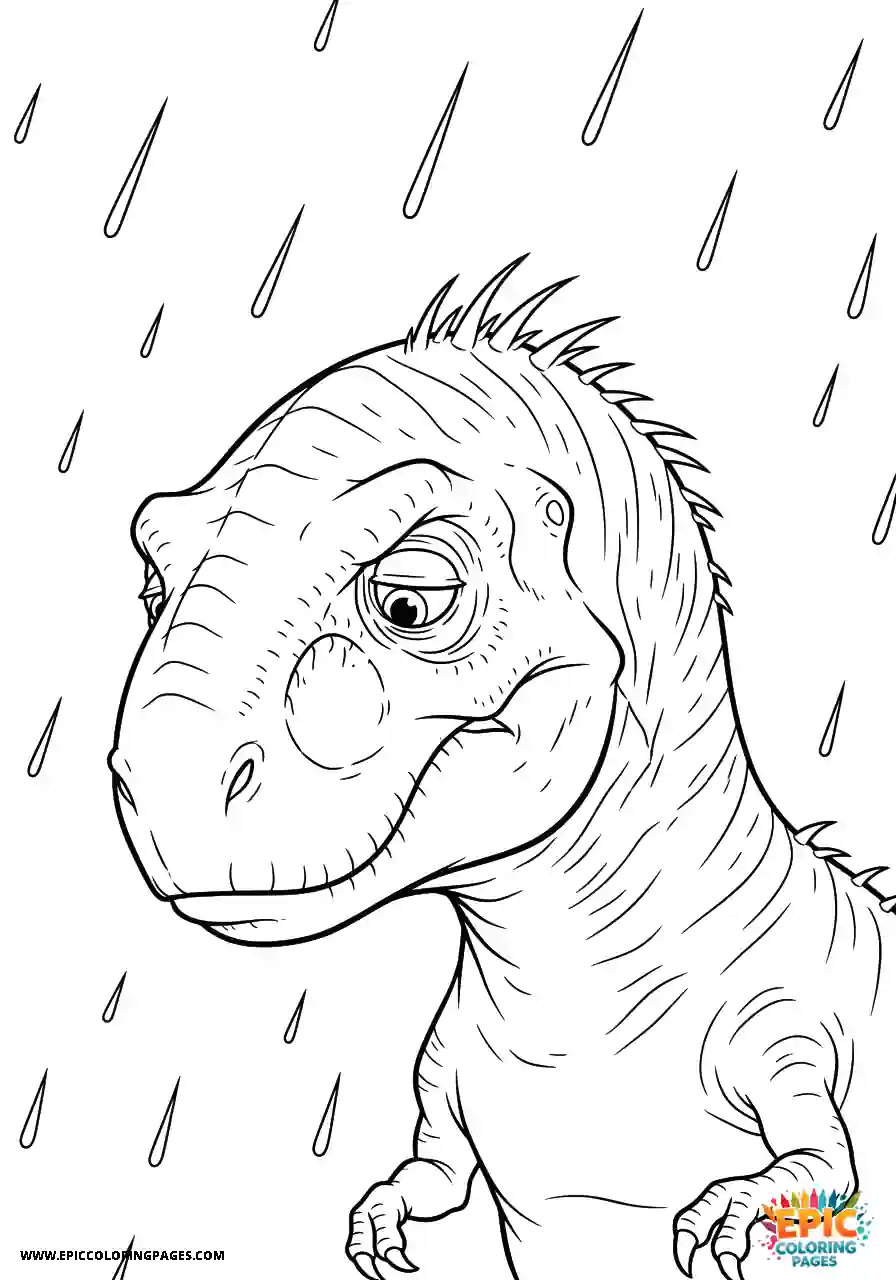
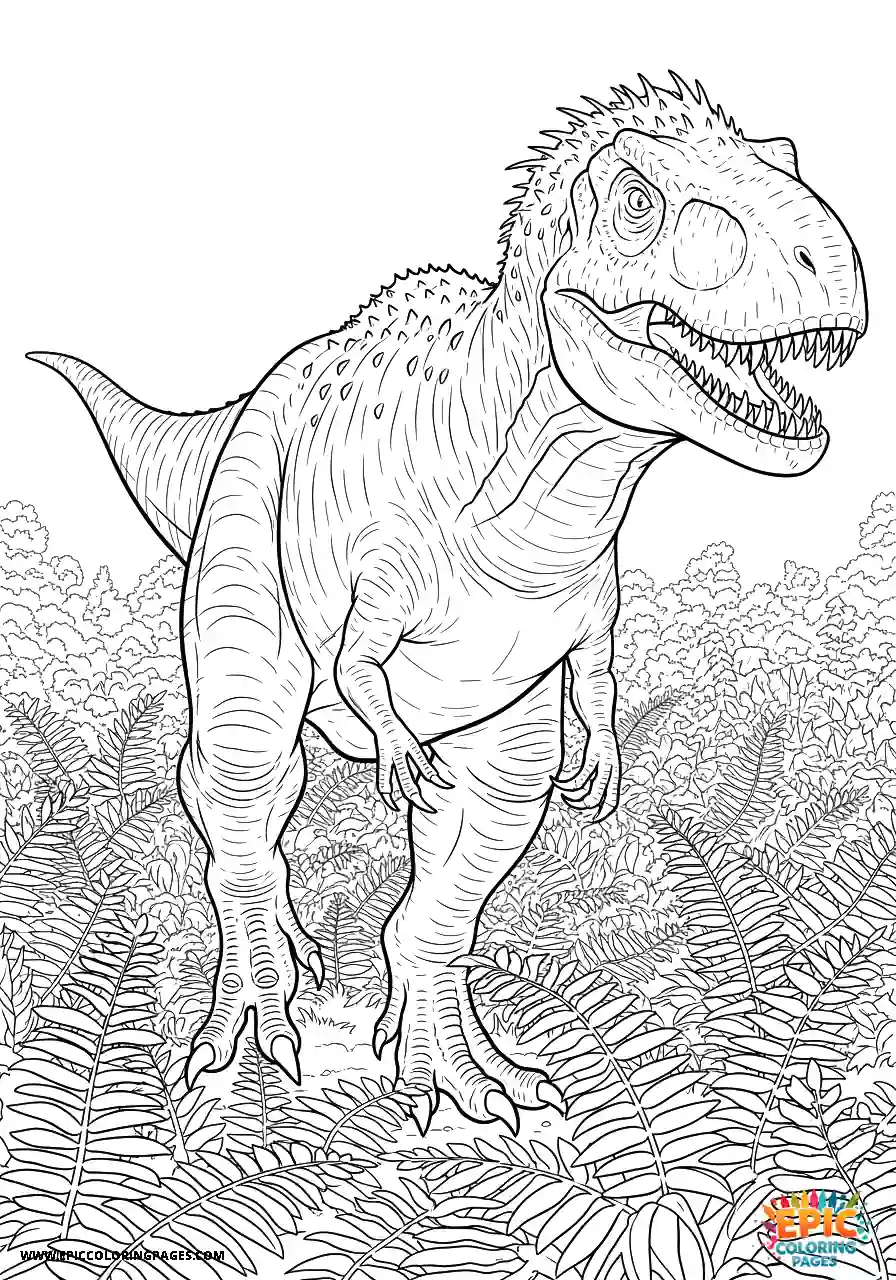
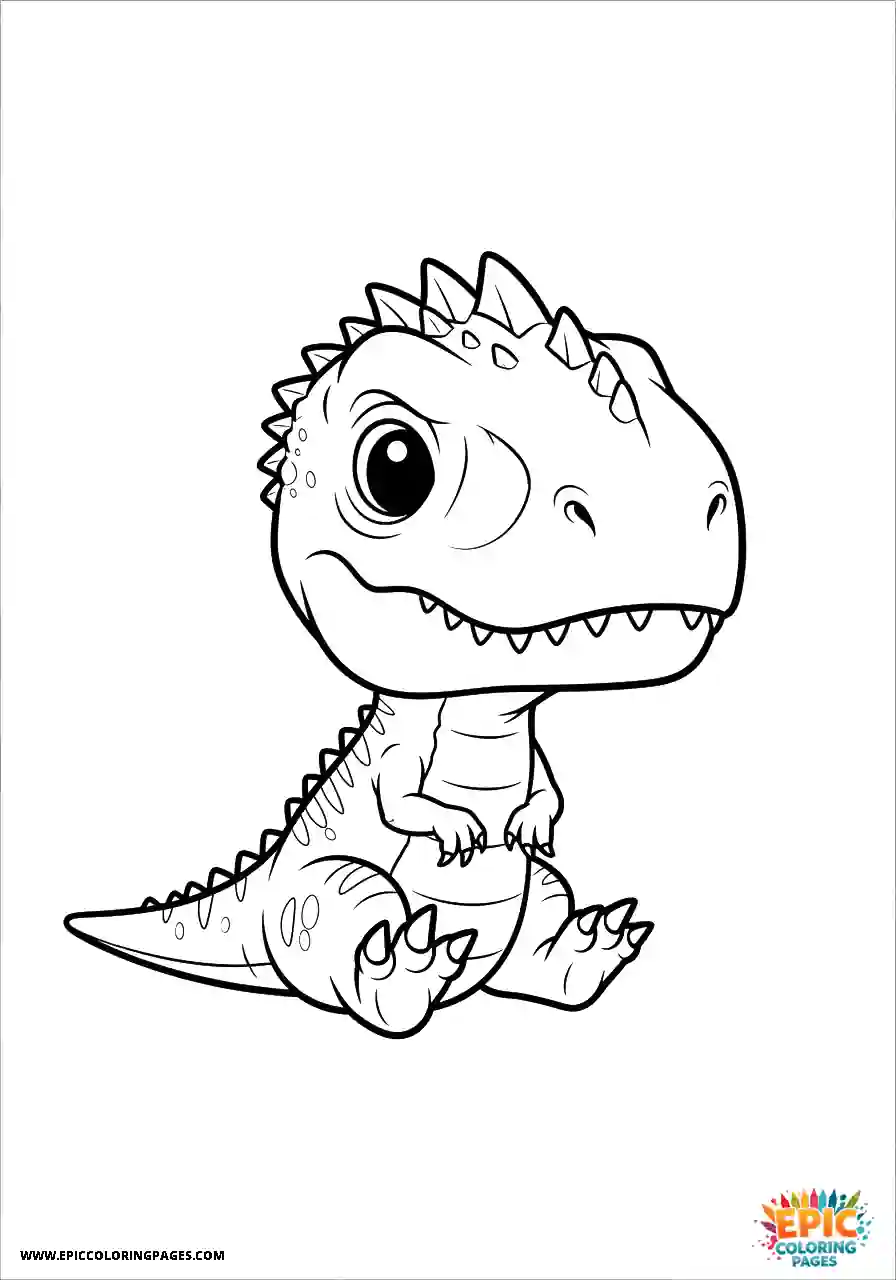
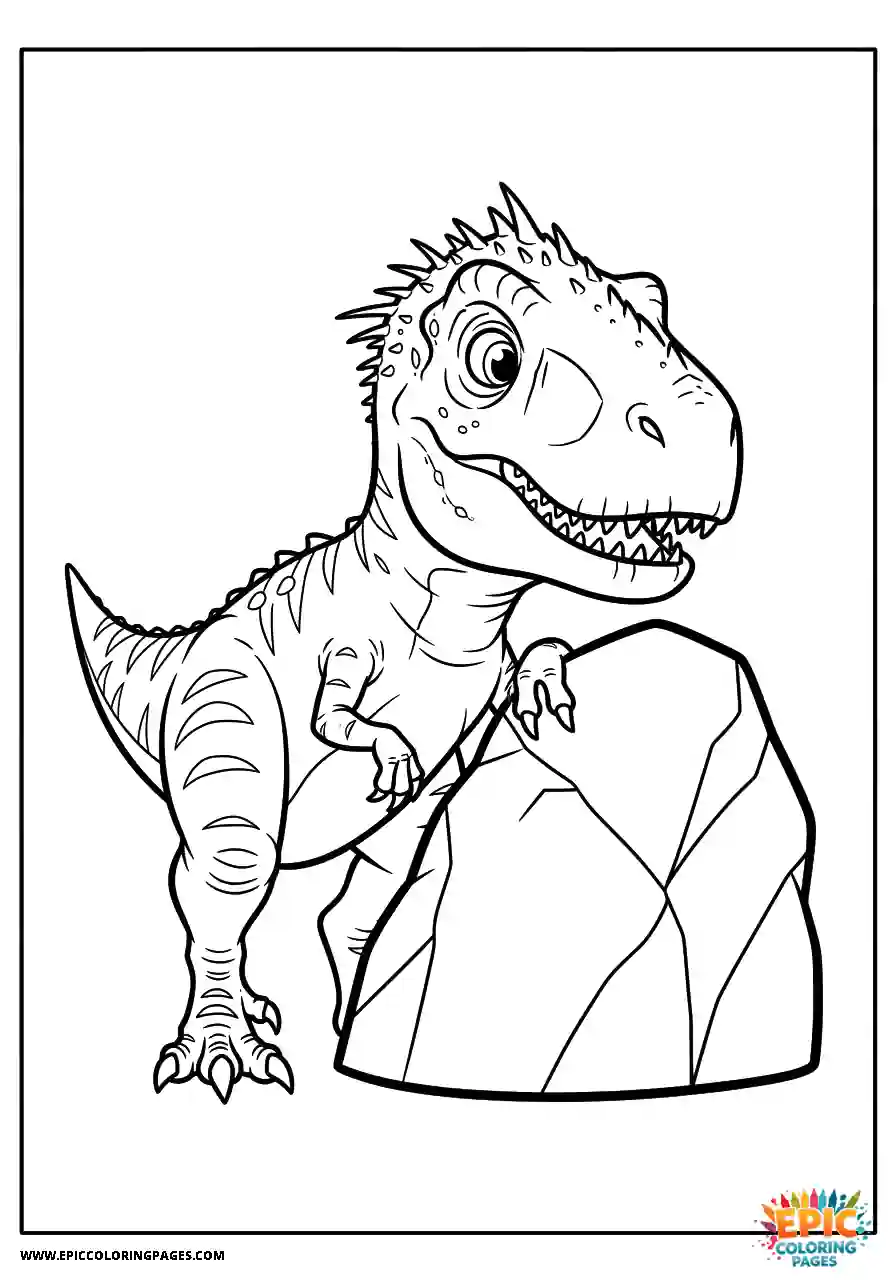
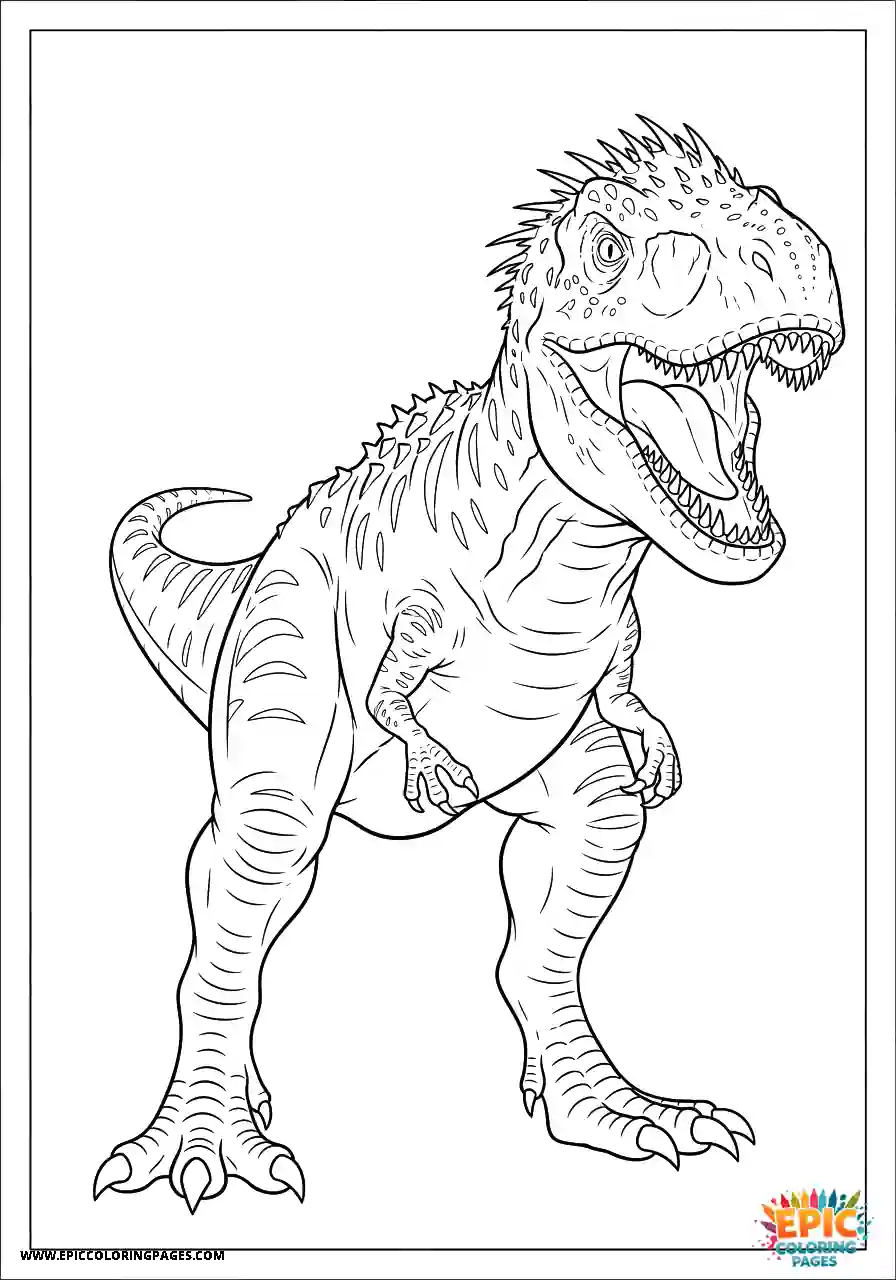
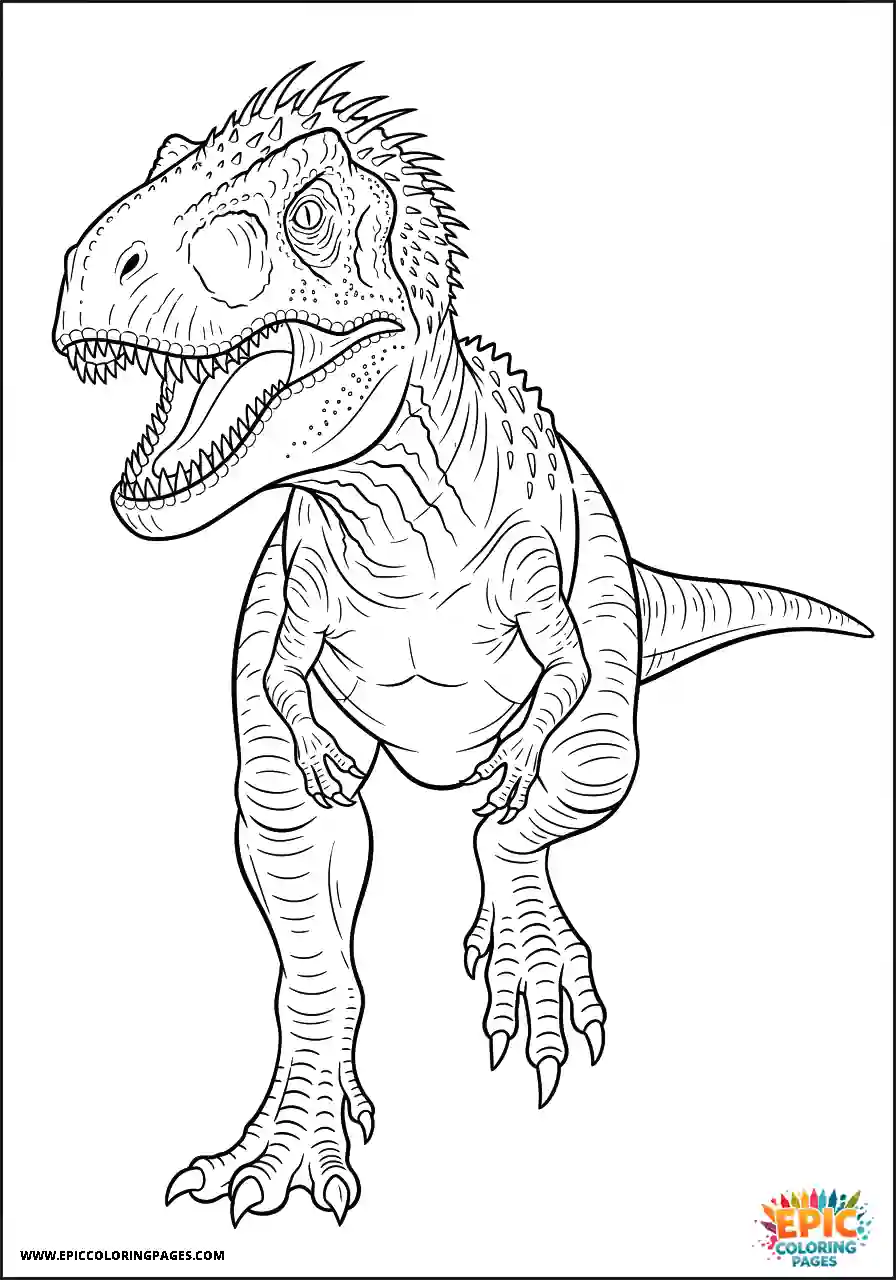
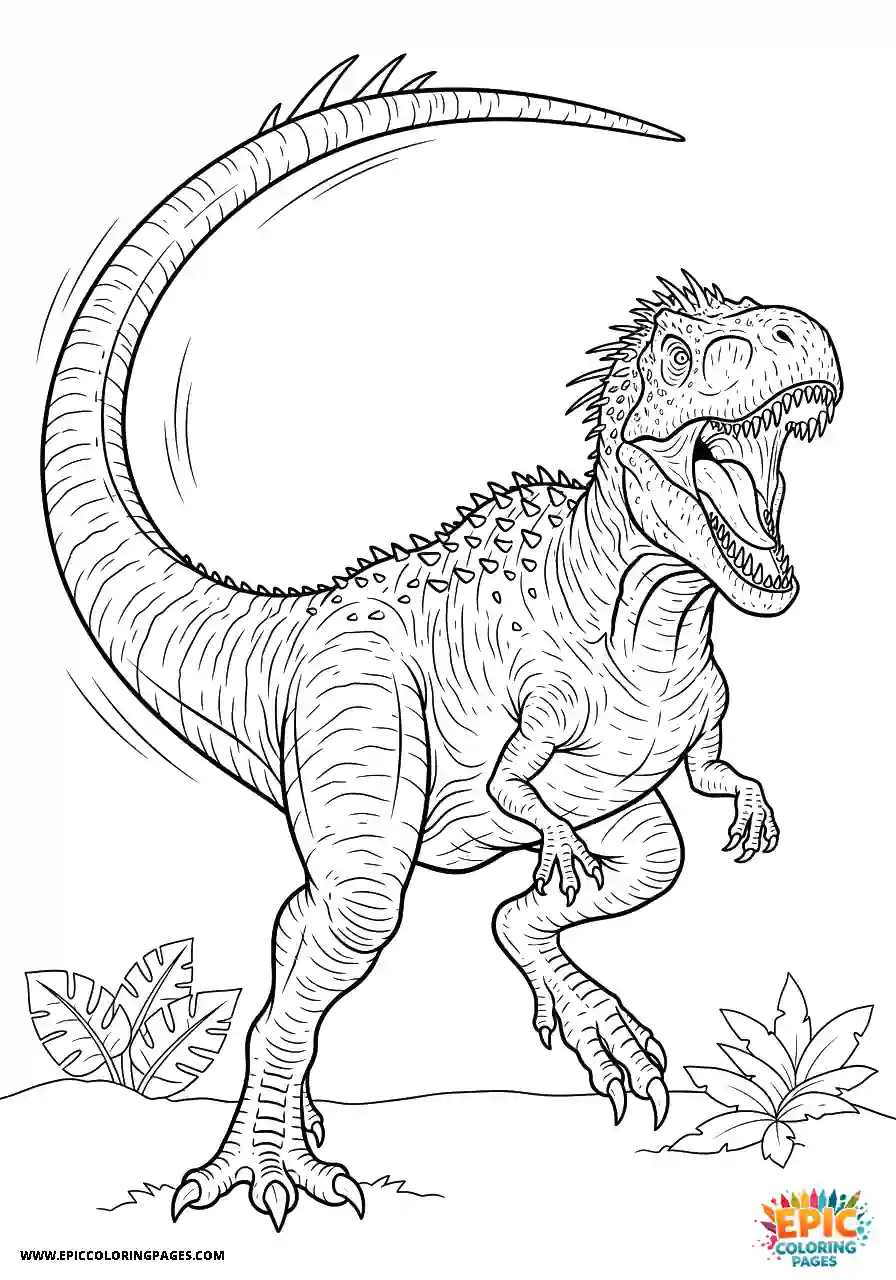
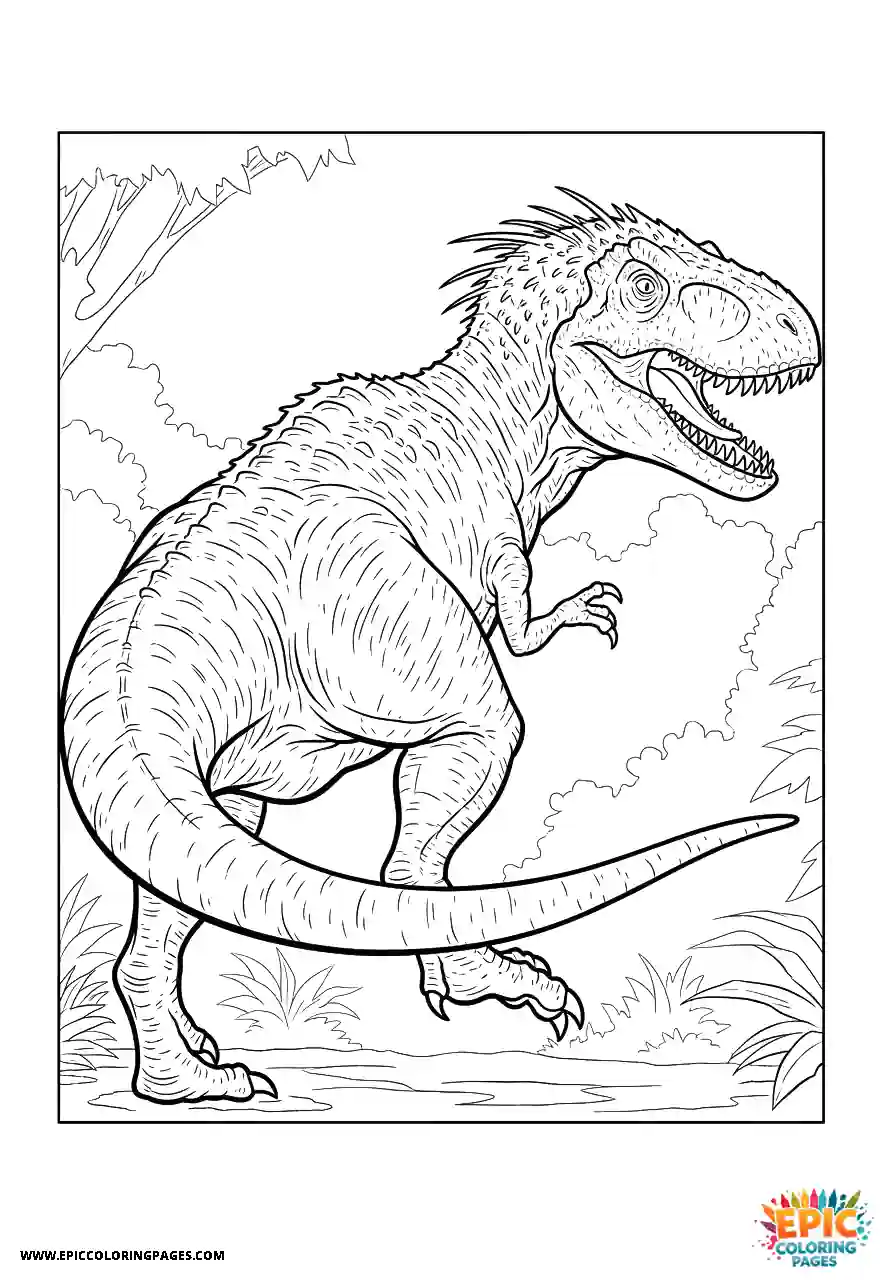
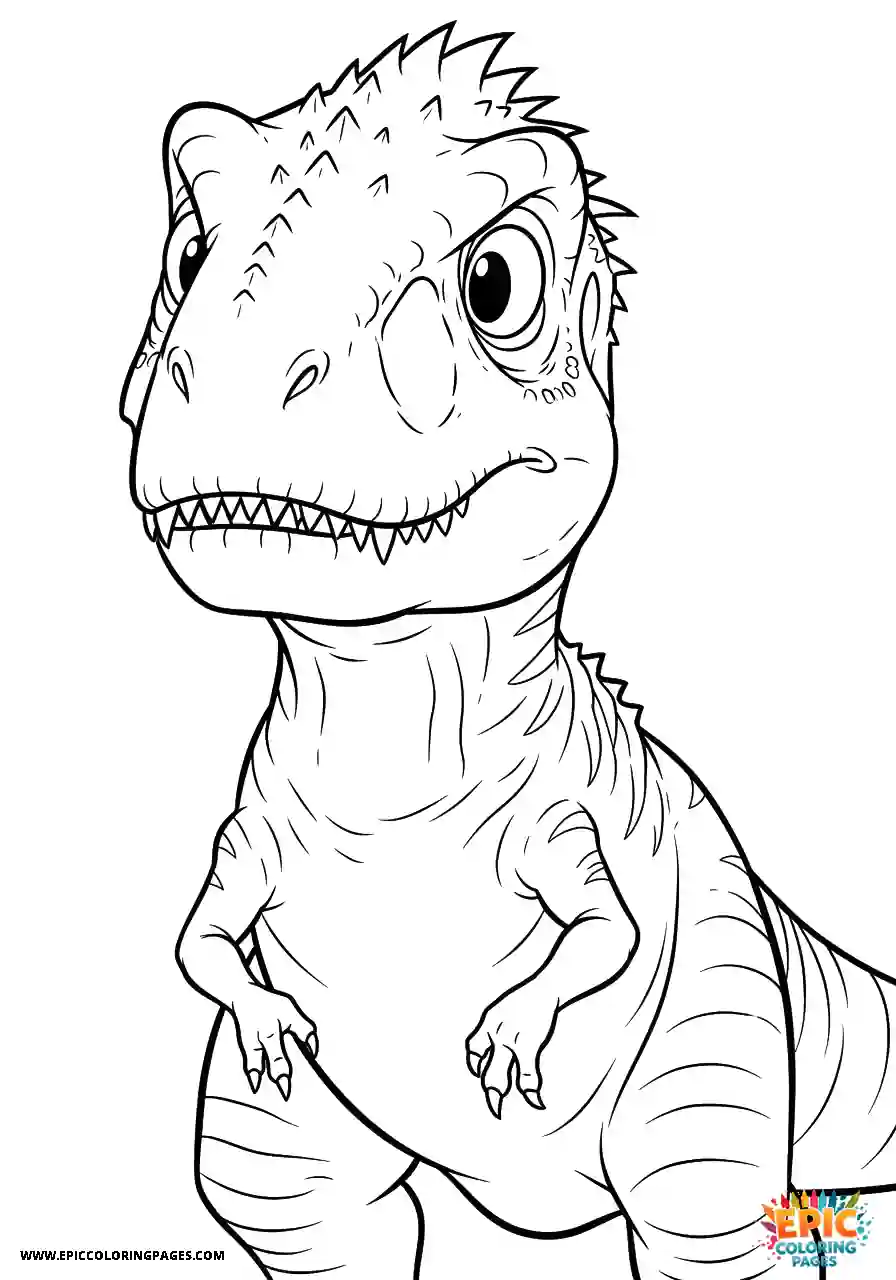
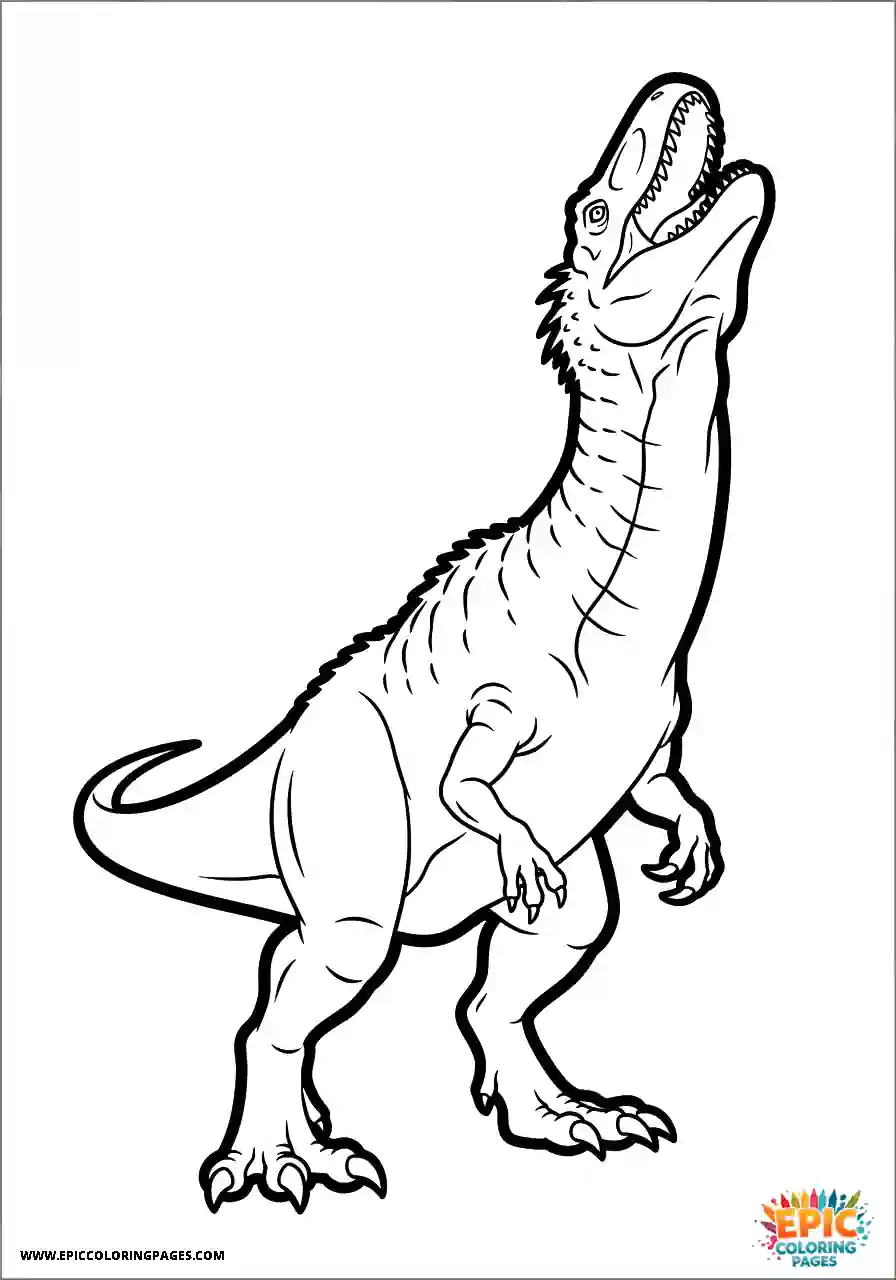
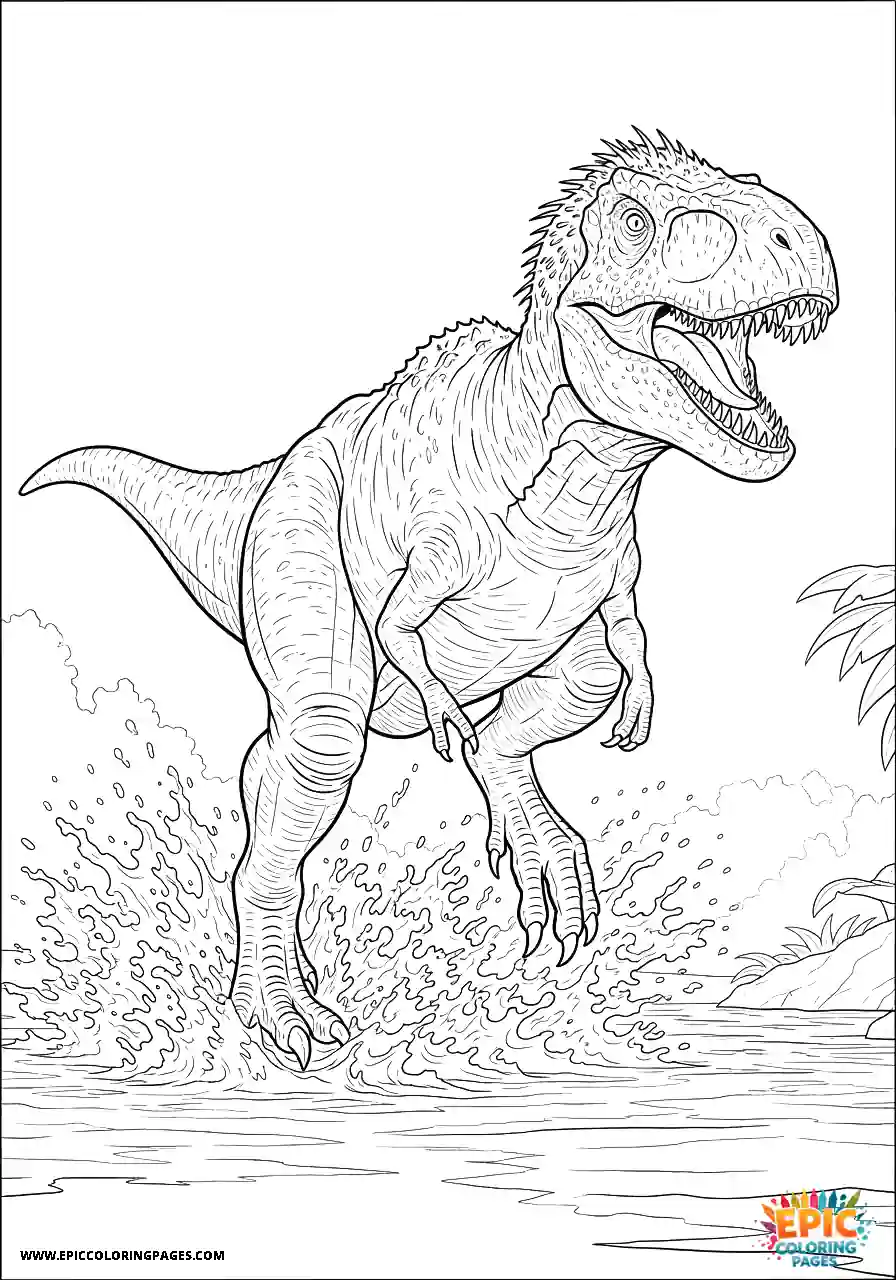
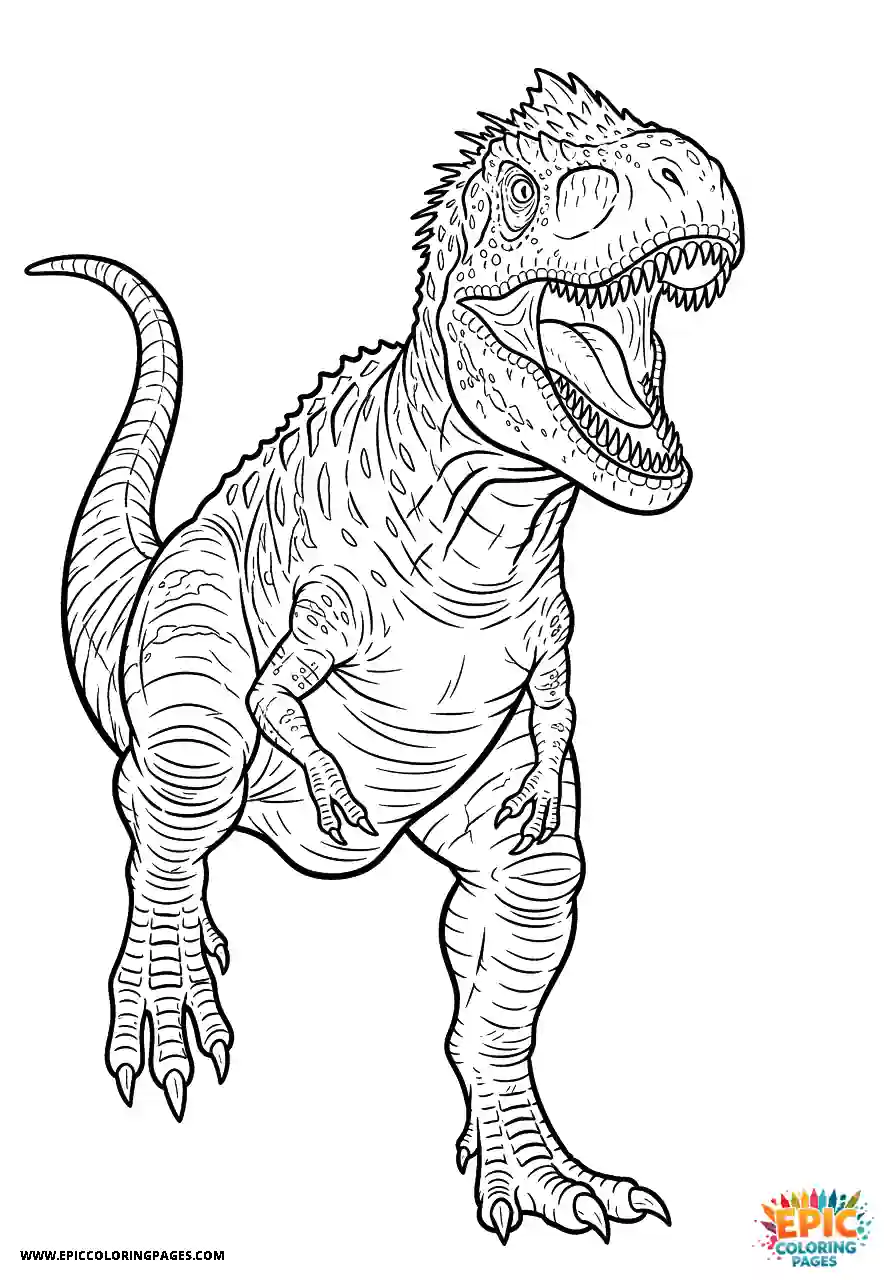
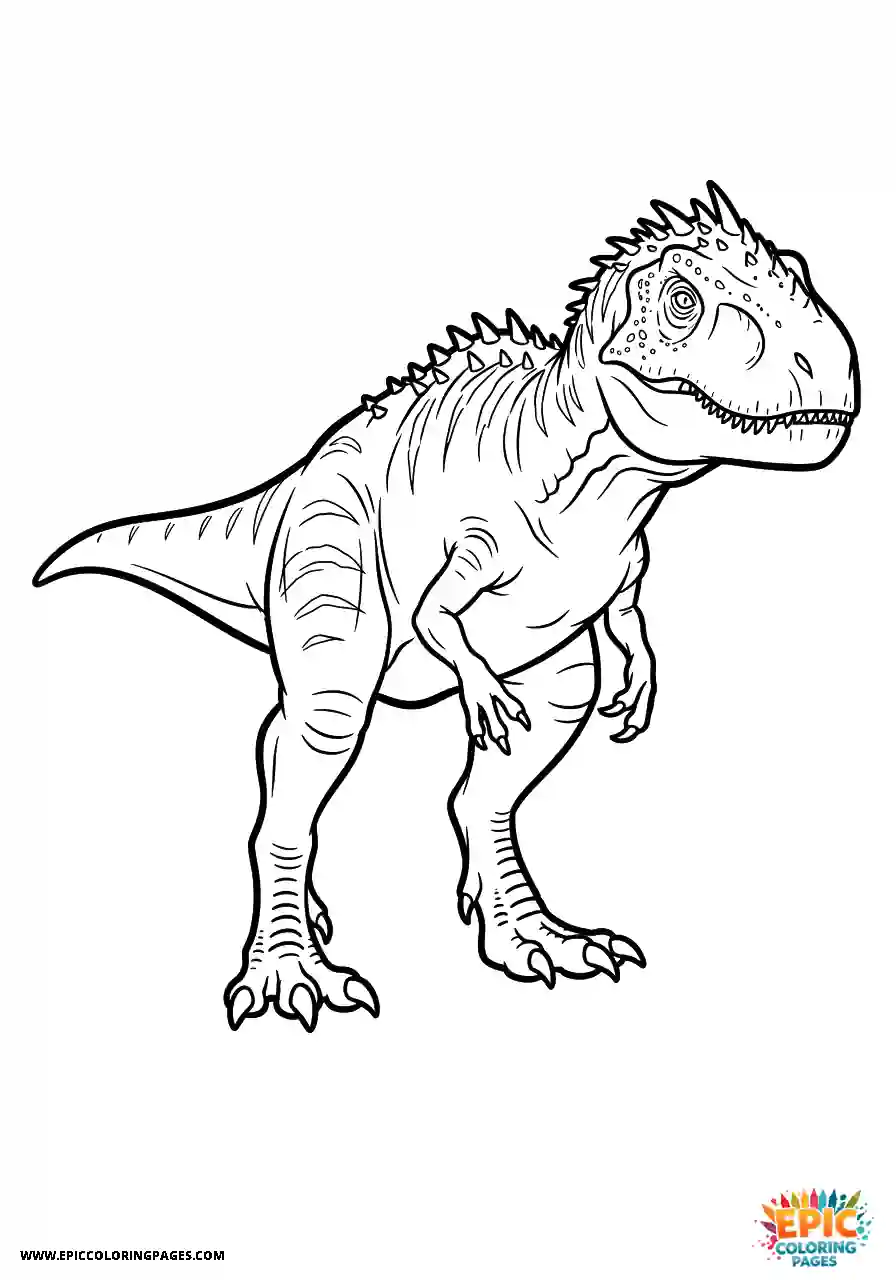
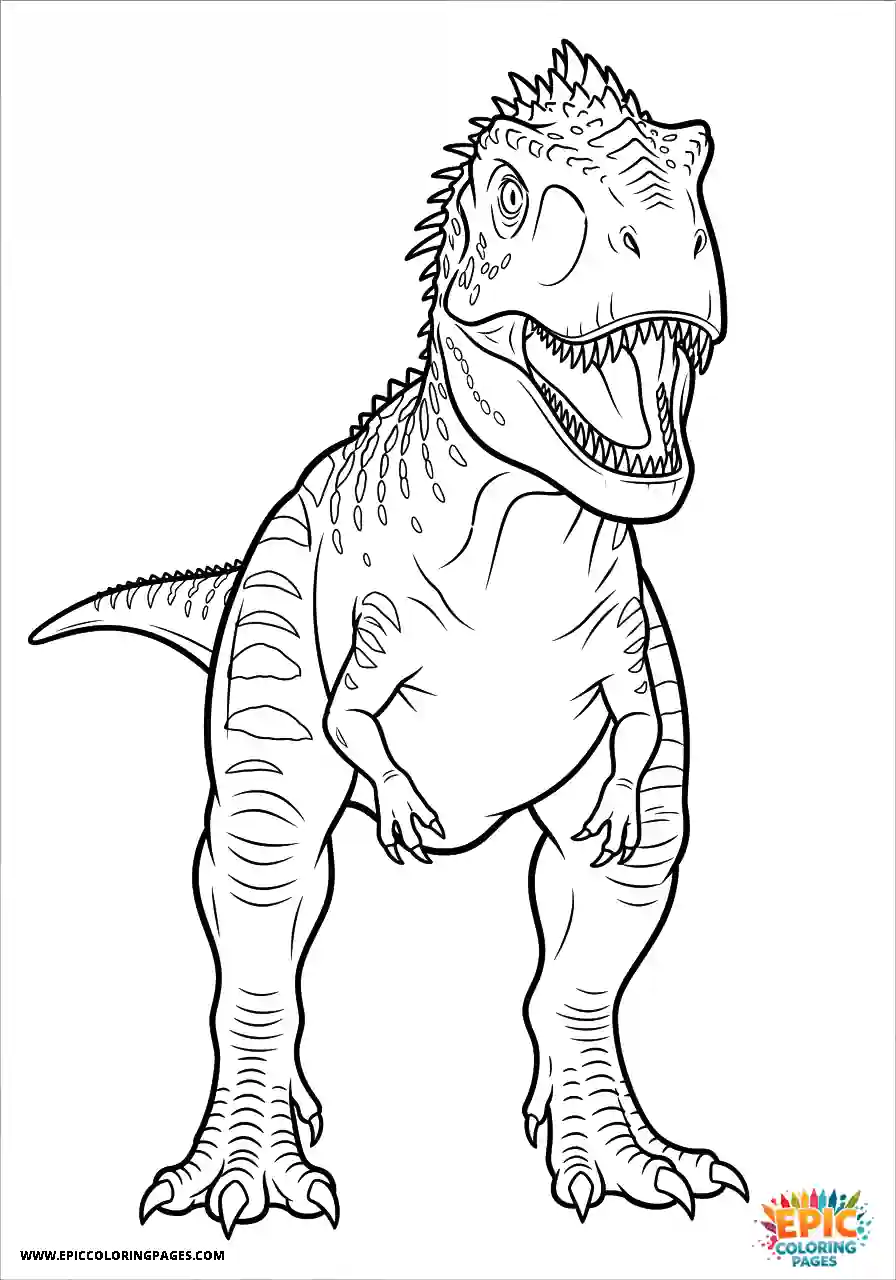
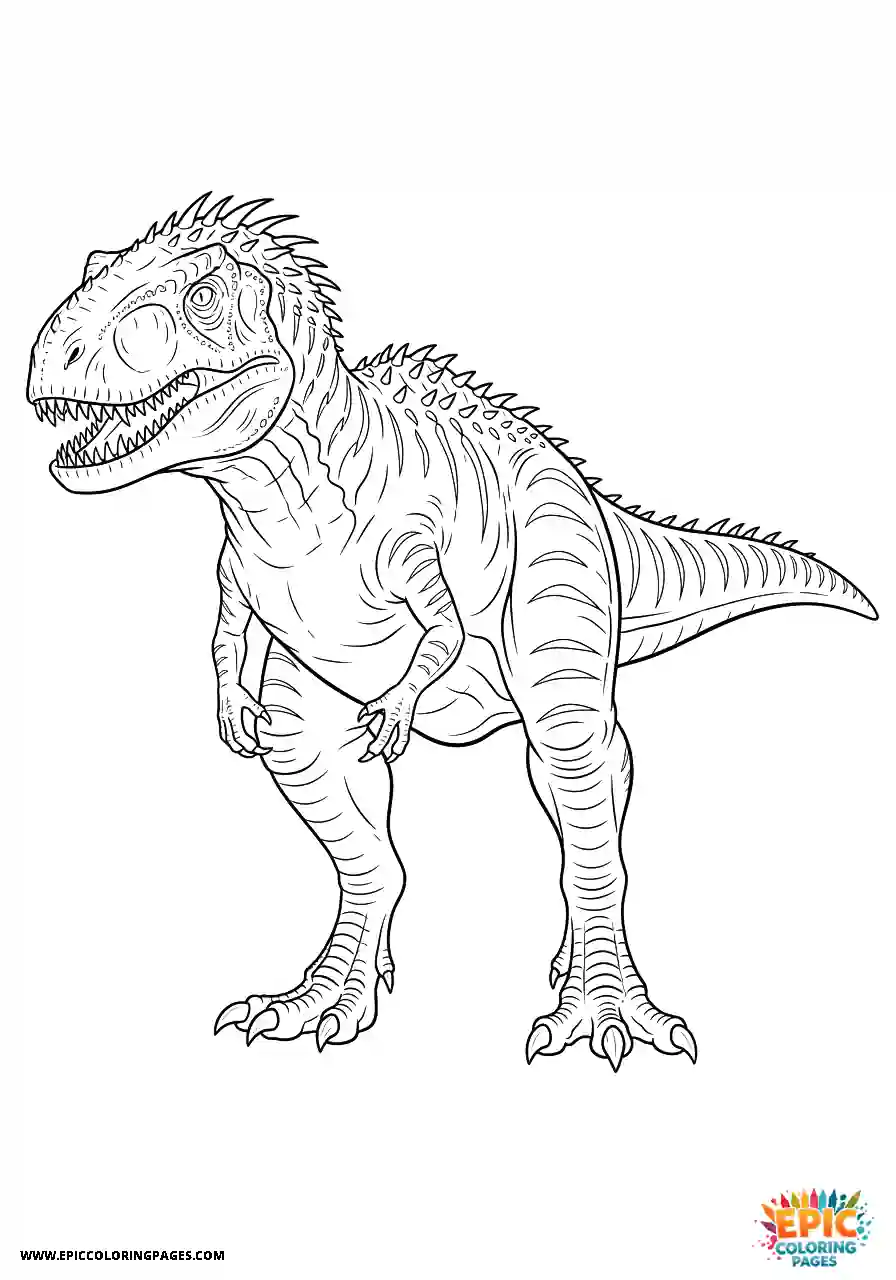
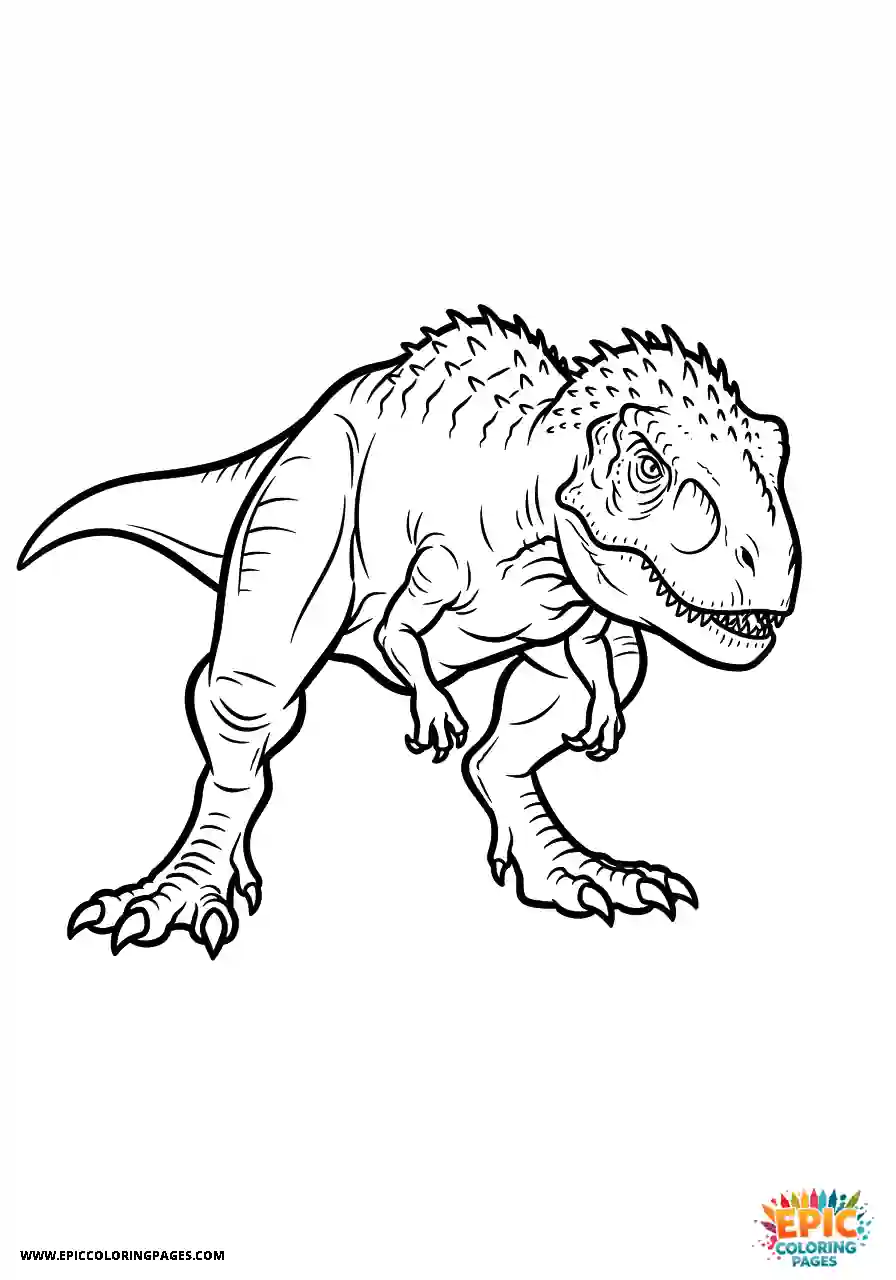
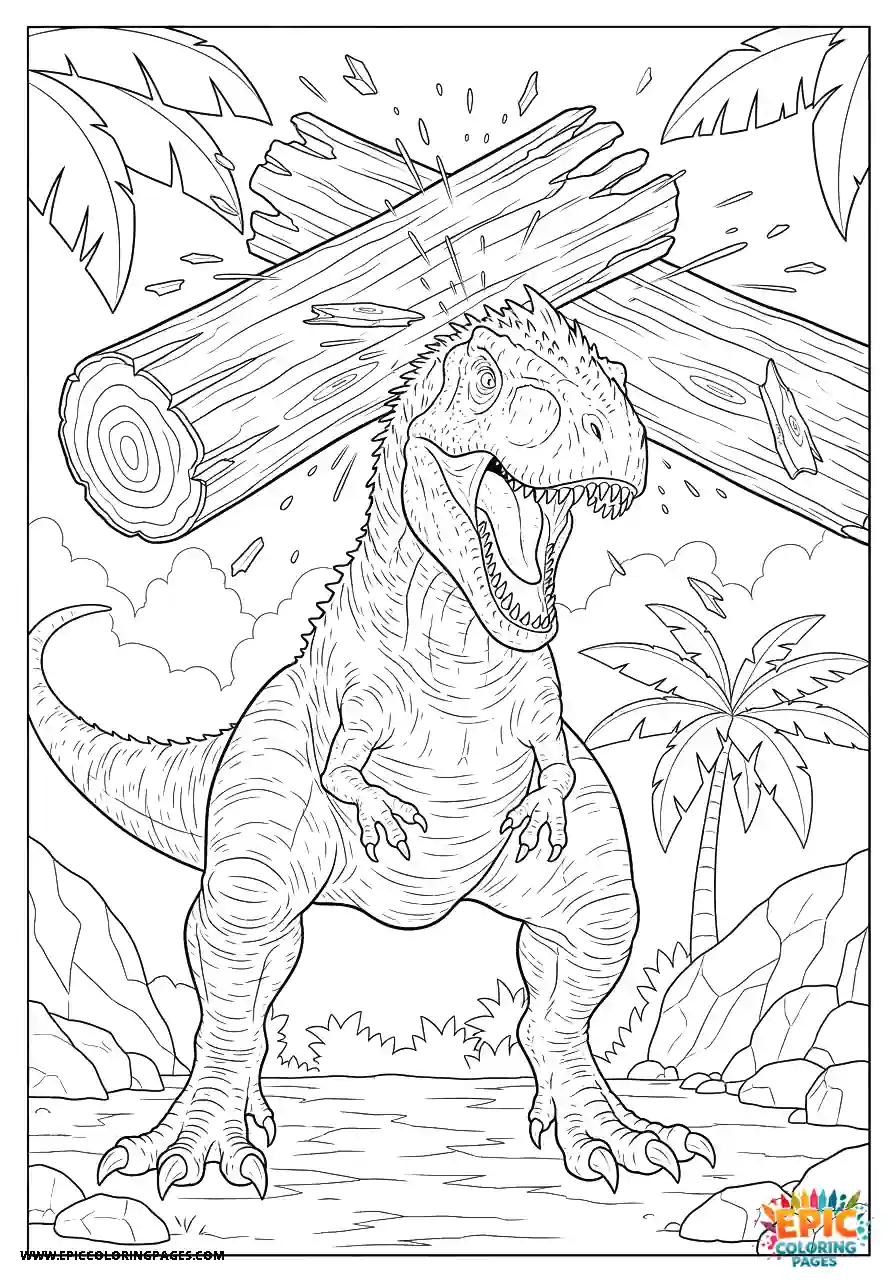
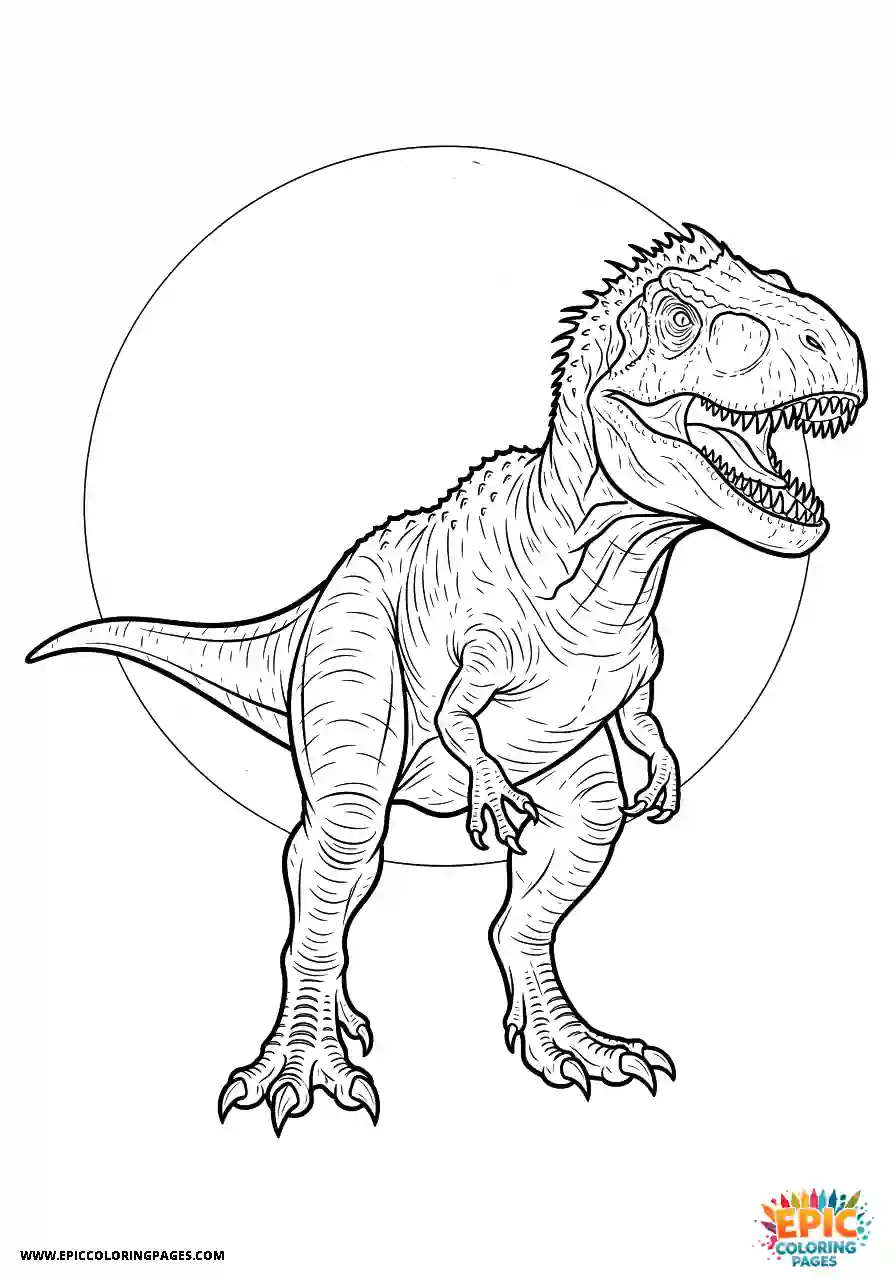
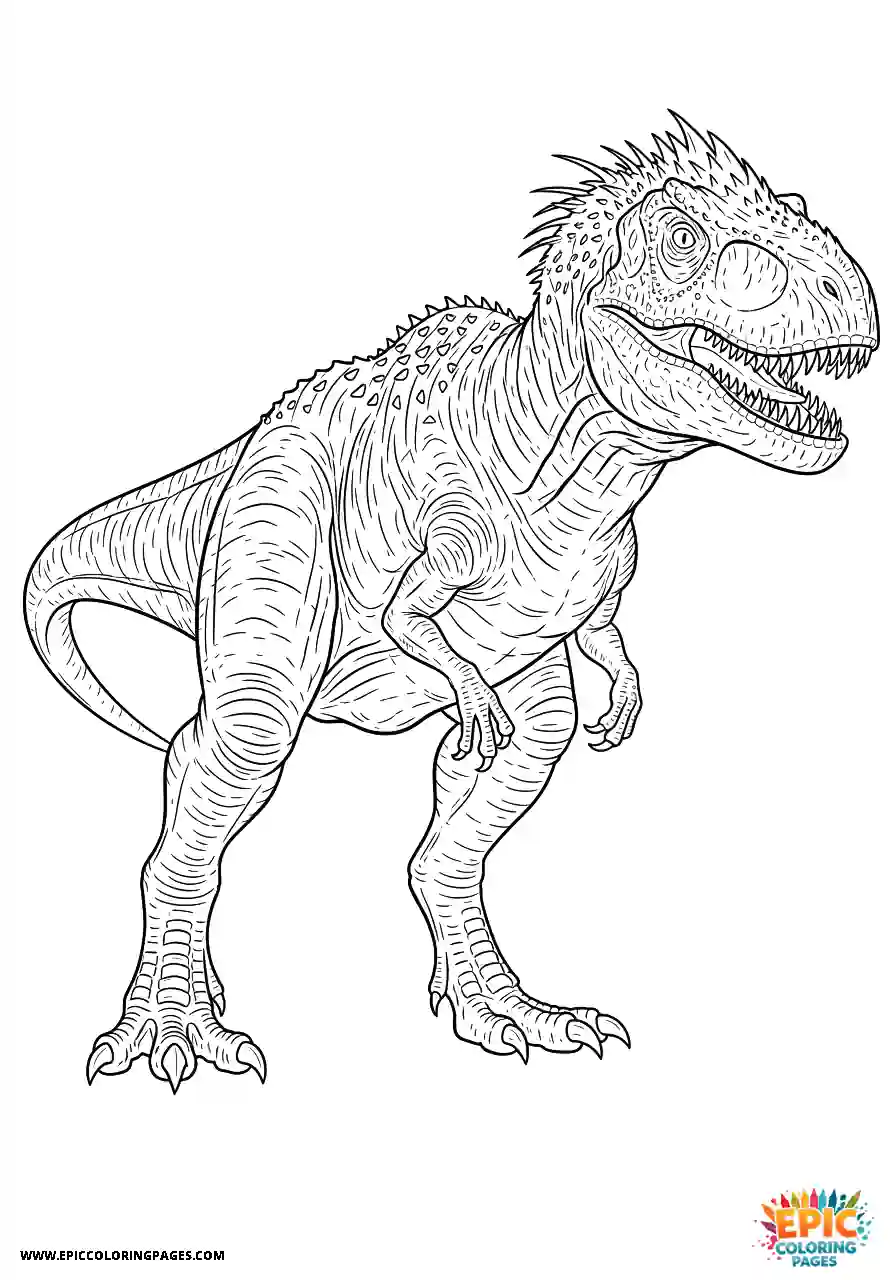
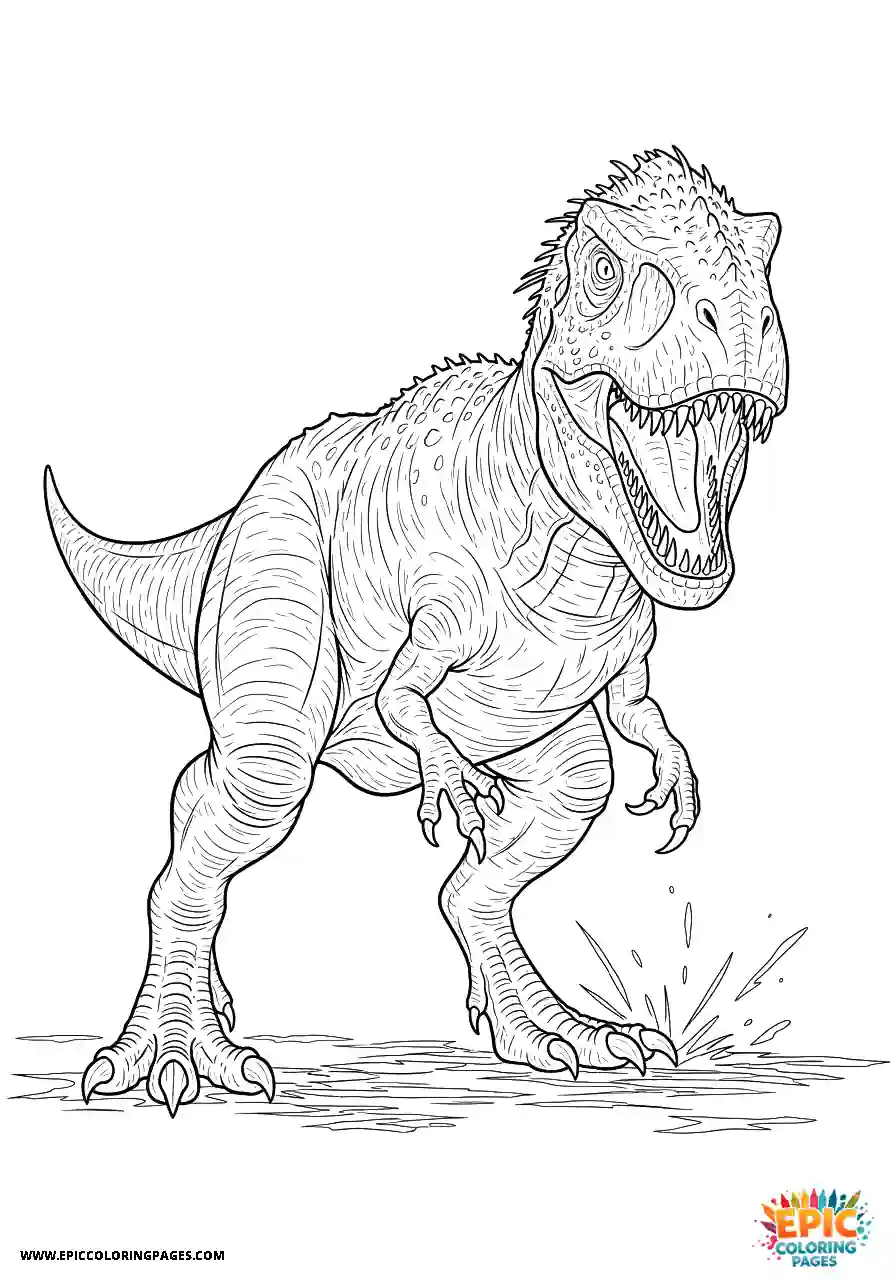
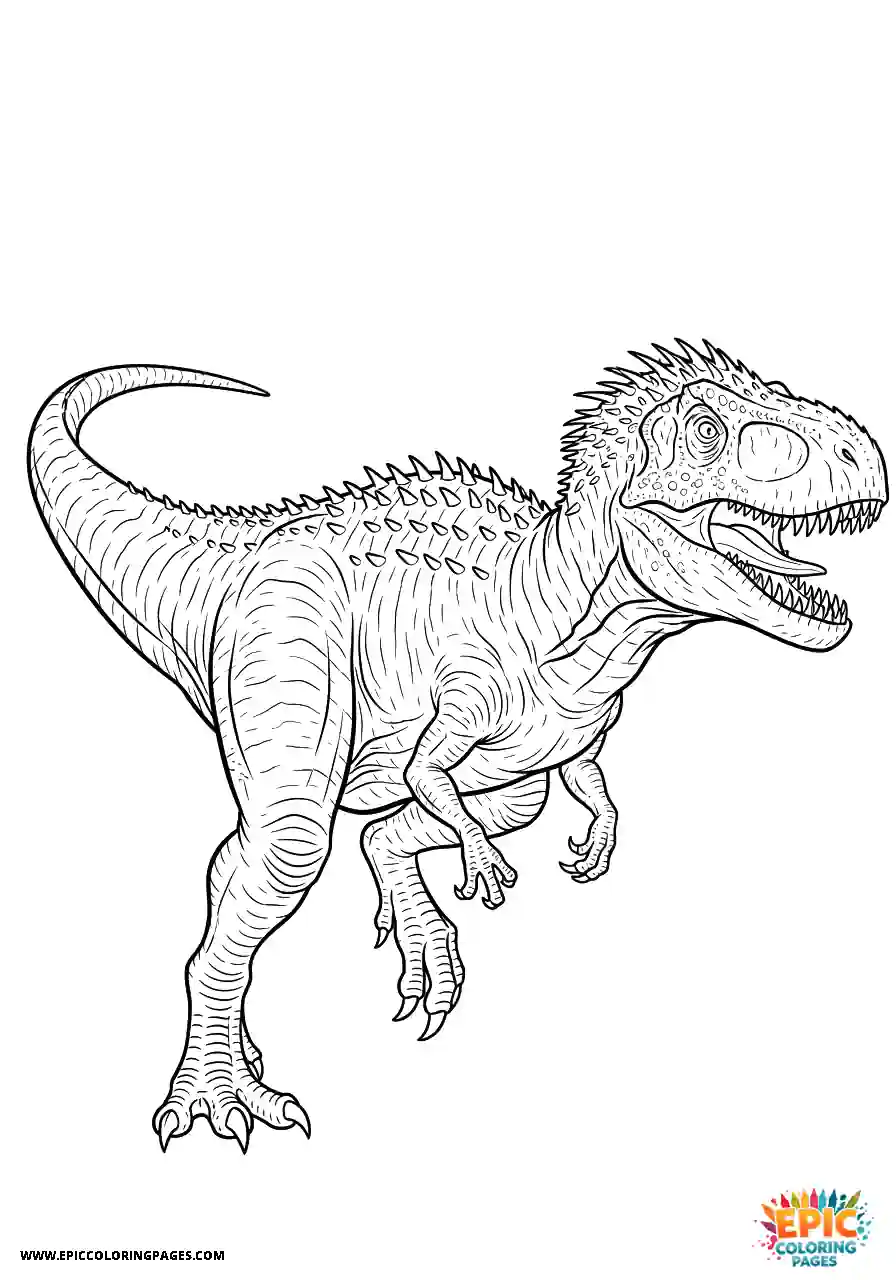
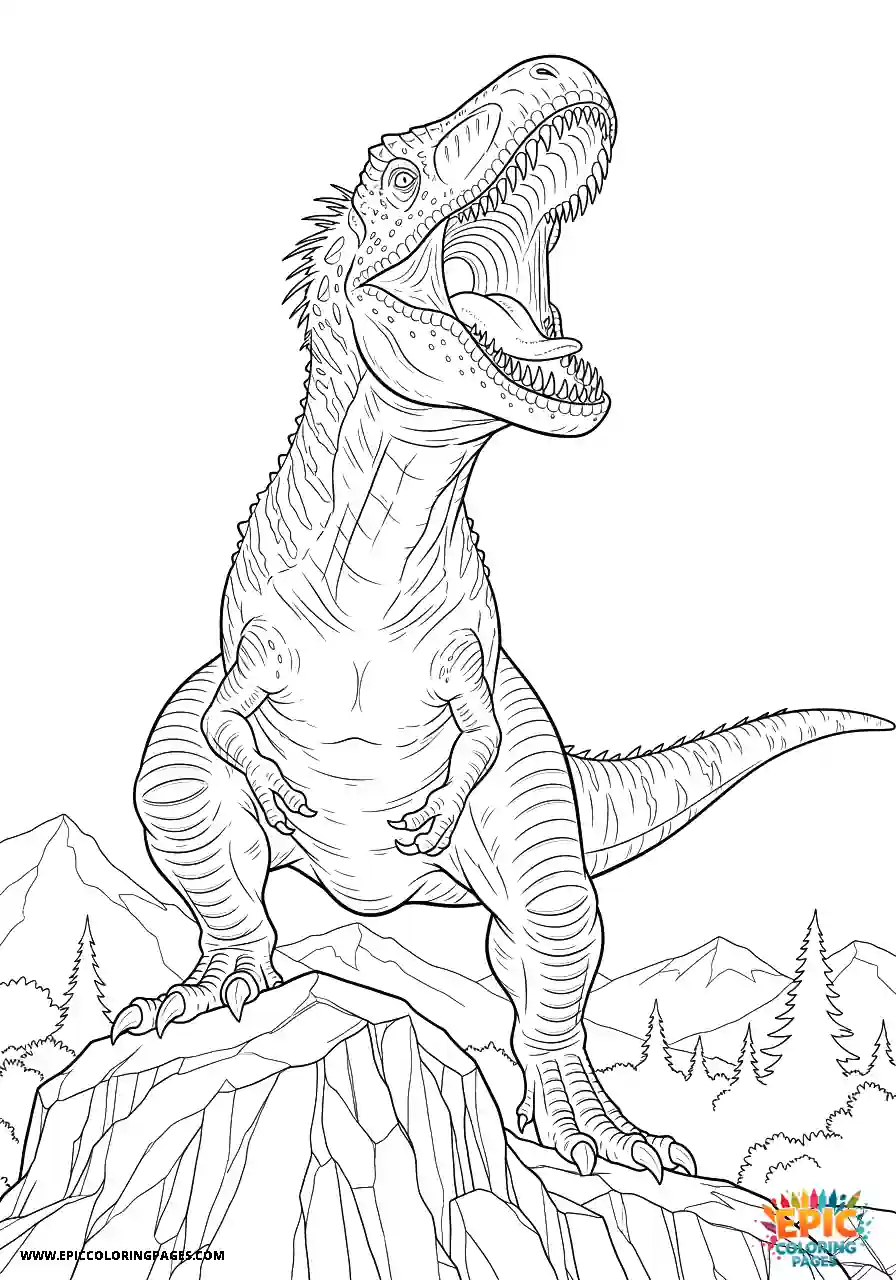
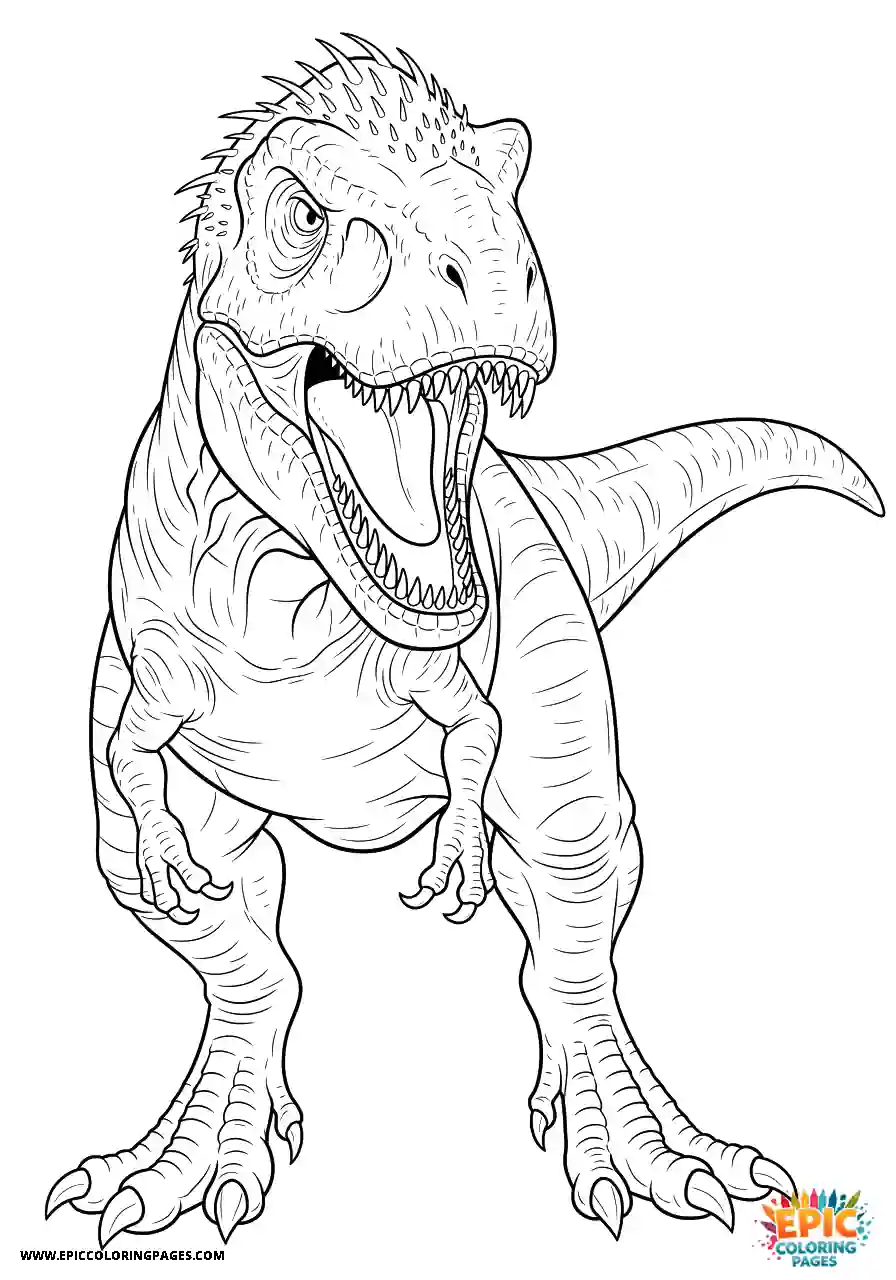
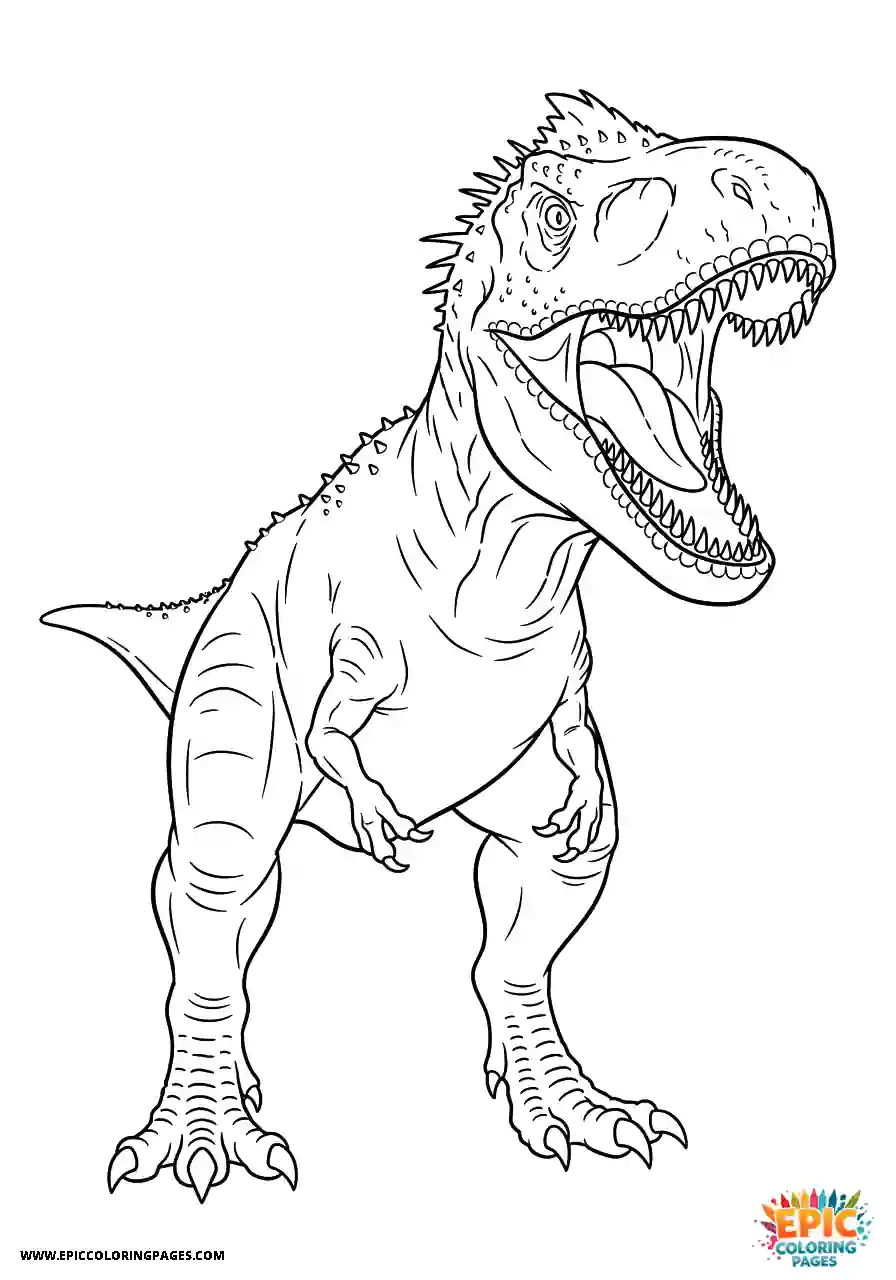
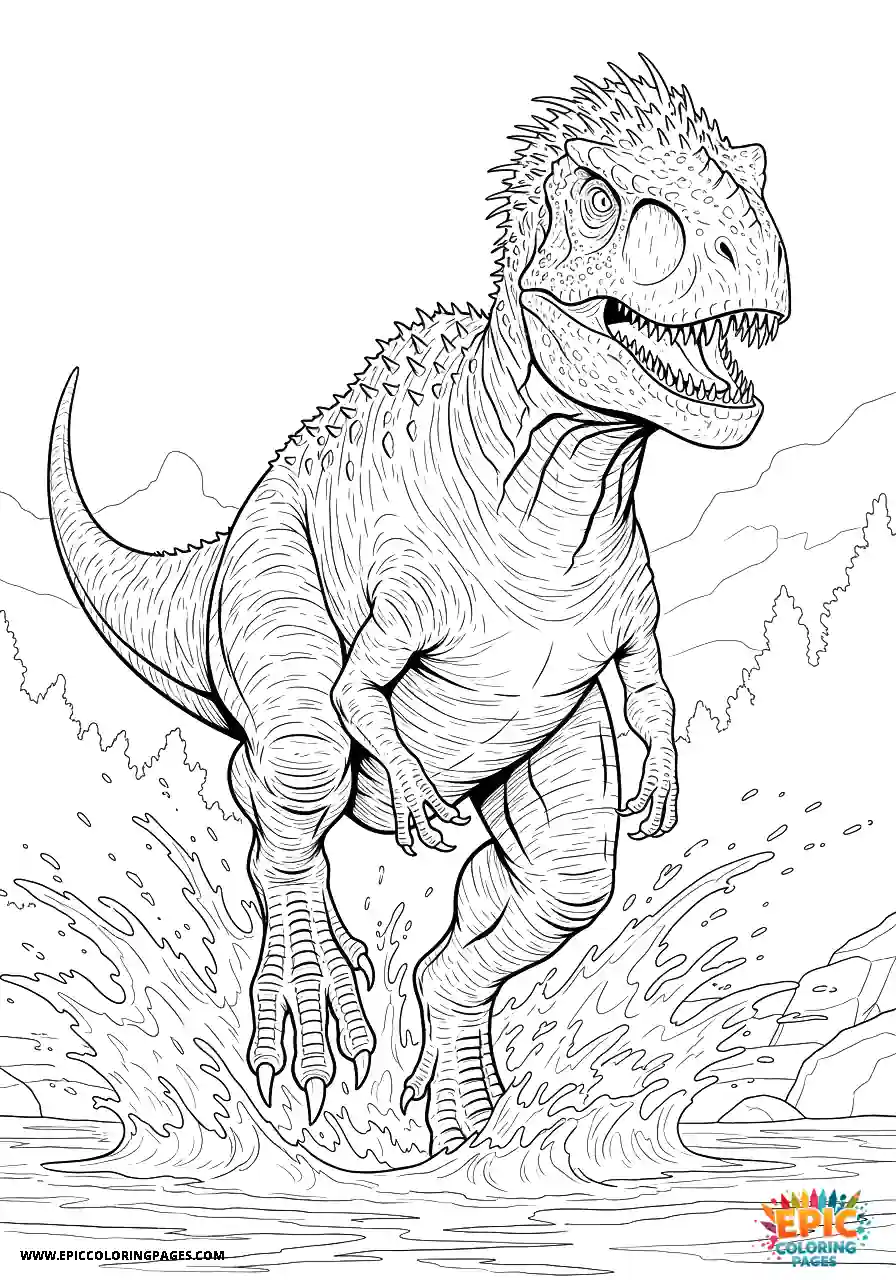
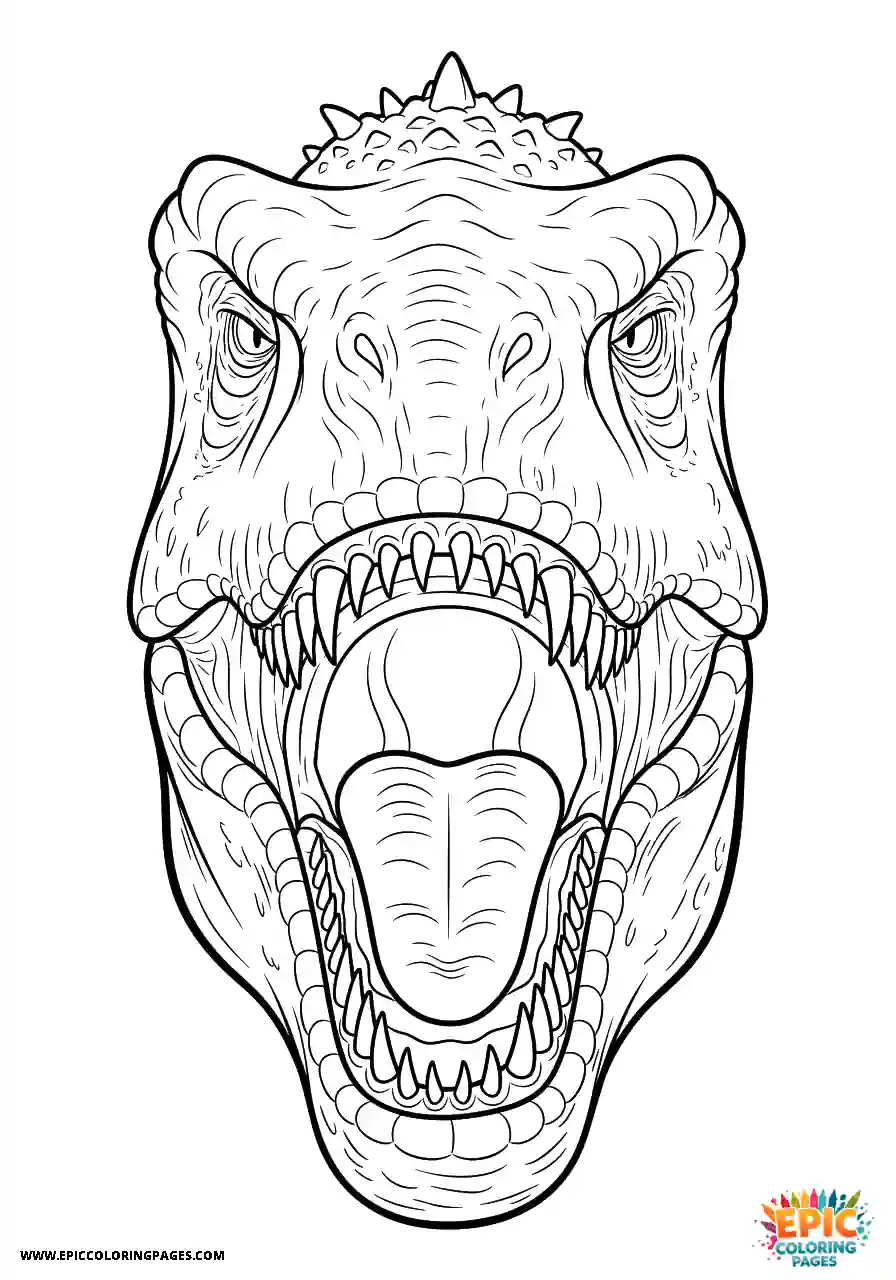
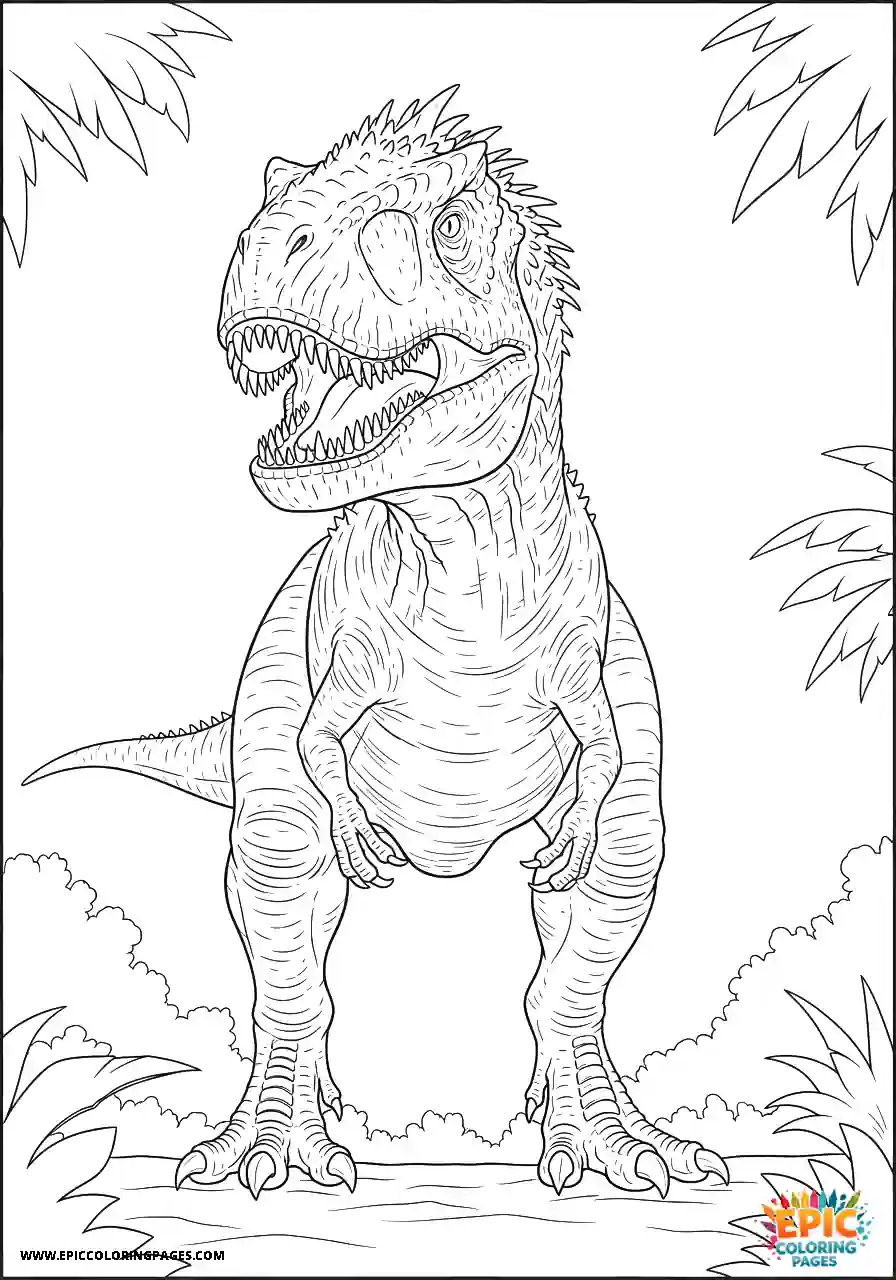
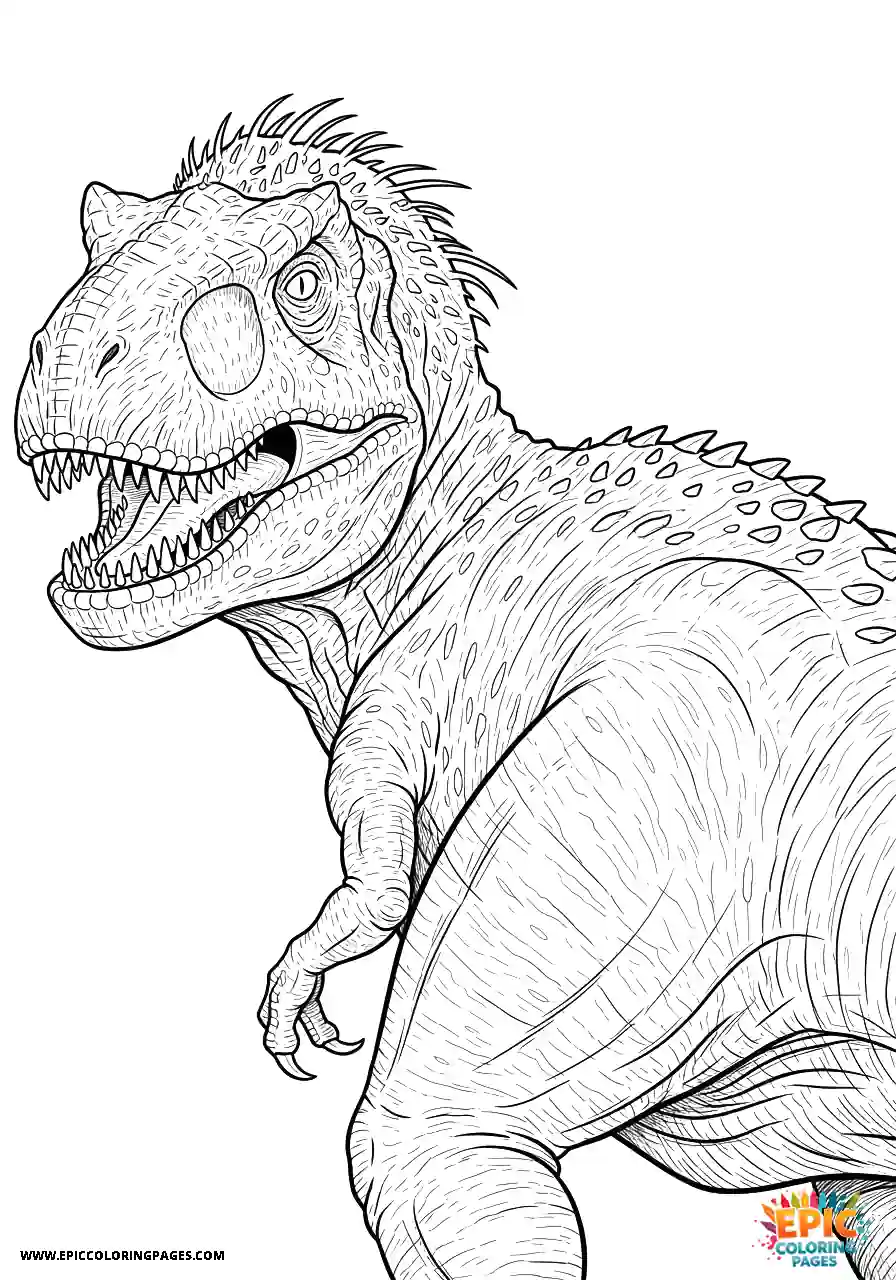
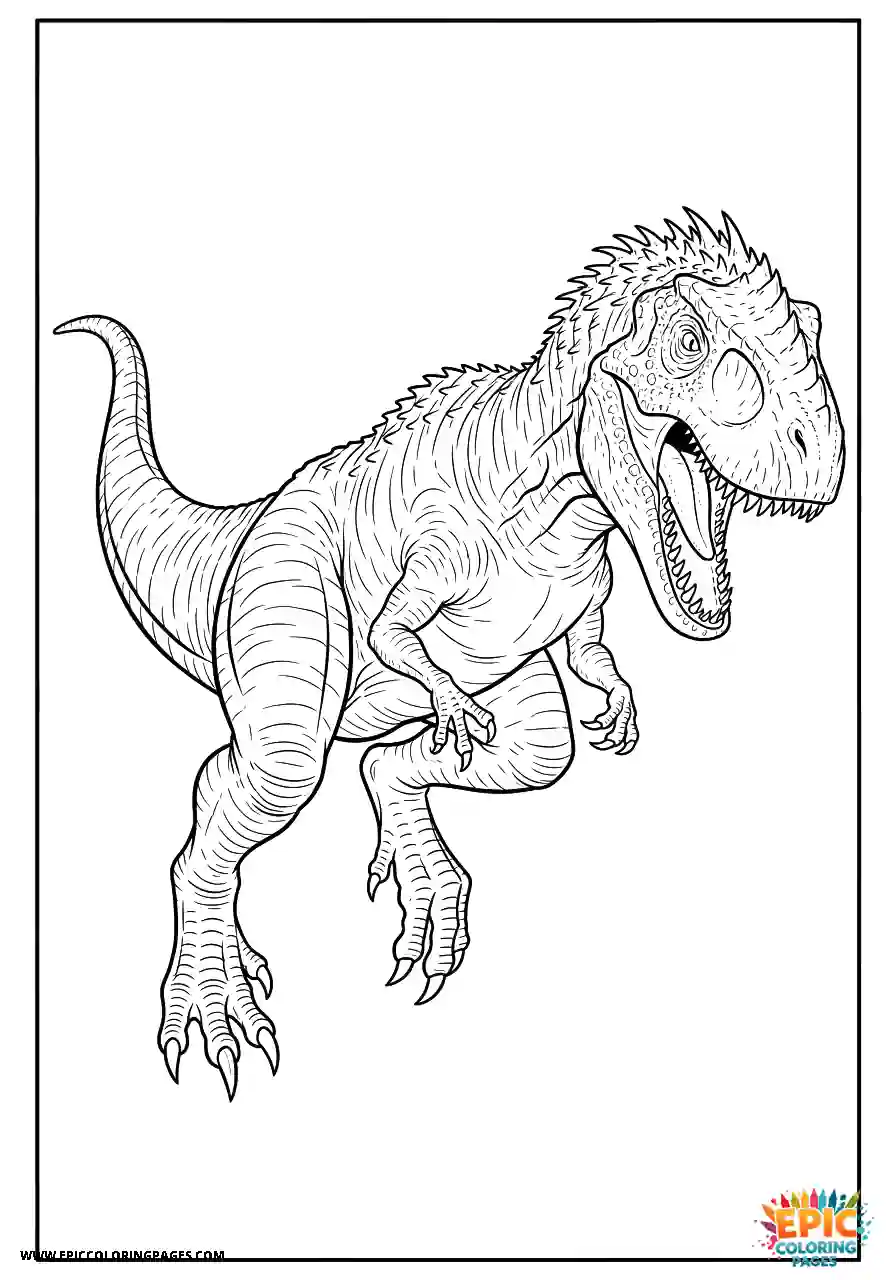
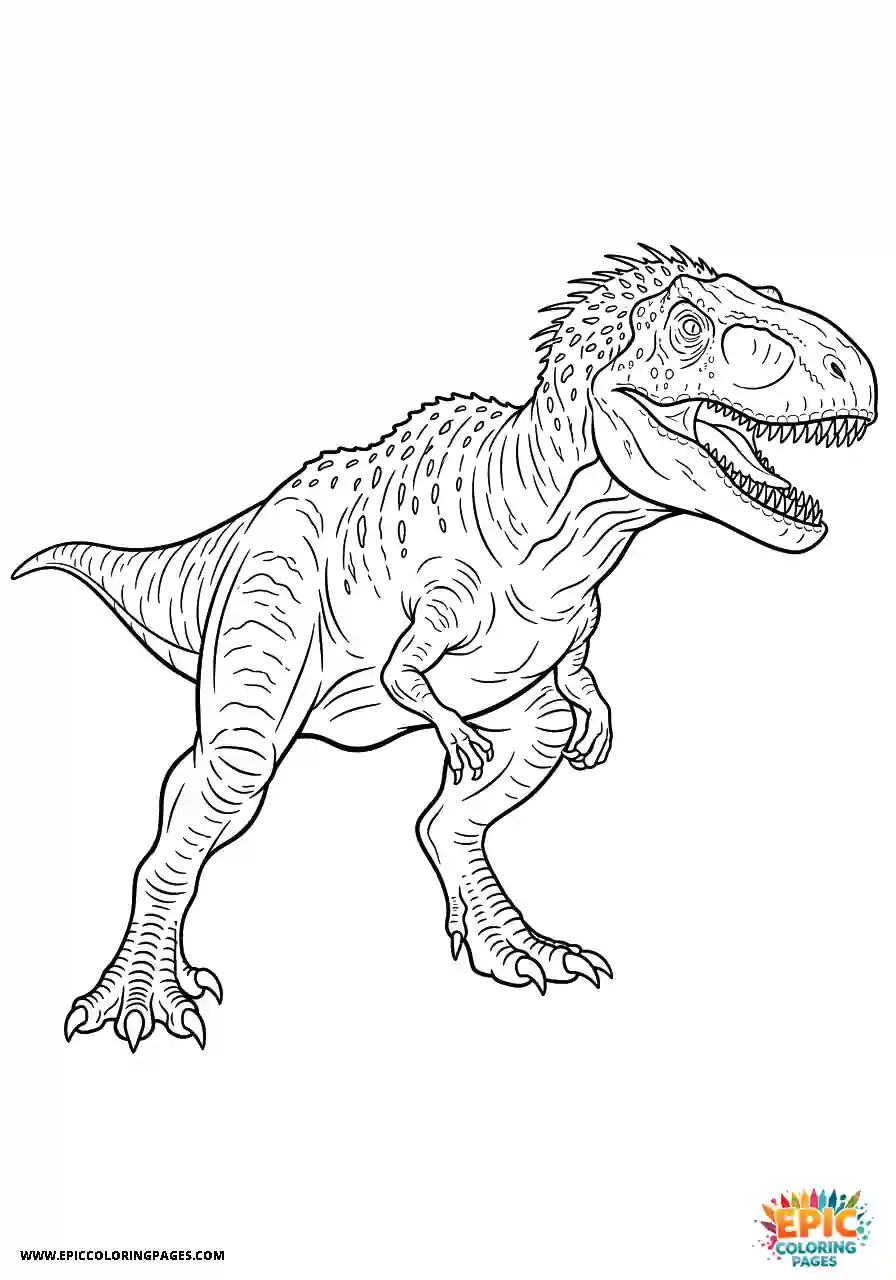
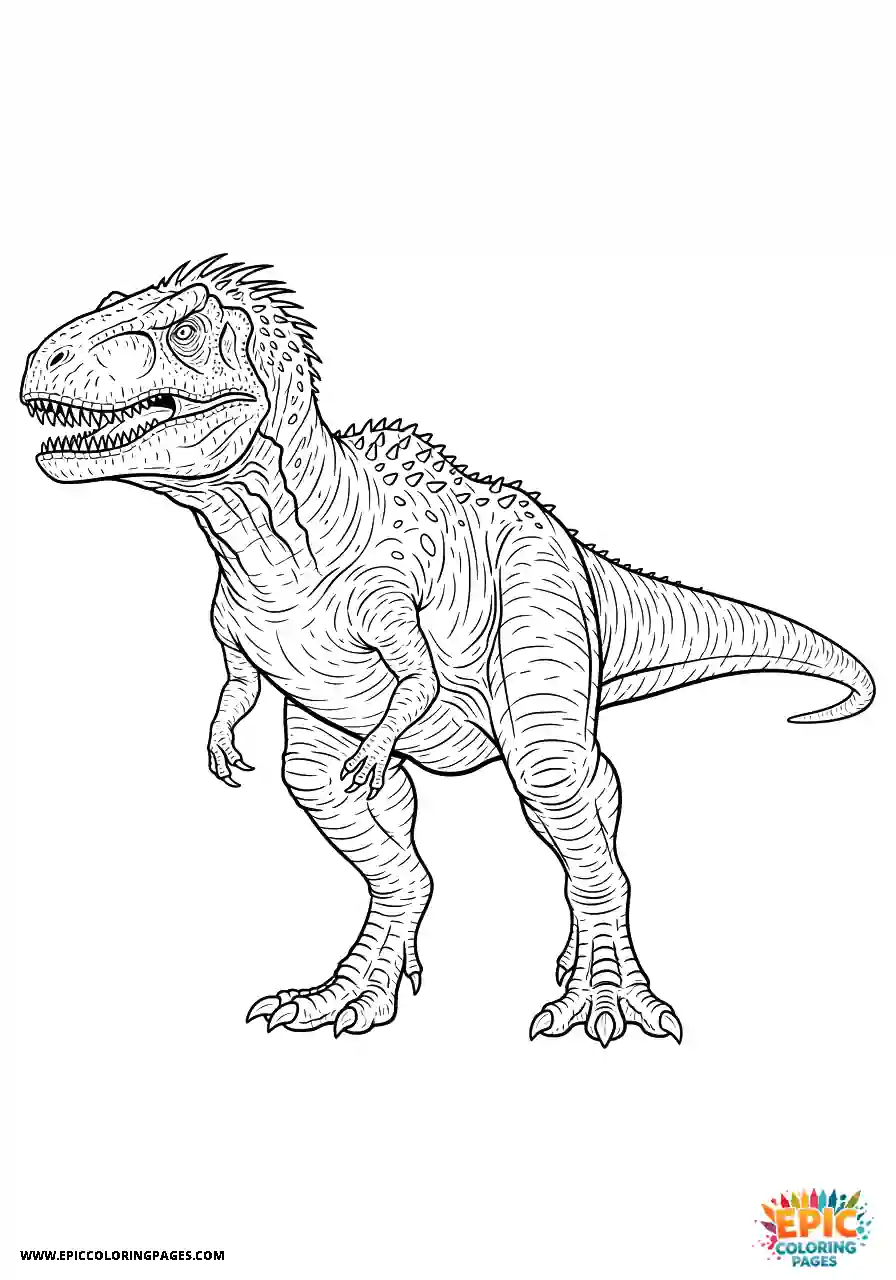
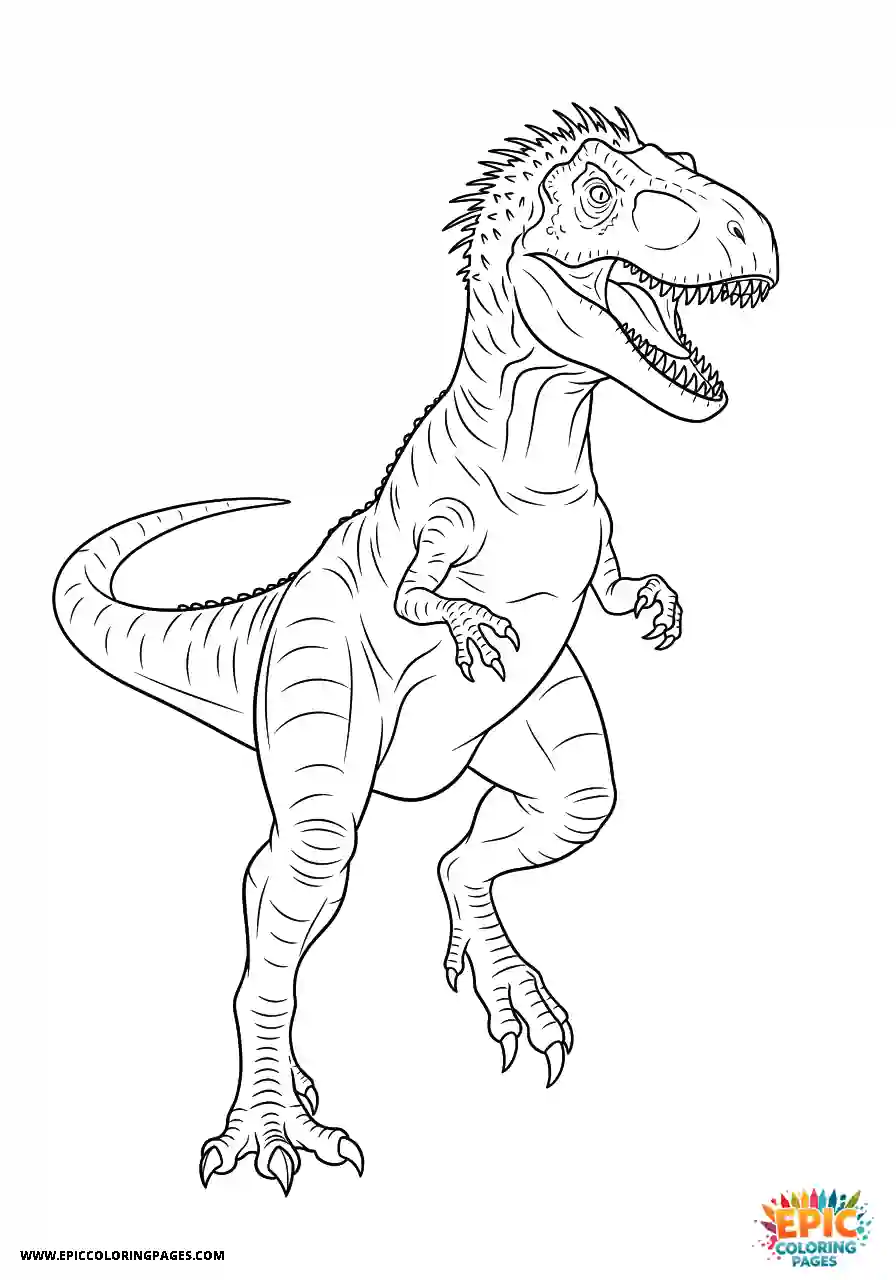
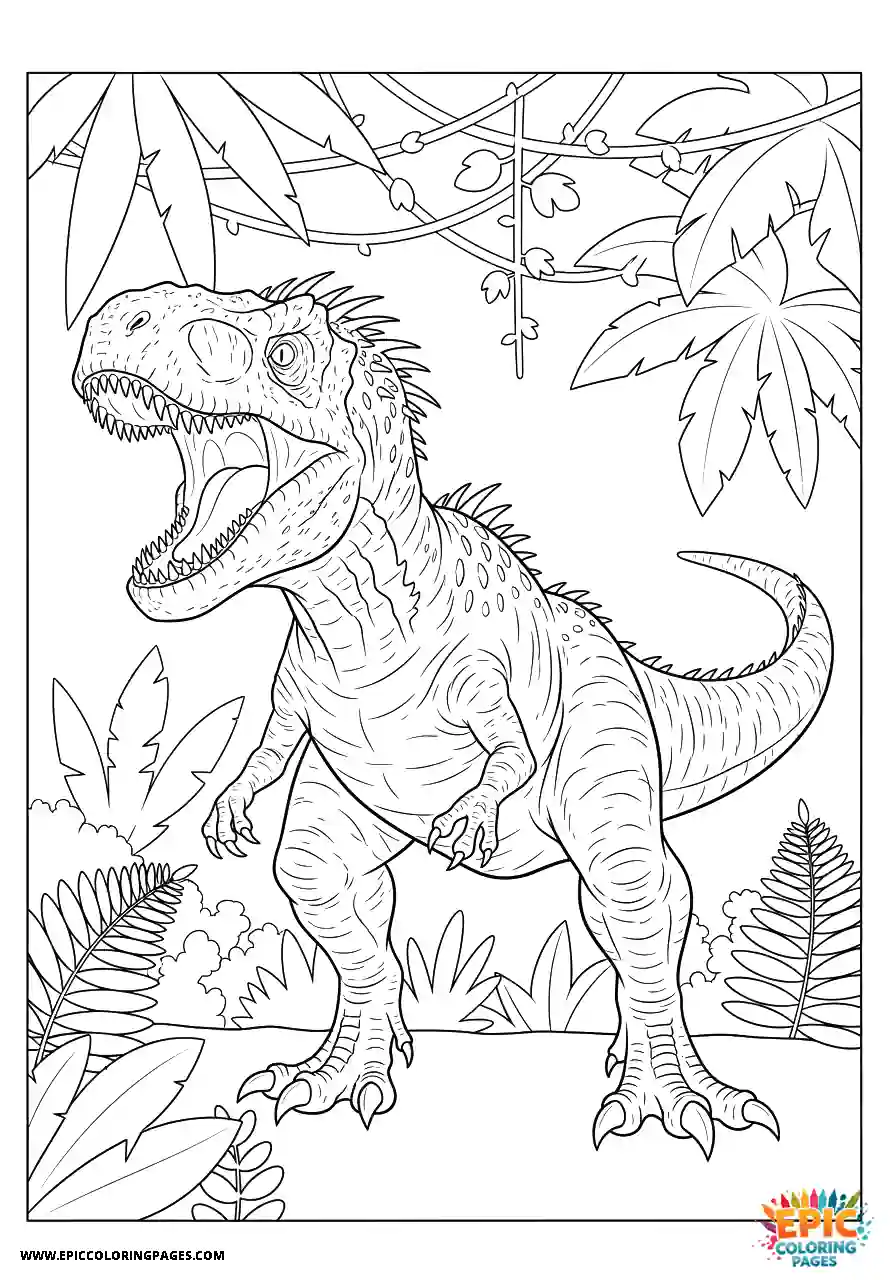
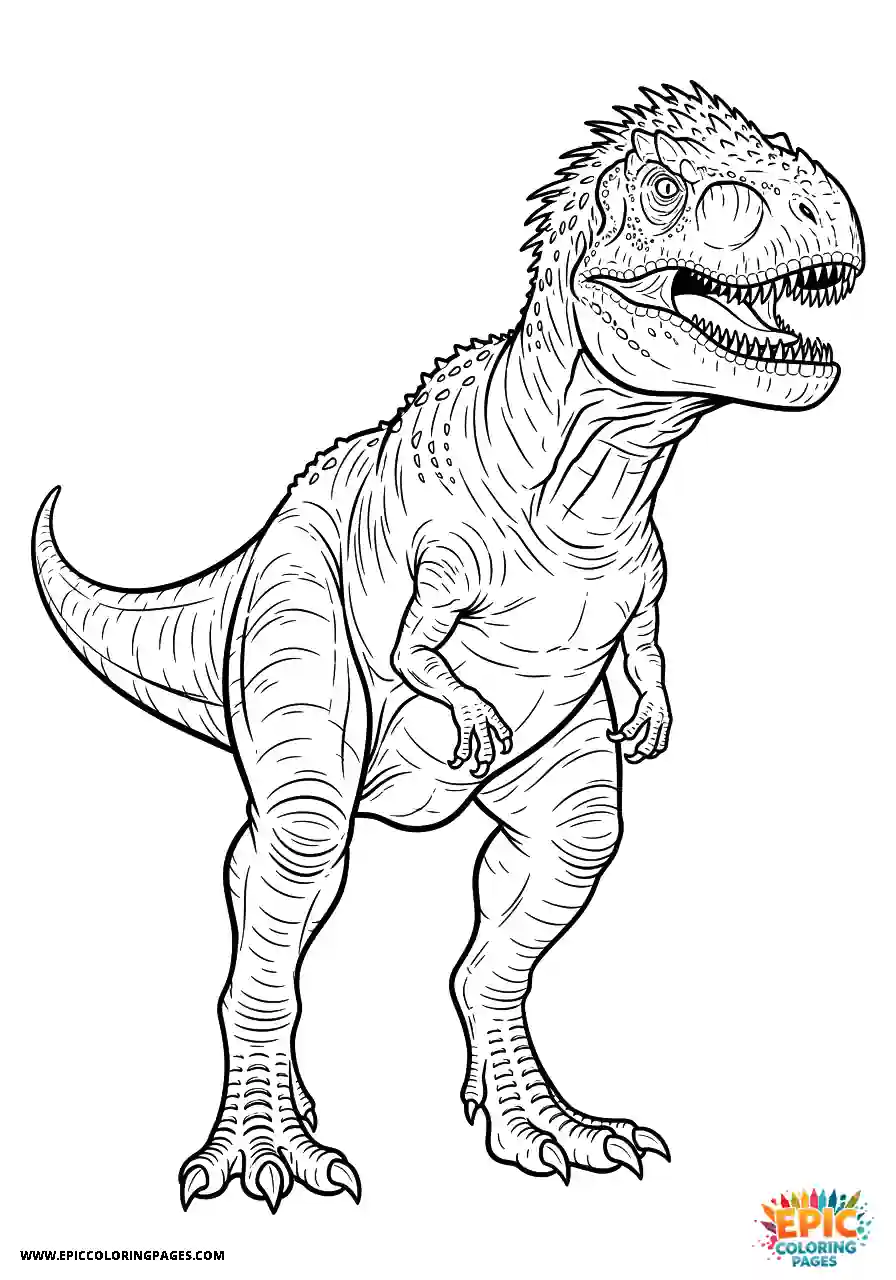
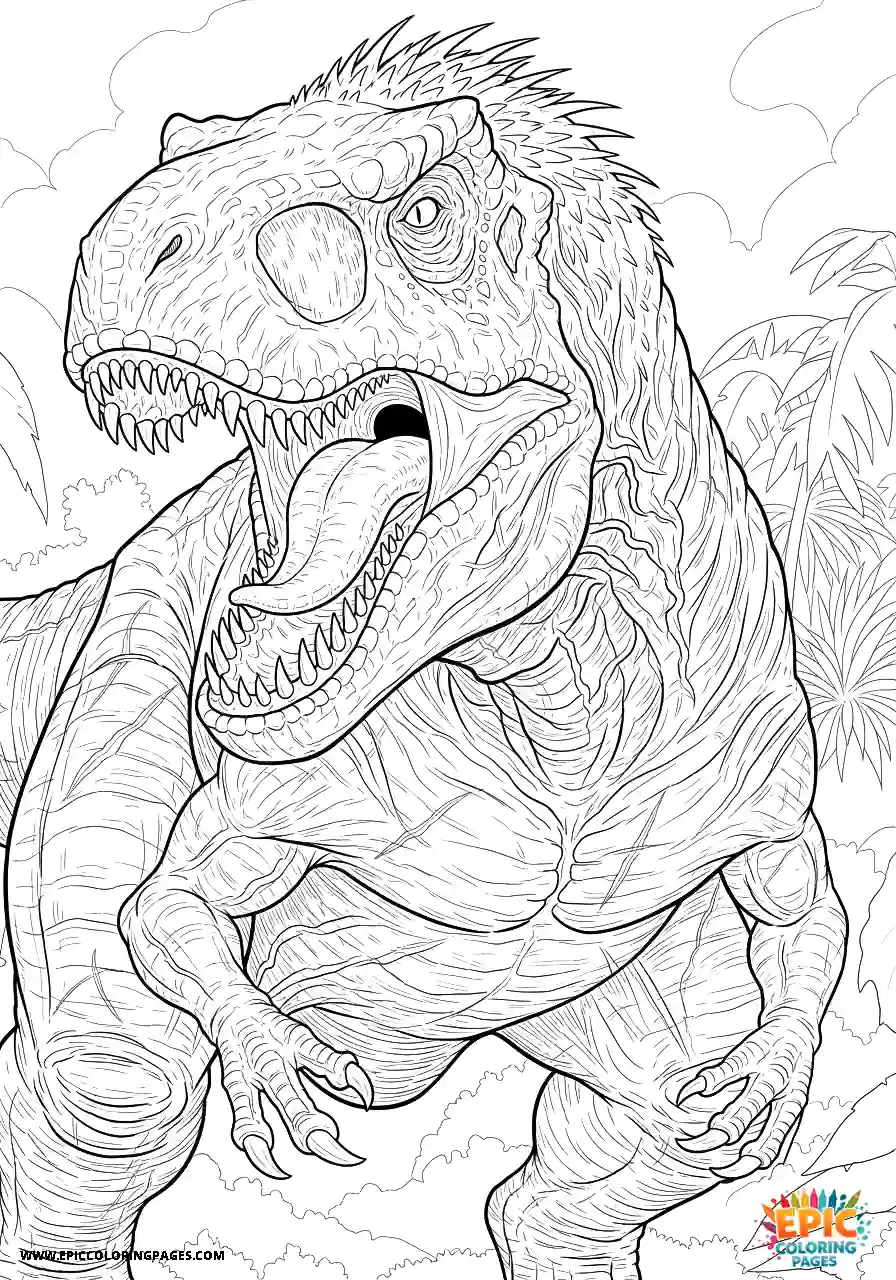
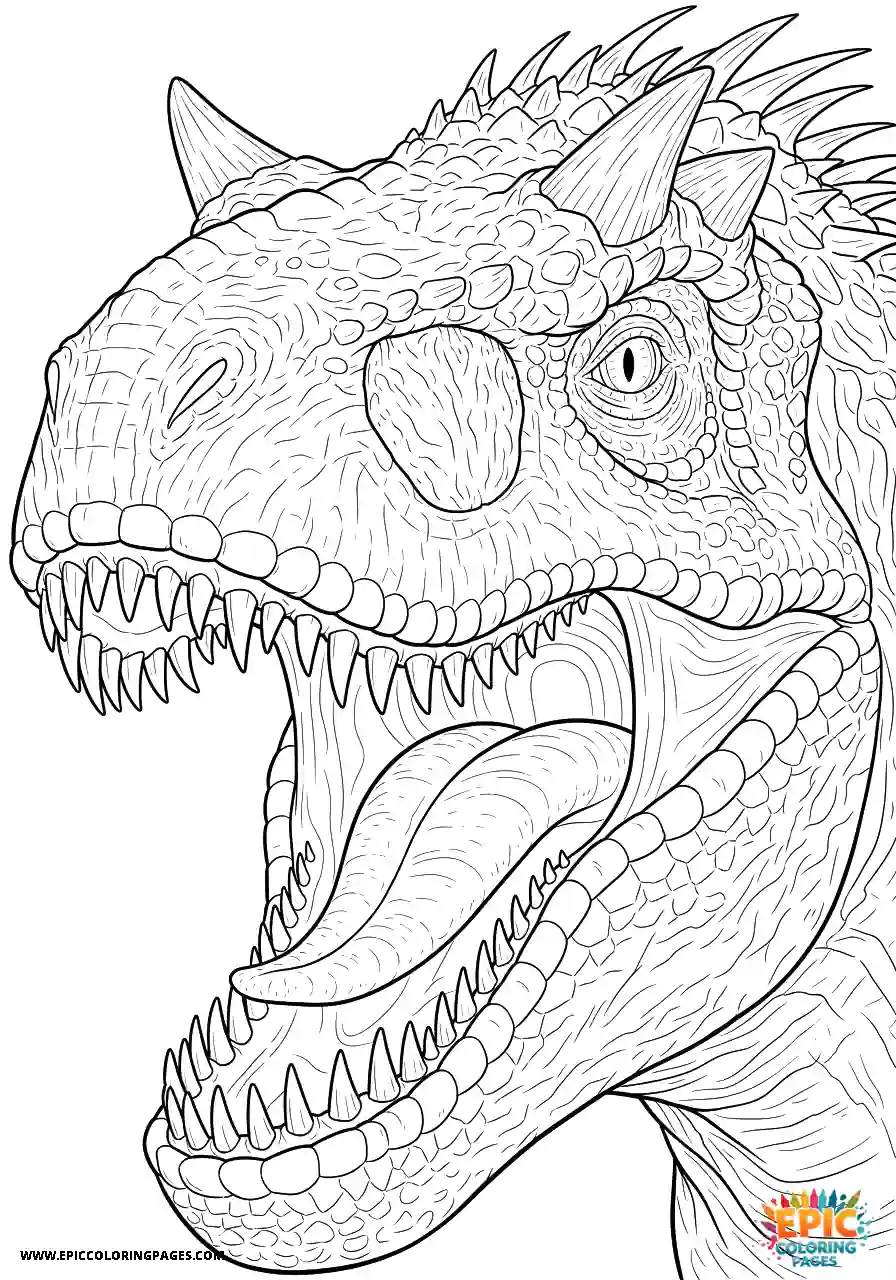
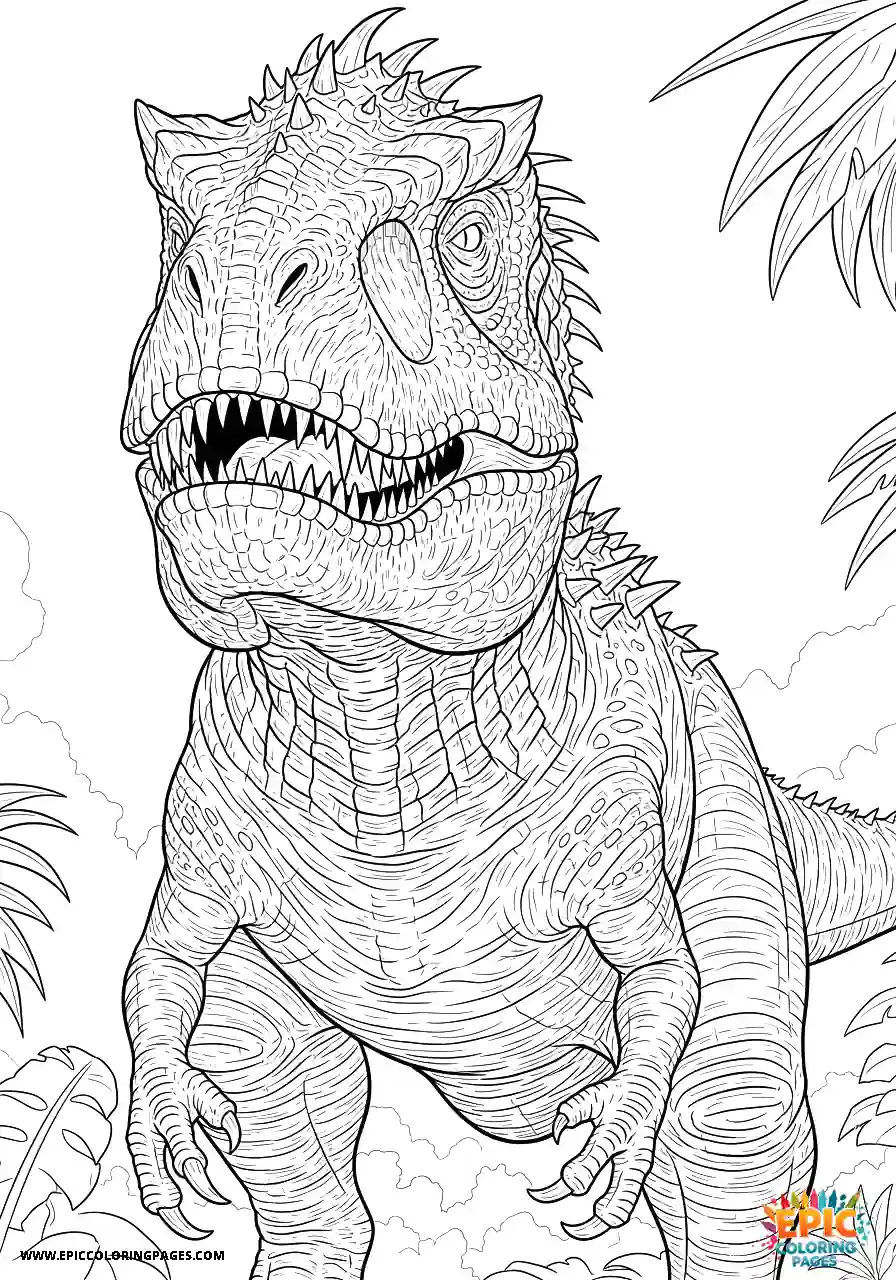
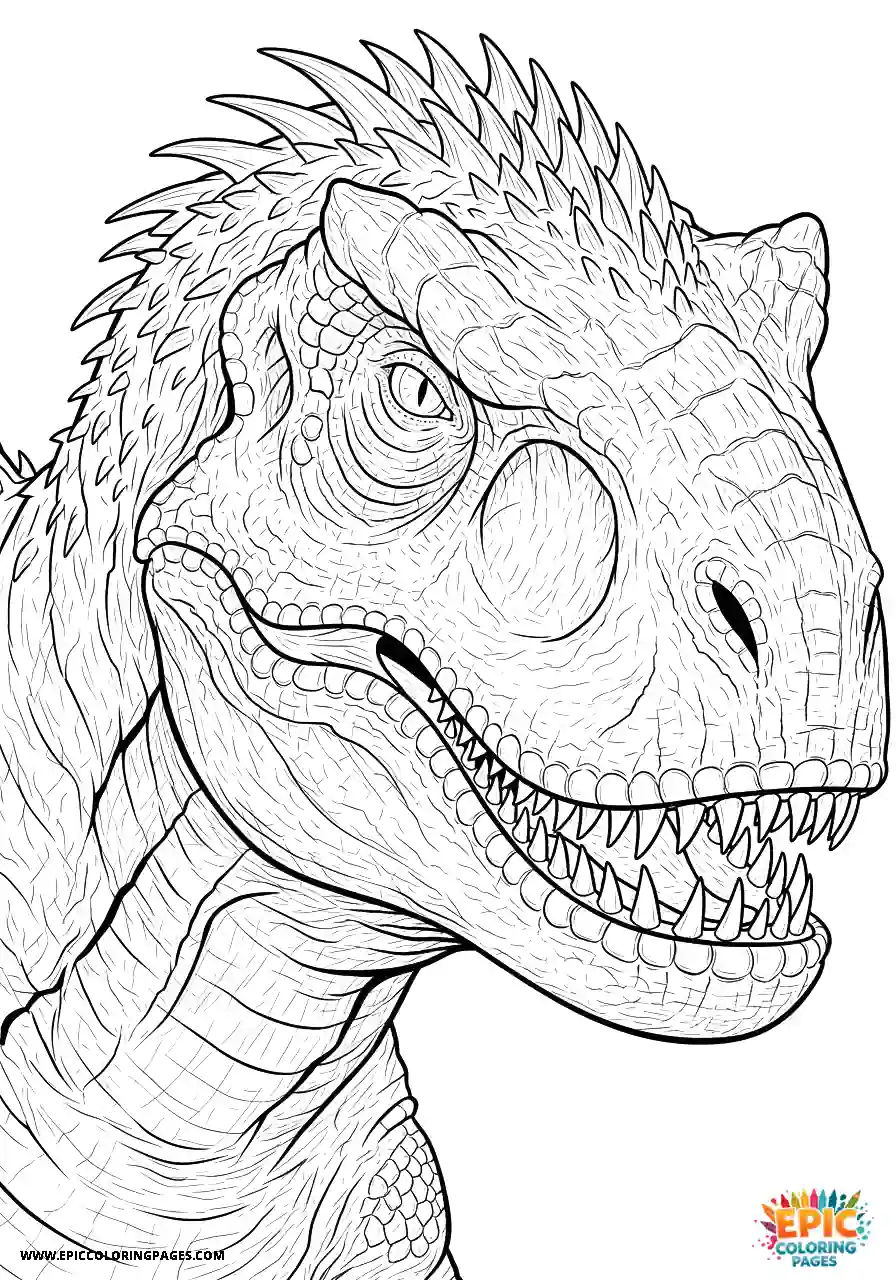
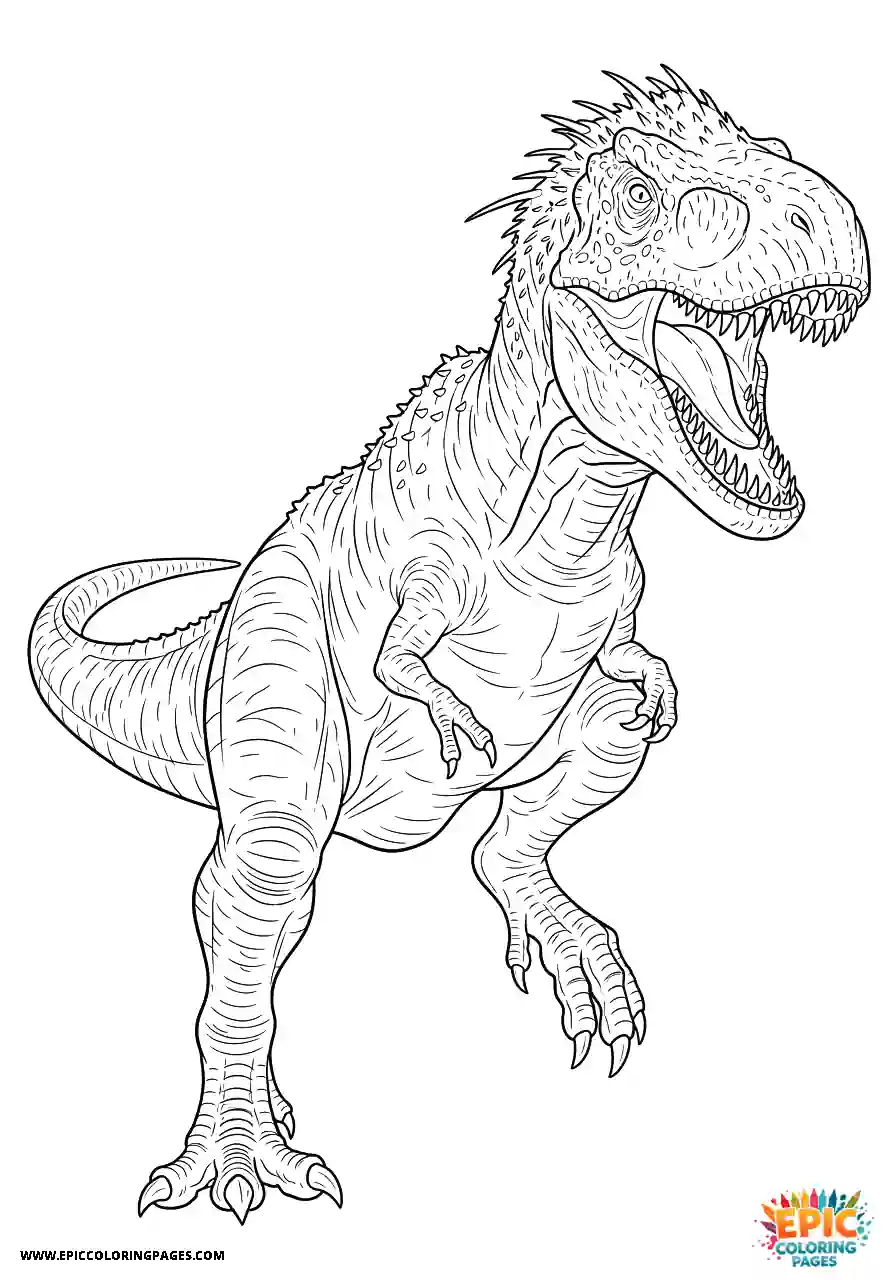
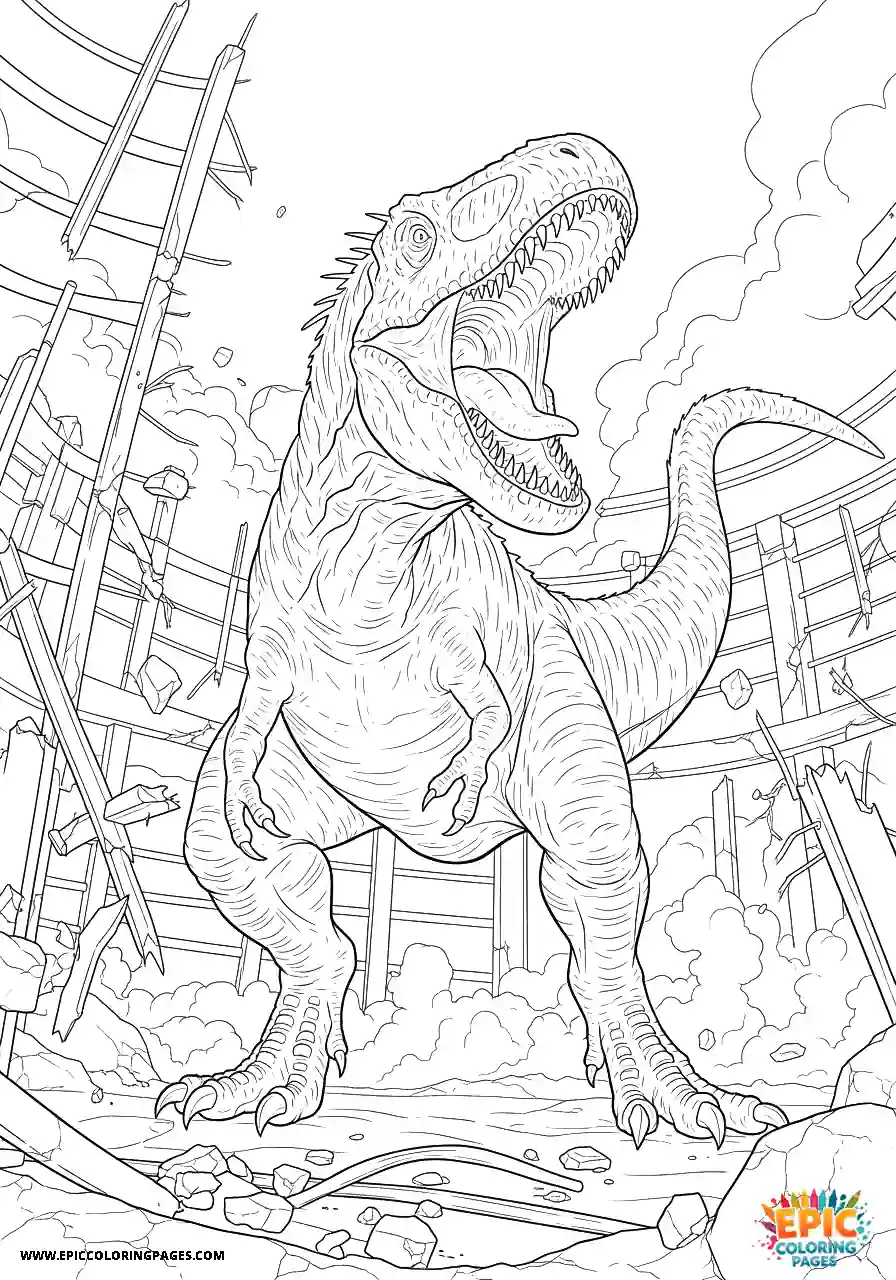
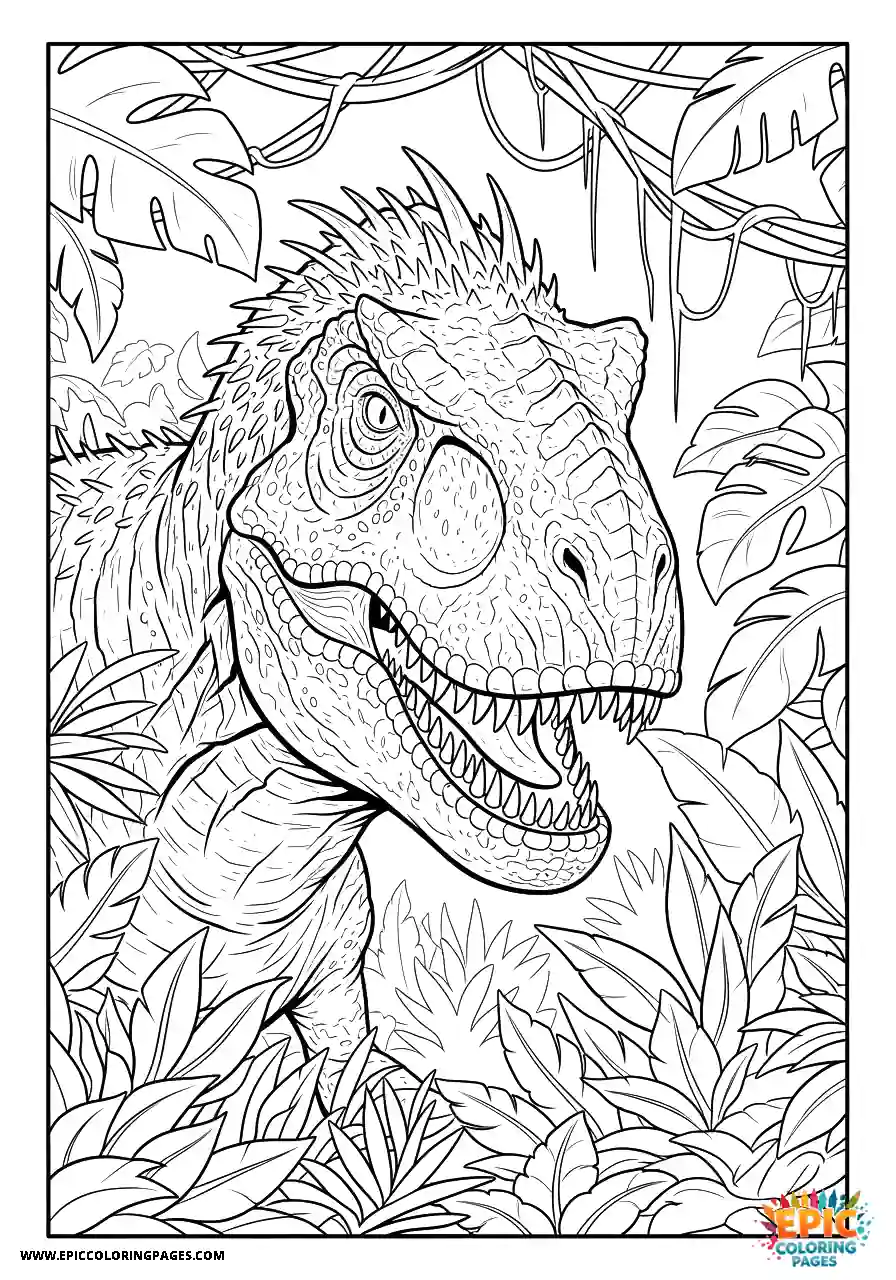
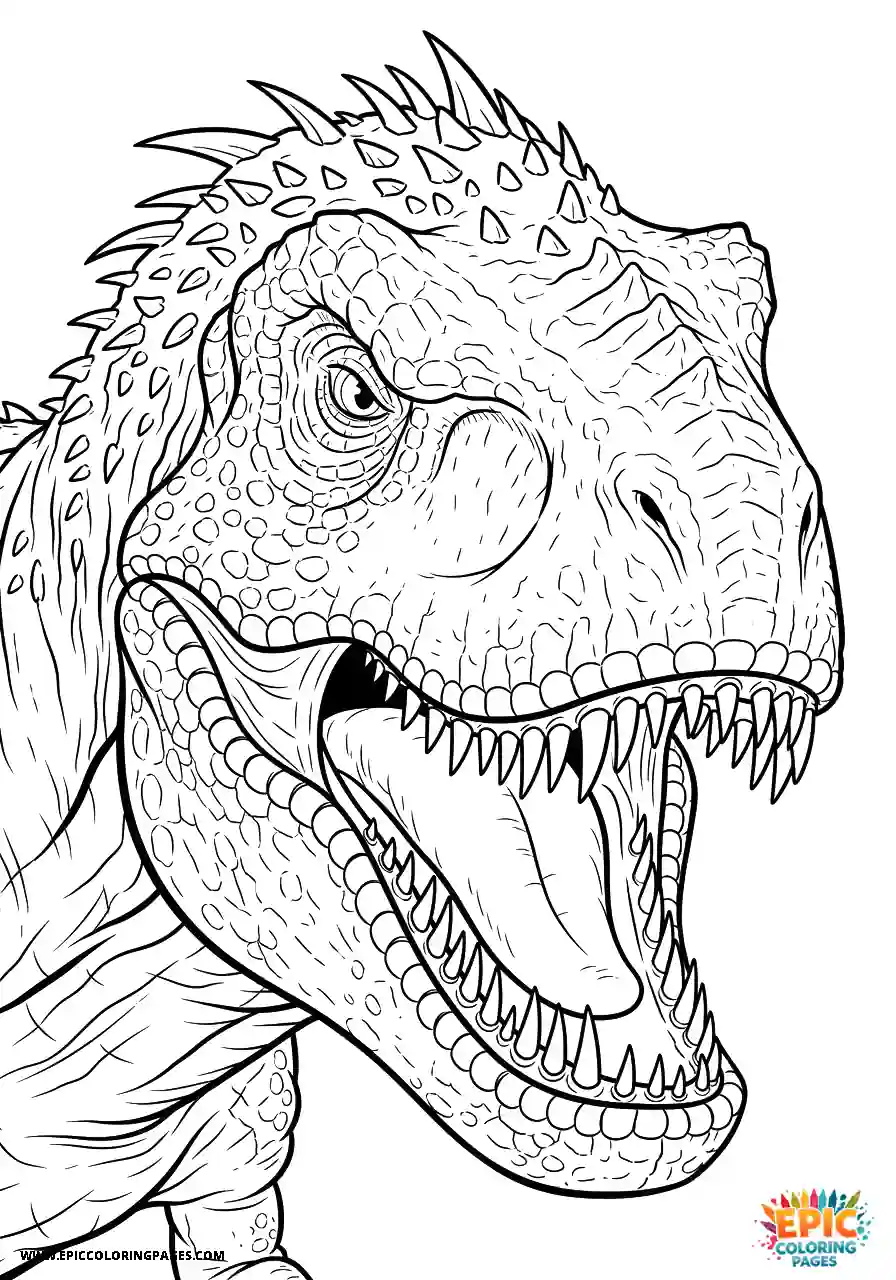
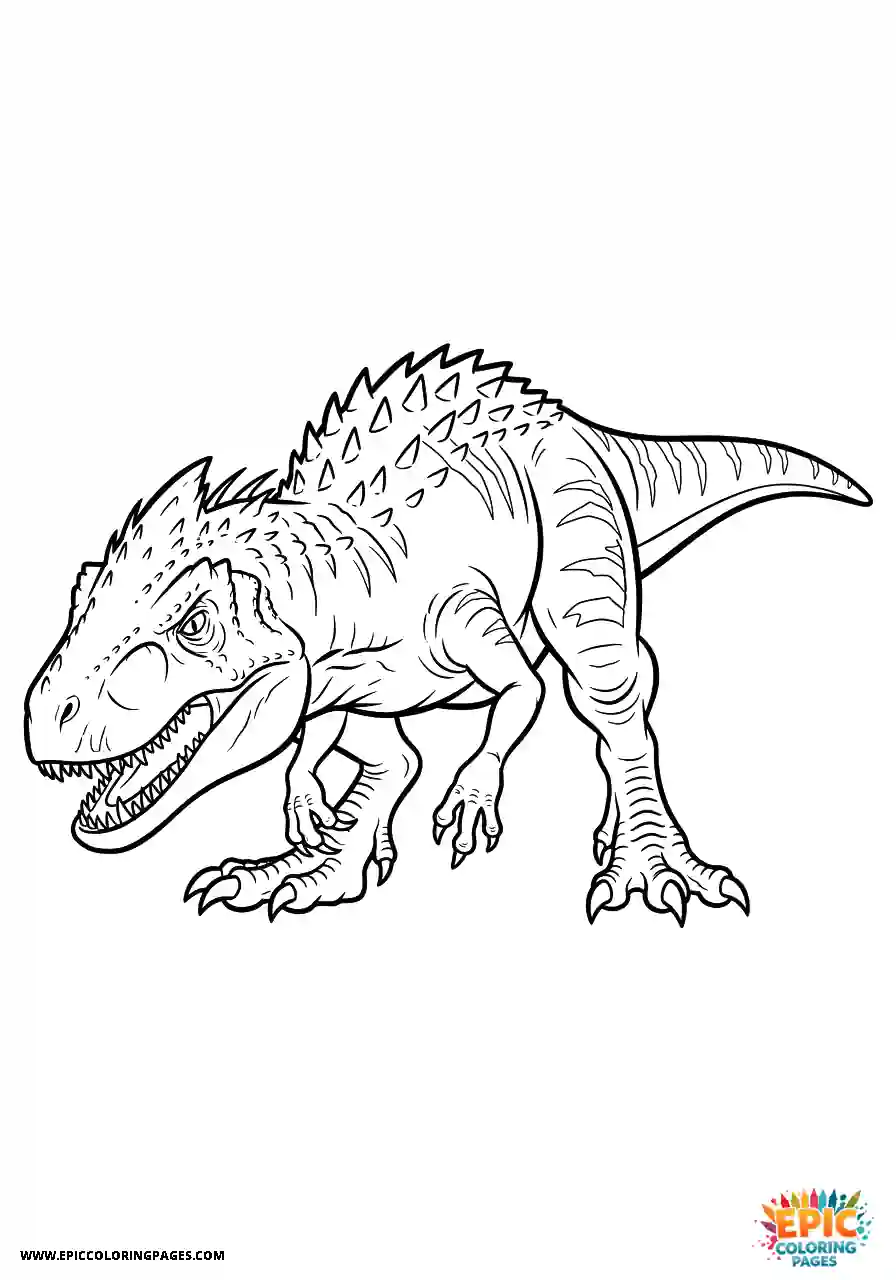
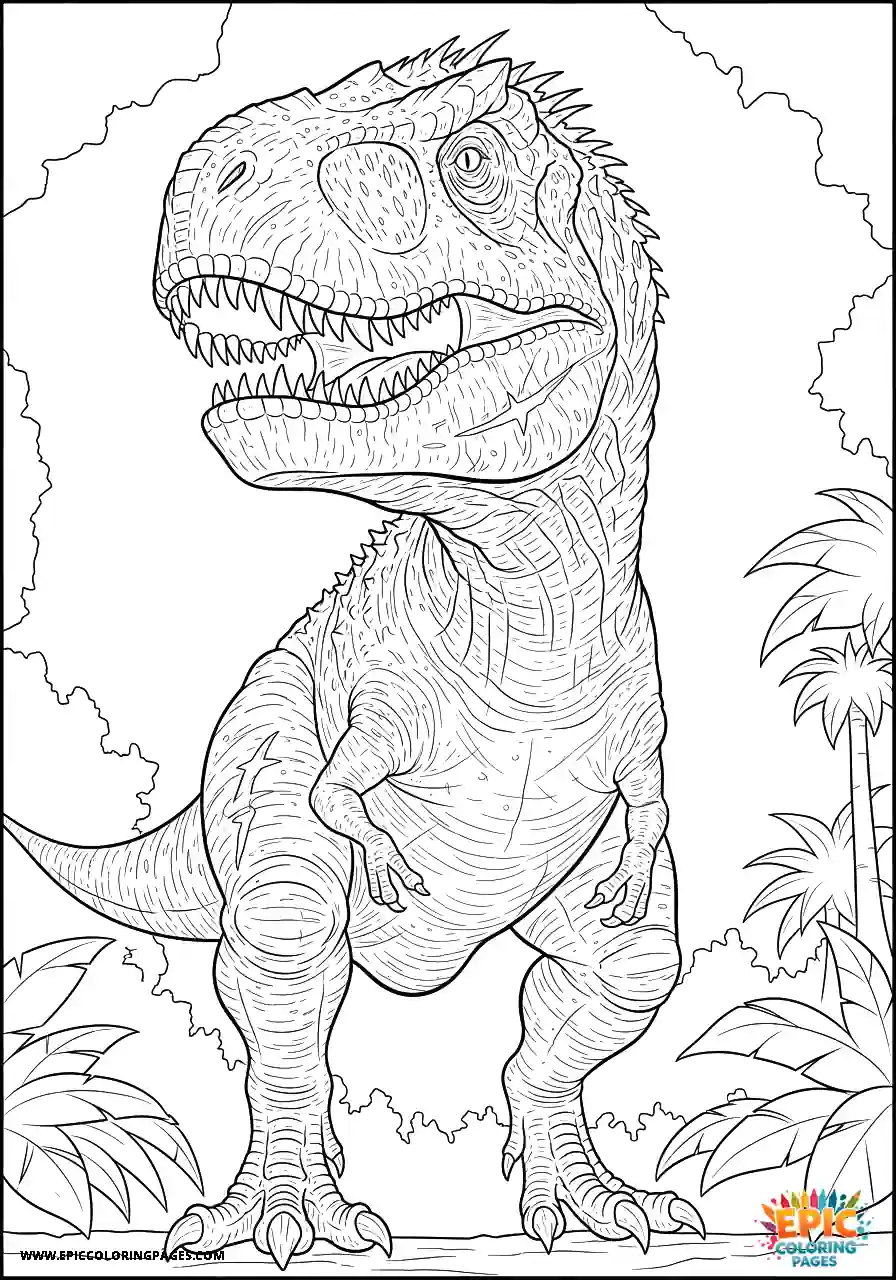
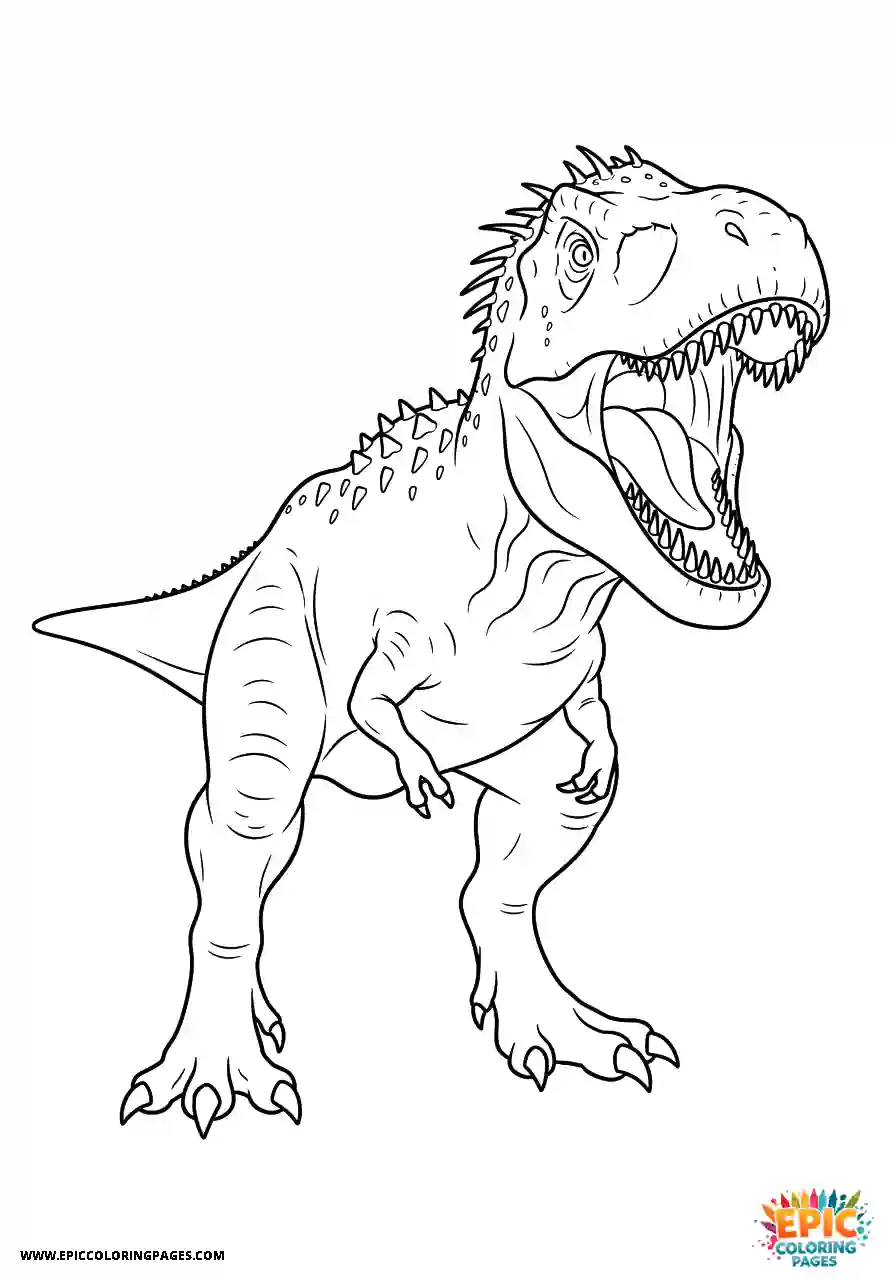
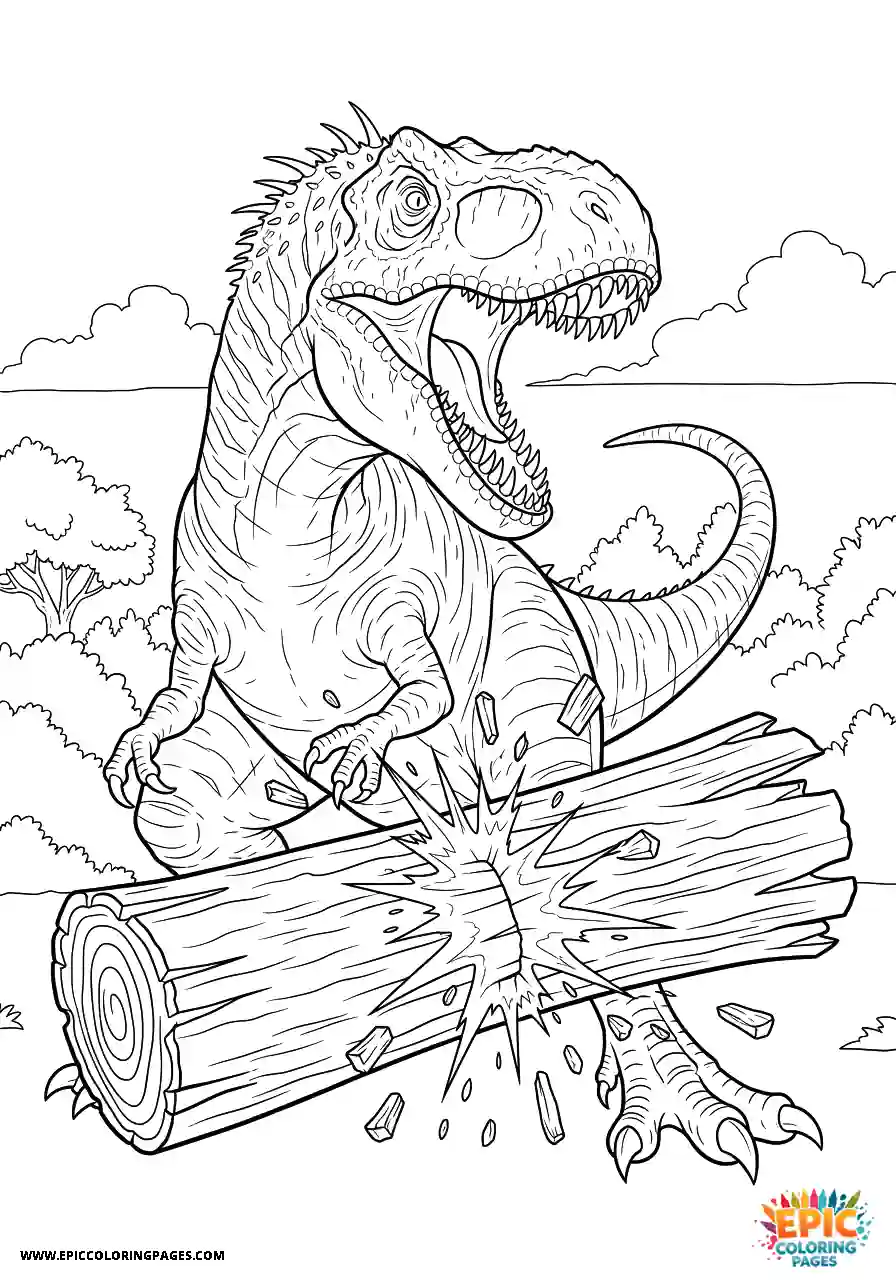
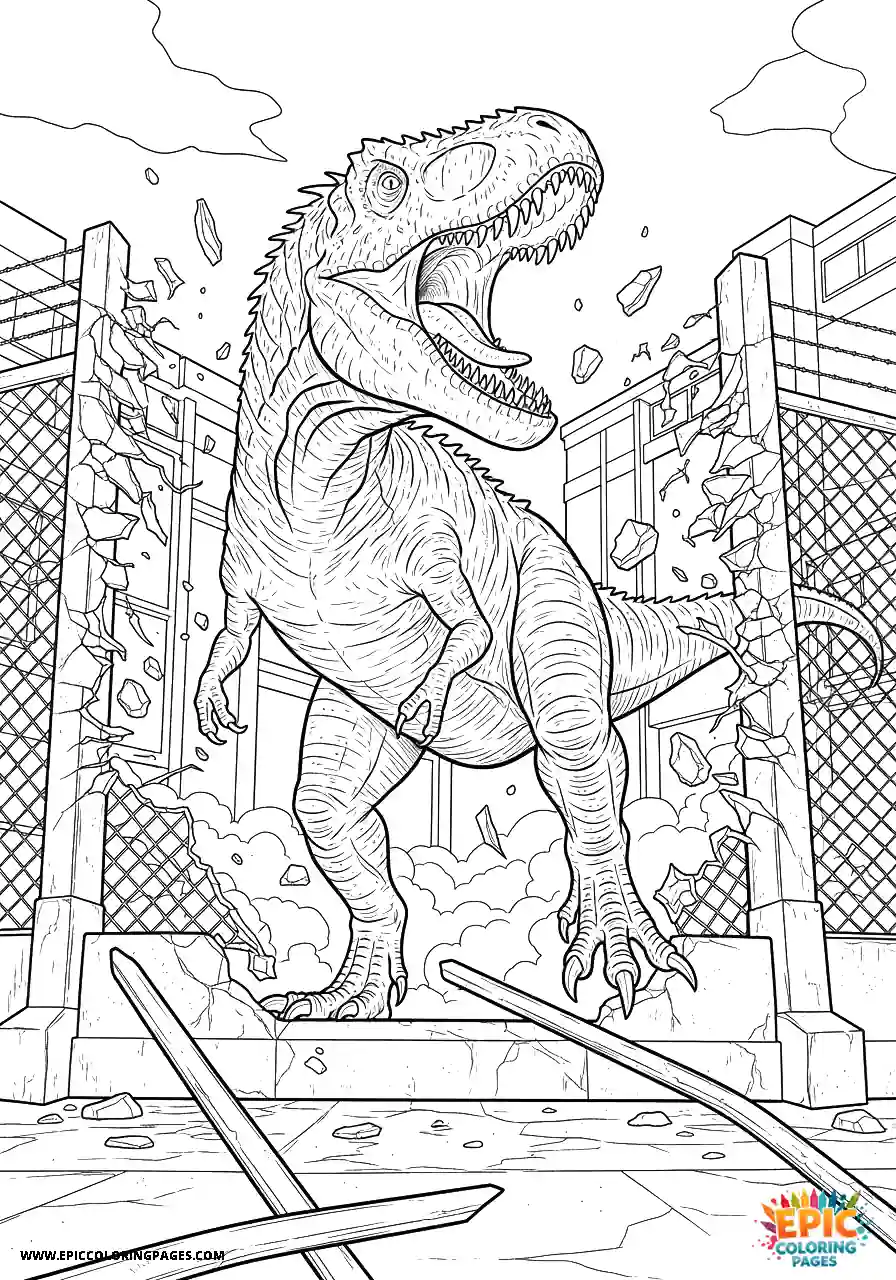
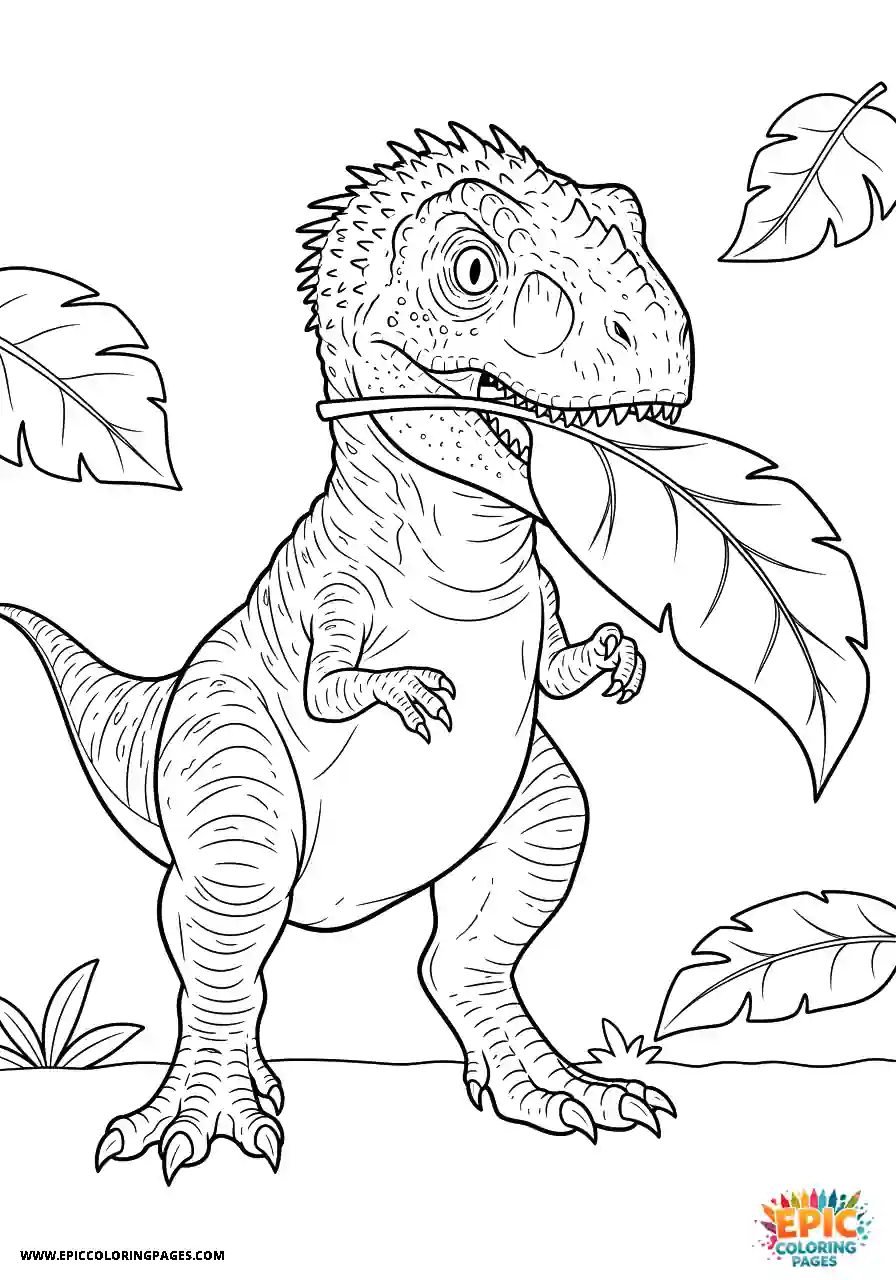
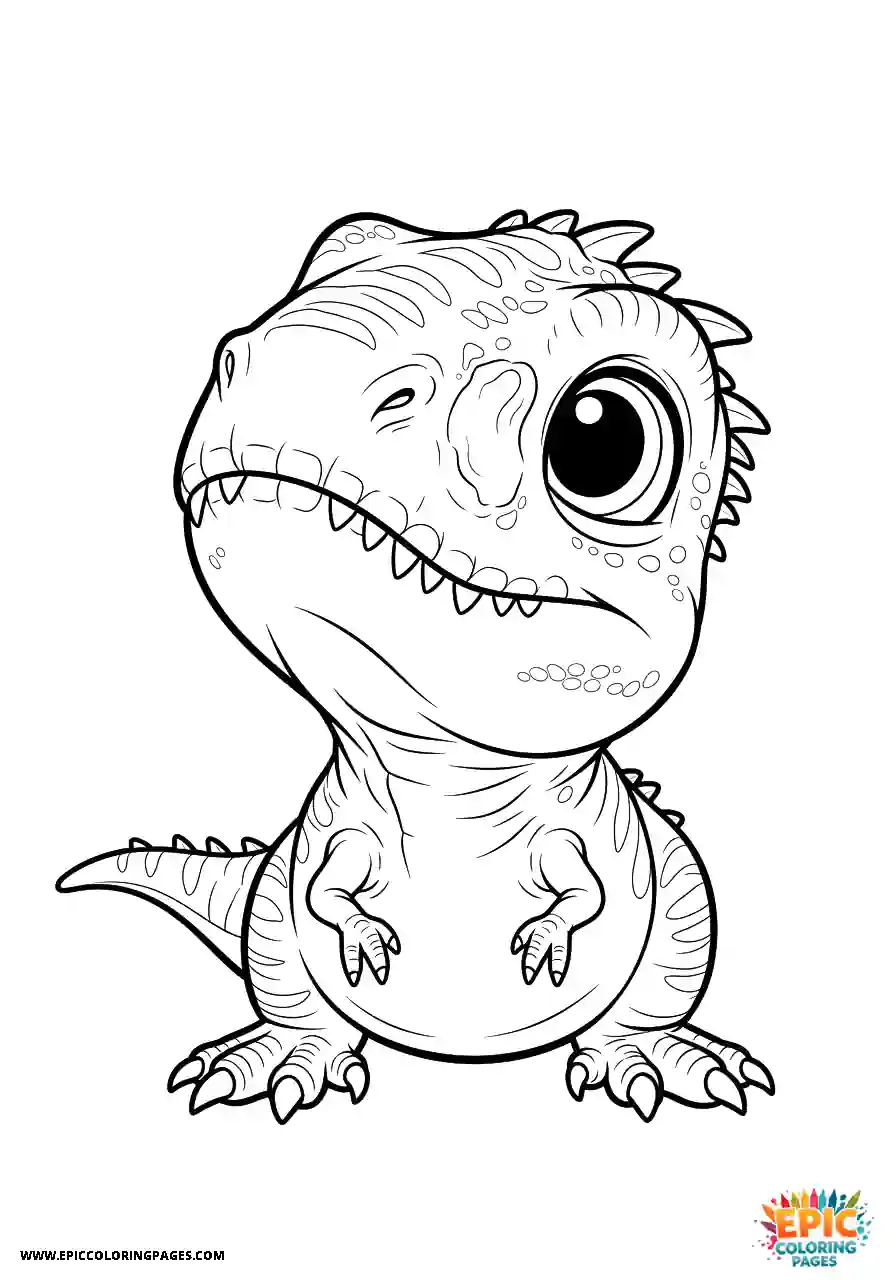
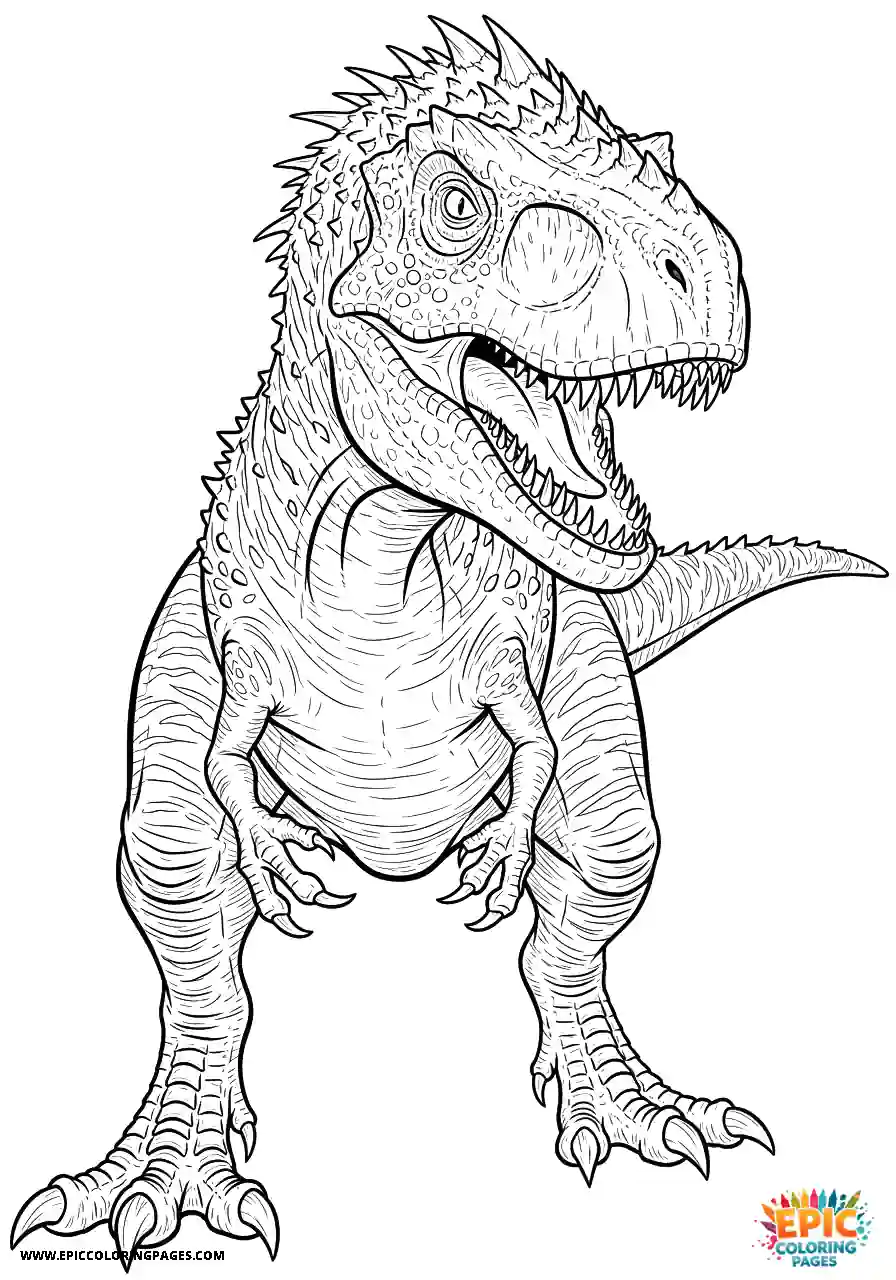
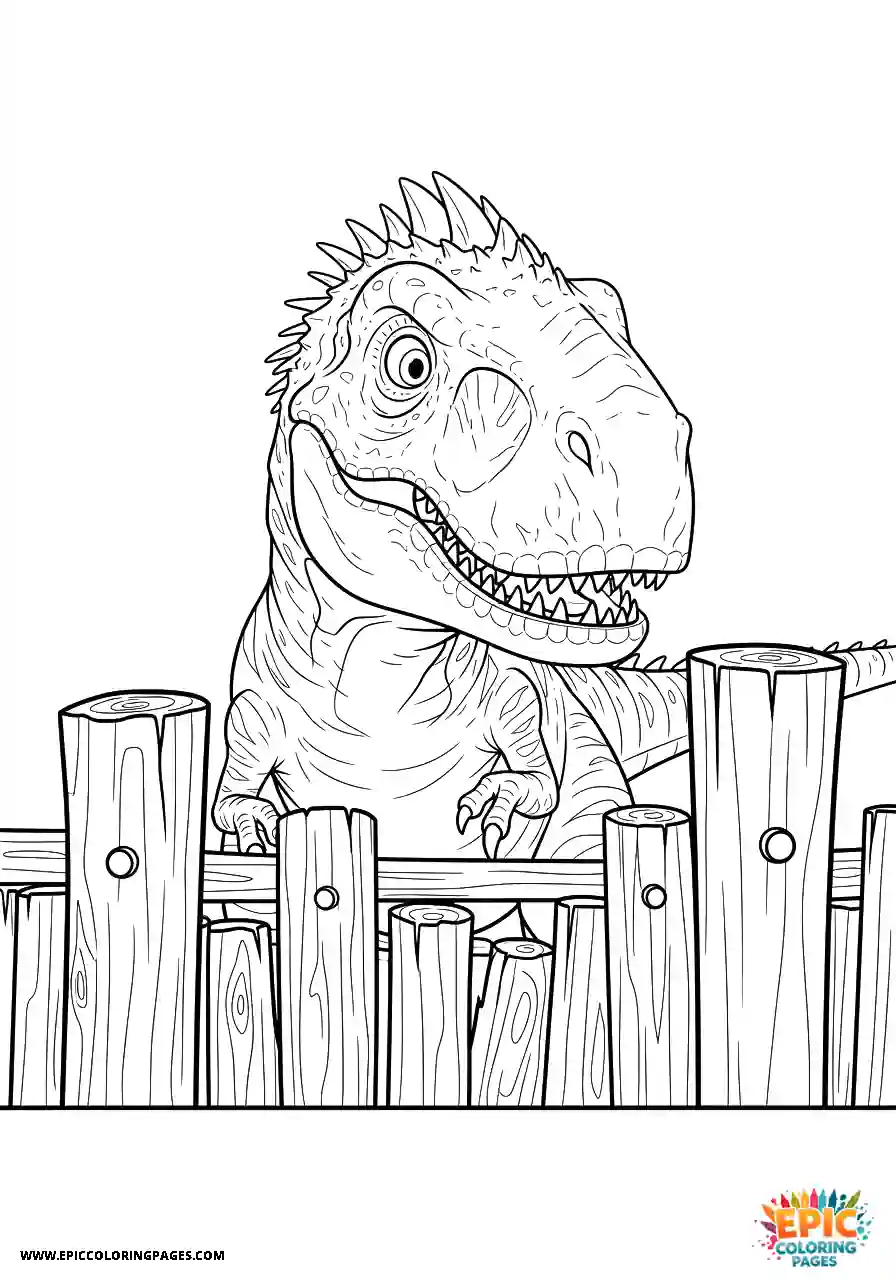
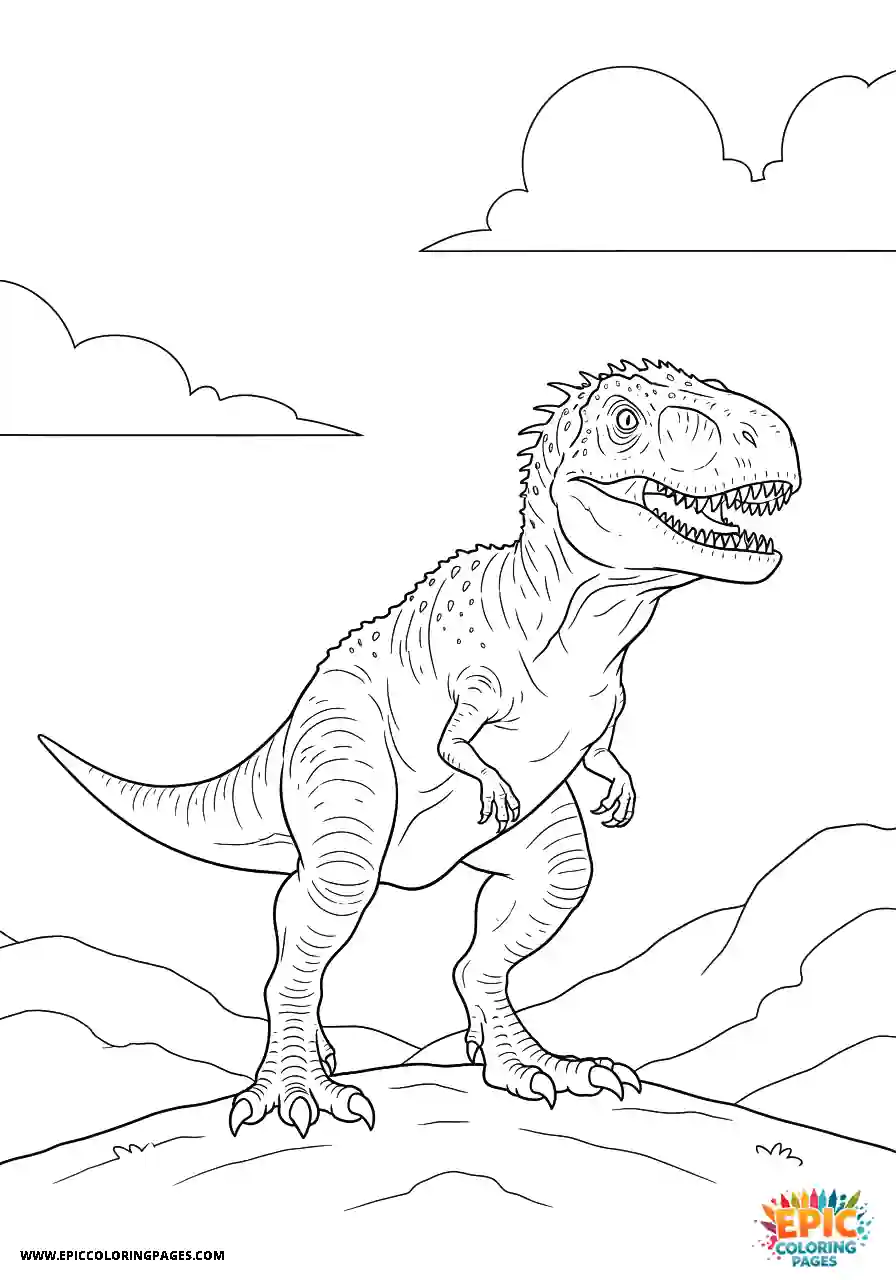
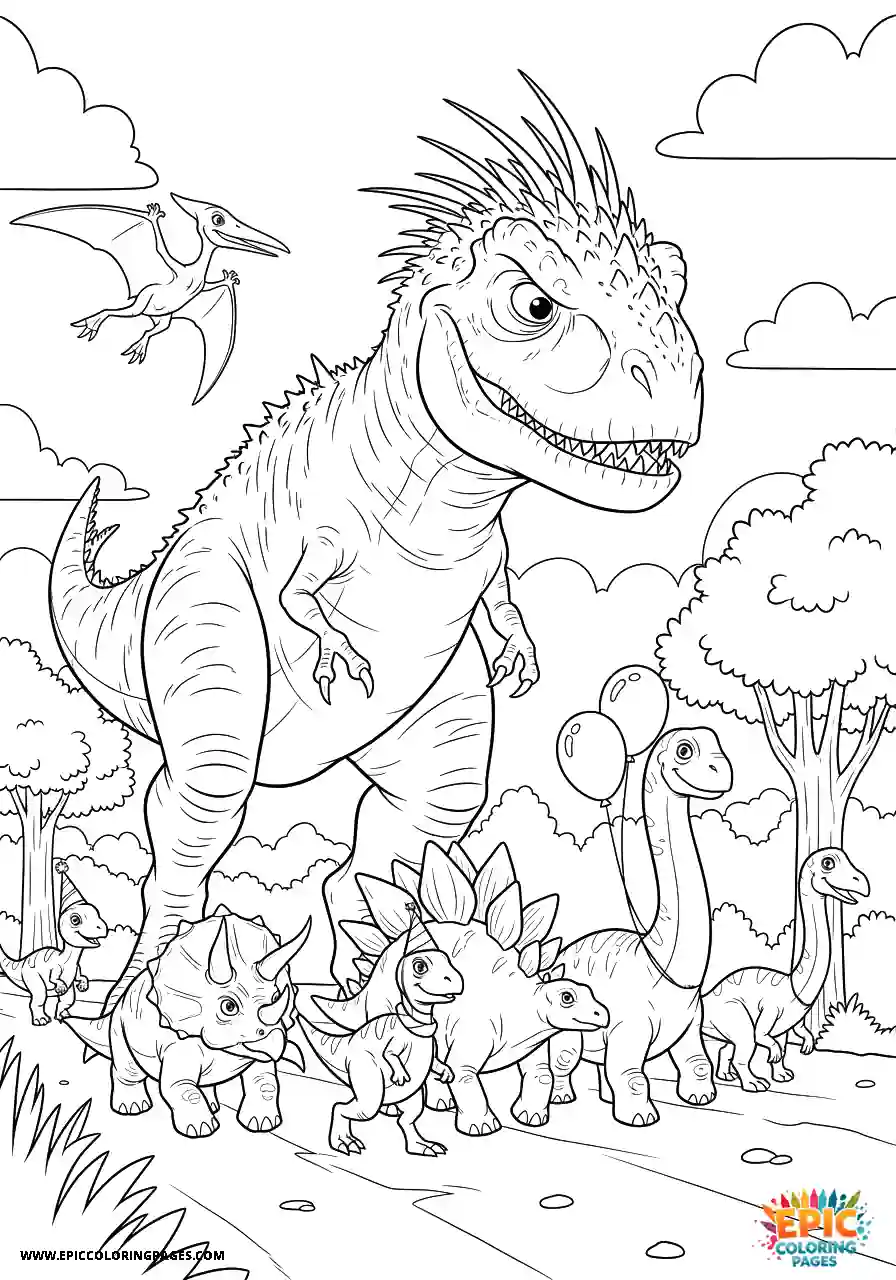
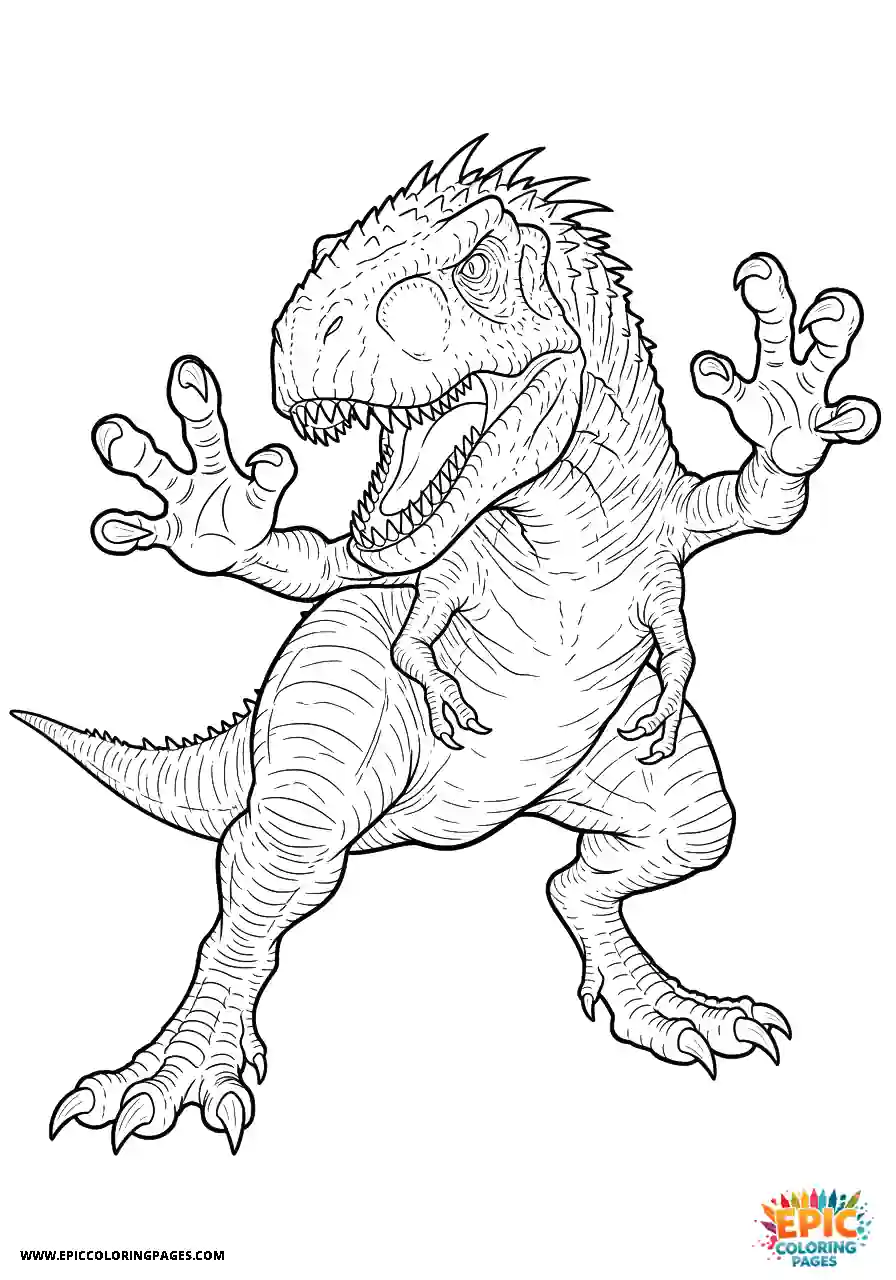
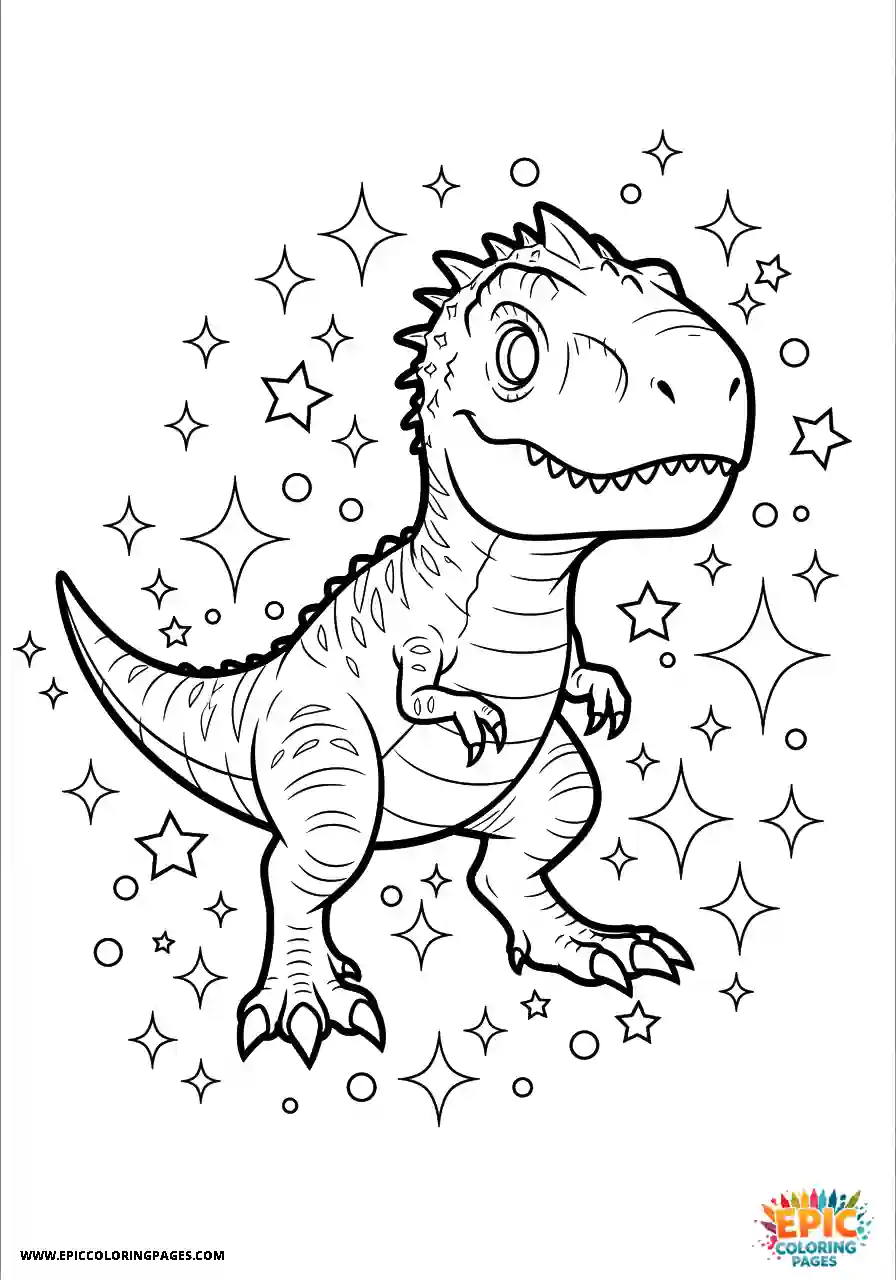
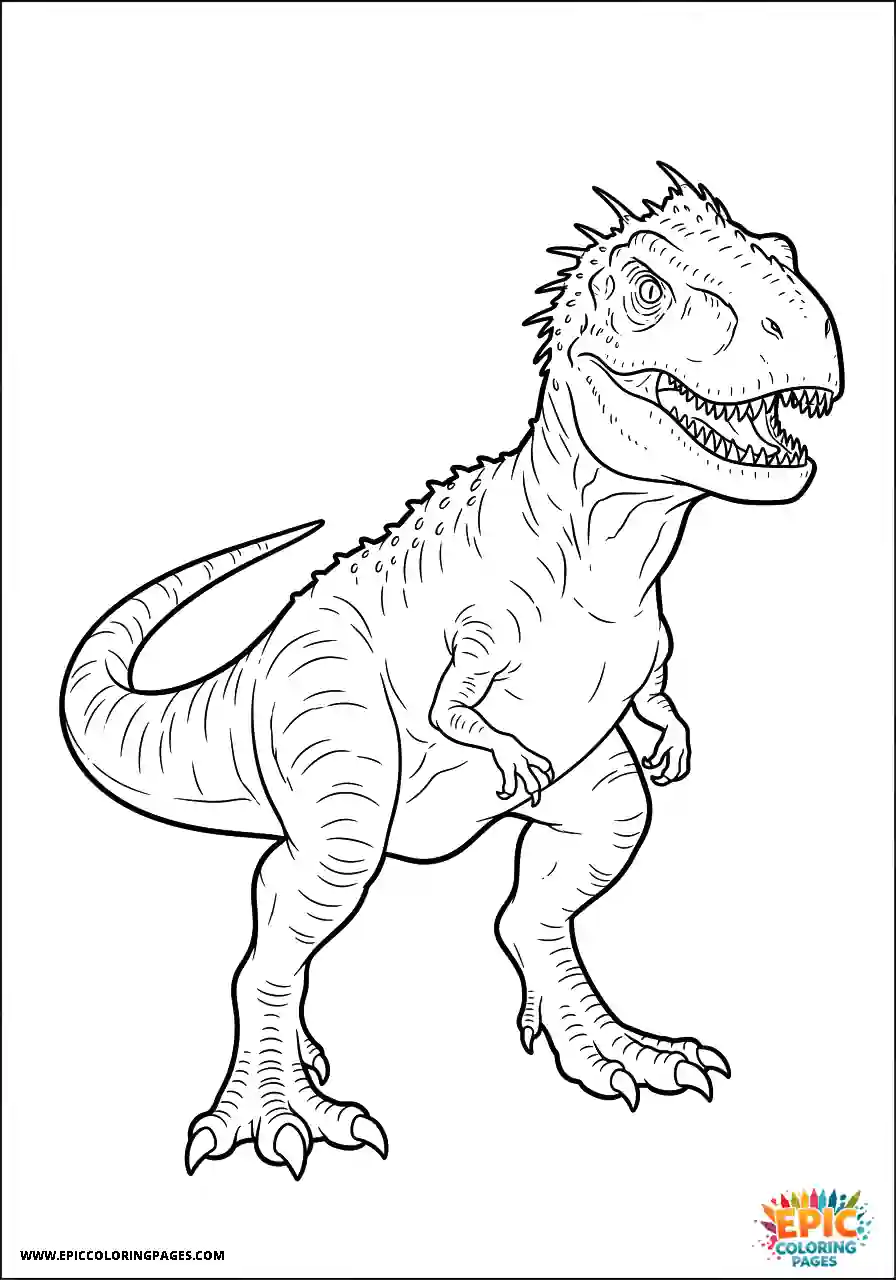
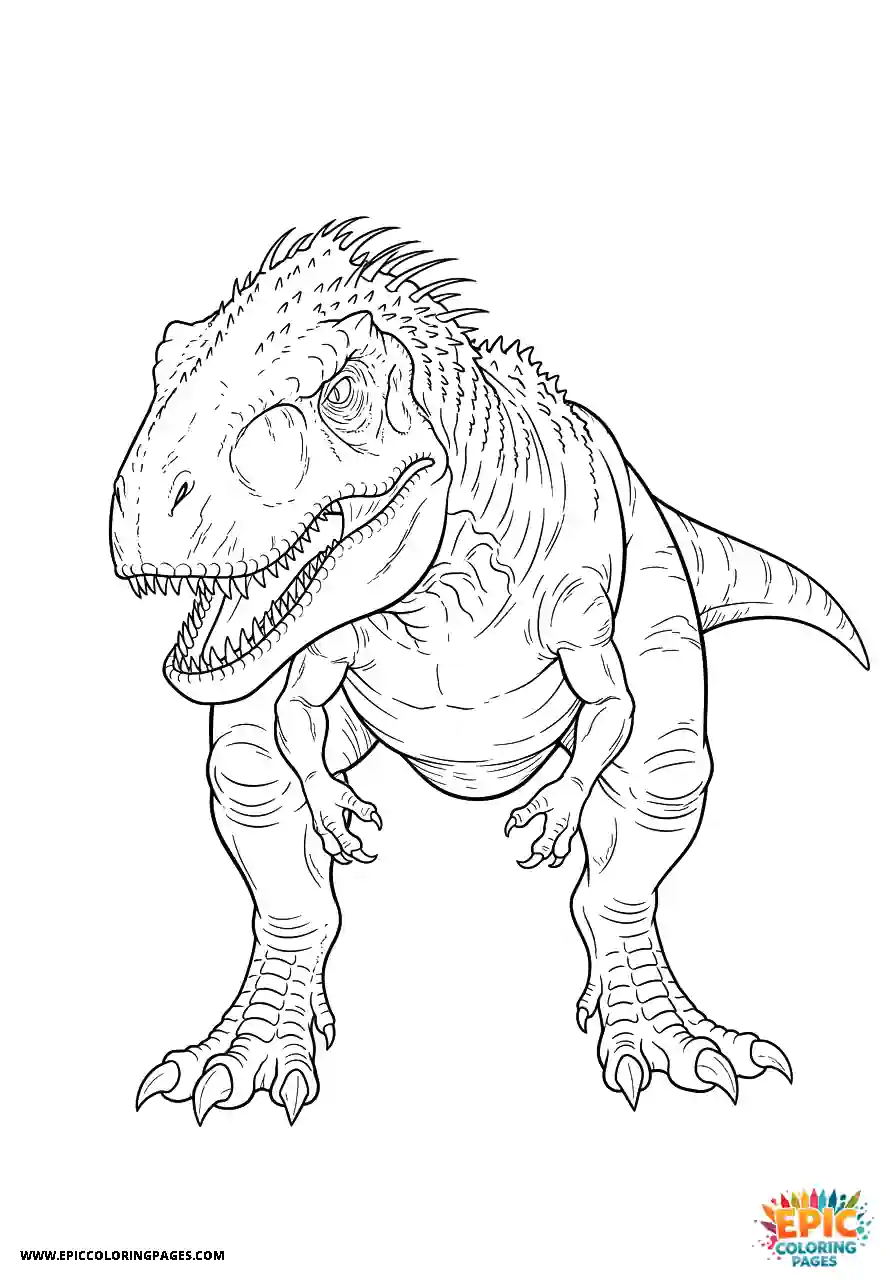
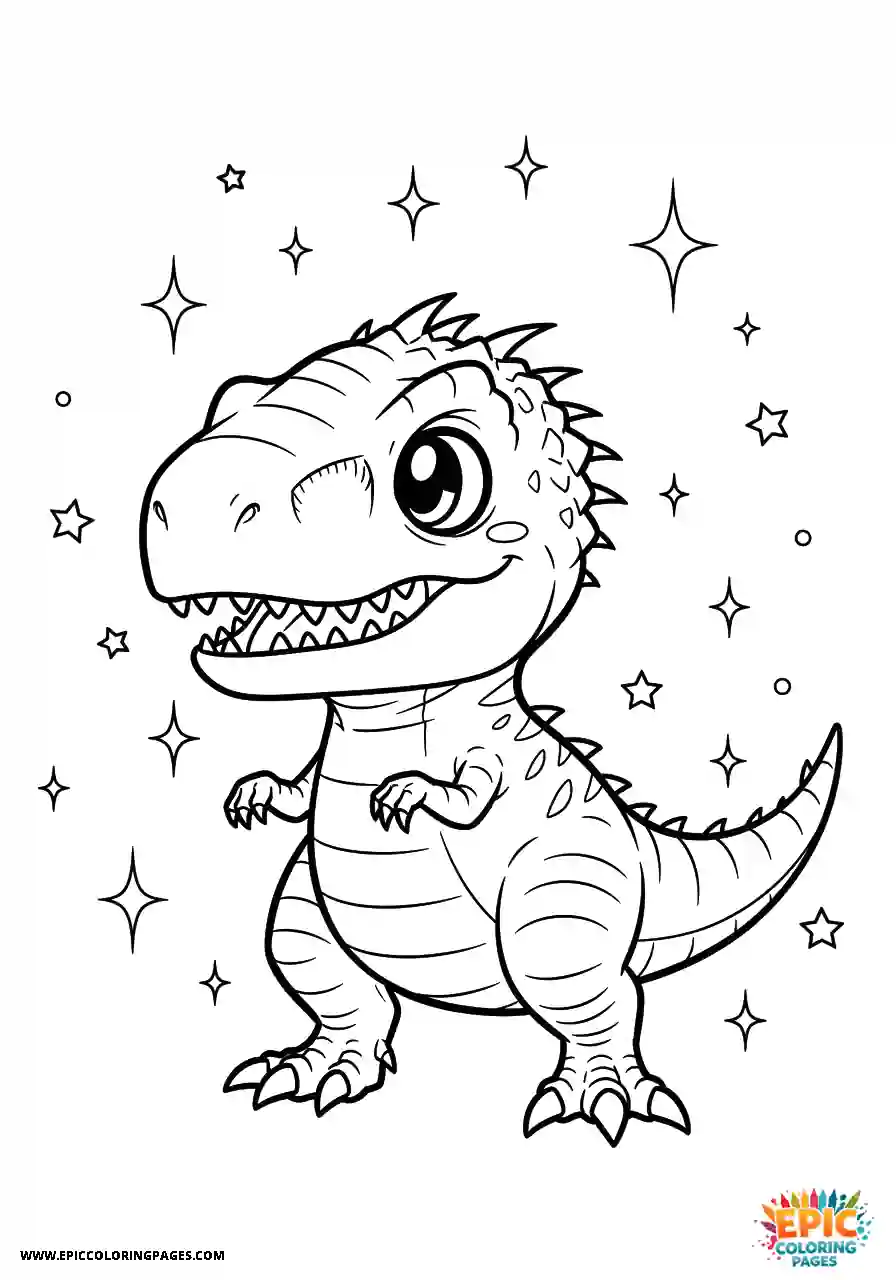
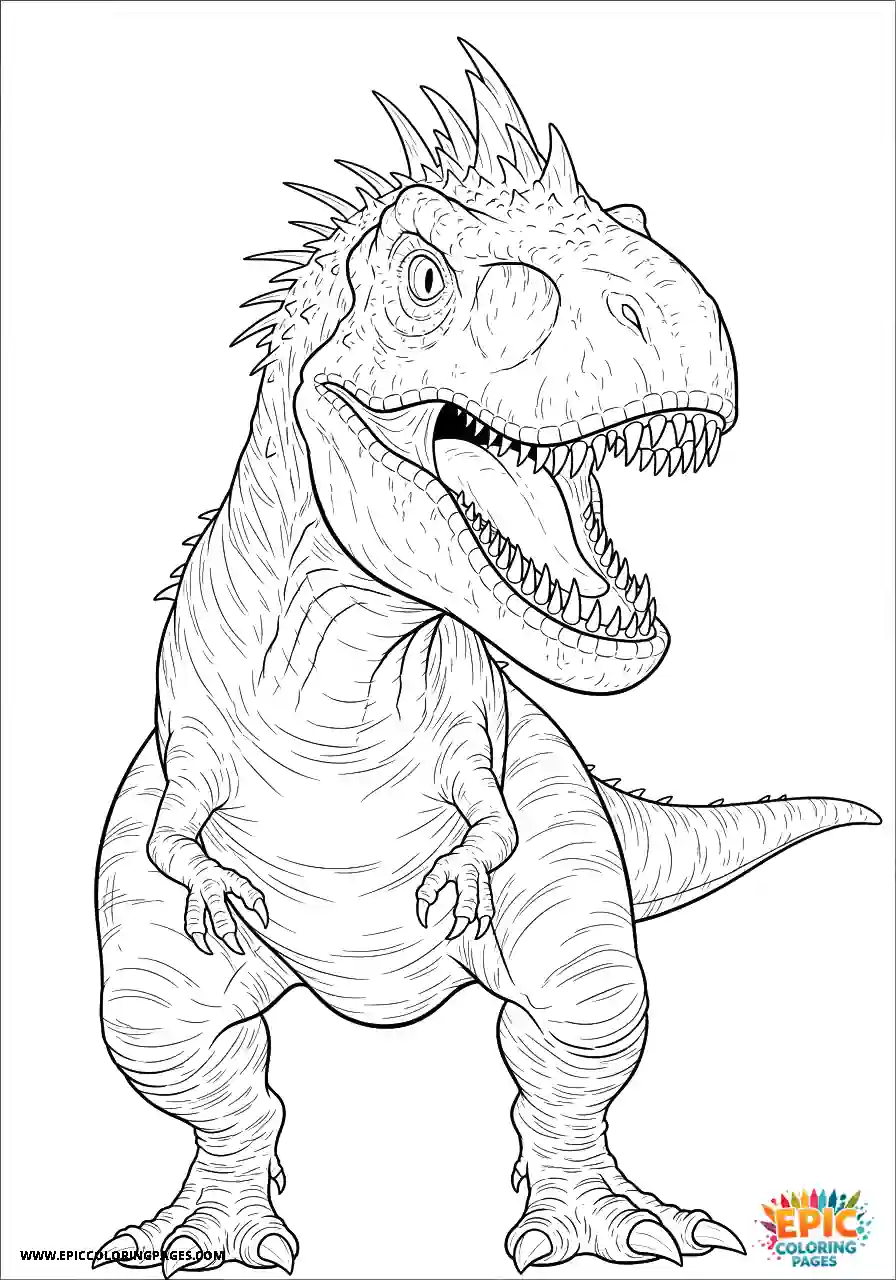
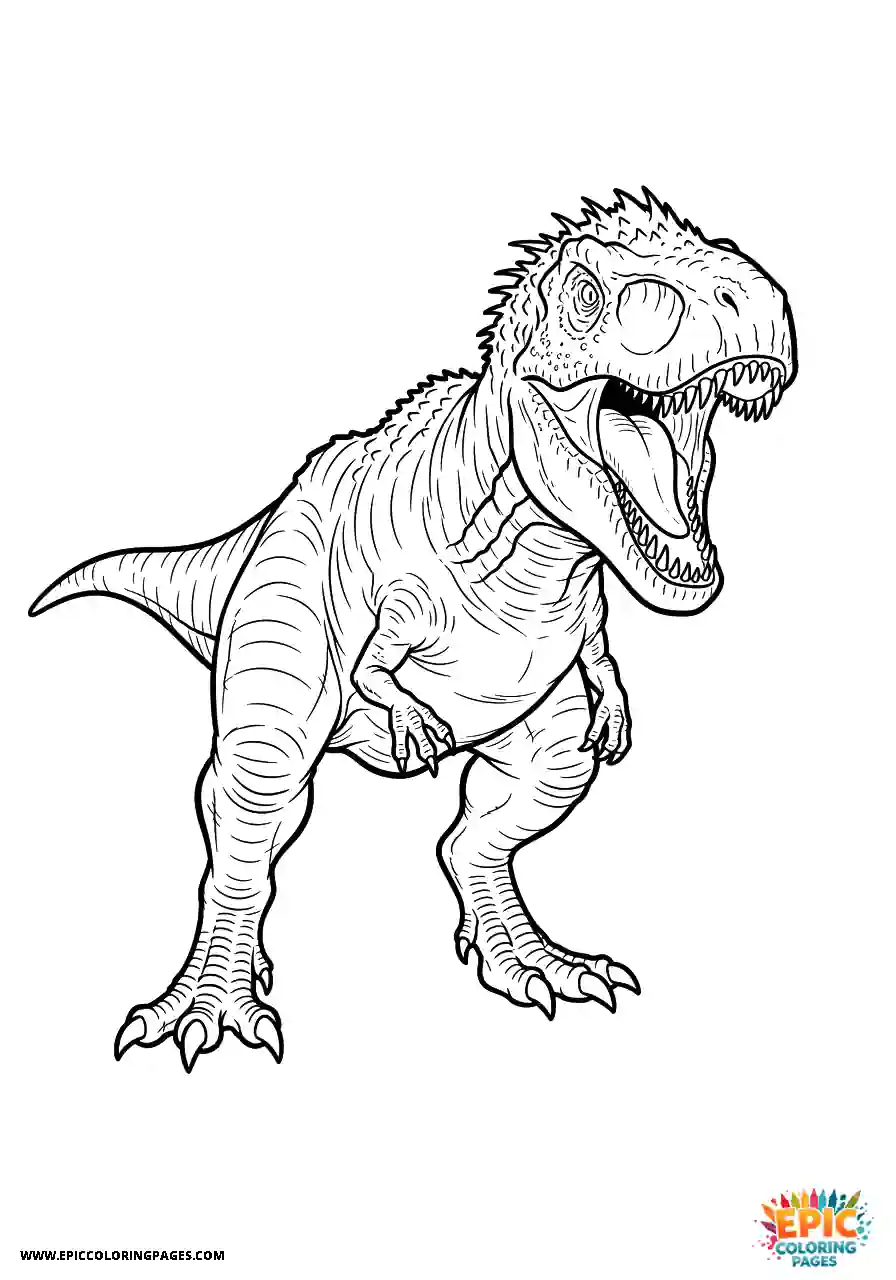
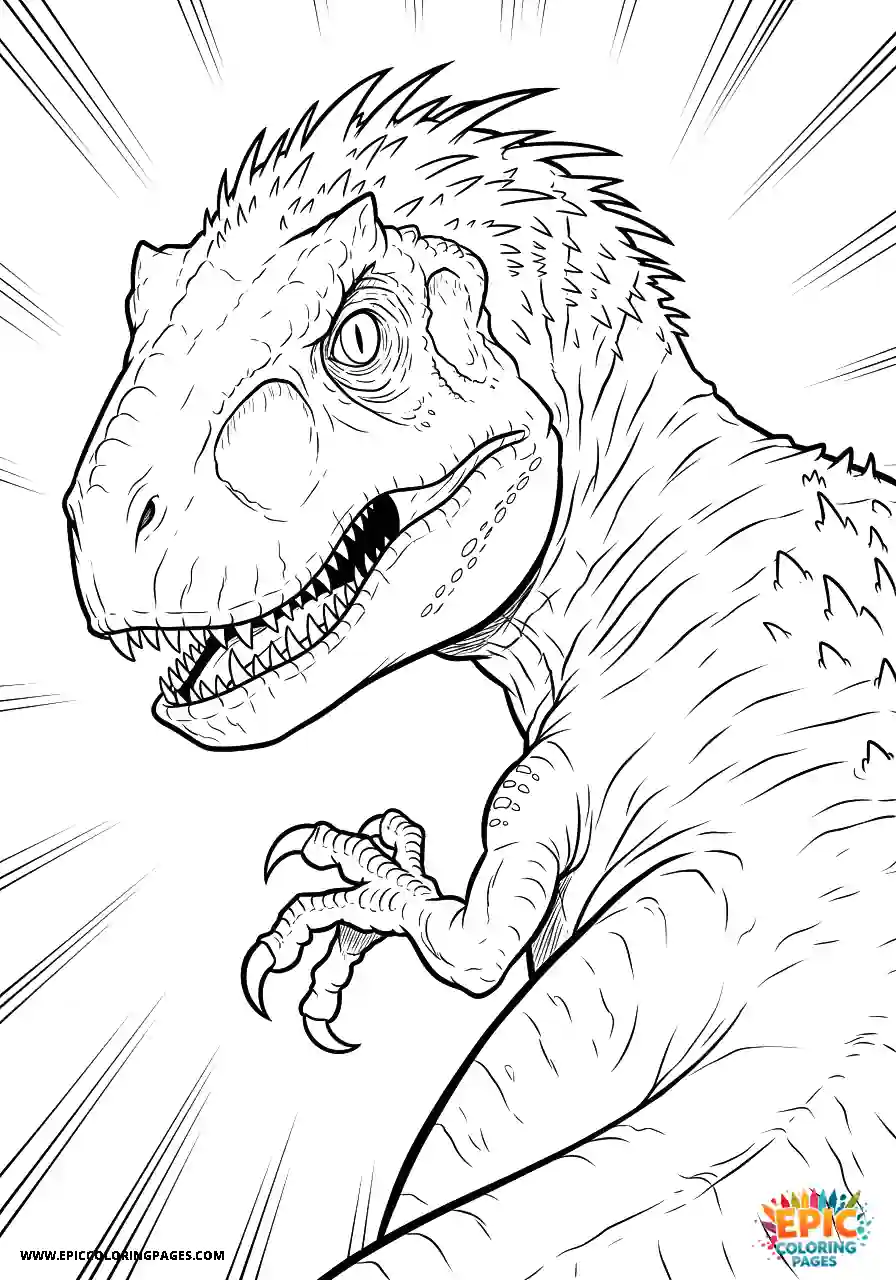
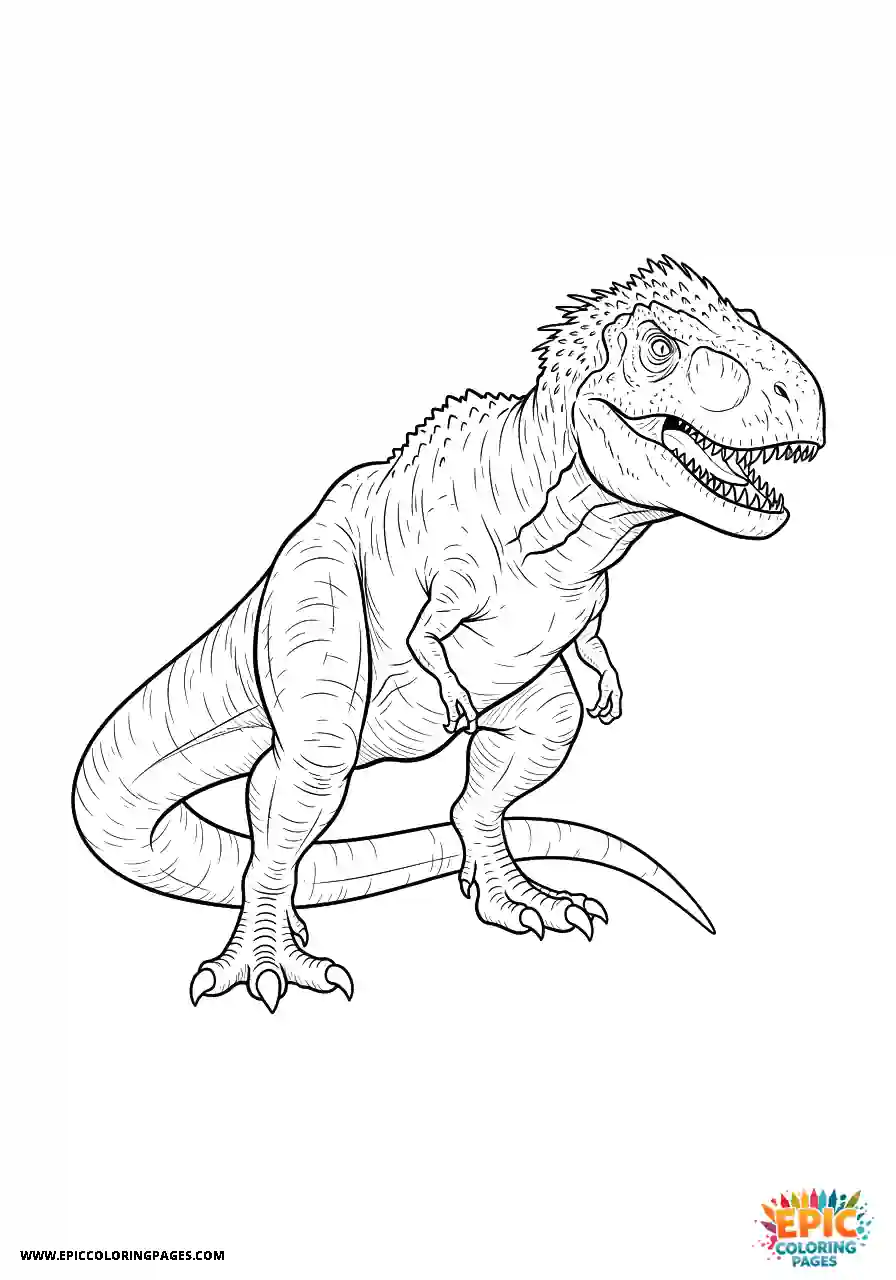
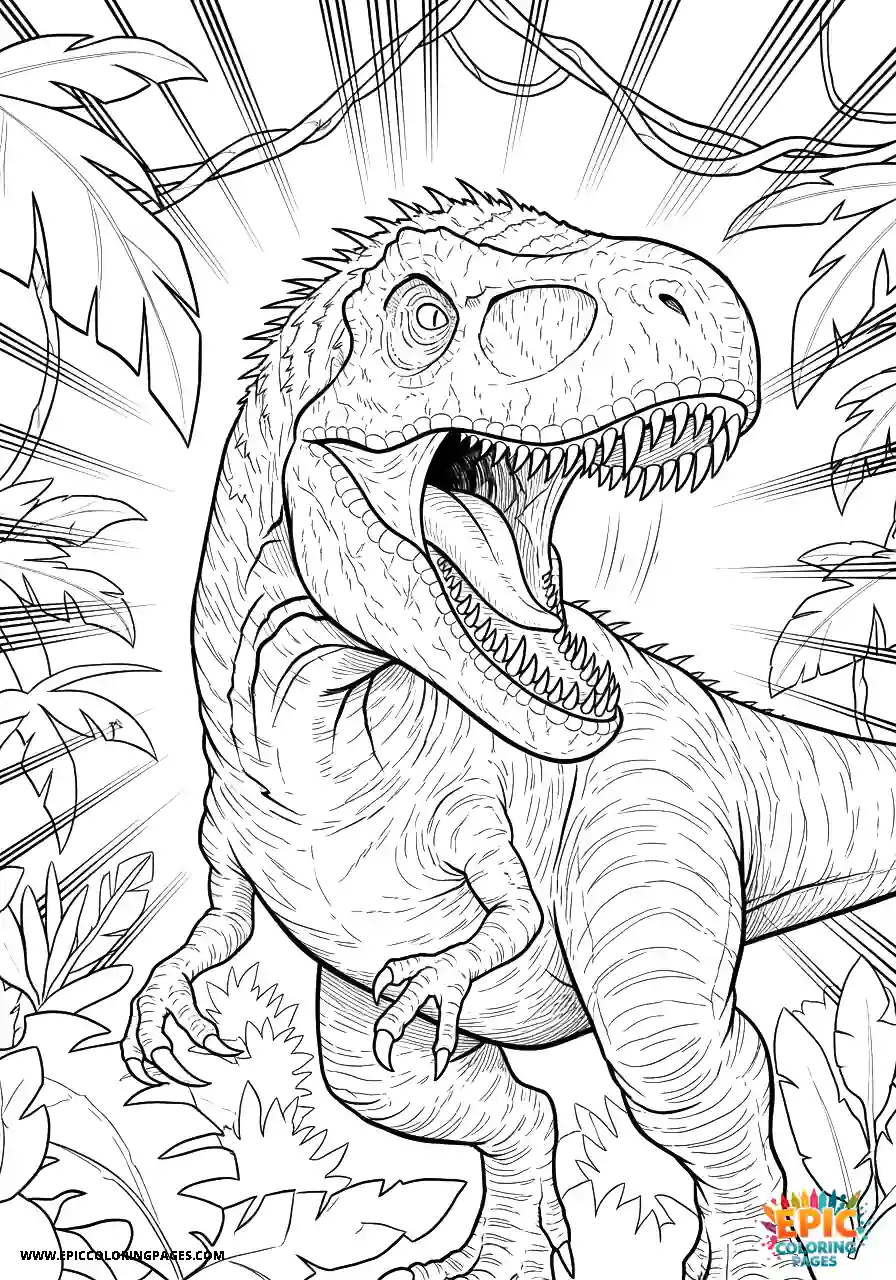
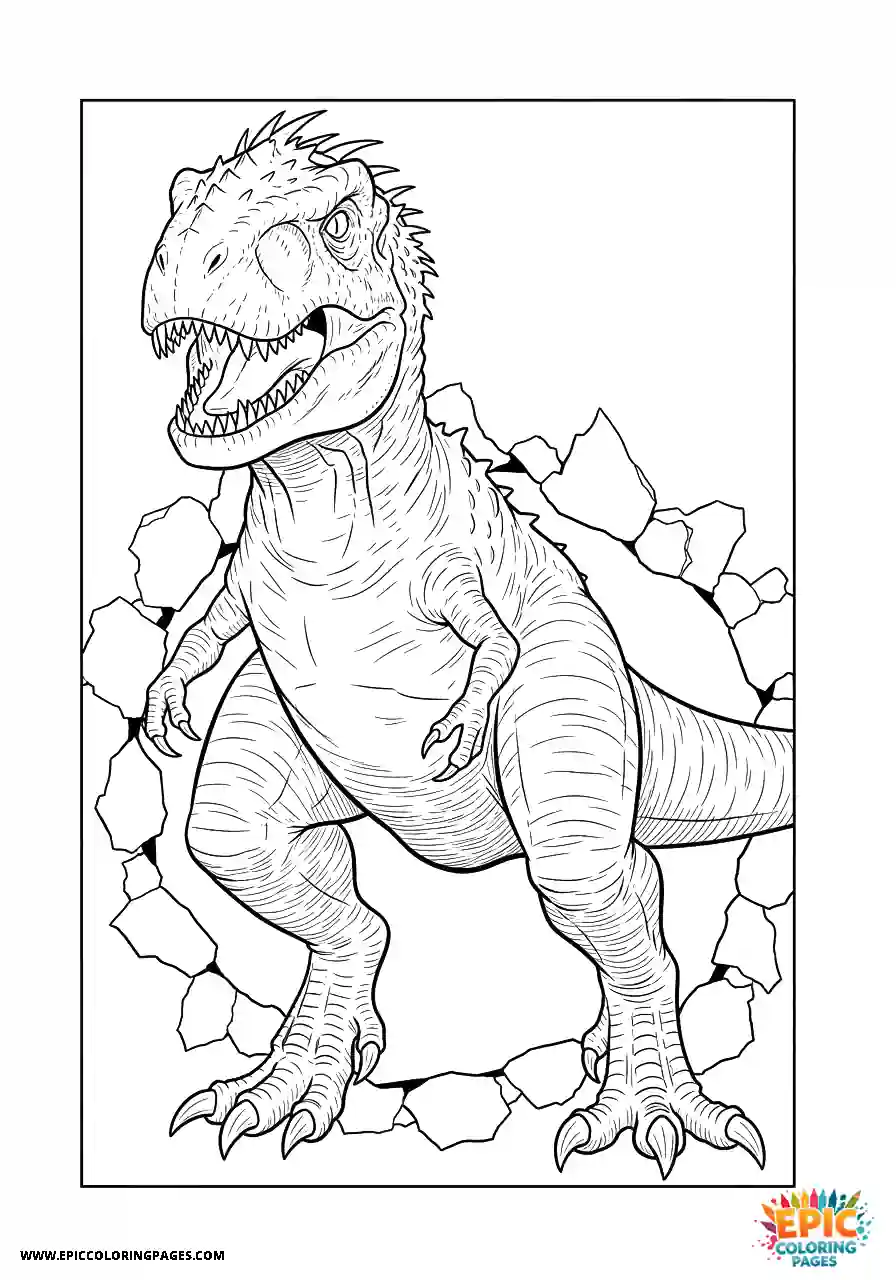
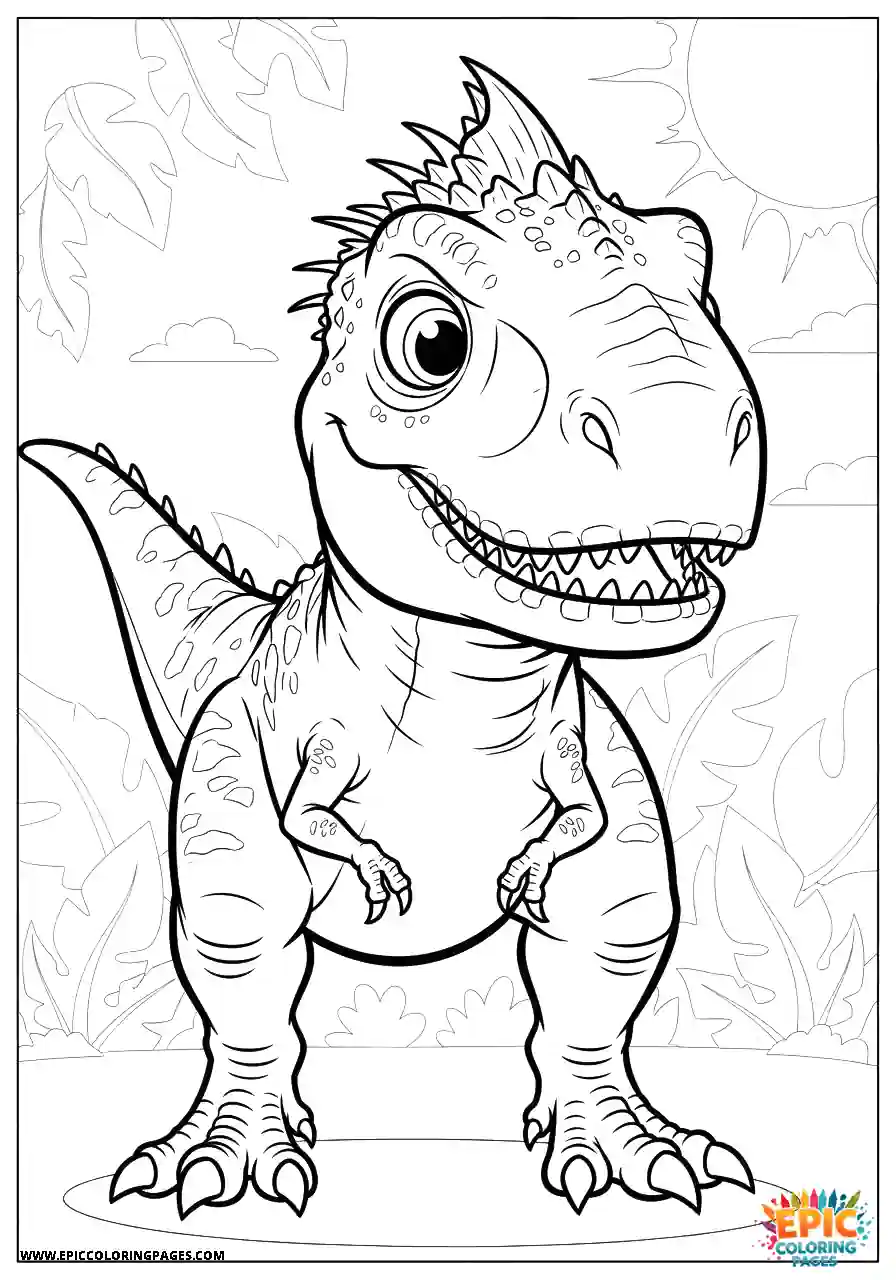
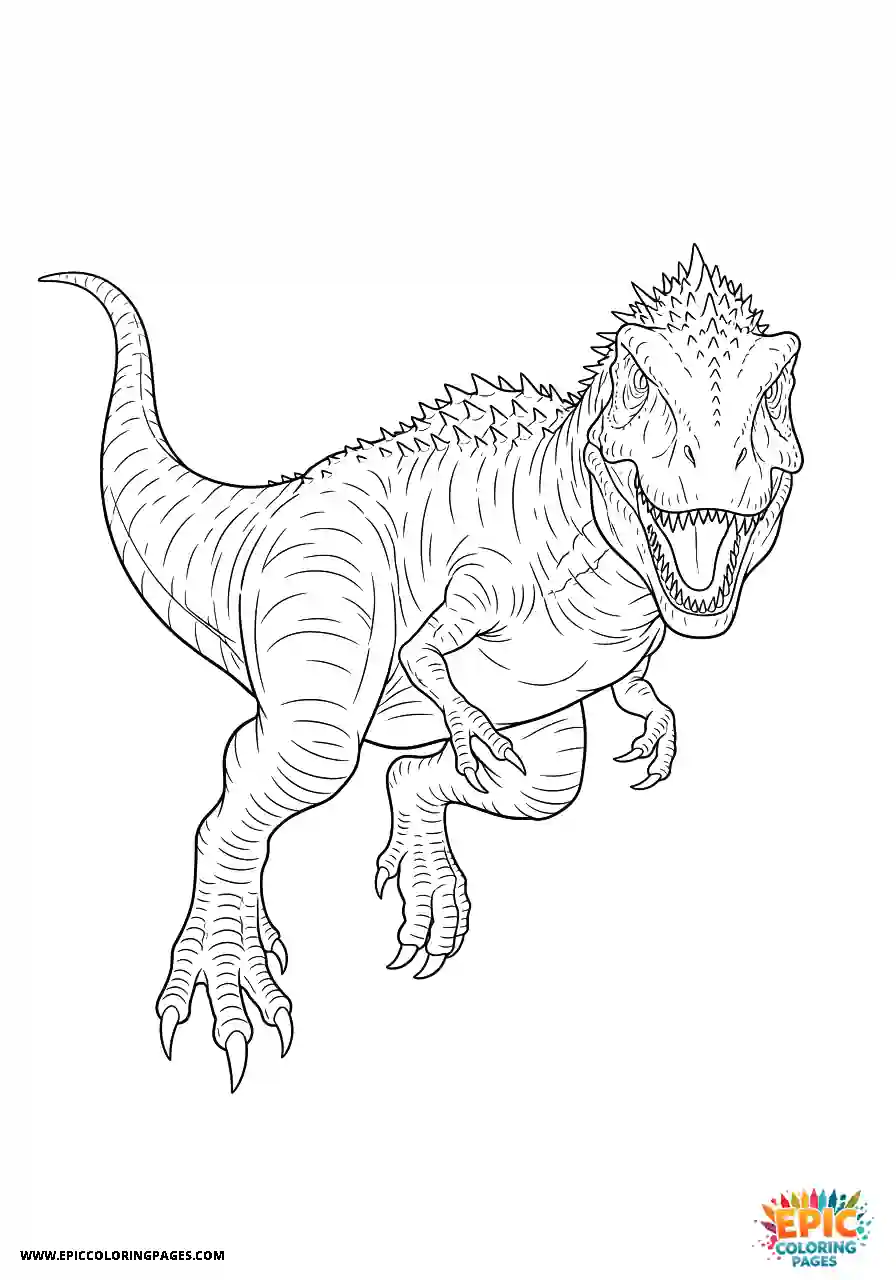
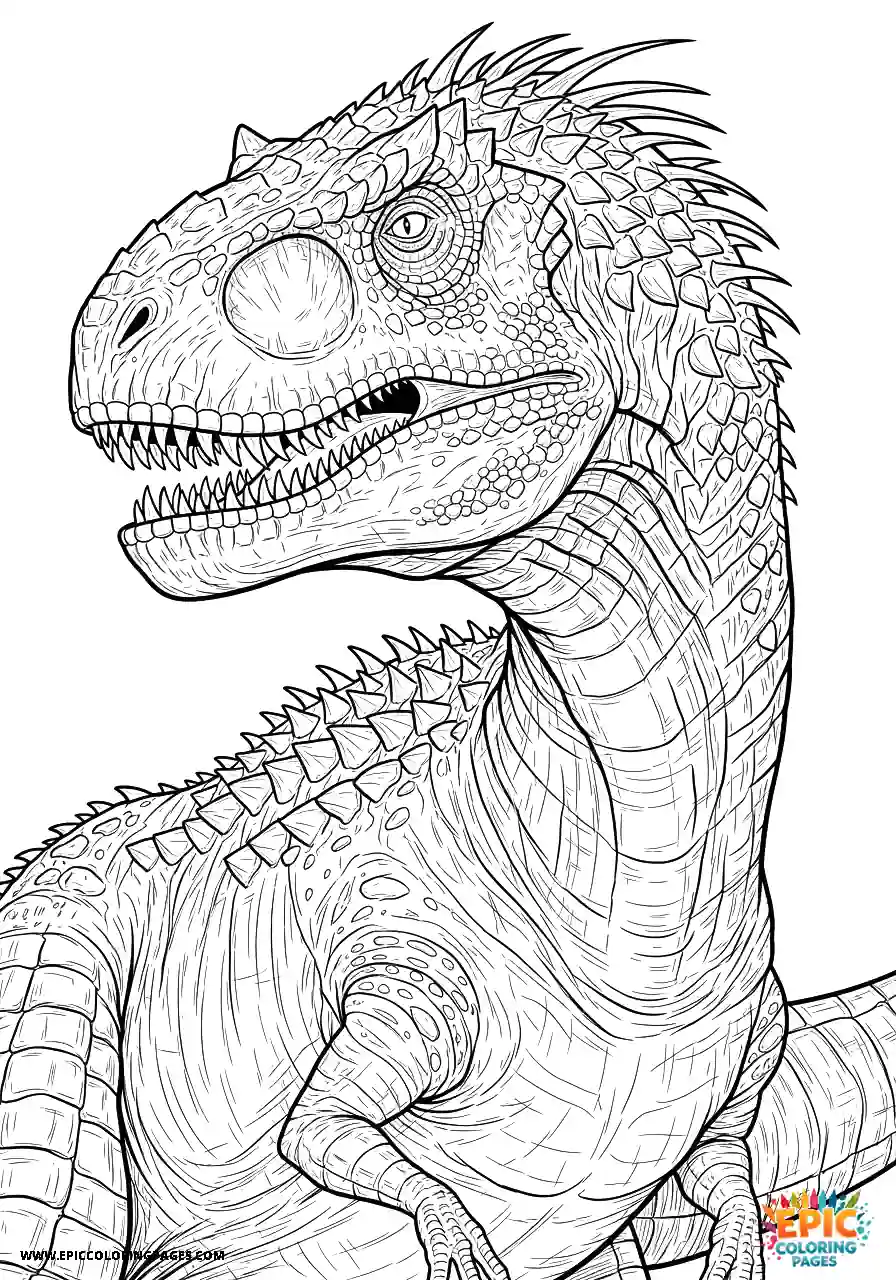
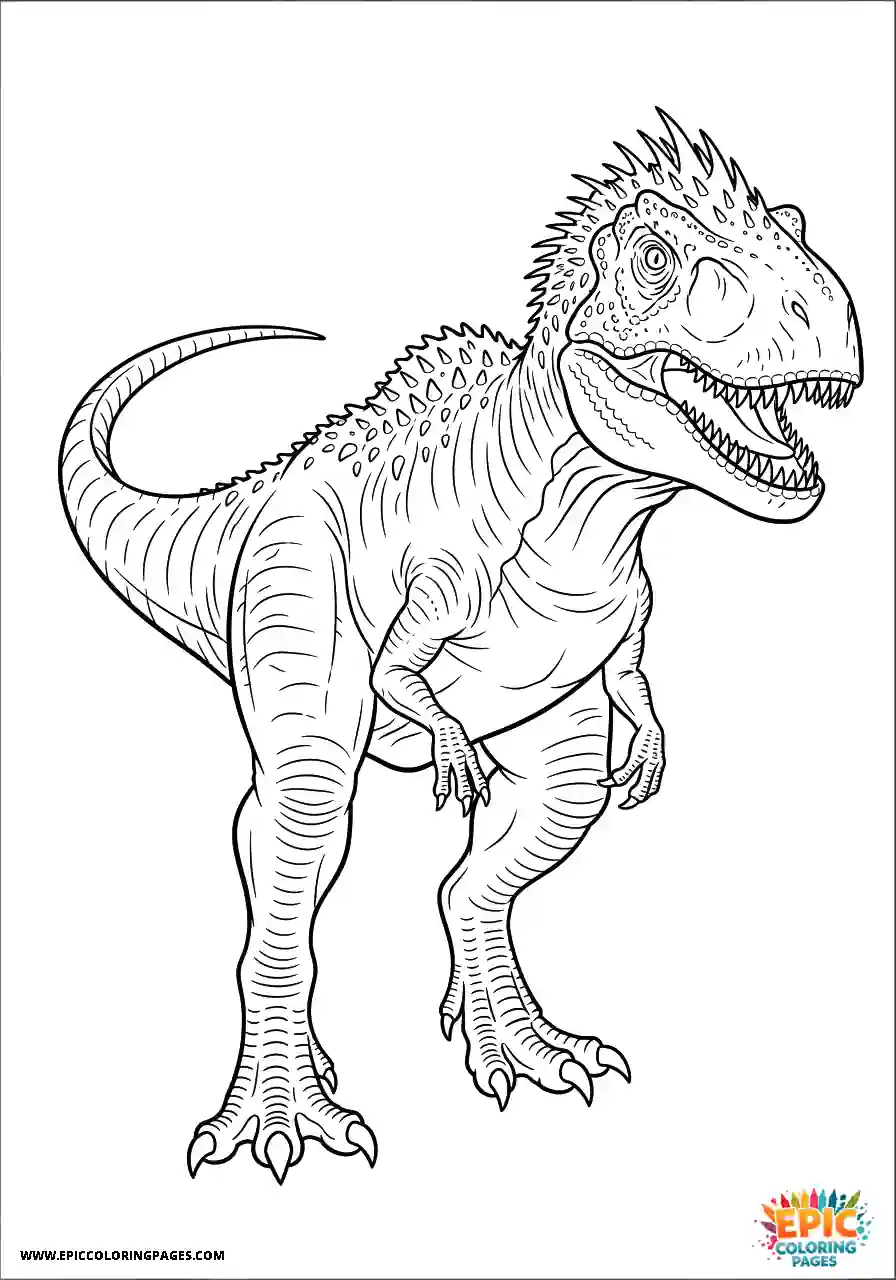
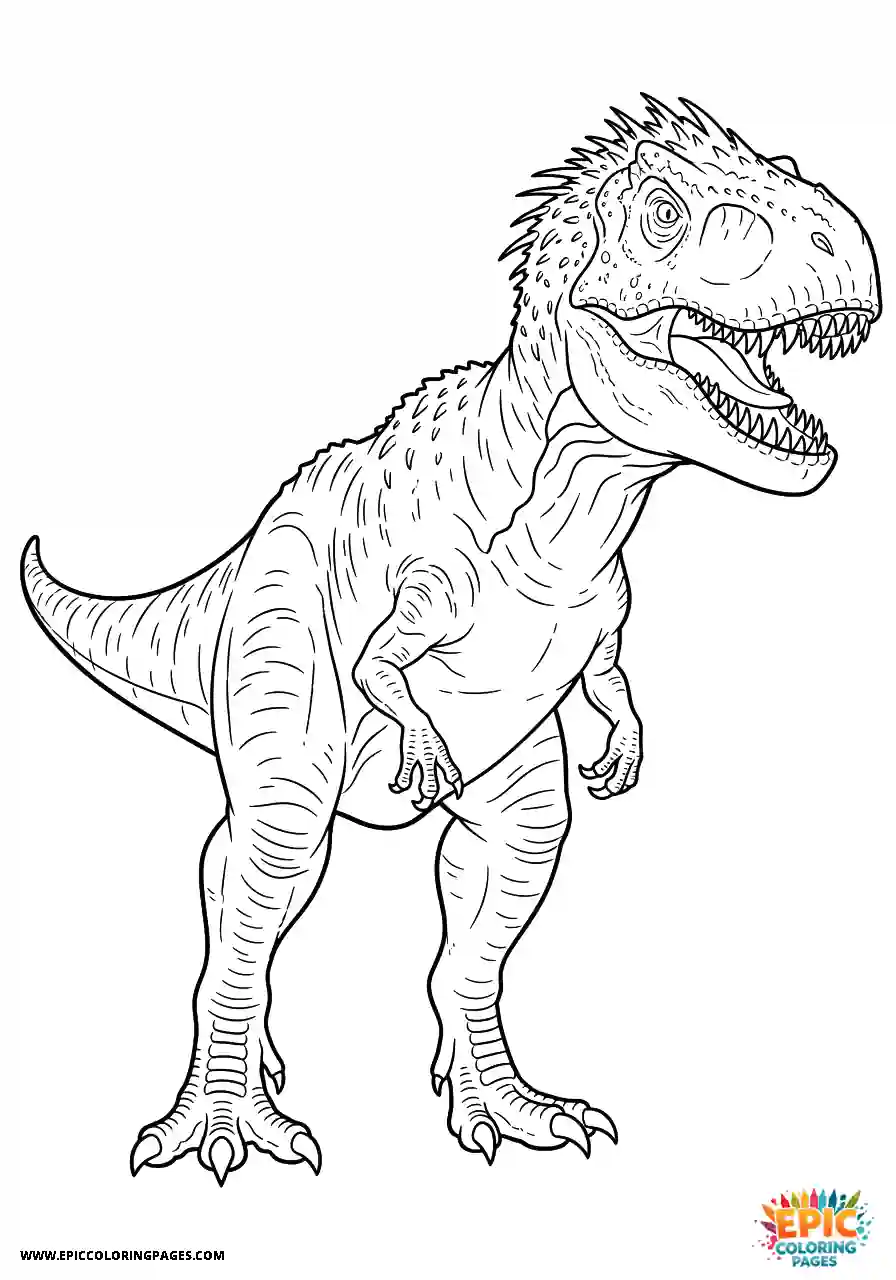
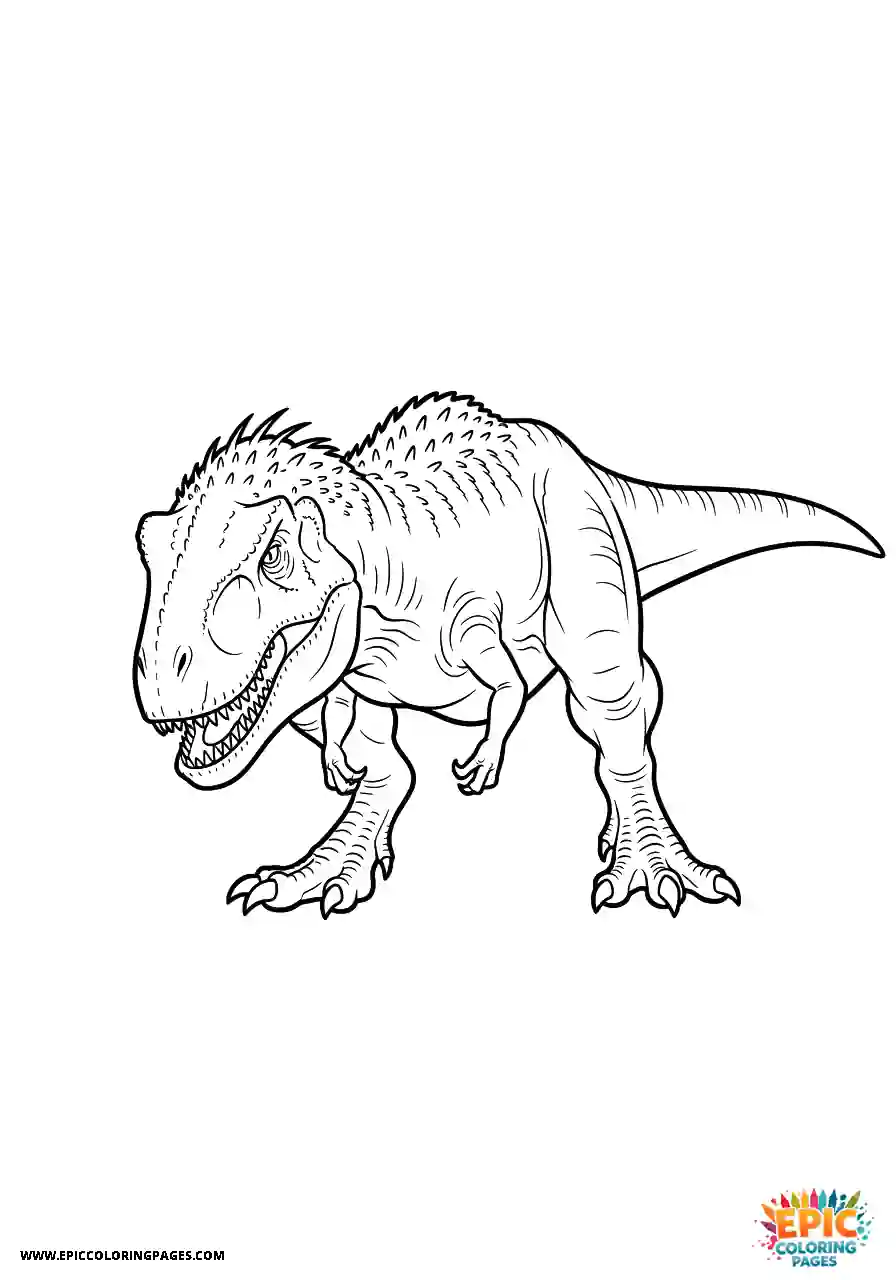
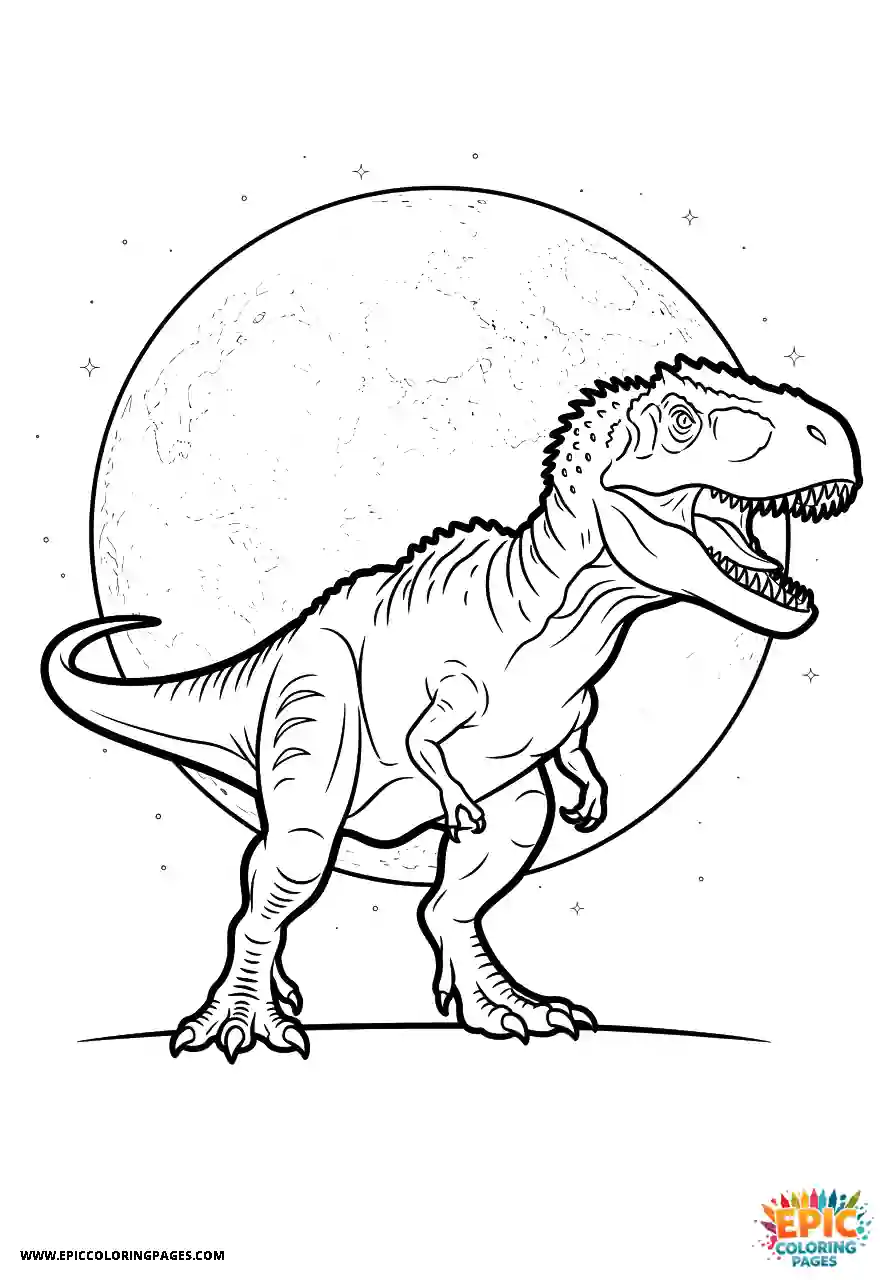
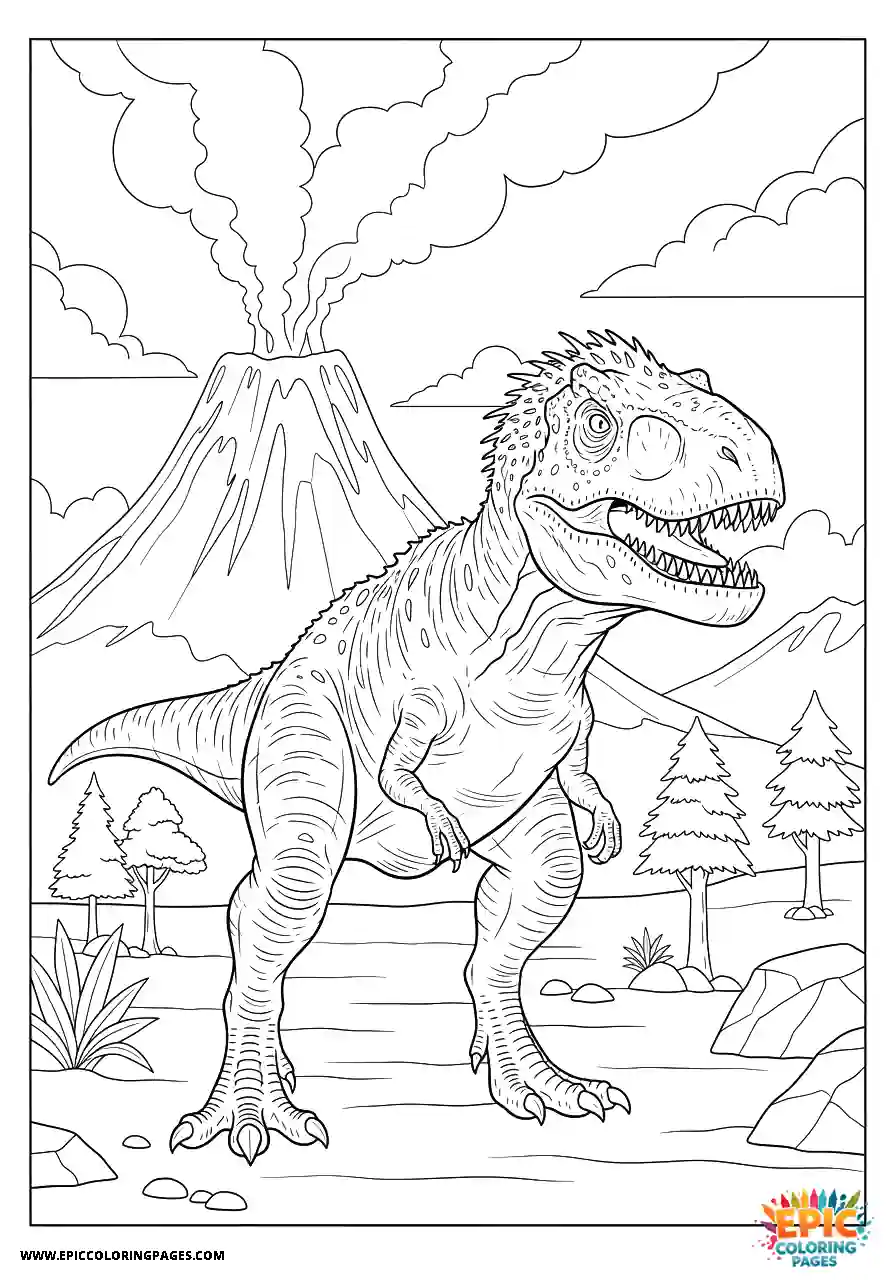
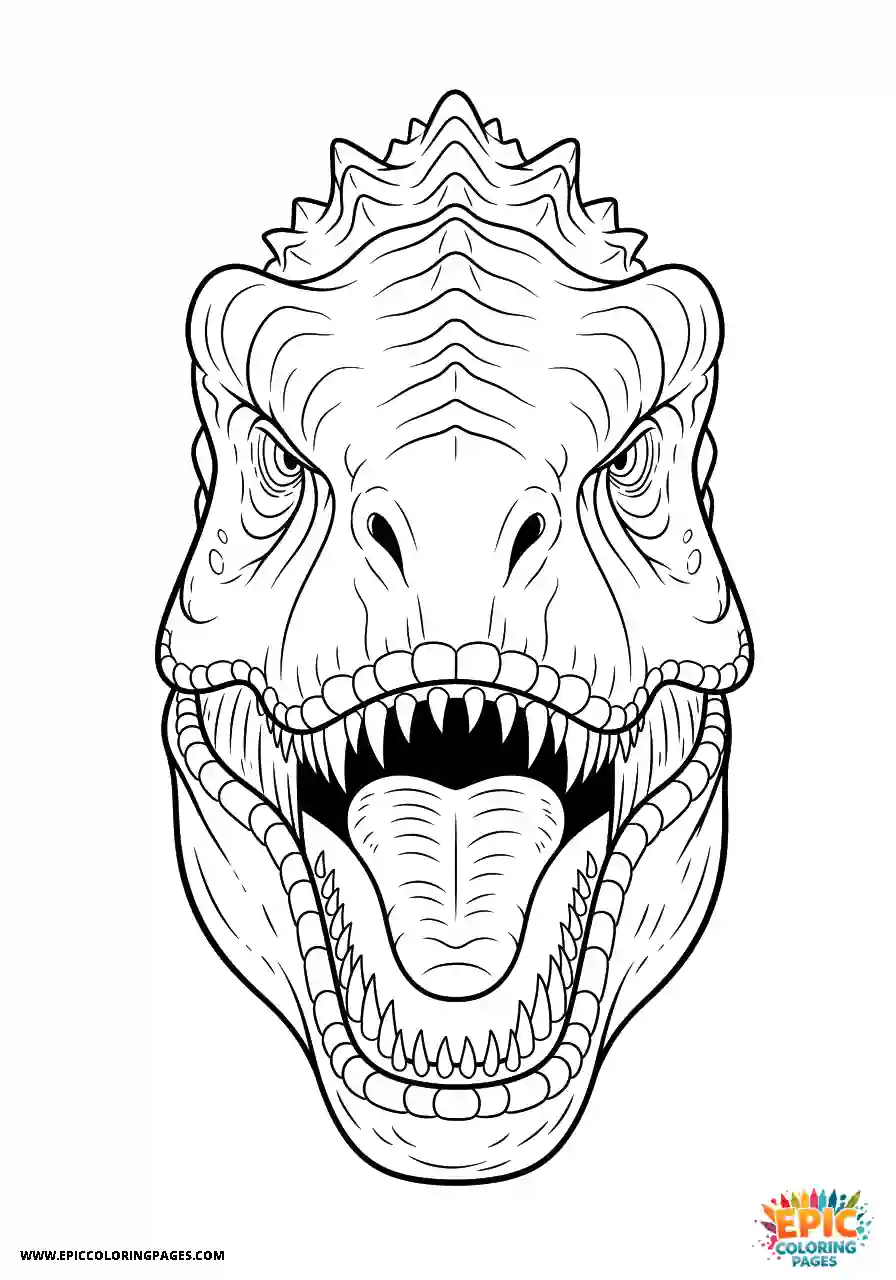
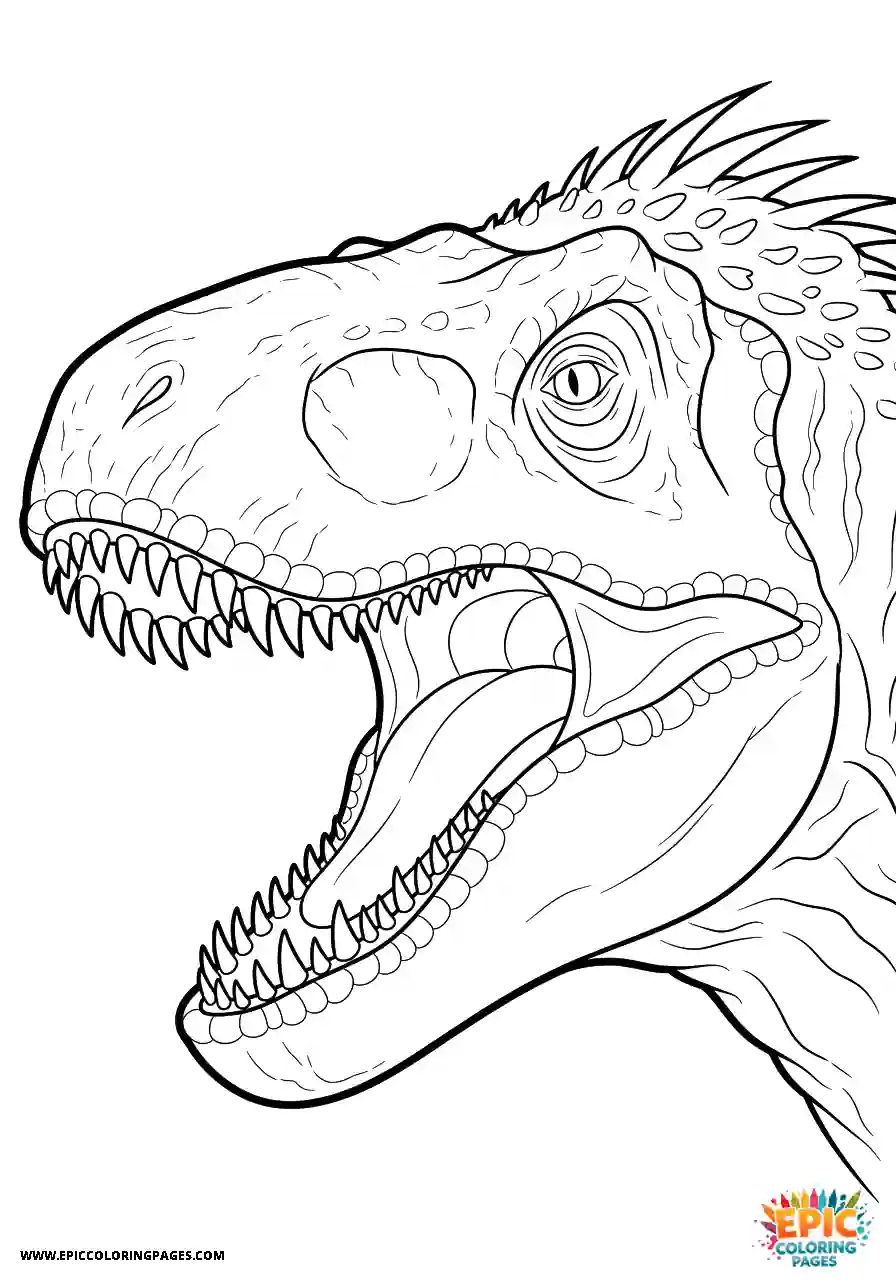
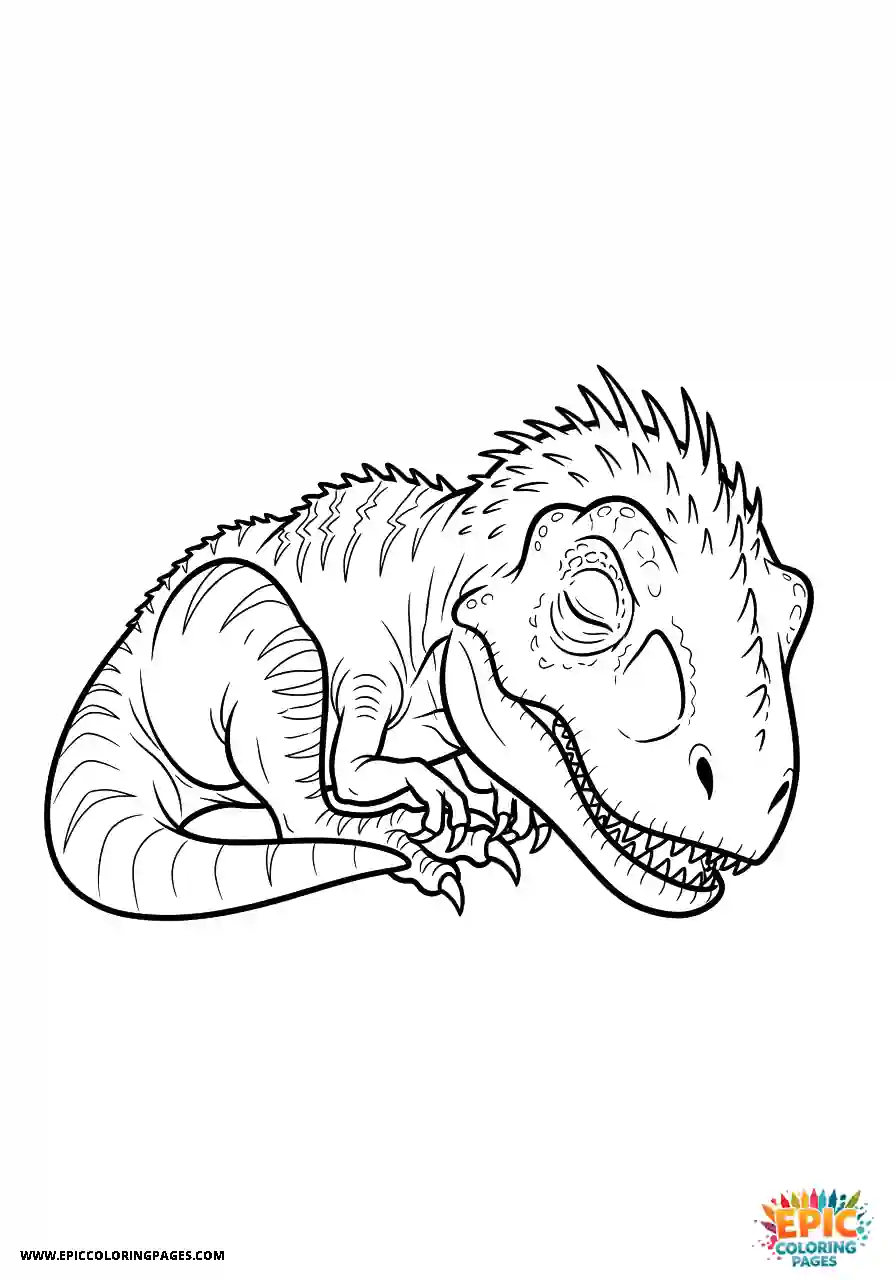
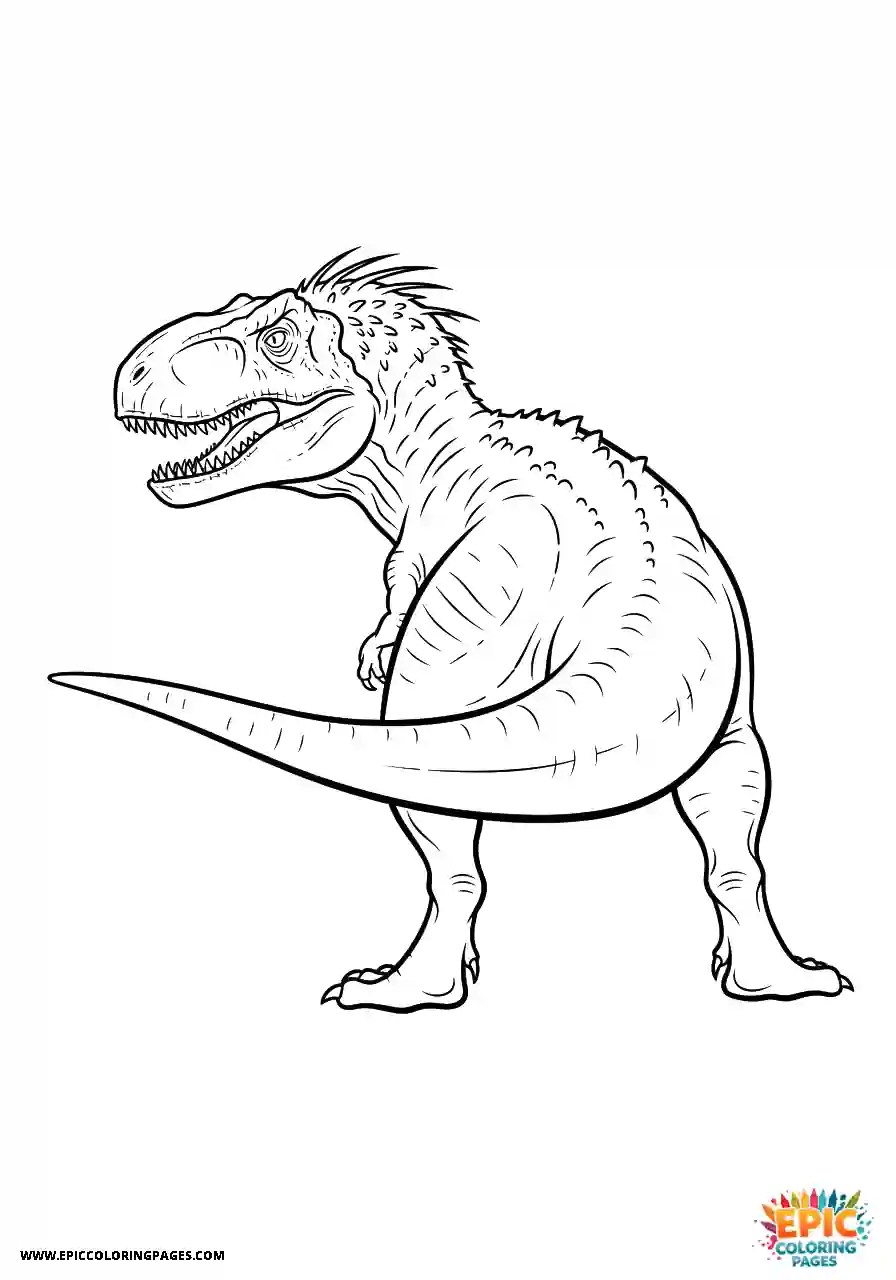
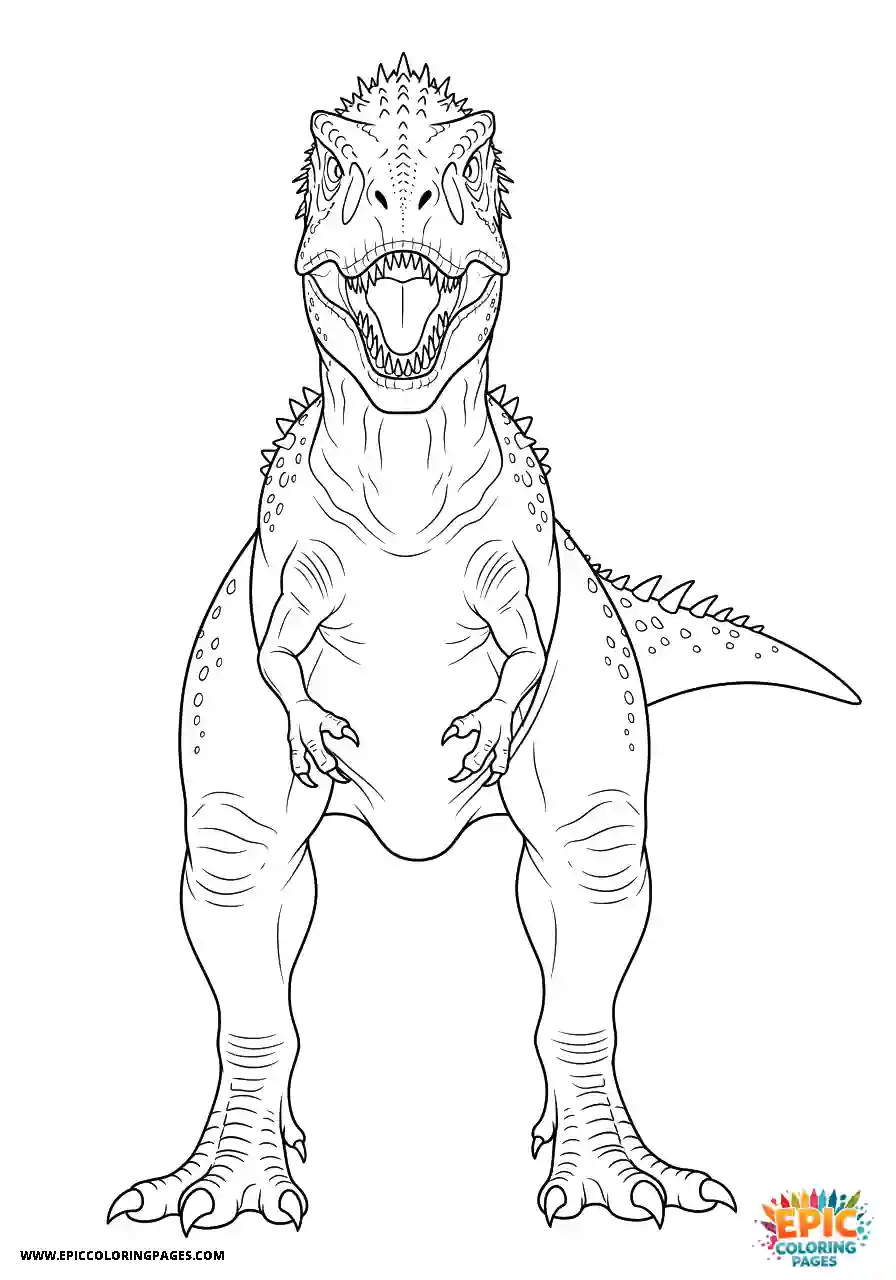
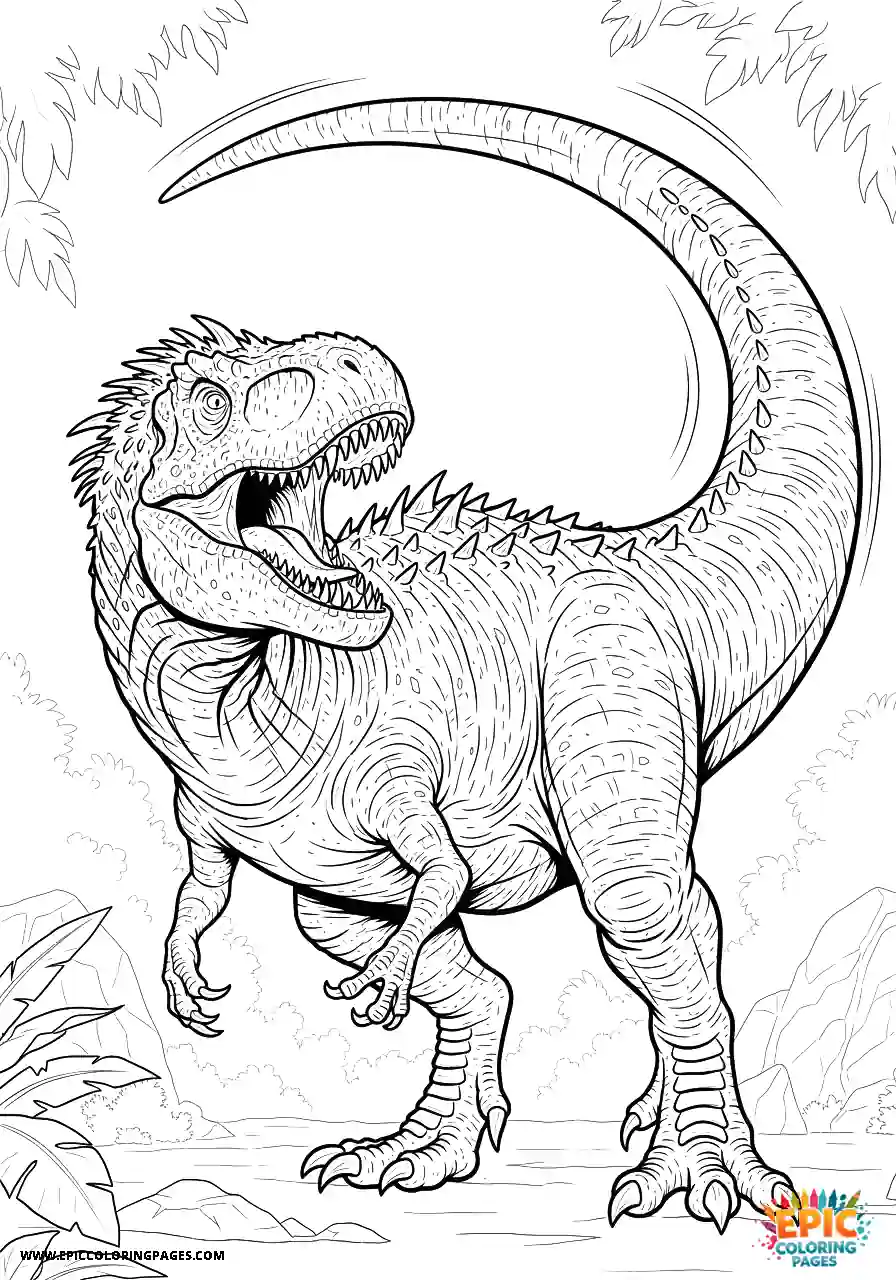
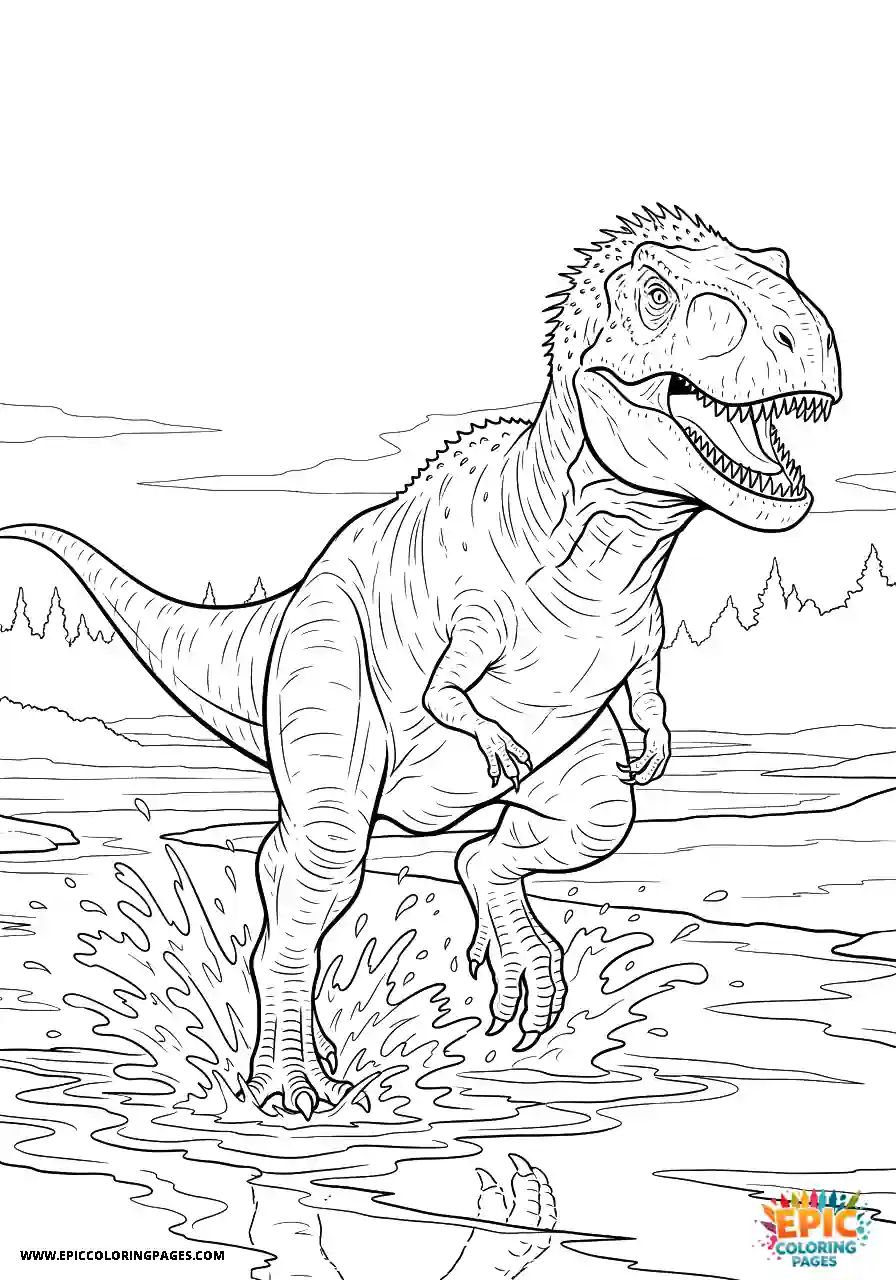
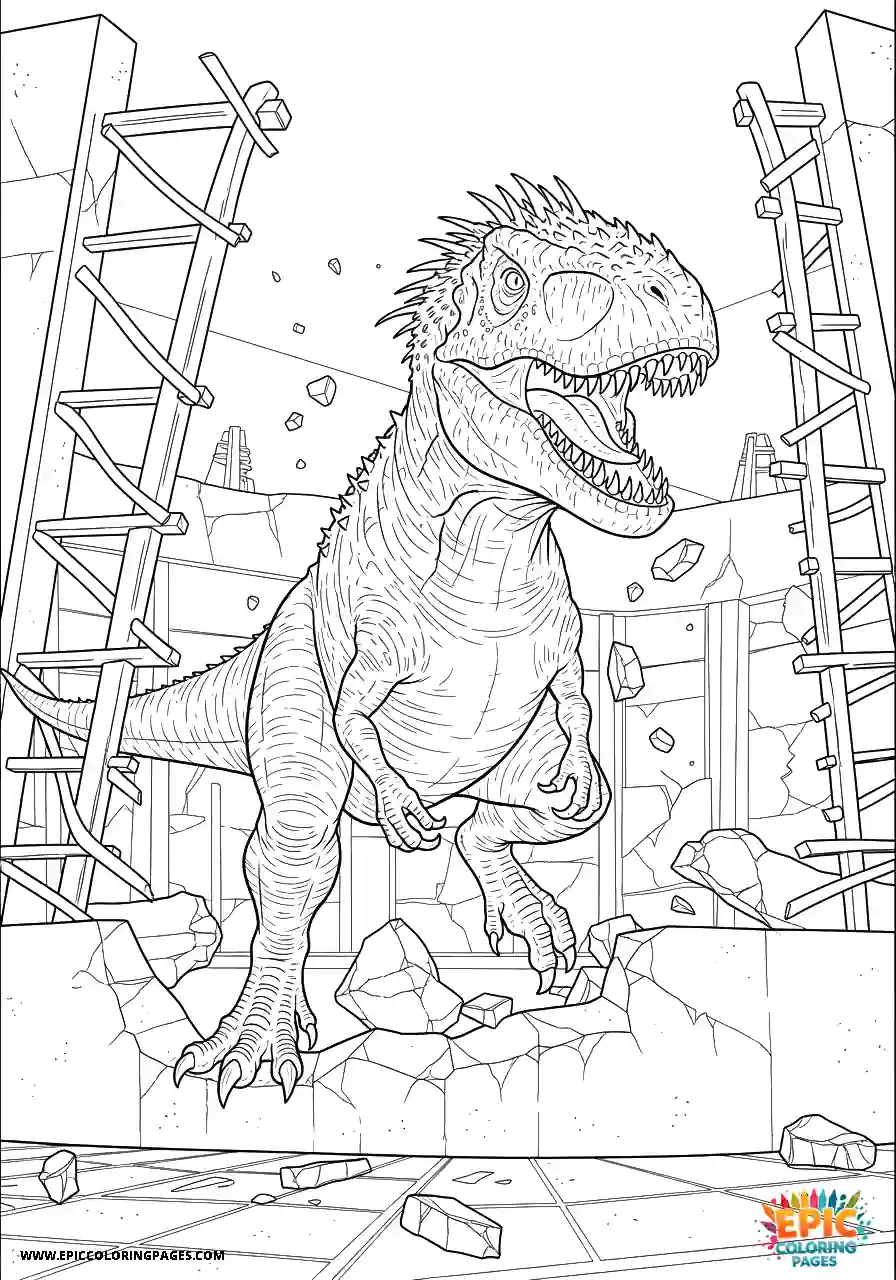
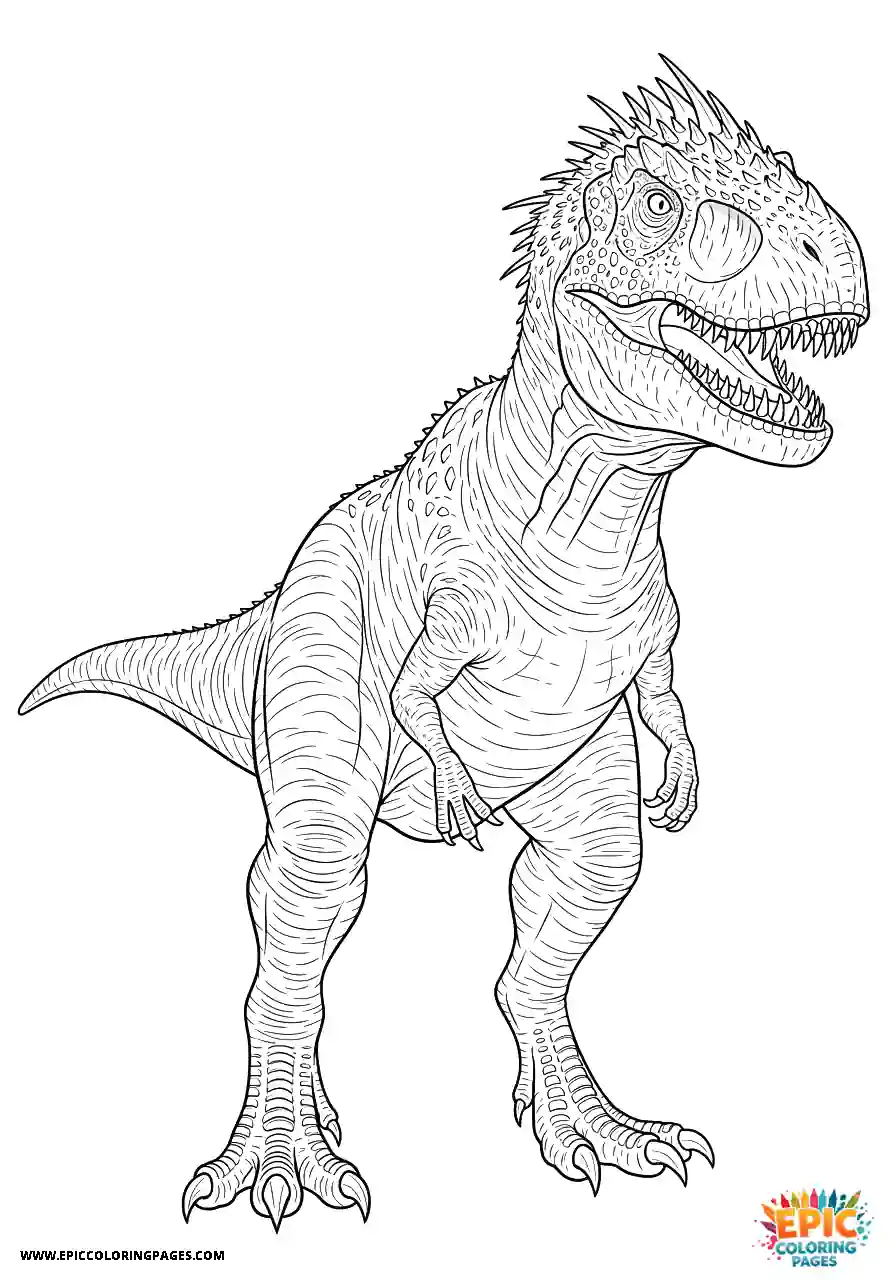
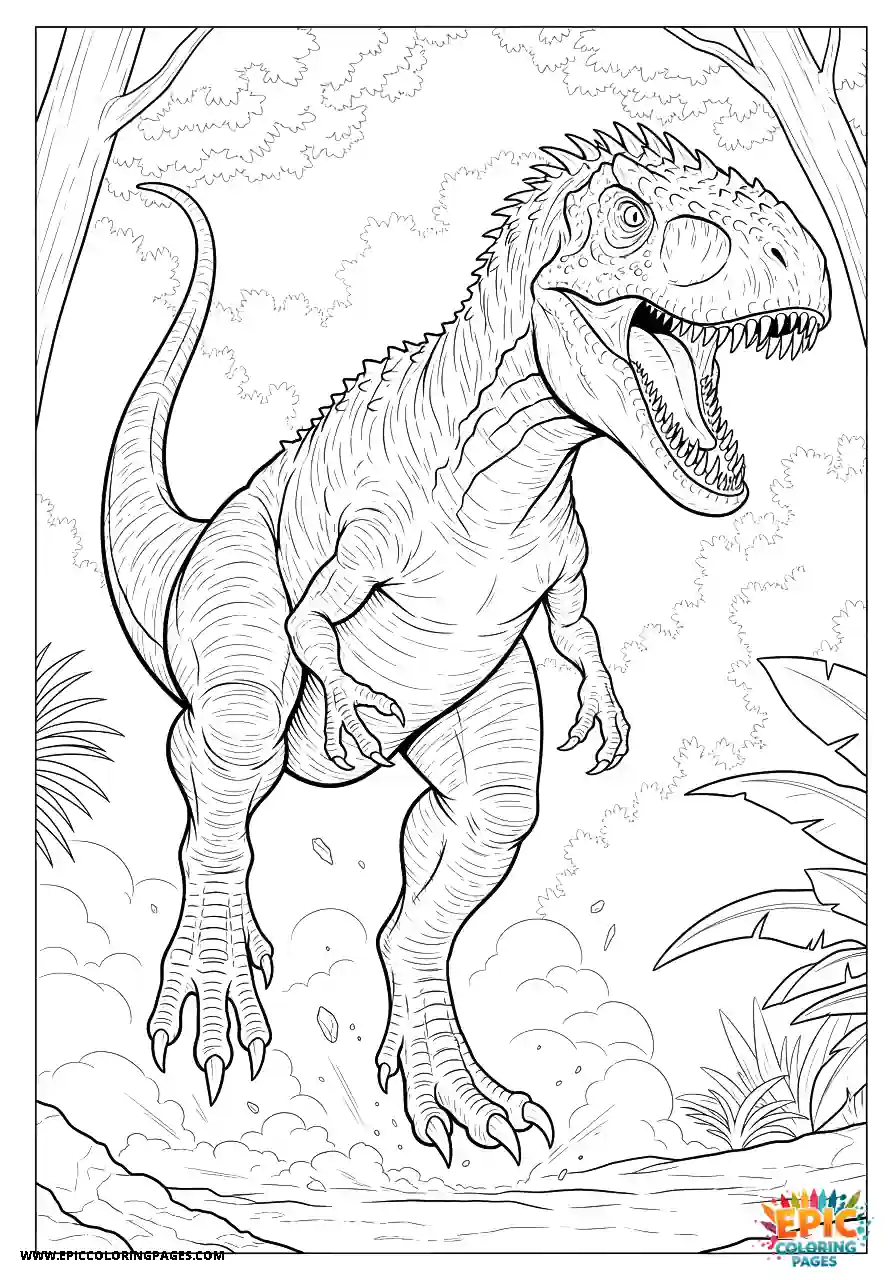
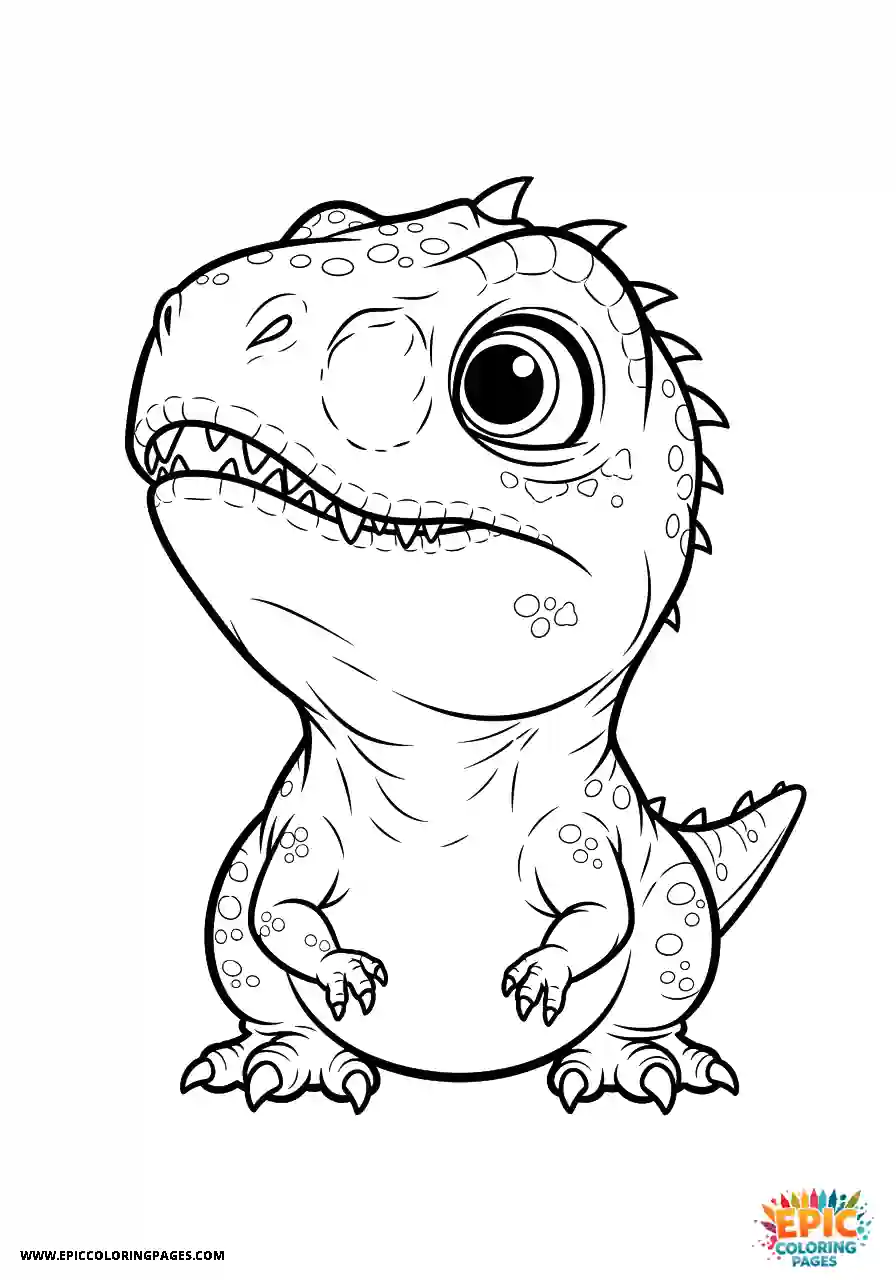
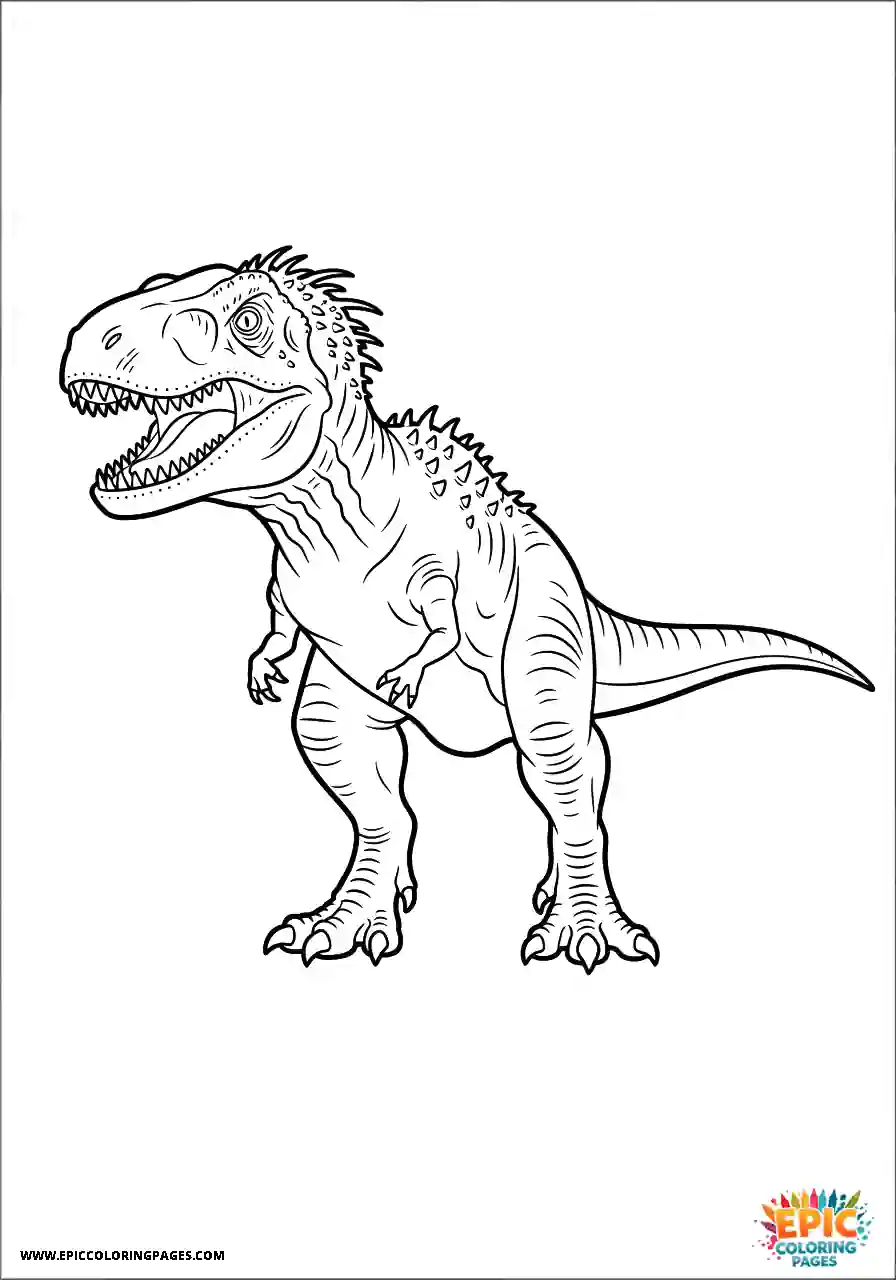
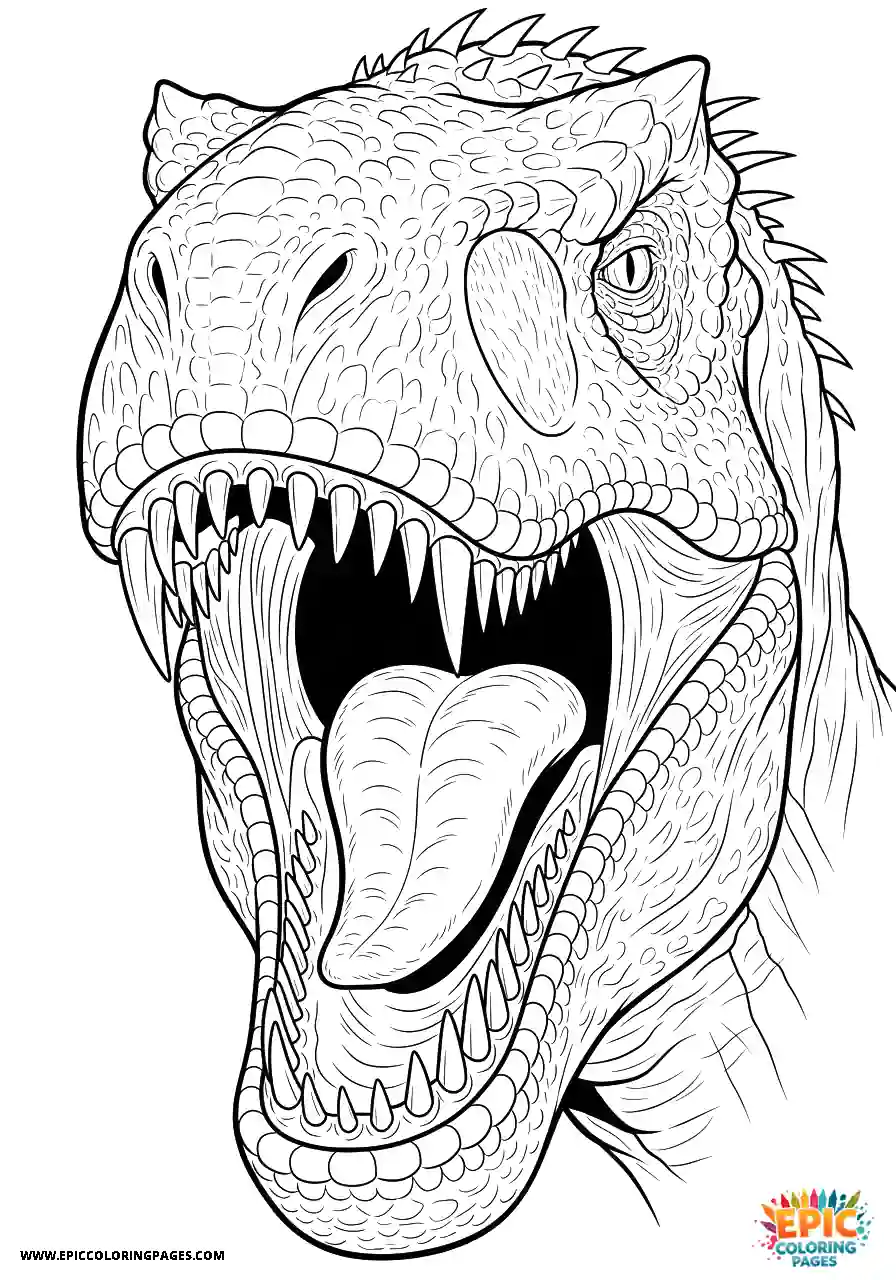
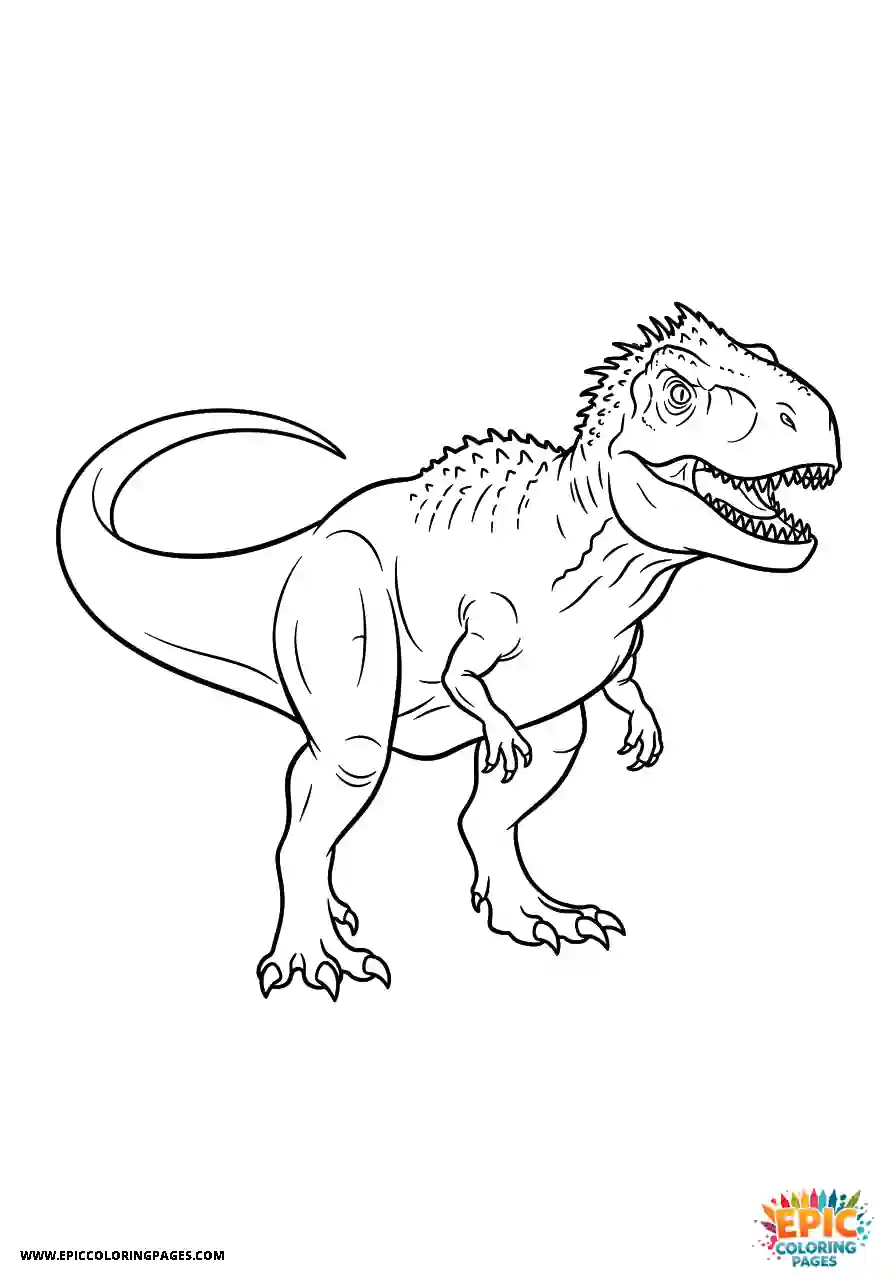
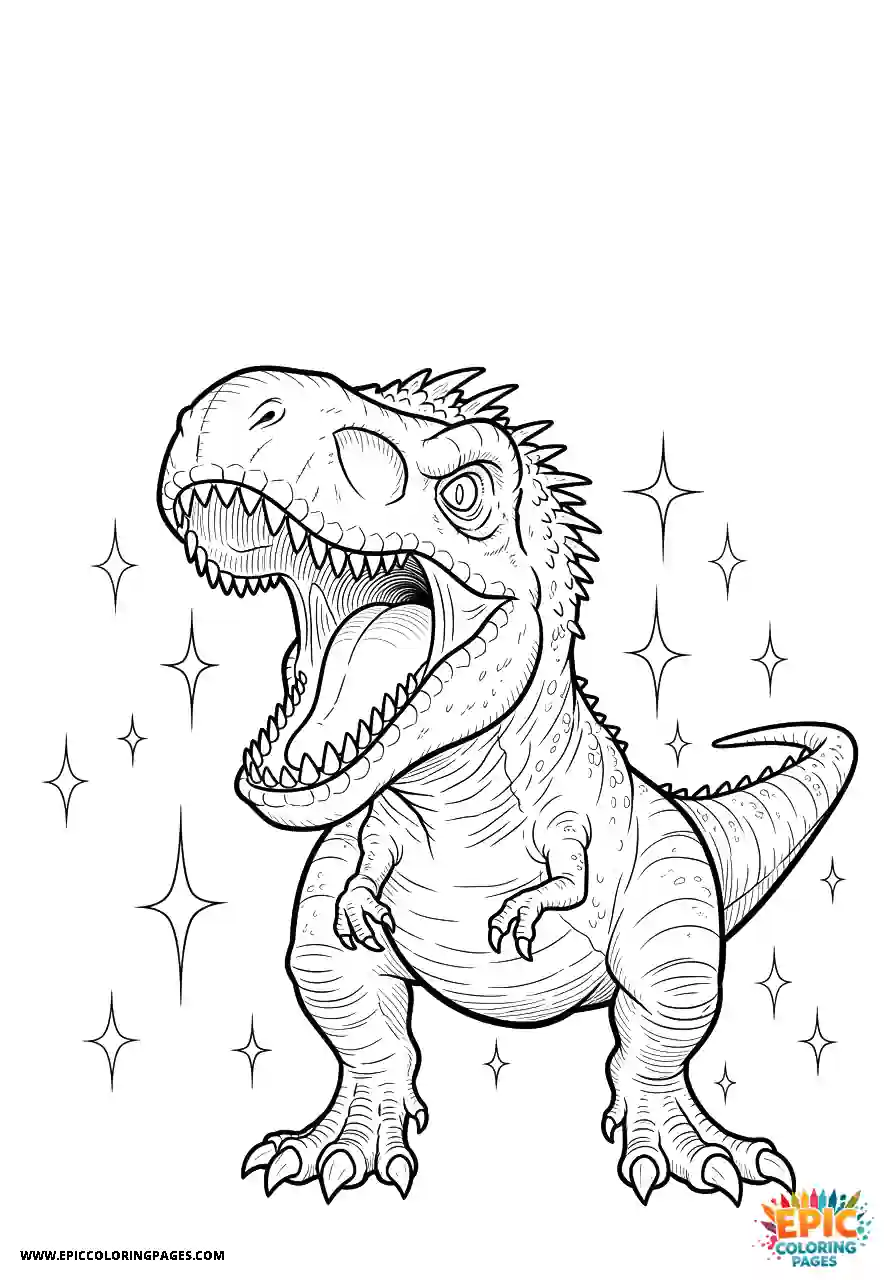
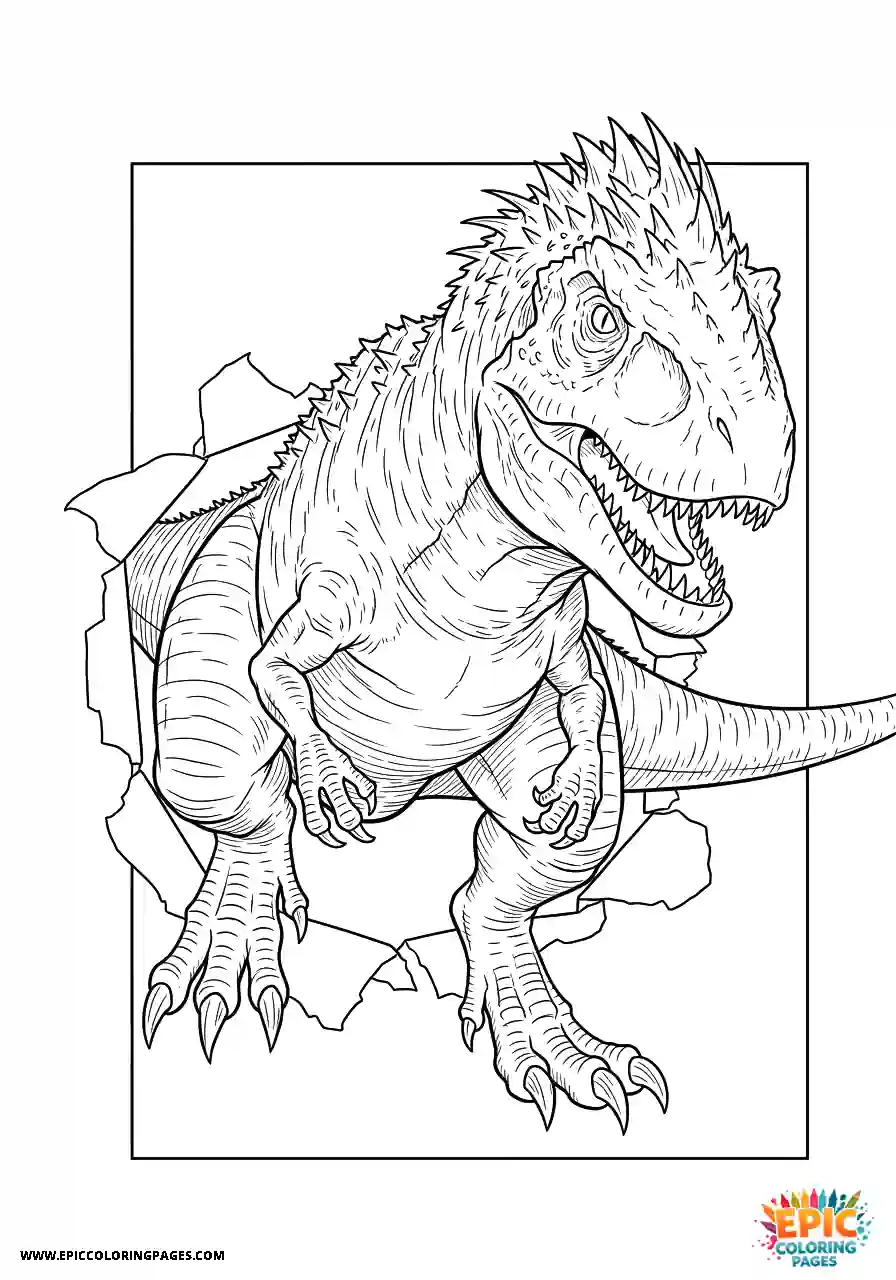
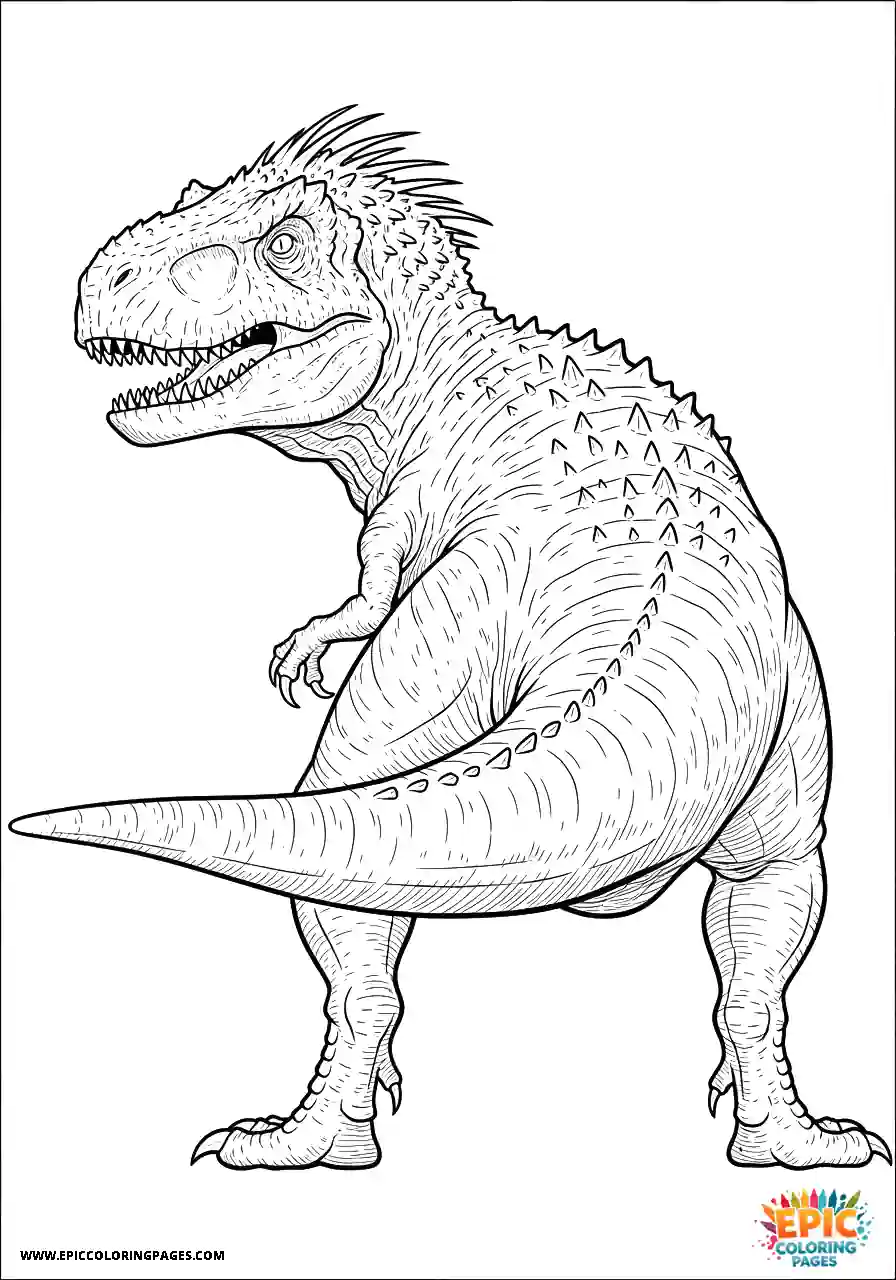
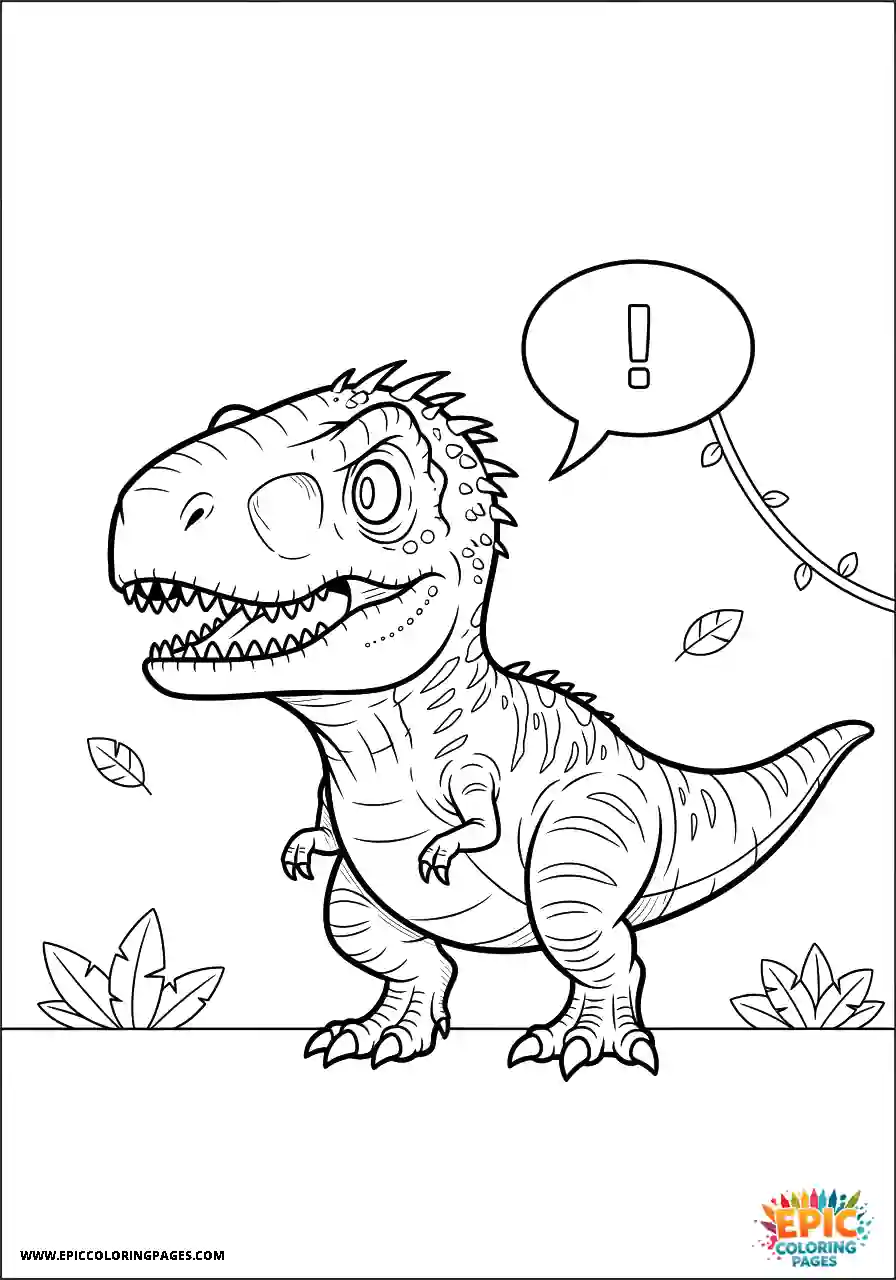
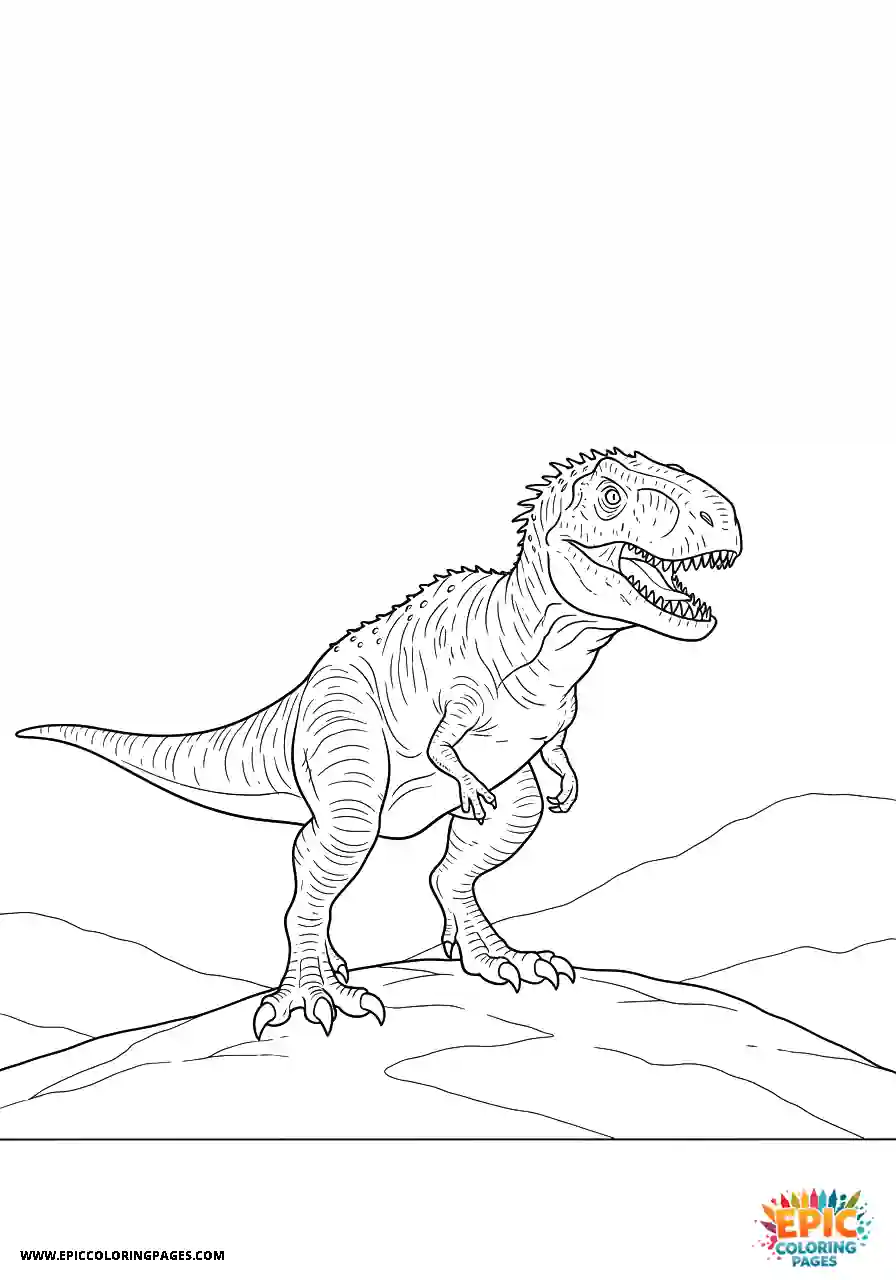
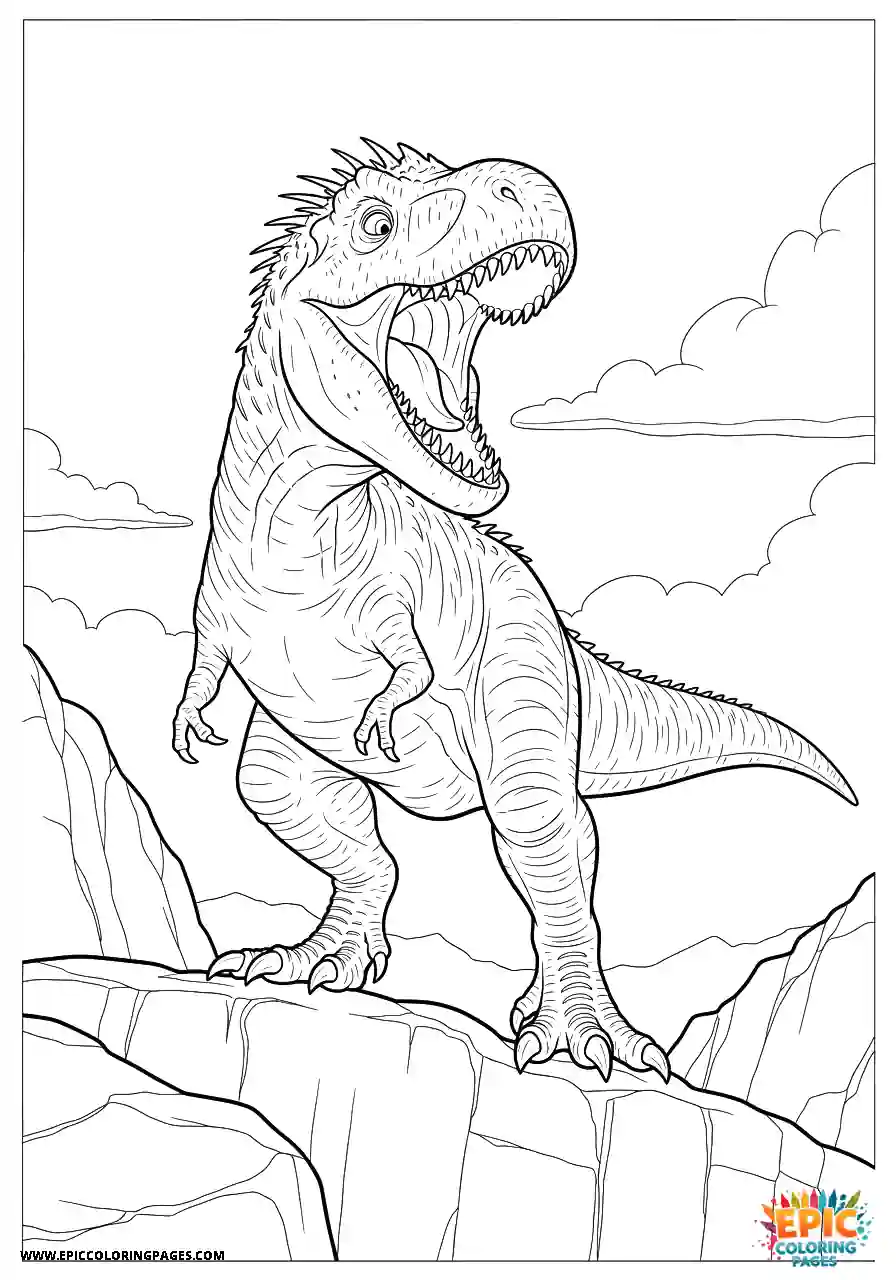
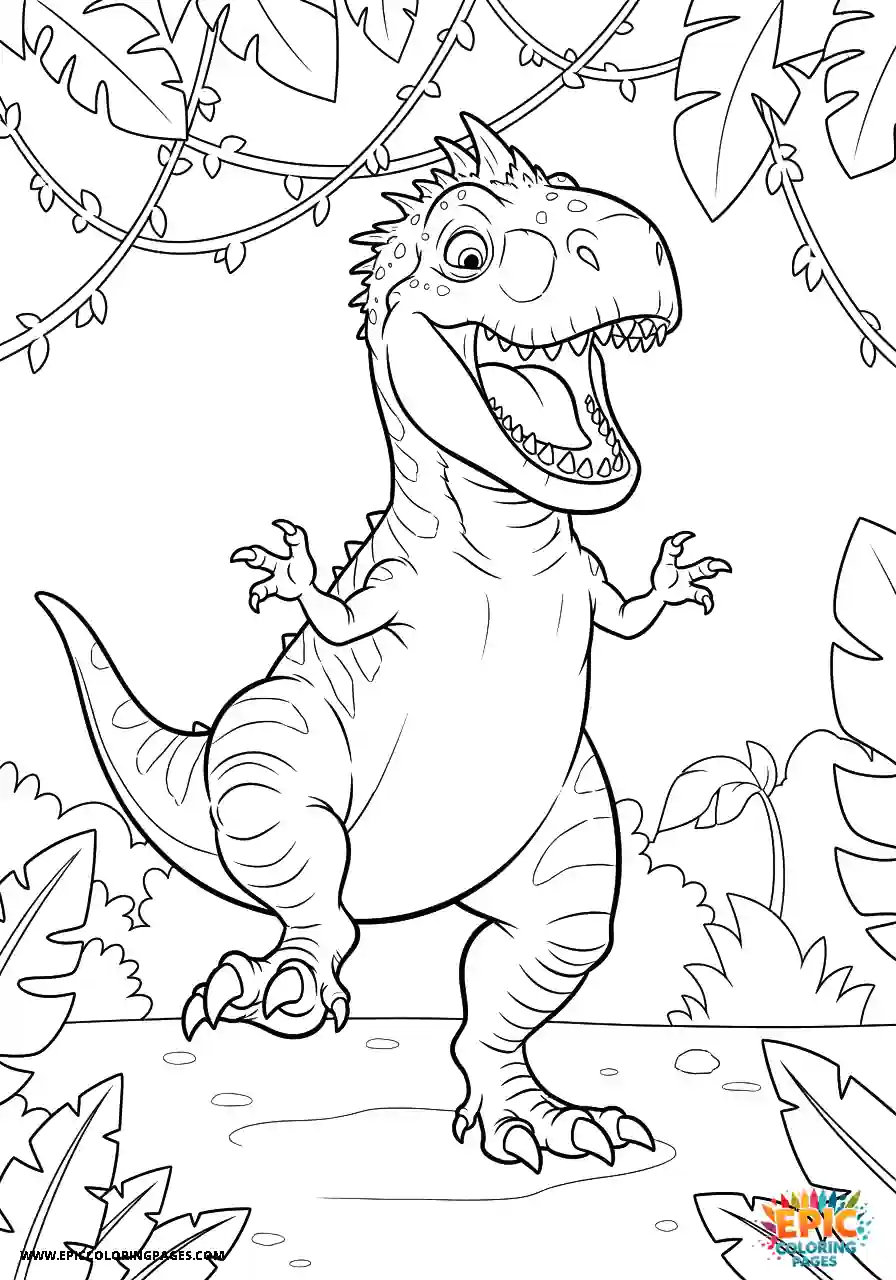
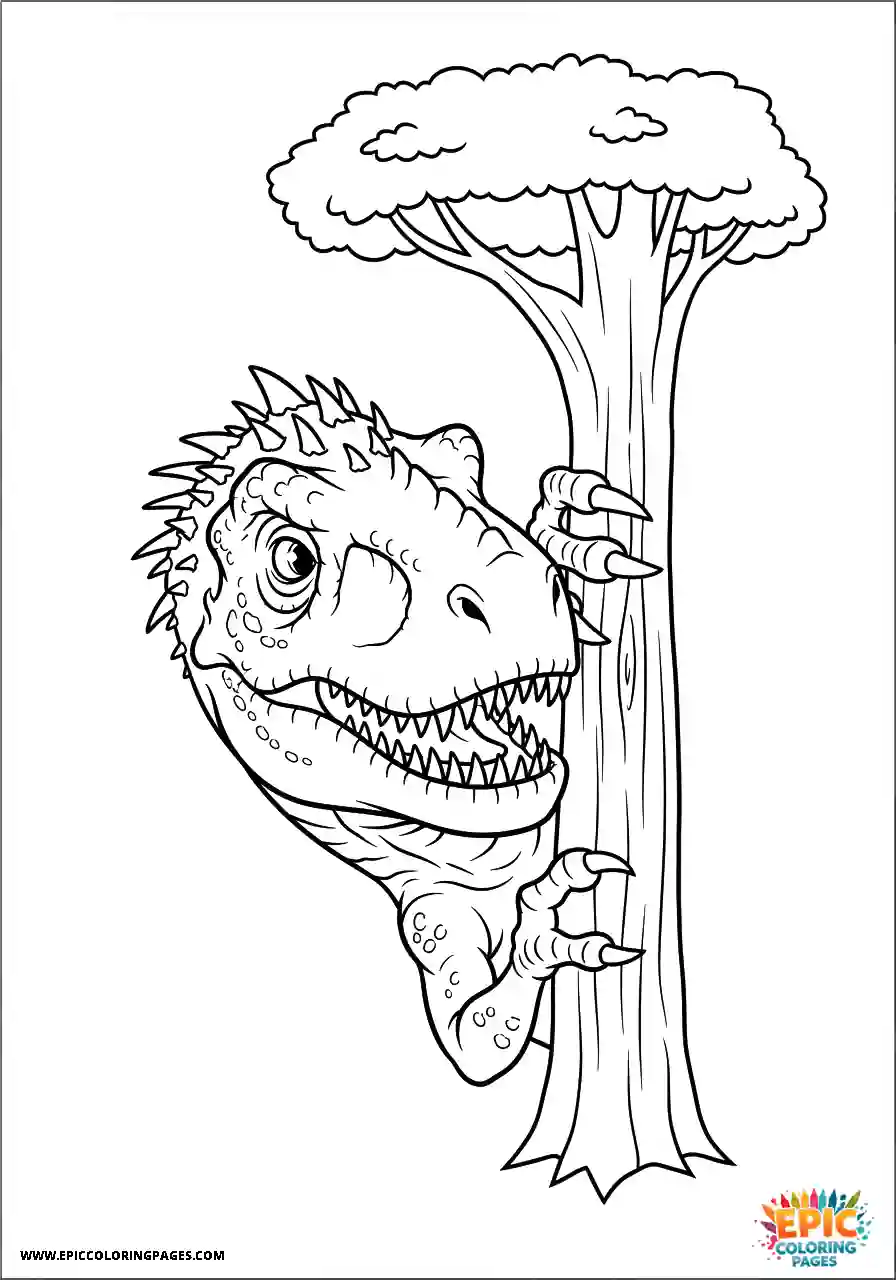
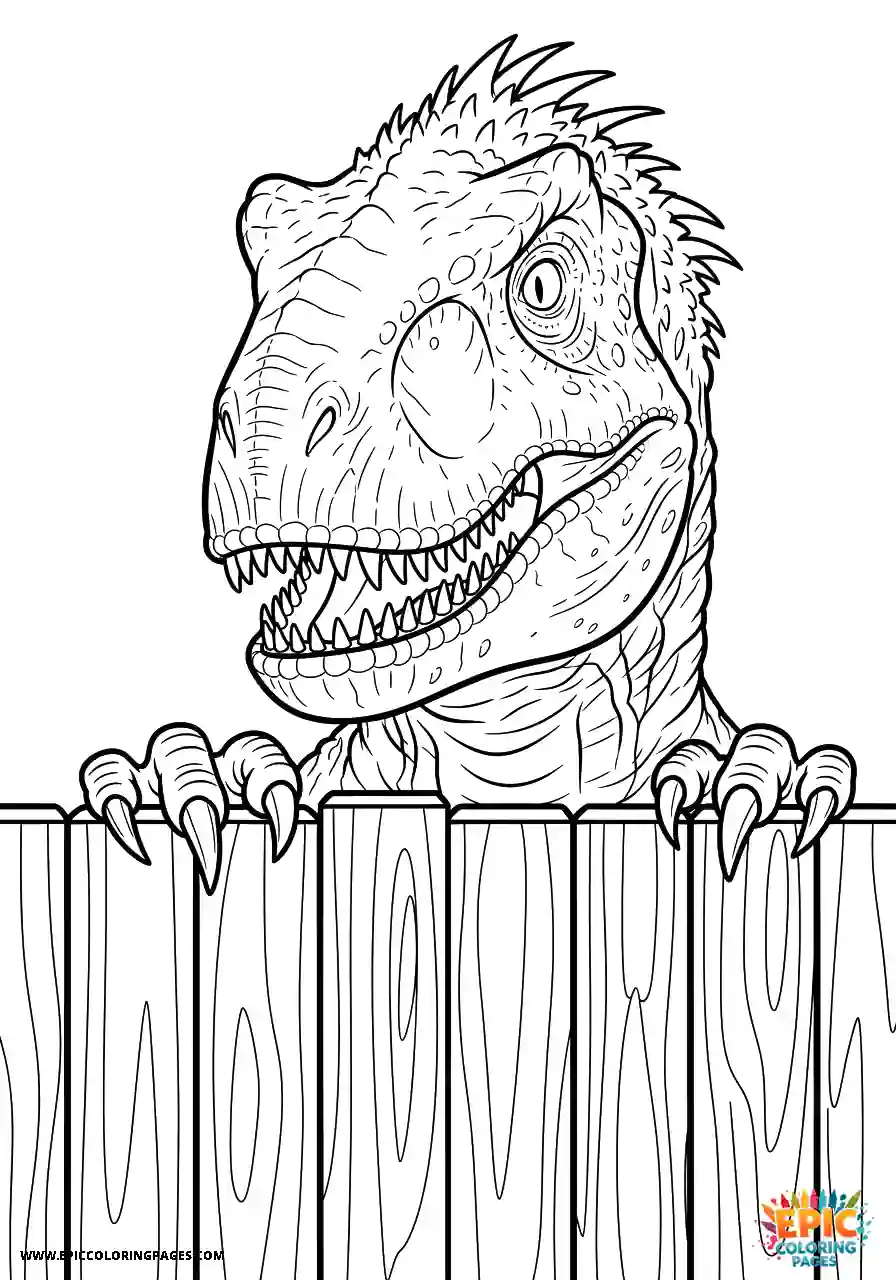
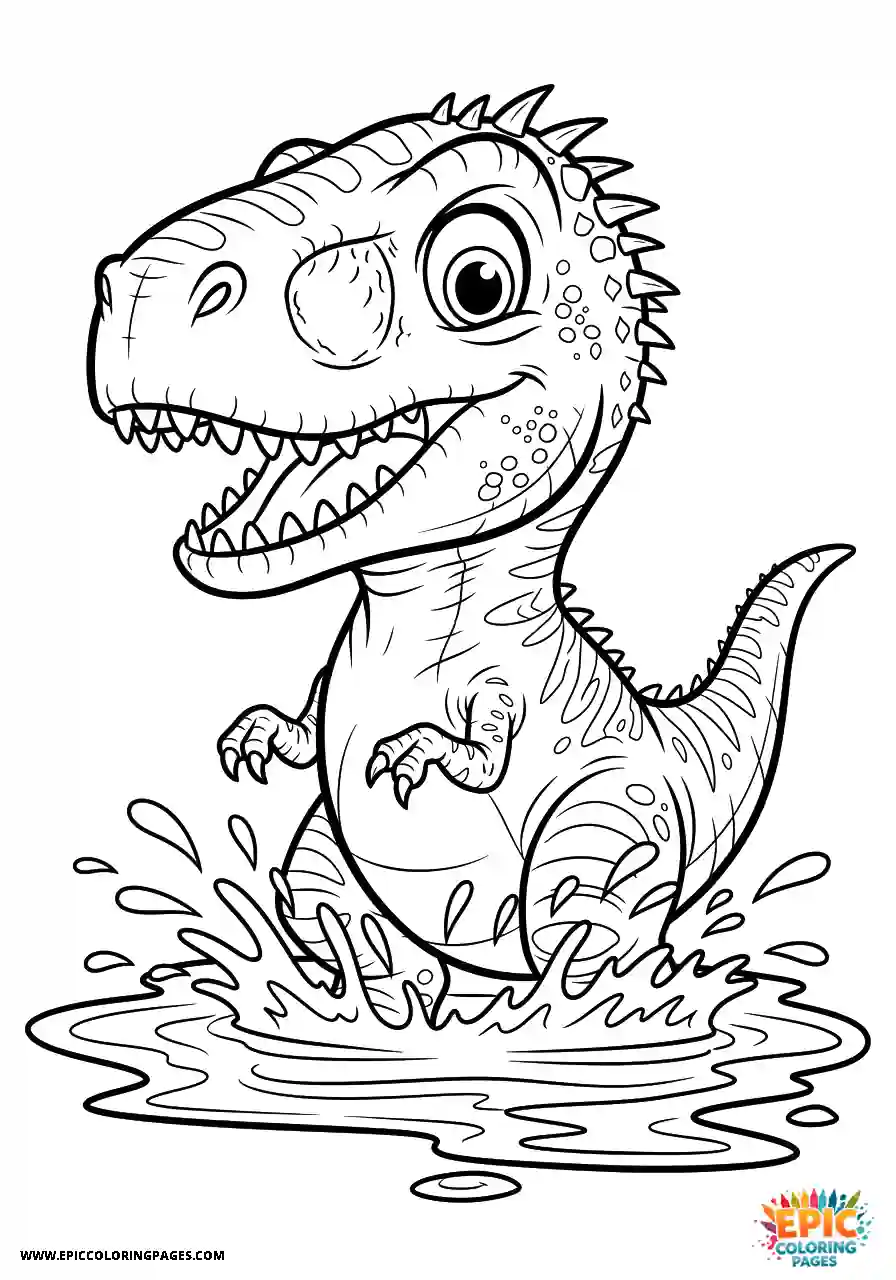
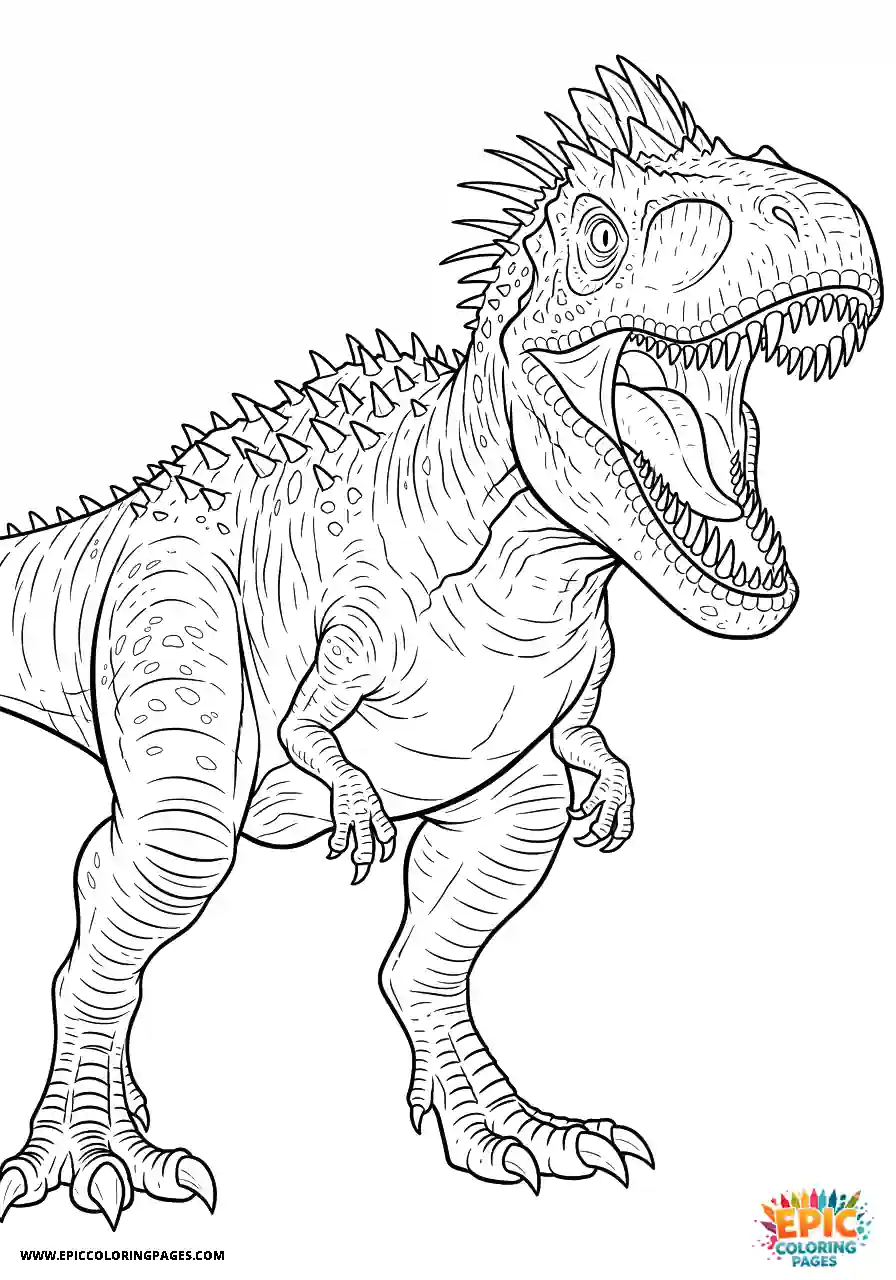
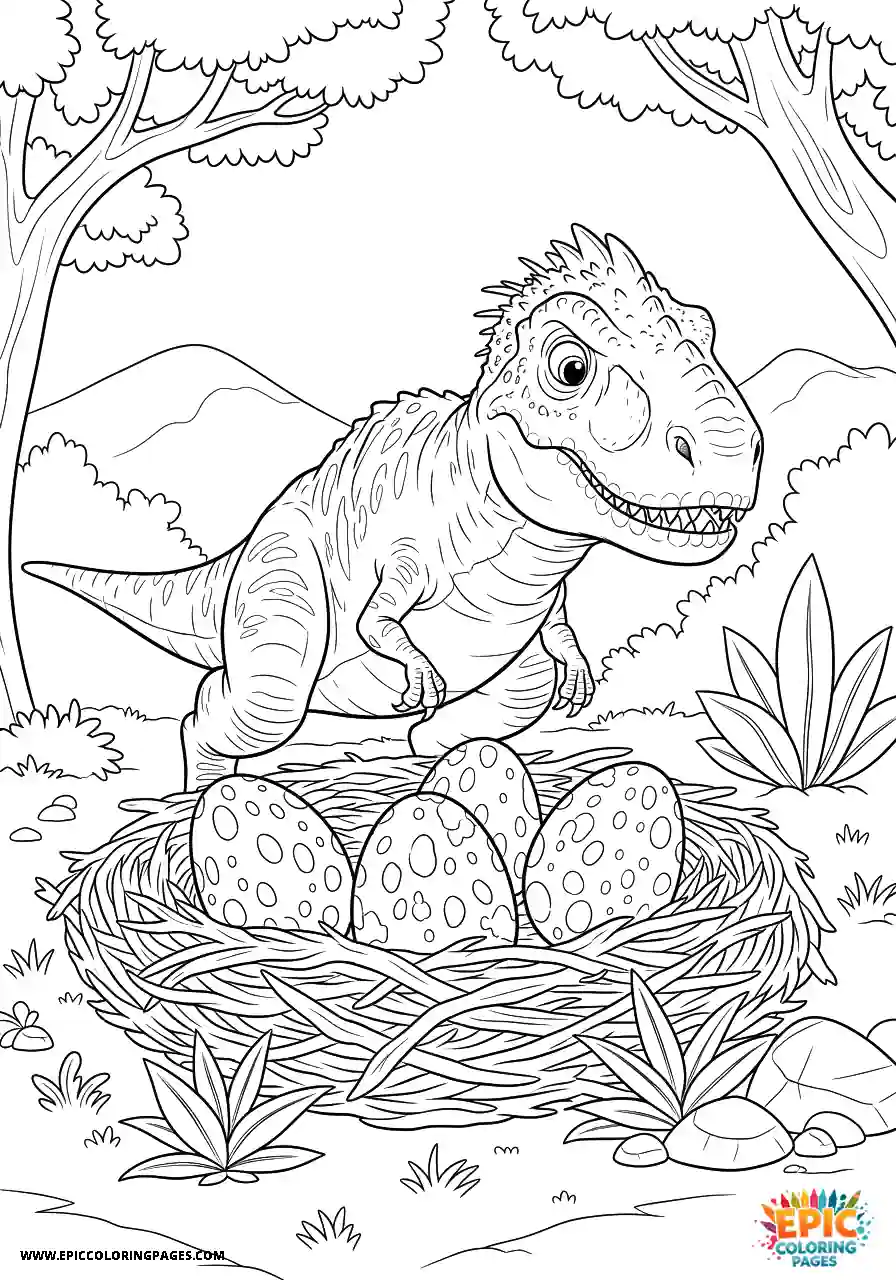
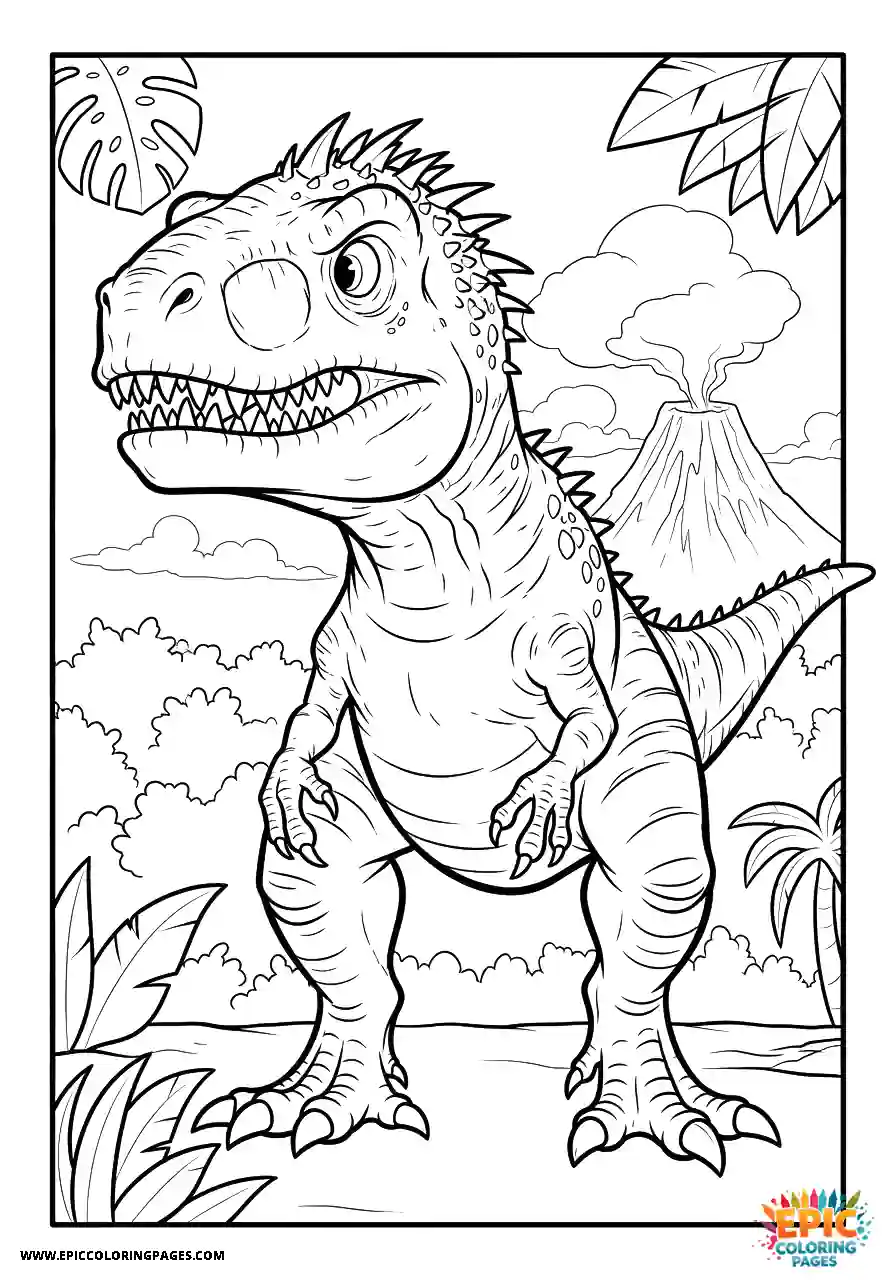
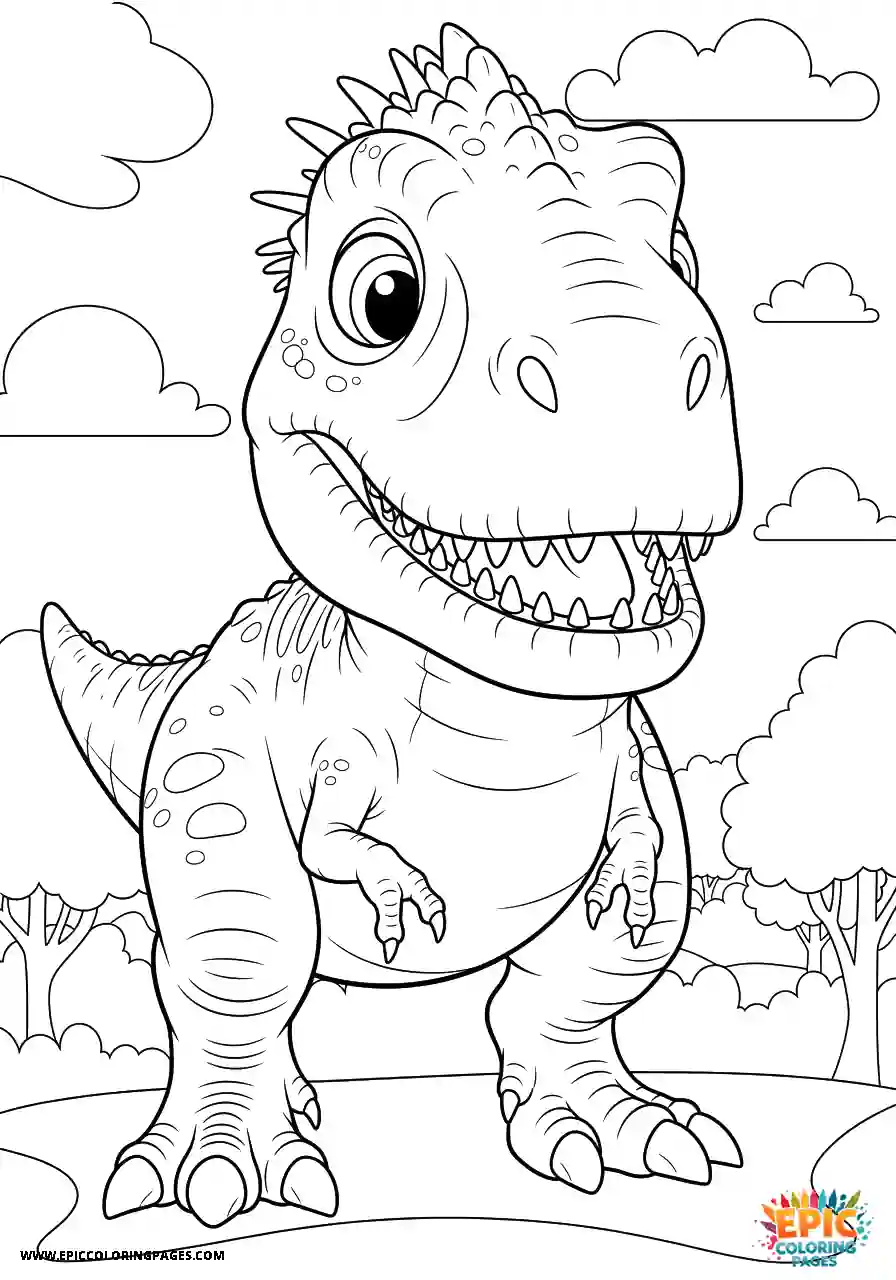
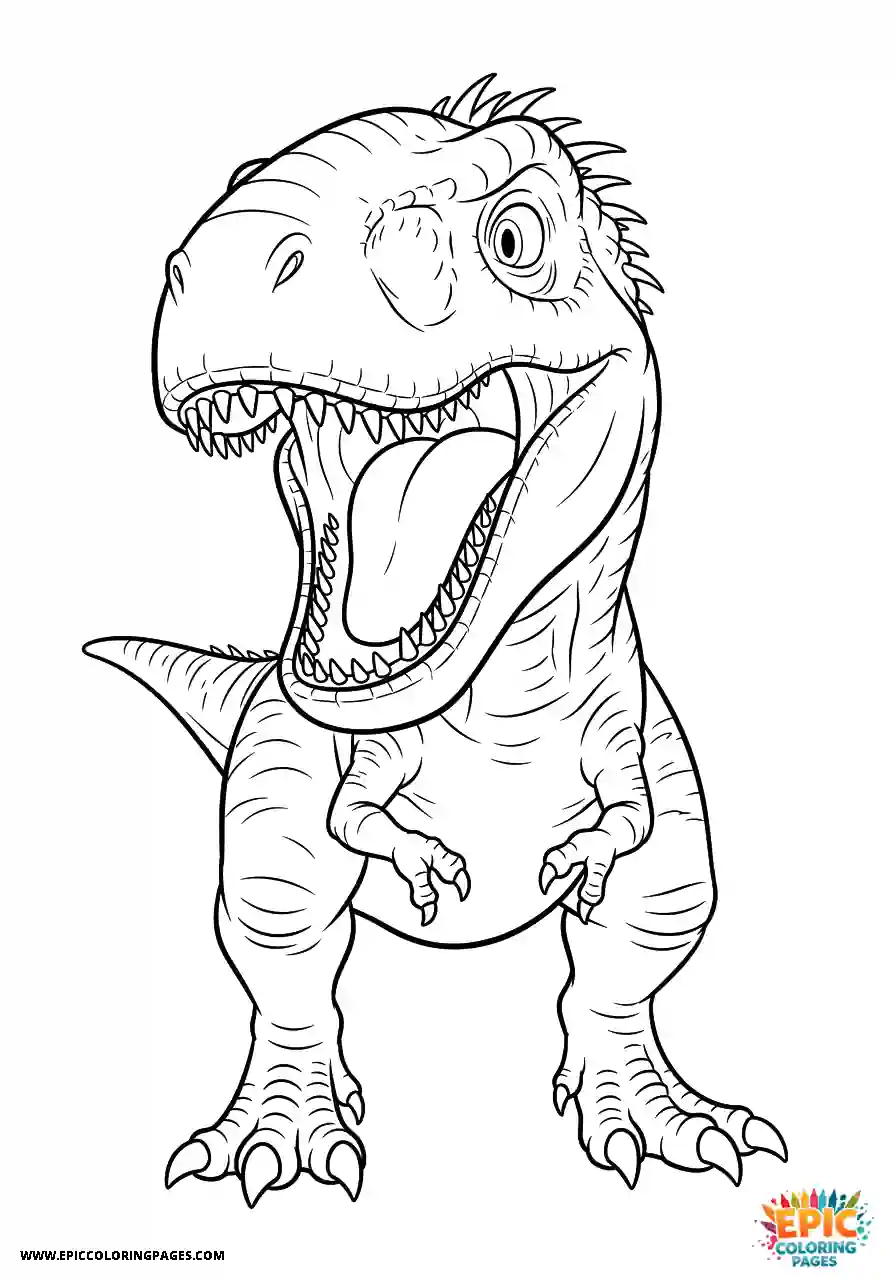
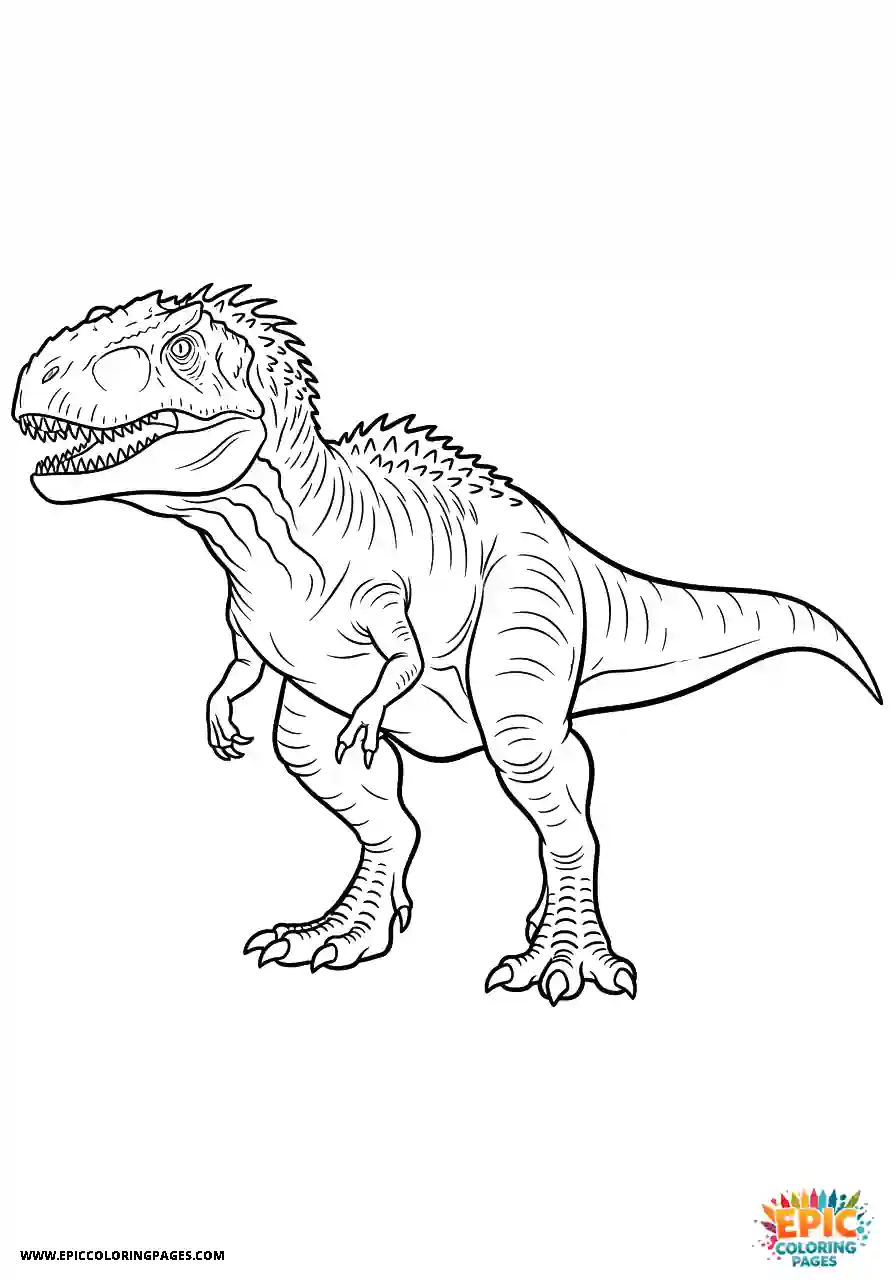
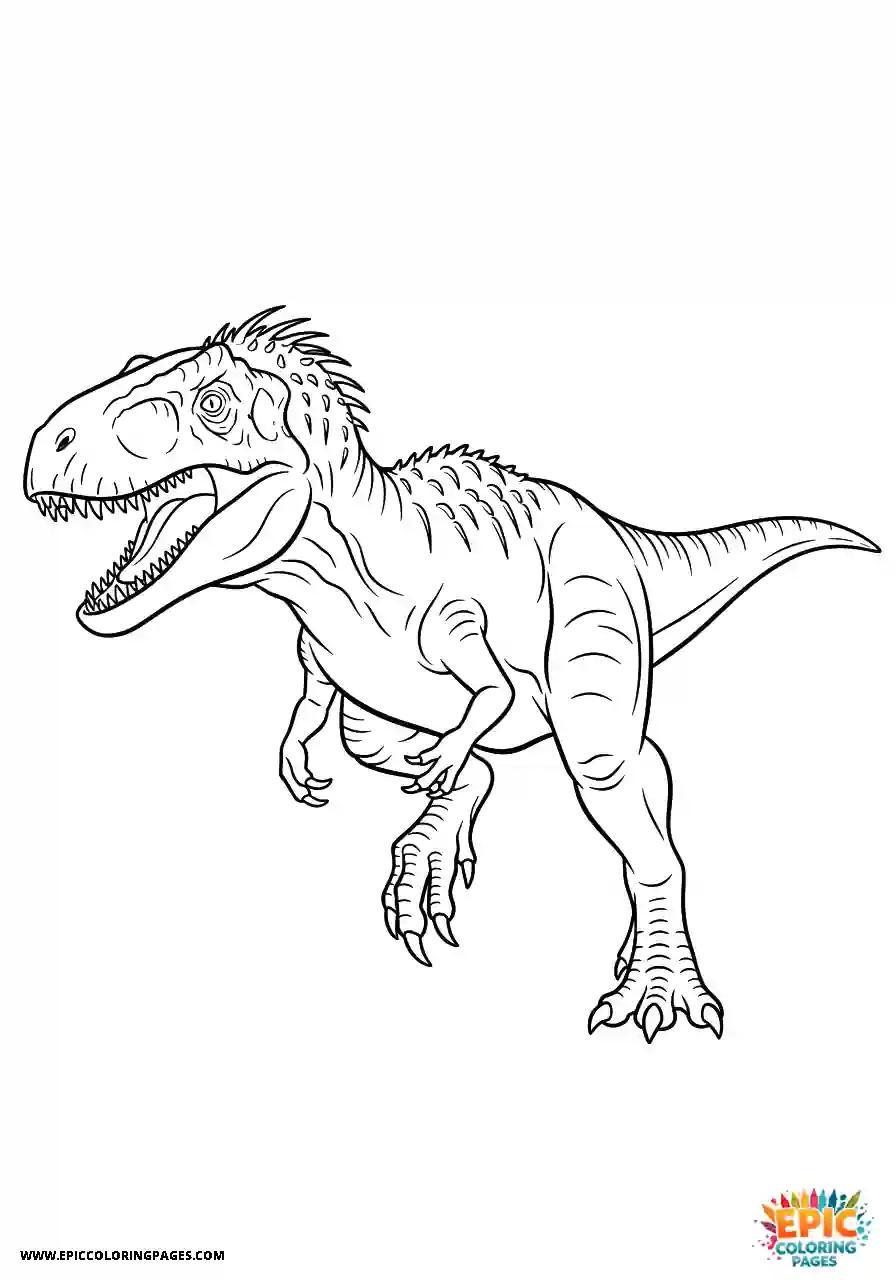
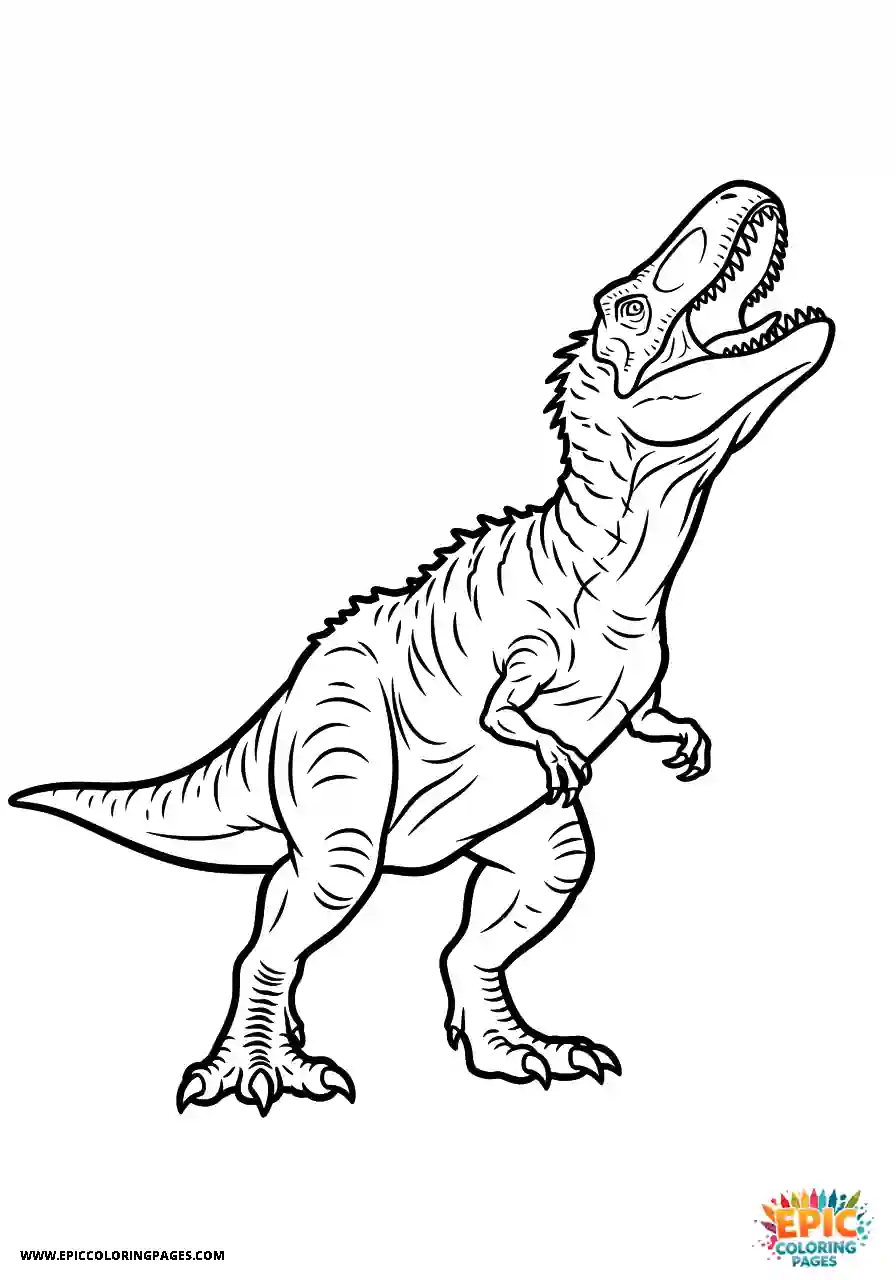
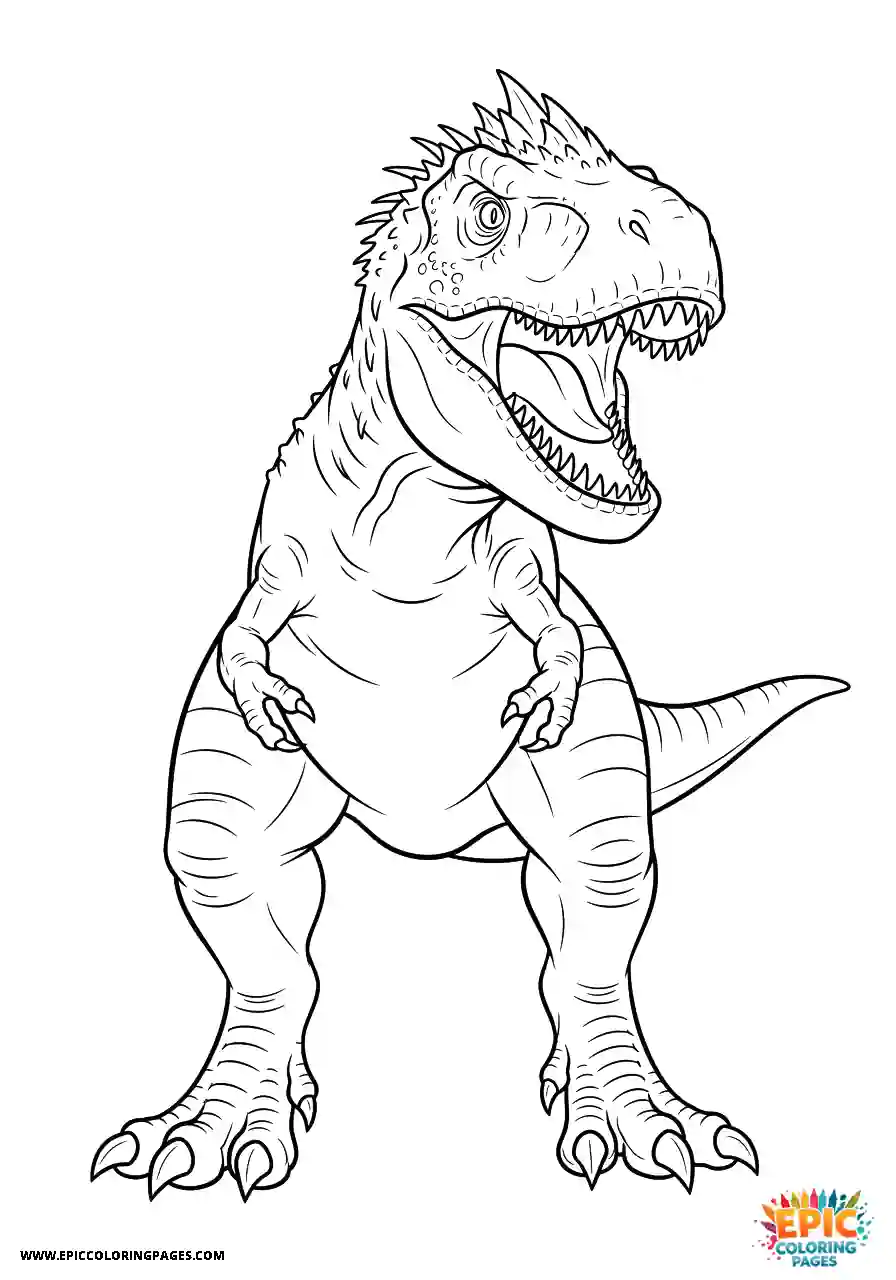
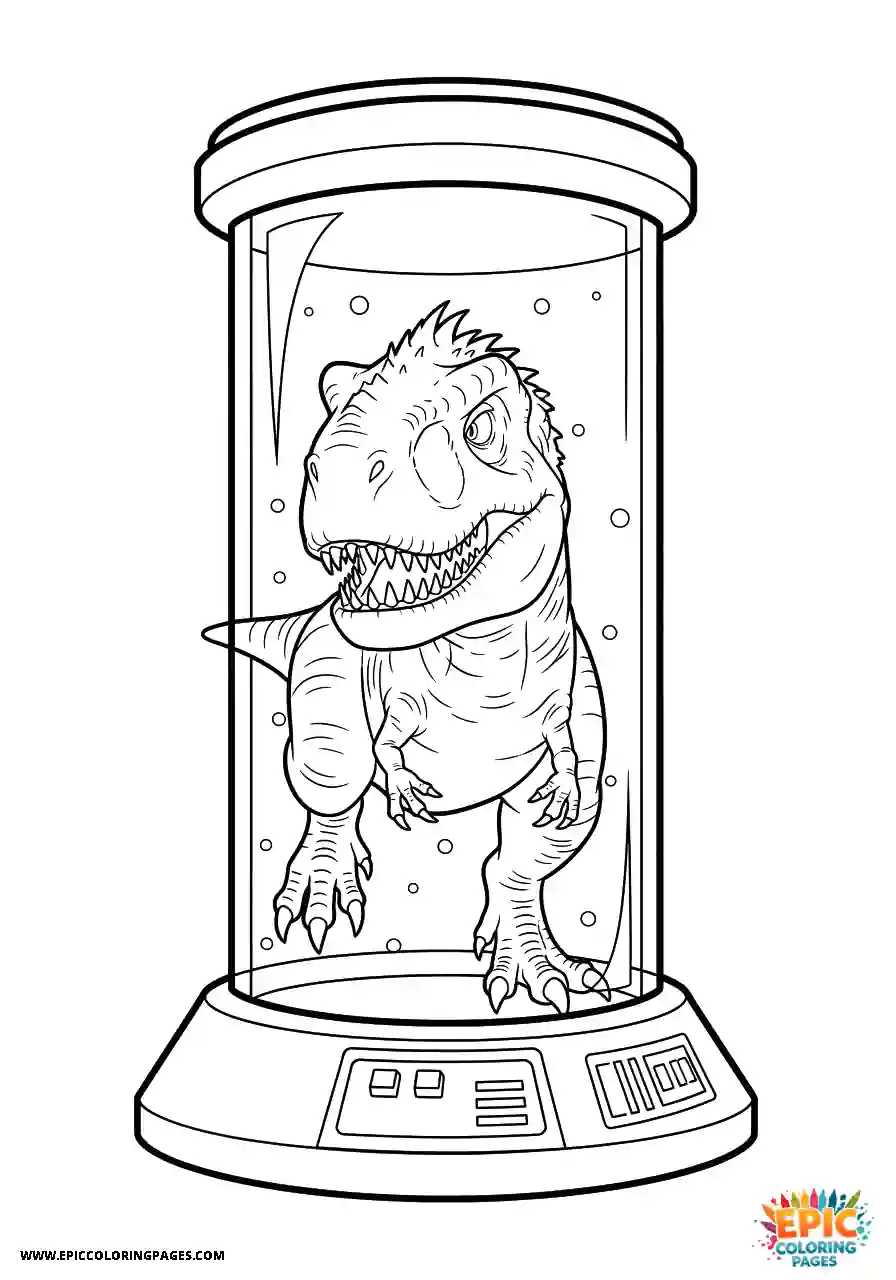
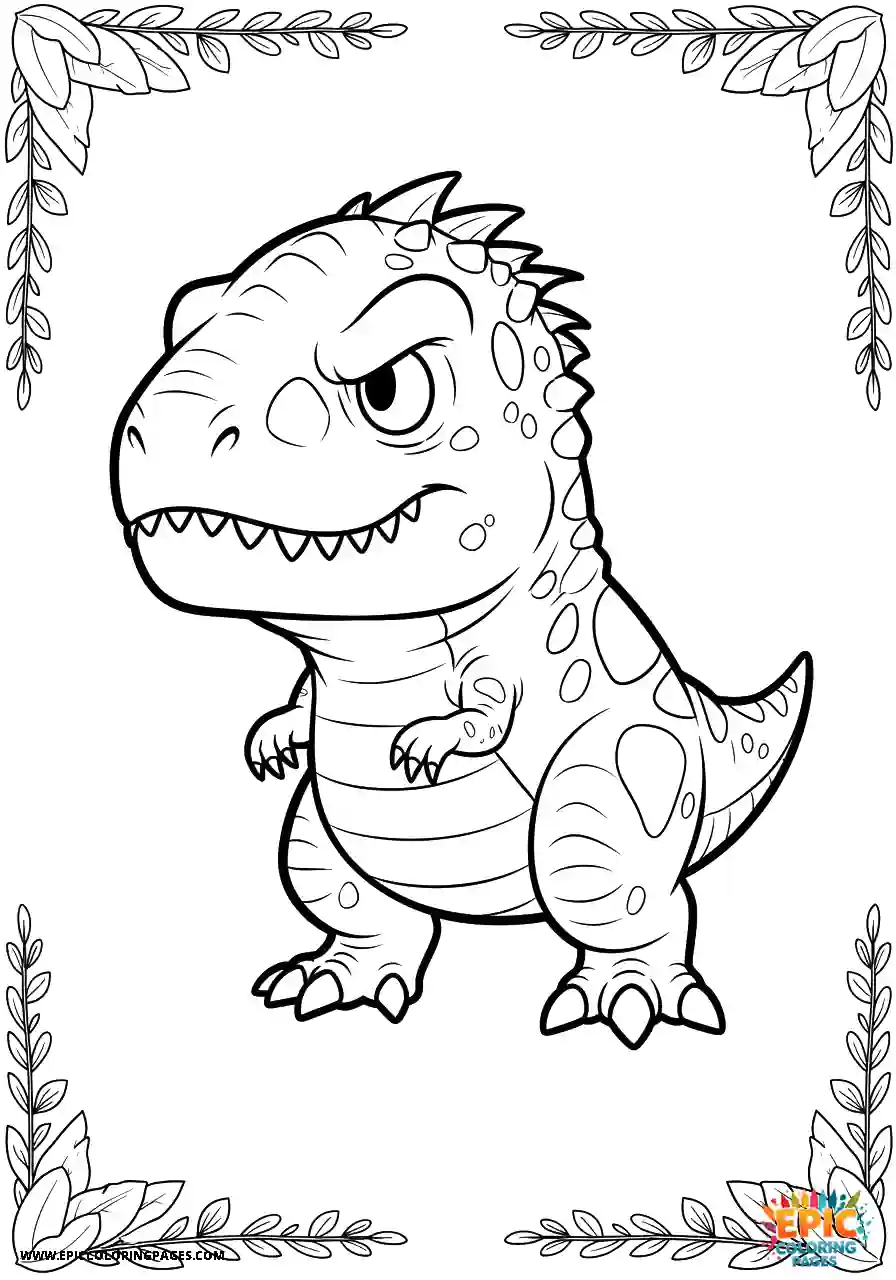
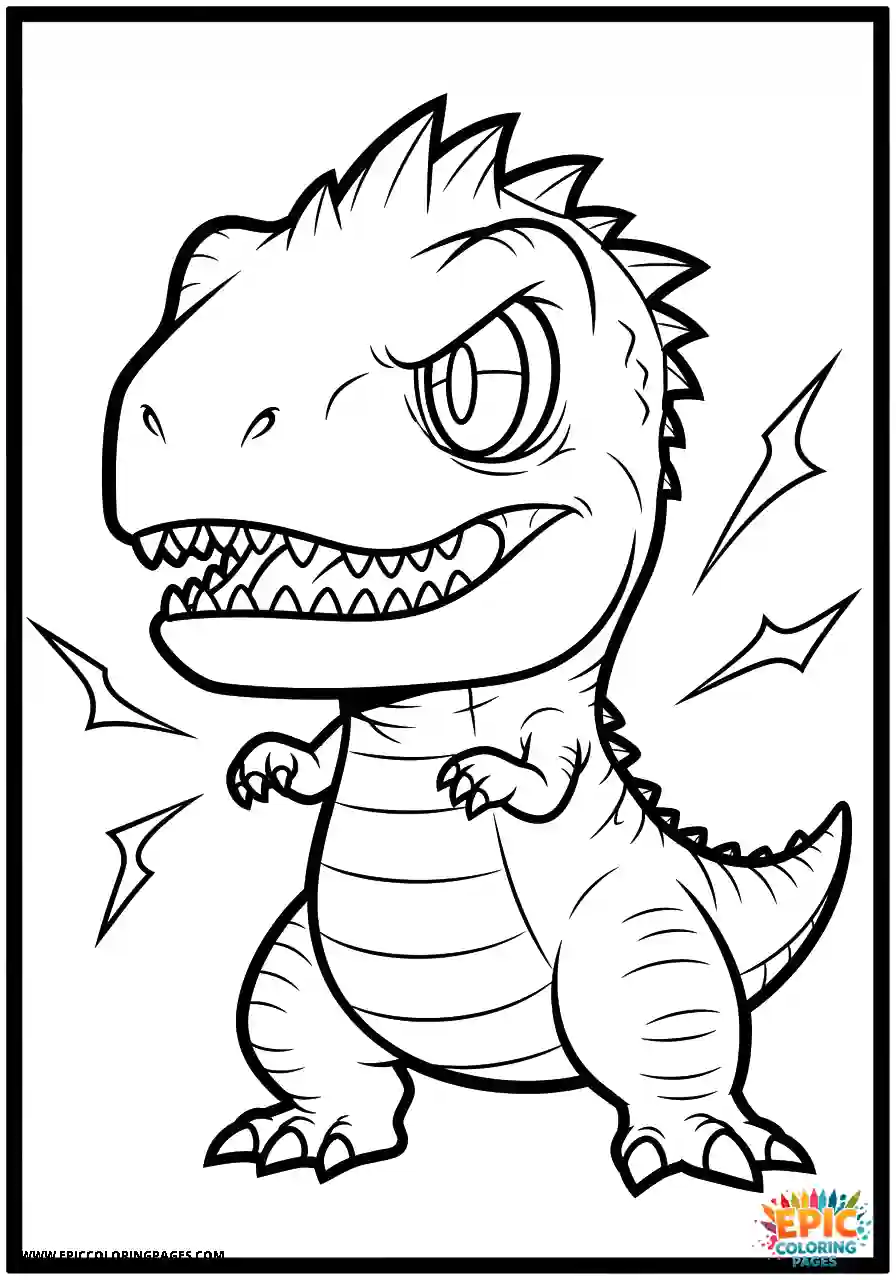
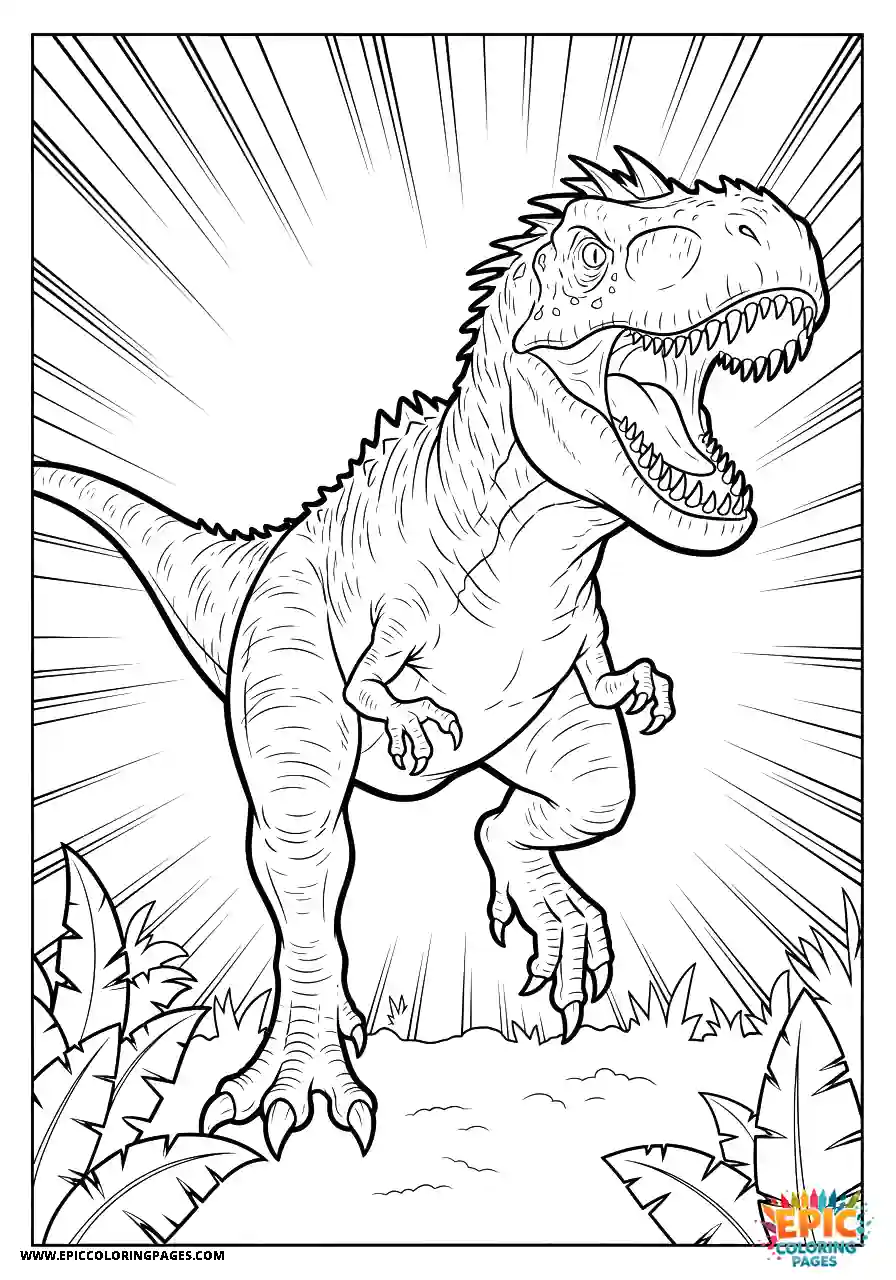
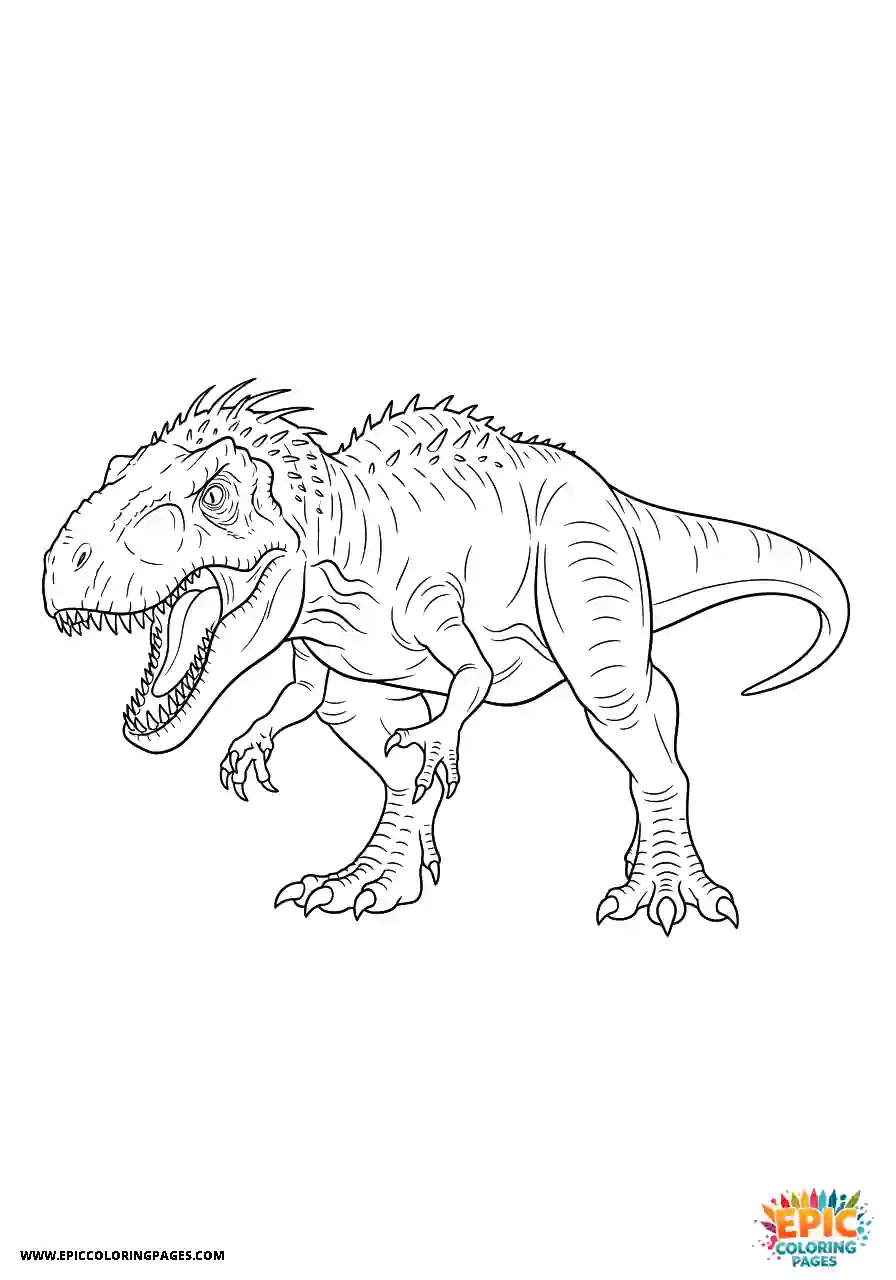
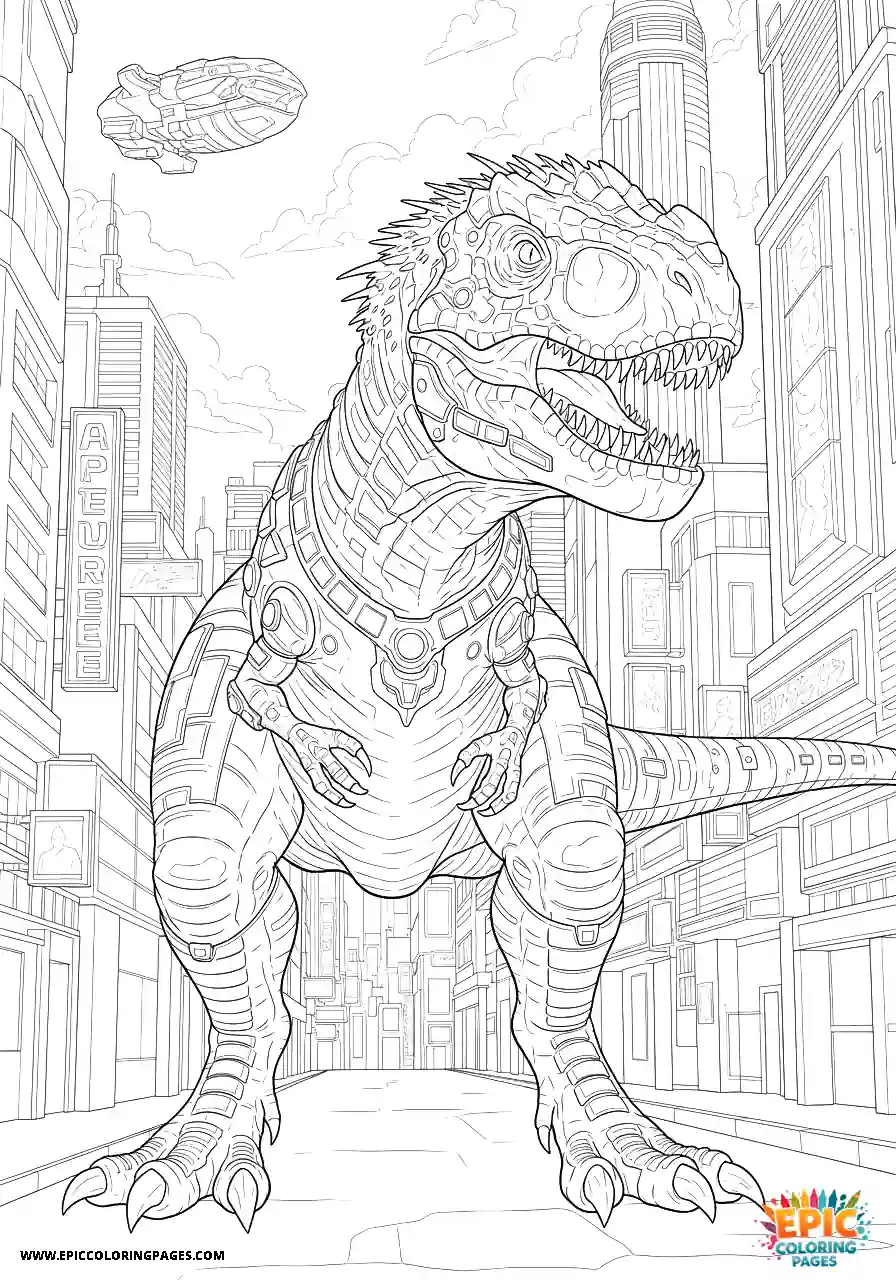
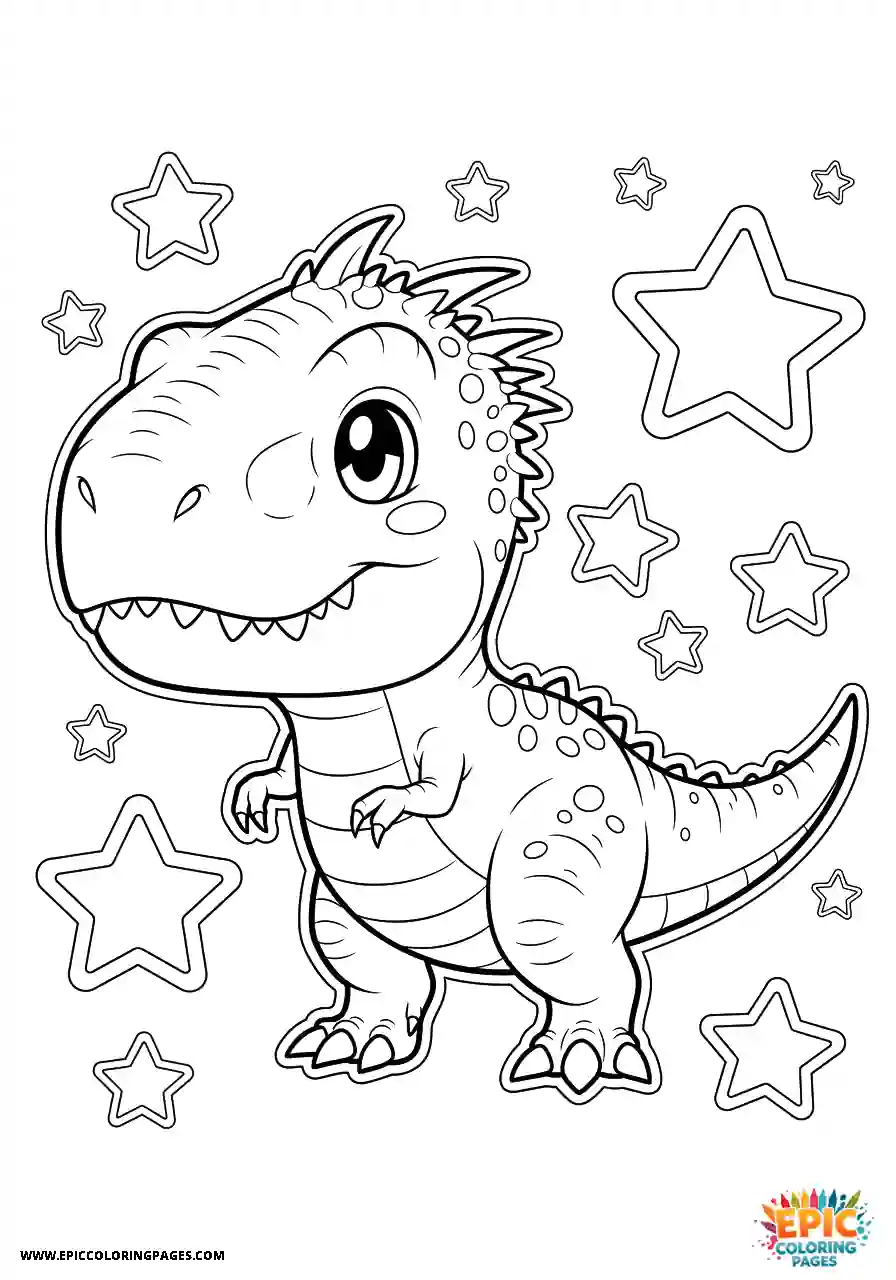
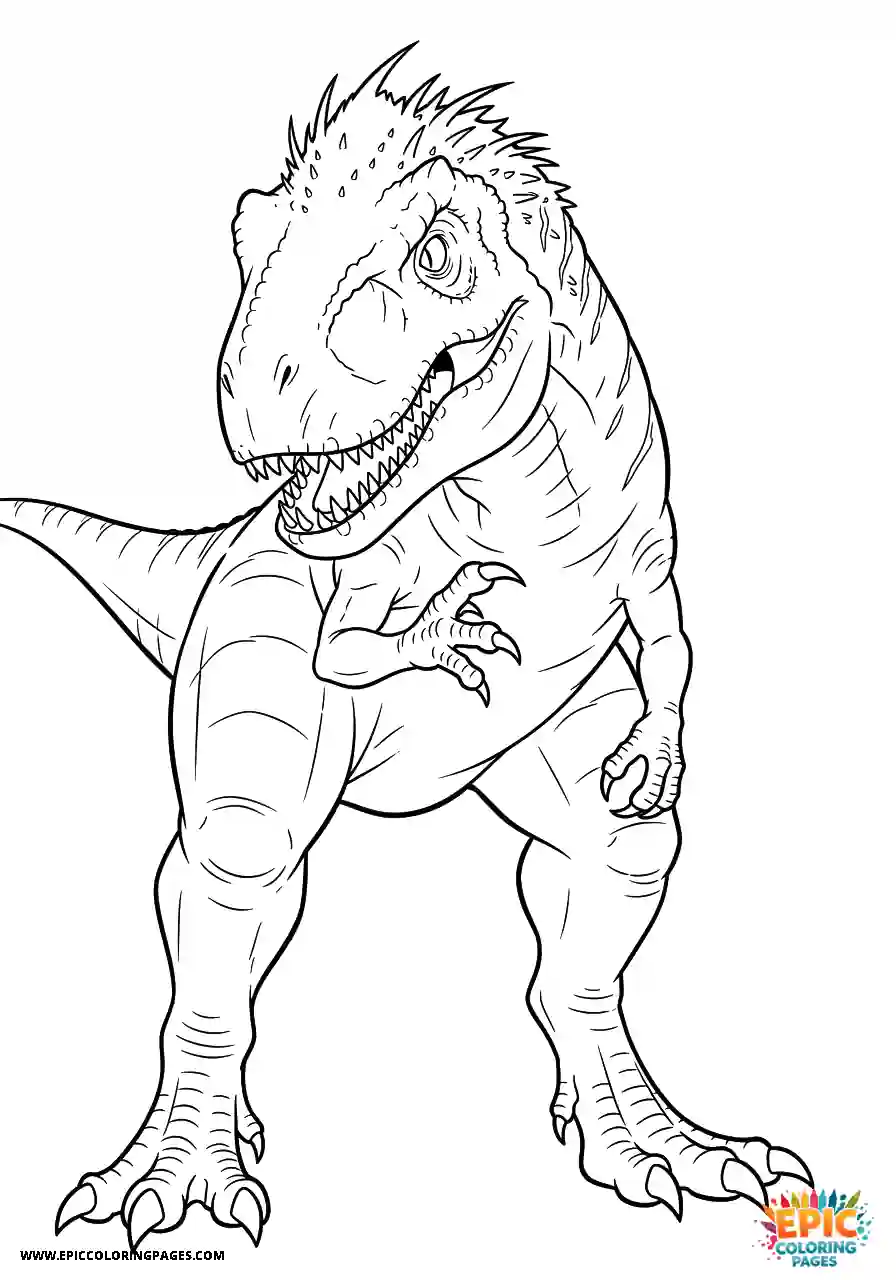
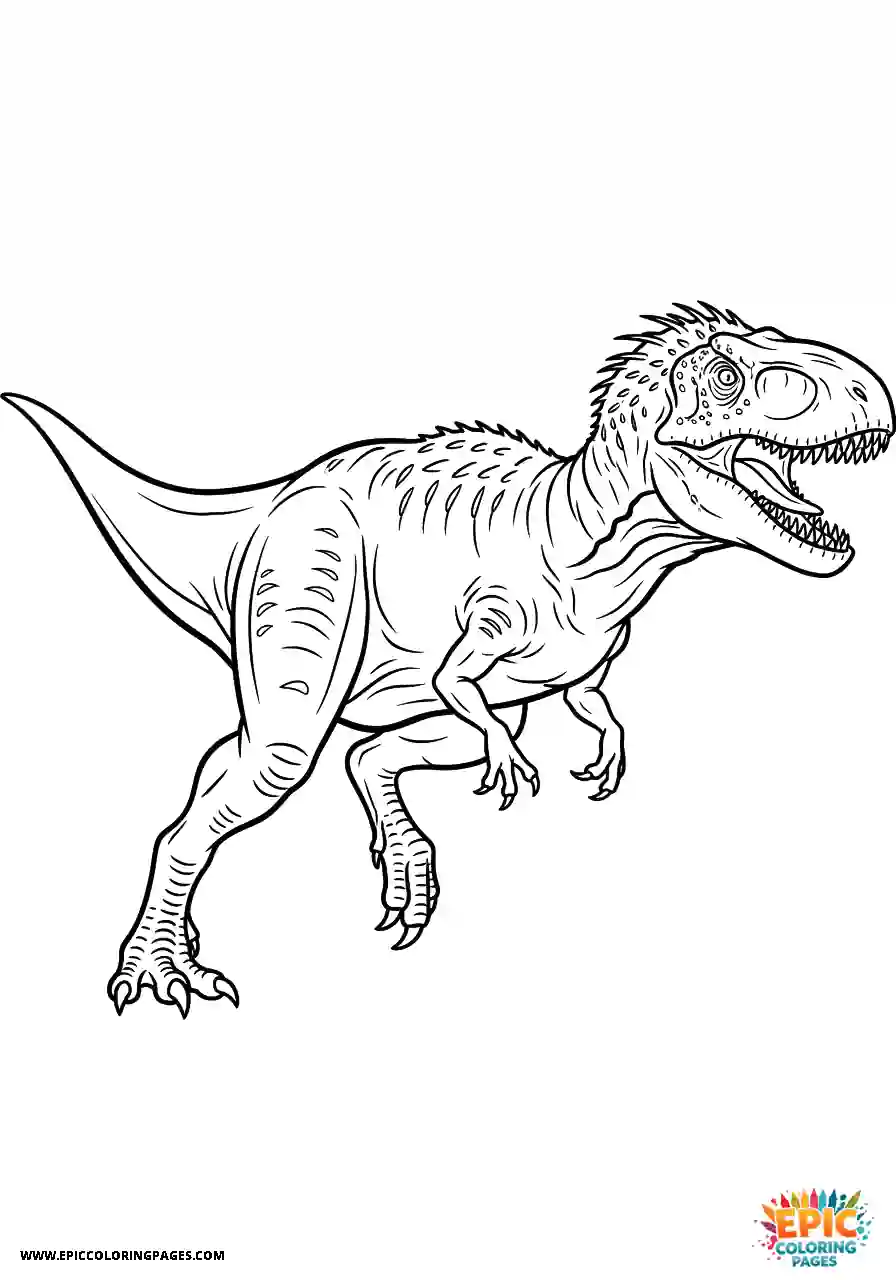
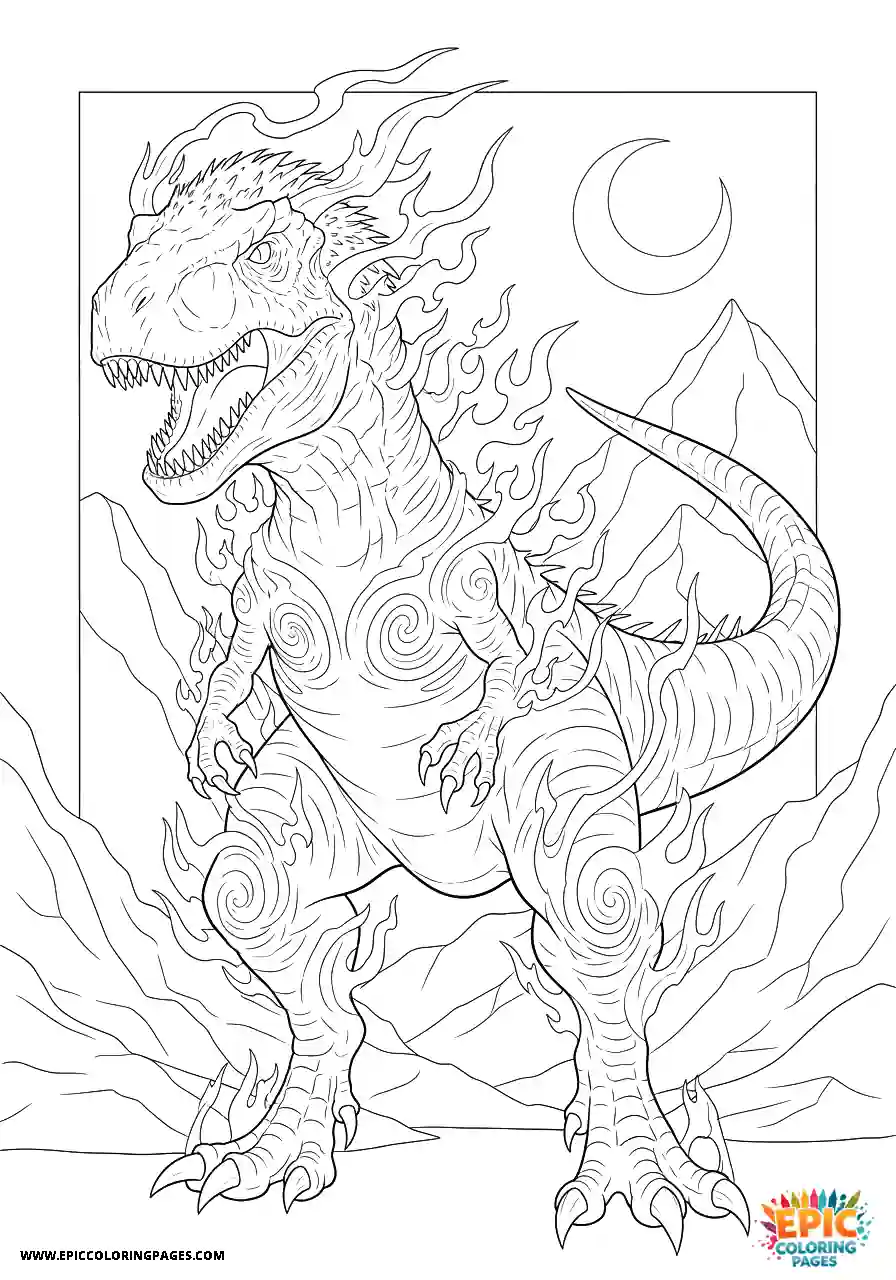
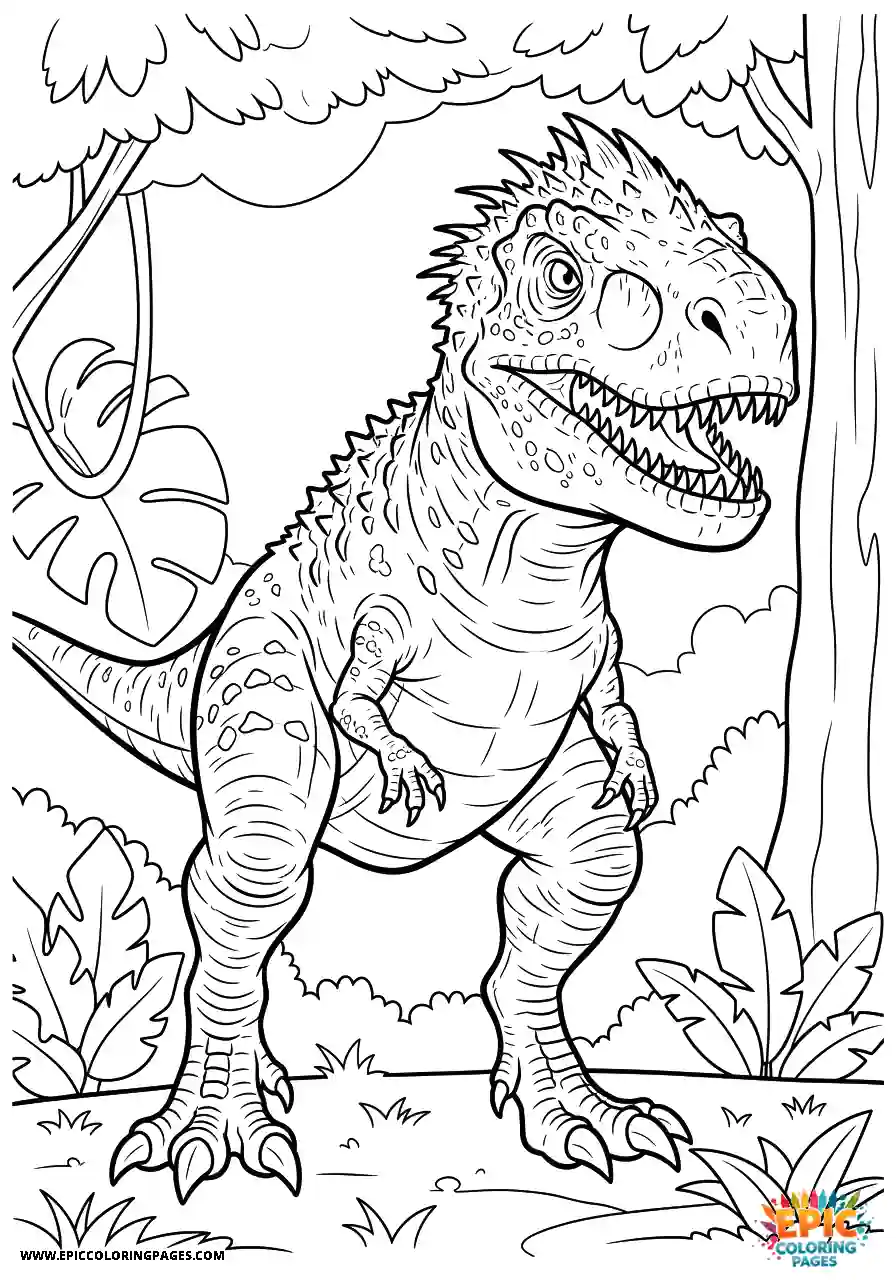
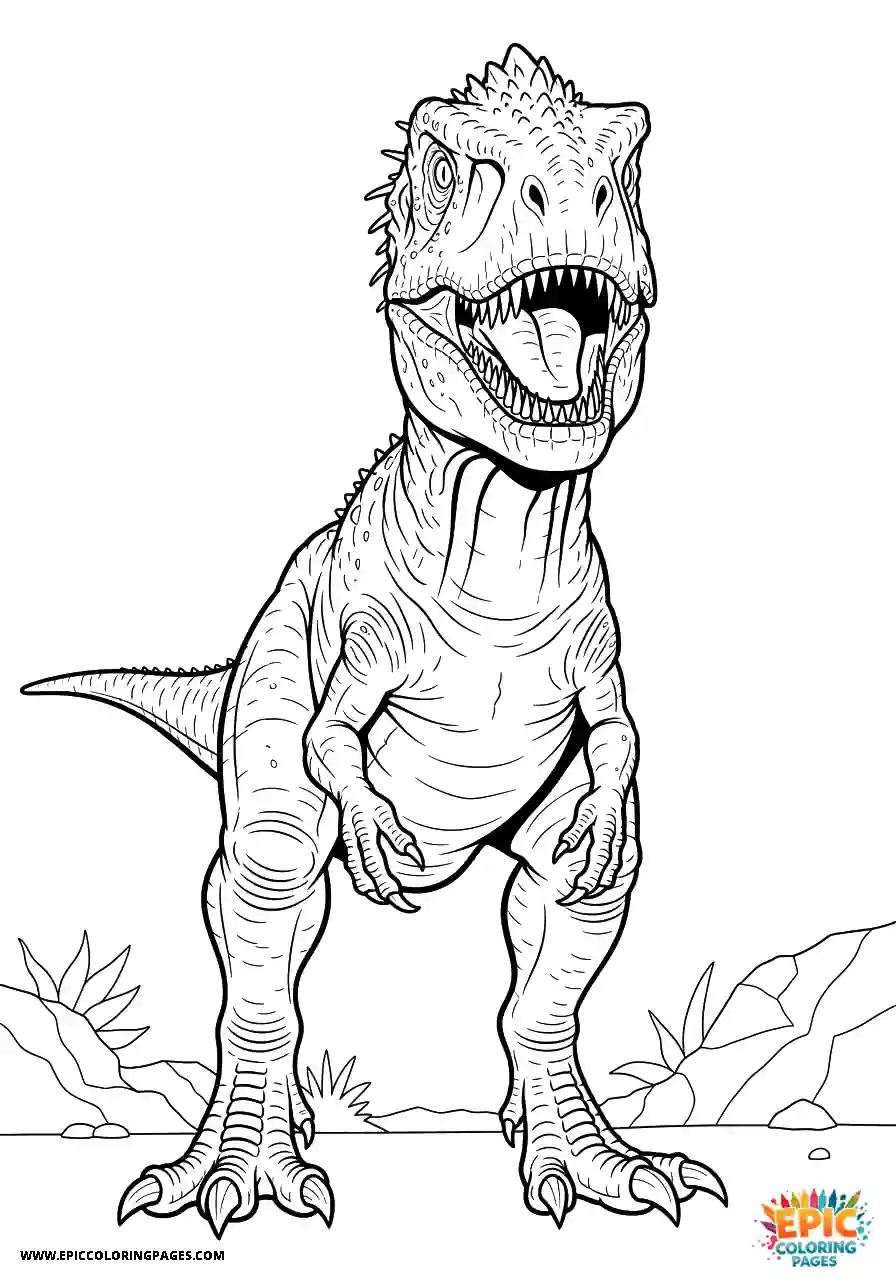
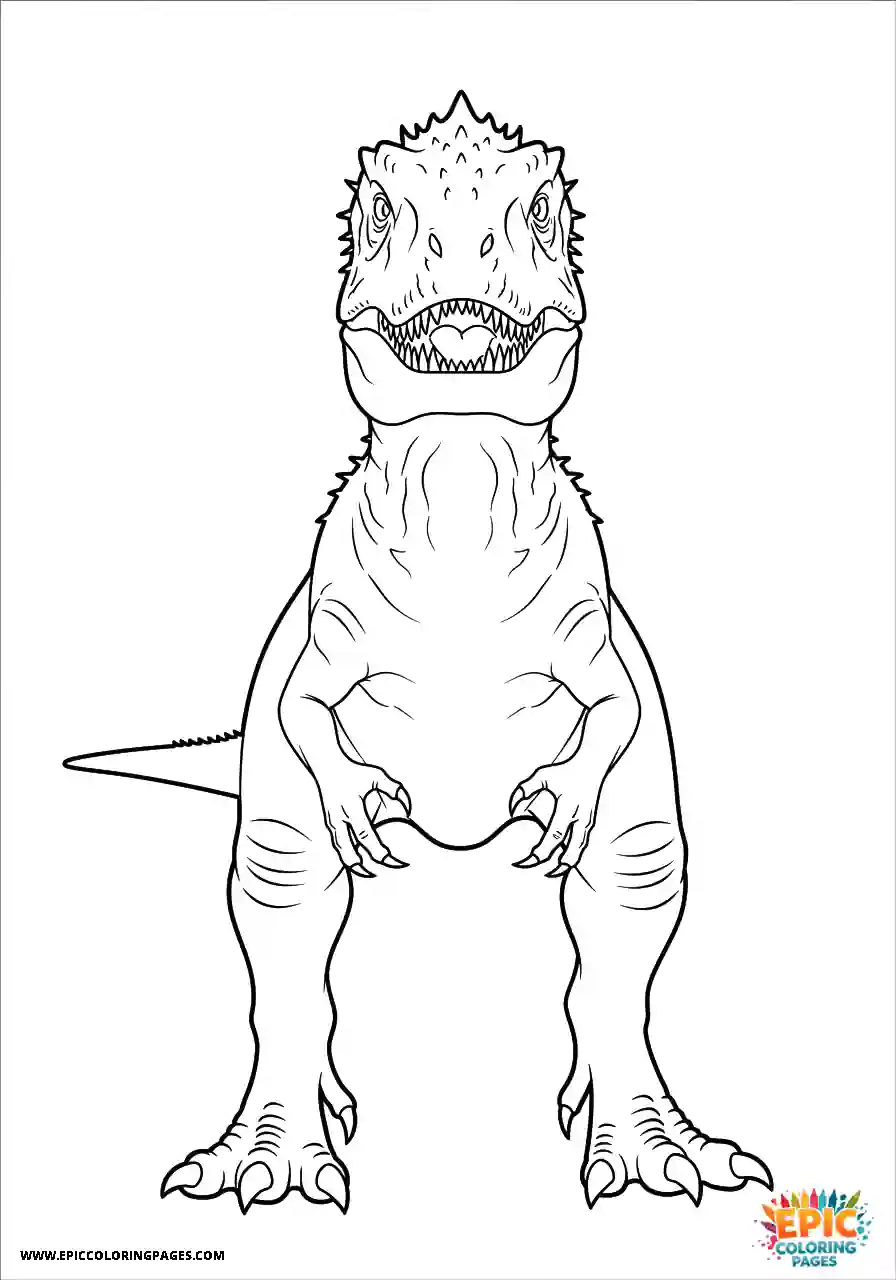
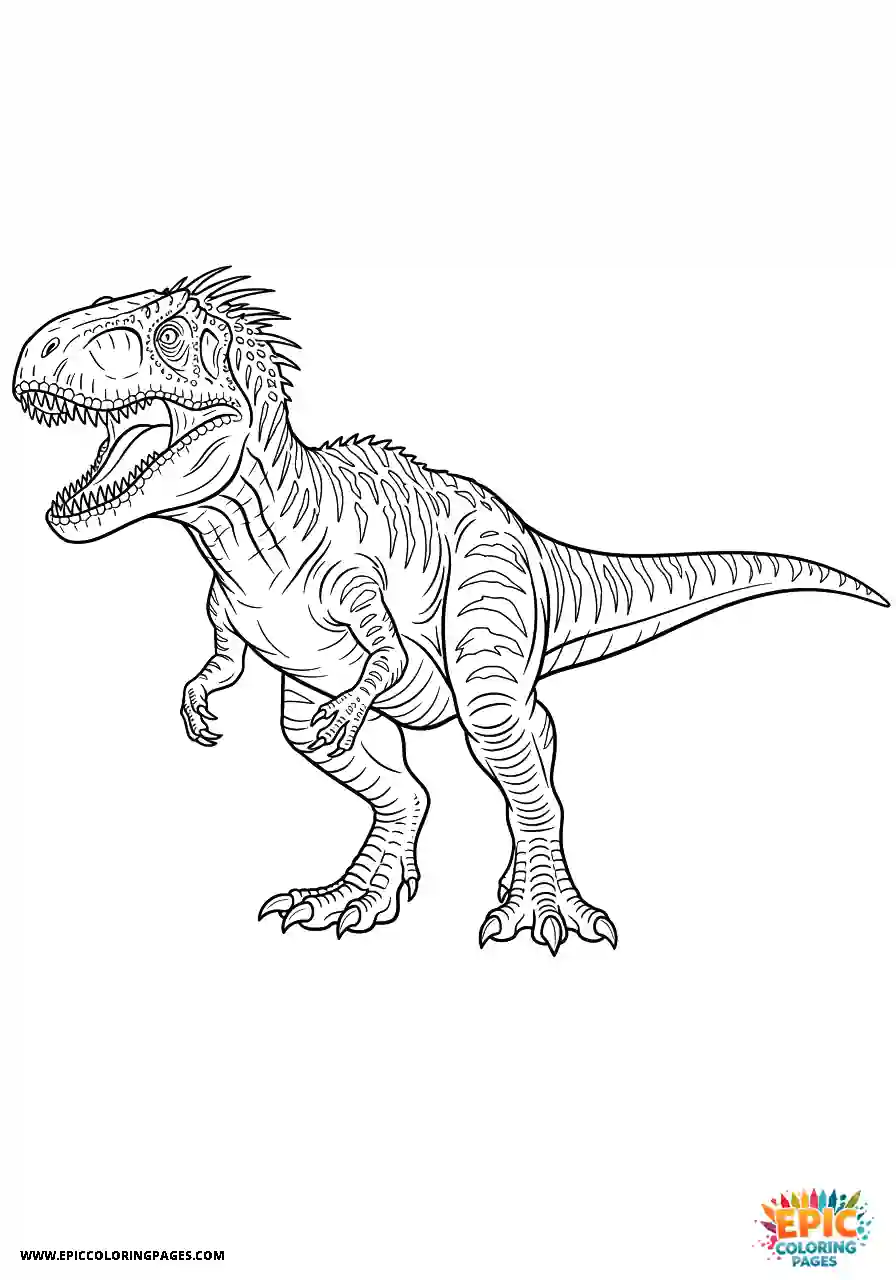
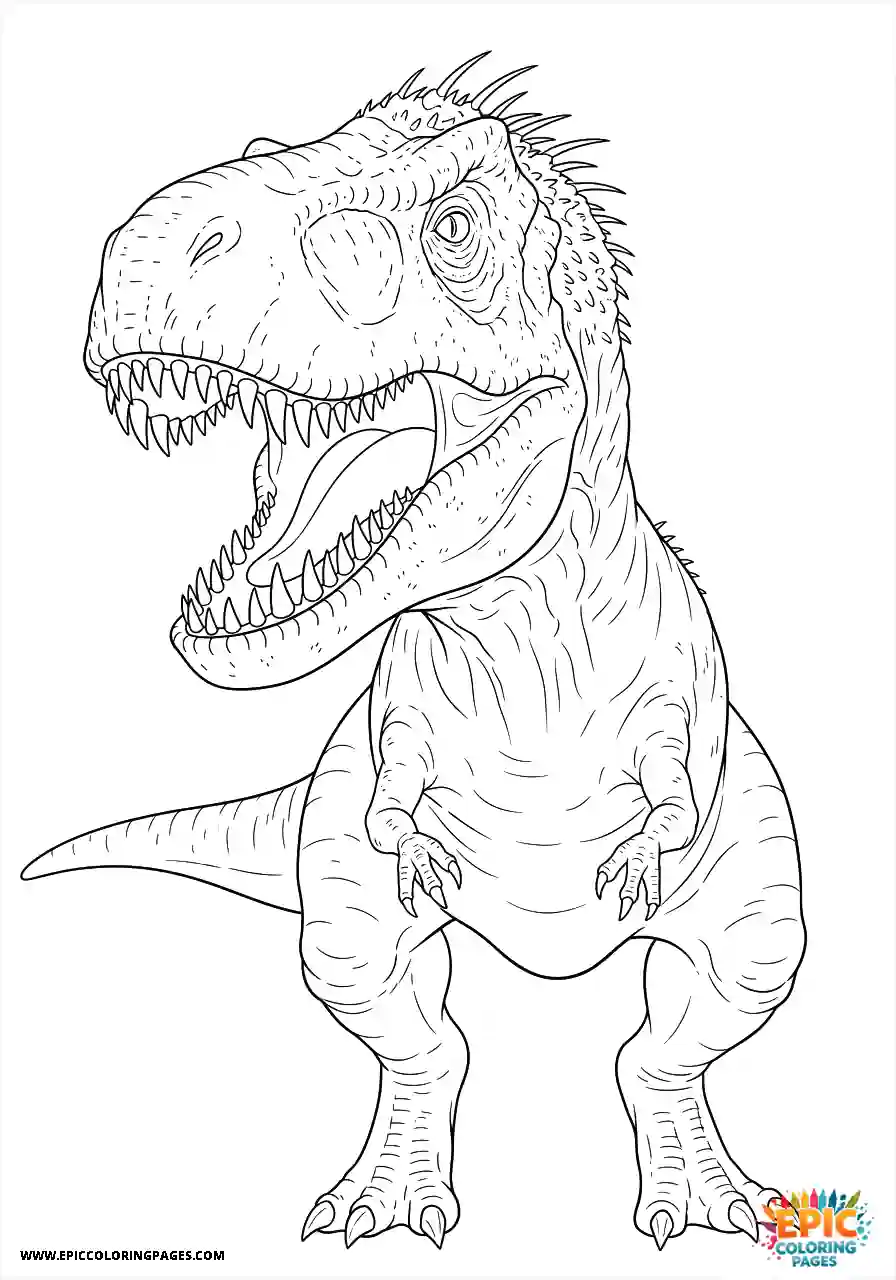
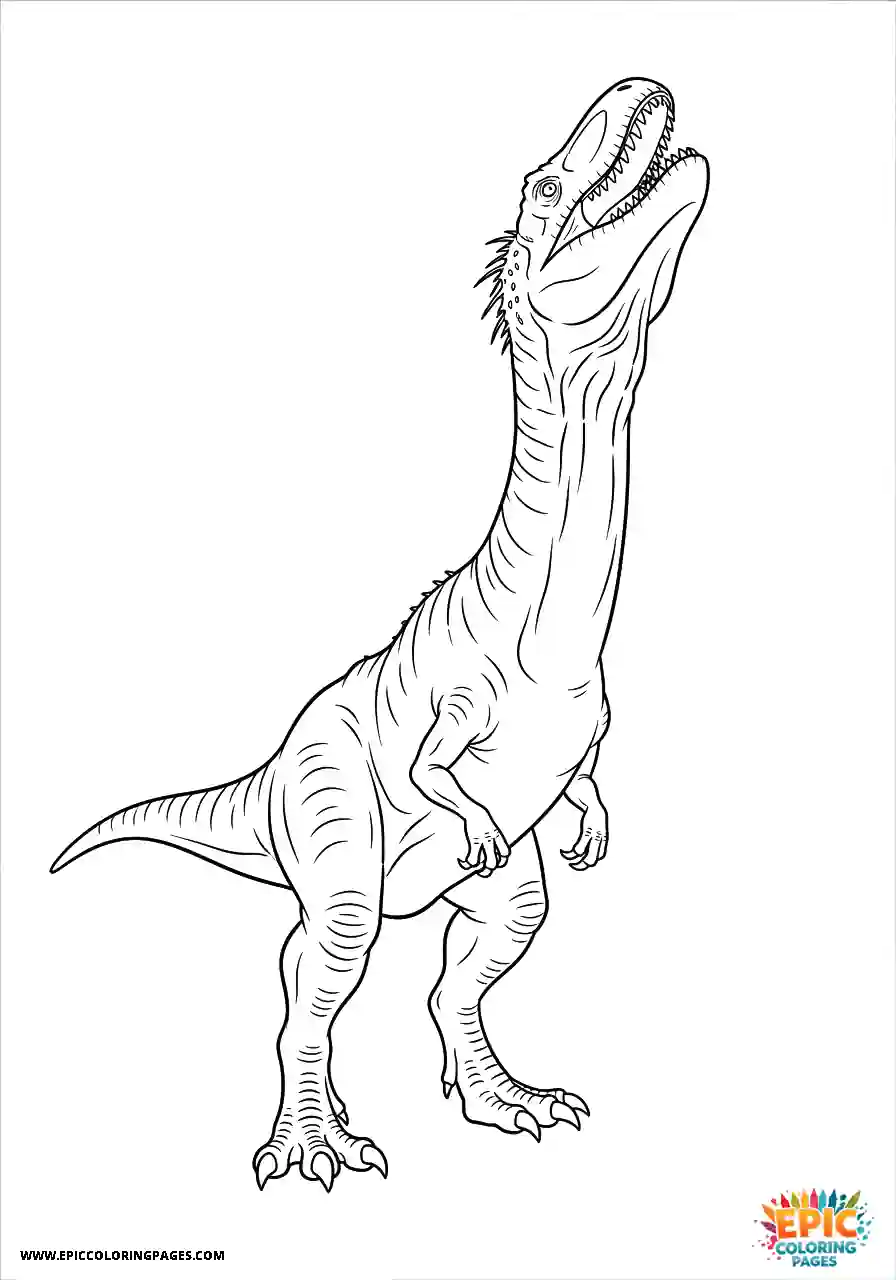
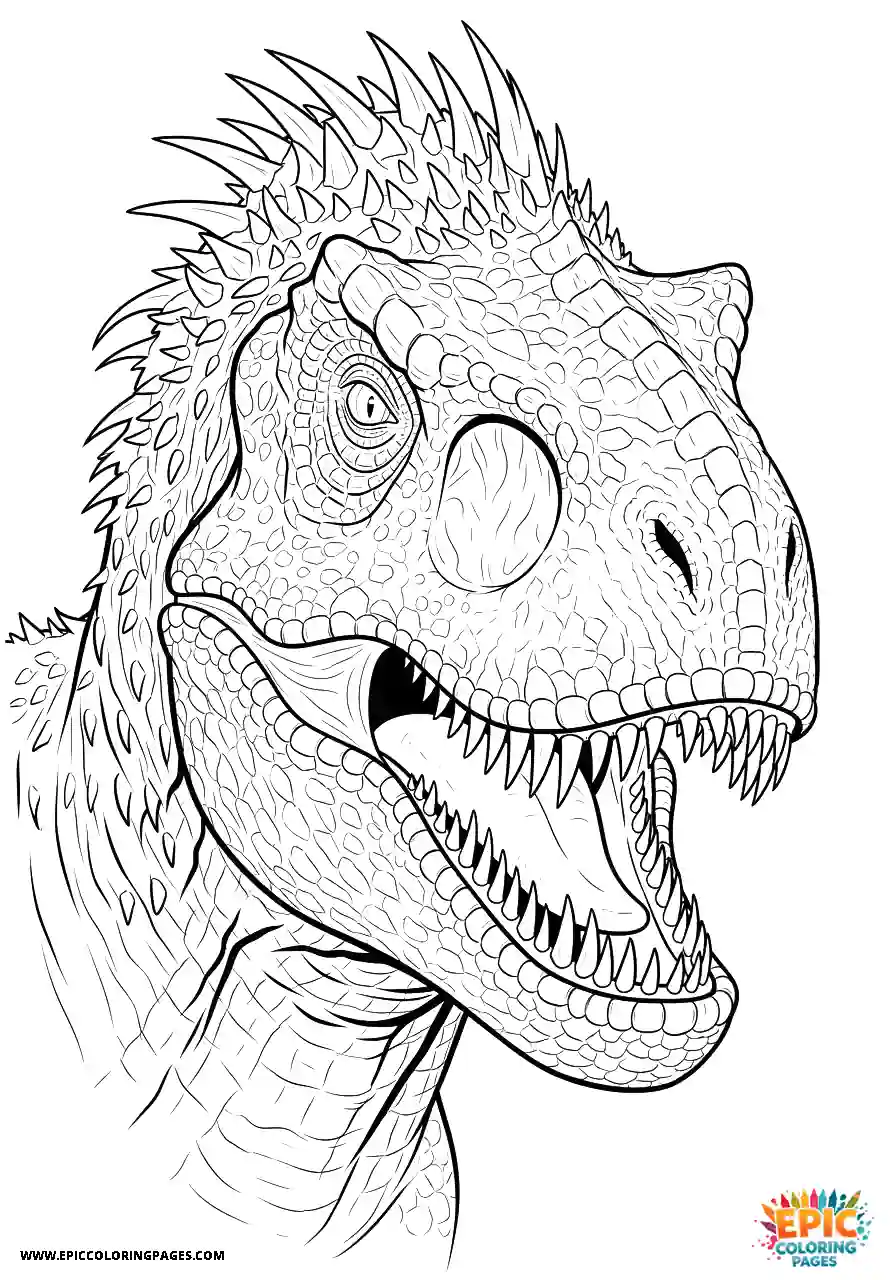
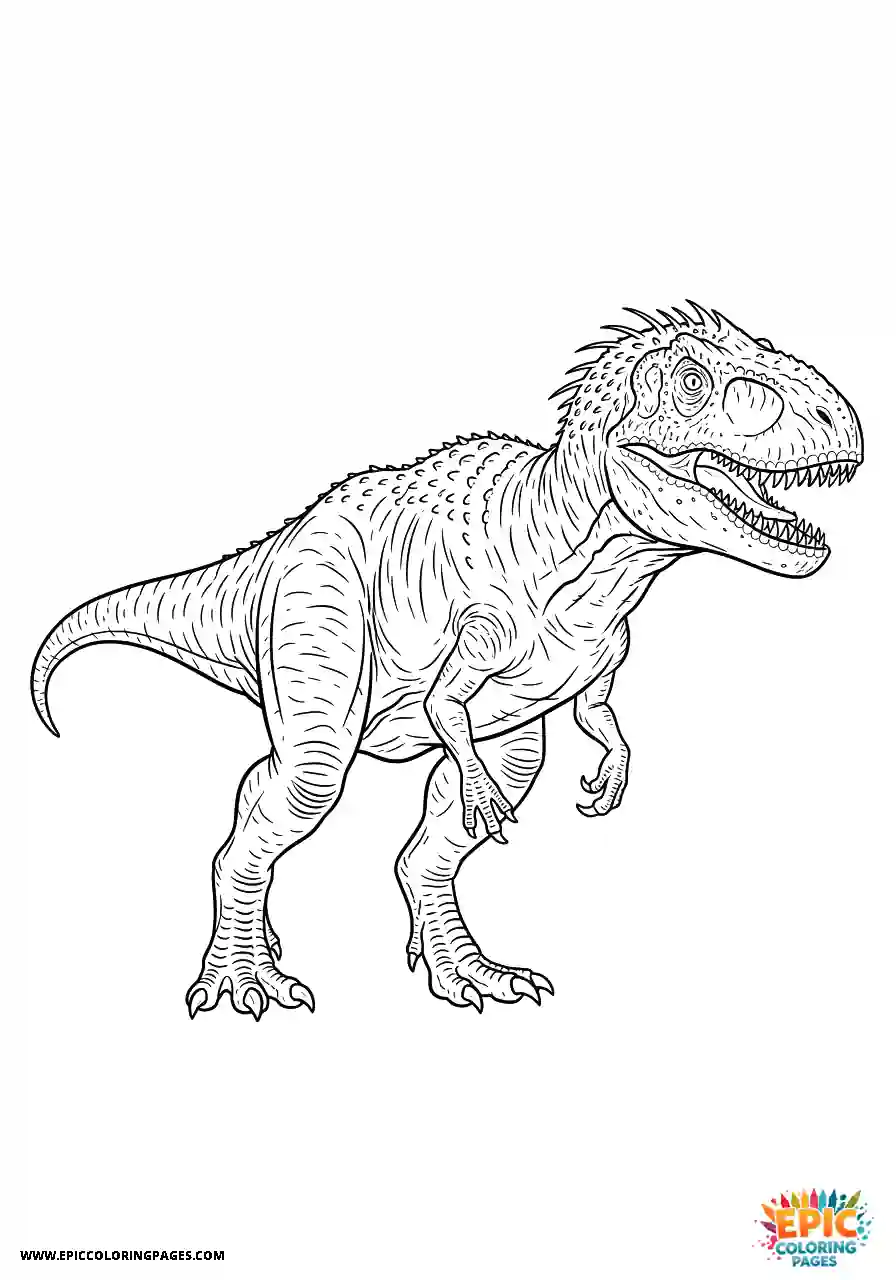
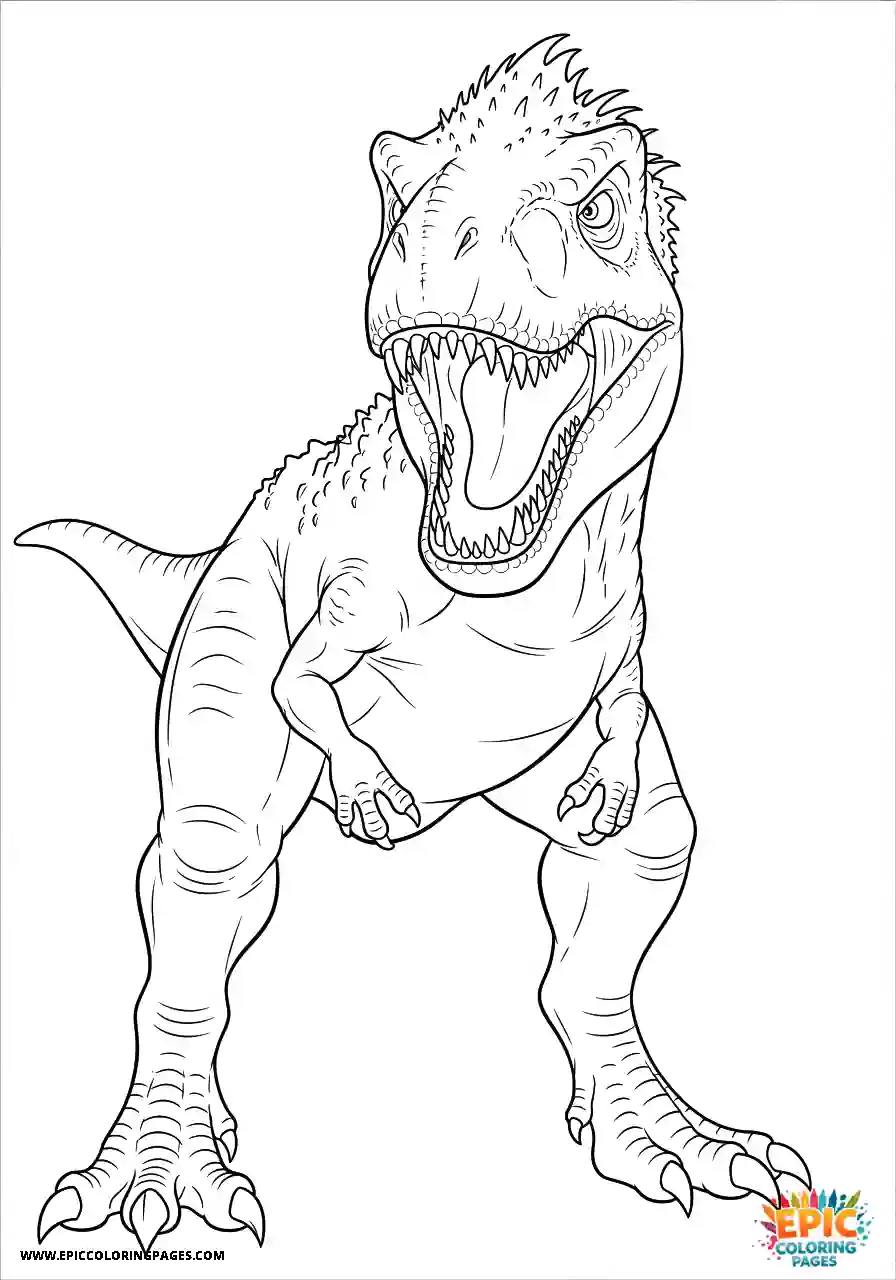
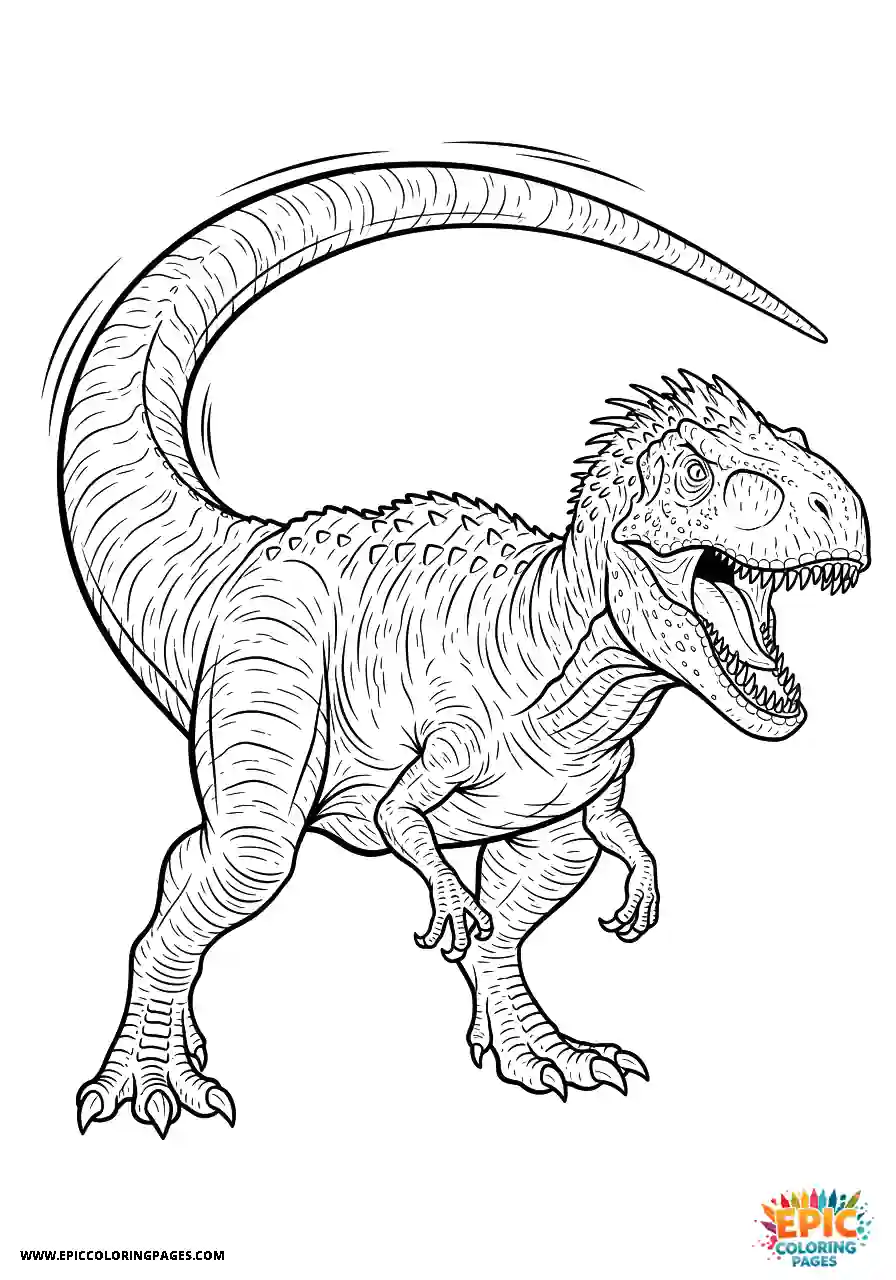
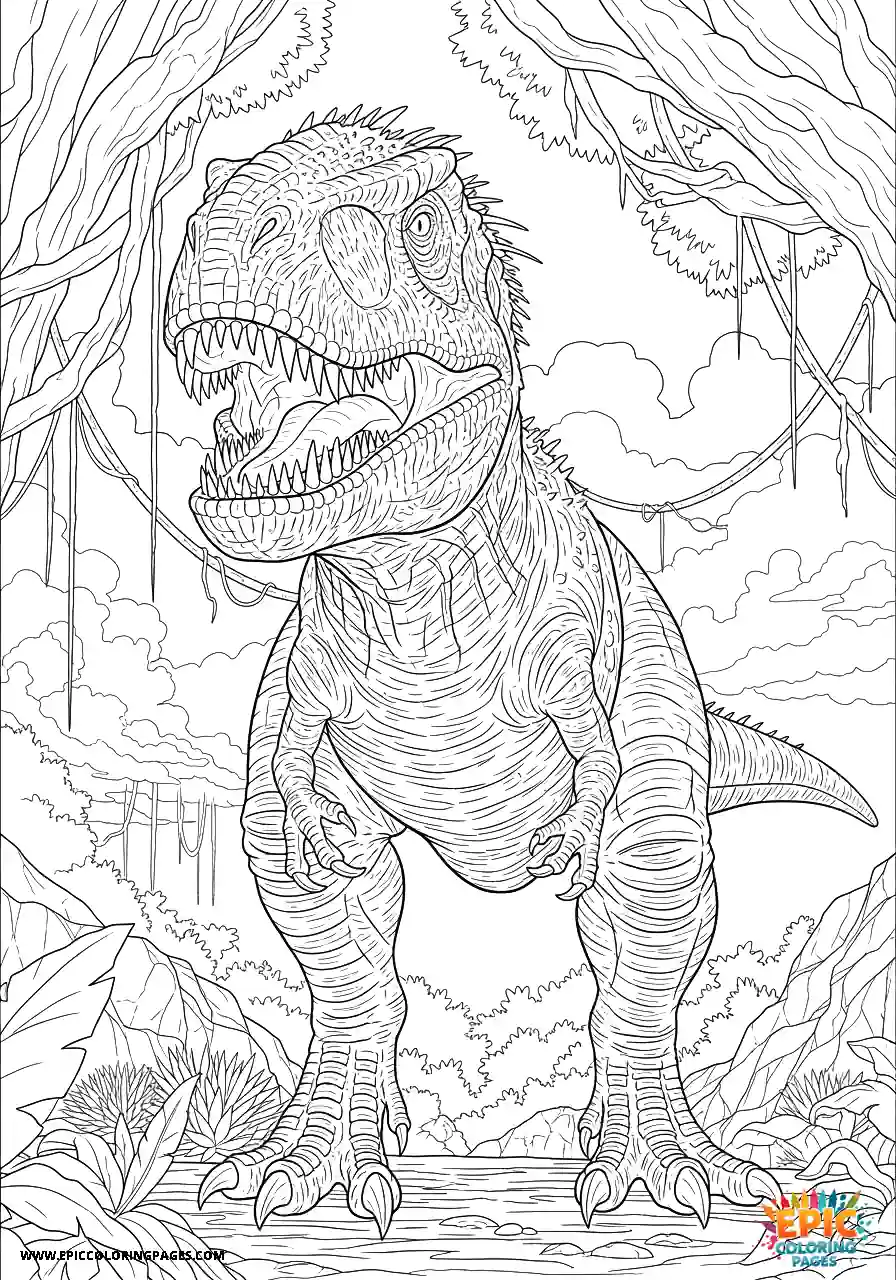
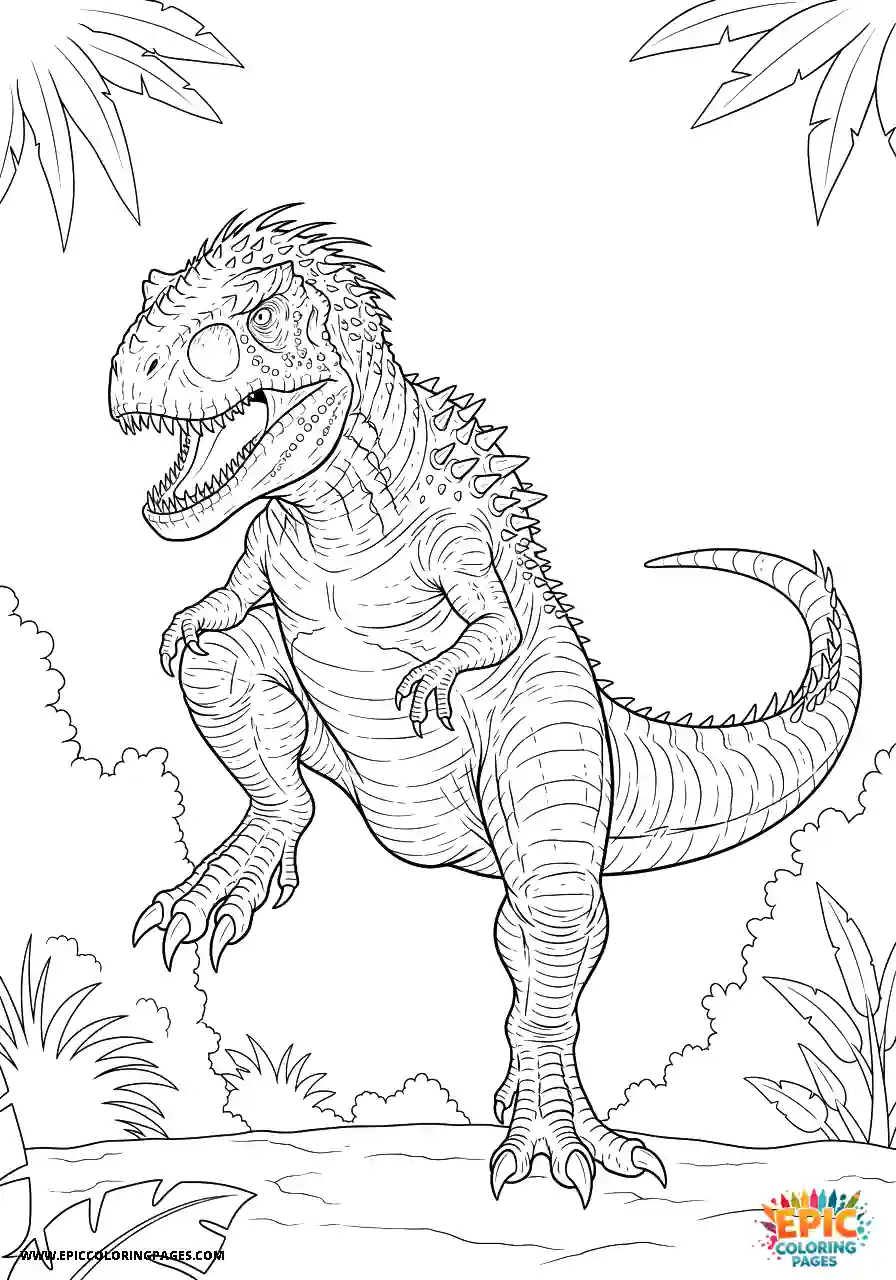
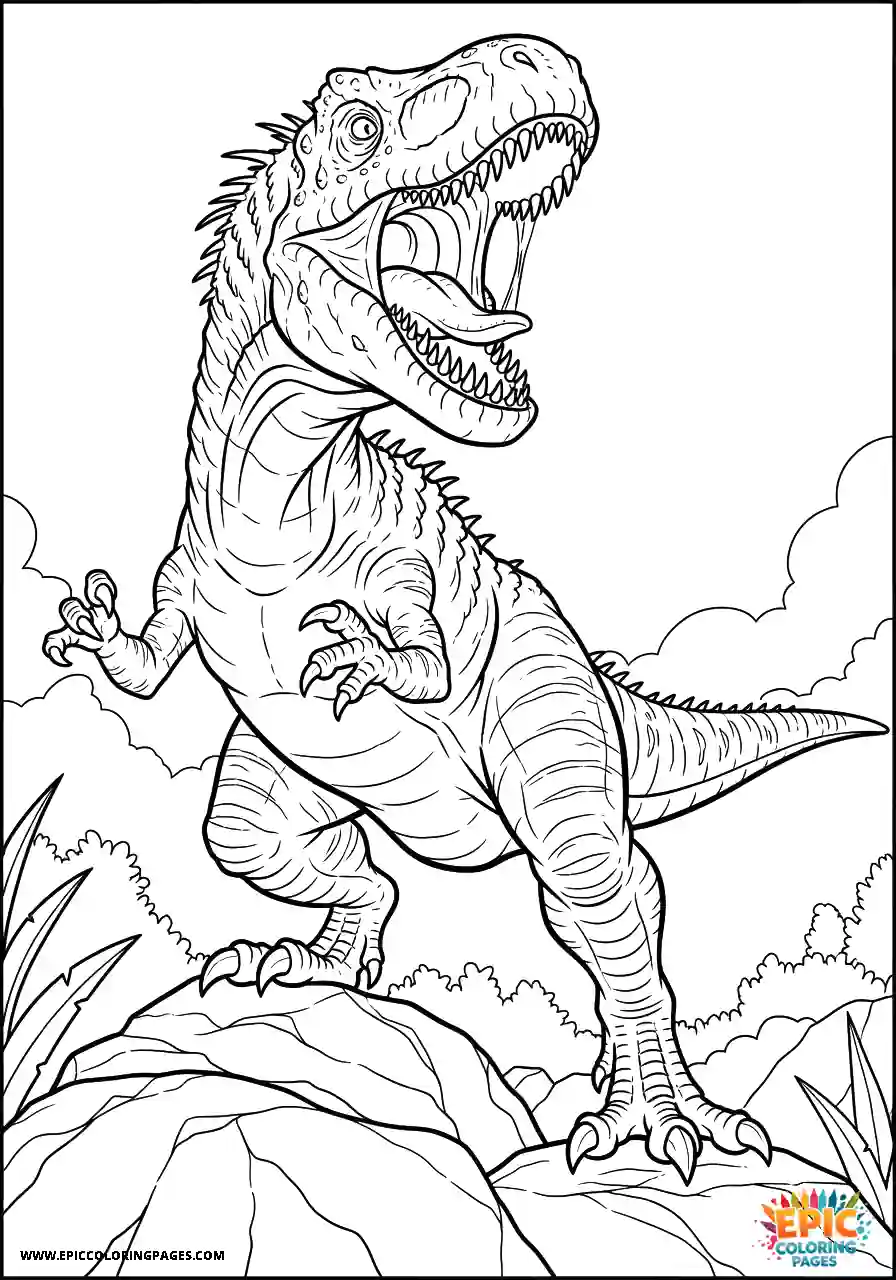
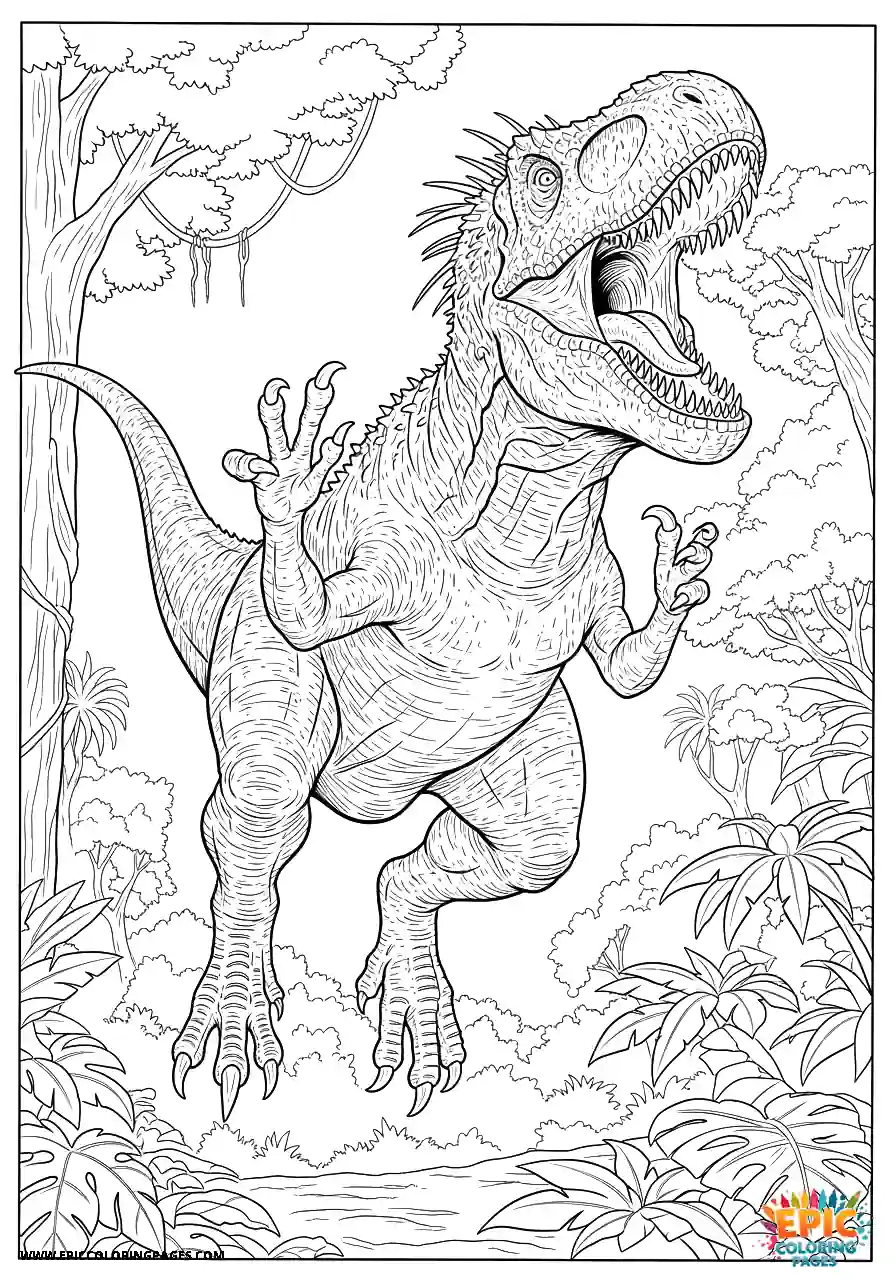
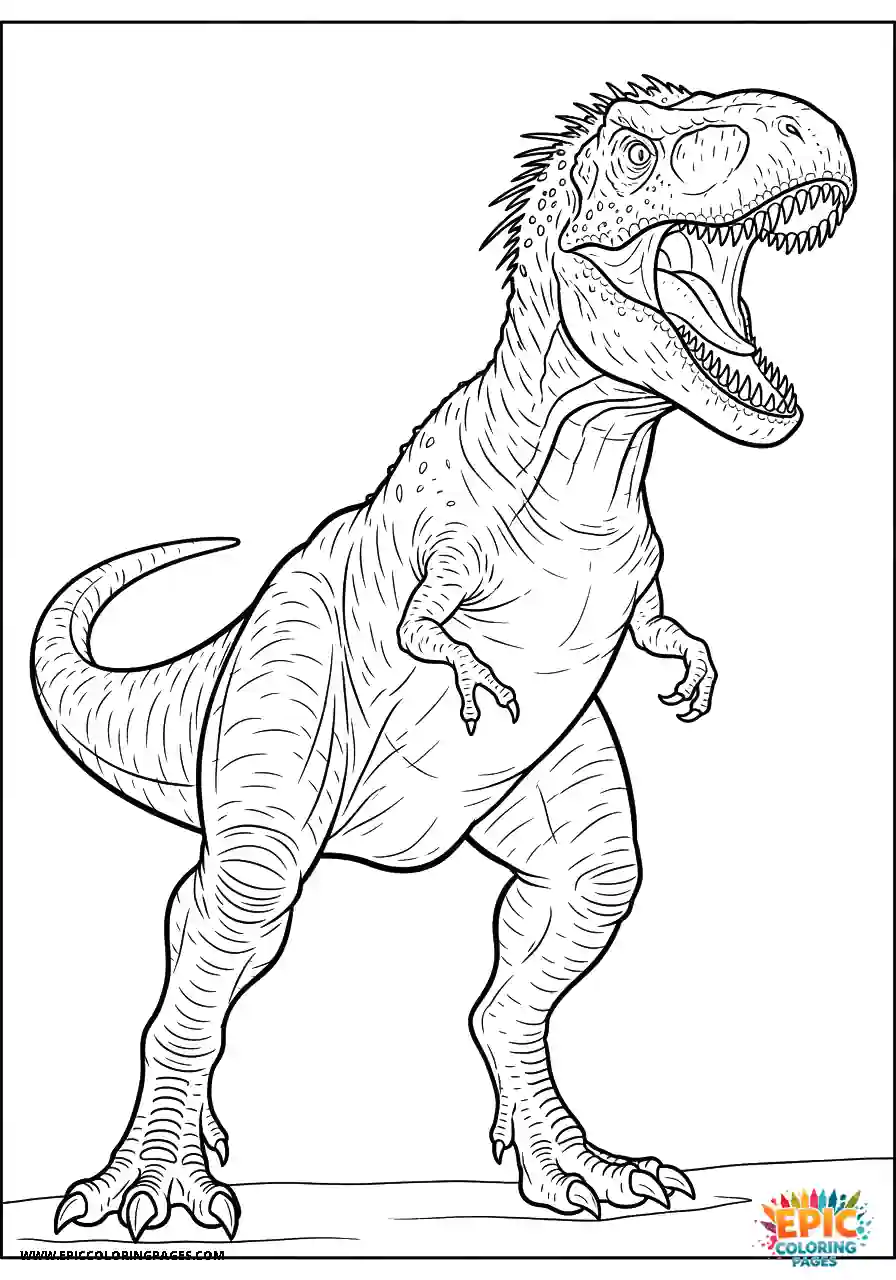
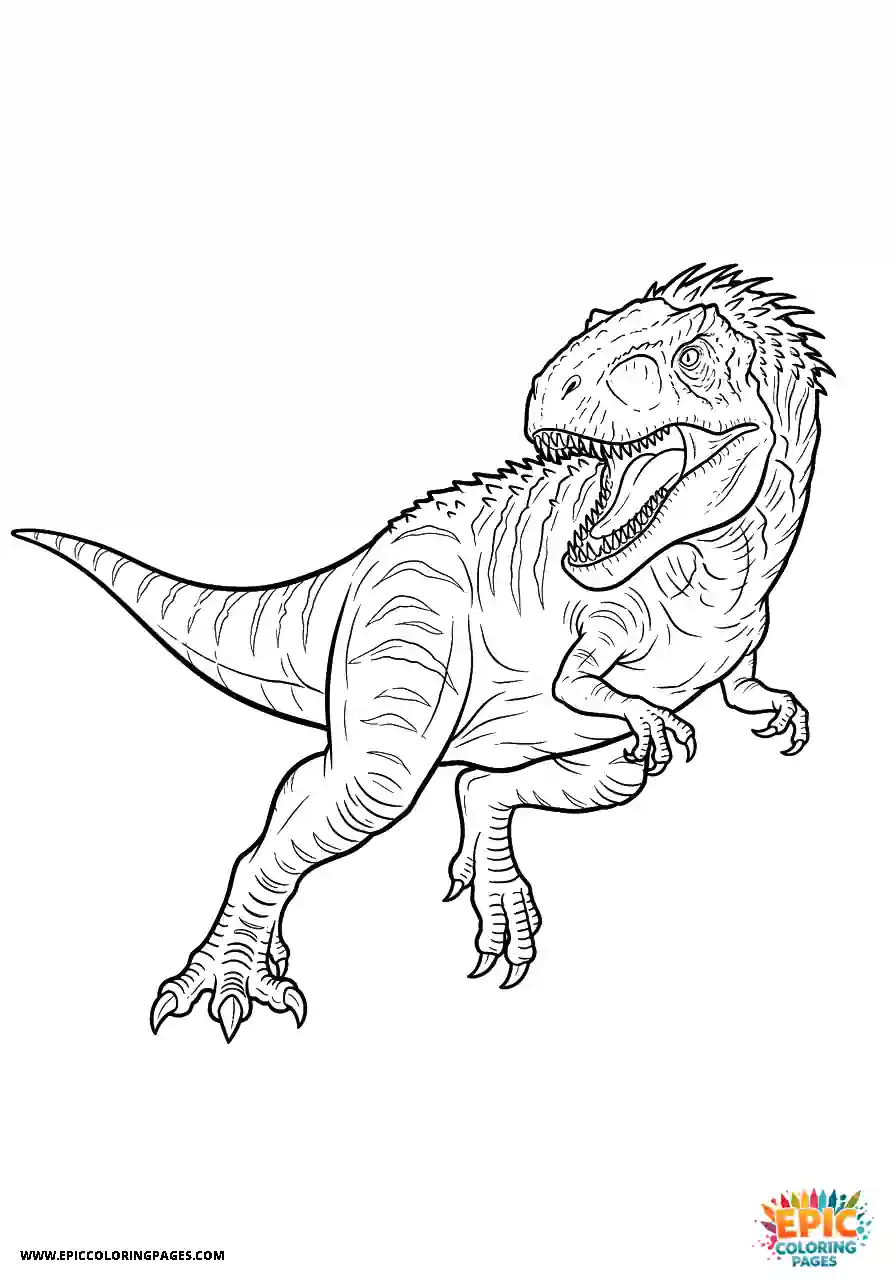
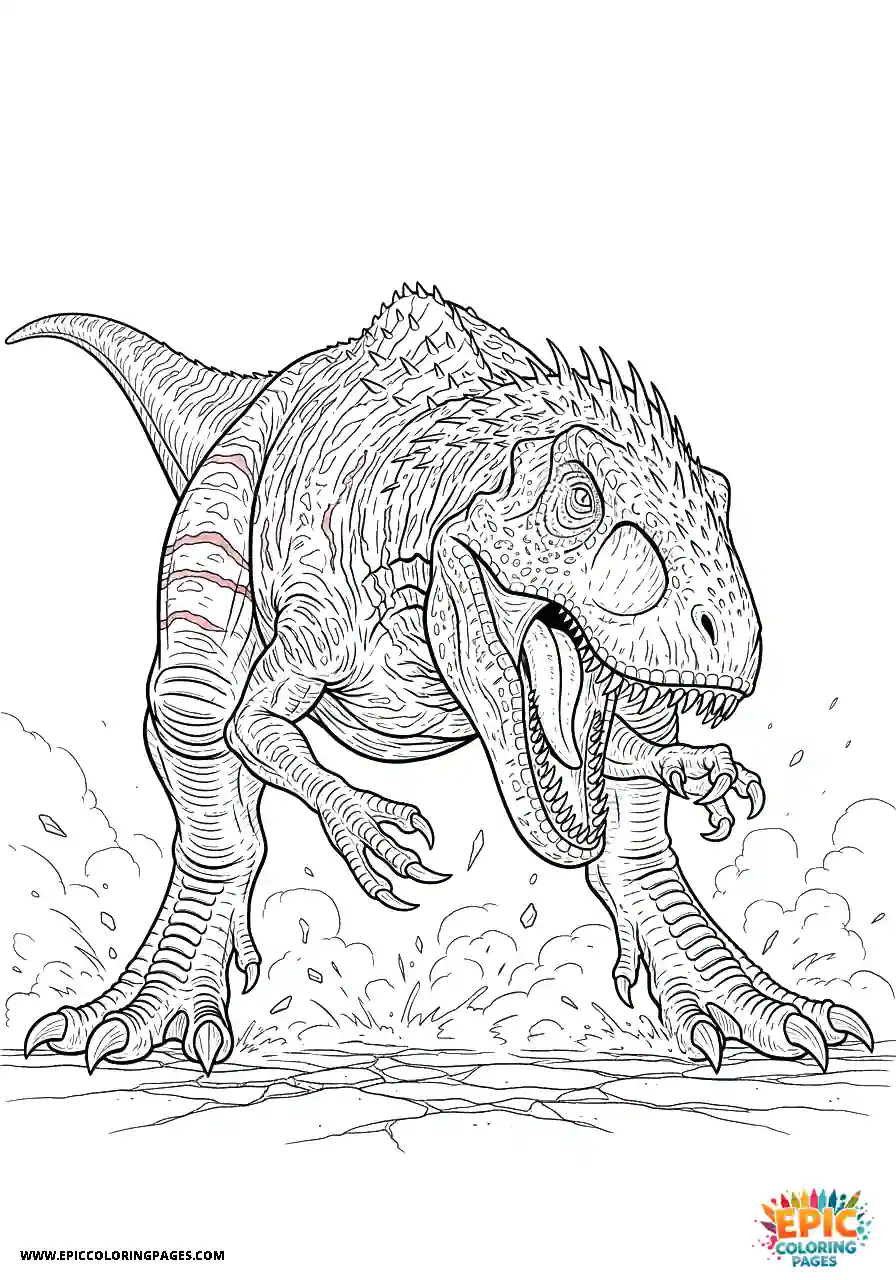
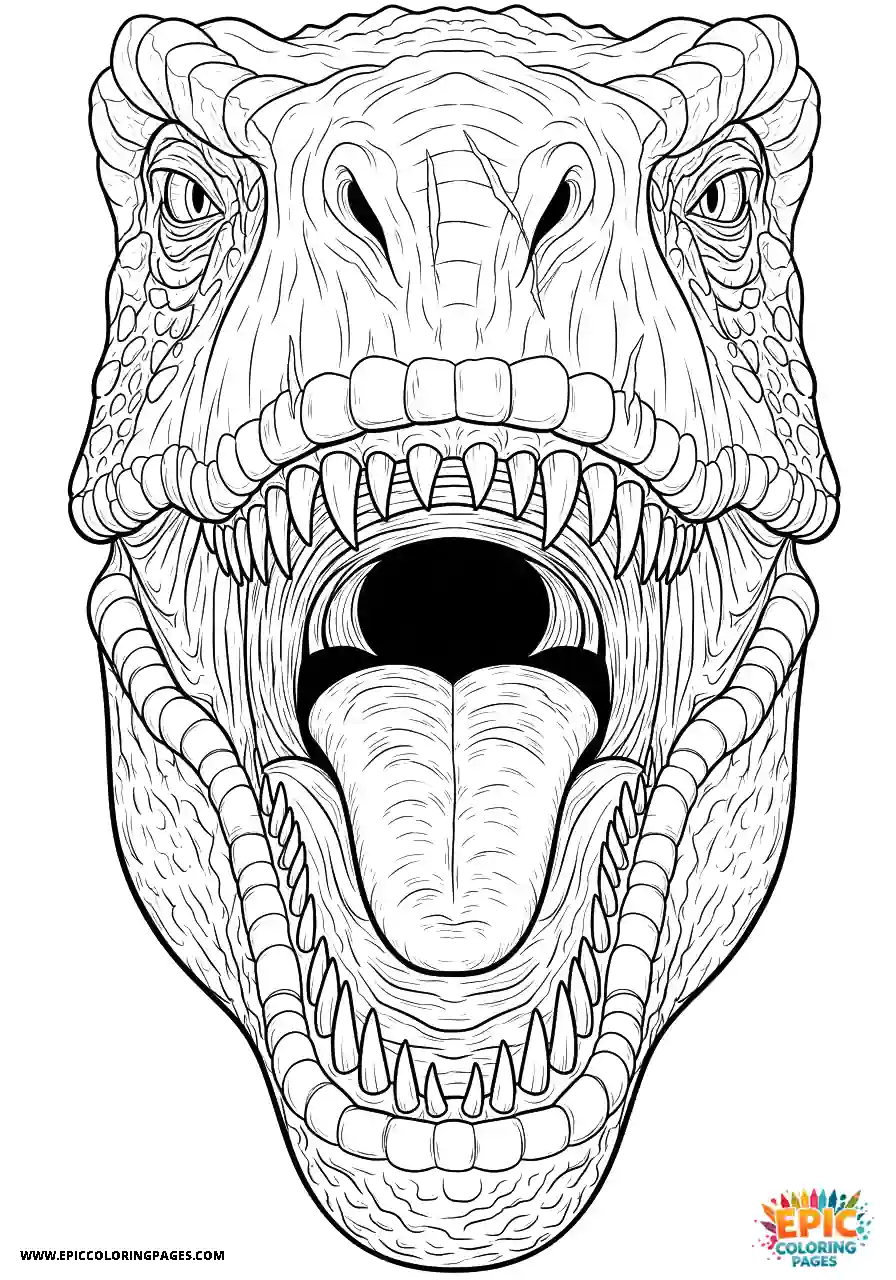
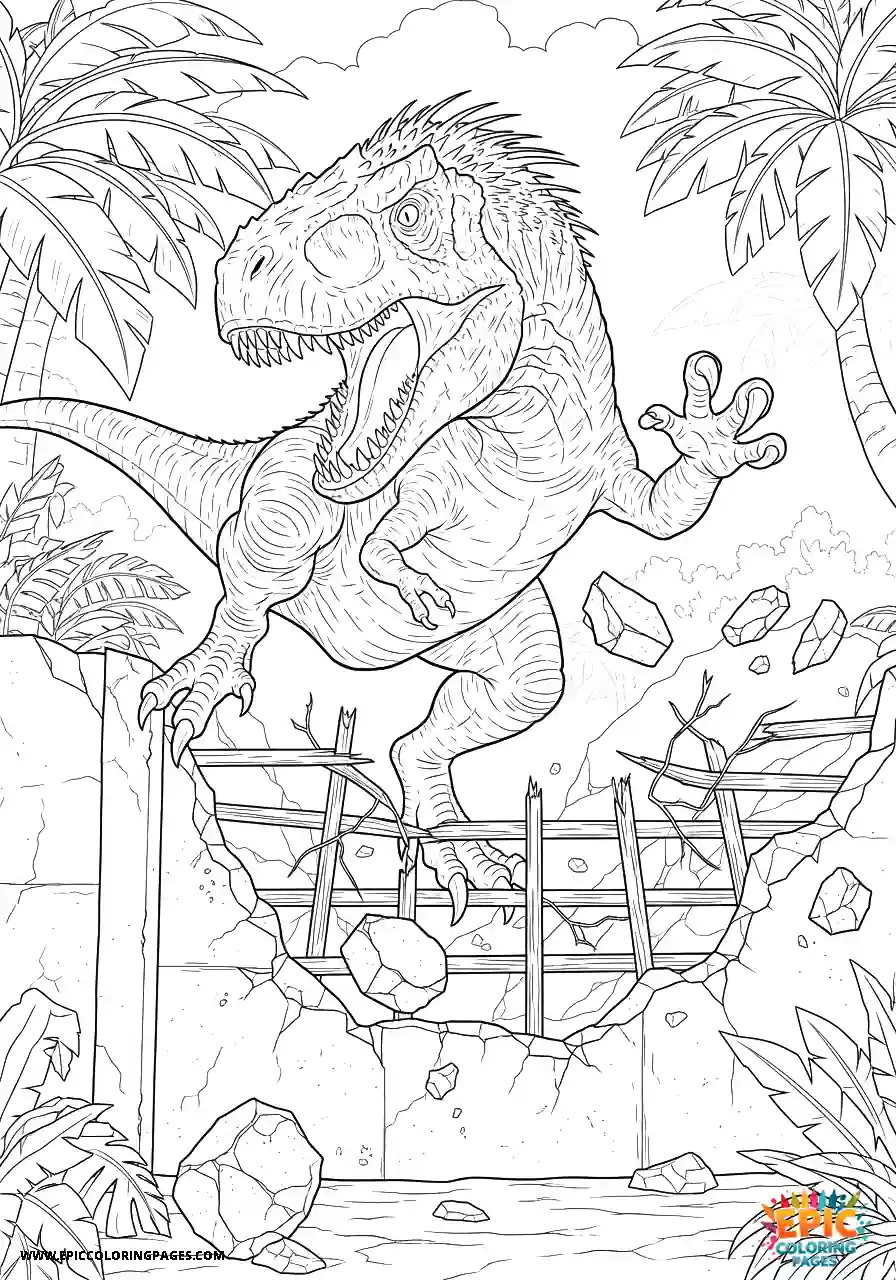
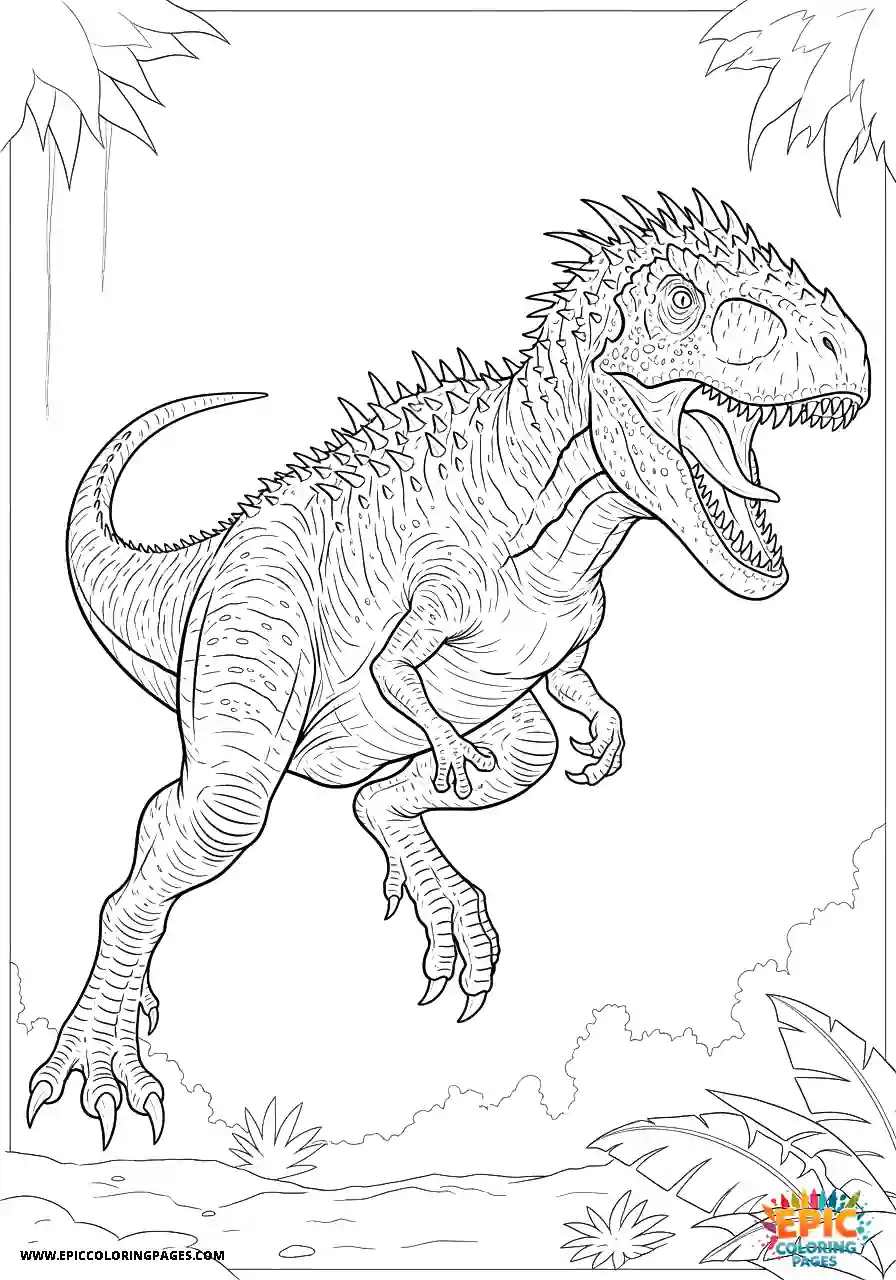
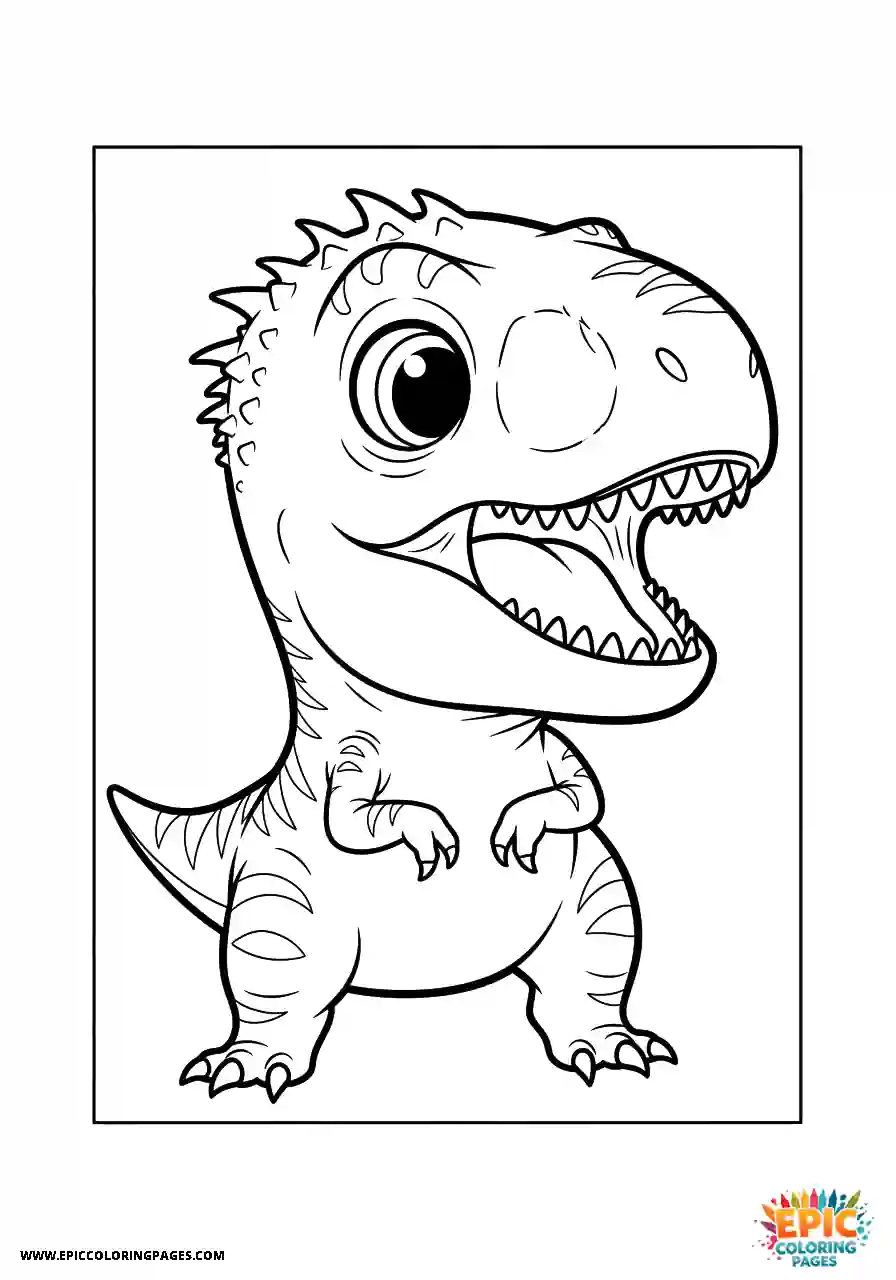
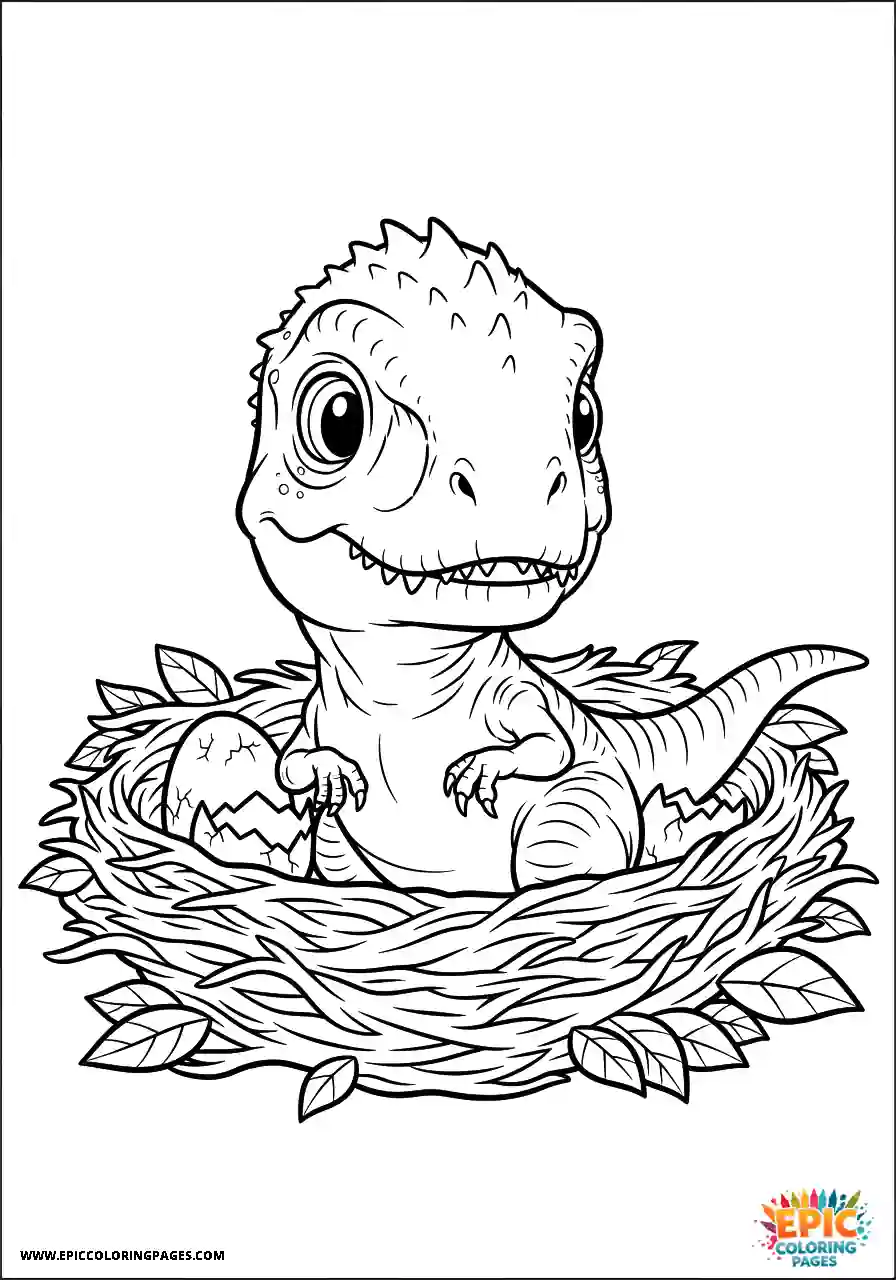
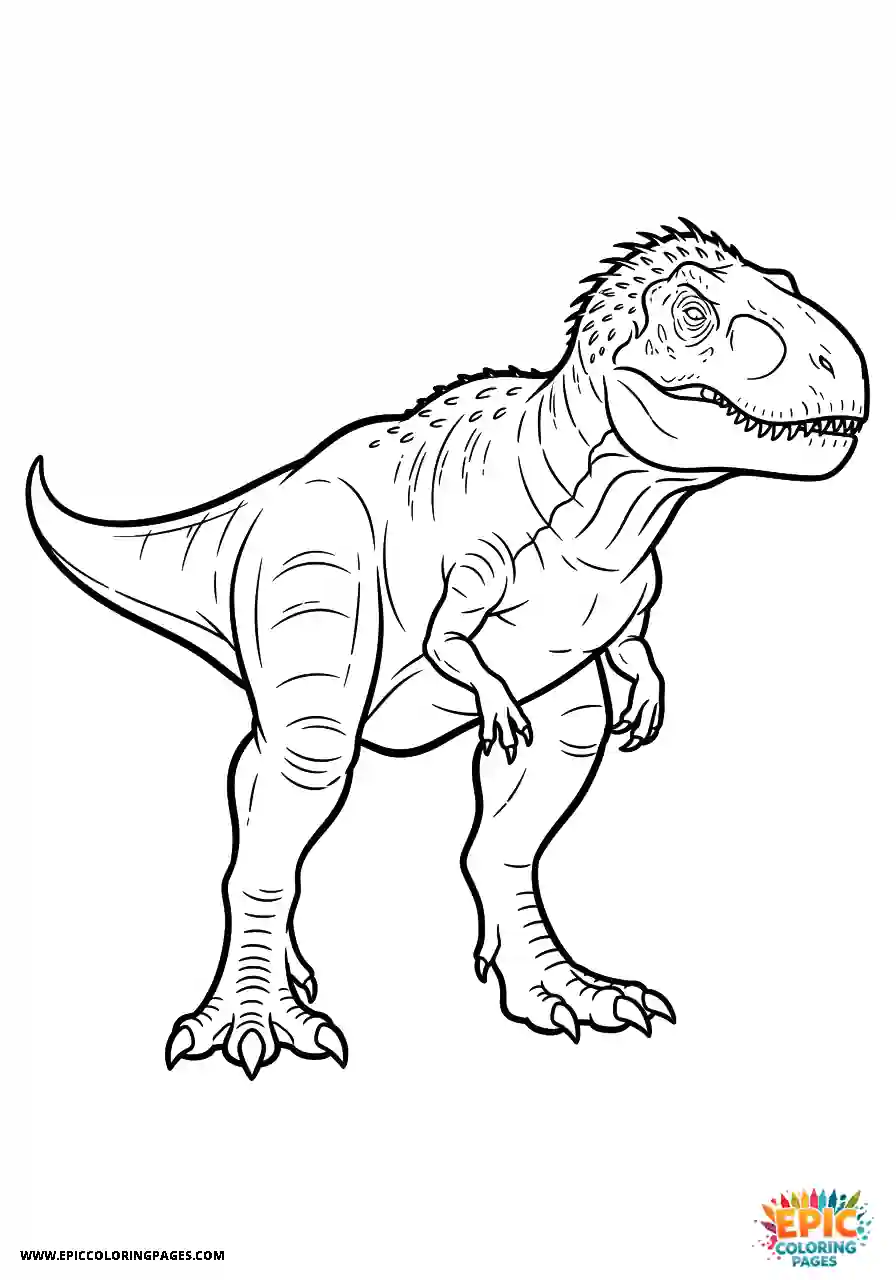
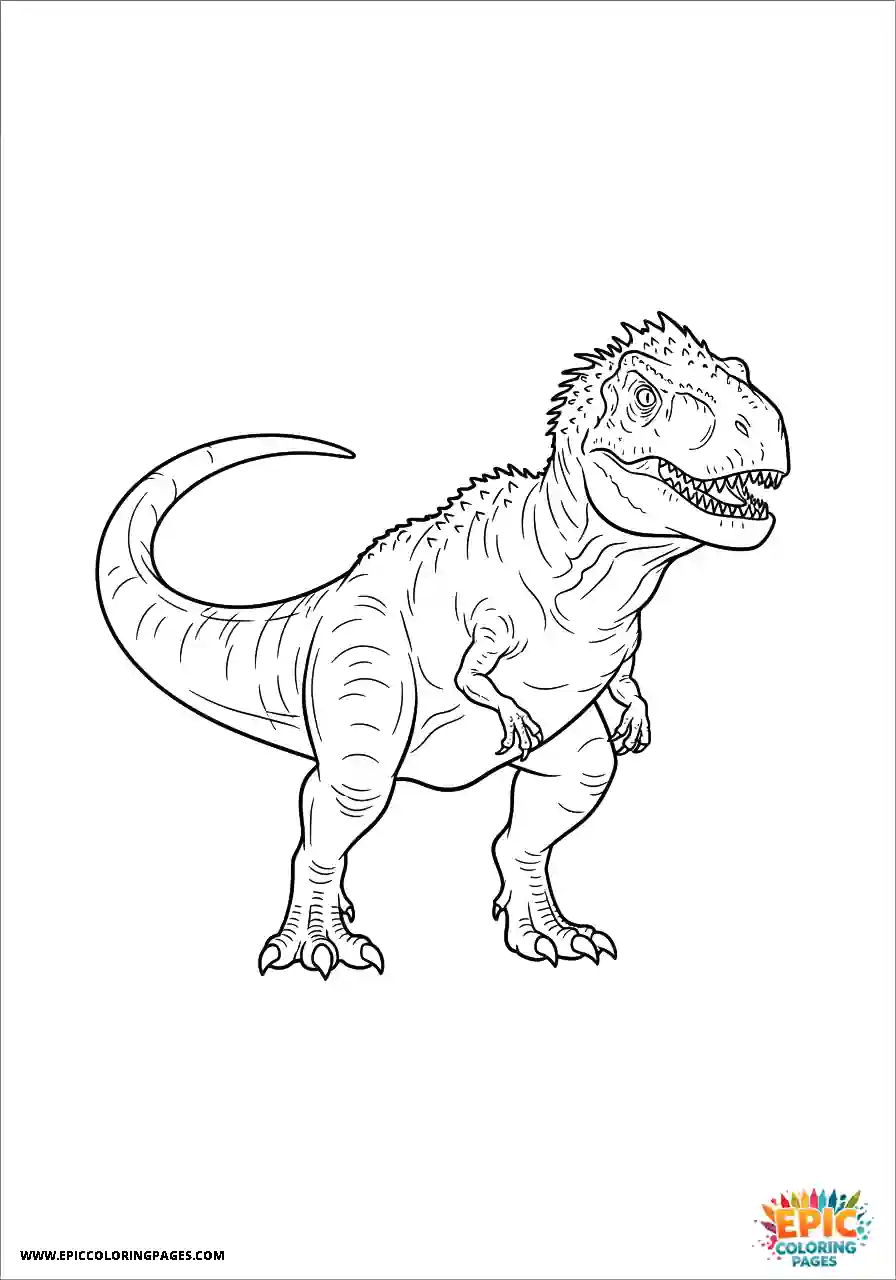
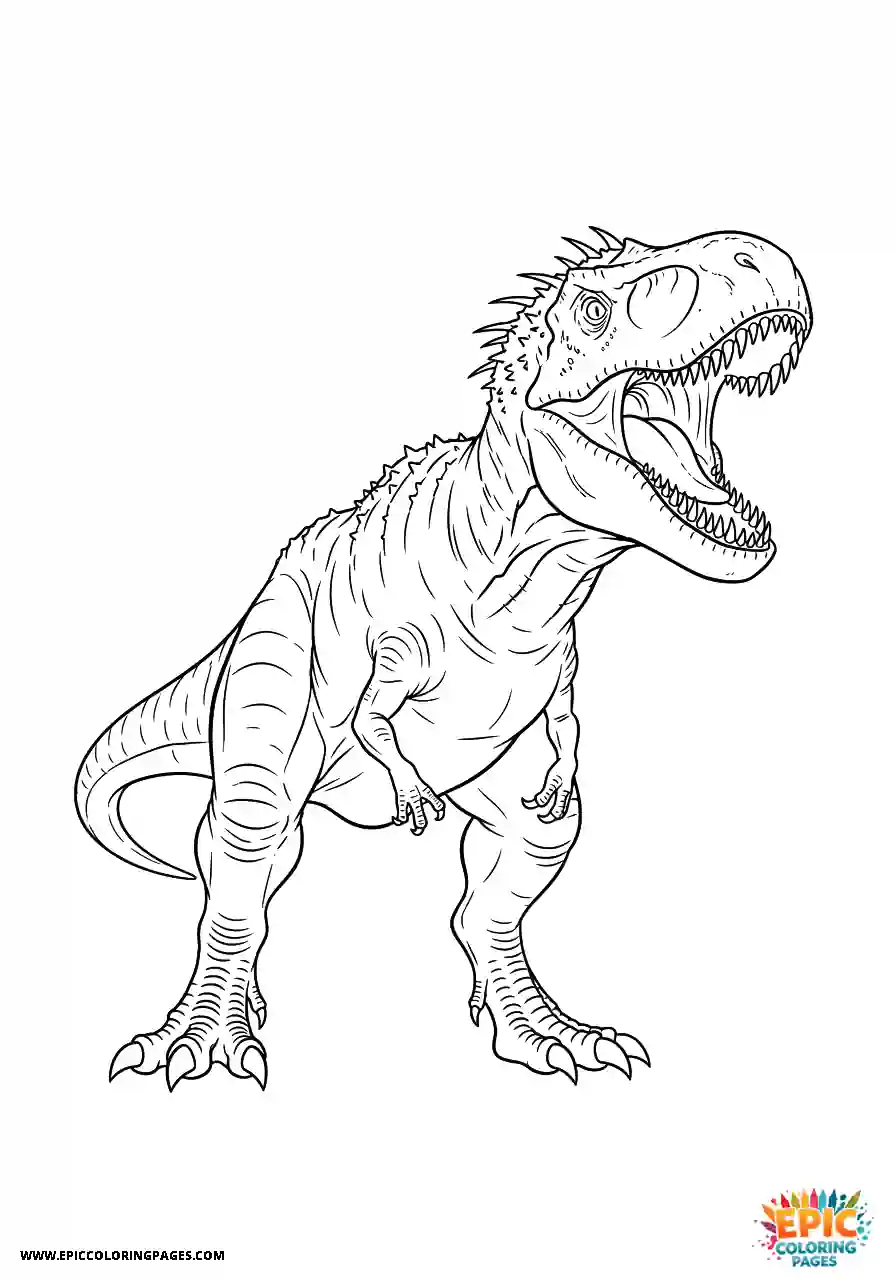
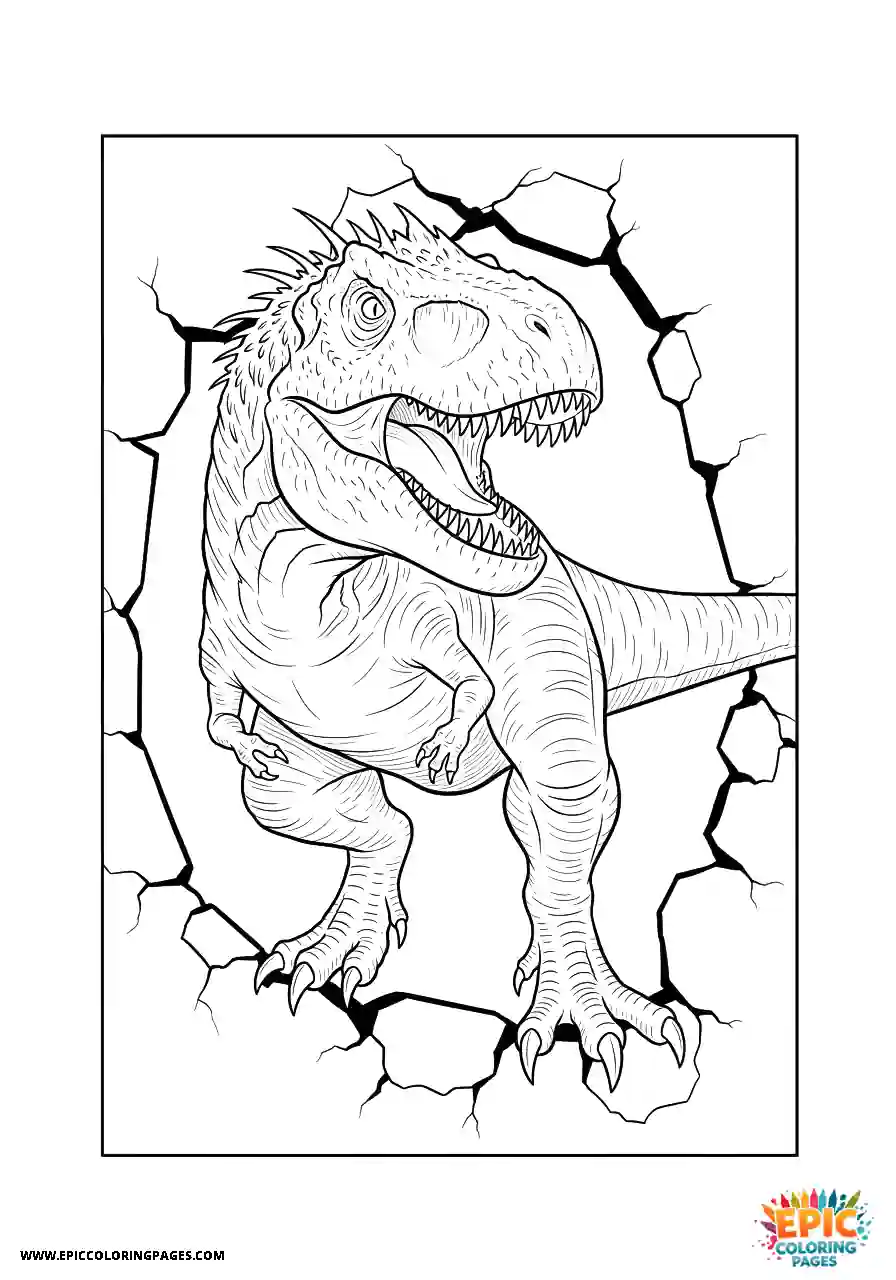
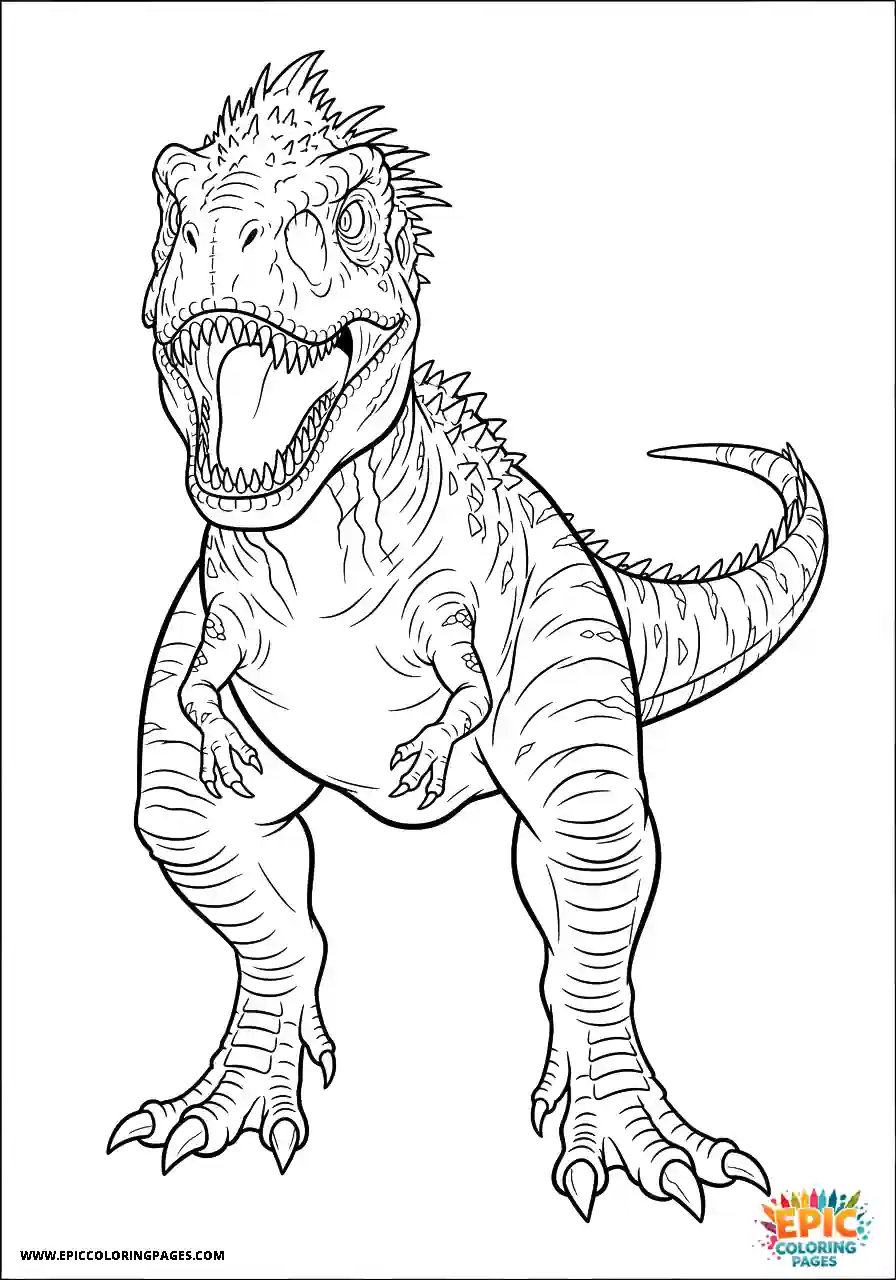
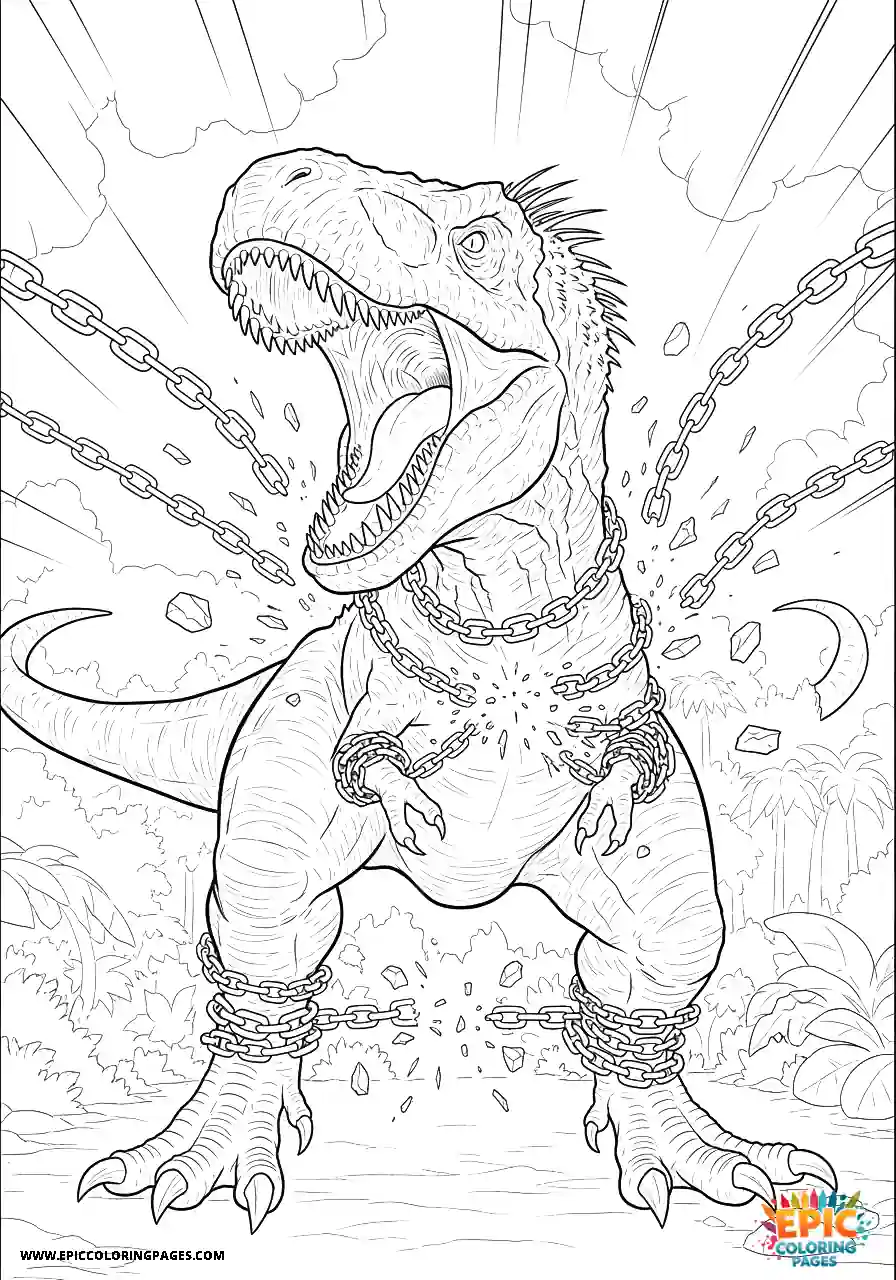
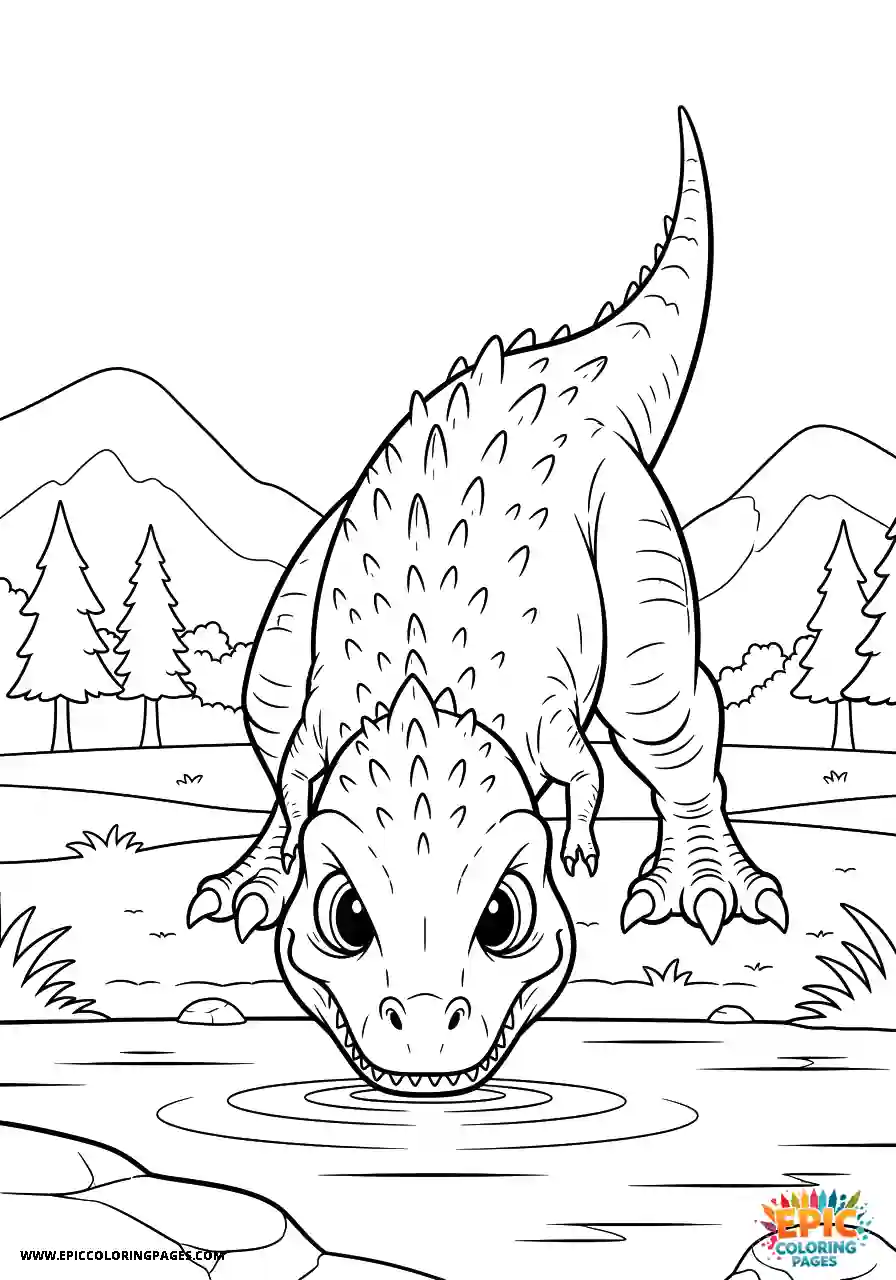
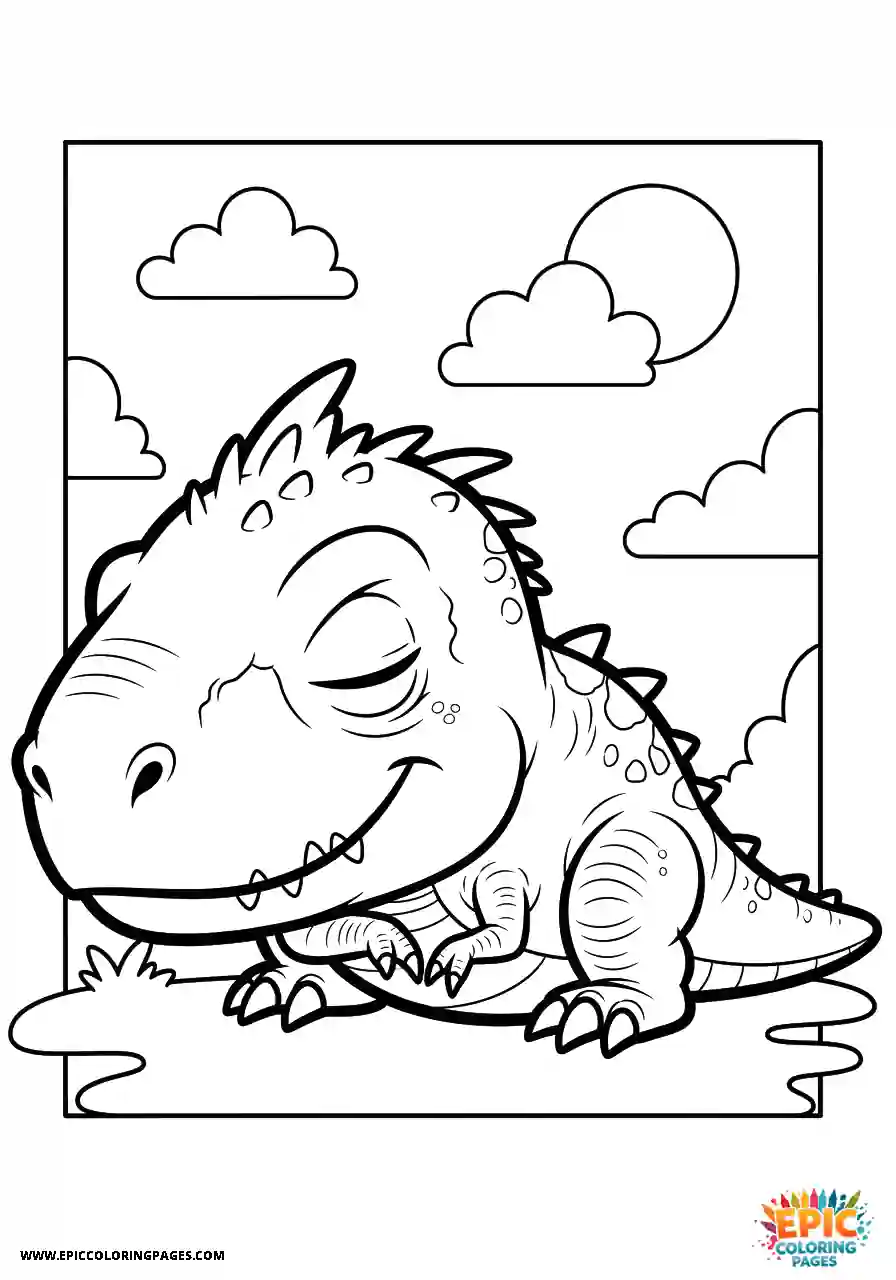
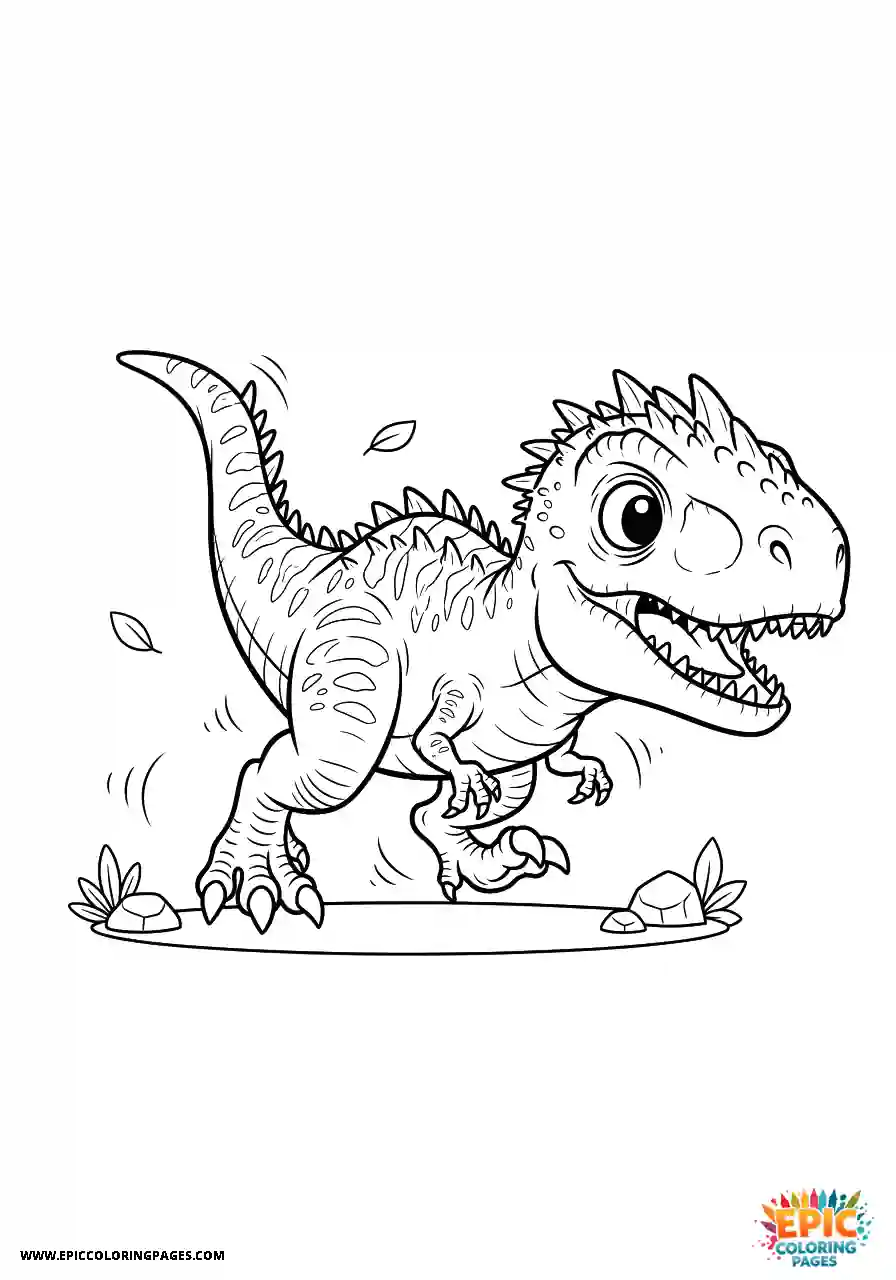
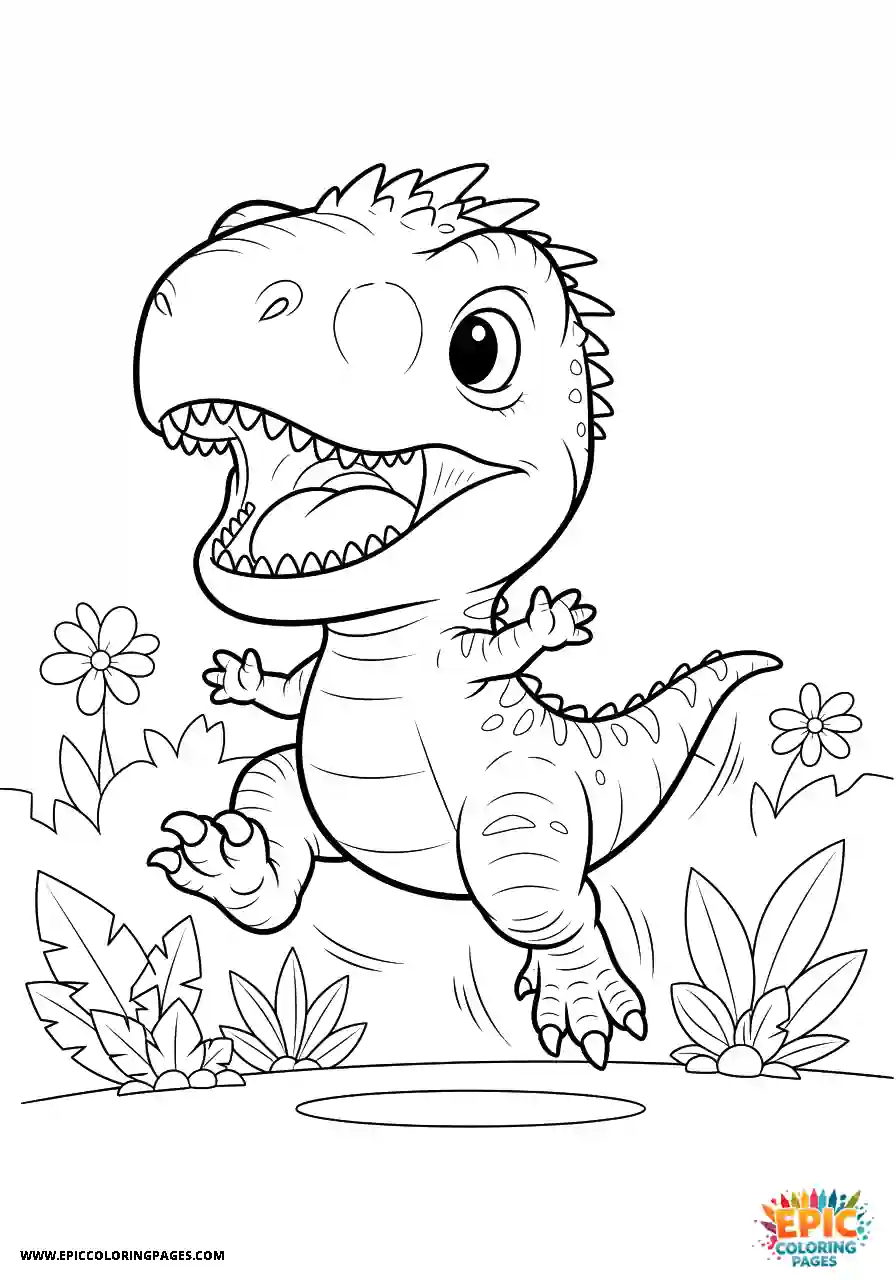
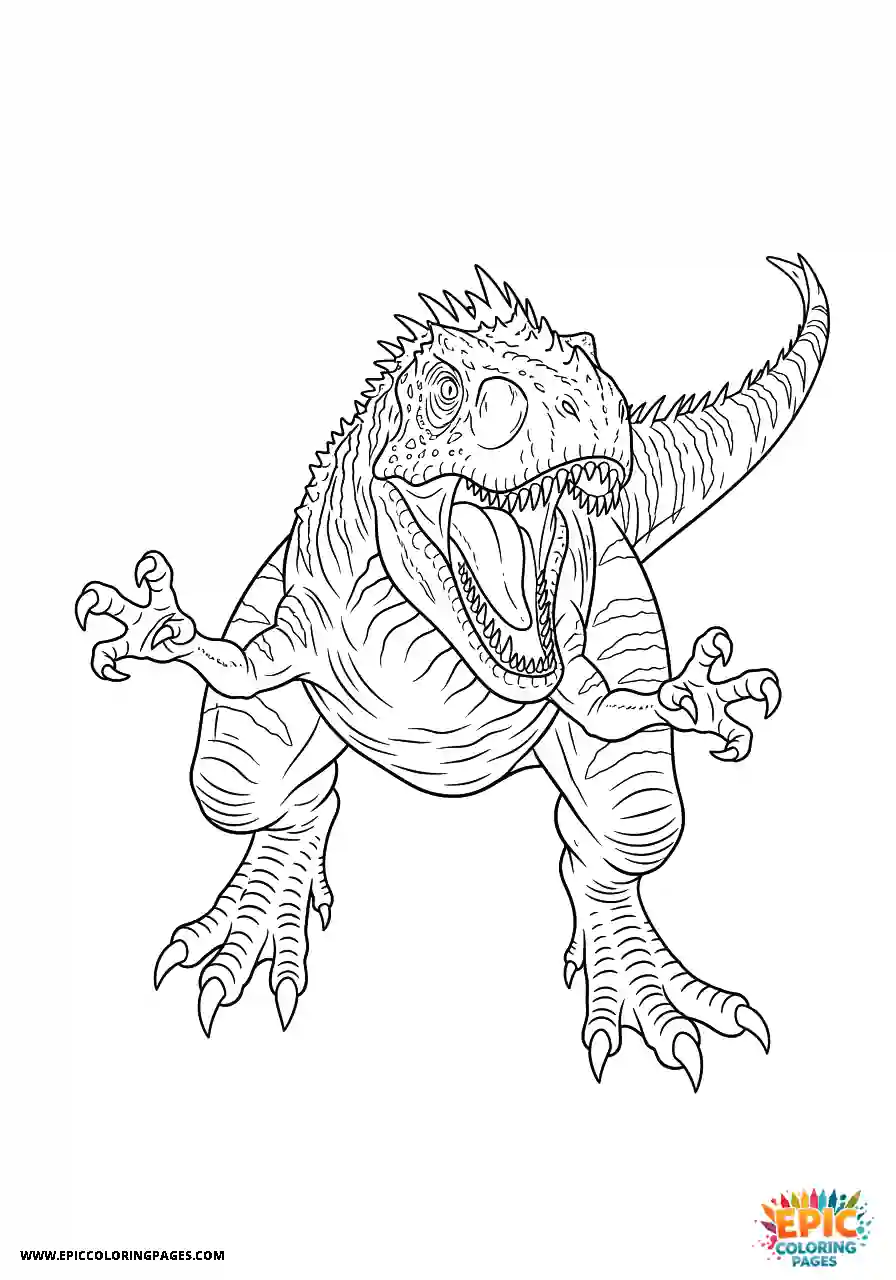
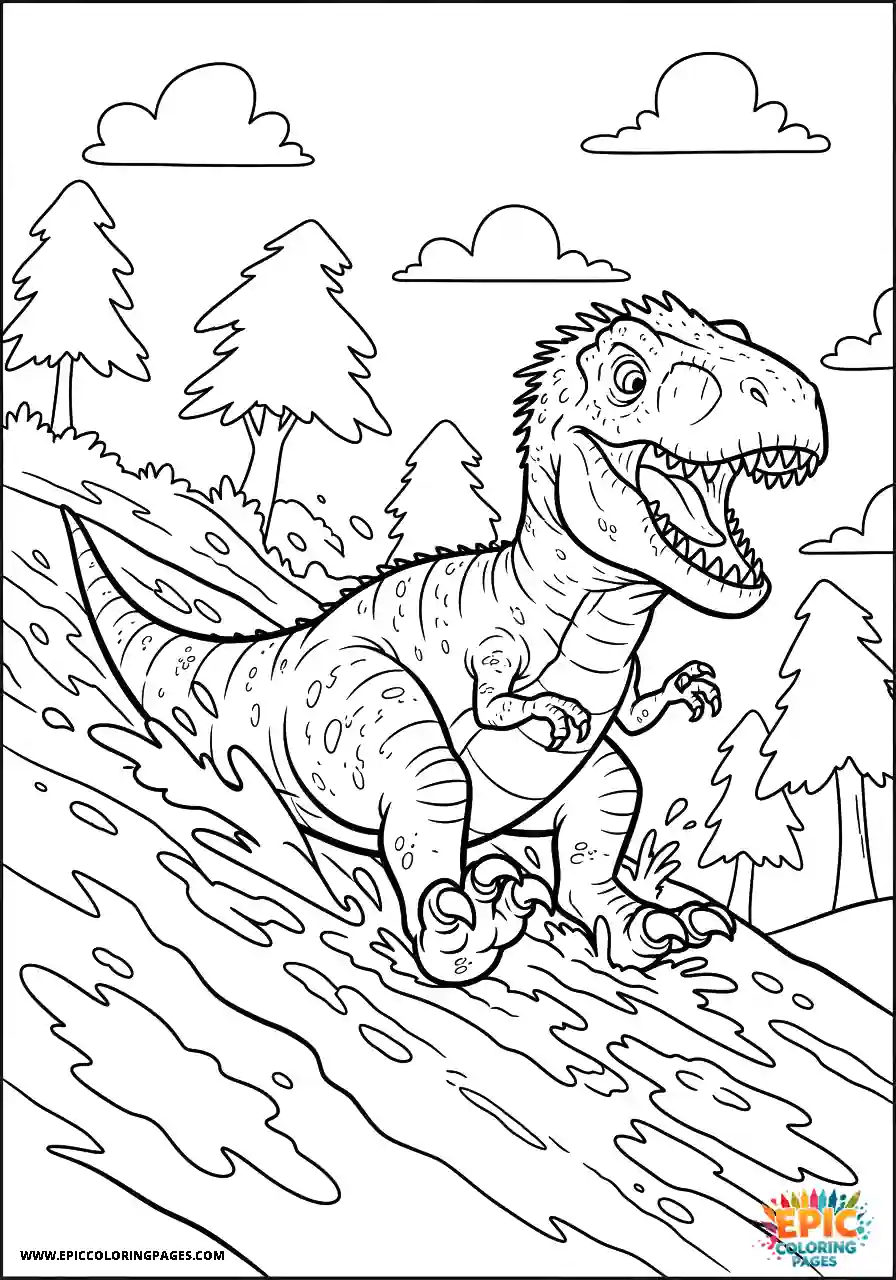
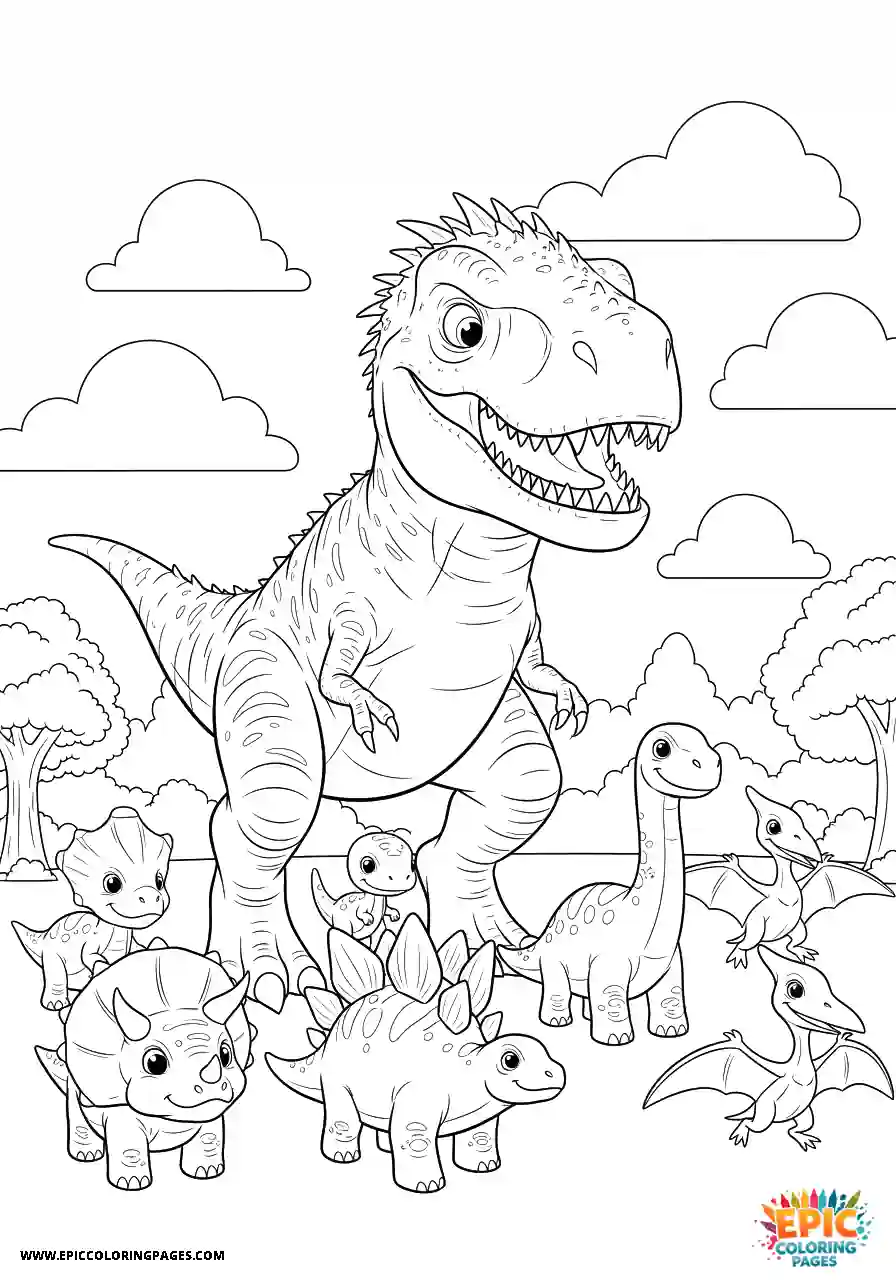
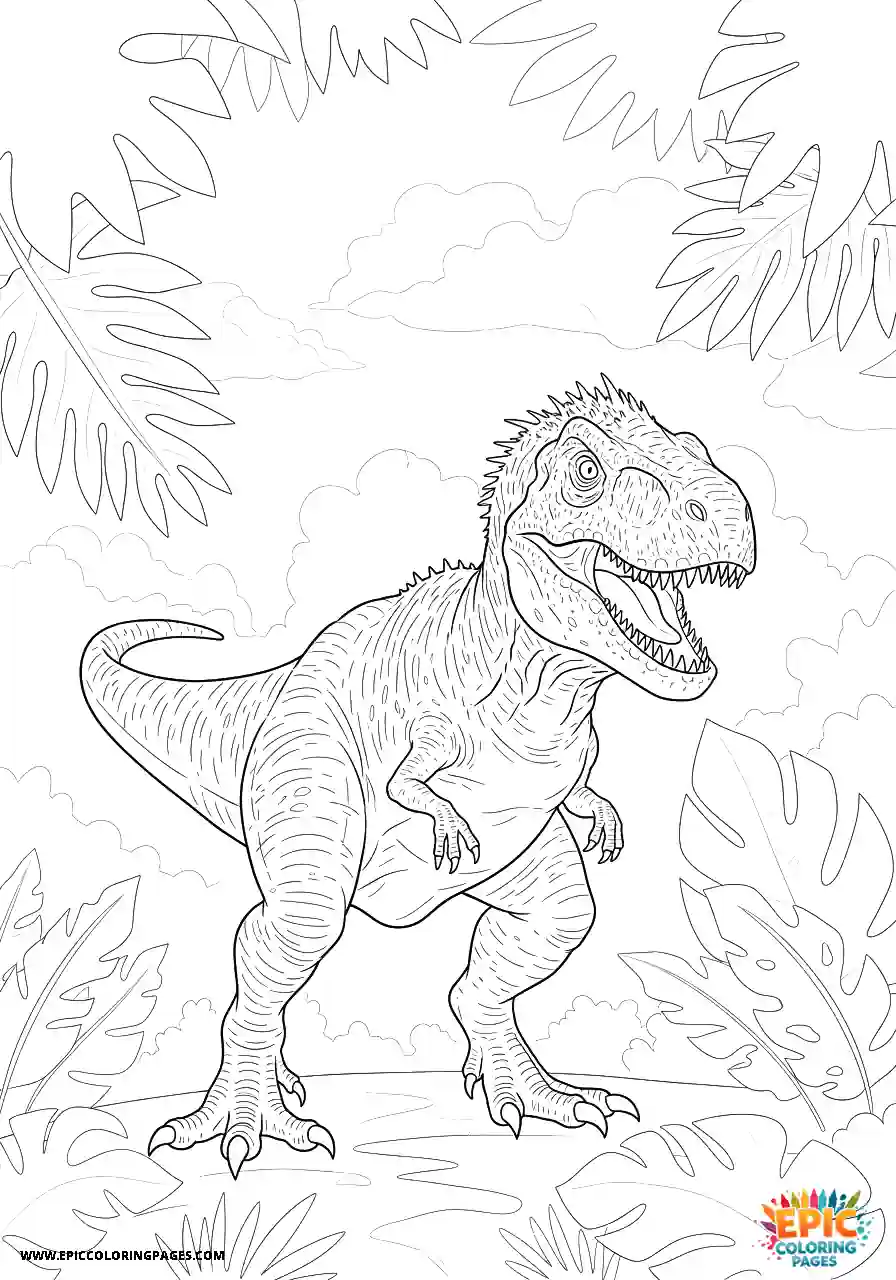
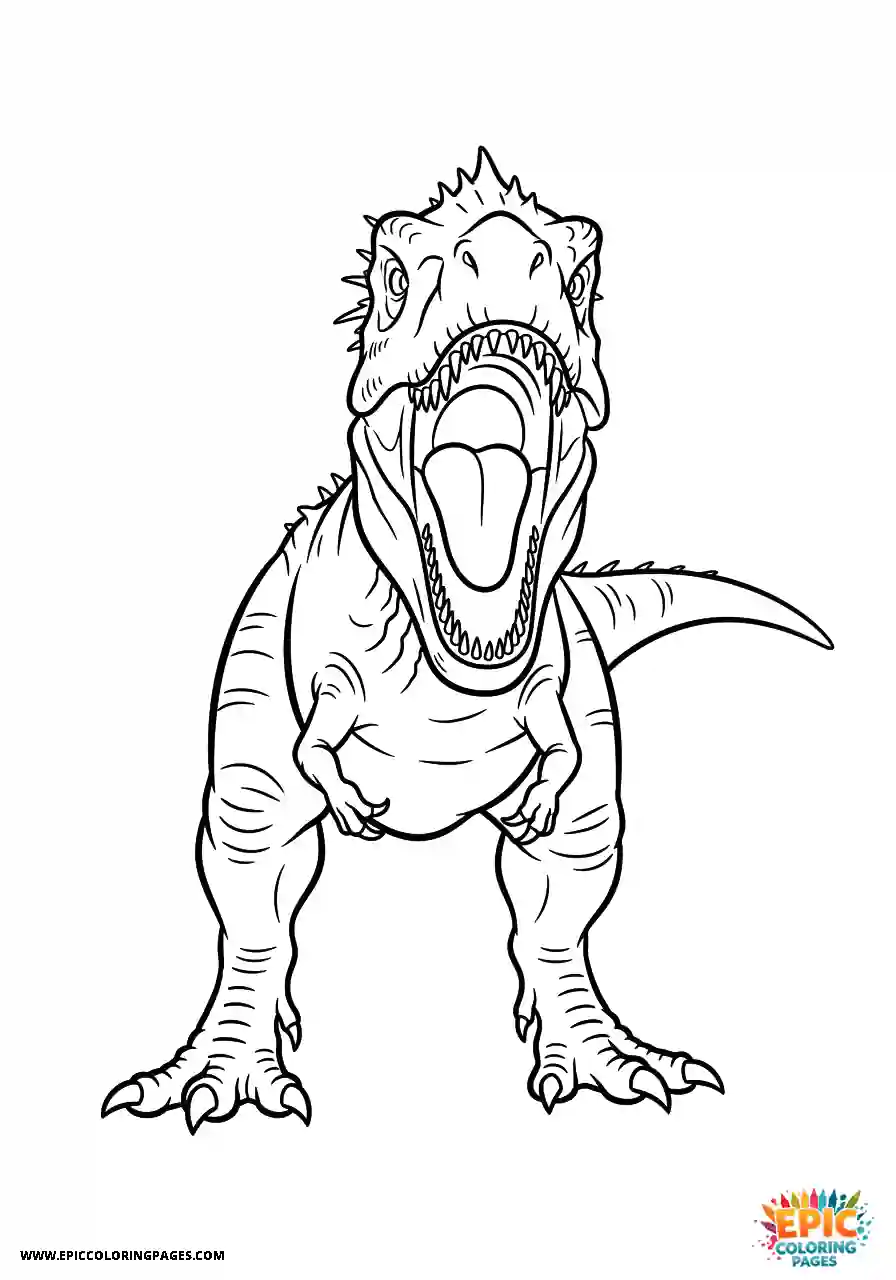
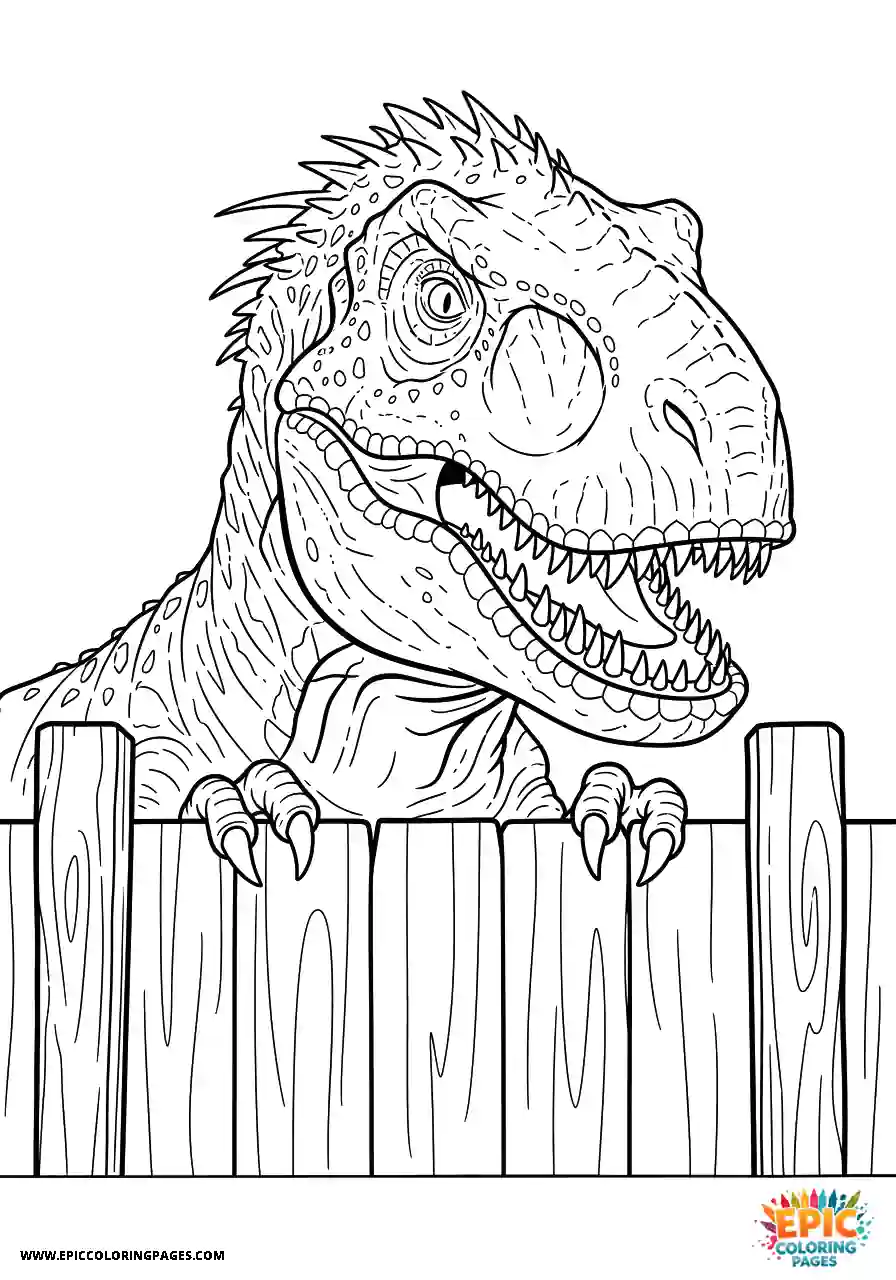
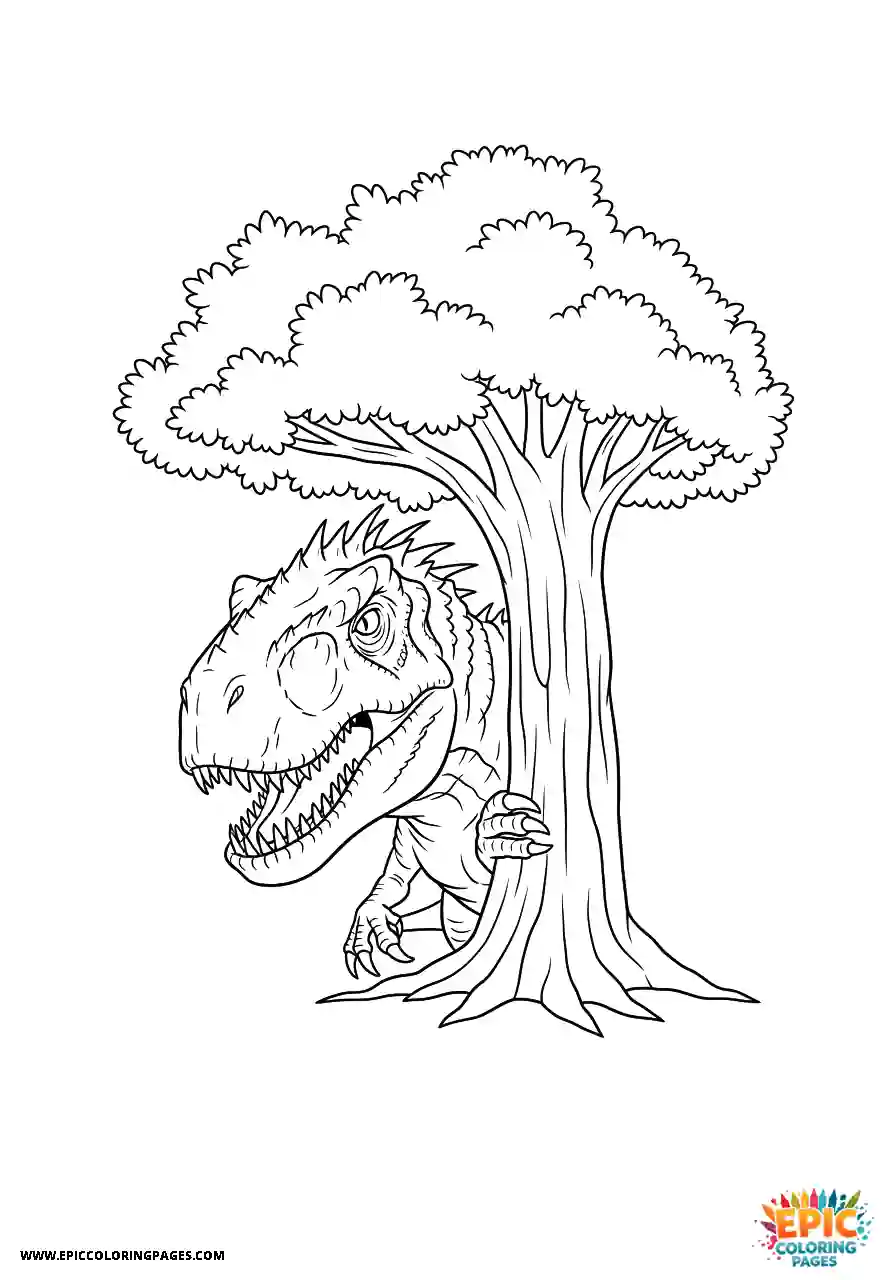
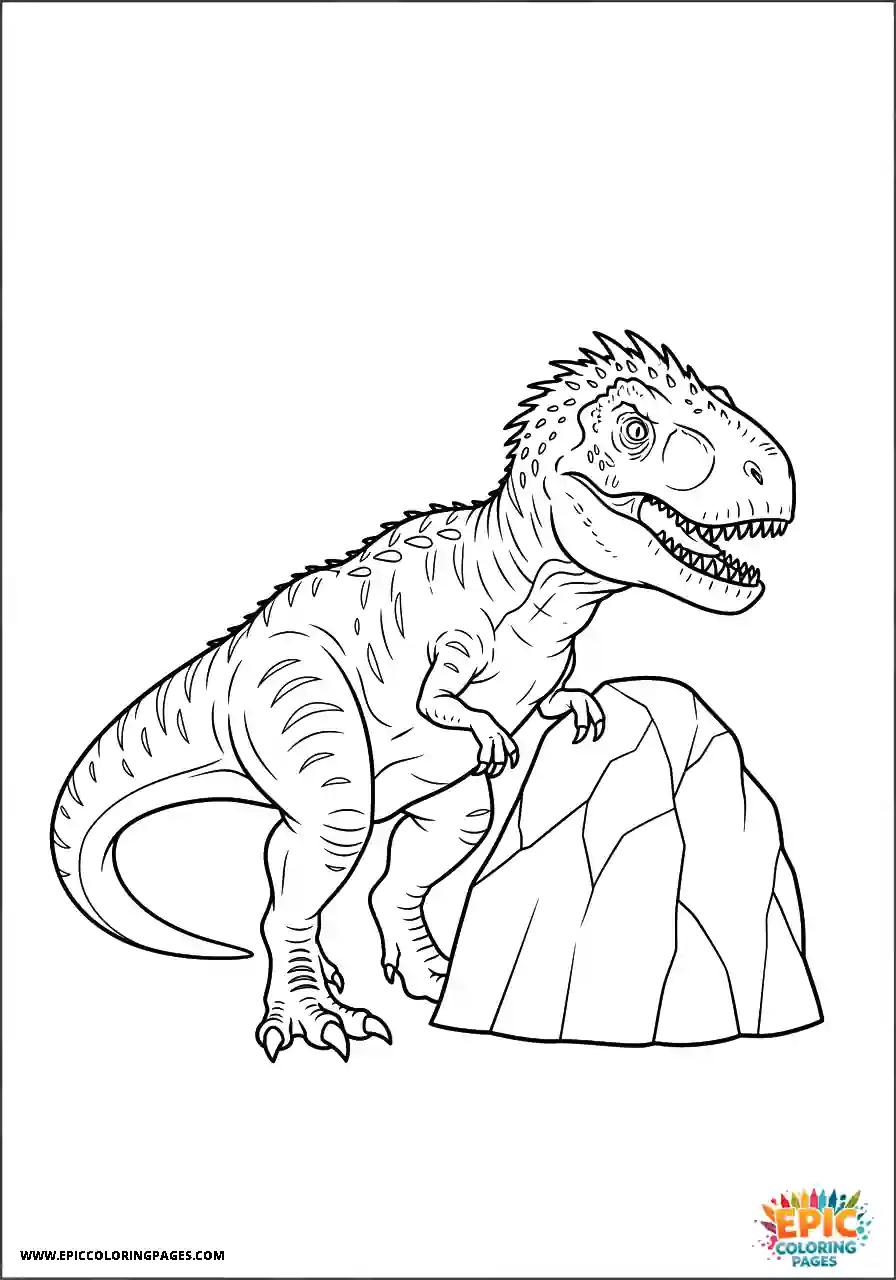
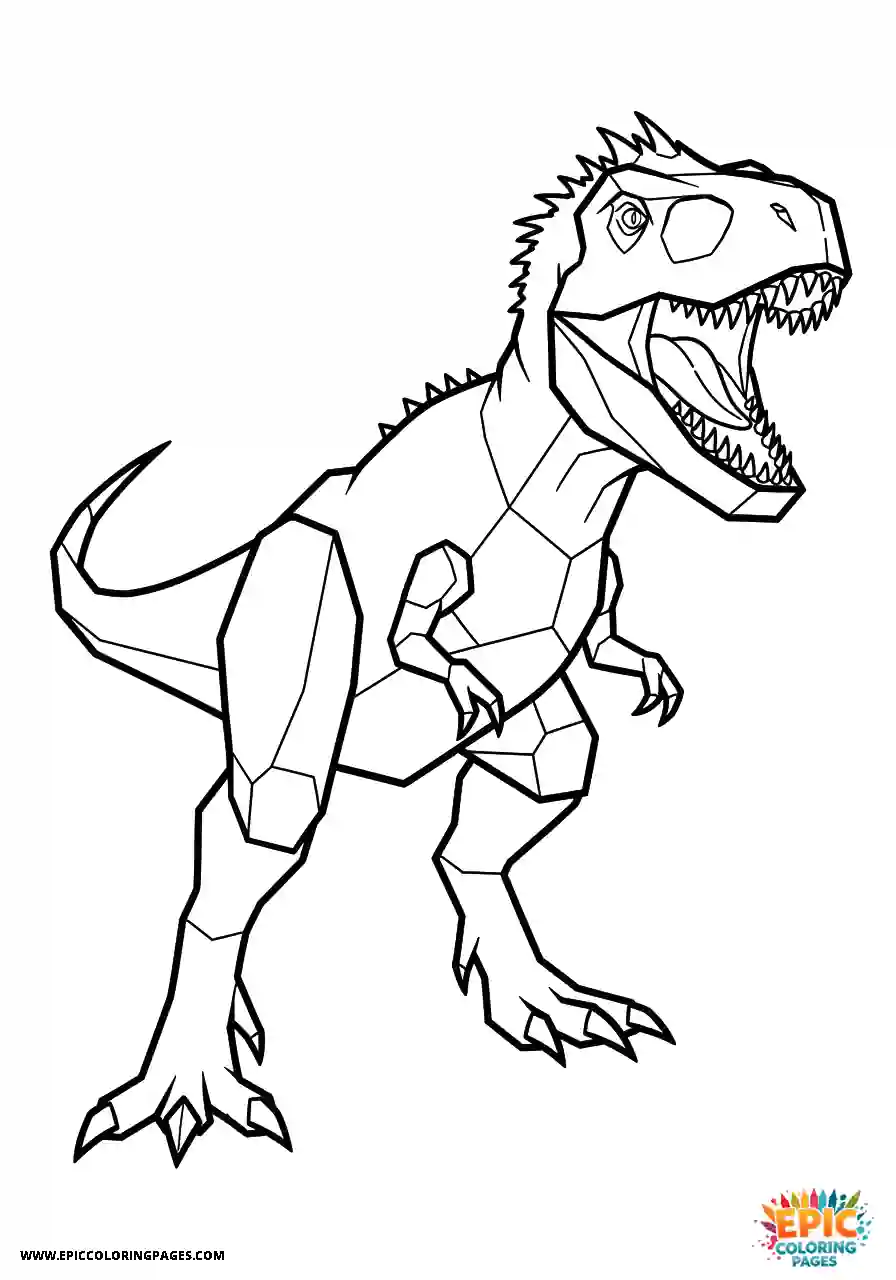
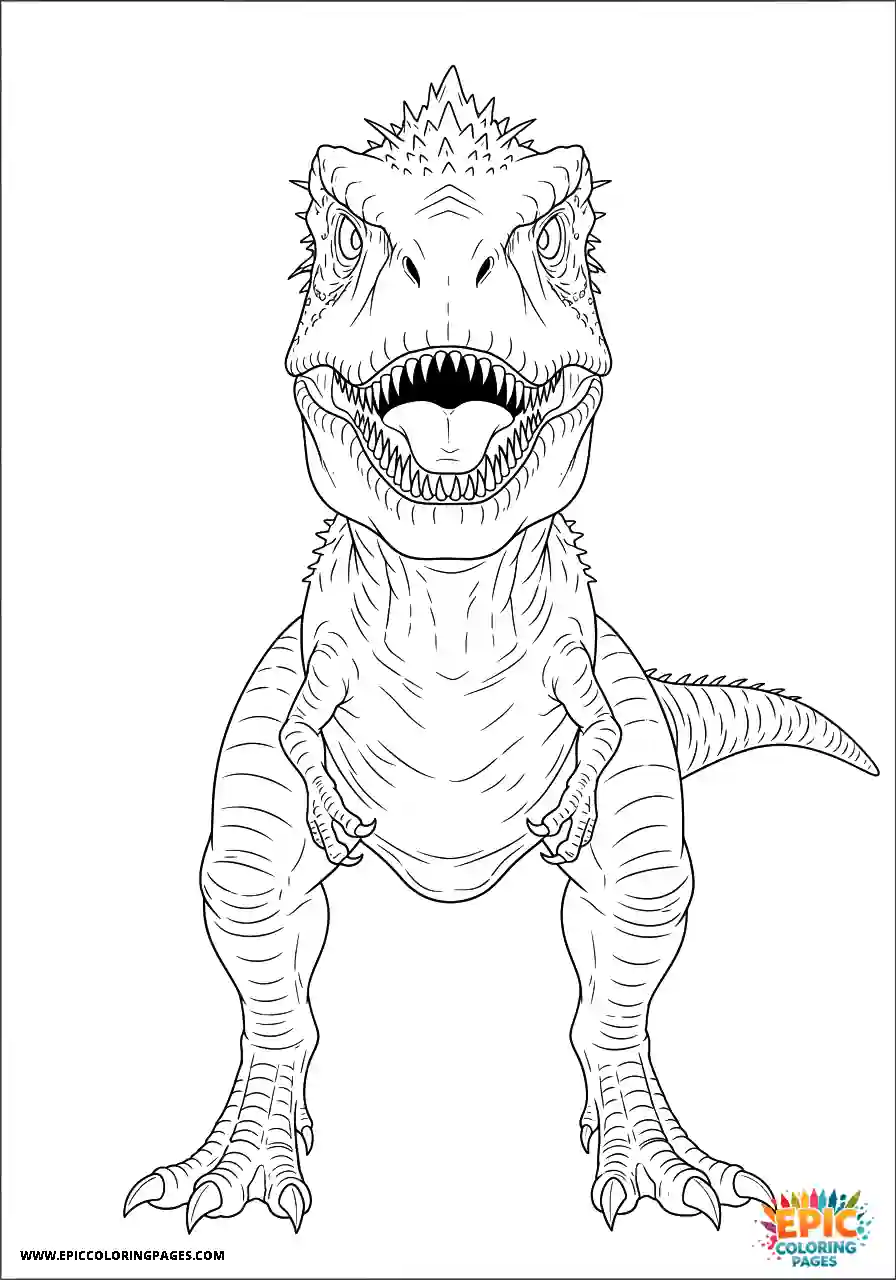
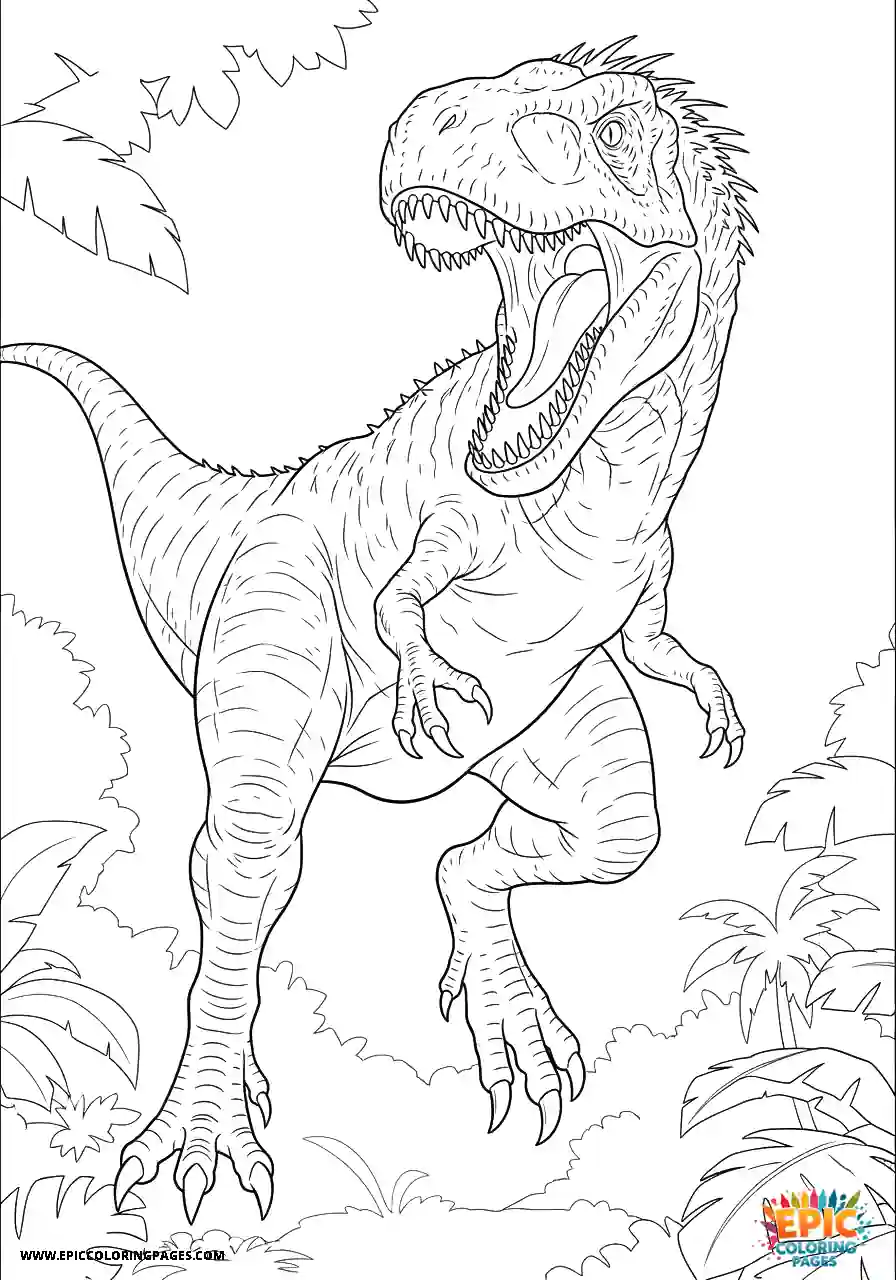
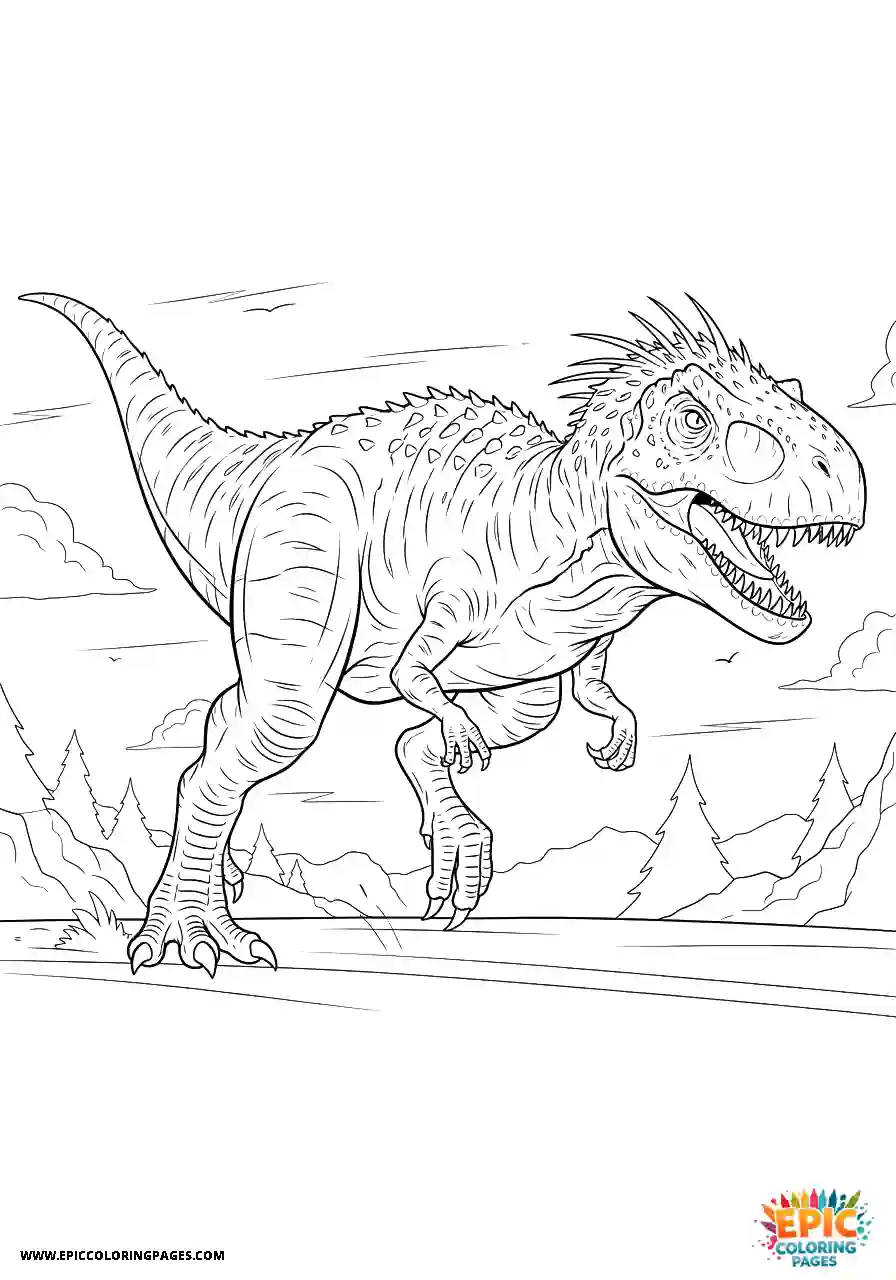
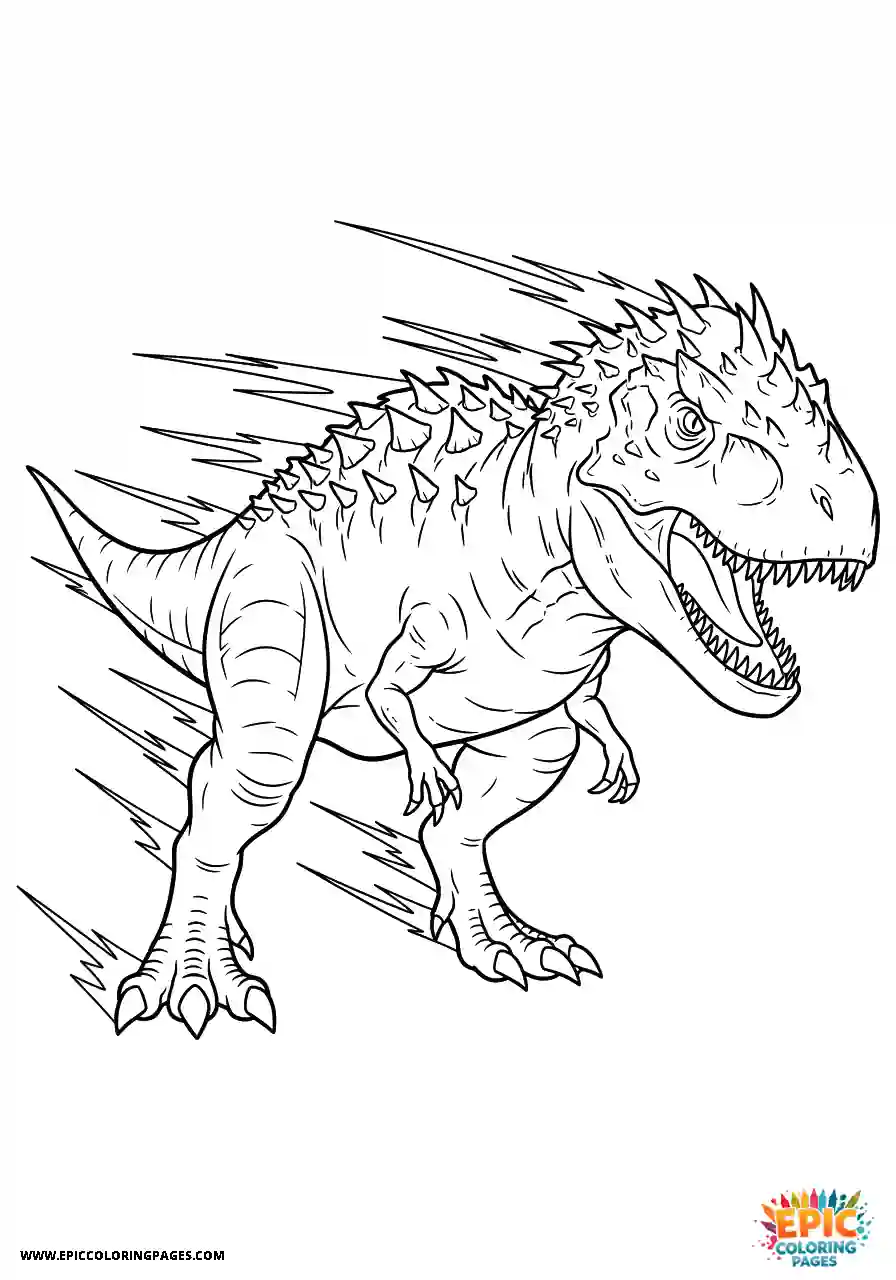
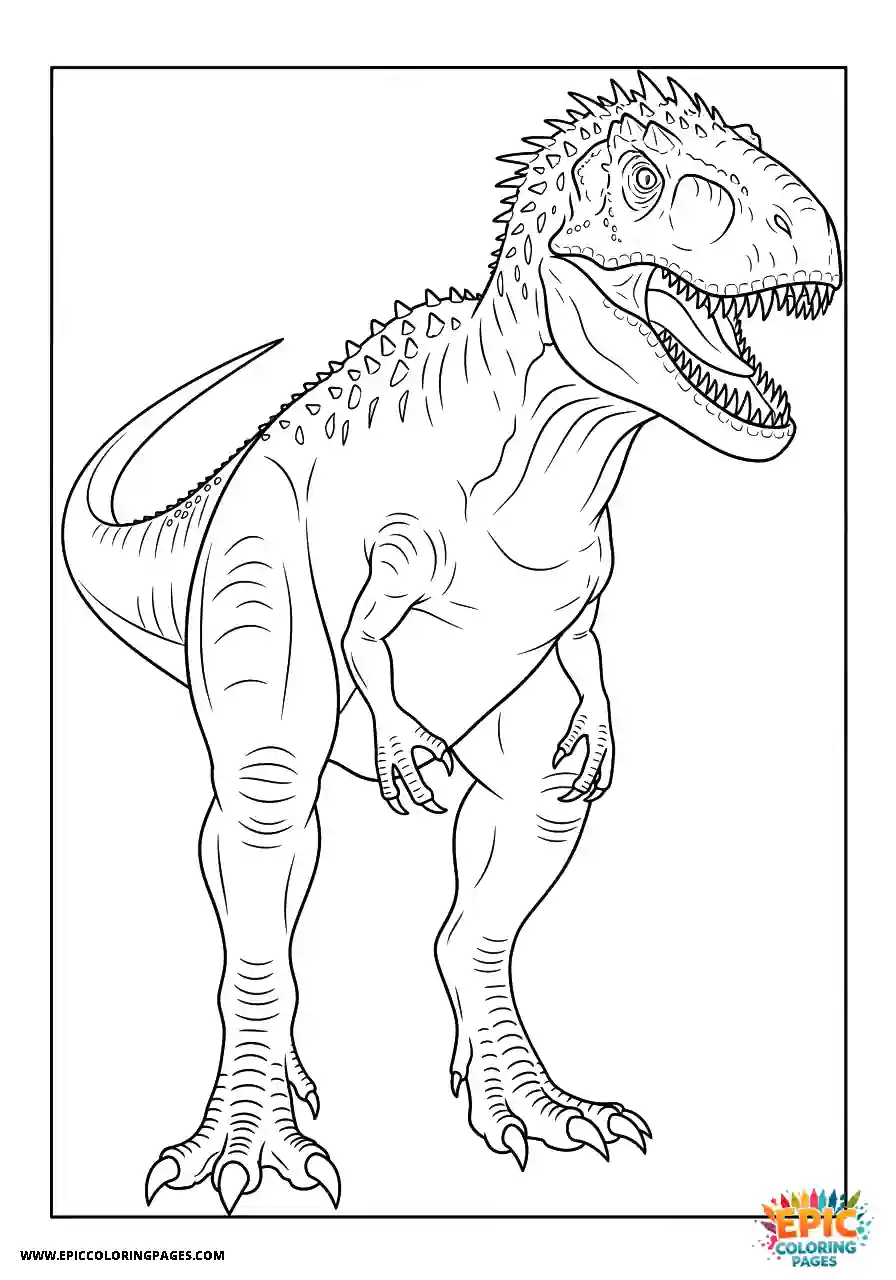
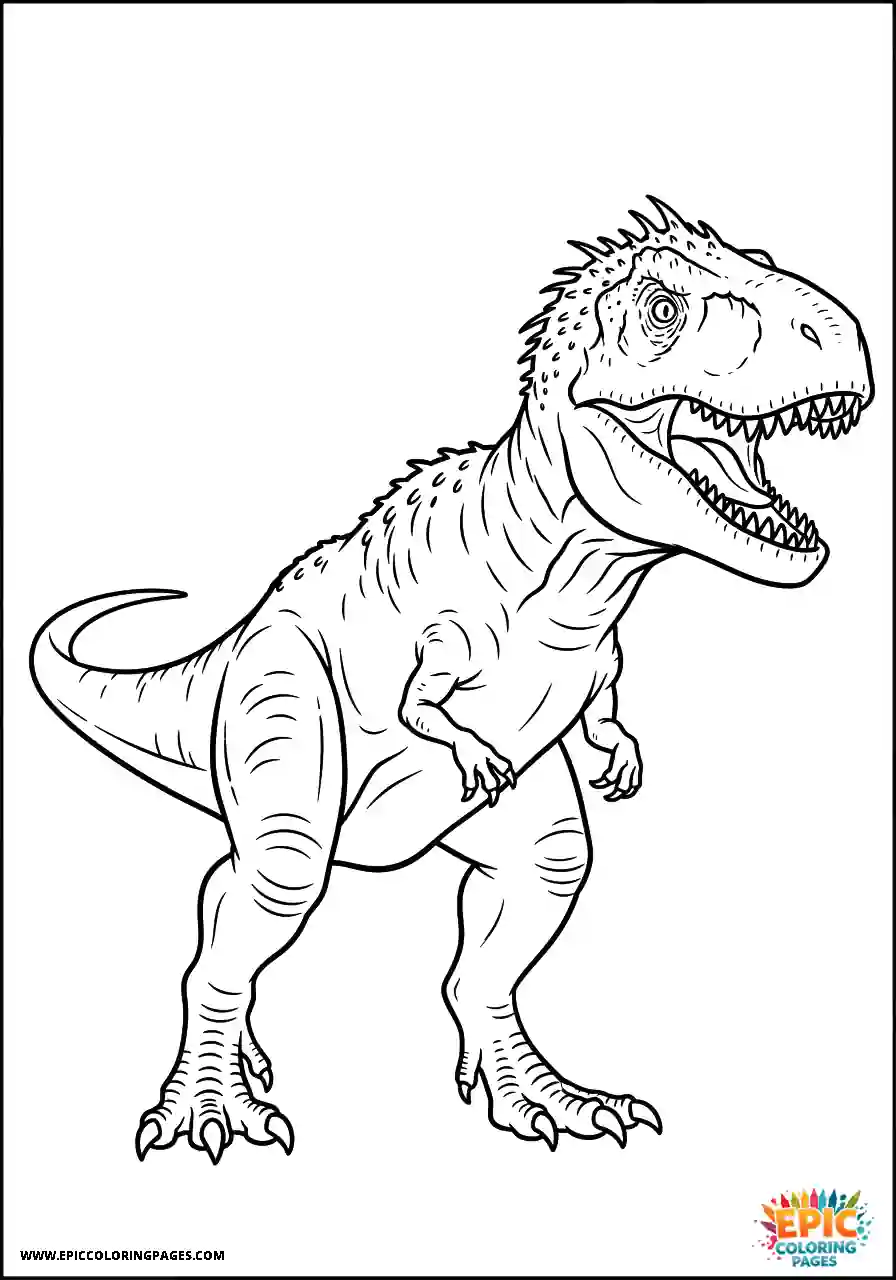
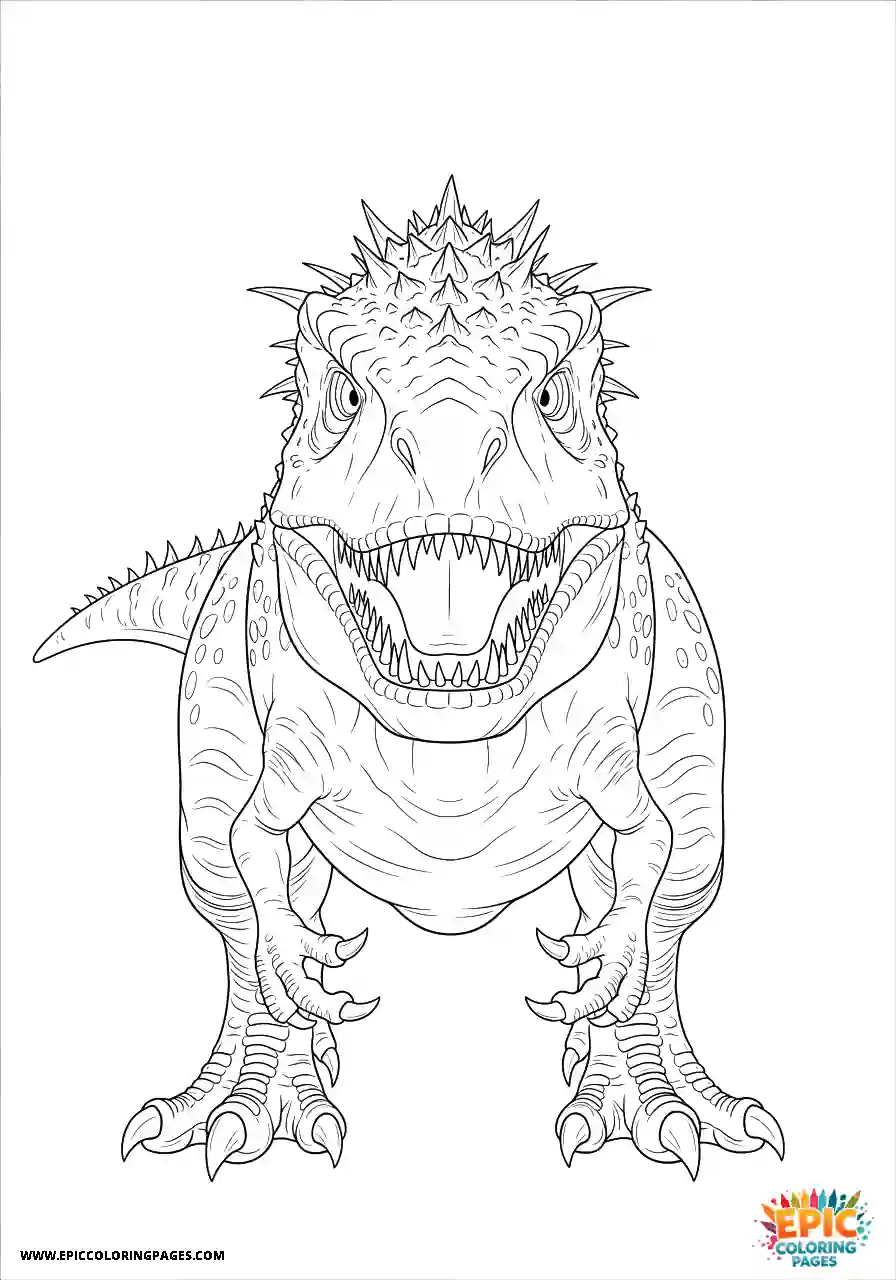
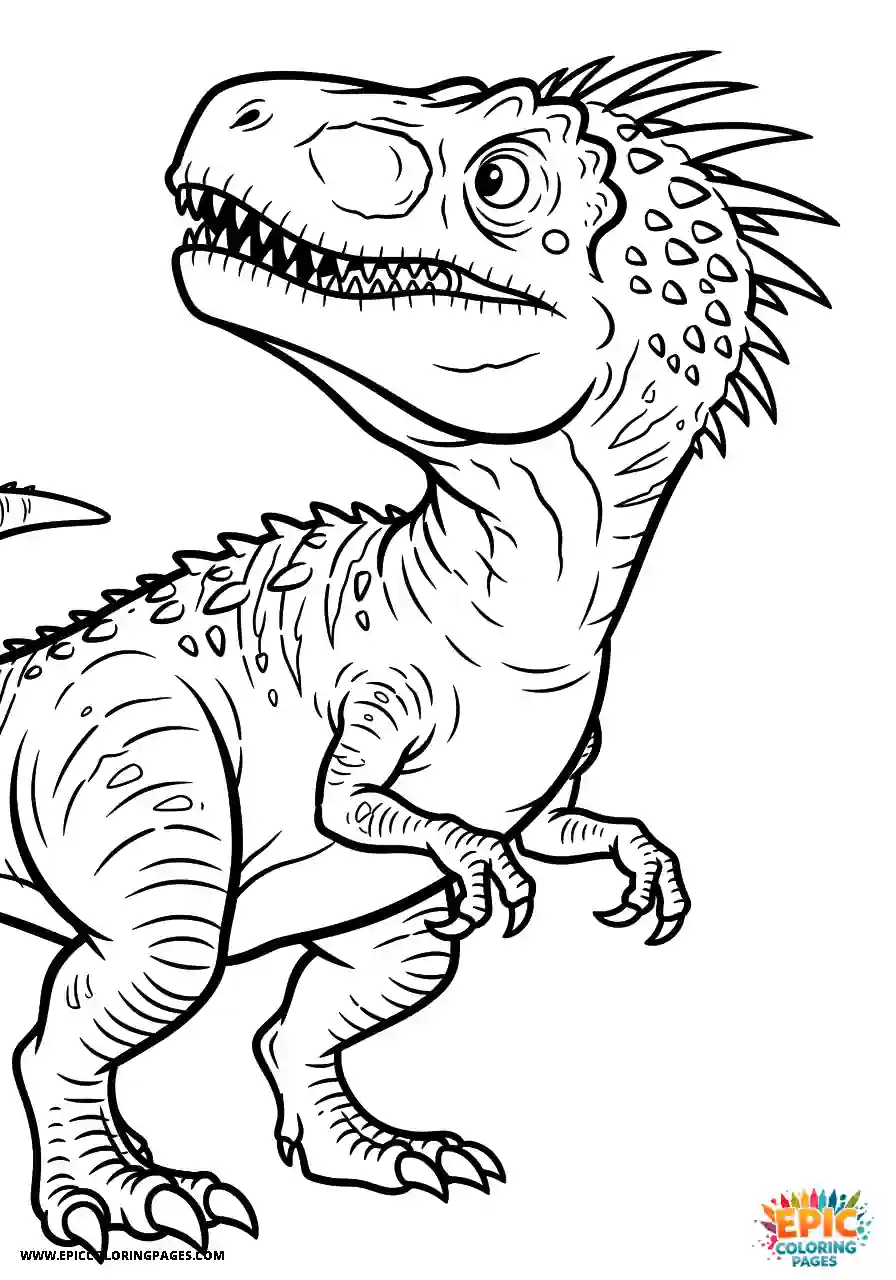
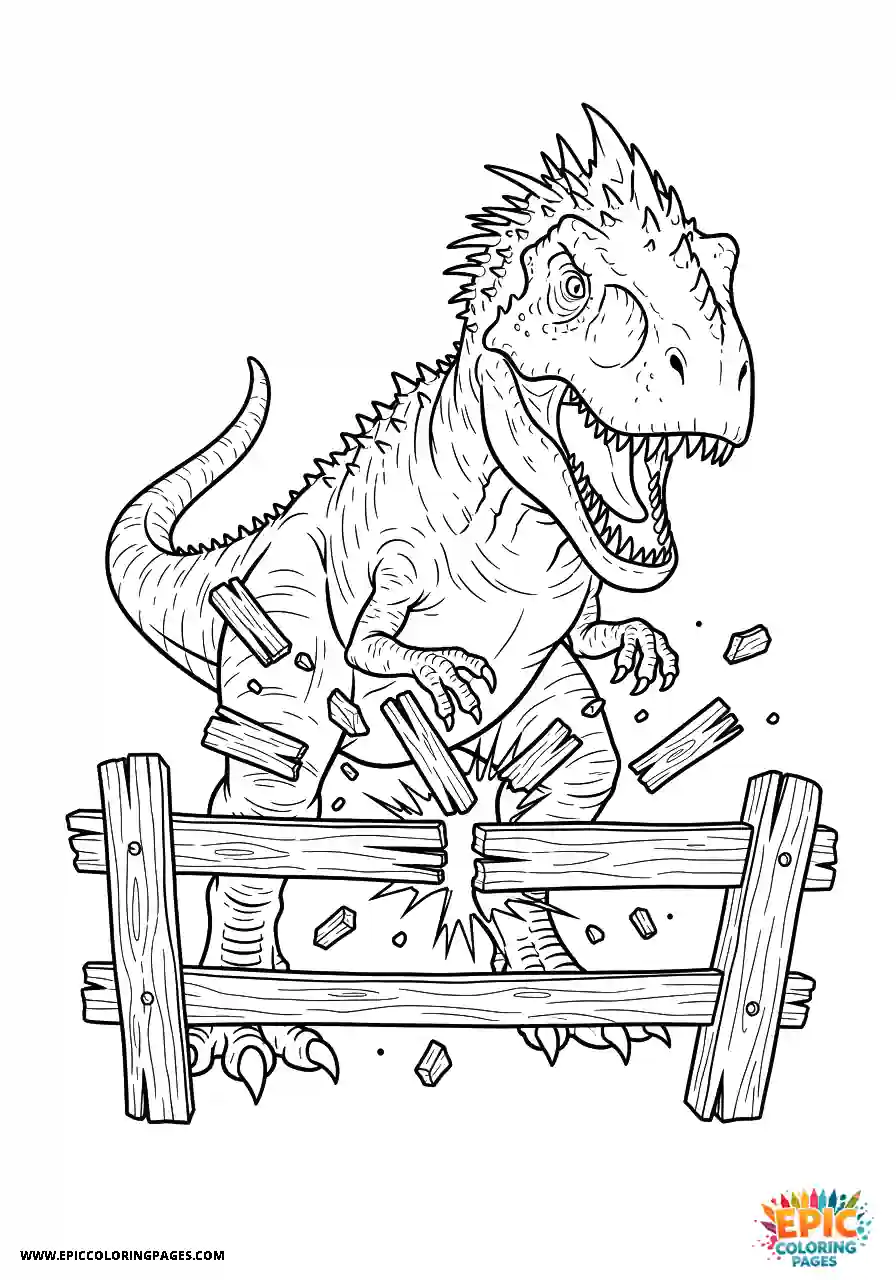
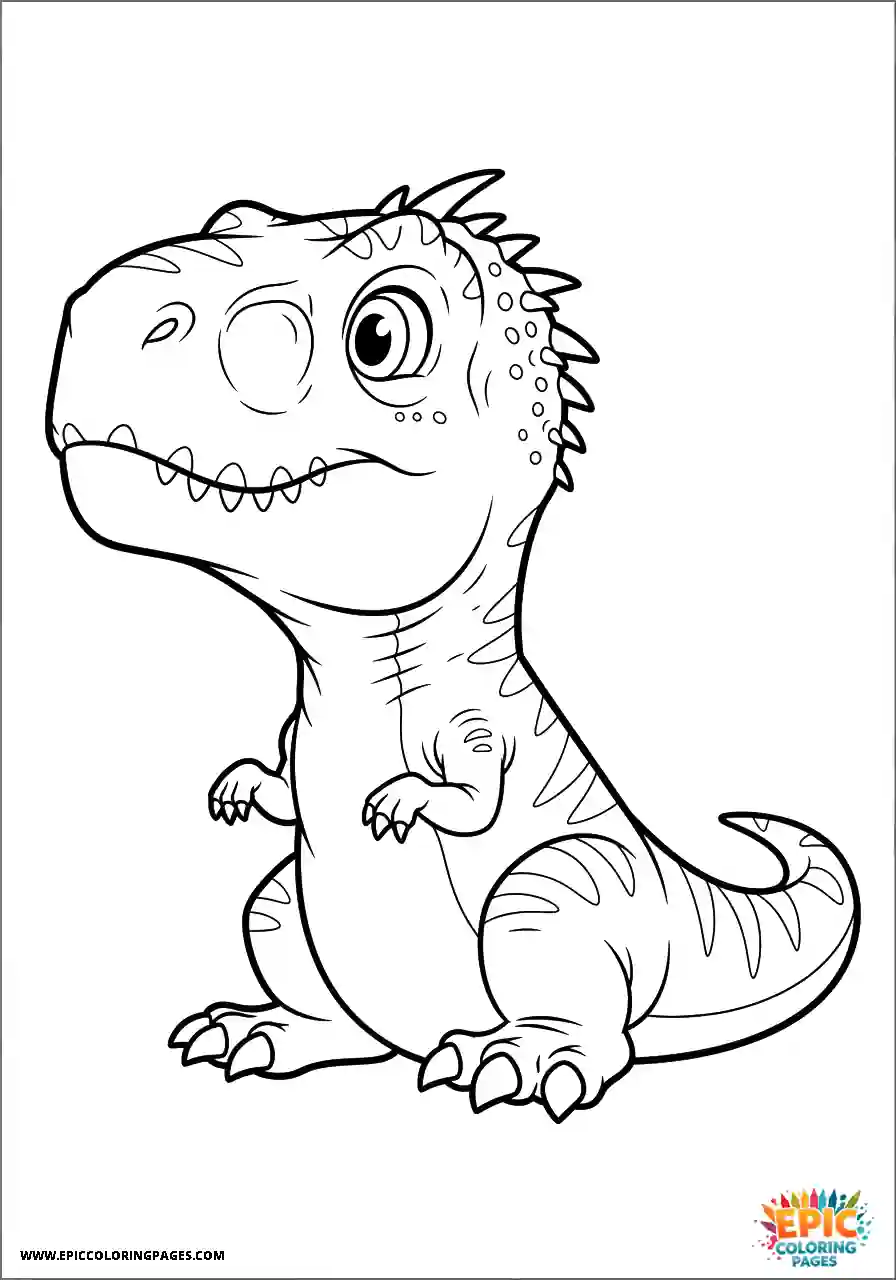
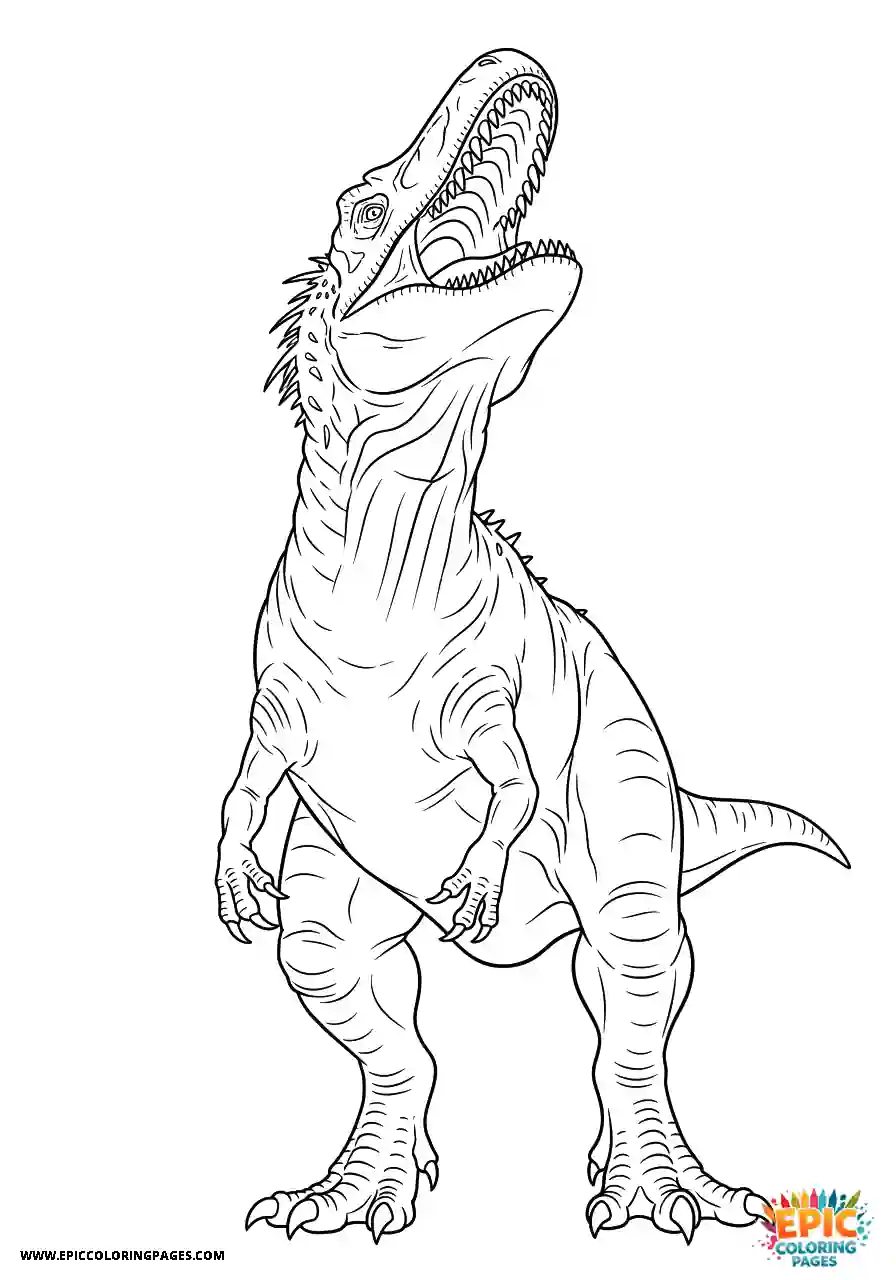
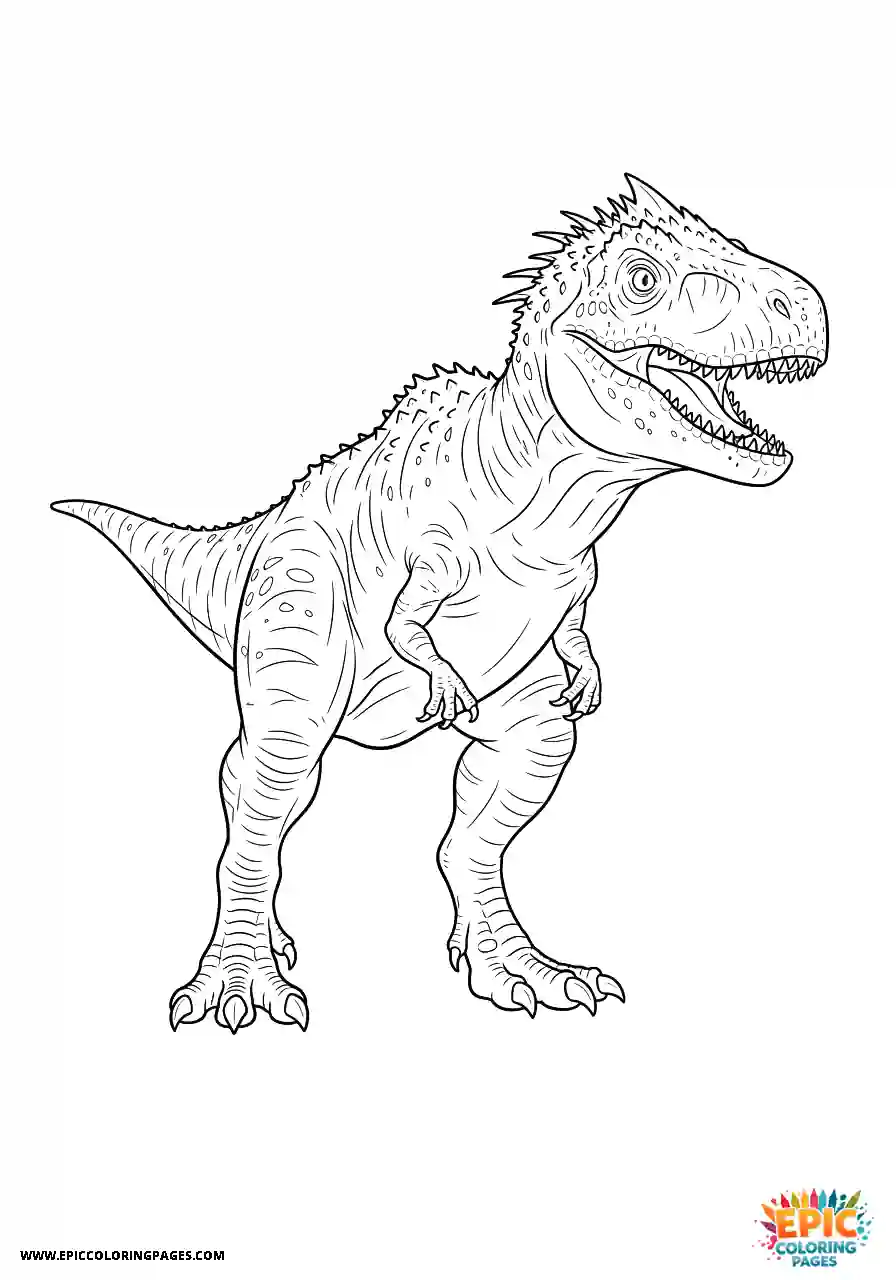
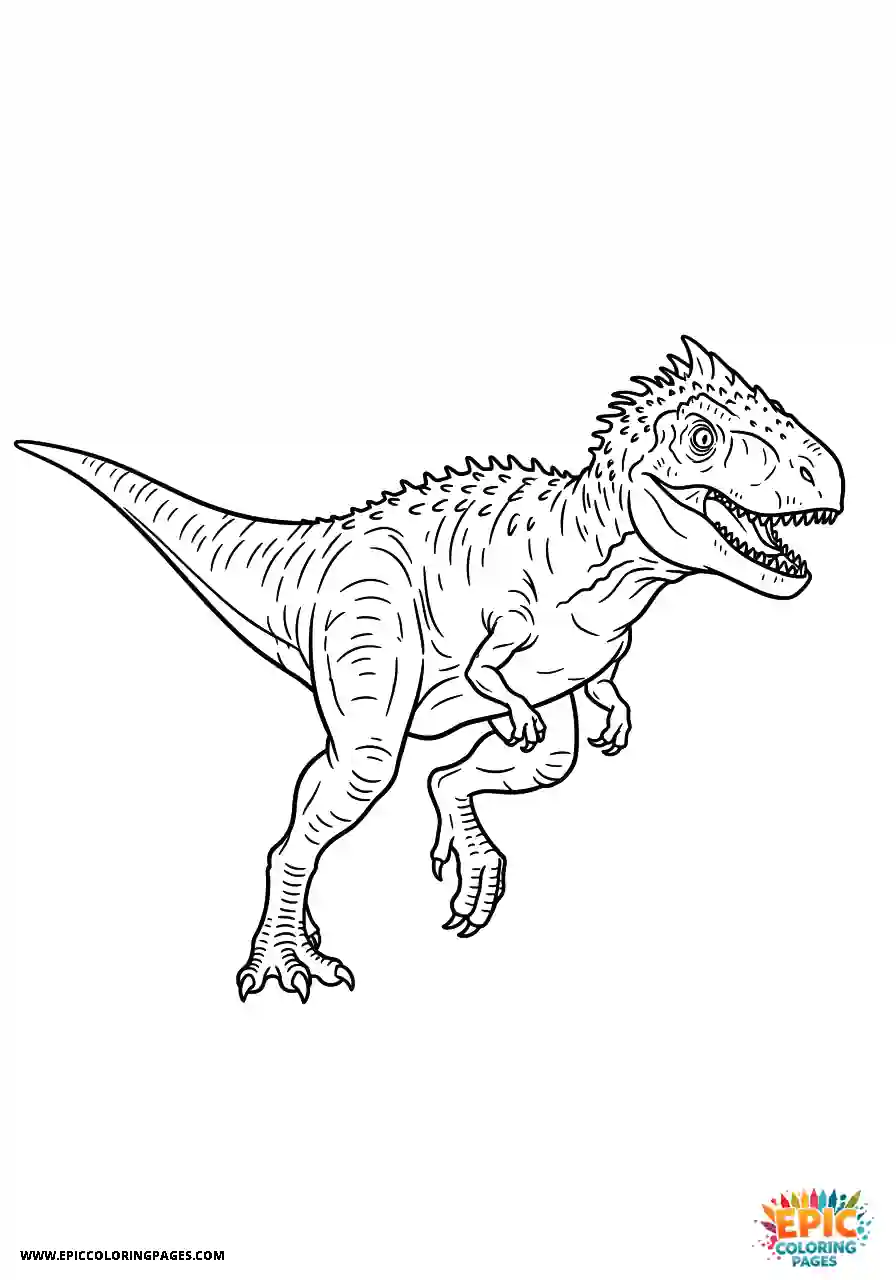
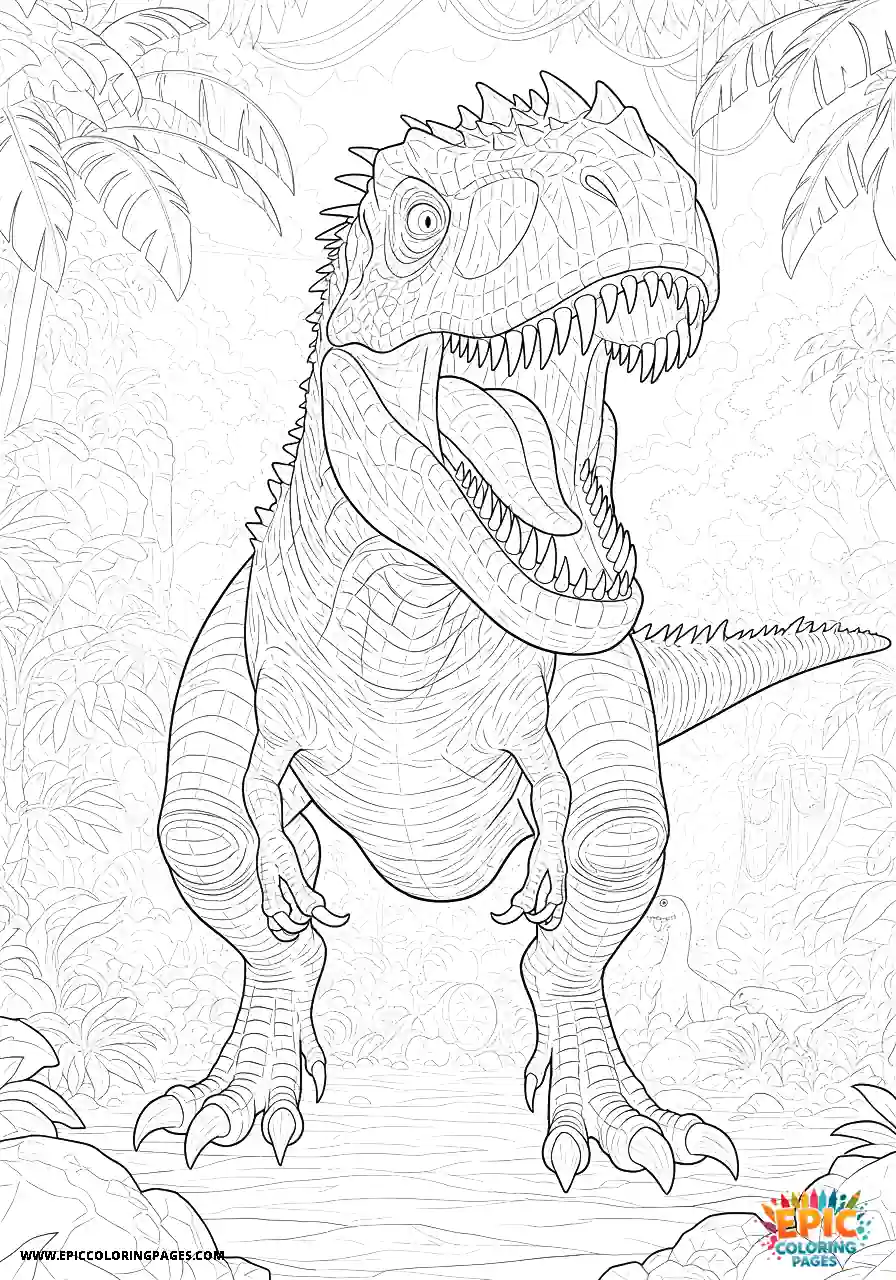
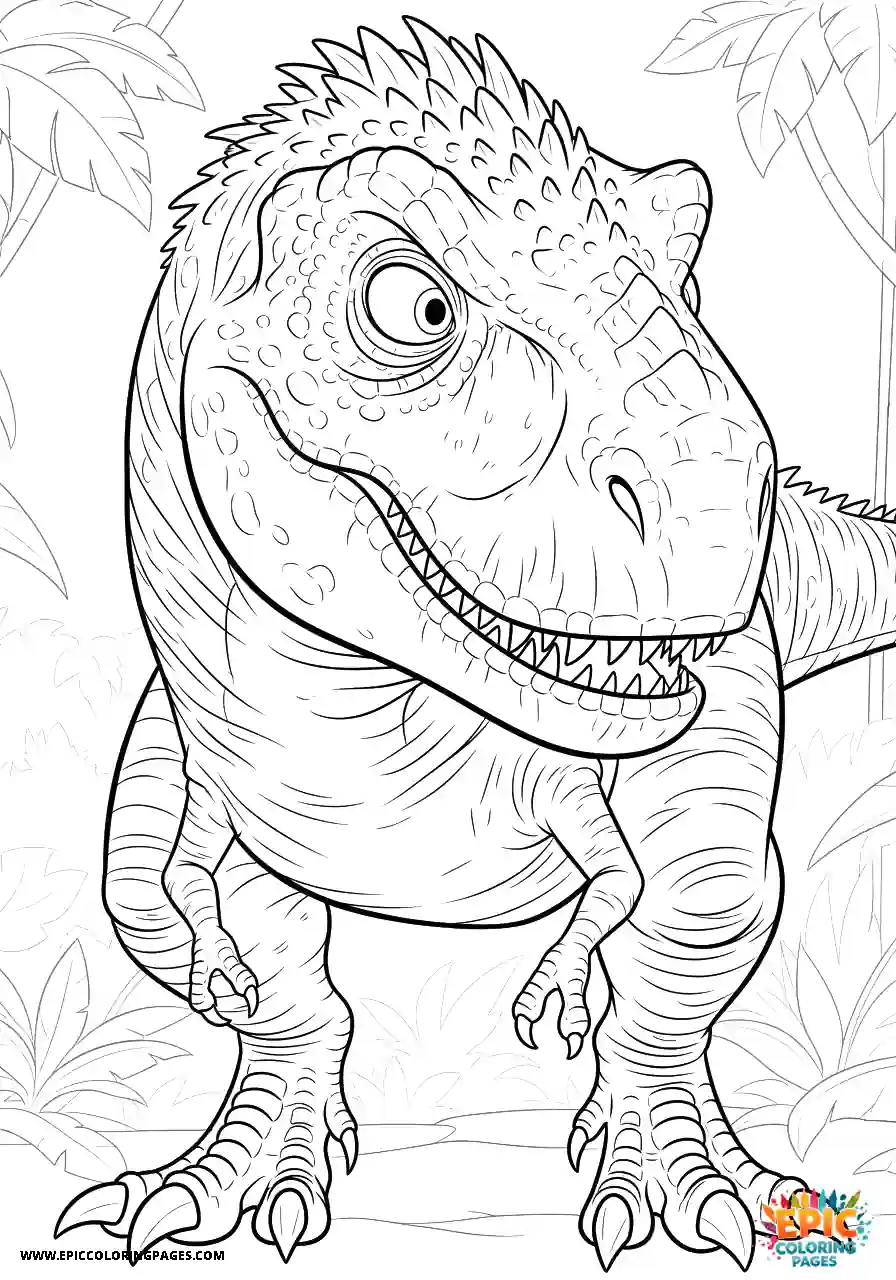
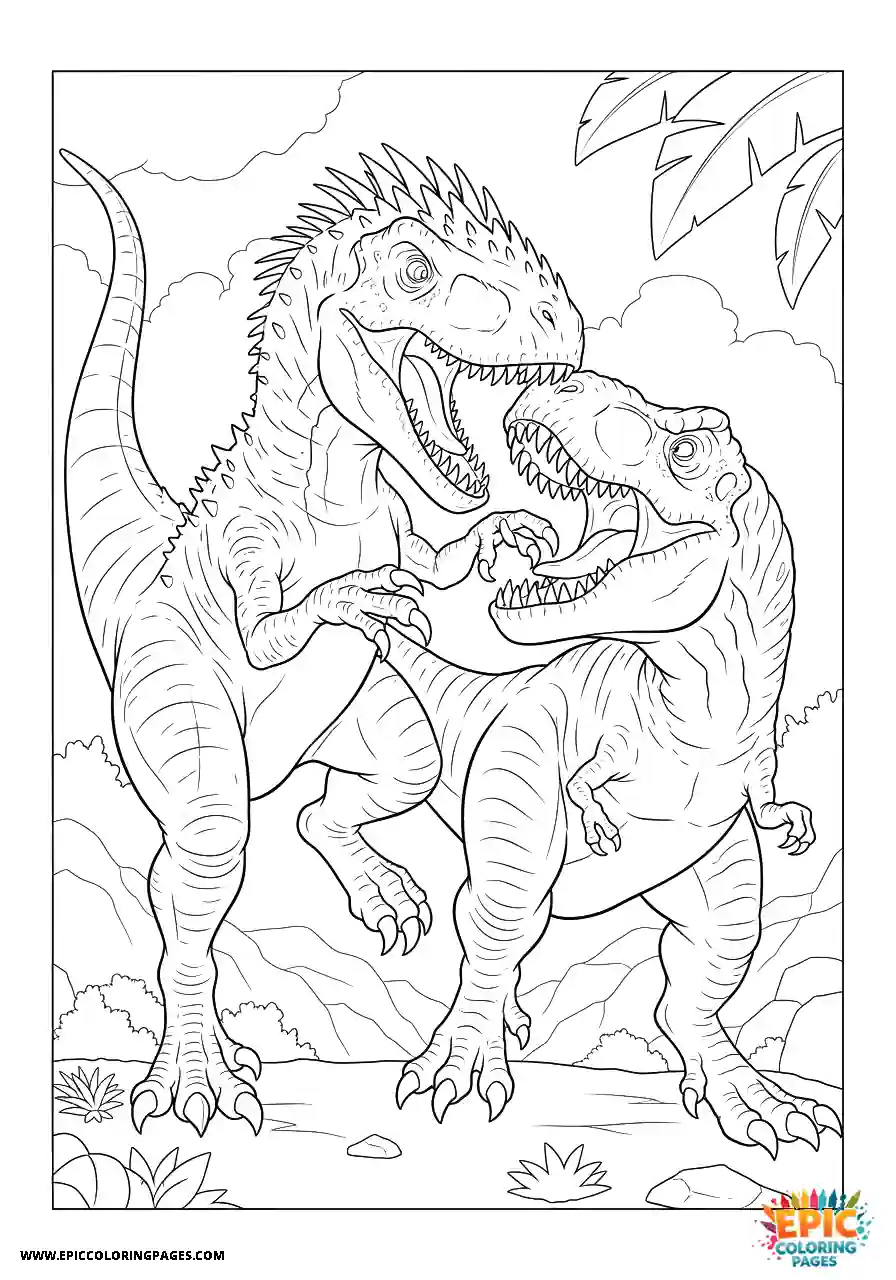
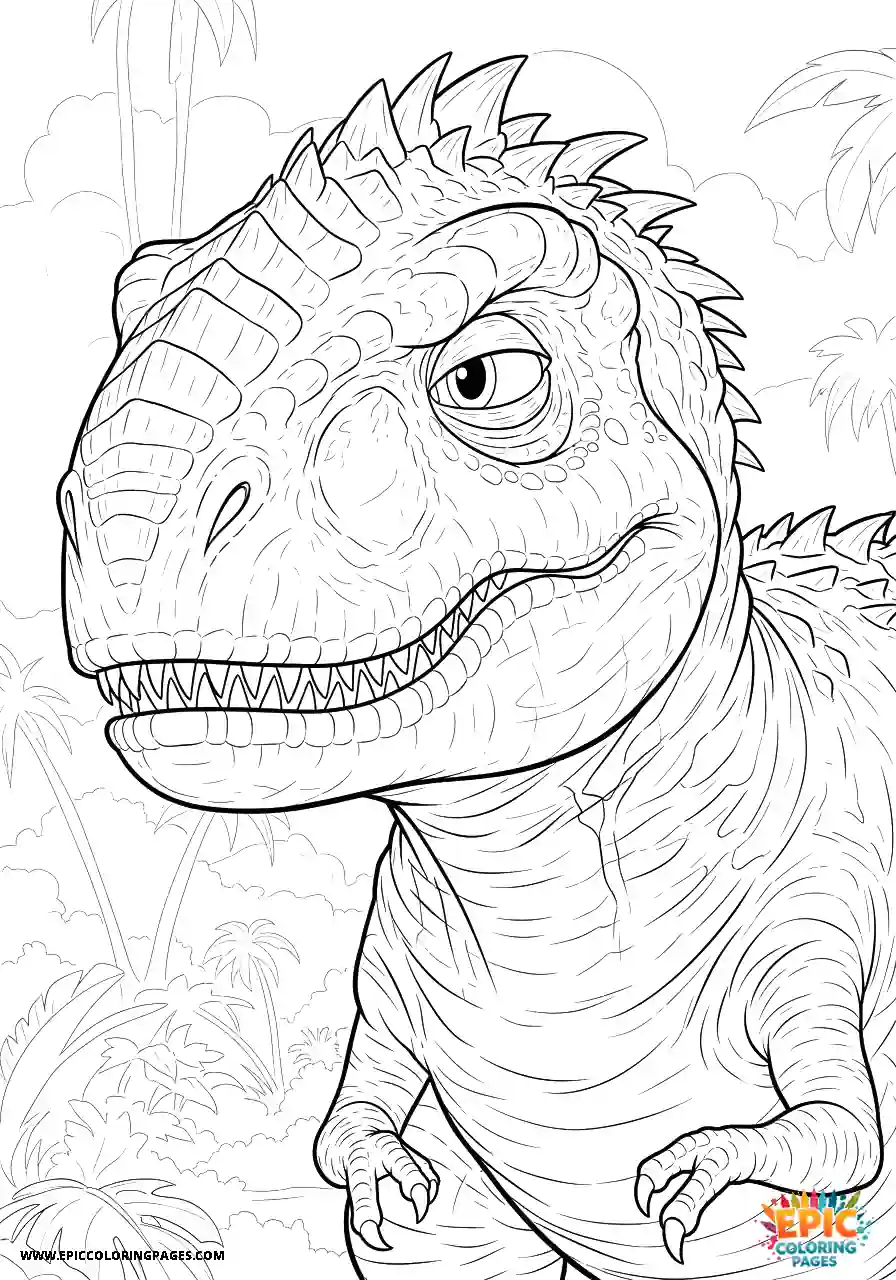
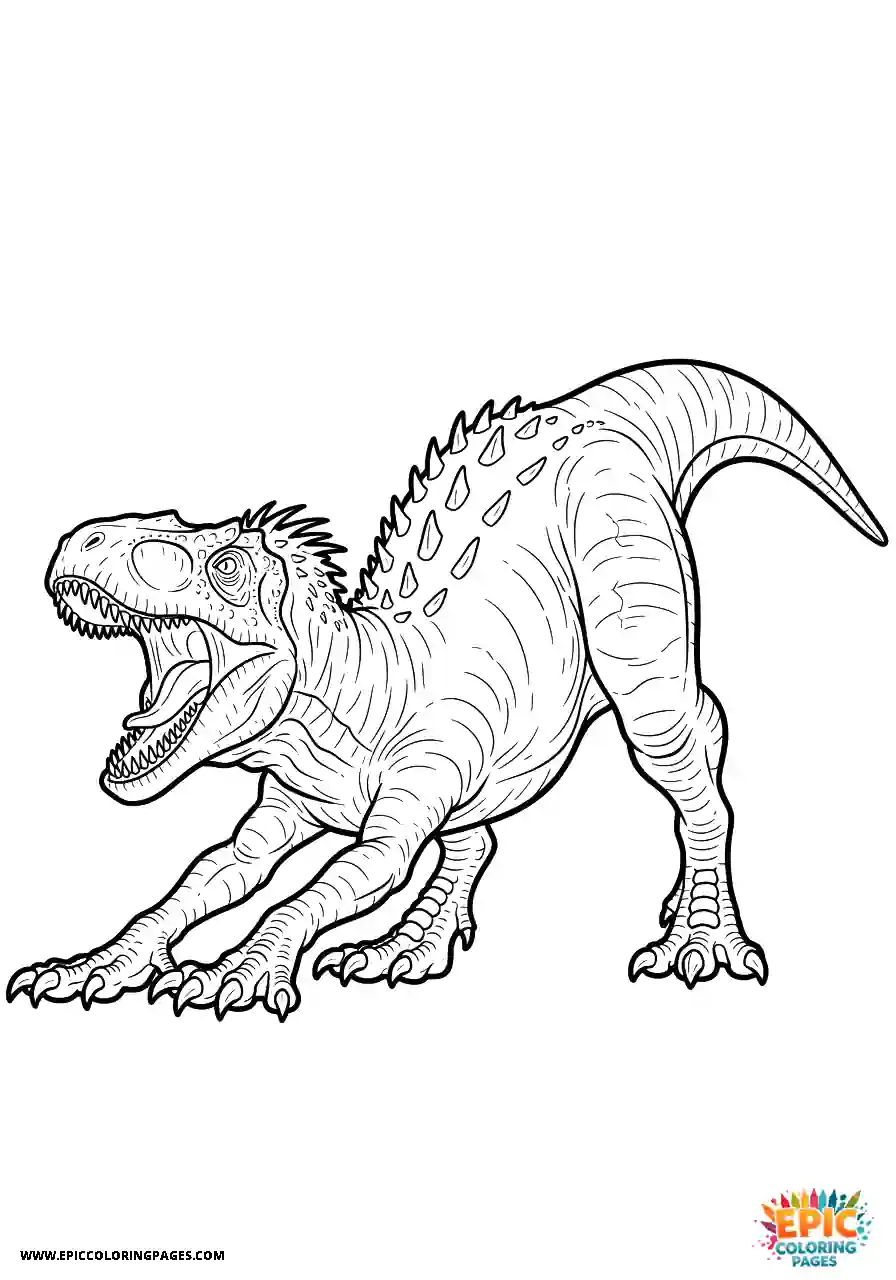
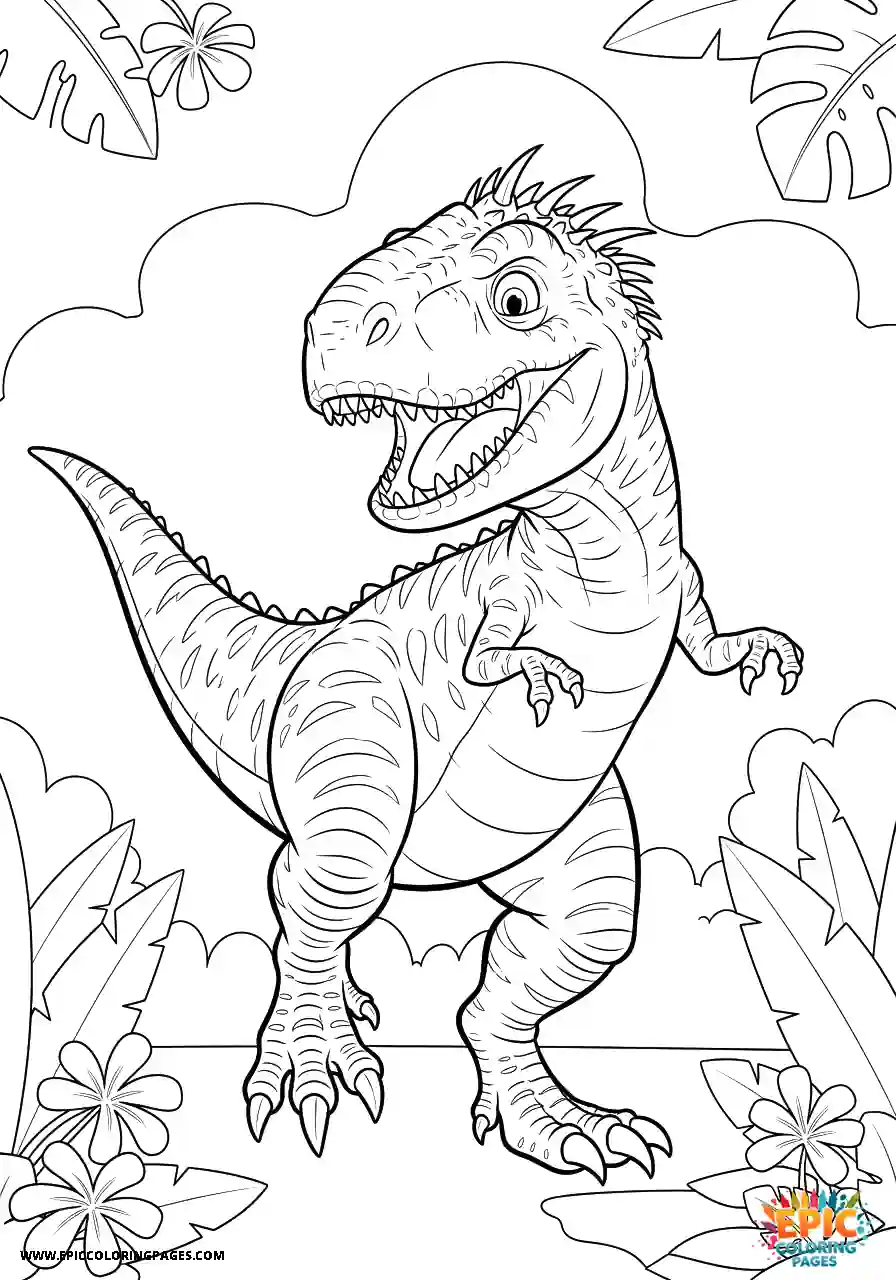
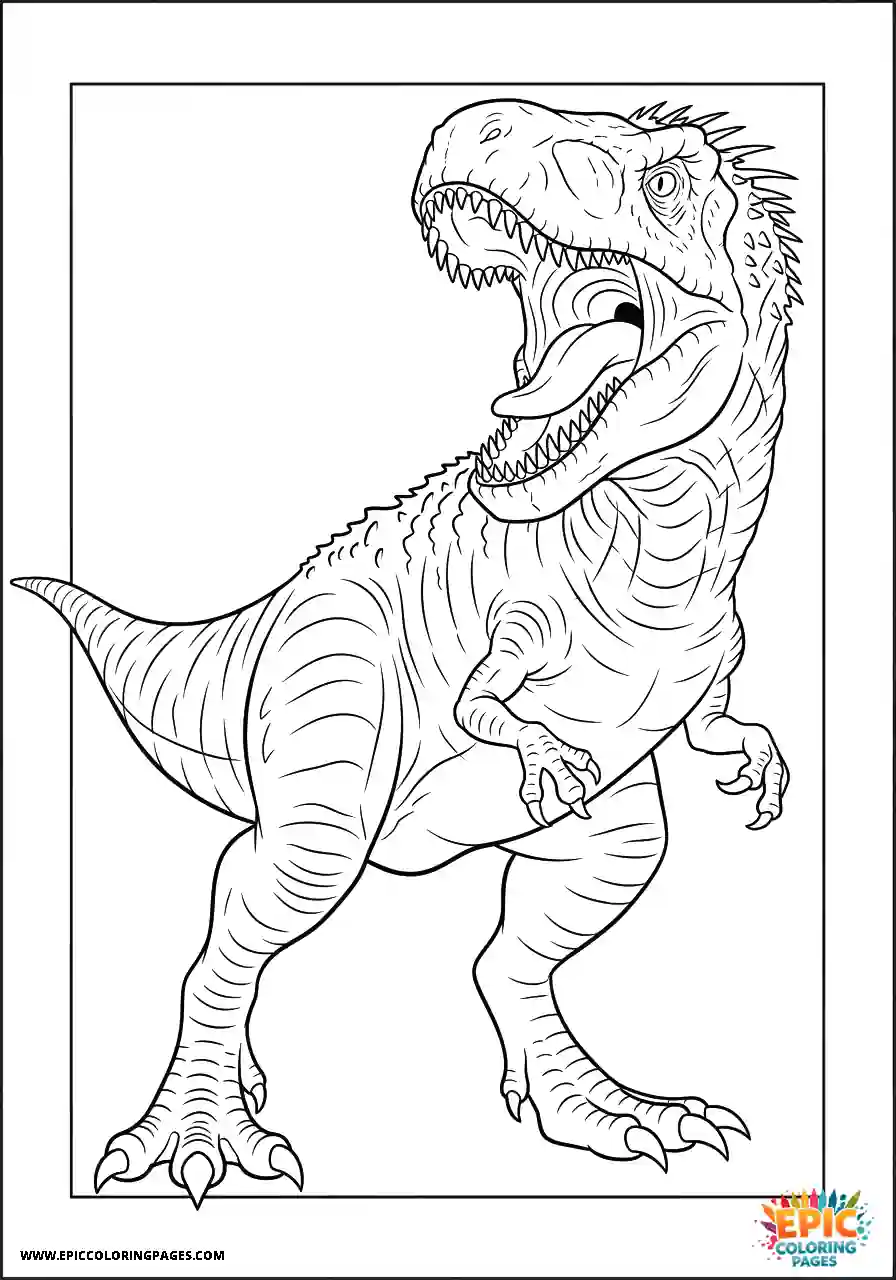
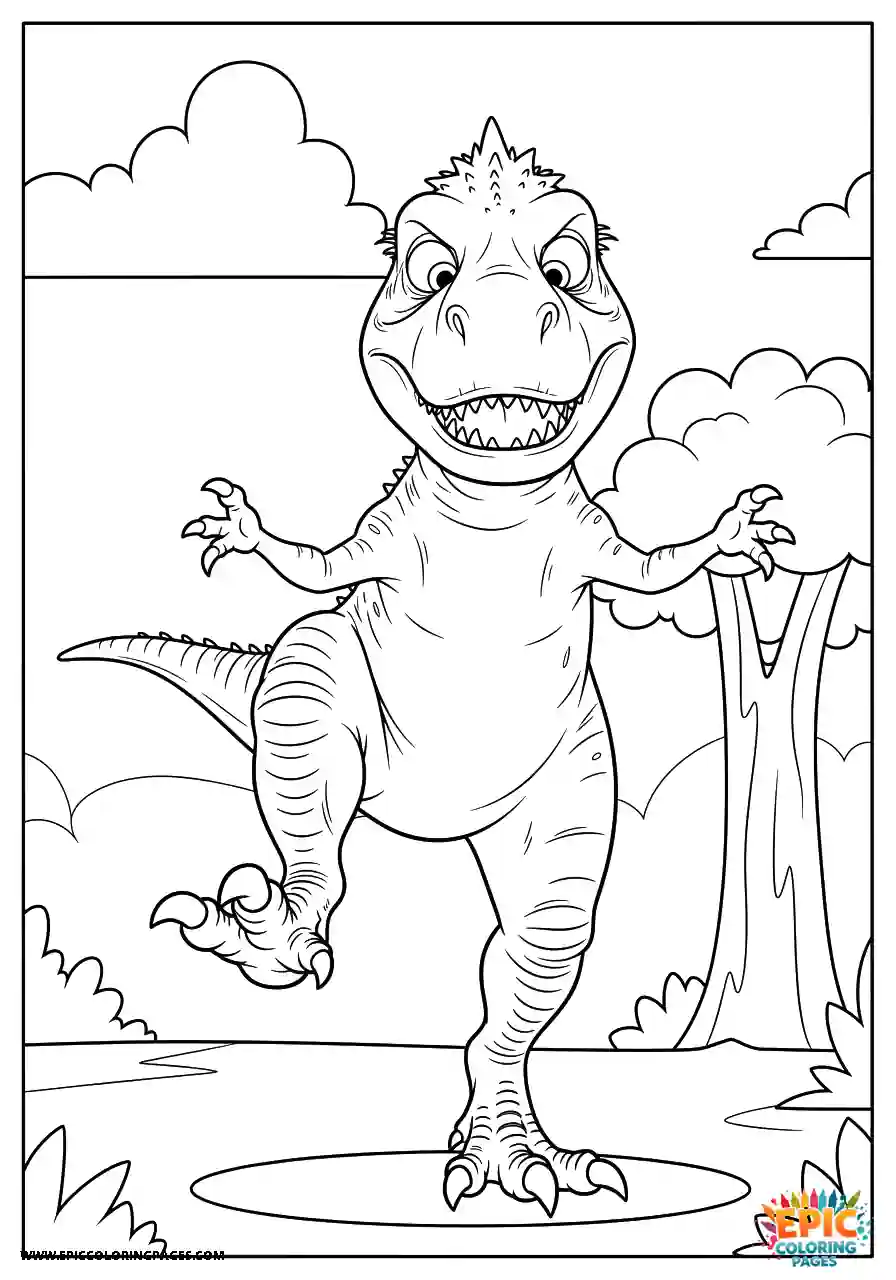
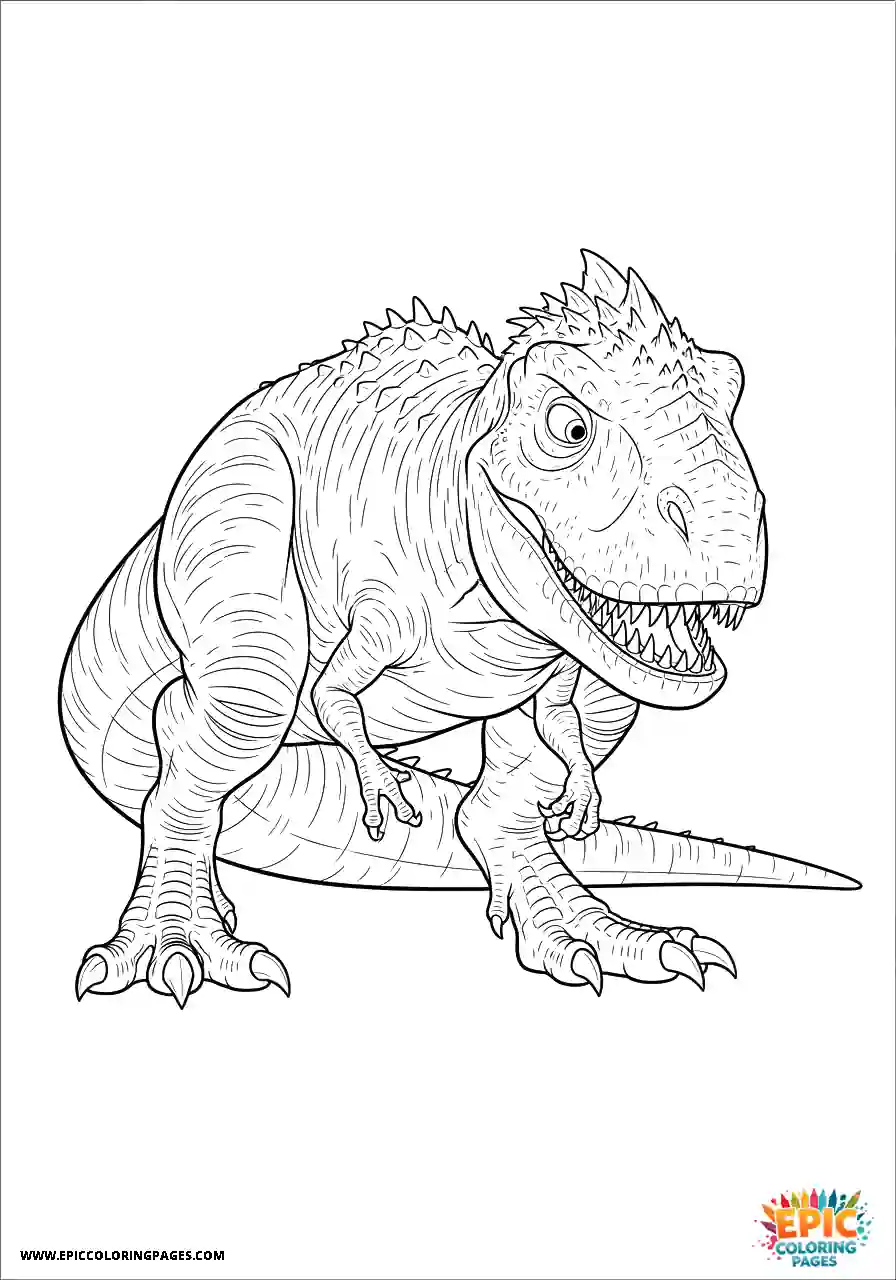
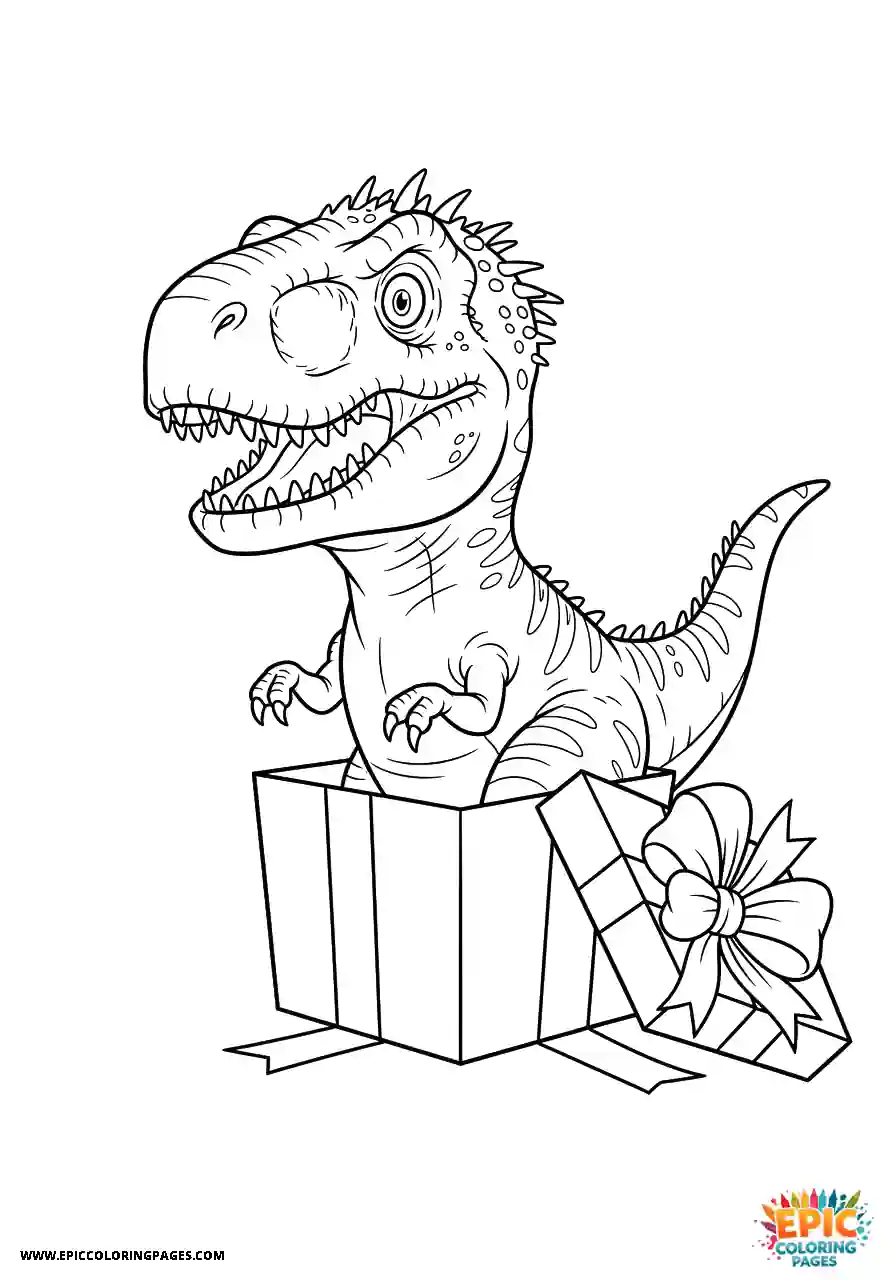
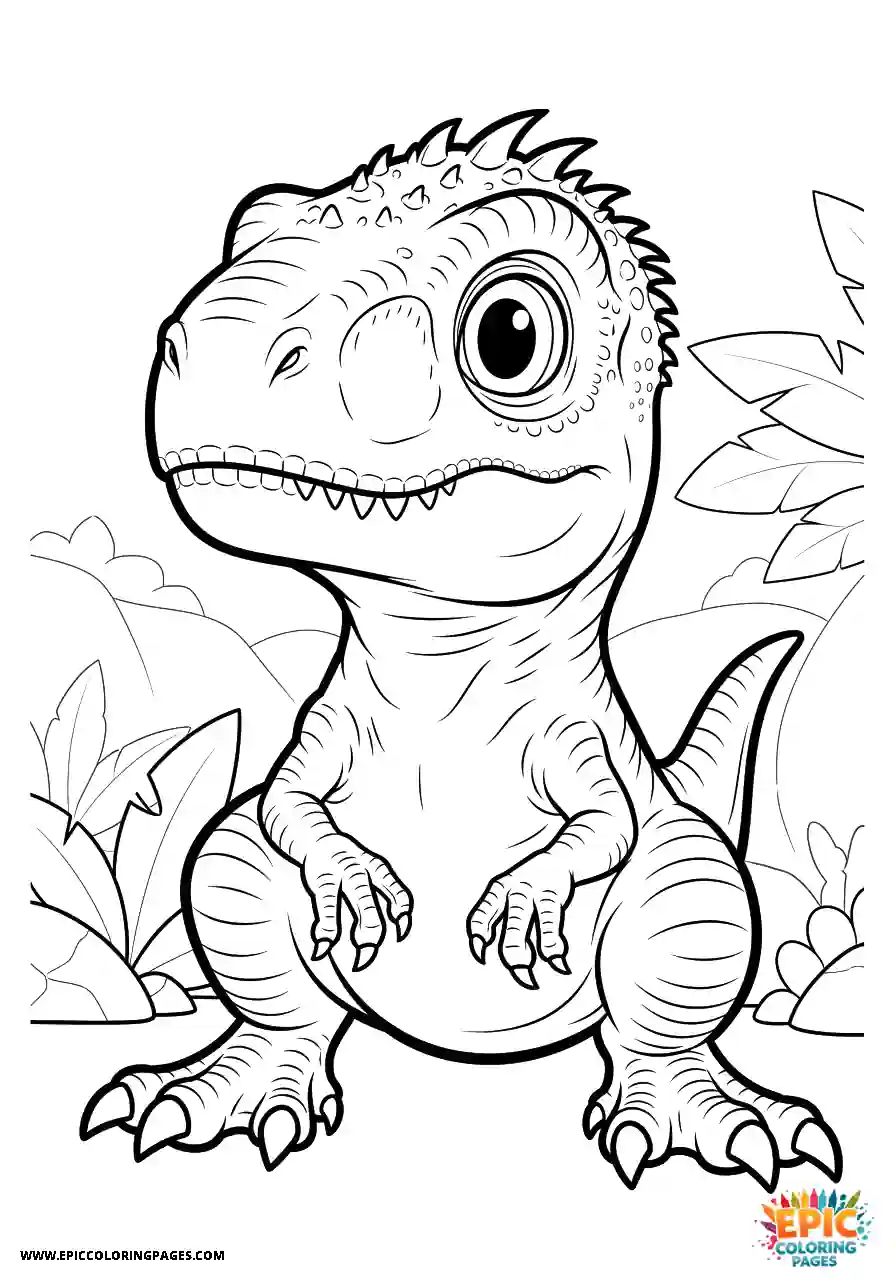
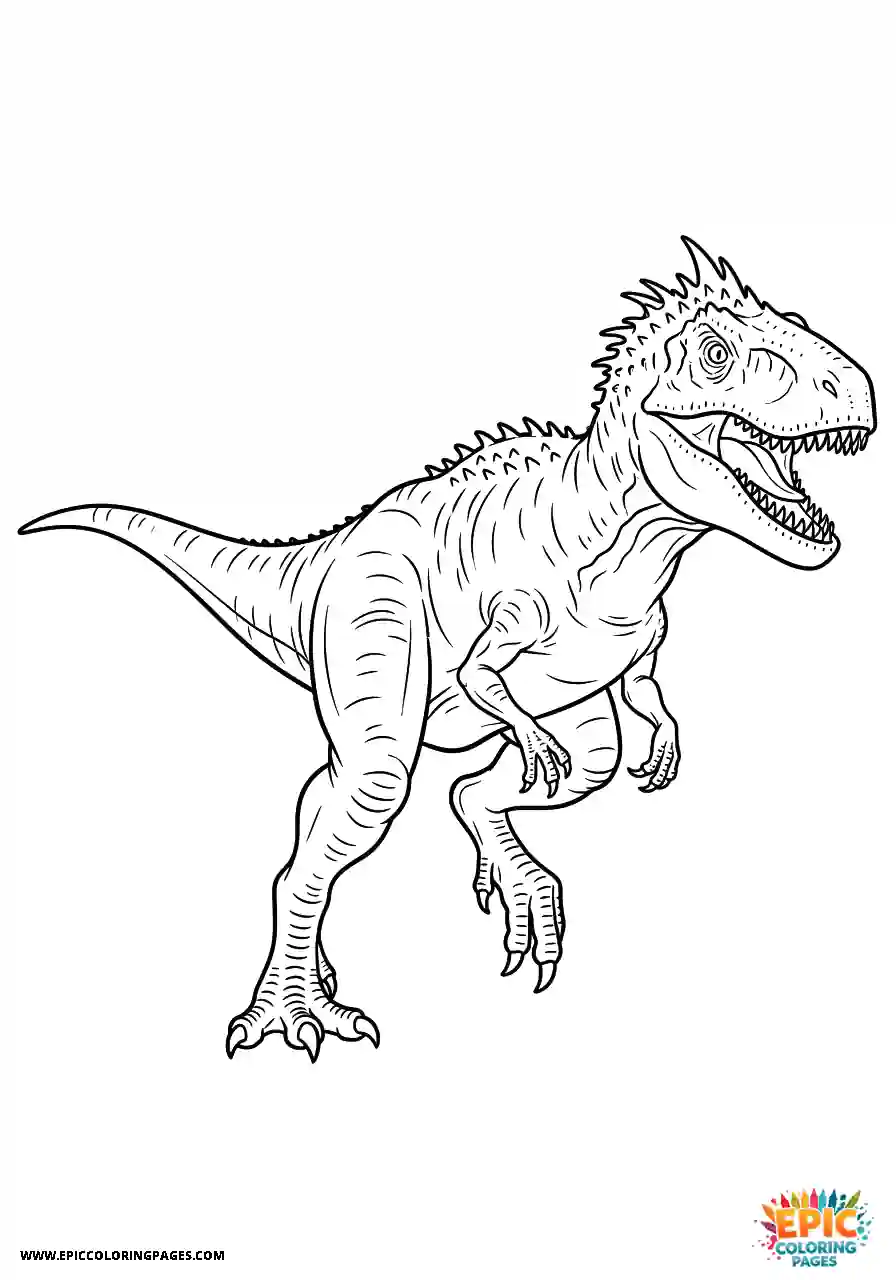
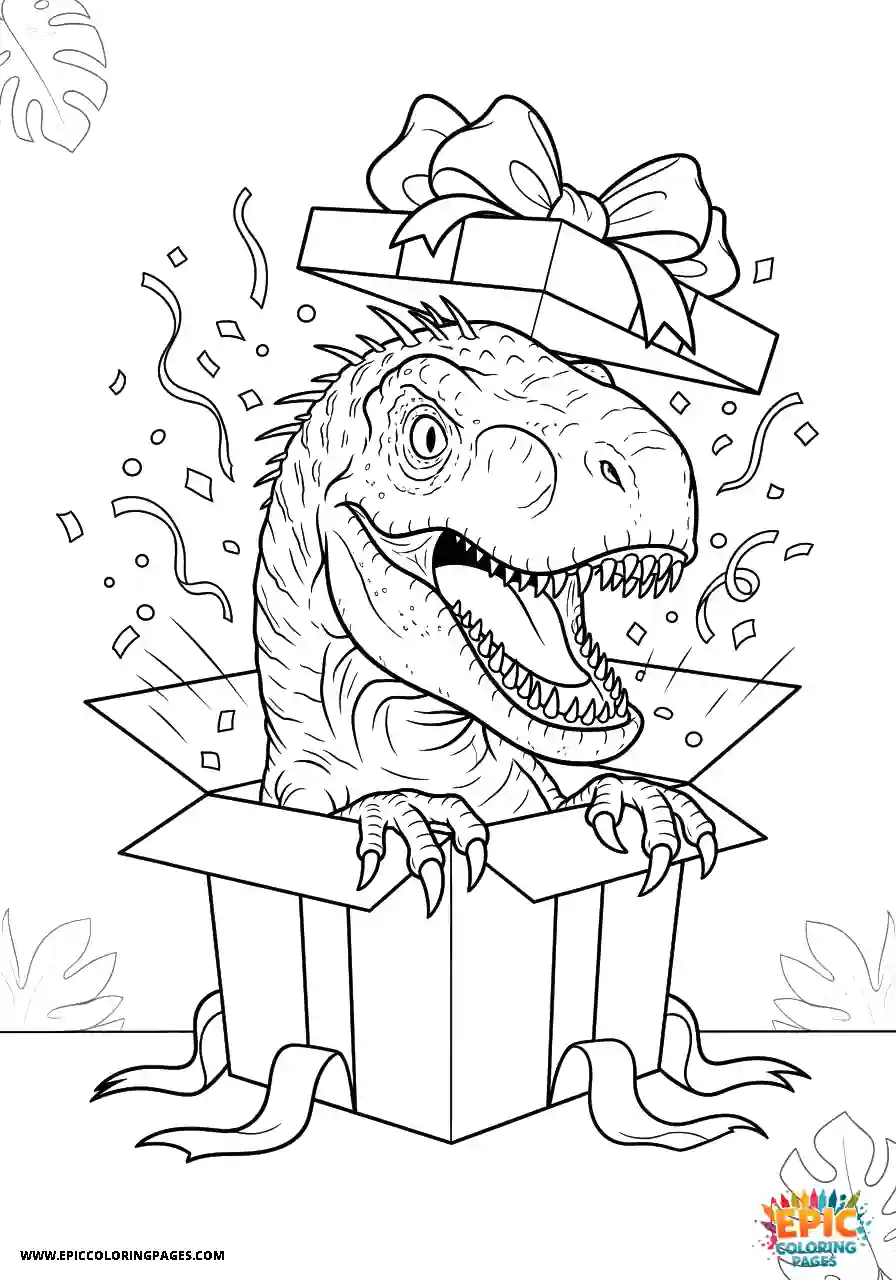
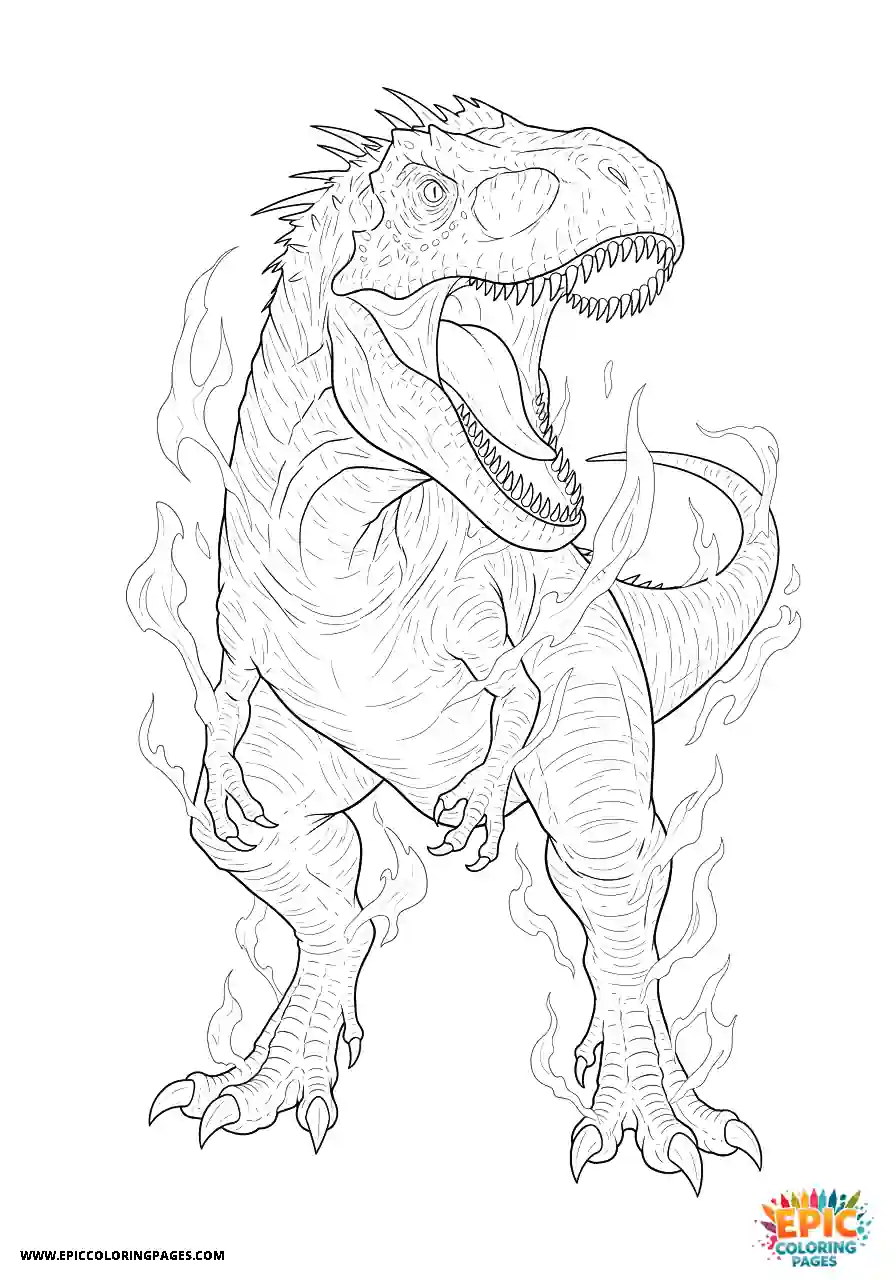
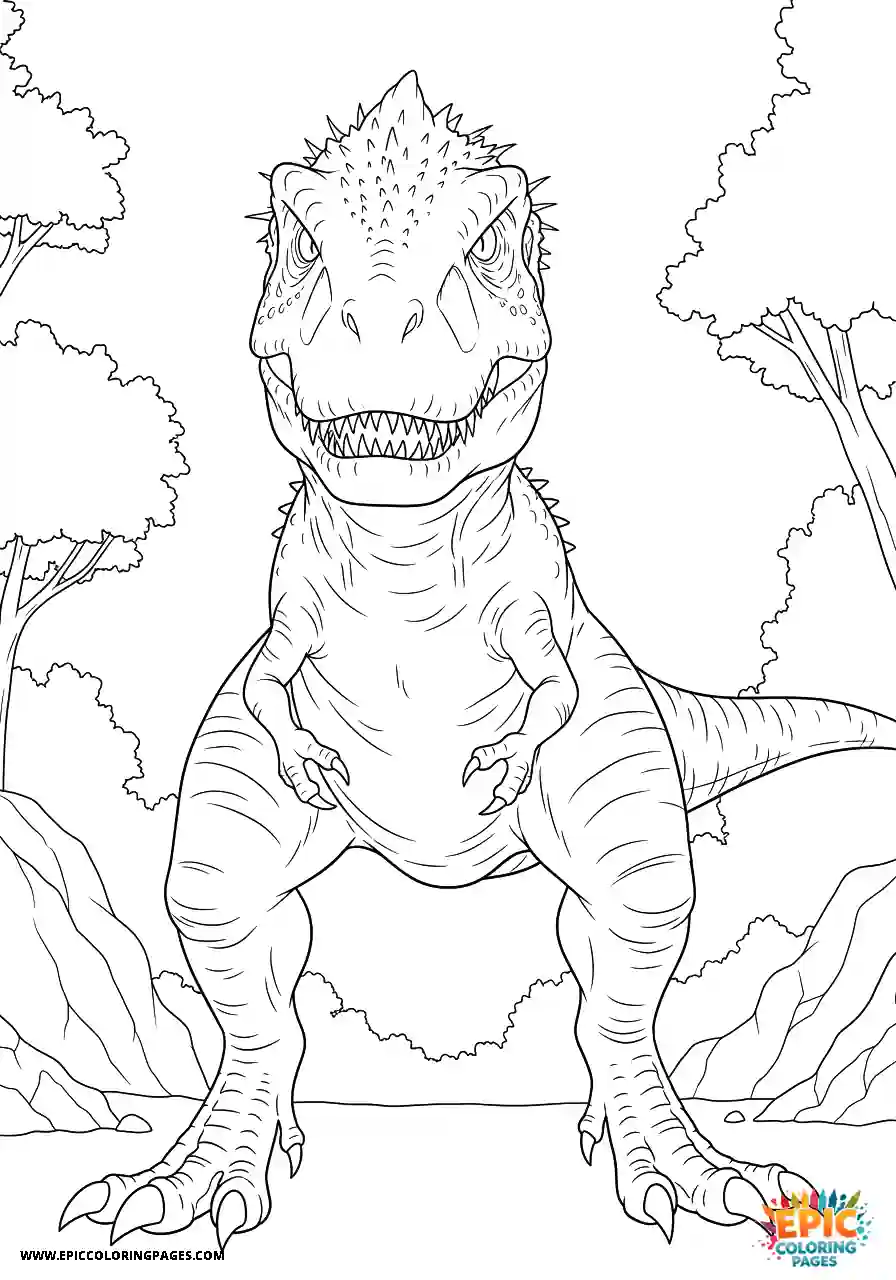
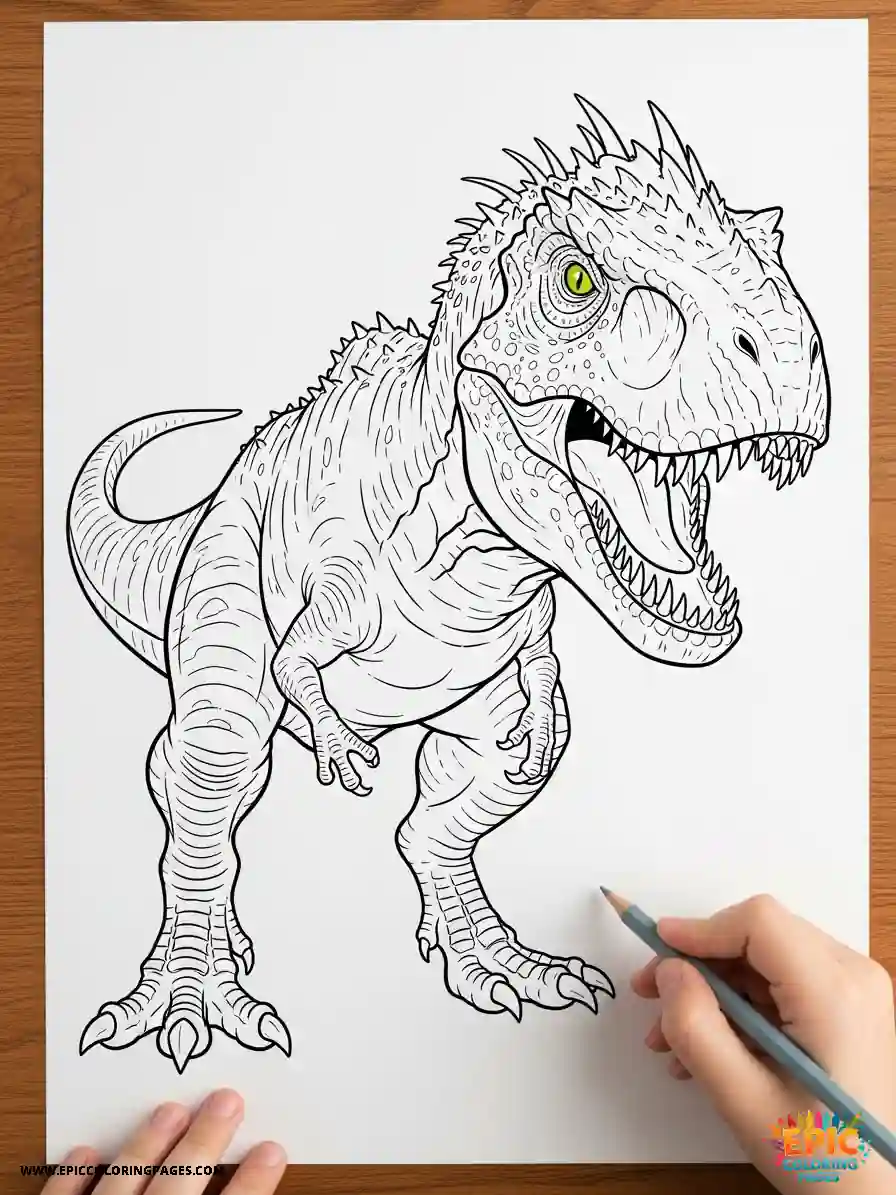
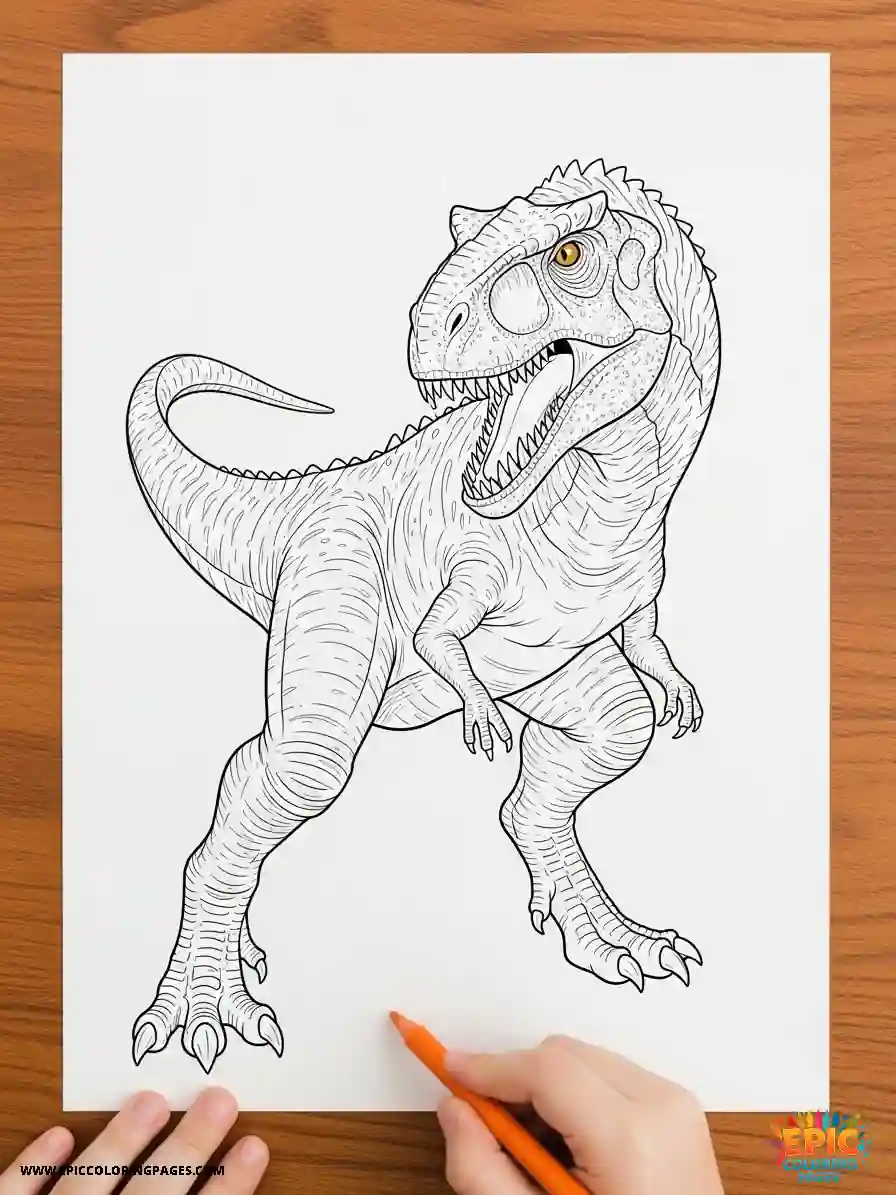
The Indominus Rex represents one of the most challenging and rewarding subjects for coloring enthusiasts. This hybrid dinosaur’s complex design offers opportunities to explore advanced techniques while remaining accessible to beginners willing to experiment.
Understanding Your Subject
Before adding your first stroke of color, consider what makes the Indominus Rex visually distinctive. This creature was designed as a genetic hybrid, combining features from multiple species. This backstory gives you creative freedom there’s no “correct” color scheme to follow. The original film design showed predominantly pale, bone-white coloring with darker accents, but your interpretation can reflect different moods or environments.
The key is understanding why certain choices work. Pale colors suggest a creature that spent time in contained environments with limited sunlight. Darker tones might indicate adaptation to jungle camouflage. Red or amber accents around the eyes create an aggressive, predatory appearance that many find compelling.
Color Selection Strategies
Start by choosing a base color that reflects the mood you want to convey. Cool grays and blues create a calculated, intelligent predator. Warmer tans and greens suggest a creature more connected to its environment. Don’t feel constrained by realism some of the most striking results come from unexpected choices like deep purples or burgundies.
Layer your colors rather than applying them at full intensity immediately. Build up gradually, which gives you control and creates depth. If you’re working with colored pencils, this means multiple light passes rather than heavy pressure. With markers, consider starting with a lighter shade from the same color family before adding your primary color.
Creating Texture and Dimension
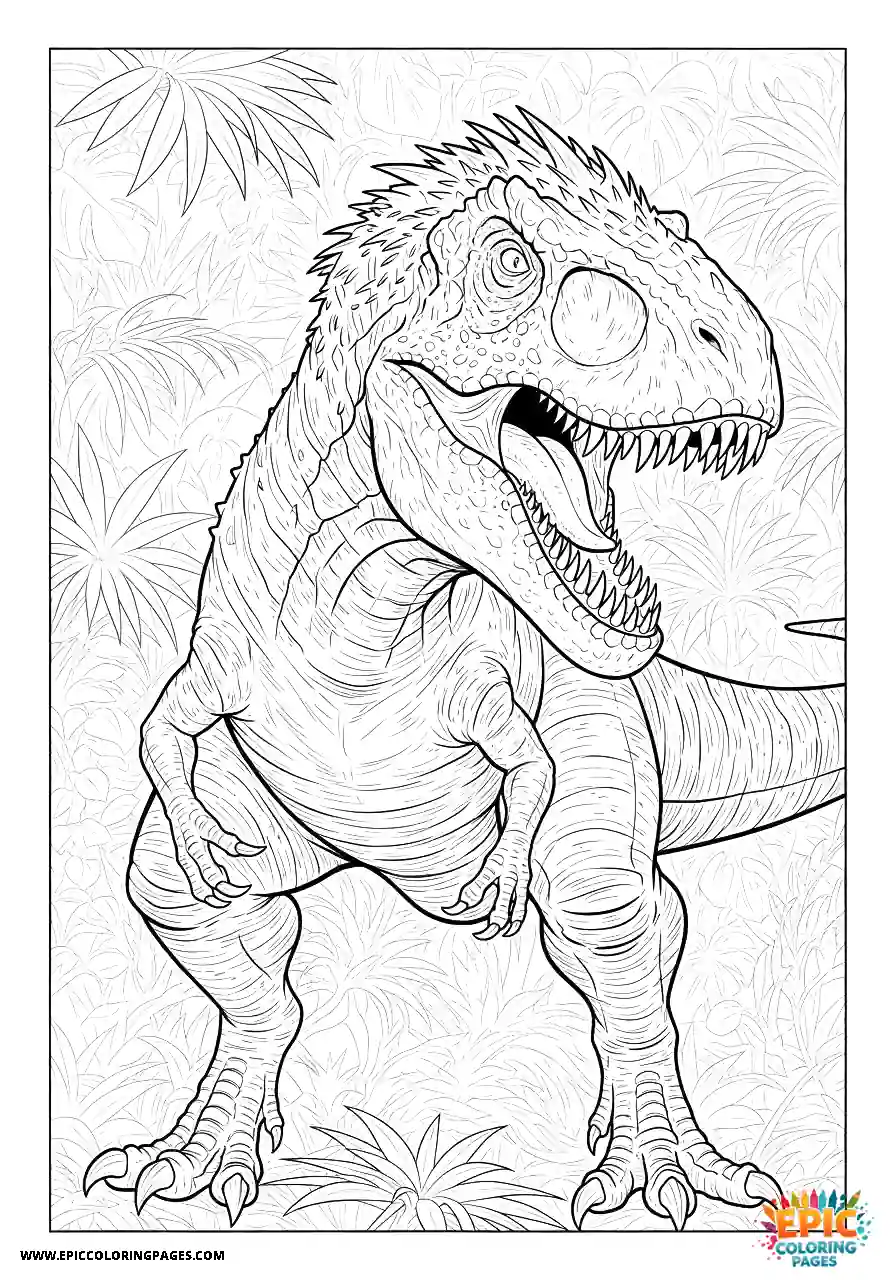
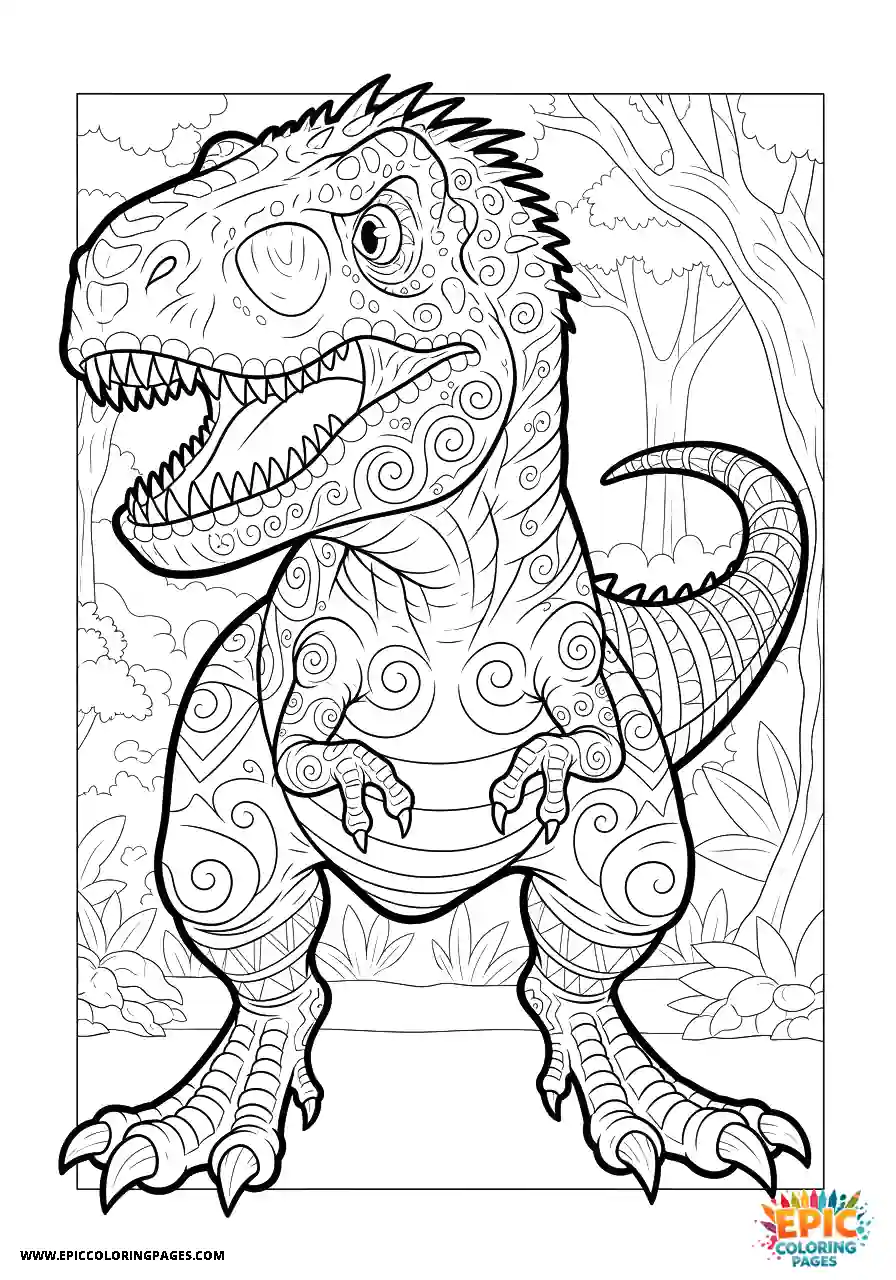
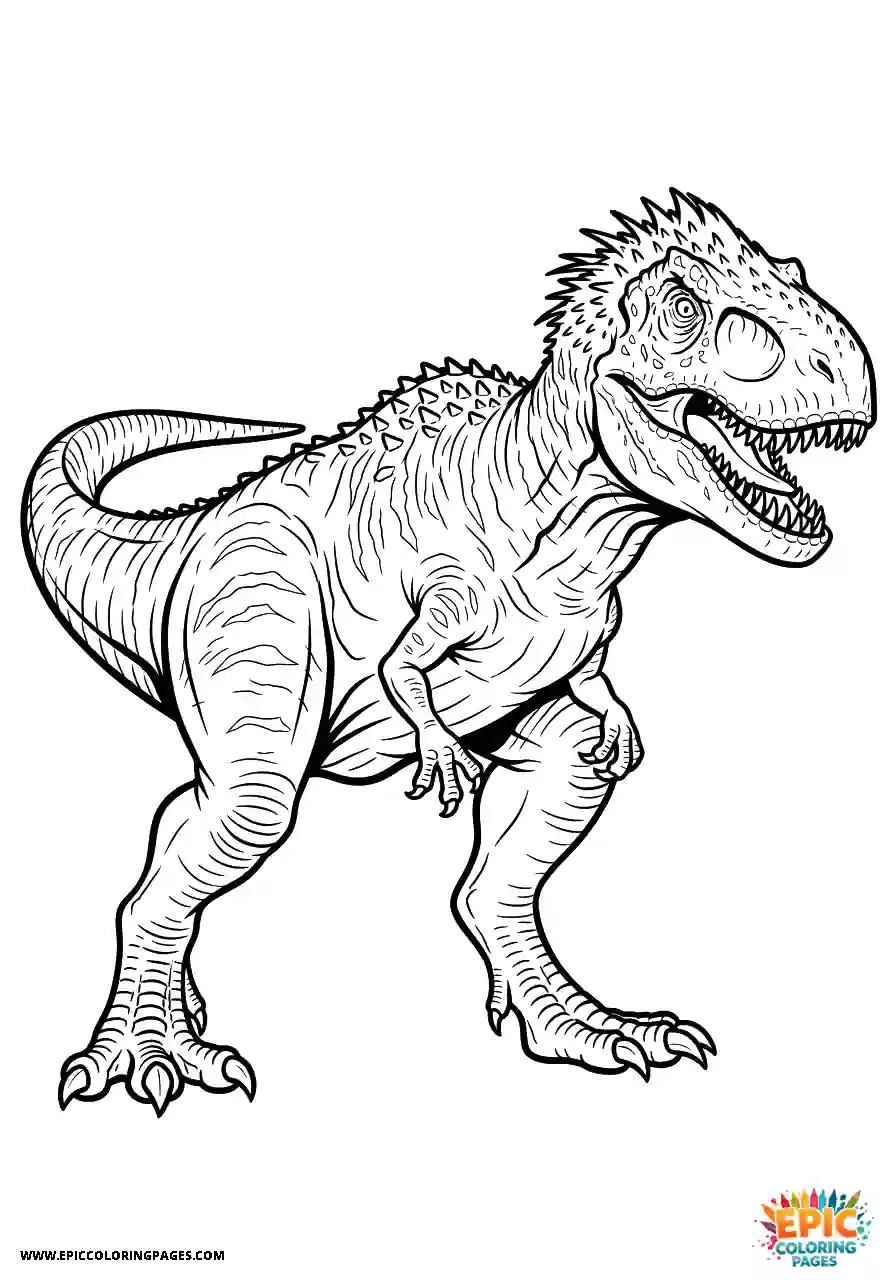
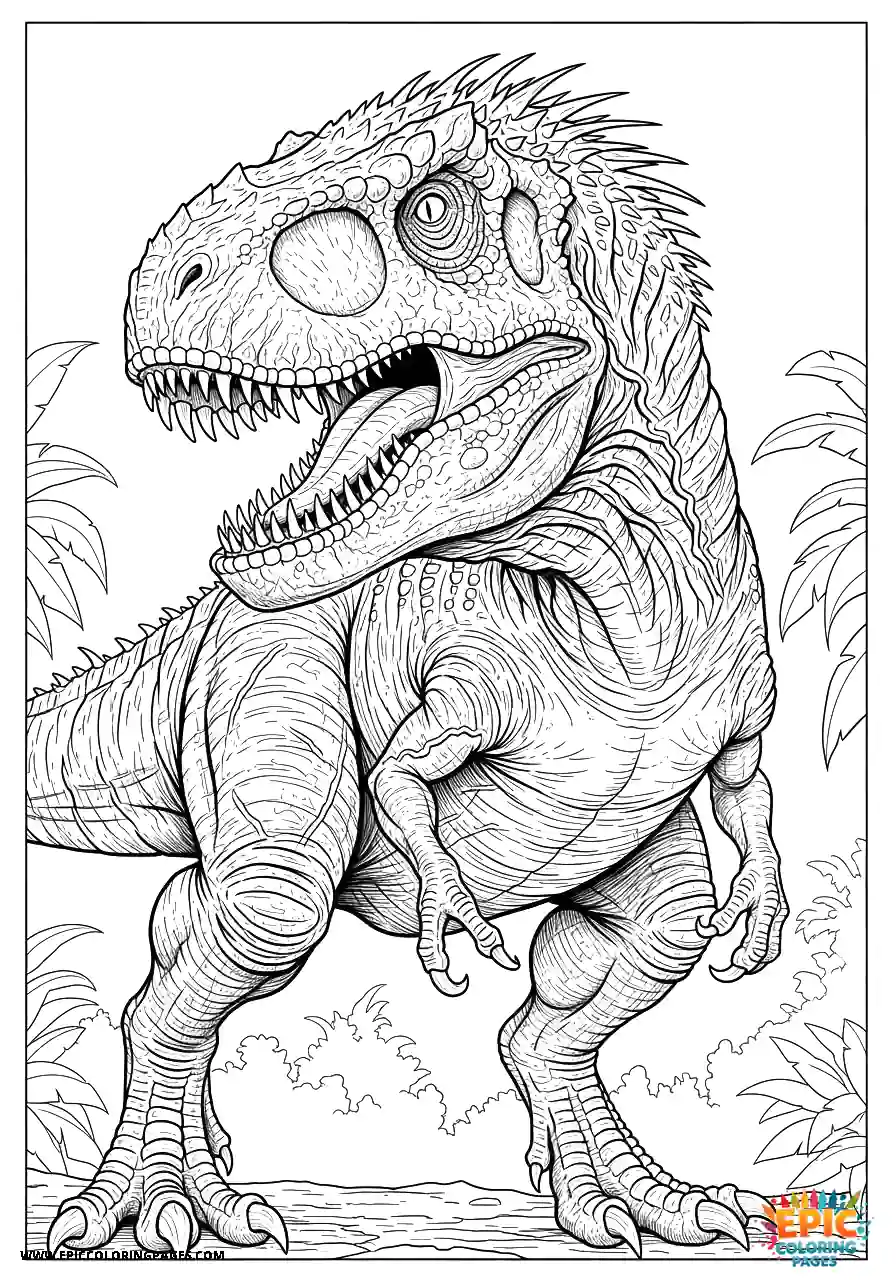
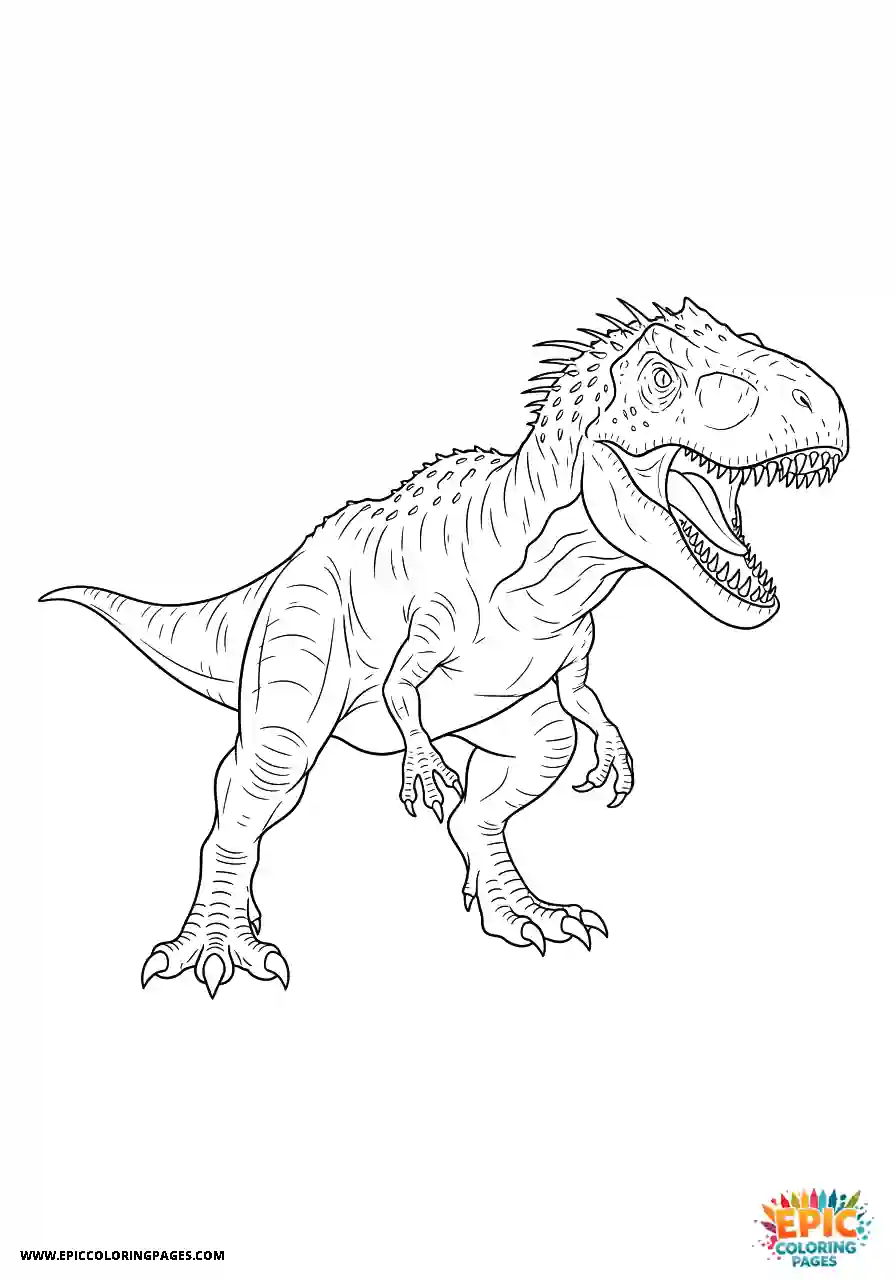
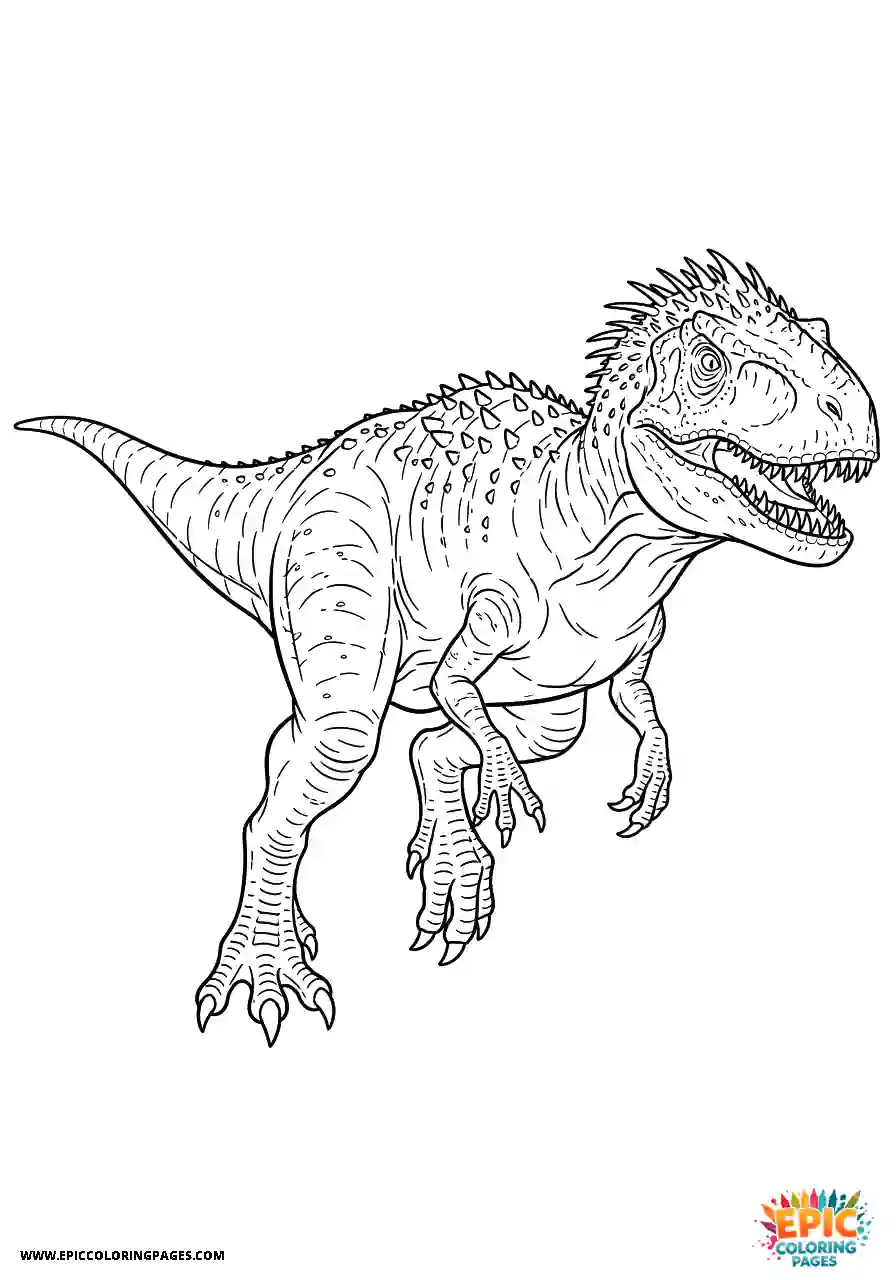
The Indominus Rex’s skin would have varied textures smoother on some areas, more scaled or rough on others. Represent this through your coloring technique rather than just color choice. Cross-hatching works beautifully for scaled areas. Apply short, curved strokes following the body’s contours for smoother sections. The underbelly typically appears lighter and could benefit from softer, more blended strokes.
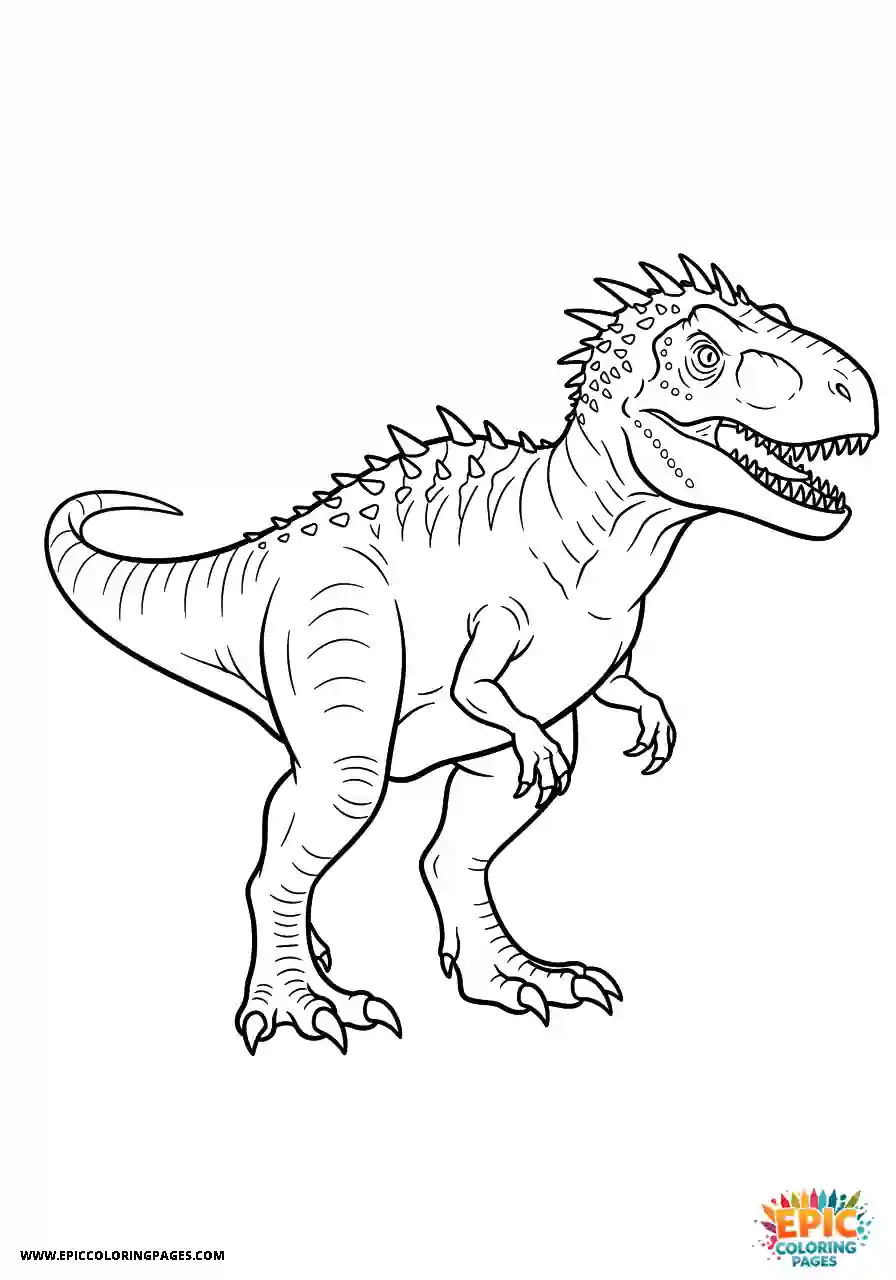
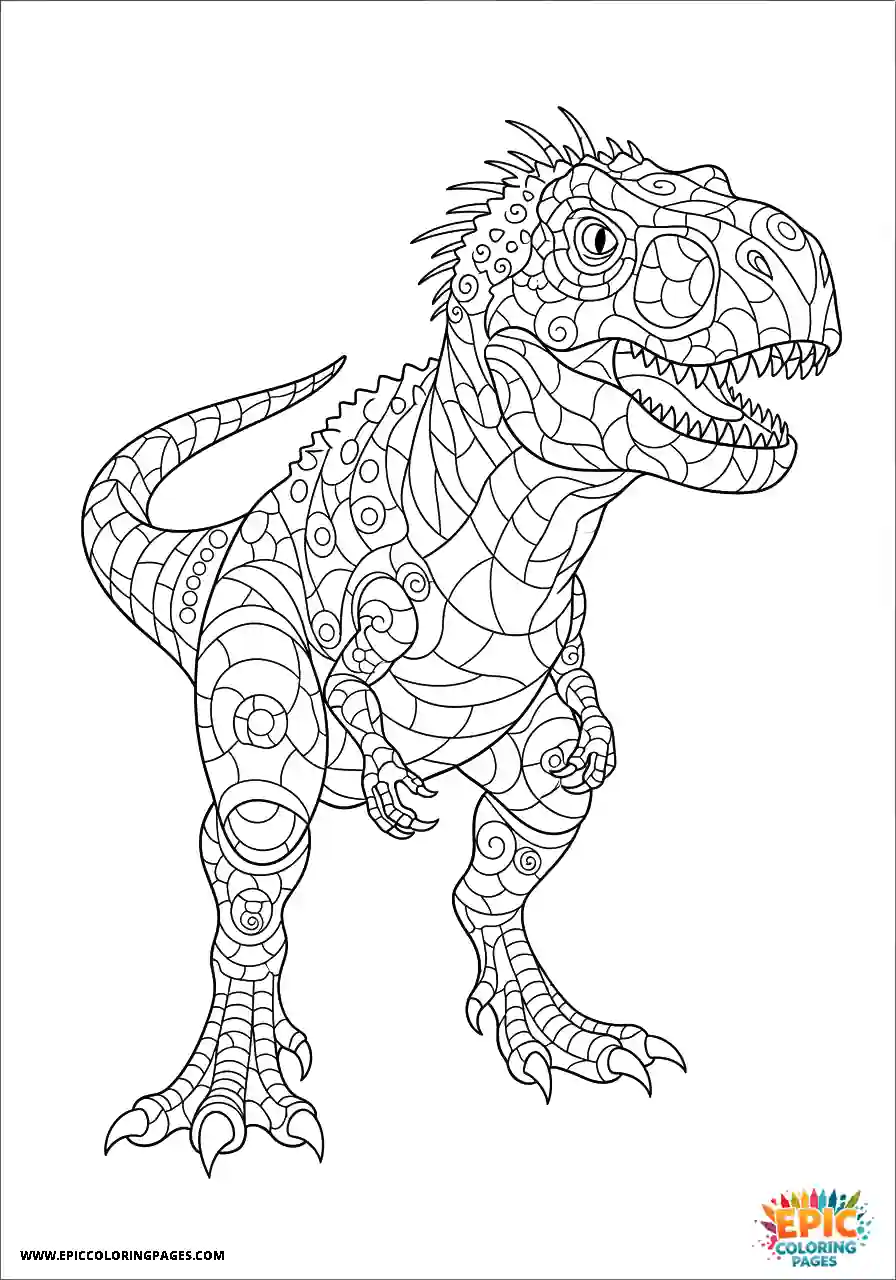
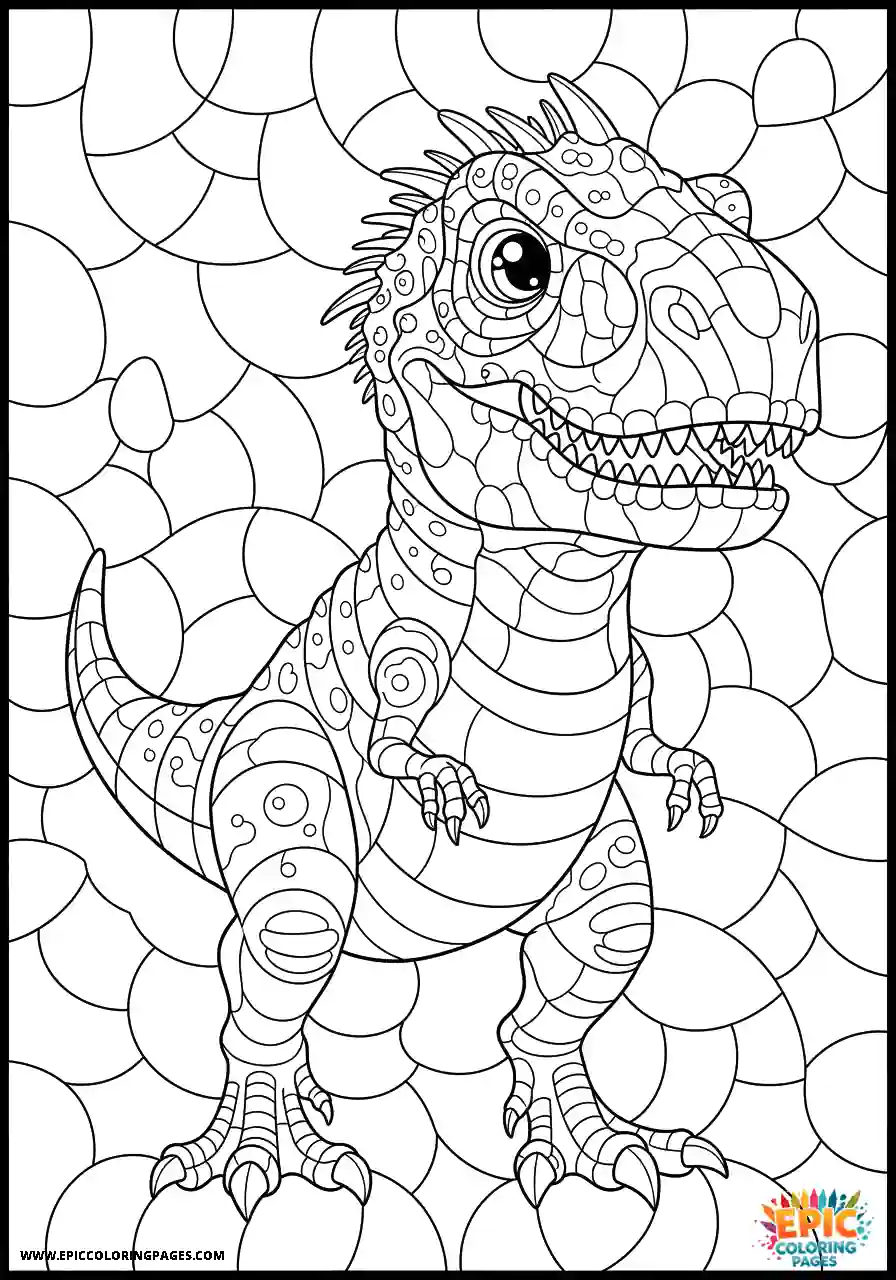
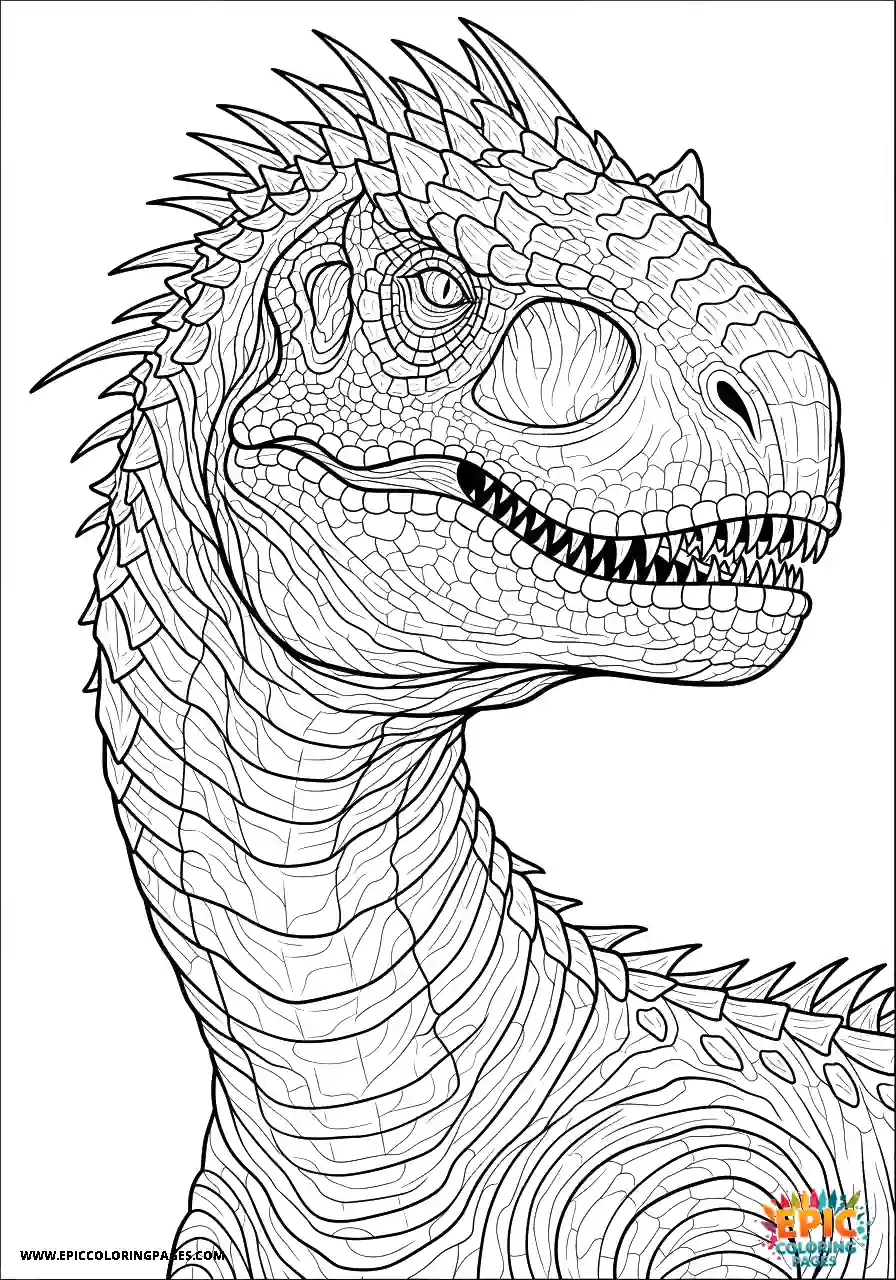
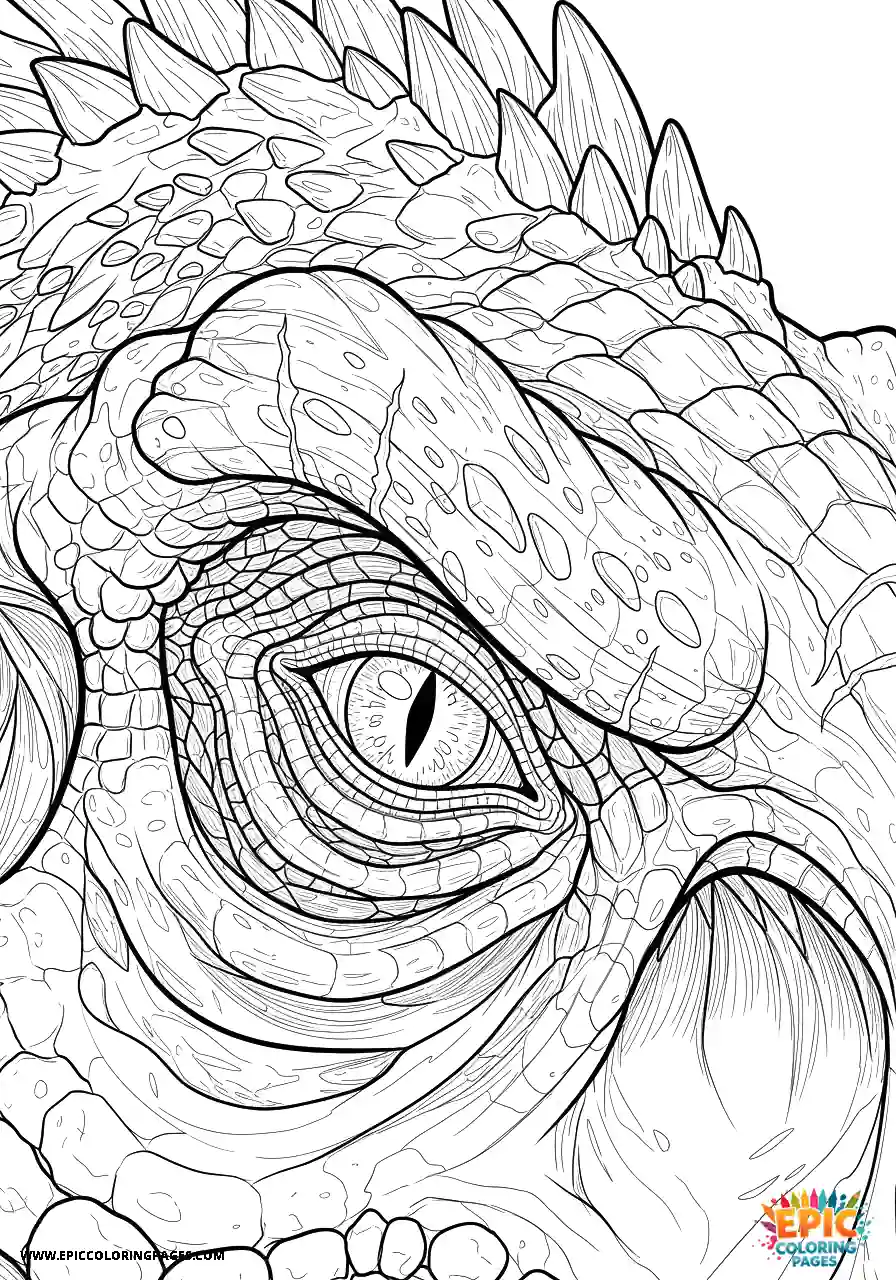
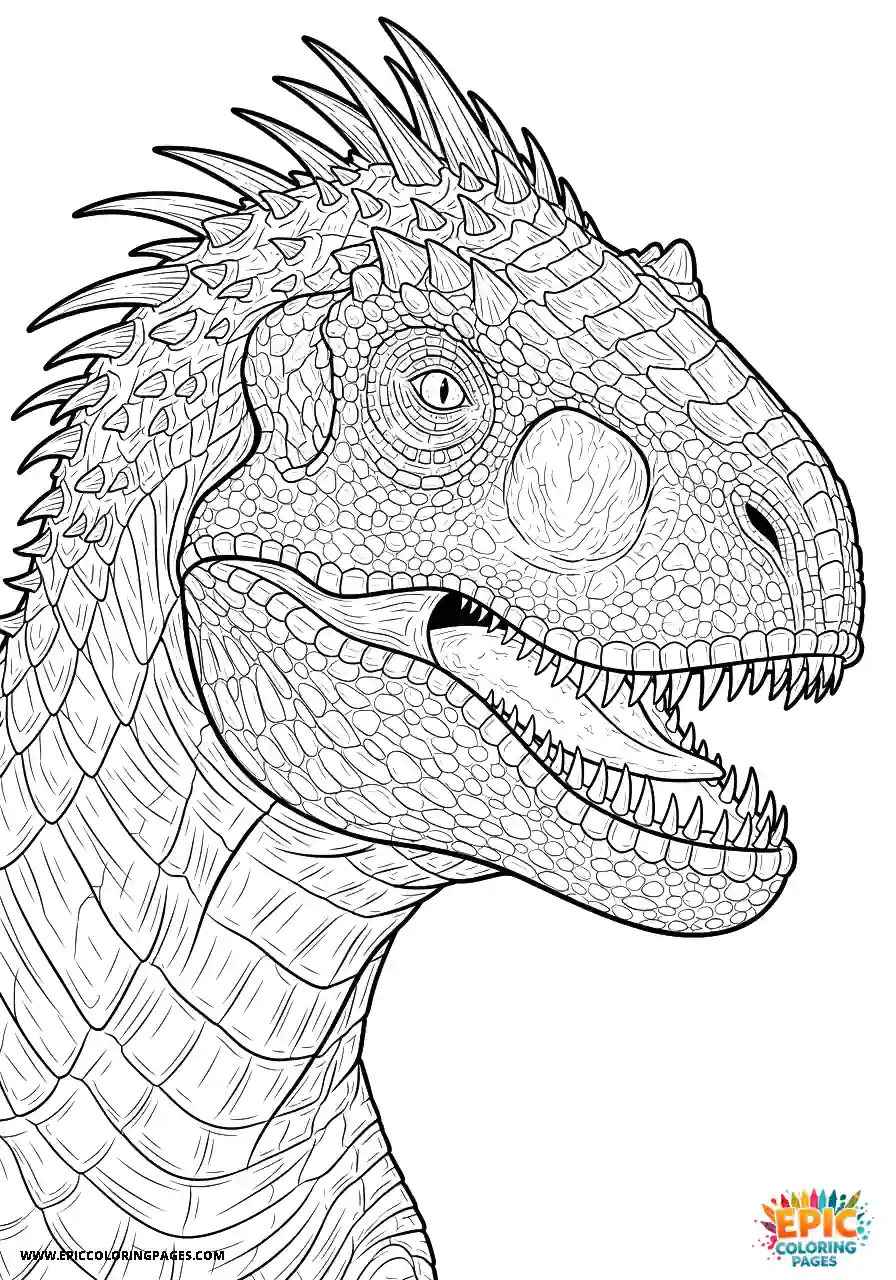
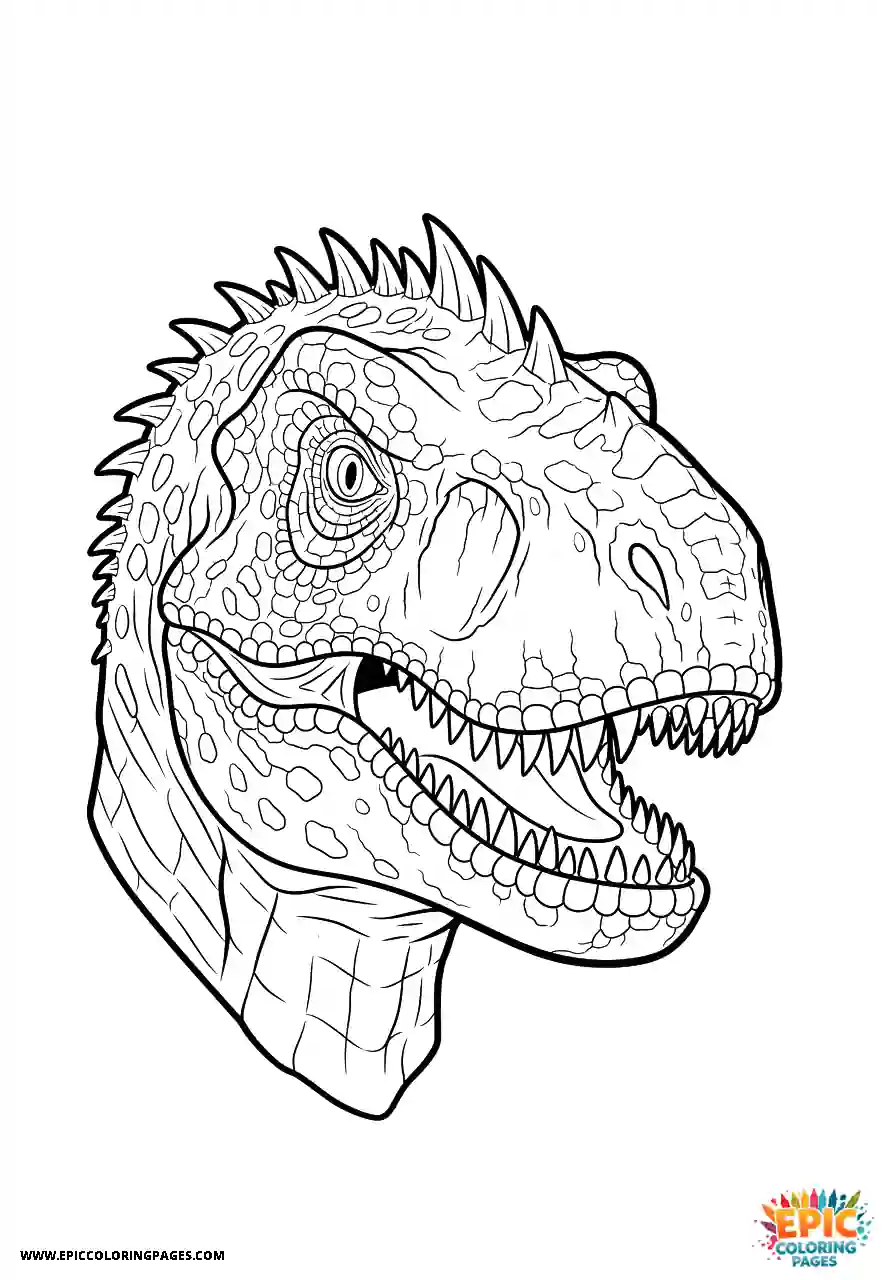
Scales deserve special attention. Rather than coloring each scale uniformly, add a tiny highlight to one edge and a shadow to another. This single detail transforms flat circles into three-dimensional forms. You don’t need to do this for every scale focus on prominent areas like the head, shoulders, and upper legs where viewers’ eyes naturally land.
Light Source and Shadows
Establish where light hits your dinosaur before you commit to heavy shading. Imagine sunlight from above and slightly to one side this is the most natural and easiest to execute. Areas facing this light source should remain lighter, while opposite sides need darker values.
Shadows aren’t just darker versions of your base color. They have their own color temperature. If your light source is warm (yellowish), shadows should be cooler (bluish or grayish). This color temperature contrast makes your work more dynamic. Under the jaw, between the arms and body, and beneath the tail are natural shadow locations that ground your creature and make it feel solid.
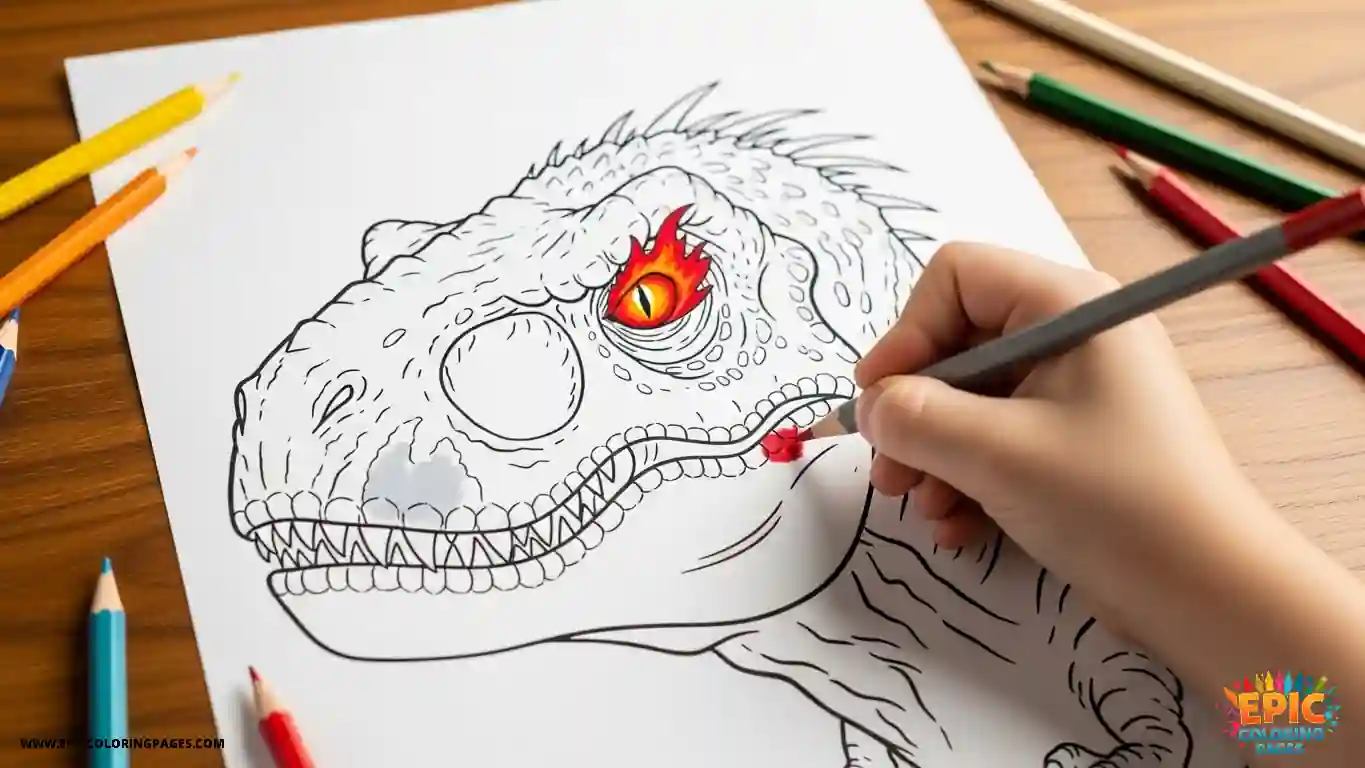
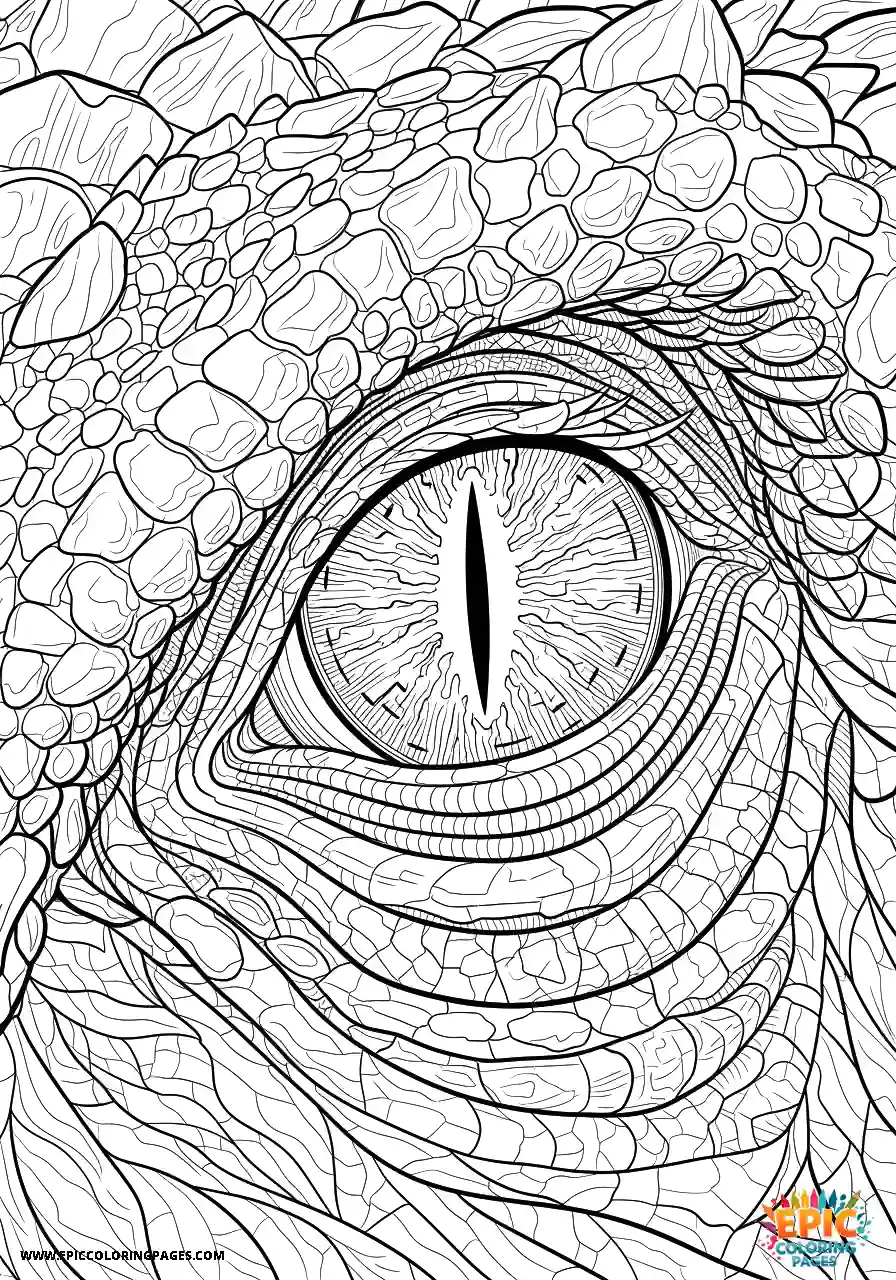
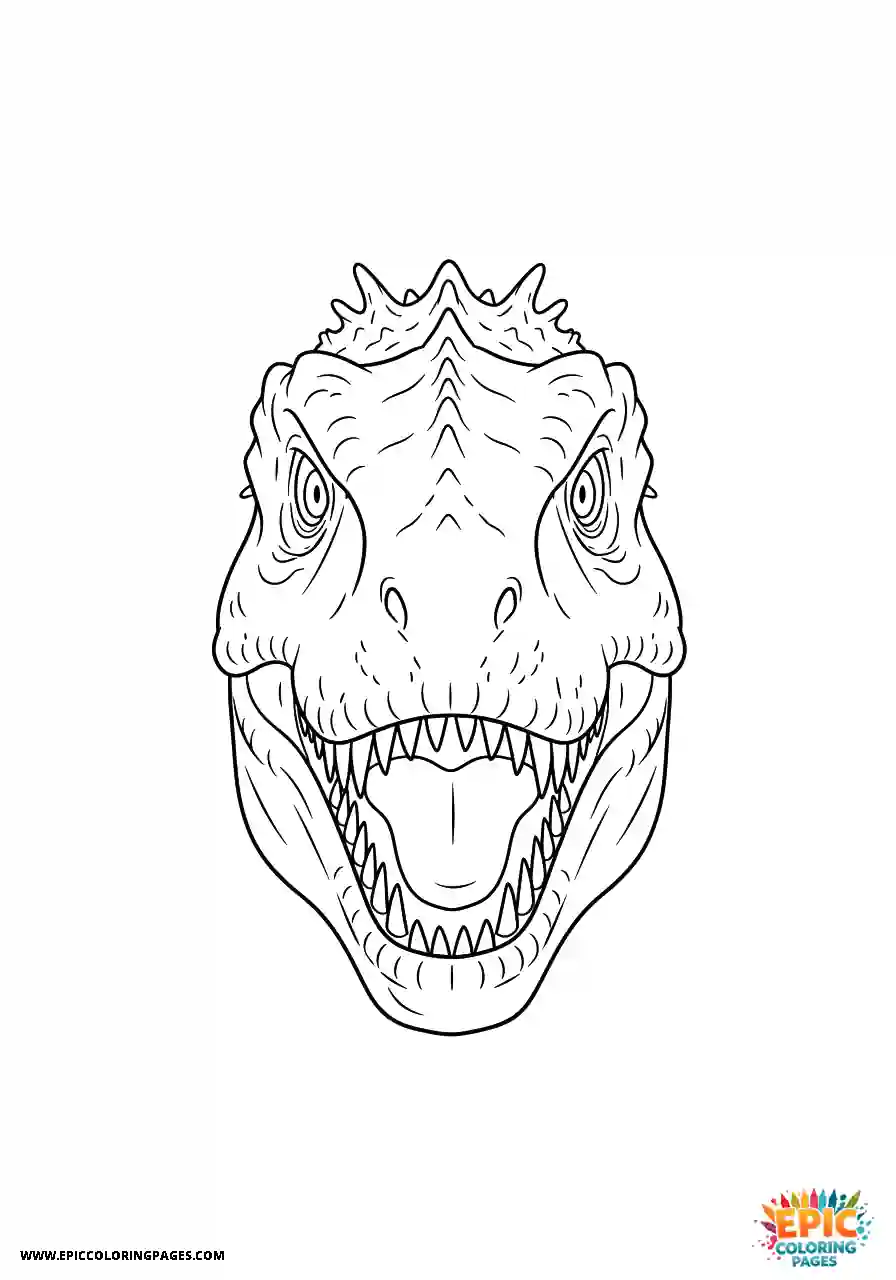
The eyes require particular attention to light and shadow. Add a small white or very light highlight to create the illusion of moisture and life. Position this highlight consistently with your overall light source. The area around the eye socket should be darker, creating depth and intensity.
Background Considerations
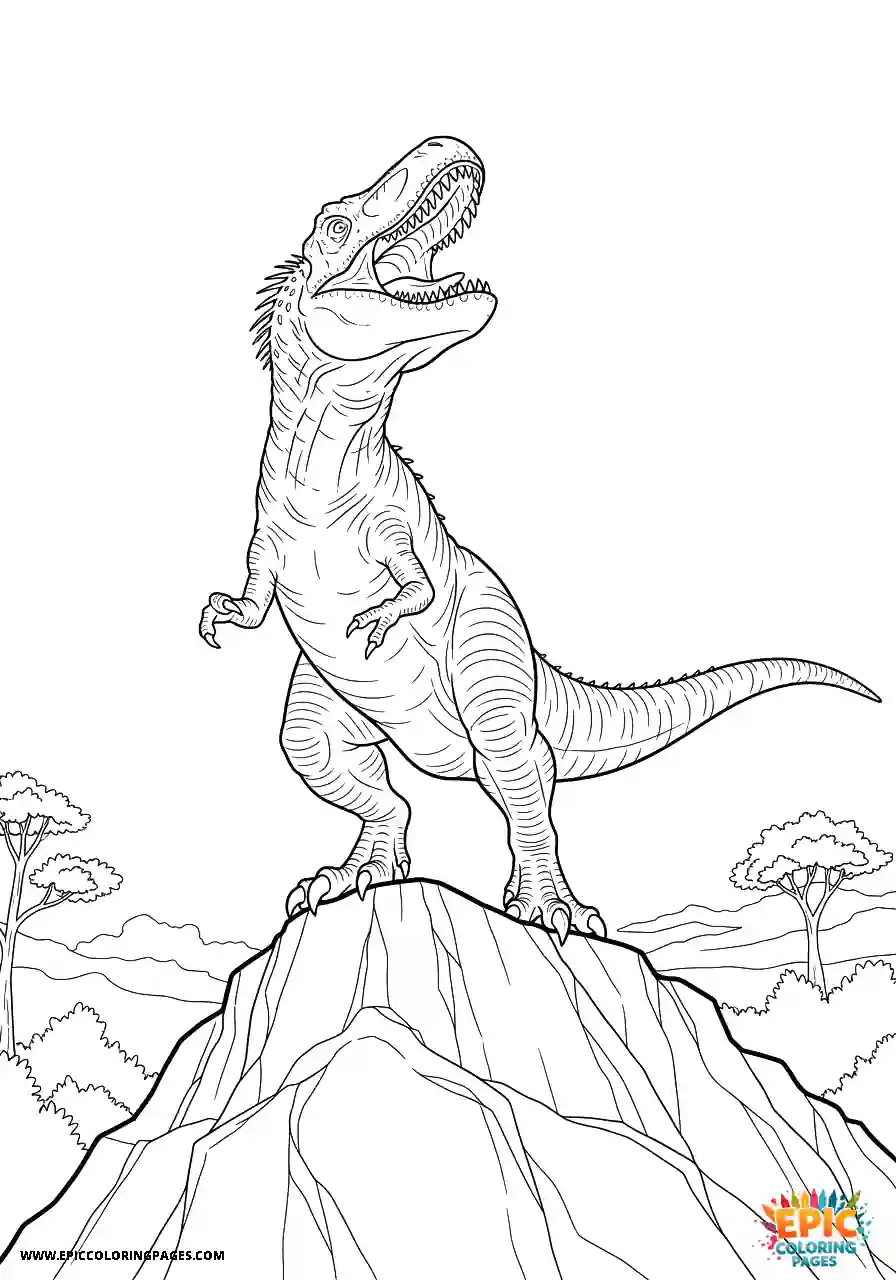
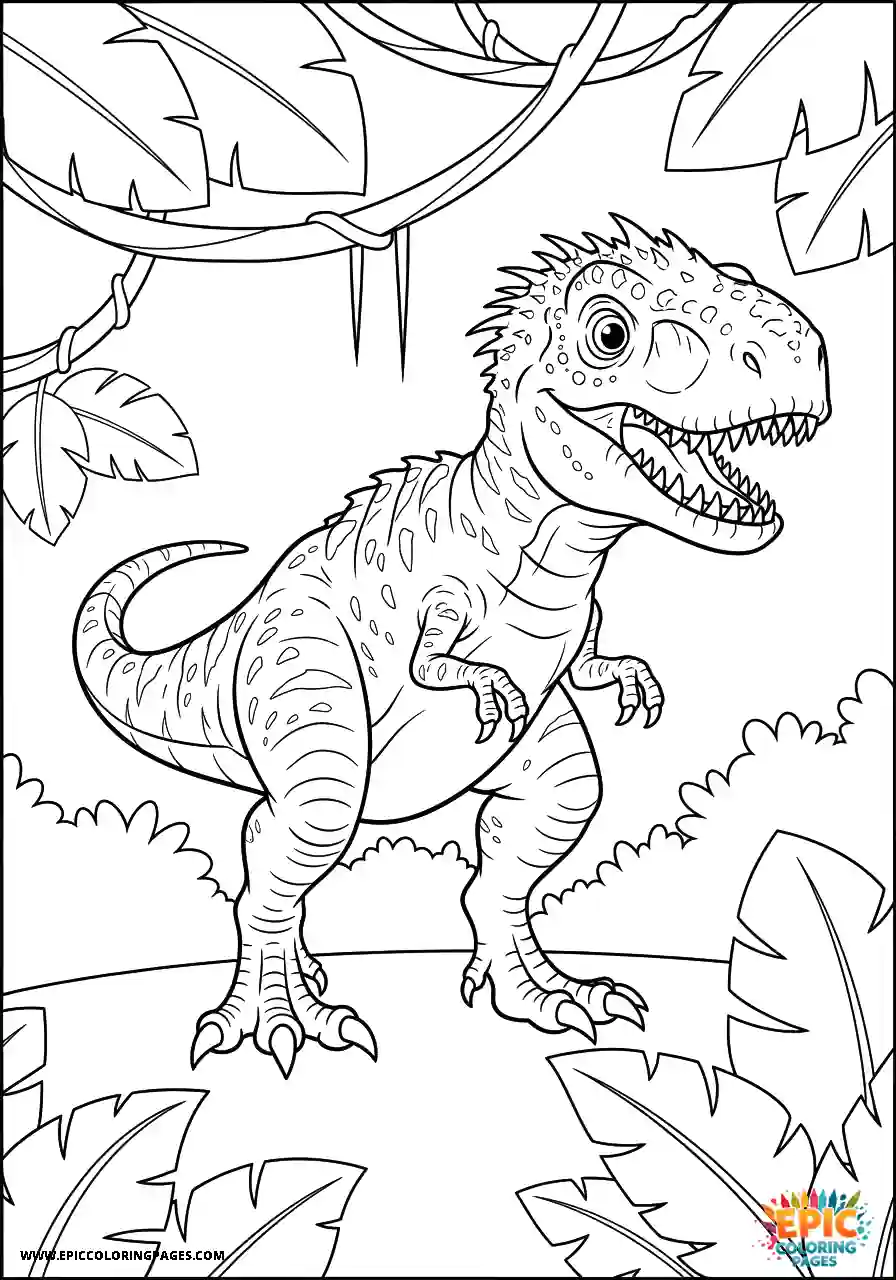
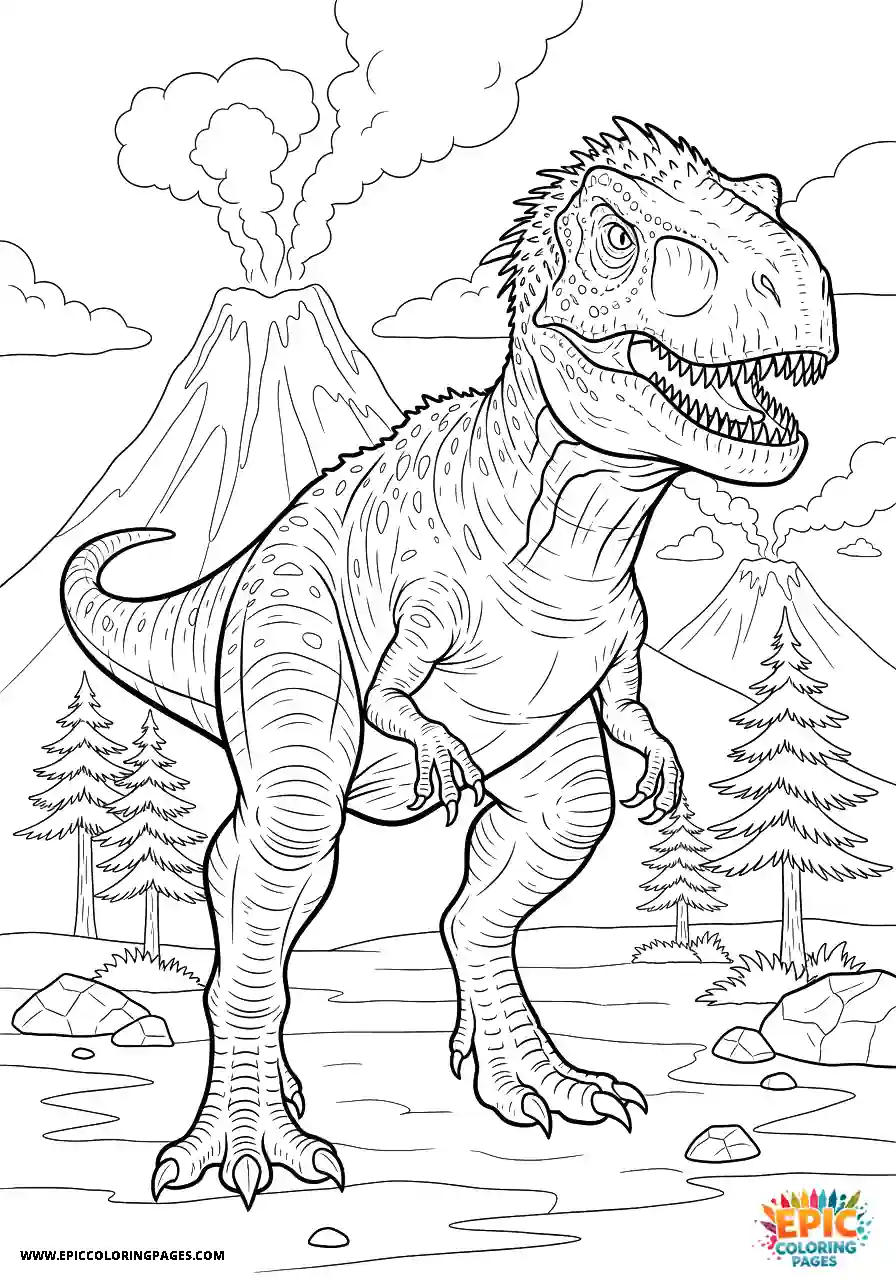
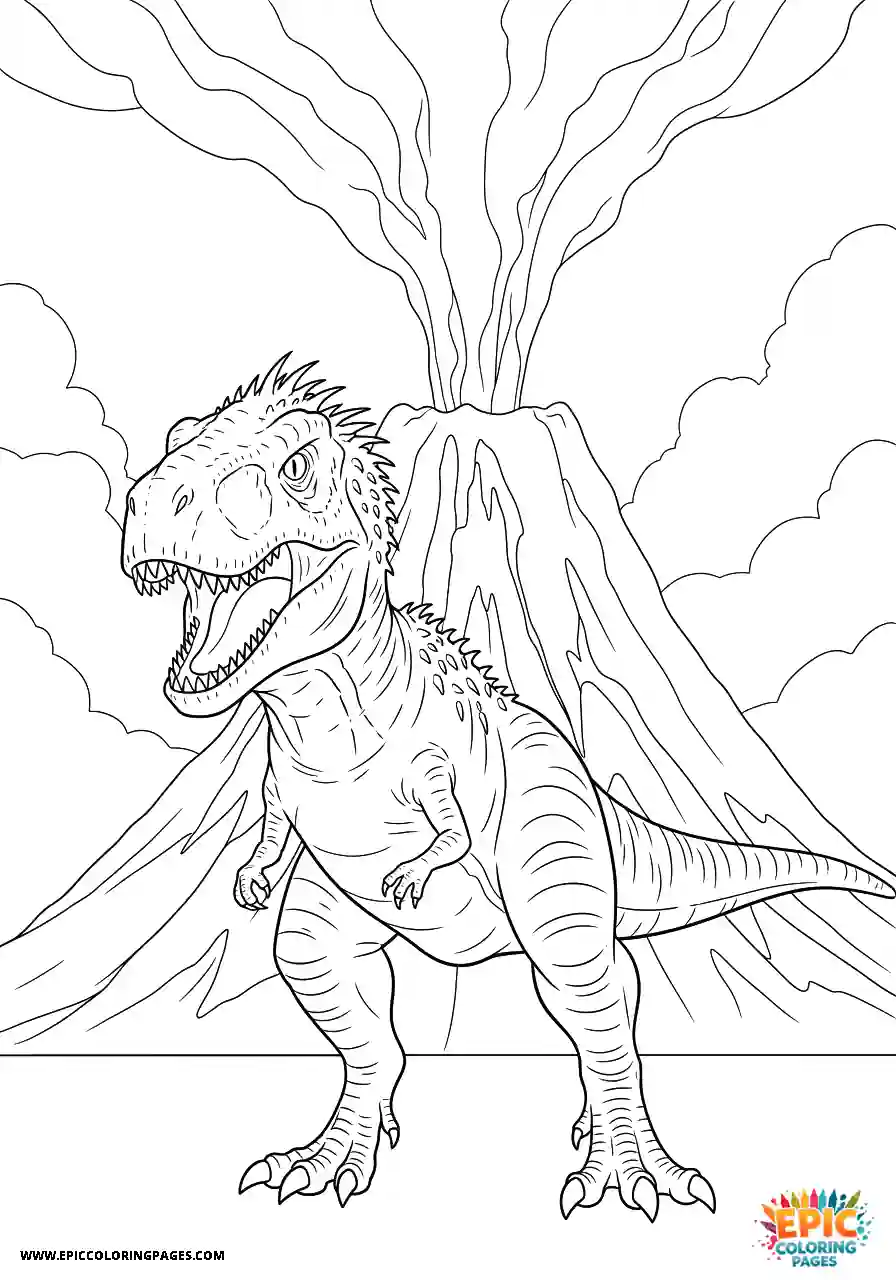
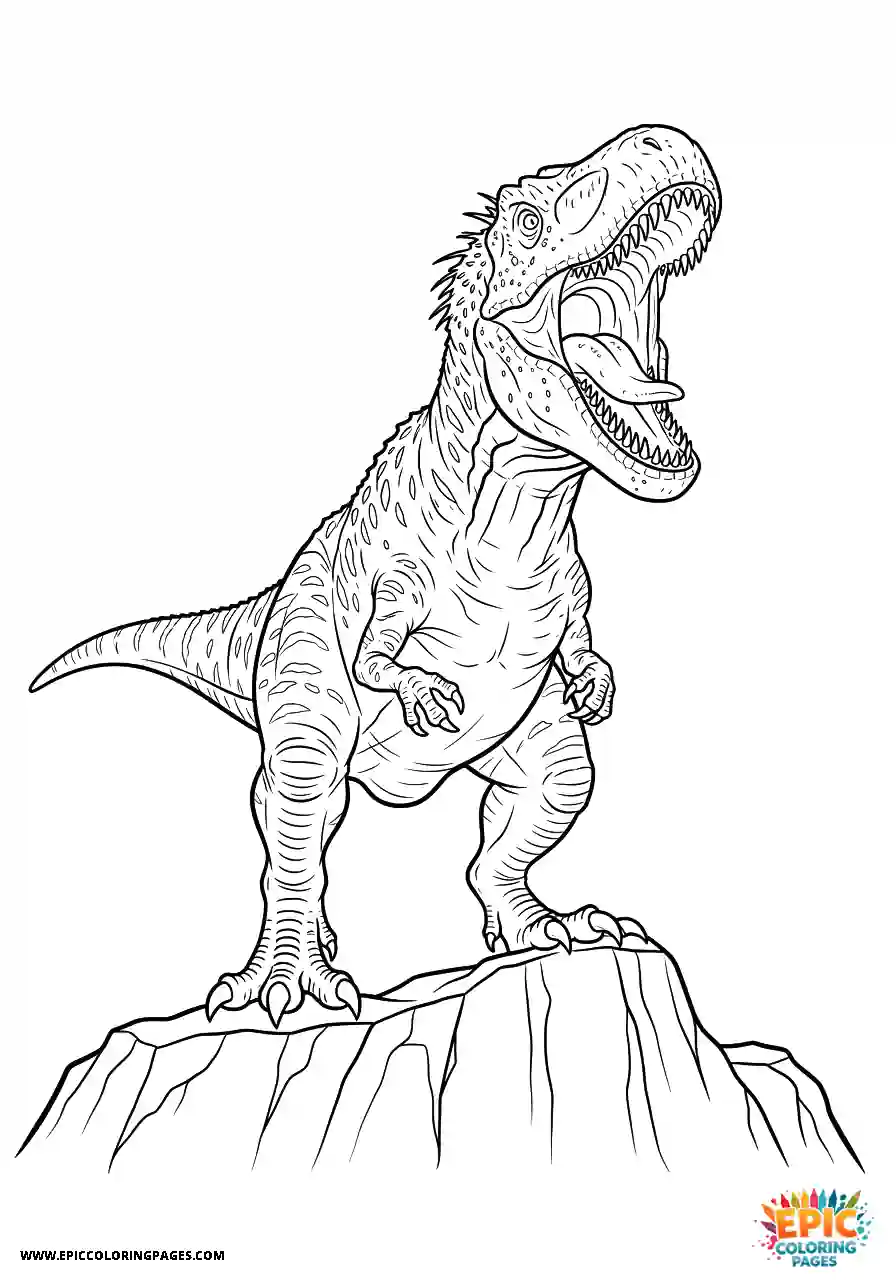
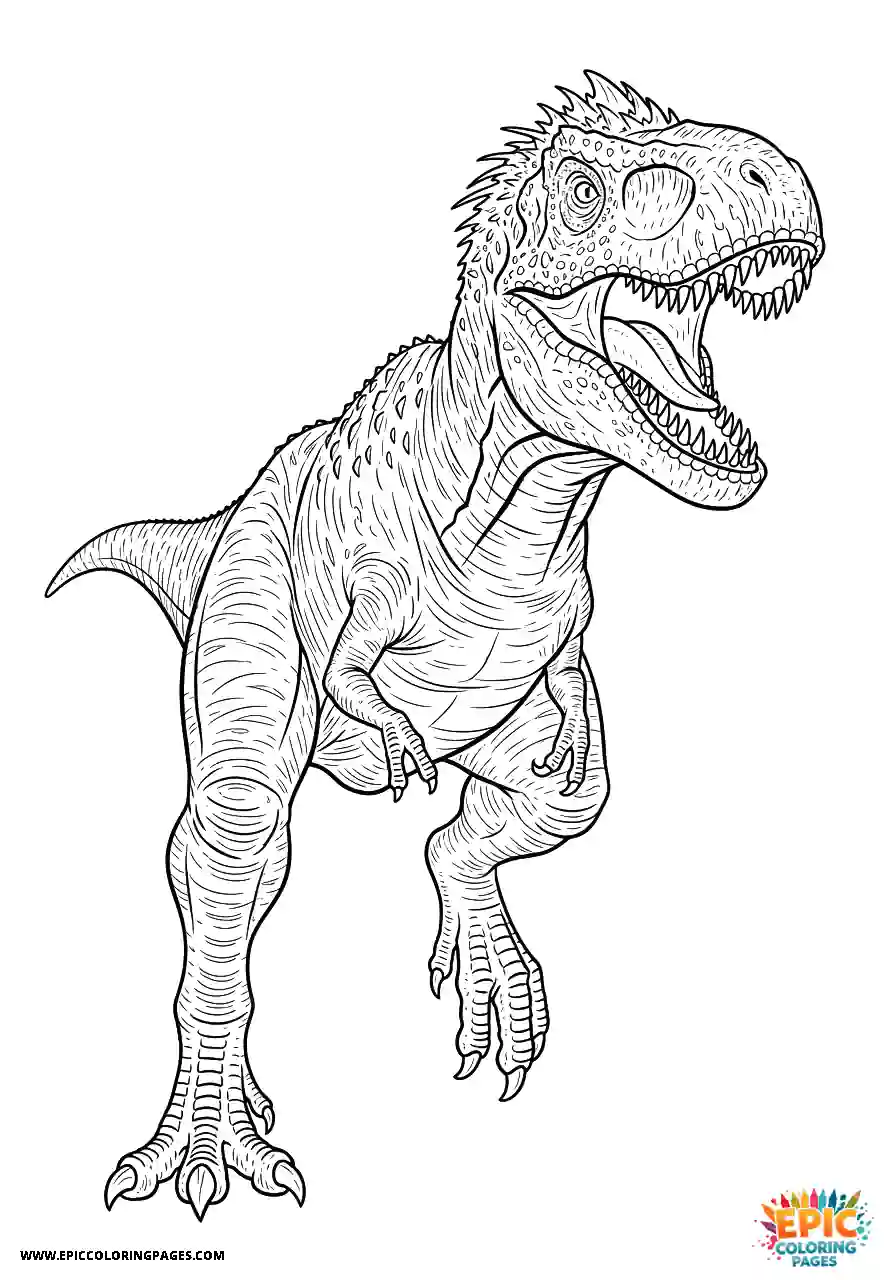
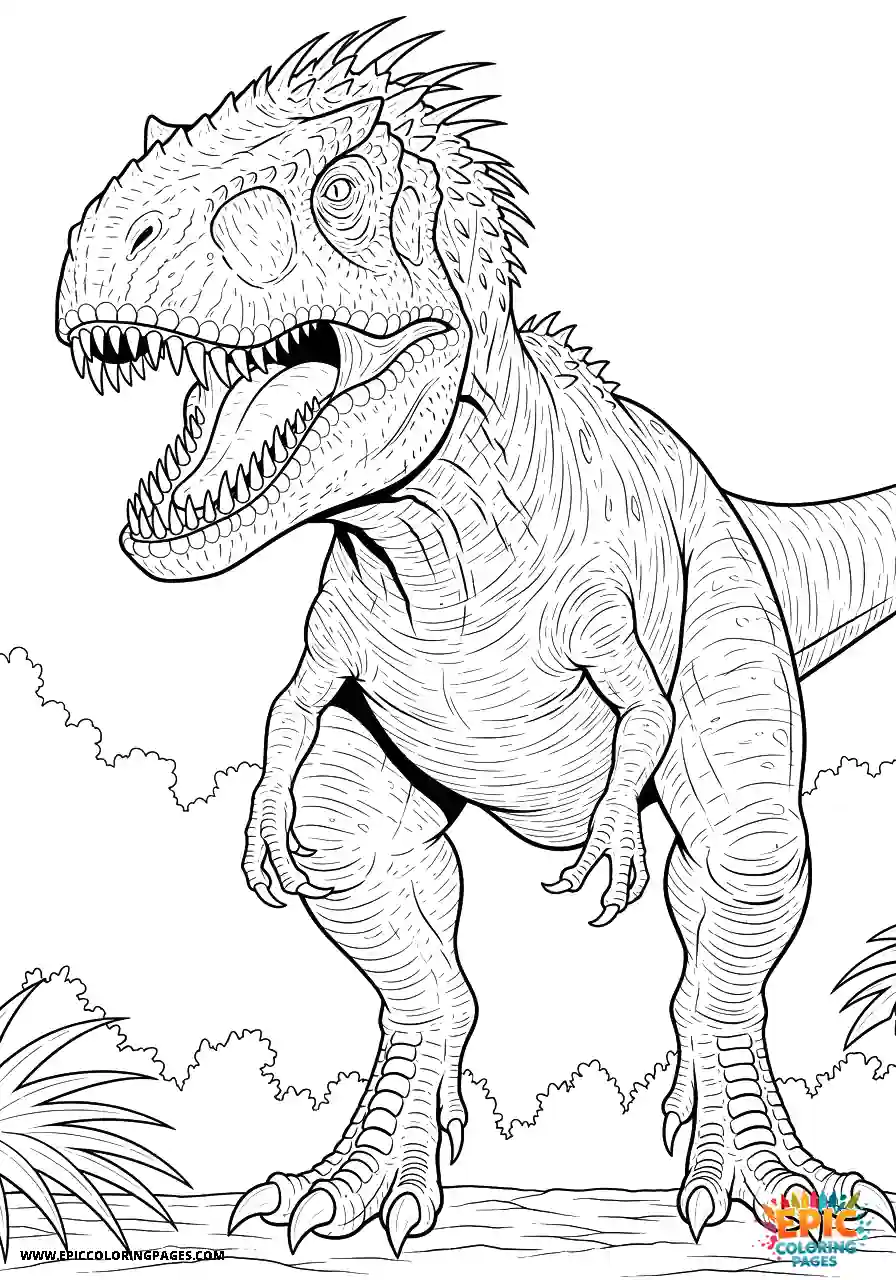
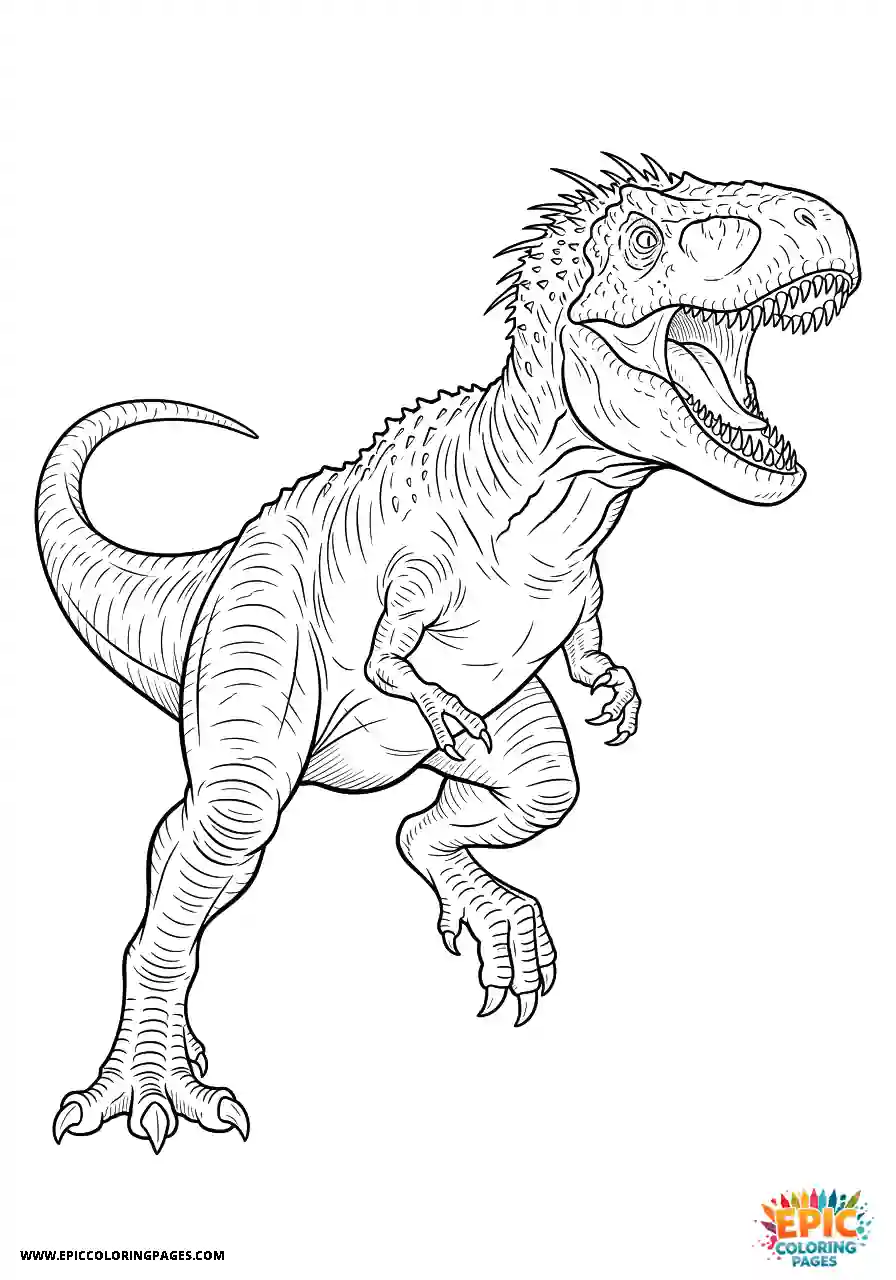
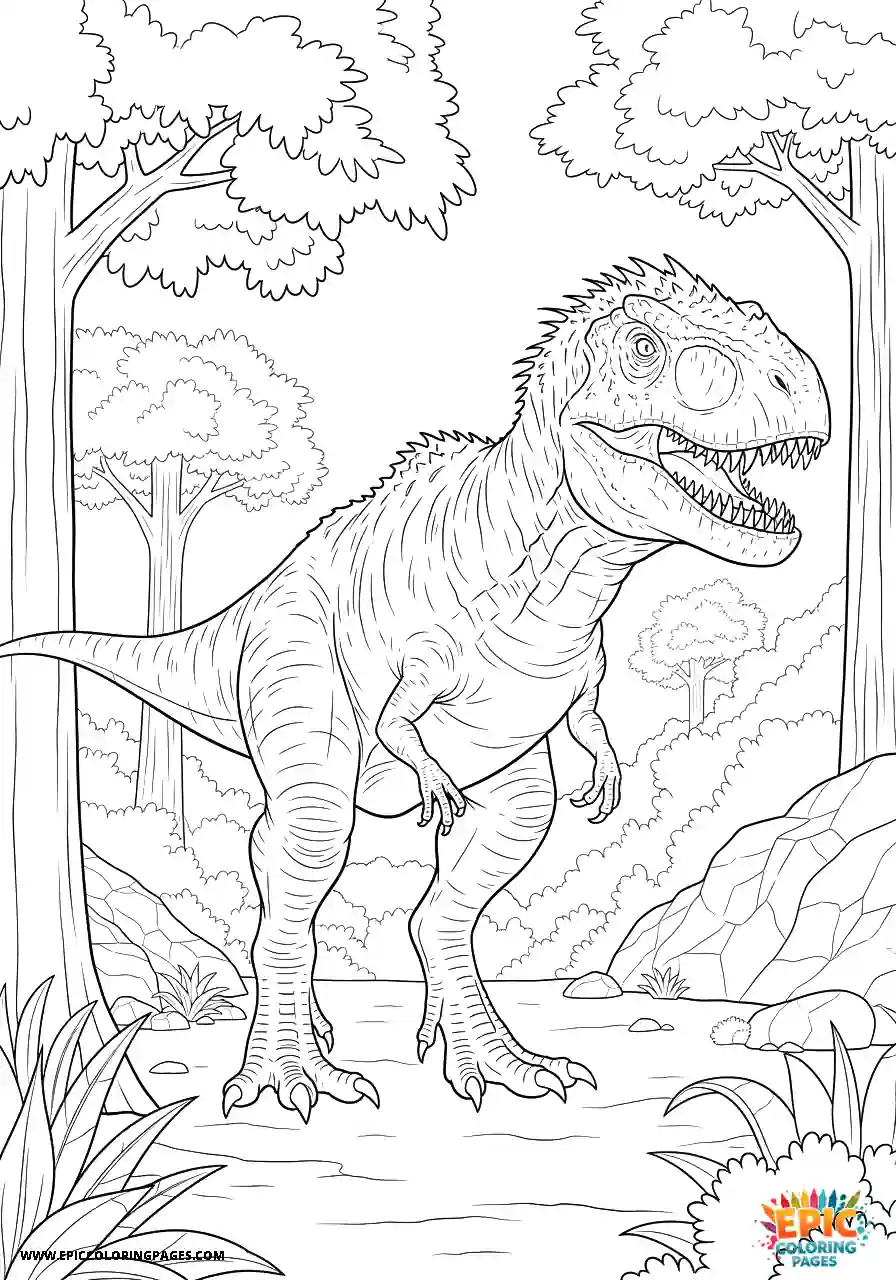
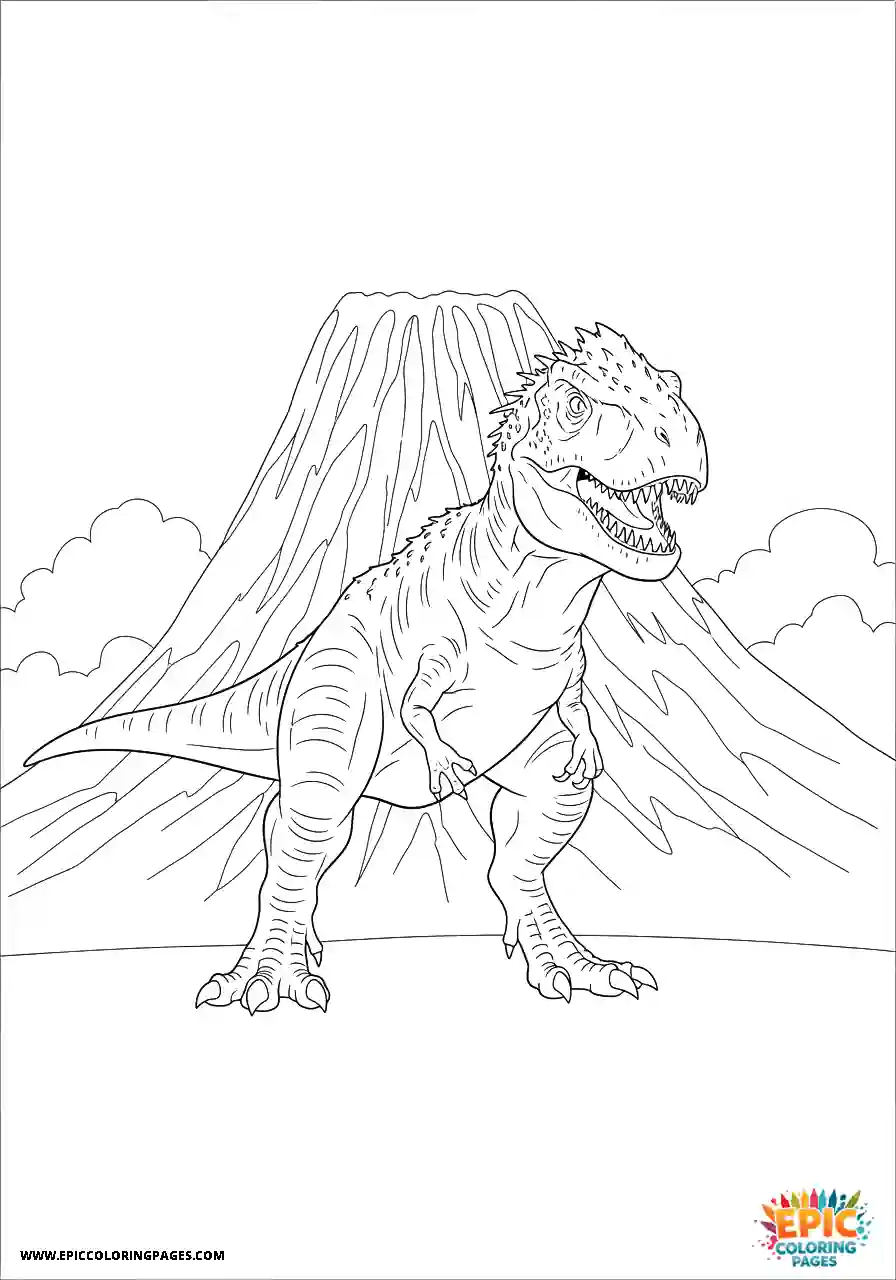
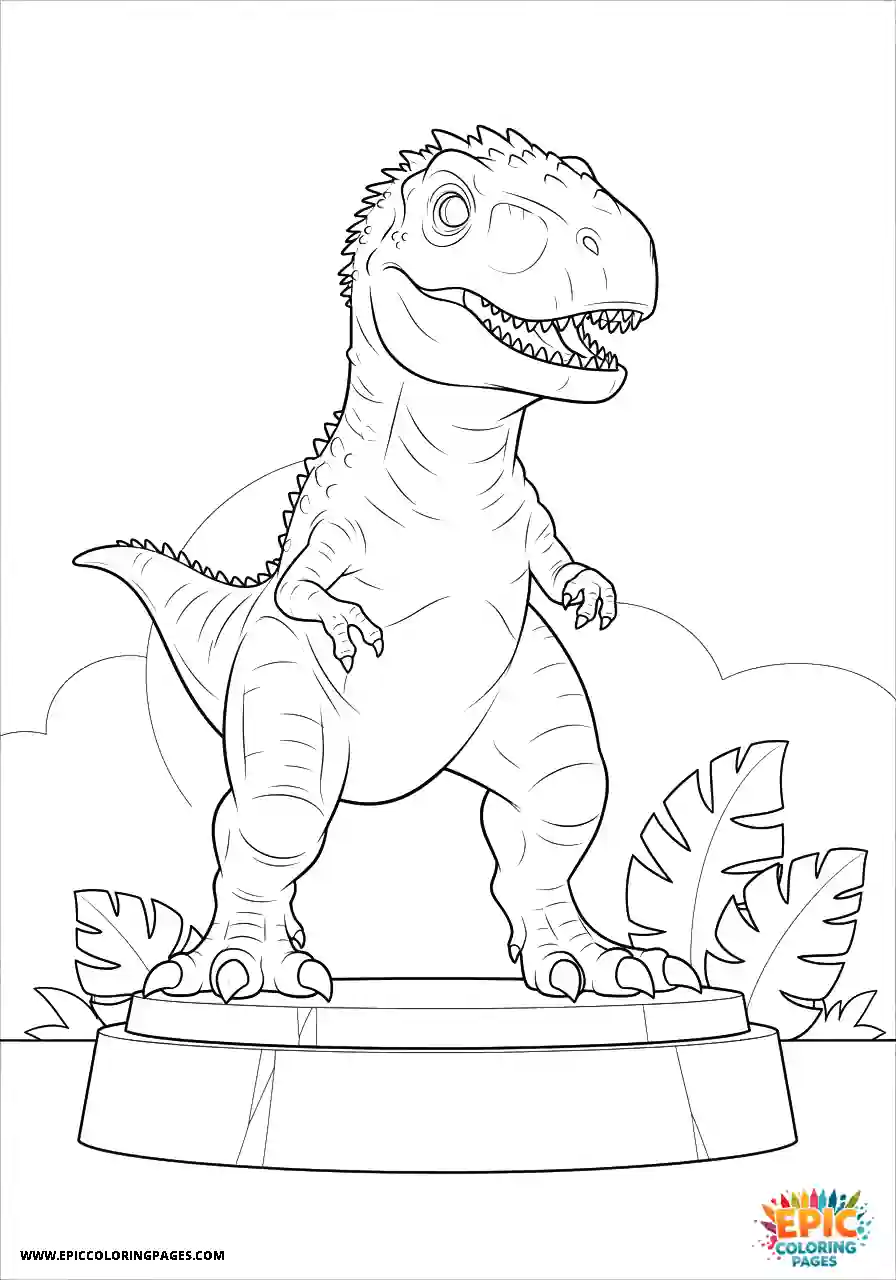
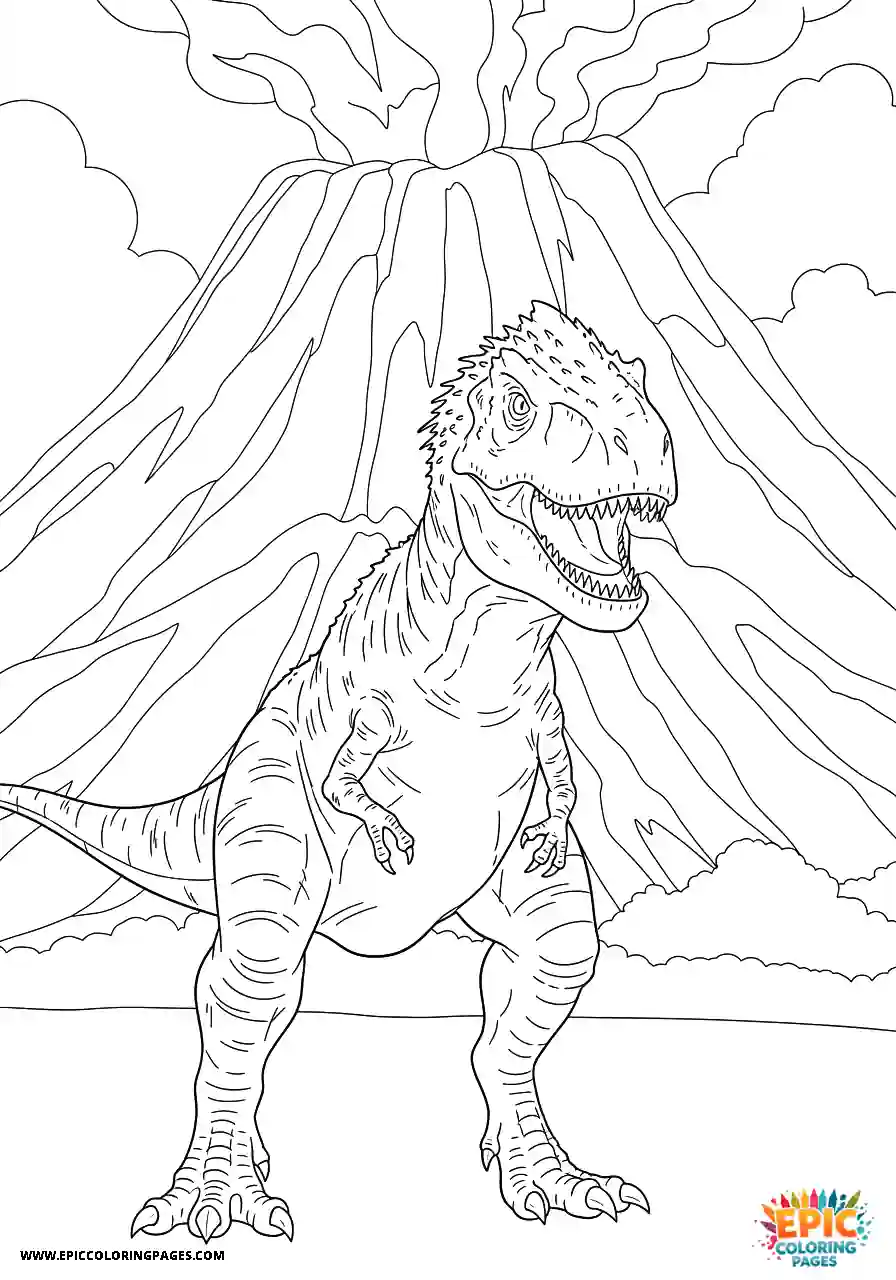
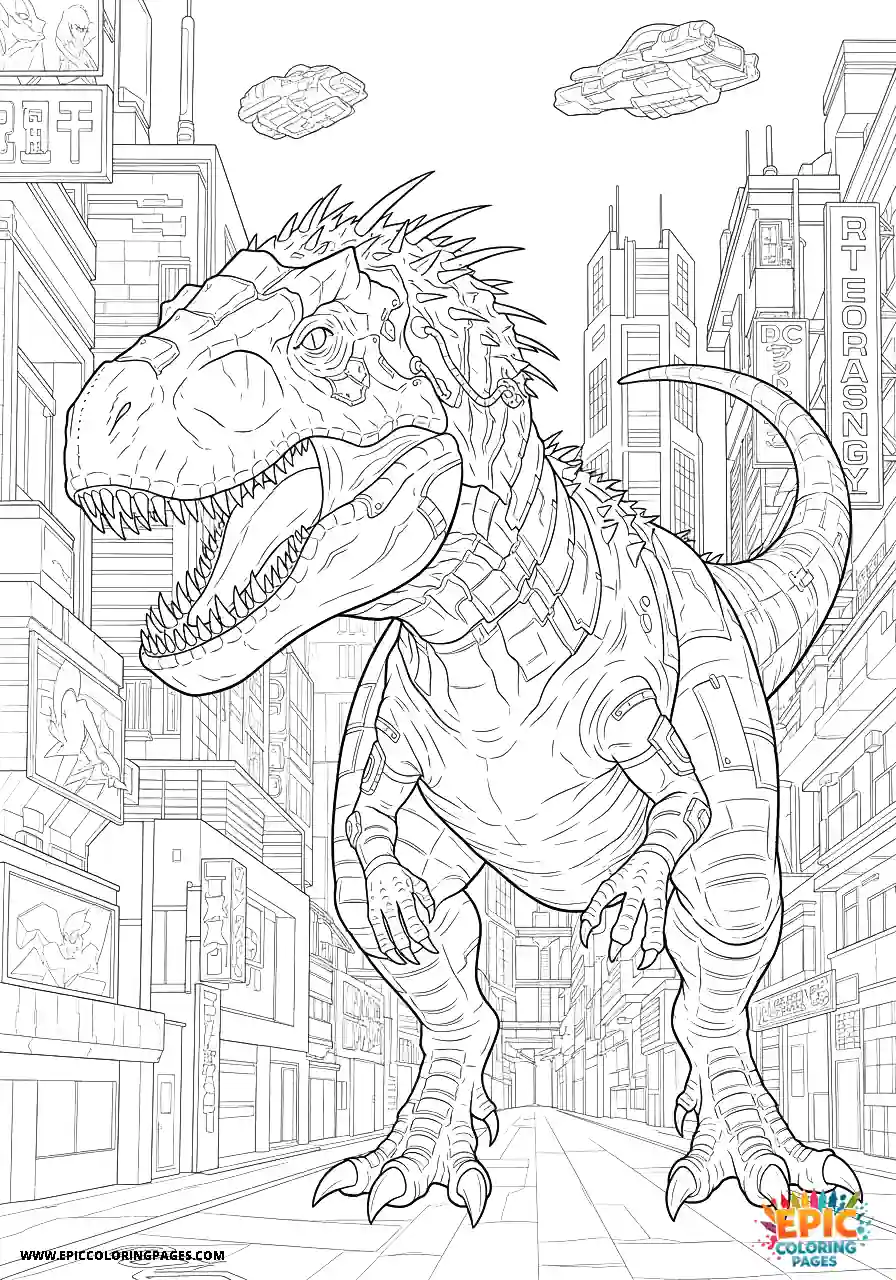
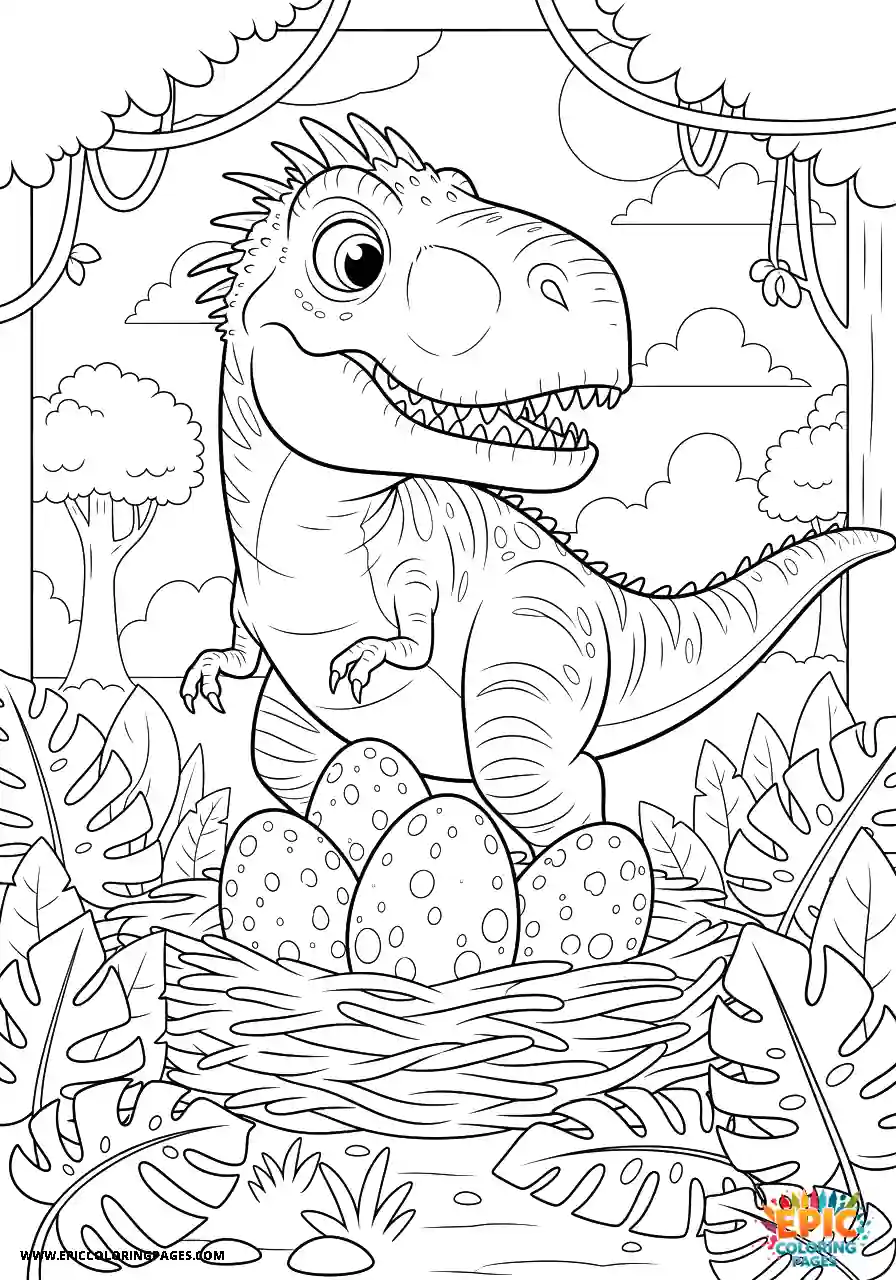
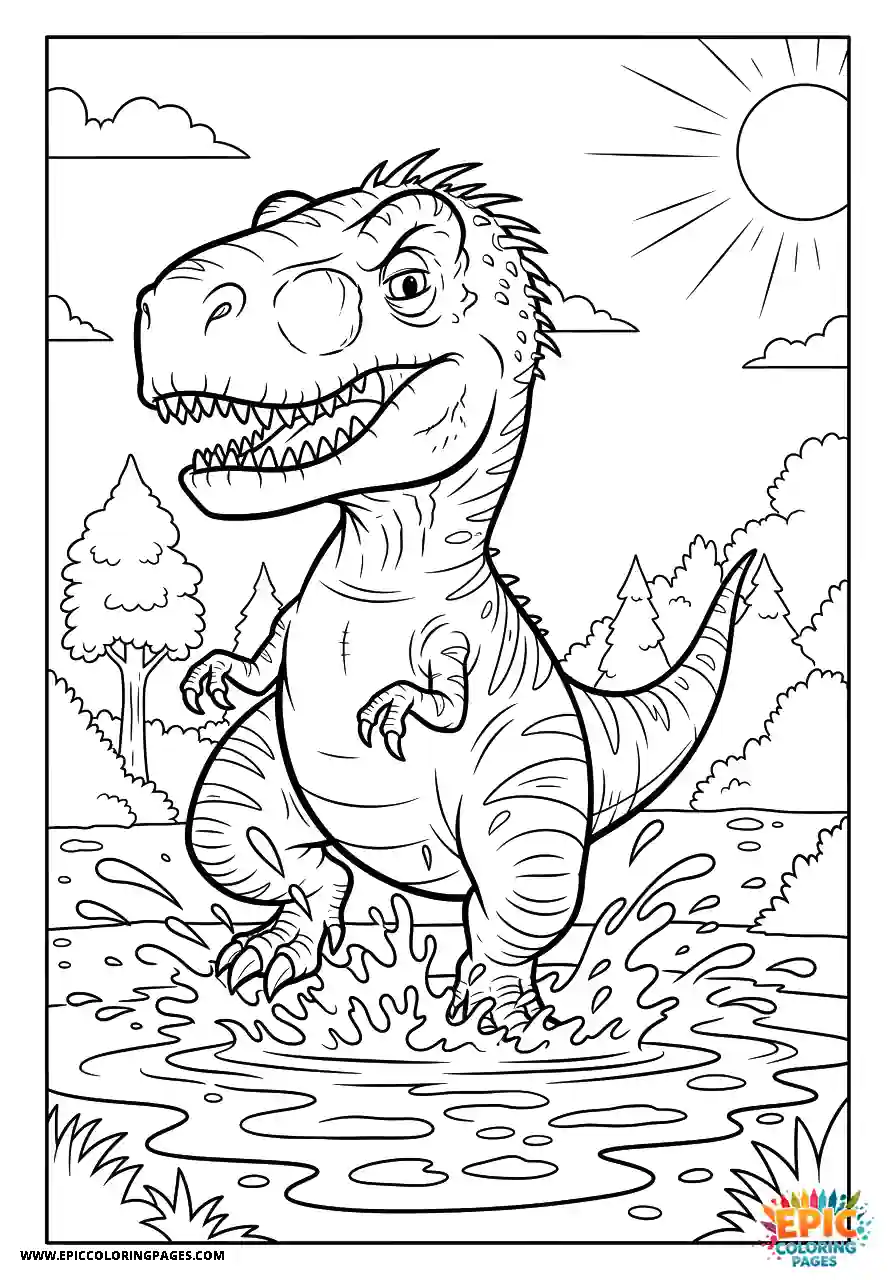
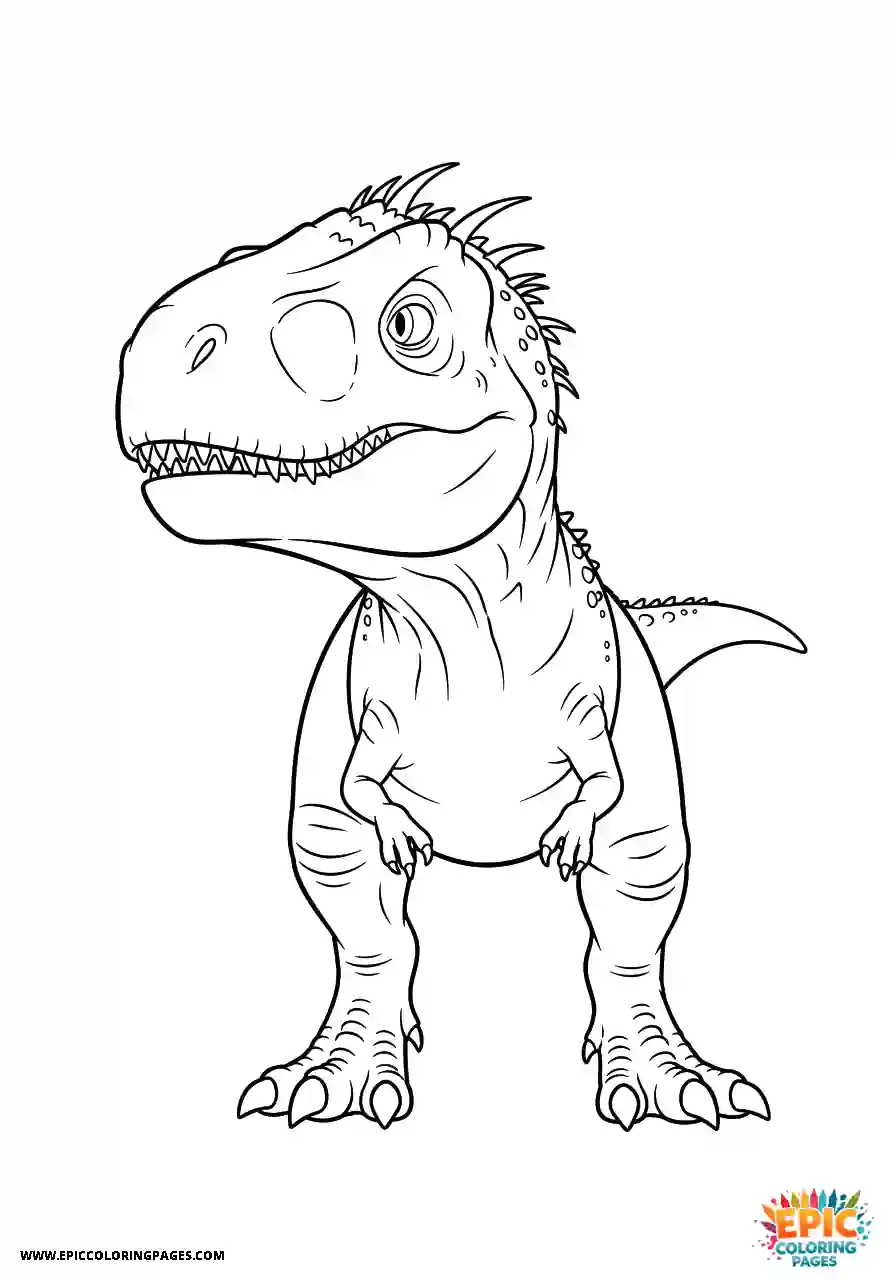
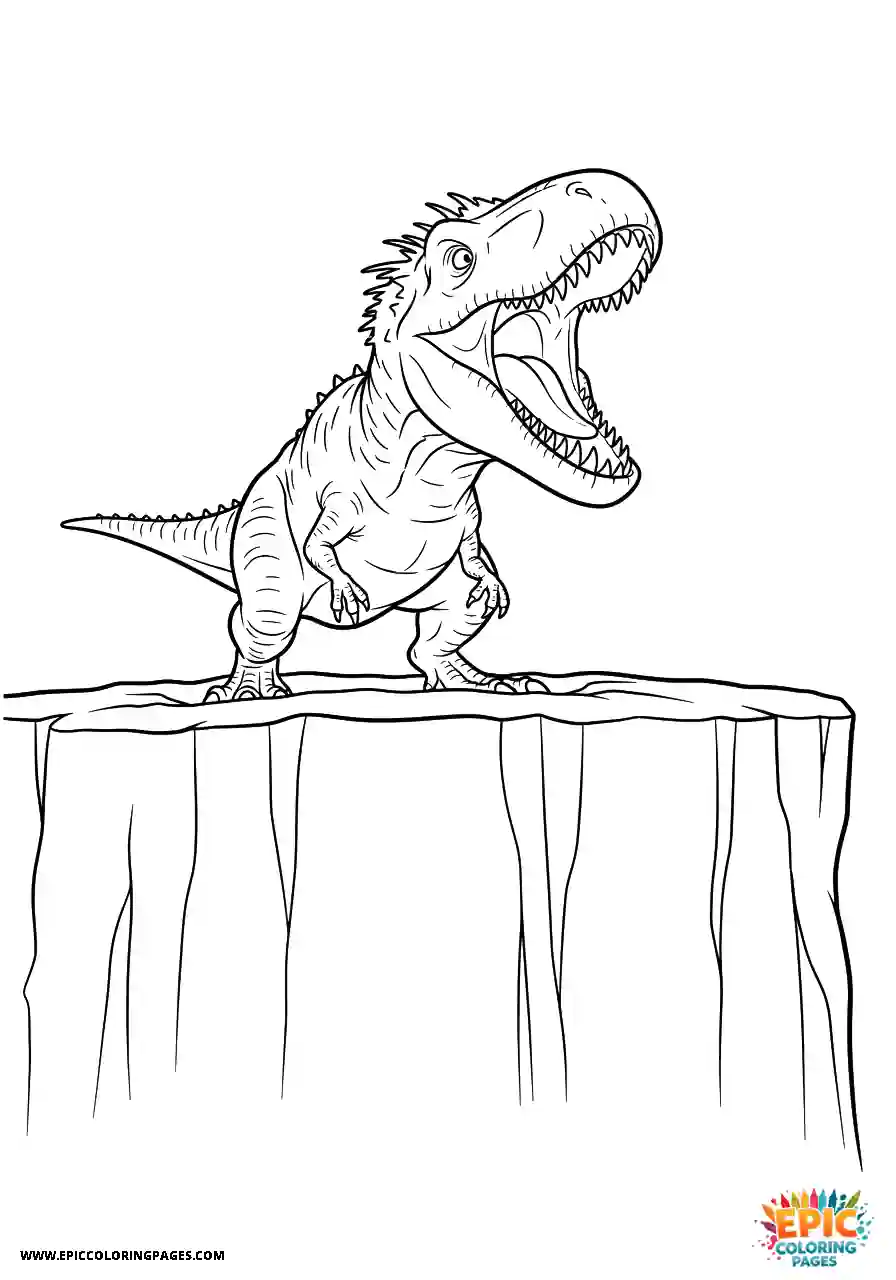
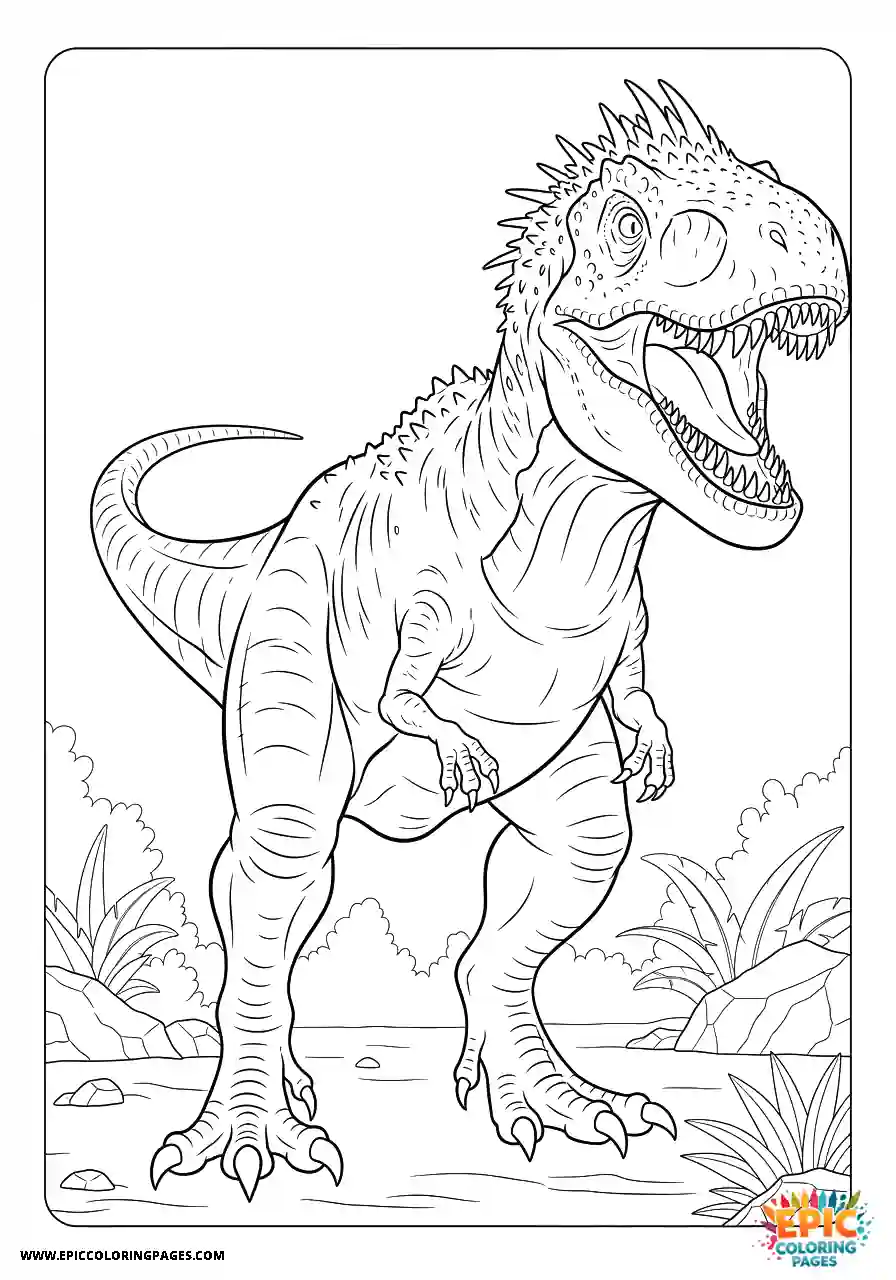
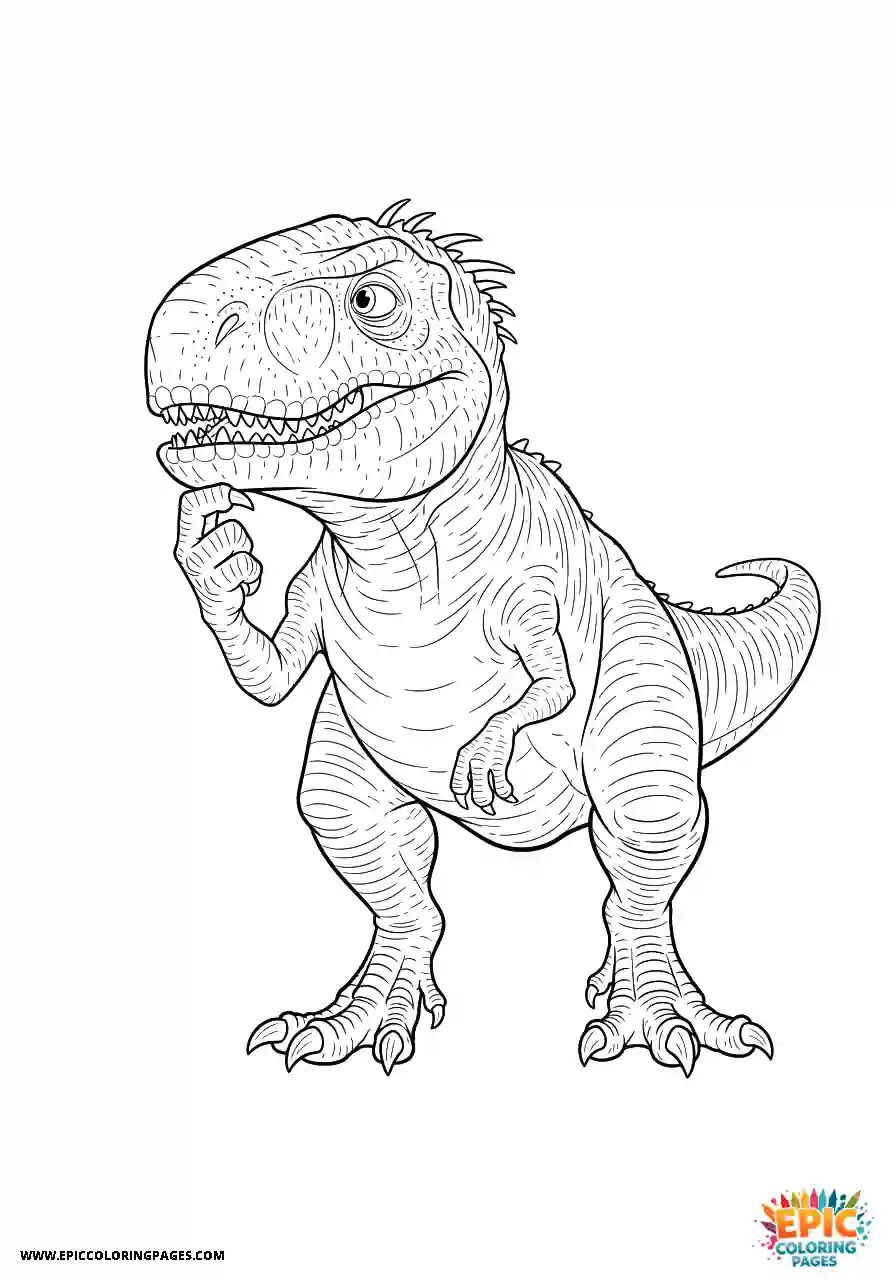
Your background choice dramatically affects how the Indominus Rex appears. A completely white background makes the dinosaur pop forward but can feel stark. A simple ground line or shadow beneath the creature anchors it in space without requiring elaborate scenery.
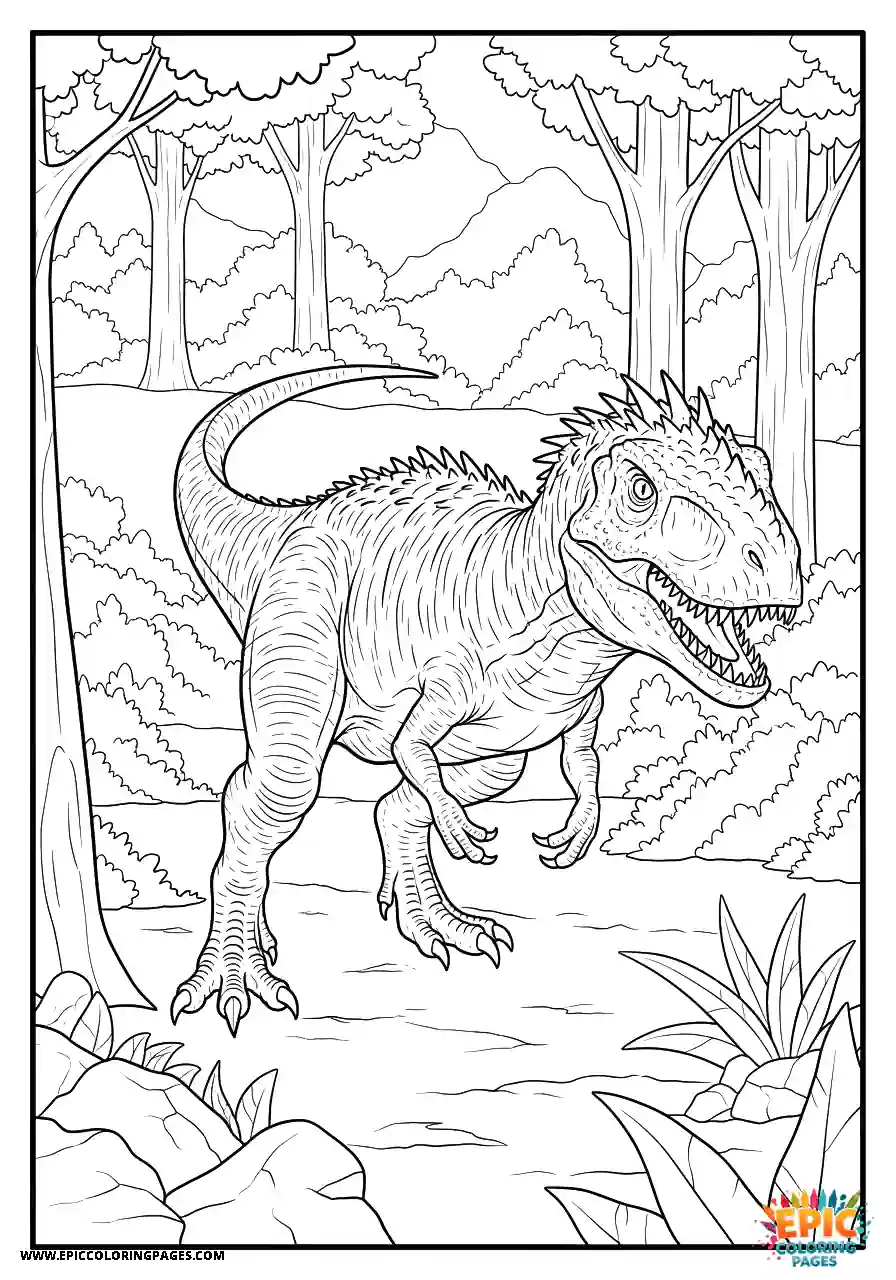
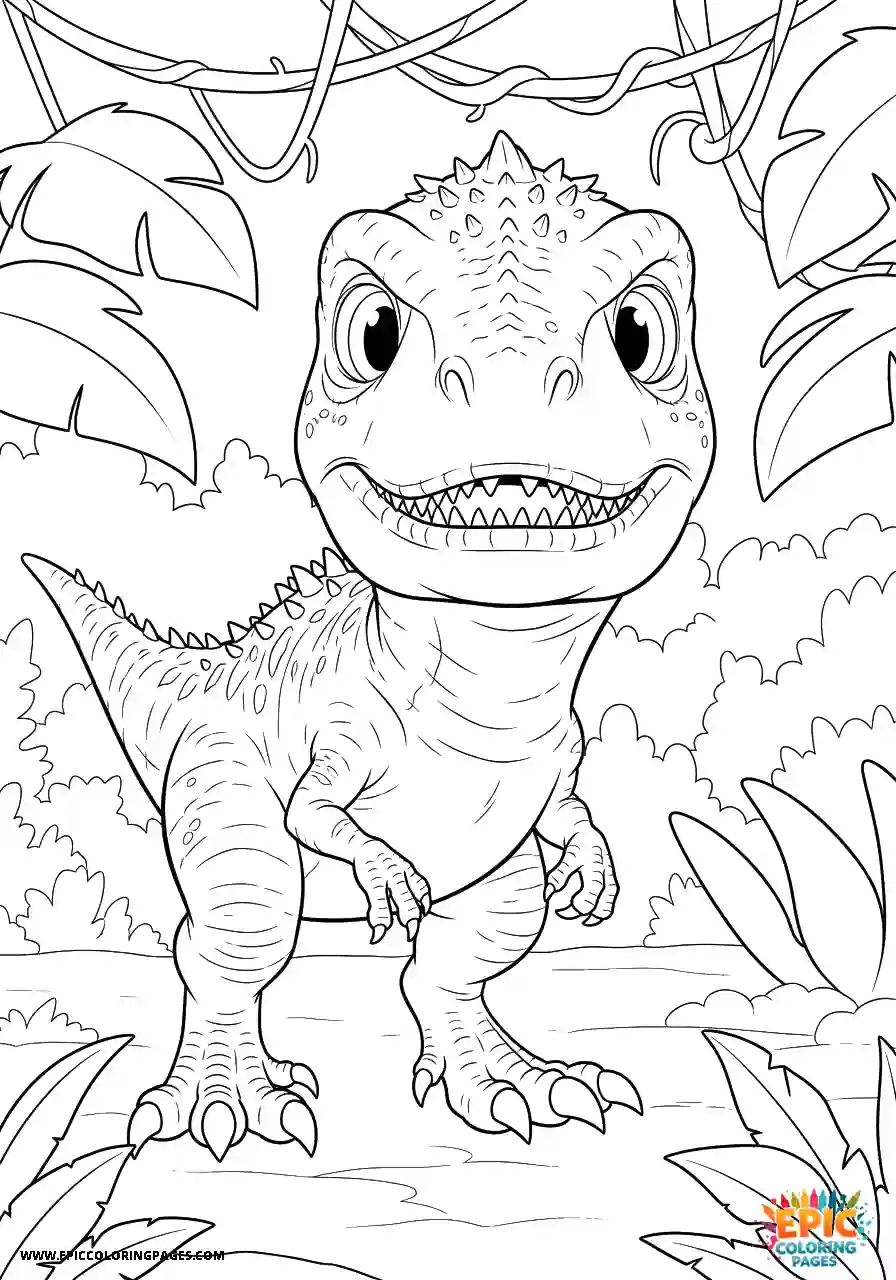
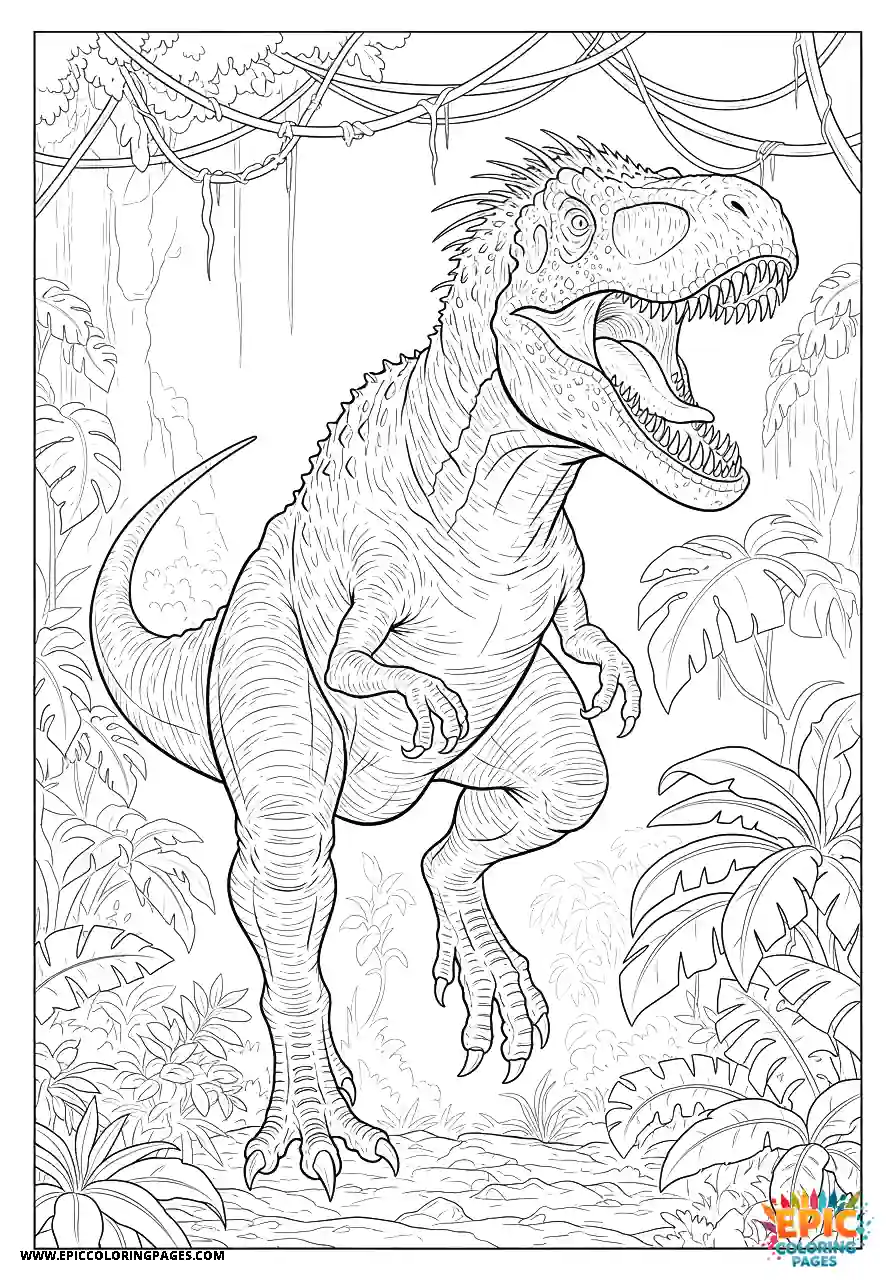
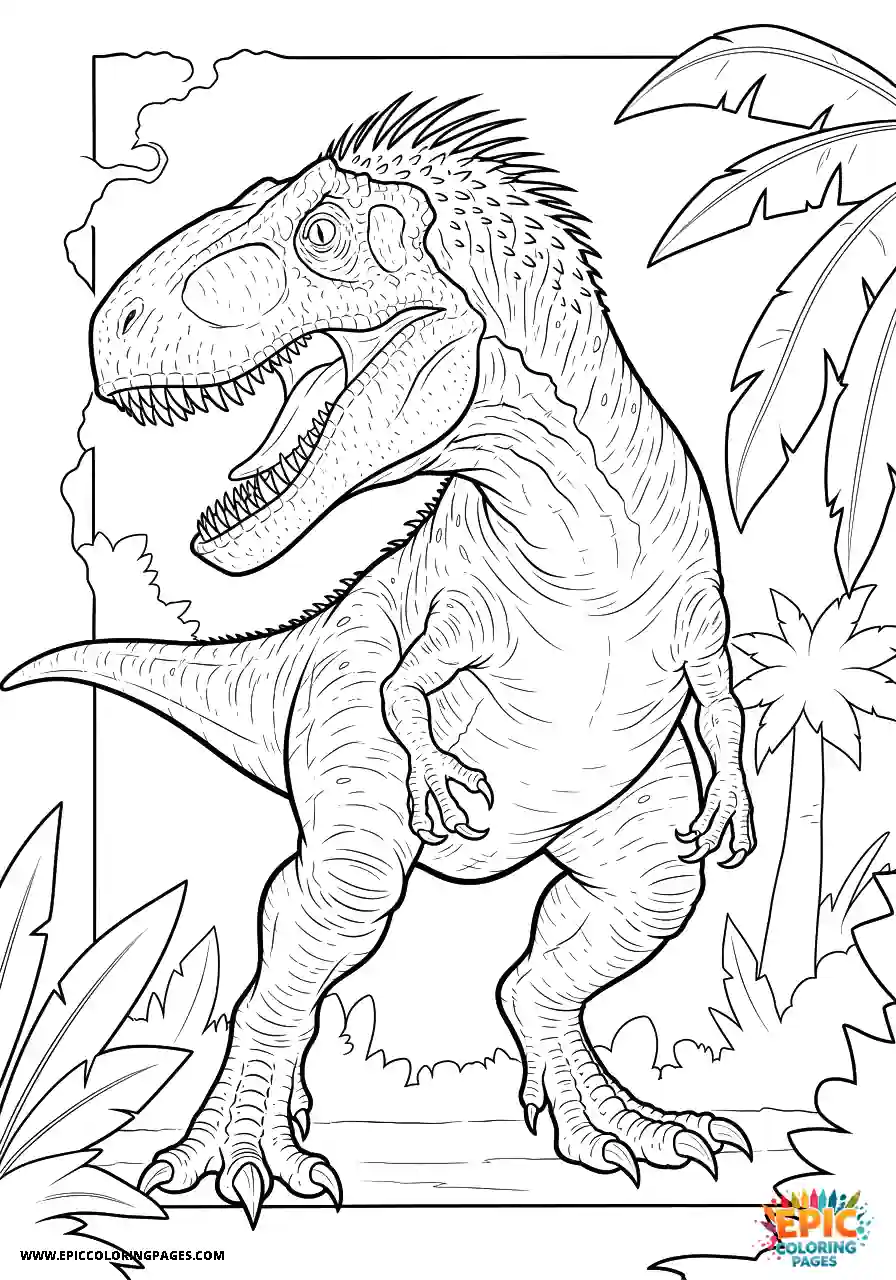
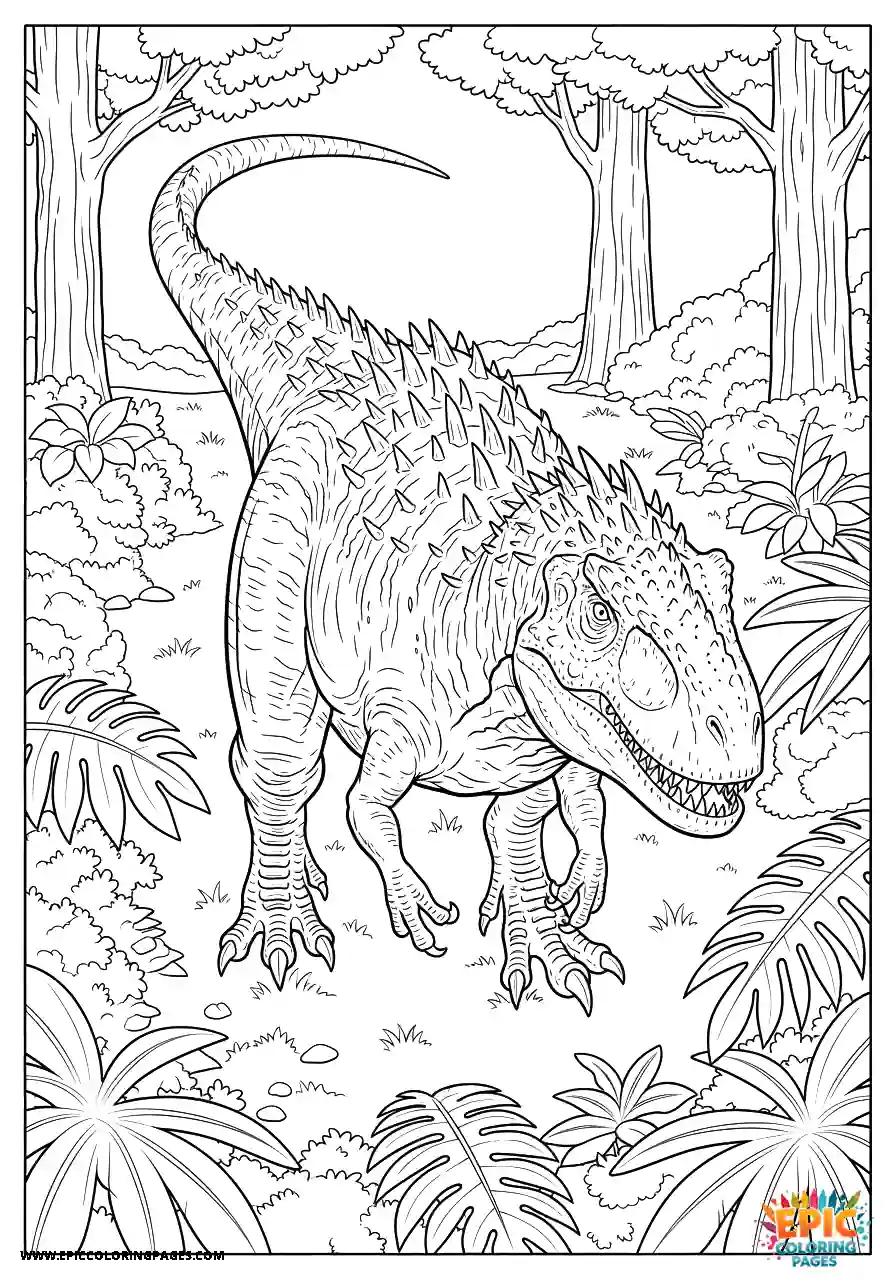
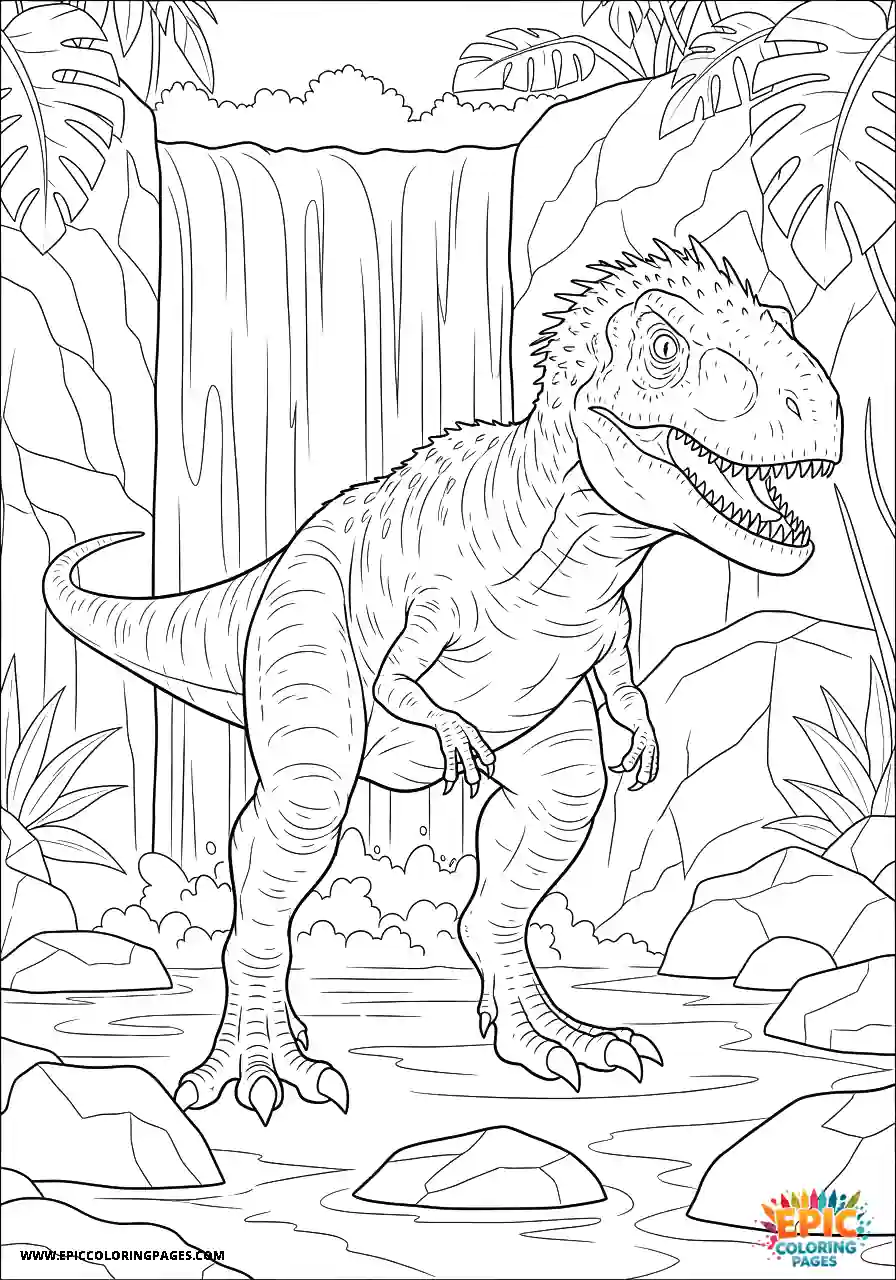
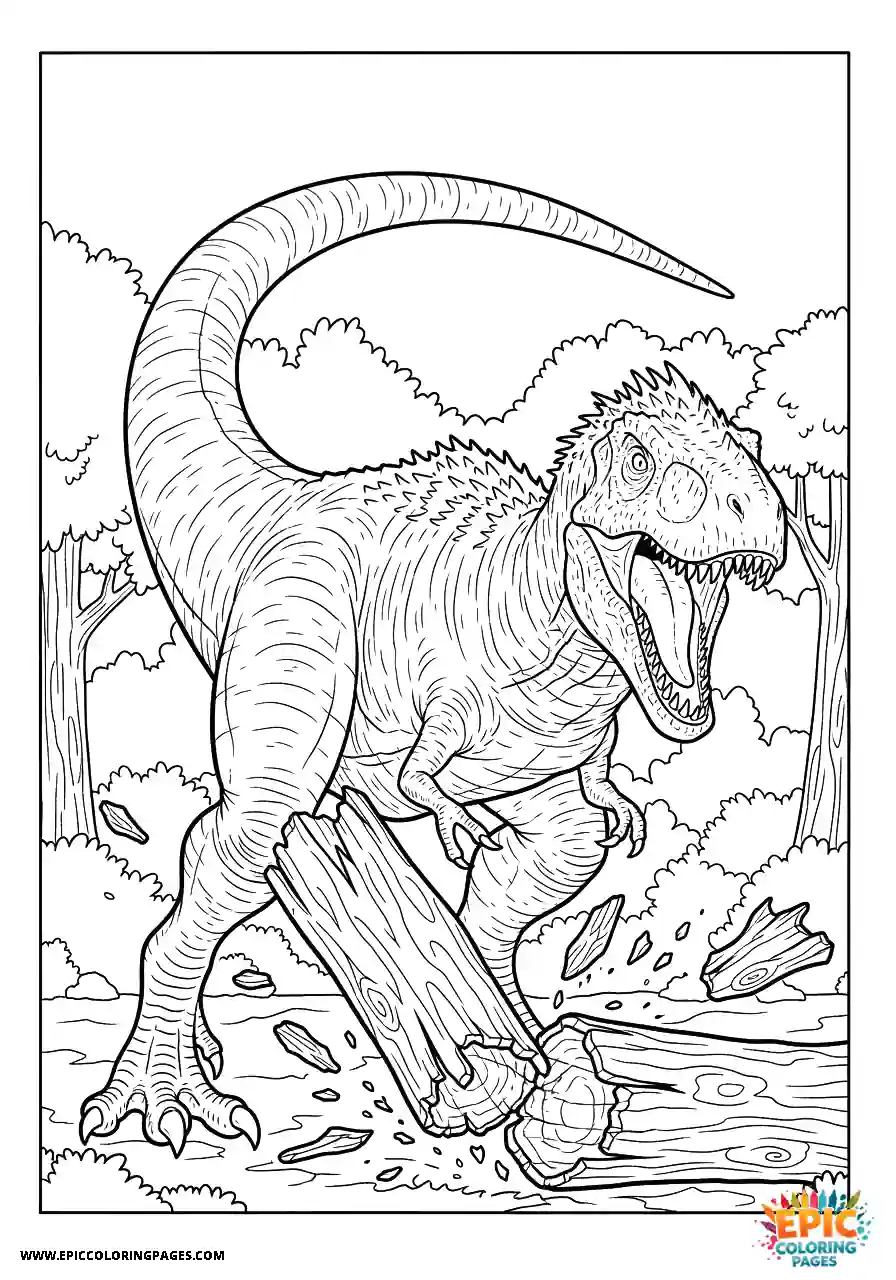
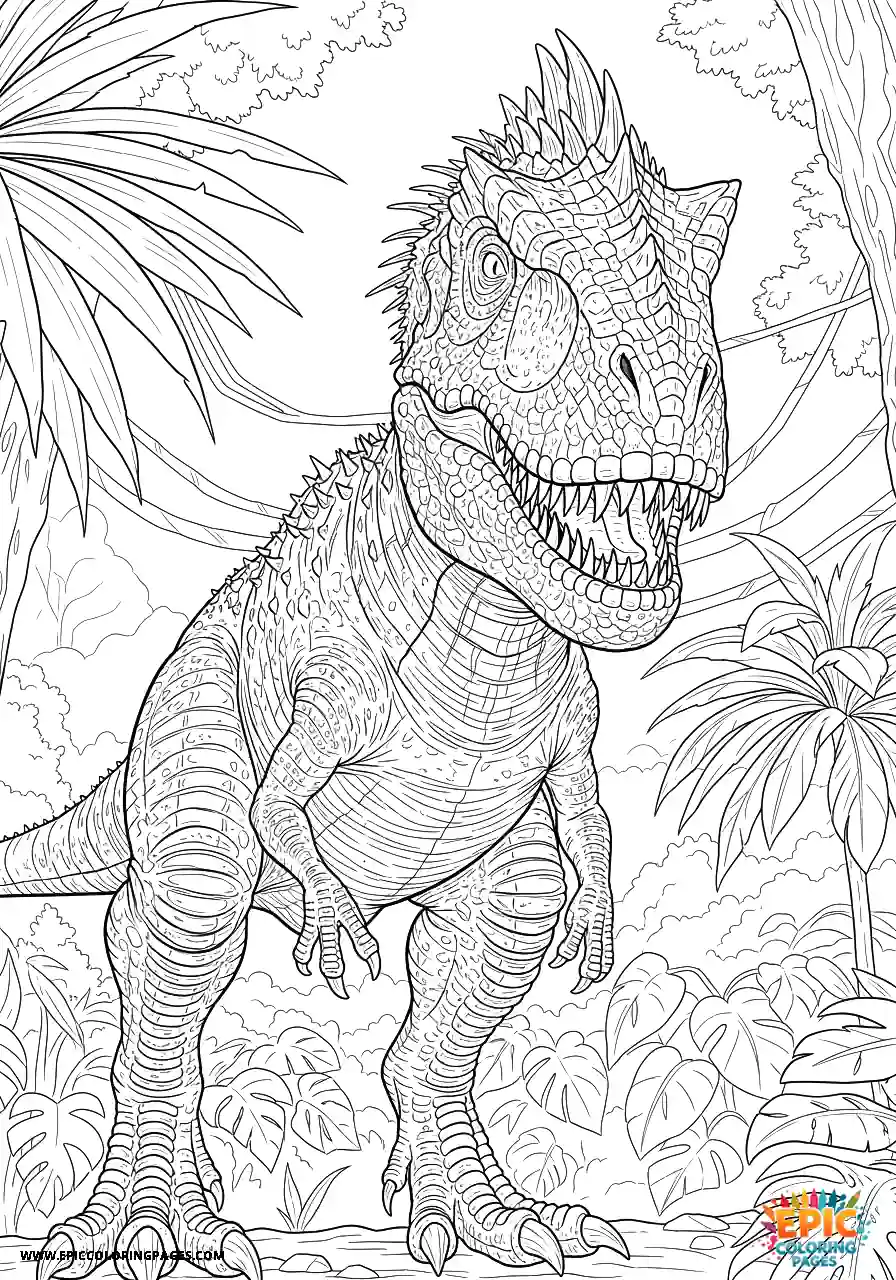
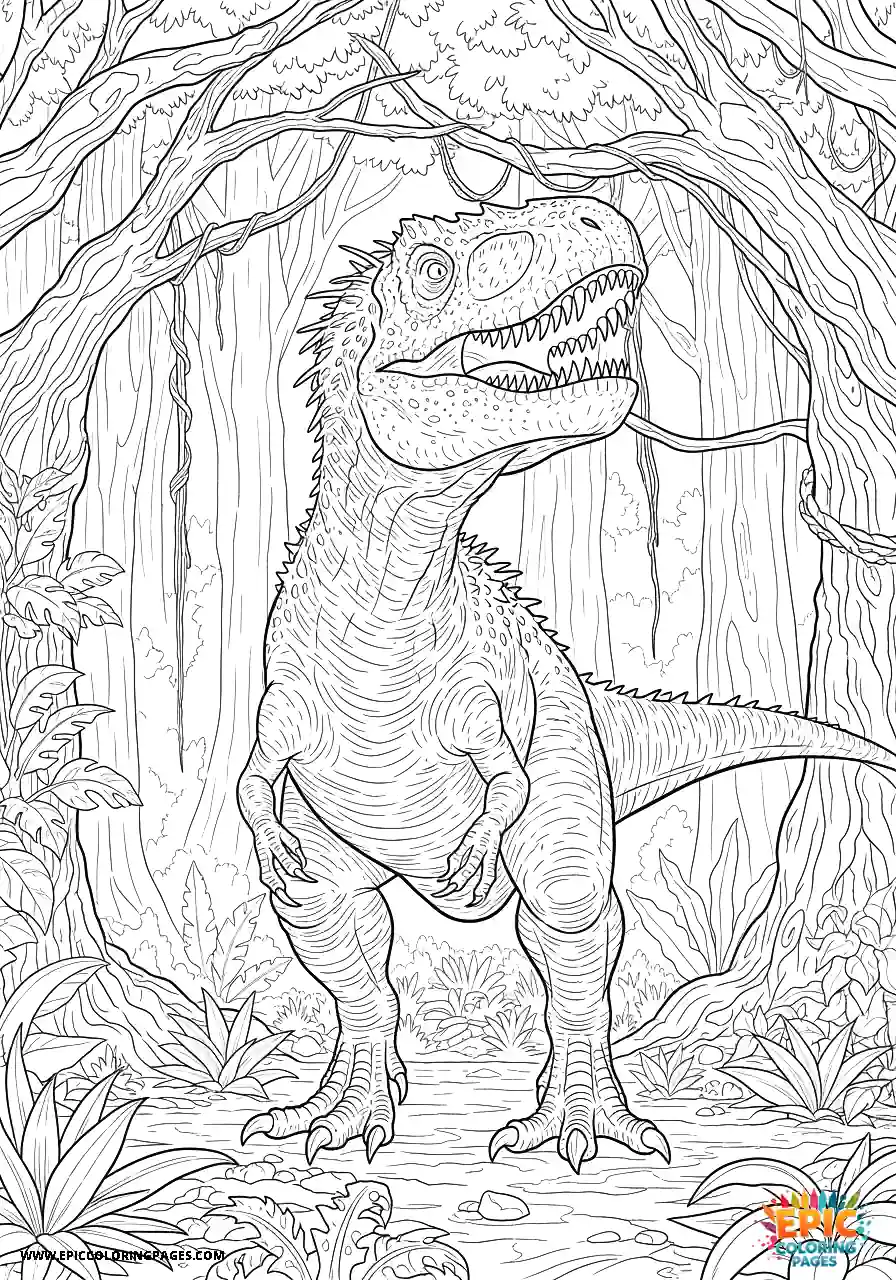
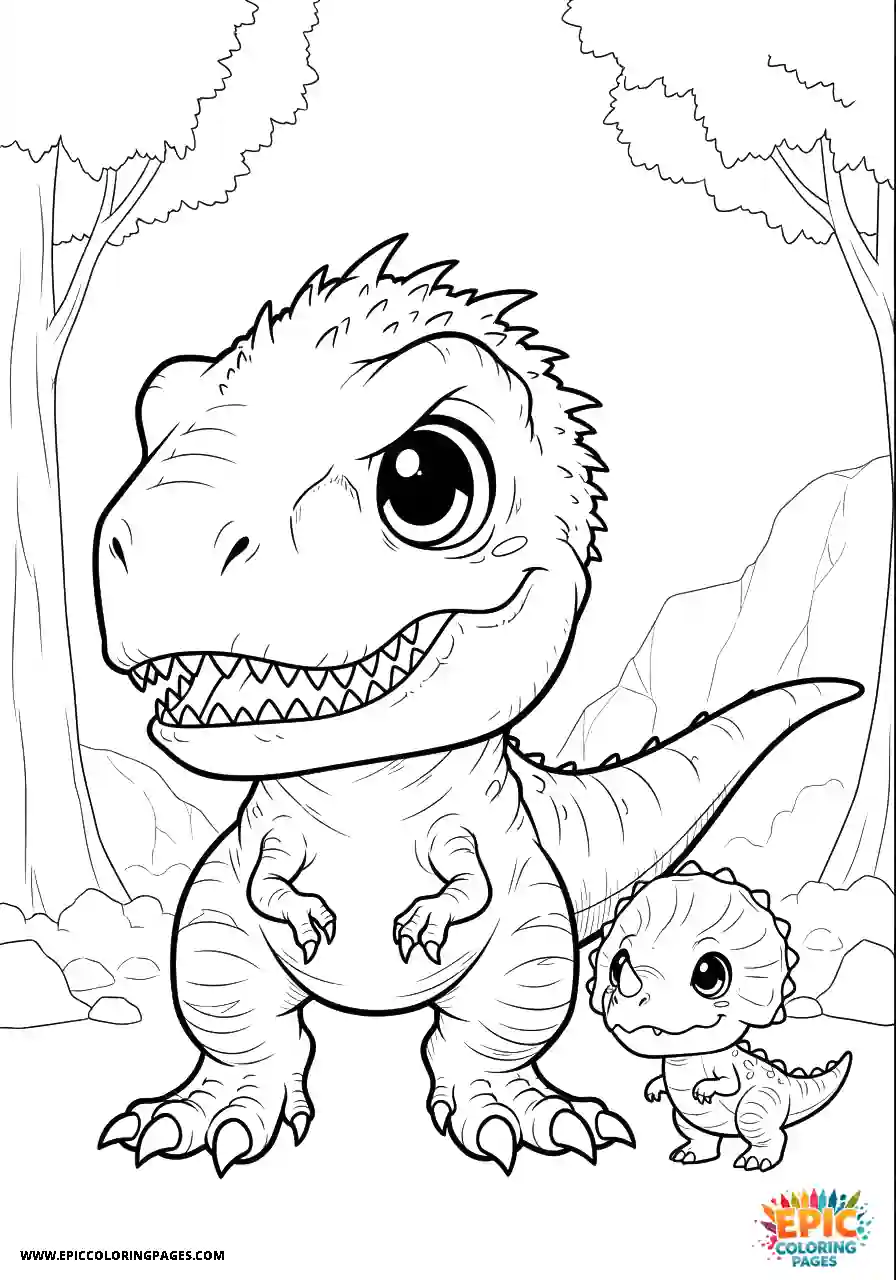
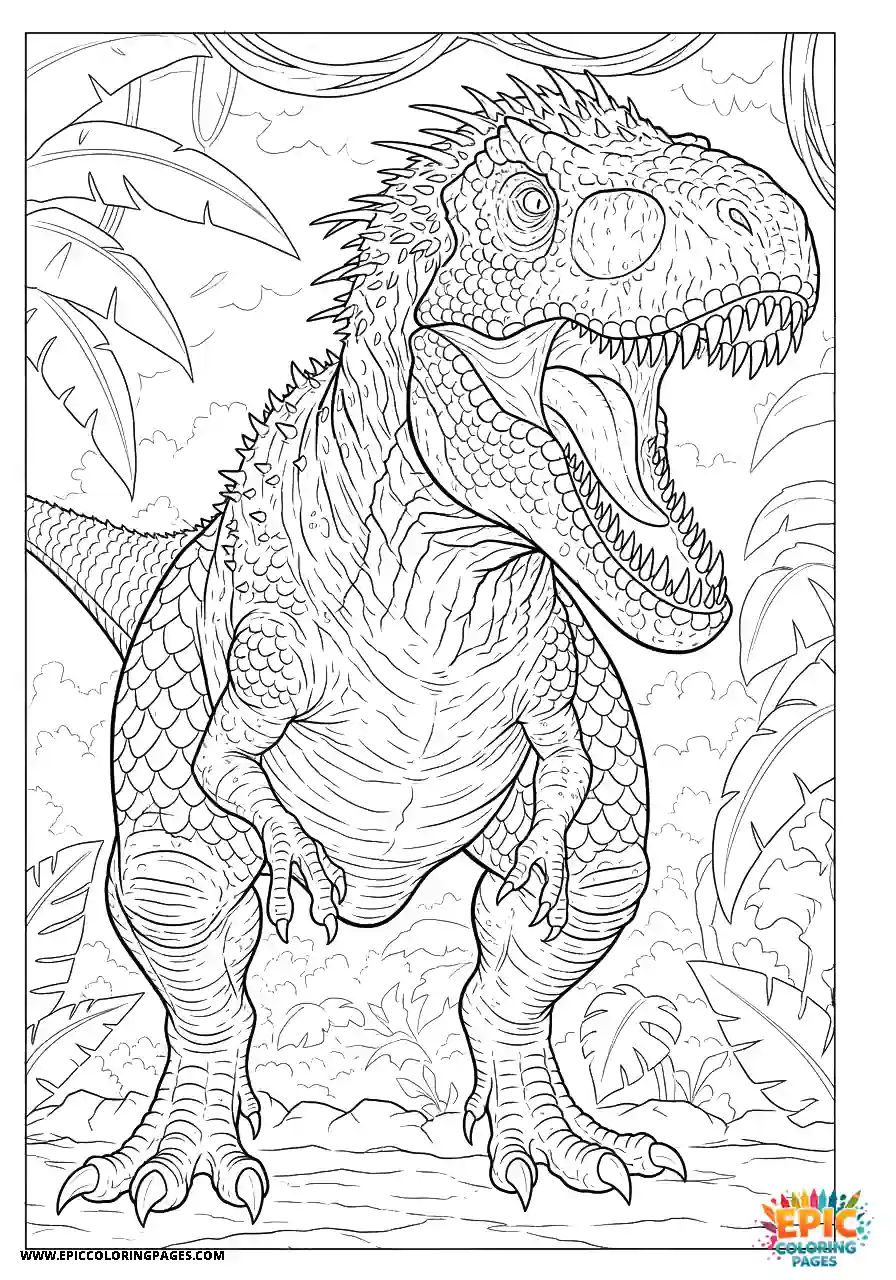
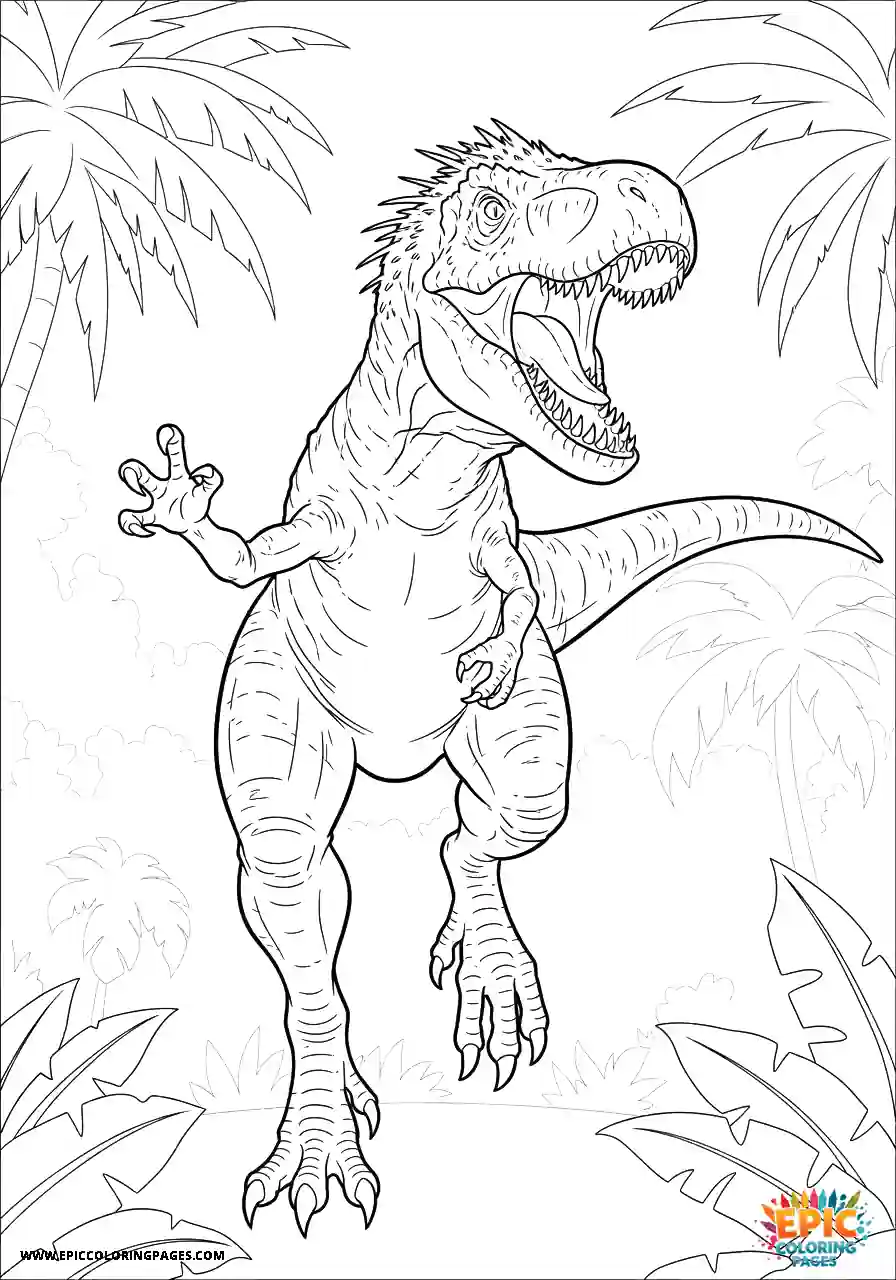
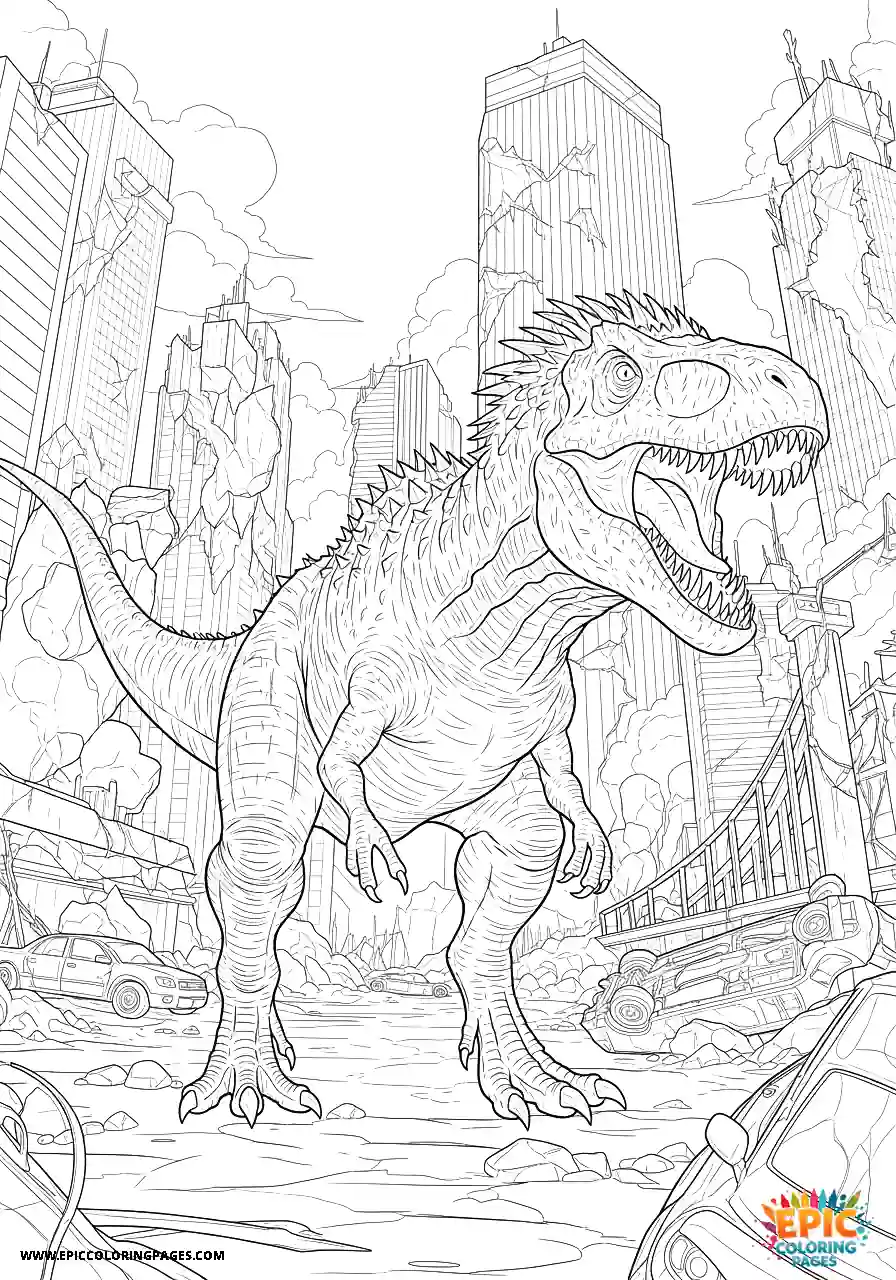
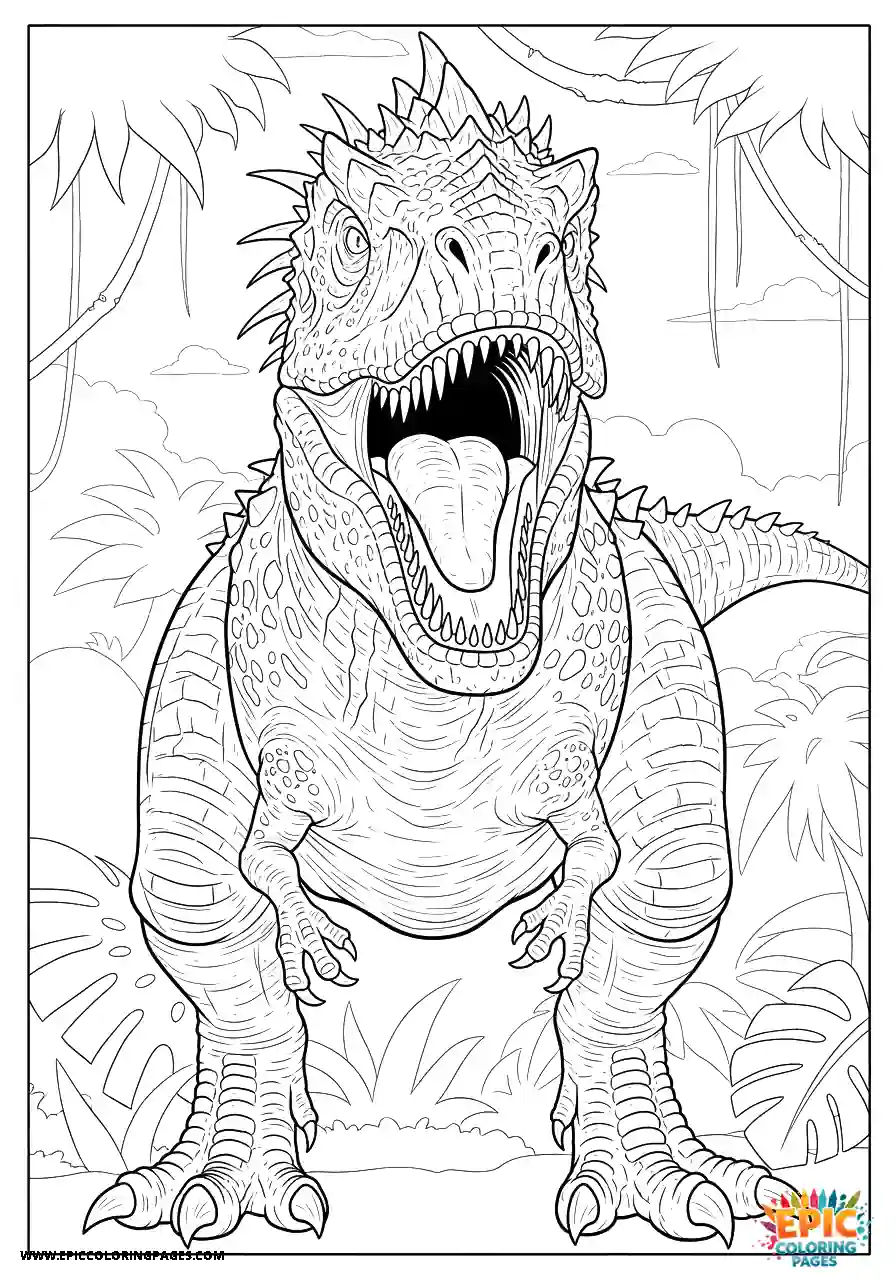
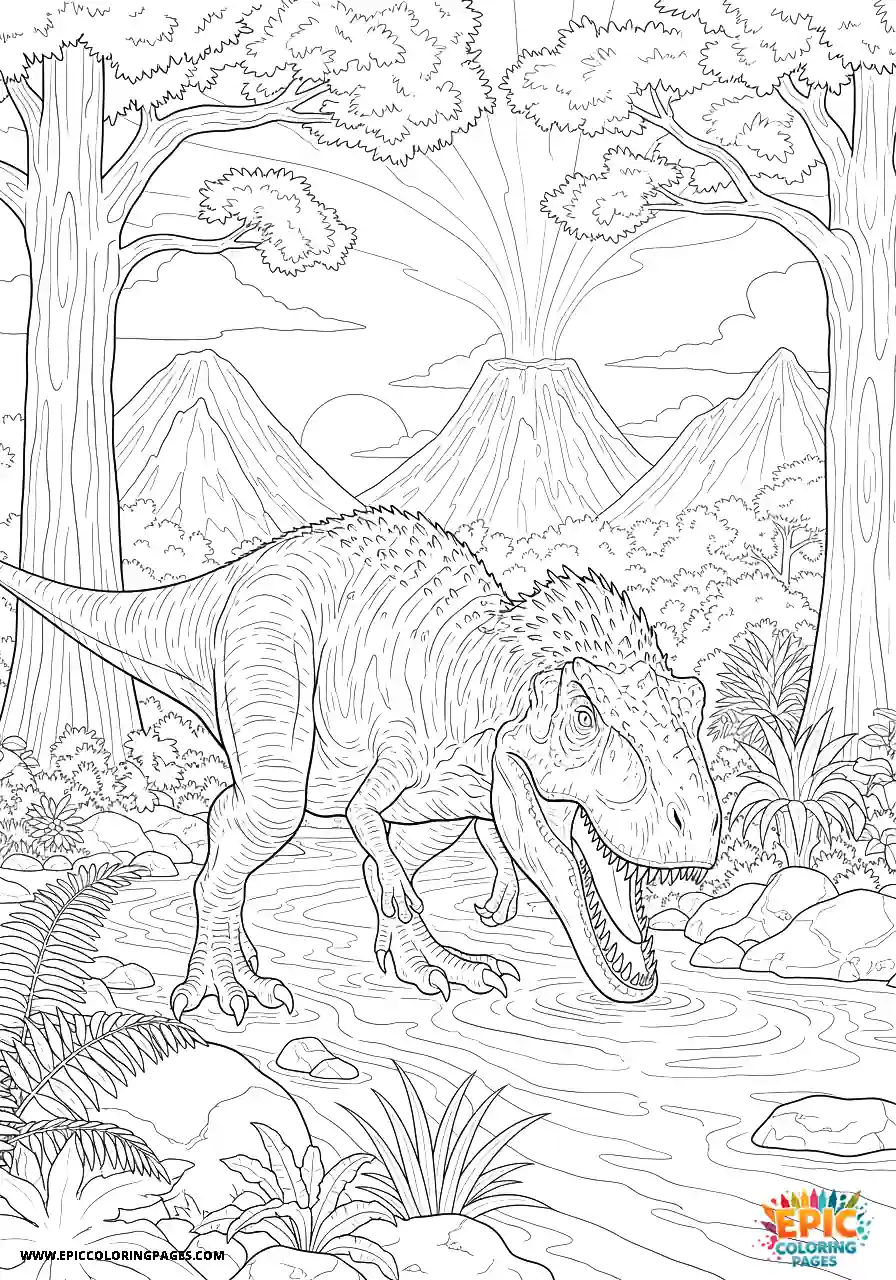
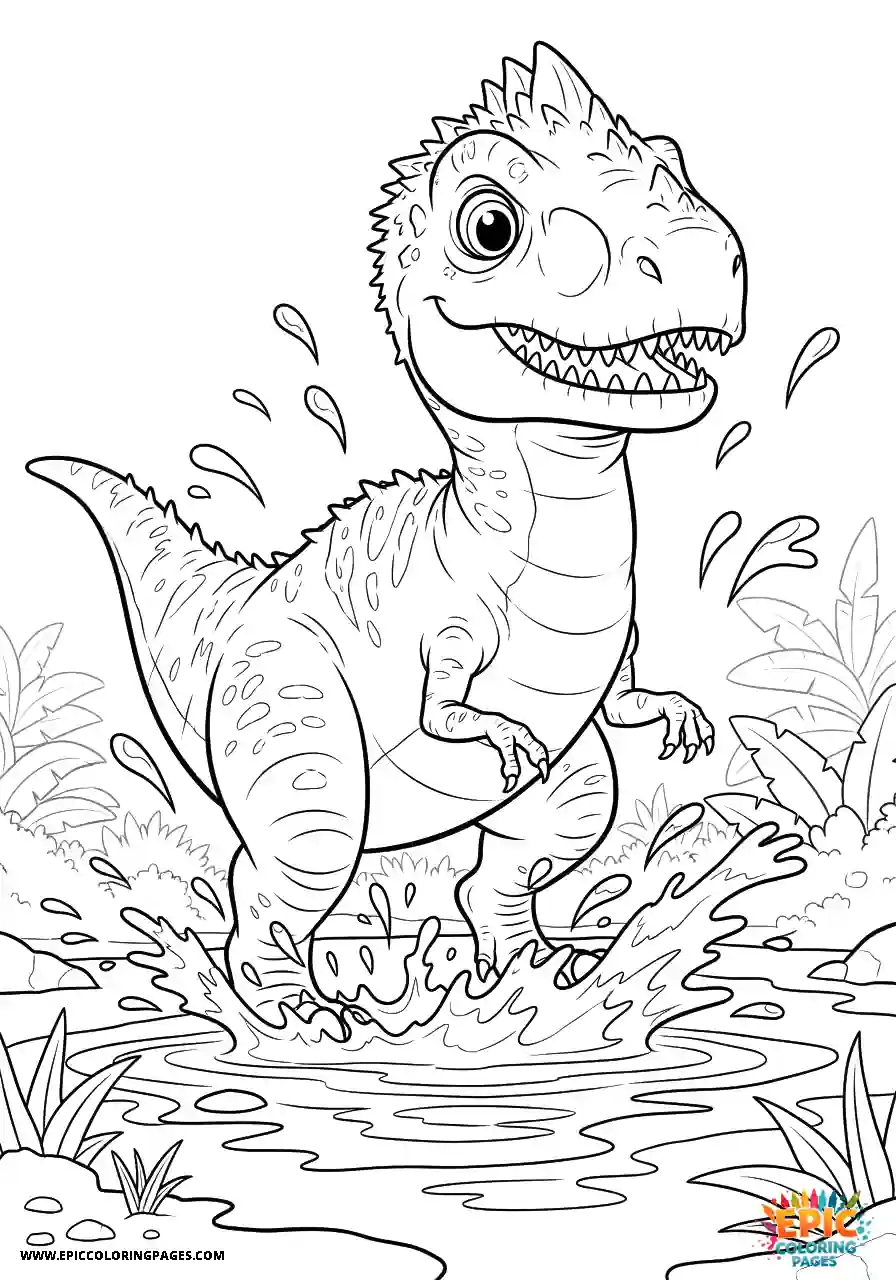
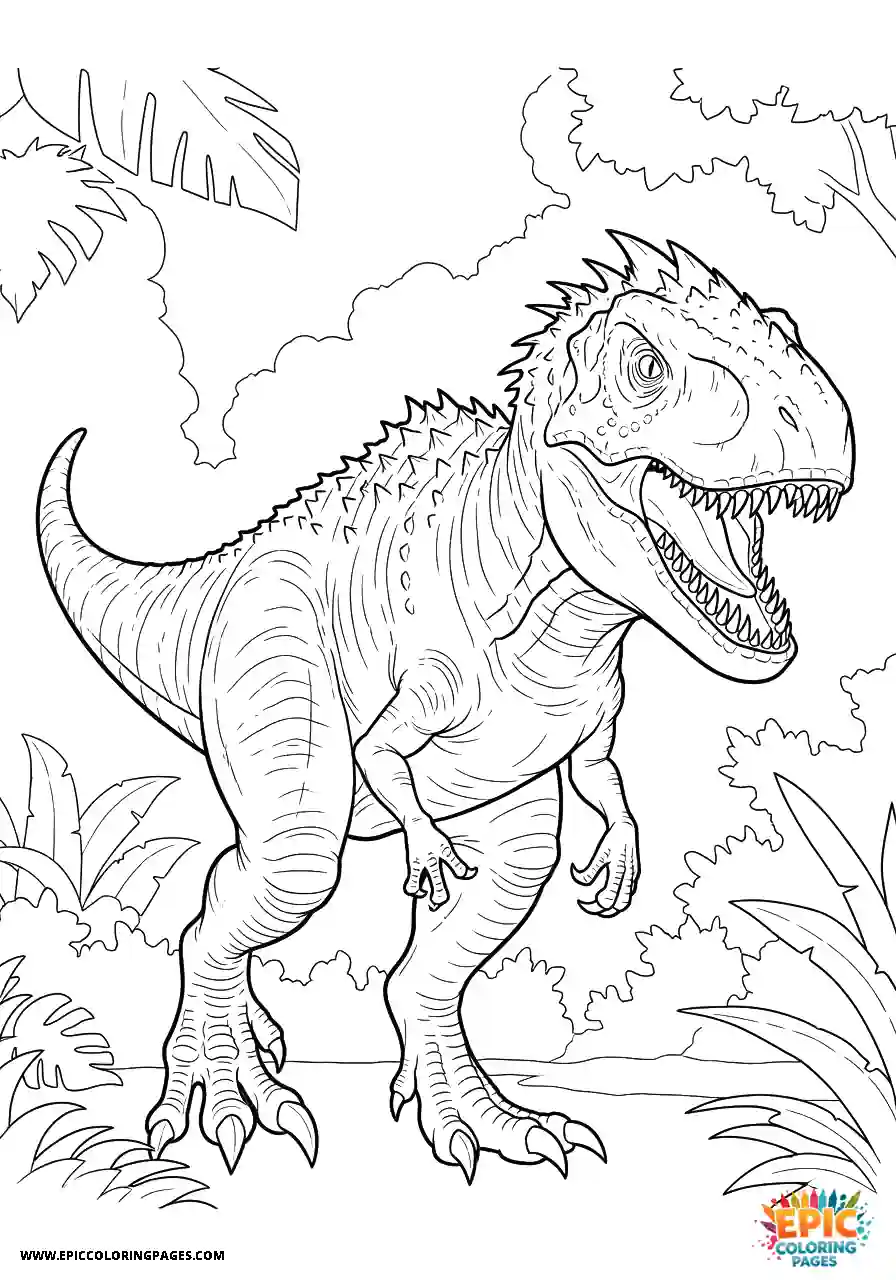
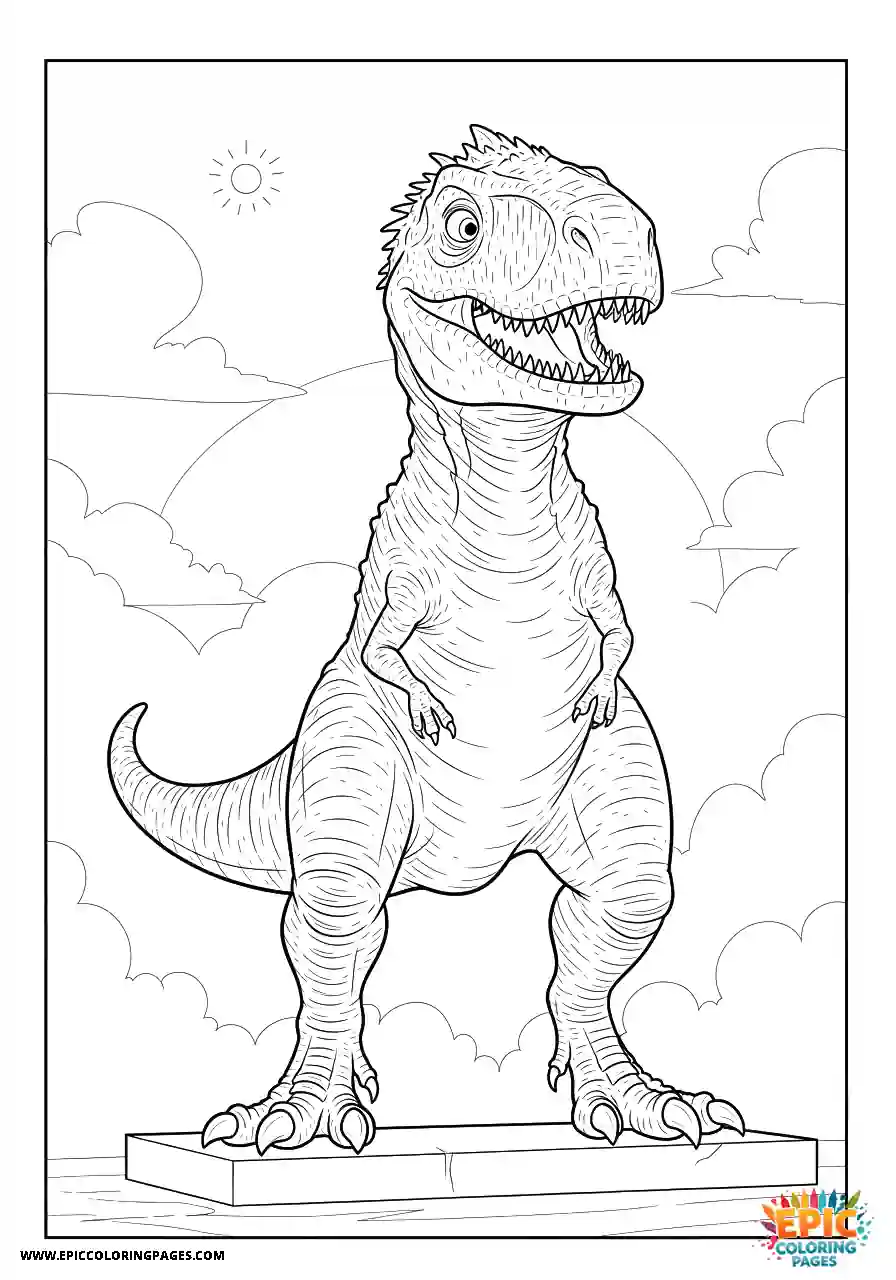
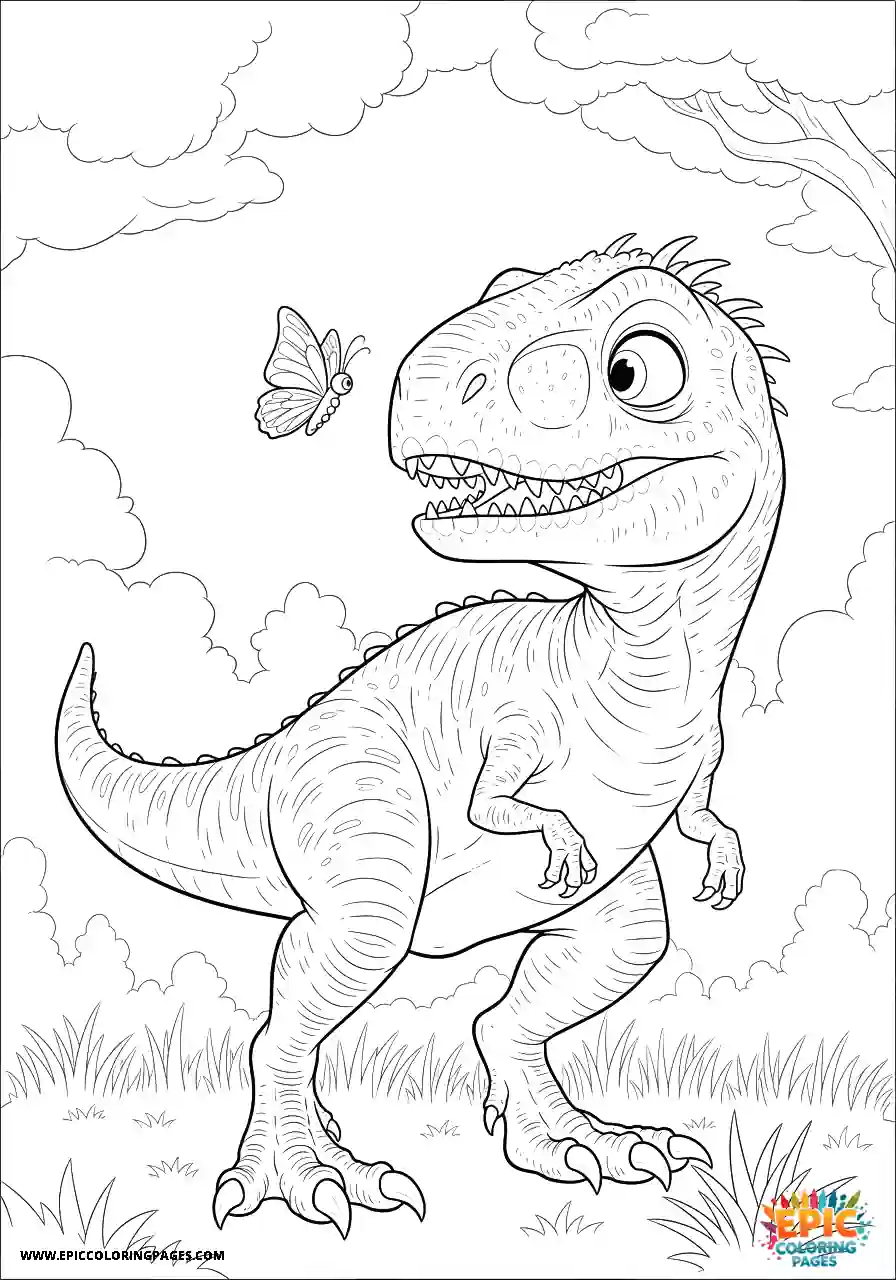
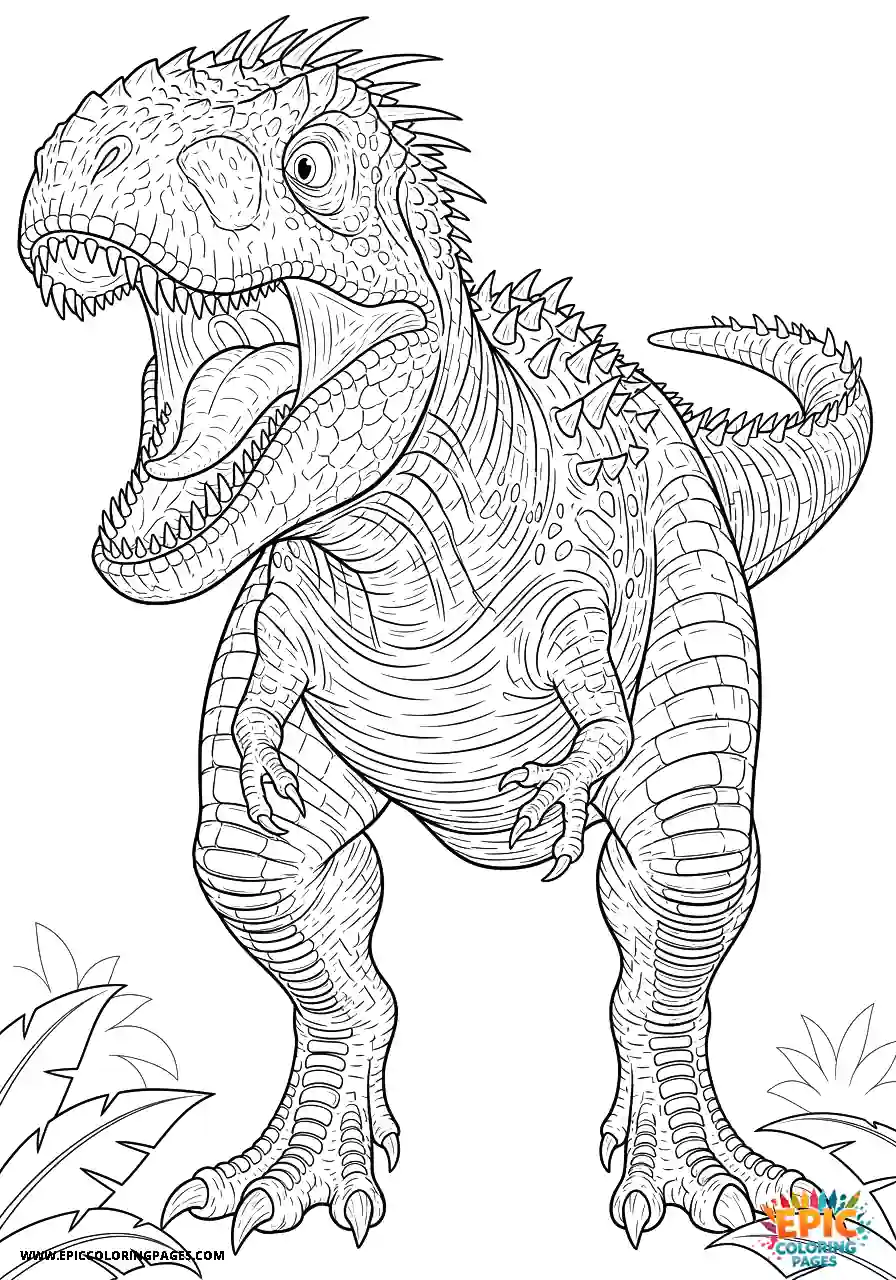
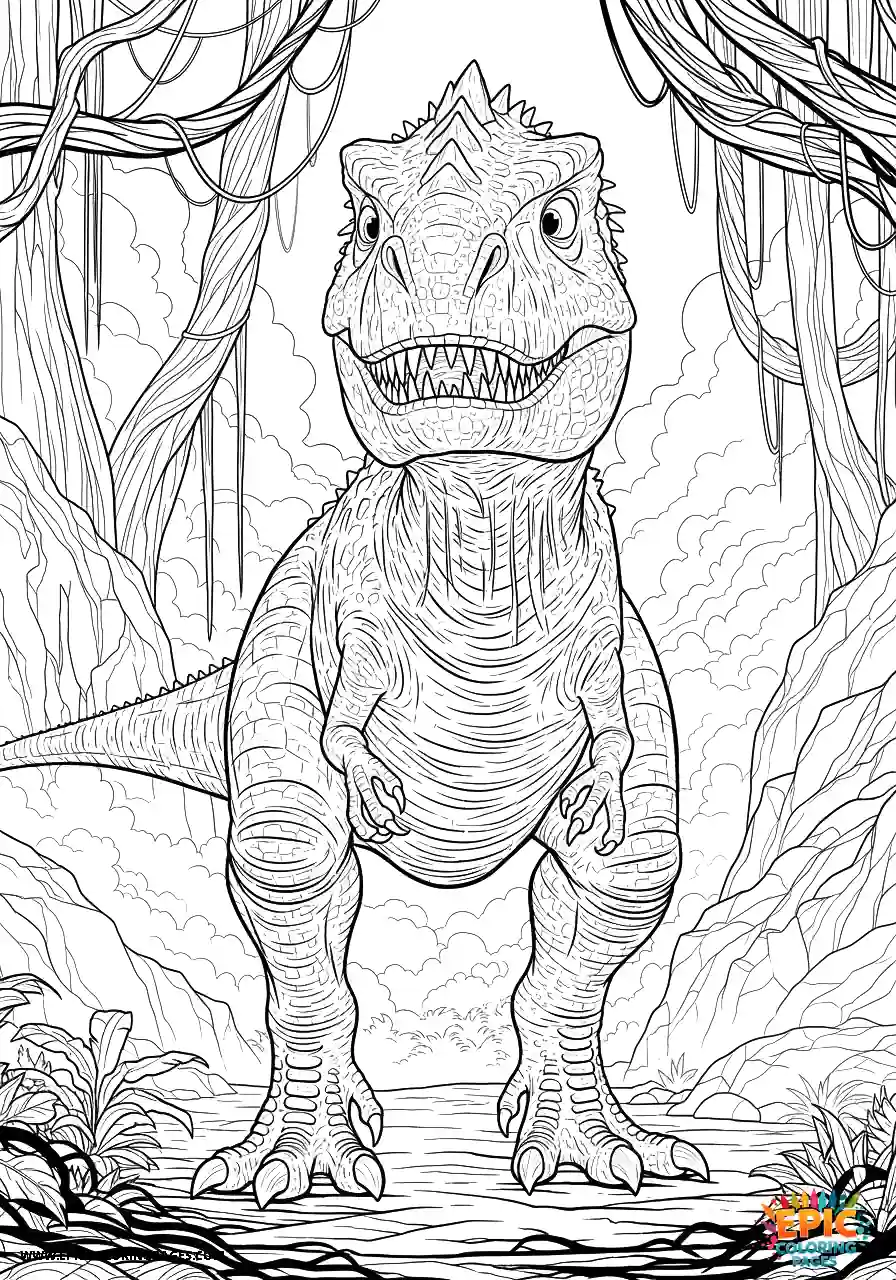
If you choose to add environmental elements, keep them secondary. Lighter, less saturated colors in the background push attention toward your dinosaur. Avoid using your brightest or darkest values outside the main subject. Simple suggestions of jungle foliage maybe some large leaves or tree trunks rendered in muted greens and browns provide context without competition.
Material-Specific Techniques
Colored pencils allow the most control and forgiveness. Blend colors by layering complementary shades or using a colorless blender pencil. Burnishing applying heavy pressure with a light pencil over your colors creates smooth, polished areas perfect for highlighting teeth or claws.
Markers demand more confidence since they’re less forgiving. Test colors on scrap paper first. Use the bullet tip for details and the brush tip for broader areas. Allow each layer to dry completely before adding another to prevent muddying. Alcohol-based markers blend more readily than water-based ones.
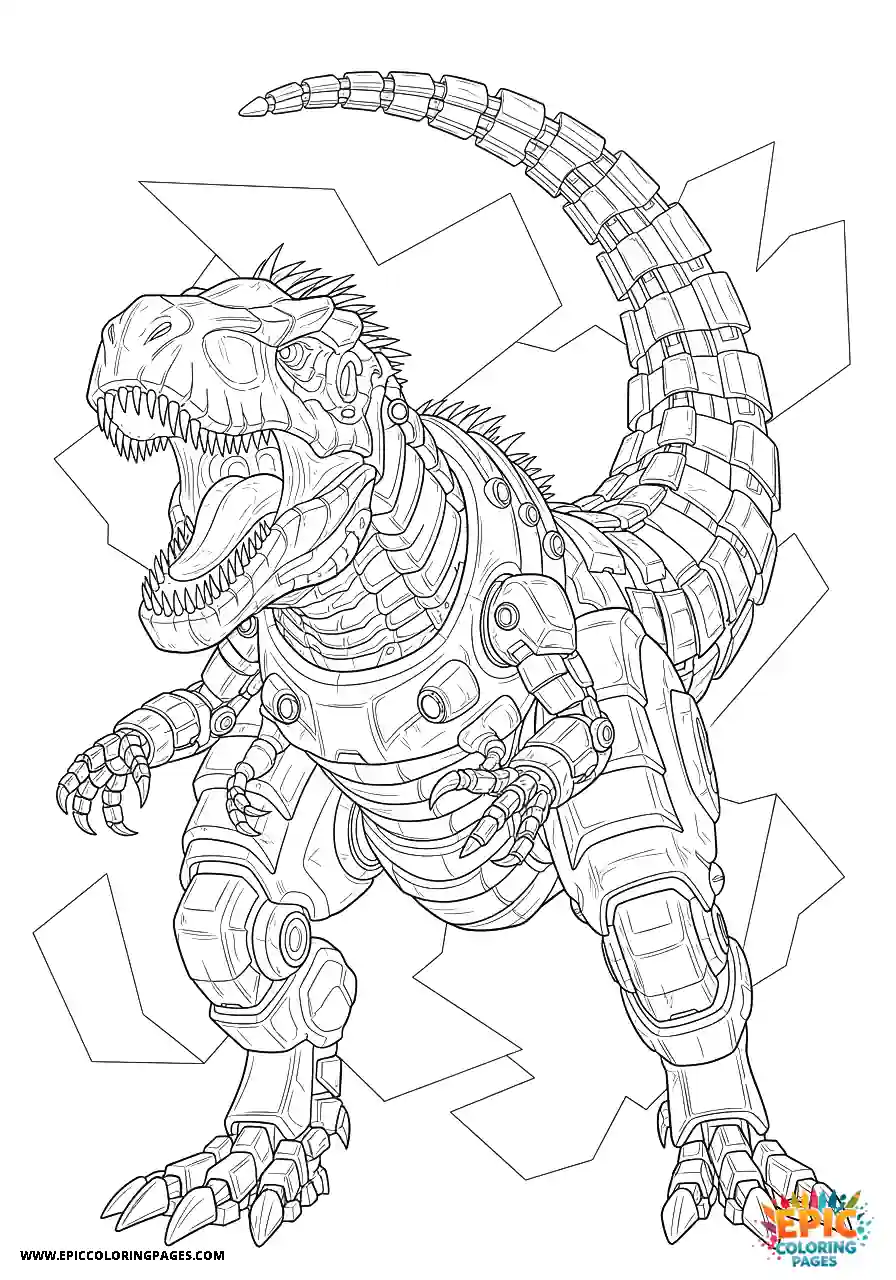
Gel pens and paint pens work wonderfully for final details. White gel pens add highlights to eyes, teeth, and scales after your main coloring is complete. Metallic pens can create interesting effects on claws or suggest bioluminescent features if you want to take creative liberties.
Common Challenges and Solutions
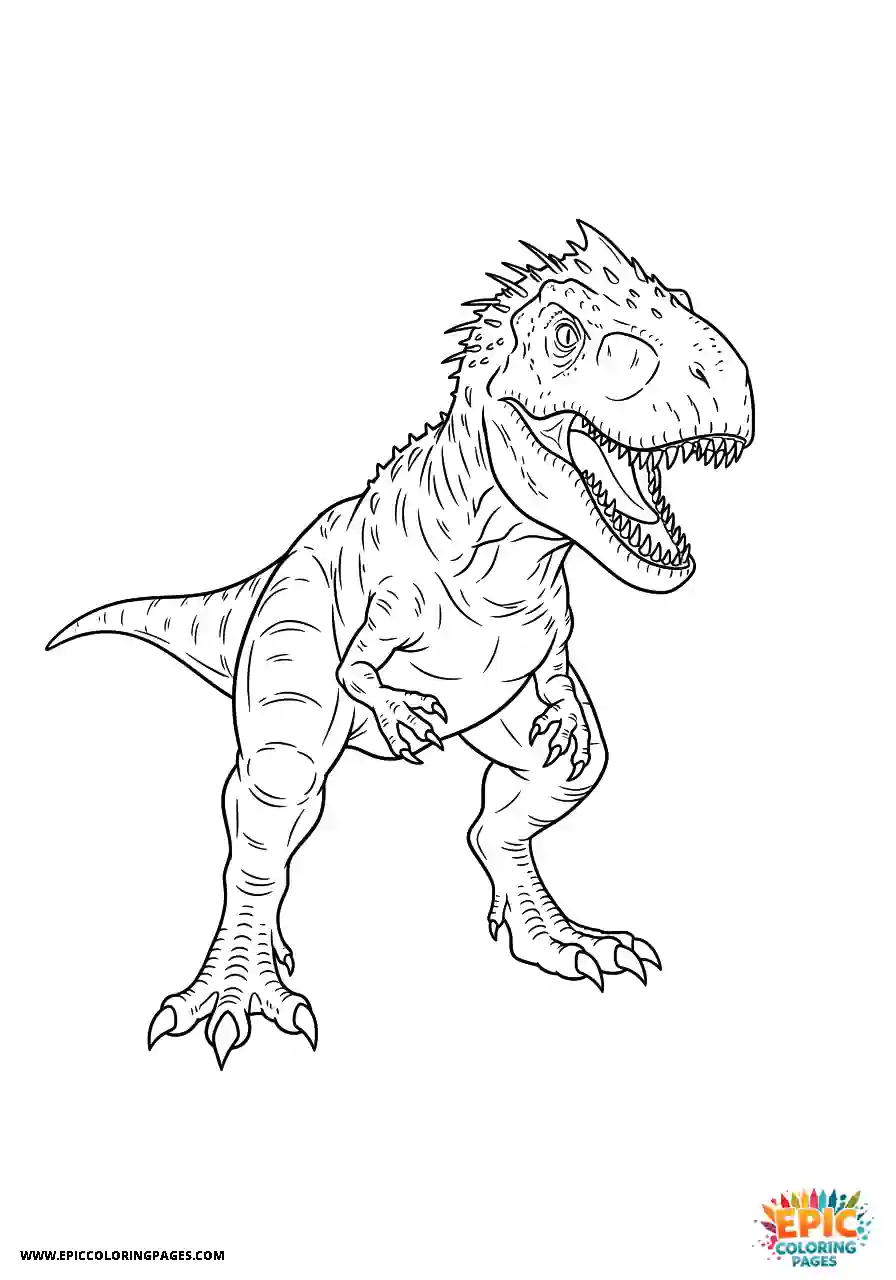
Many people struggle with making large areas interesting. The Indominus Rex’s body presents considerable space that can look flat if you apply color uniformly. Break these areas into subtle zones of value. Even slight variations slightly darker along the spine, lighter on the flanks create visual interest.
Teeth and claws often end up looking like flat white shapes. Give them dimension by leaving one edge very light while shading the opposite edge with gray or blue-gray. Add tiny shadows where teeth emerge from gums. These small touches make the difference between a cartoon and a creature that feels tangible.
If colors look muddy, you’ve likely blended too many different hues together. Stick to colors that are adjacent on the color wheel, or use a limited palette of three to five colors total. Sometimes the most effective colorings use restraint rather than variety.
Developing Your Style
Look at your completed pages not as finished products but as experiments that inform your next attempt. Did heavy shading on the legs make them feel more grounded? Did that unexpected purple accent work or feel out of place? Each page teaches you something.
Try the same coloring page multiple times with different approaches. One version might use realistic colors with careful shading. Another could explore a more graphic, high-contrast style with bold colors and minimal gradation. A third might focus on a monochromatic scheme using only variations of blue or red. These experiments develop your artistic voice.
Professional results come from attention to small details rather than complex techniques. A carefully placed highlight, consistent light source, and thoughtful color choices matter more than expensive materials or advanced methods. Focus on making intentional choices rather than rushing to finish.
The Indominus Rex’s fictional nature gives you permission to take risks. Use this freedom to push beyond safe choices and discover what resonates with you visually.