Doberman Coloring Pages (438+ Free Printables)
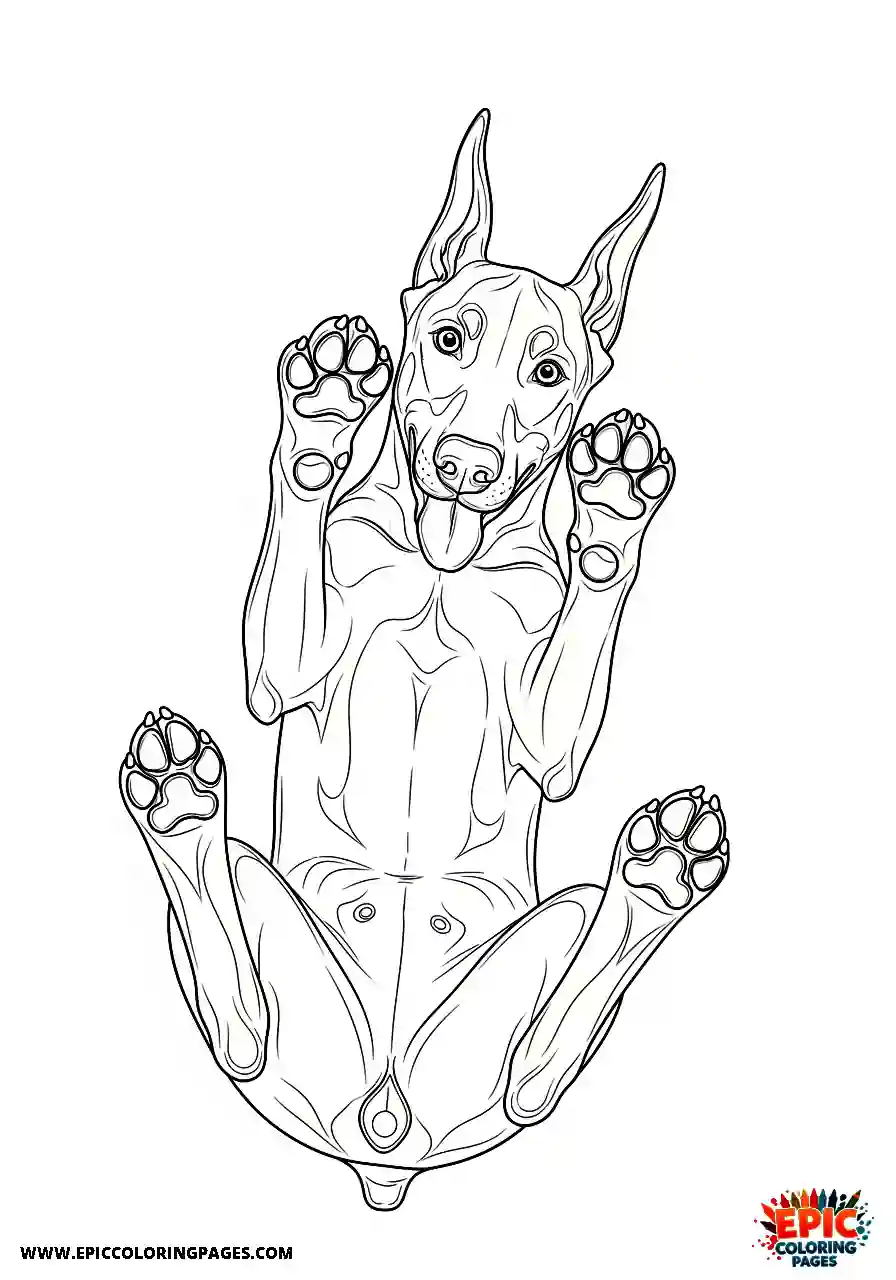
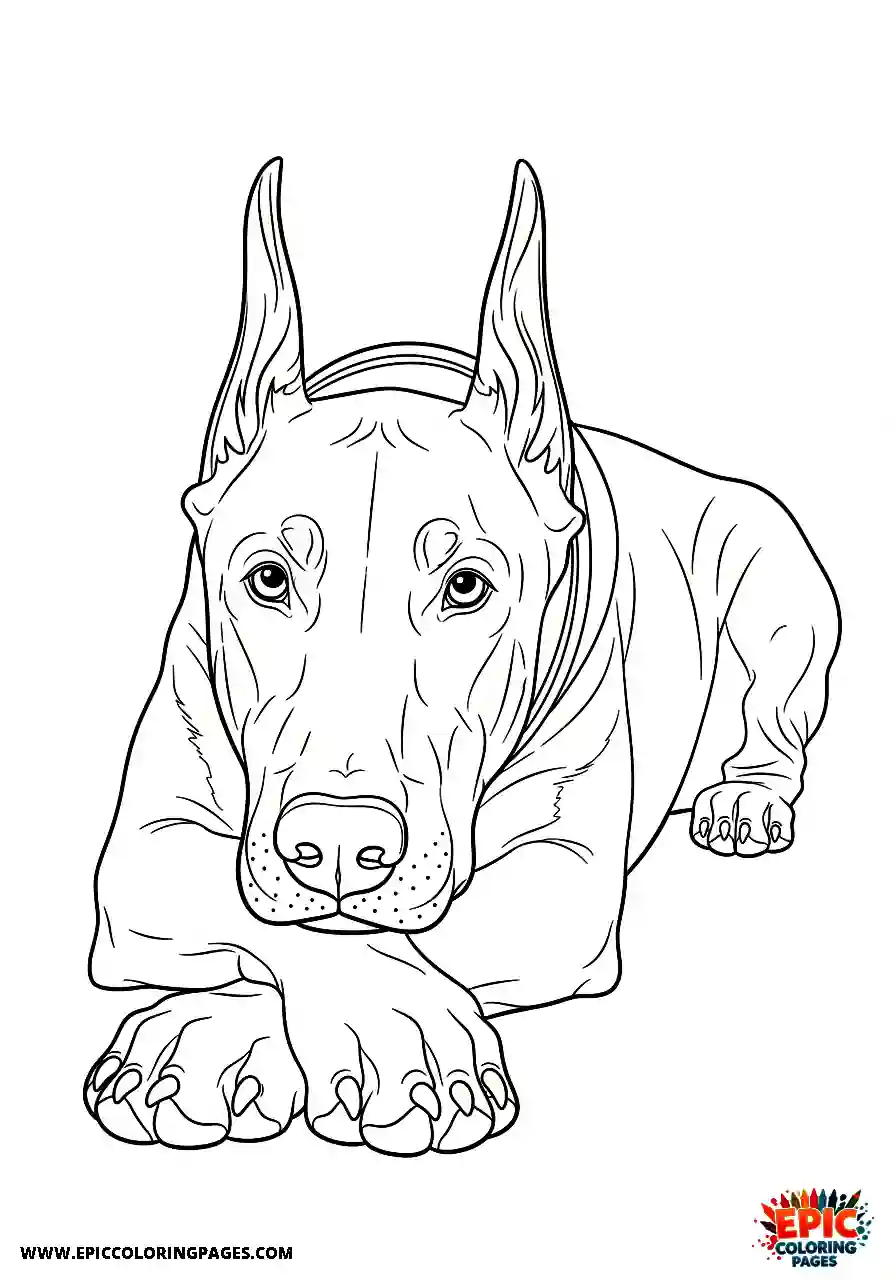
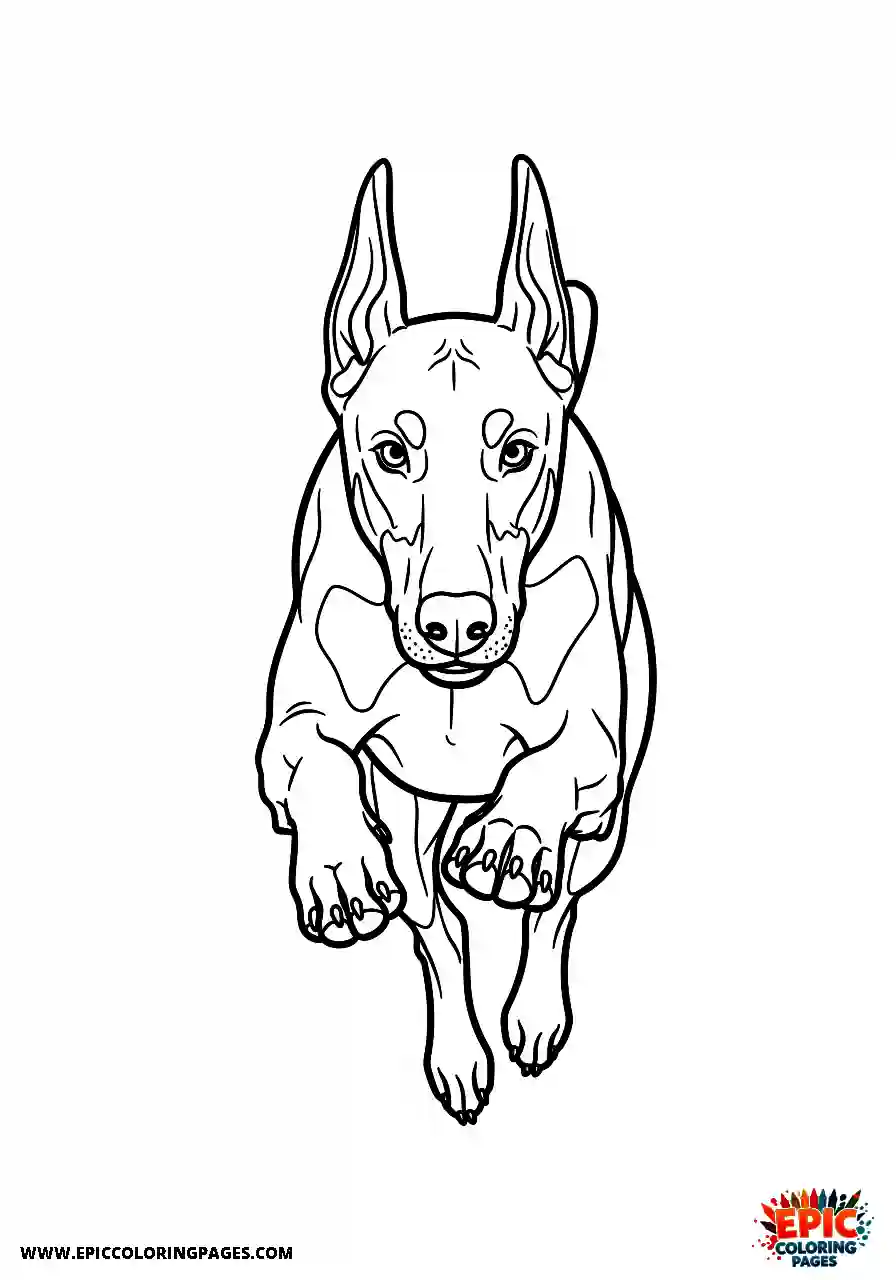
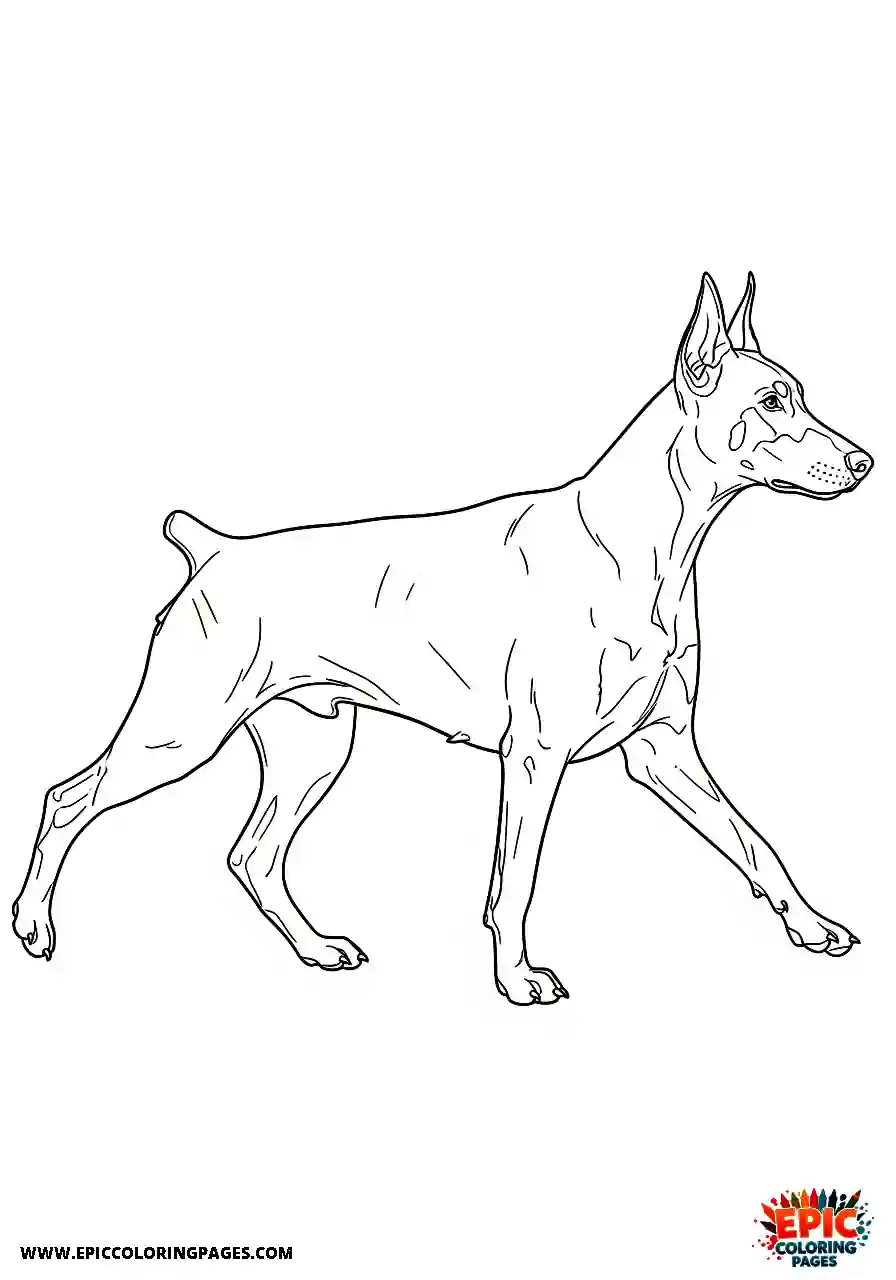
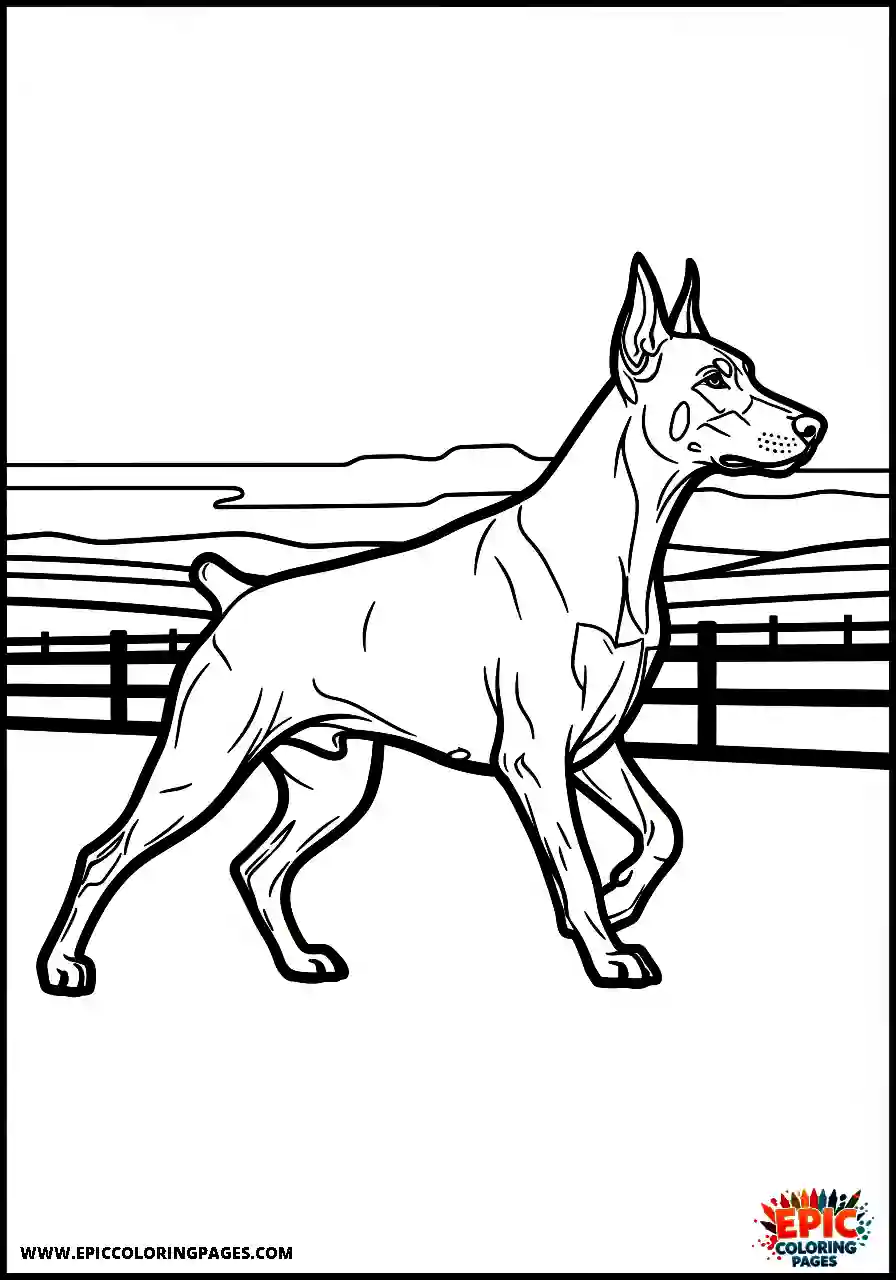
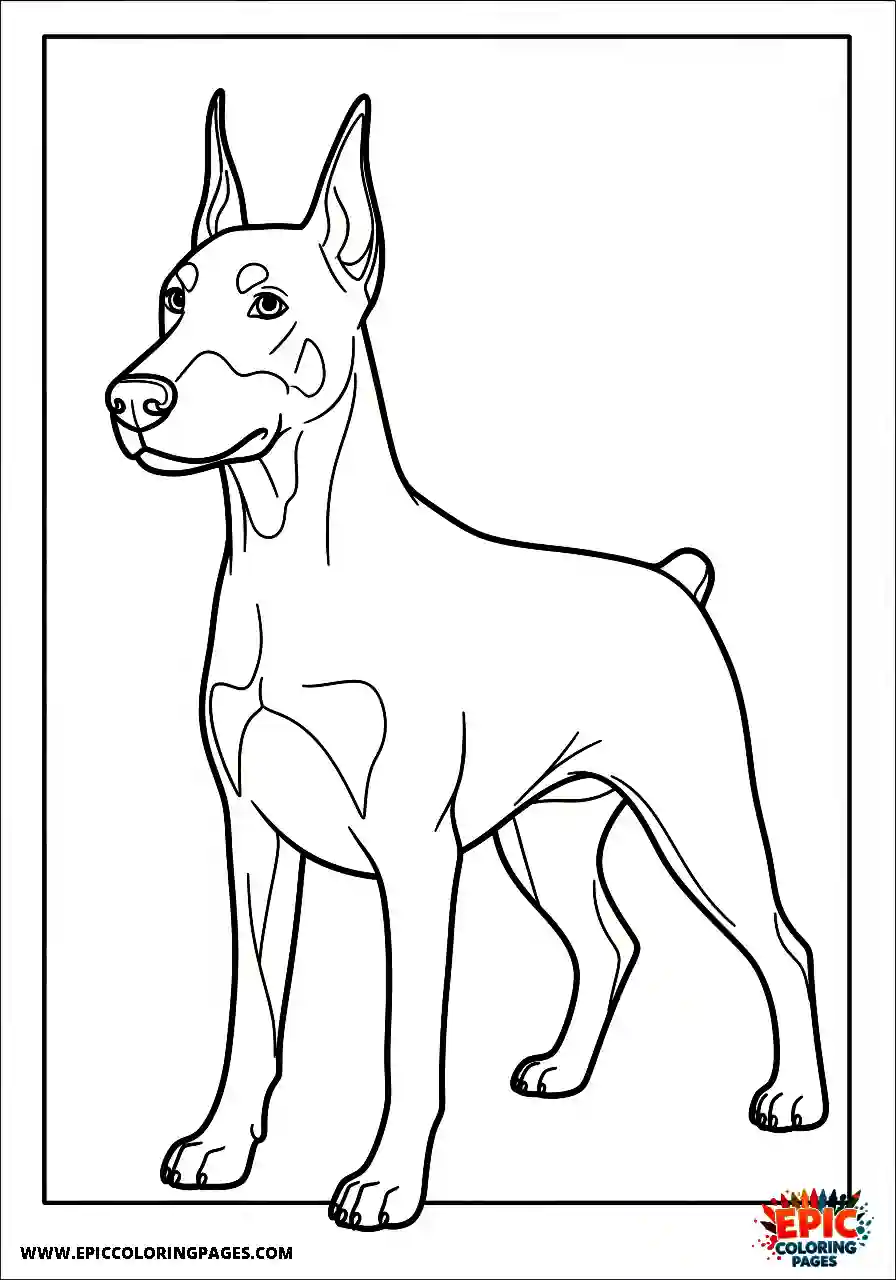
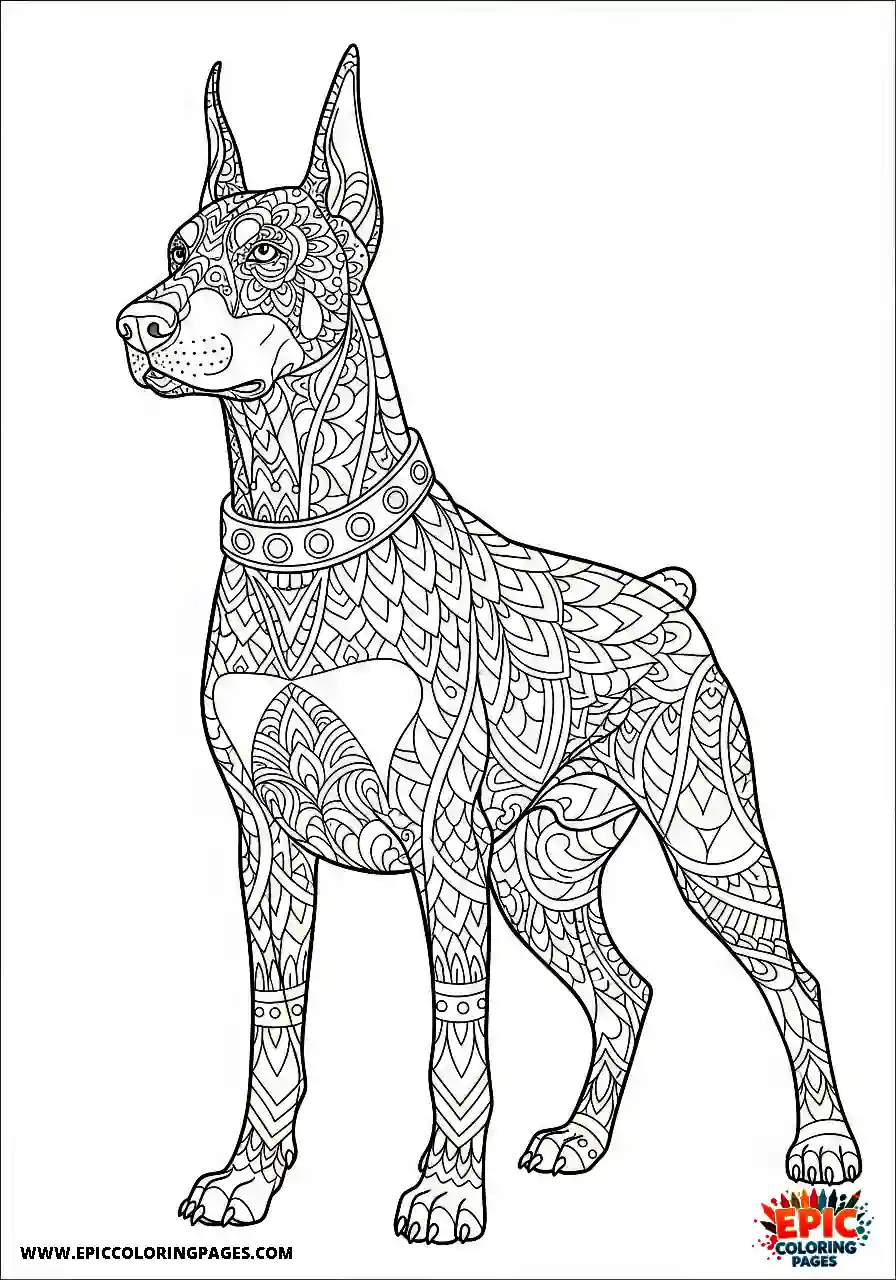
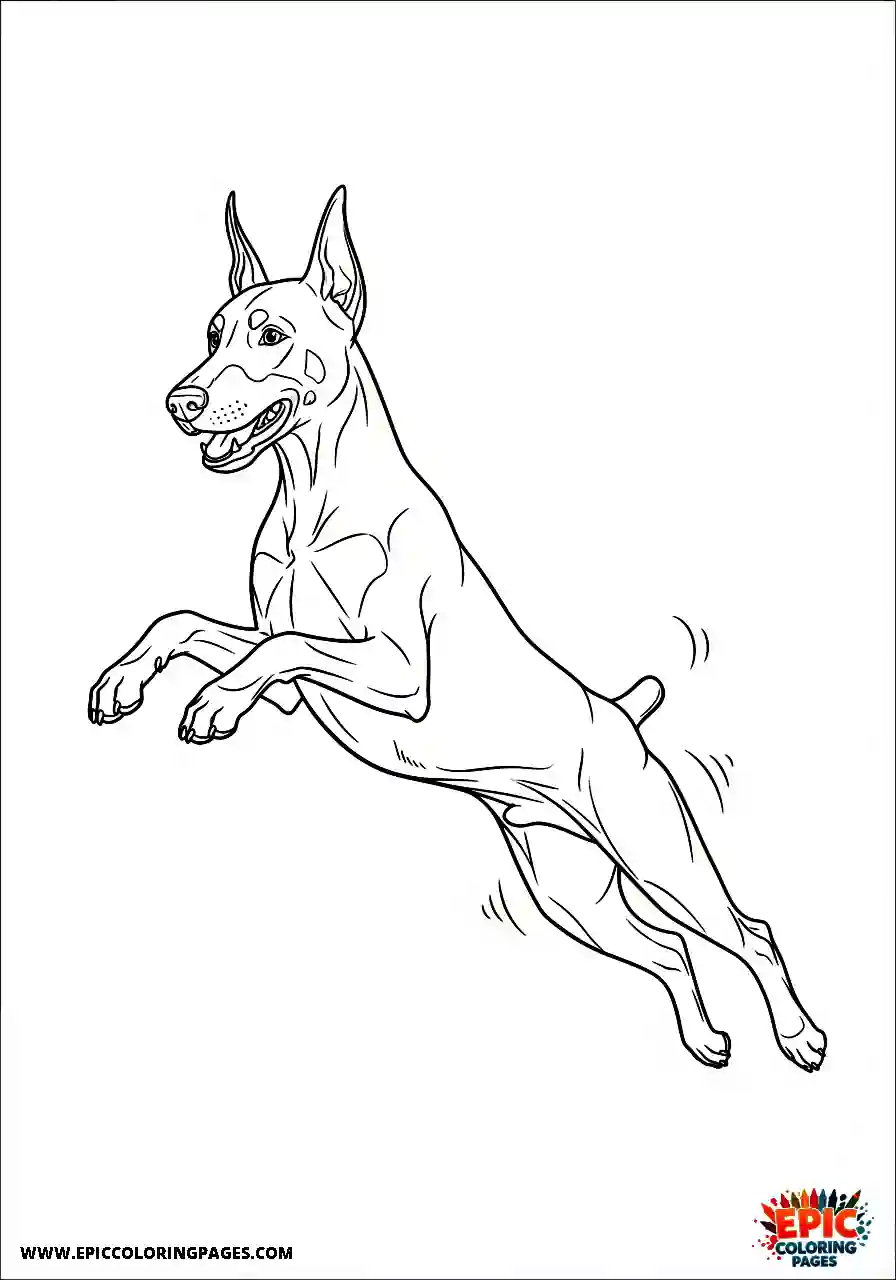
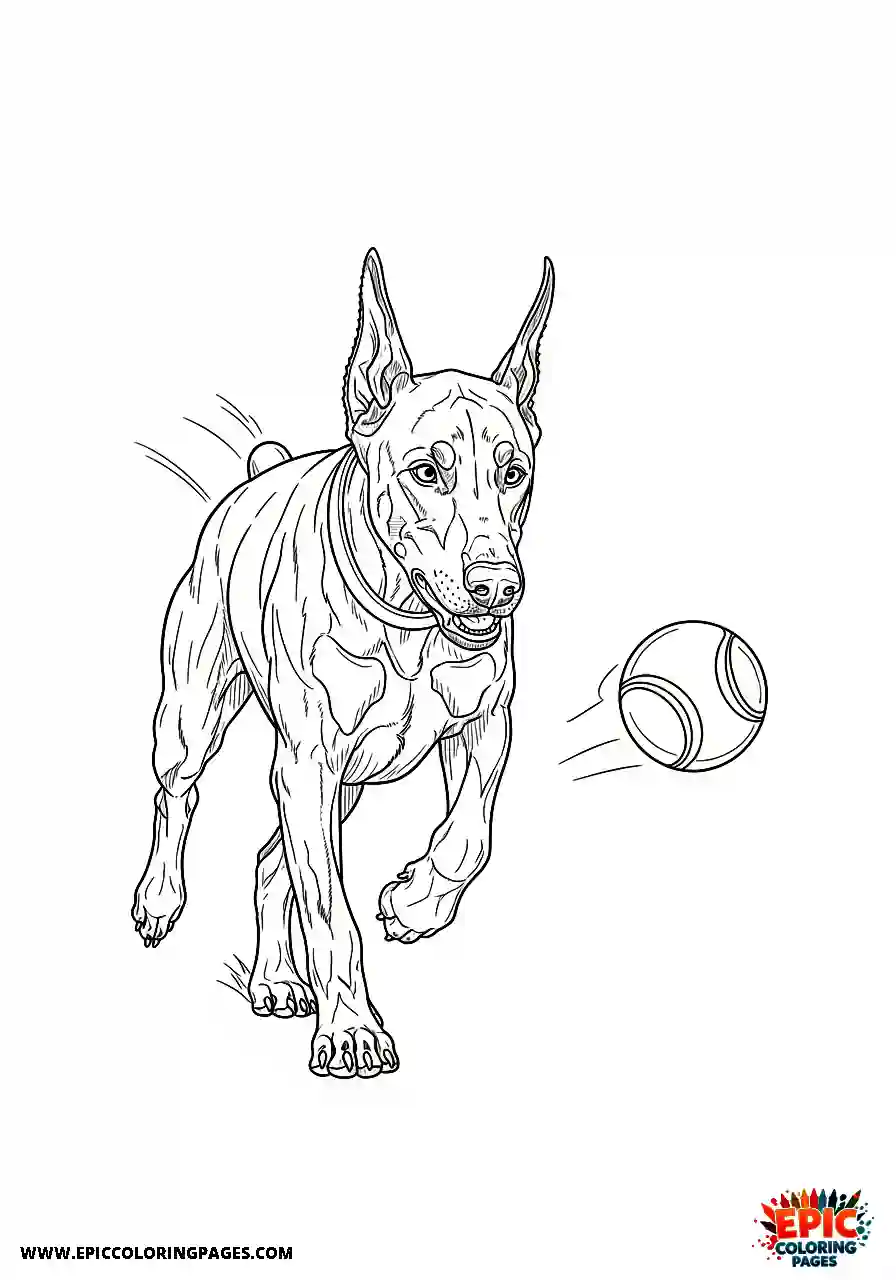
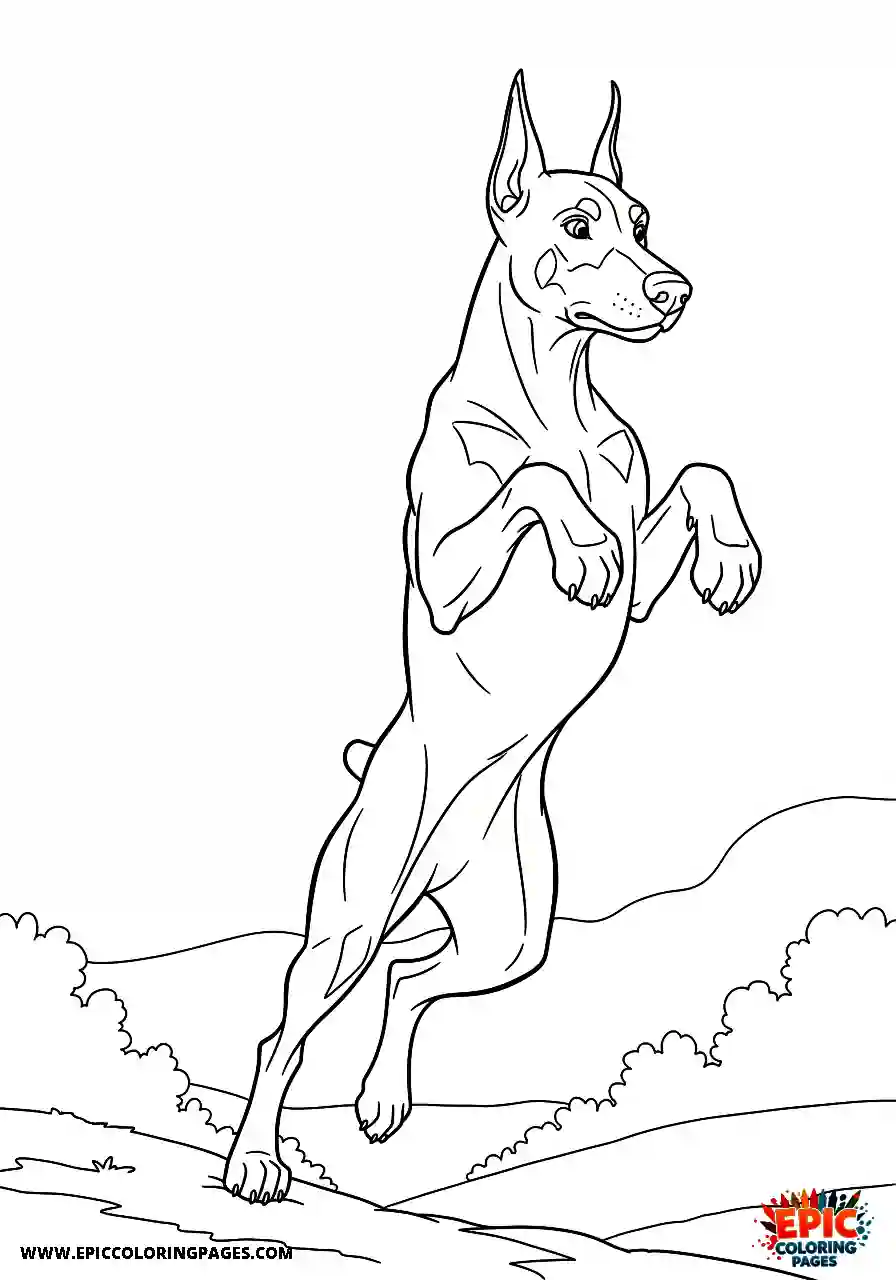
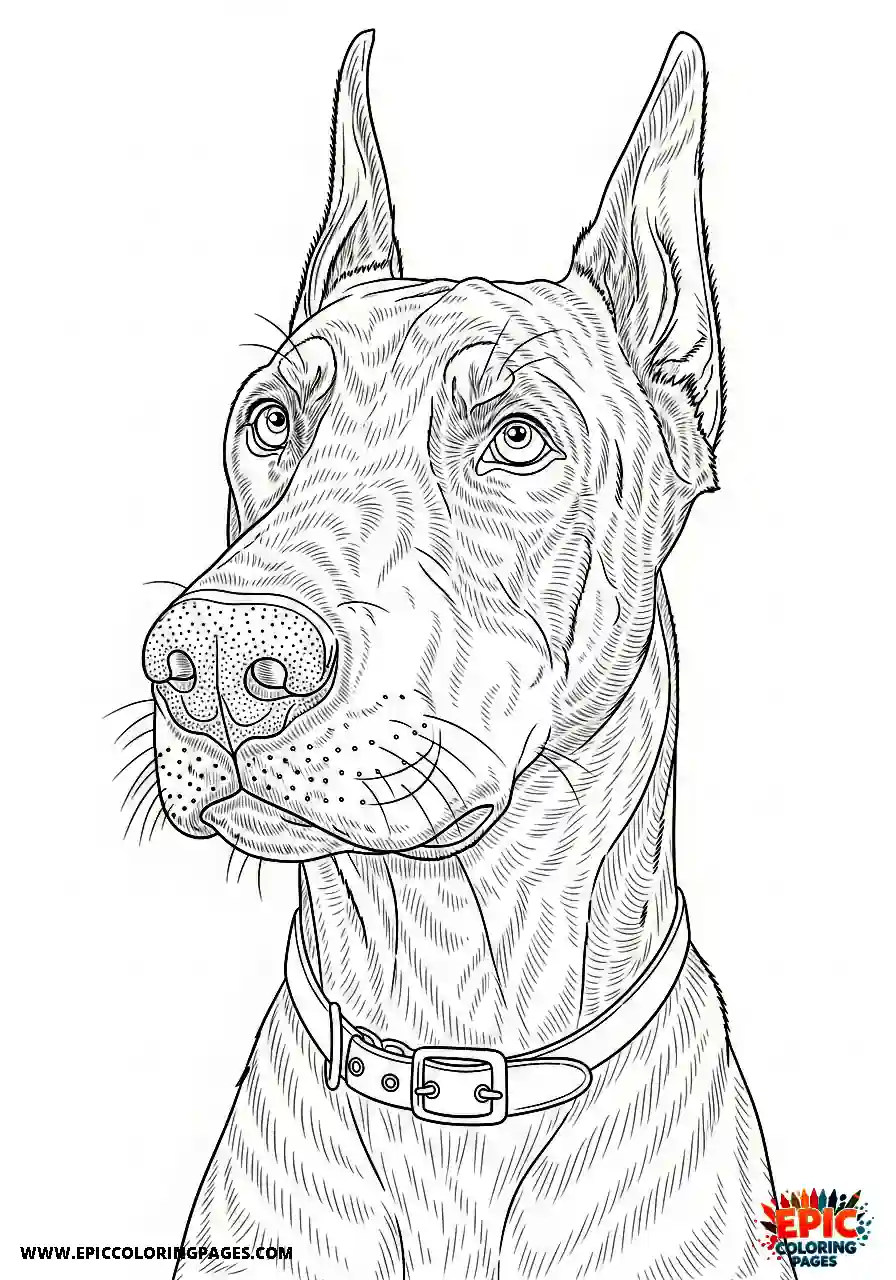
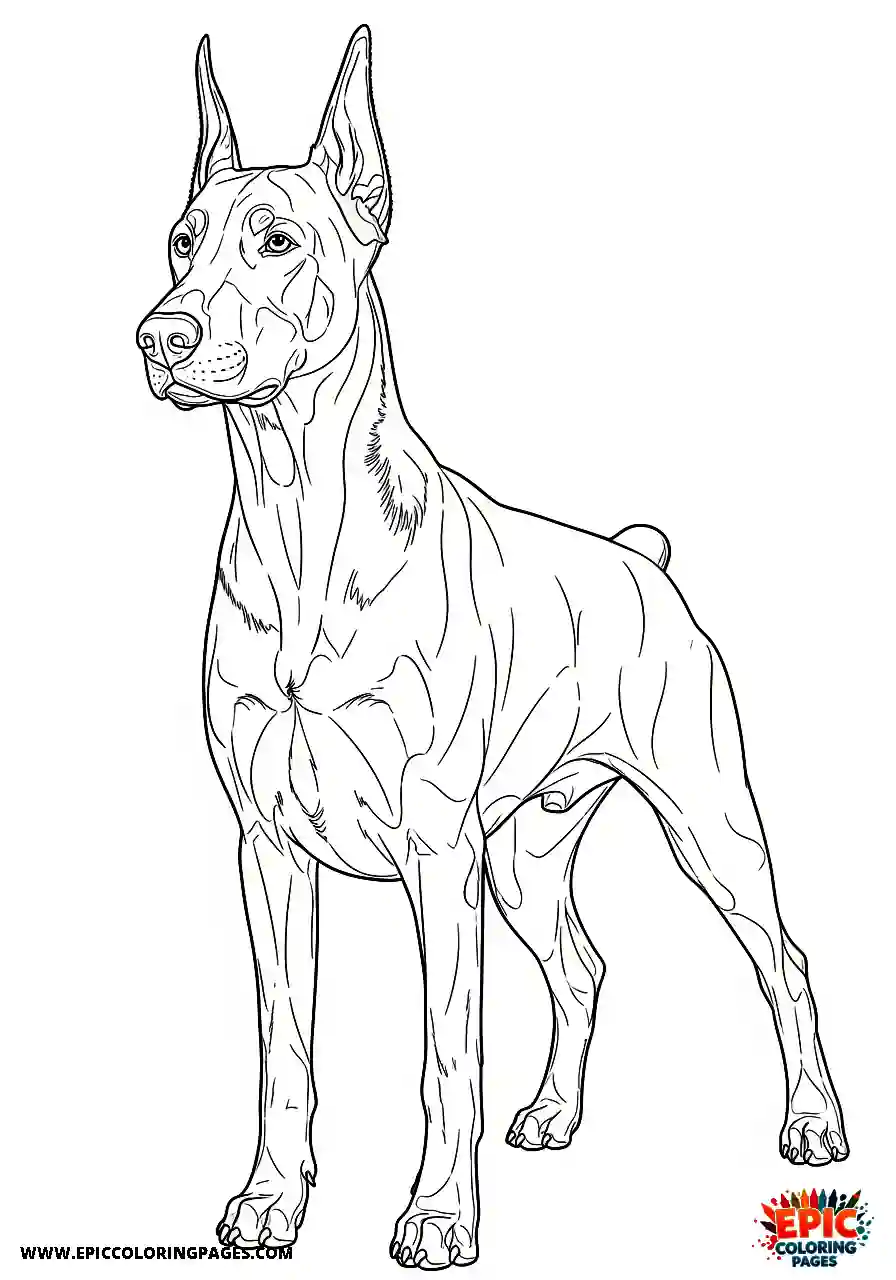
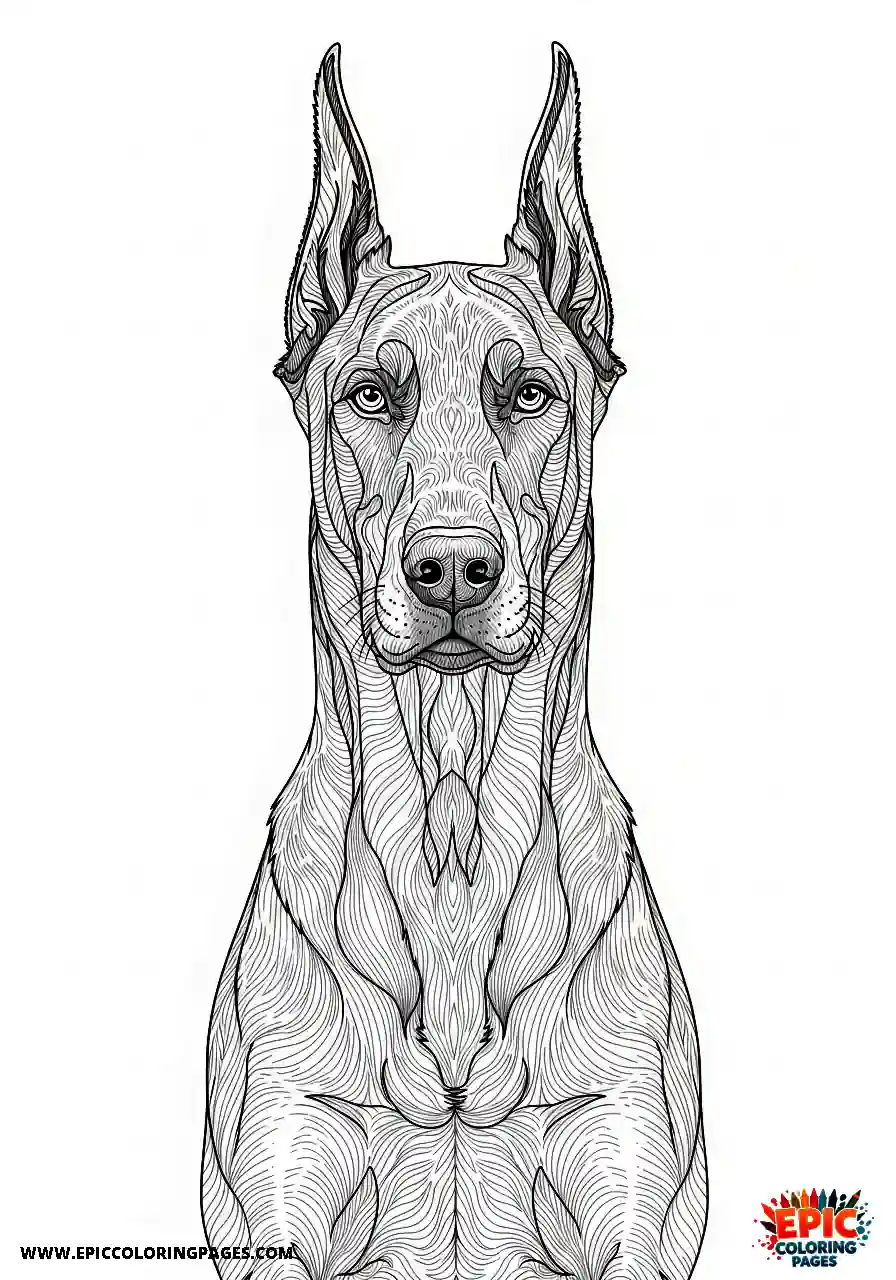
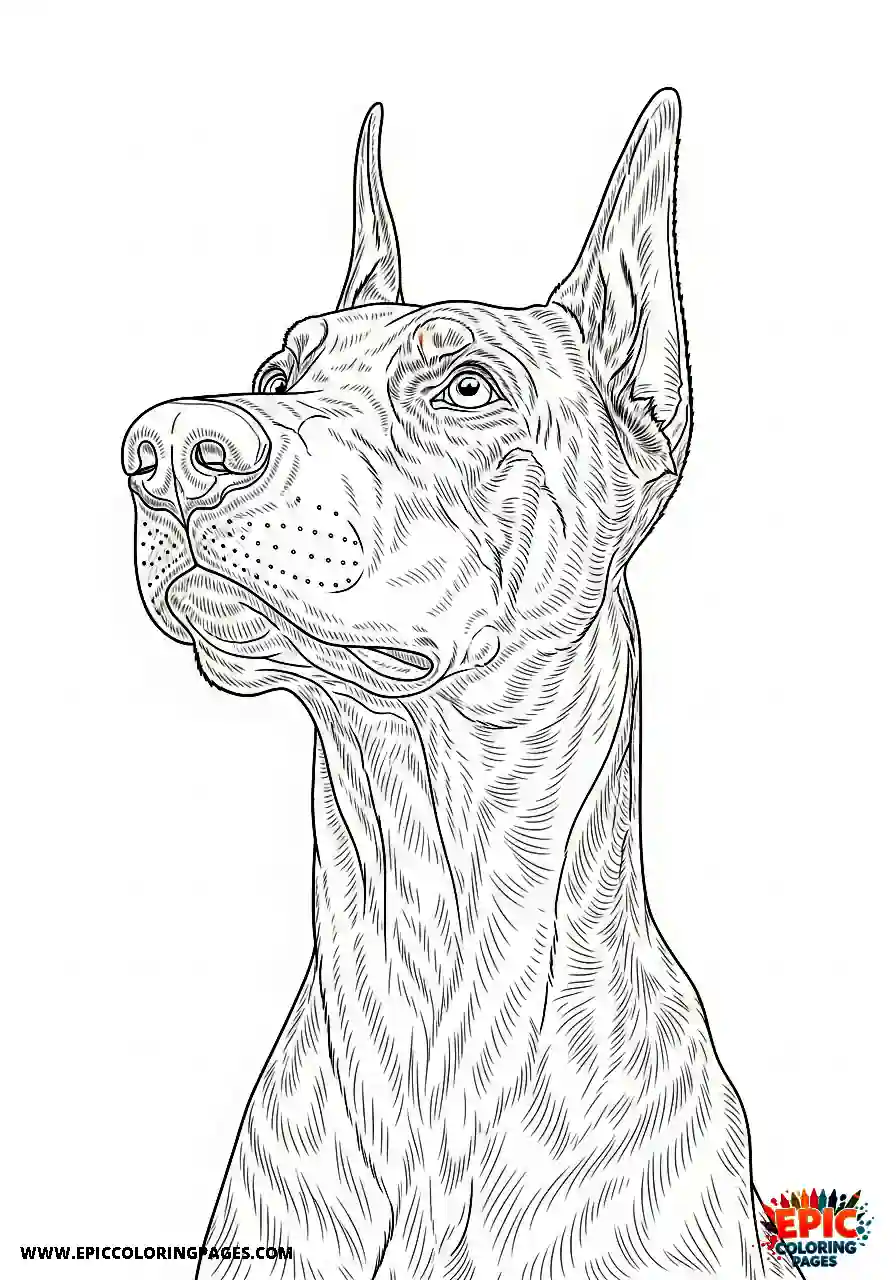
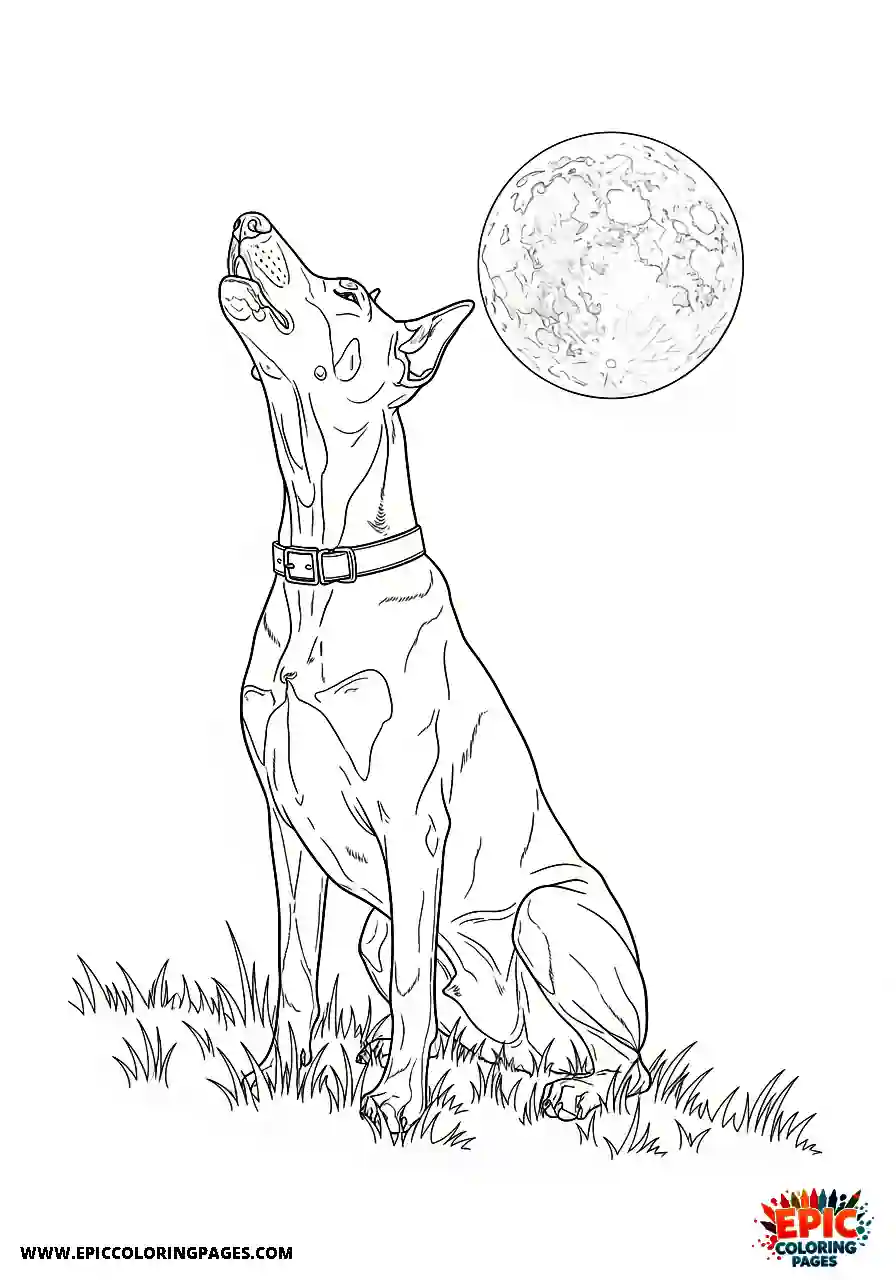
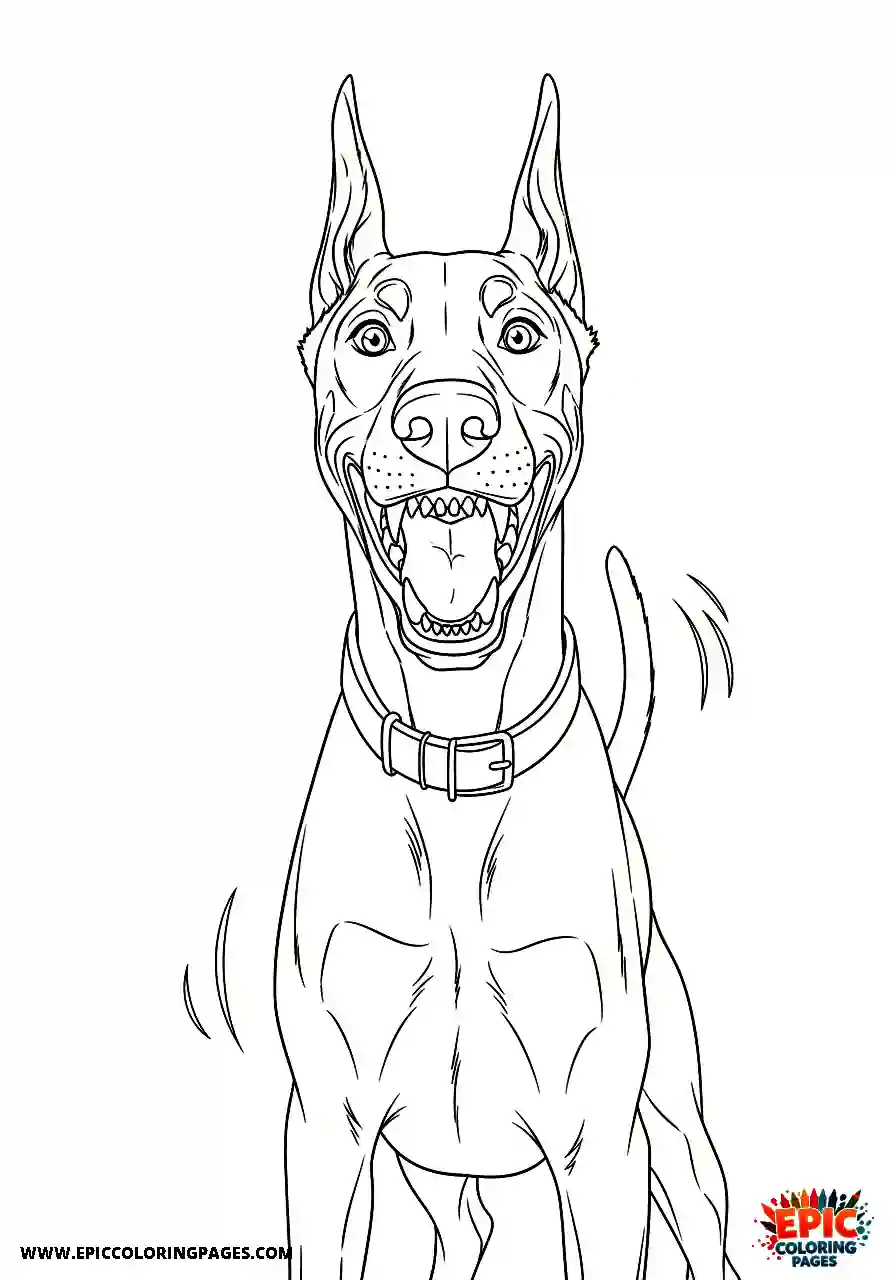
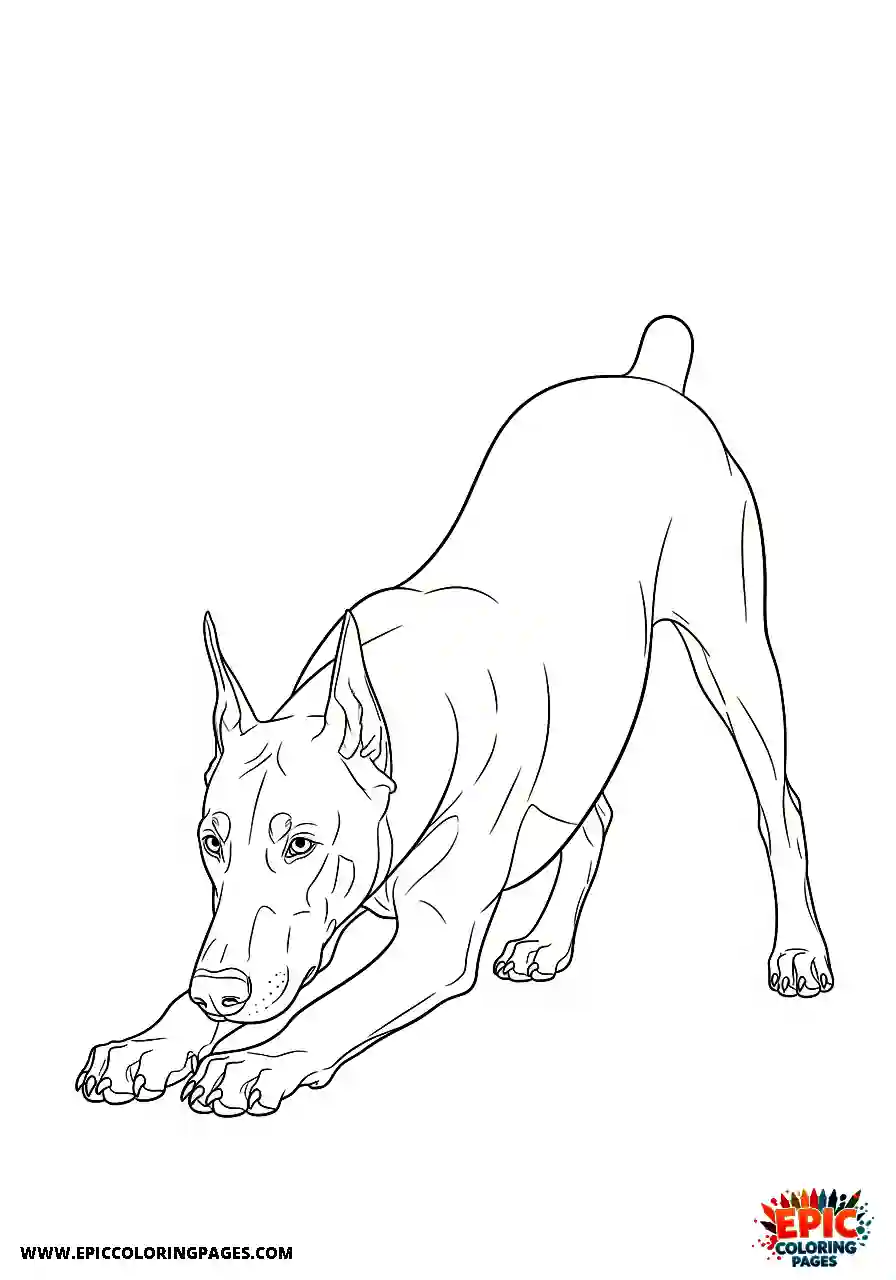
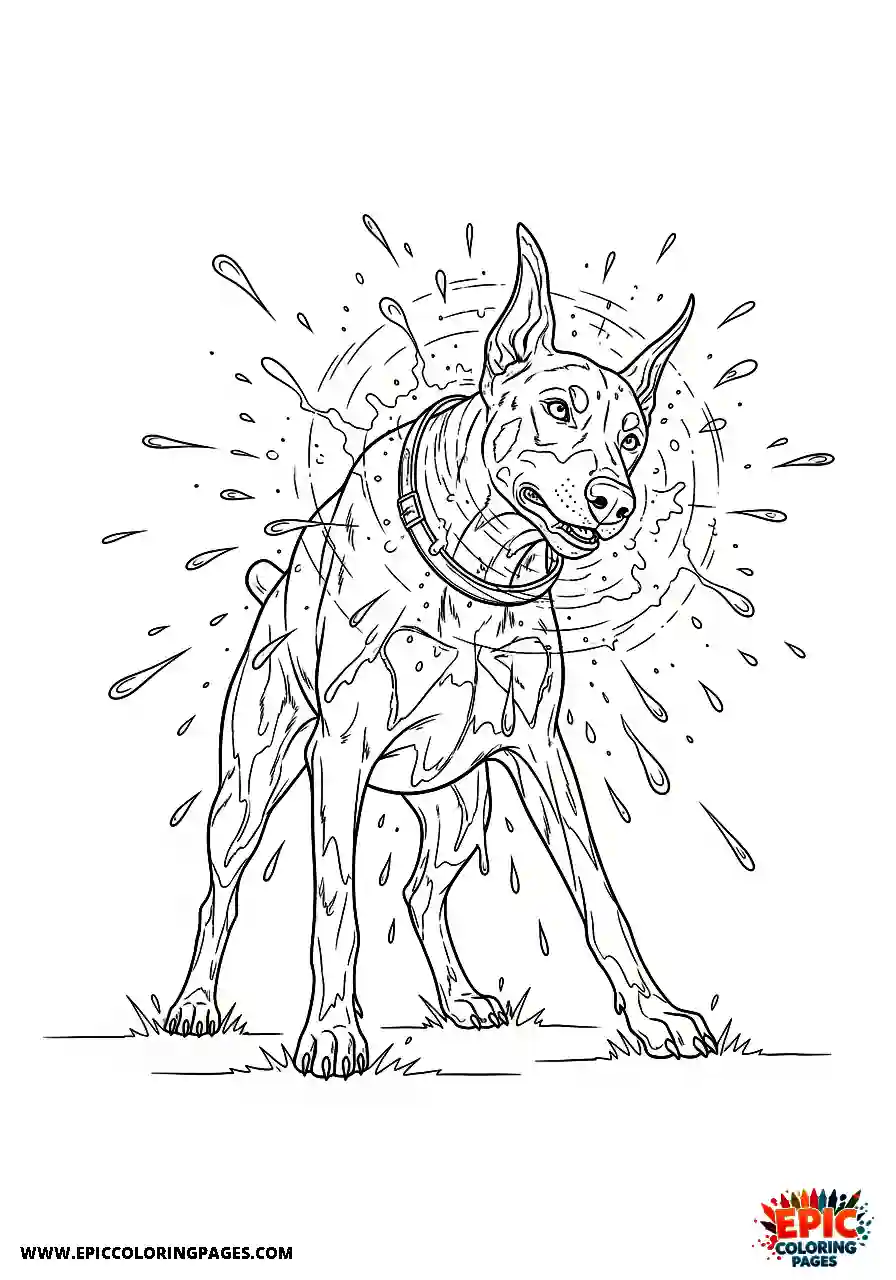
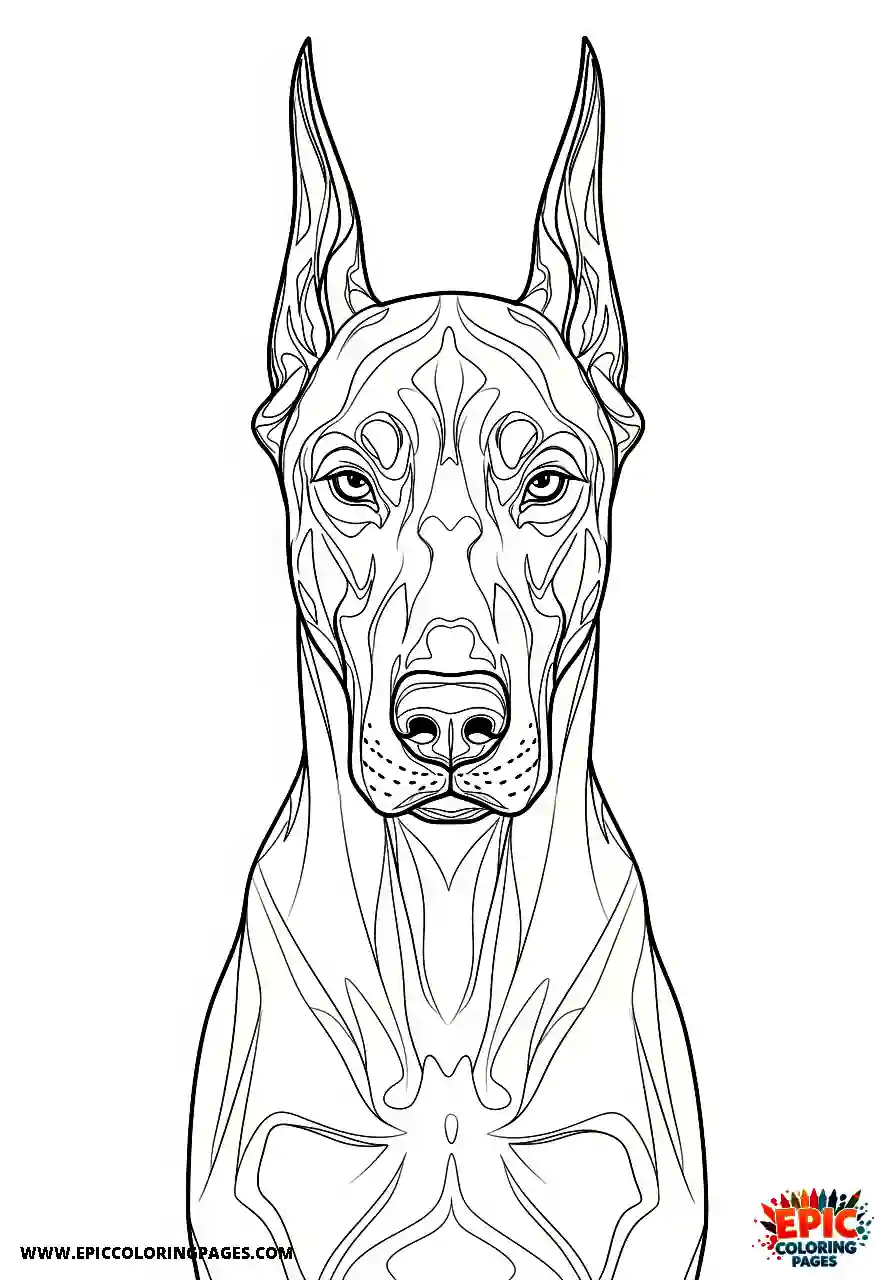
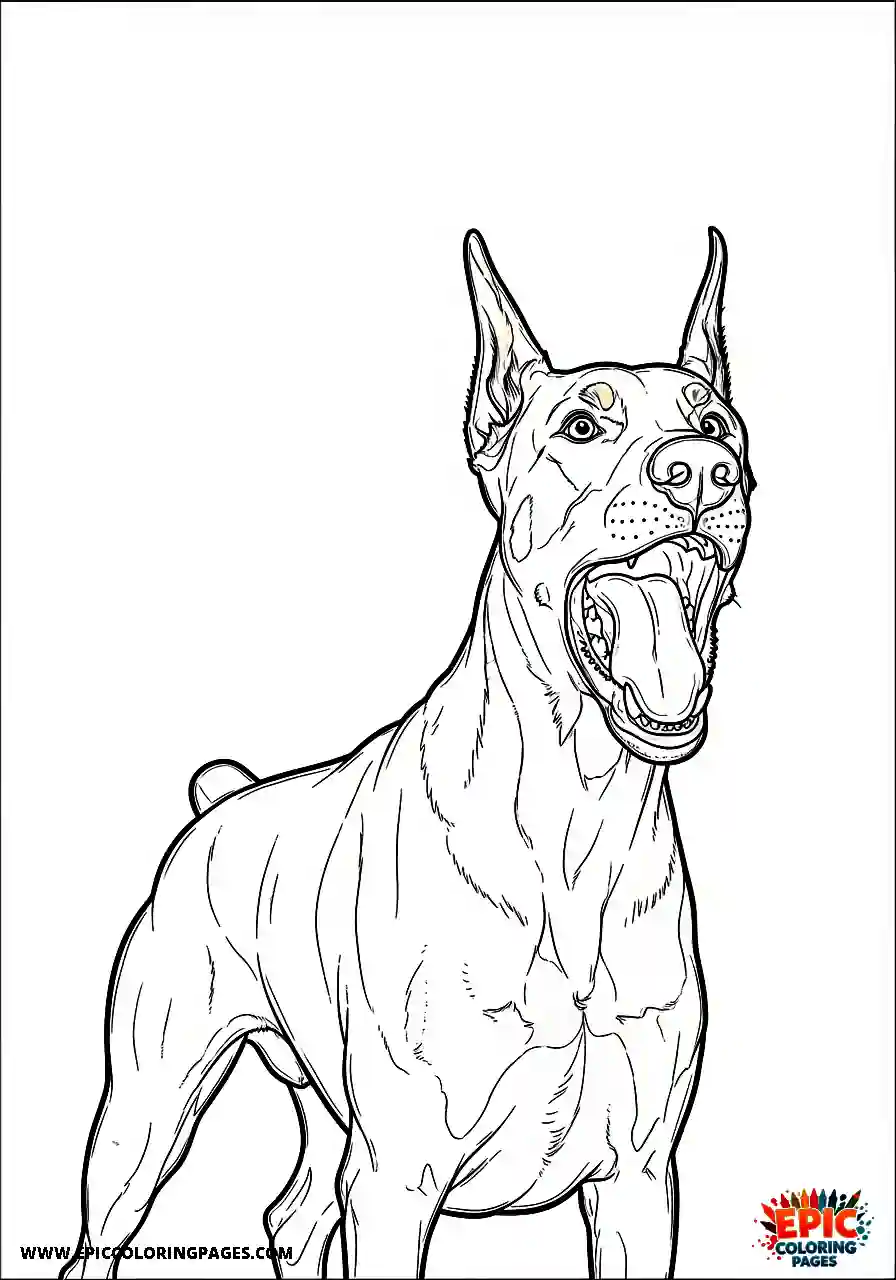
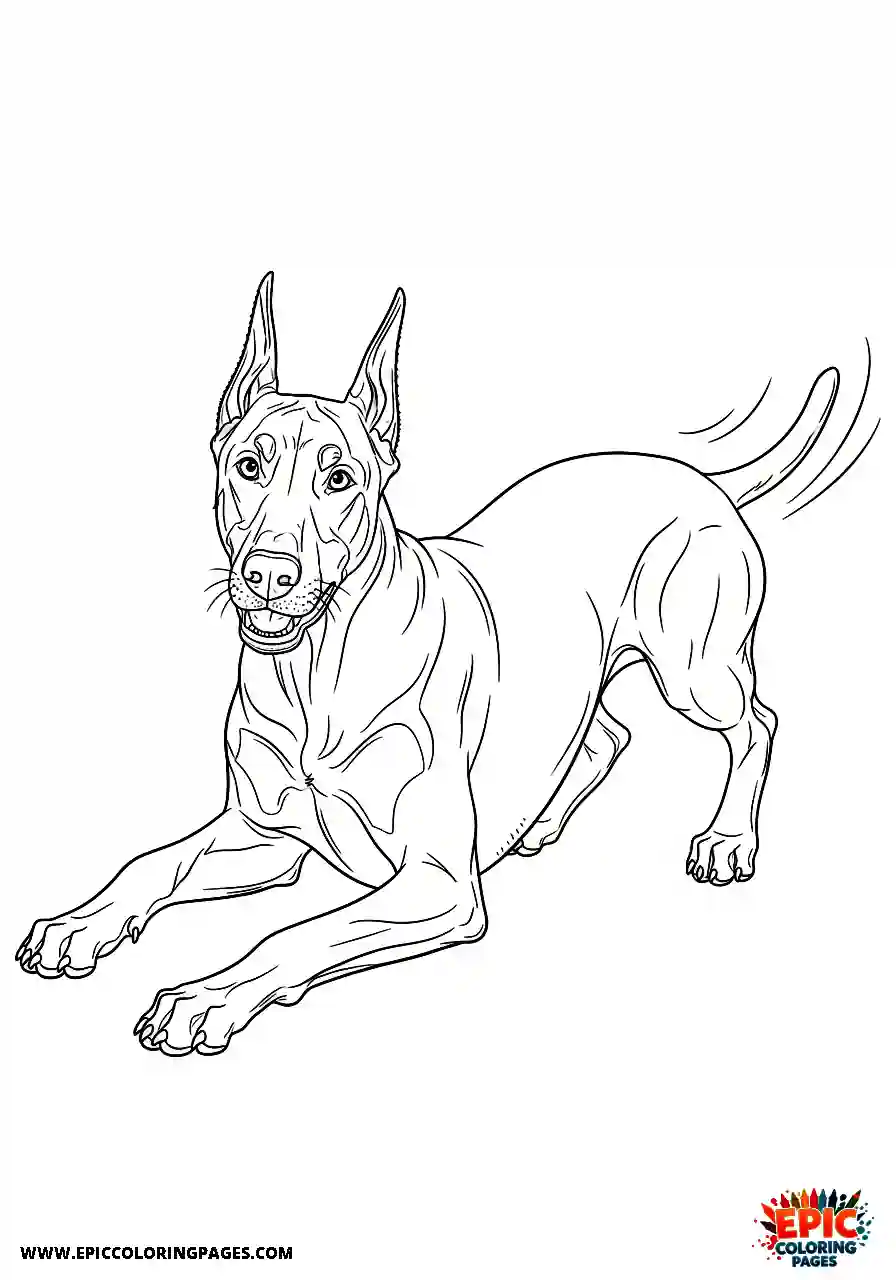
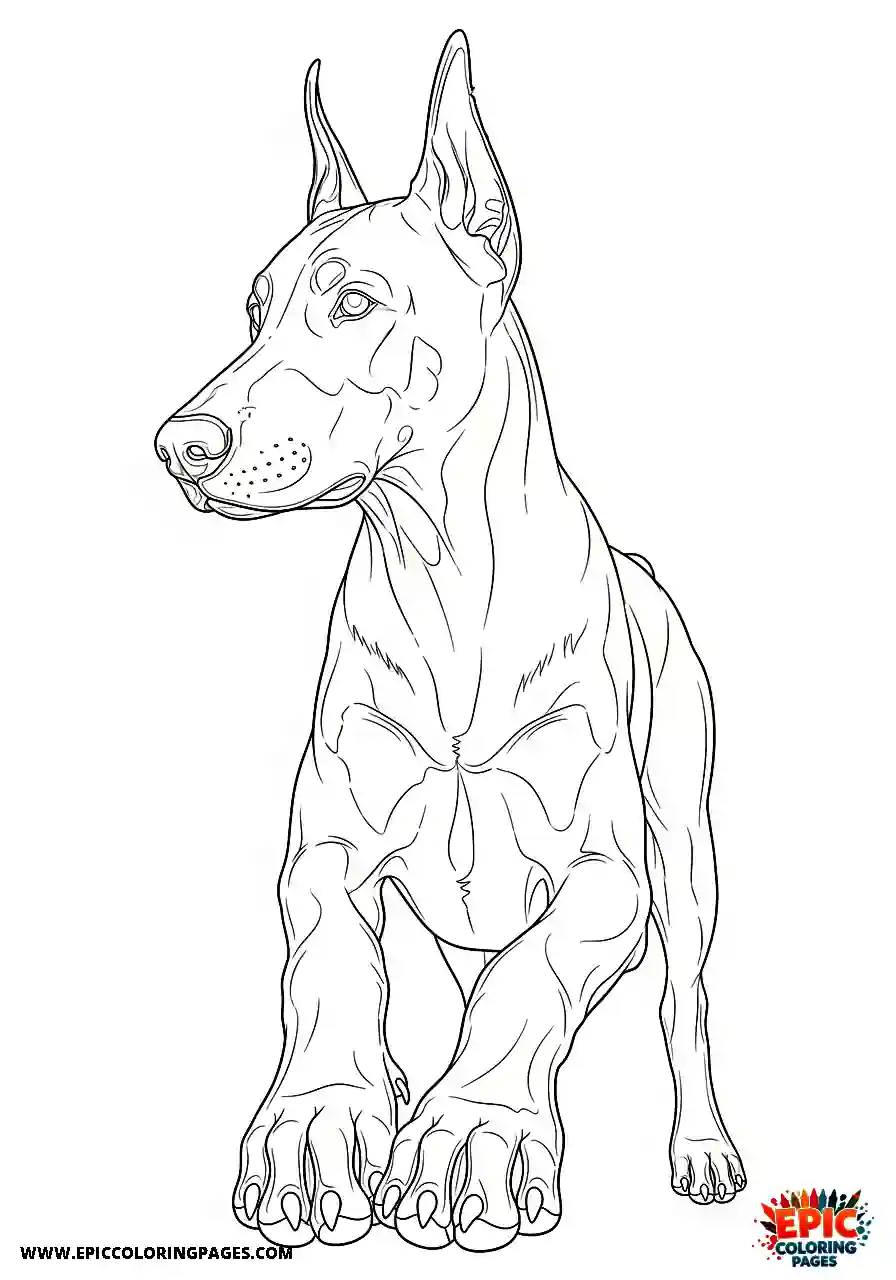
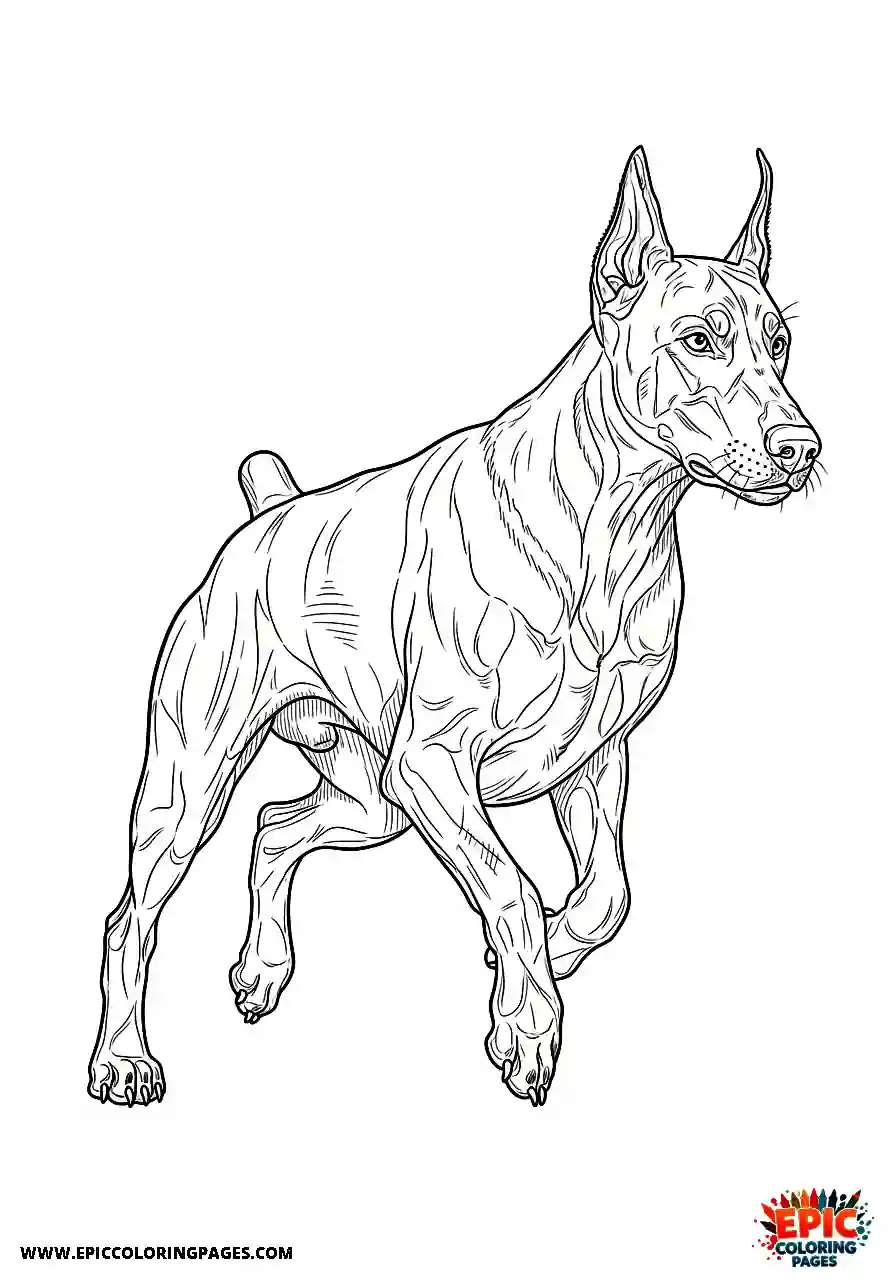
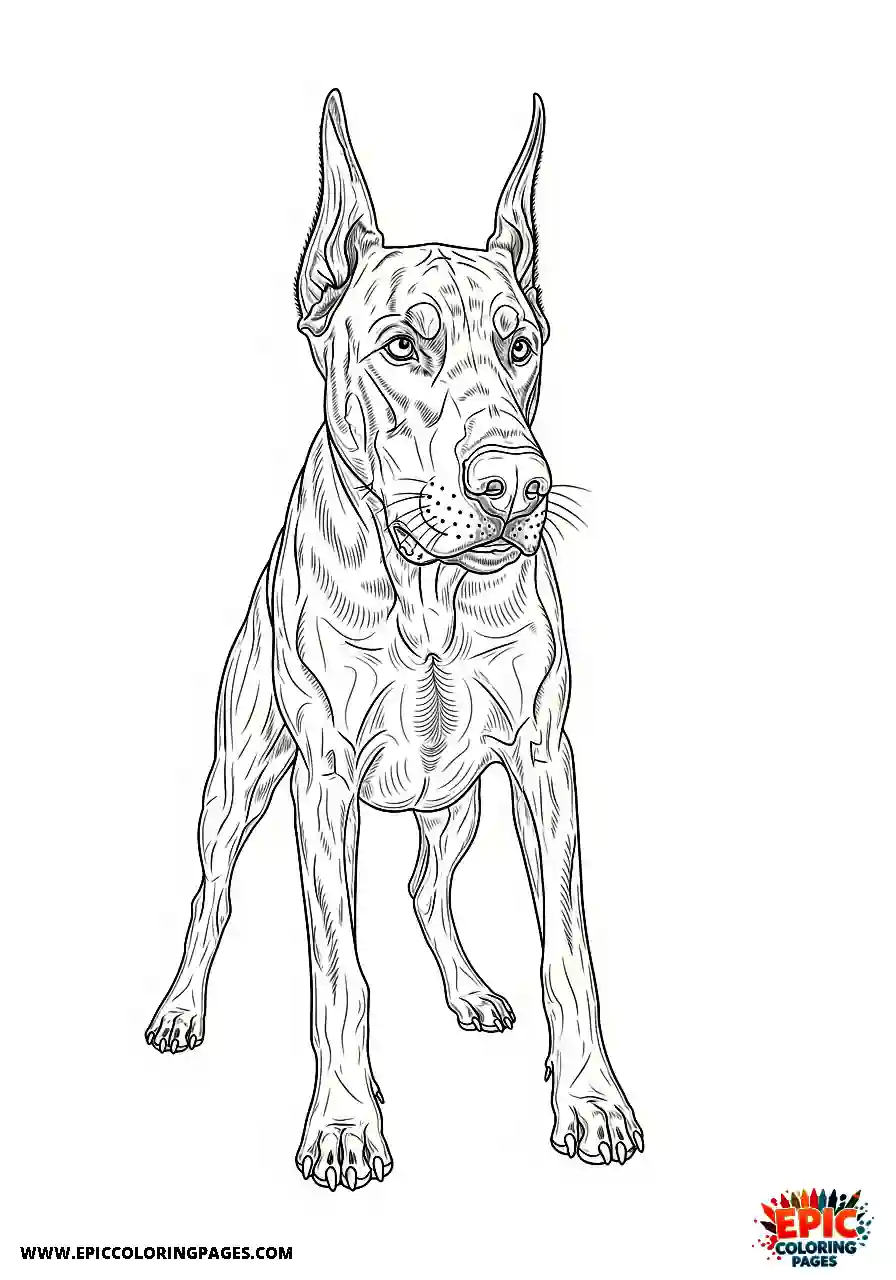
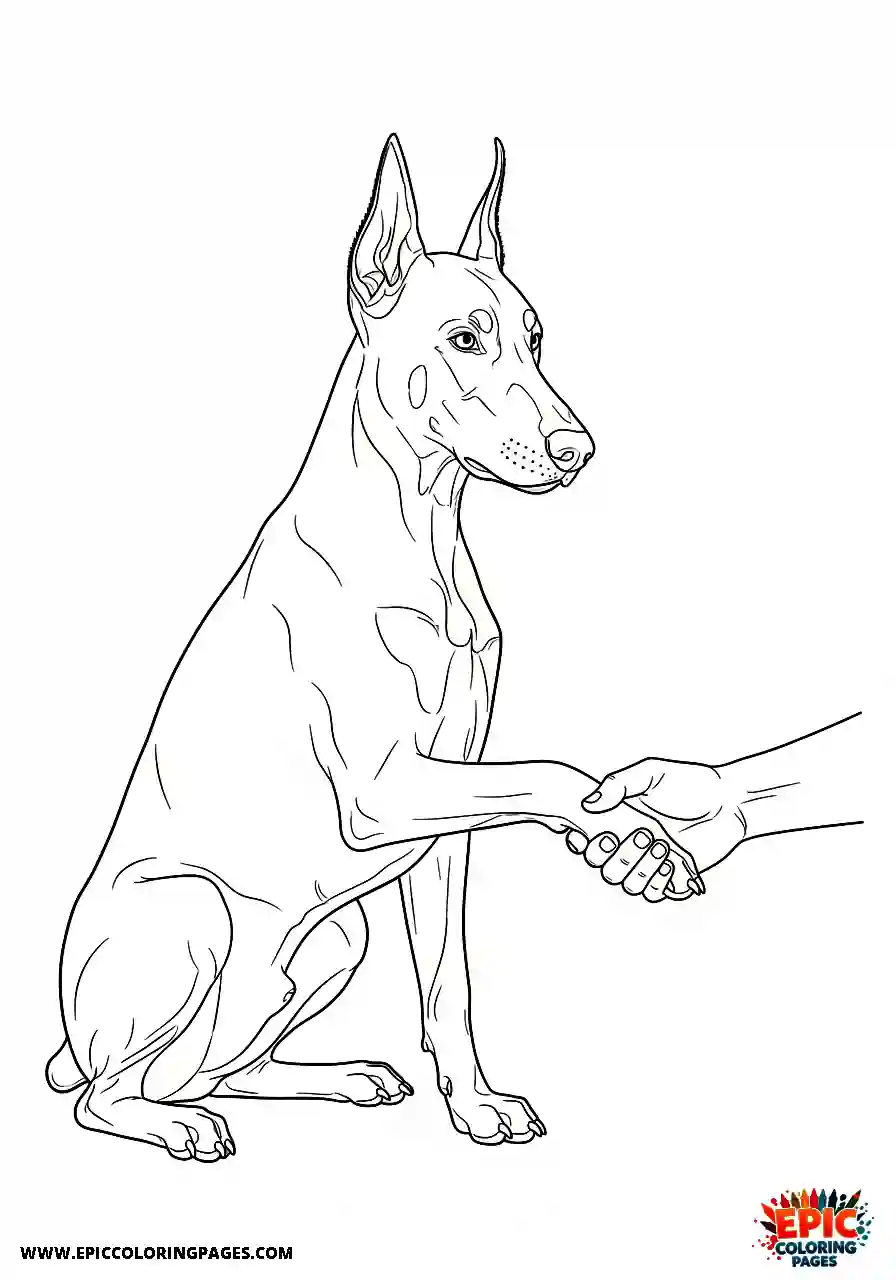
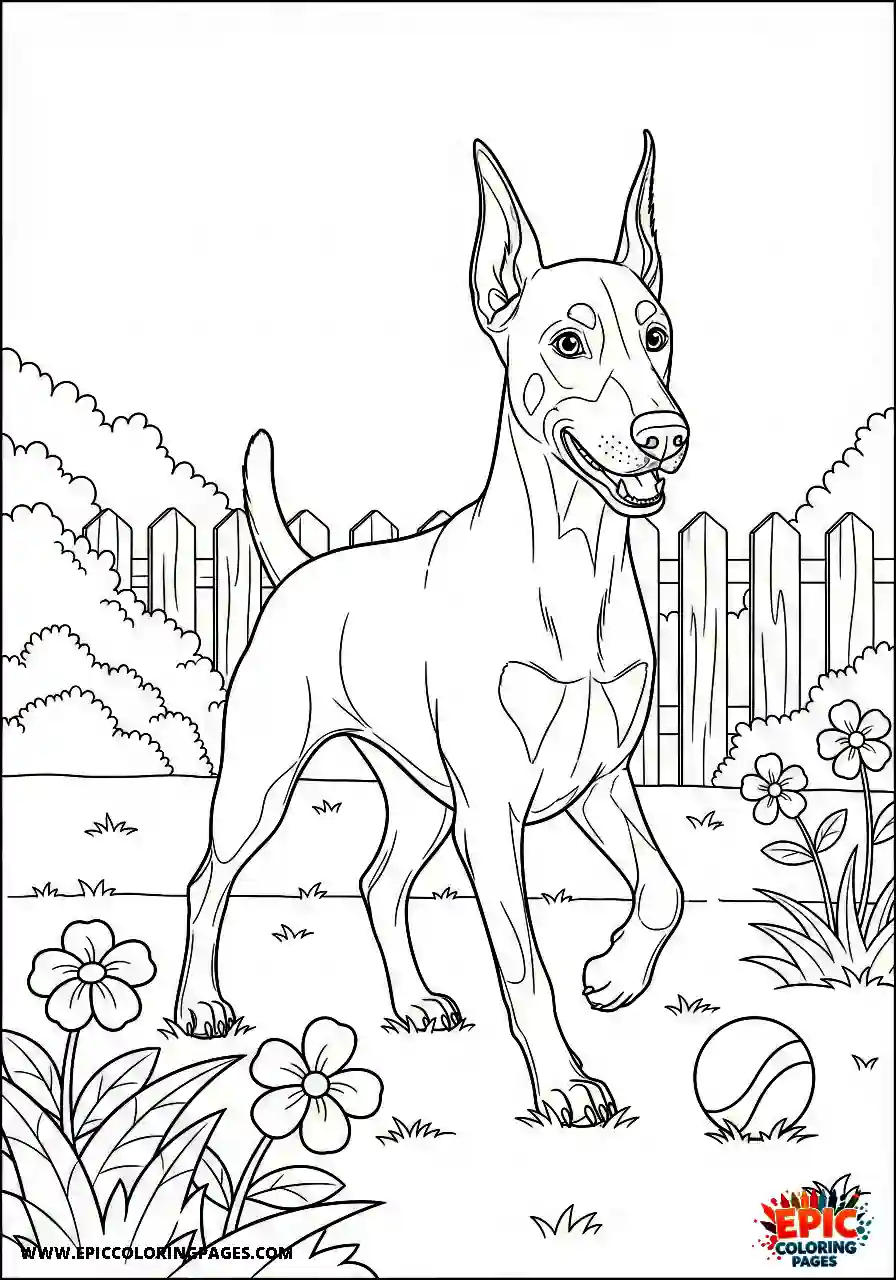
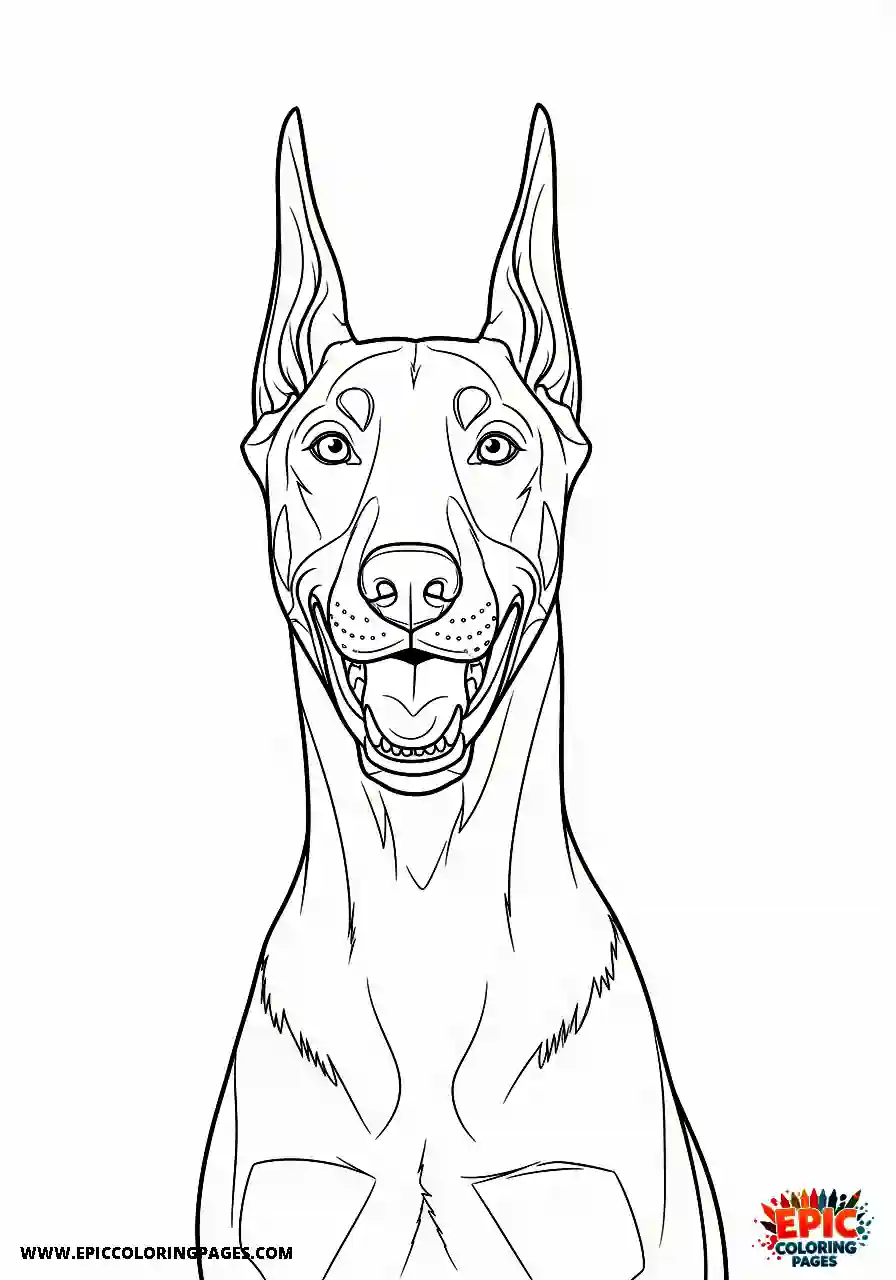
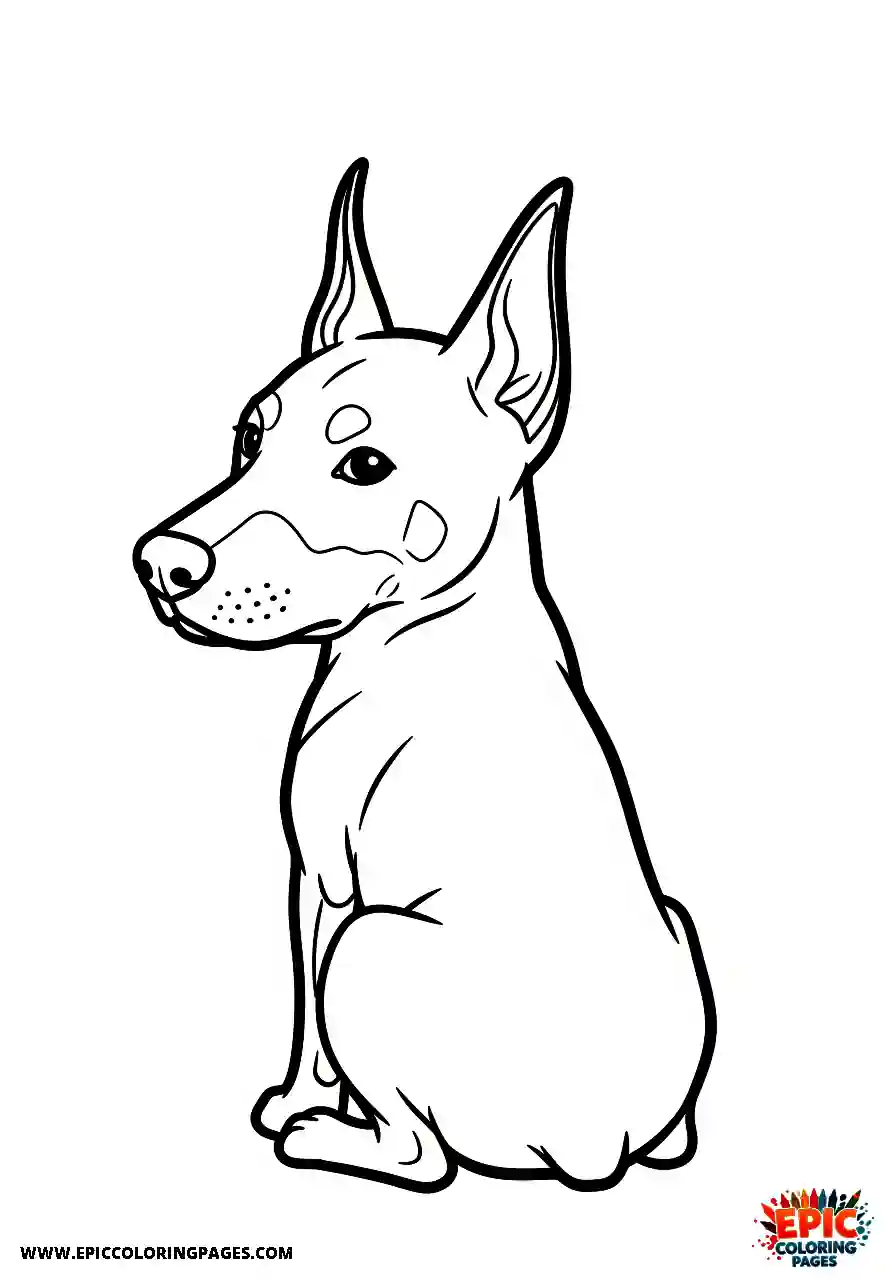
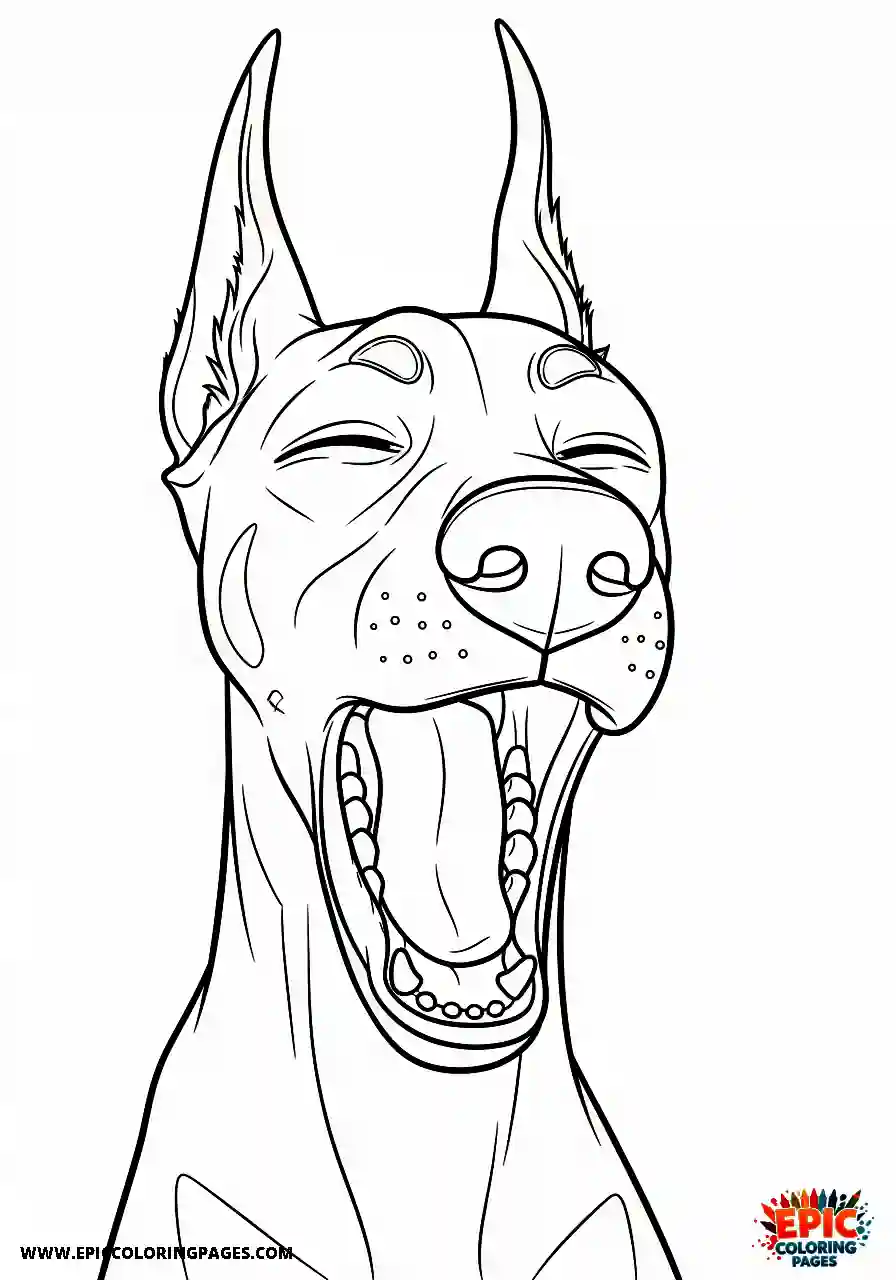
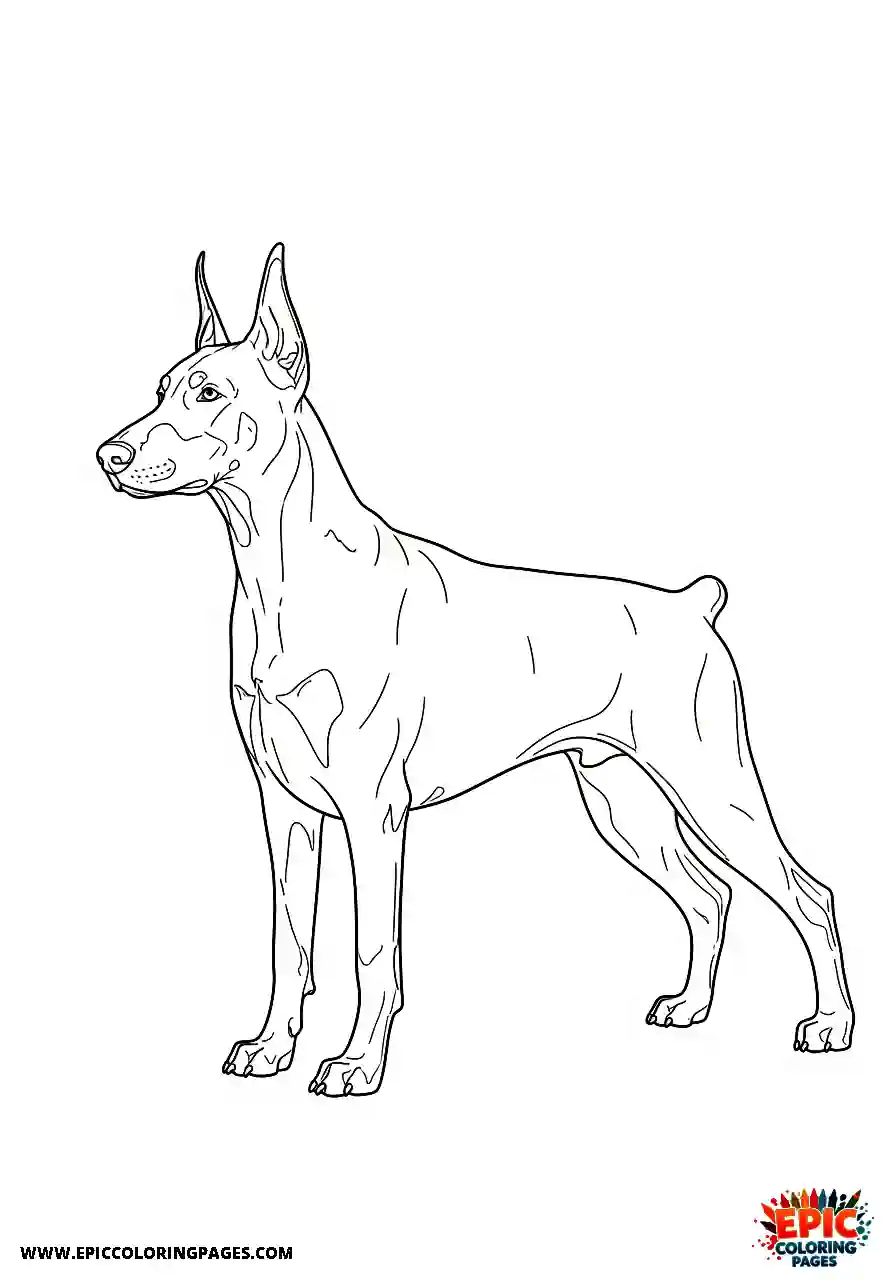
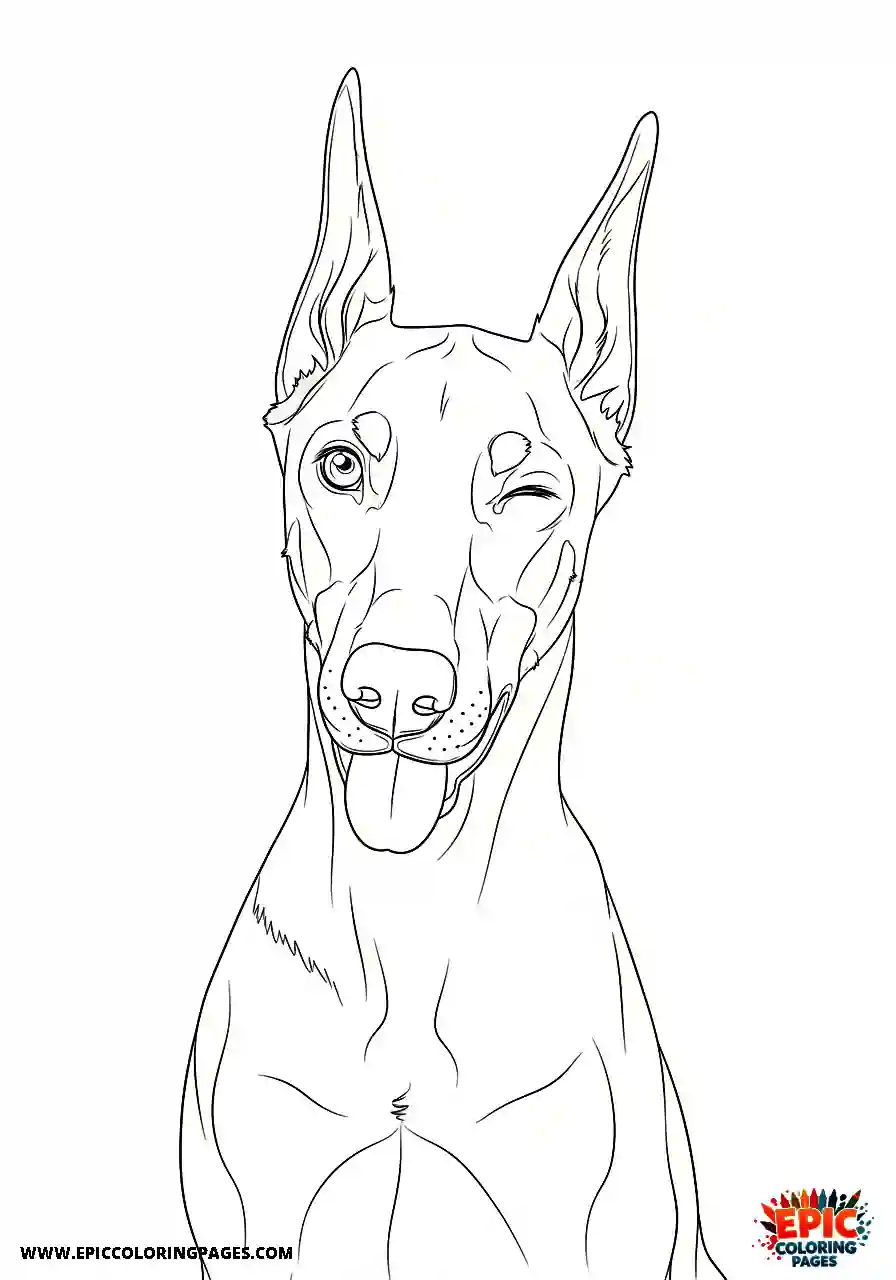
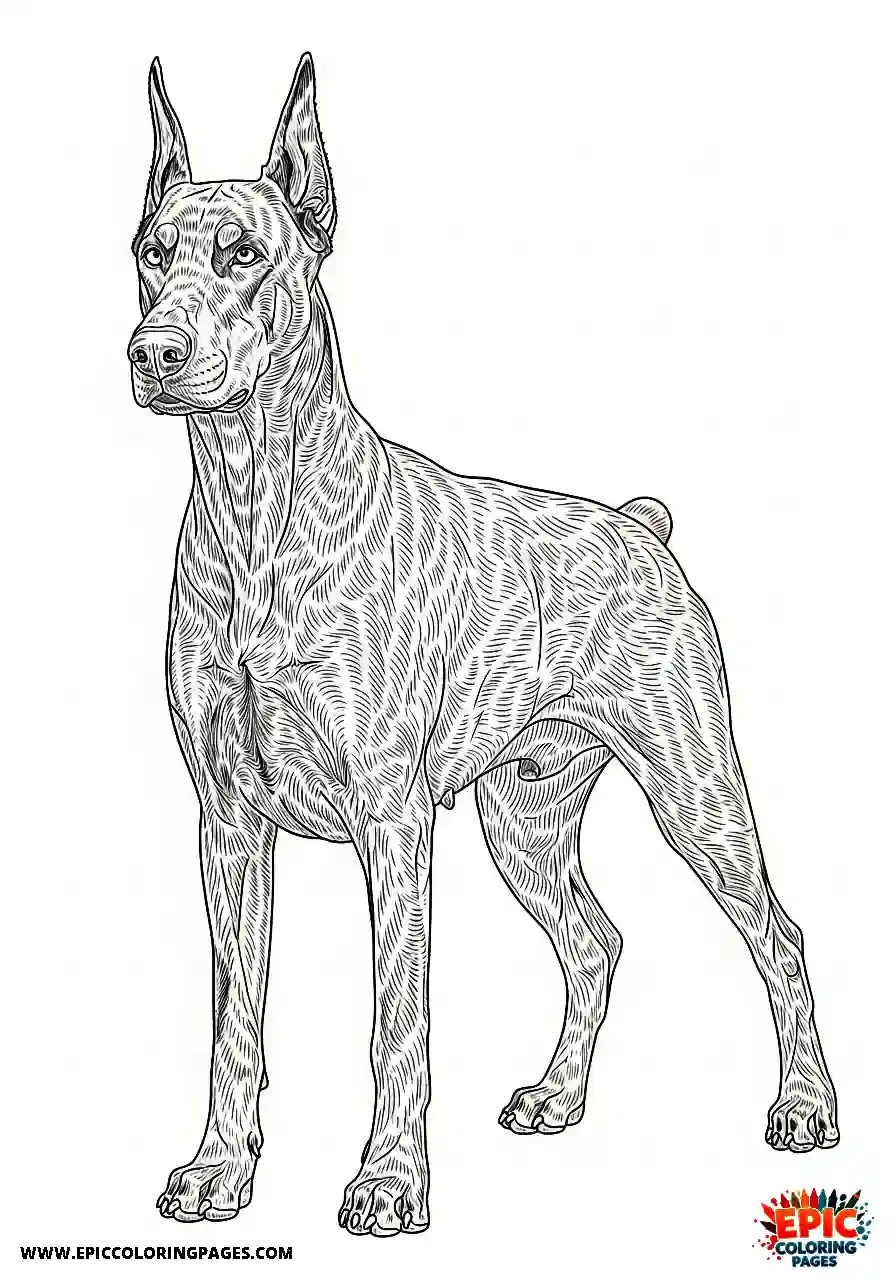
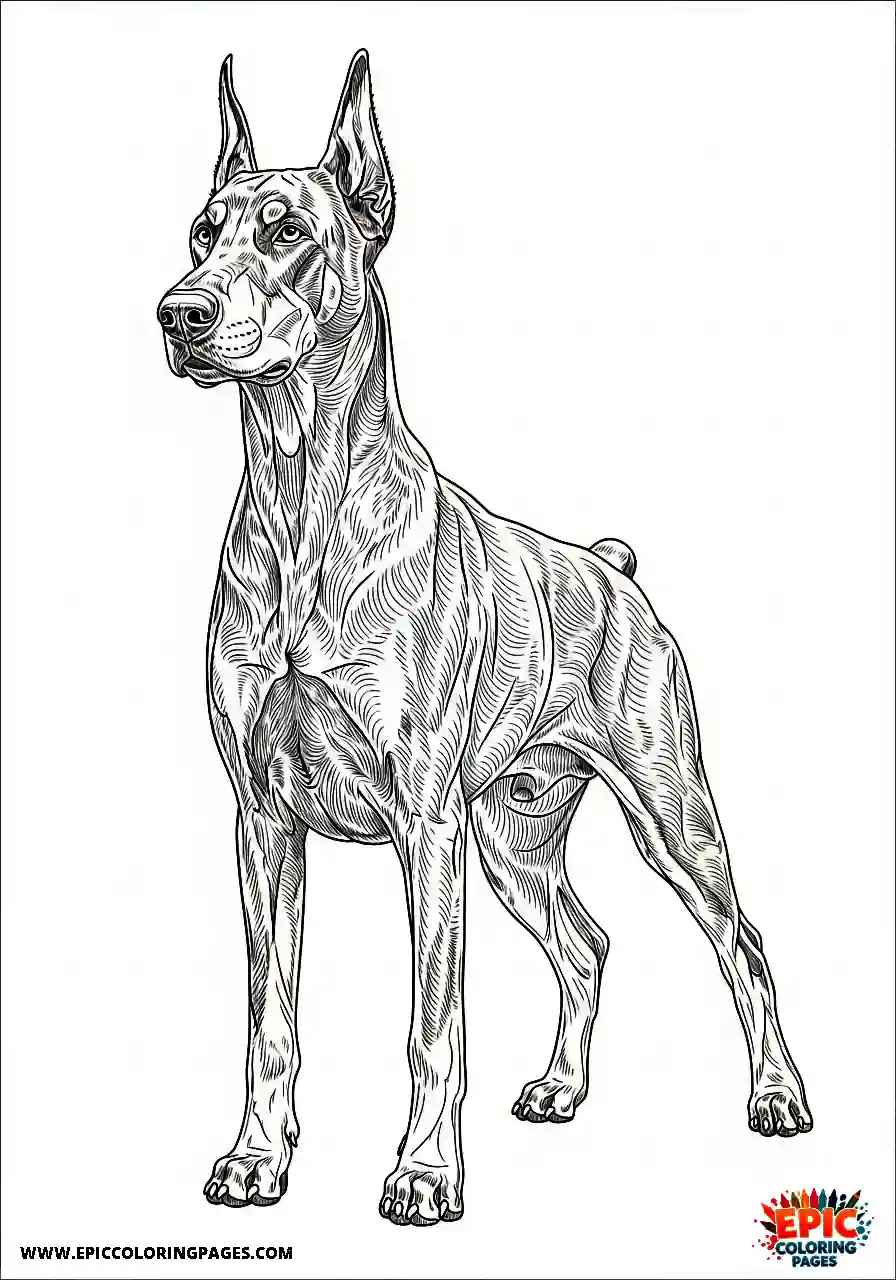
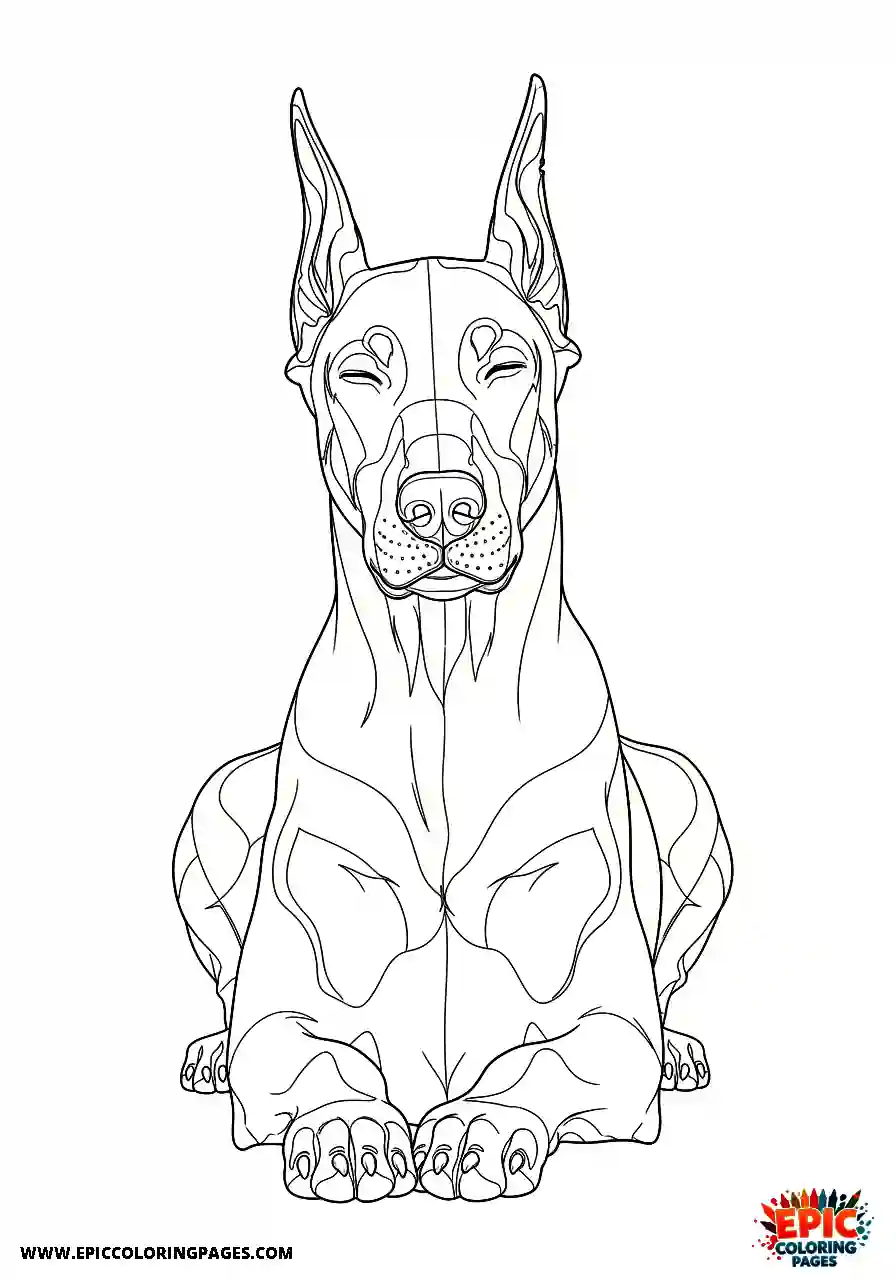
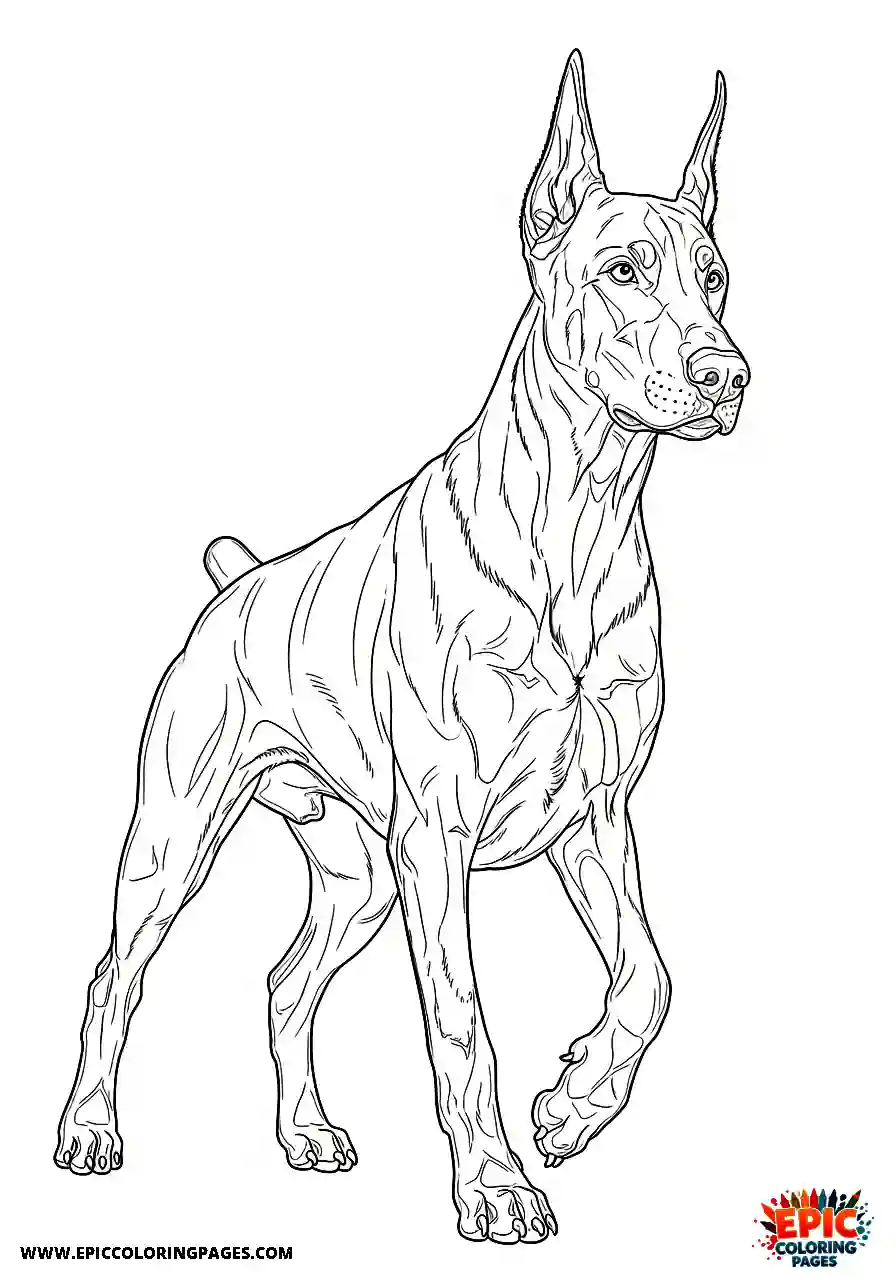
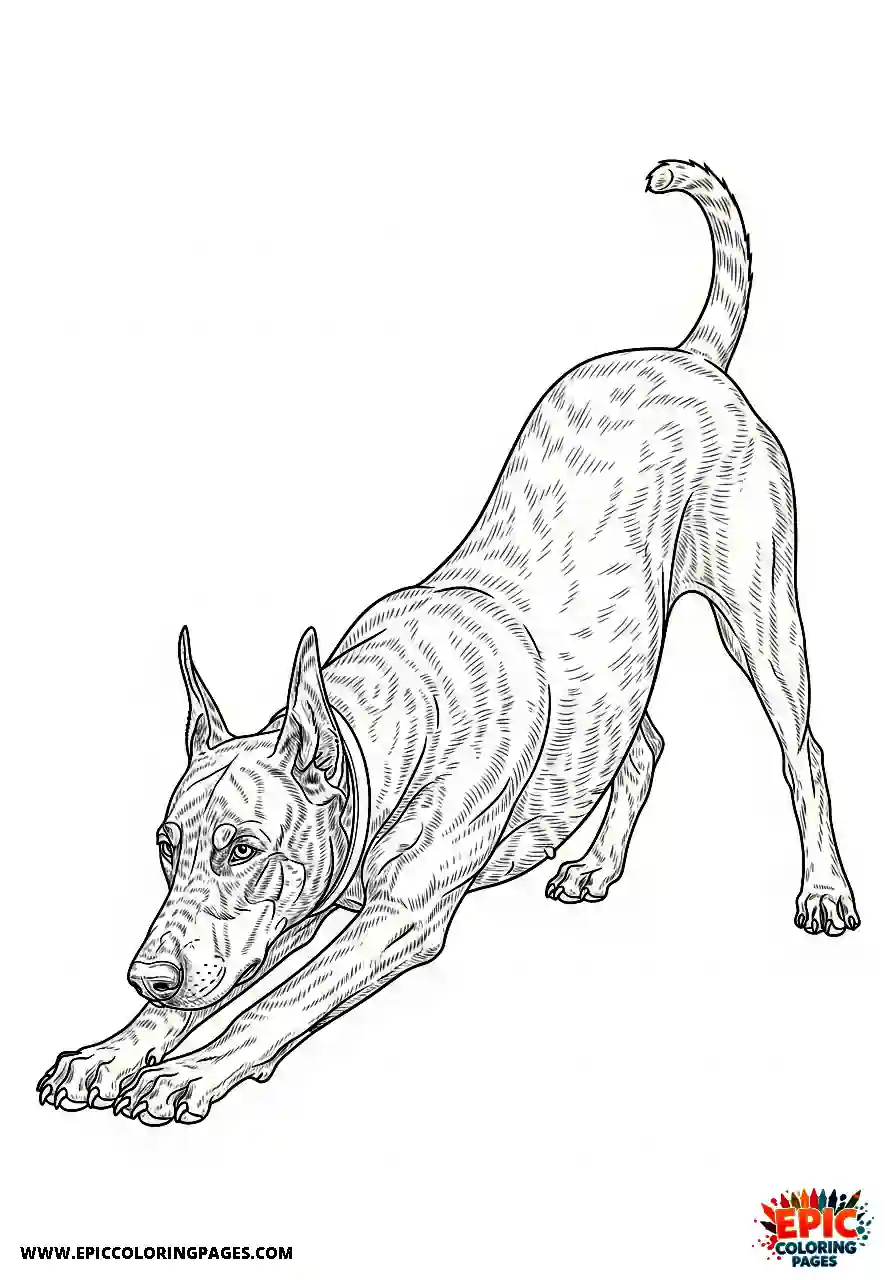
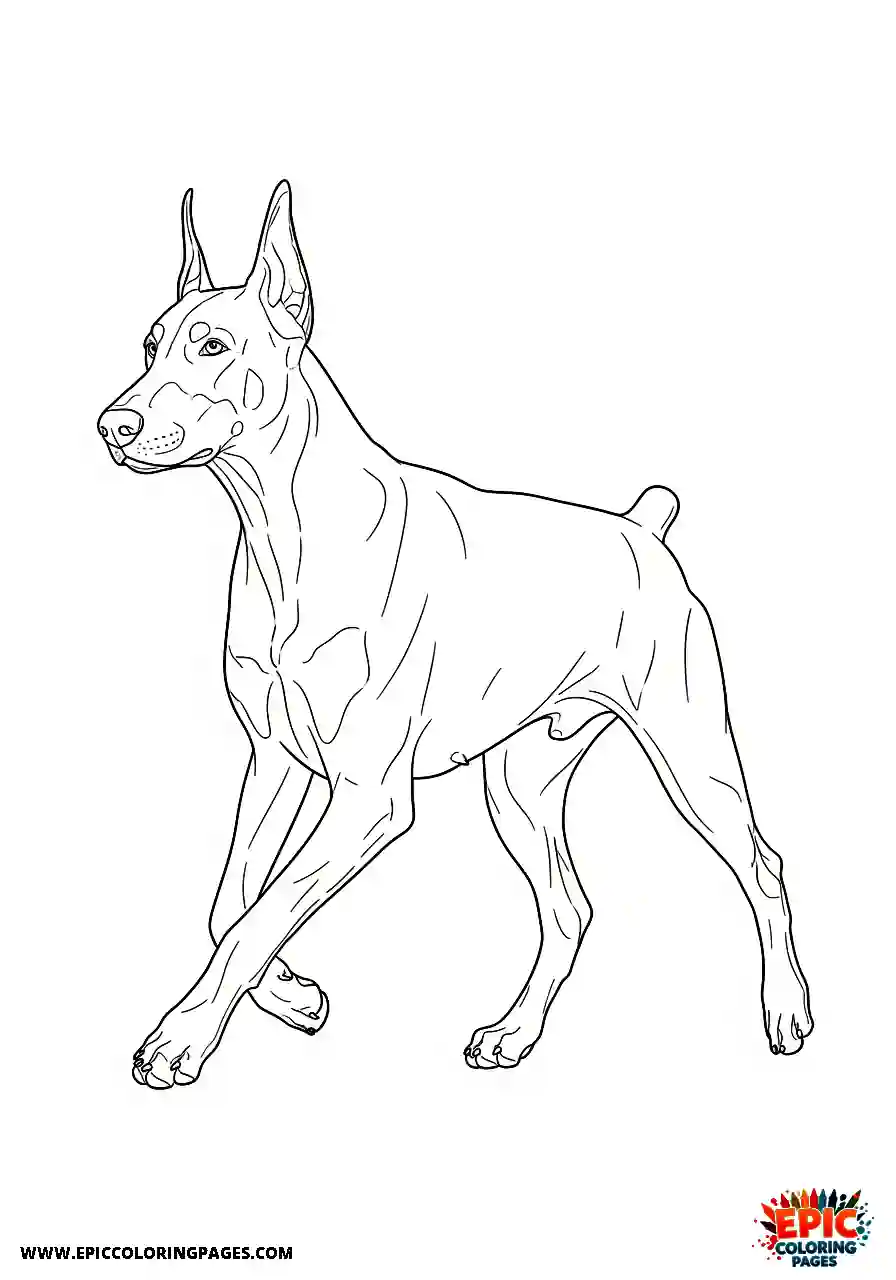
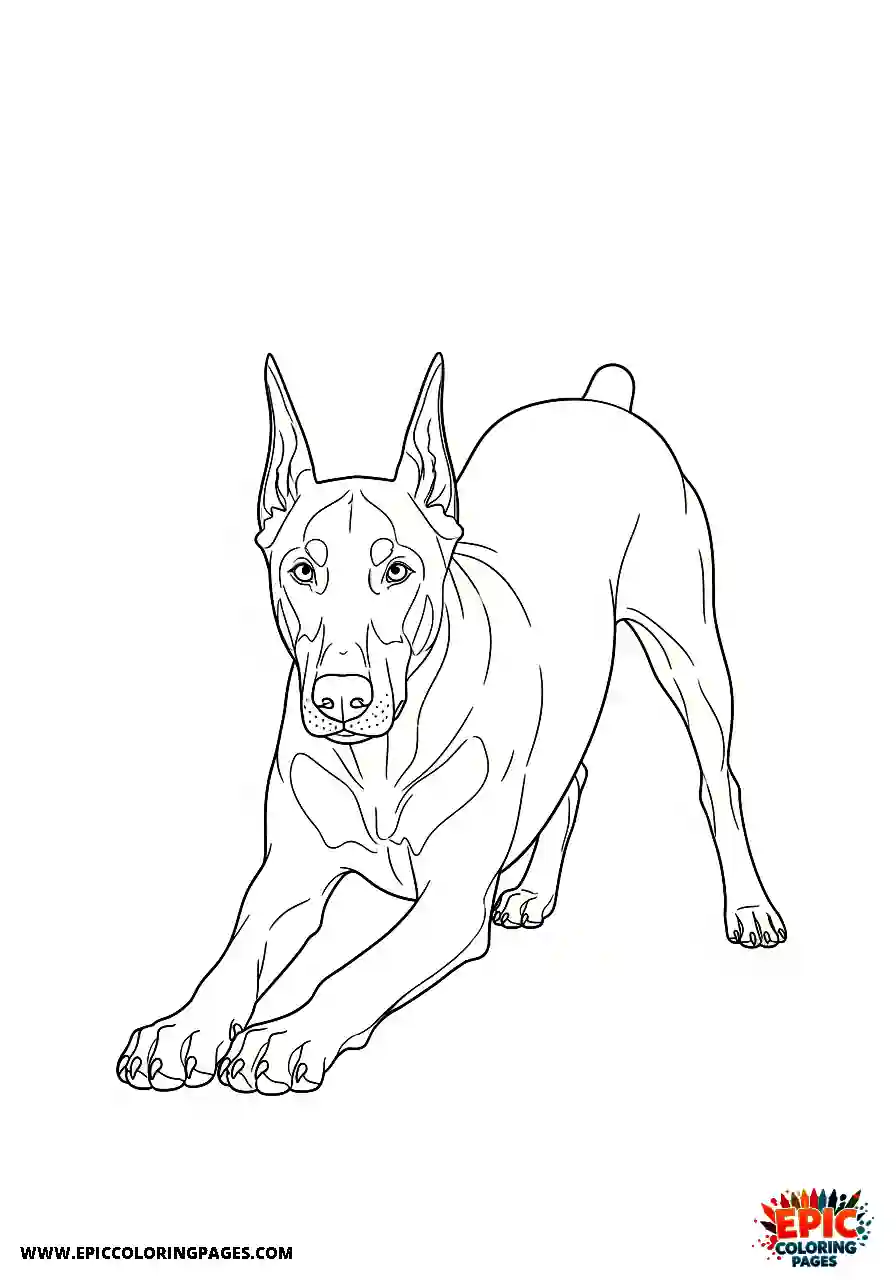
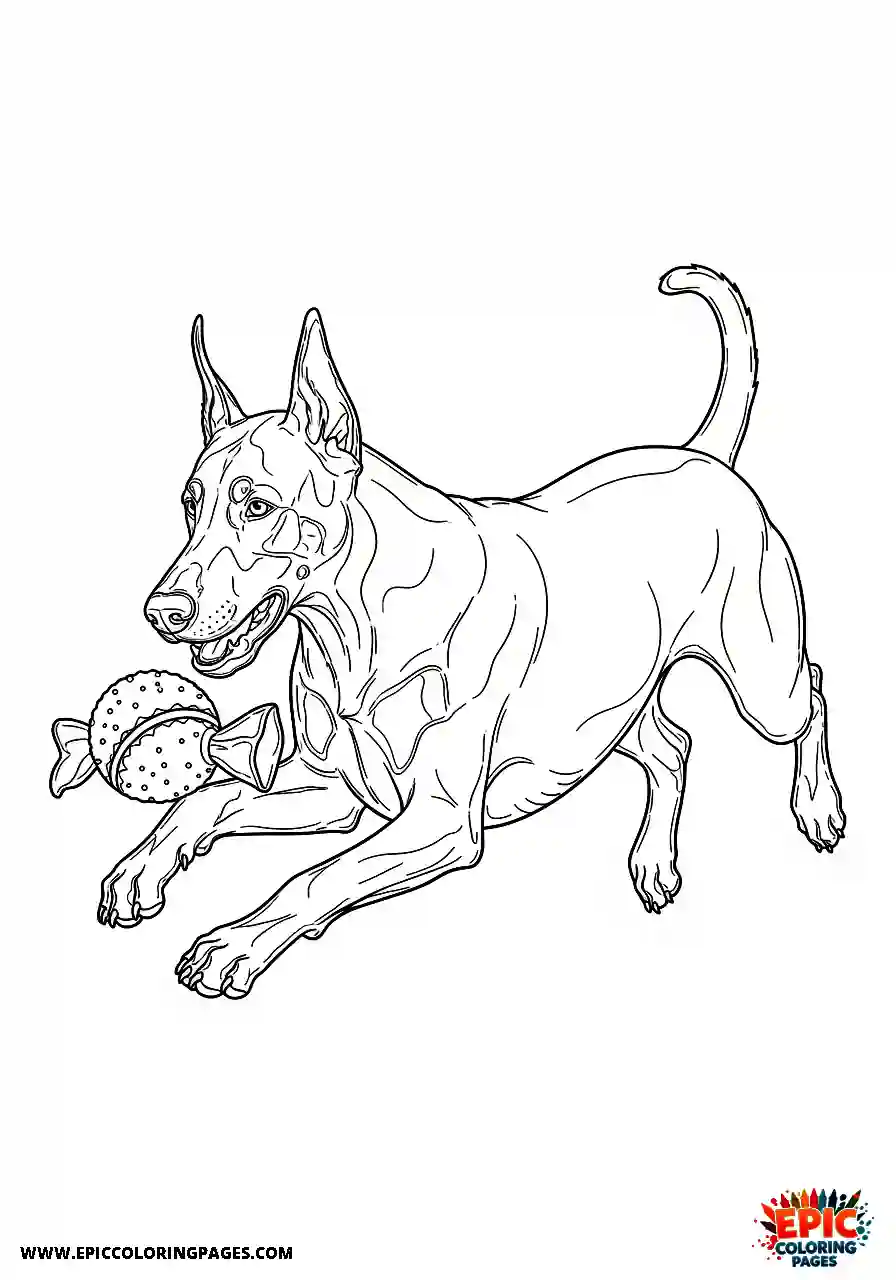
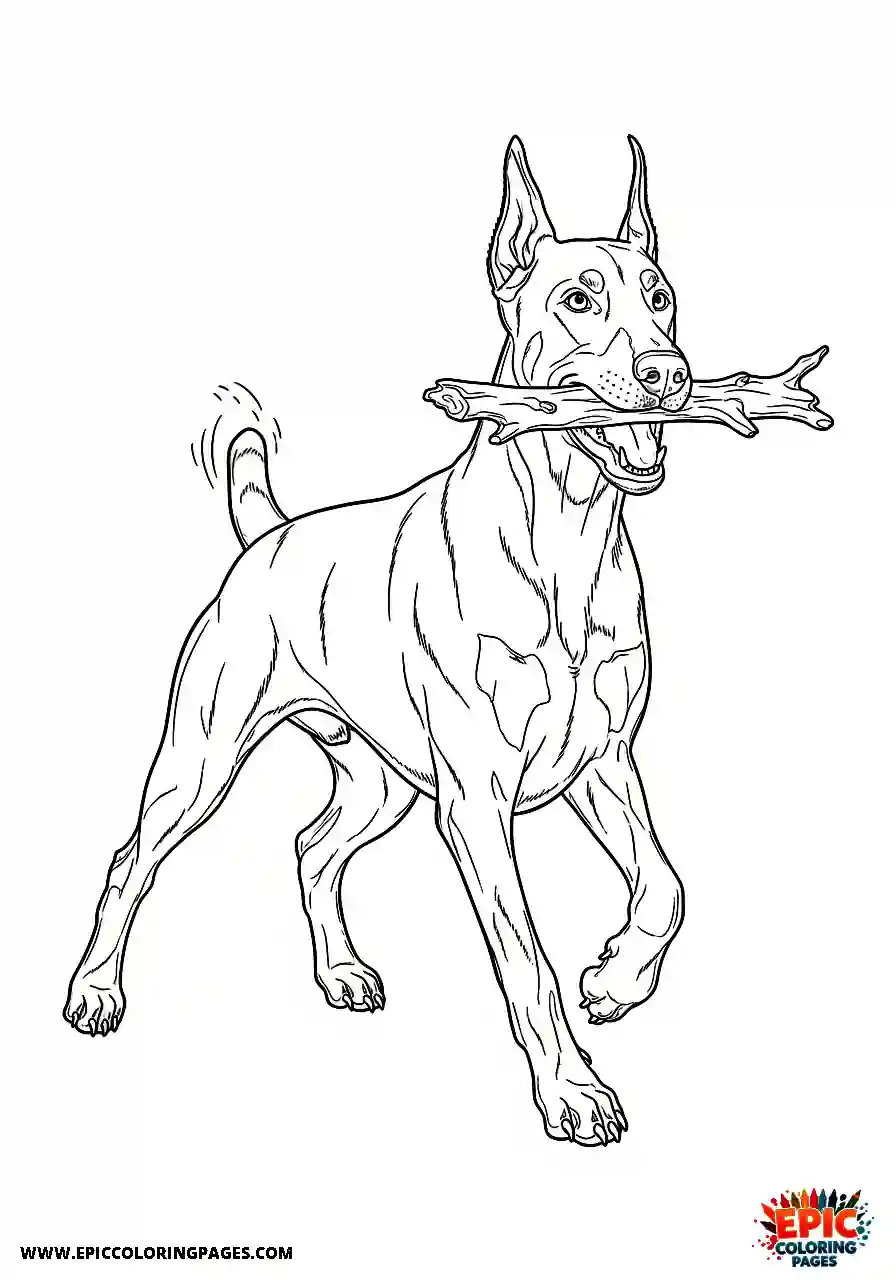
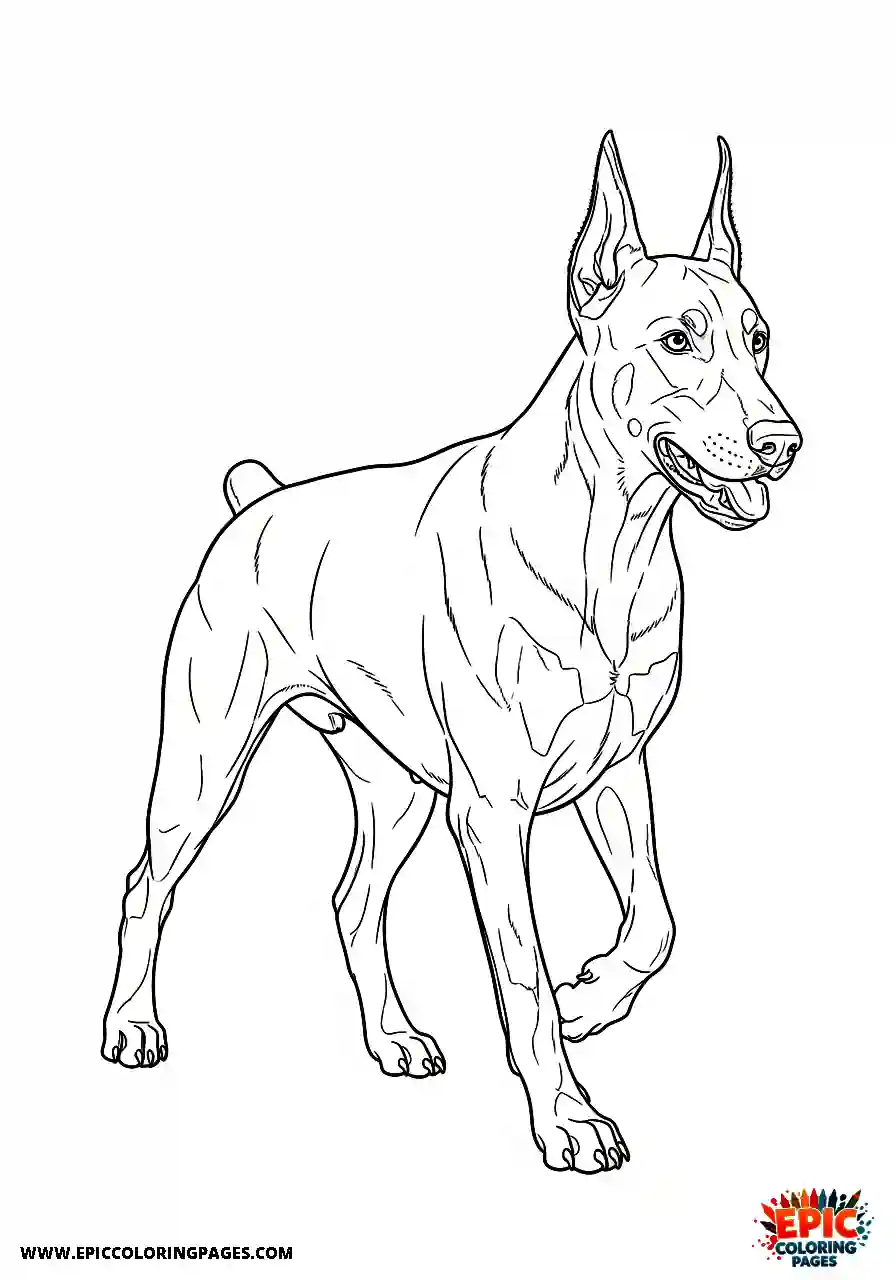
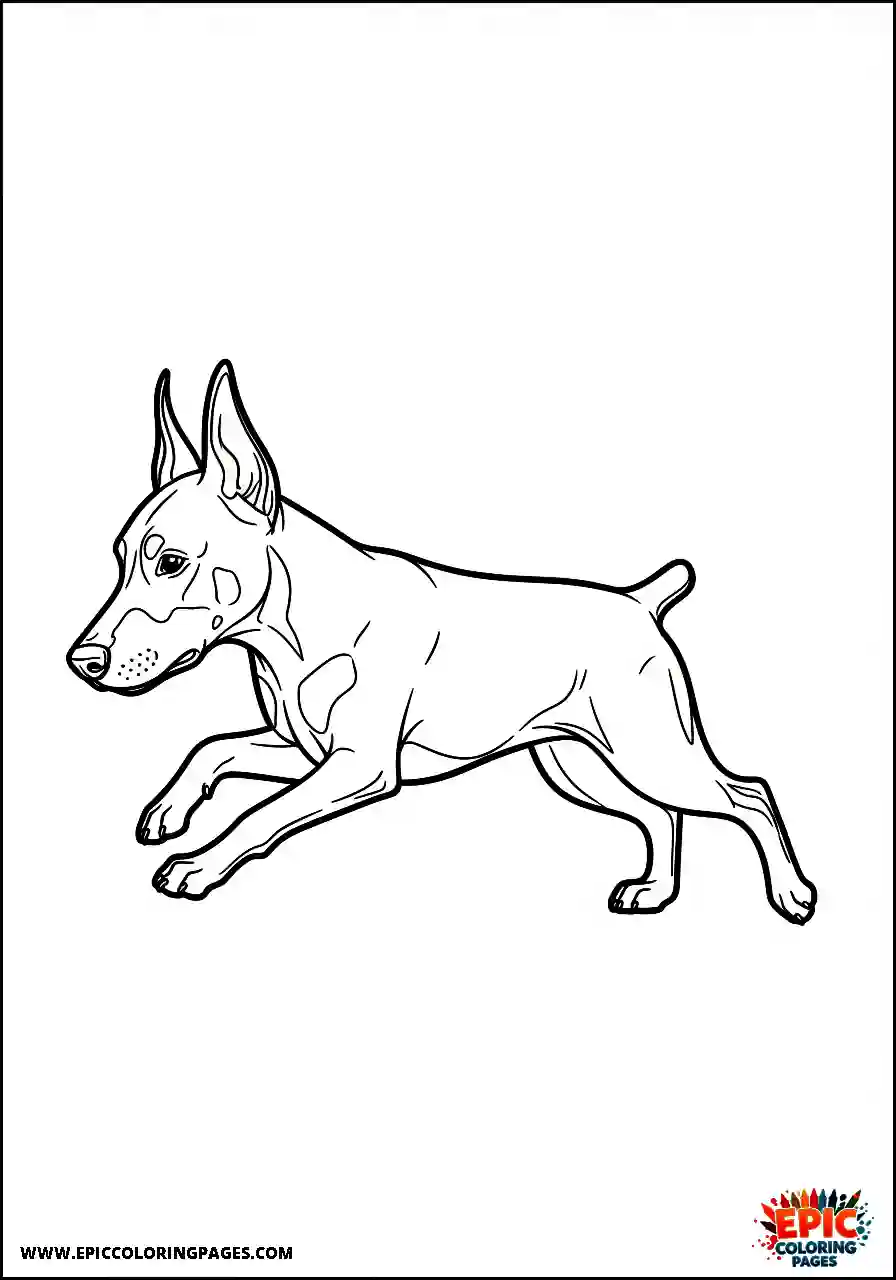
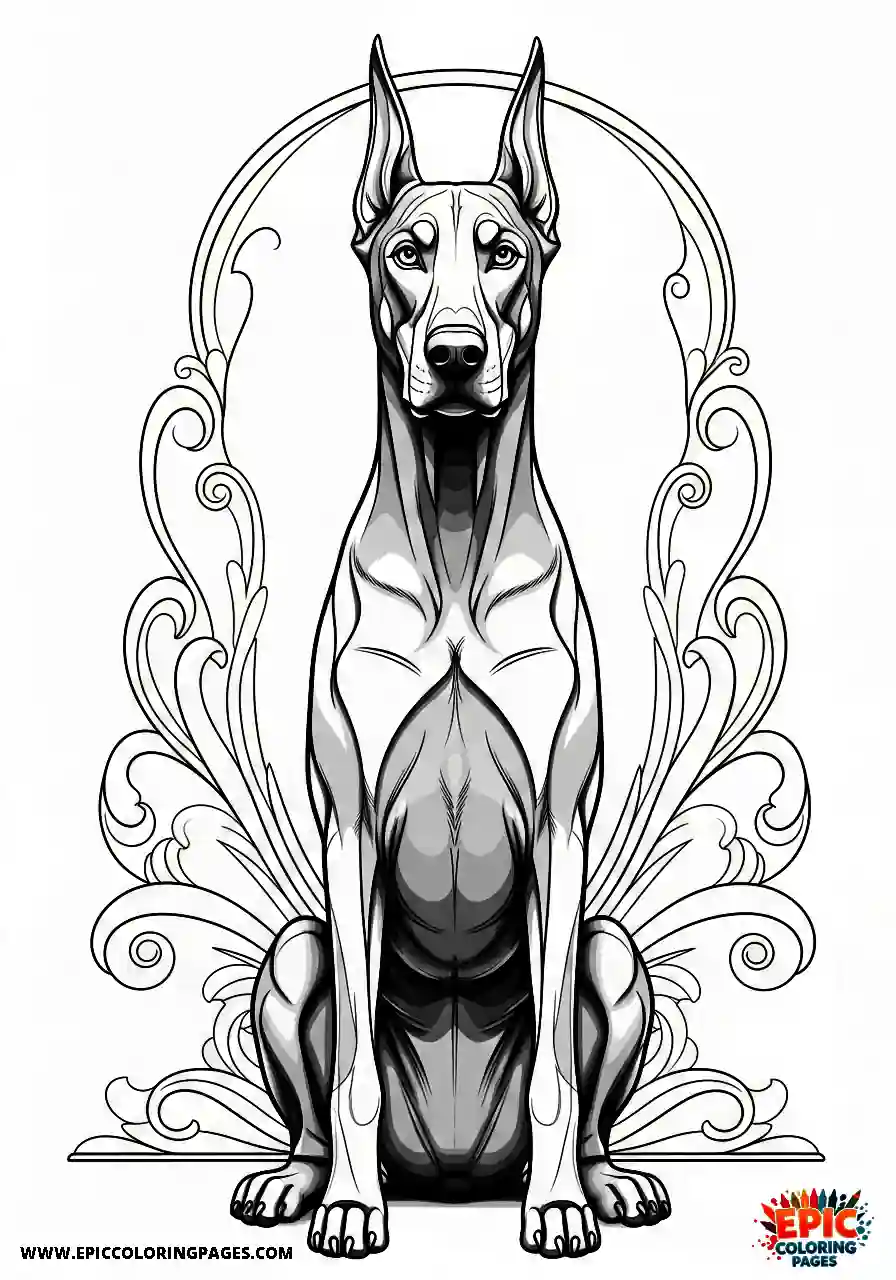
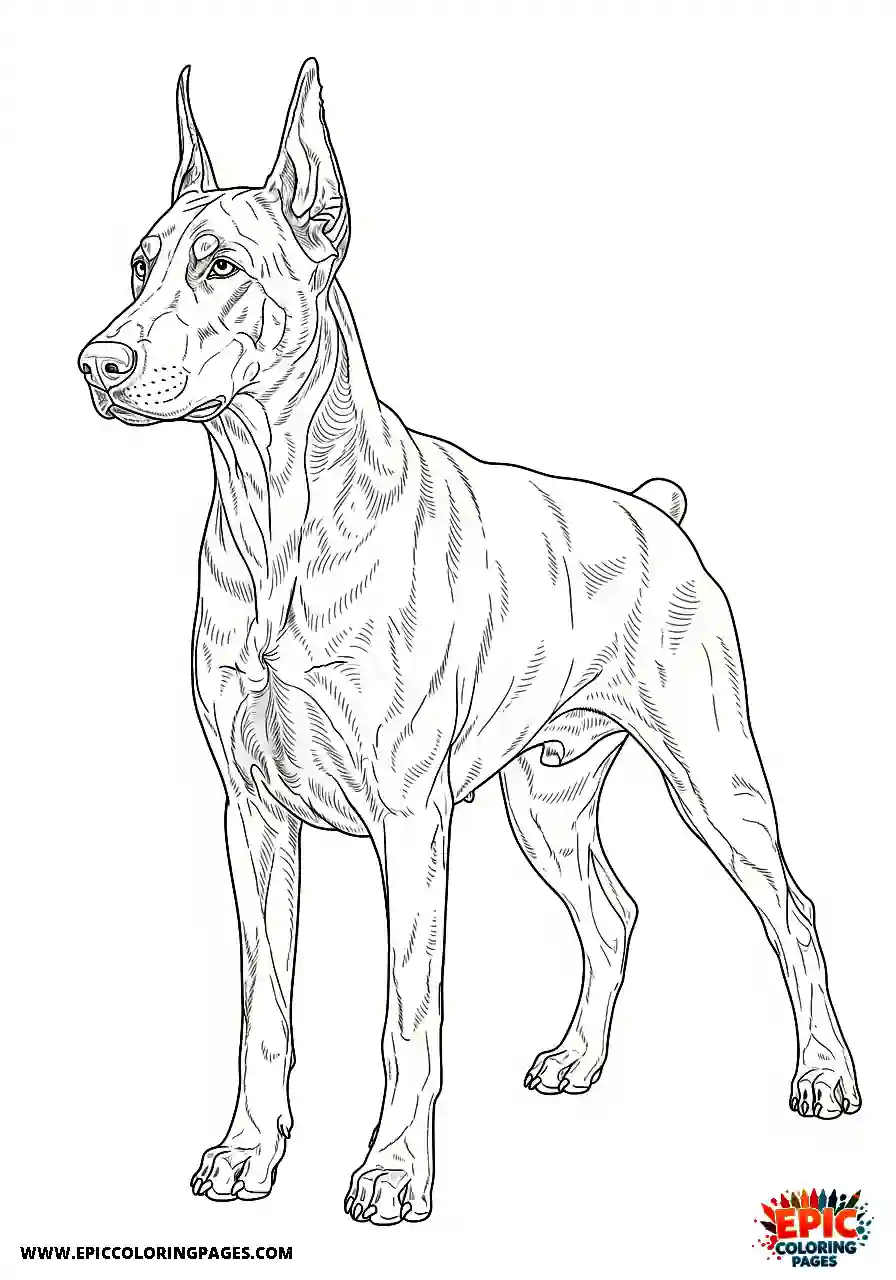
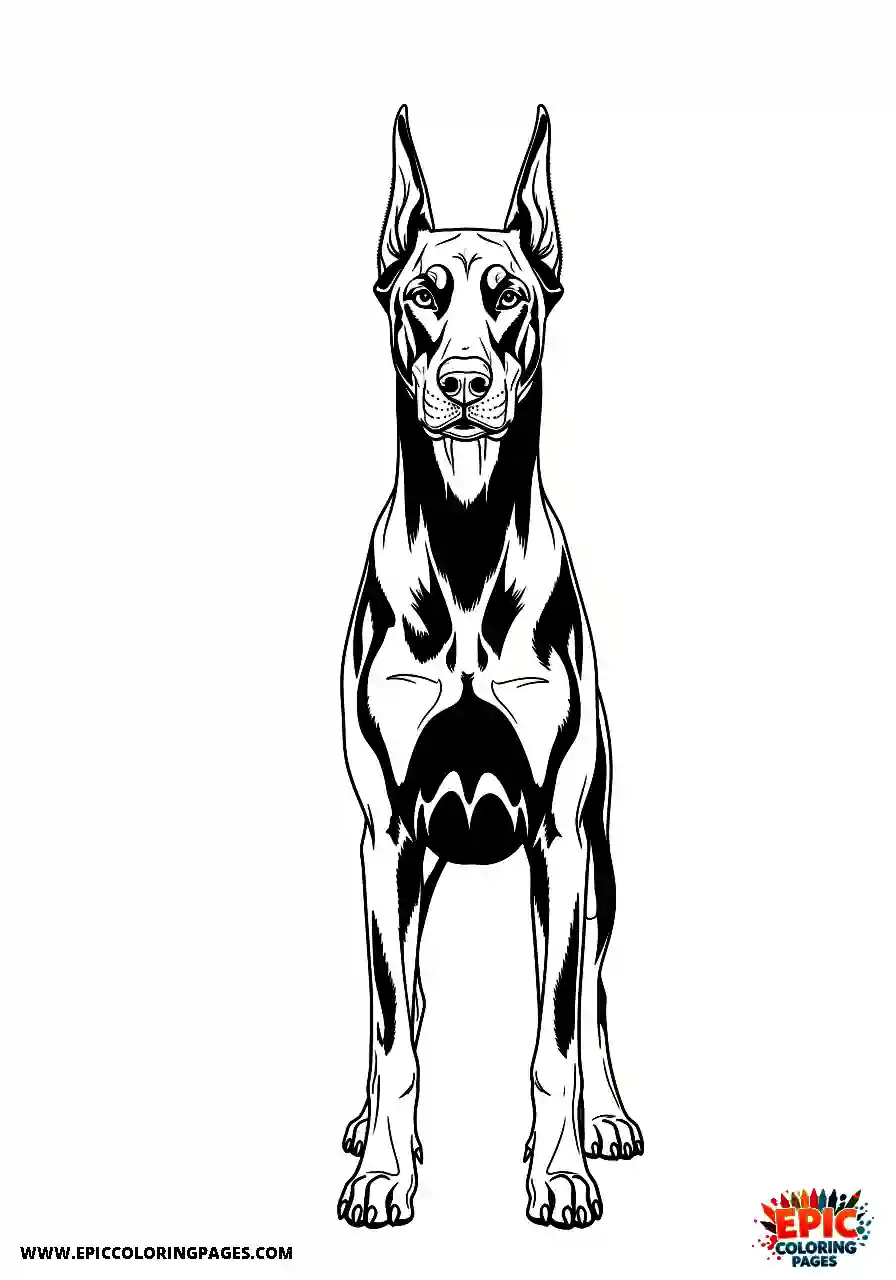
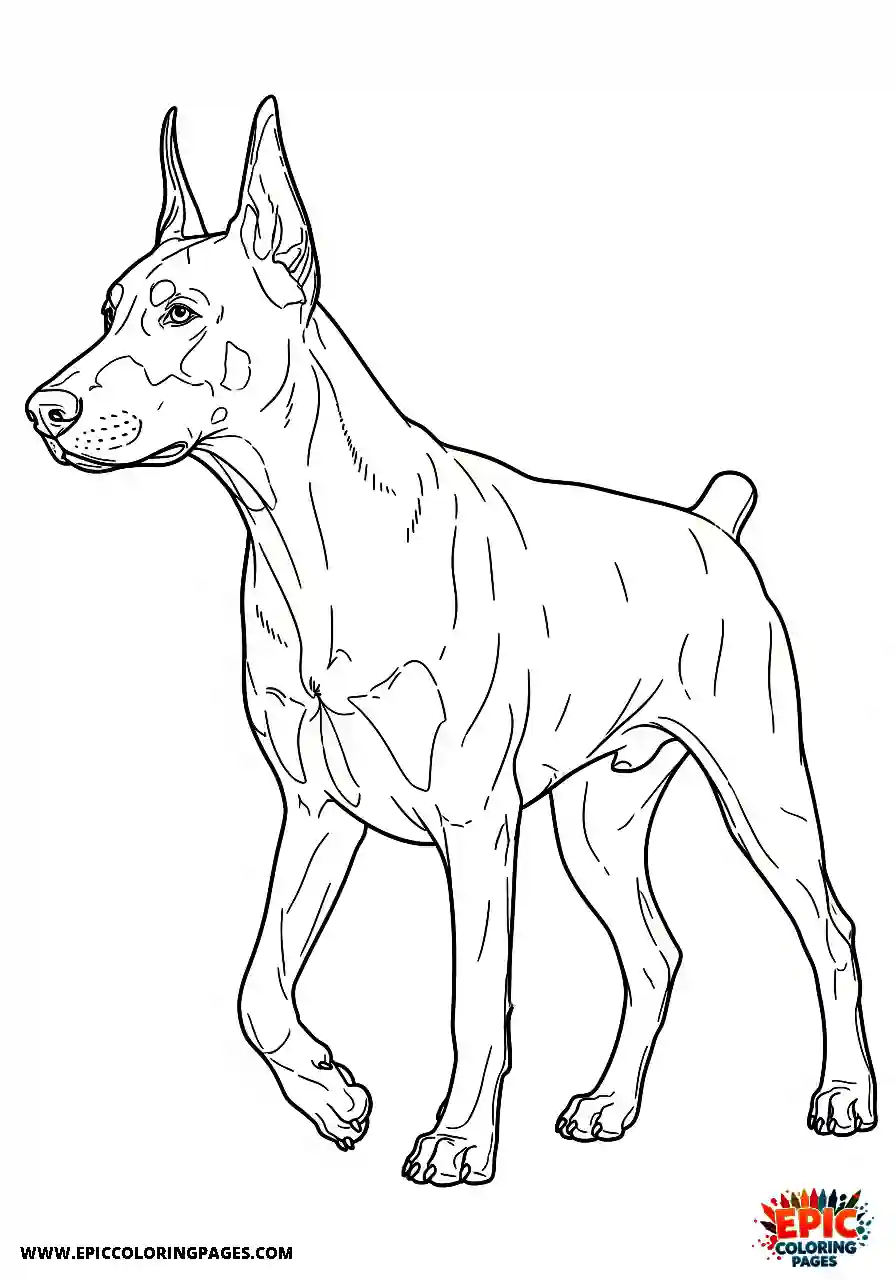
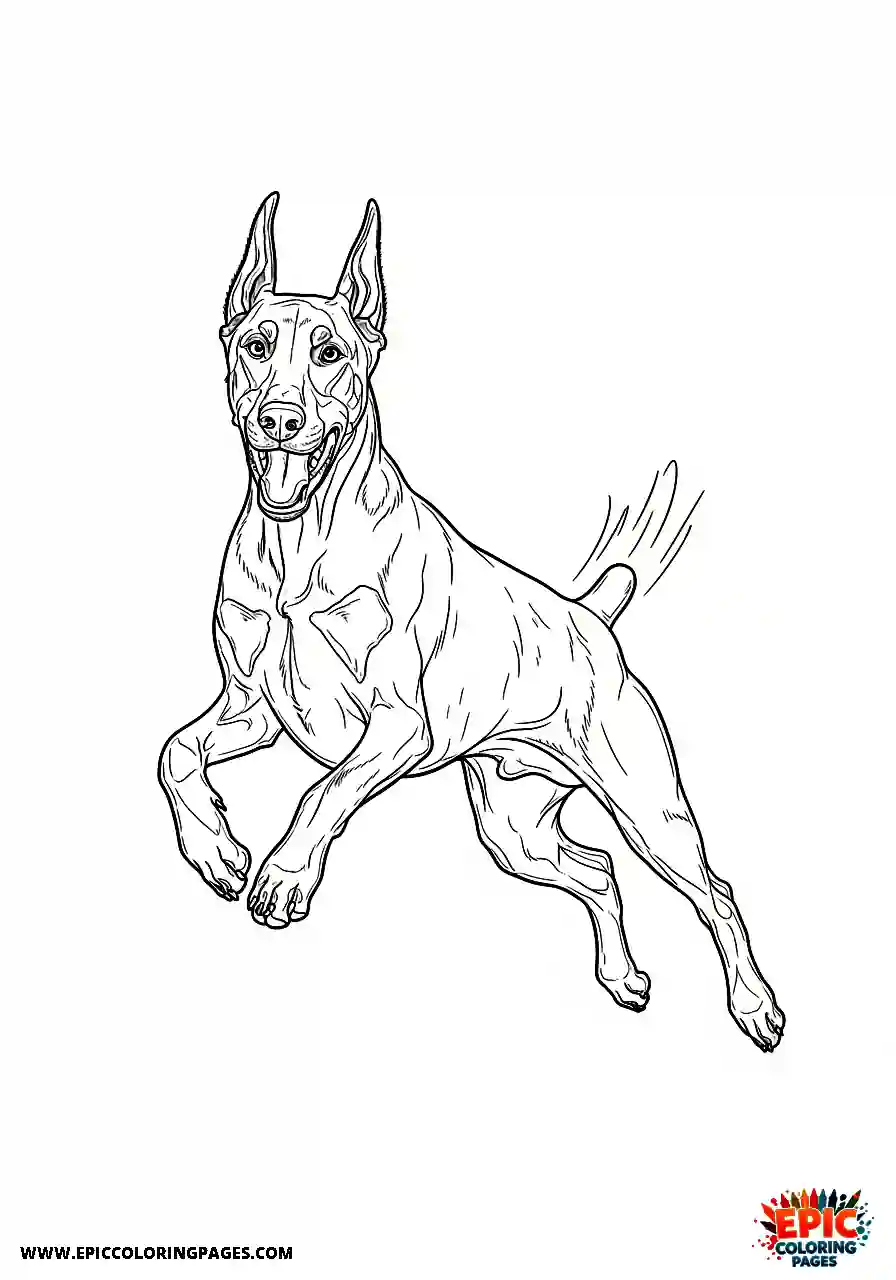
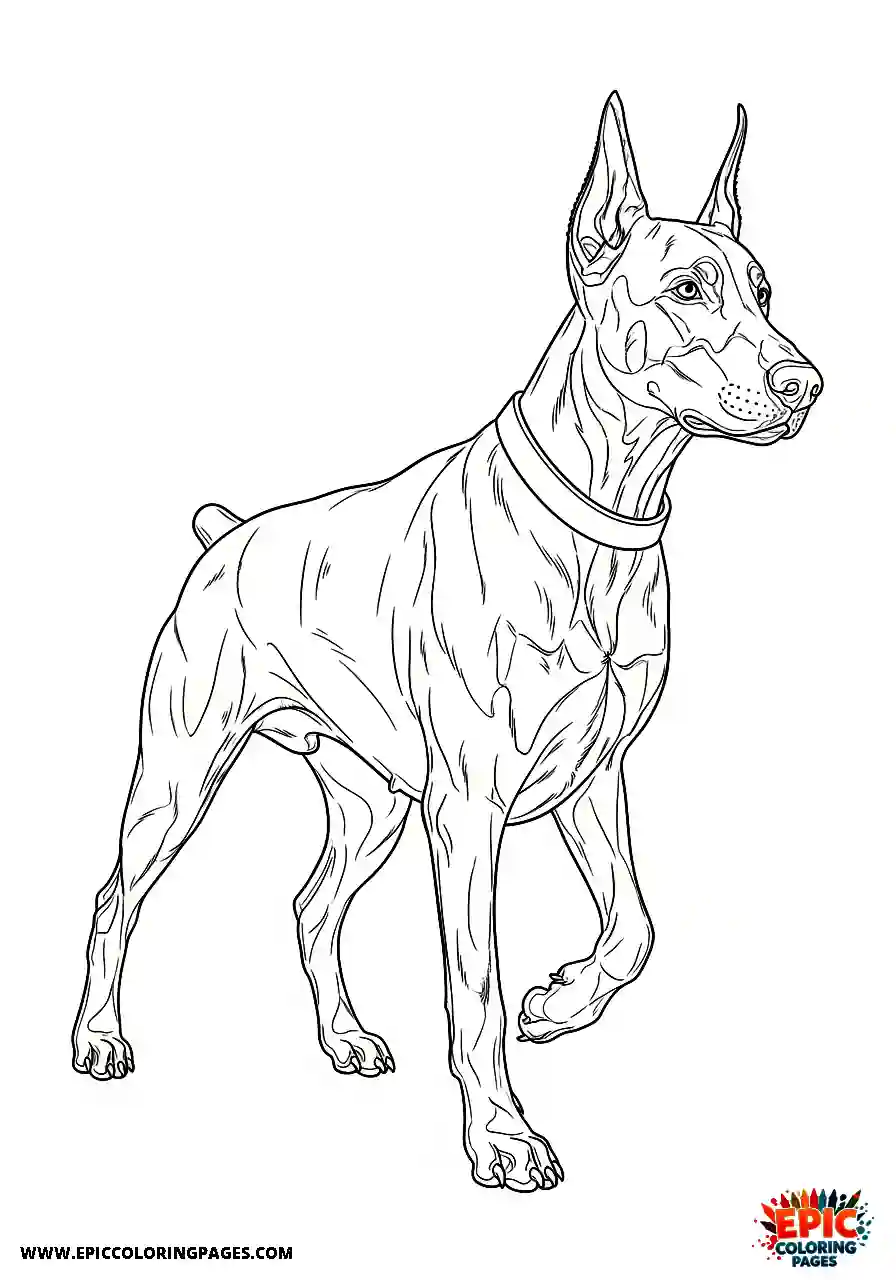
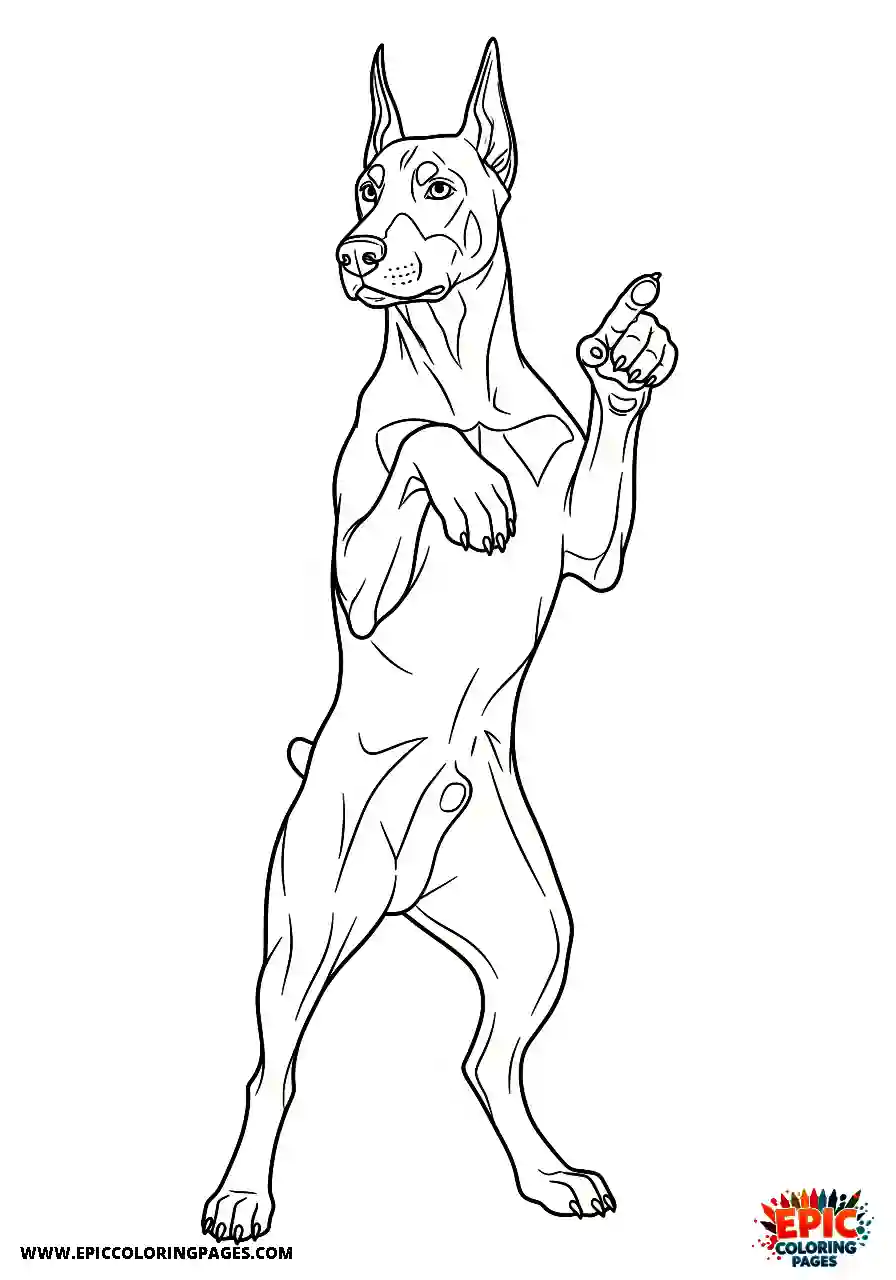
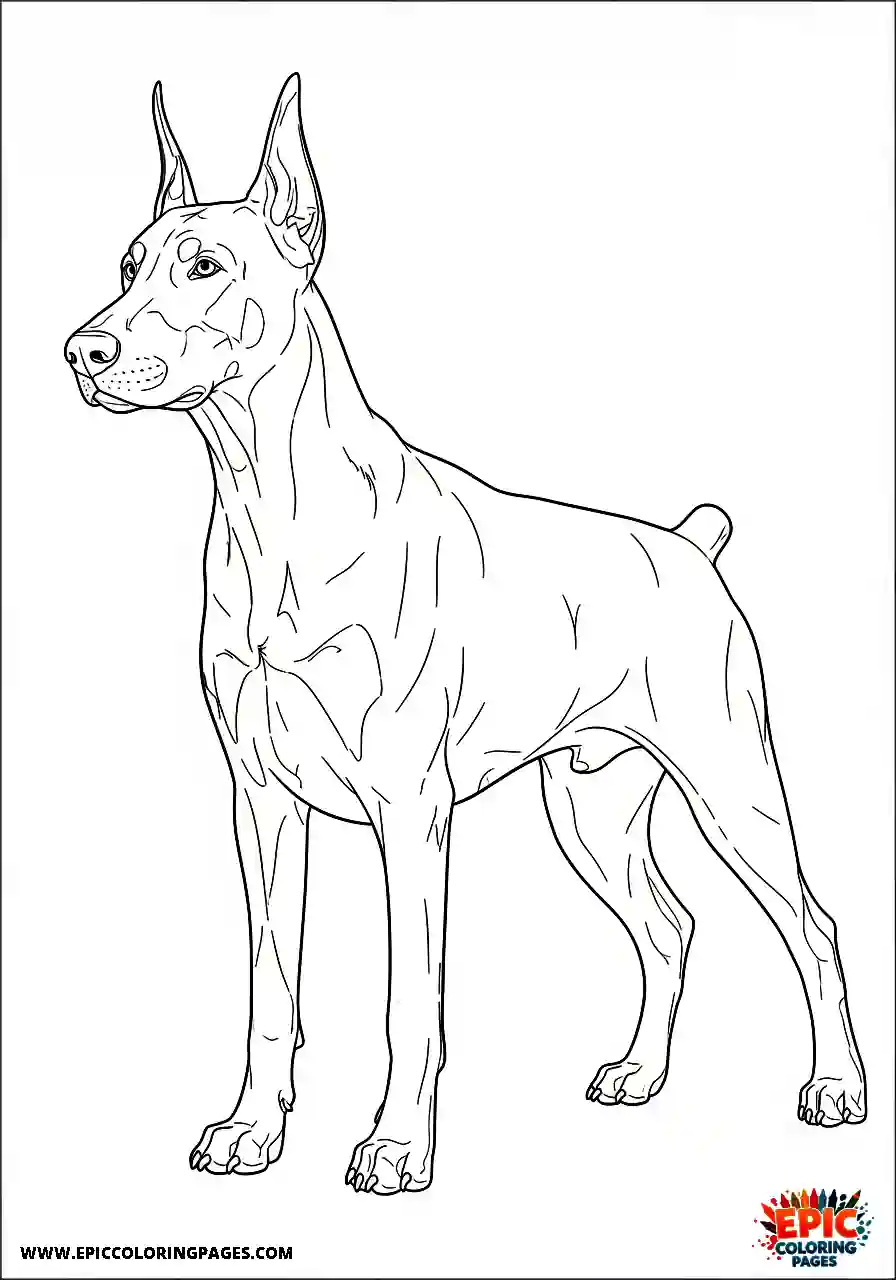
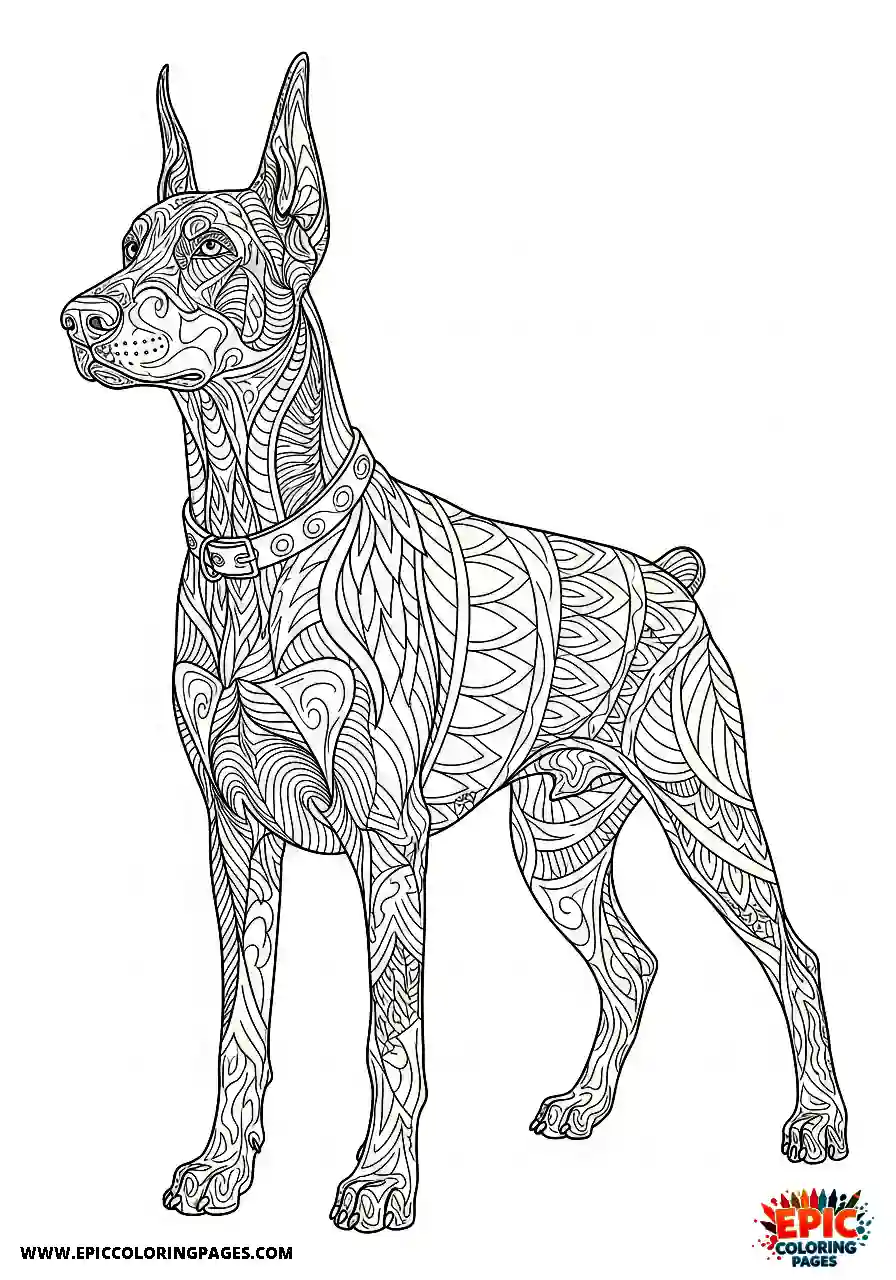
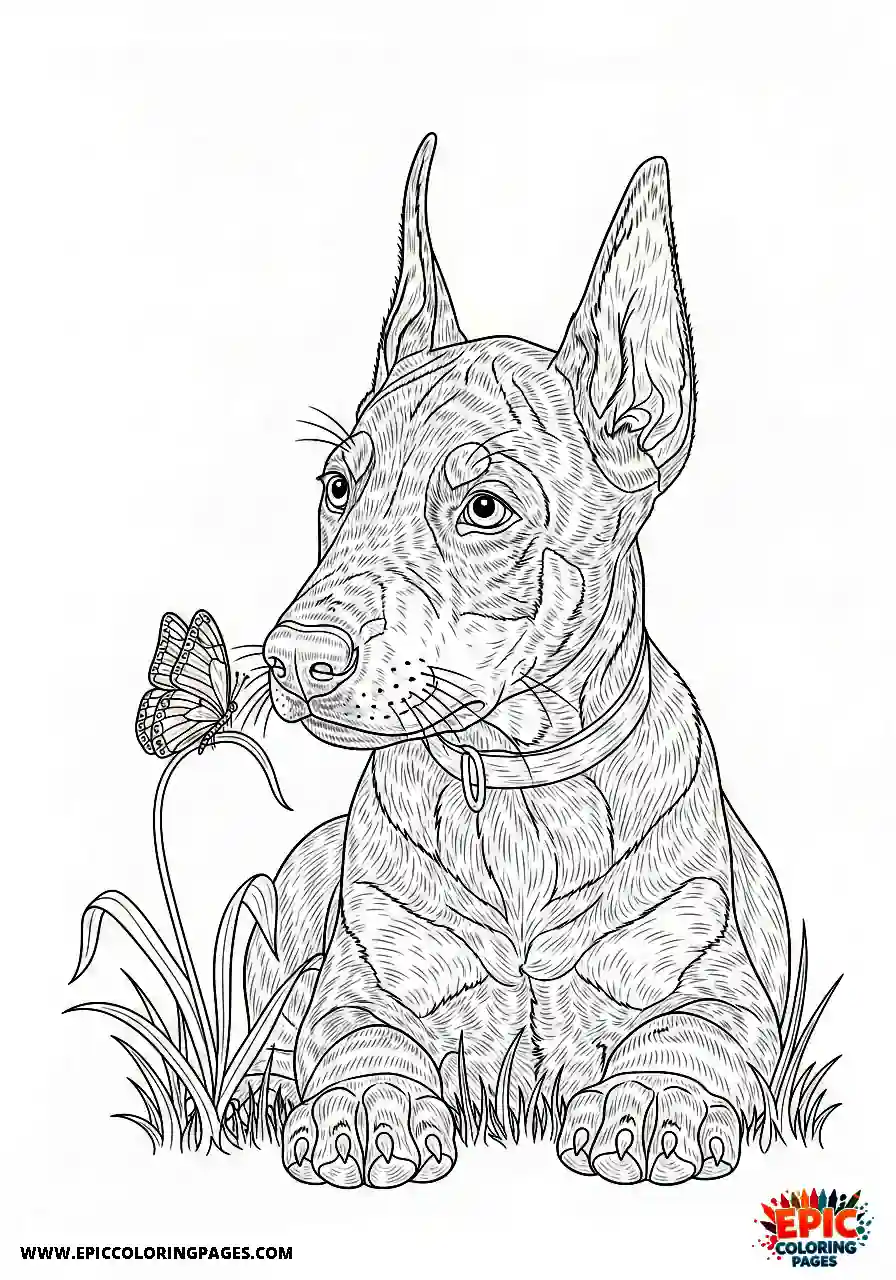
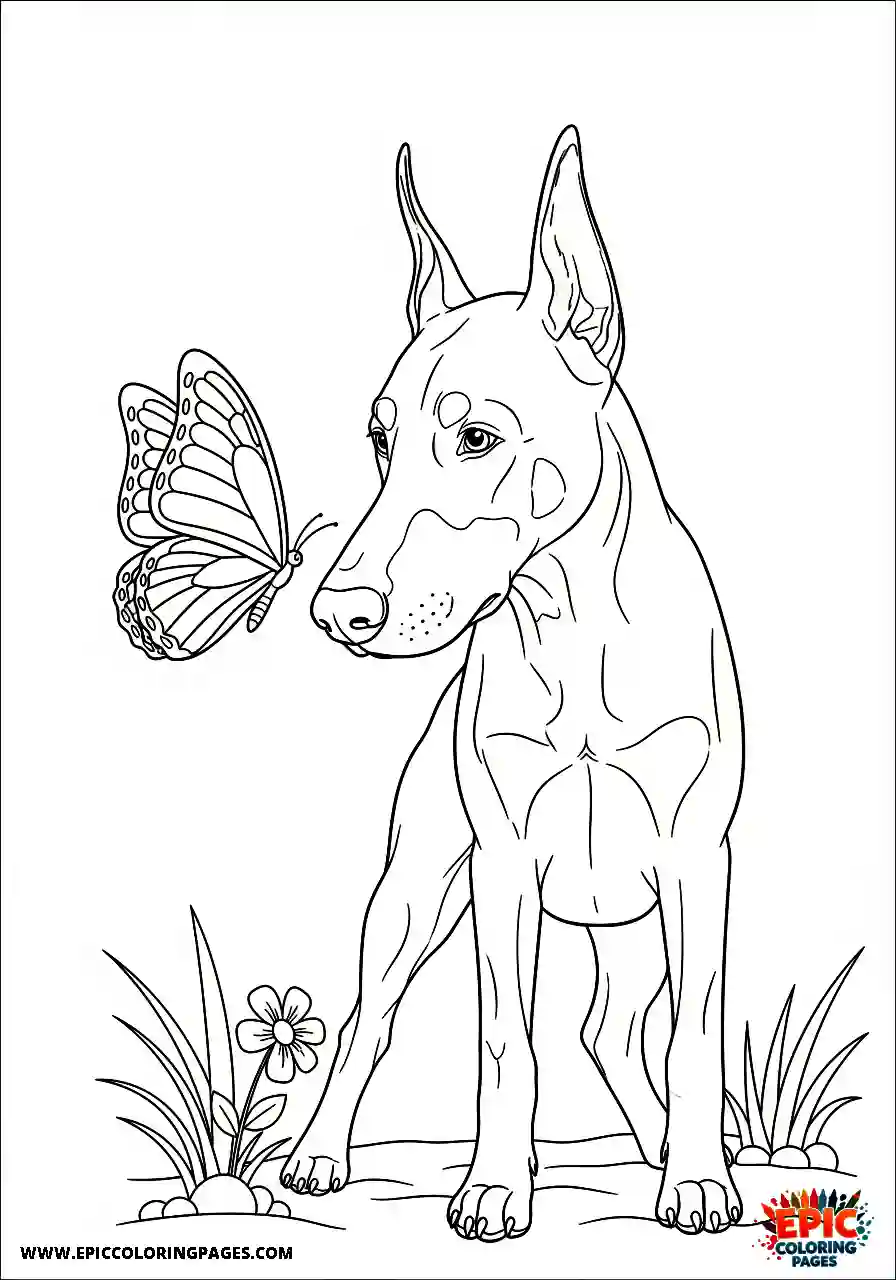
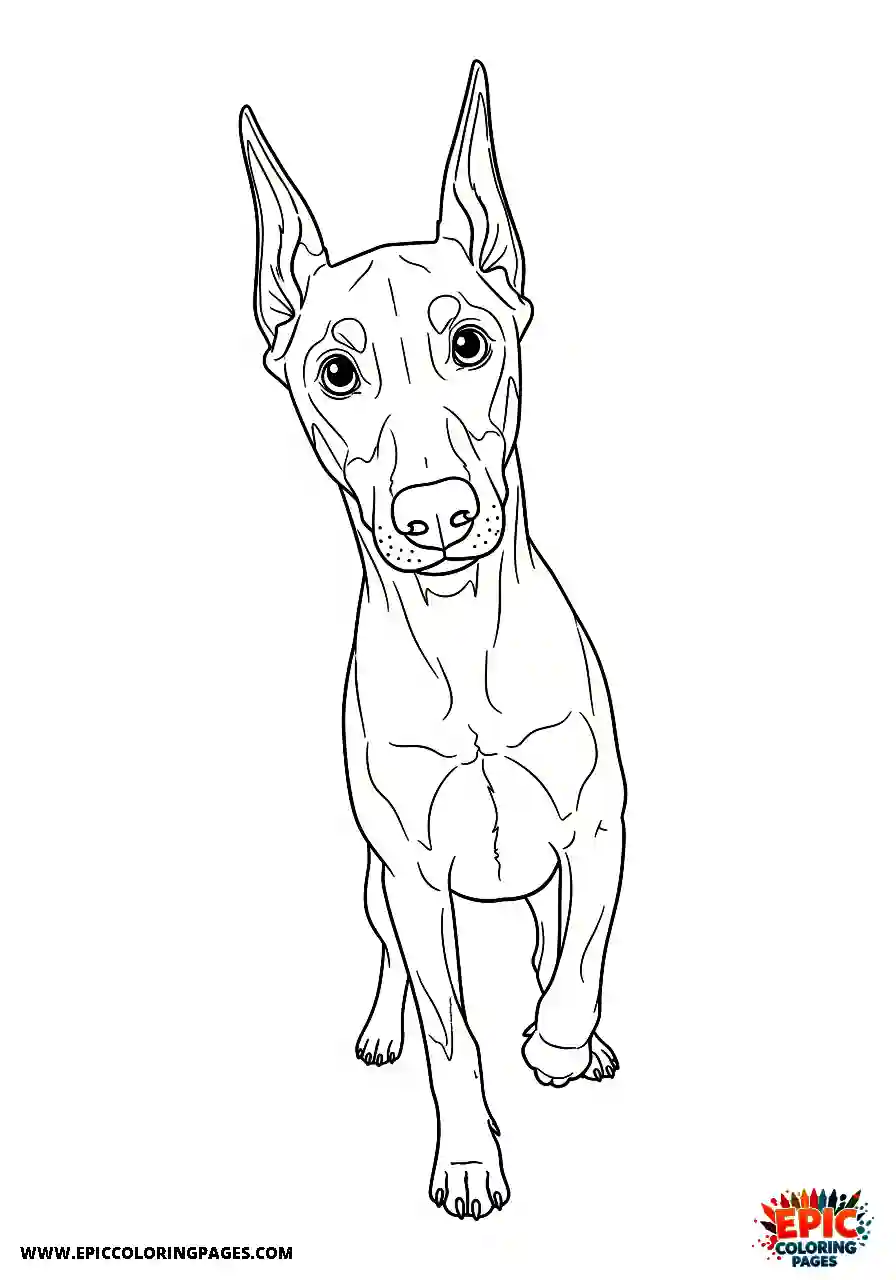
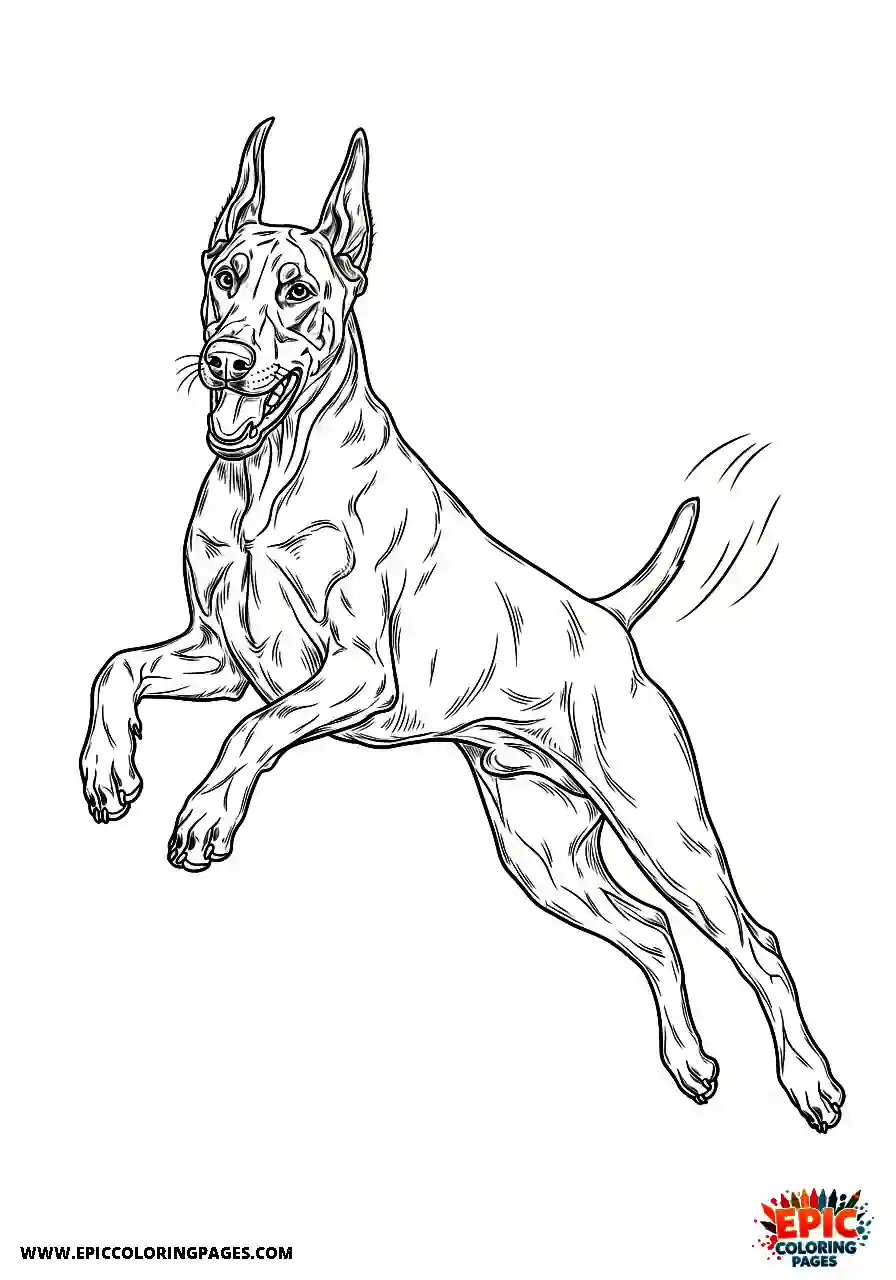
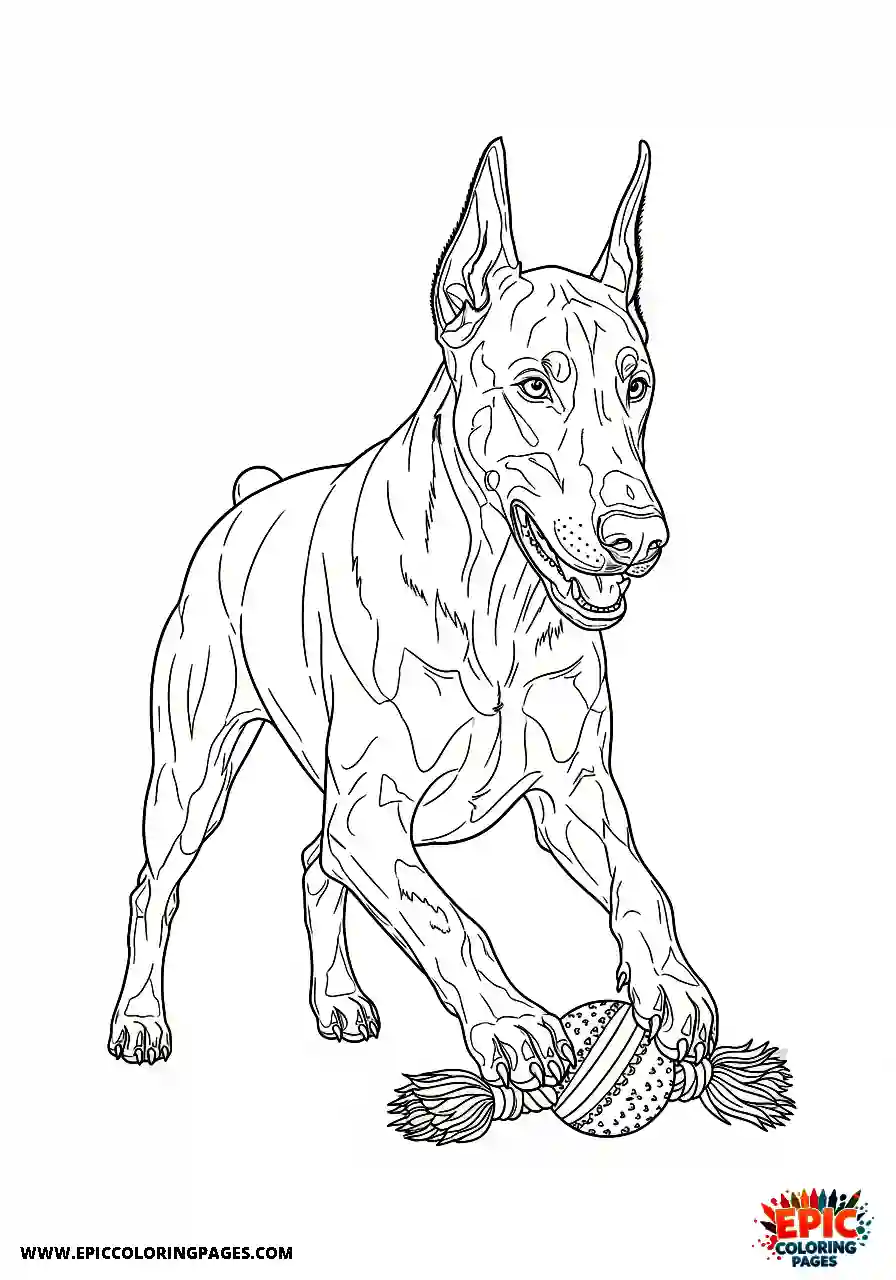
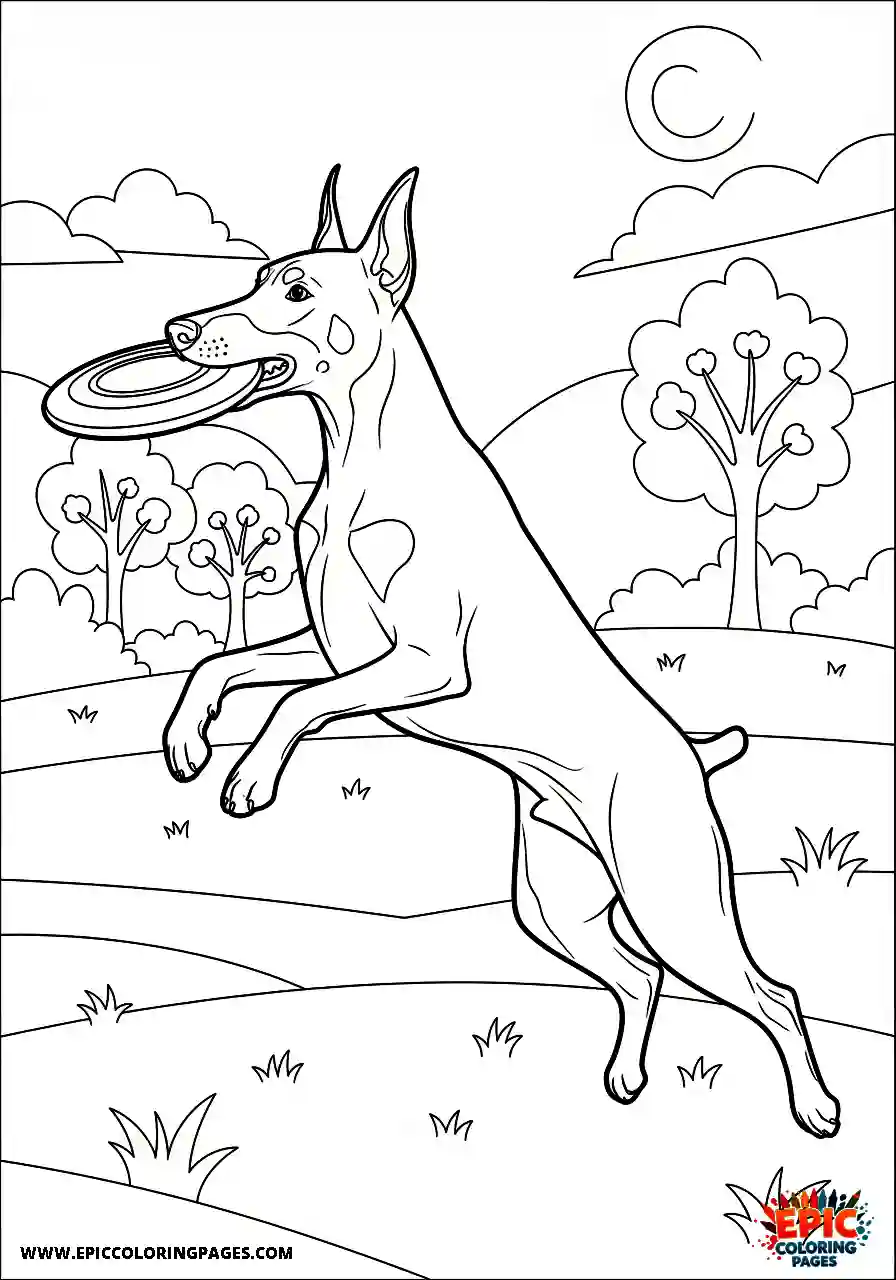
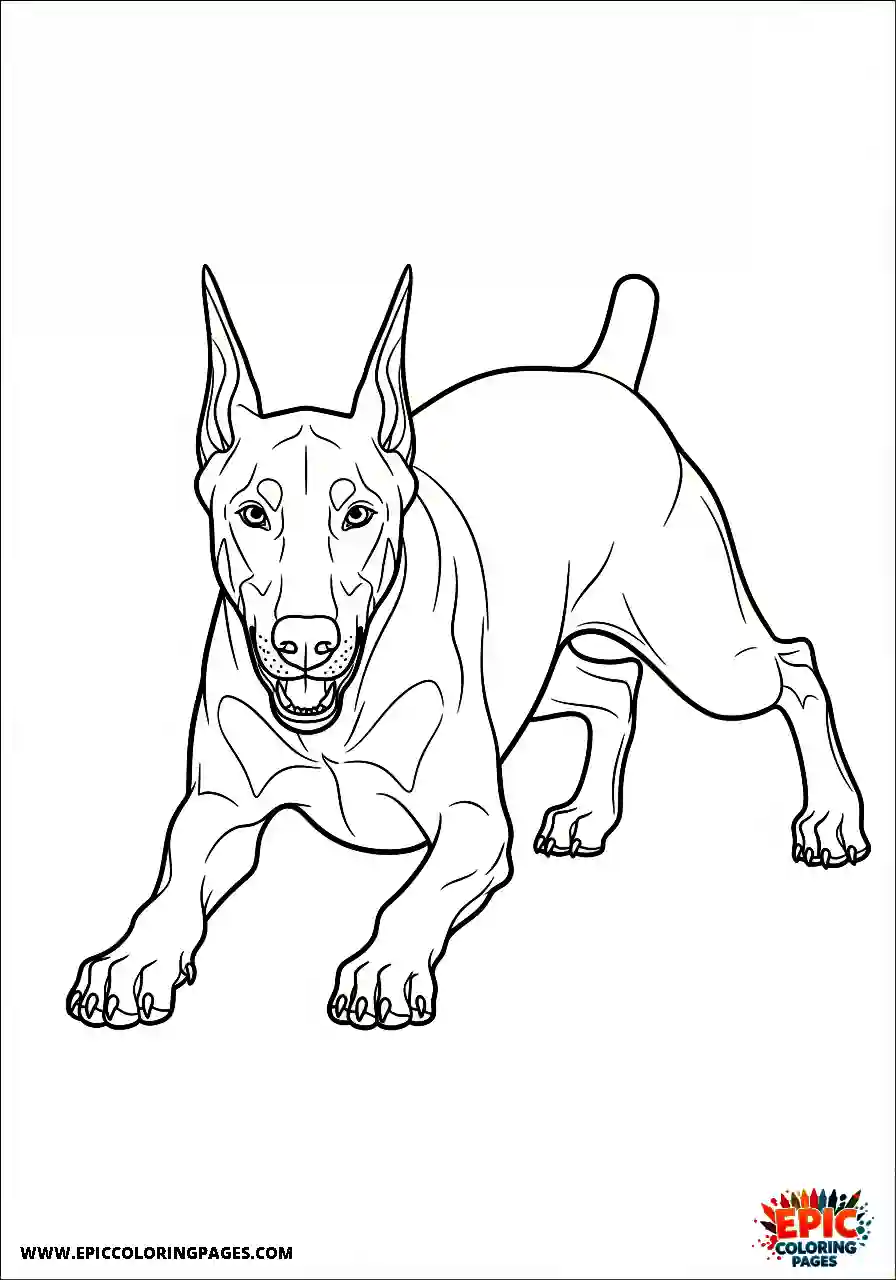
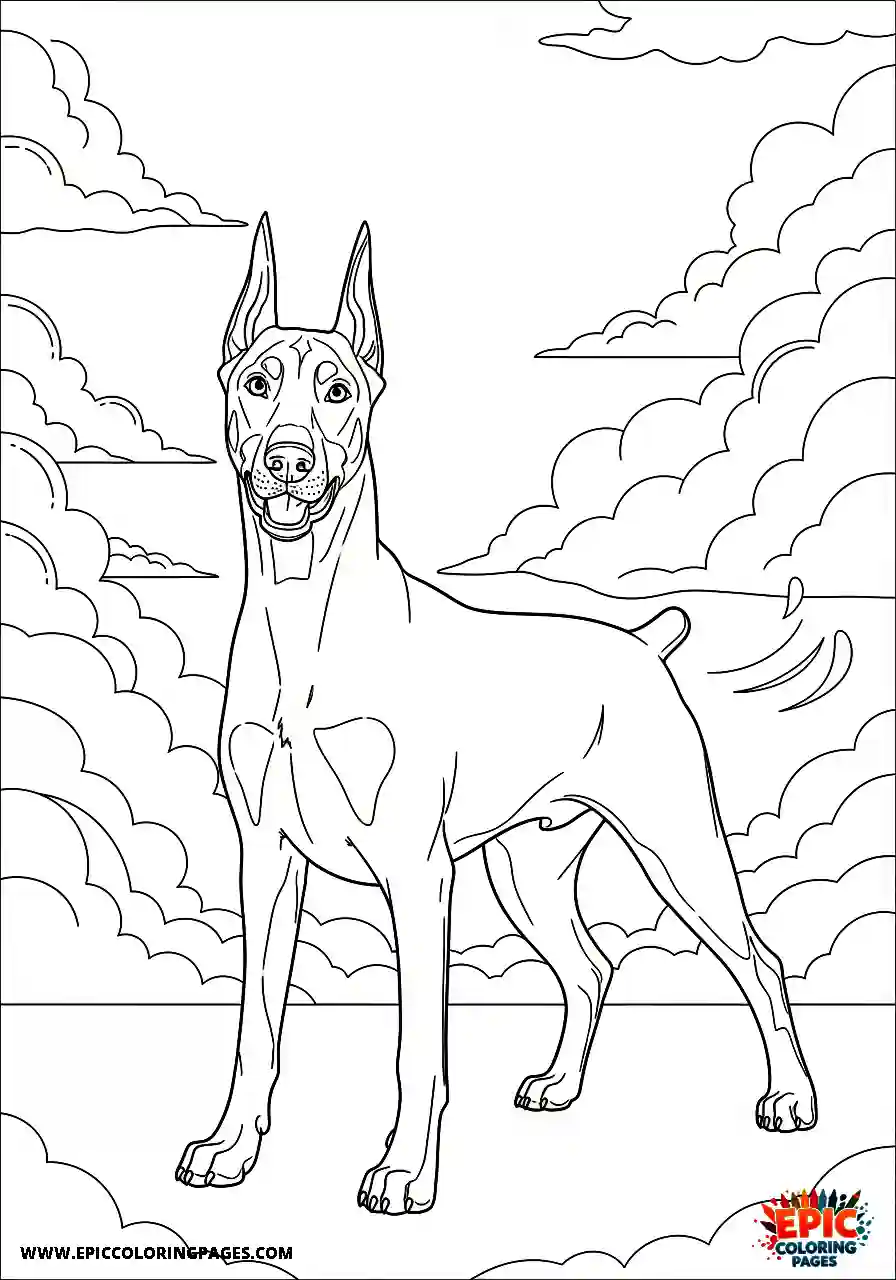
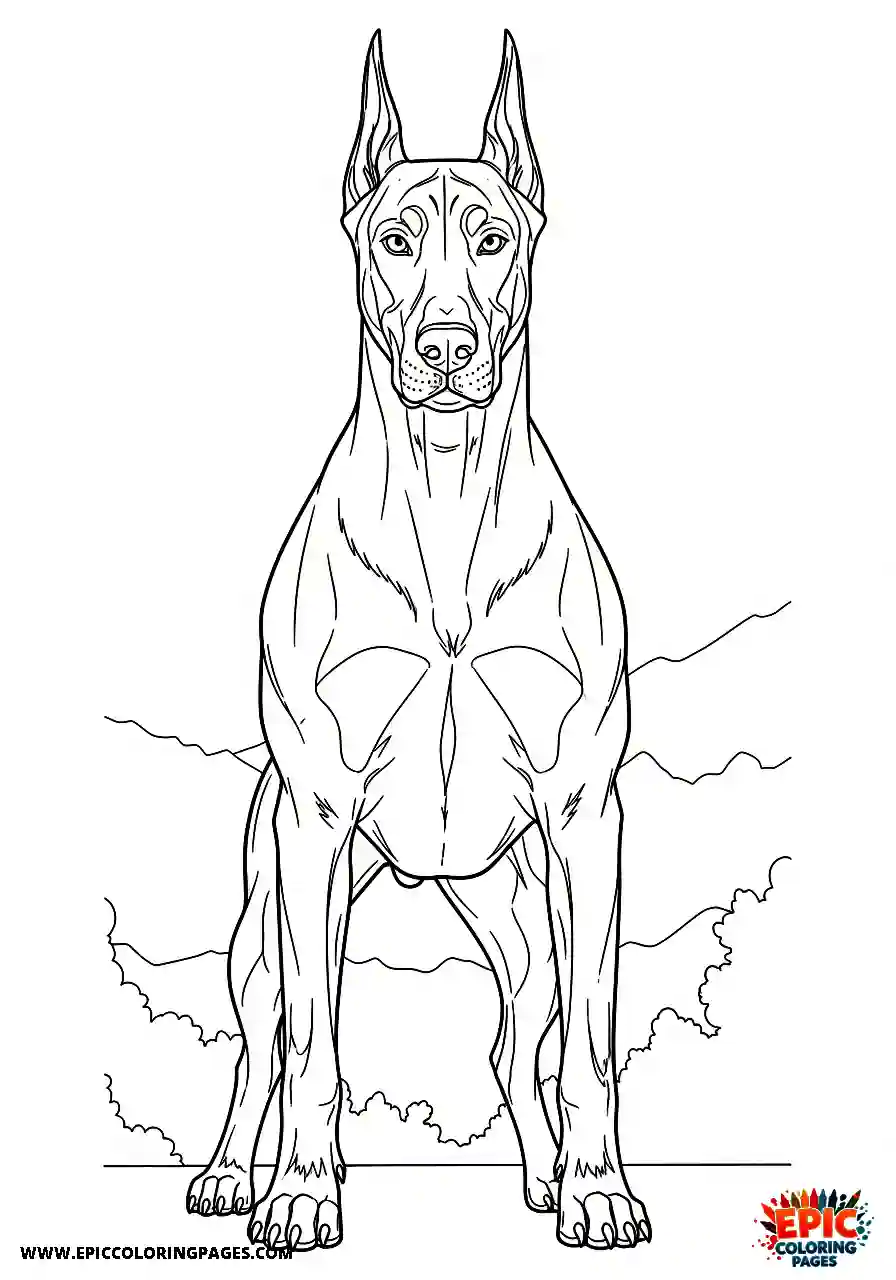
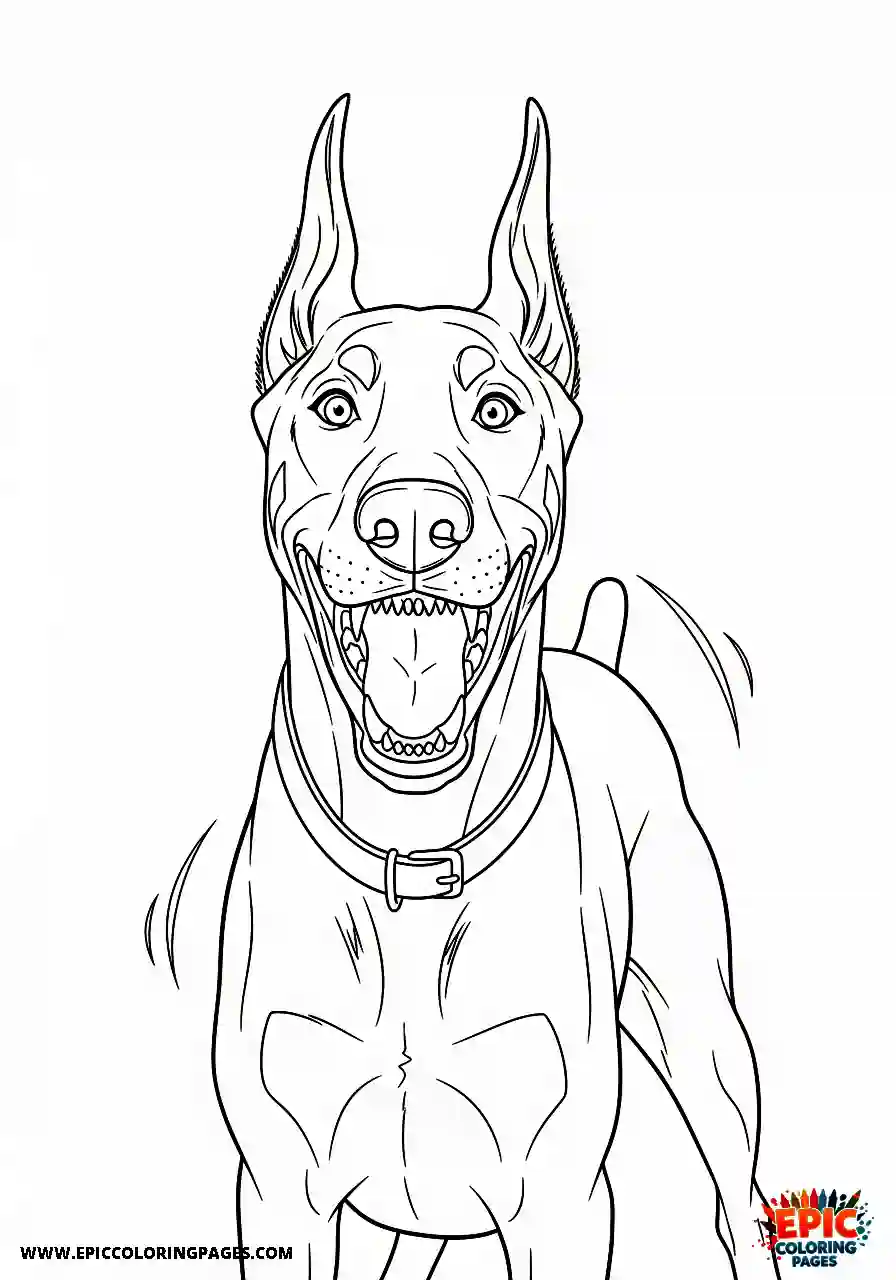
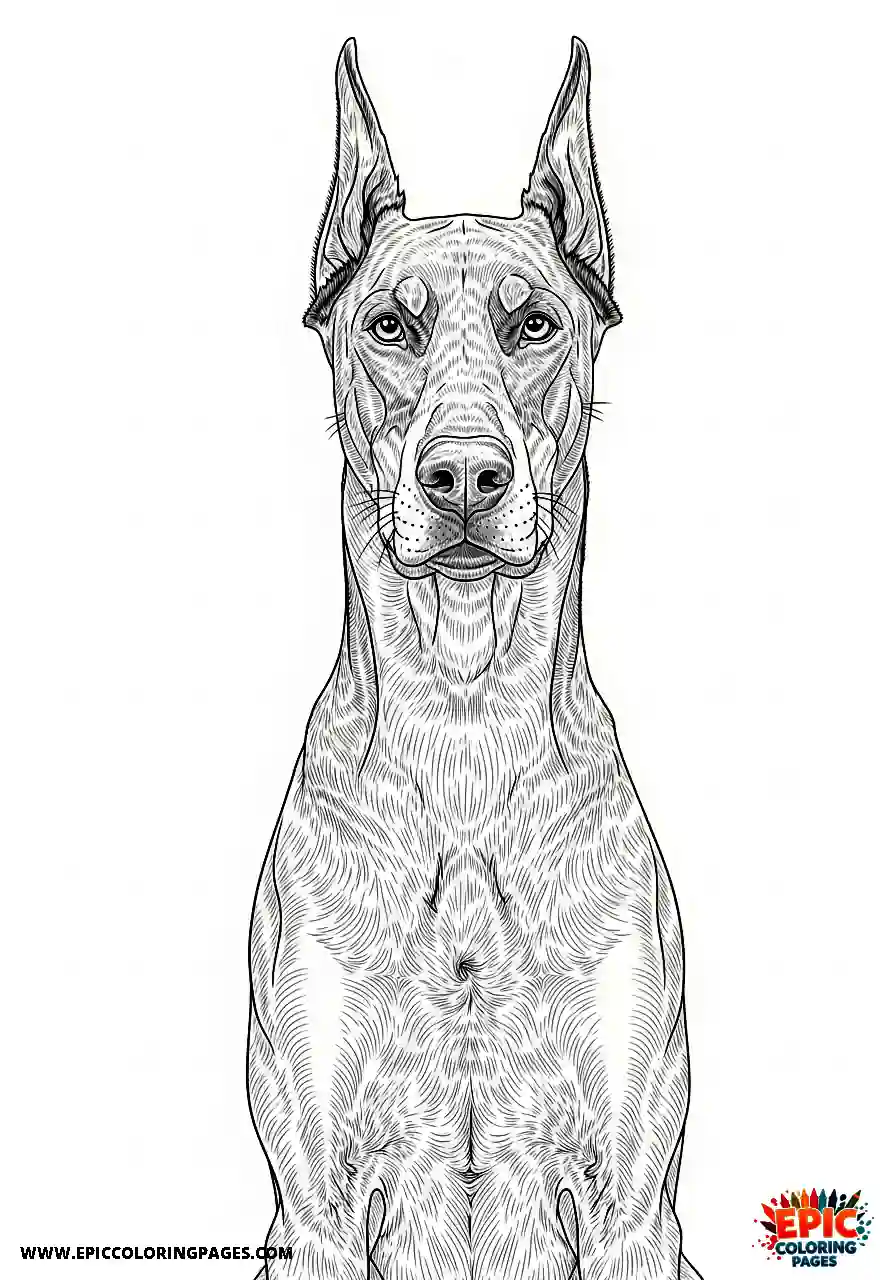
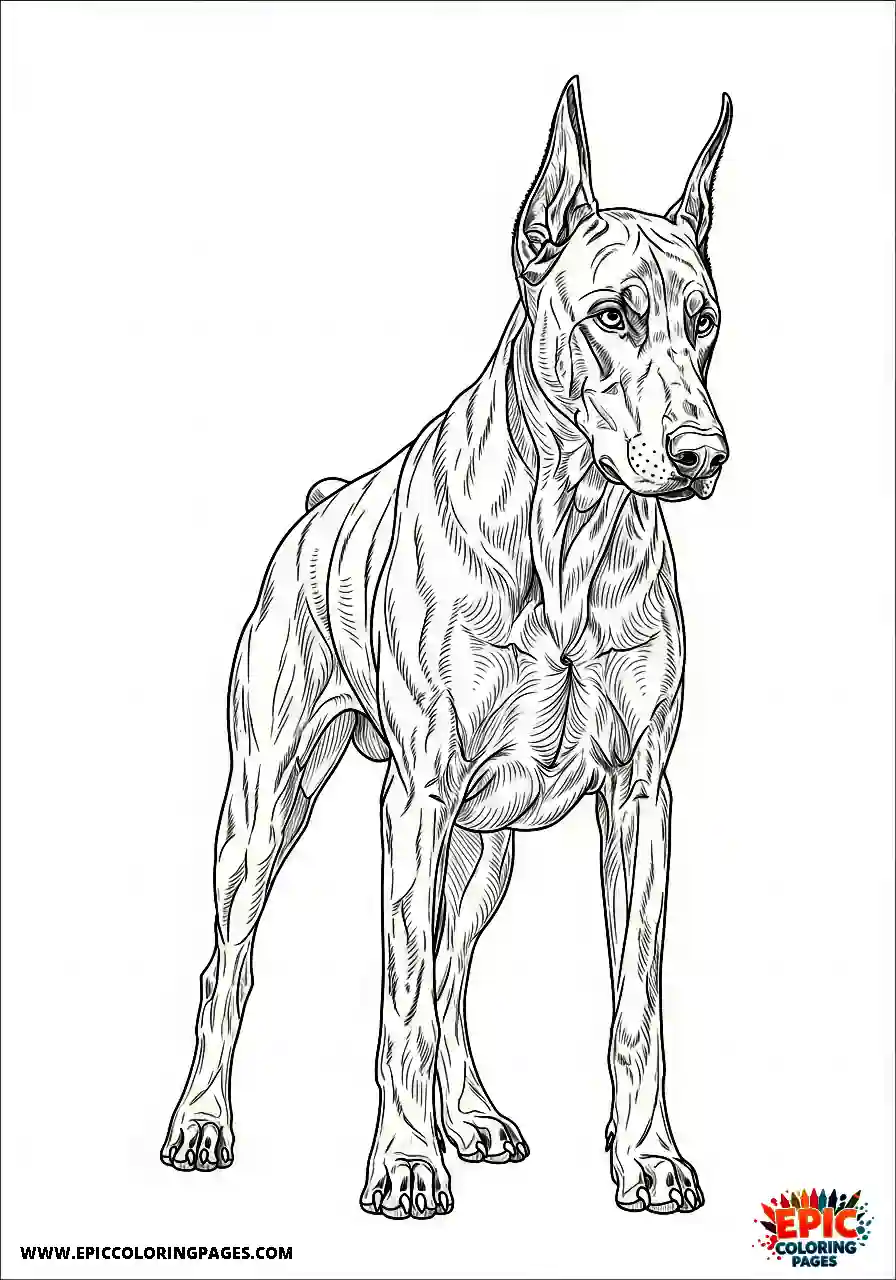
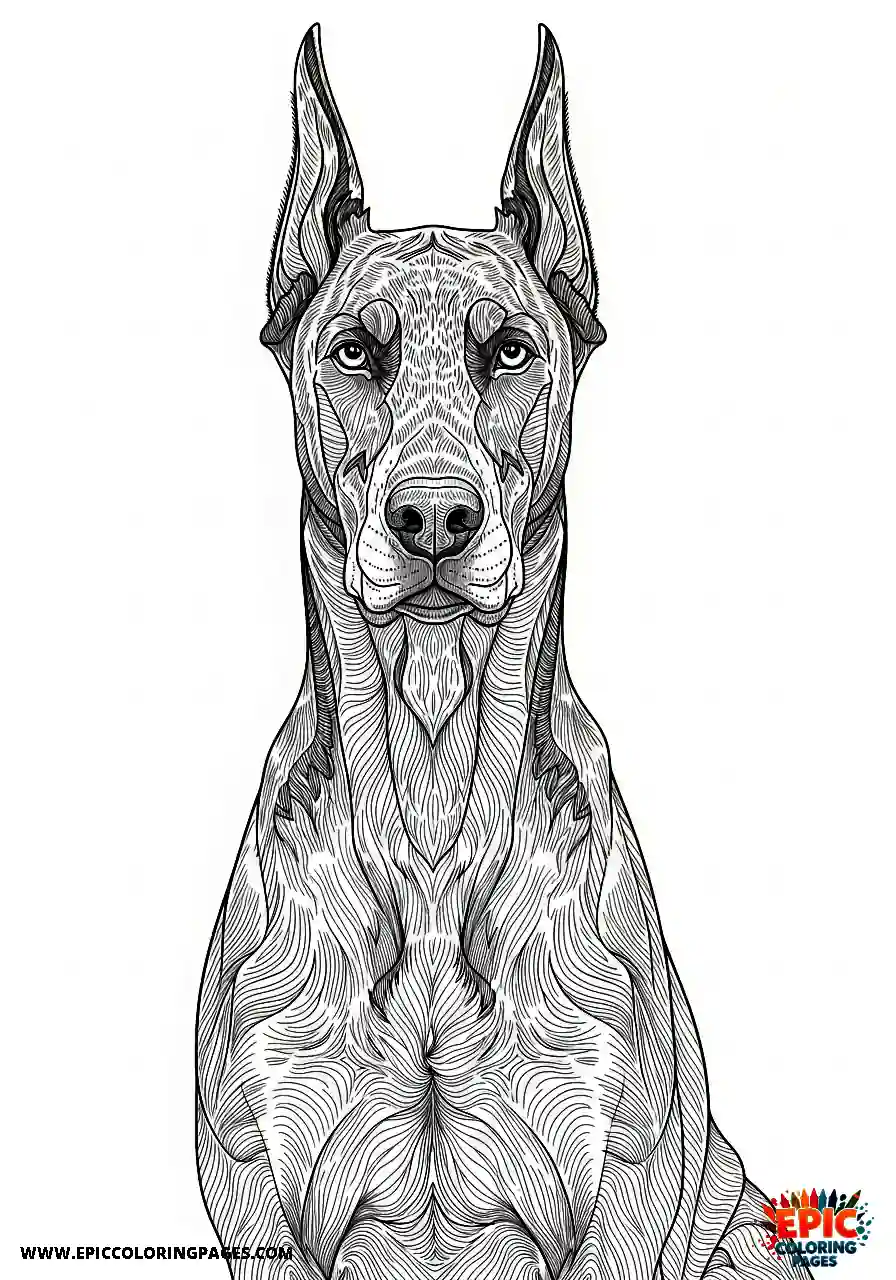
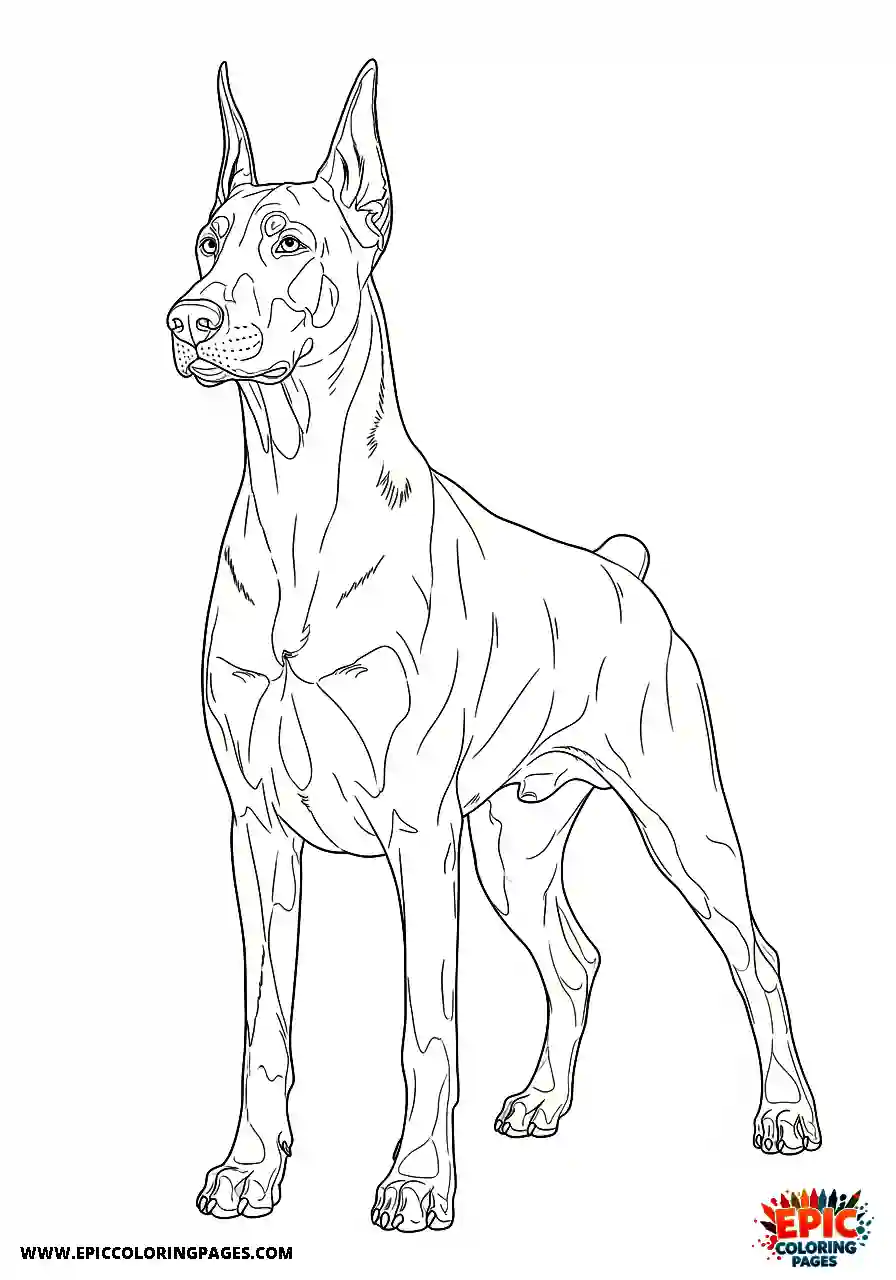
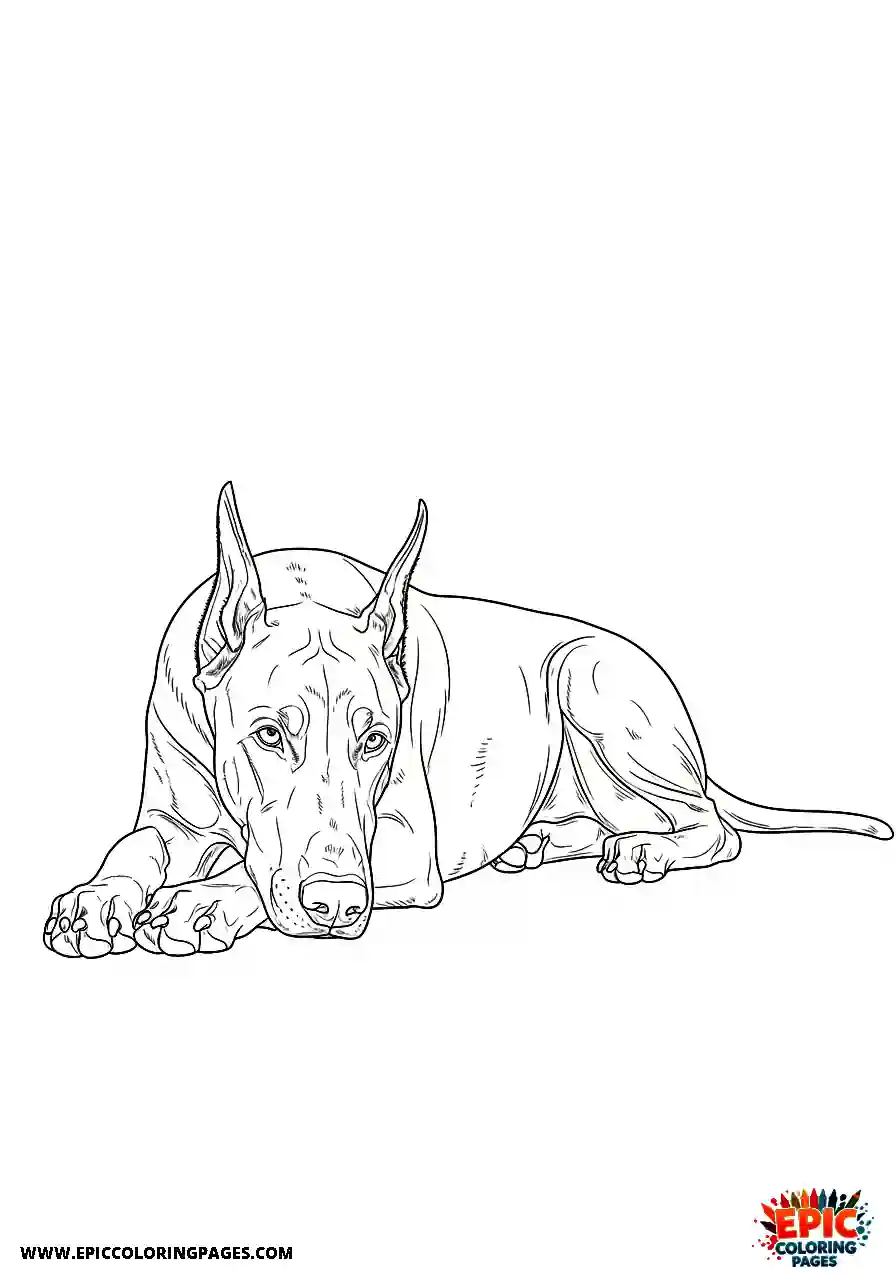
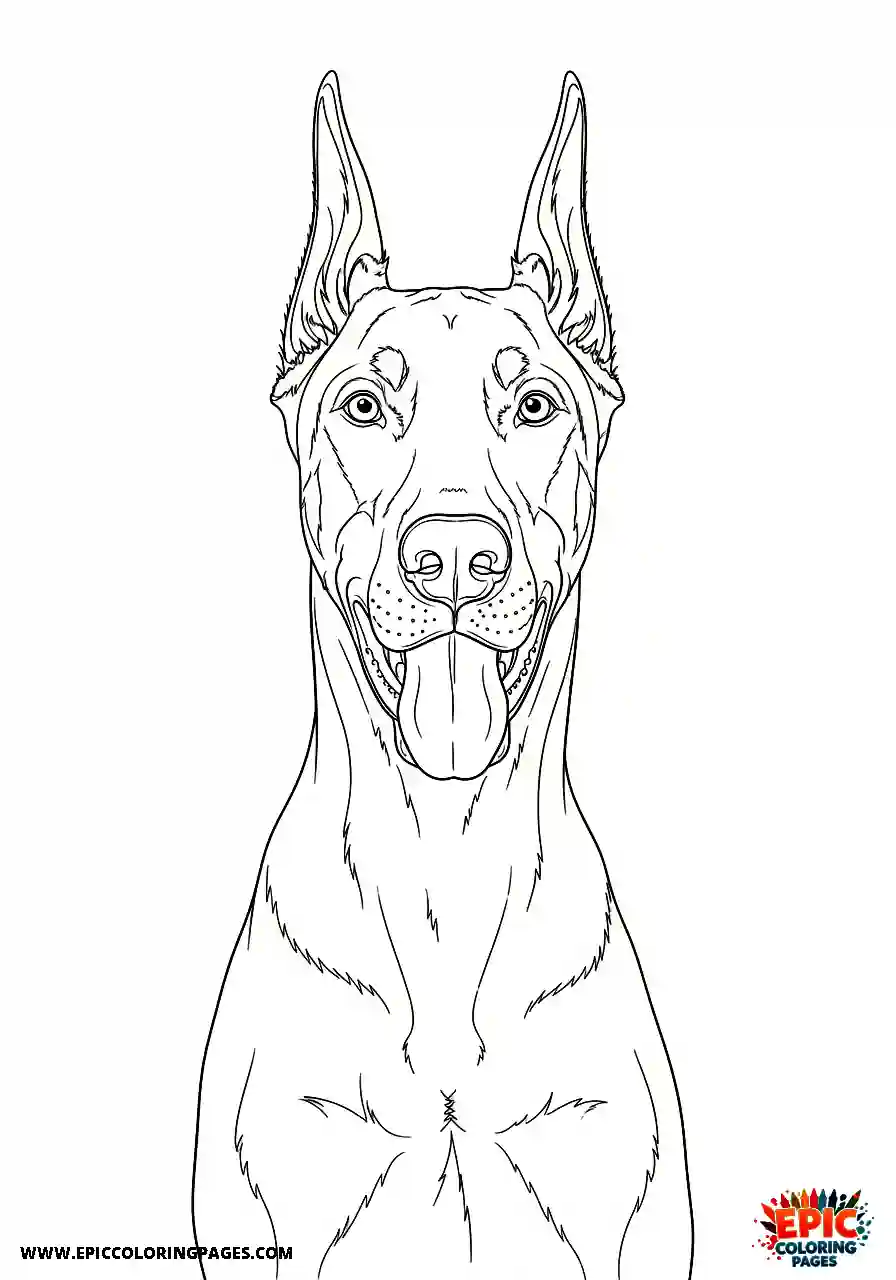
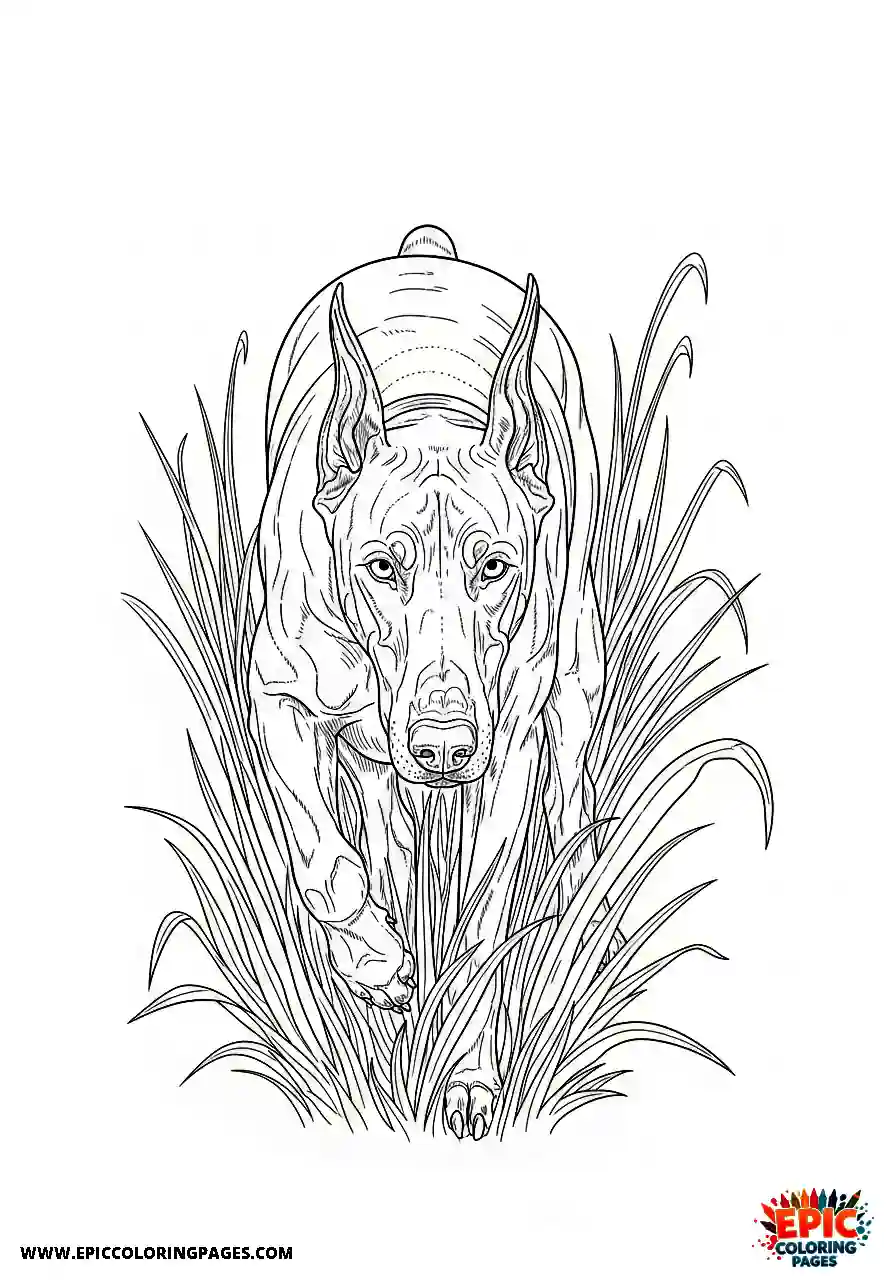
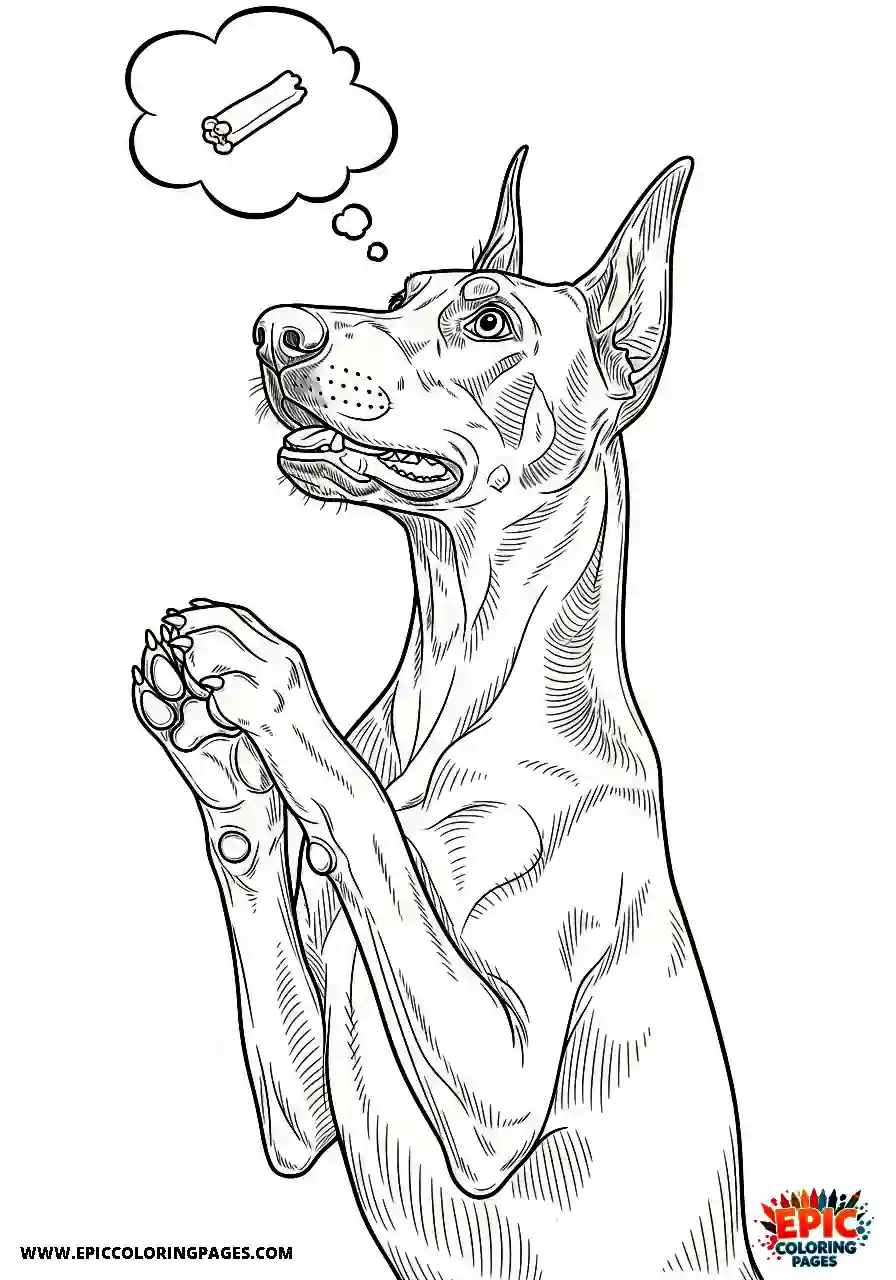
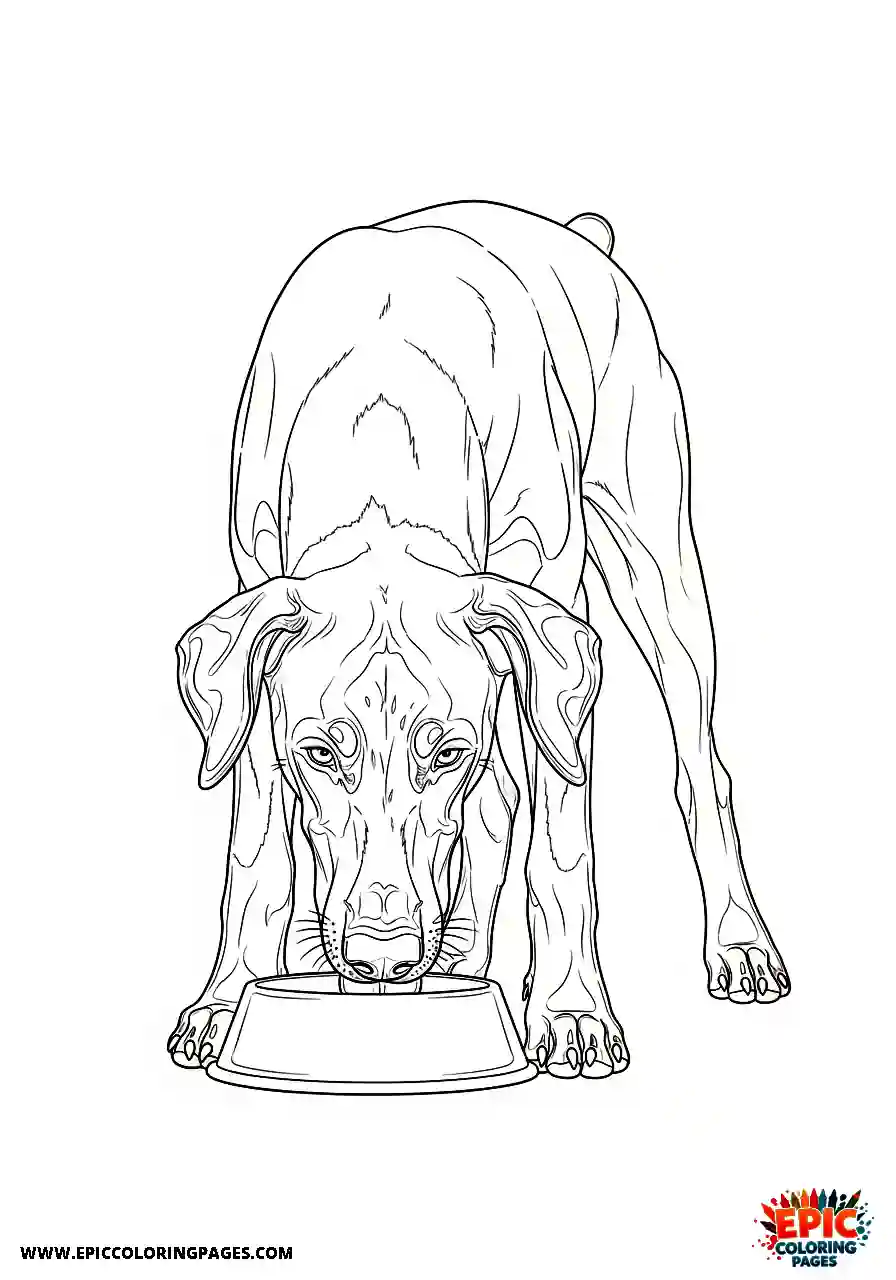
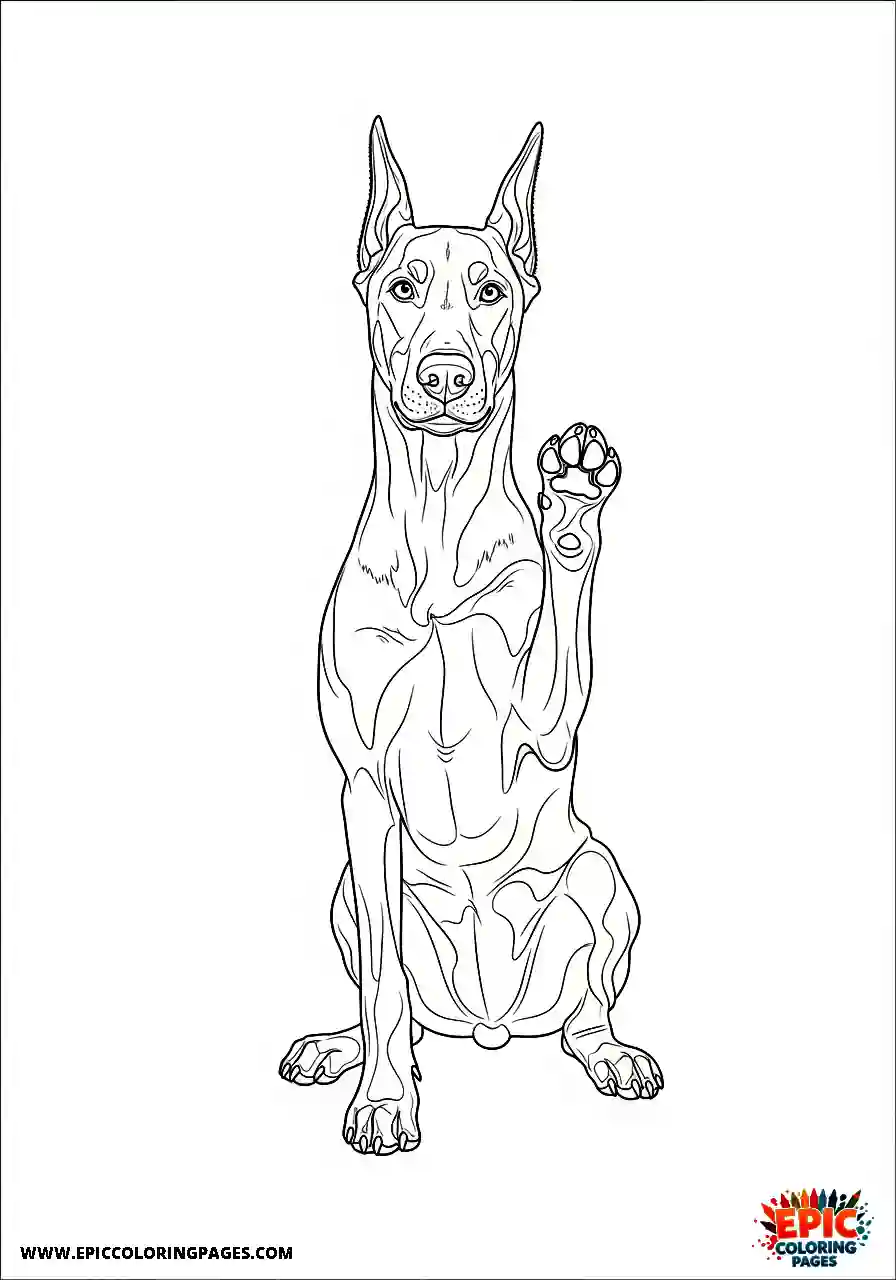
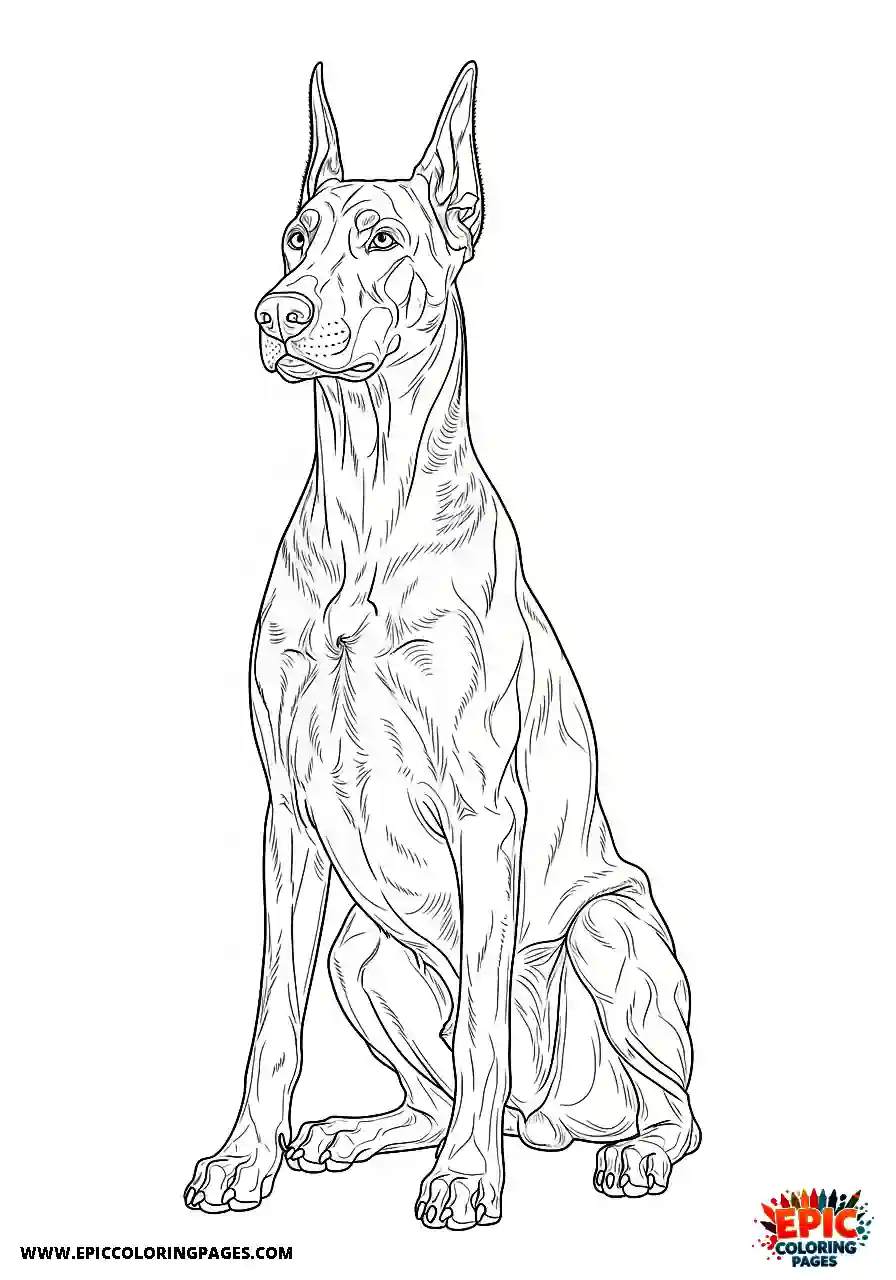
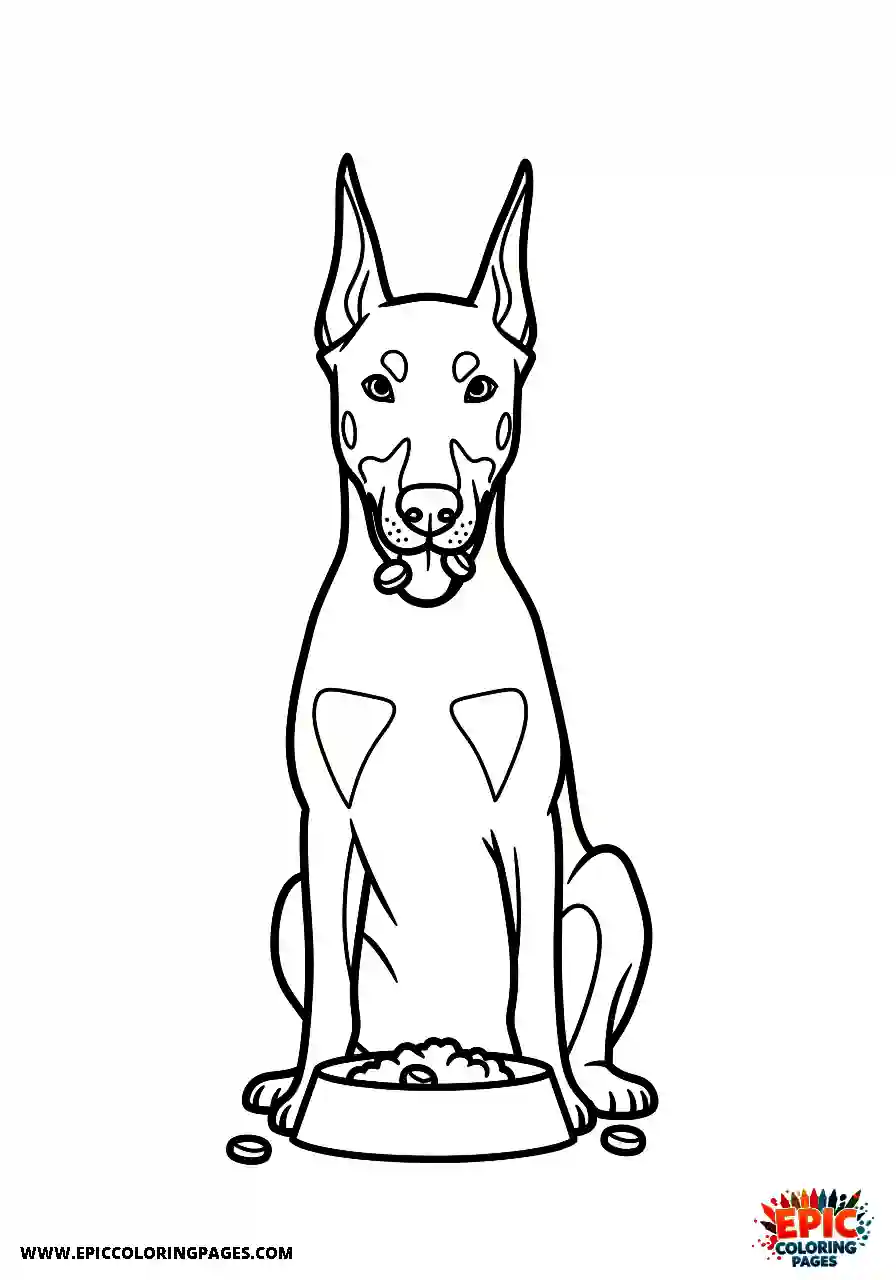
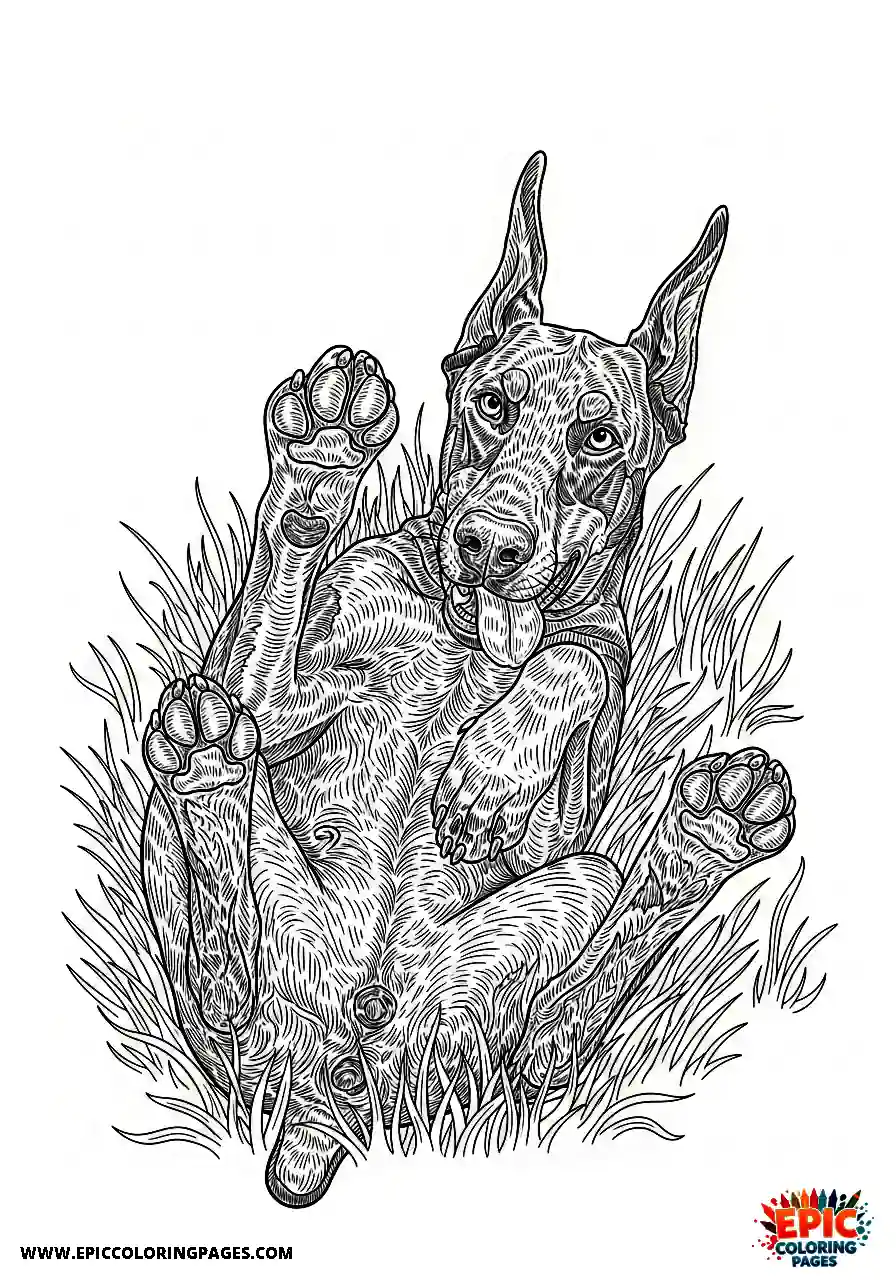
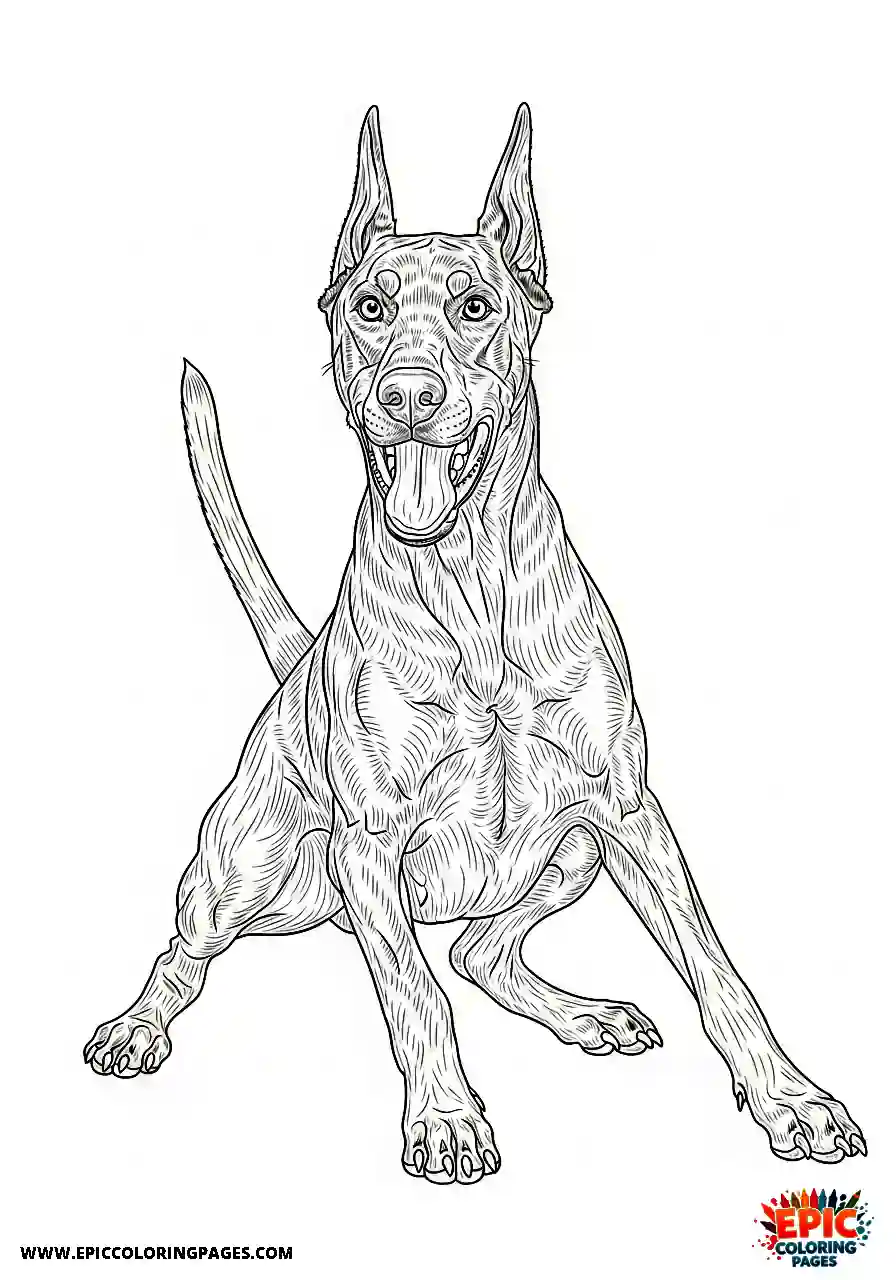
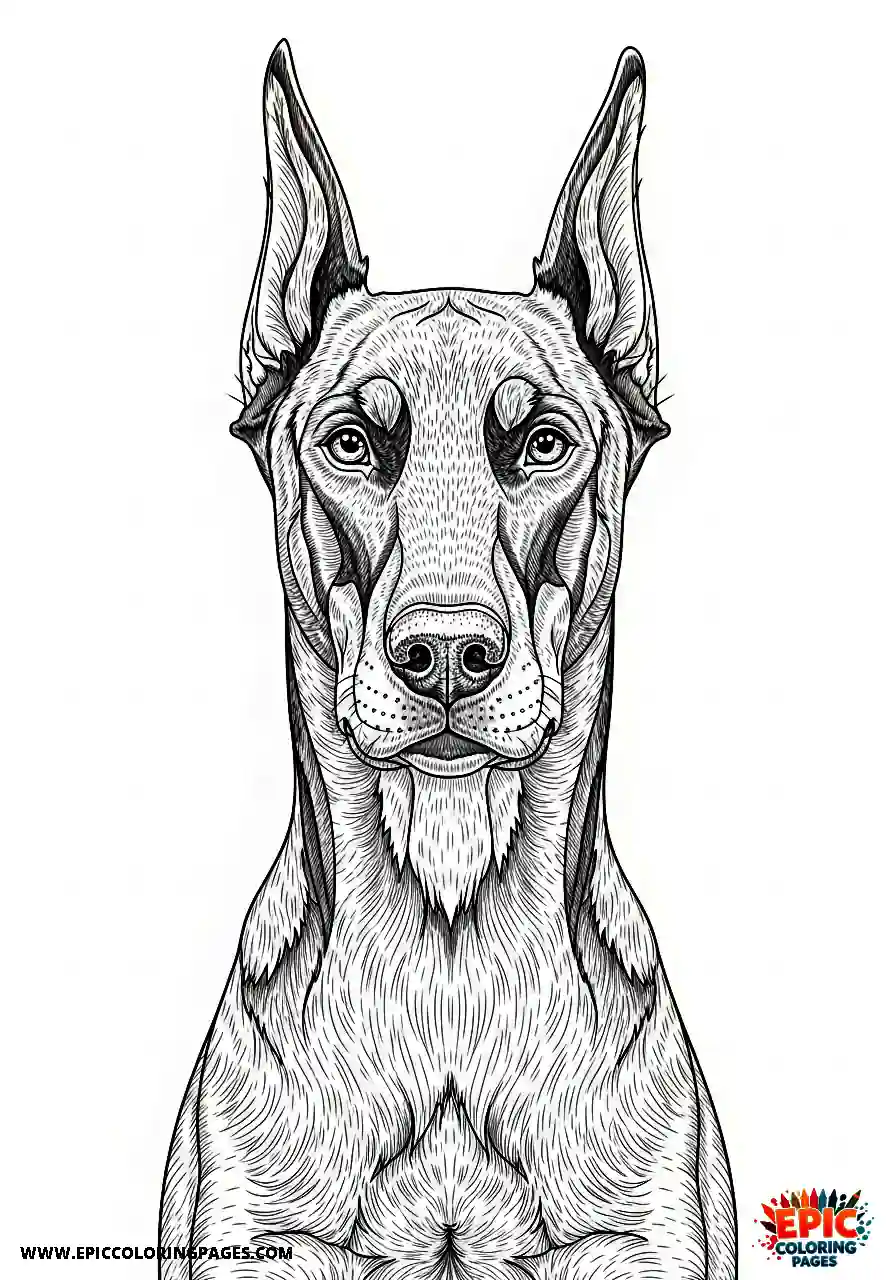
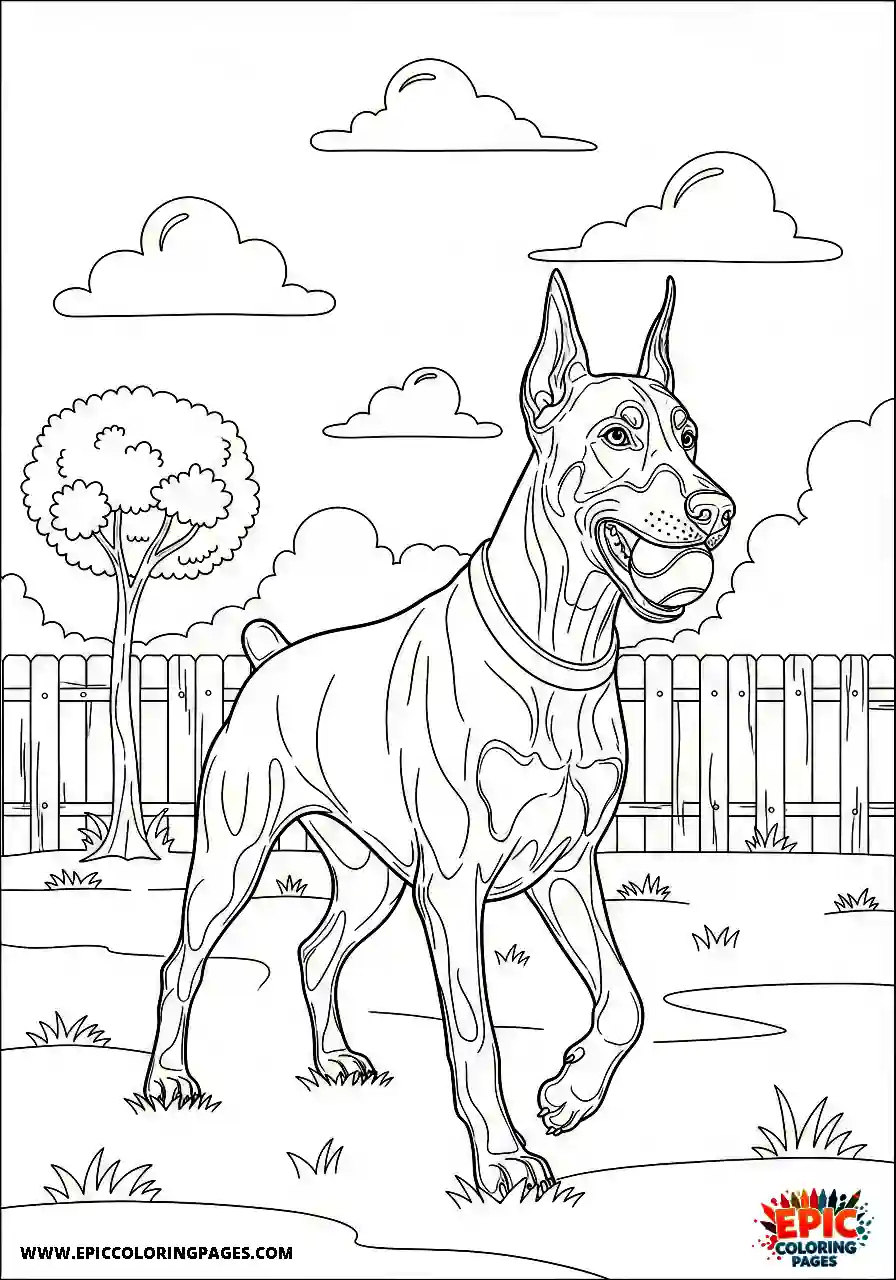
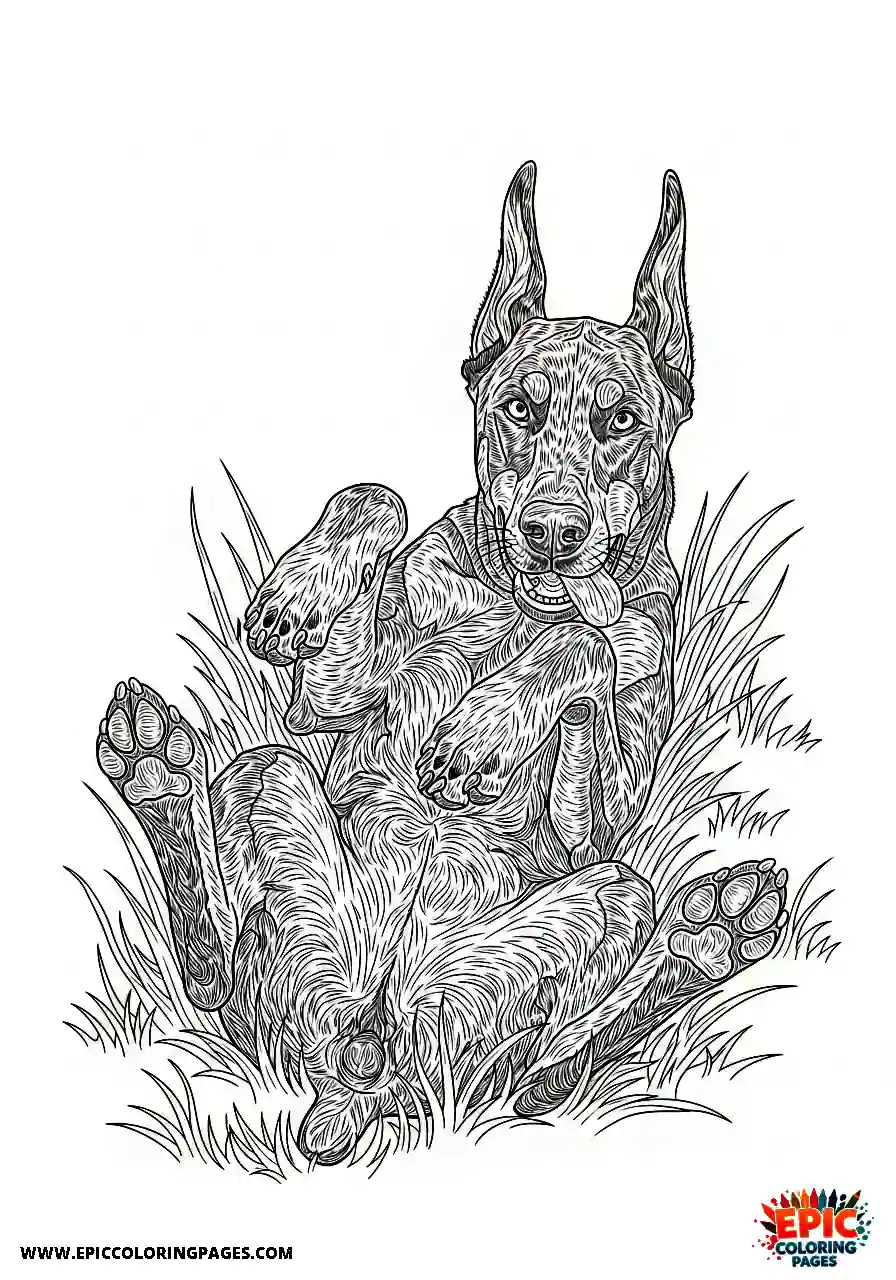
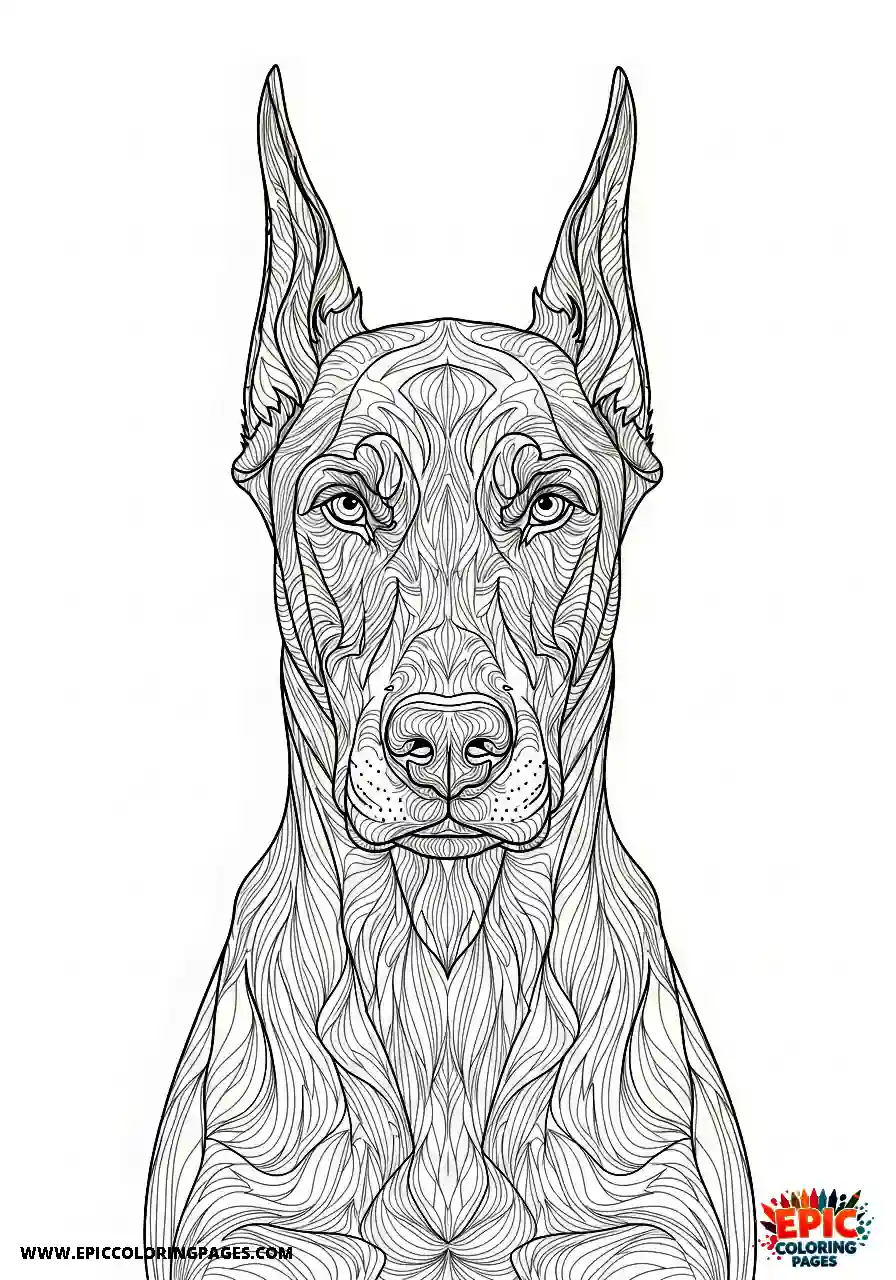
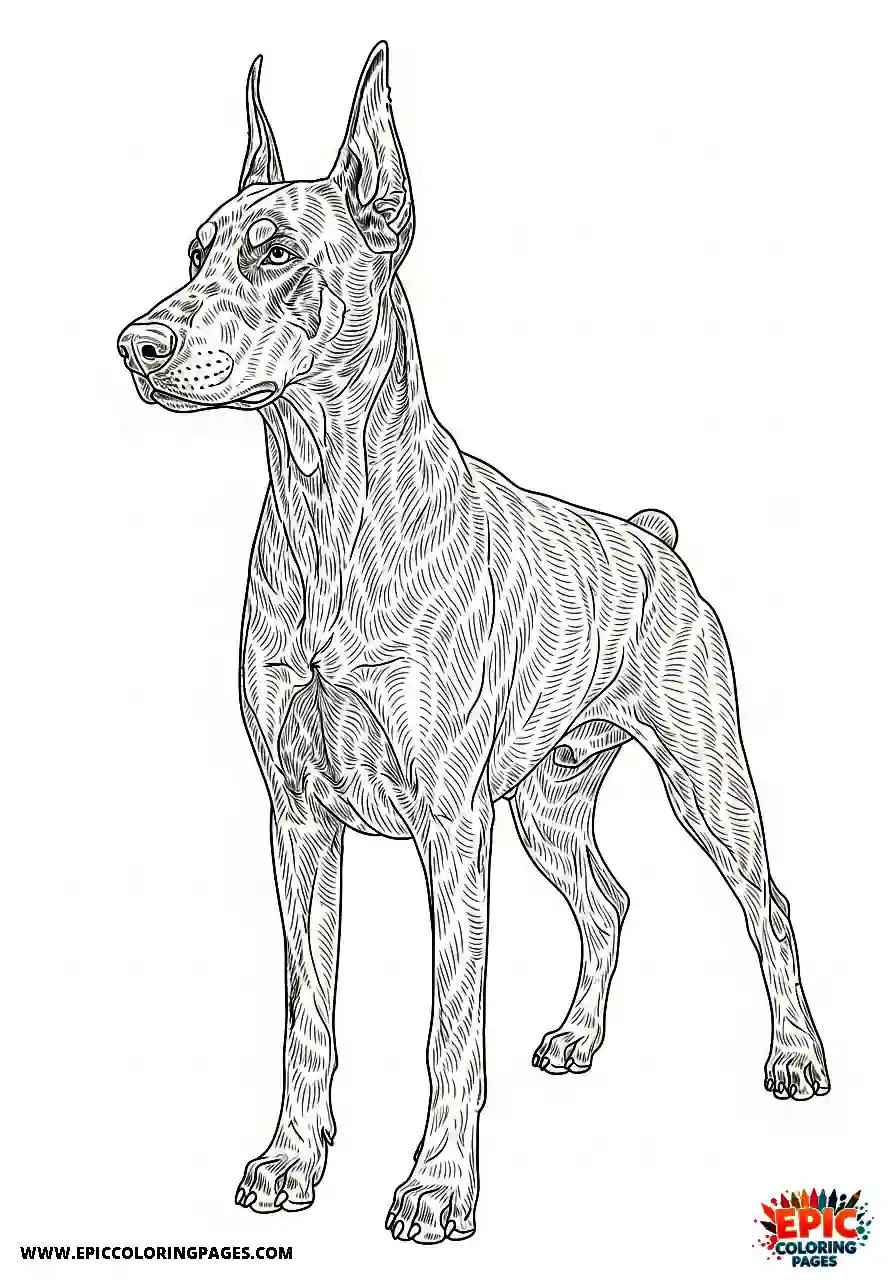
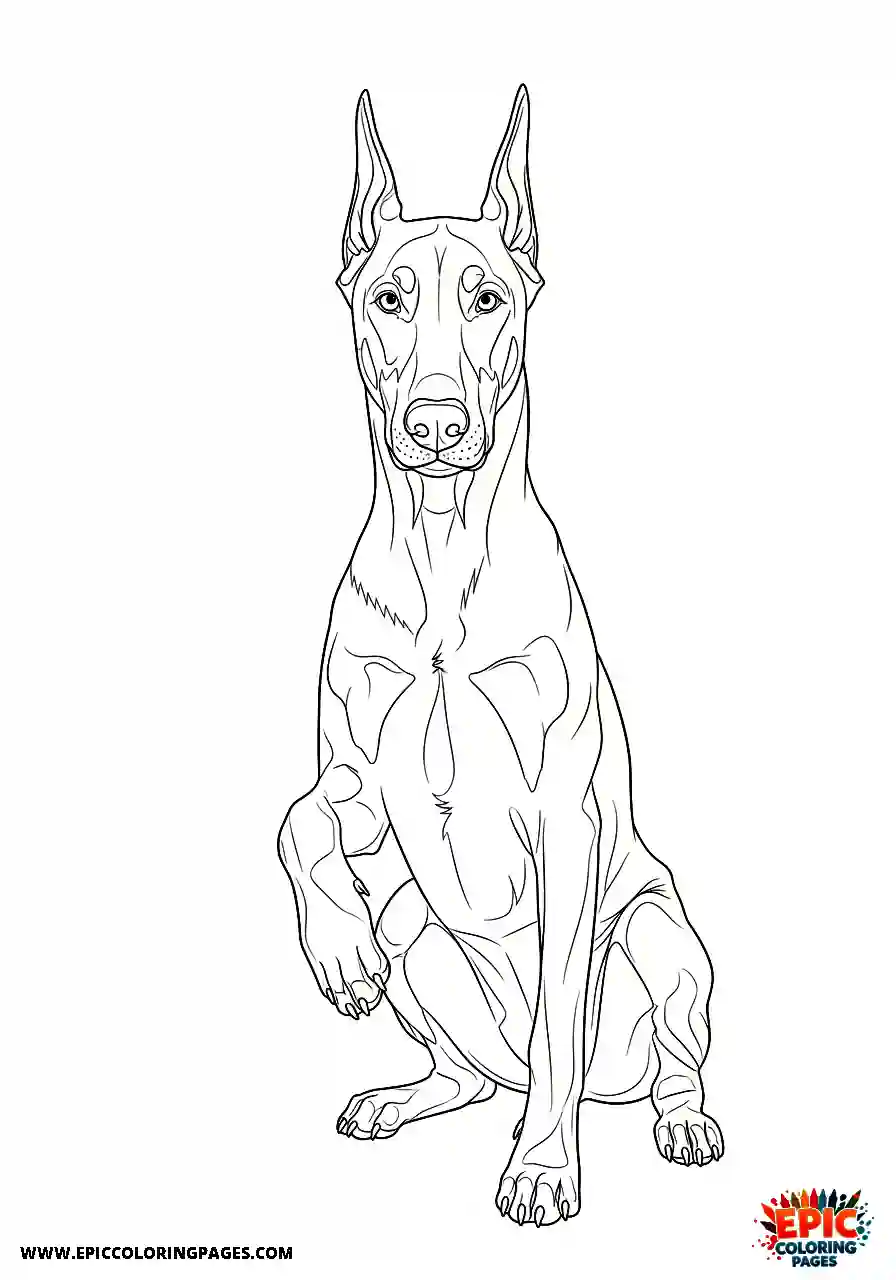
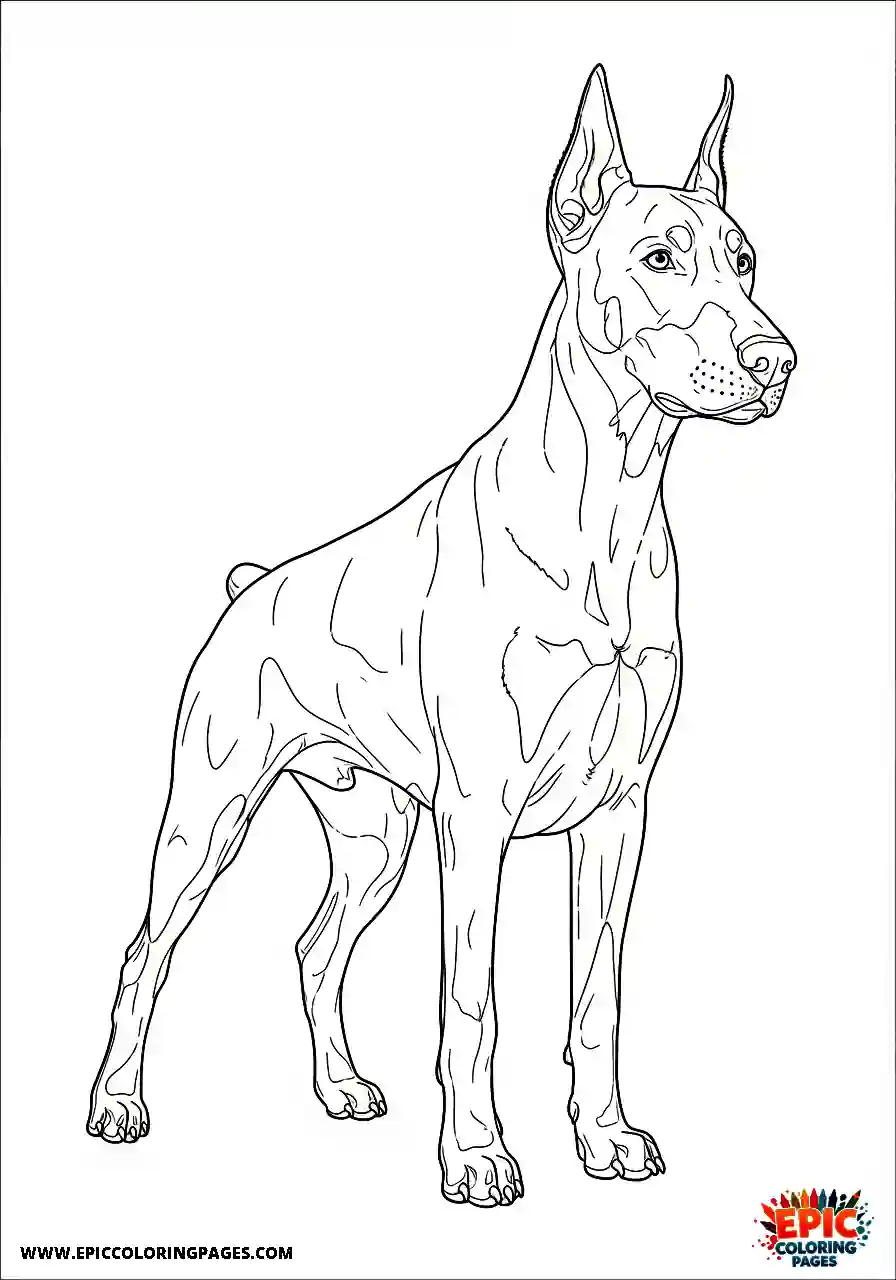
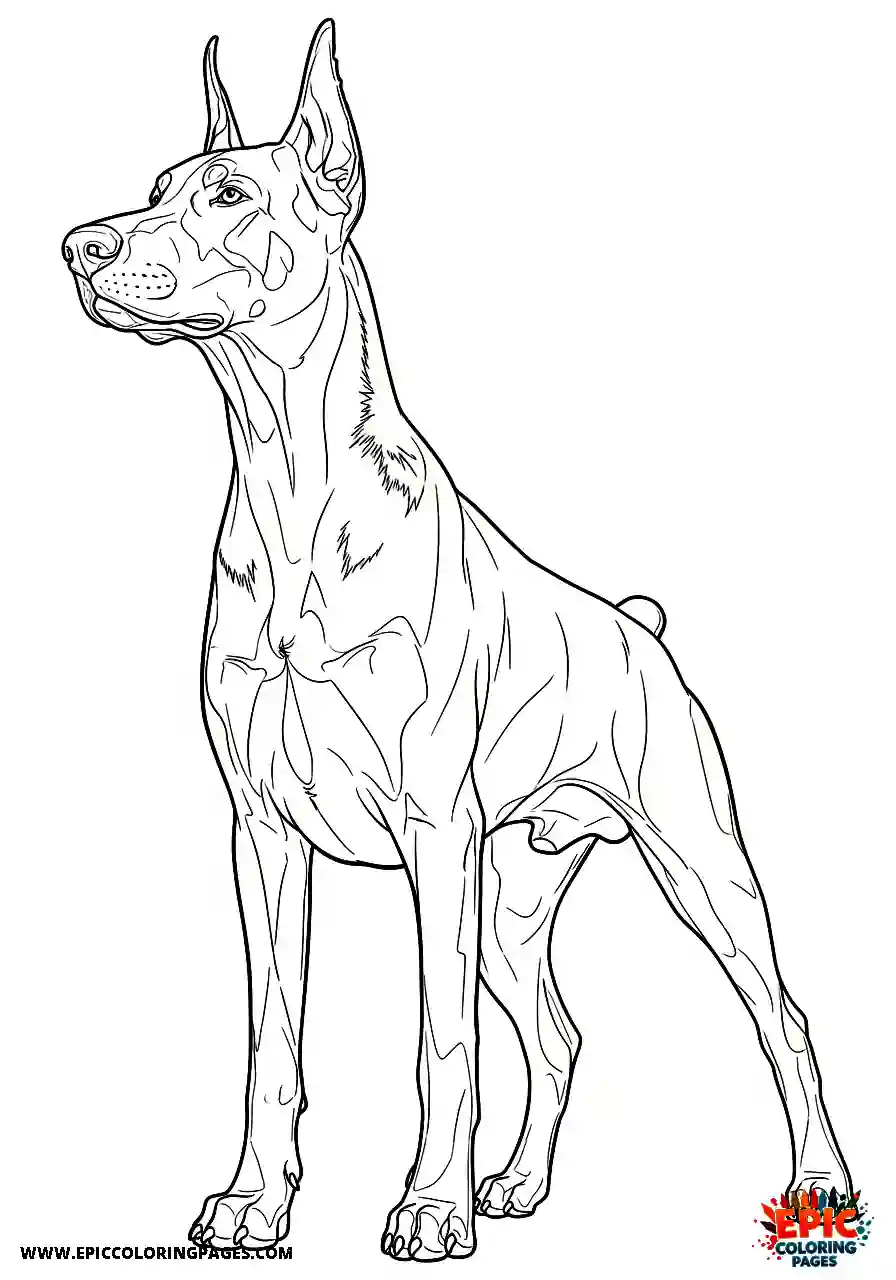
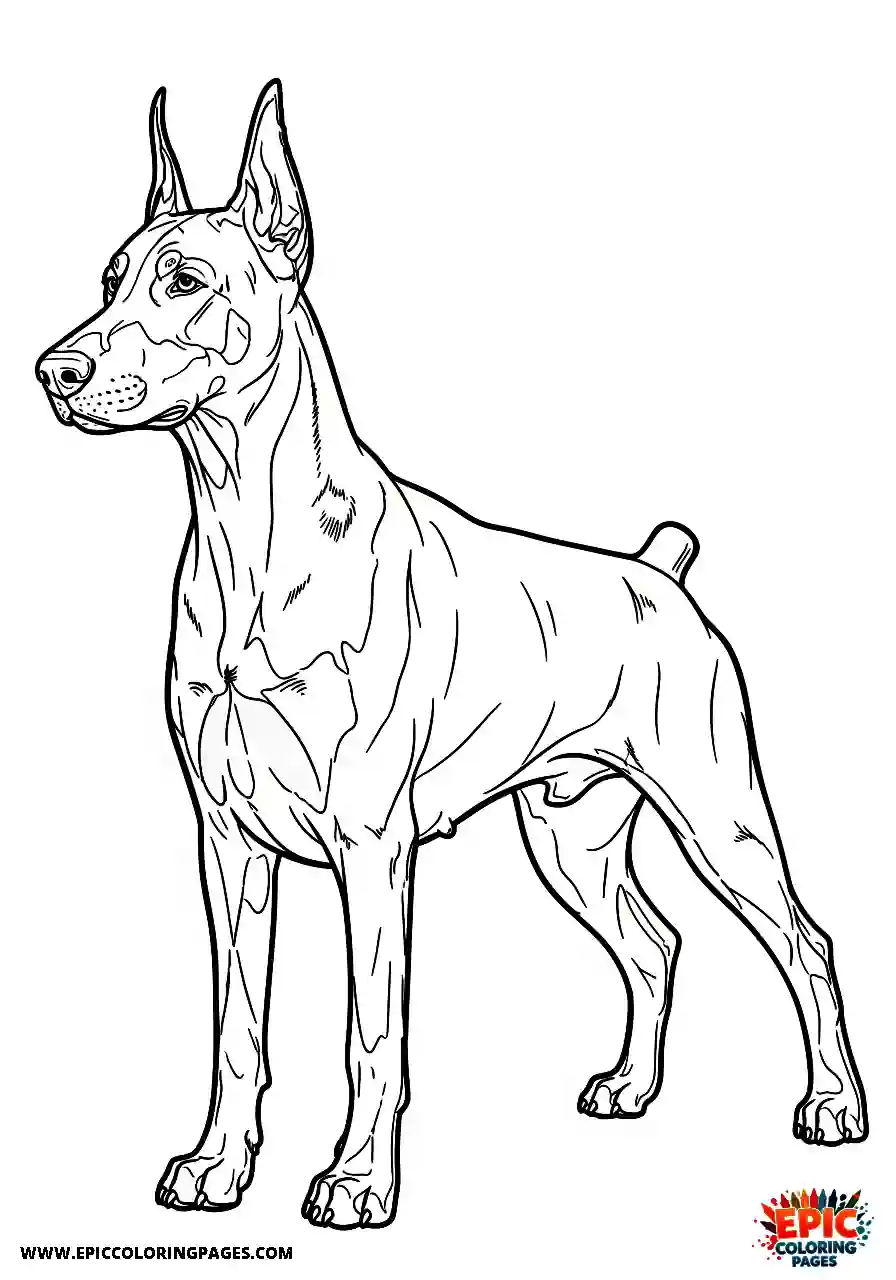
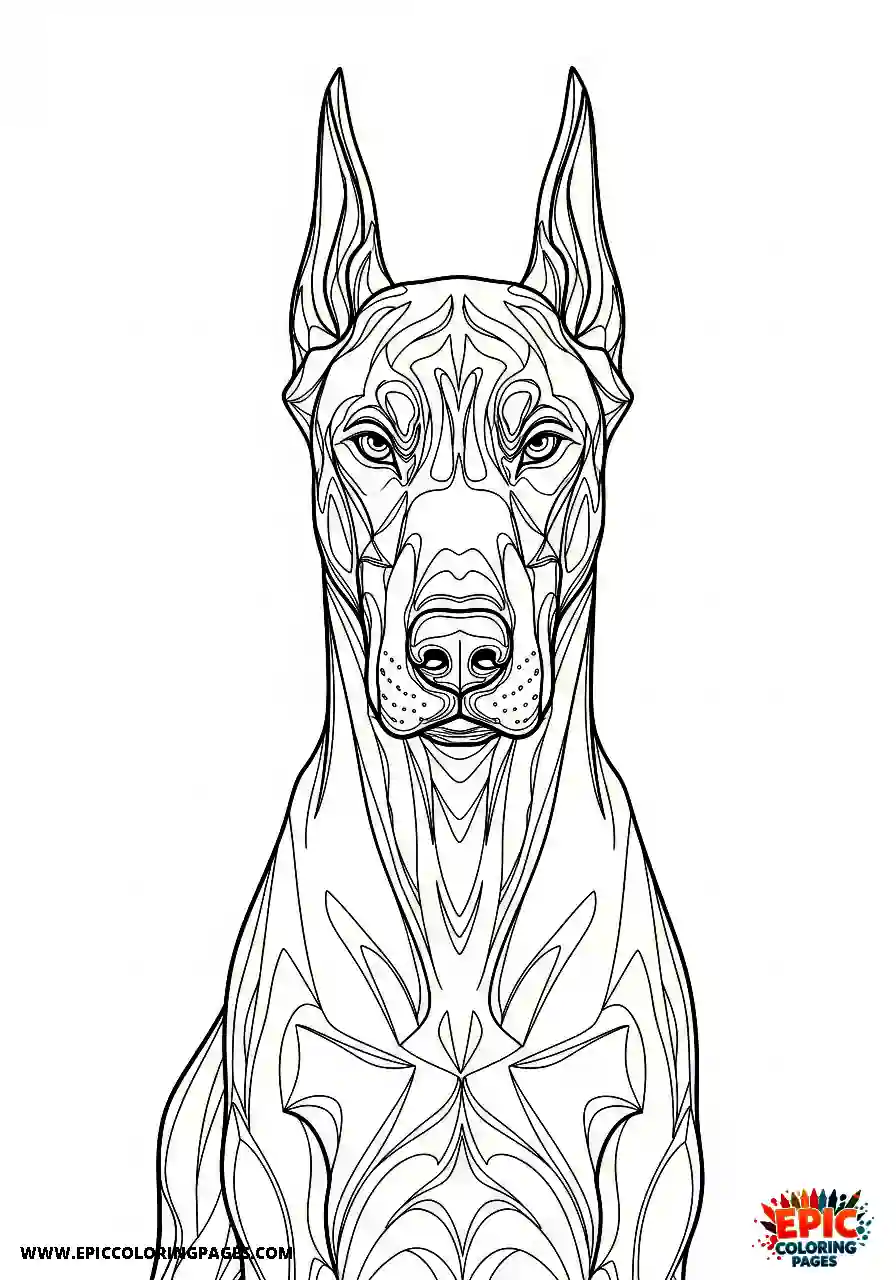
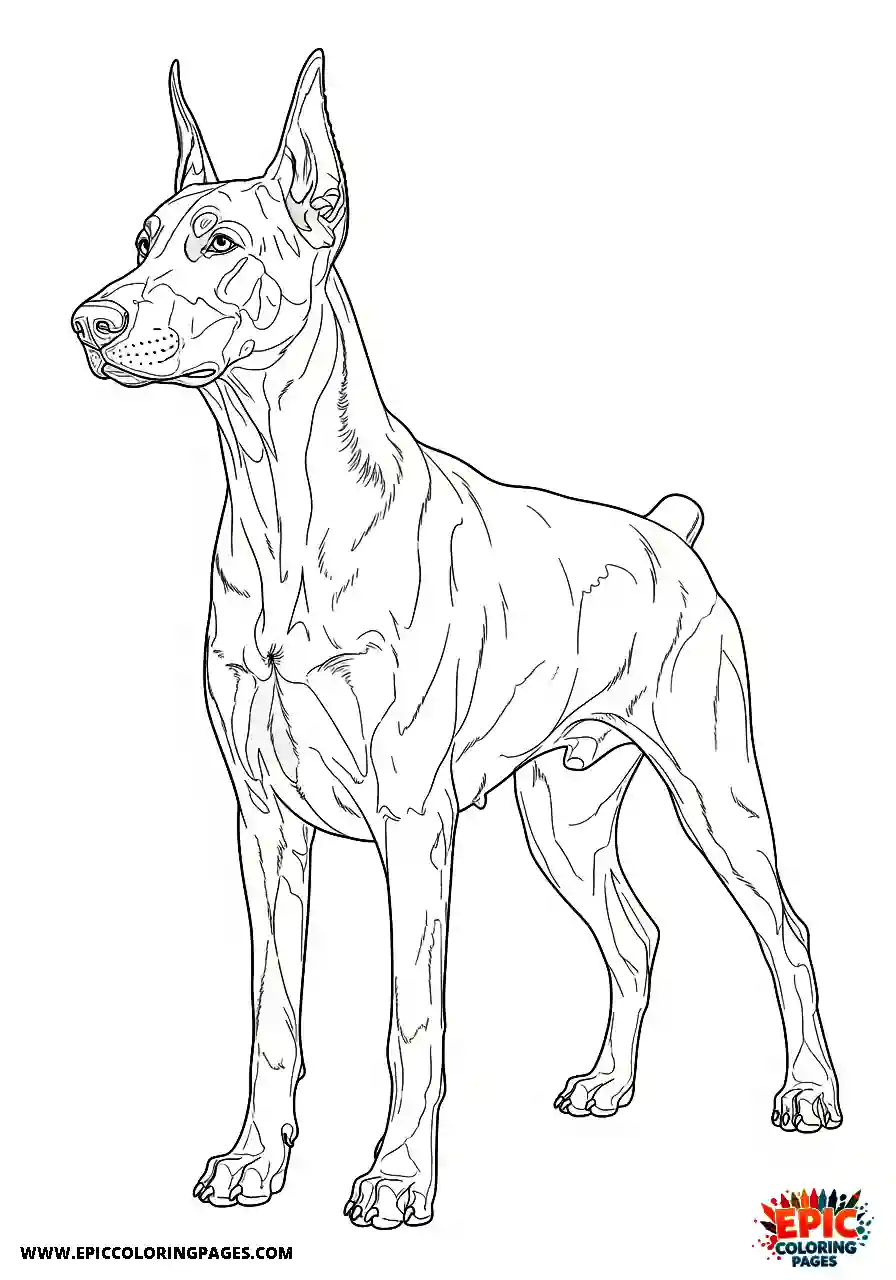
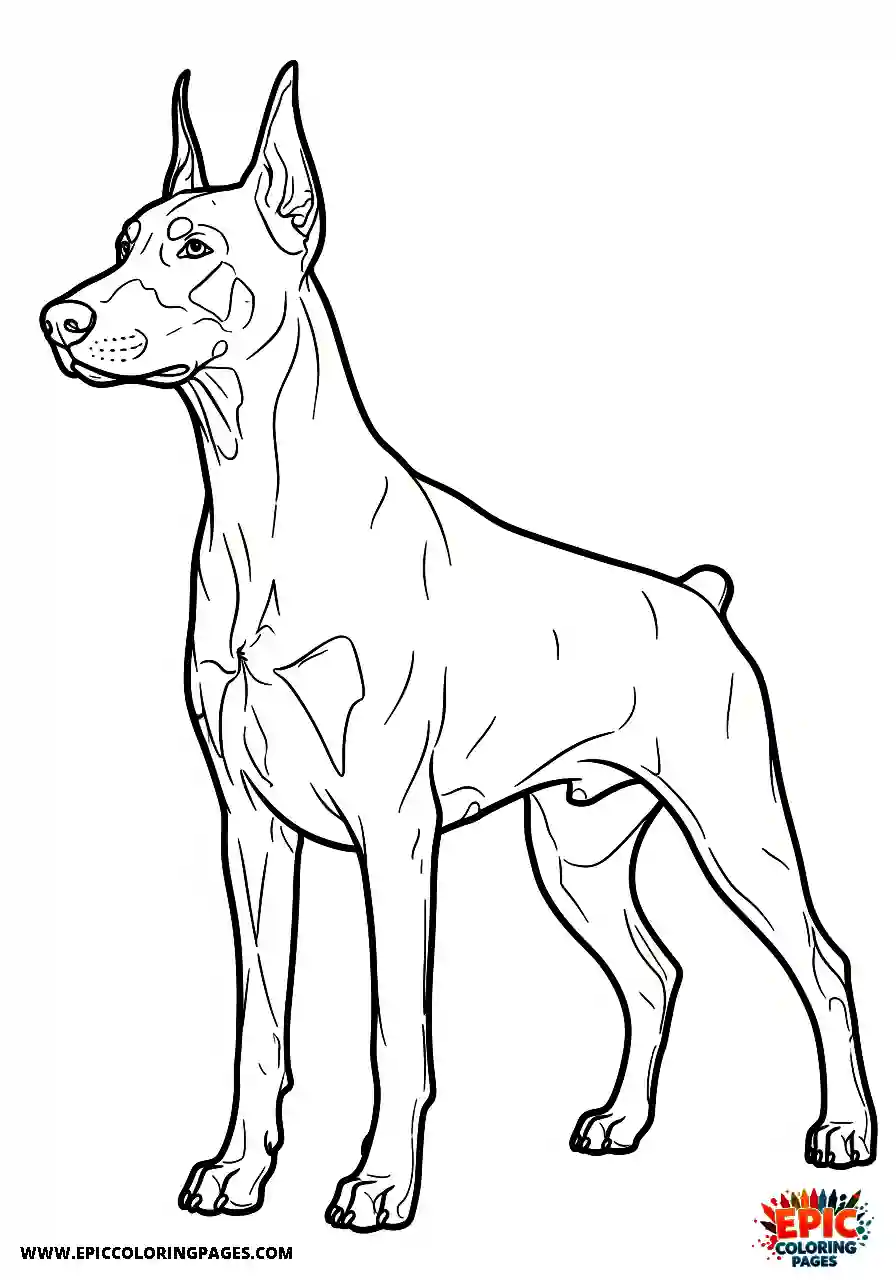
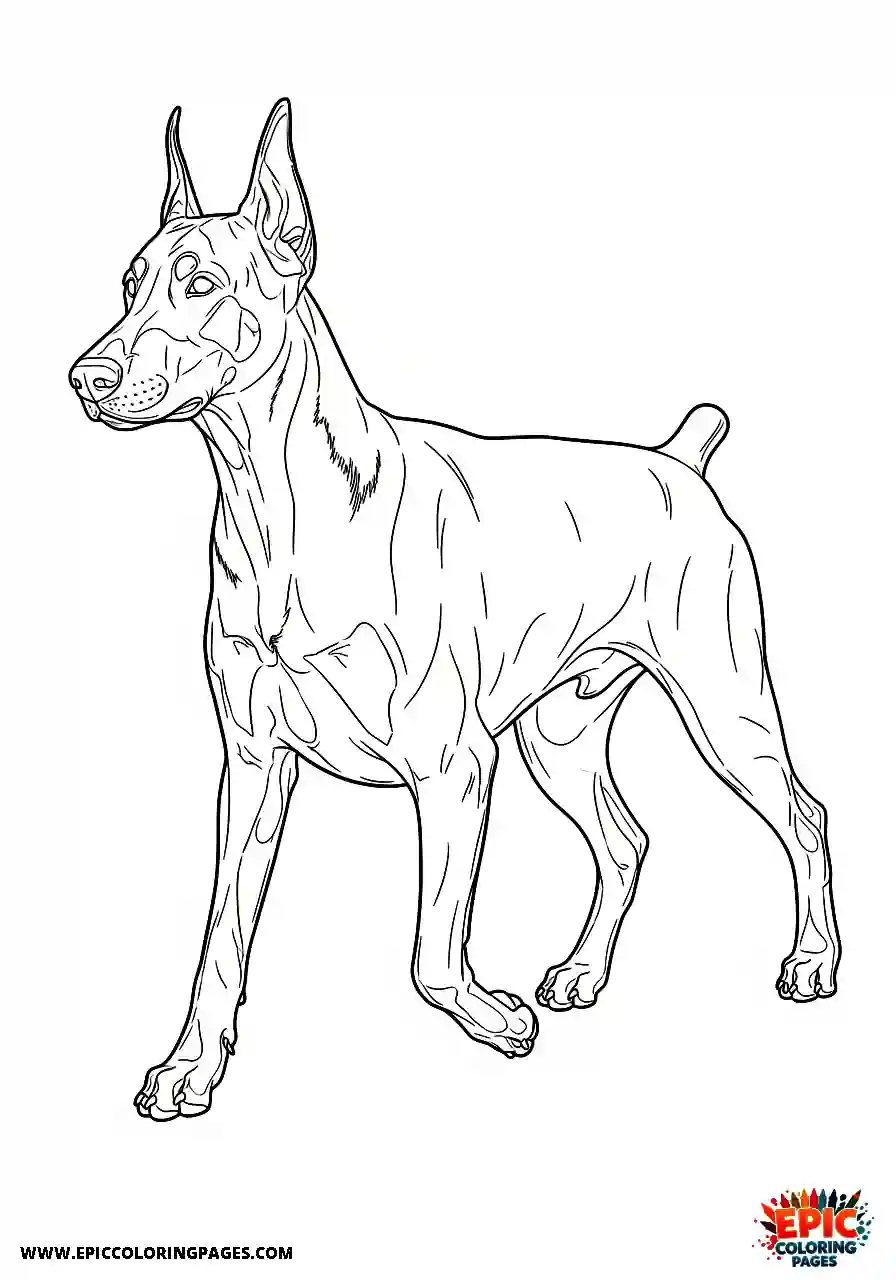
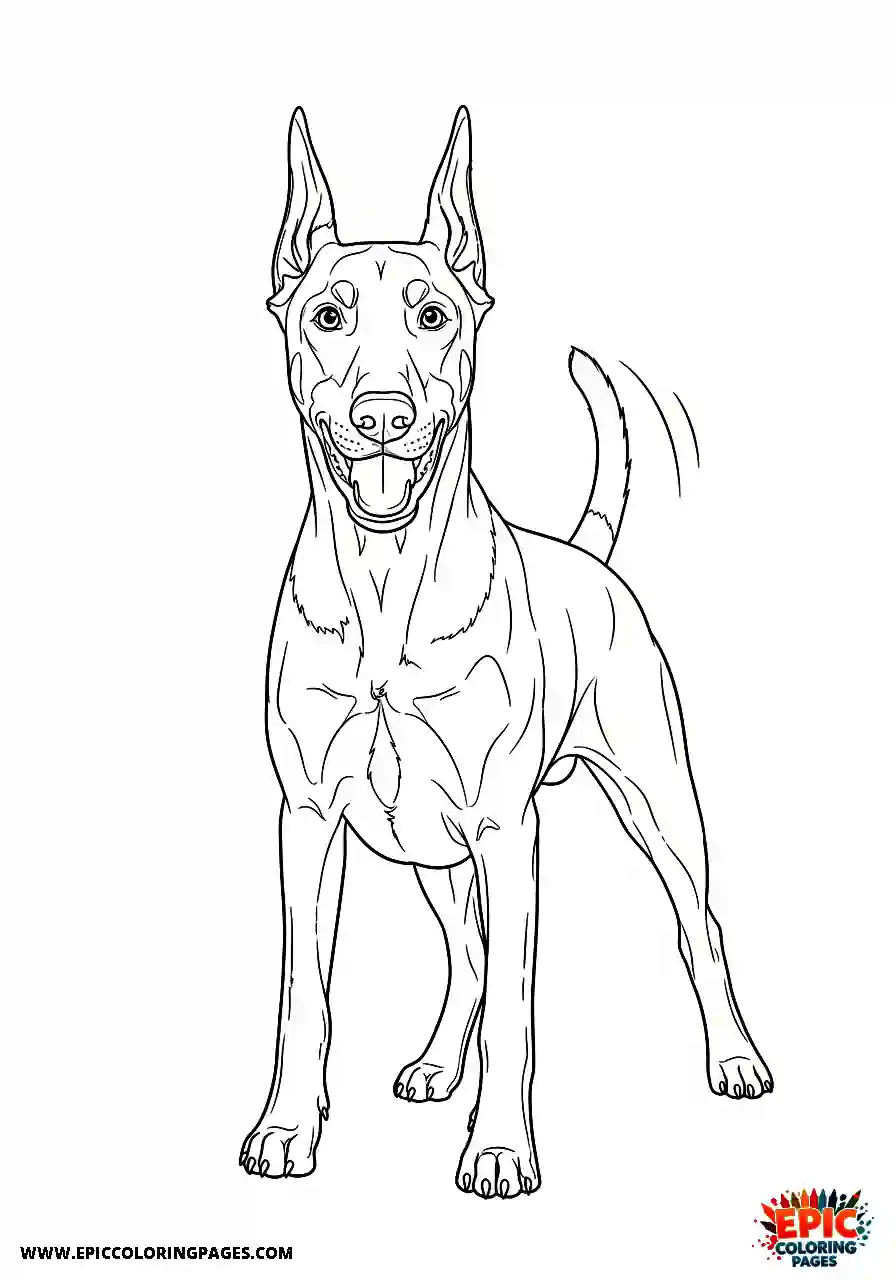
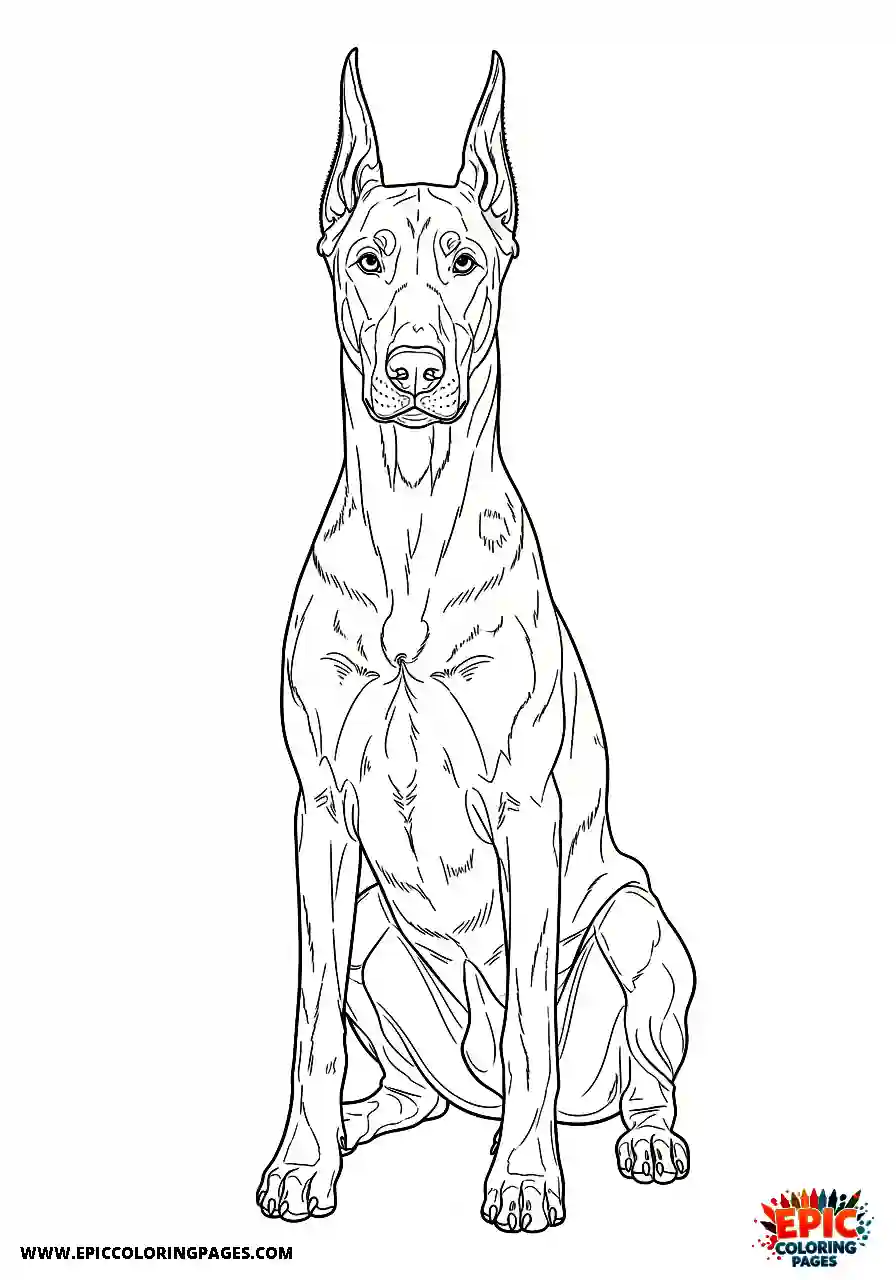
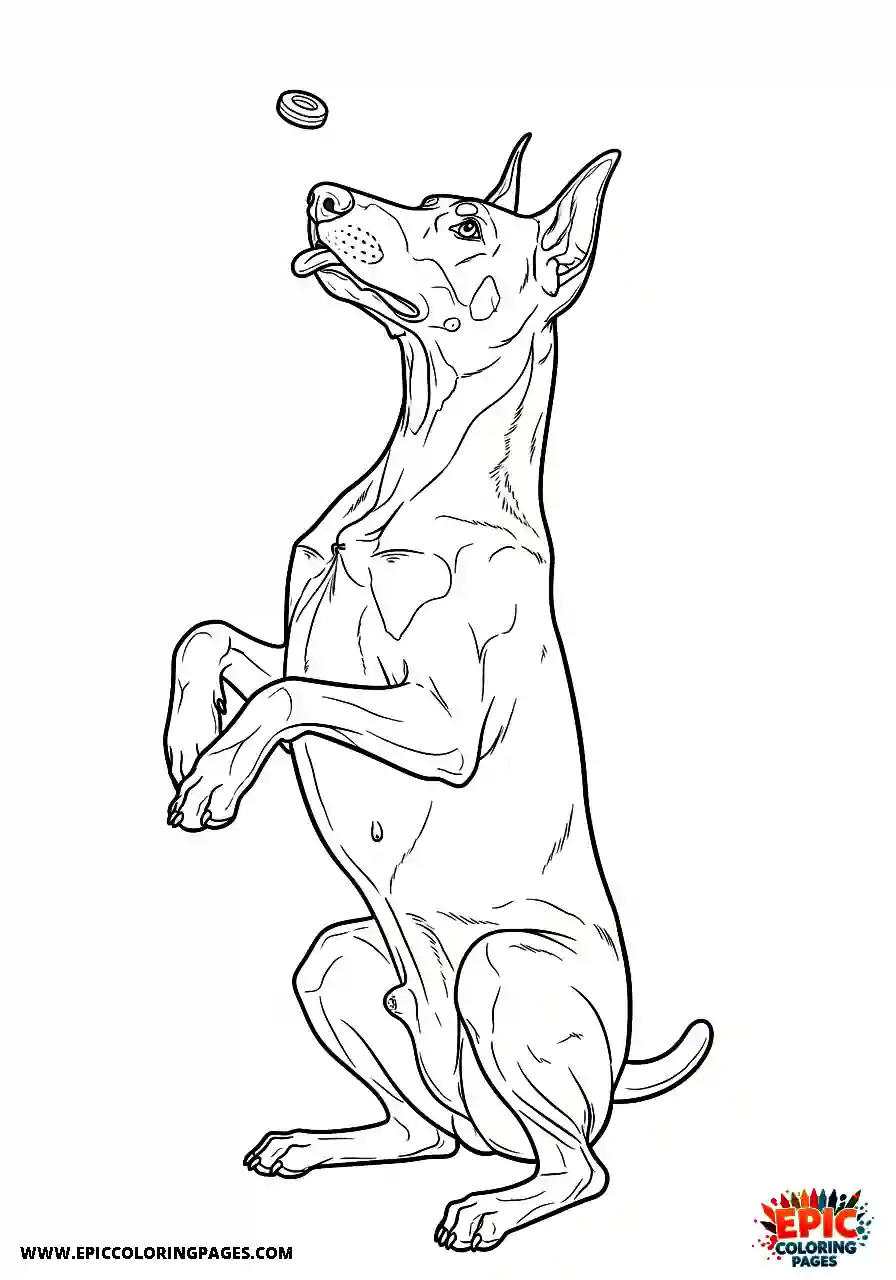
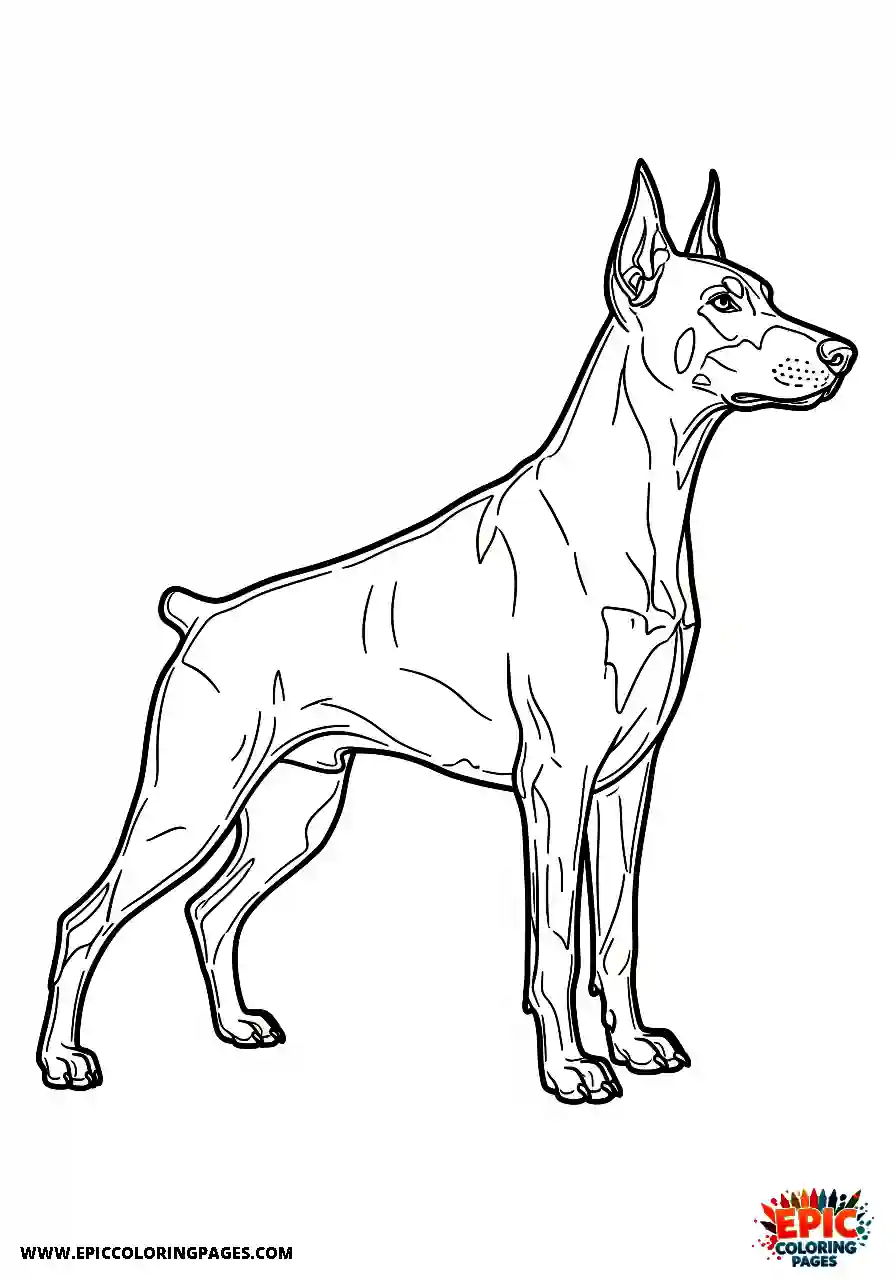
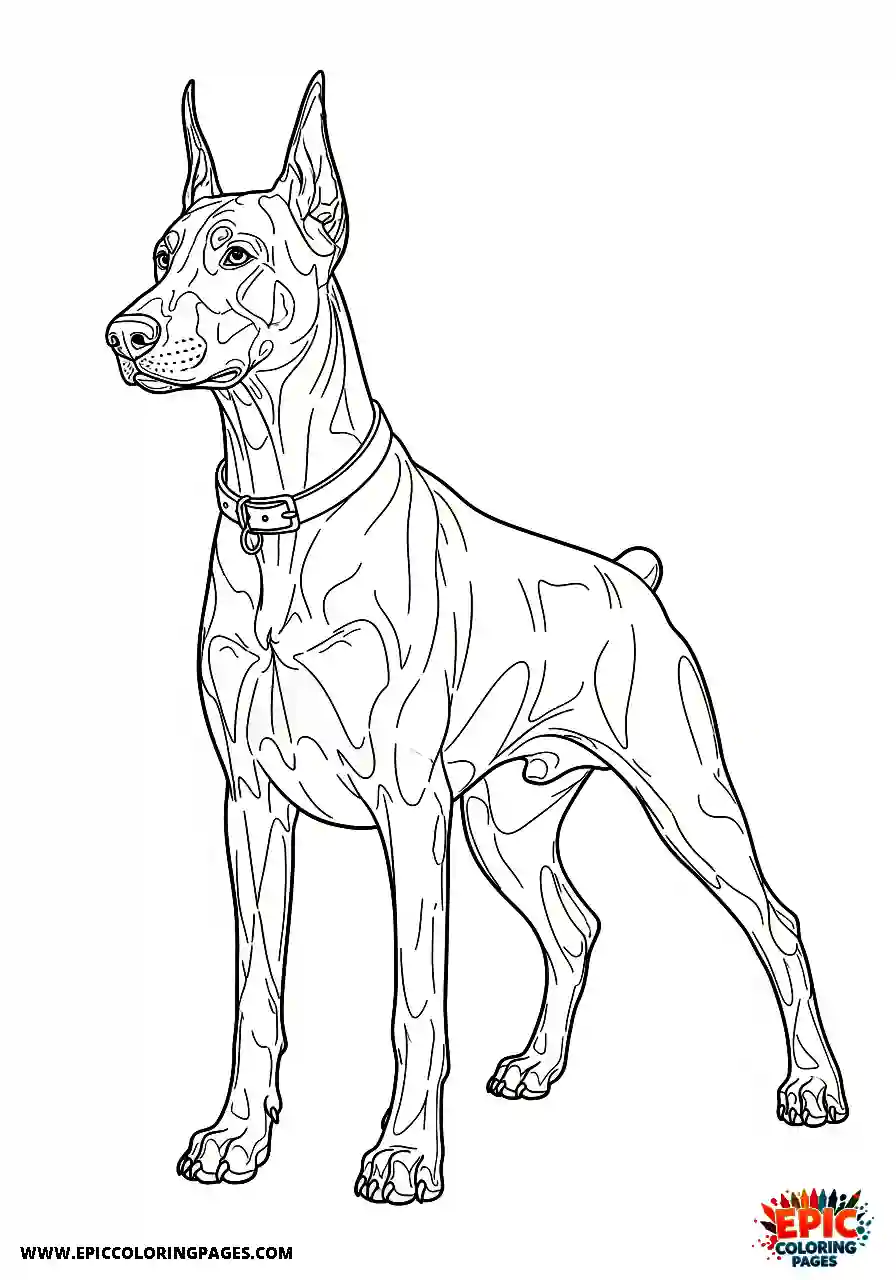
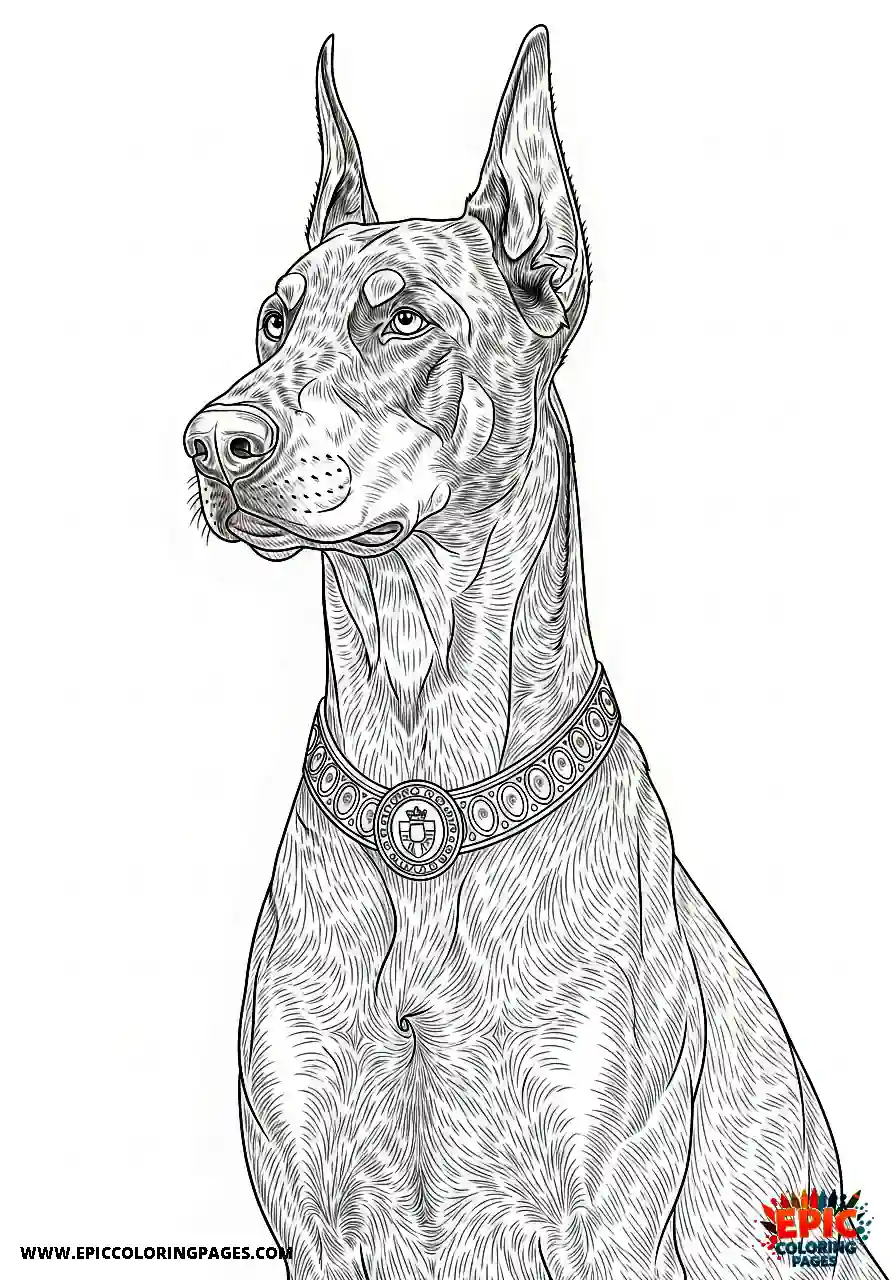
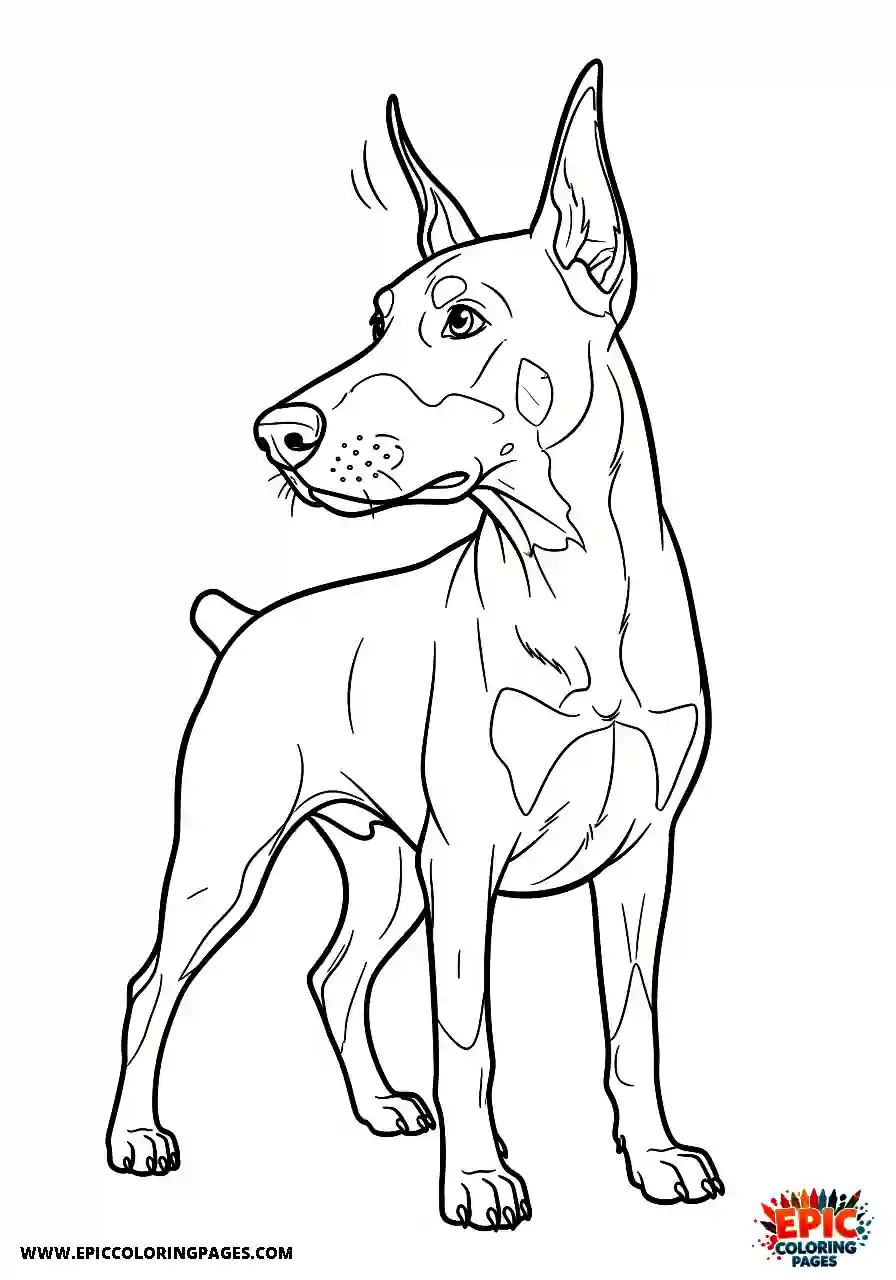
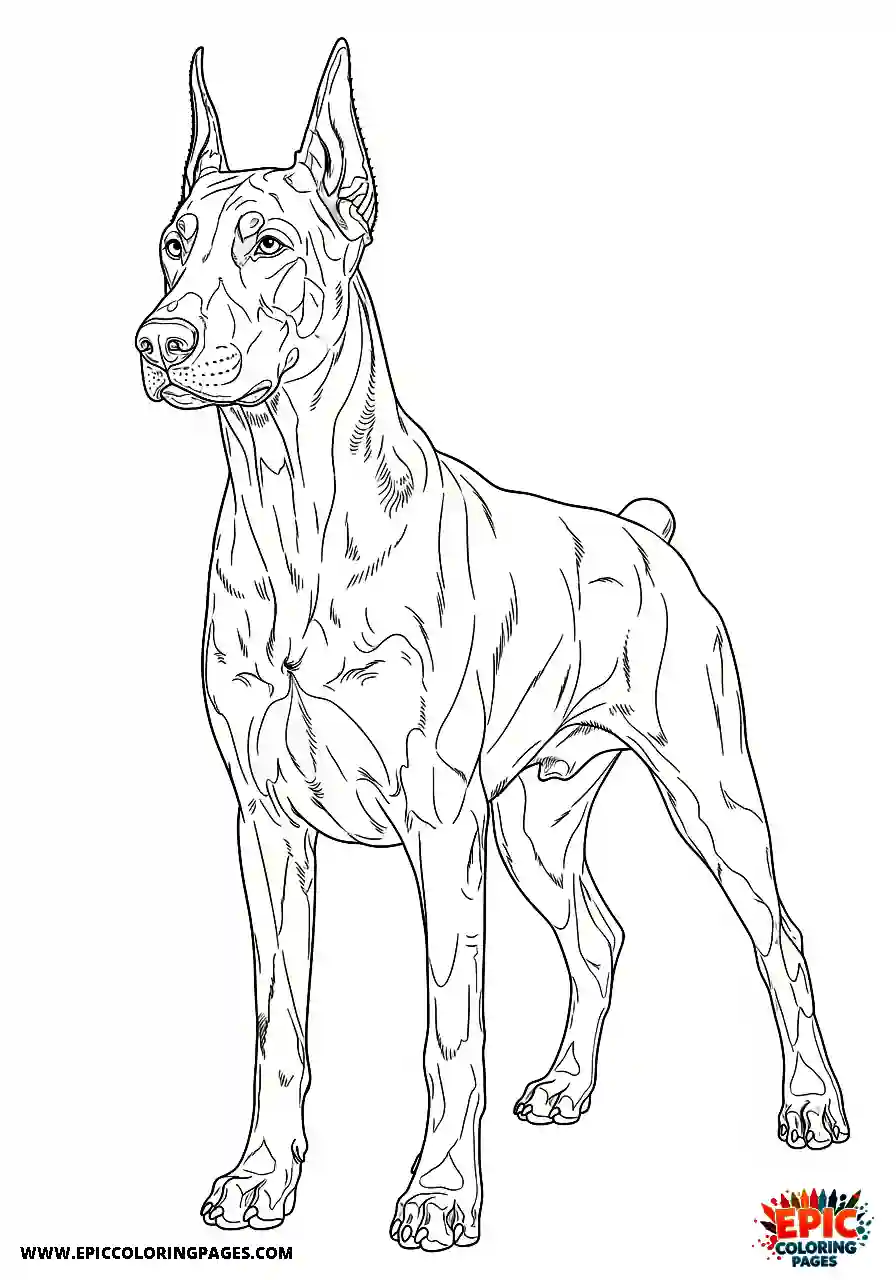
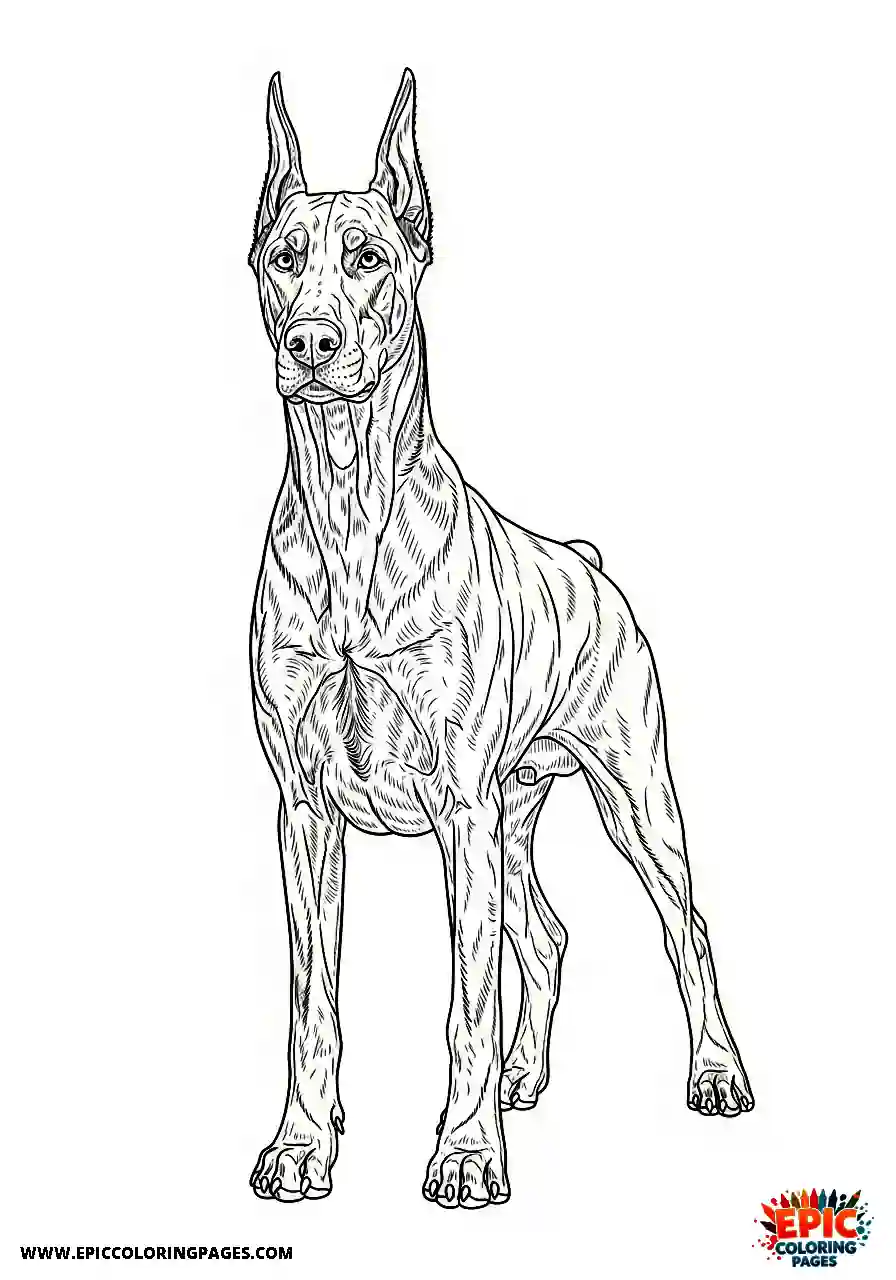
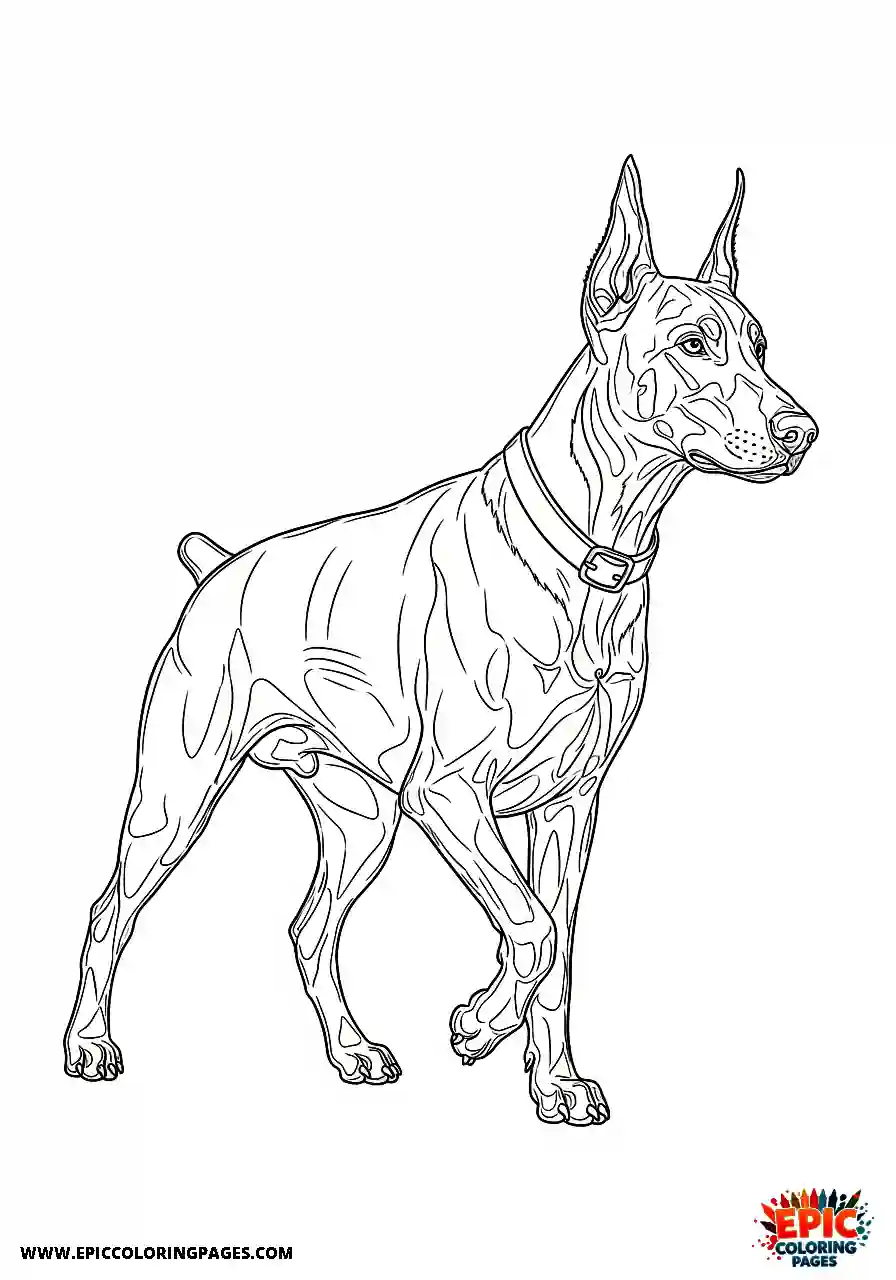
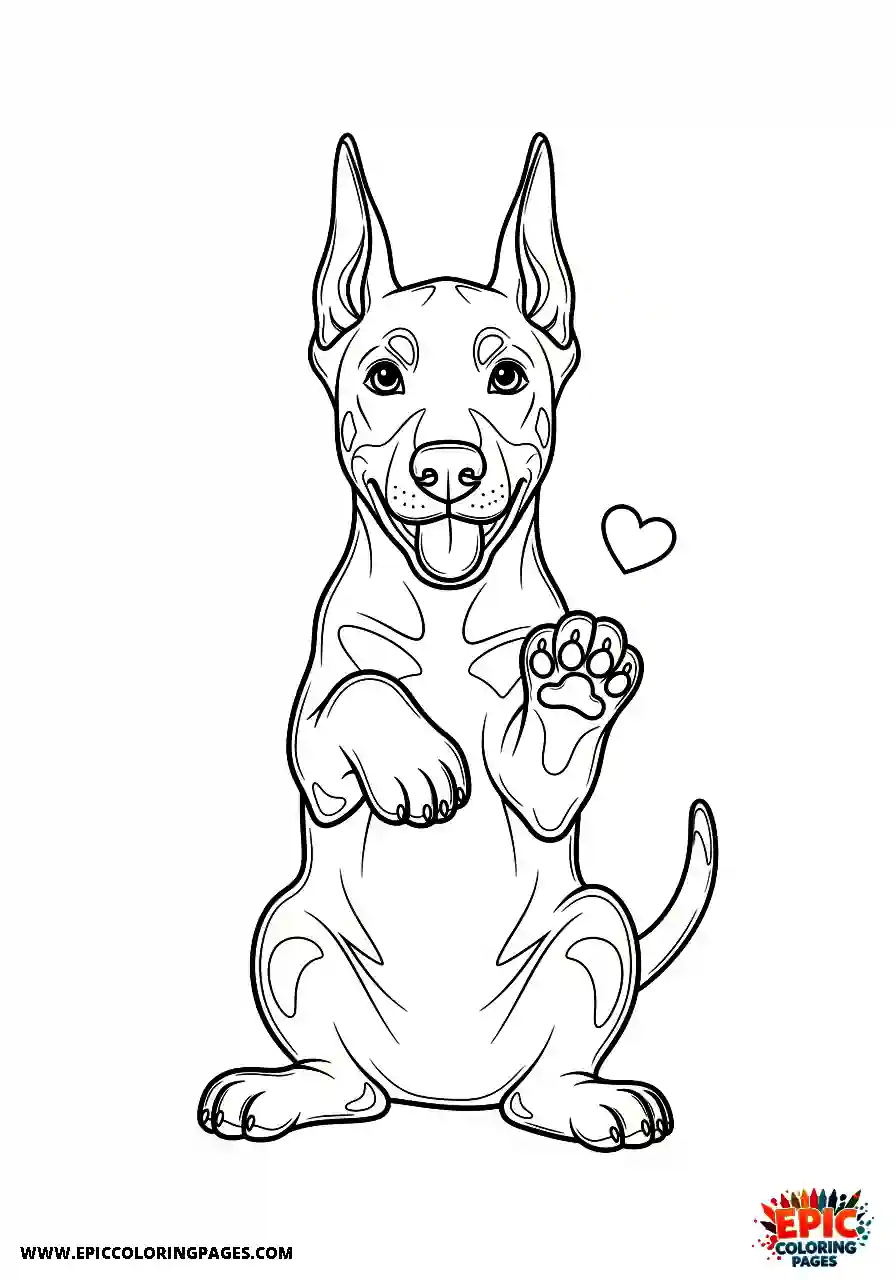
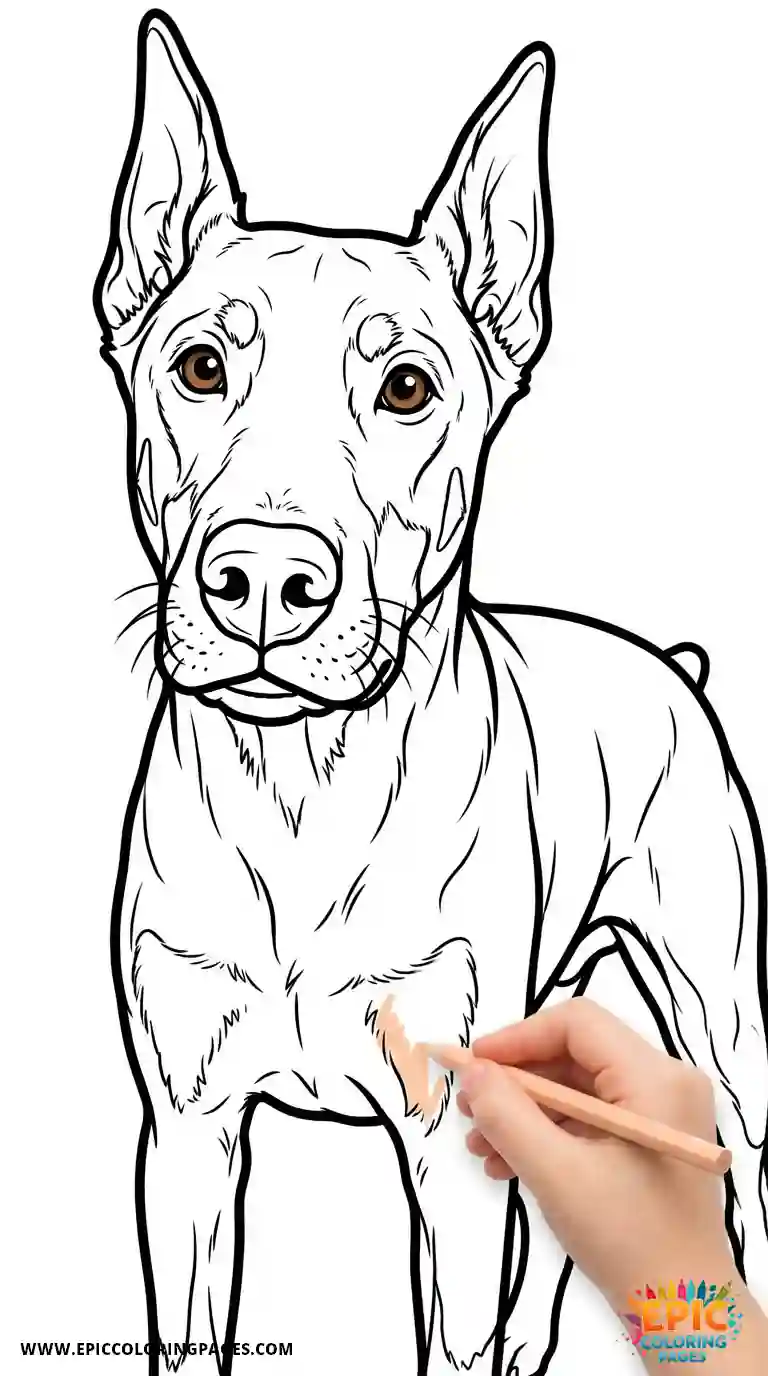
Precision in form, balance in musculature, and a distinctive silhouette define the Doberman Pinscher as one of the most visually striking working dog breeds. Originating in late 19th-century Germany, this breed was developed for protection and companionship, resulting in a dog that combines athleticism with alert intelligence. These characteristics translate exceptionally well into coloring pages, where clean contours, strong lines, and defined posture create satisfying compositions for both beginners and experienced colorists.
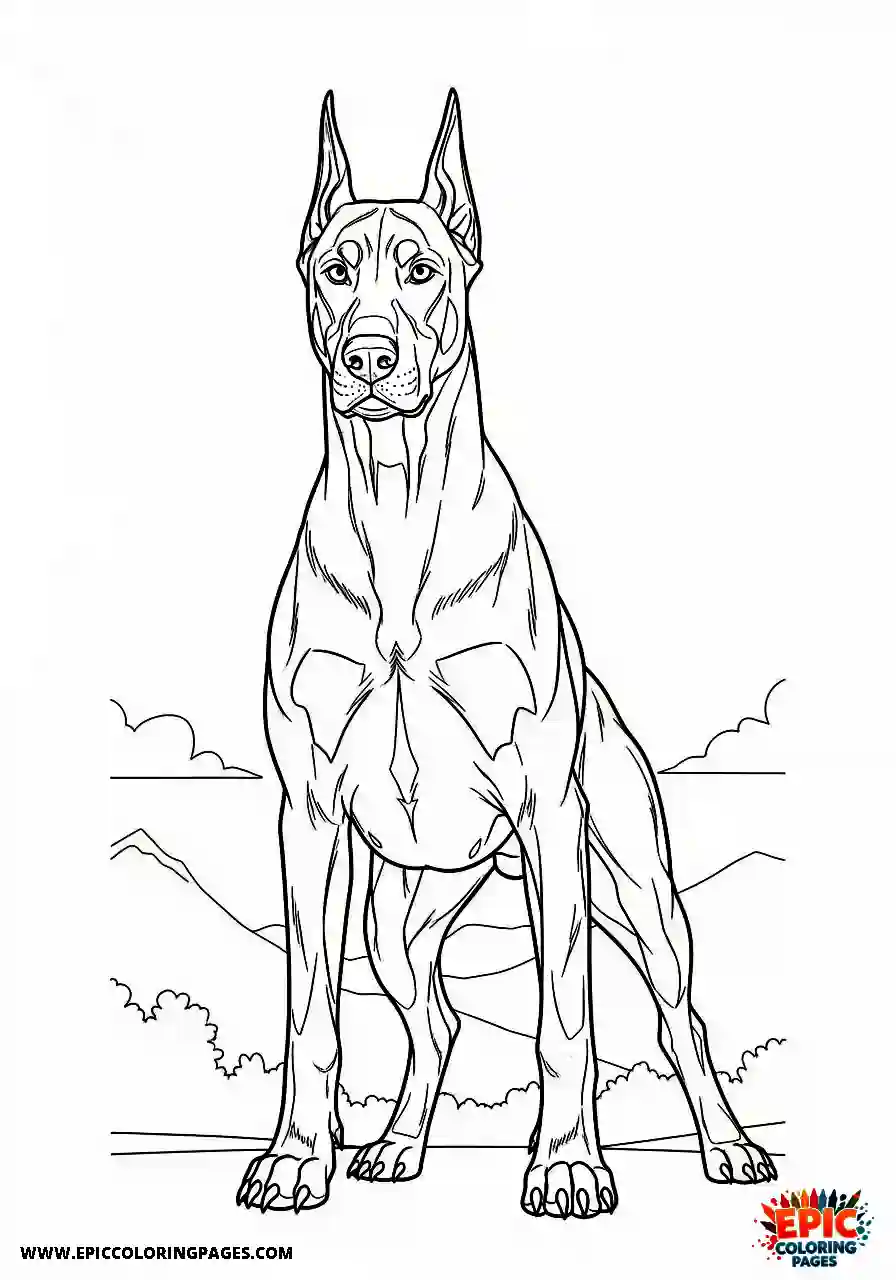
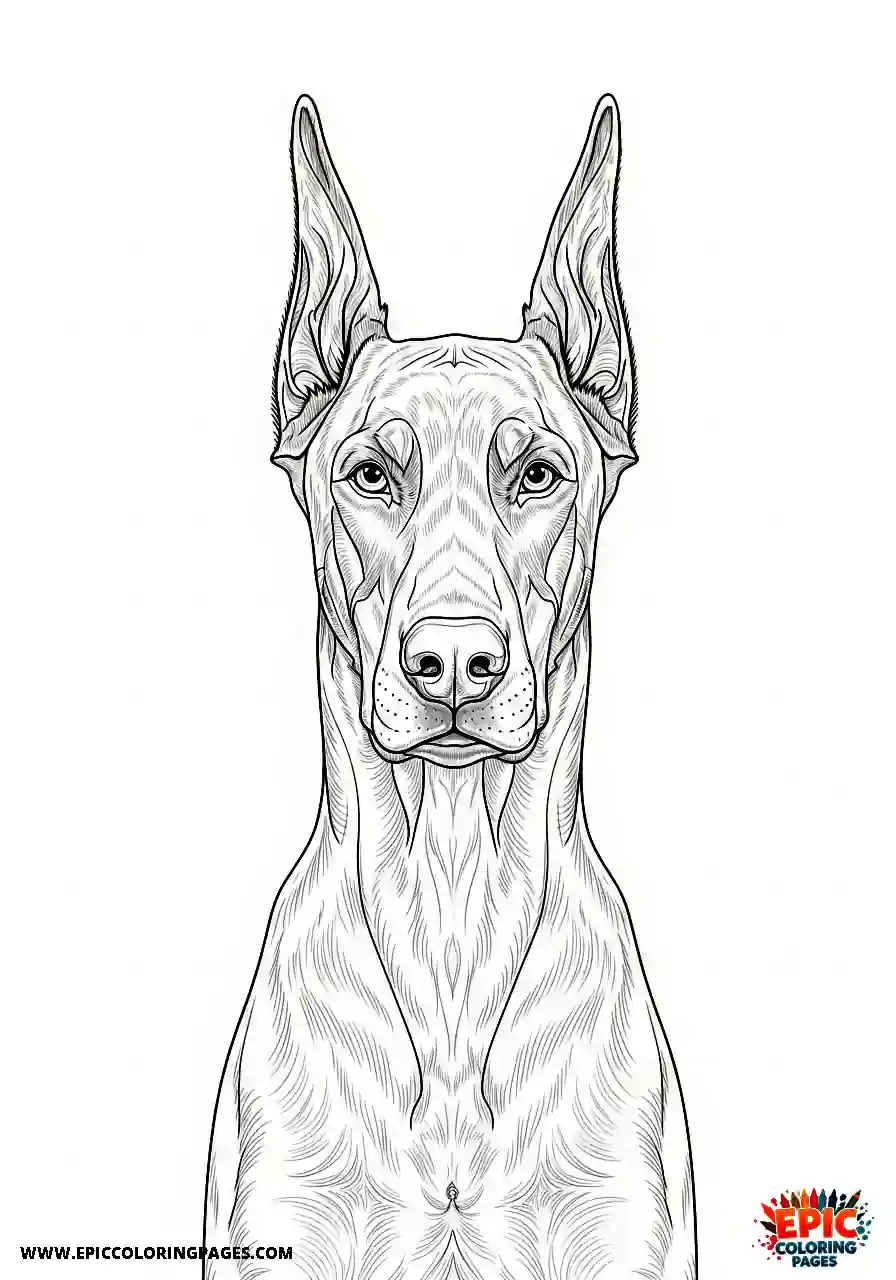
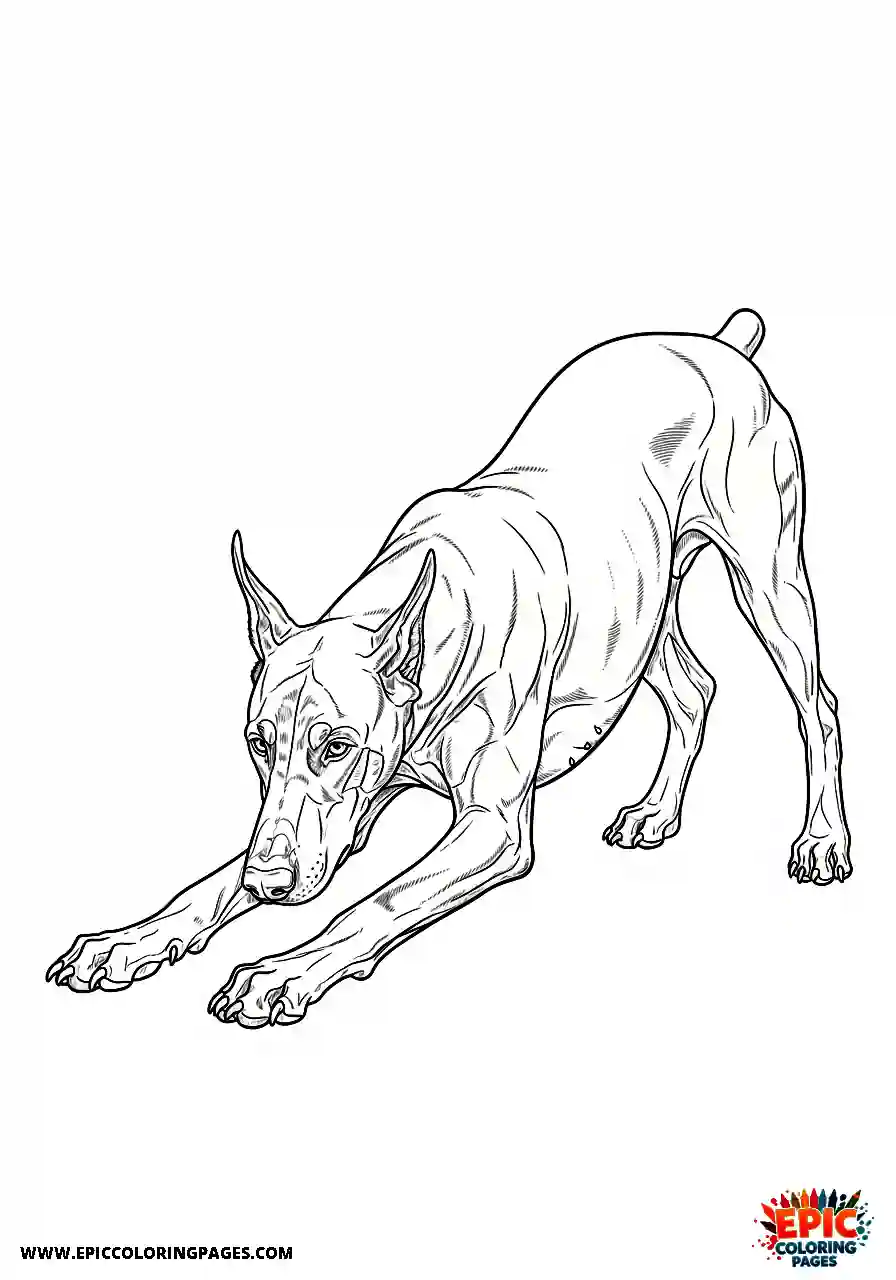
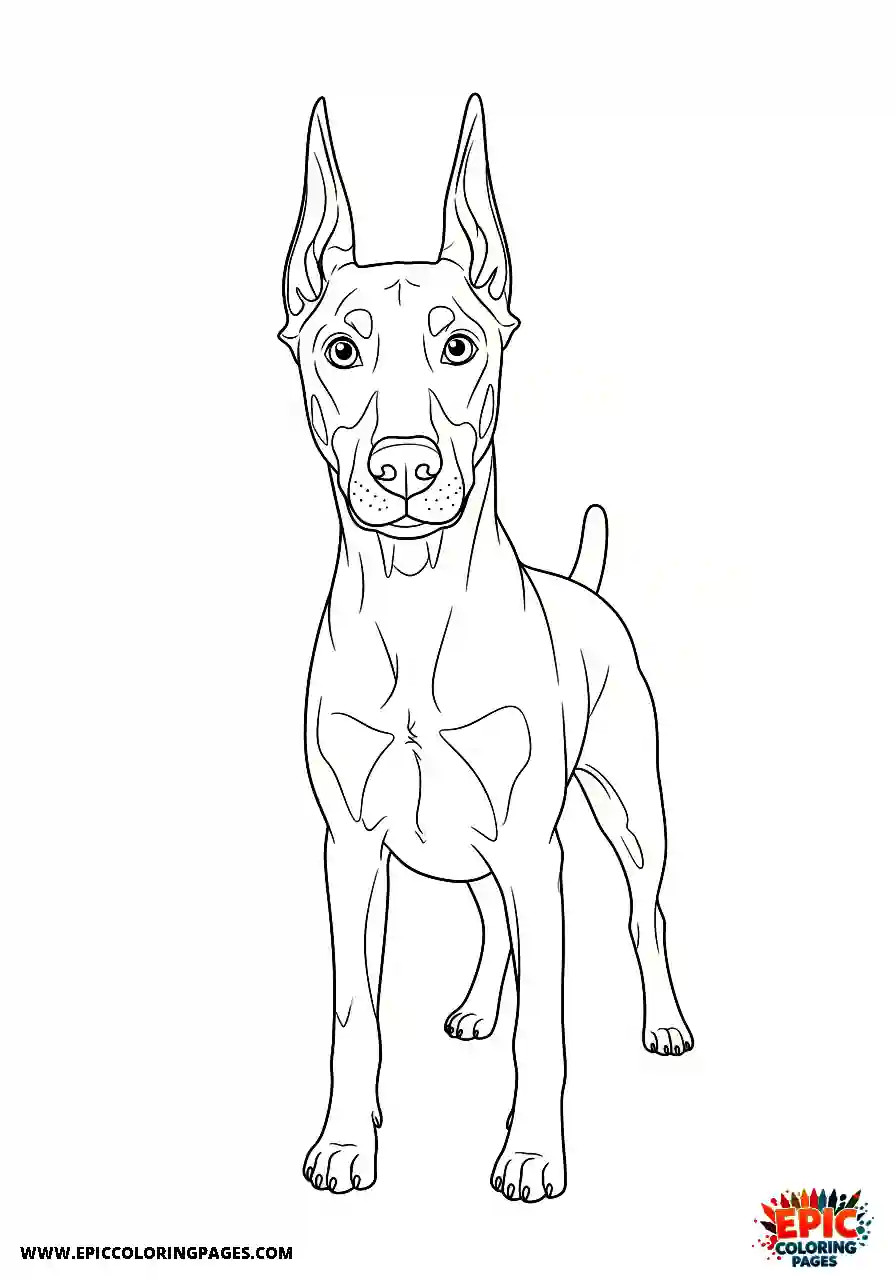
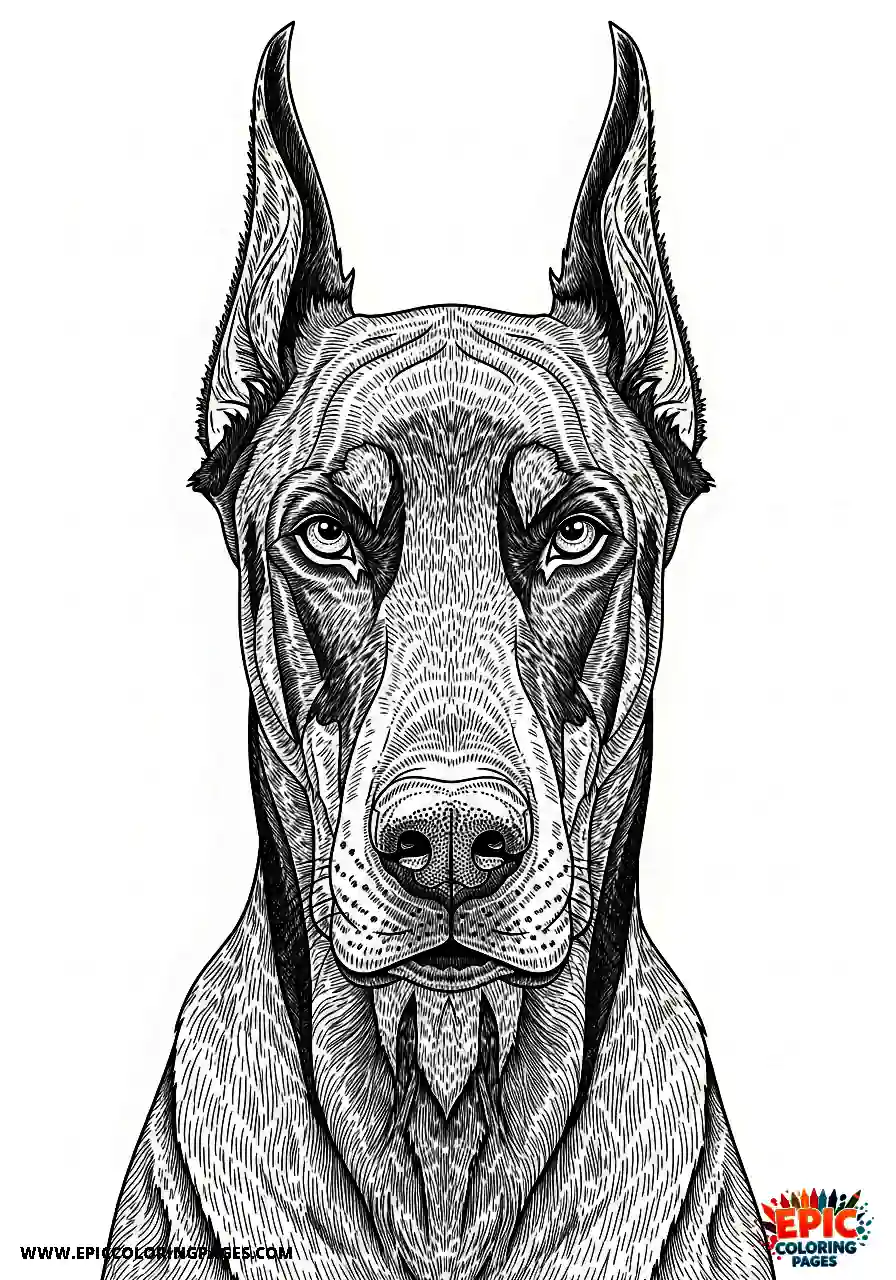
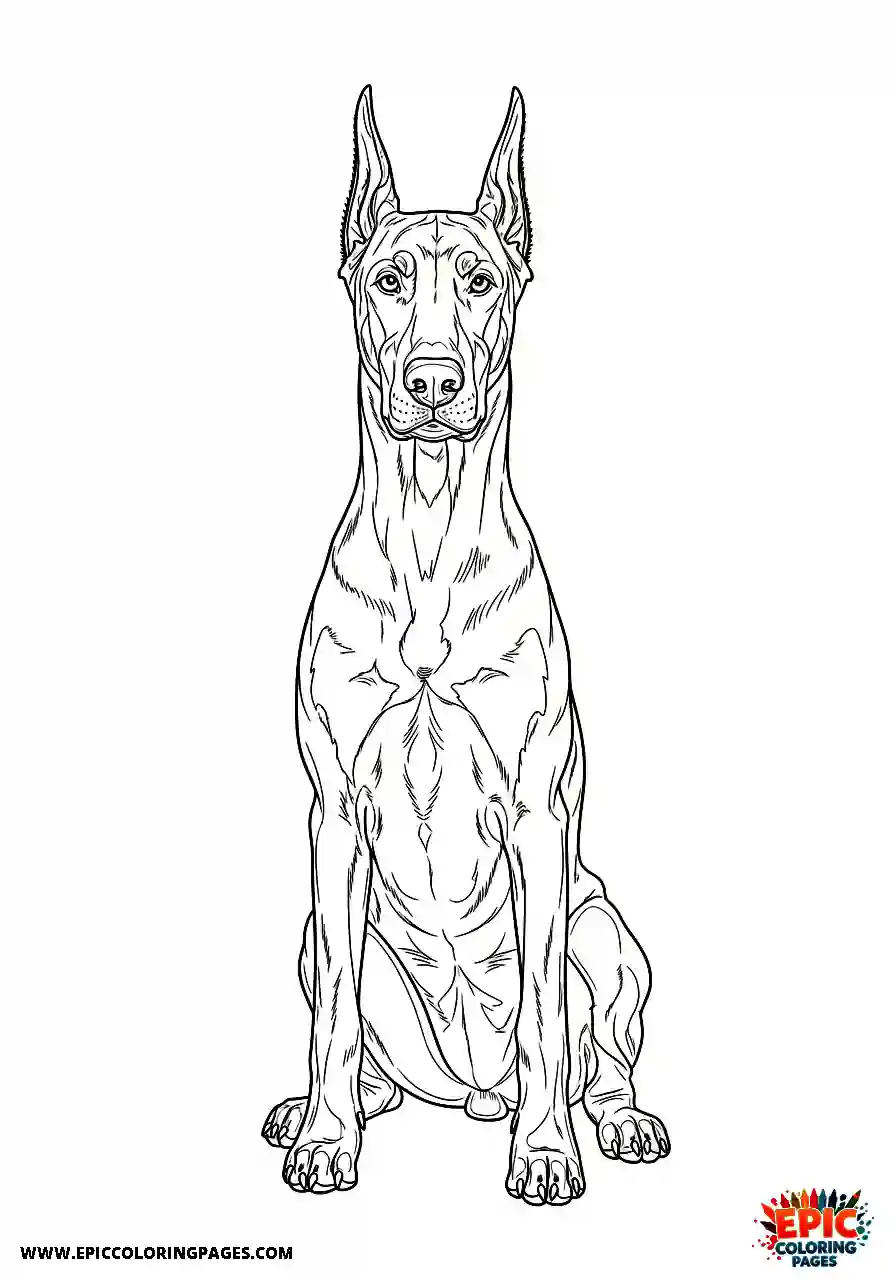
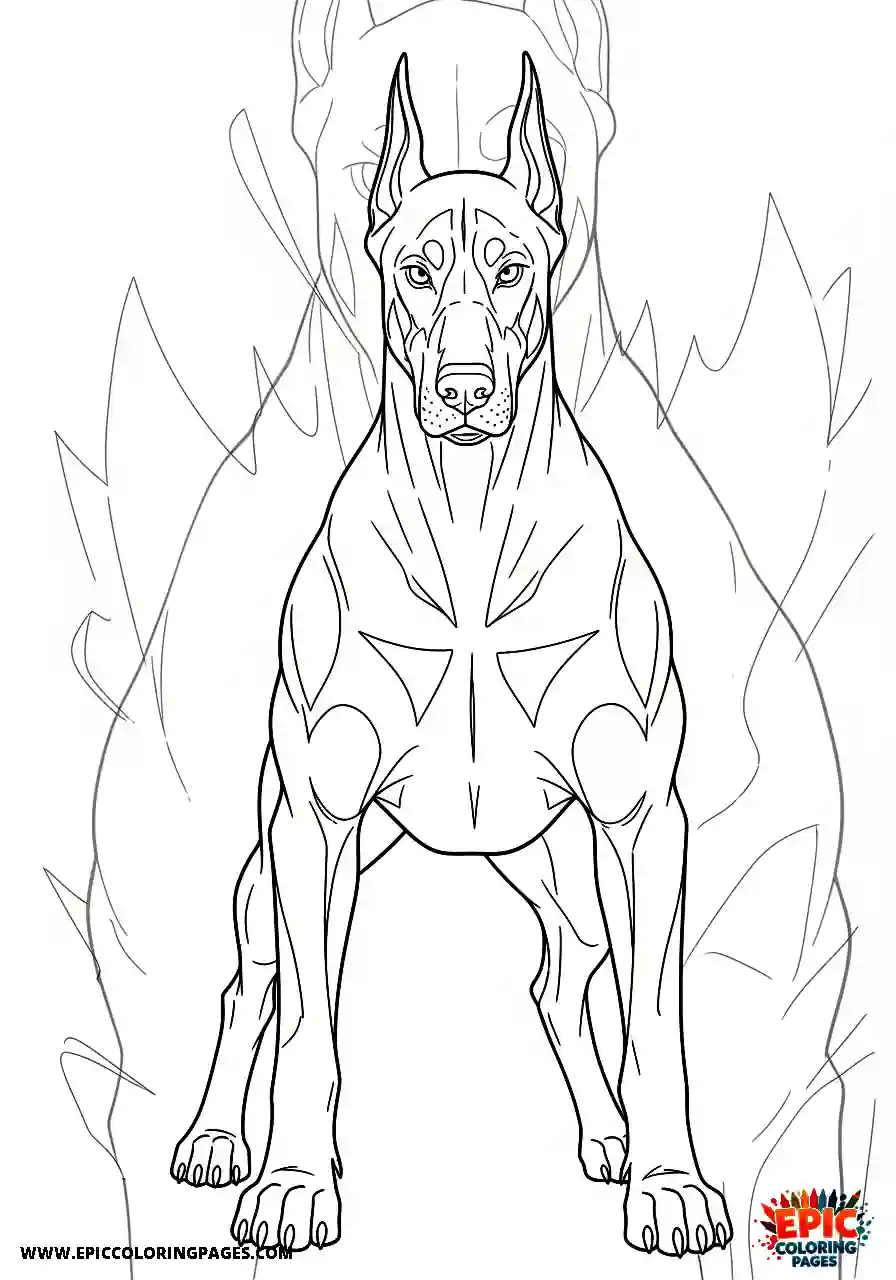
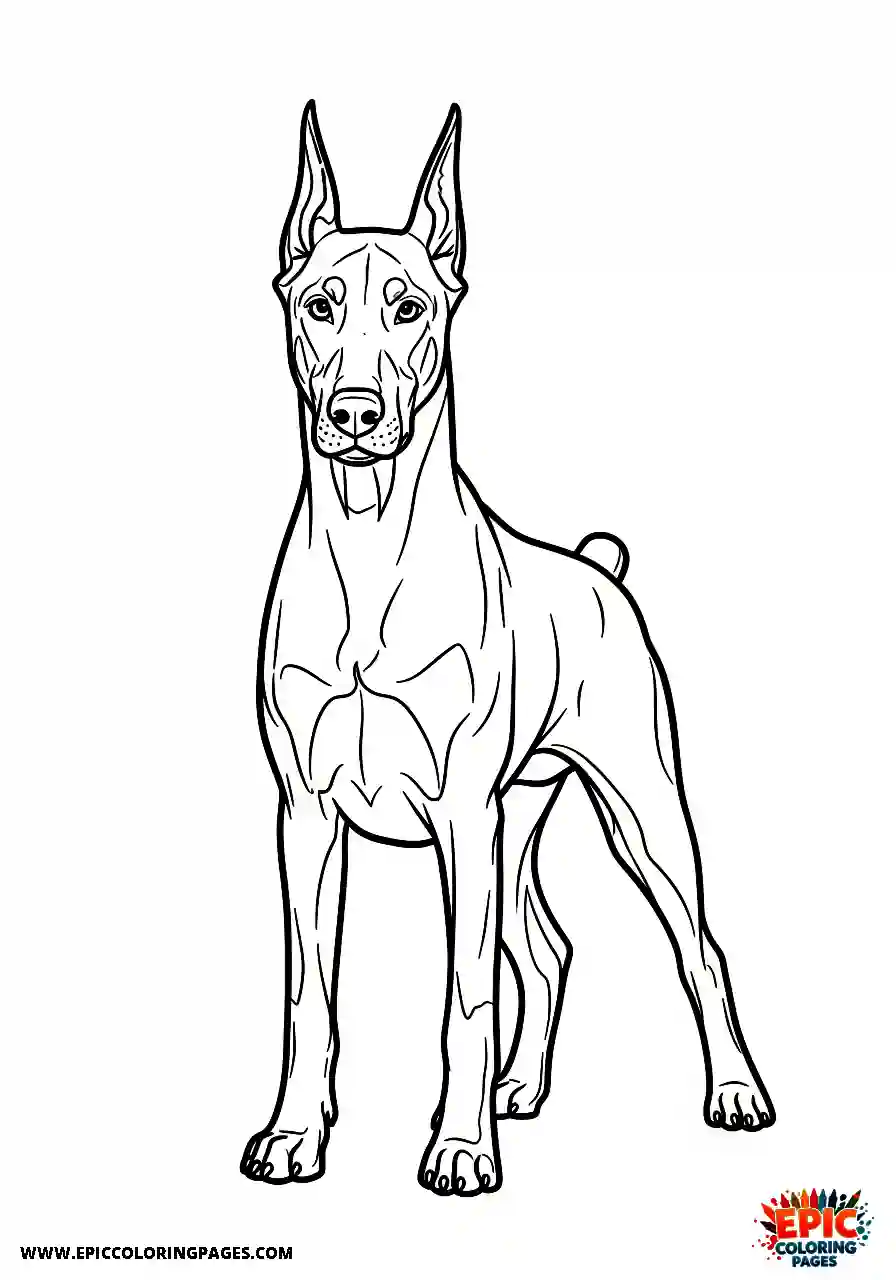
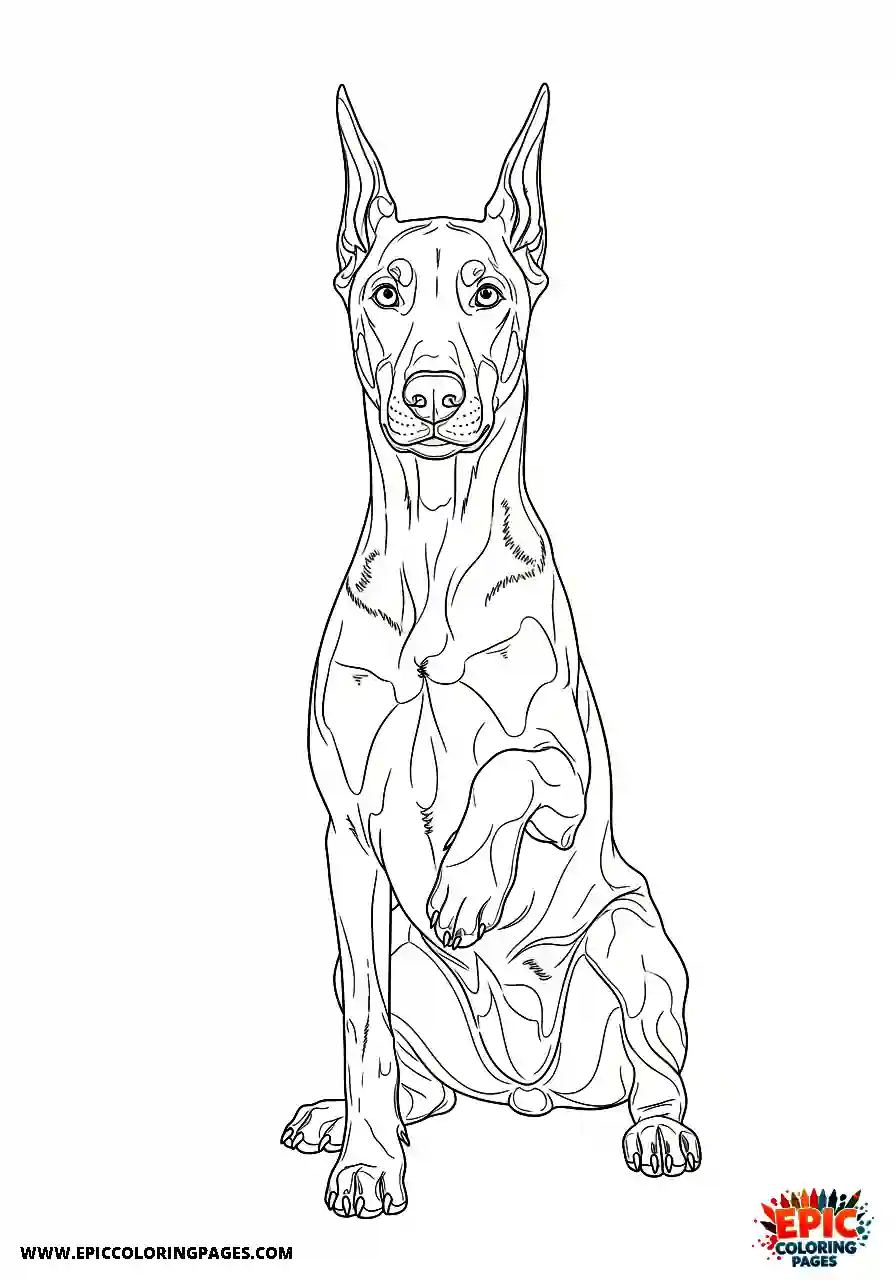
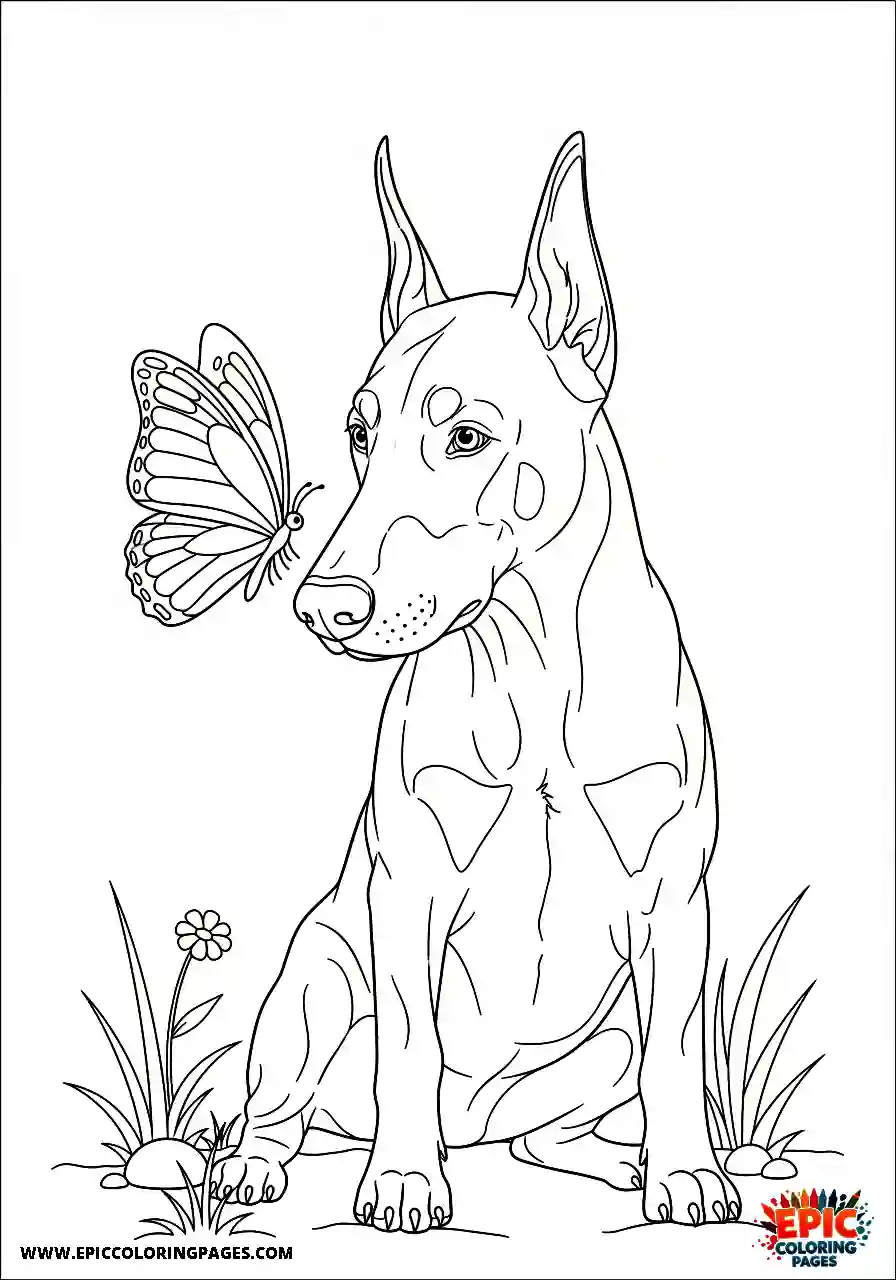
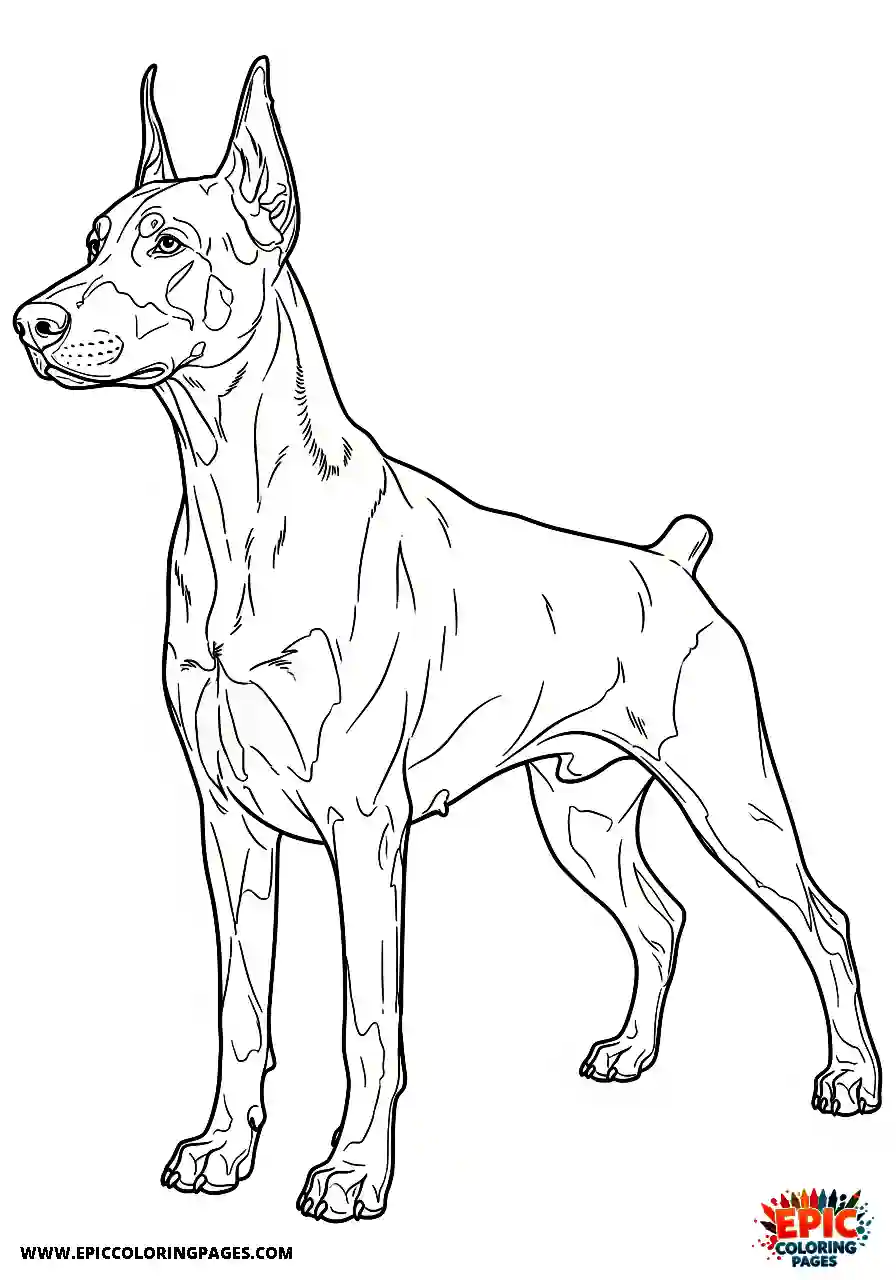
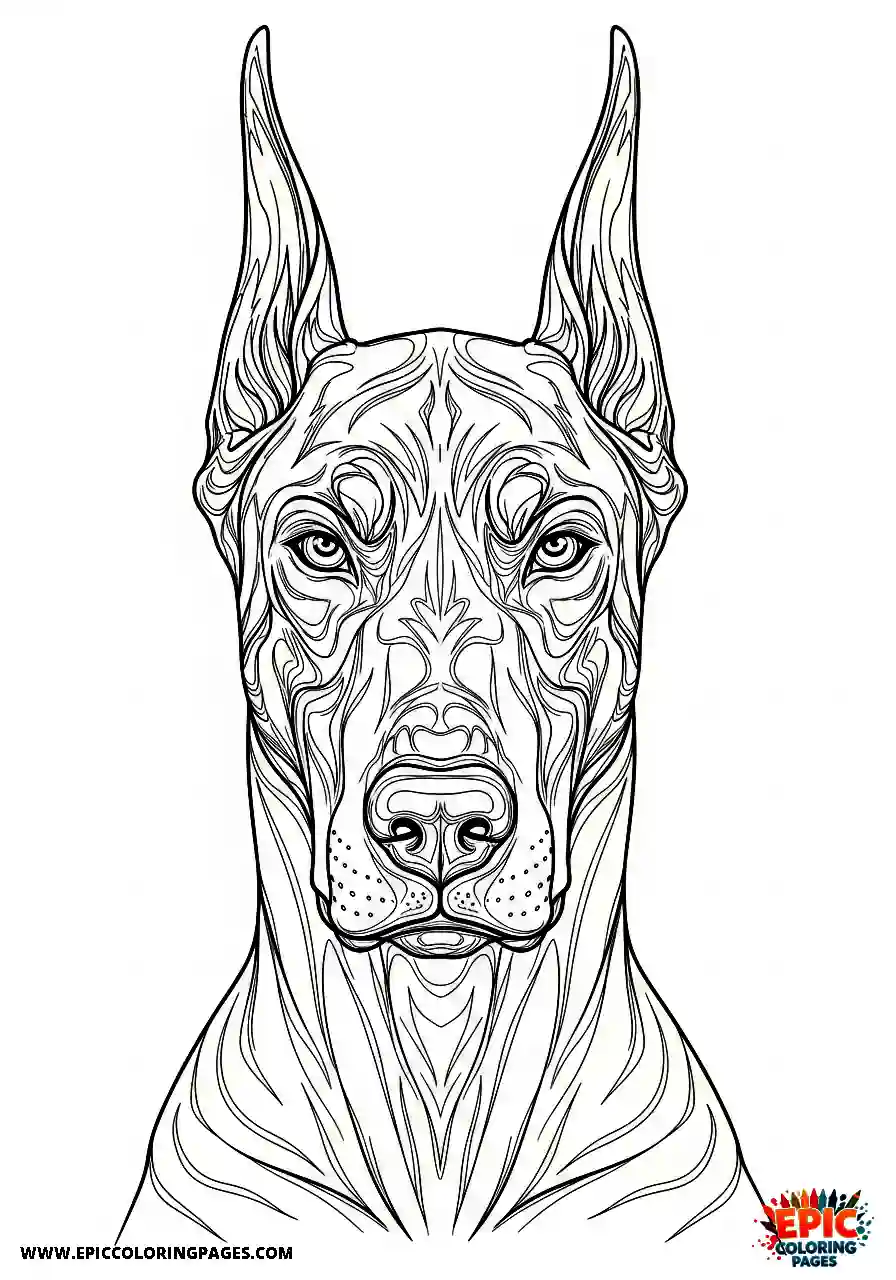
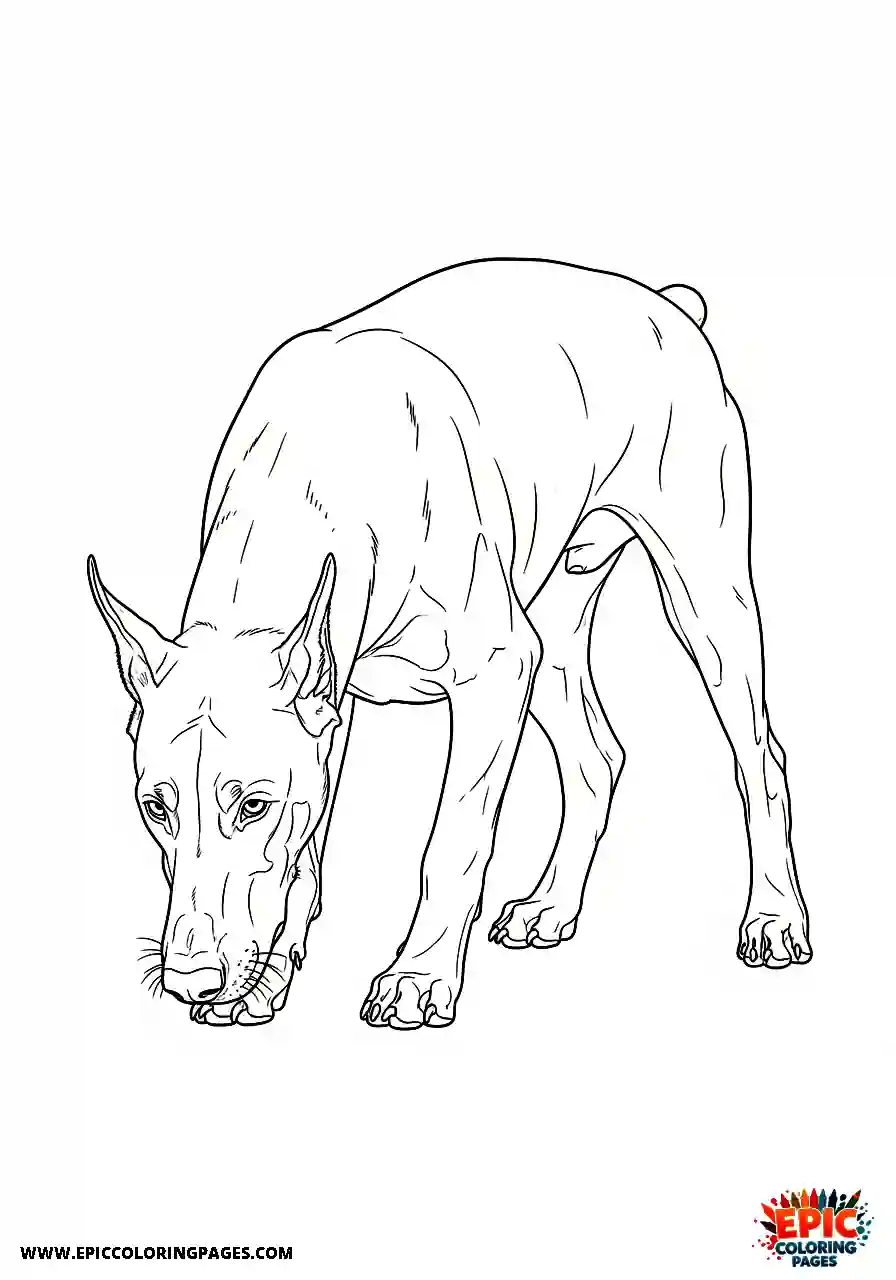
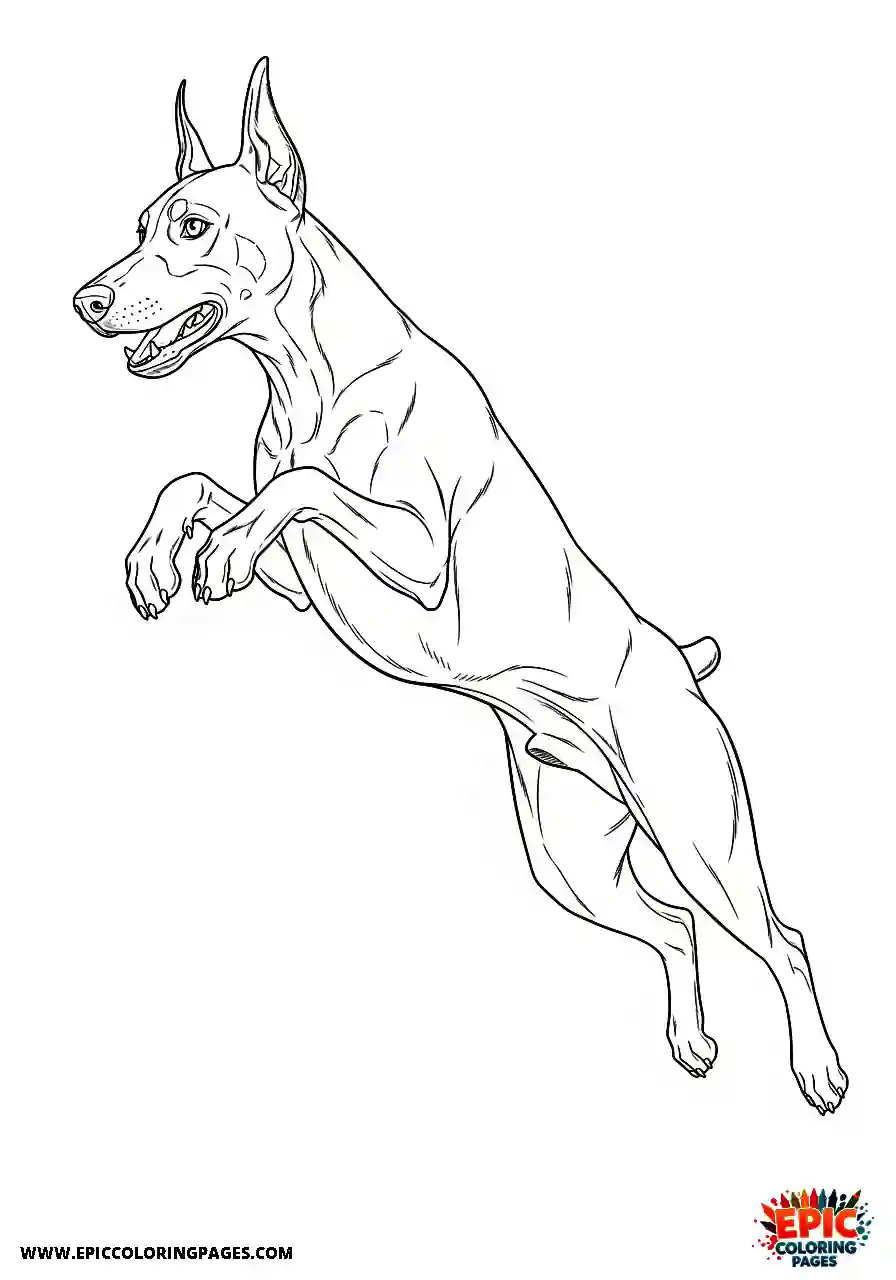
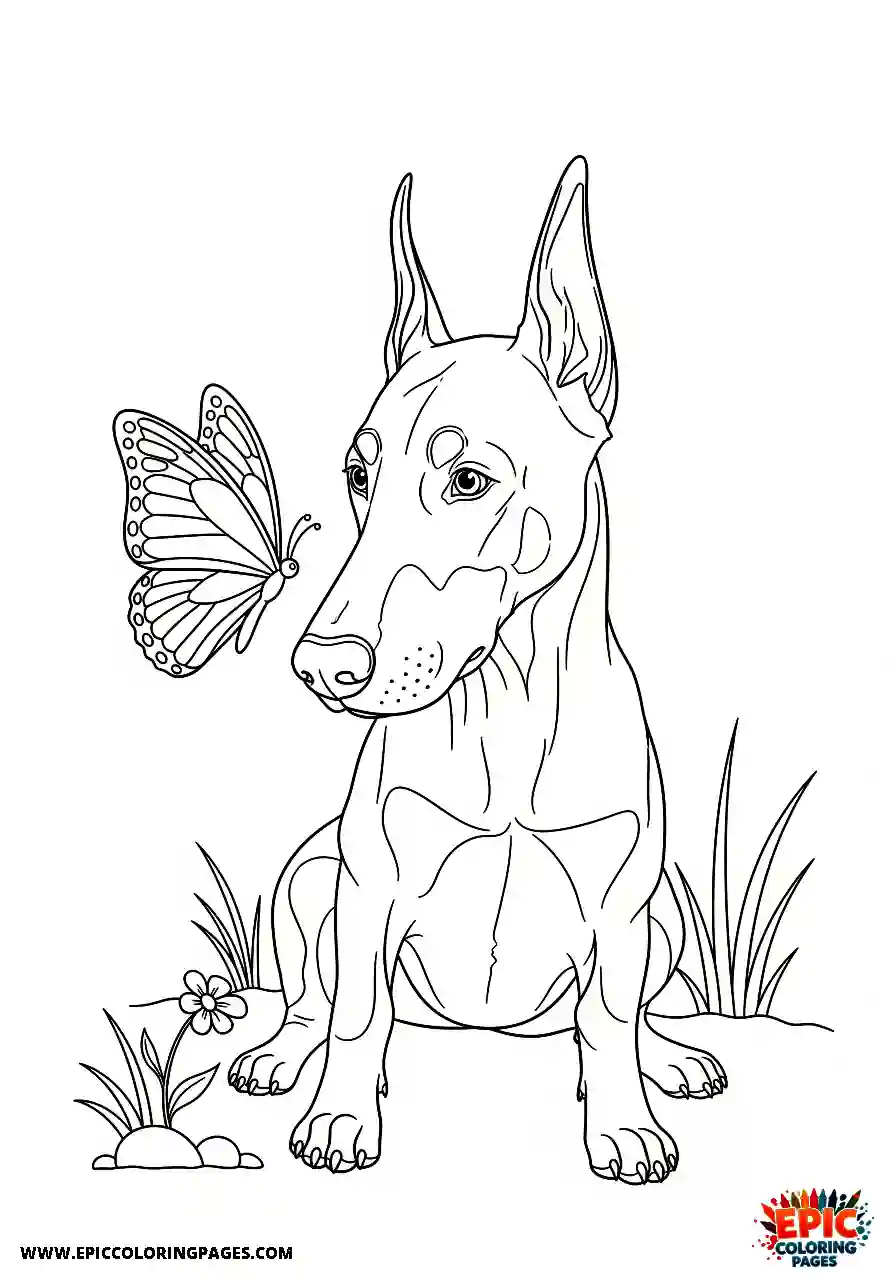
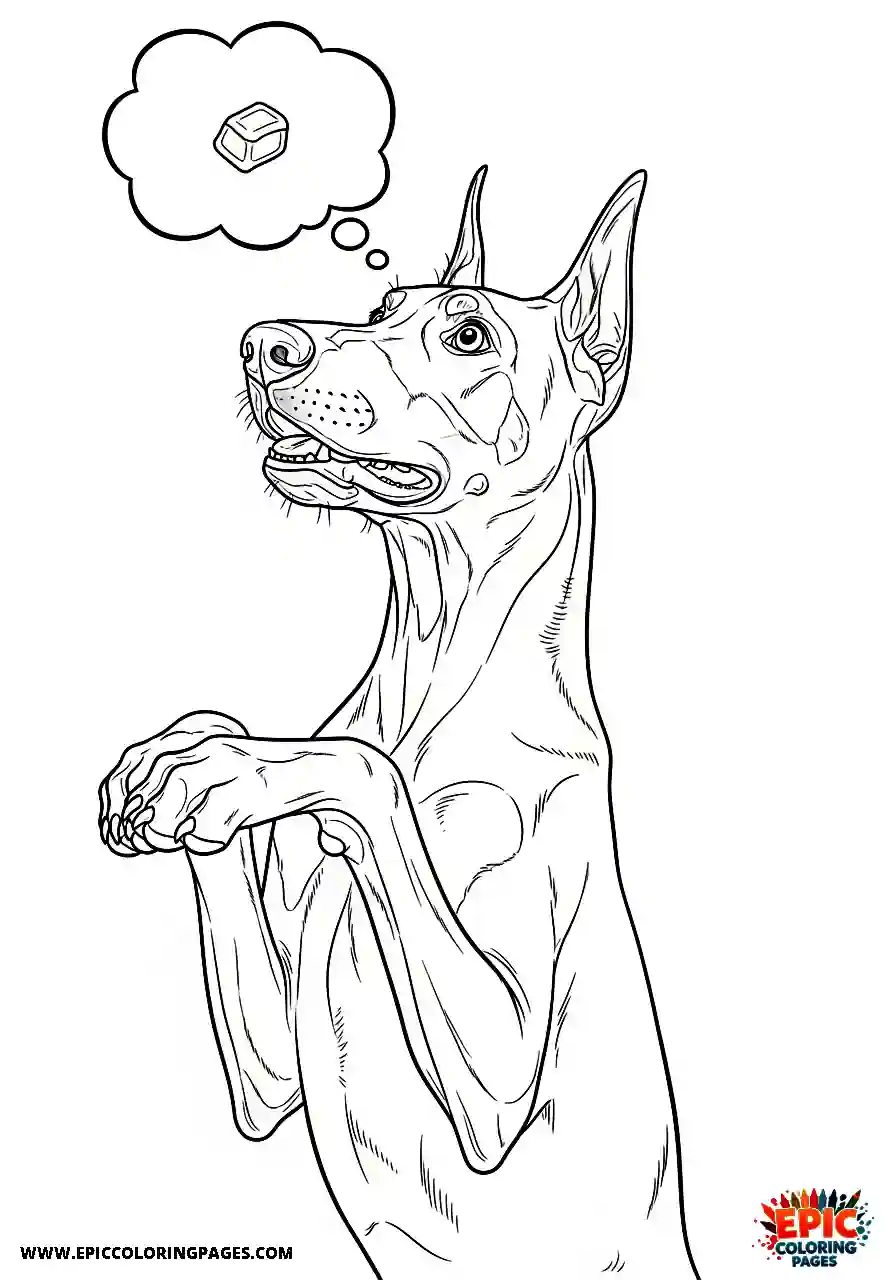
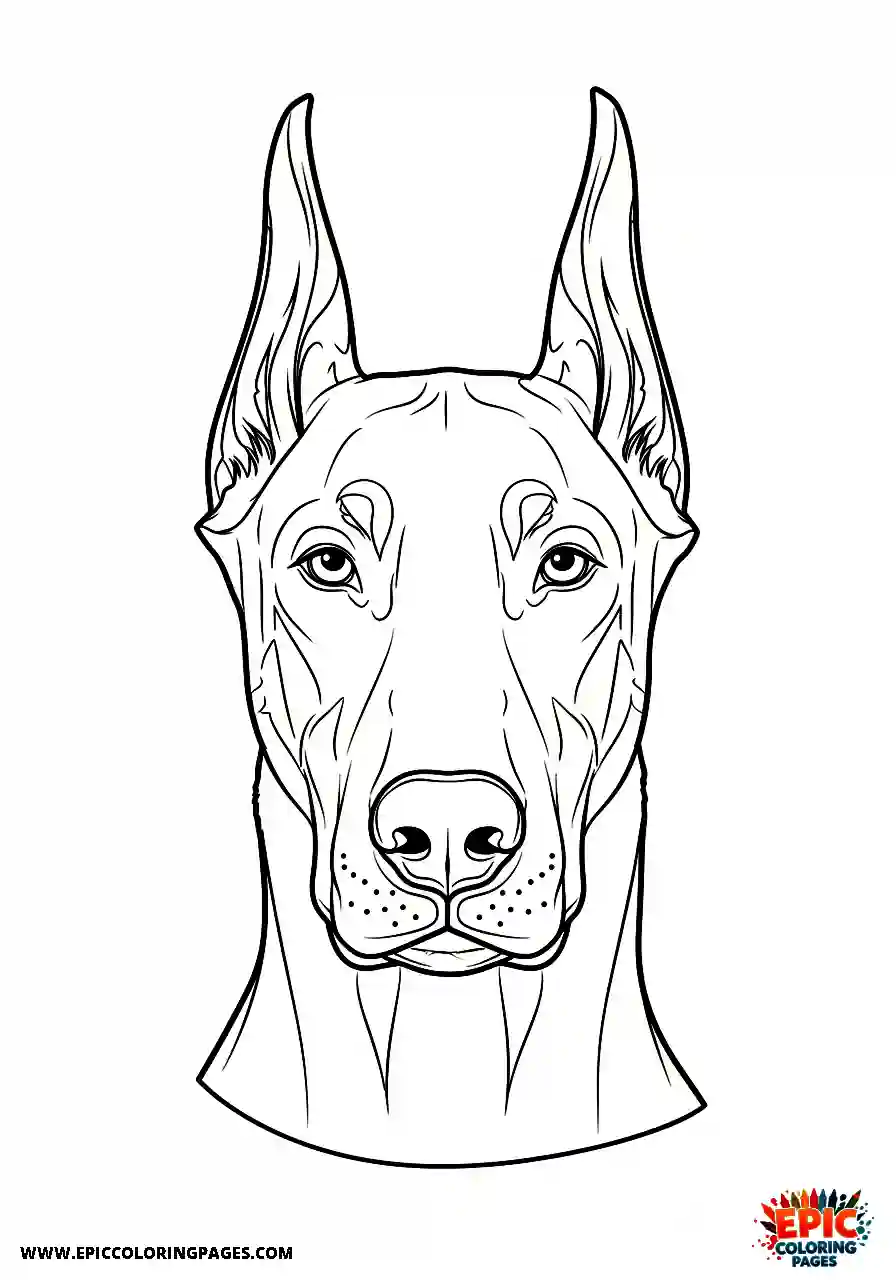
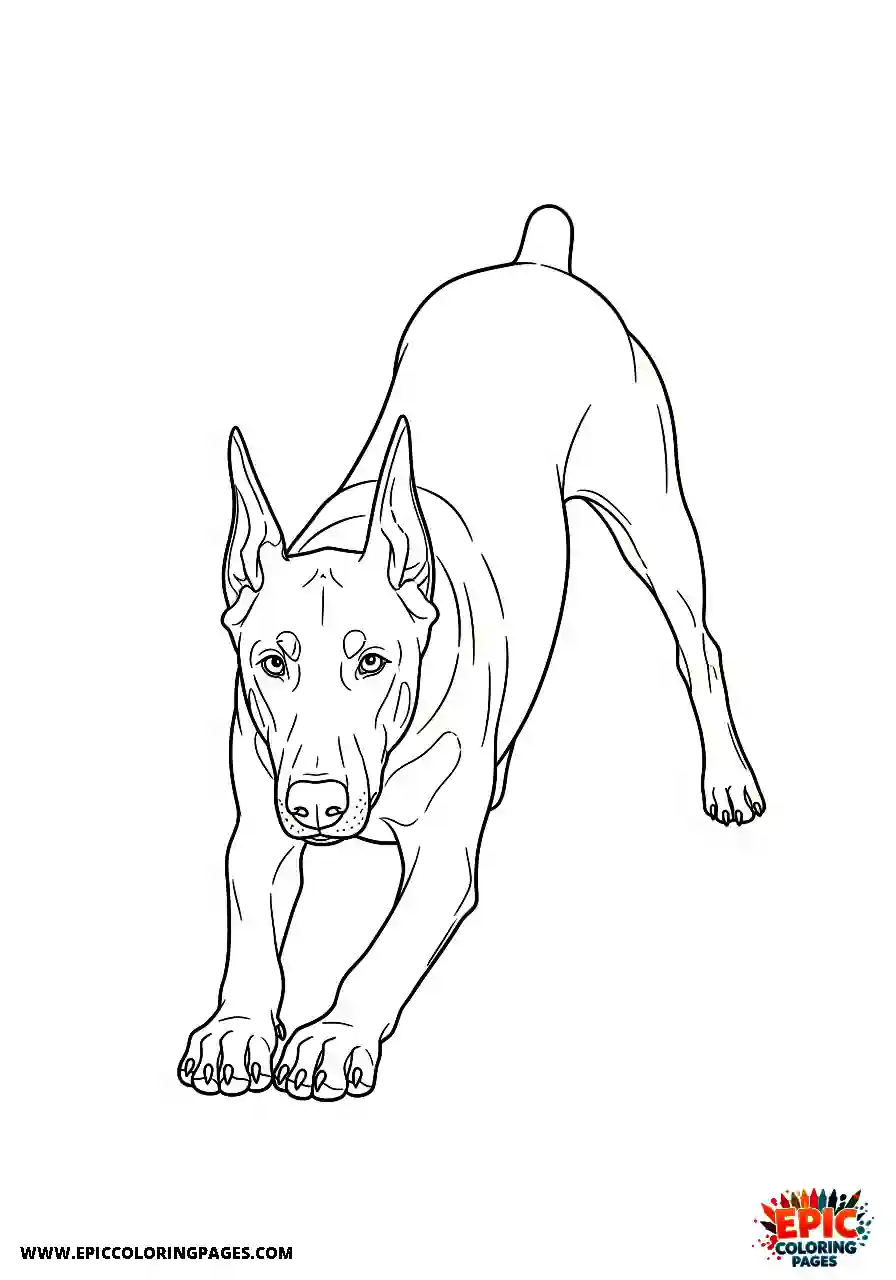
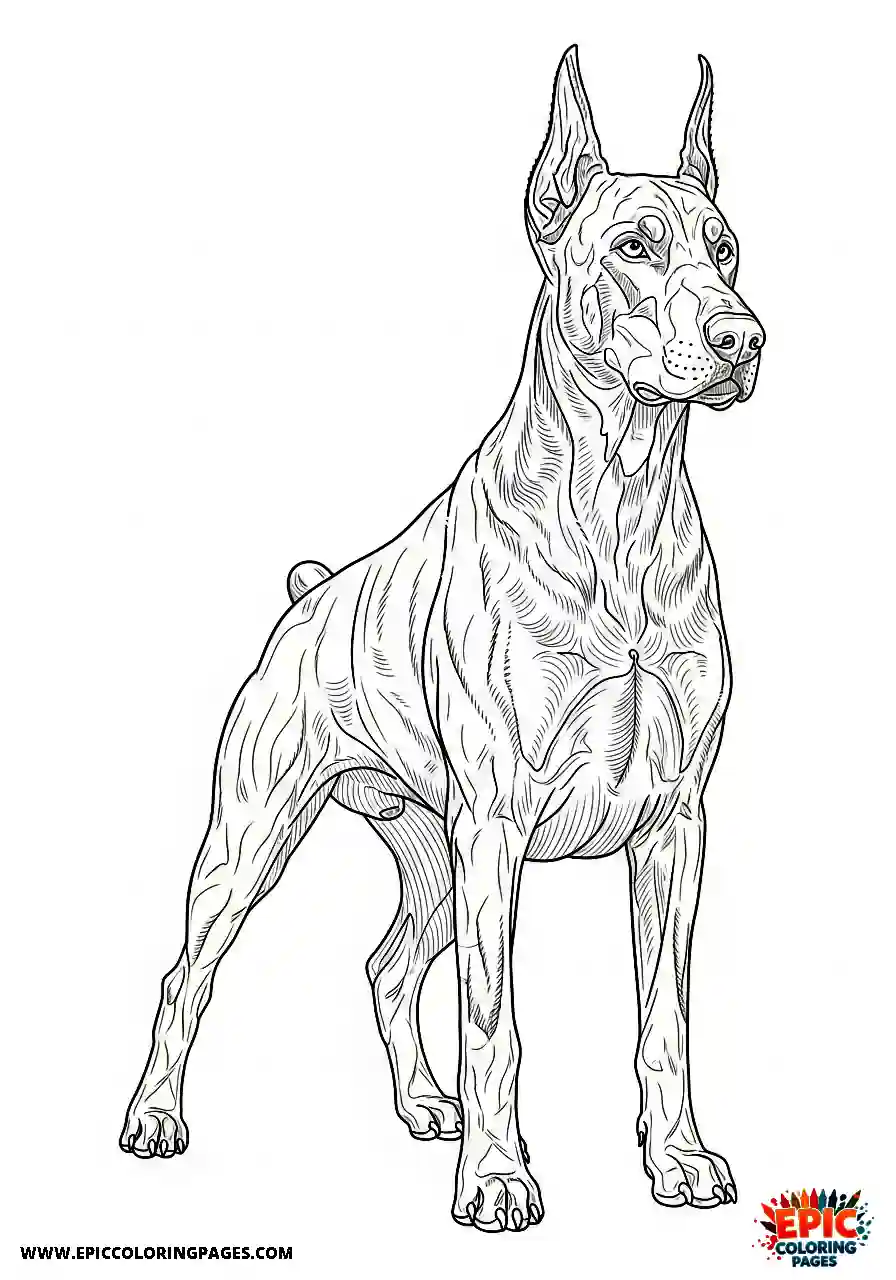
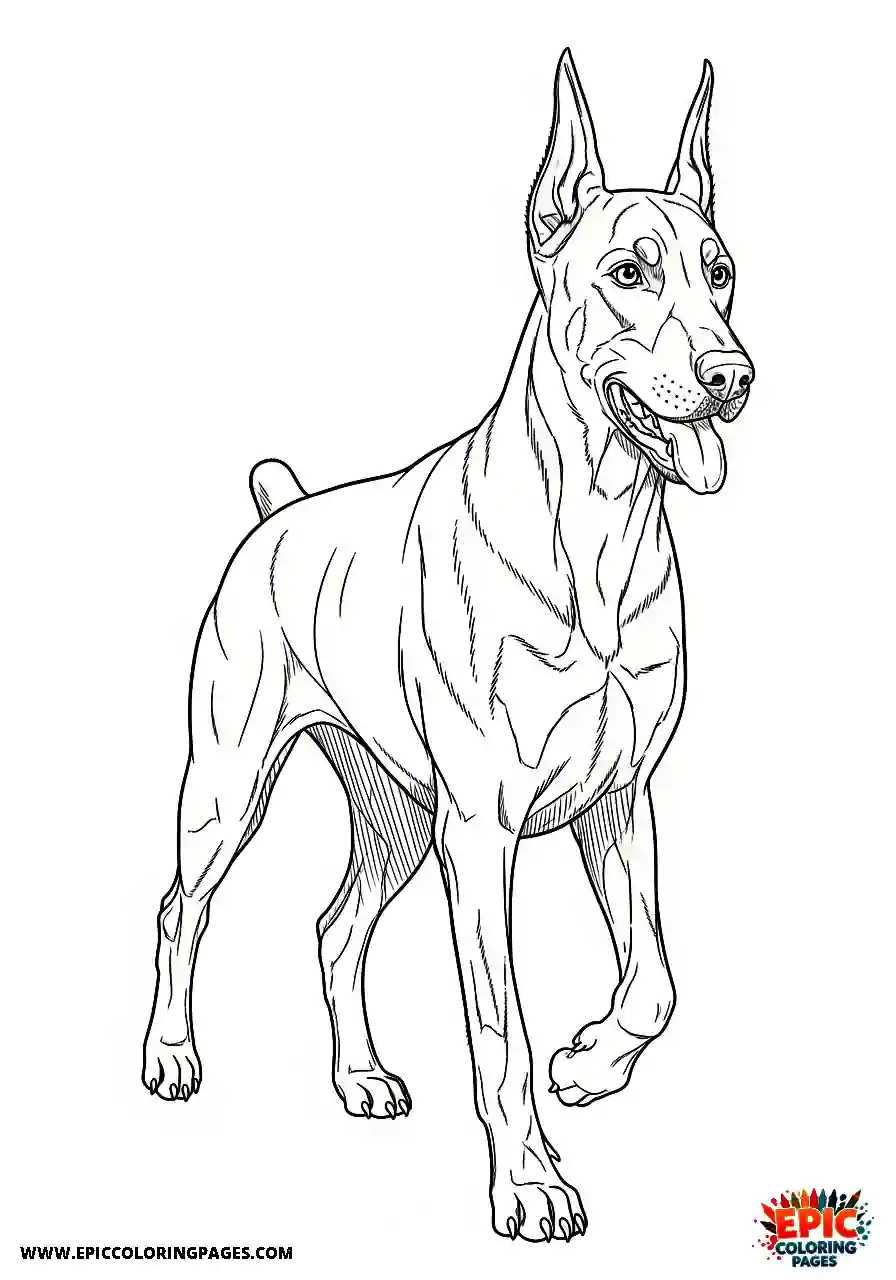
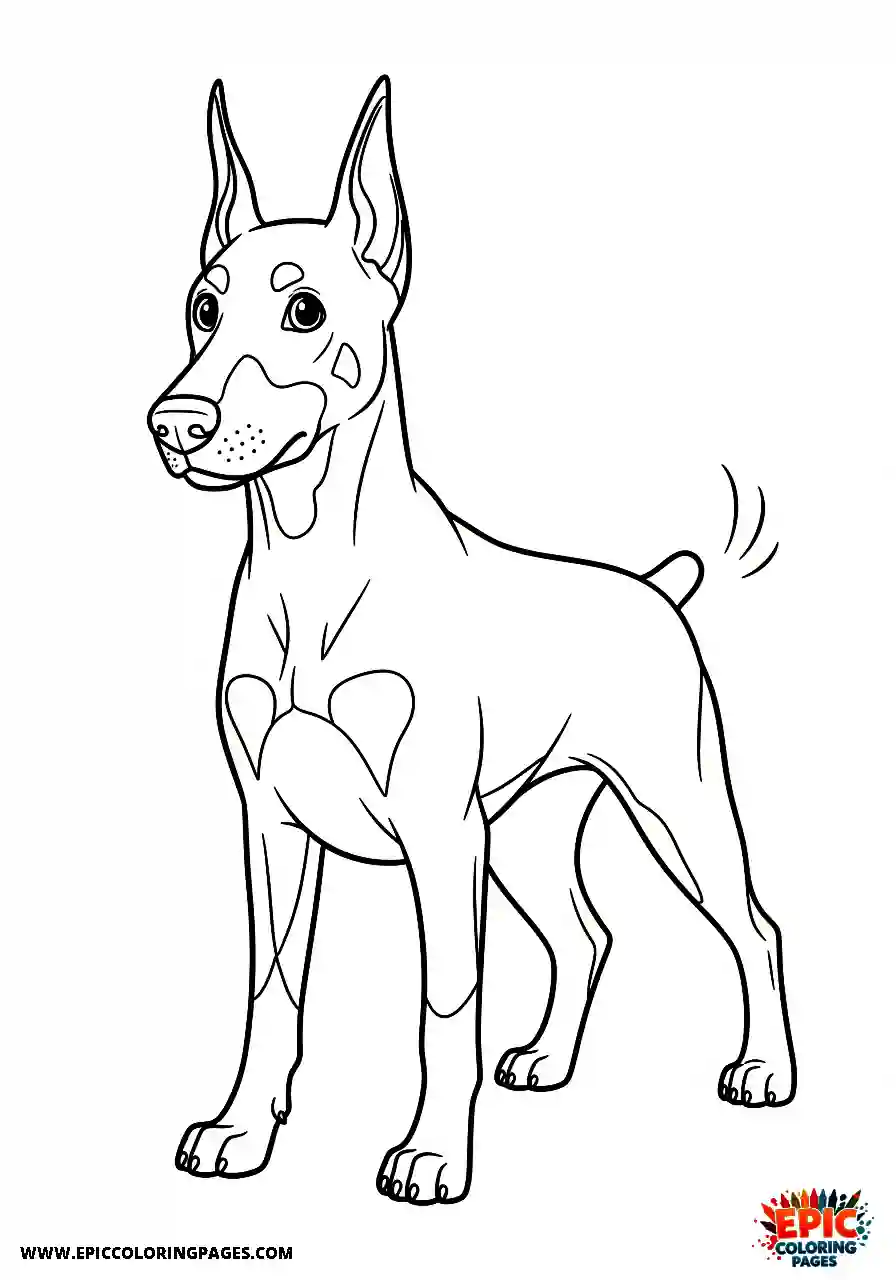
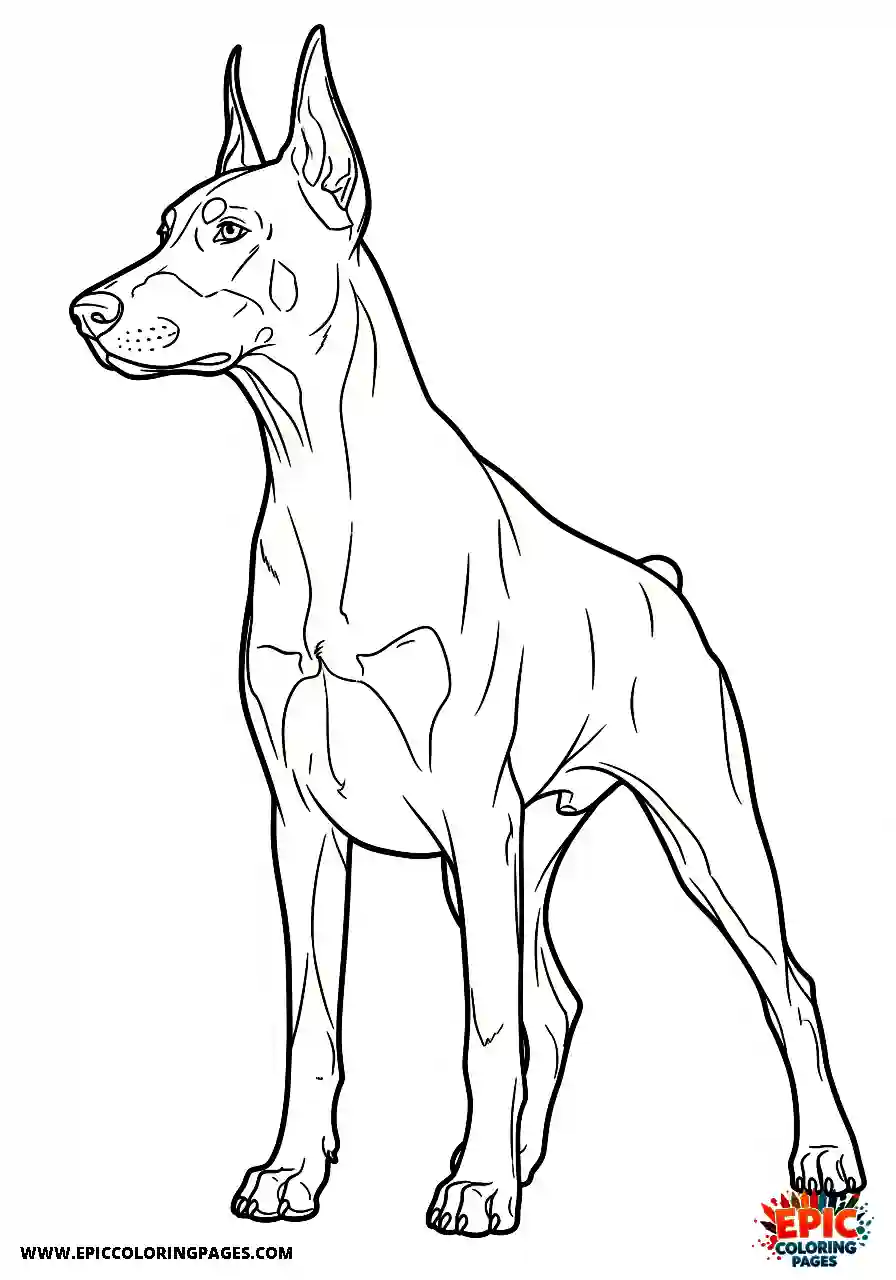
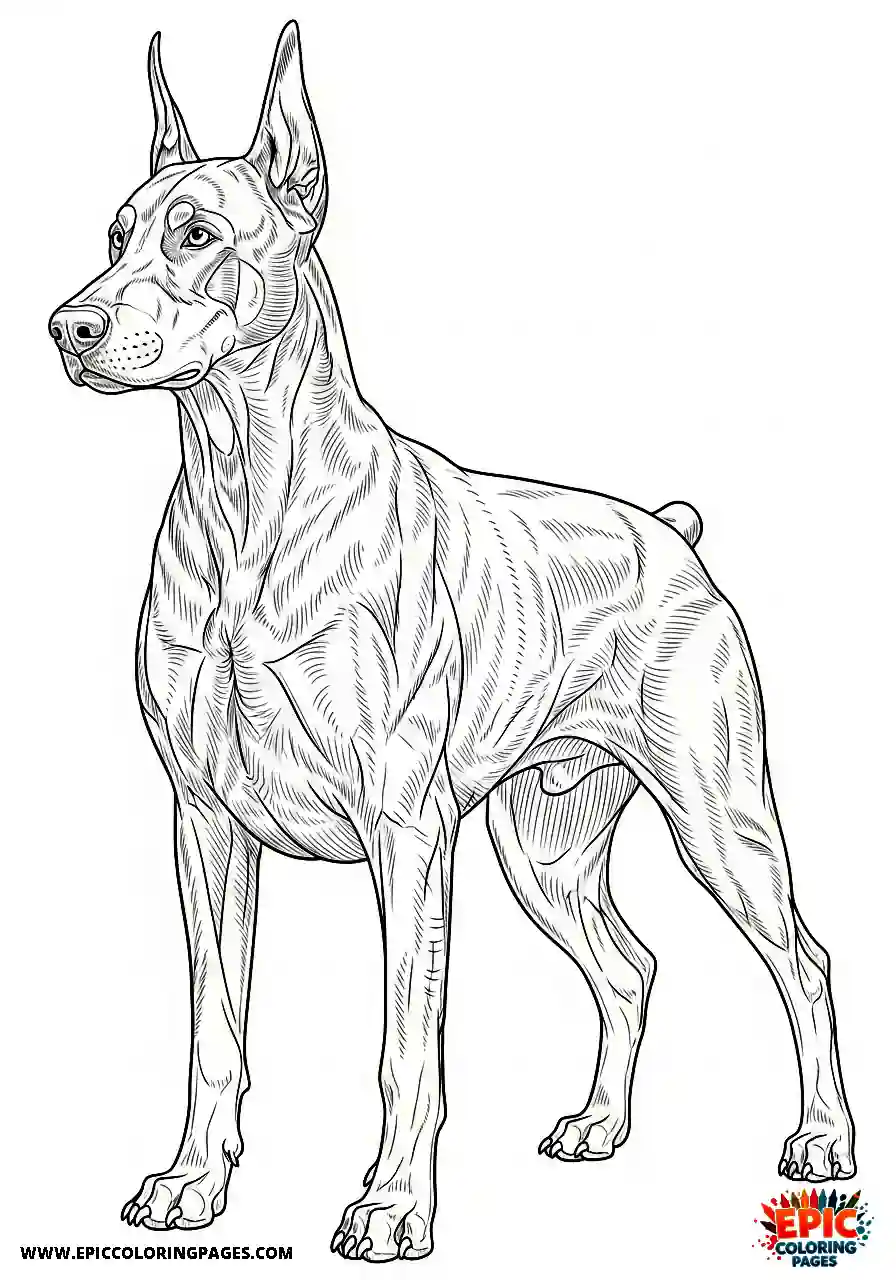
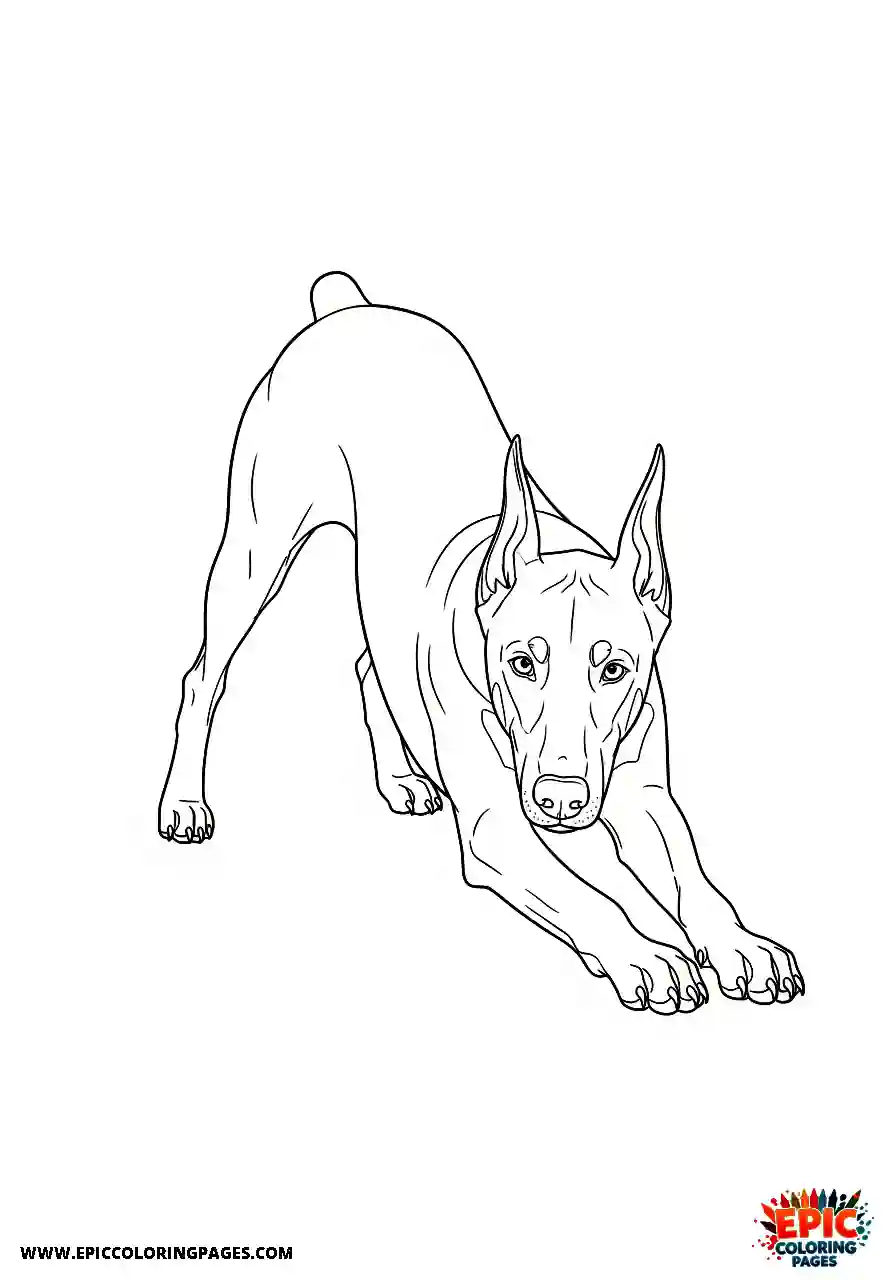
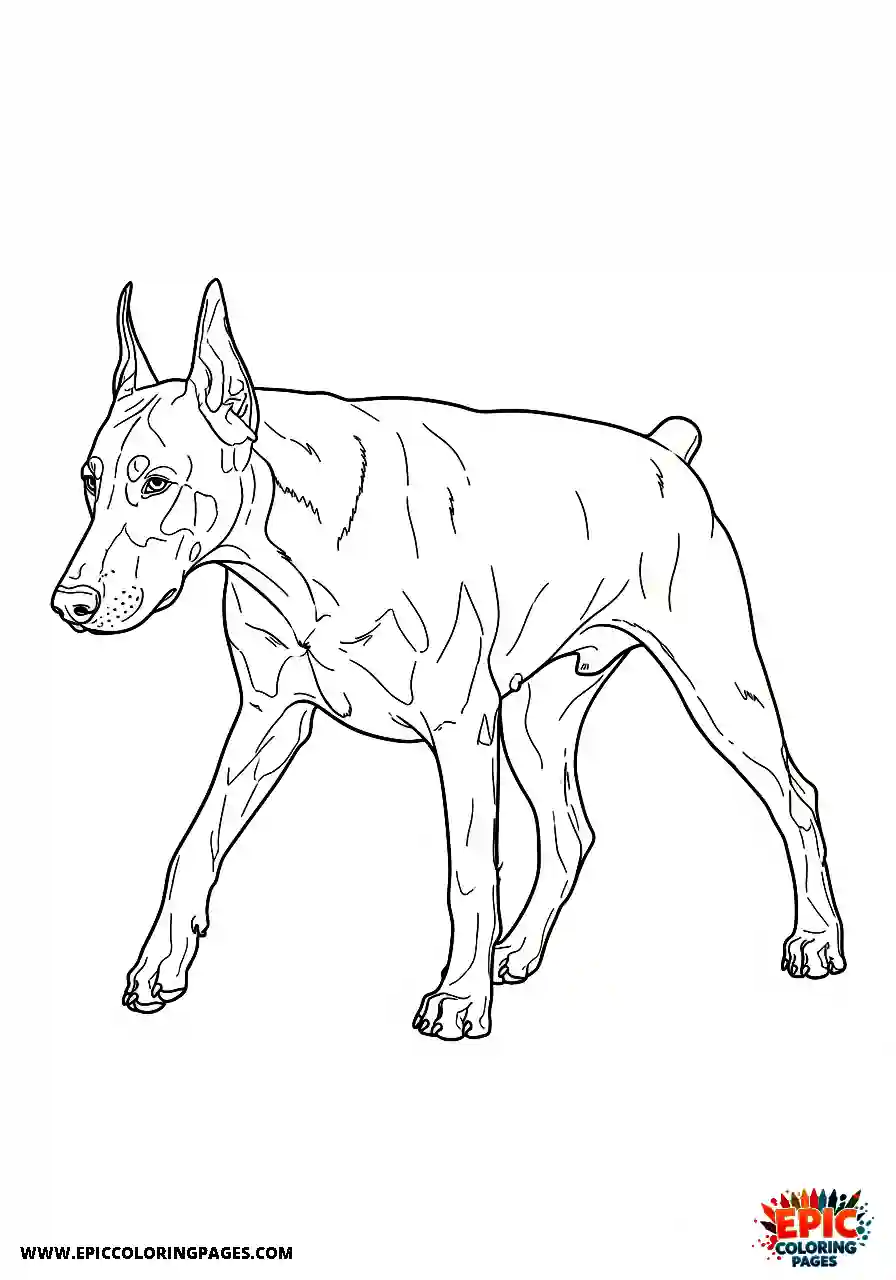
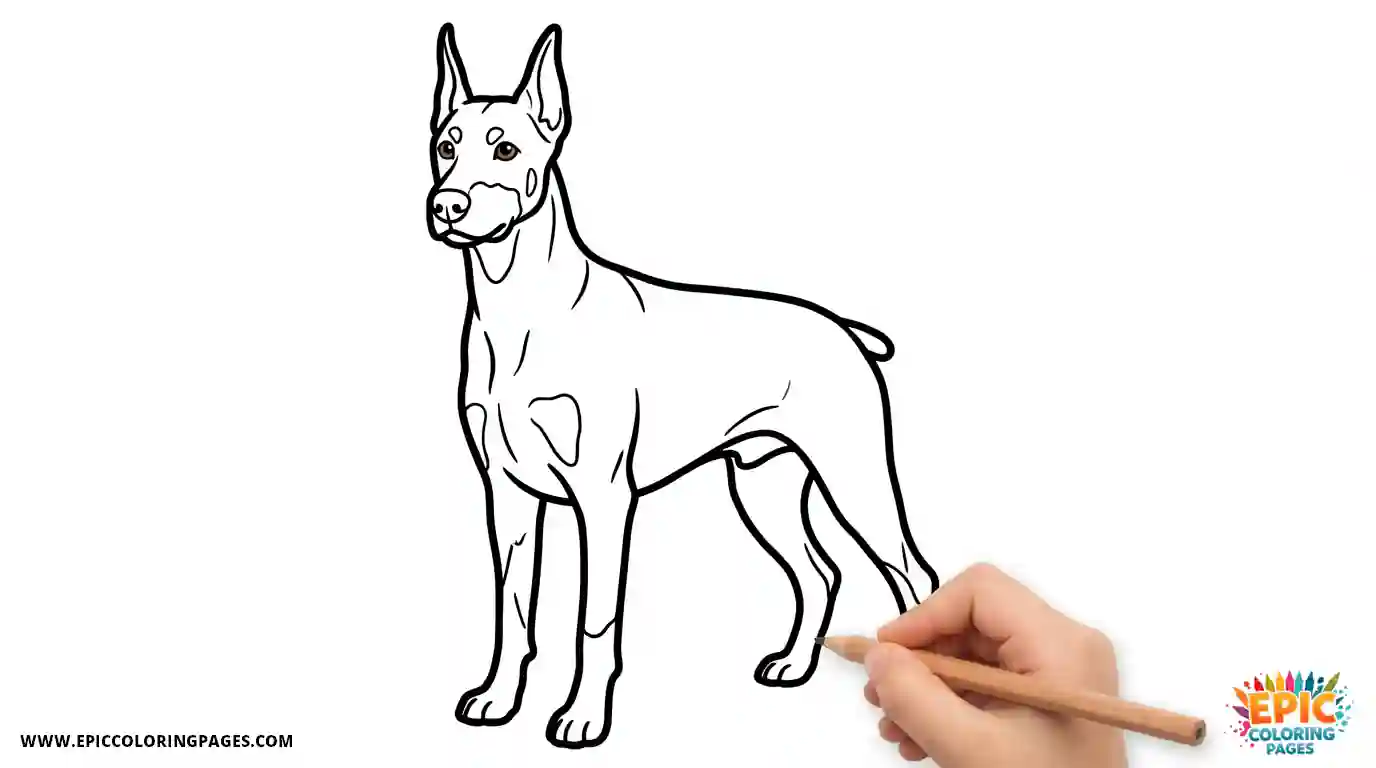
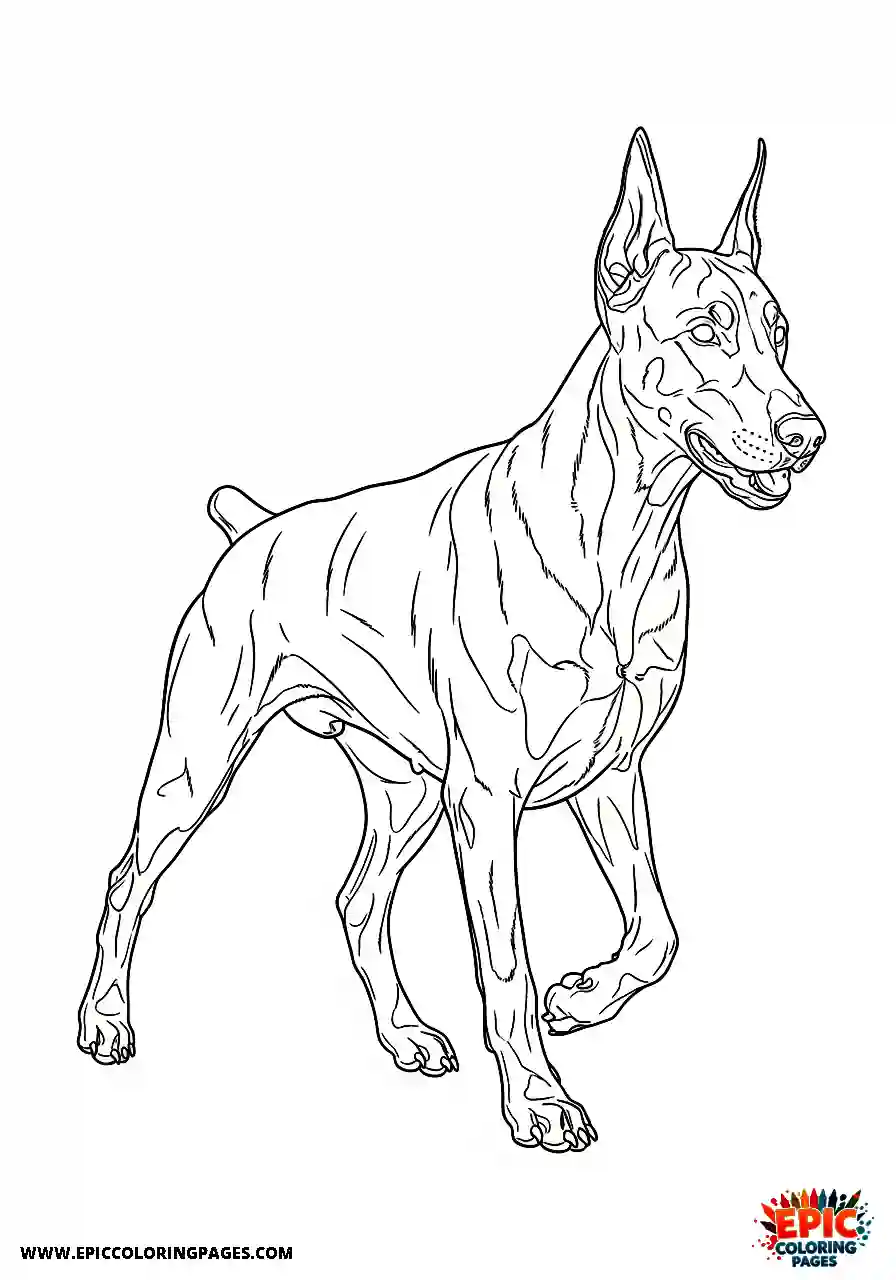
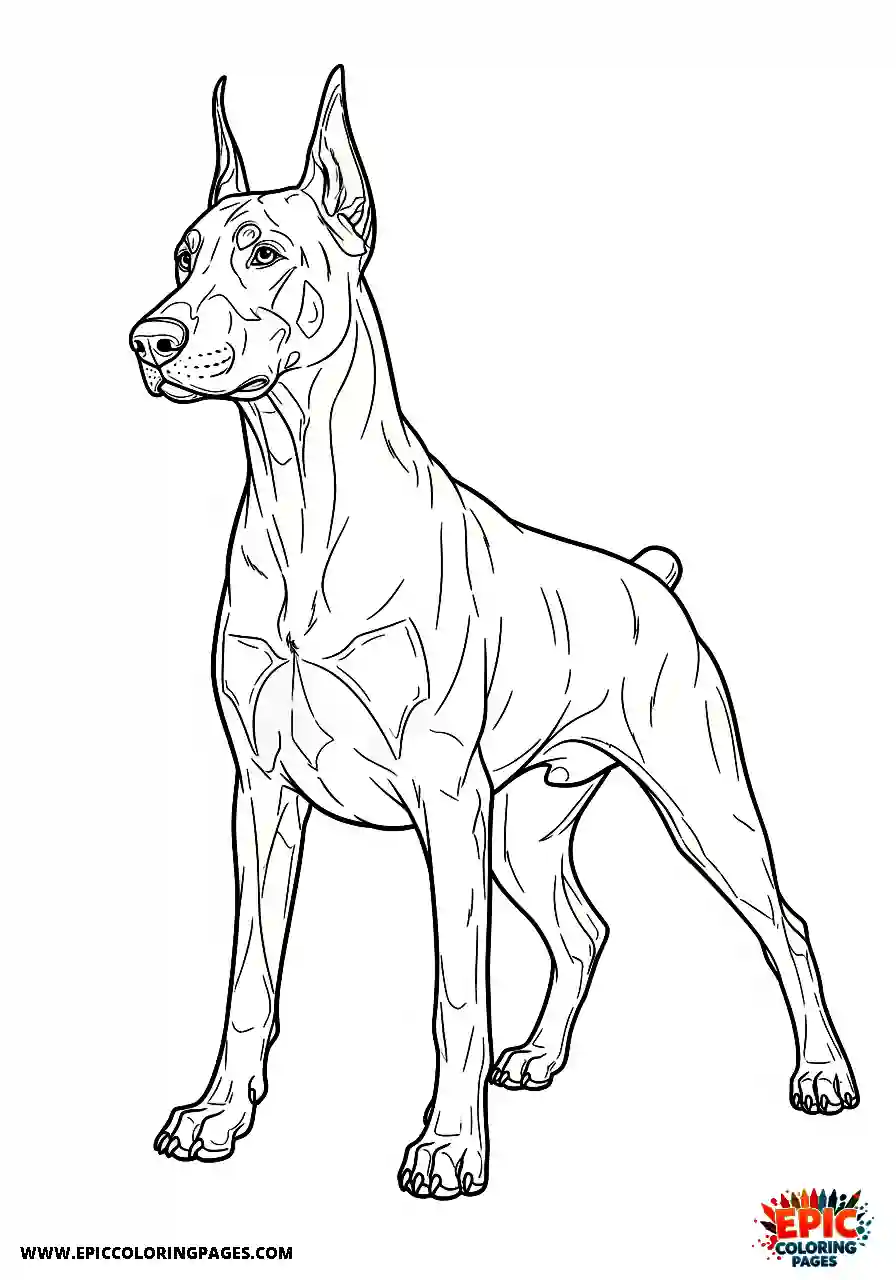
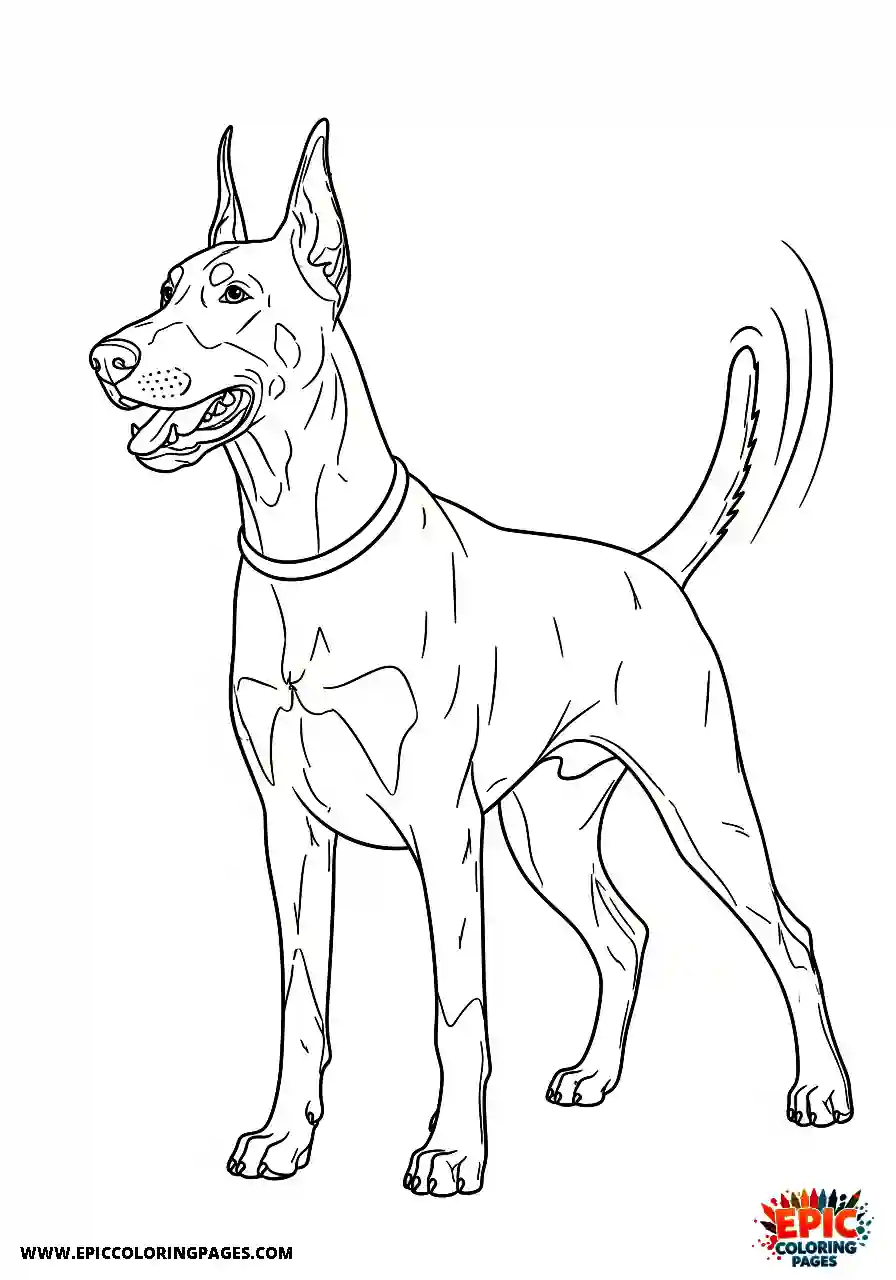
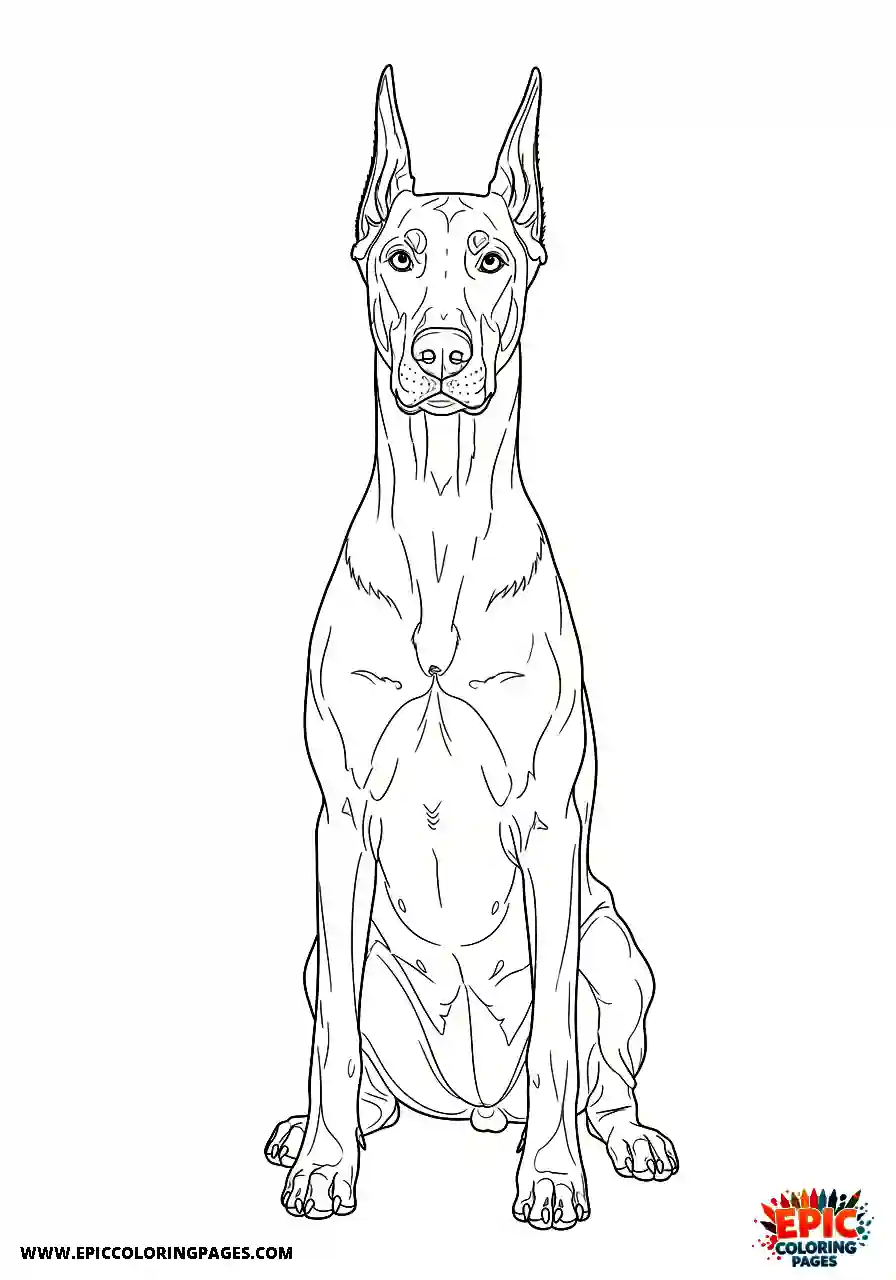
From an artistic standpoint, the Doberman’s anatomy offers a study in proportion and movement. The elongated neck, deep chest, and sleek coat allow for clear linework, making it ideal for high-contrast illustrations. Whether simplified into bold outlines for children or rendered with anatomical accuracy for realism enthusiasts, the Doberman provides a versatile subject that adapts across multiple illustration styles without losing its recognizable identity.

🎨 Free Interactive Editor - Customize Your Coloring Pages
Click on any image to open our FREE editor and add personalized text, emojis, zoom in for details, and save in professional 300 DPI quality!
Add Text
11+ fonts
Emojis
500+ items
Zoom
Precision
Save
300 DPI
Click any coloring page to start customizing!
Exploring Doberman Pinscher Illustration Styles
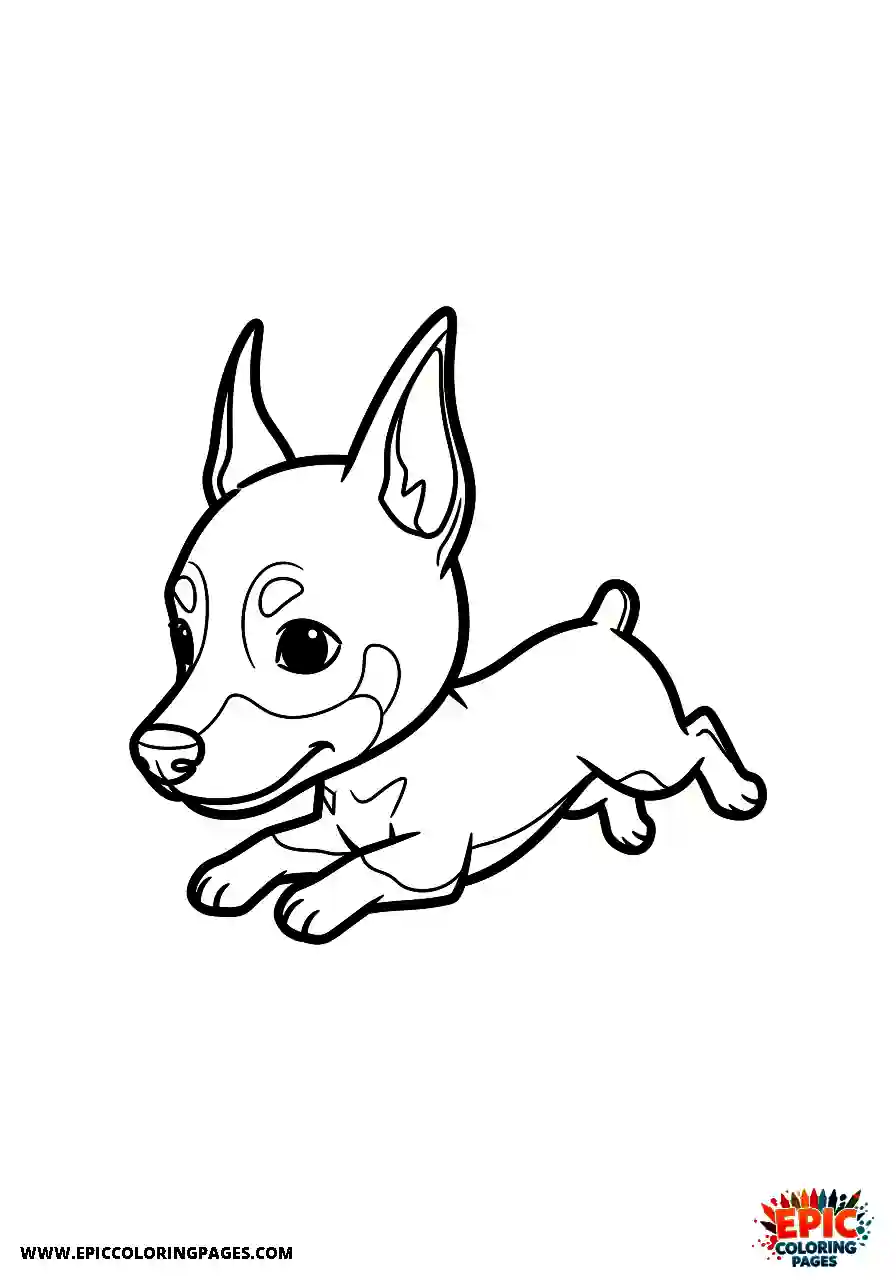
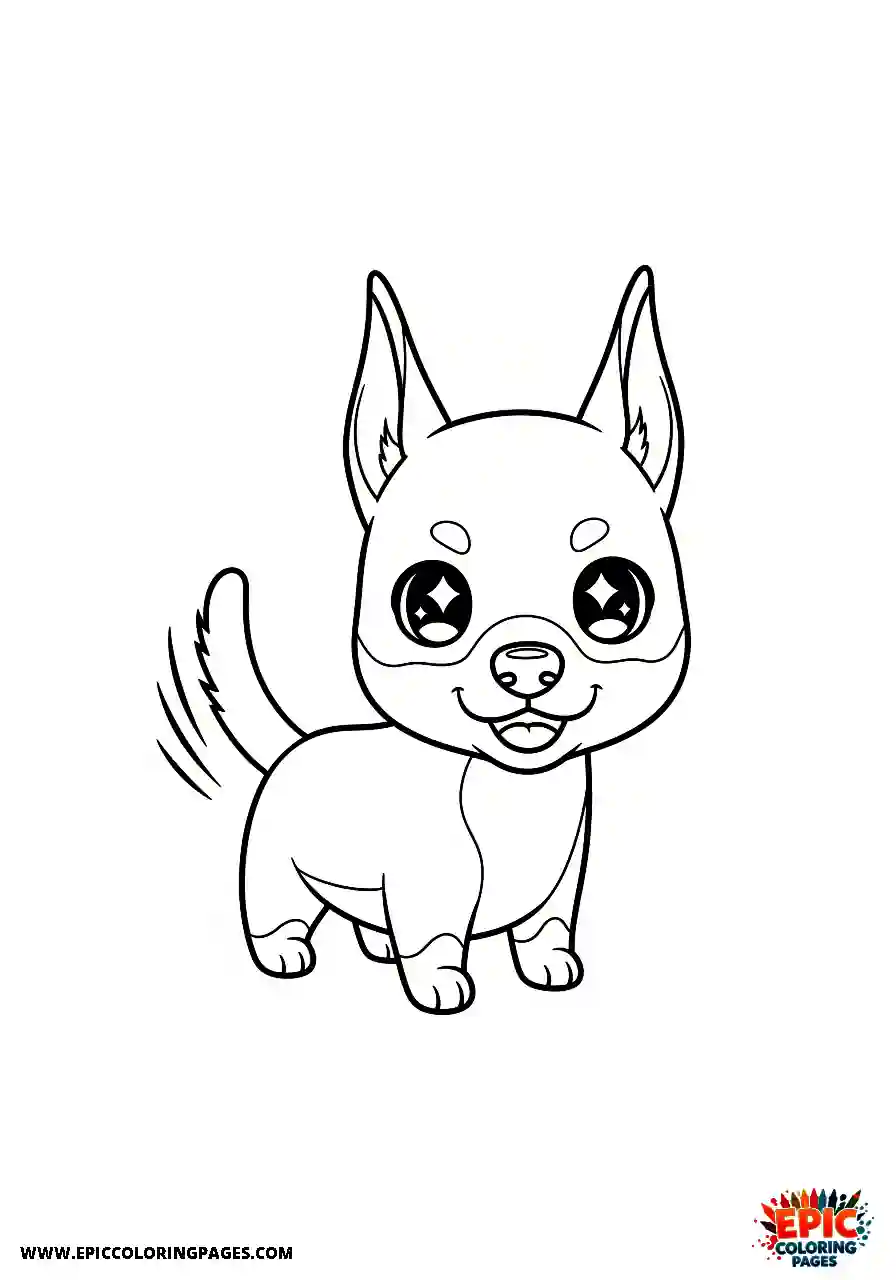
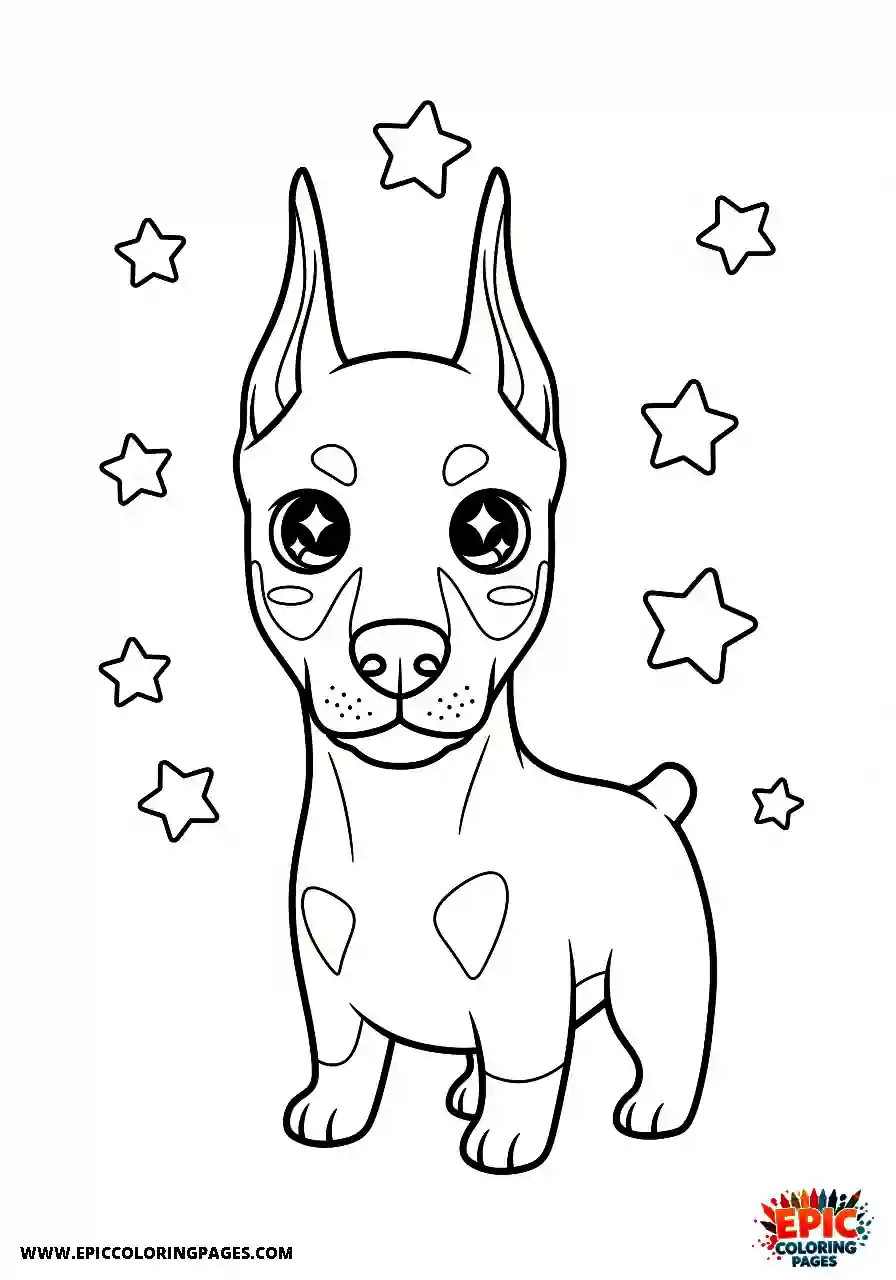
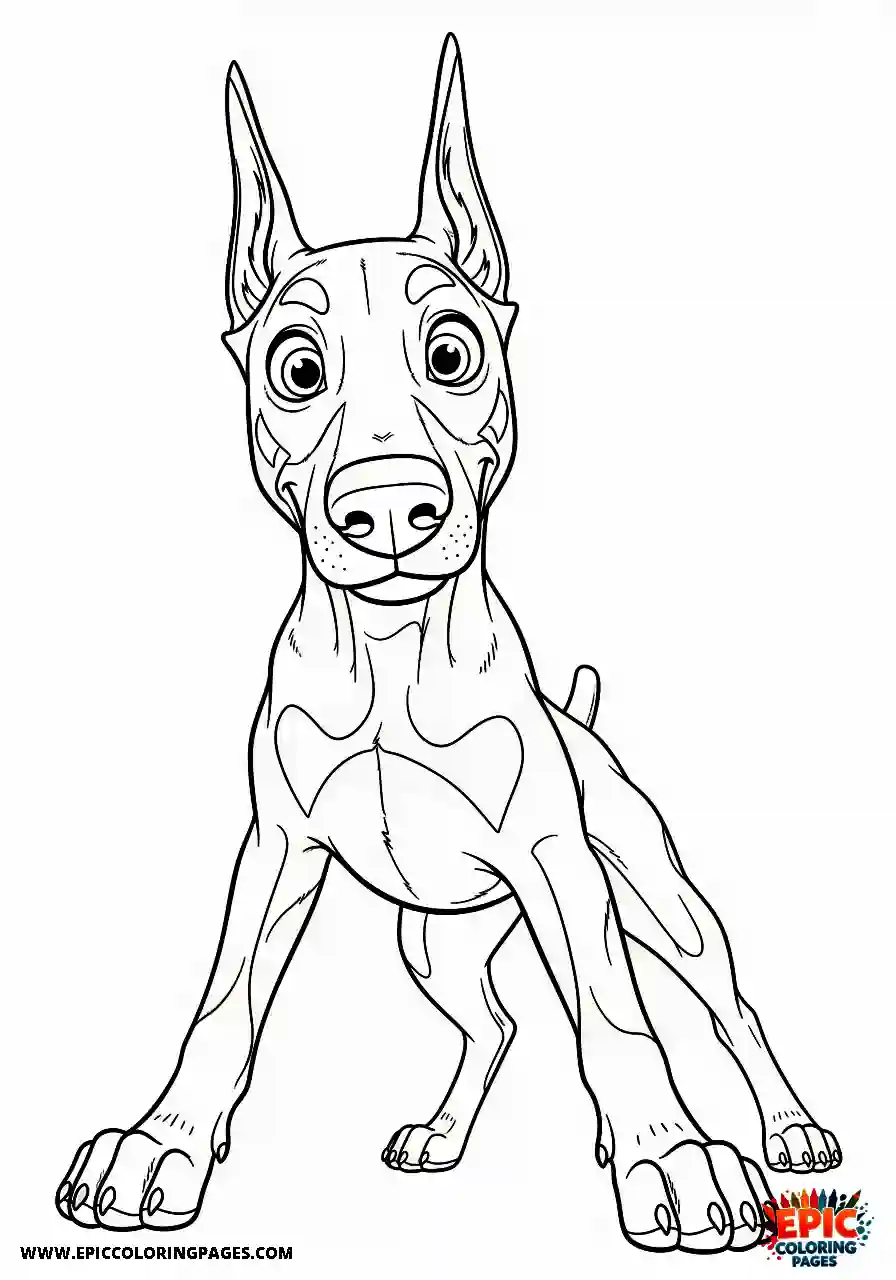
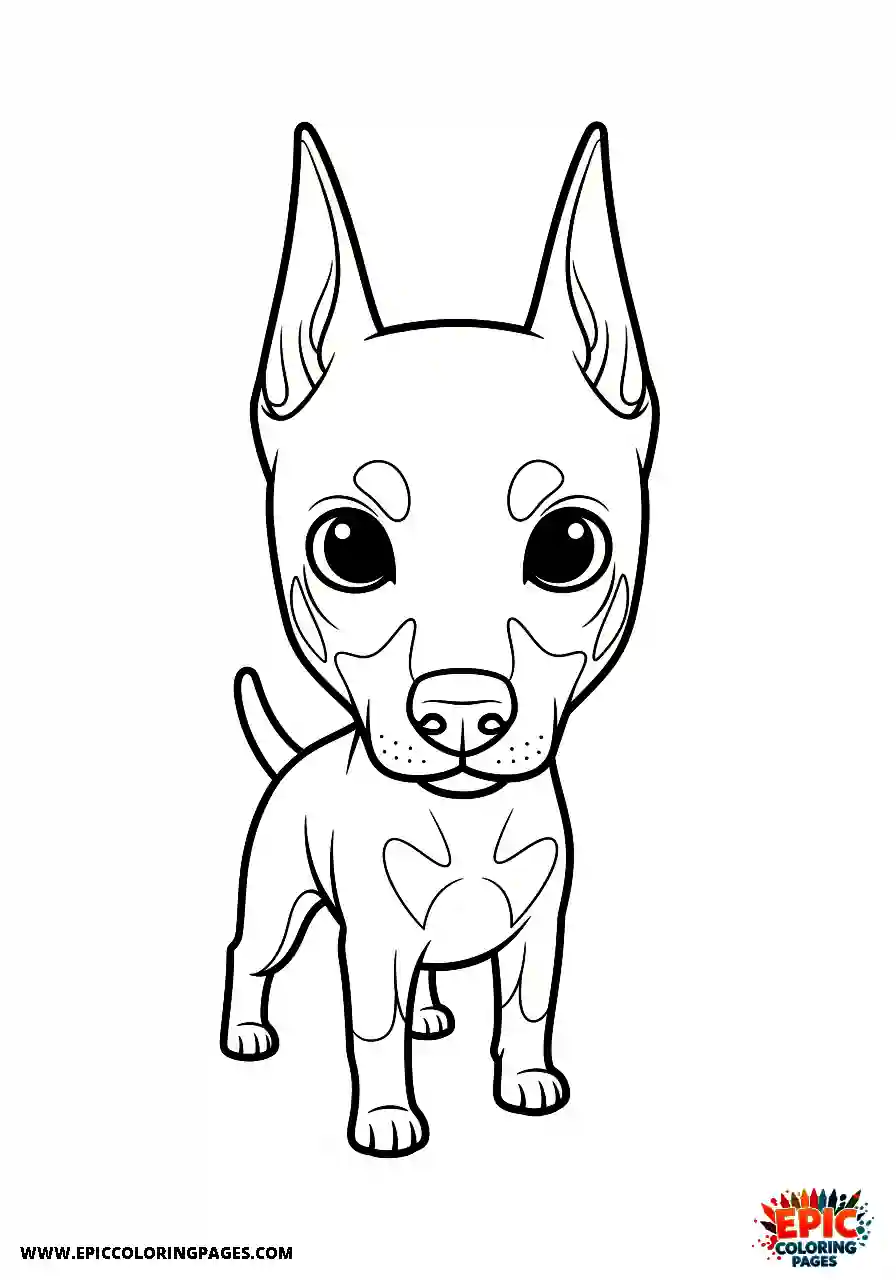
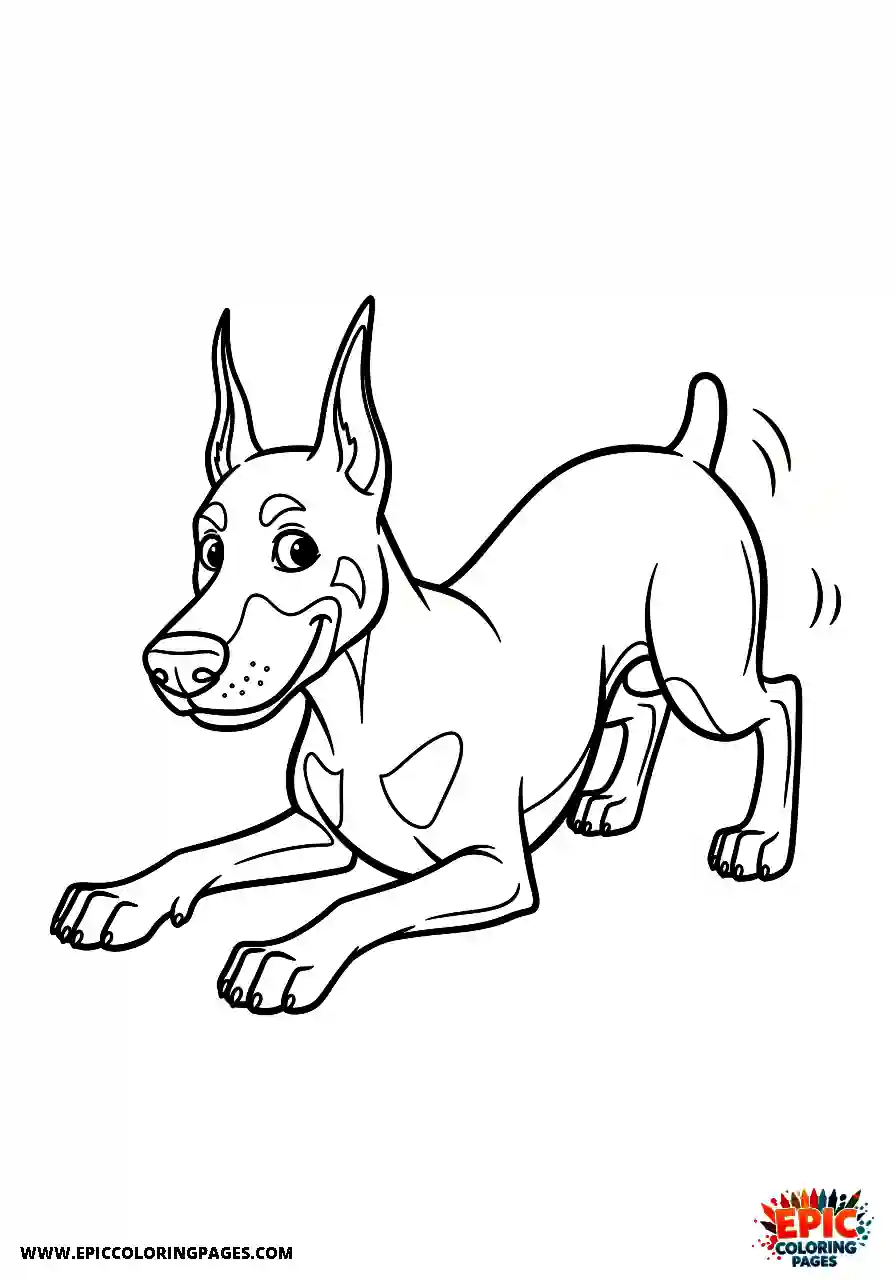
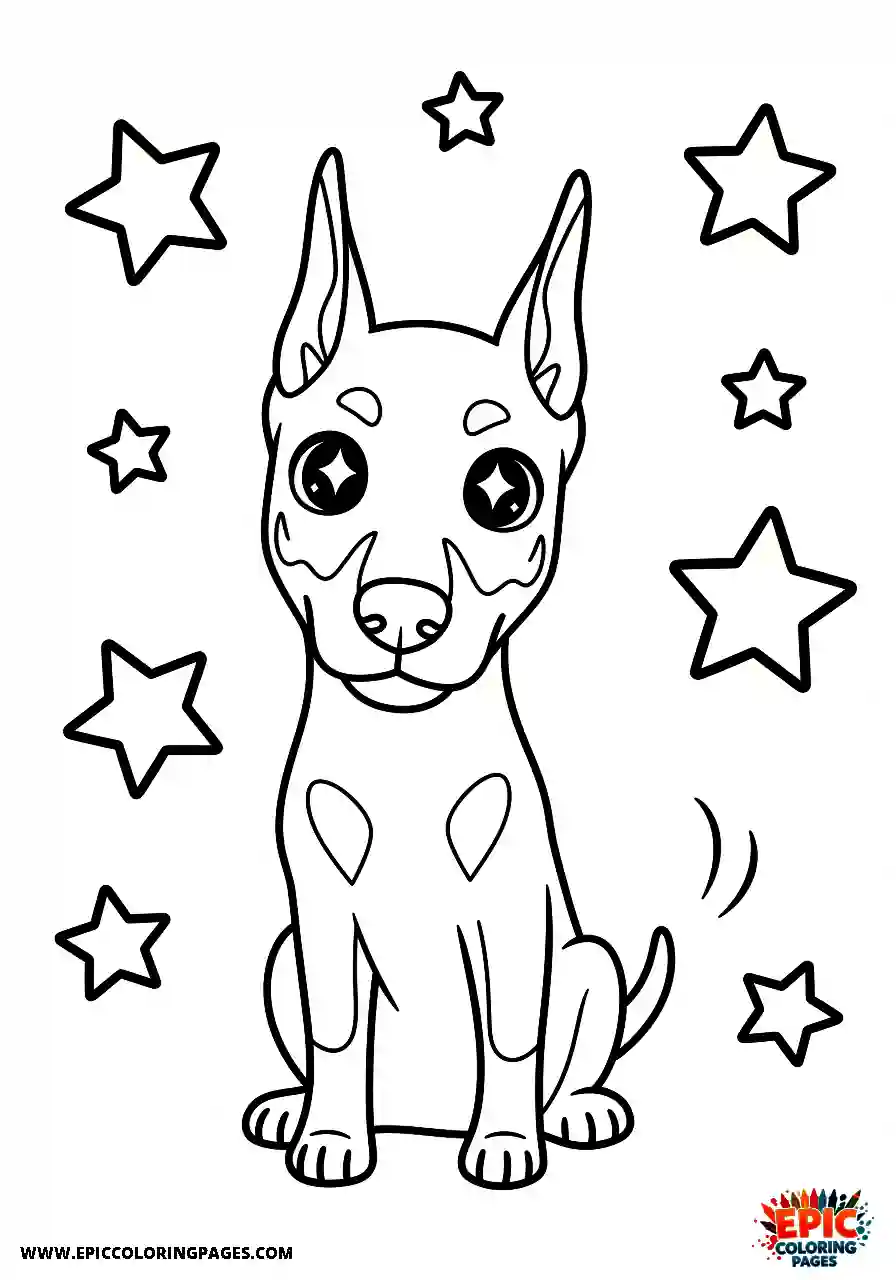
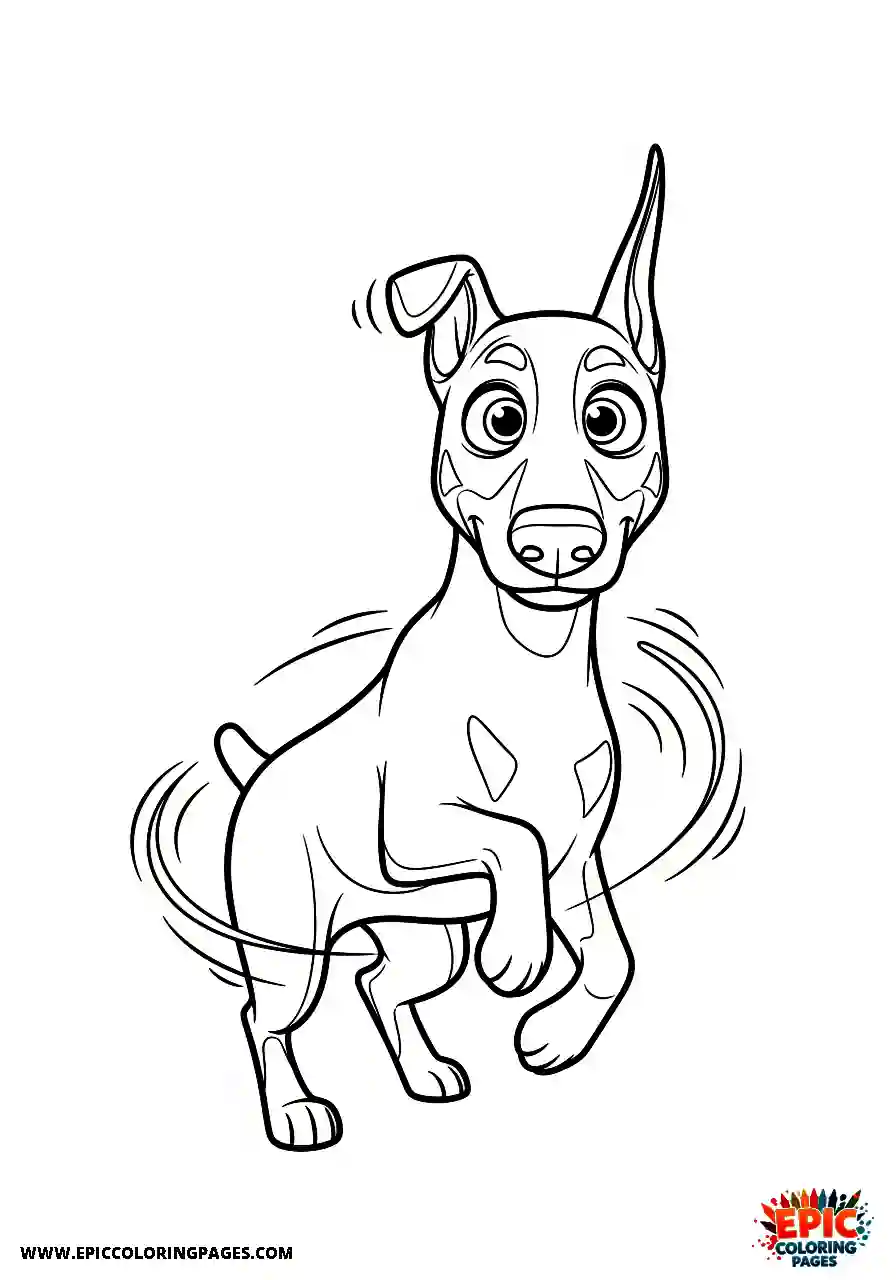
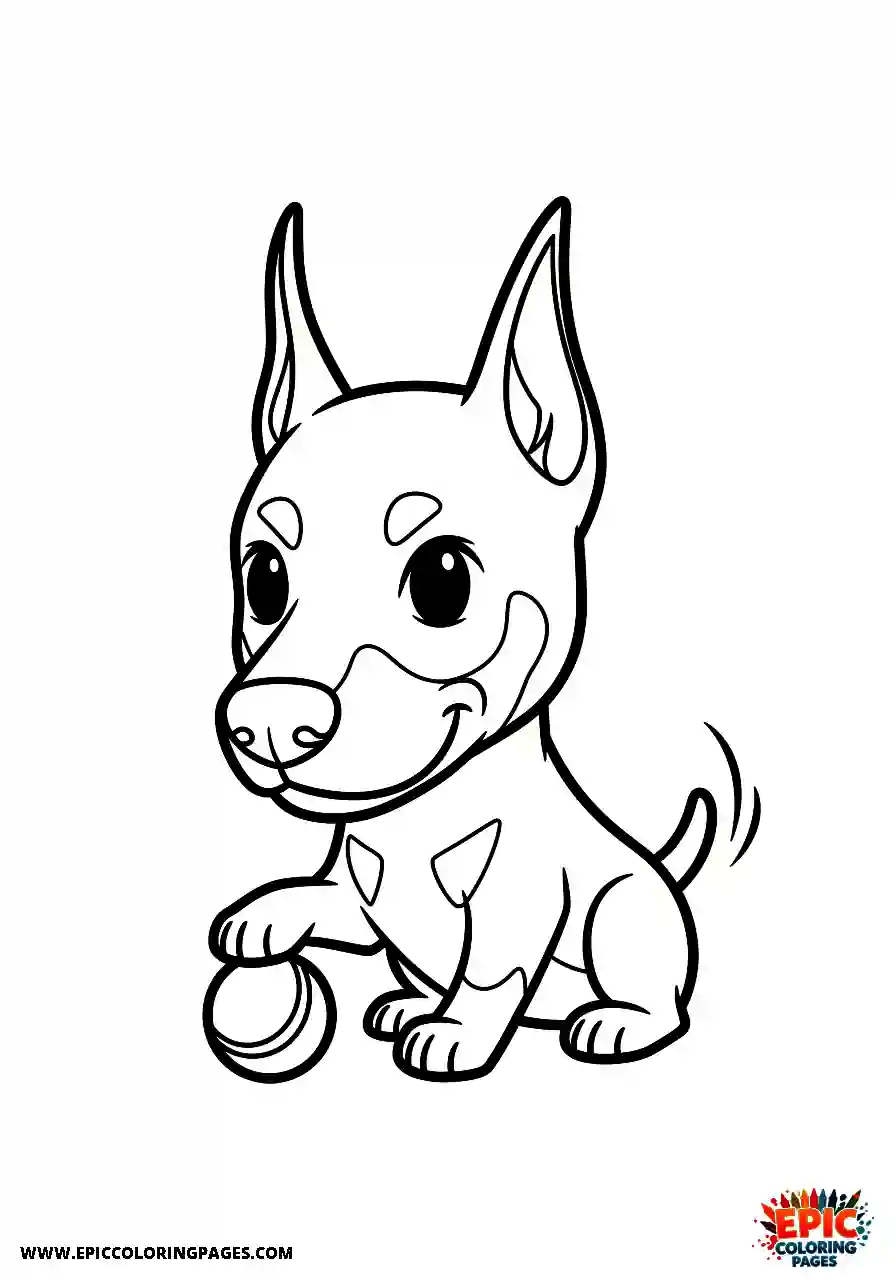
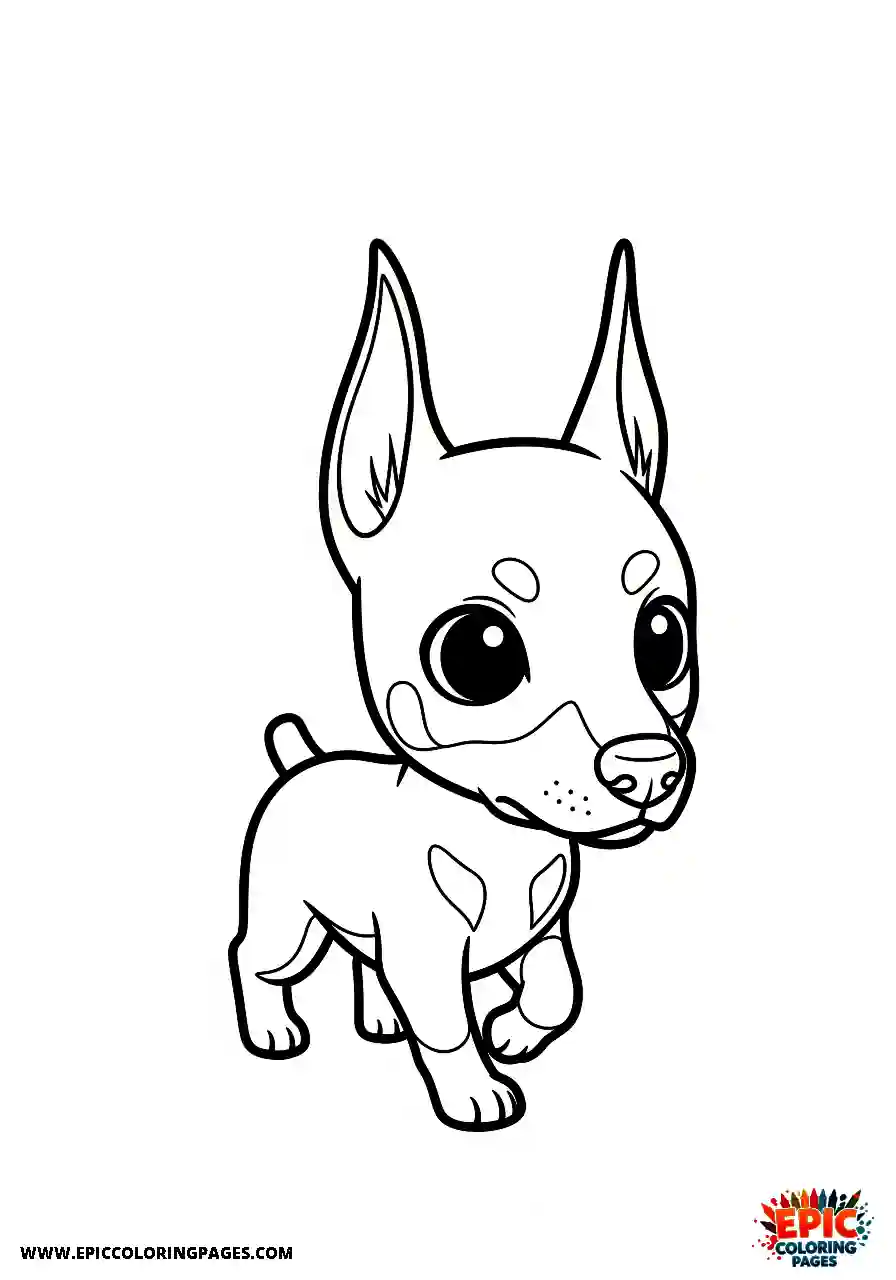
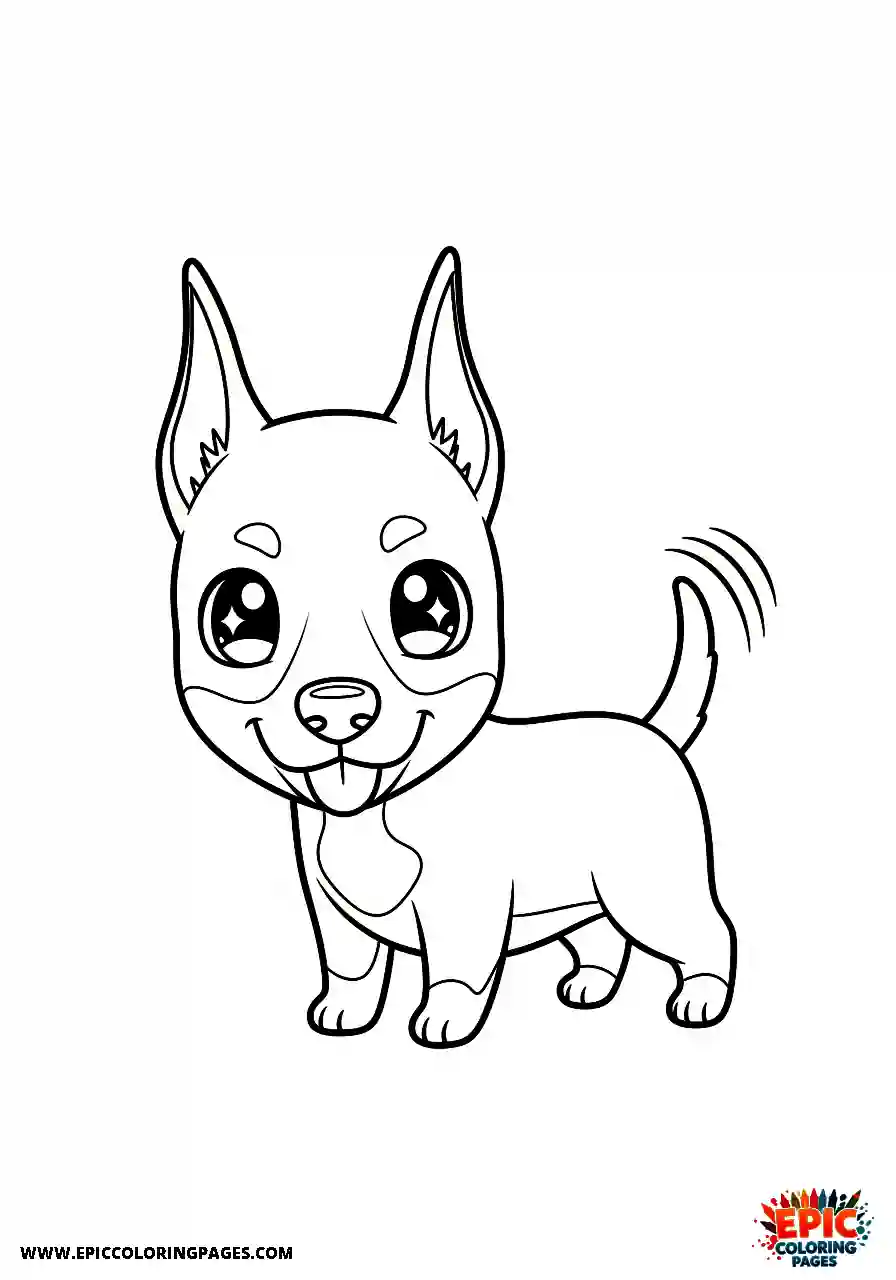
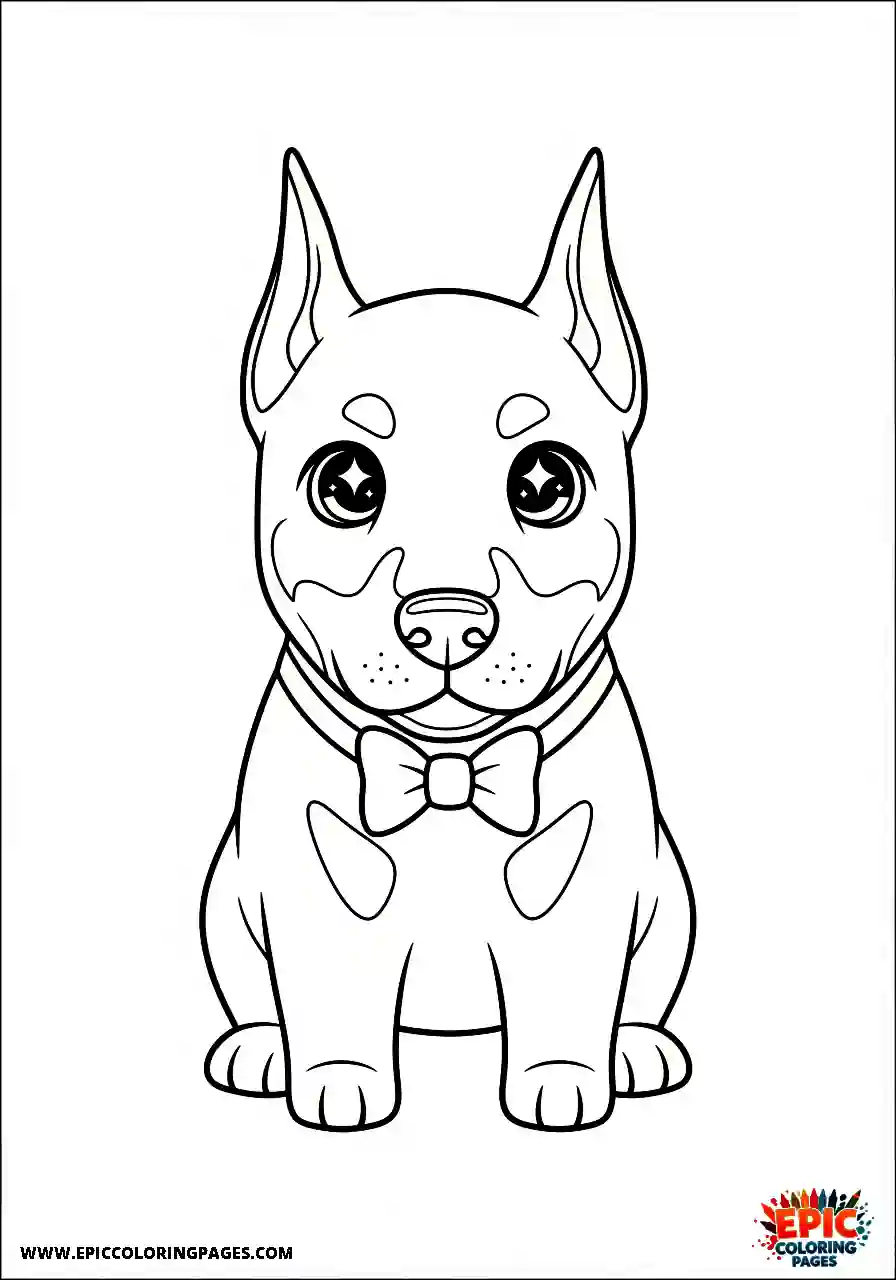
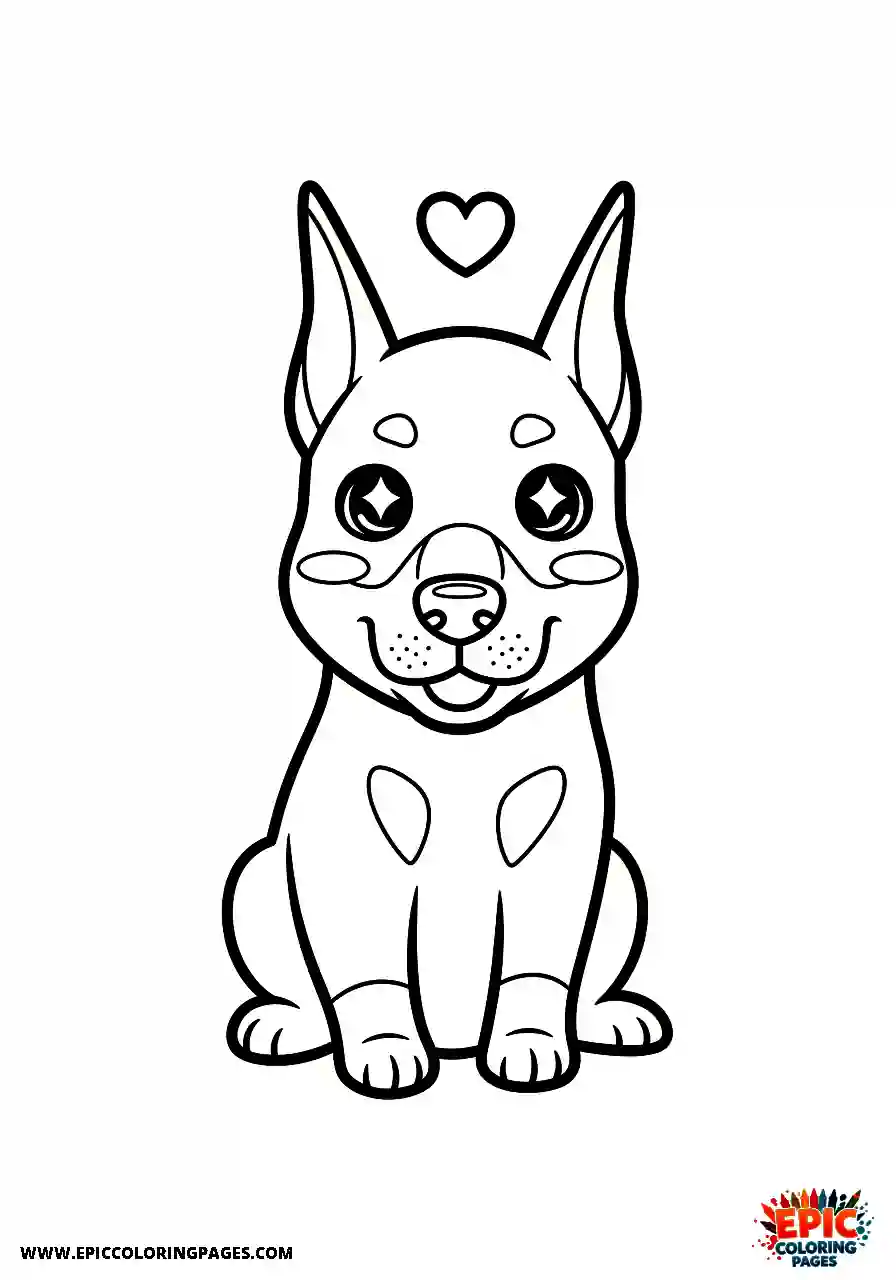
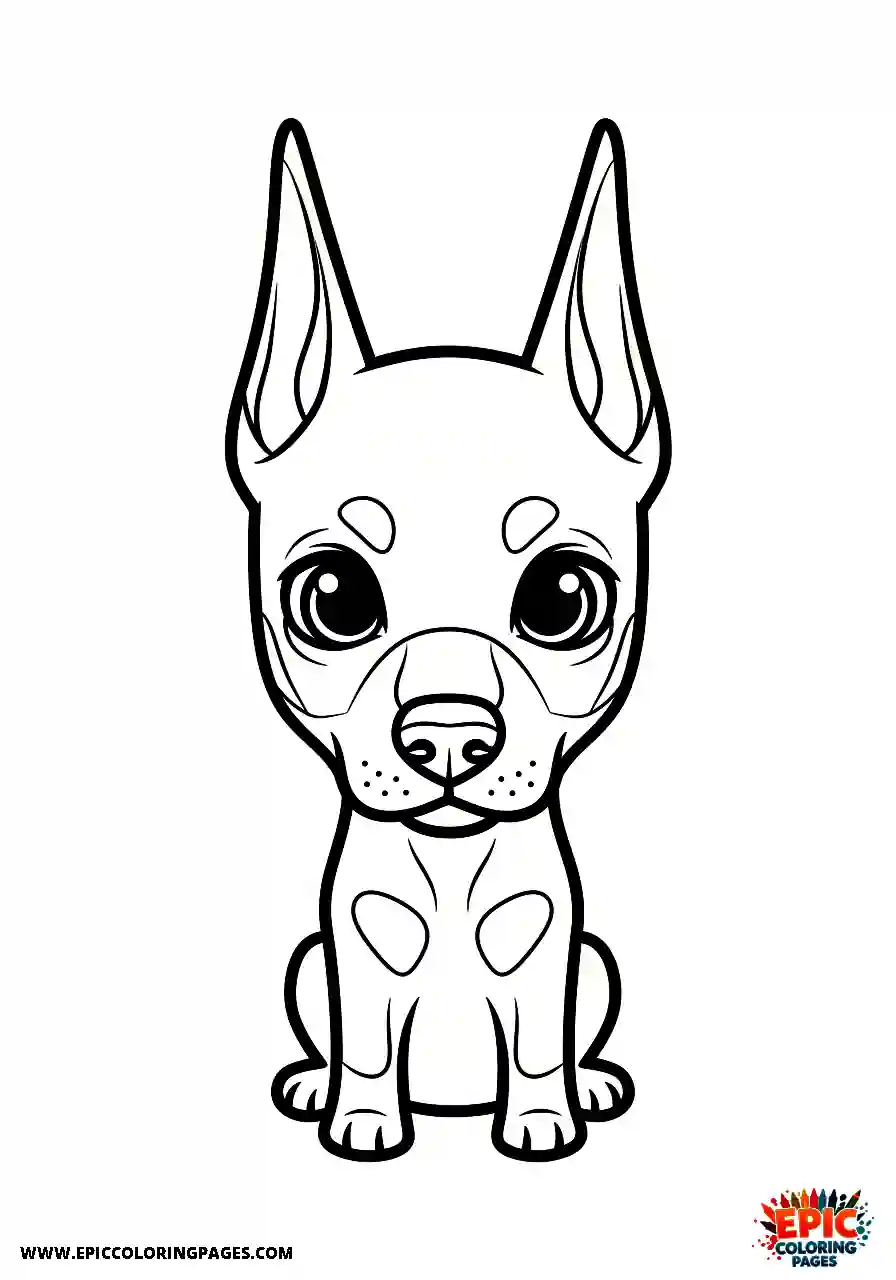
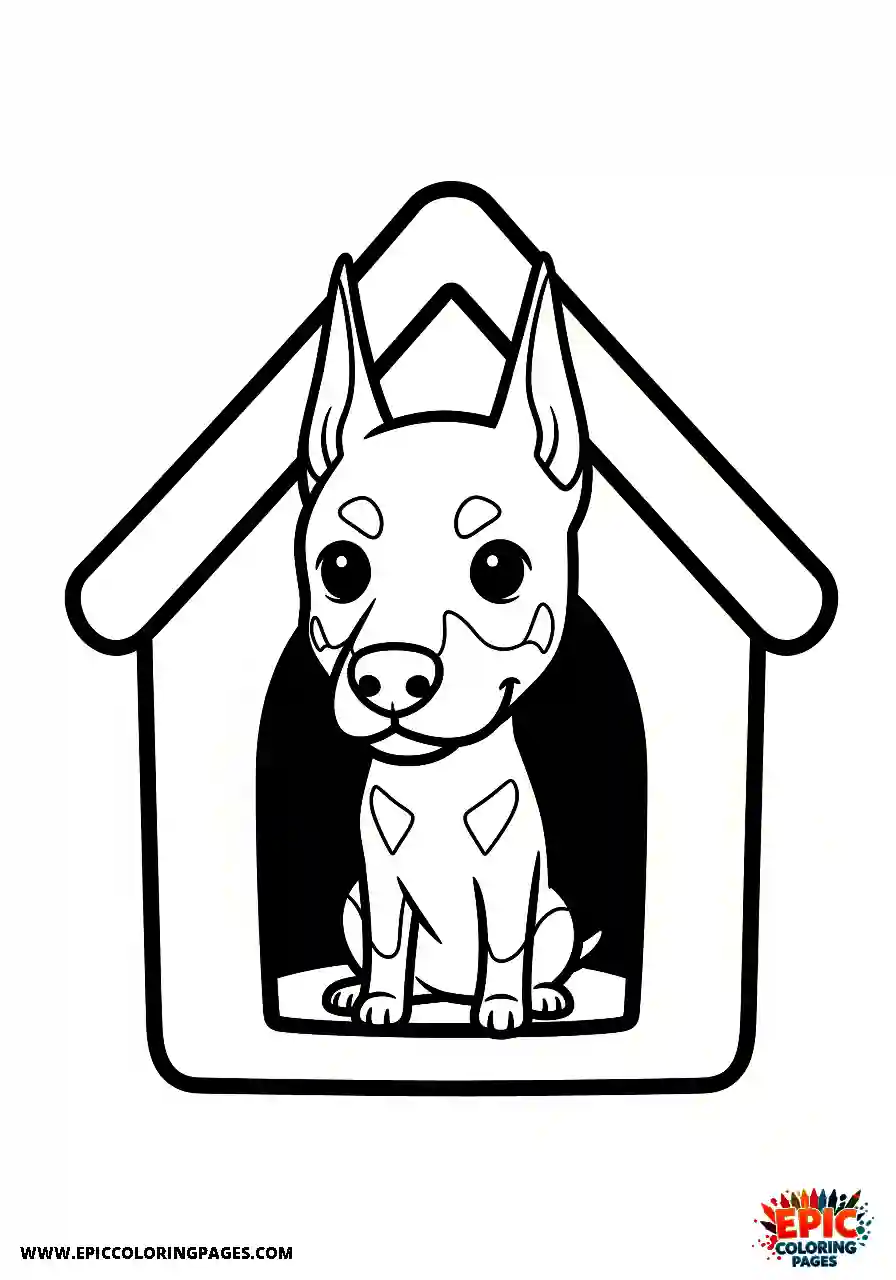
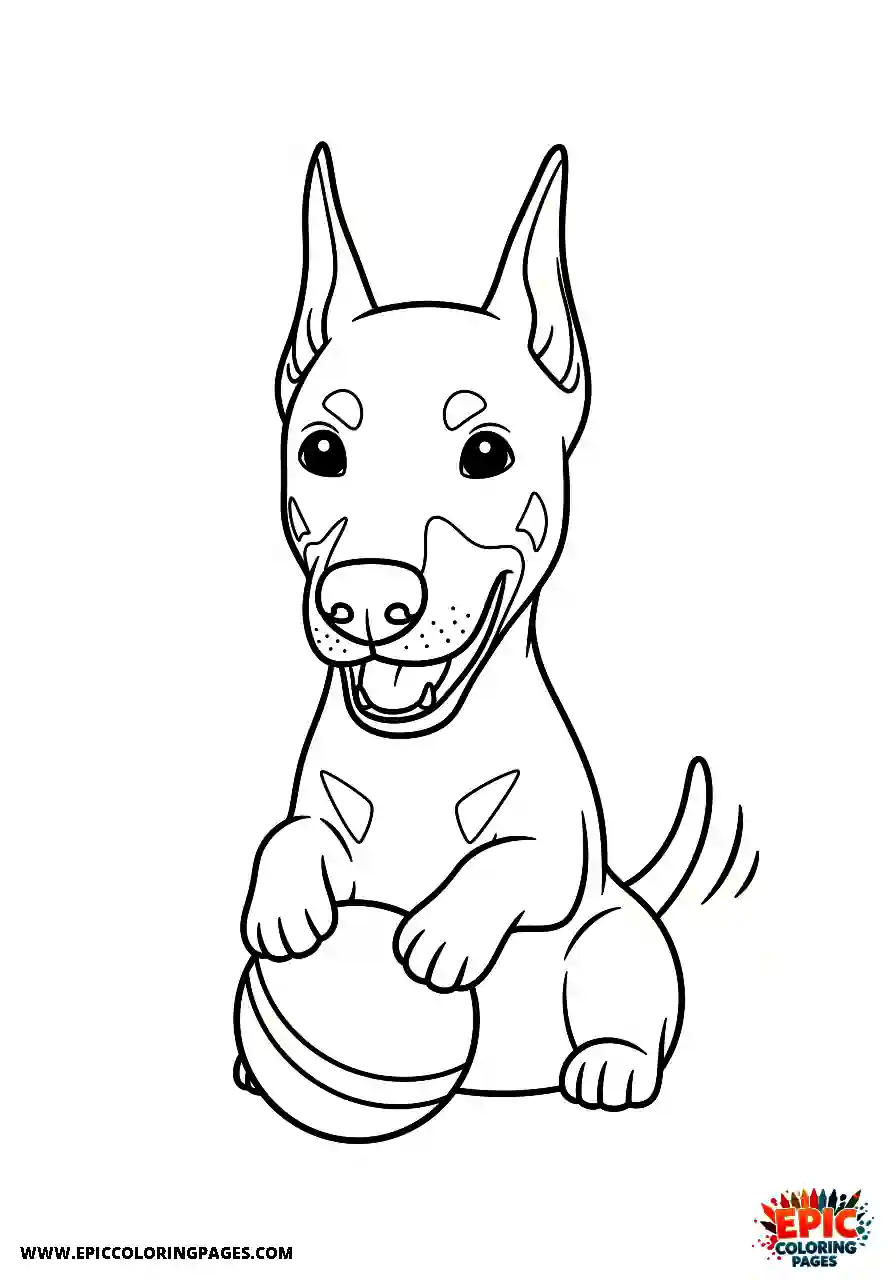
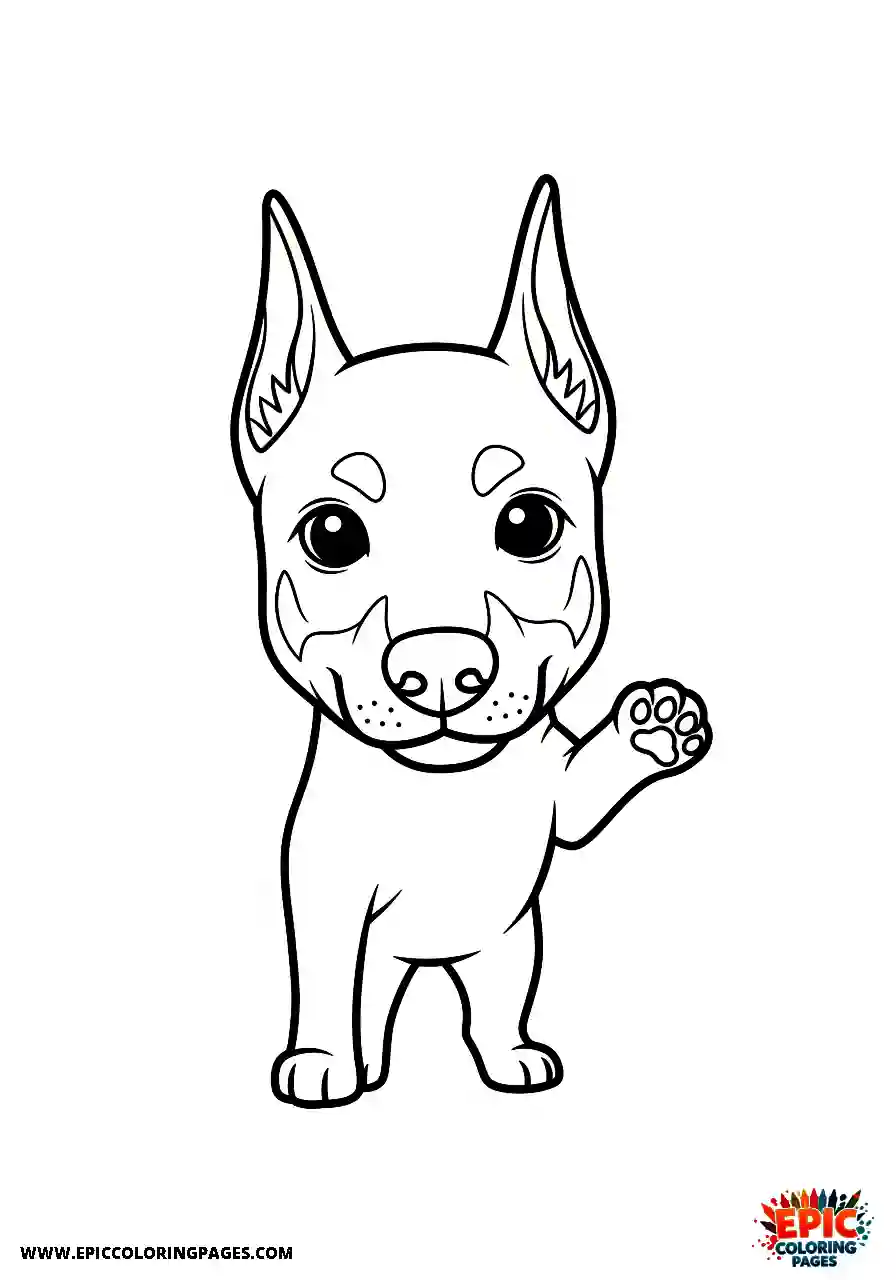
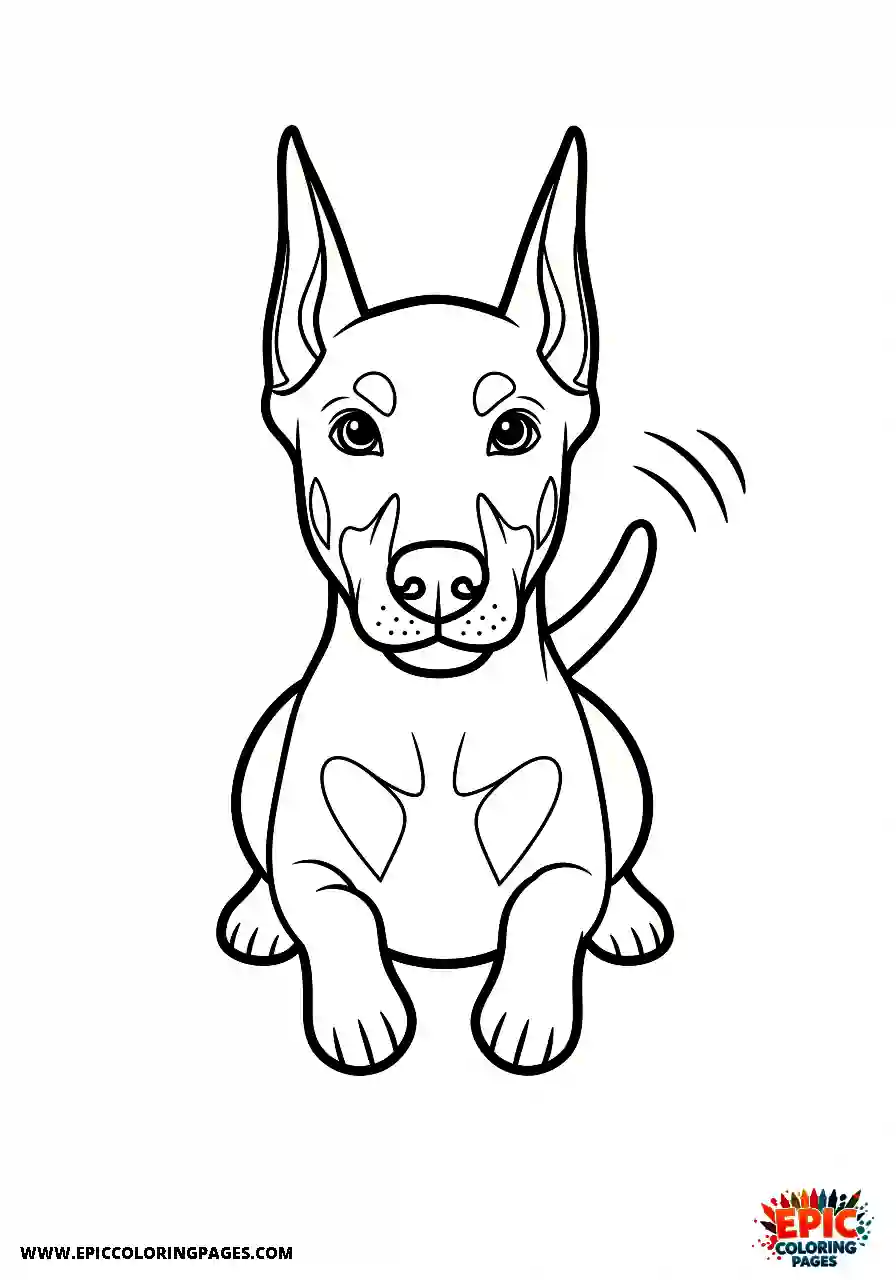
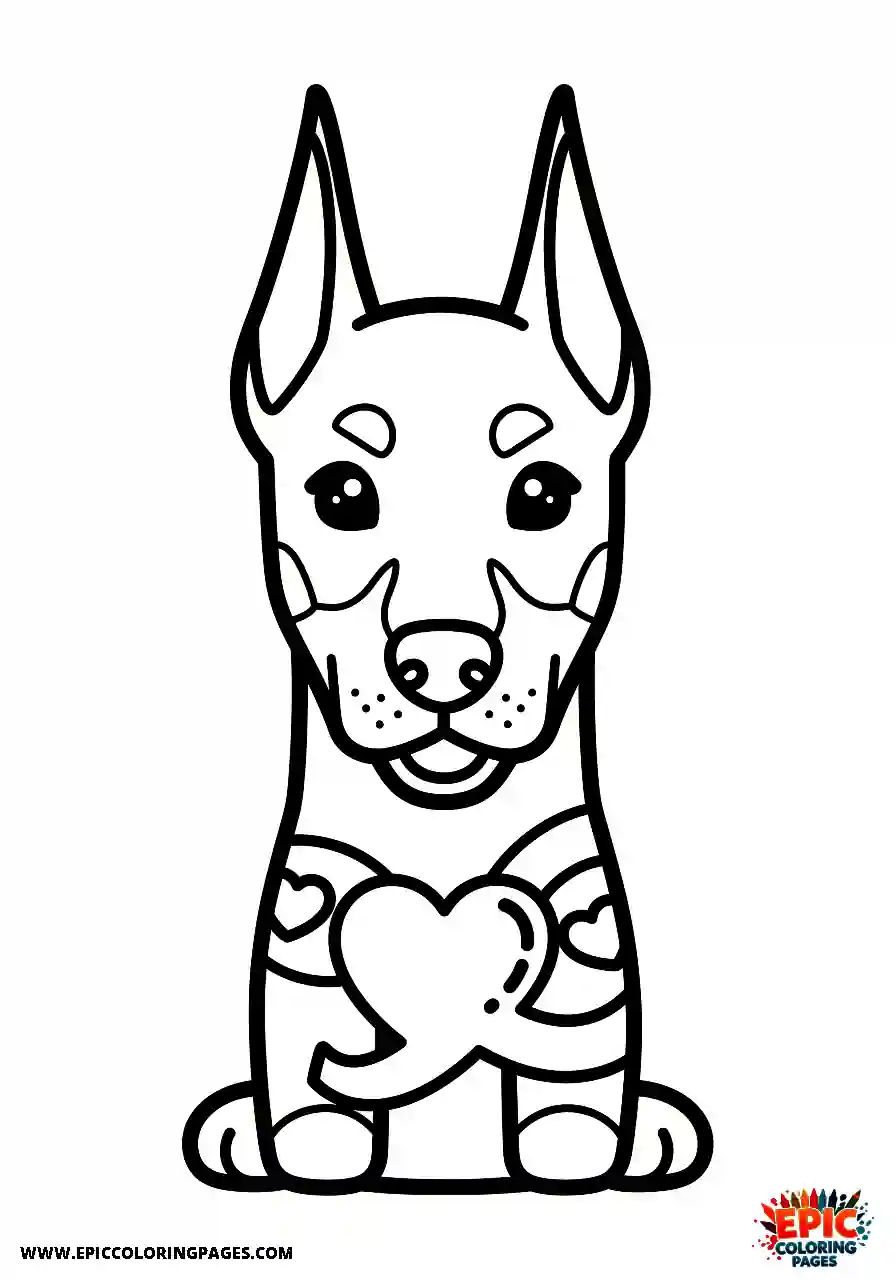
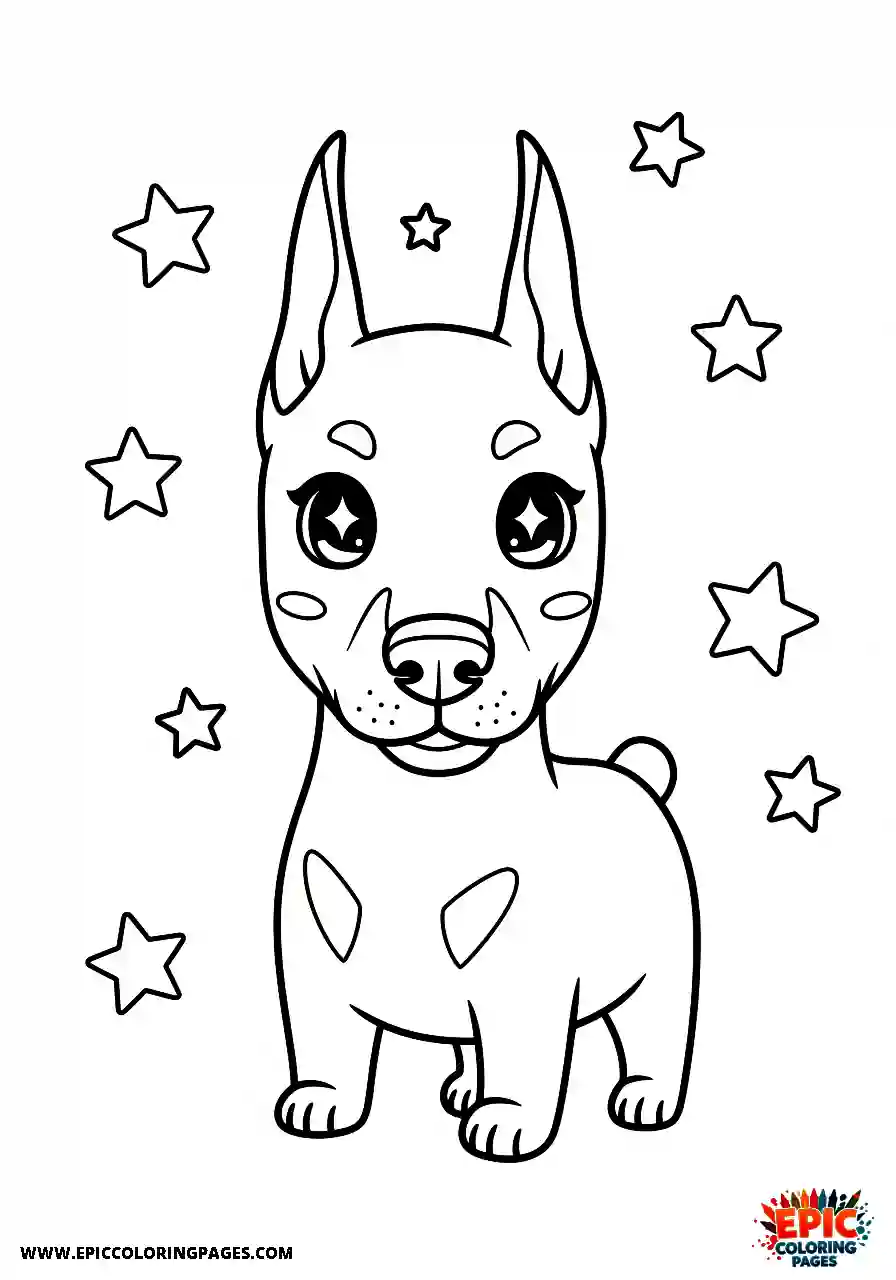
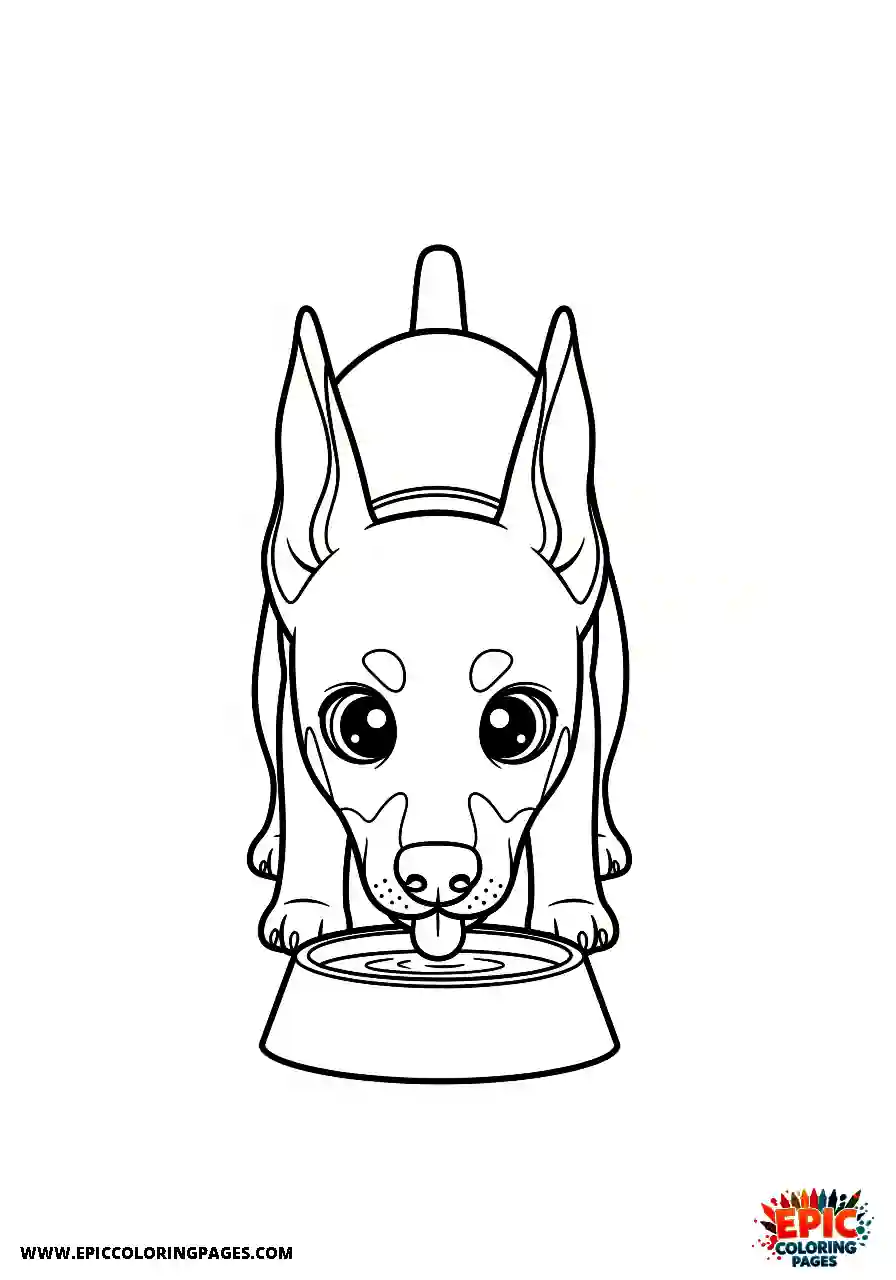
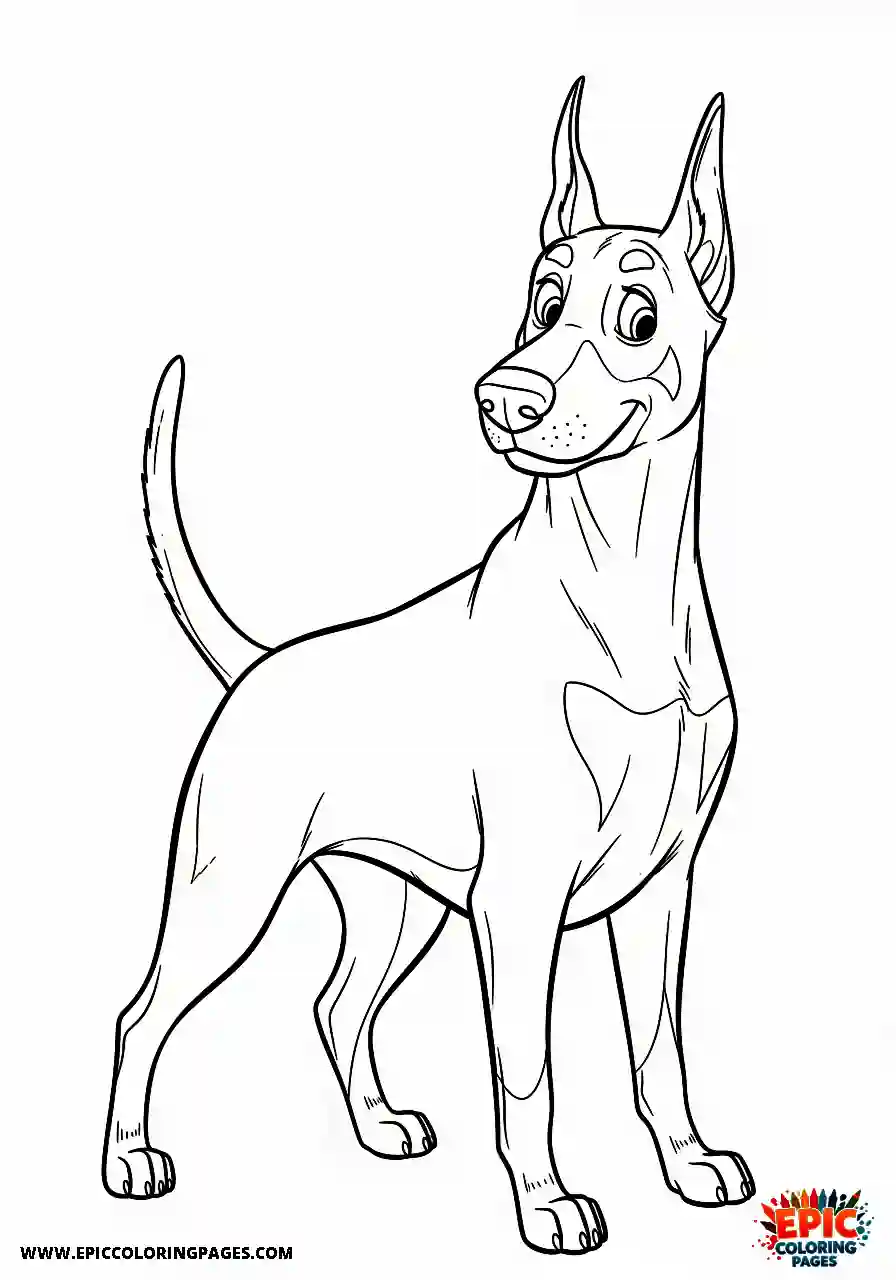
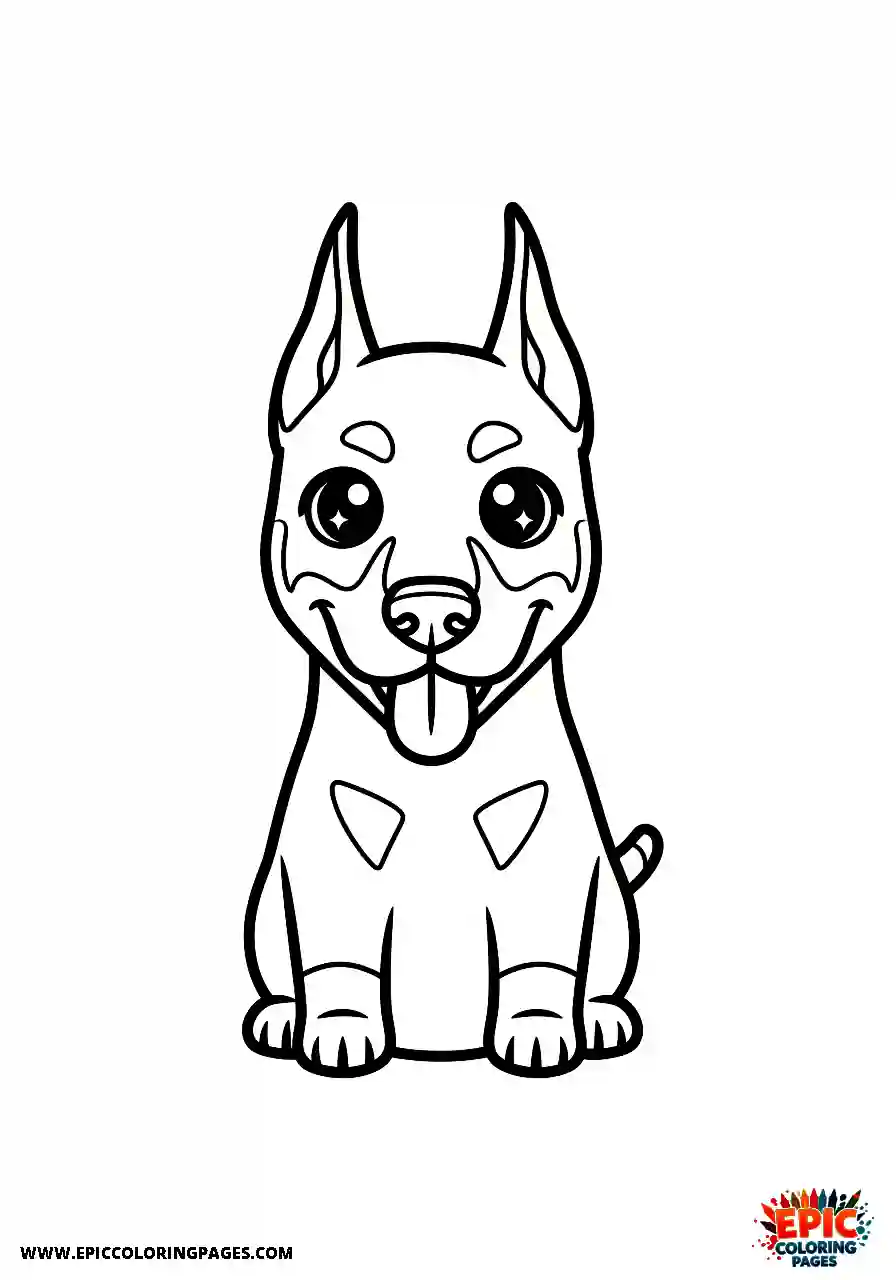
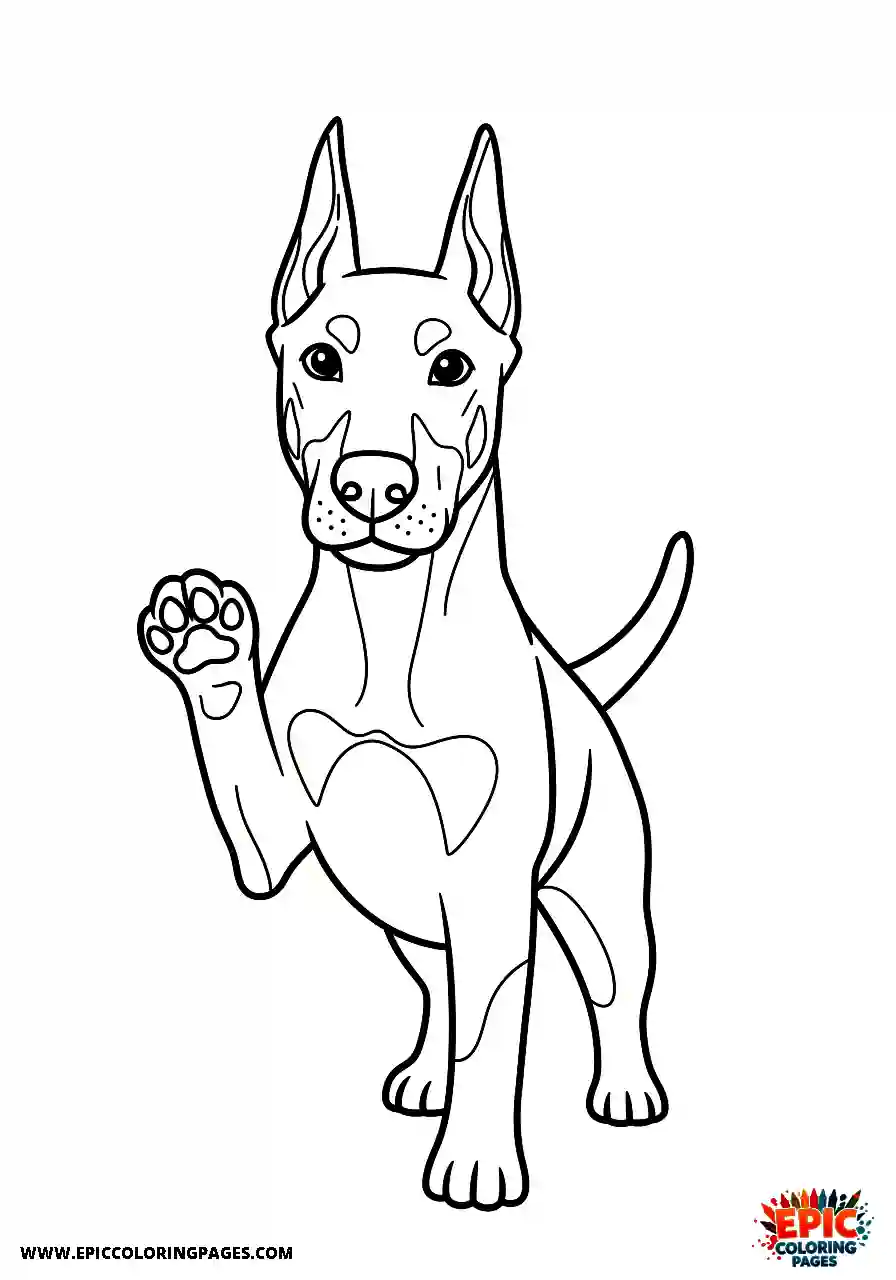
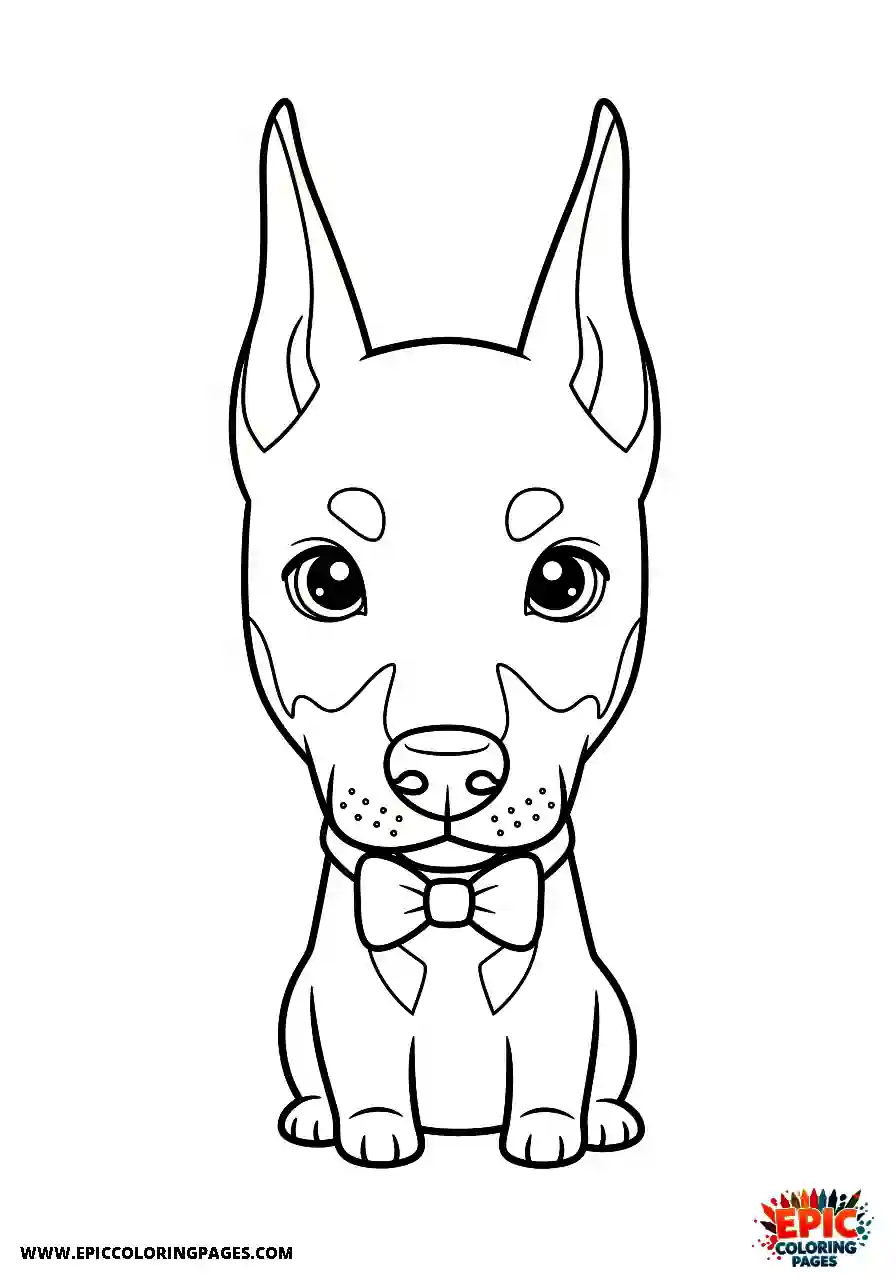
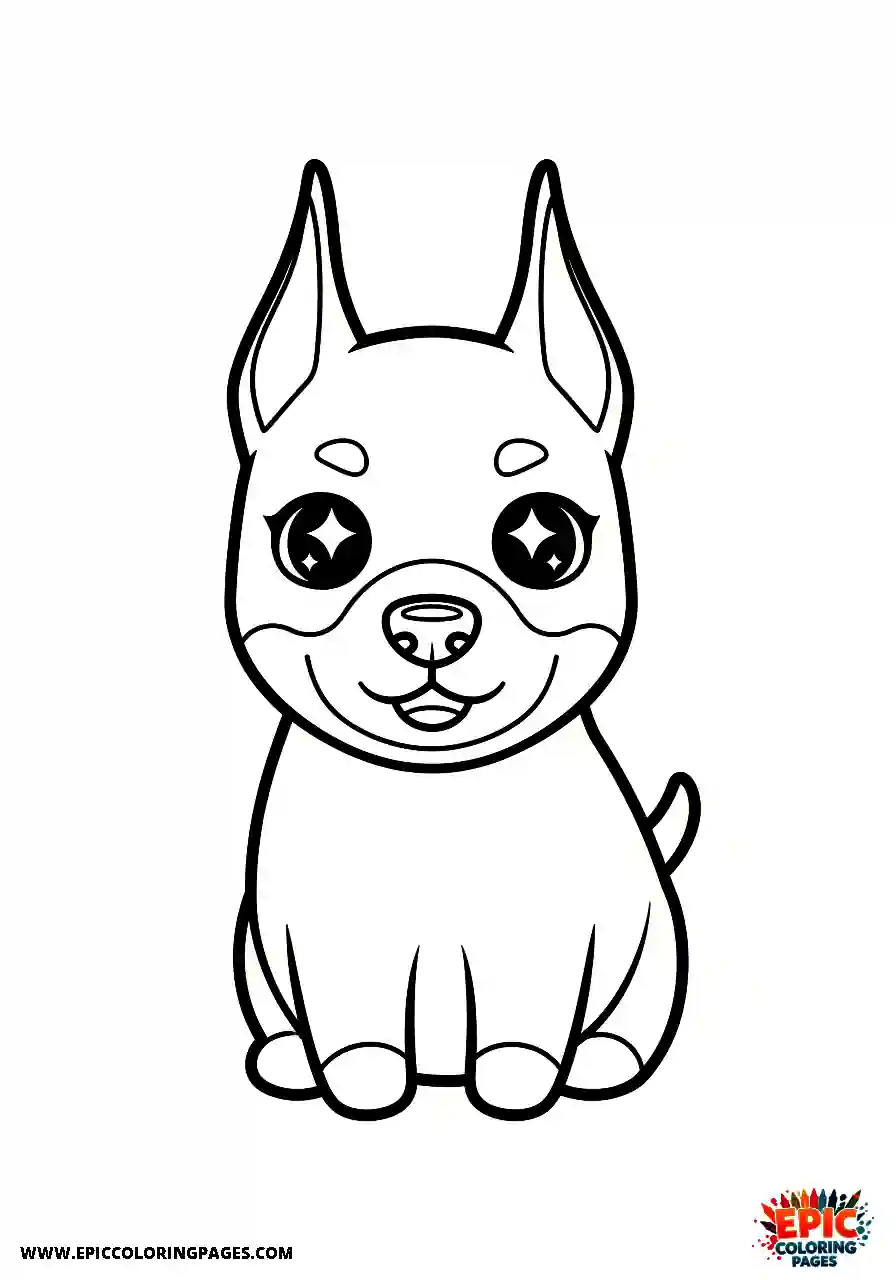
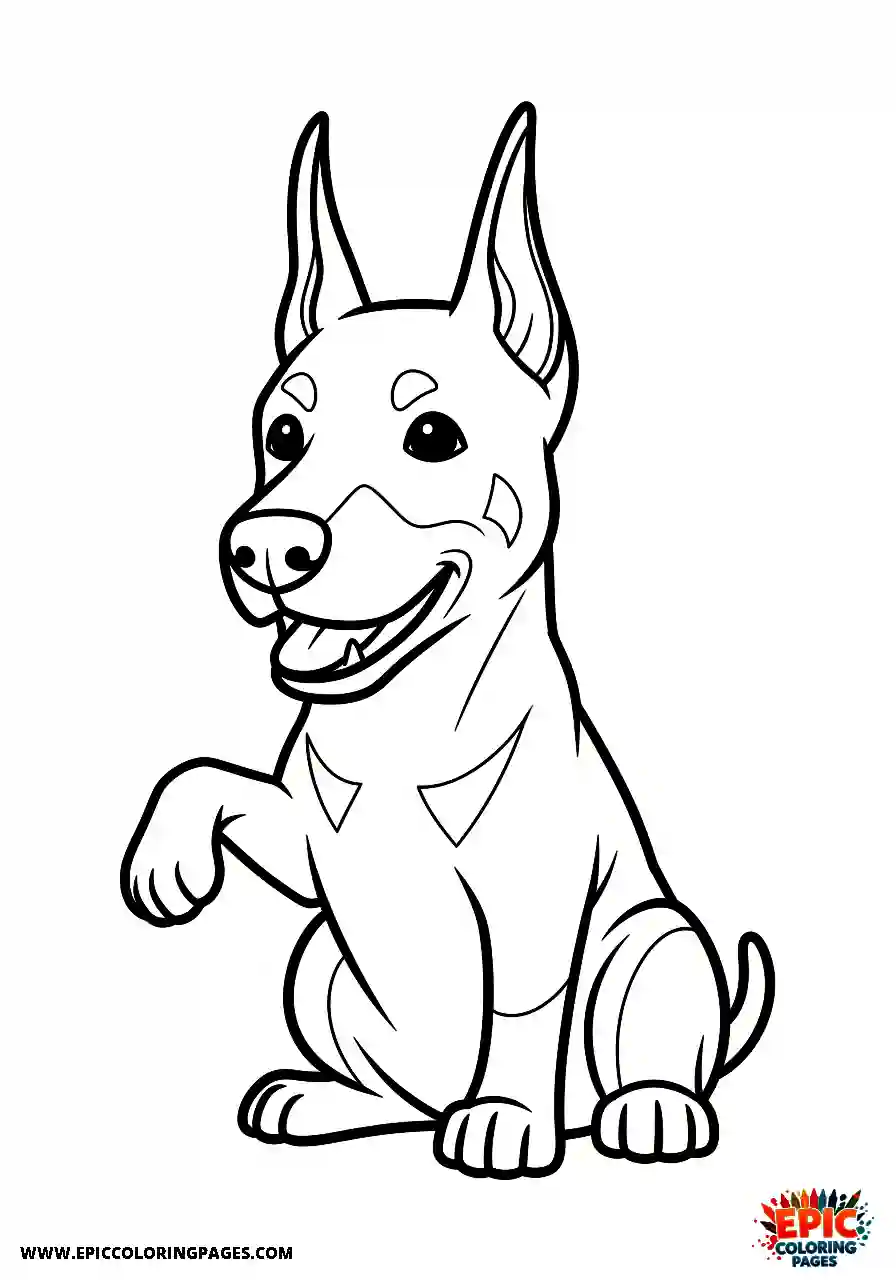
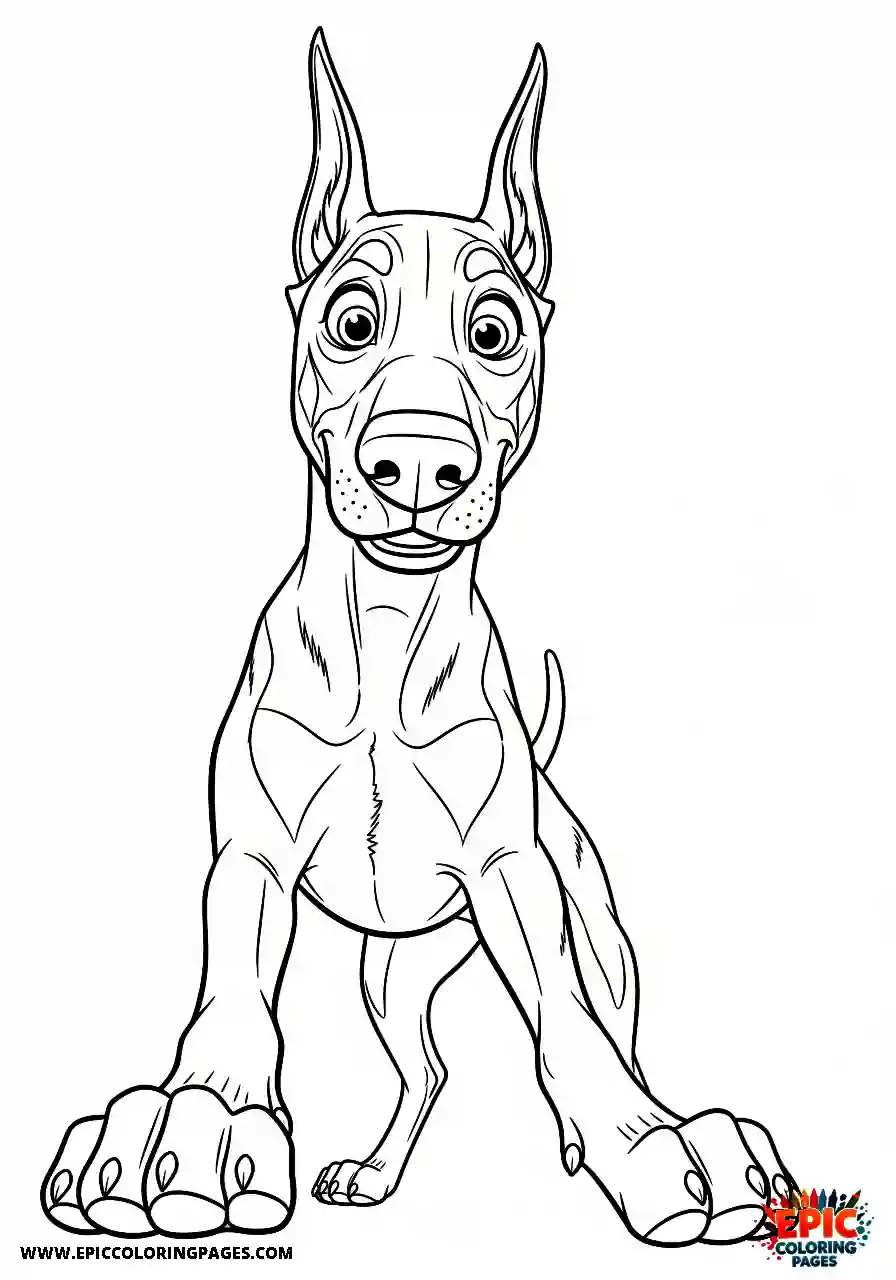
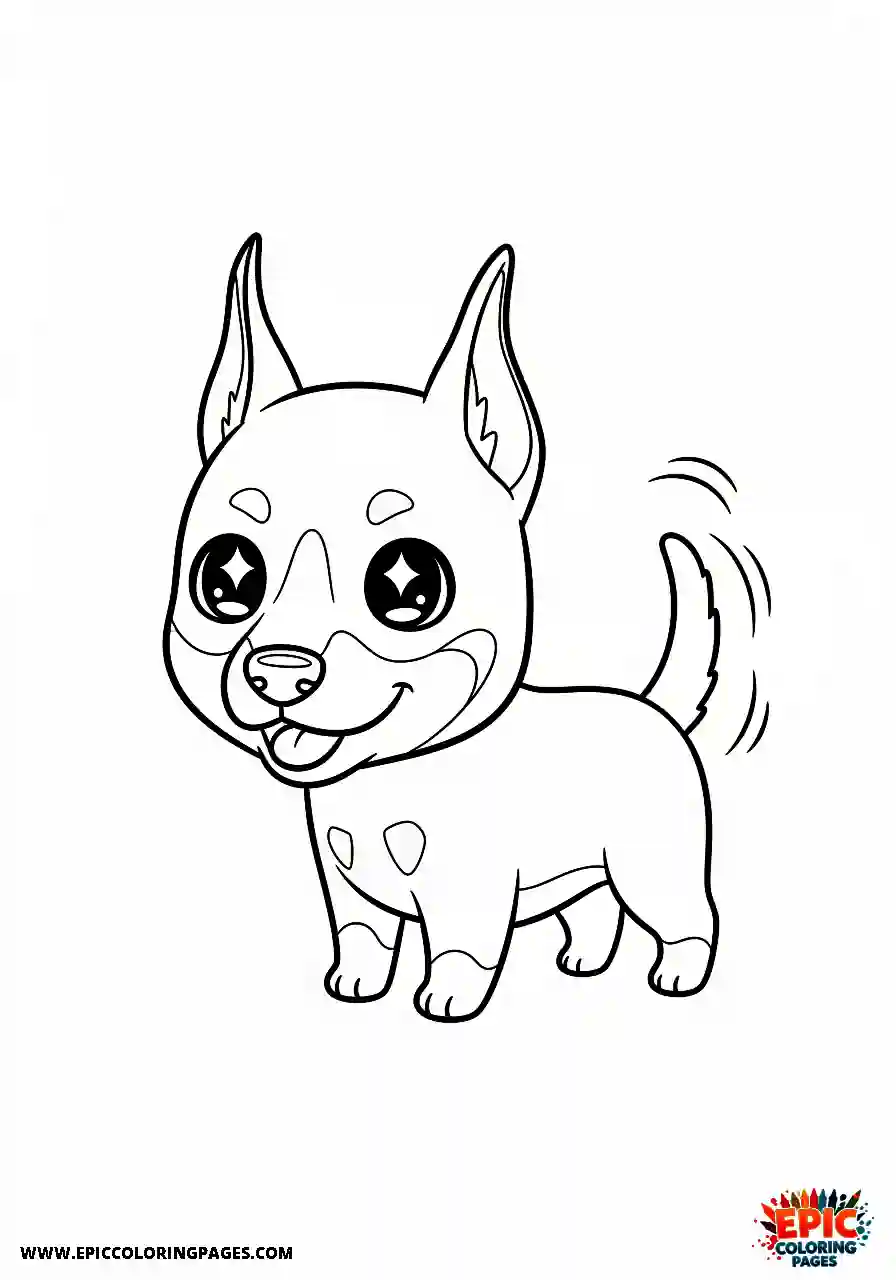
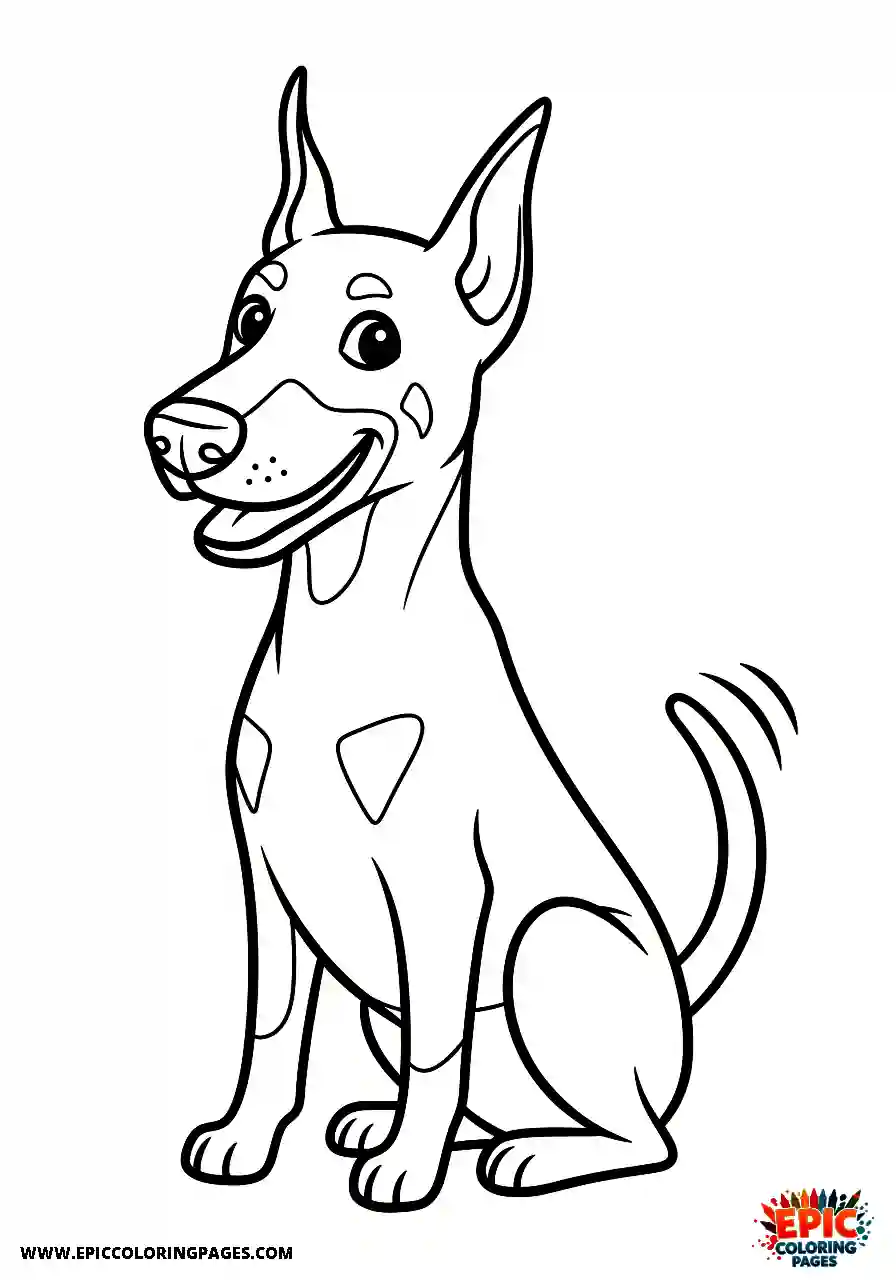
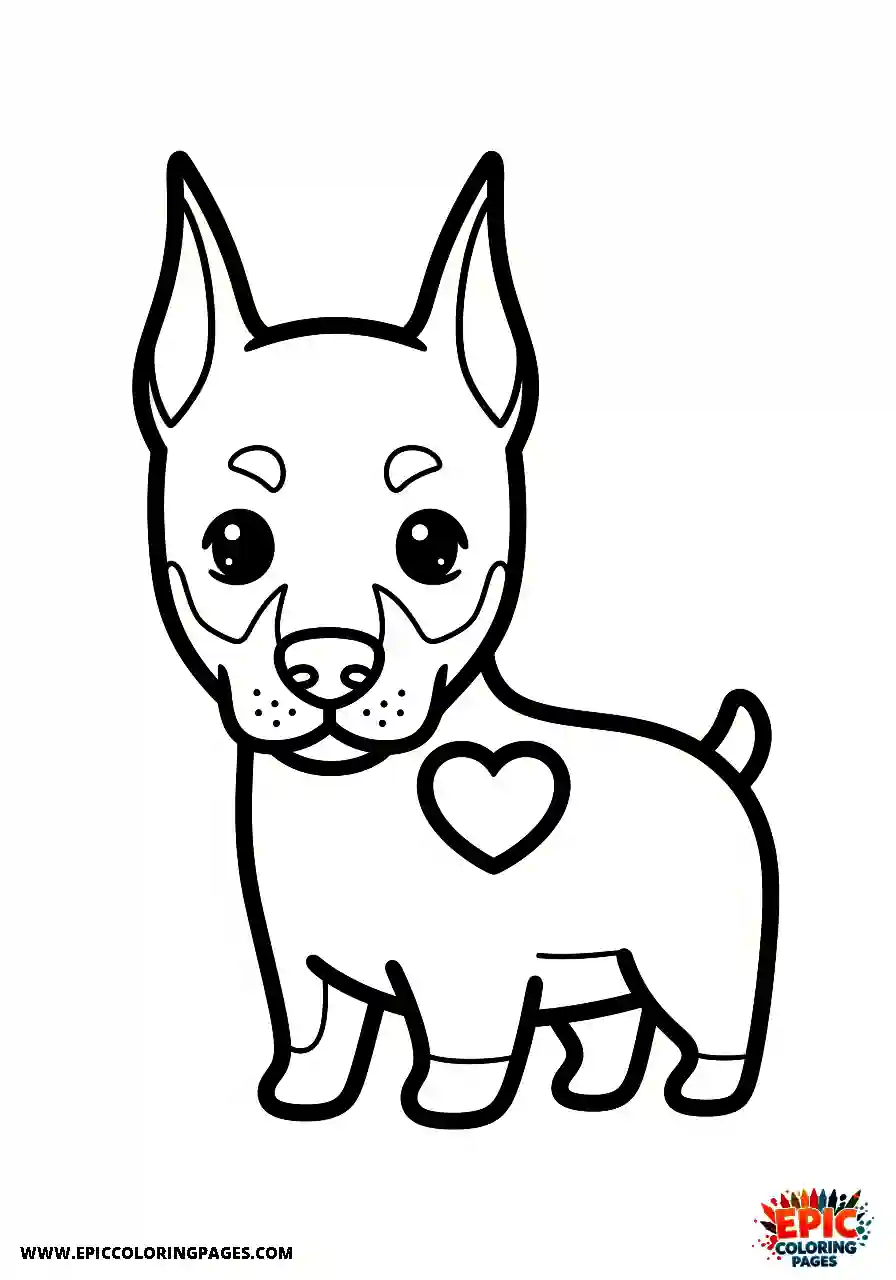
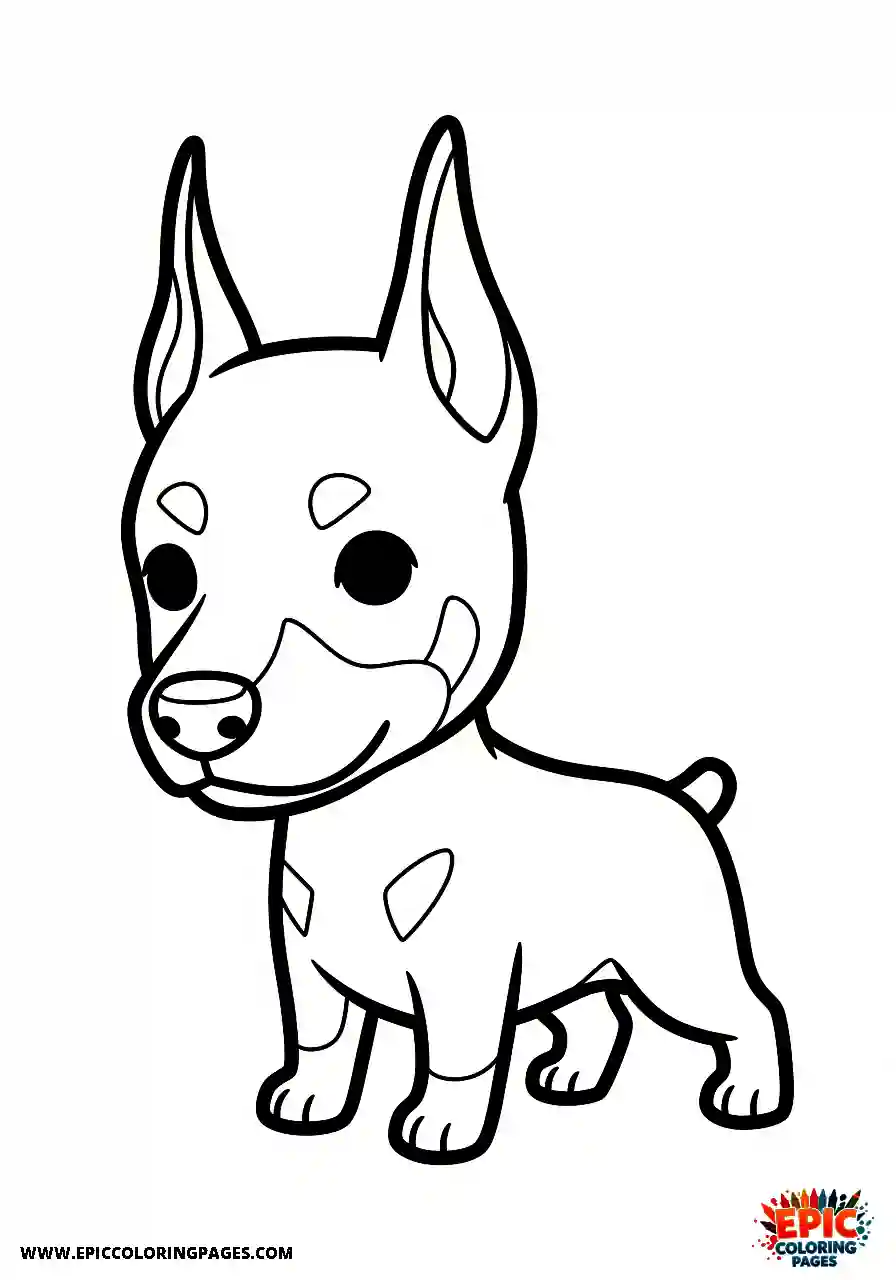
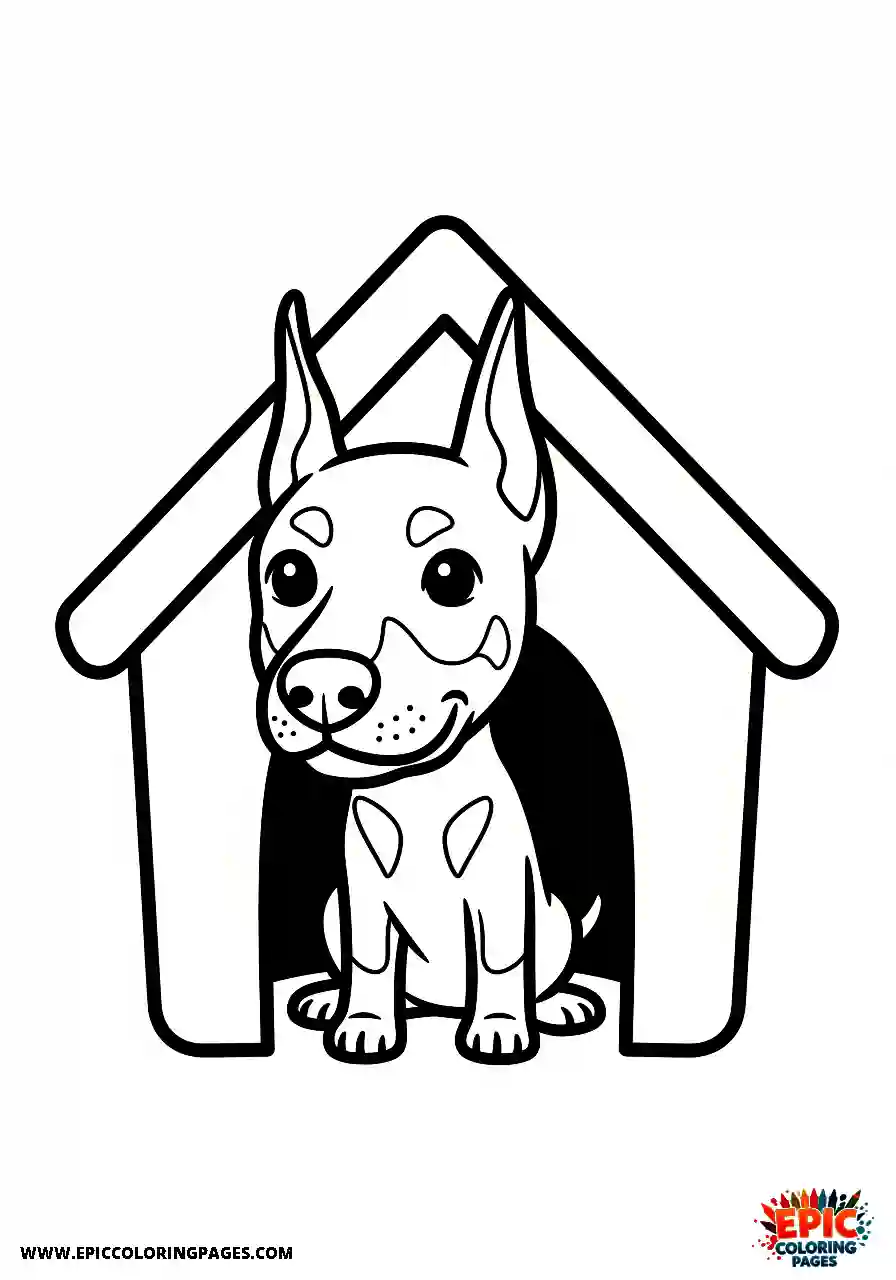
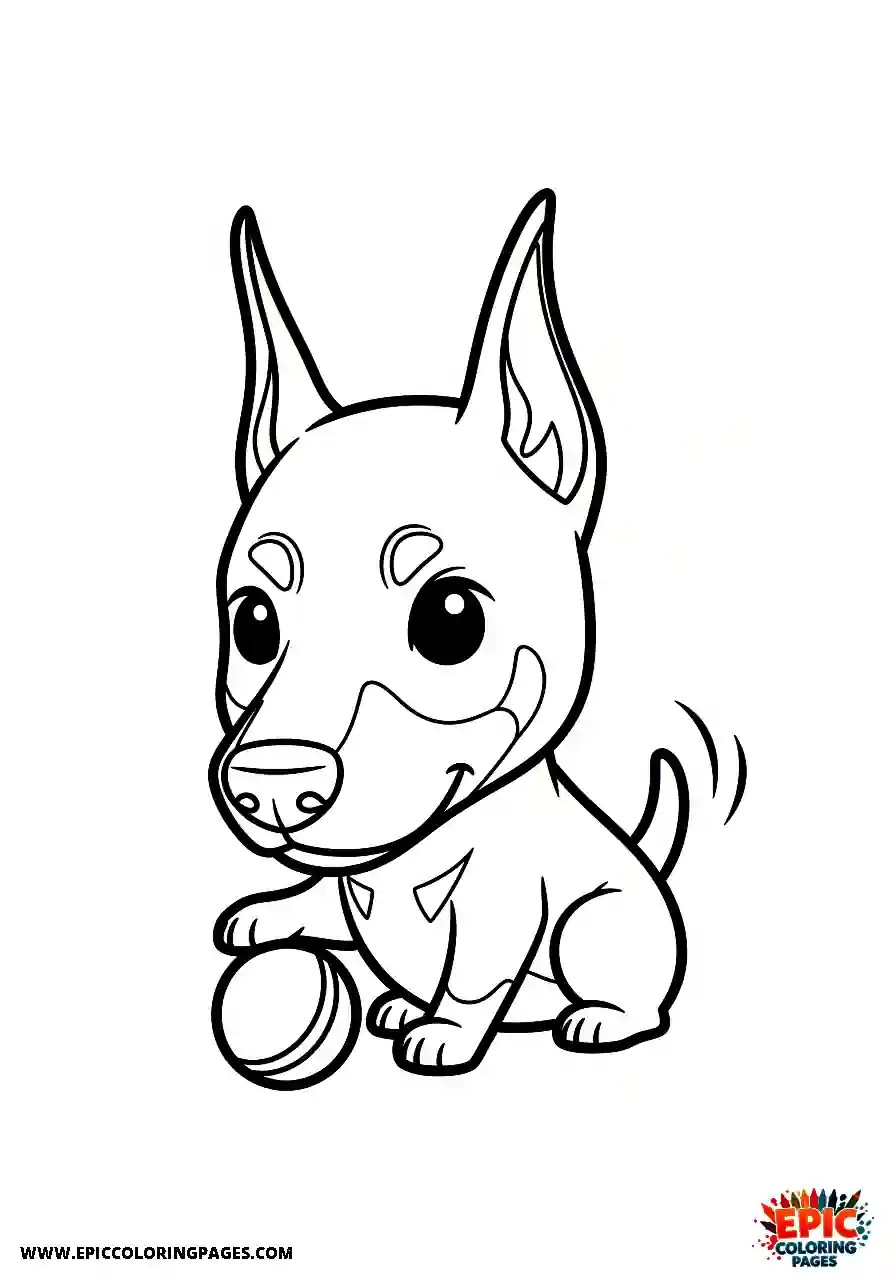
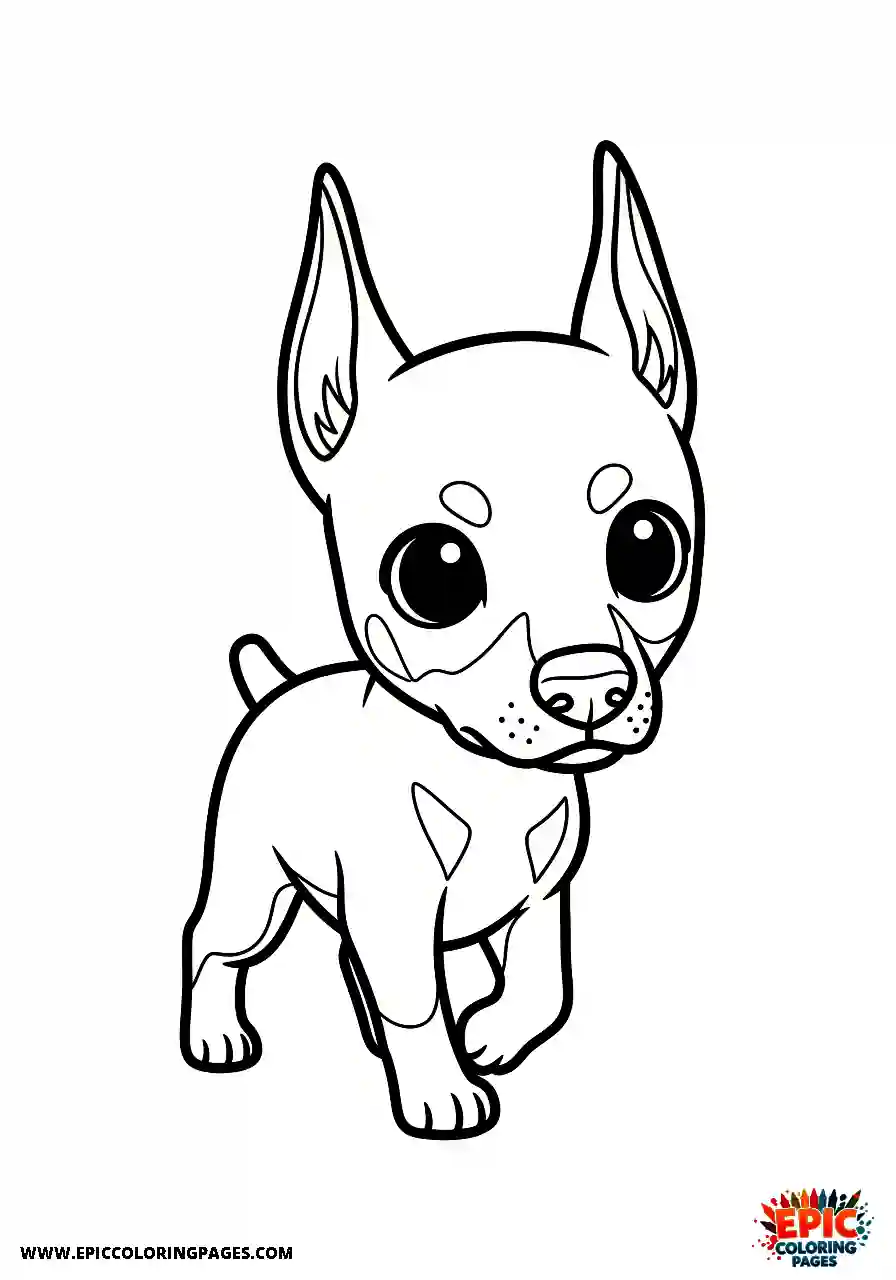
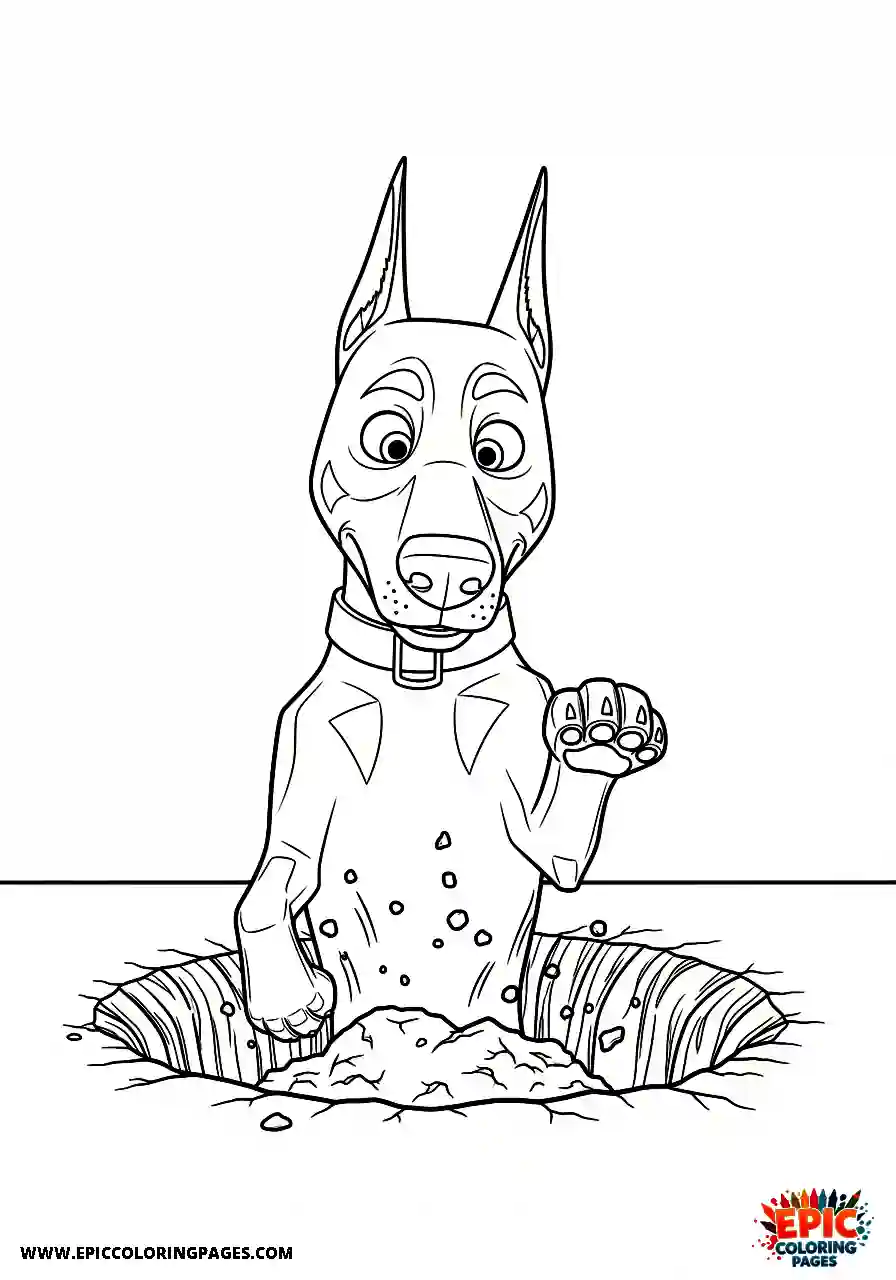
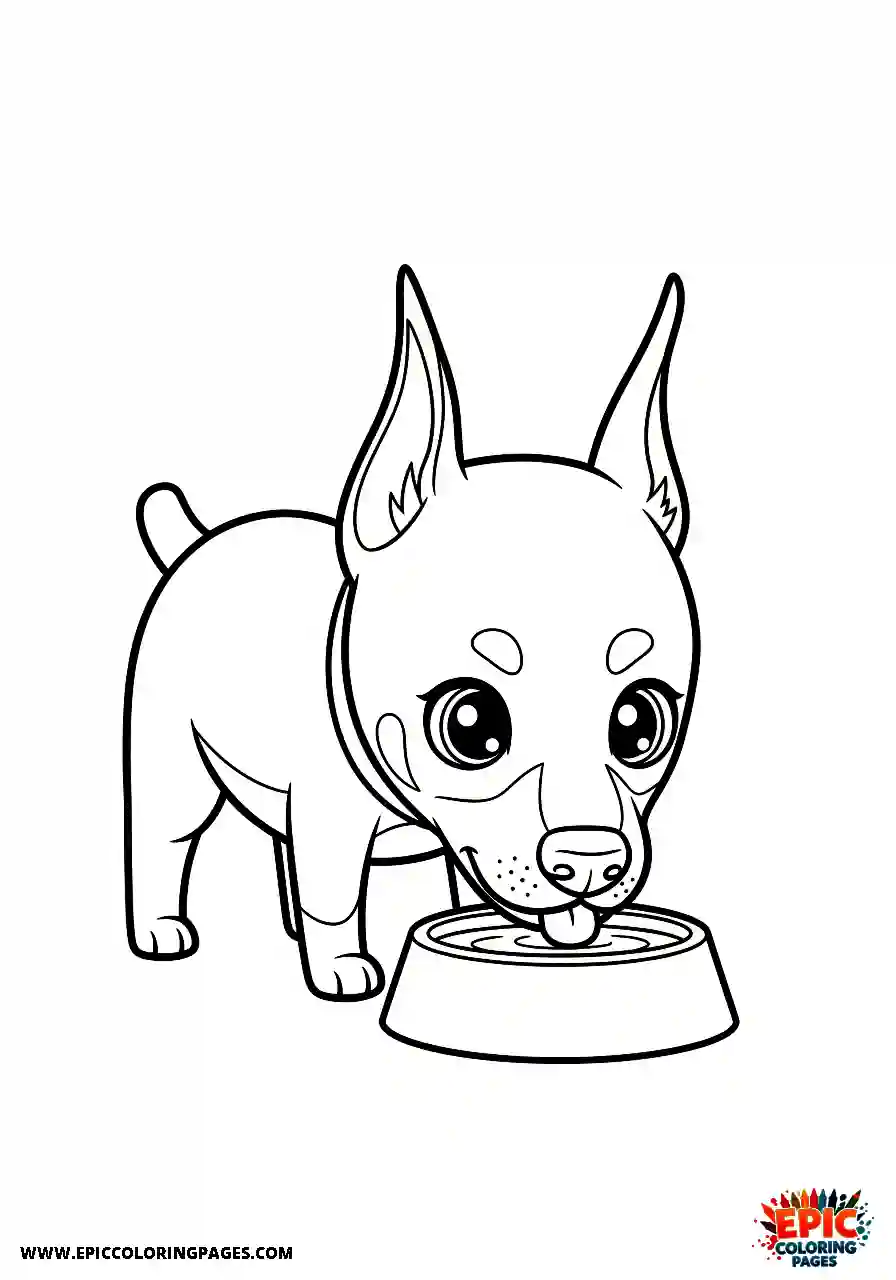
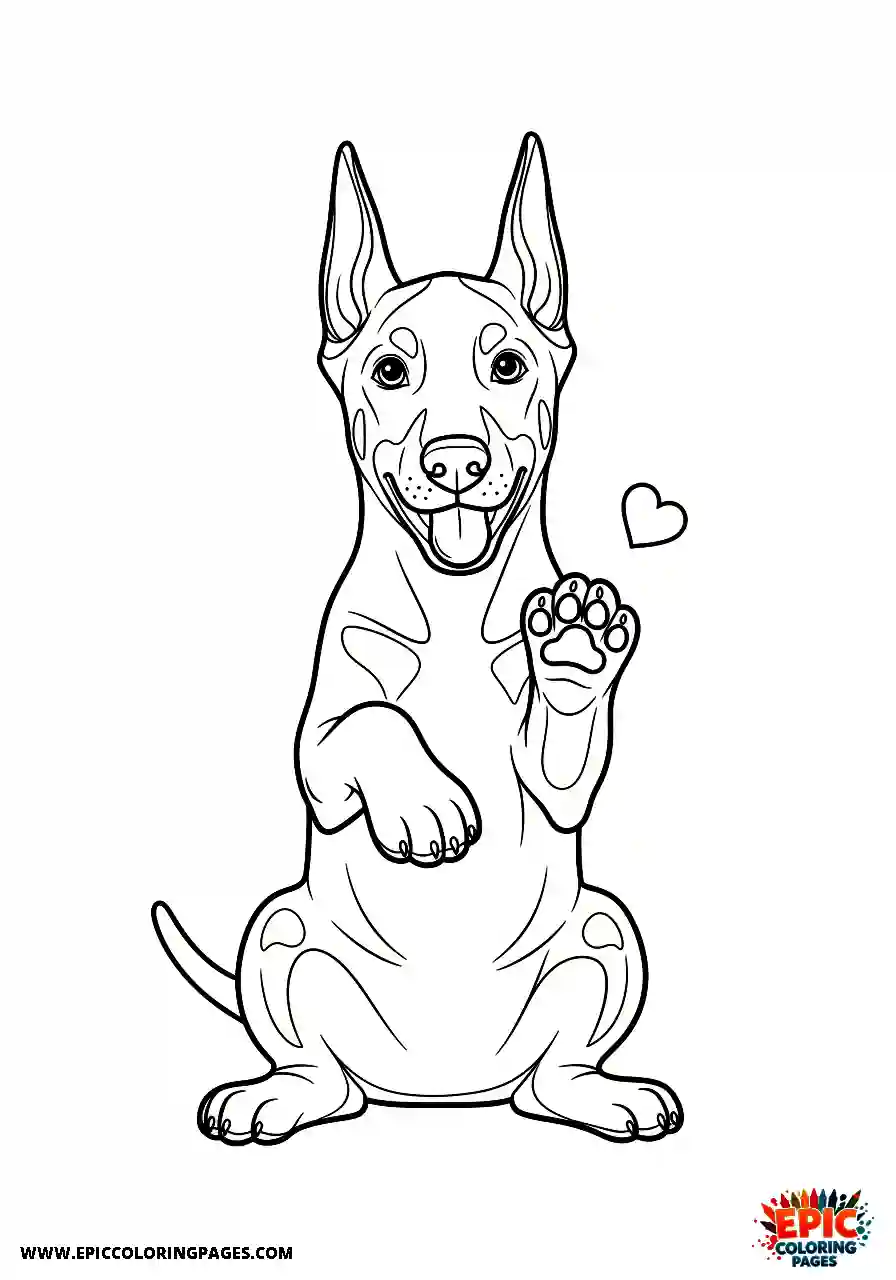
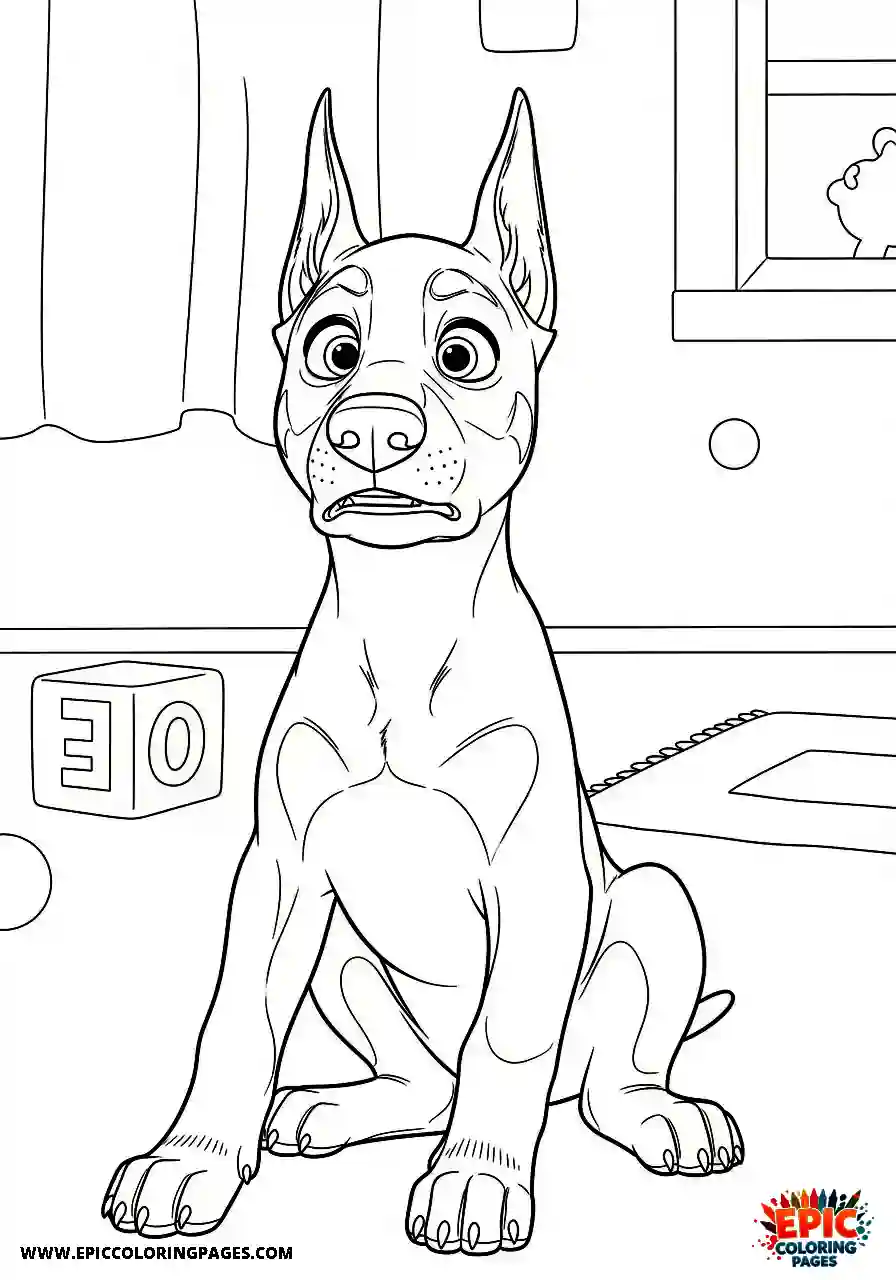
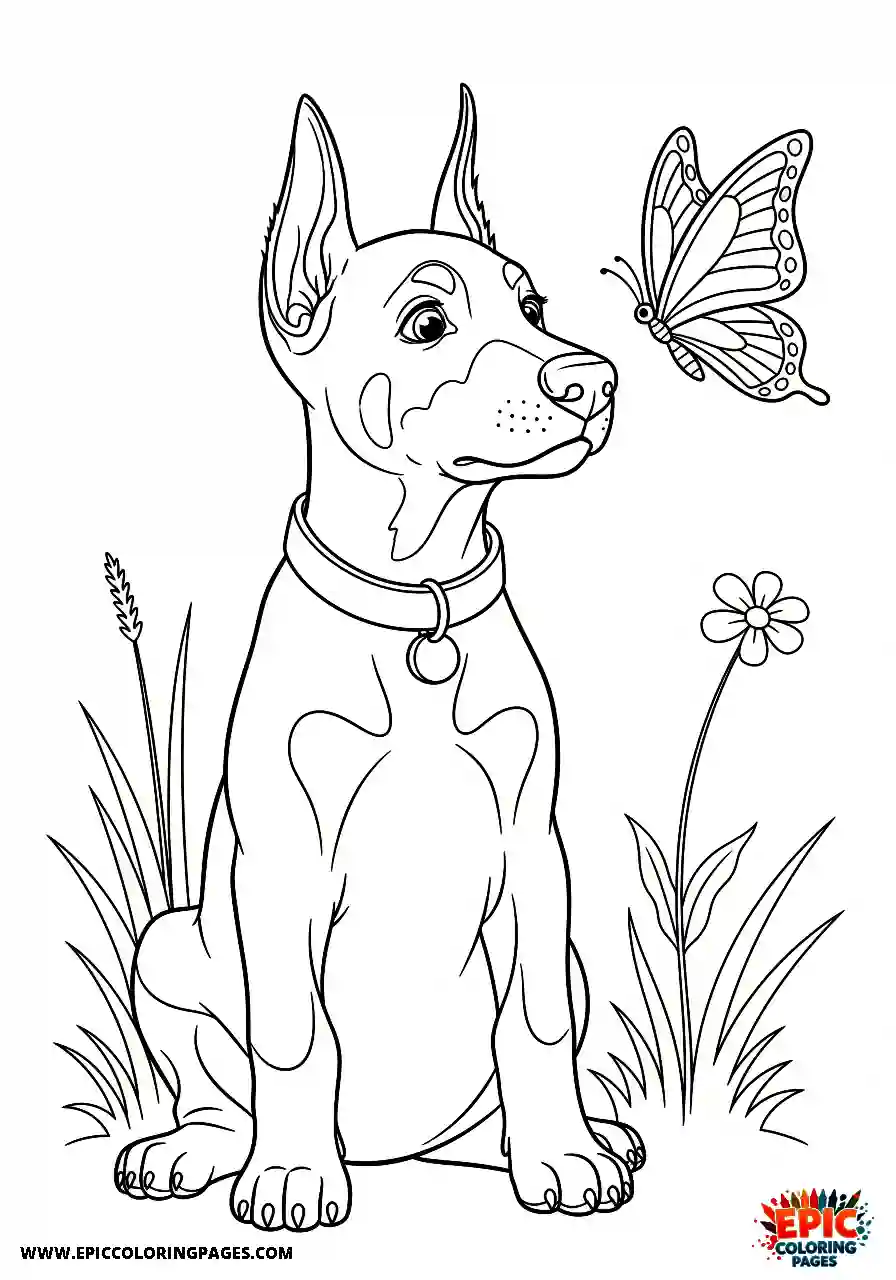
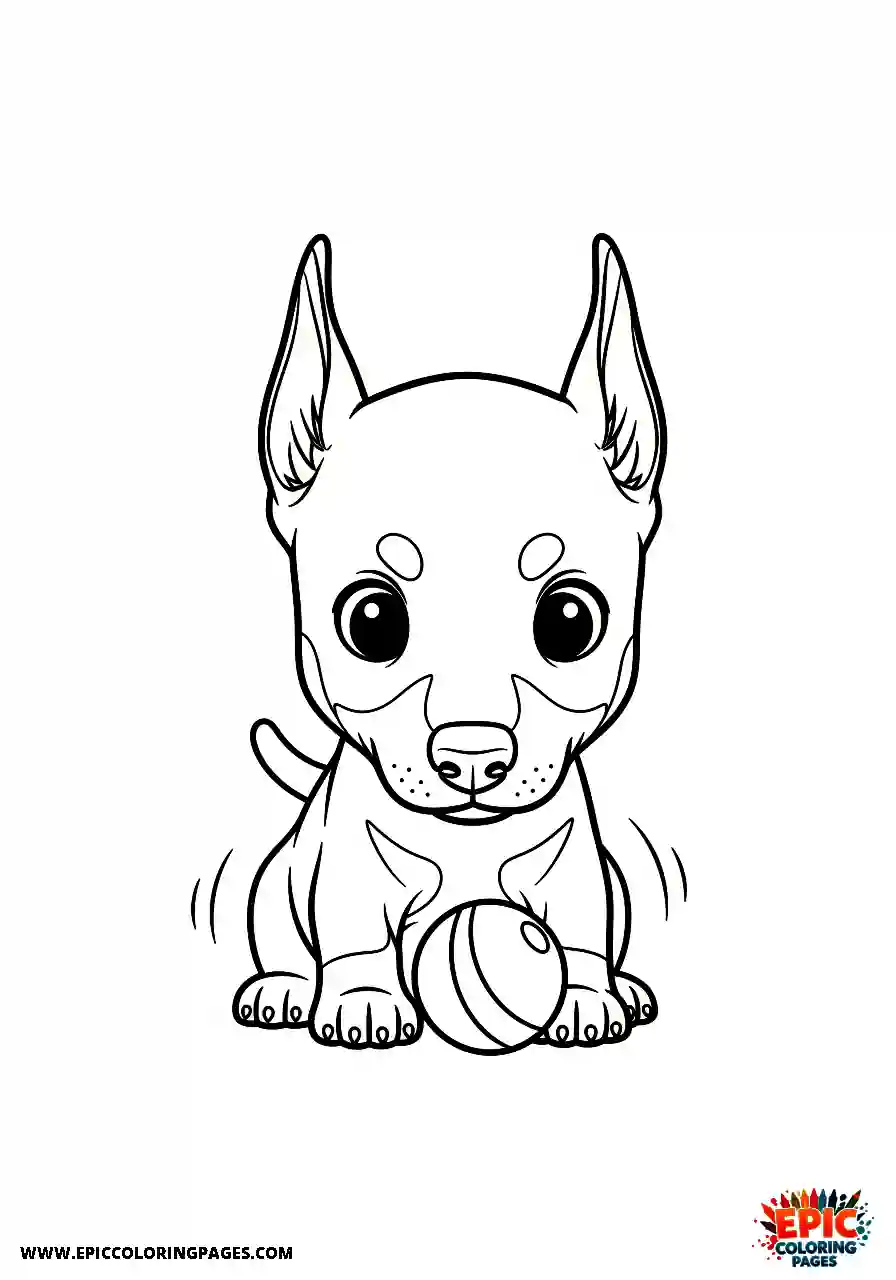
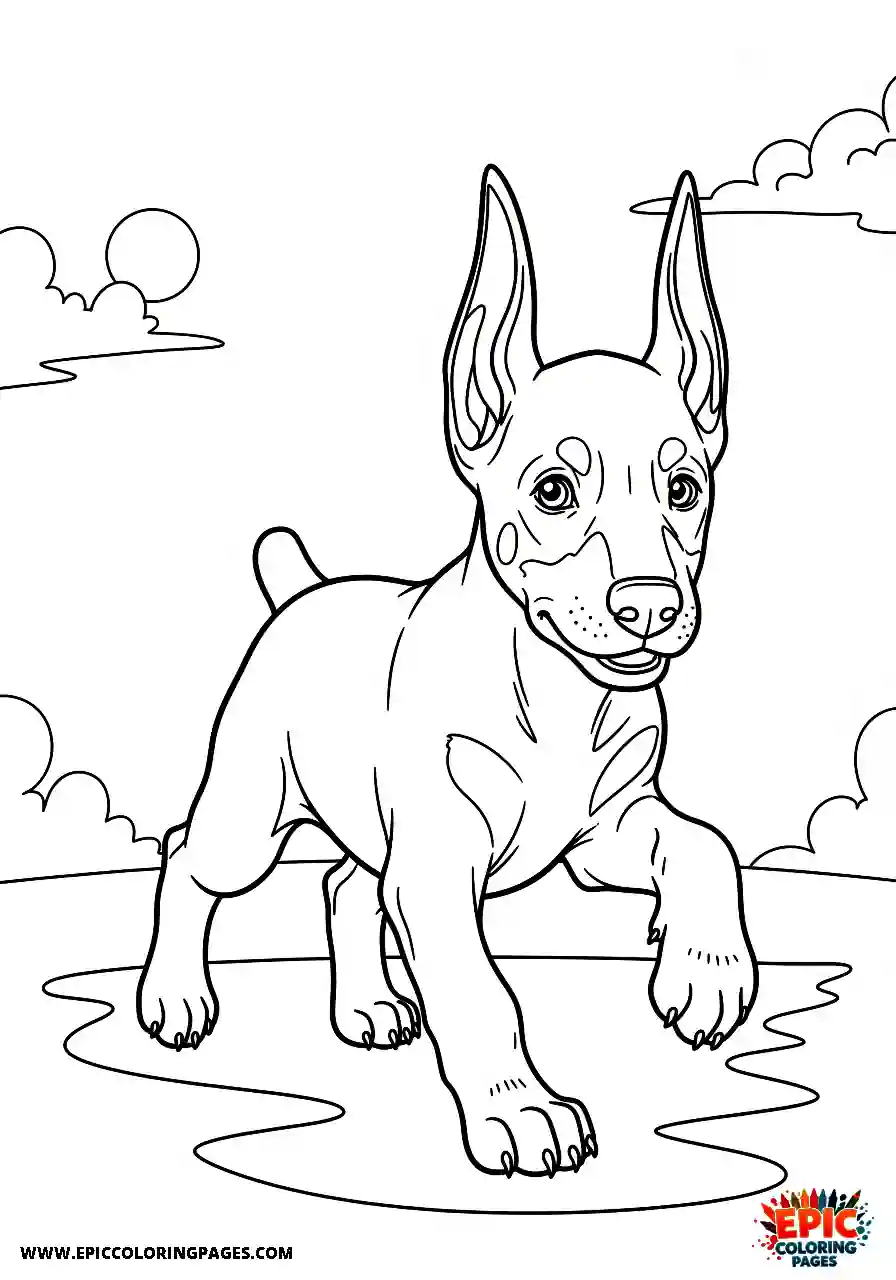
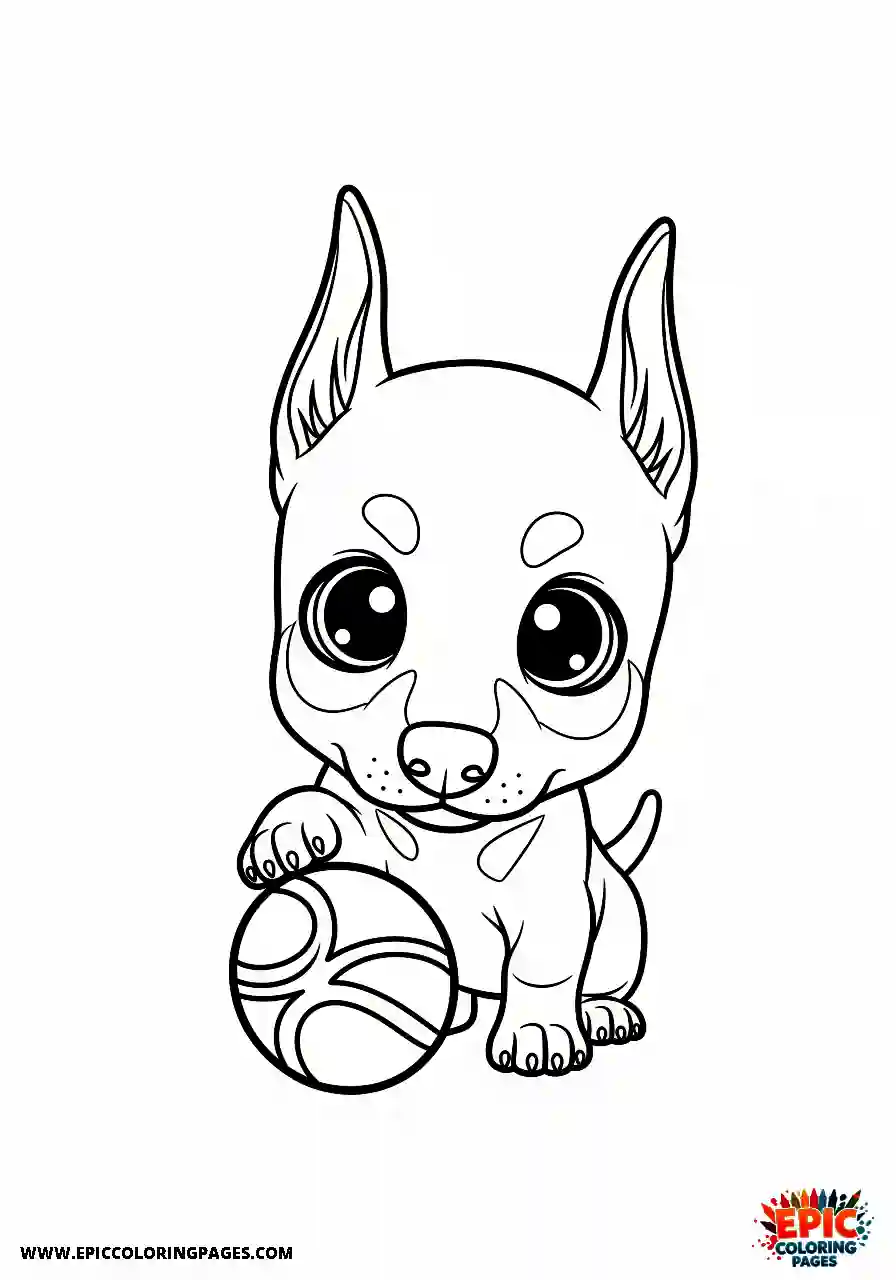
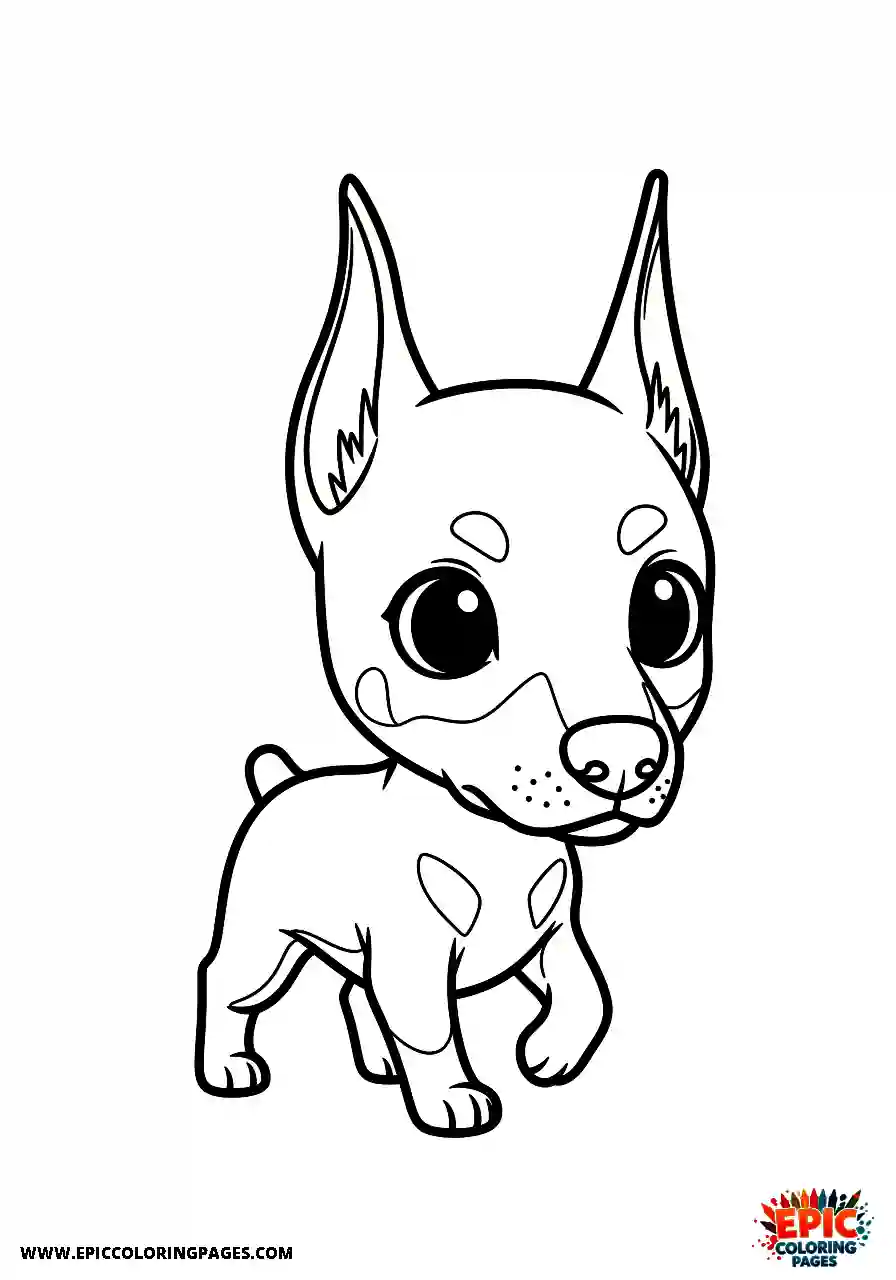
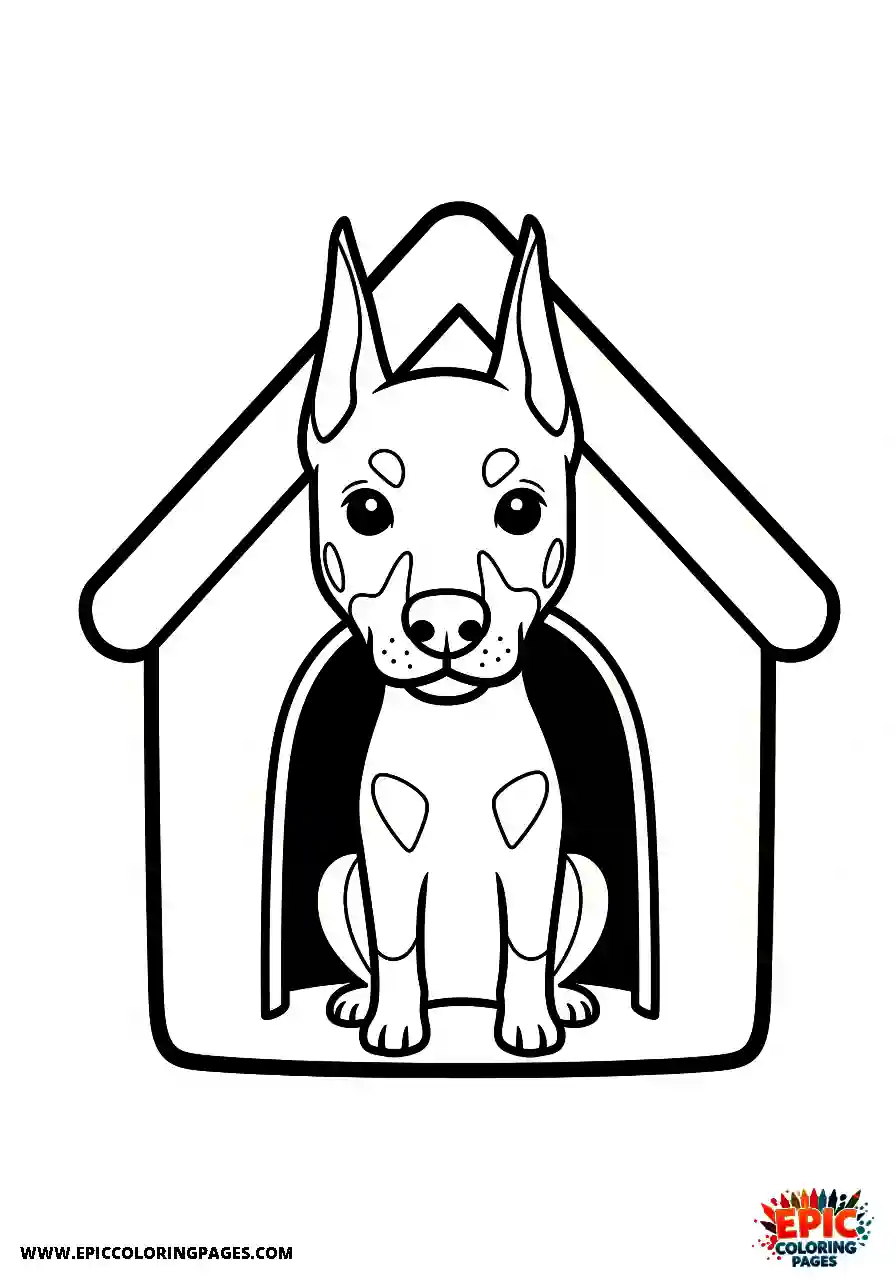
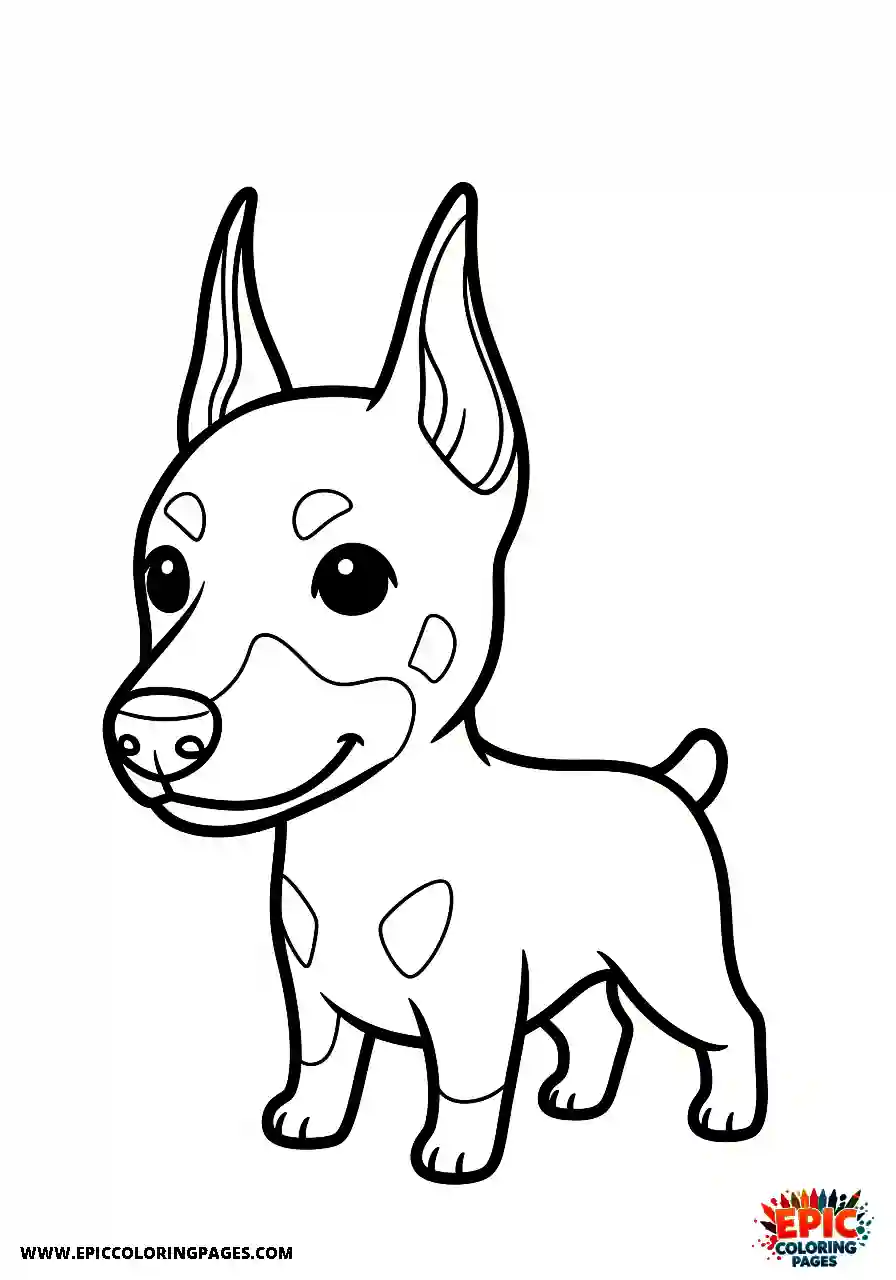
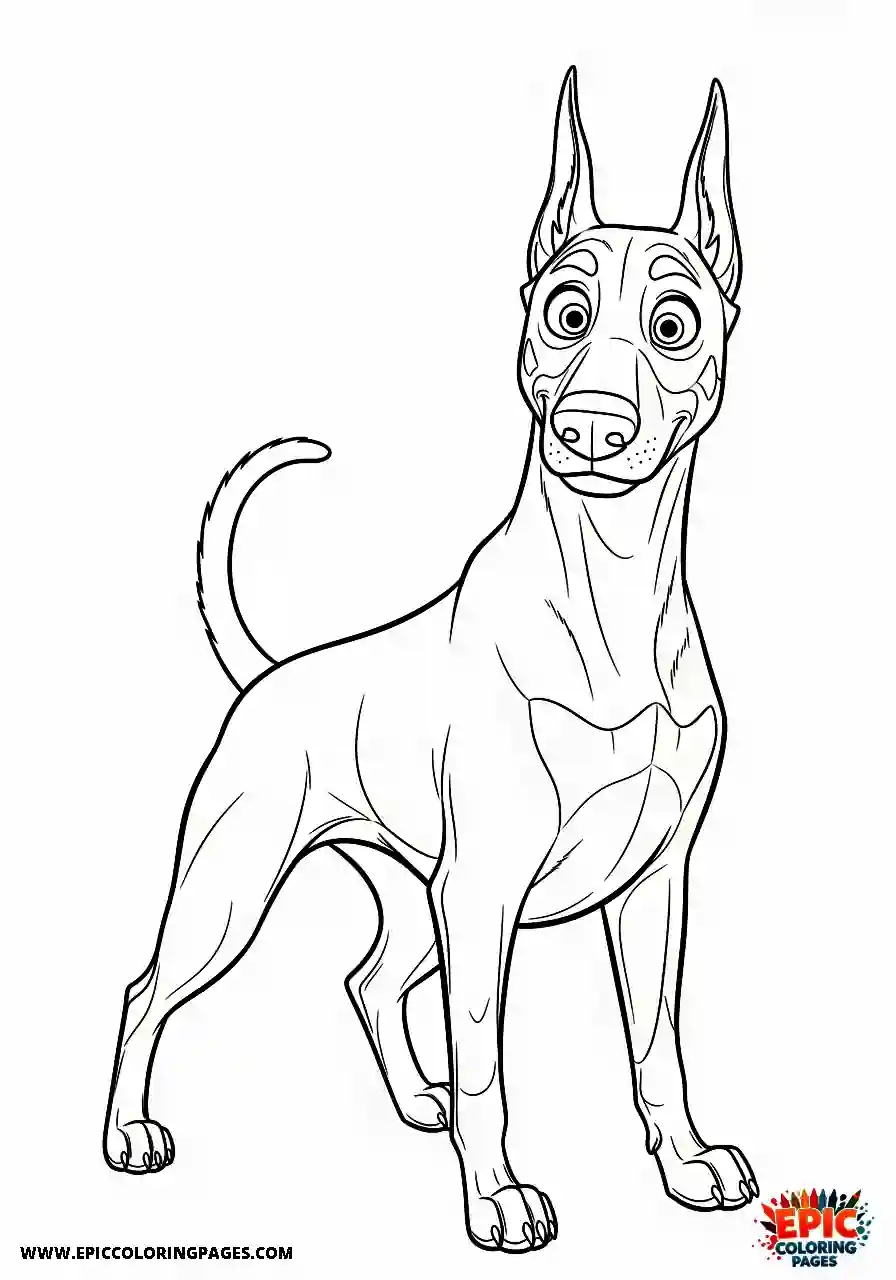
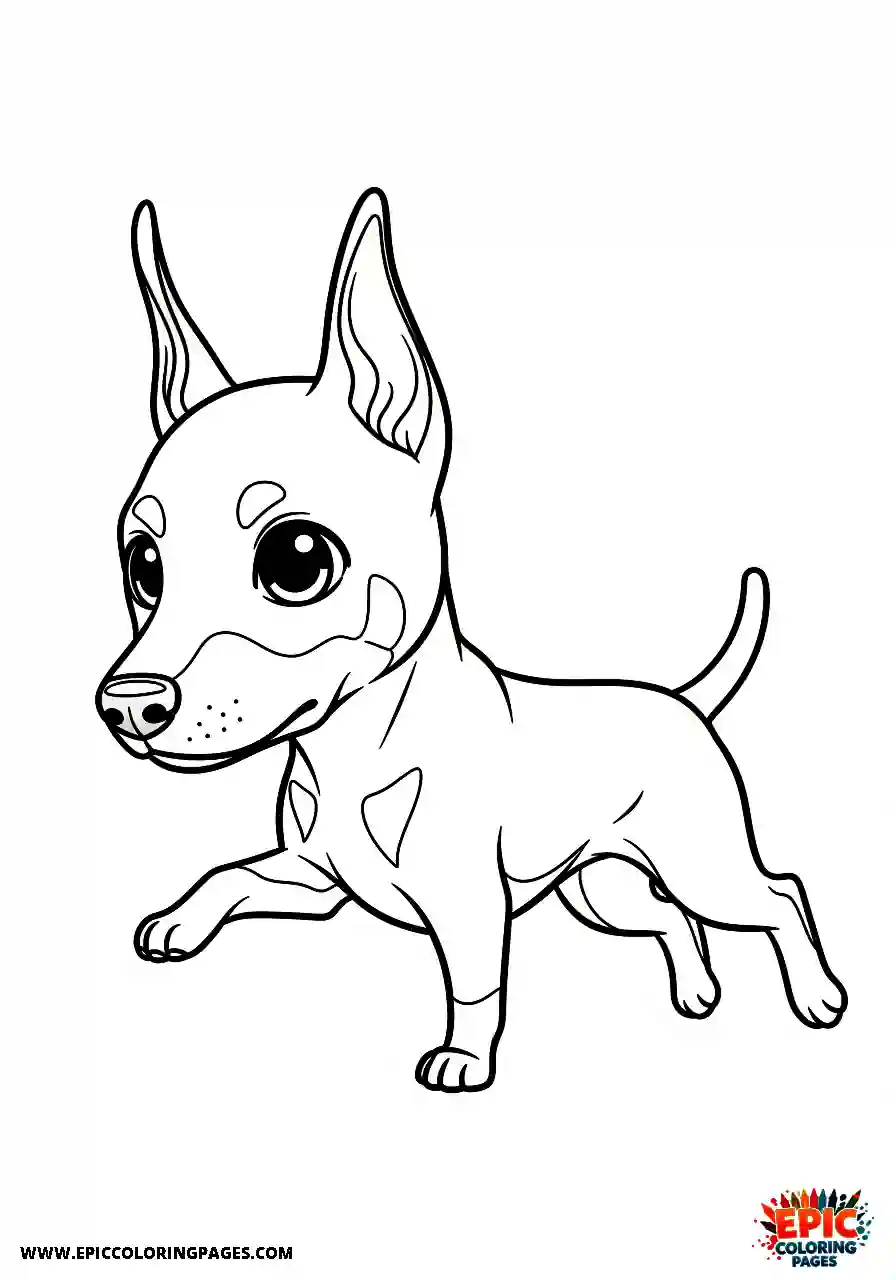
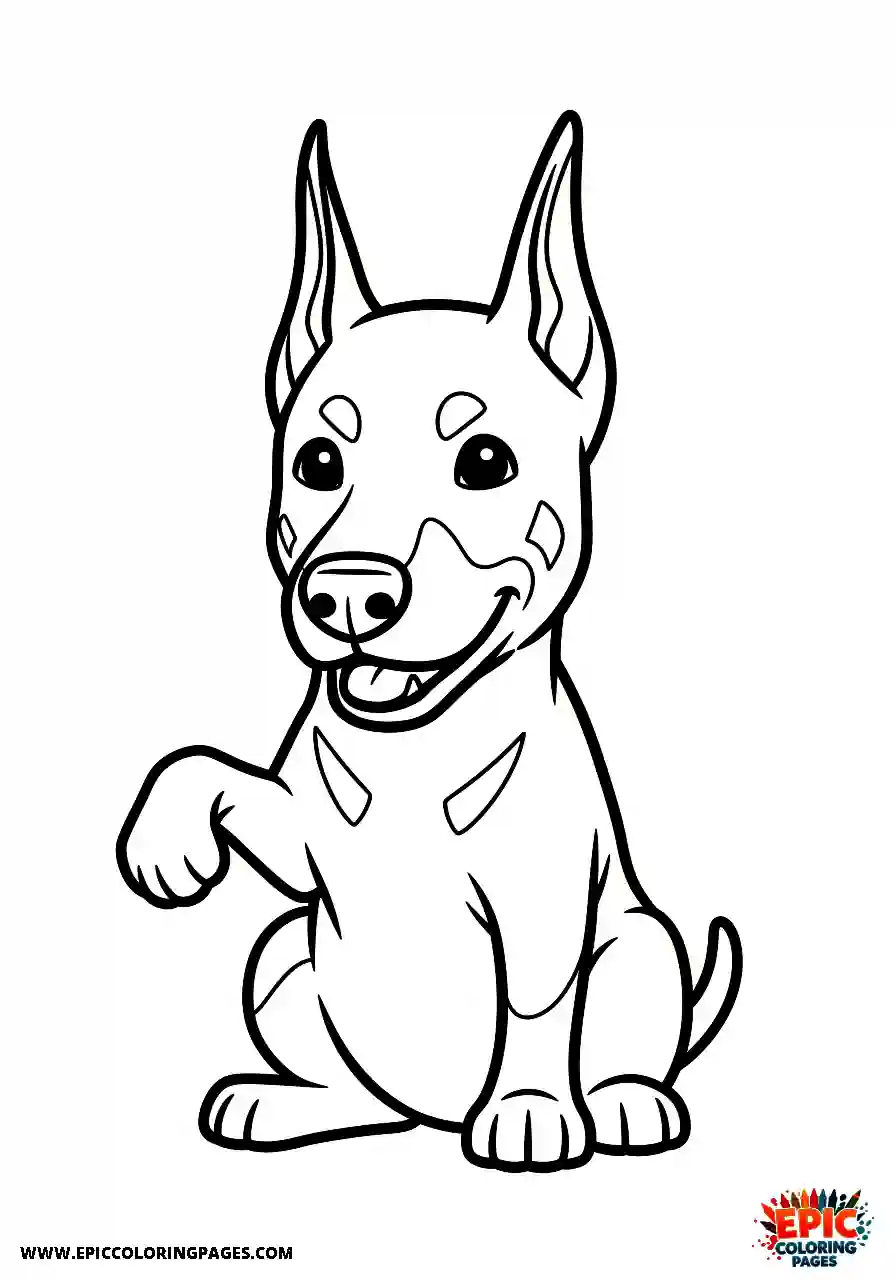
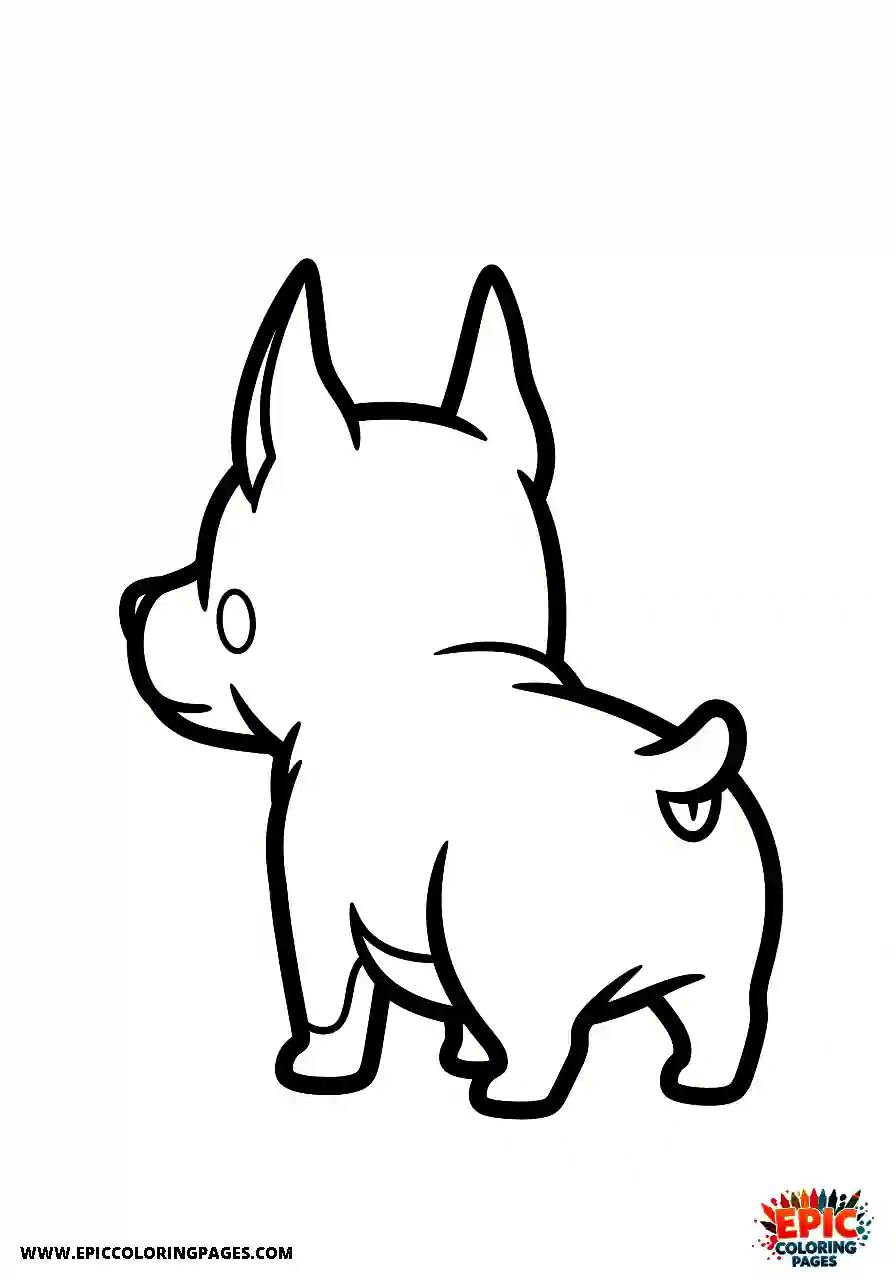
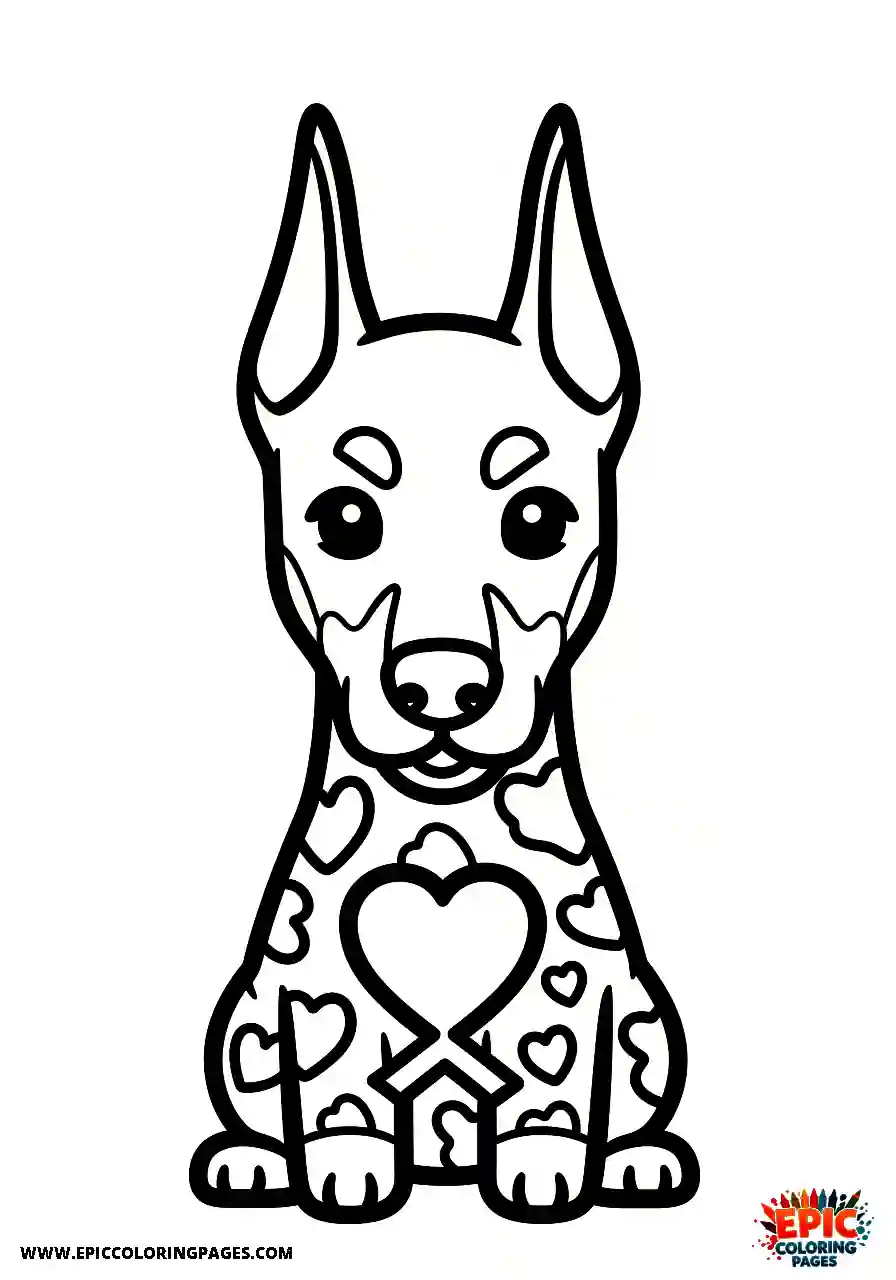
The Doberman Pinscher’s structure lends itself to a wide spectrum of artistic interpretations, each emphasizing different visual priorities. In simplified formats, exaggerated head shapes and compact bodies highlight expression and accessibility, commonly seen in chibi and kawaii styles. These variations prioritize emotional engagement, using rounded forms and minimal detail to create approachable, friendly representations.
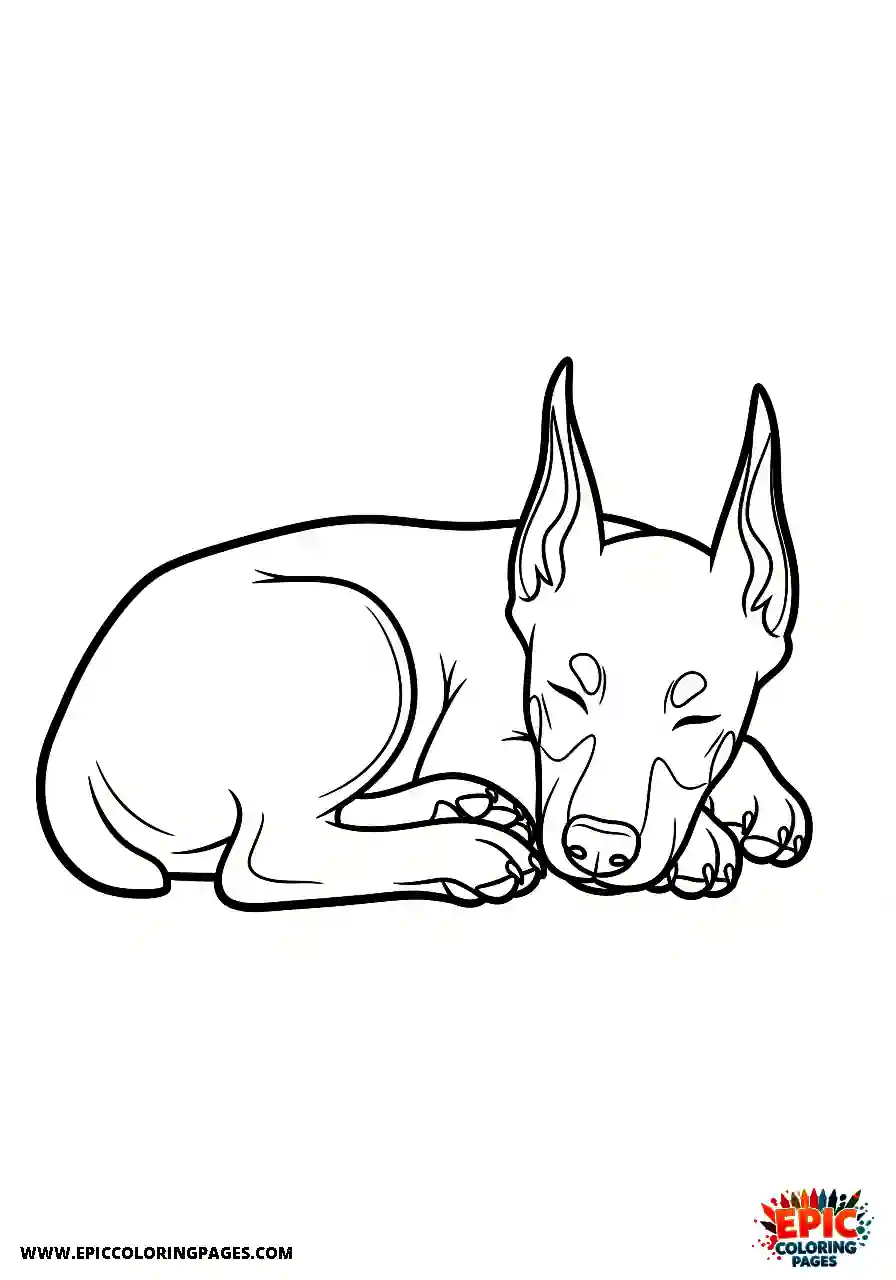
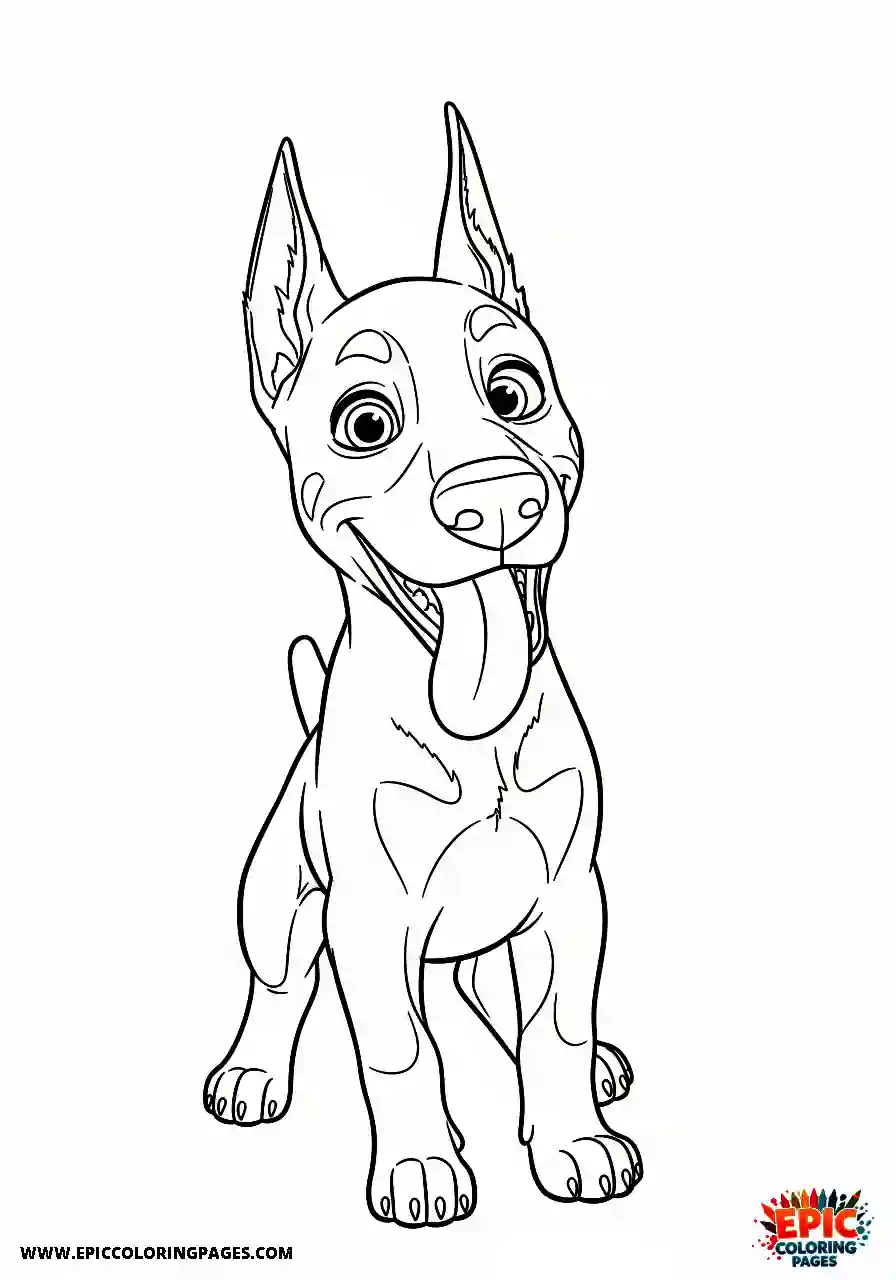
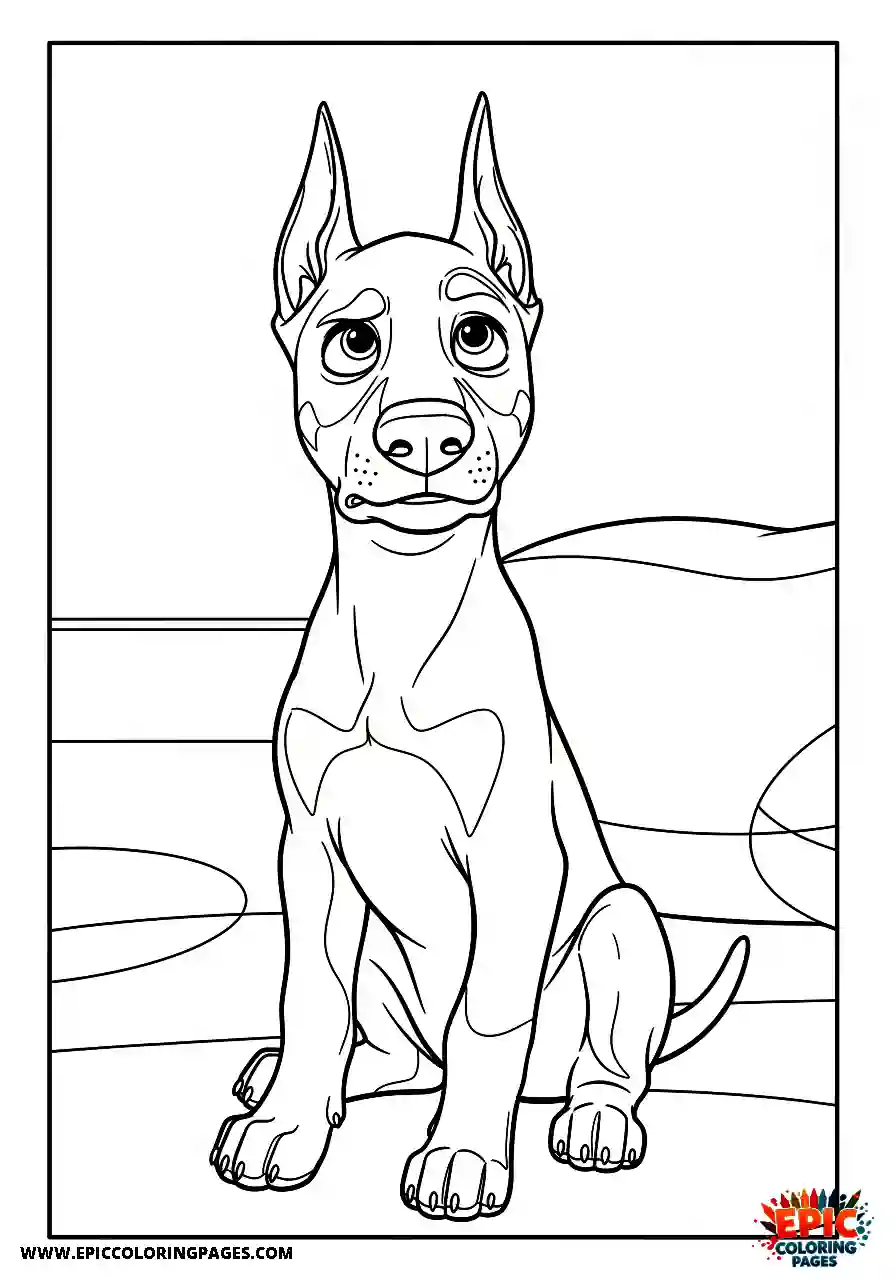
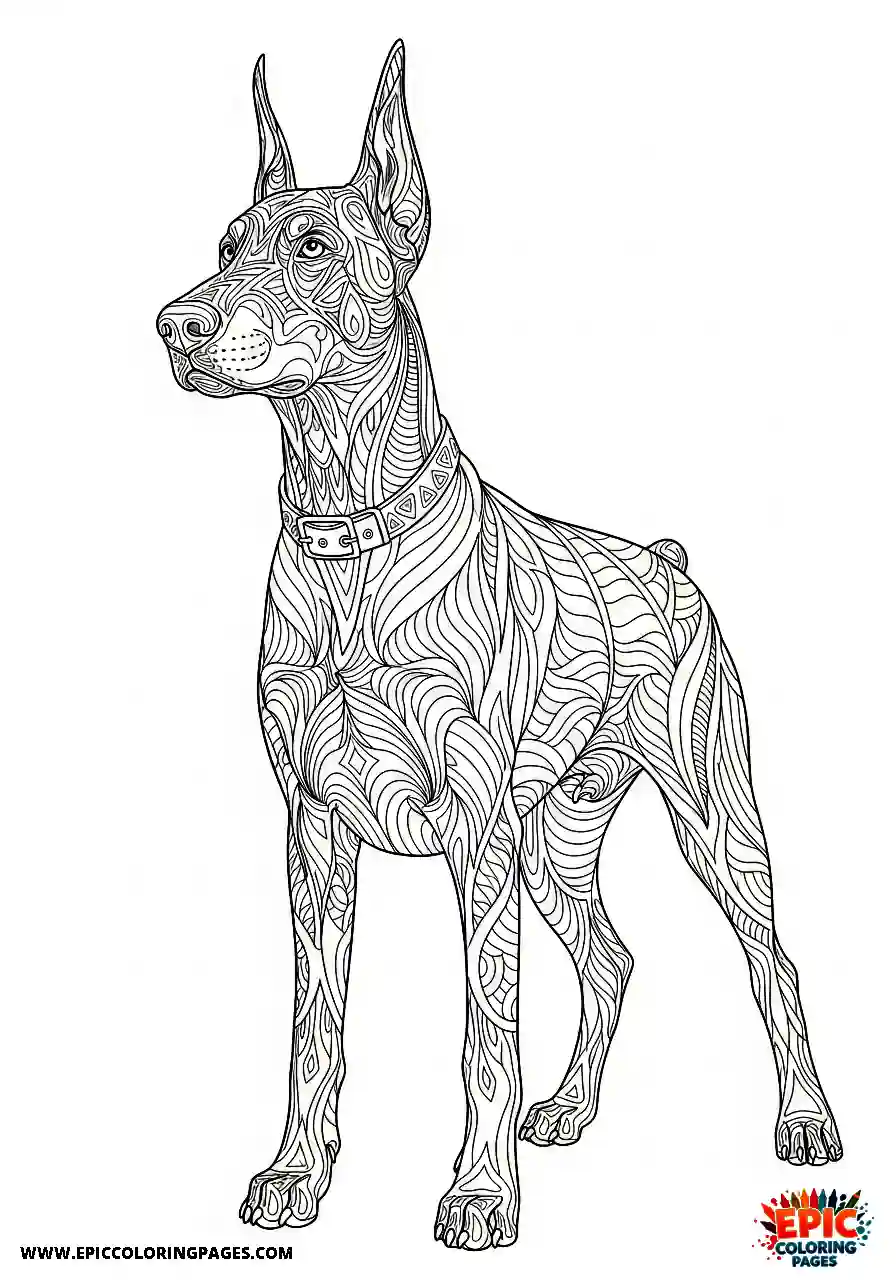
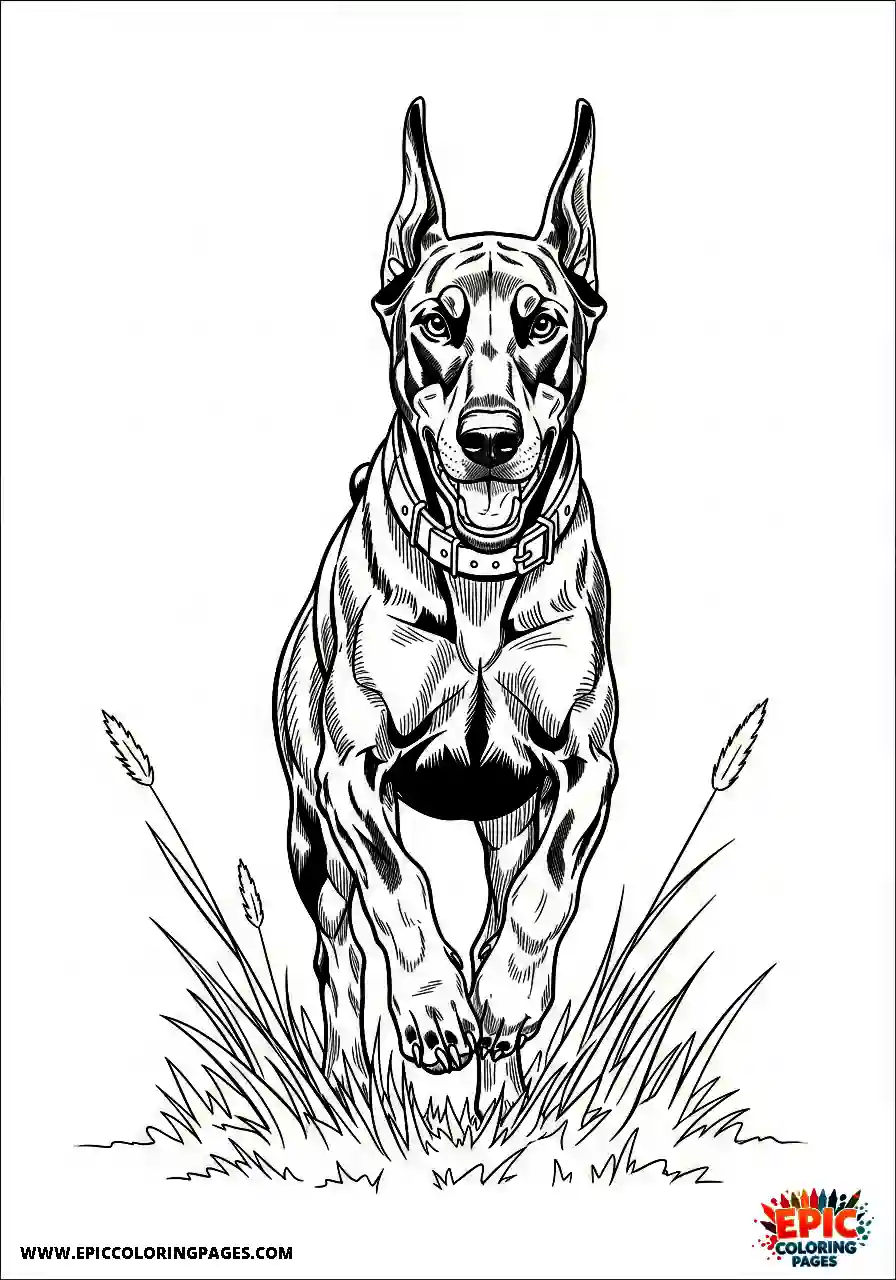
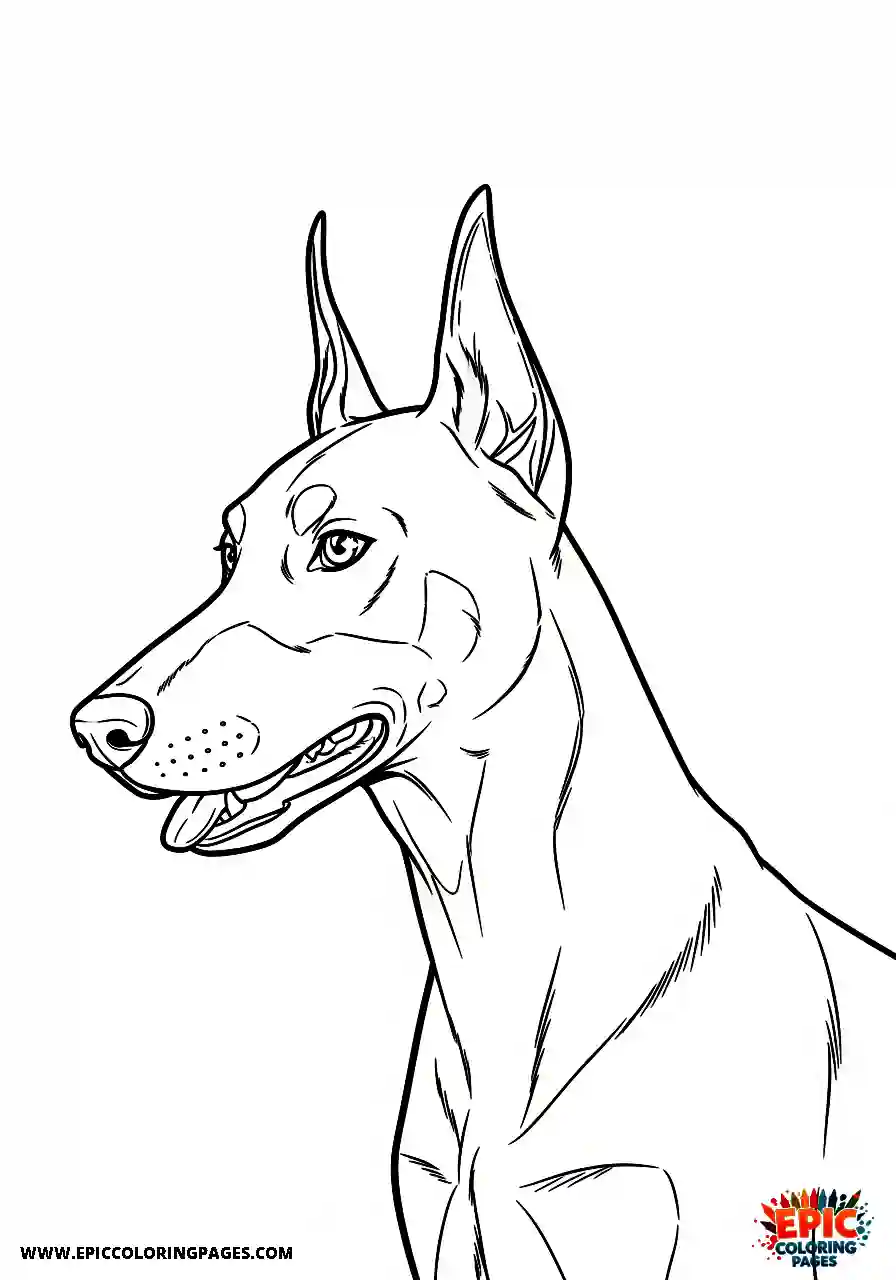
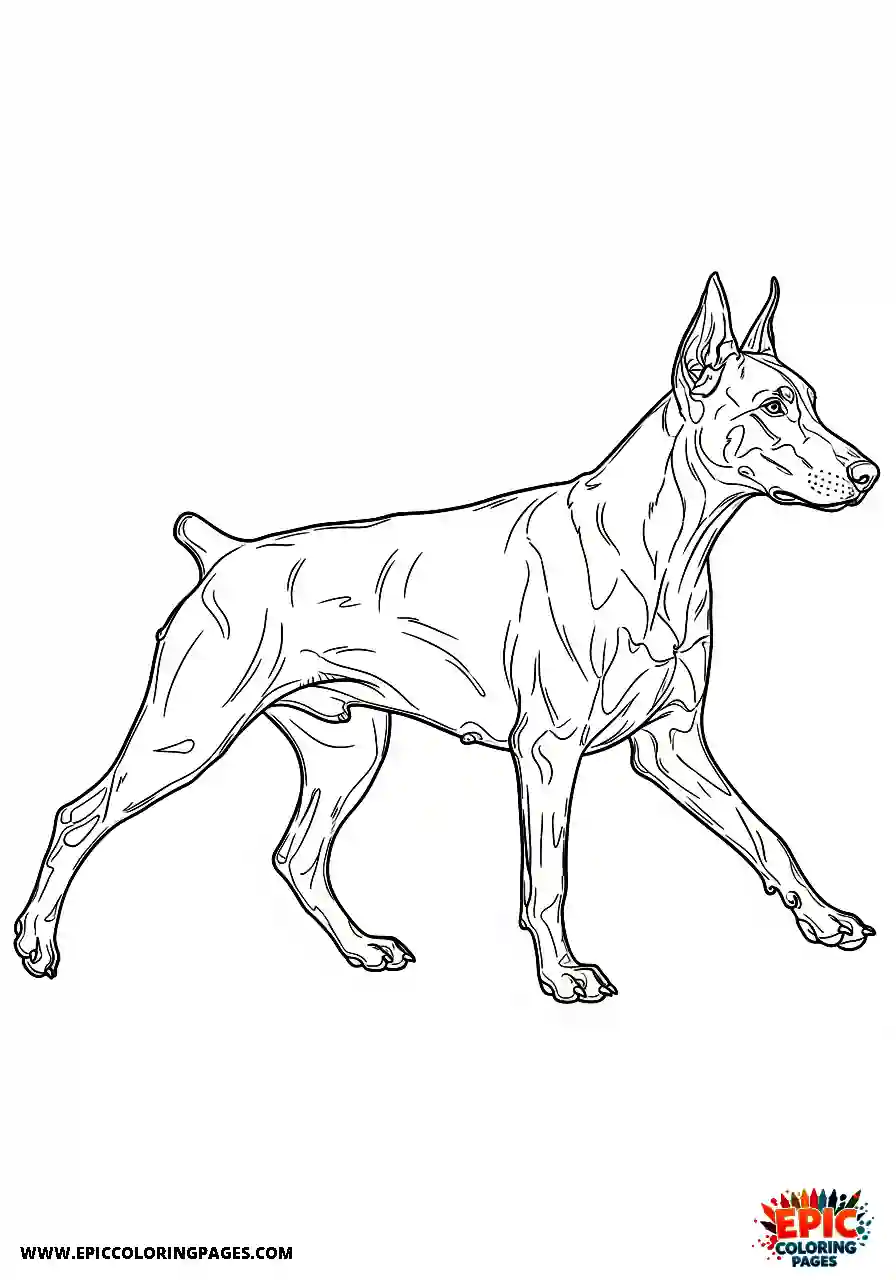
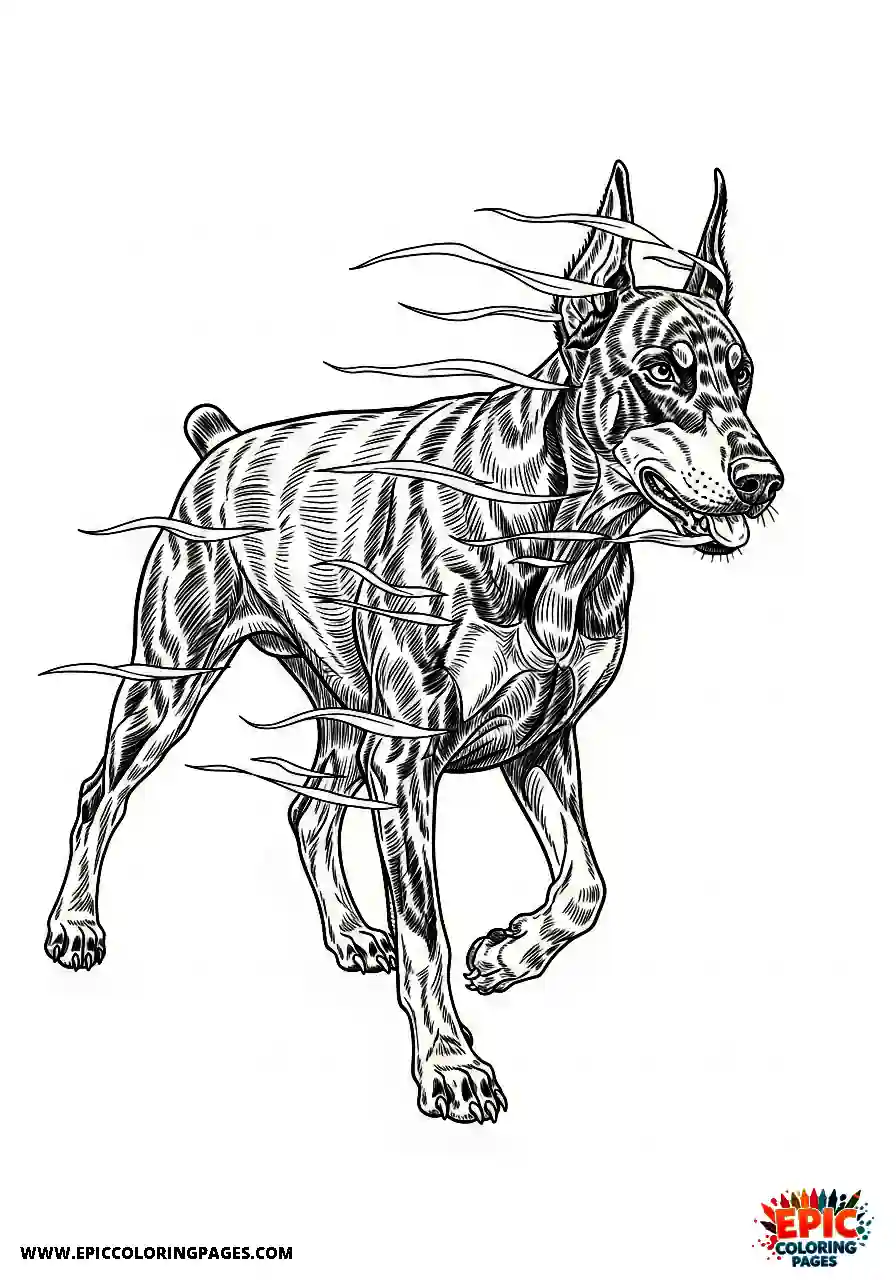
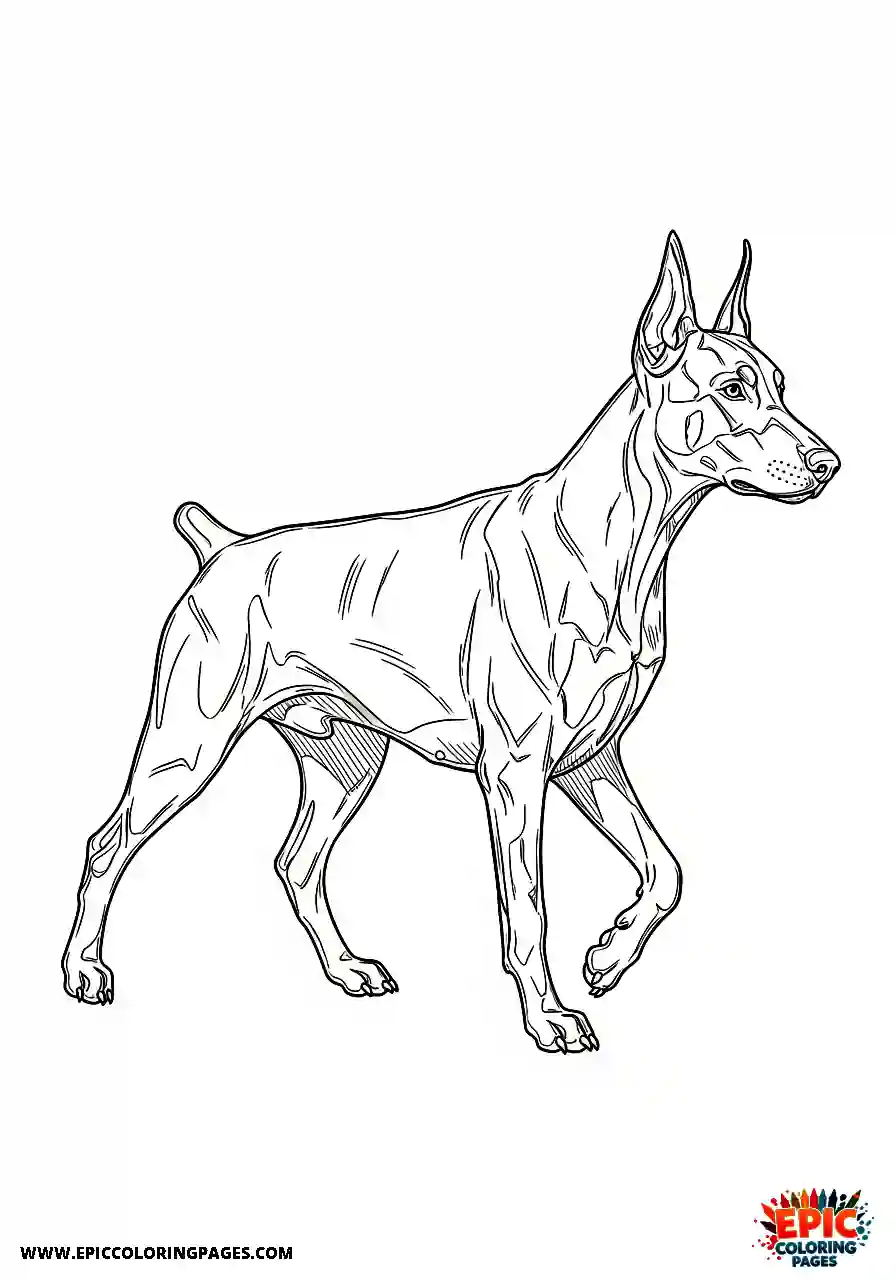
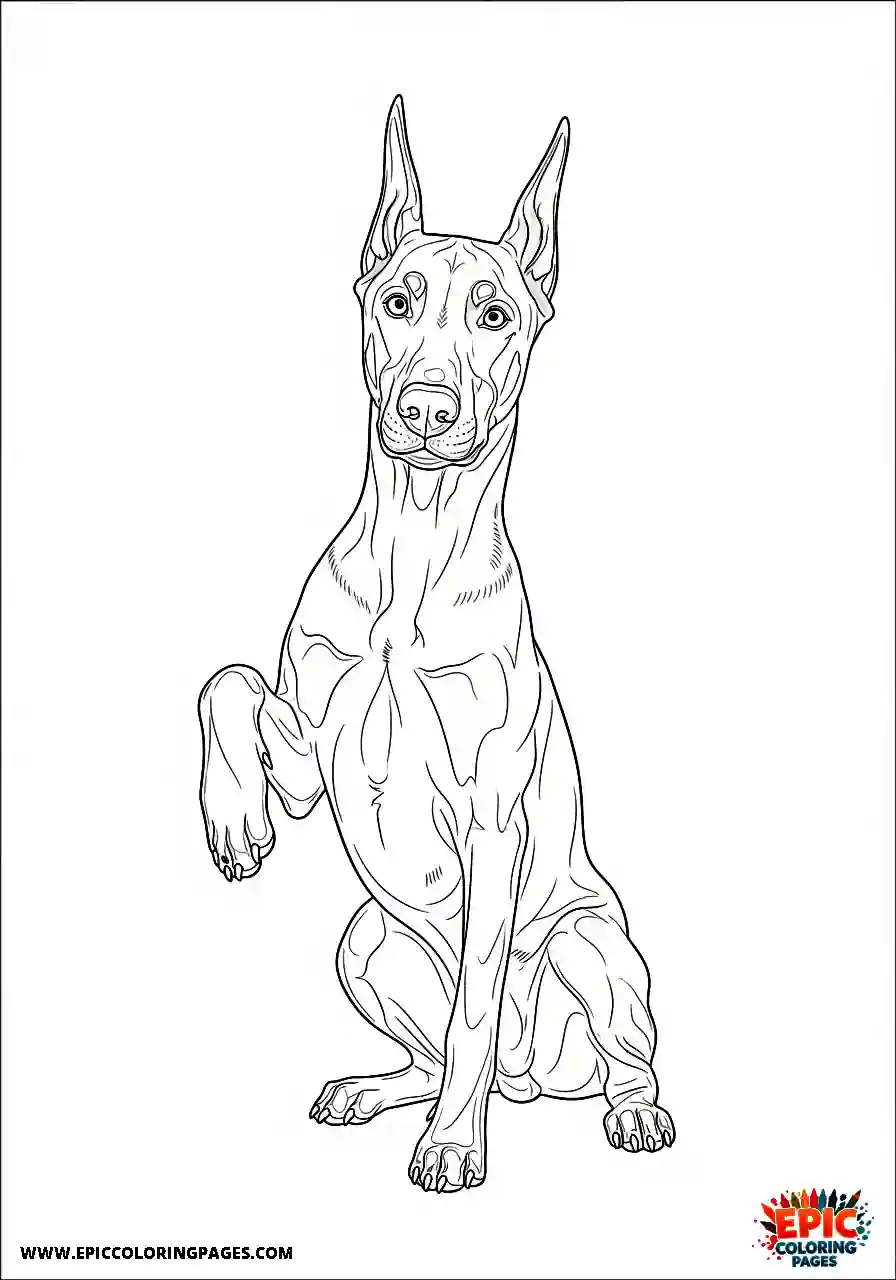
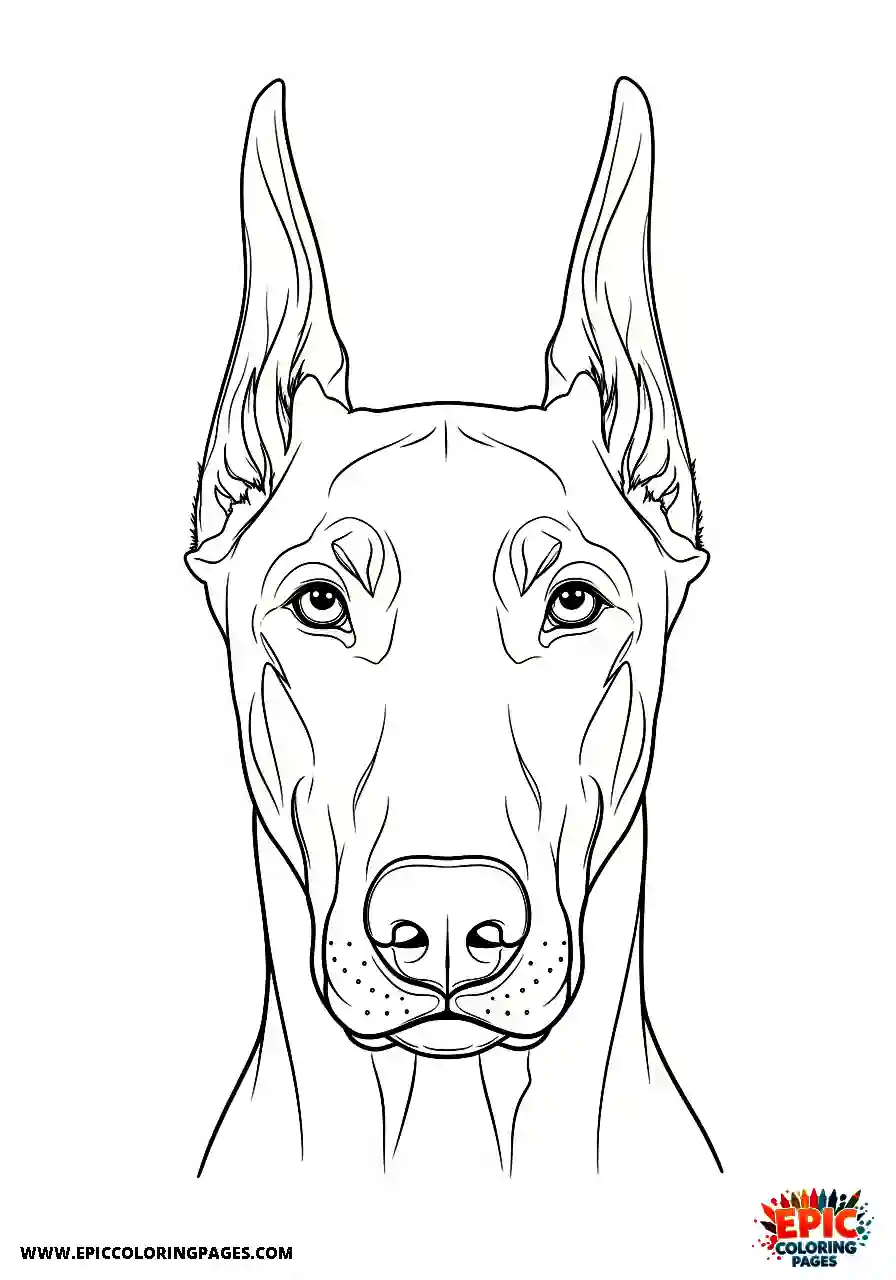
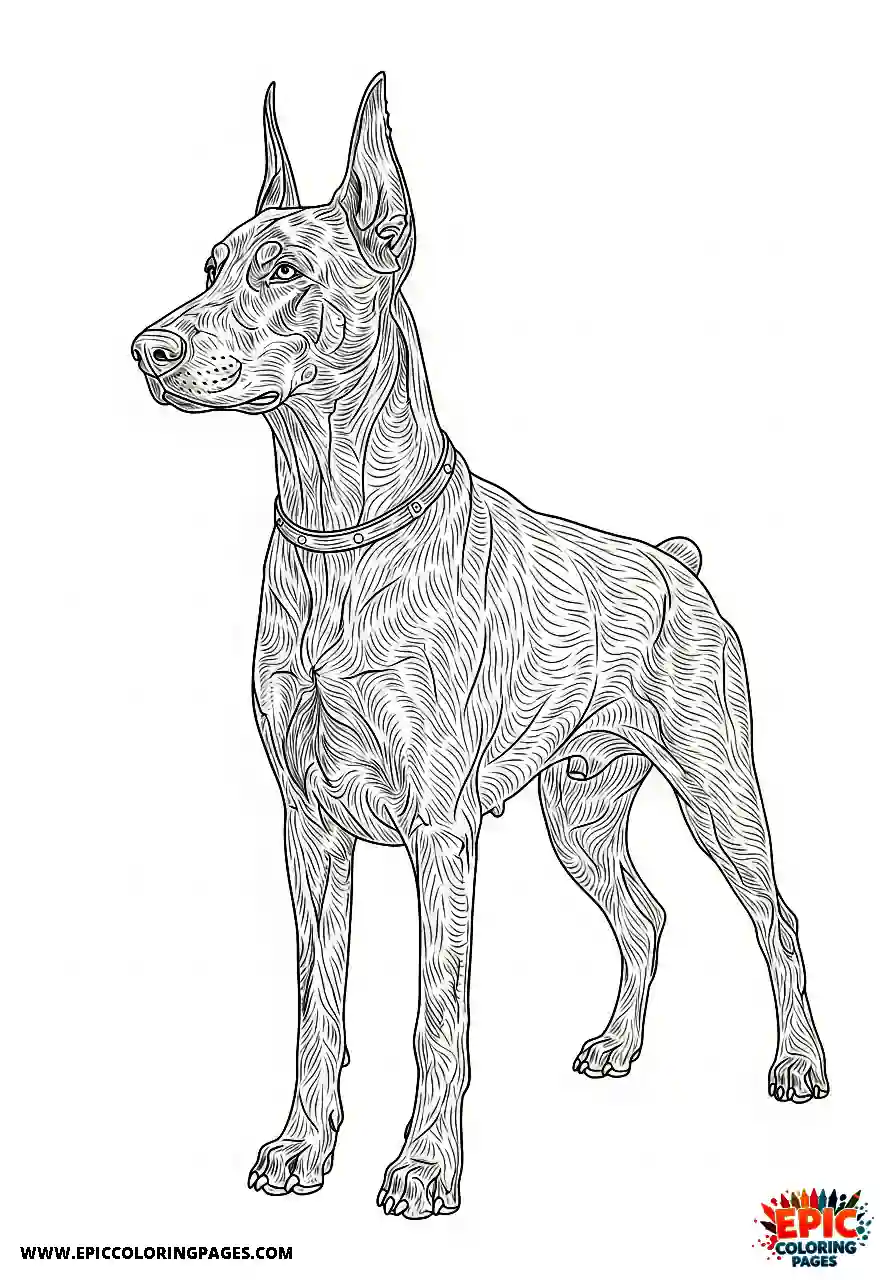
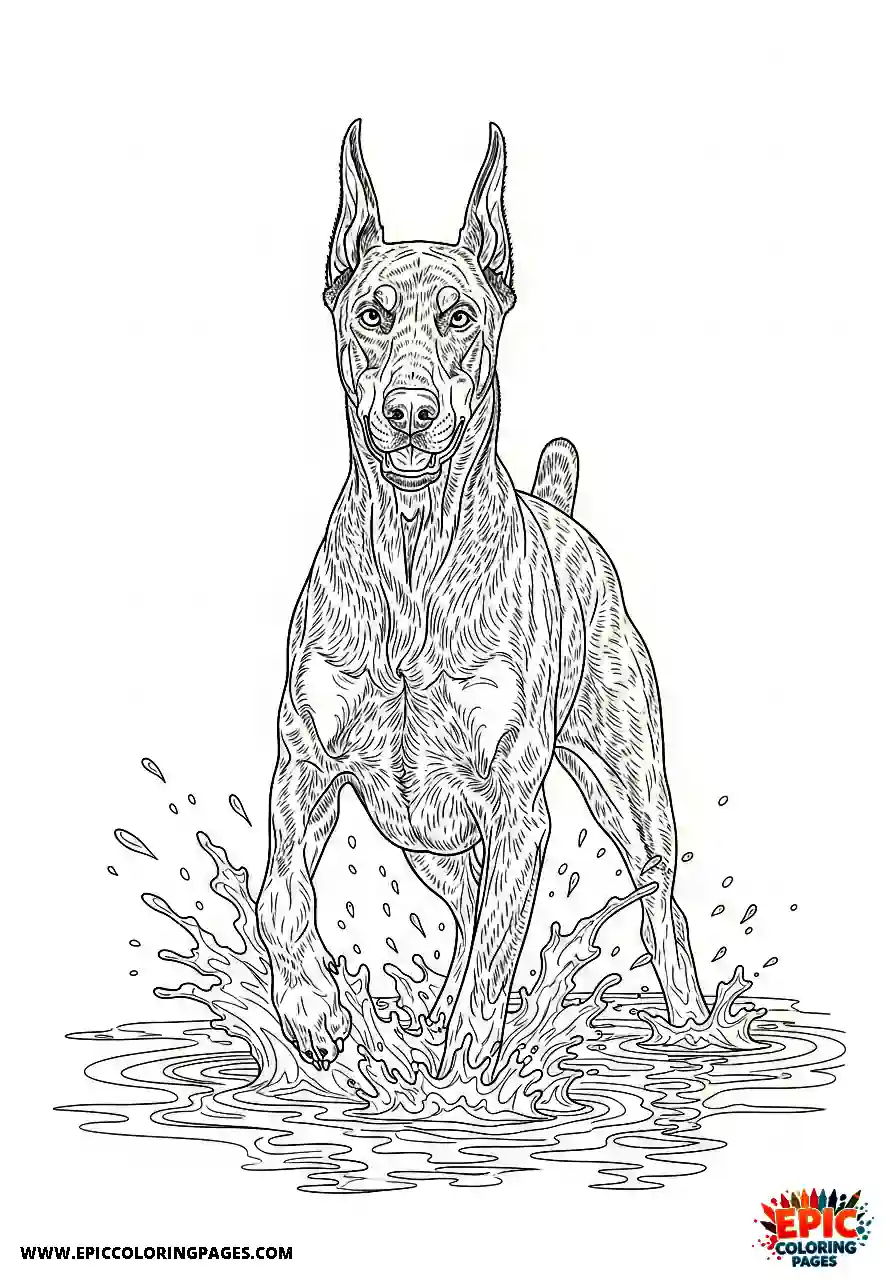
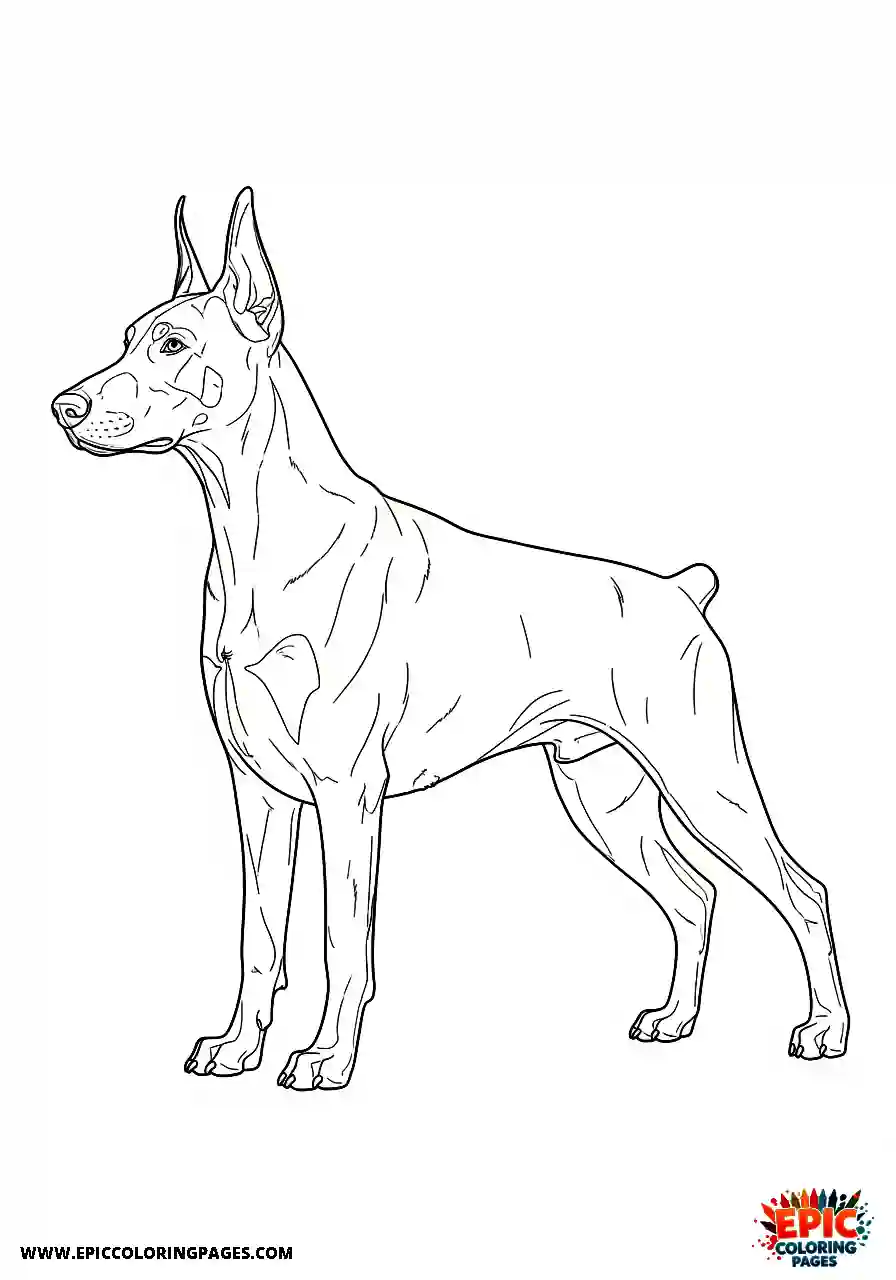
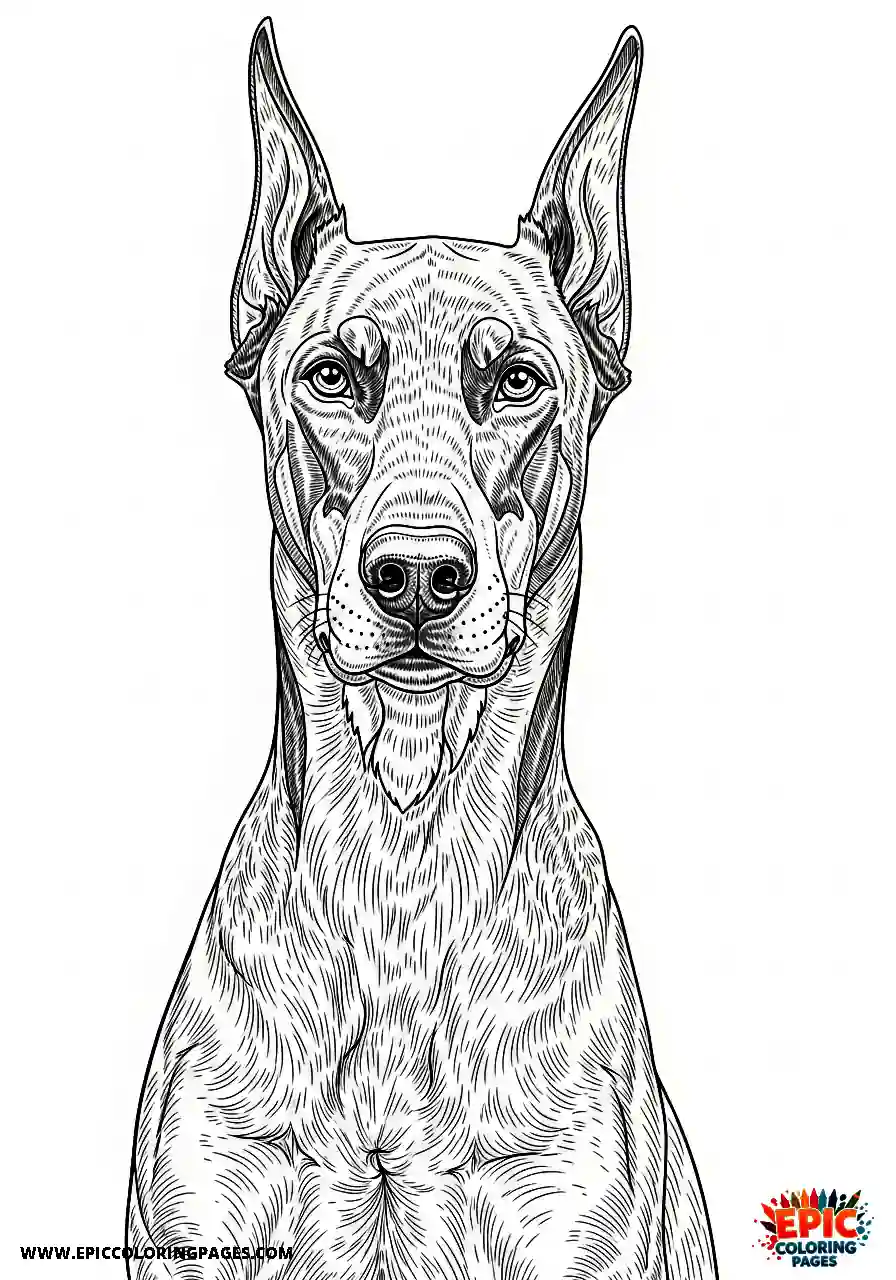
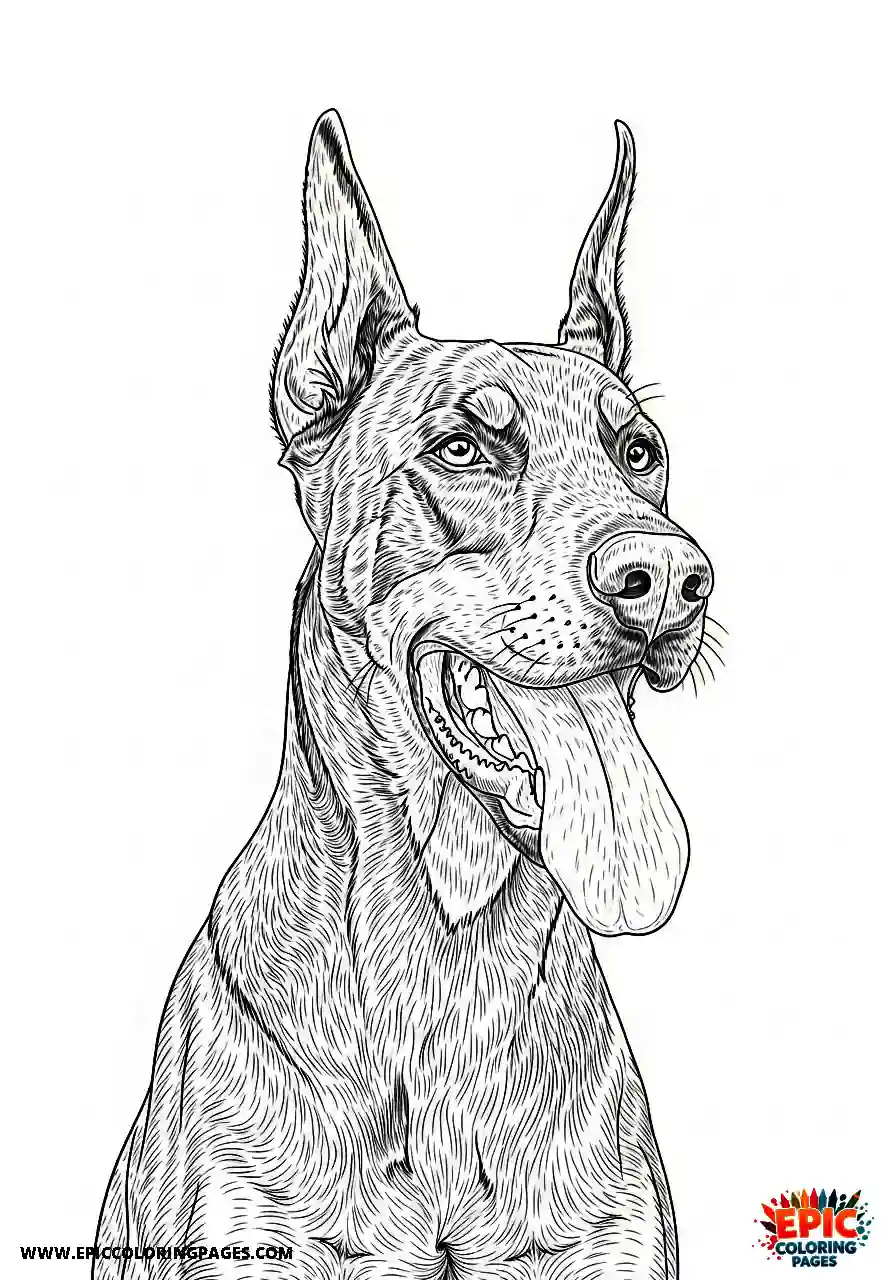
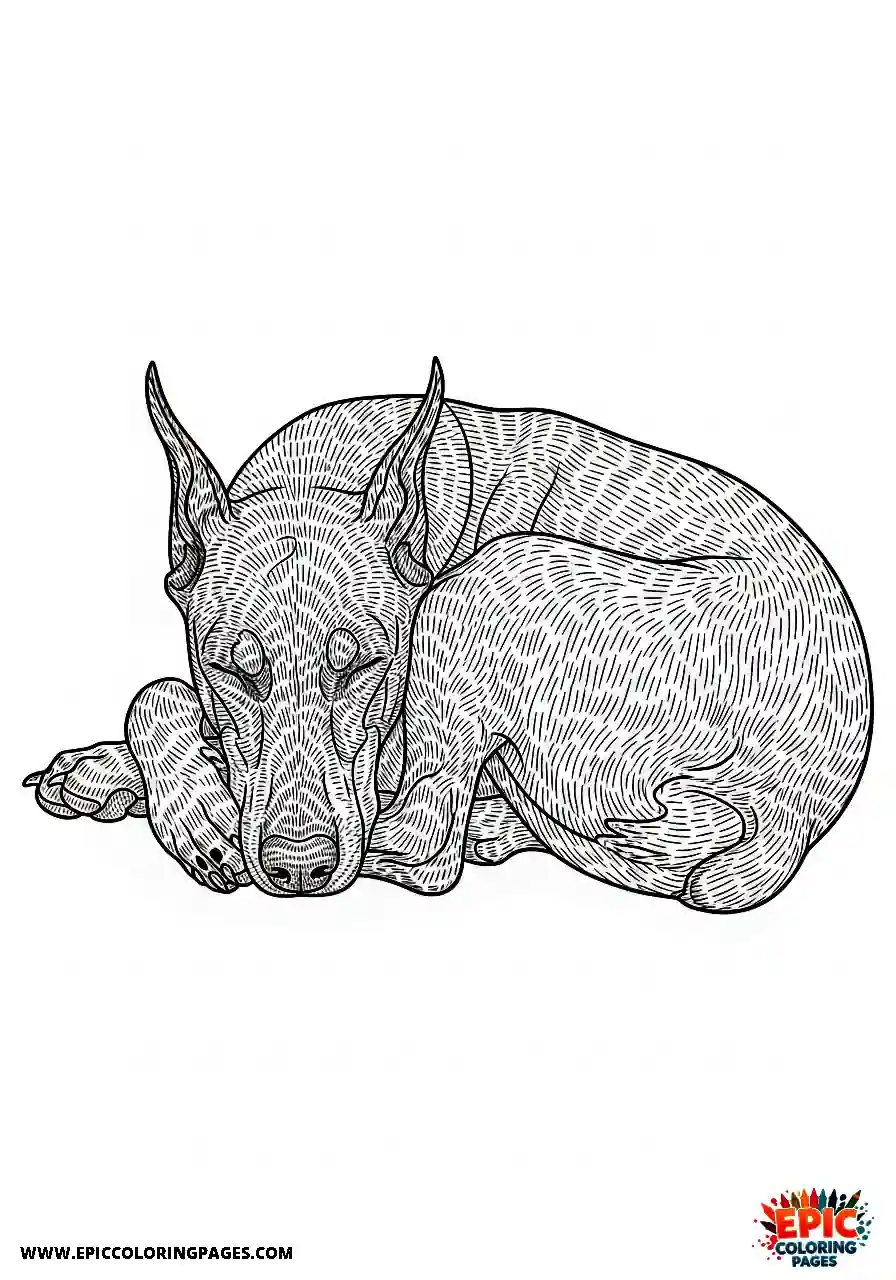
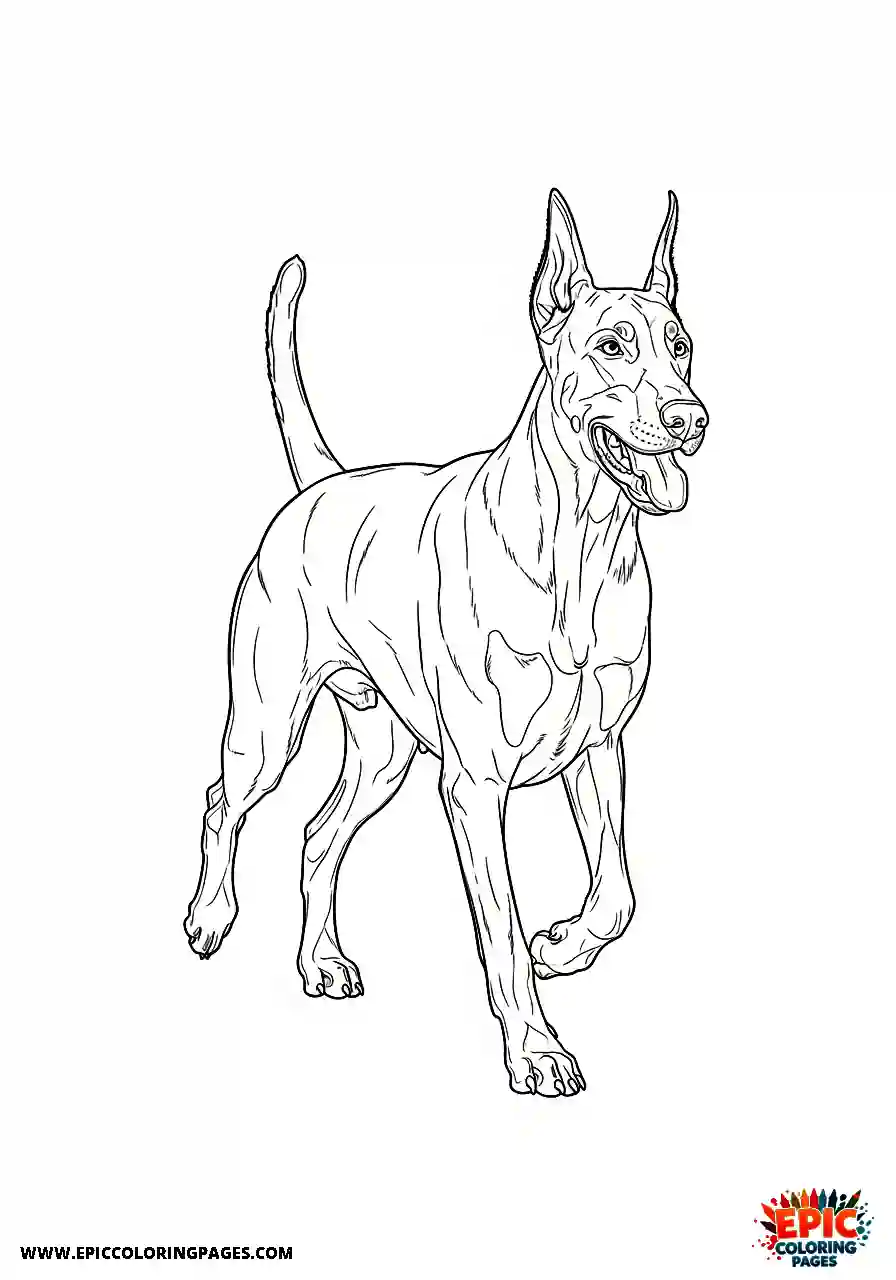
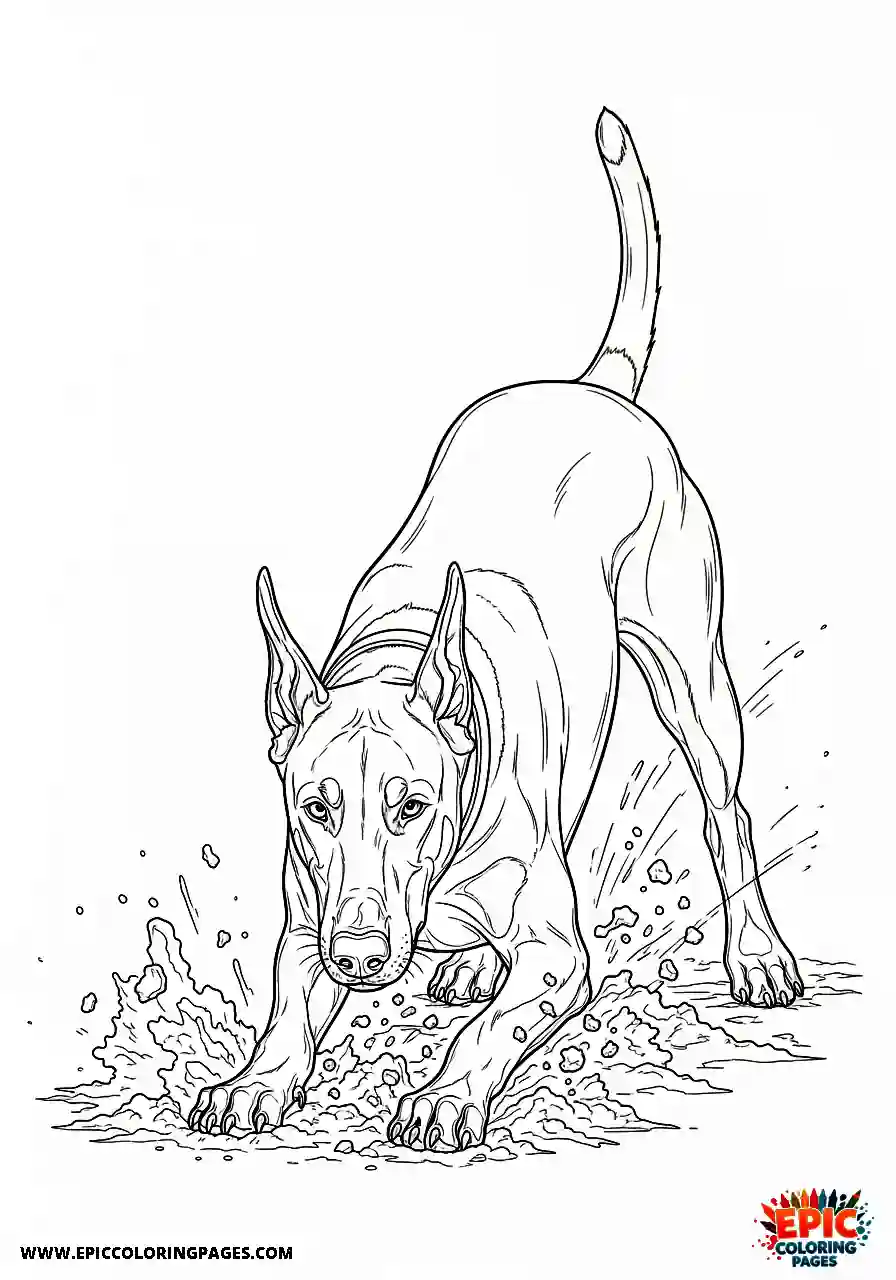
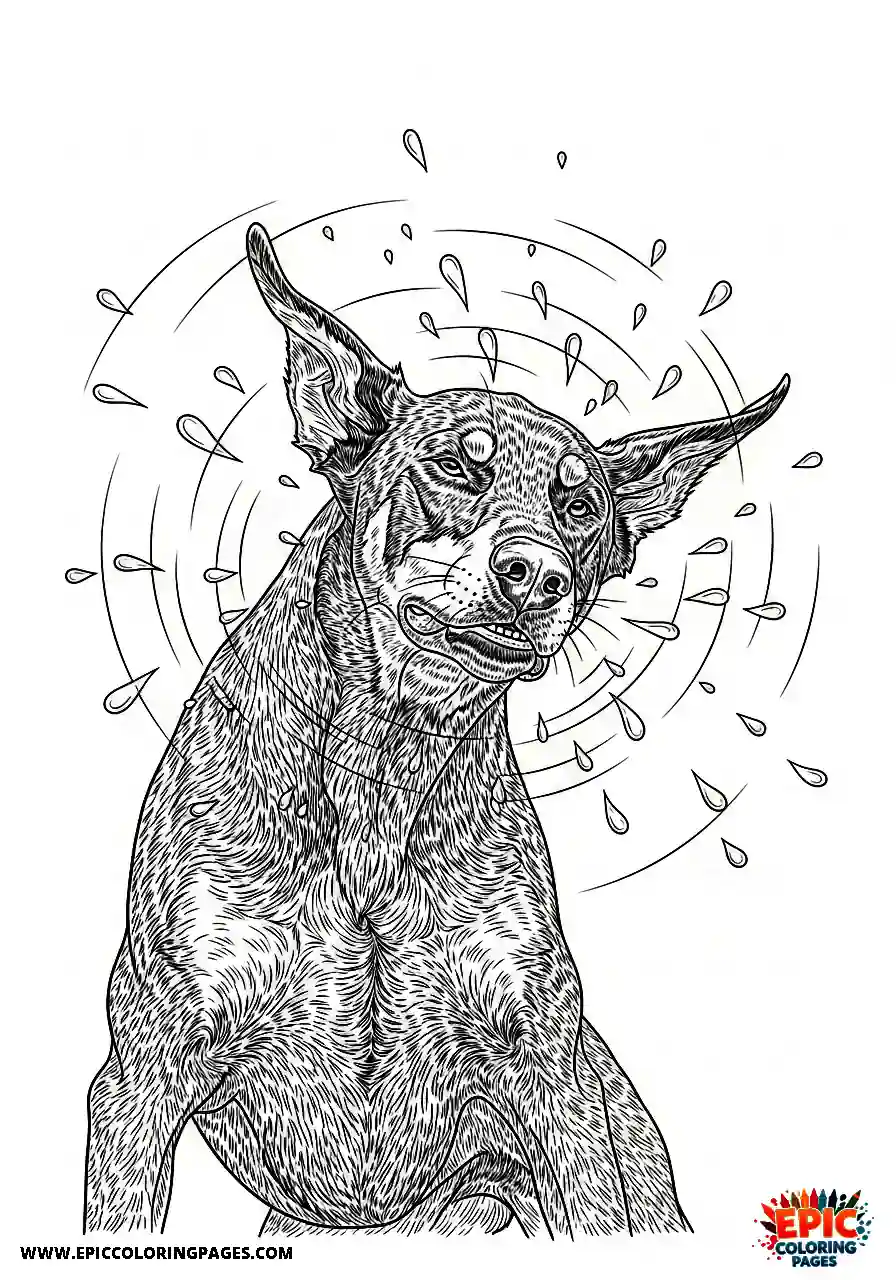
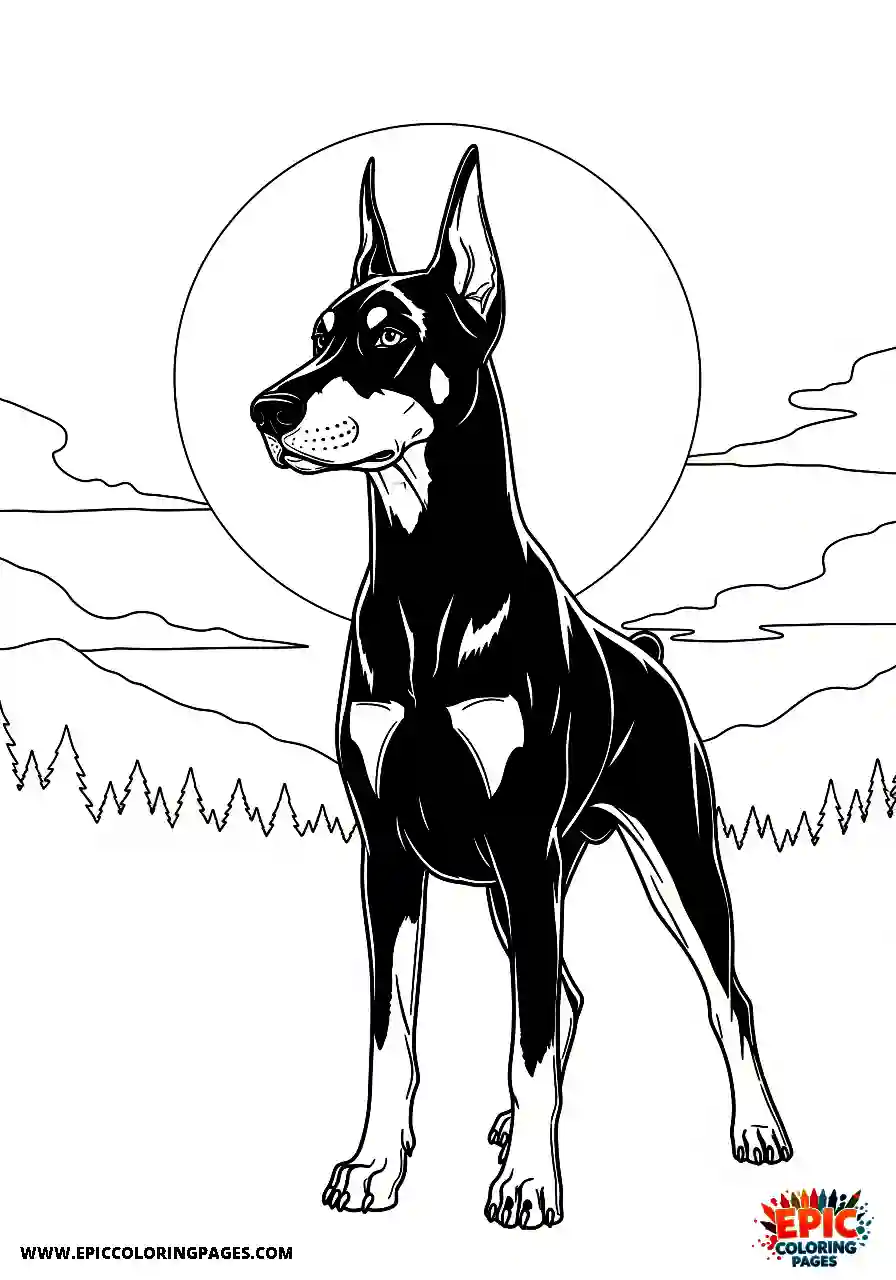
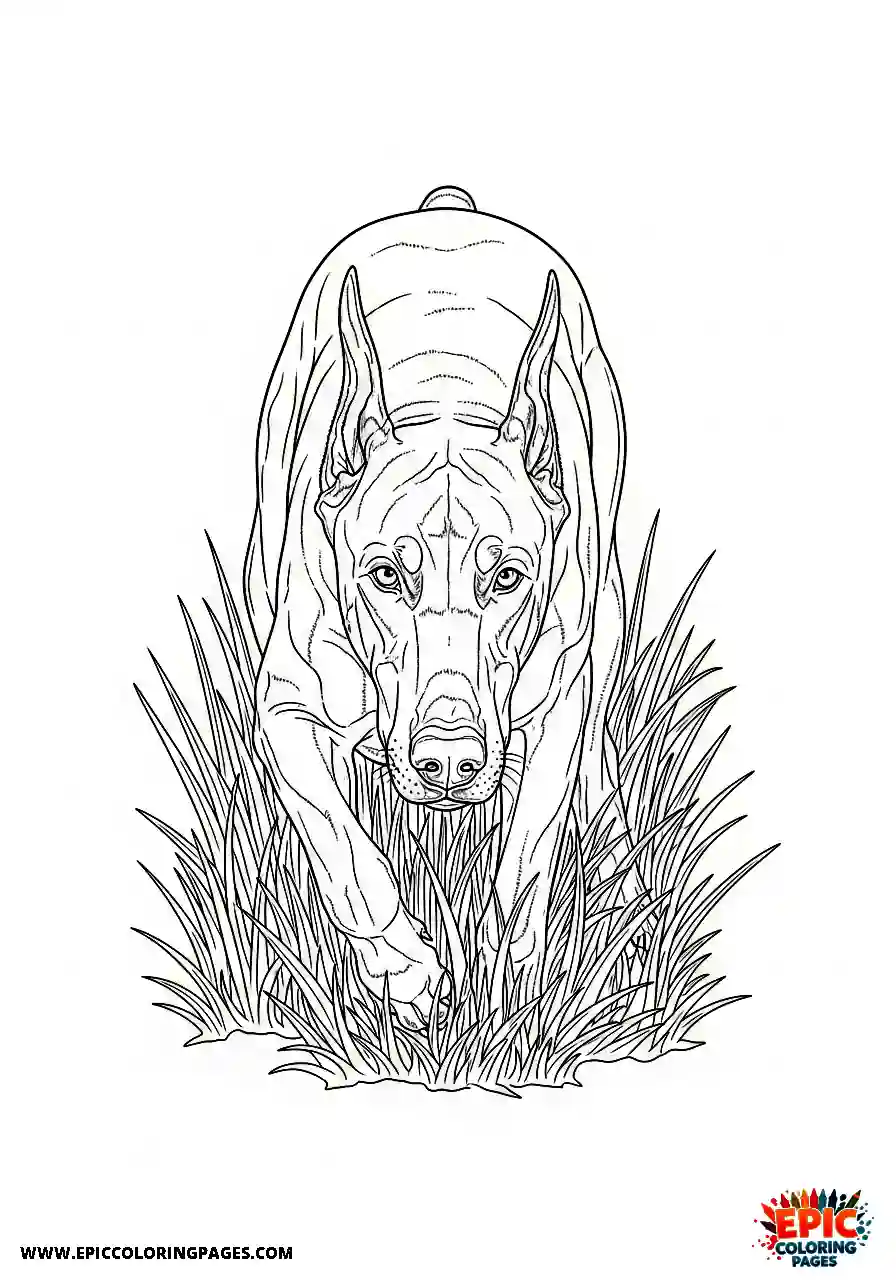
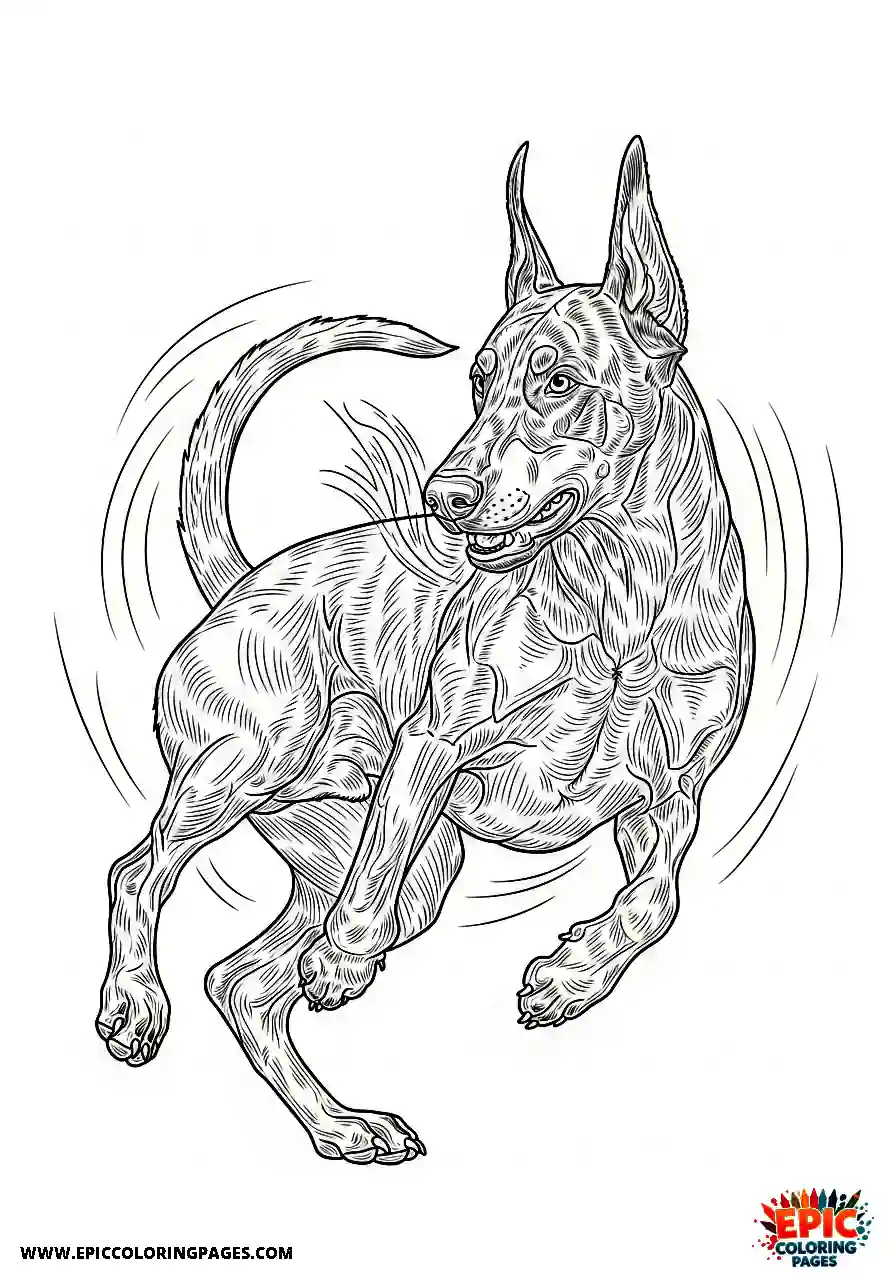
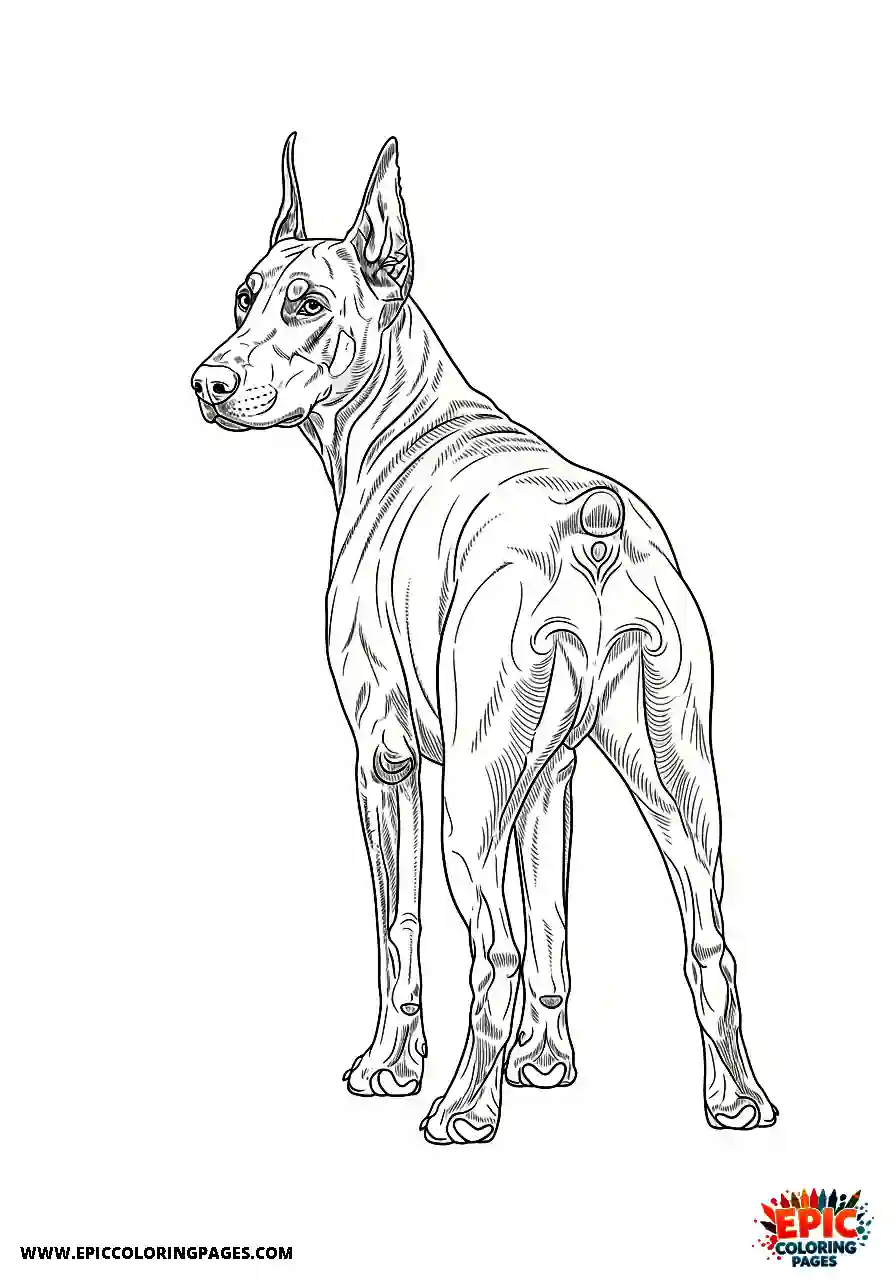
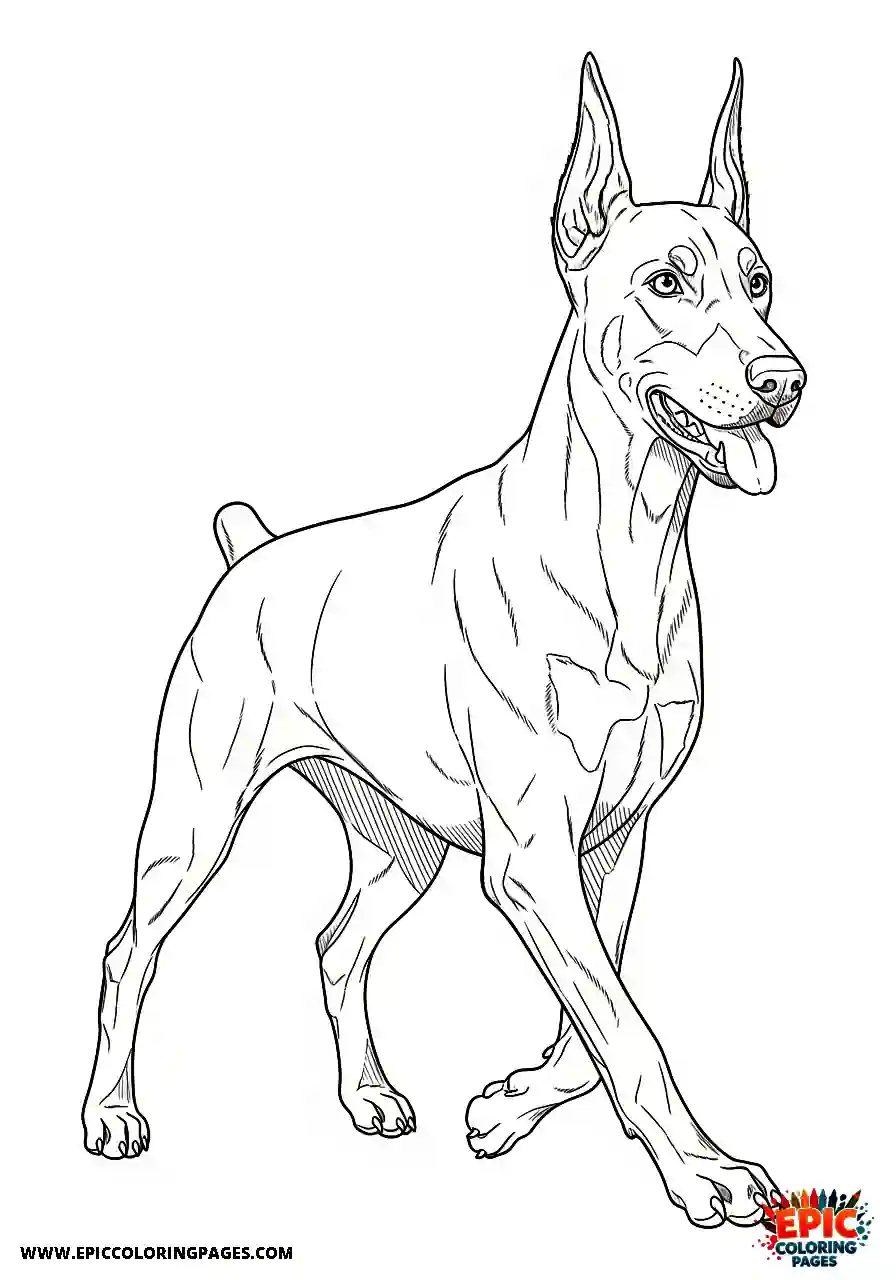
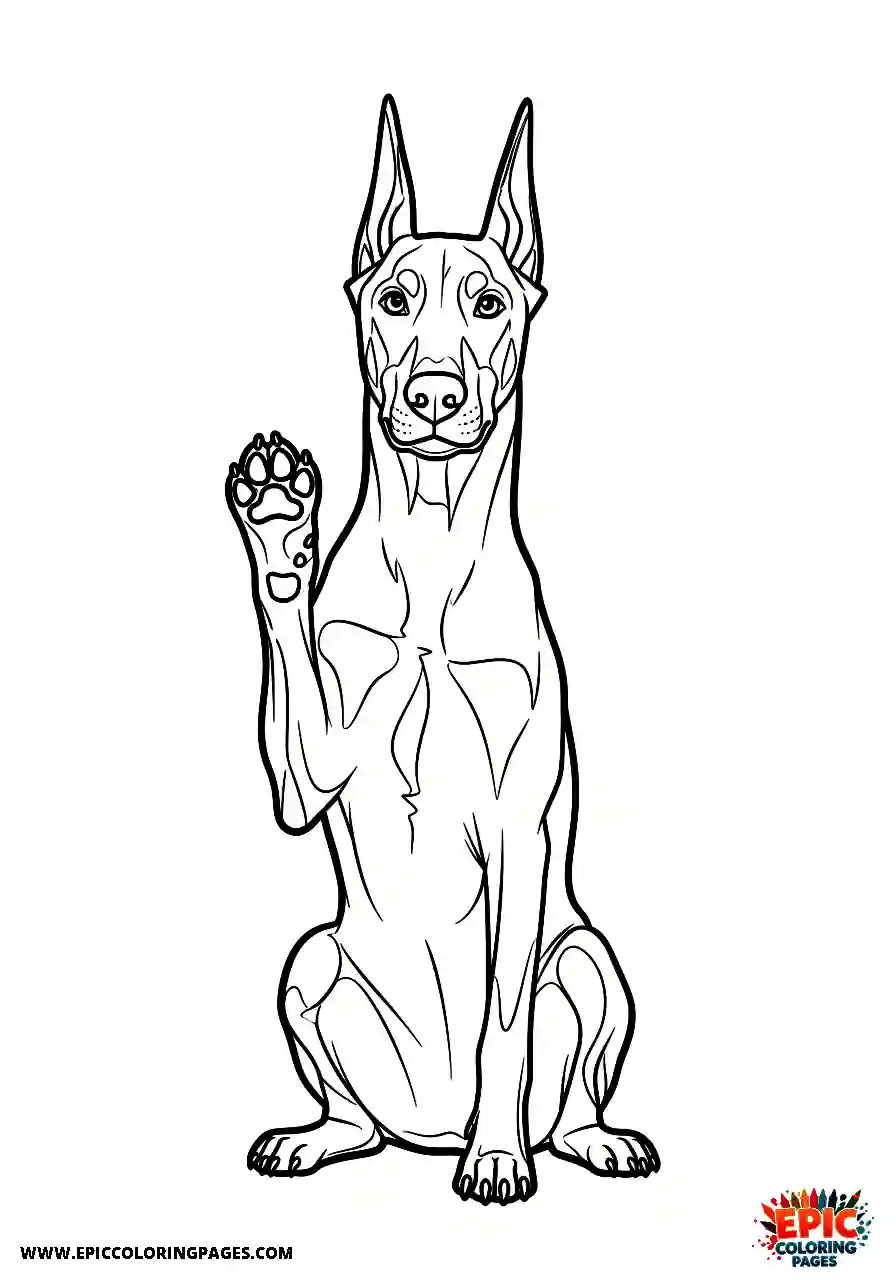
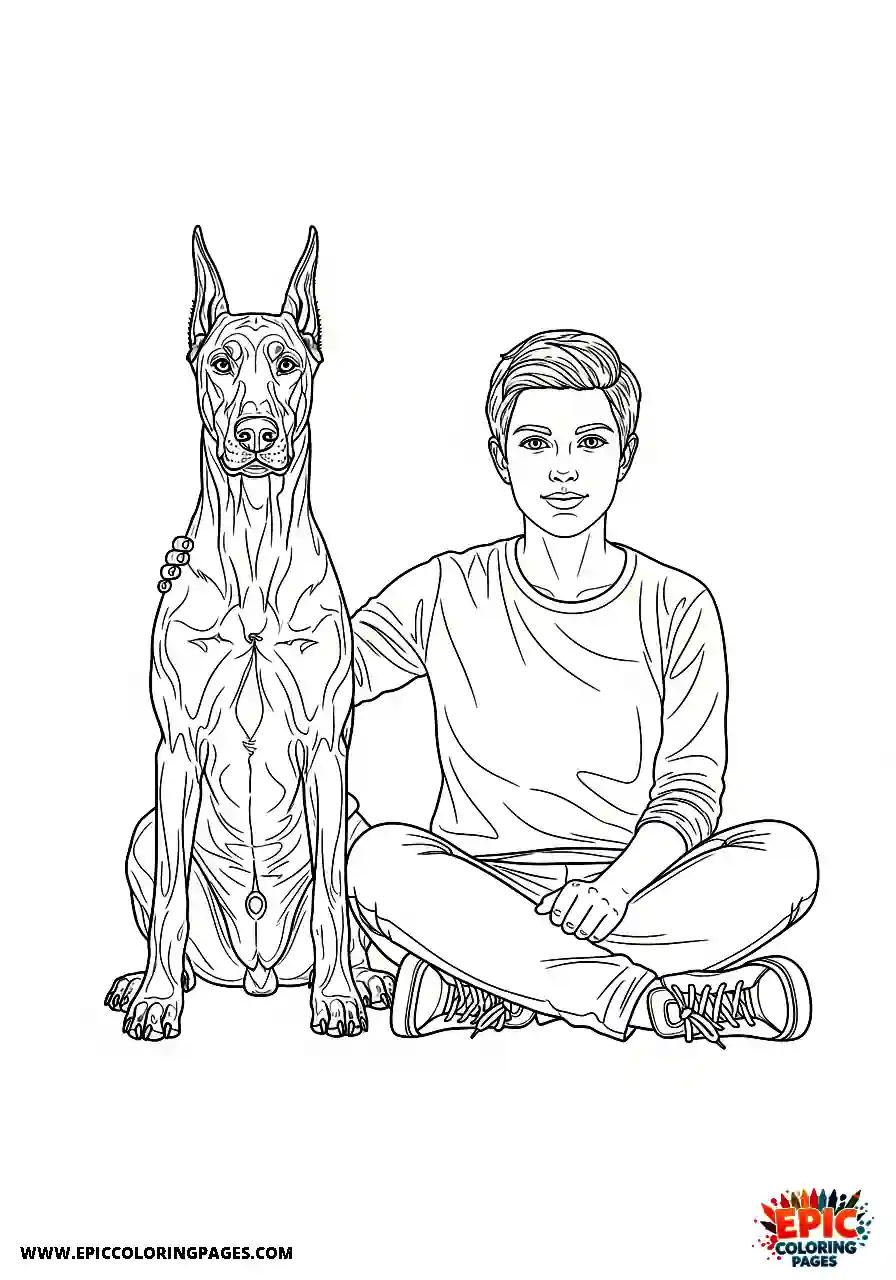
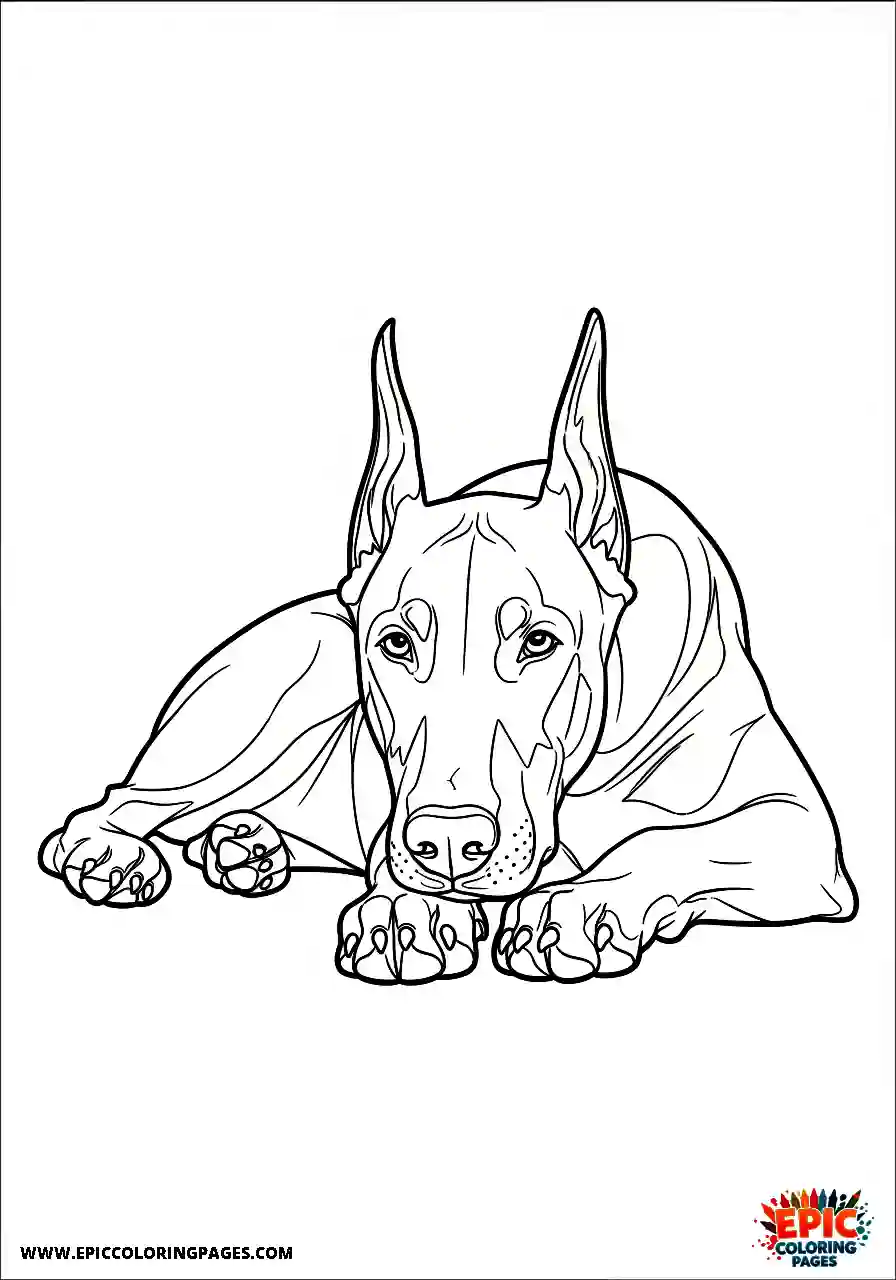
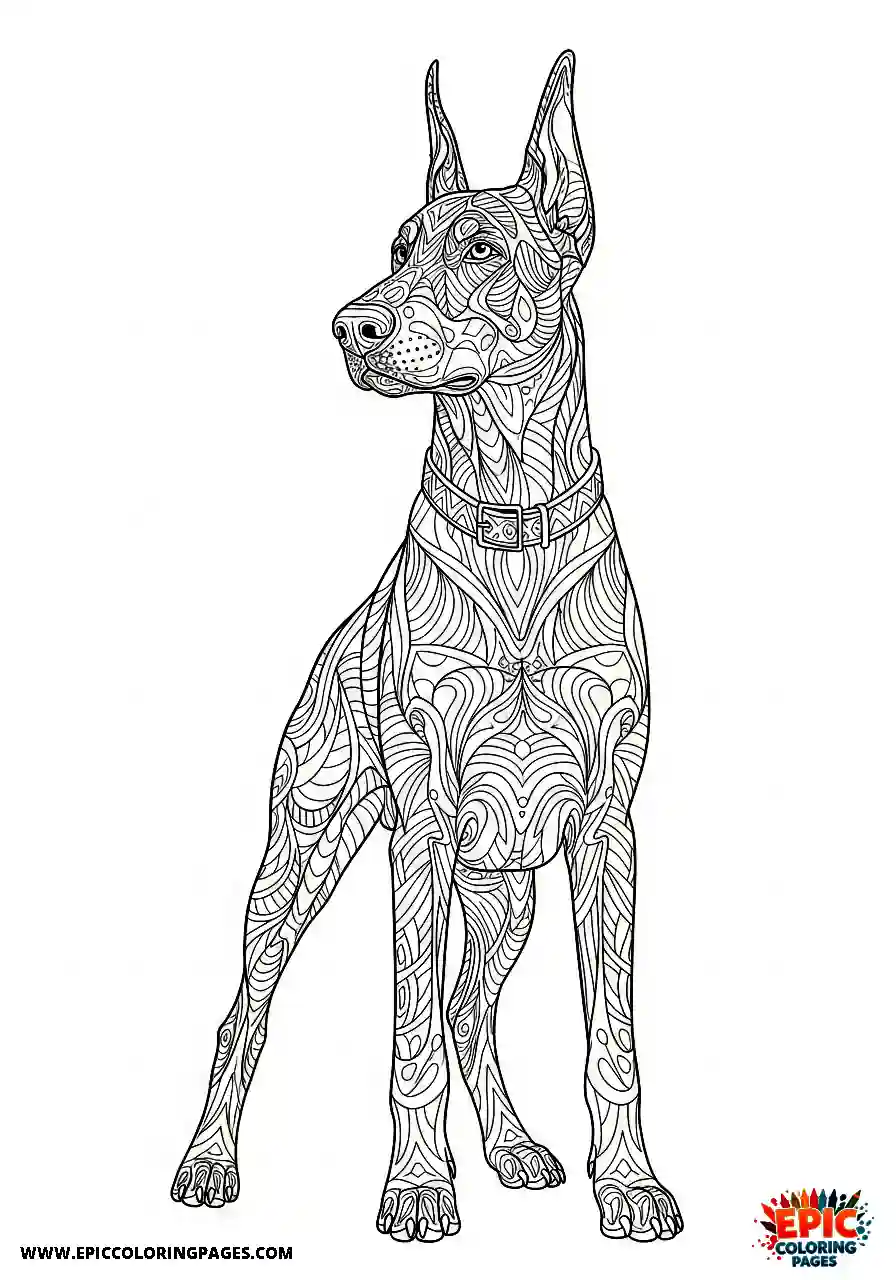
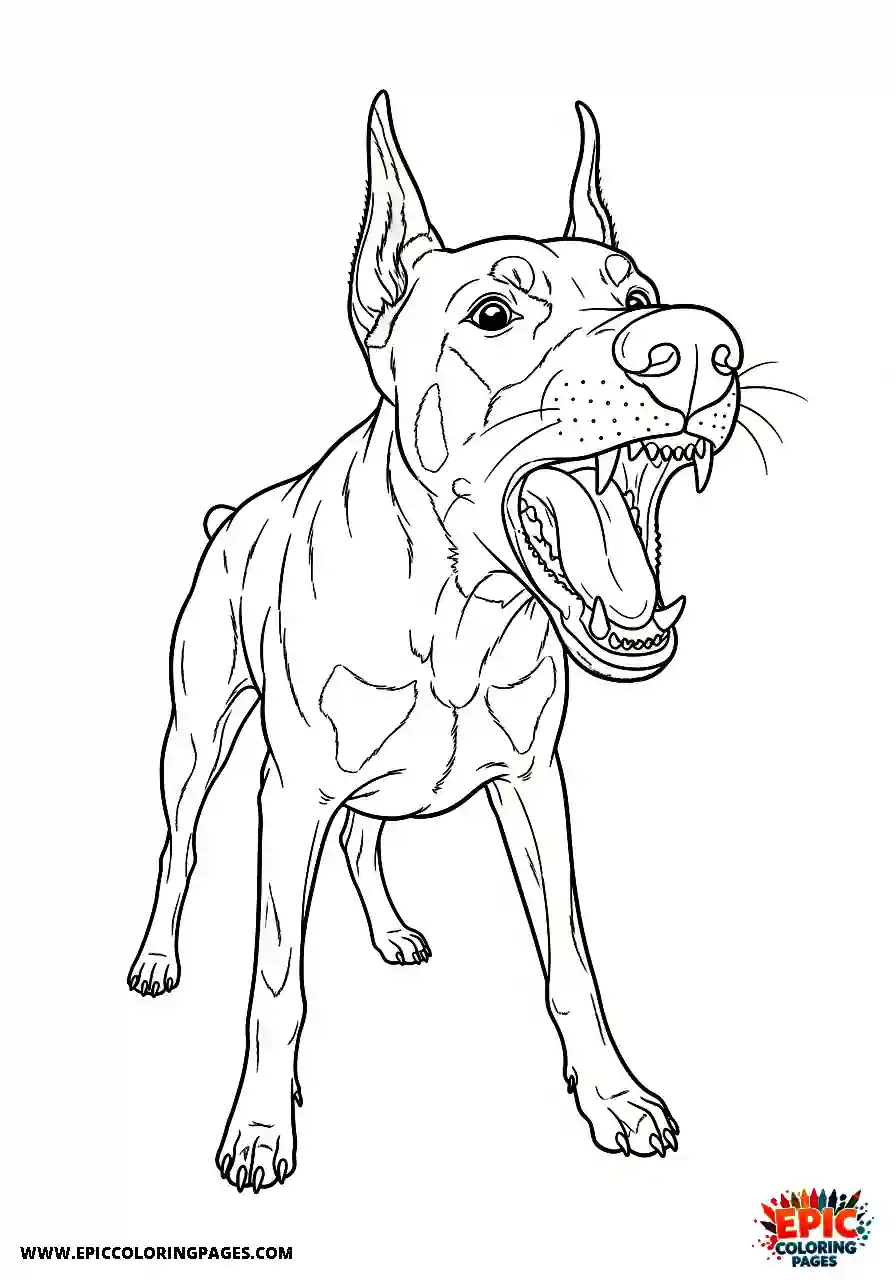
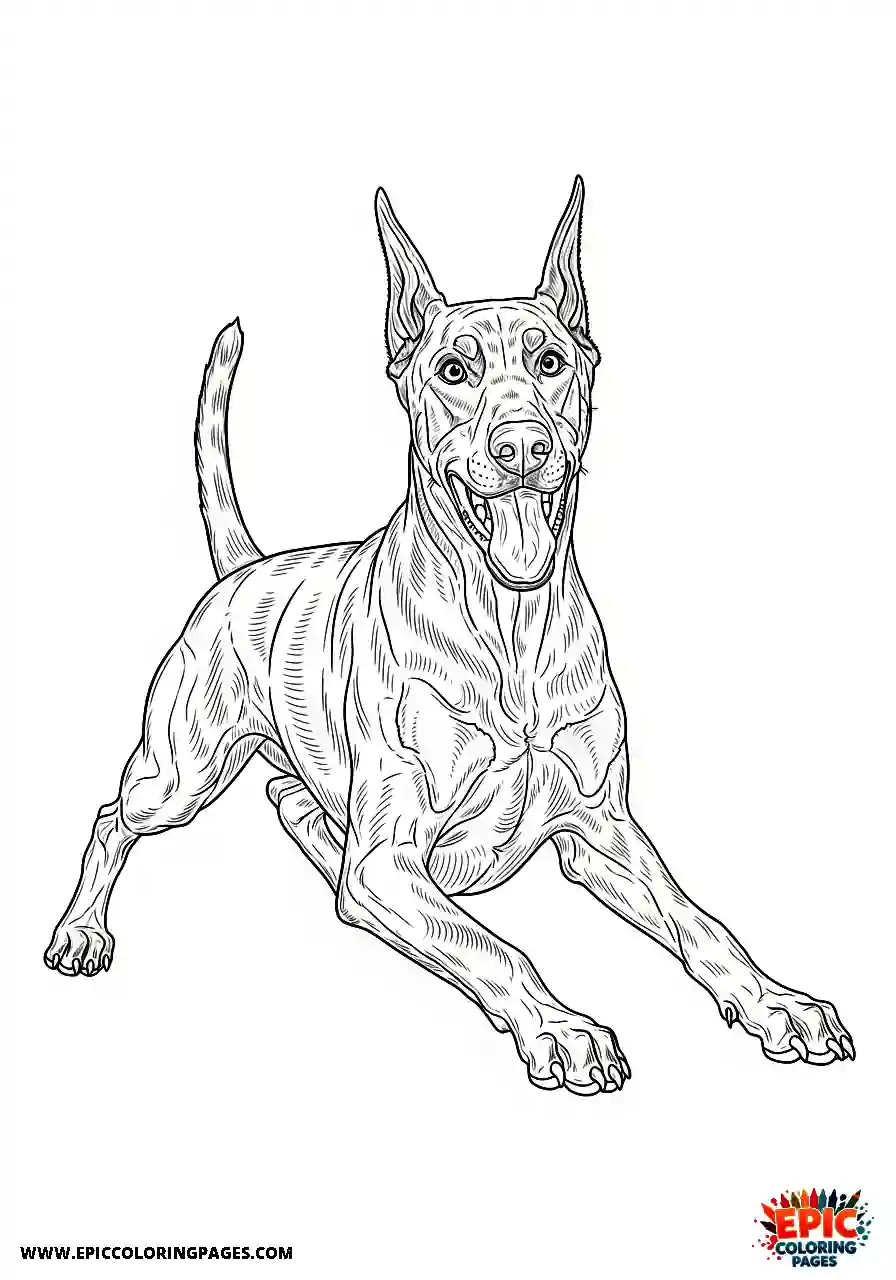
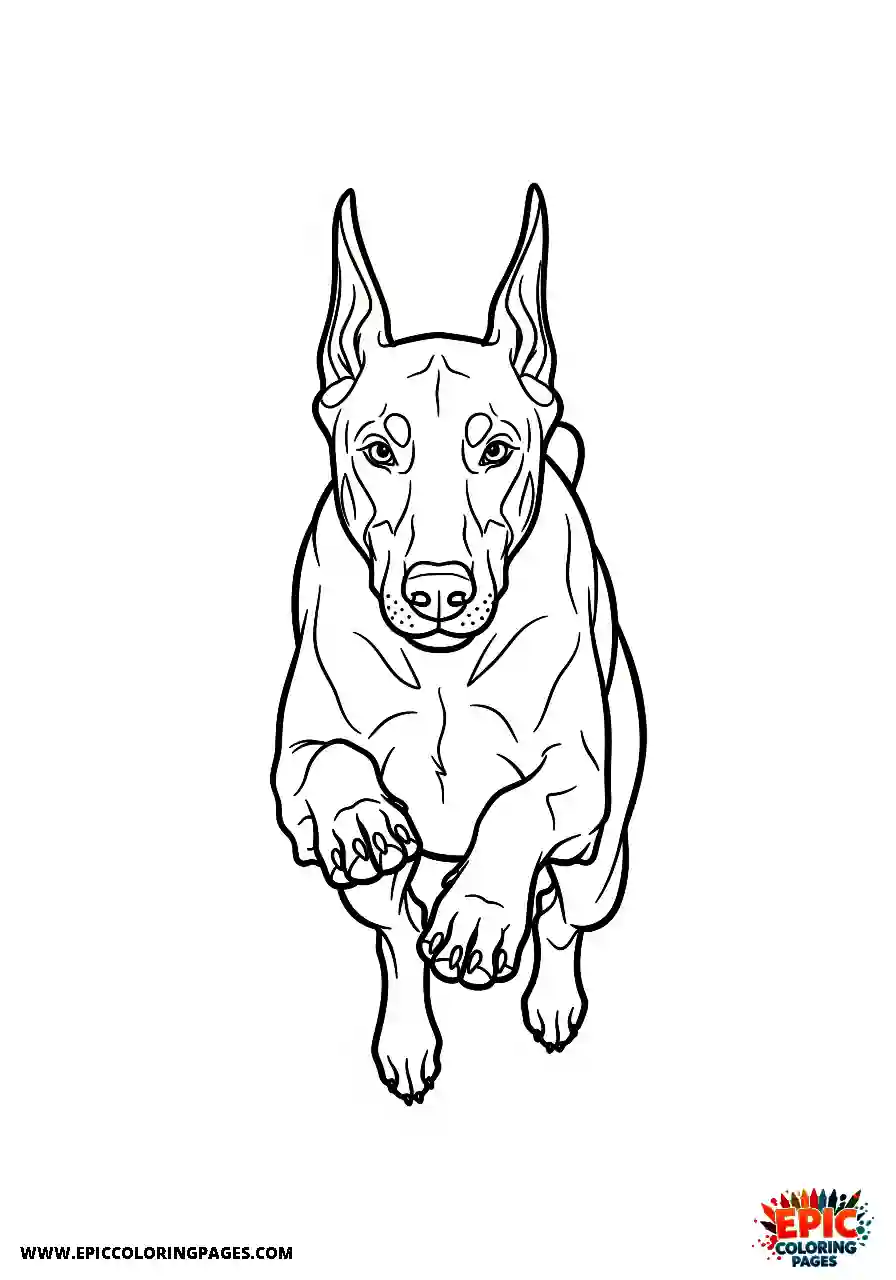
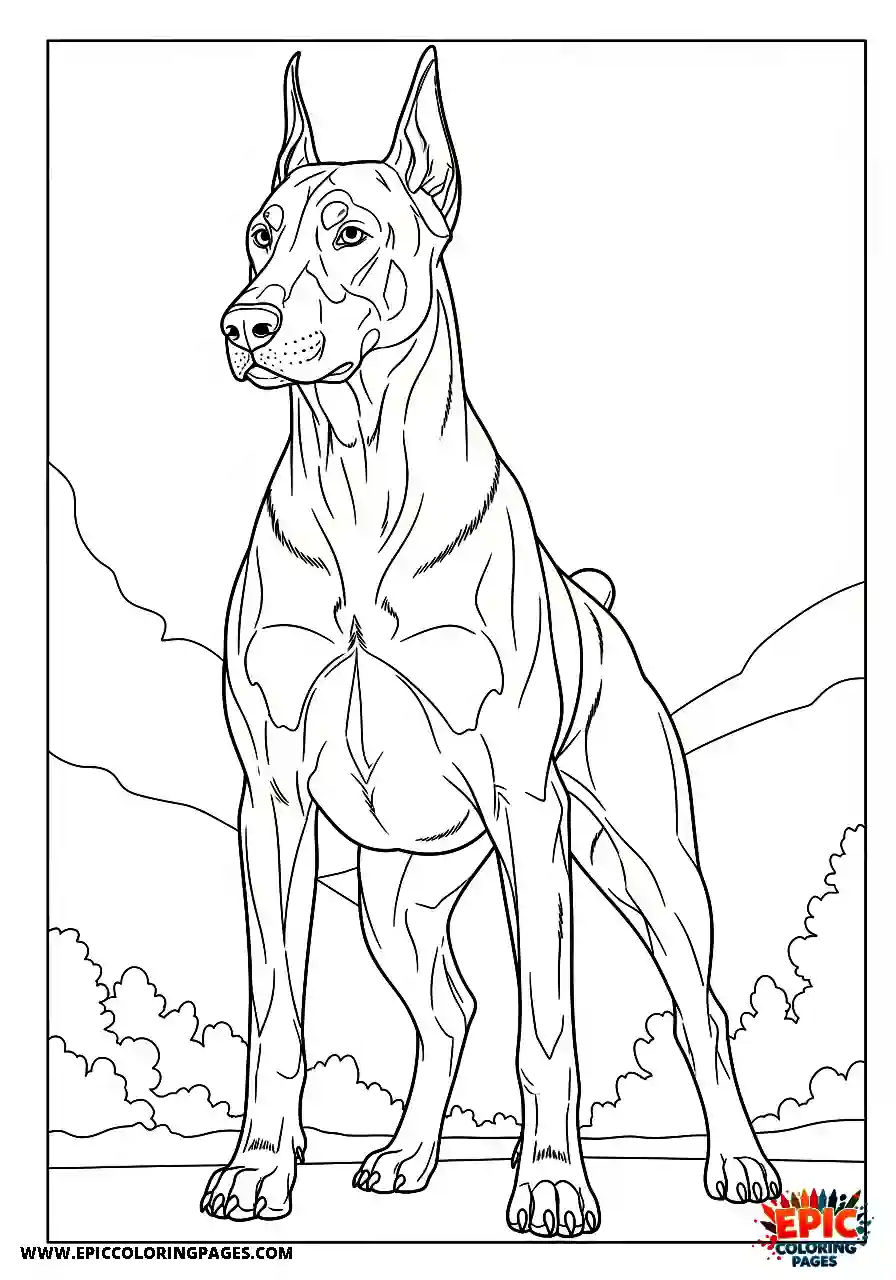
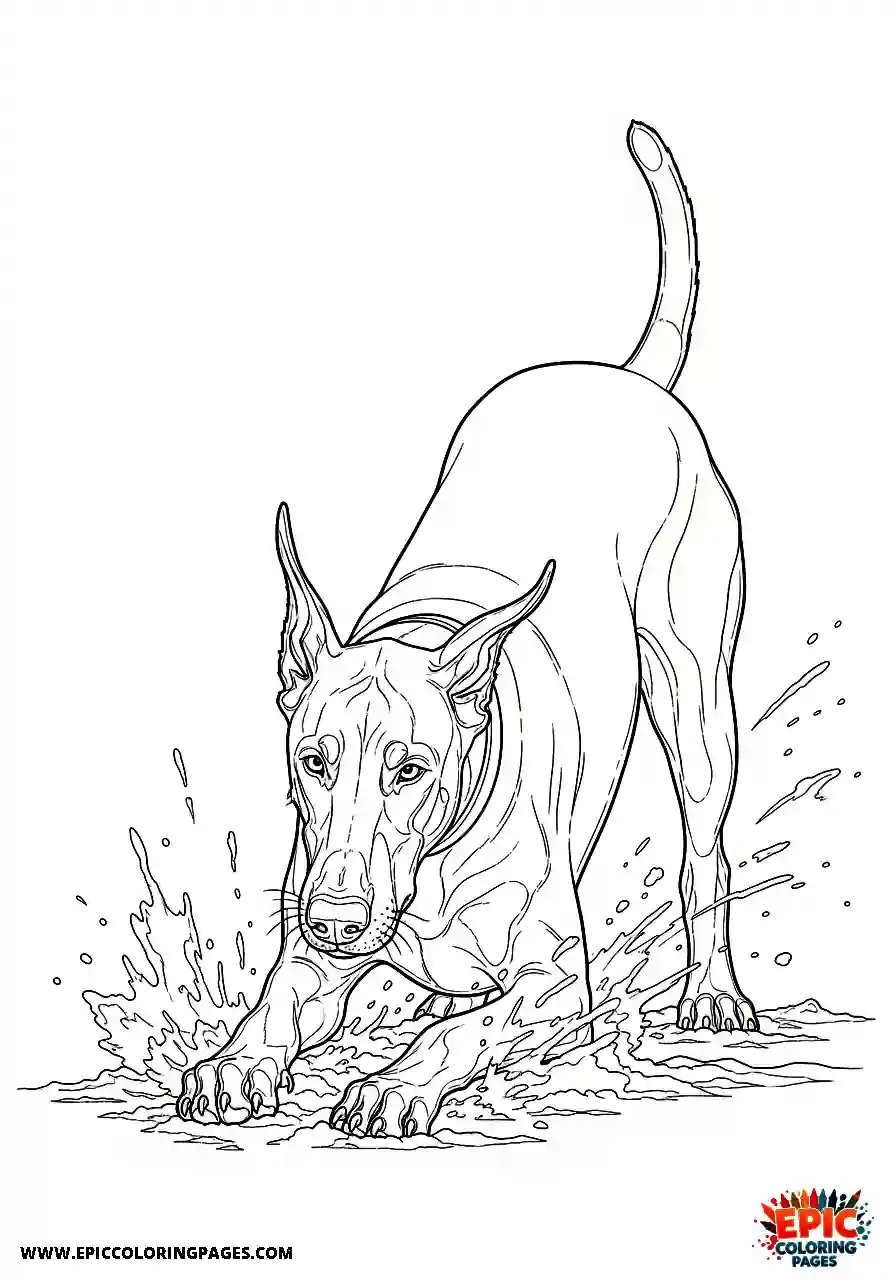
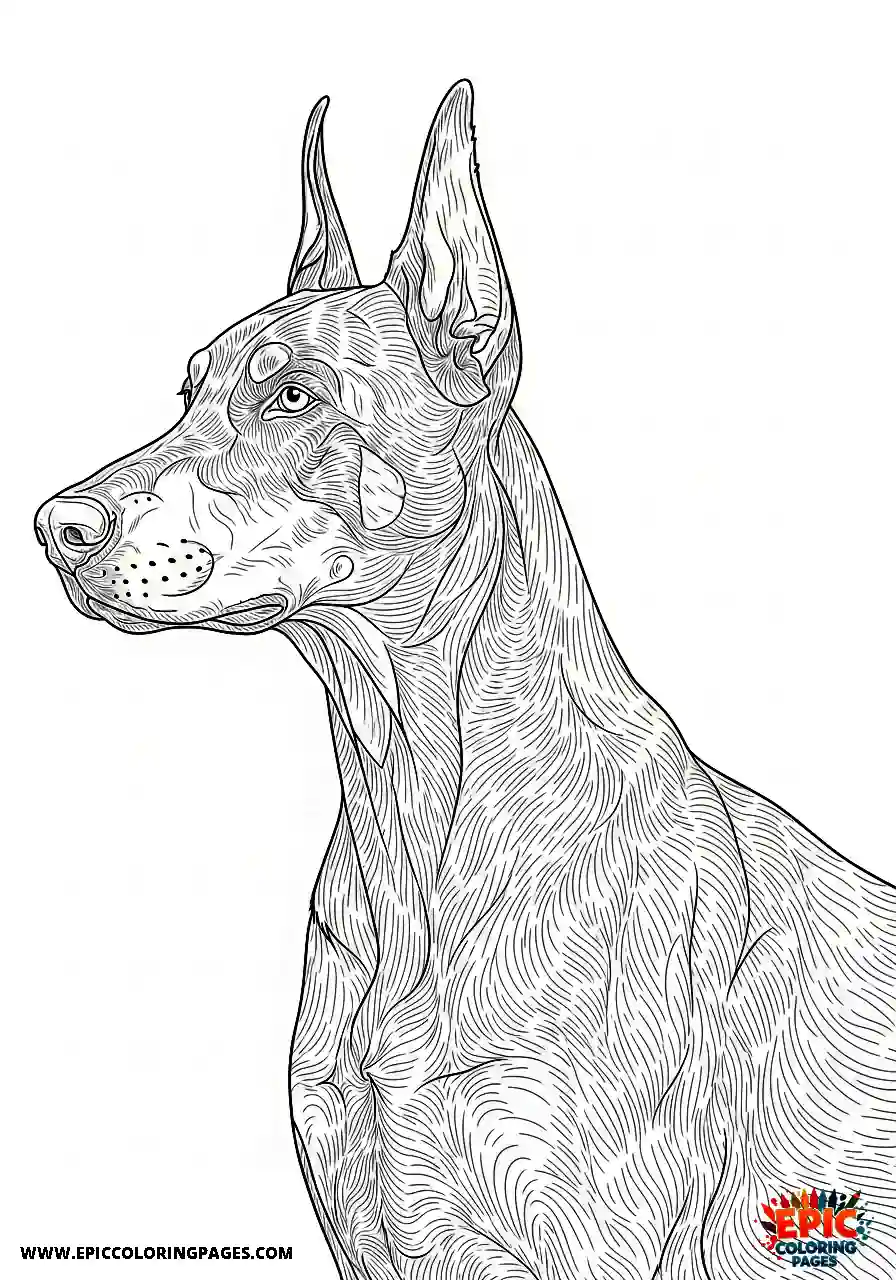
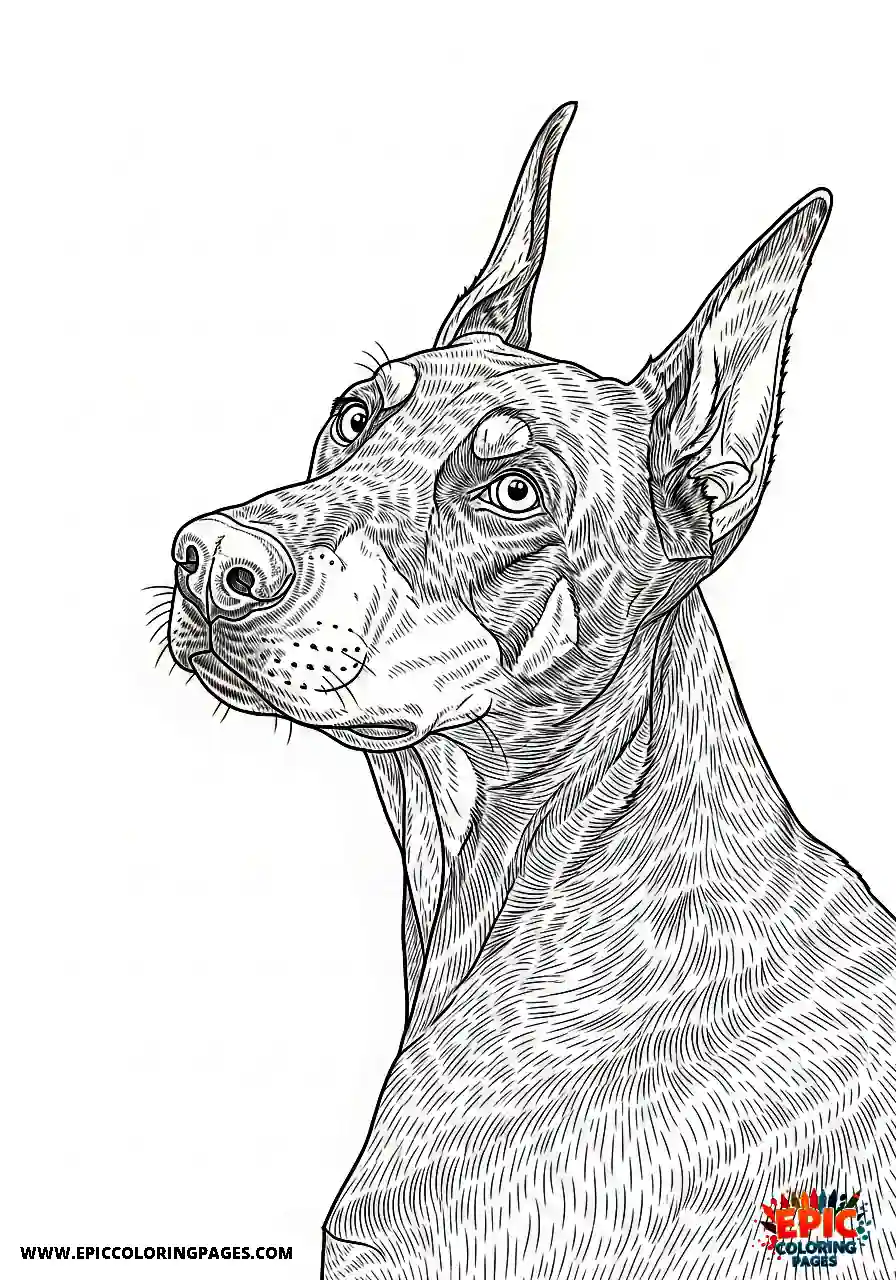
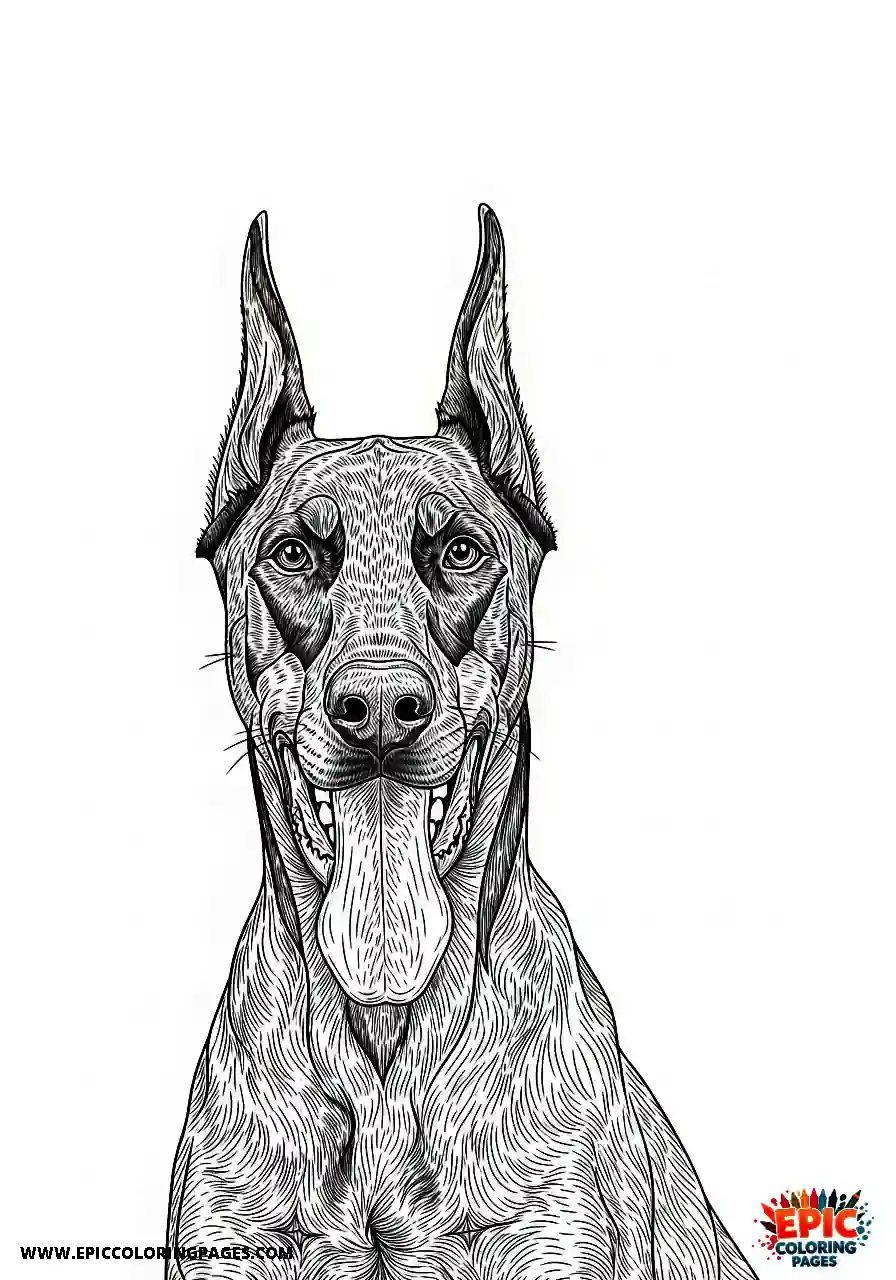
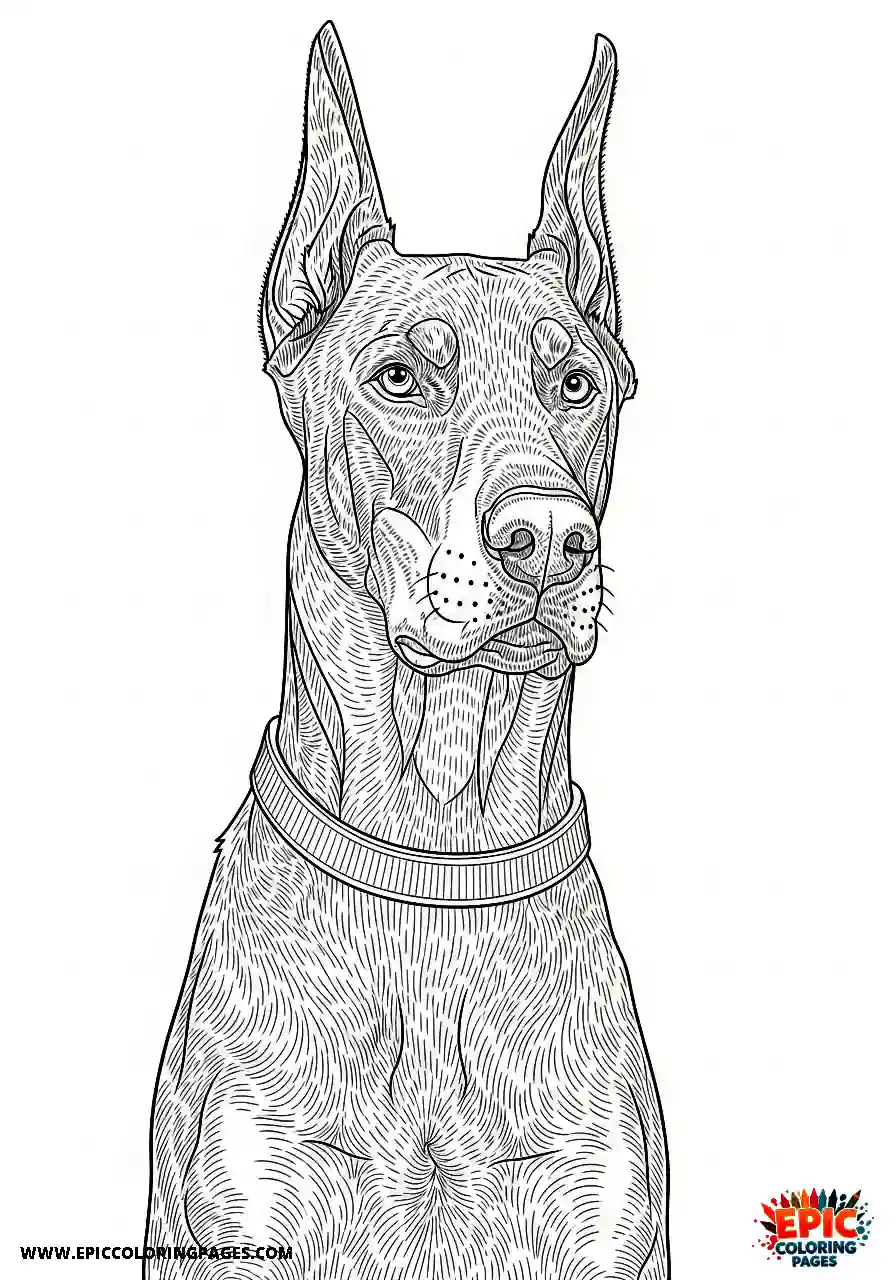
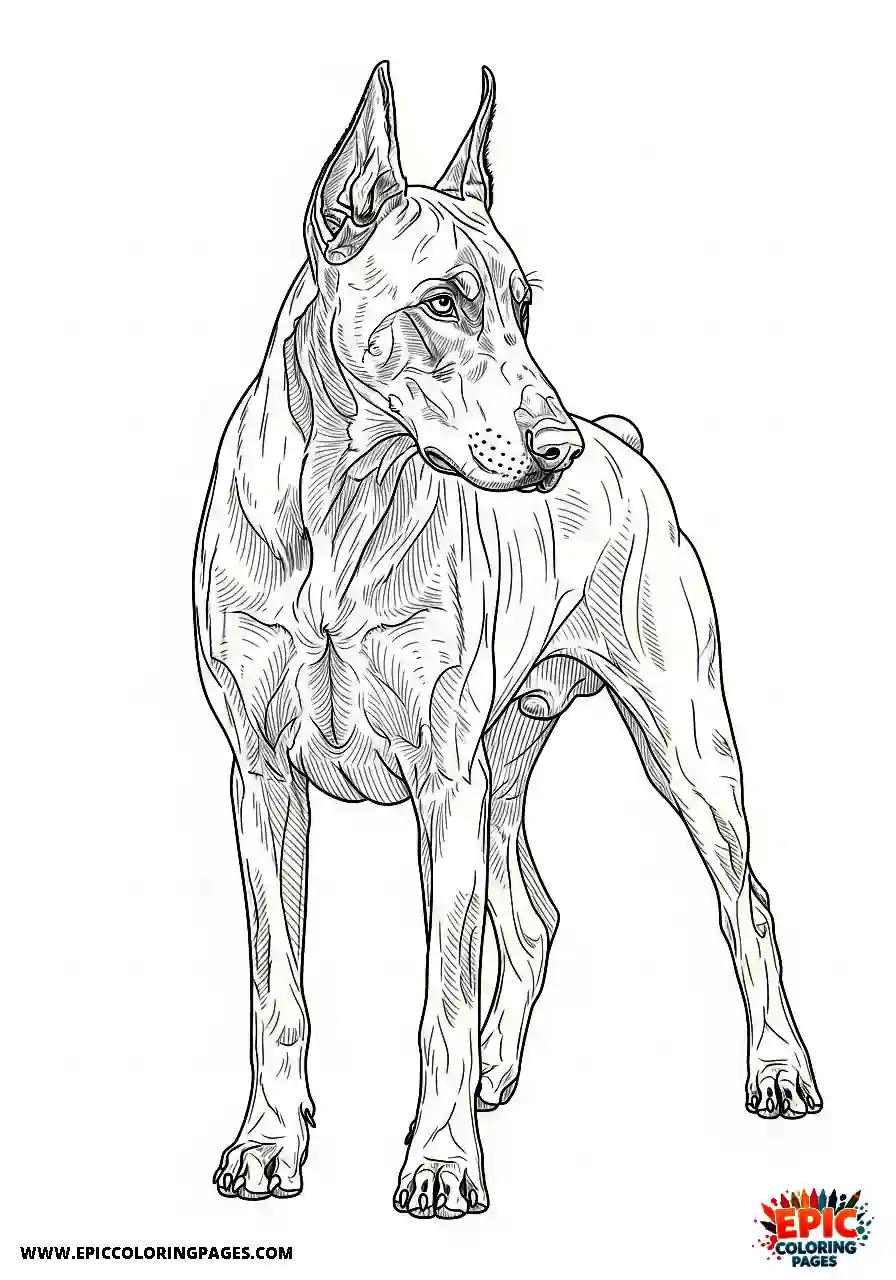
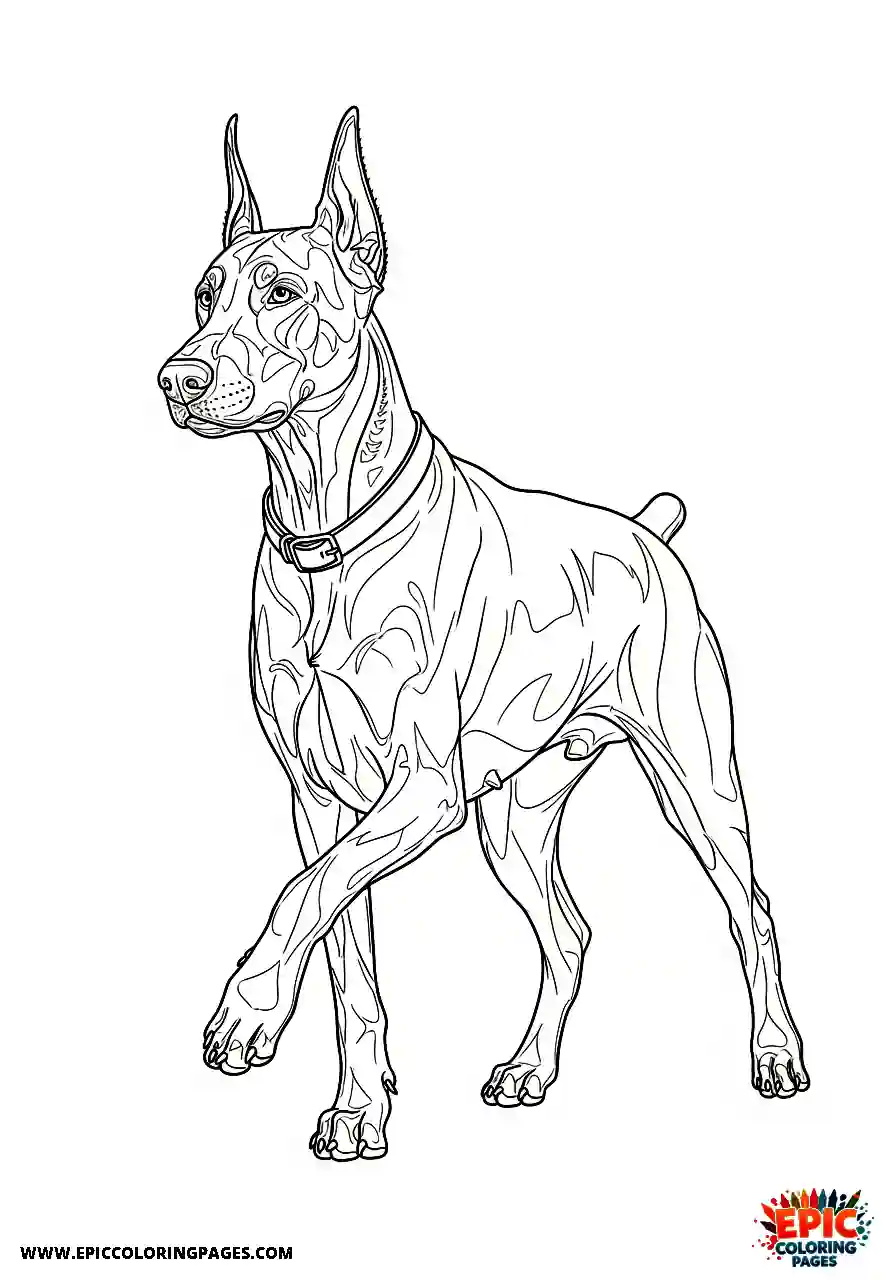
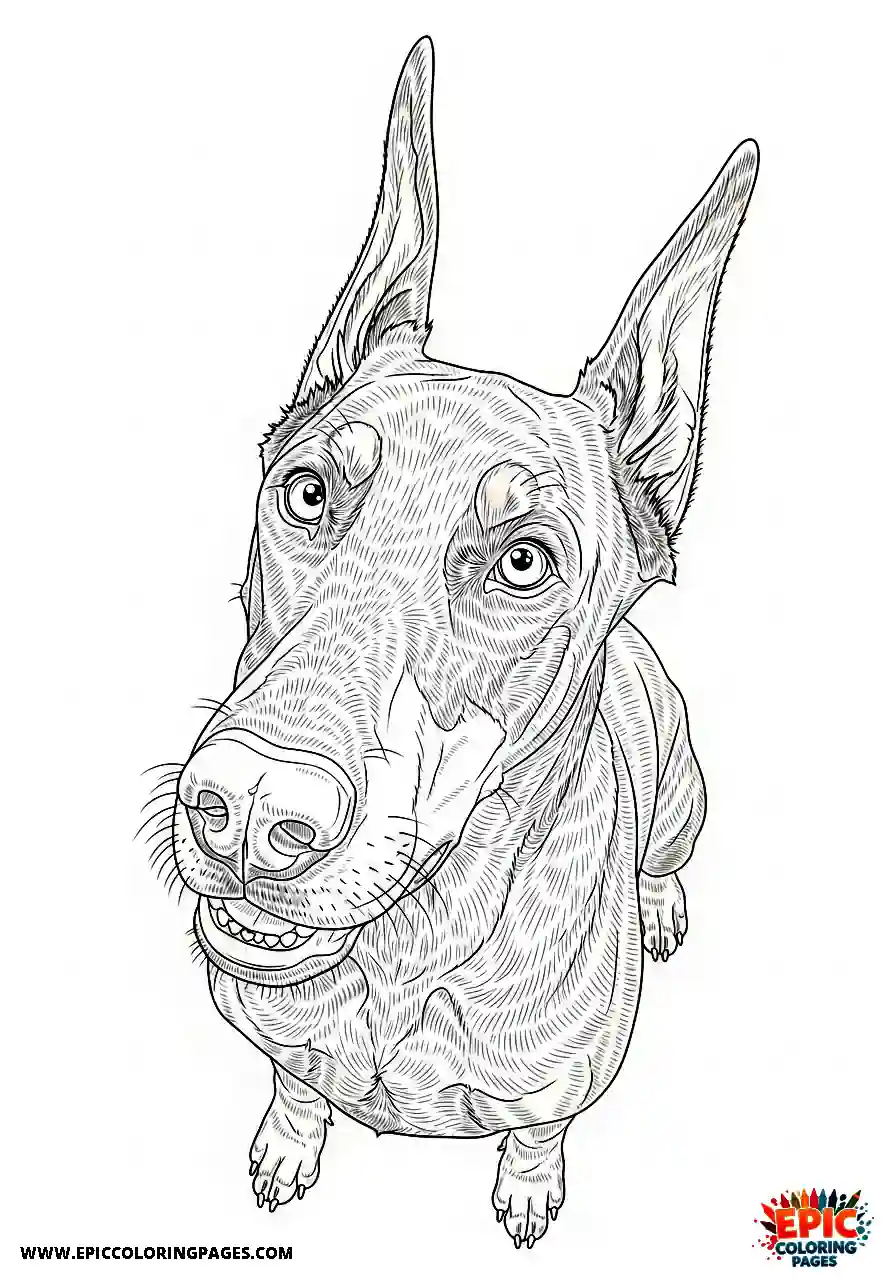
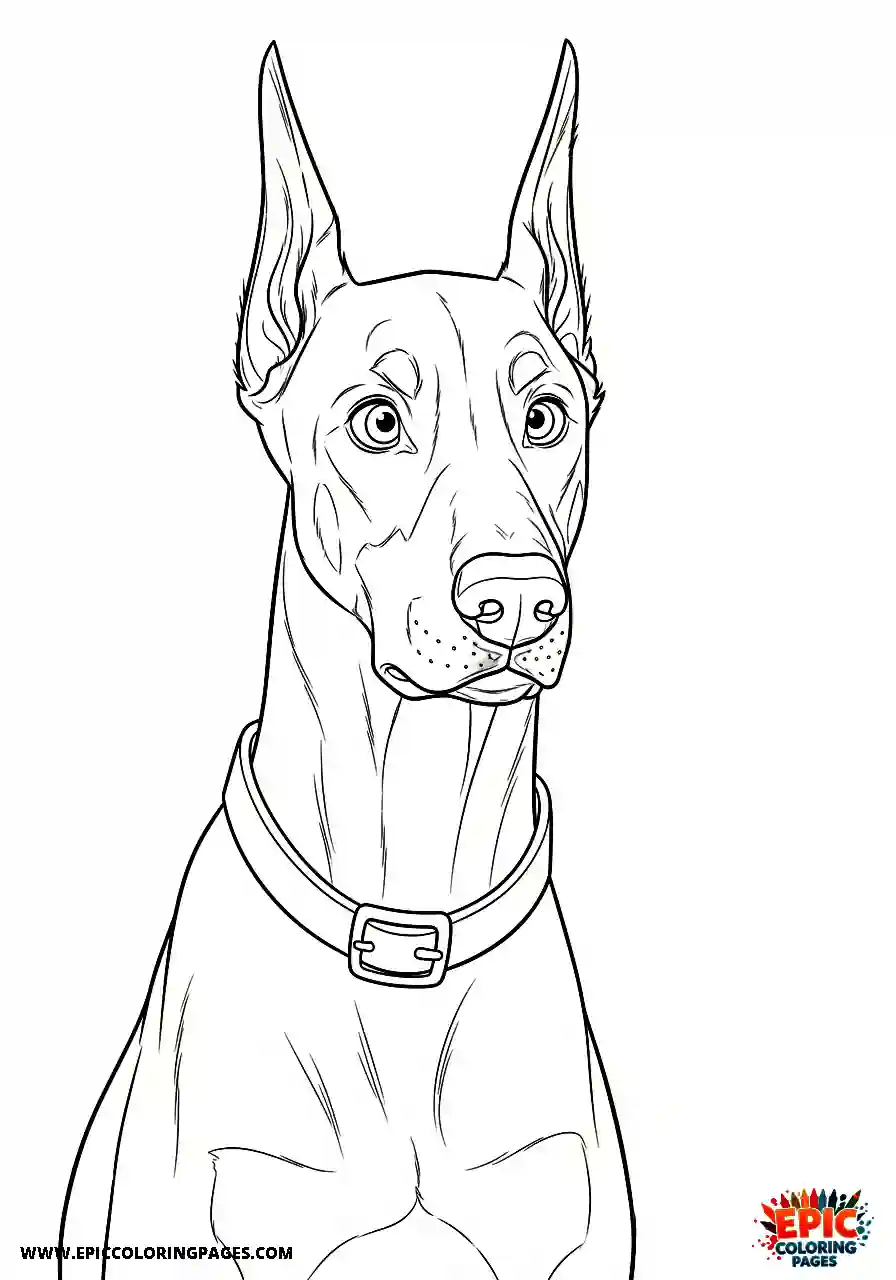
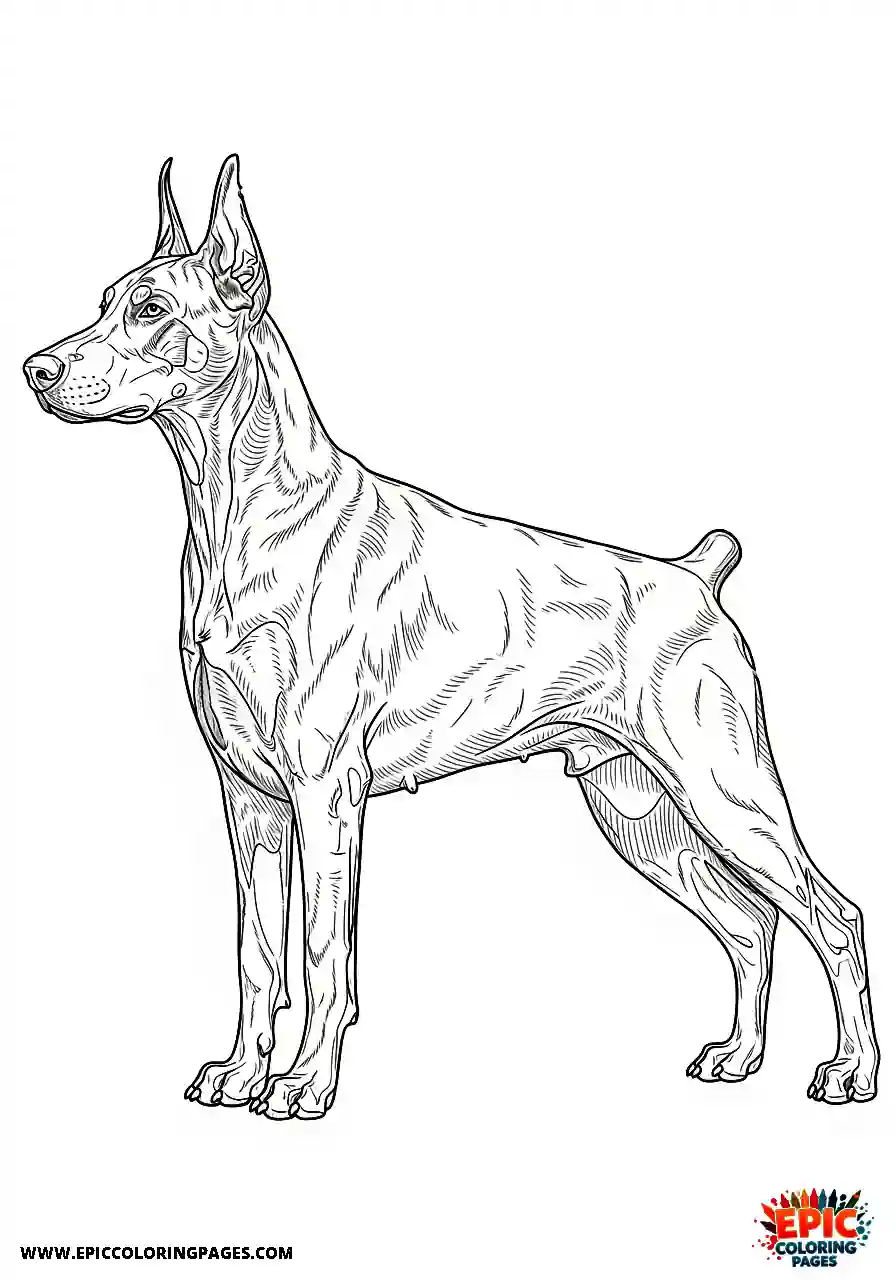
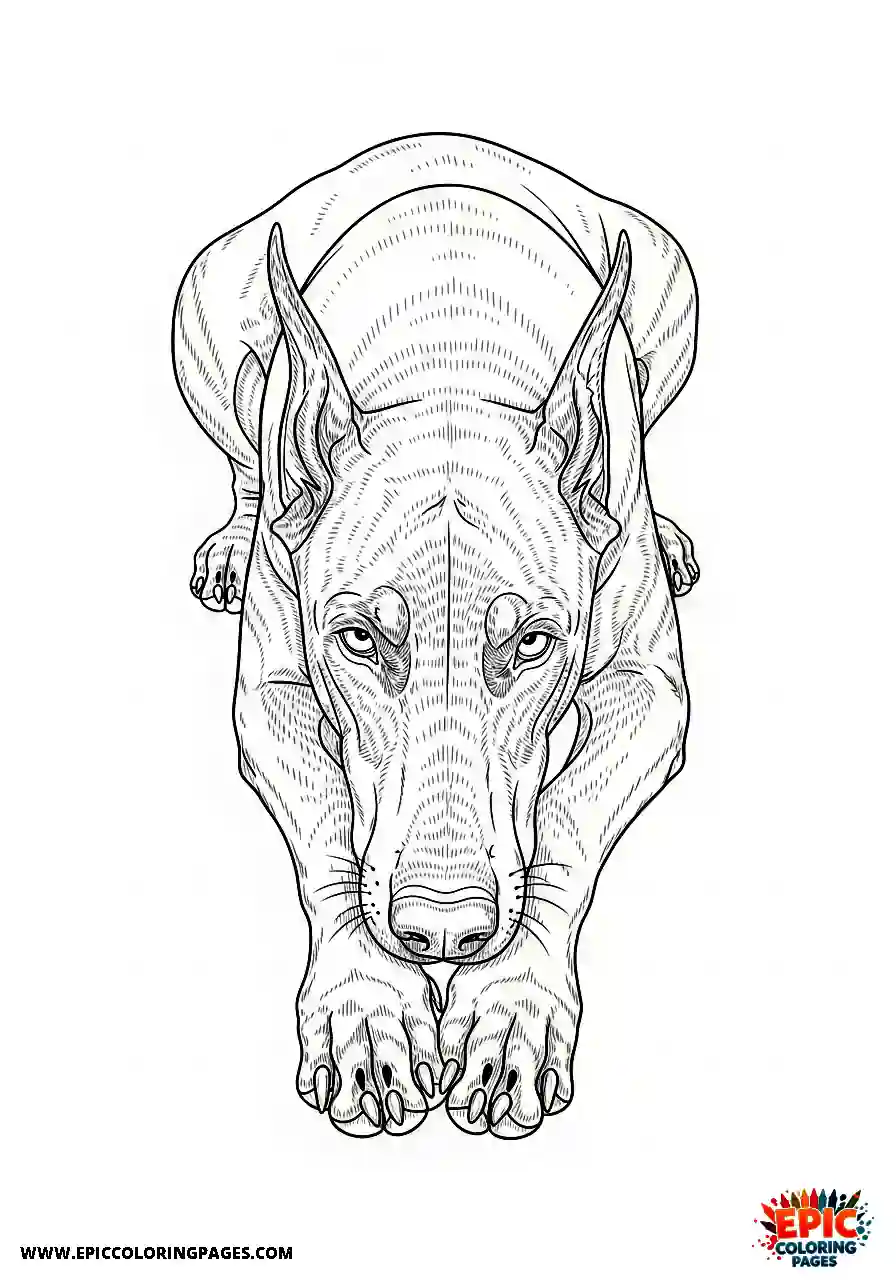
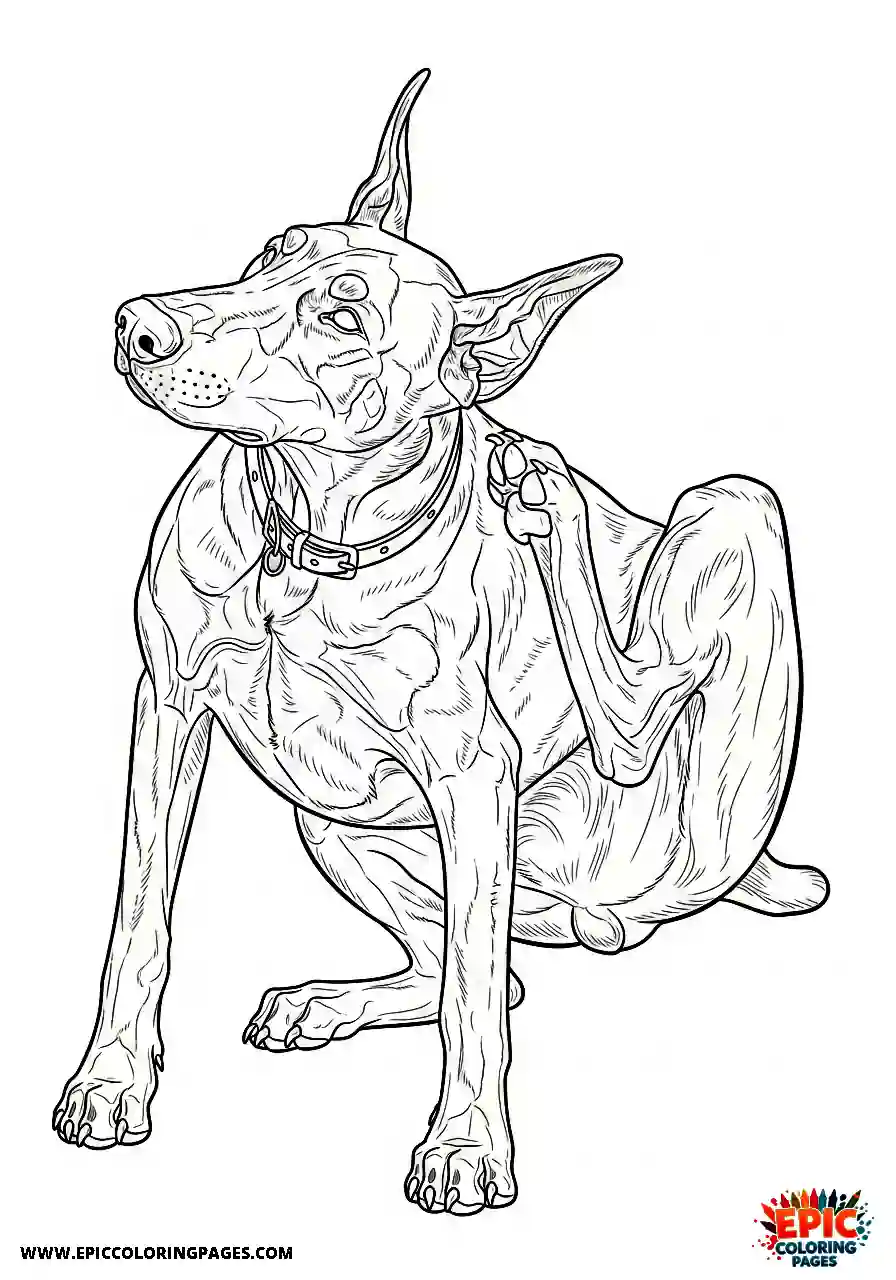
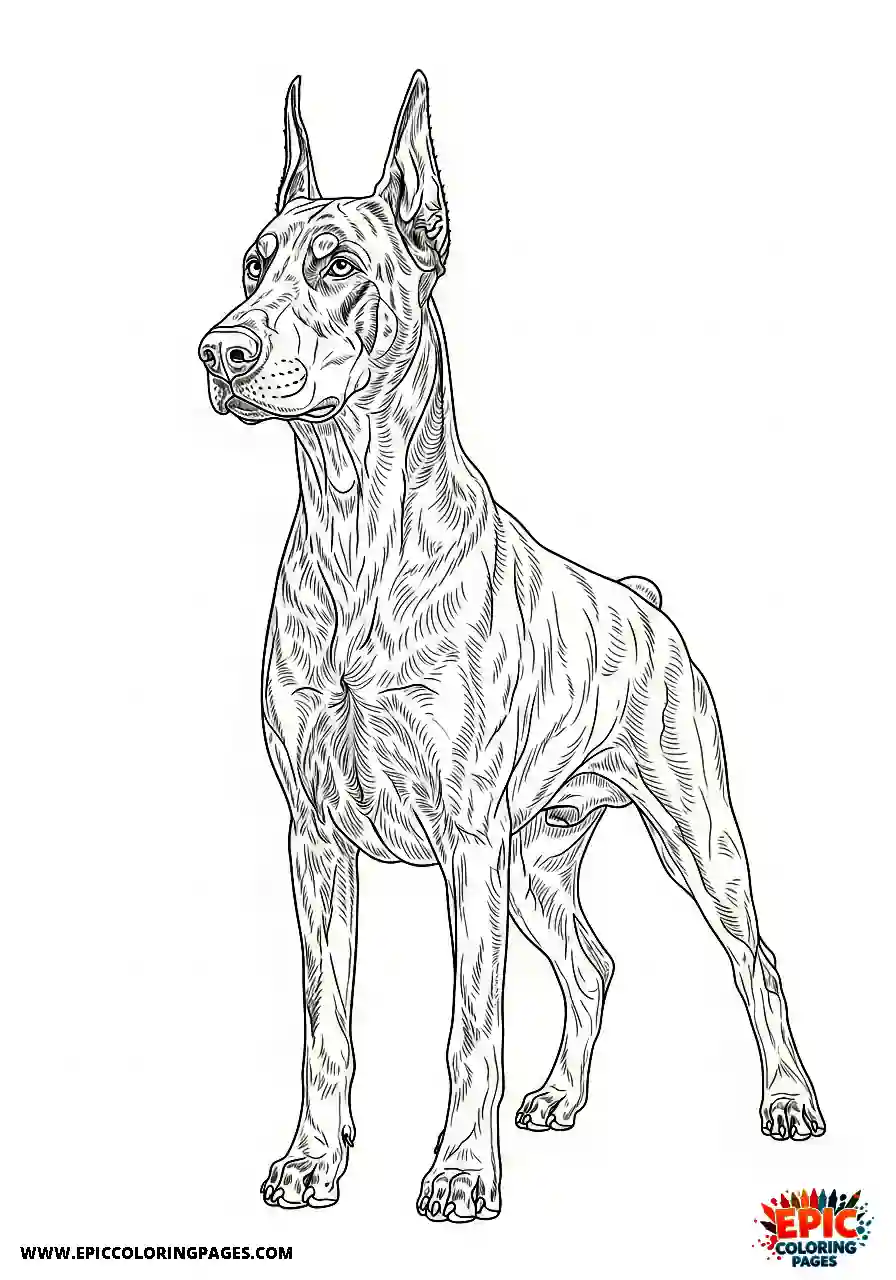
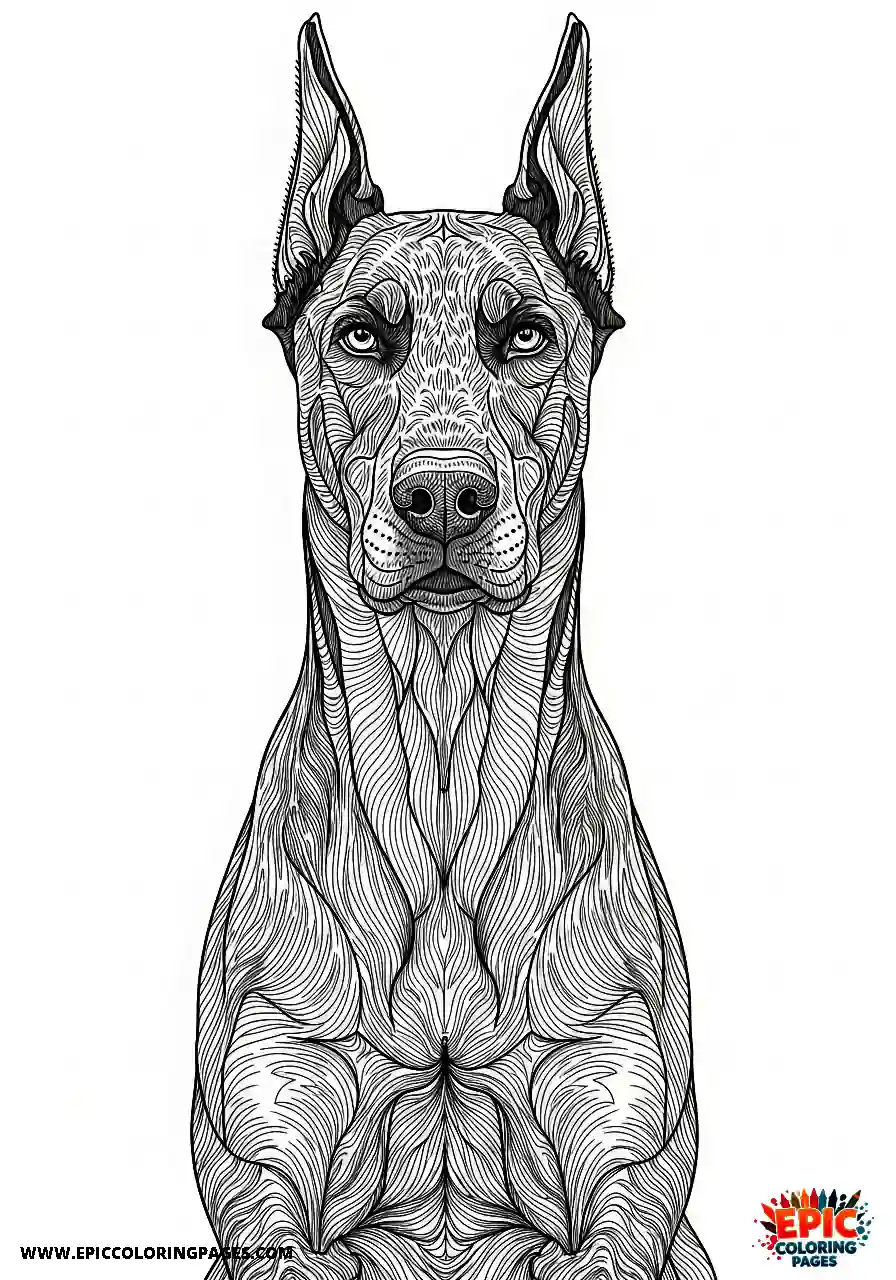
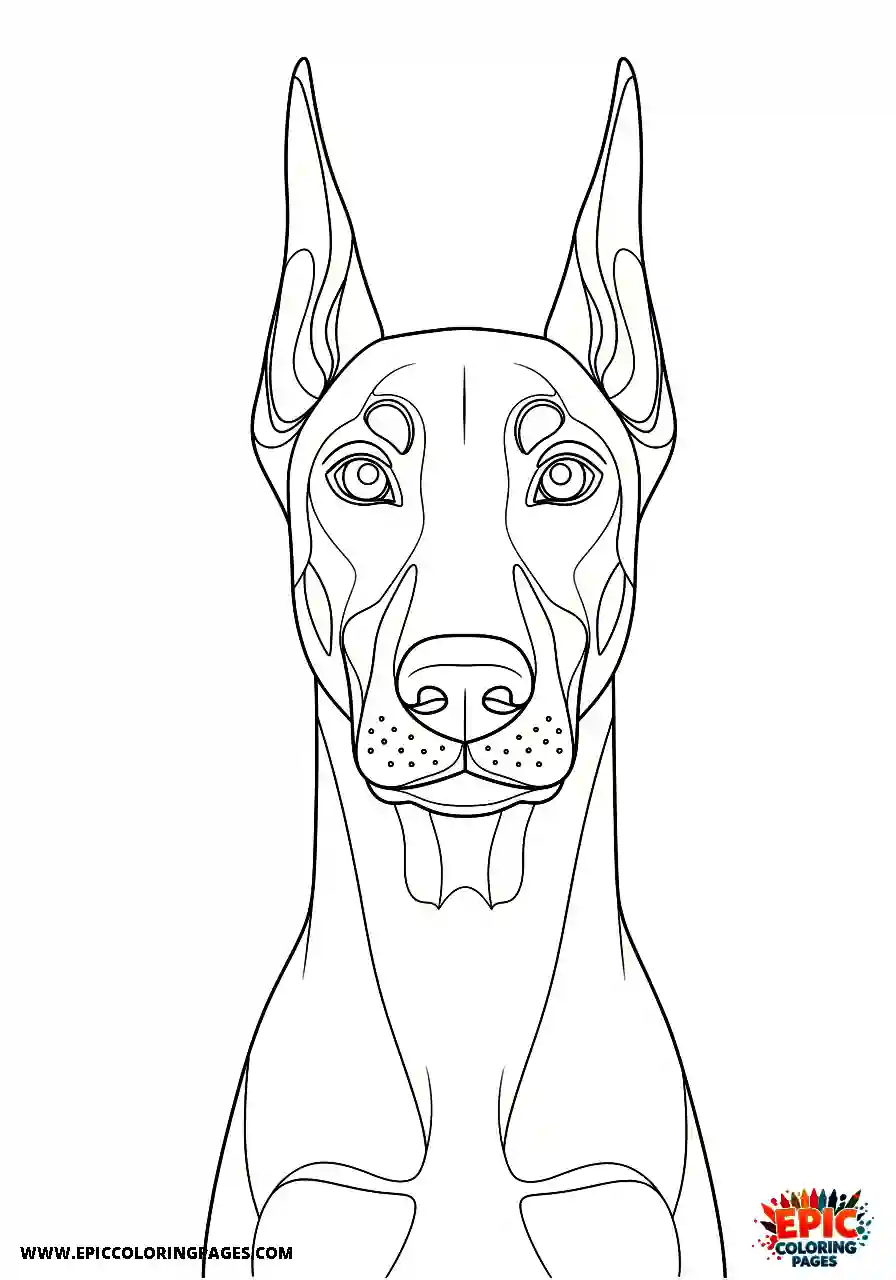
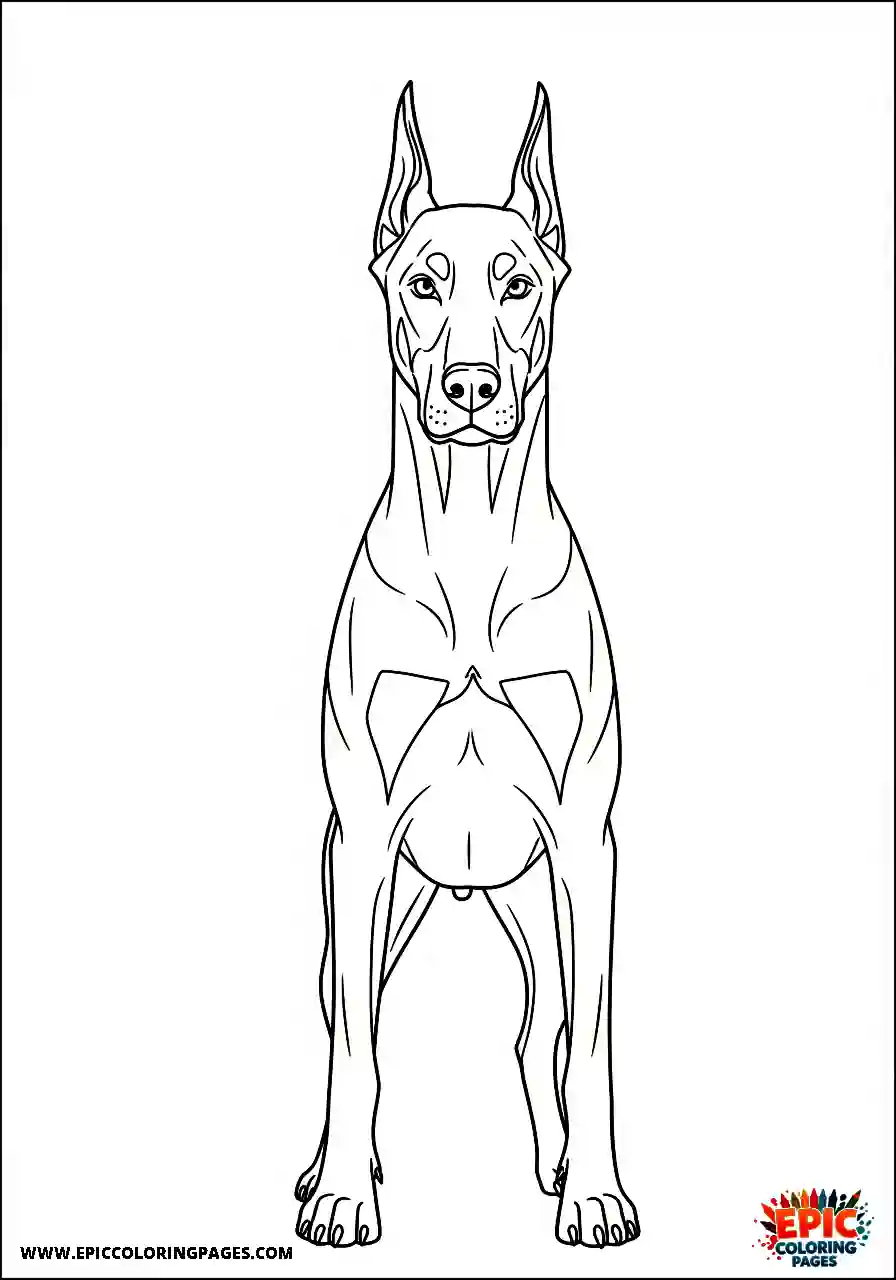
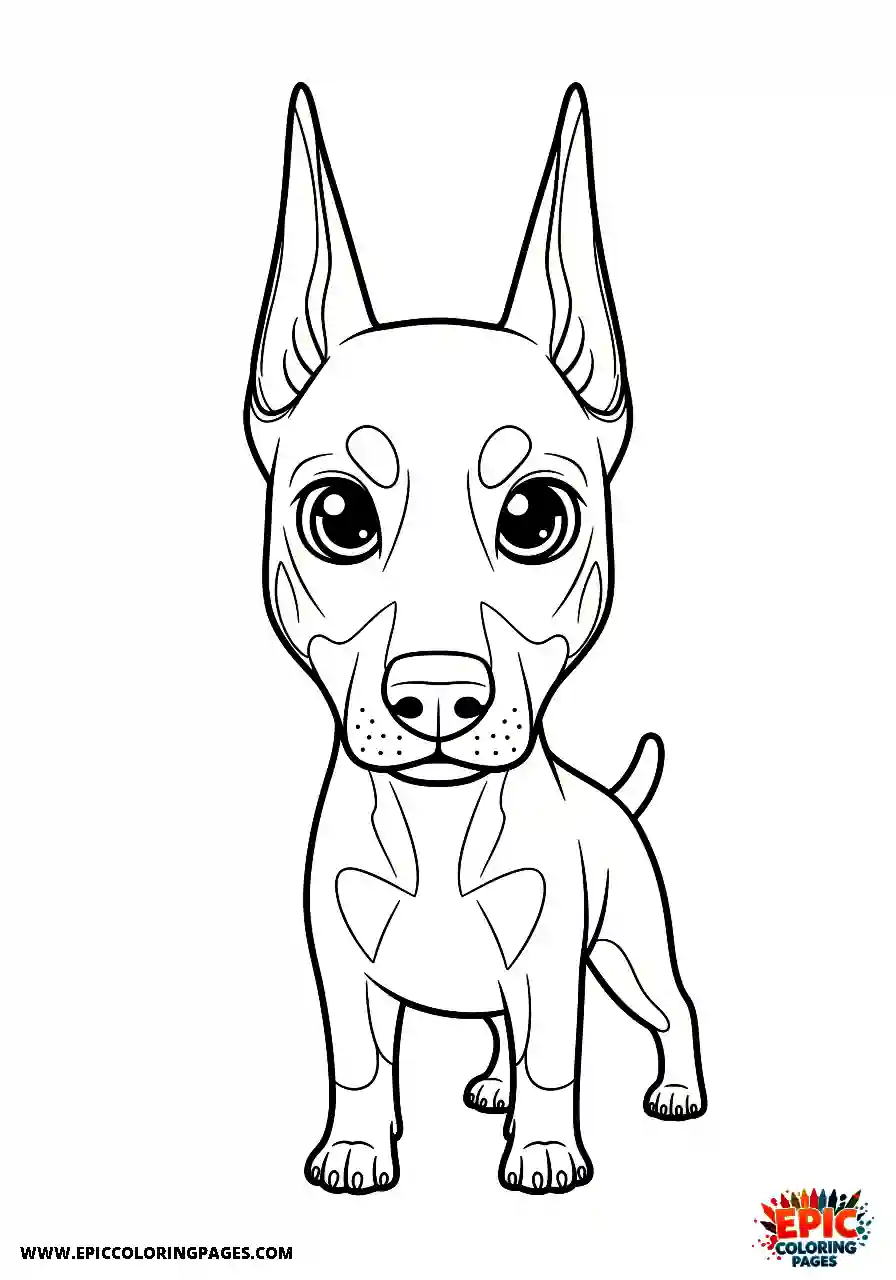
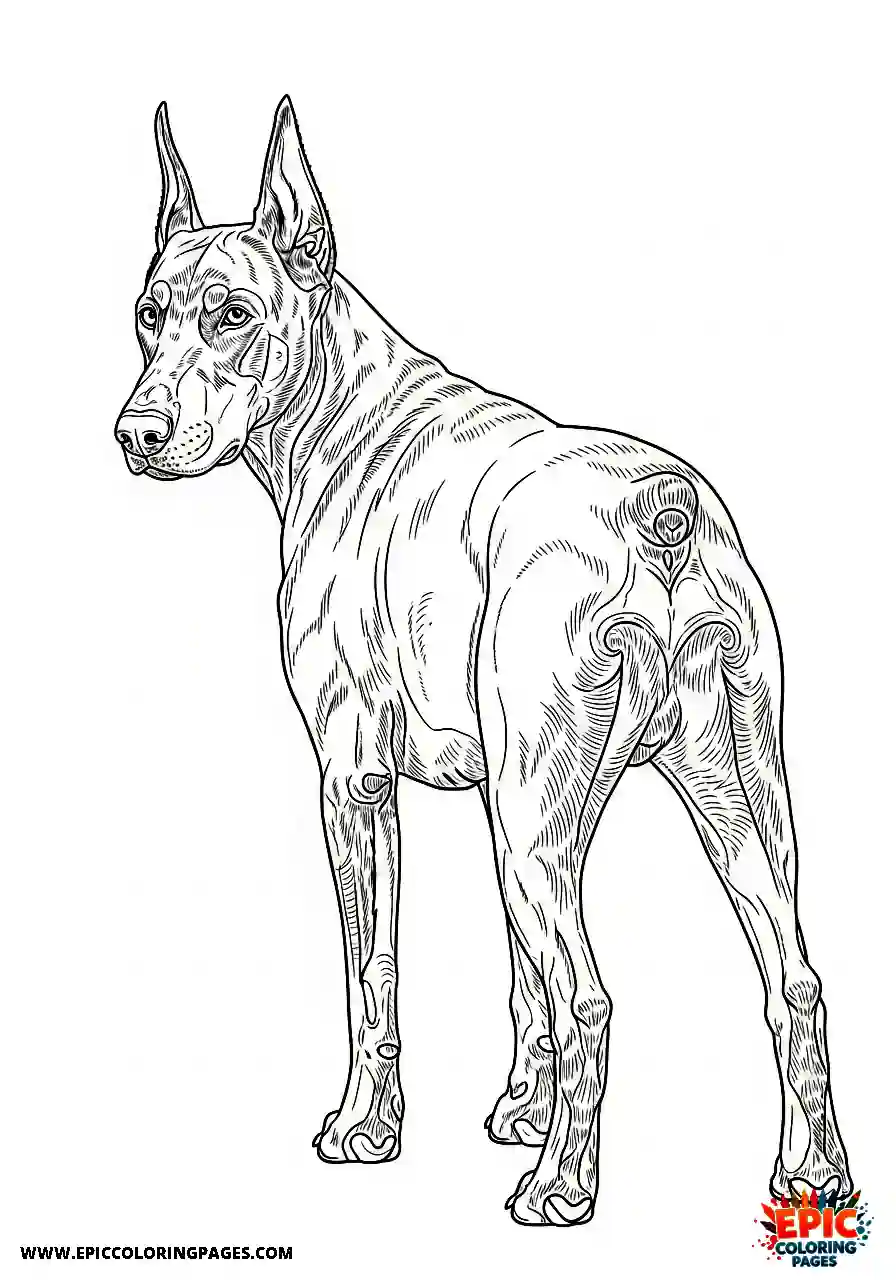
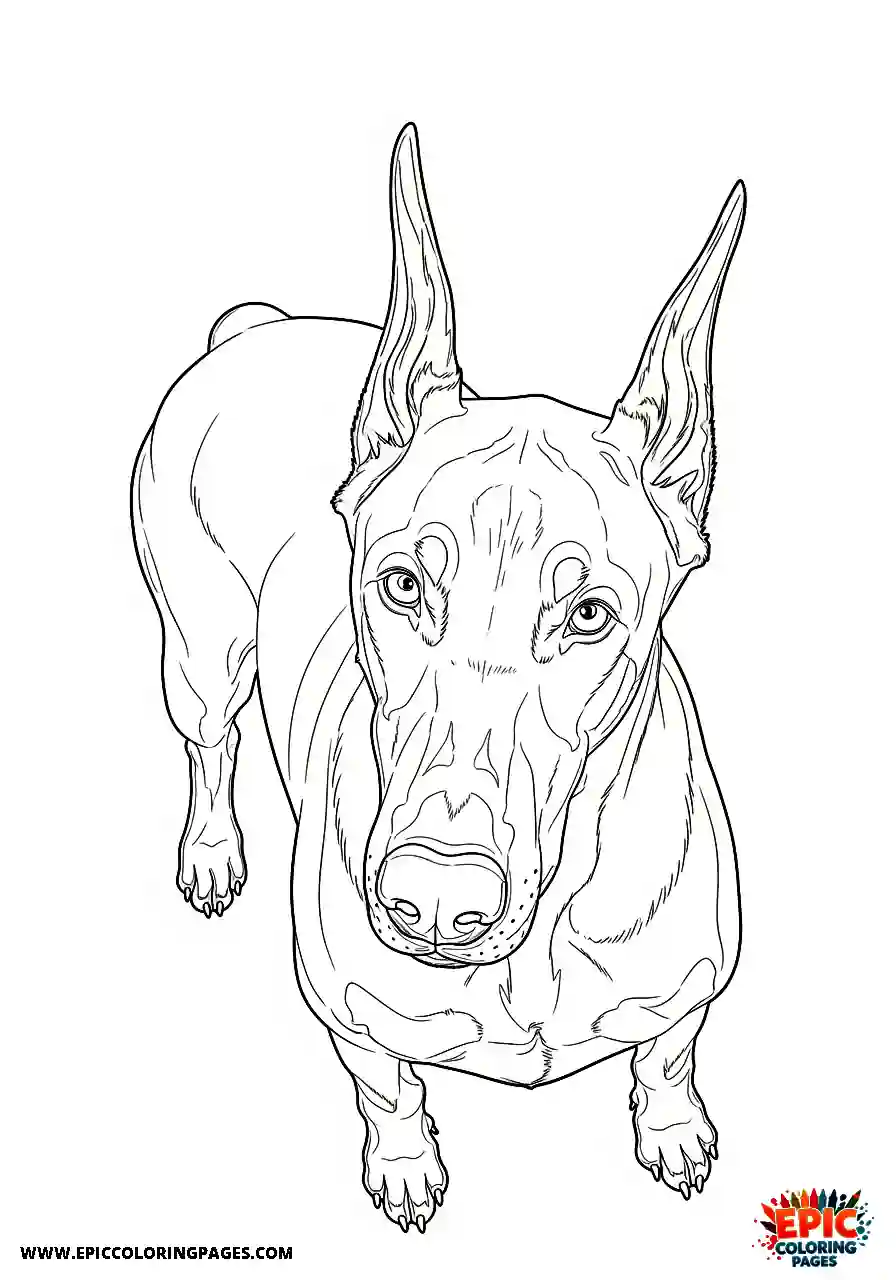
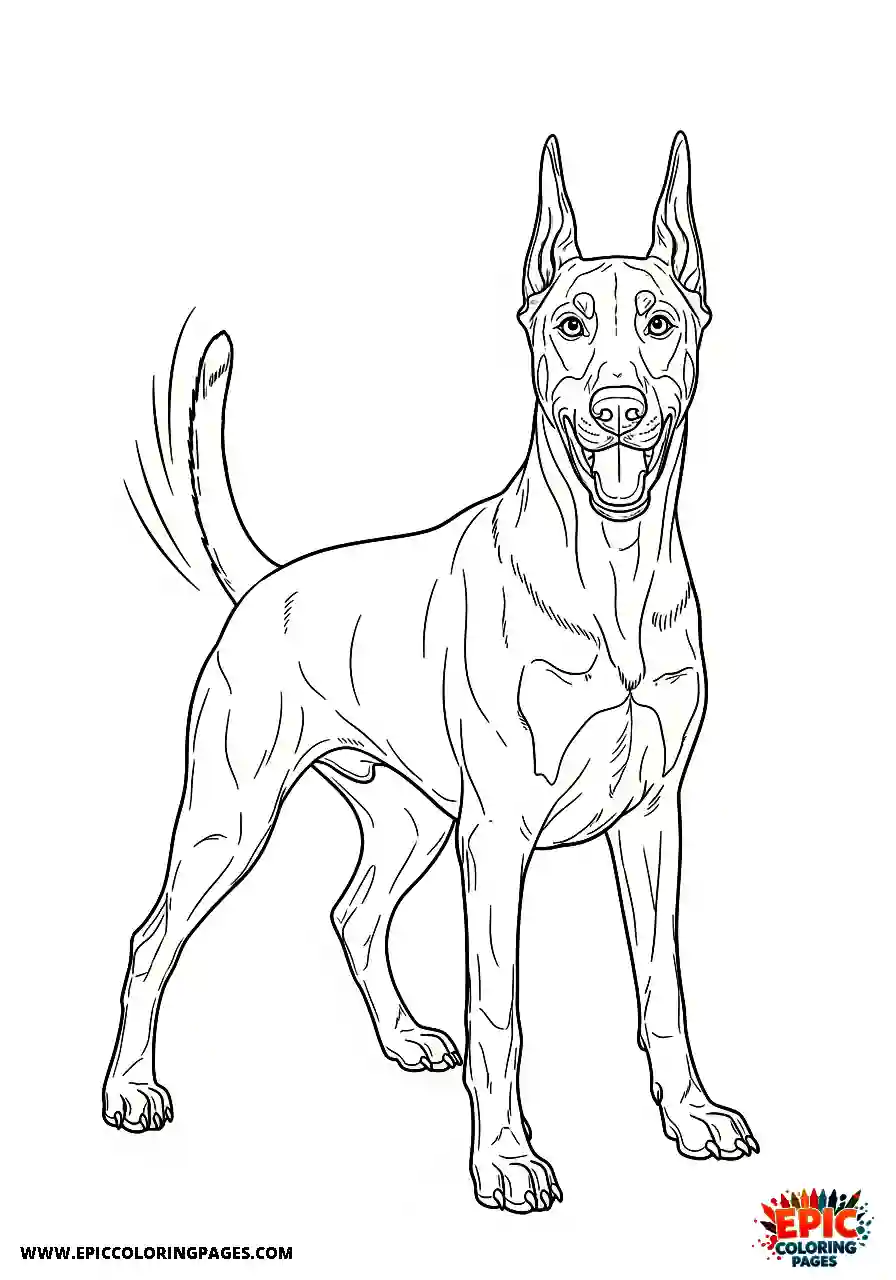
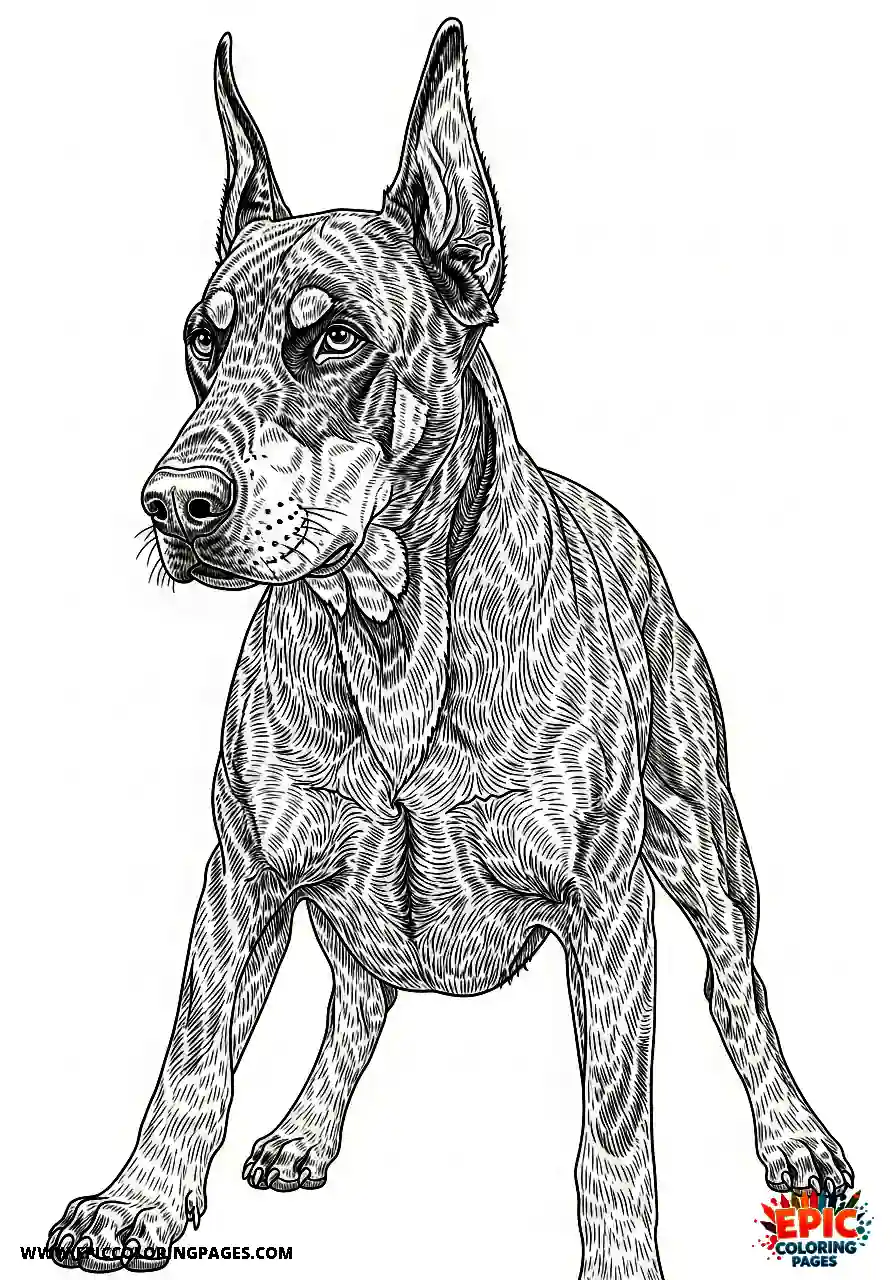
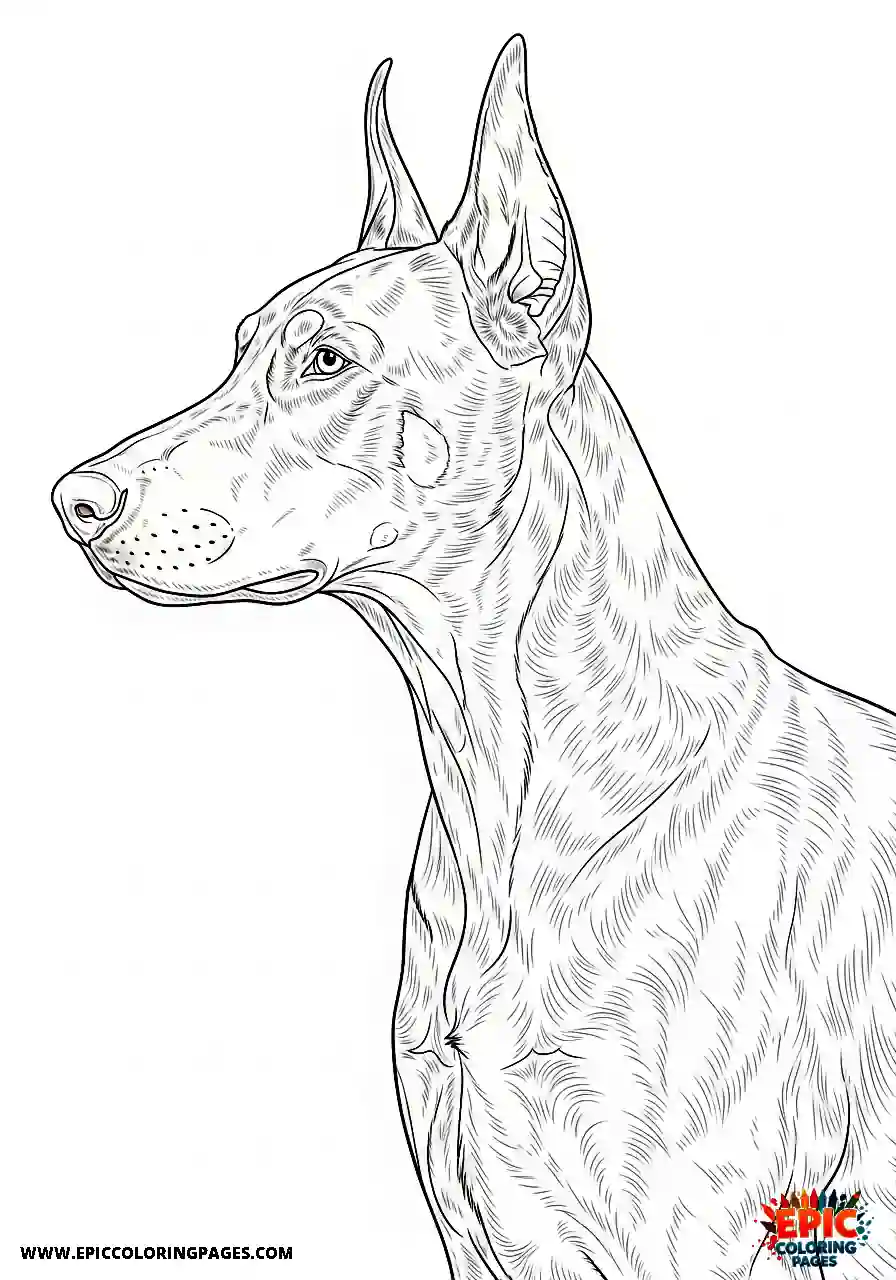
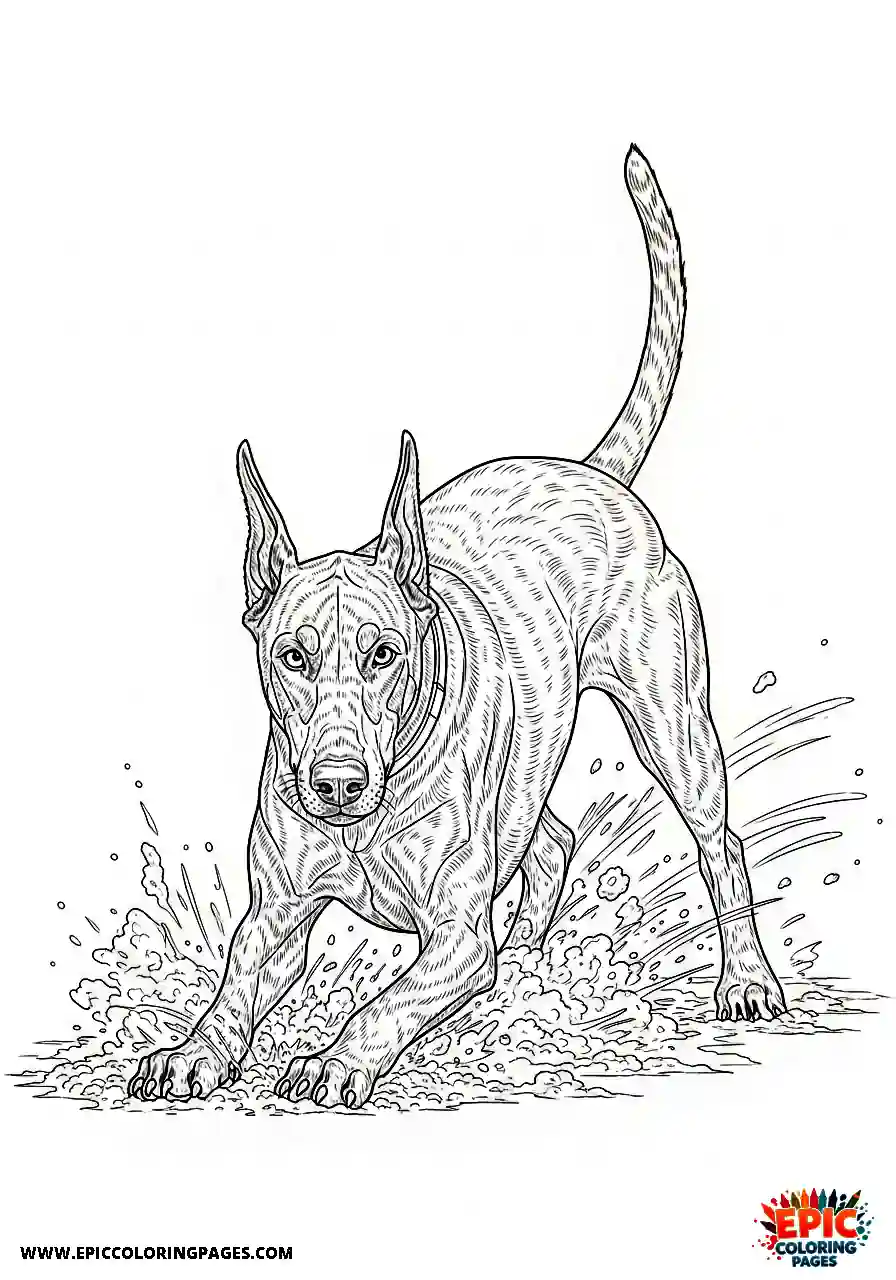
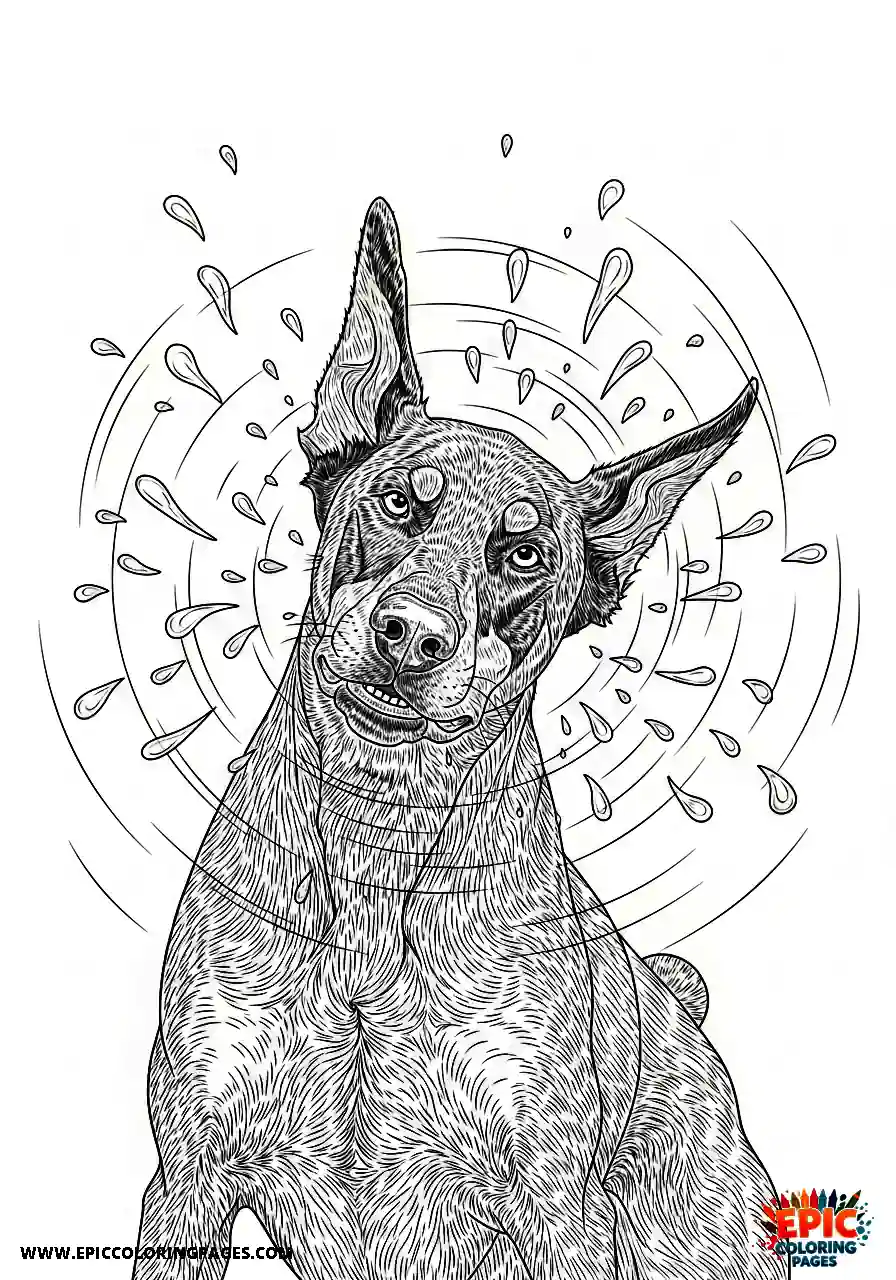
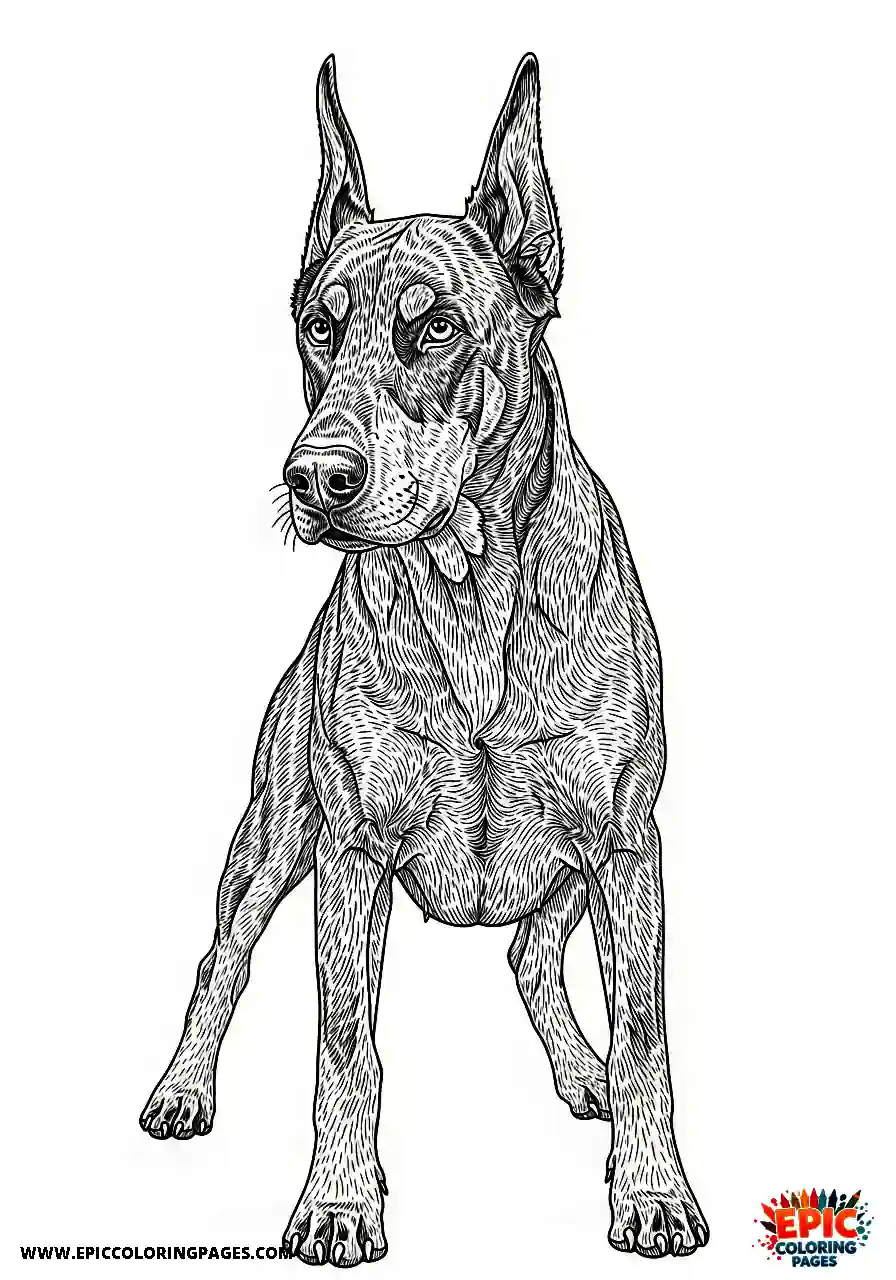
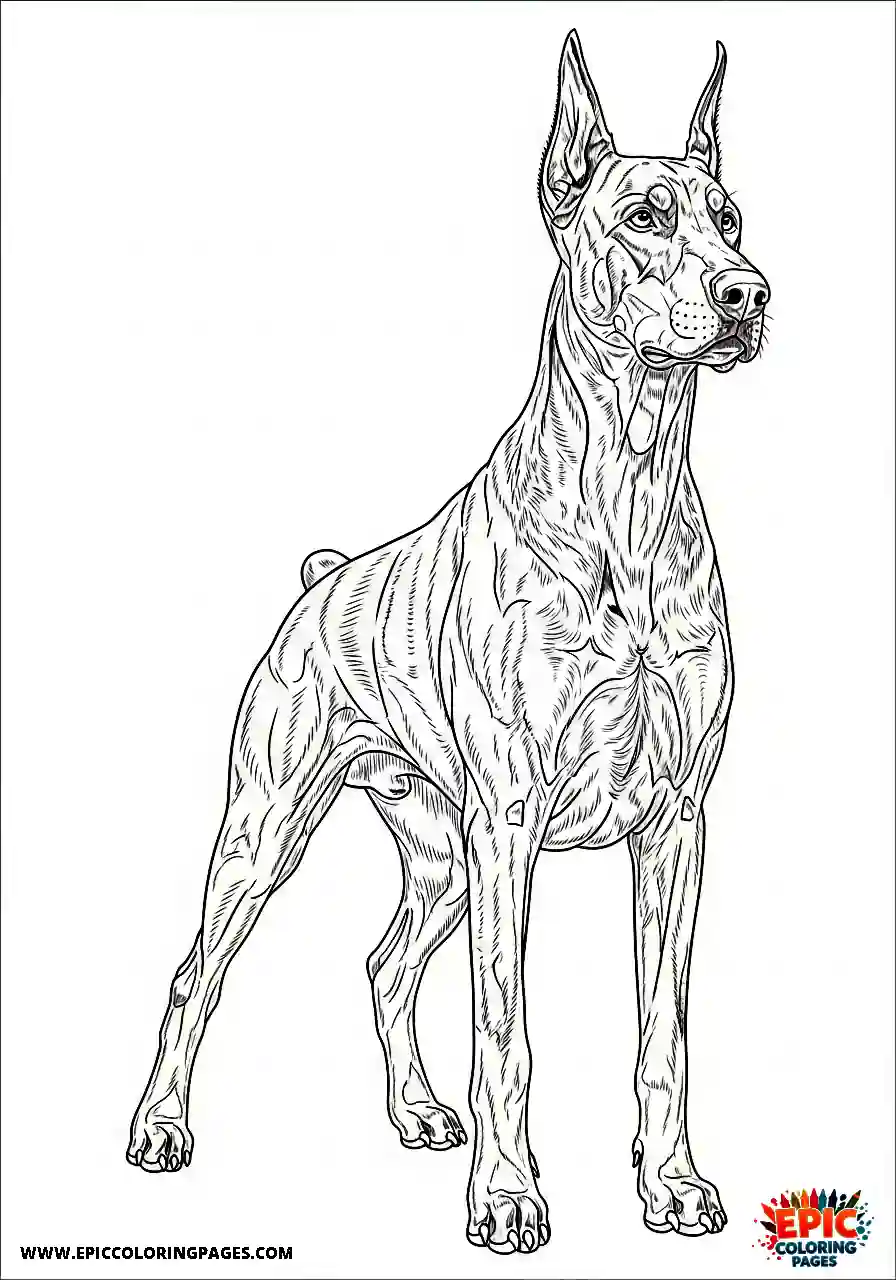
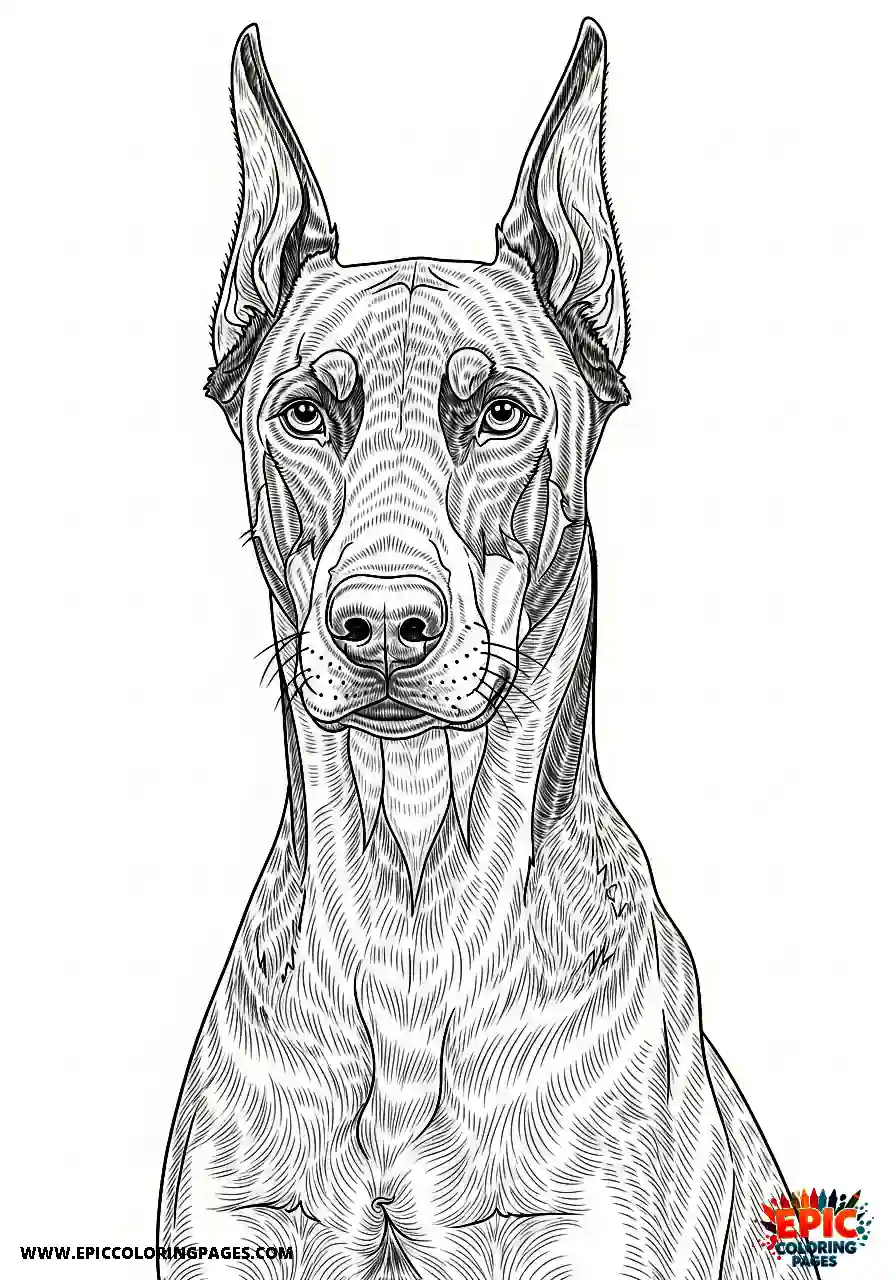
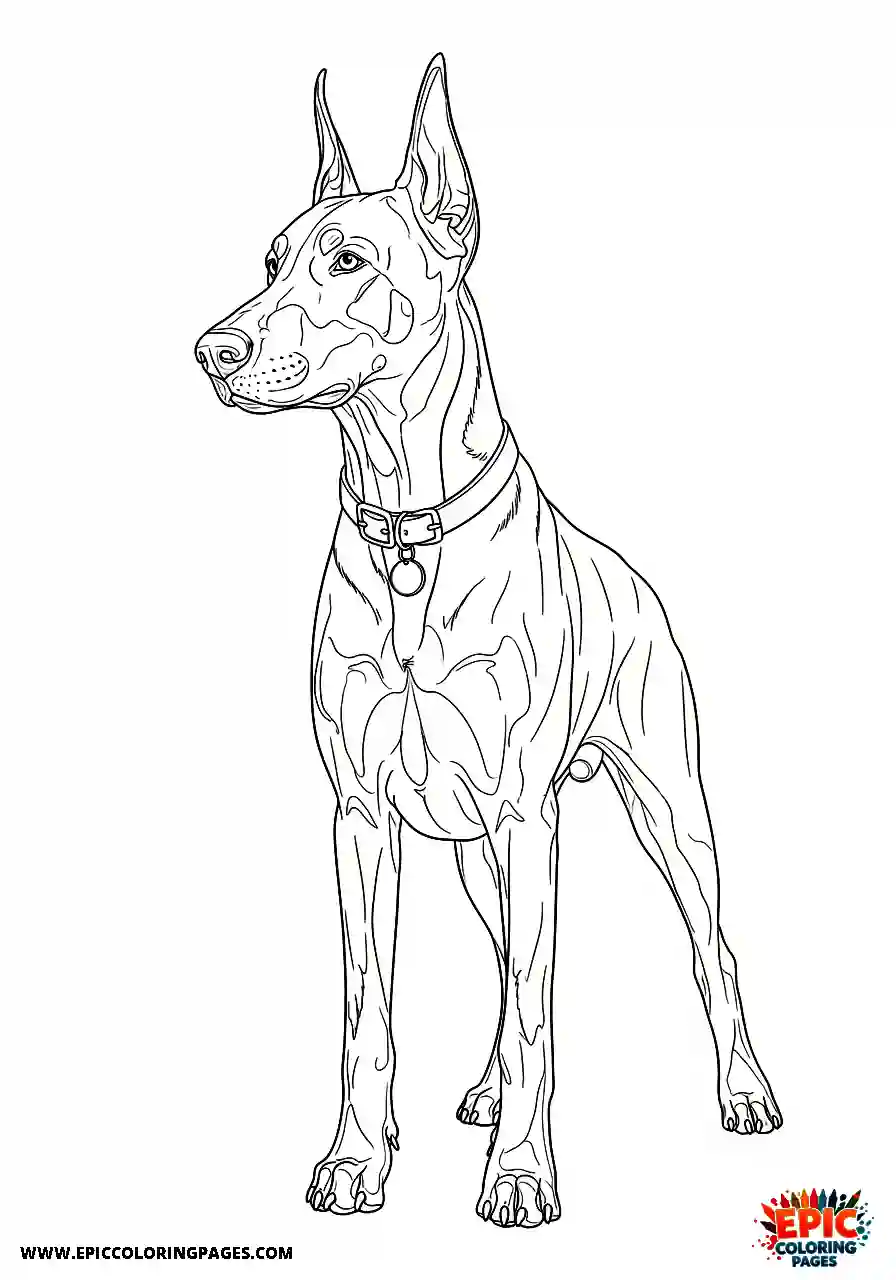
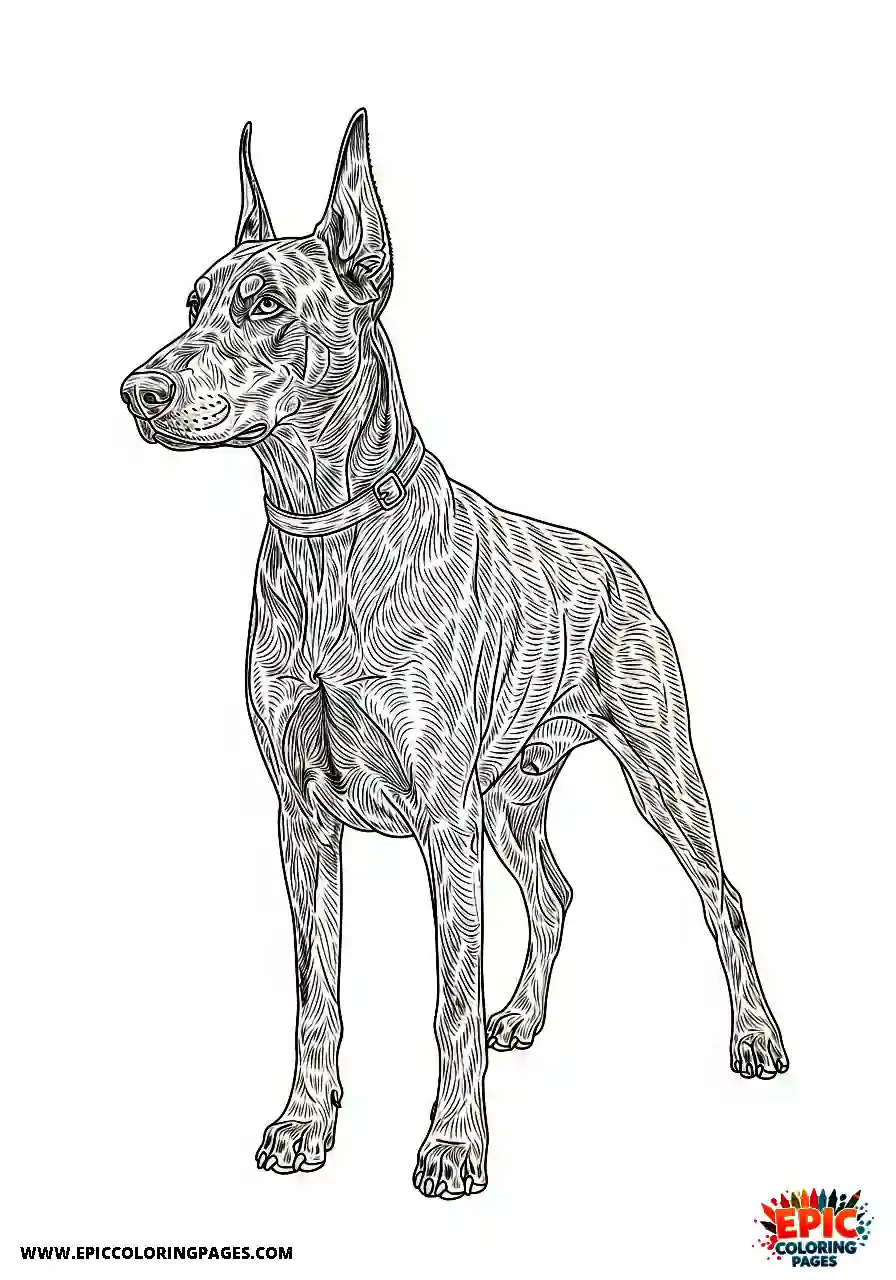
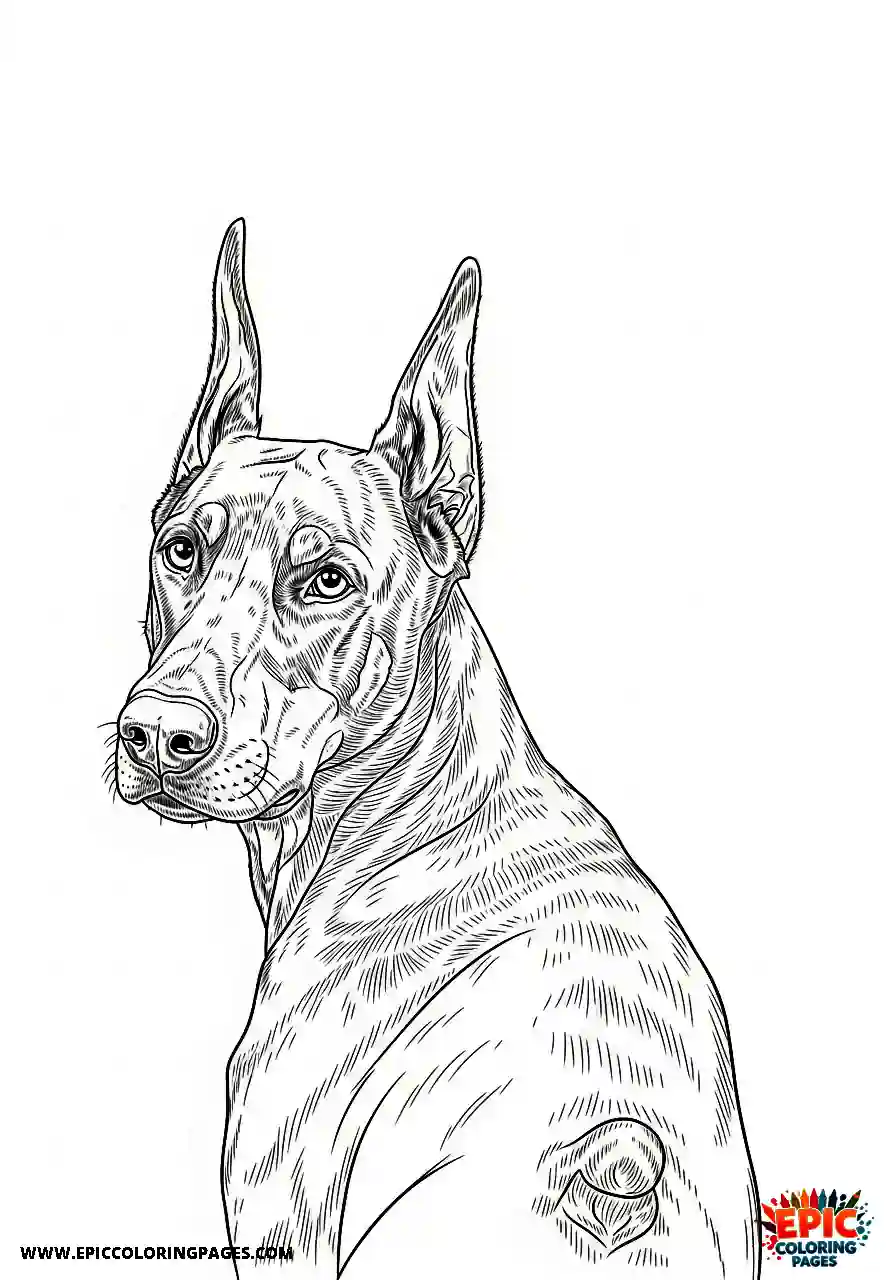
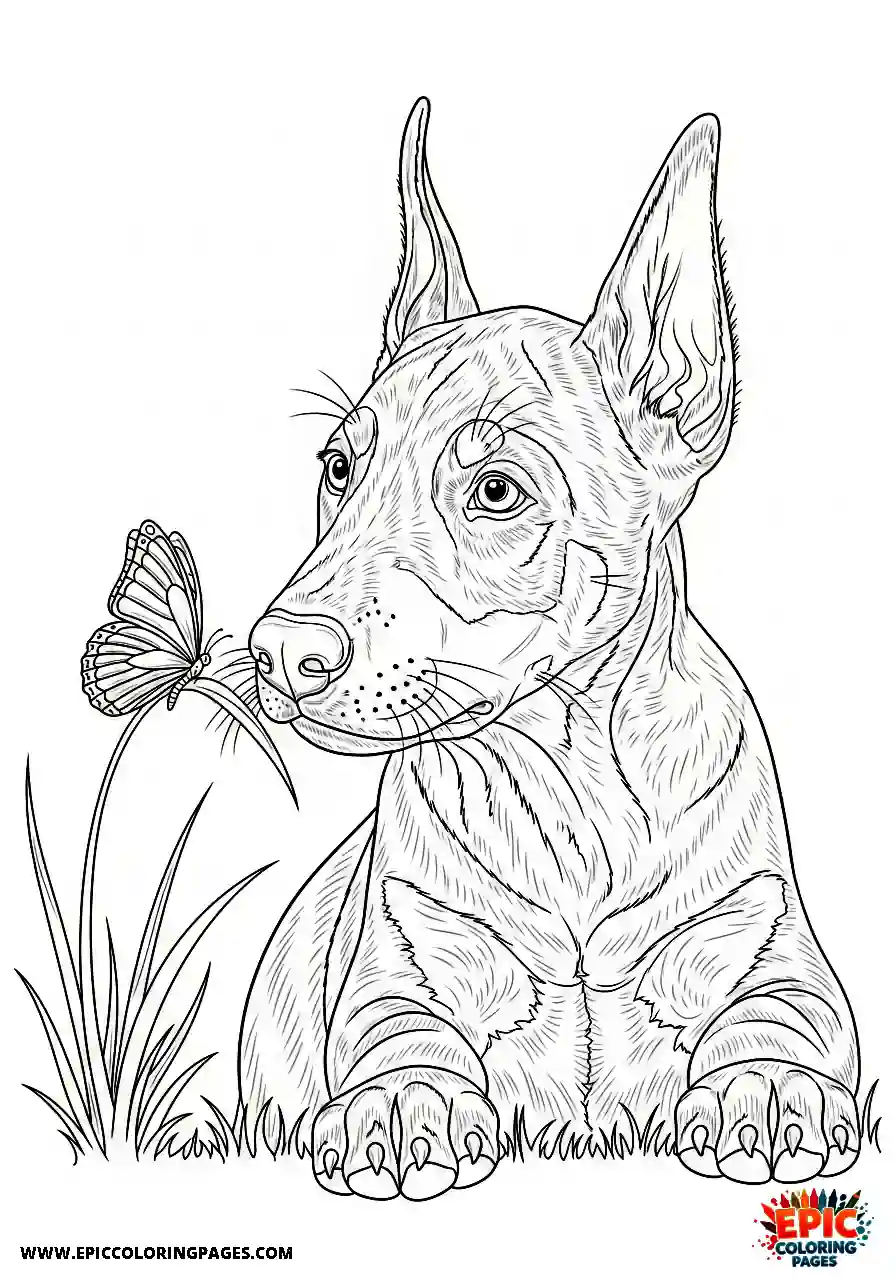
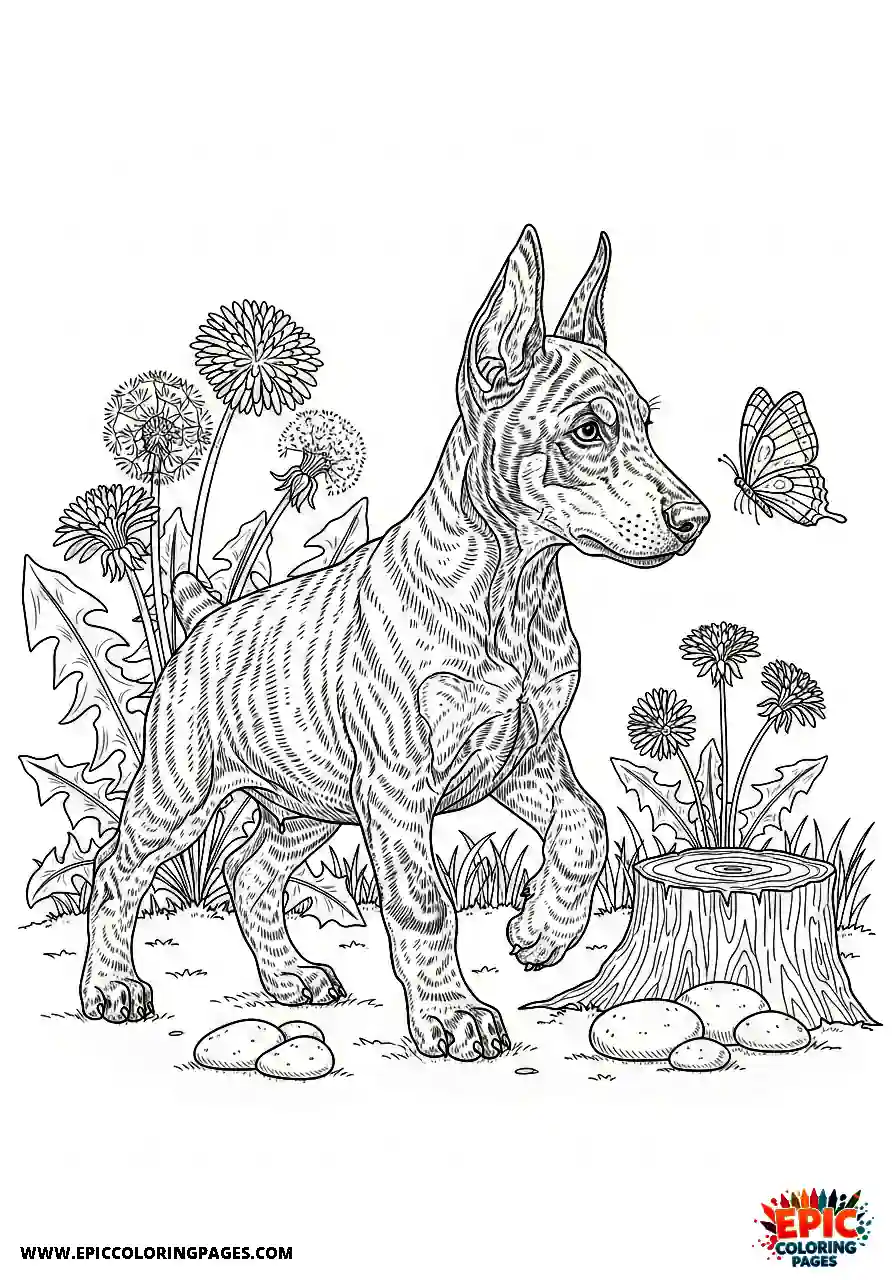
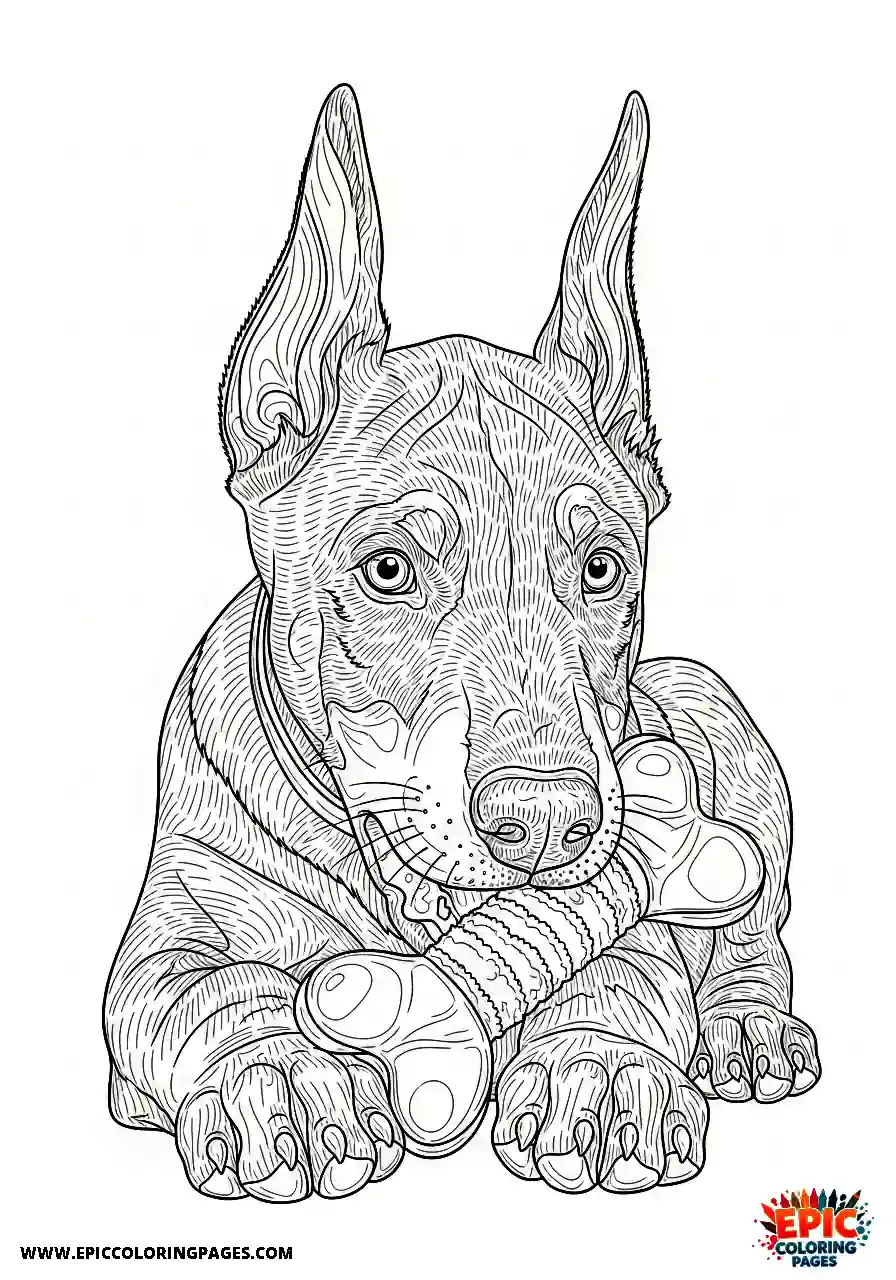
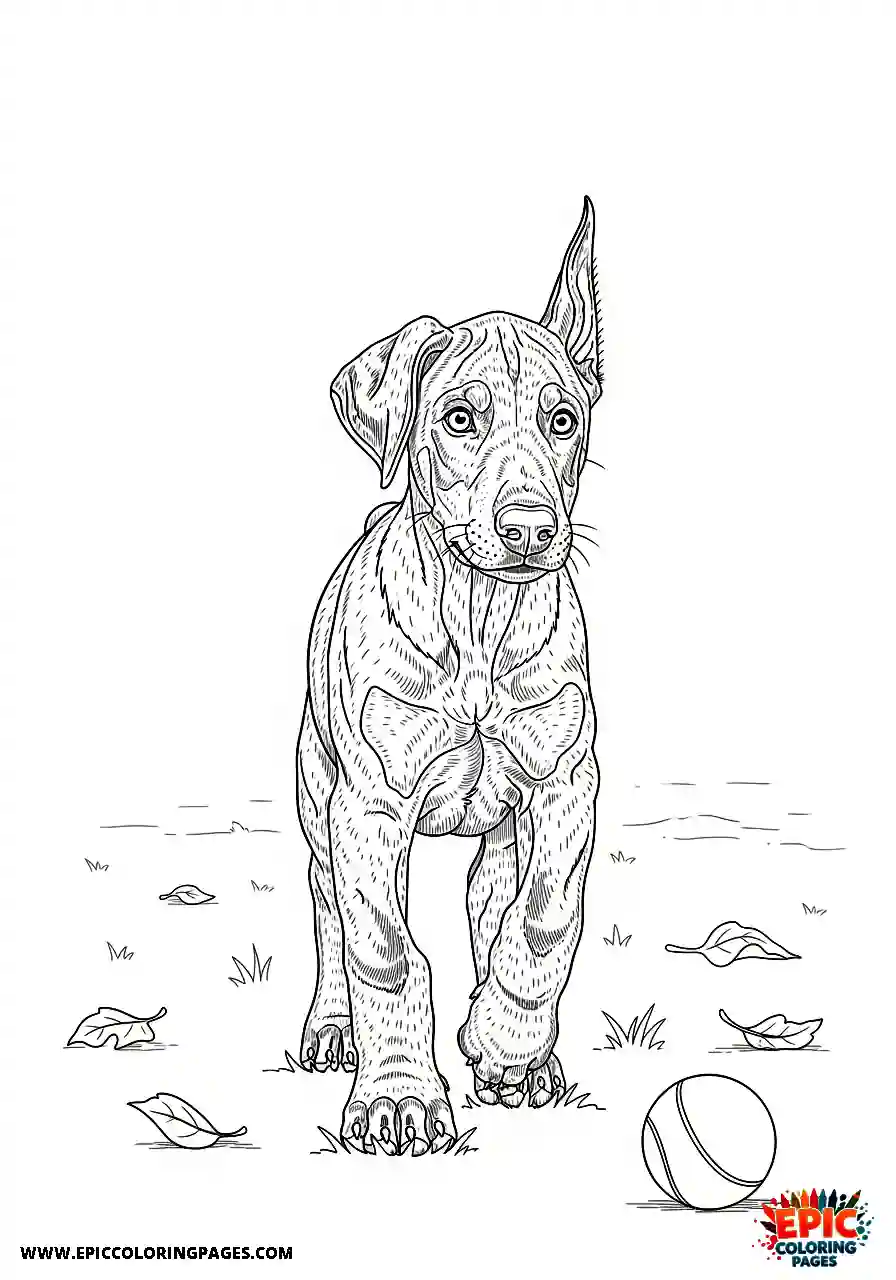
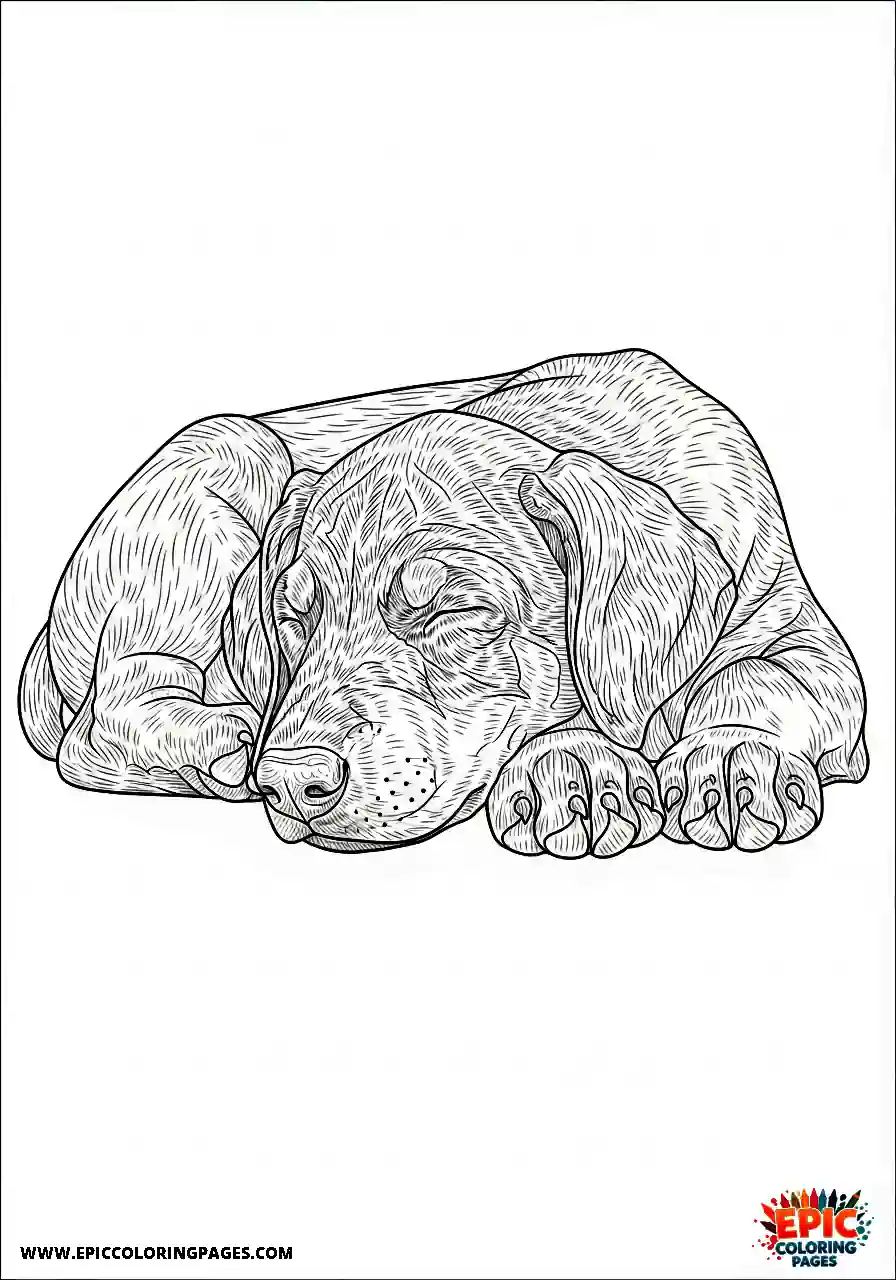
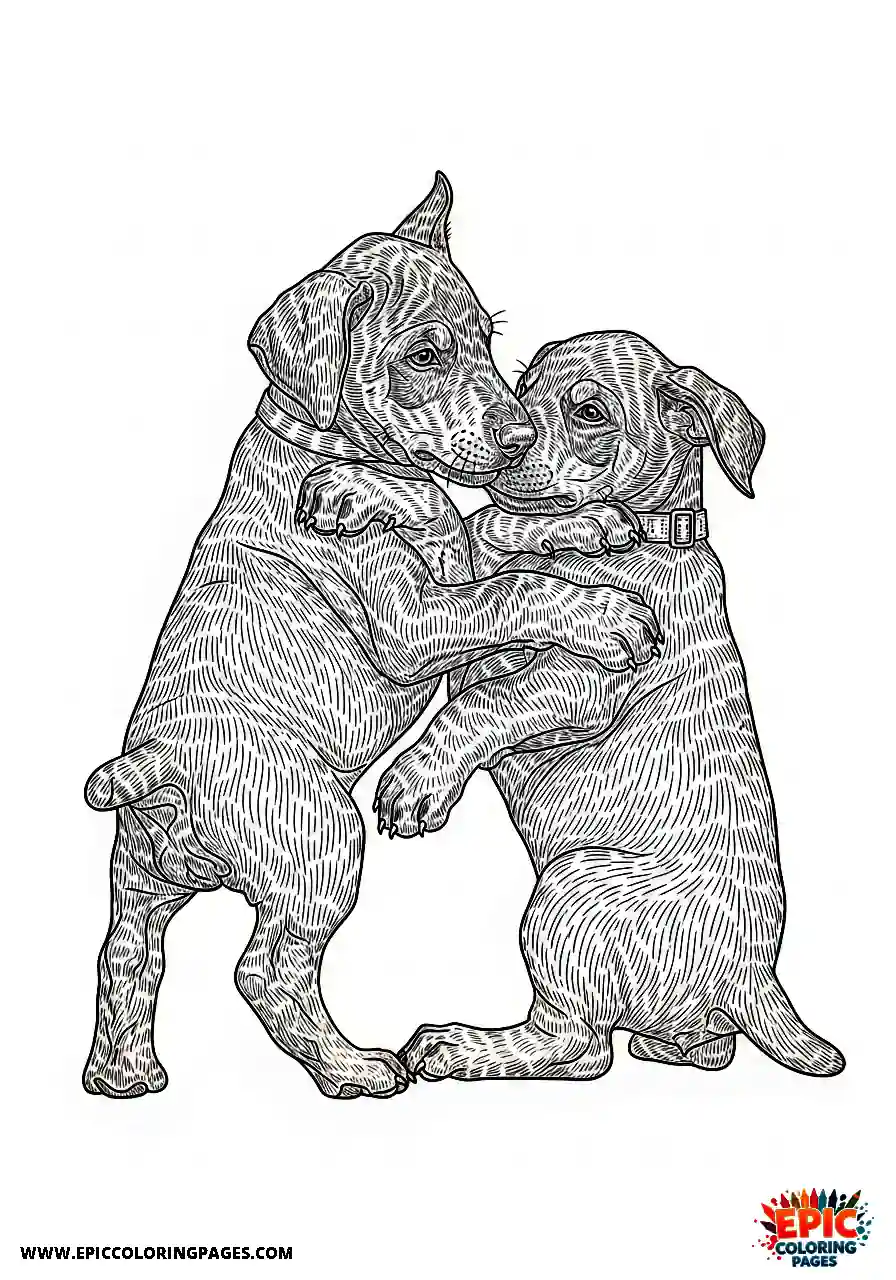
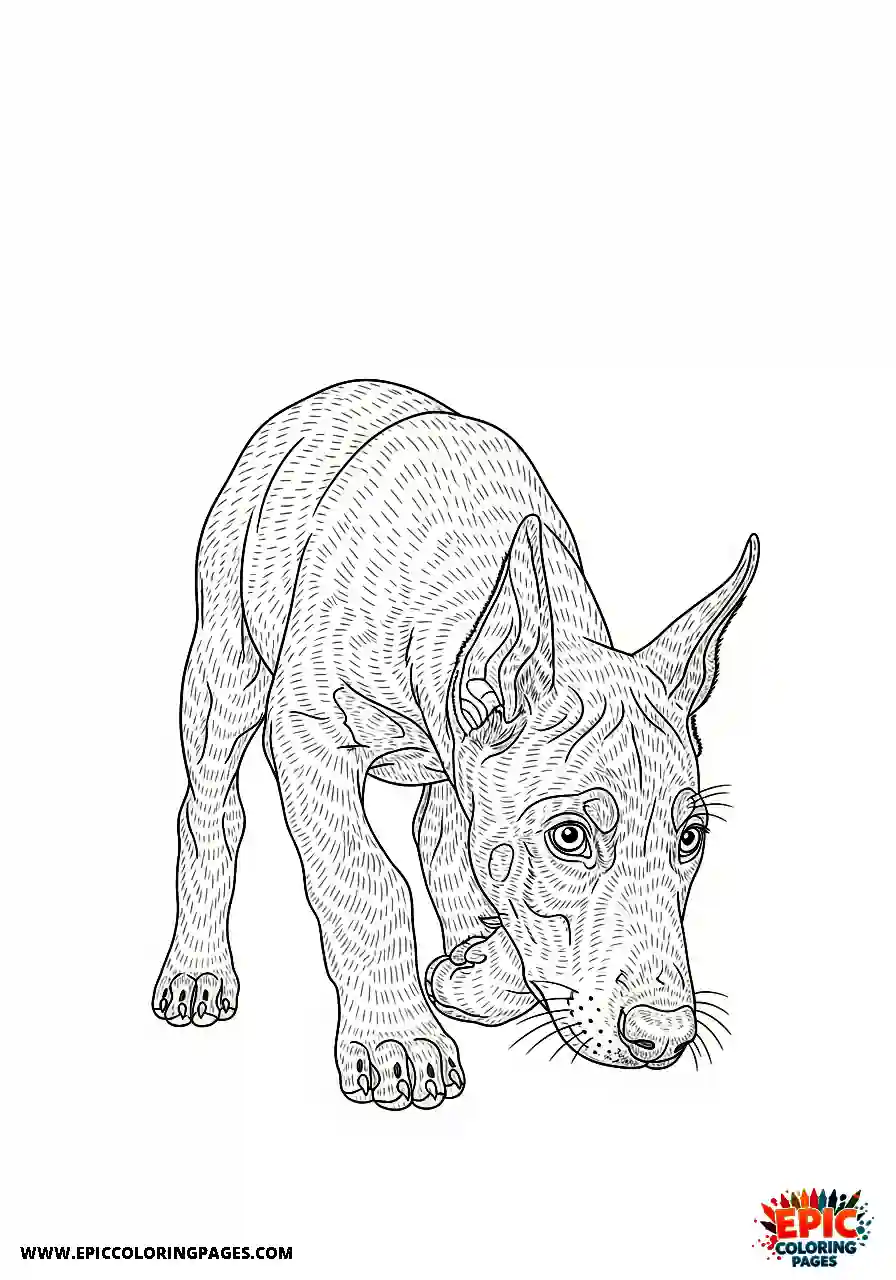
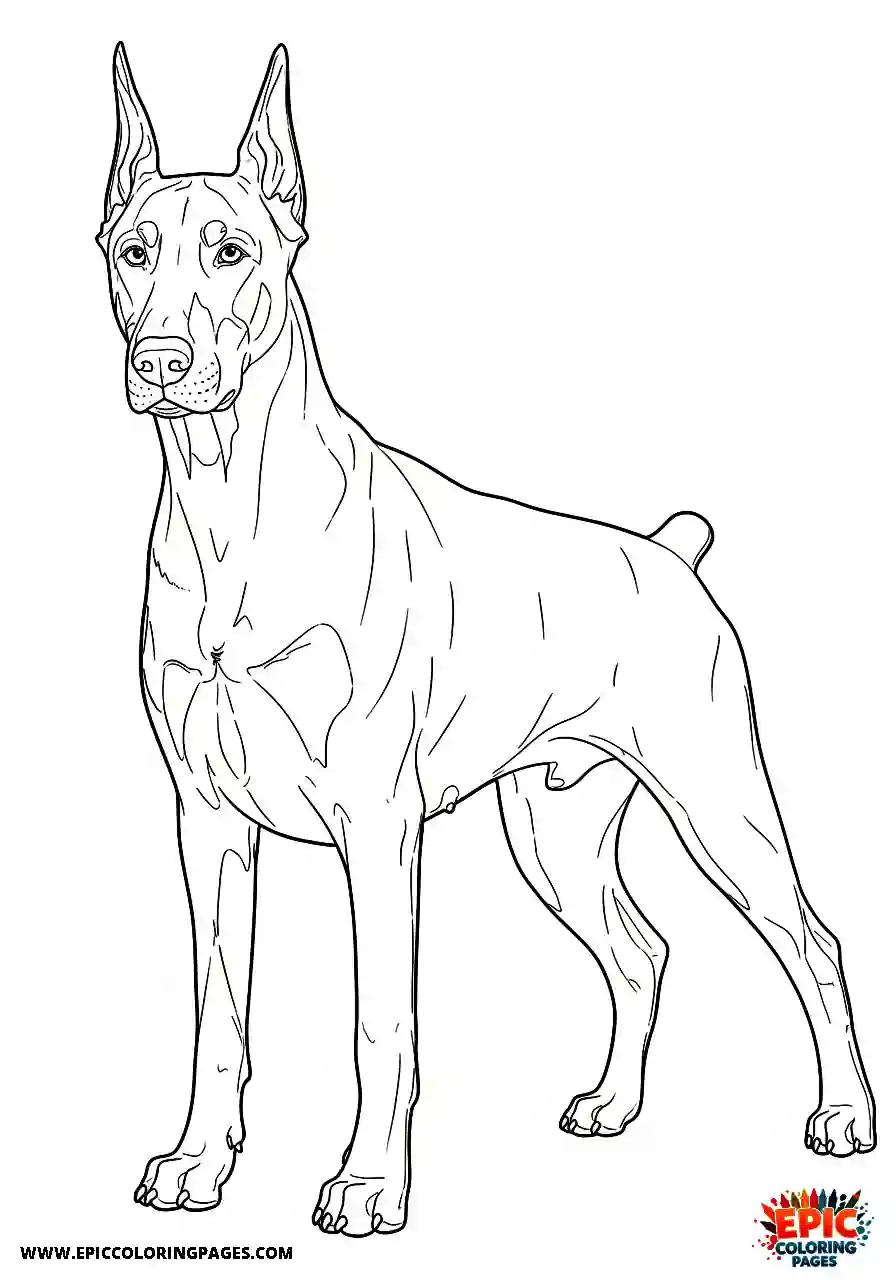
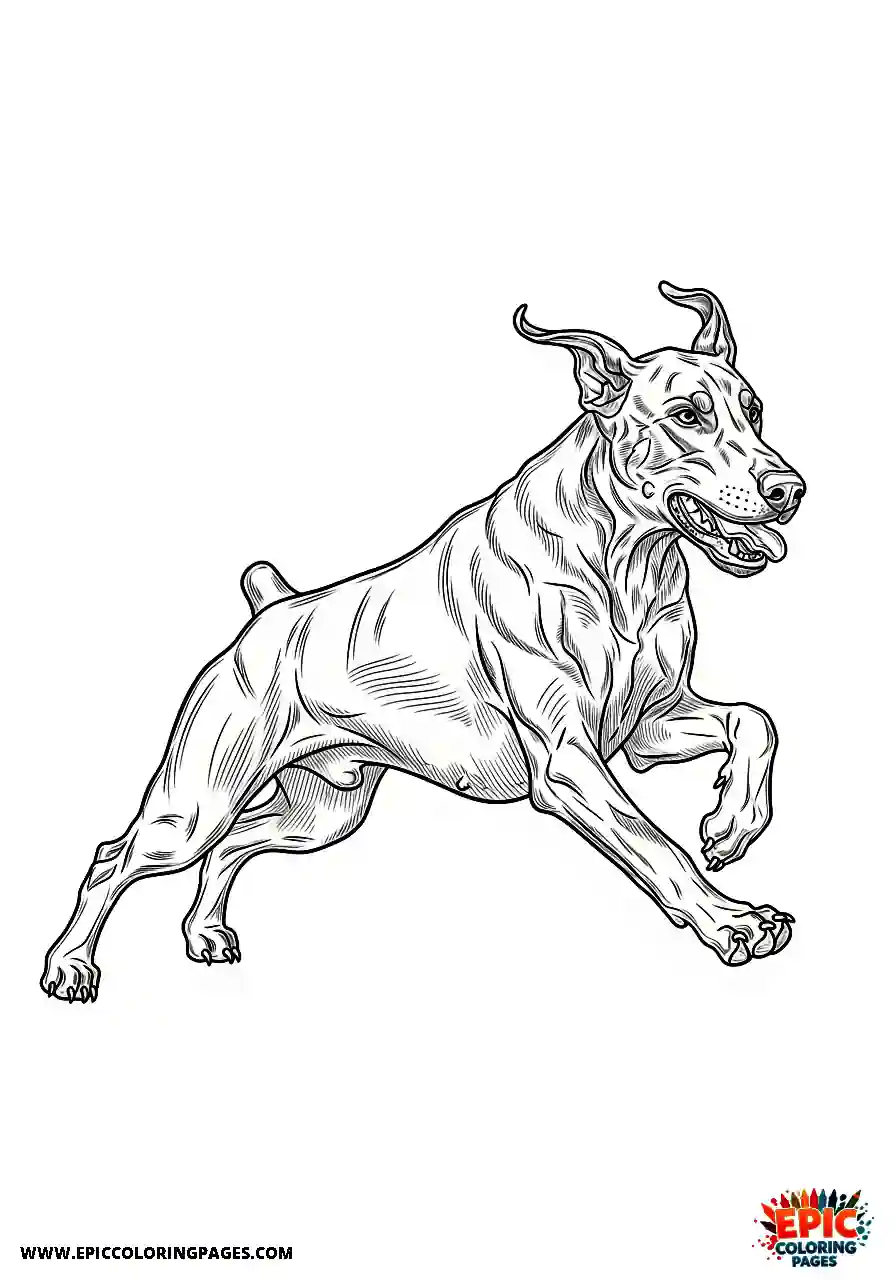
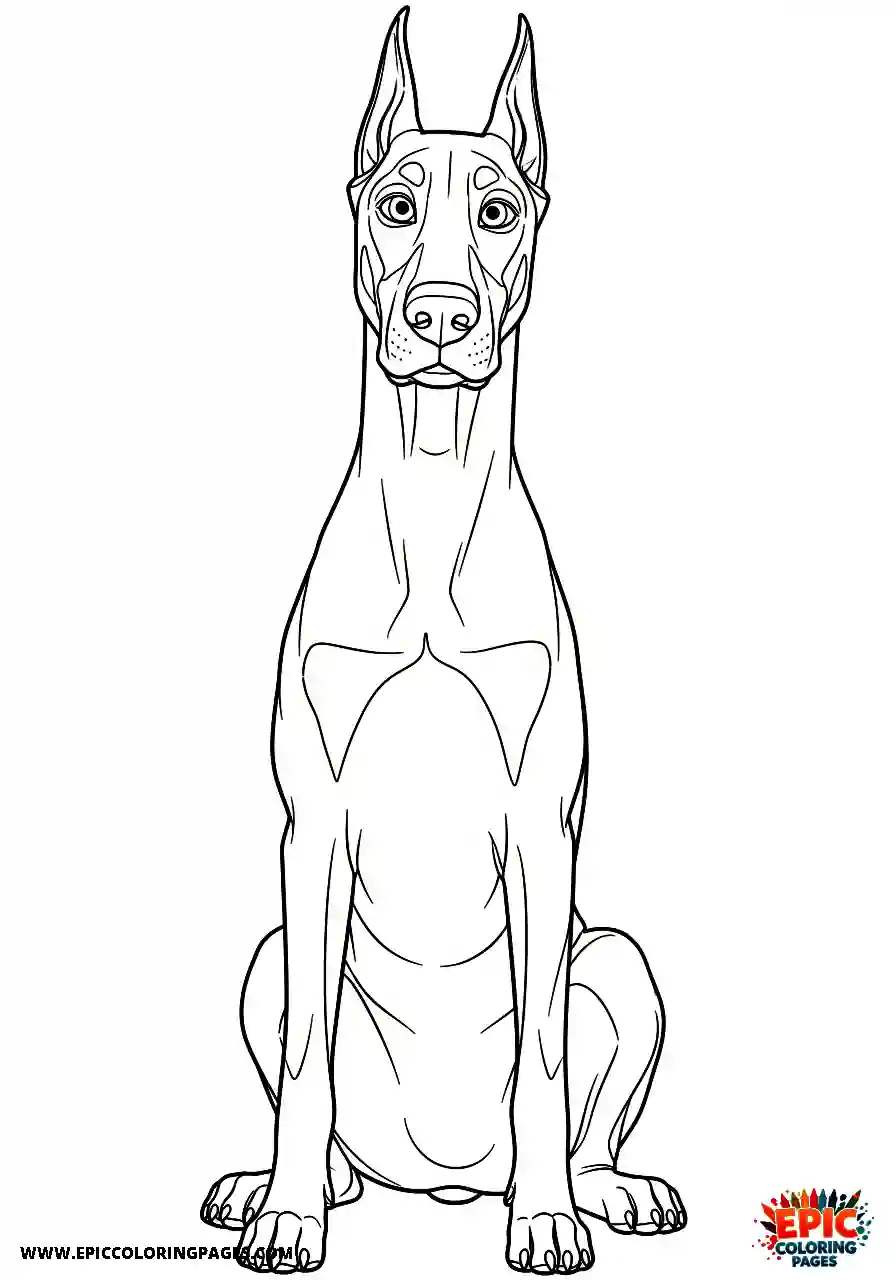
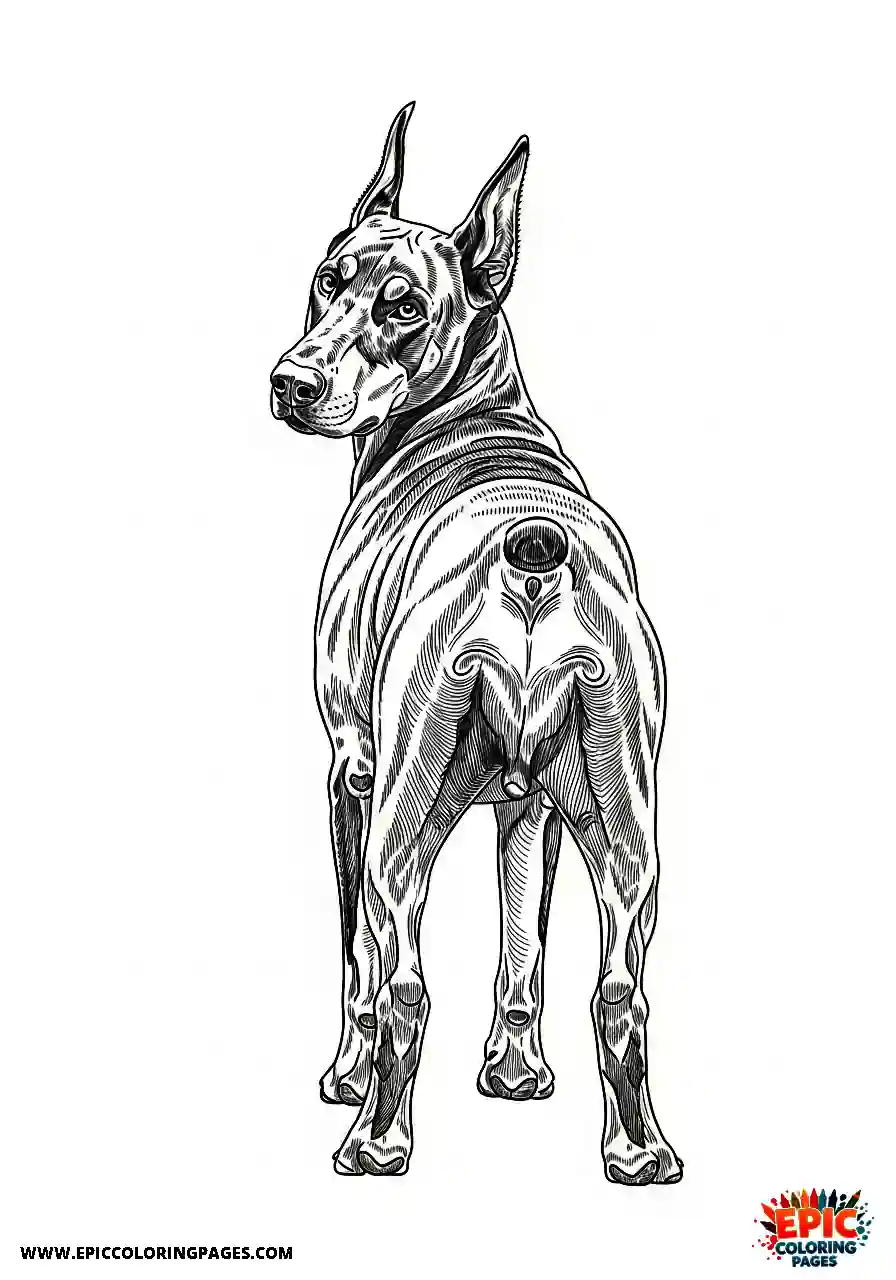
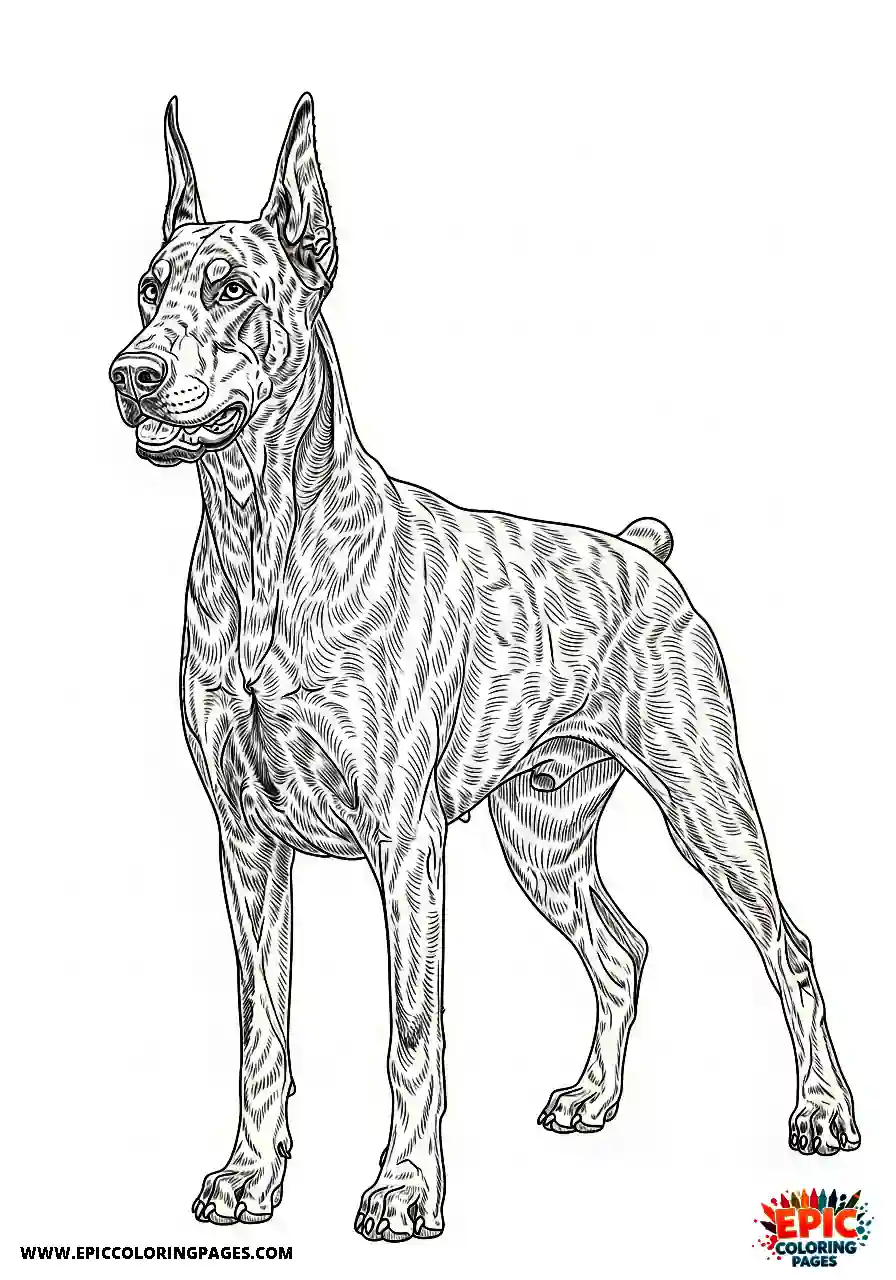
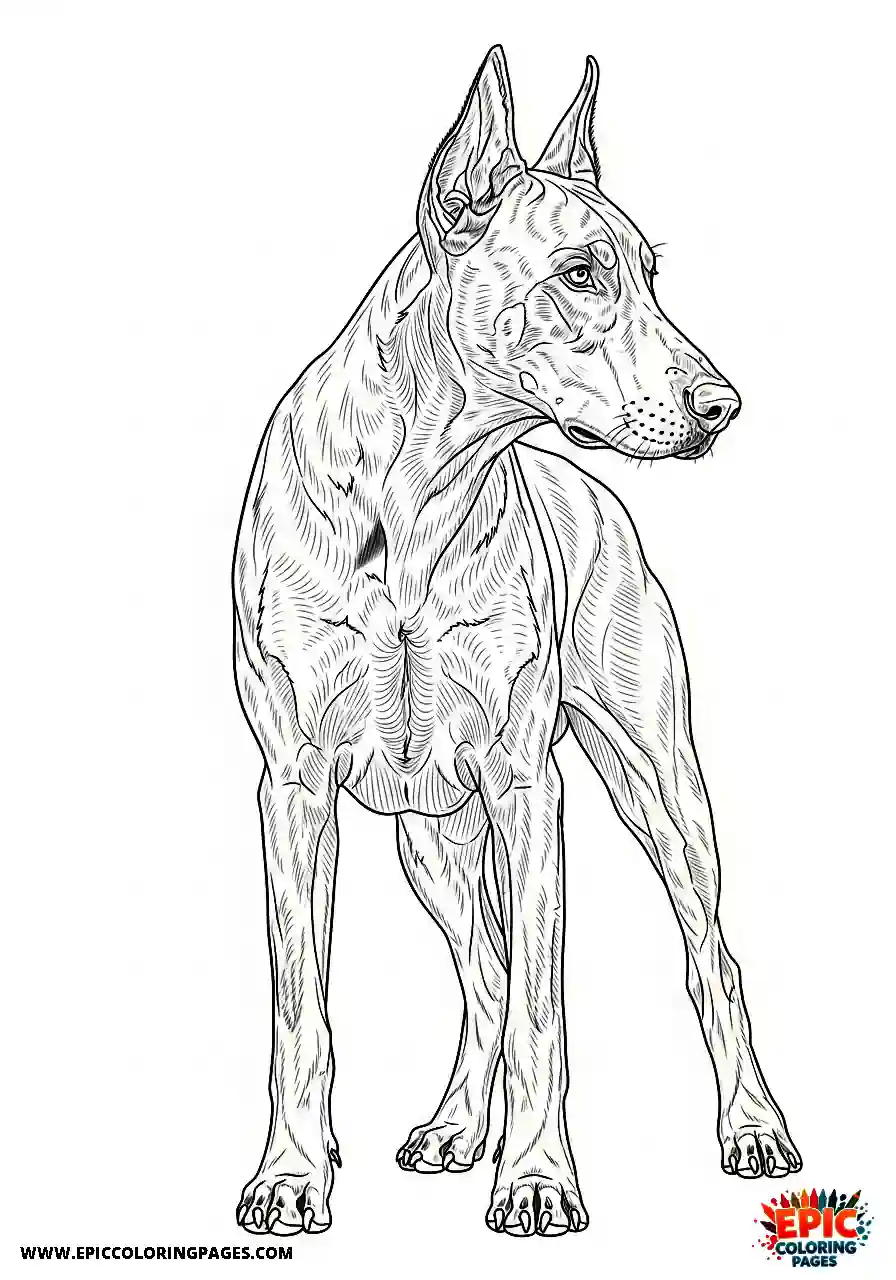
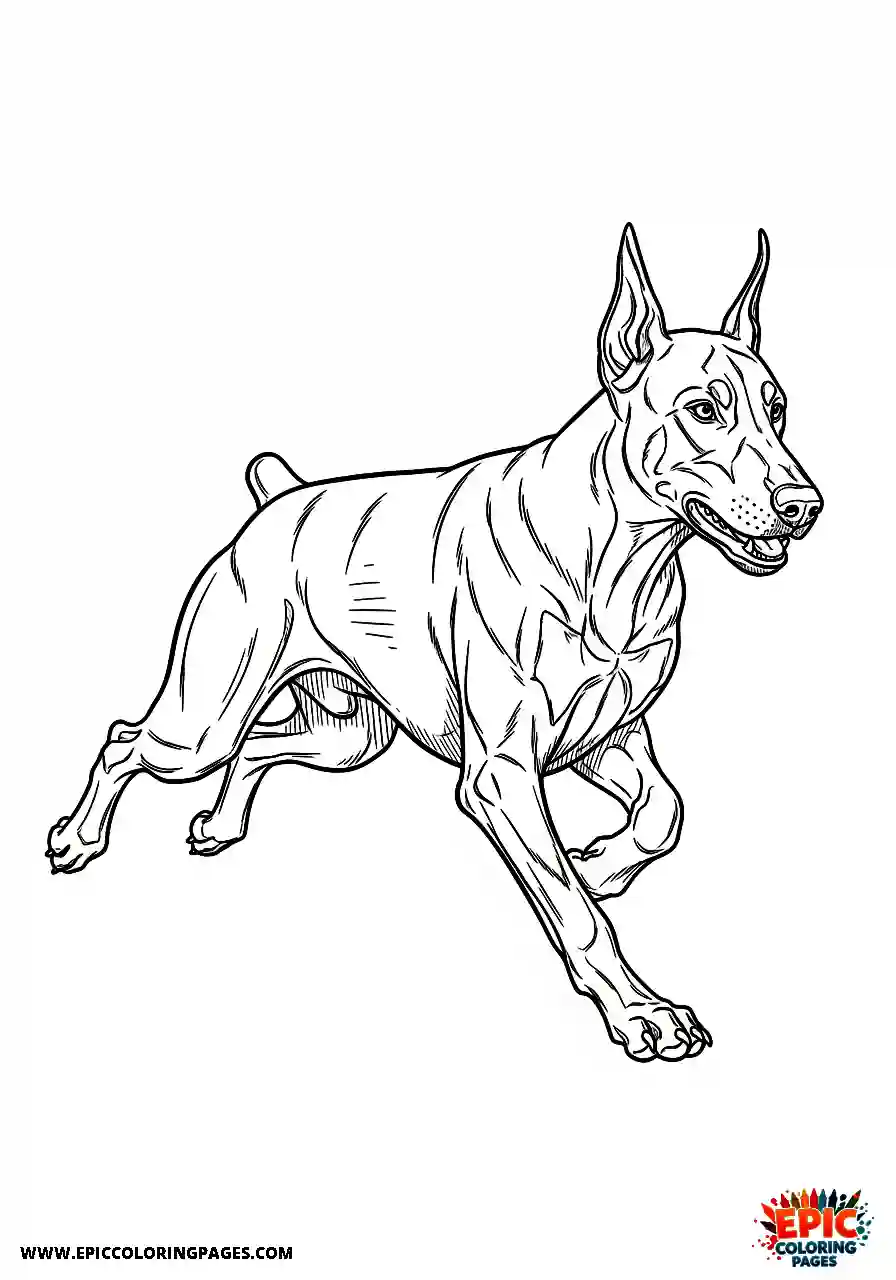
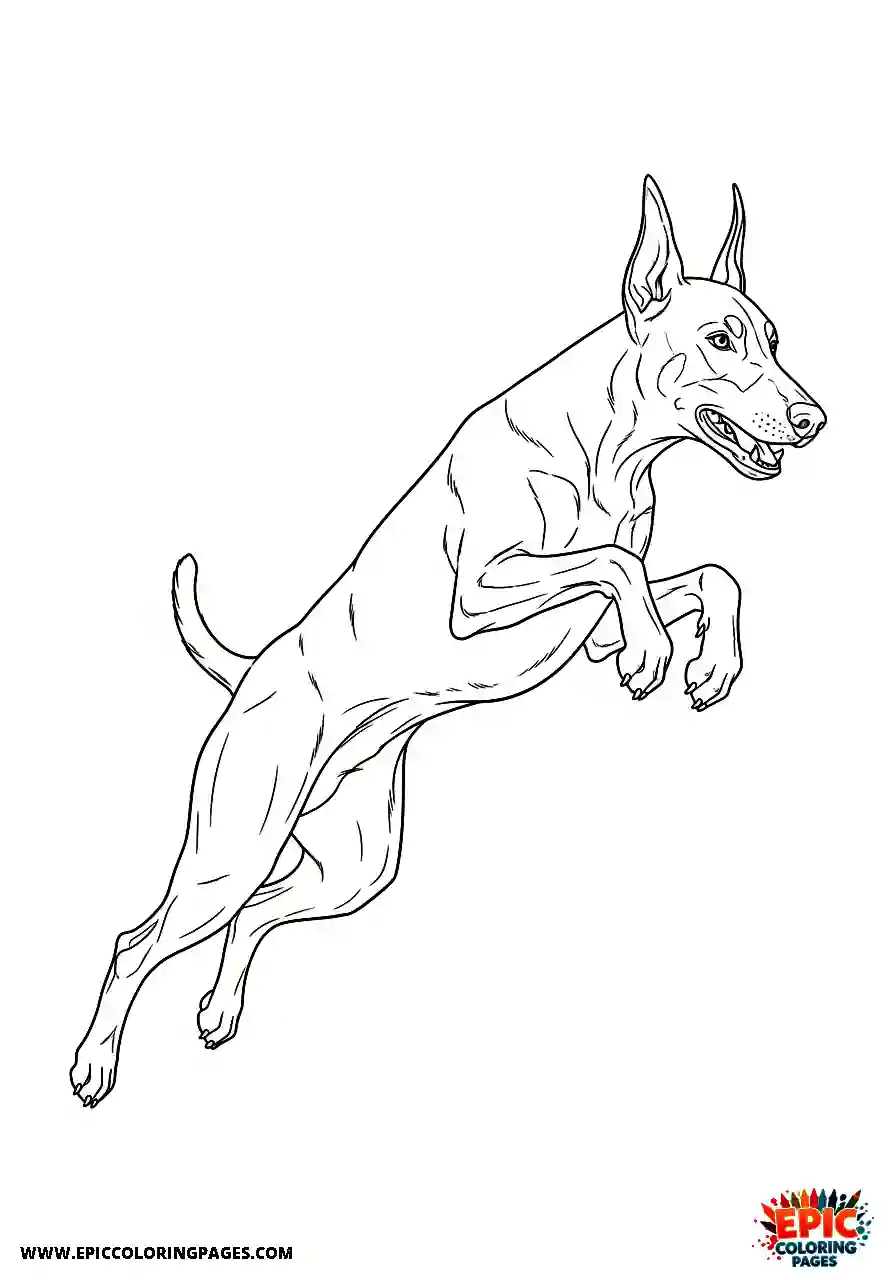
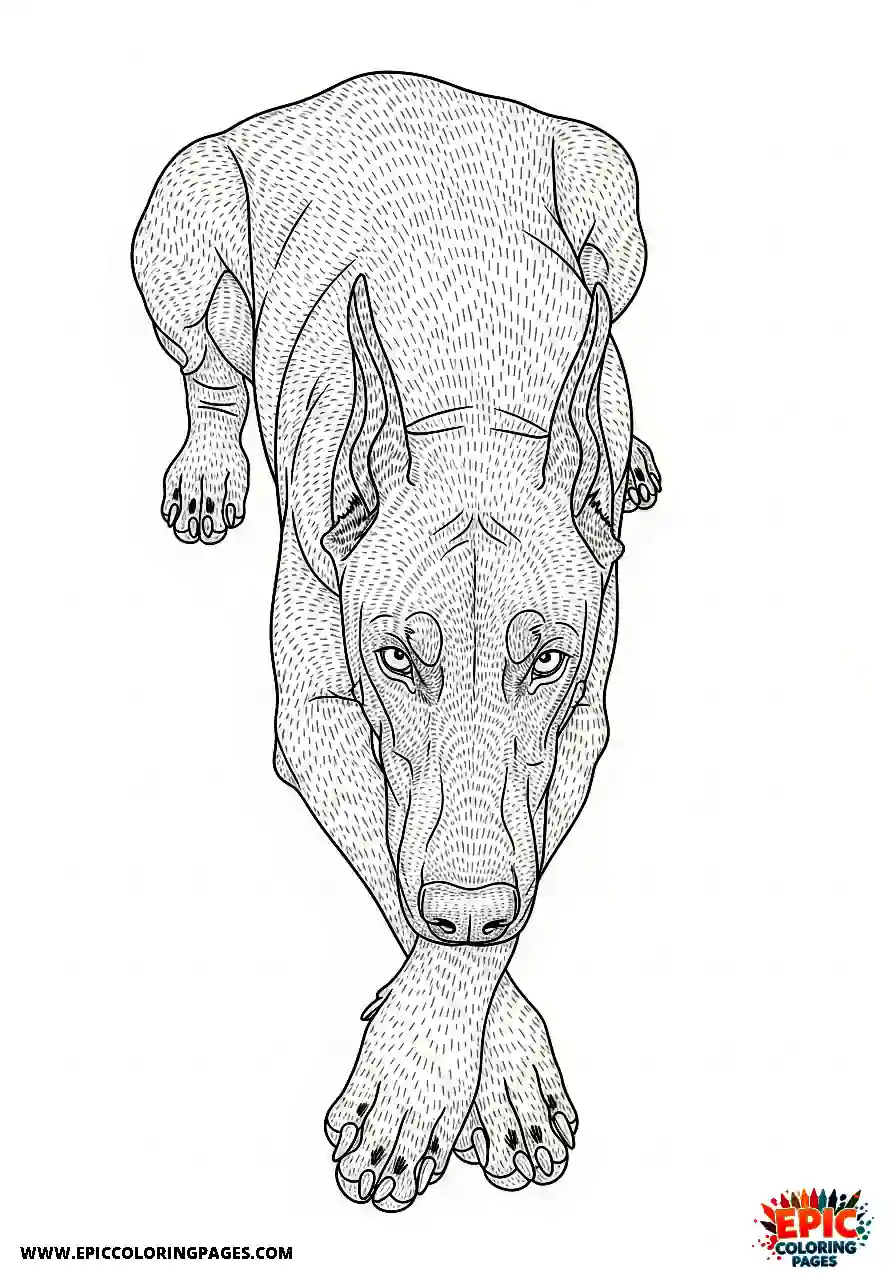
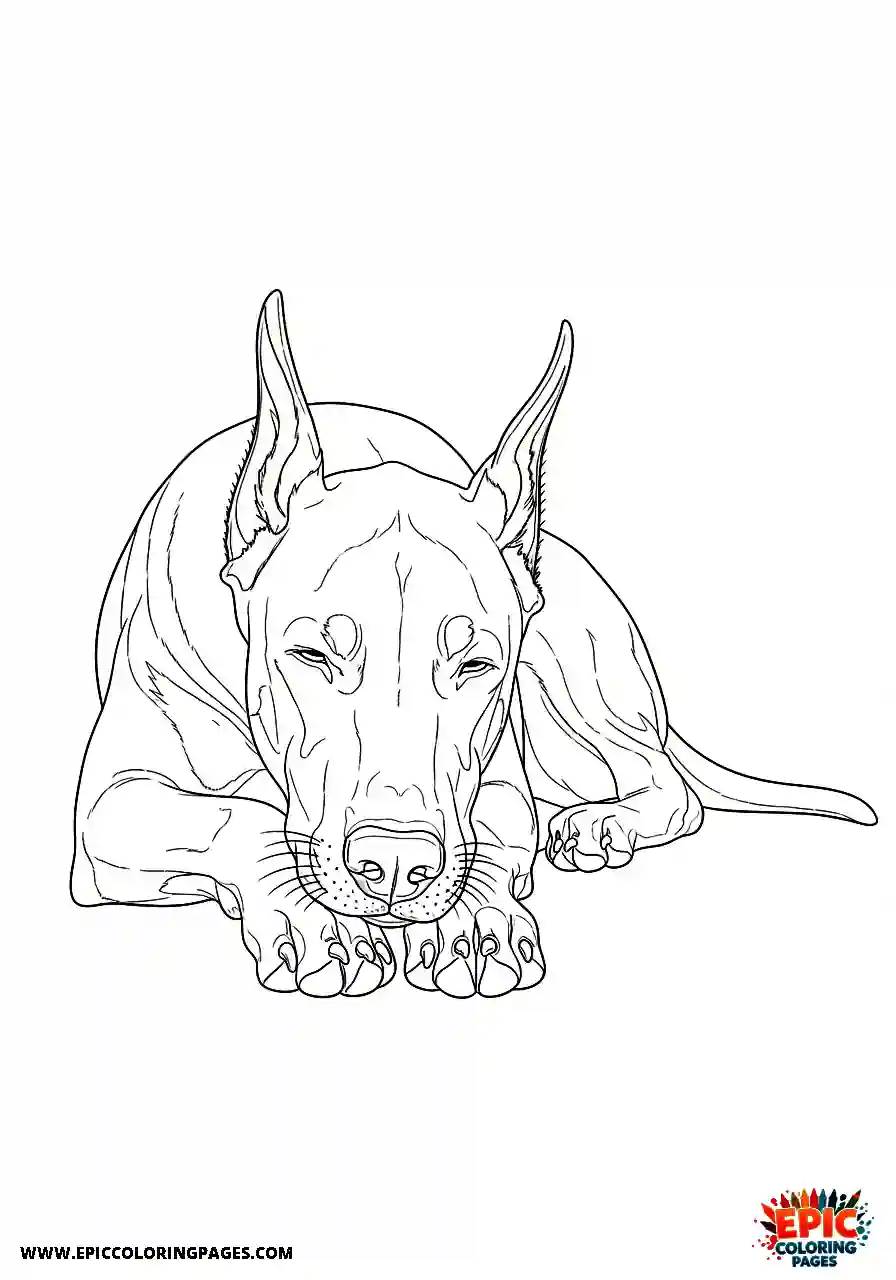
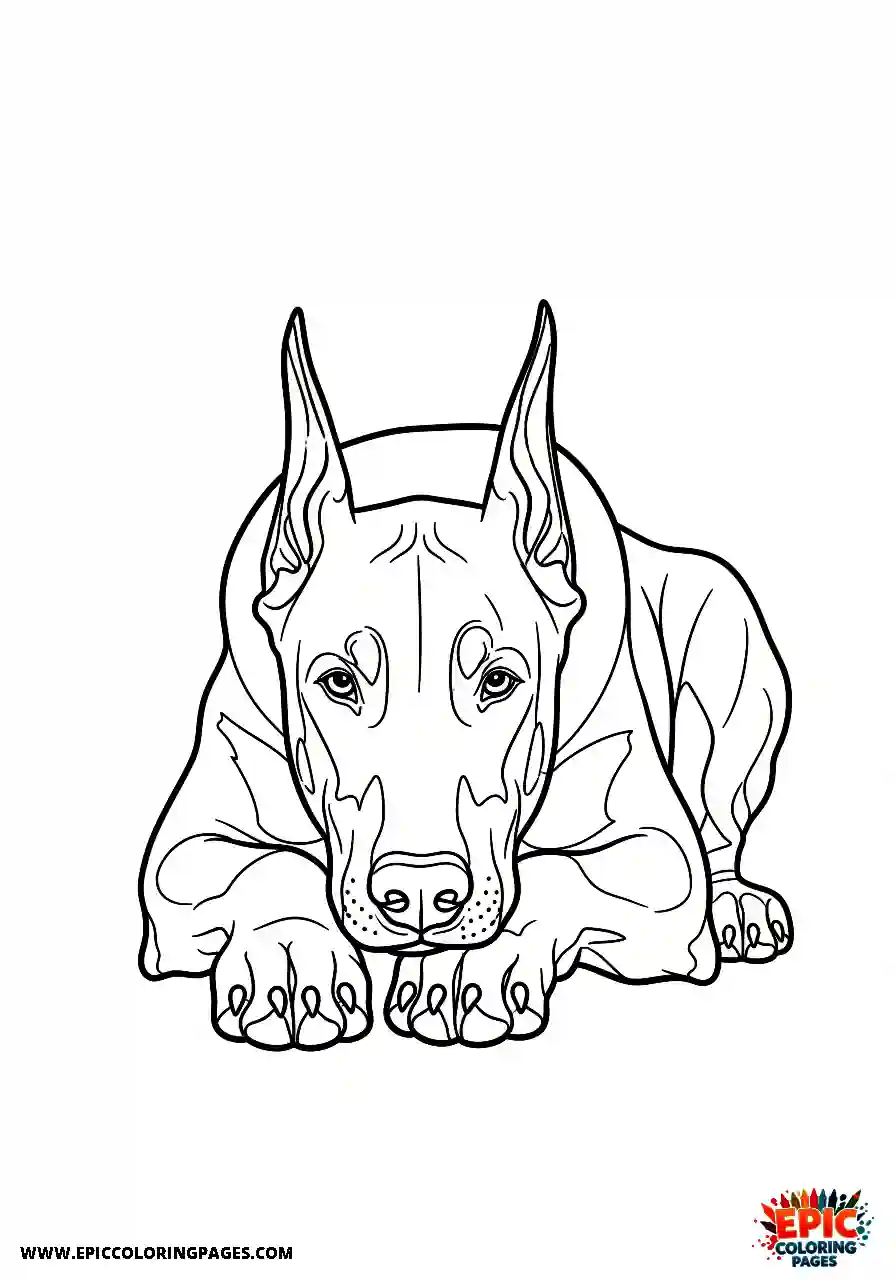
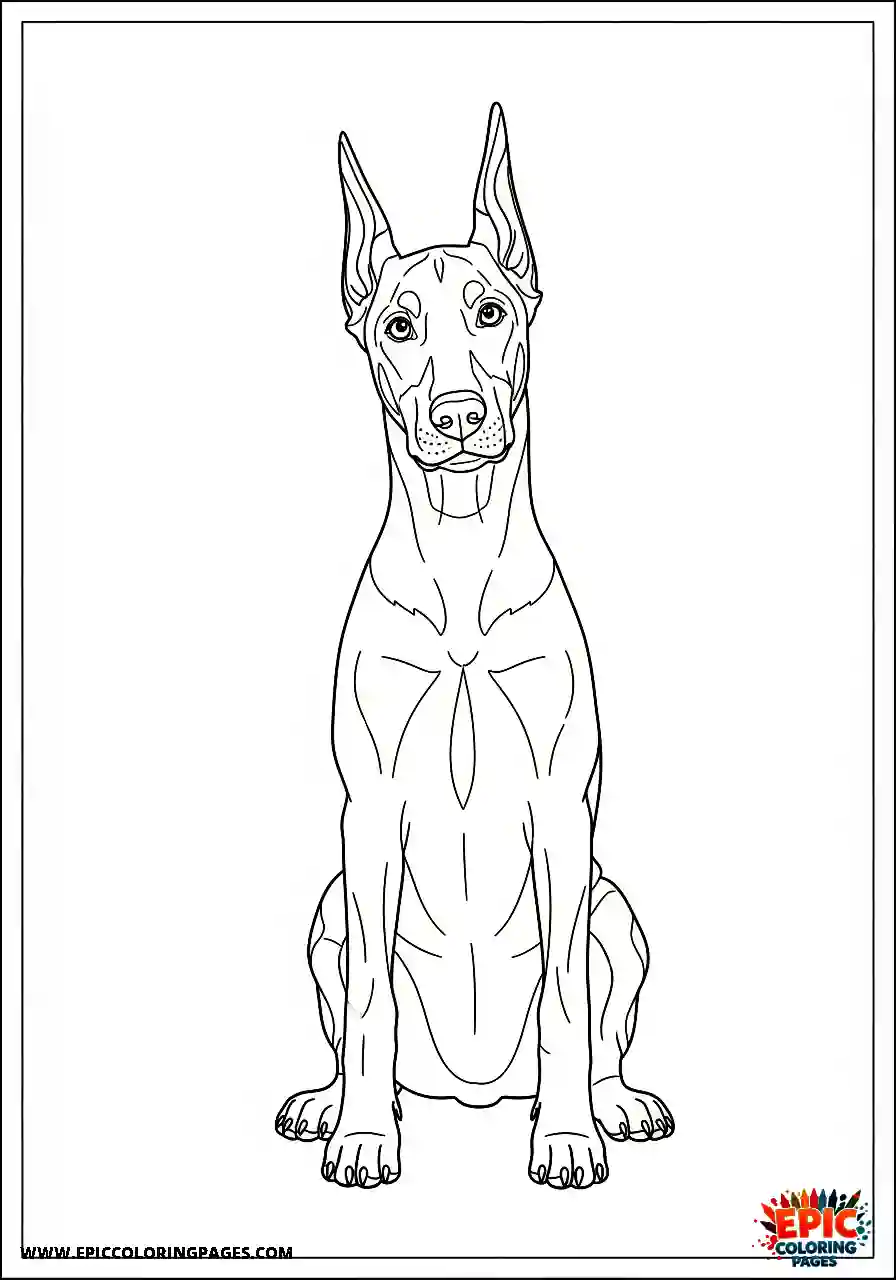
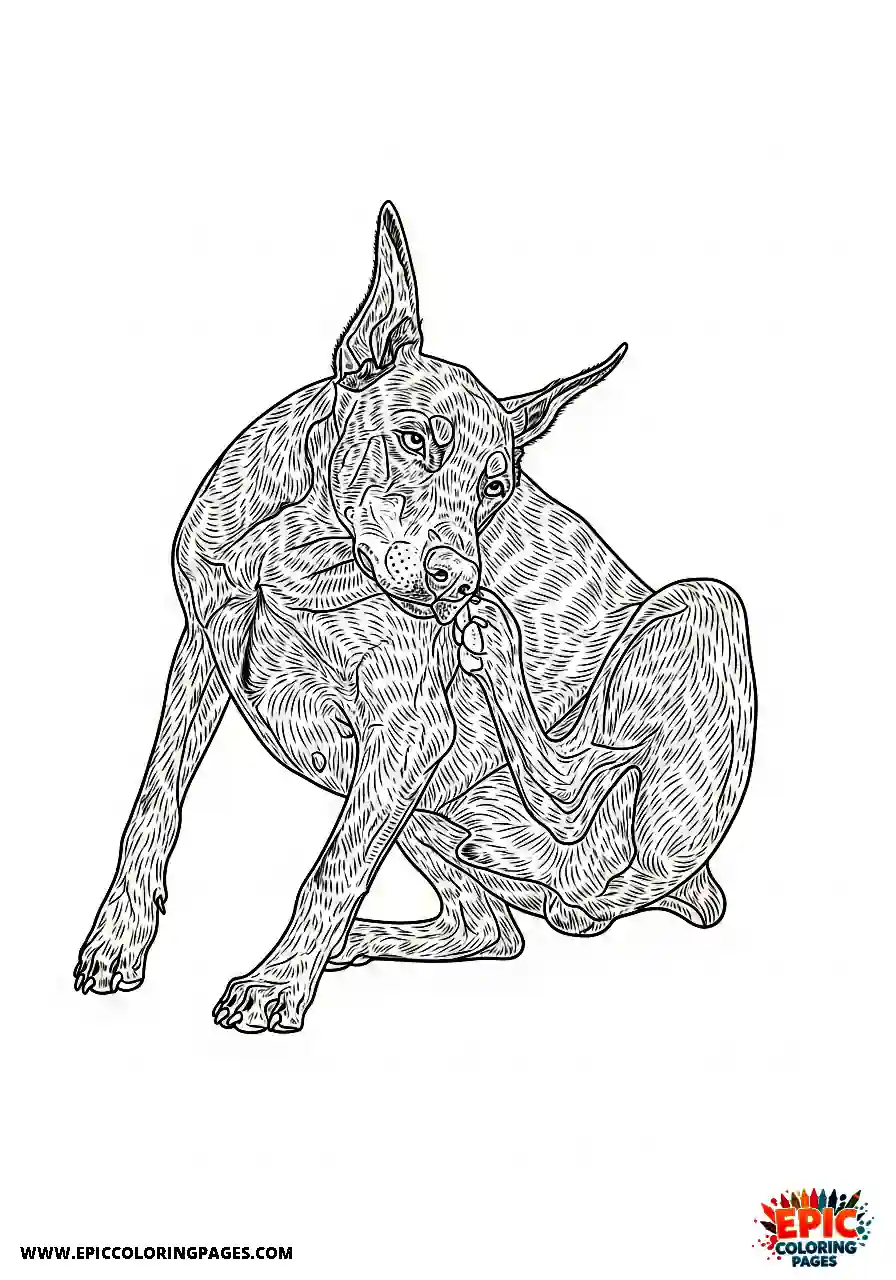
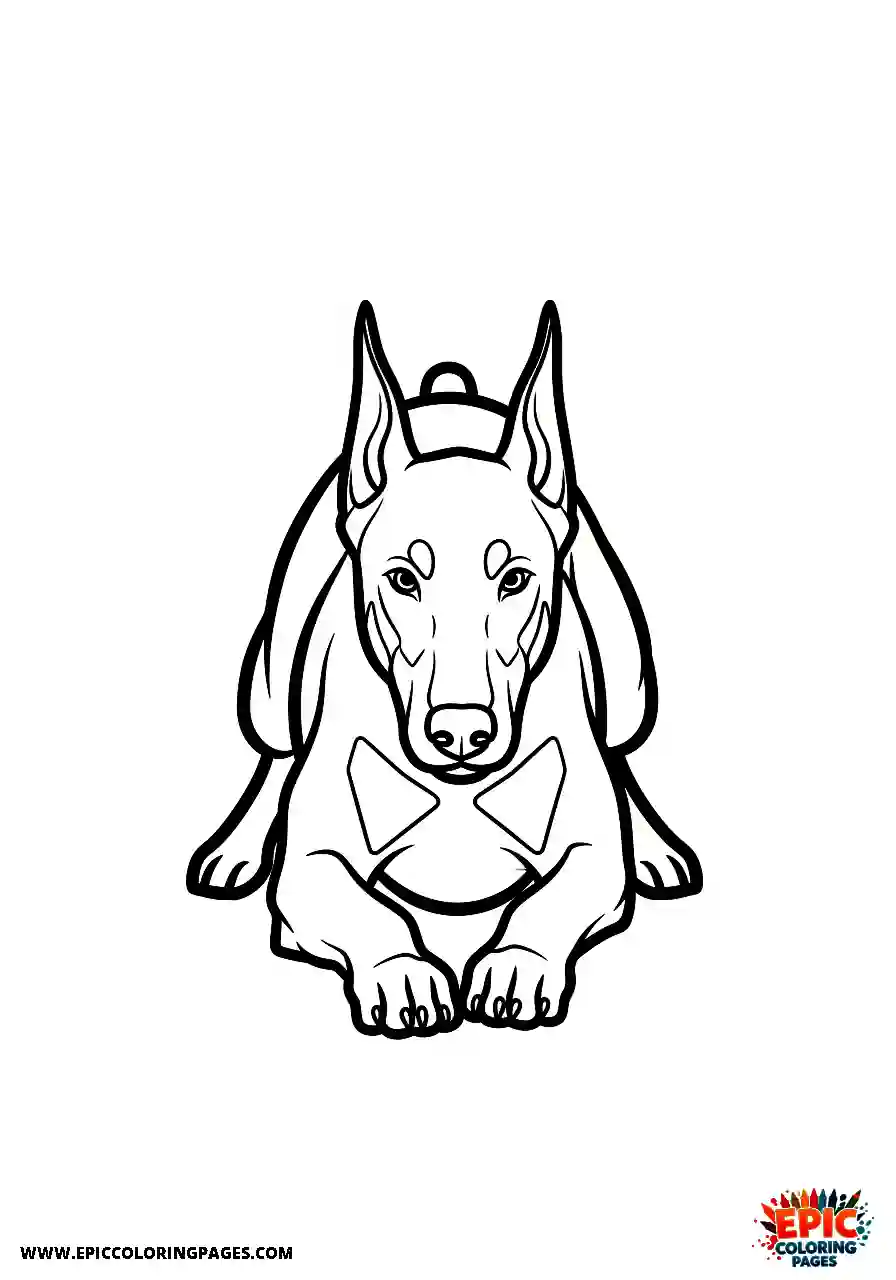
Conversely, realistic and semi-realistic styles focus on anatomical fidelity. Muscle definition, ear positioning, and stance become essential elements, often requiring more advanced coloring techniques such as shading and gradient blending. This dual adaptability ranging from playful abstraction to technical realism explains why the breed remains a consistent subject in curated coloring collections.
Dynamic Doberman Collection
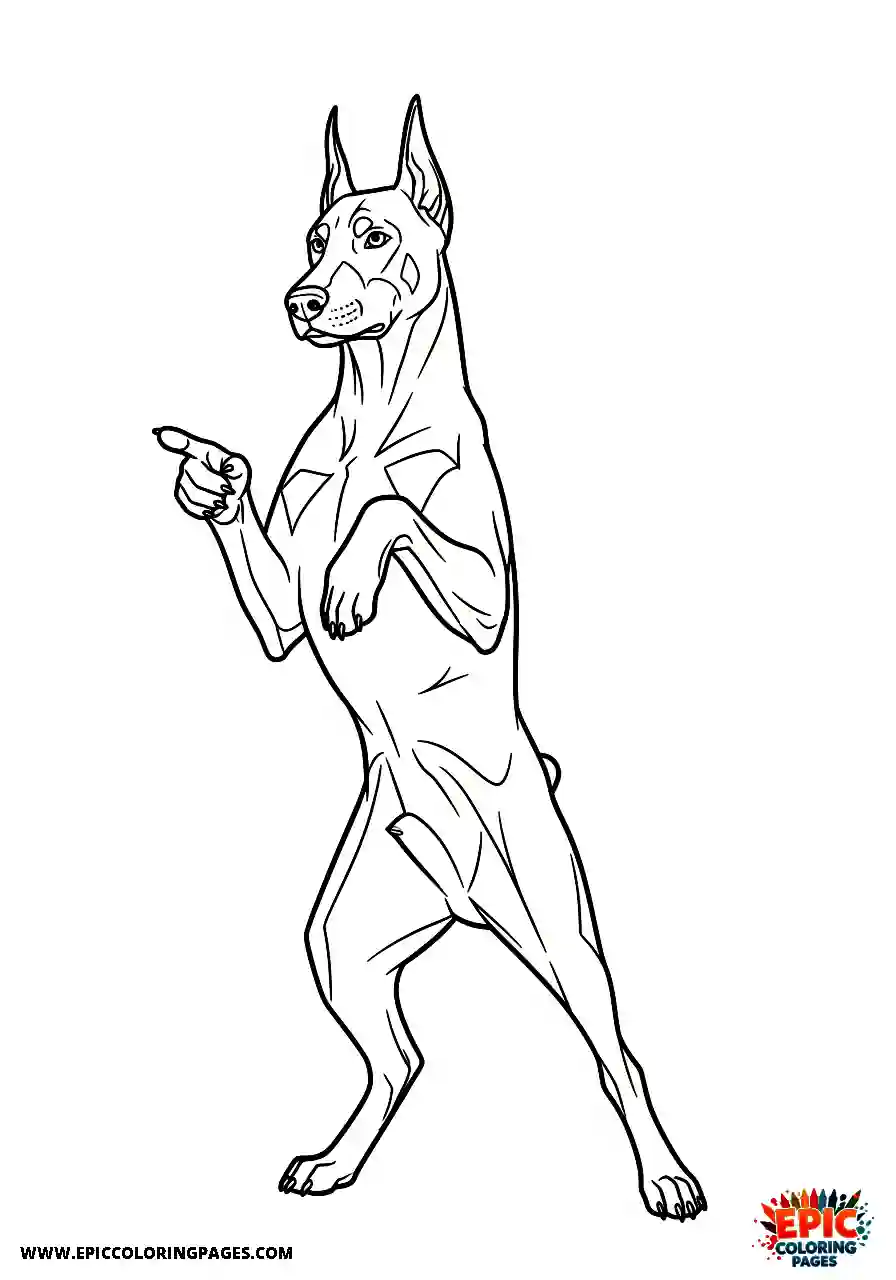
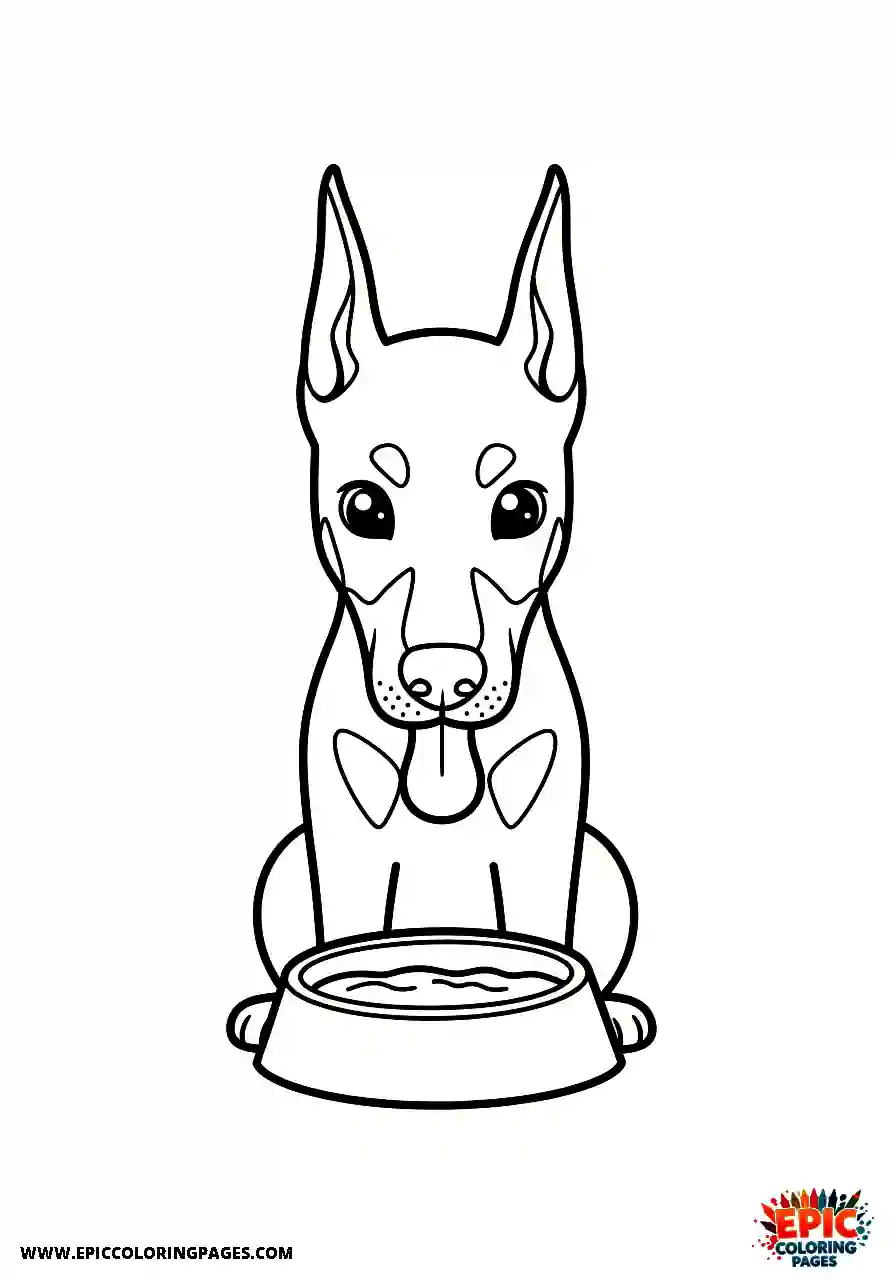
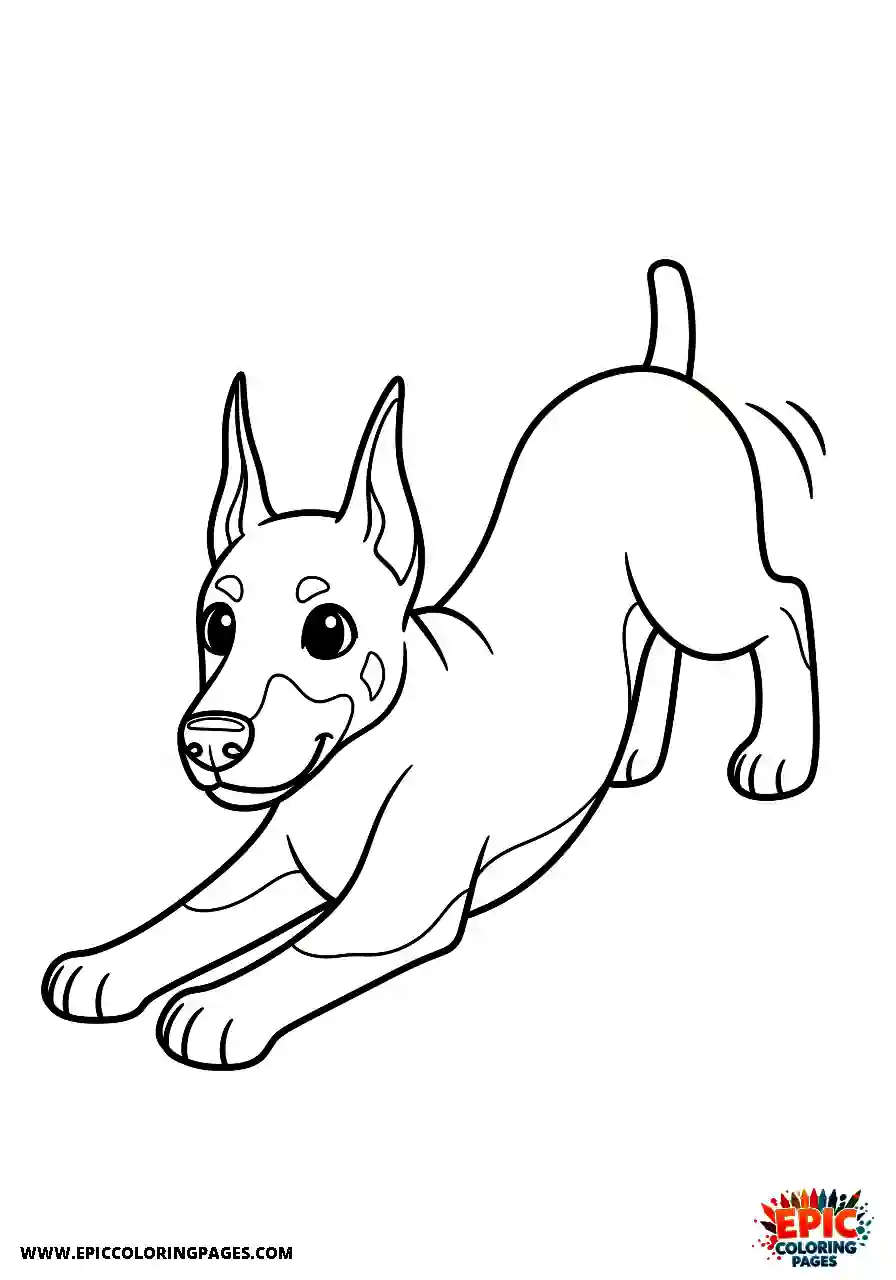
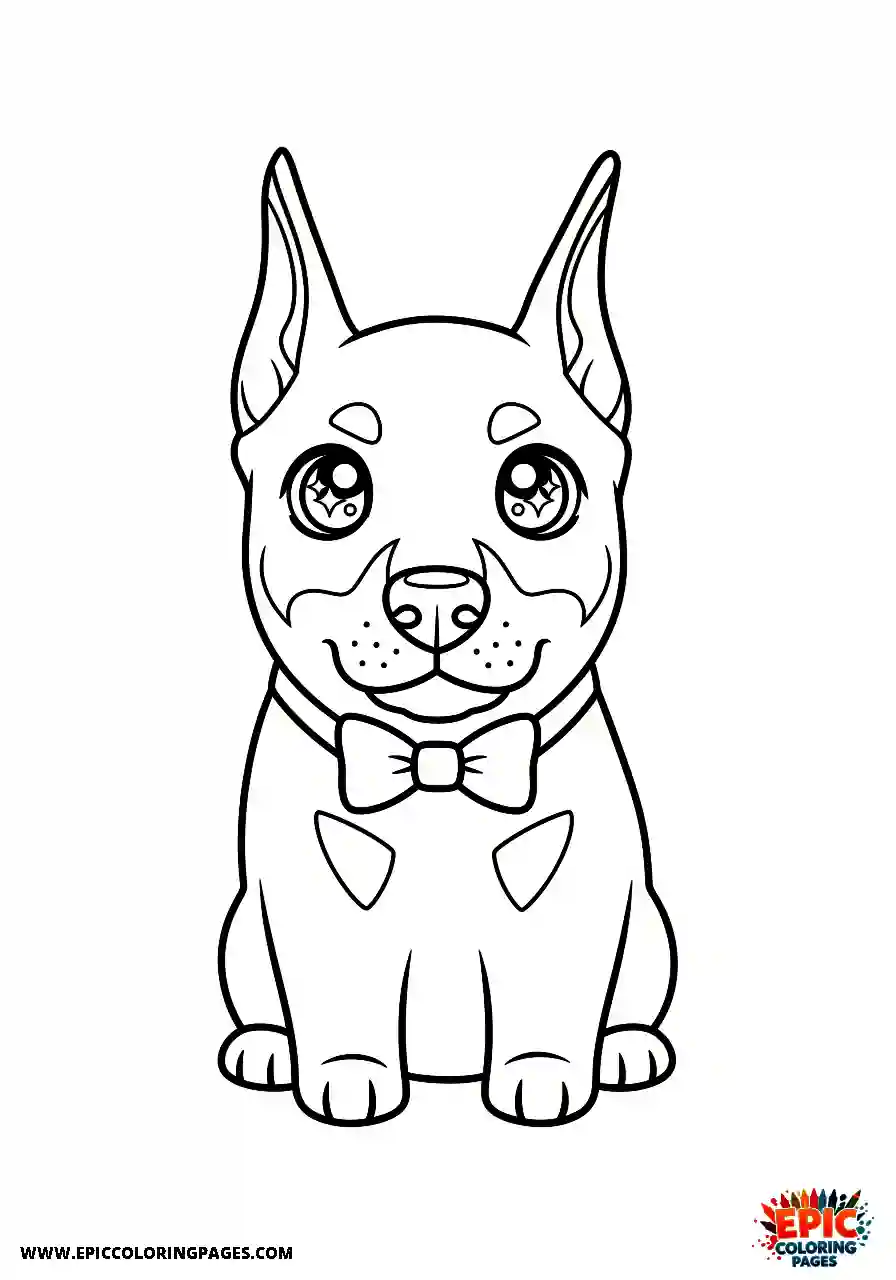
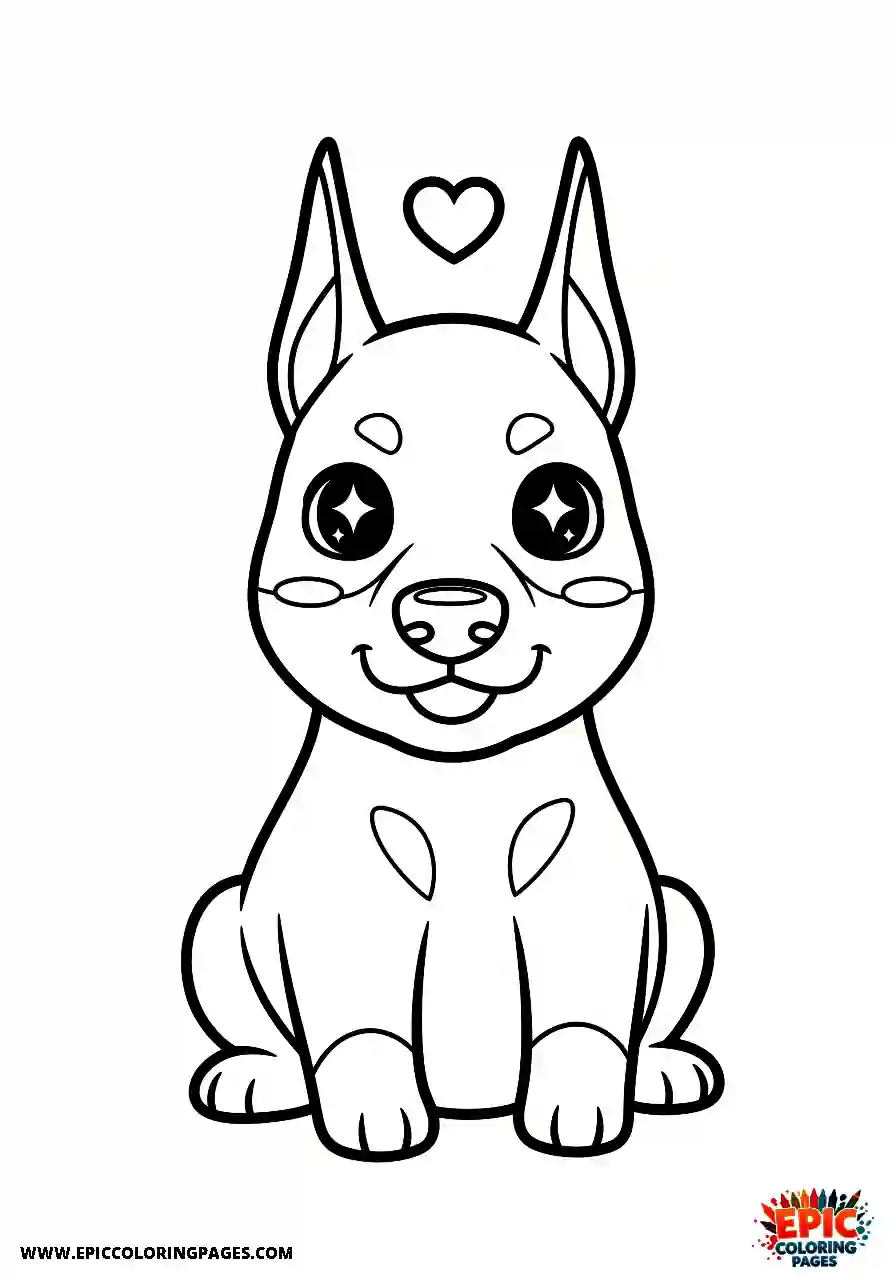
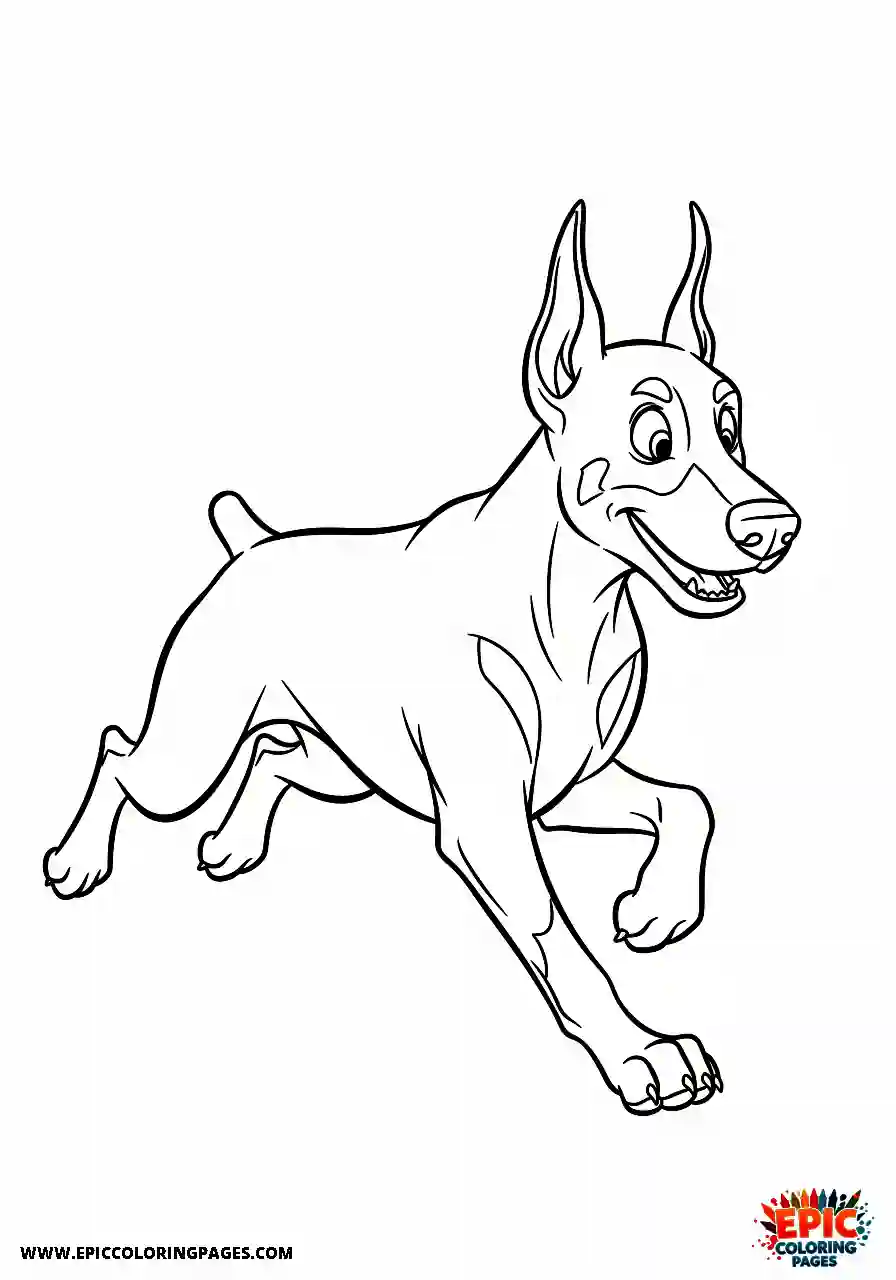
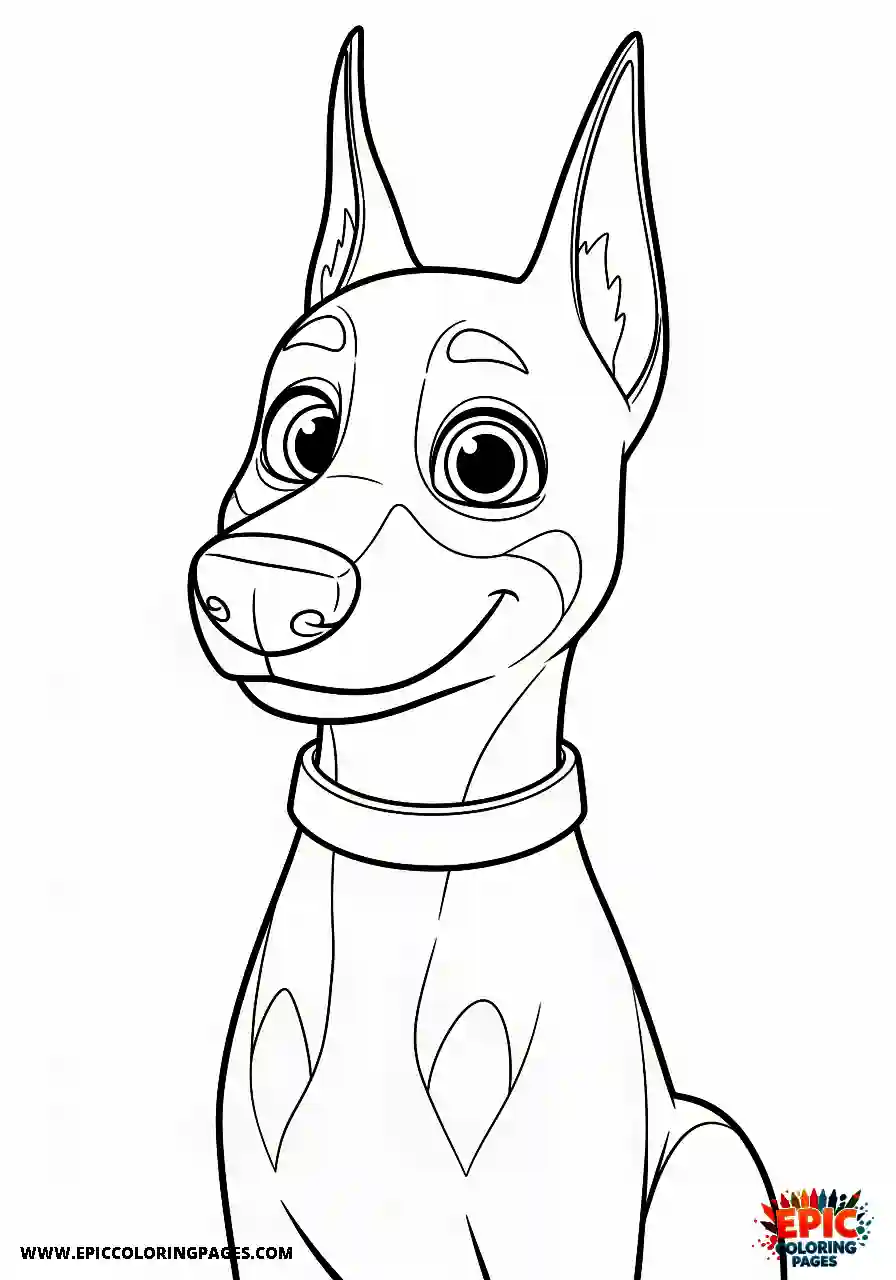
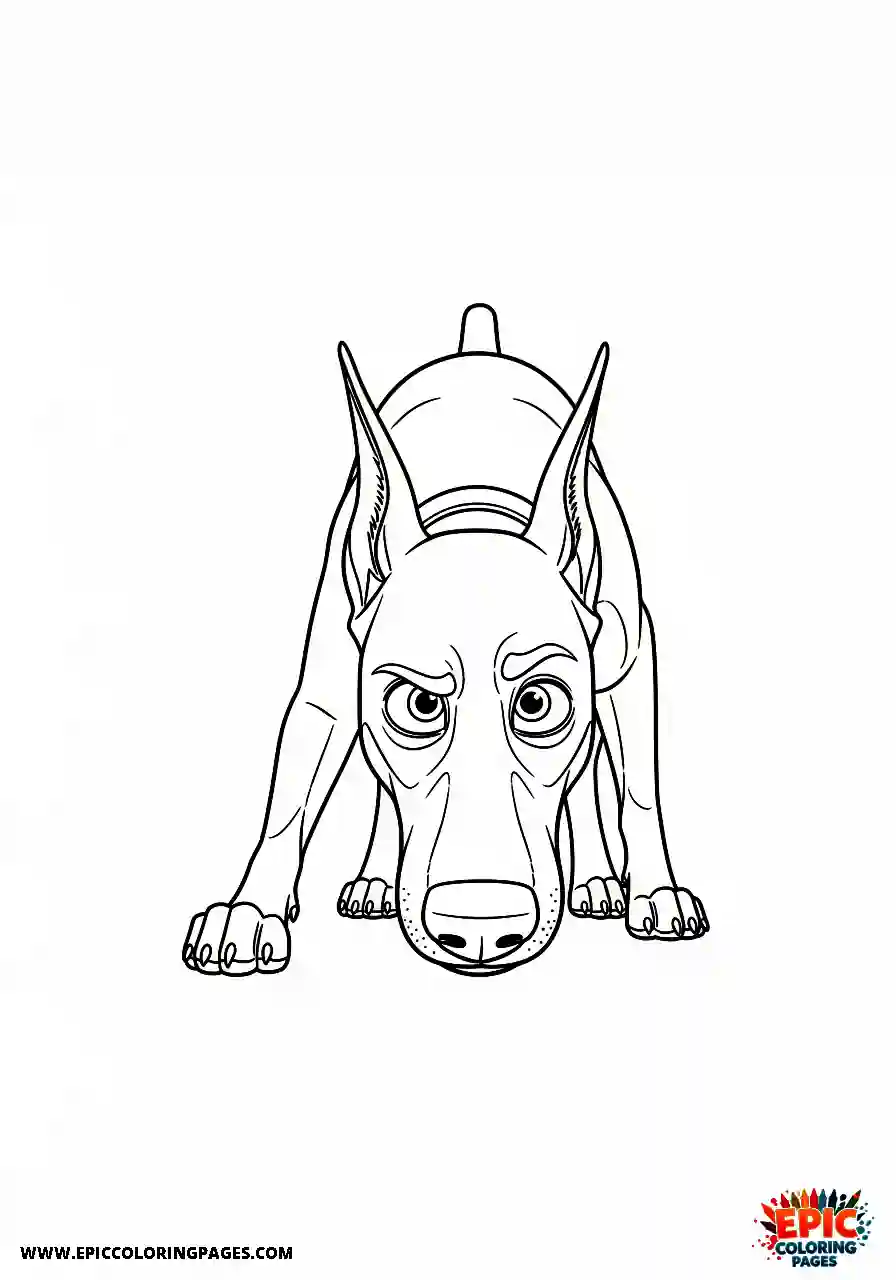
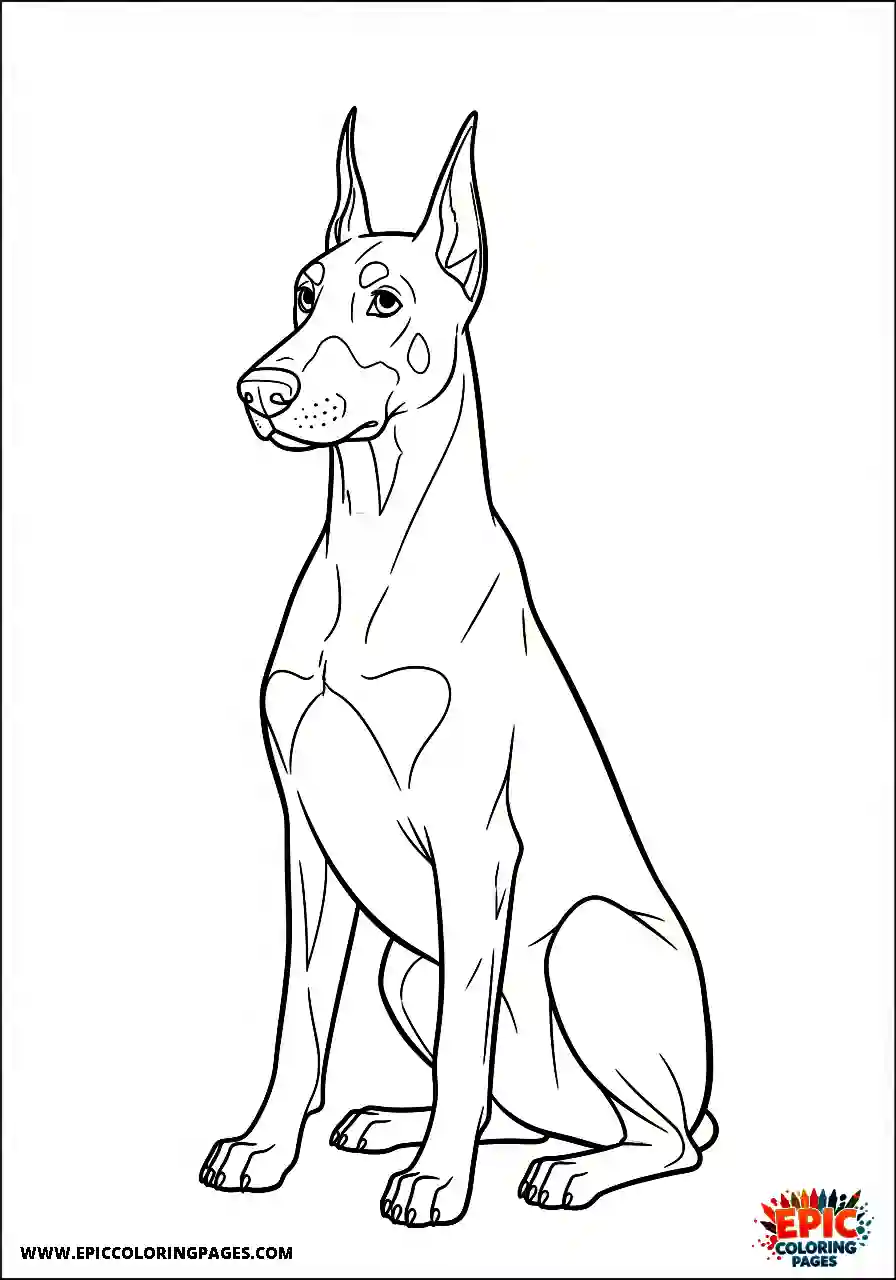
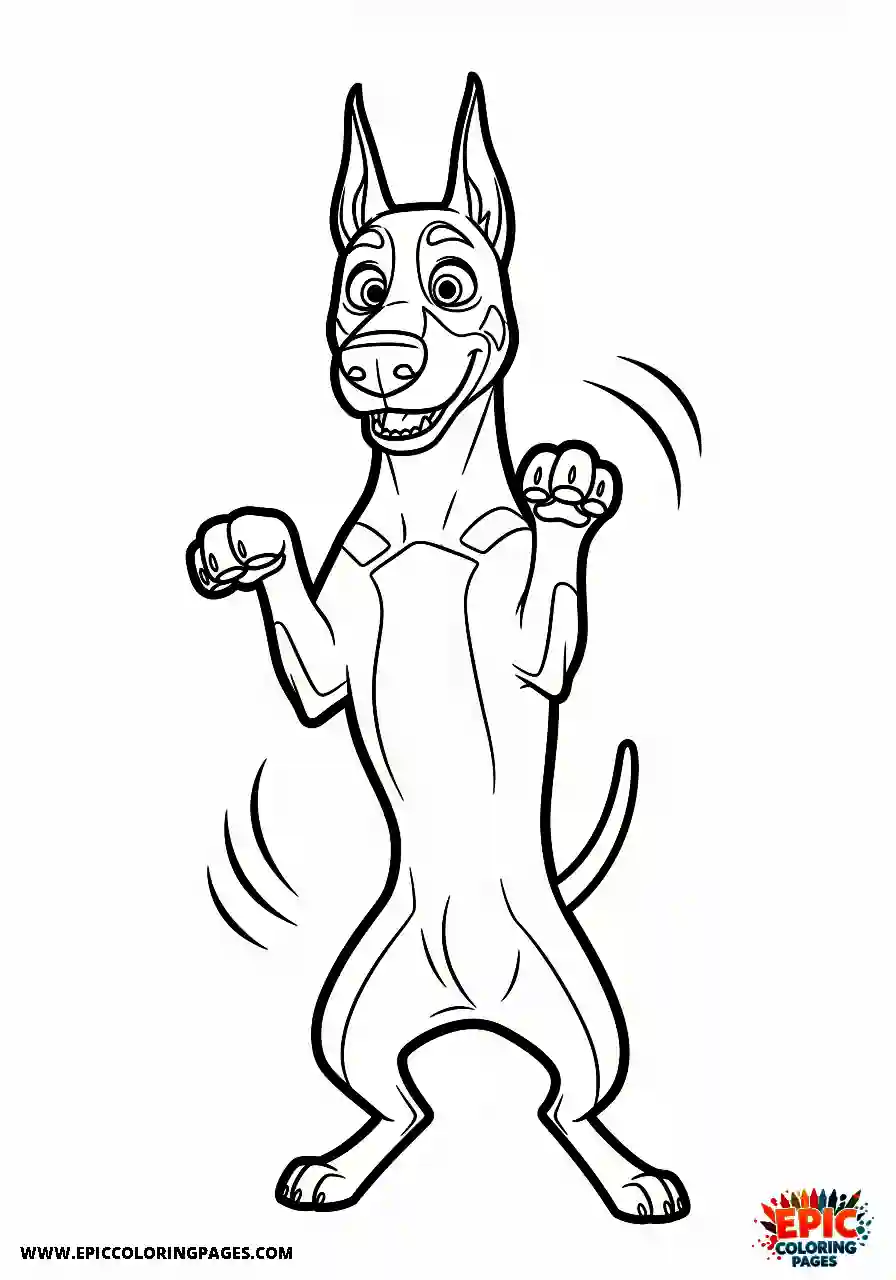
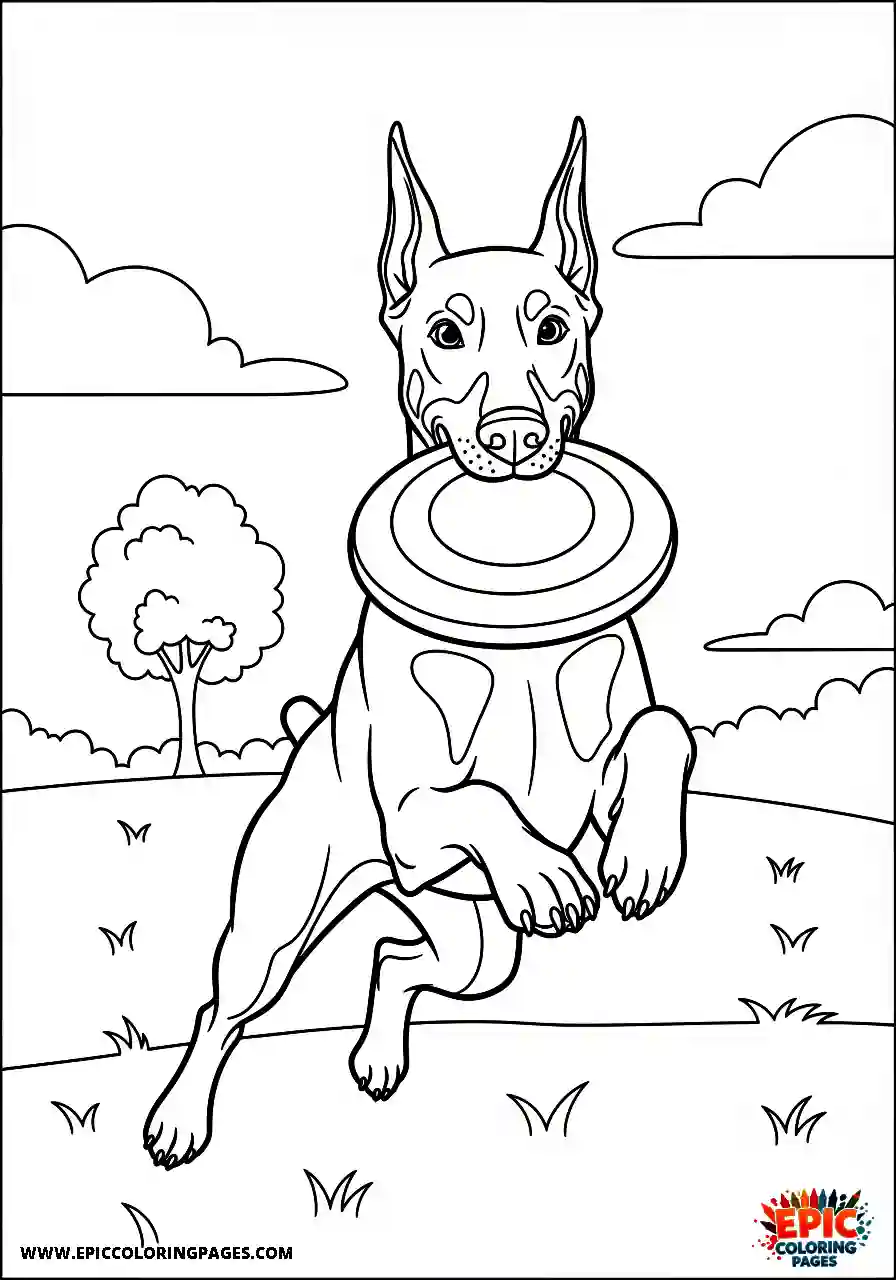
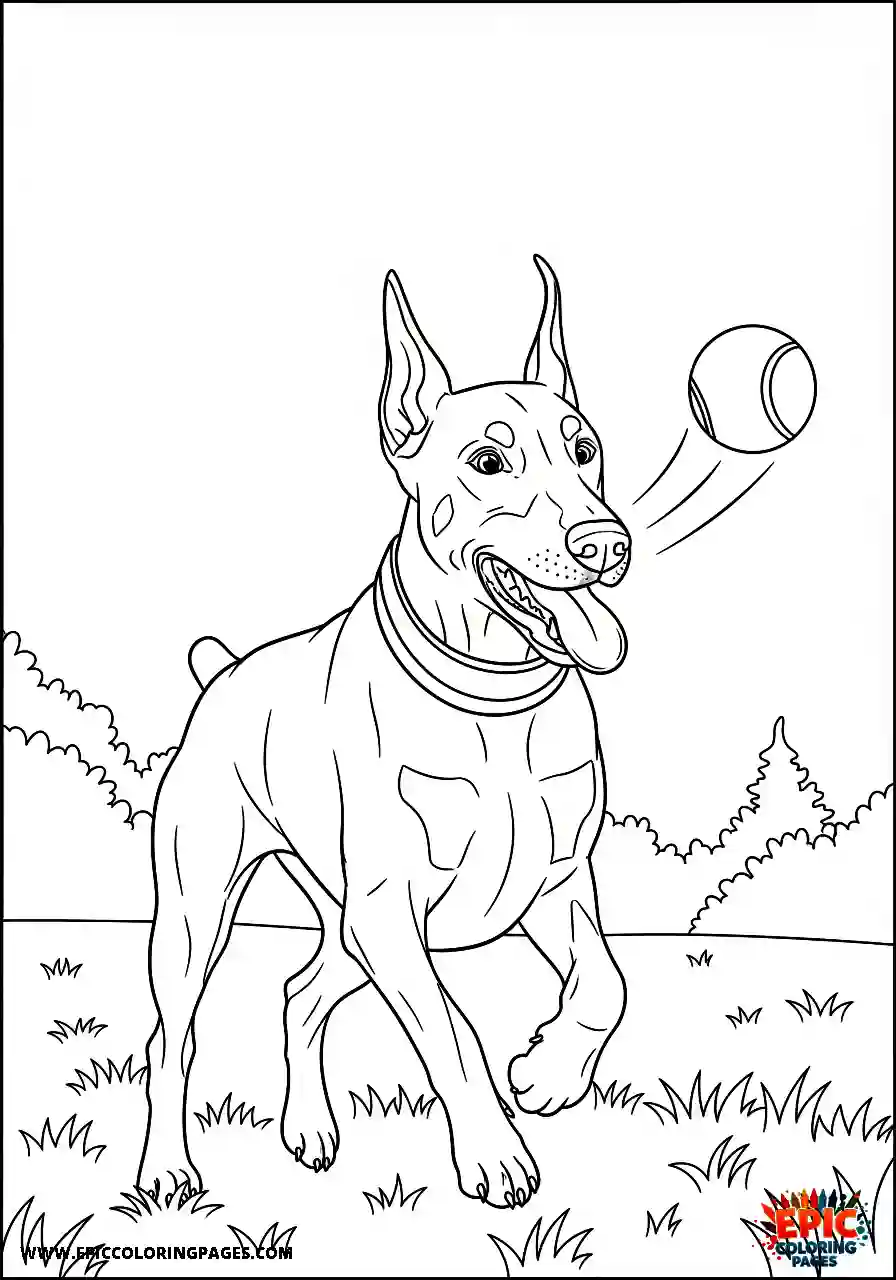
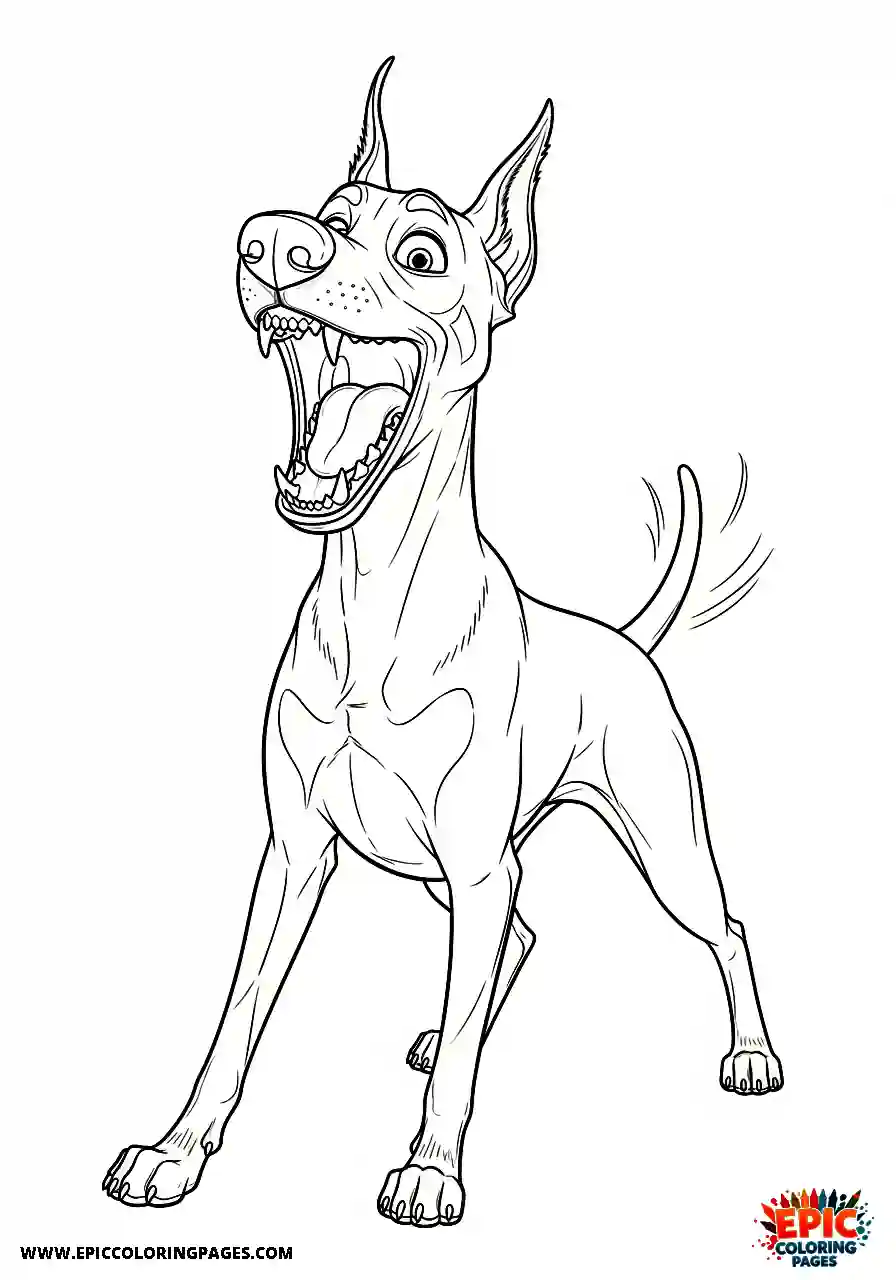
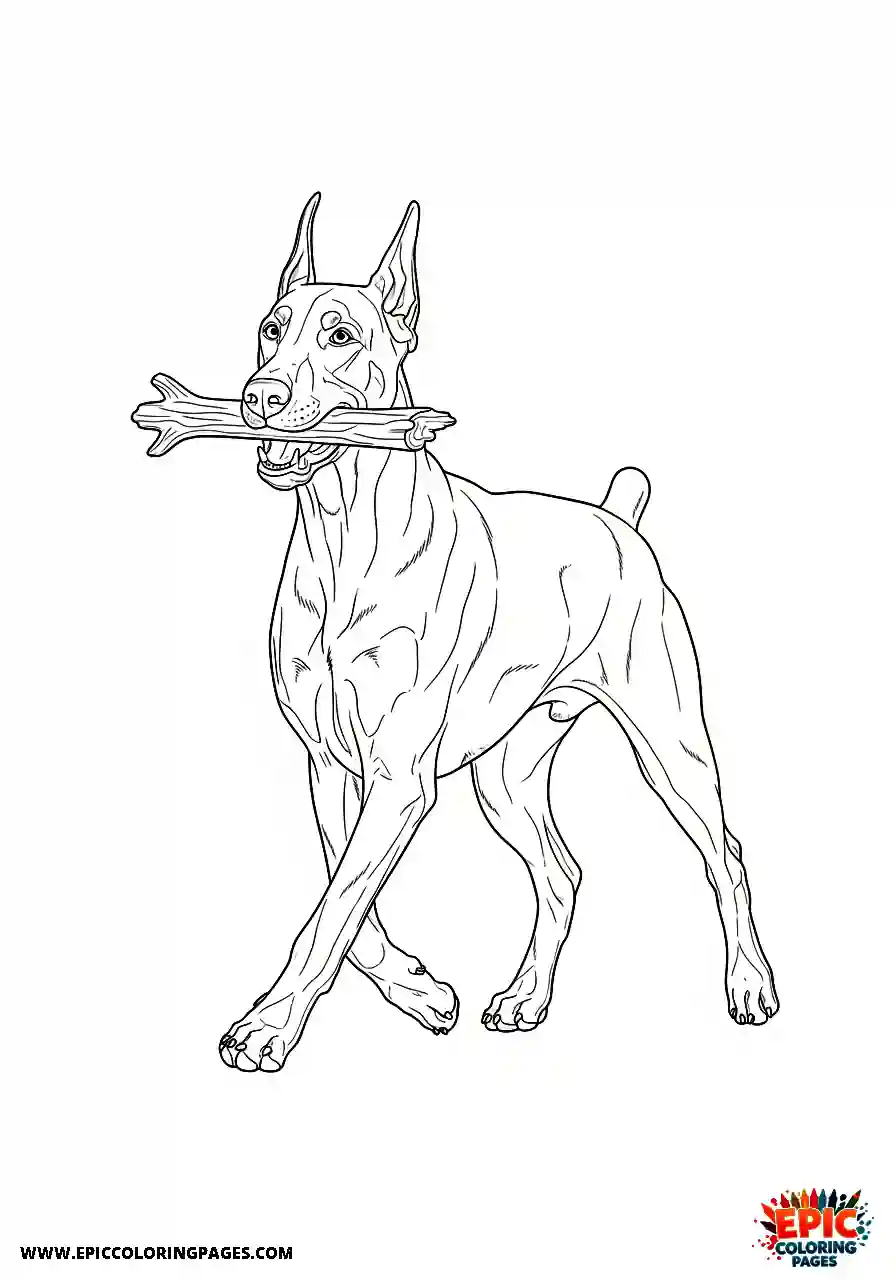
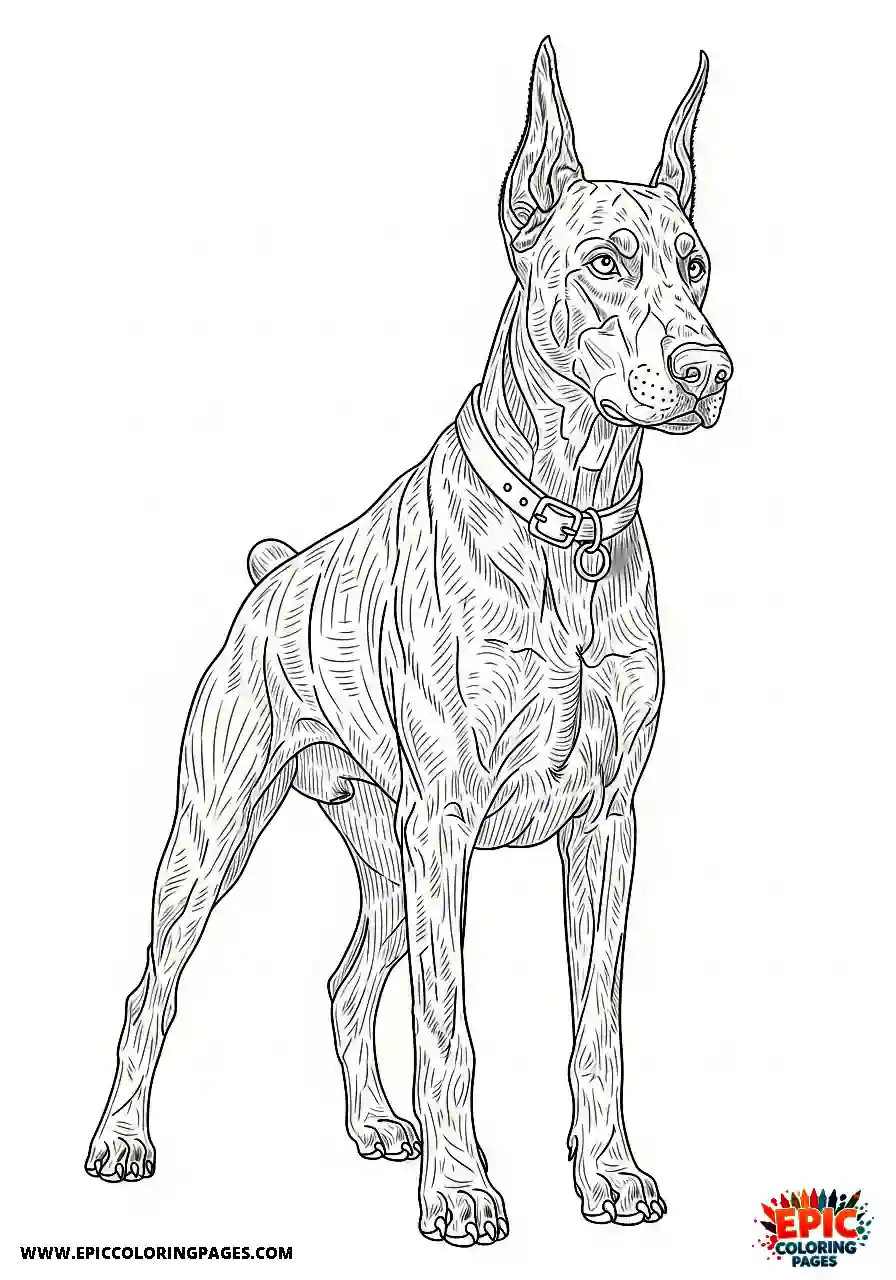
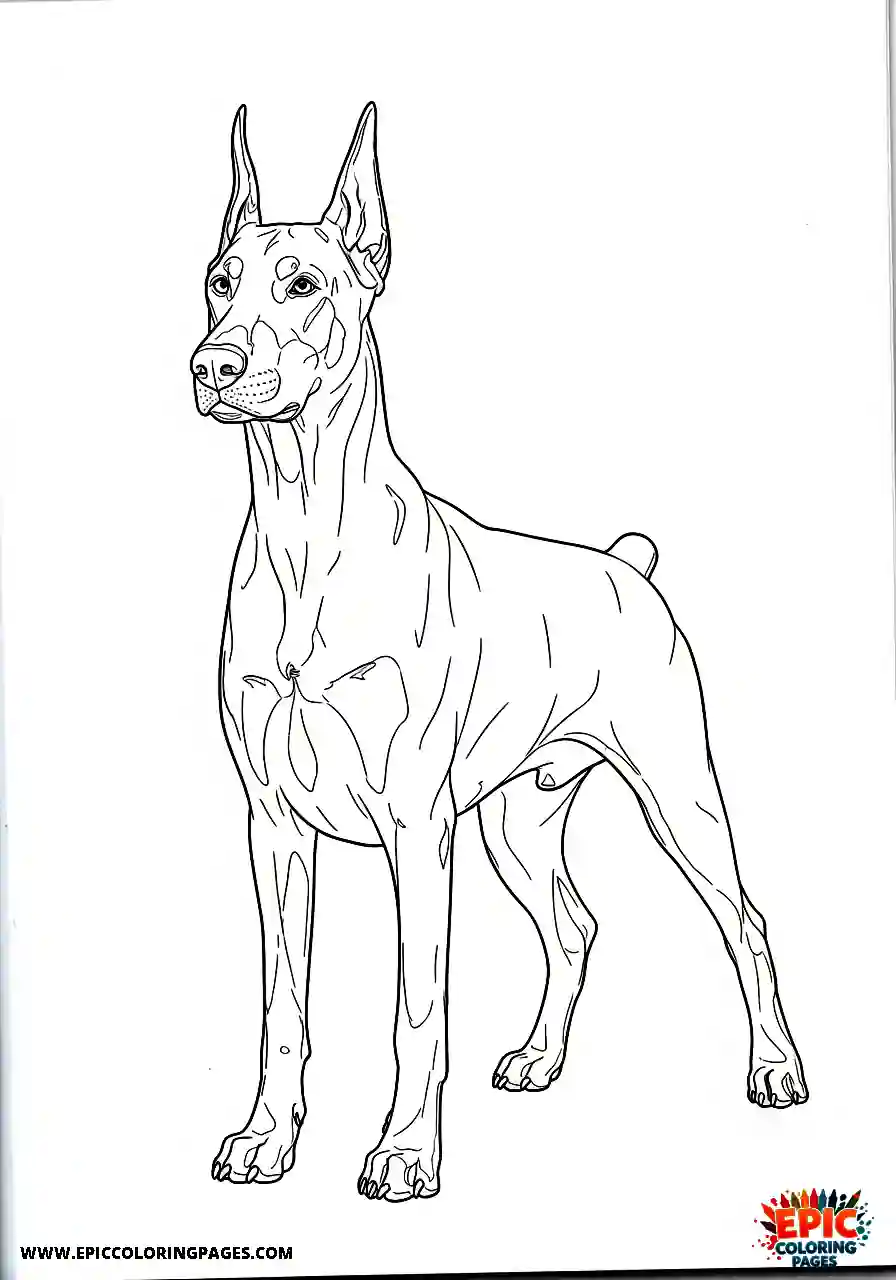
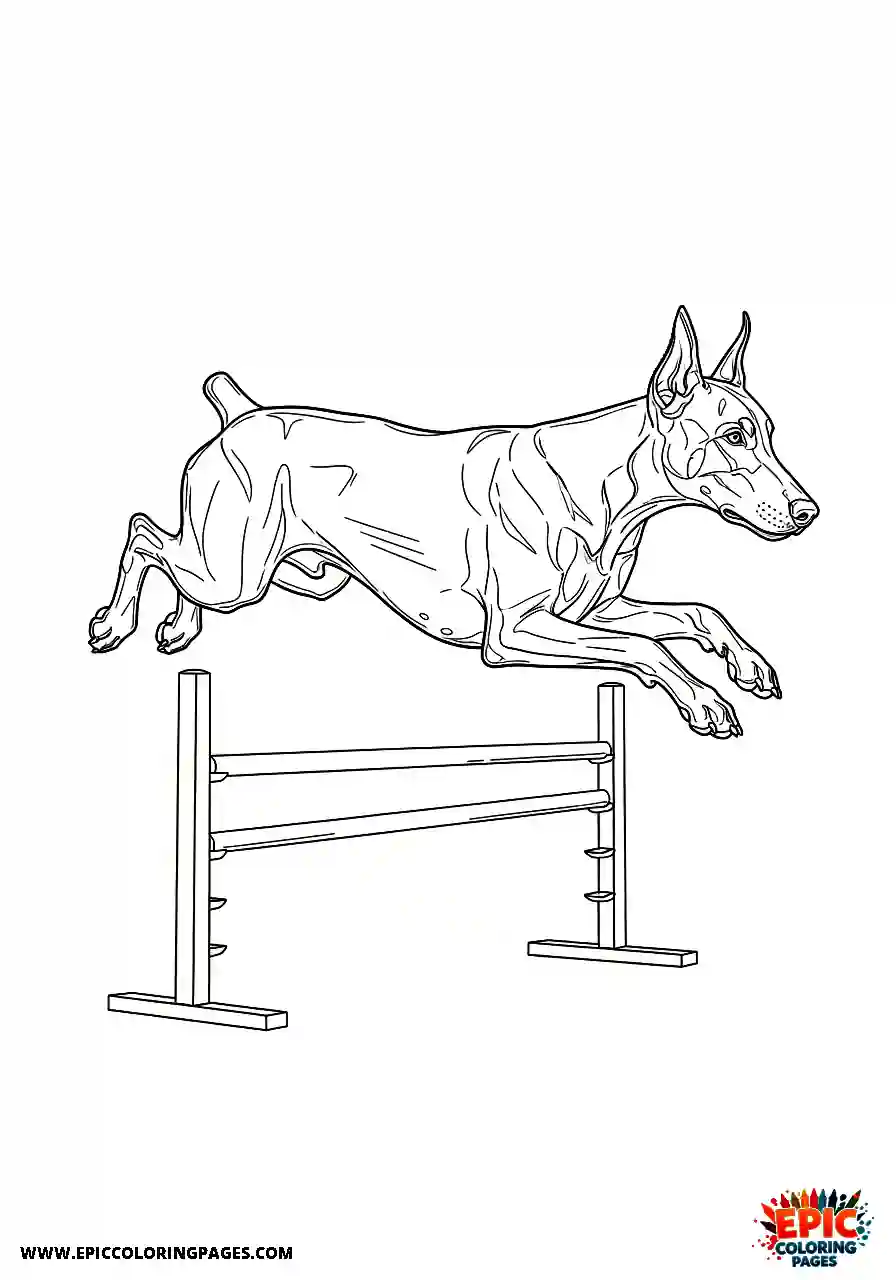
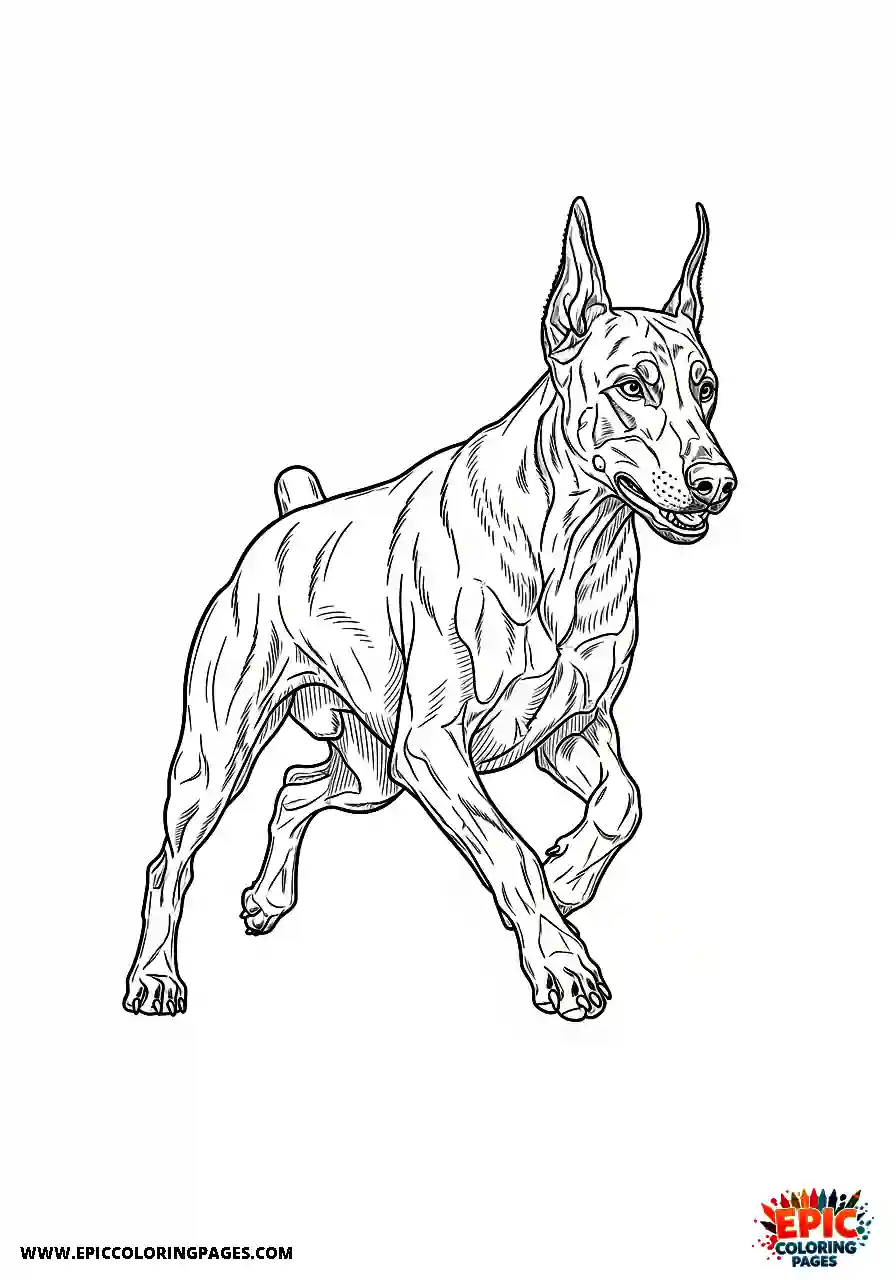
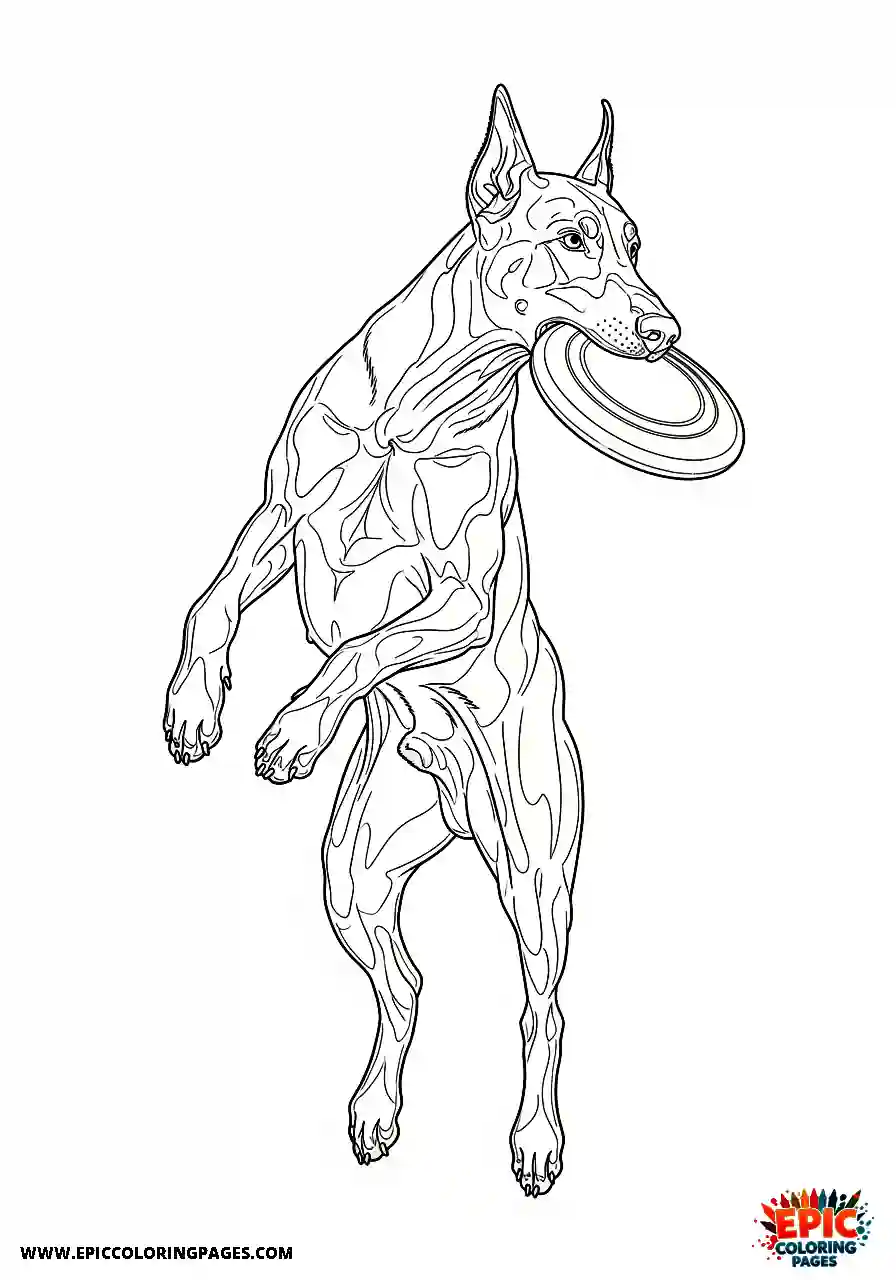
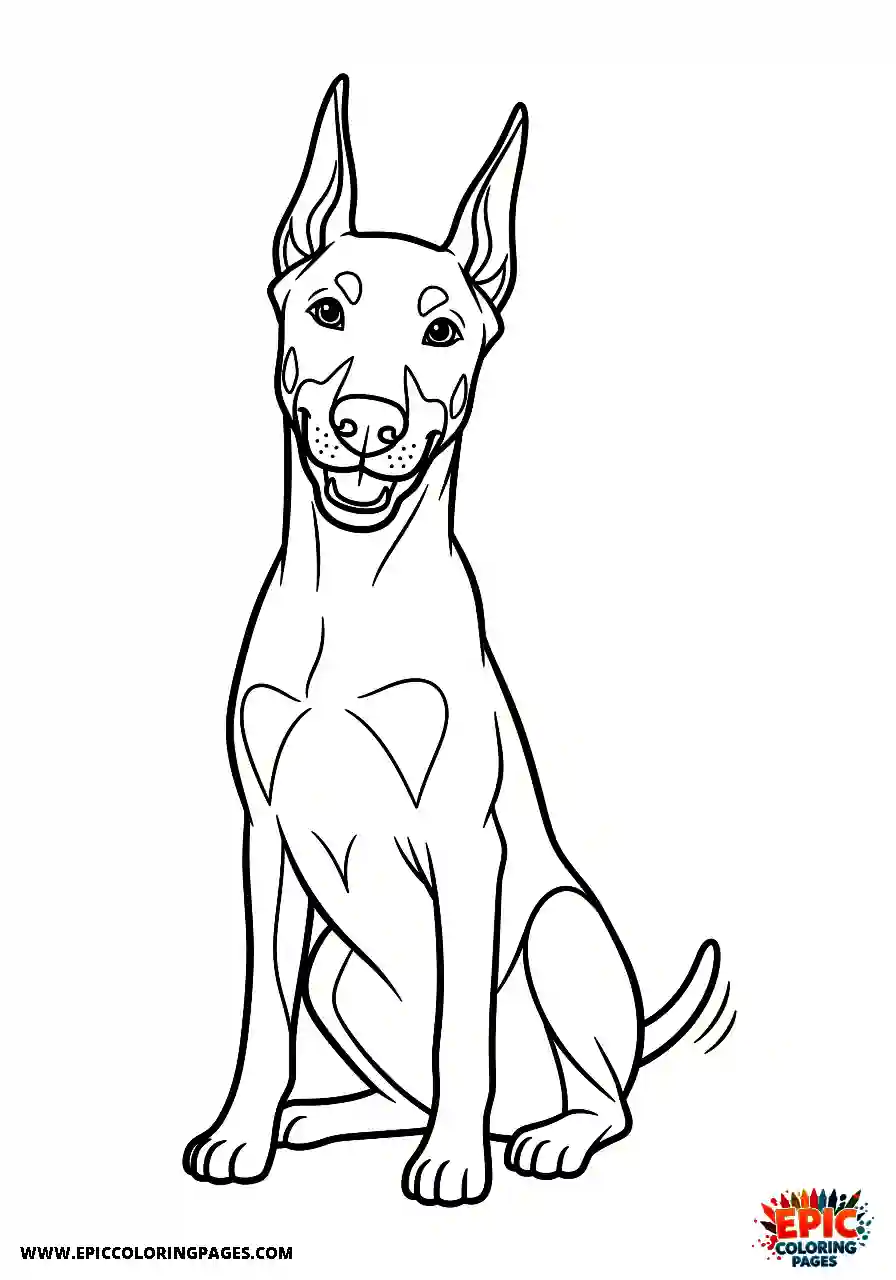
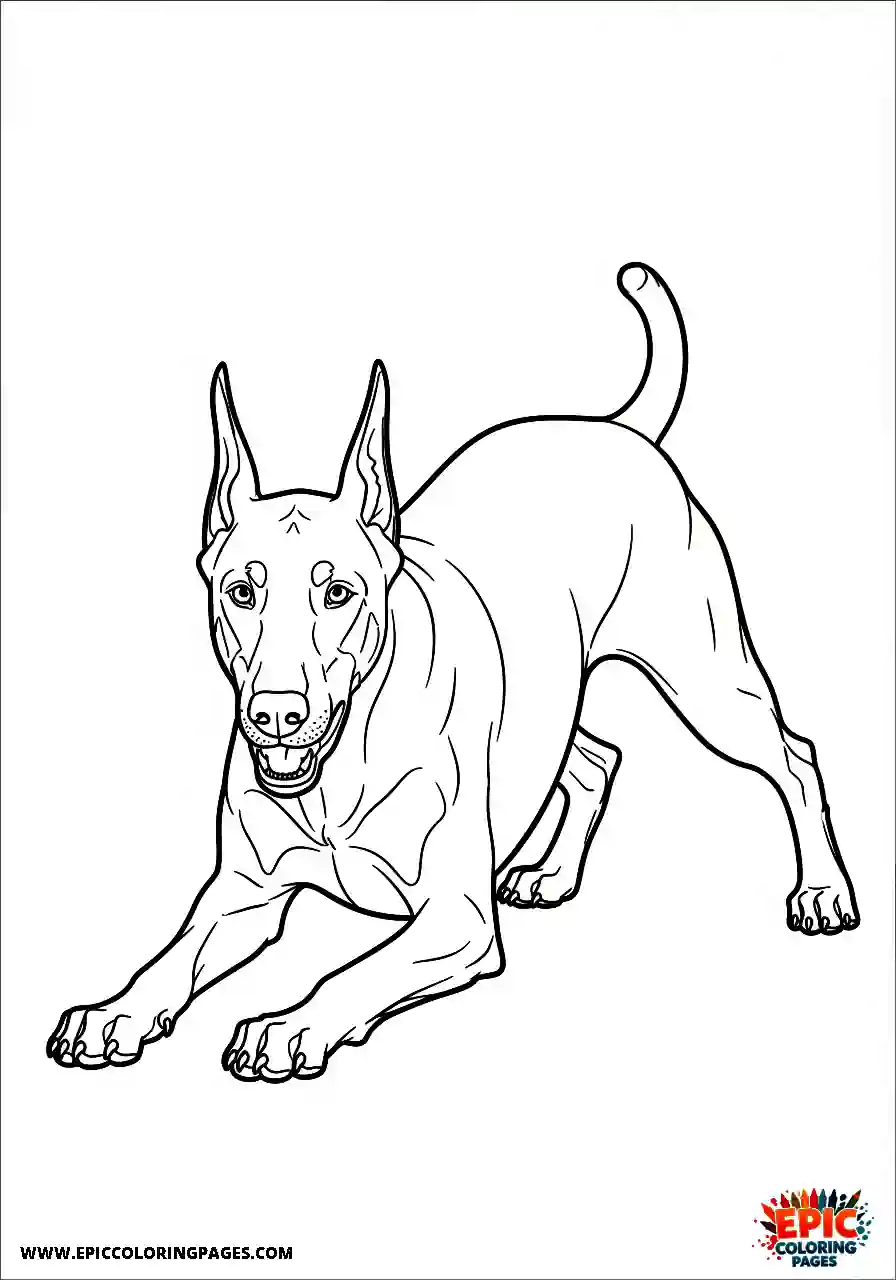
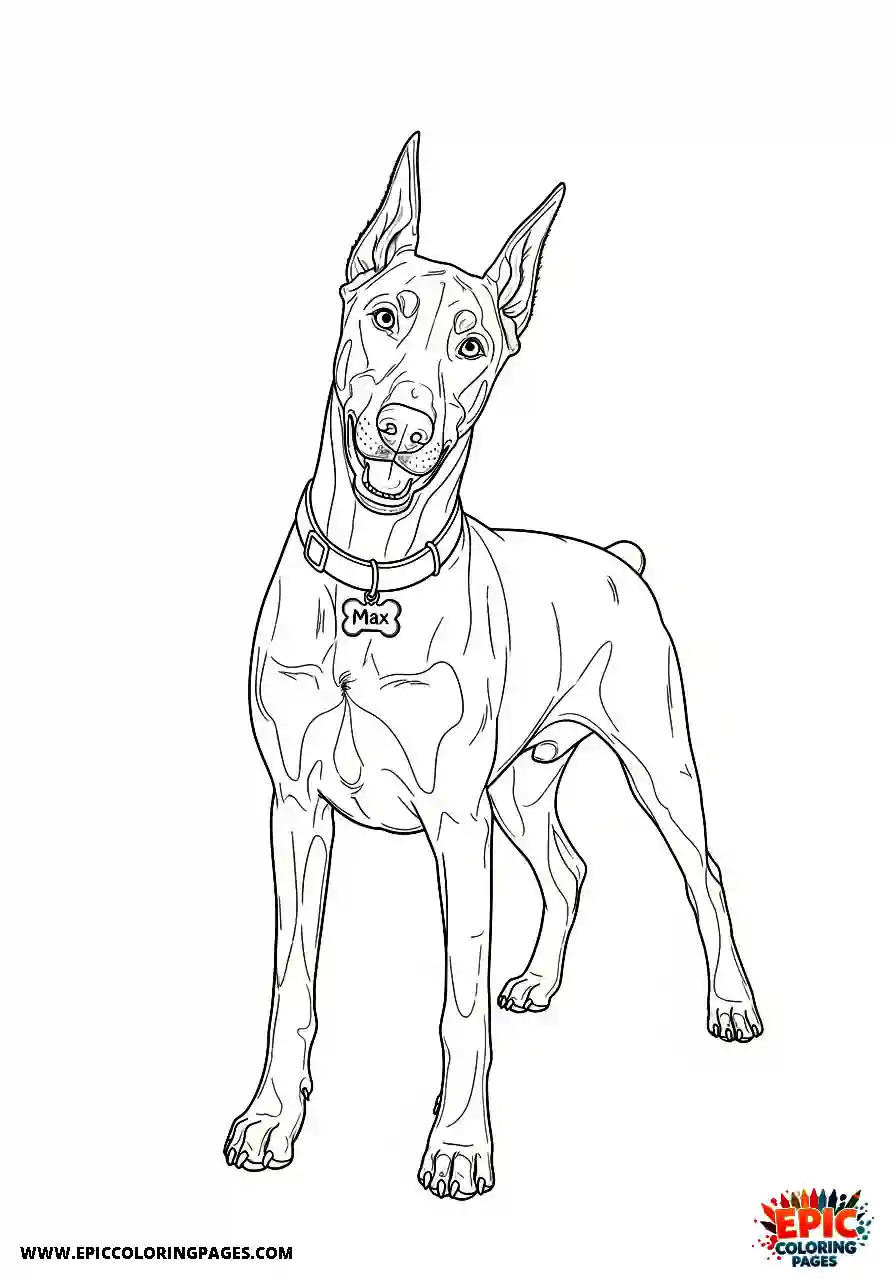
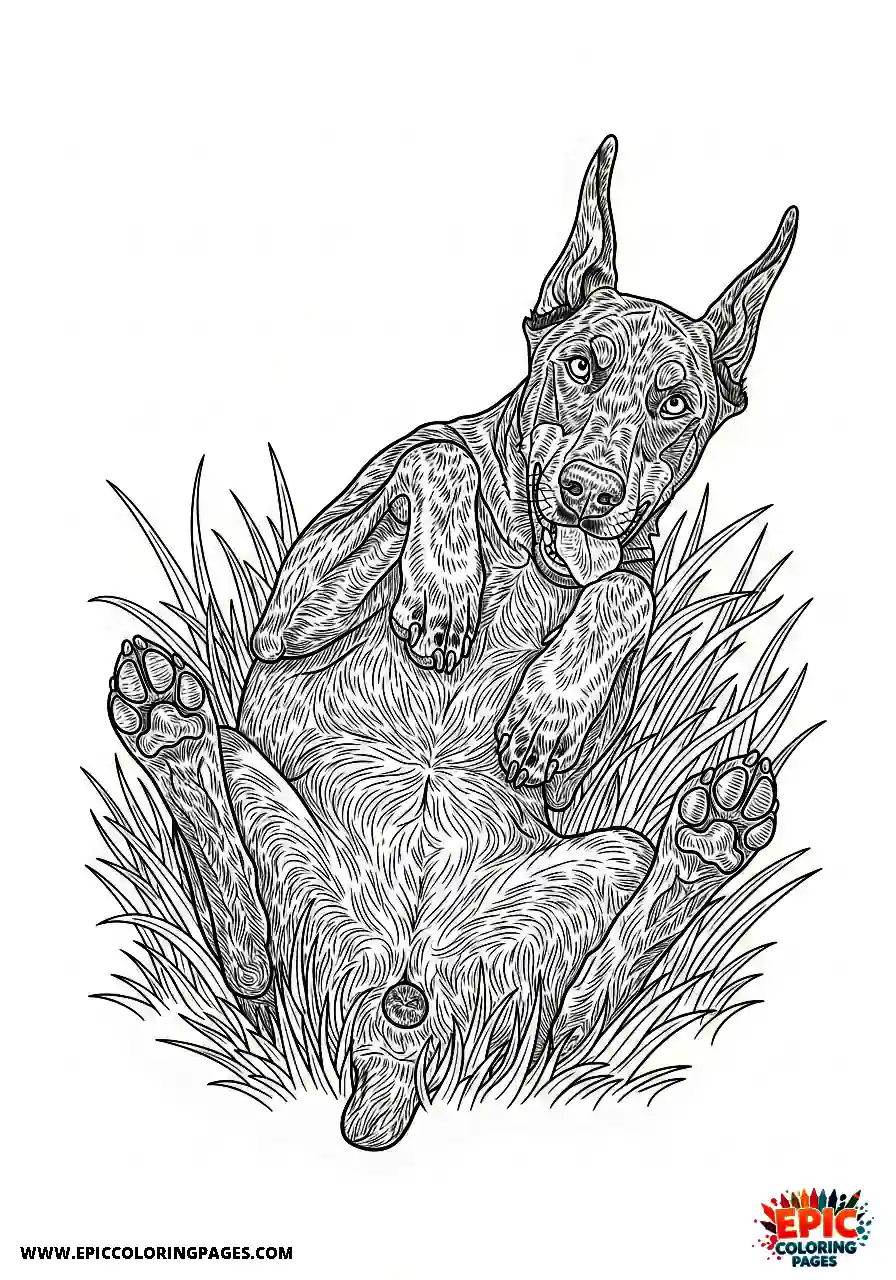
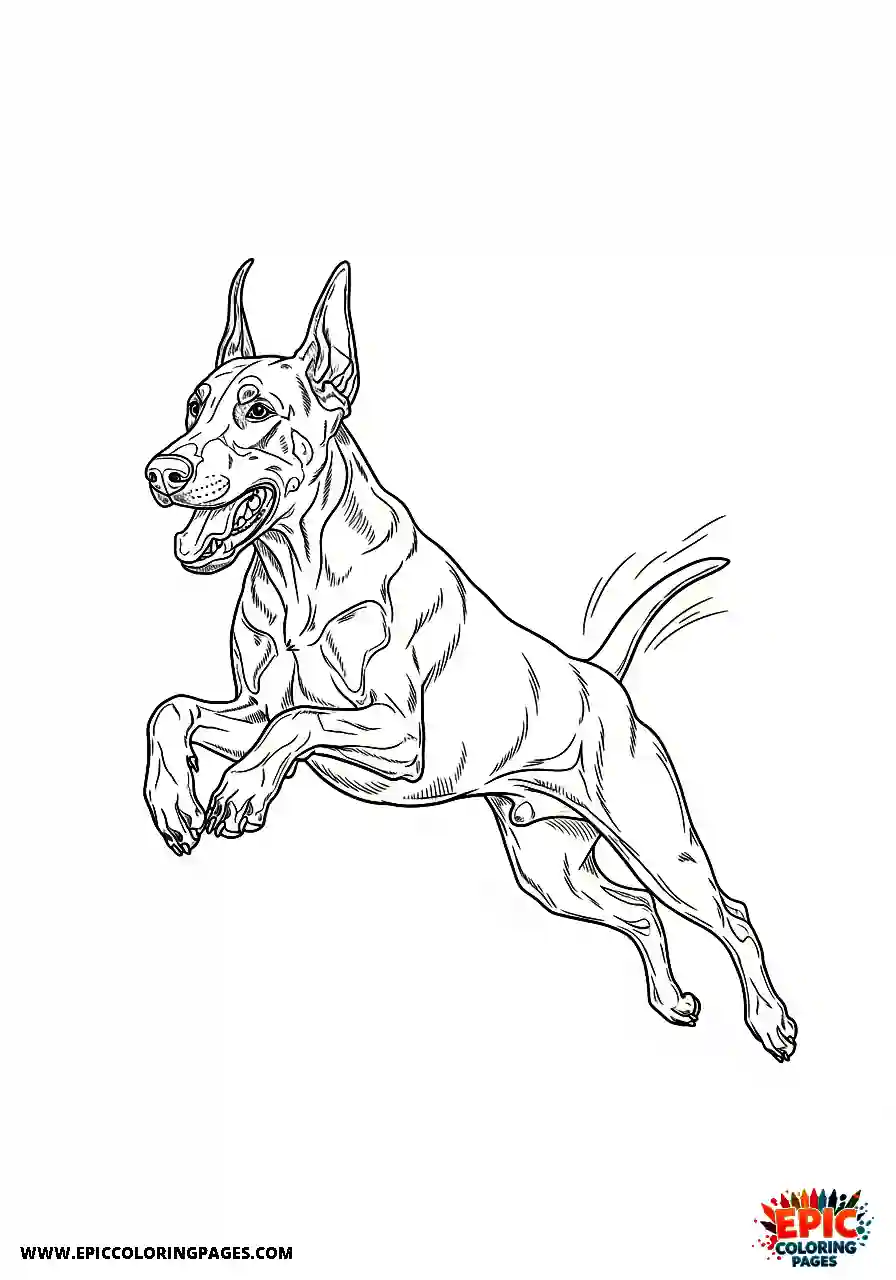
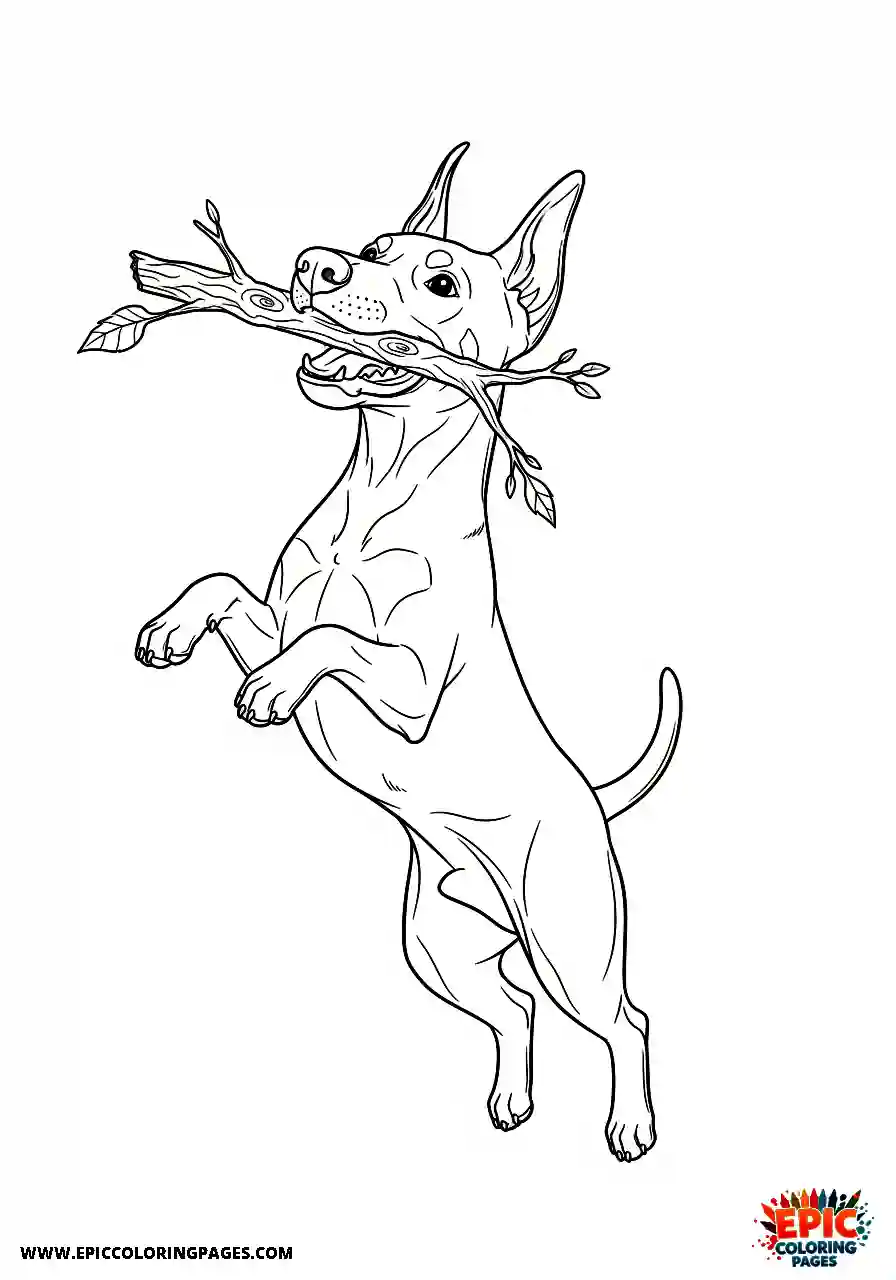
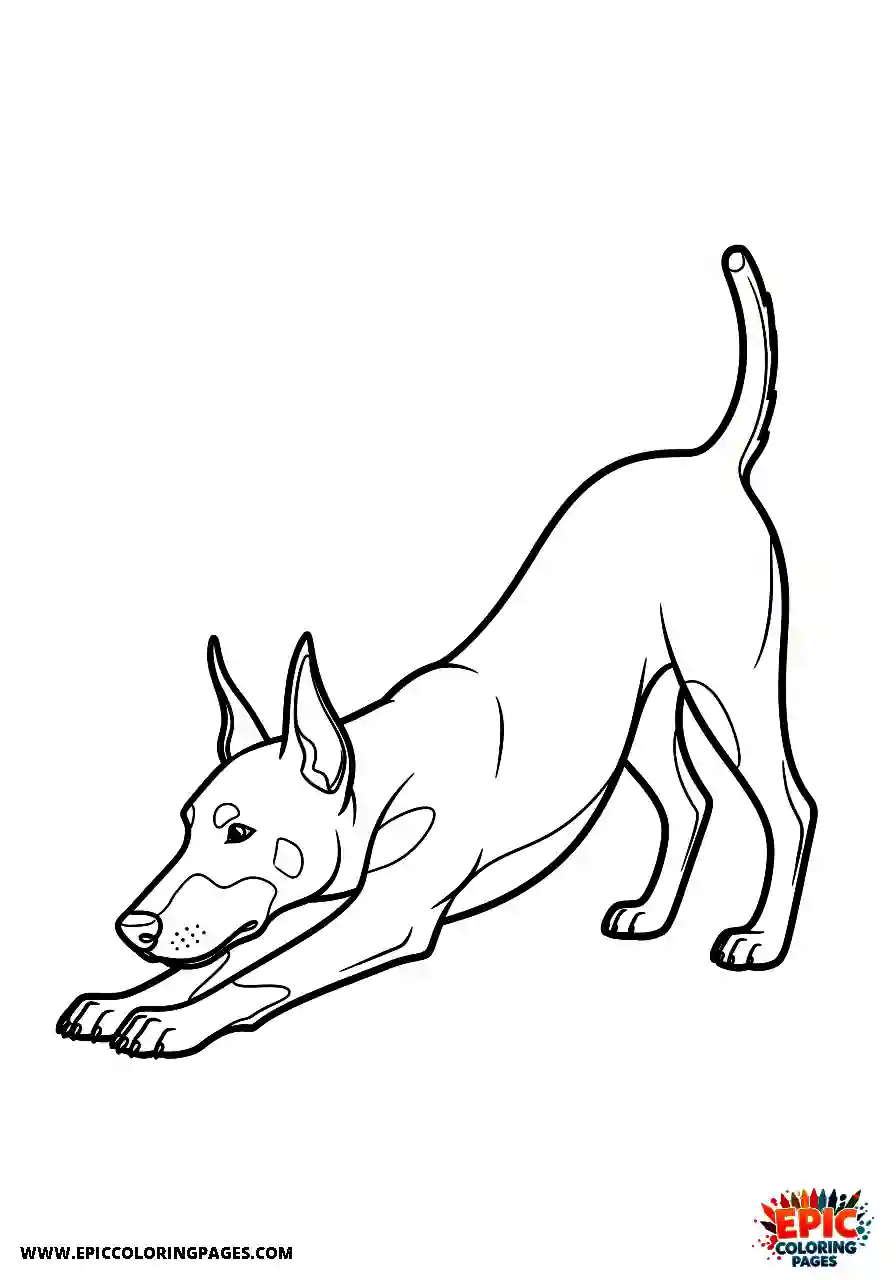
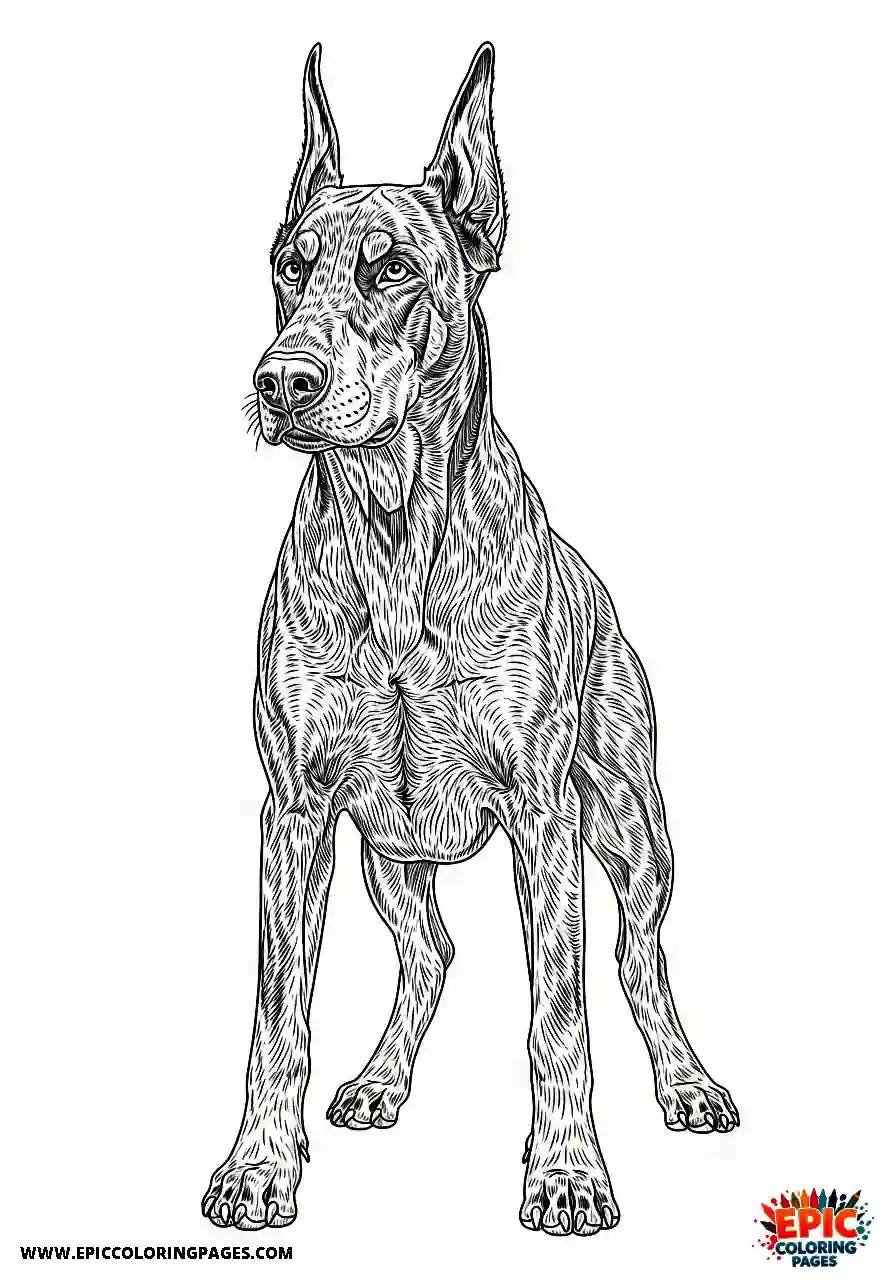
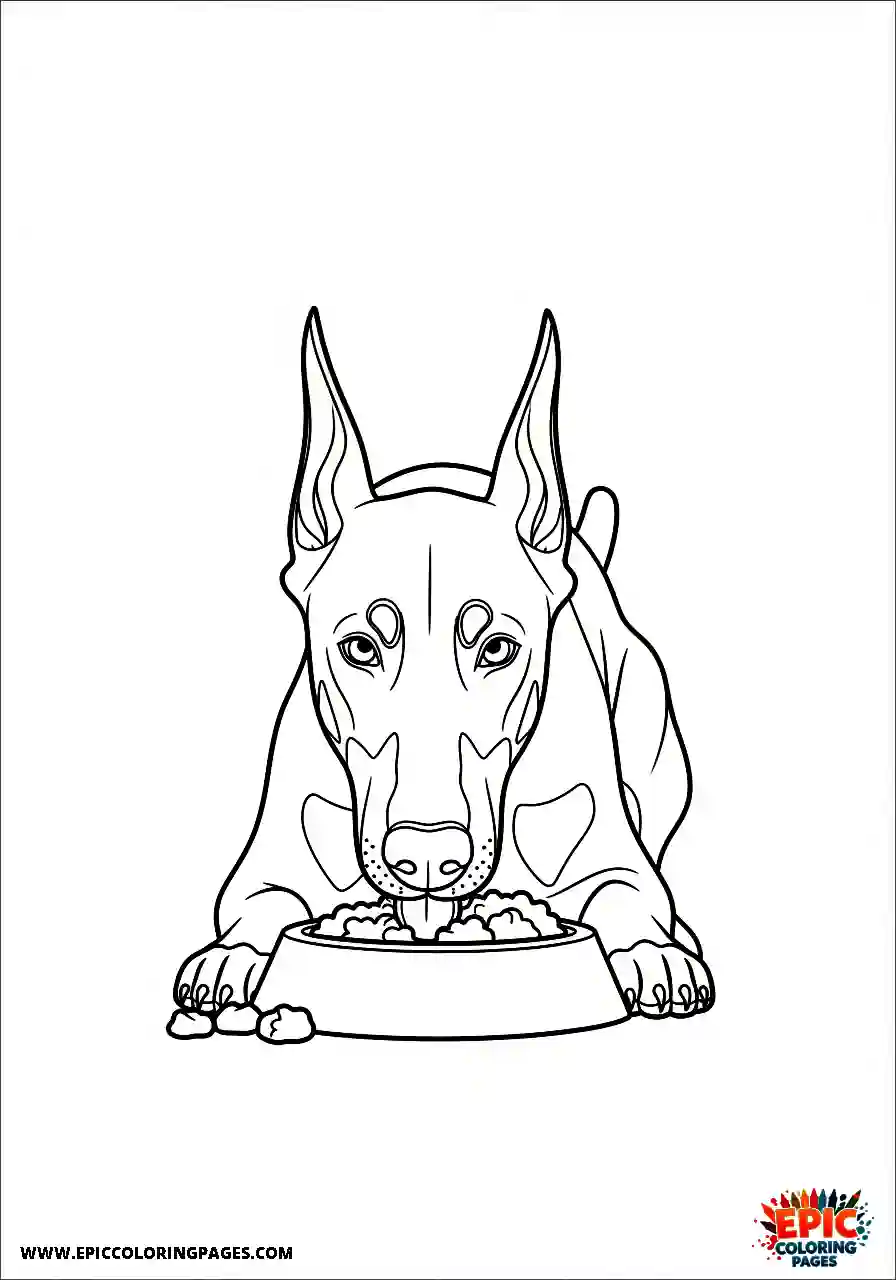
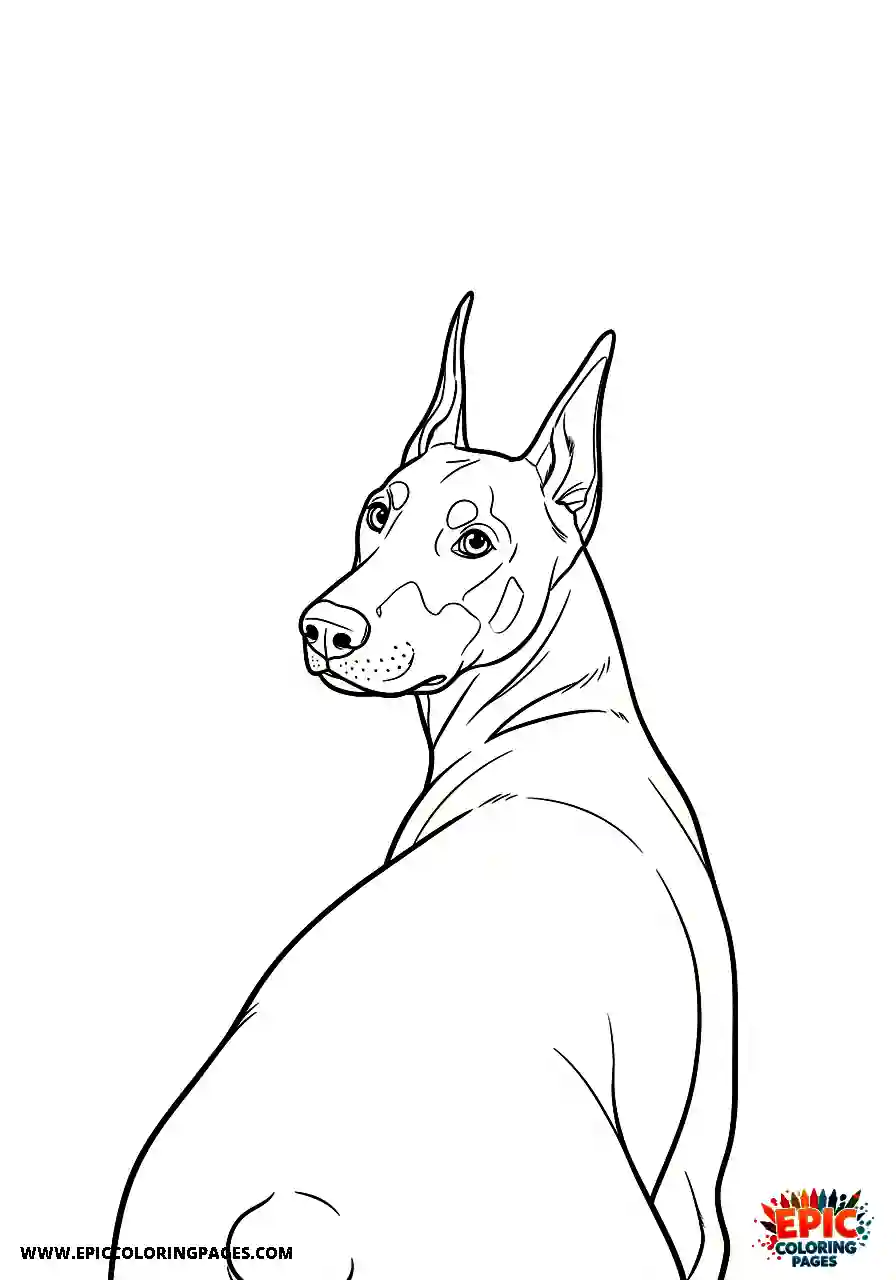
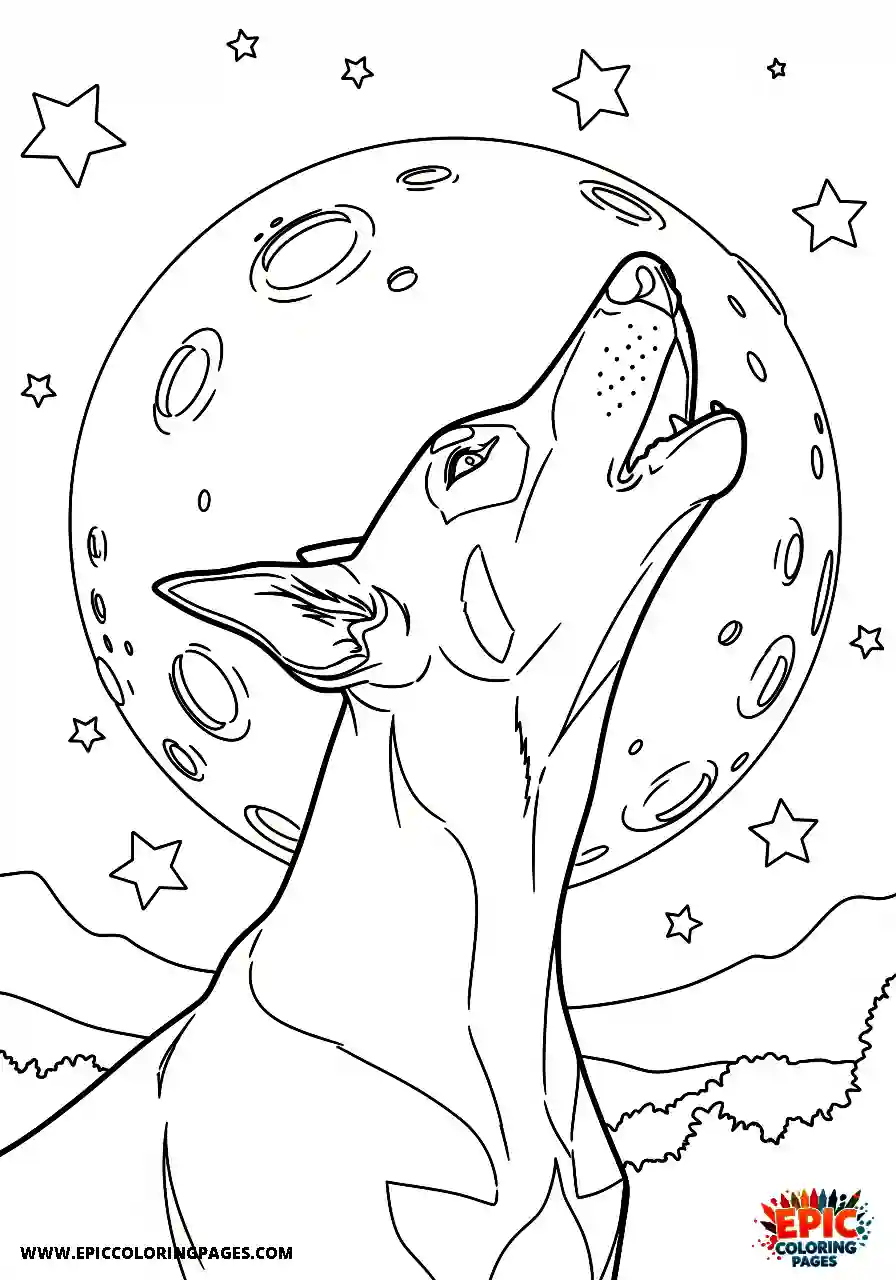
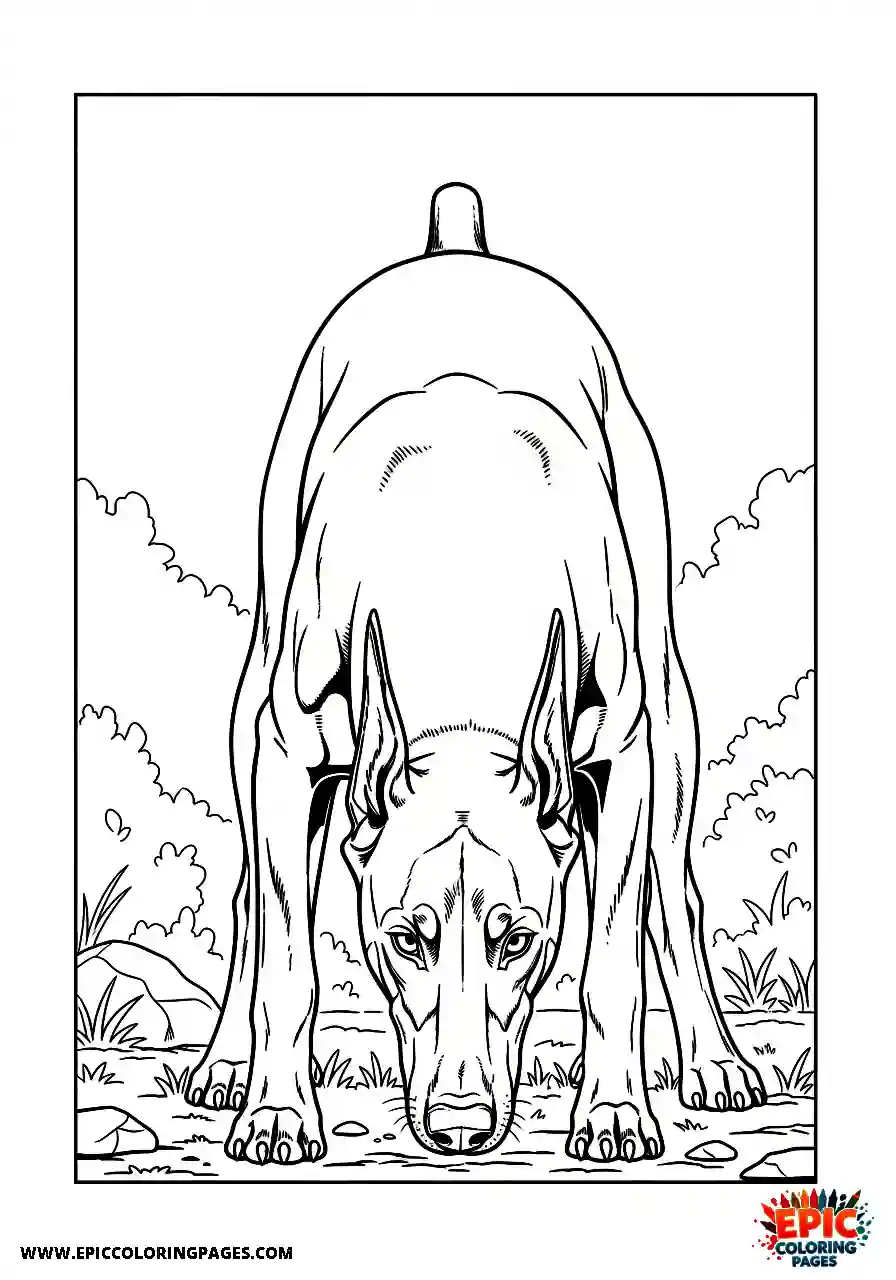
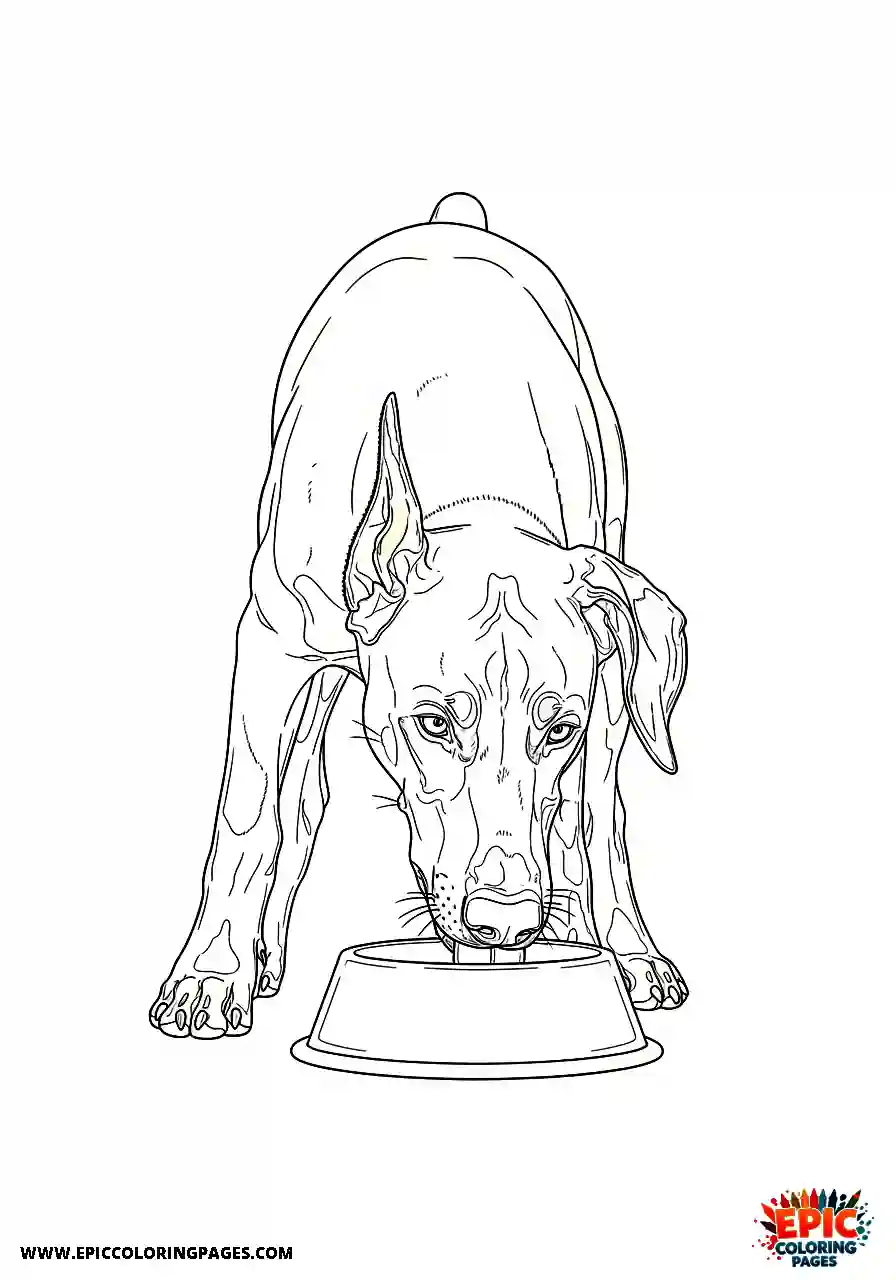
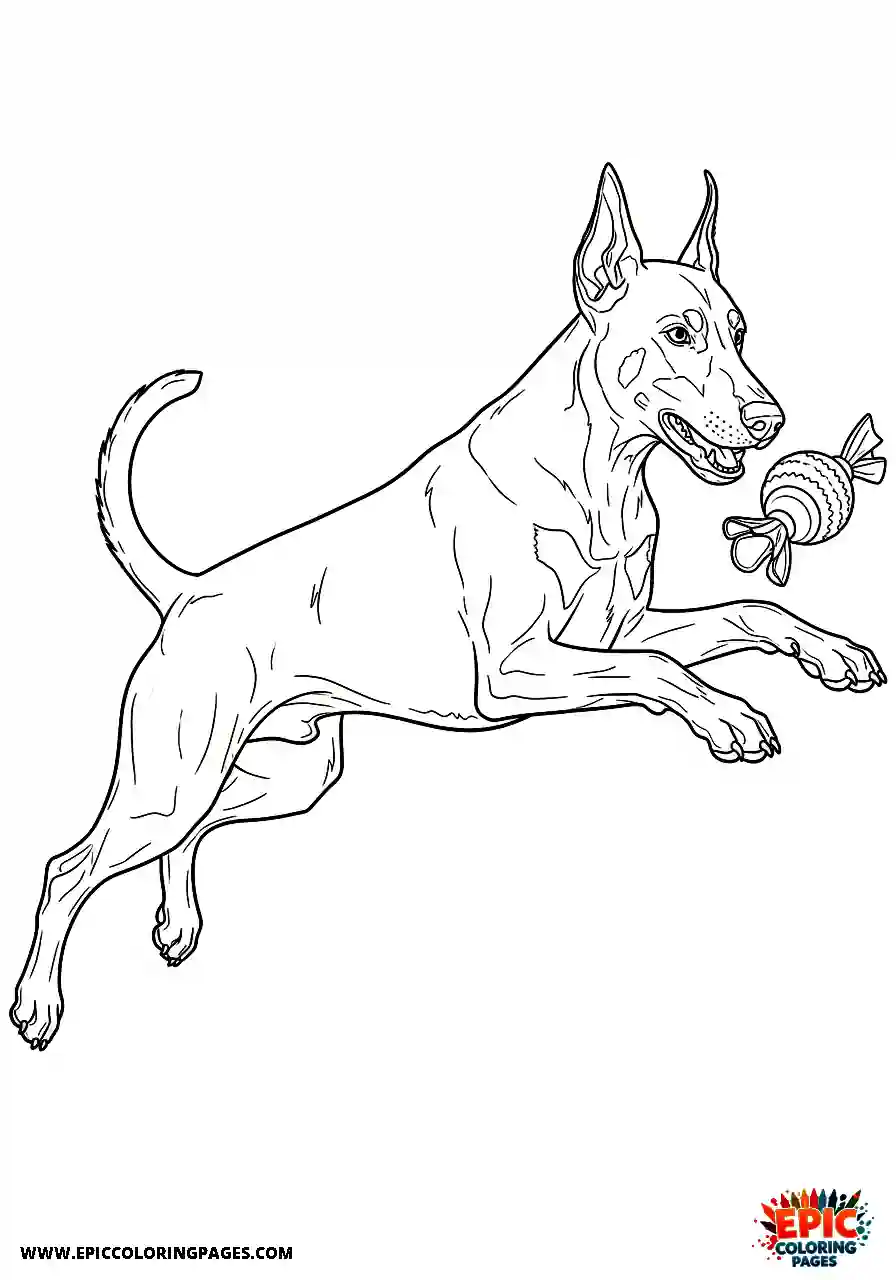
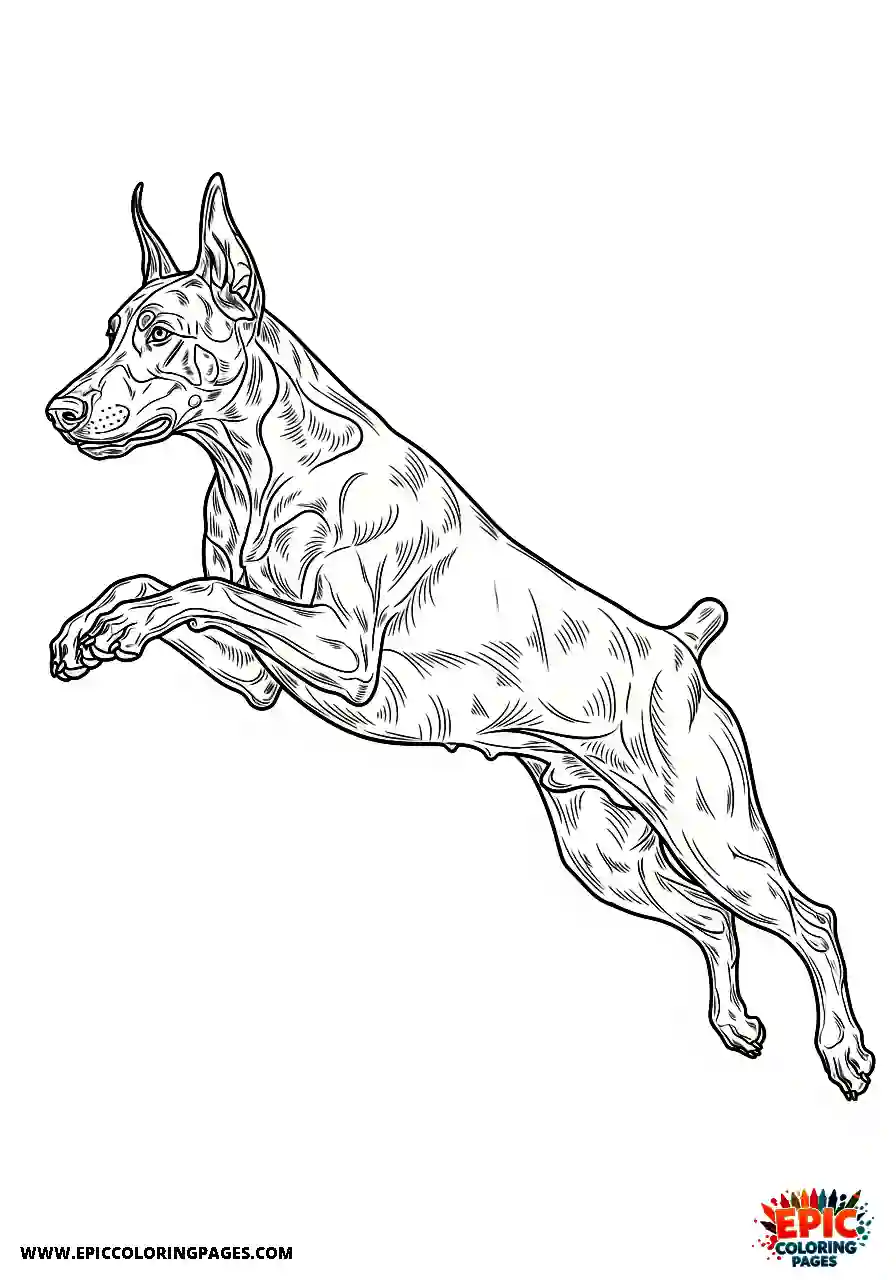
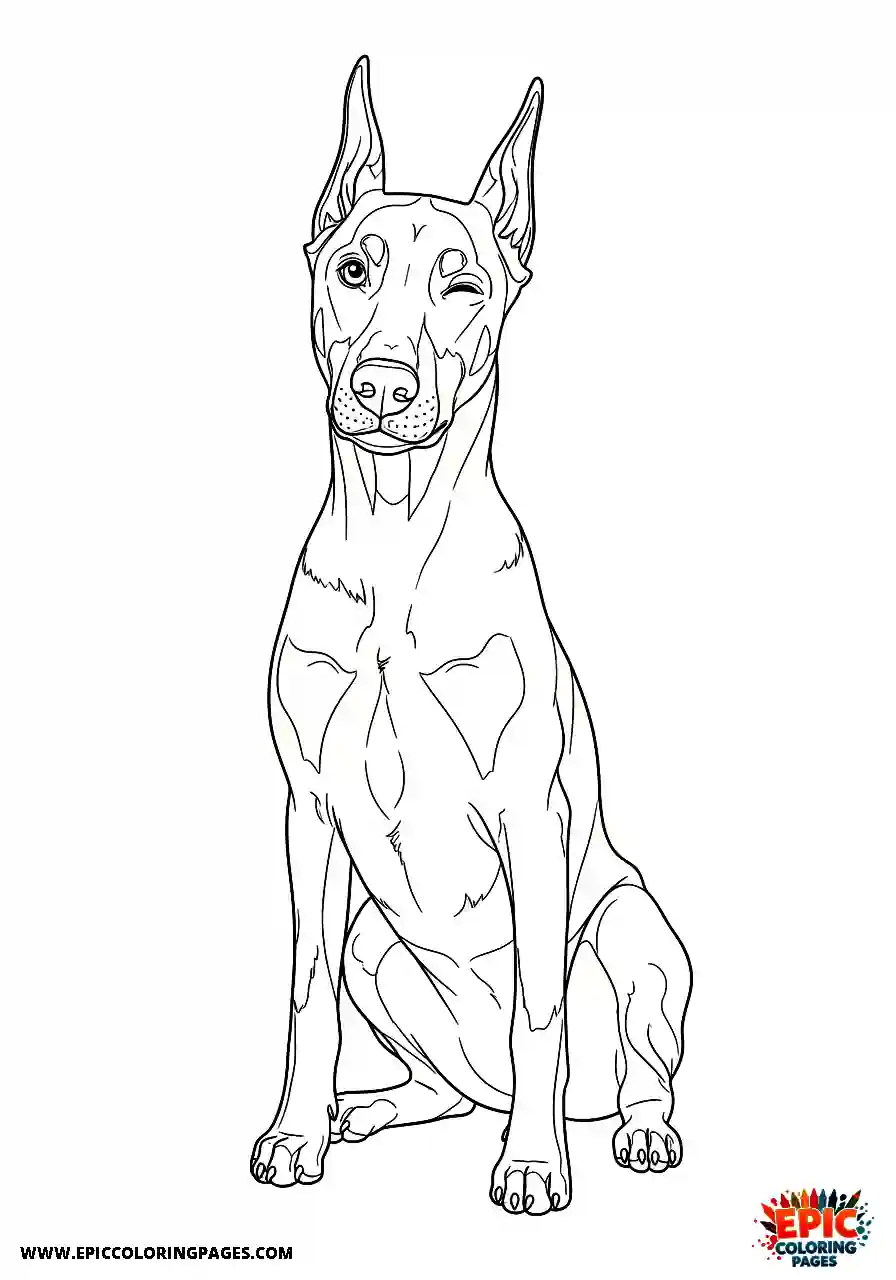
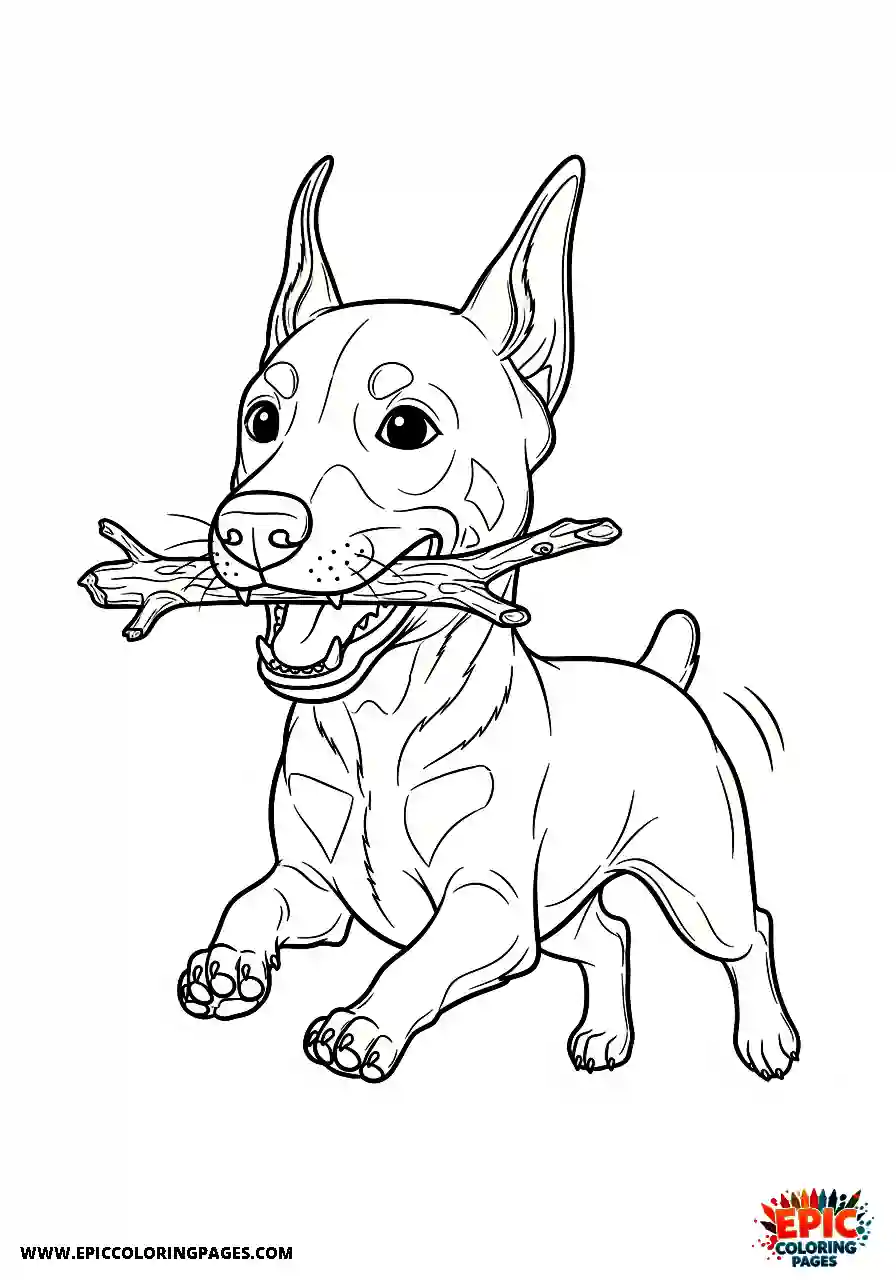
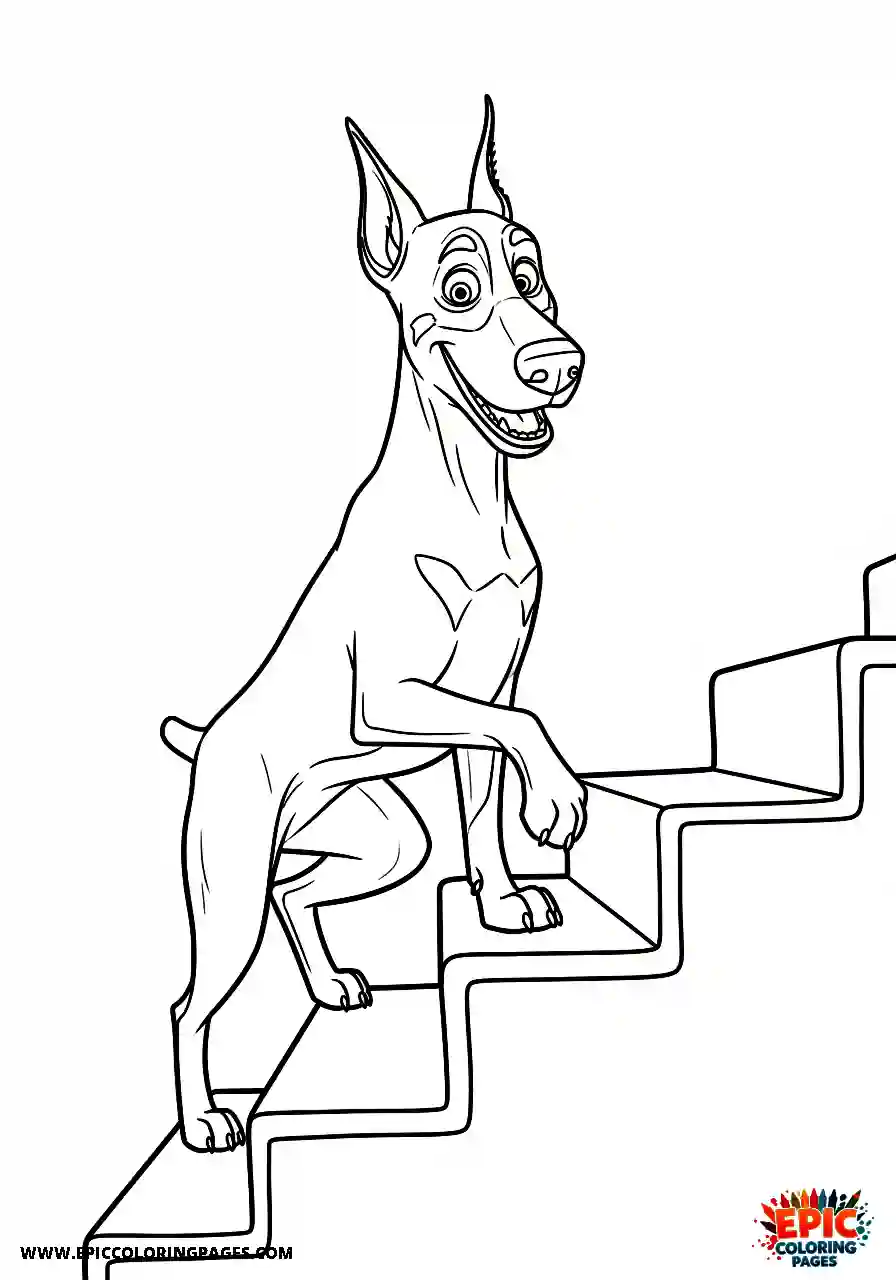
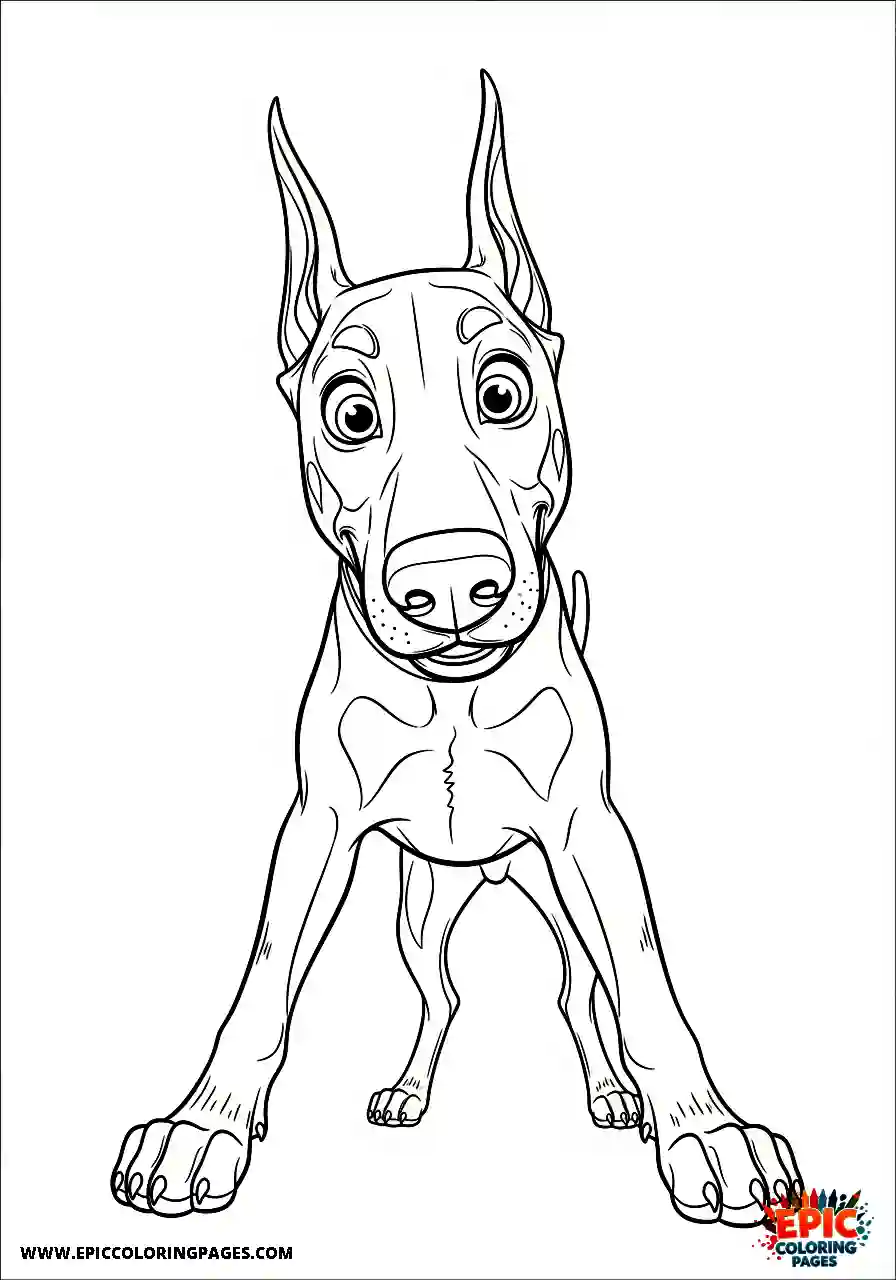
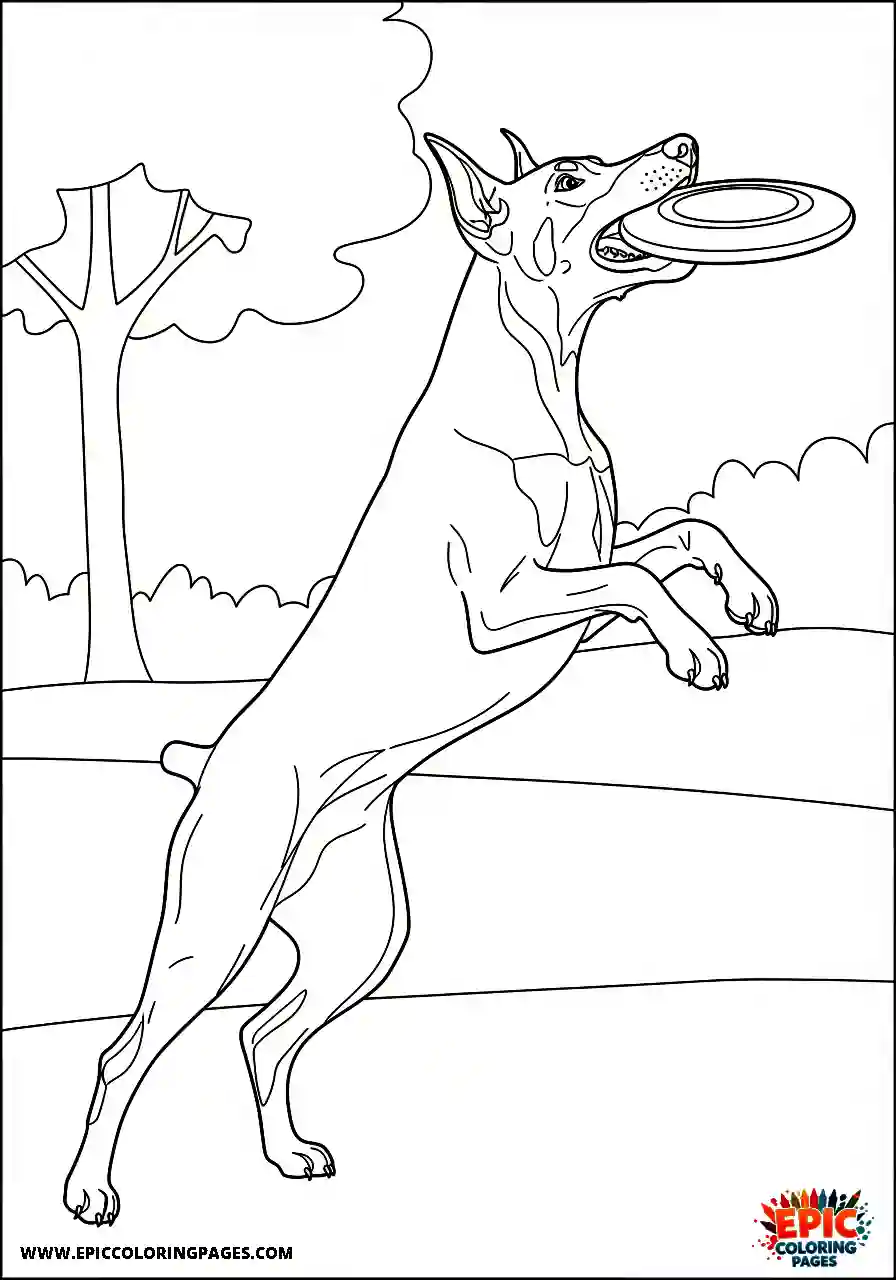
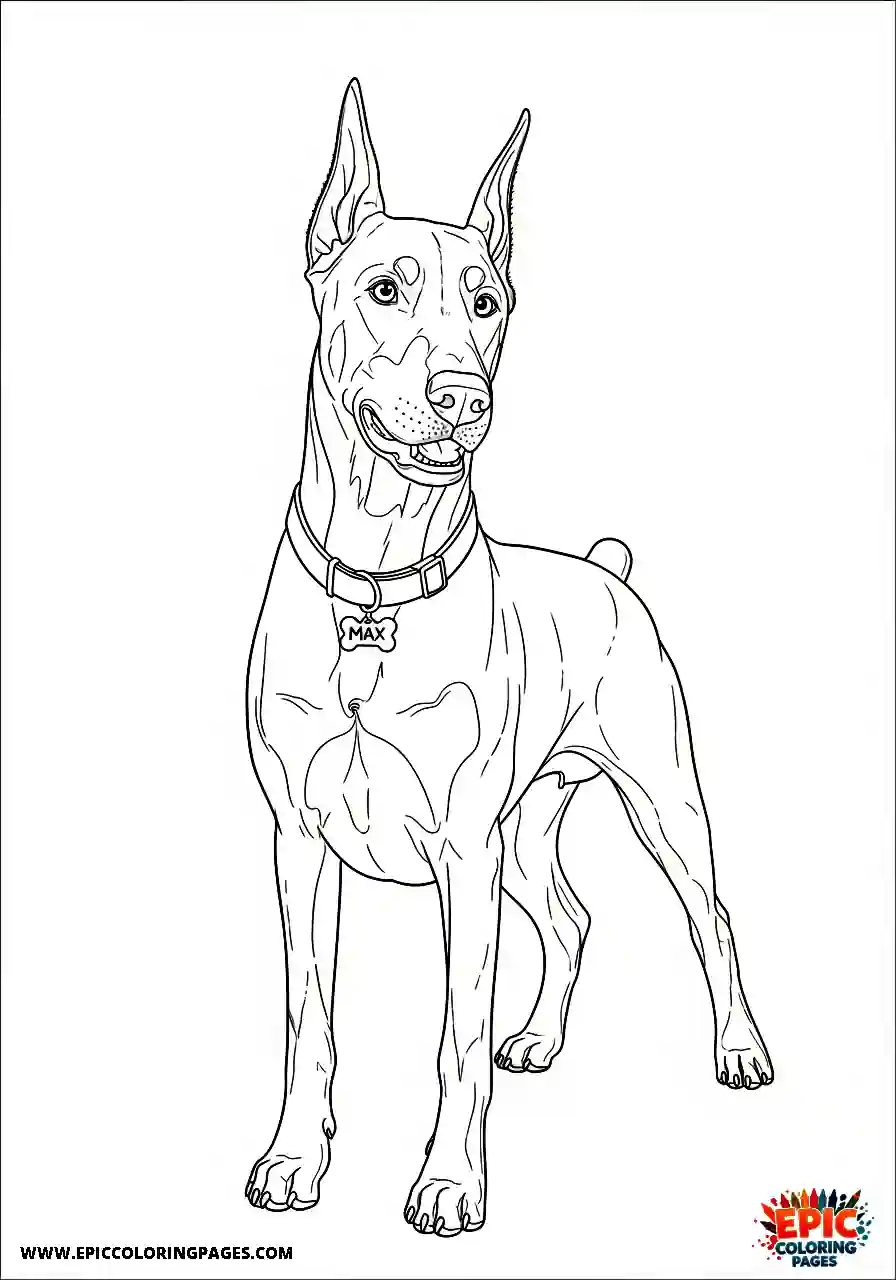
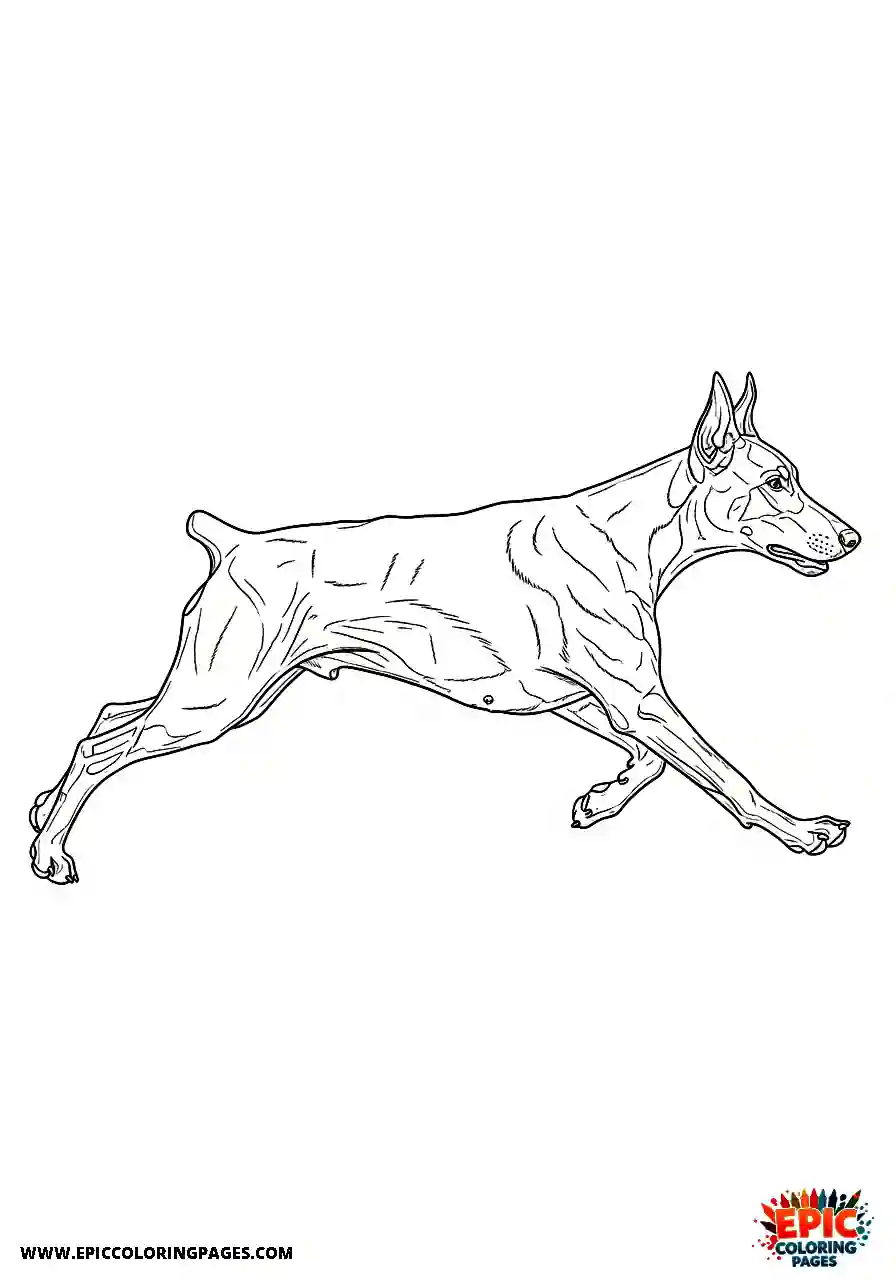
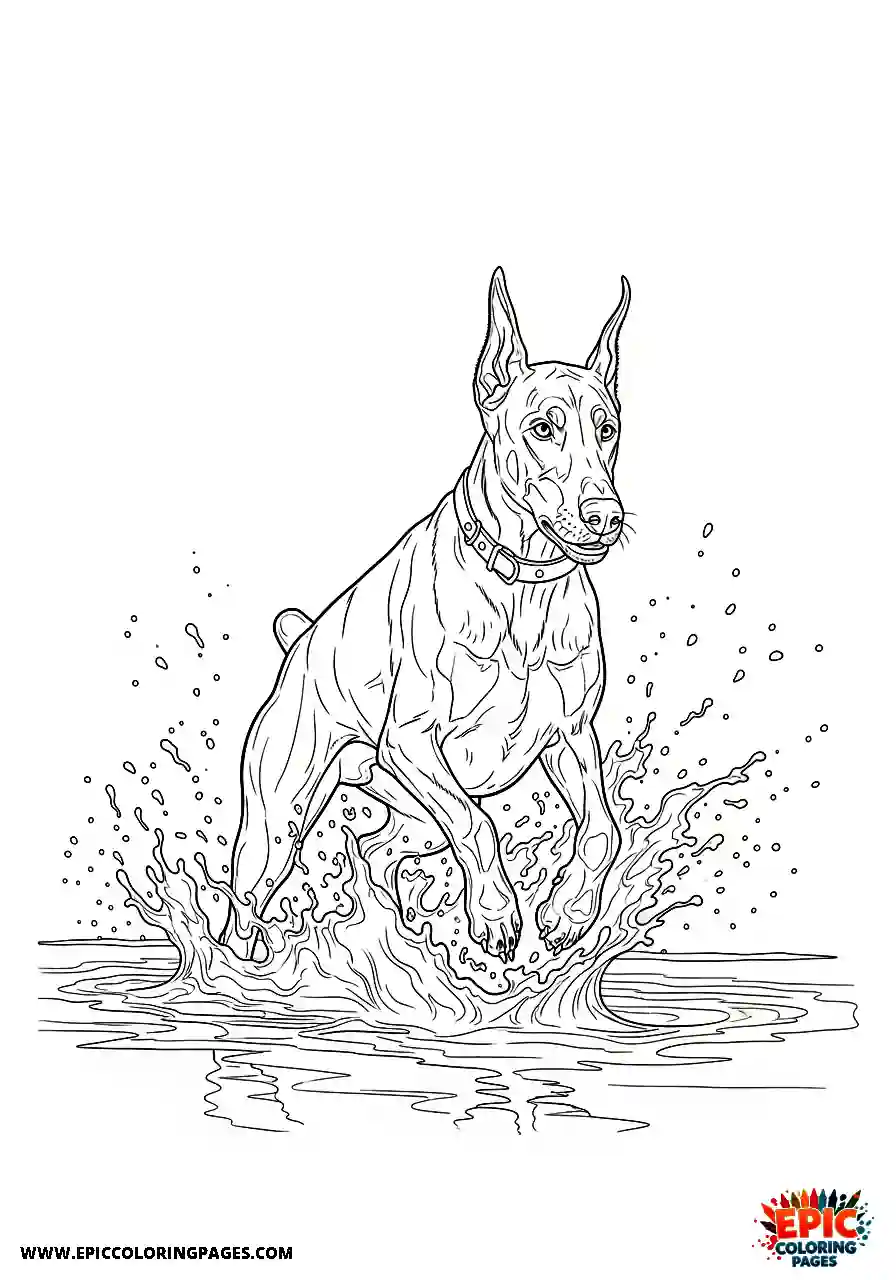
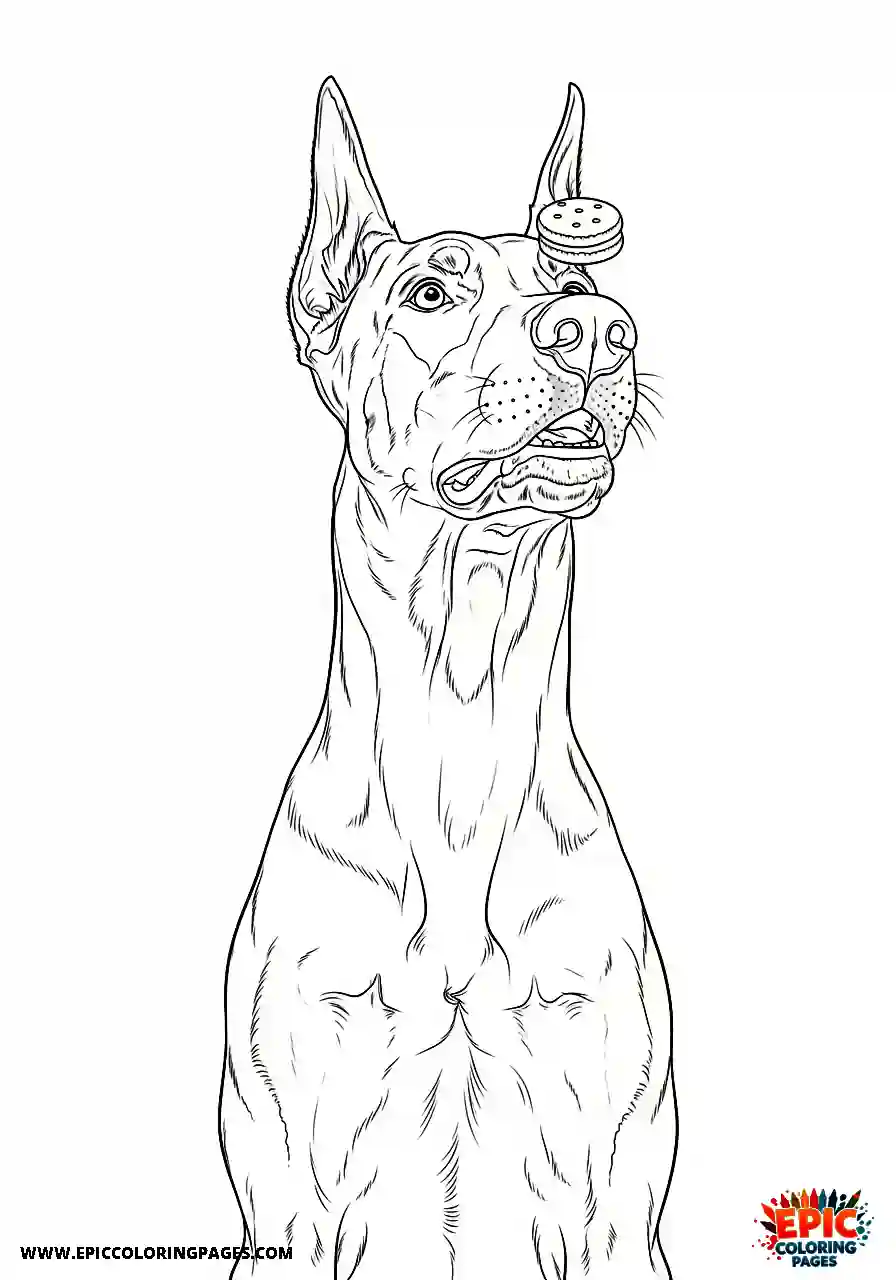
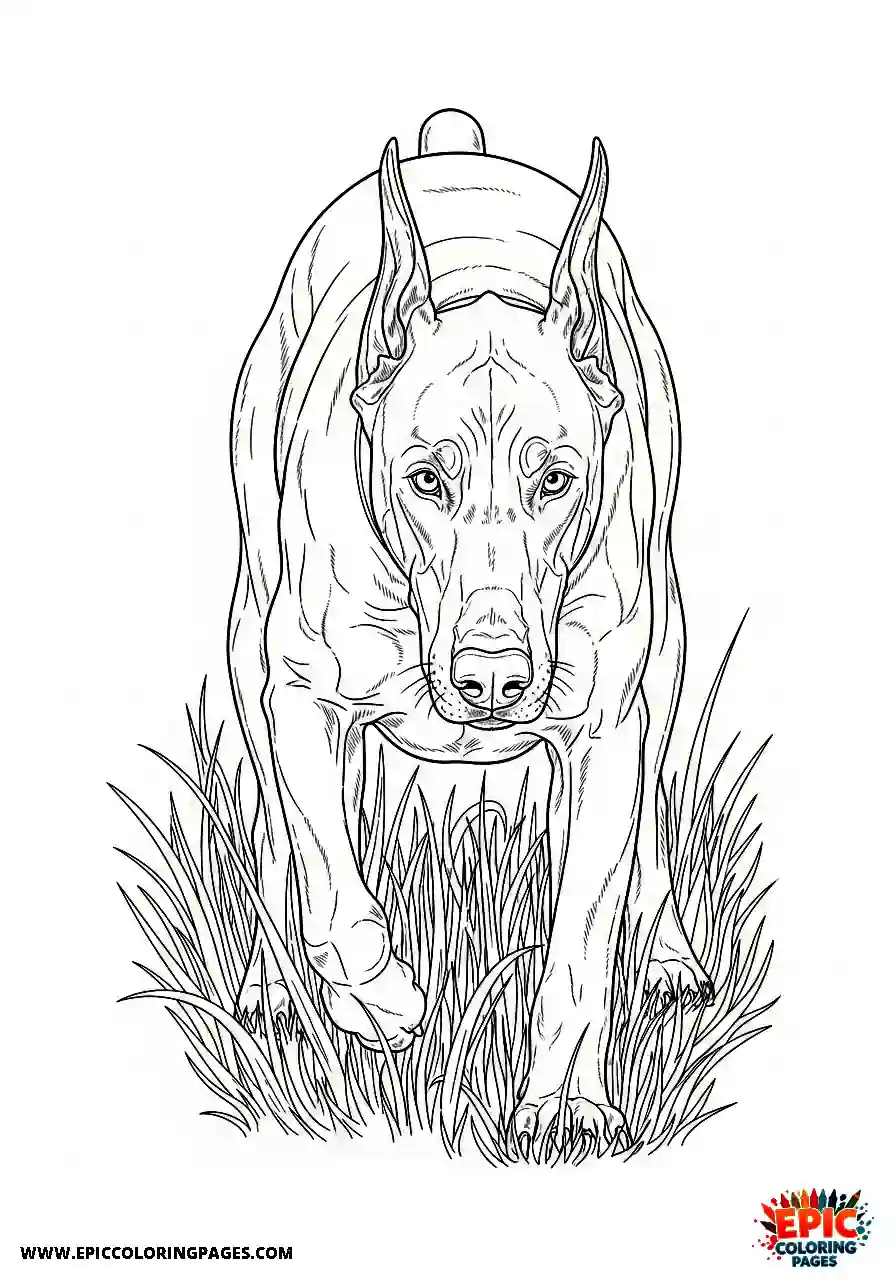
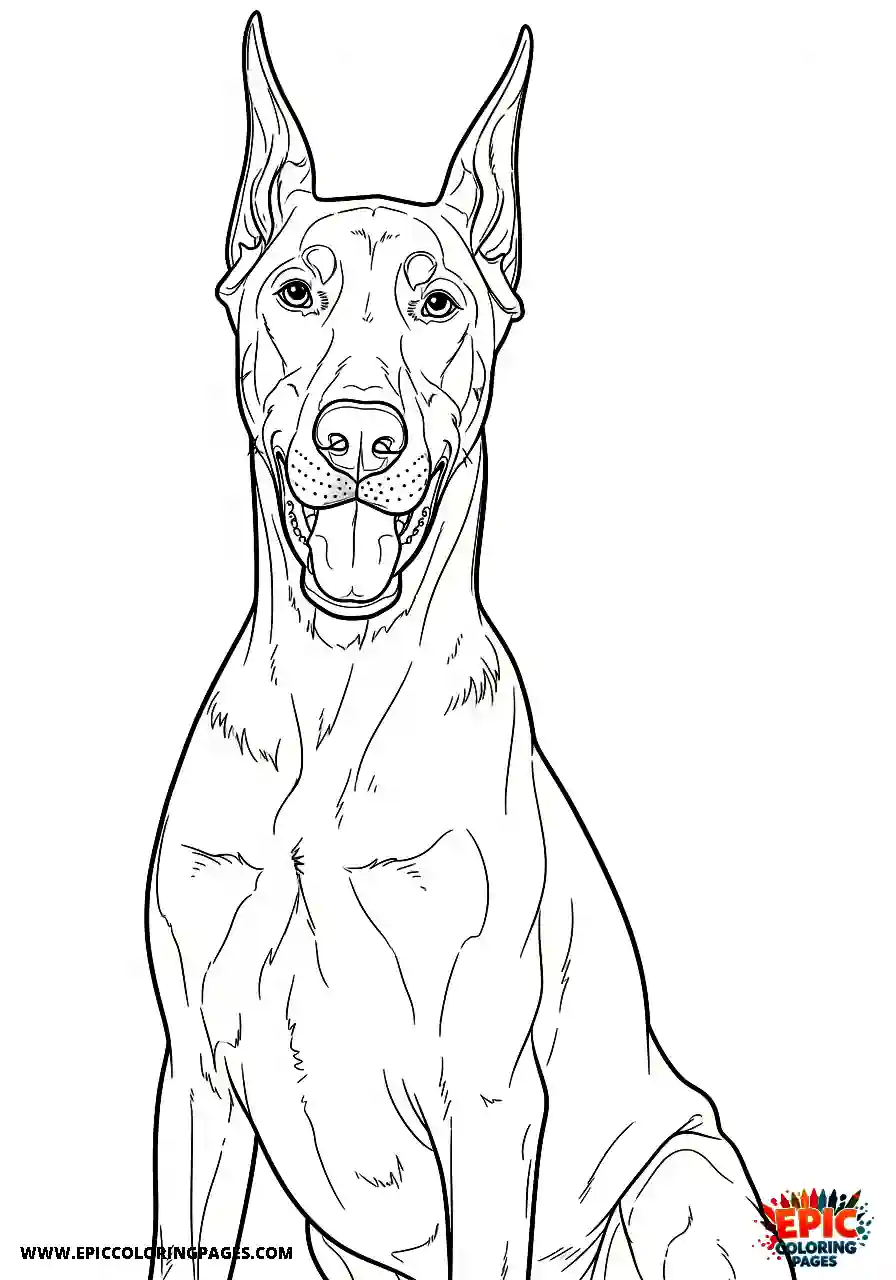
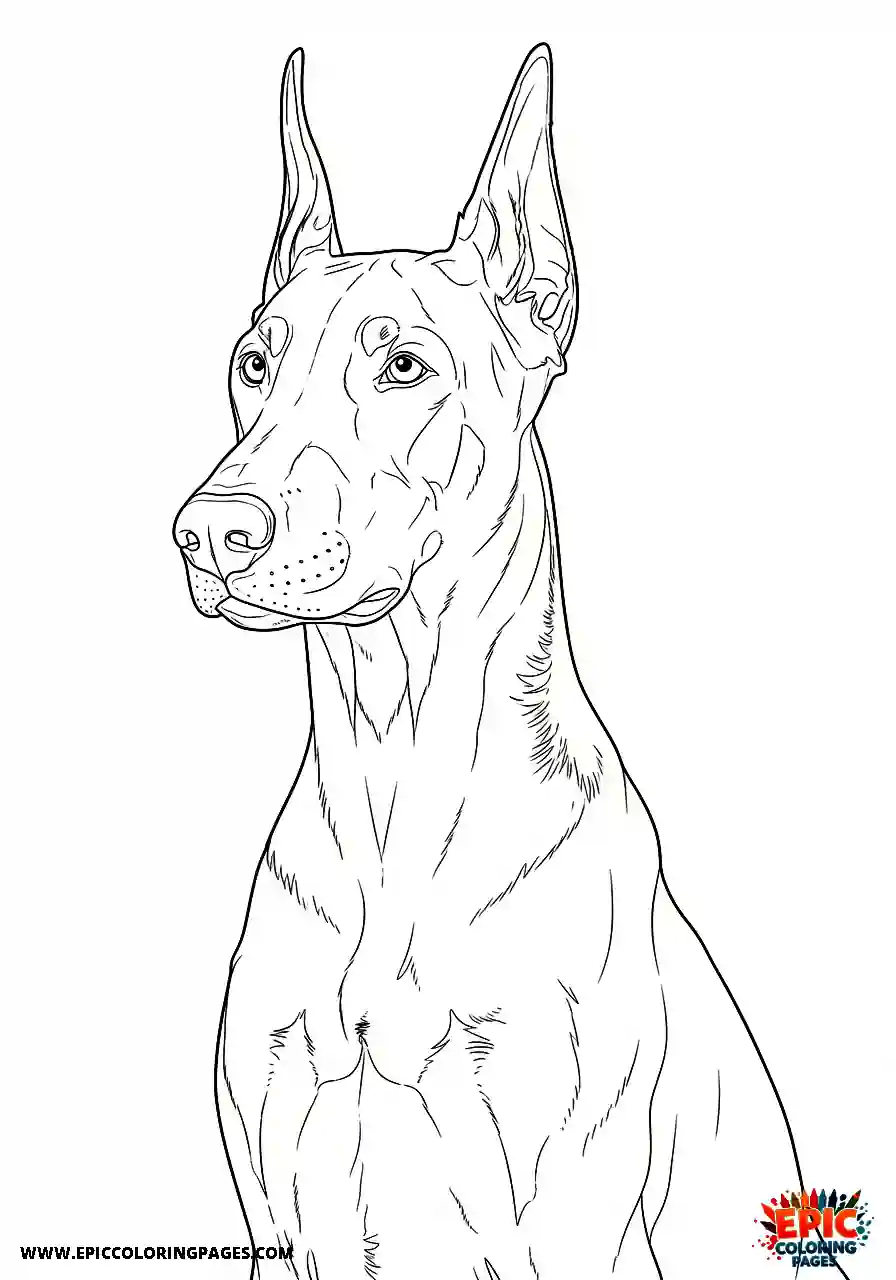
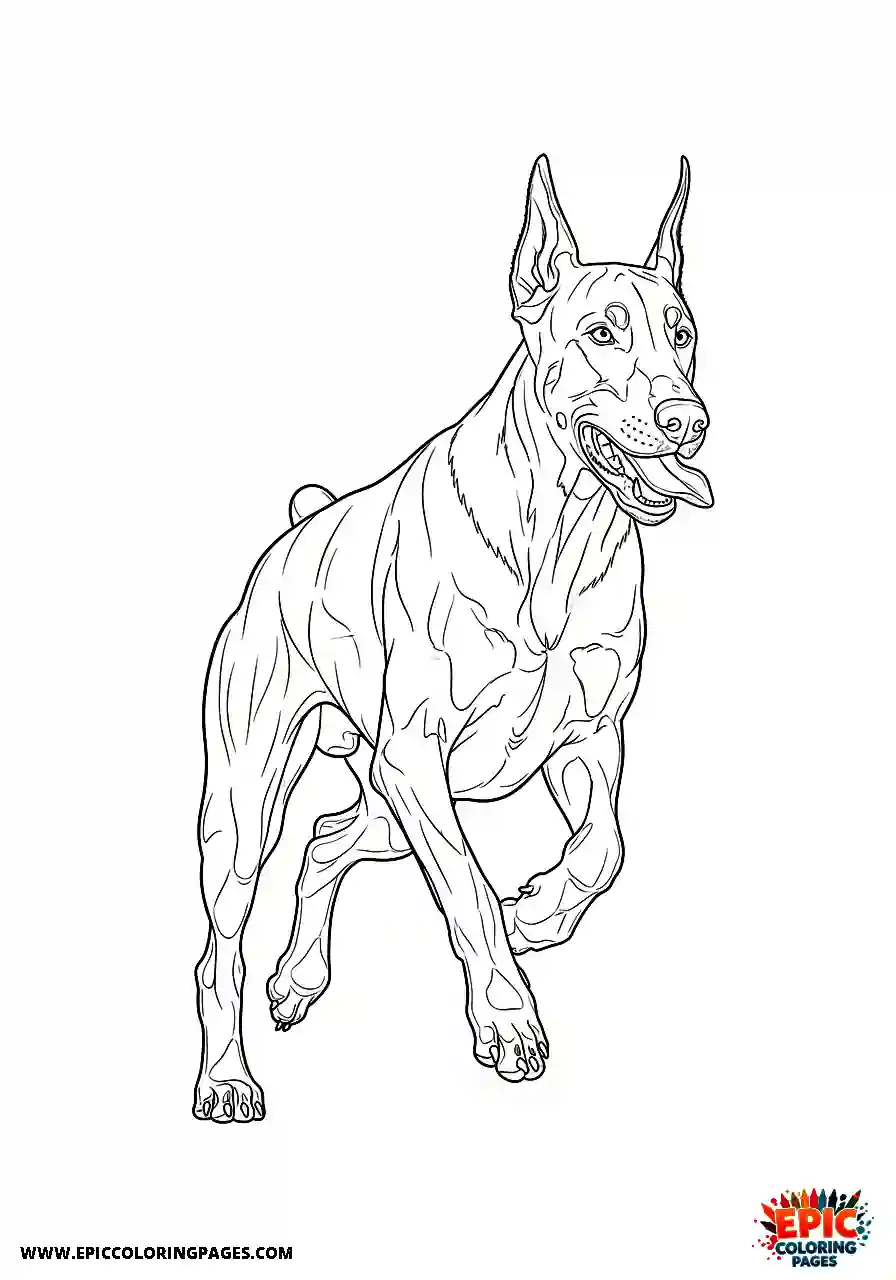
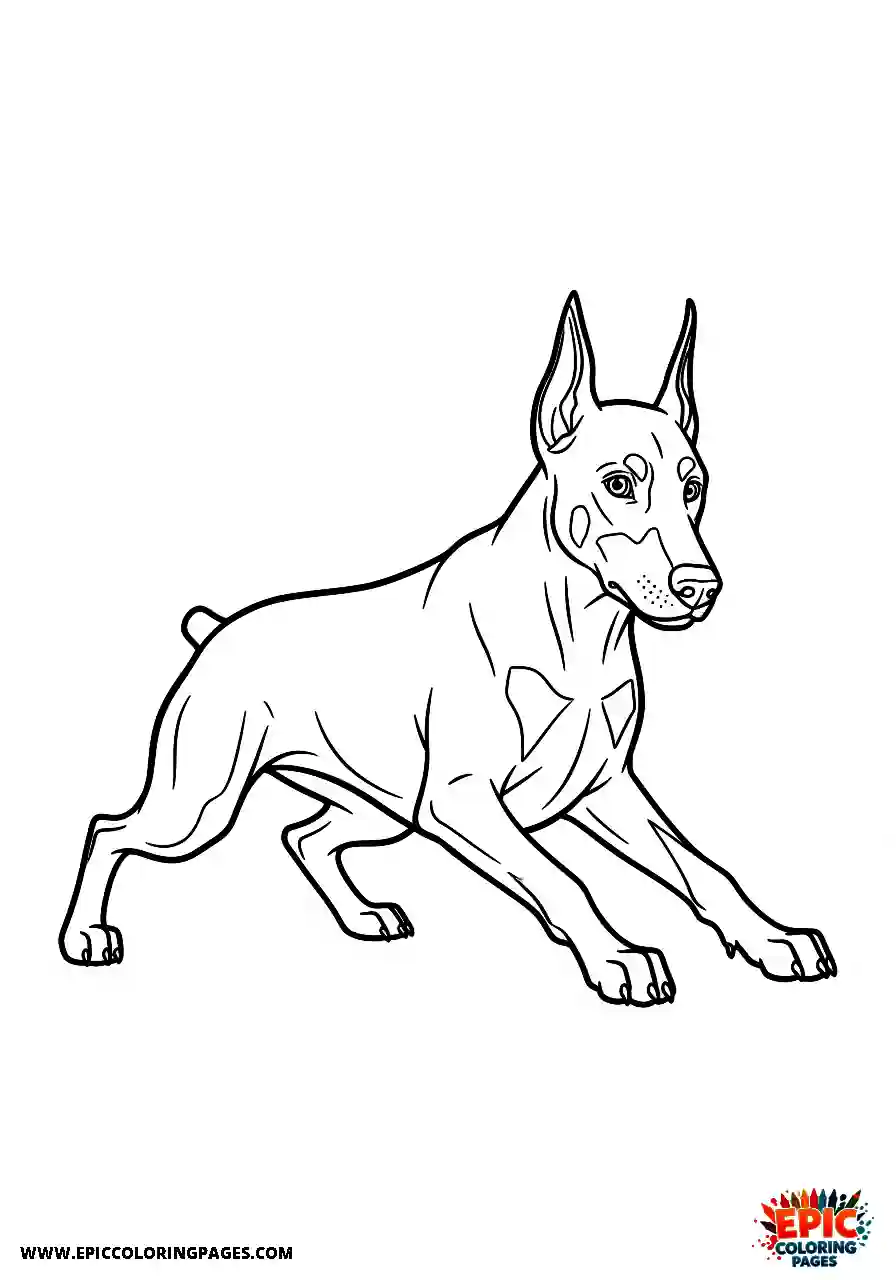
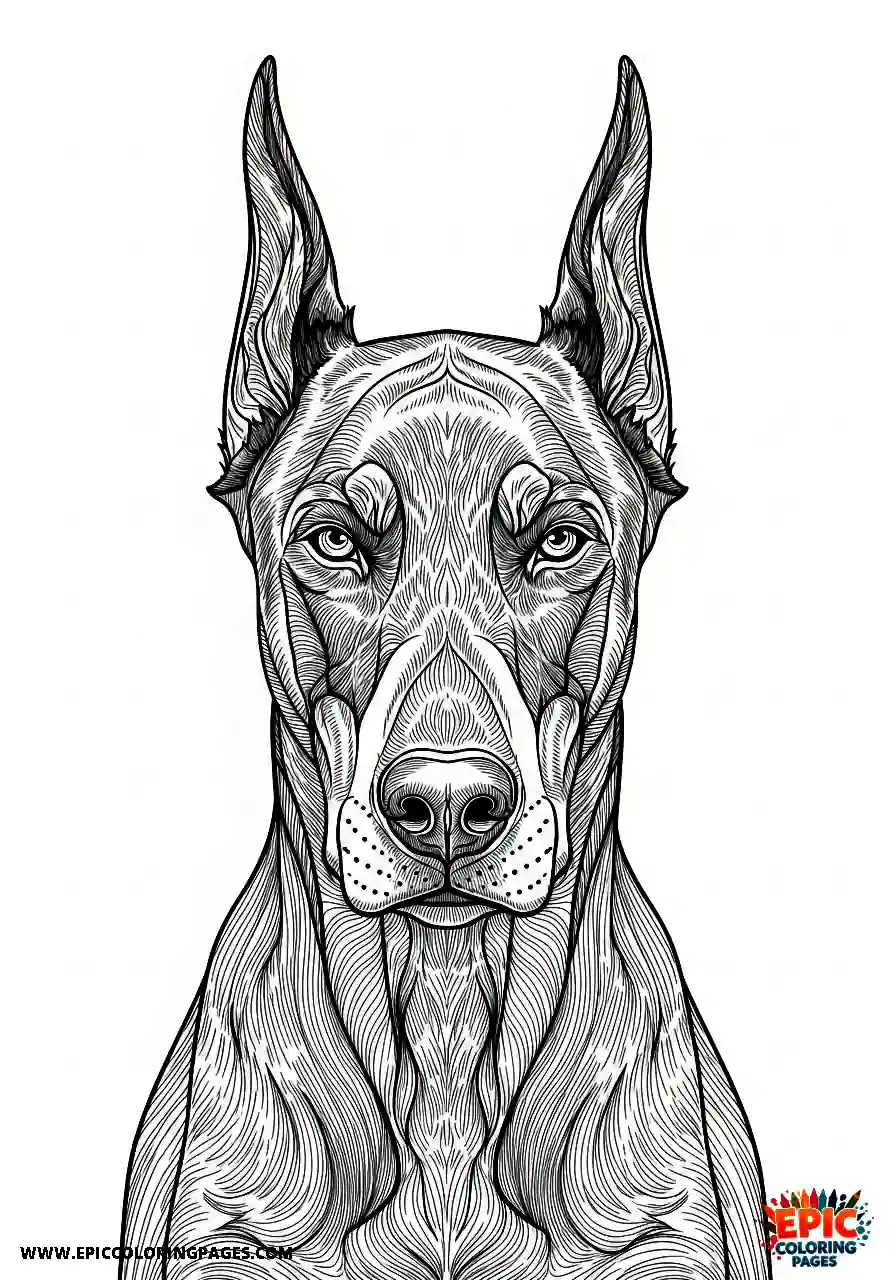
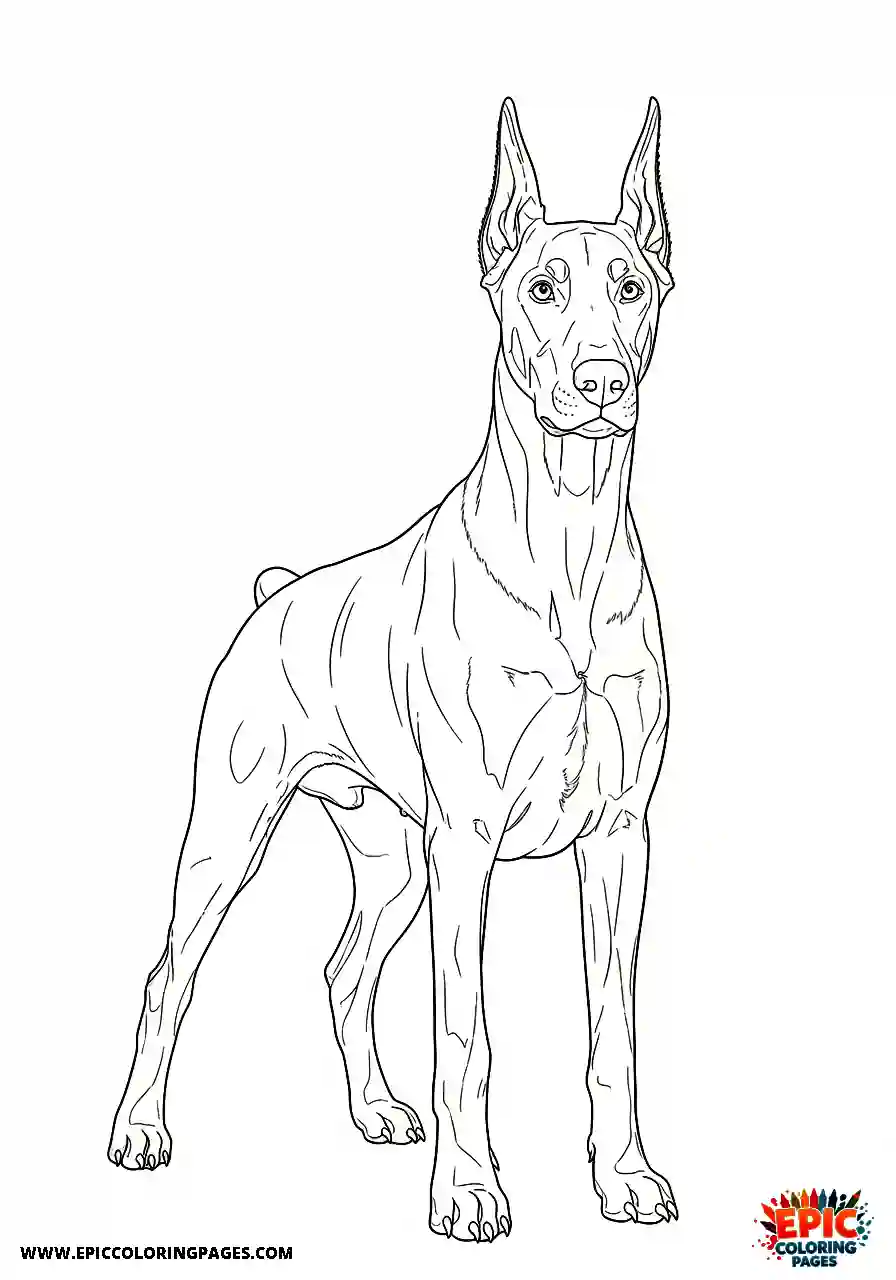
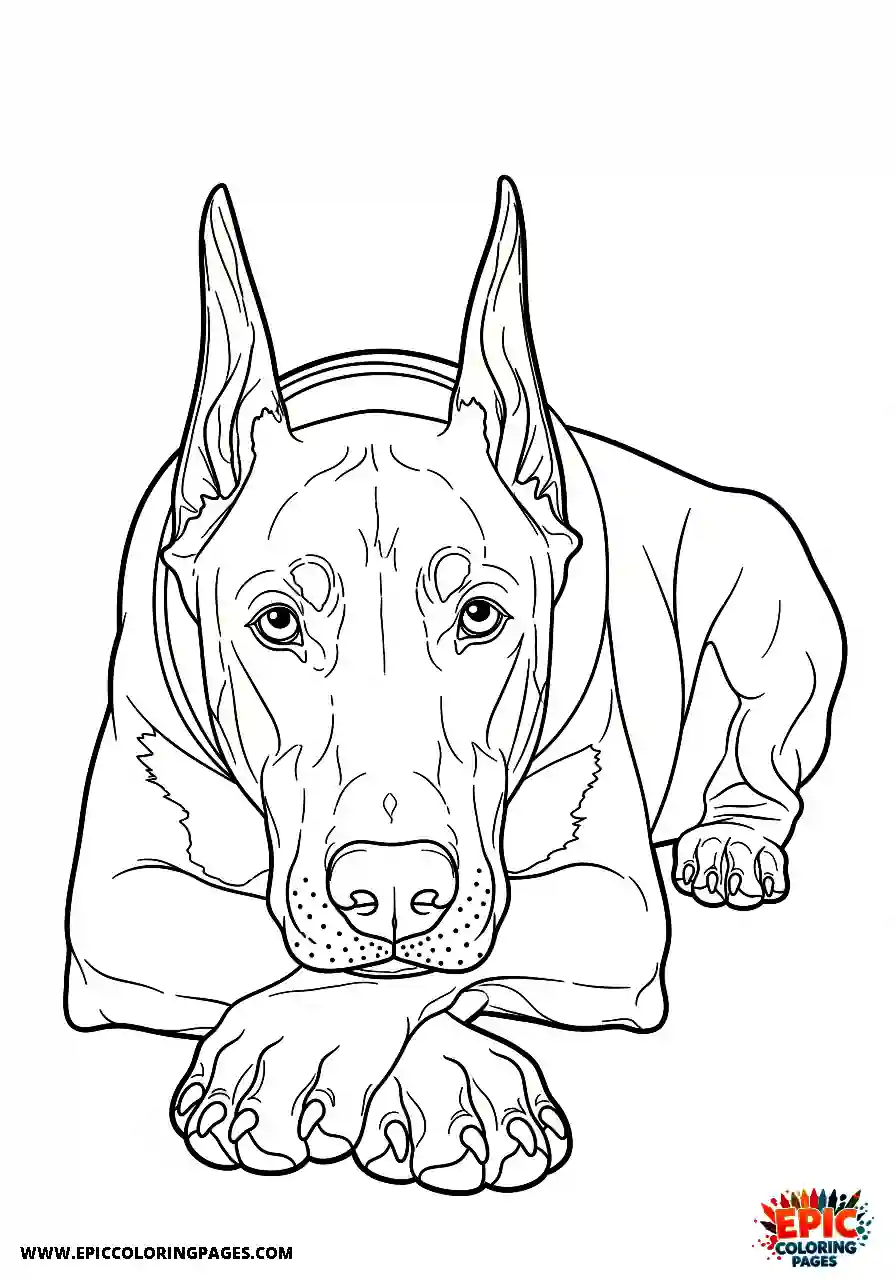
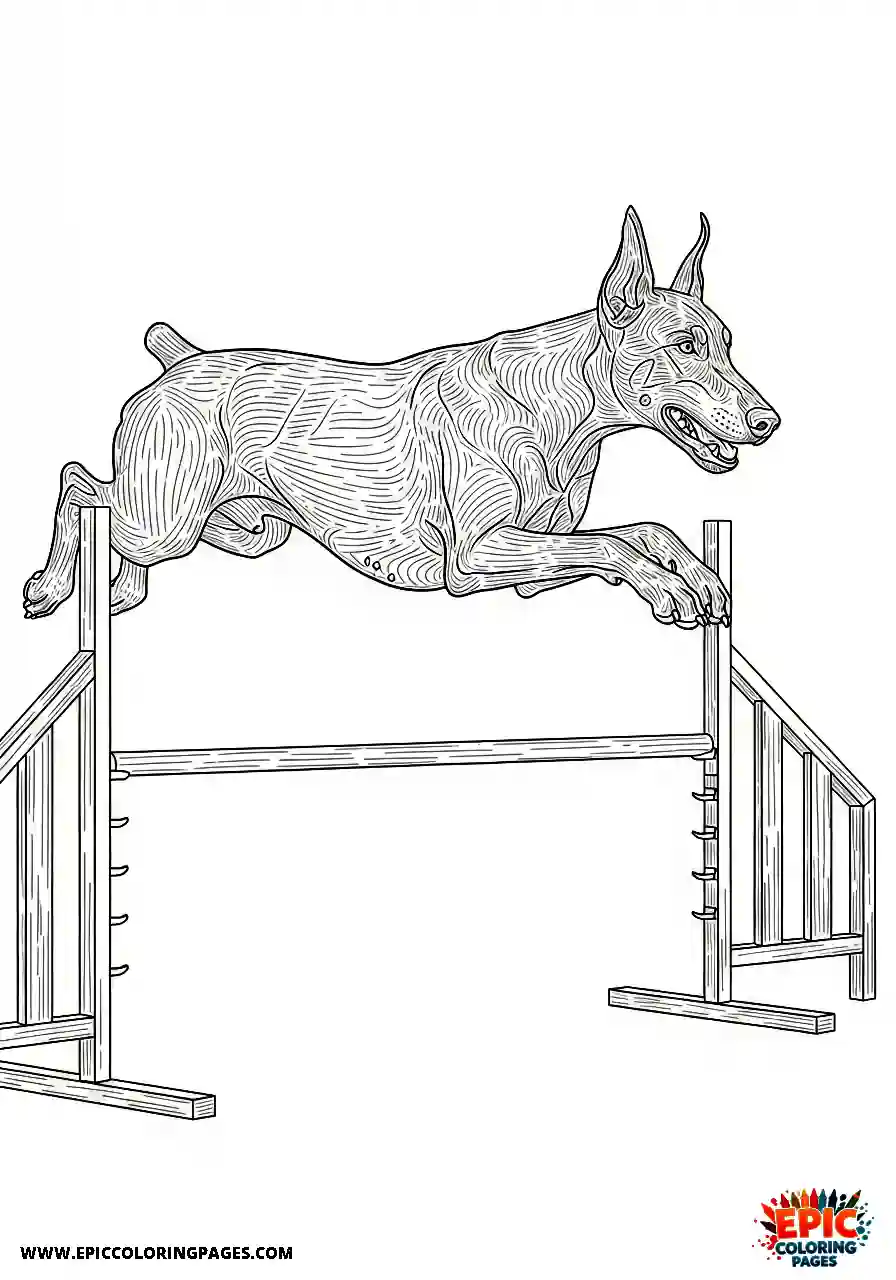
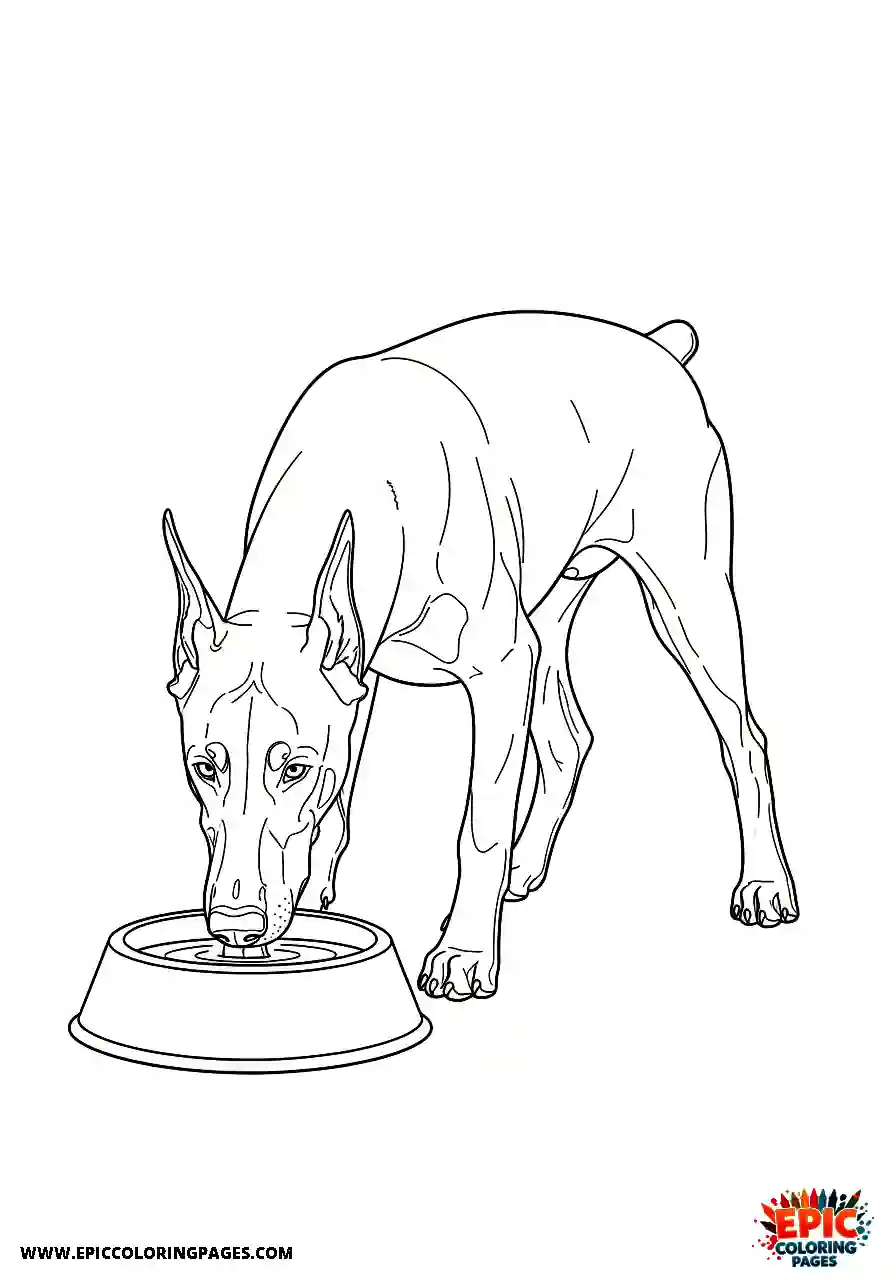
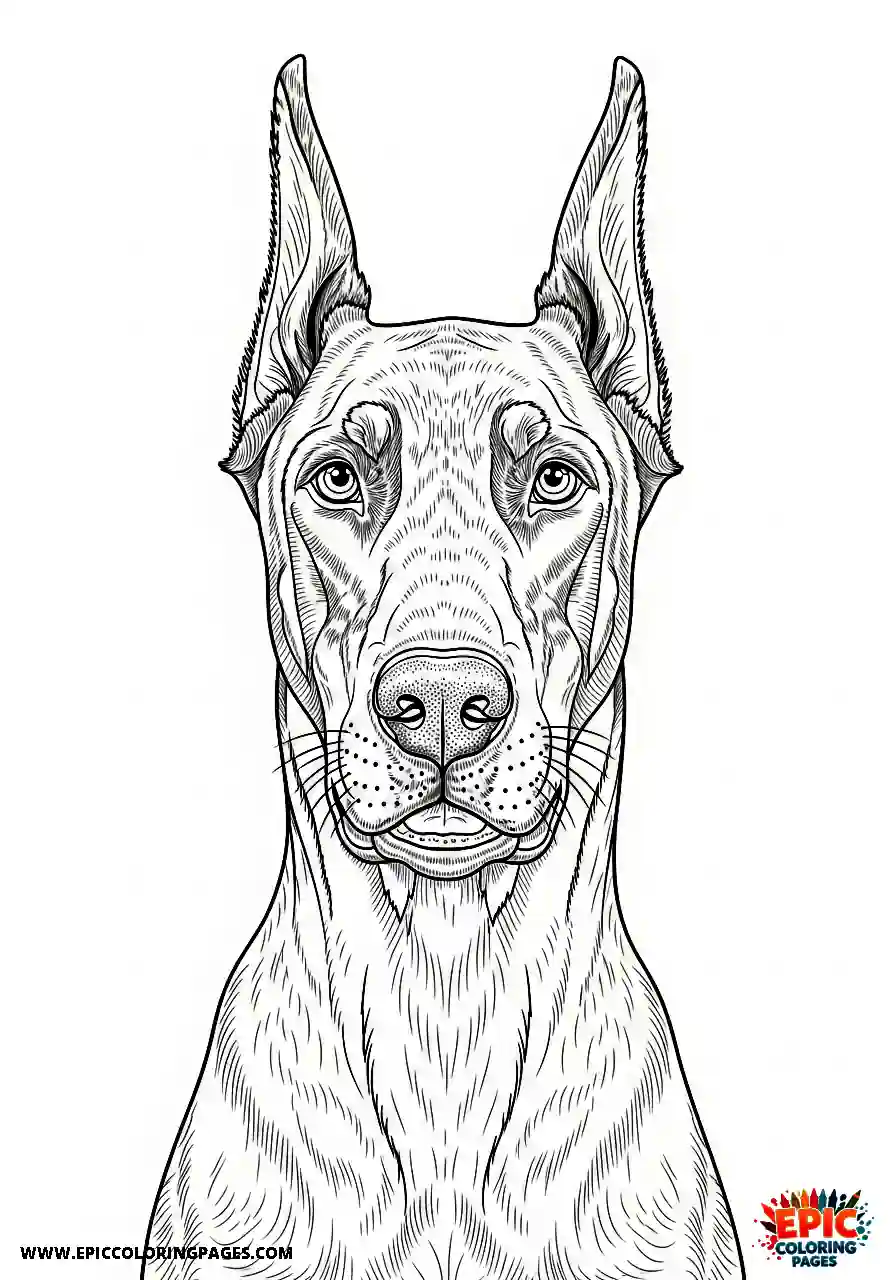
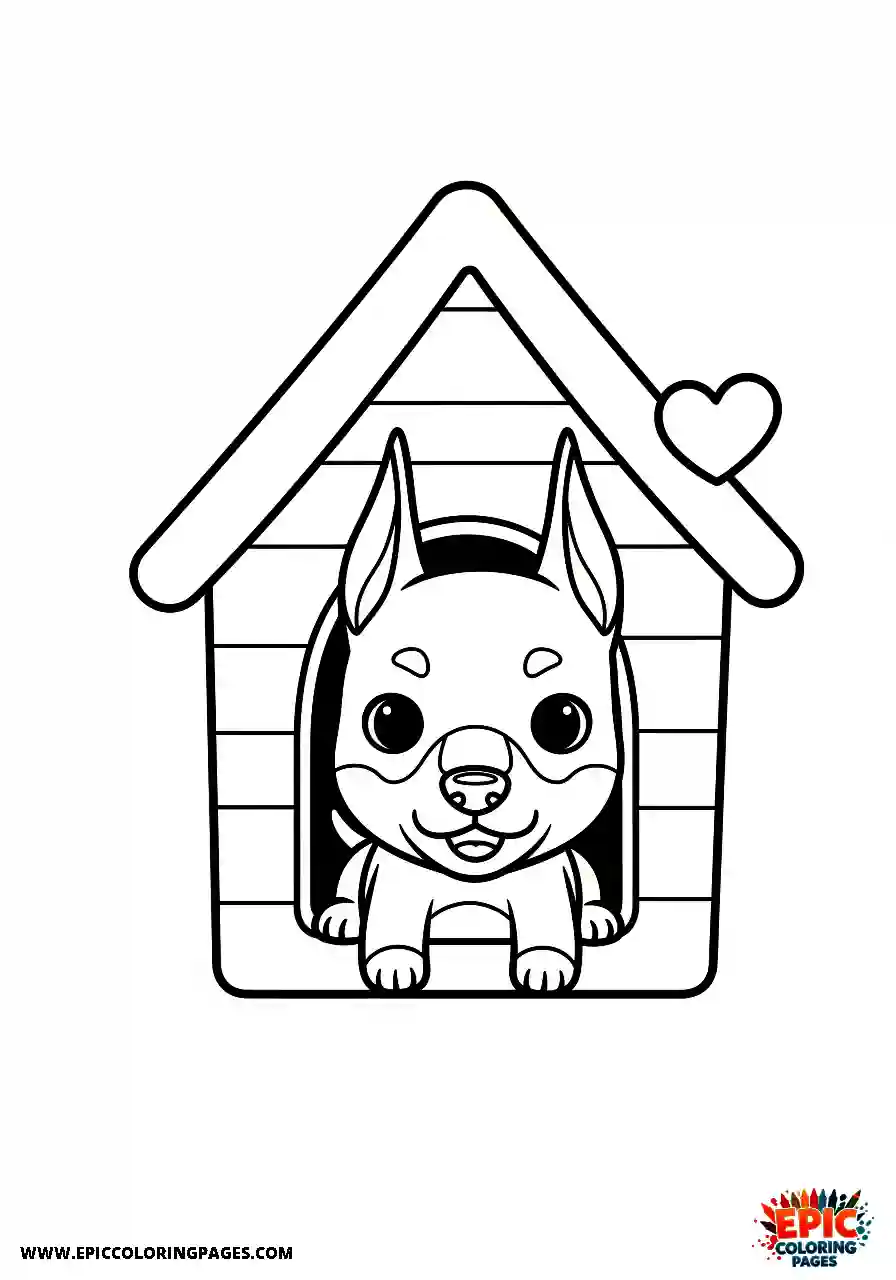
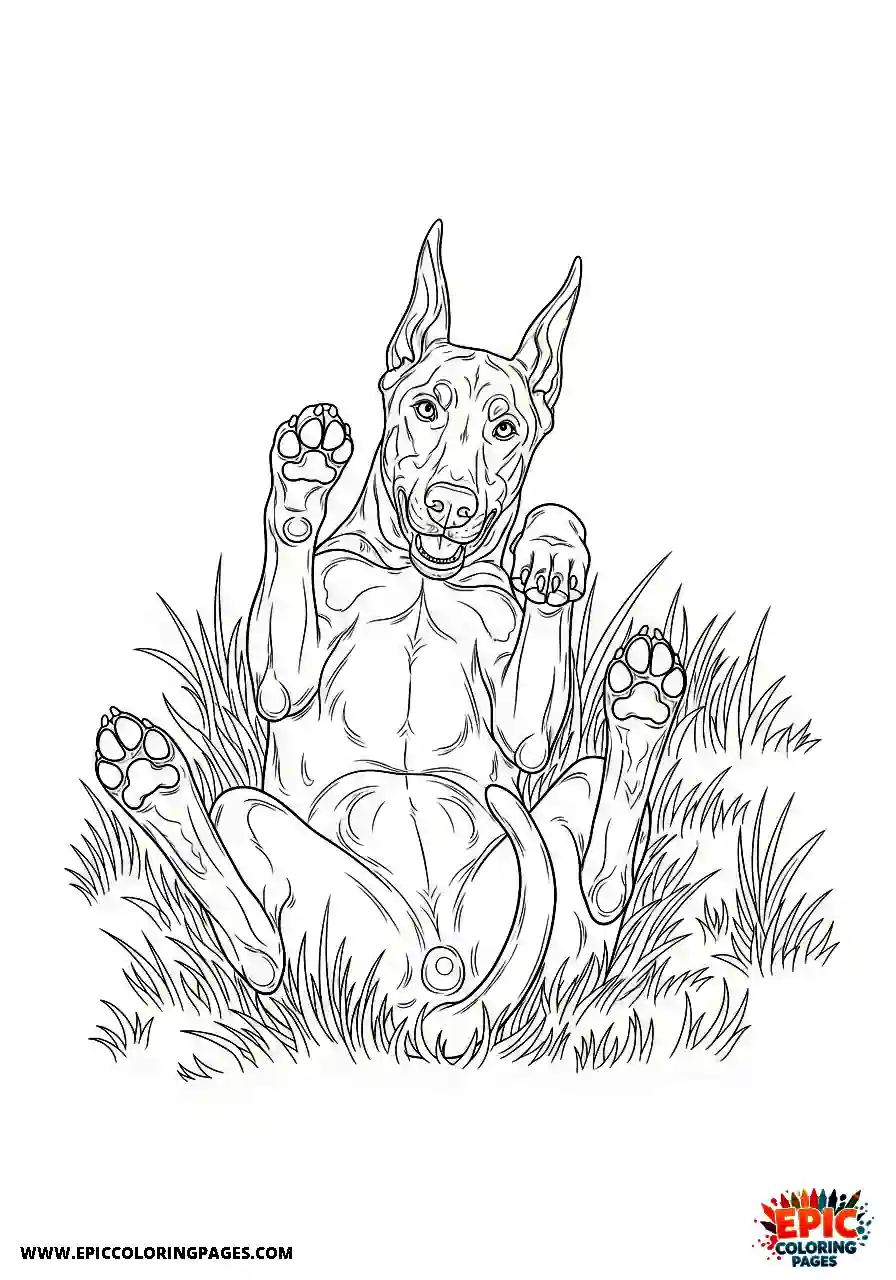
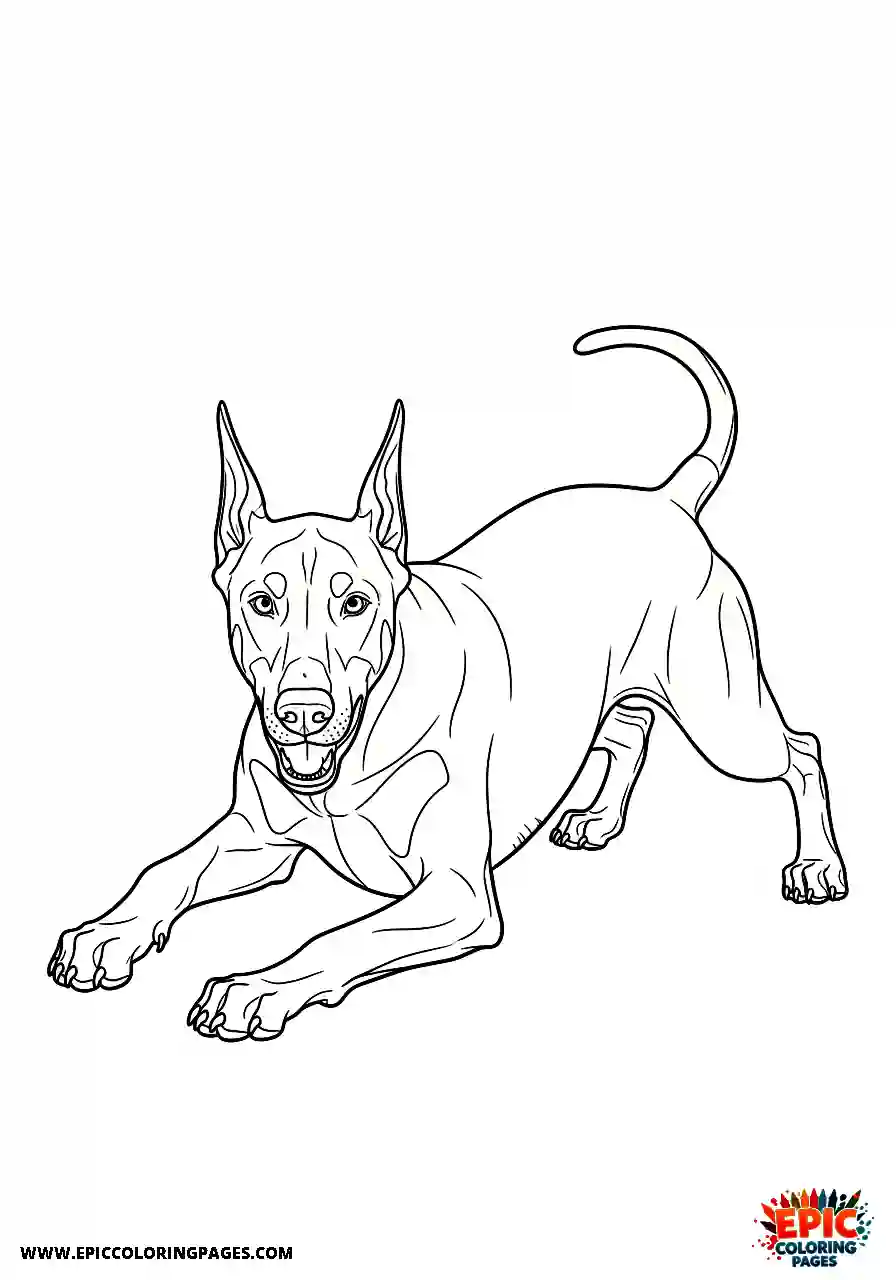
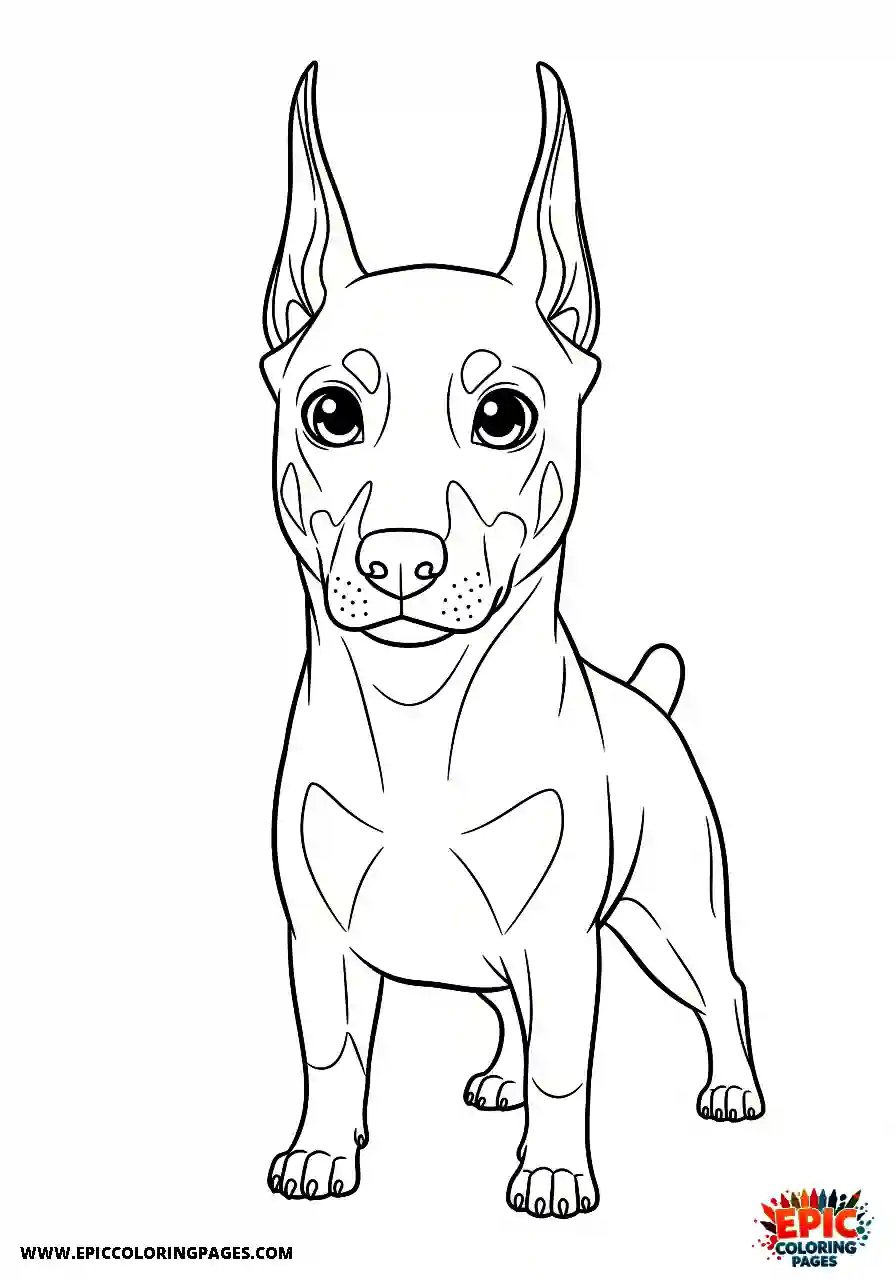
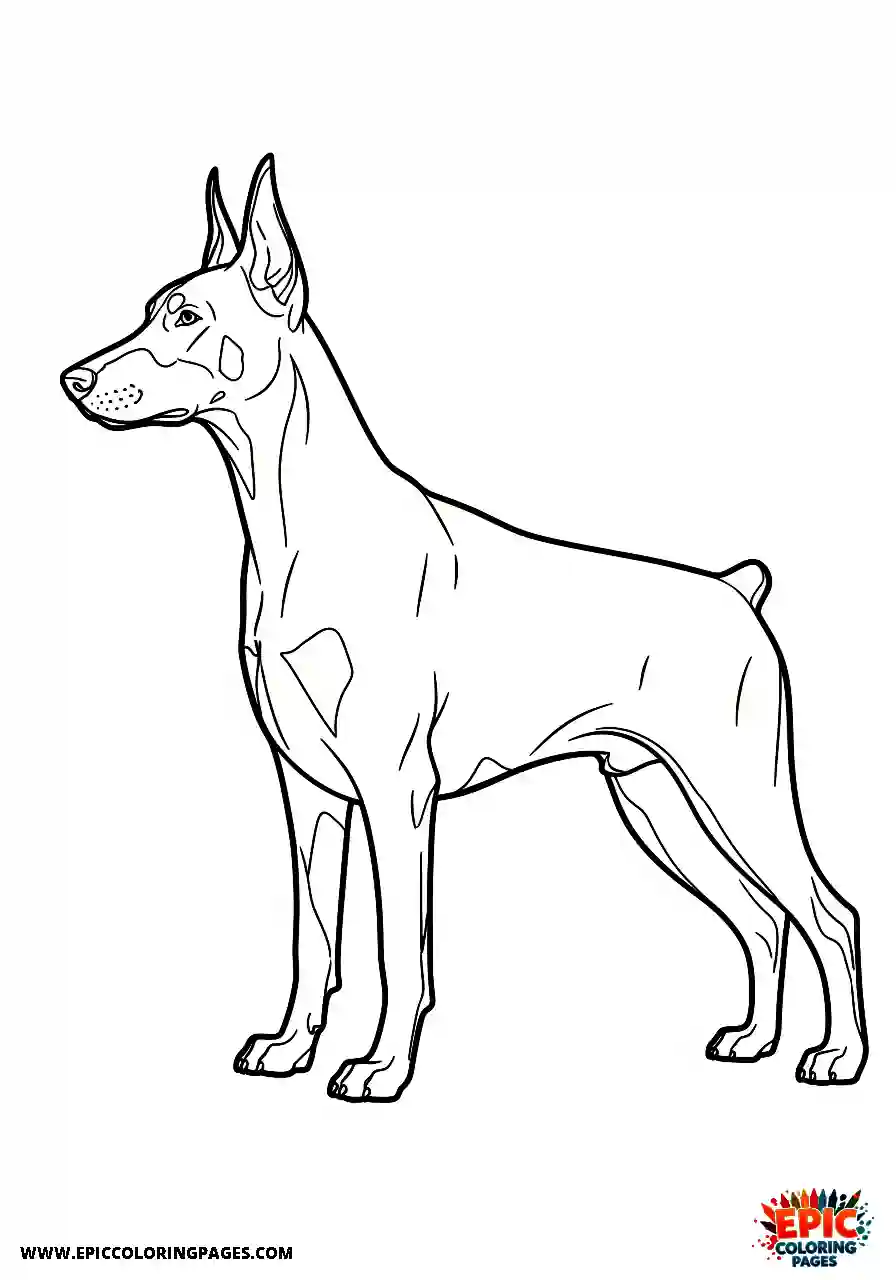
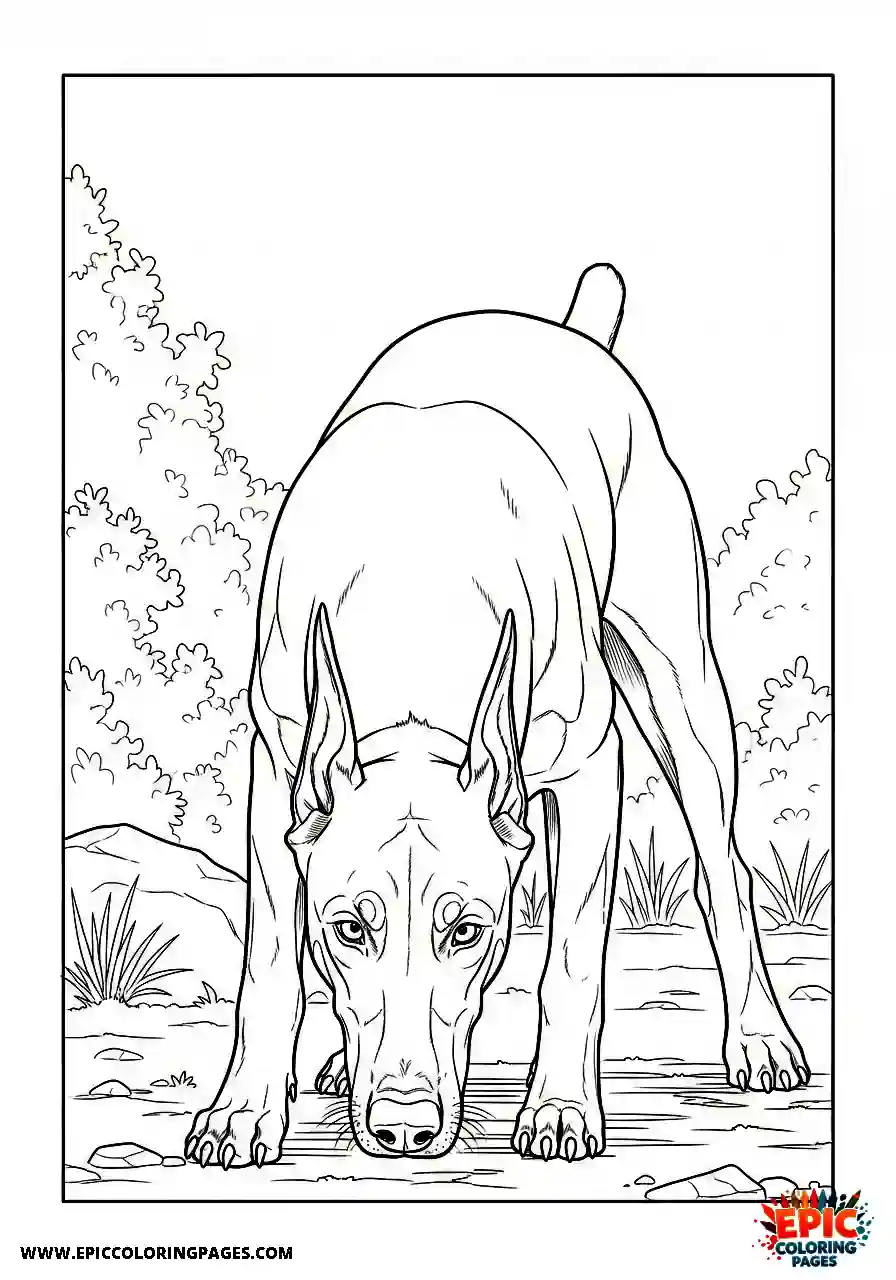
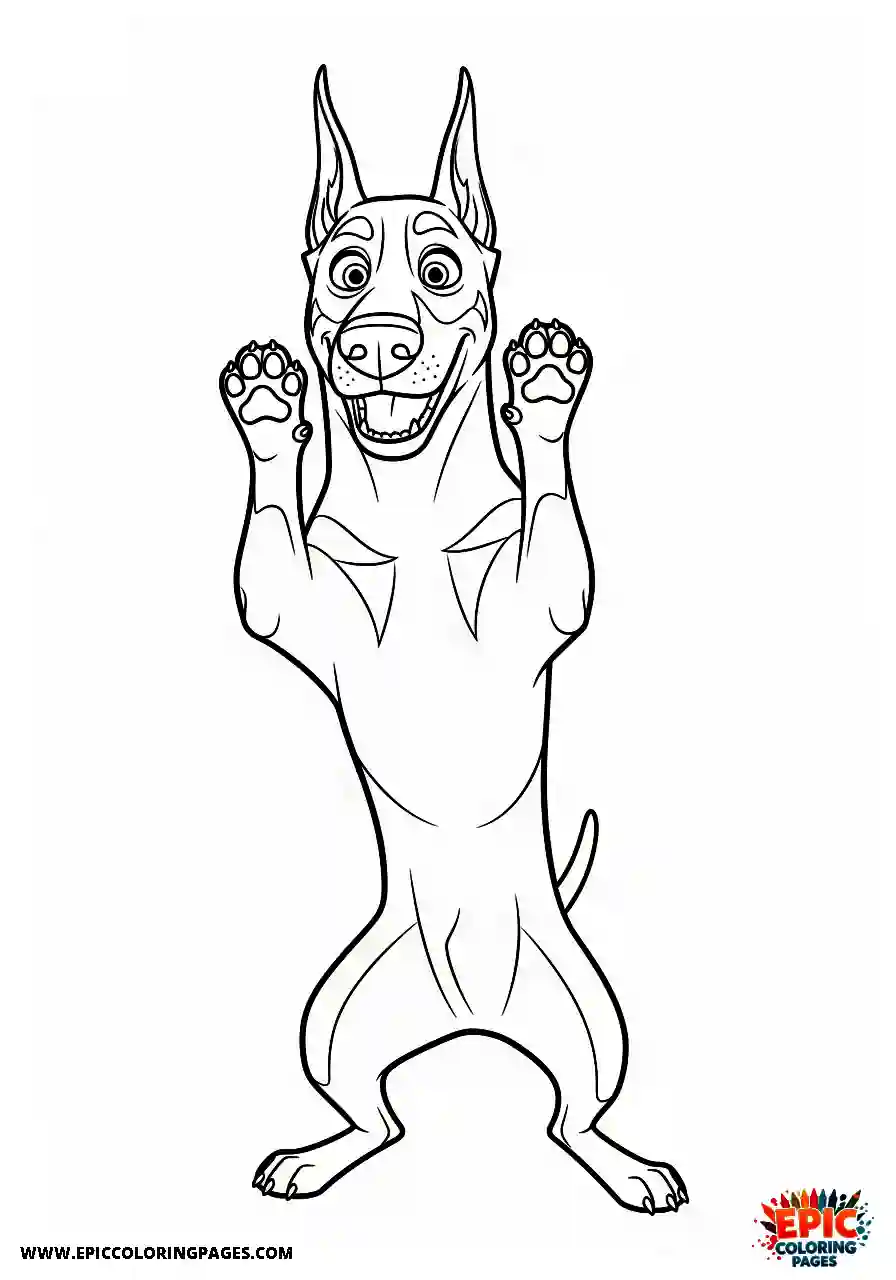
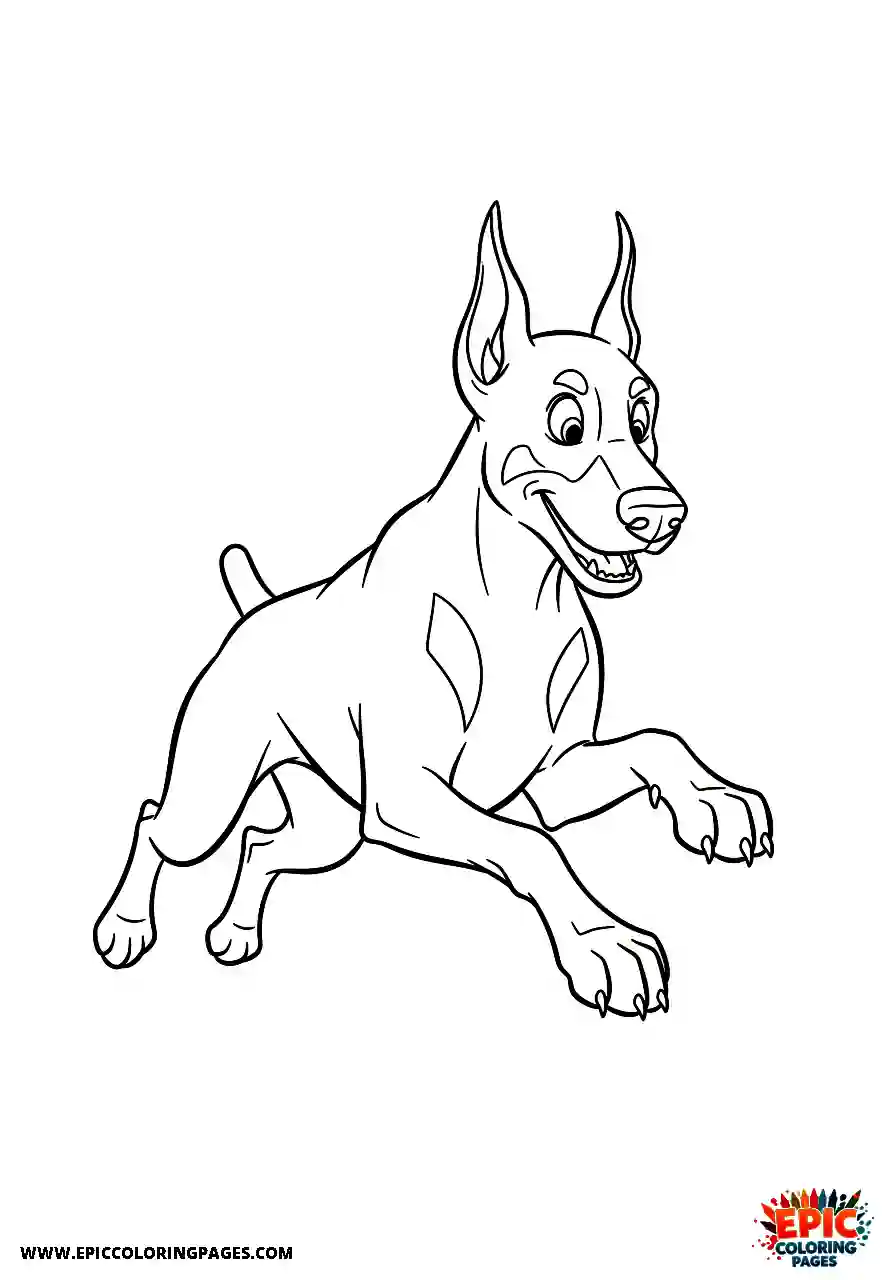
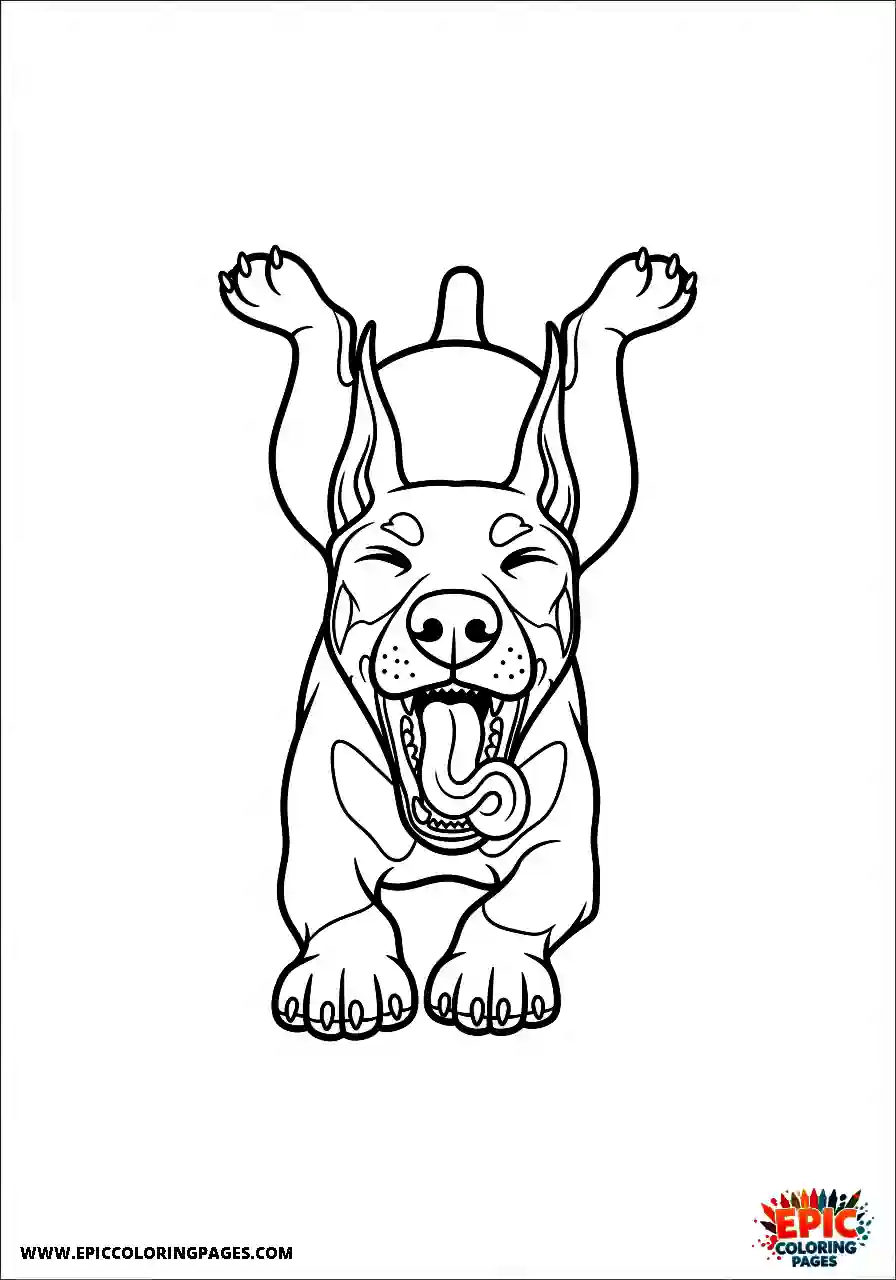
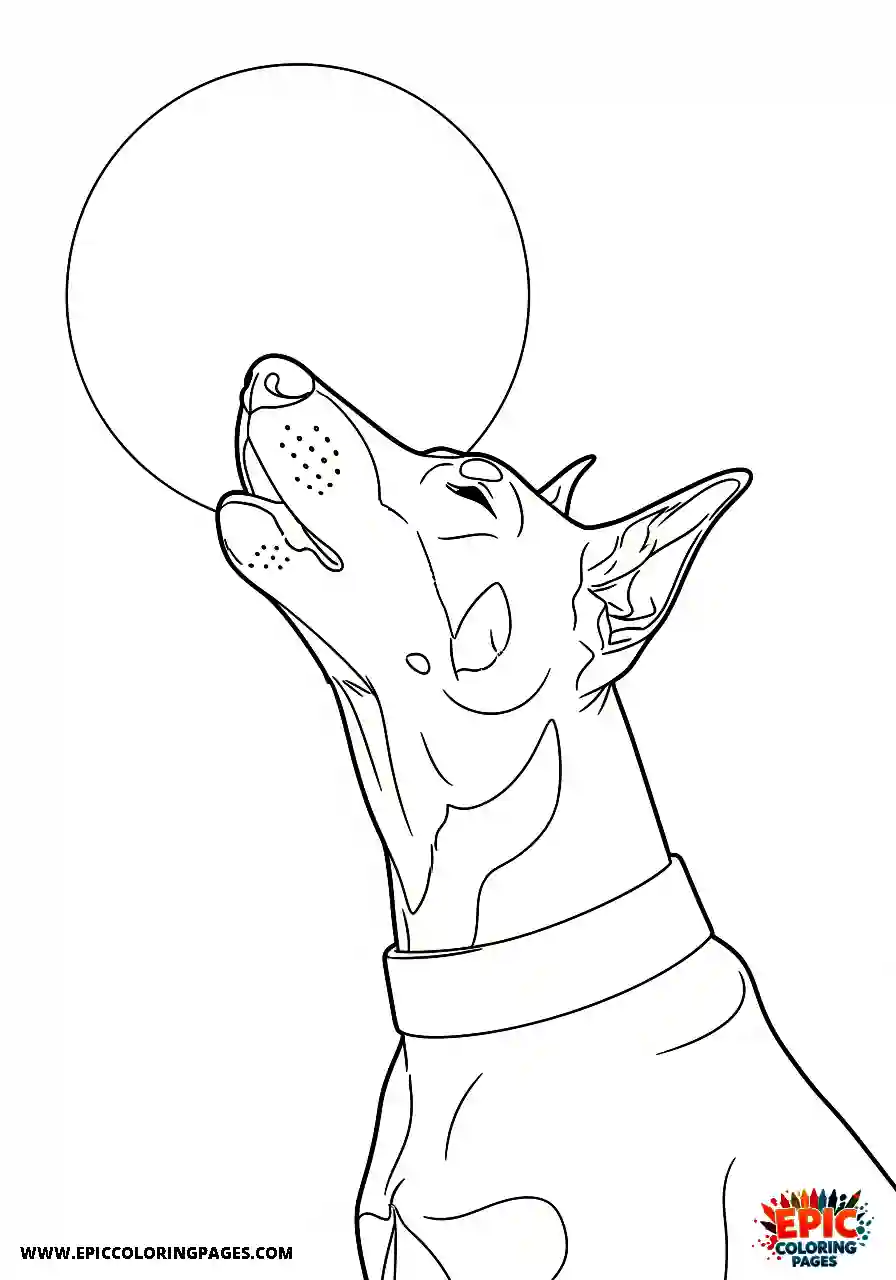
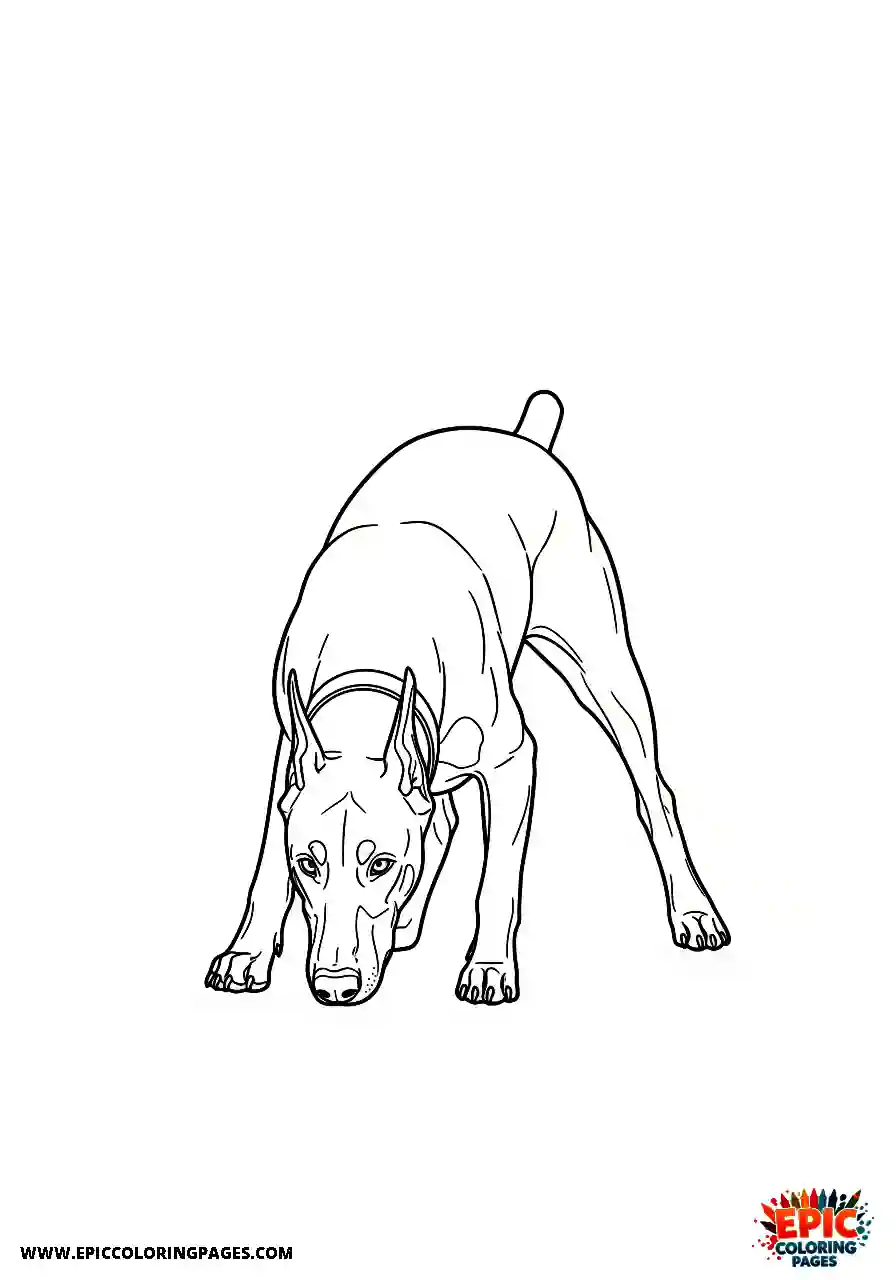
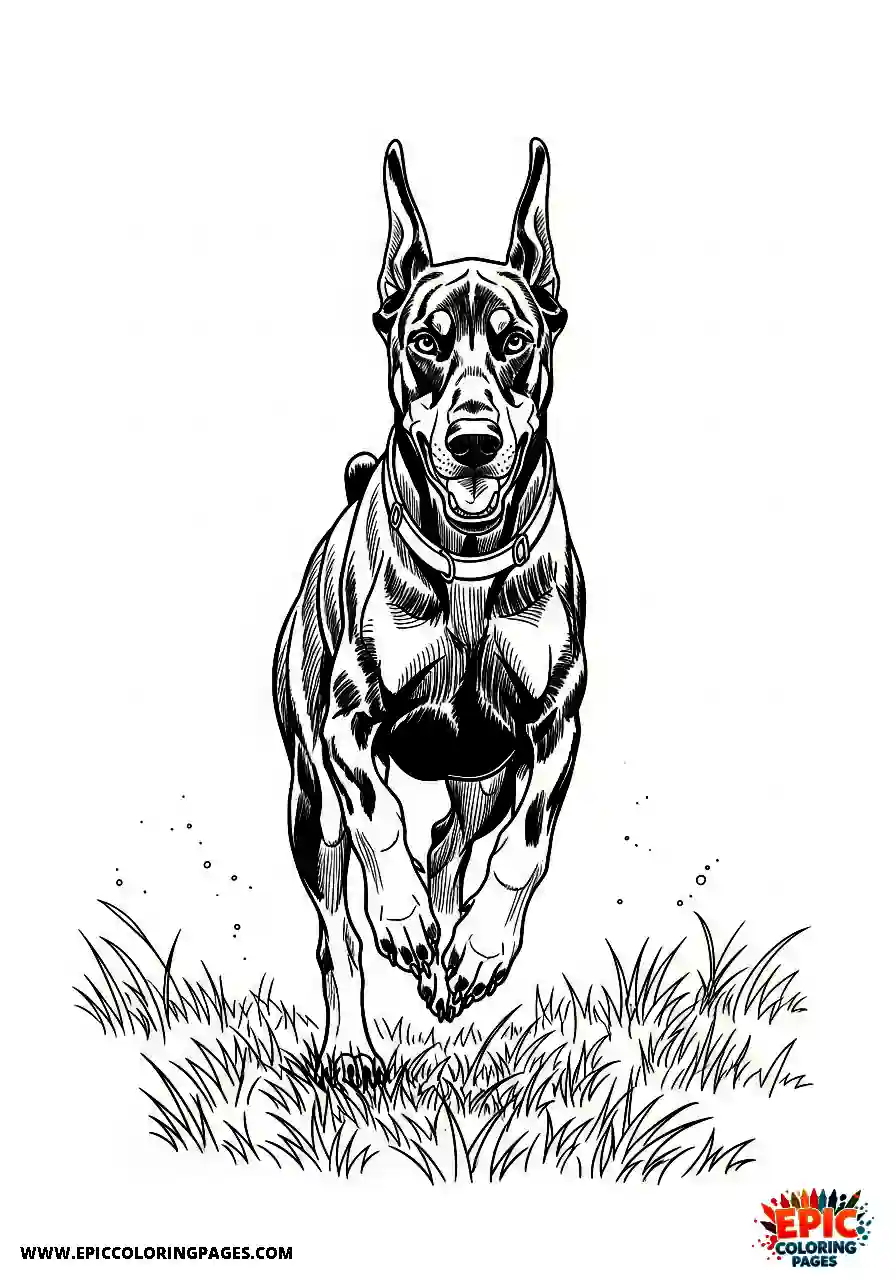
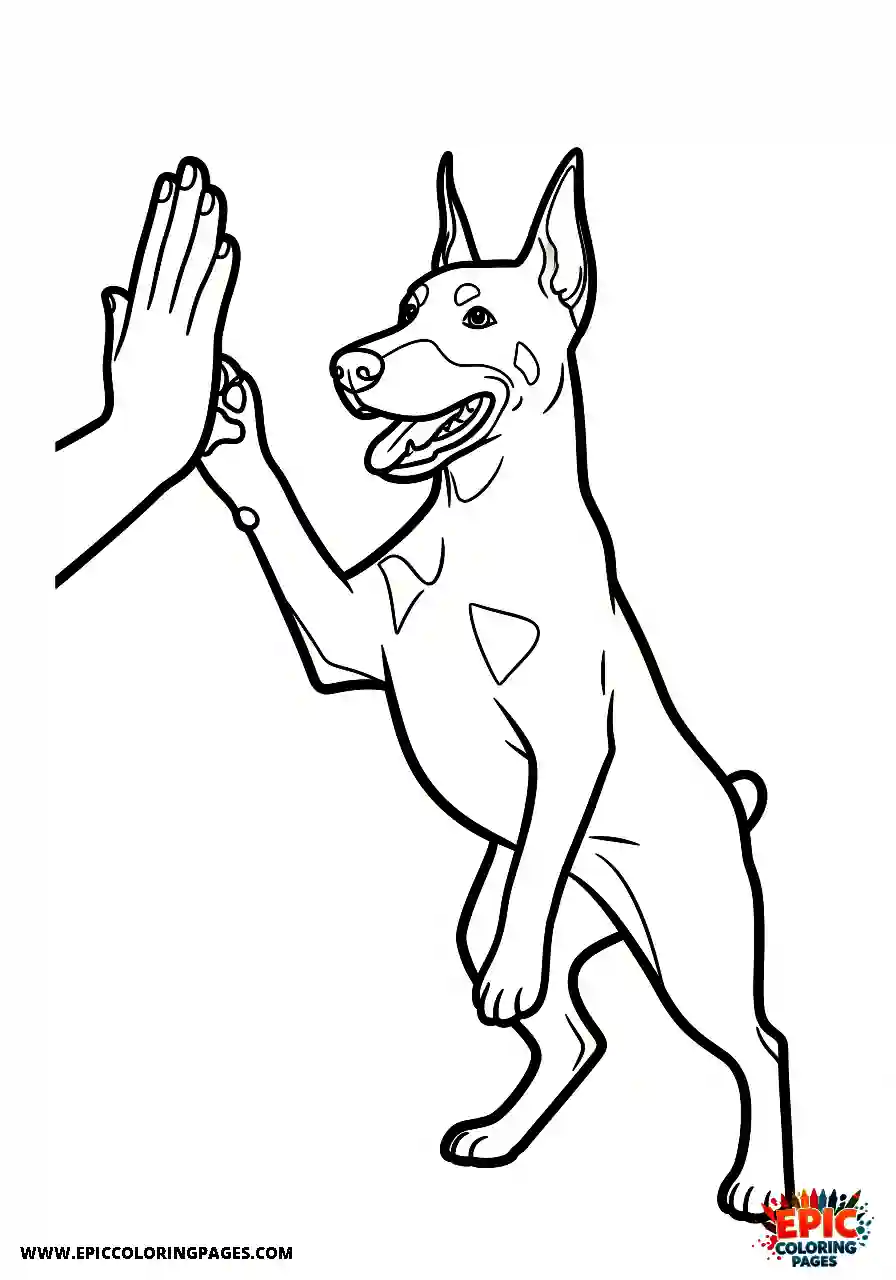
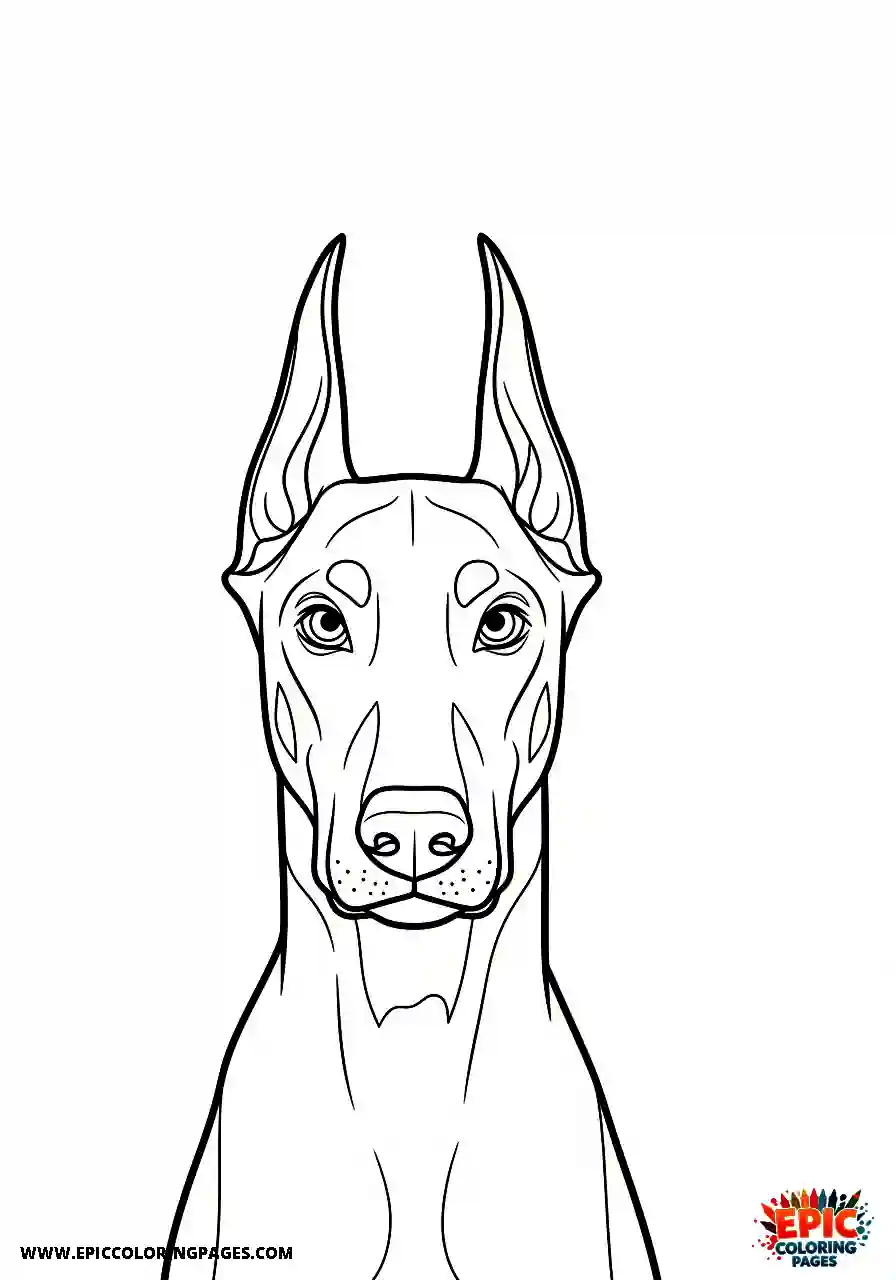
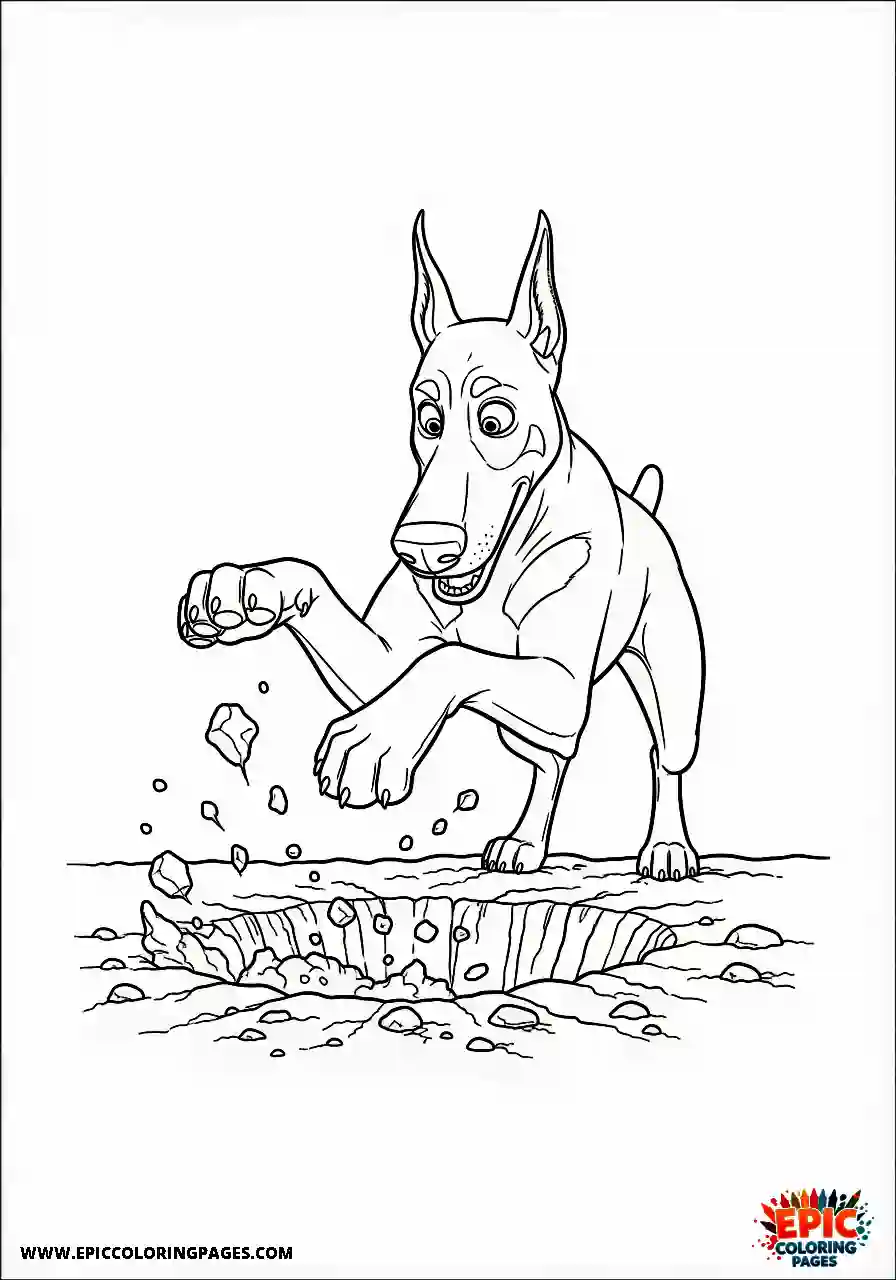
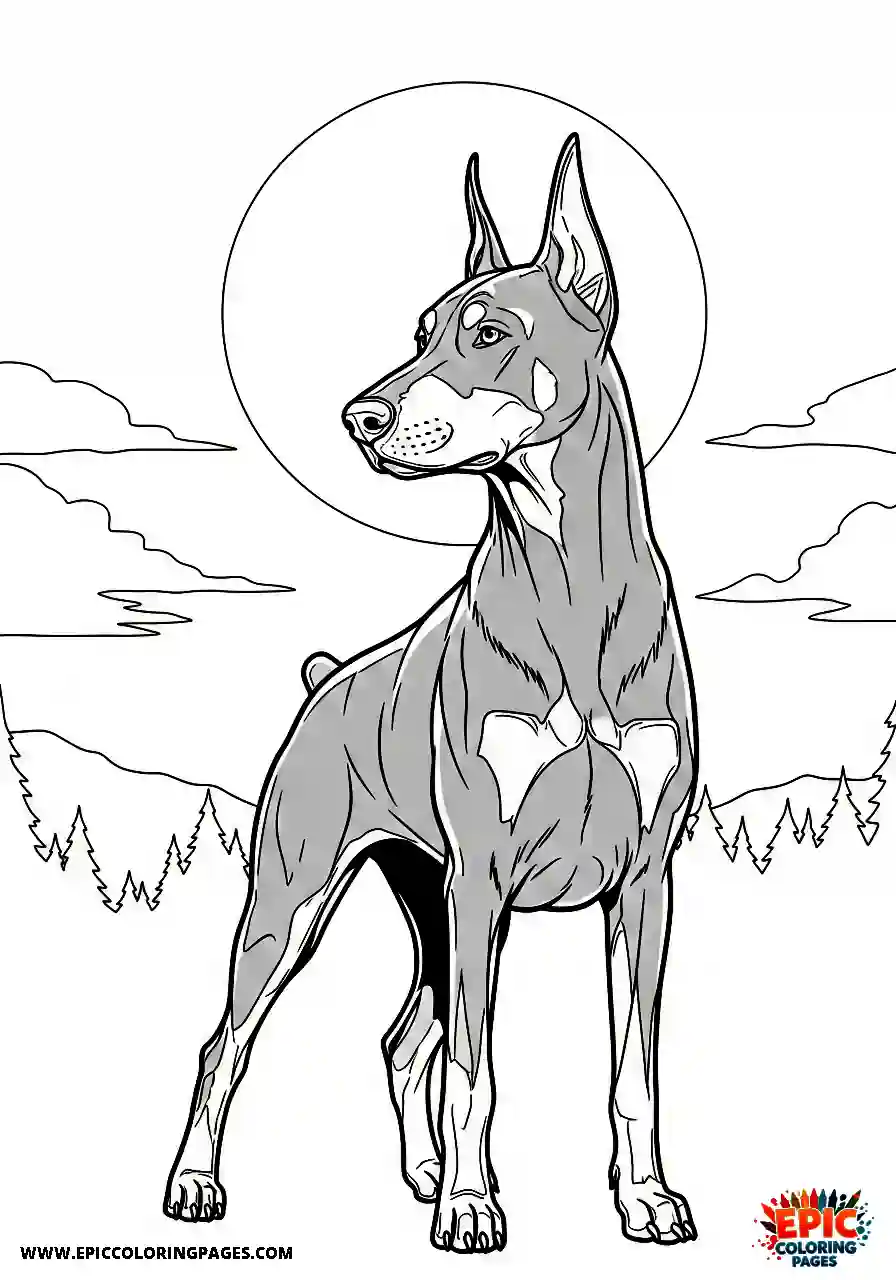
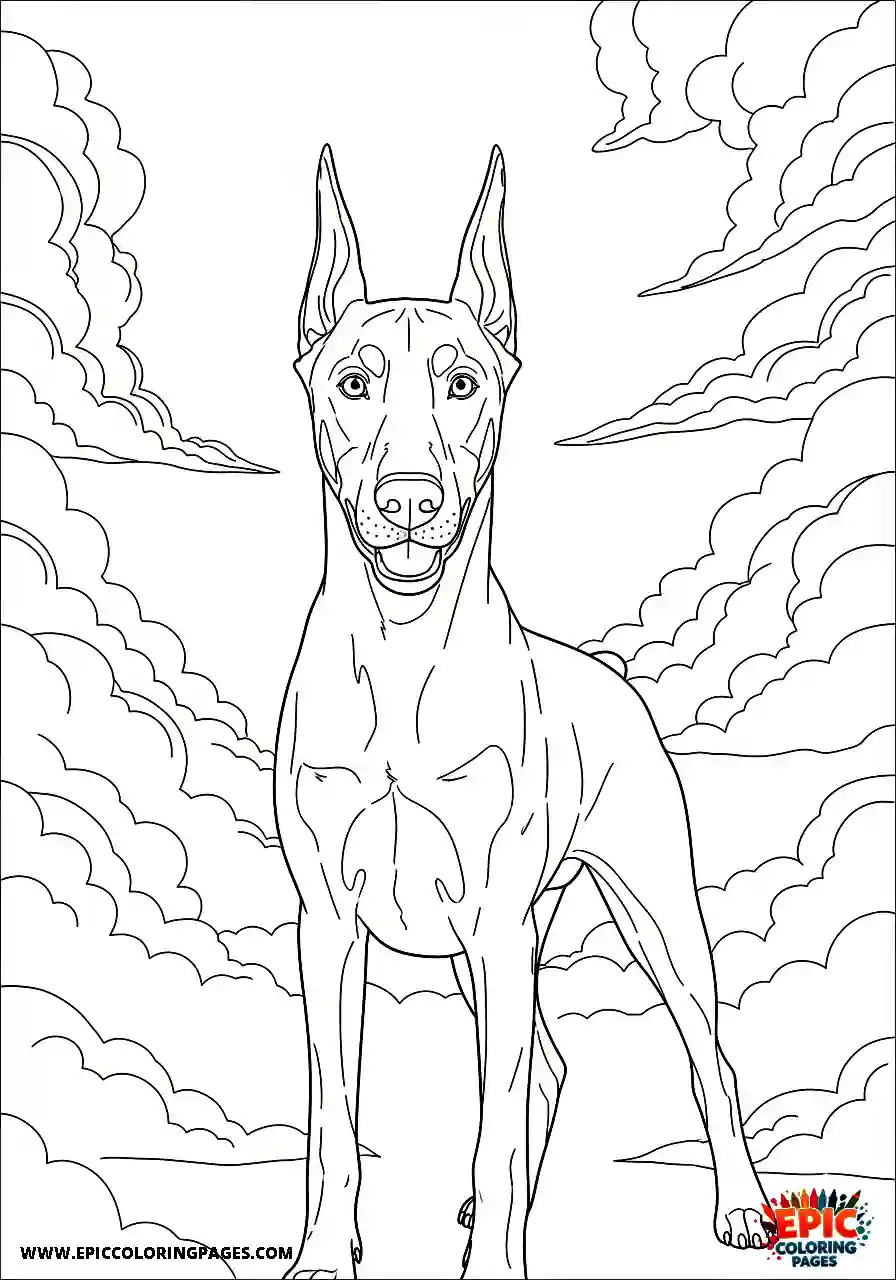
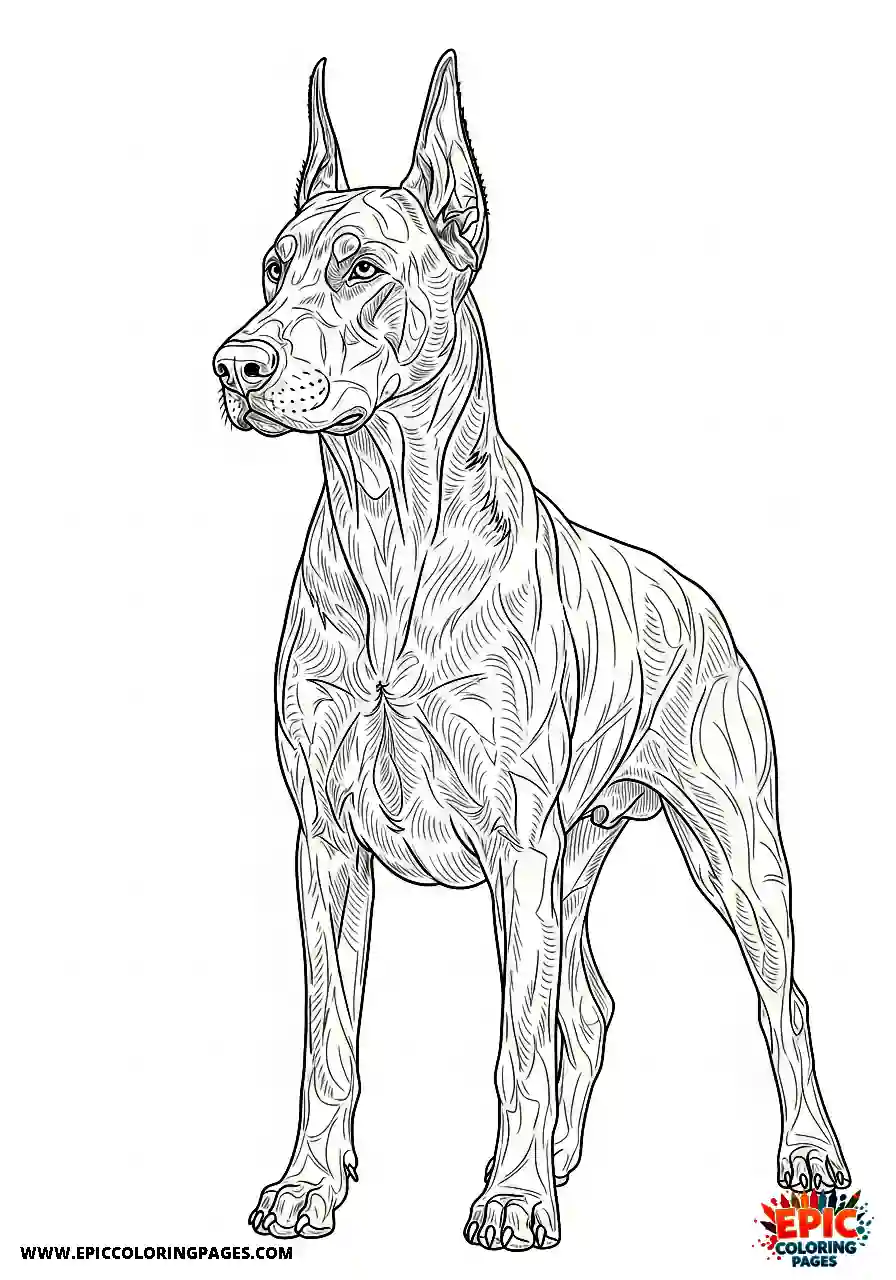
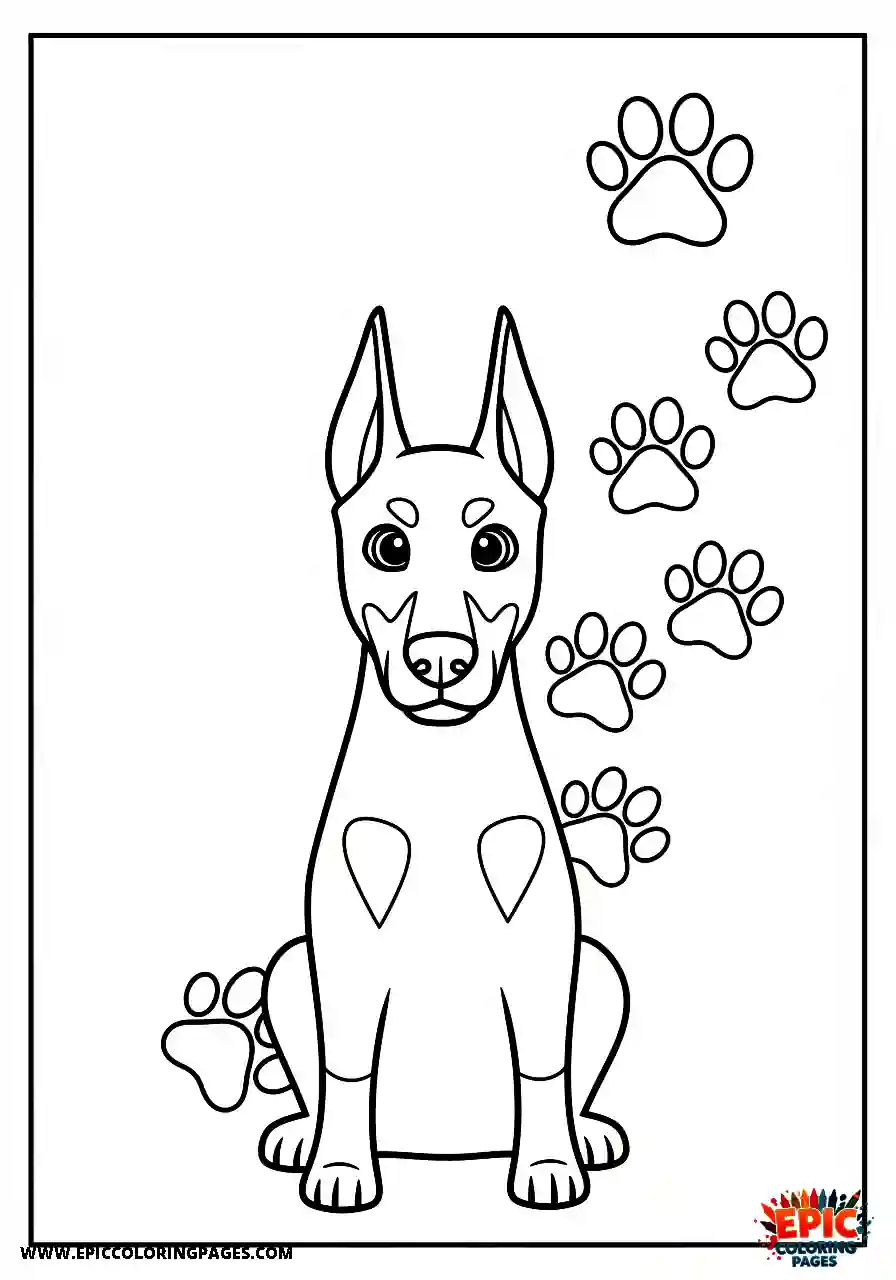
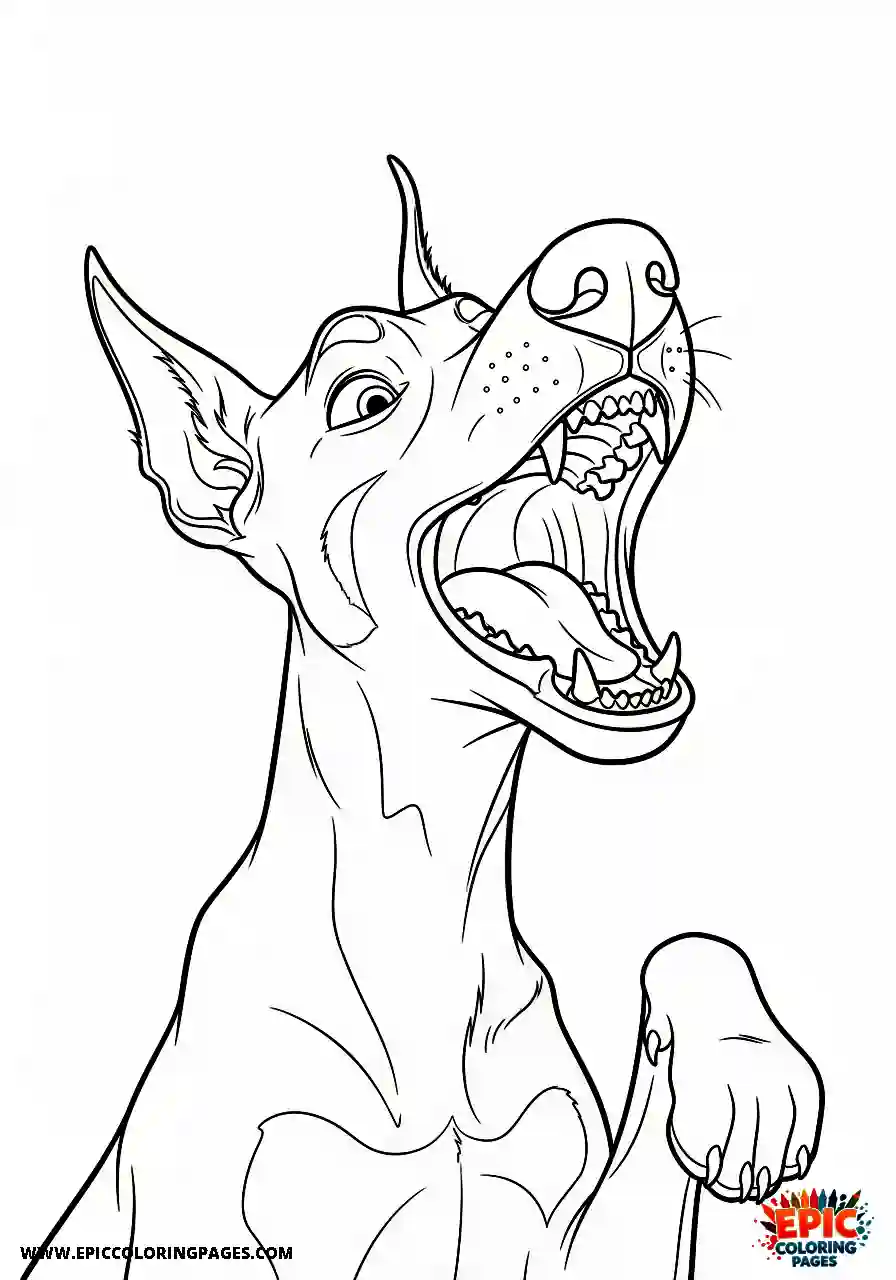
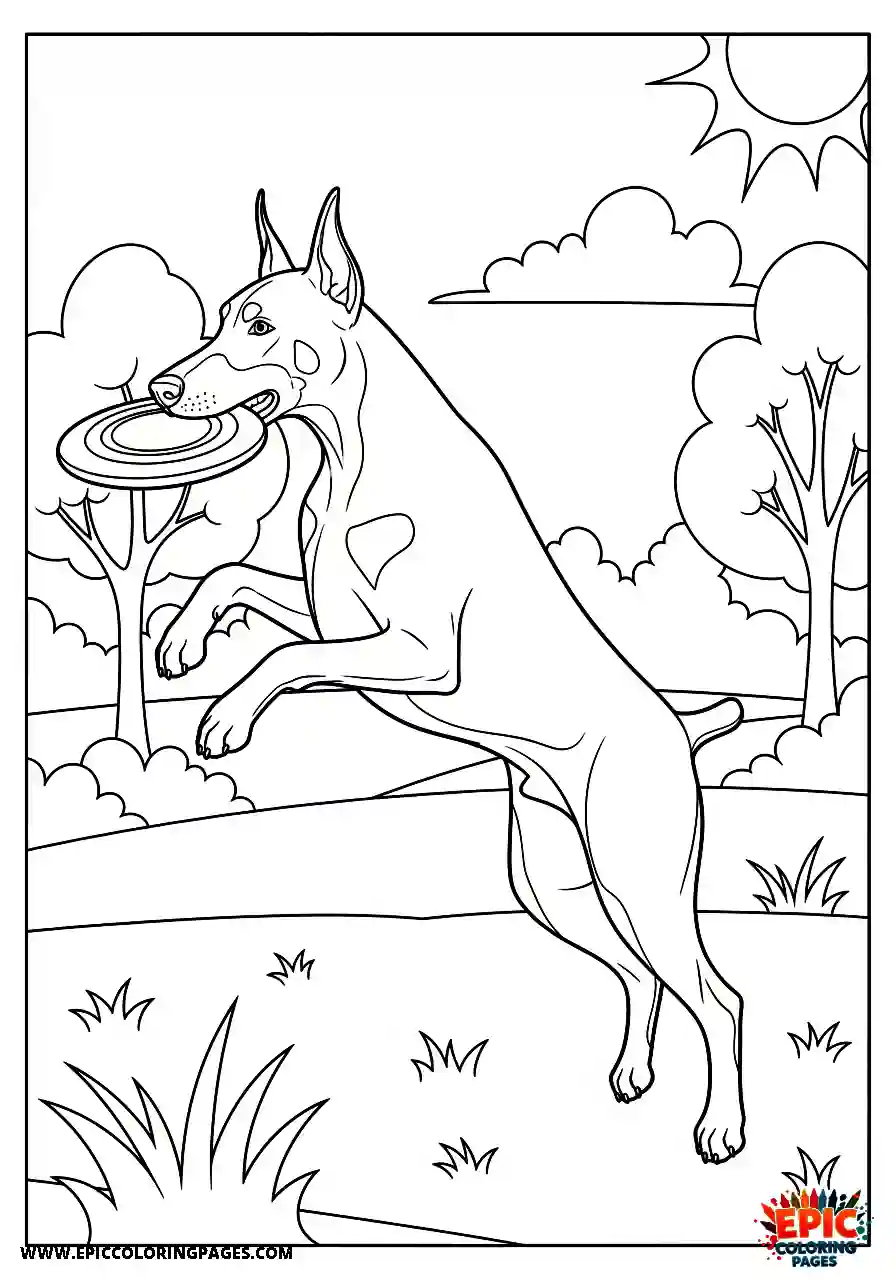
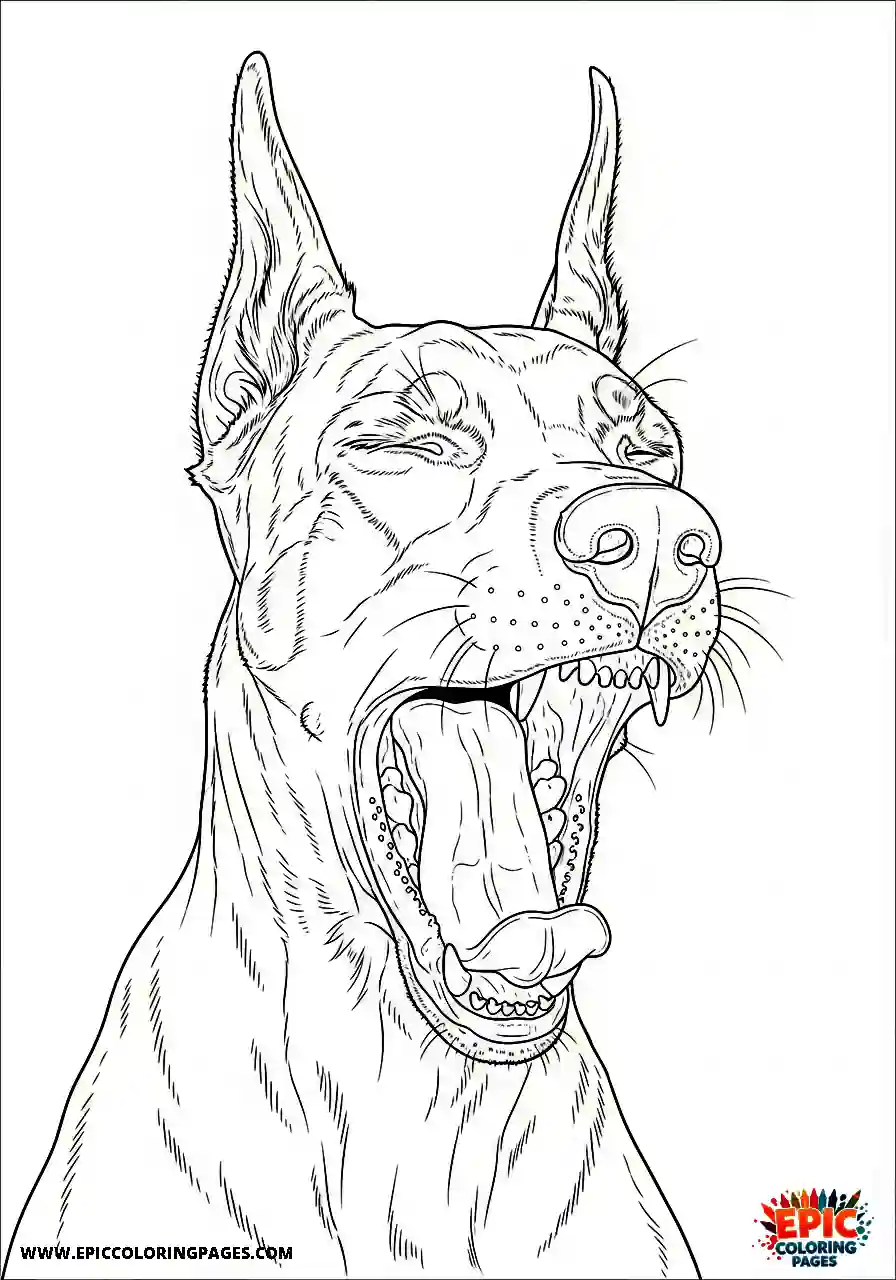
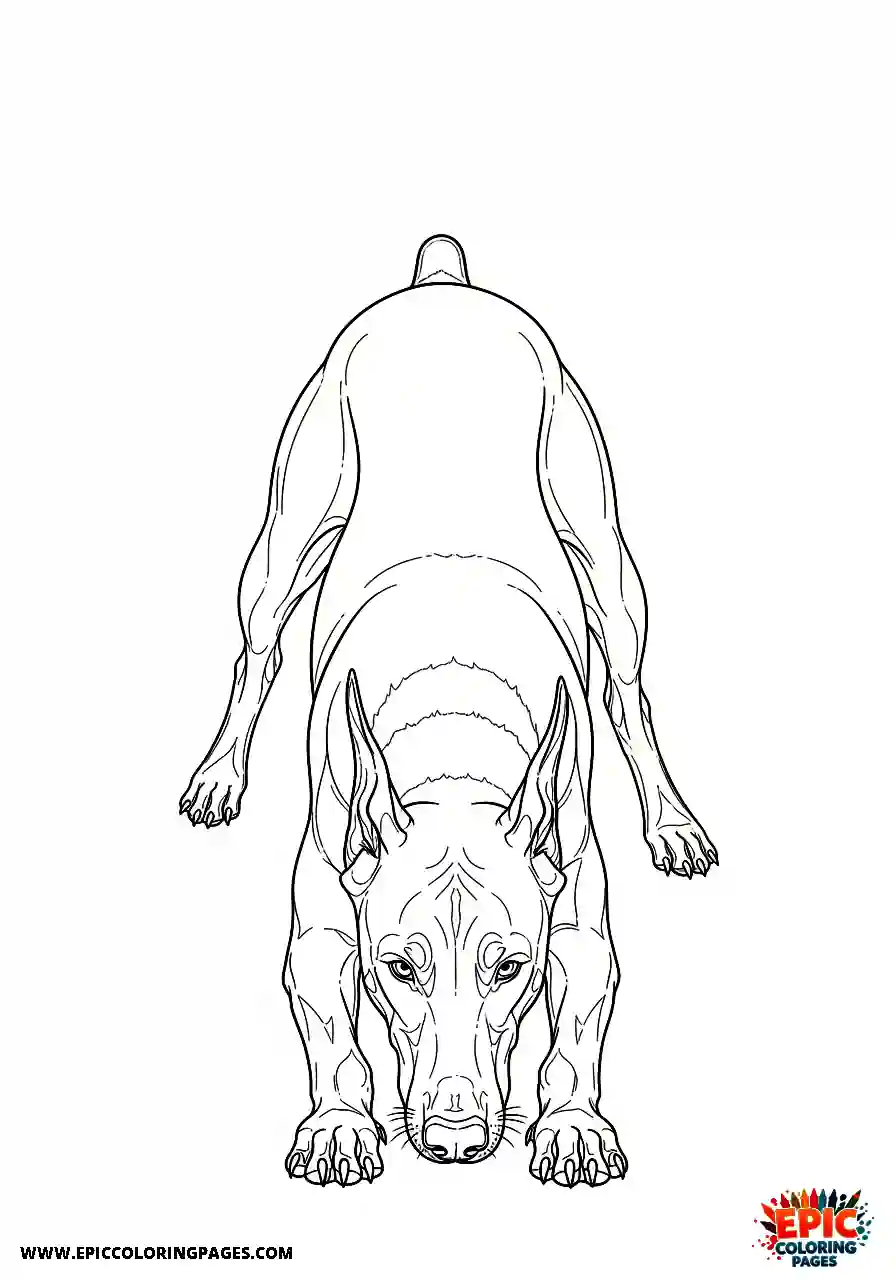
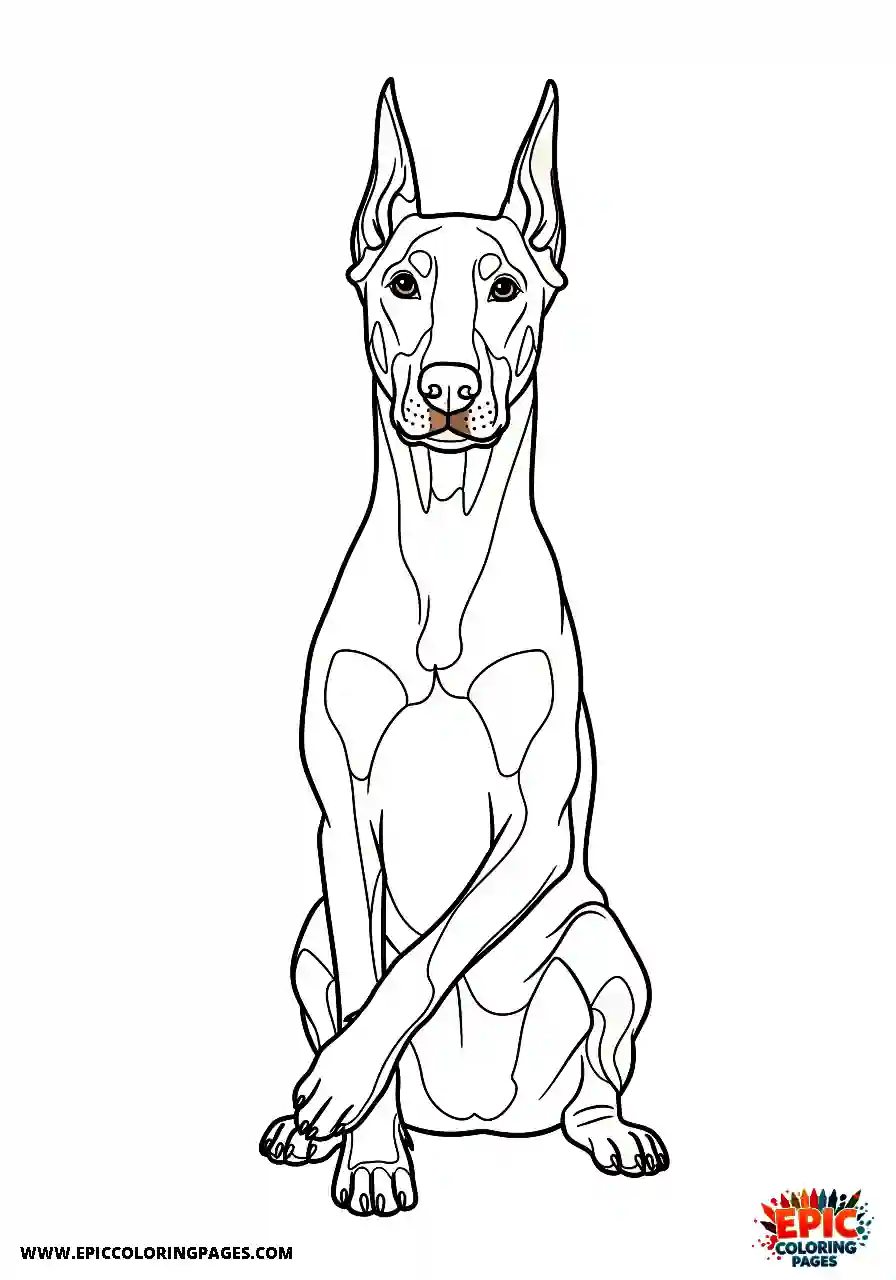
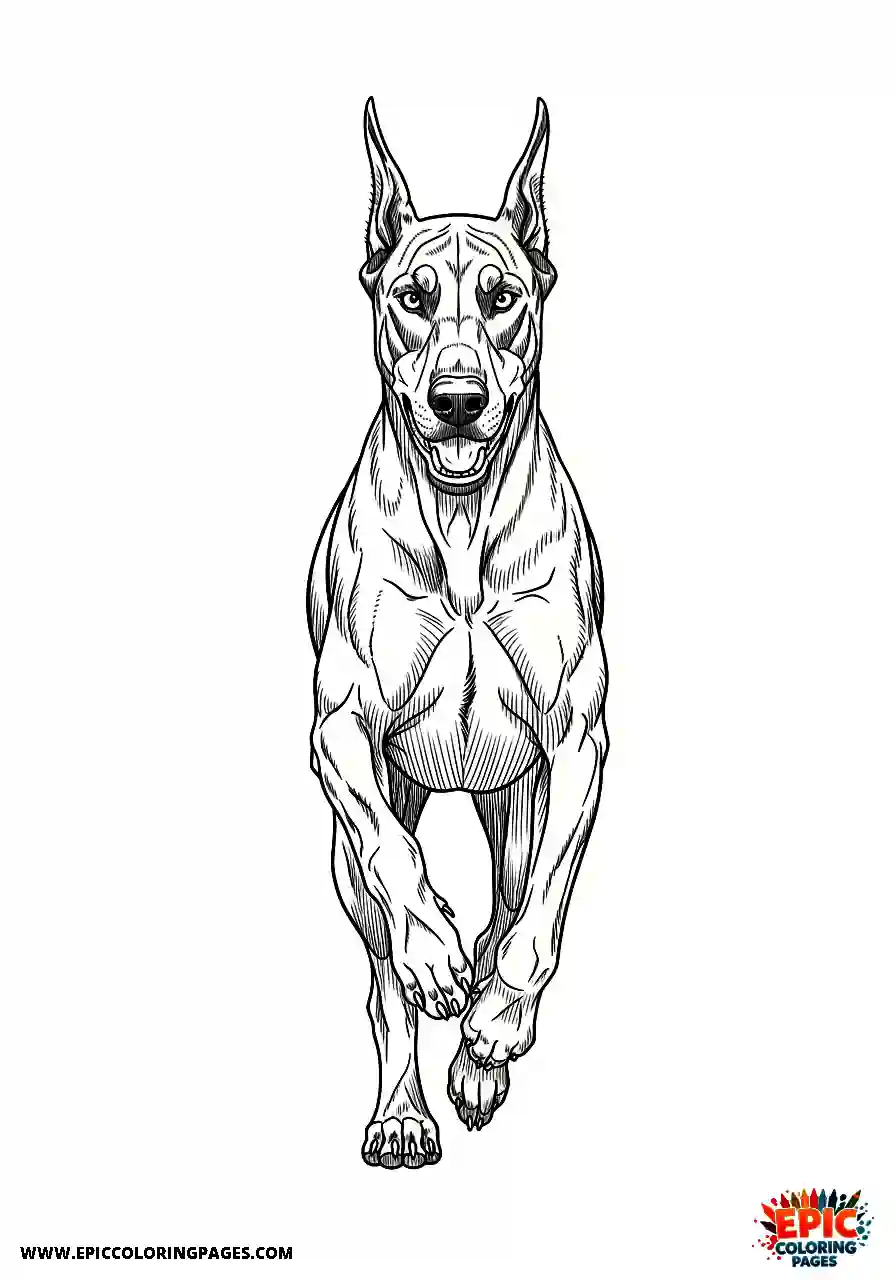
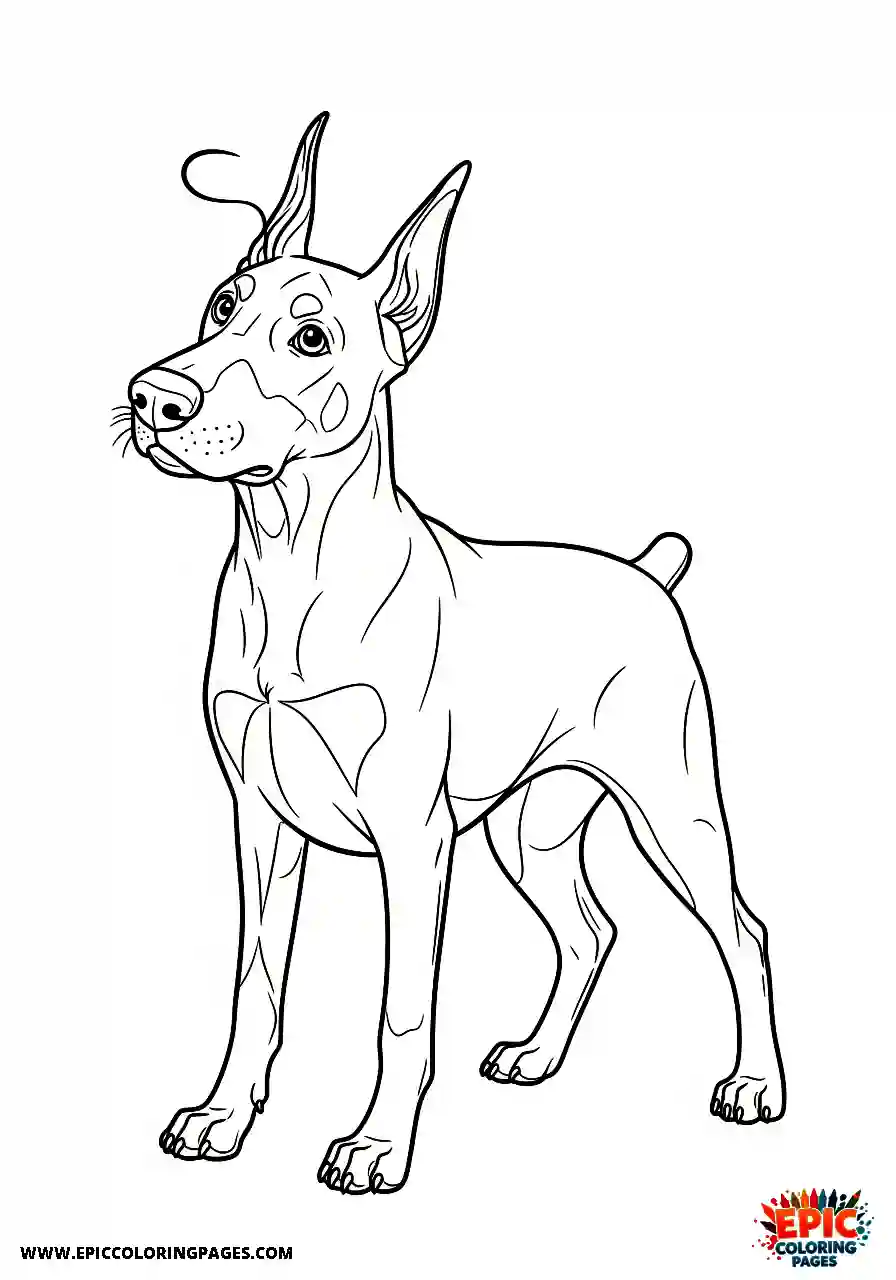
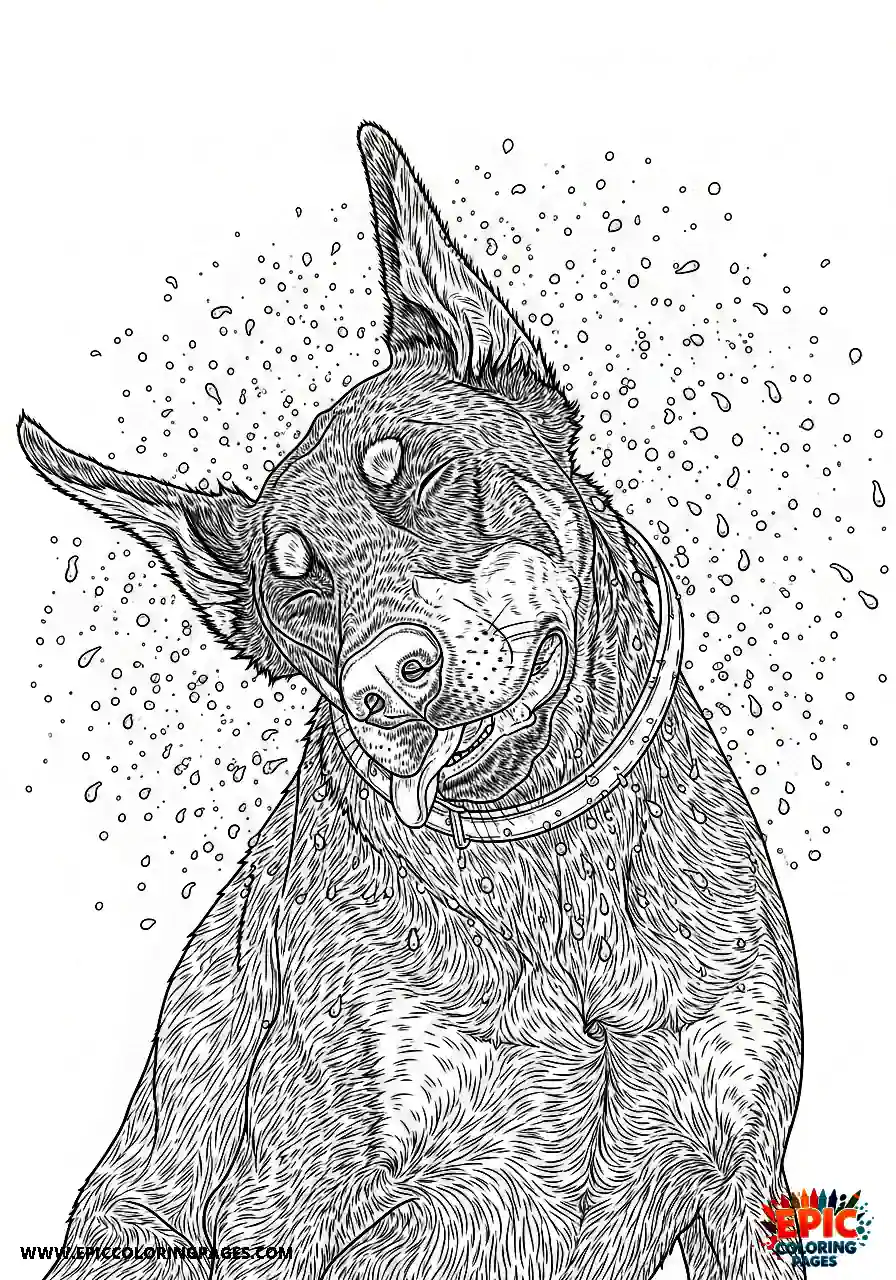
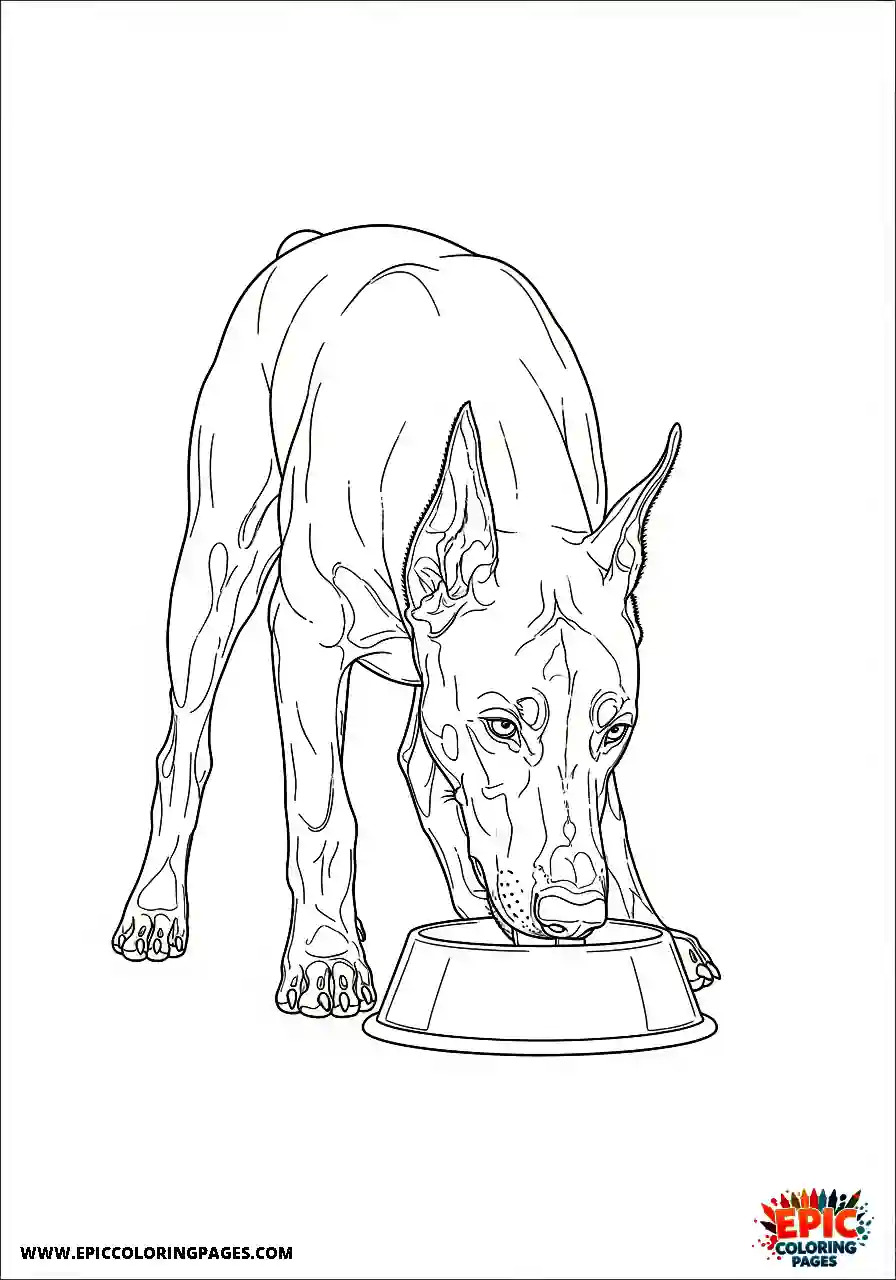
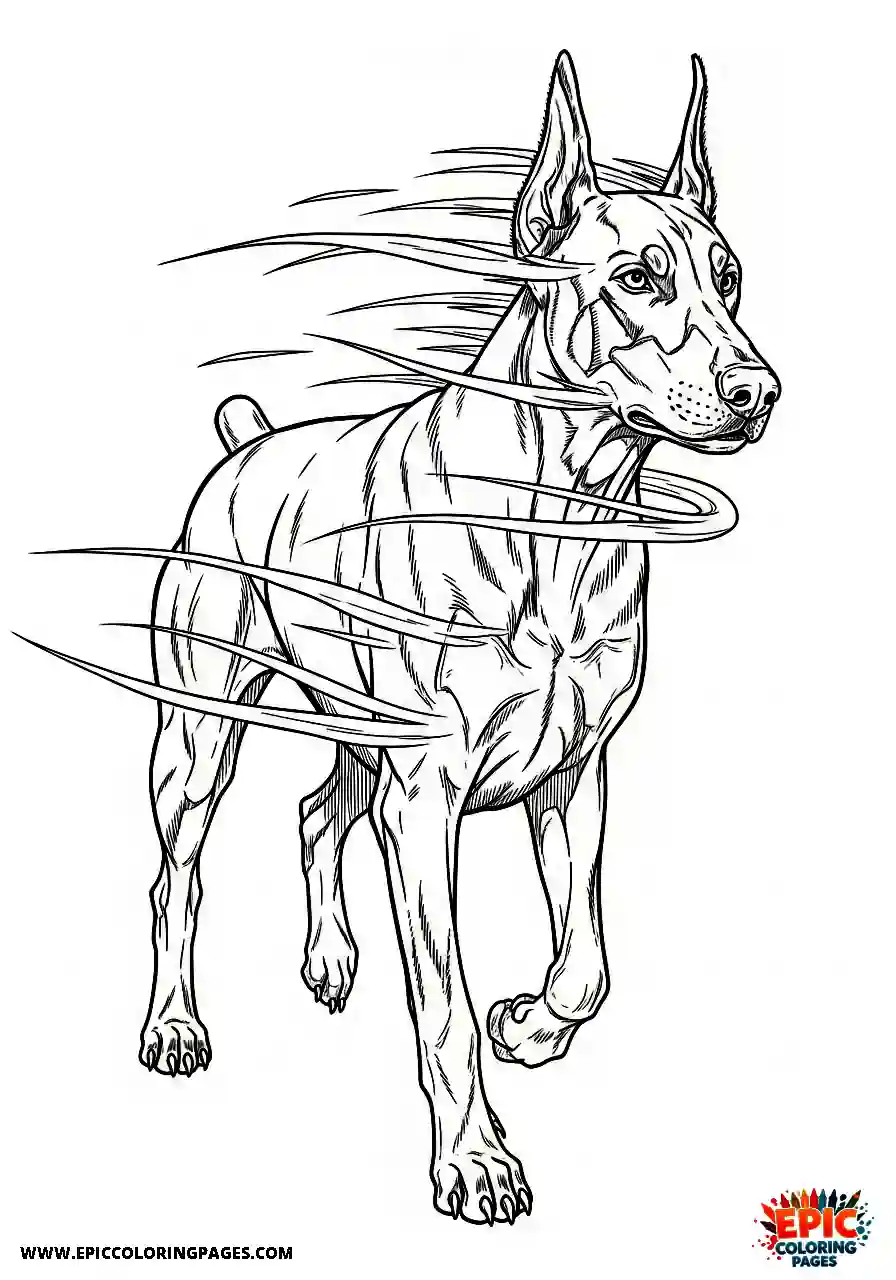
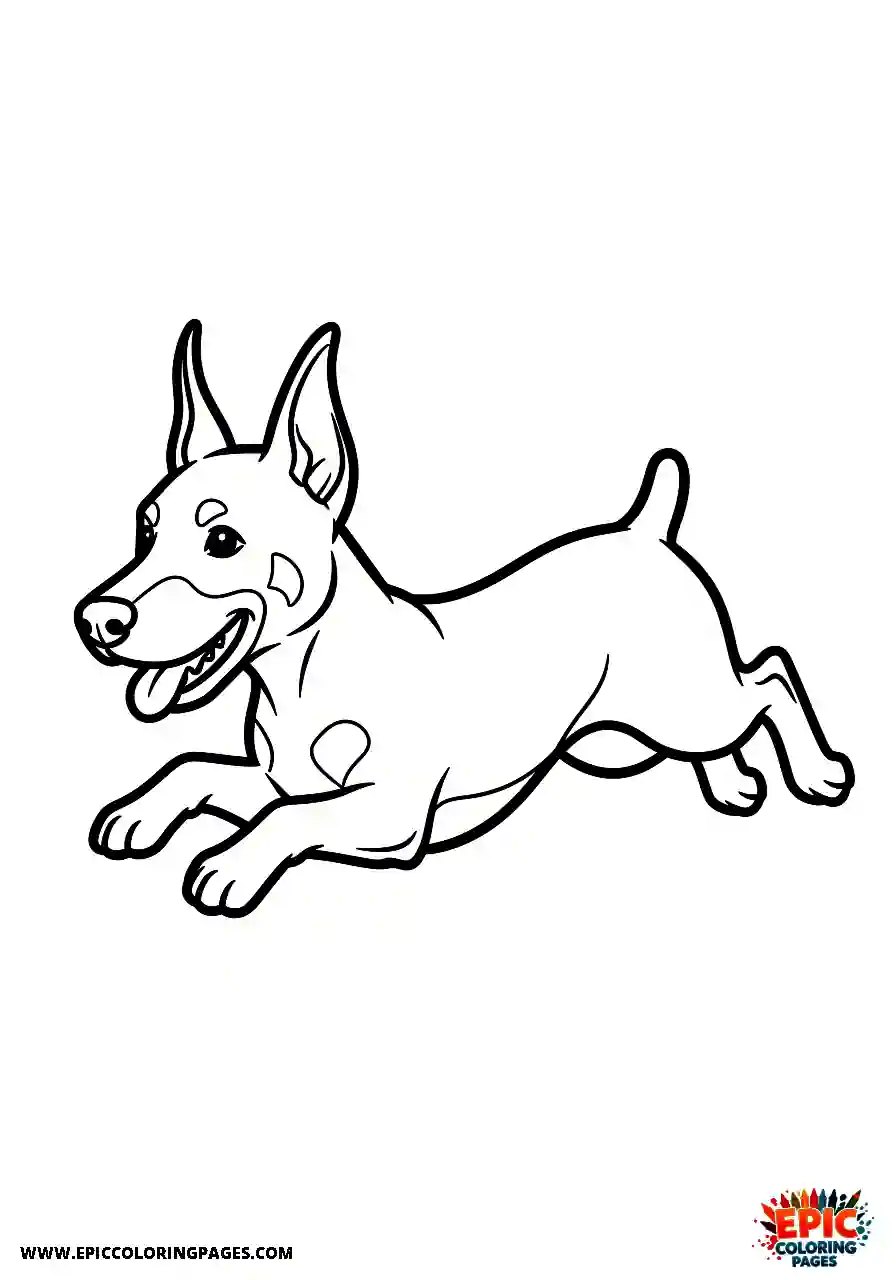
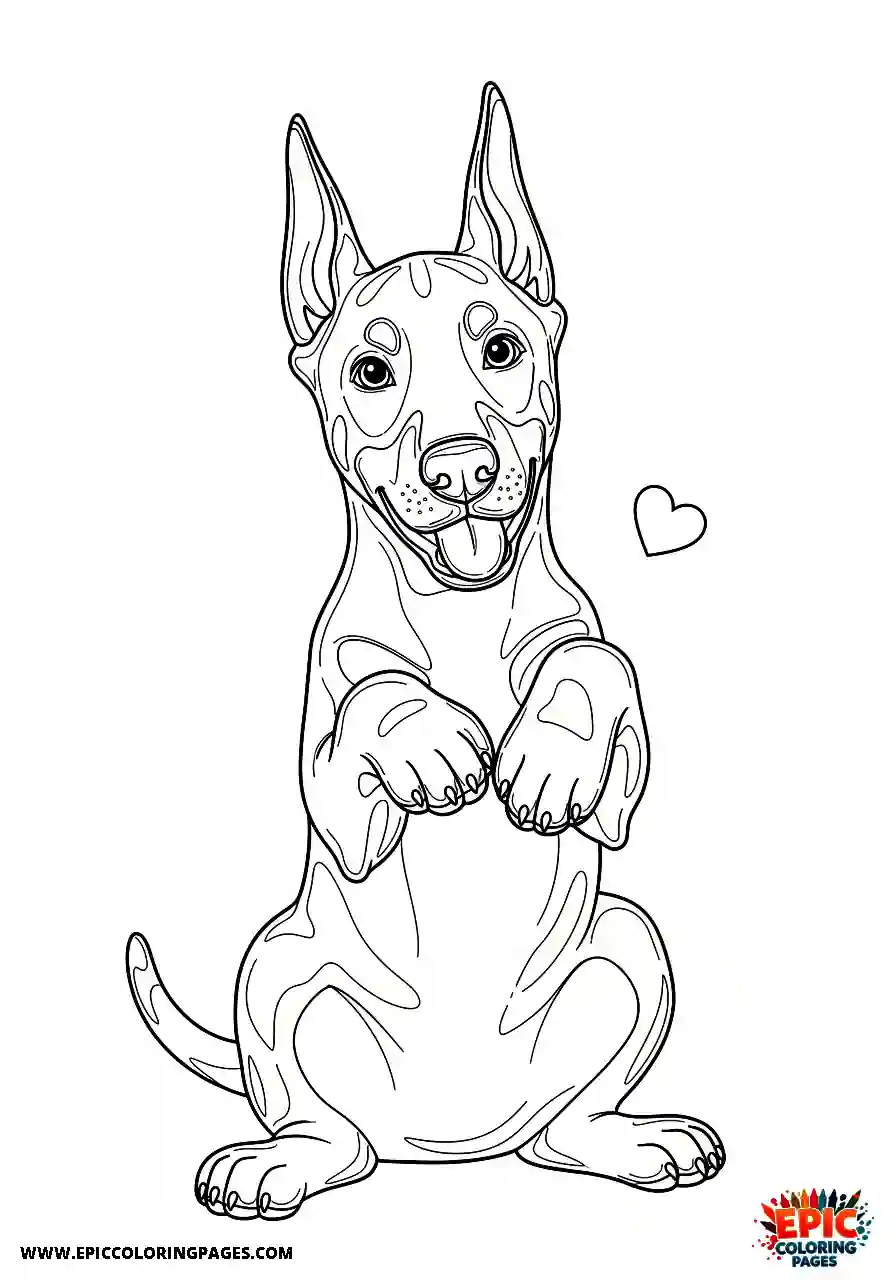
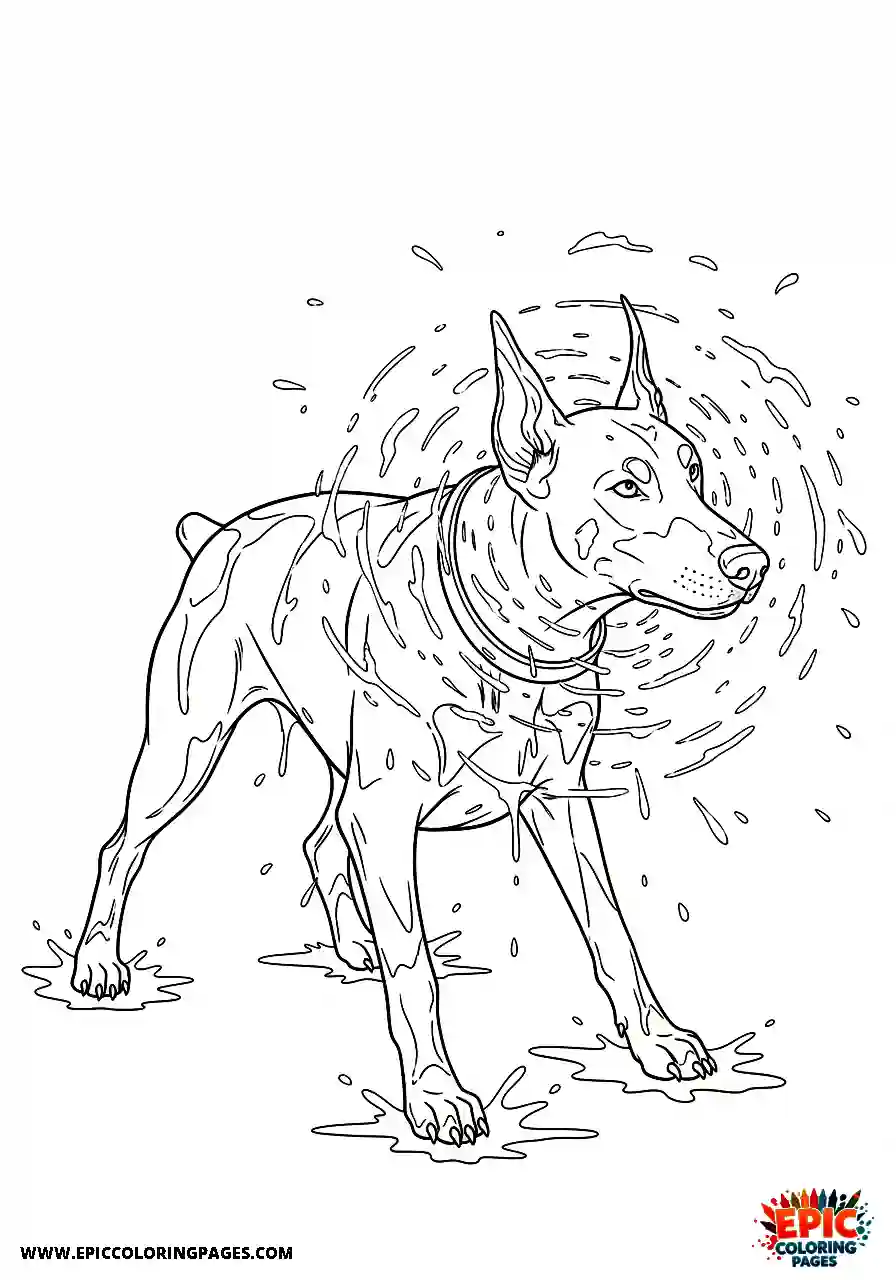
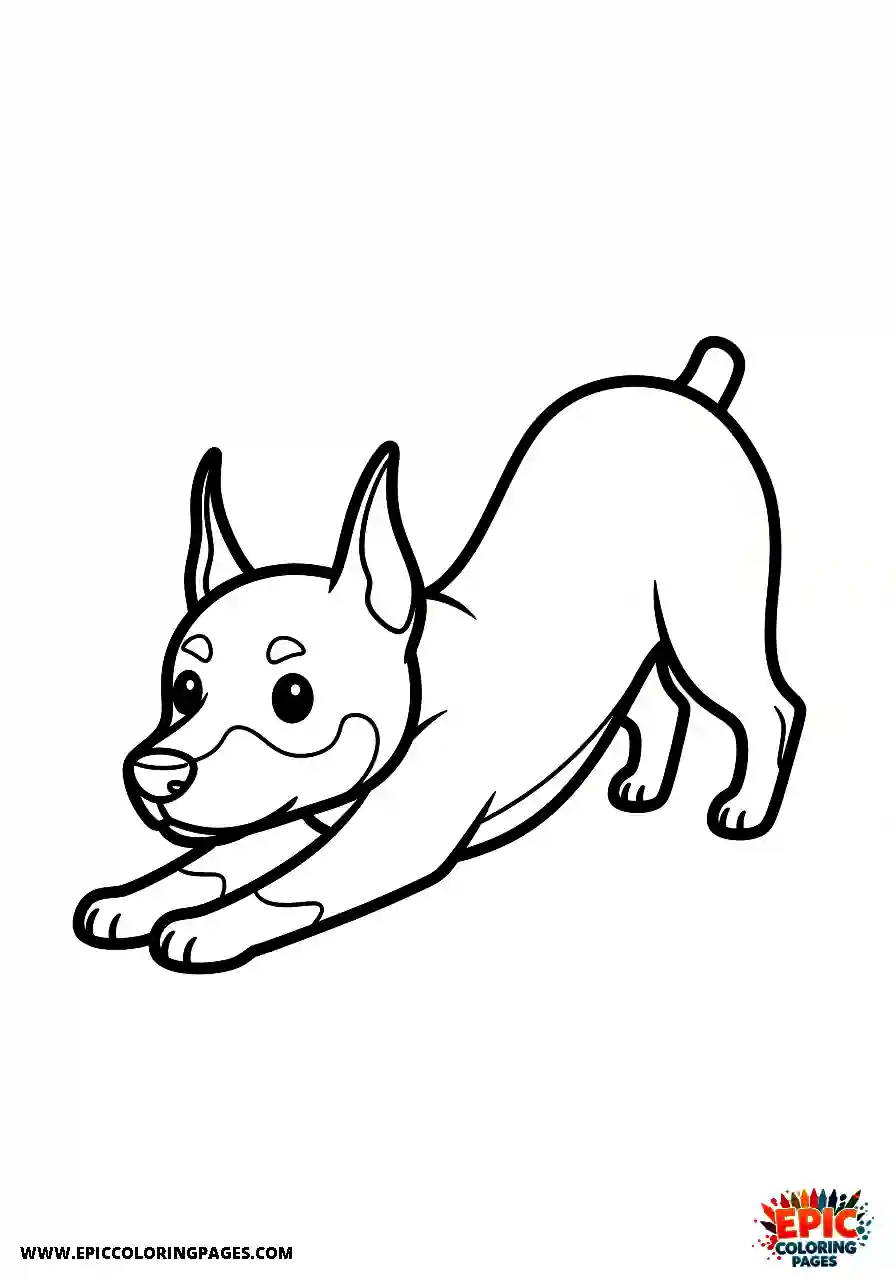
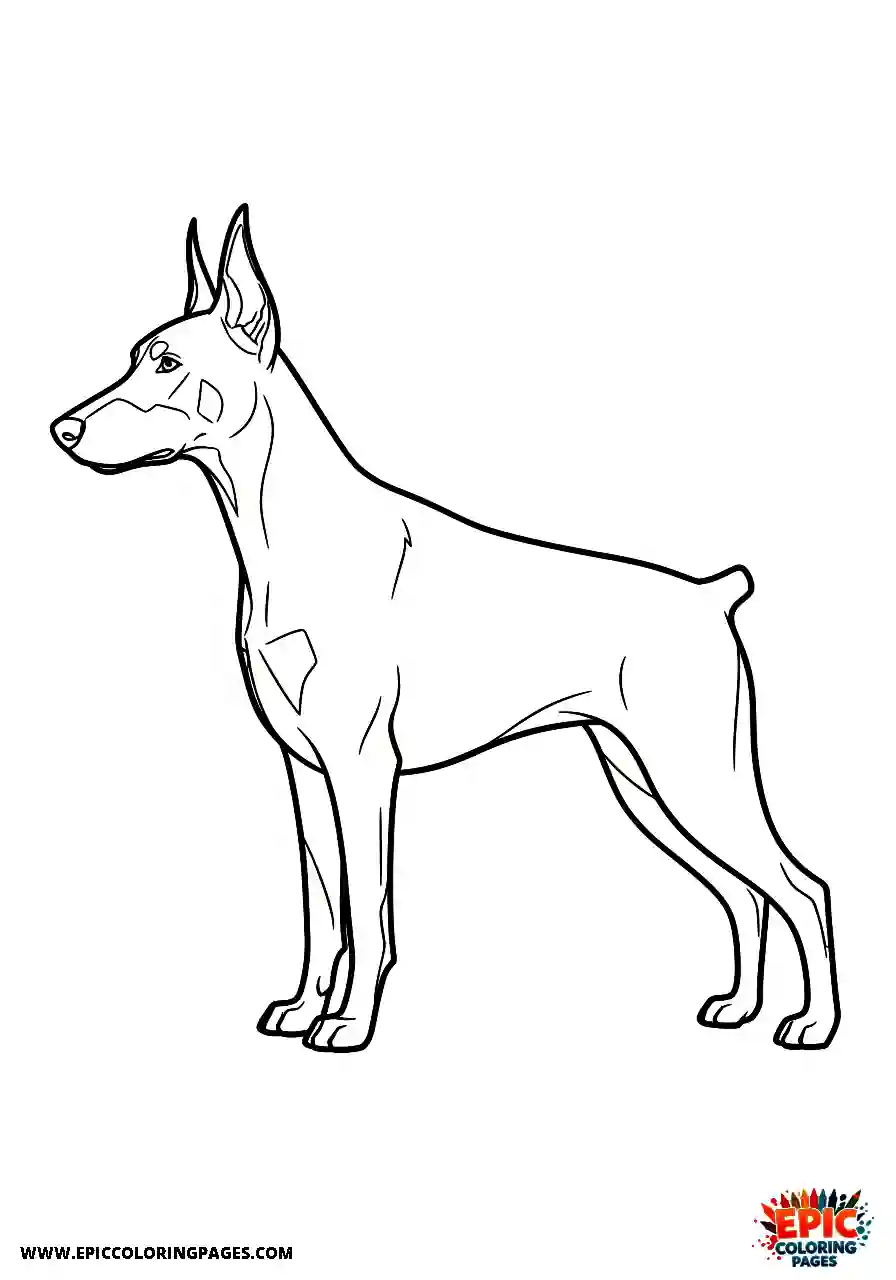
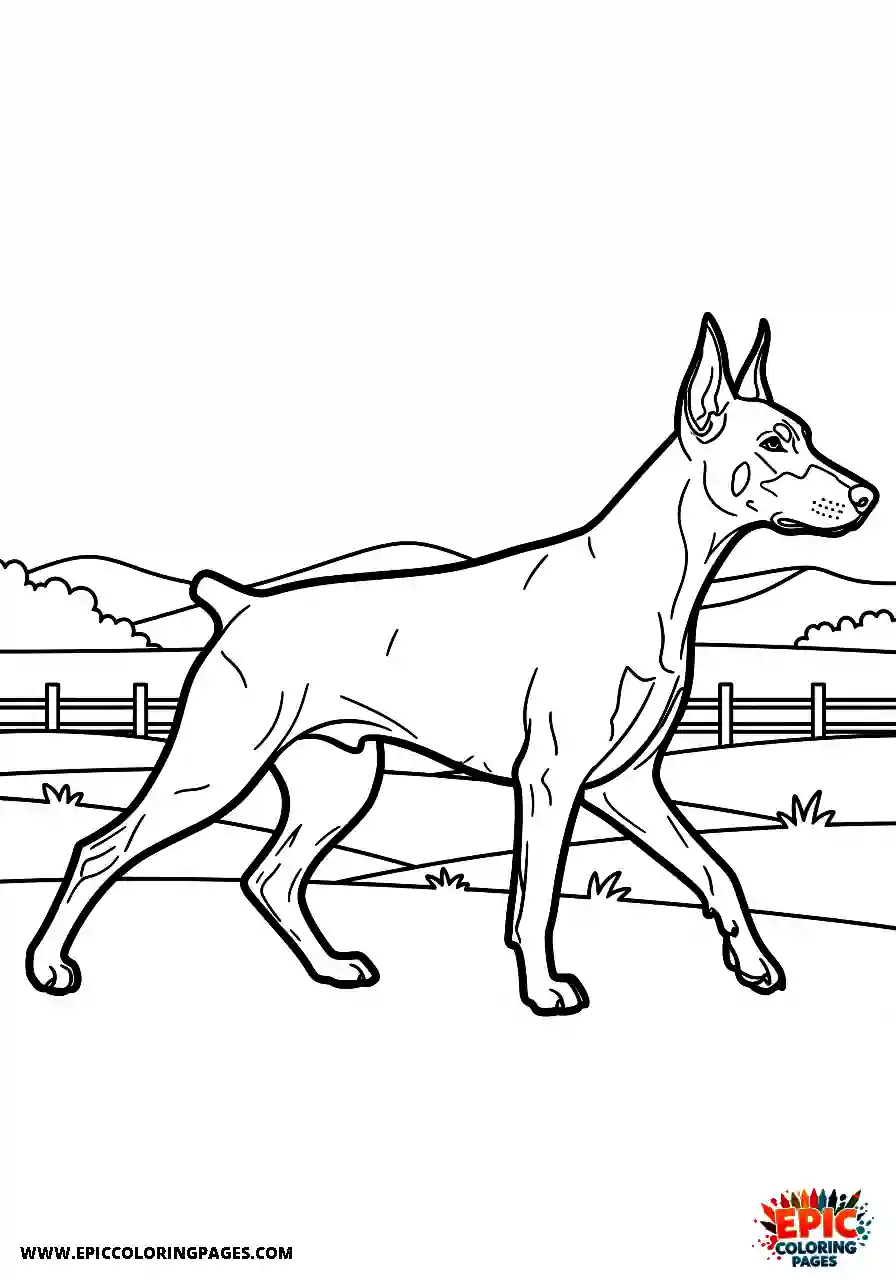
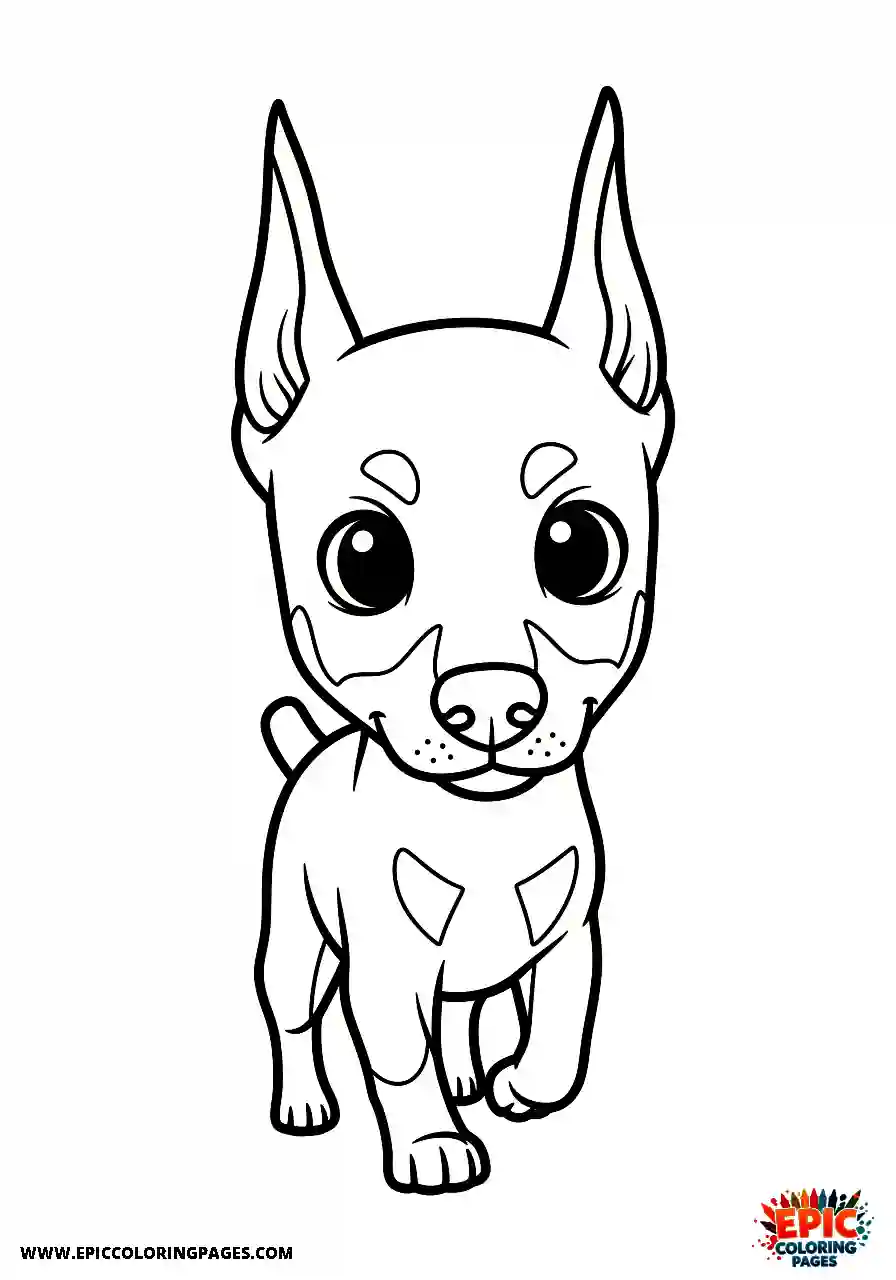
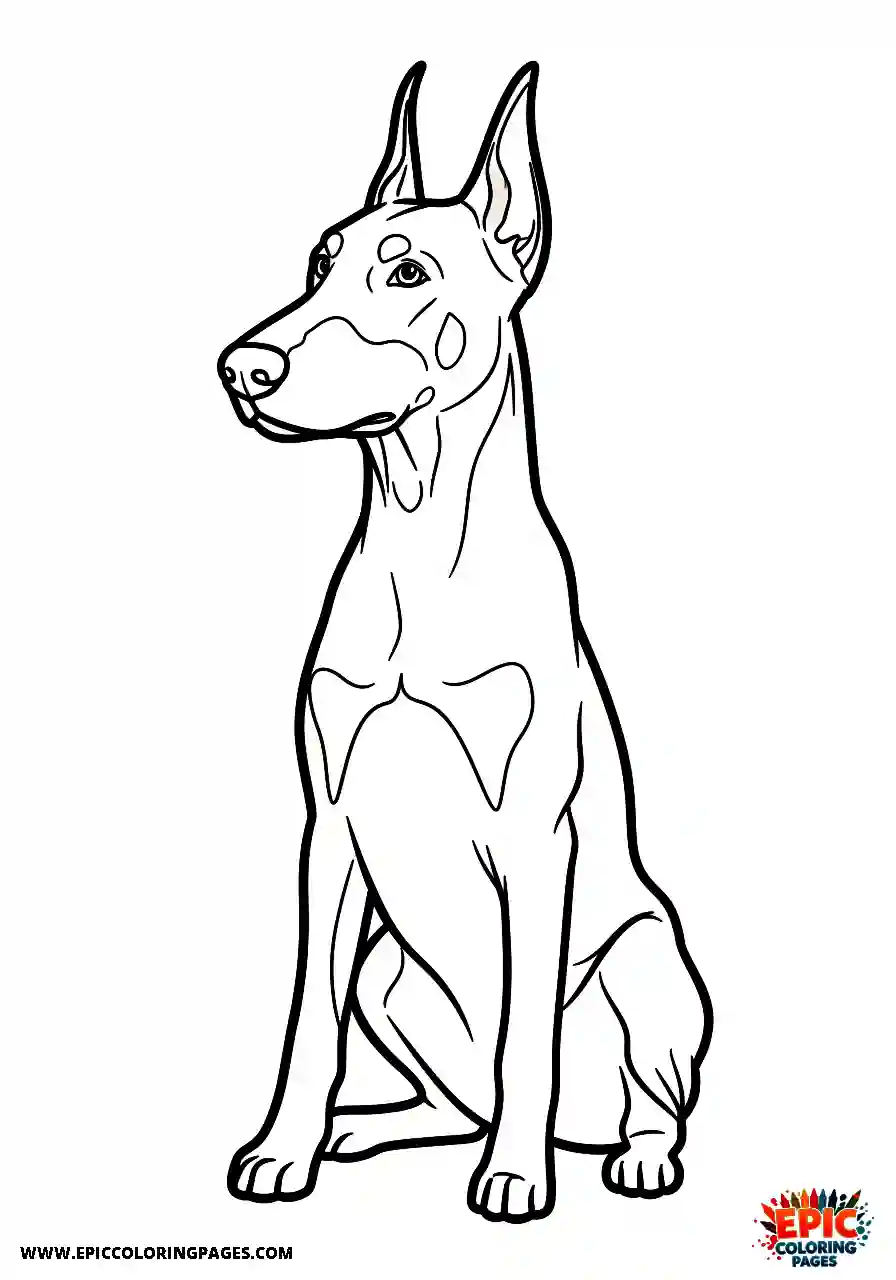
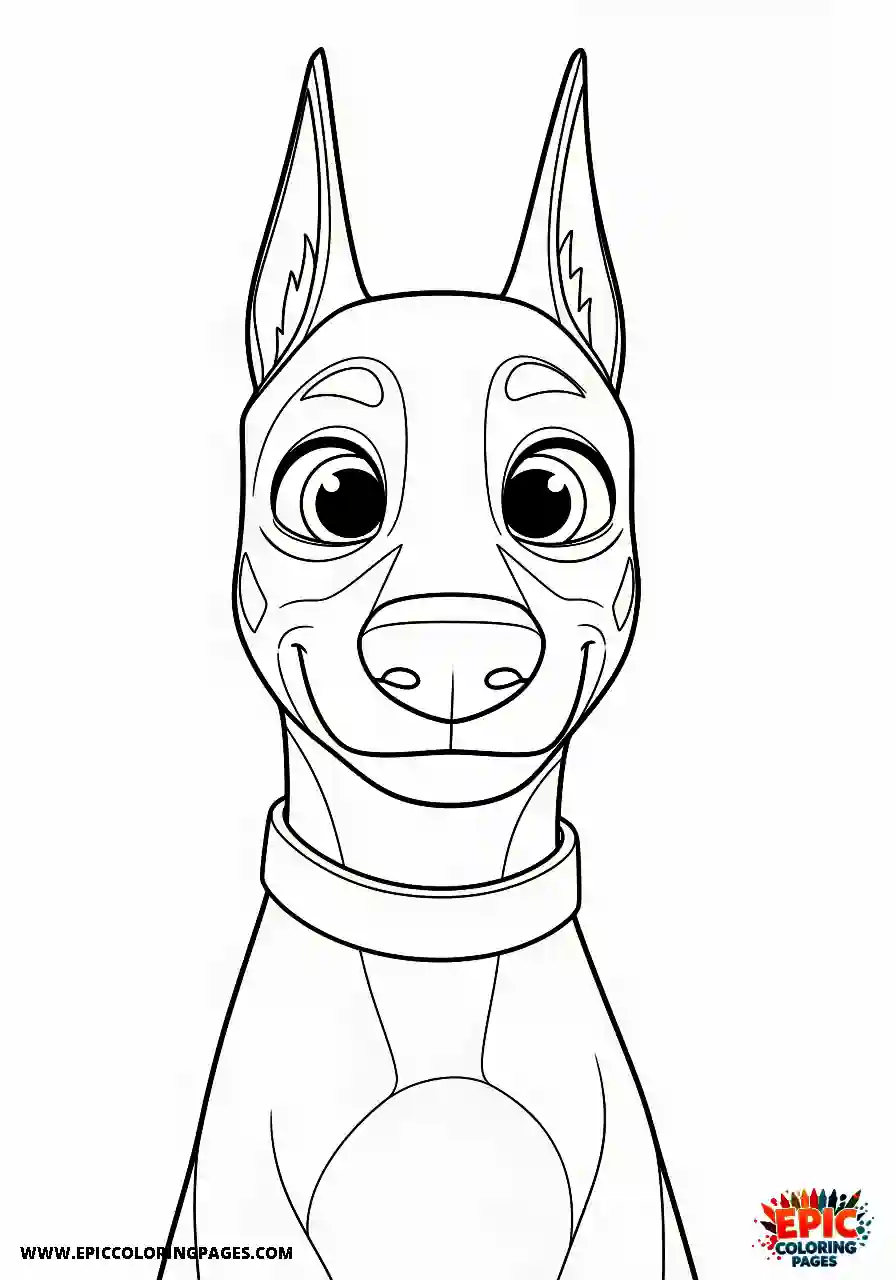
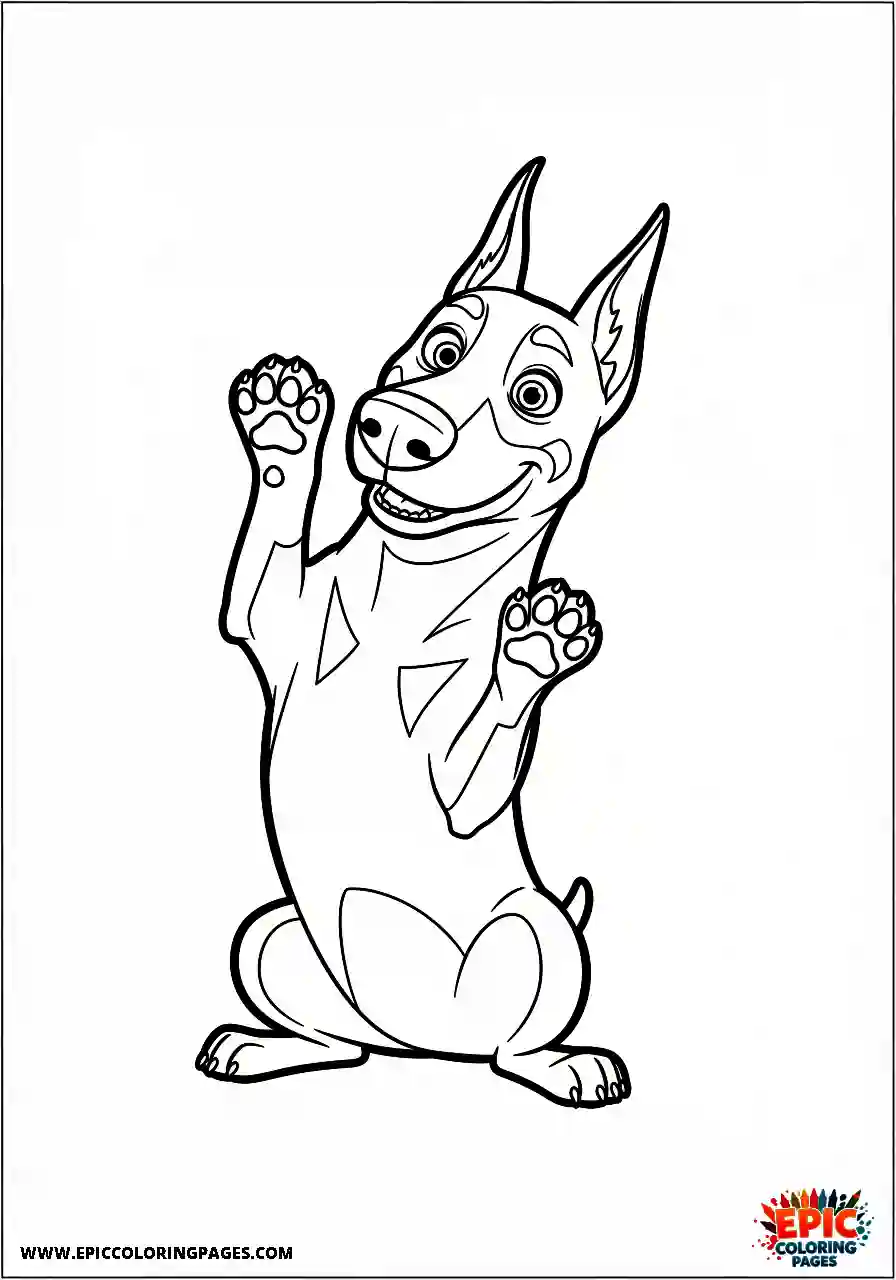
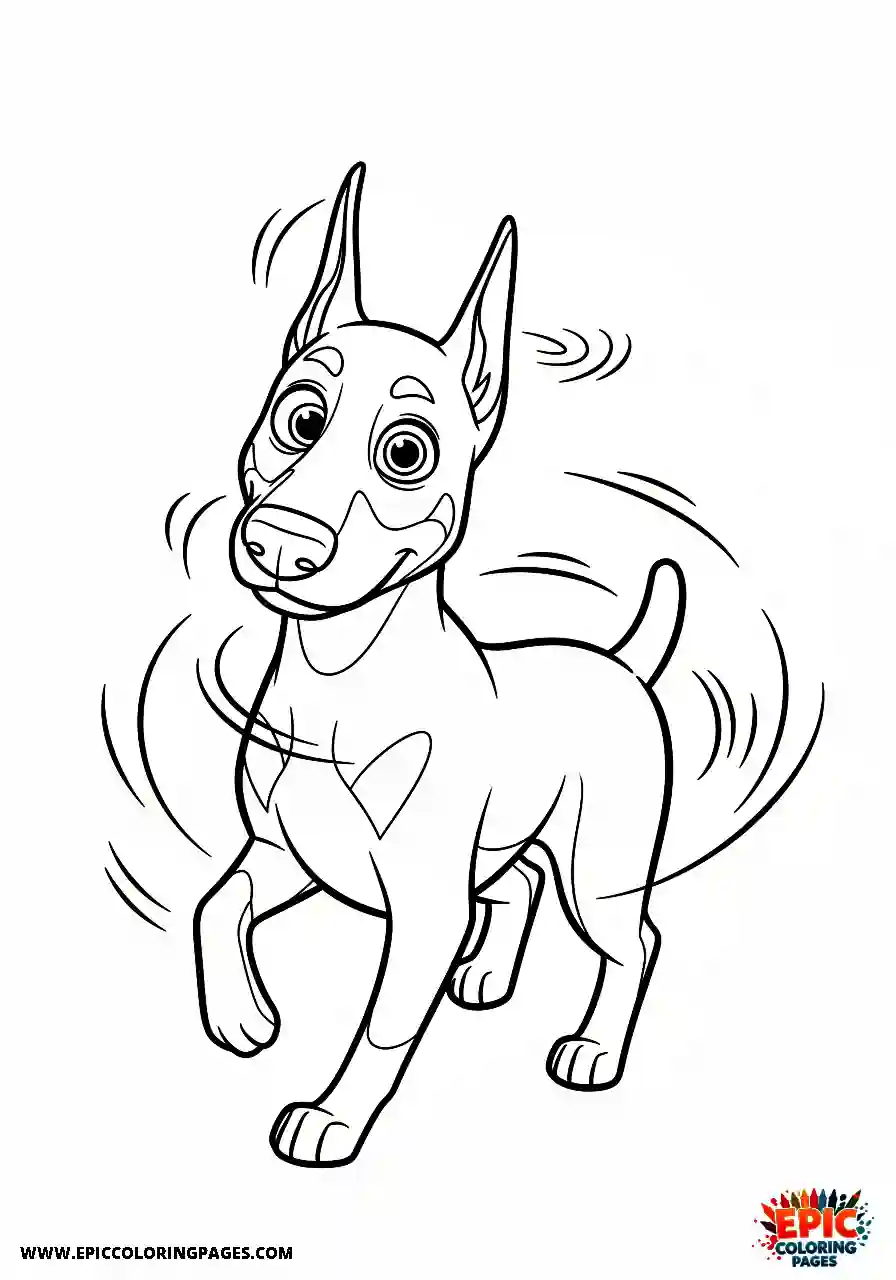
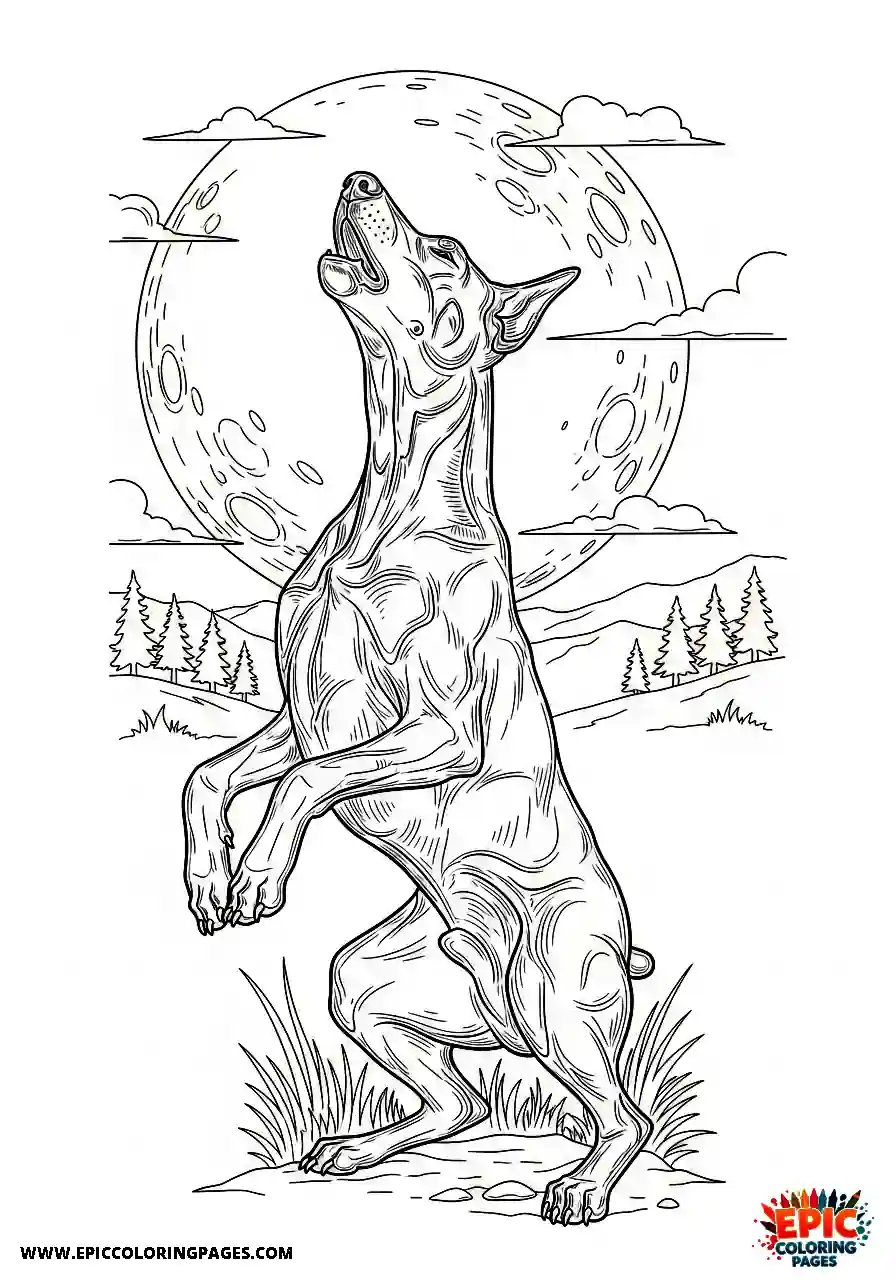
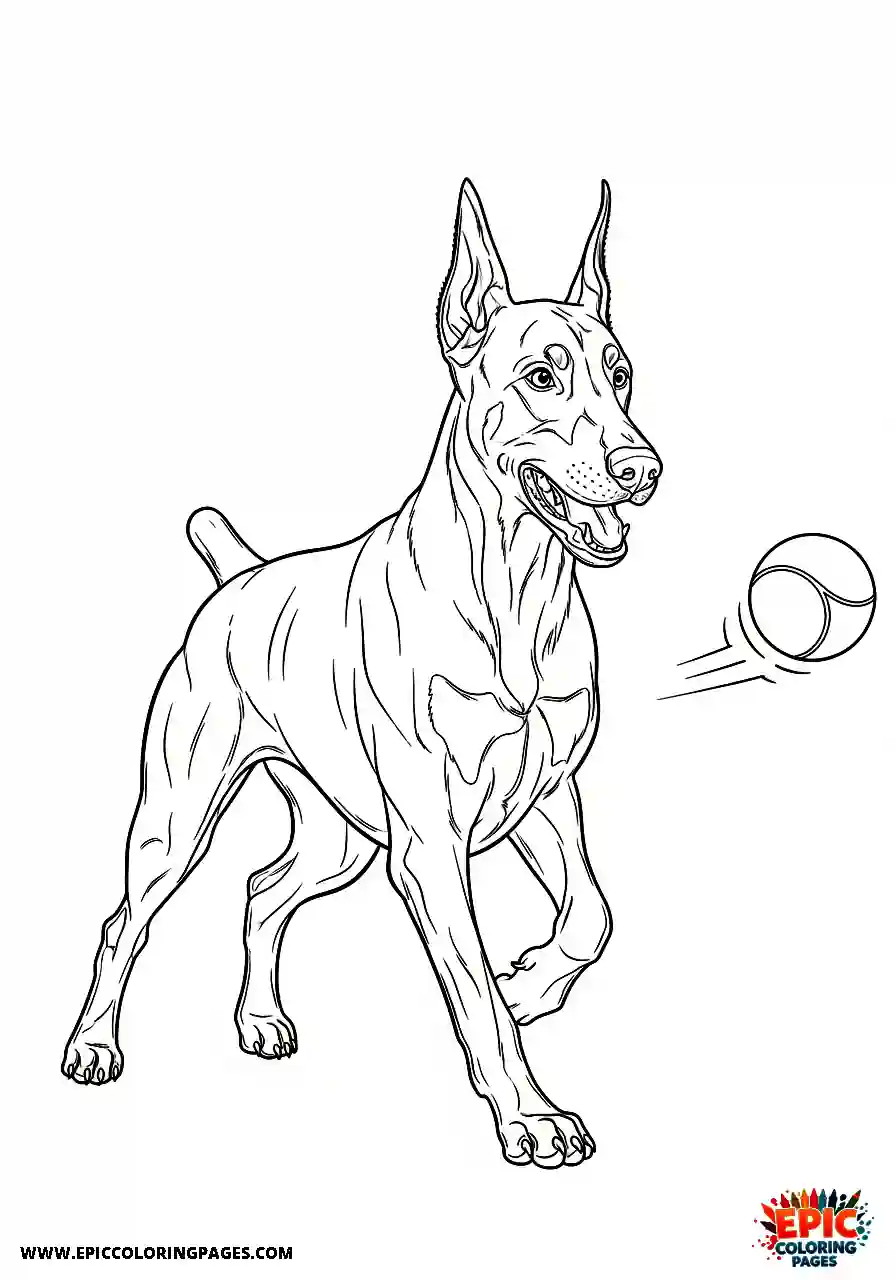
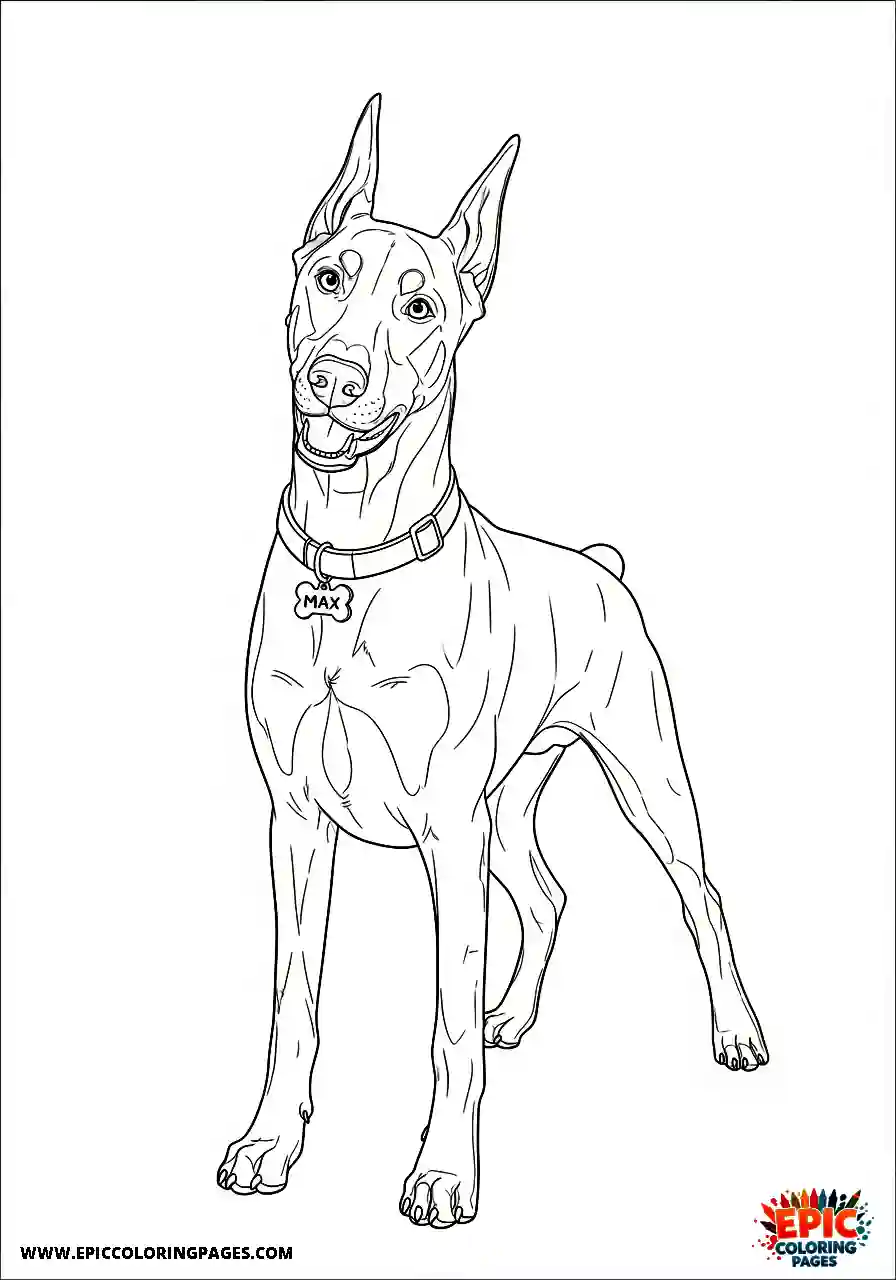
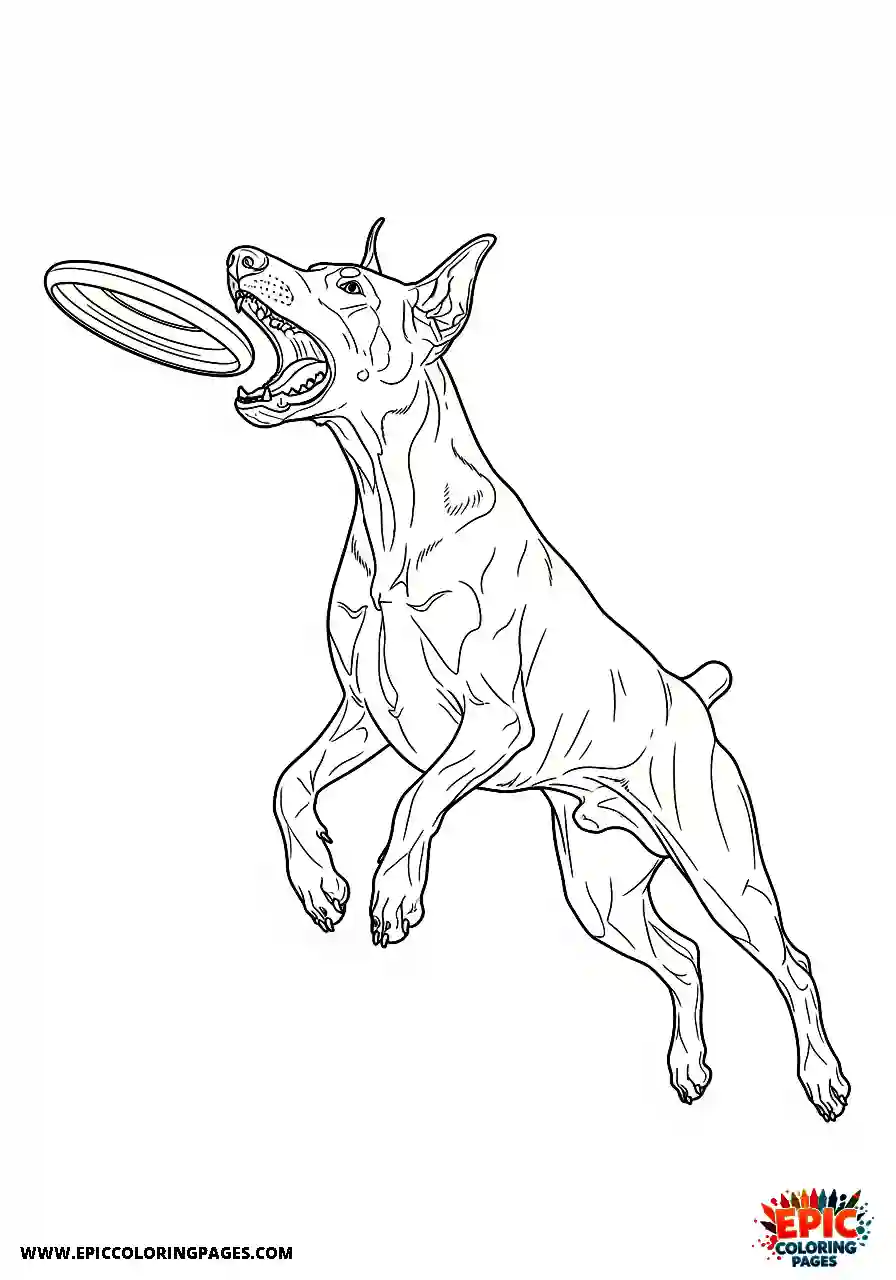
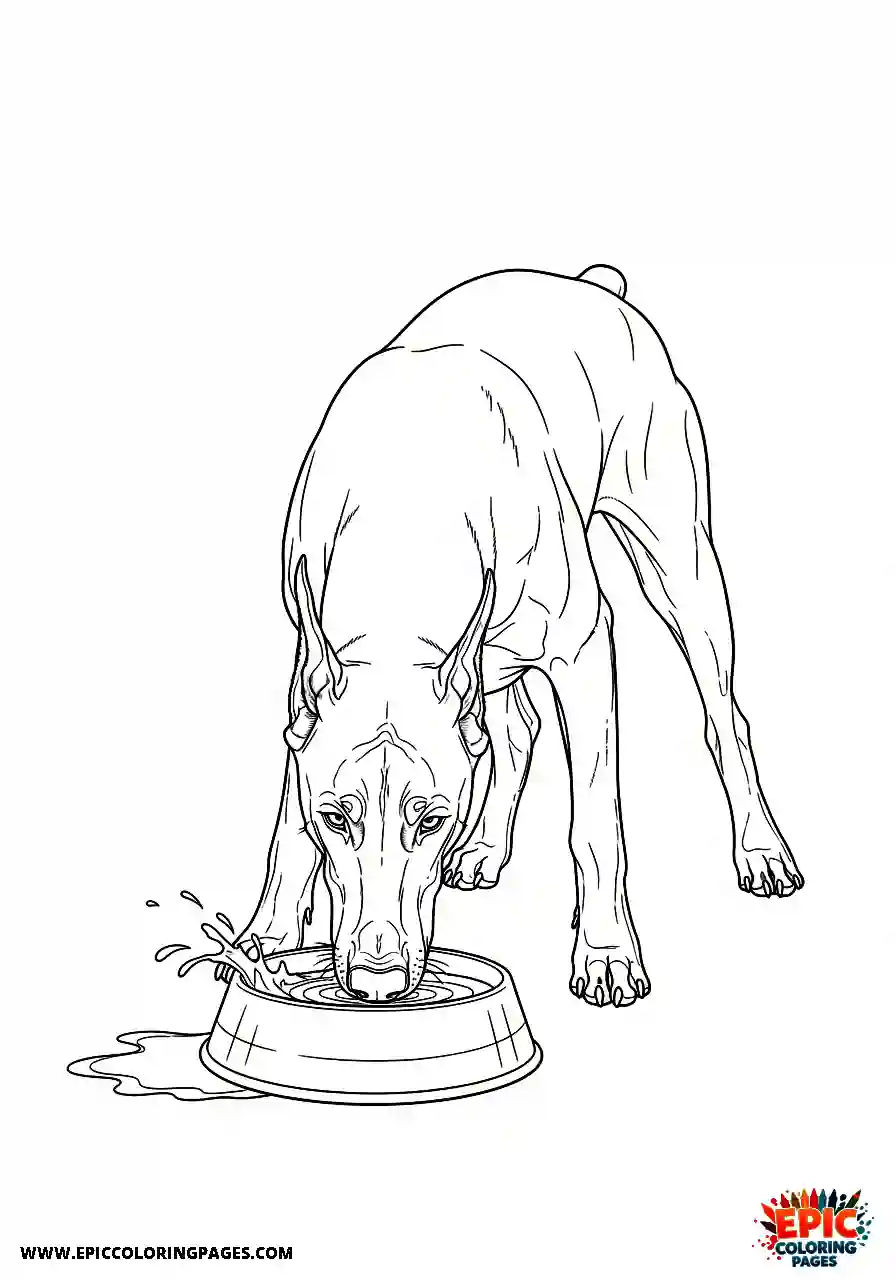
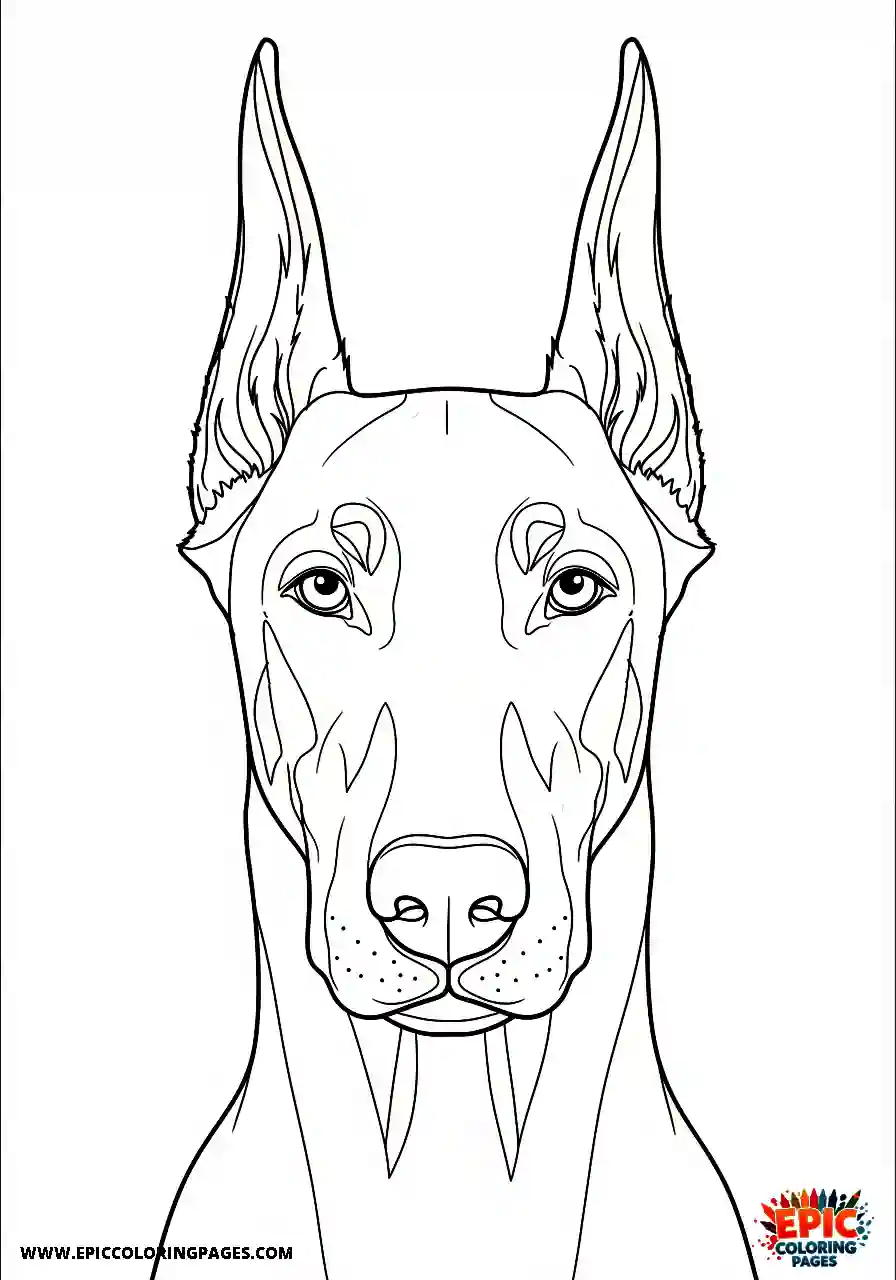
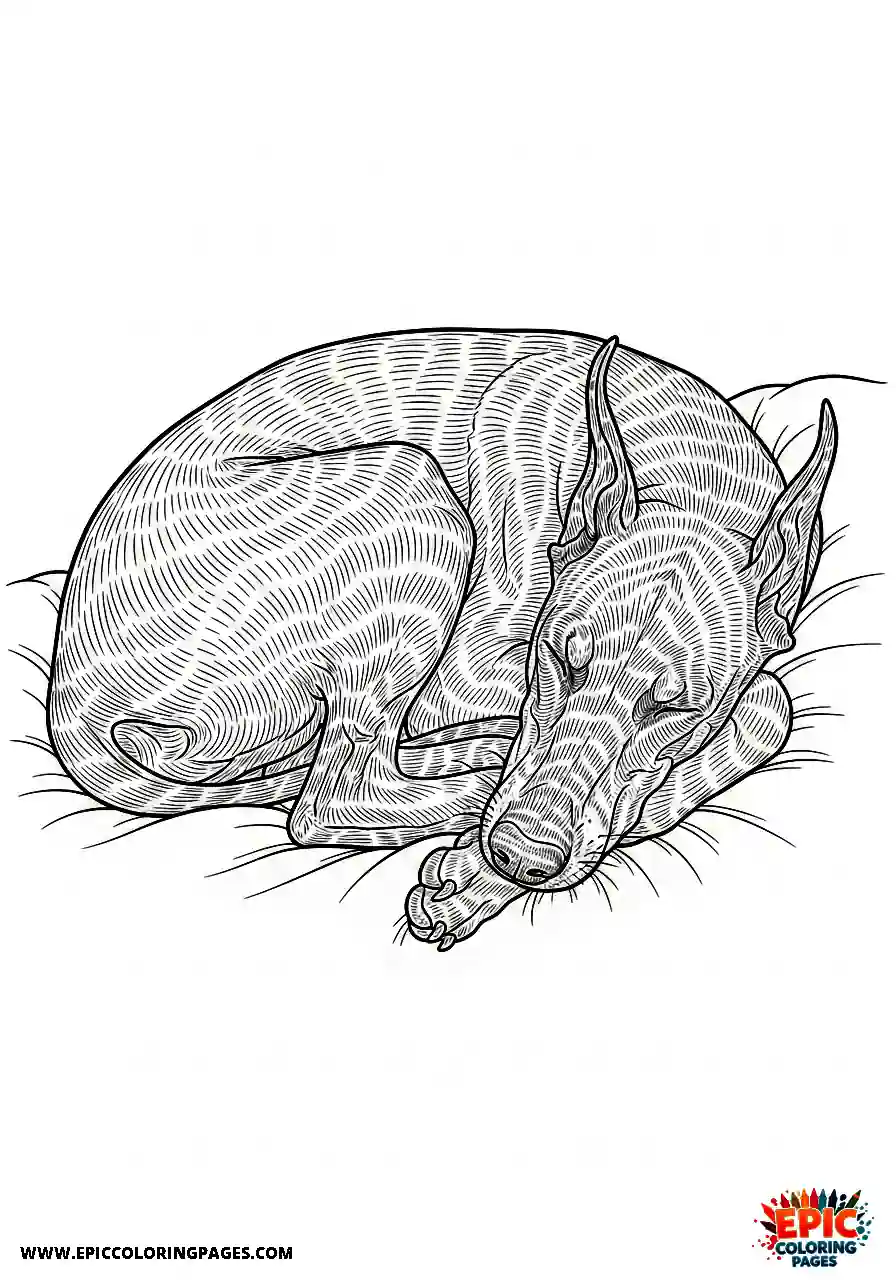
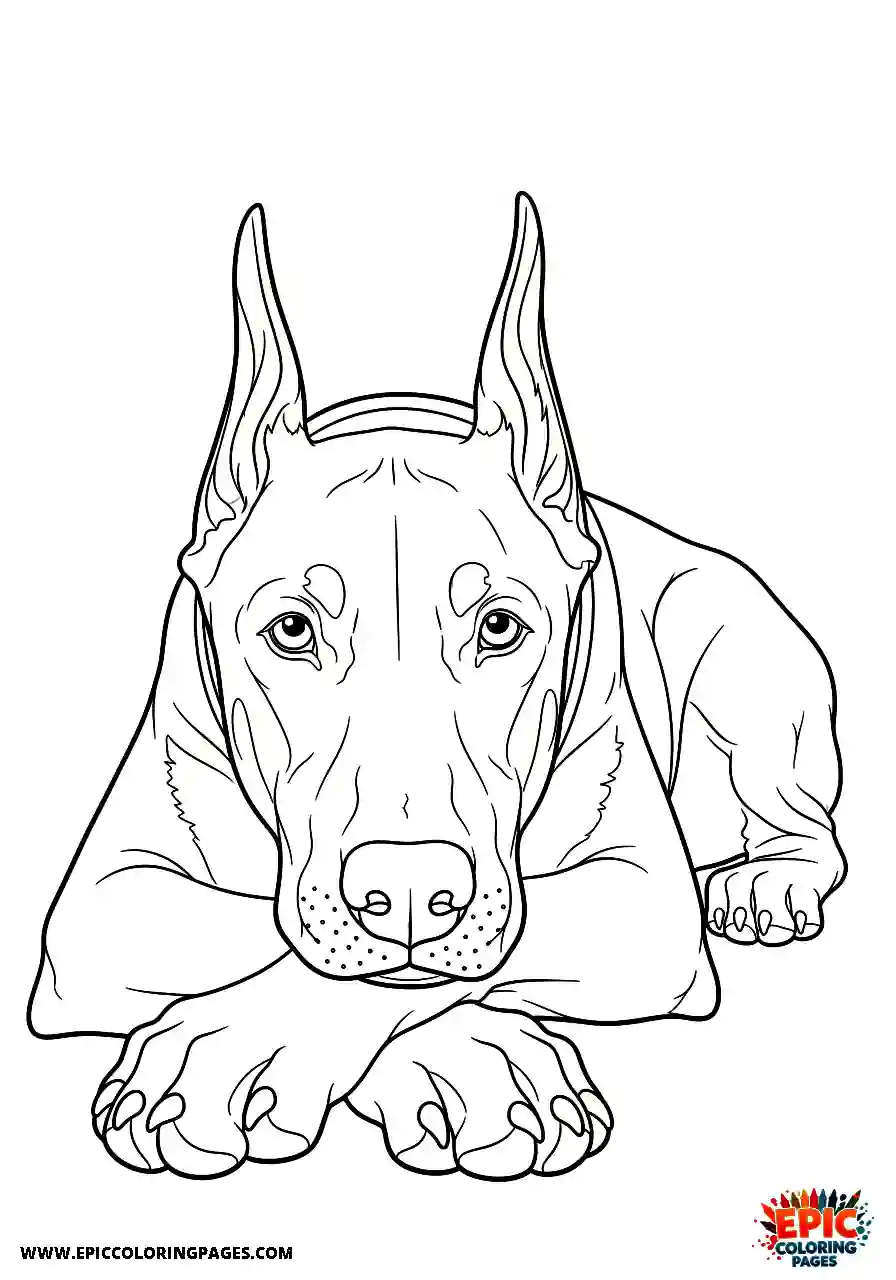
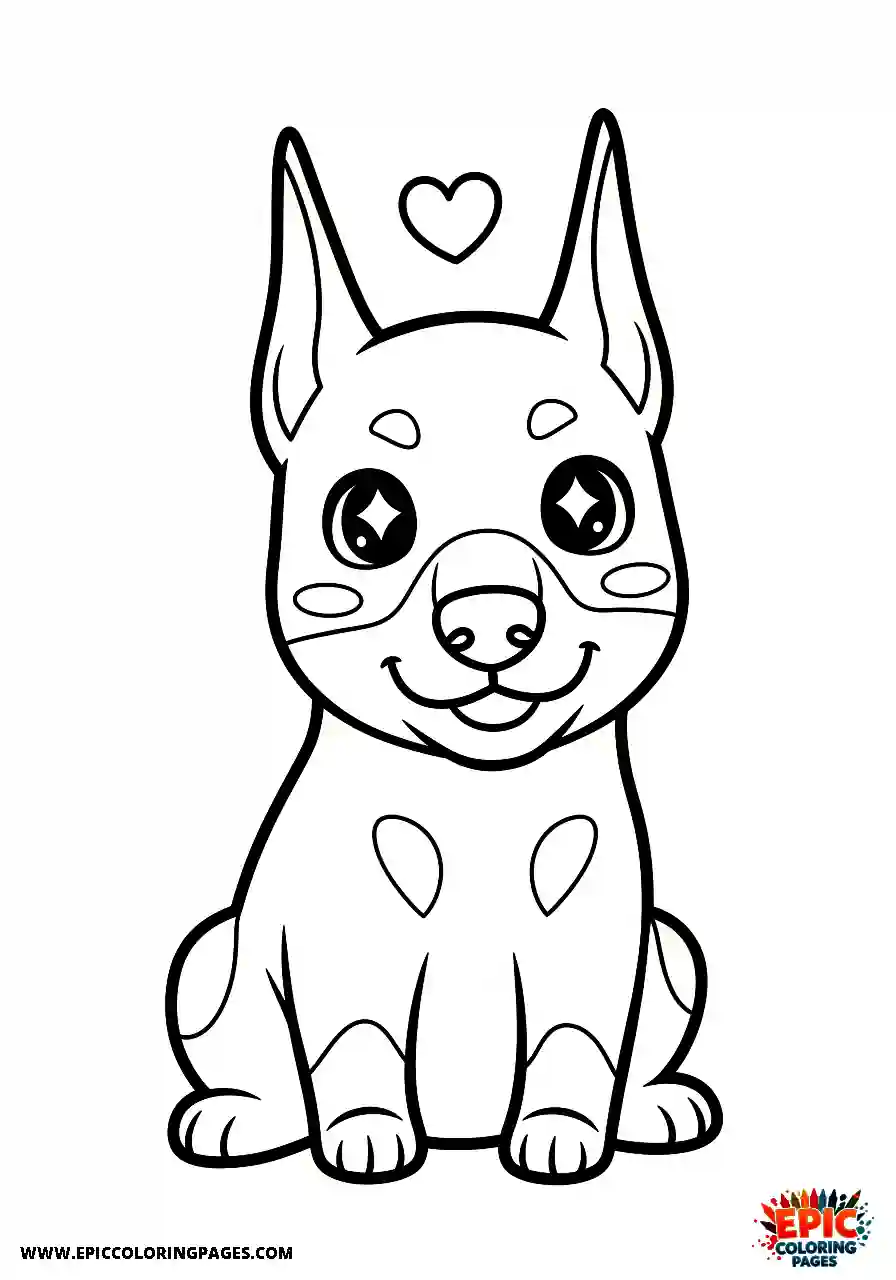
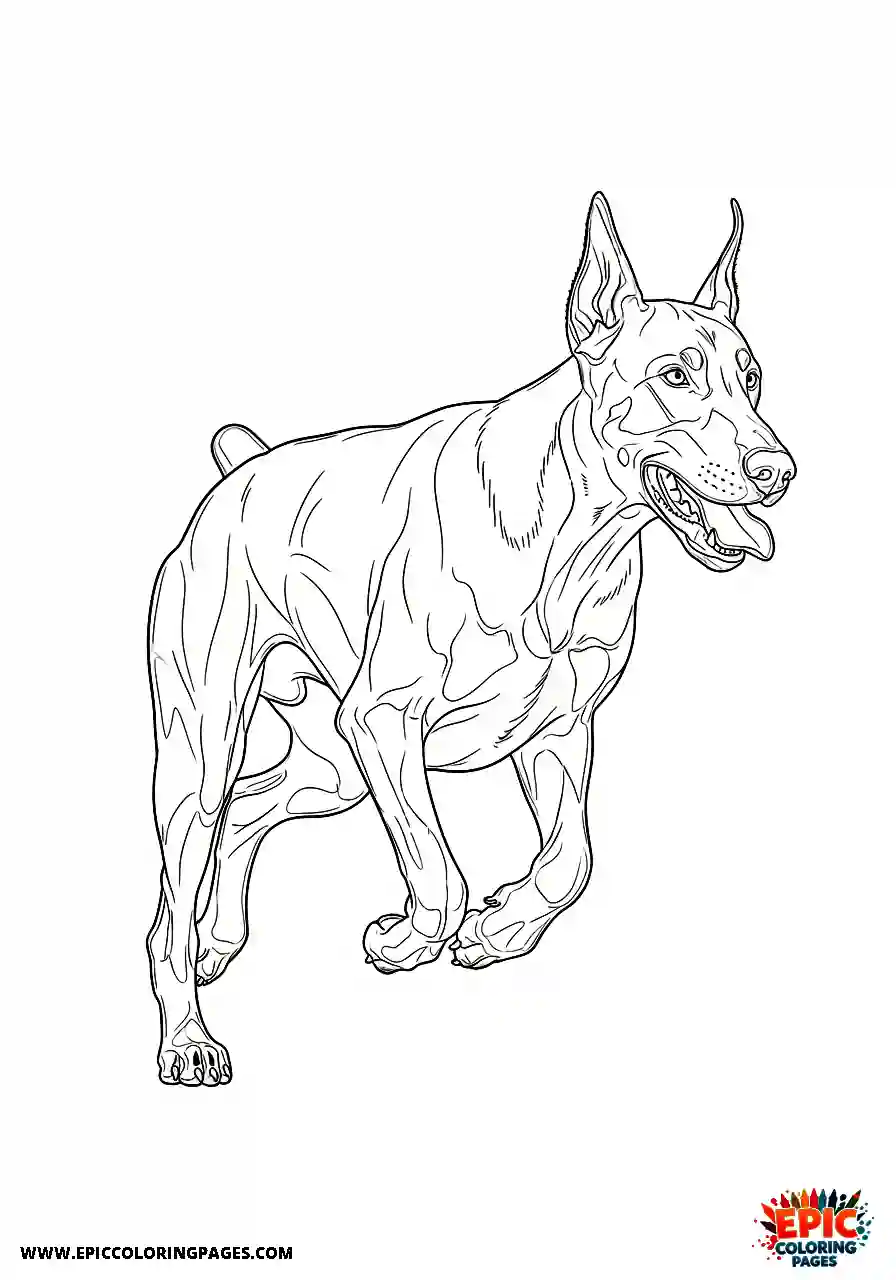
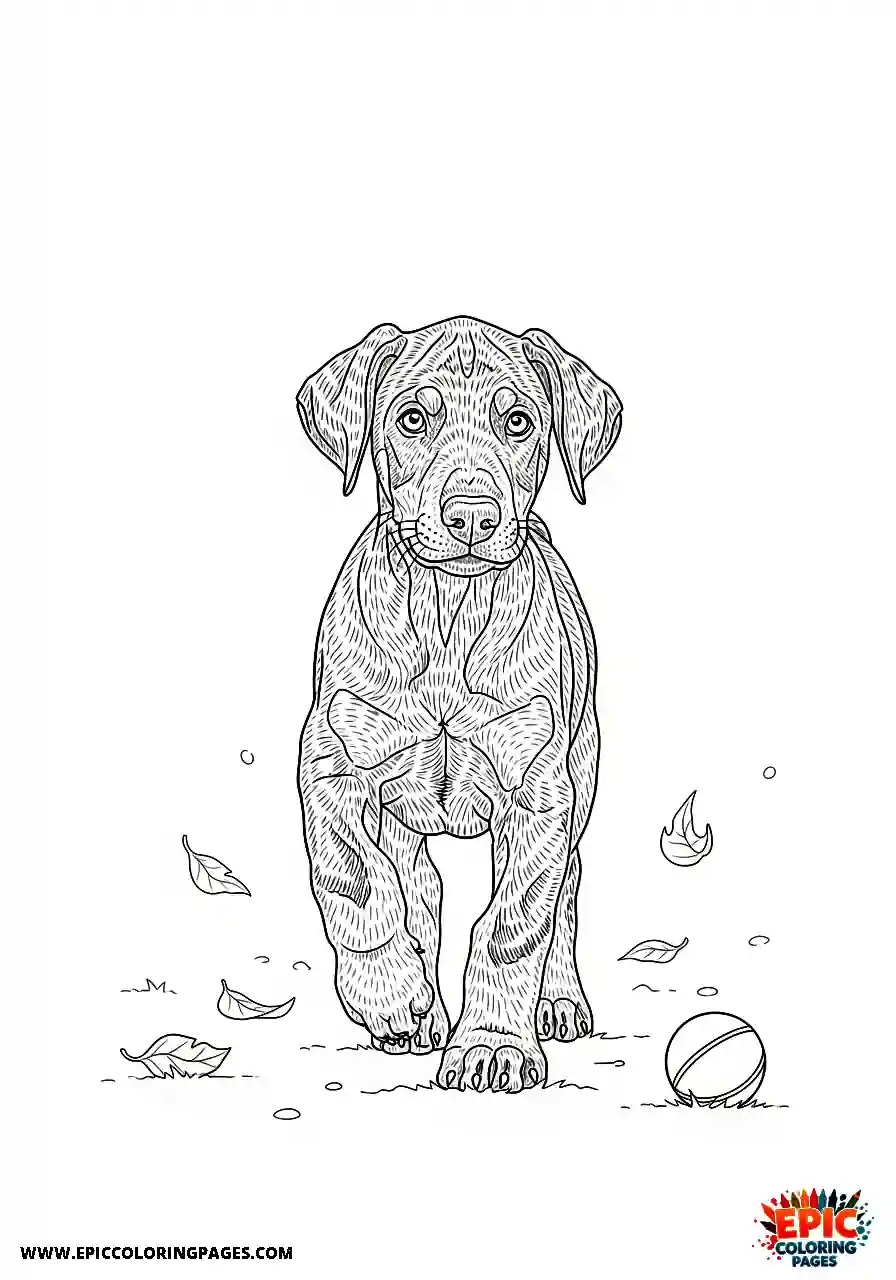
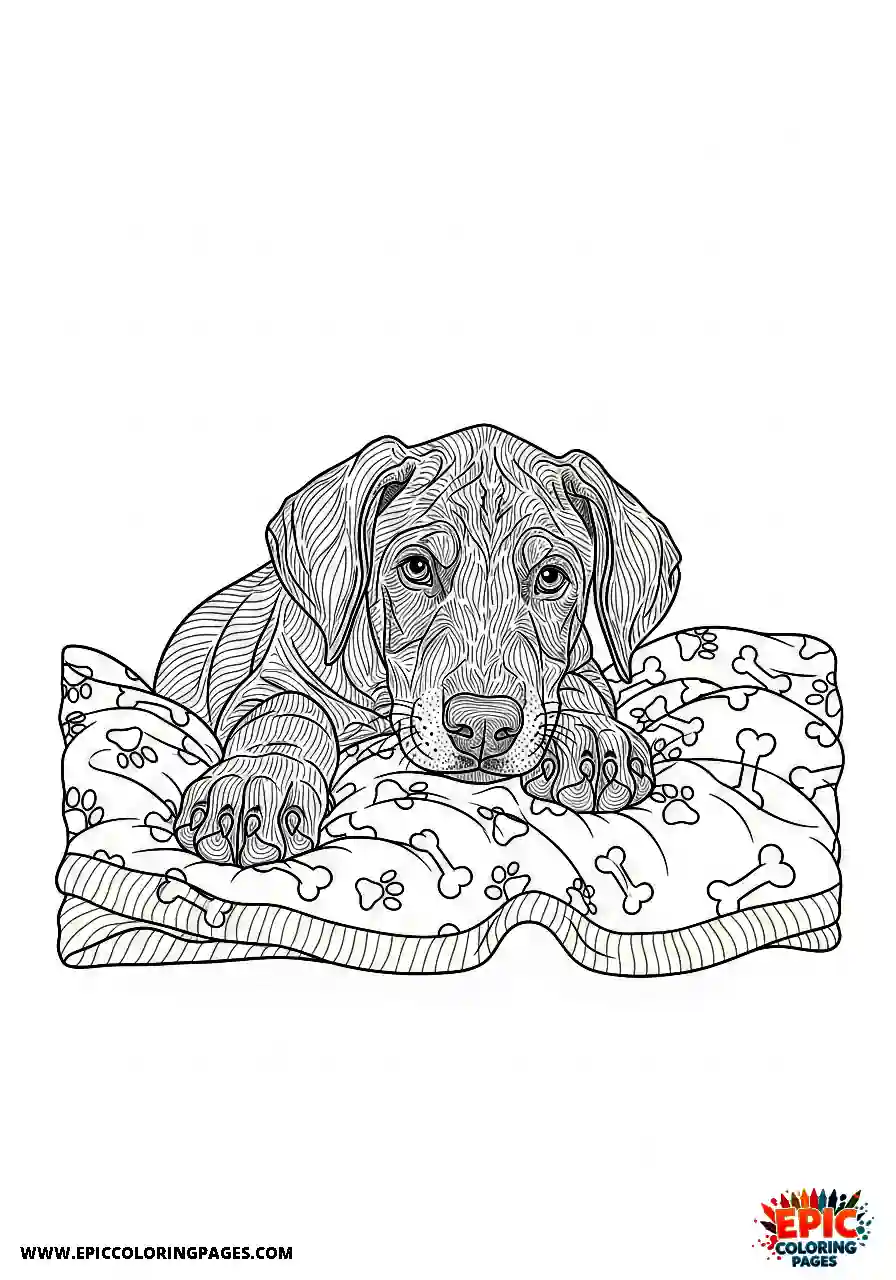
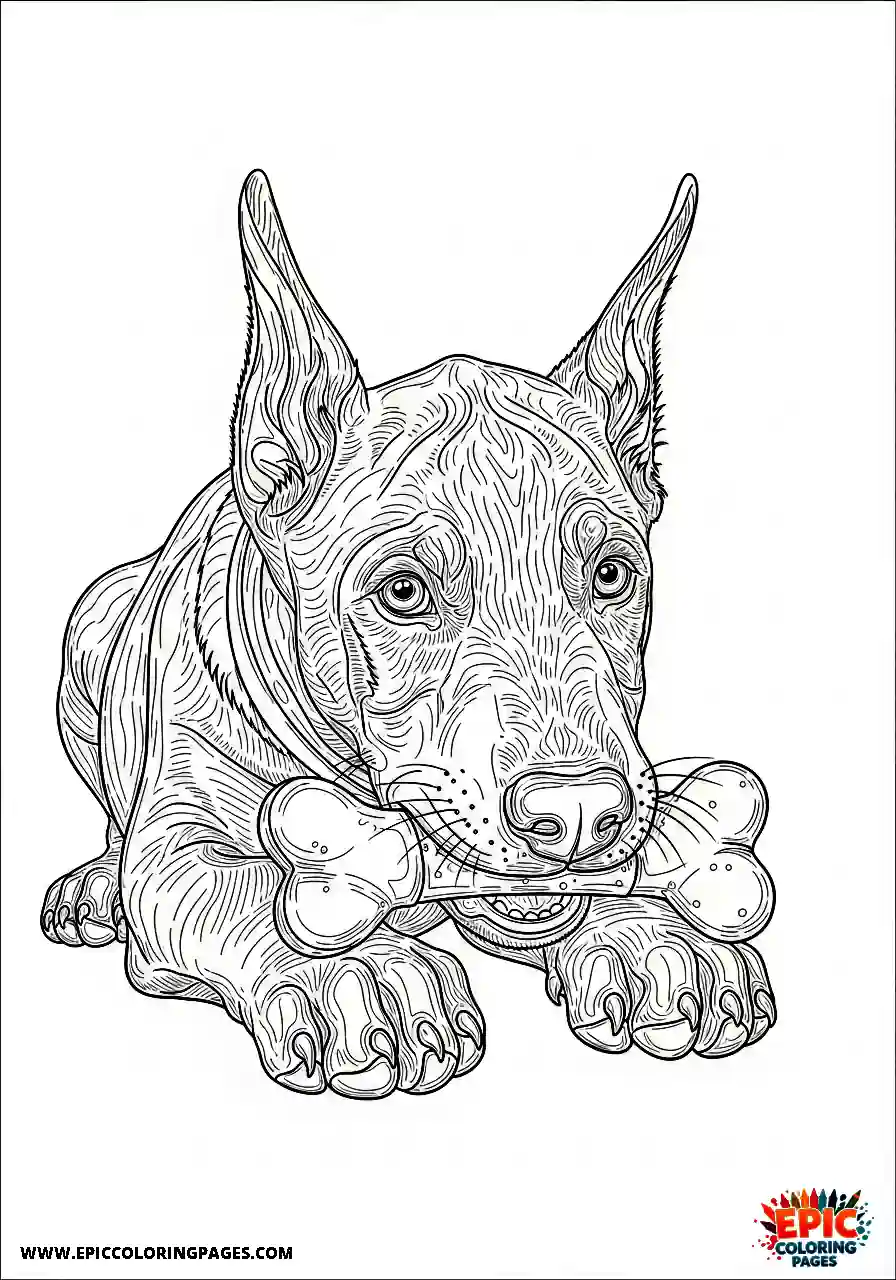
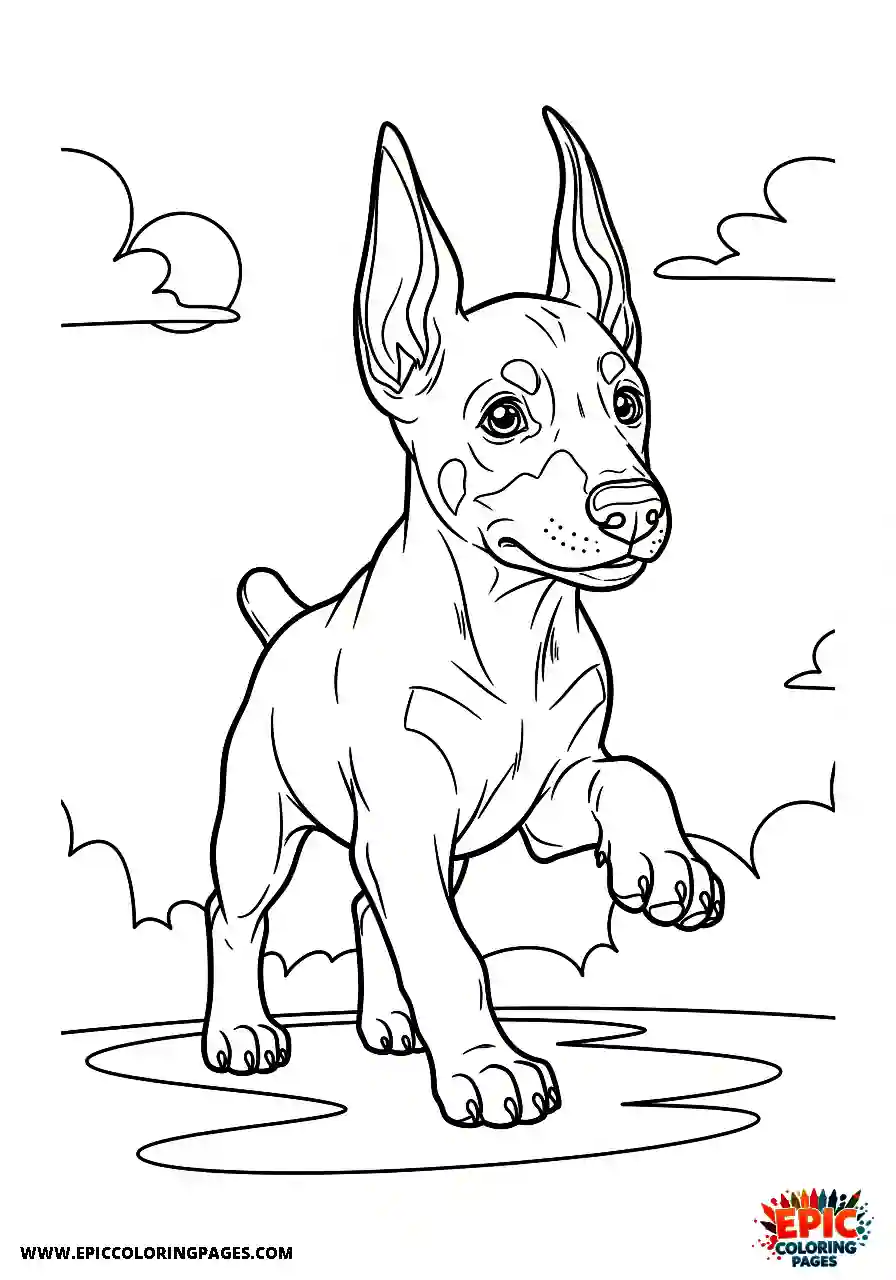
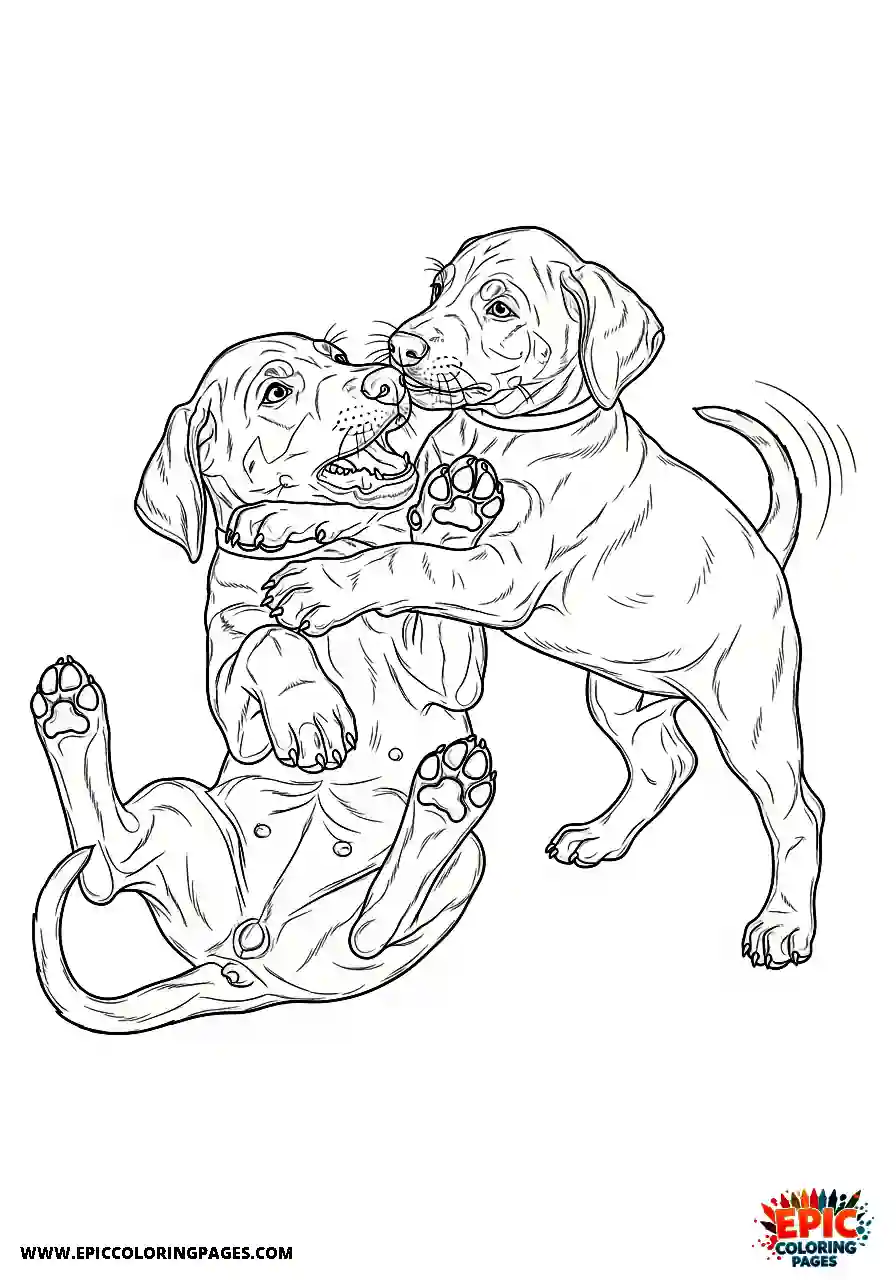
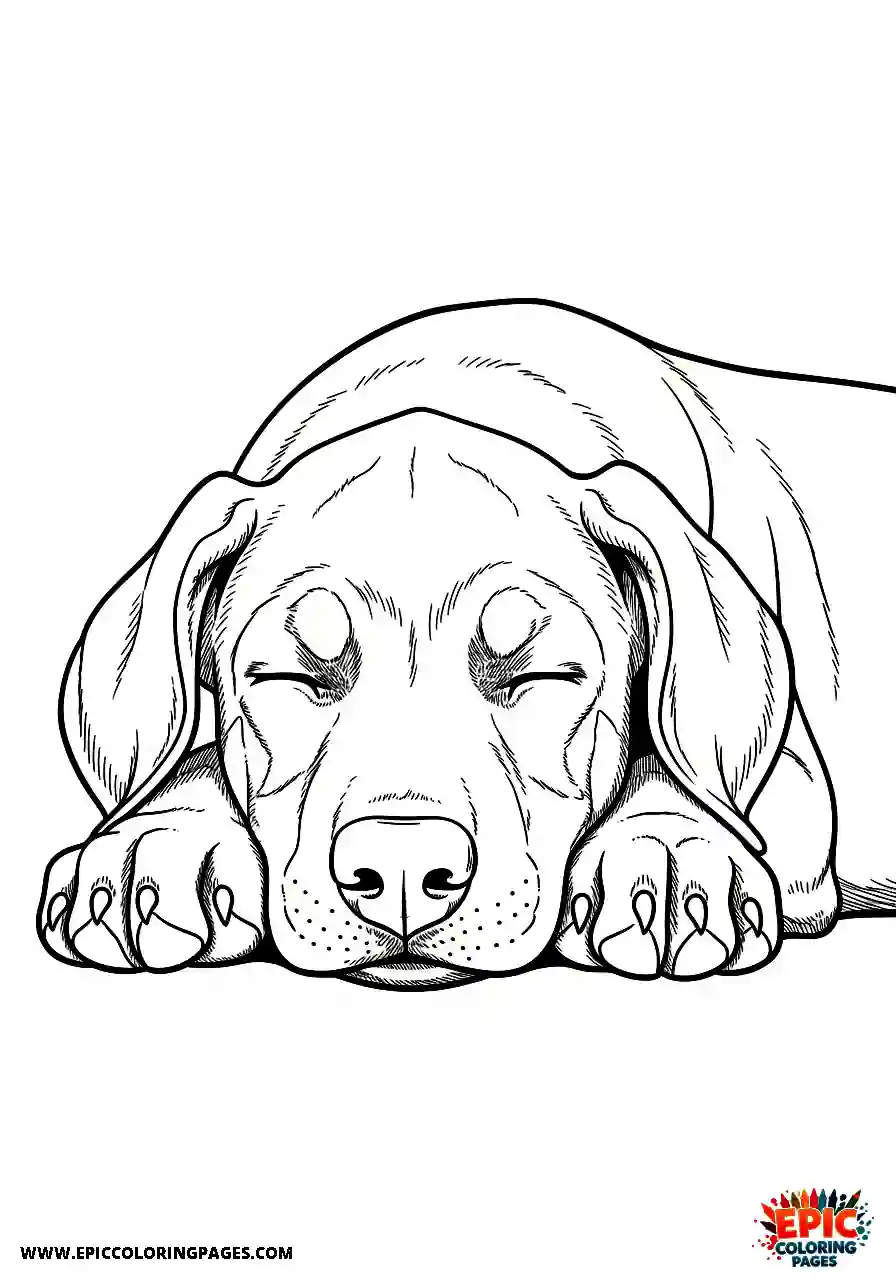
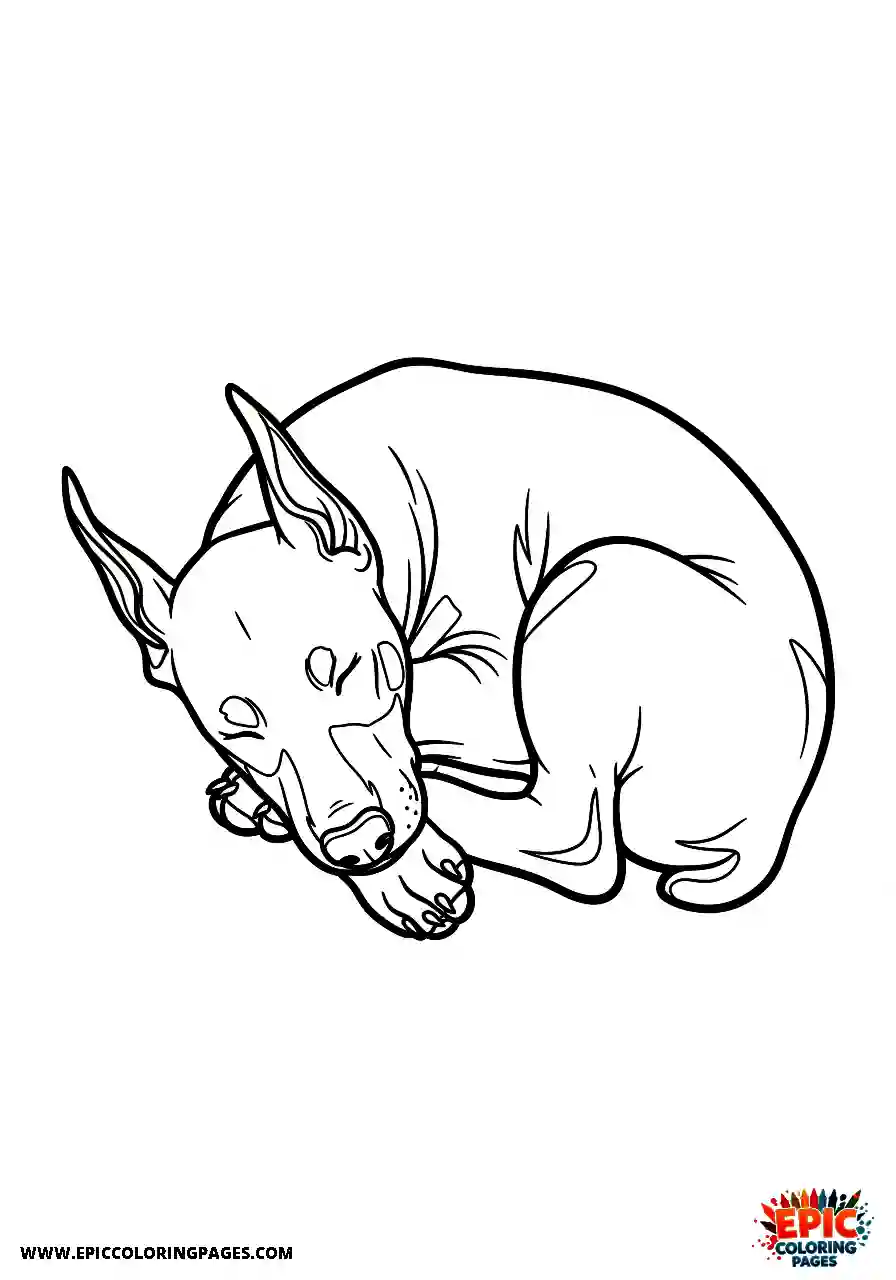
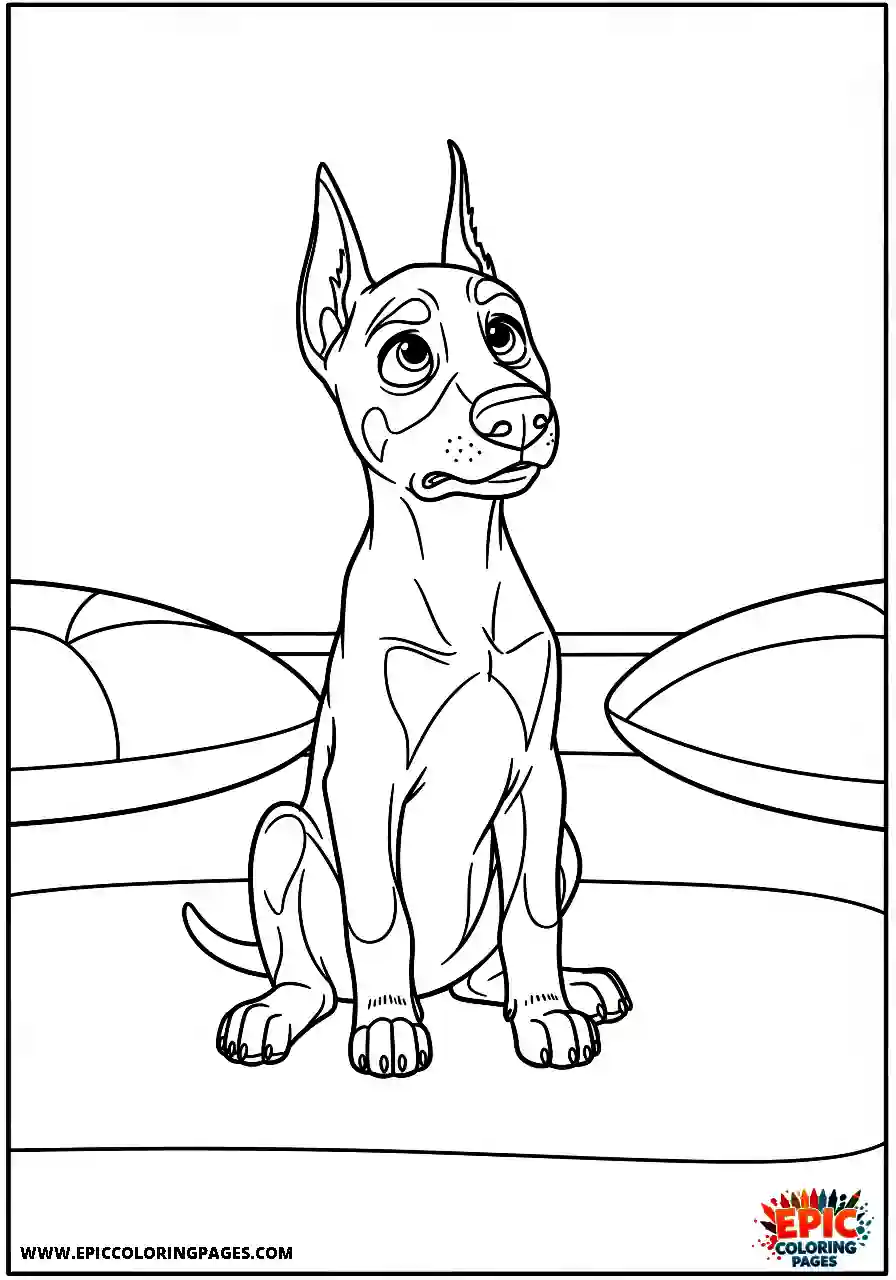
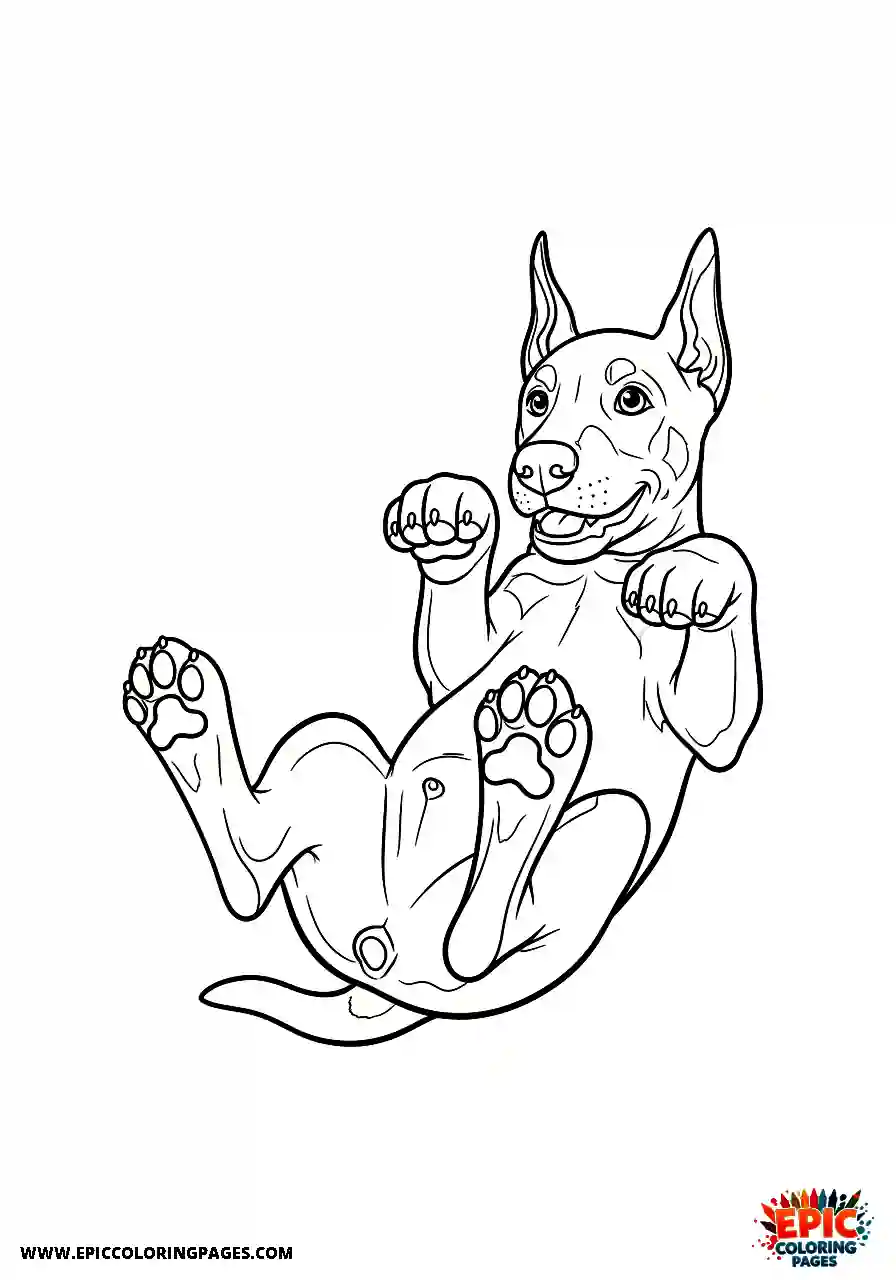
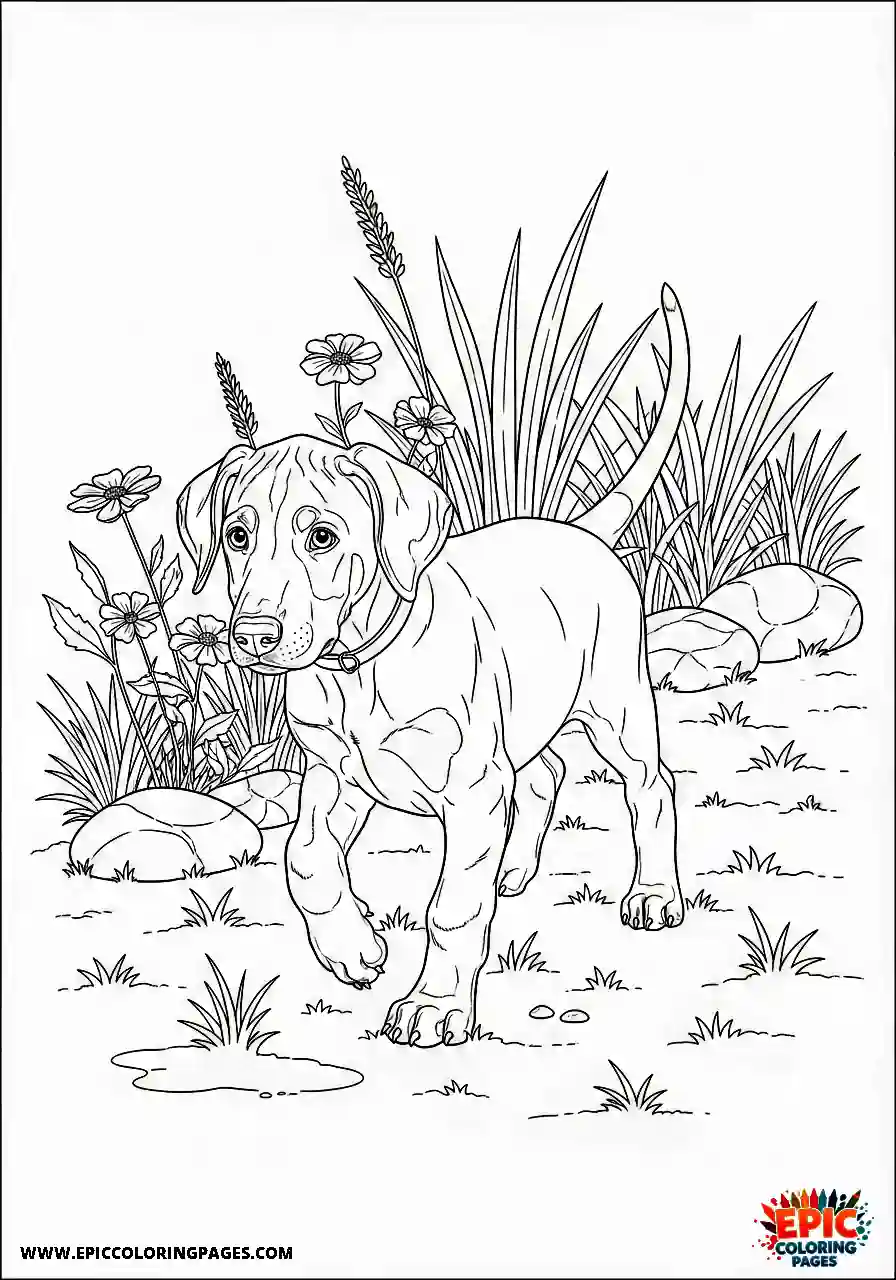
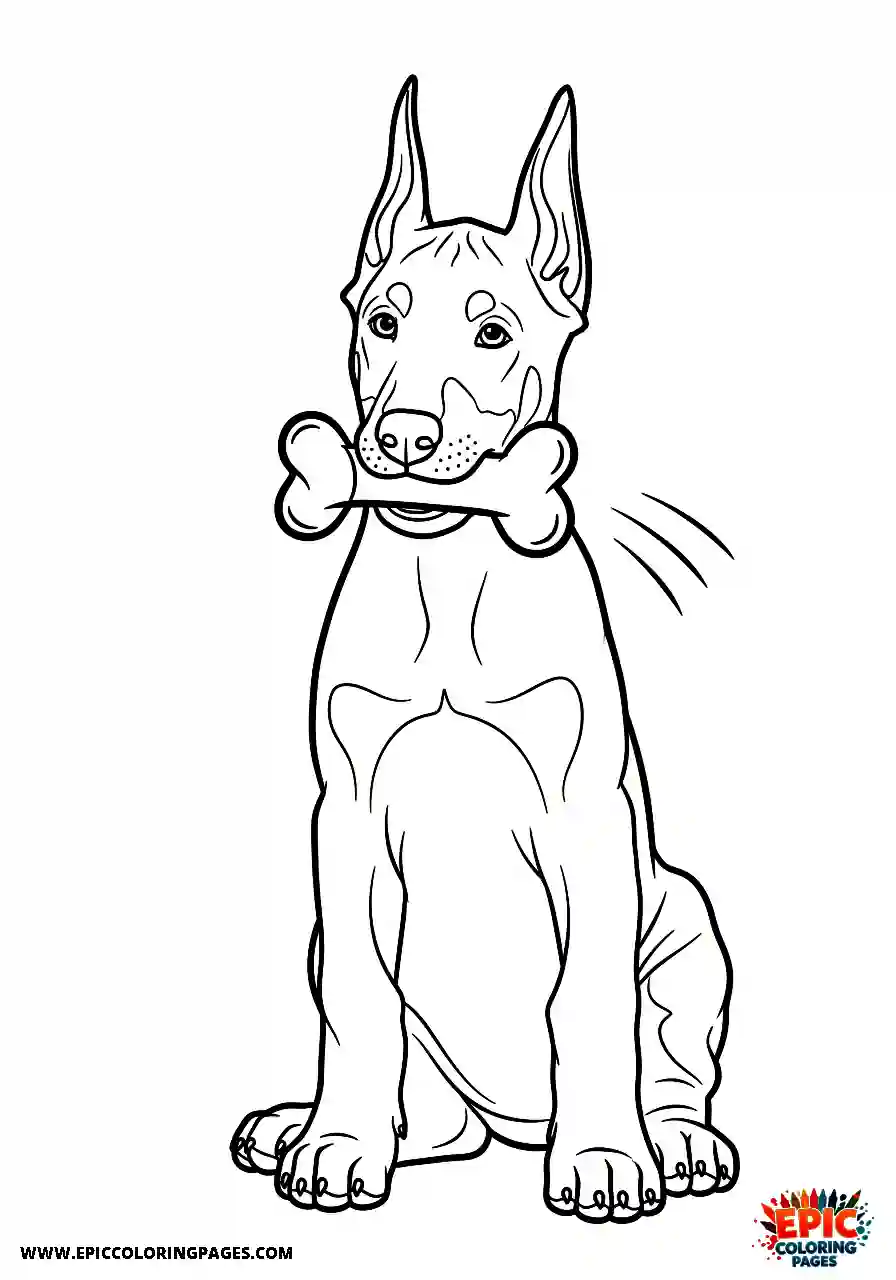
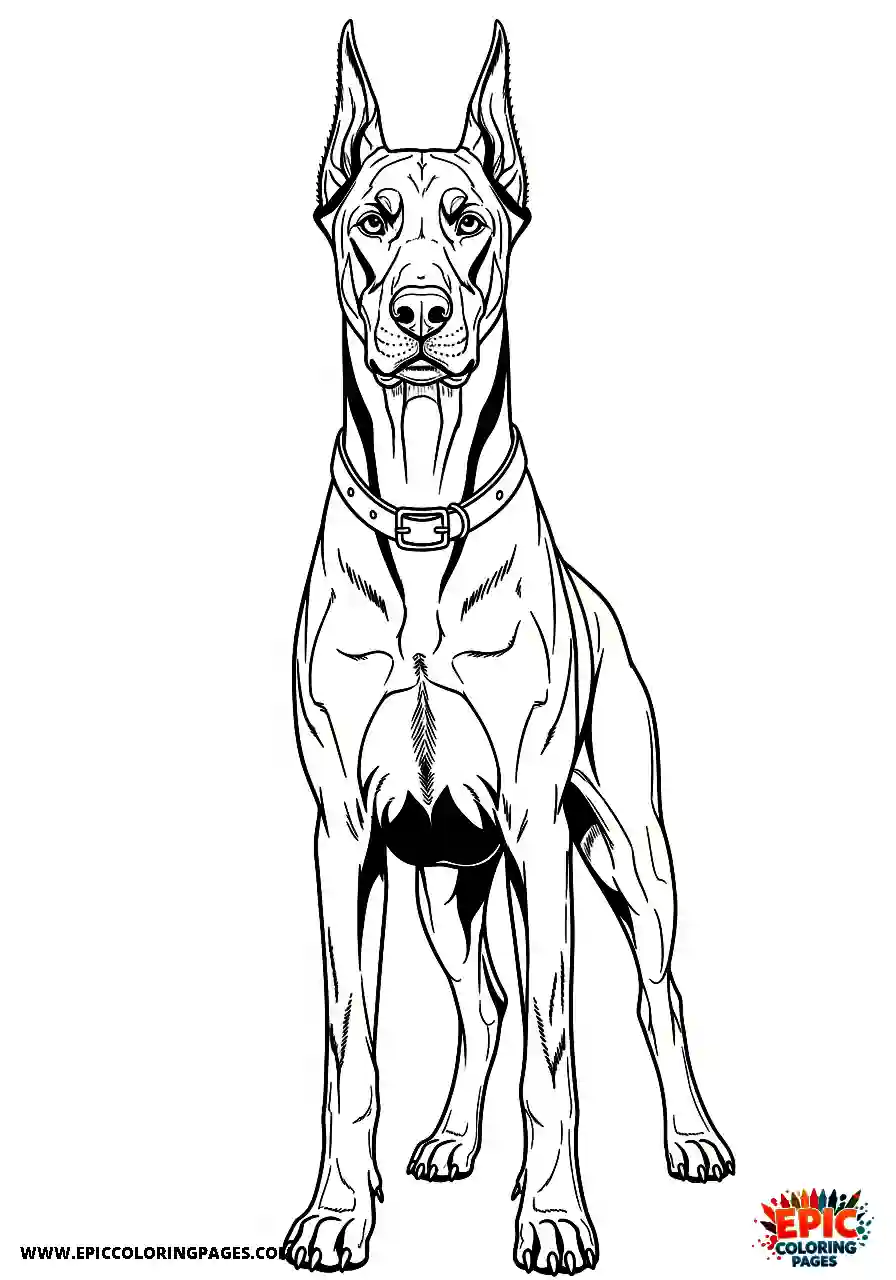
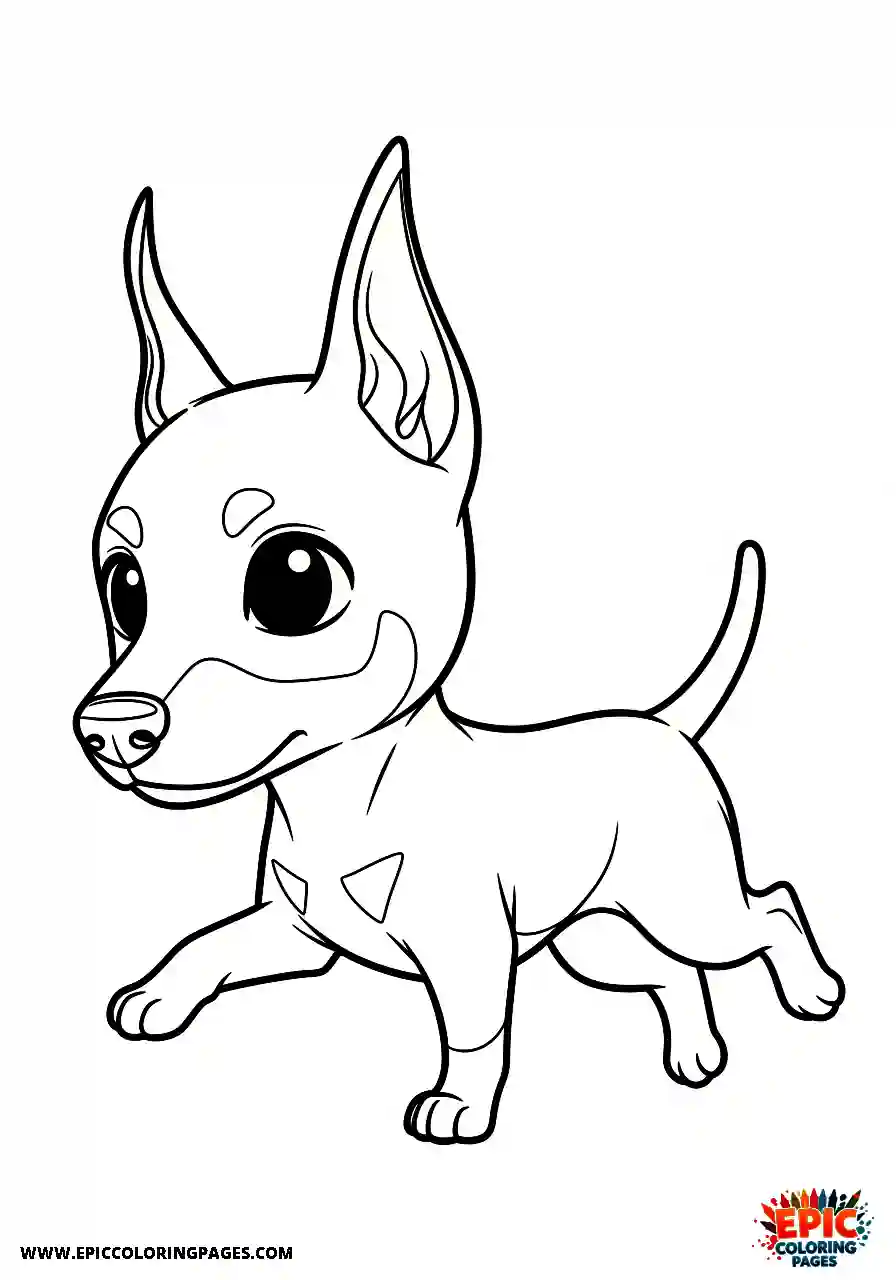
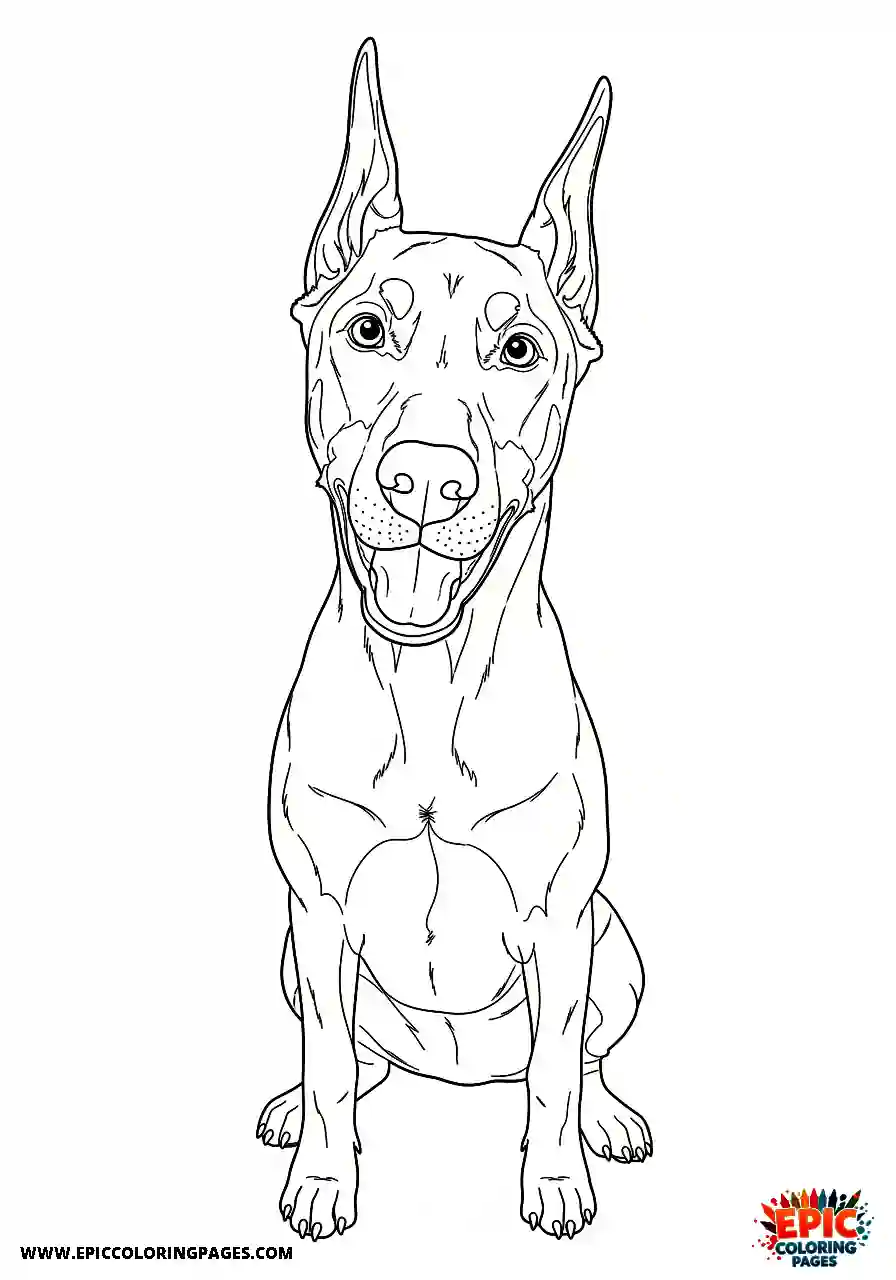
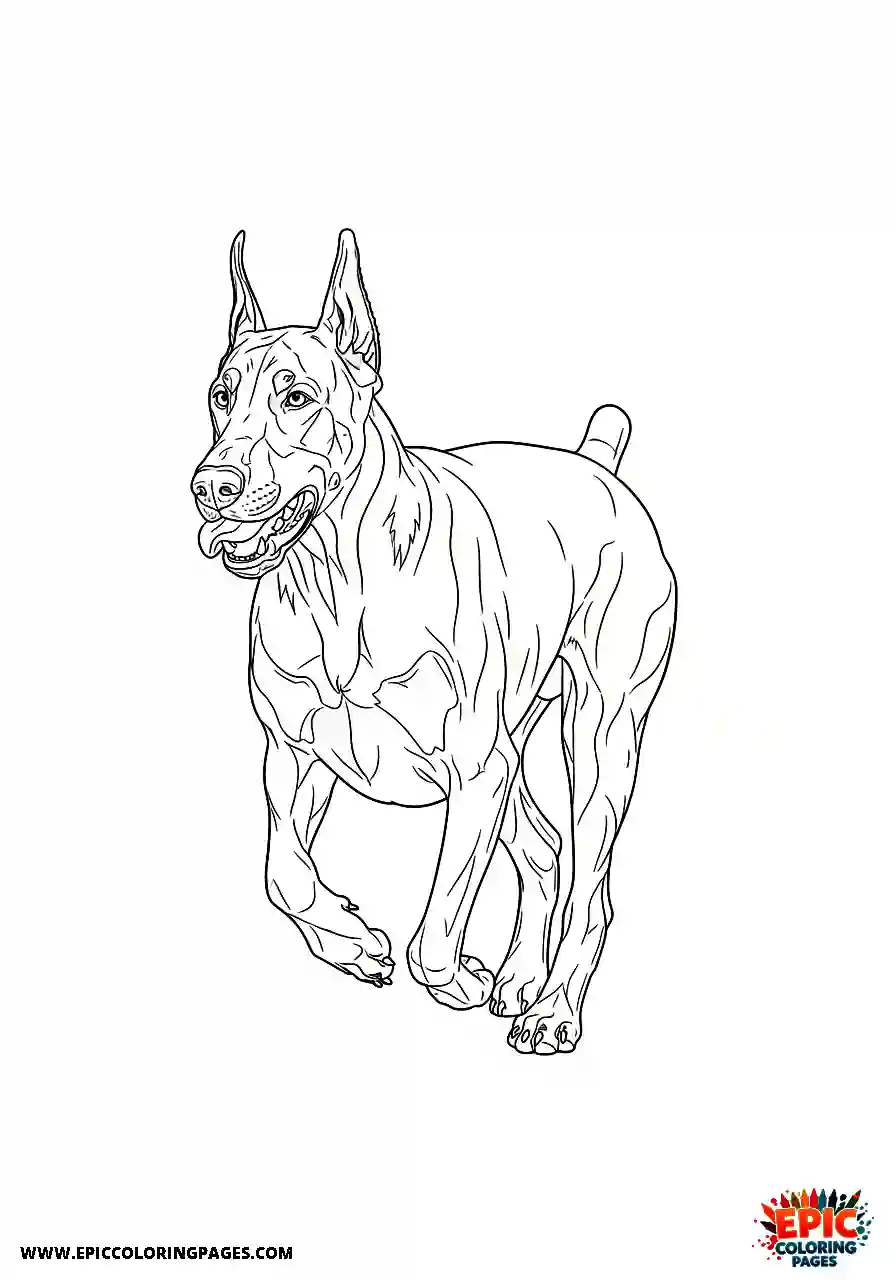
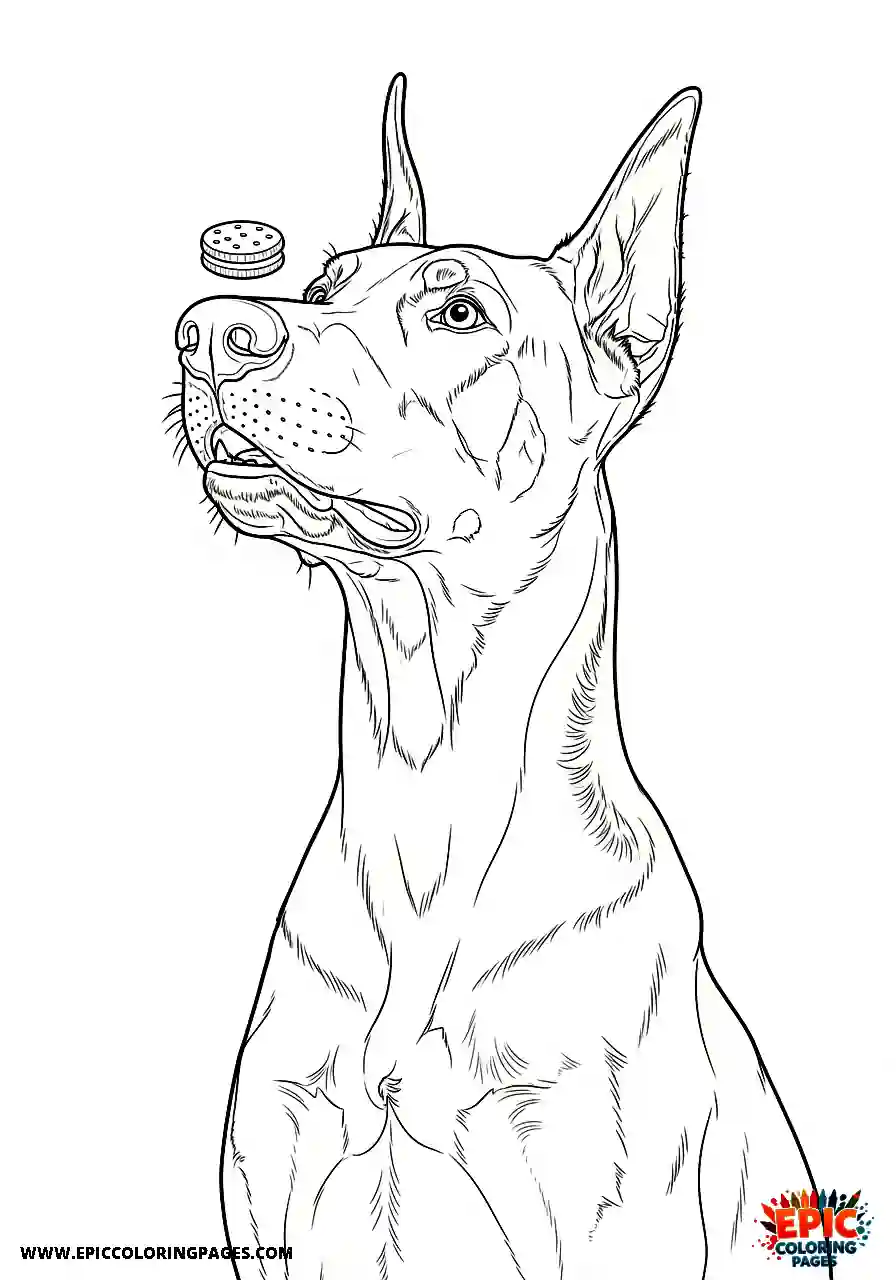
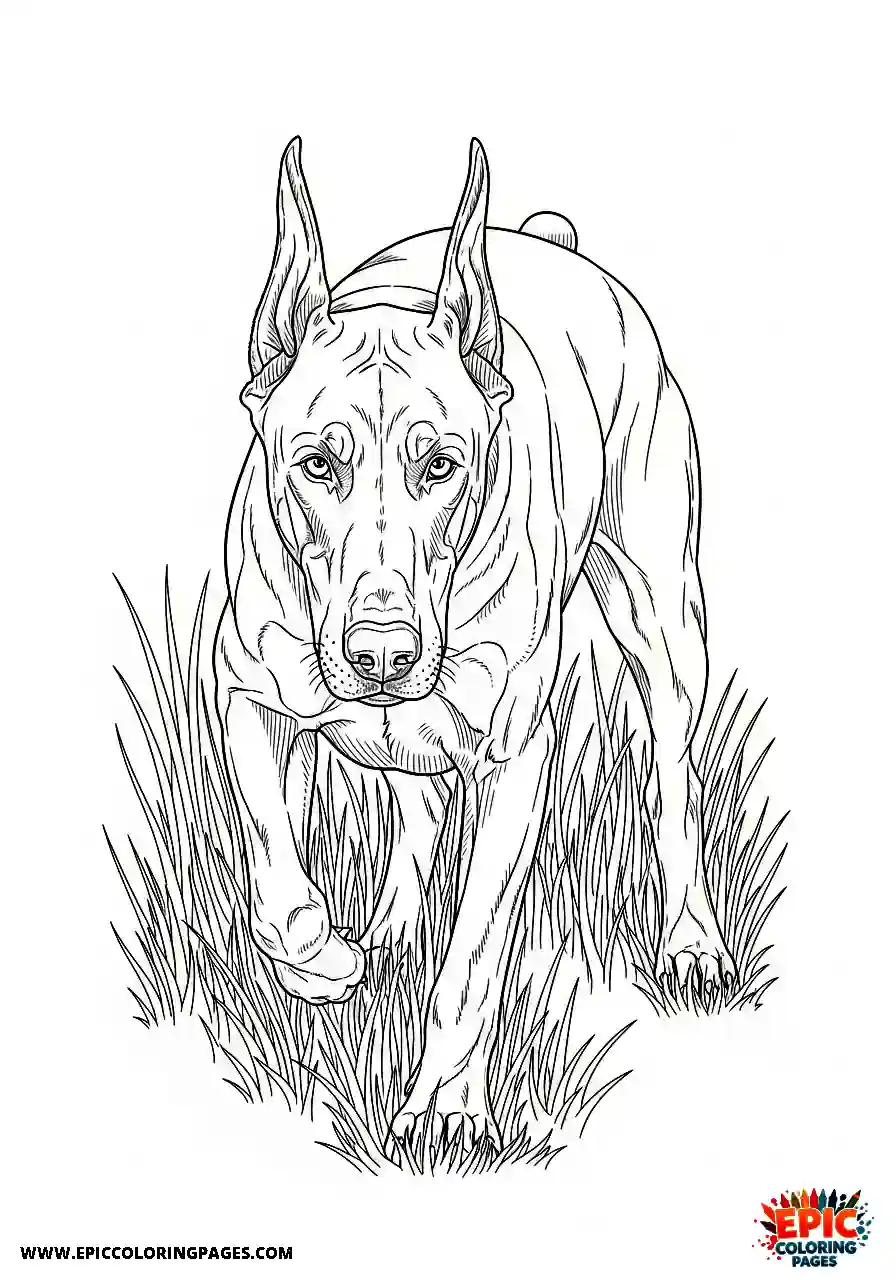
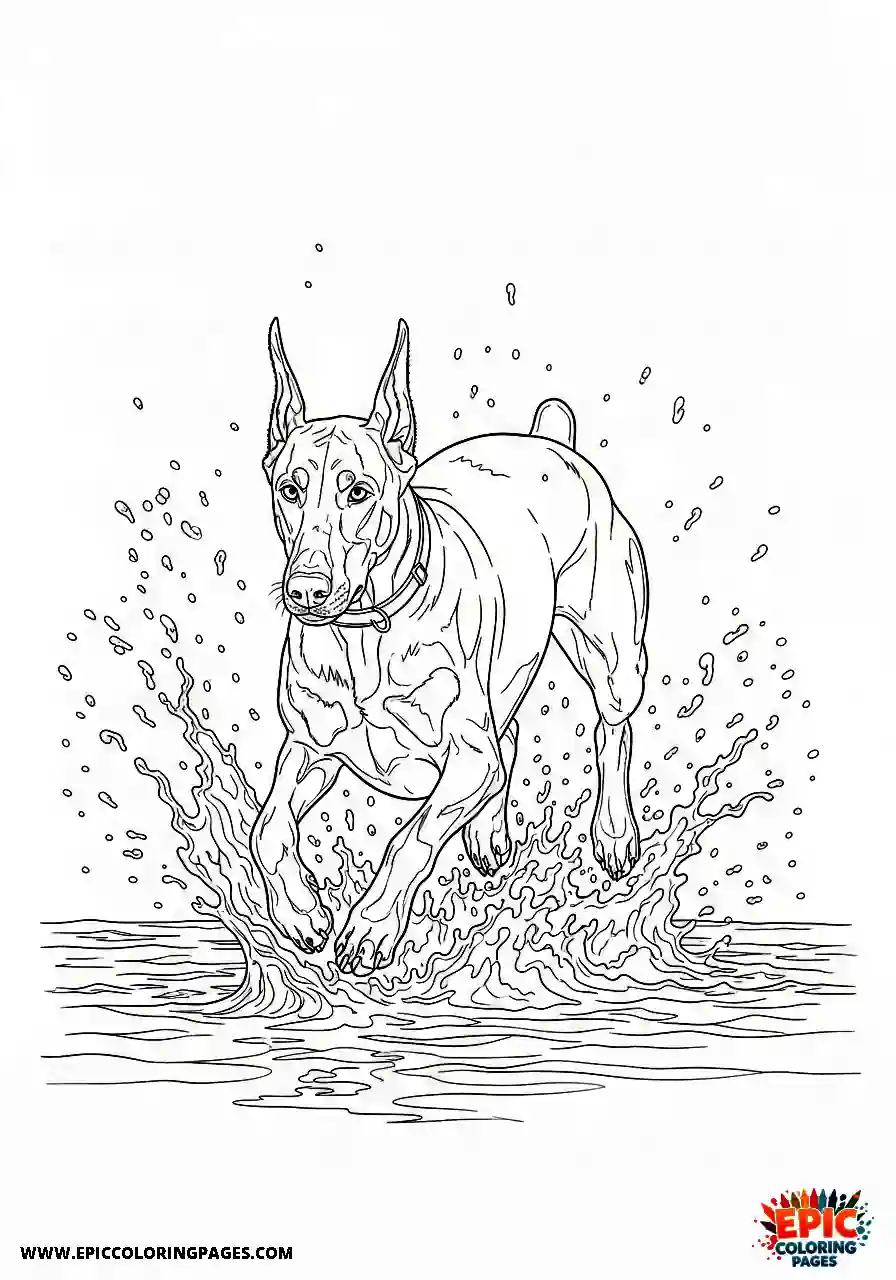
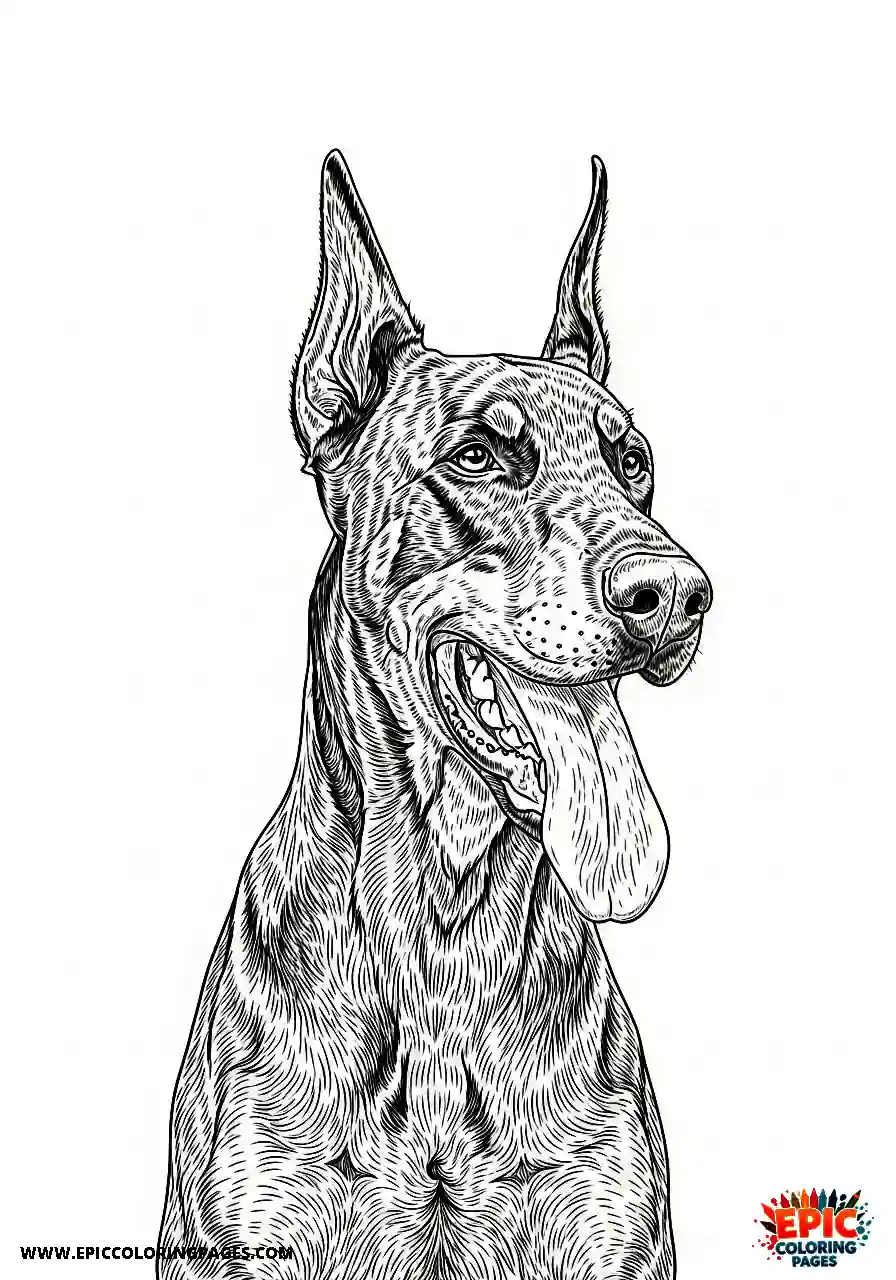
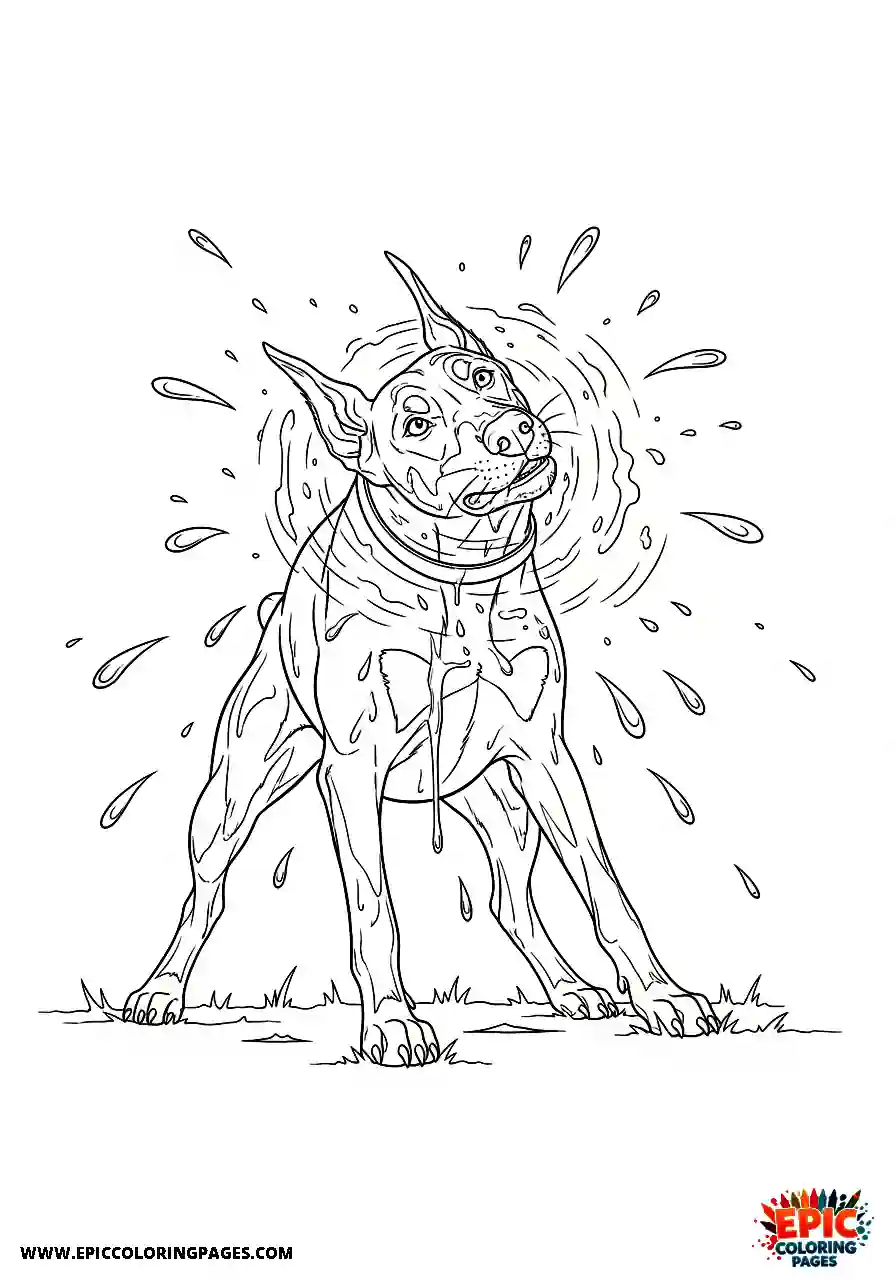
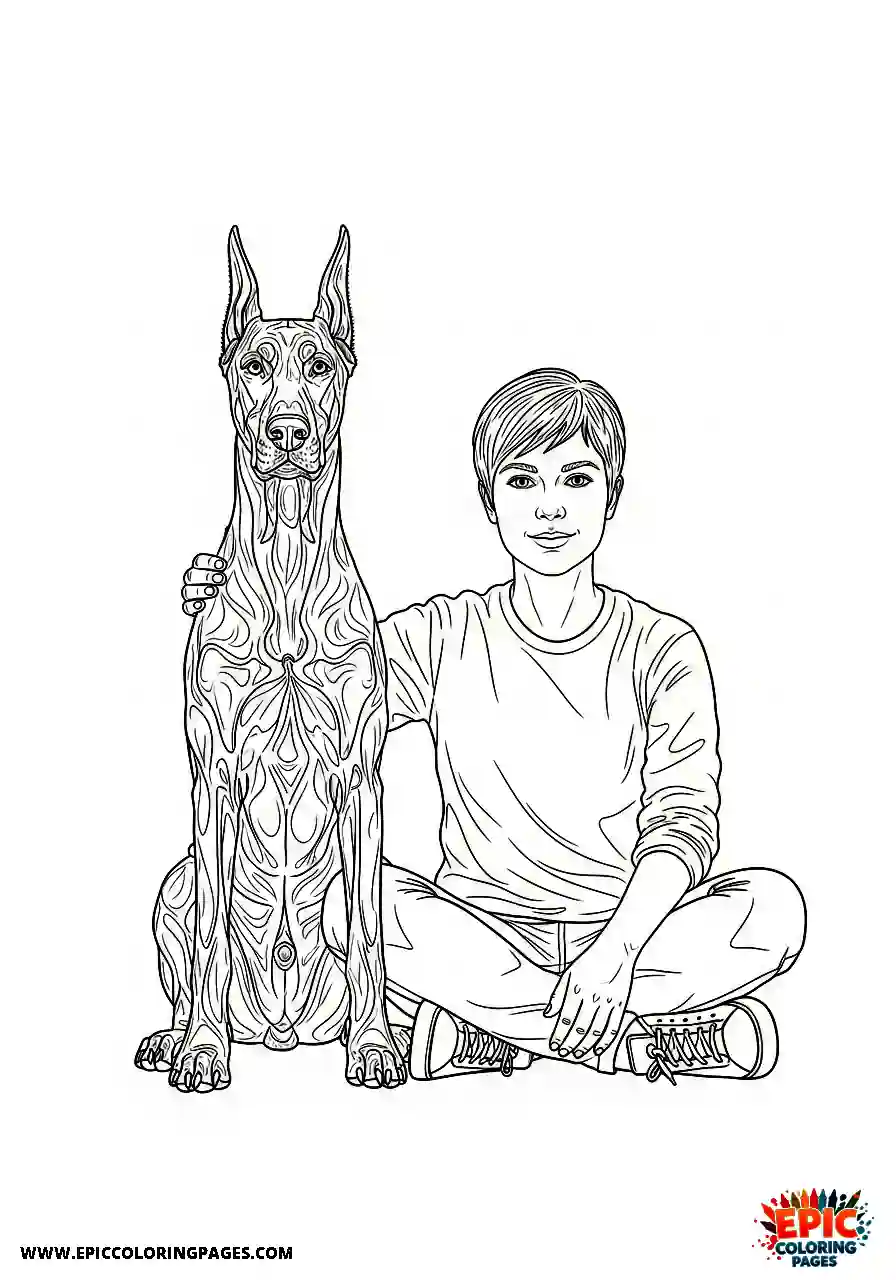
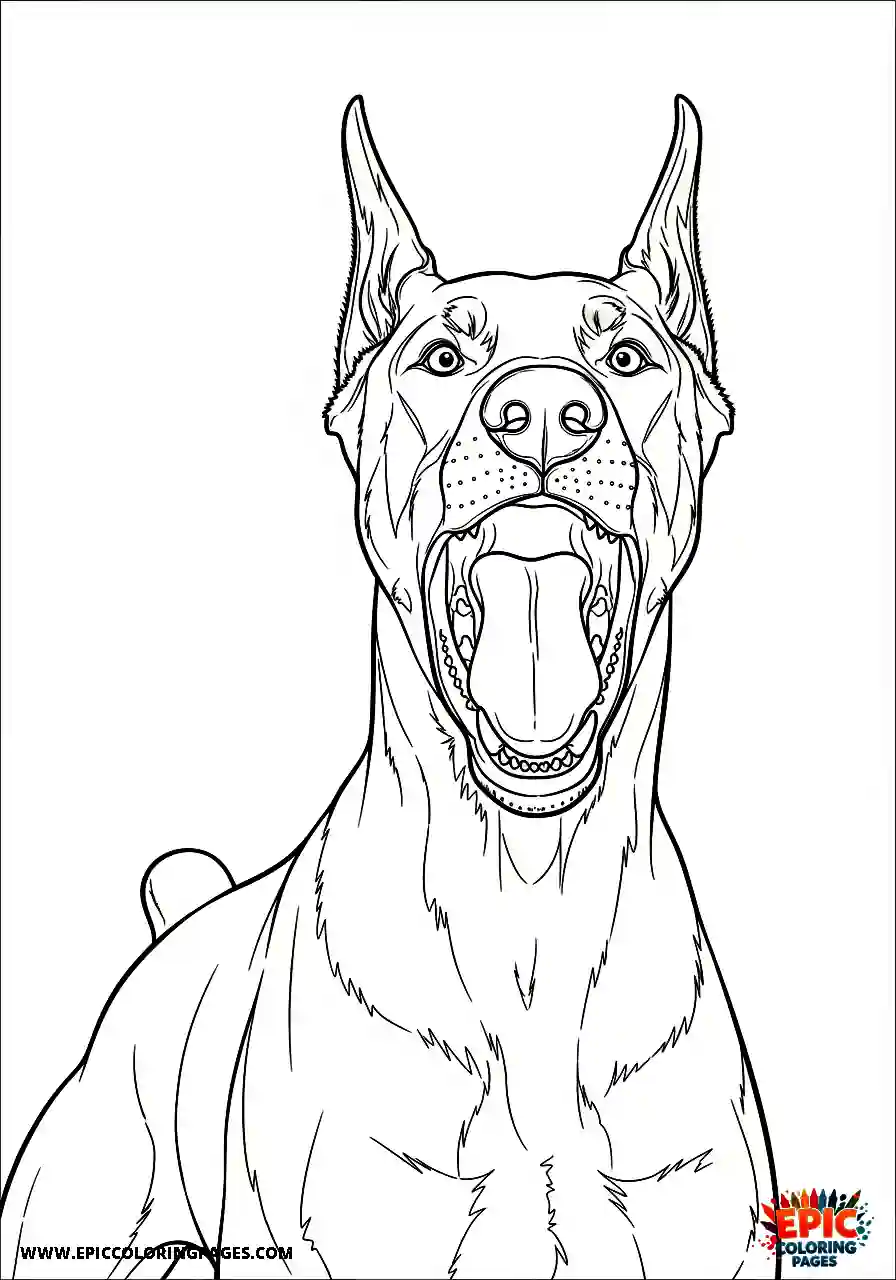
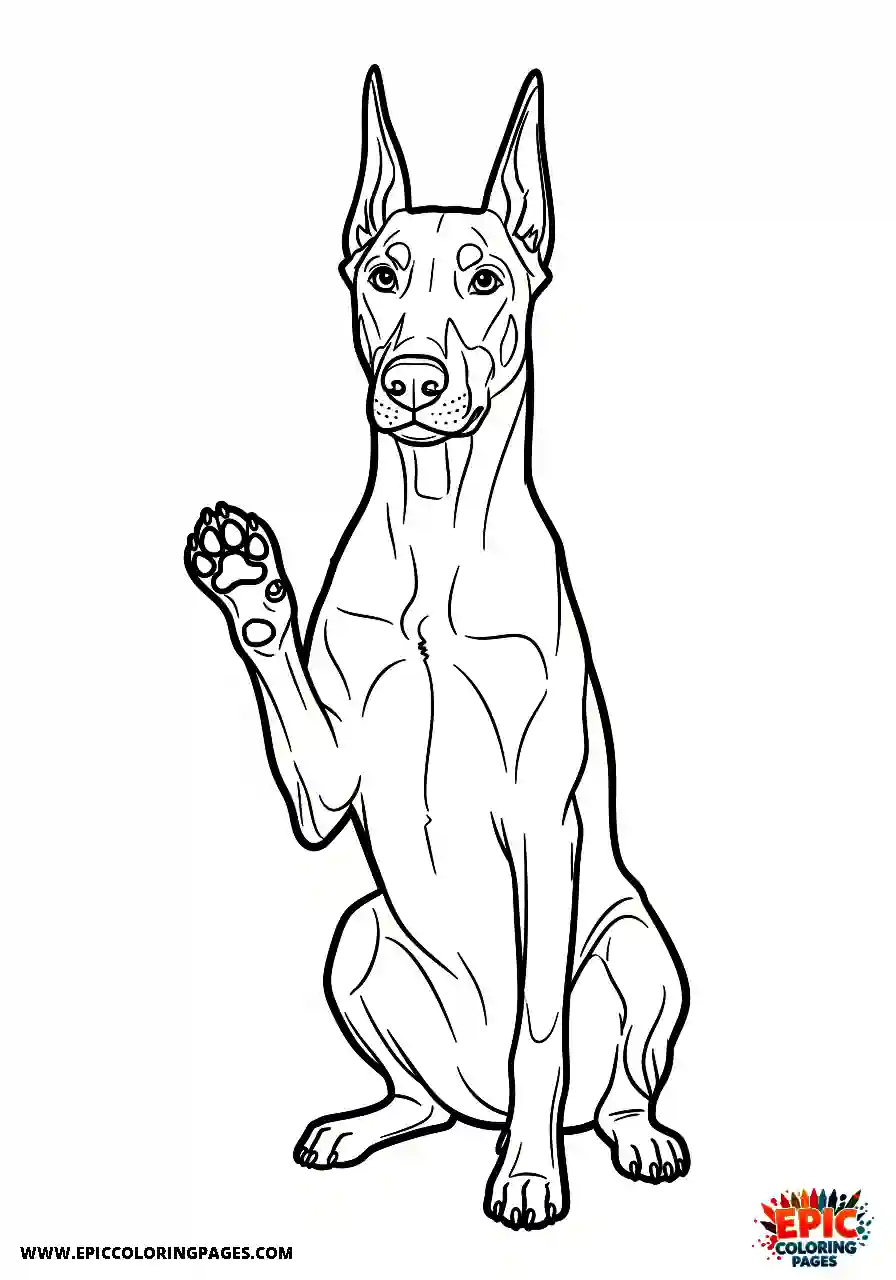
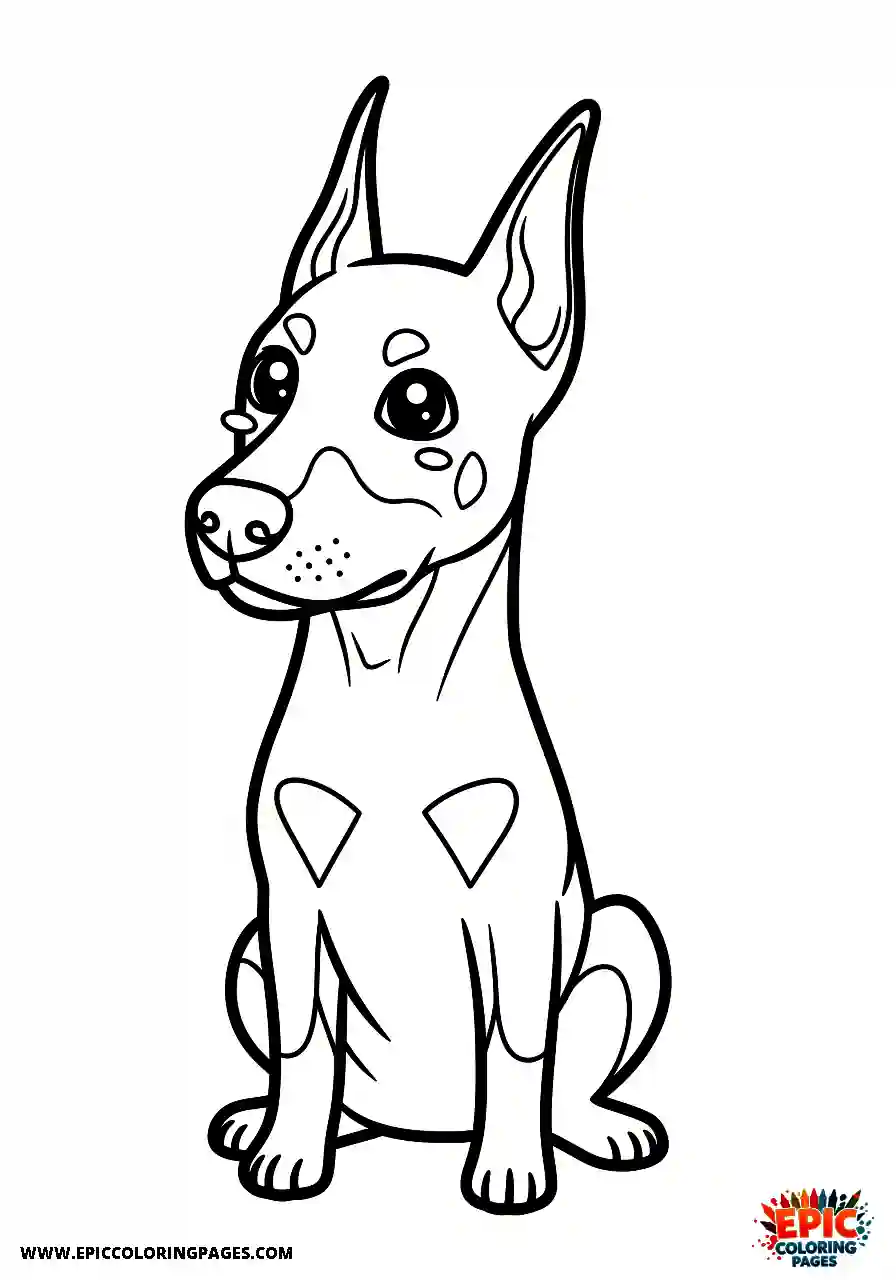
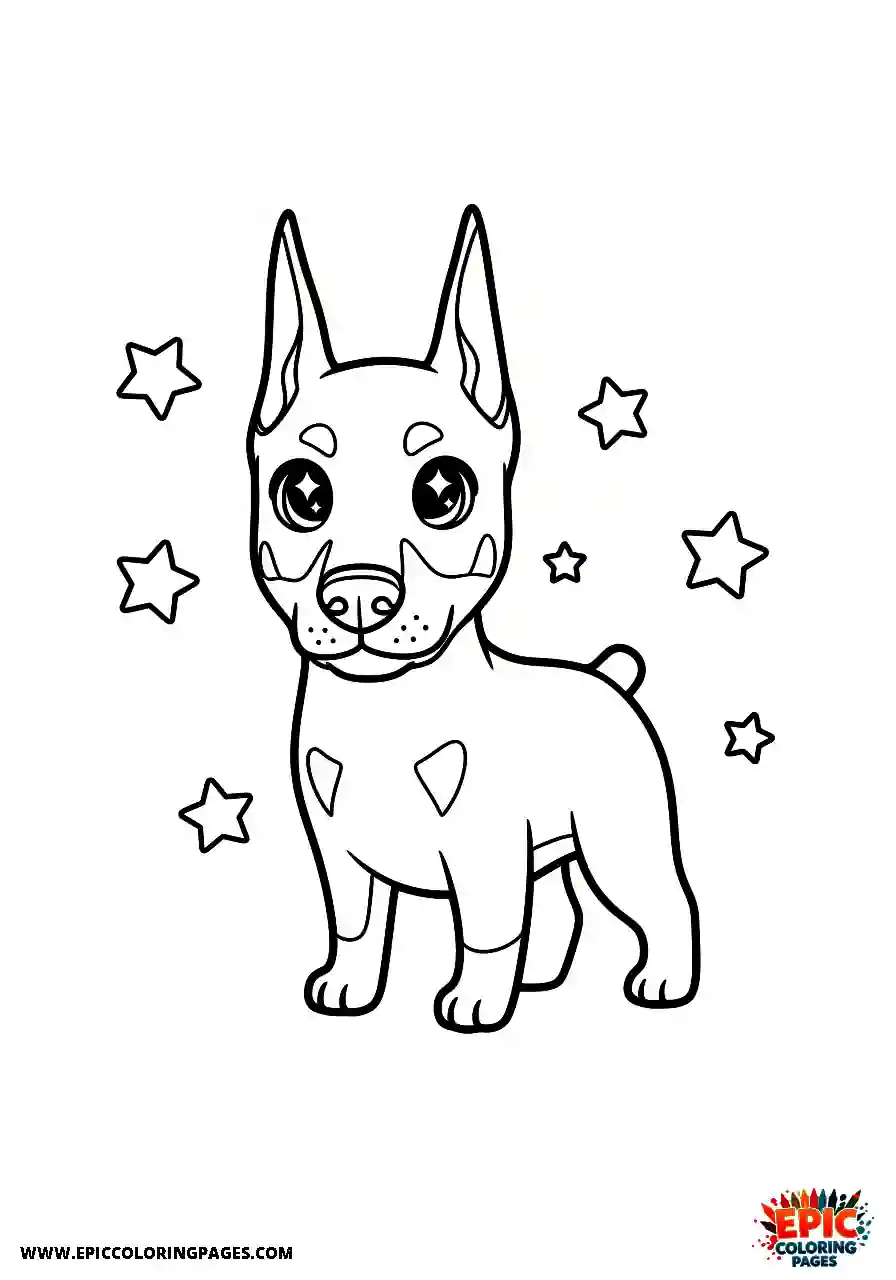
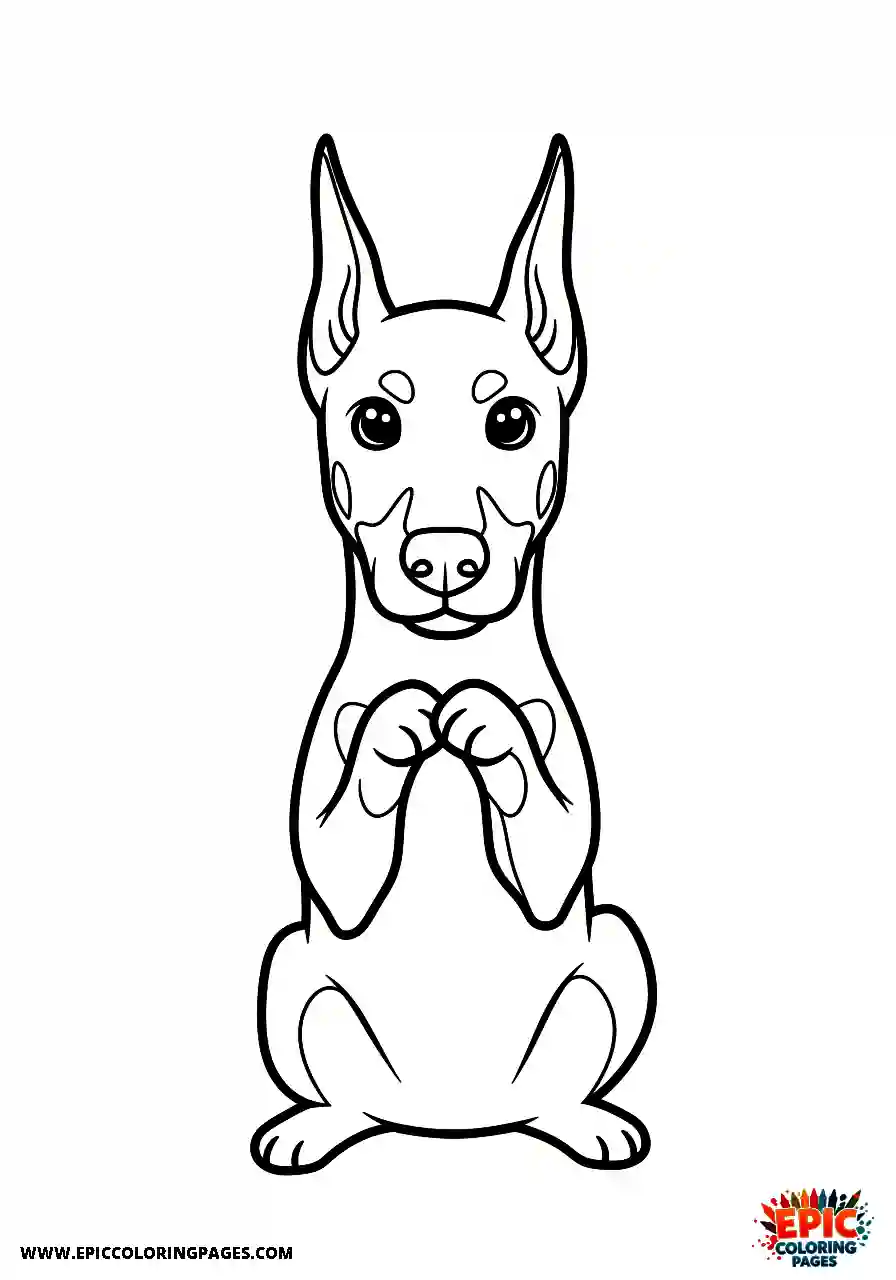
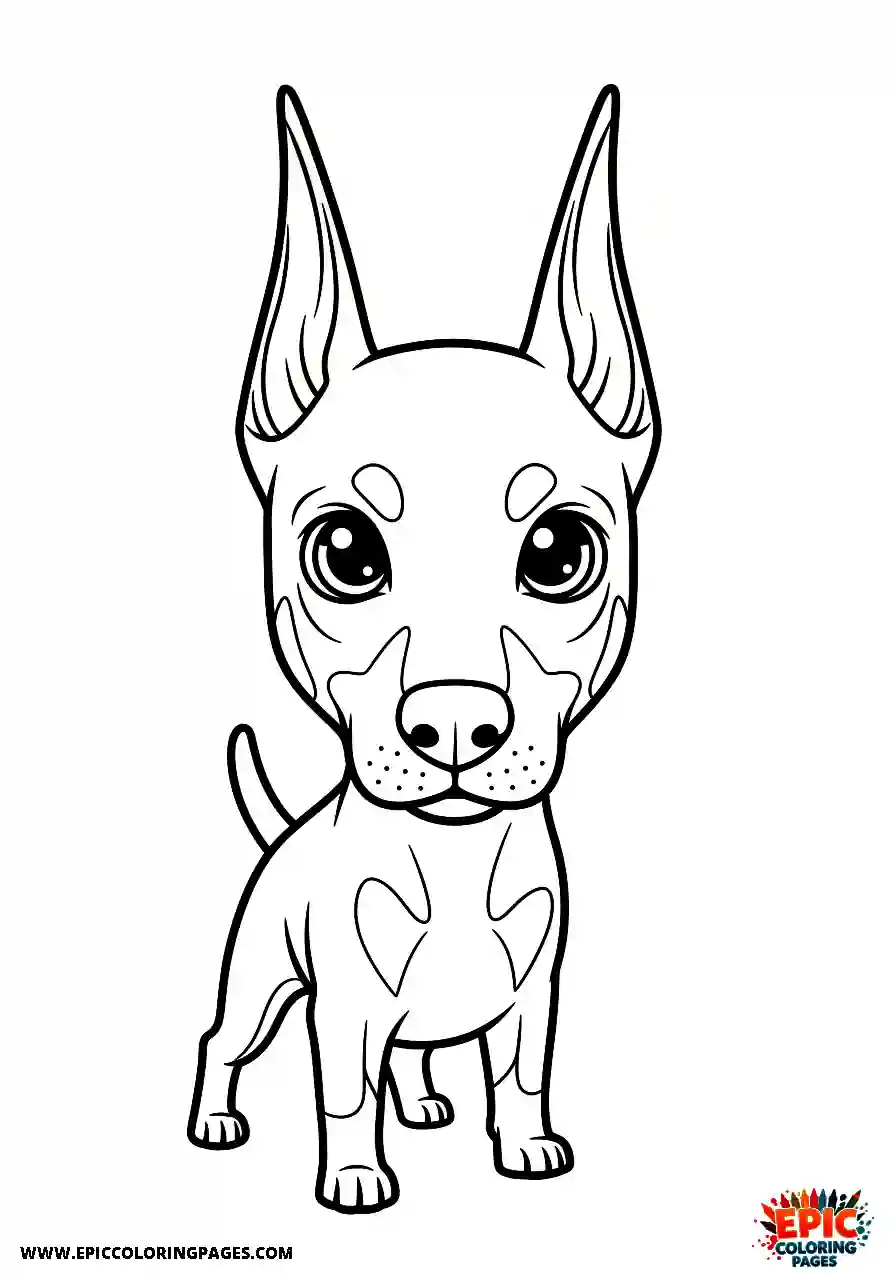
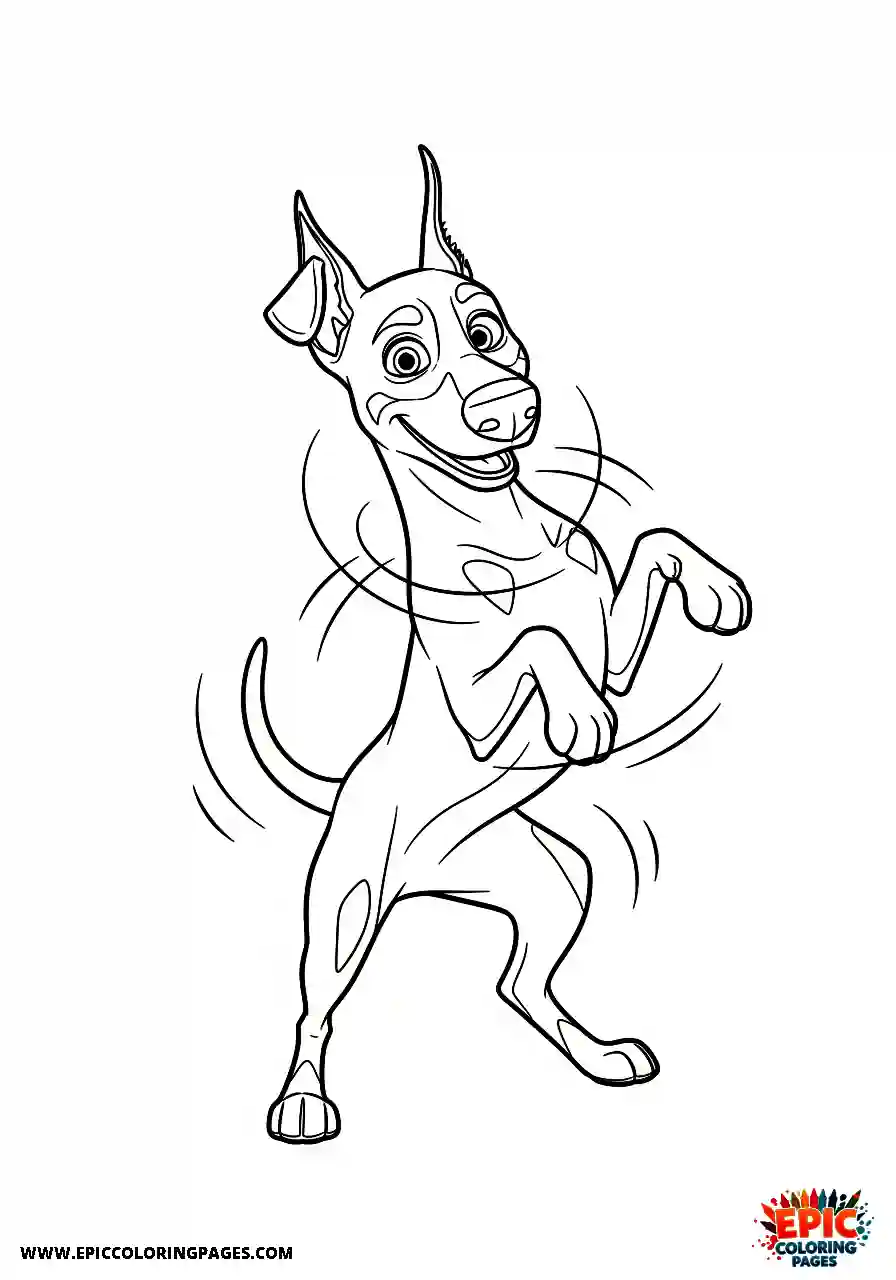
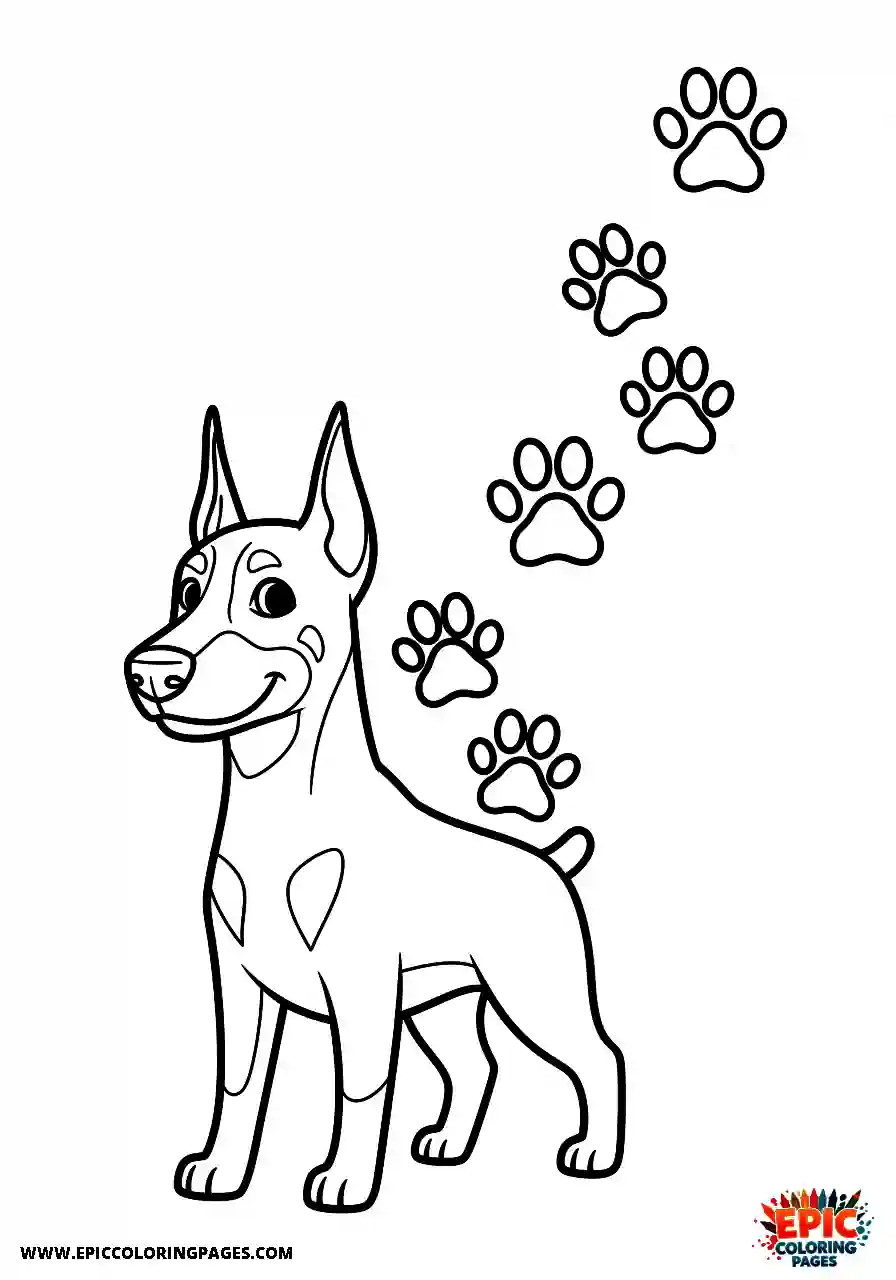
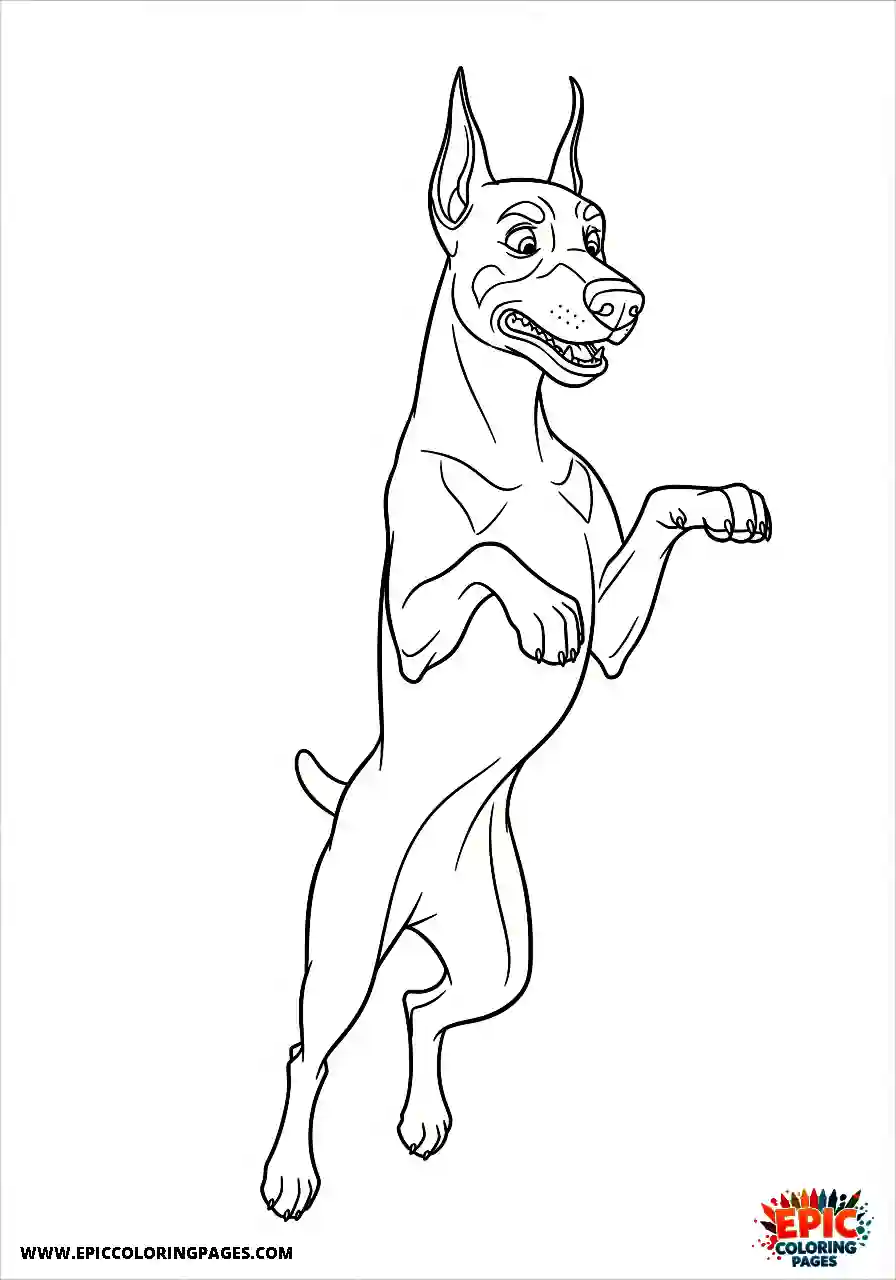
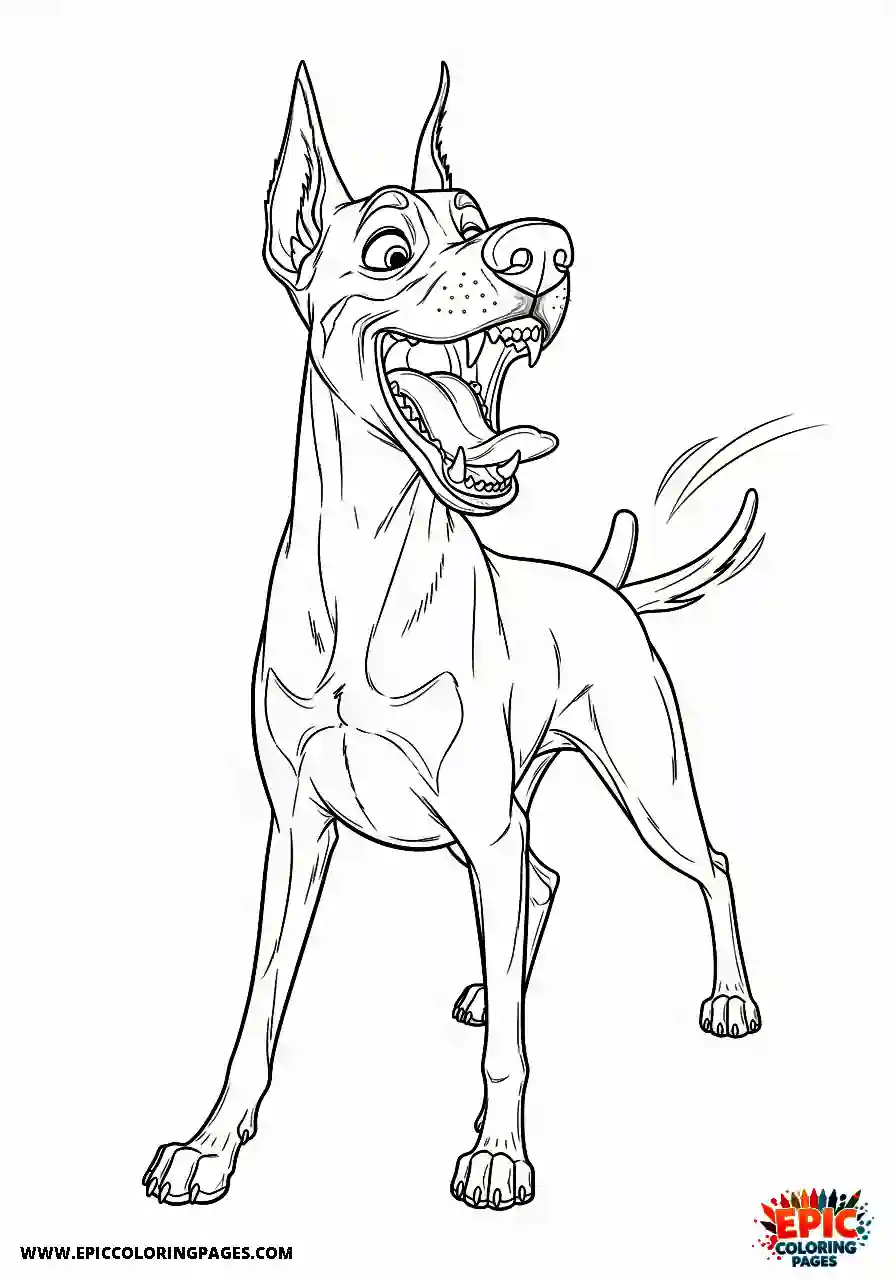
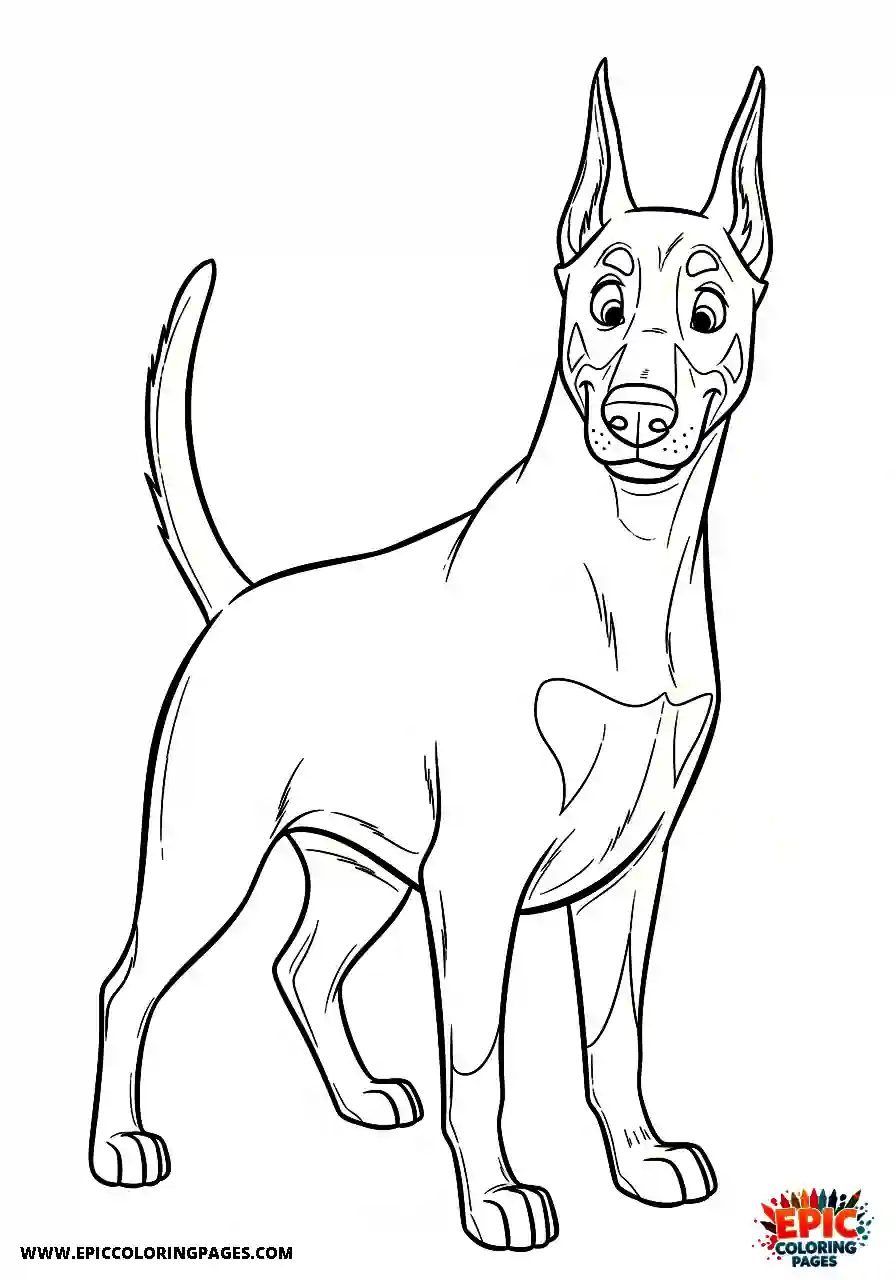
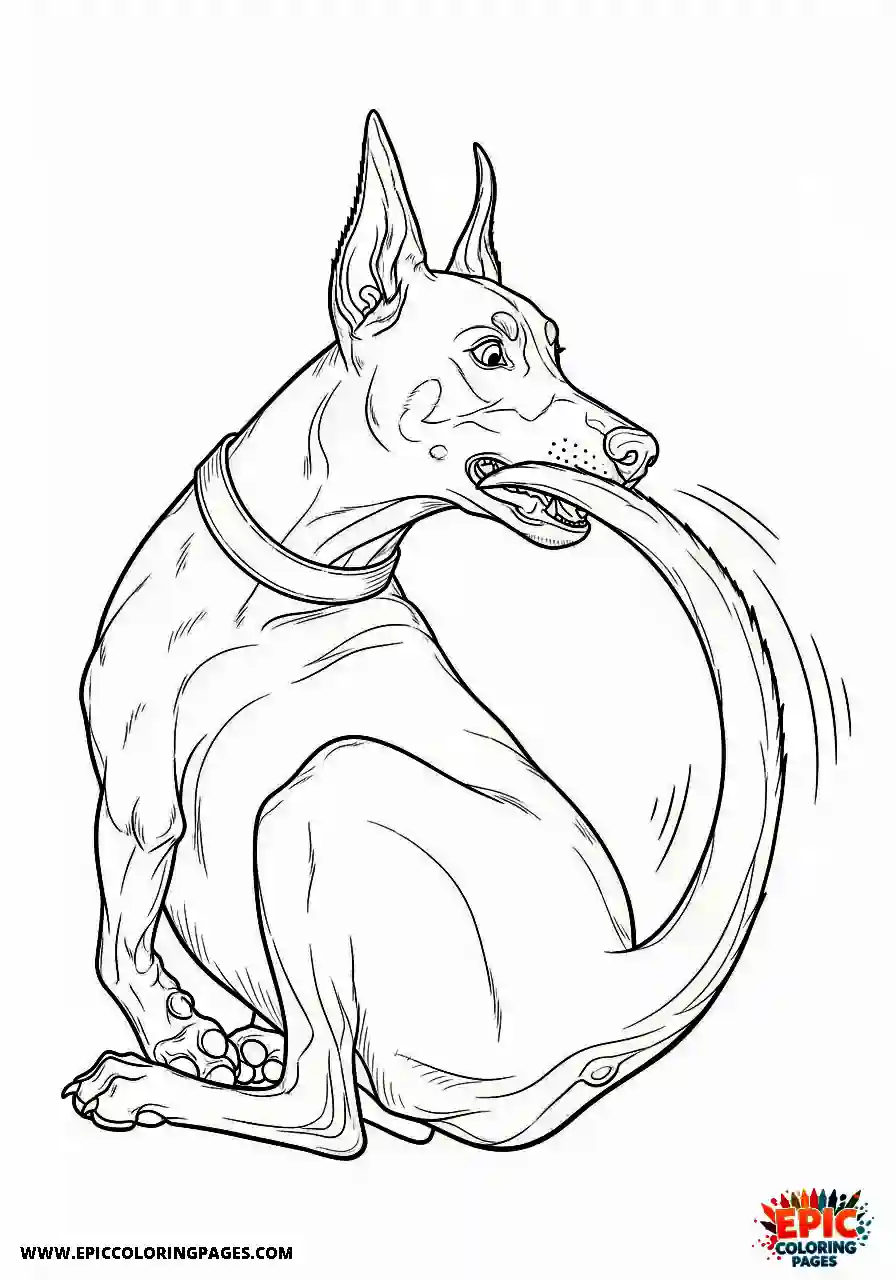
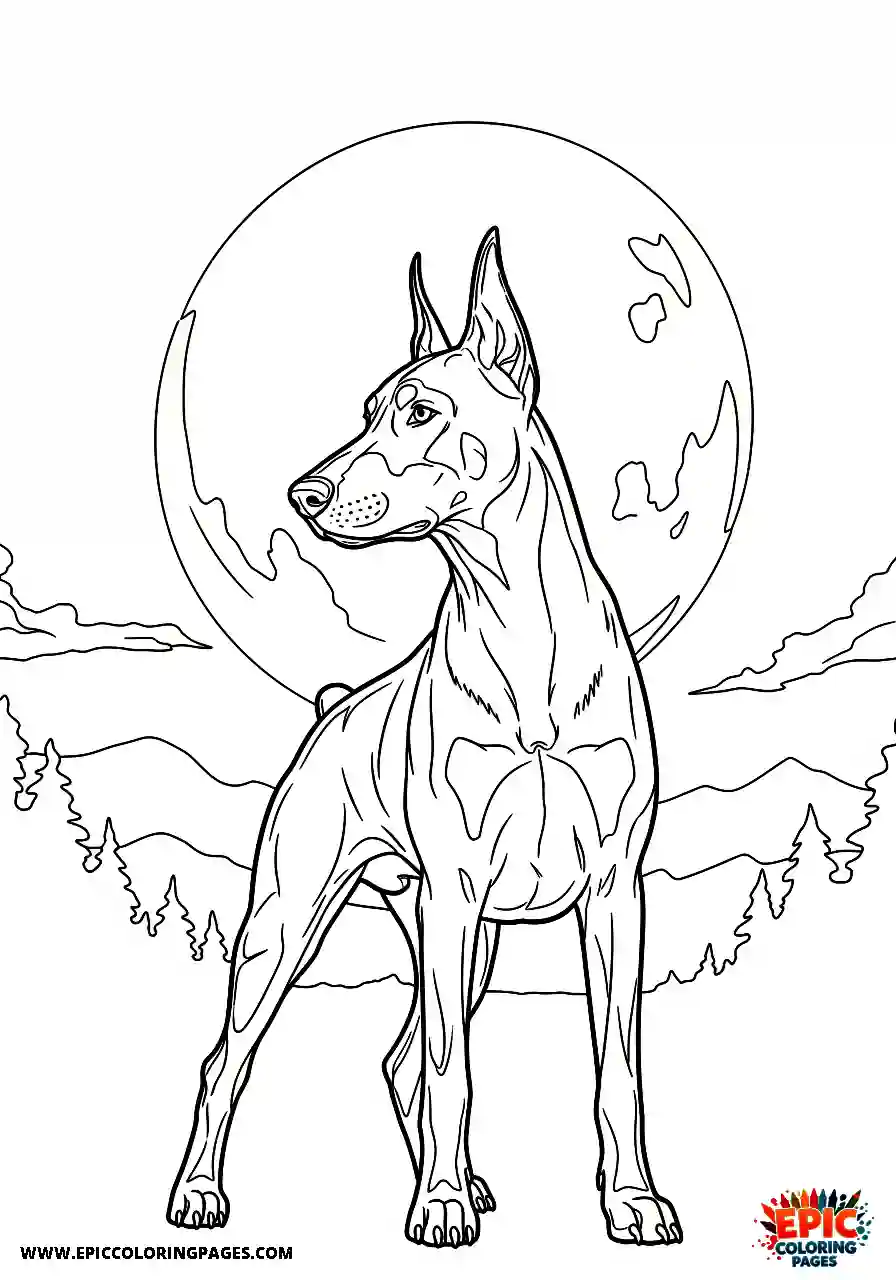
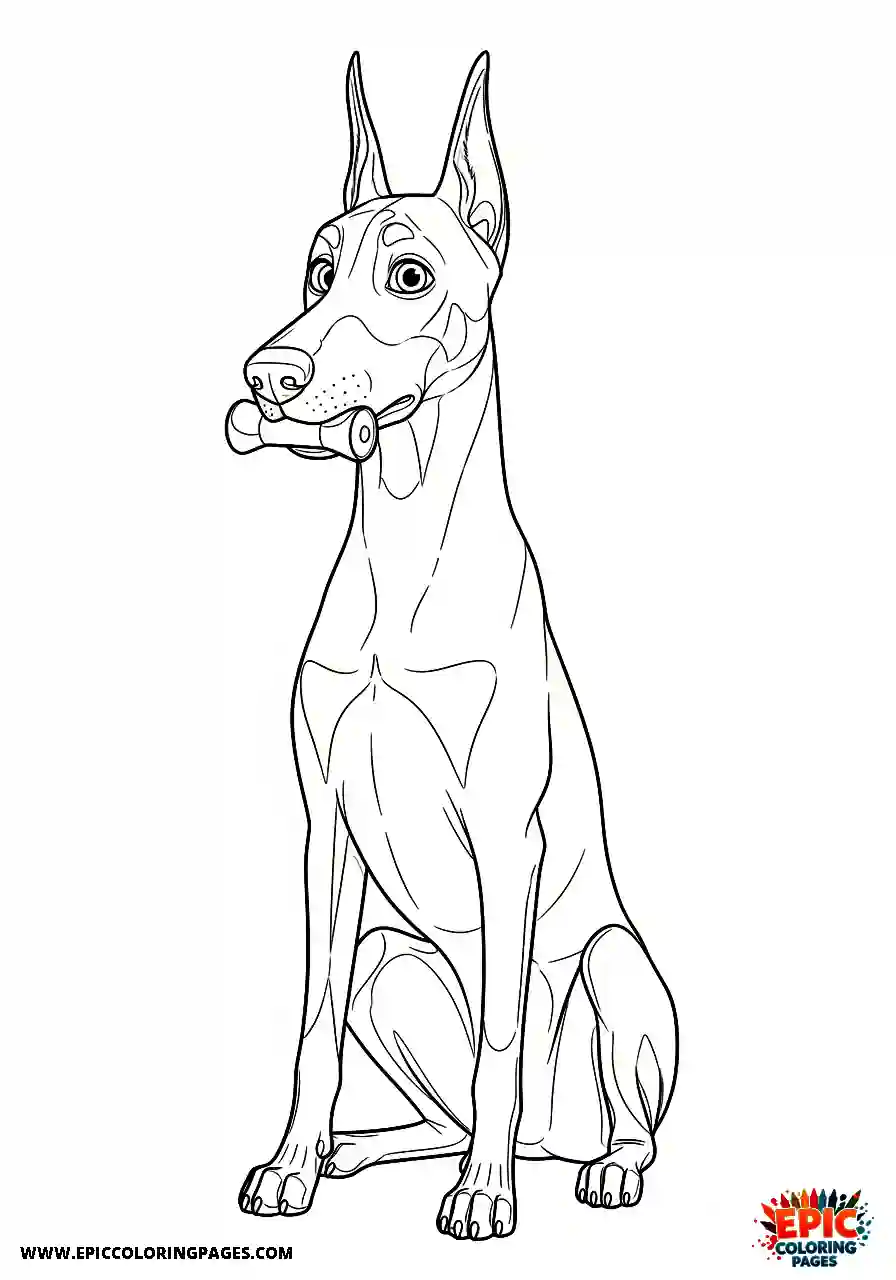
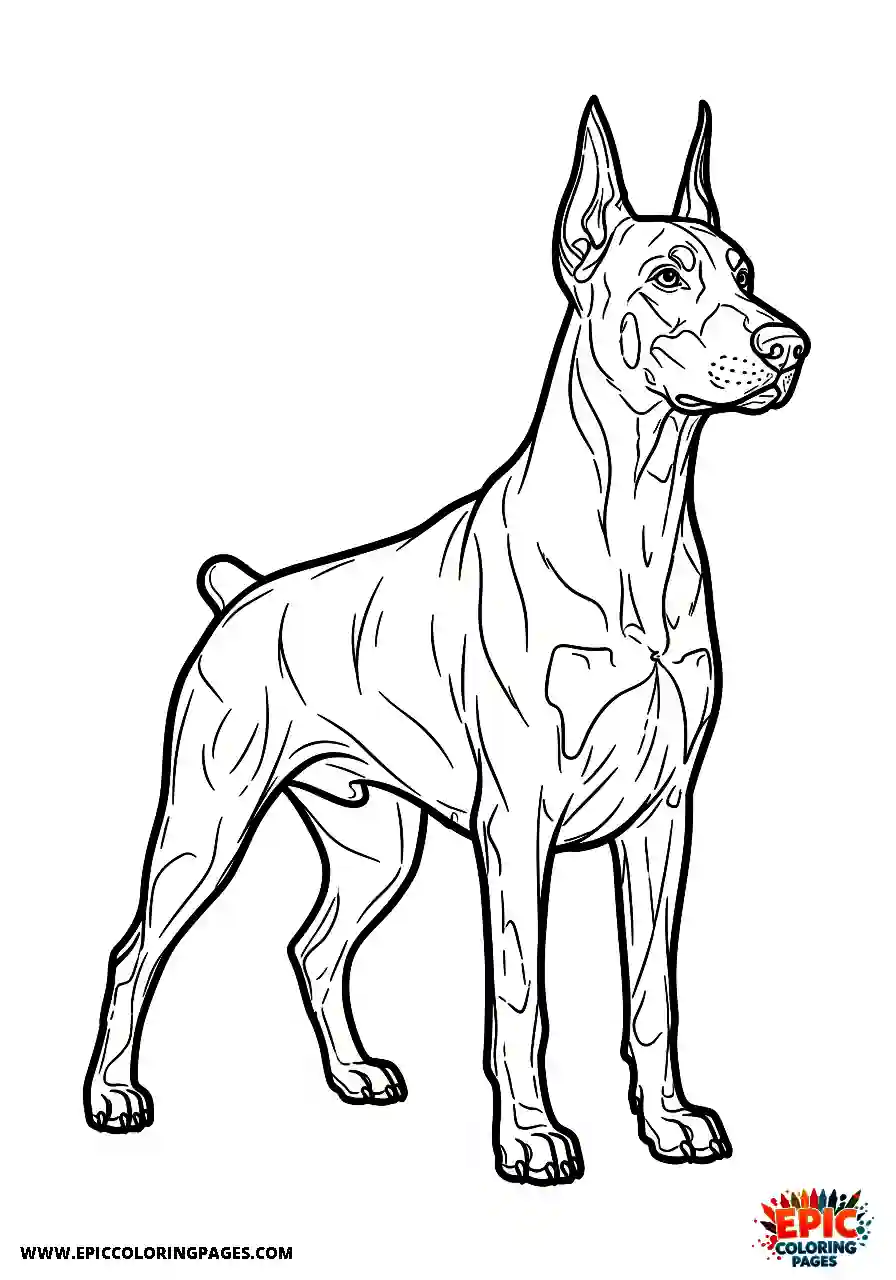
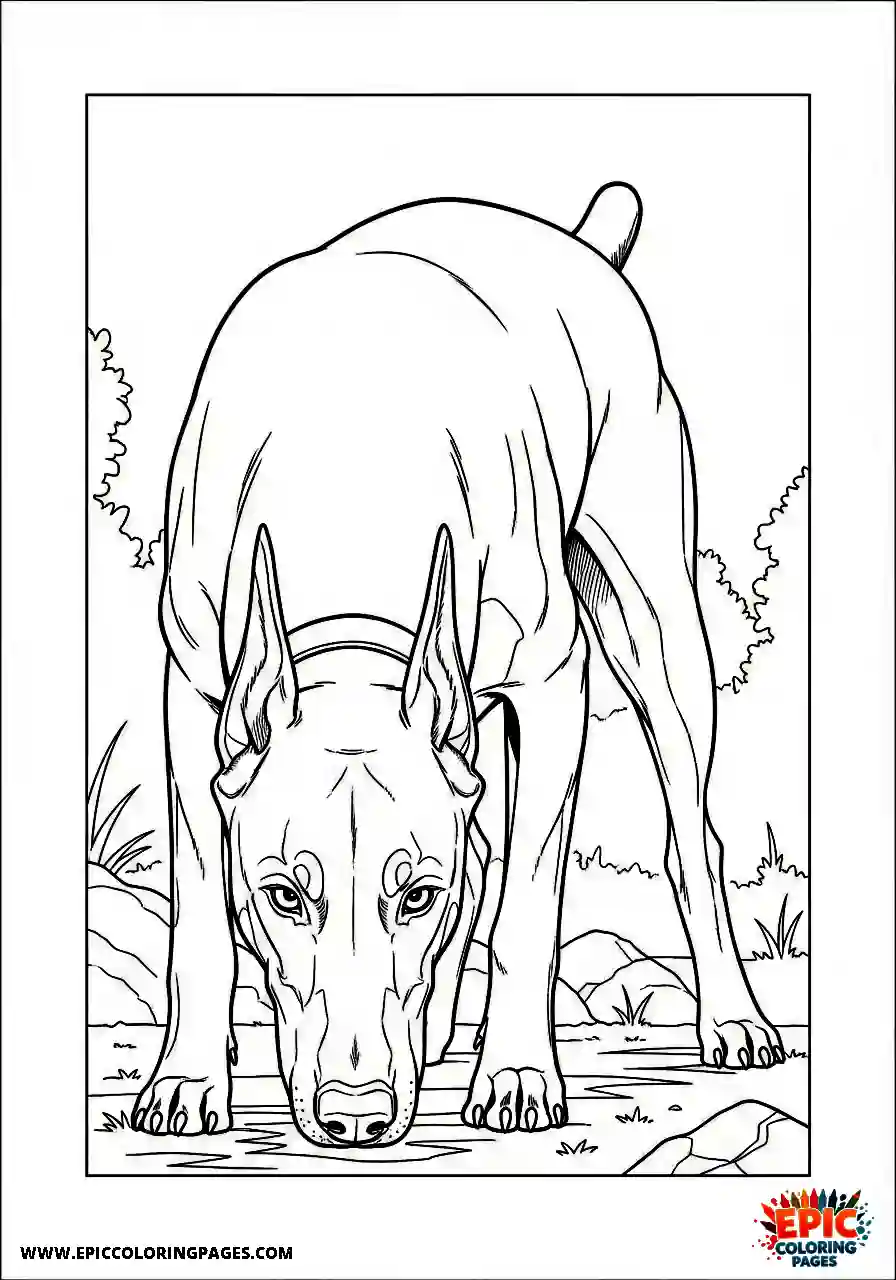
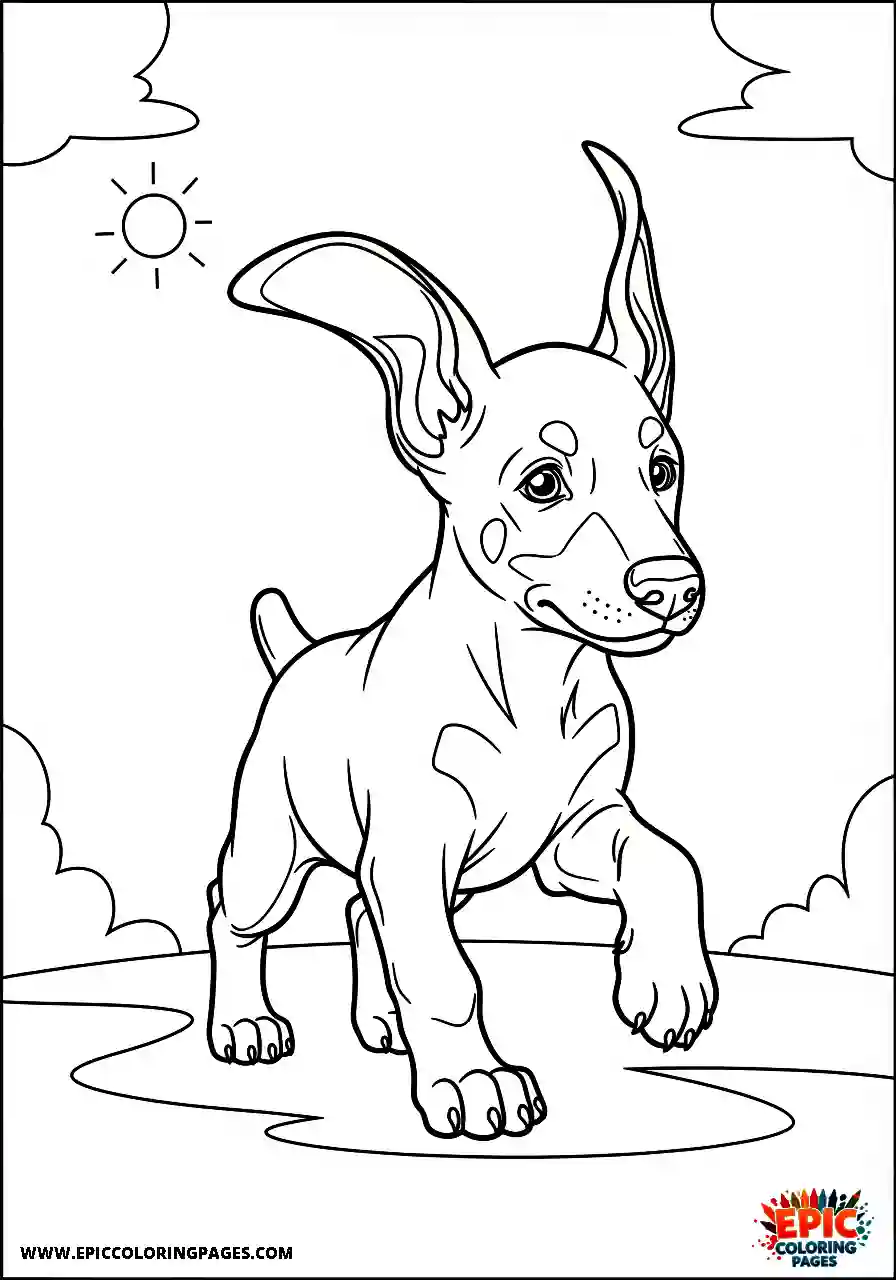
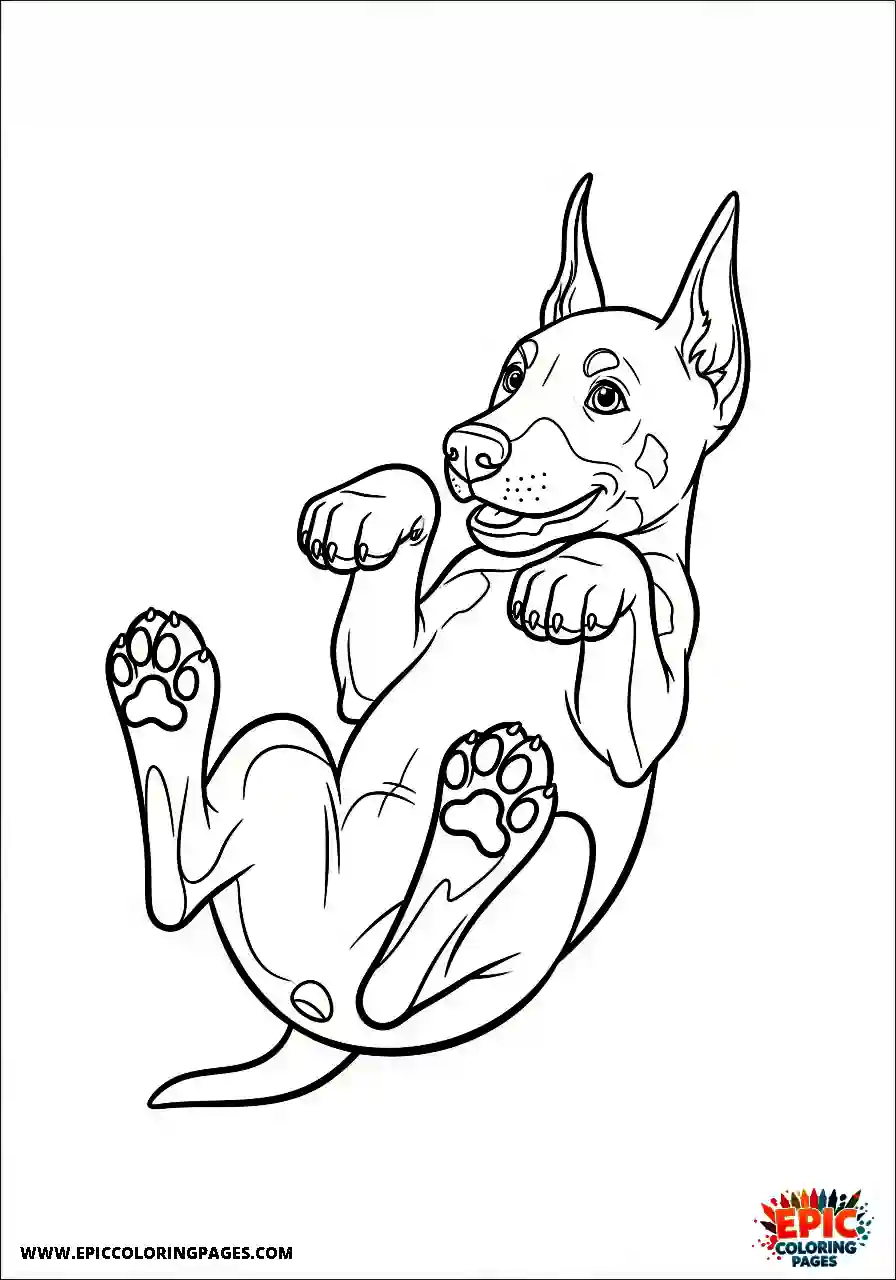
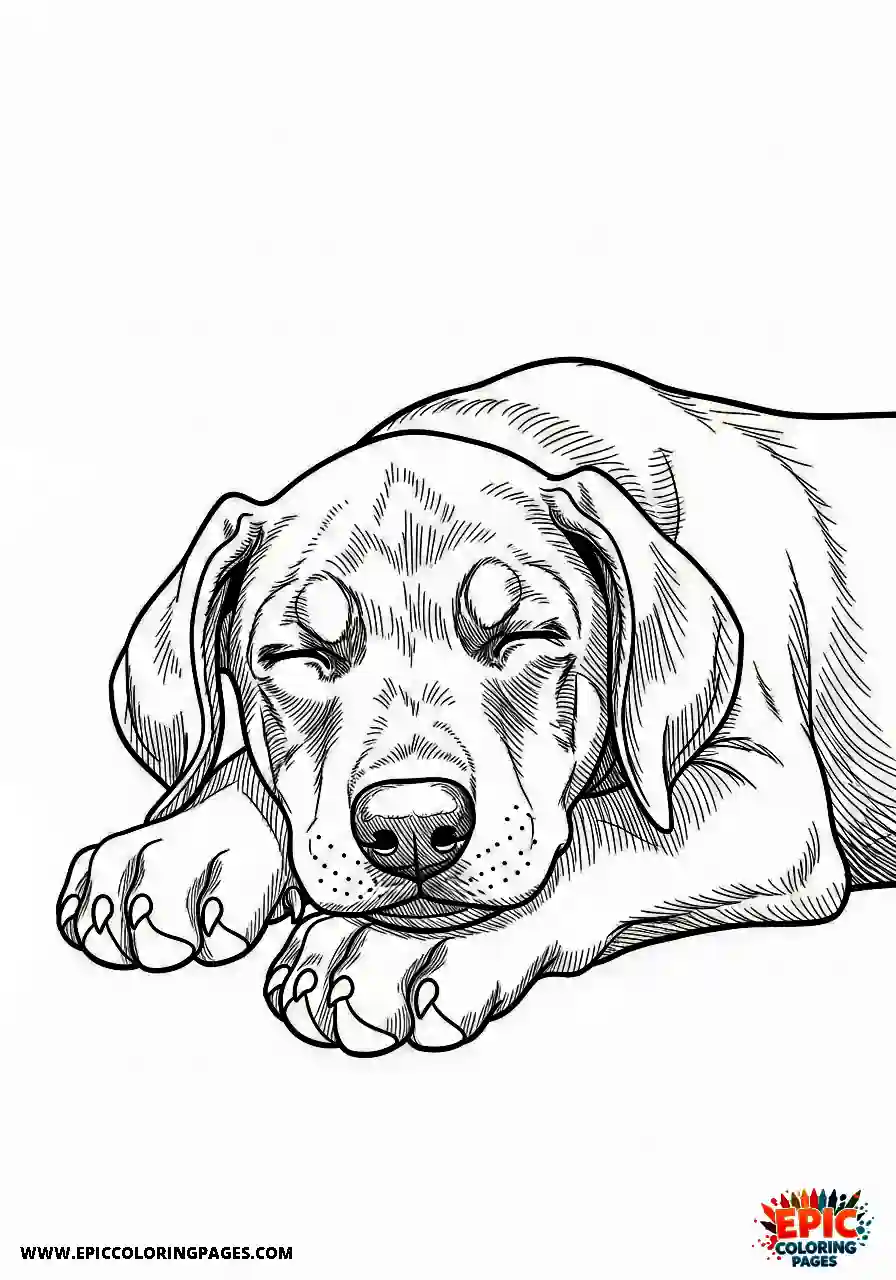
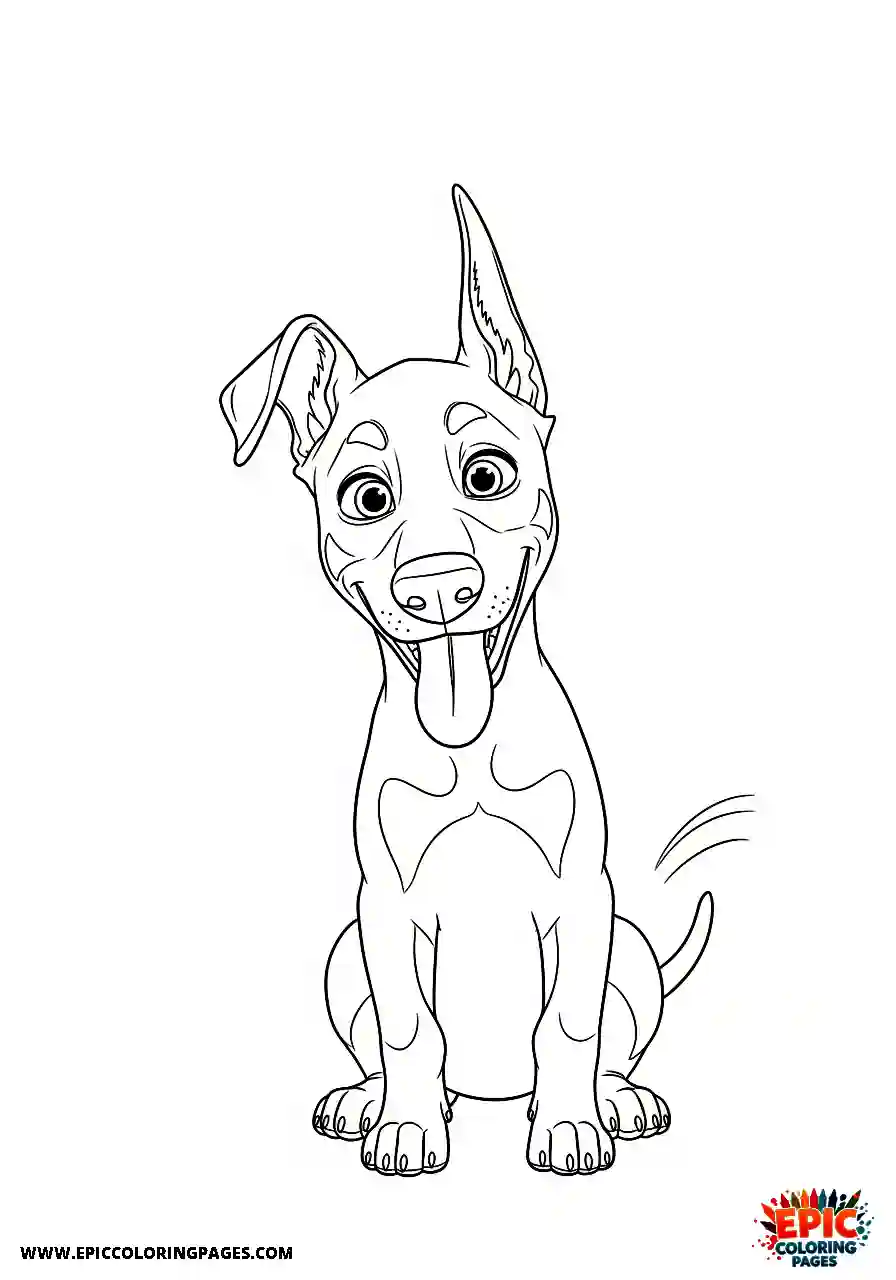
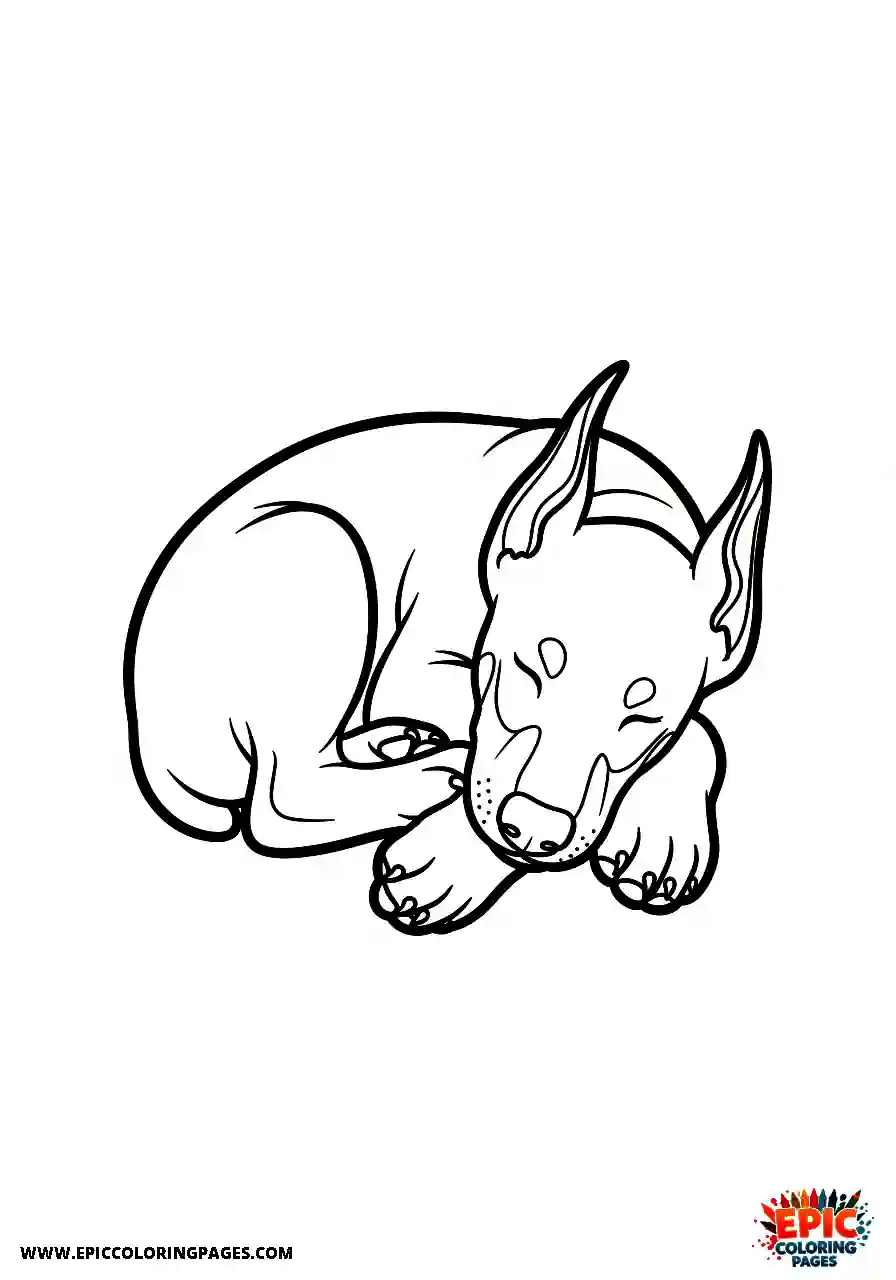
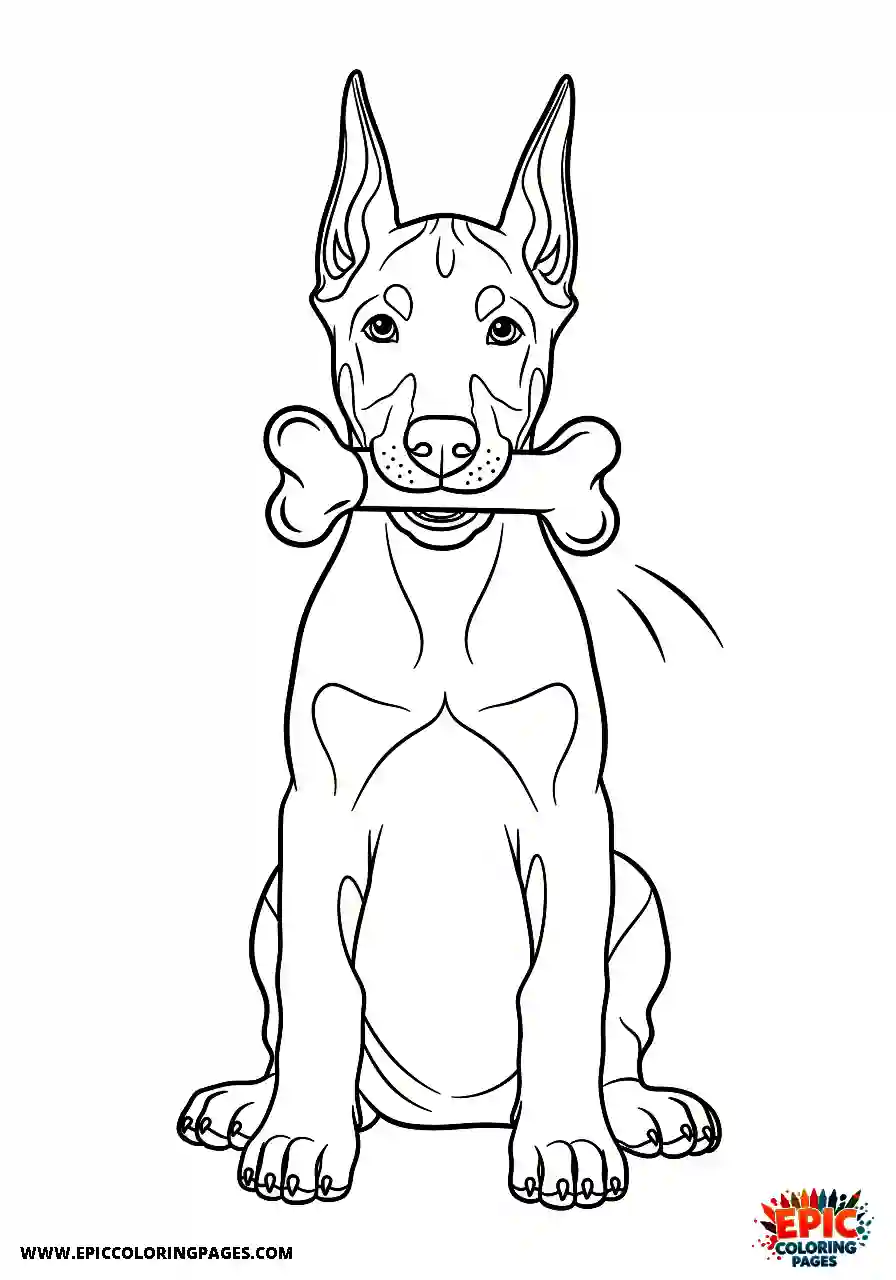
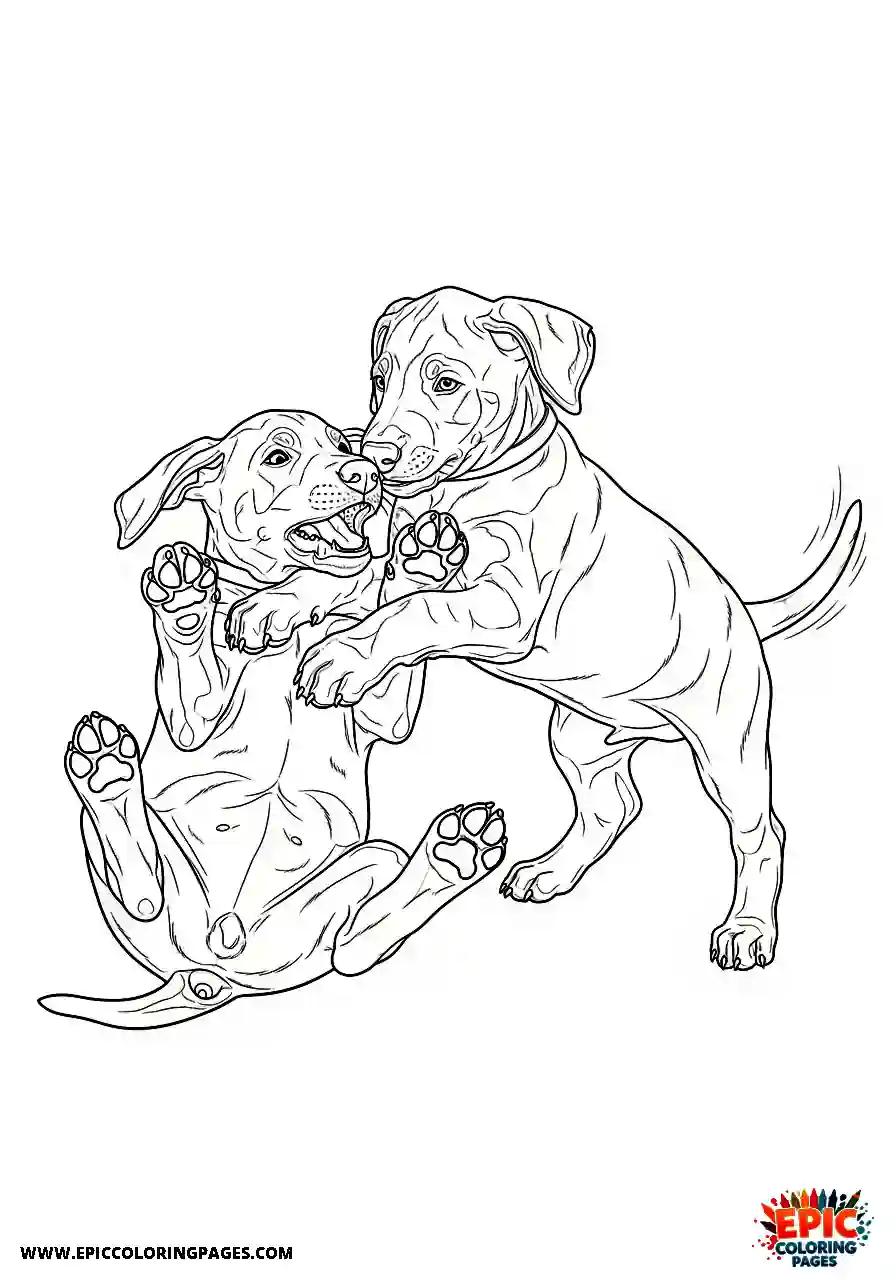
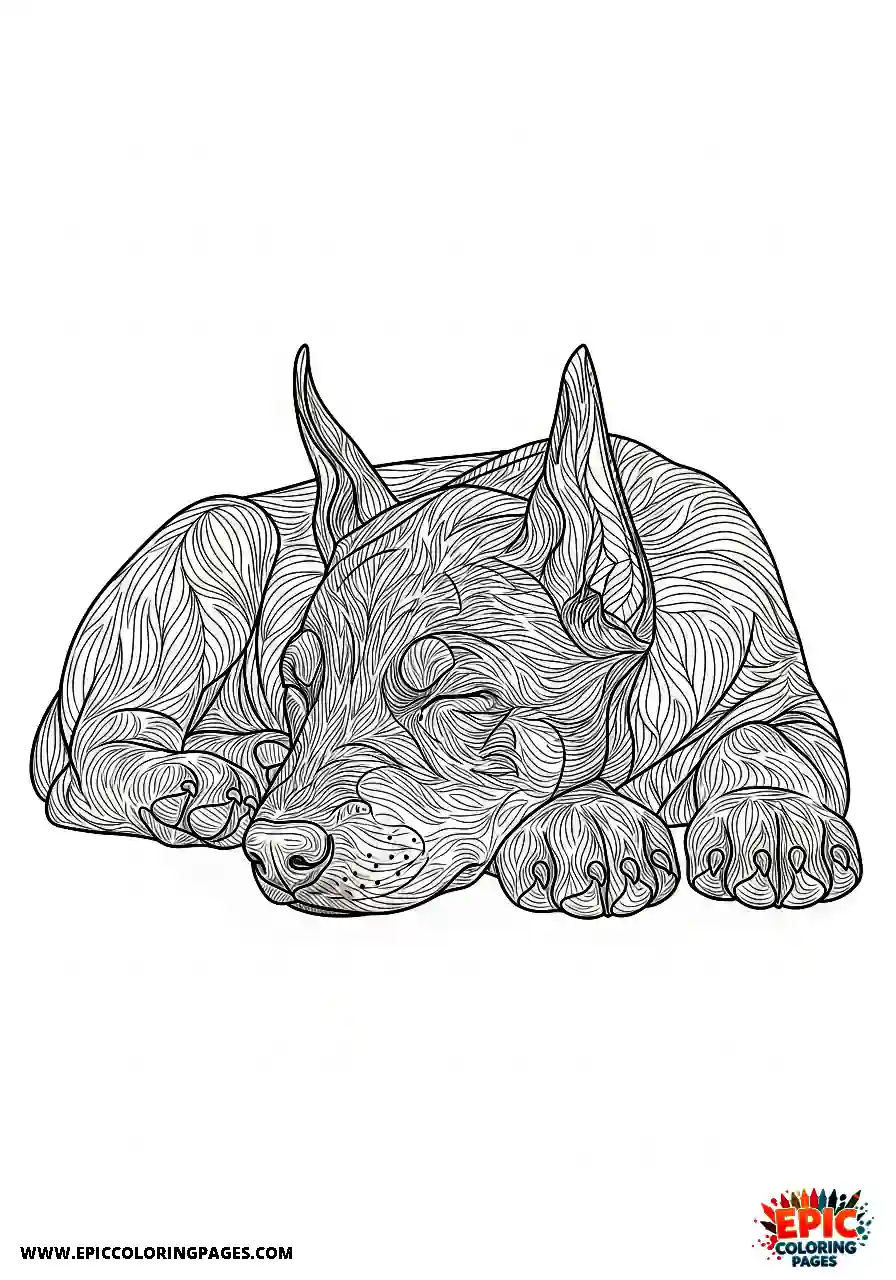
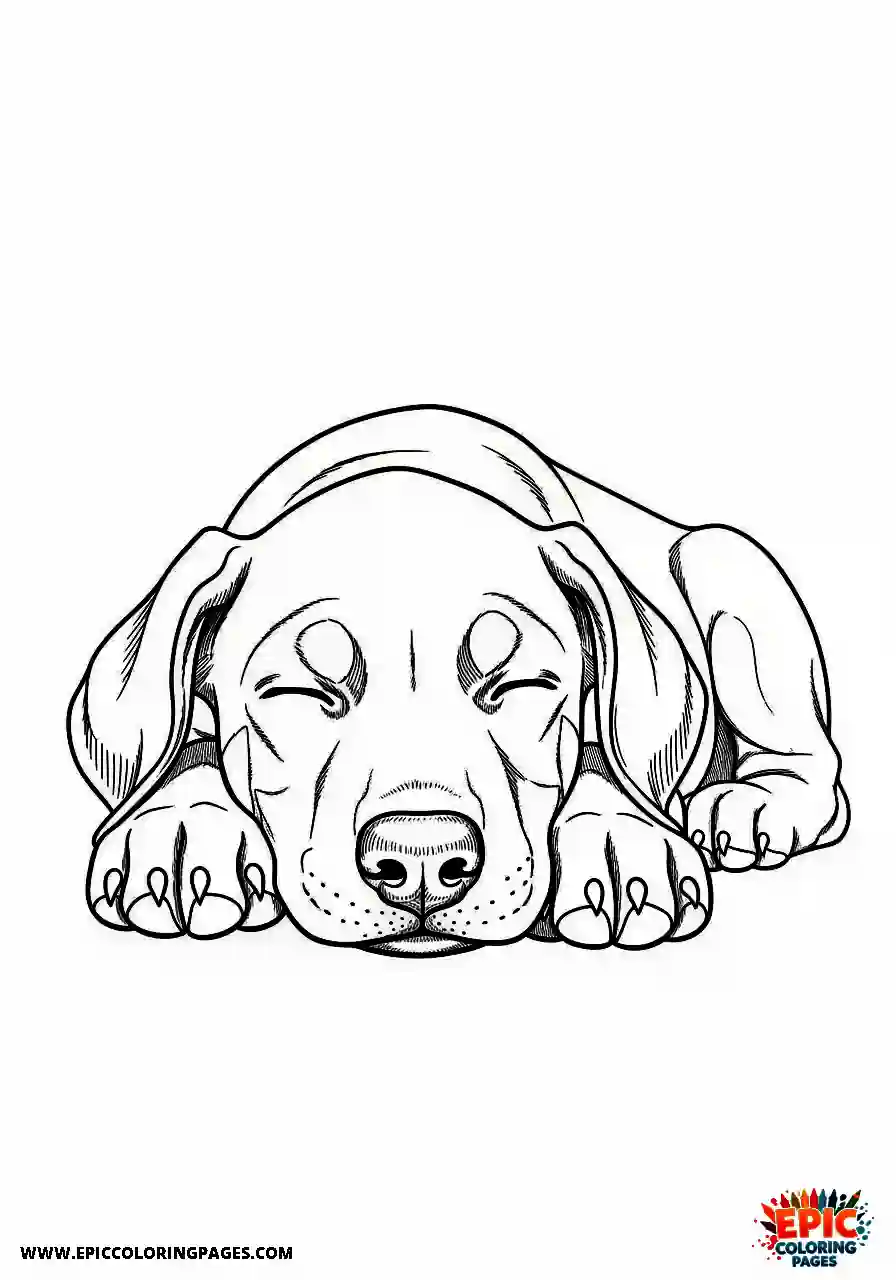
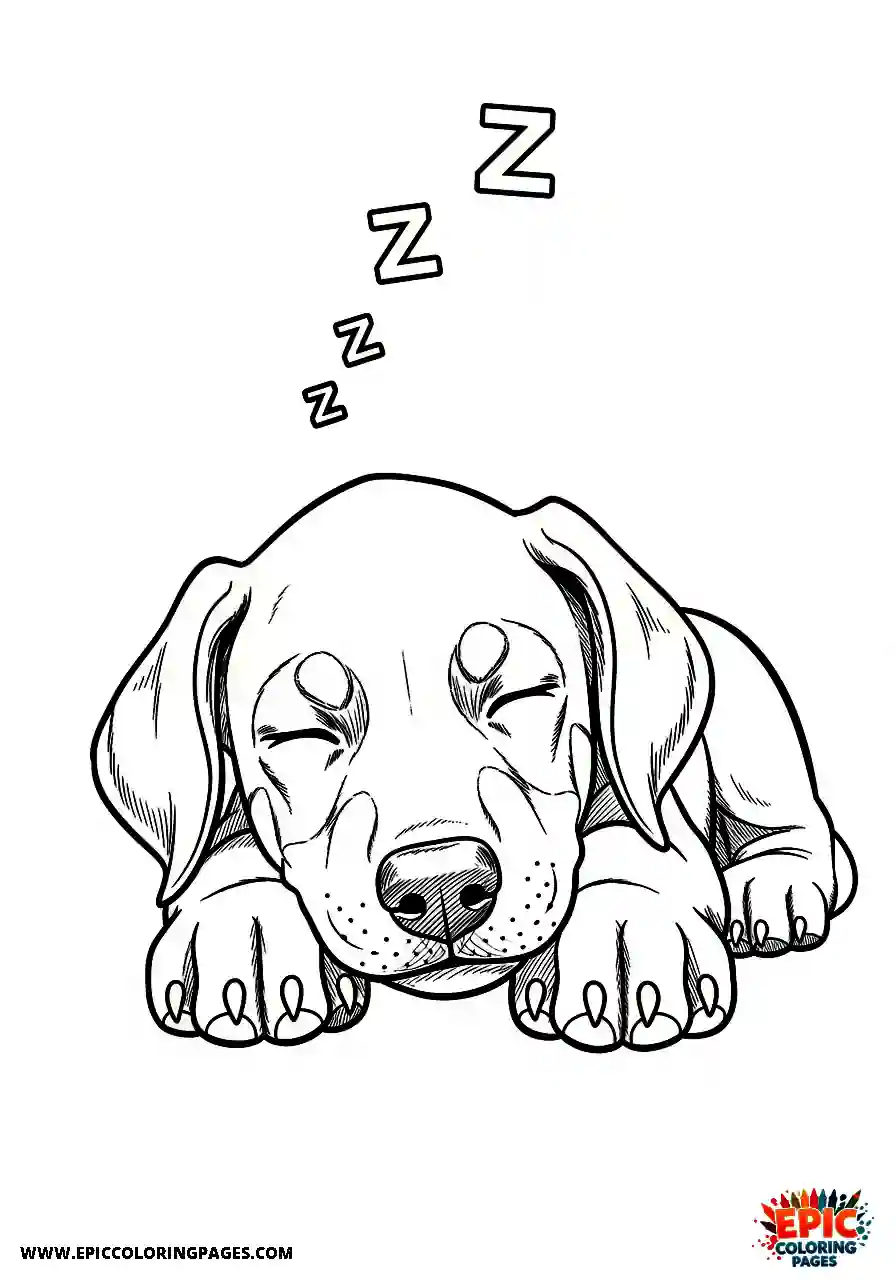
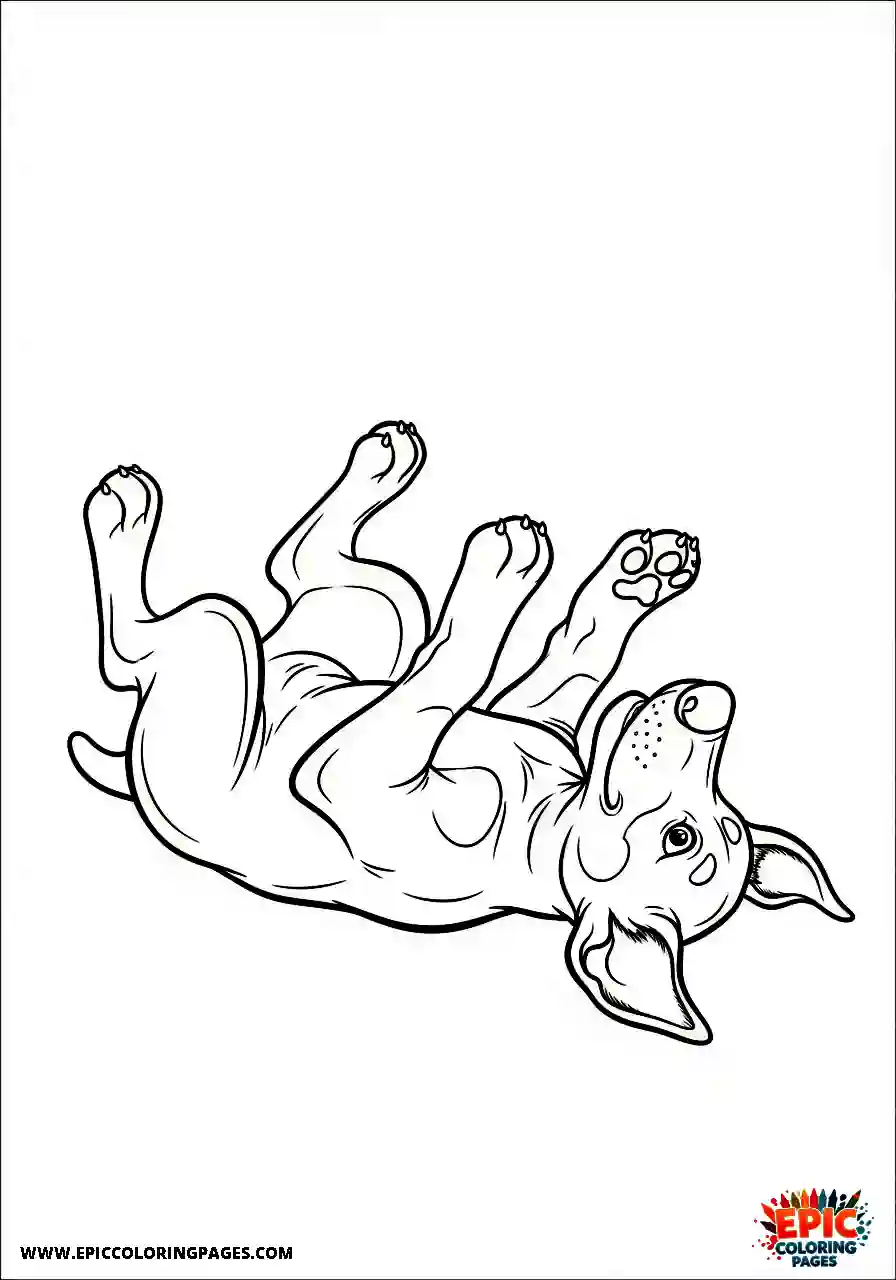
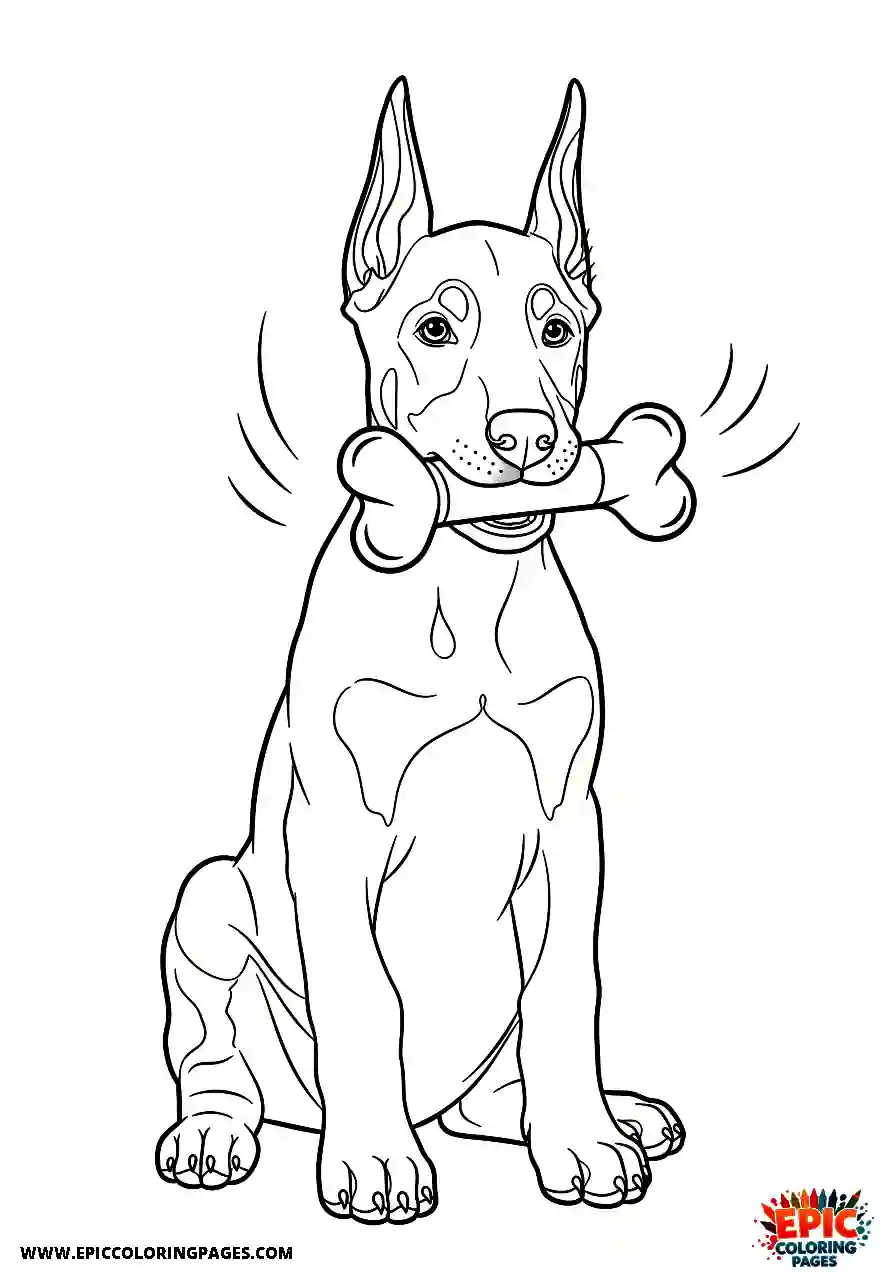
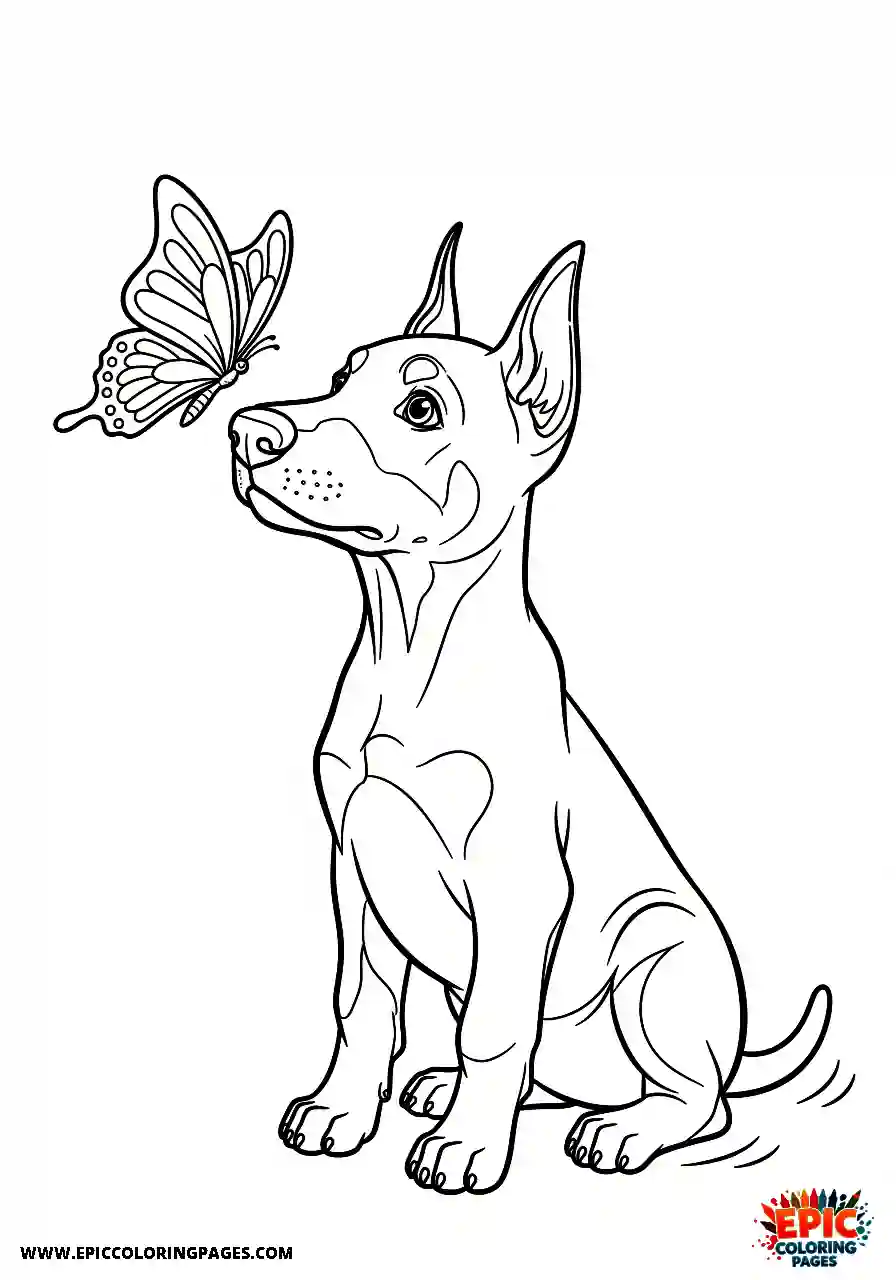
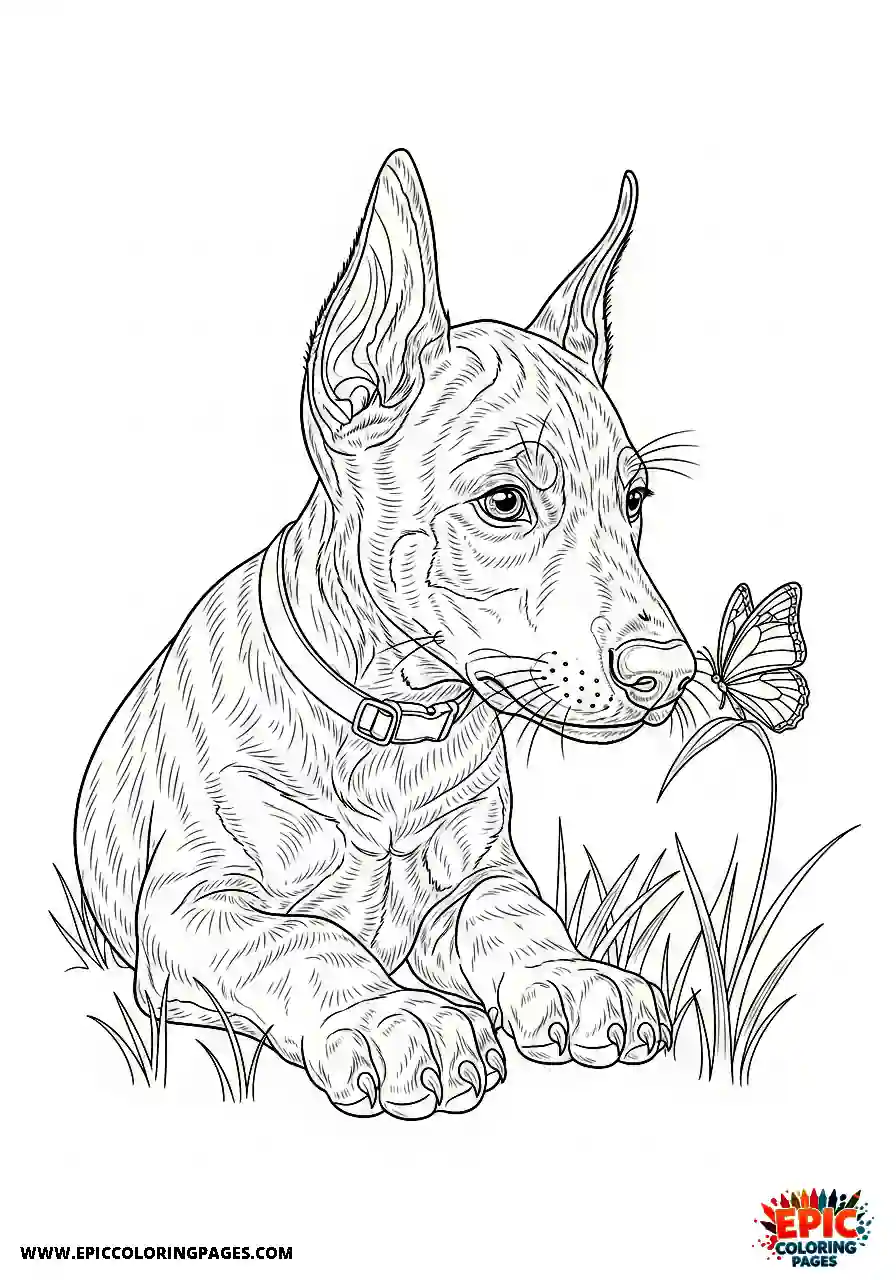
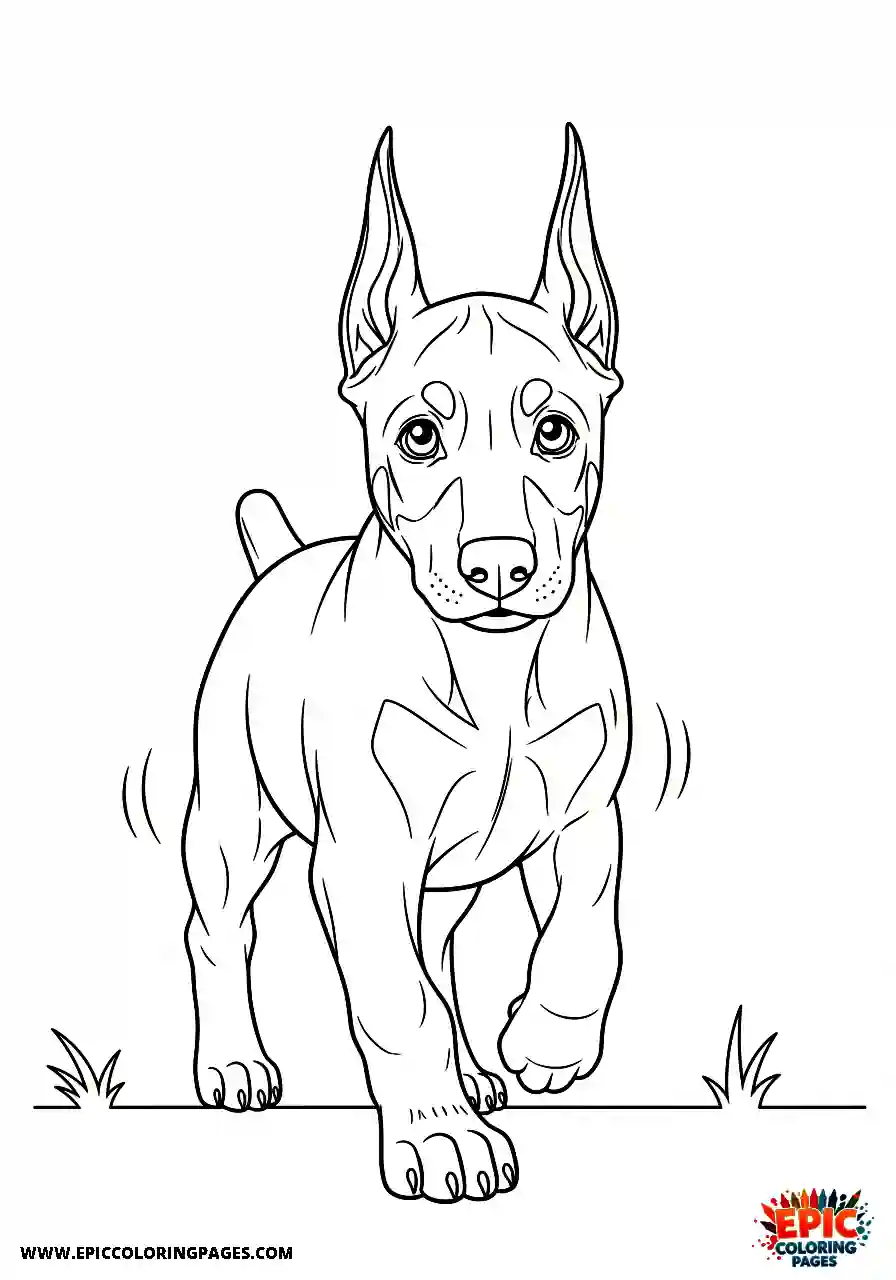
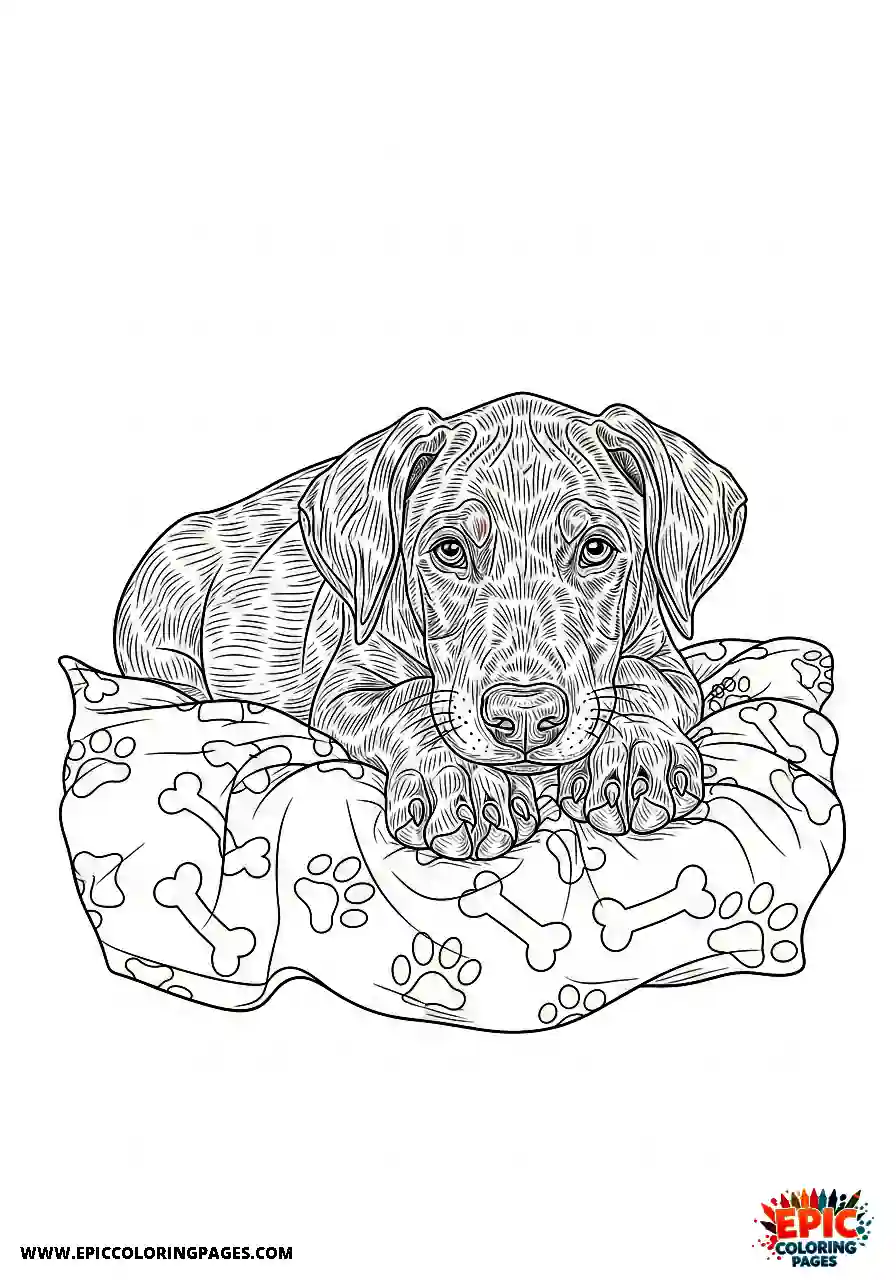
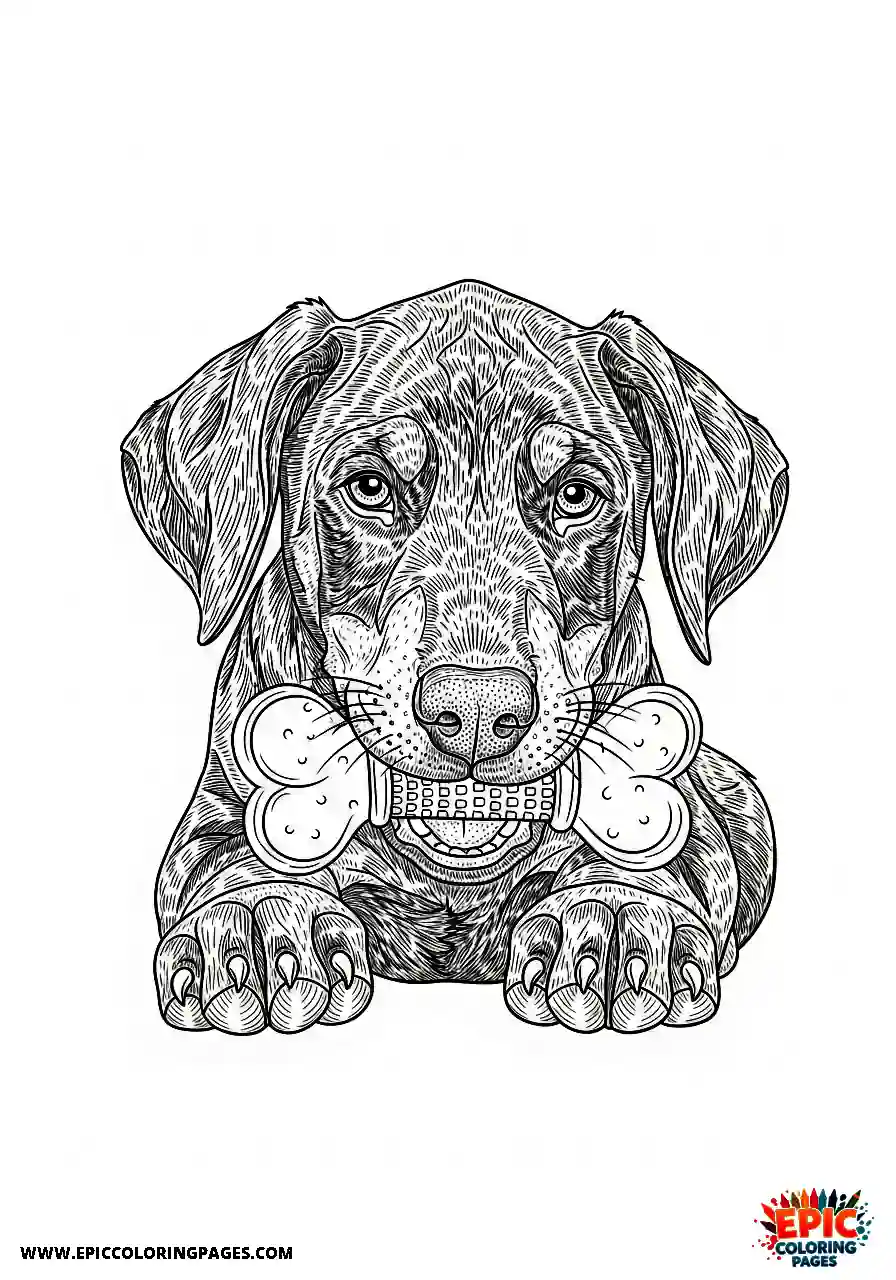
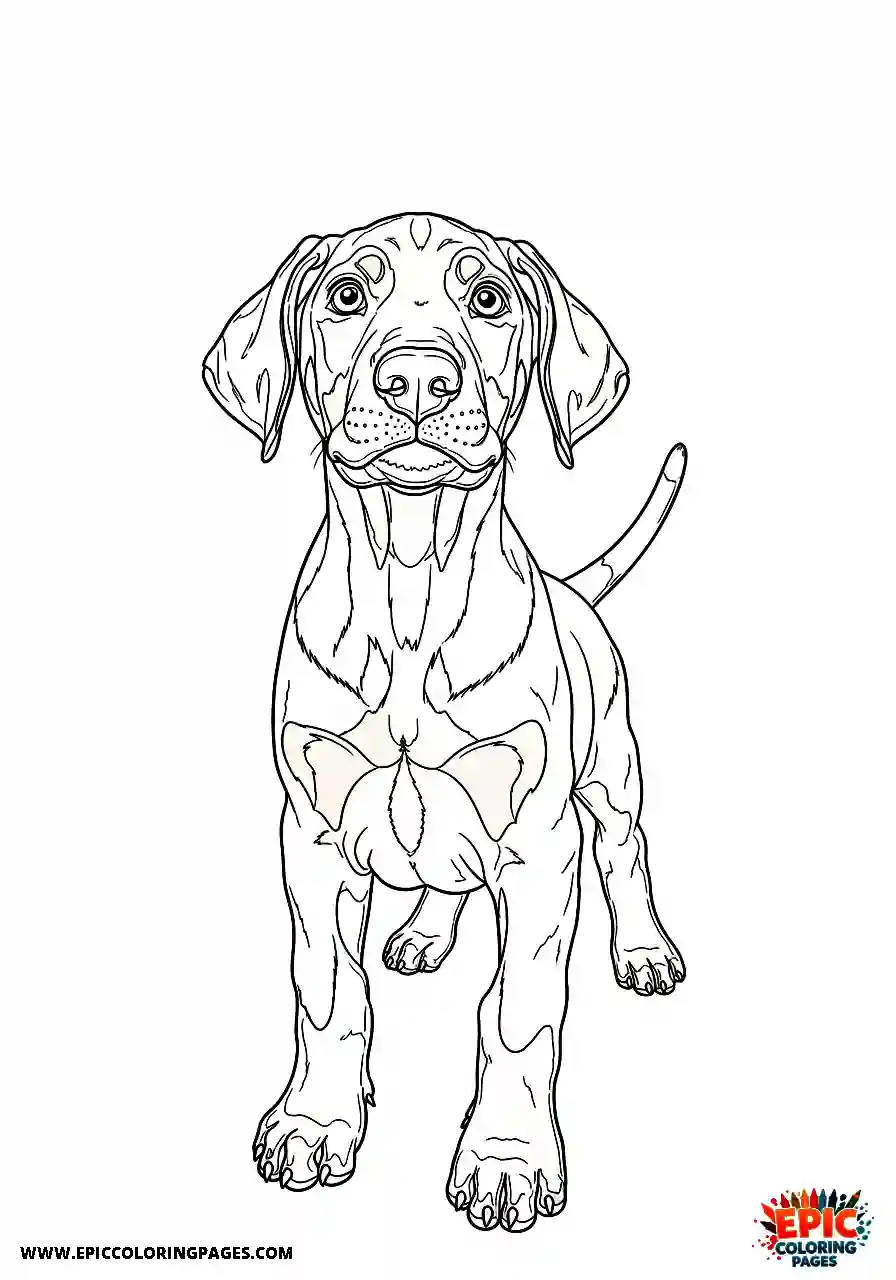
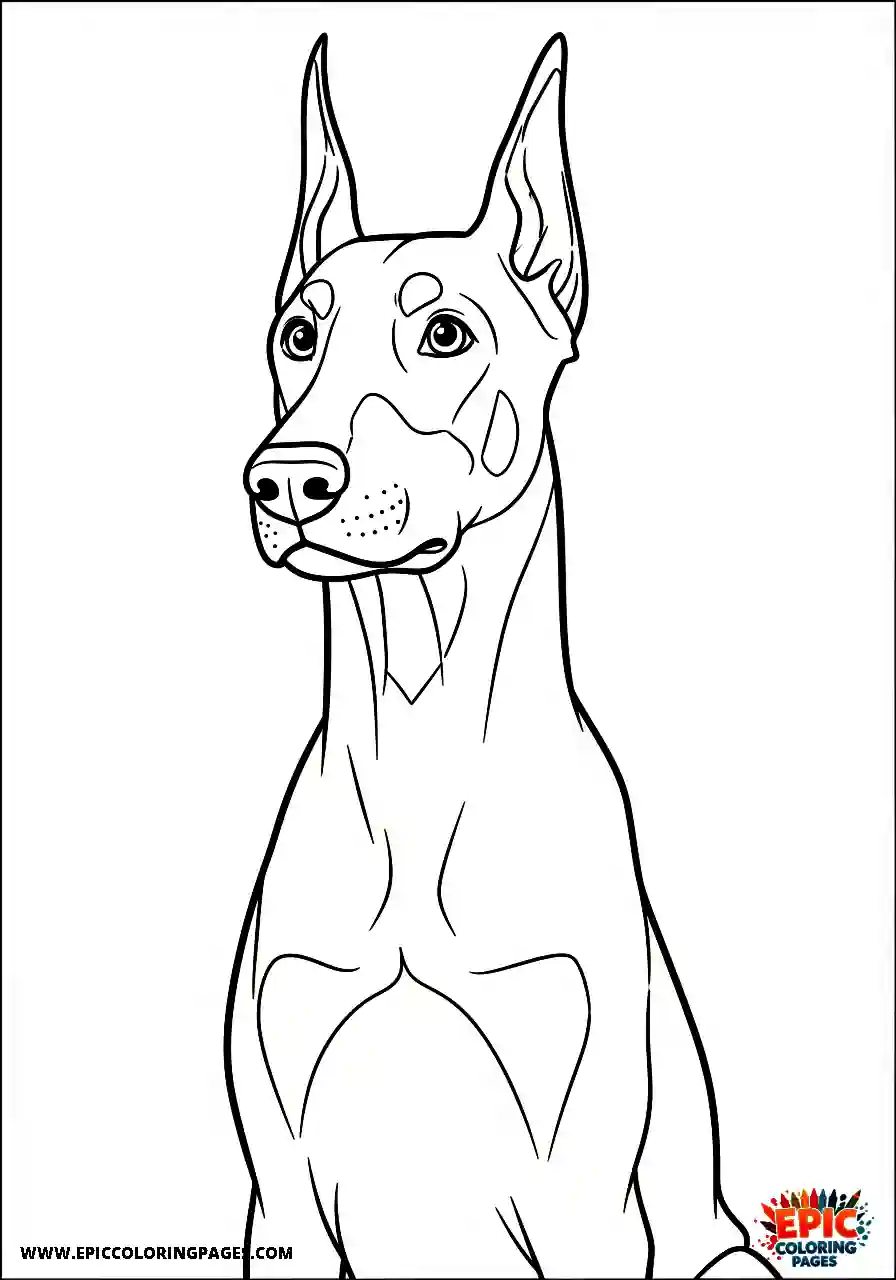
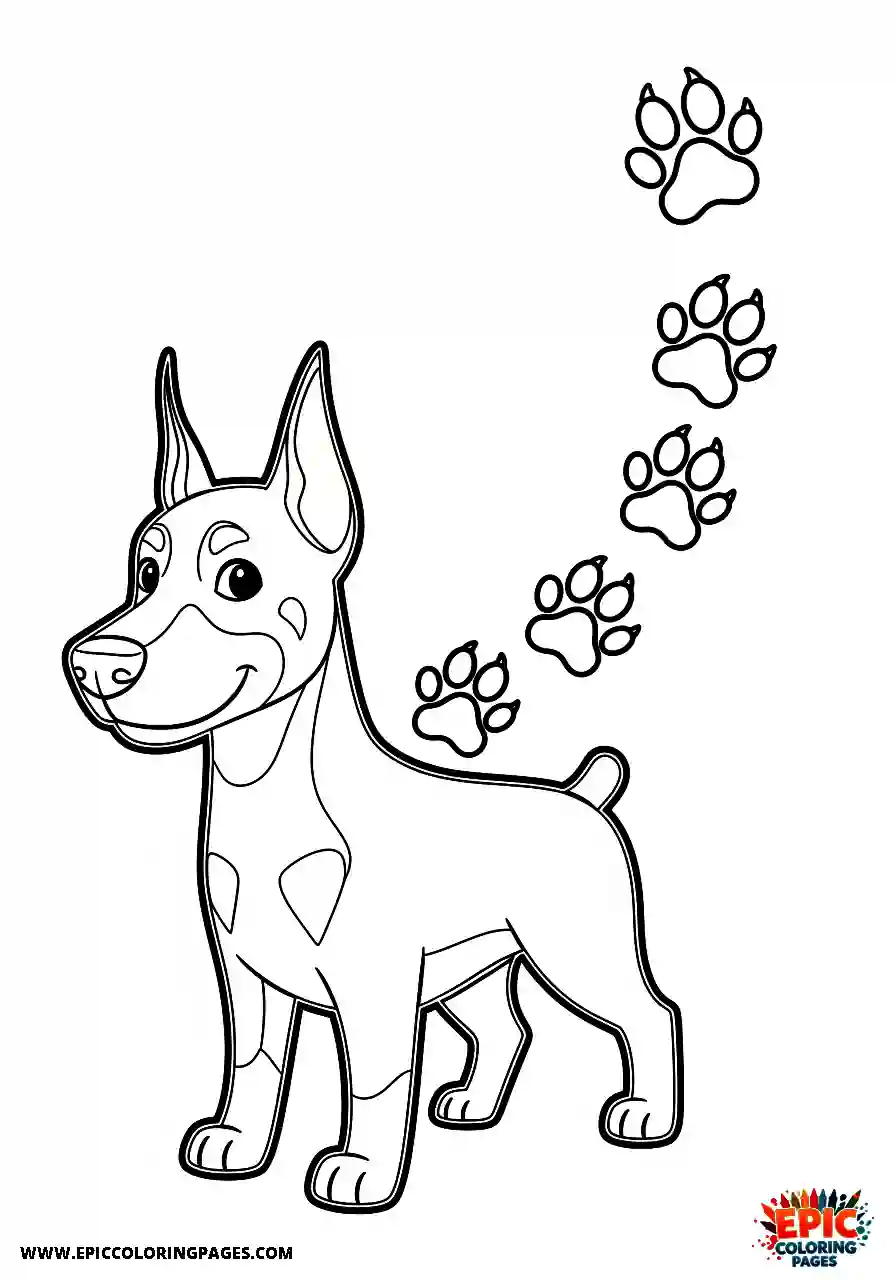
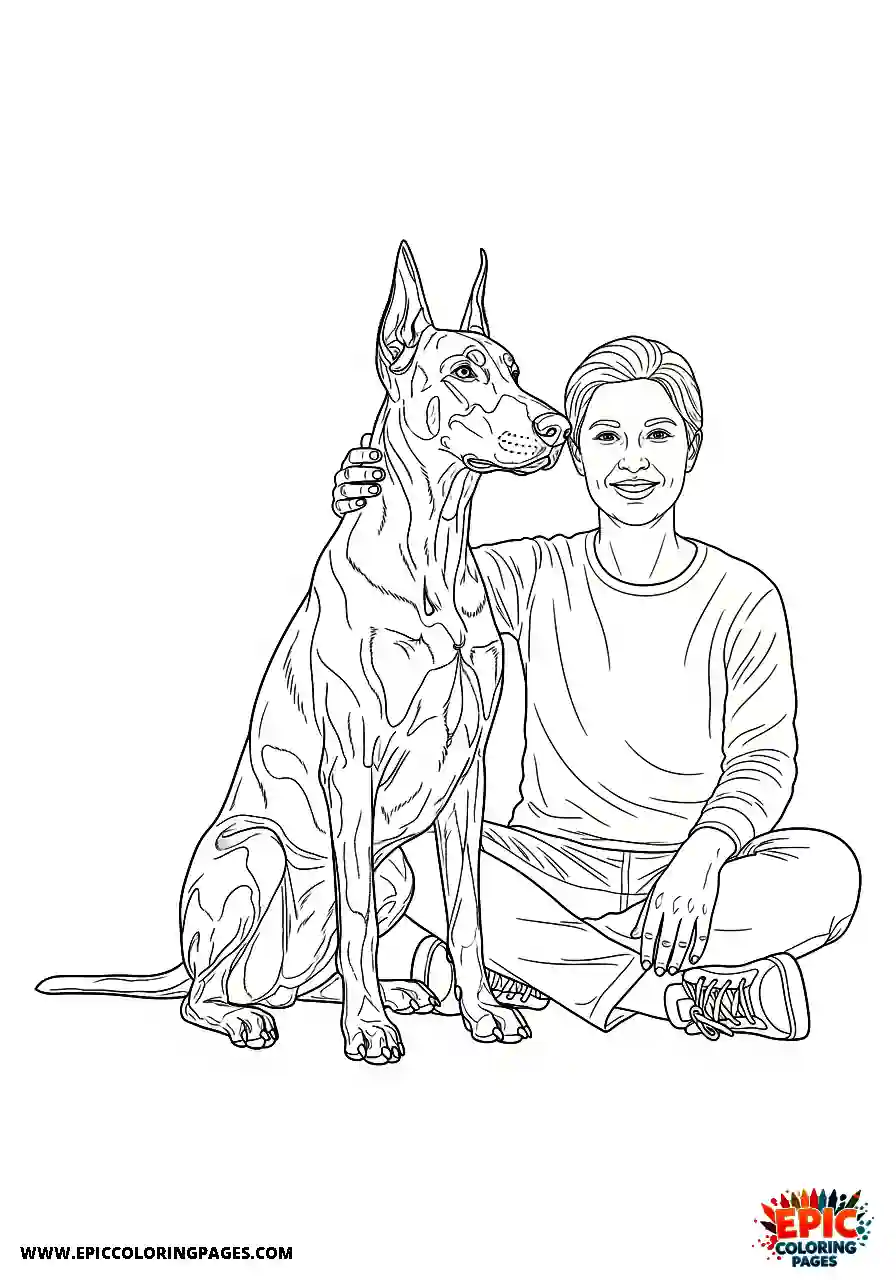
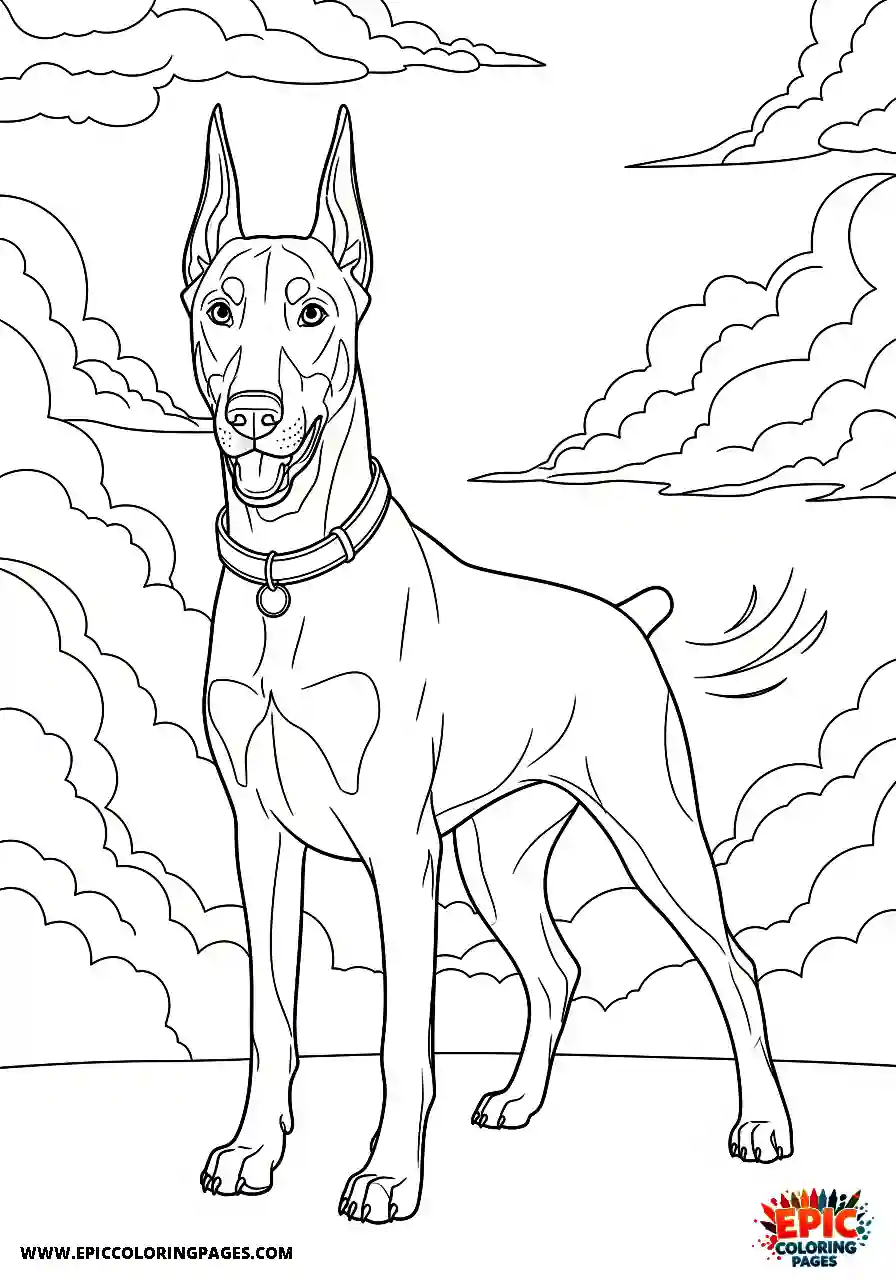
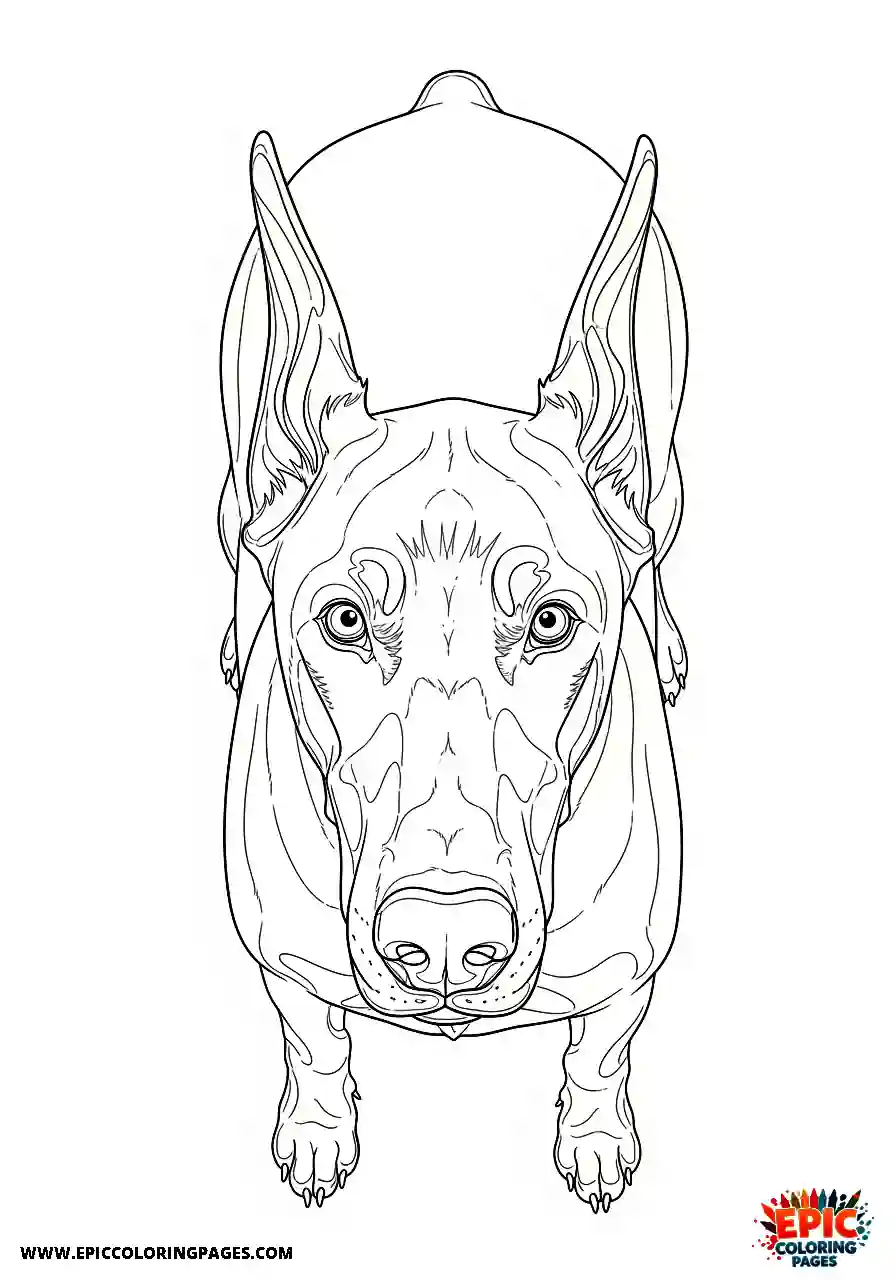
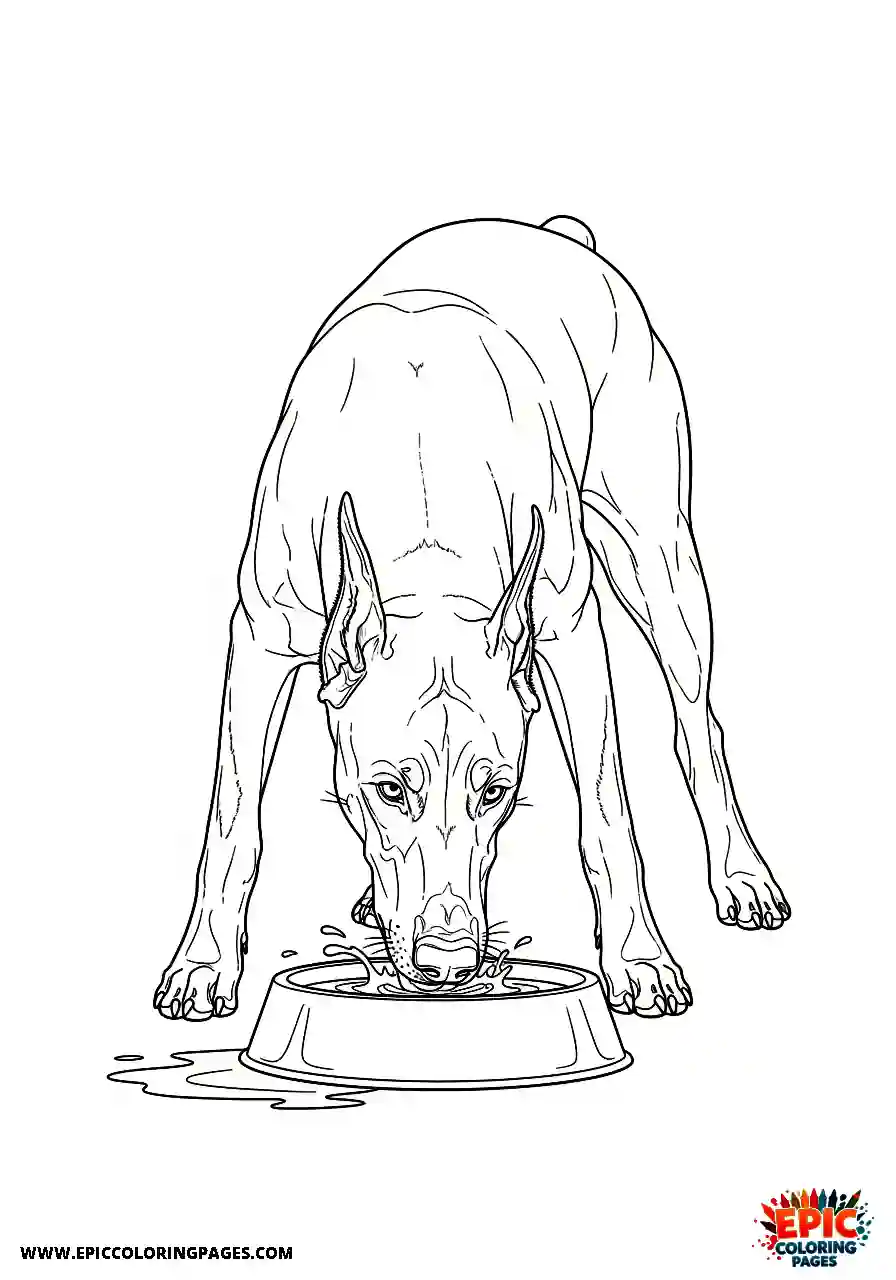
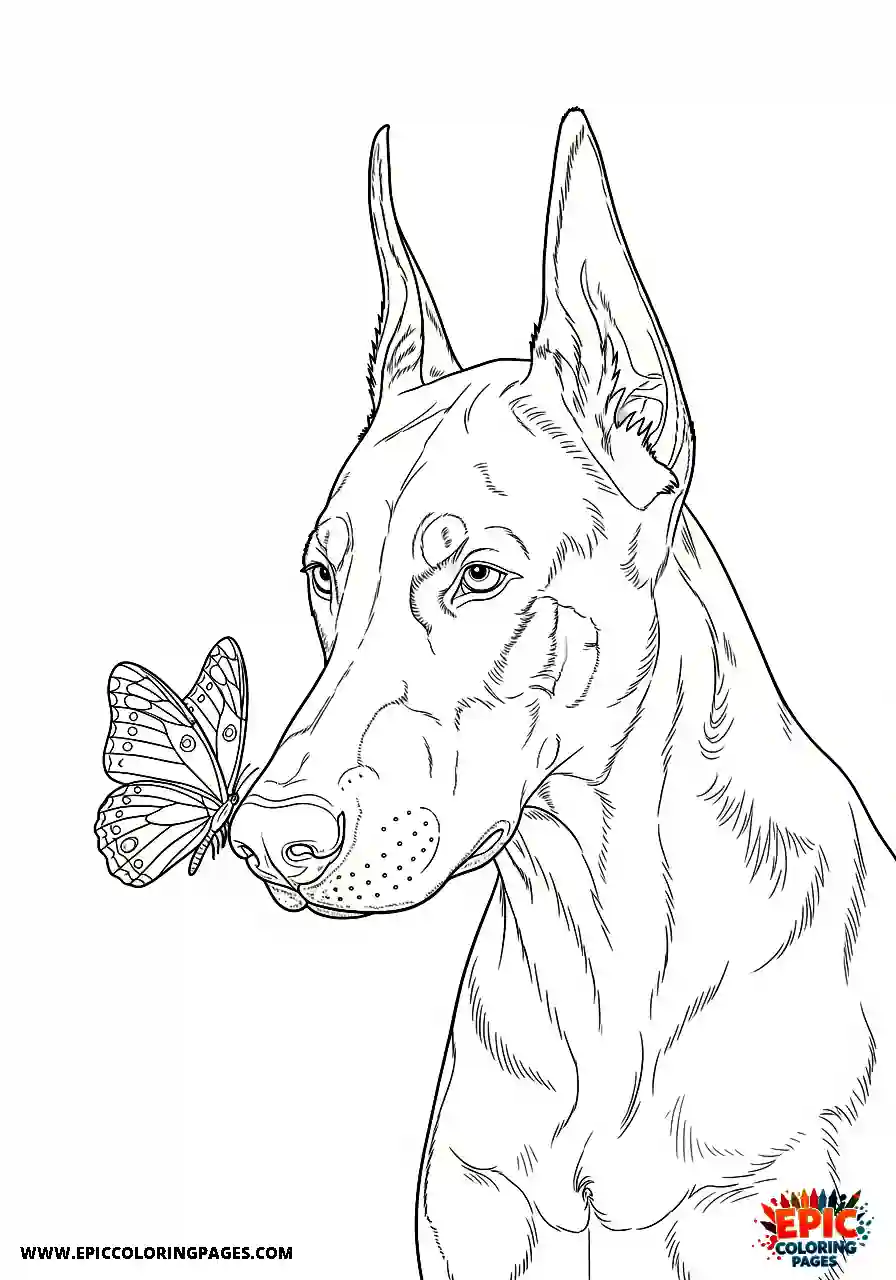
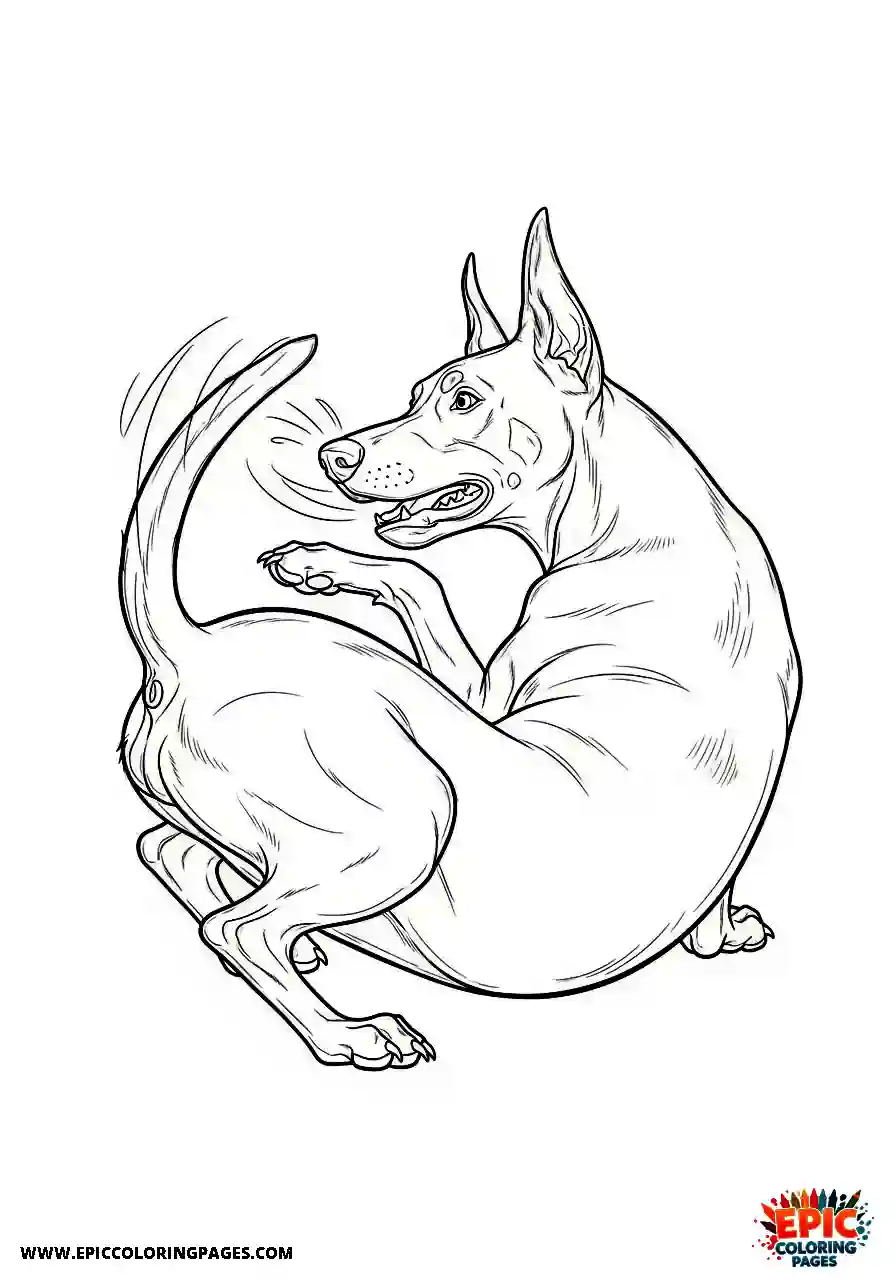
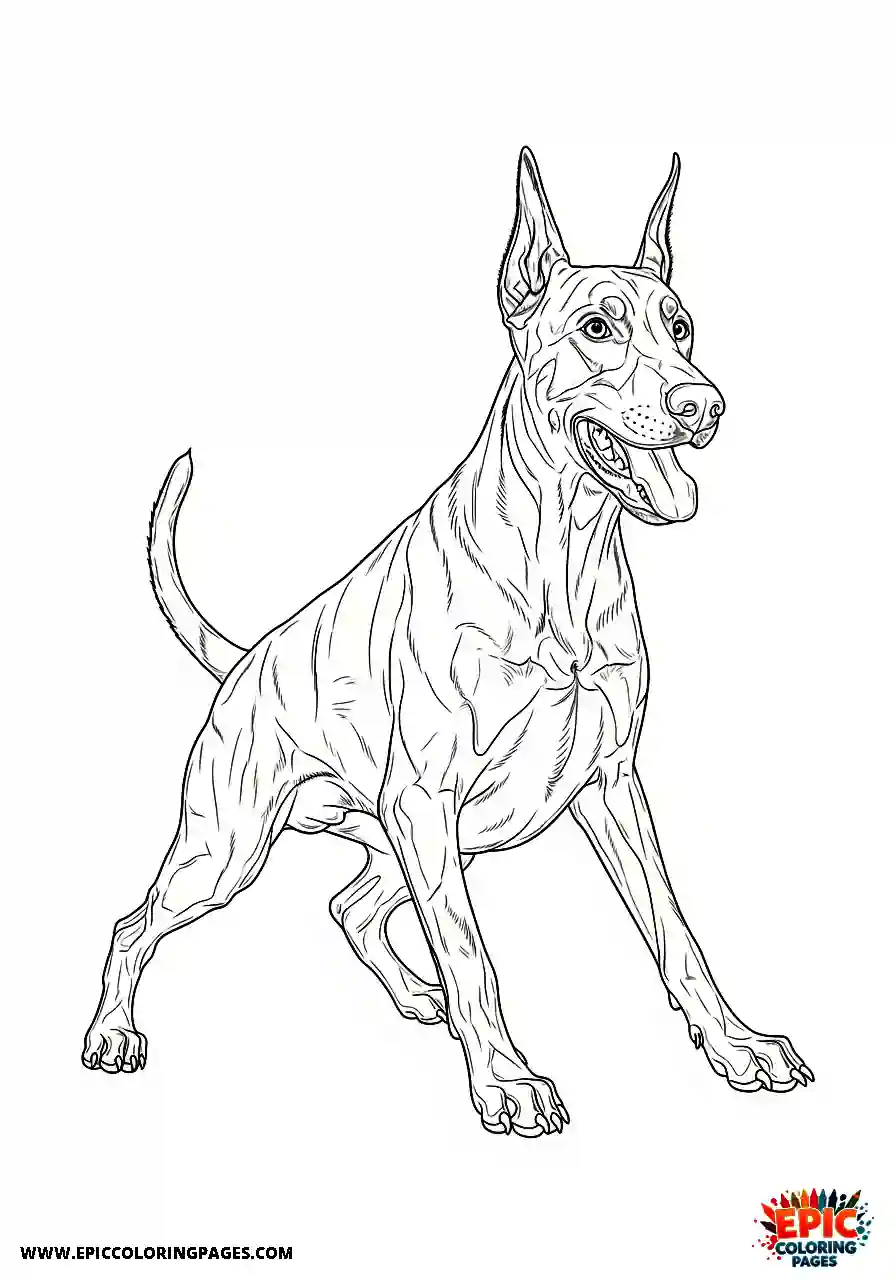
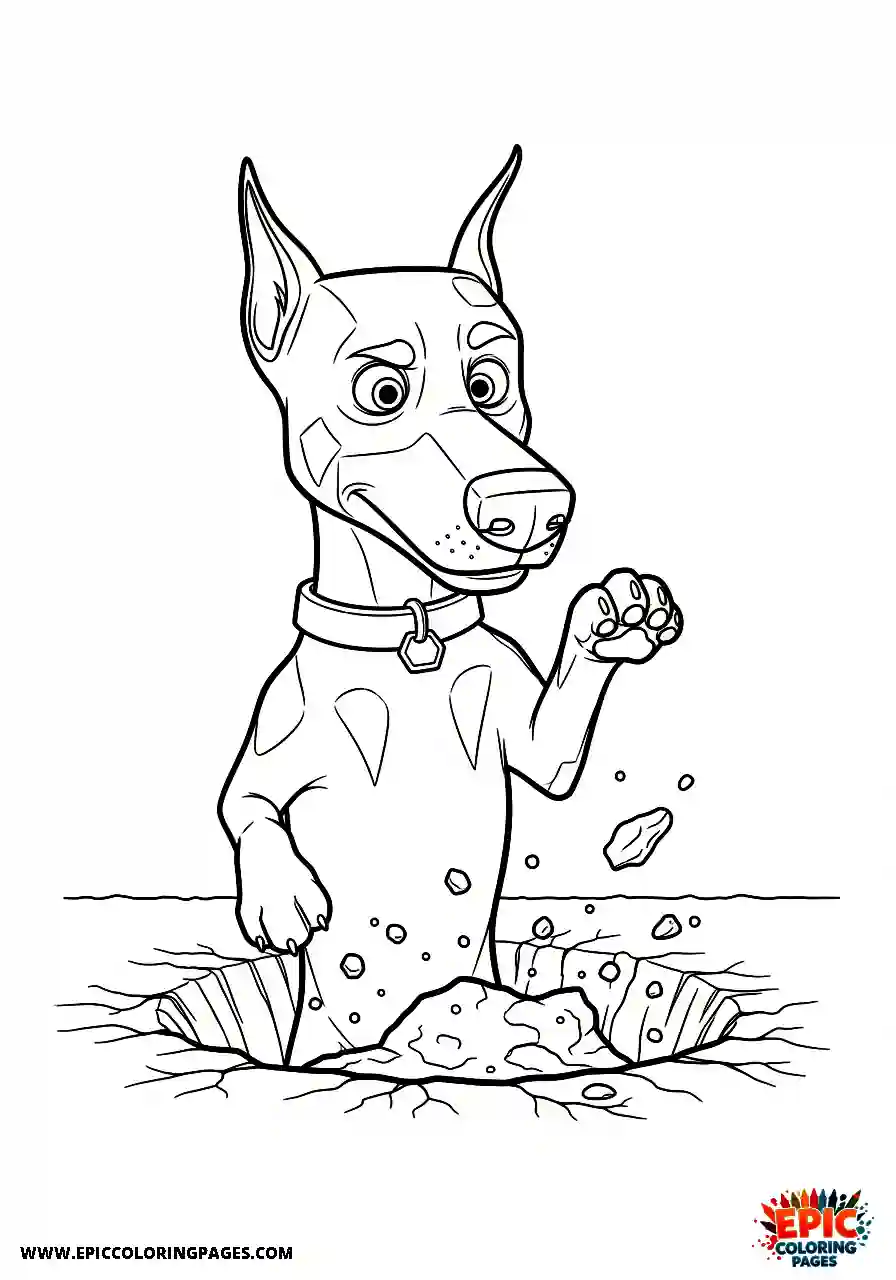
This gallery spans multiple artistic interpretations: Animation styles emphasize exaggerated athleticism with dynamic action poses, Cartoon renditions soften the breed’s angular features while maintaining recognizable silhouettes, Chibi transformations compress proportions into adorable head-to-body ratios while preserving the signature cropped ears and alert expression; Manga and Anime approaches add expressive eyes and dramatic shading typical of Japanese illustration, Kawaii versions introduce playful accessories and gentle features; Realistic drawings demand anatomical precision, capturing the breed’s noble bearing, intelligent gaze, and powerful musculature that defines this German guardian breed across working, show, and companion contexts.
More Dogs Free Printables
Explore additional canine breeds with specialized anatomical features, coat patterns, and historical backgrounds. Our comprehensive collection provides artistic references across toy, working, herding, sporting, and hound groups, each presenting distinct technical challenges for colorists developing breed-specific rendering skills.
Explore our complete collection of free printable dog coloring pages collection.
Professional tips for coloring Doberman Pinschers
Dobermans are visually striking dogs. With their athletic build and incredibly sleek coats, bringing them to life on the page is a fun challenge whether you’re just picking up your first set of markers or you’re a seasoned colored pencil artist.
To help you get the most out of your Doberman Pinscher coloring pages, here are some pro-level techniques to make your artwork pop off the paper.
Nailing the Classic Markings
The most recognizable feature of a Doberman is that sharp, beautiful contrast between their main coat and their “rust” markings.
Map out the spots: Before you lay down heavy color, lightly outline the rust areas. You’ll find these above each eye, on the muzzle, throat, chest, all four legs, and just below the tail.
Layer the rust: Don’t just reach for a standard flat orange. Build a rich tan by starting with a light cream base, layering a warm copper, and finishing with a touch of burnt sienna for depth.
Explore coat variations: While black and rust is iconic, Dobermans also come in Red (a rich chocolate brown), Blue (a silvery-charcoal), and Fawn (a light silvery-beige). Pick your palette before you start!
Capturing the Sleek, Glossy Coat
Dobermans don’t have fluffy fur, their coats are short, hard, and notoriously shiny. The secret to making your coloring page look realistic is mastering the highlights.
Save the white space: Decide where your light source is coming from. Leave small, hard-edged strips of the white paper completely blank along the curve of their back, shoulders, and the top of their head.
Use the burnishing technique: If you are using colored pencils, apply your darkest layers firmly at the end to press the pigment into the paper’s tooth. This creates a smooth, waxy finish that mimics a real dog’s glossy shine.
Avoid flat black: If you’re coloring a black Doberman, using only a black pencil will make the drawing look entirely flat. Incorporate deep blues, purples, or cool grays into the shadowed areas to give the coat dimension and life.
Defining Athletic Musculature
These dogs are pure muscle. To show off that powerful, working-dog build, you need to rely on high-contrast shading.
Follow the contour lines: Pay attention to the line art of the coloring page. Stroke your pencil or marker in the direction the muscle flows, particularly on the deep chest and thick thighs.
Deepen the shadows: Push the darkness in the crevices where the legs meet the body and under the jaw. The sharper the contrast between your dark shadows and bright highlights, the more muscular the dog will appear.
Bringing the Eyes to Life
A Doberman’s expression is intelligent, alert, and soulful. The eyes are always the focal point of any good animal portrait.
The catchlight is crucial: Always leave a tiny, bright white dot in the upper corner of the pupil. This “catchlight” is the reflection of the sun or room light and instantly makes the eye look wet and alive.
Layer the iris: Doberman eyes range from medium to dark brown. Start with a golden yellow base, layer a medium brown over the top, and use black just under the top eyelid to show the shadow cast by the heavy brow.
Frequently asked questions and interesting facts about Doberman:
Doberman Pinschers generate specific inquiries regarding temperament, physical capabilities, maintenance requirements, and behavioral characteristics, reflecting both public fascination and common misconceptions about this versatile working breed.
How much do Doberman Pinscher puppies cost?
Reputable breeders typically charge between $1,500 and $2,500, though puppies from champion bloodlines can exceed $3,000.
Do Doberman Pinschers shed?
Yes, they are moderate shedders. Despite their short hair, they possess a single coat that sheds year-round.
How fast can a Doberman Pinscher run?
They are highly athletic and can reach top speeds of up to 32 mph (51 km/h) over short distances.
What is the maximum size a Doberman Pinscher can reach?
Large males can weigh up to 100 pounds (45 kg), though the breed standard generally dictates a slightly lighter build.
How tall is a Doberman Pinscher?
Males stand 26 to 28 inches at the shoulder, while females range from 24 to 26 inches.
Are Doberman Pinschers aggressive?
They are naturally protective and alert, but not inherently aggressive; proper socialization and training are essential for a well-adjusted dog.
Are Doberman Pinschers good family dogs?
Yes, they are known to be fiercely loyal, affectionate, and protective companions when raised properly within a family environment.
Are Doberman Pinschers dangerous?
Any large, powerful canine can be dangerous if poorly bred, untrained, or abused, but standard-bred Dobermans are stable and dependable.
Do Doberman Pinschers bark a lot?
They are moderate barkers, typically vocalizing only to alert their owners to strangers or perceived threats.
Can Doberman Pinschers swim?
While capable of swimming, their low body fat and deep, heavy chests make them less natural in the water compared to retrieving breeds.
Where do Doberman Pinschers come from?
The breed originated in late 19th-century Germany, developed by a tax collector named Karl Friedrich Louis Dobermann.