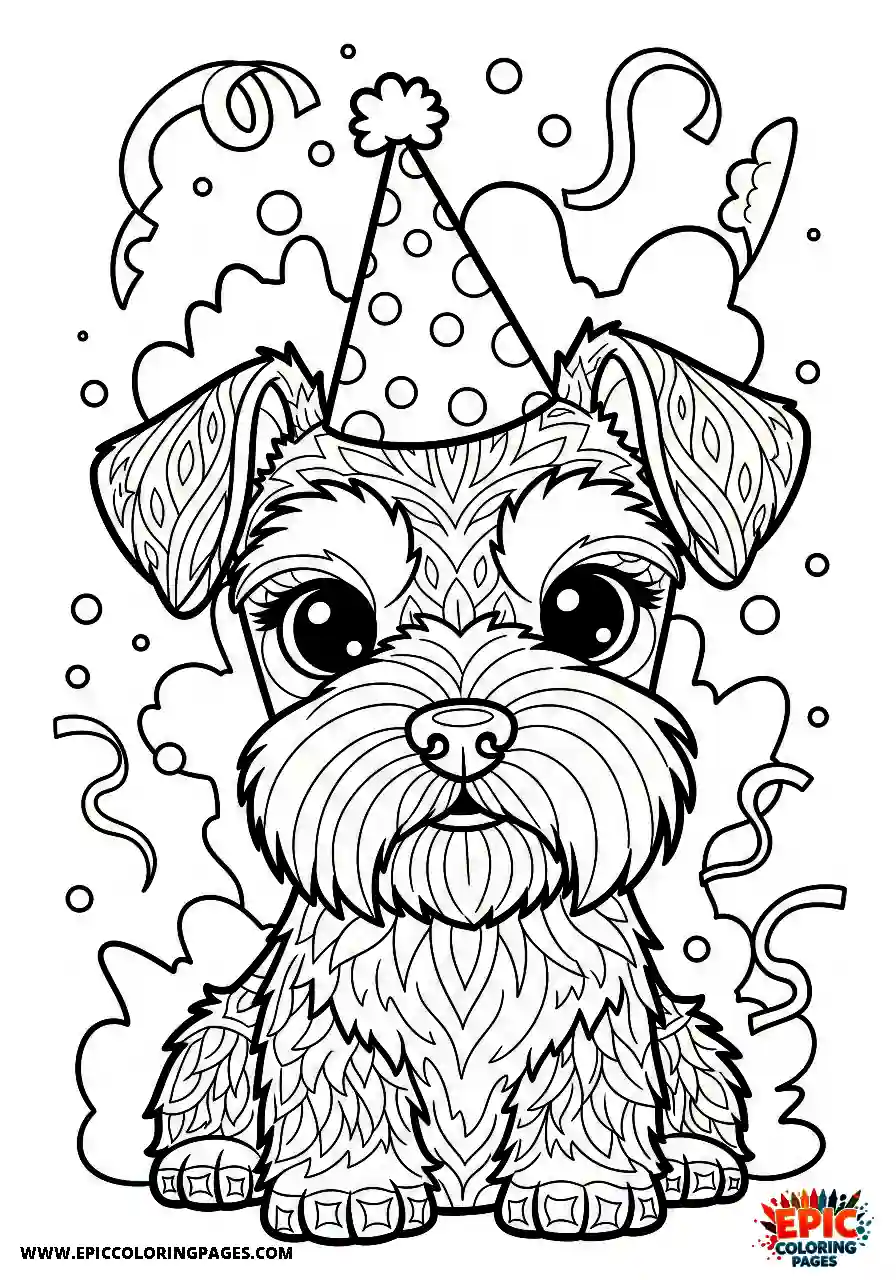
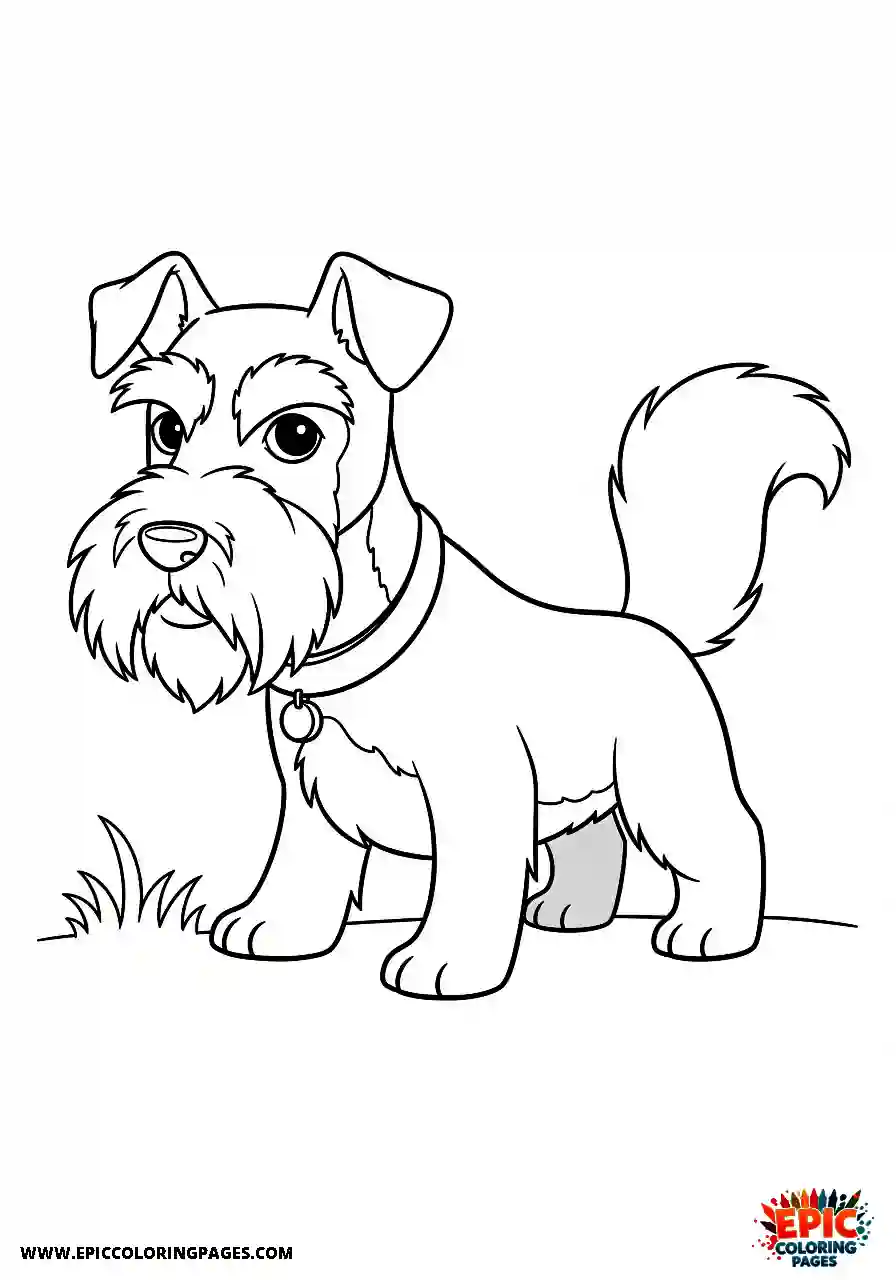
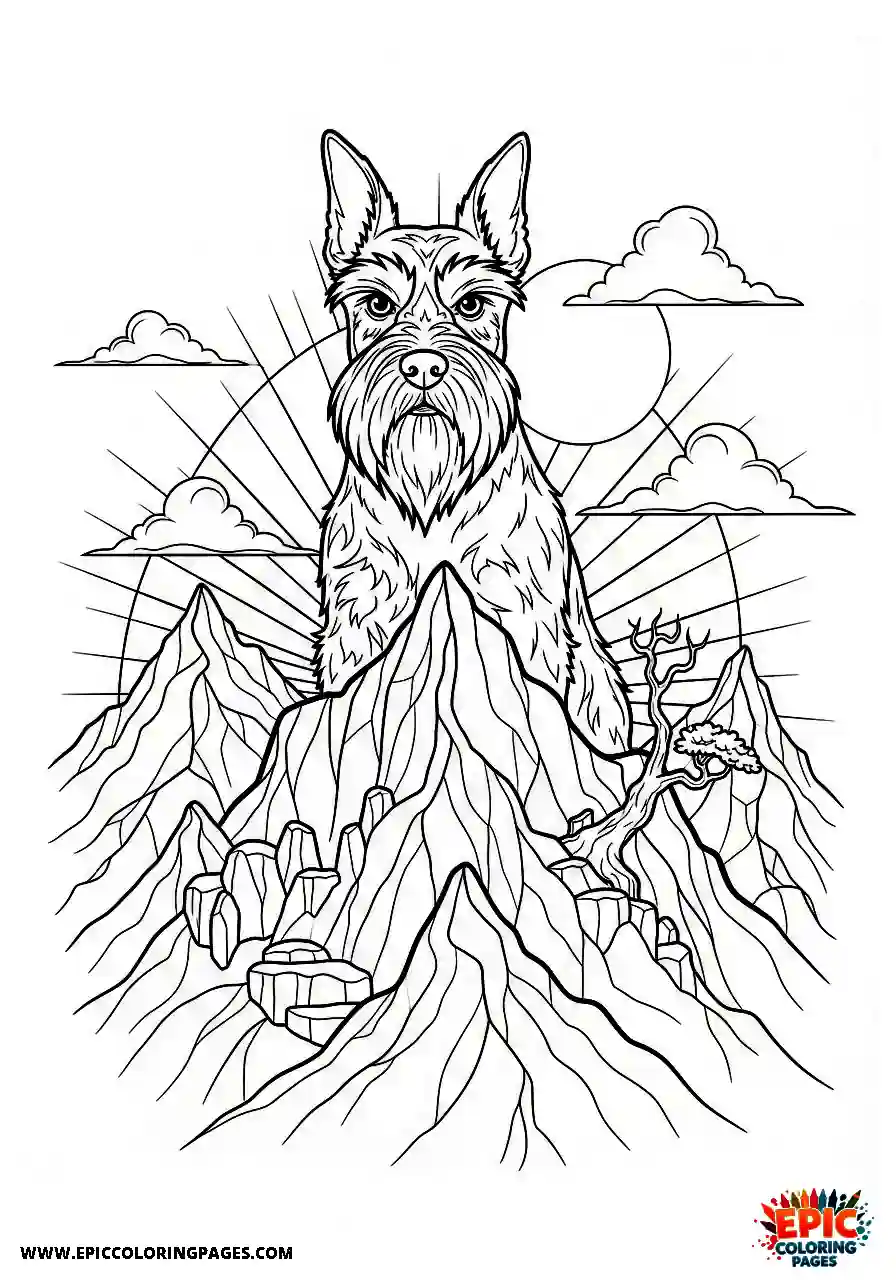
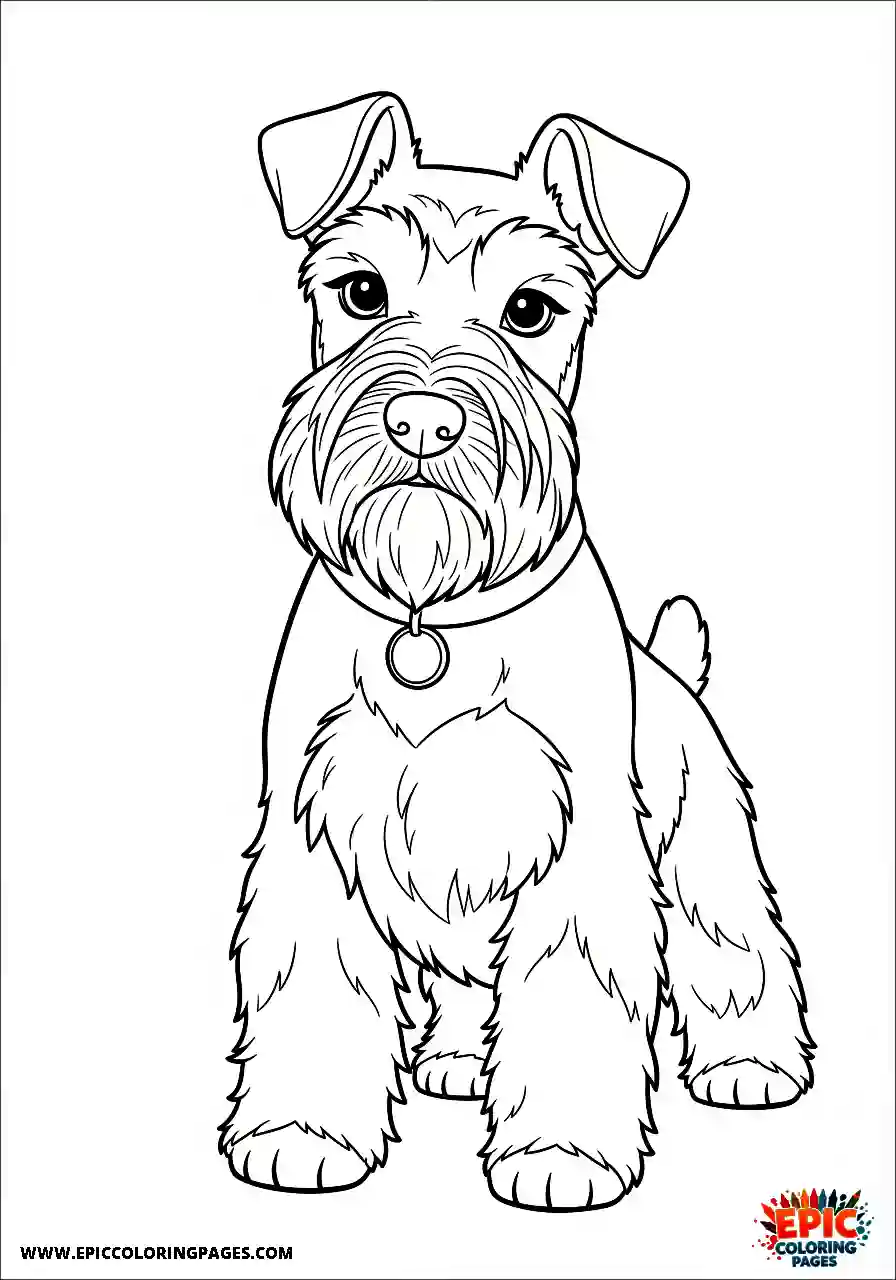
Professional Tips for Coloring Miniature Schnauzer Pages
Understanding the Schnauzer's Signature Coat
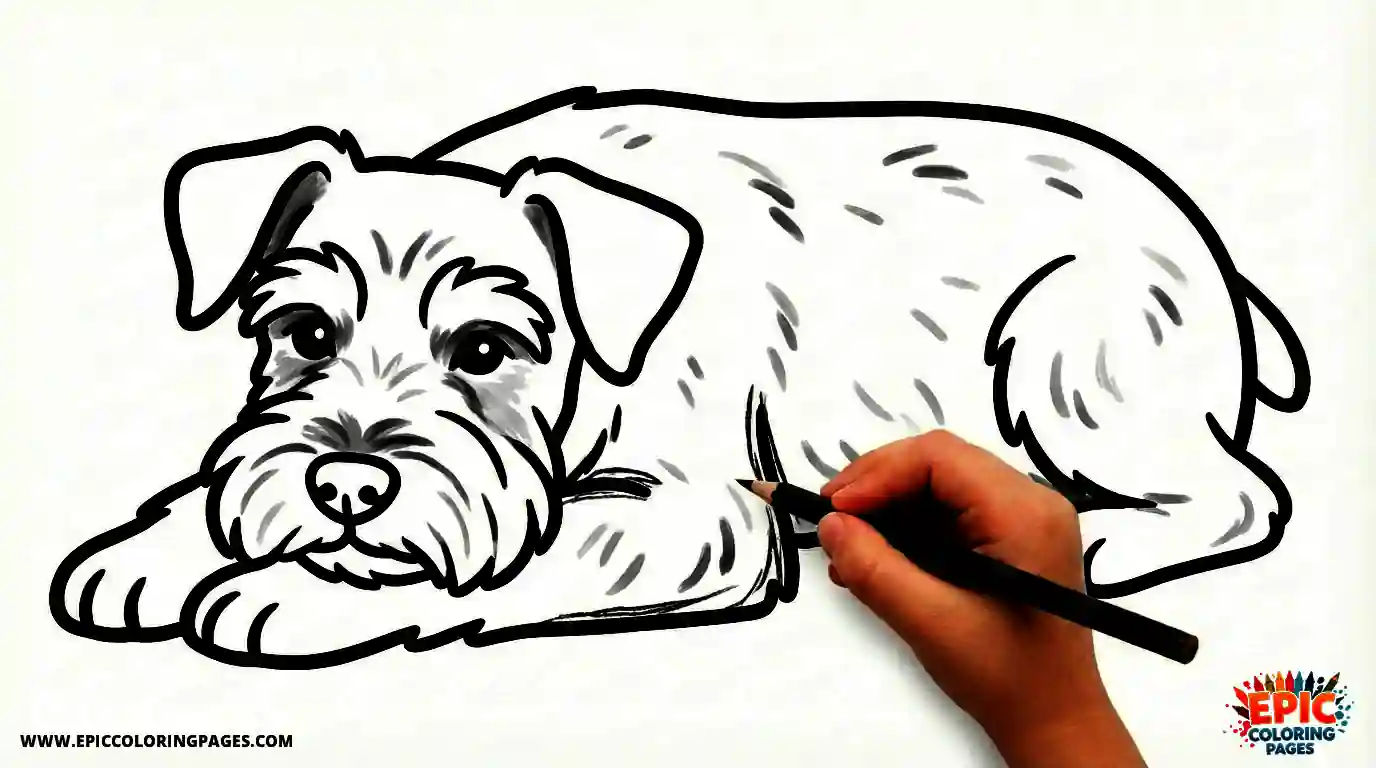
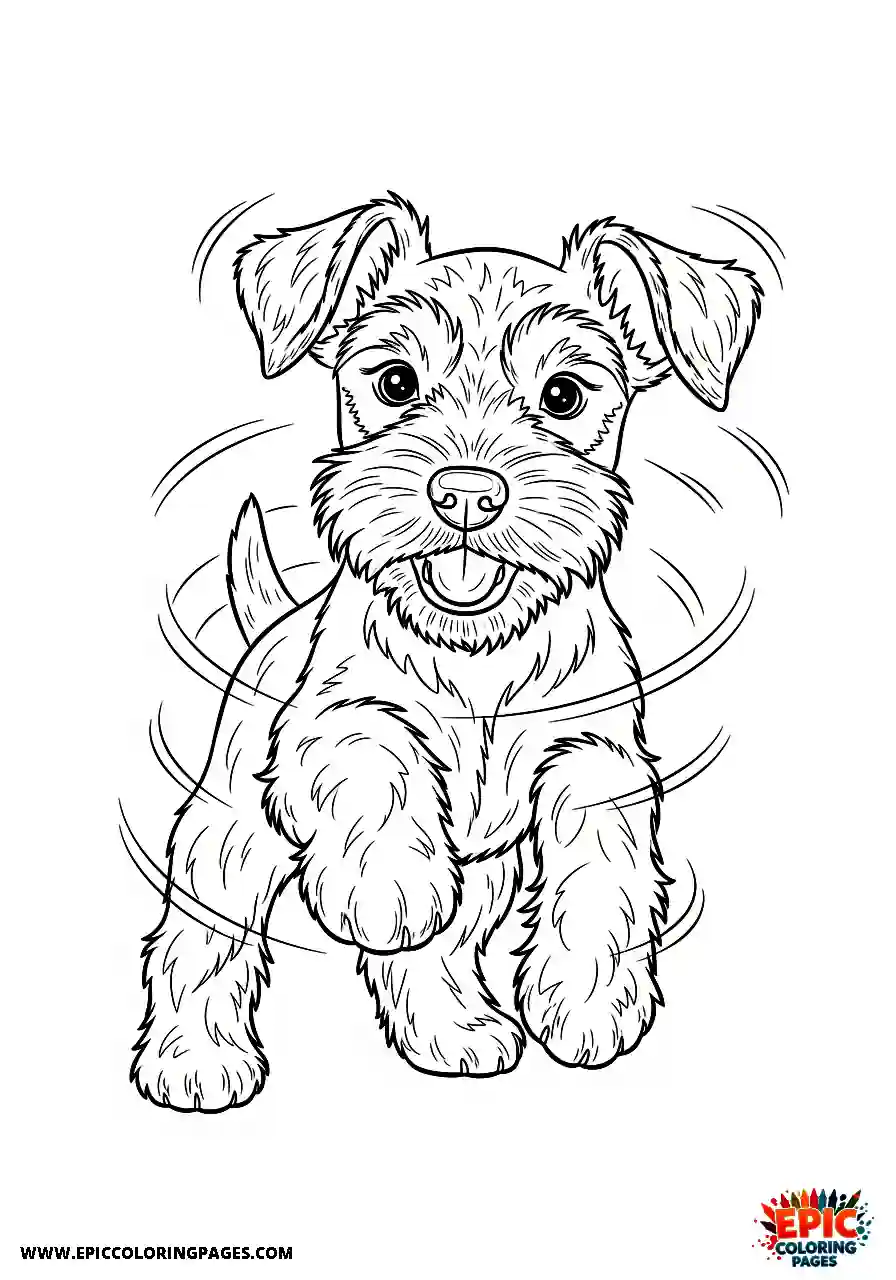
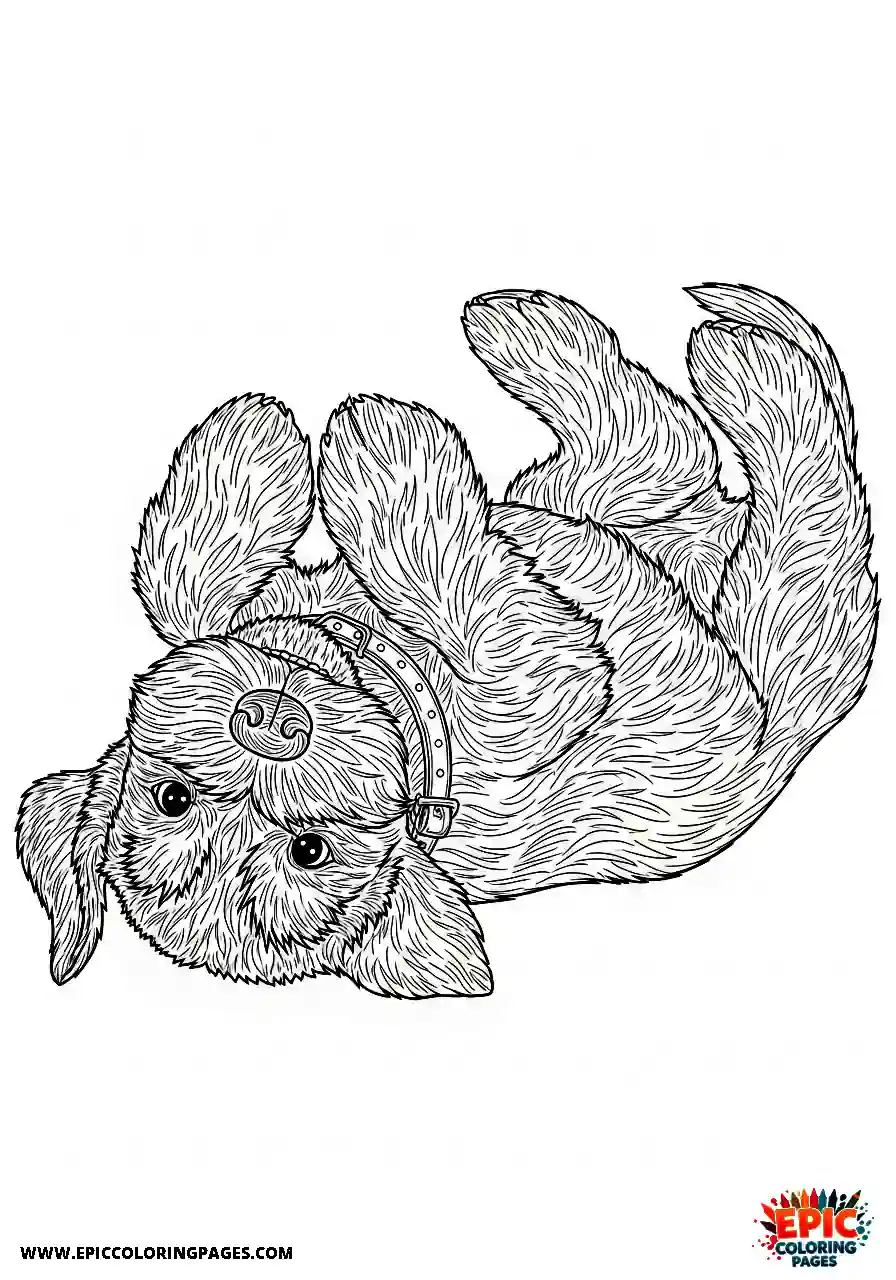
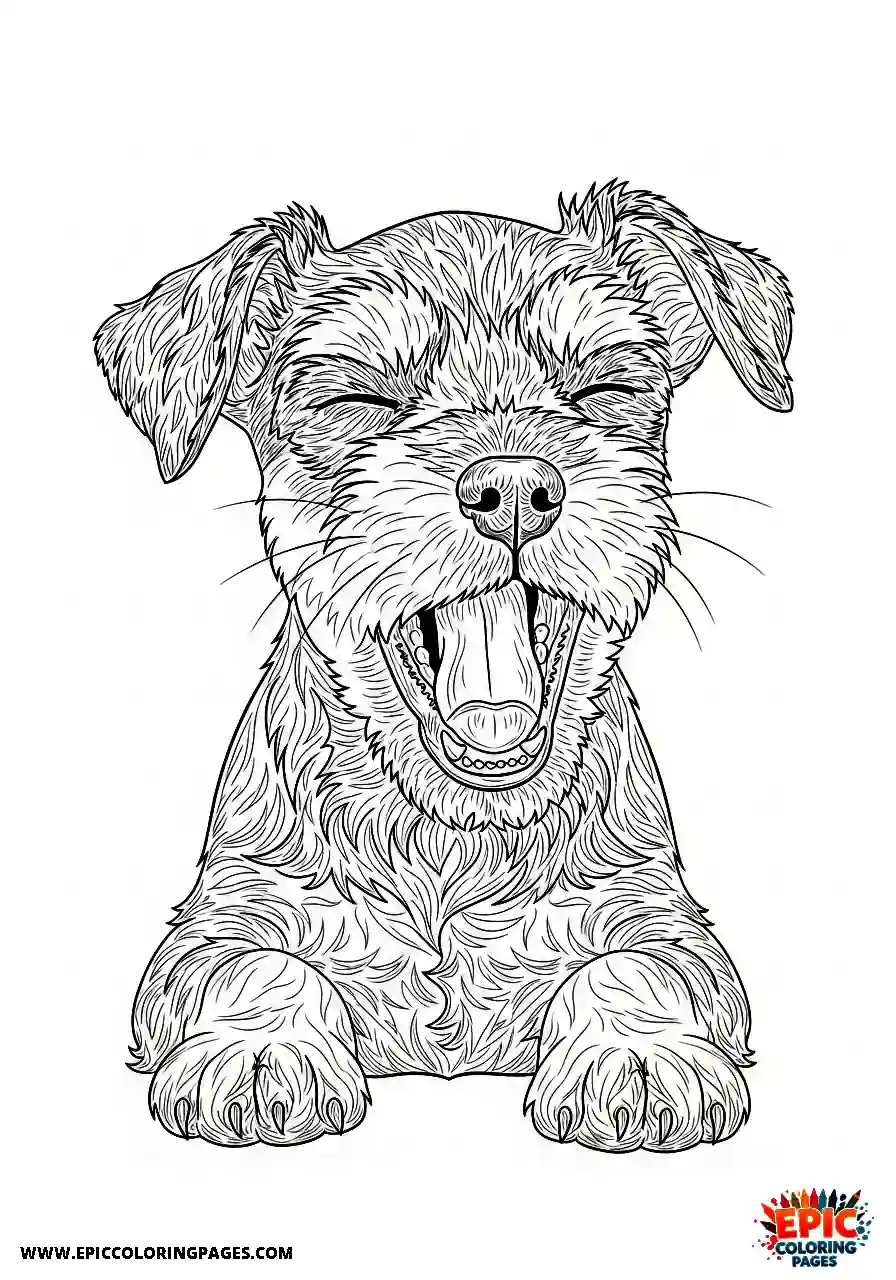
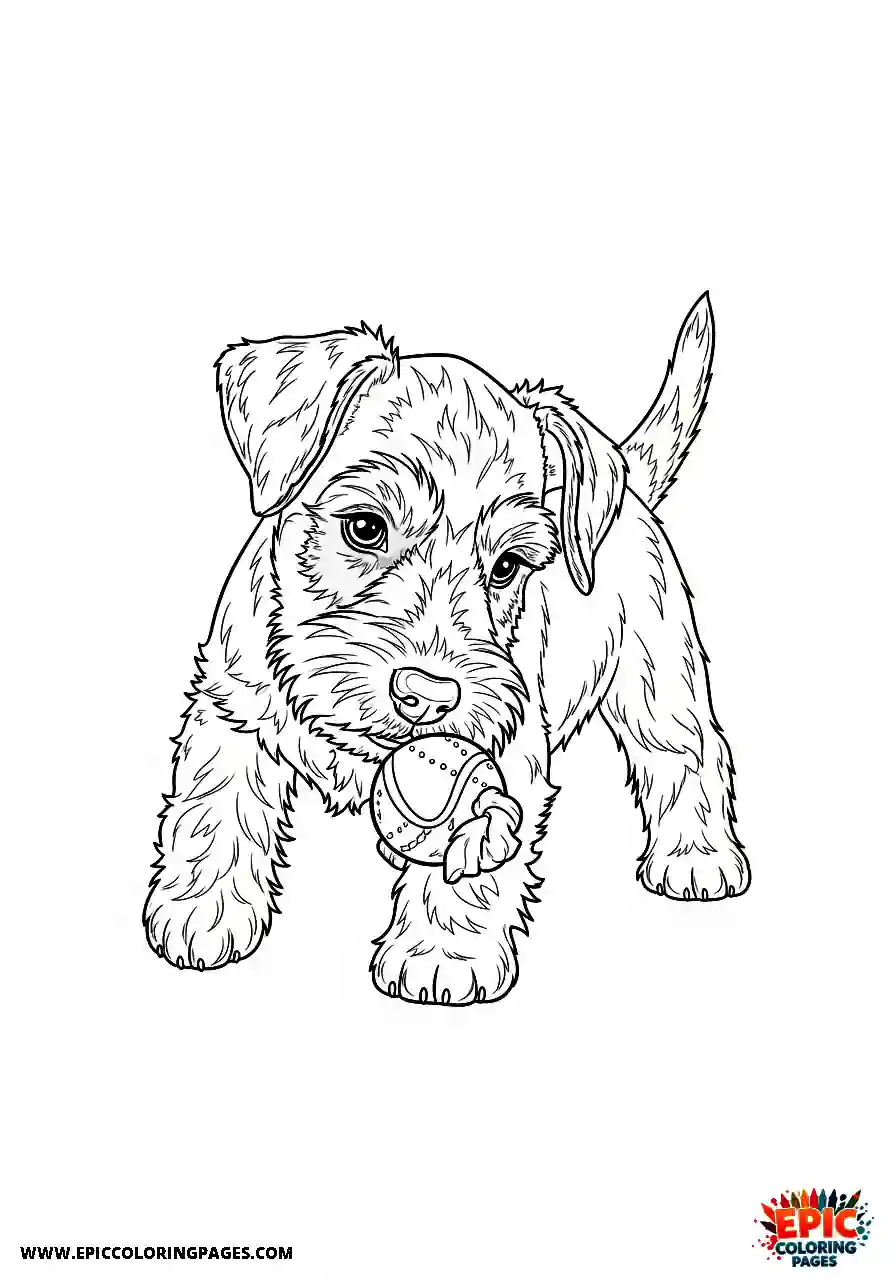
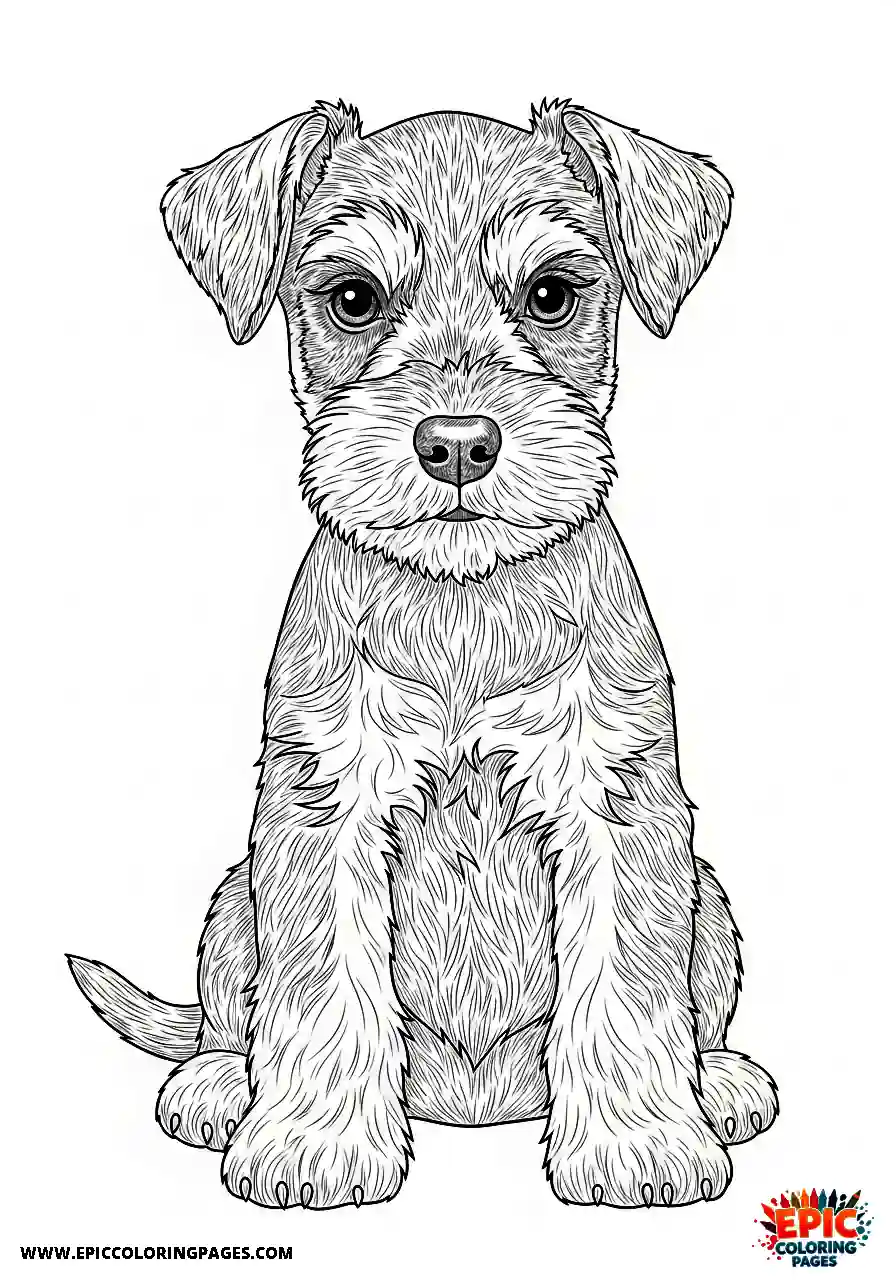
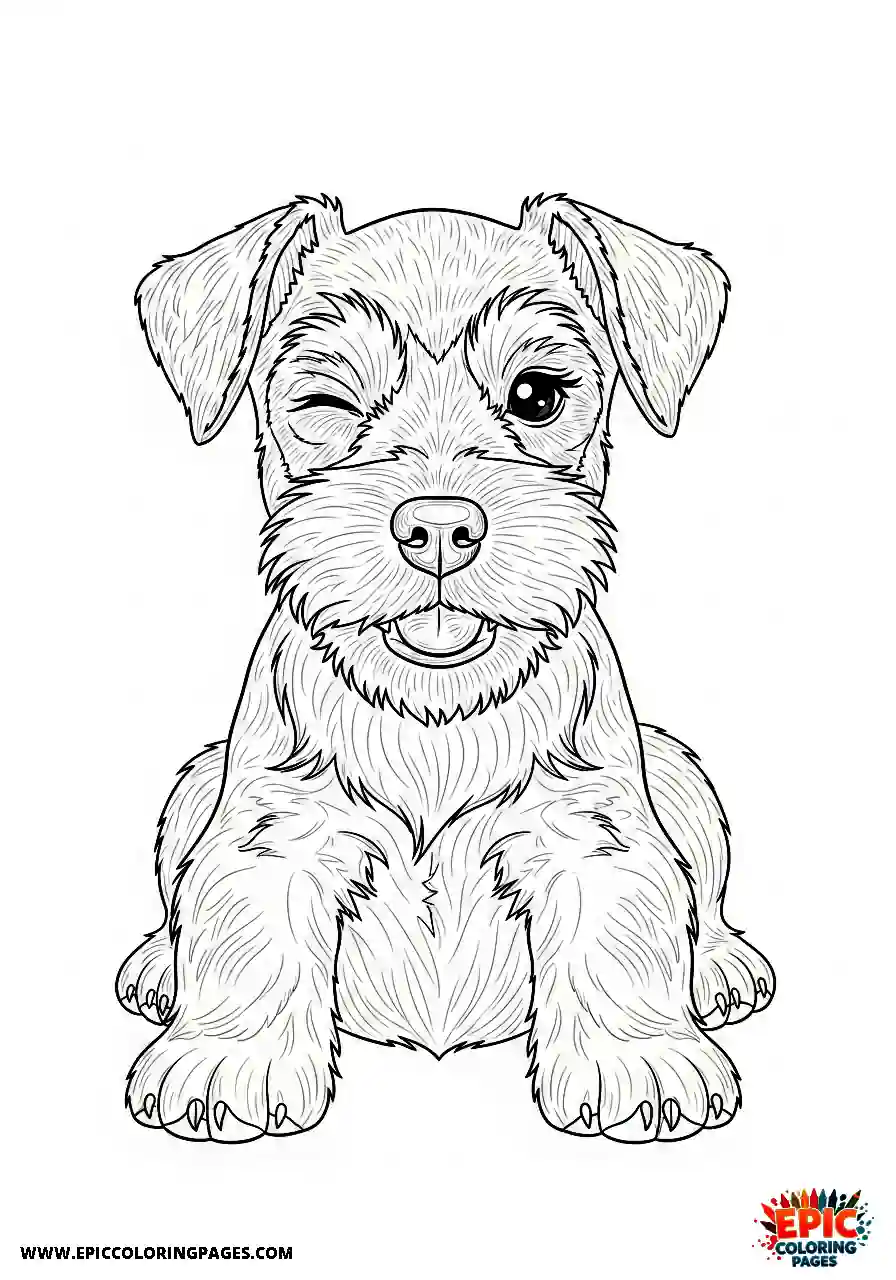
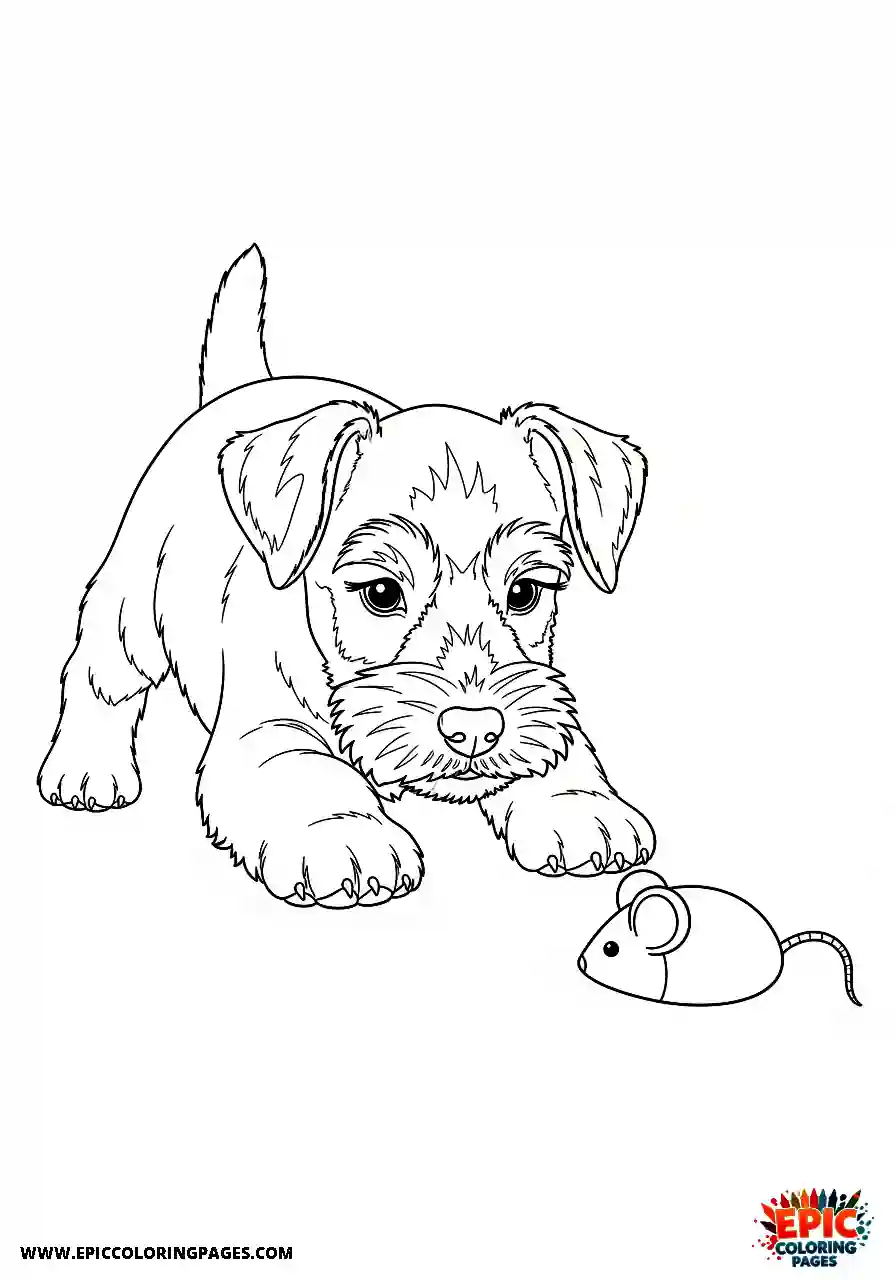
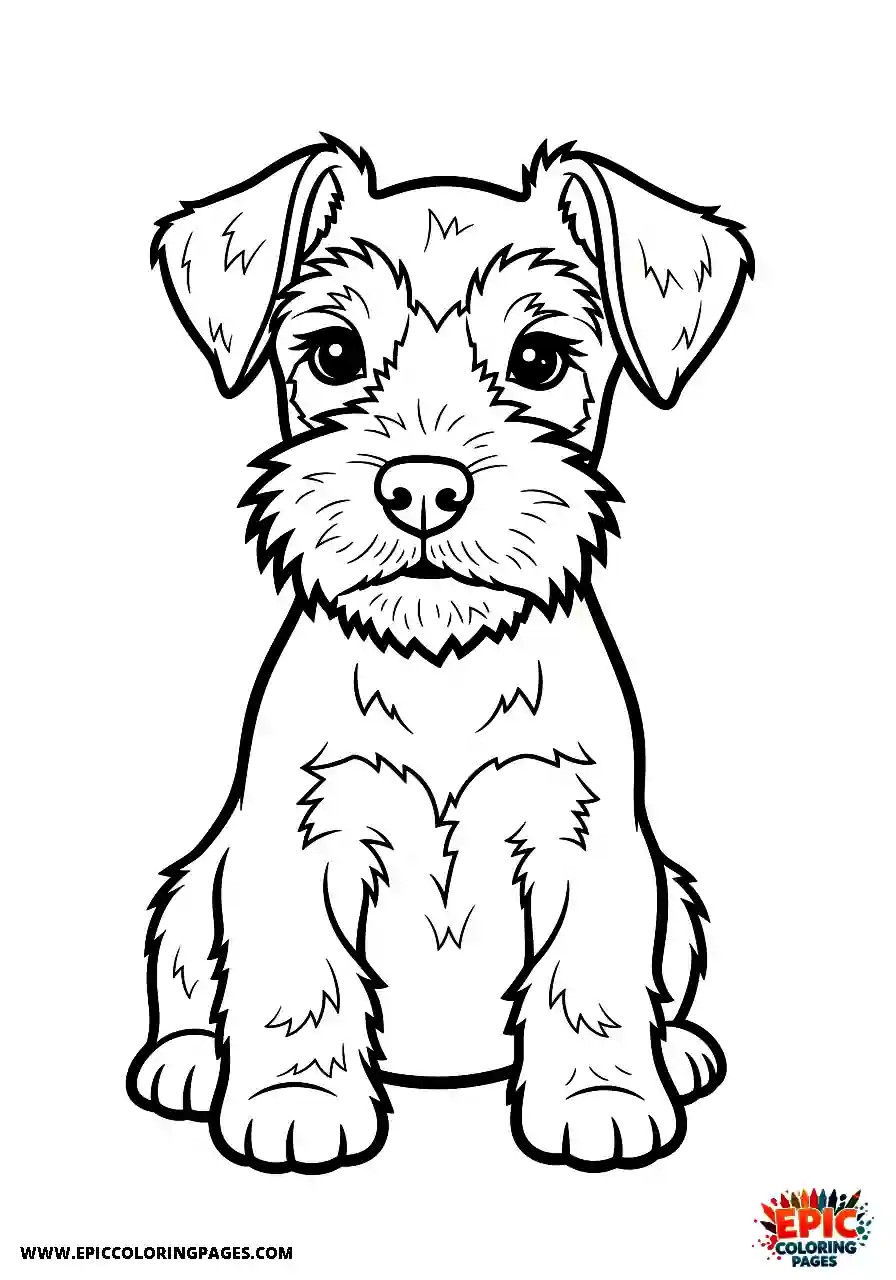
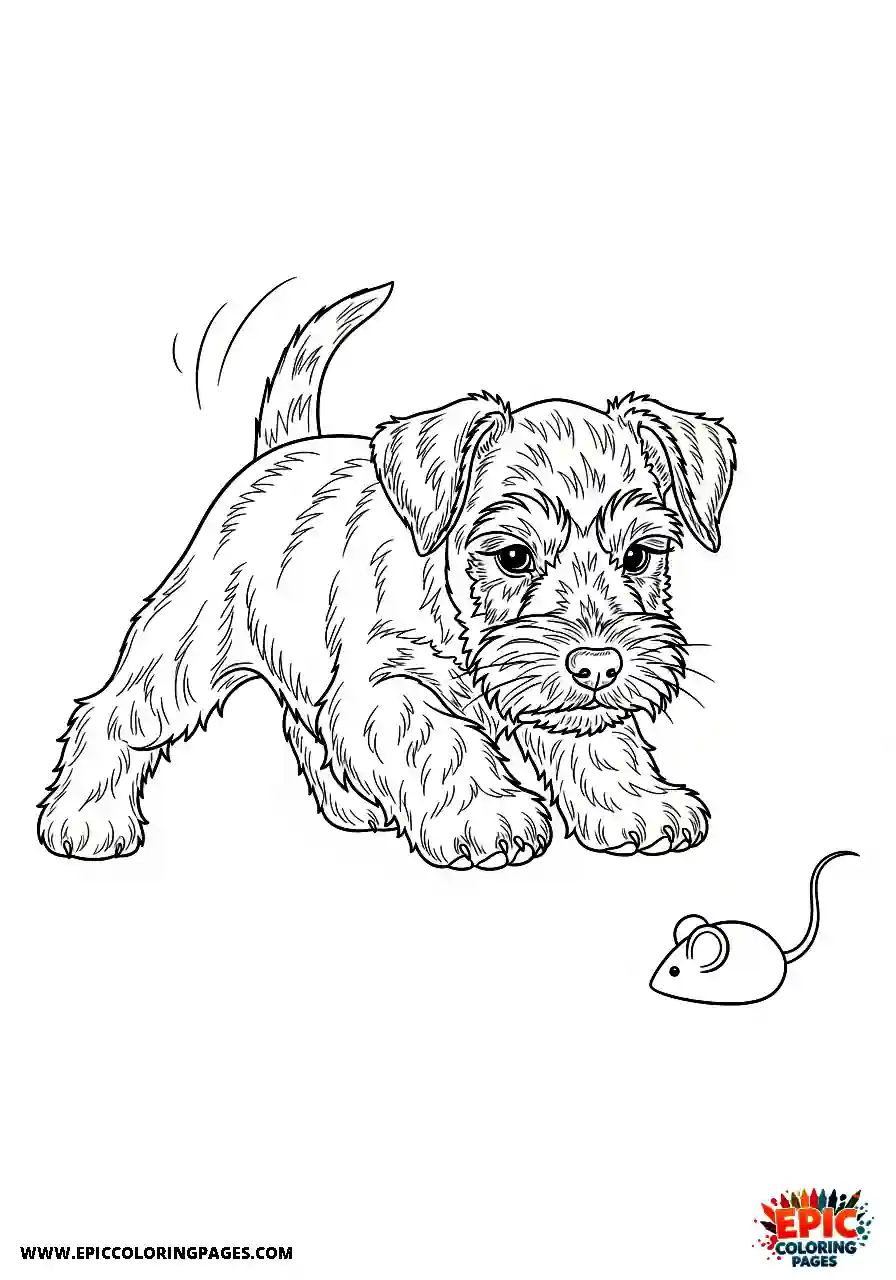
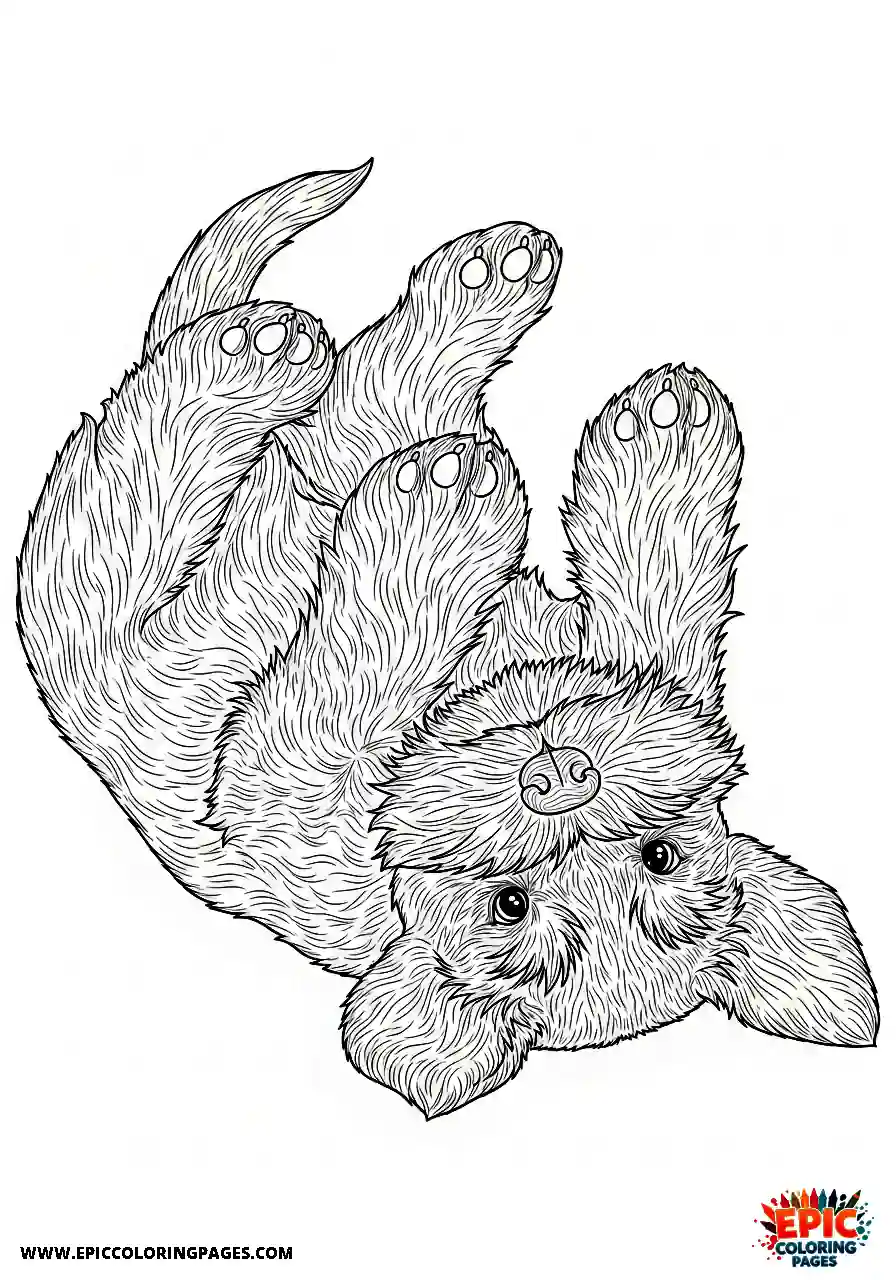
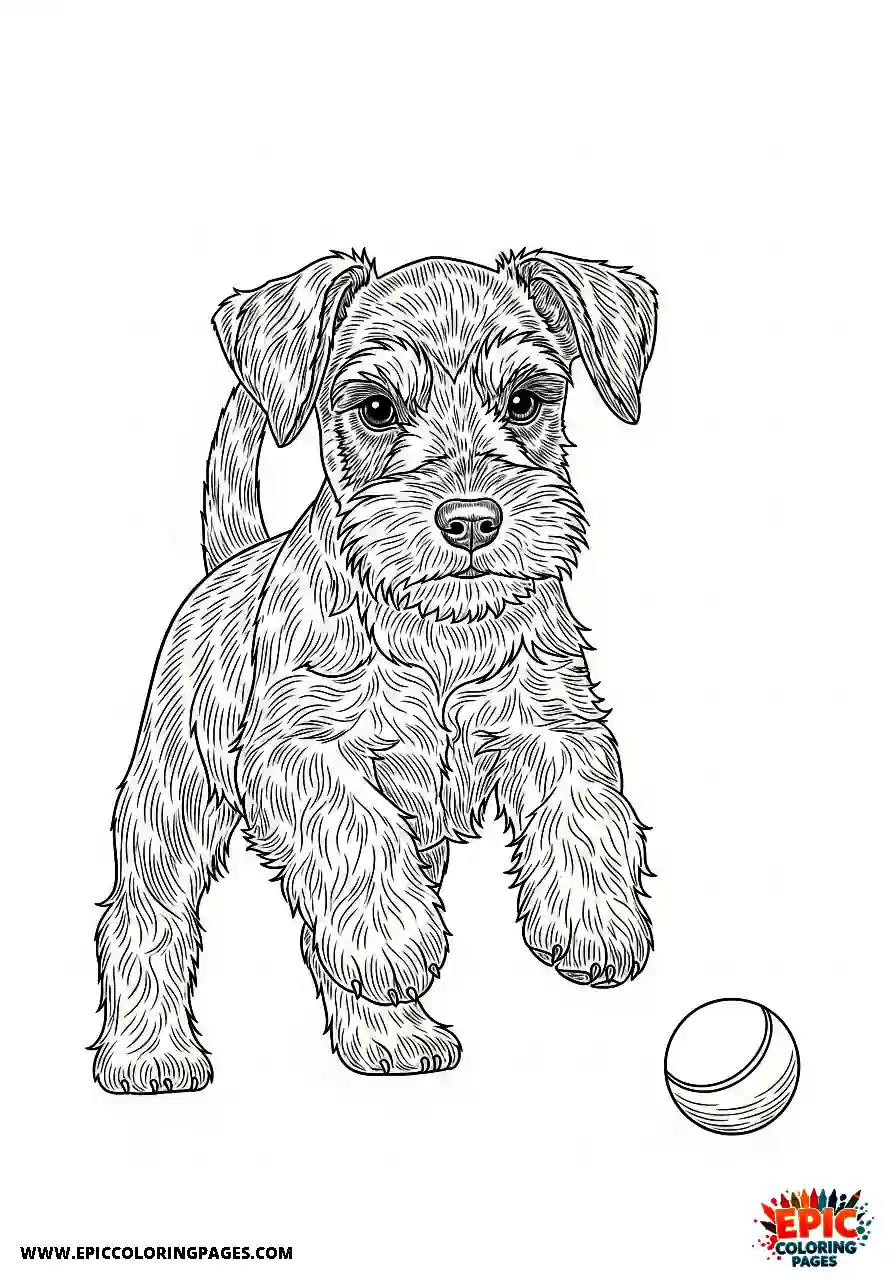
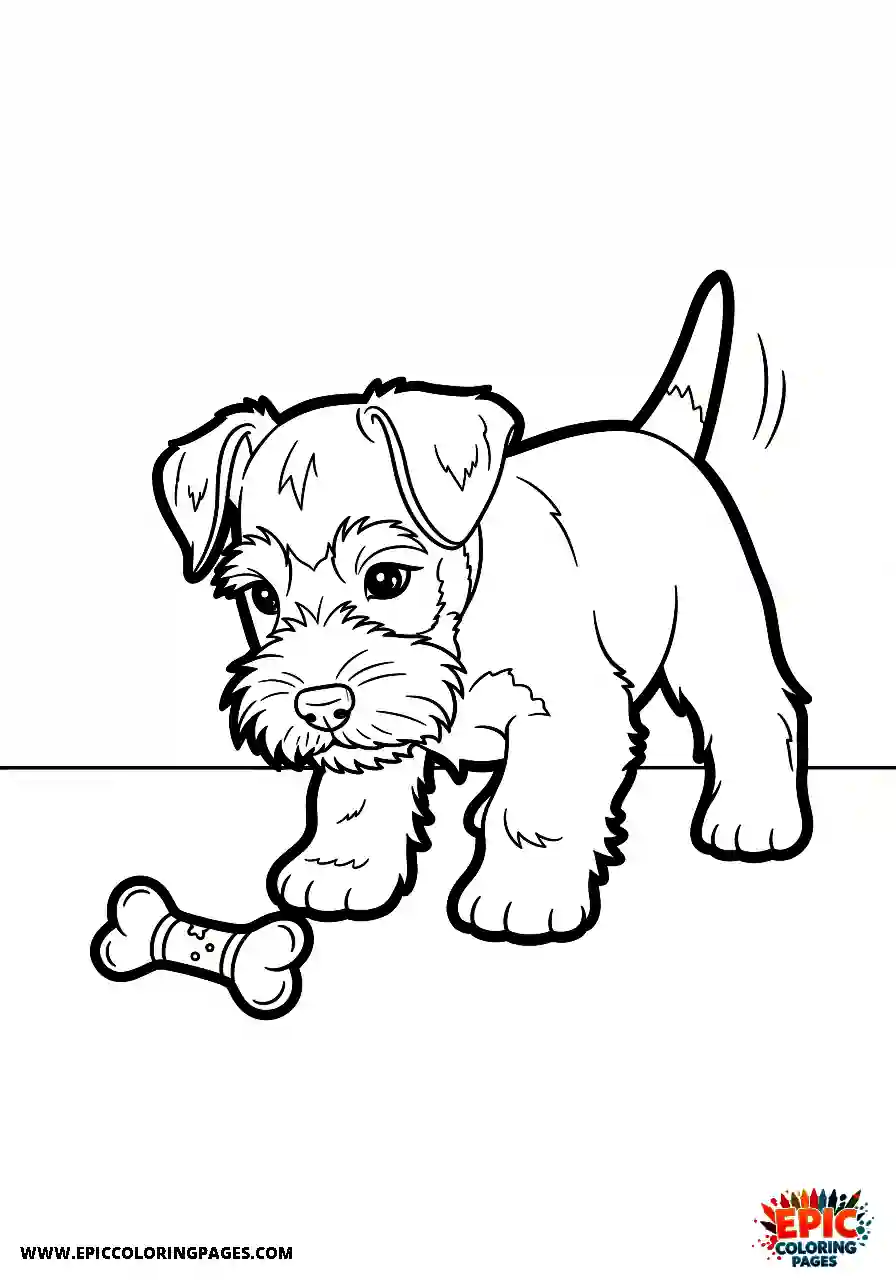
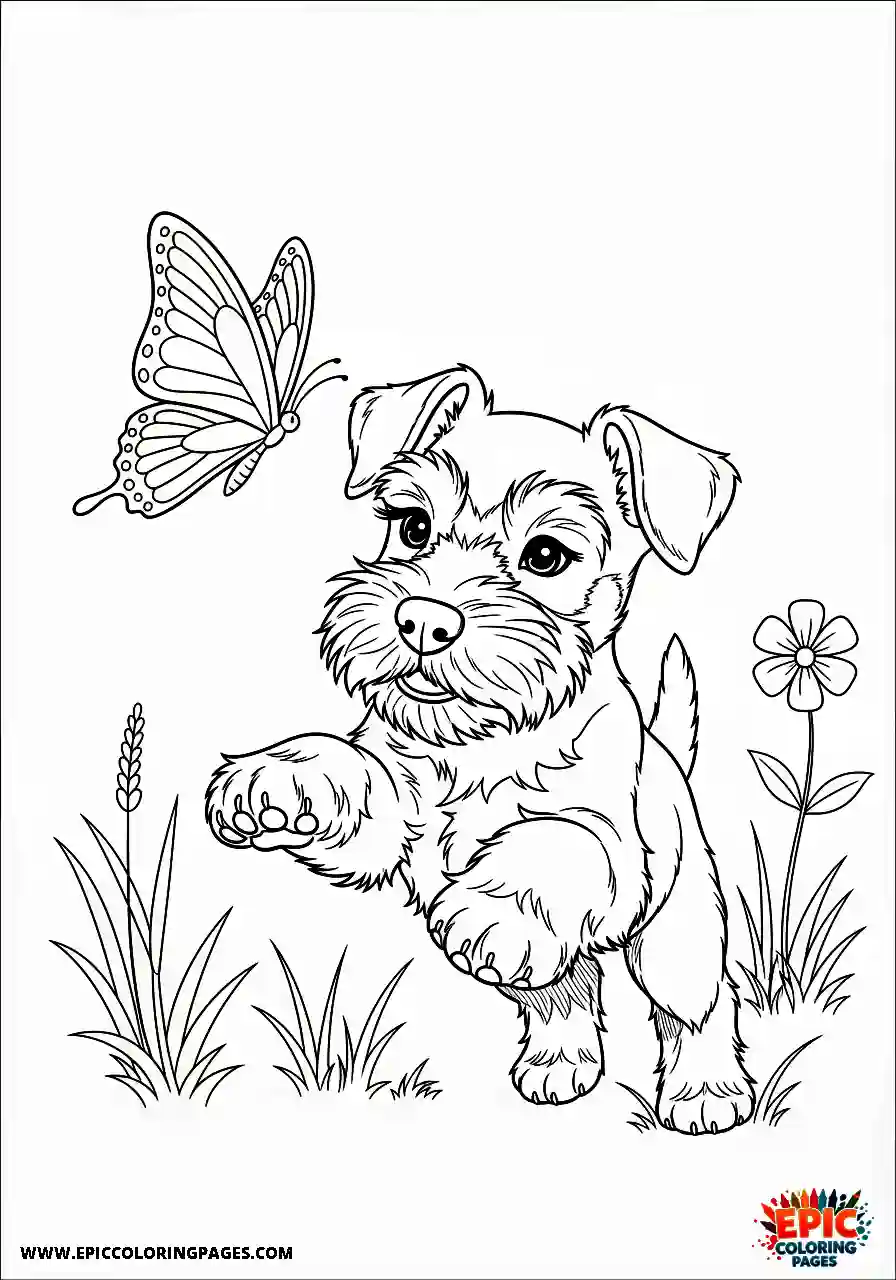
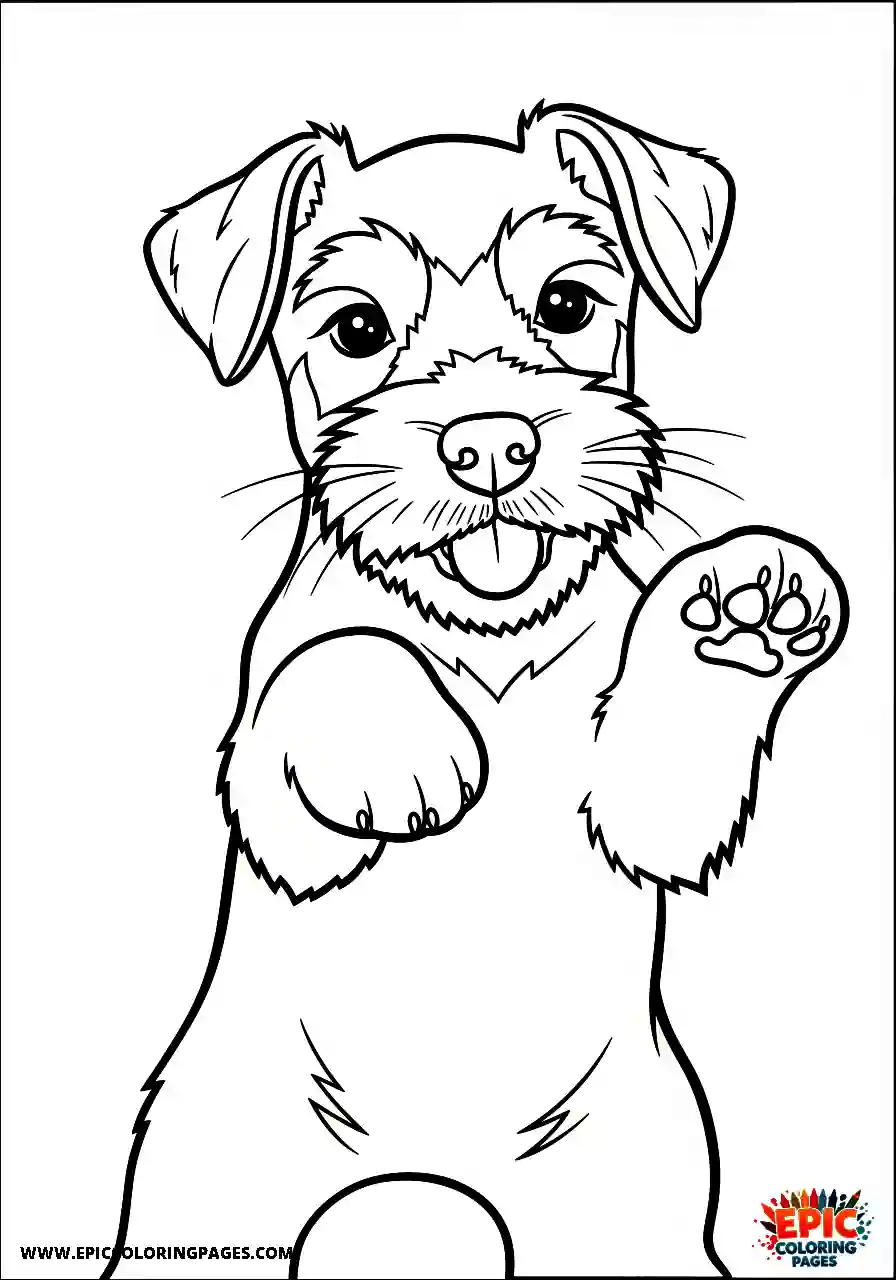
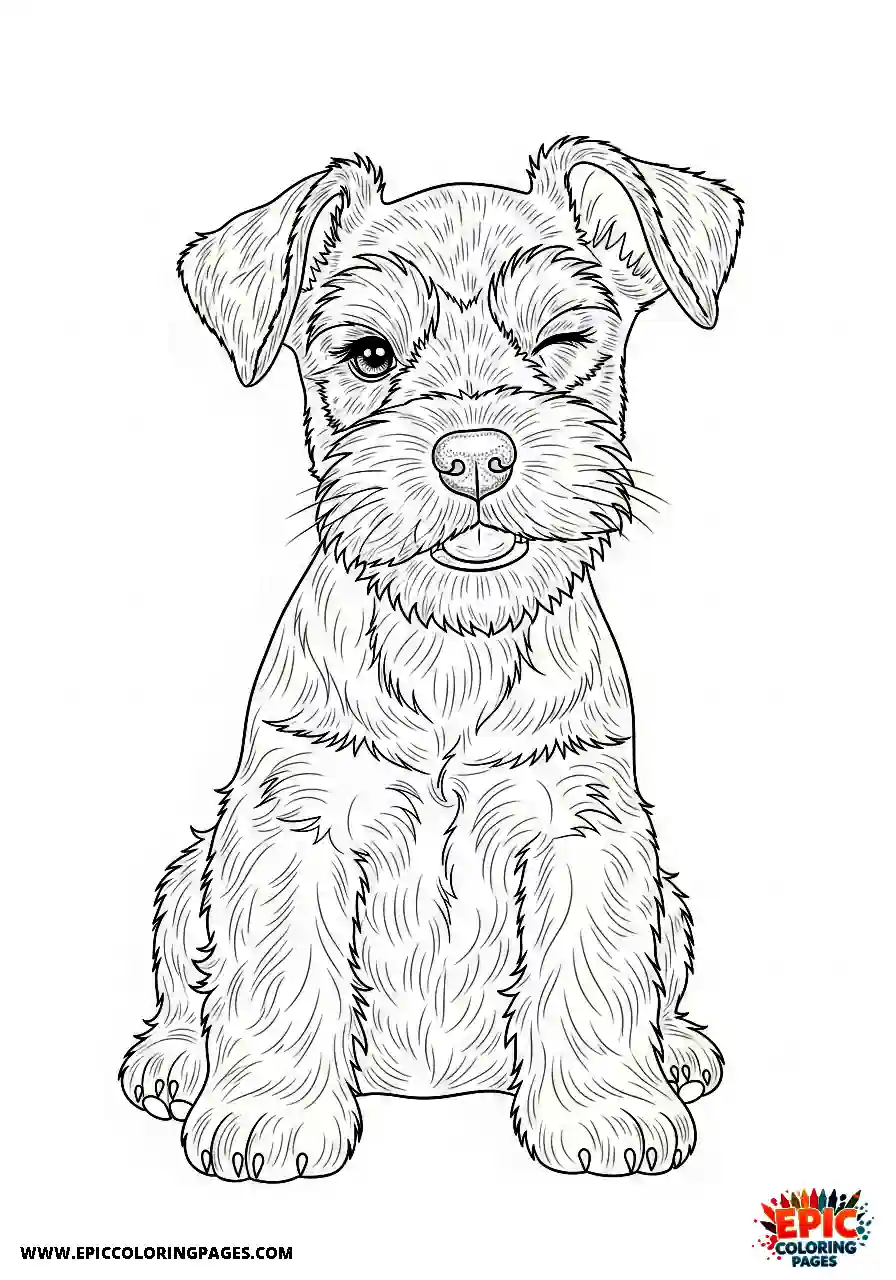
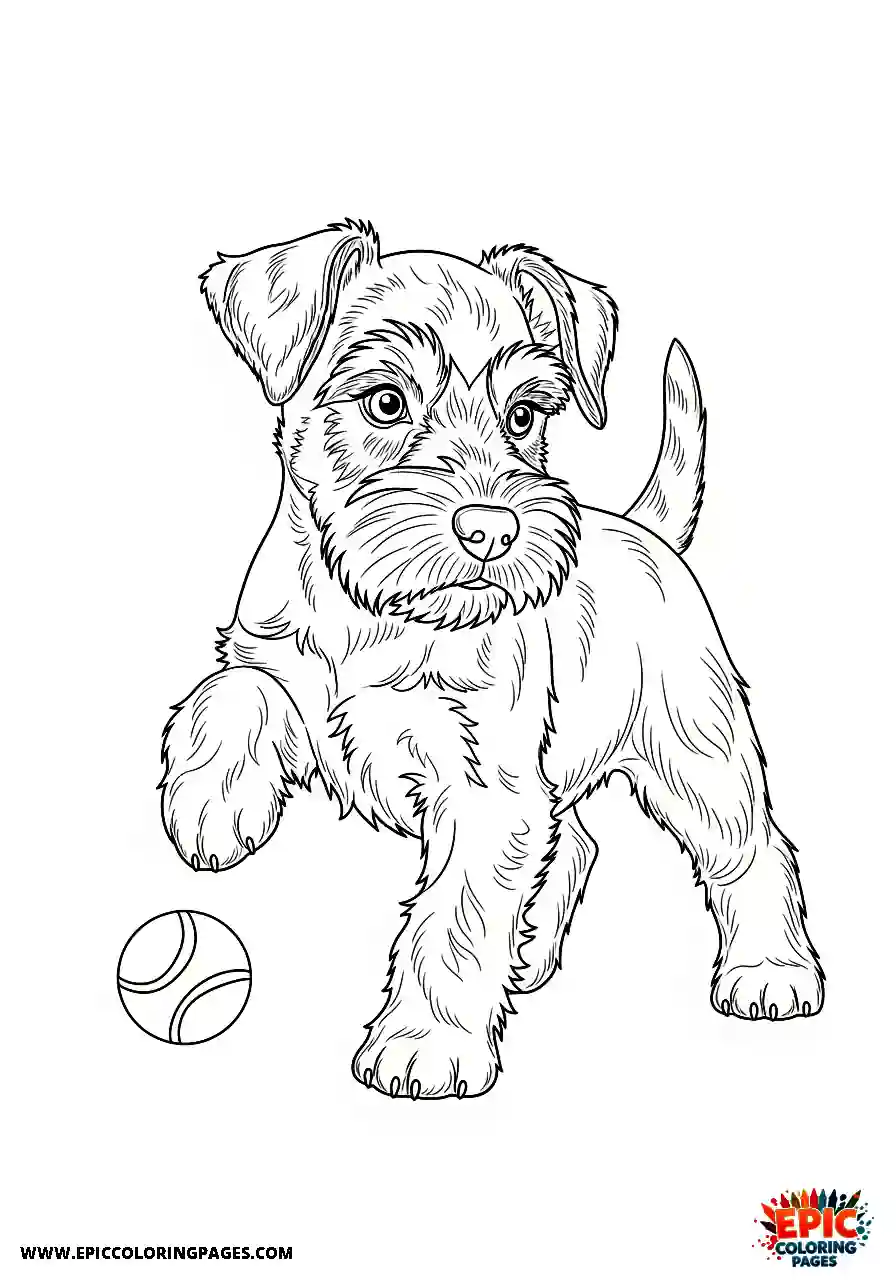
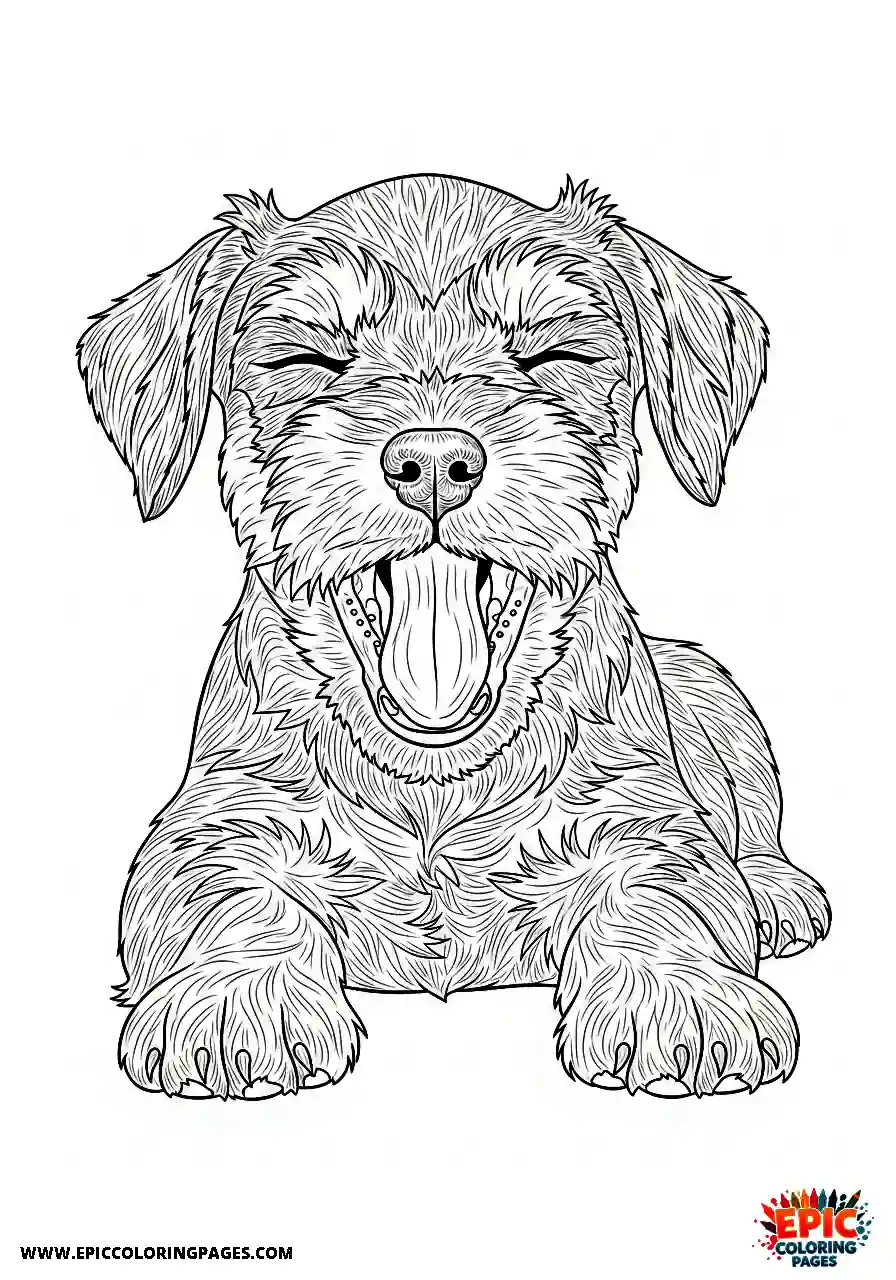
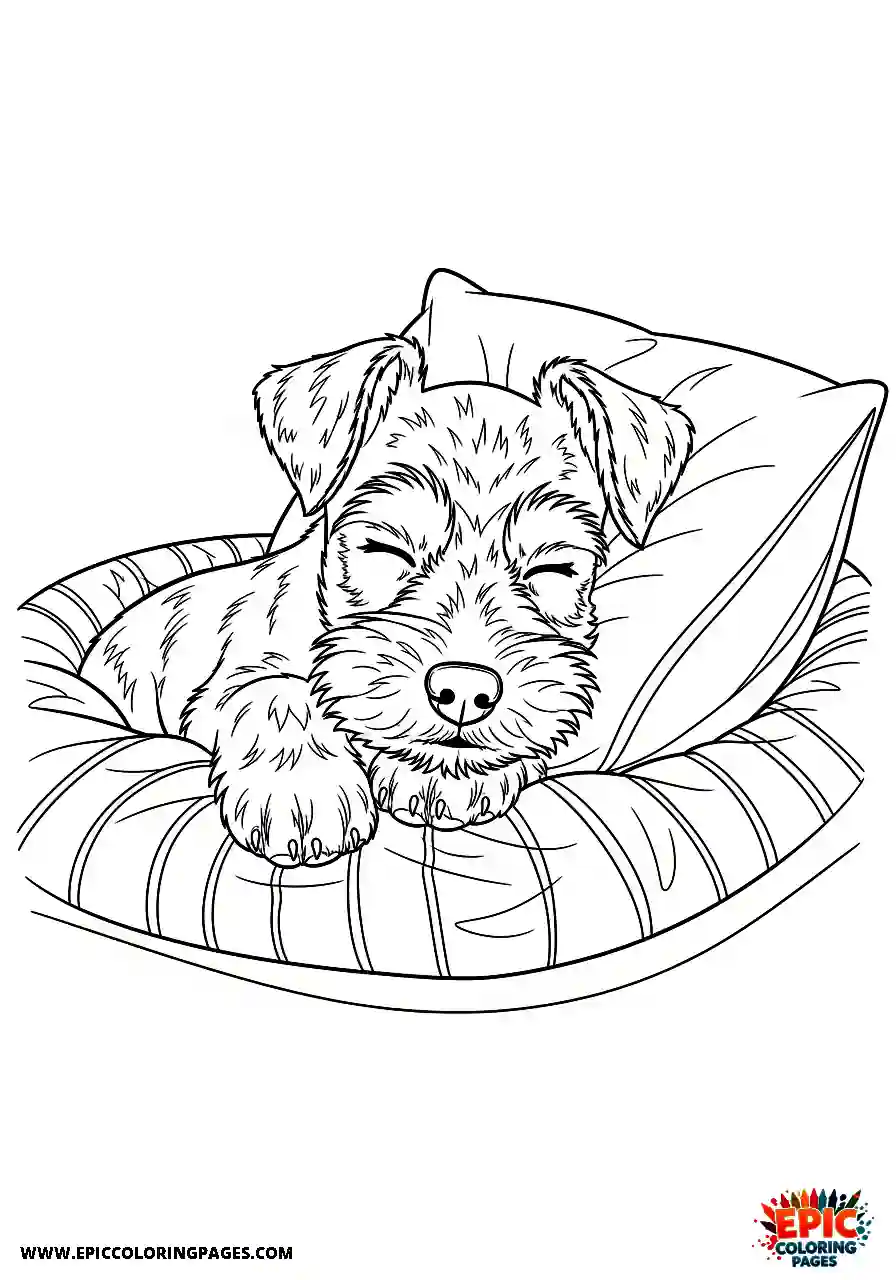
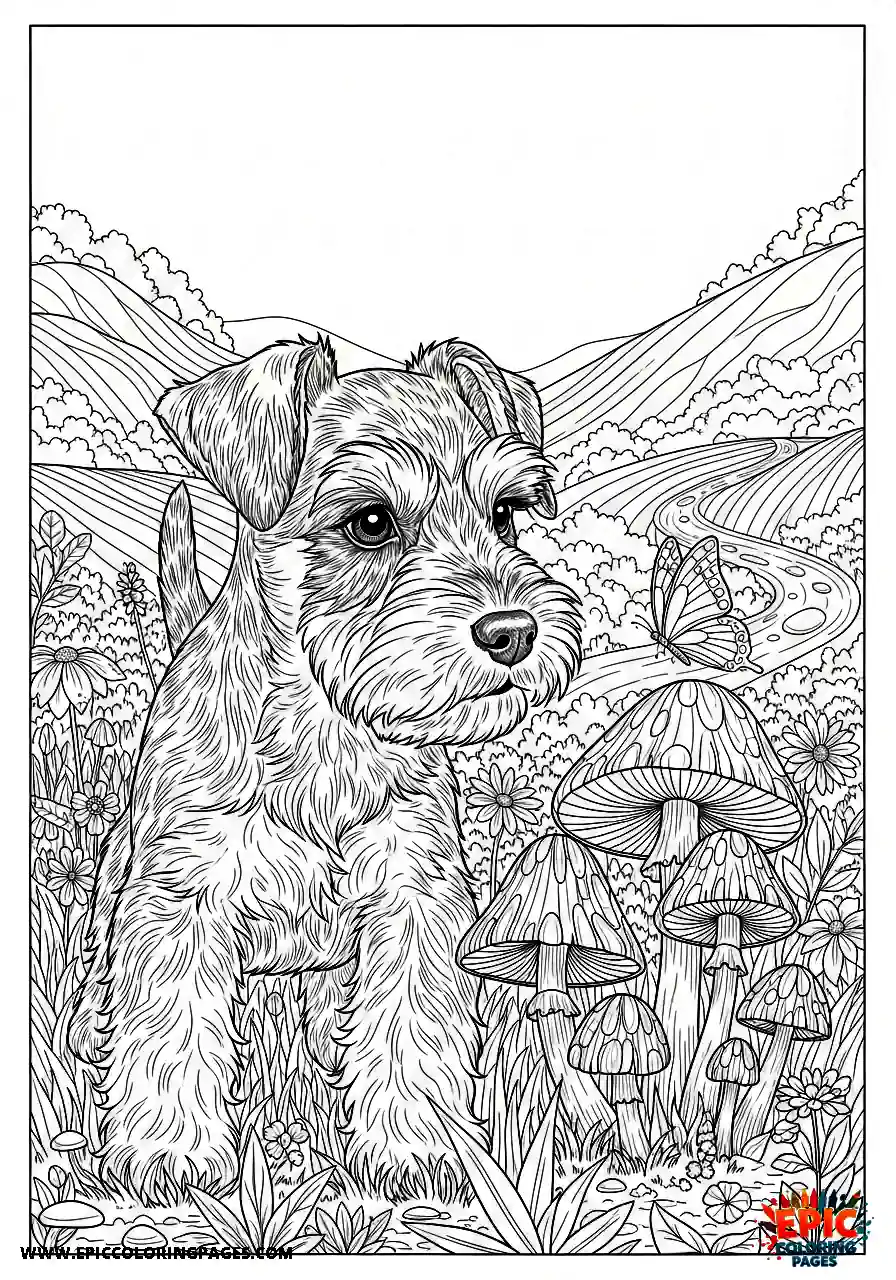
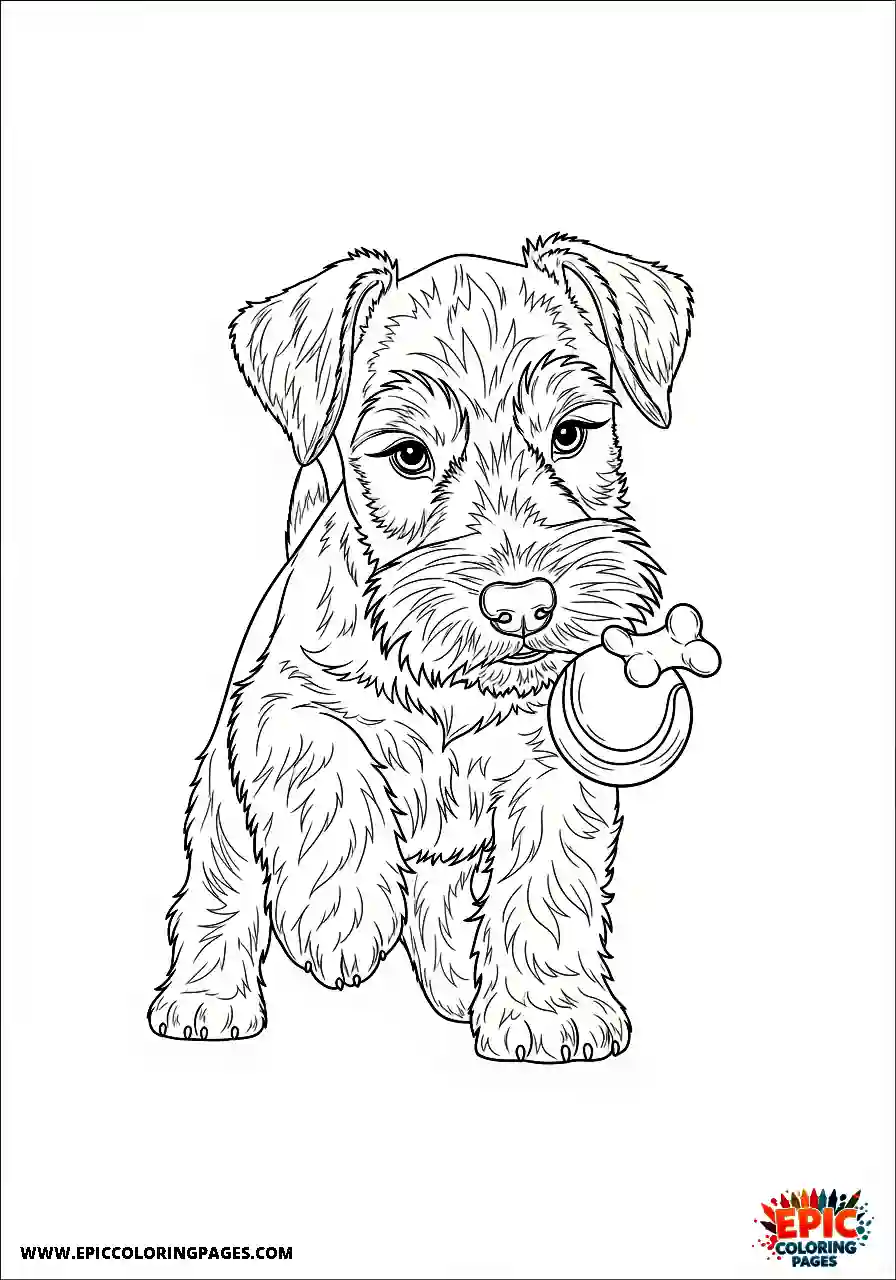
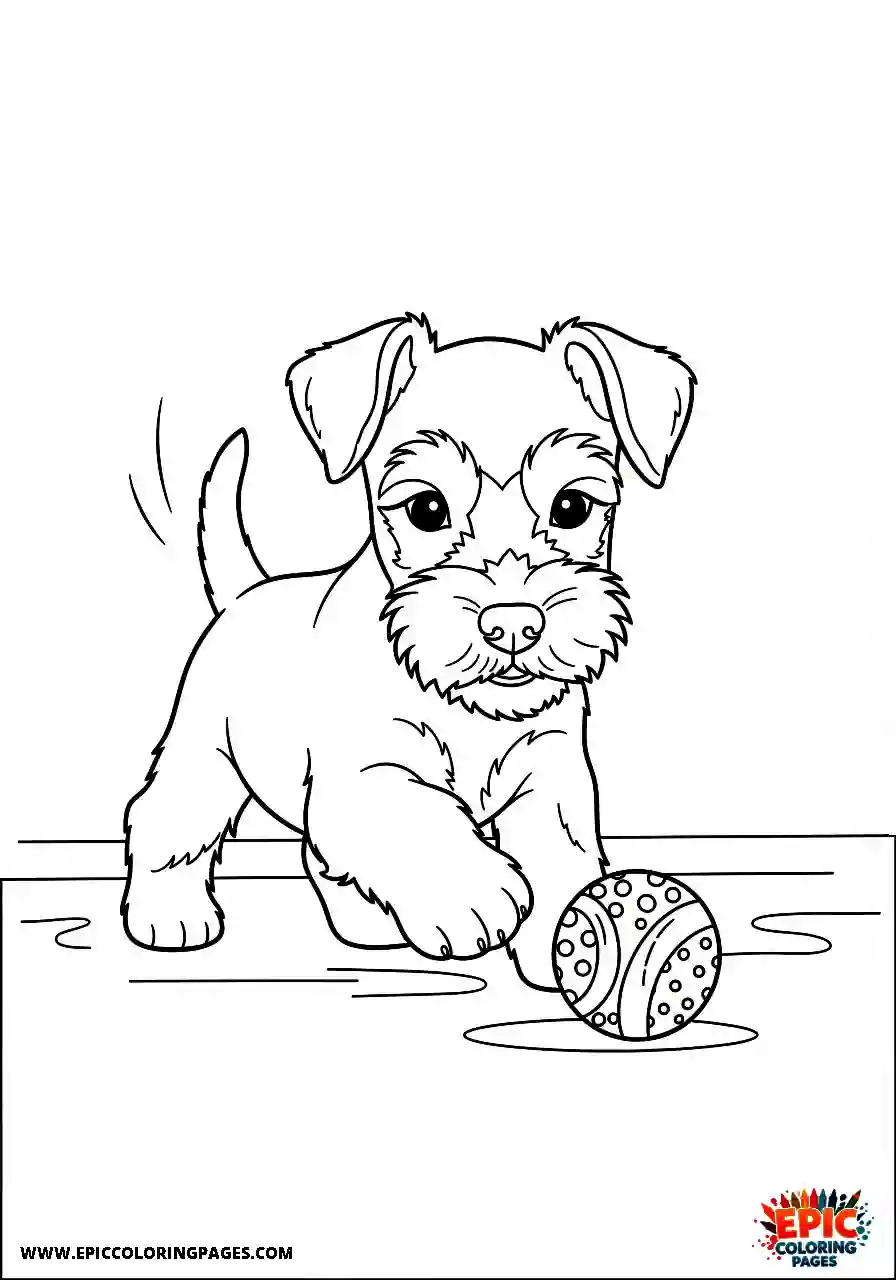
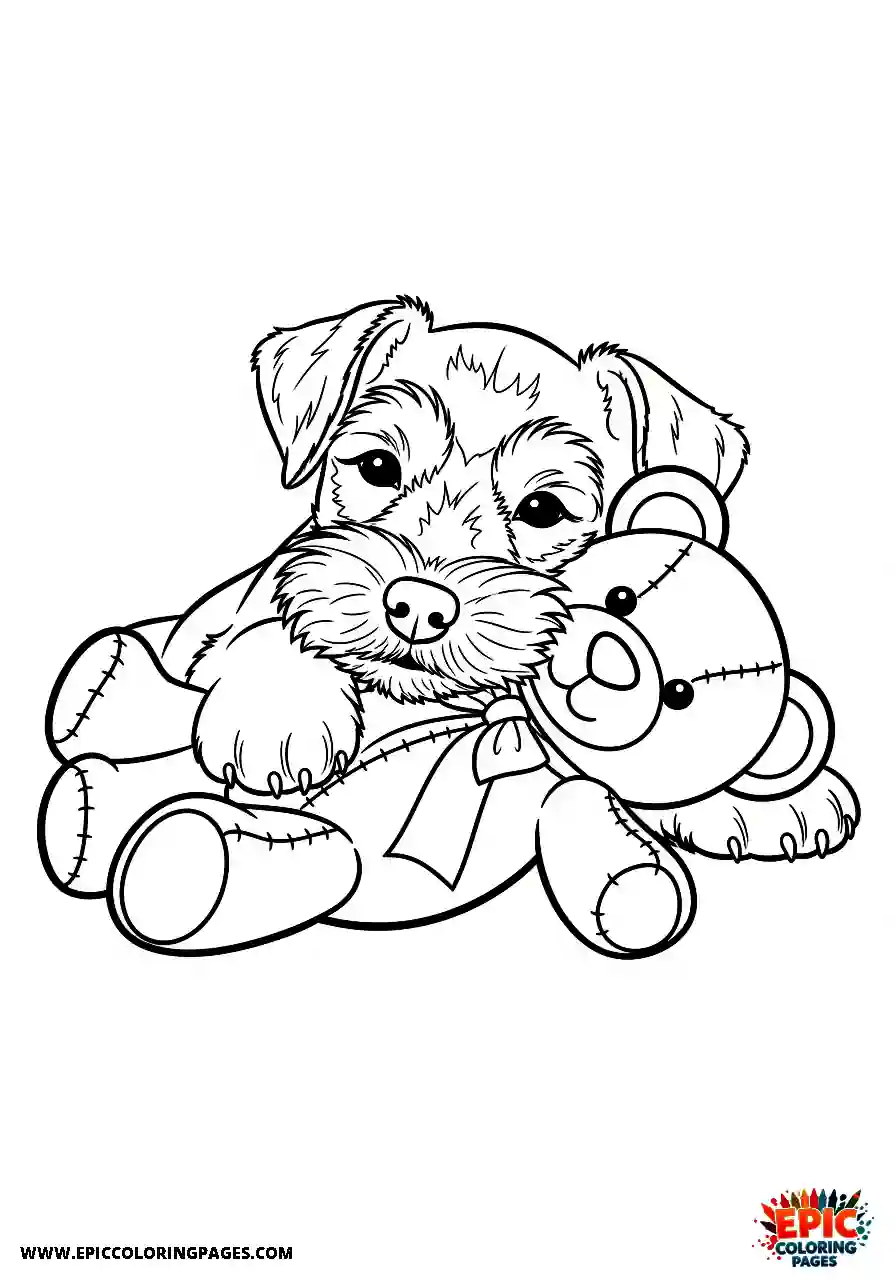
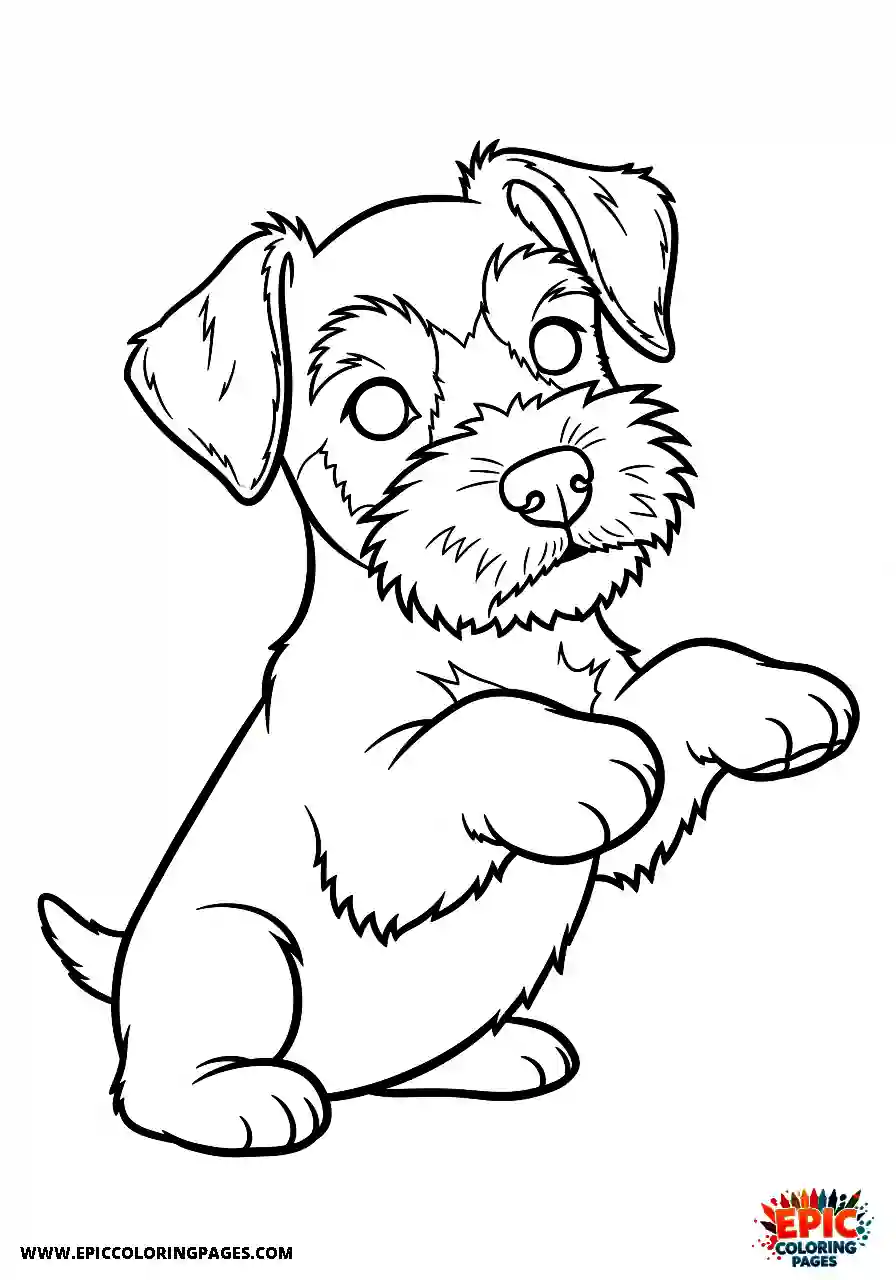
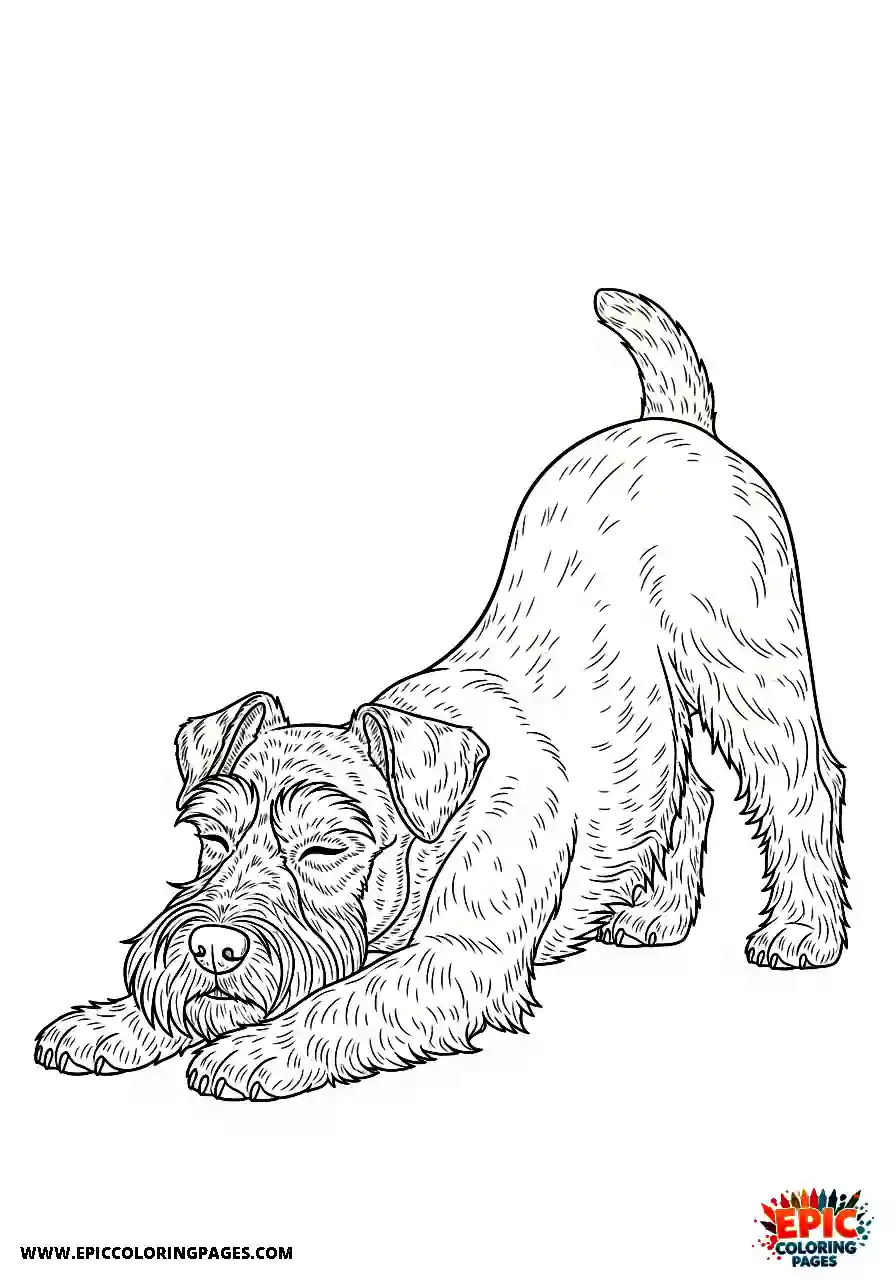
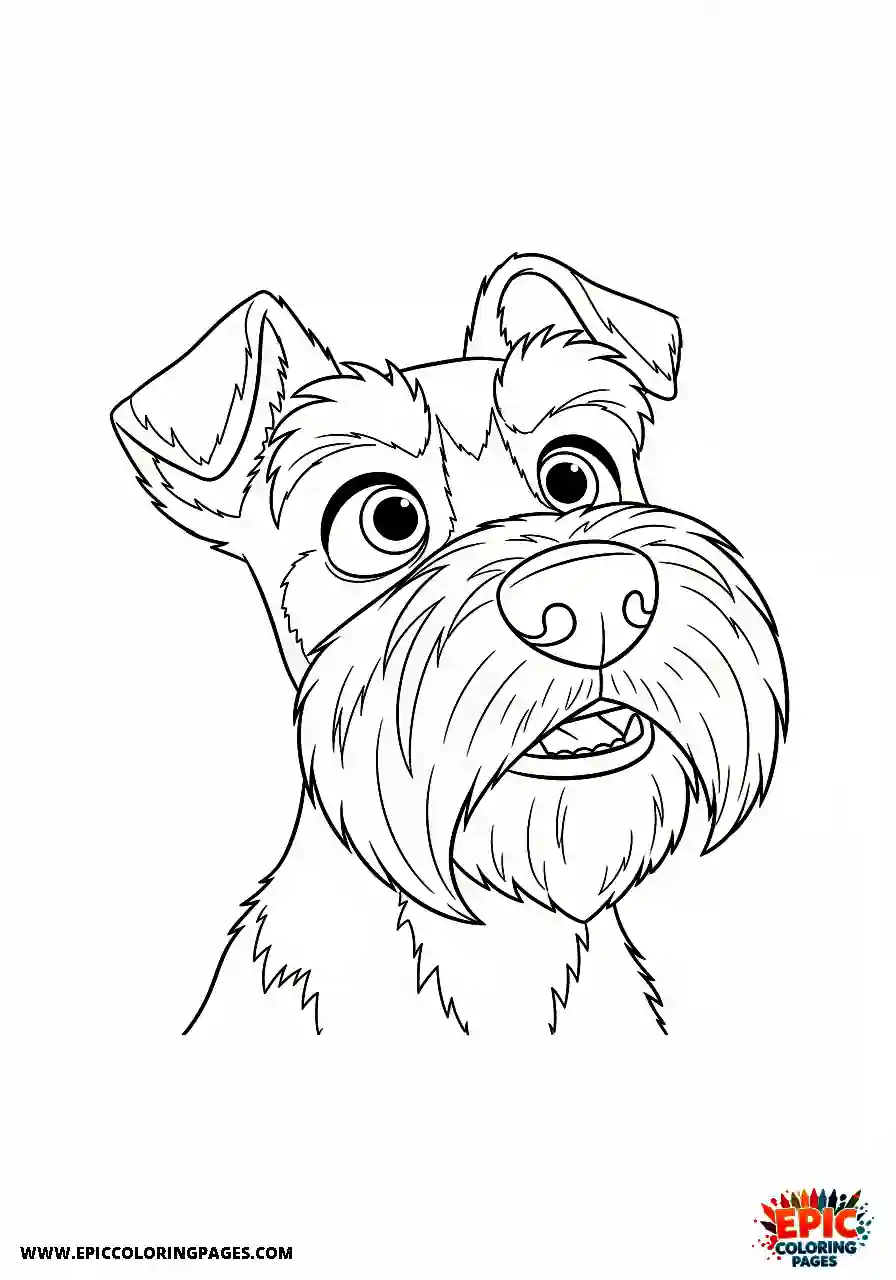
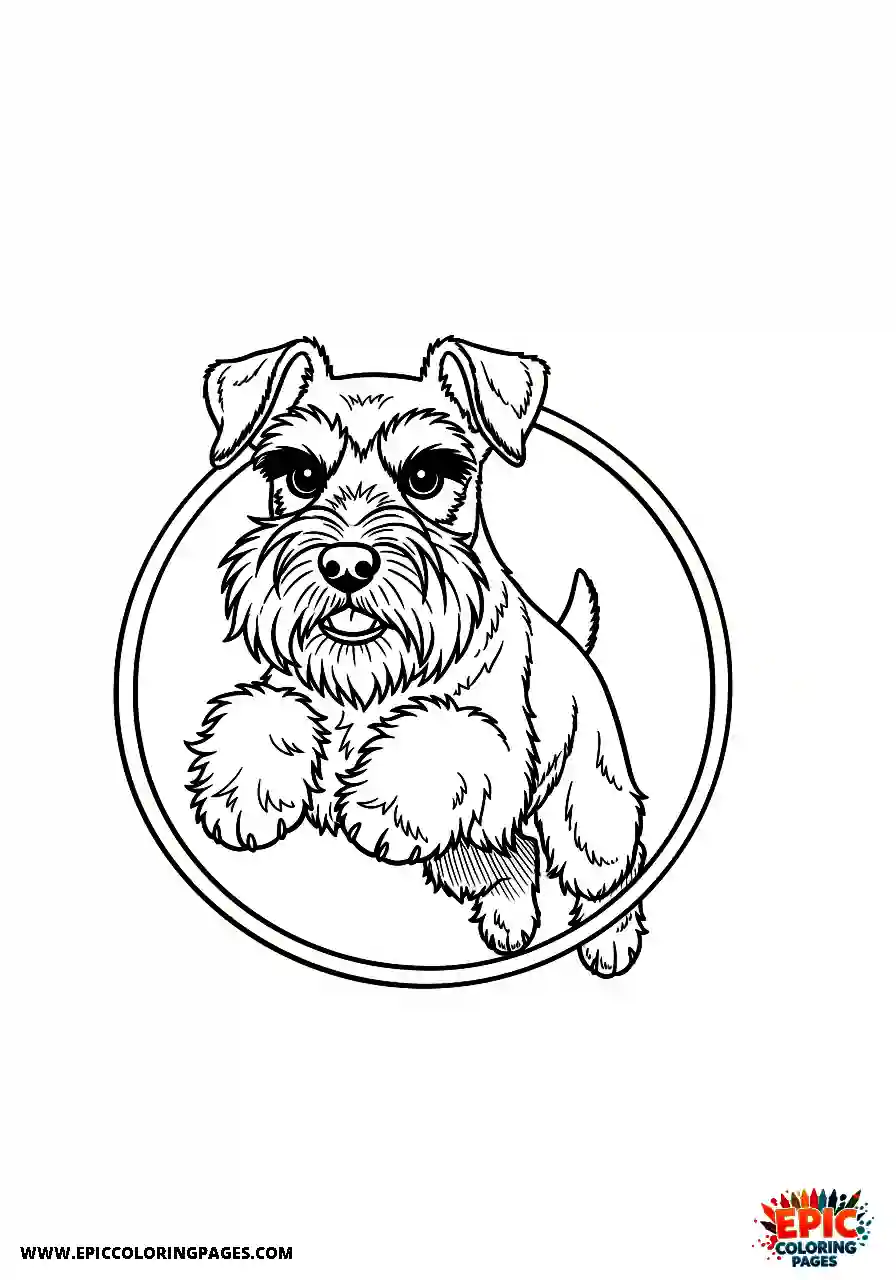
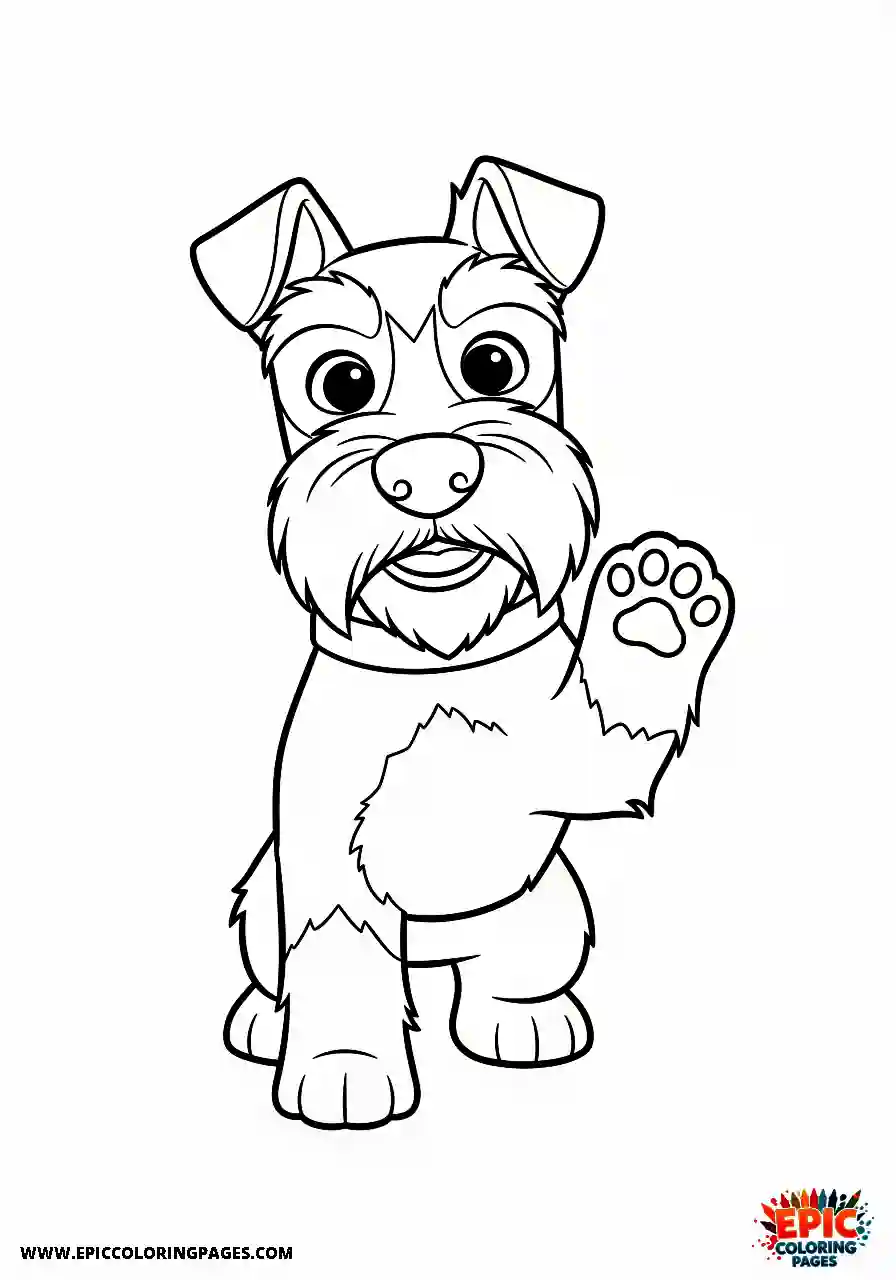
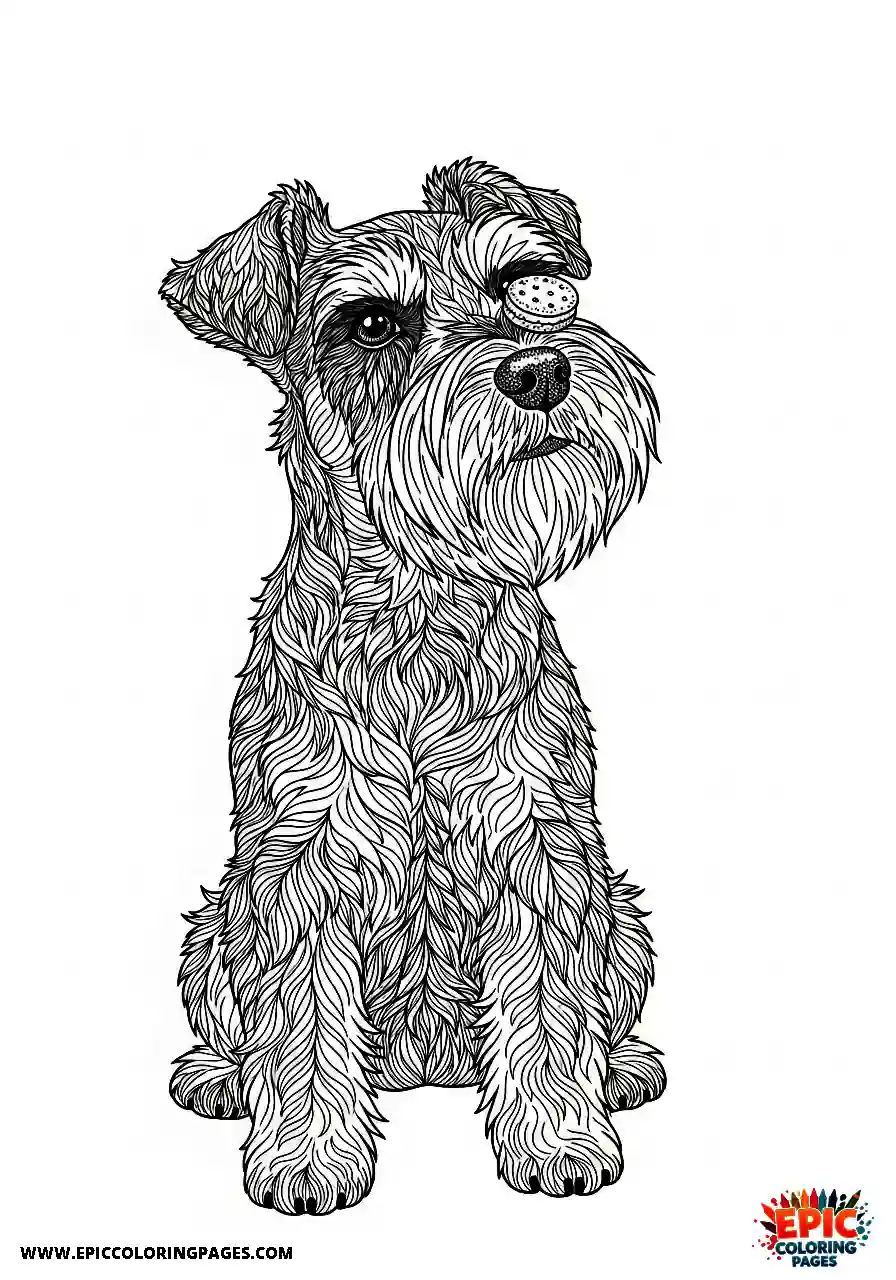
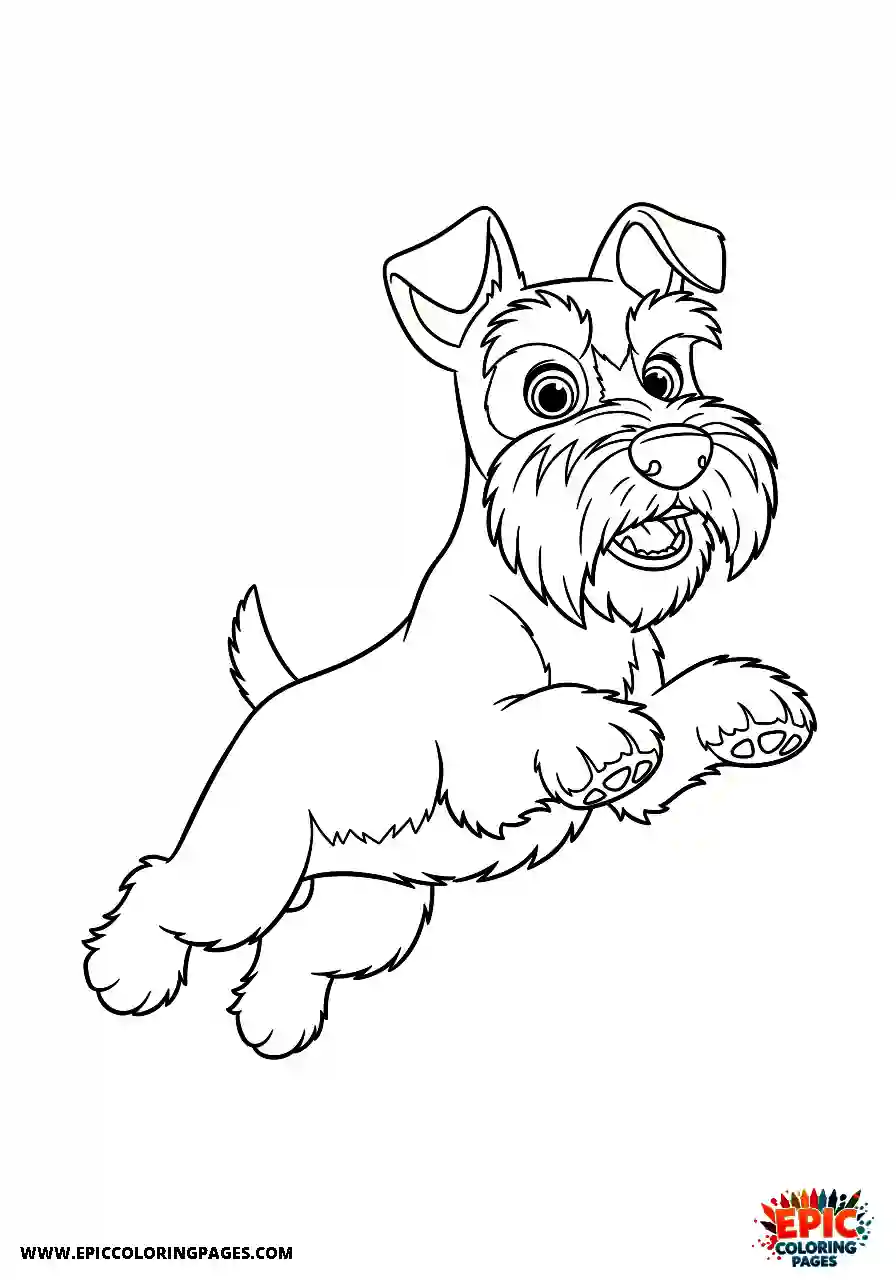
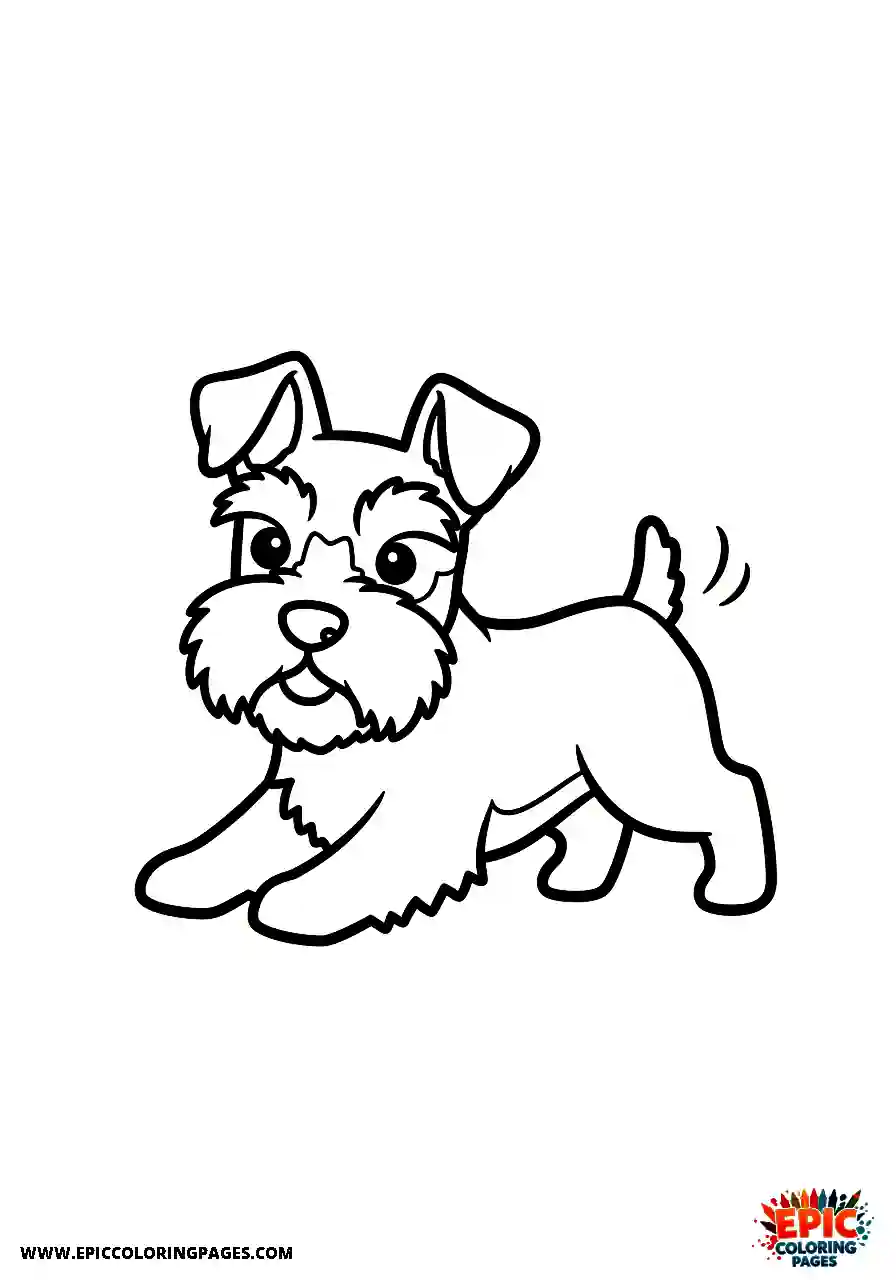
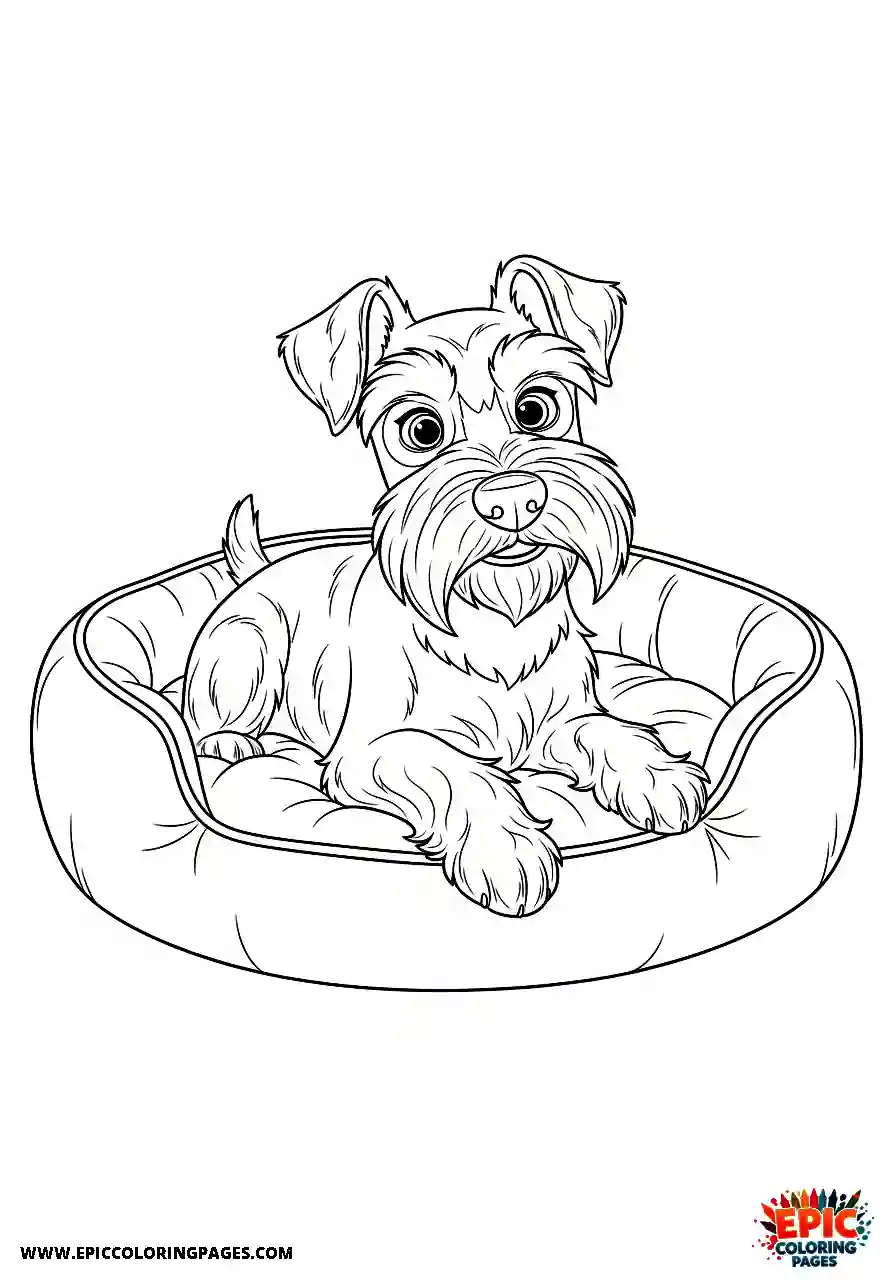
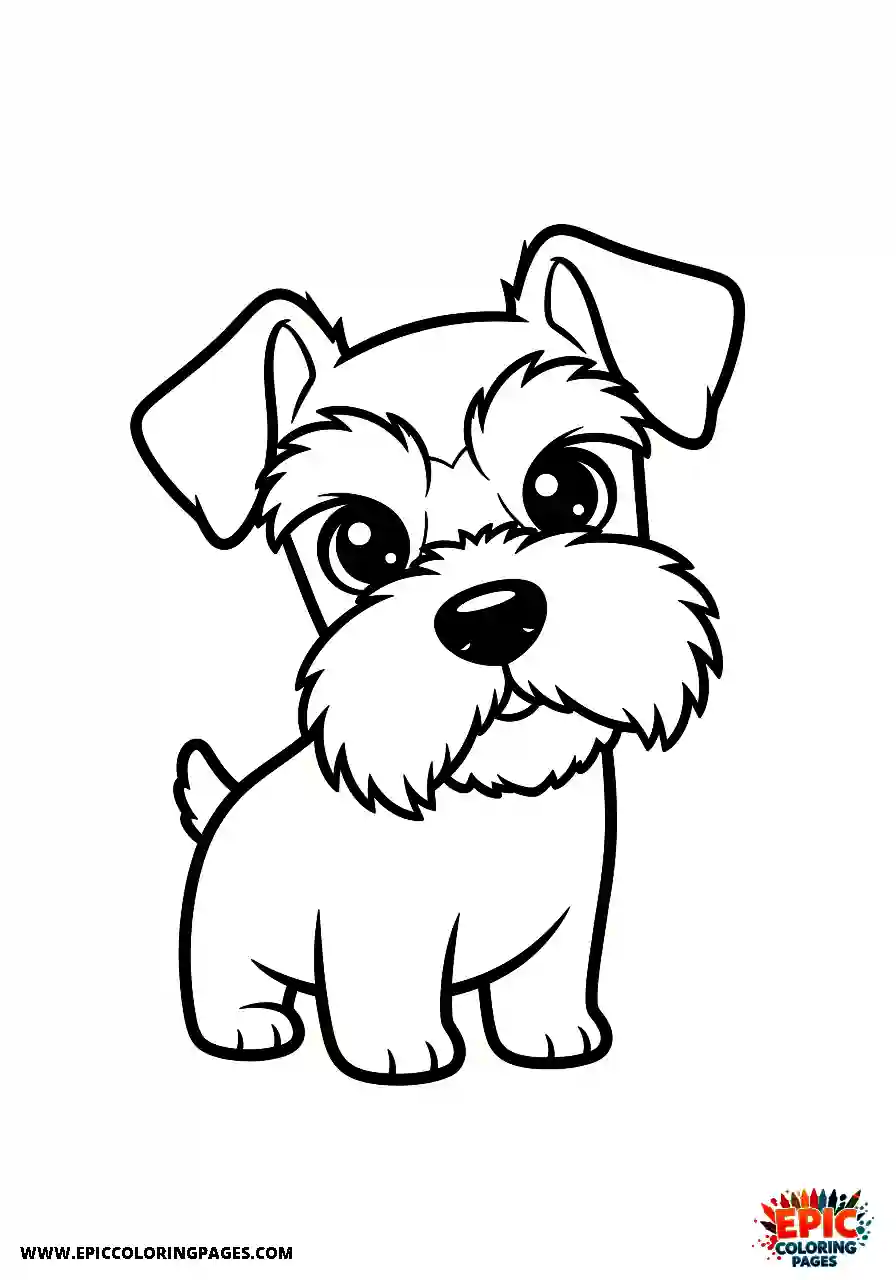
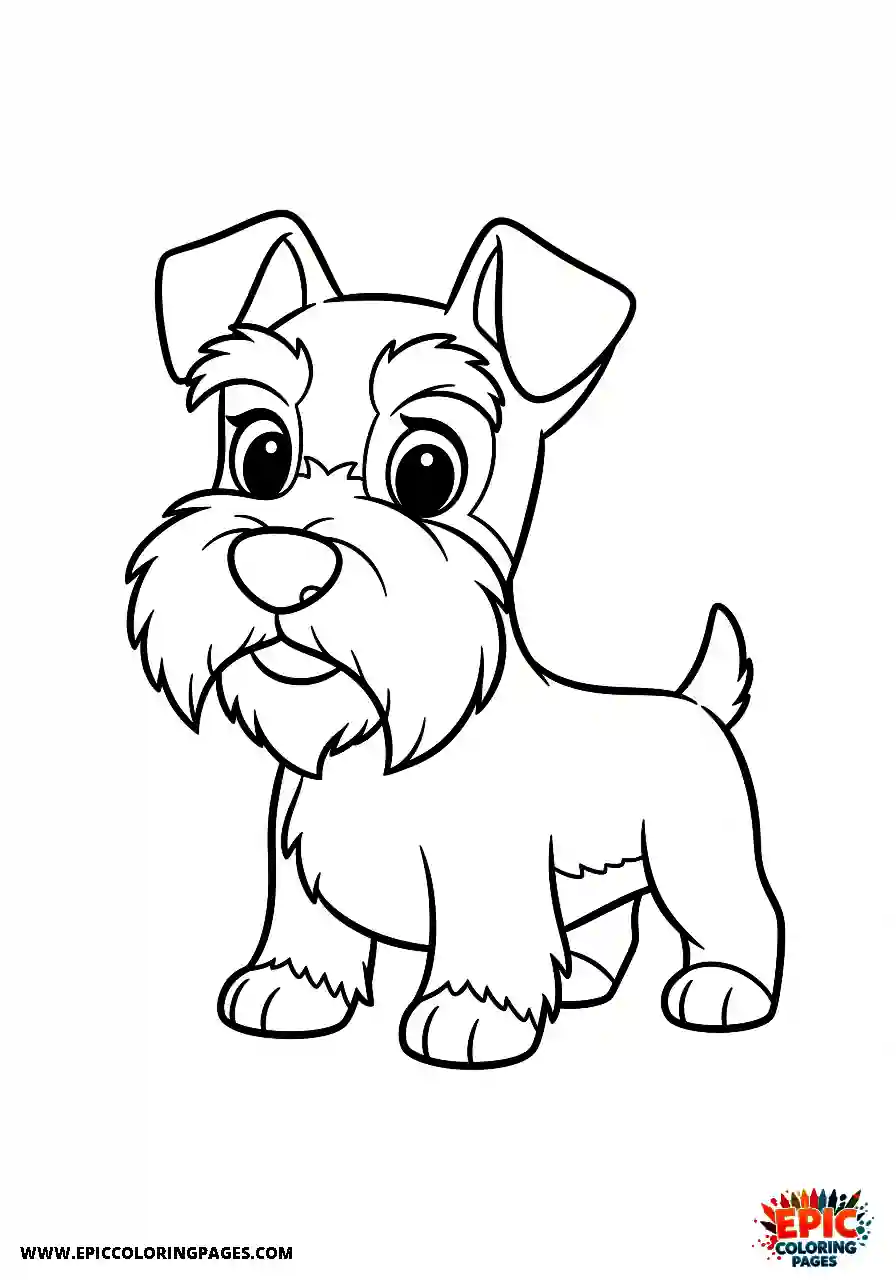
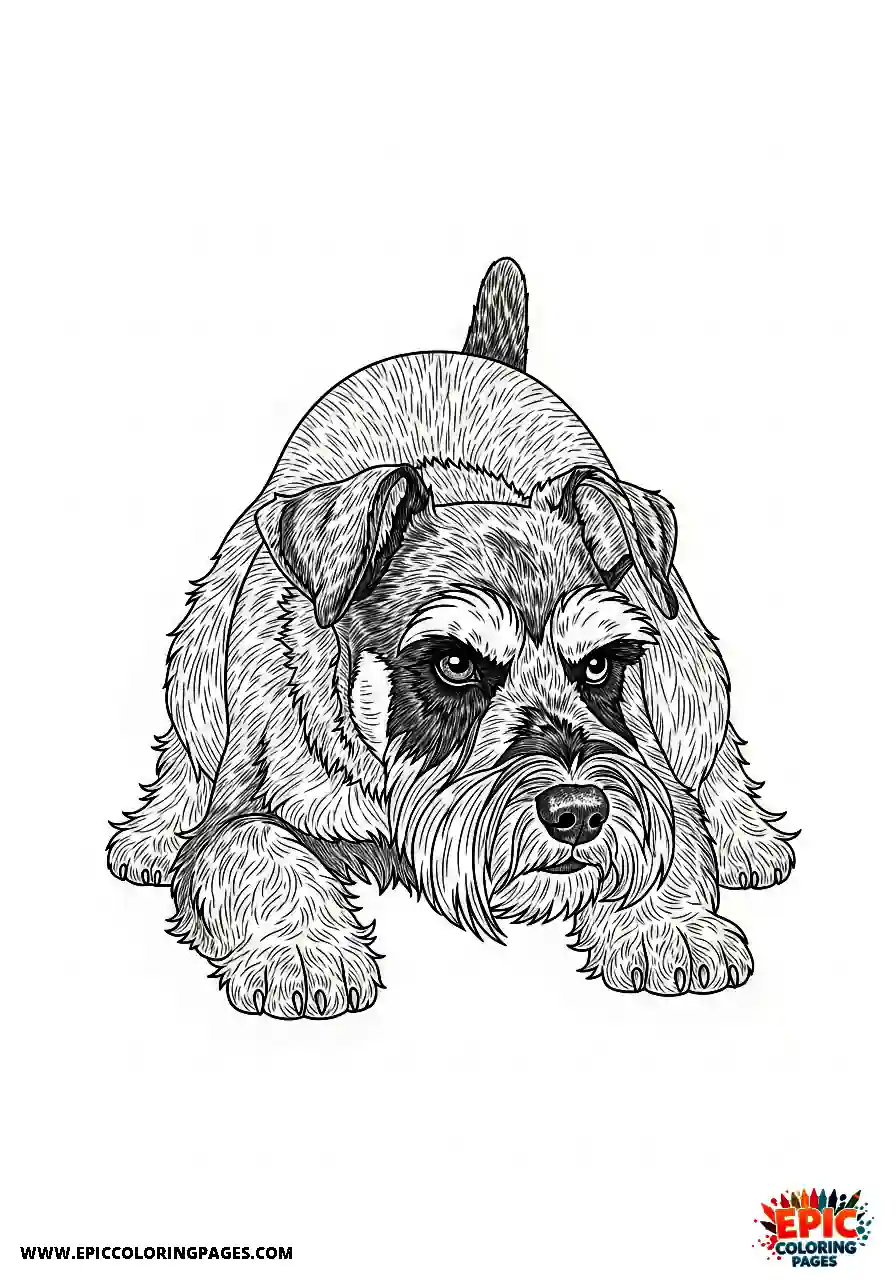
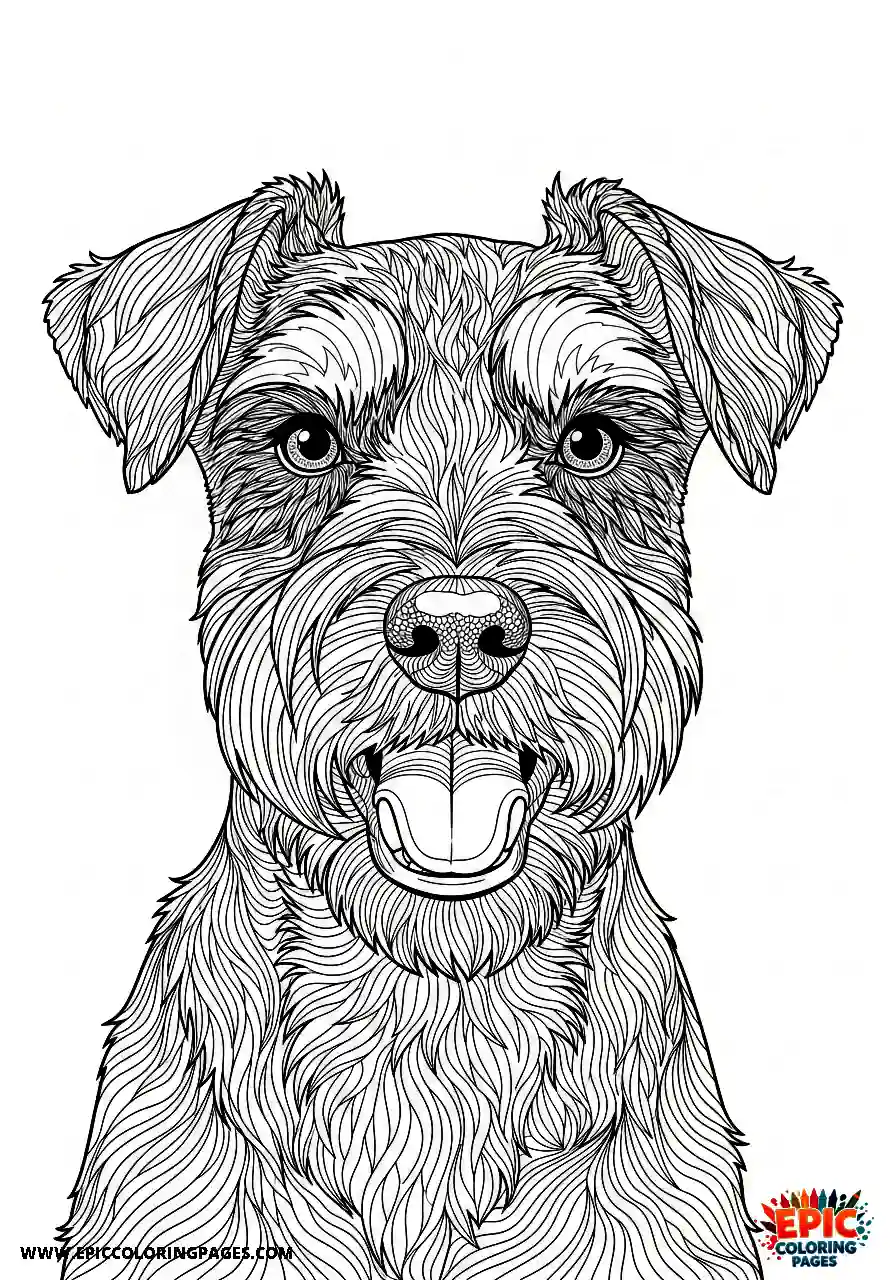
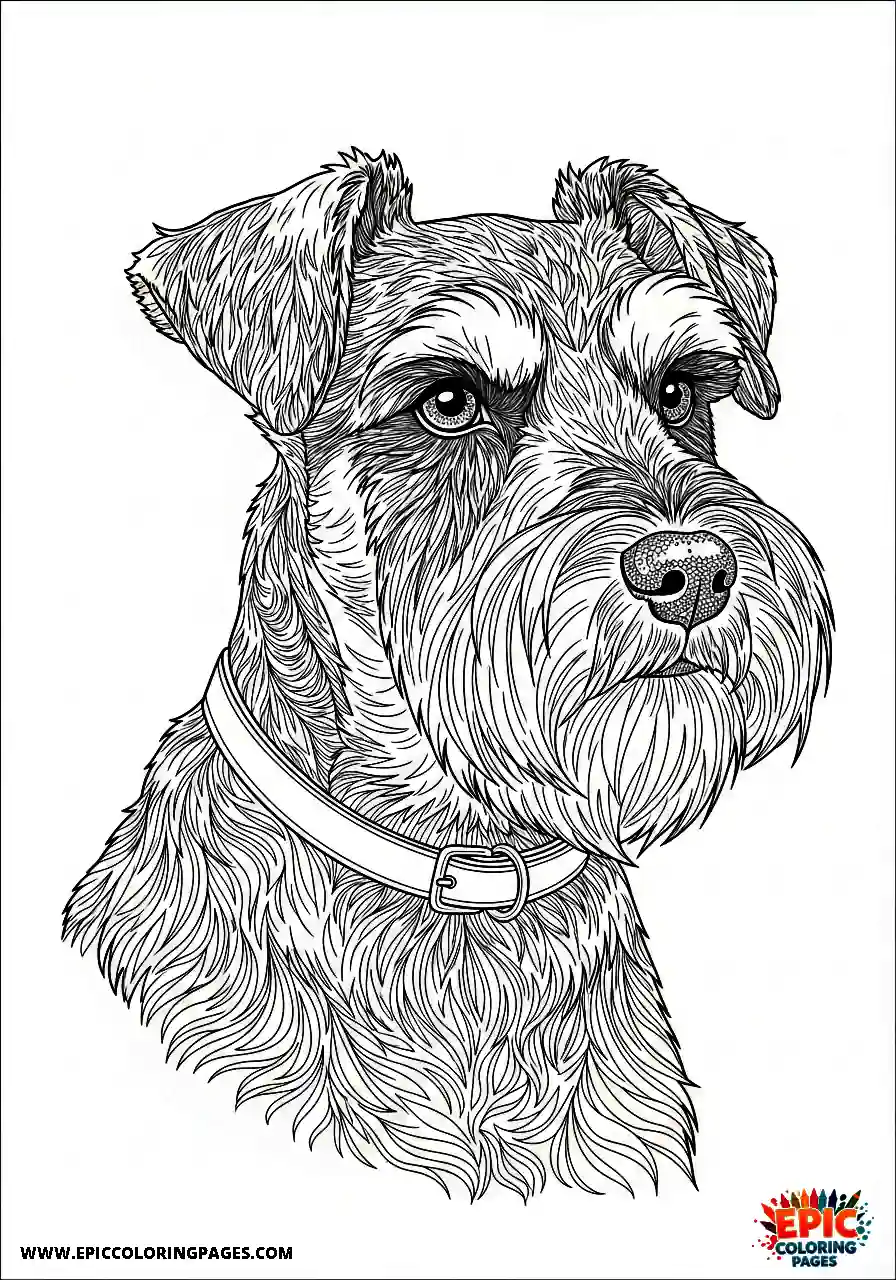
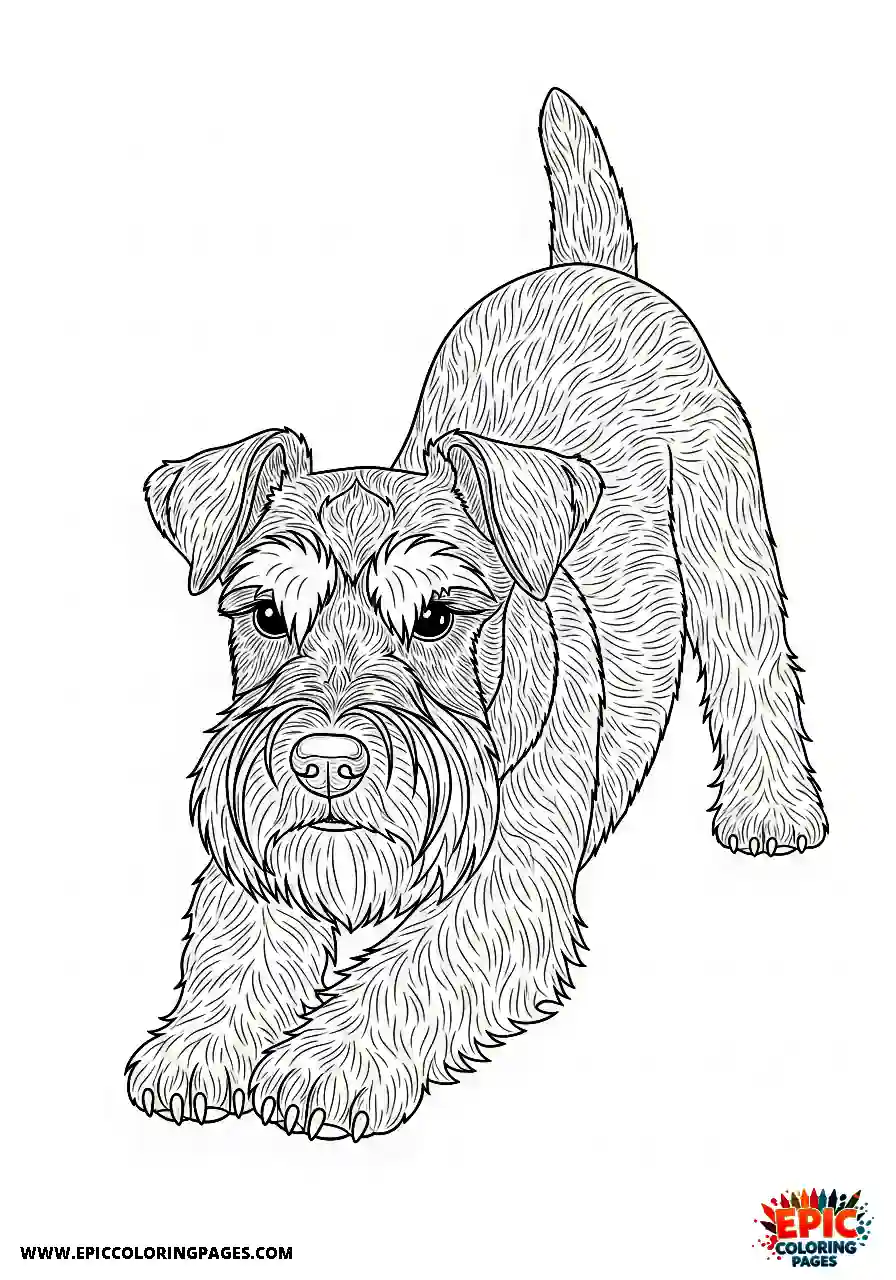
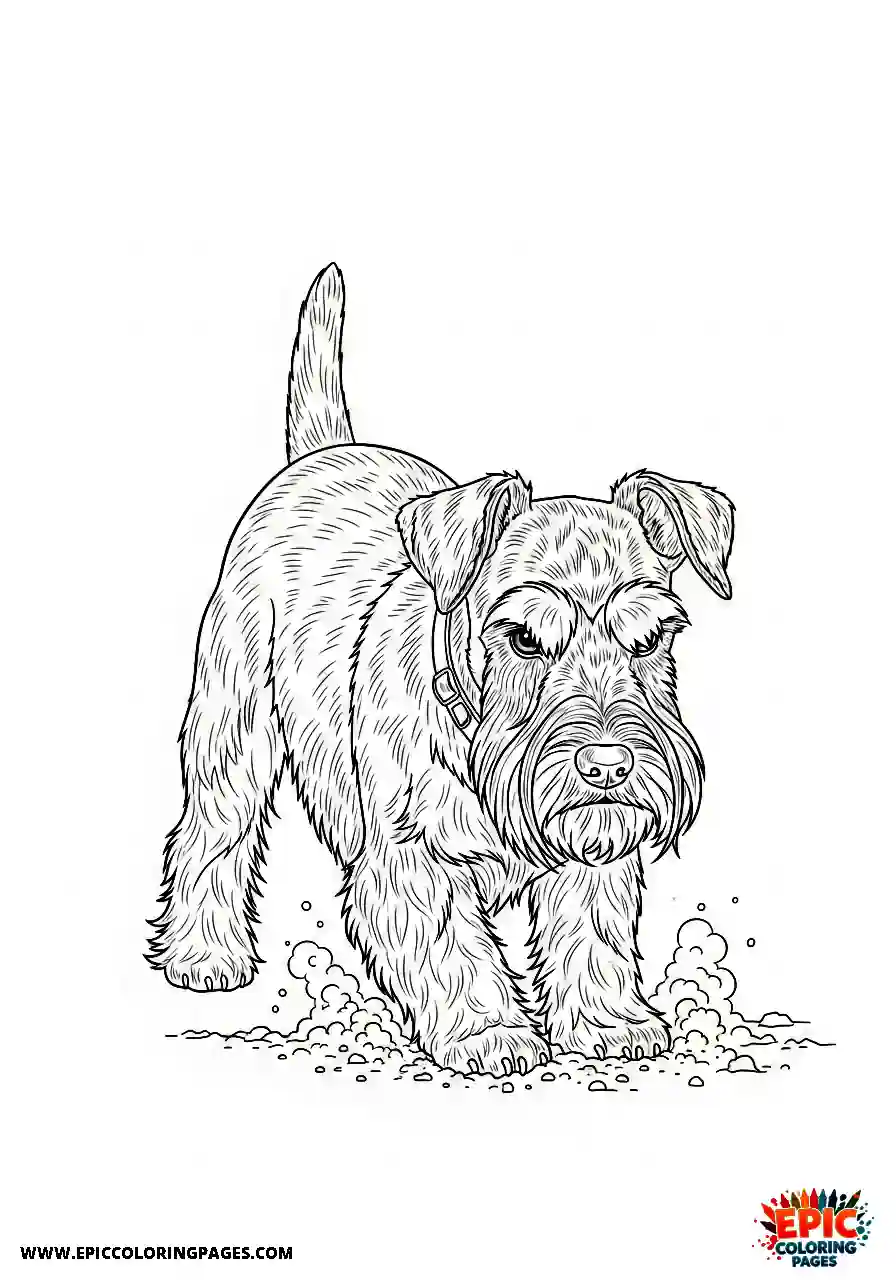
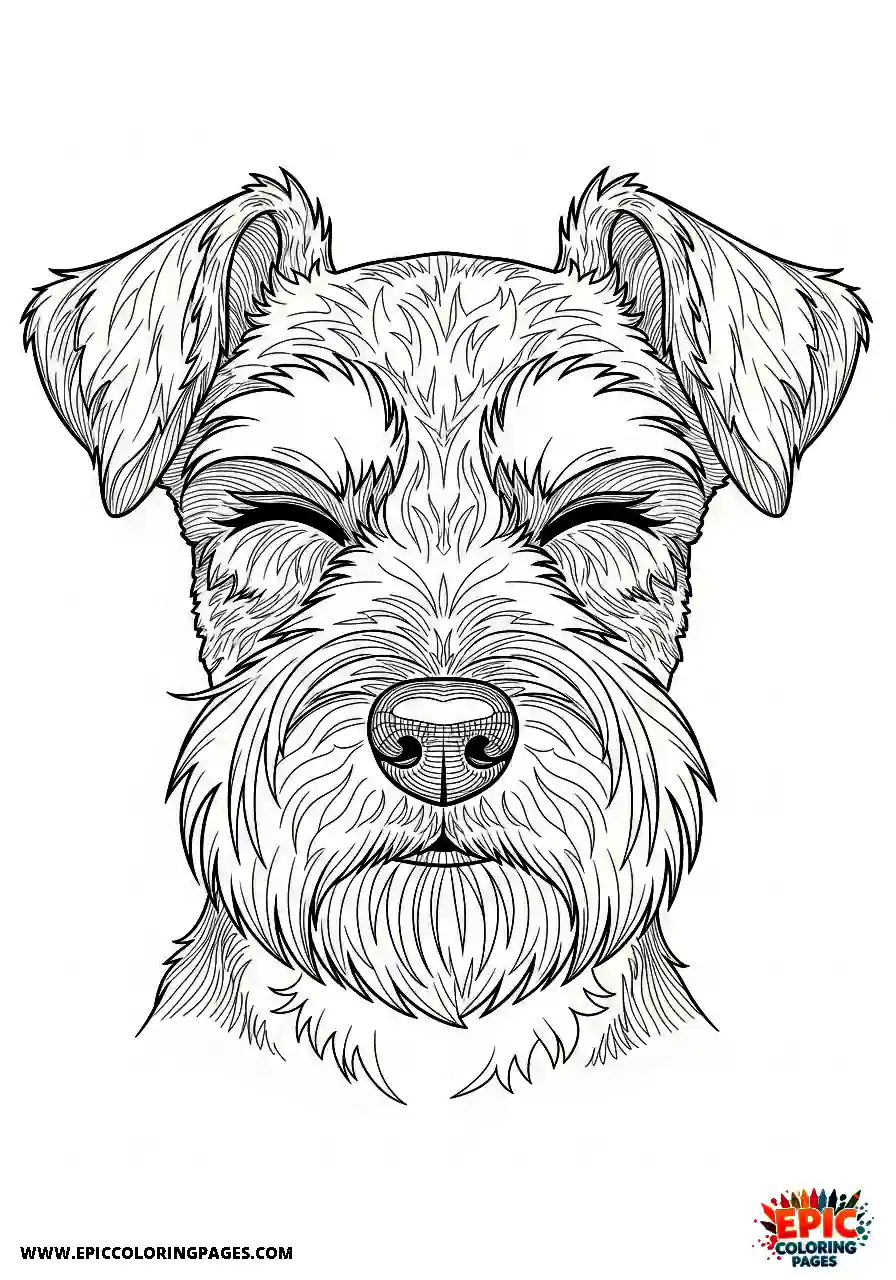
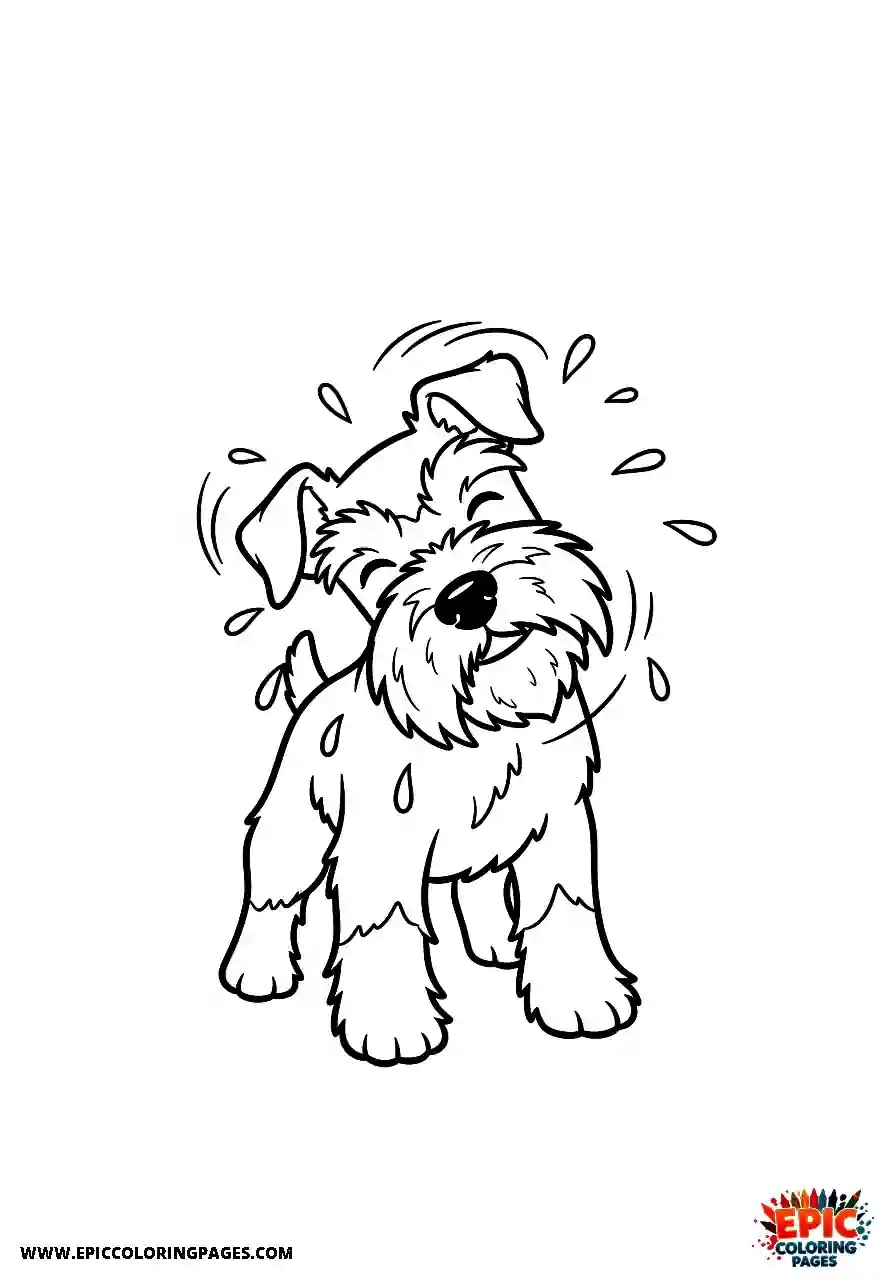
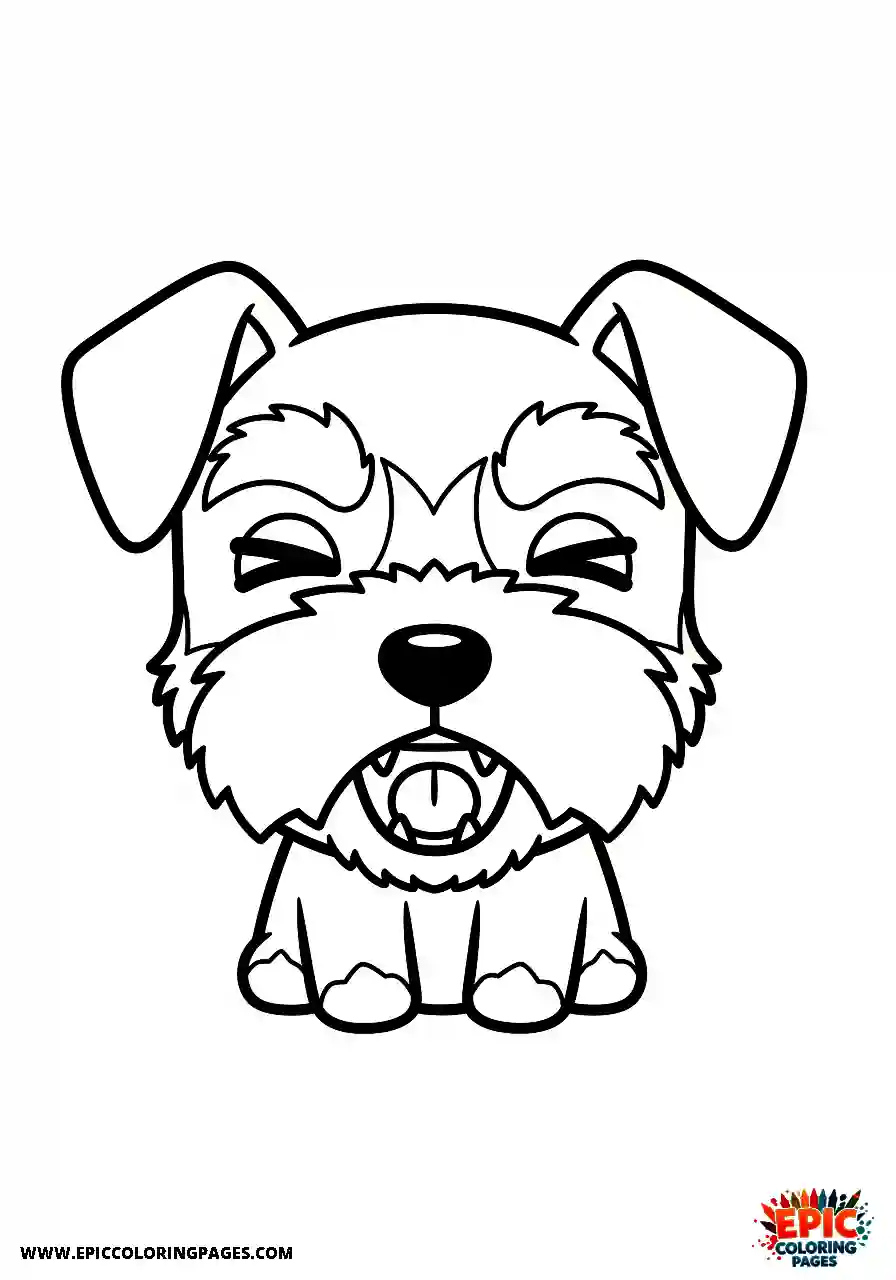
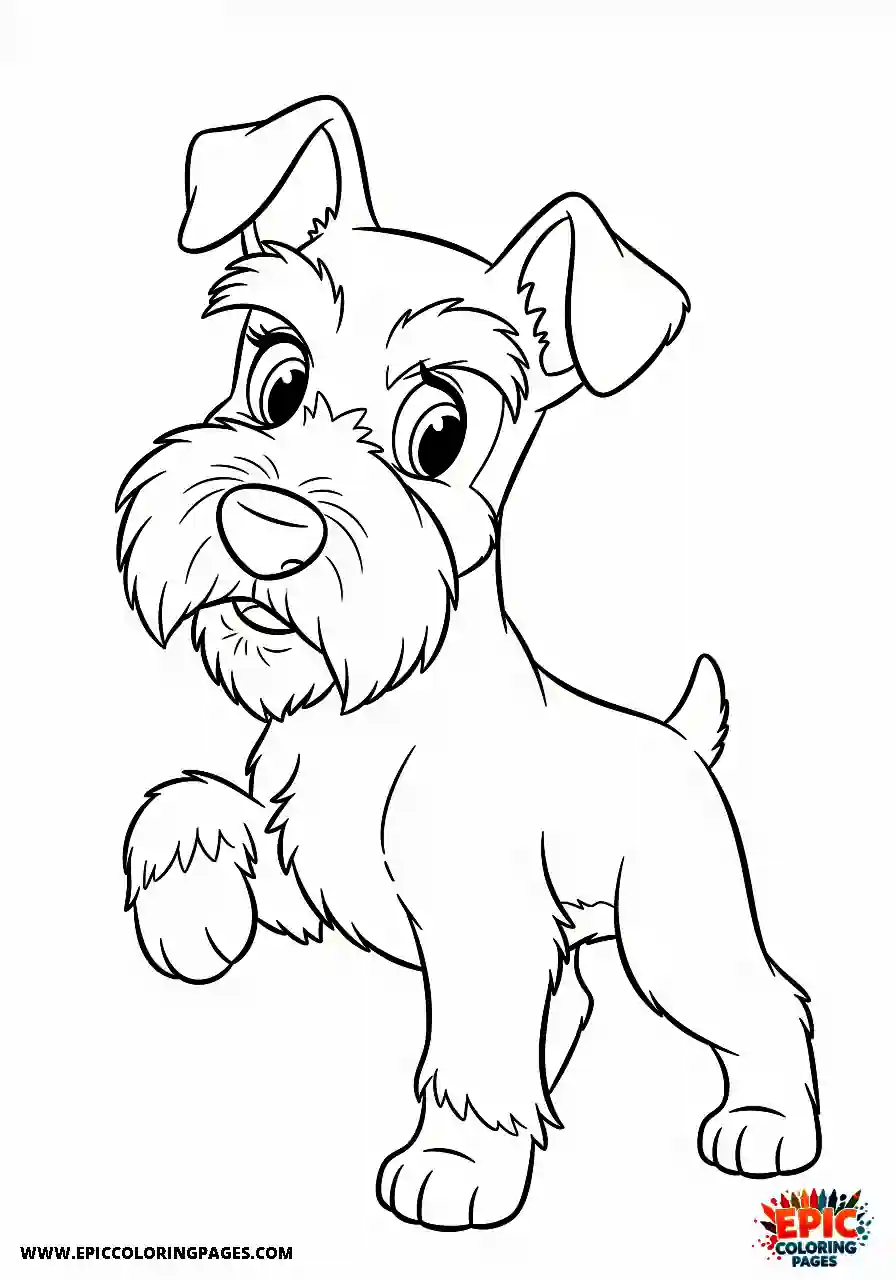
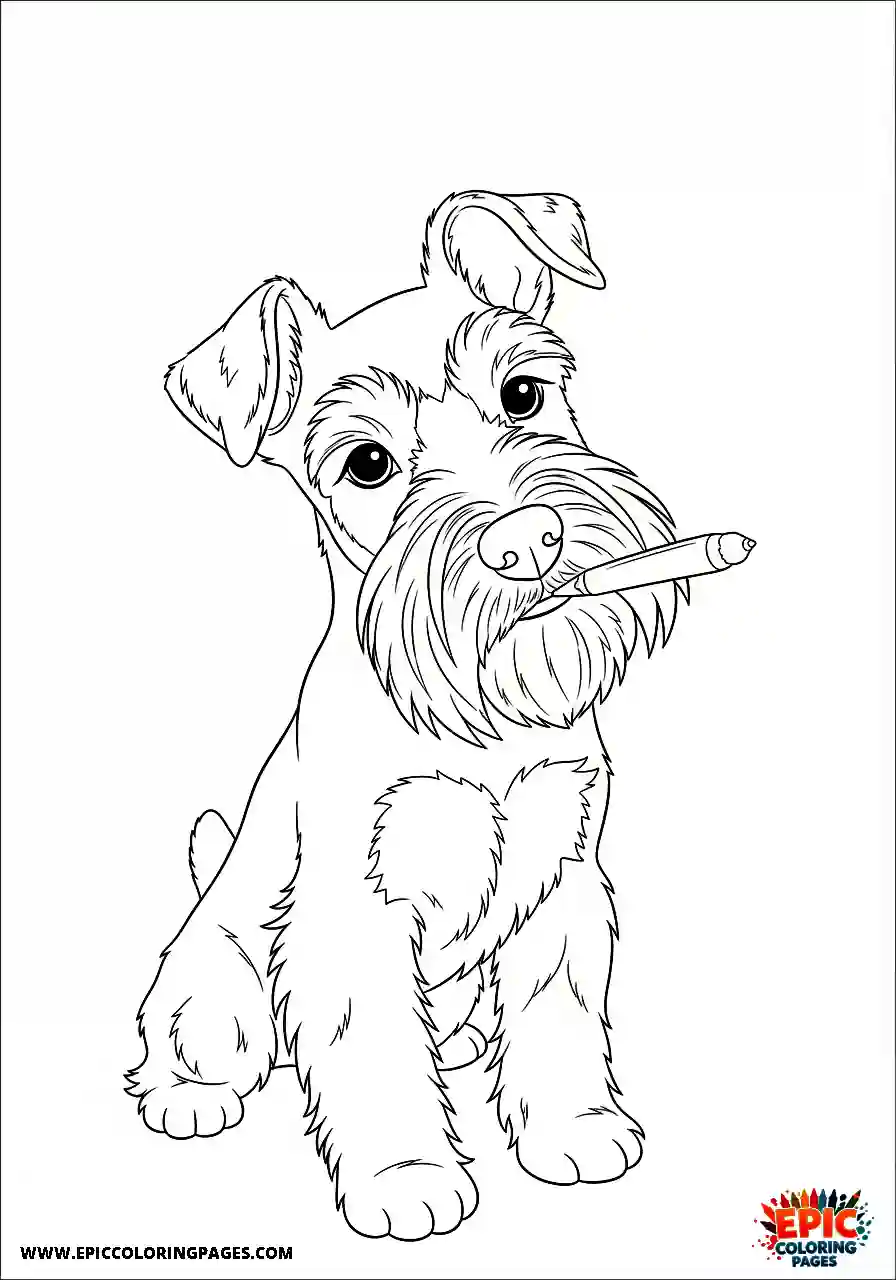
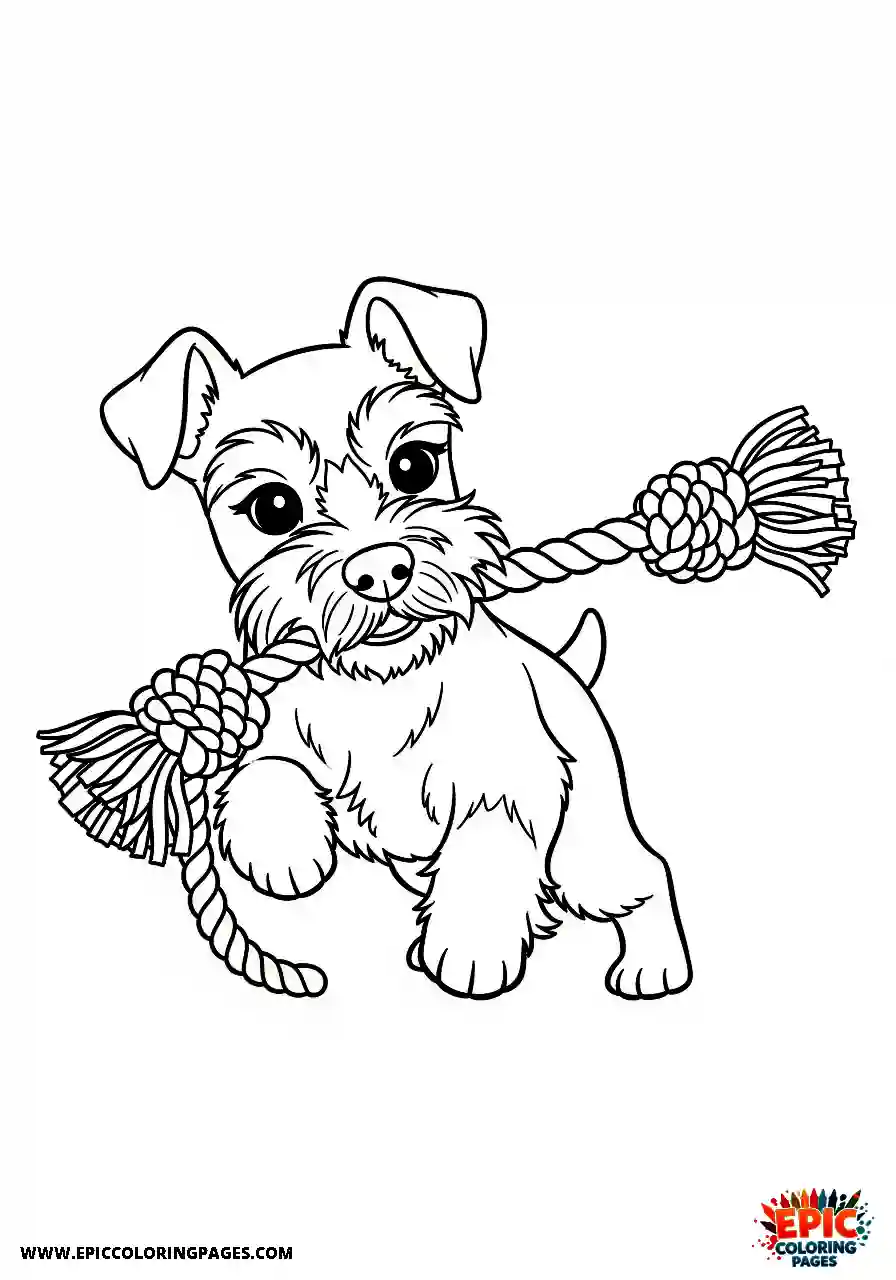
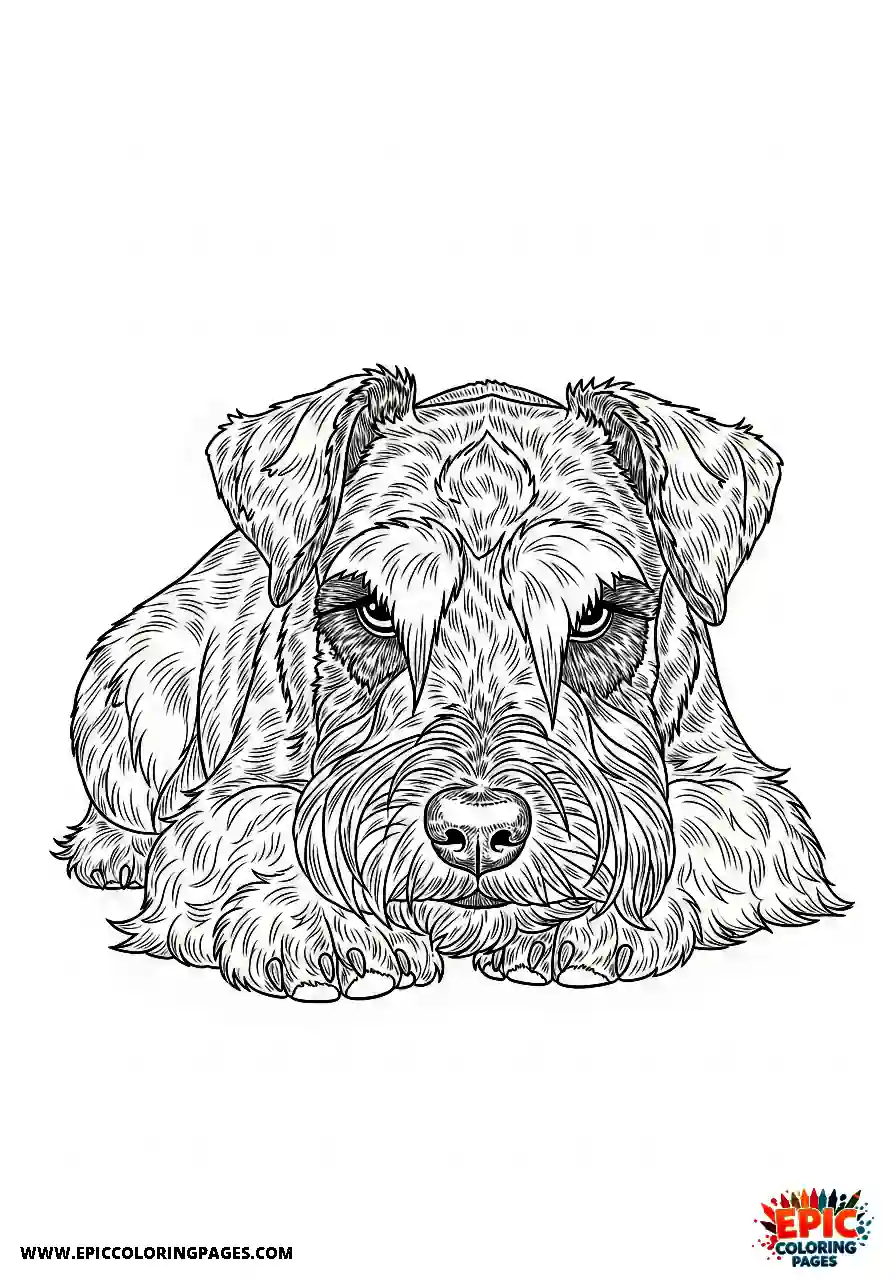
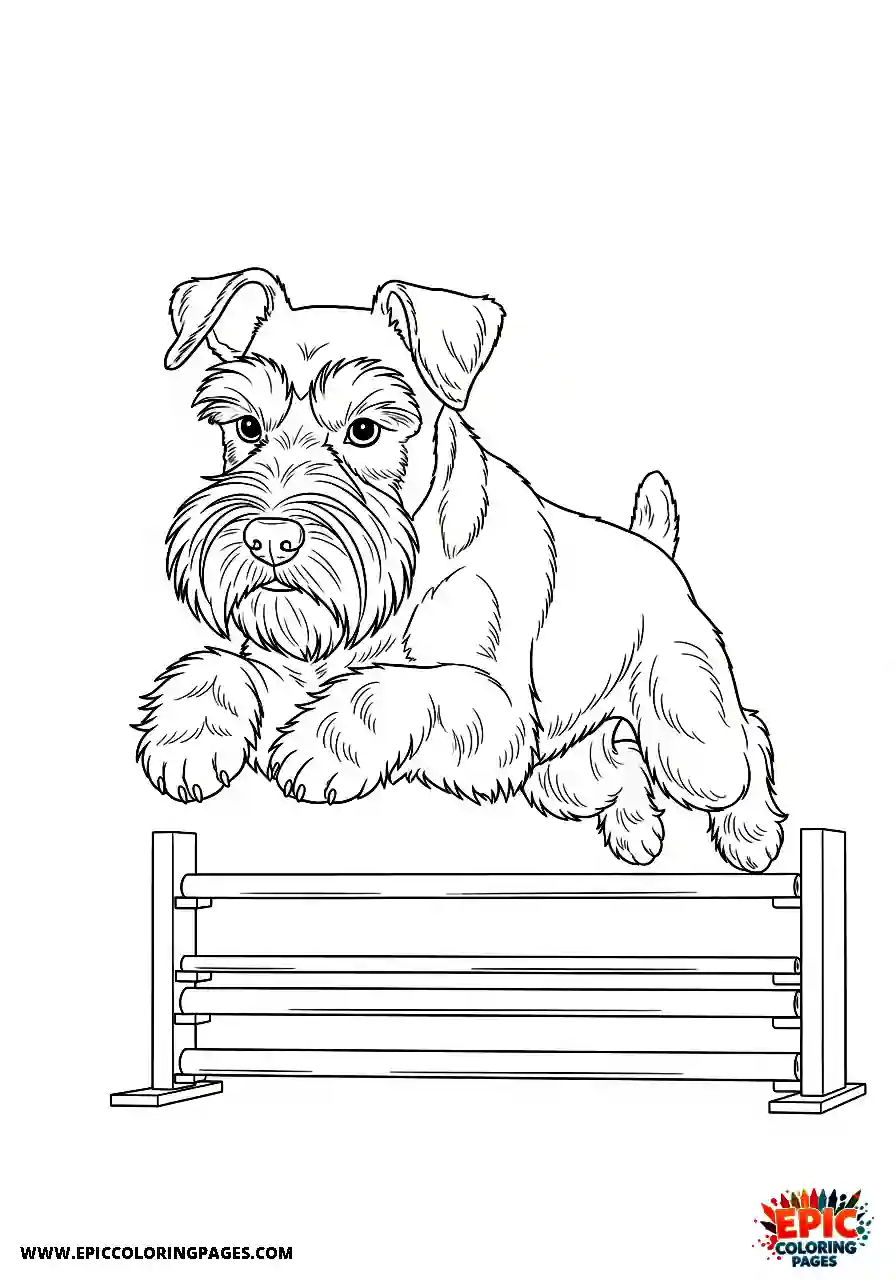
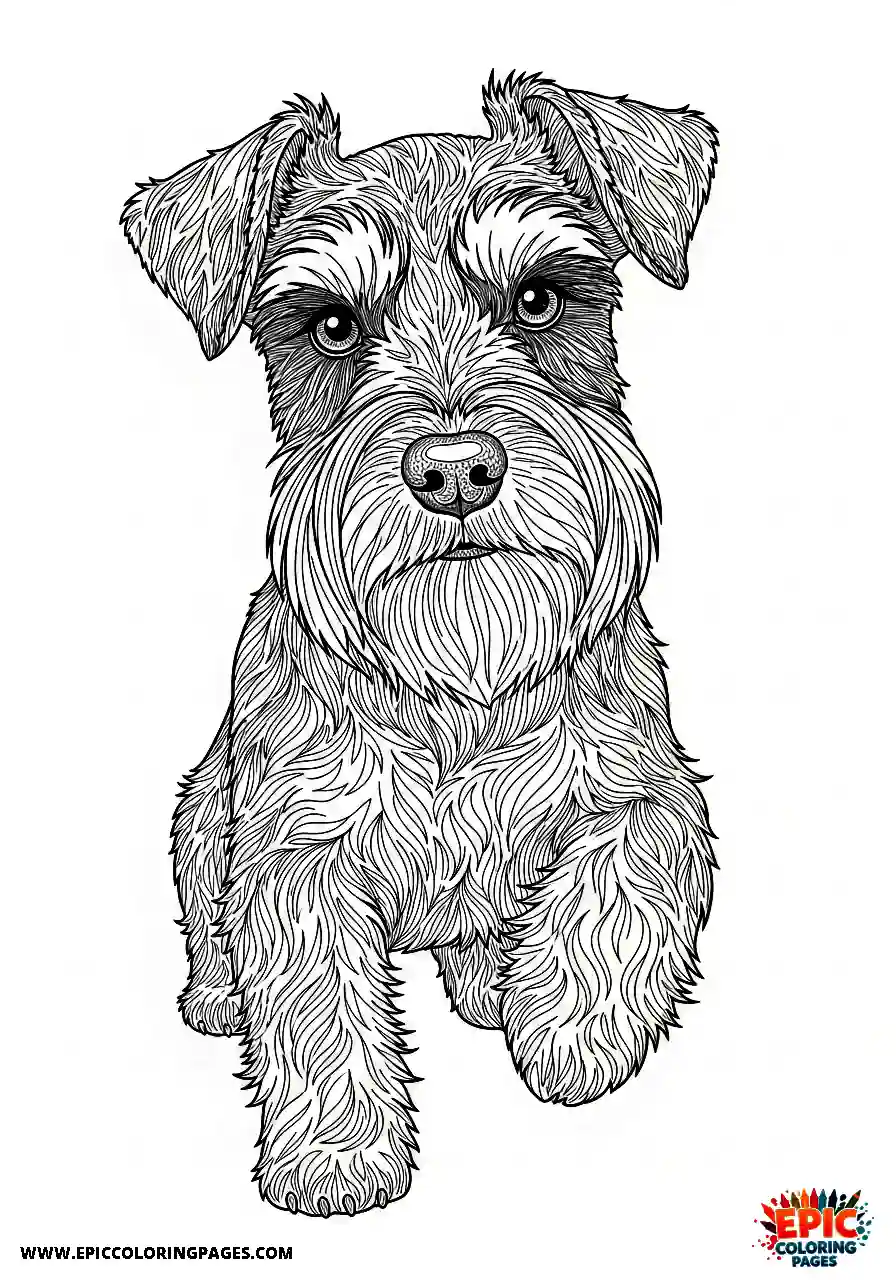
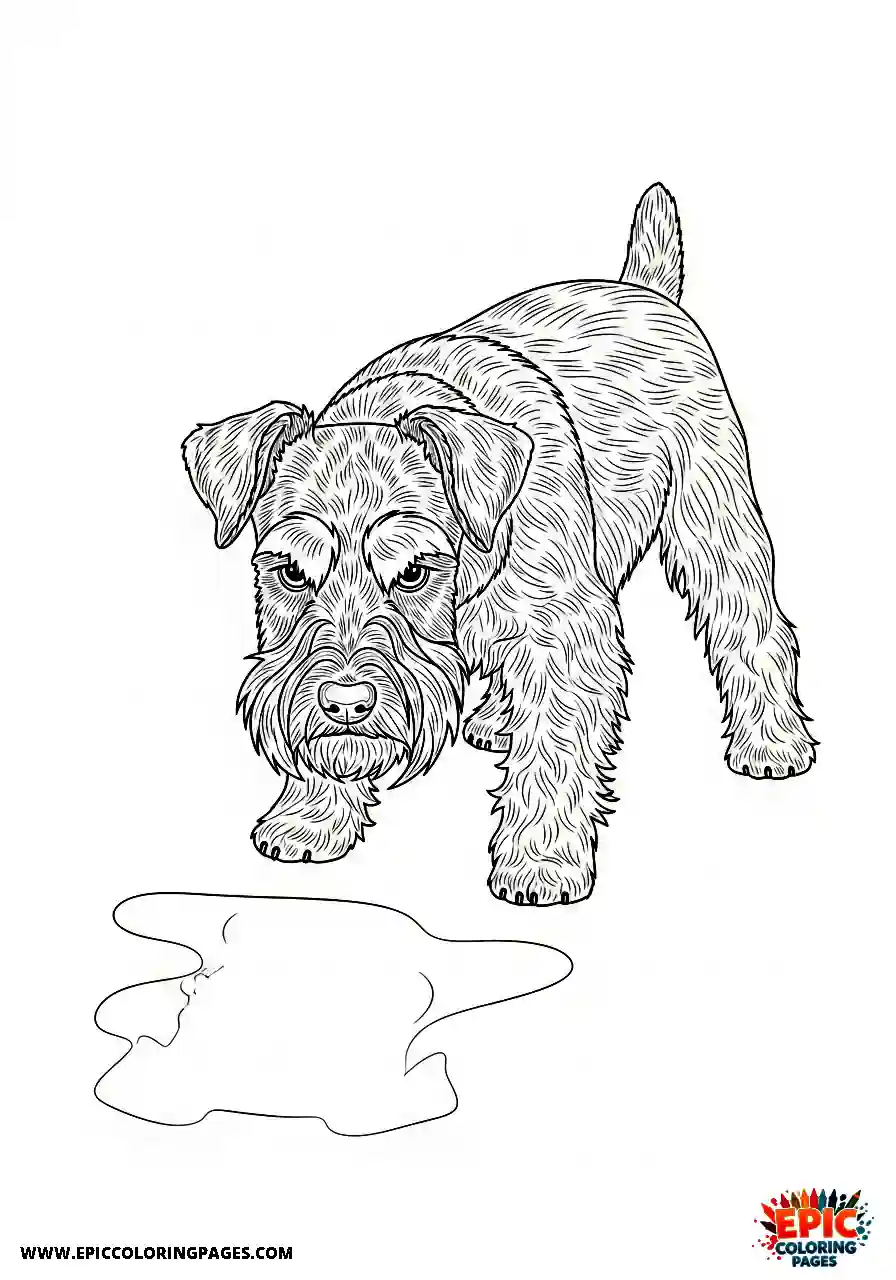
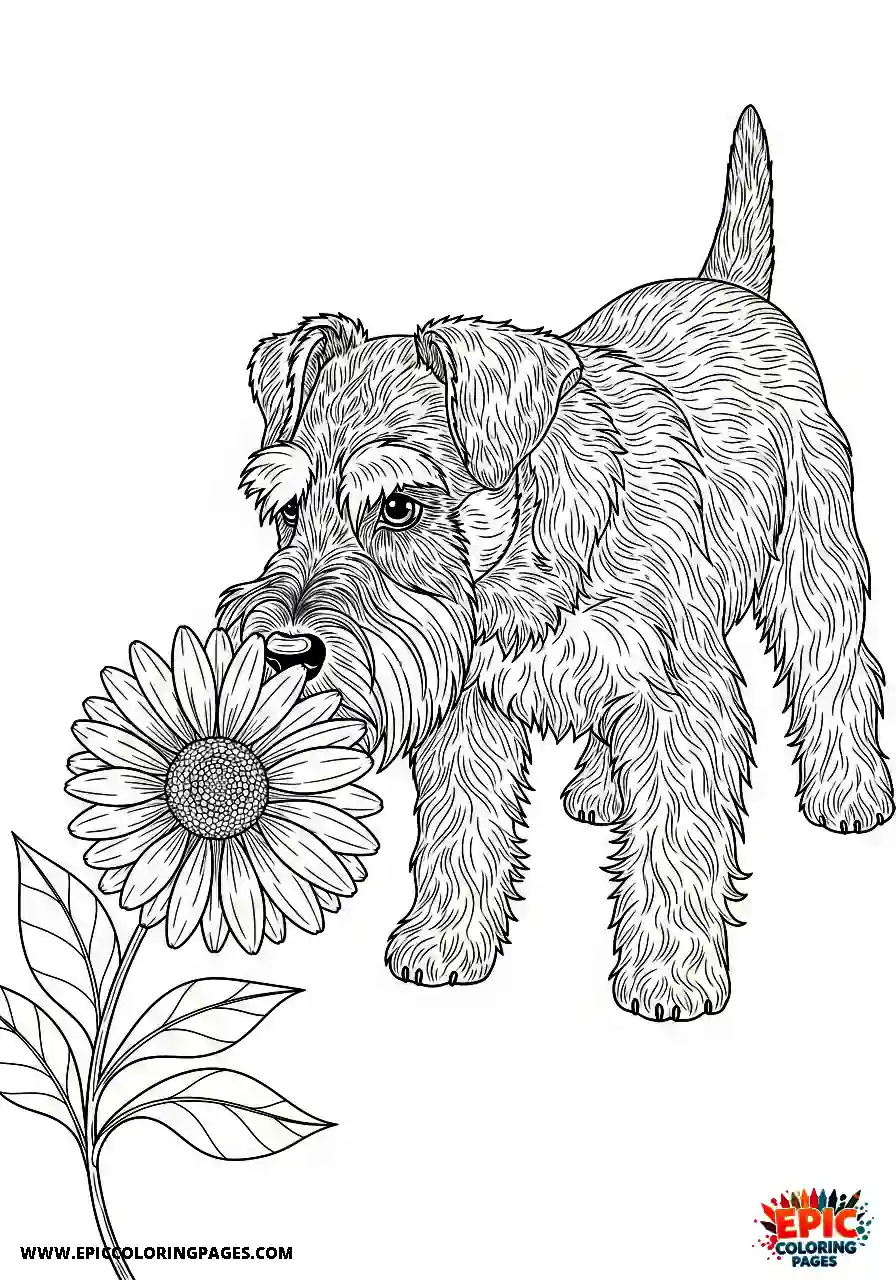
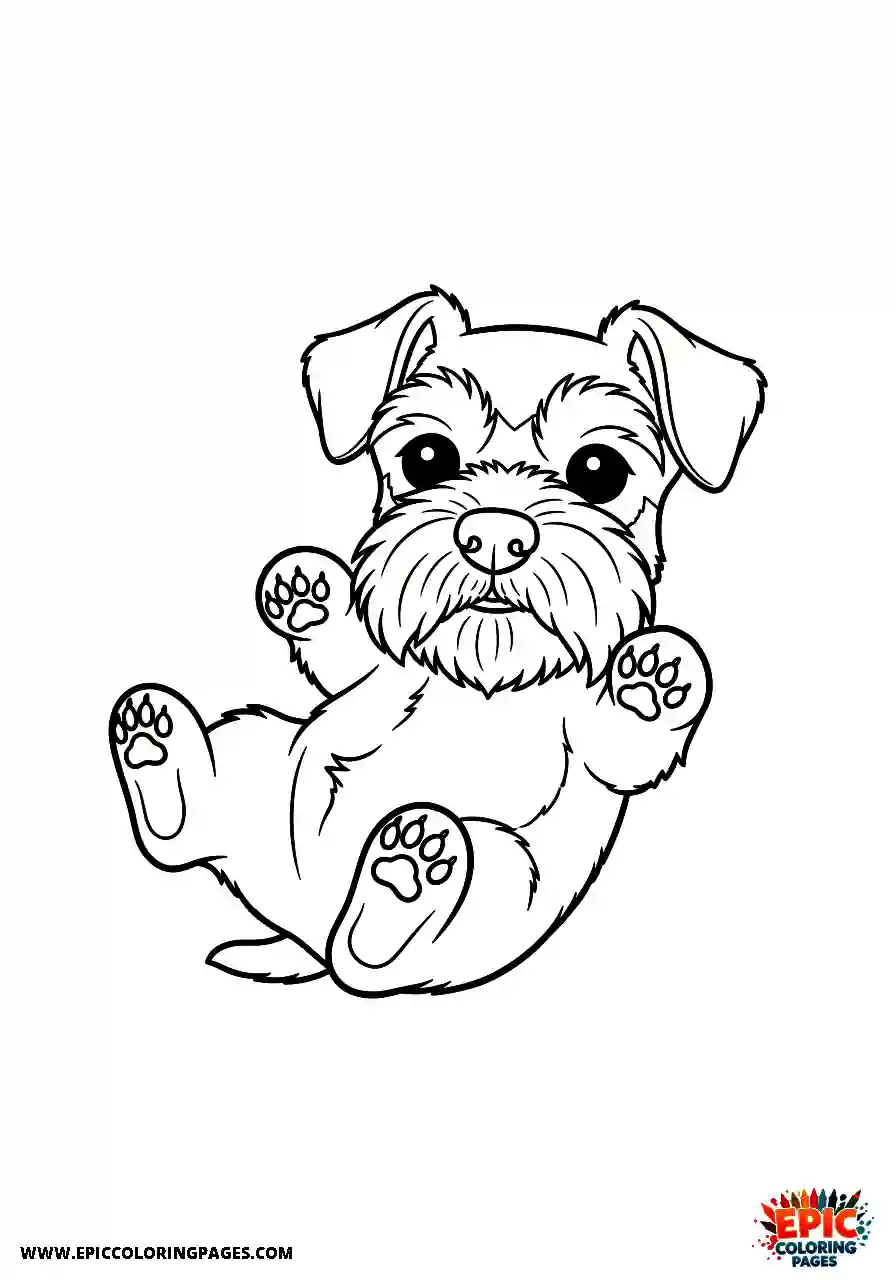
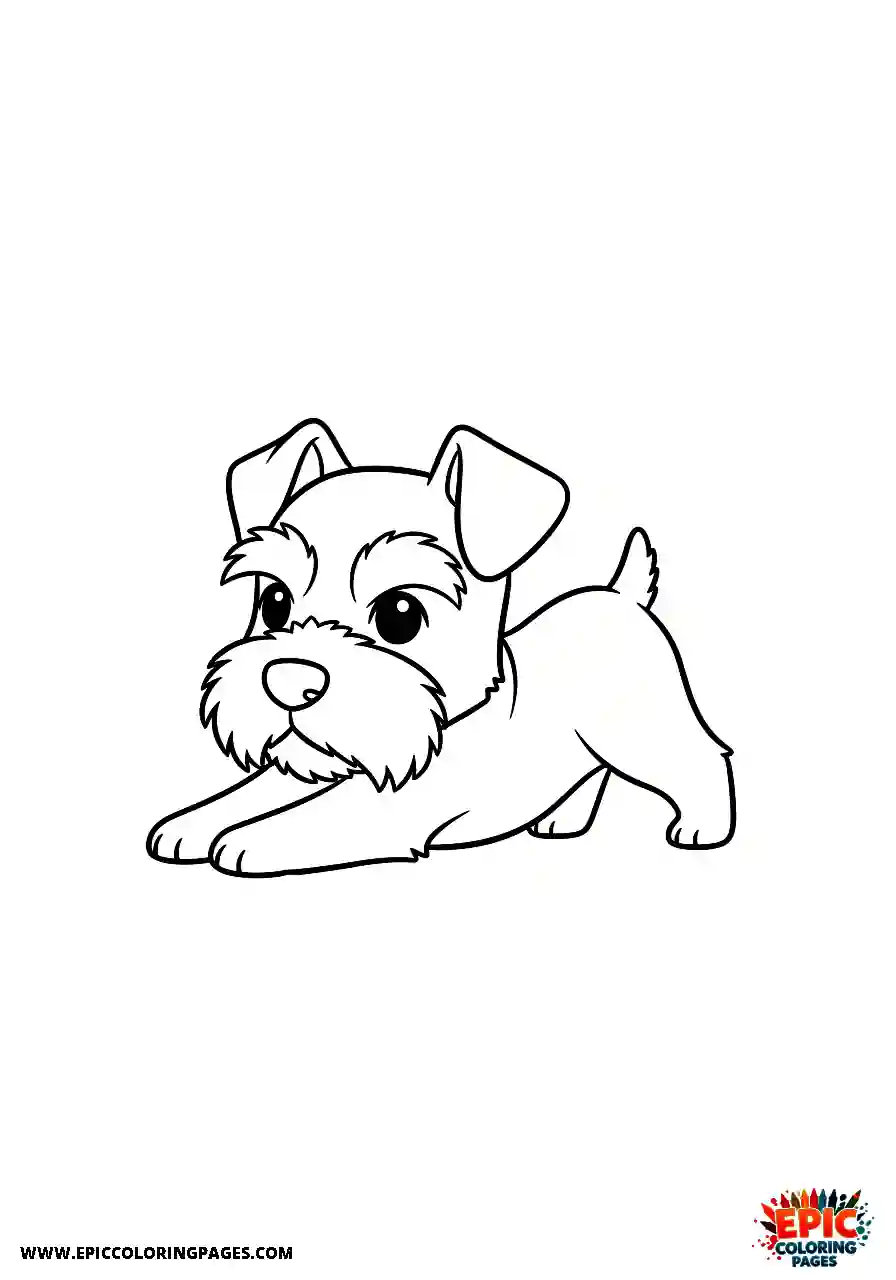
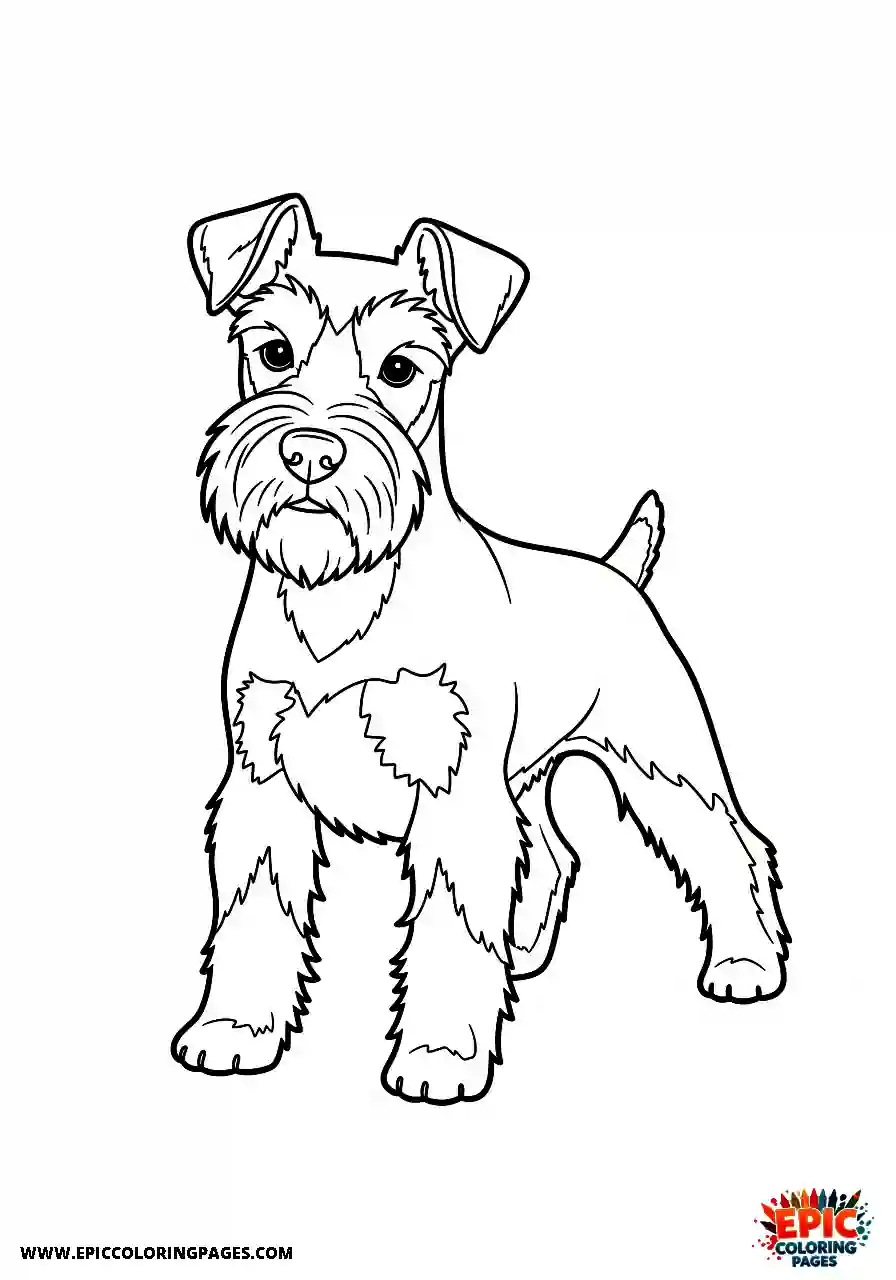
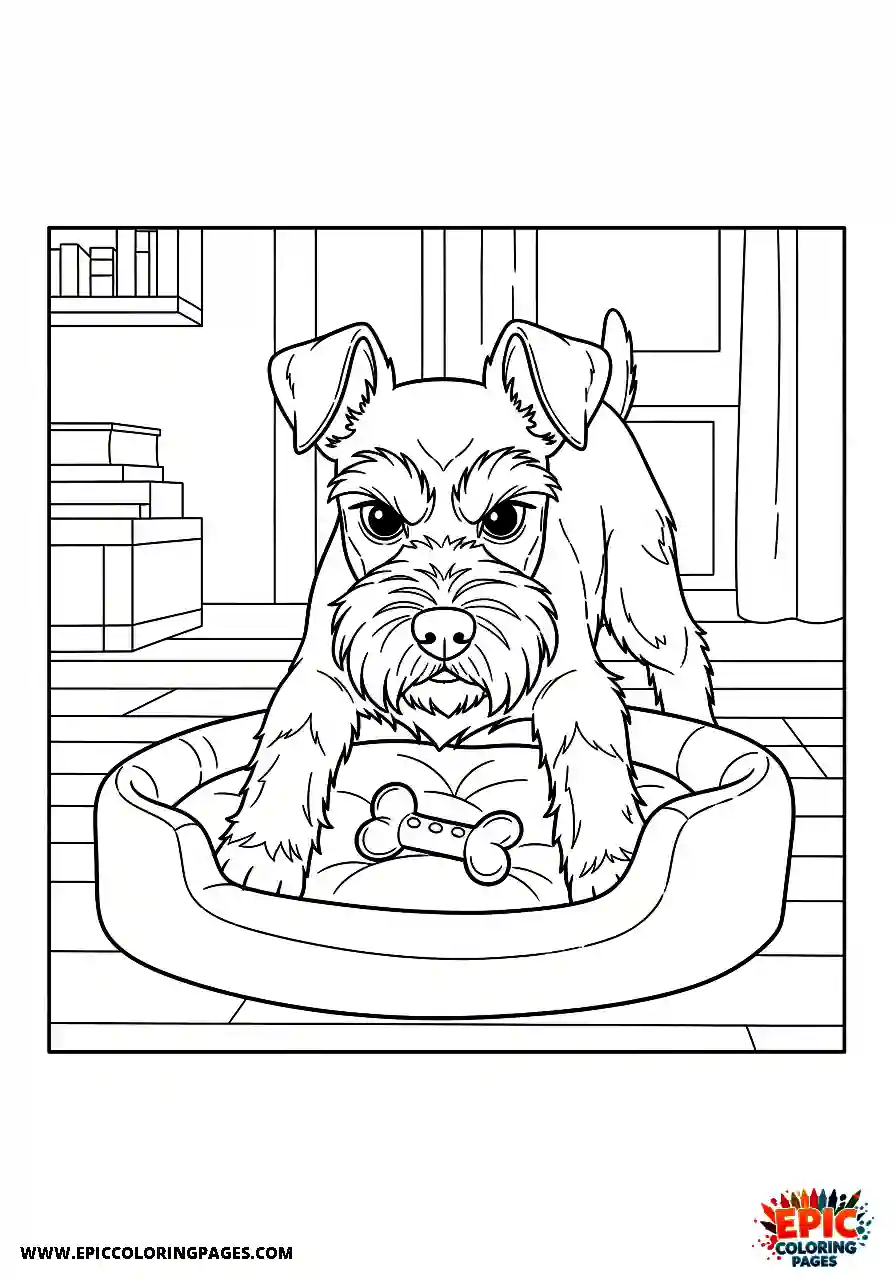
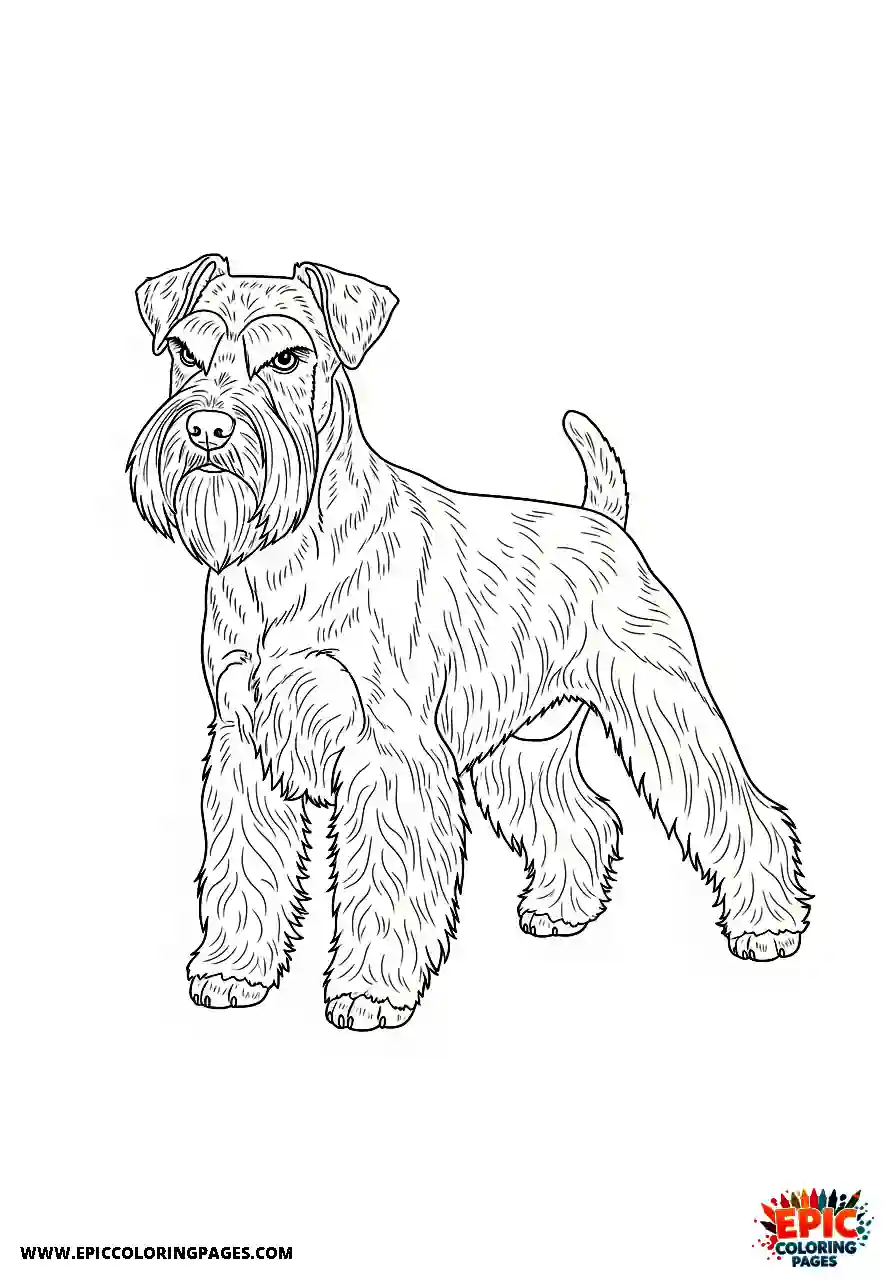
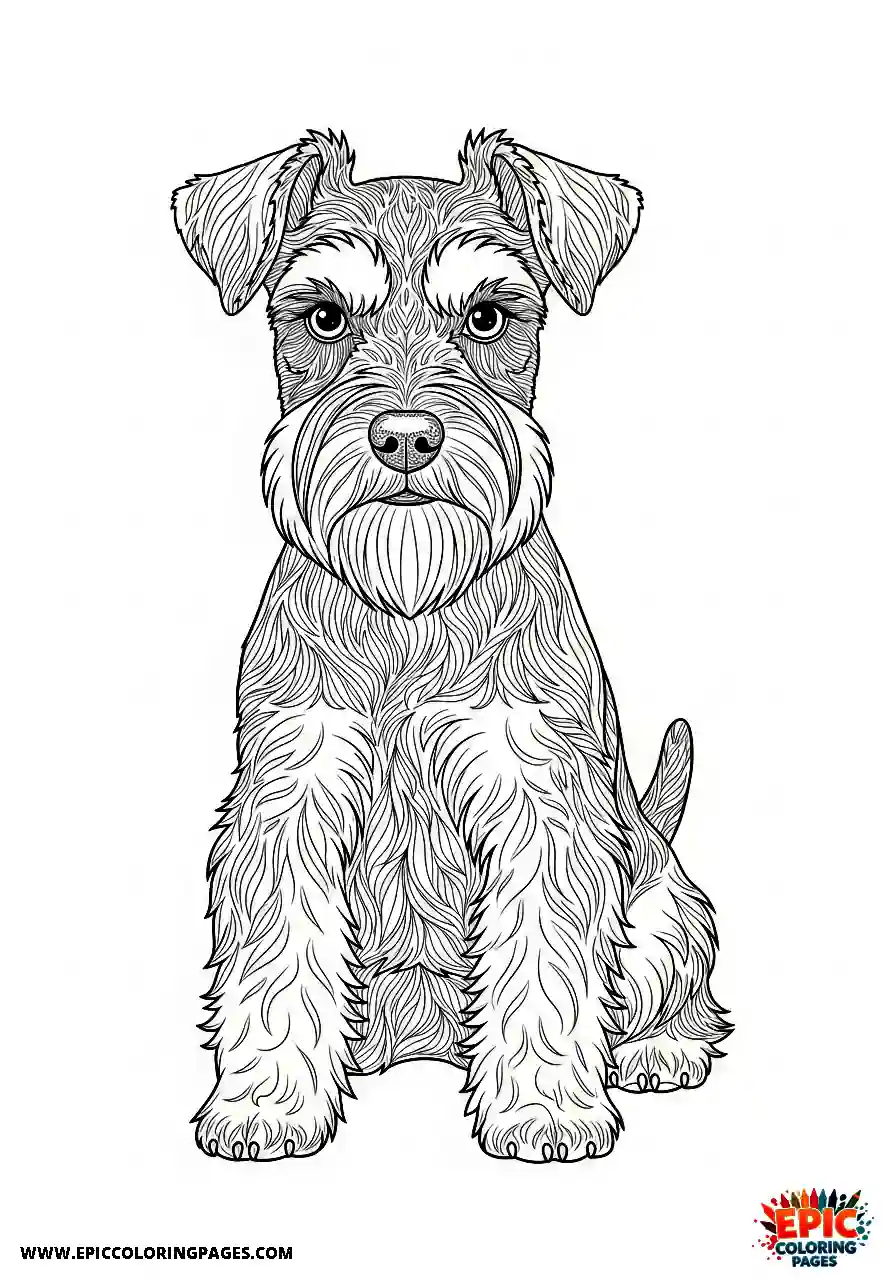
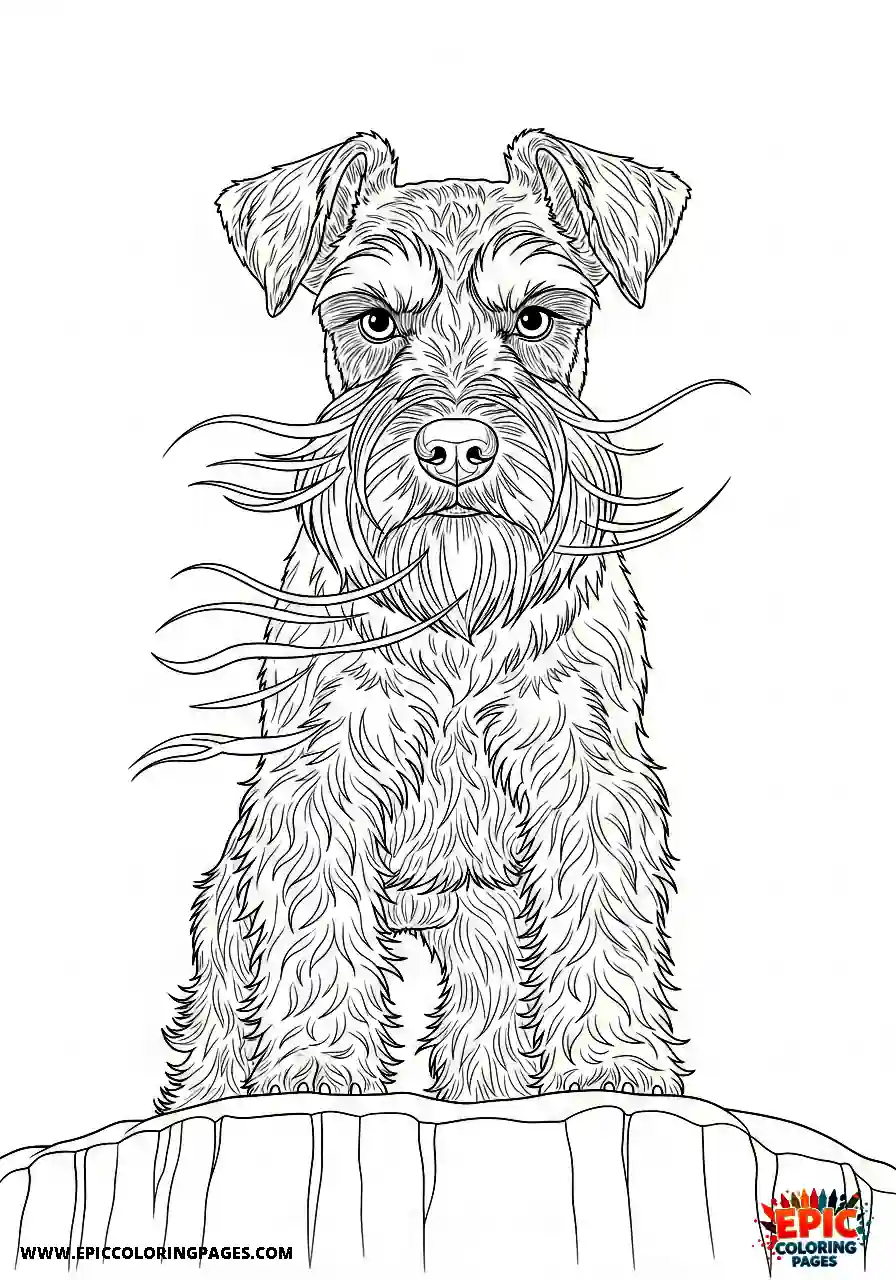
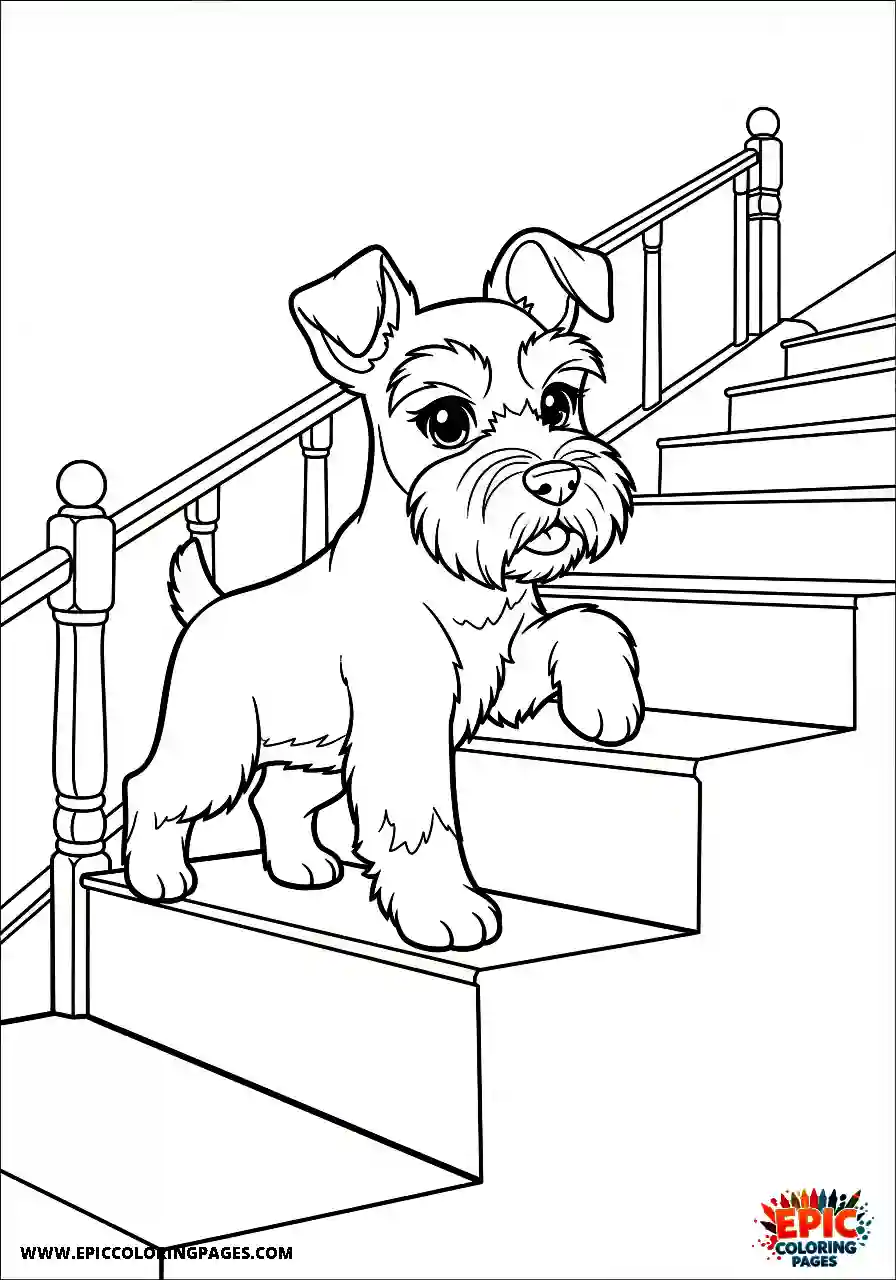
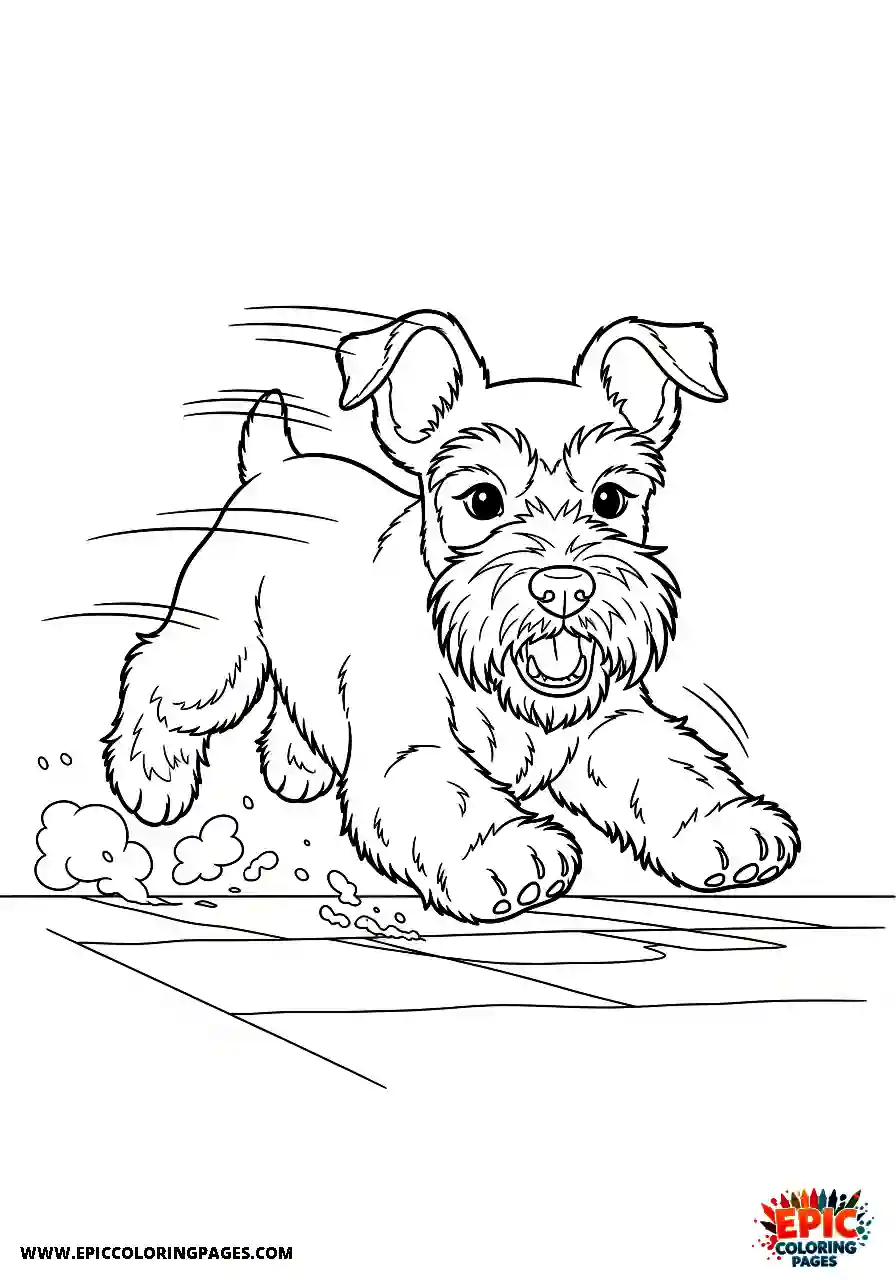
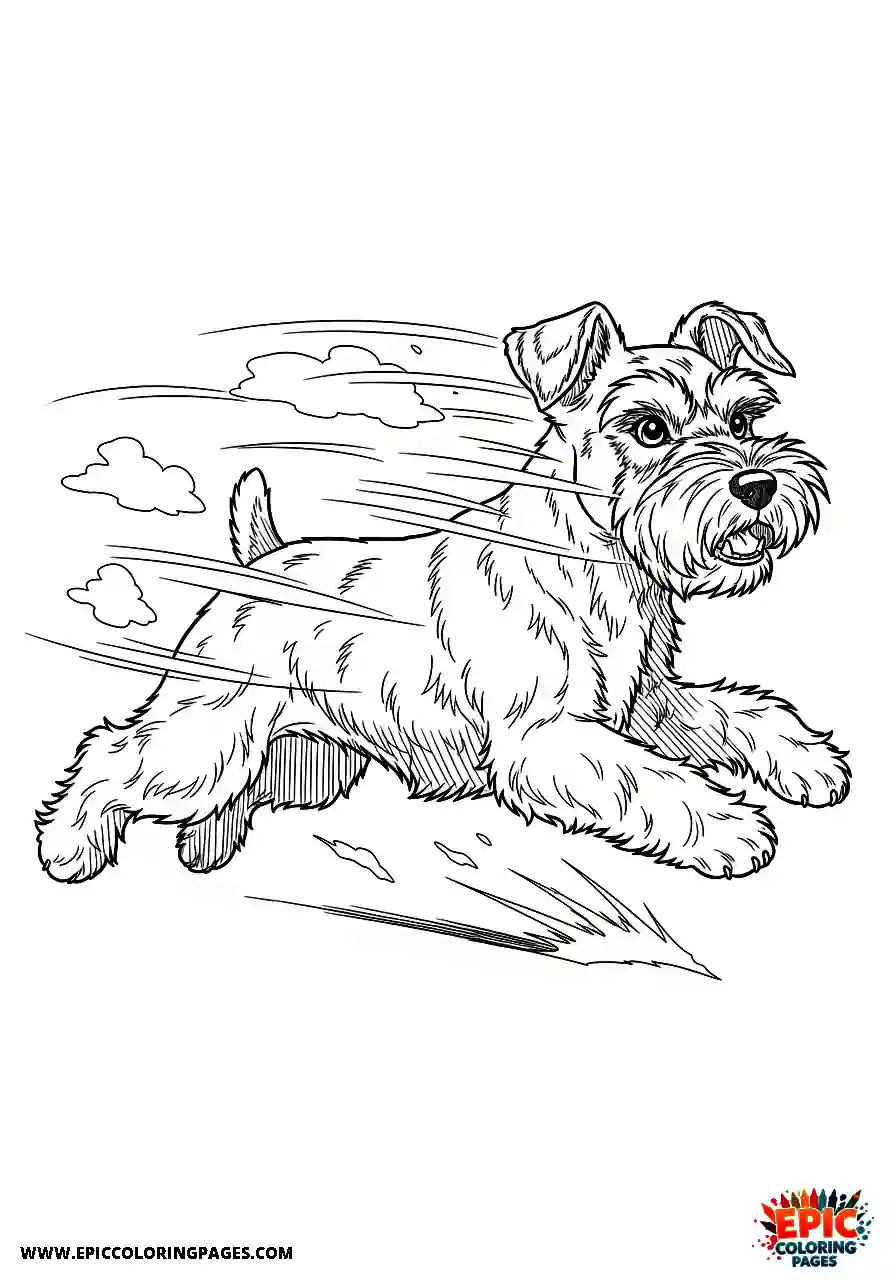
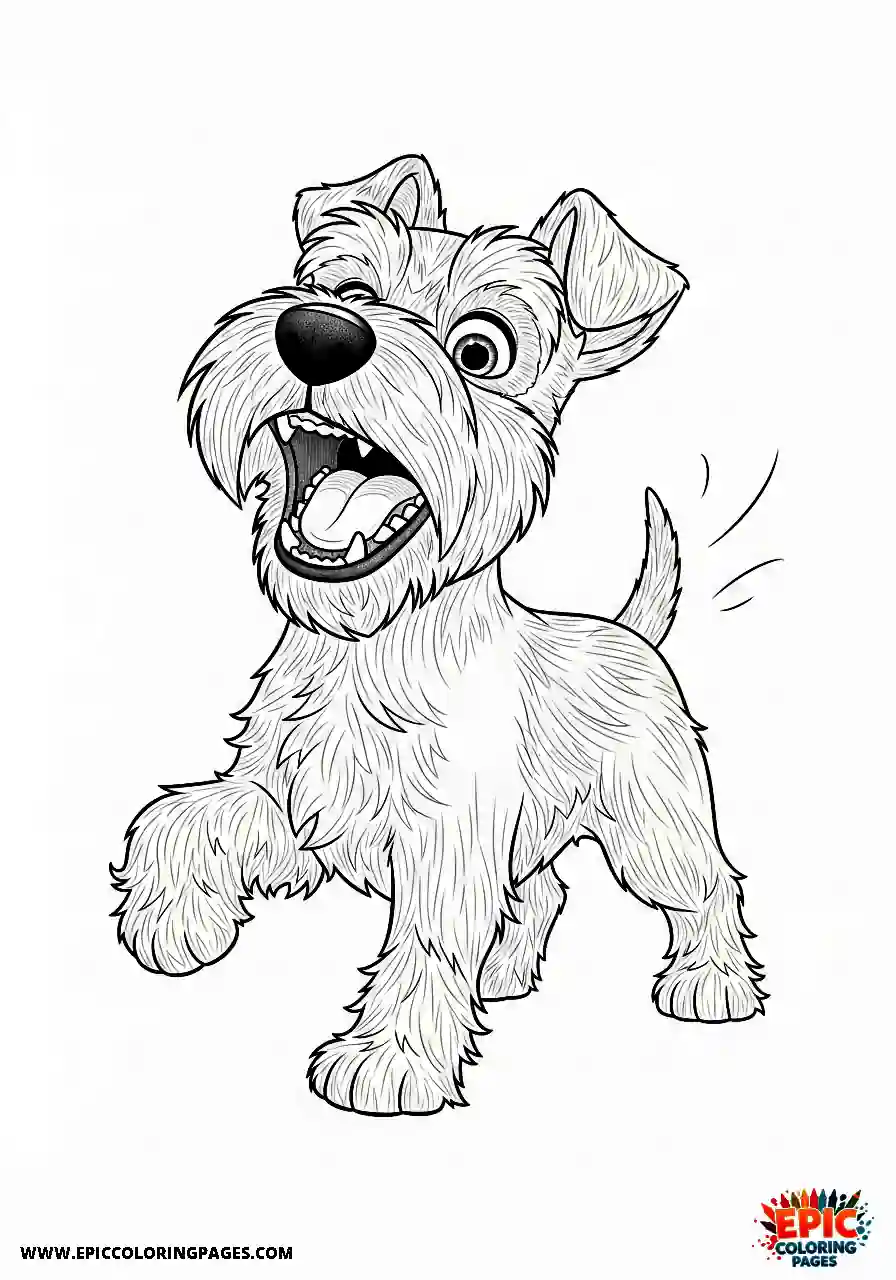
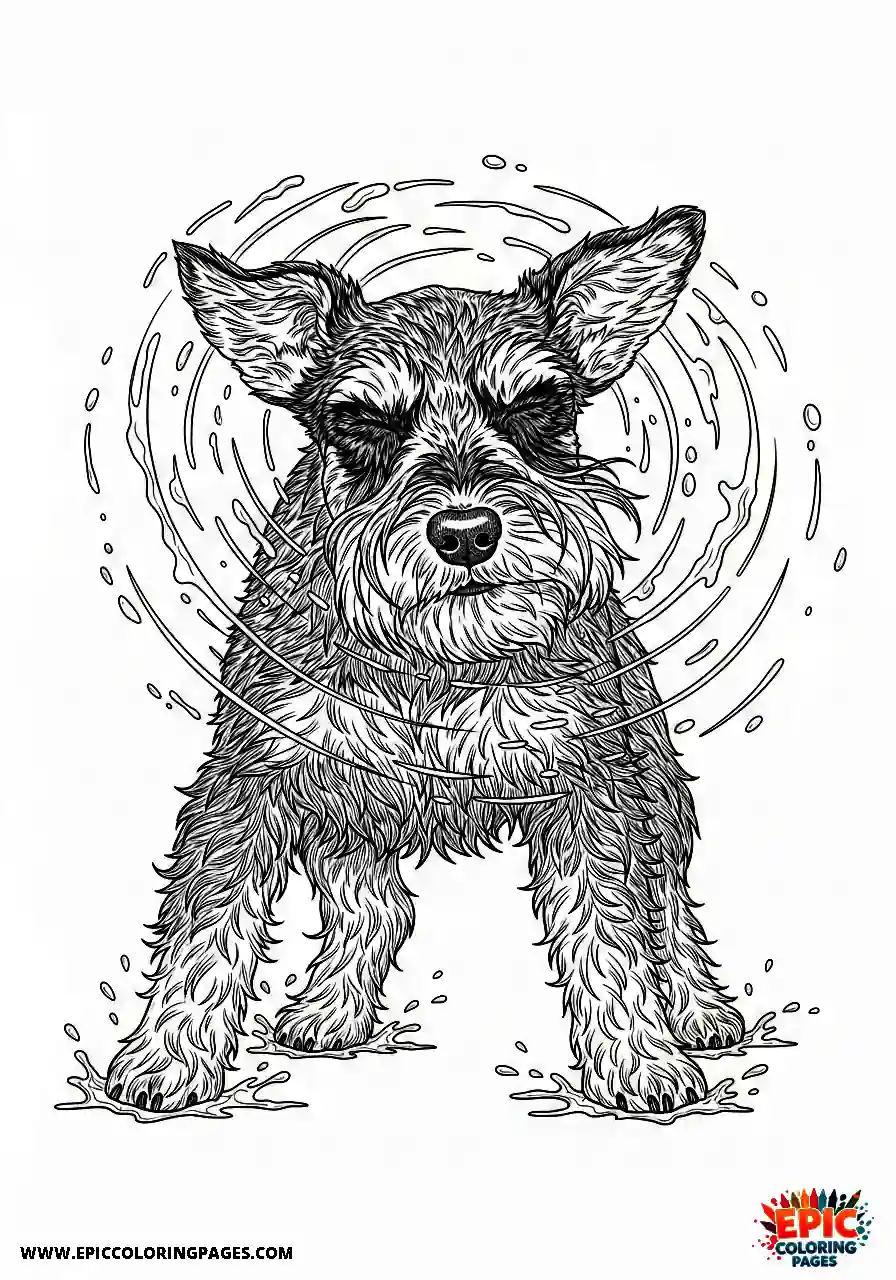
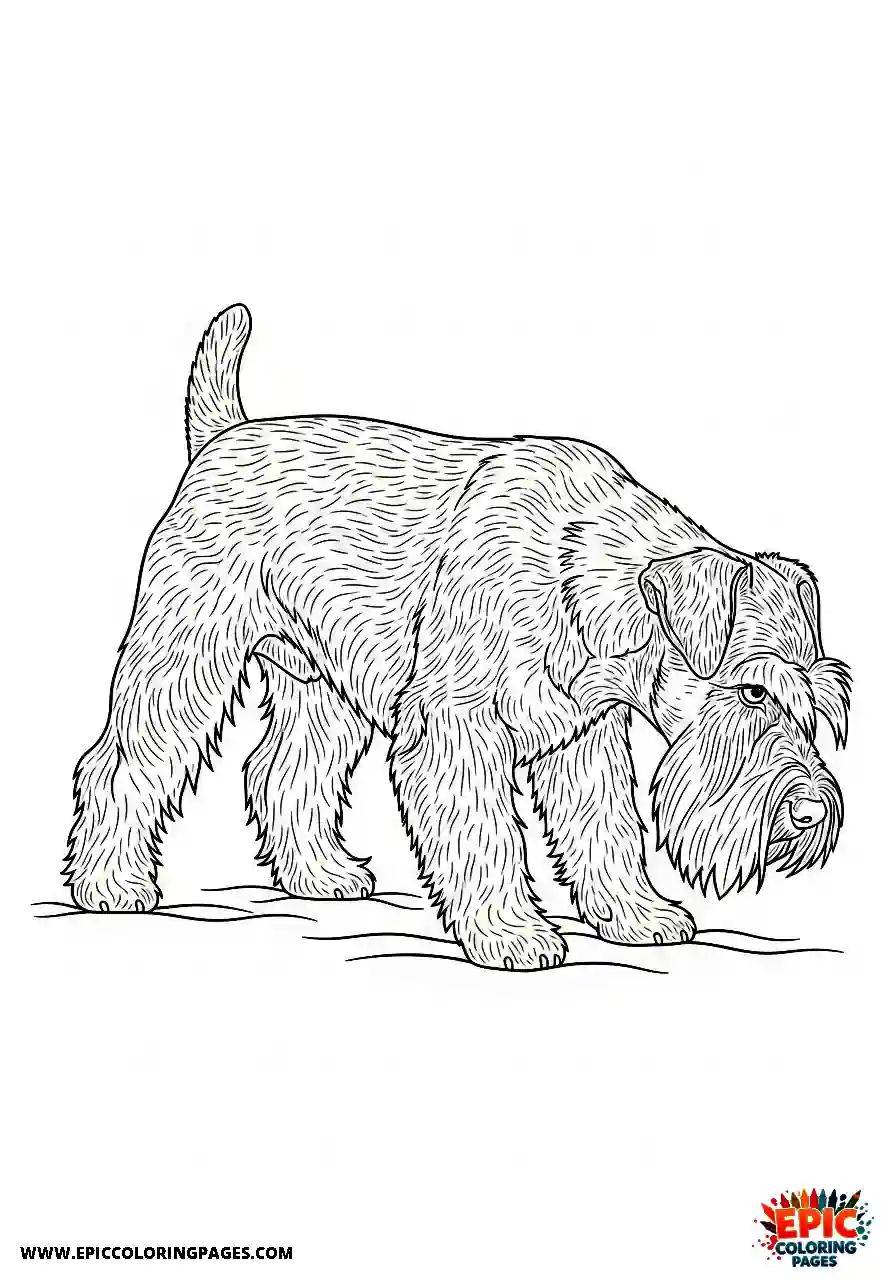
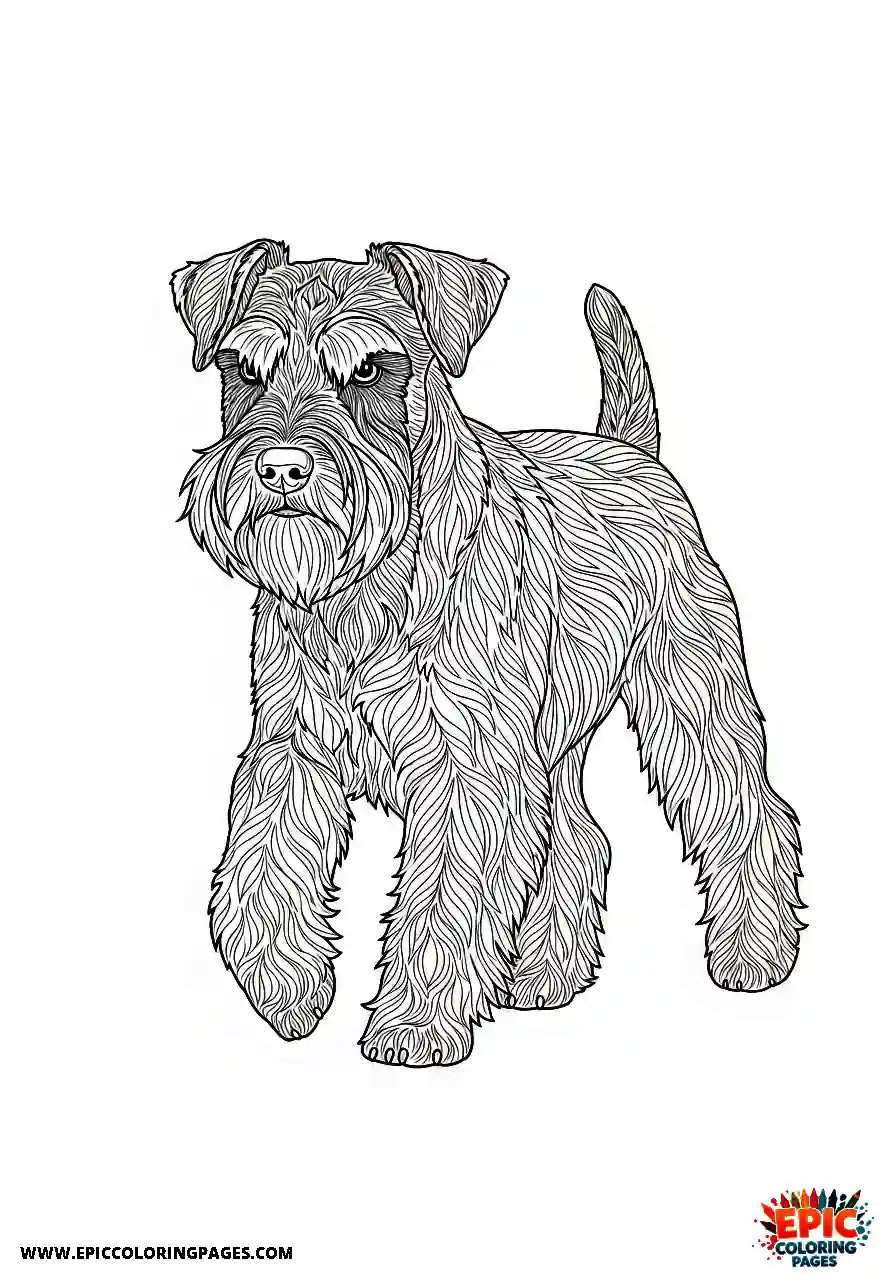
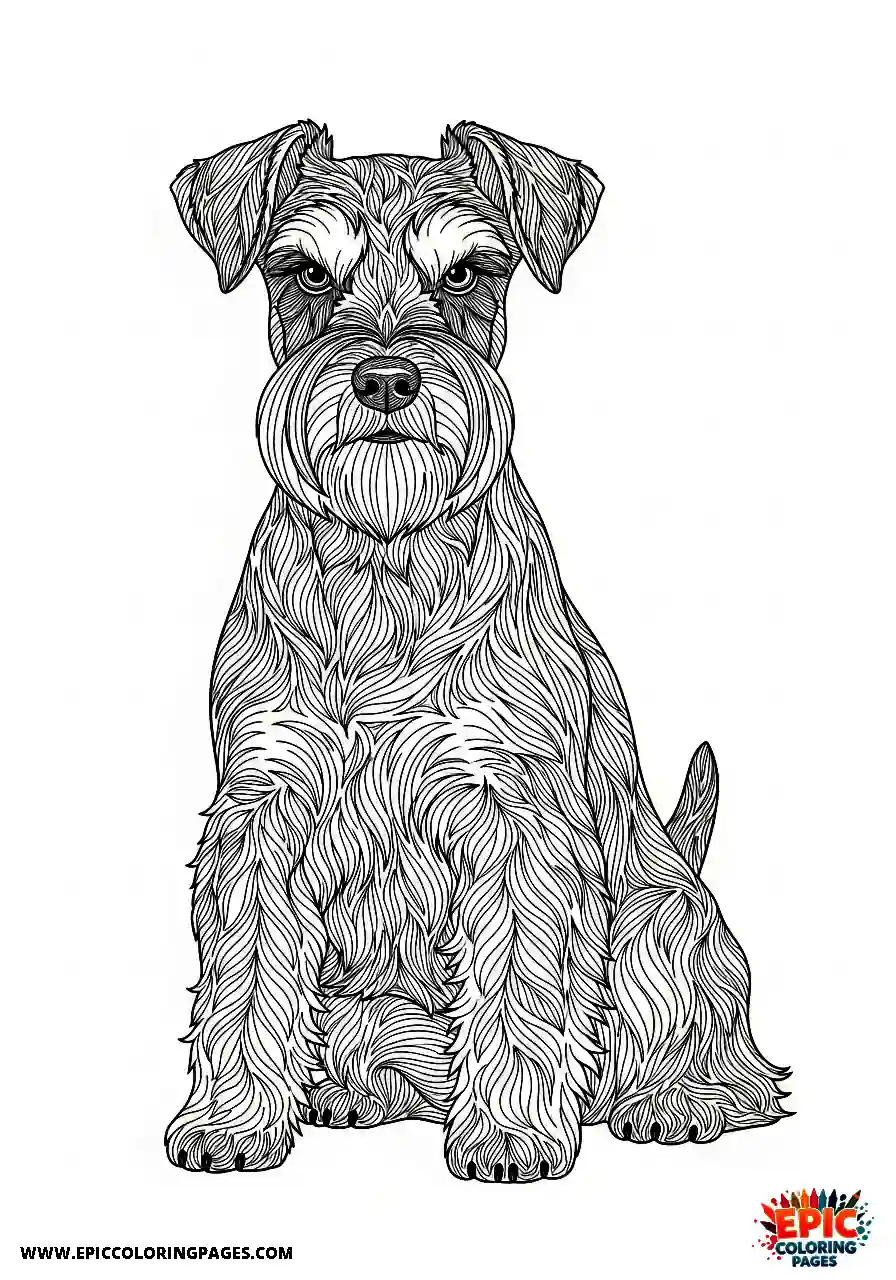
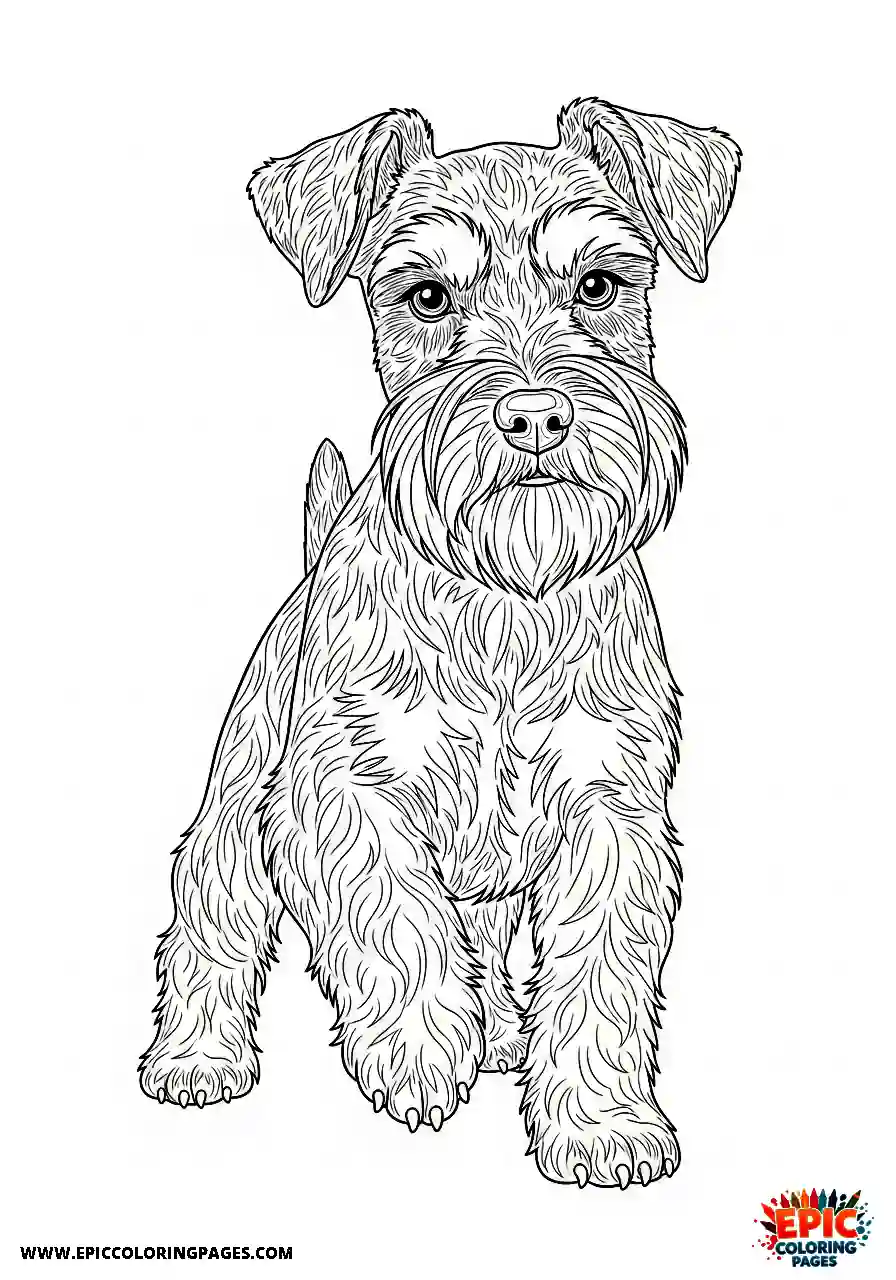
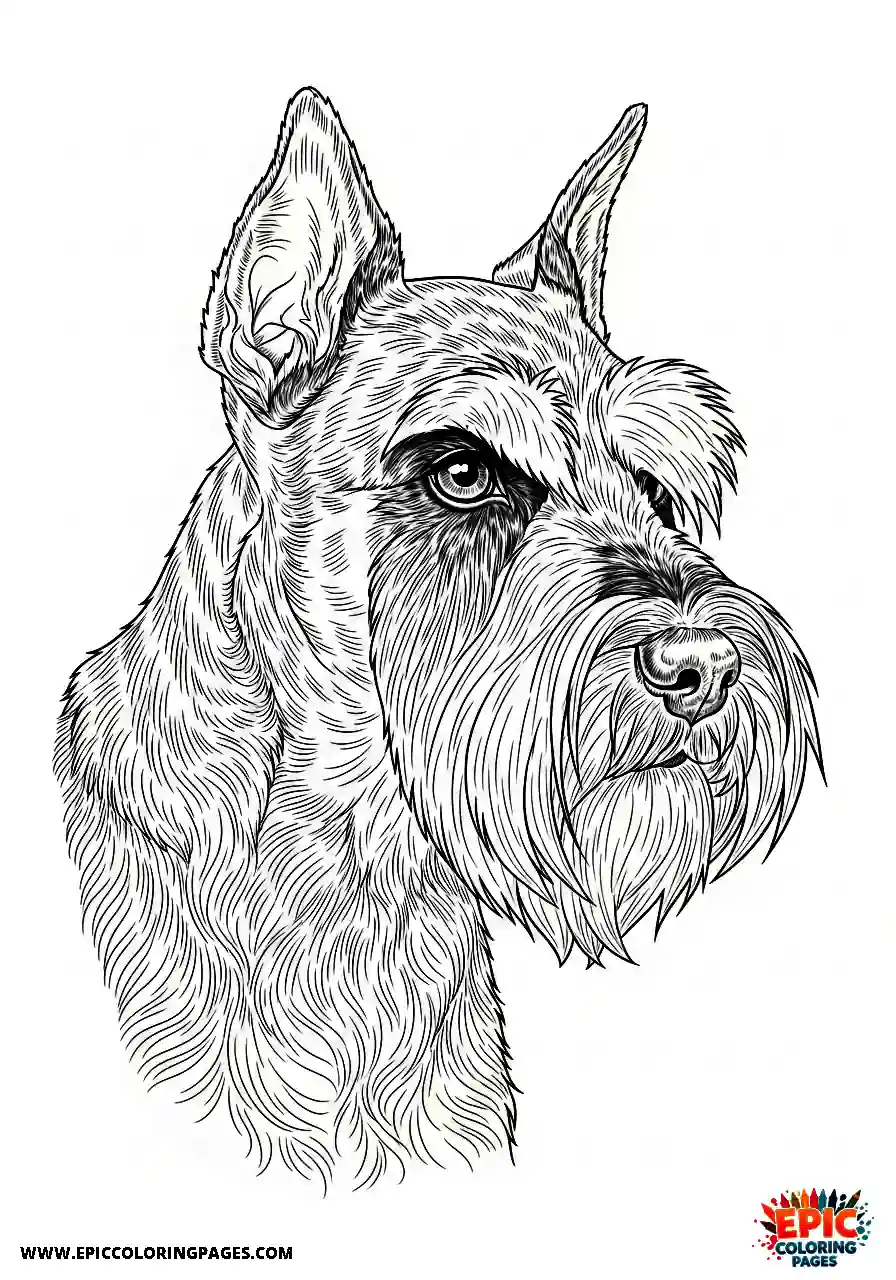
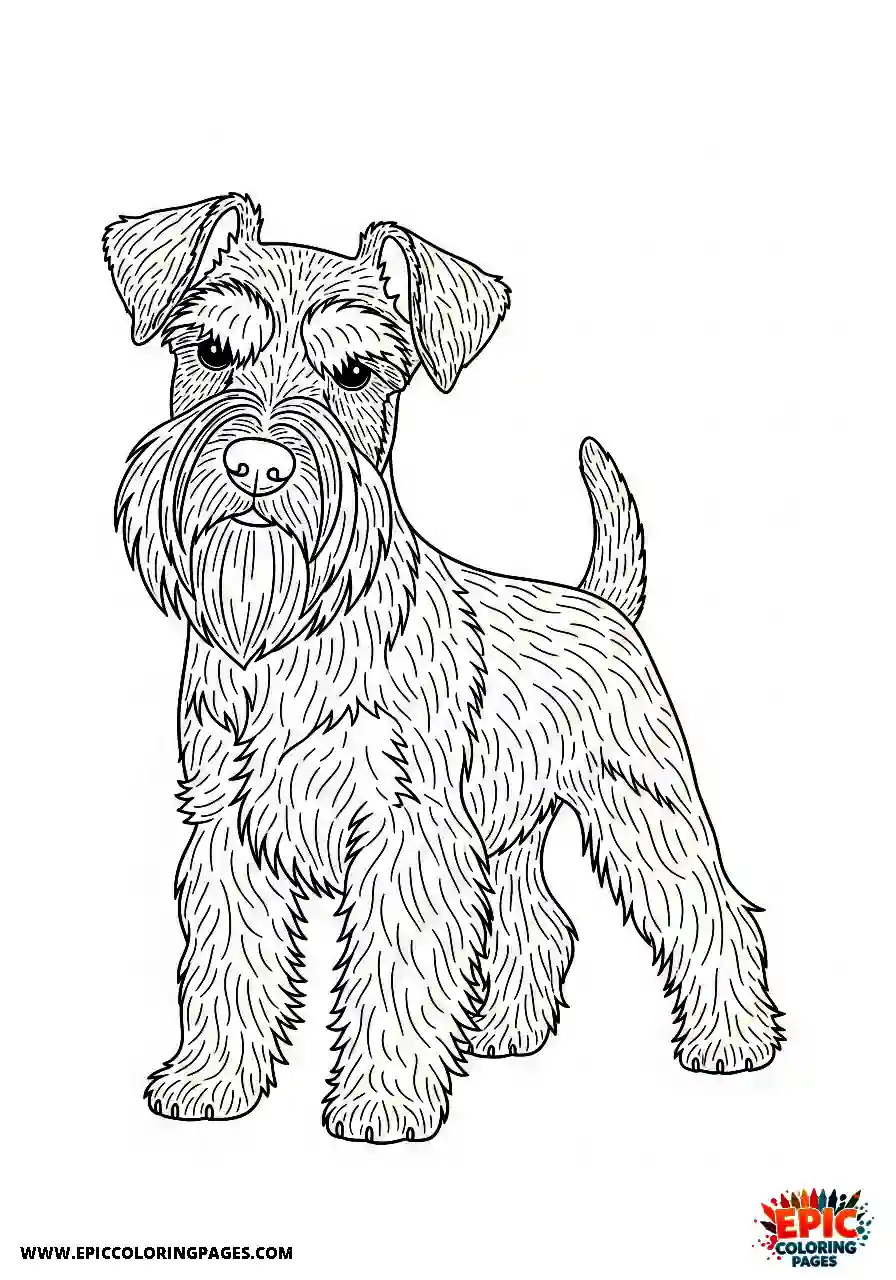
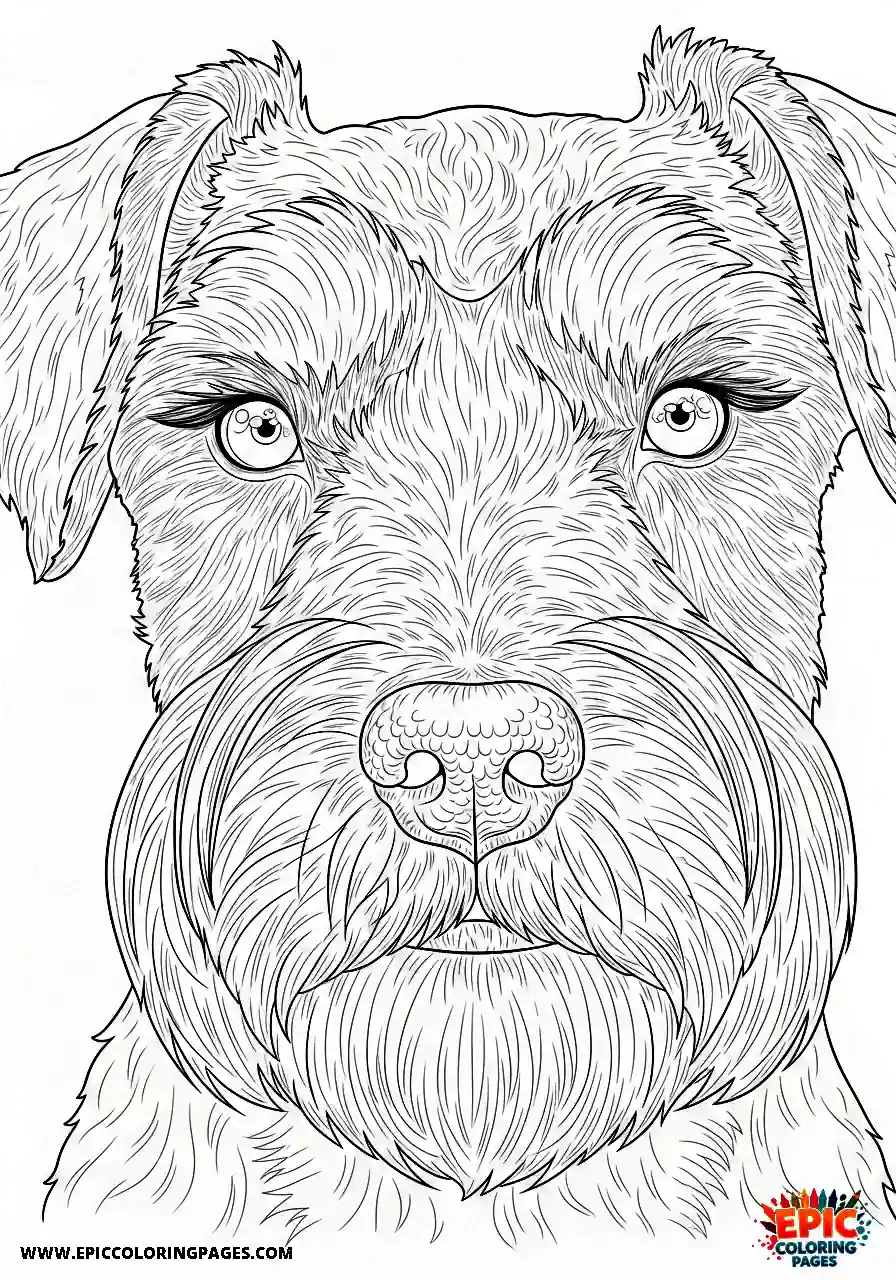
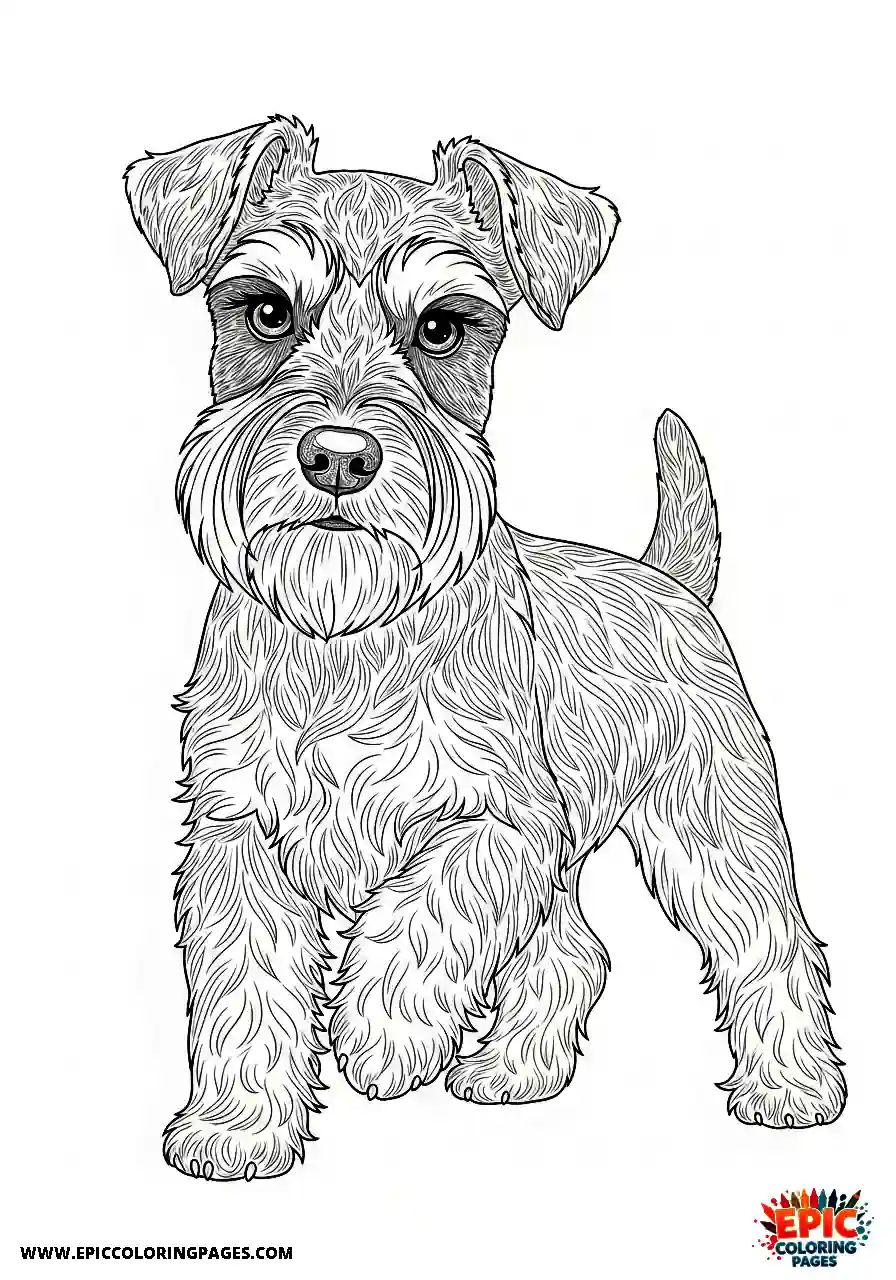
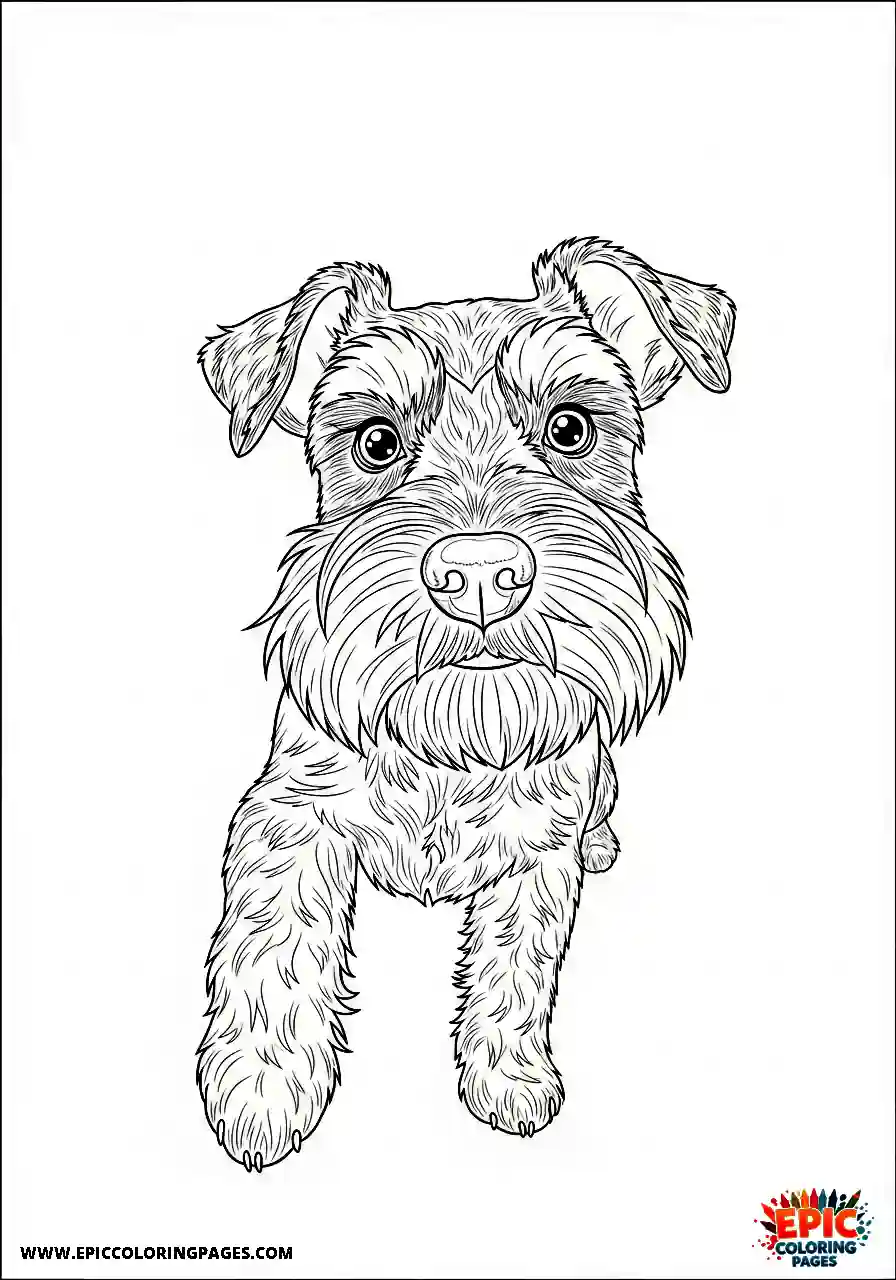
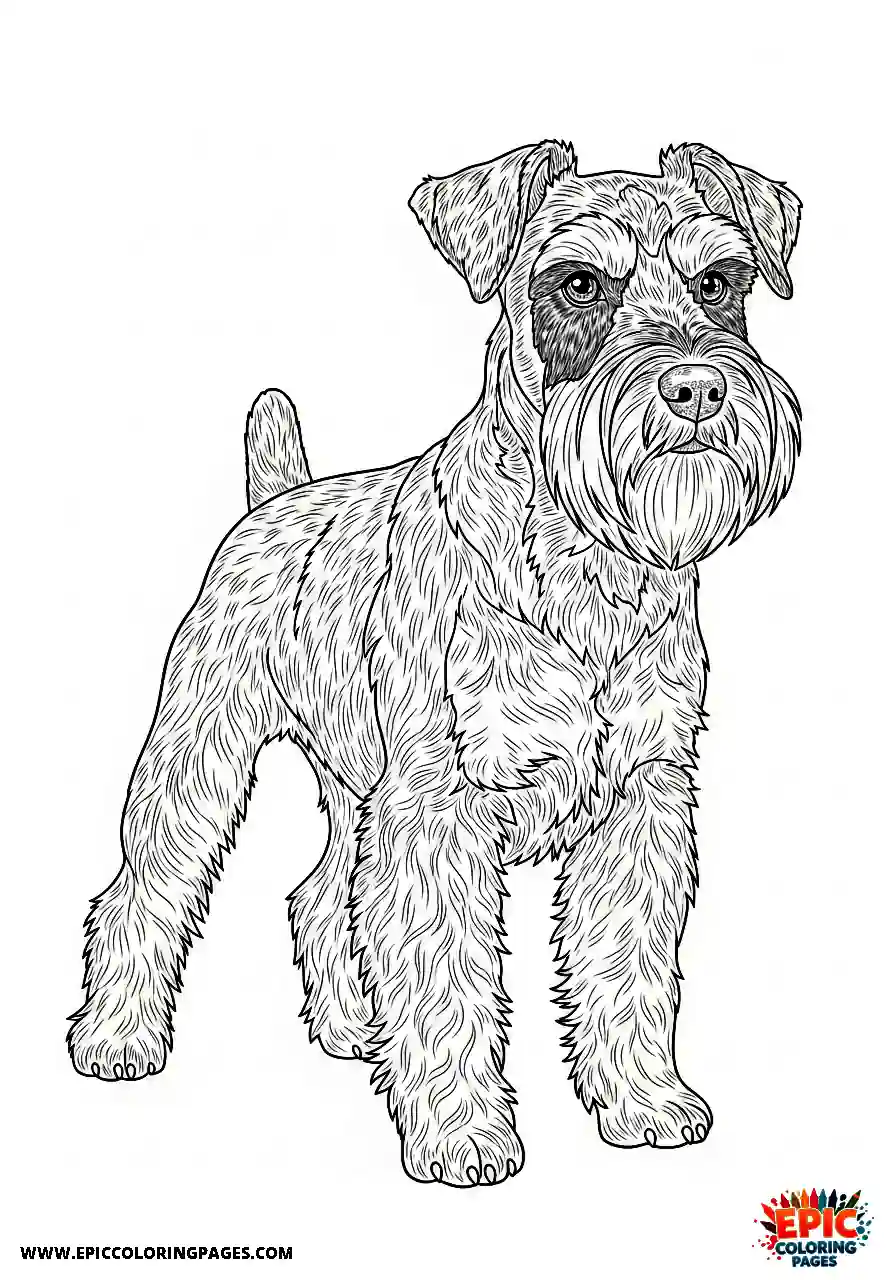
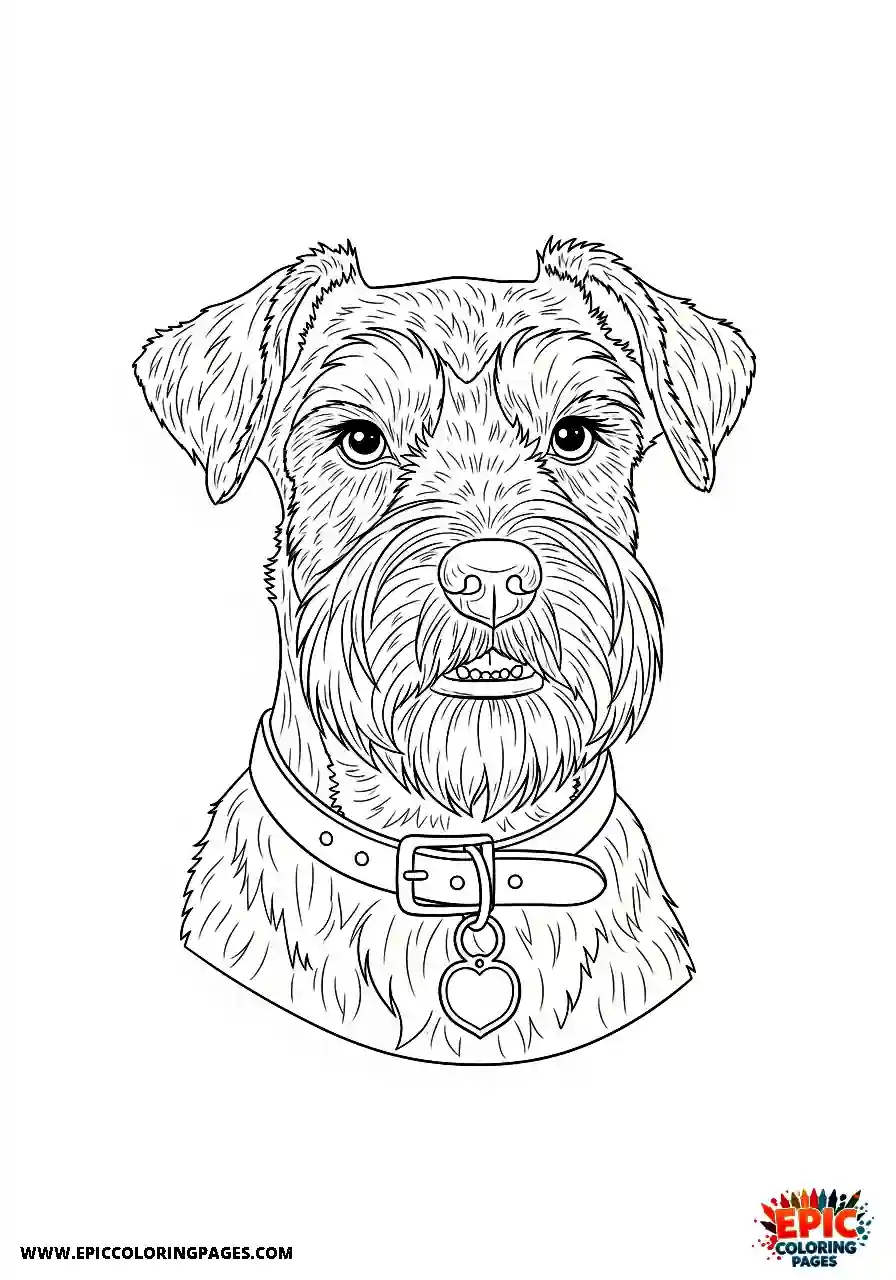
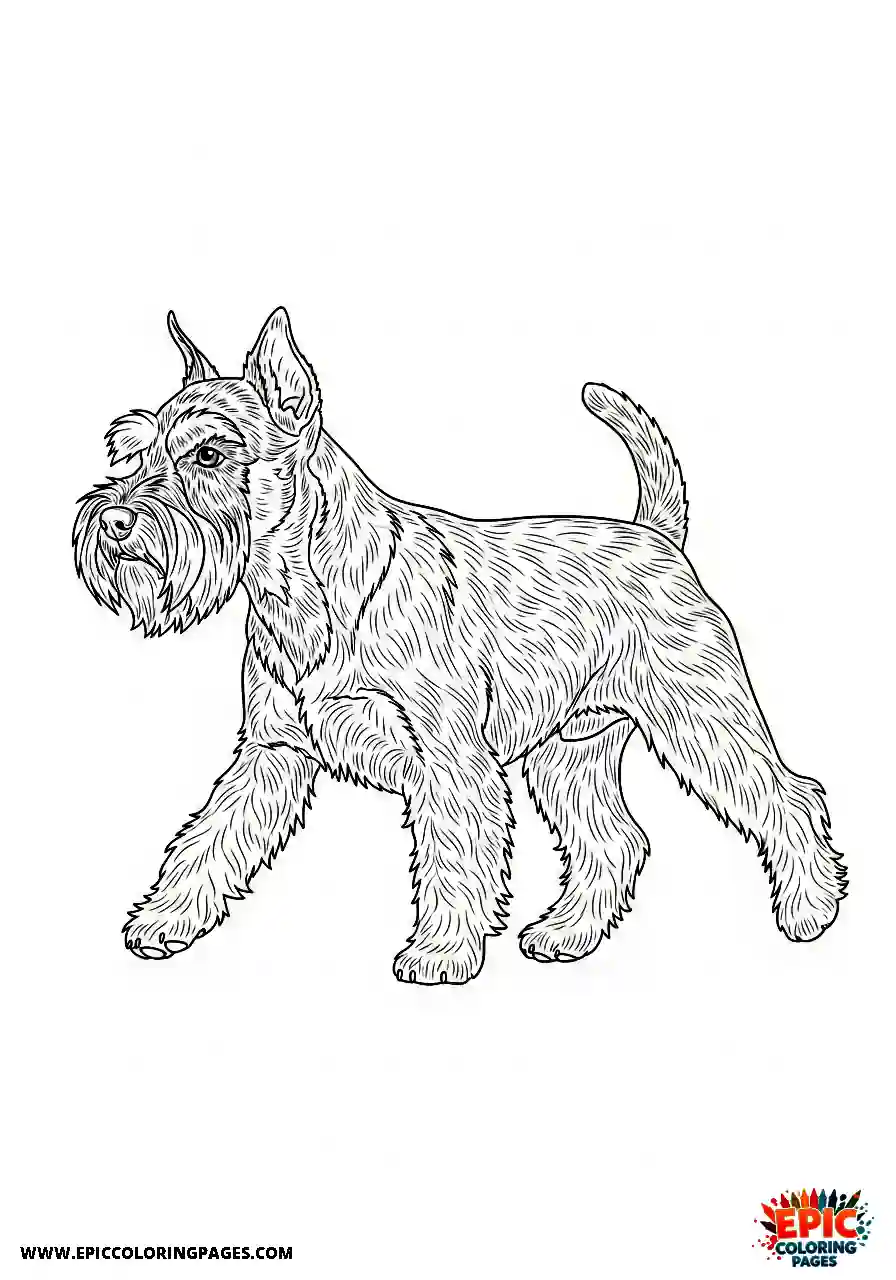
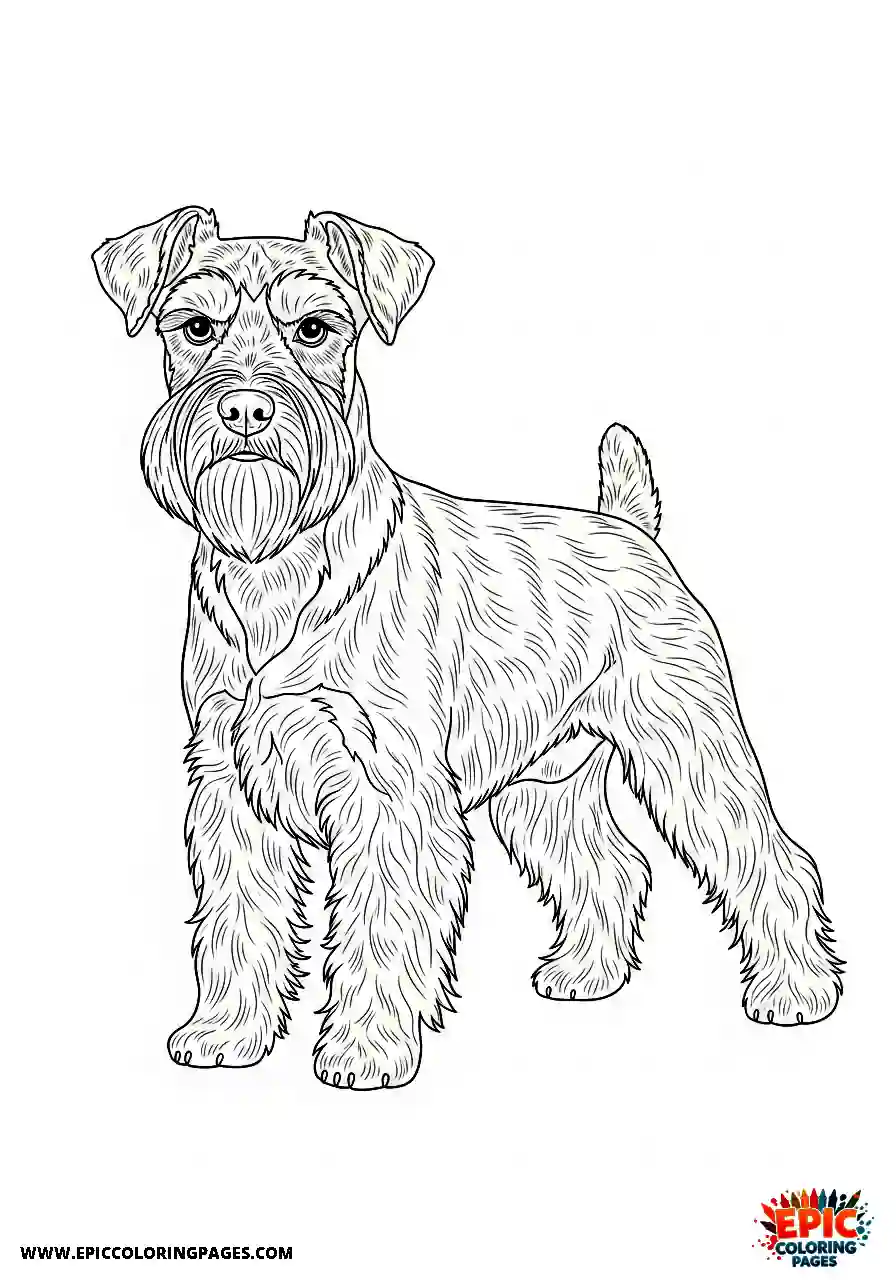
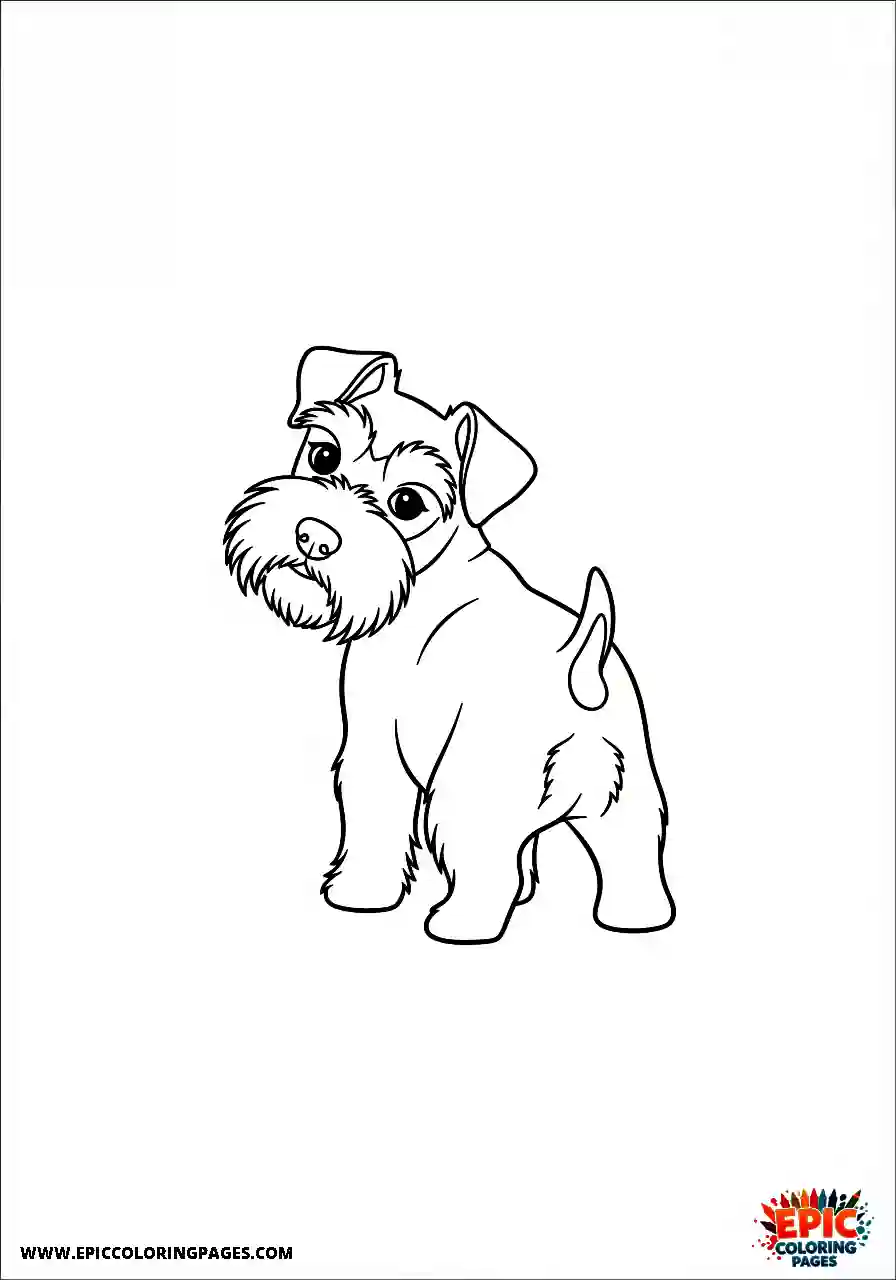
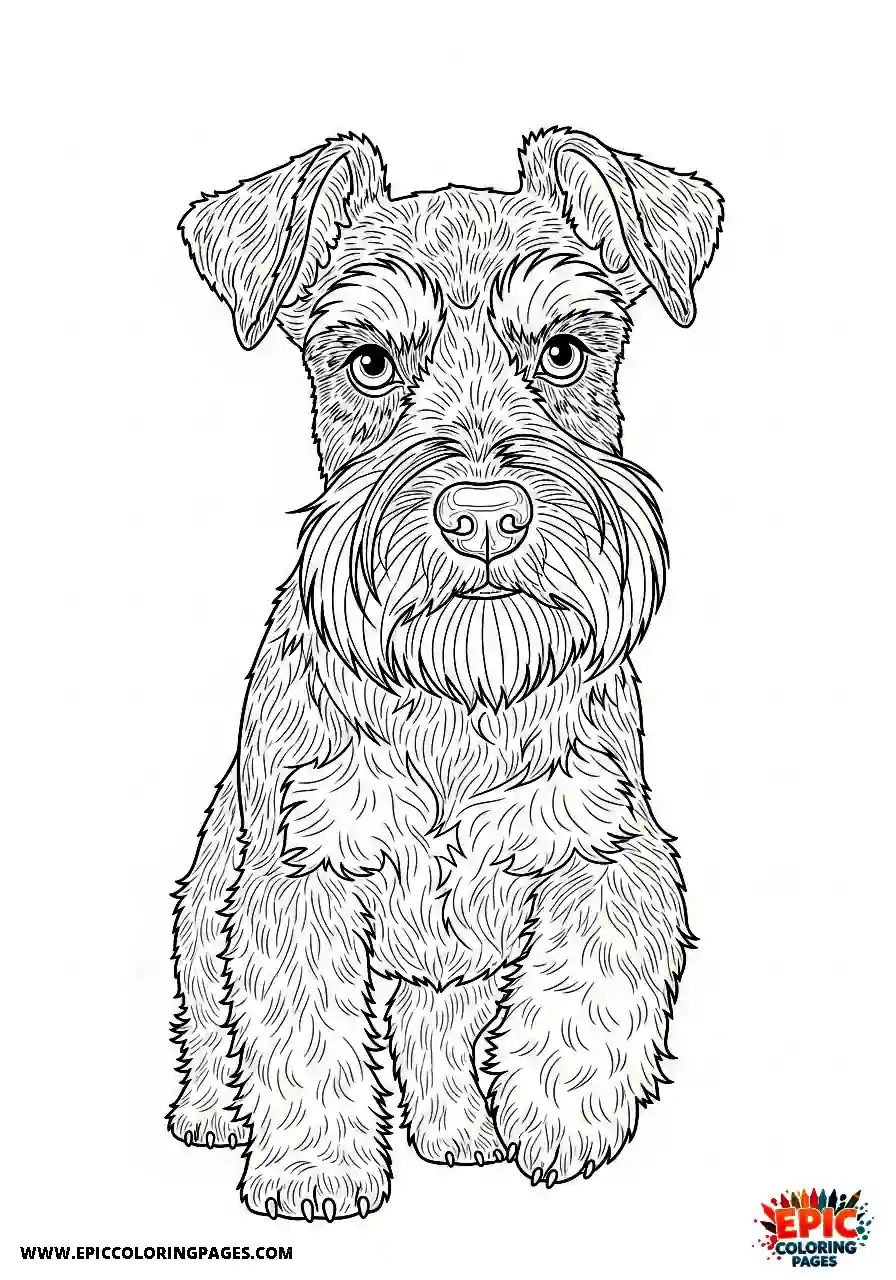
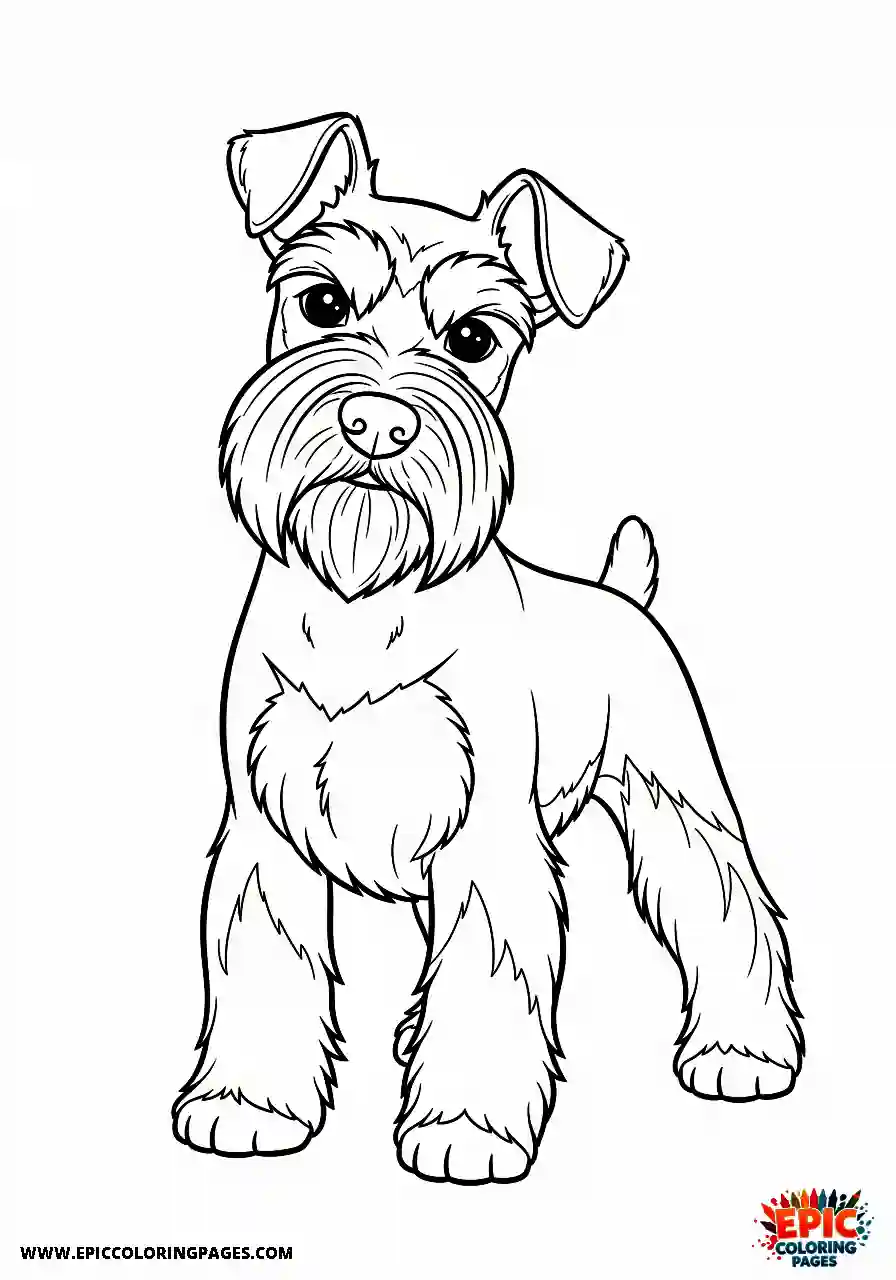
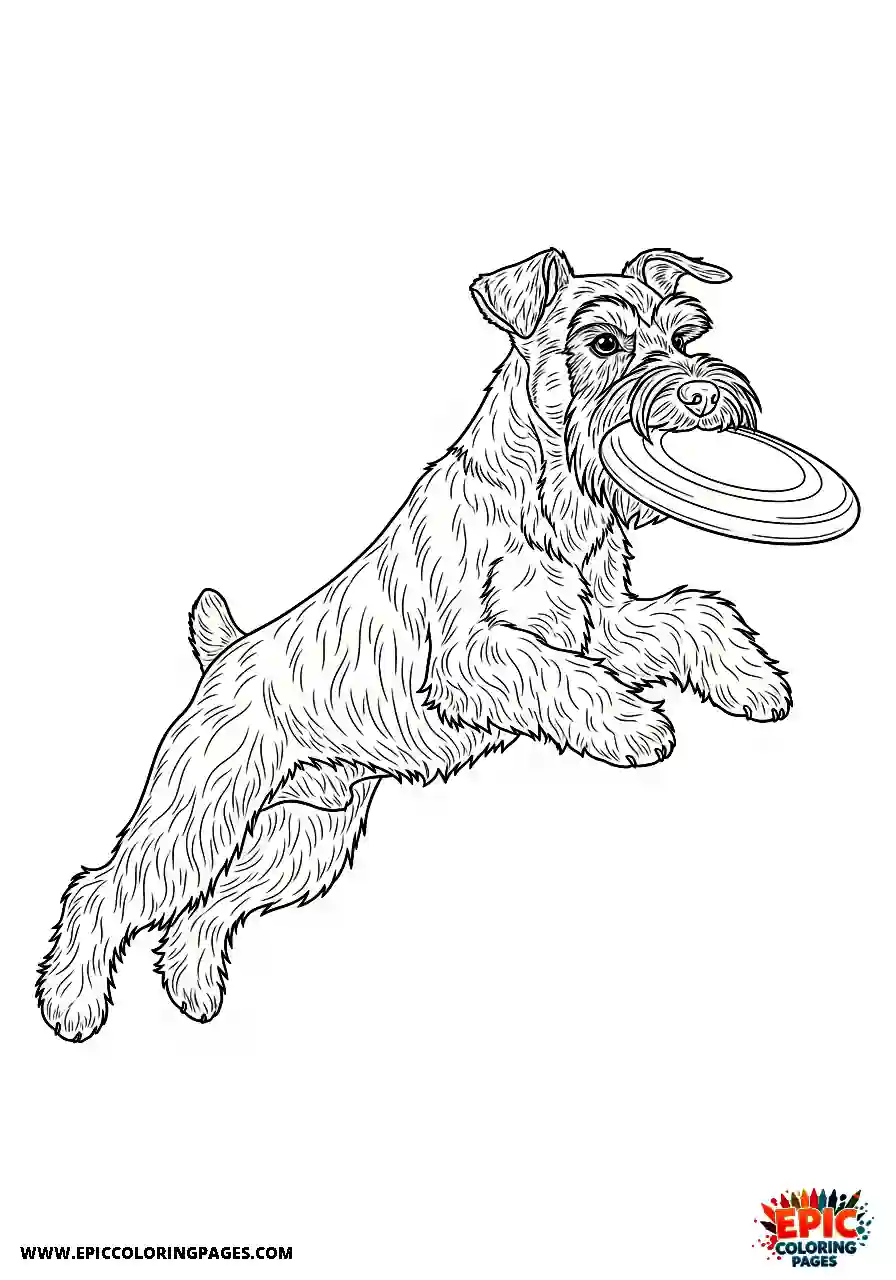
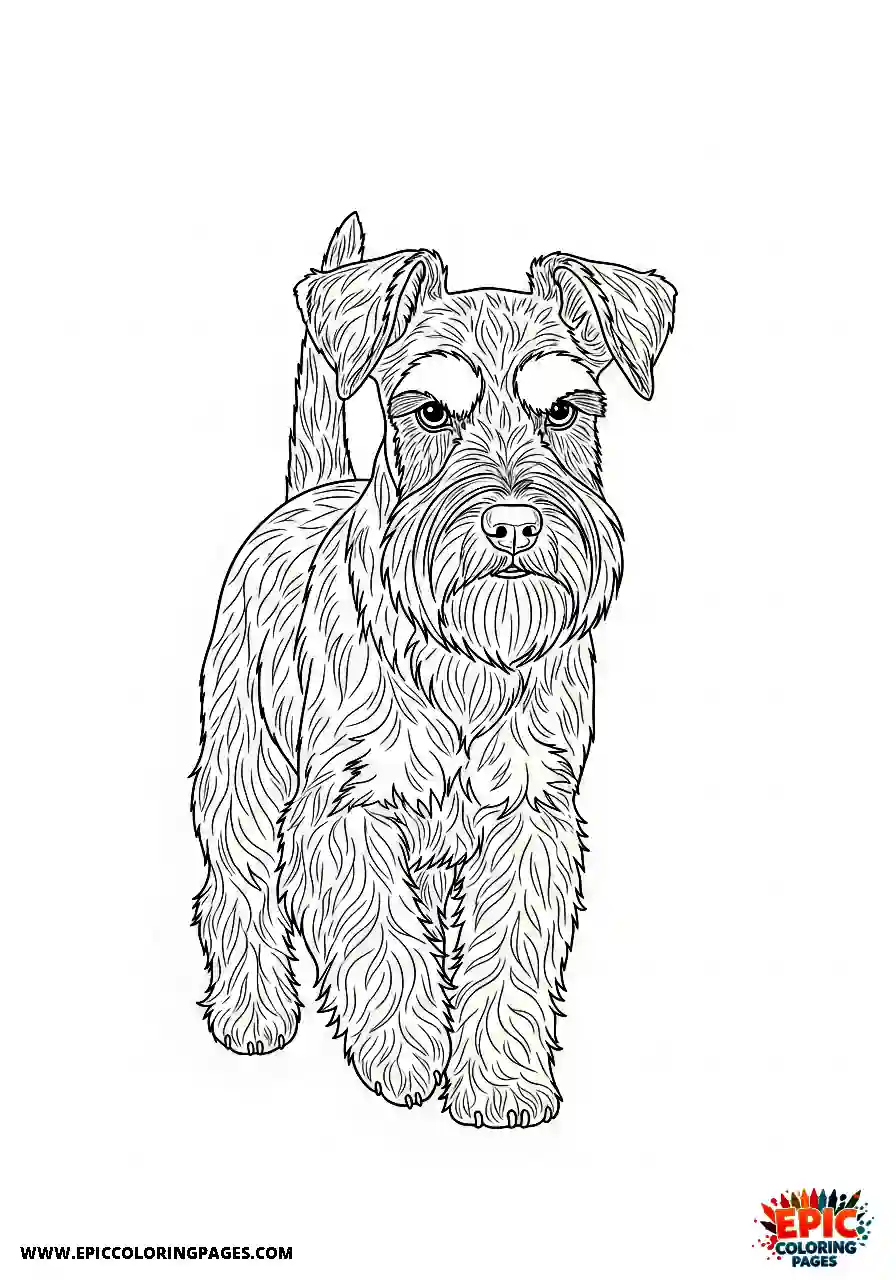
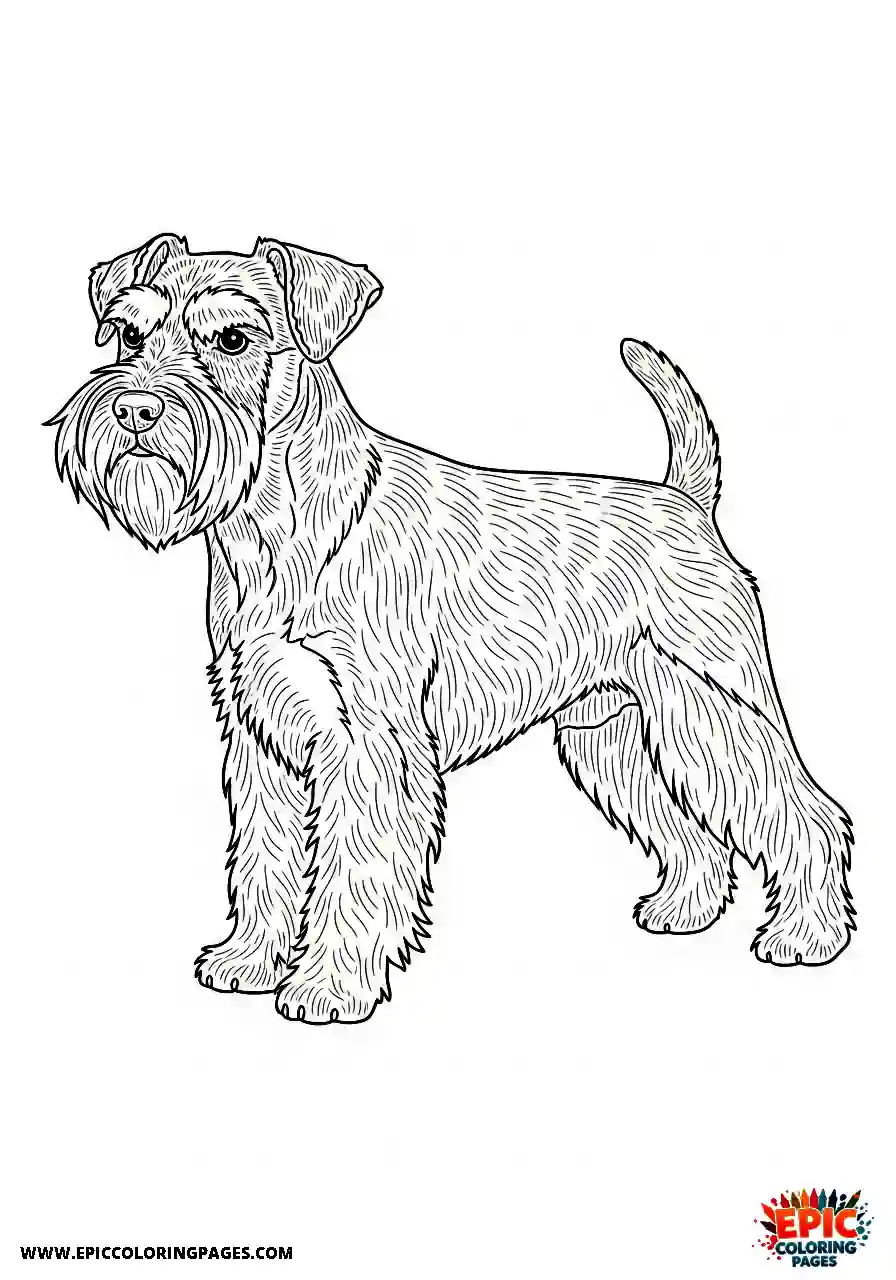
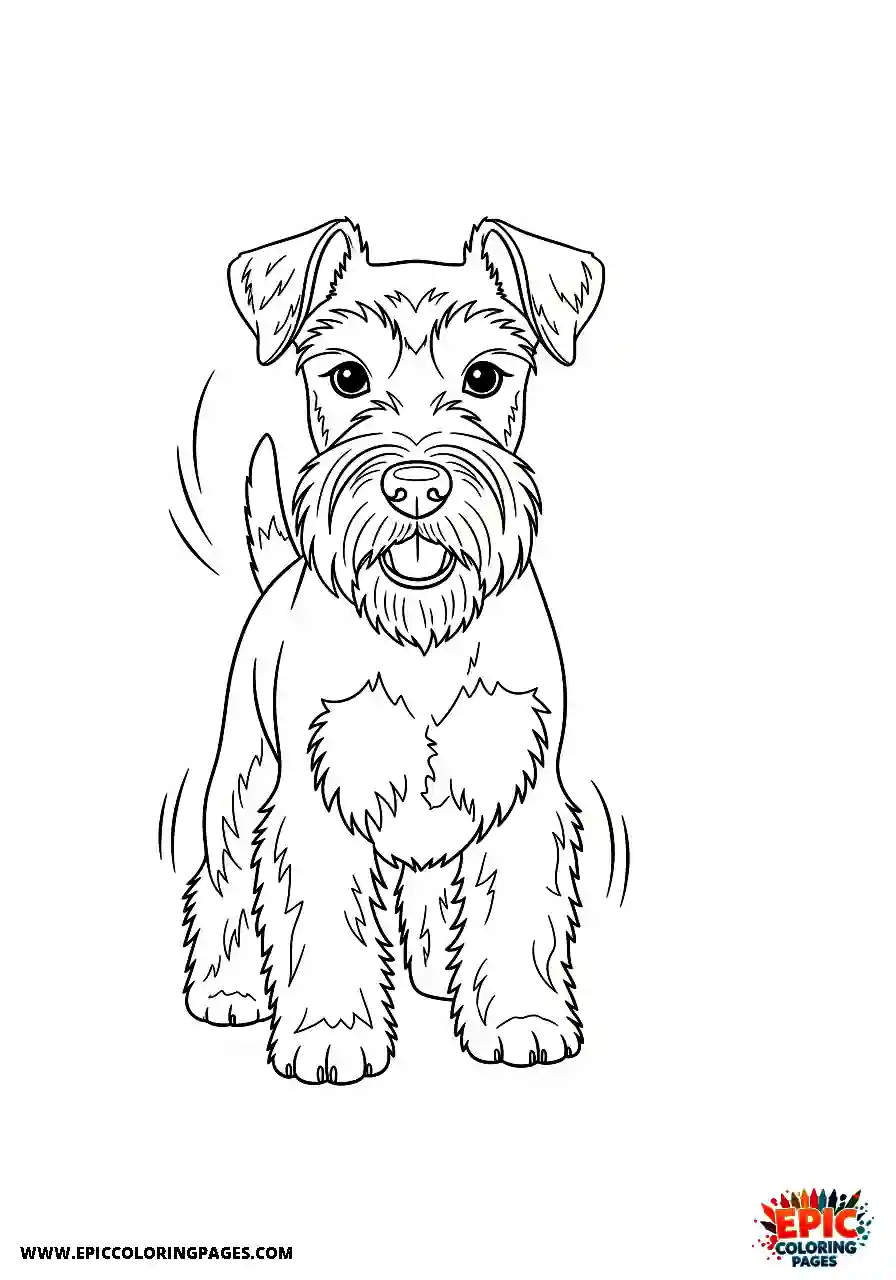
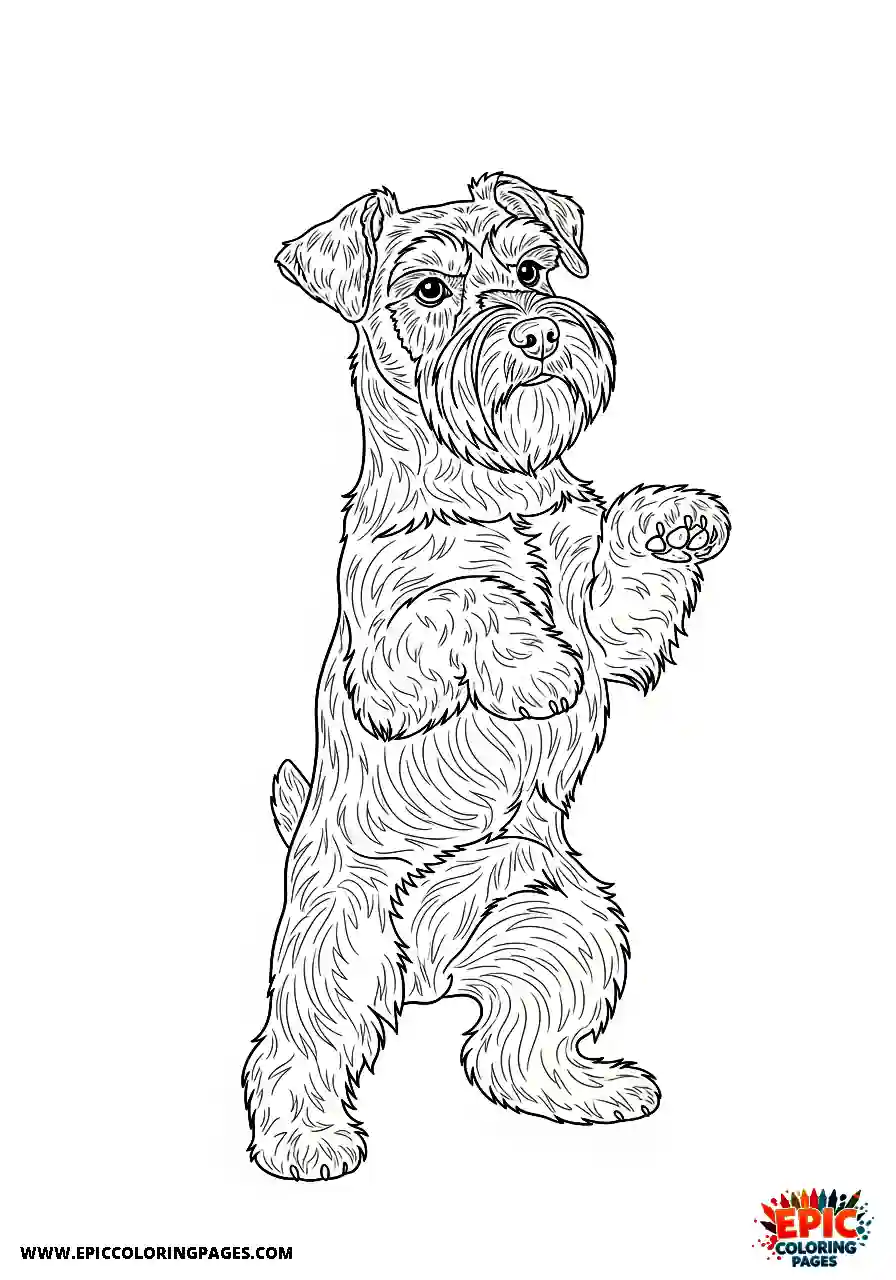
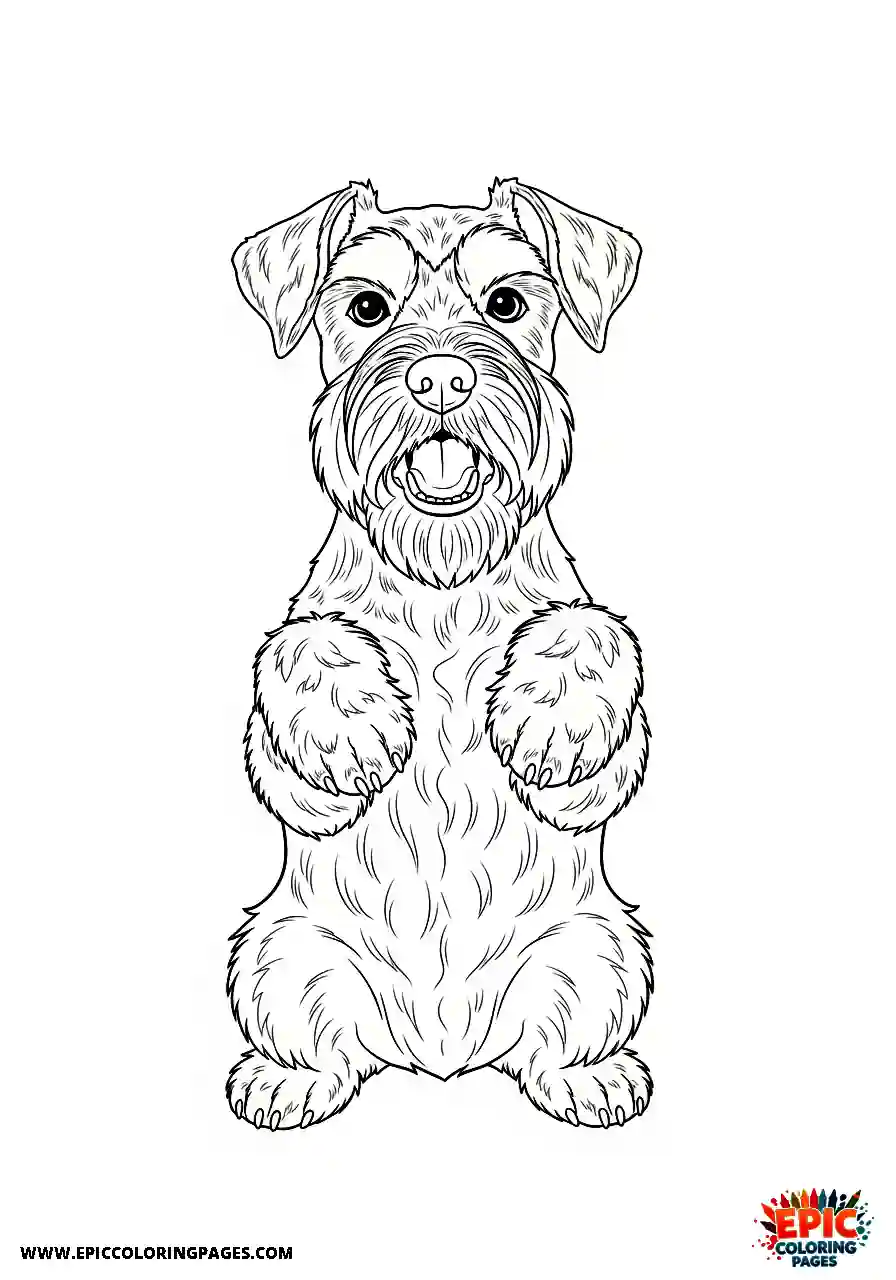
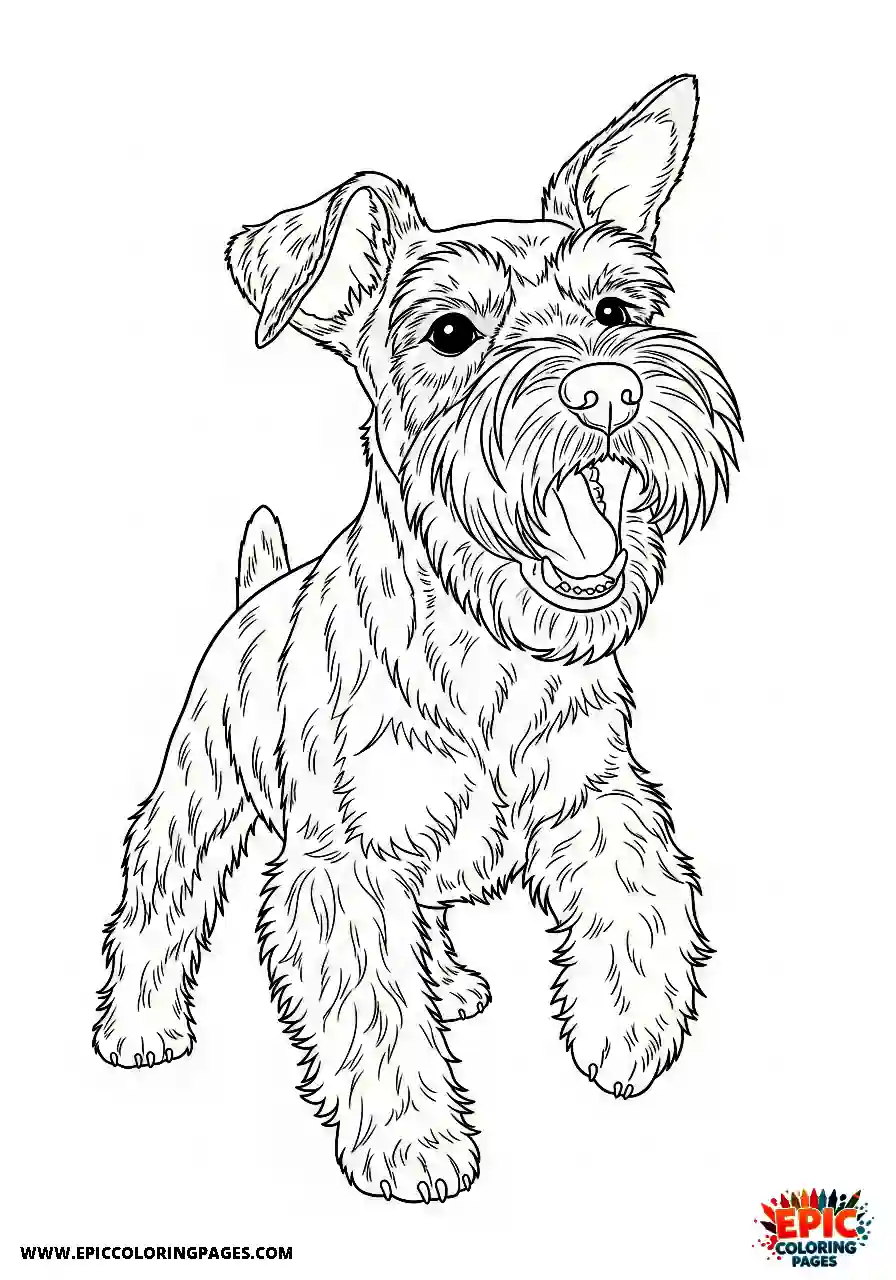
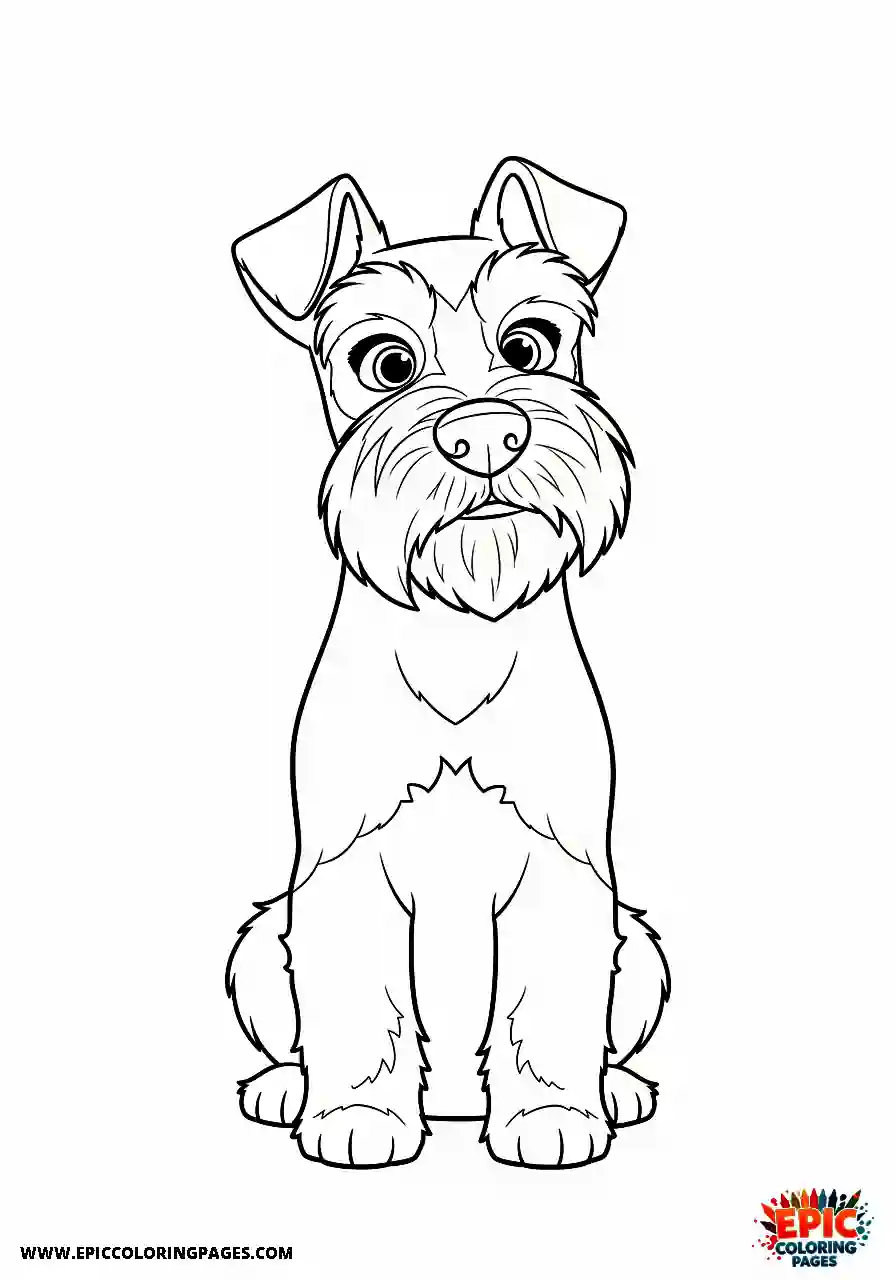
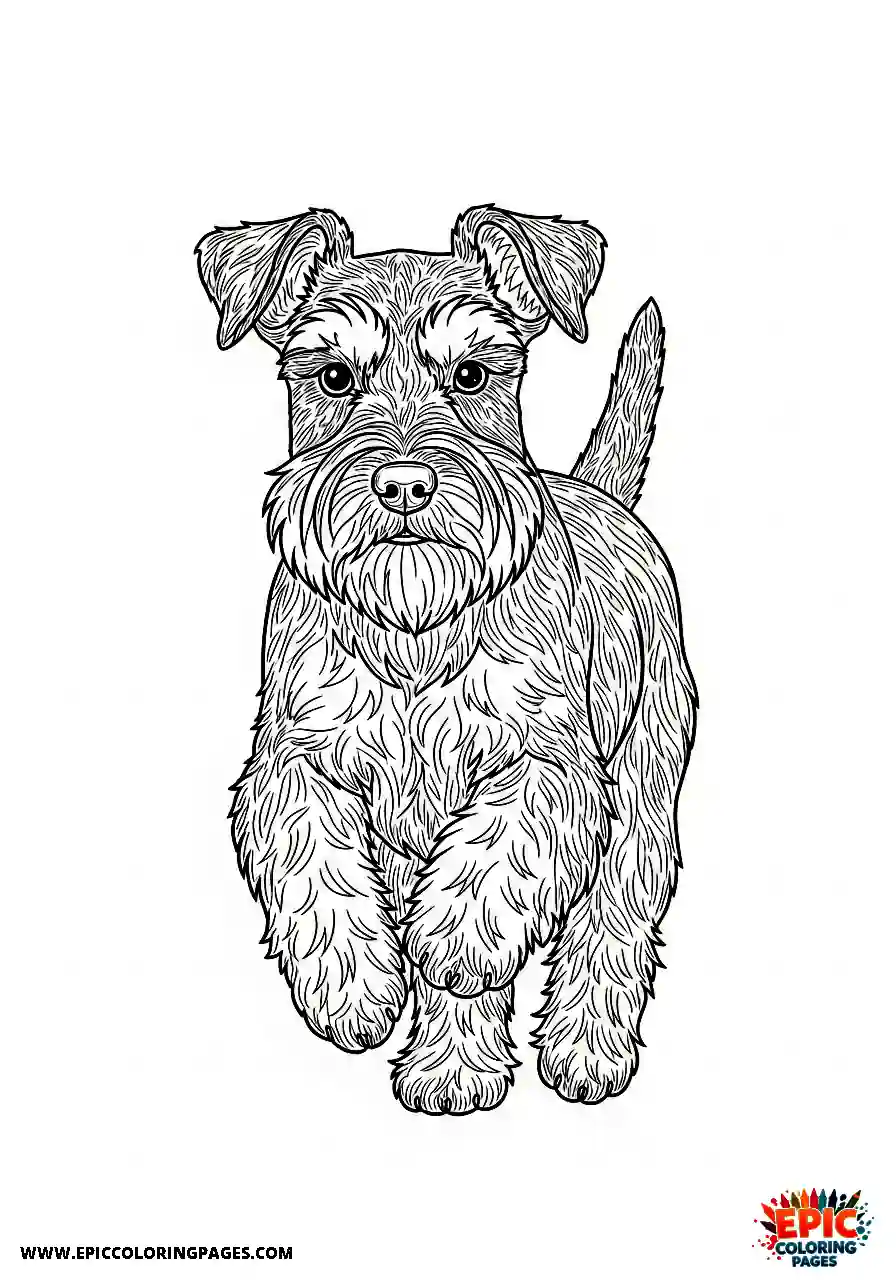
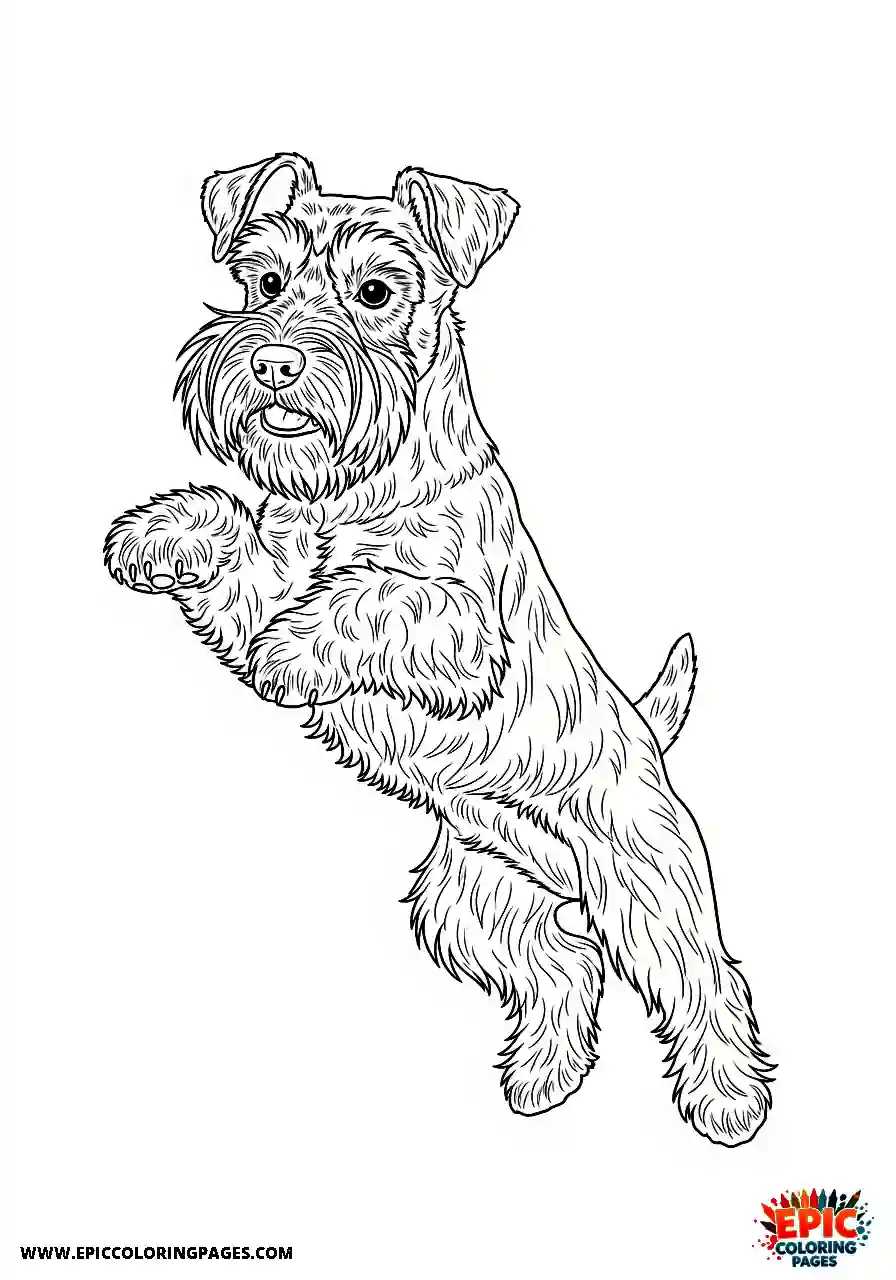
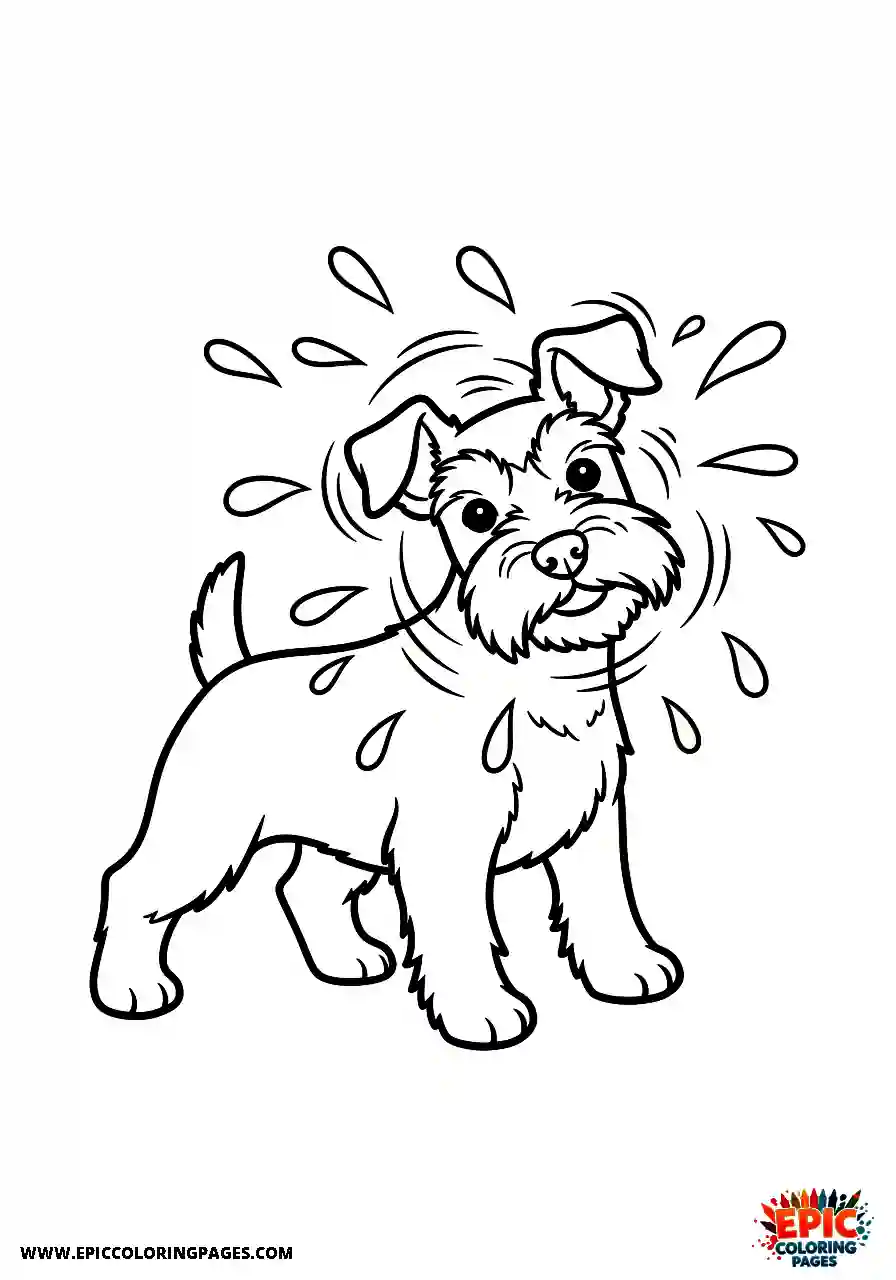
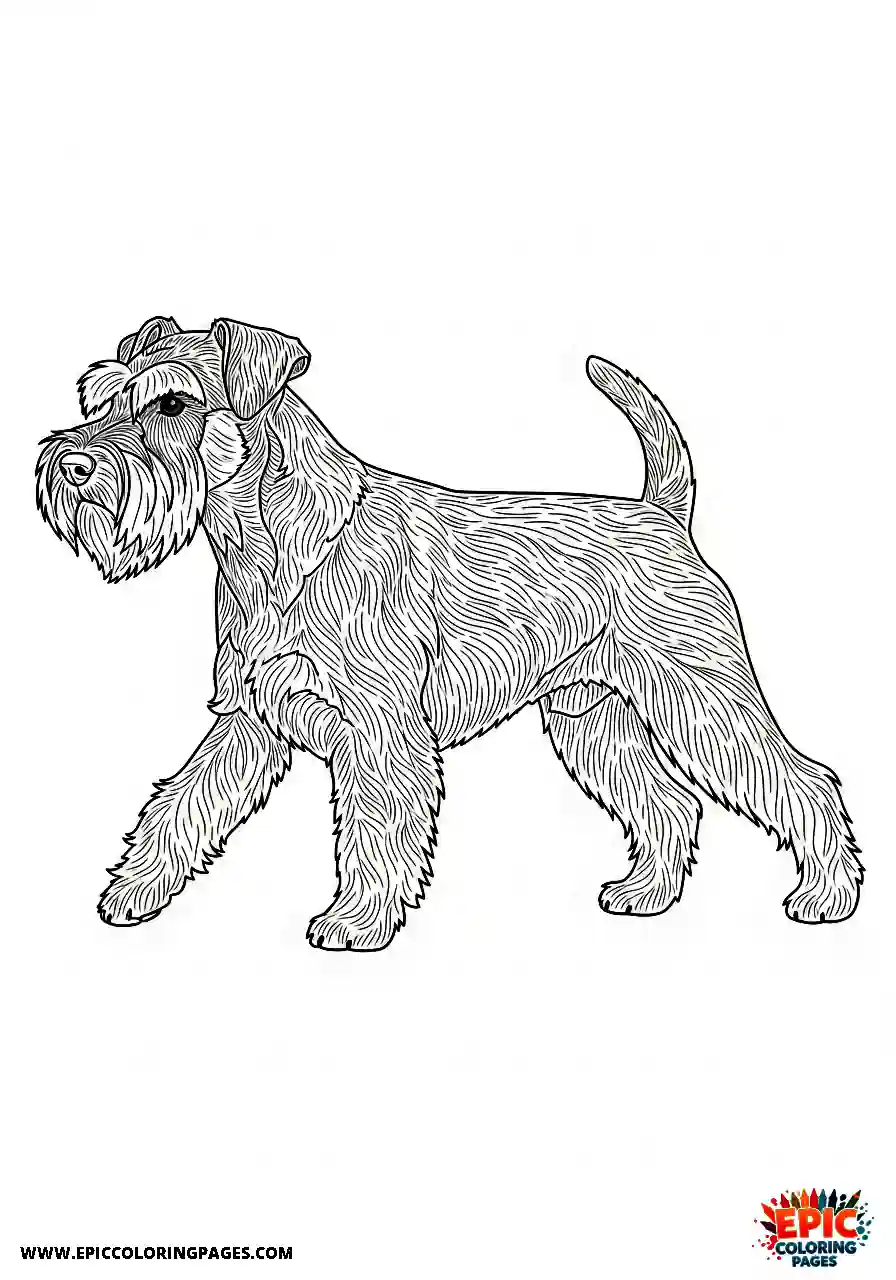
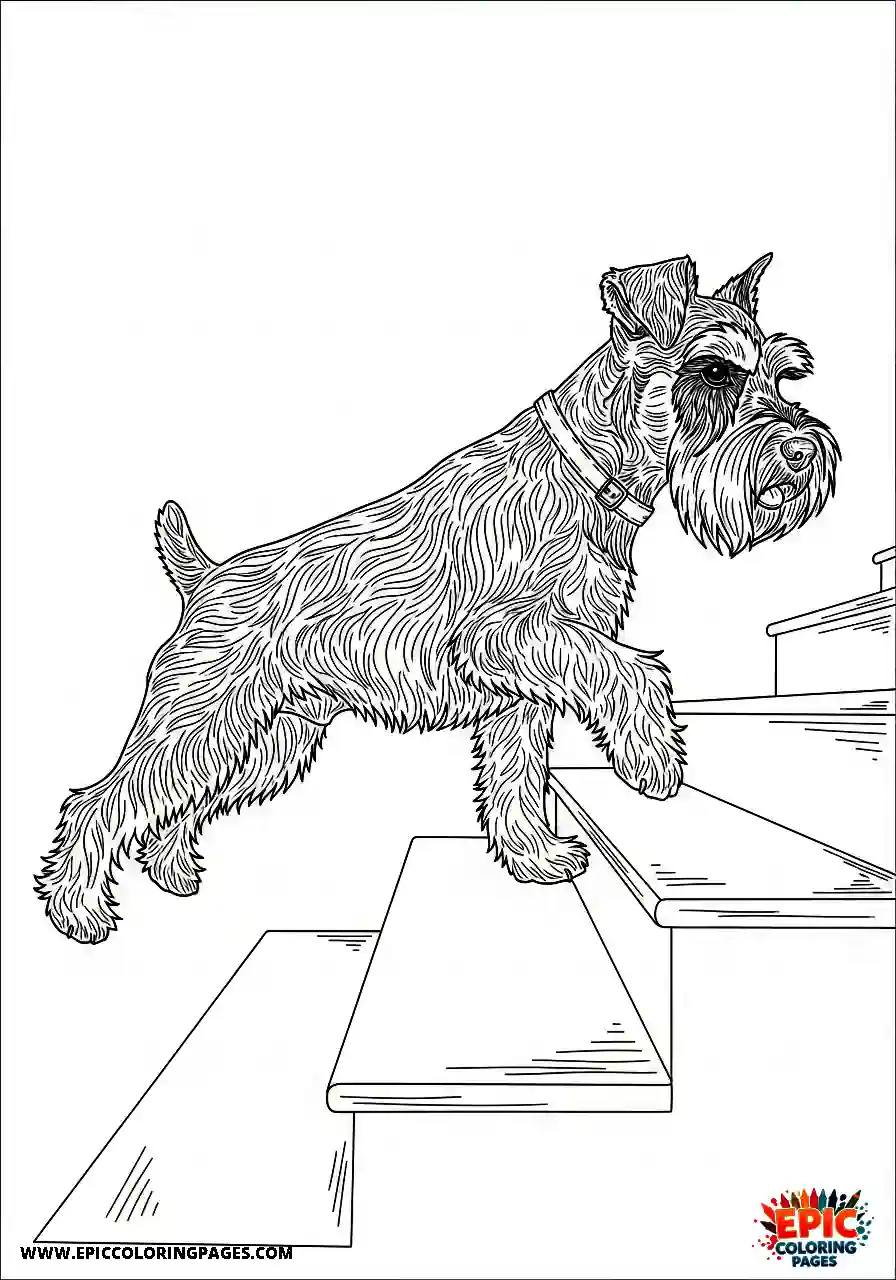
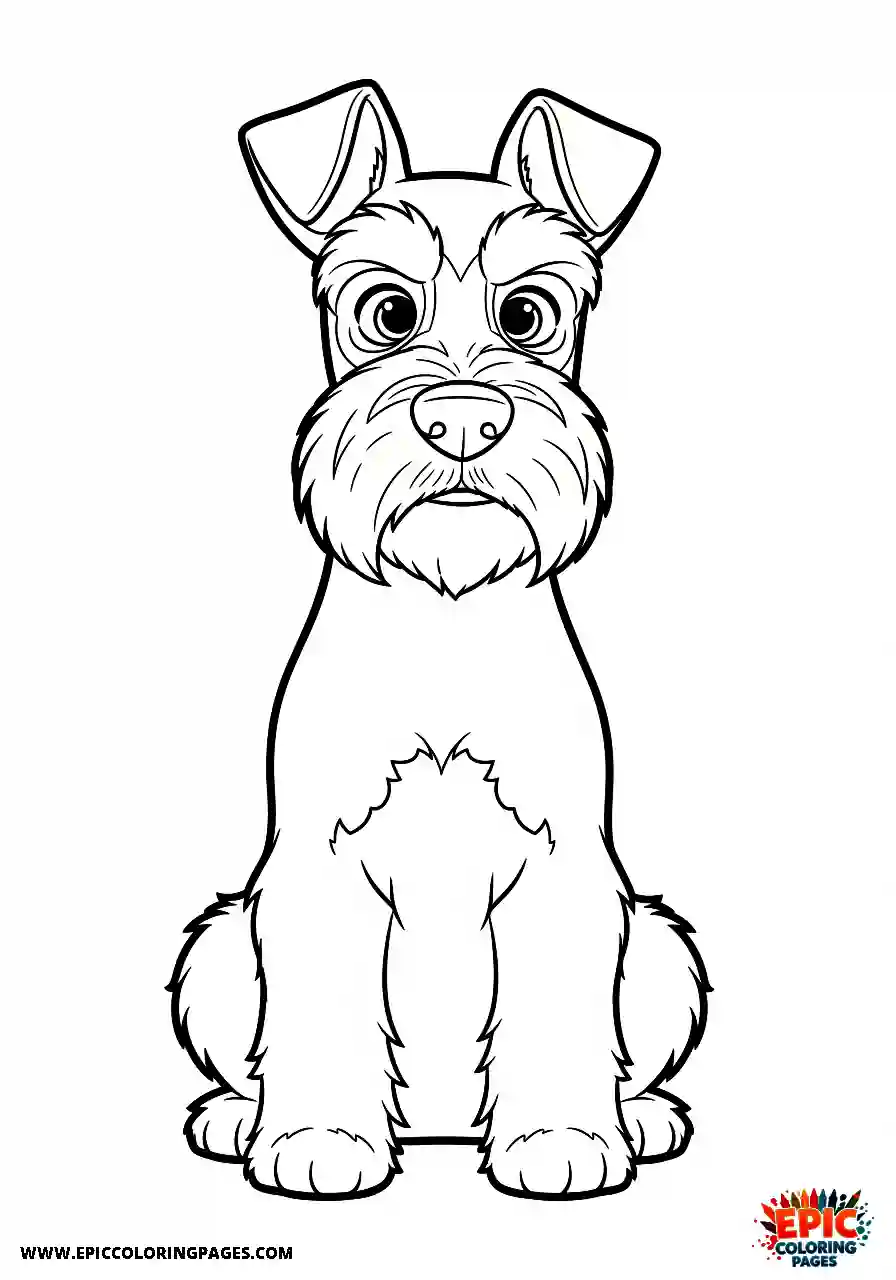
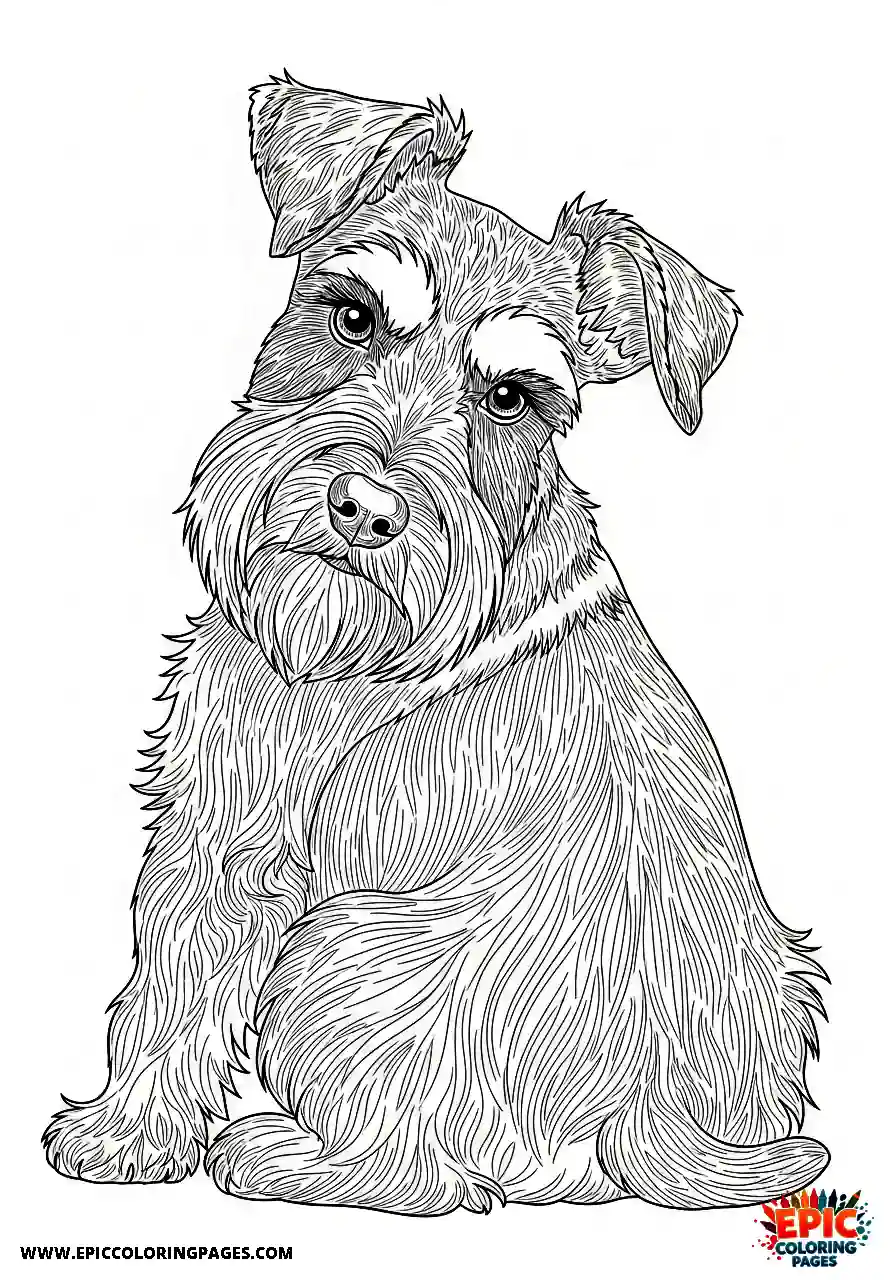
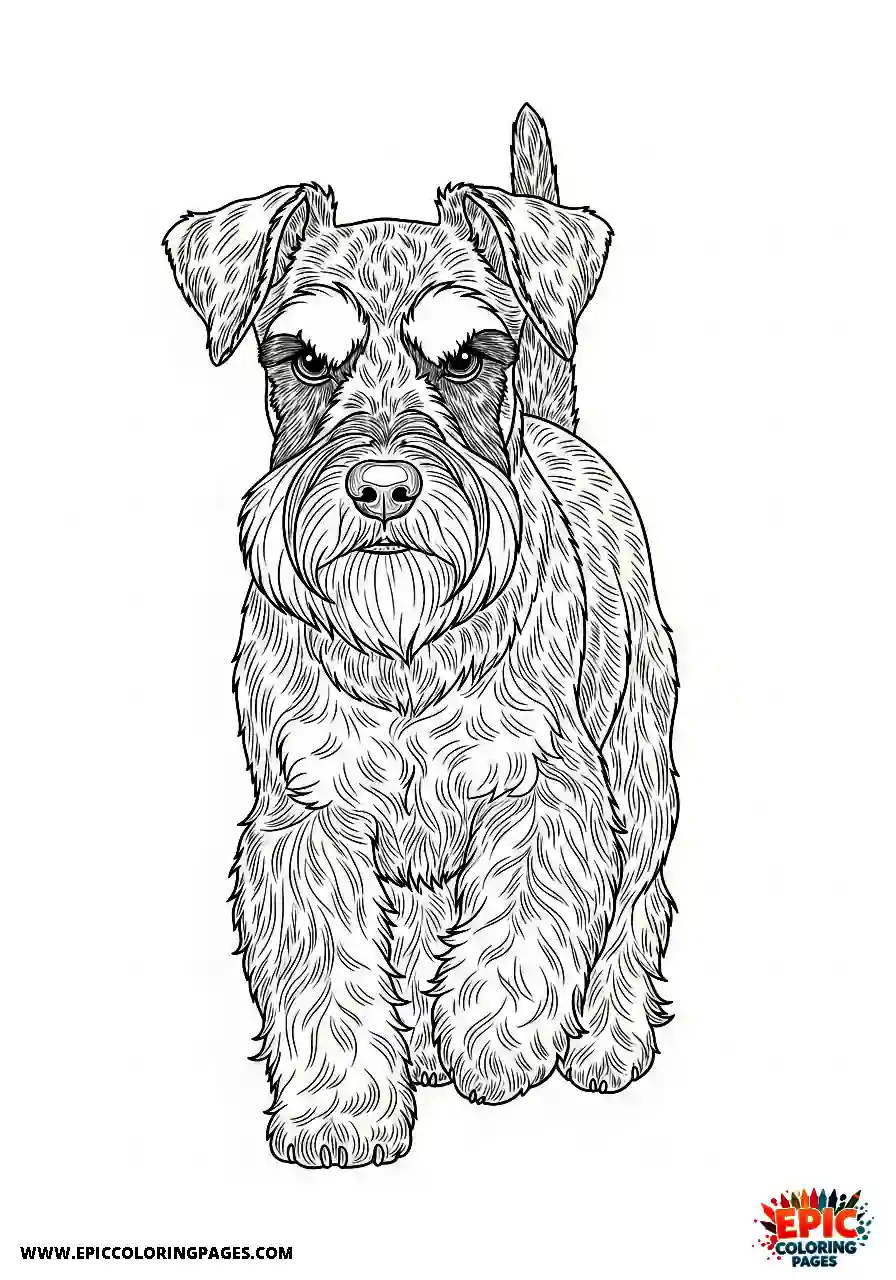
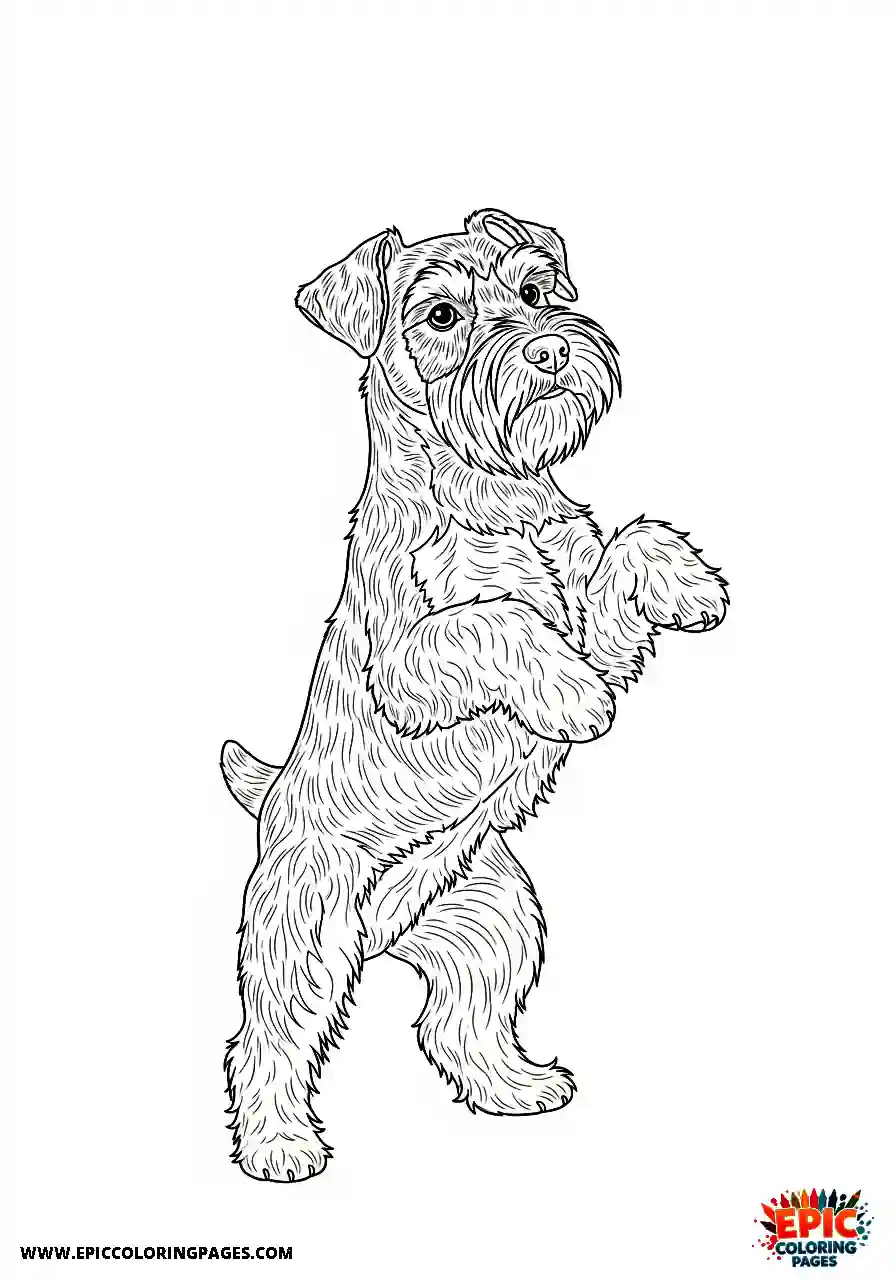
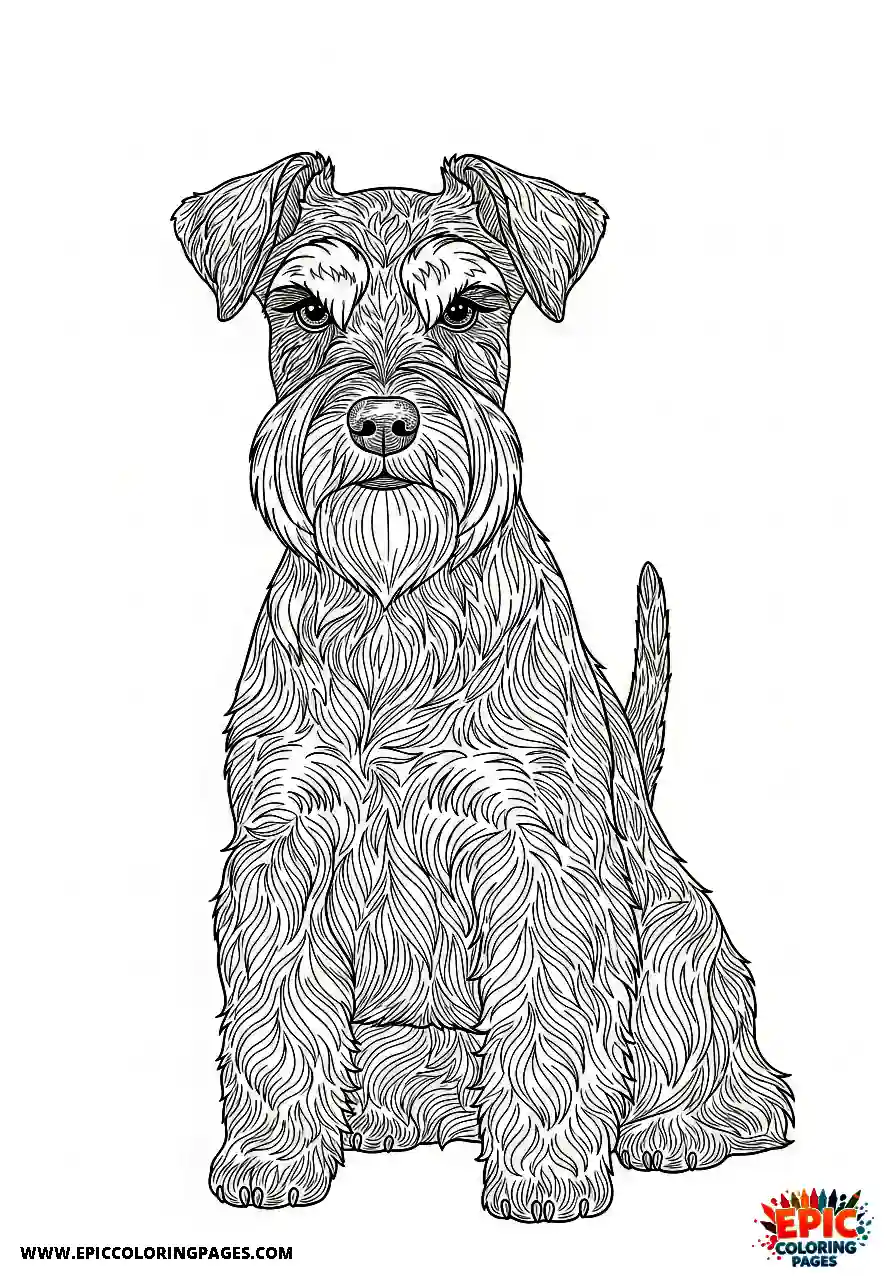
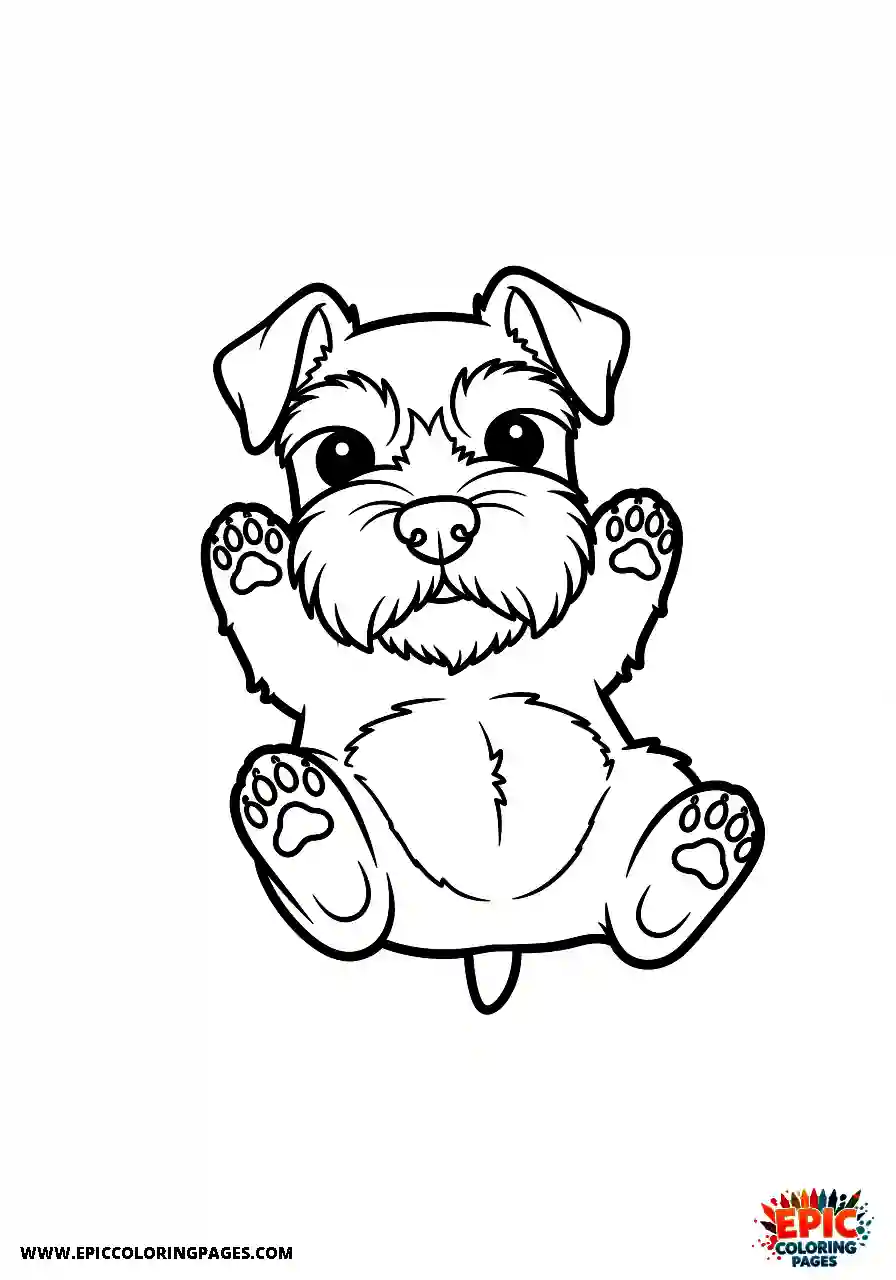
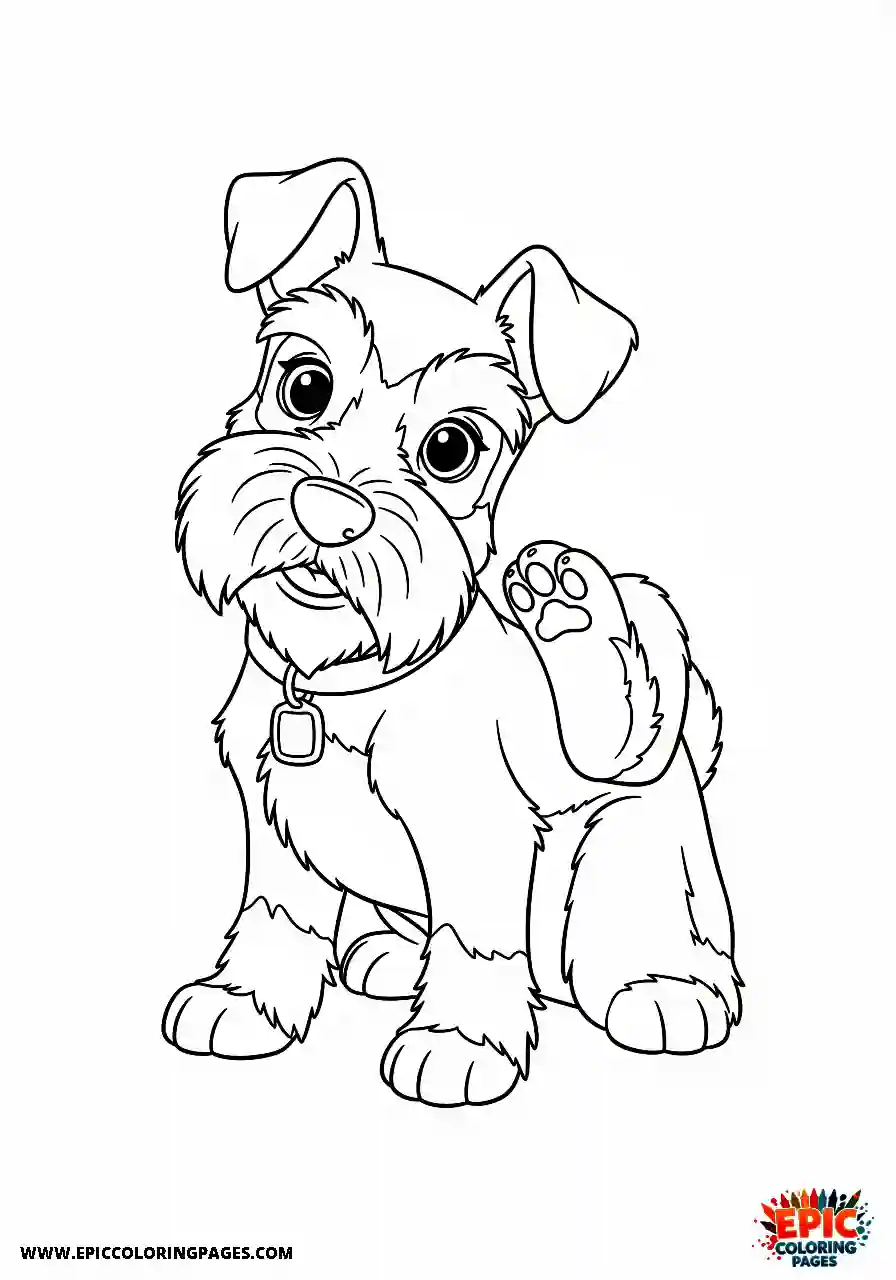
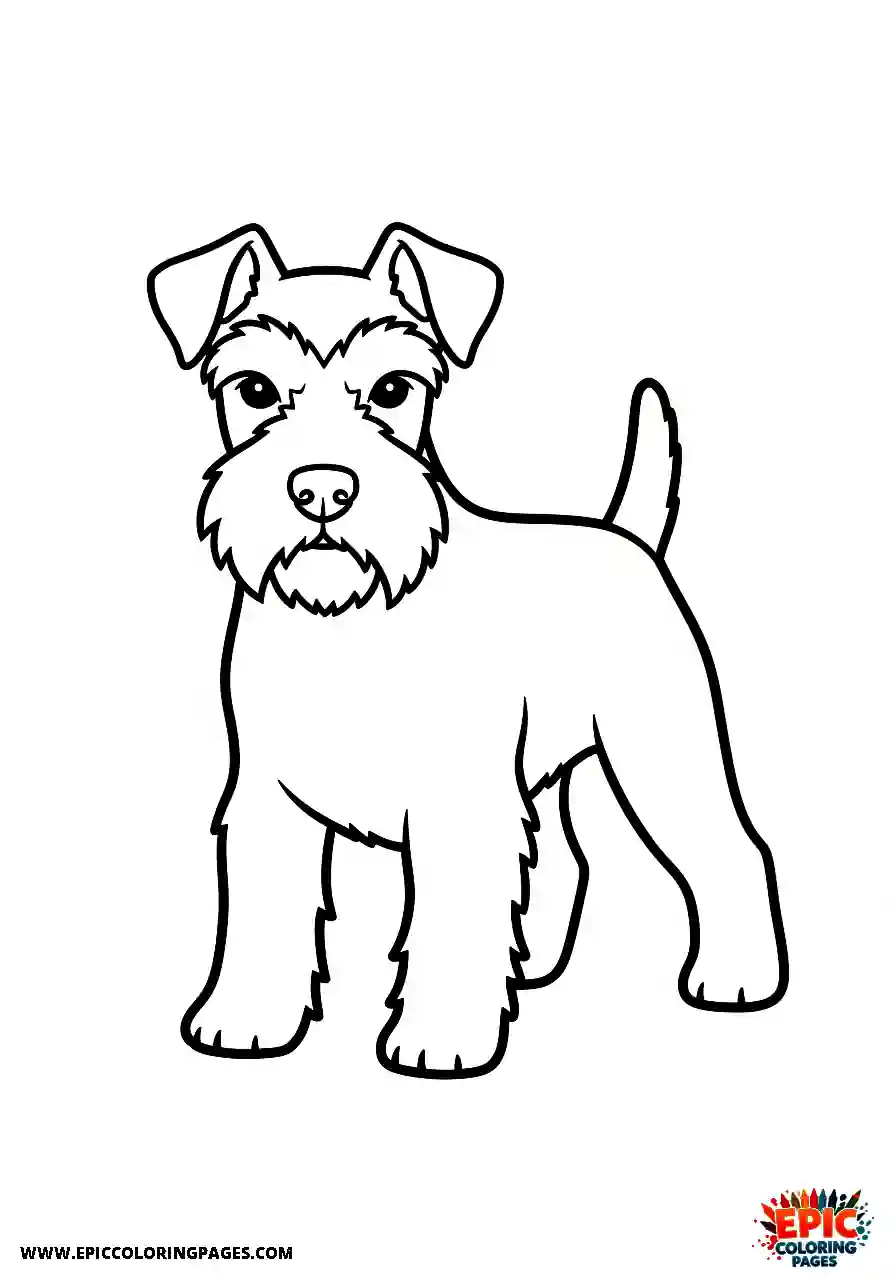
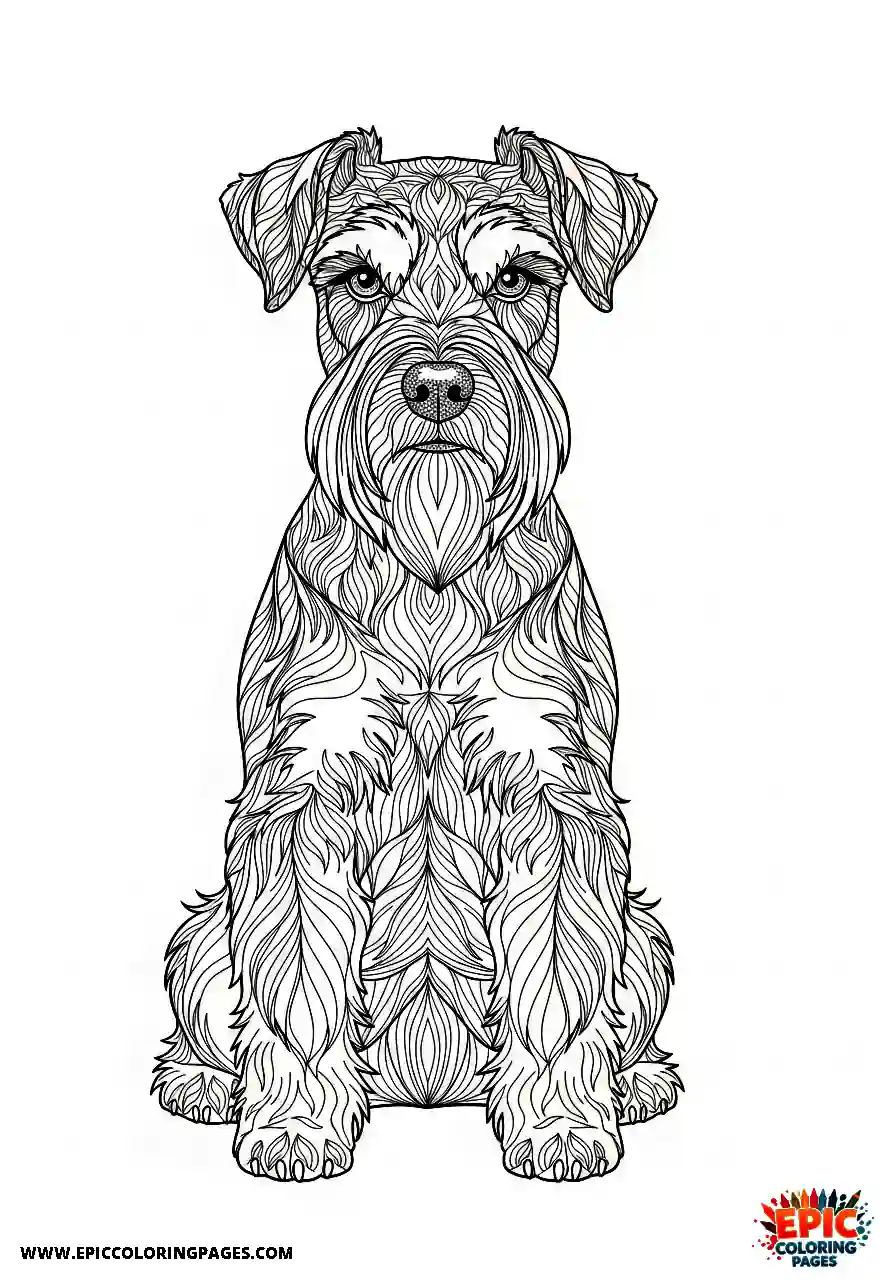
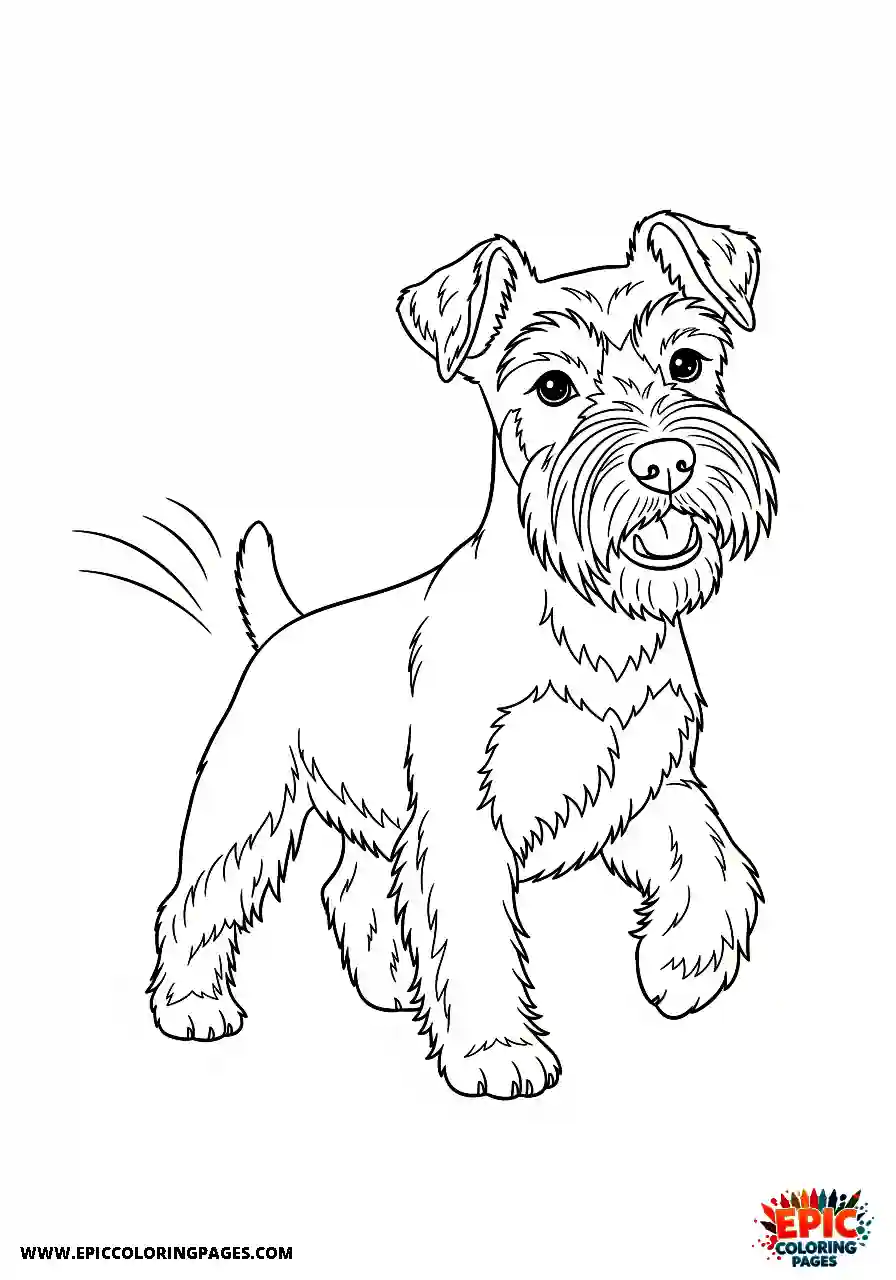
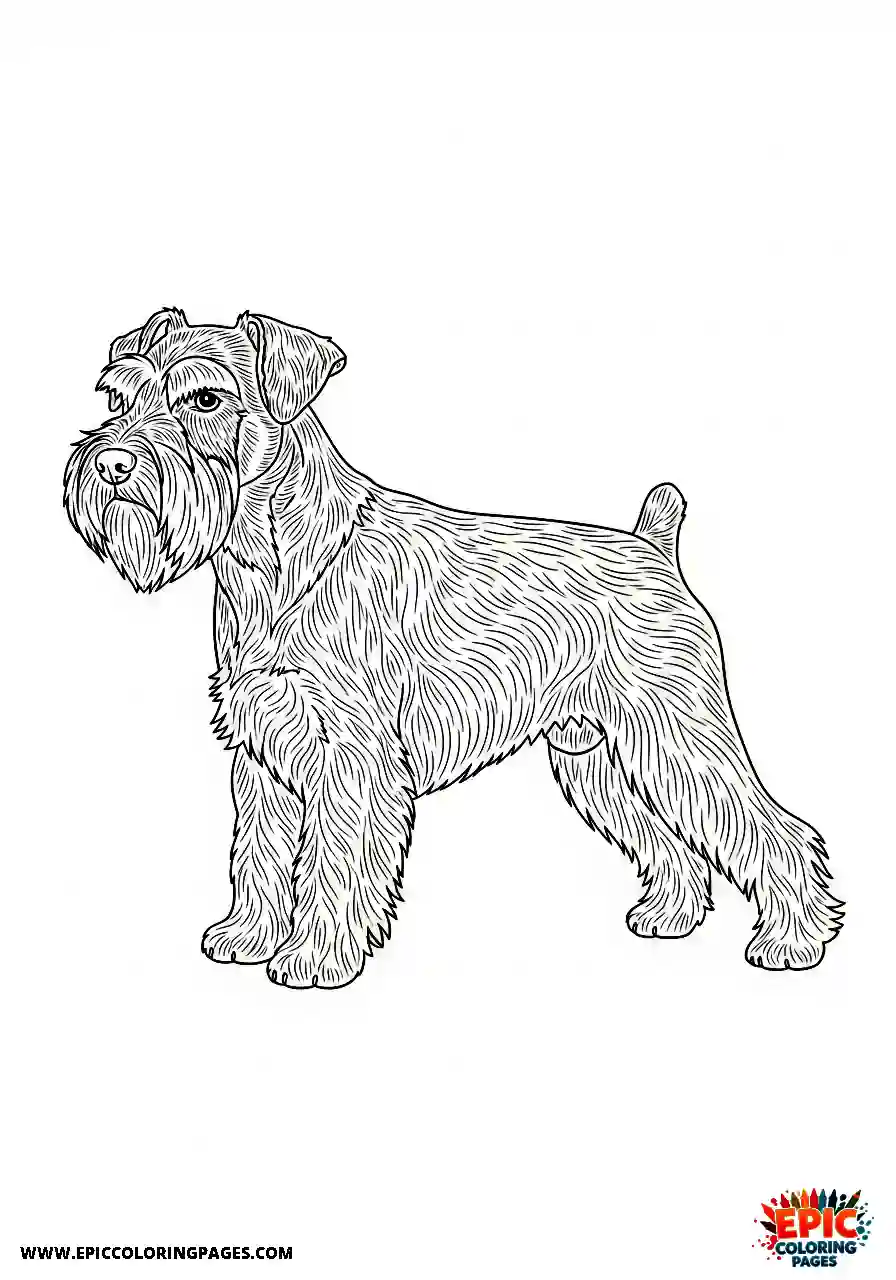
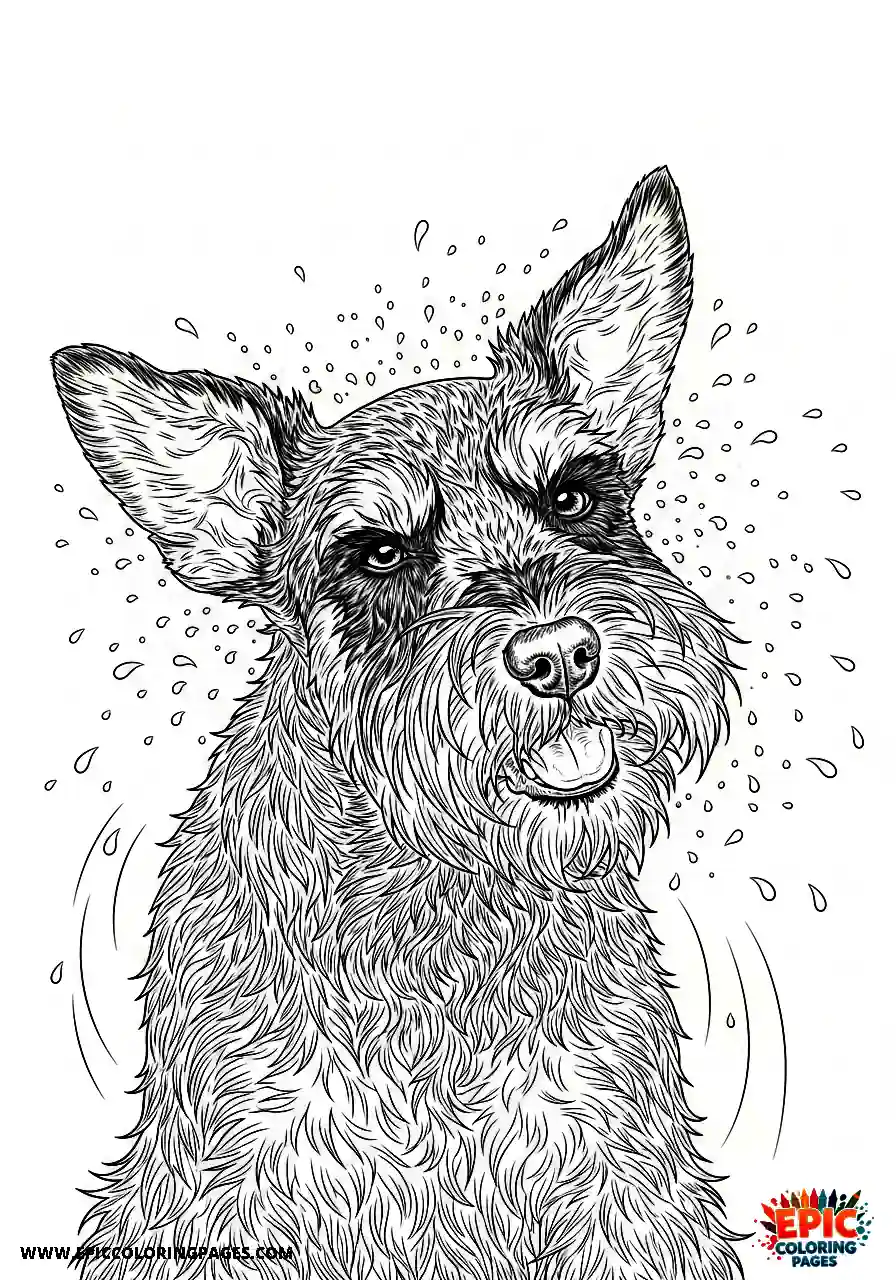
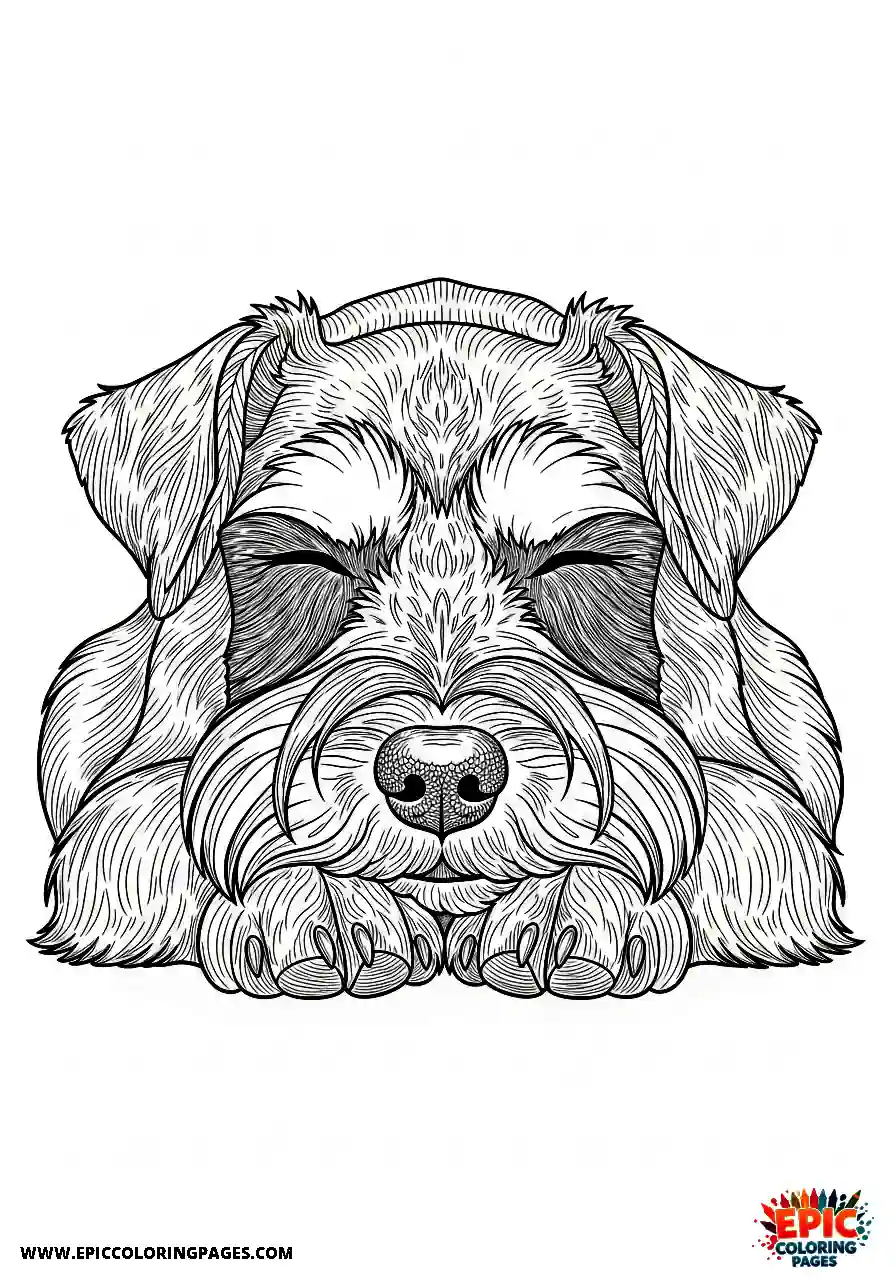
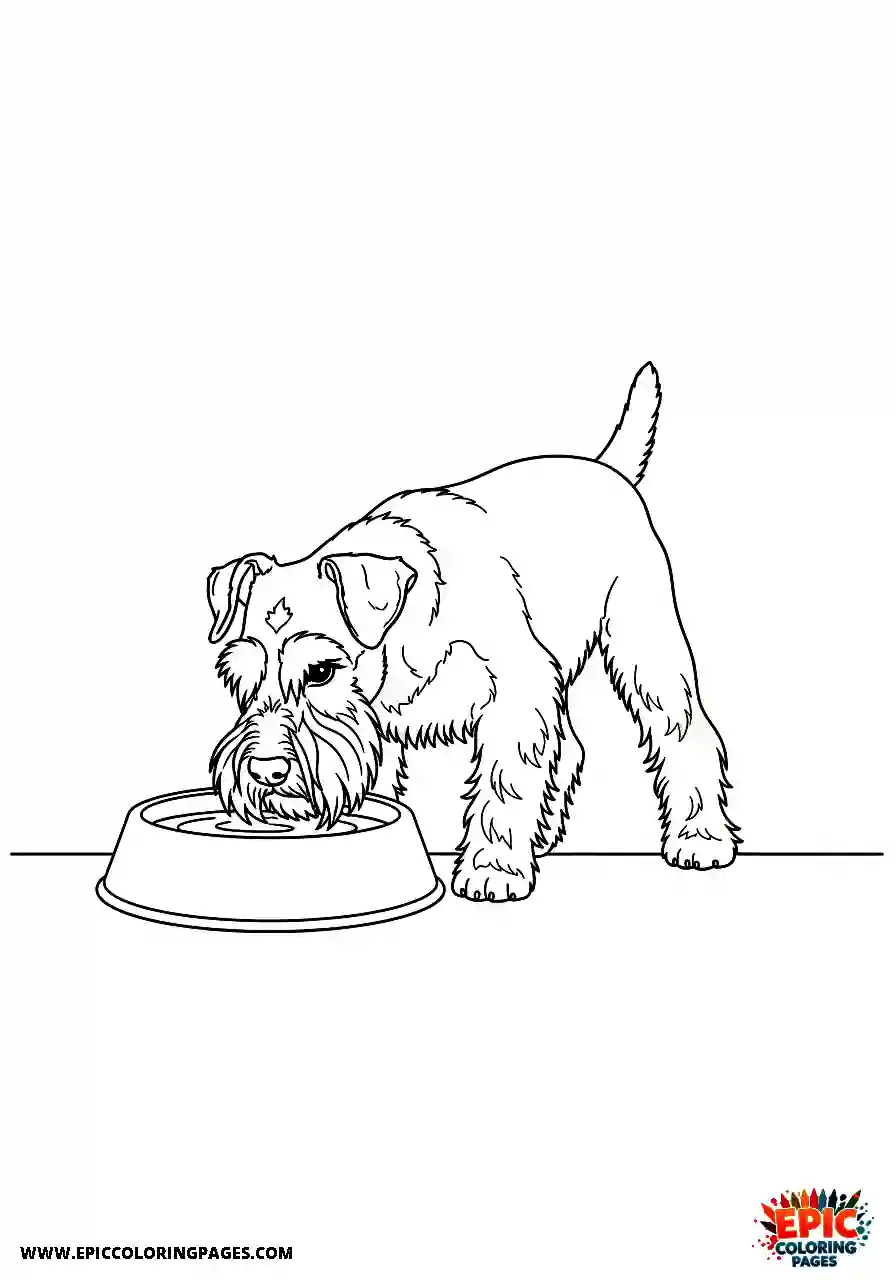
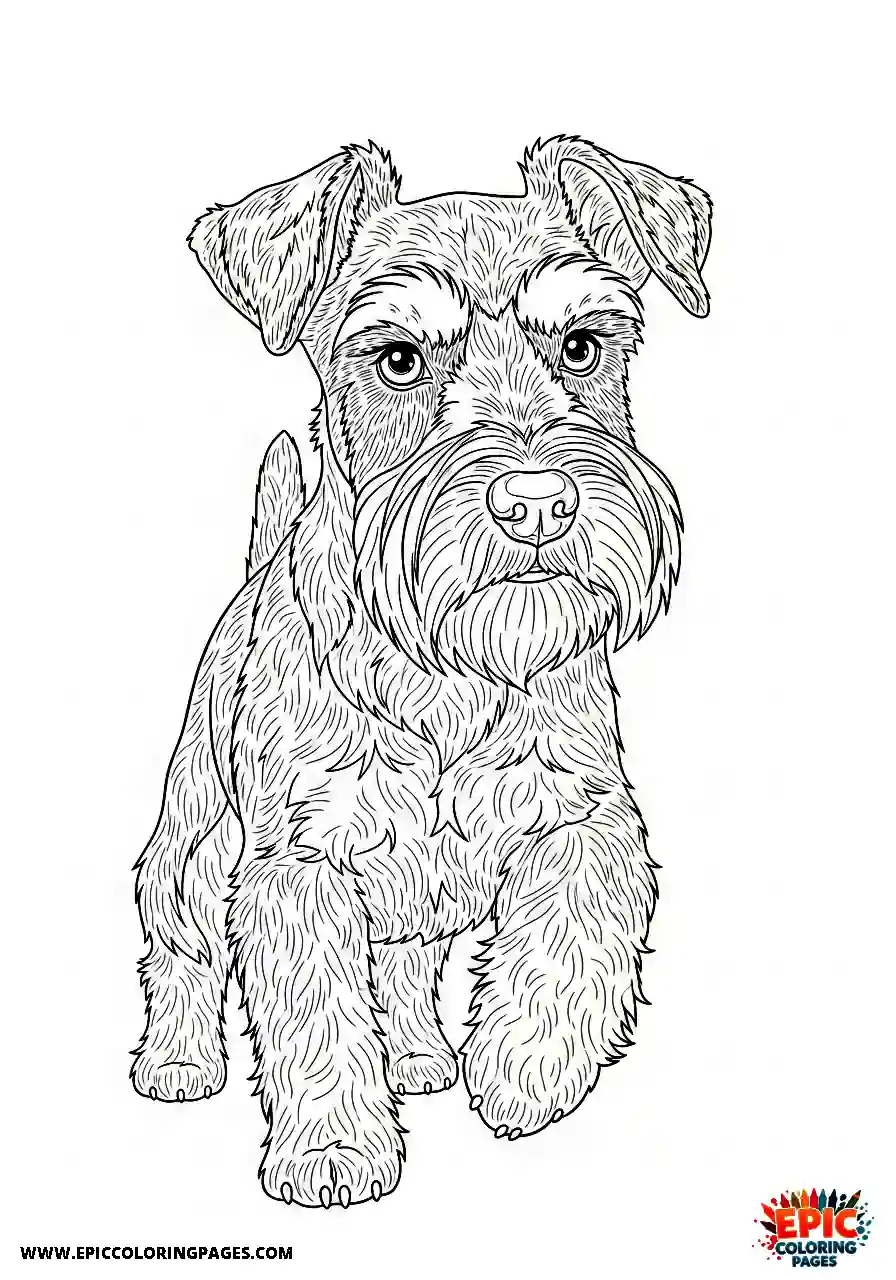
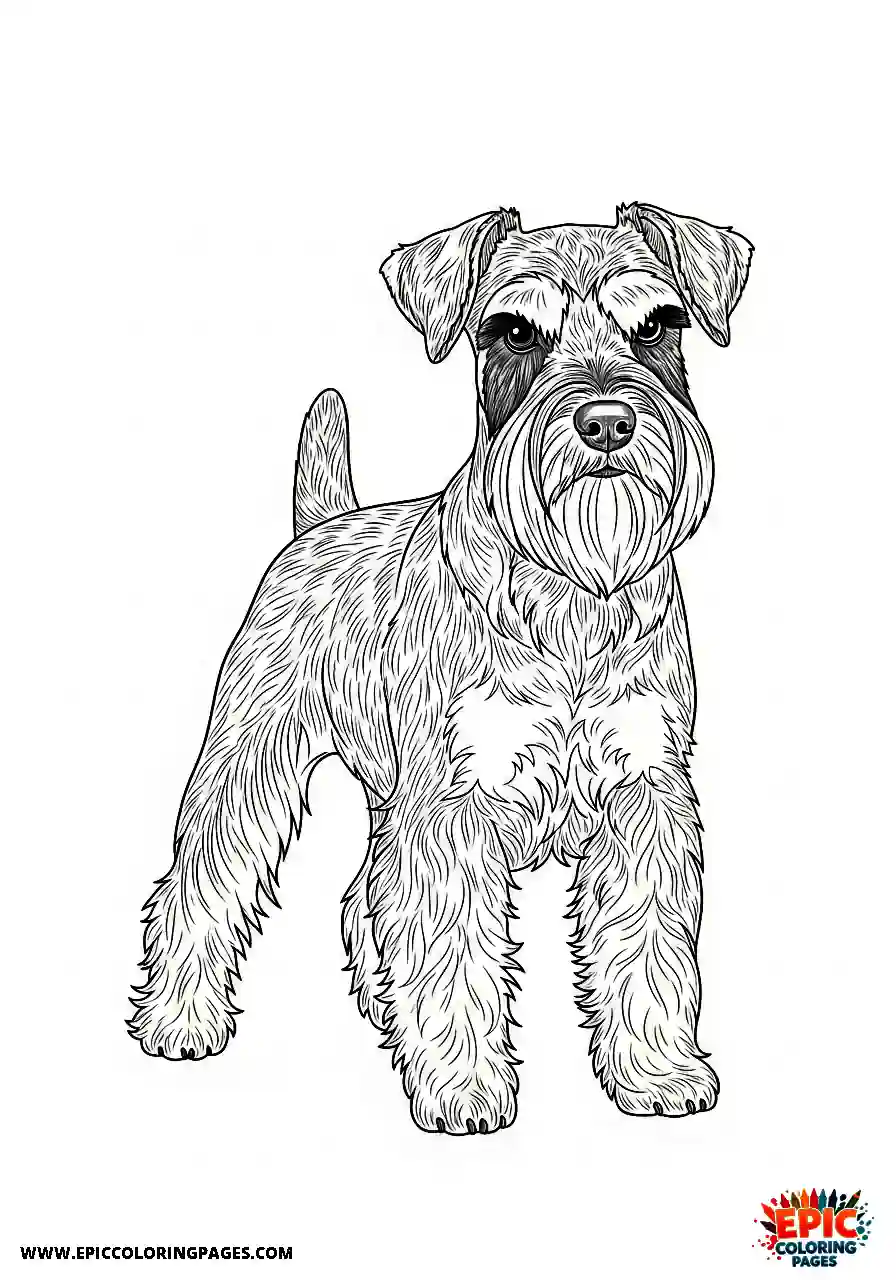
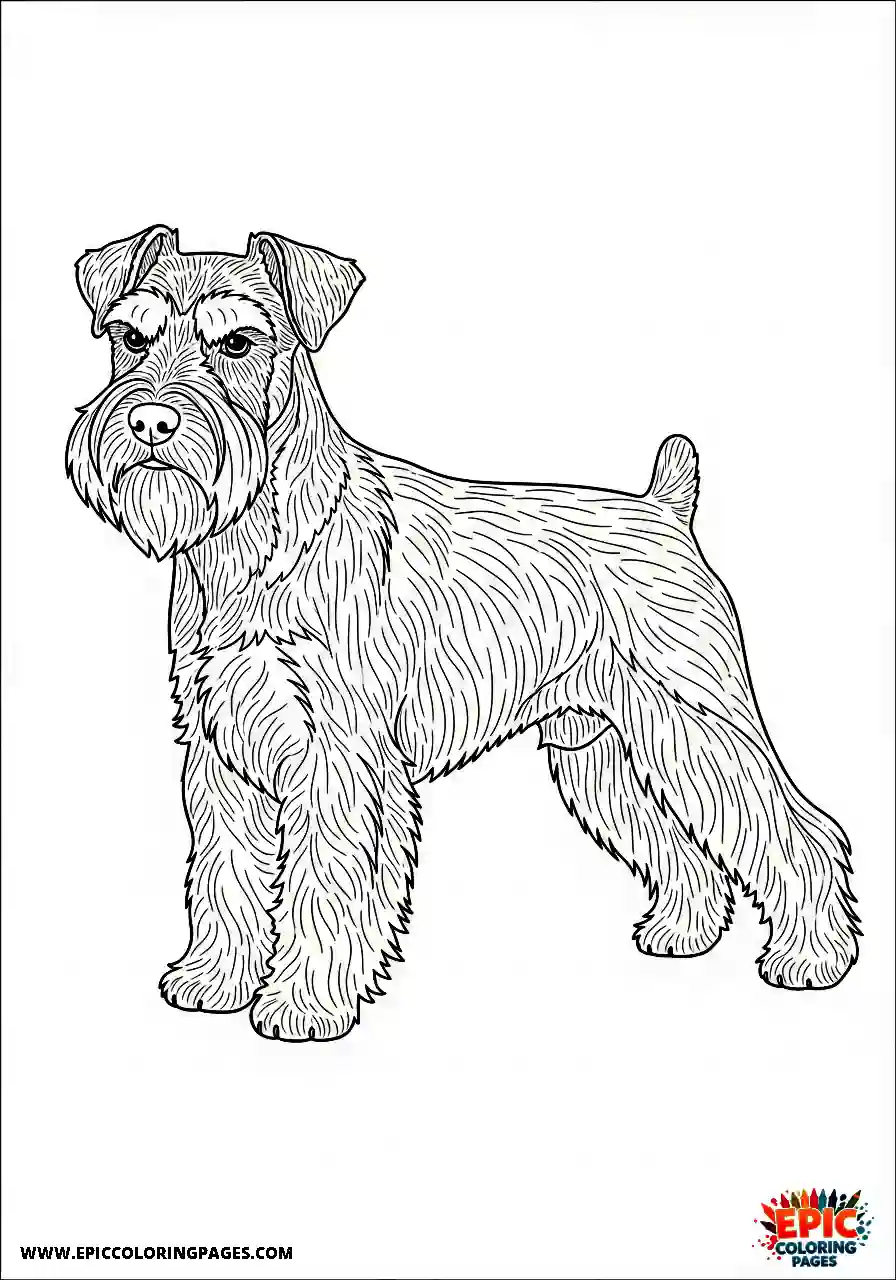
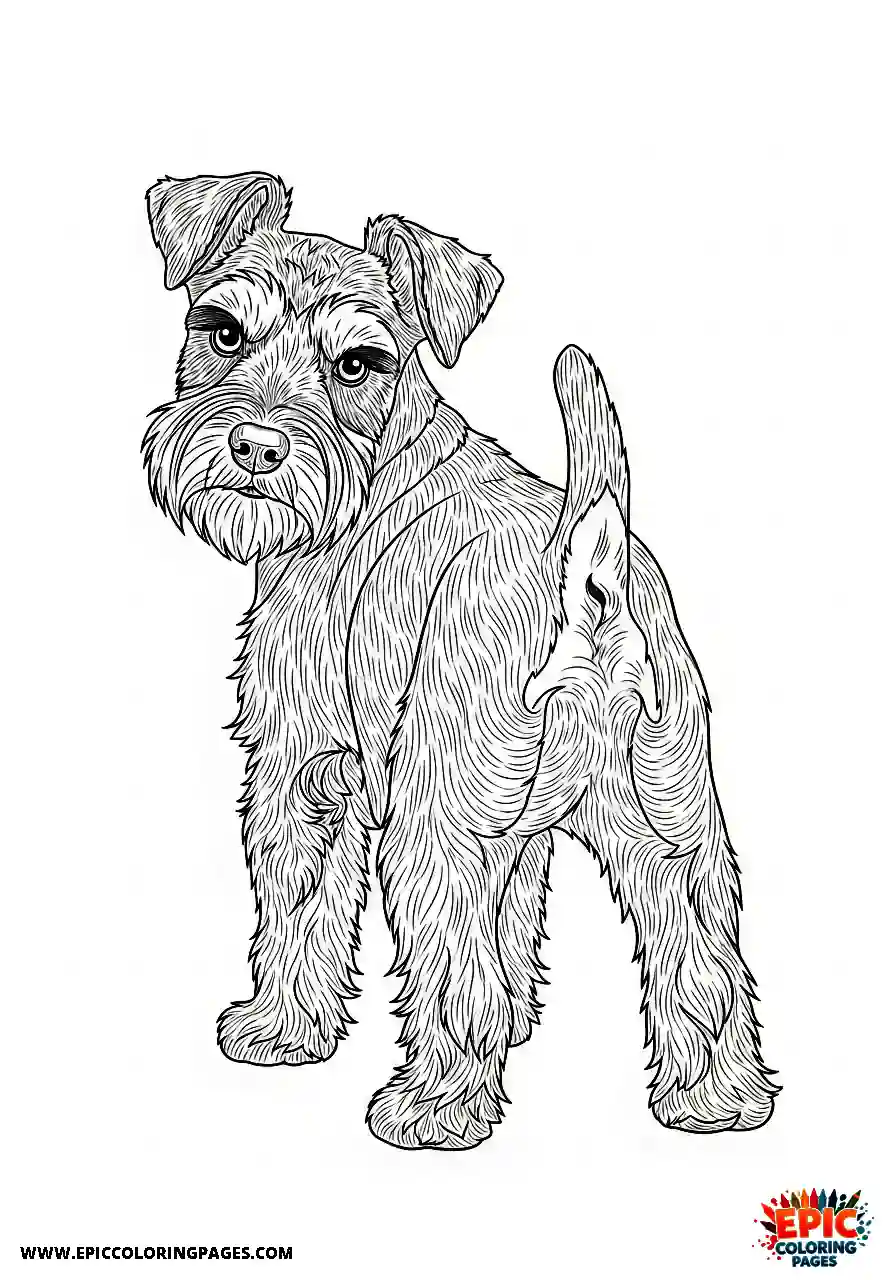
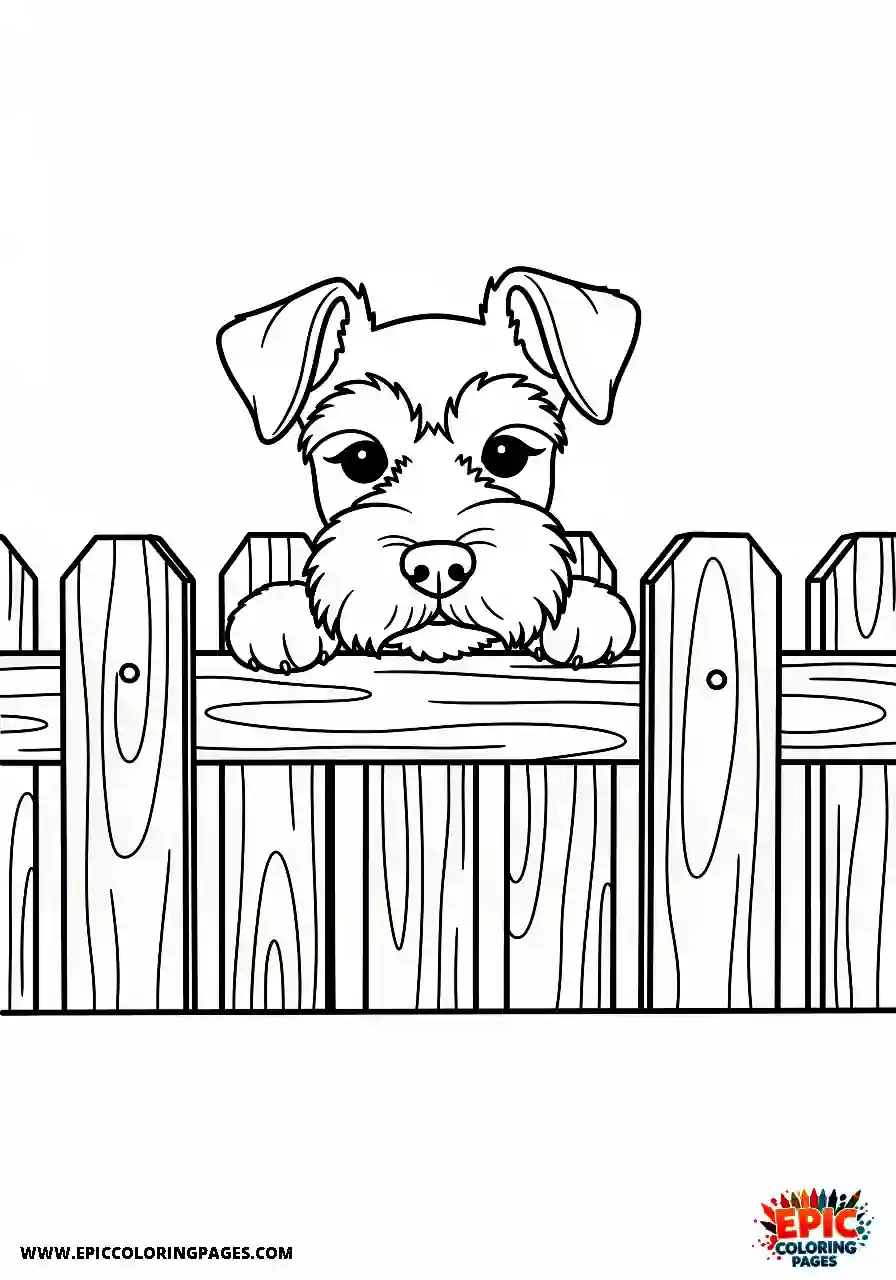
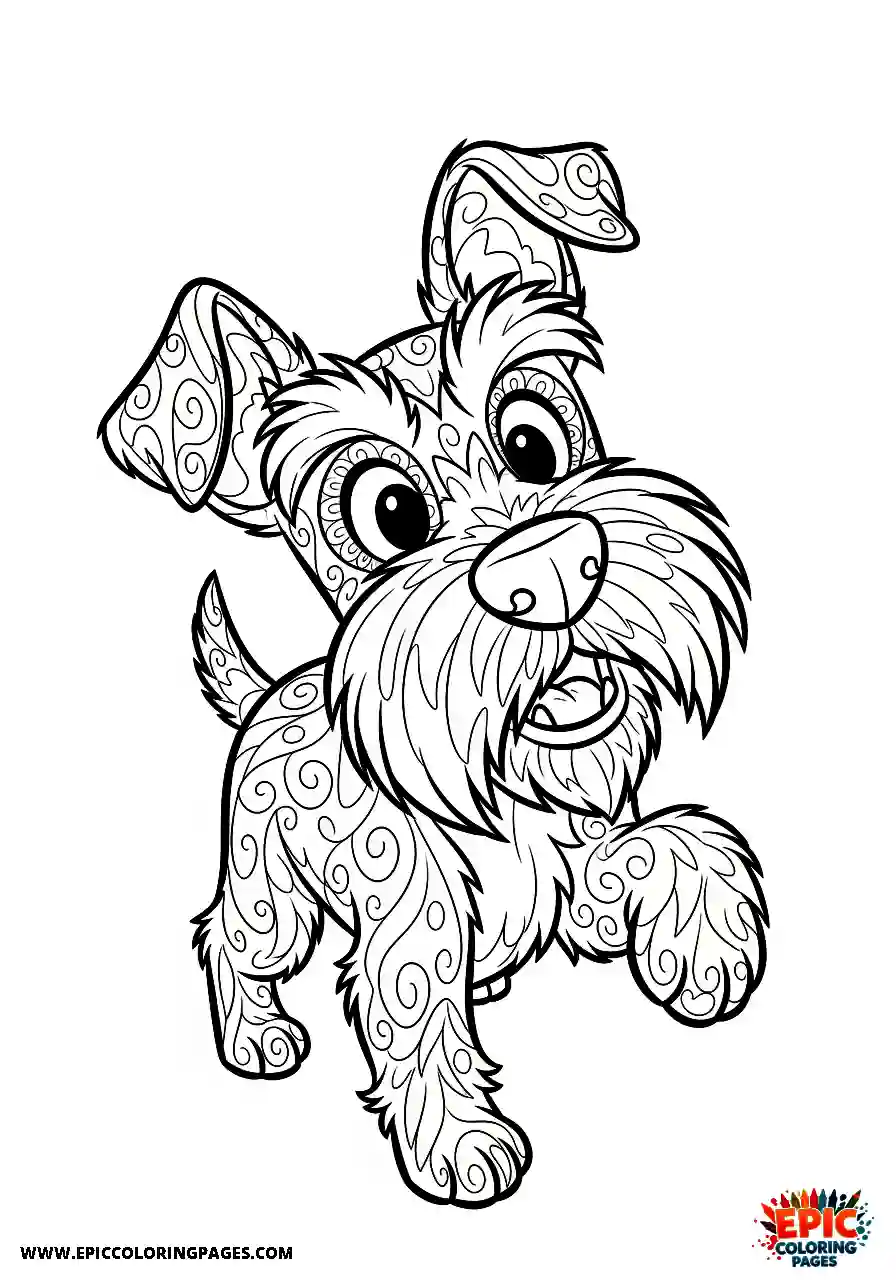
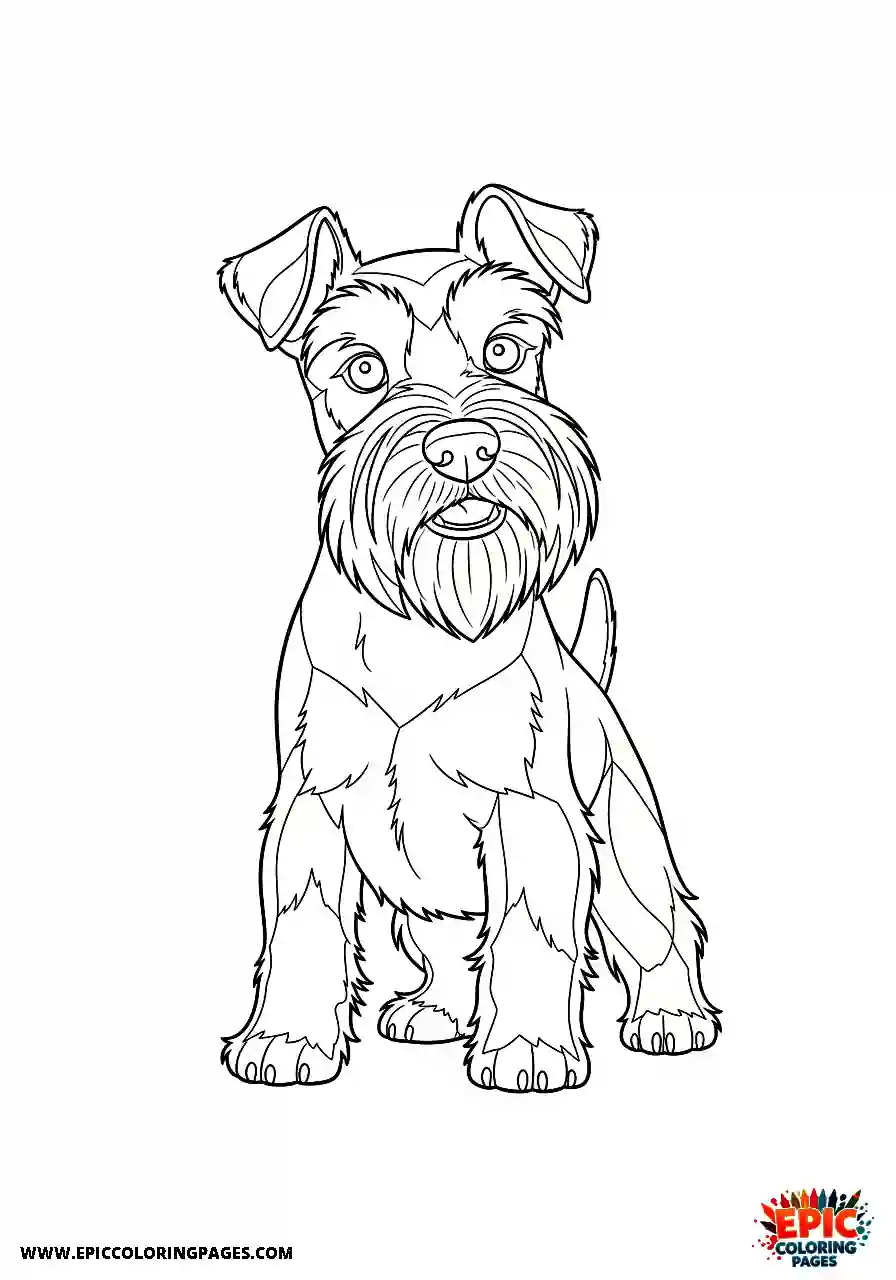
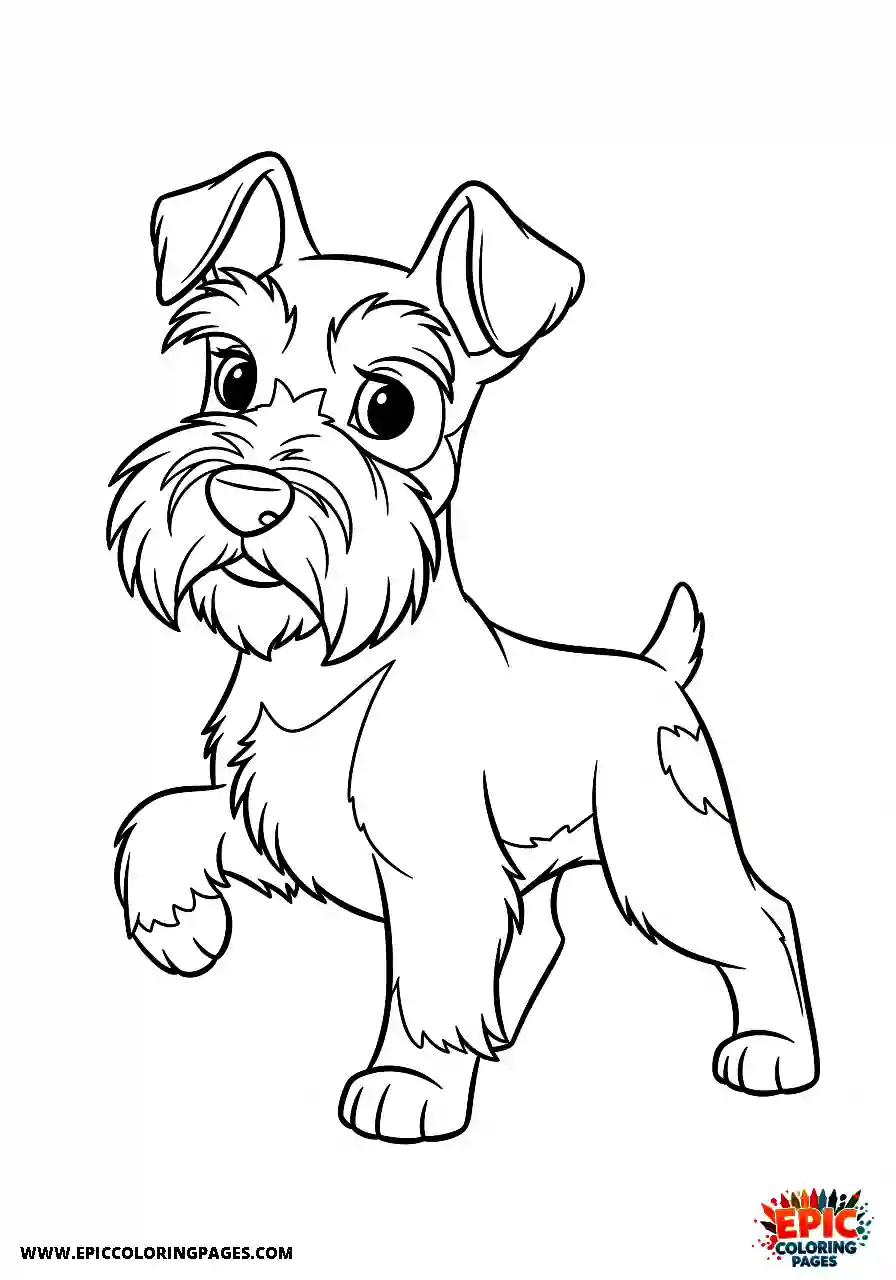
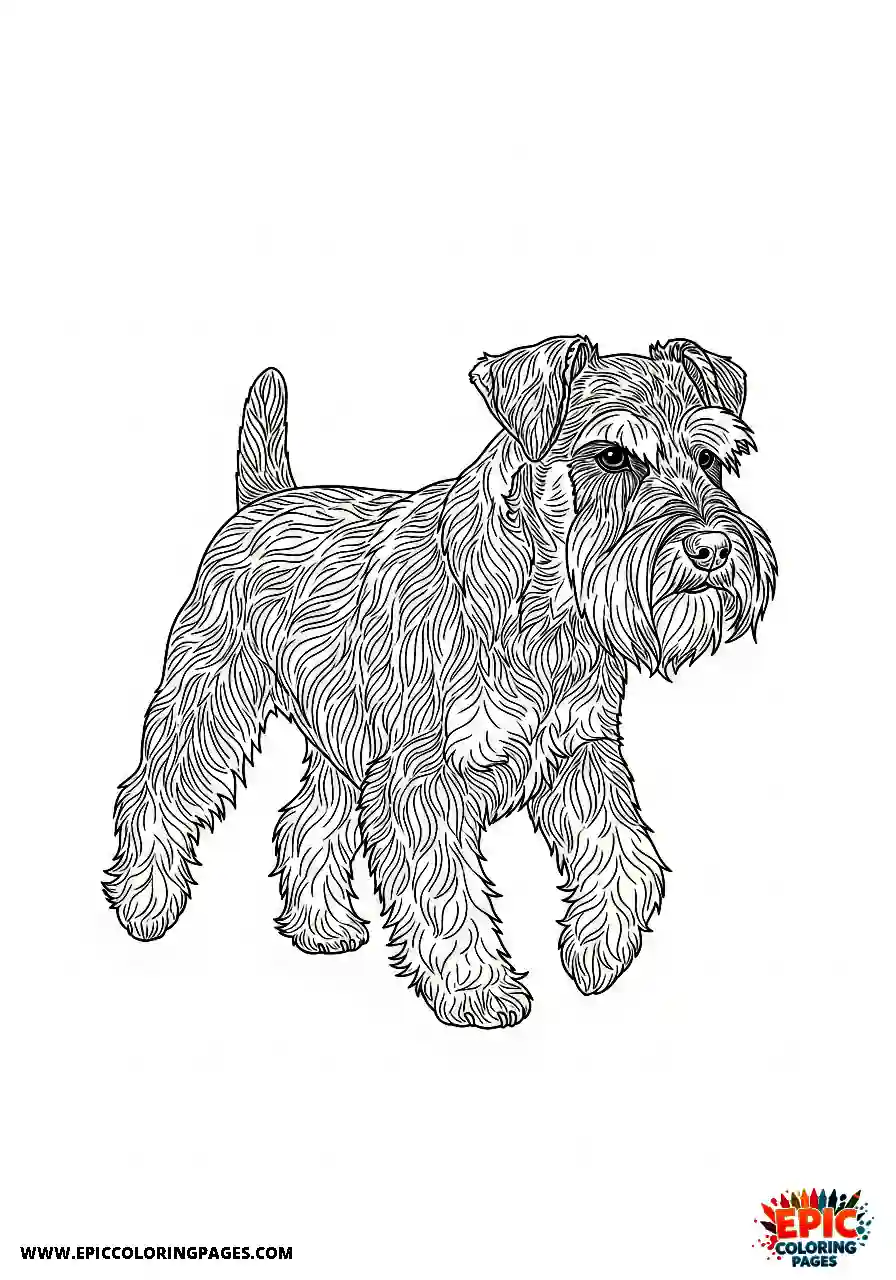
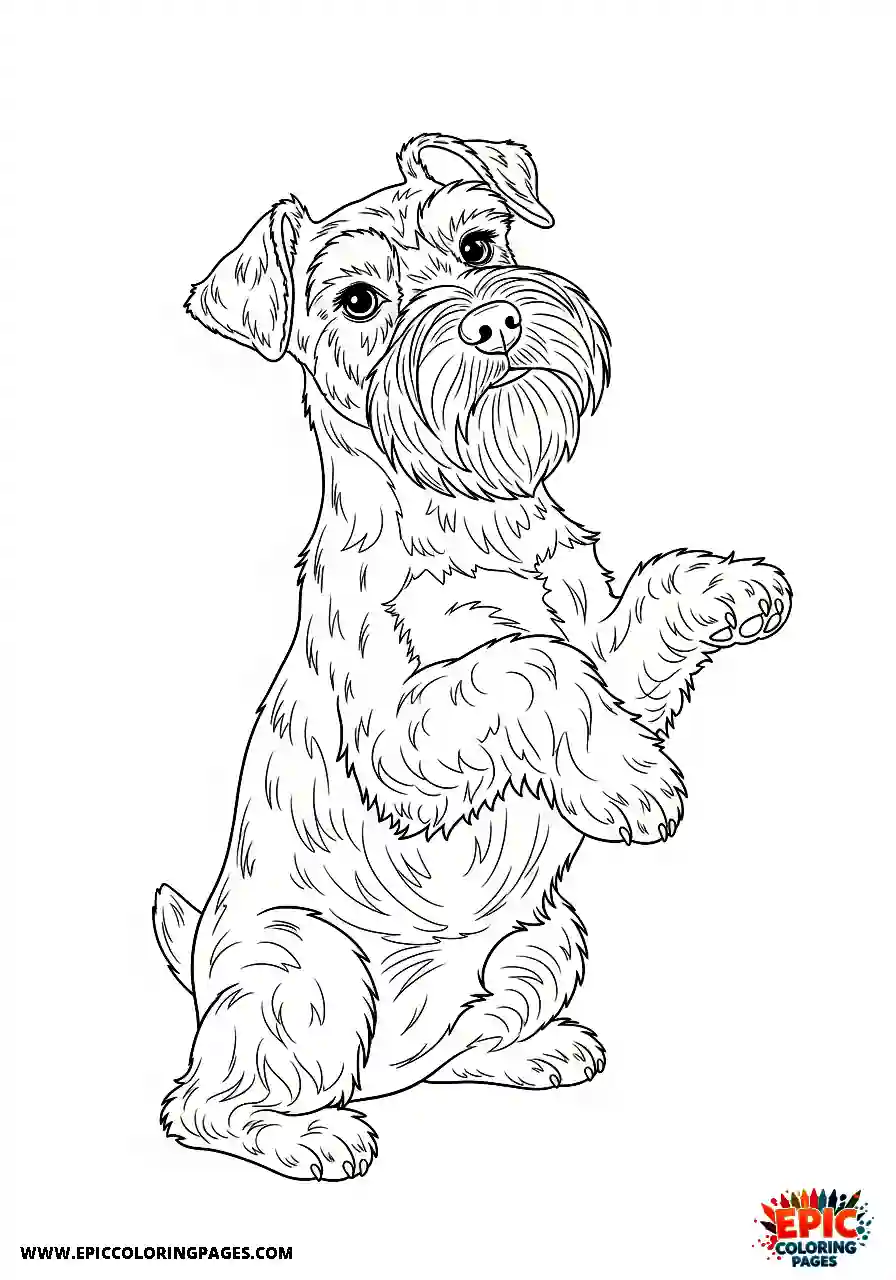
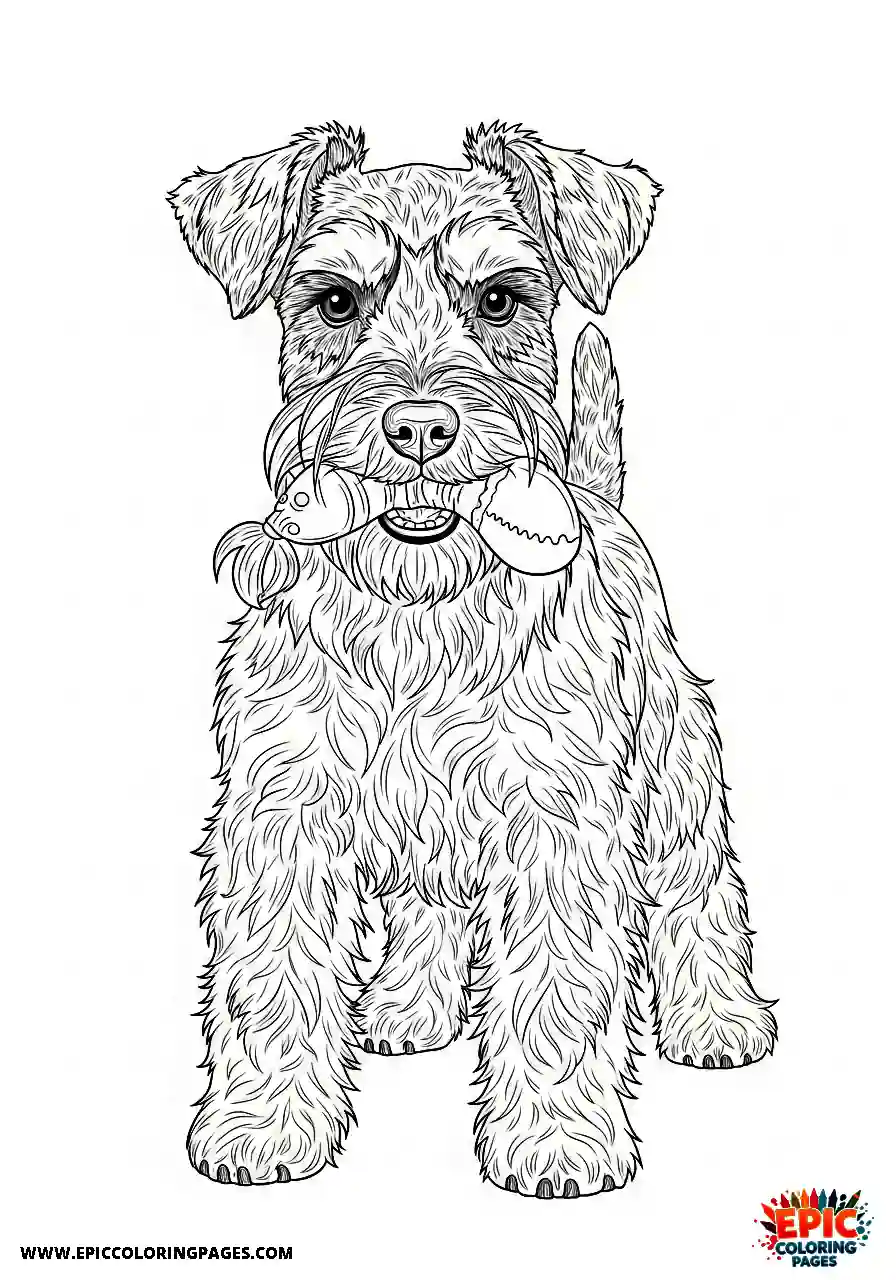
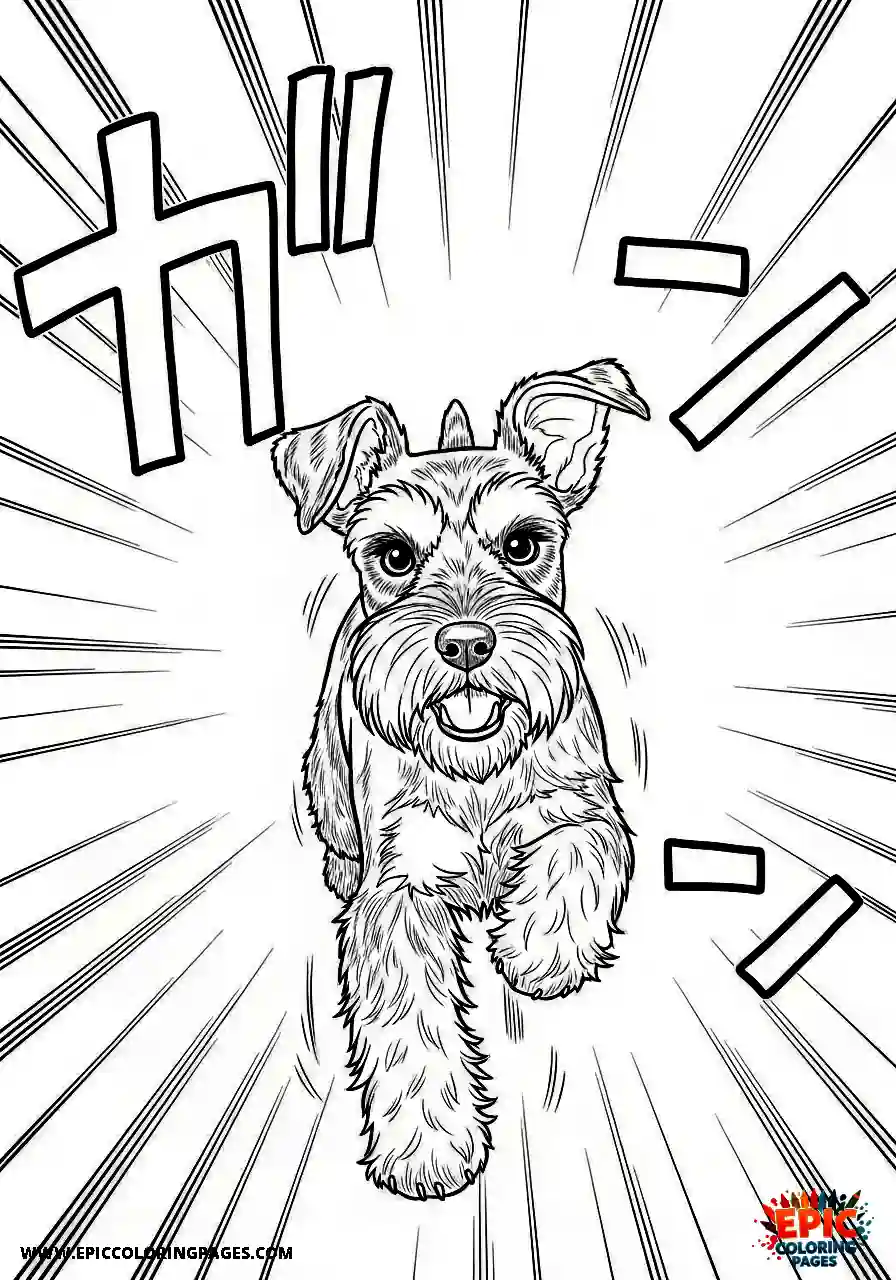
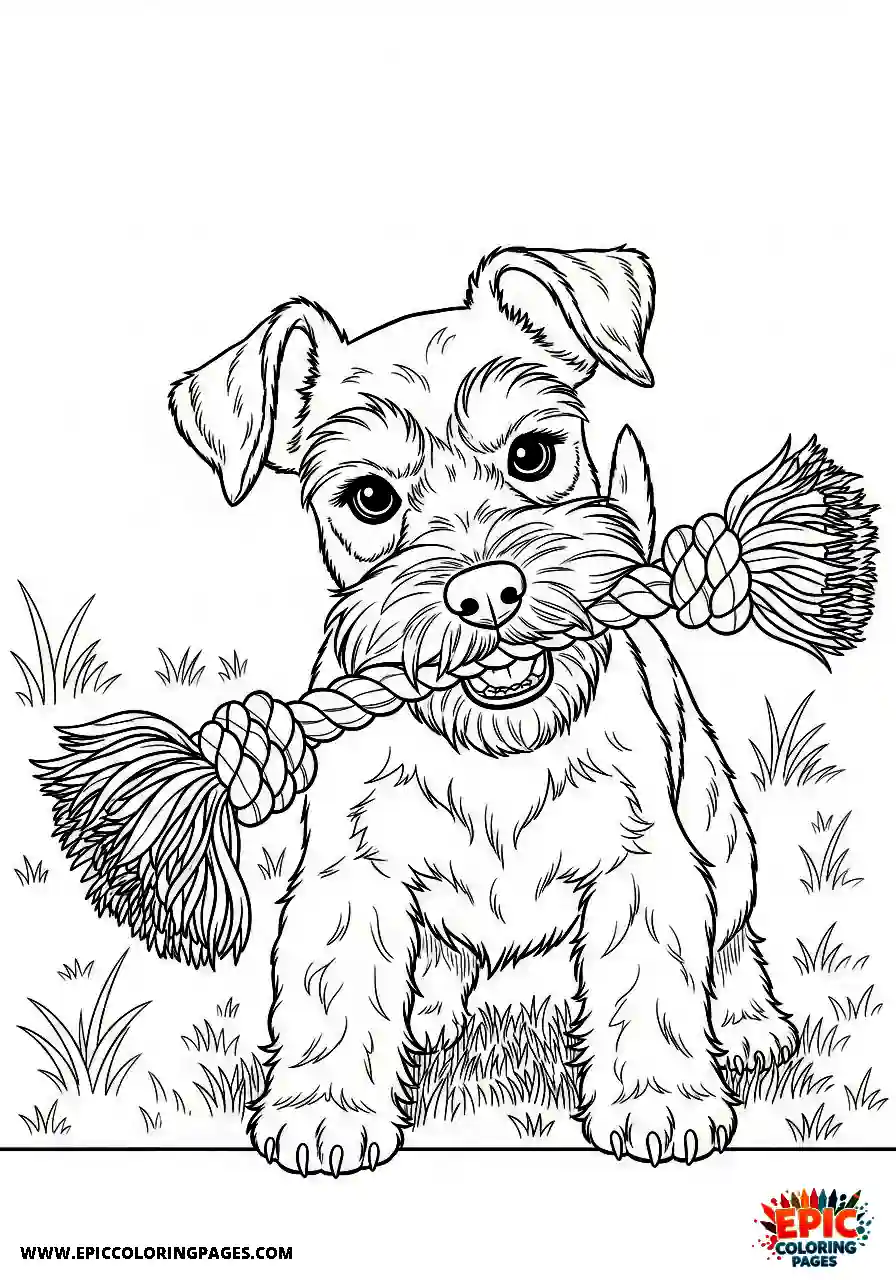
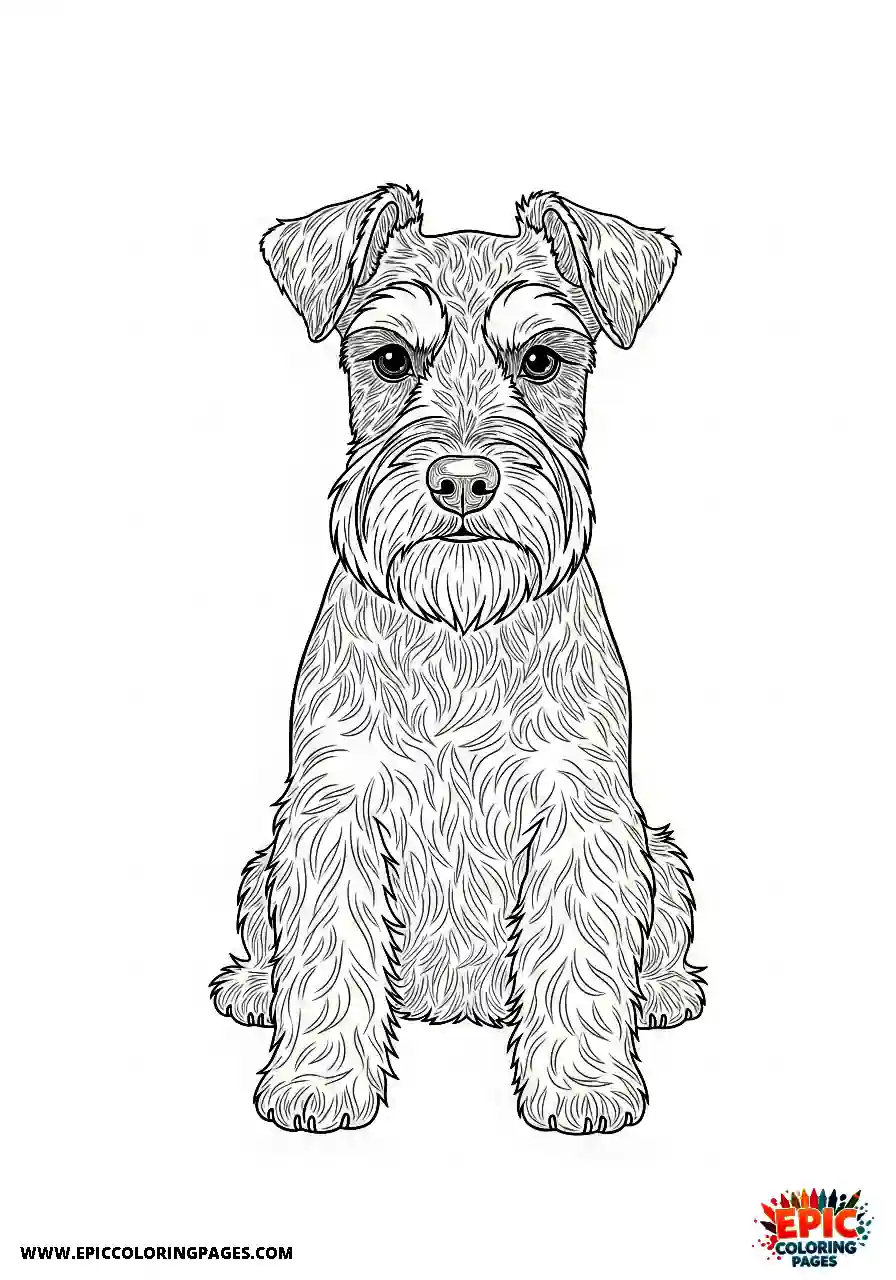
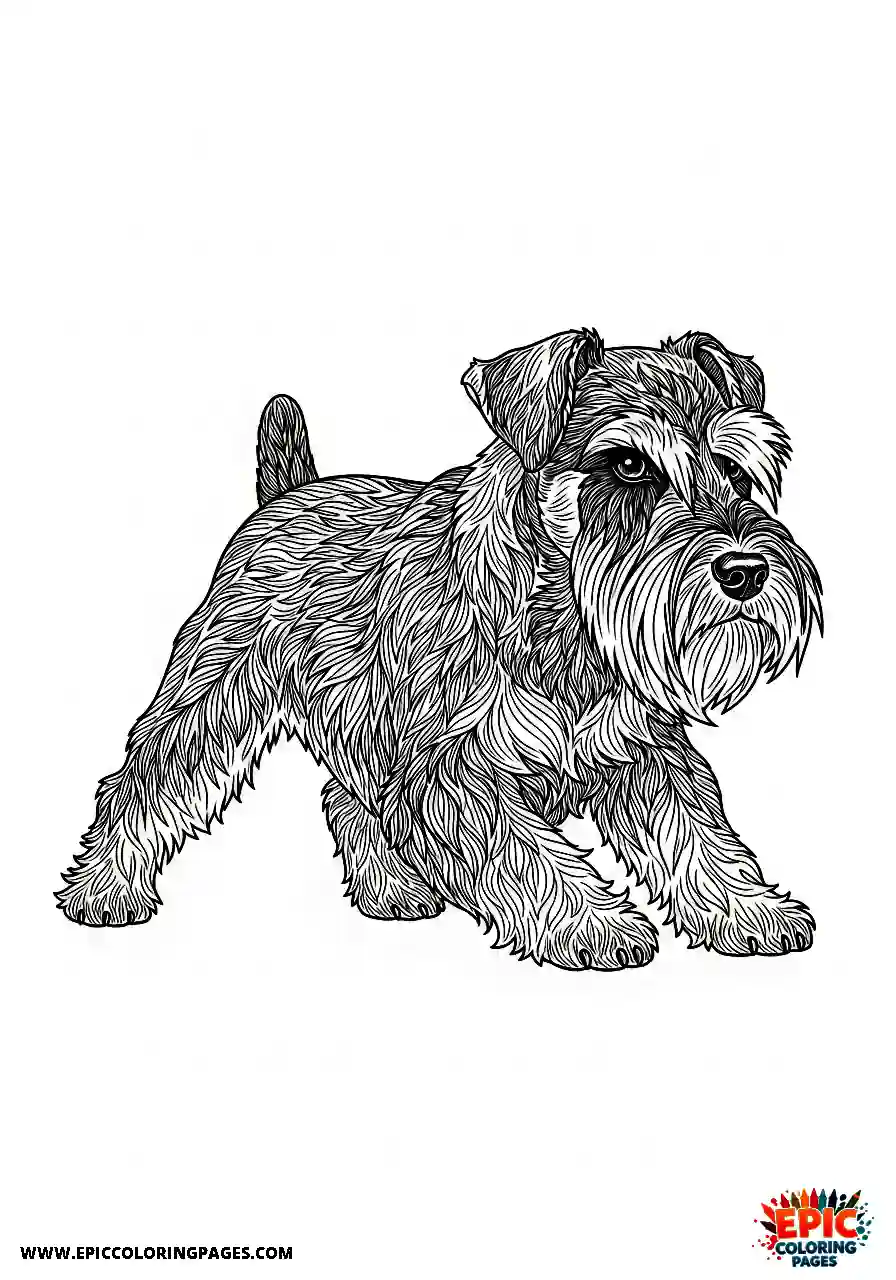
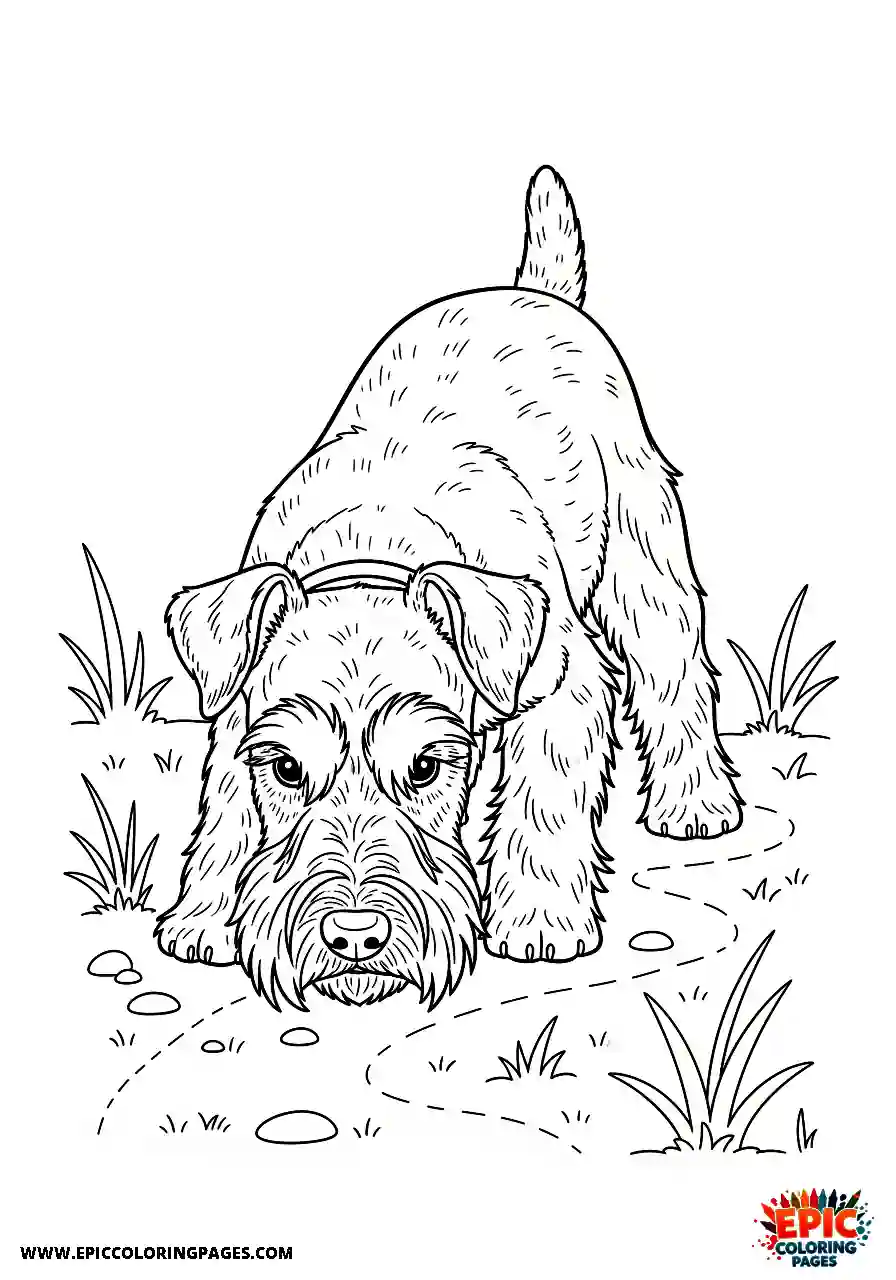
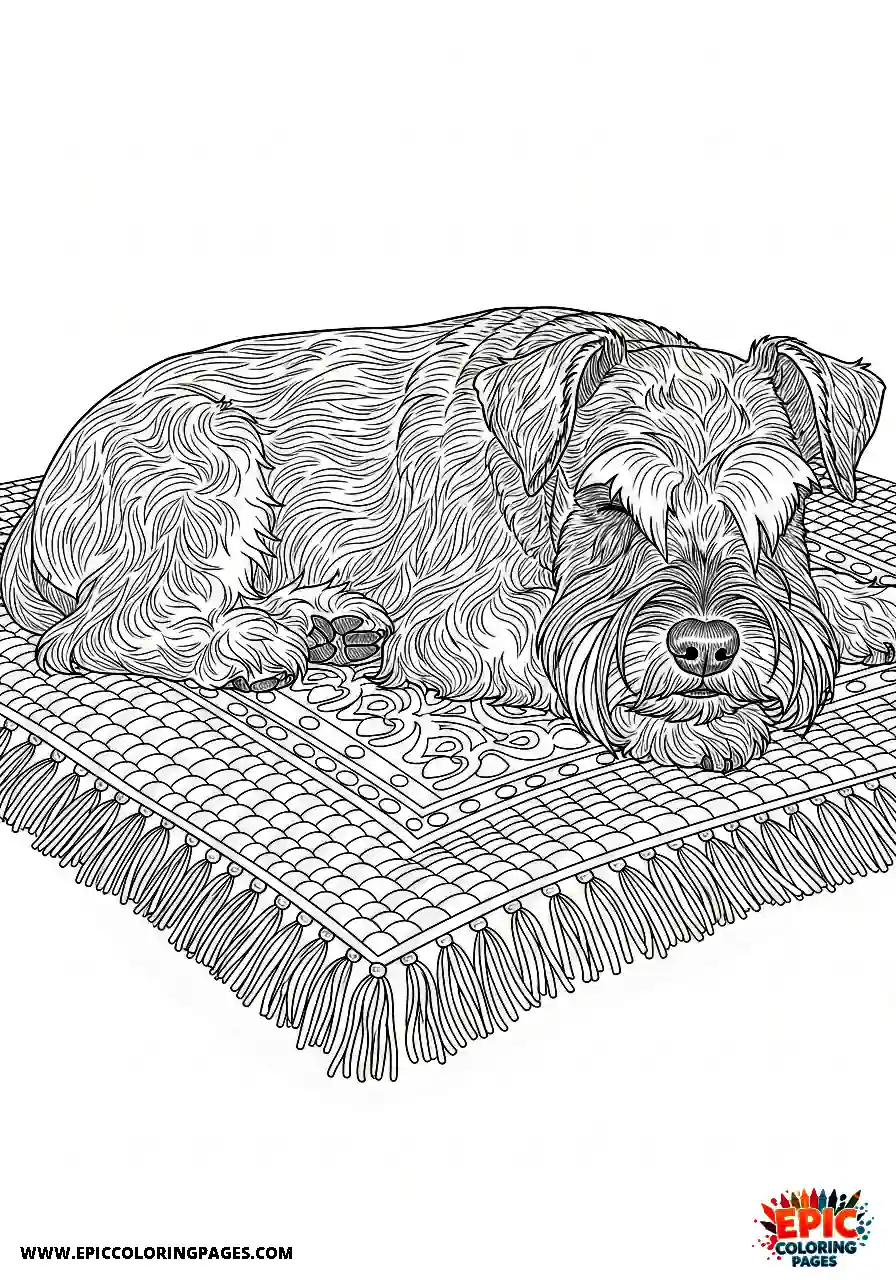
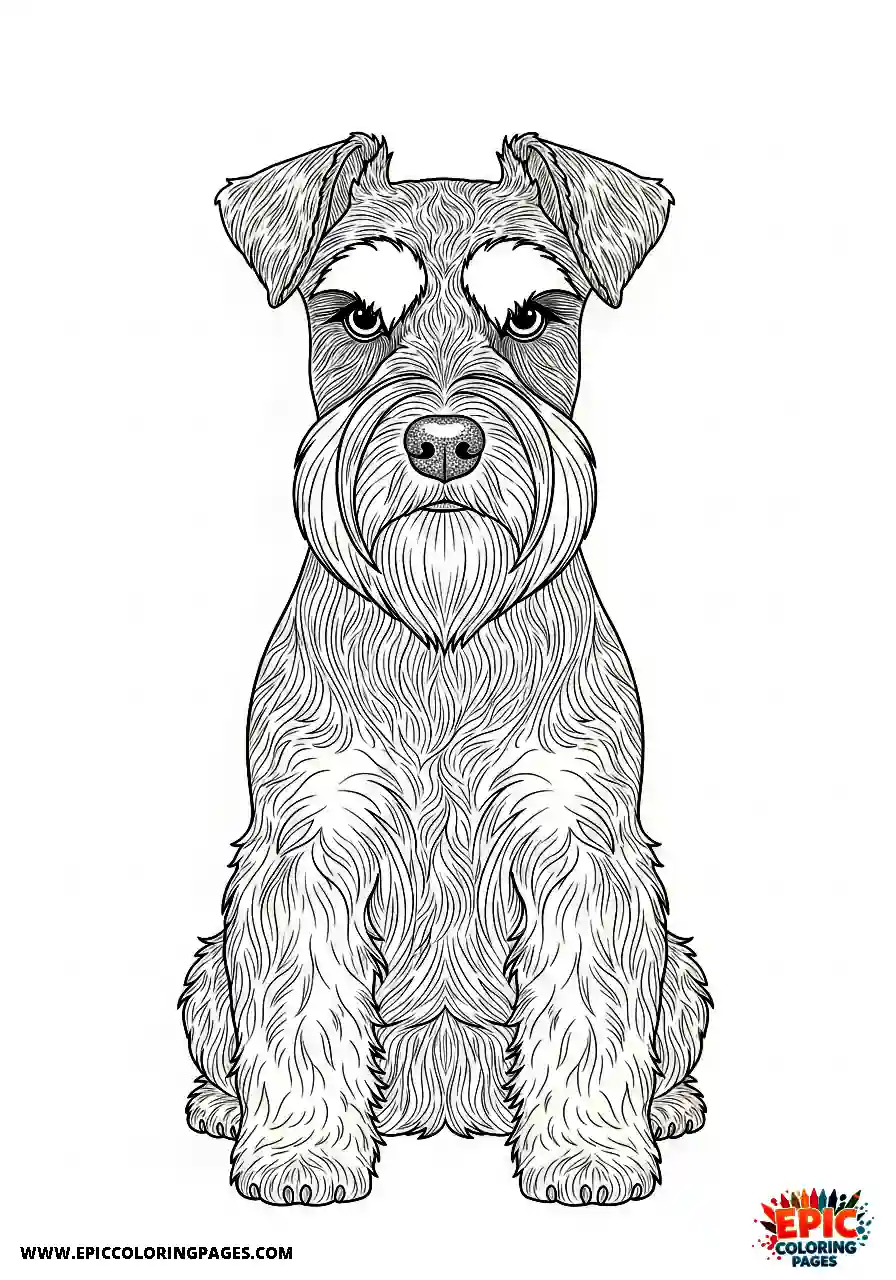
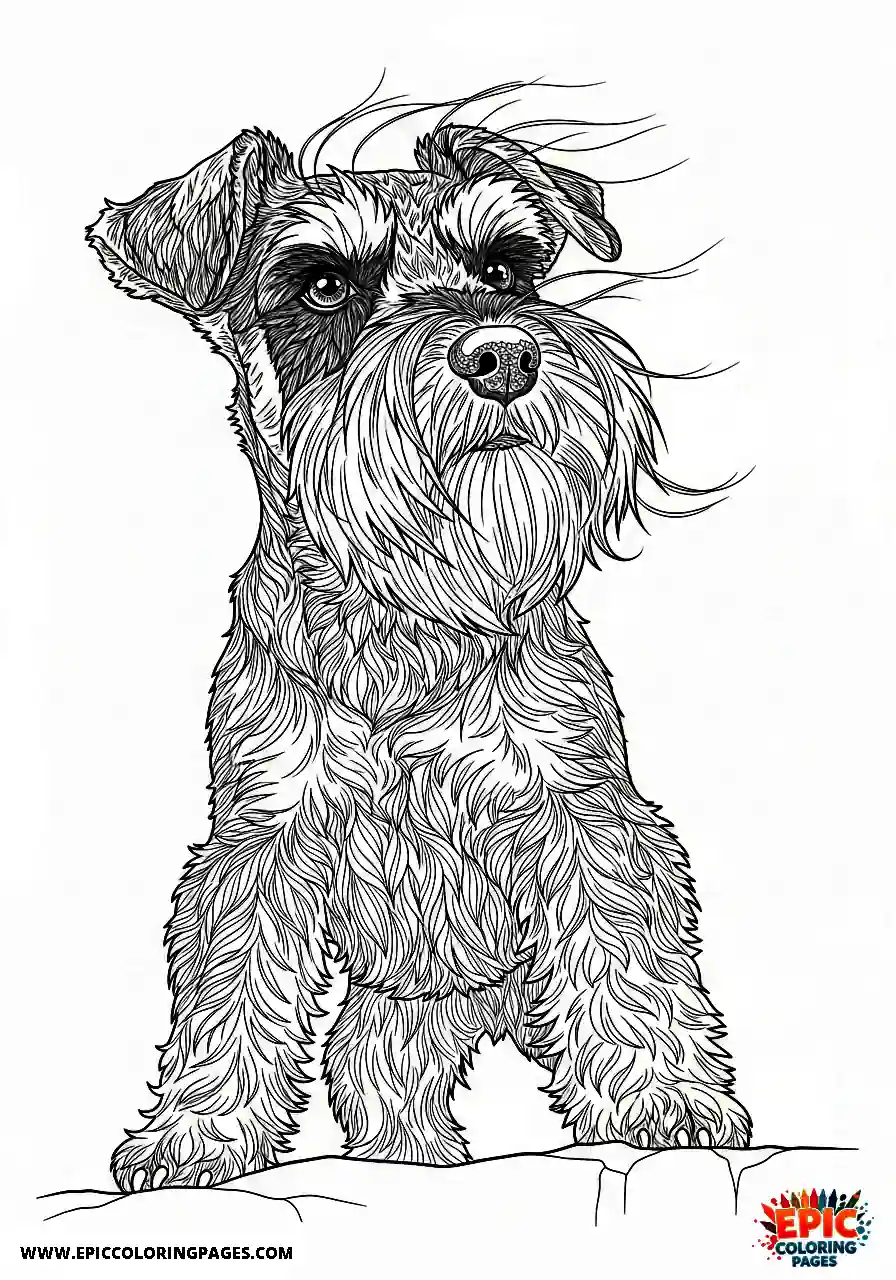
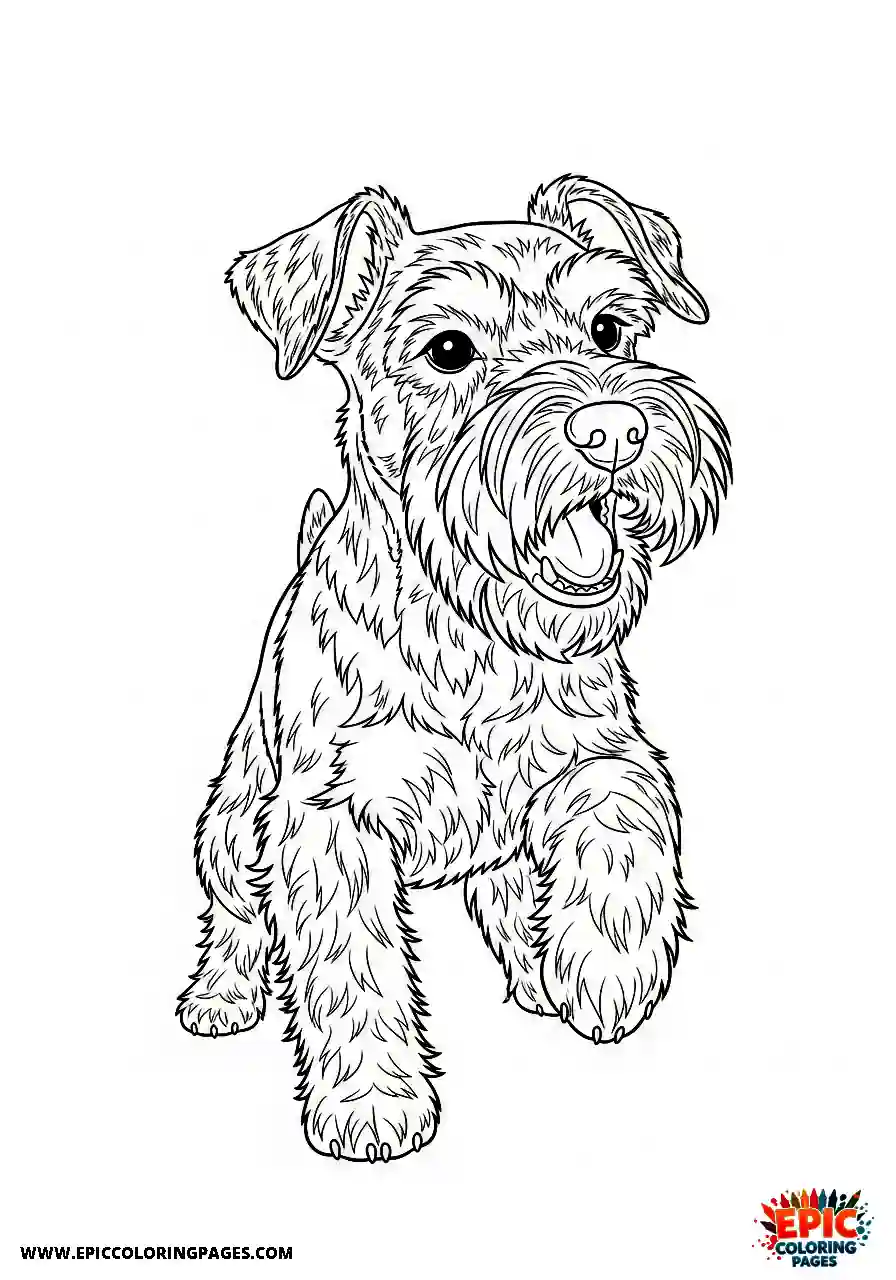
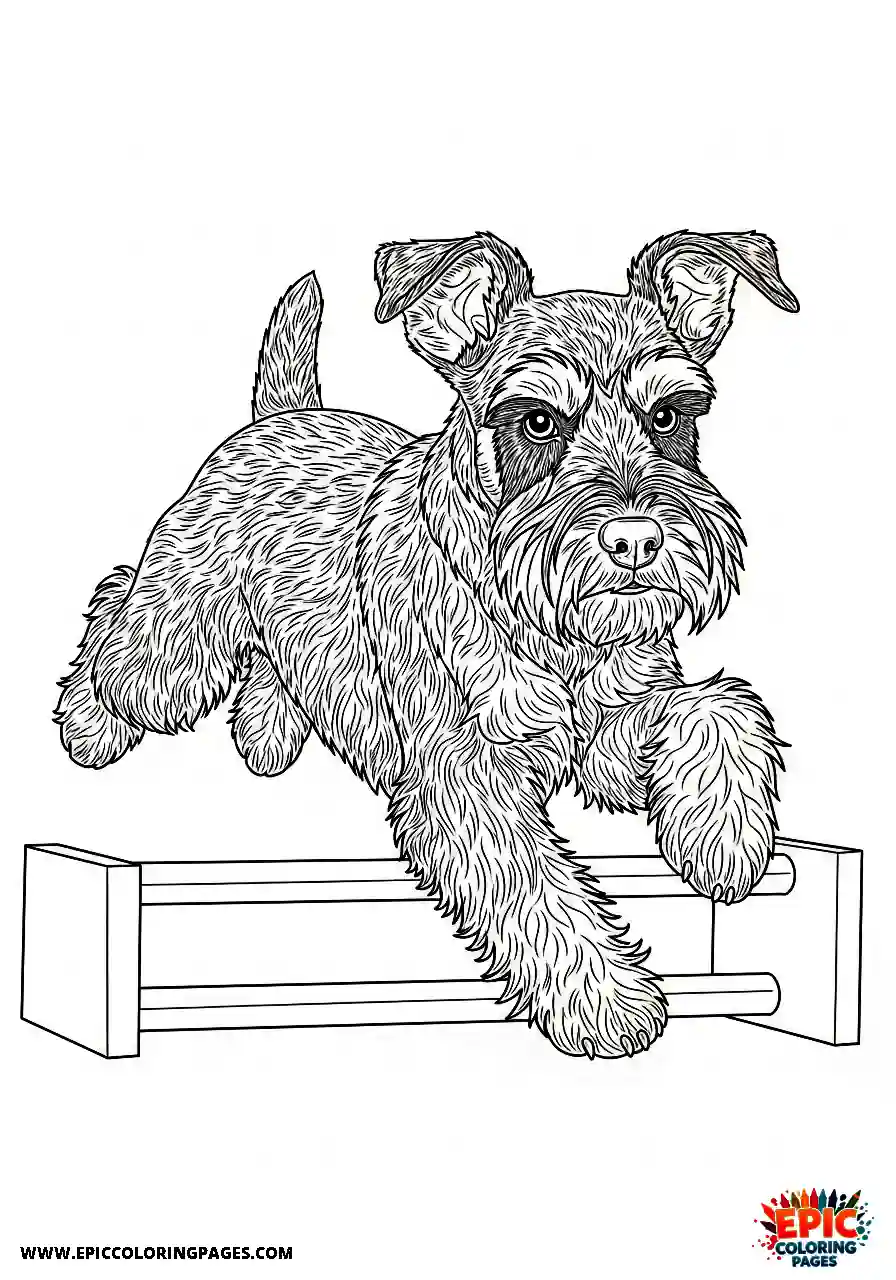
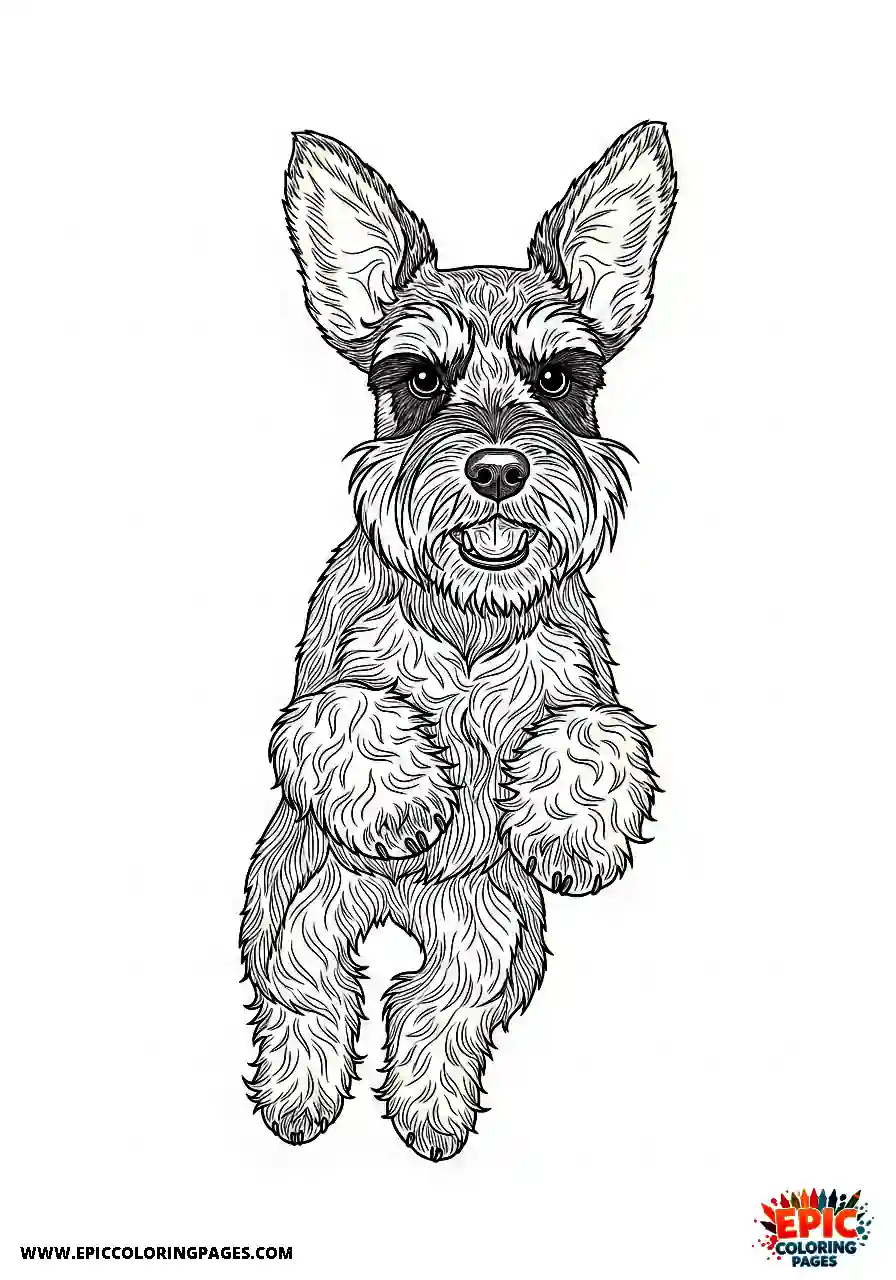
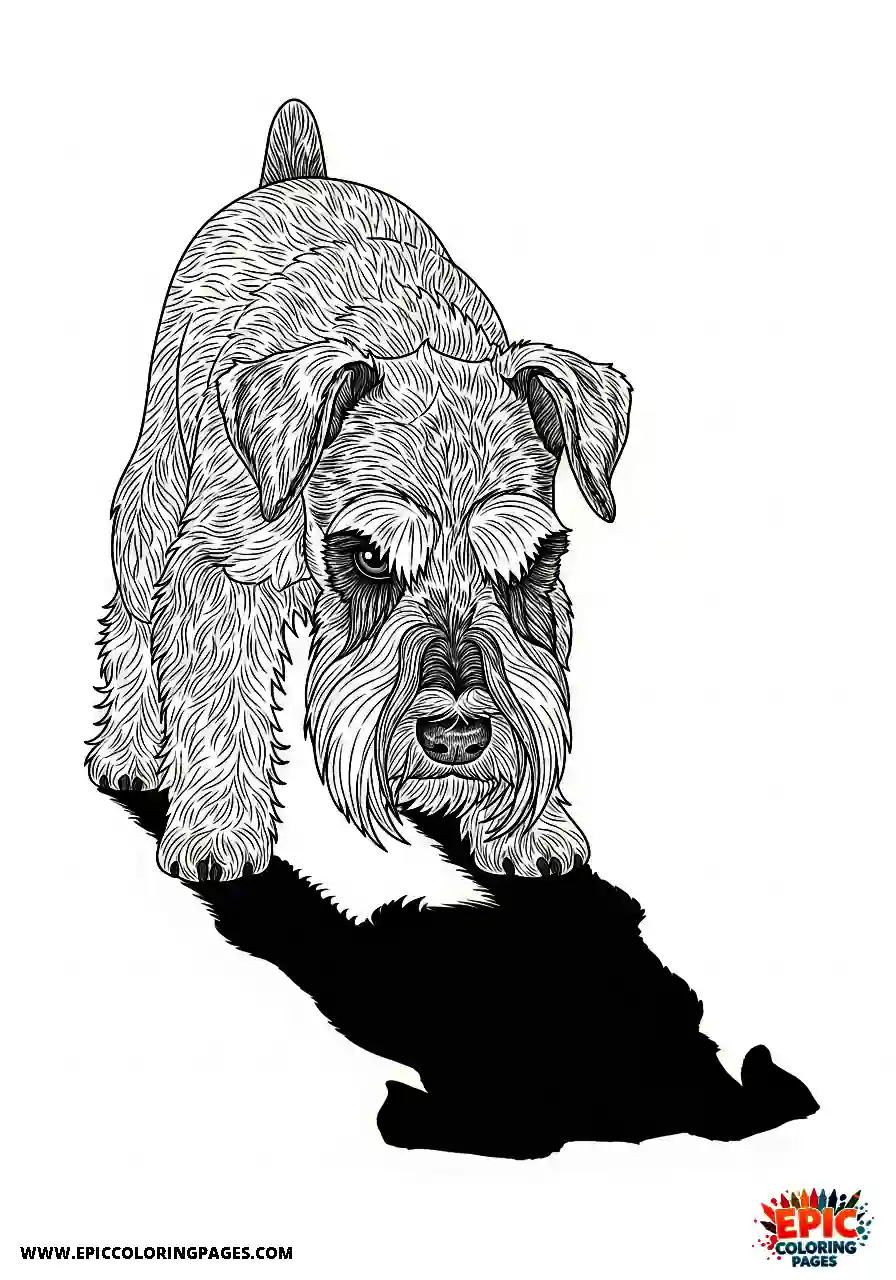
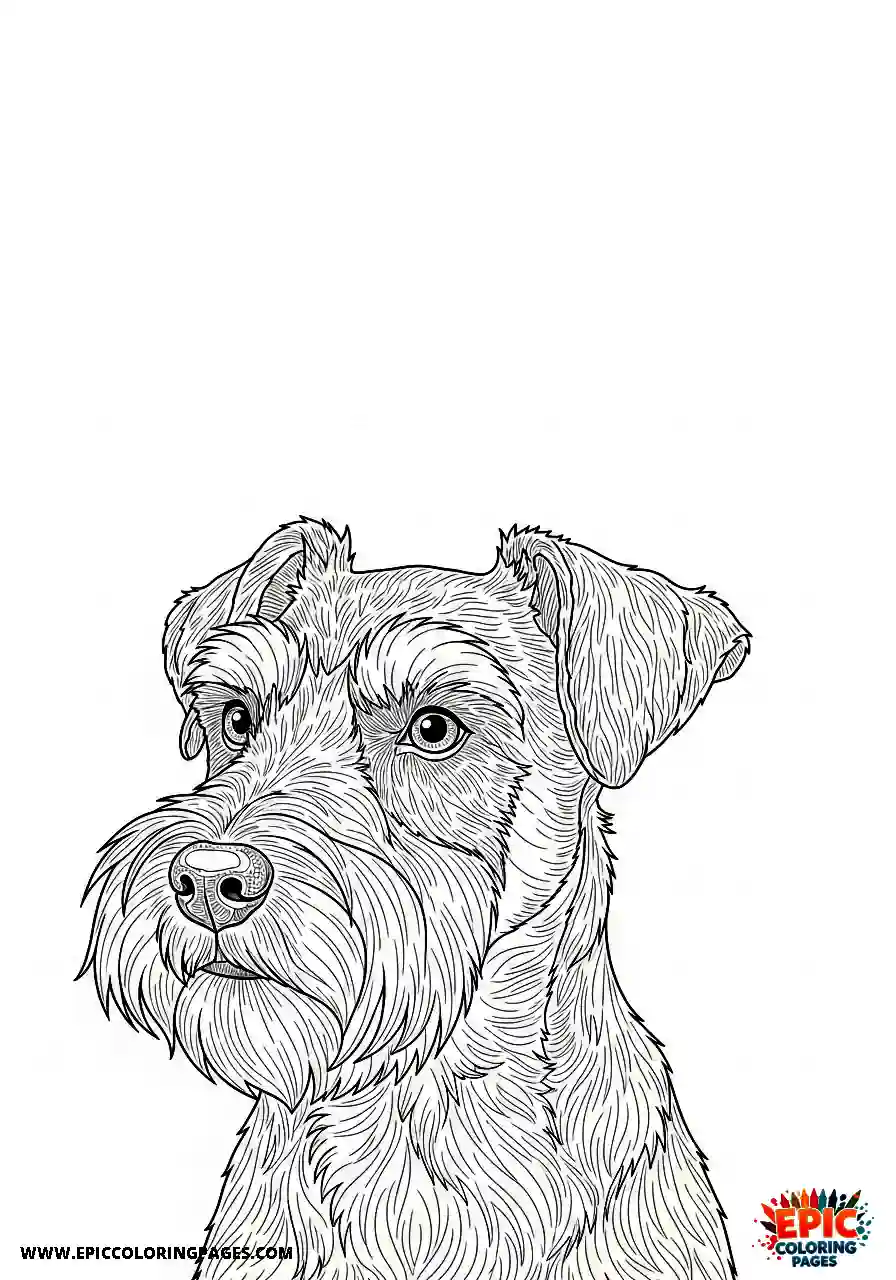
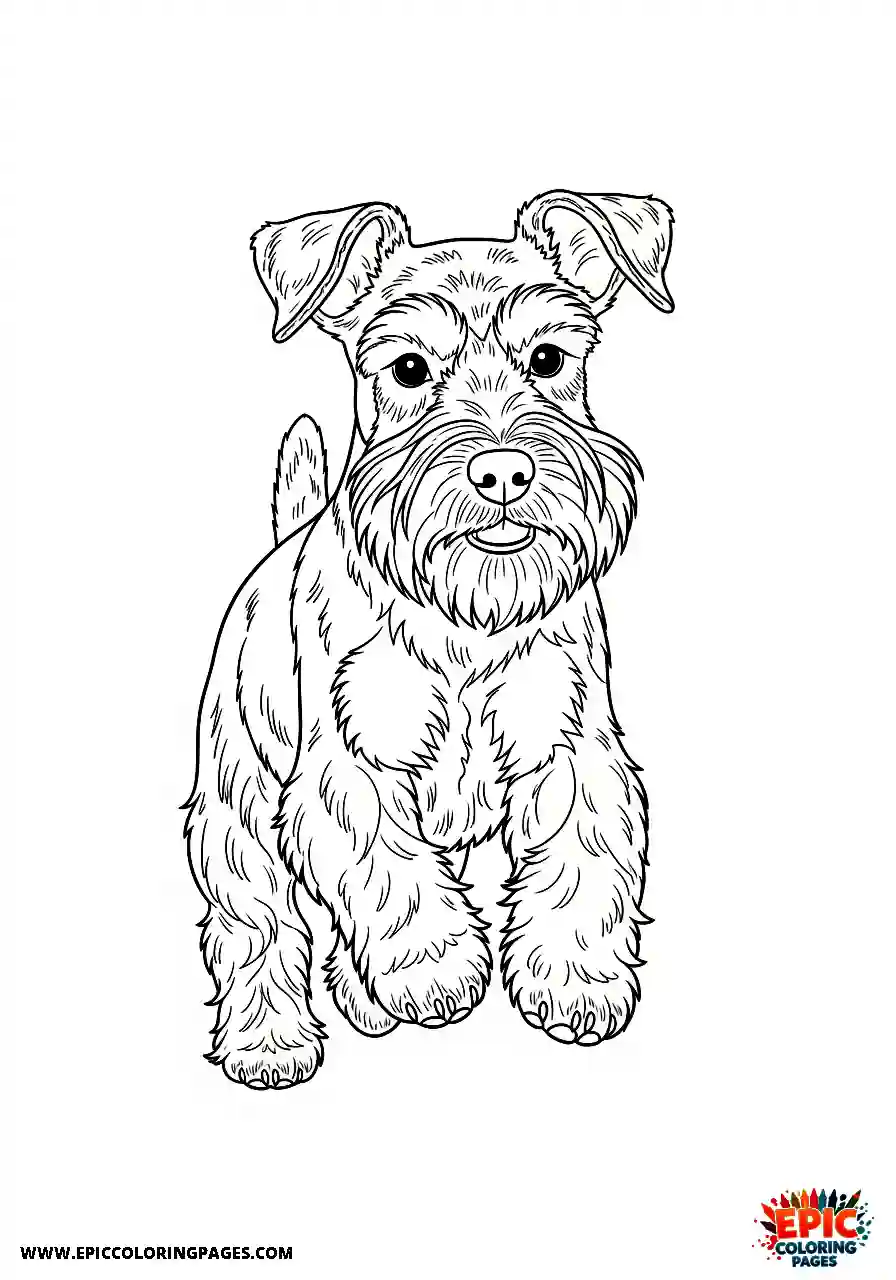
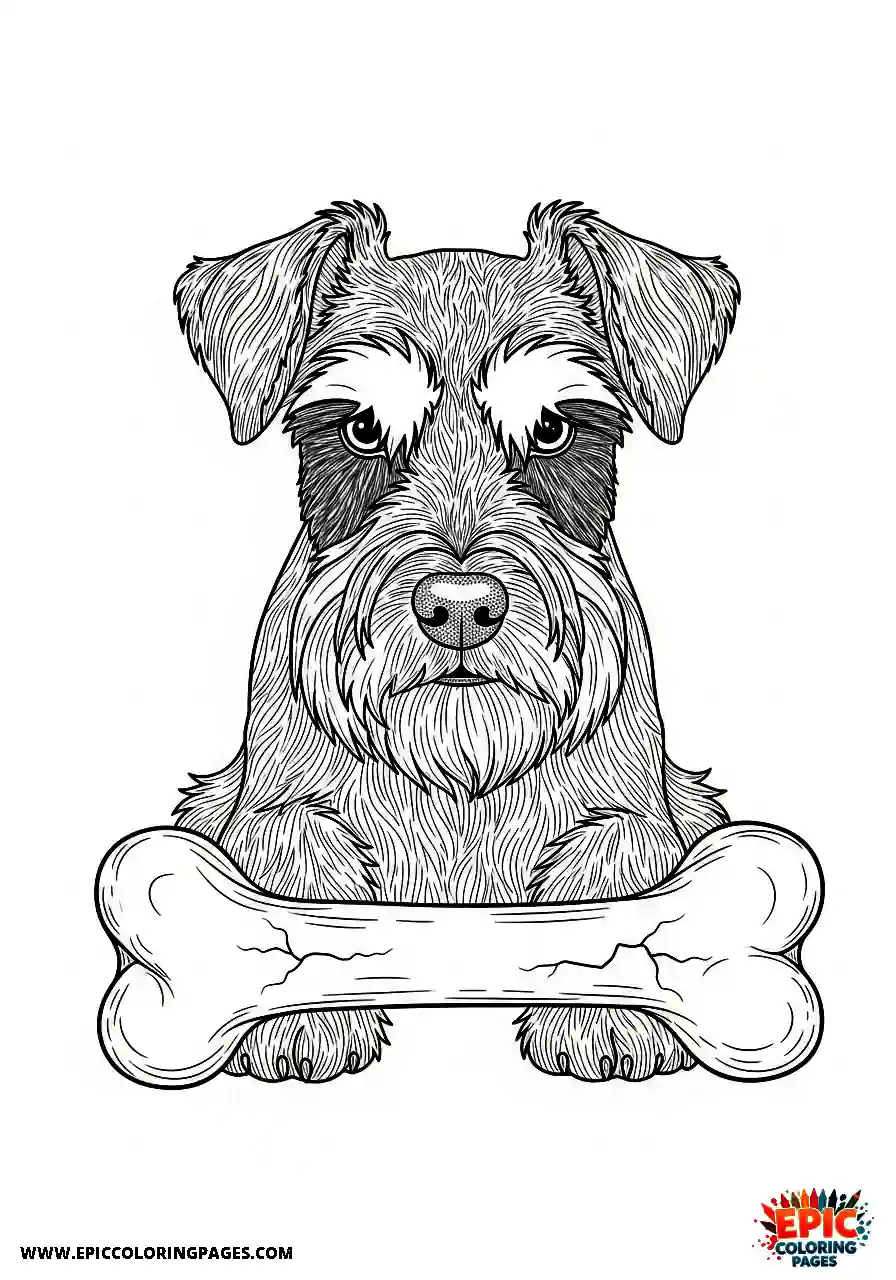
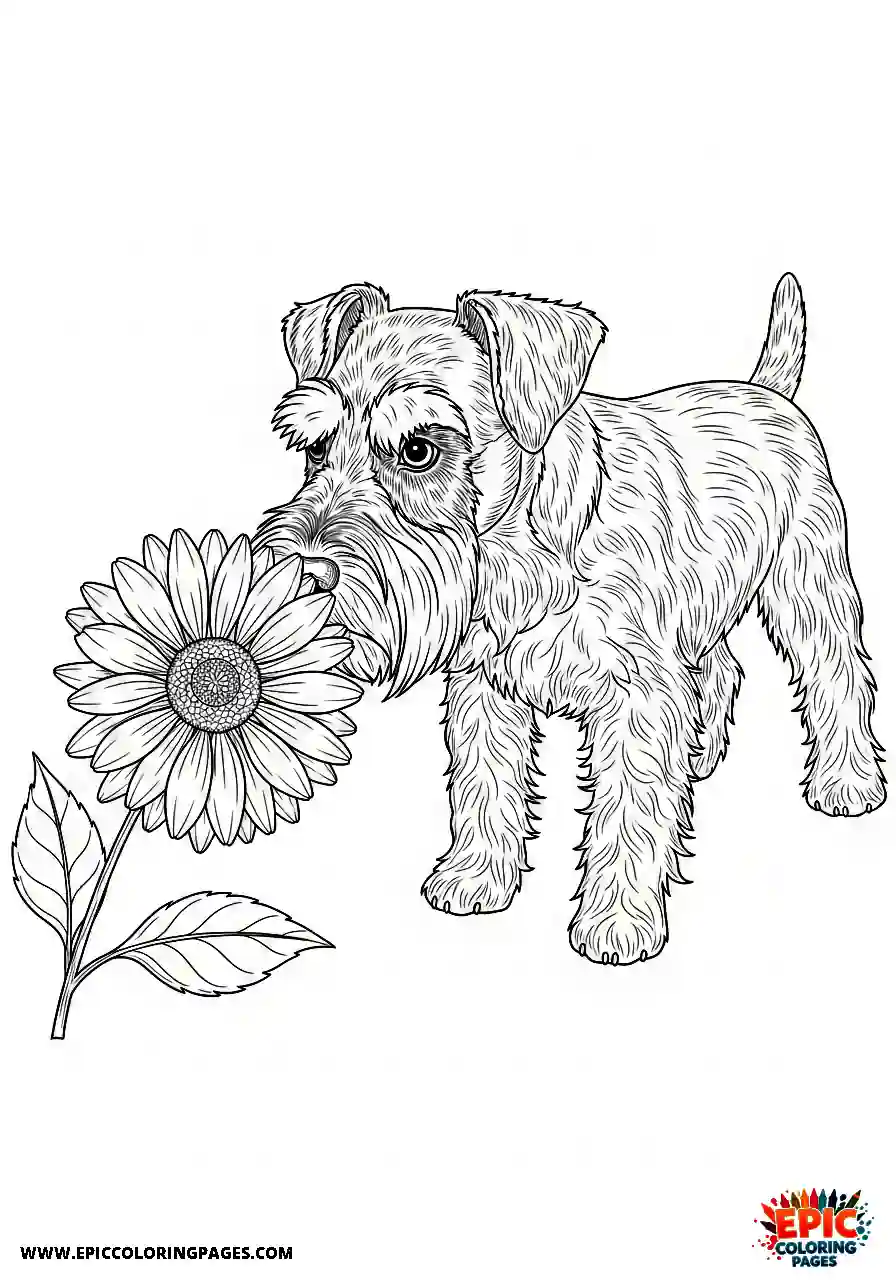
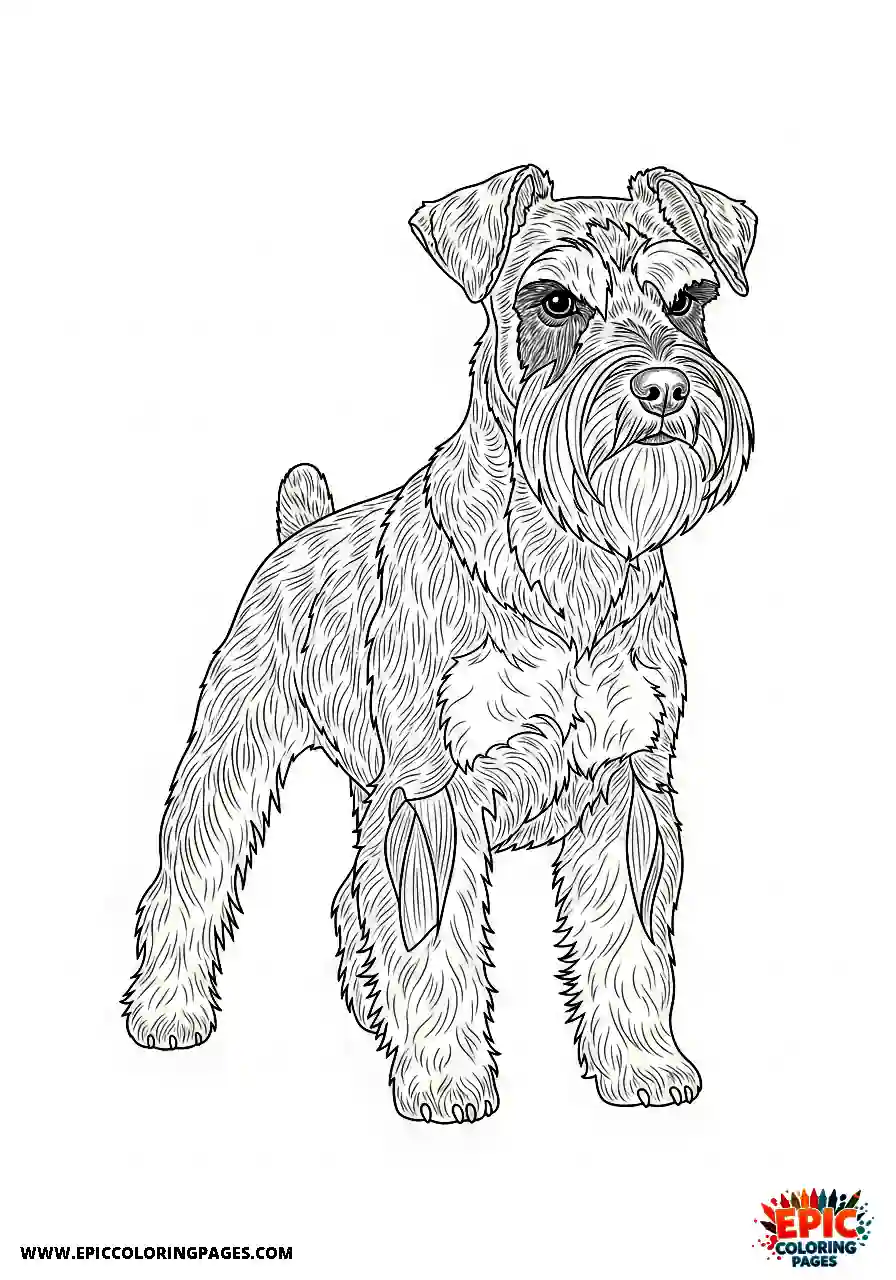
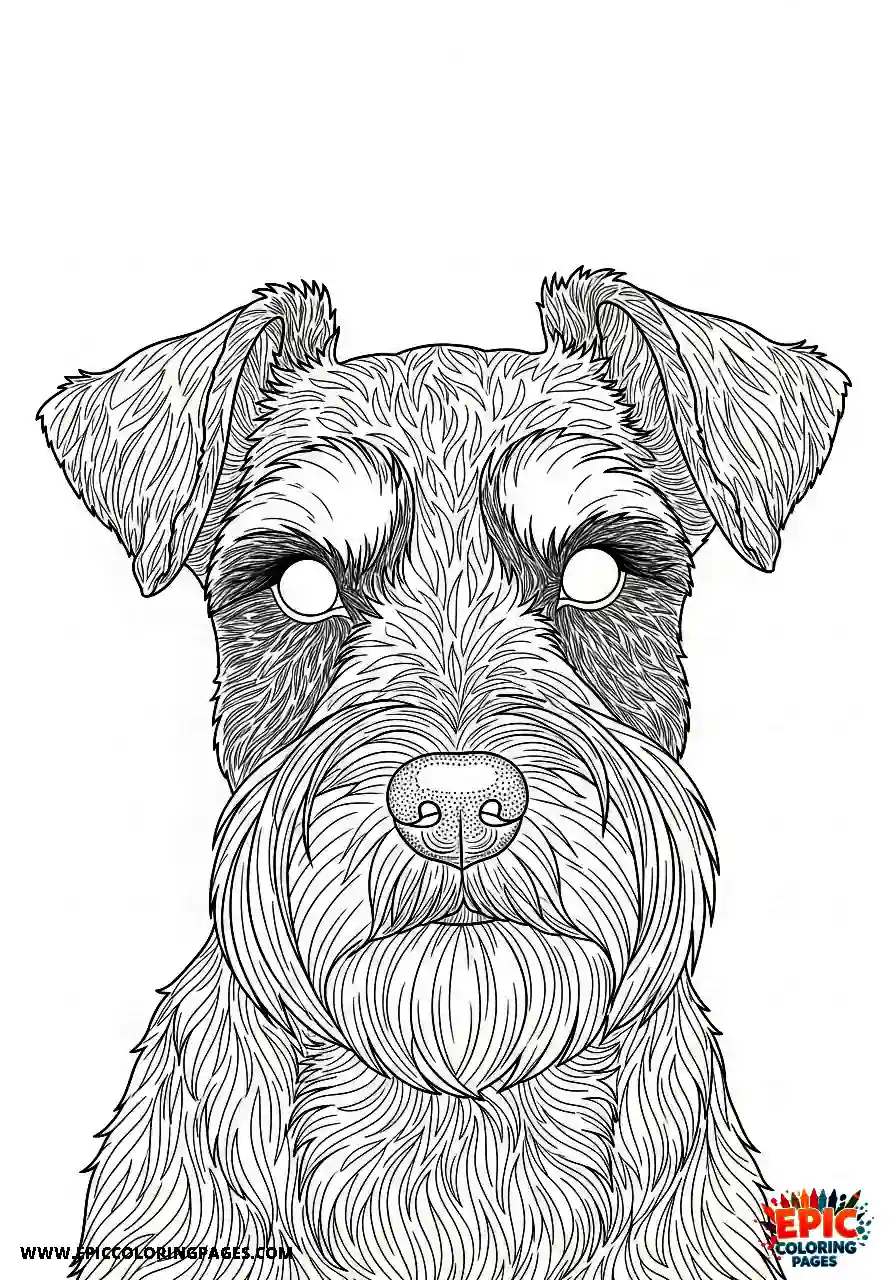
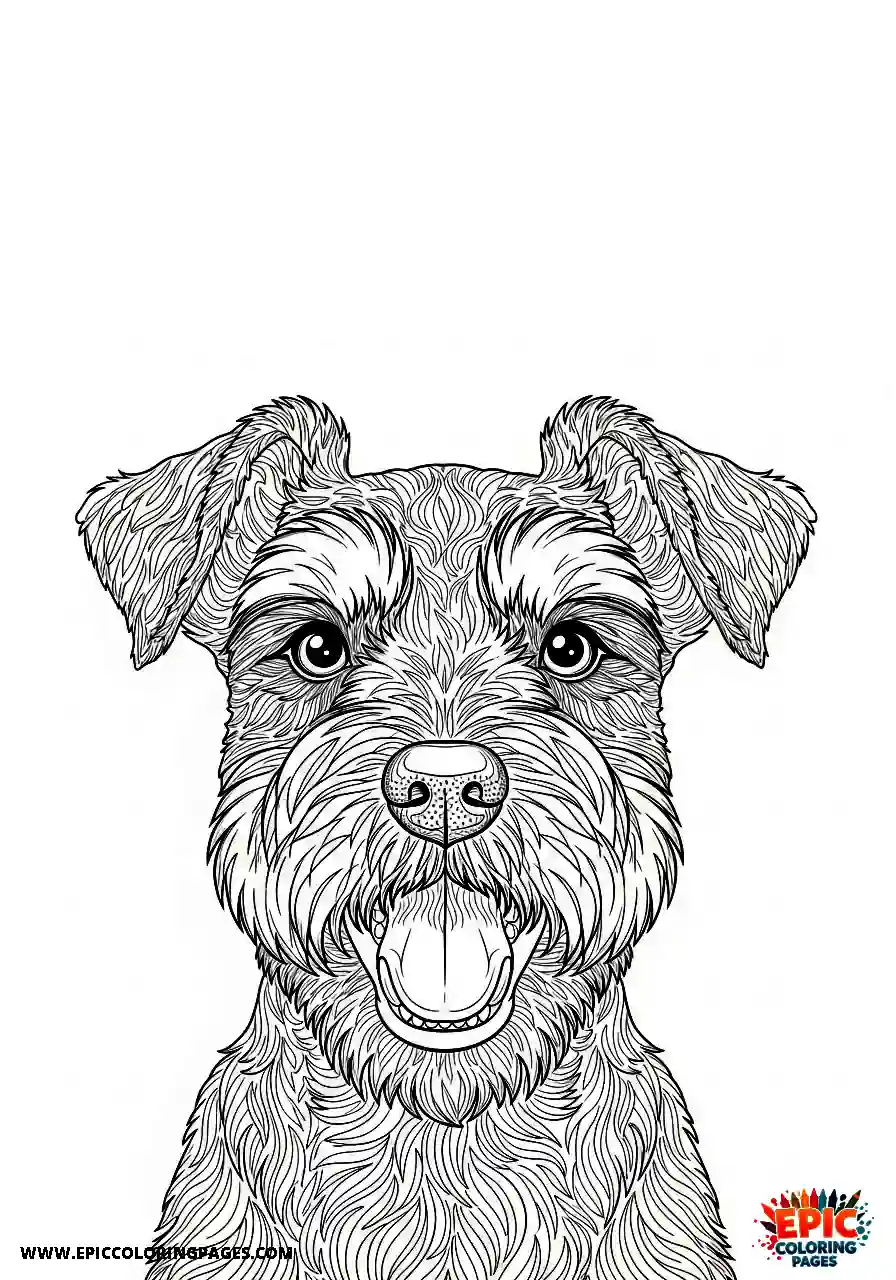
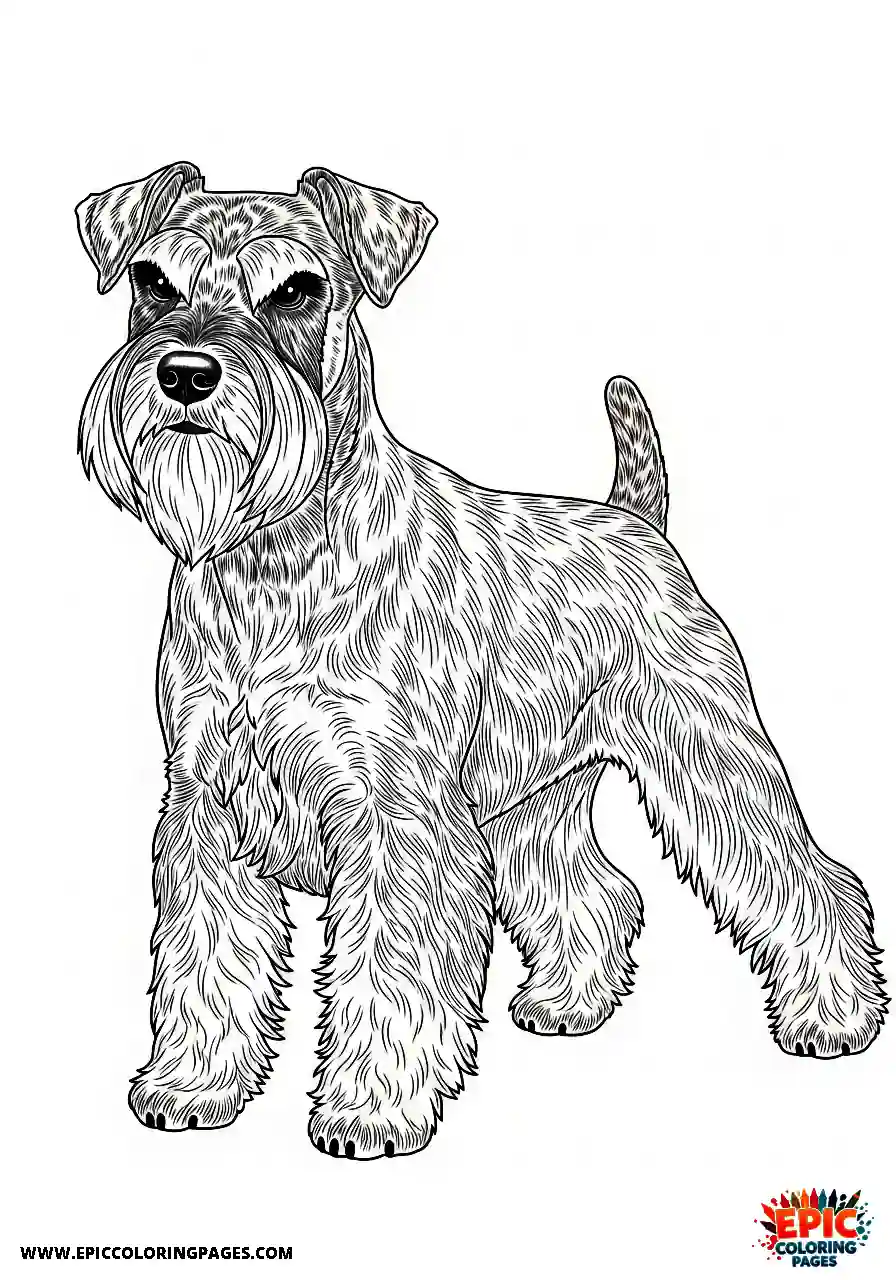
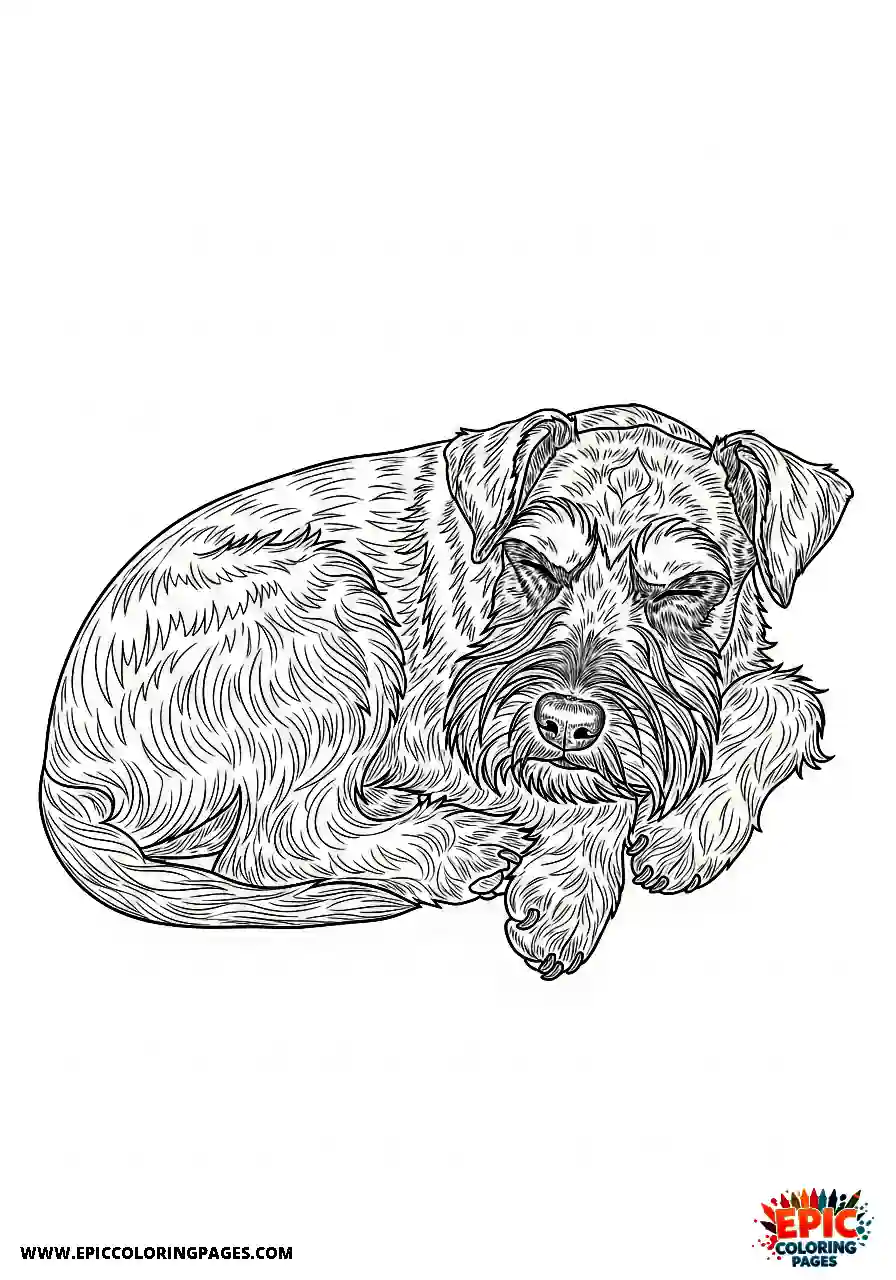
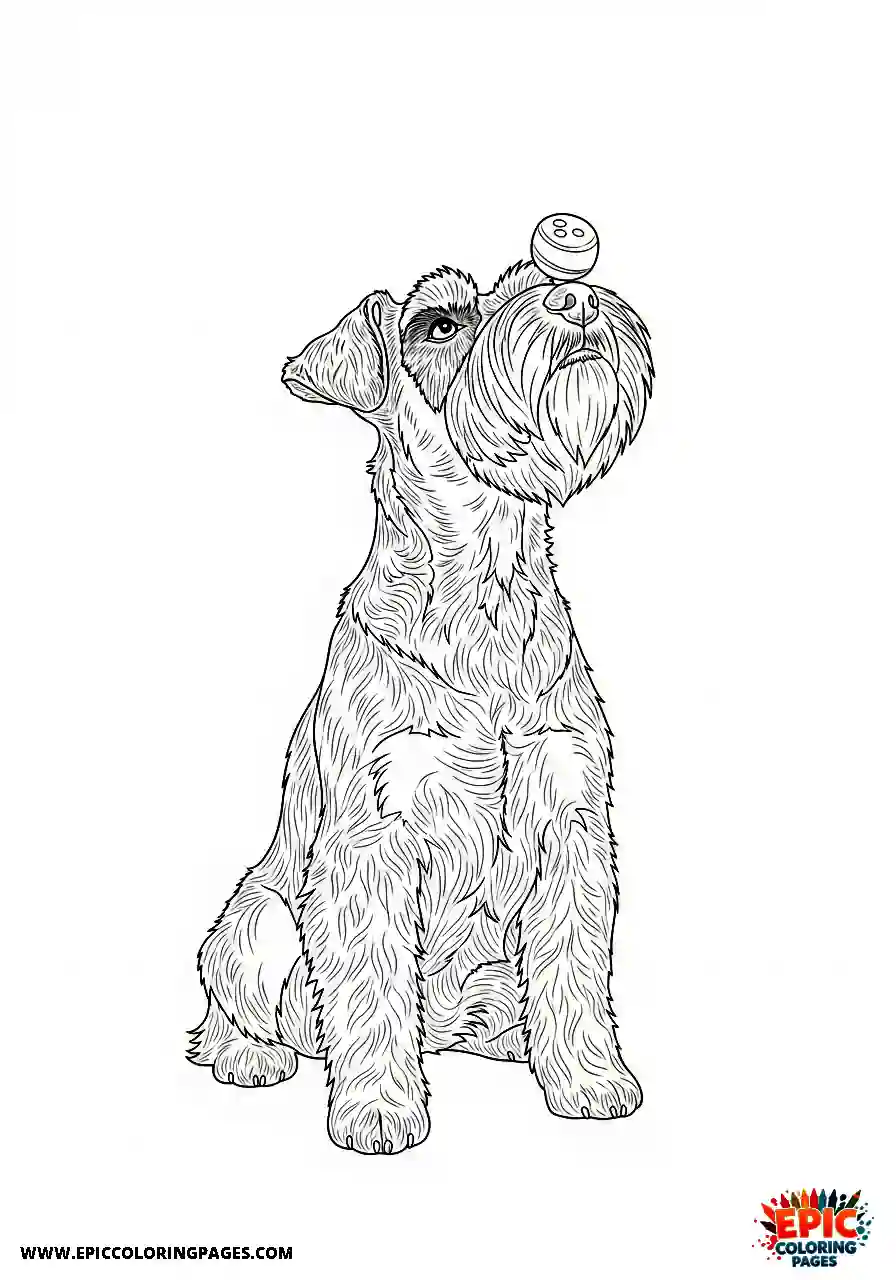
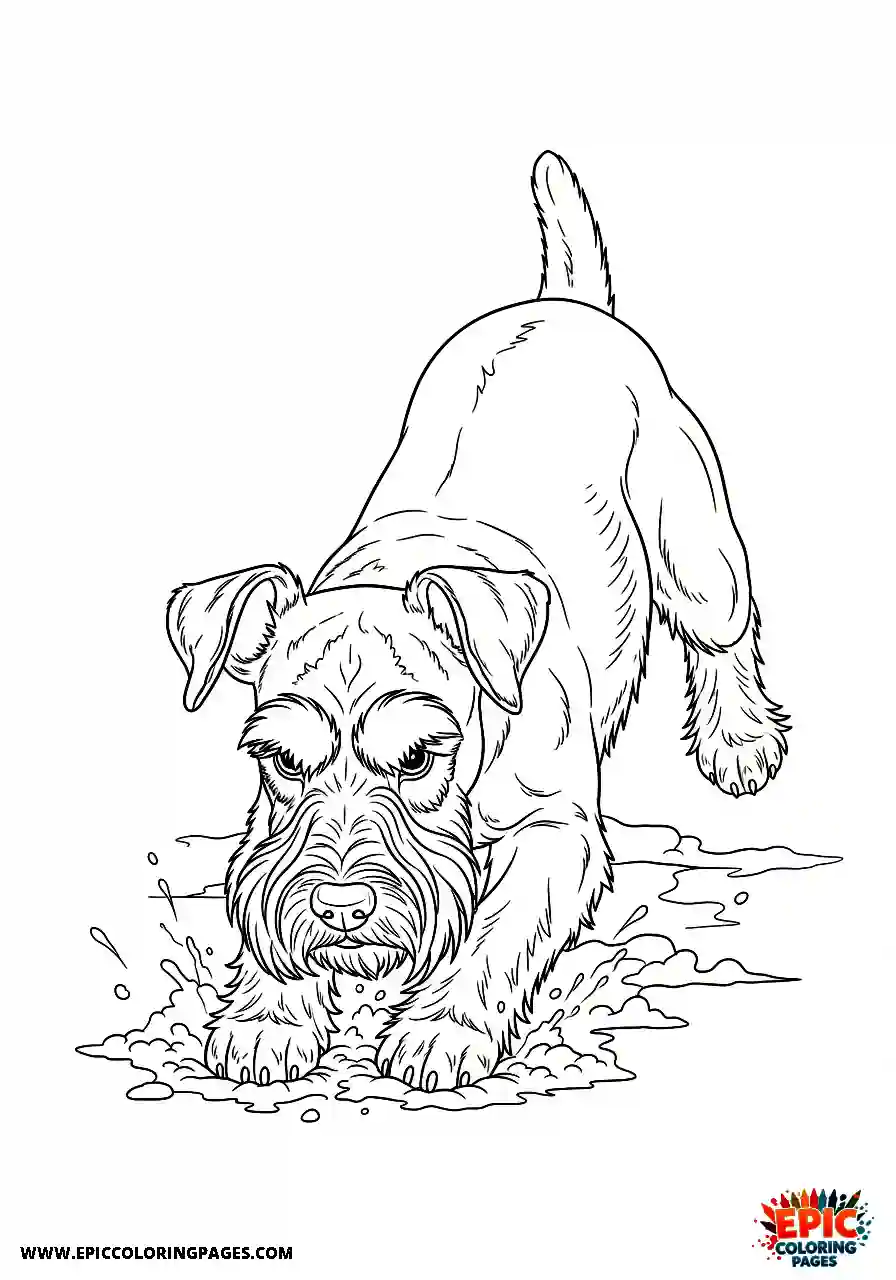
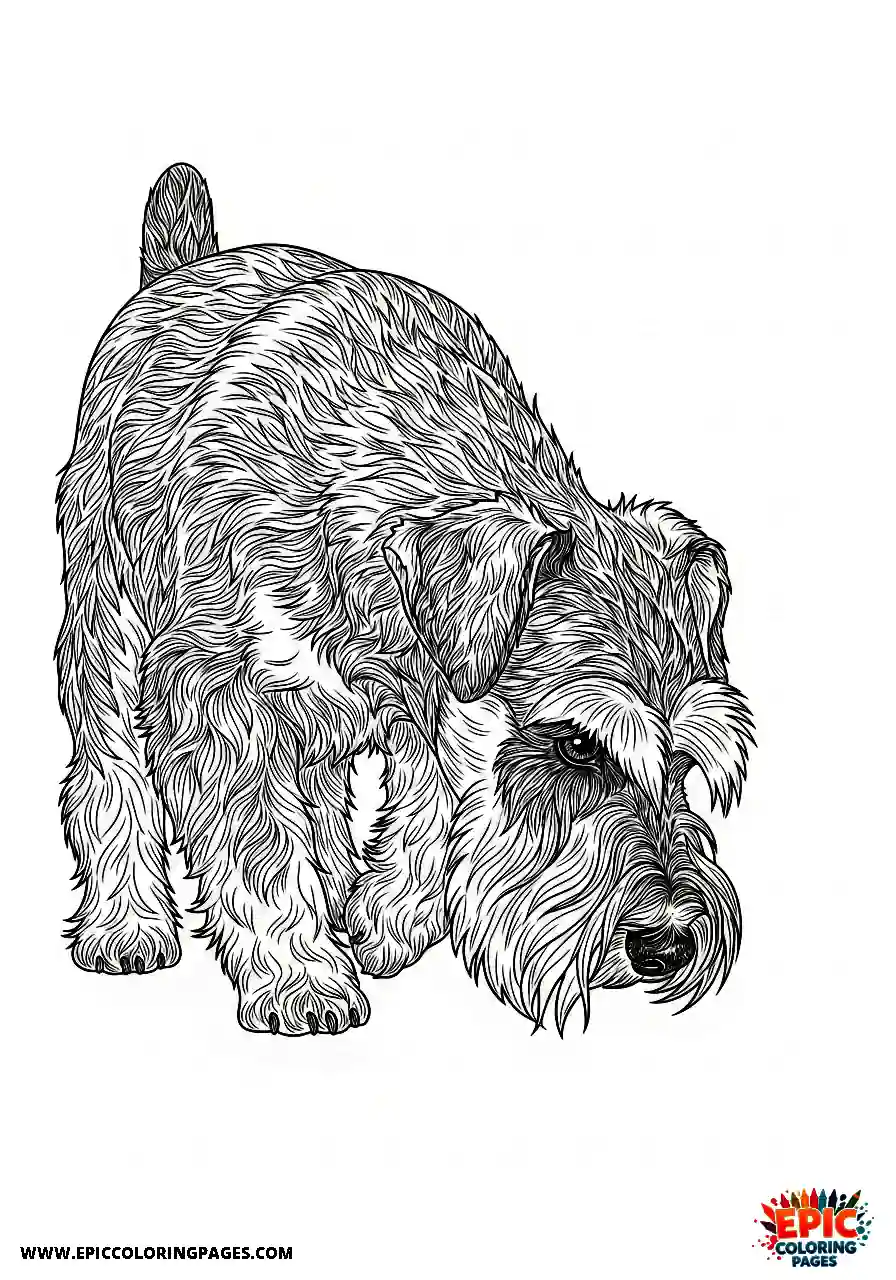
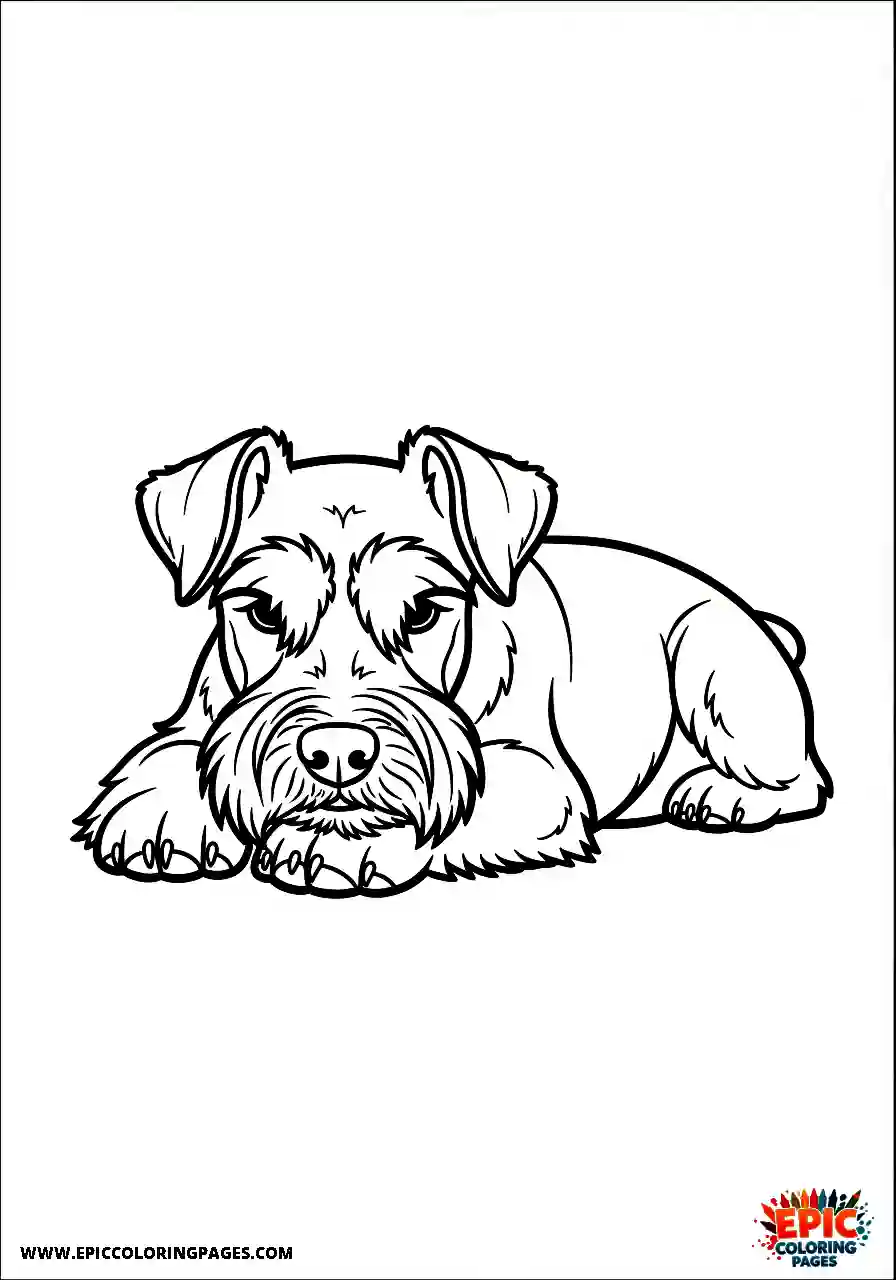
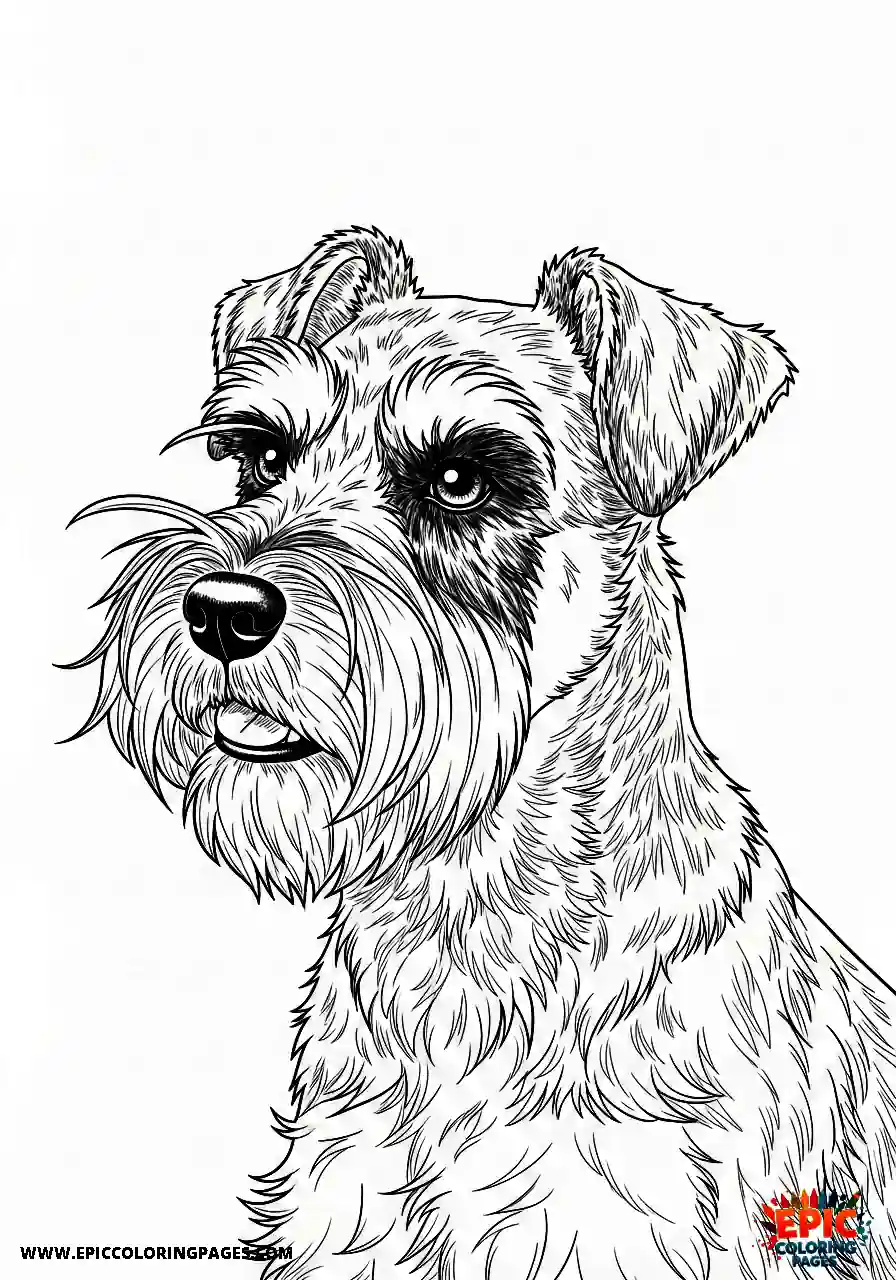
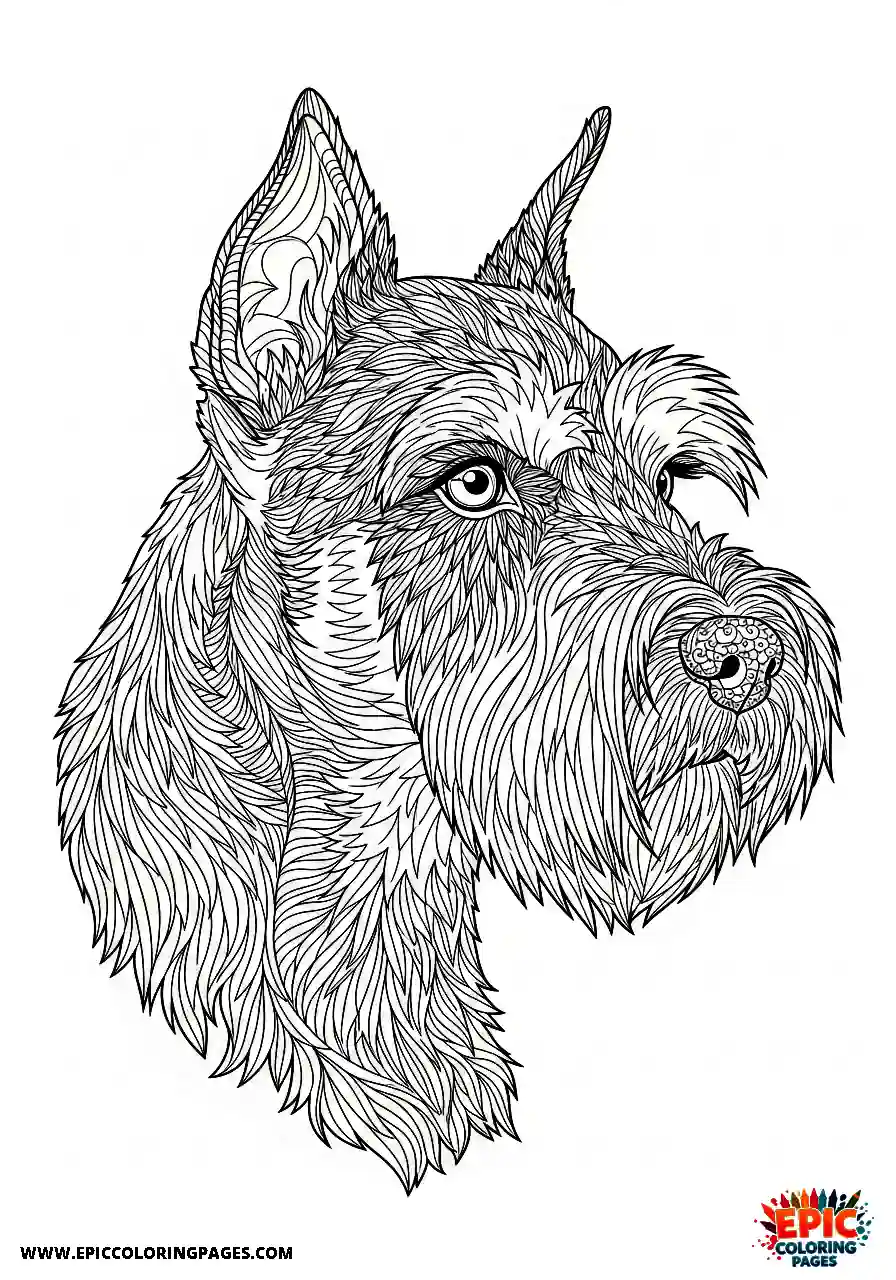
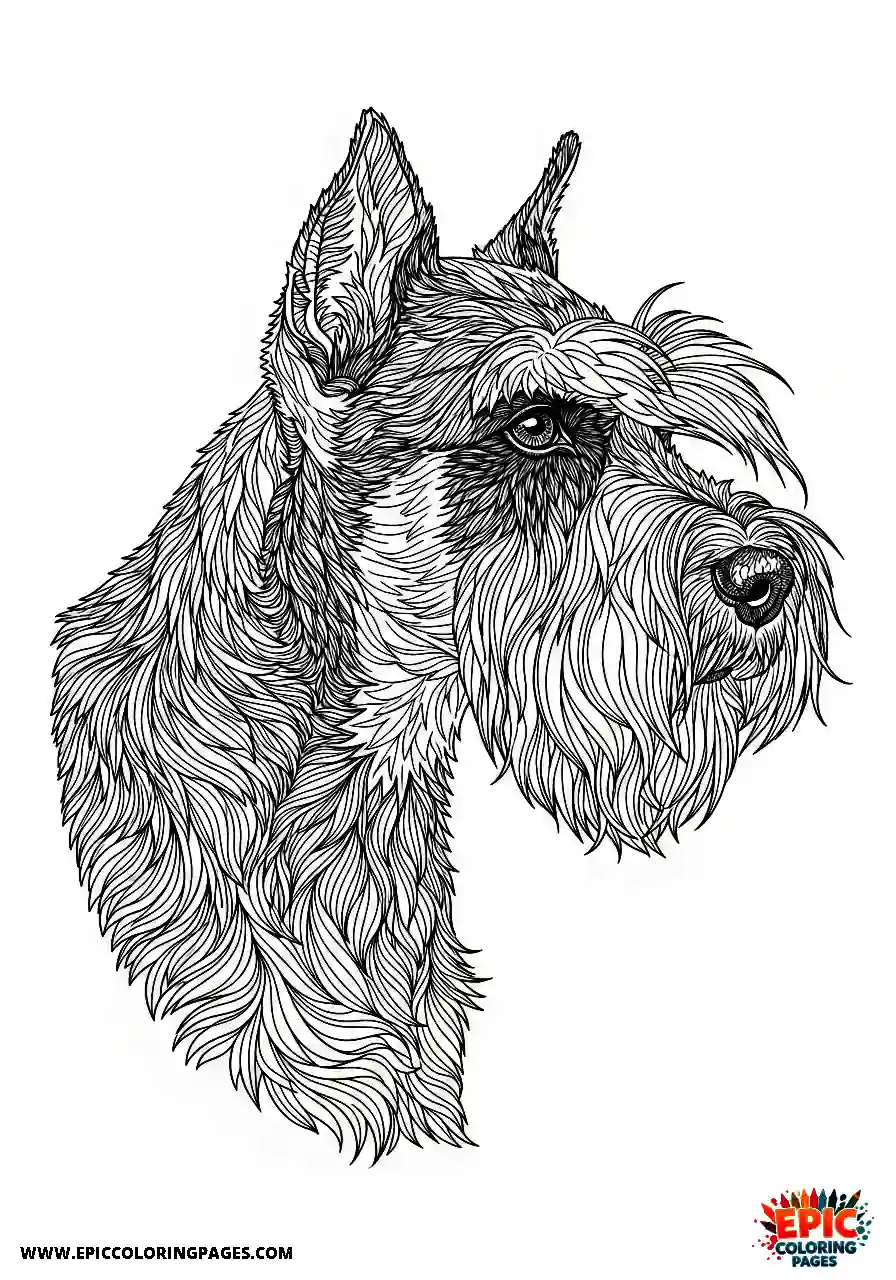
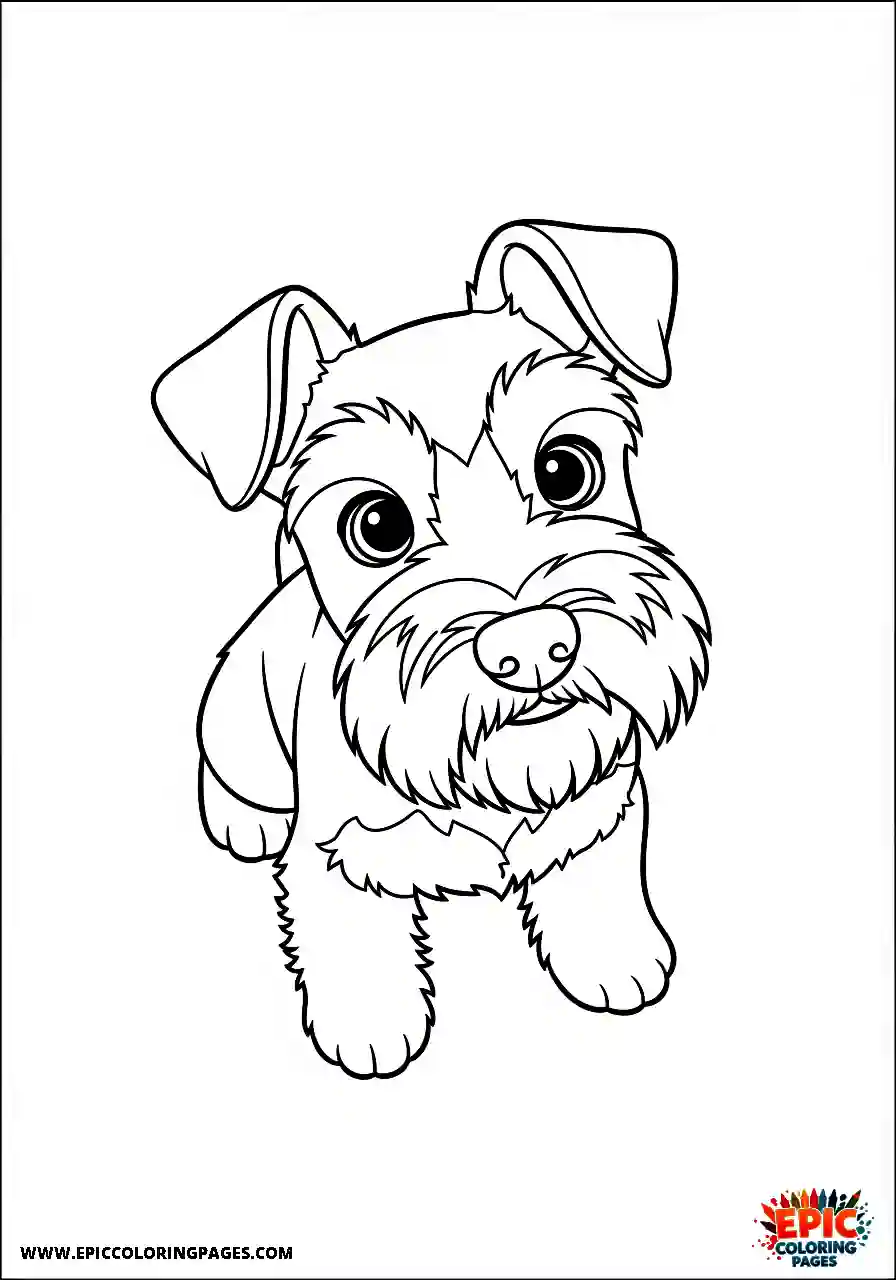
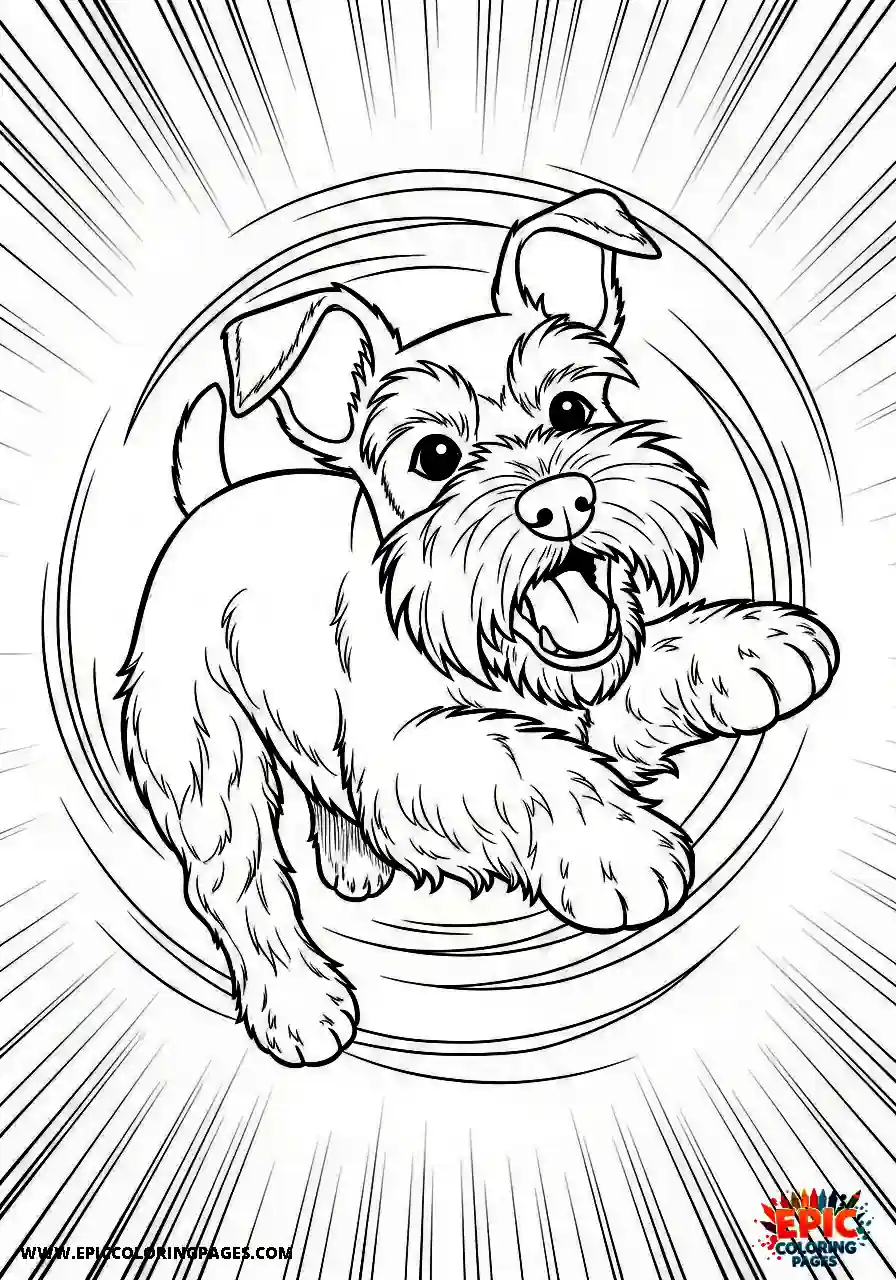
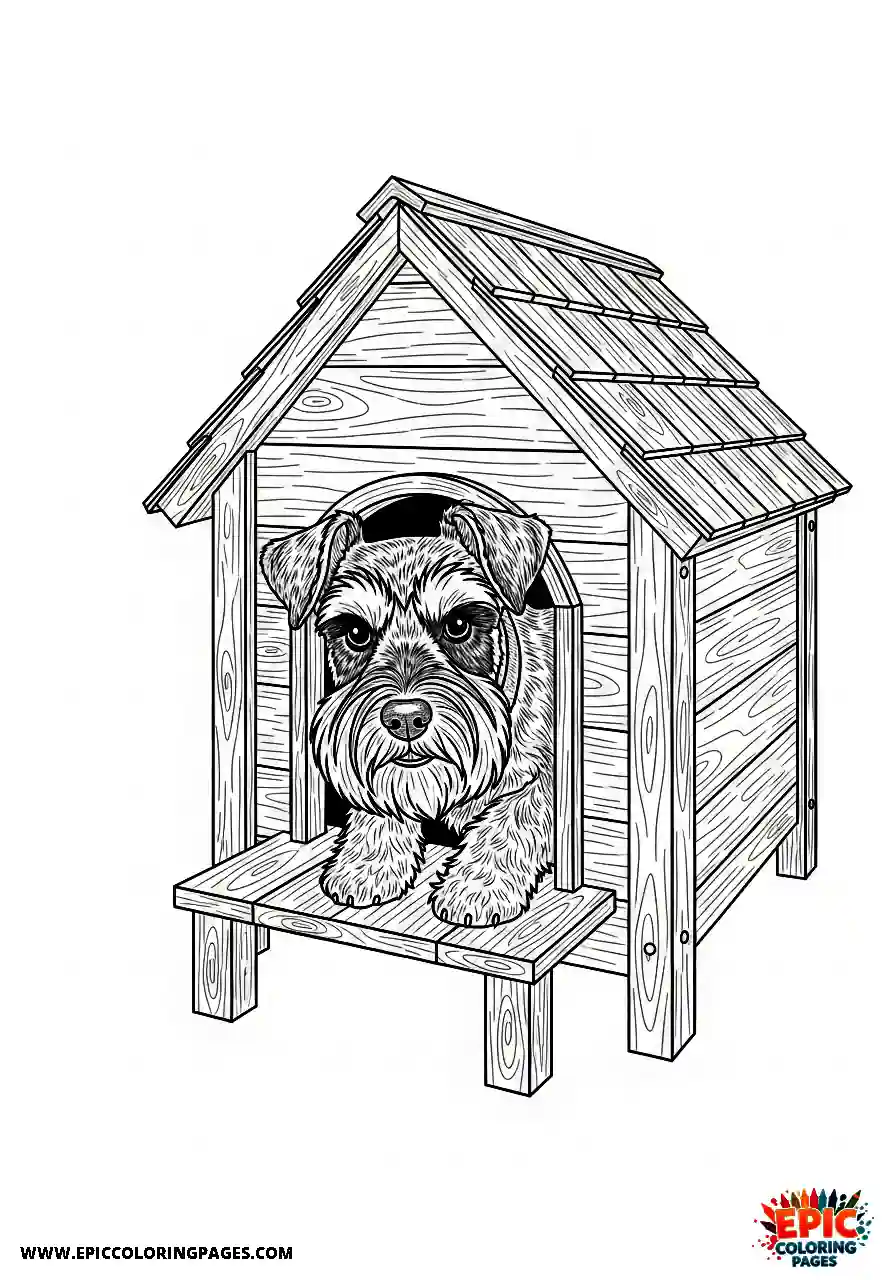
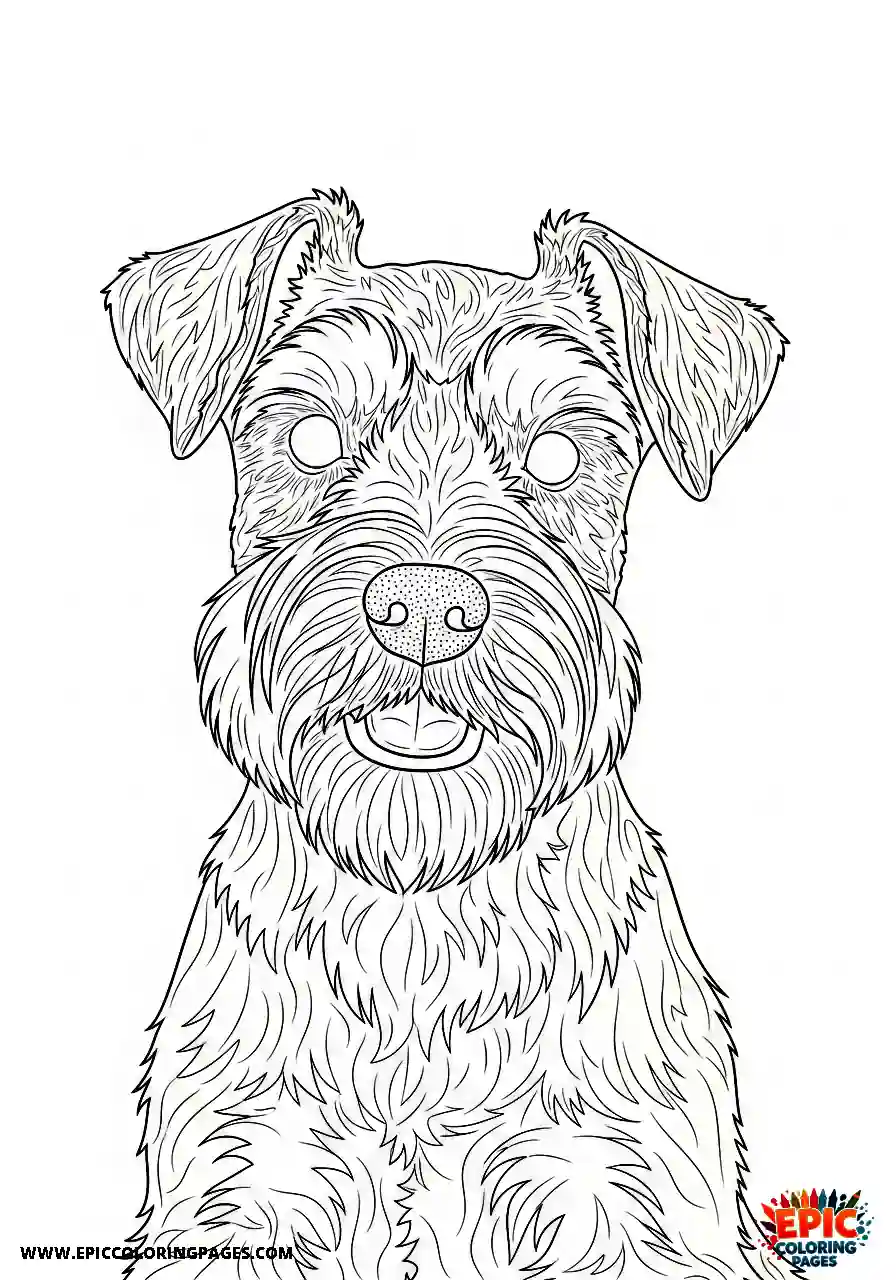
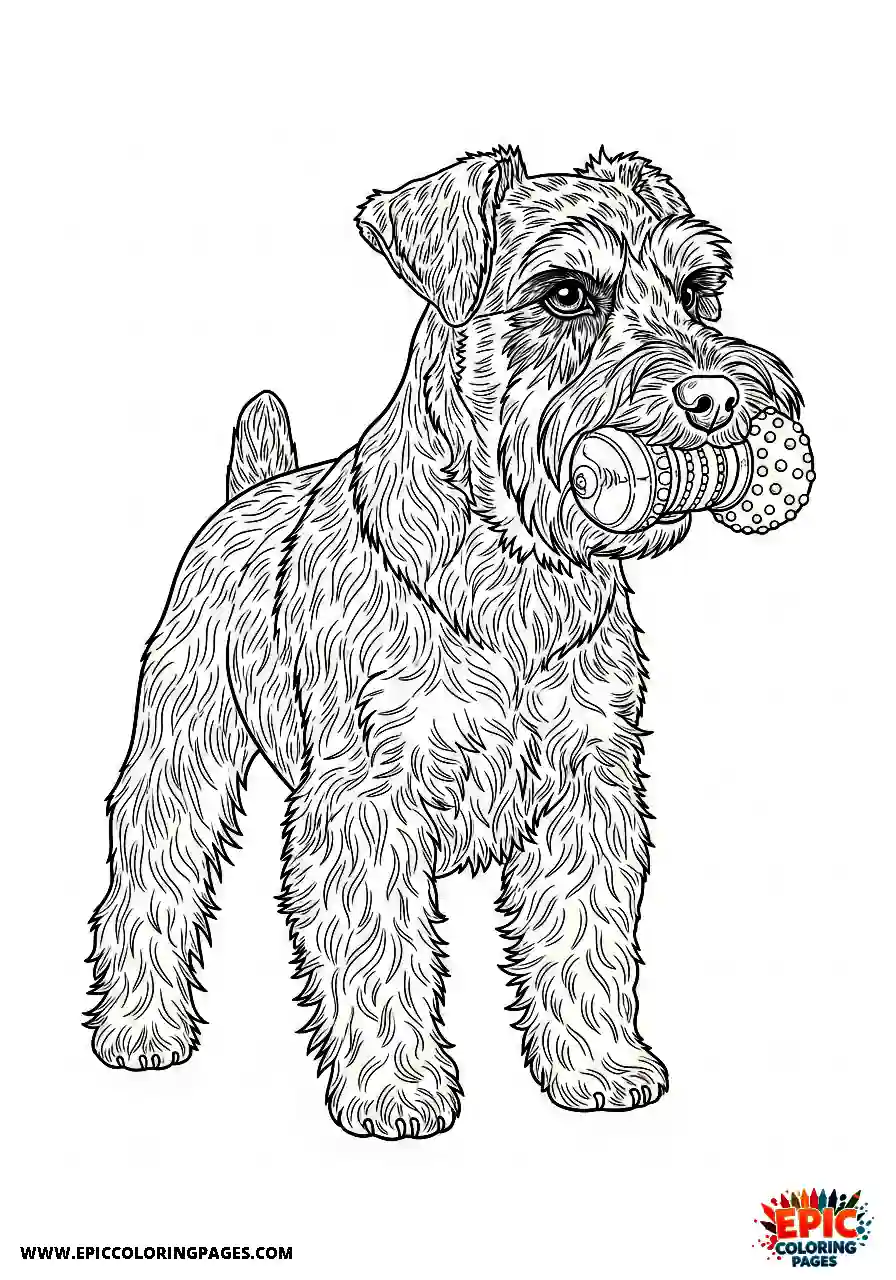
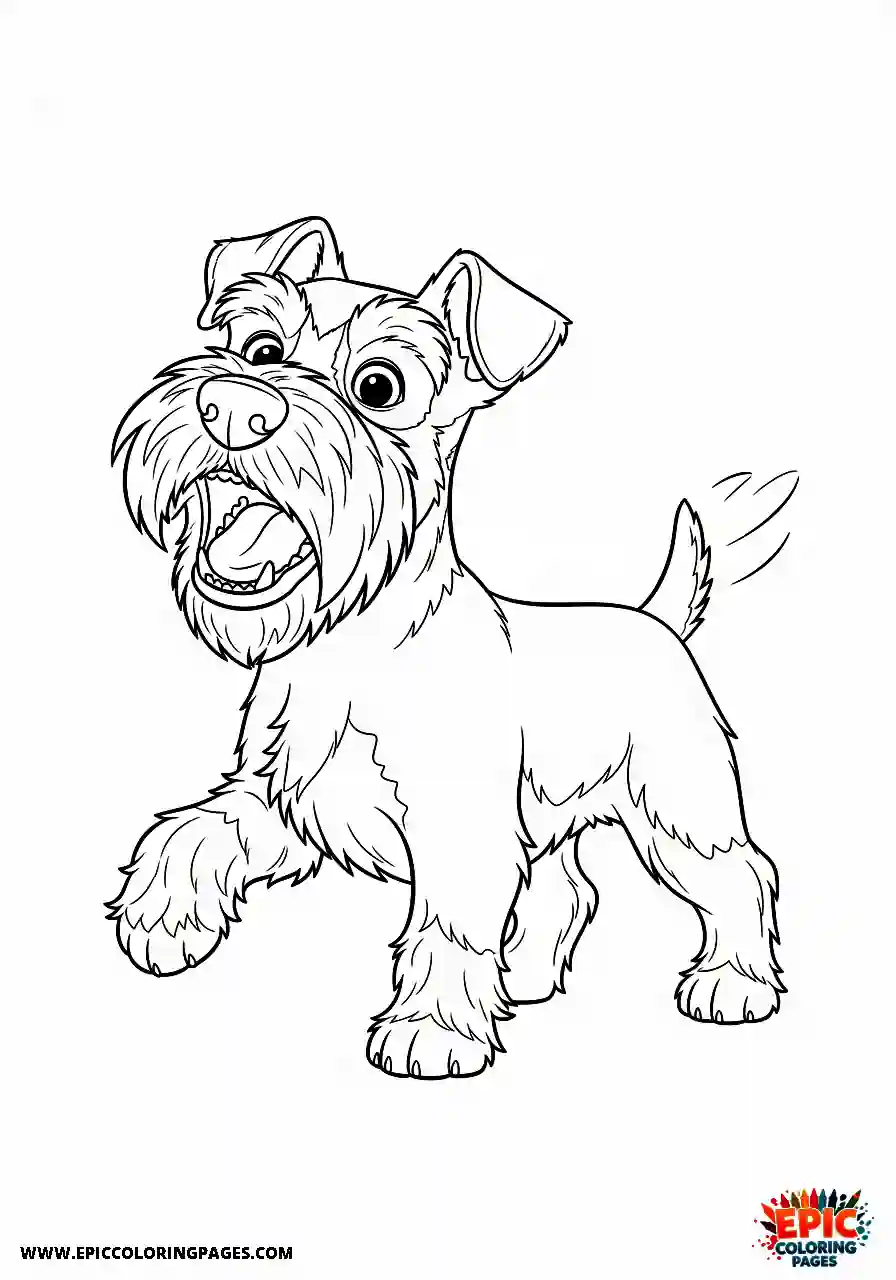
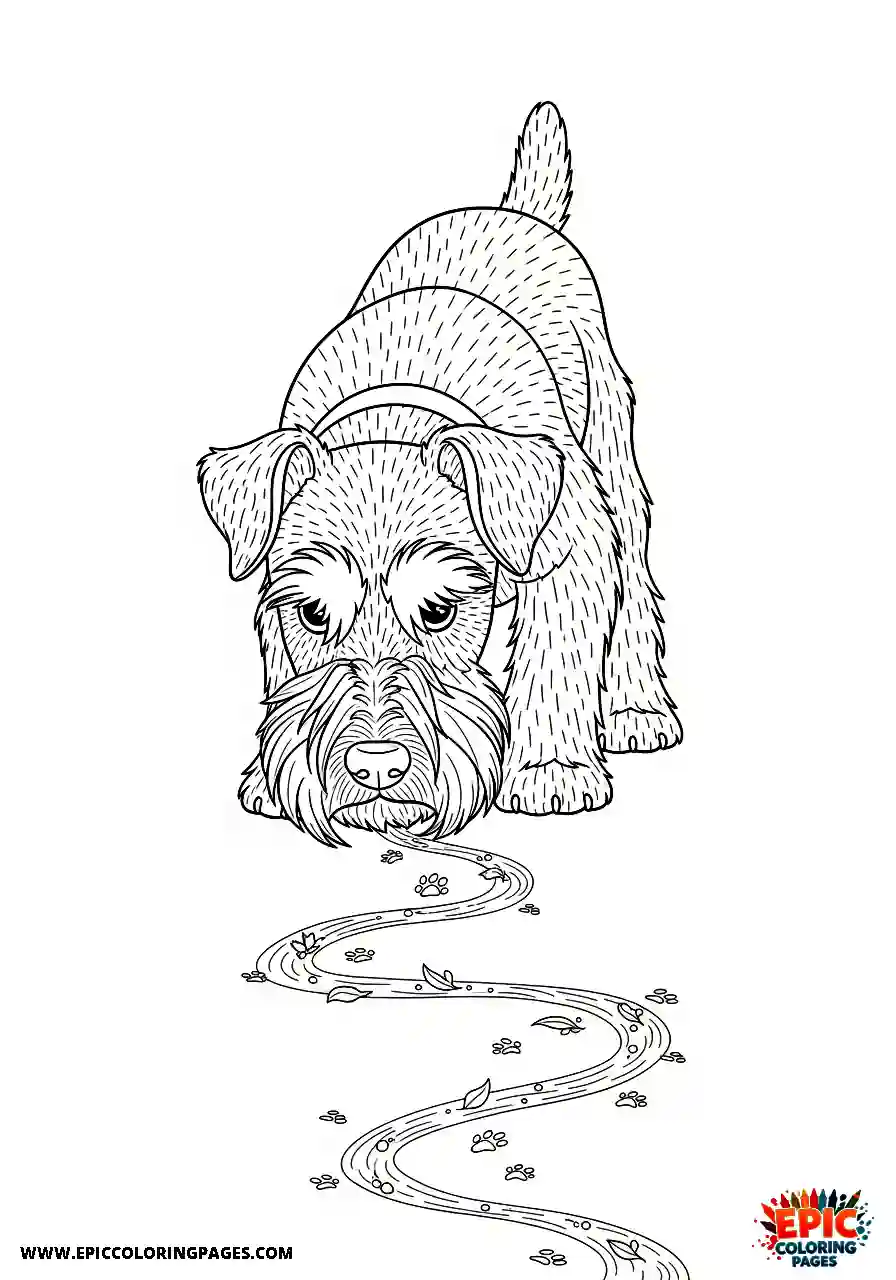
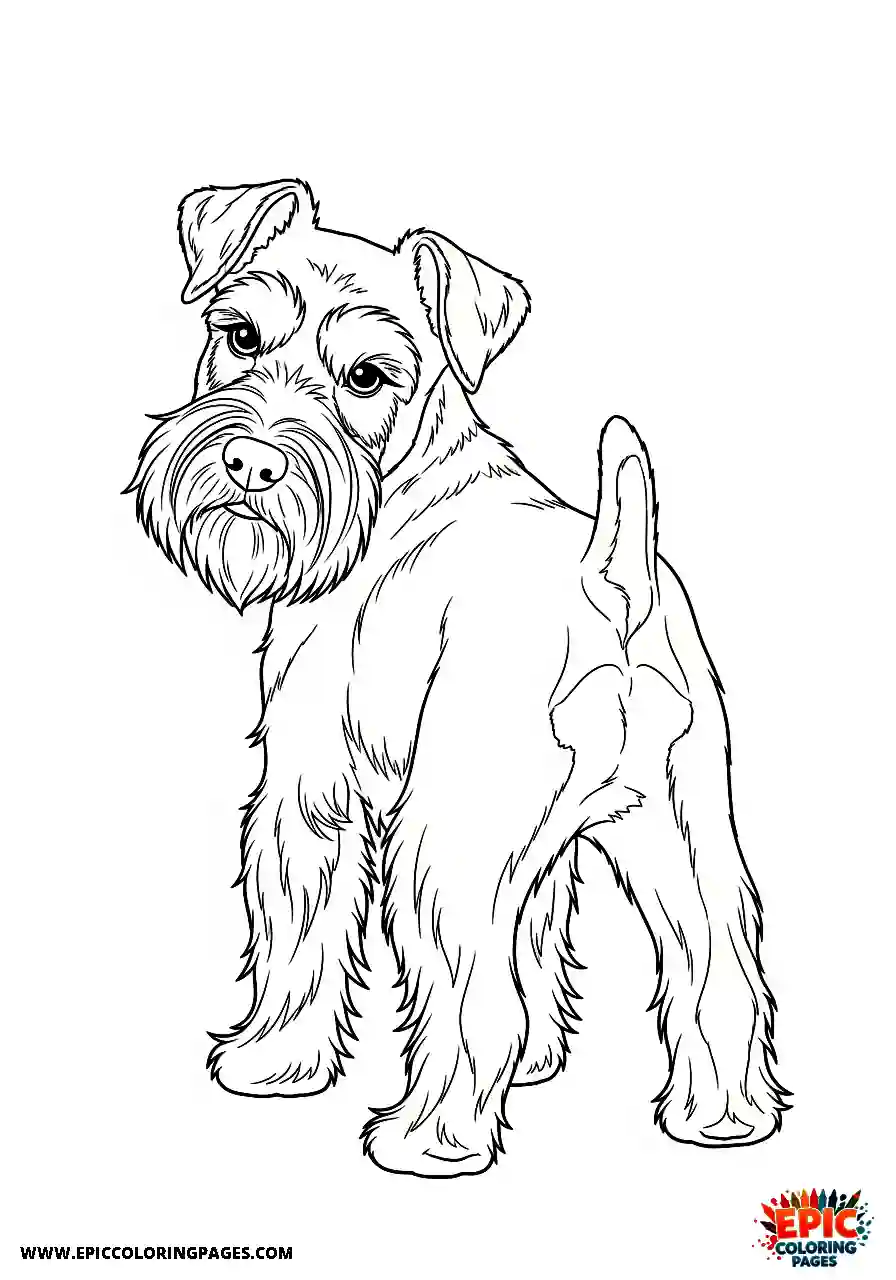
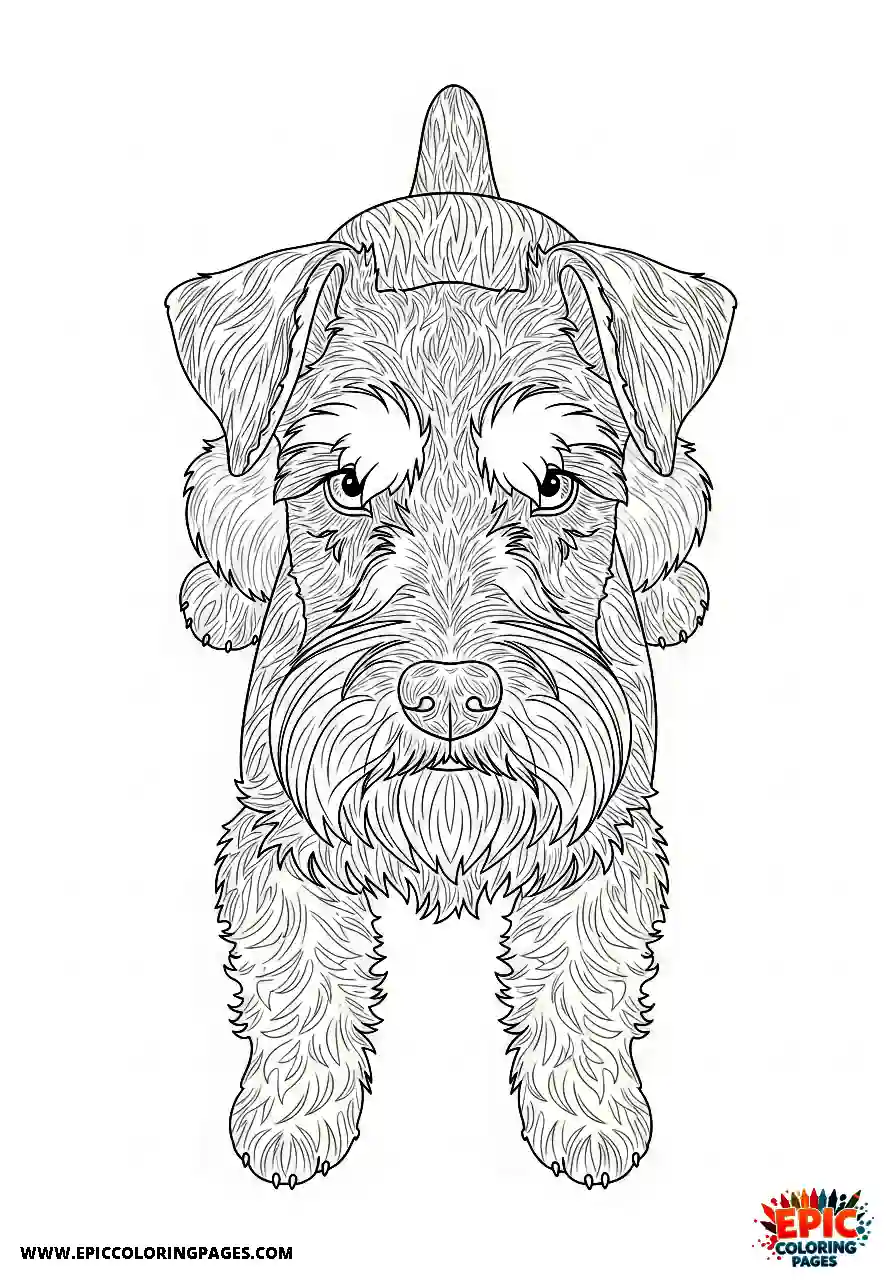
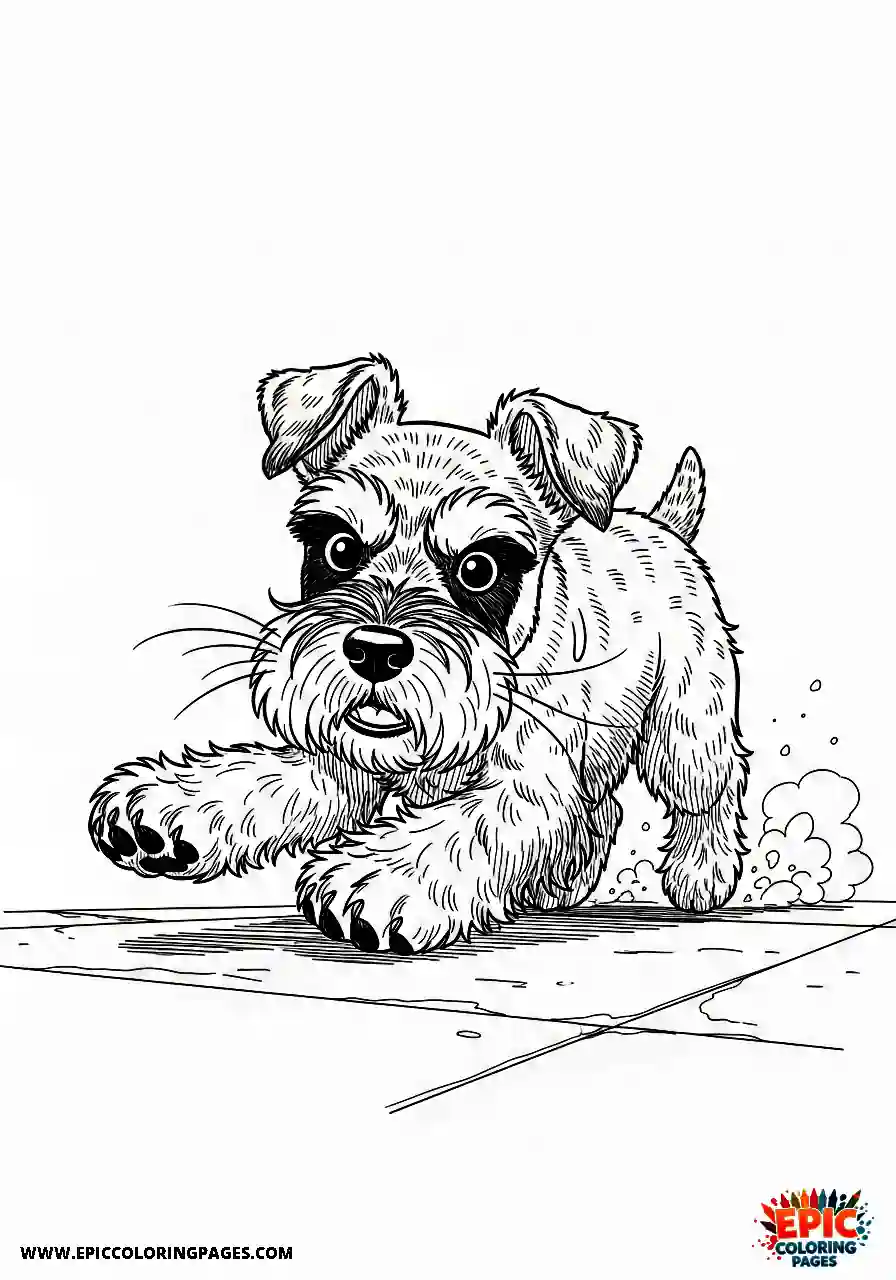
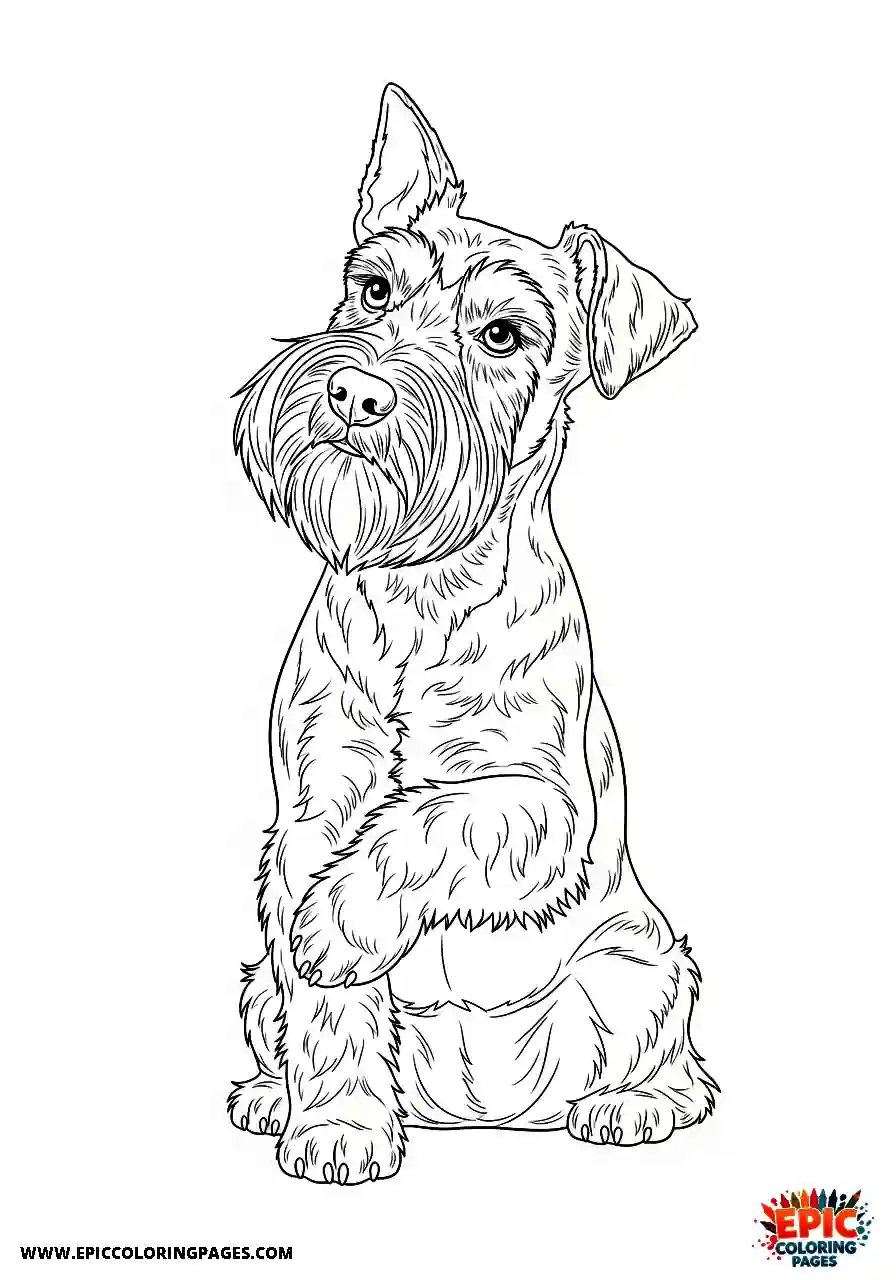
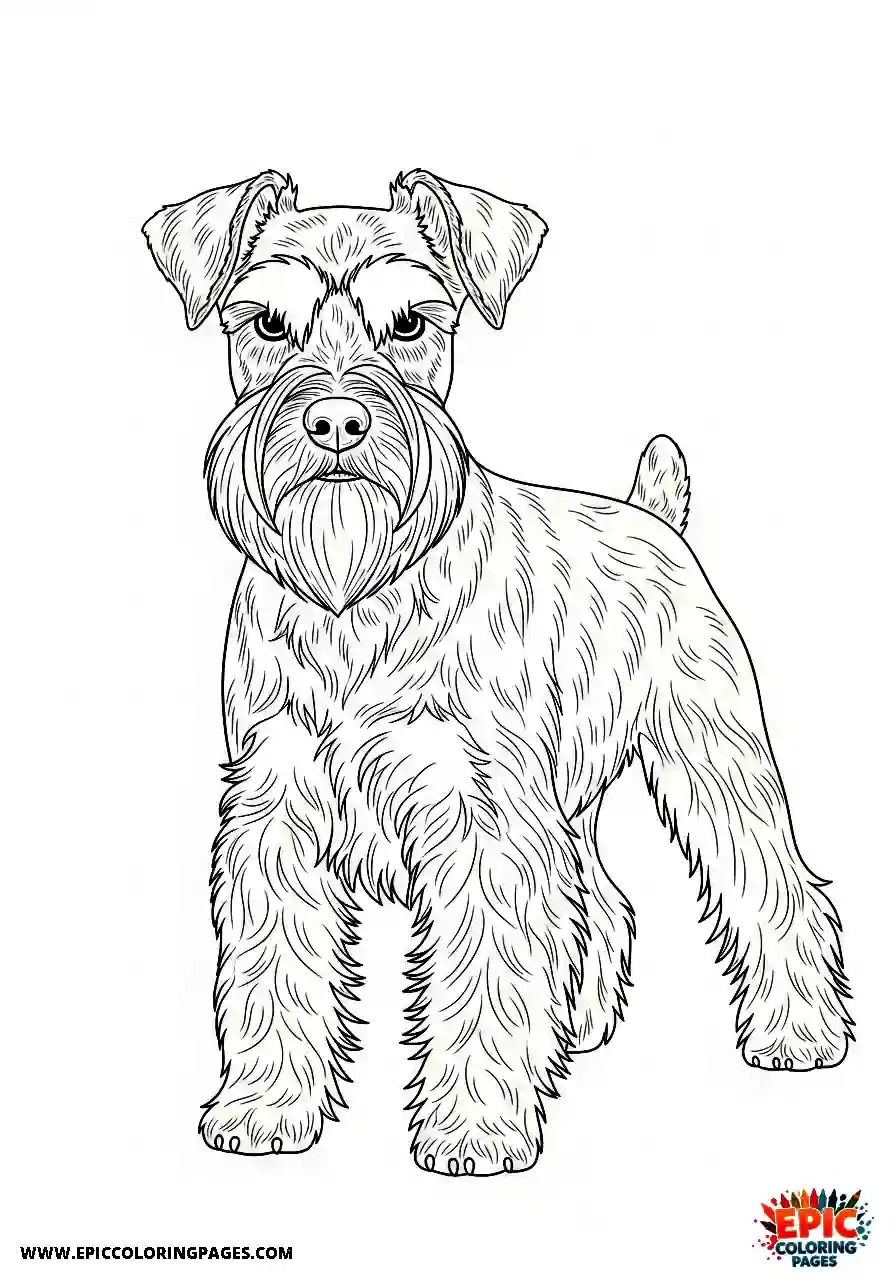
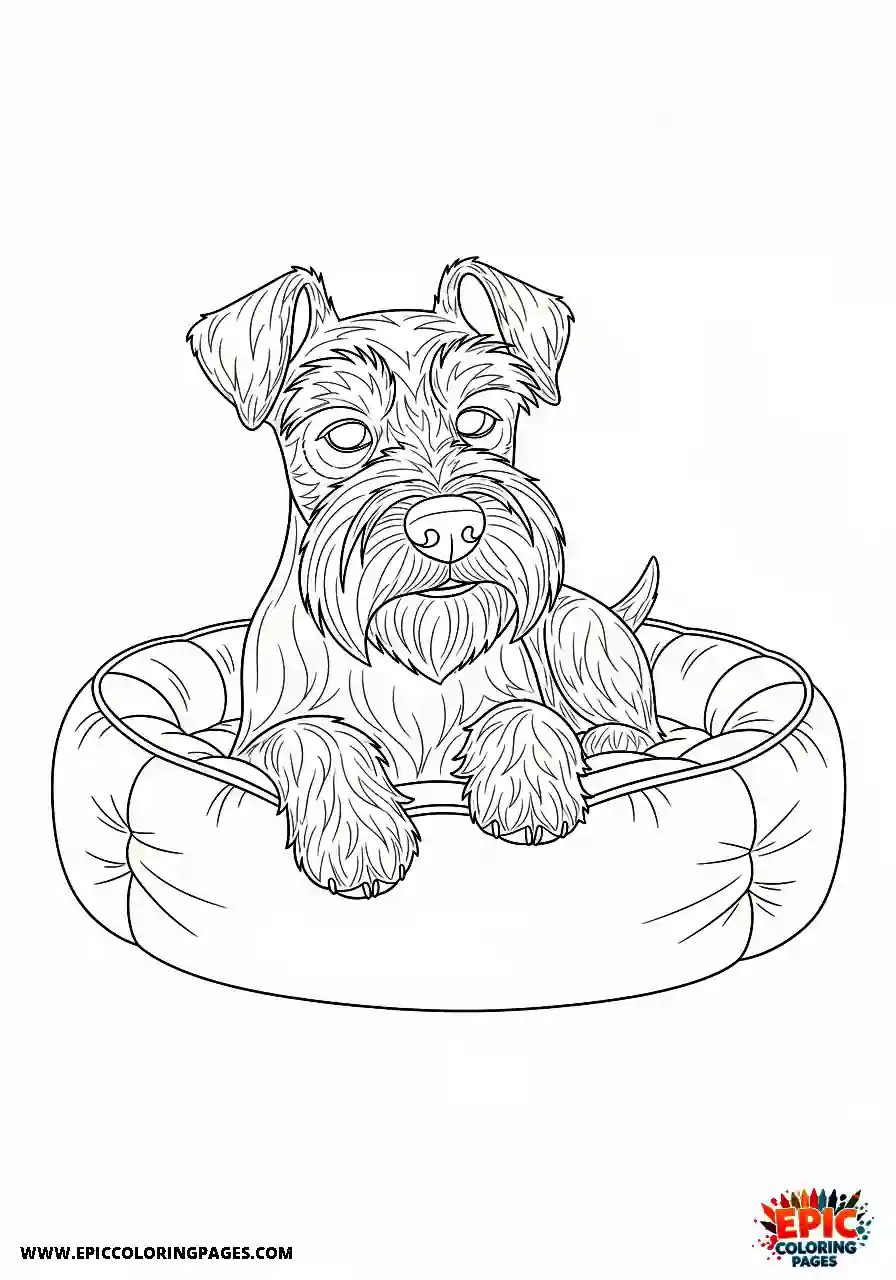
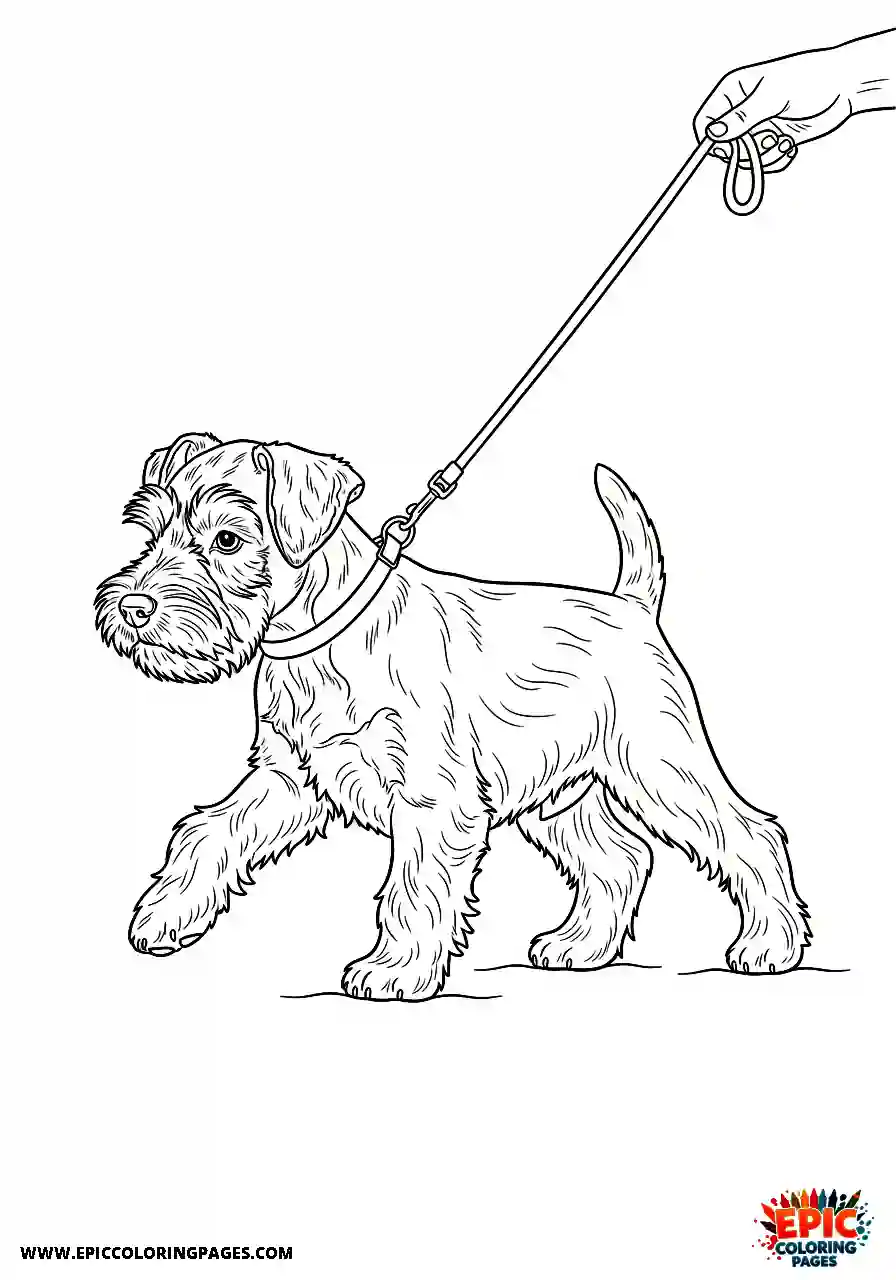
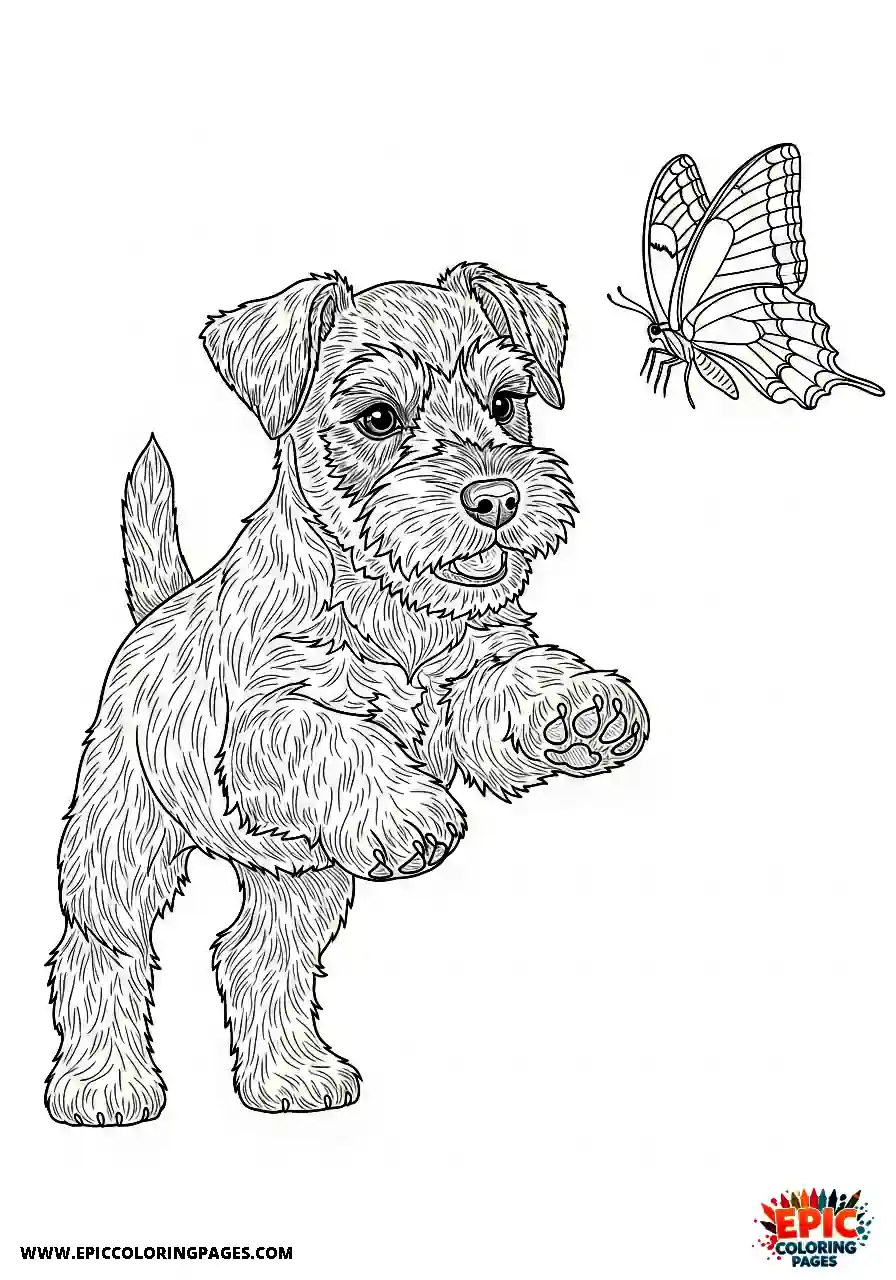
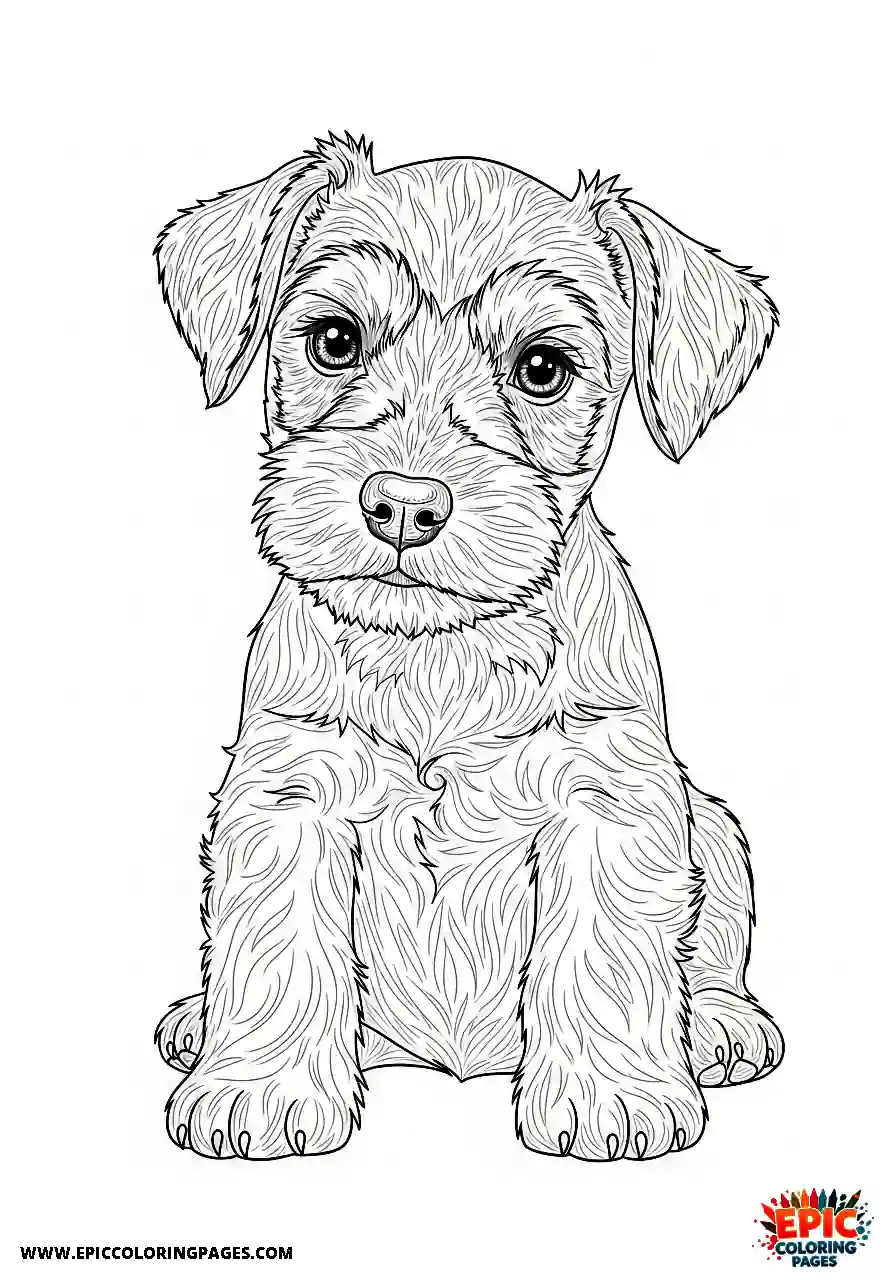
The Miniature Schnauzer’s wiry double coat is what makes this breed instantly recognizable. When coloring, think texture over flat color.
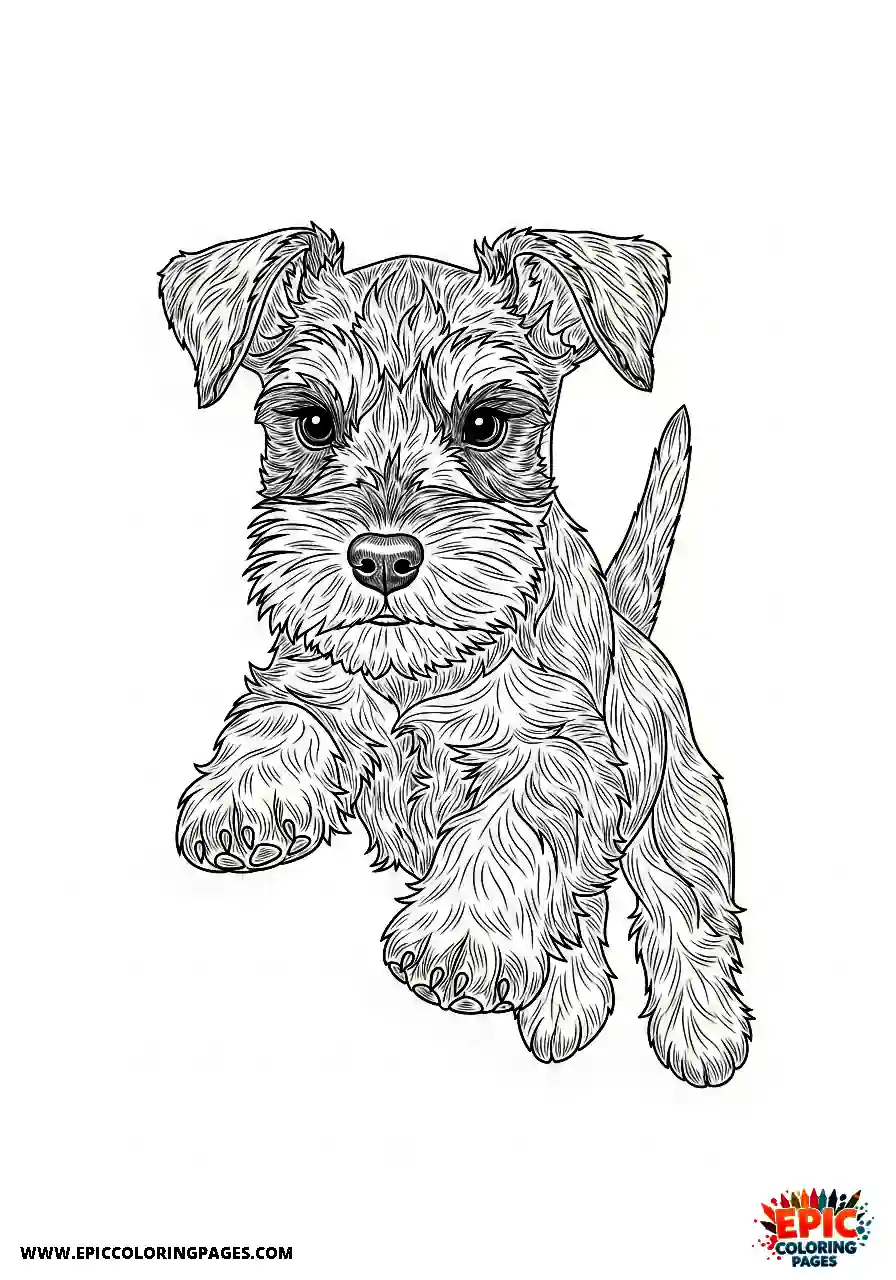
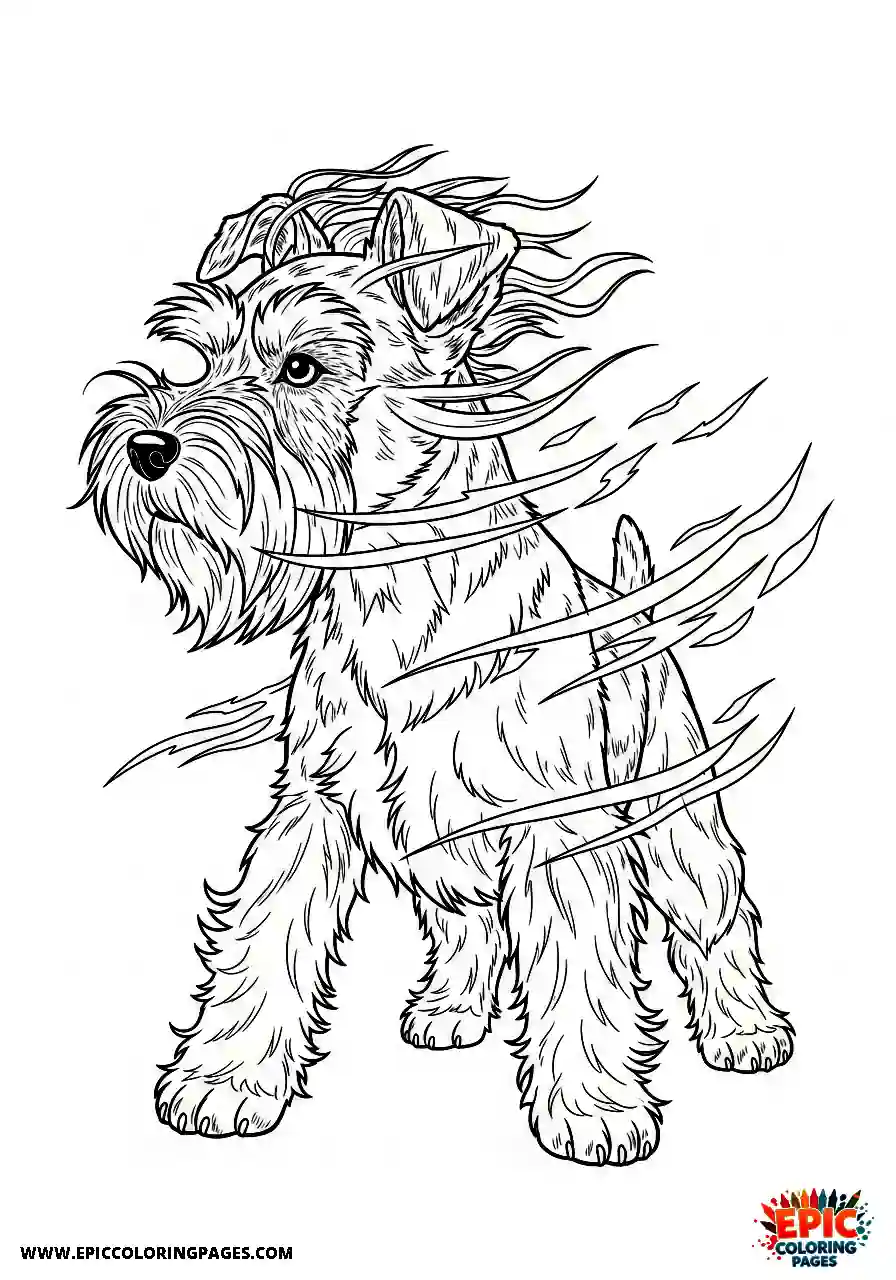
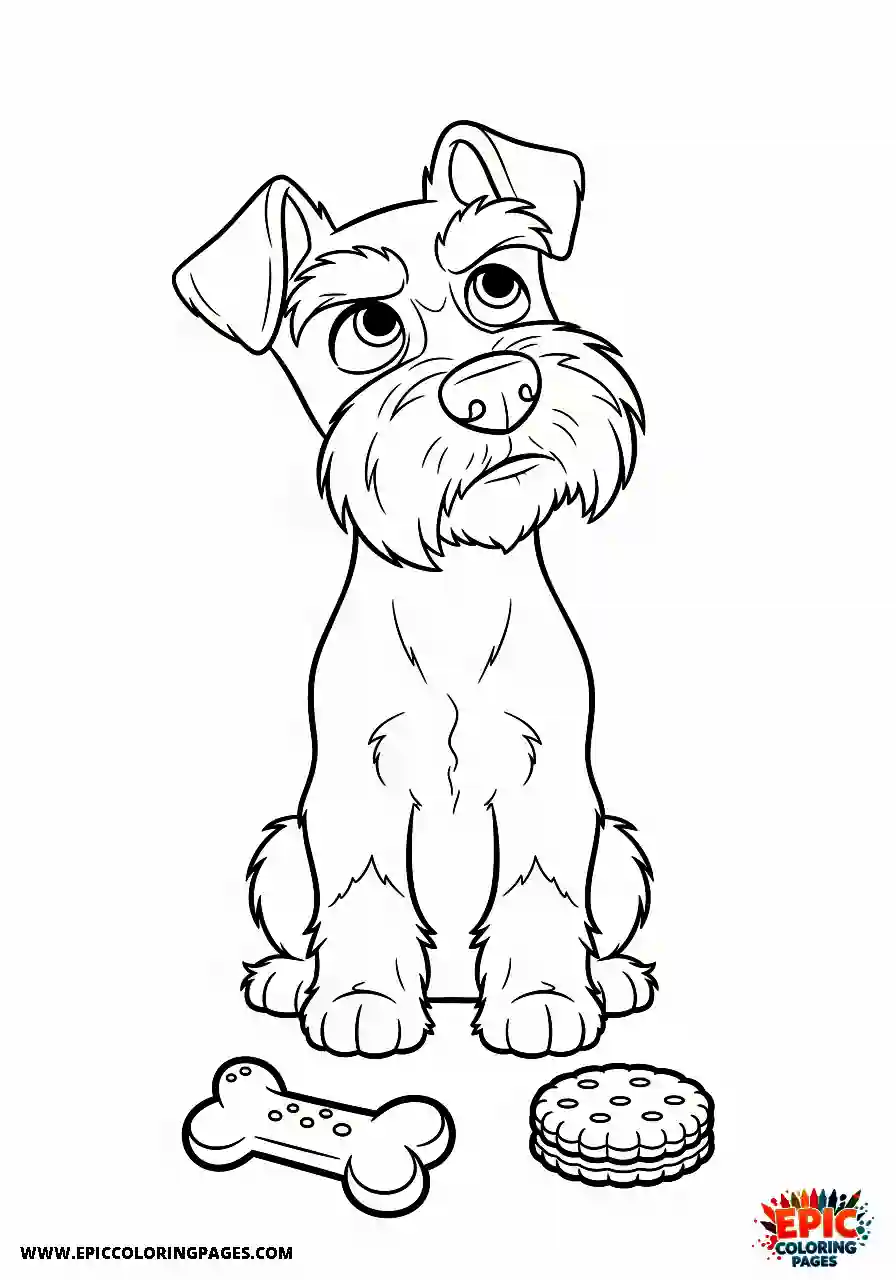
The outer coat is harsh and wiry. Use short, quick strokes rather than smooth fills. This creates that characteristic scruffiness that makes Schnauzers look like tiny wise professors.
The undercoat is softer. Where the fur parts or lies flat (like on the chest or belly), you can use gentler, longer strokes. This contrast makes your coloring more dimensional.
Most Schnauzers come in salt and pepper, black, or black and silver. But here’s the fun part coloring pages let you experiment with fantasy colors while still maintaining that essential Schnauzer texture.
Mastering the Iconic Beard and Eyebrows
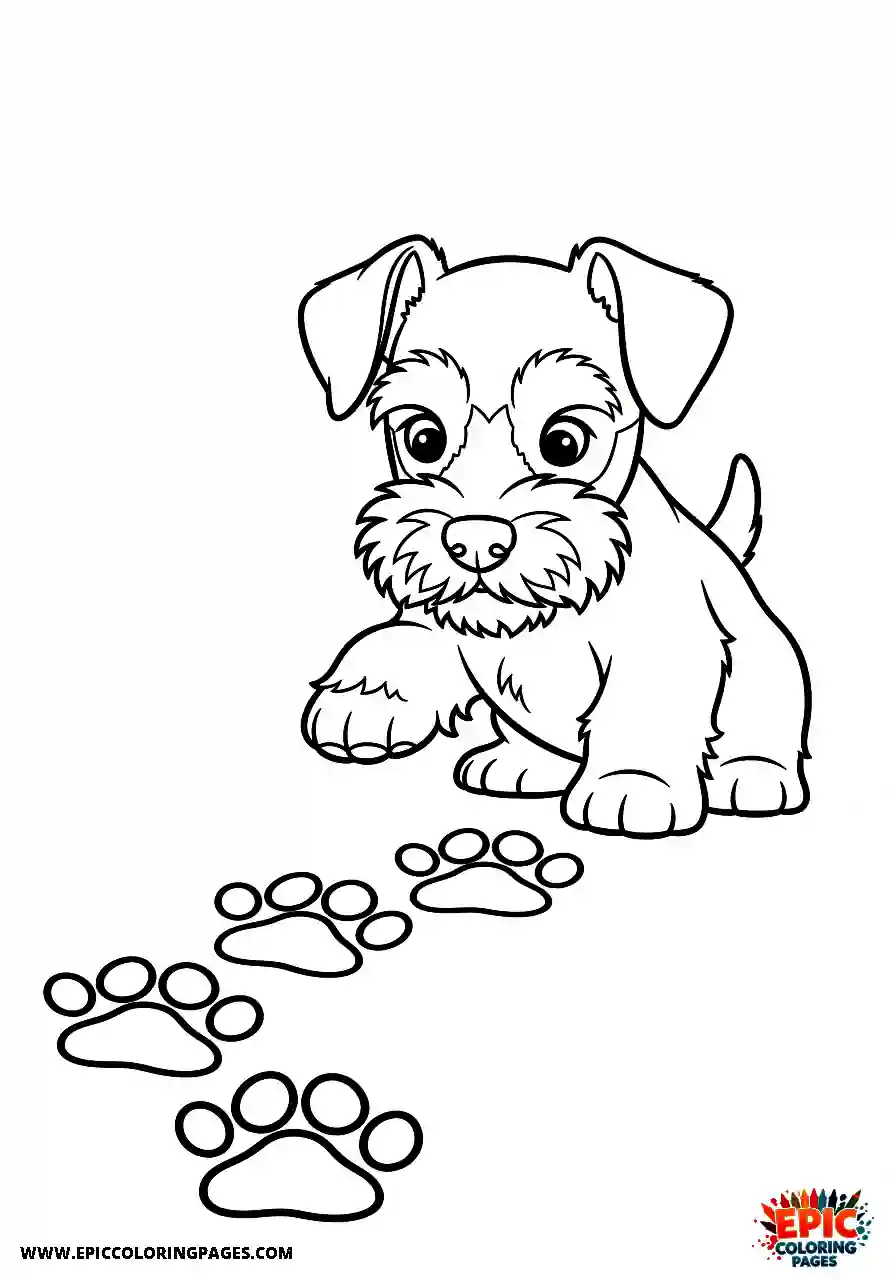
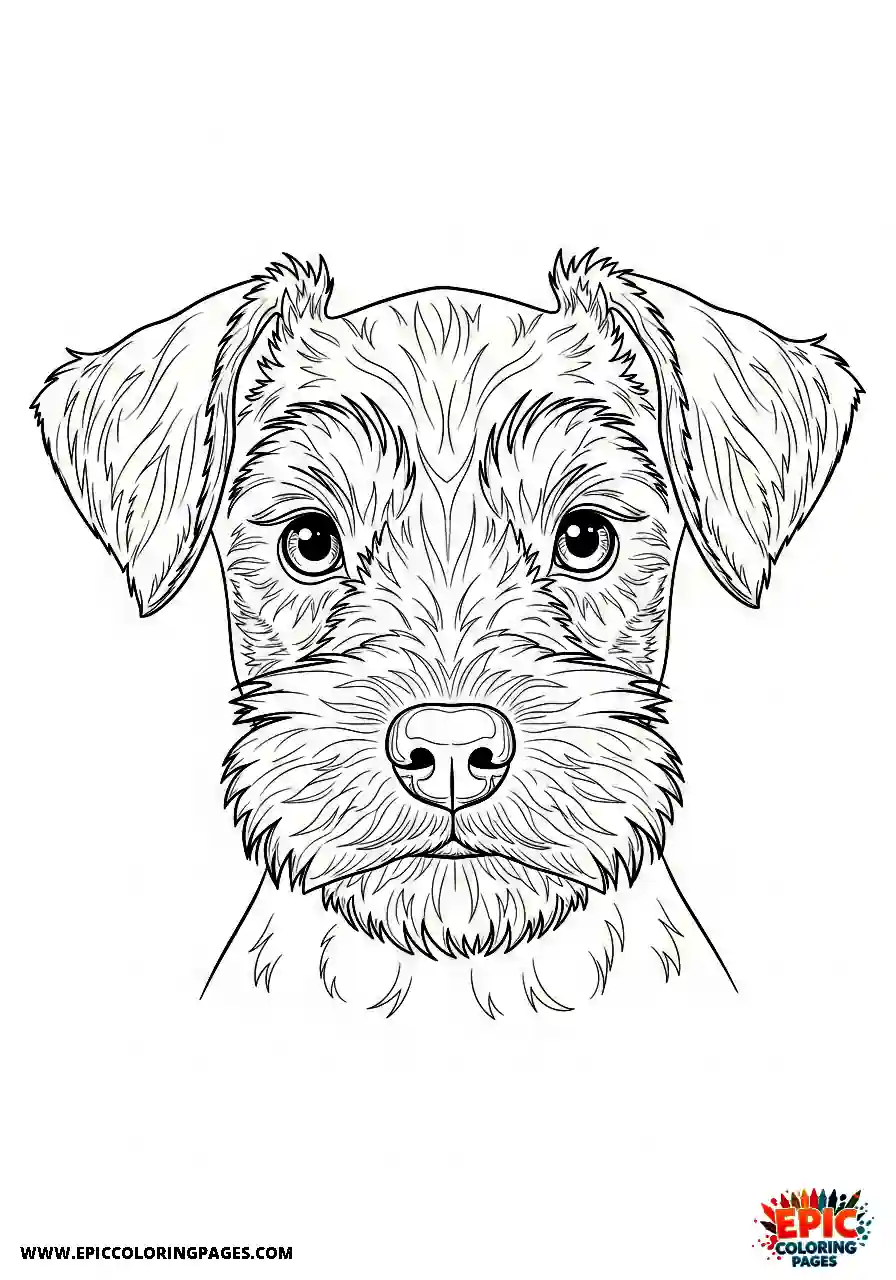
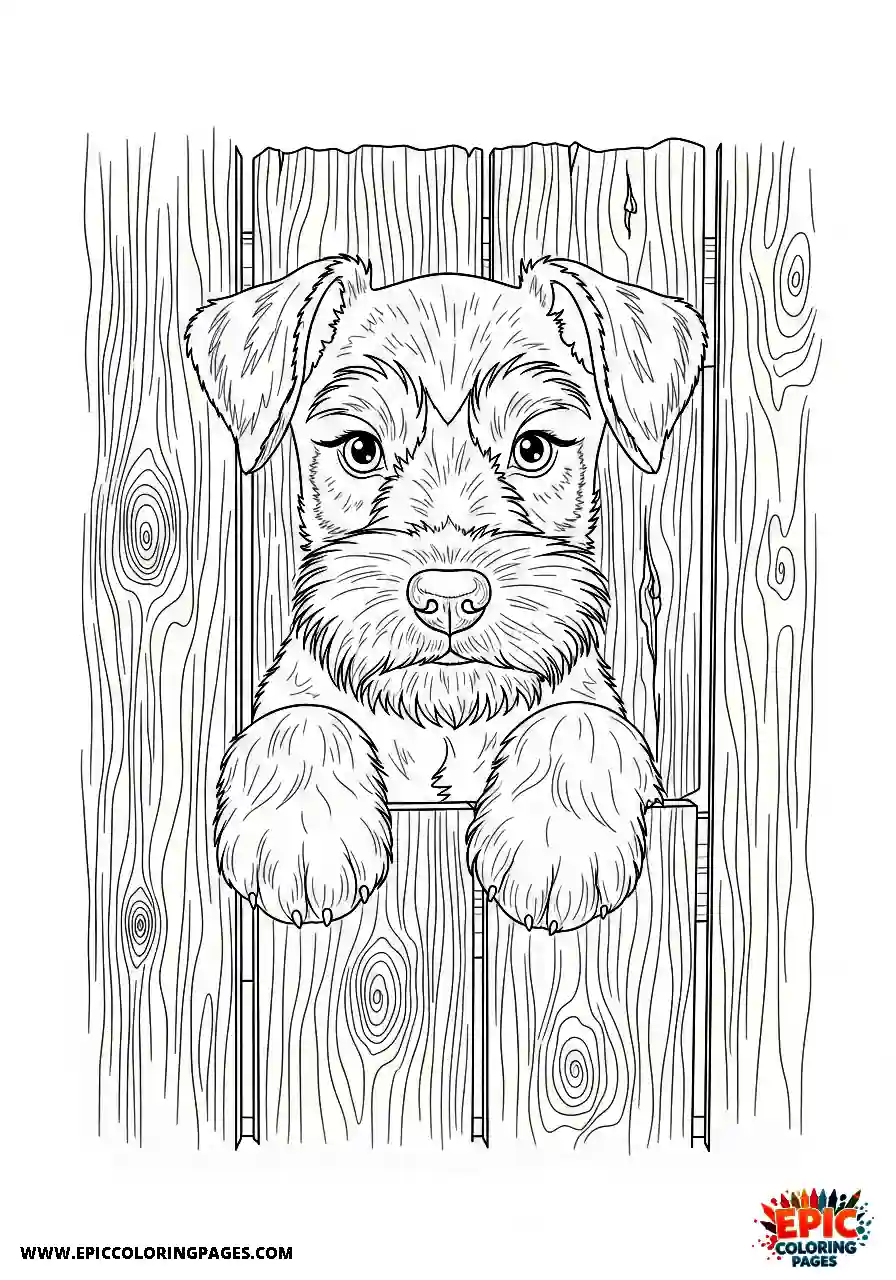
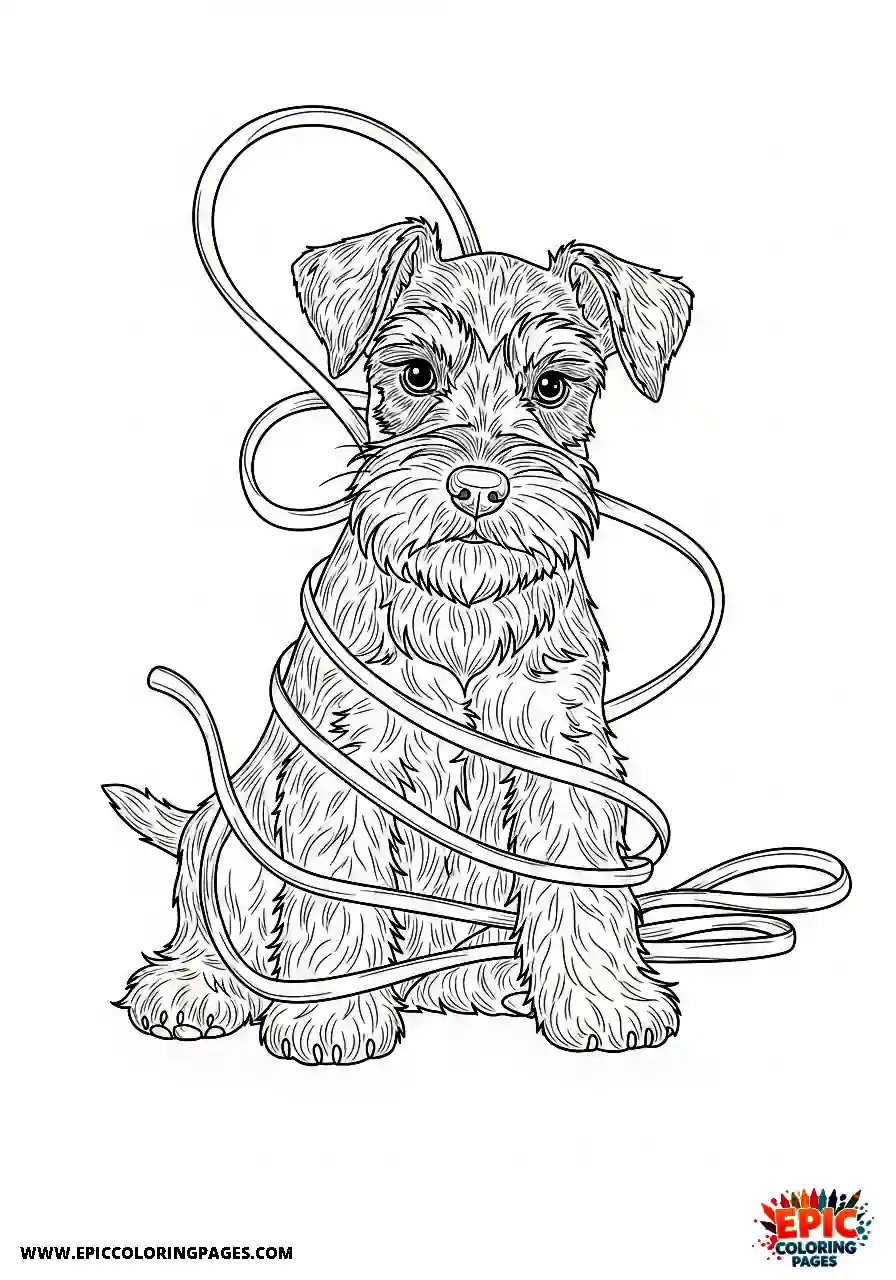
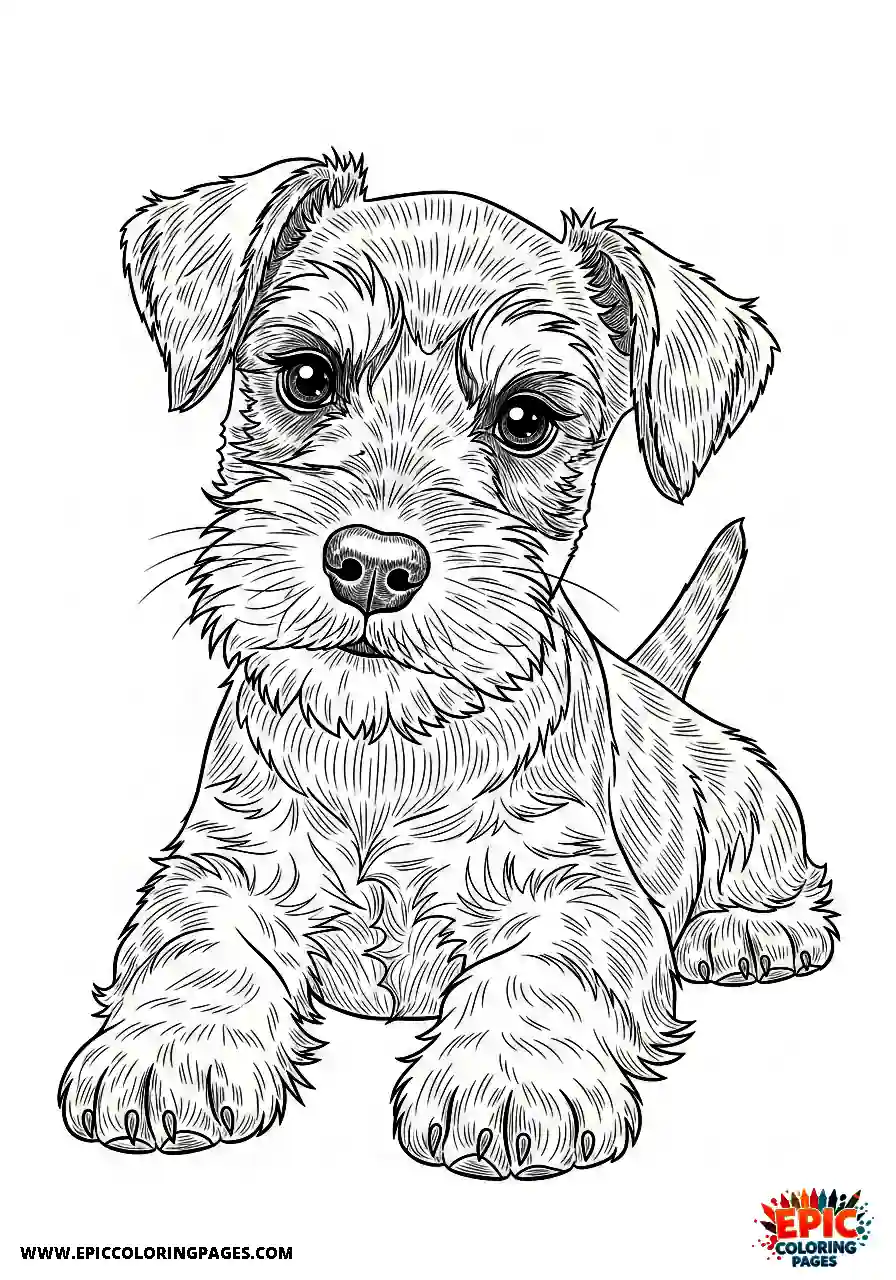
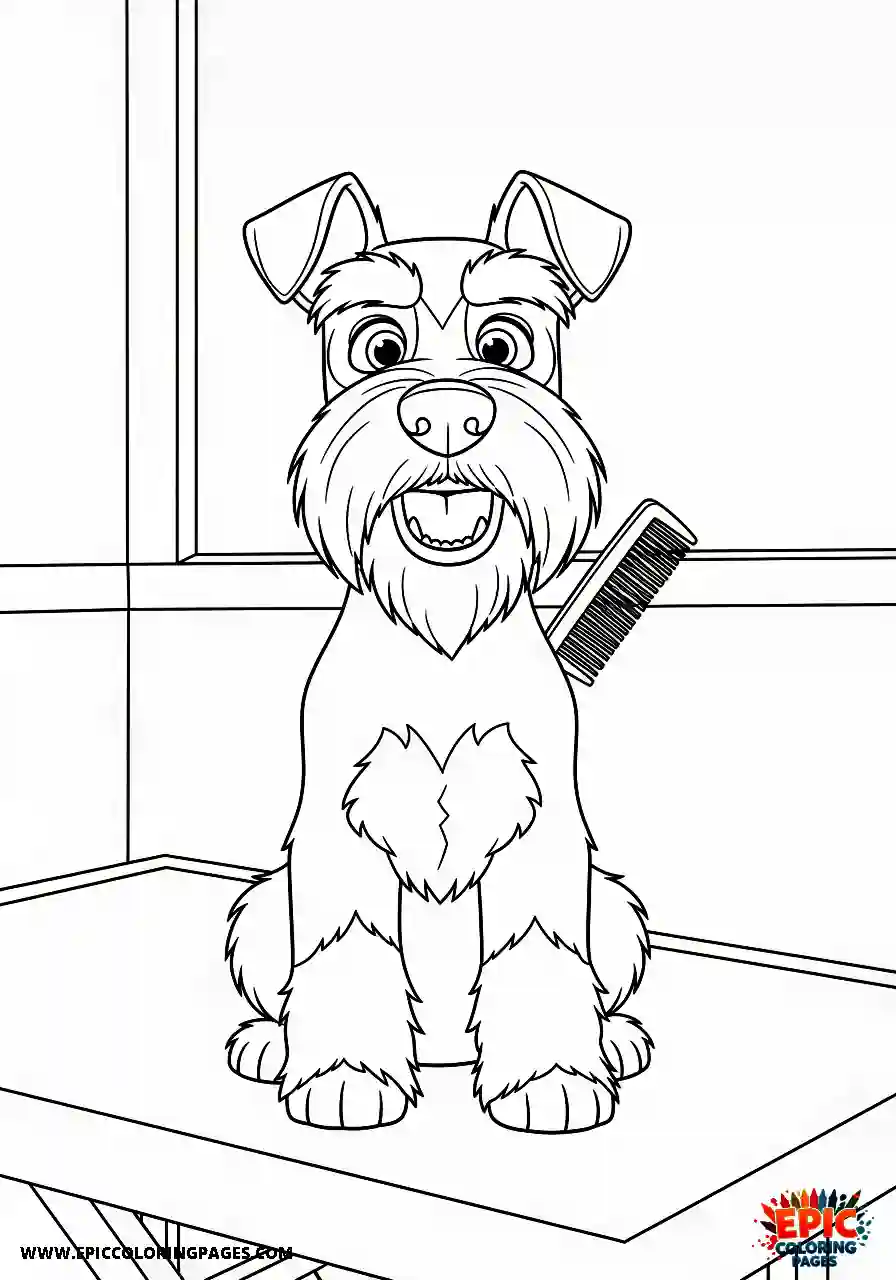
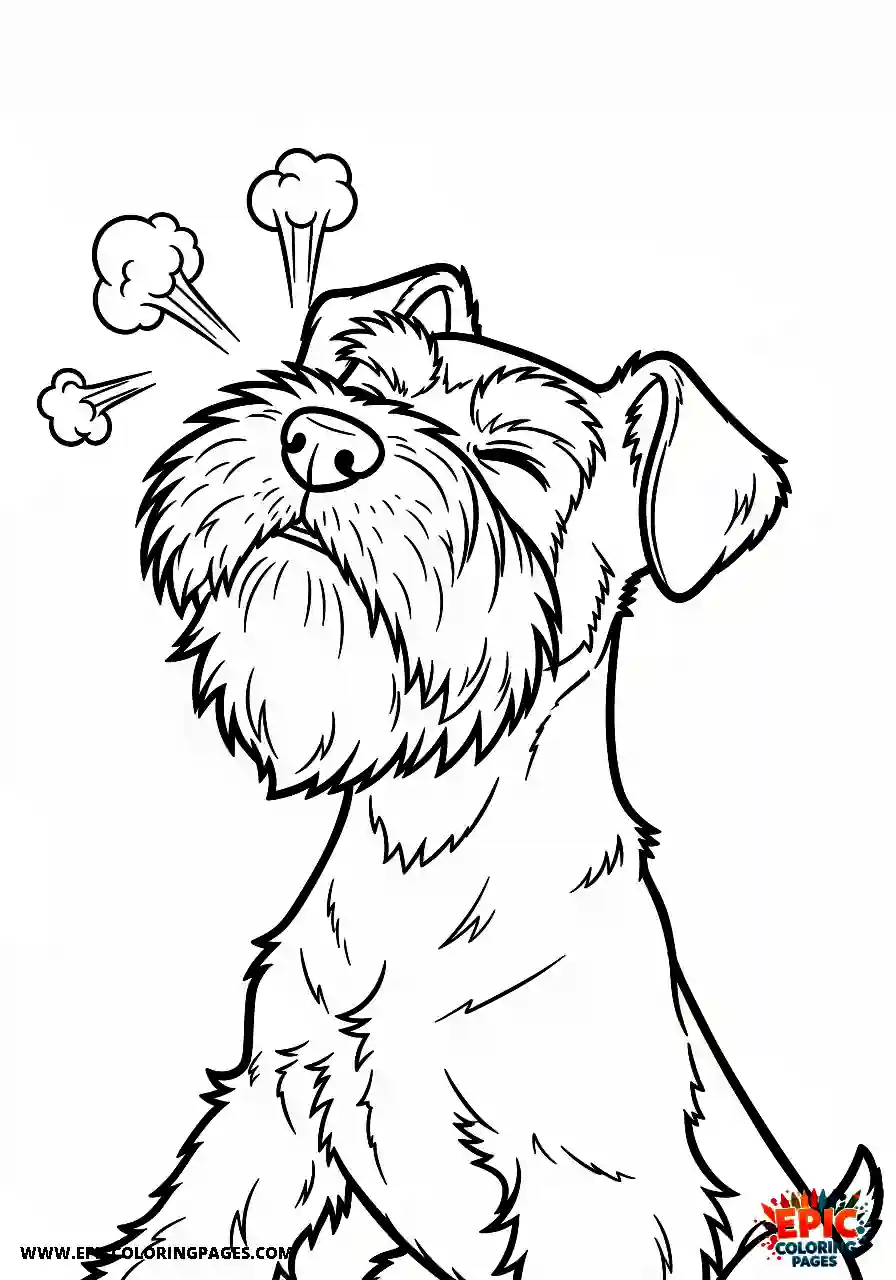
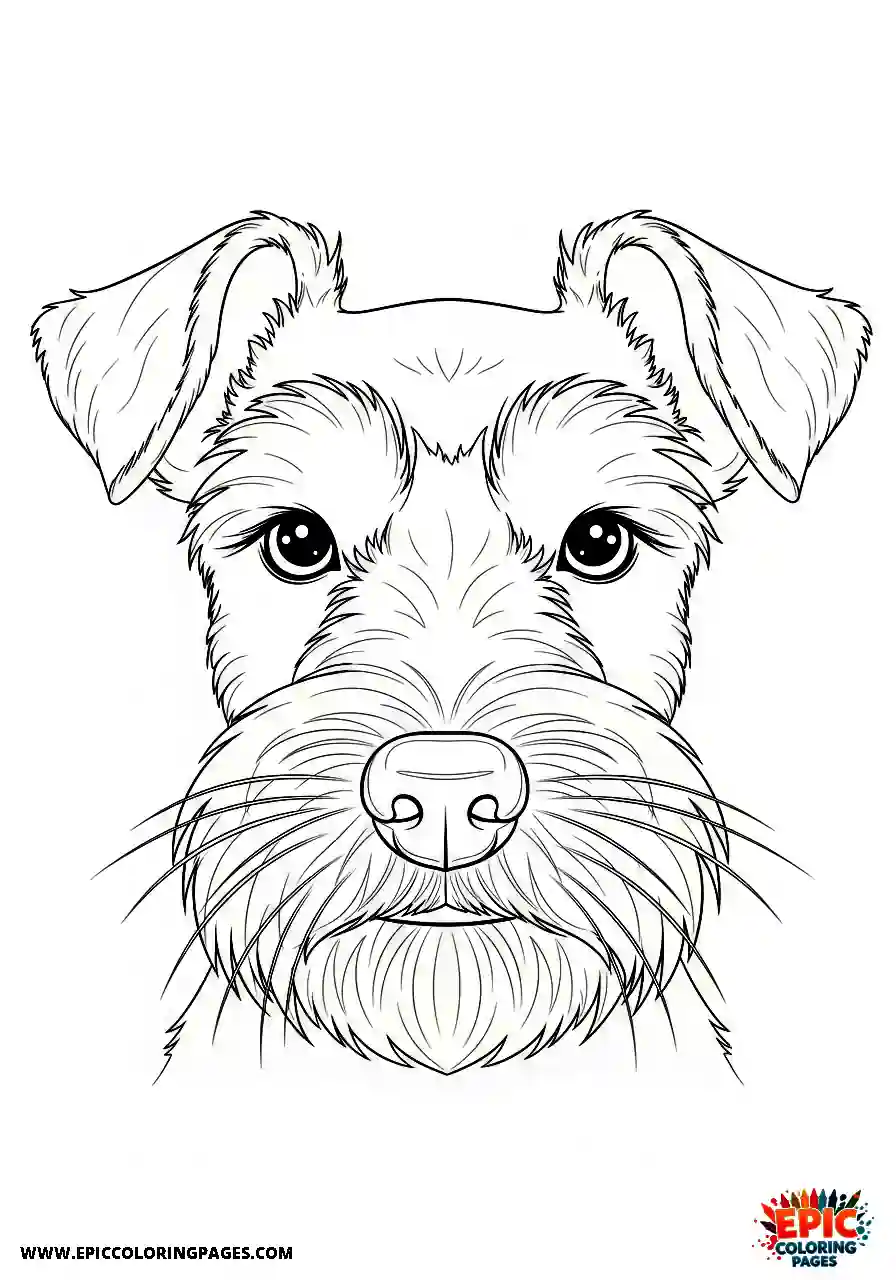
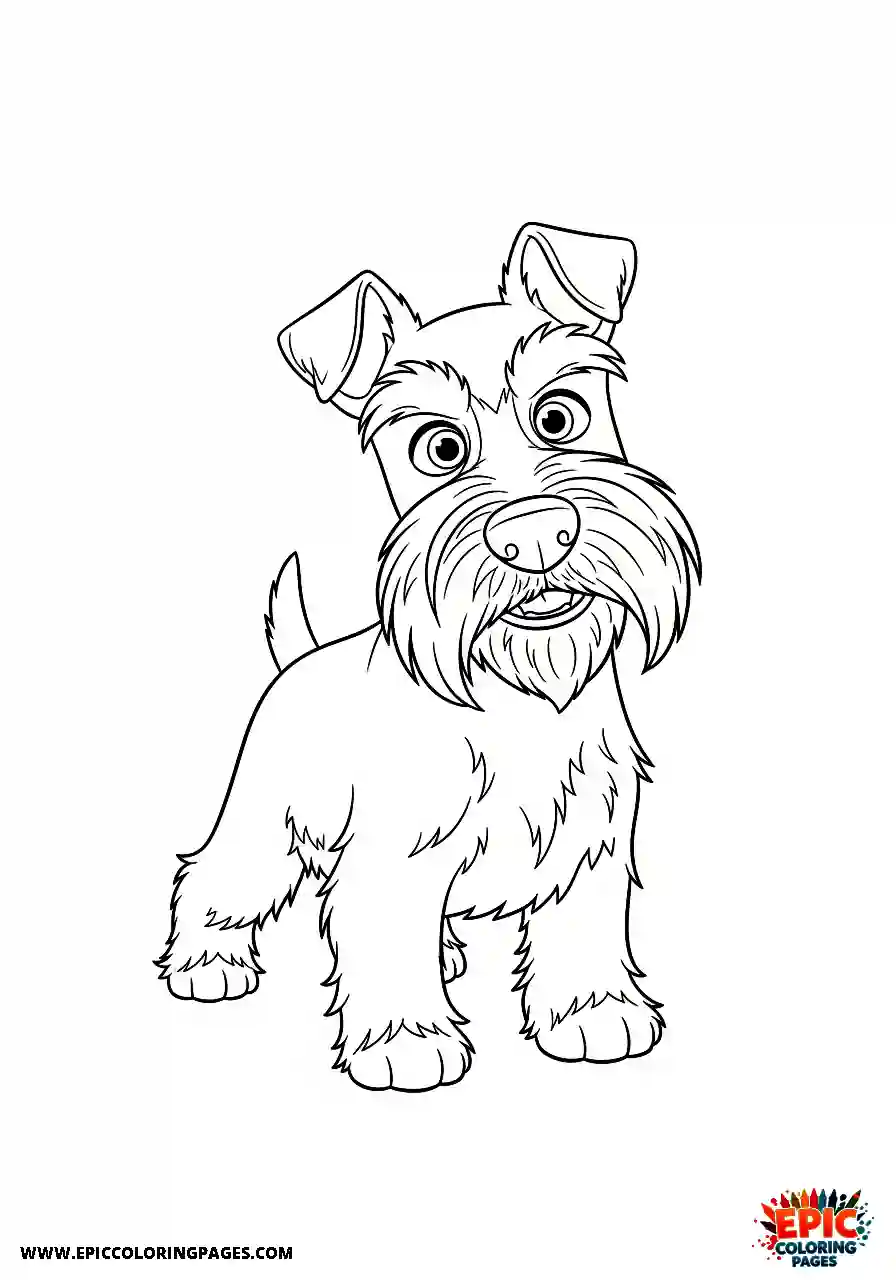
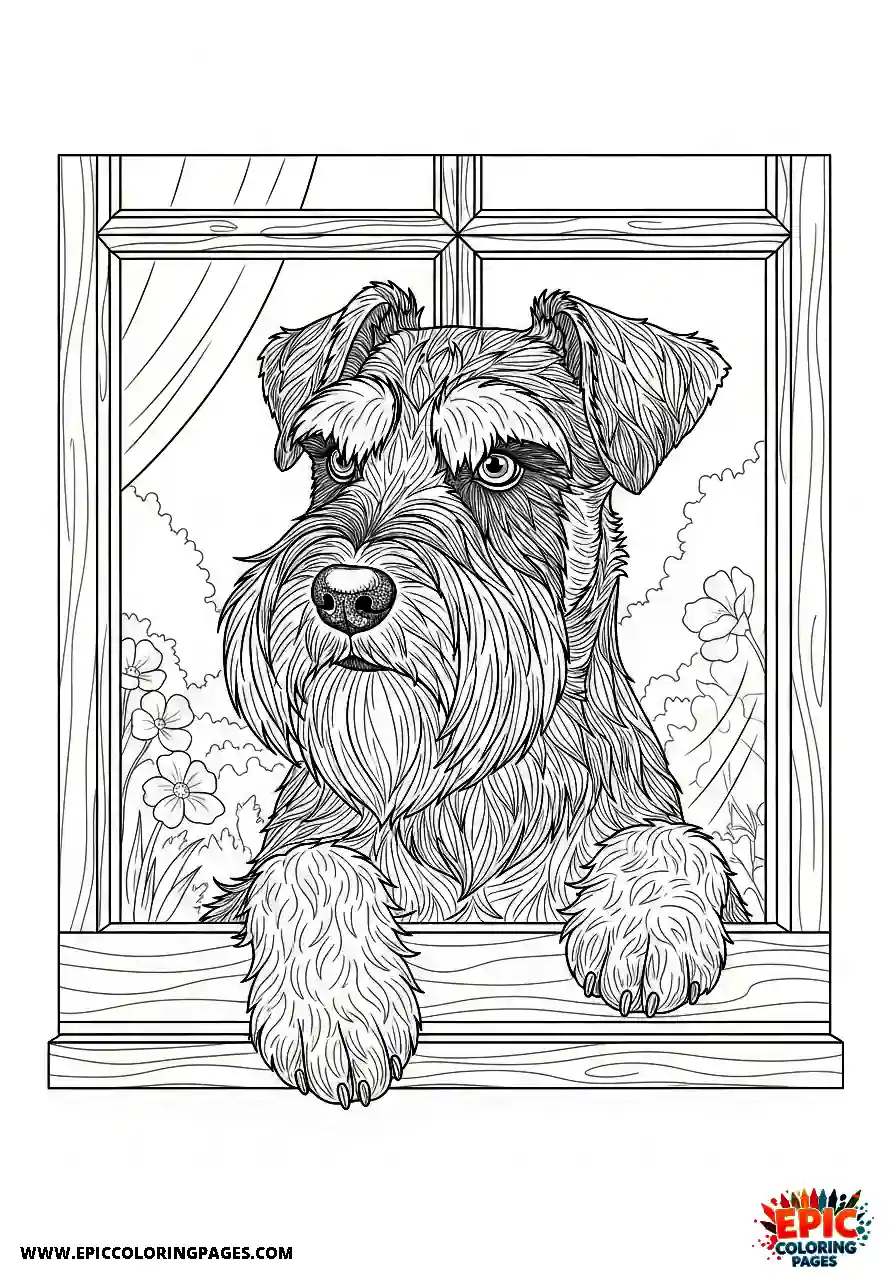
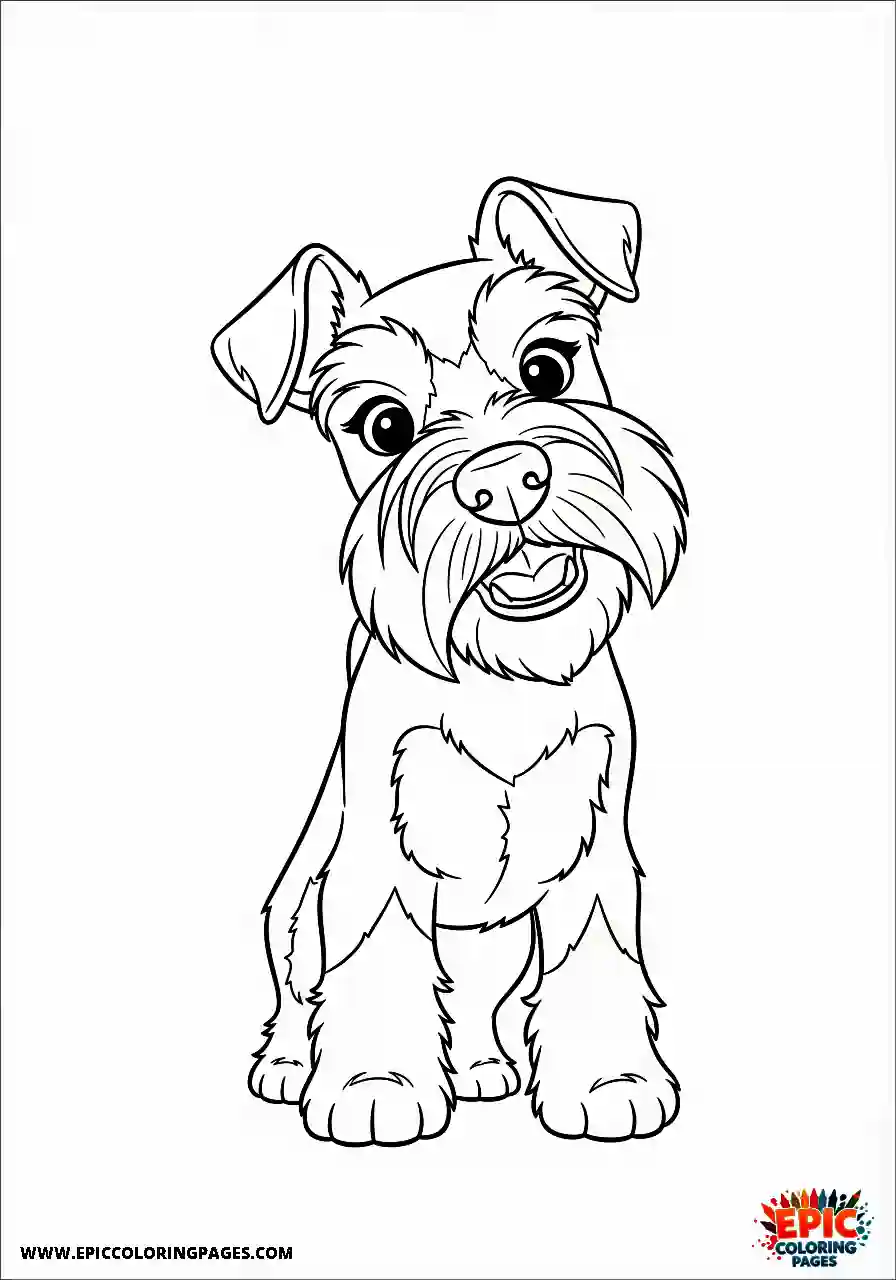
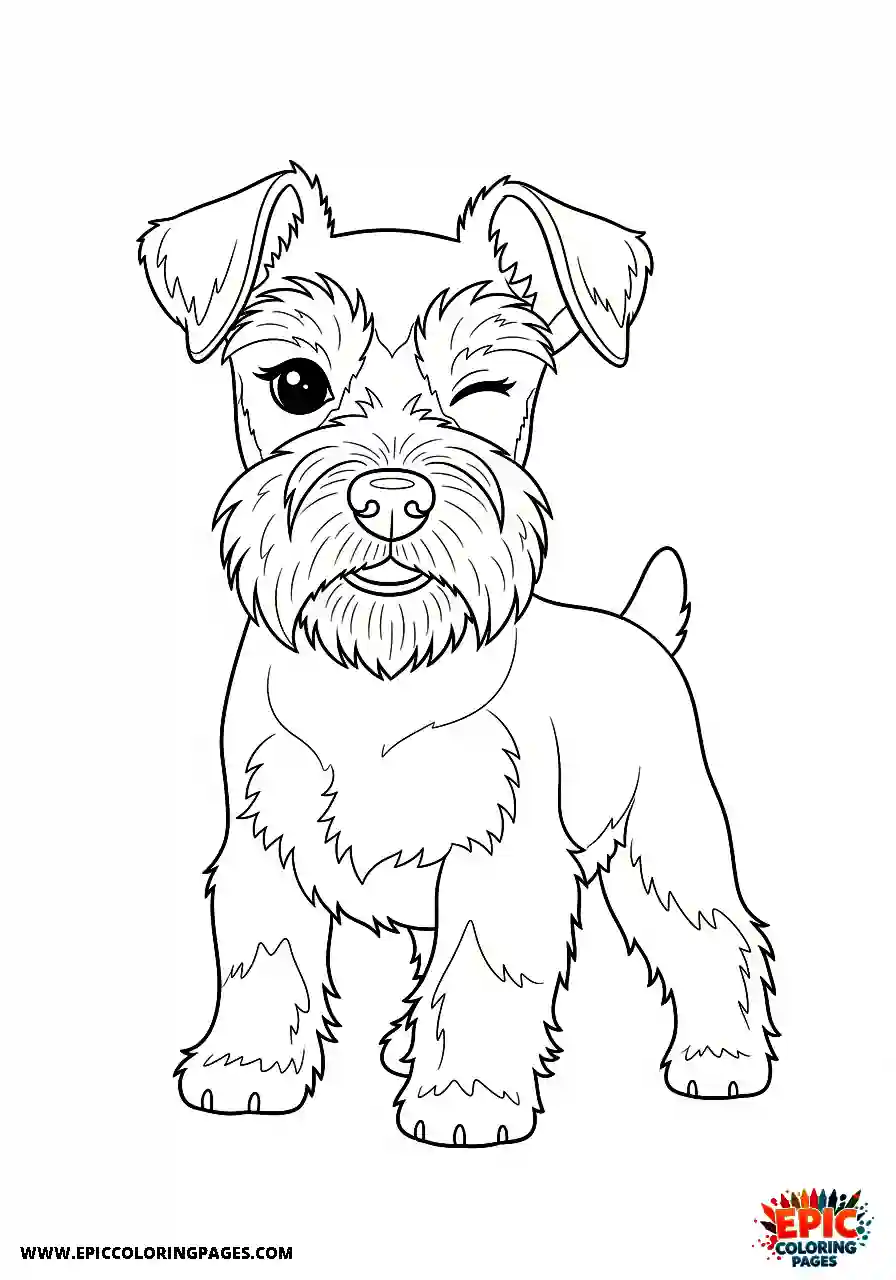
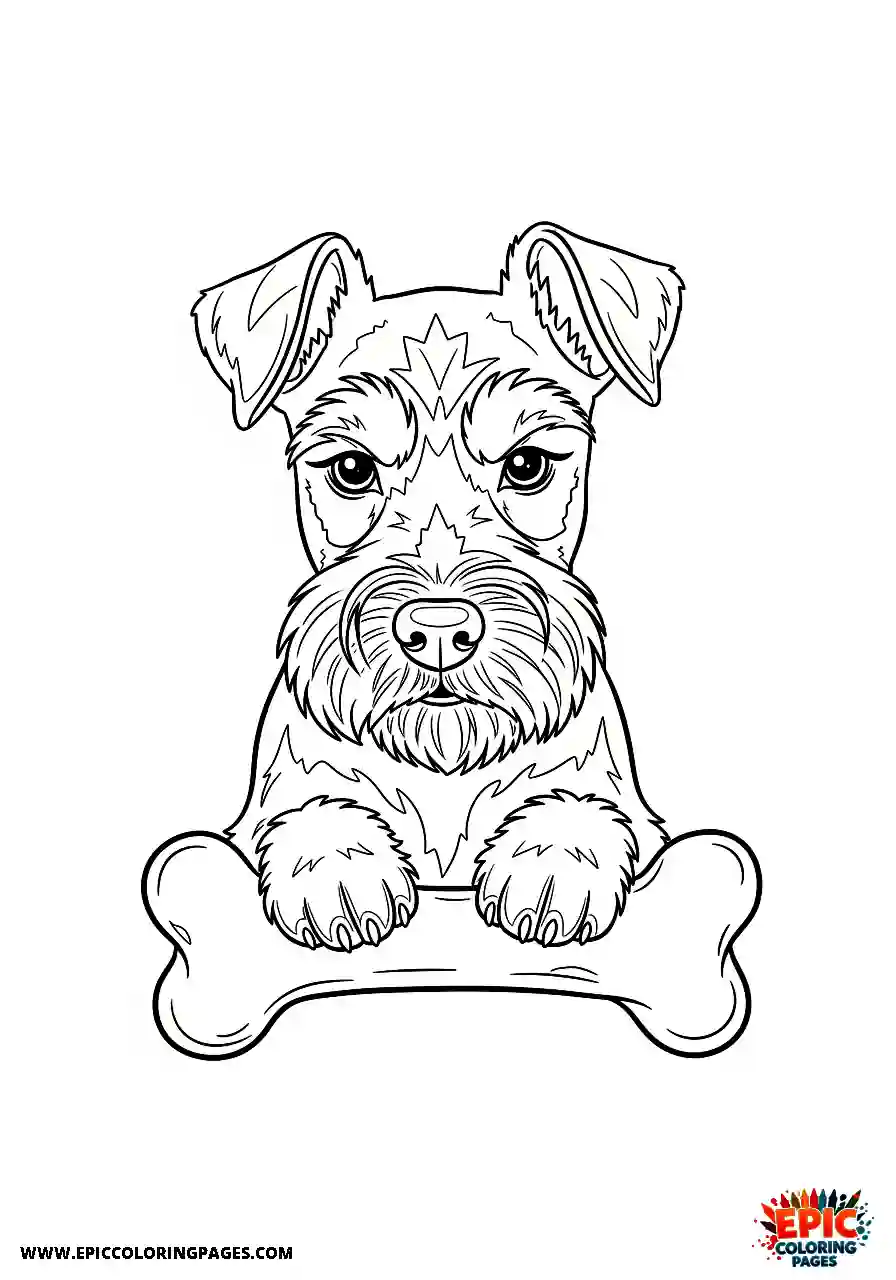
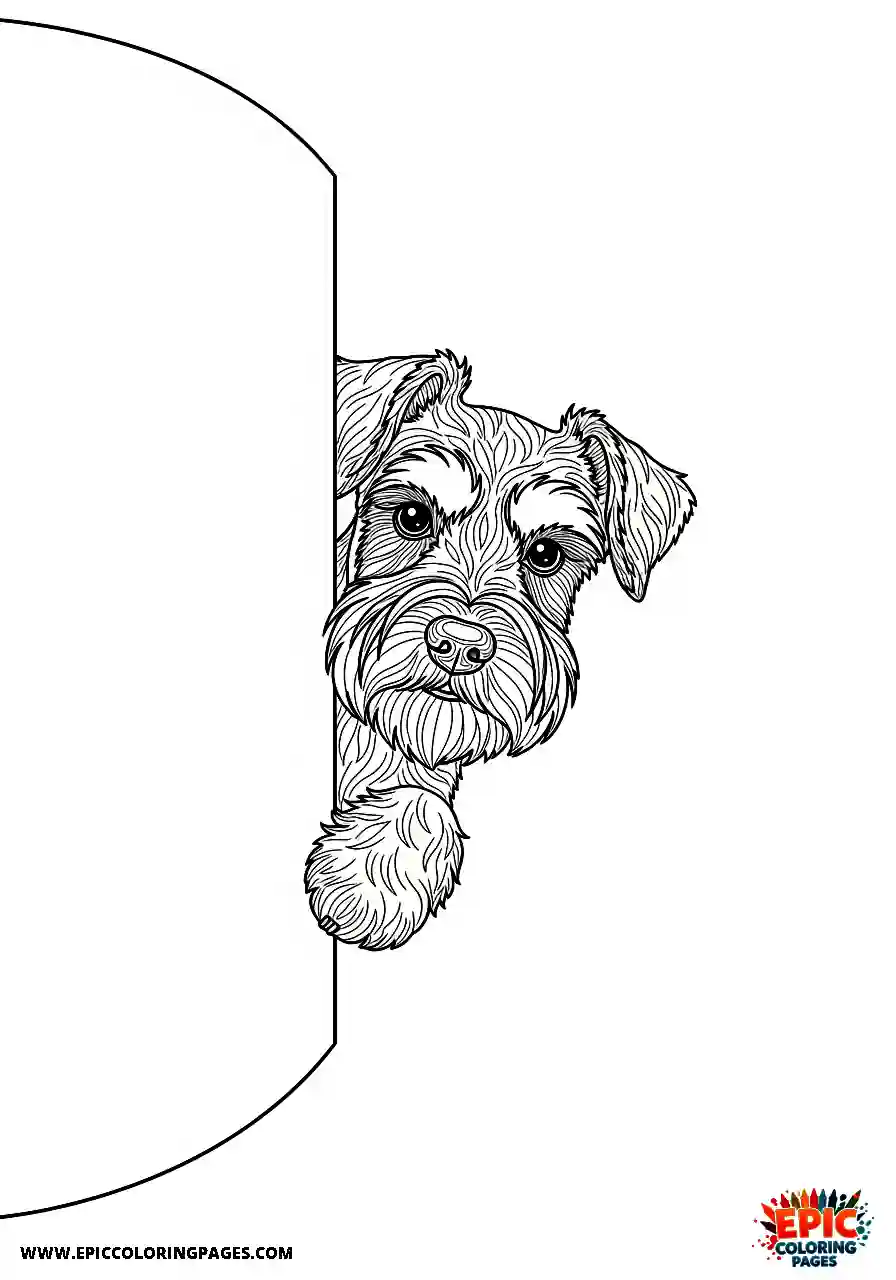
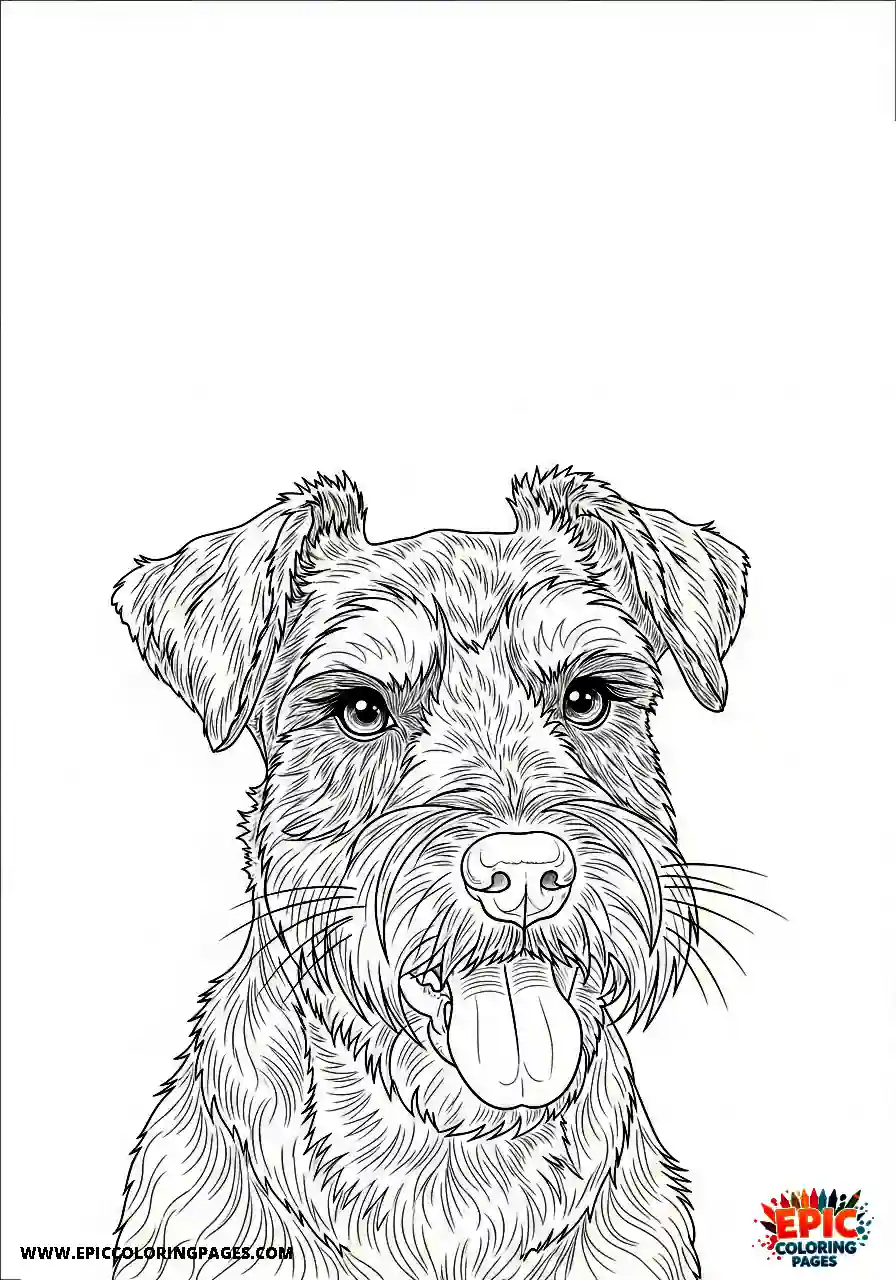
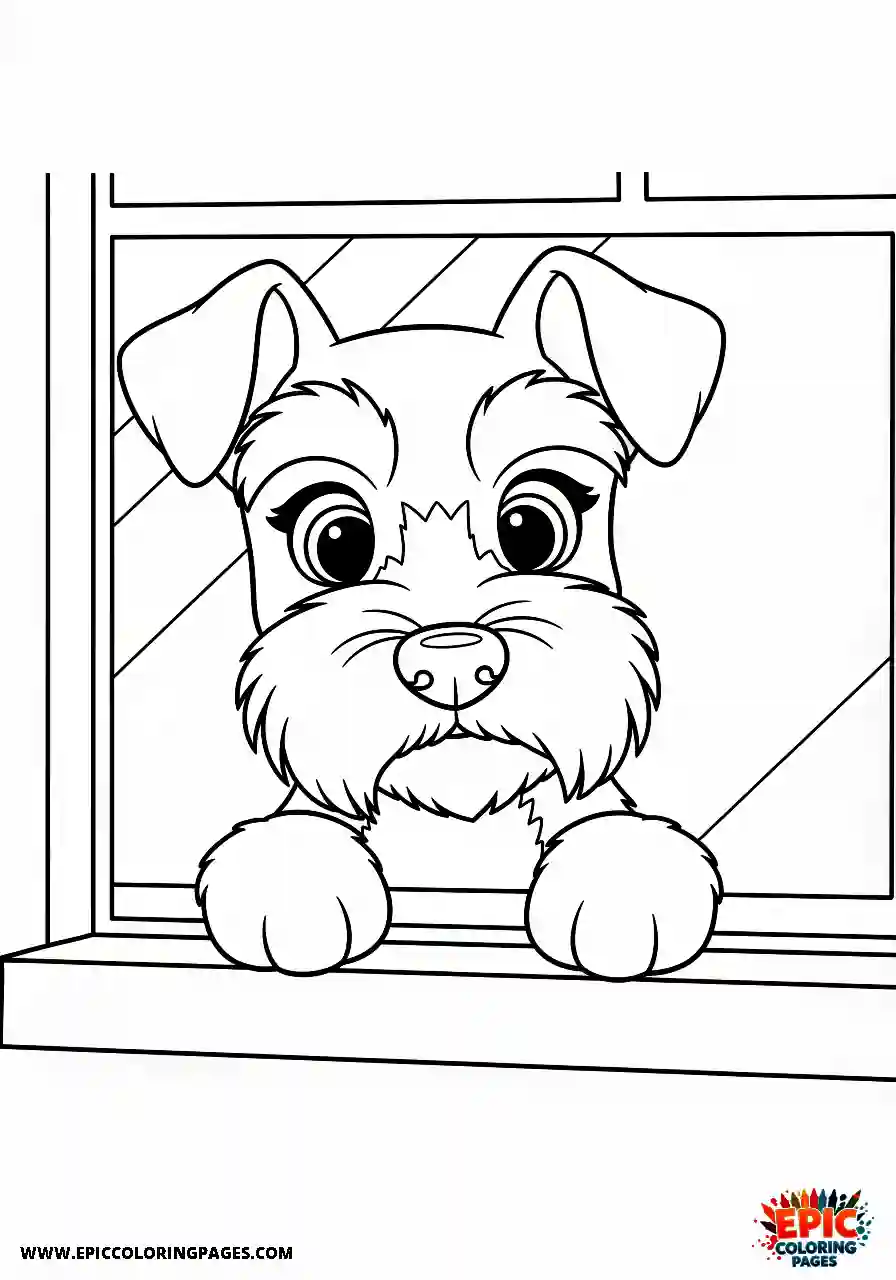
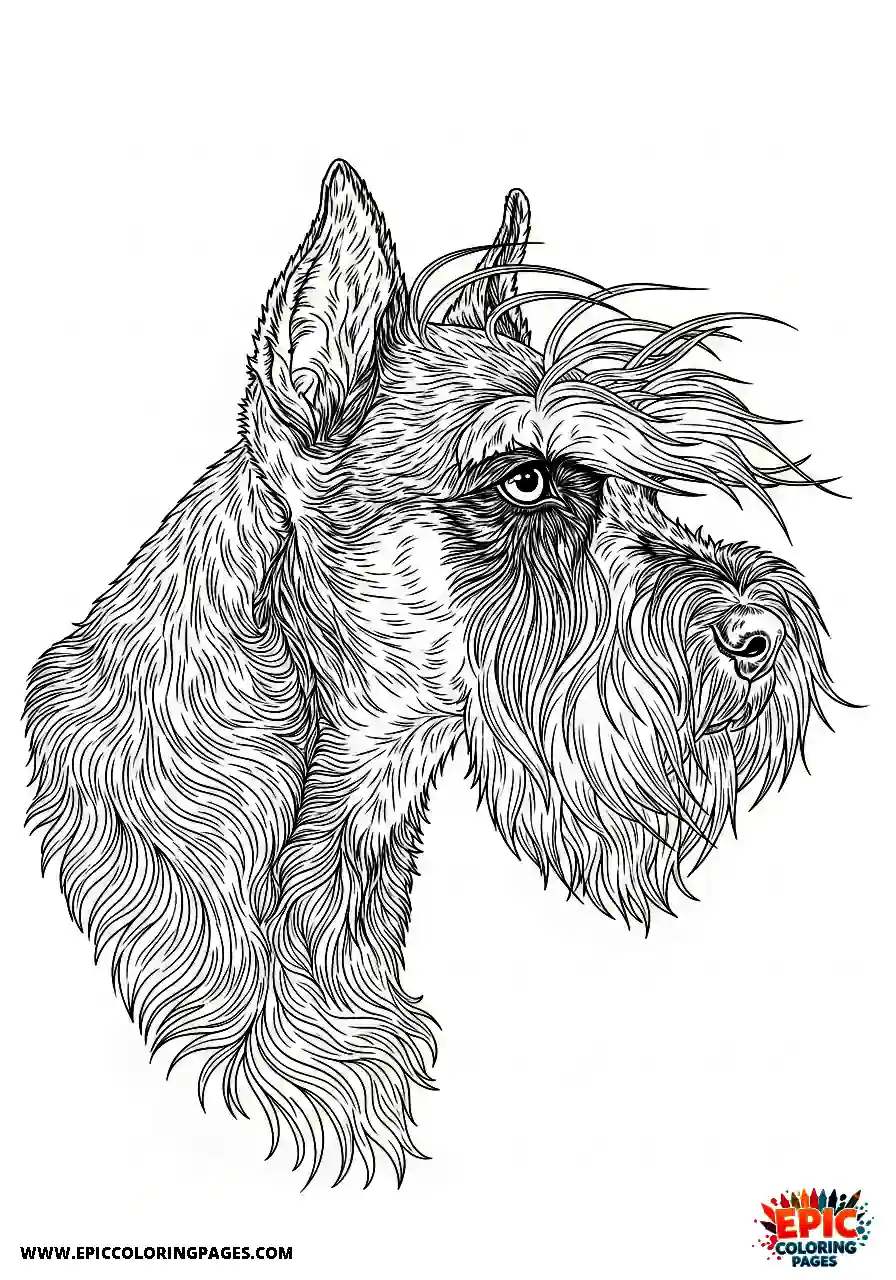
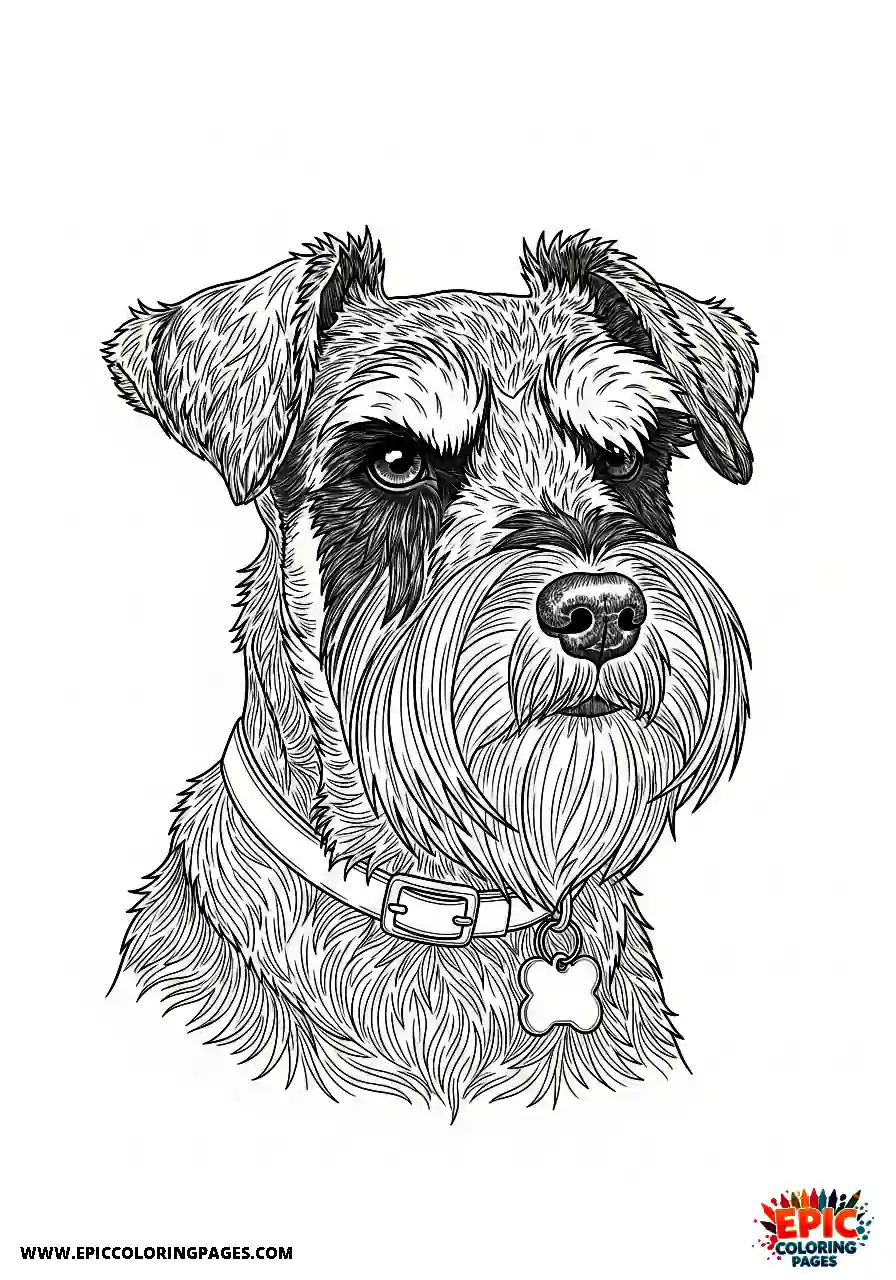
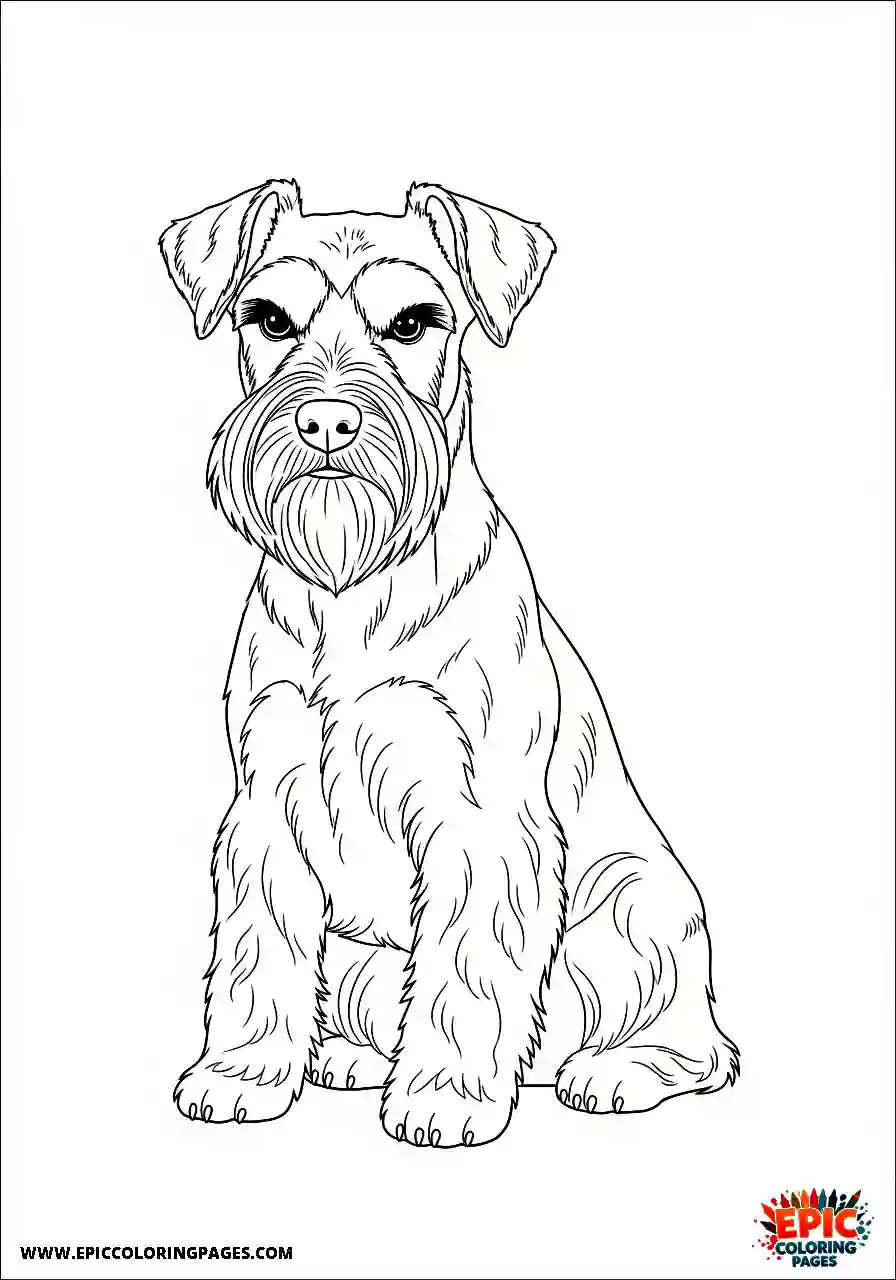
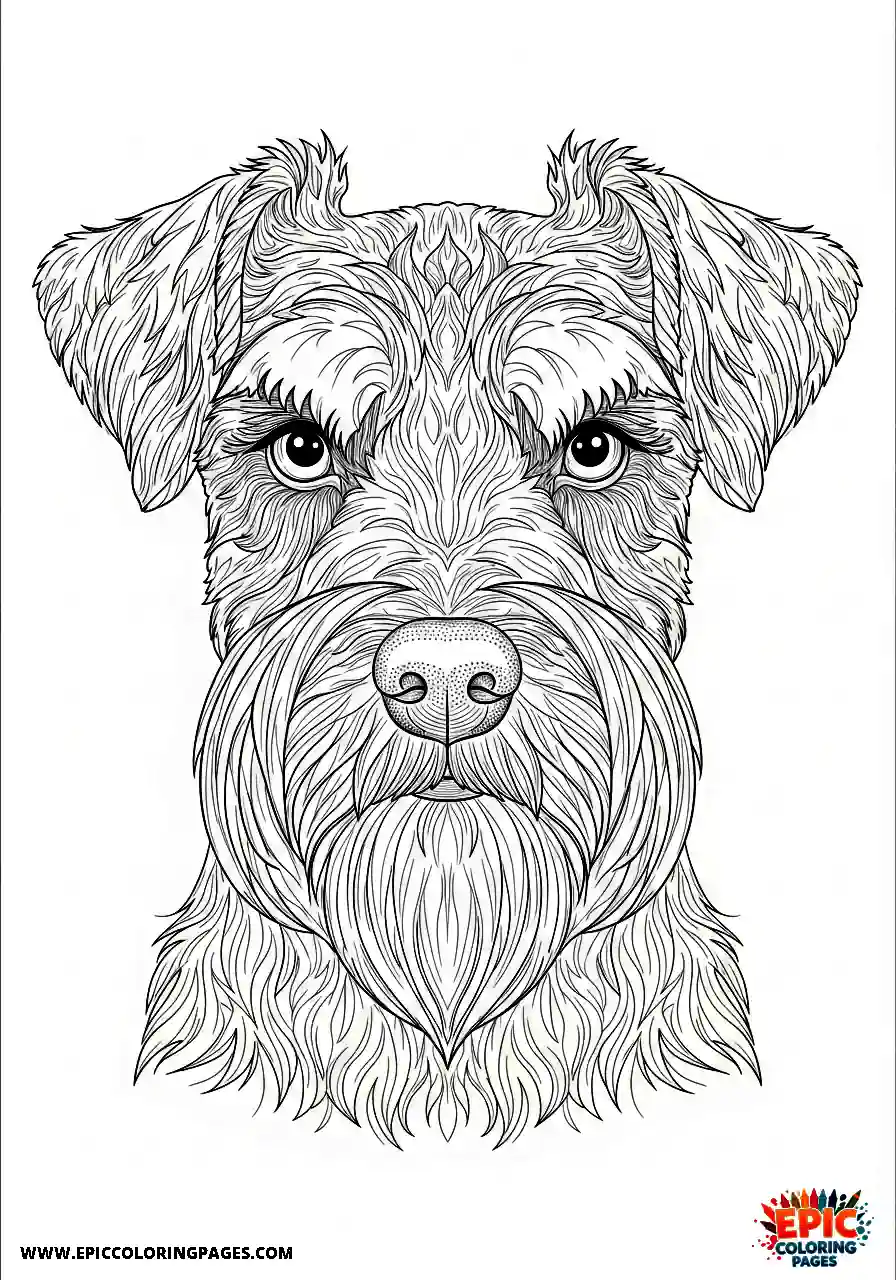
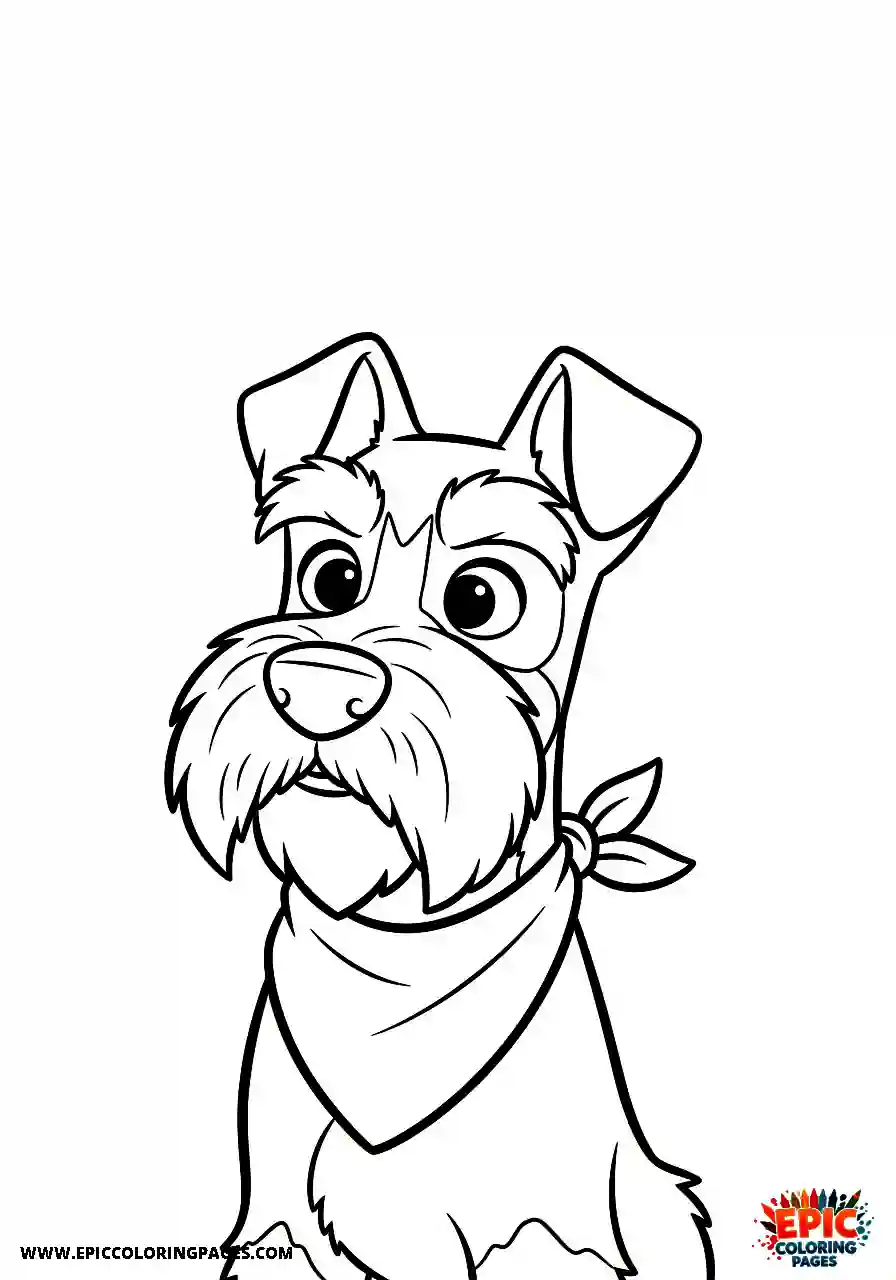
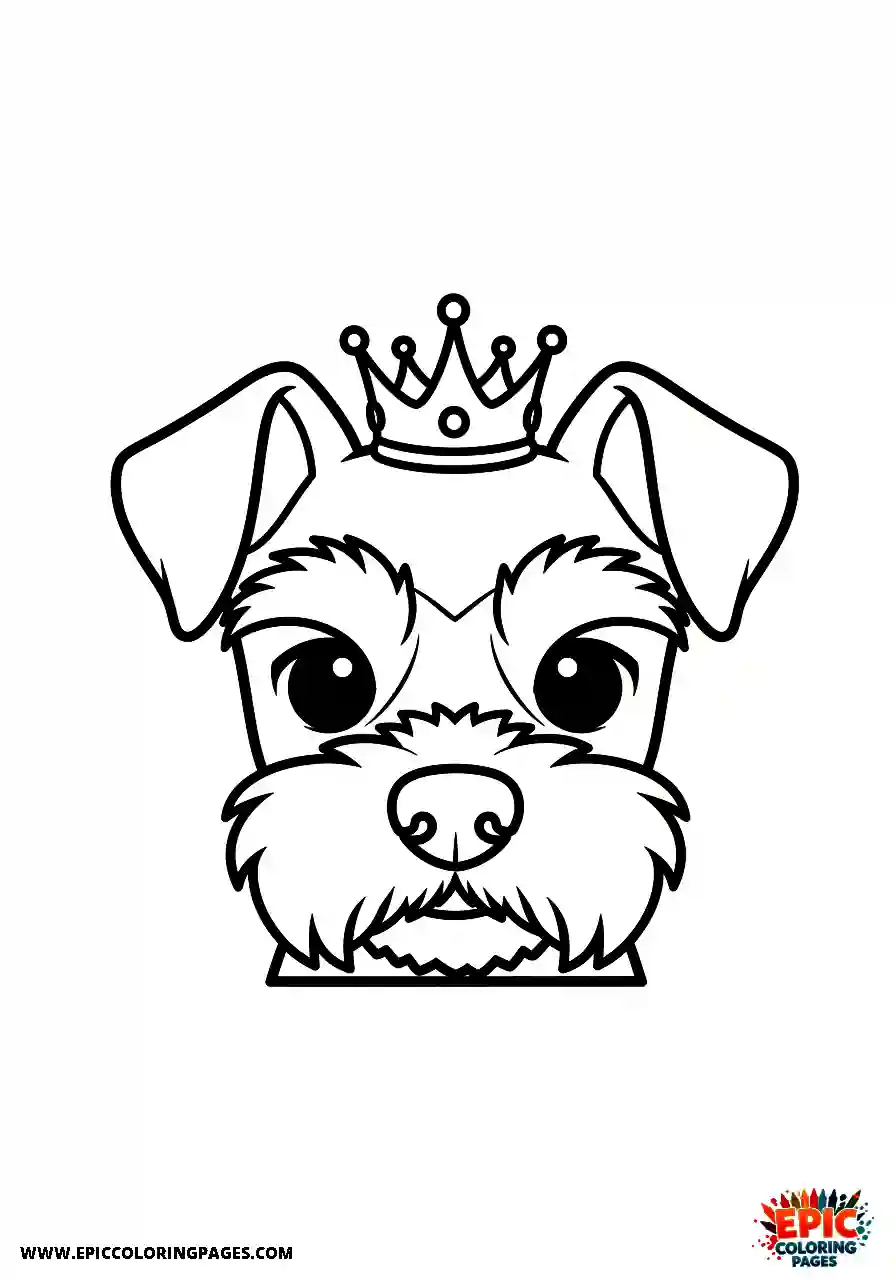
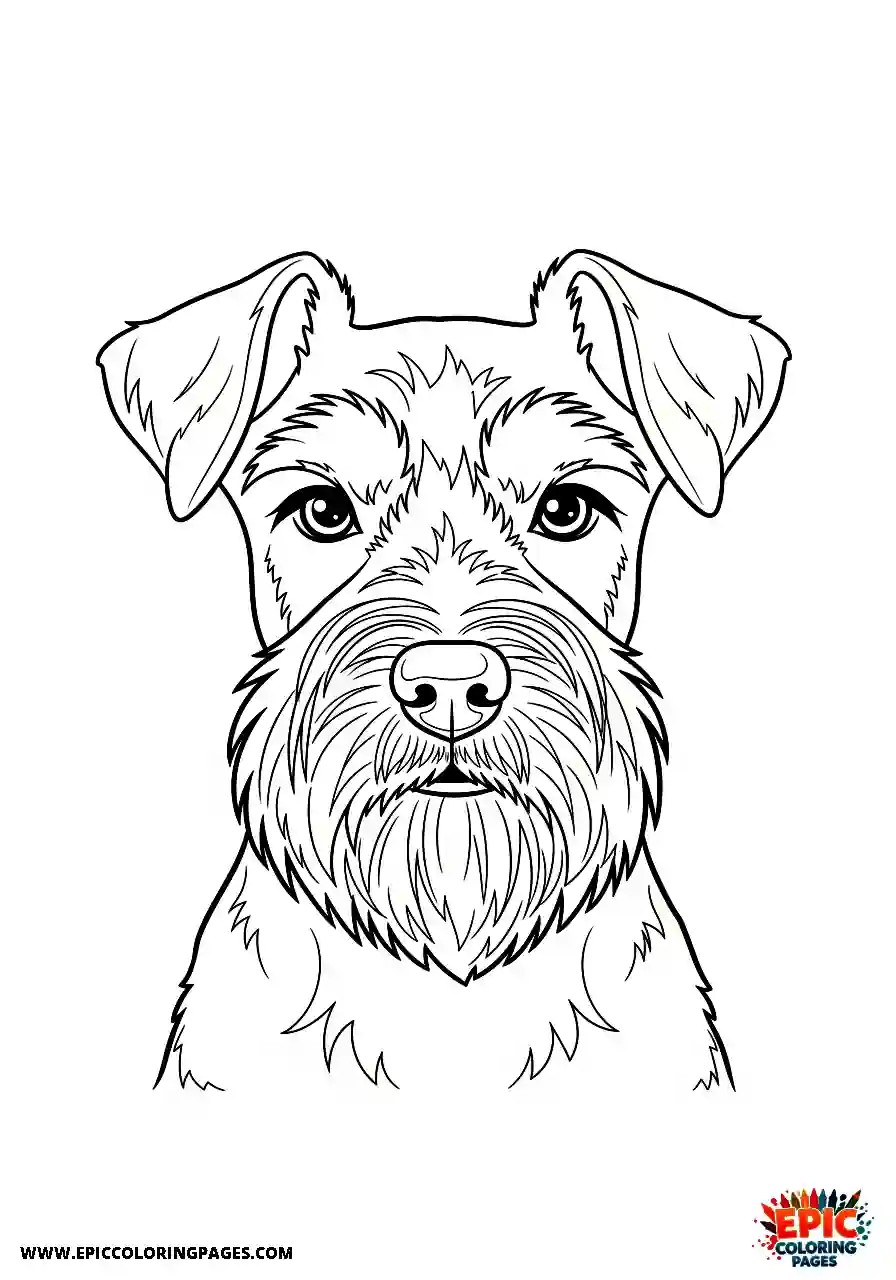
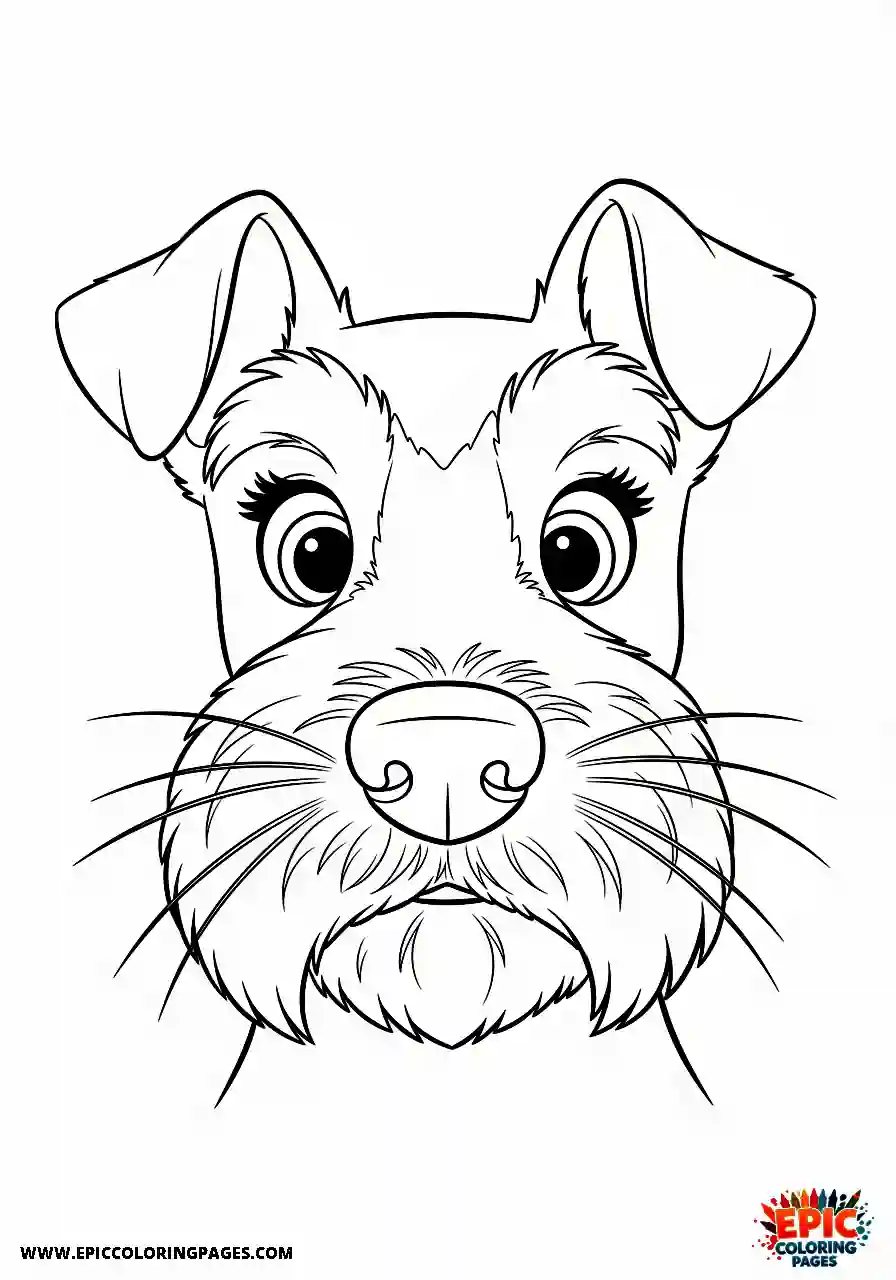
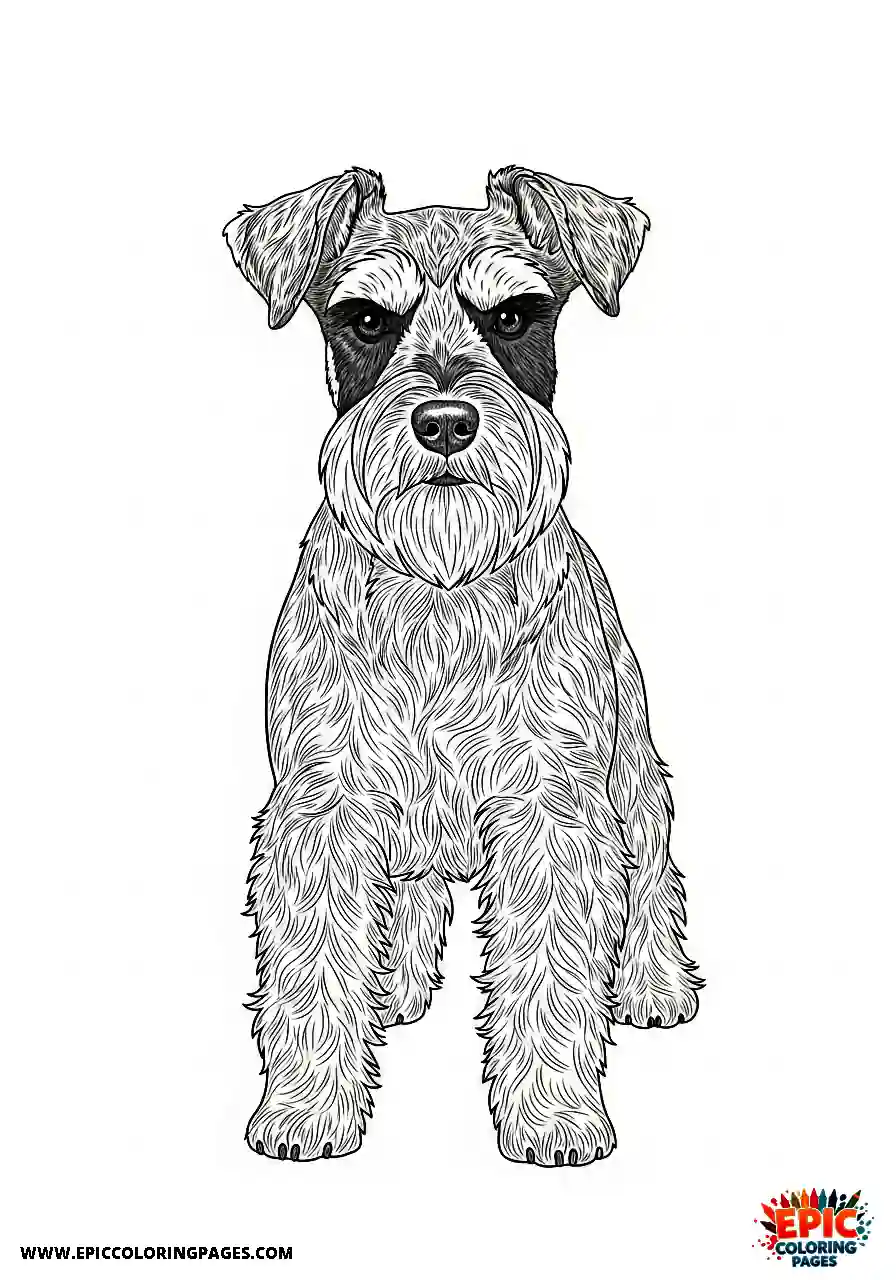
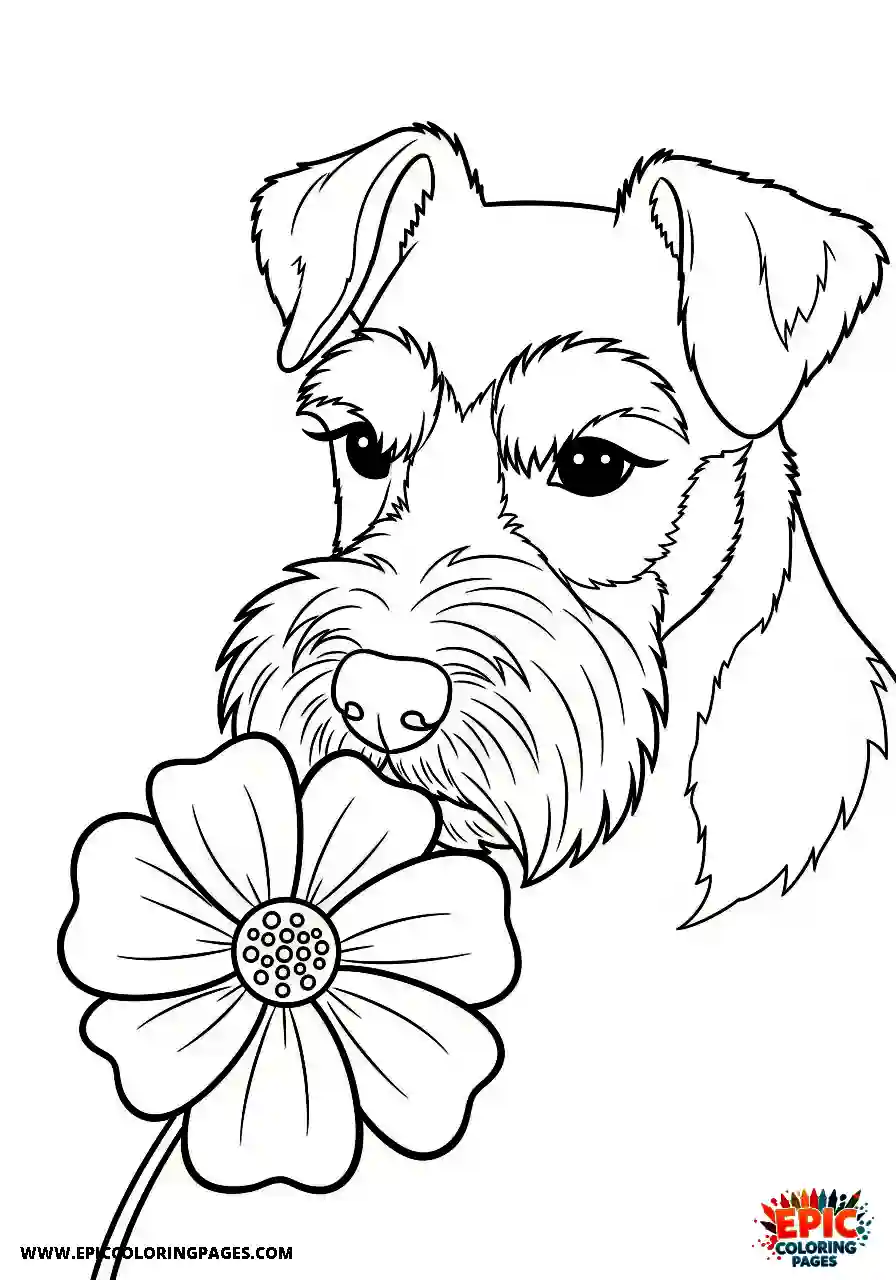
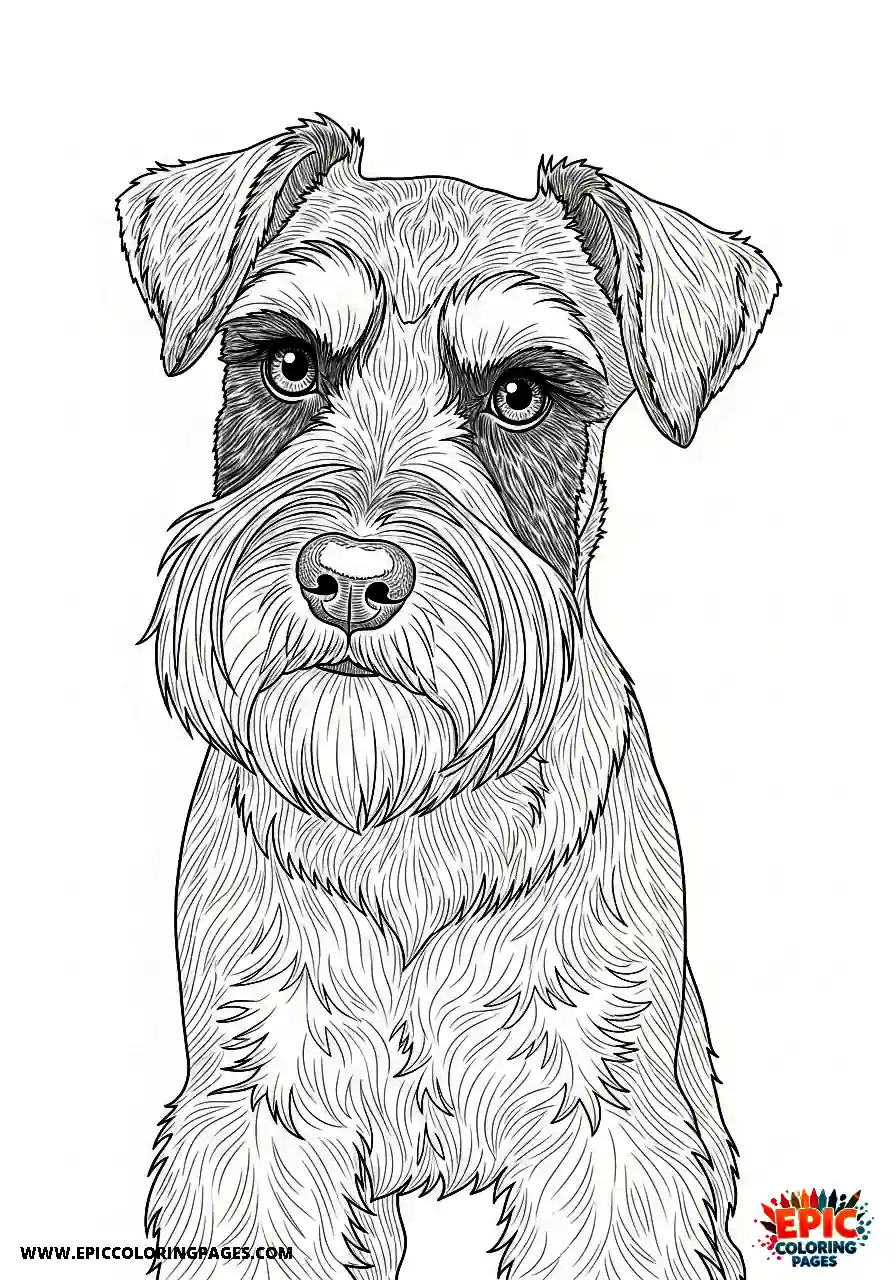
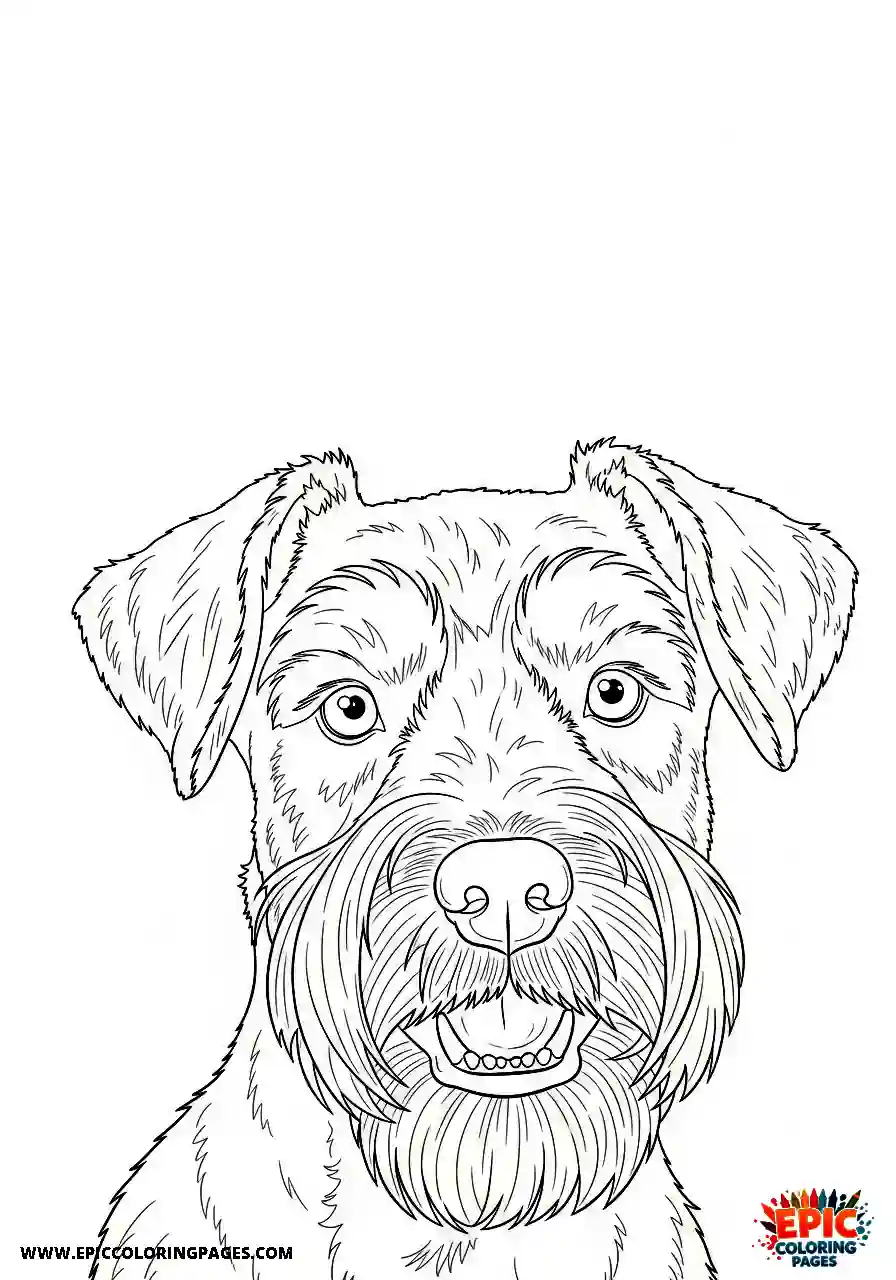
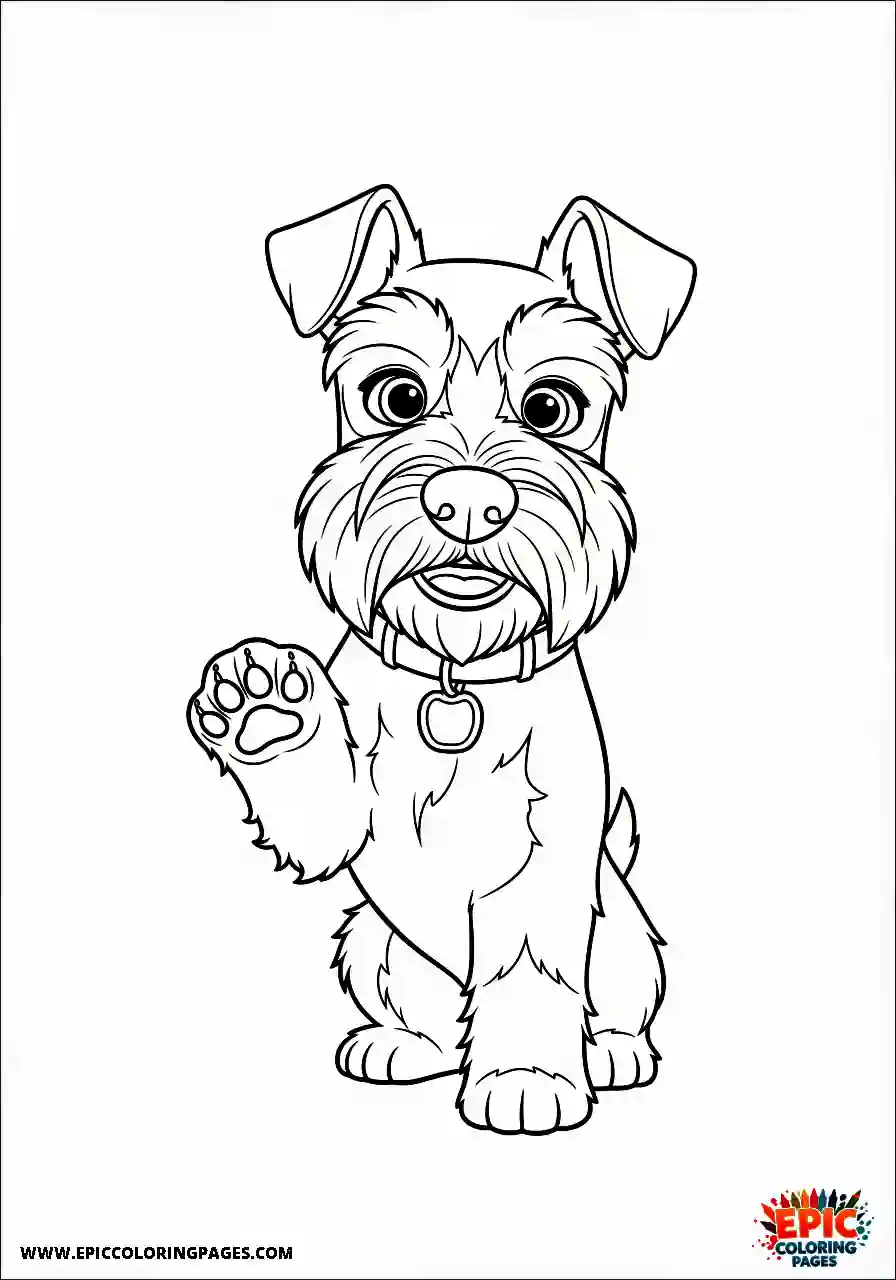
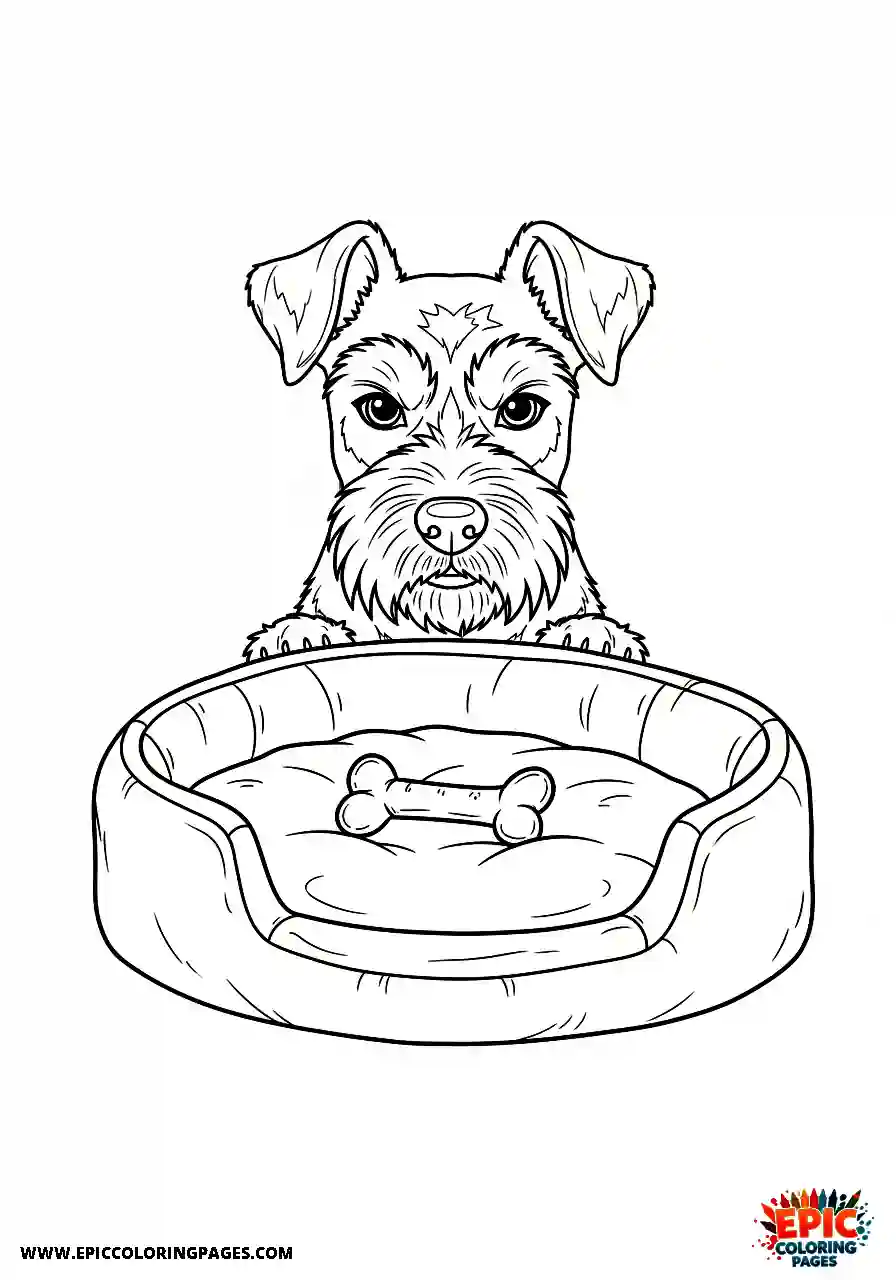
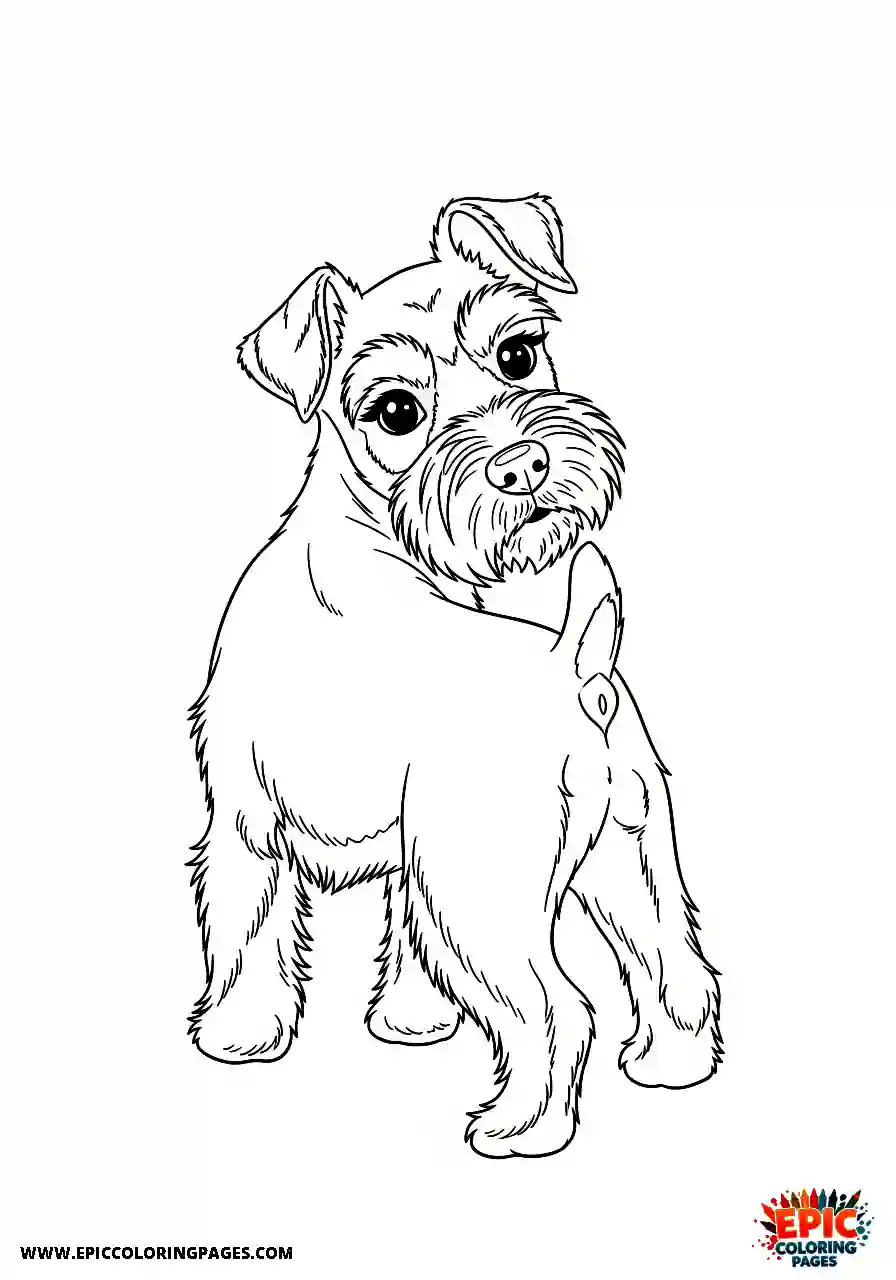
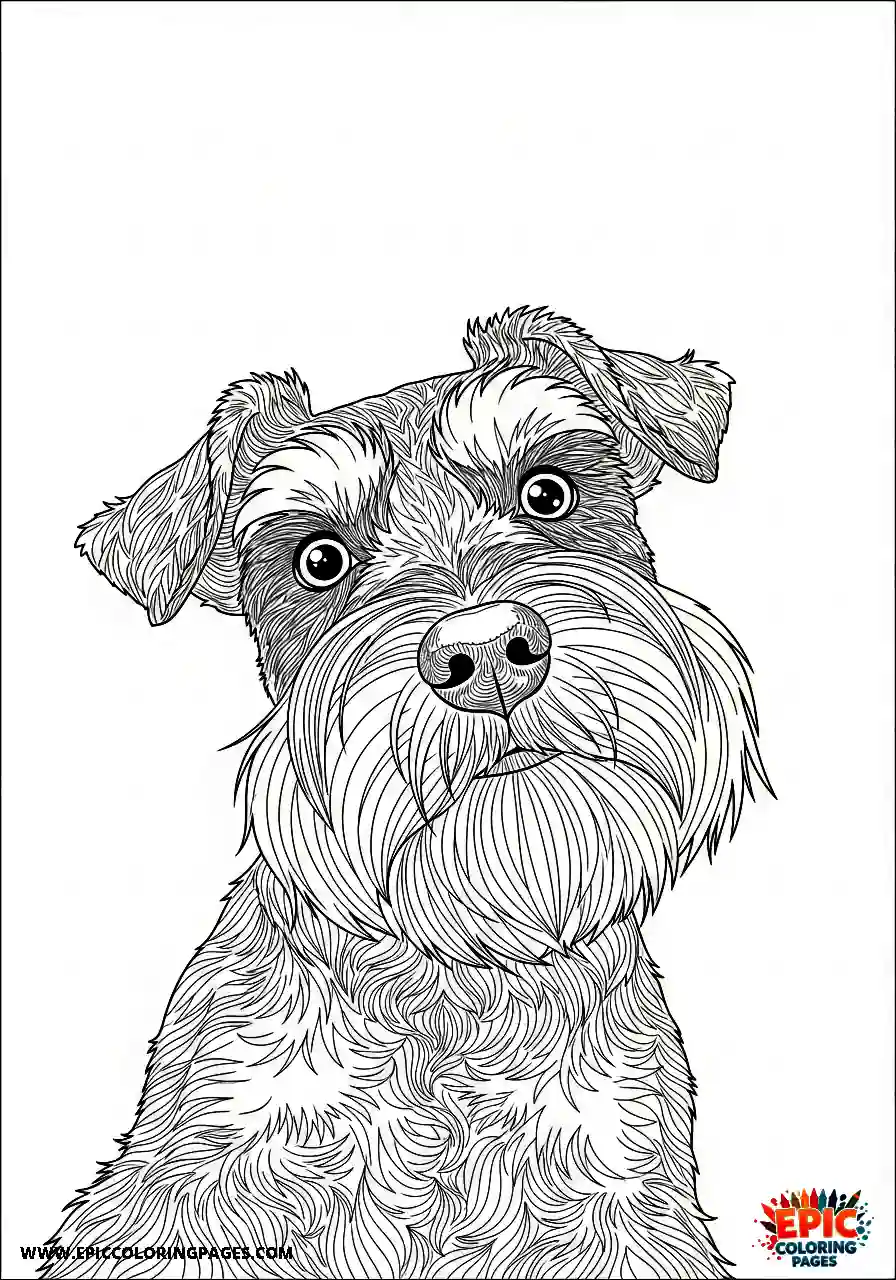
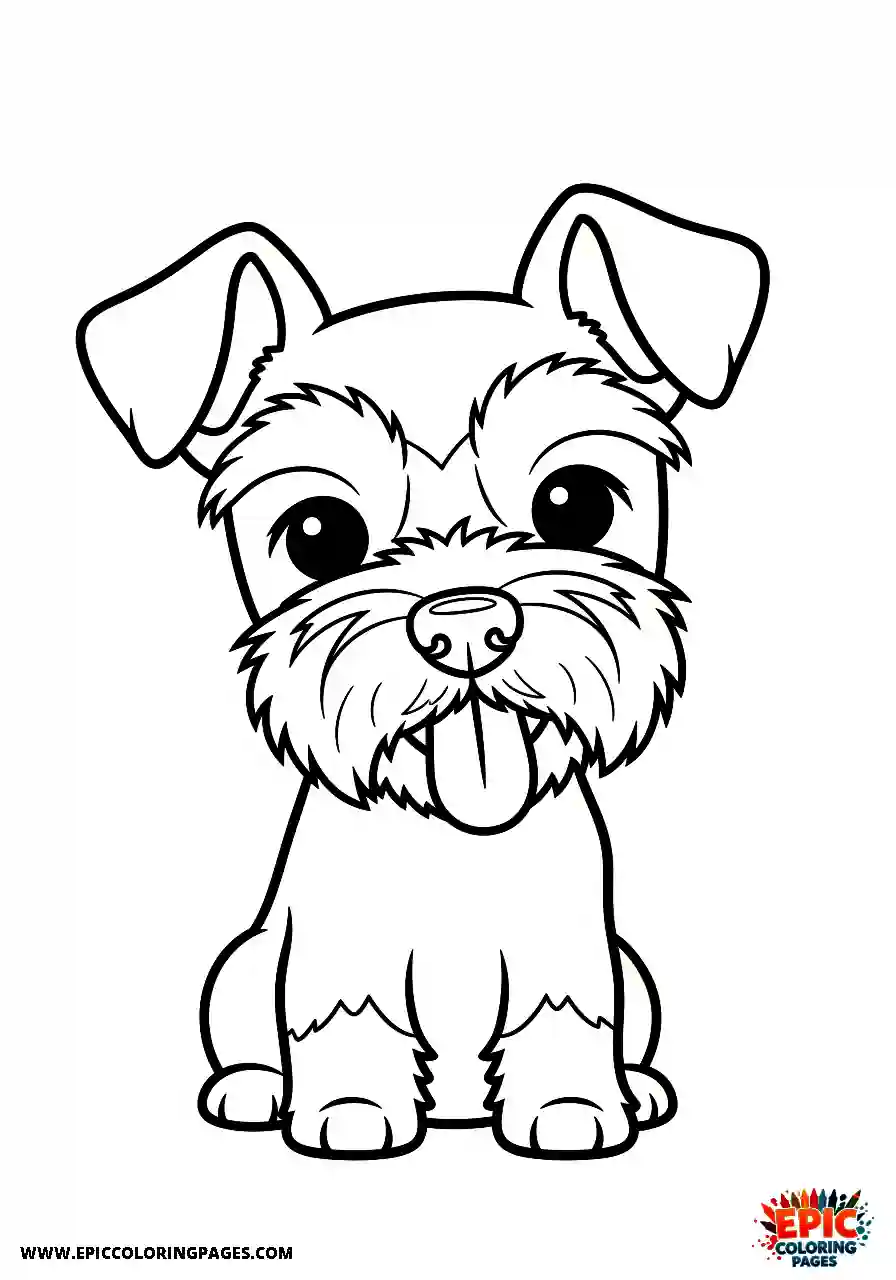
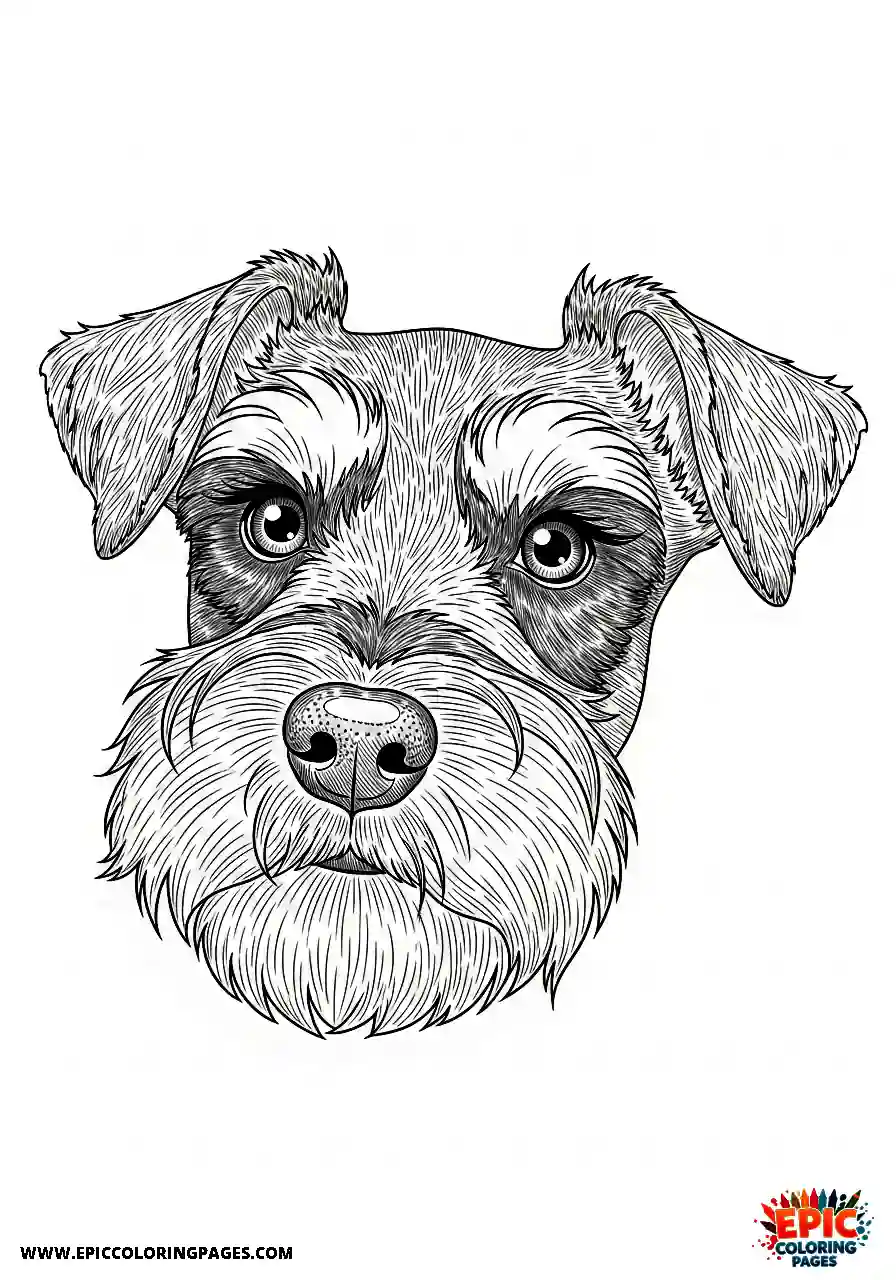
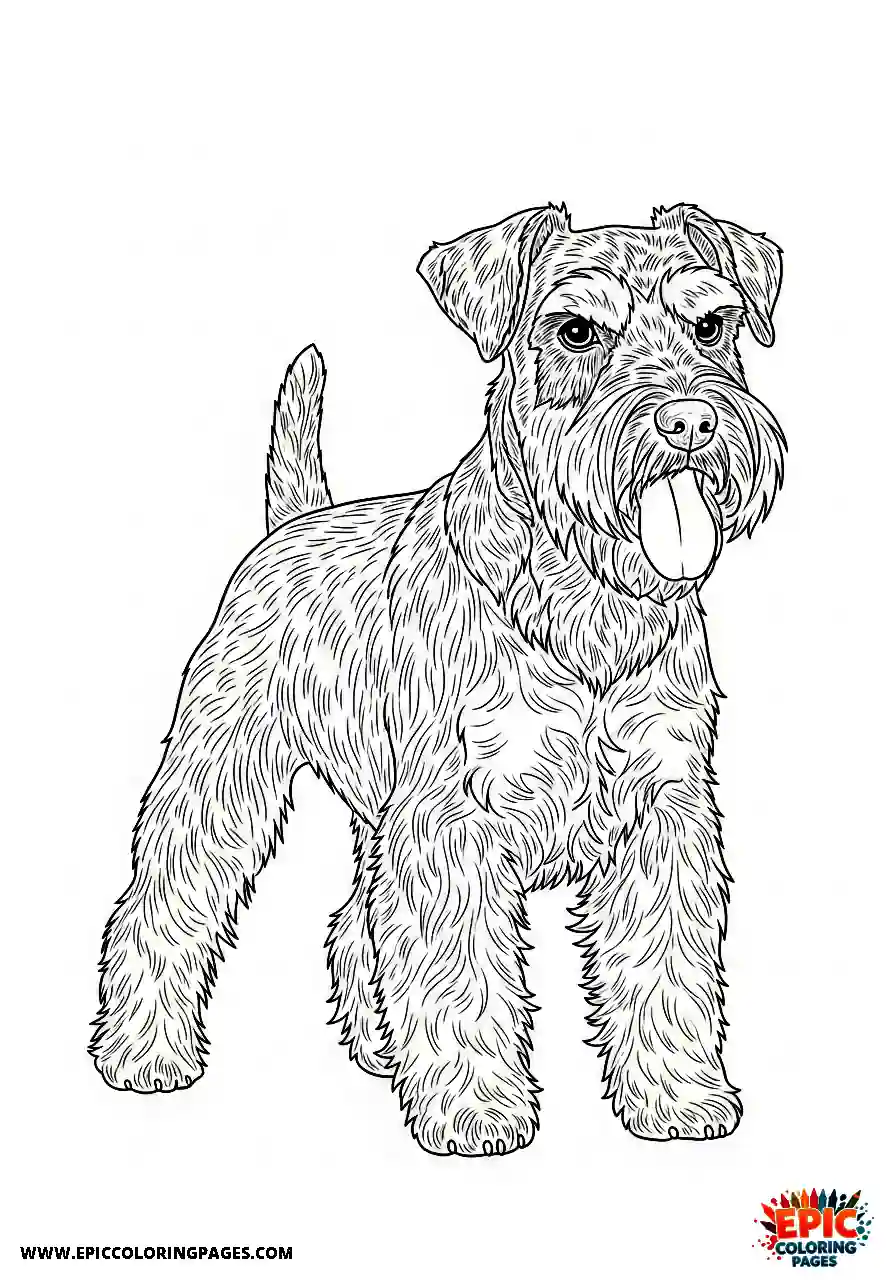
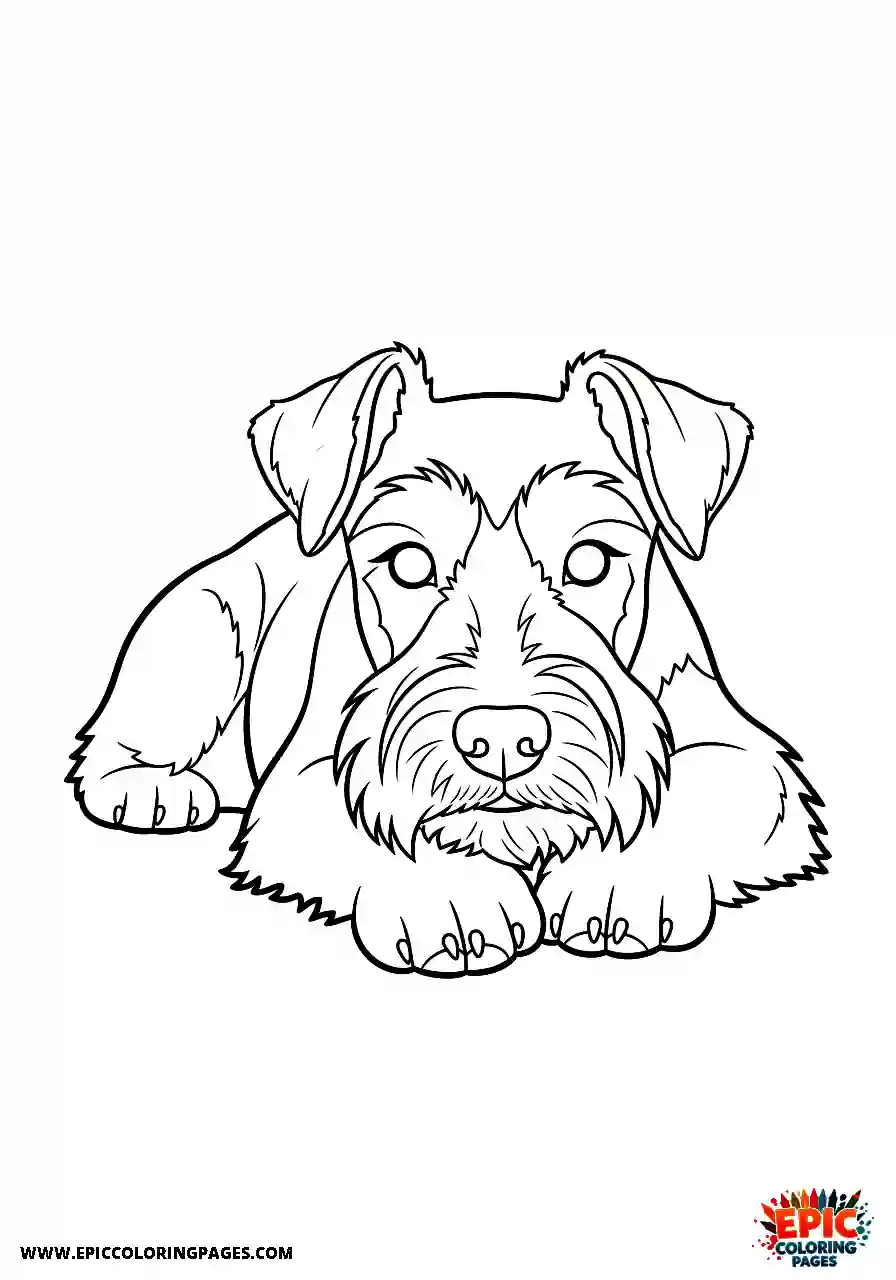
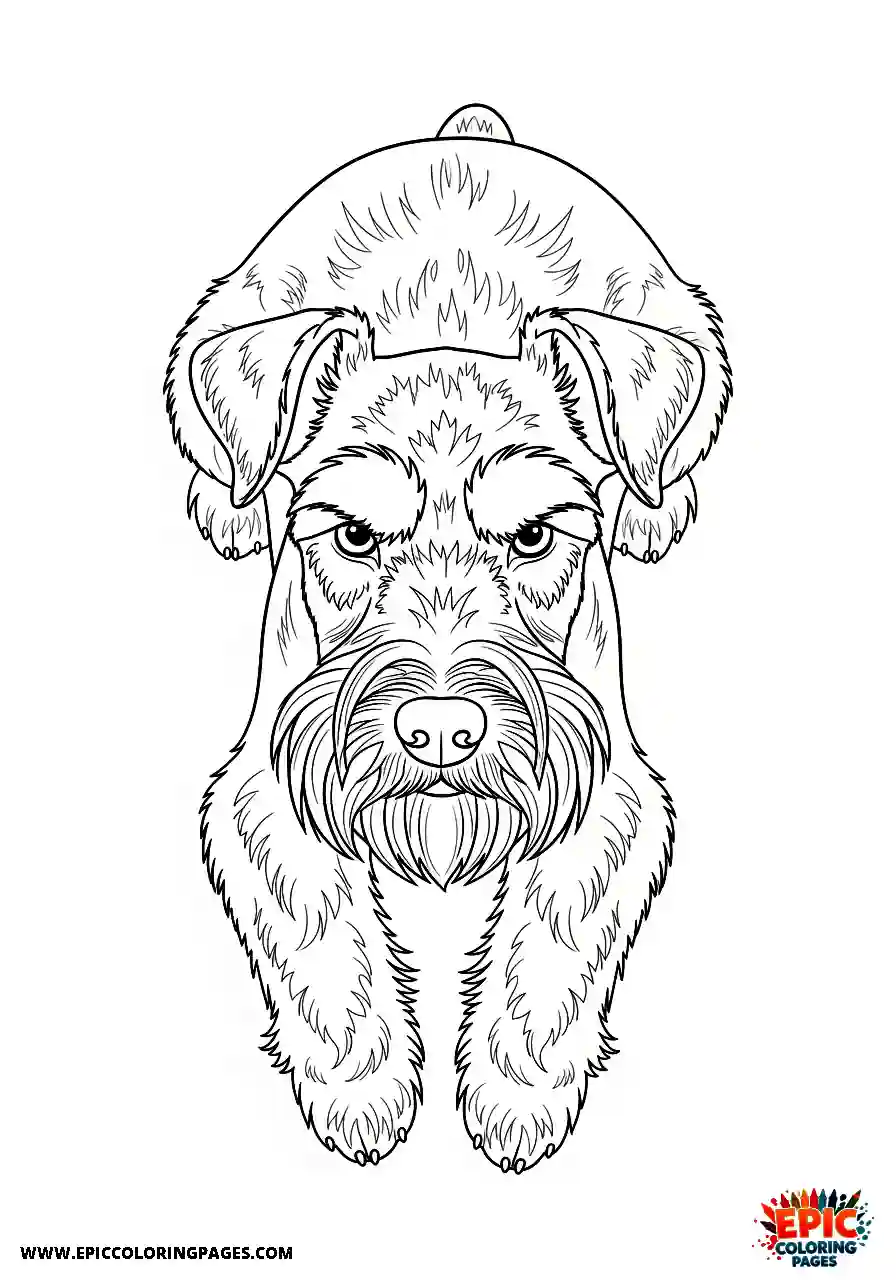
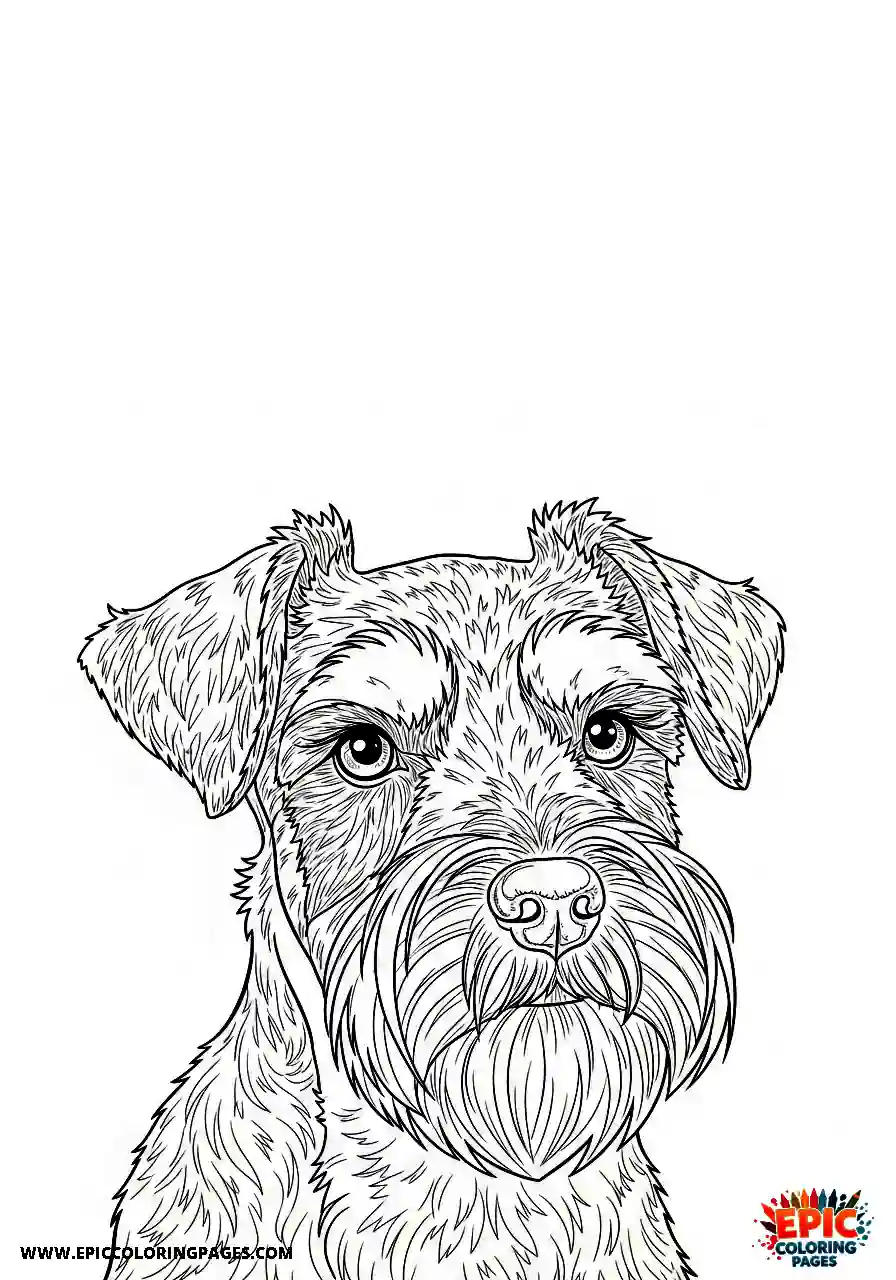
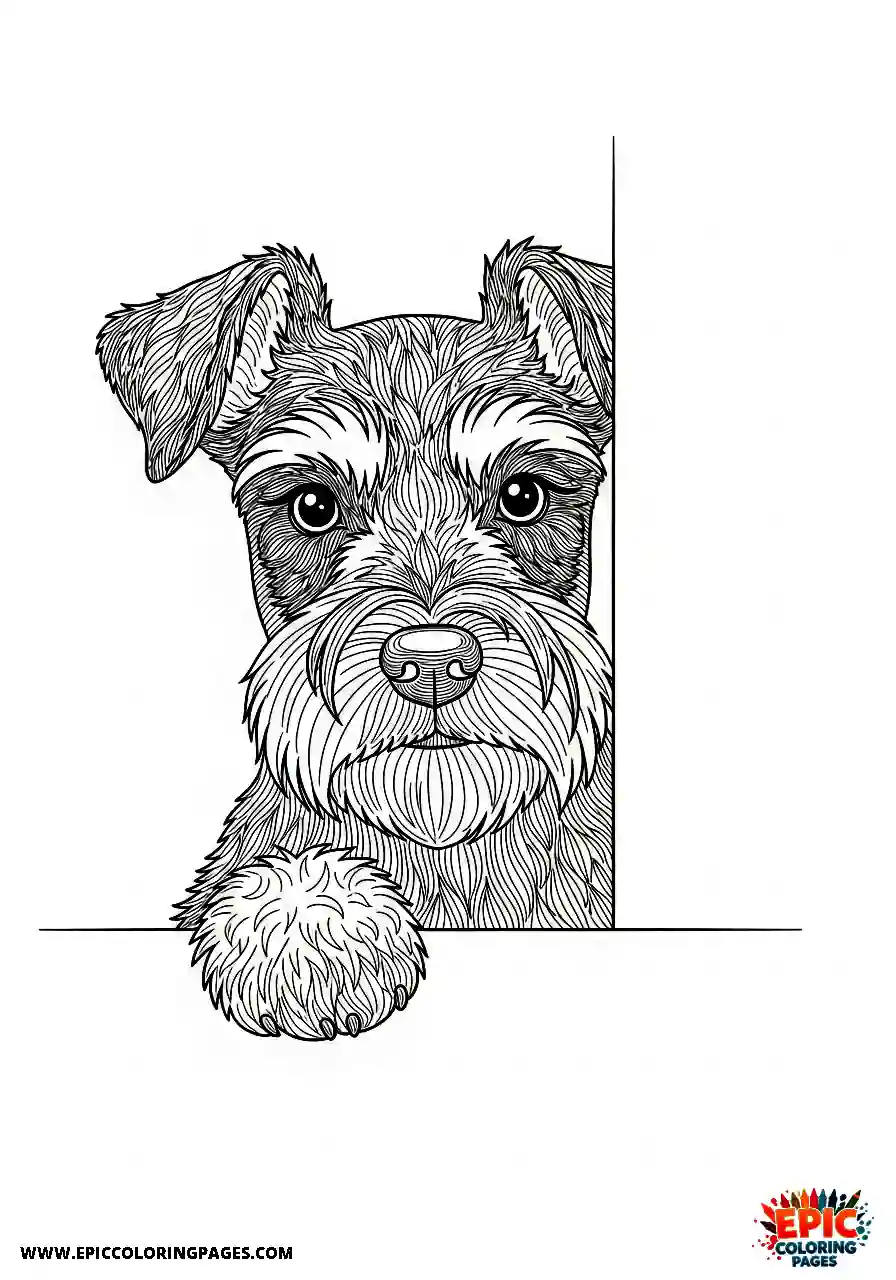
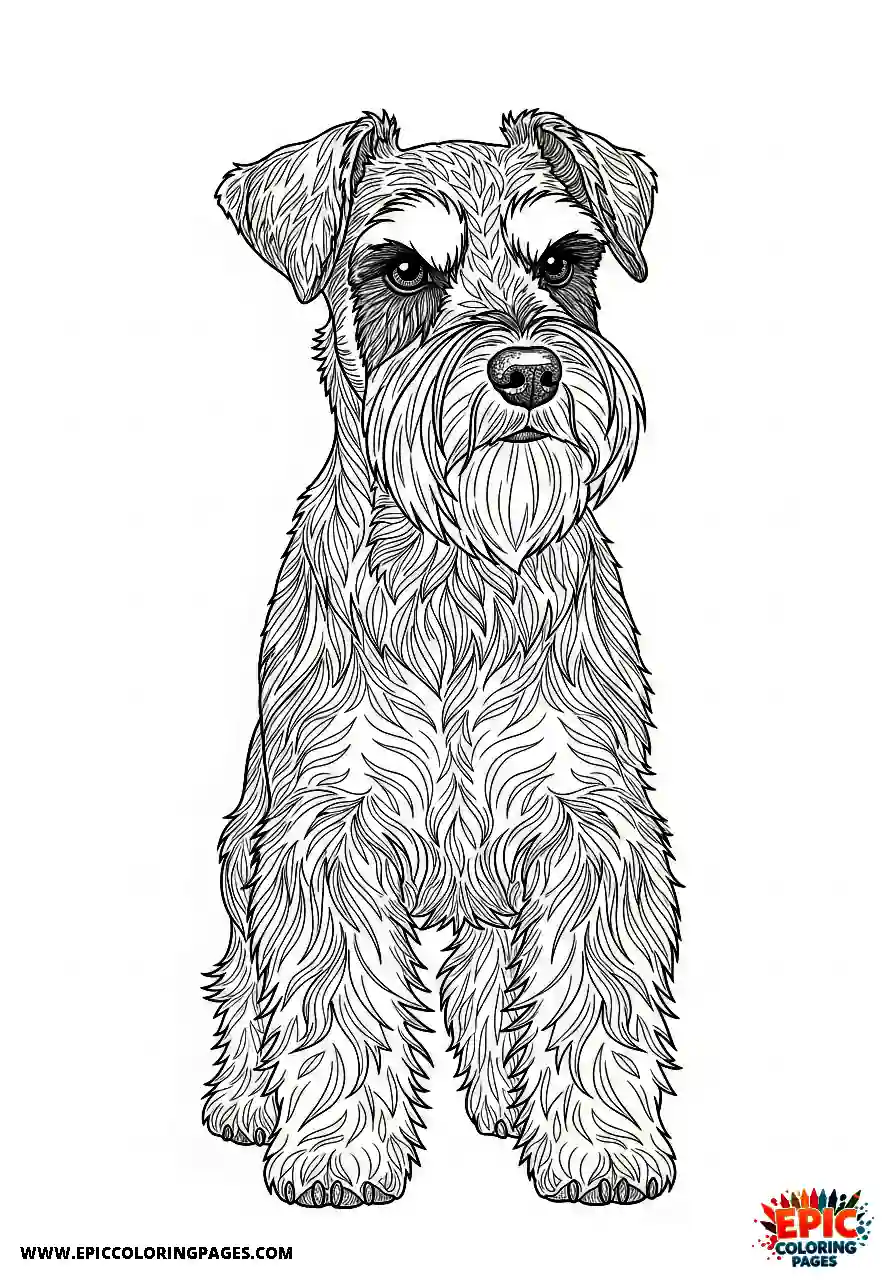
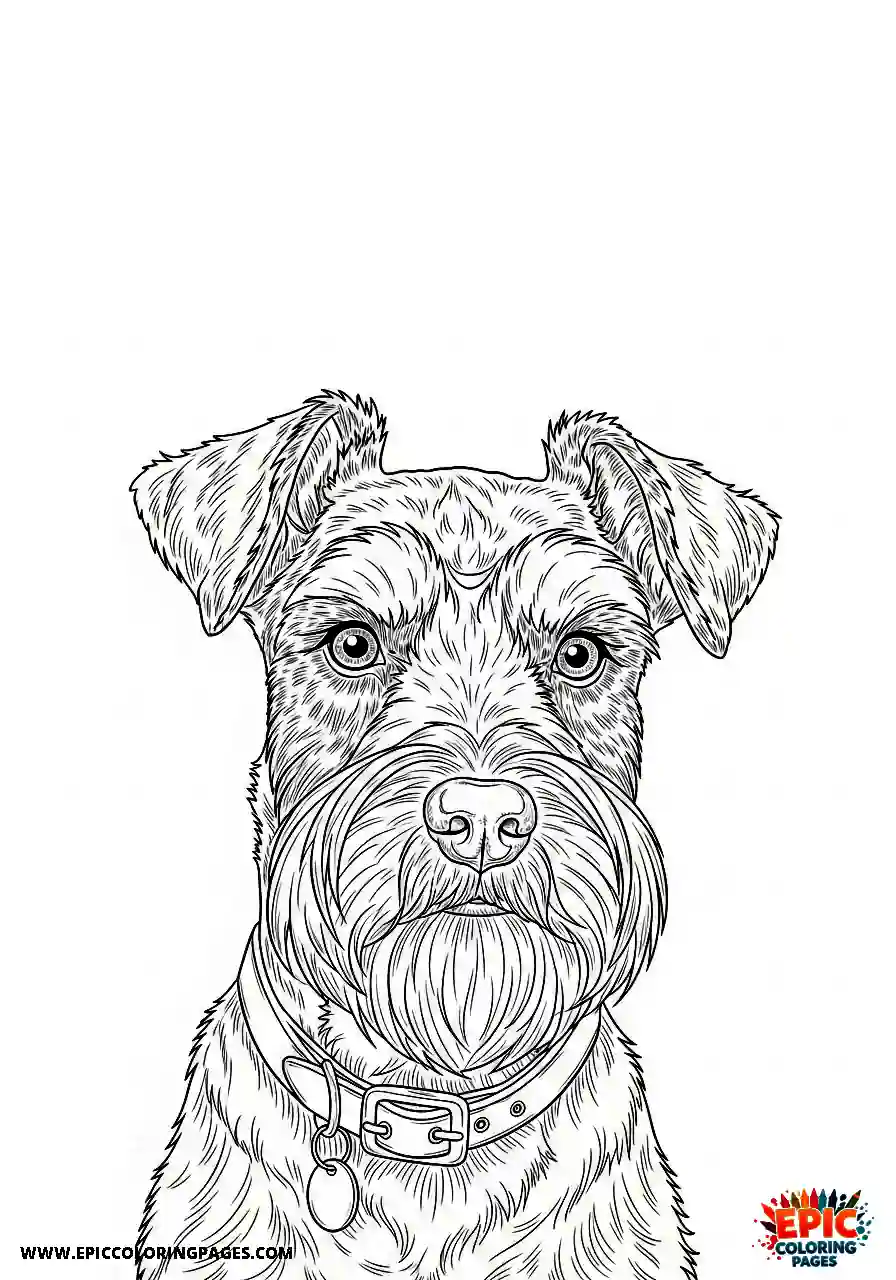
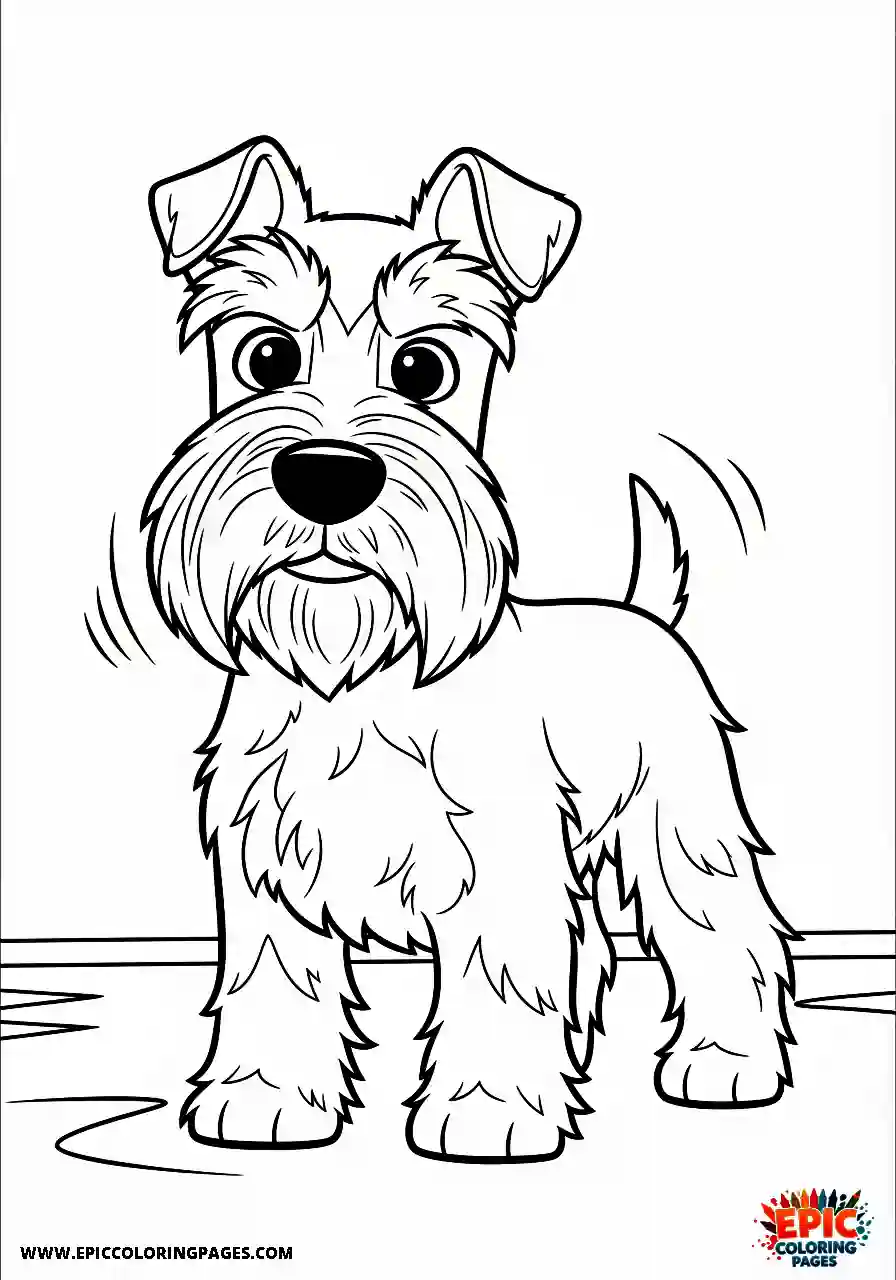
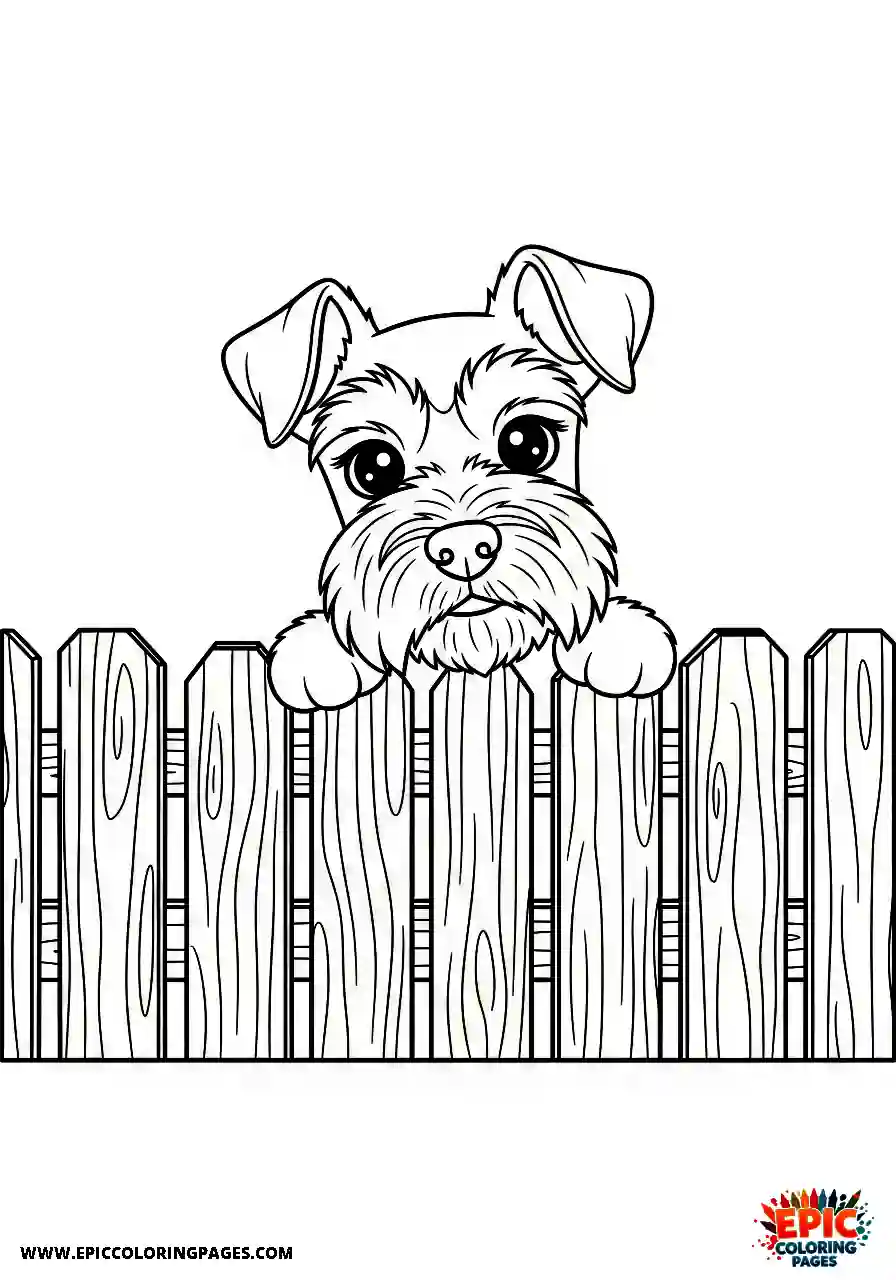
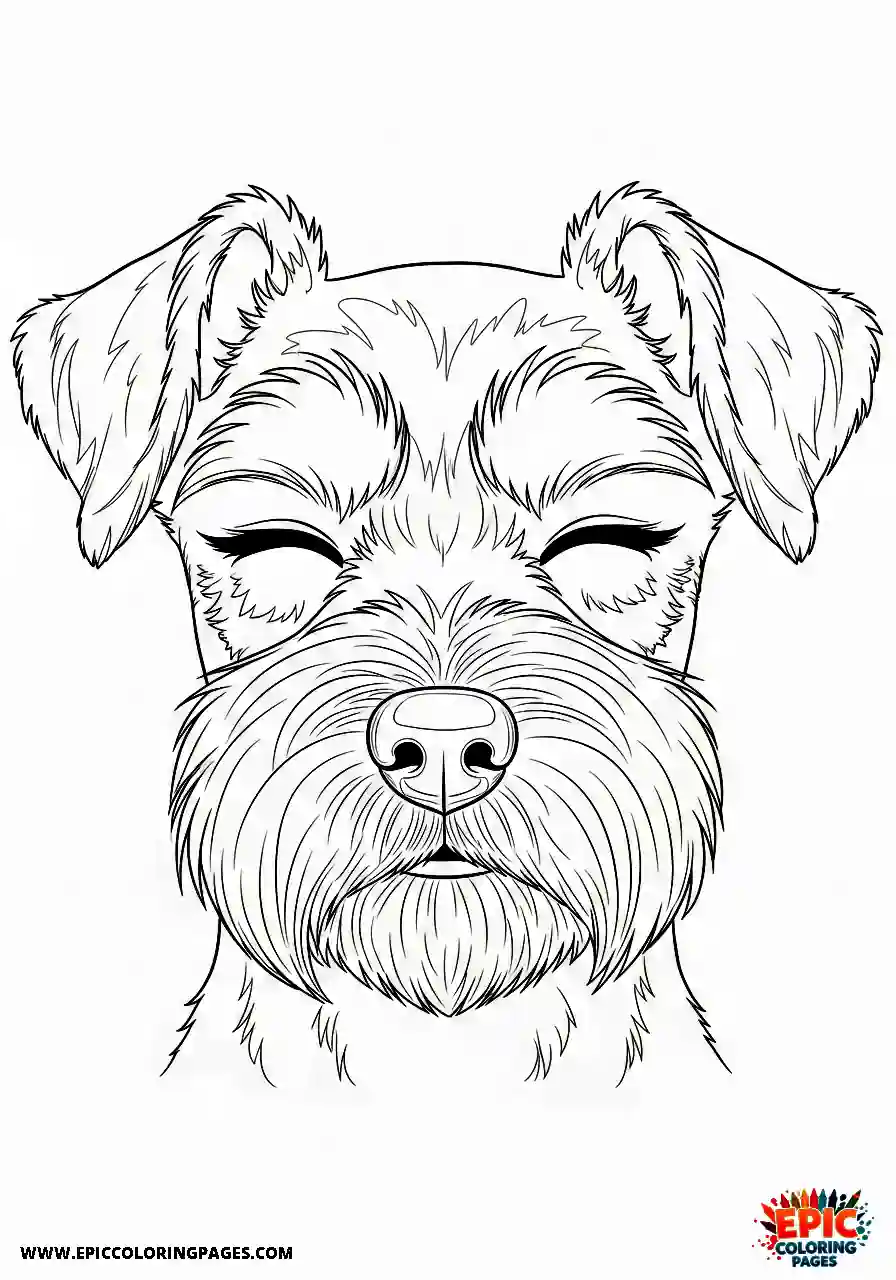
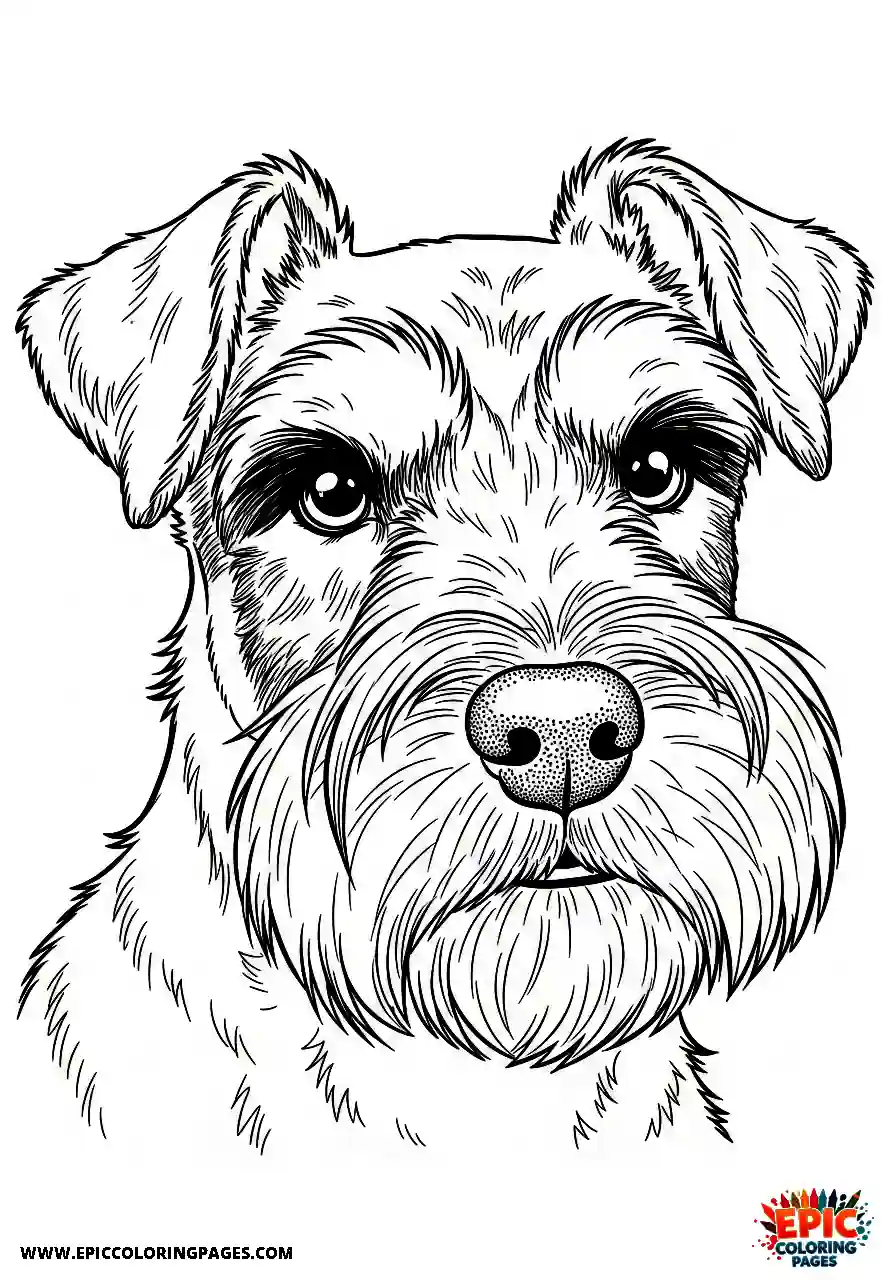
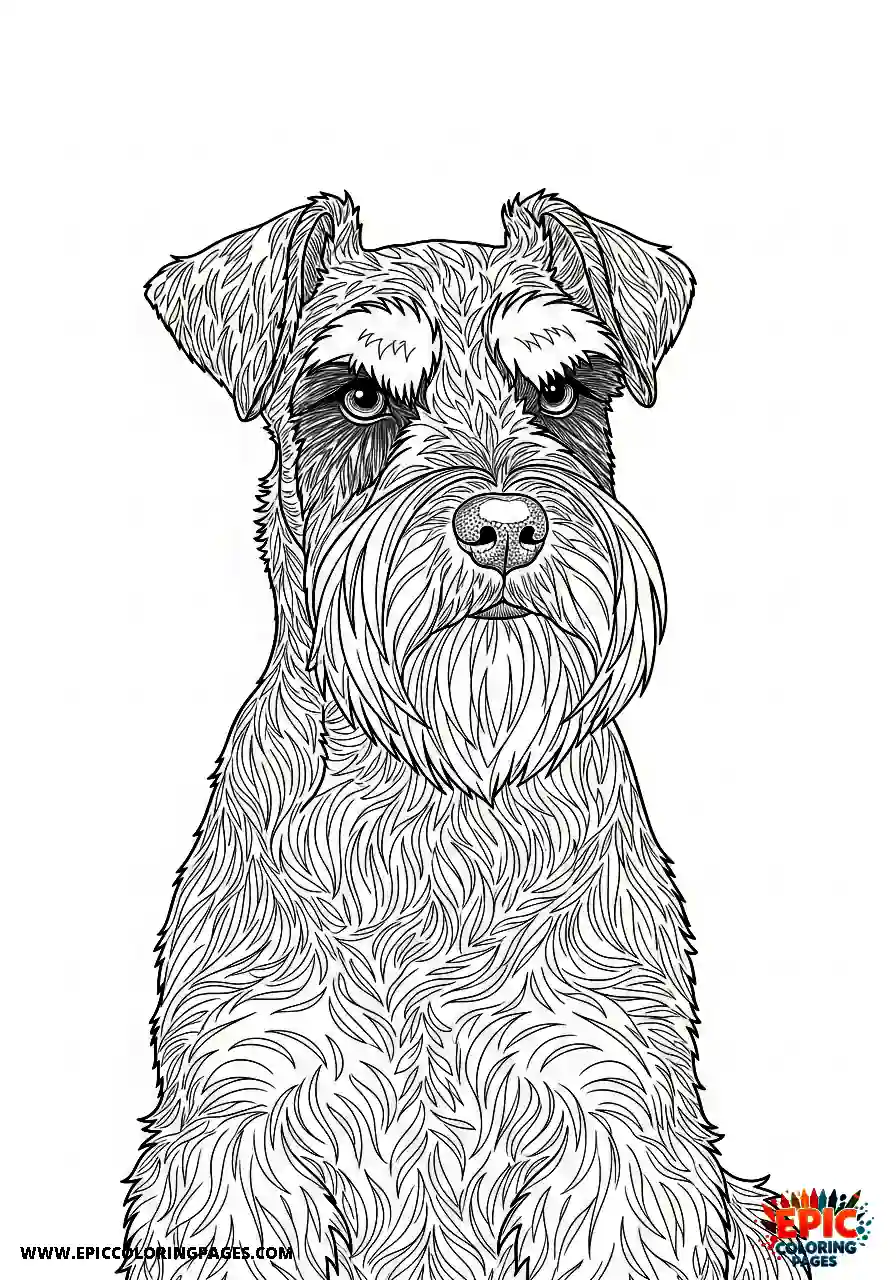
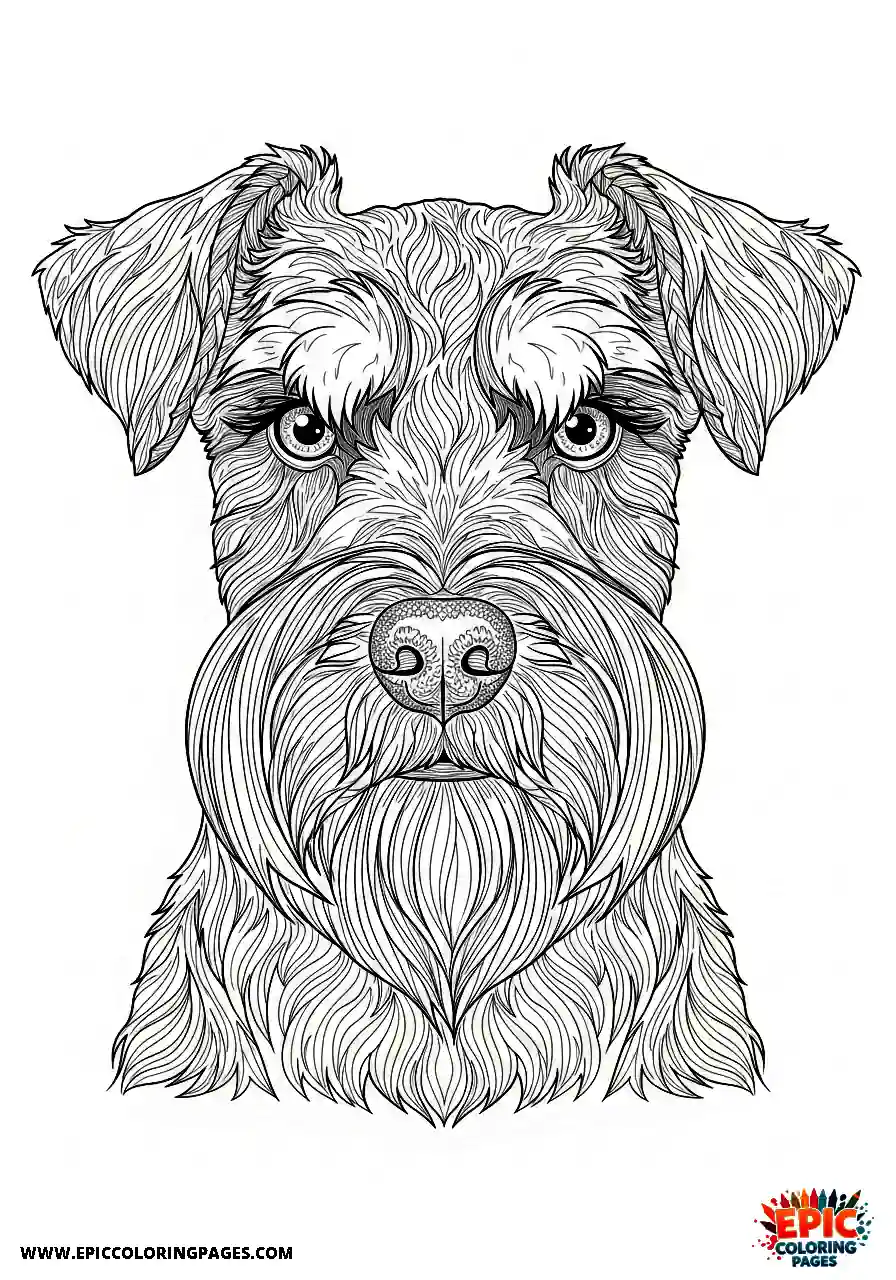
The beard and bushy eyebrows are the Schnauzer’s calling card. These deserve special attention.
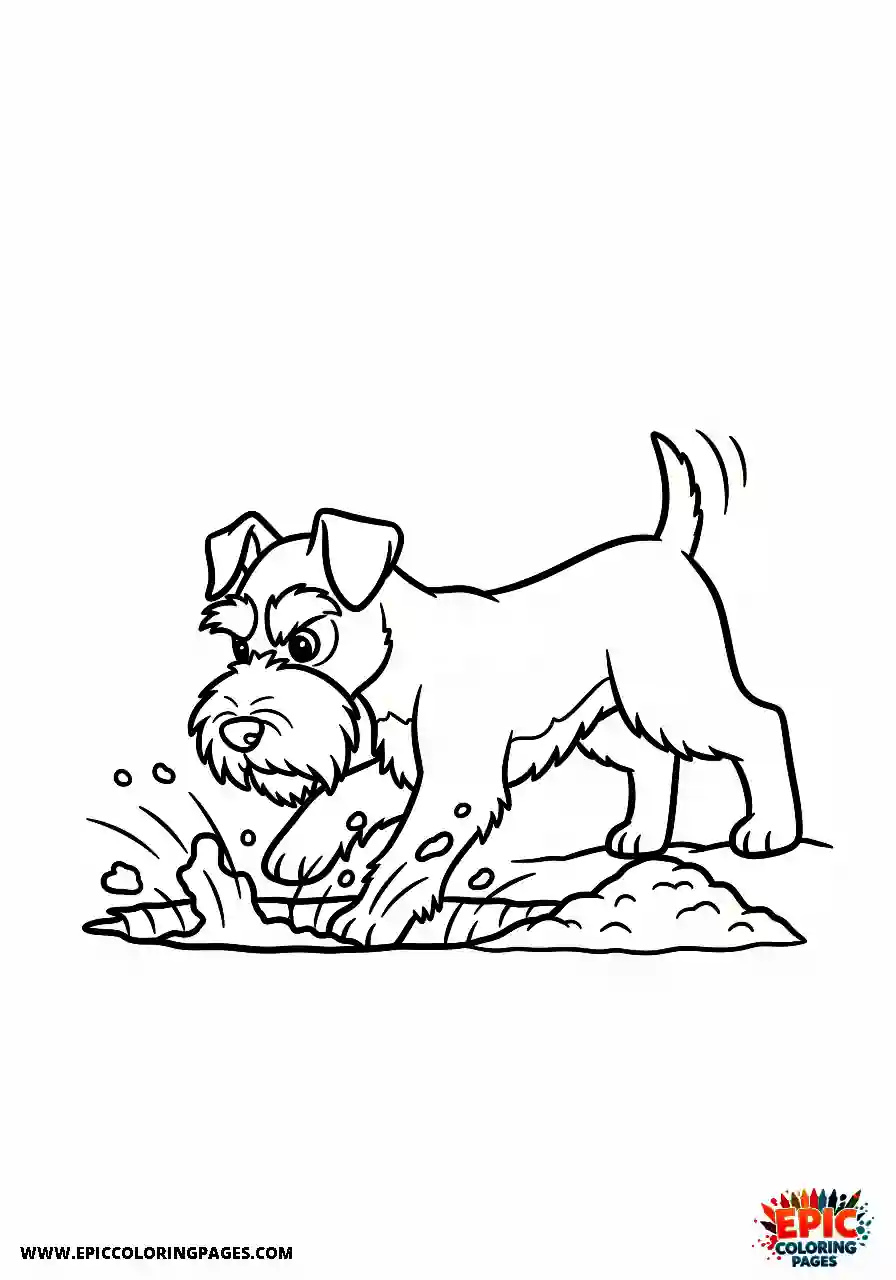
Start light on the beard. Layer your colors gradually, building from lighter grays or tans toward darker tips. Real Schnauzer beards often have slight color variations from eating, drinking, and digging so don’t worry about perfect uniformity.
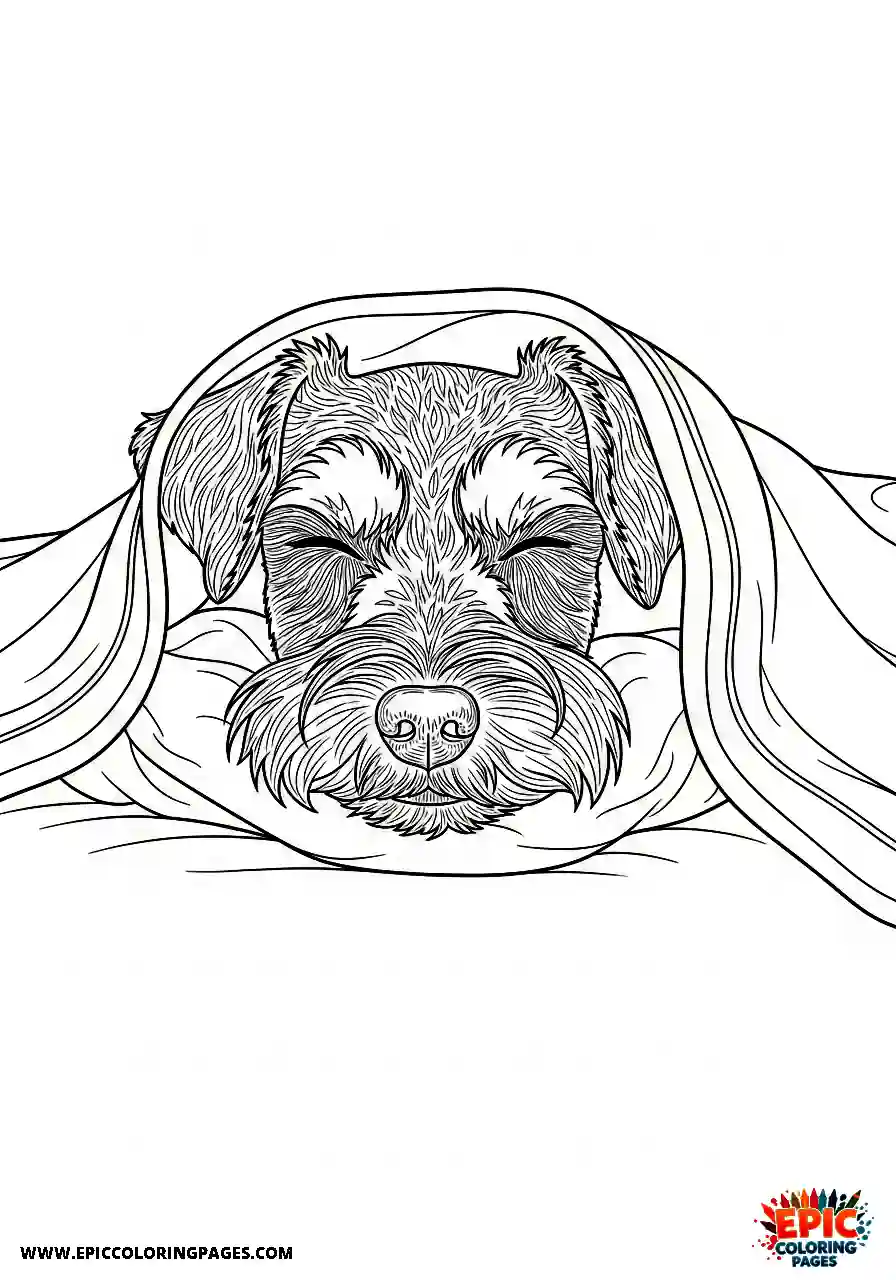
The eyebrows should have direction. They naturally grow outward and slightly upward, giving Schnauzers that distinguished, questioning look. Follow this natural growth pattern with your strokes, even if you’re using markers or crayons.
A white or very light cream highlight at the base of the beard, where it meets the muzzle, adds instant realism.
Color Combinations That Actually Work
Salt and Pepper Technique
This classic coloring requires patience but yields stunning results.
For colored pencils: Alternate between light gray and medium gray in tiny, feathery strokes. Add black sparingly for depth in shadow areas.
For markers: Use a light gray base, then add darker gray stippling with a fine-tip marker or pen. The random distribution is key nature doesn’t create patterns.
The secret ingredient: A tiny touch of brown or warm gray in the coat adds richness and prevents that flat, cartoon look.
Black and Silver Approach
This coloring style has more contrast, making it great for beginners.
The body is predominantly black, but the legs, chest, beard, and eyebrows are silver. Don’t forget those silver “socks” on the feet a Schnauzer trademark.
Where light hits black fur: Leave thin white lines or use very light gray to show shine. This is especially effective on the rounded parts: top of the head, shoulder blades, and haunches.
Pure Black Schnauzers
All-black Schnauzers are dramatic and fun to color.
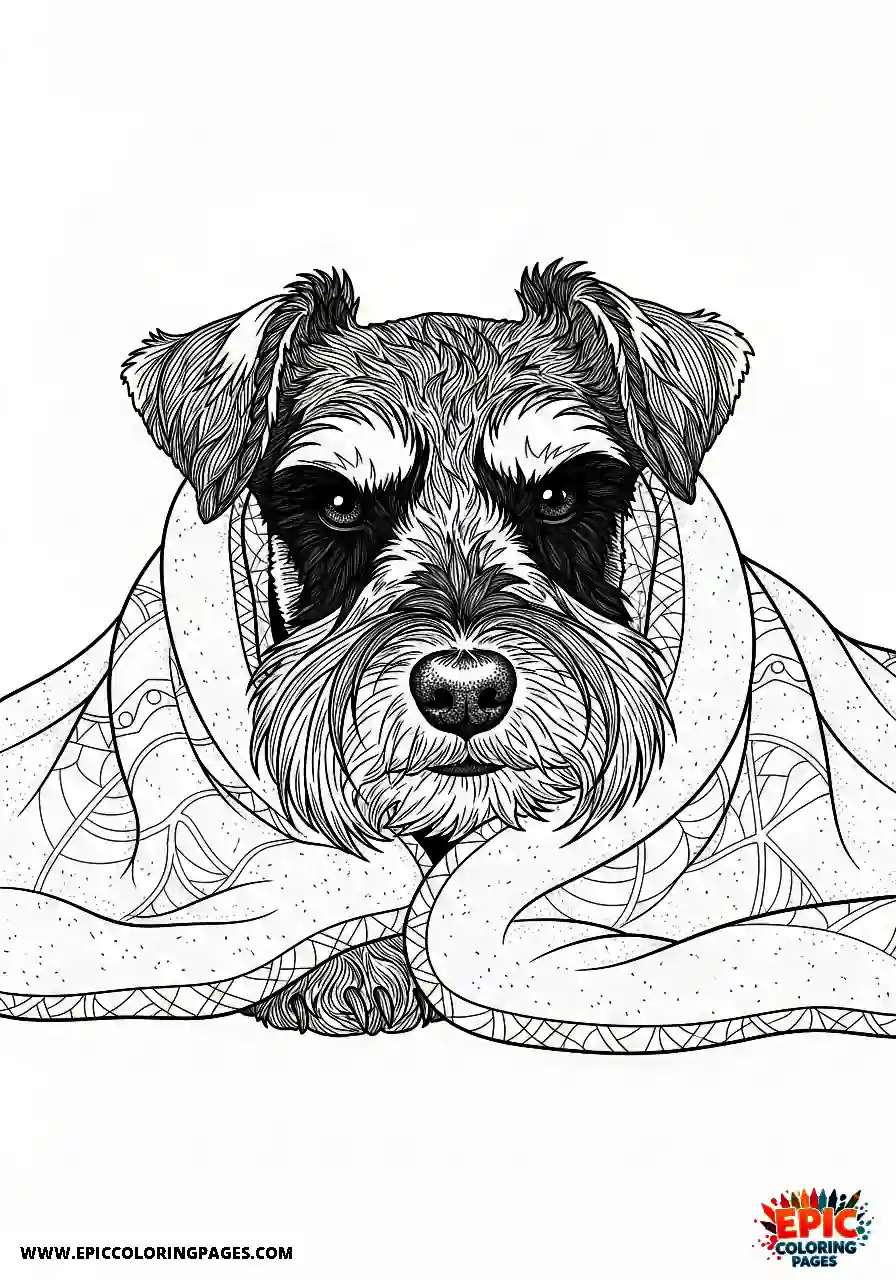
The challenge is showing detail without visible lines. Use three values: true black for the darkest shadows, dark gray for mid-tones, and medium gray for highlights.
Focus on edges. The outline where the body meets the background needs the darkest black. Inner details can be lighter.
Eyes That Bring Your Schnauzer to Life
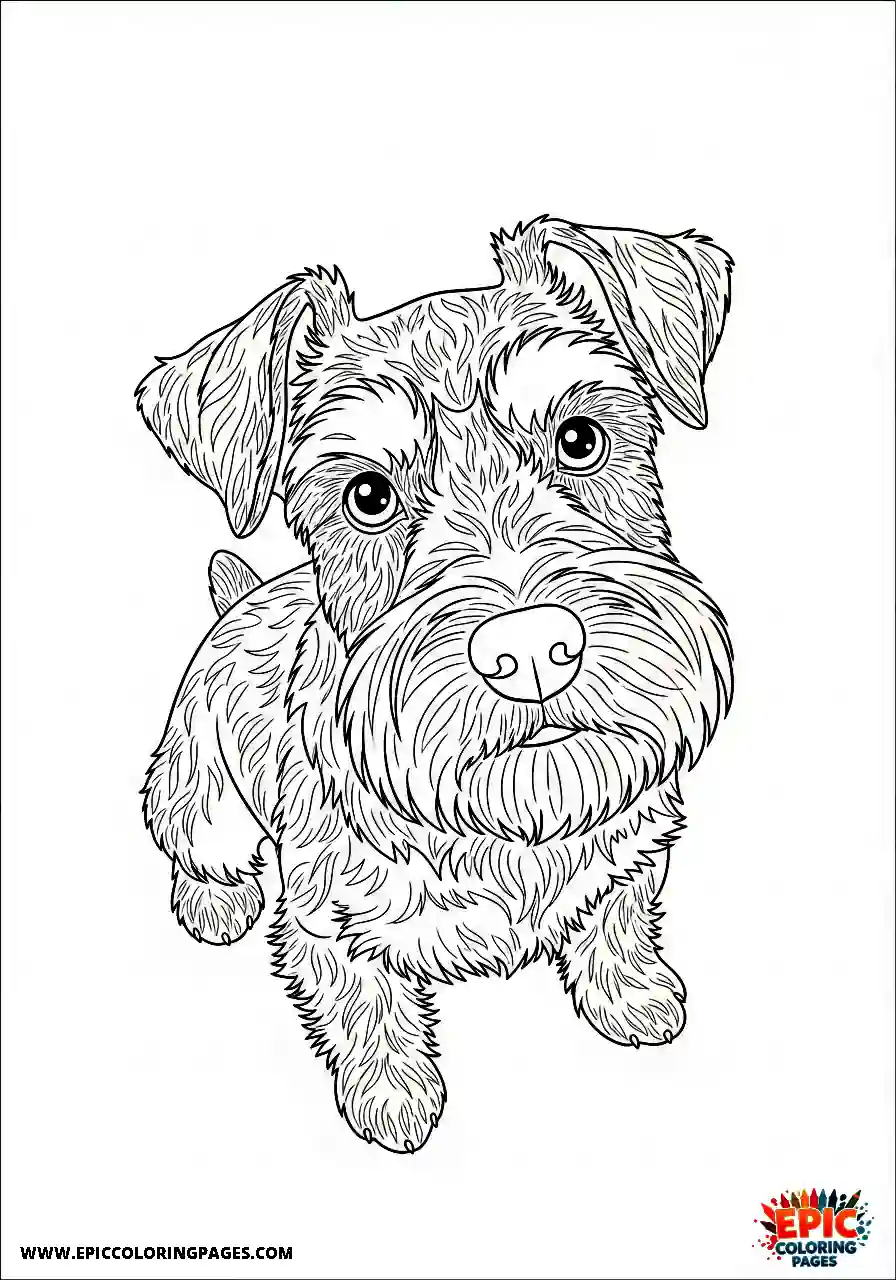
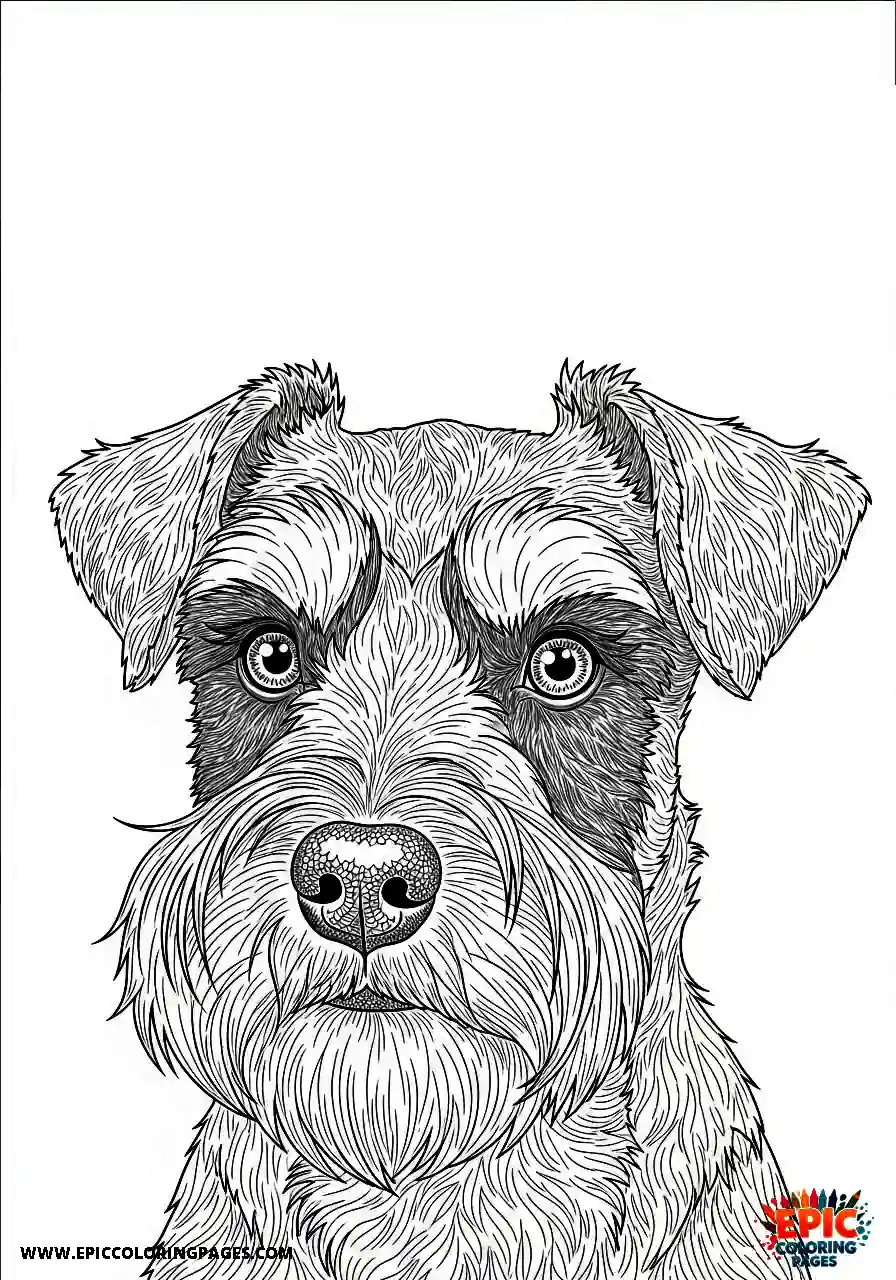
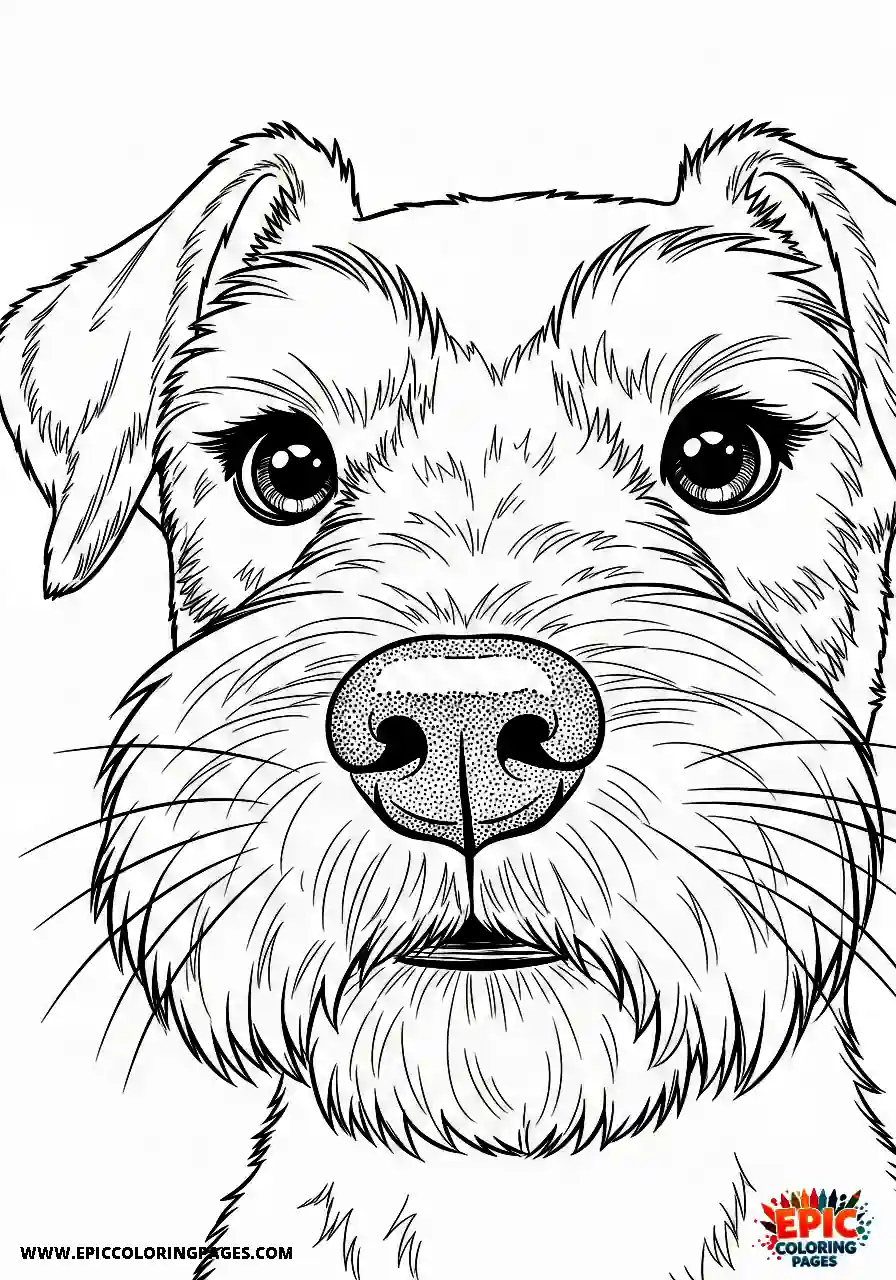
Schnauzer eyes are dark brown to black, oval-shaped, and surprisingly expressive.
Leave a white catch-light. This tiny uncolored spot (usually in the upper portion of the eye) makes the eyes look wet and alive. It’s the difference between a picture and a portrait.
The whites of the eyes barely show. Unlike humans, dogs don’t have prominent white areas in their eyes. Just a thin sliver, if any.
Add depth with layering. Even in a dark brown eye, use black around the edges and in the pupil, then lighter brown toward the center. This creates dimension.
The Nose and Leather Details
The nose should be solid black with a slightly rough texture. Avoid making it perfectly smooth.
Create texture with stippling or tiny circular motions. Real dog noses have a pebbly surface. You can suggest this even with crayons by varying your pressure.
A single white highlight on the top curve of the nose adds that wet look. Keep it small and bright.
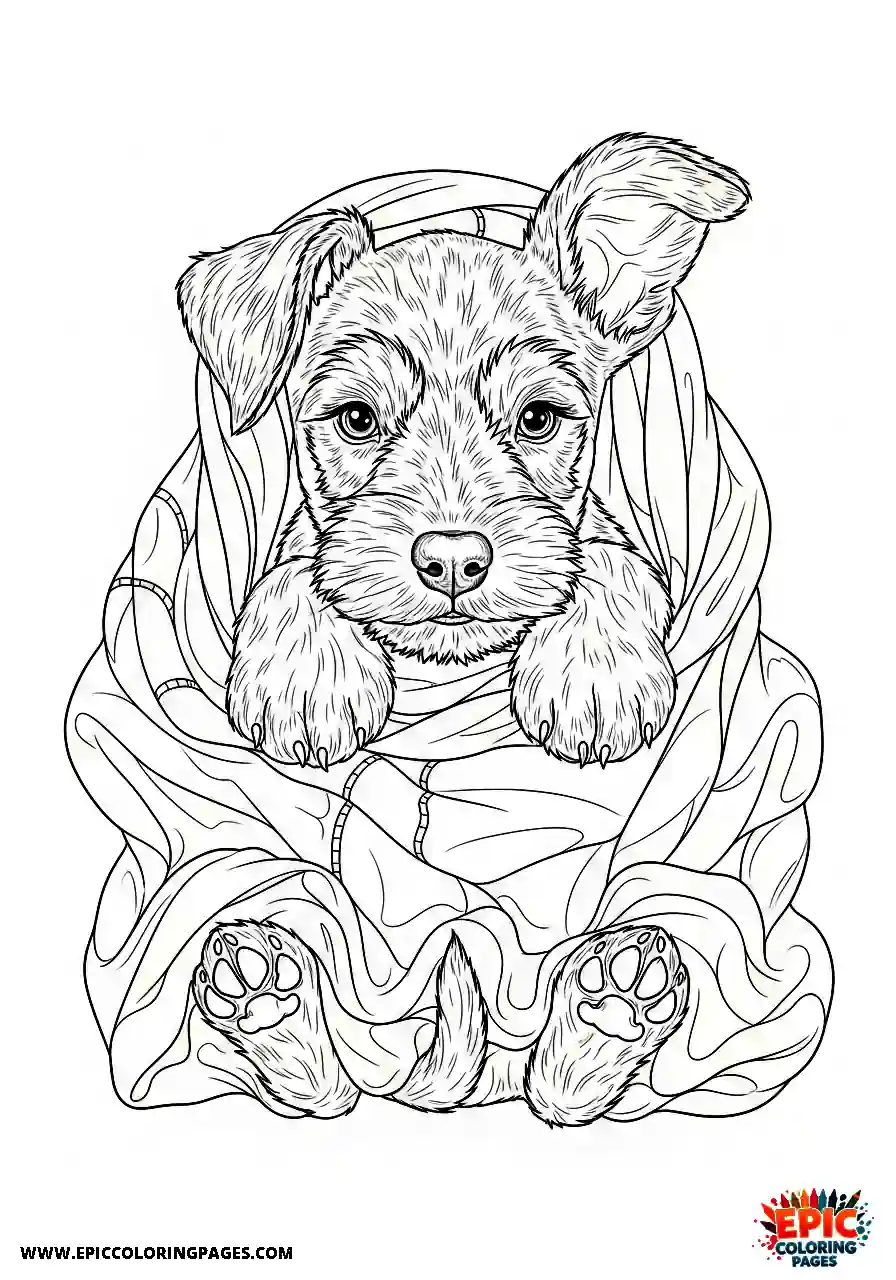
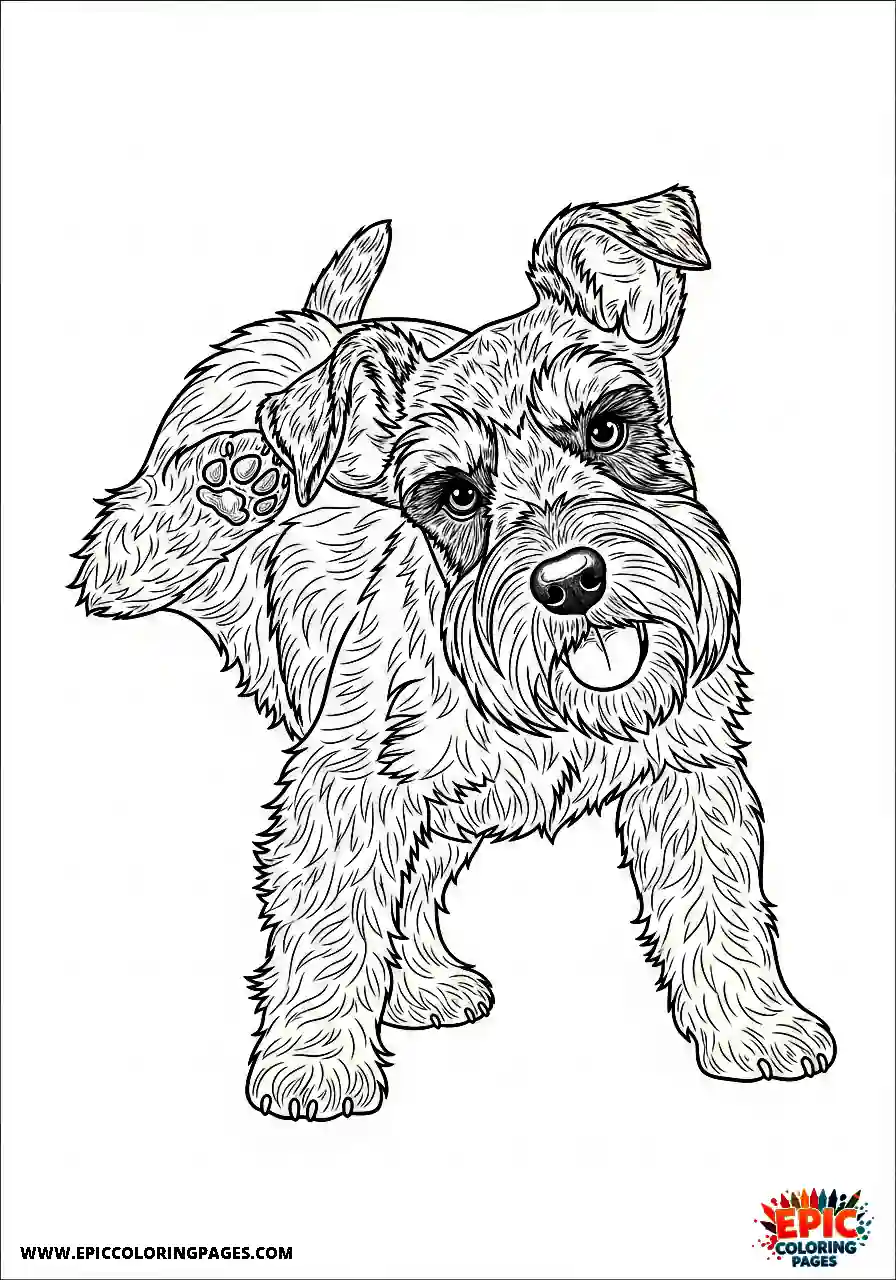
The paw pads are often overlooked but add realism. Color them dark gray or black, slightly lighter than the nose.
Background Choices That Complement Your Schnauzer
Your background should enhance, not compete with, your dog.
Soft, muted colors work best with salt and pepper Schnauzers. Think sage green, dusty blue, or warm beige. These colors make the detailed coat work pop.
For black Schnauzers, lighter backgrounds create stunning contrast. Pale yellow, light gray, or even white make the dark fur dramatic.
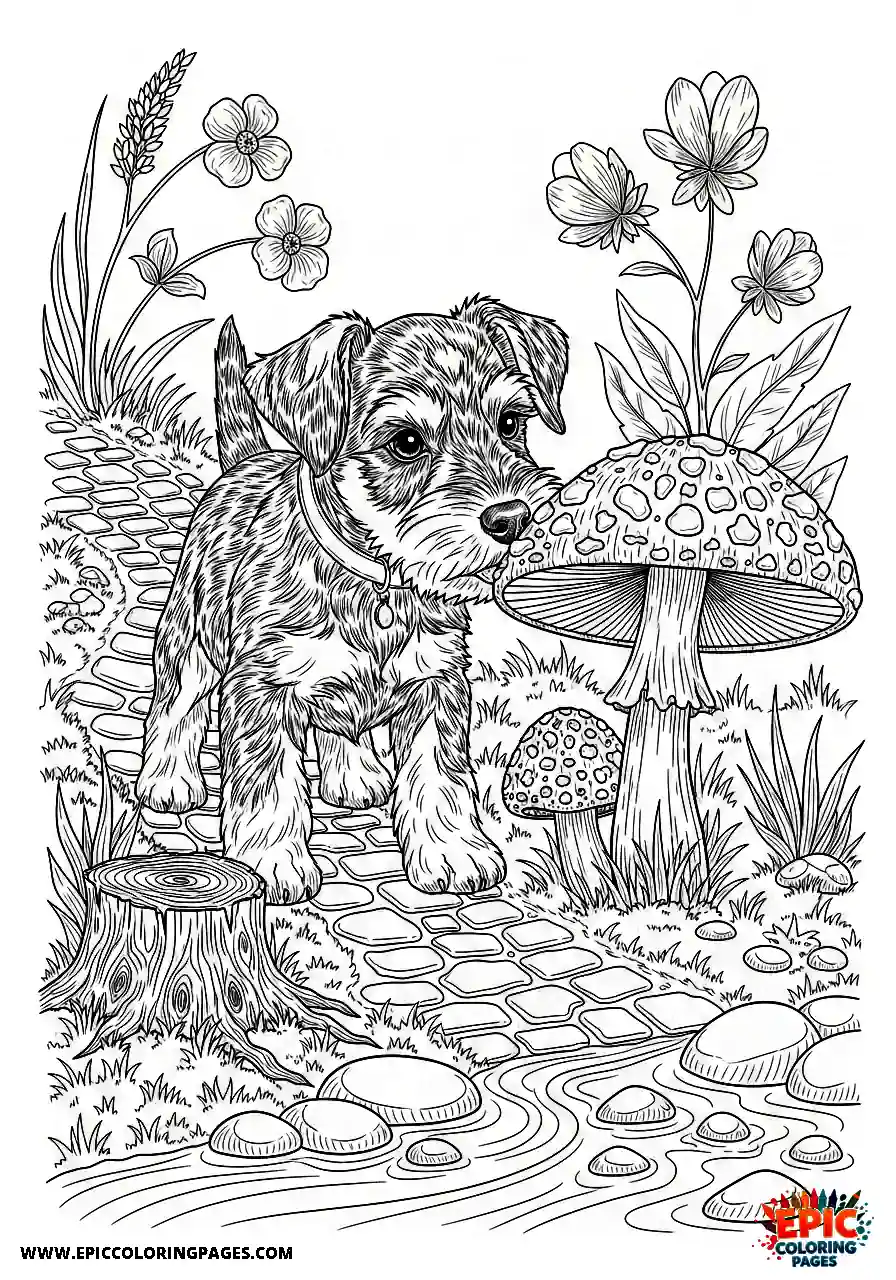
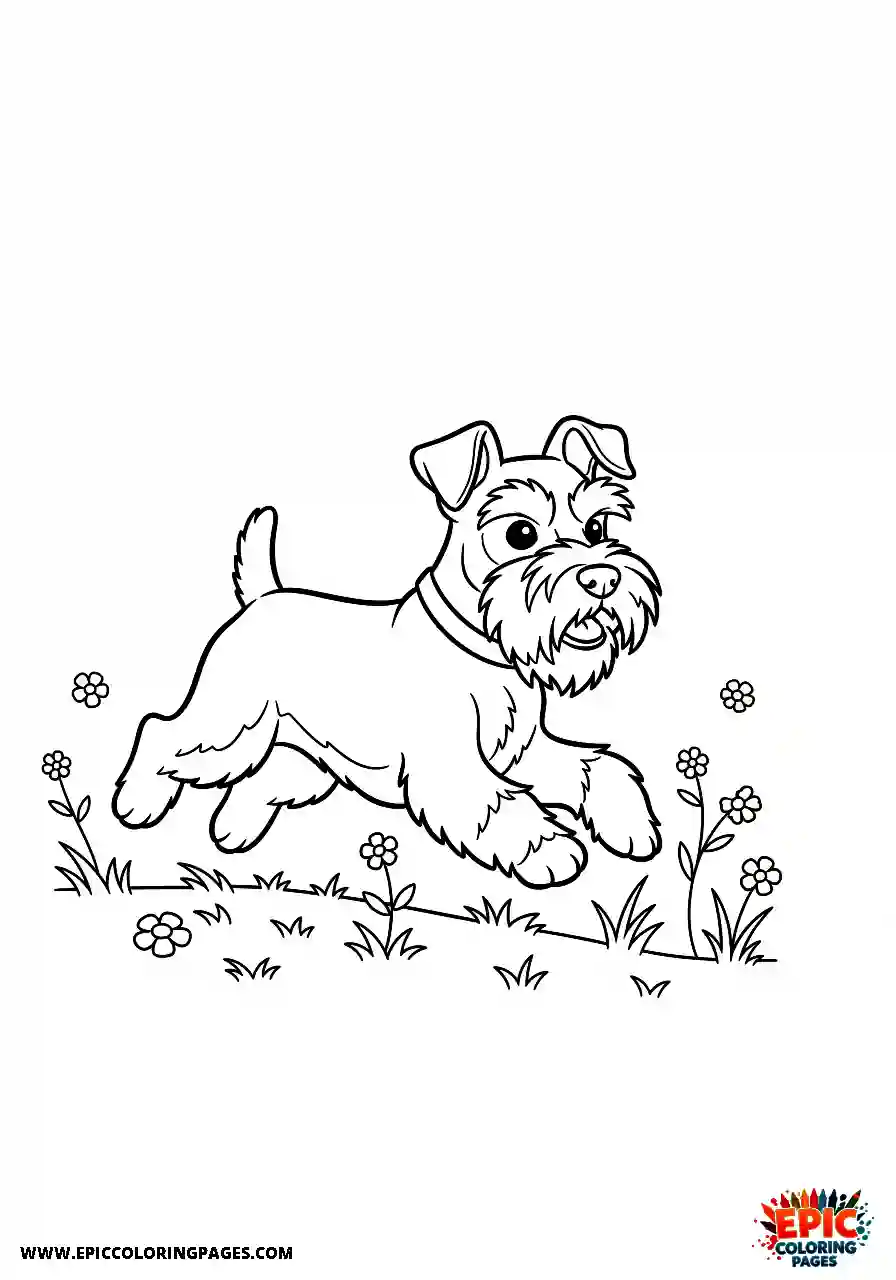
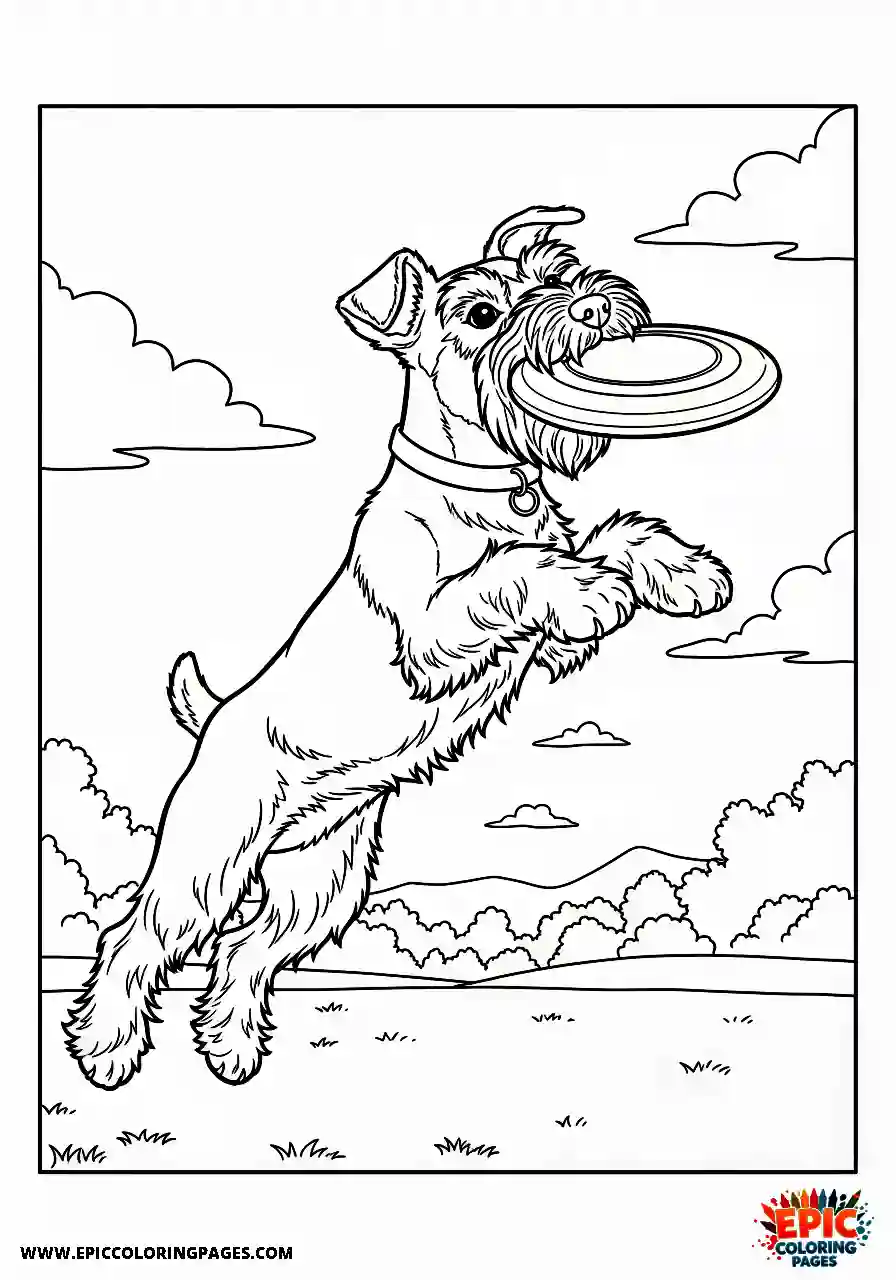
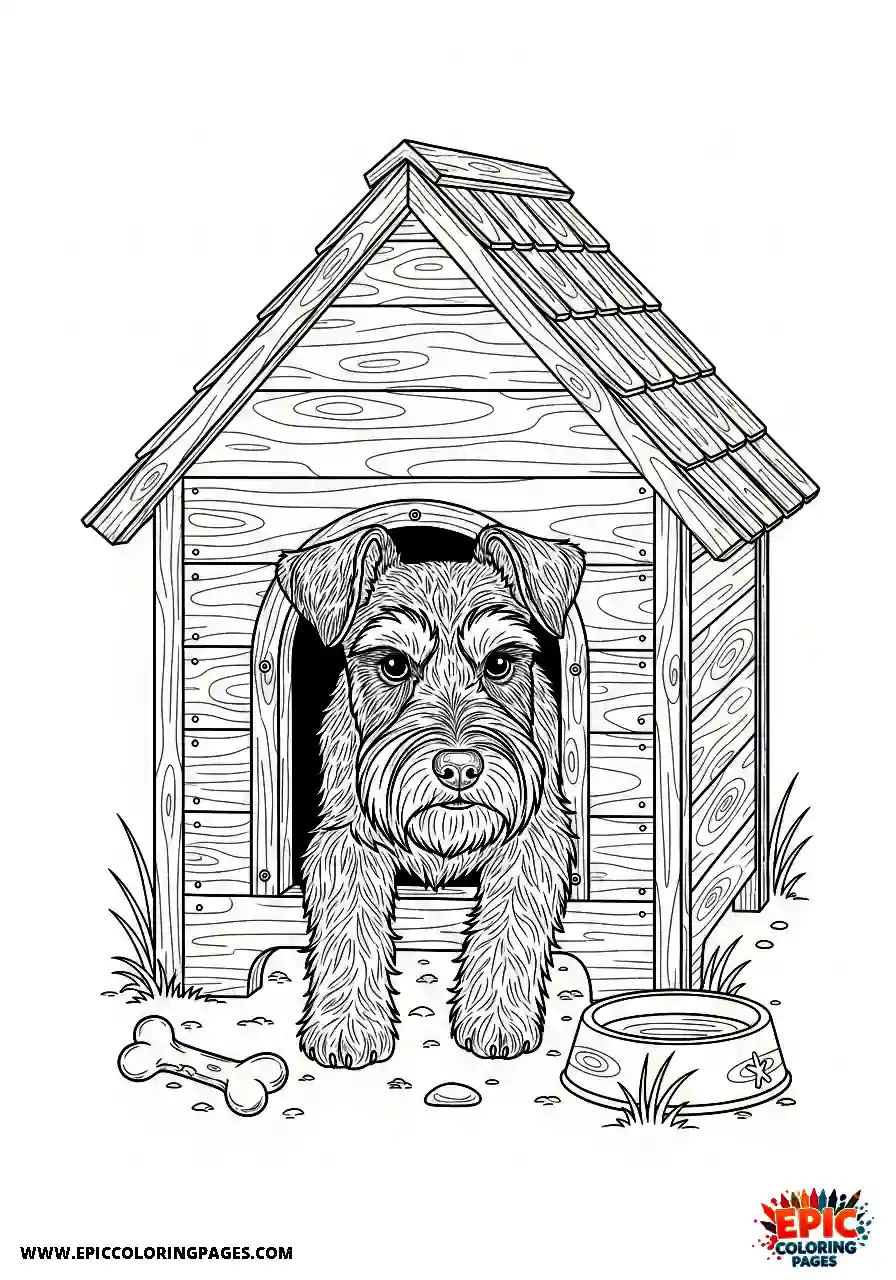
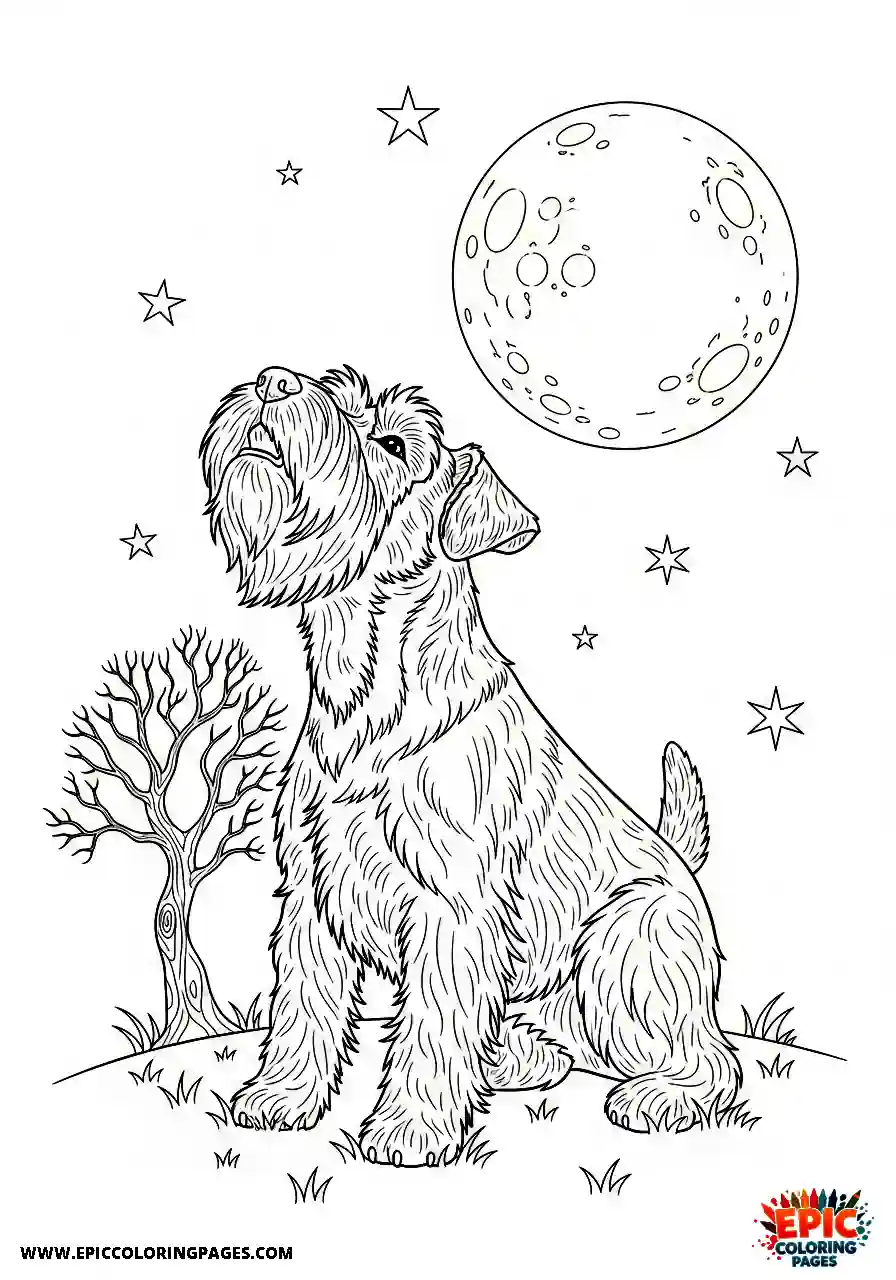
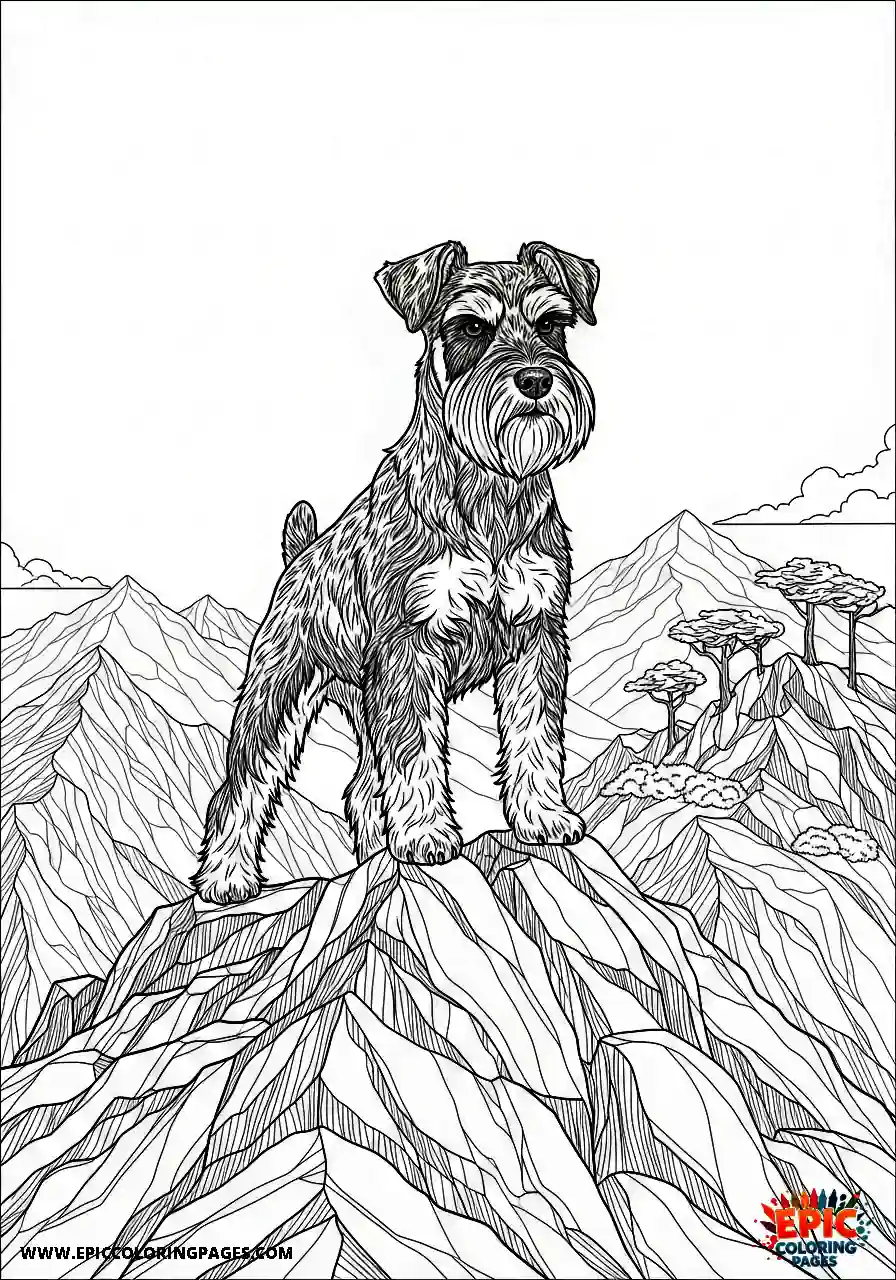
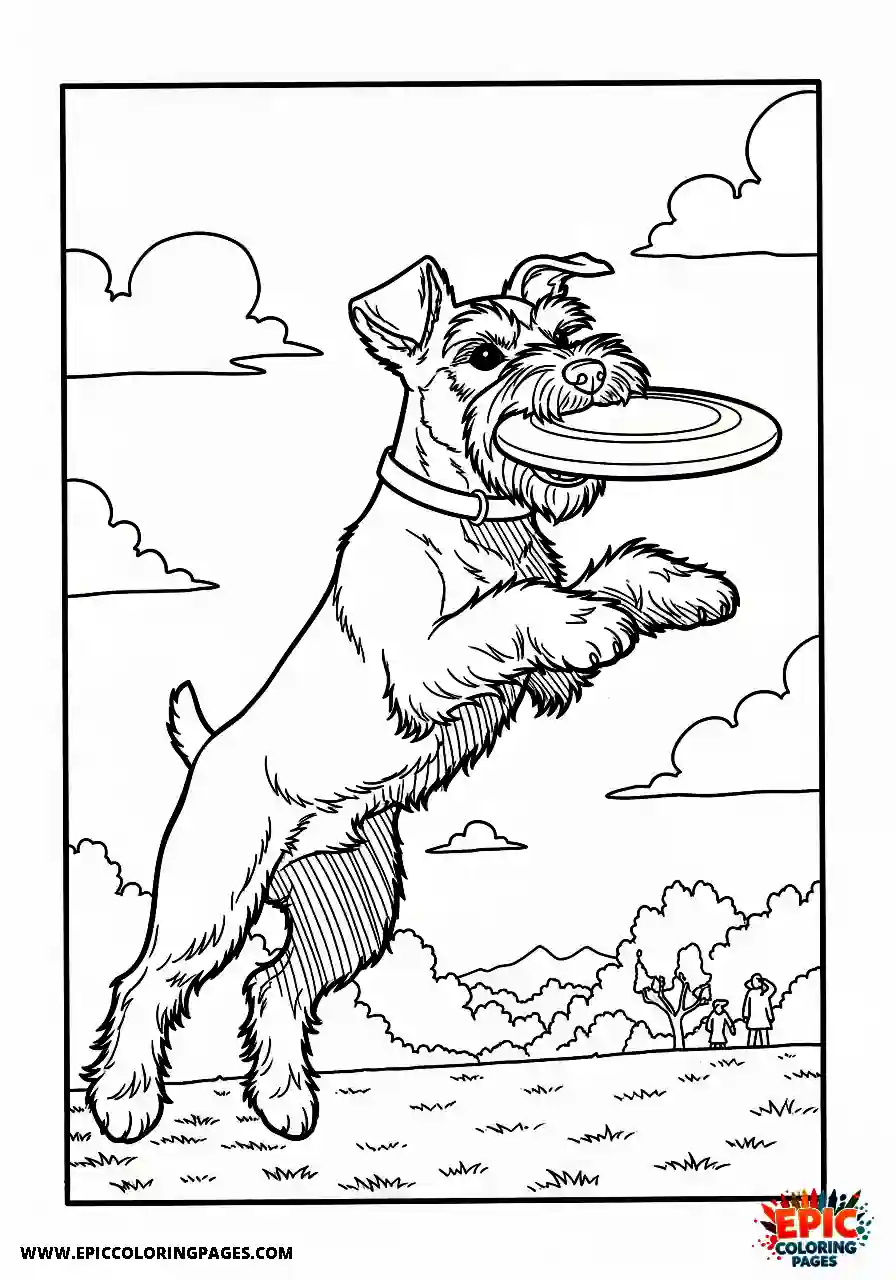
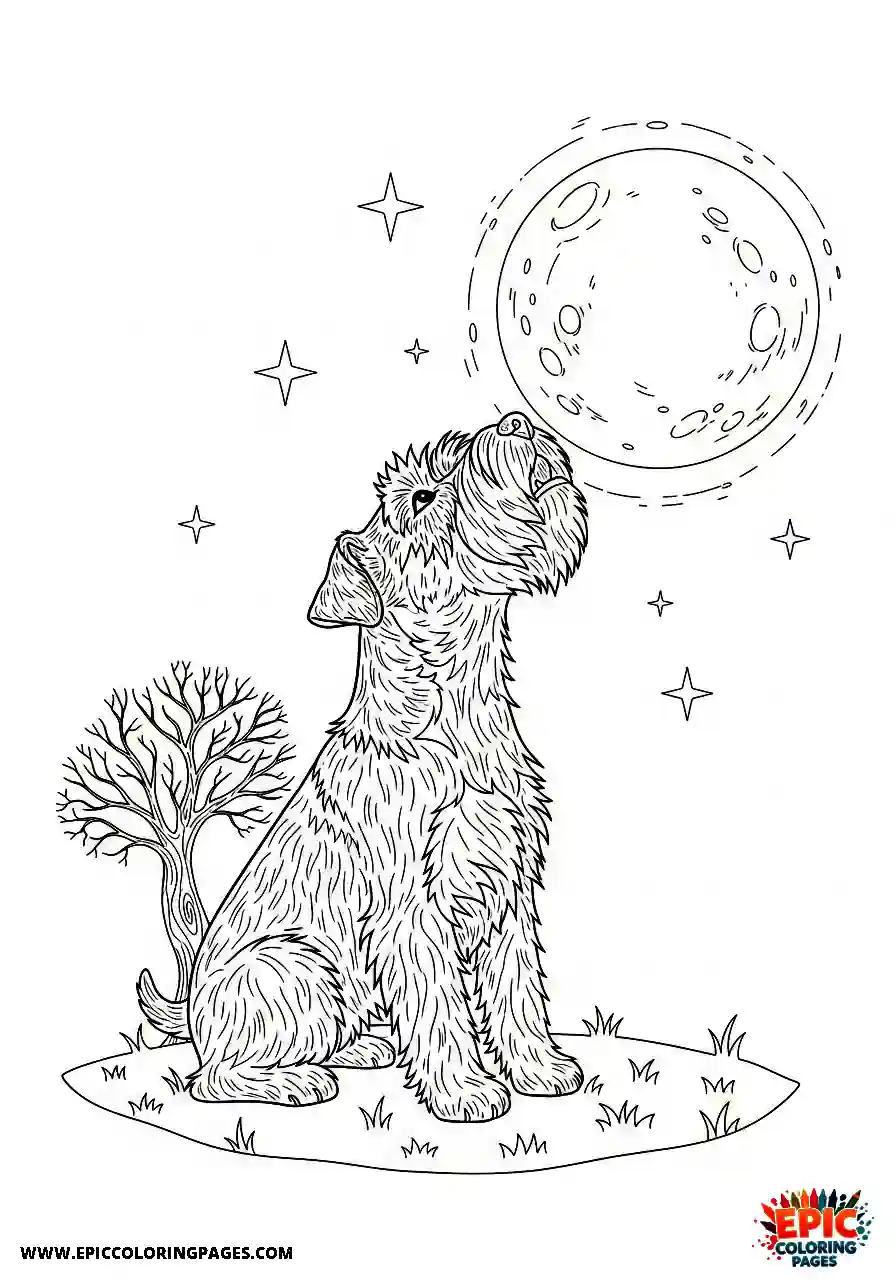
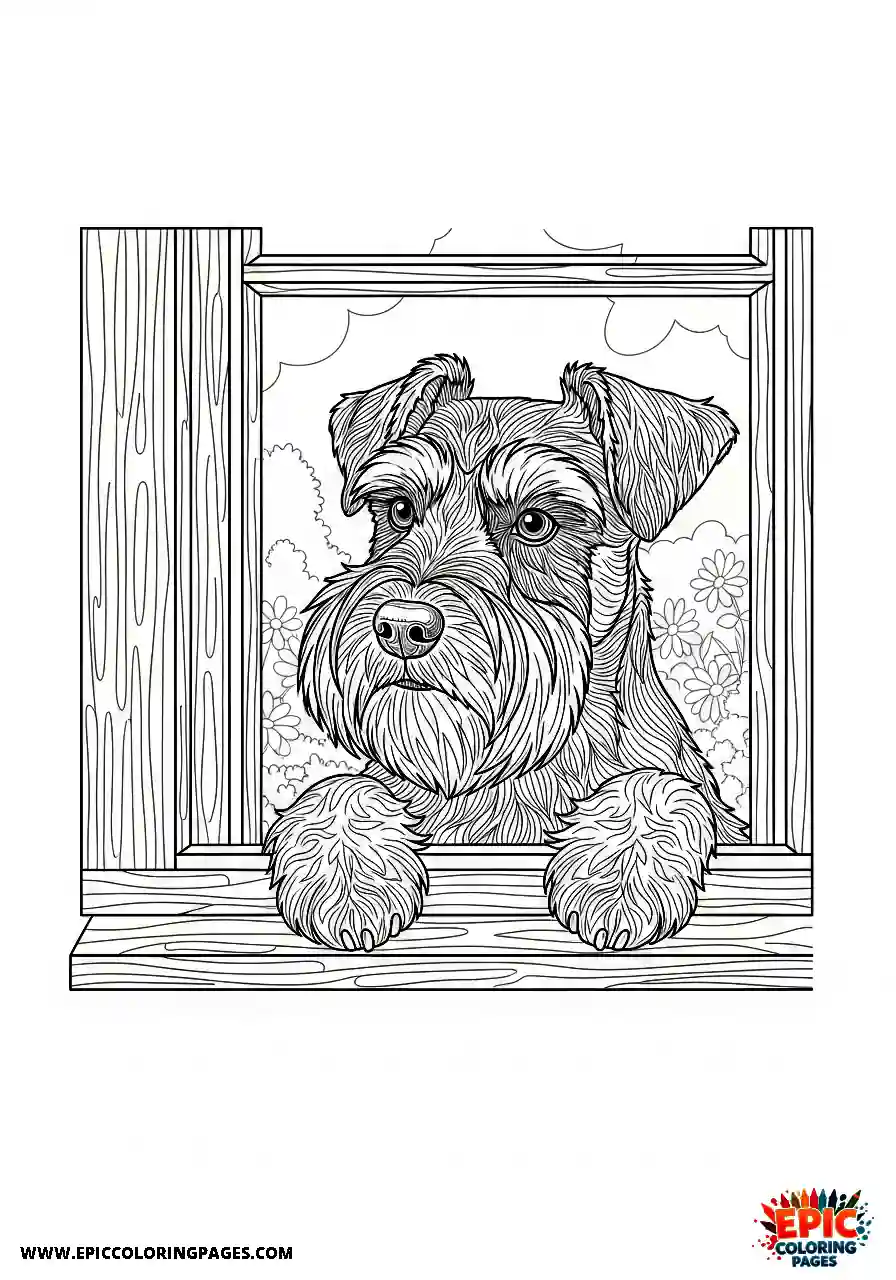
Outdoor scenes should have less detail than your Schnauzer. A soft suggestion of grass or trees works better than highly detailed backgrounds that distract from your main subject.
Tools and Techniques by Medium
Colored Pencils
These are perfect for Schnauzer coats because you can layer and blend easily.
Use a light touch and build color gradually. Press harder only for the darkest shadows or the nose.
Blend with a colorless blender pencil or white pencil to smooth transitions without muddying colors.
Keep pencils sharp for the wiry coat texture. Dull pencils create smooth fills, which don’t suit Schnauzers.
Markers
Markers require planning since you can’t easily layer light over dark.
Work light to dark always. Start with your lightest gray or beige, then add darker tones.
Use stippling for texture. Dots and dashes create fur texture better than solid fills with markers.
Alcohol-based markers blend better than water-based for smooth color transitions.
Crayons and Gel Pens
This combination is underrated for dog coloring pages.
Use crayons for base colors with medium pressure. Don’t press too hard initially.
Add details with gel pens: white for highlights, black for fine whiskers, and gray for texture lines.
Metallic gel pens in silver or gold can add magical touches to fantasy-colored Schnauzers.
Common Mistakes to Avoid
Over-blending the coat. Schnauzers are naturally scruffly. Too smooth looks wrong.
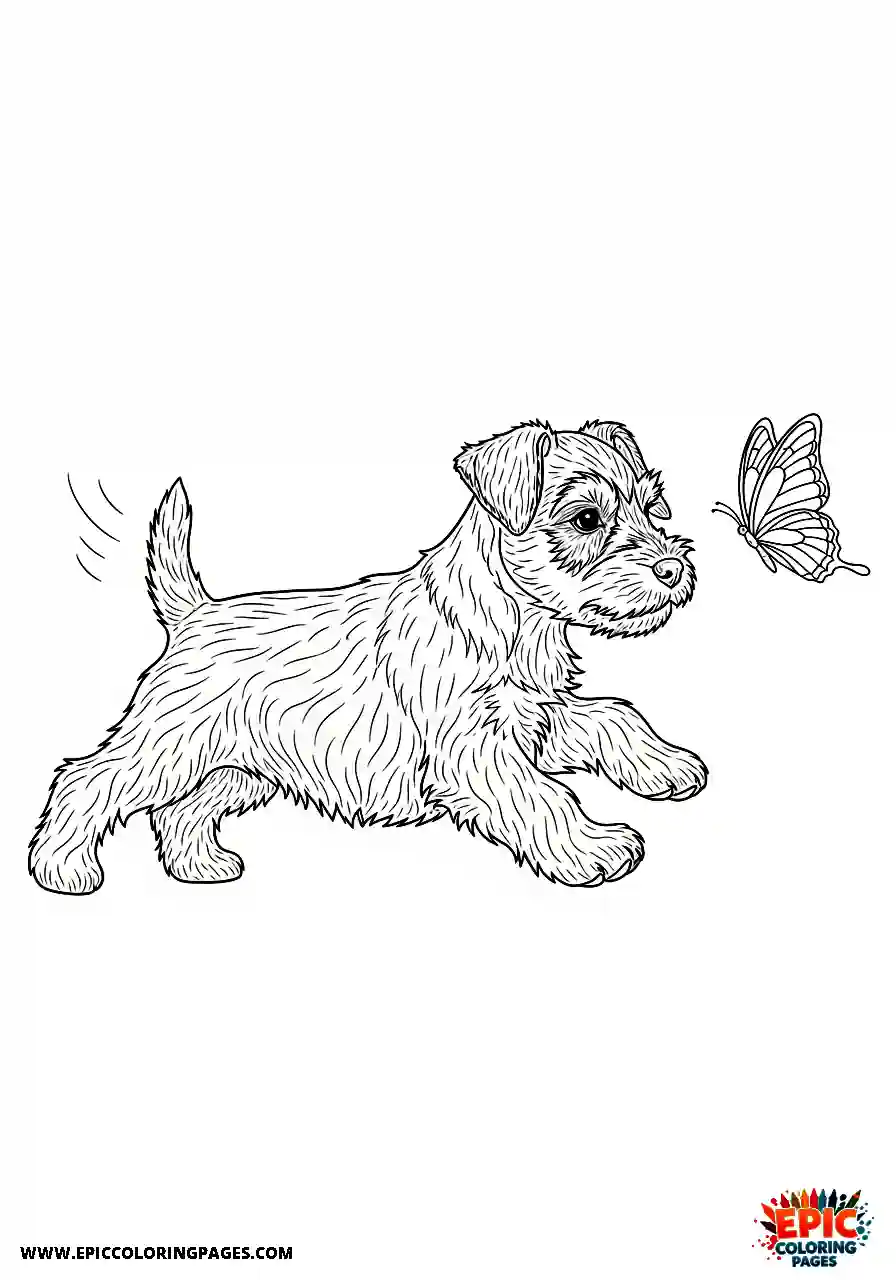
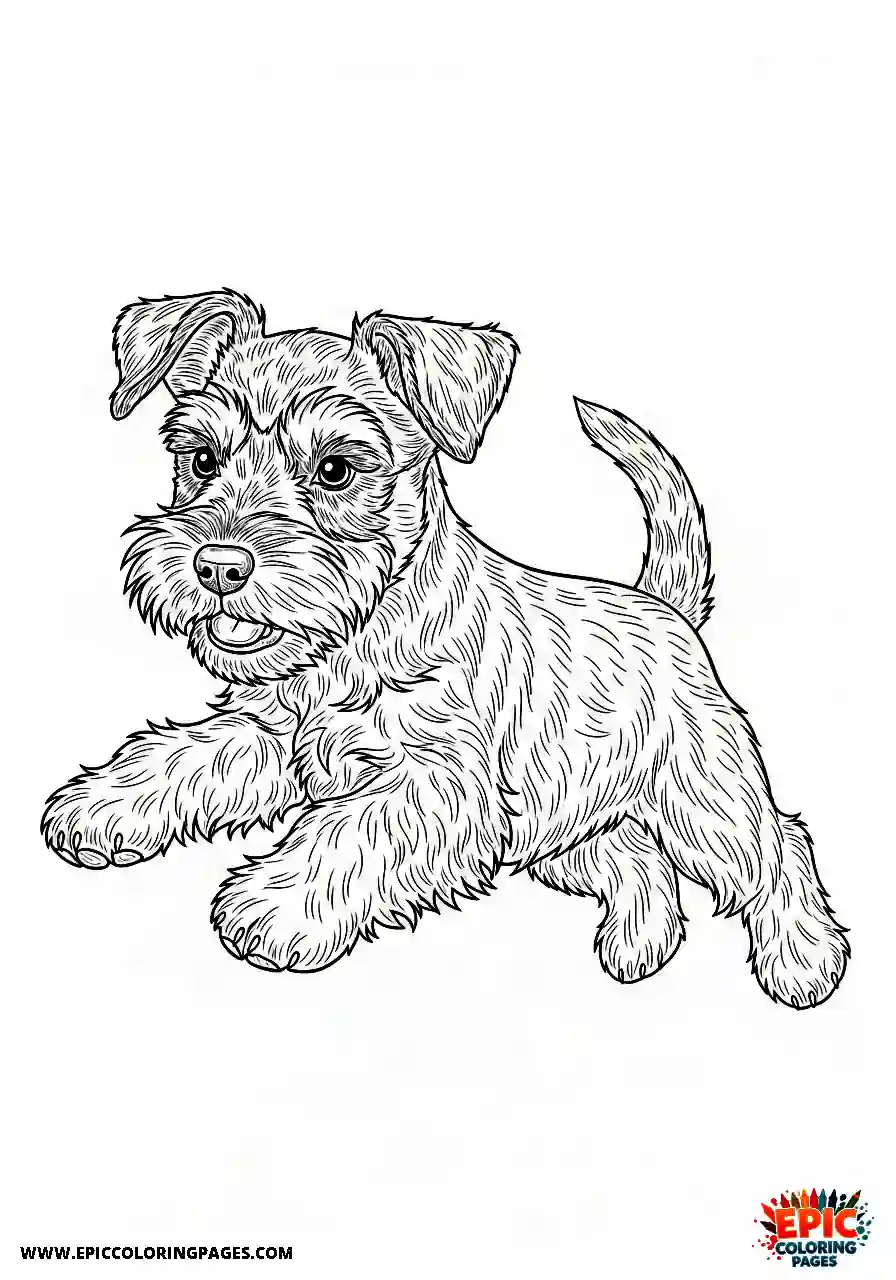
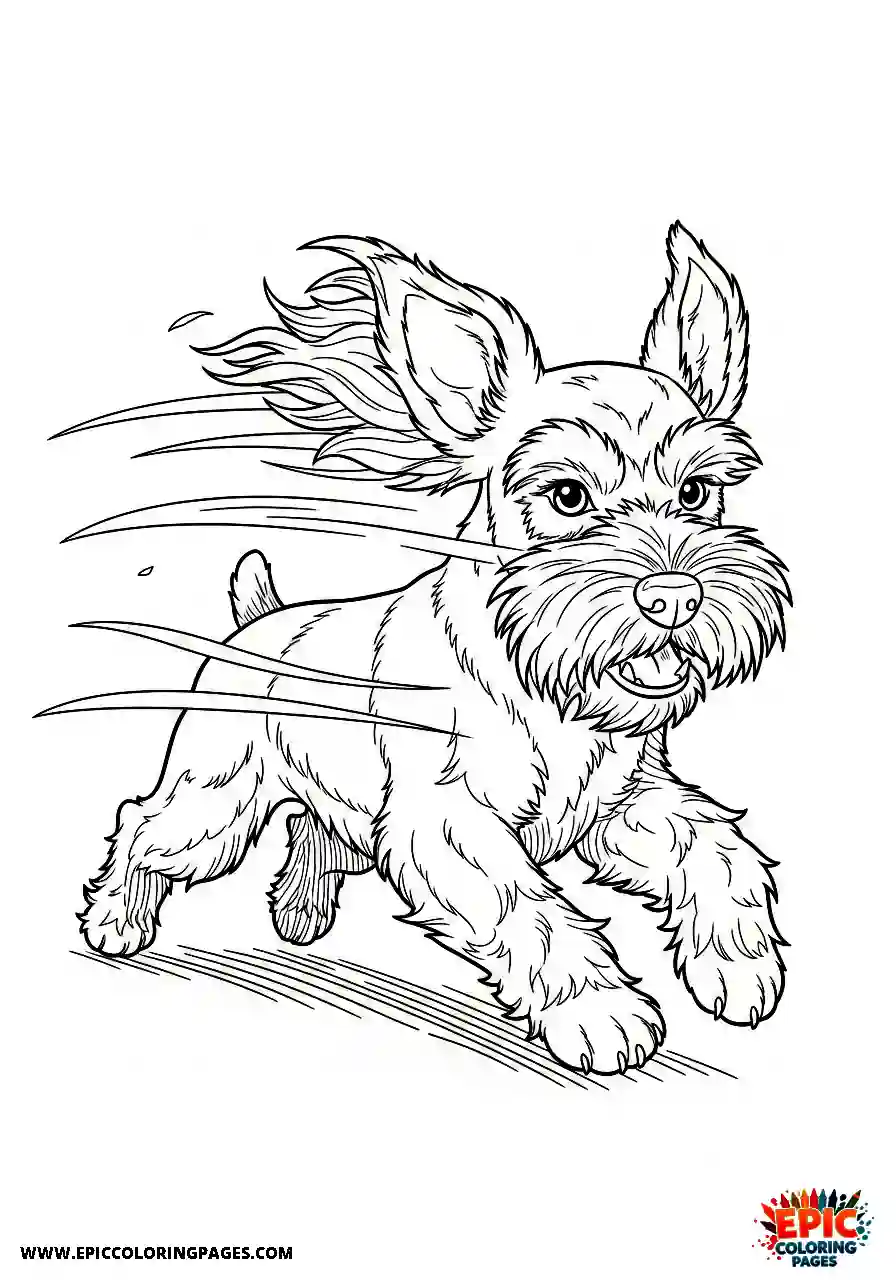
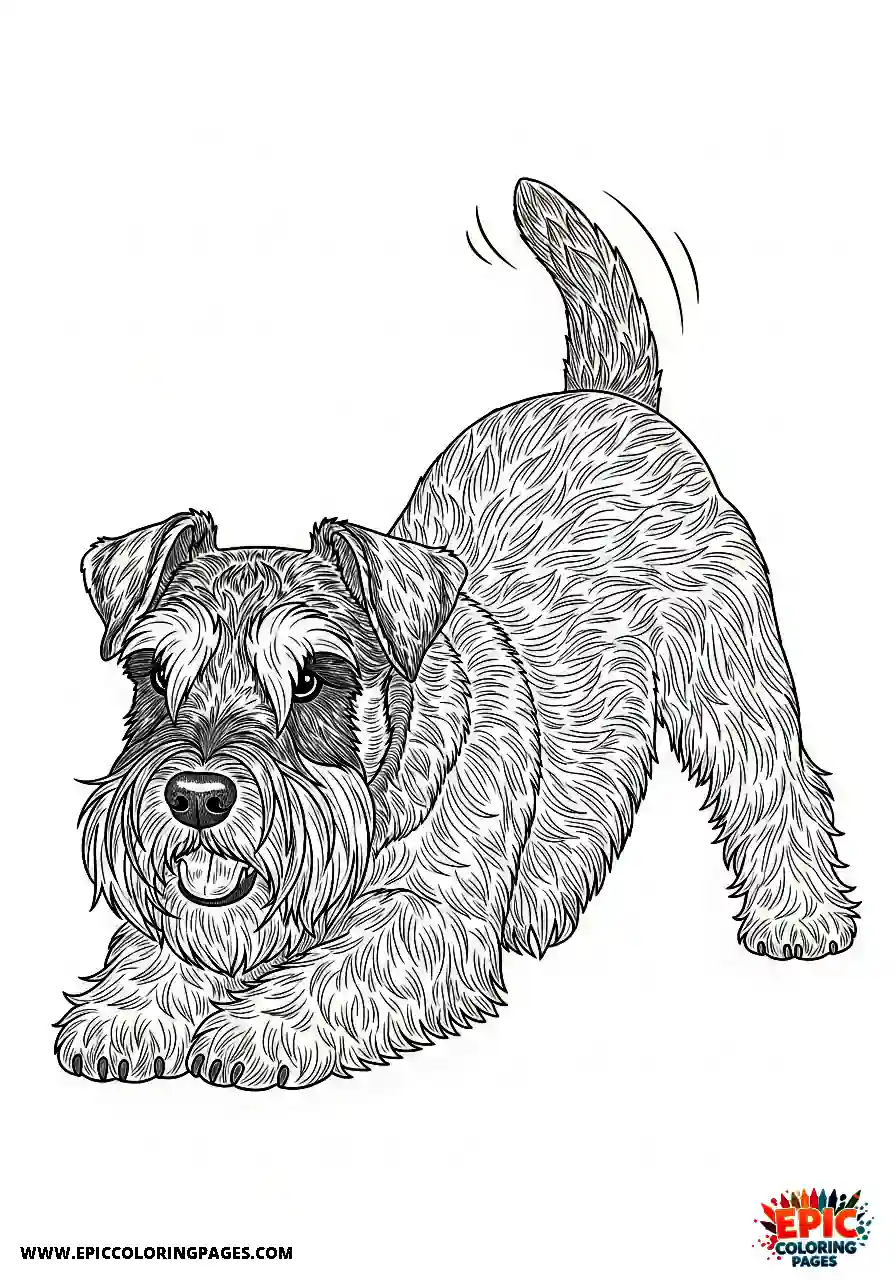
Forgetting the direction of fur growth. The body hair grows backward from the head, downward on the legs. Your strokes should follow this.
Making the beard too symmetrical. Real Schnauzer beards are charmingly asymmetrical. One side is often slightly fuller or hangs differently.
Using pure black everywhere. Even on black Schnauzers, using dark gray in some areas creates more visual interest than solid black.
Ignoring light source. Decide where light is coming from and keep your highlights and shadows consistent.
Advanced Techniques for Experienced Colorists
Creating Depth with Temperature
Warm grays (with brown undertones) in foreground areas and cool grays (with blue undertones) in shadow areas create atmospheric depth.
This subtle temperature shift makes your Schnauzer look three-dimensional rather than flat.
Negative Space Detailing
Instead of drawing every whisker, use your background color around whisker-shaped gaps in white. This creates crisp, clean whiskers that look naturally embedded in the composition.
Burnishing for Show-Quality Finish
With colored pencils, after building your colors, go over everything firmly with a white or cream pencil. This burnishing technique blends all the layers together and creates a polished, professional appearance.
It also helps unify colors and fill in any white paper gaps that might show through.
Making It Your Own
The best part of coloring is personal expression.
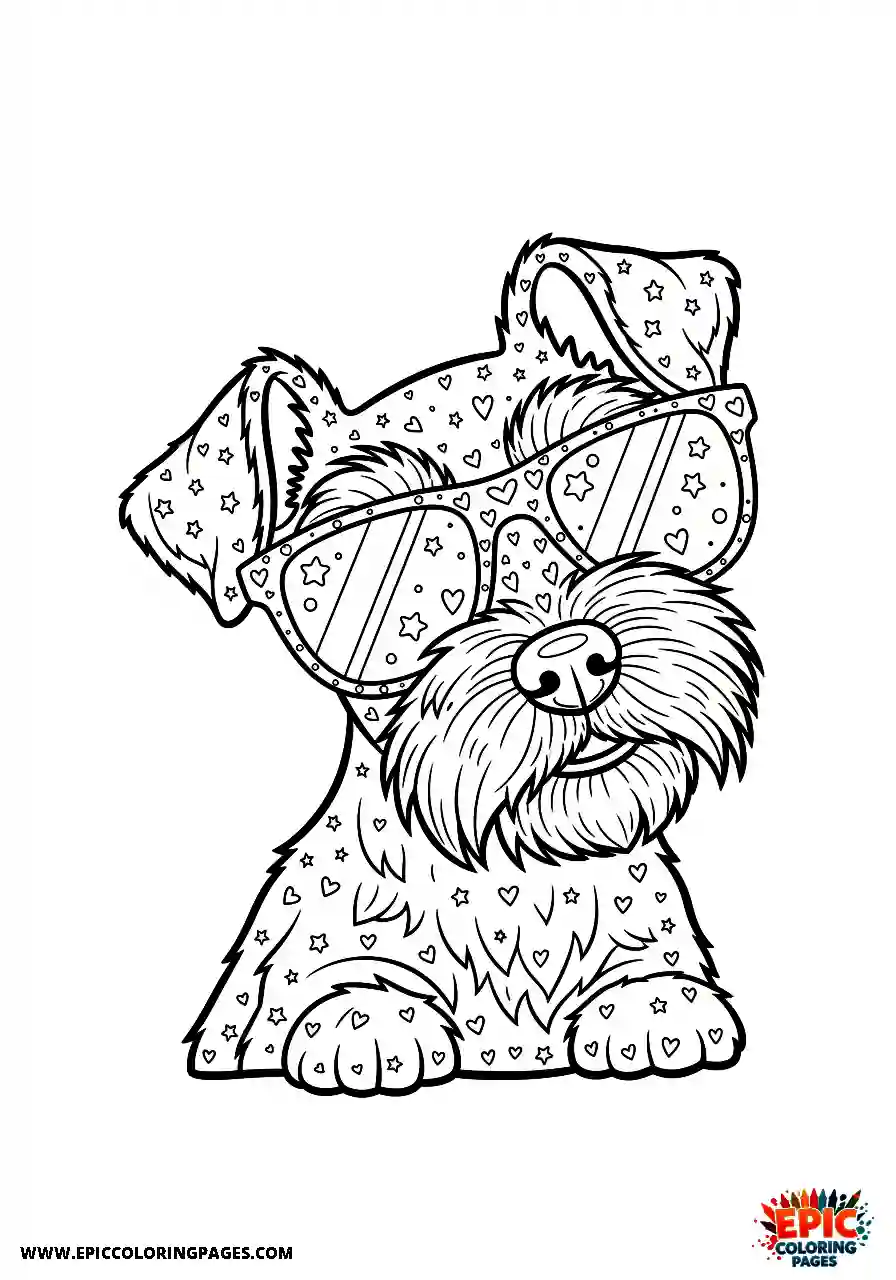
Try unexpected colors: purple Schnauzers, rainbow beards, galaxy-pattern coats. The foundational techniques still apply texture, light source, eye details even with fantasy colors.
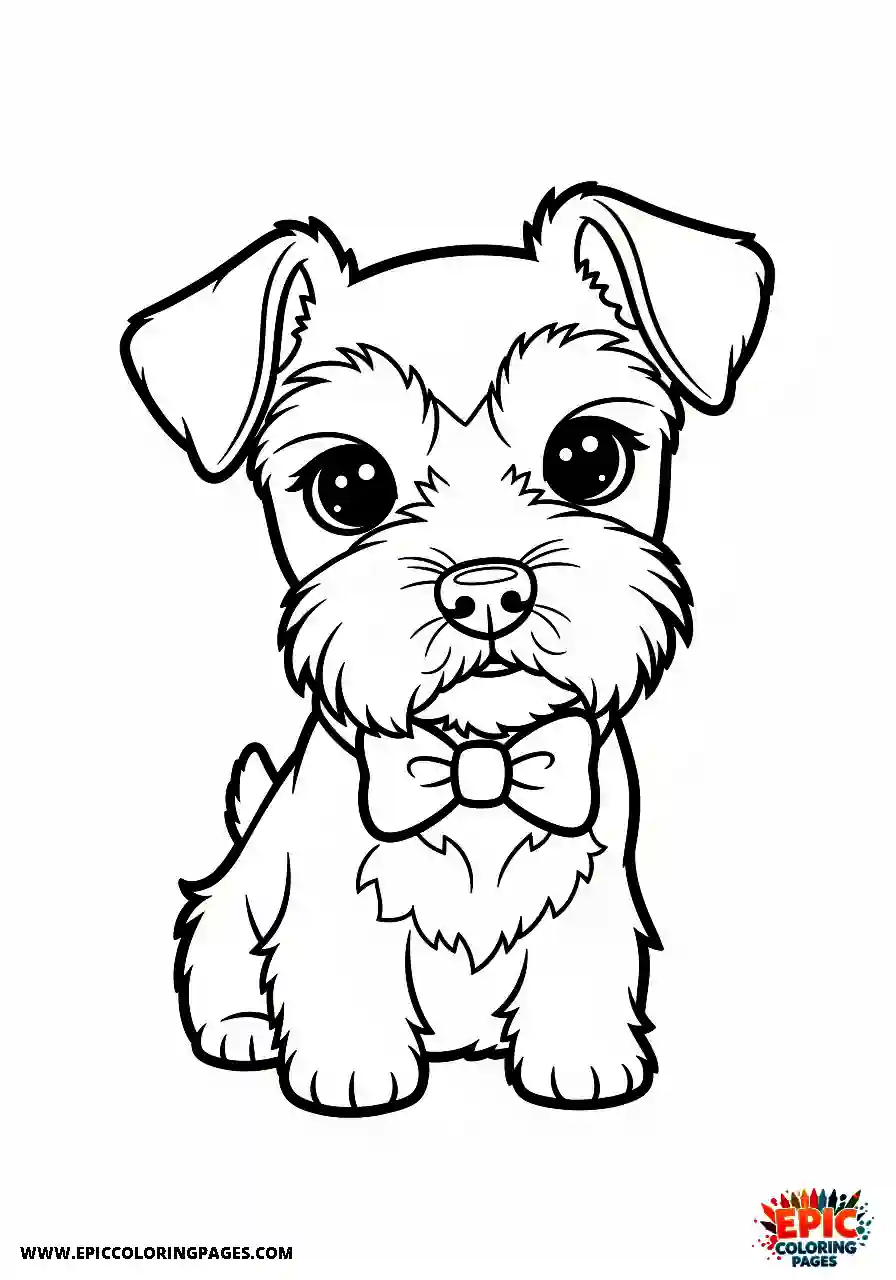
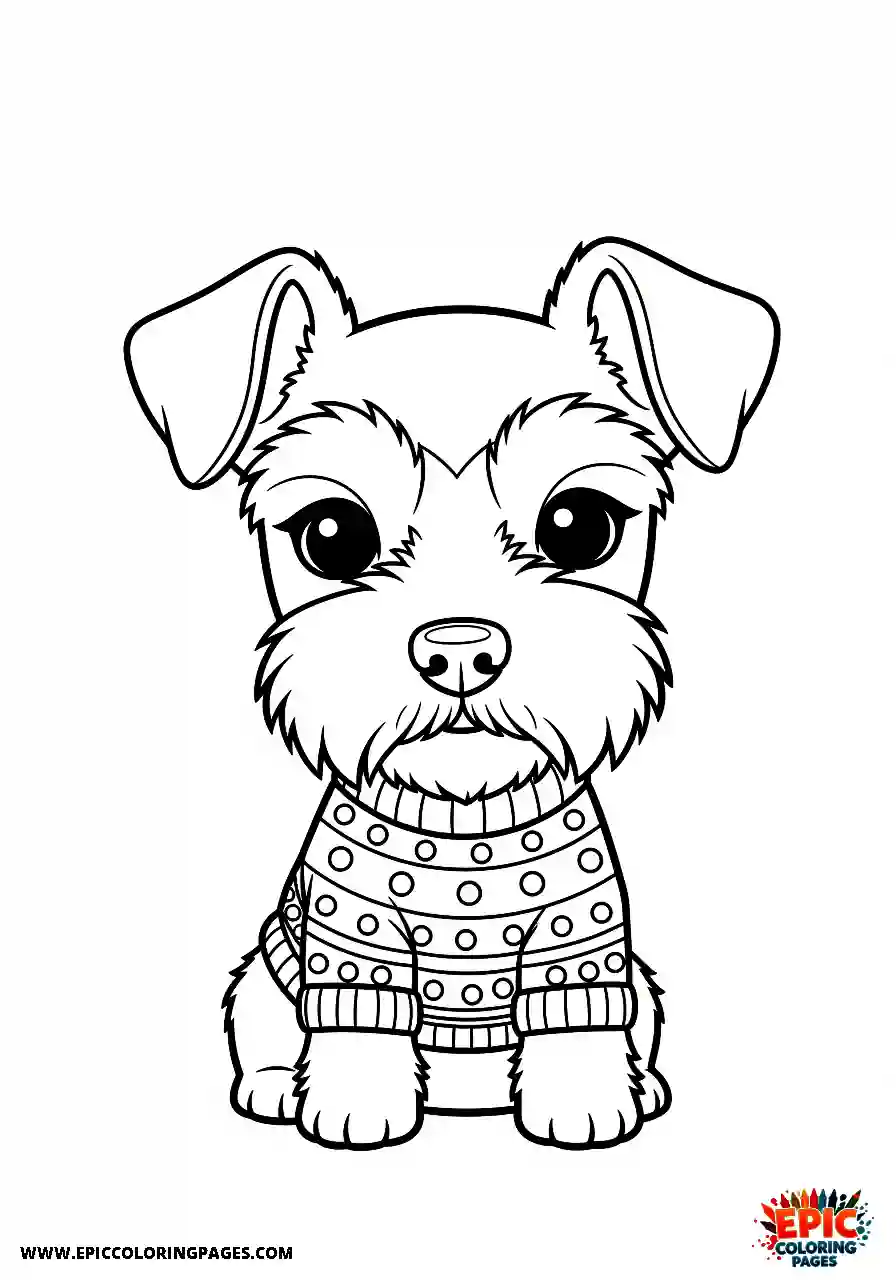
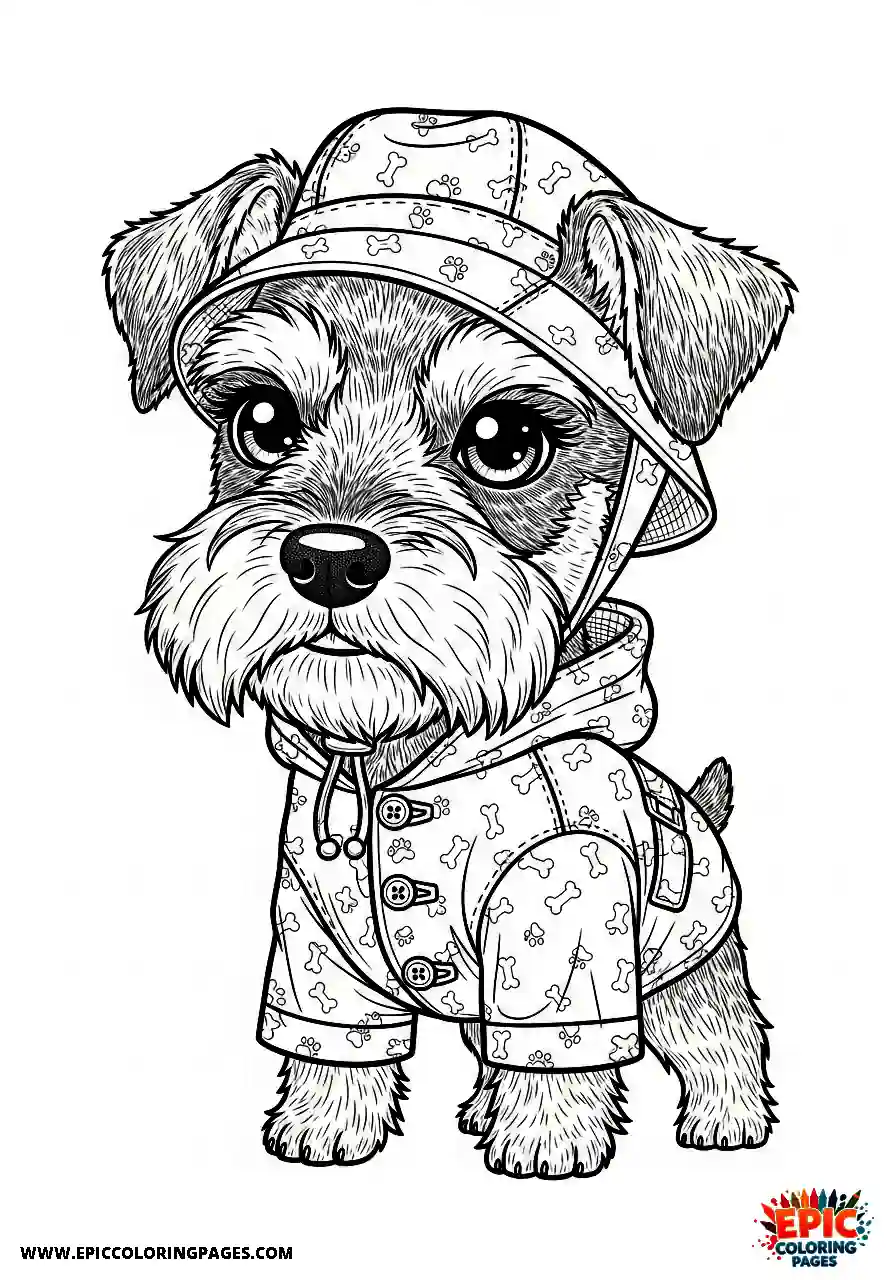
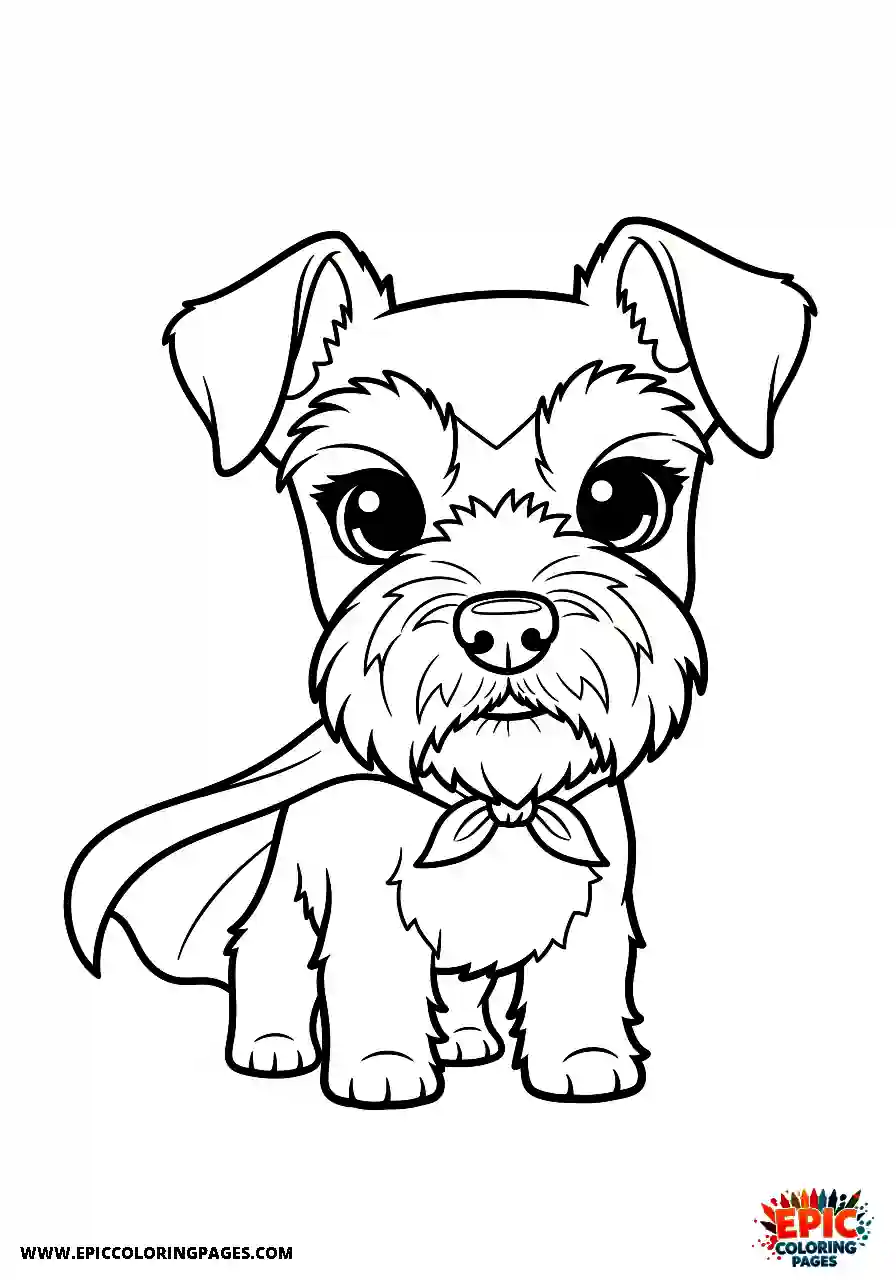
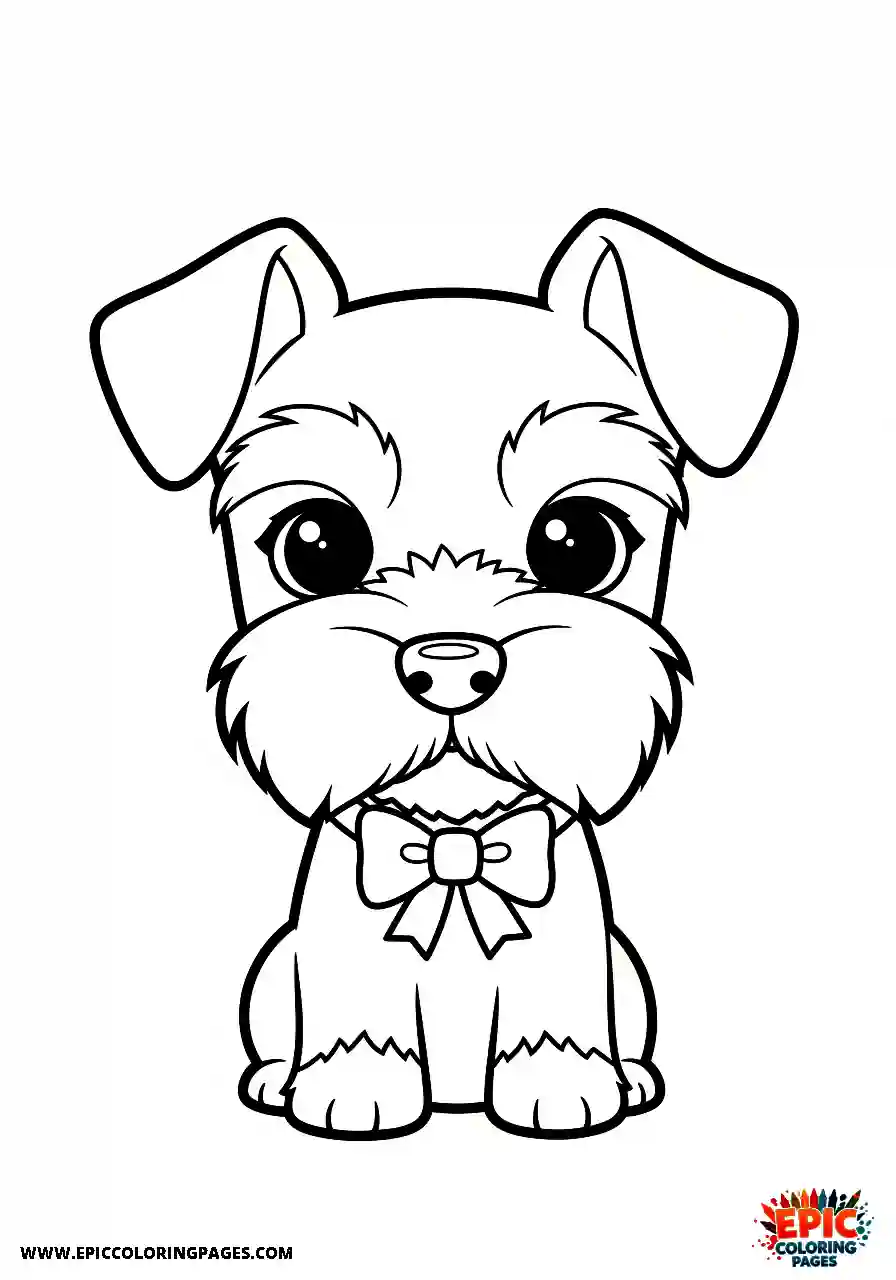
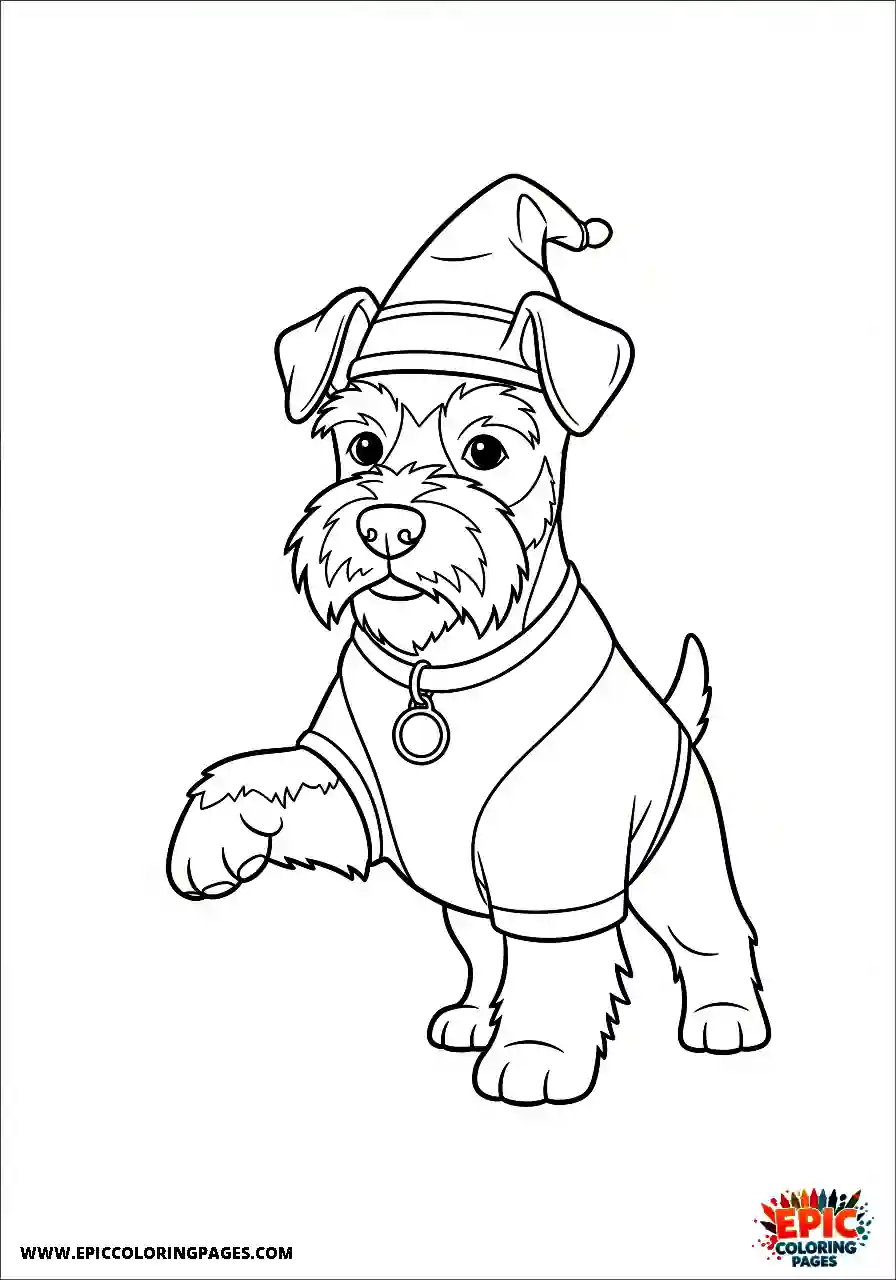
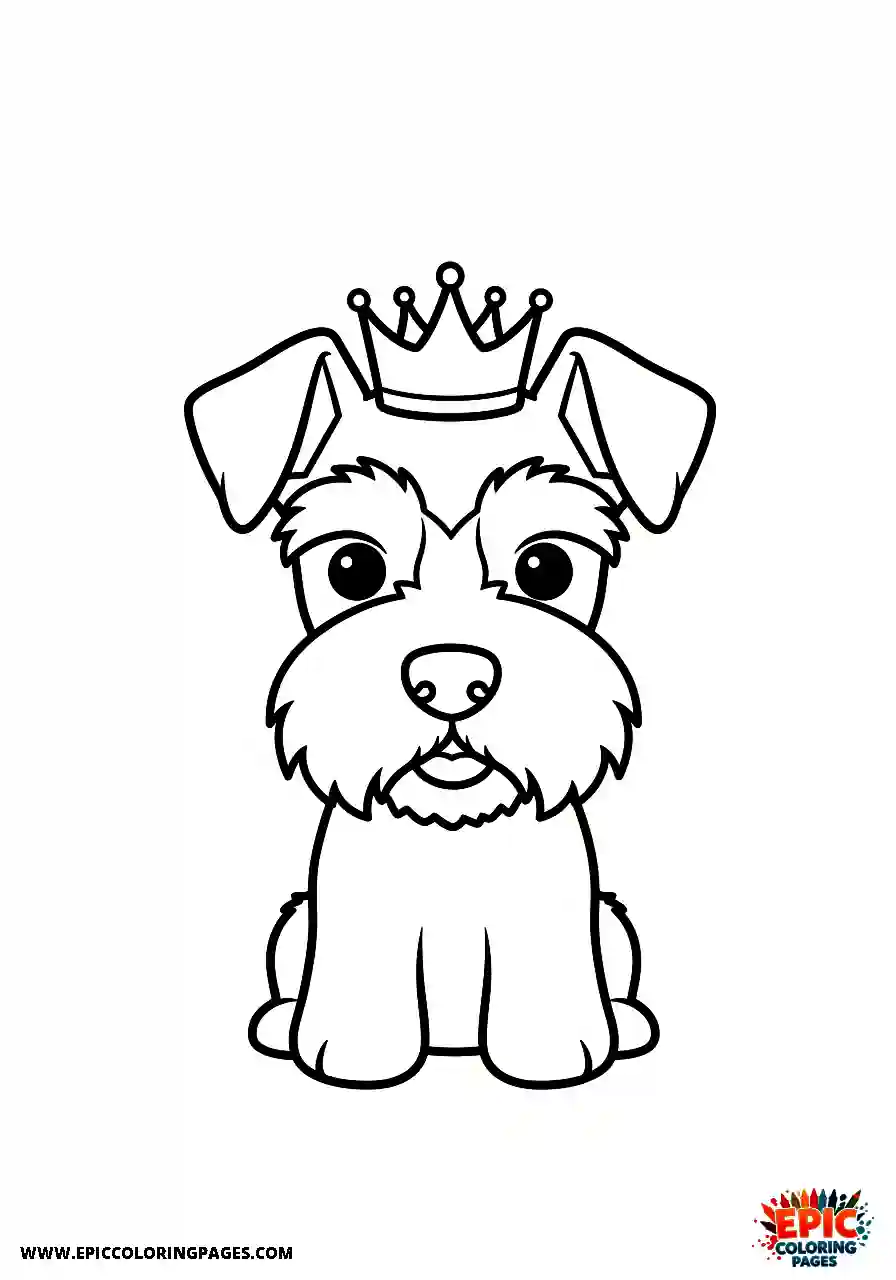
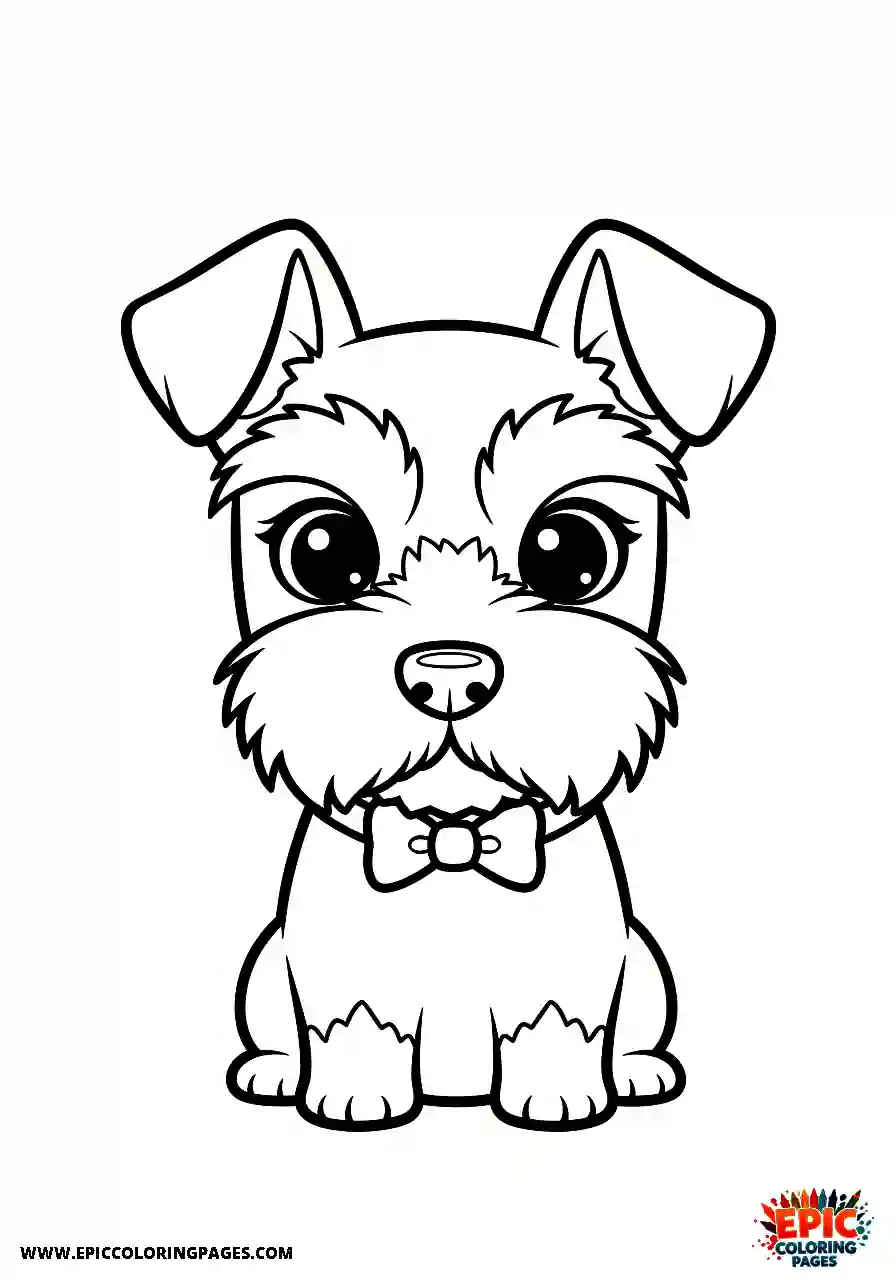
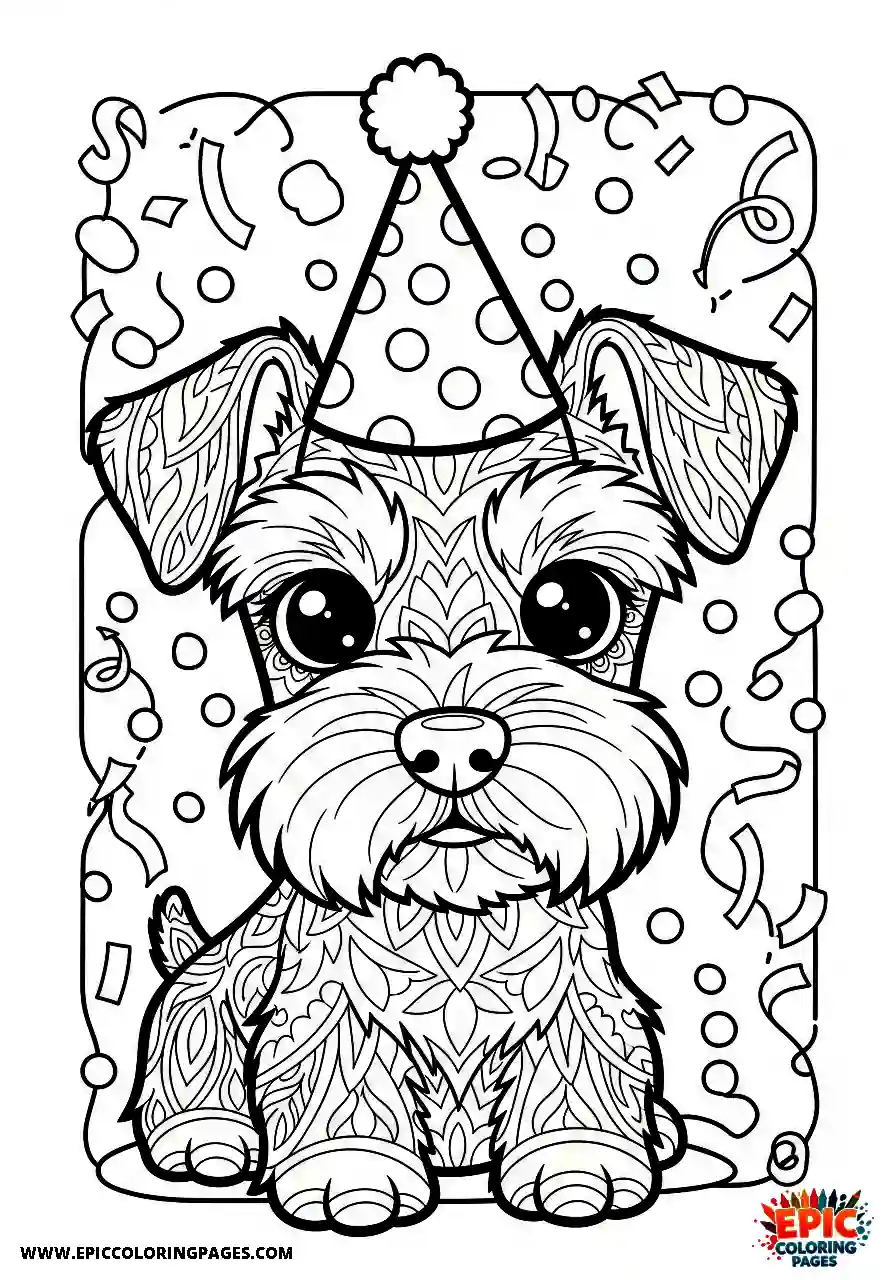
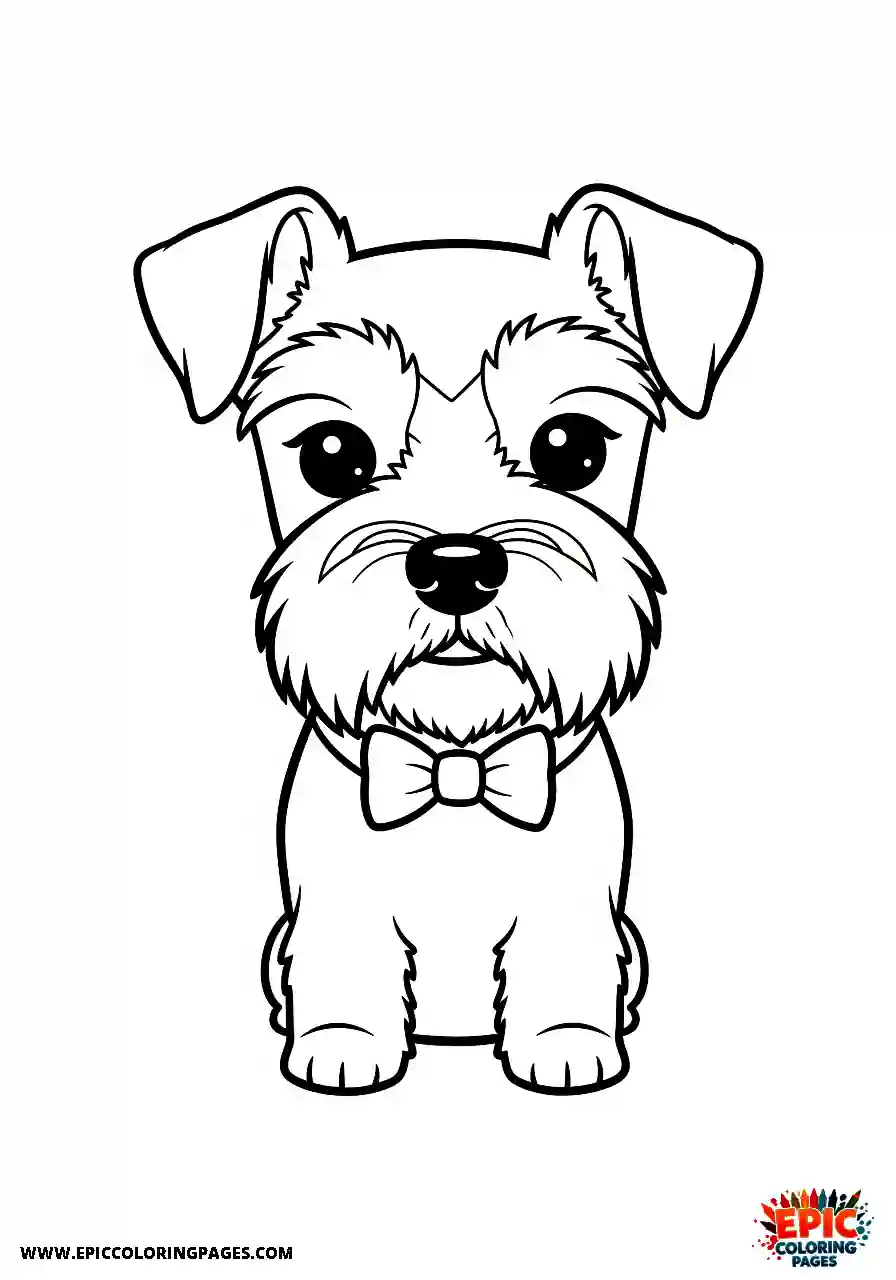
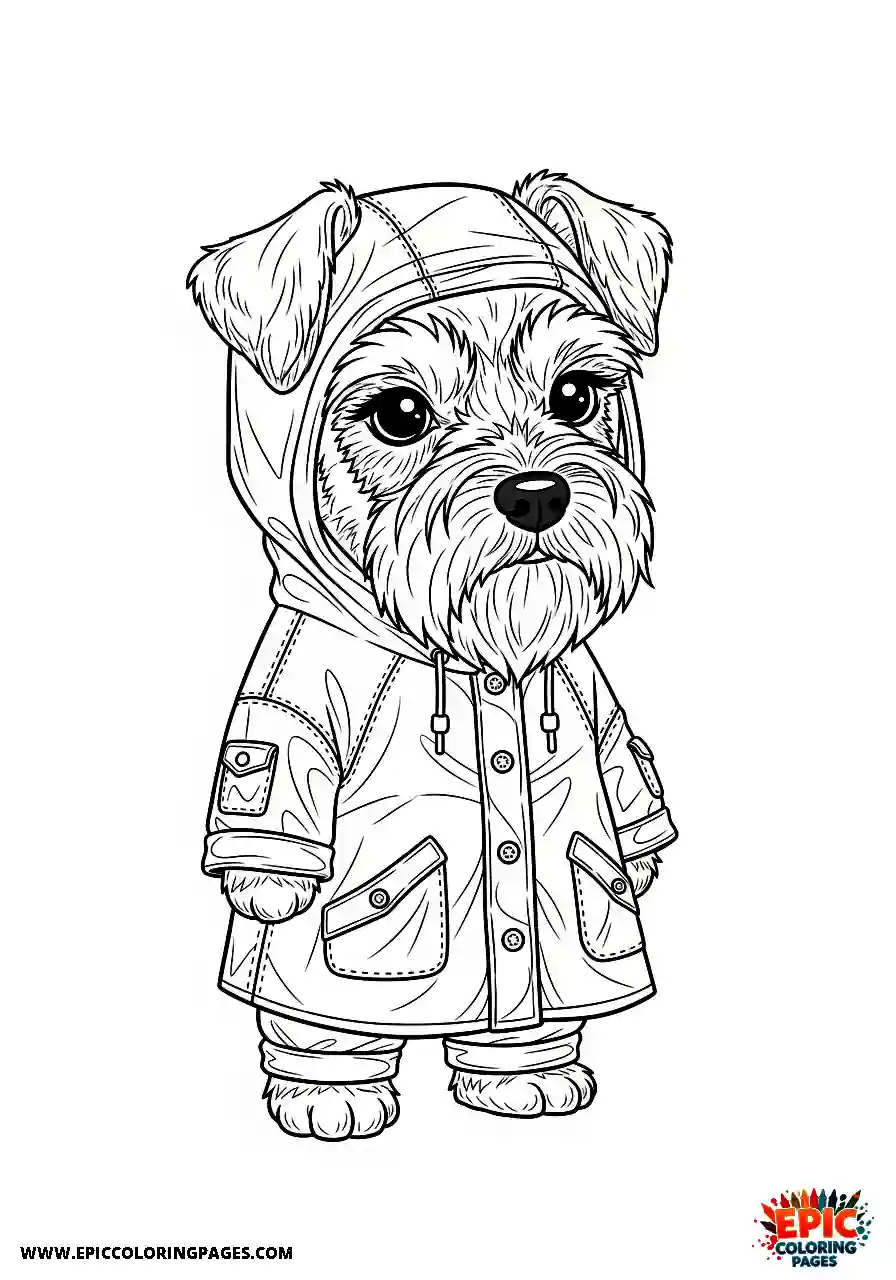
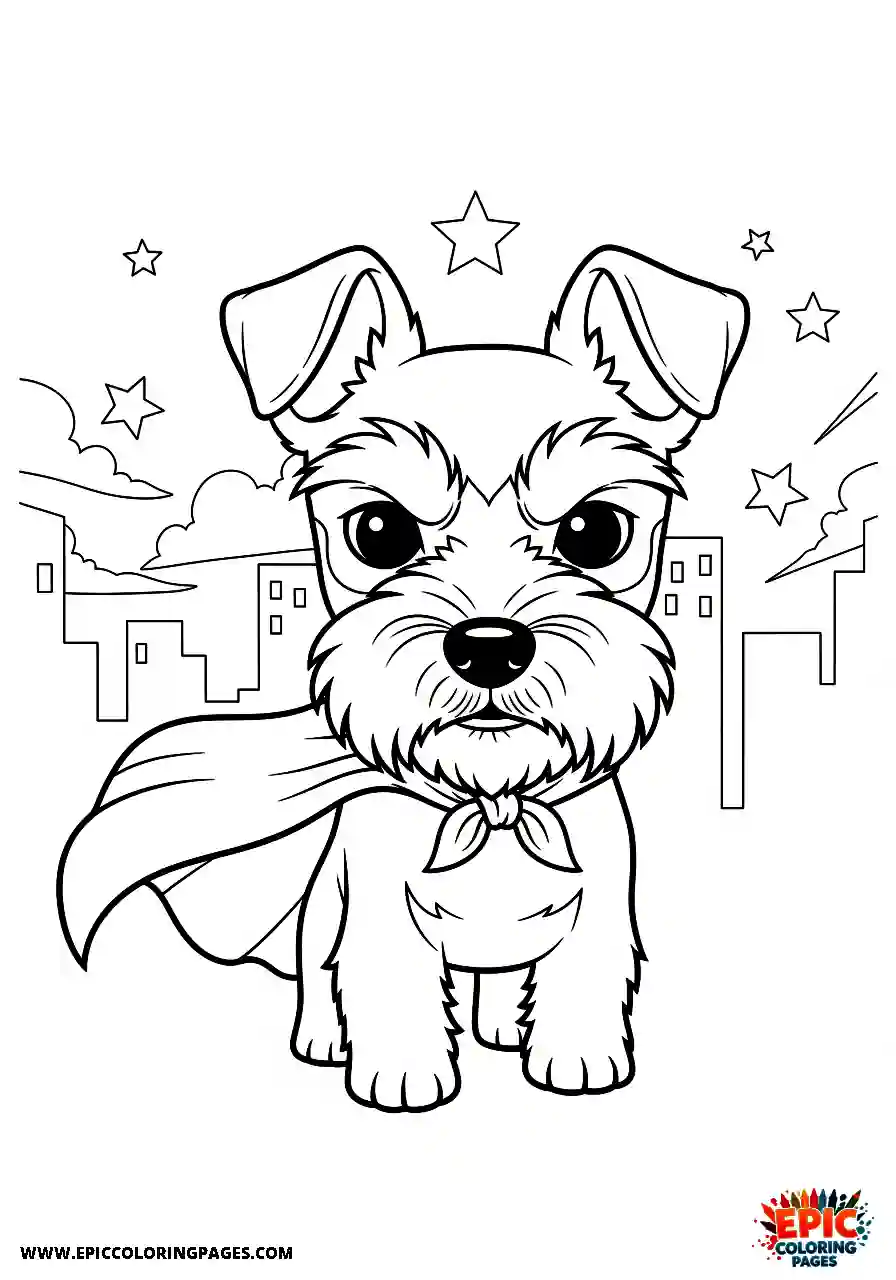
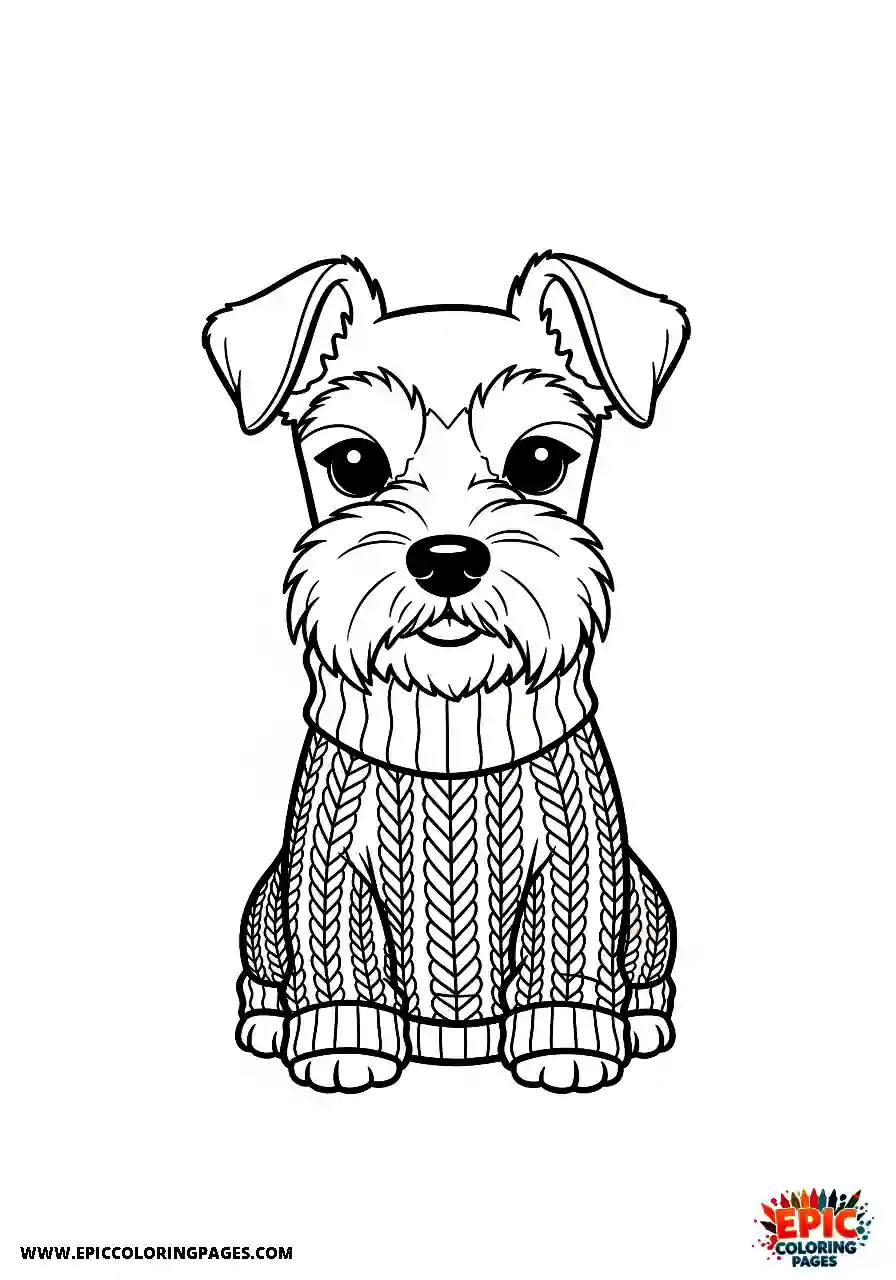
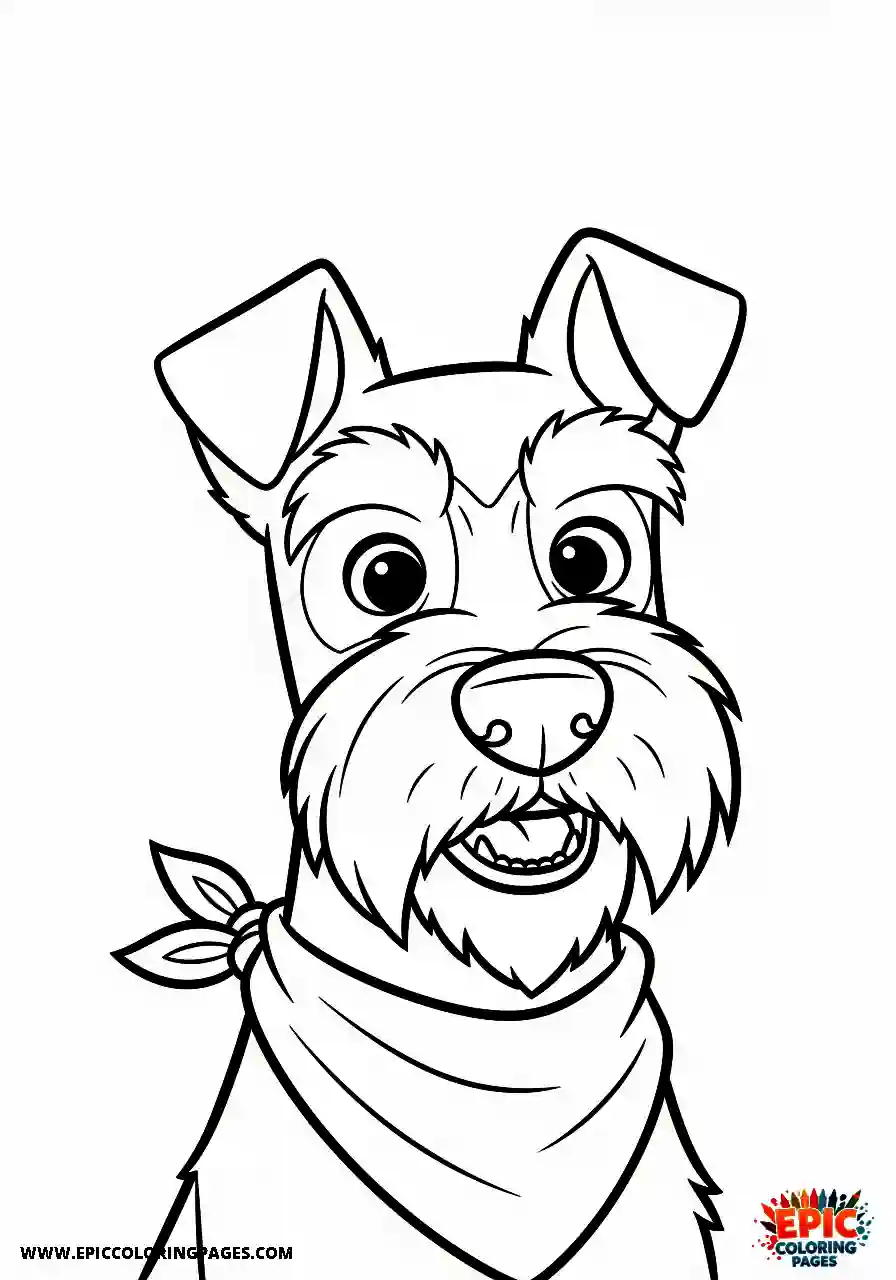
Add accessories: Schnauzers look adorable in bandanas, bow ties, or seasonal accessories. These additions let you bring in bright colors if you’ve gone realistic with the coat.
Experiment with mixed media: Combine colored pencils with watercolor backgrounds, or use markers with gel pen details.
The goal isn’t perfection it’s creating something that brings you joy and maybe captures a bit of that feisty Schnauzer personality we all love.