American Shorthair Cat Coloring Pages (328+ Free Printables)
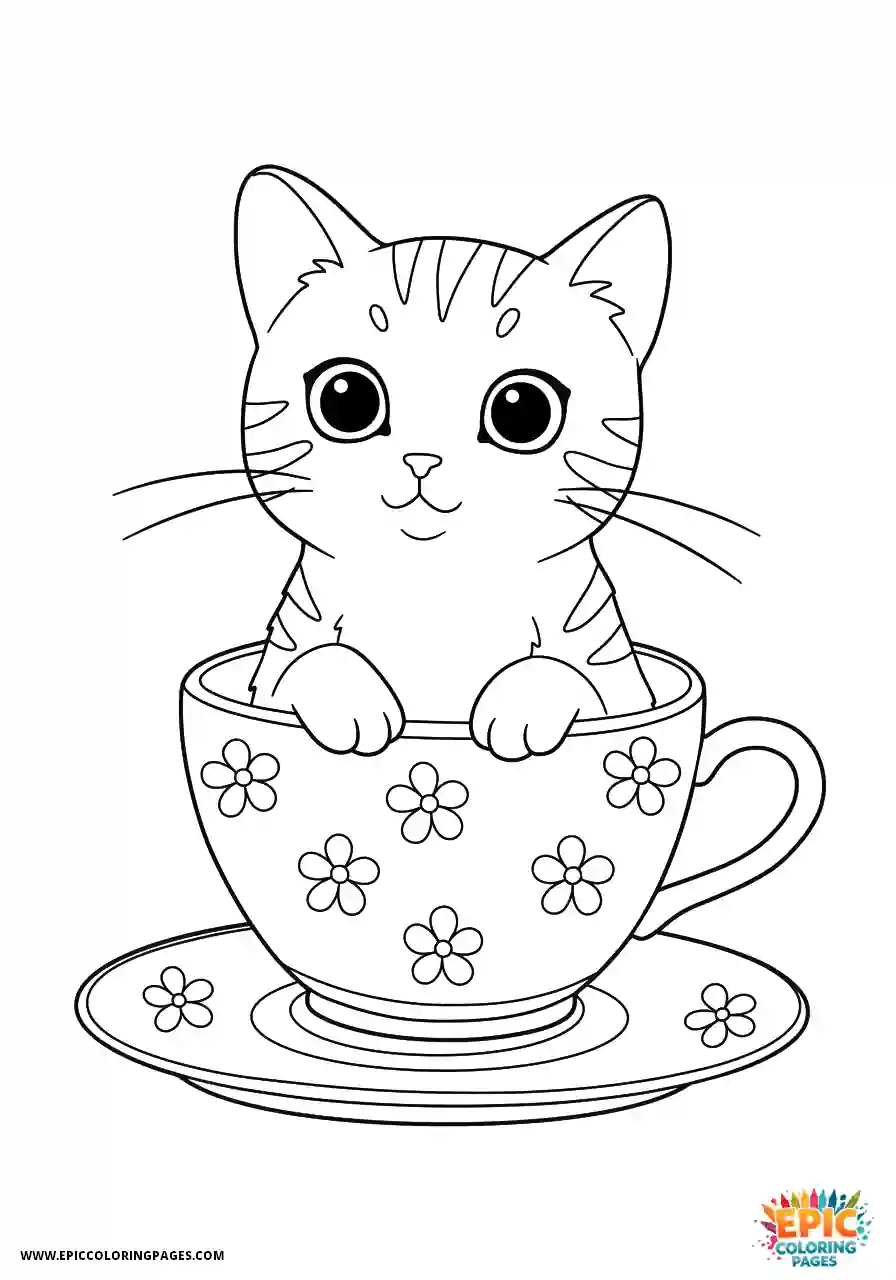
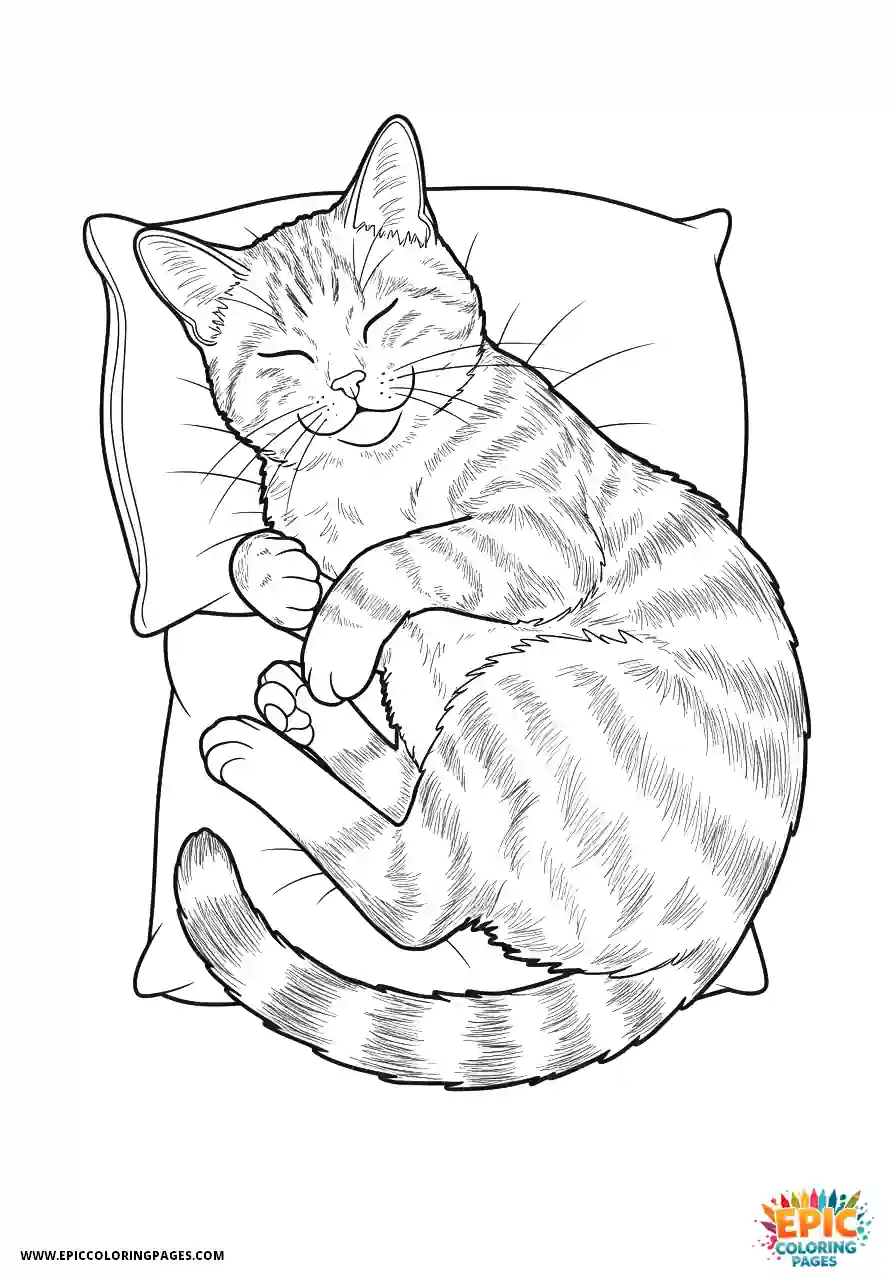
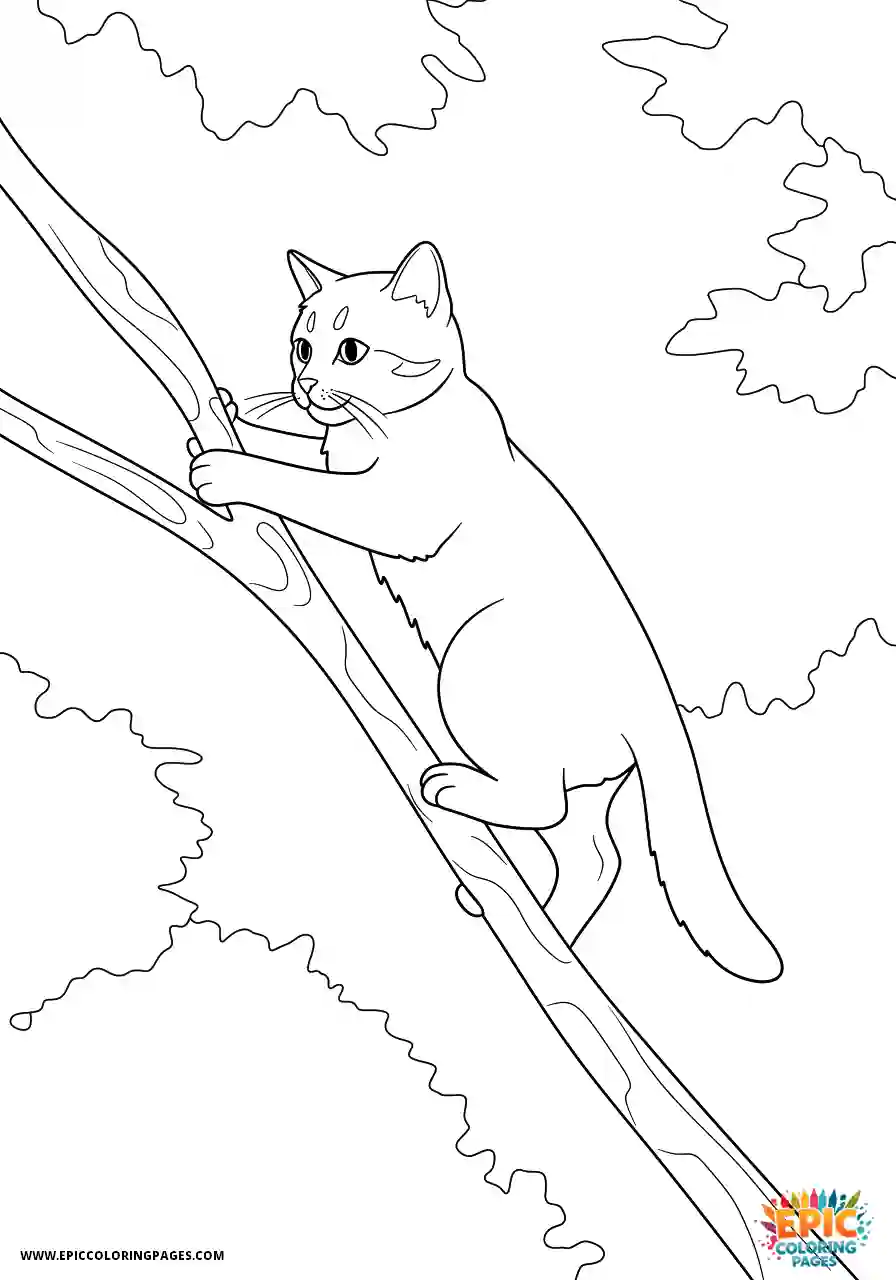
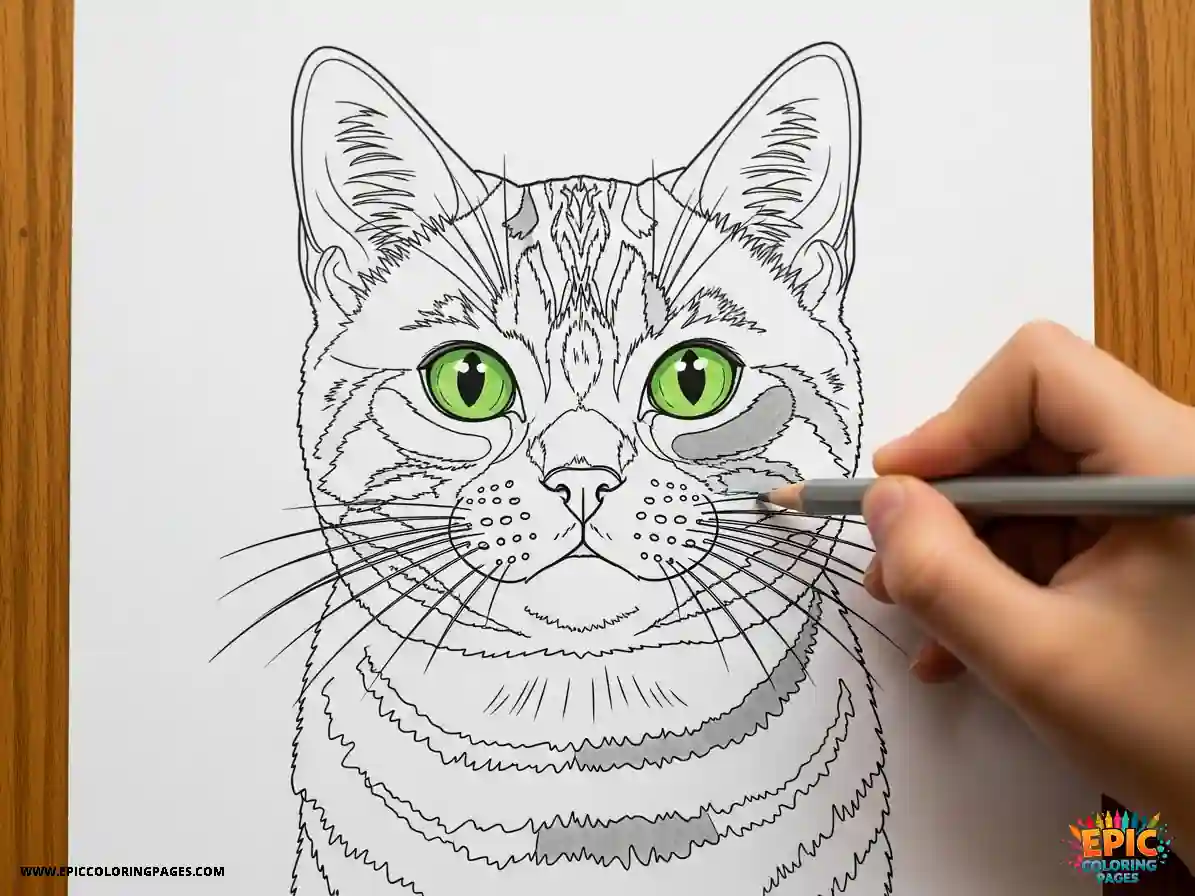
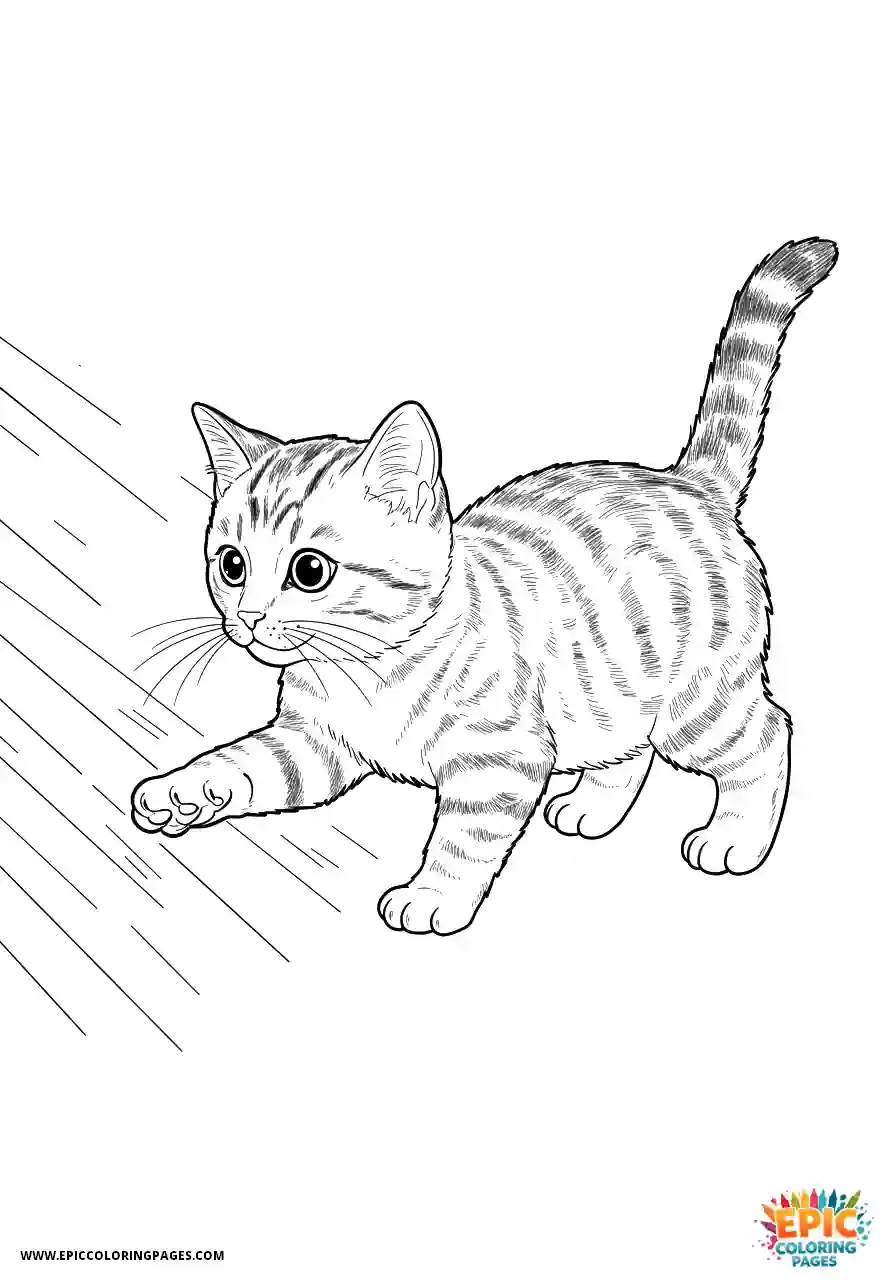
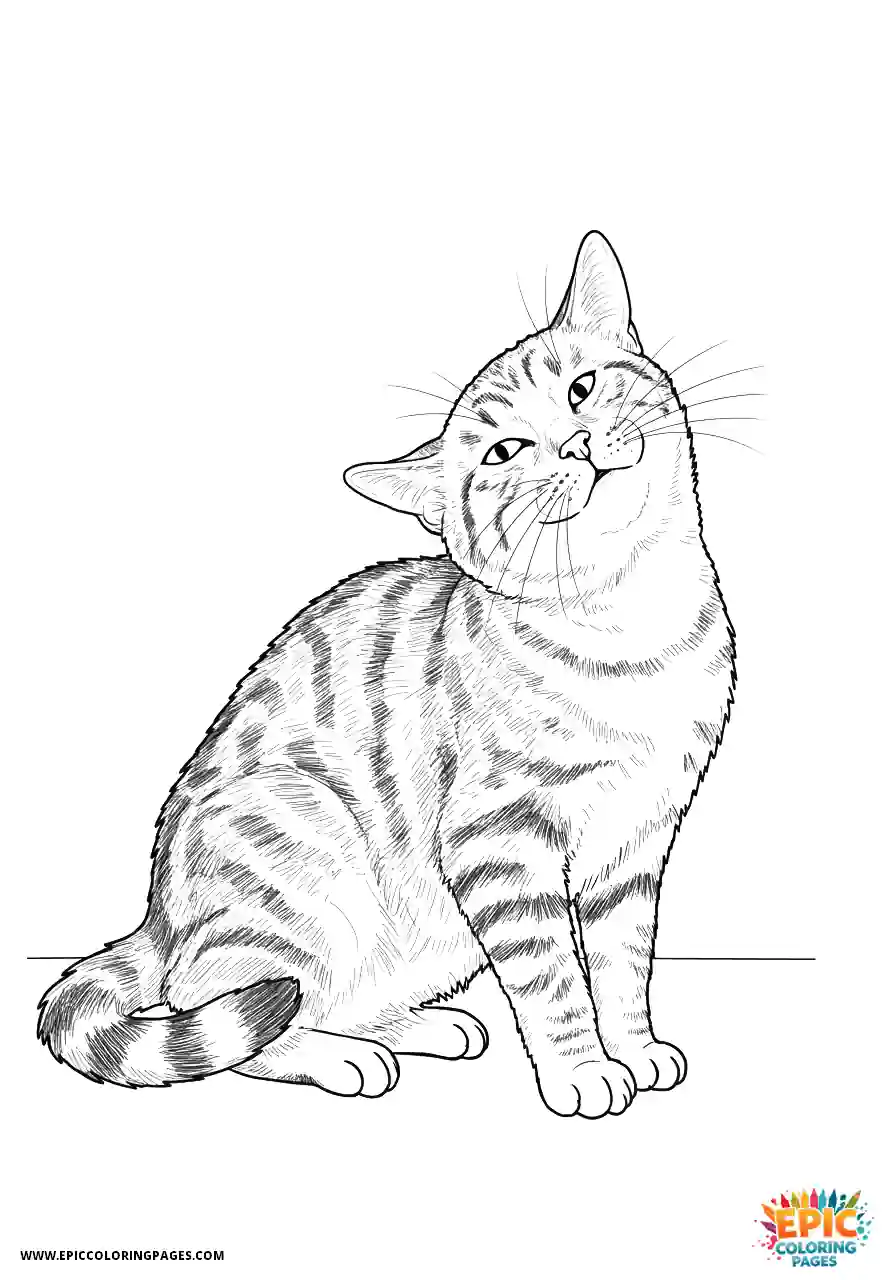
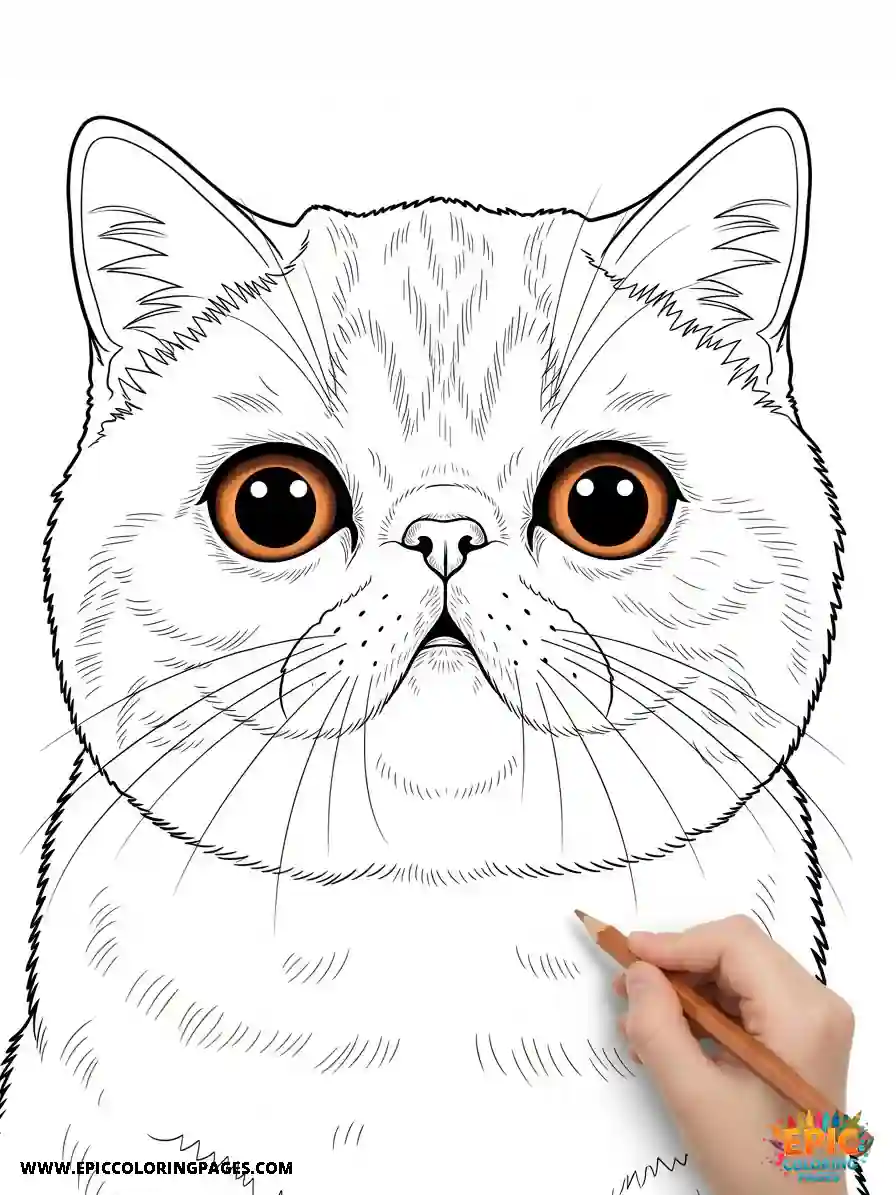
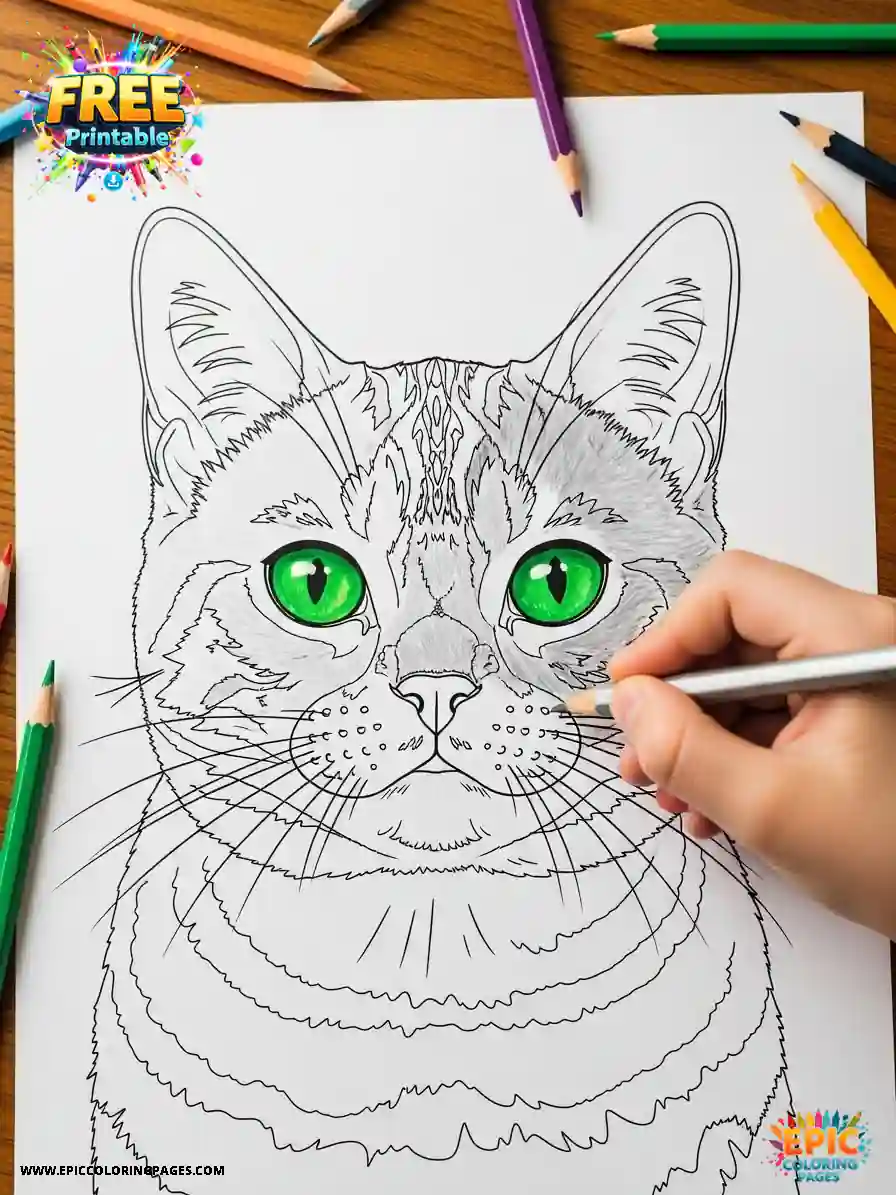
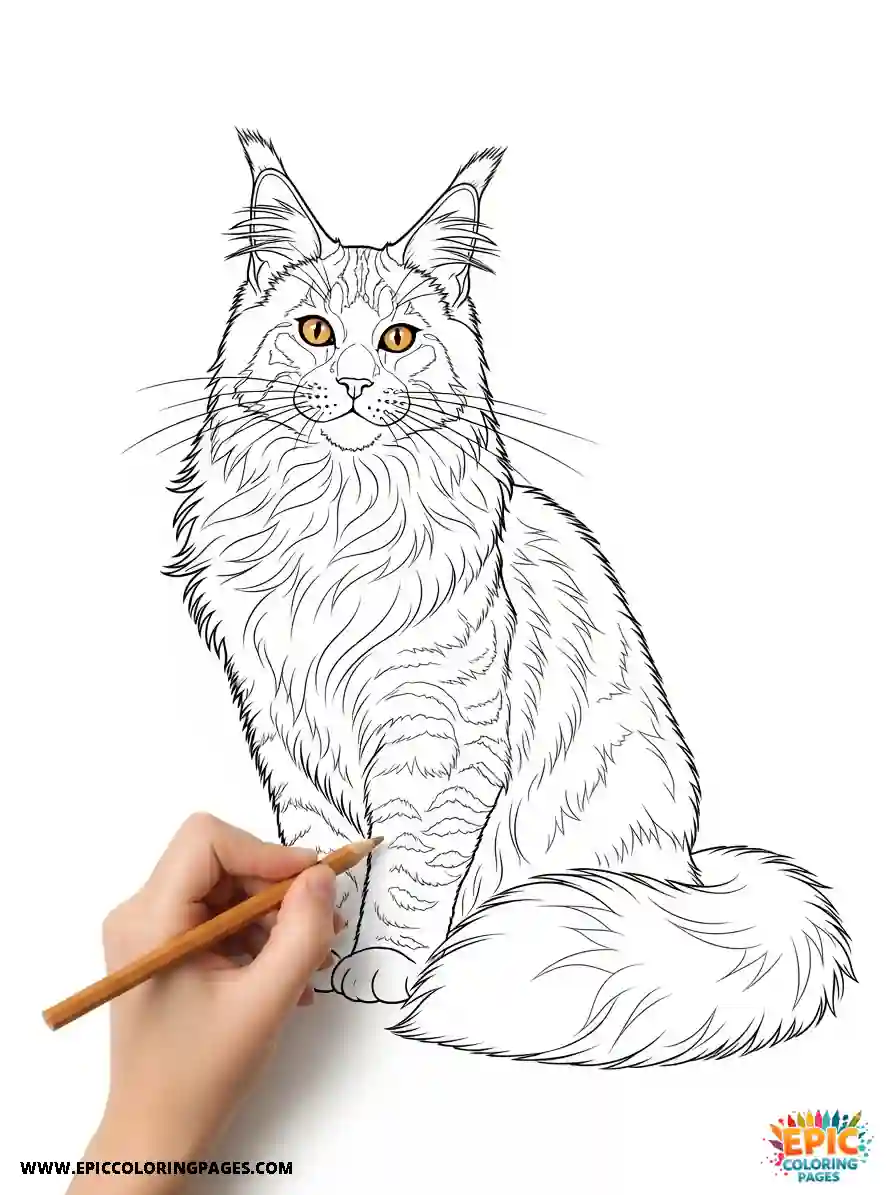
The ancestors of the American Shorthair were the brave “mousers” that arrived in North America on the Mayflower to protect the settlers’ food stores. Distinguished by their robust, rectangular bodies and broad chests, they are often called the “bodybuilders” of the feline world. While they come in many colors, they are most famous for the striking Silver Tabby pattern, featuring dense black markings on a sterling background. This collection of American Shorthair cat coloring pages captures their powerful stance and the intricate geometry of their coats, offering a satisfying complexity for anyone who loves detailed line work.
Beyond their famous silver coats, the American Shorthair is a breed of incredible diversity, accepted in more than 80 different colors and patterns. Their dense, hard coat originally evolved to withstand rough weather and brush differs significantly from the silky fur of longhaired breeds, offering a unique textural challenge for artists. Whether you are looking to color a Calico, a shaded Cameo, or a solid black hunter, this gallery reflects the breed’s versatility and their reputation as easy-going, low-maintenance companions that fit perfectly into any family scene.

๐จ Free Interactive Editor - Customize Your Coloring Pages
Click on any image to open our FREE editor and add personalized text, emojis, zoom in for details, and save in professional 300 DPI quality!
Add Text
11+ fonts
Emojis
500+ items
Zoom
Precision
Save
300 DPI
Click any coloring page to start customizing!
Mastering the "Classic Tabby" Pattern
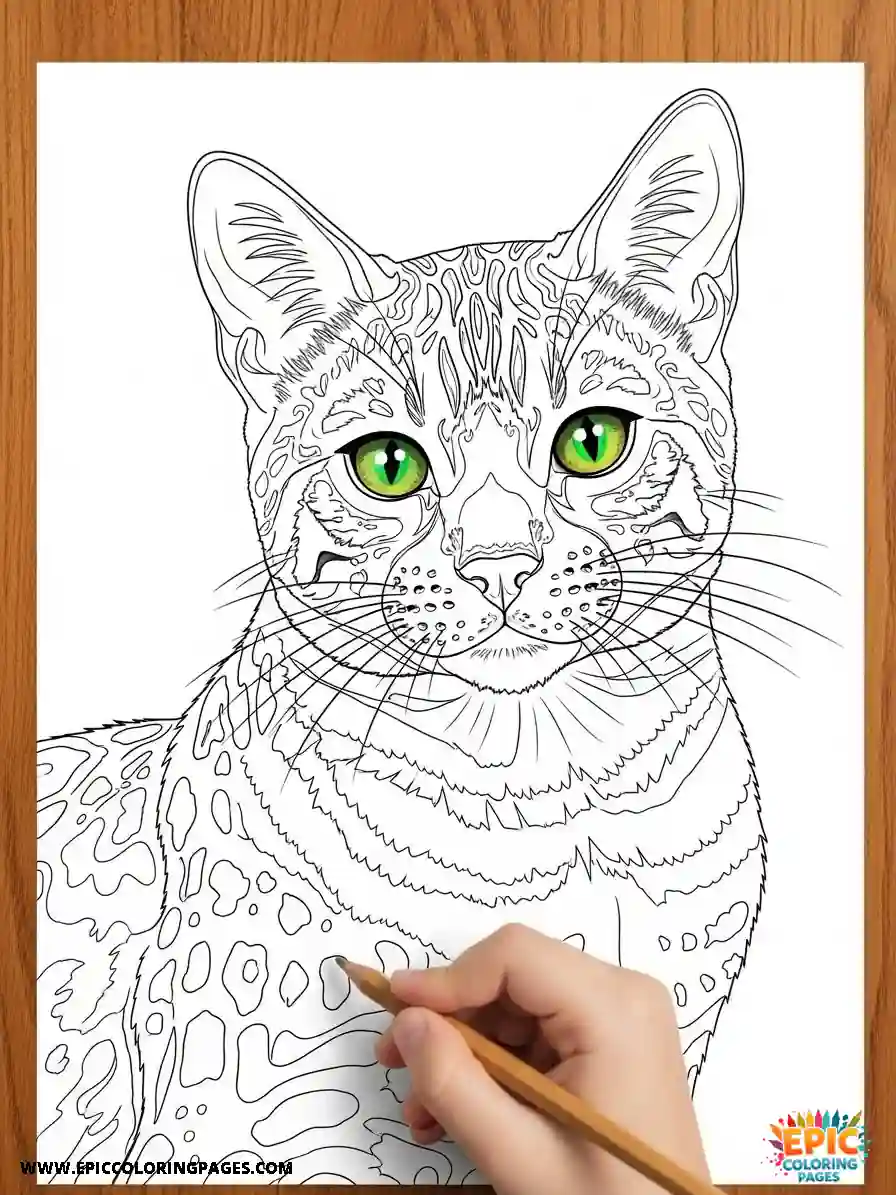
Unlike the striped “mackerel” pattern found on regular cats, the American Shorthair often displays the “Classic” tabby pattern, which is characterized by bold swirls and a distinctive “bullseye” on the side of the body.
The Bullseye Markings: Our realistic illustrations focus heavily on these swirling patterns, allowing you to practice high-contrast shading to make the dark markings pop against lighter fur.
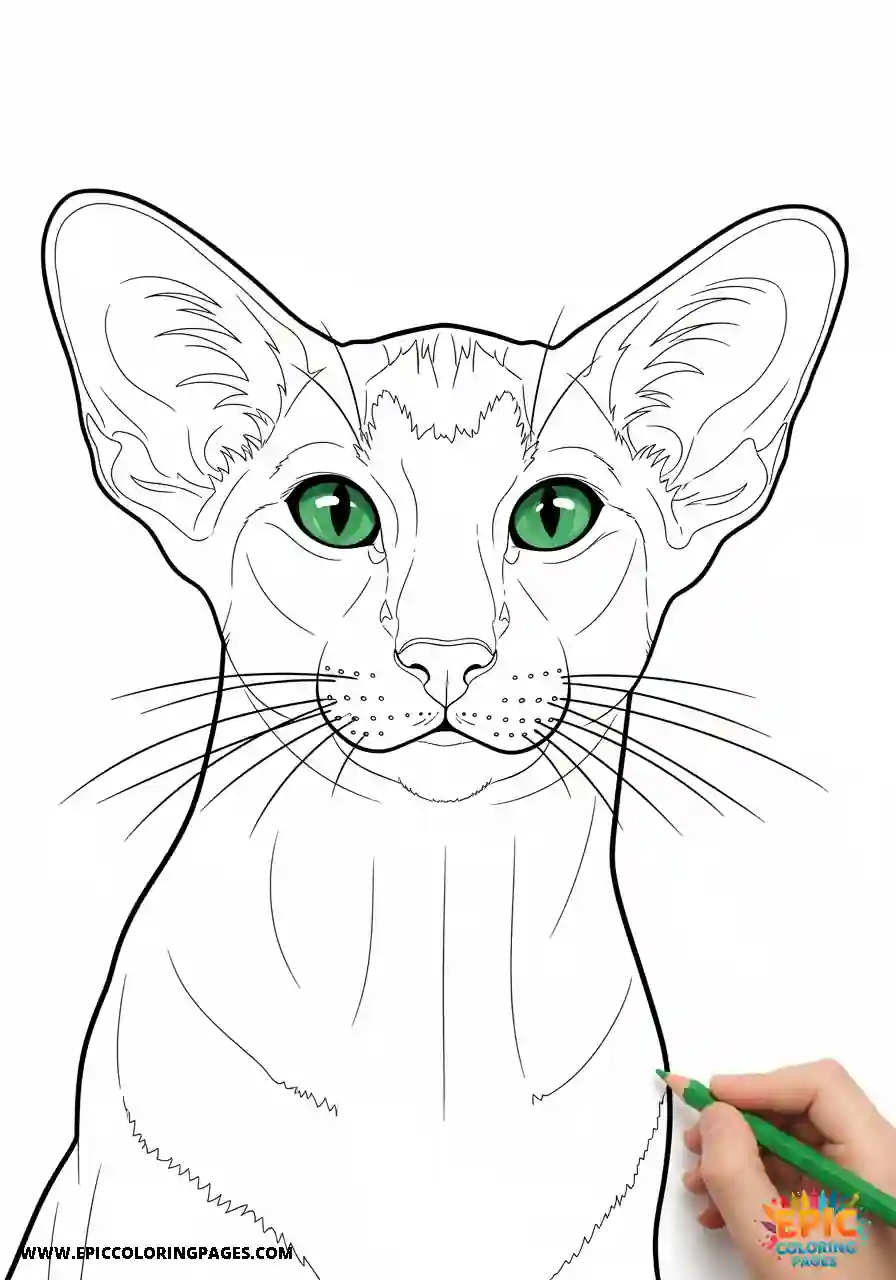
The “Working Cat” Build: You will notice that these outlines depict a heavier, more muscular cat than the slender Siamese or Aegean breeds. Pay attention to their thick necks and powerful legs.
Round Faces: Their full cheeks and large, wide-set eyes give them a sweet expression that contrasts with their tough working history, perfect for experimenting with softer shading around the muzzle.
Complete Gallery of American Shorthair Cat Coloring Sheets
More Cat Drawings
Canโt get enough of these furry friends? We have a massive library of feline printables for you to explore!
If you are looking for specific breeds like the fluffy Maine Coon or the elegant Siamese, or simply want to browse hundreds of cute kittens and playful scenes, be sure to visit our main Cat Coloring Pages collection. It is the ultimate hub for all our feline freebies!
Here are some other popular breeds you might like:
Professional Coloring Tips for American Shorthair Cat Pages
Coloring an American Shorthair cat offers a wonderful opportunity to explore realistic fur textures, expressive eyes, and the breed’s characteristic stocky build. Whether you’re just starting out or looking to refine your technique, these tips will help you bring these beloved cats to life on paper.
Understanding the American Shorthair's Appearance
Before you begin coloring, take a moment to observe what makes this breed special. American Shorthairs have round faces with full cheeks, large expressive eyes, and a muscular, medium-to-large body. Their coat comes in over 80 color combinations, but the silver tabby pattern remains the most iconic. Notice how their fur lies close to the body with a dense, even texture this will inform your coloring approach.
Choosing Your Color Palette
The beauty of American Shorthairs lies in their variety. Classic silver tabbies feature silver-gray base coats with bold black markings, while brown tabbies show warm copper tones with rich chocolate stripes. Orange tabbies glow with apricot and cream highlights. For realistic results, never use a single flat color. Layer at least three shades: a base tone, a mid-tone for dimension, and highlights for shine.
If you’re working with colored pencils, consider starting with a light hand. You can always add more pigment, but removing it is nearly impossible. For markers, test your colors on scrap paper first they can appear darker once applied and may bleed through thin paper.
Creating Realistic Fur Texture
Fur isn’t uniform, and capturing this variation makes all the difference. Use short, directional strokes that follow the natural growth pattern fur radiates outward from the nose, flows down the back, and sweeps along the legs. On an American Shorthair’s face, fur grows outward from the center in a subtle starburst pattern.
For tabby markings, observe that the “M” shape on the forehead is actually made of individual hairs creating a pattern, not a solid mark. Layer your strokes to build up these patterns gradually. The stripes on the body curve around the cat’s form they’re not straight lines but follow the contours of the muscles beneath.
Leave tiny gaps of white or lighter color between your strokes occasionally. This creates the illusion of individual hairs catching light and prevents your coloring from looking flat or muddy.
Bringing the Eyes to Life
American Shorthairs typically have large, round eyes in shades of gold, green, or copper. The eyes are perhaps the most important feature for conveying personality. Start with a medium base color, then darken the outer rim of the iris significantly. Add a darker ring or radiating lines from the pupil outward real eyes have depth and variation.
The catchlight (that bright spot of reflected light) is crucial. Leave a small area completely white, or if you’ve already colored over it, use a white gel pen or opaque white paint to add it back. Position it consistently if there are multiple light sources in your image. A round or slightly oval catchlight in the upper portion of the eye creates an alert, engaged expression.
Don’t forget the subtle shading around the eyes. The area just beneath the eye often has a slight shadow, and the fur around the eye socket can be slightly darker, creating natural depth.
Building Dimension Through Shading
Cats are three-dimensional creatures, and your coloring should reflect that. Identify your light source first is it coming from above, from the side, or from the front? Areas facing the light will be brighter, while areas turned away will be darker.
On an American Shorthair’s round face, you’ll typically see shadows beneath the cheekbones, under the chin, and on the sides of the muzzle if the light comes from above. The chest area often catches light beautifully, while the underside of the body falls into shadow.
Use a slightly darker version of your base color for shaded areas rather than switching to black or gray, which can deaden your colors. Blend your shadows gradually into the mid-tones harsh lines will make your cat look flat or cartoonish unless you’re deliberately going for that style.
Working with Different Coloring Media
Colored pencils excel for fur texture because you can control each stroke precisely. Work in layers, starting light and building up intensity. Burnishing (pressing hard with a lighter color over your darker layers) can create smooth, shiny areas perfect for highlighting.
Markers move quickly and create vibrant colors, but they require planning. Color lighter areas first, and use the lighter marker to blend into darker sections while the ink is still wet. Alcohol-based markers blend more smoothly than water-based ones.
Crayons can be underestimated, but they’re excellent for building waxy, rich color. Use the tip for details and the side for broader coverage. Layering different crayon colors creates unexpected depth.
Watercolors and brush pens allow for beautiful gradient effects. Work wet-on-dry for defined edges on markings, or wet-on-wet for soft, blended backgrounds. Remember that colors dry lighter than they appear when wet.
Adding Final Details
Once your base coloring is complete, step back and assess. Does your cat need more contrast? Add deeper shadows in the darkest areas and brighter highlights where light hits prominently the top of the head, bridge of the nose, shoulders, and haunches.
Individual whiskers can be added with a white gel pen or fine-tipped white paint marker. Keep them delicate and varied in length. Don’t forget the tiny white highlight on the nose leather and the subtle color variation between the nose and the surrounding fur.
If you’re working on a tabby pattern, make sure your stripes have slightly irregular edges. Nature isn’t perfectly symmetrical, and those small imperfections add authenticity.
Common Mistakes to Avoid
Many colorists press too hard too soon, making it impossible to blend or adjust. Start with light pressure and build gradually. Another frequent issue is neglecting the direction of fur growth, which makes the coat look unnatural. Always consider where the fur flows before making your marks.
Overblending can also be problematic. While smooth gradients have their place, fur has texture, and some visible strokes enhance realism. Similarly, using pure black for shadows often creates a harsh, lifeless appearance opt for dark browns, grays, or deep versions of your base color instead.
Practice and Patience
The most important tip is simply to practice without judgment. Your first American Shorthair might not look exactly as you envisioned, and that’s perfectly okay. Each page you color teaches you something new about color interaction, shading, and technique. Keep your earlier work to see your progress over time you’ll be amazed at how quickly you improve.
Experiment with different color combinations even for the same outline. Try a blue-cream American Shorthair, then a red tabby, then a calico. Each variation will teach you something different about color theory and application.
Most importantly, enjoy the process. Coloring is as much about the meditative, creative journey as it is about the finished product. Put on some music, settle into a comfortable spot, and let yourself be fully present with your American Shorthair coloring page. The cats we create with our own hands carry a special kind of magic.
Interesting facts about the American Shorthair Cat
Do American Shorthair cats have a specific personality I should capture?
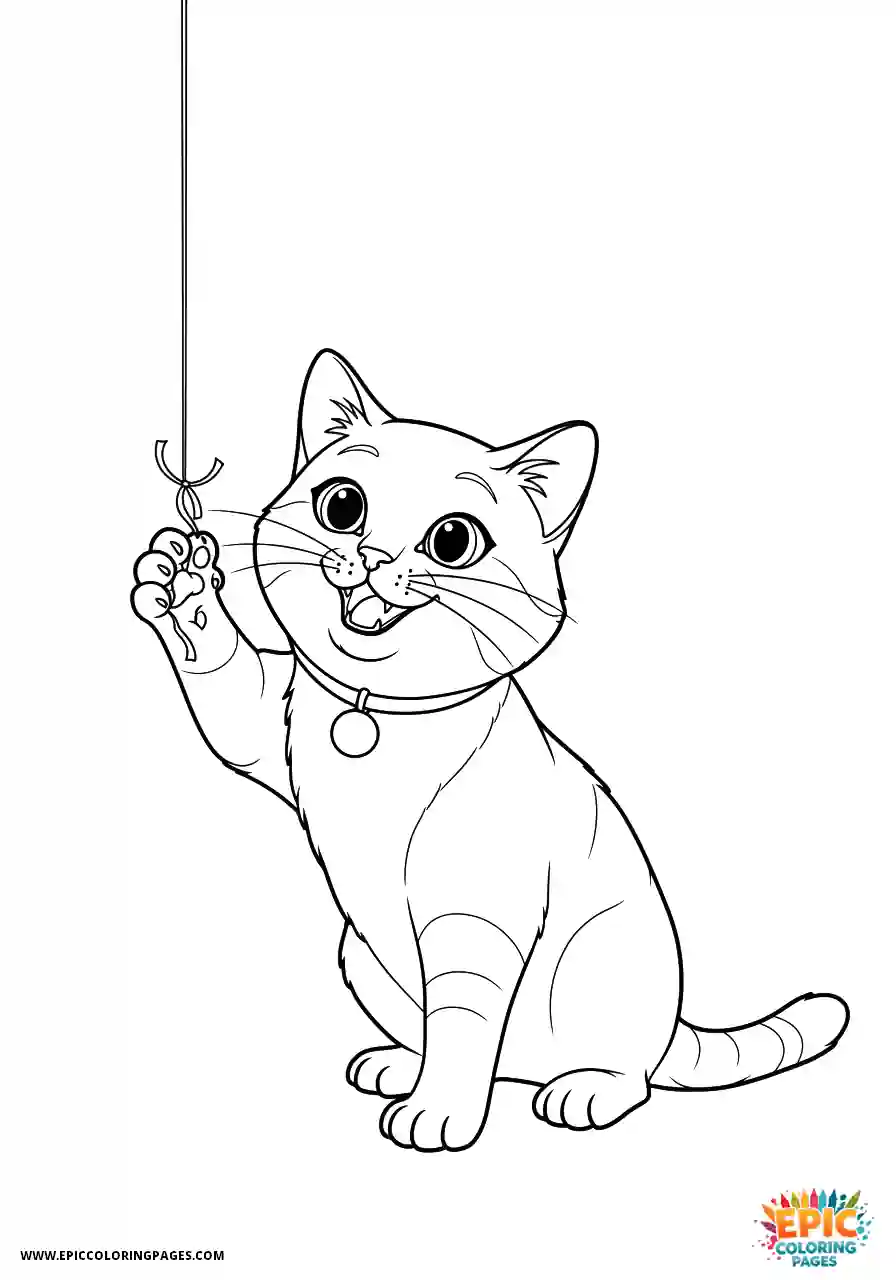
Yes! They are known for being easy-going, moderately active, and friendly. They aren’t usually “clingy” lap cats that demand attention 24/7, but they love being near their owners. When coloring scenes, depict them looking curious, playful, or relaxing on a window sill content and independent.
Are American Shorthair cats hypoallergenic?
No, they are not. In real life, American Shorthairs have a dense coat that sheds (especially in spring and fall) and they produce dander, which can trigger allergies.
How long do American Shorthair cats live?
These are sturdy, healthy cats. On average, an American Shorthair lives between 15 to 20 years. Because they were bred as working cats (to catch mice on farms and ships), they have a robust constitution. This longevity makes them a lifelong friend for many families.
How big do American Shorthairs get?
They are powerful cats. Males usually weigh between 11 to 15 pounds, while females are slightly smaller, ranging from 6 to 12 pounds. When coloring them next to other objects, remember they should look solid and heavy, not slender like a Siamese.
What is special about the American Shorthair cat breed?
History is what makes them special! They are believed to have arrived in North America on the Mayflower to help control rat populations. They are a true piece of American history. Their transition from “working mouser” to “beloved family pet” is a testament to their adaptable and sweet nature.