Home Animal Cat Abyssinian Cat

Abyssinian Cat Coloring Pages (529+ Free Printables)

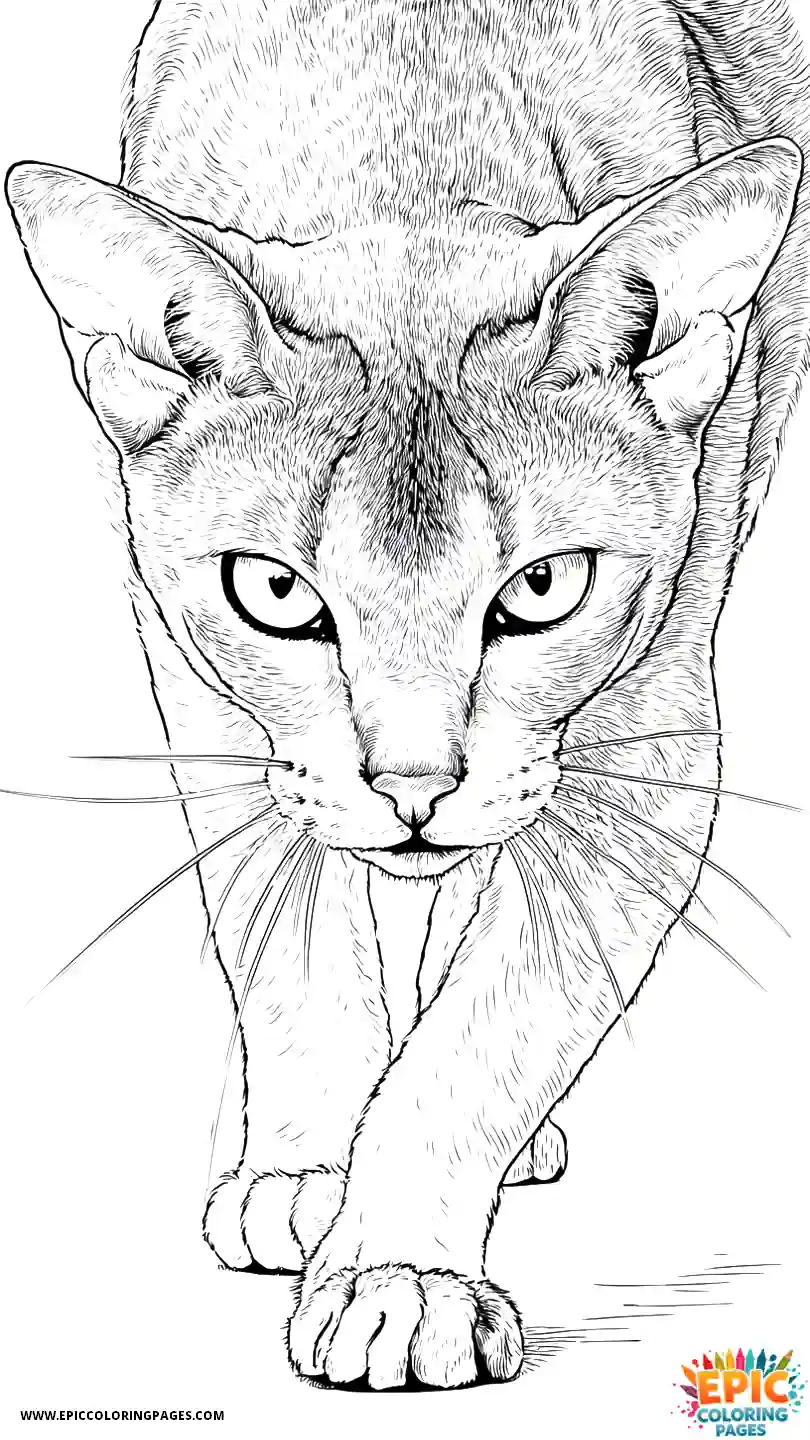
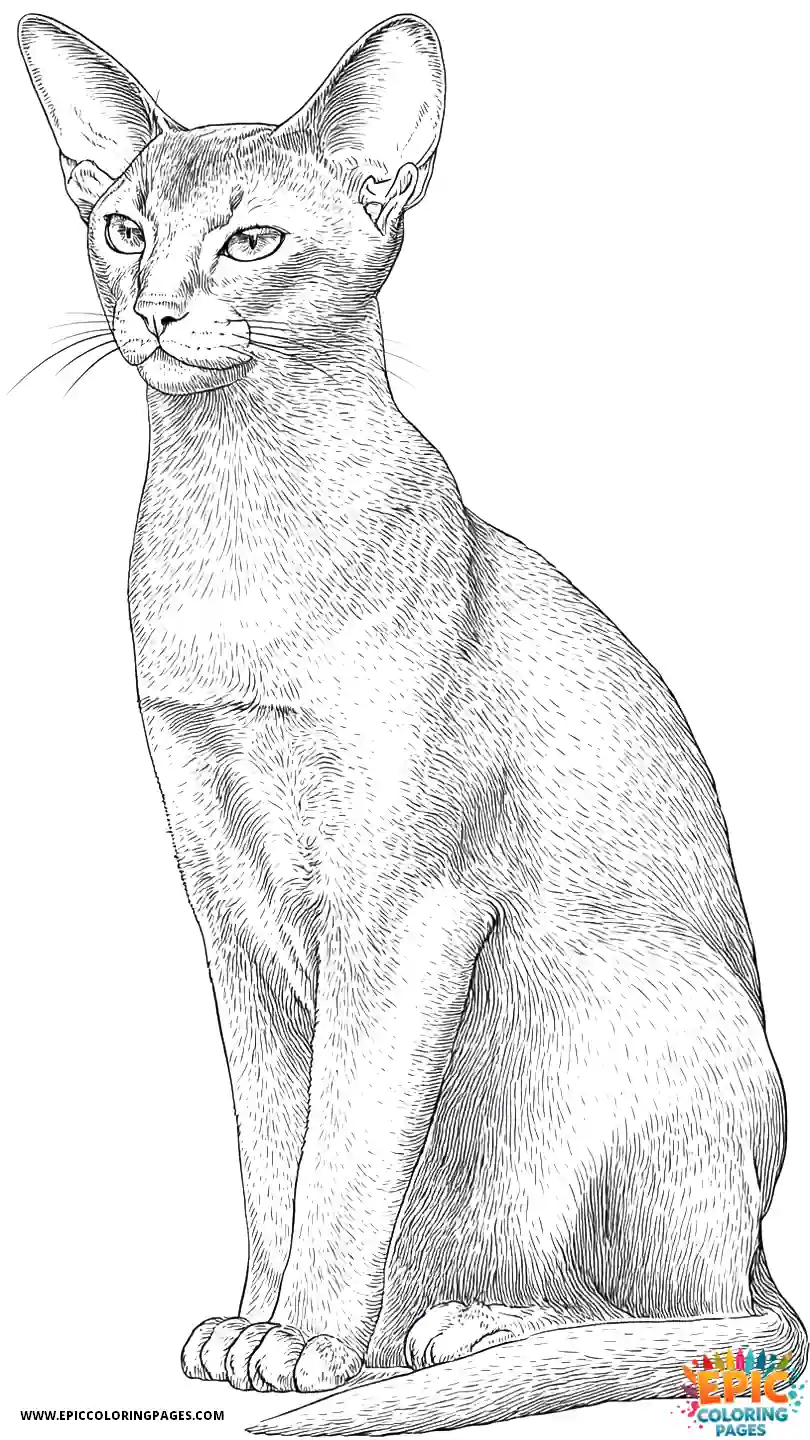
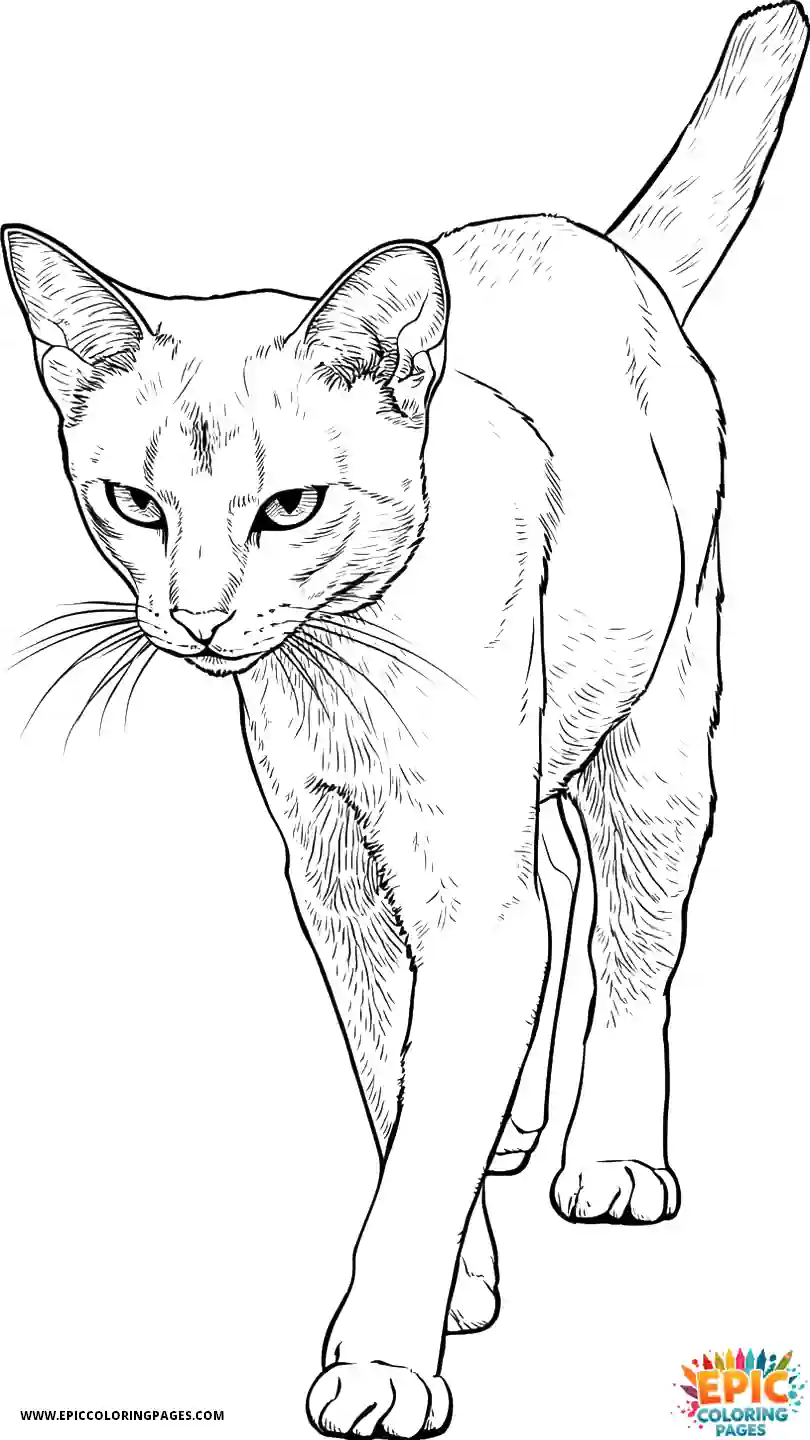
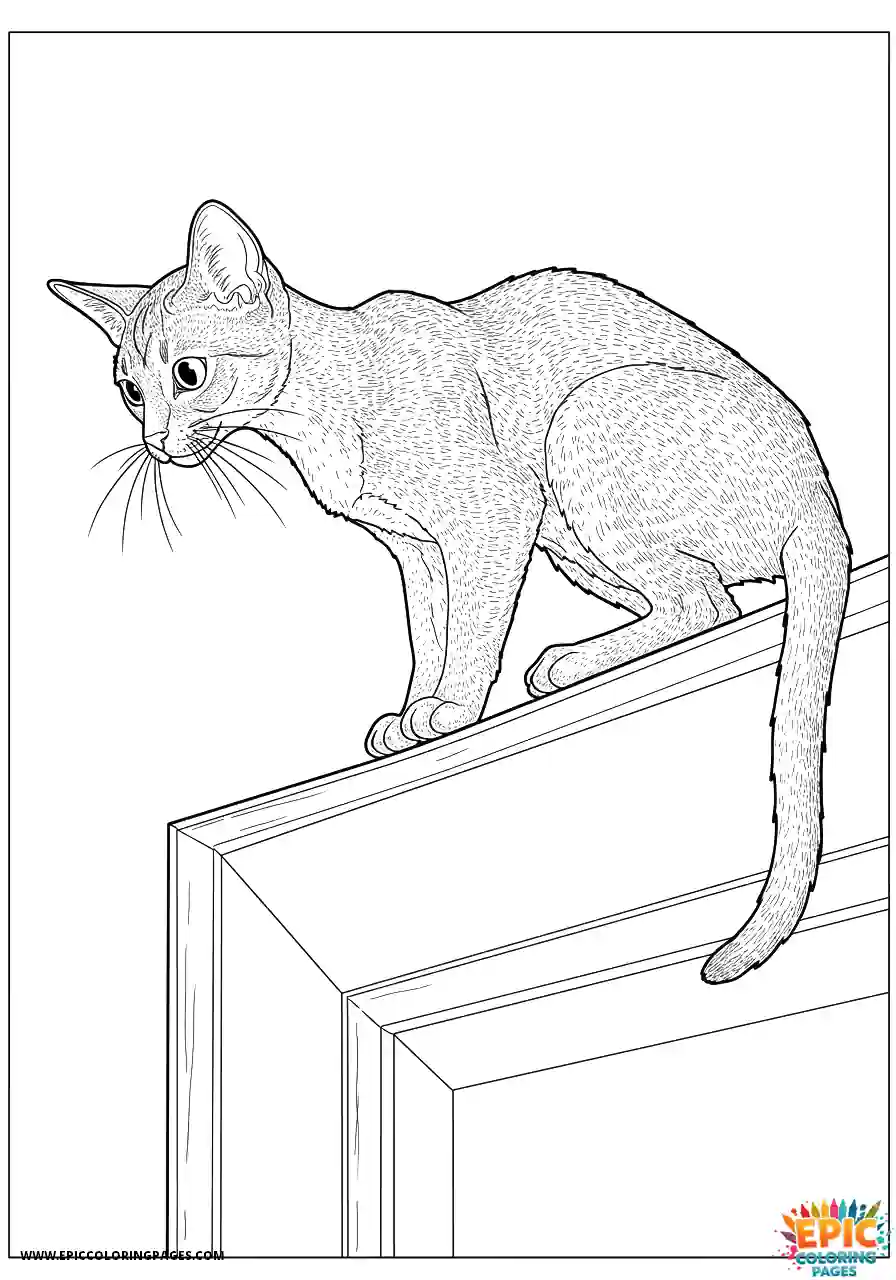
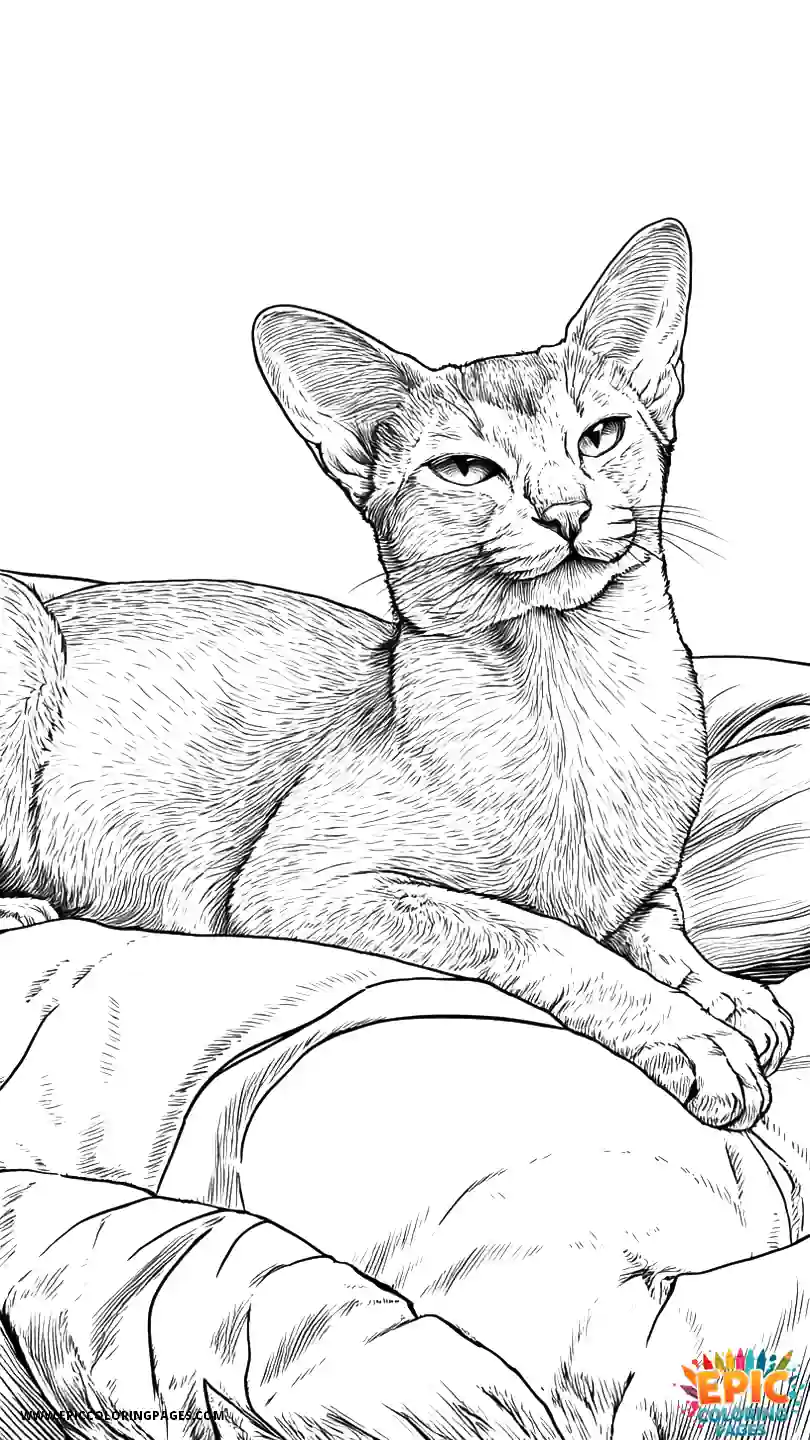
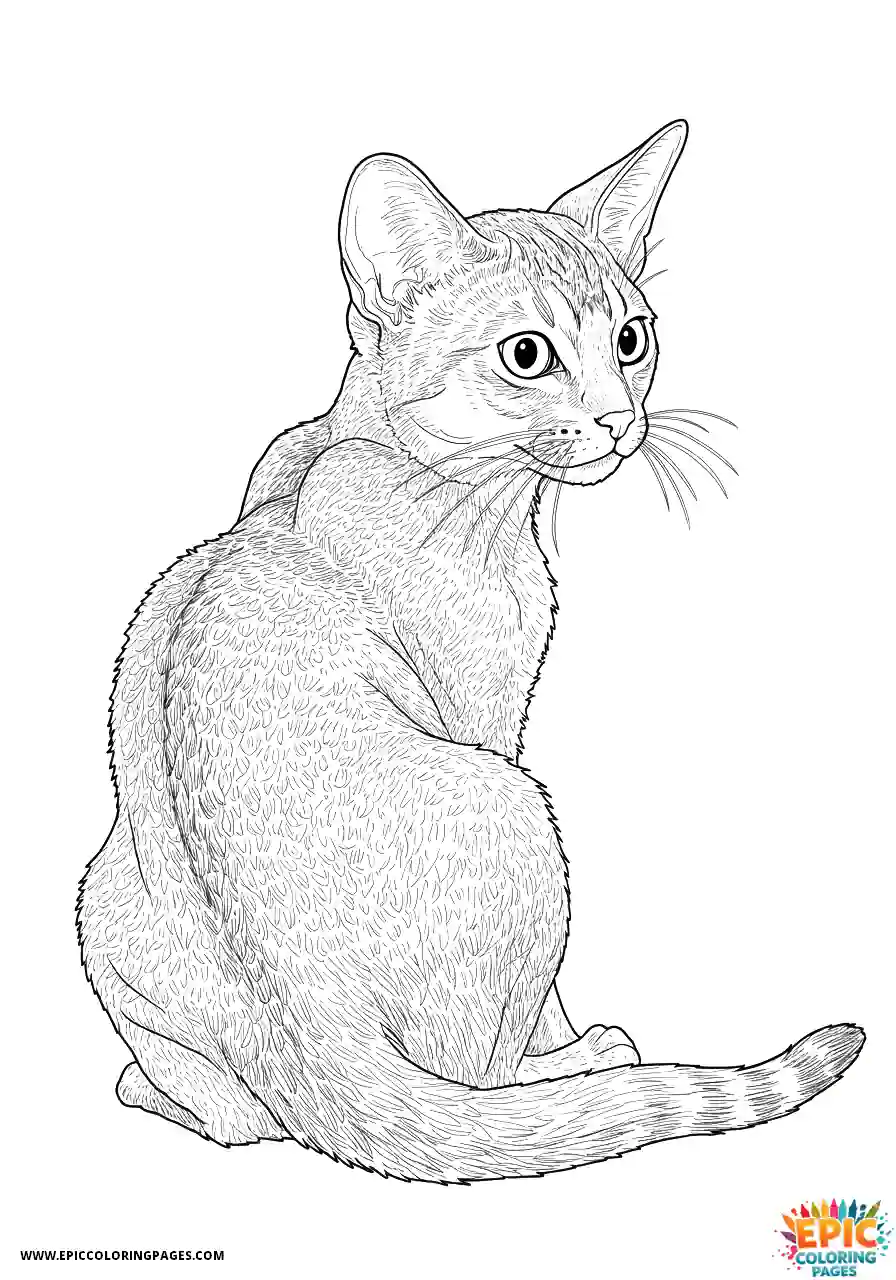
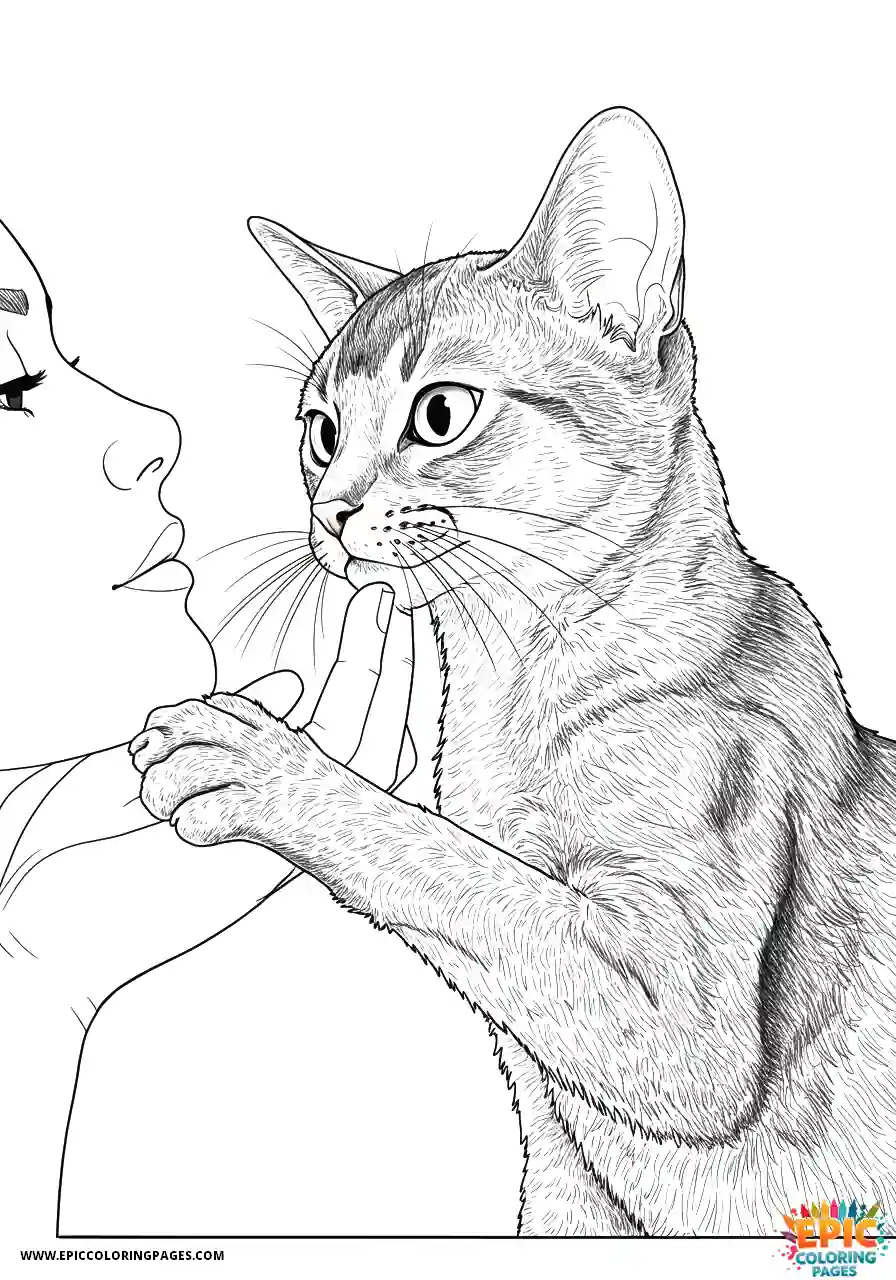
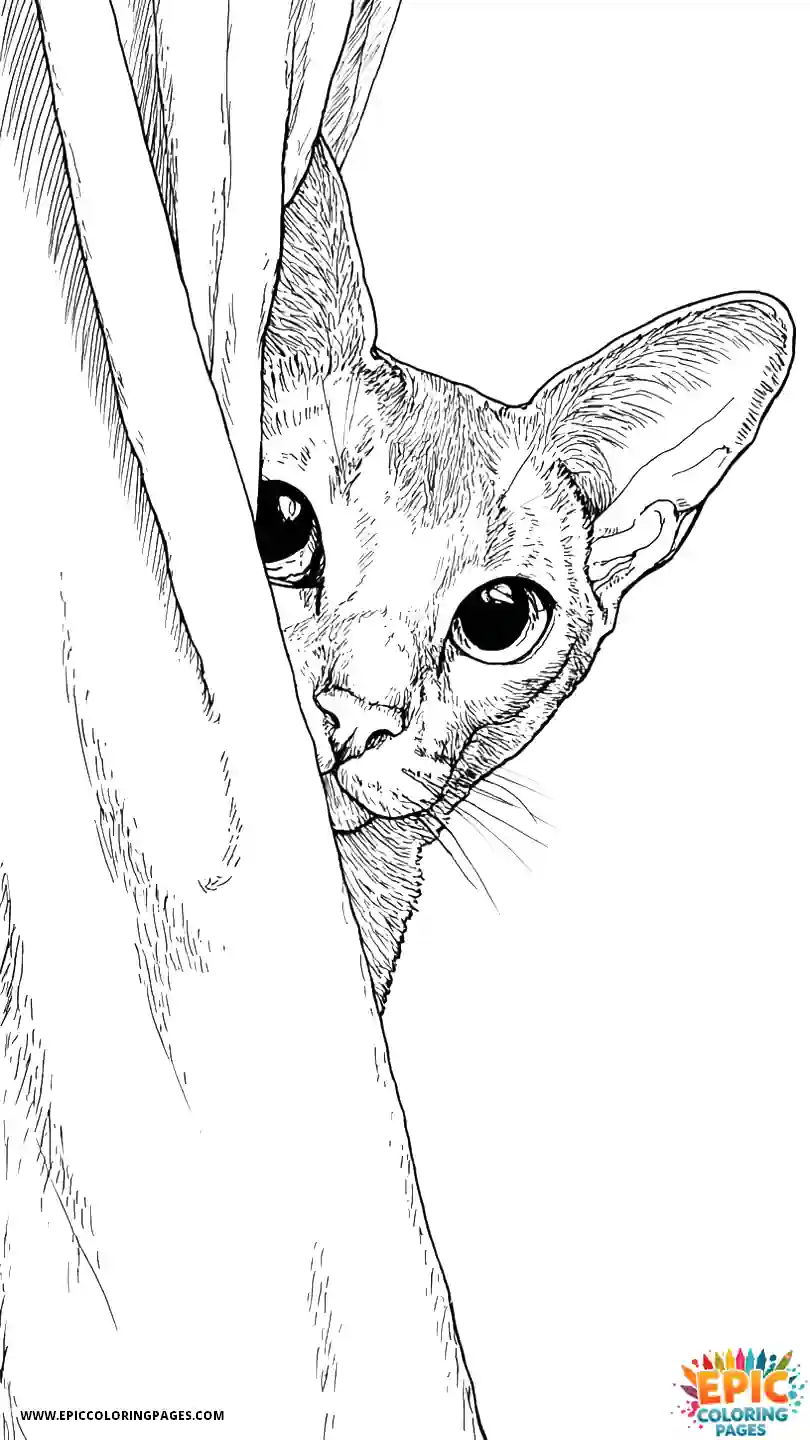
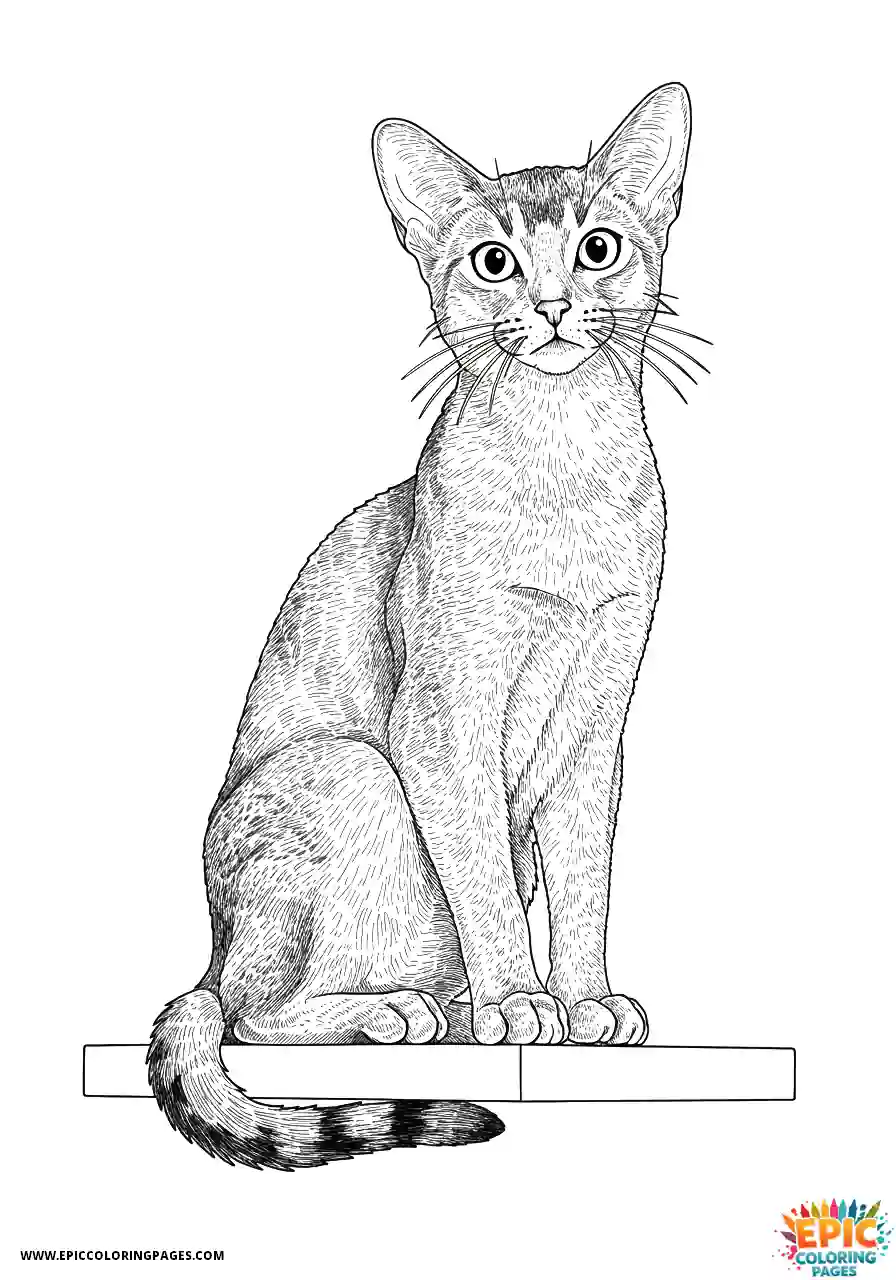
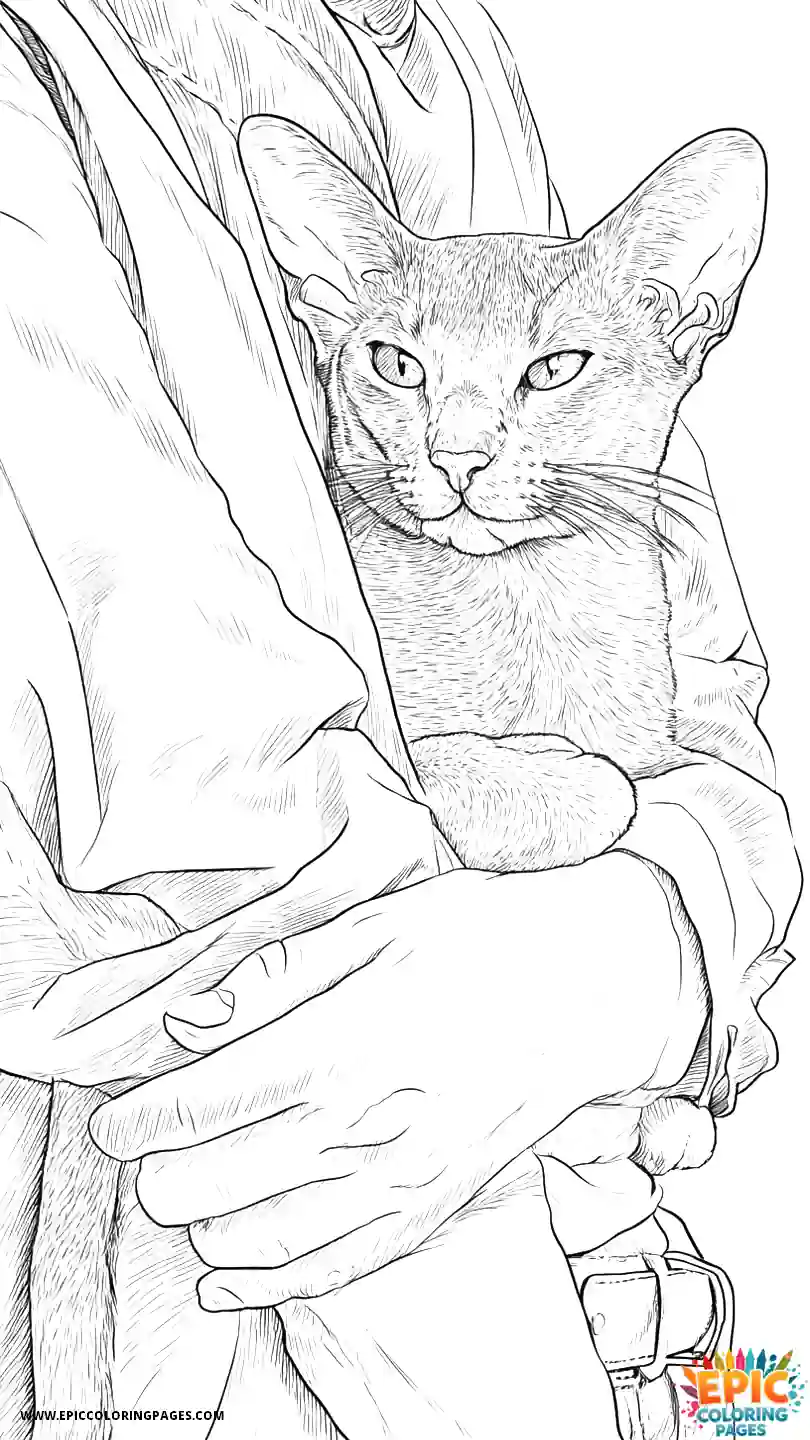
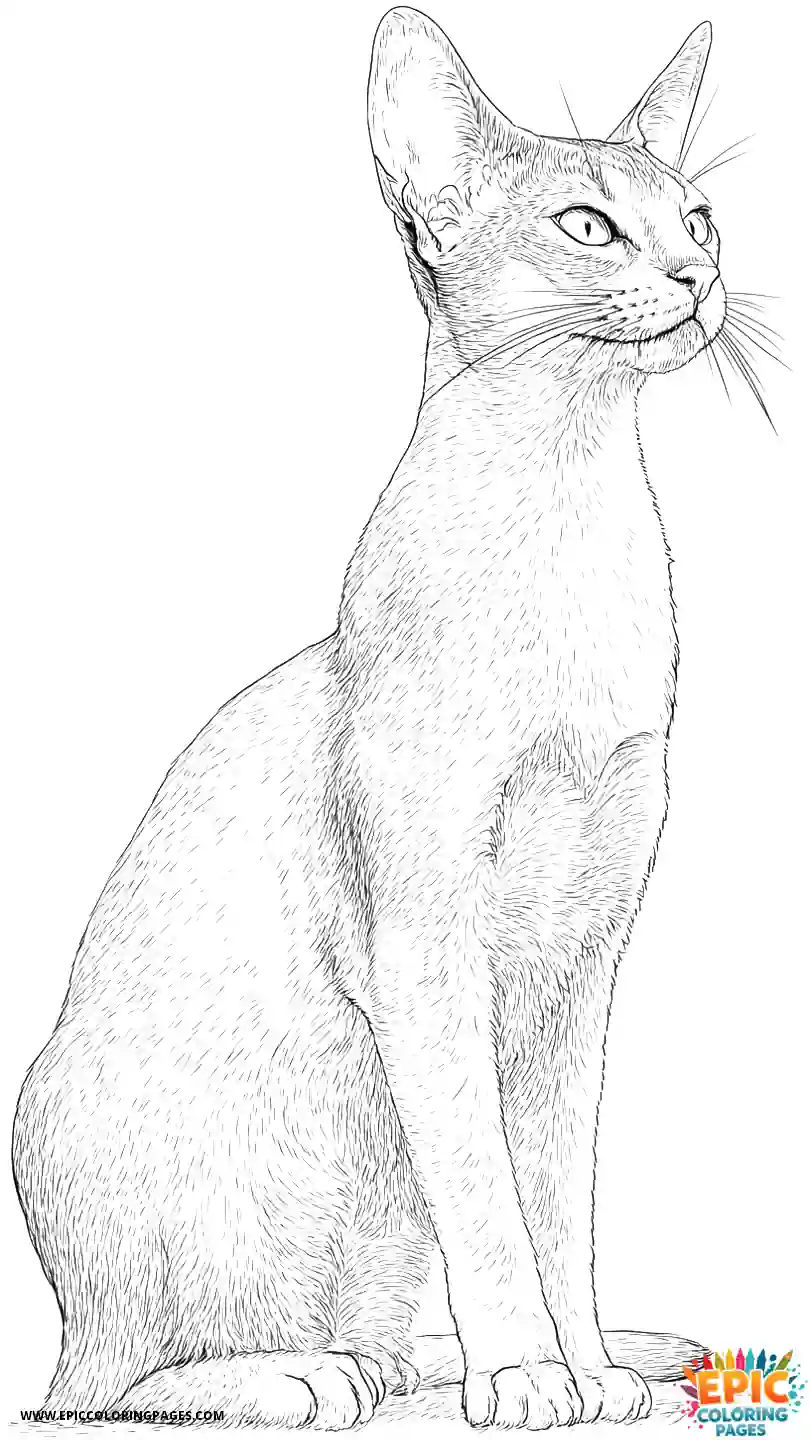
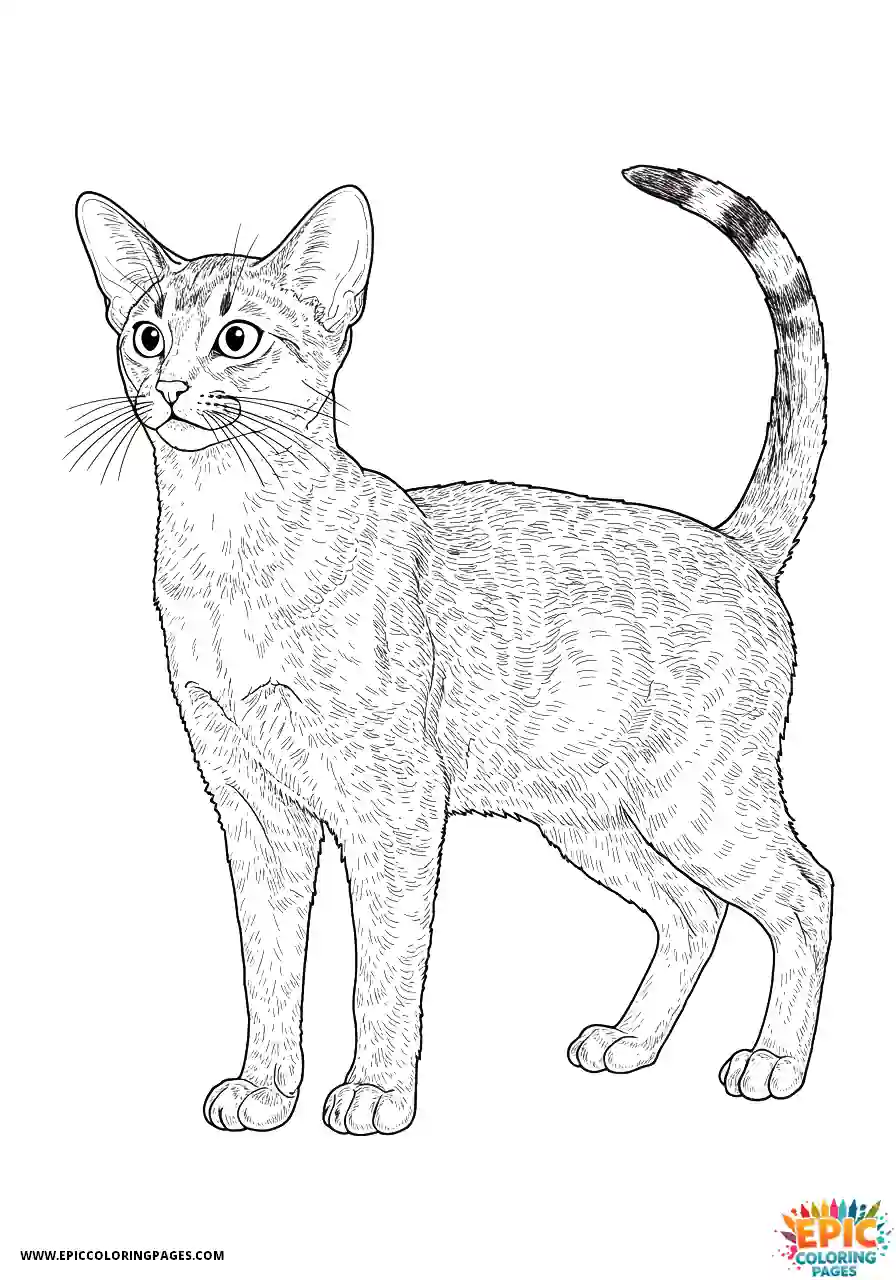
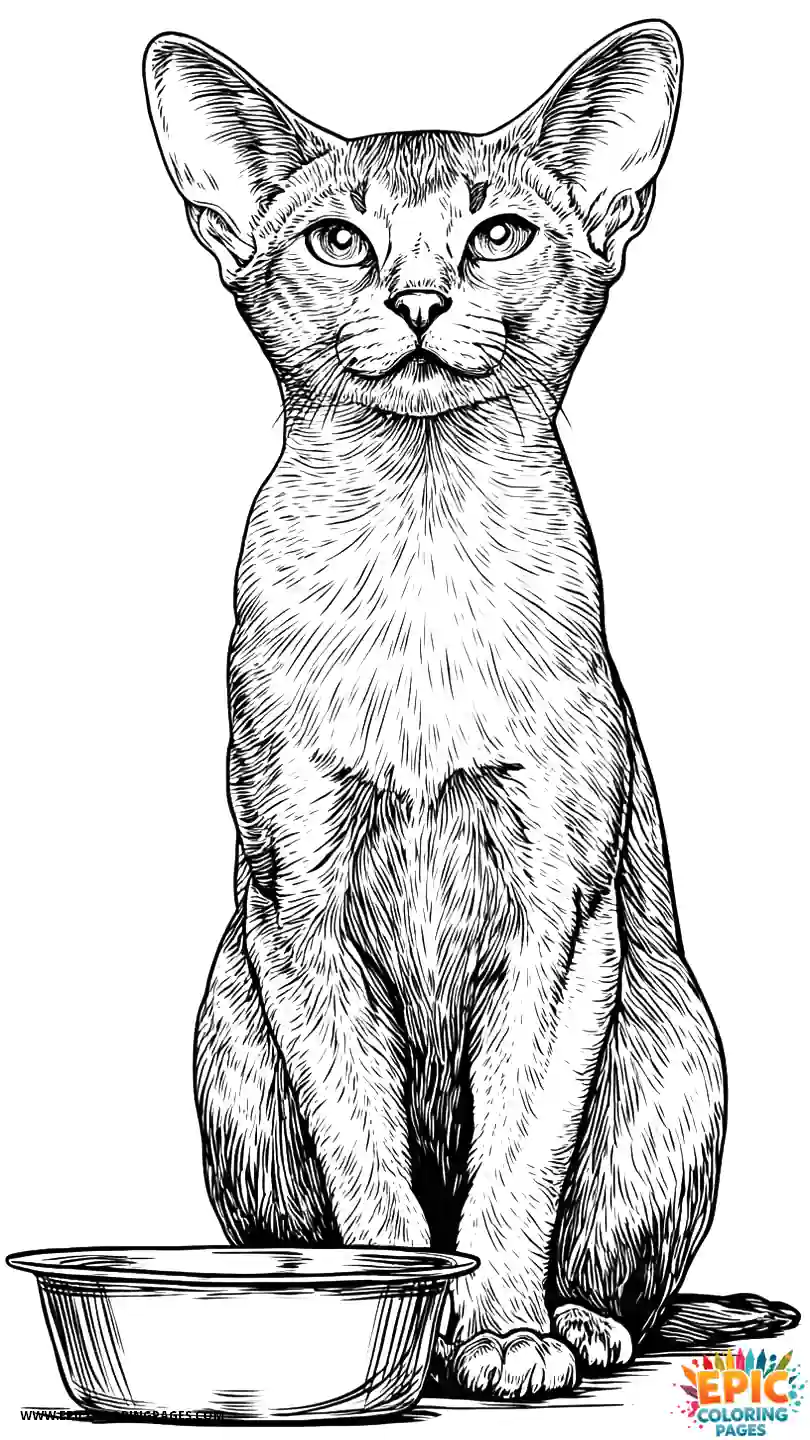
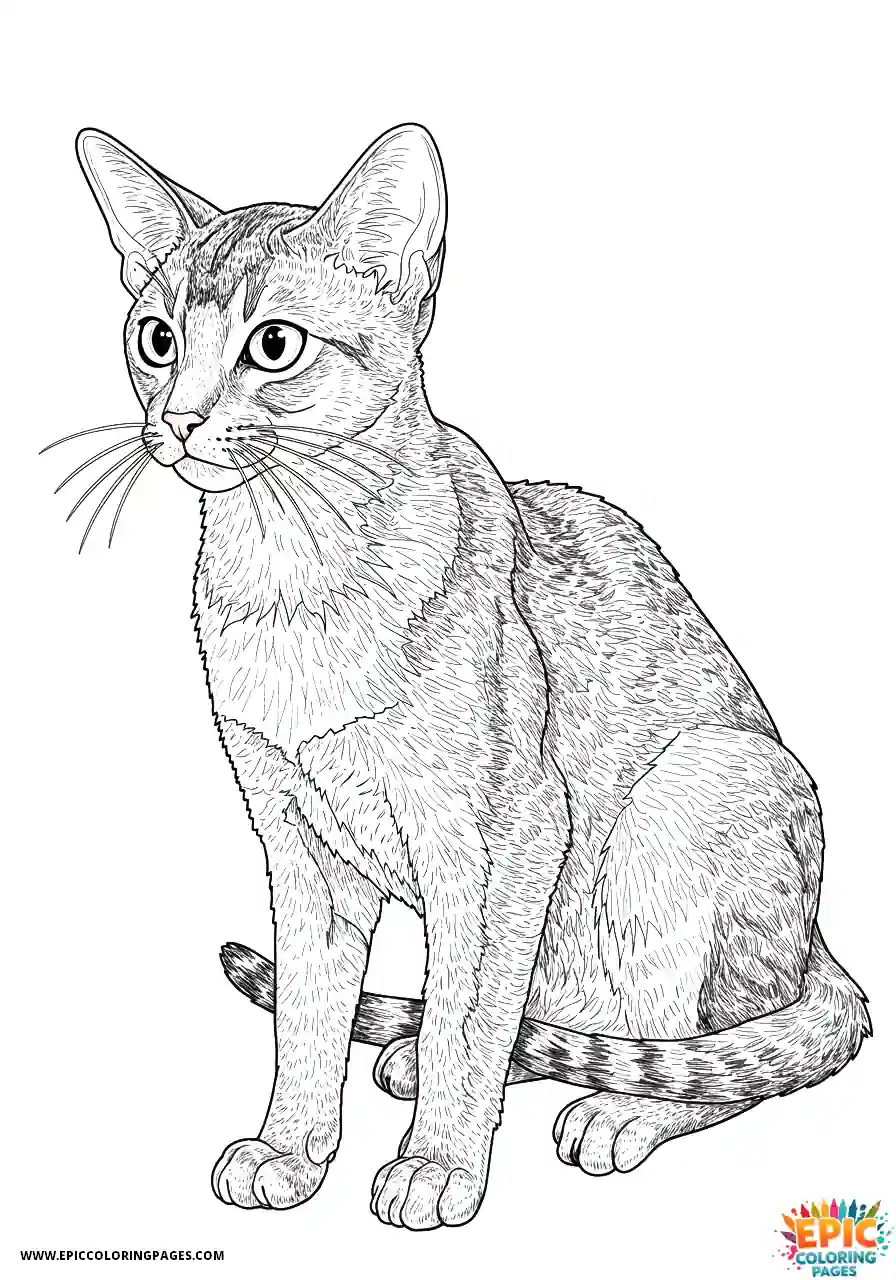
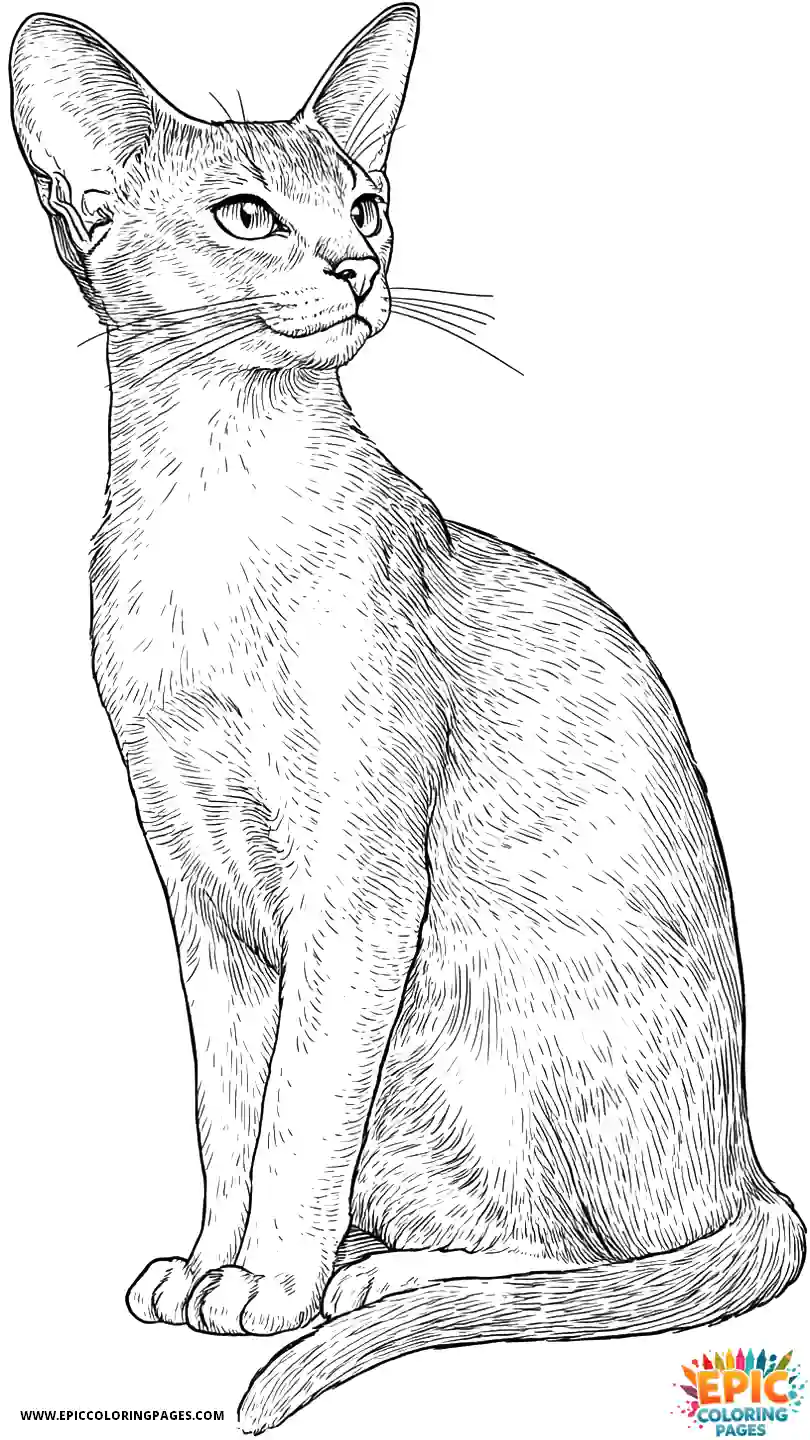
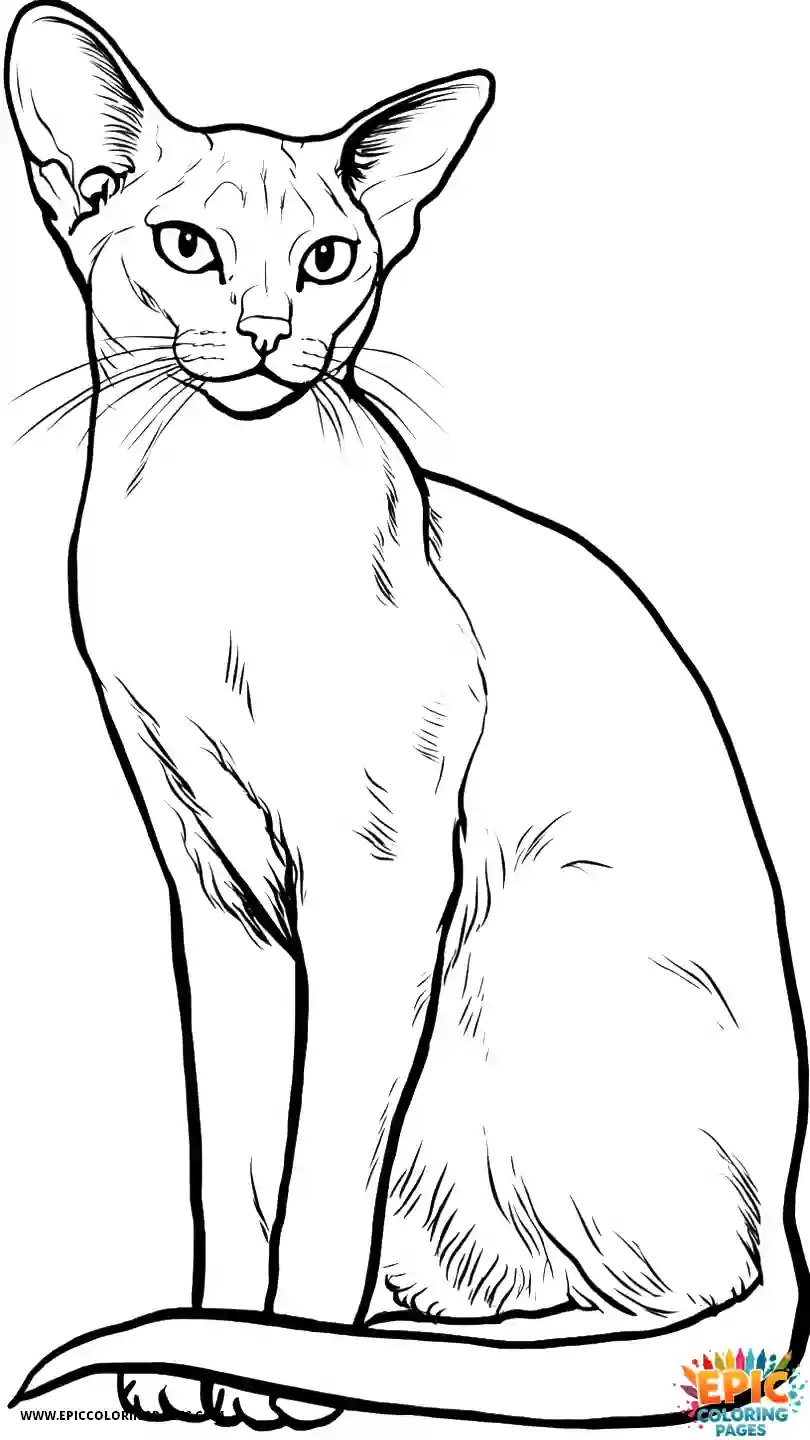
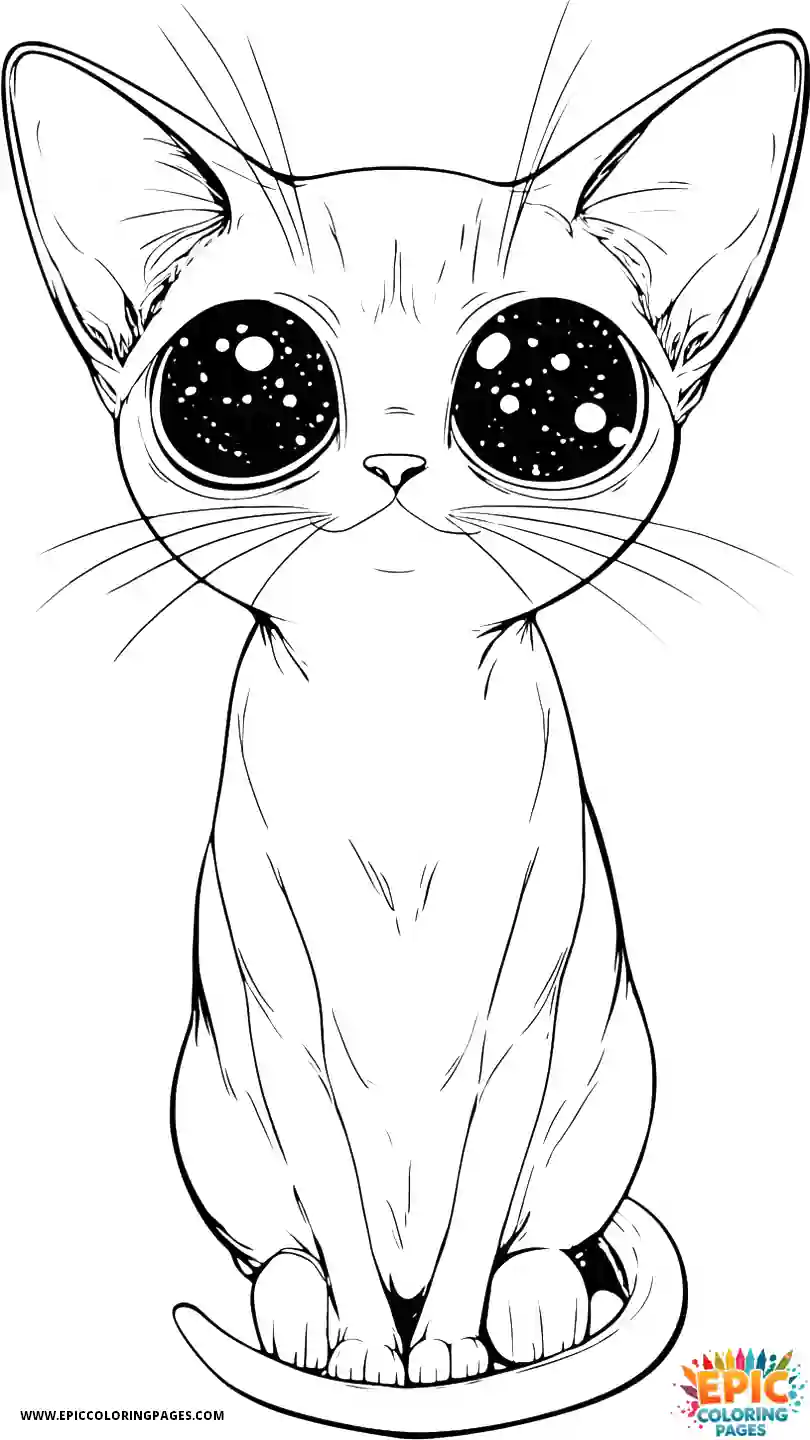
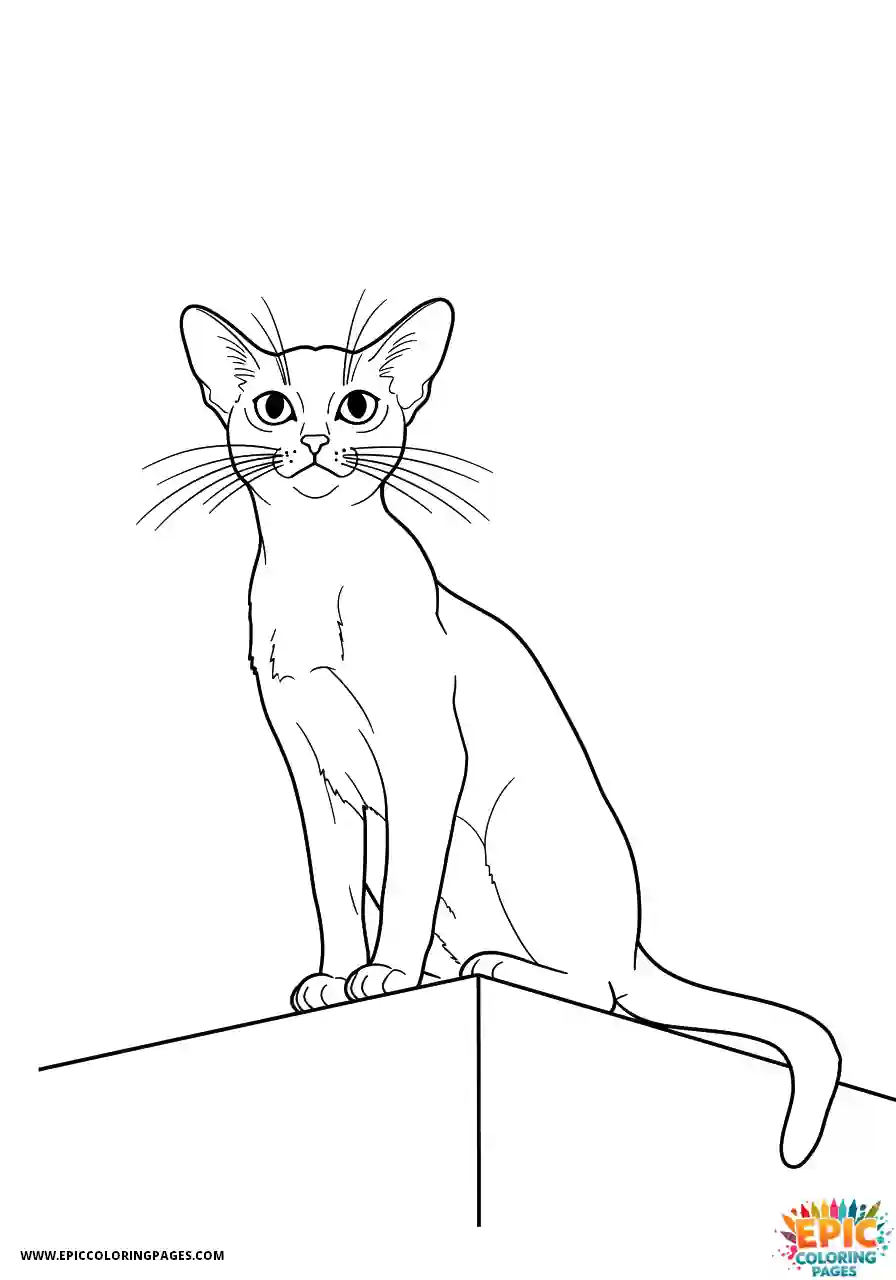
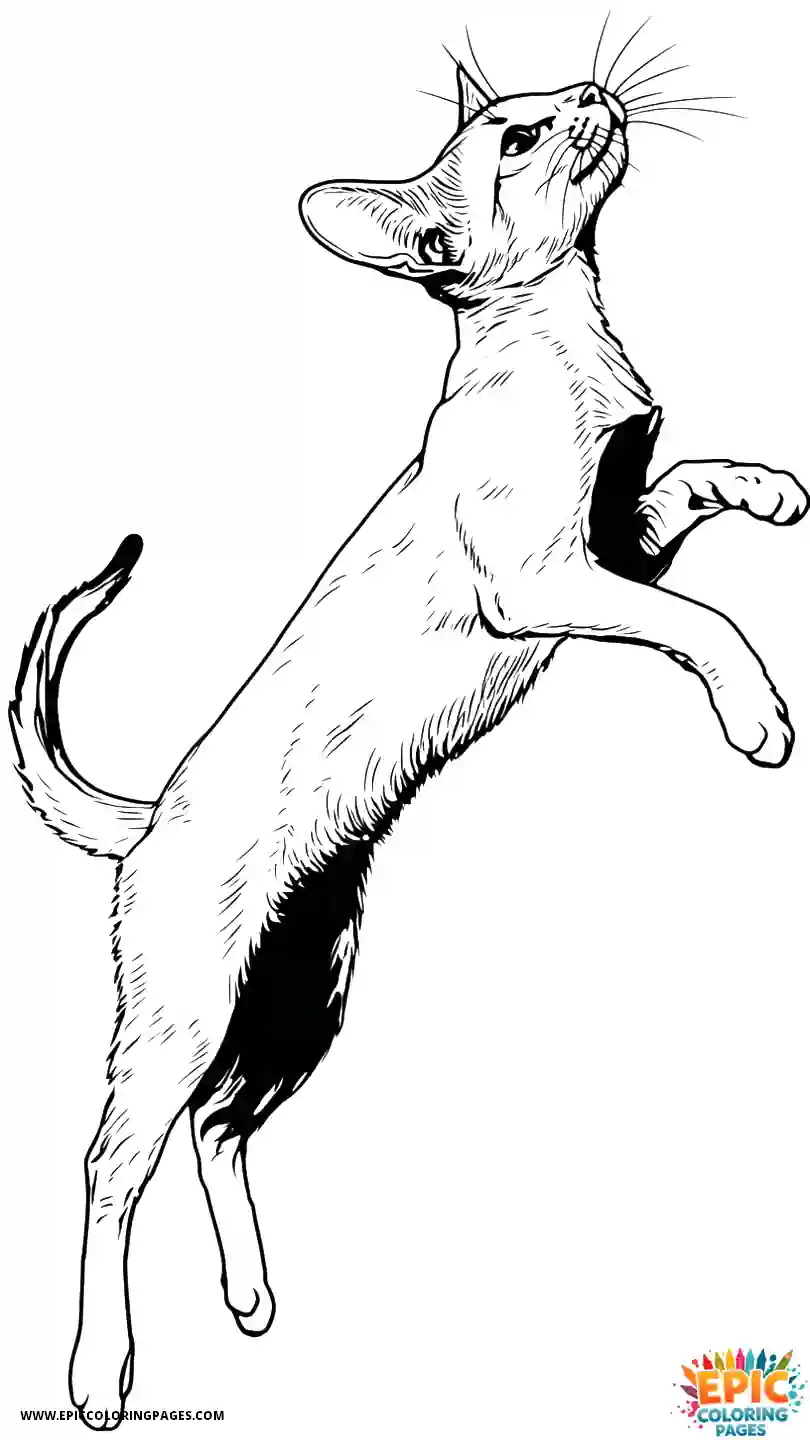
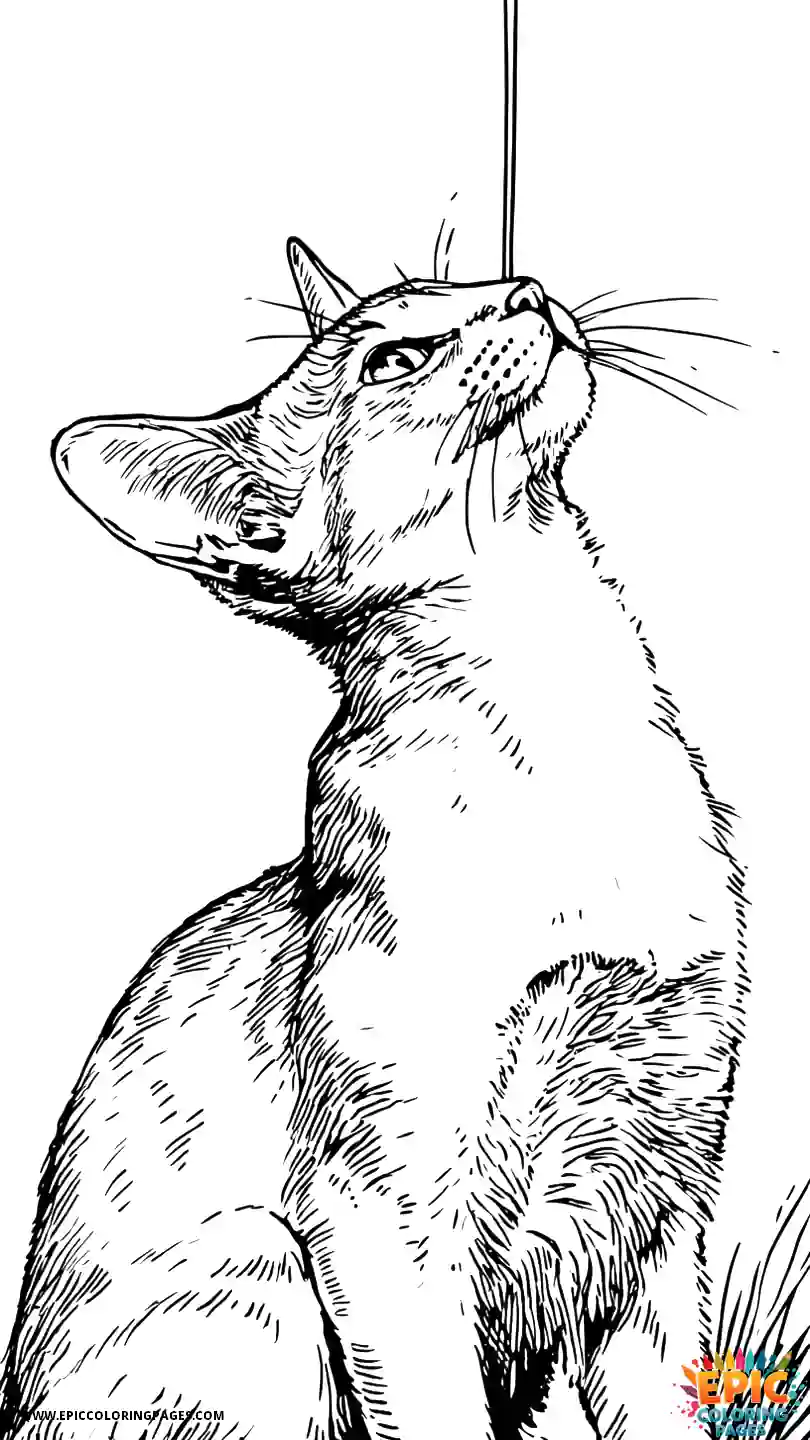
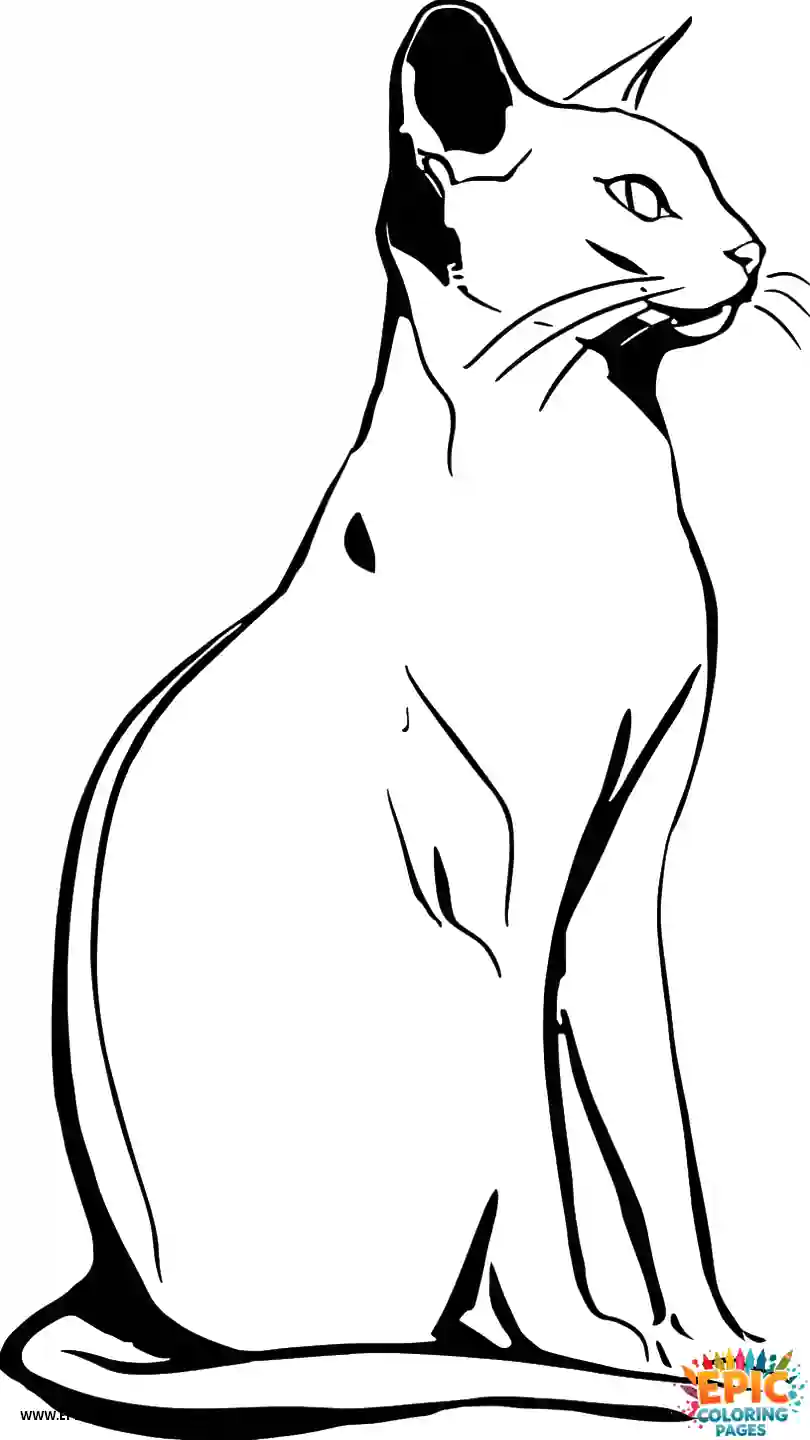
Often described as a miniature cougar due to their muscular build and alert stance, the Abyssinian is one of the oldest known cat breeds. Their most defining feature is their “ticked” coat a genetic trait known as the agouti pattern where every individual hair is banded with multiple colors, creating a shimmering, warm glow. While their origins are often linked to the sacred cats of Ancient Egypt, modern genetics trace them back to the coast of the Indian Ocean. This collection highlights their athletic nature and the intricate texture of their unique fur, perfect for experimenting with earth tones and shading.

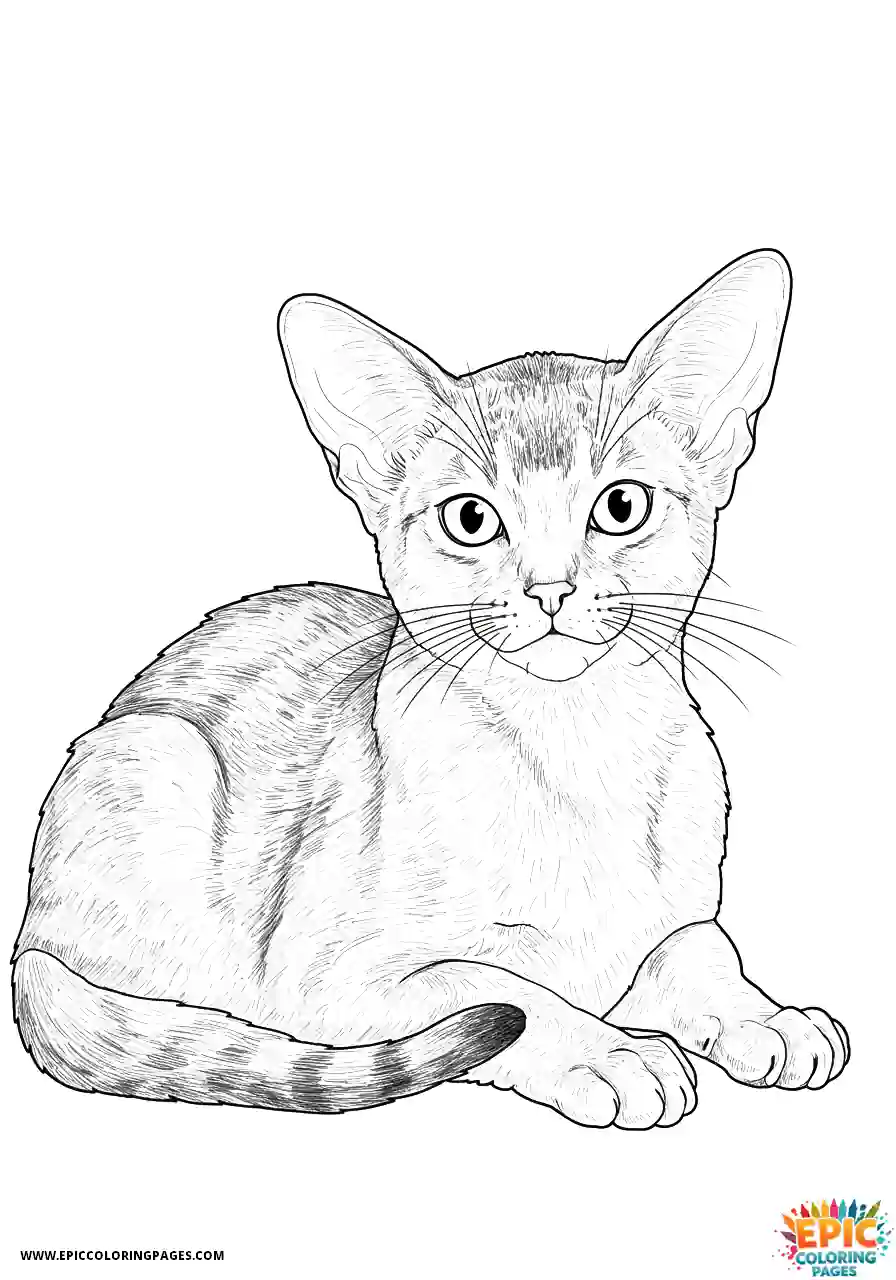
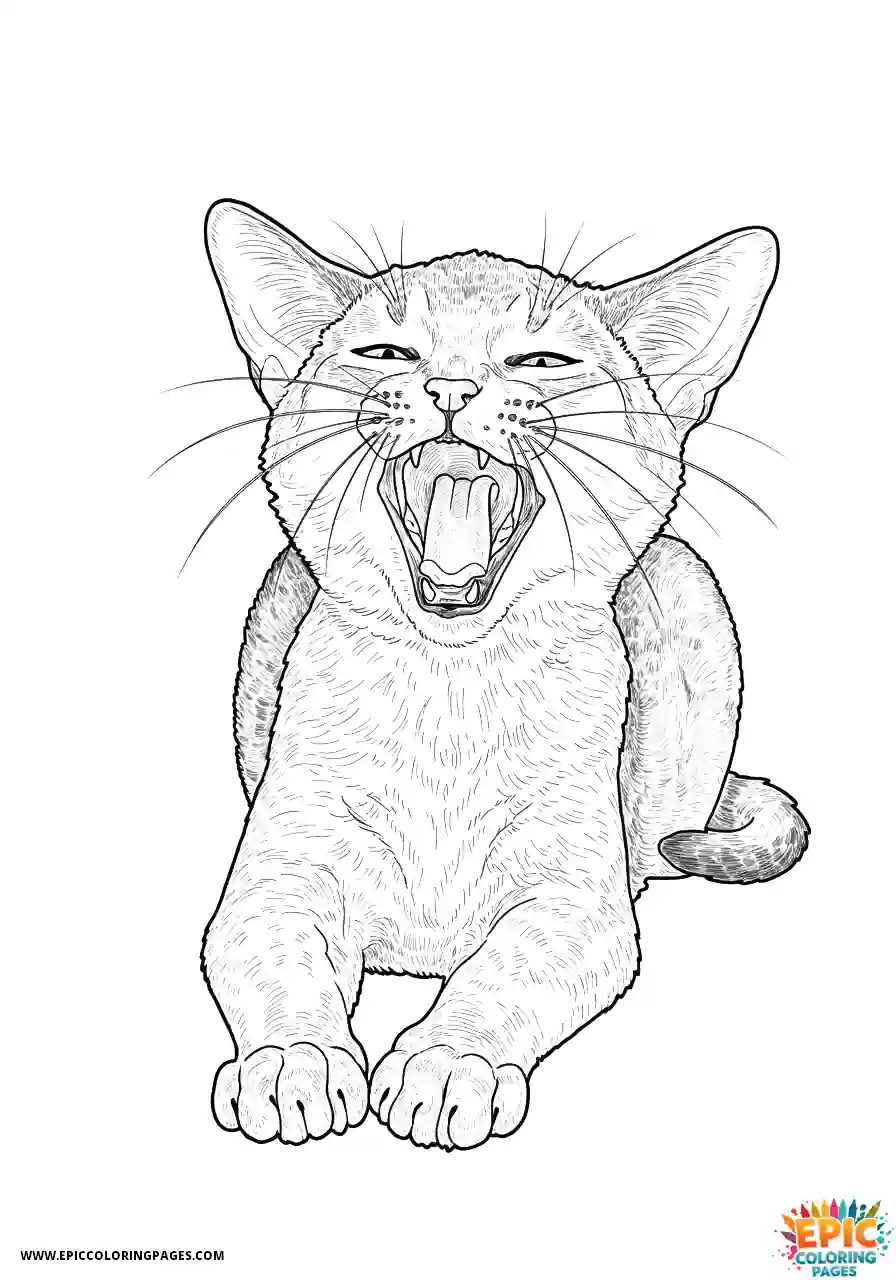
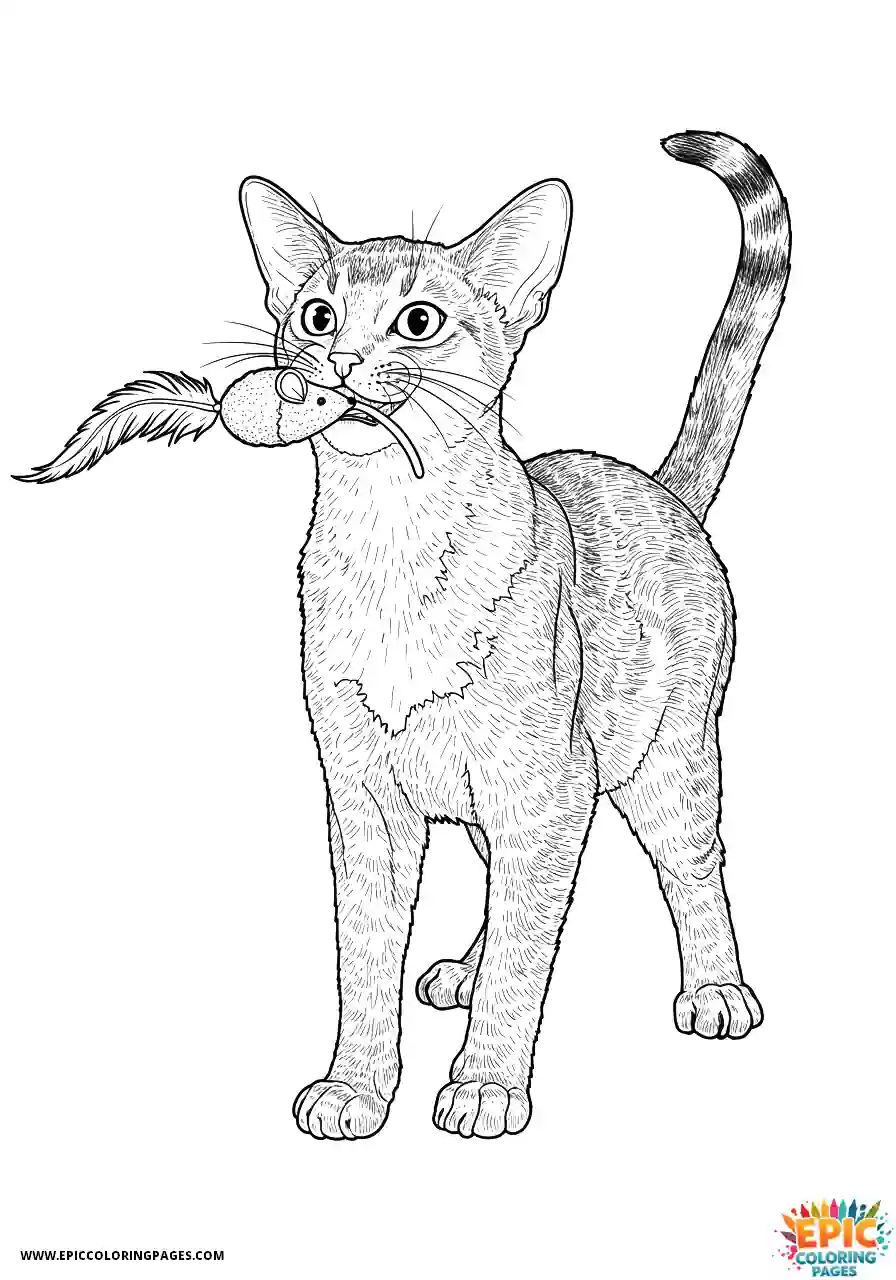
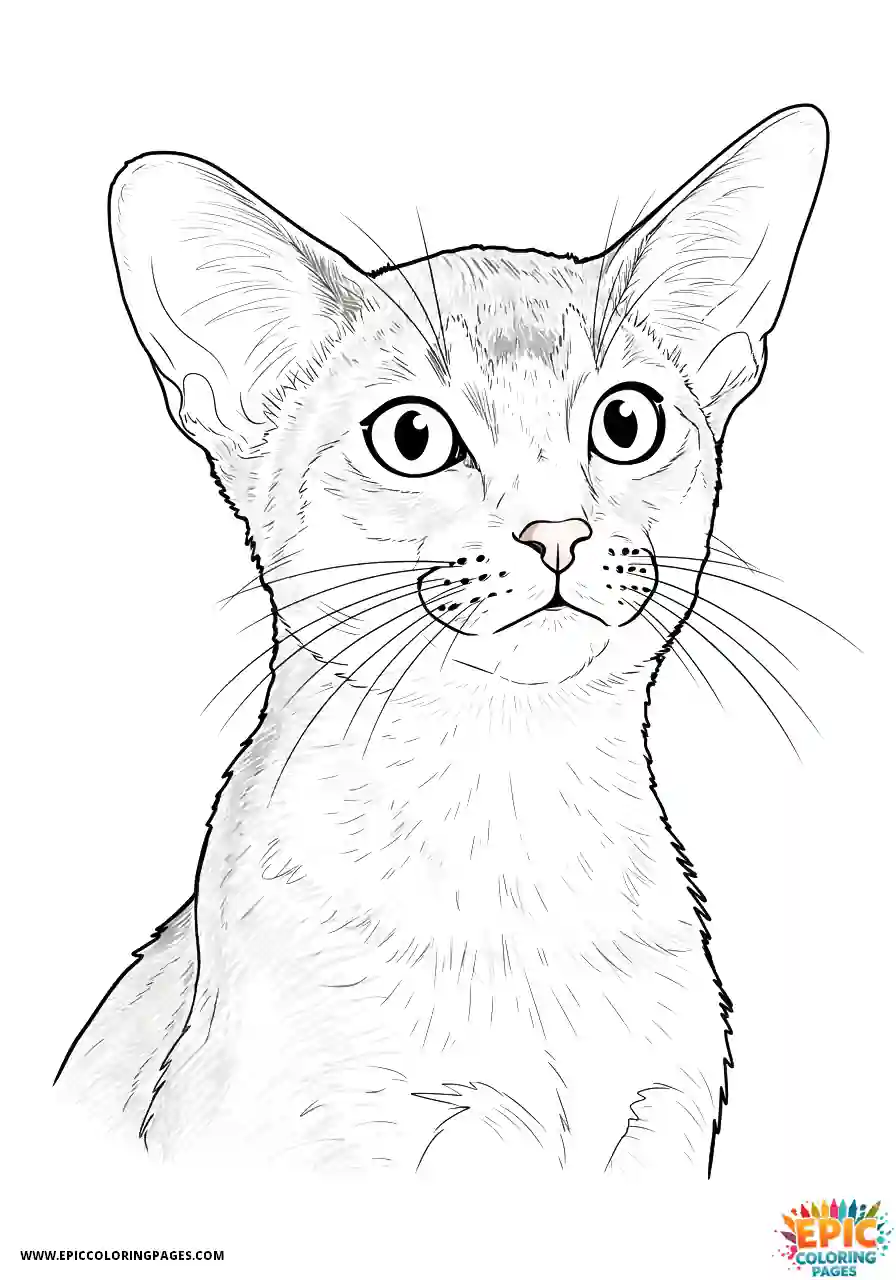
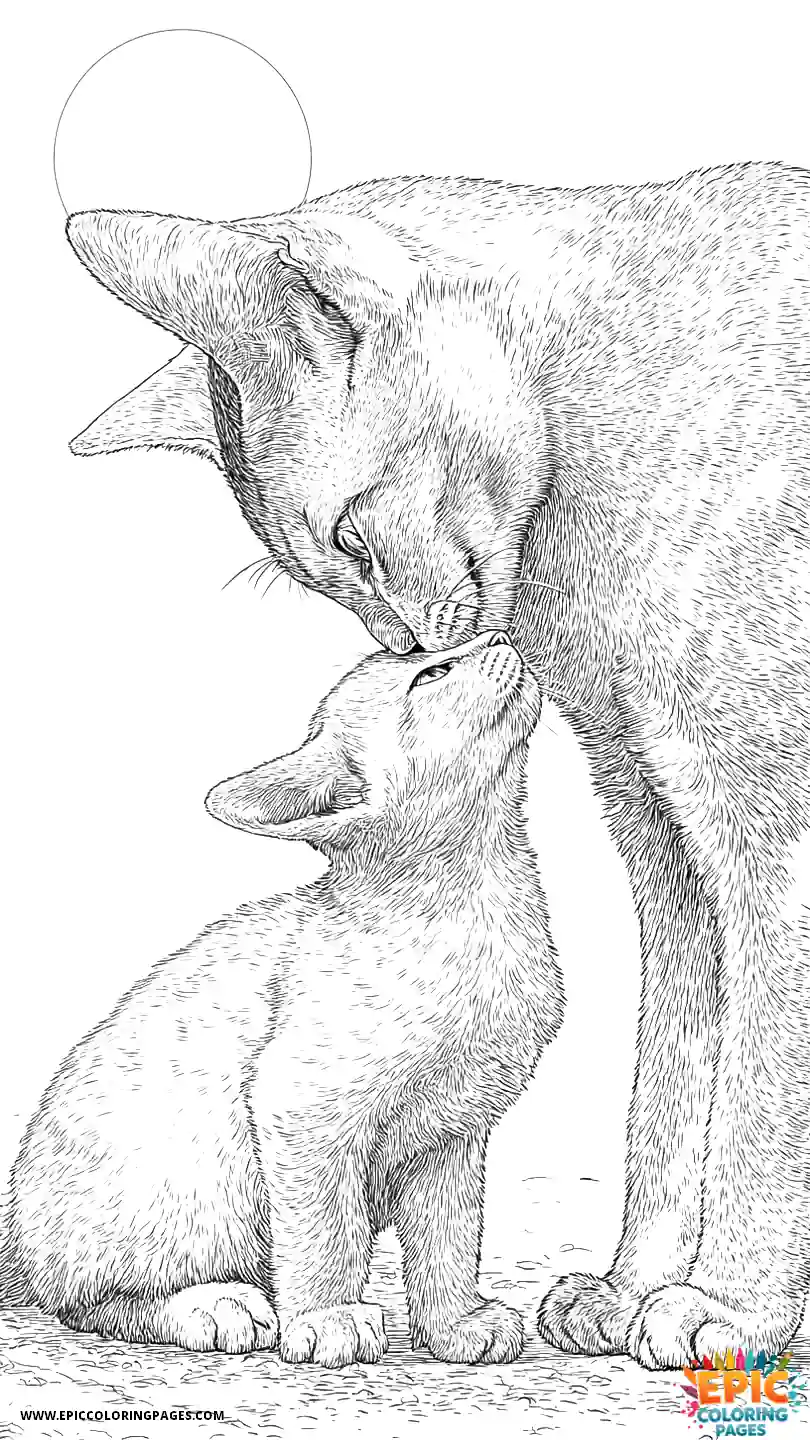
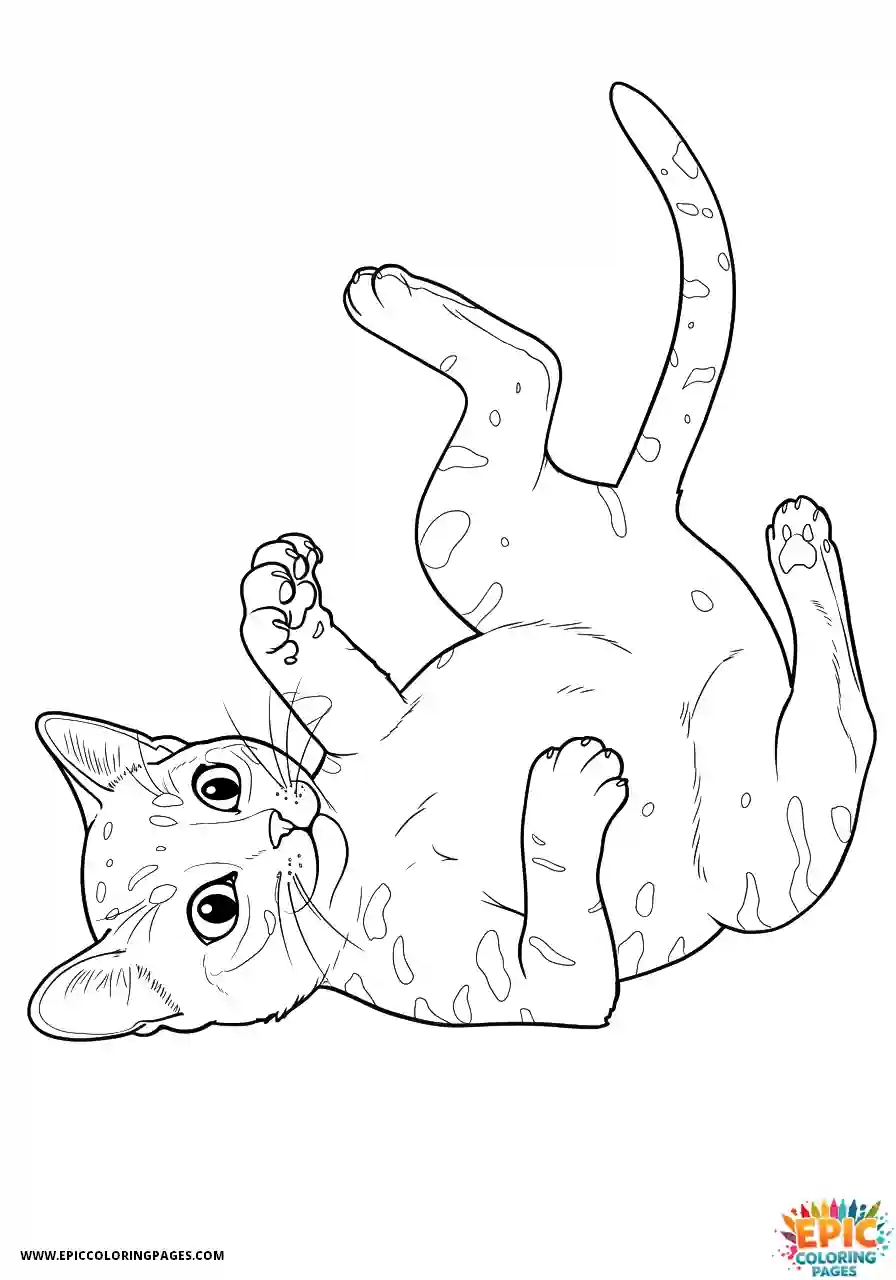
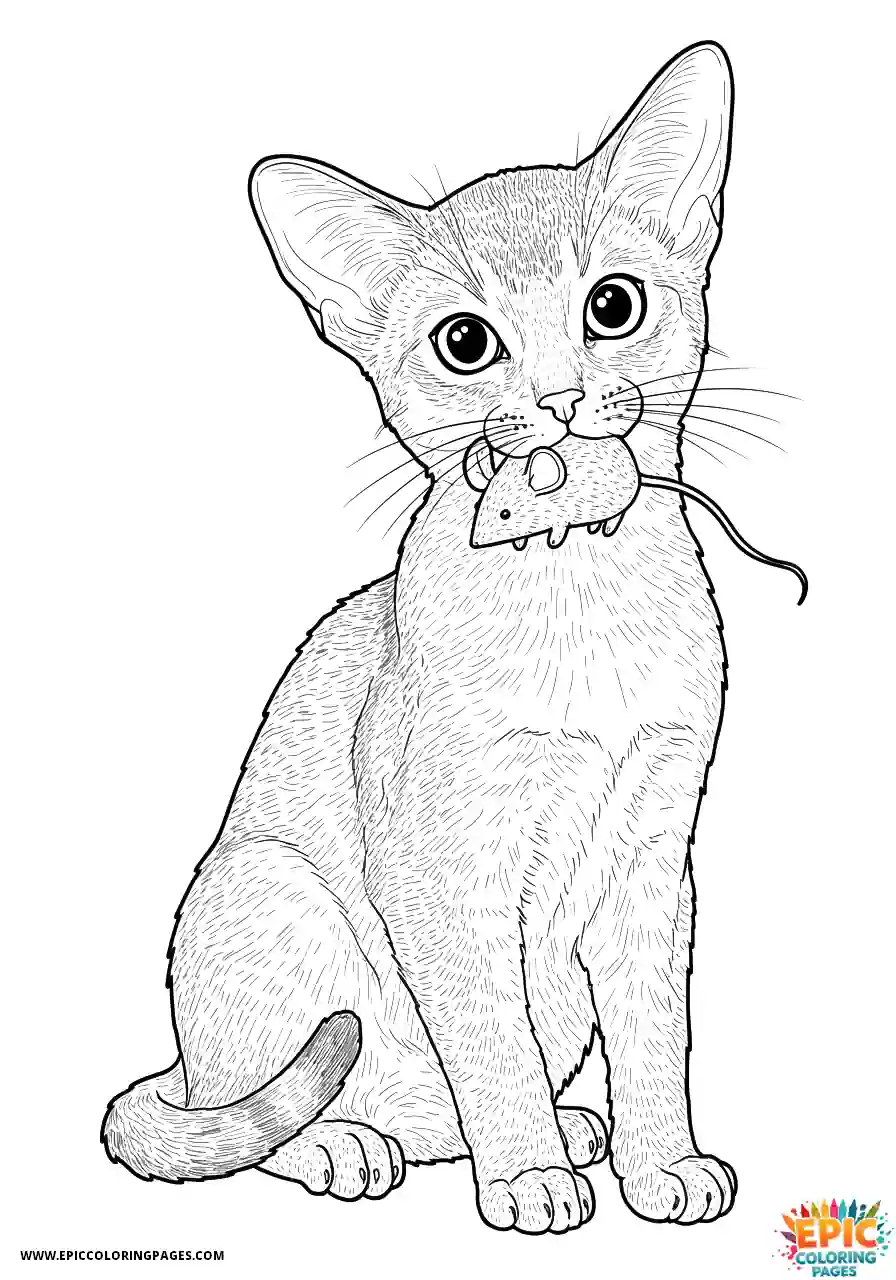
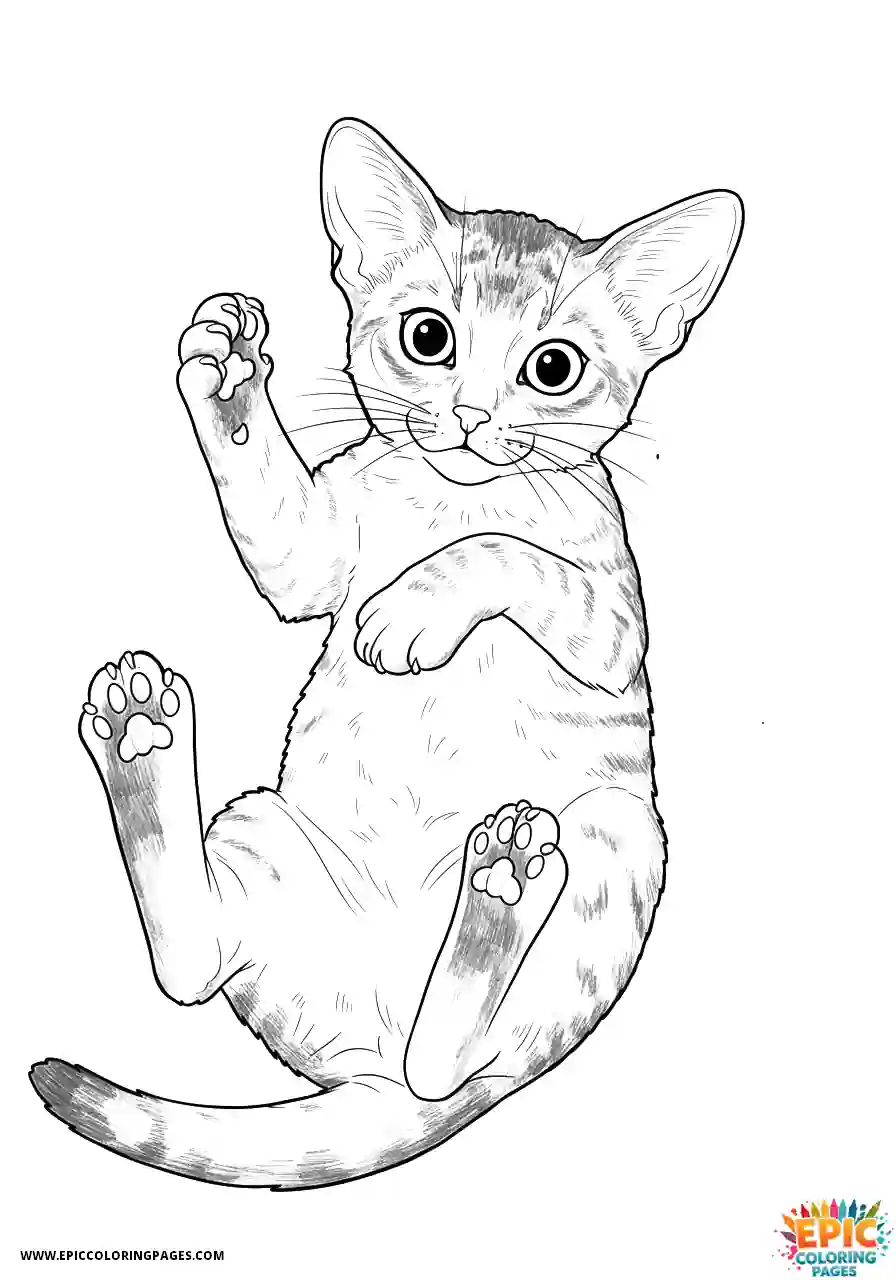
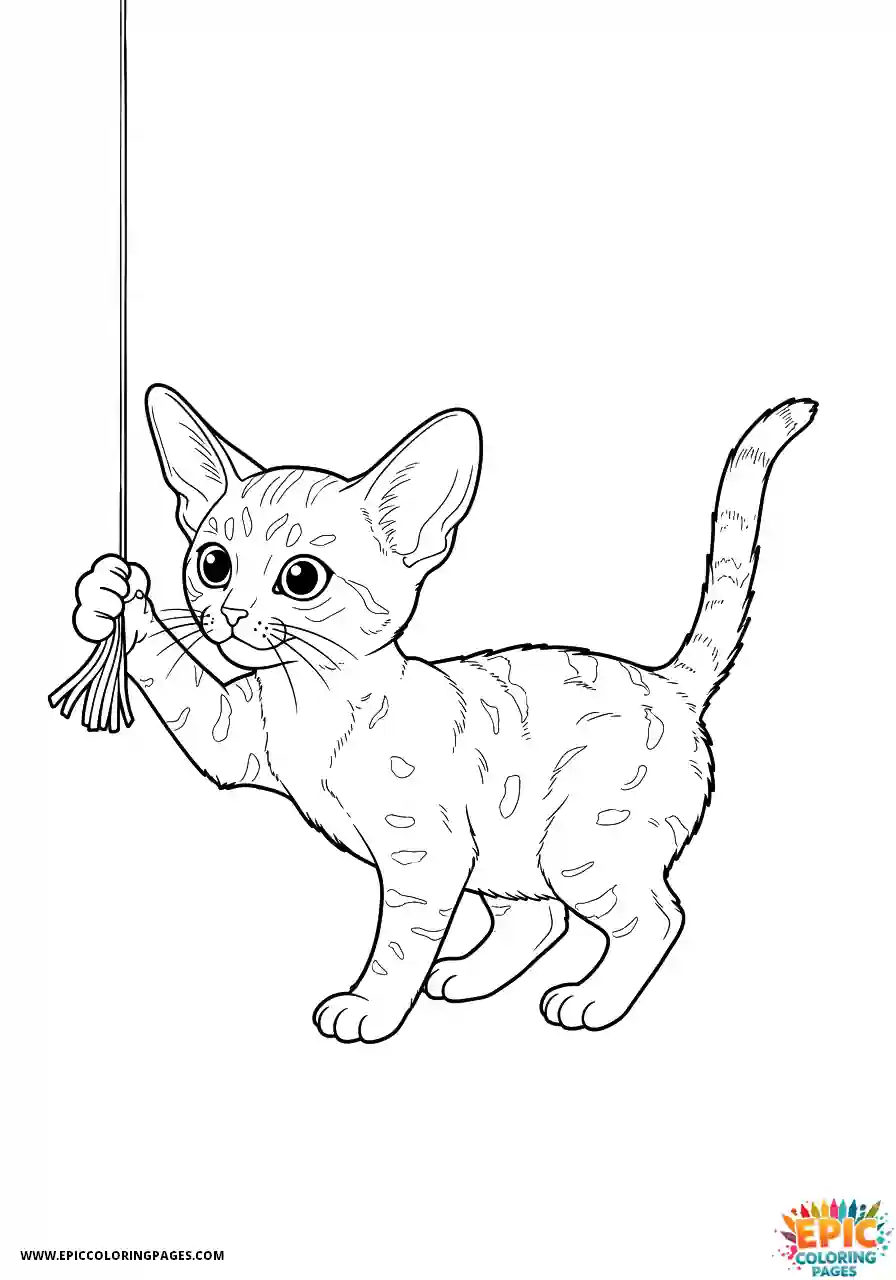
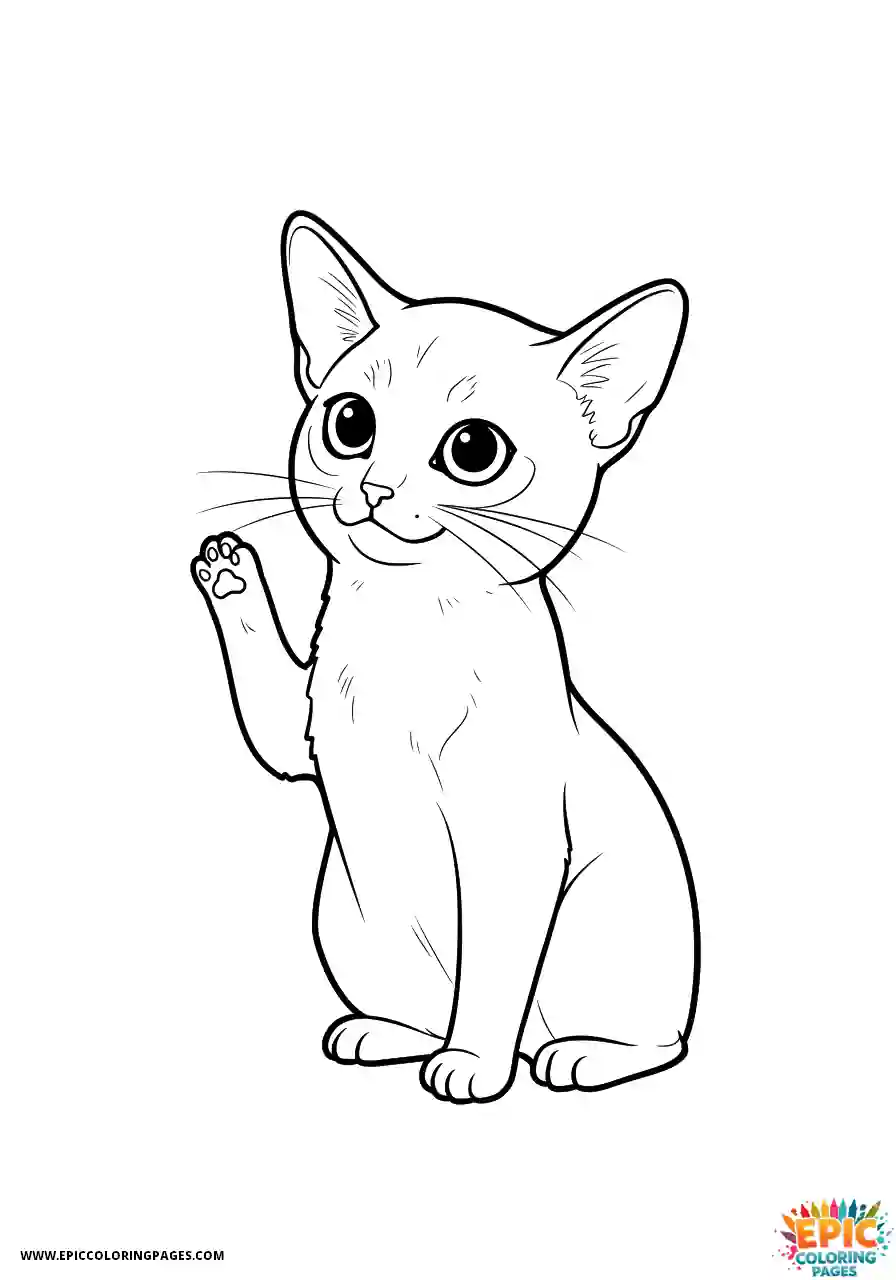
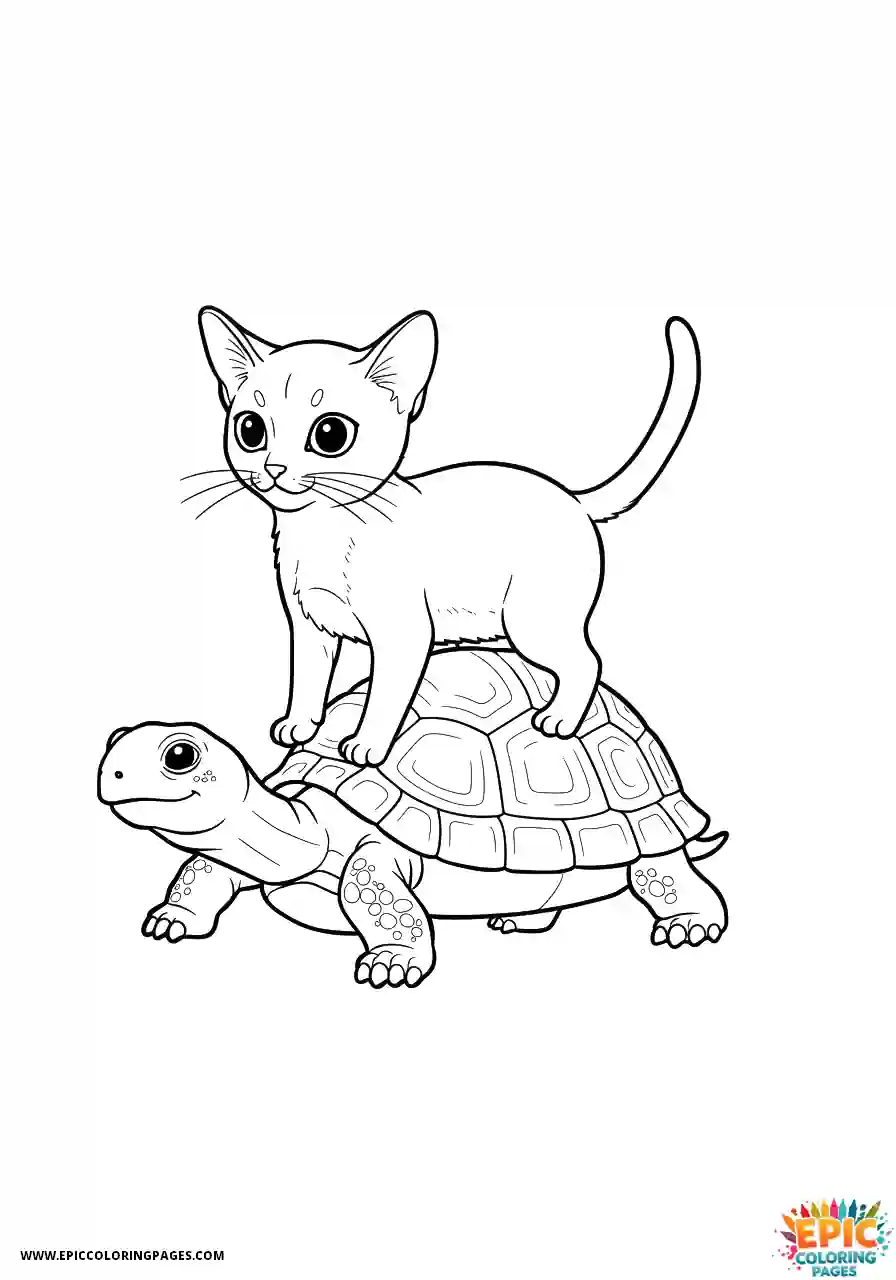
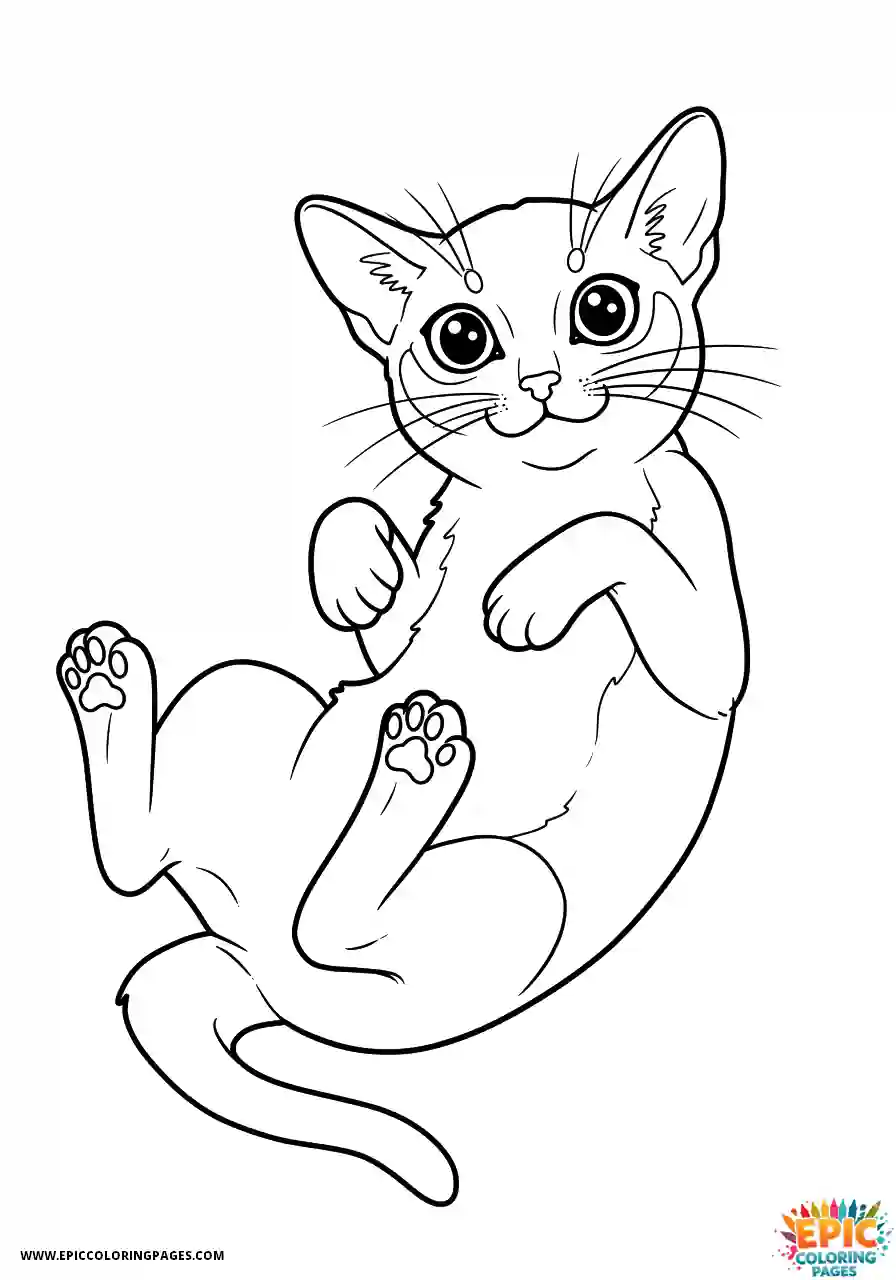
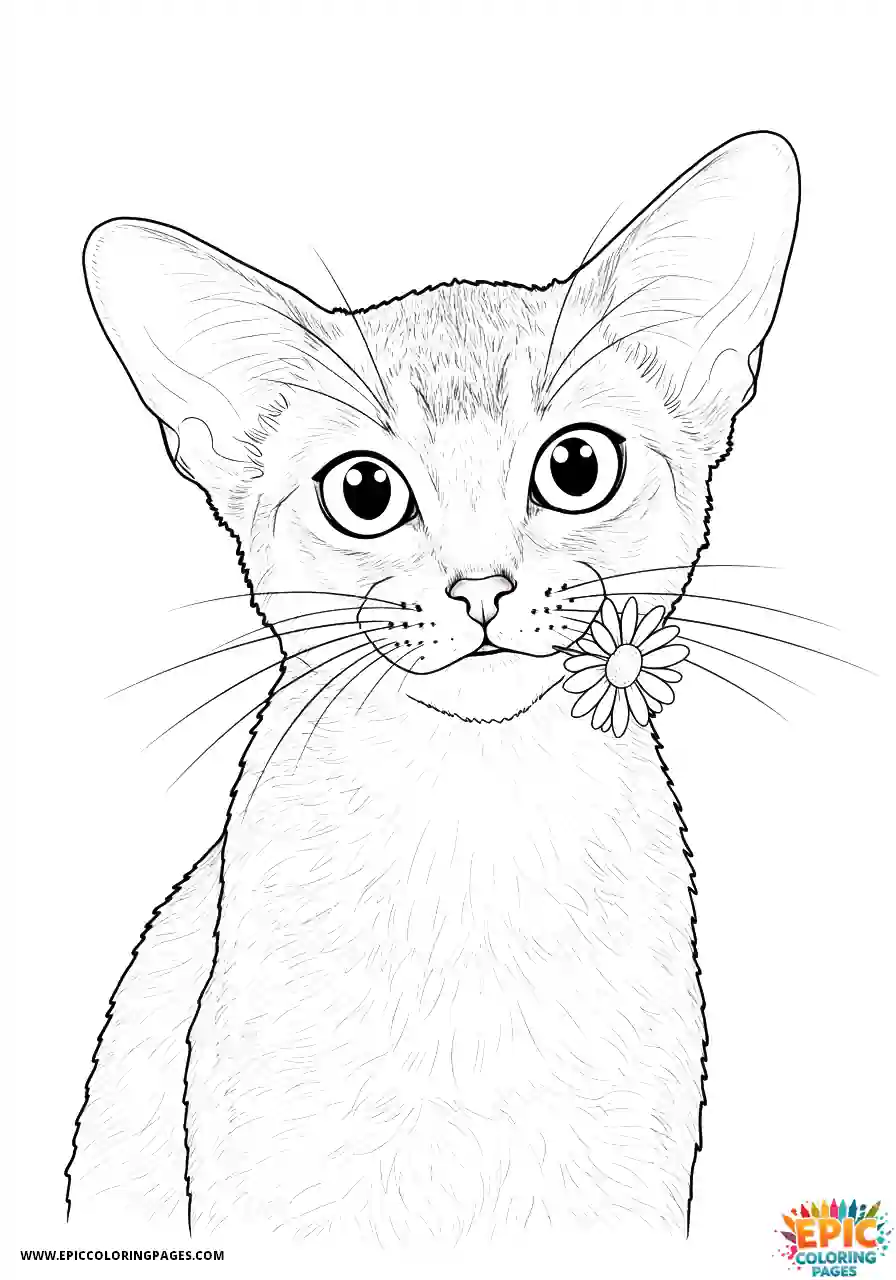
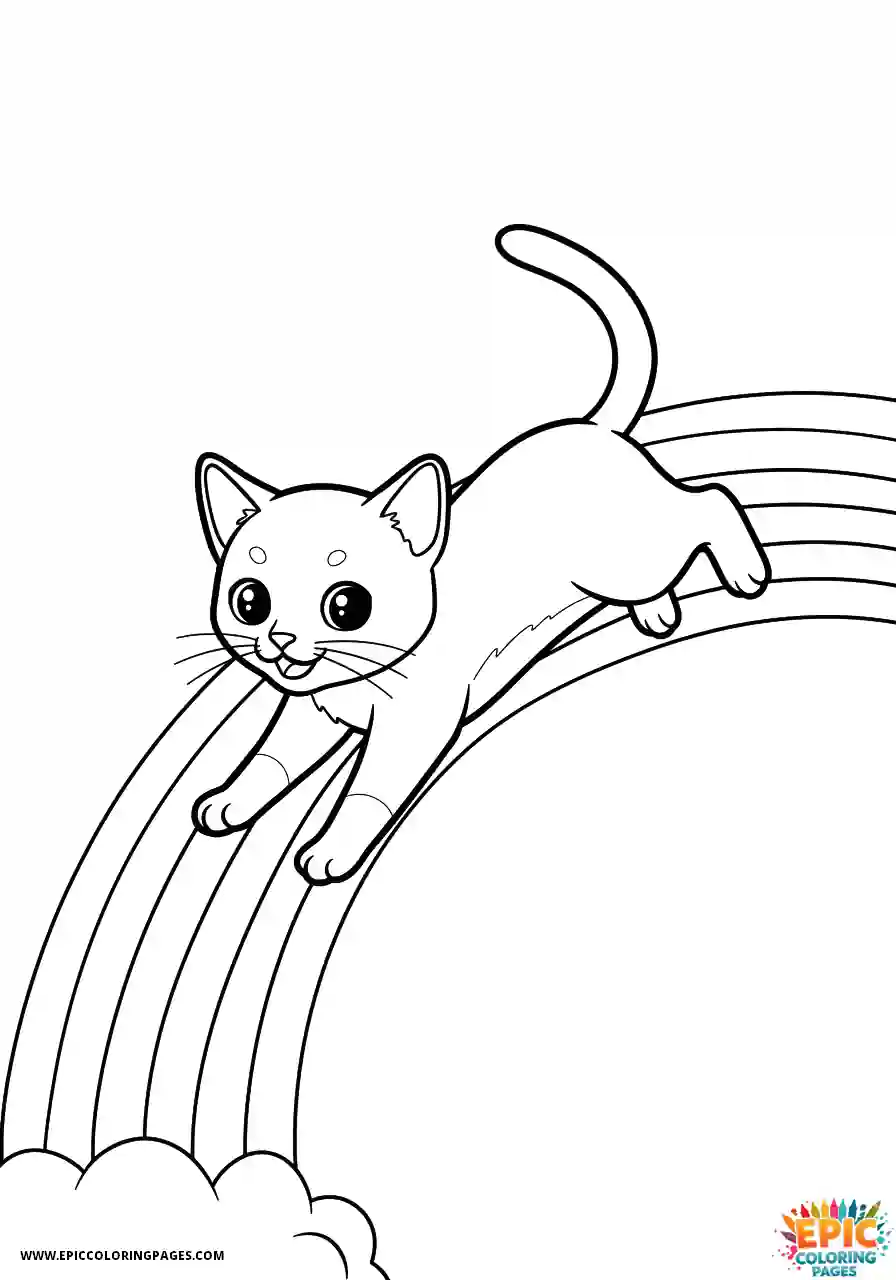
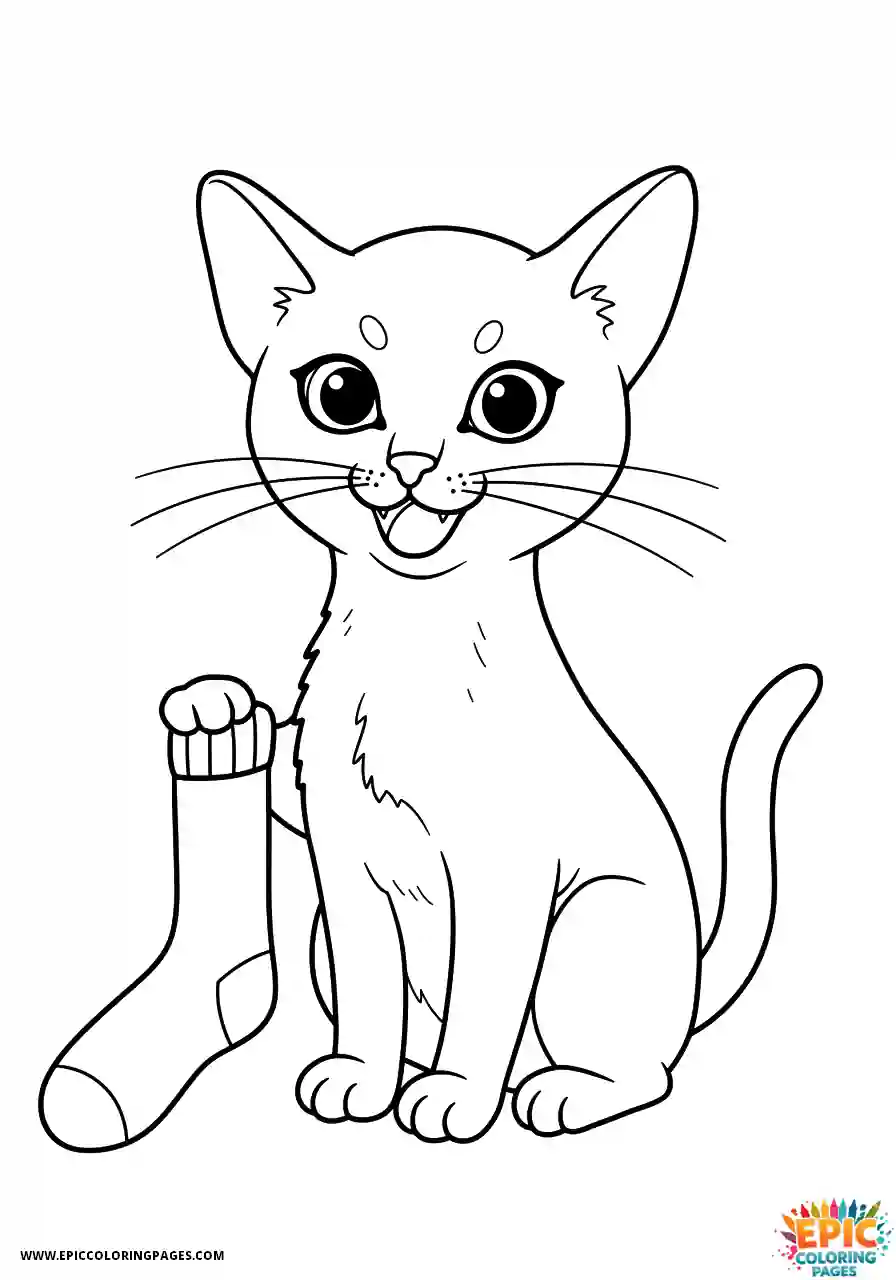
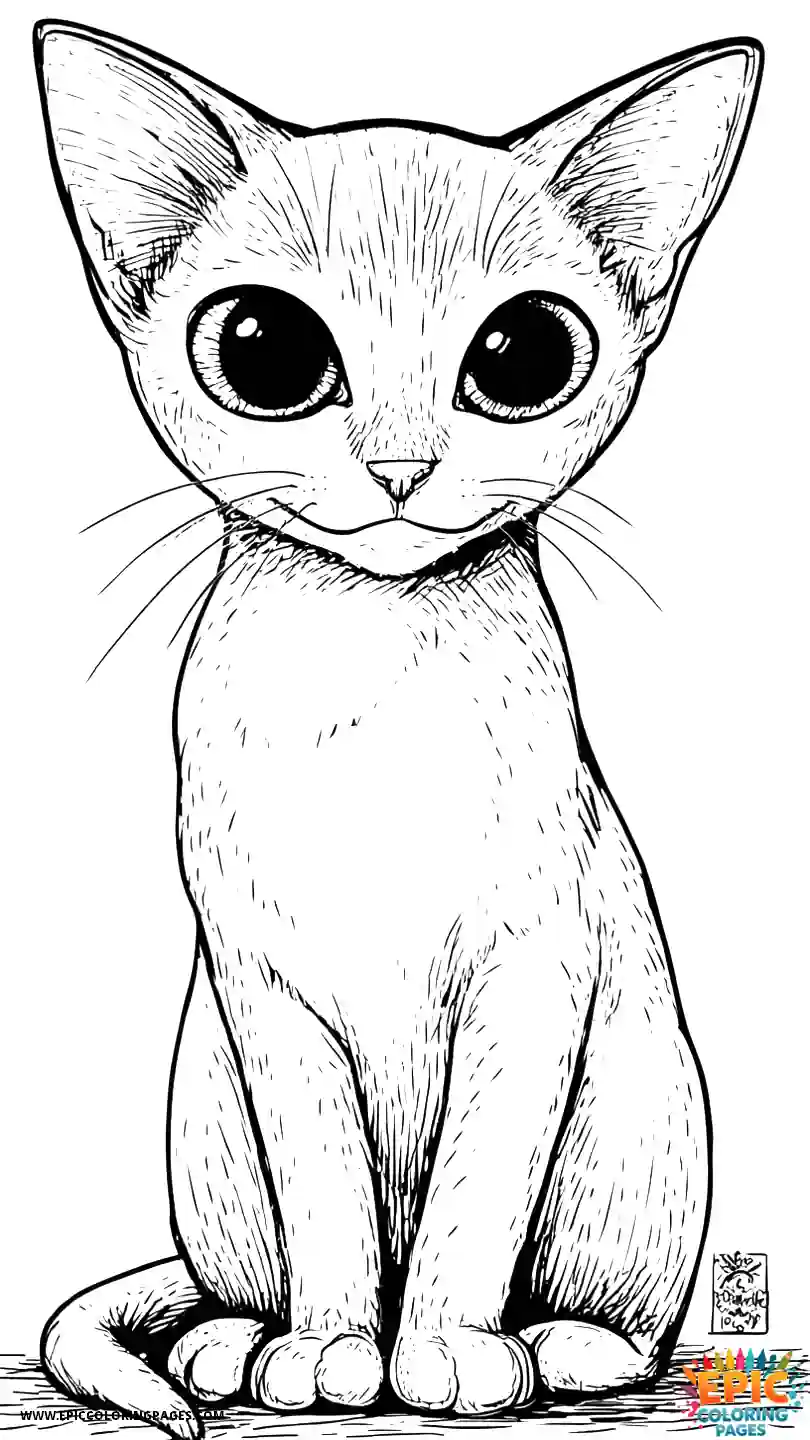
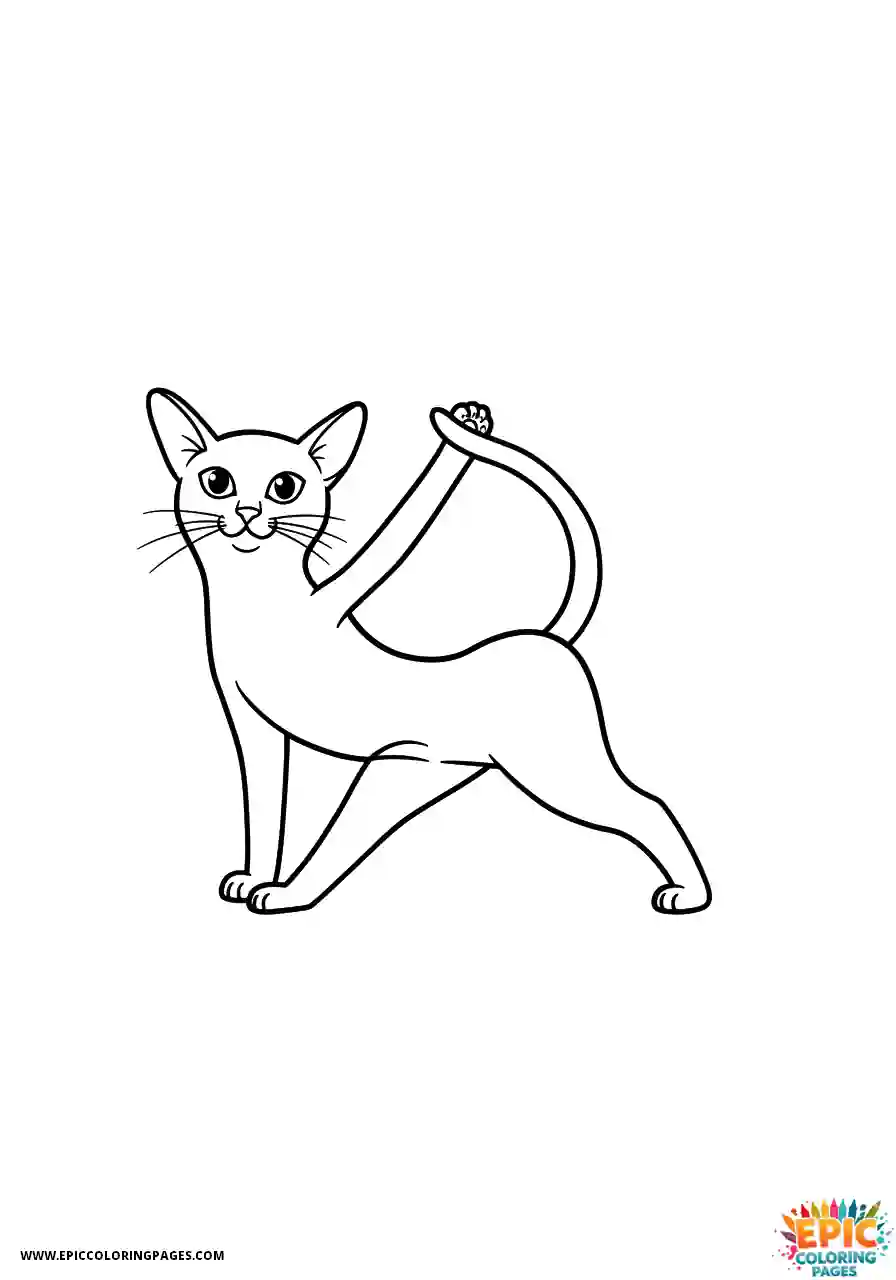
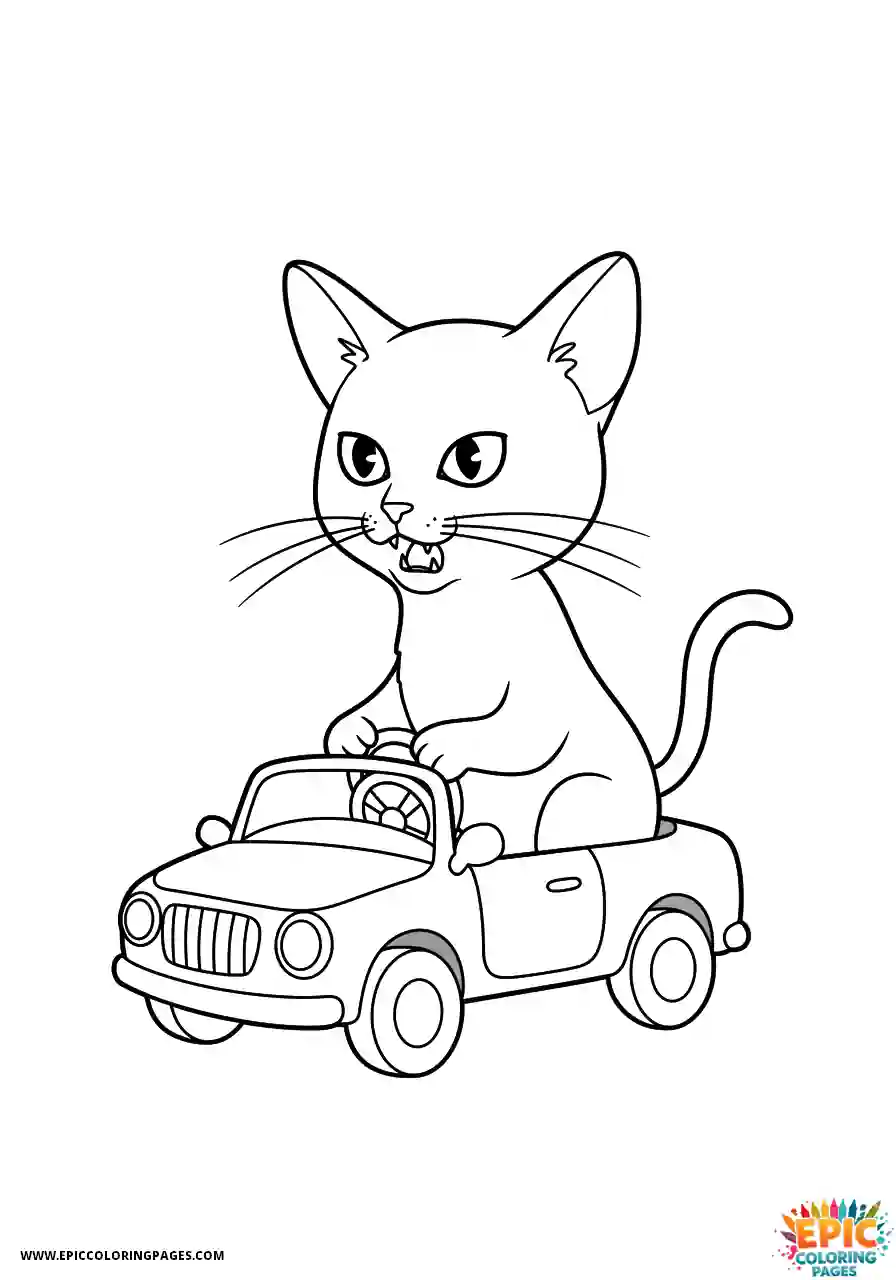
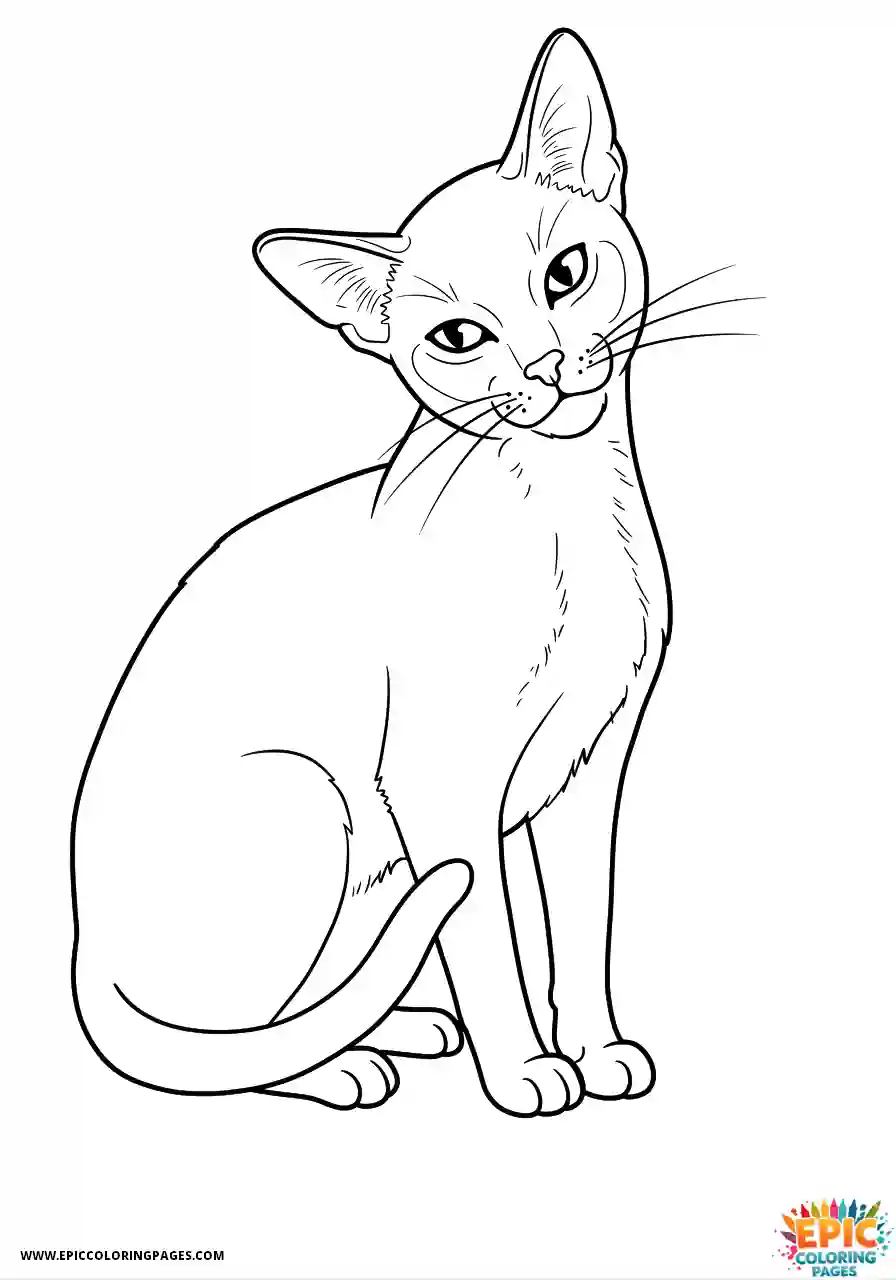
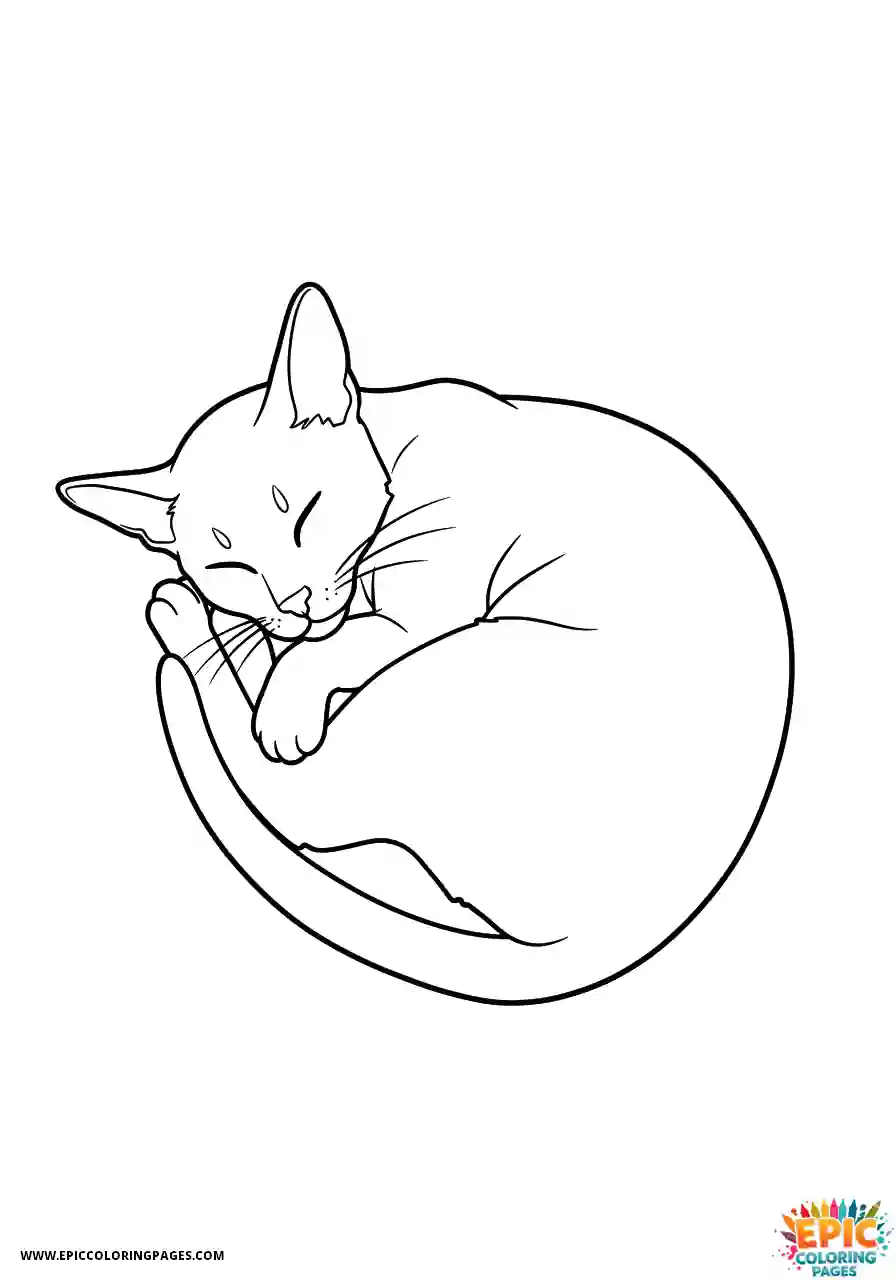
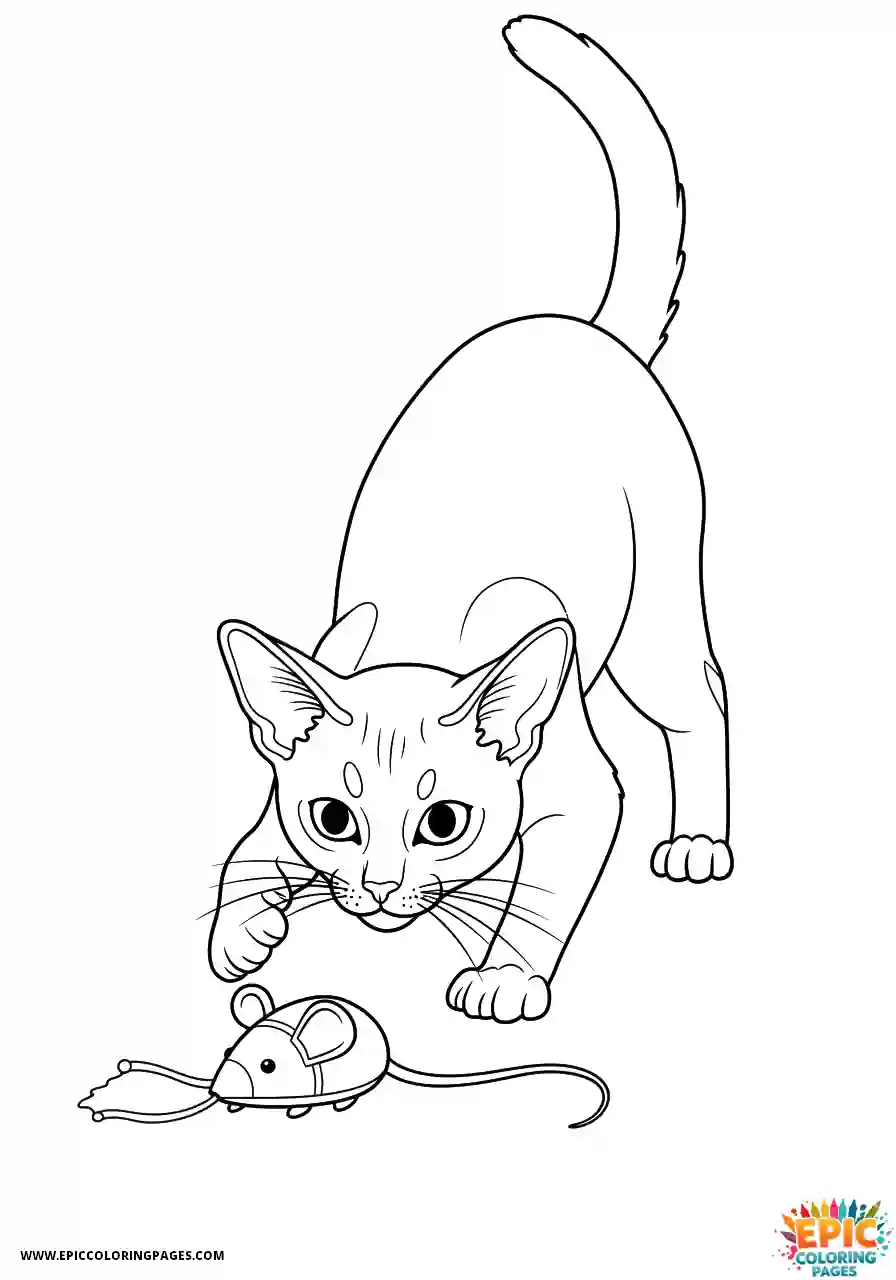
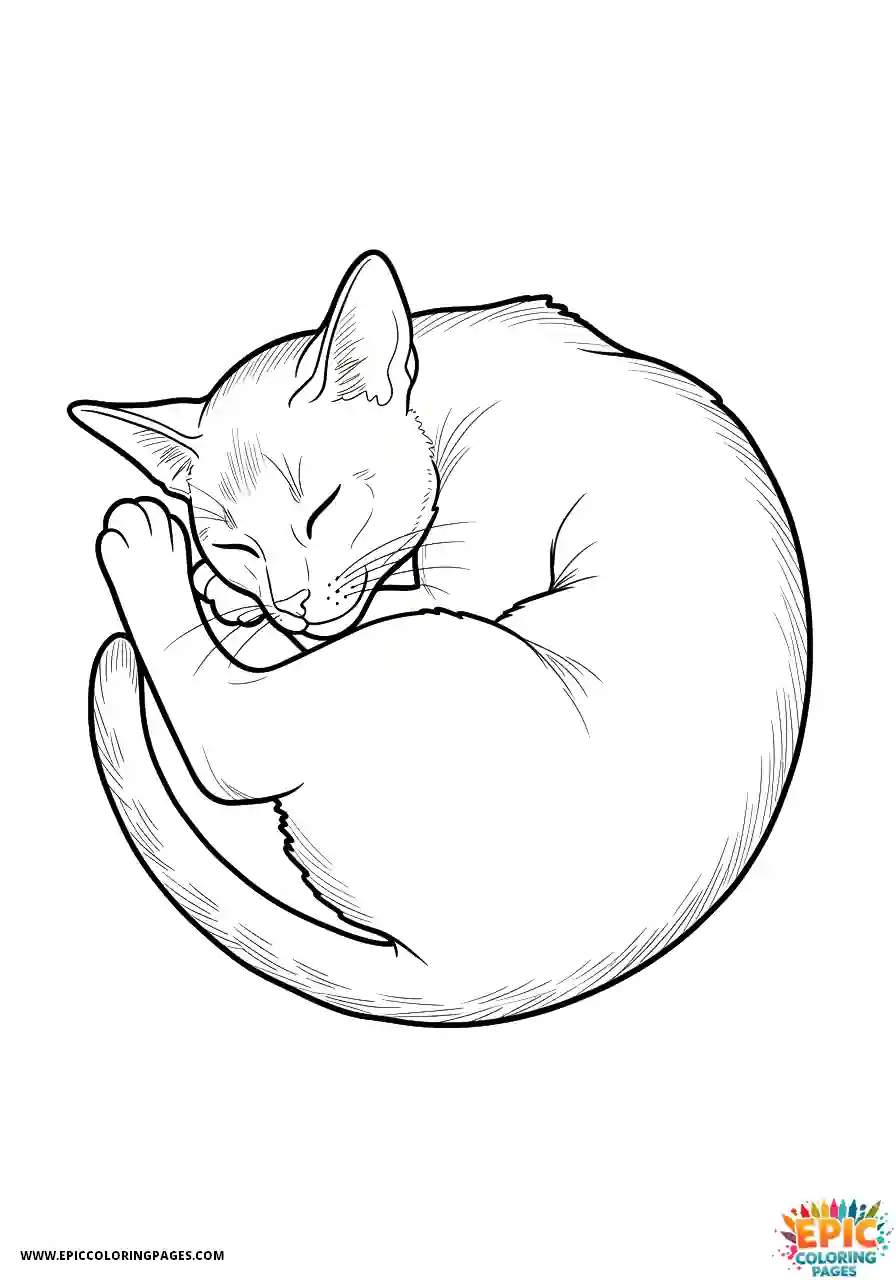
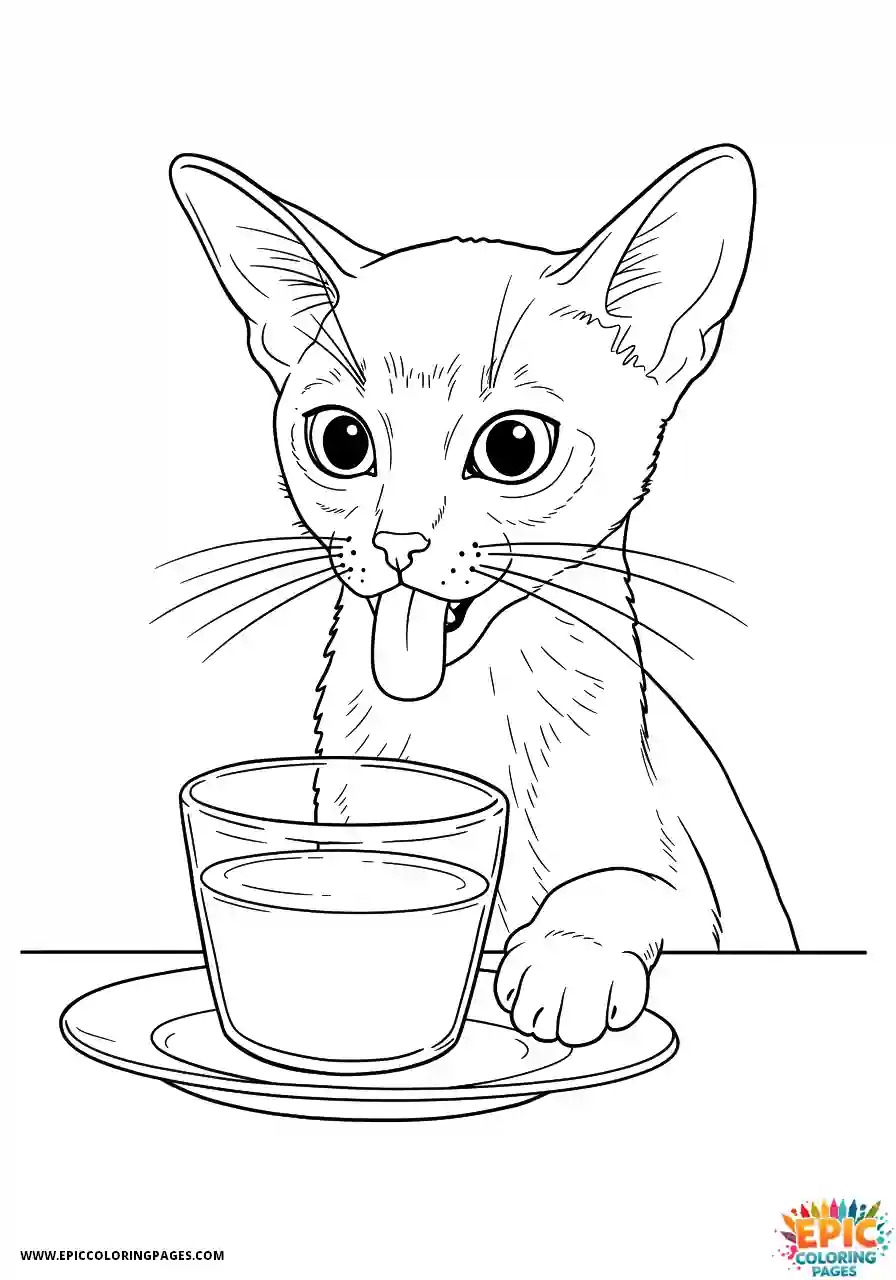
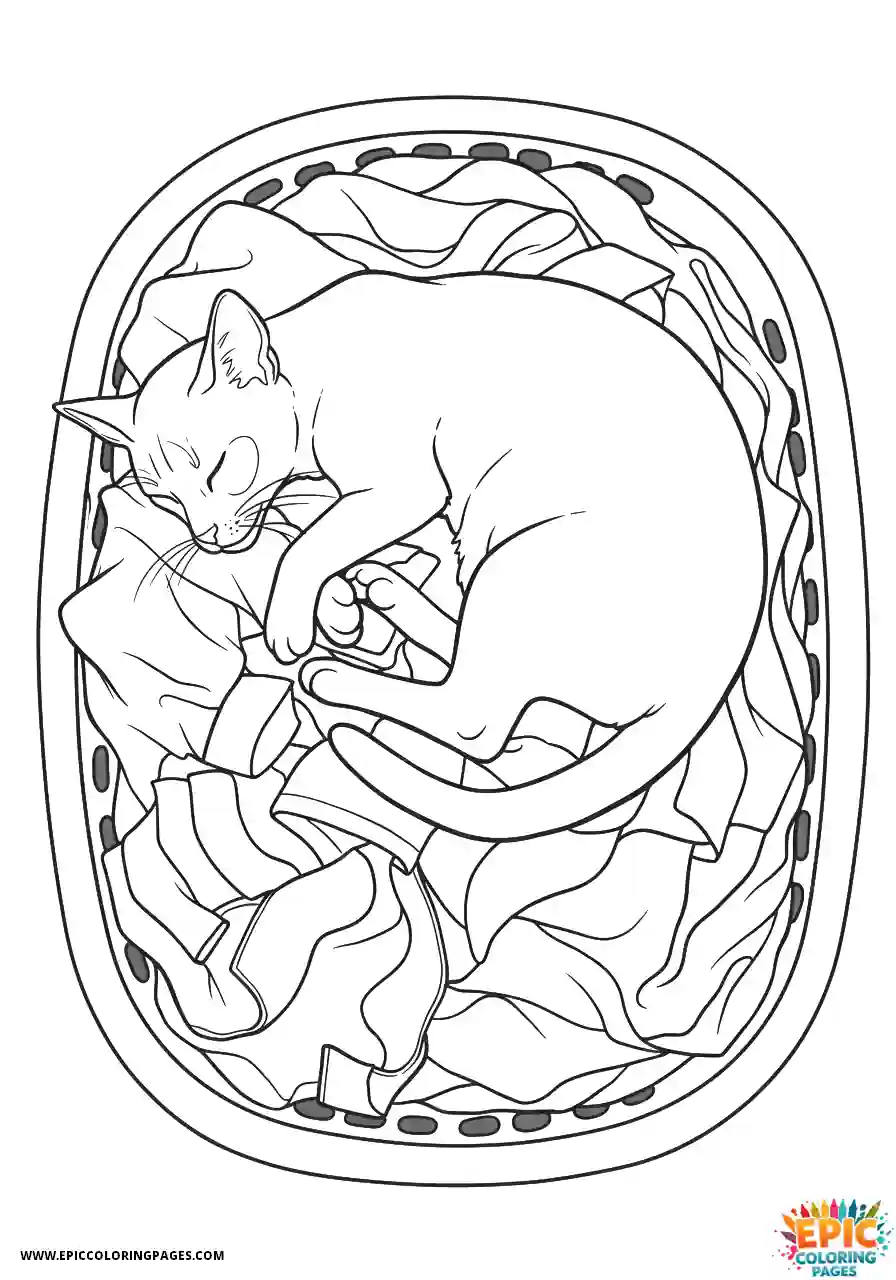
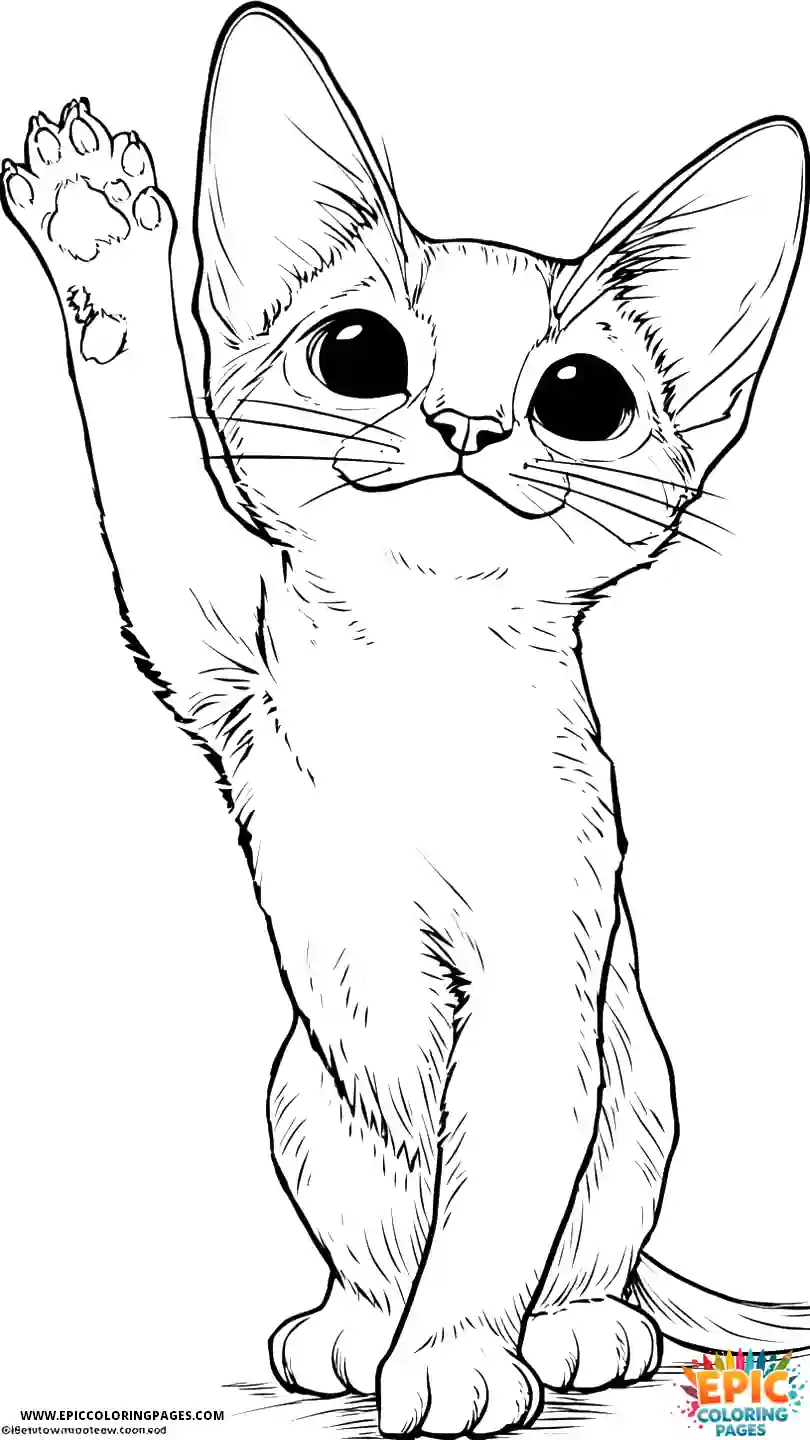
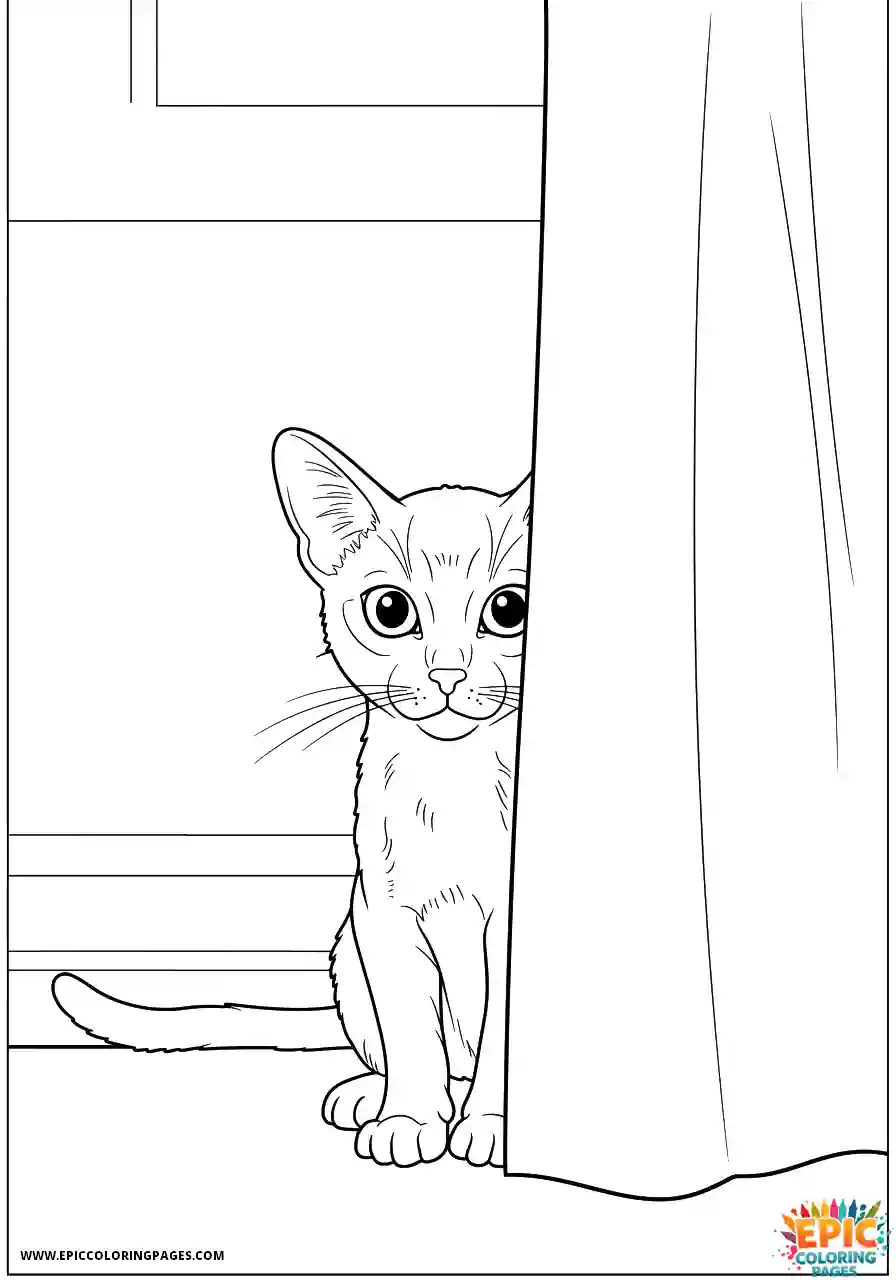
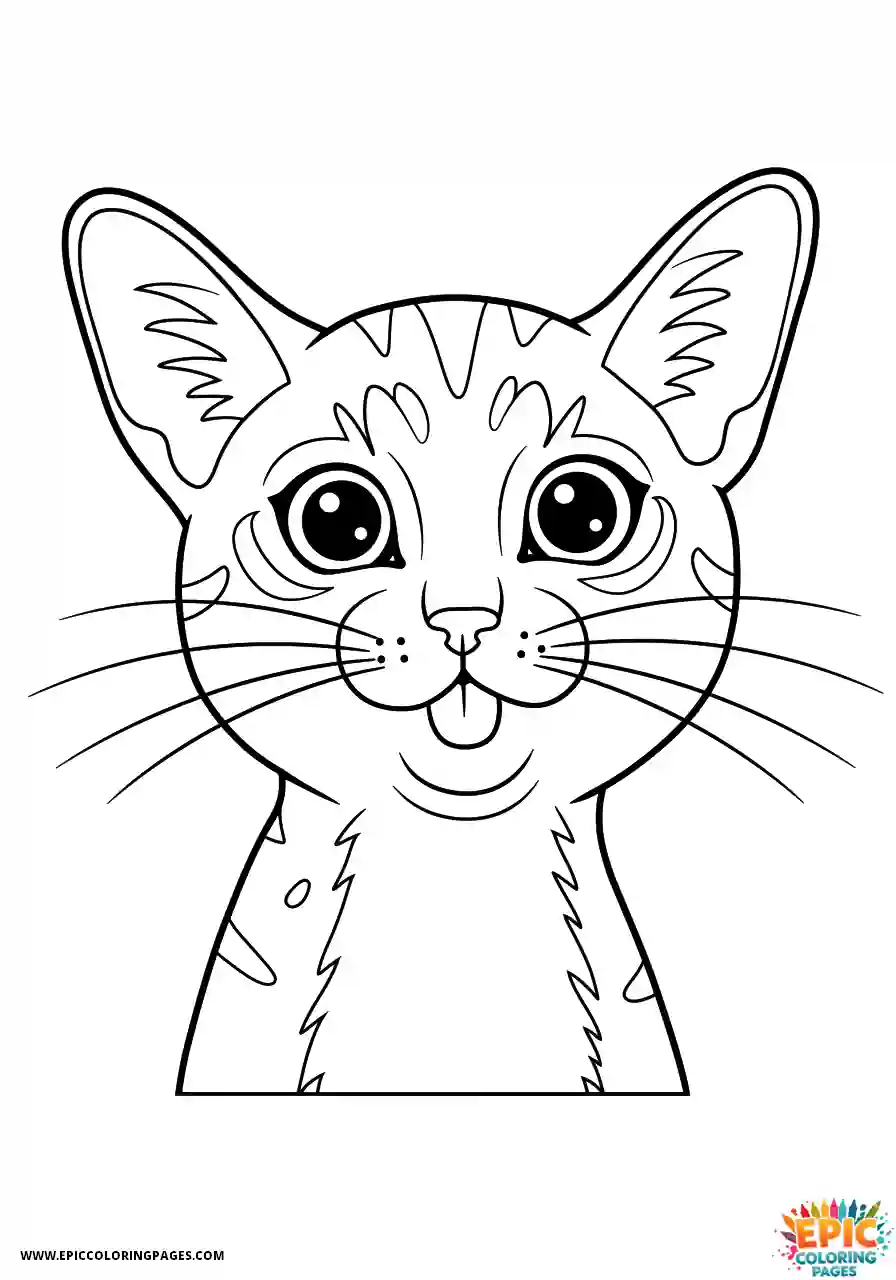
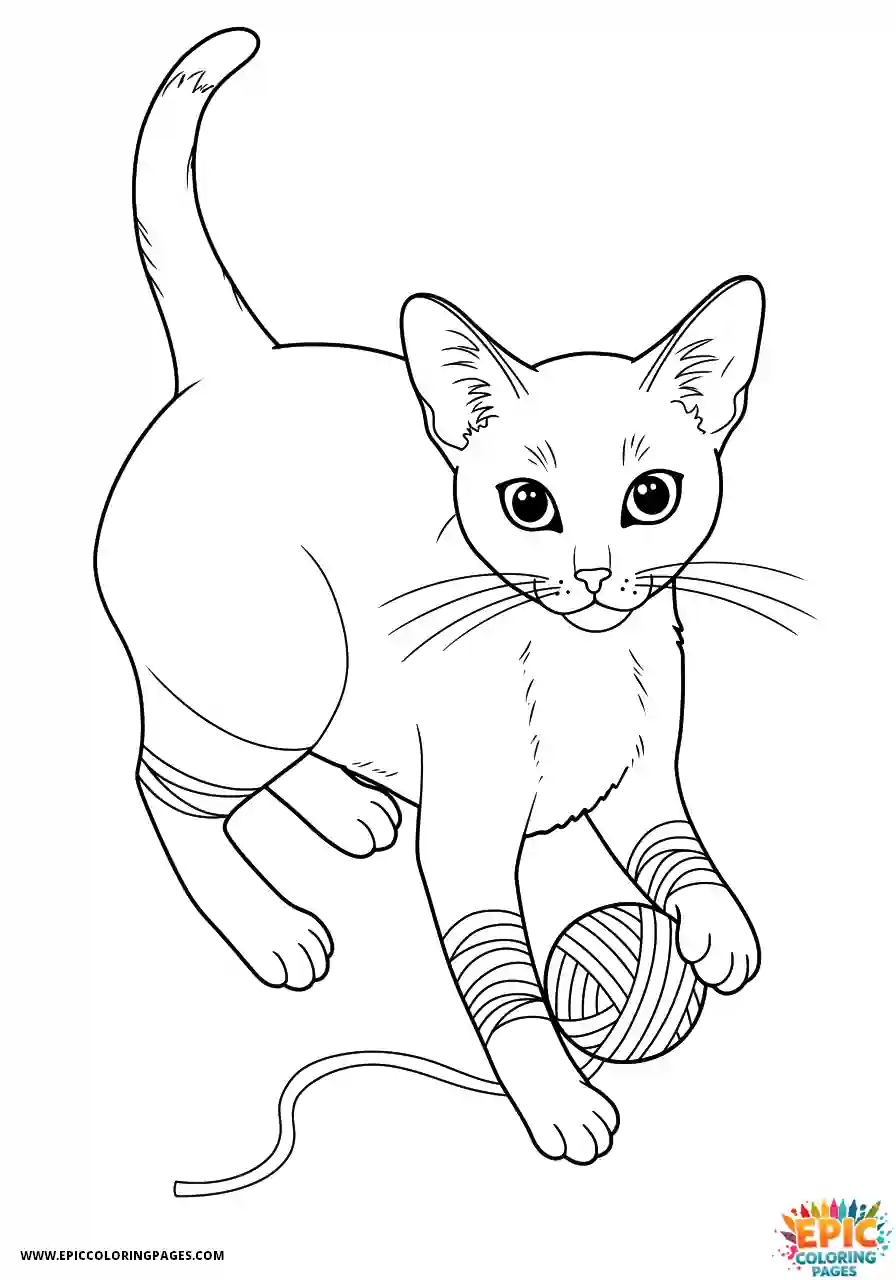
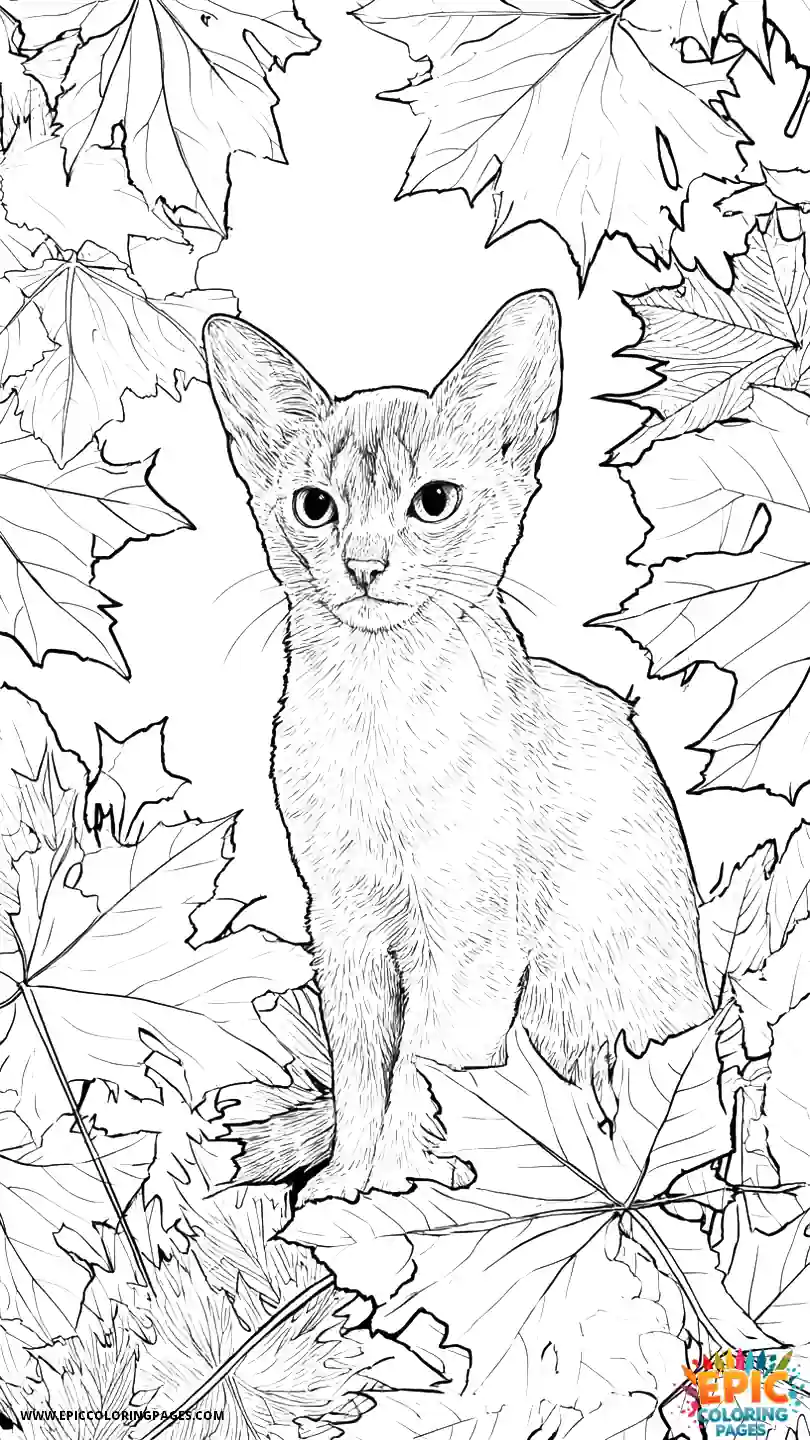
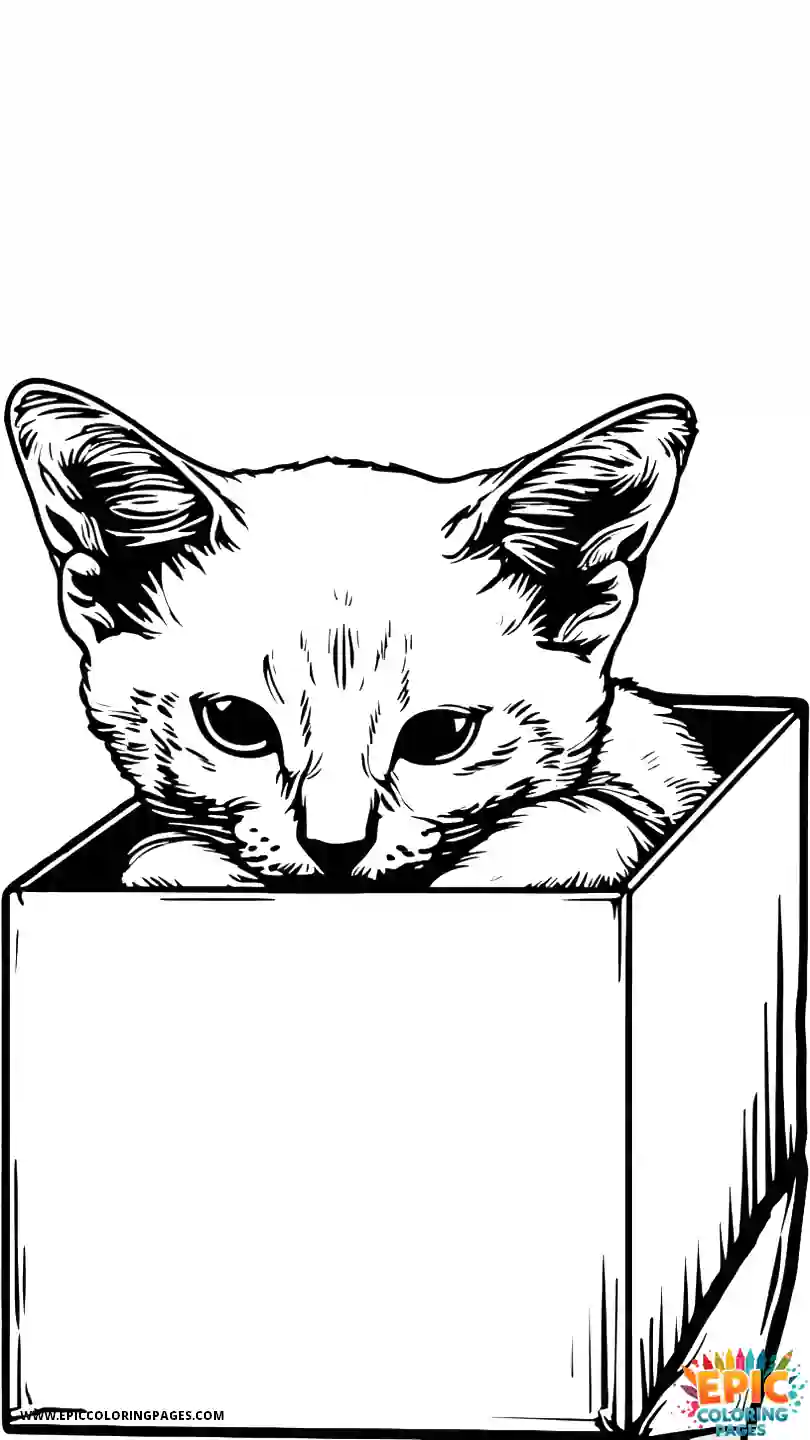
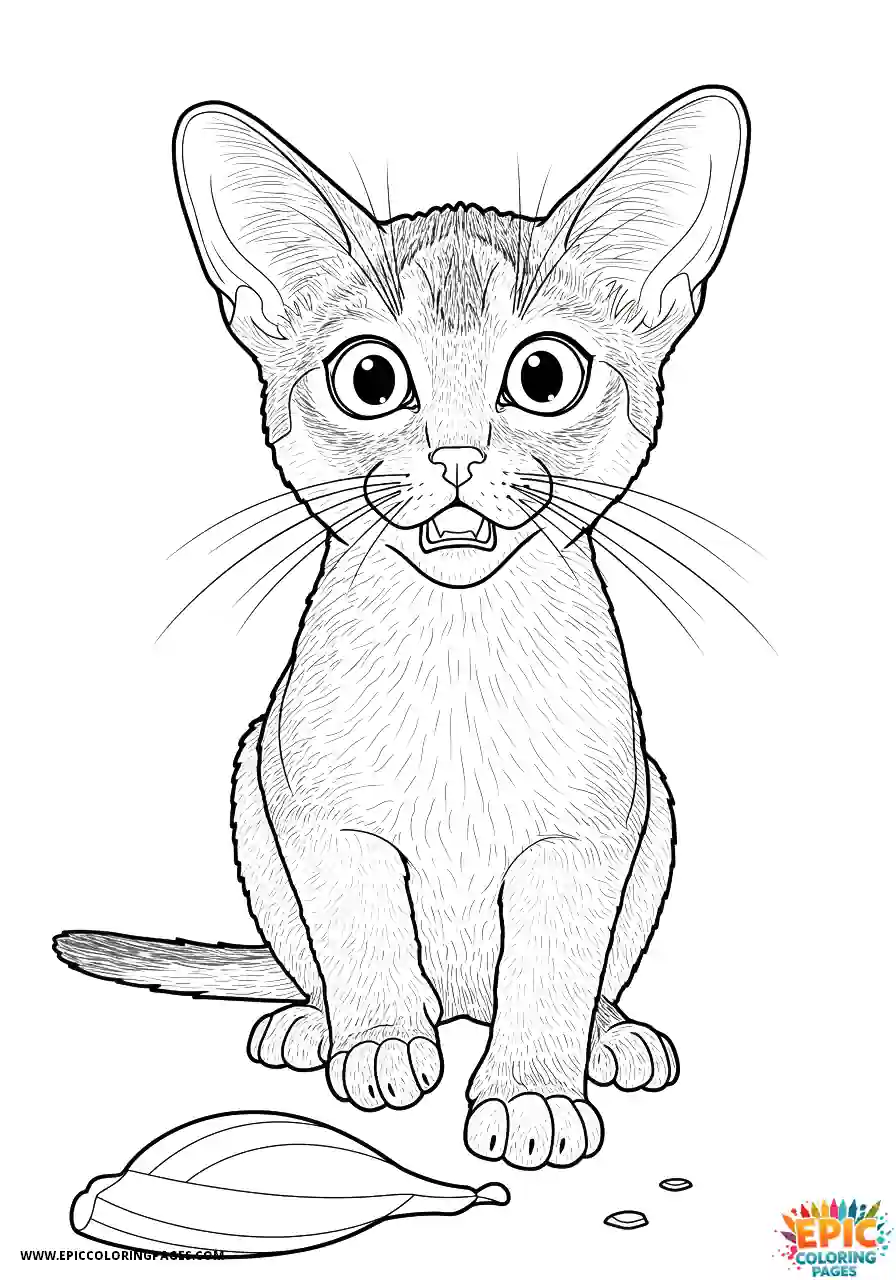
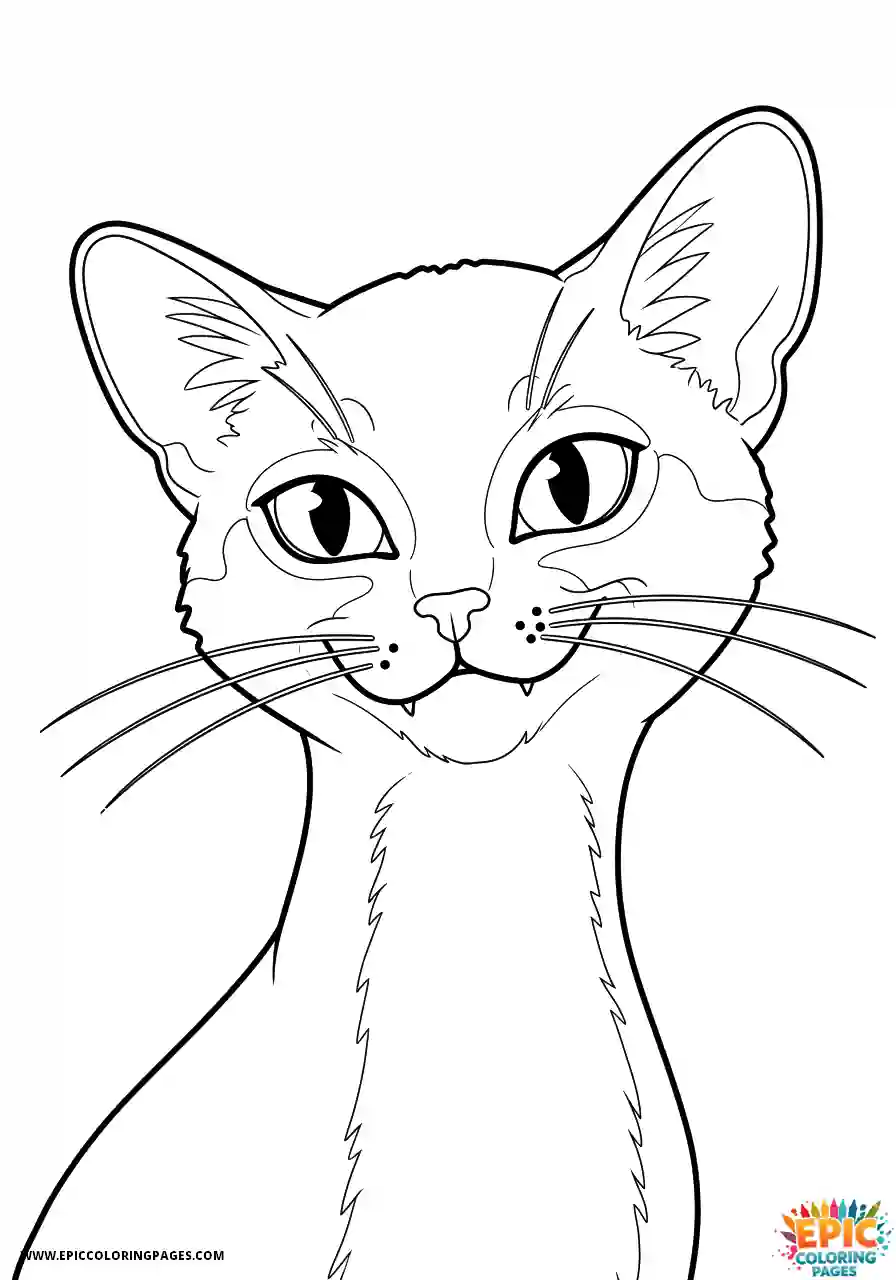
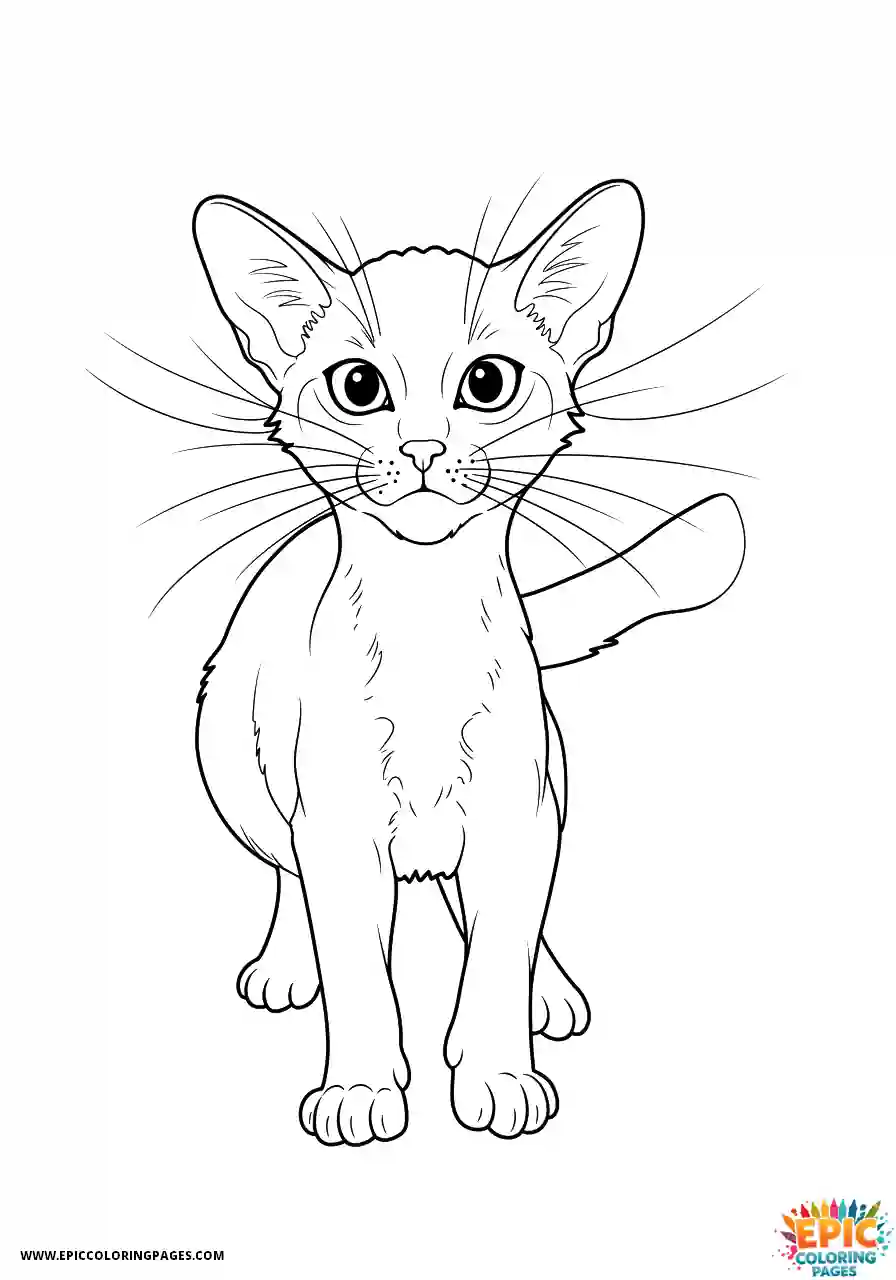
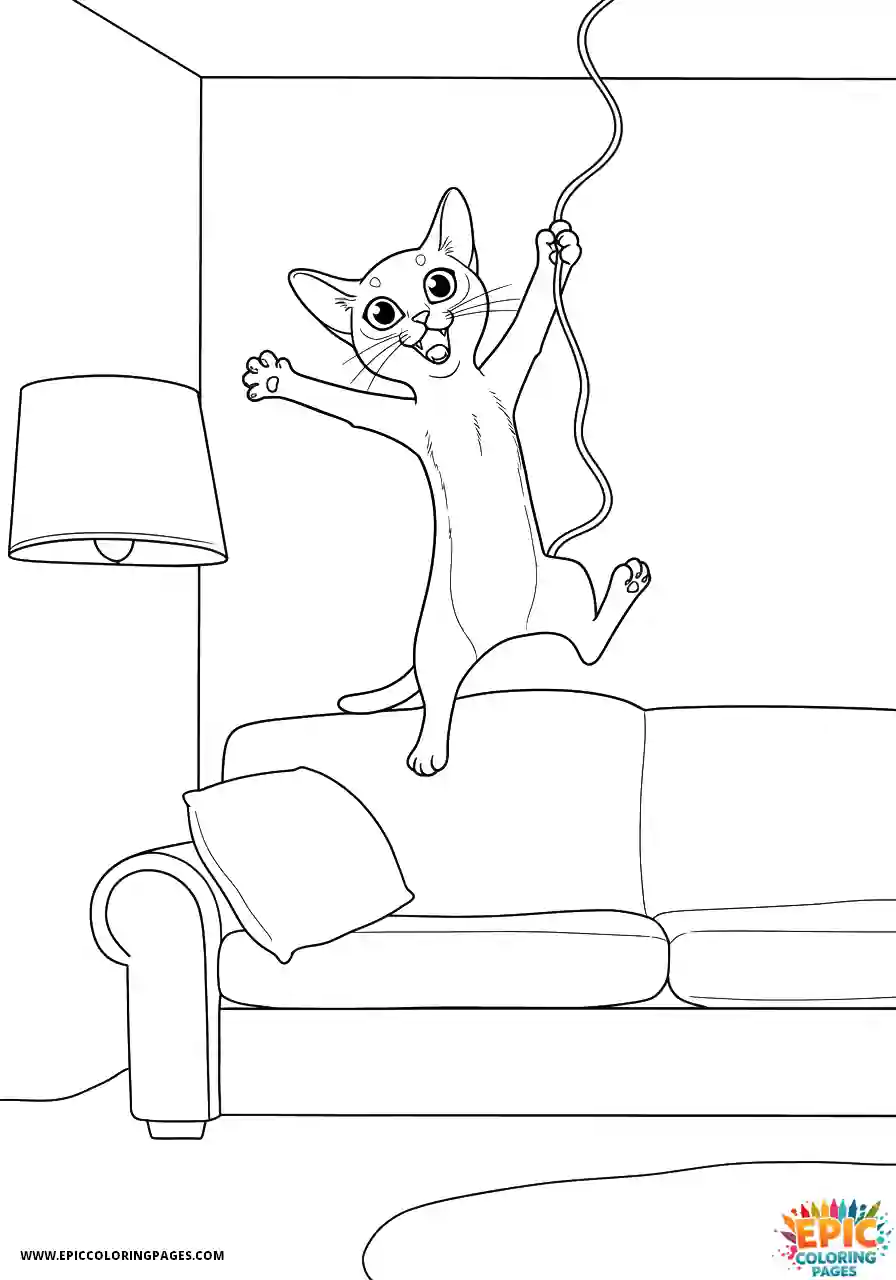
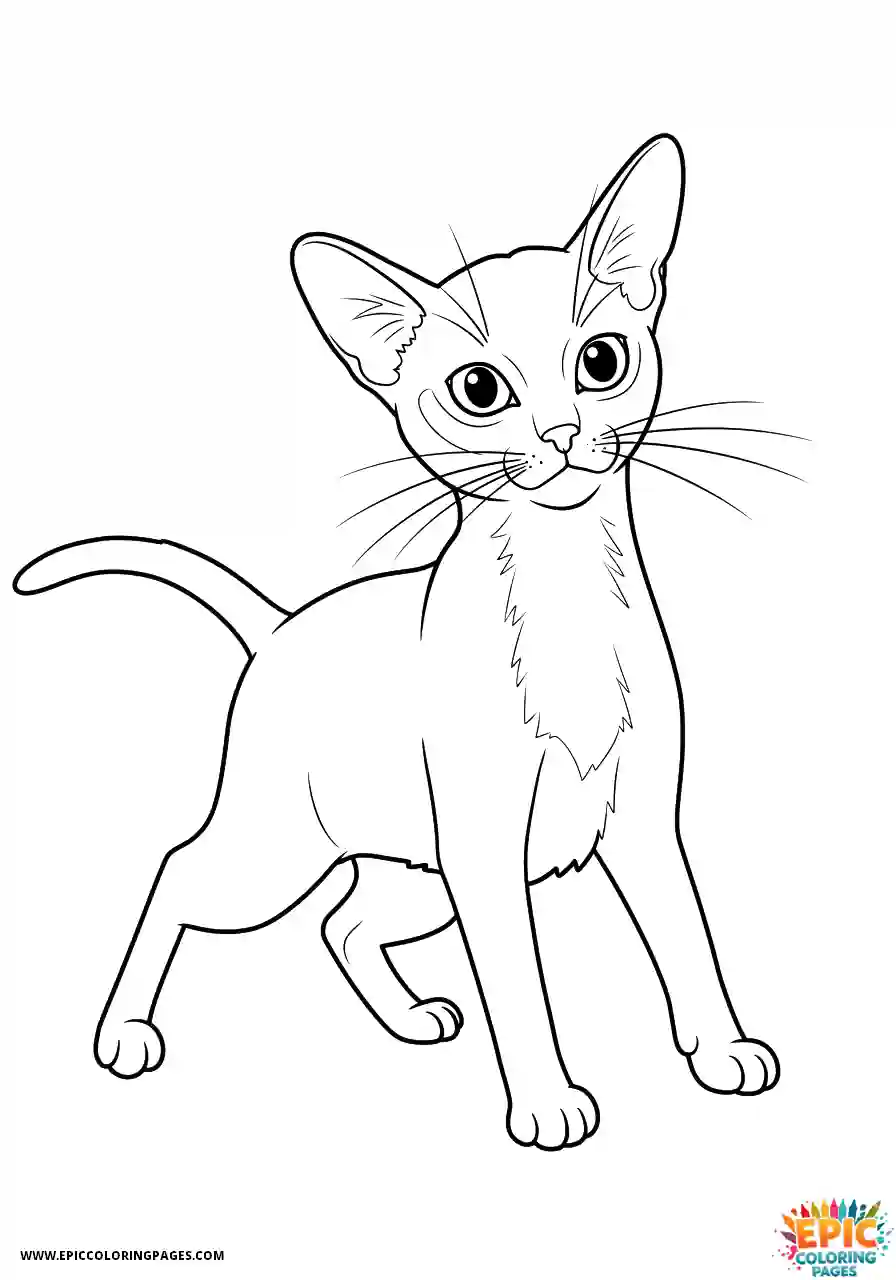
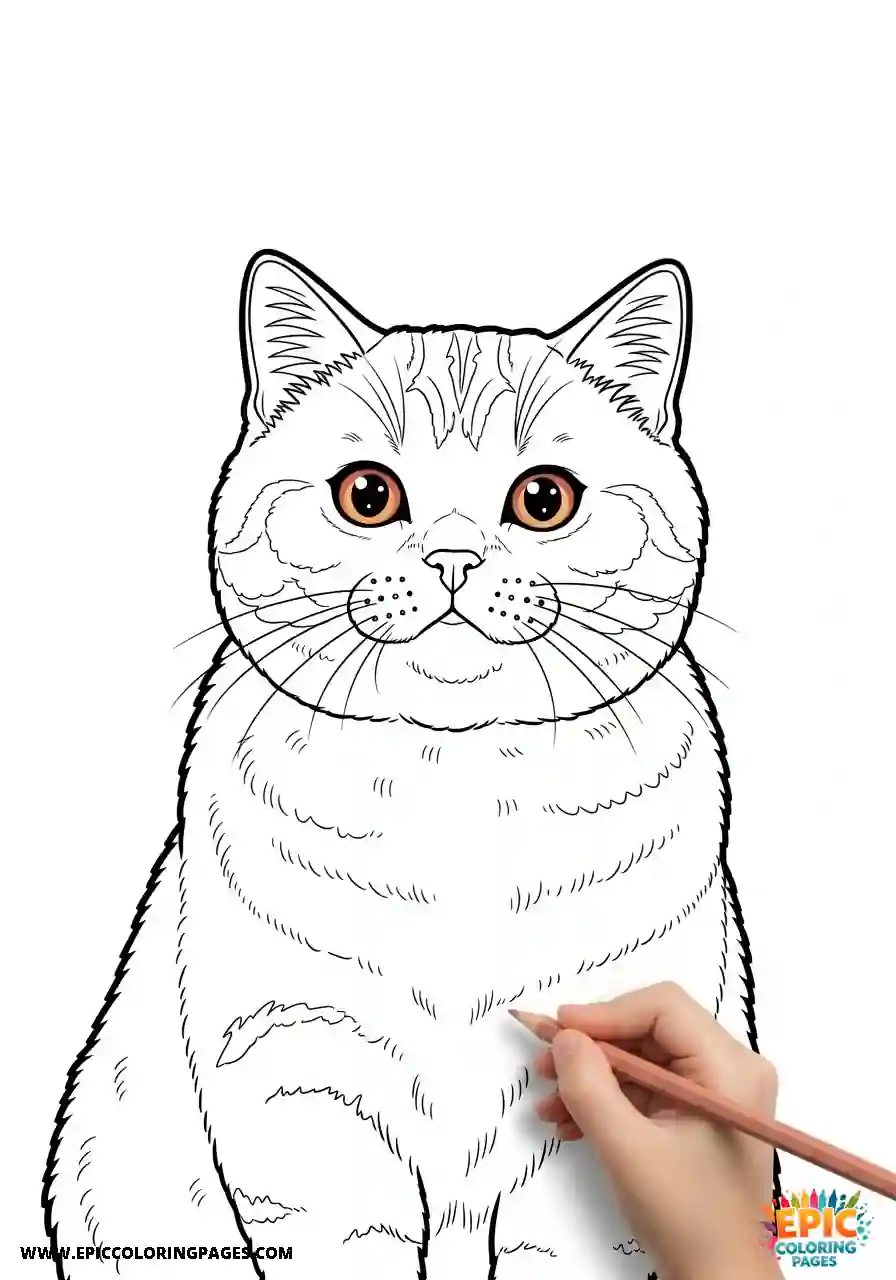
Abyssinian cat featuring a cute kitten with thick lines

๐ŸŽจ Free Interactive Editor - Customize Your Coloring Pages

Click on any image to open our FREE editor and add personalized text, emojis, zoom in for details, and save in professional 300 DPI quality!

โœ๏ธ

Add Text

11+ fonts

๐Ÿ˜Š

Emojis

500+ items

๐Ÿ”

Zoom

Precision

๐Ÿ’พ

Save

300 DPI

Capturing the "Cougar" Look: Coat and Anatomy

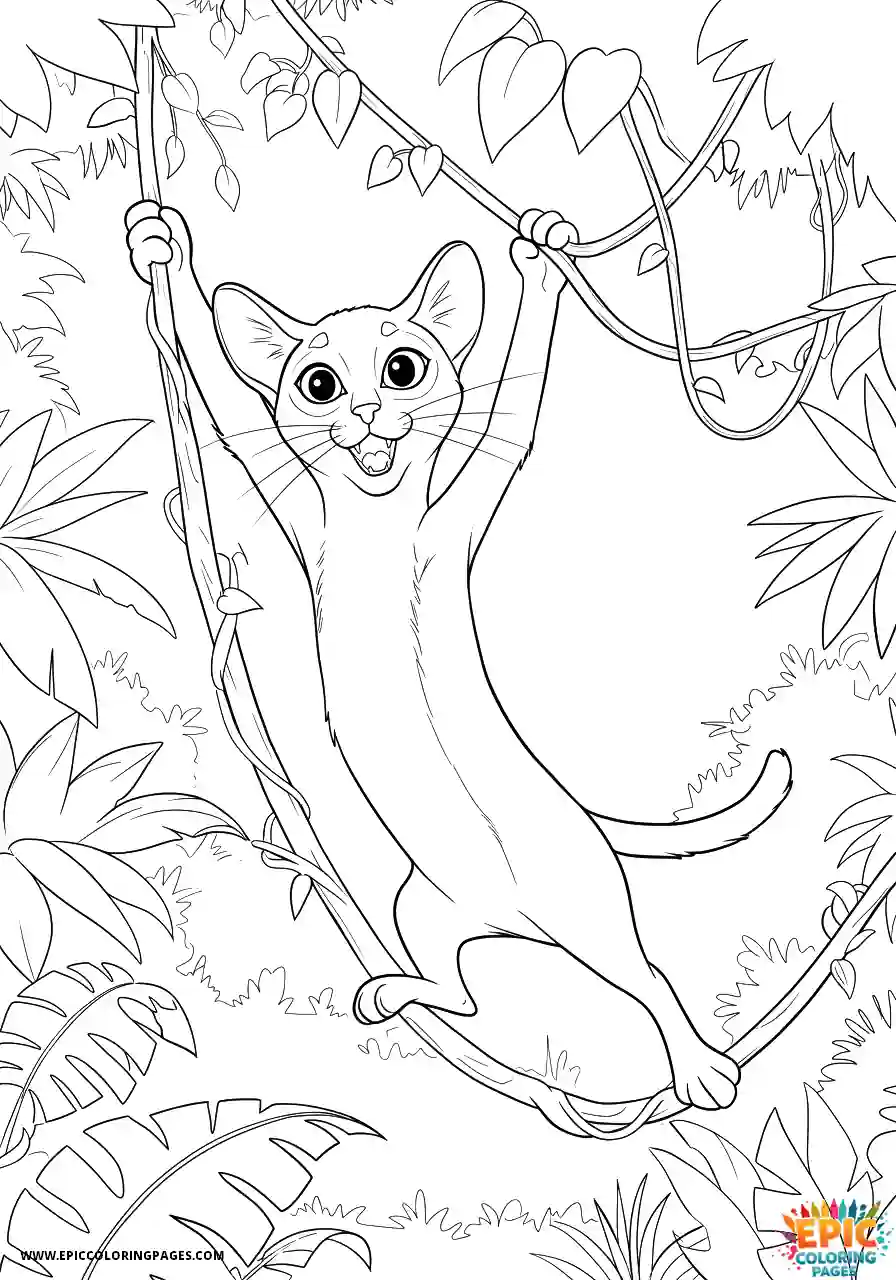
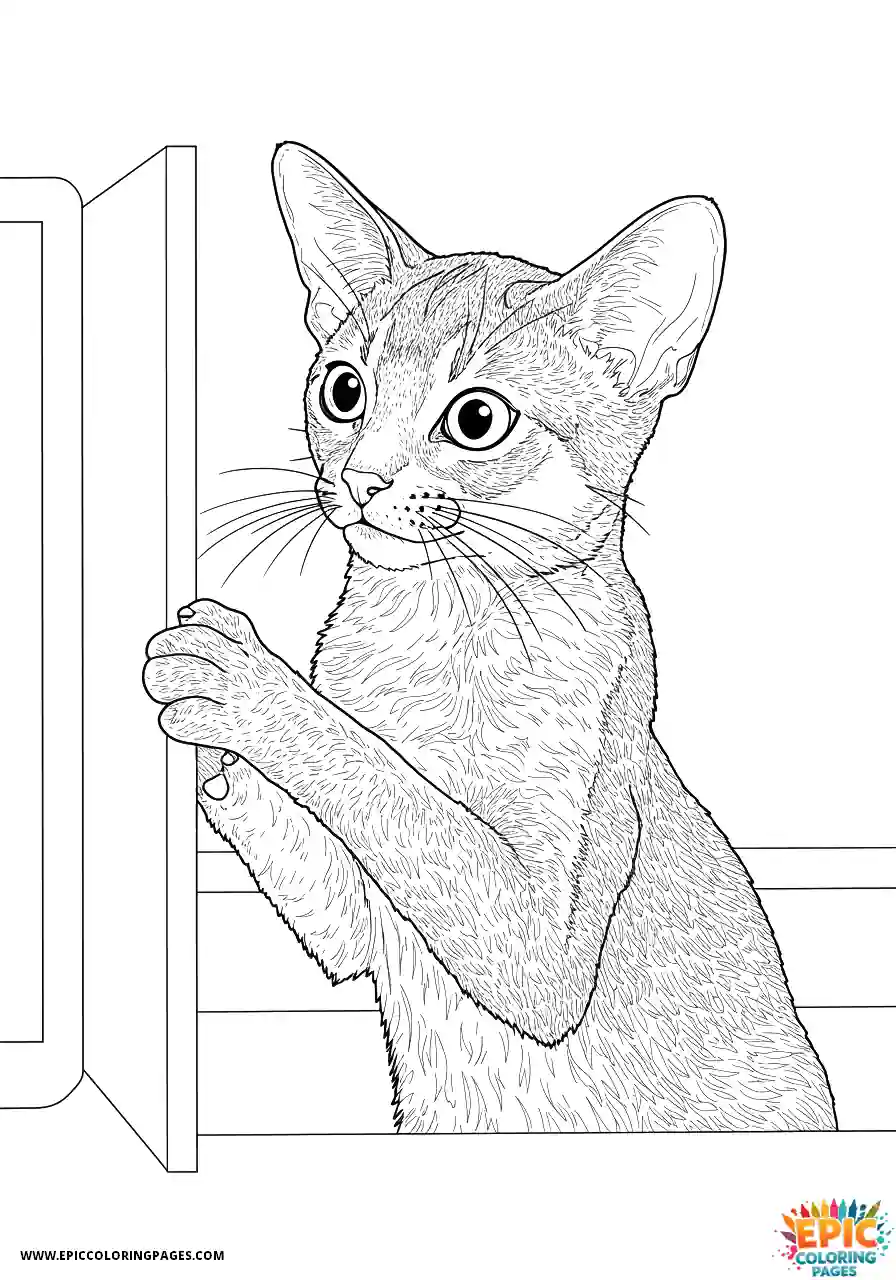
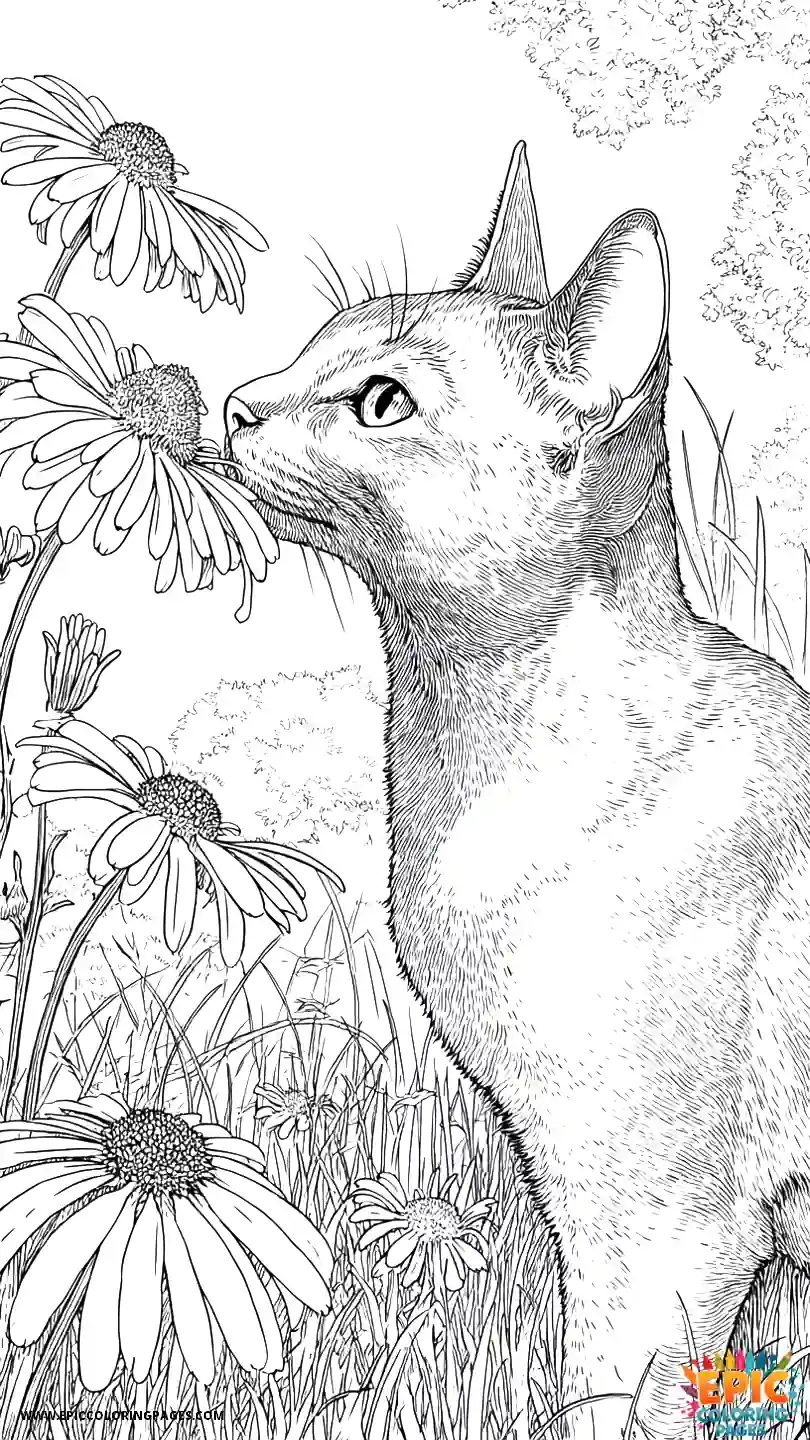
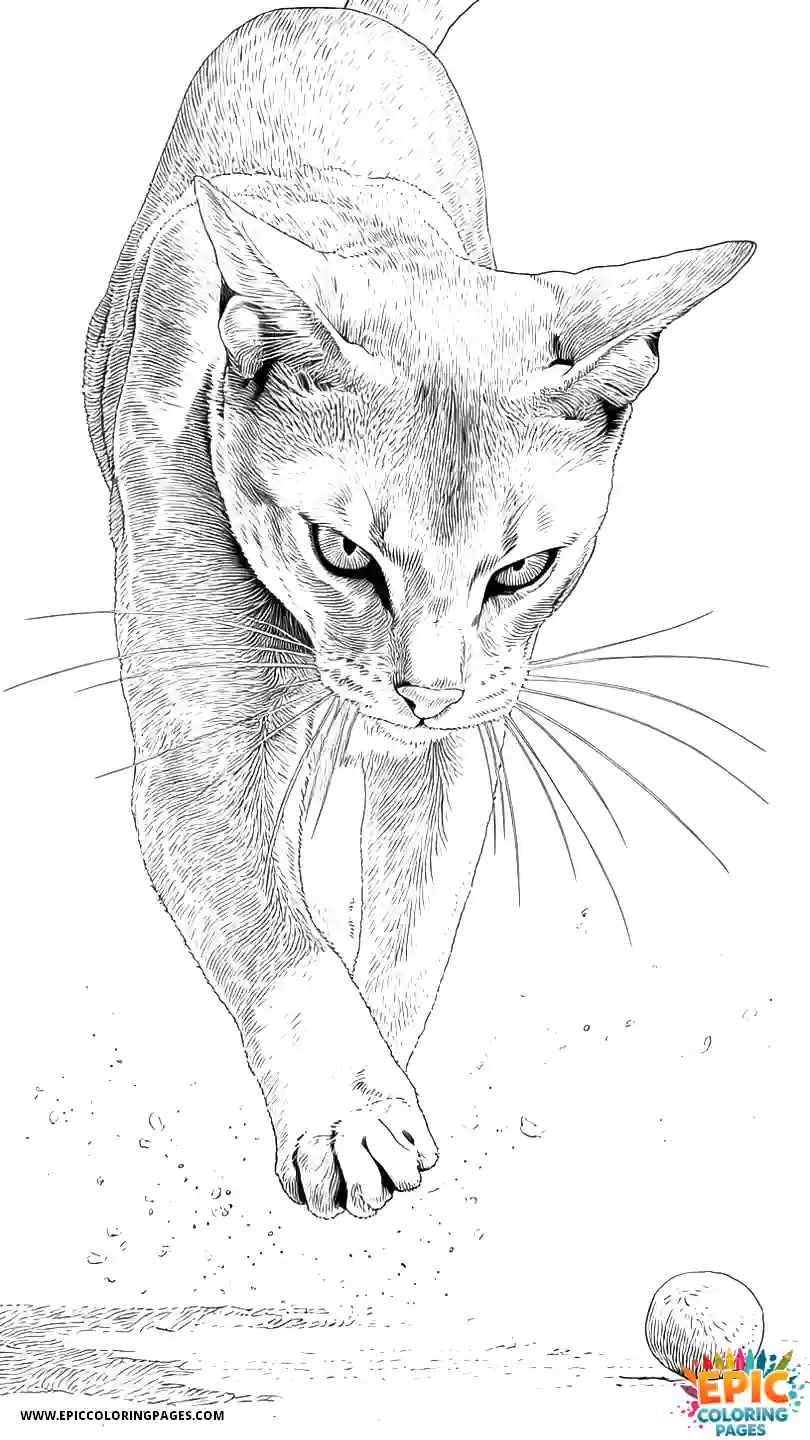
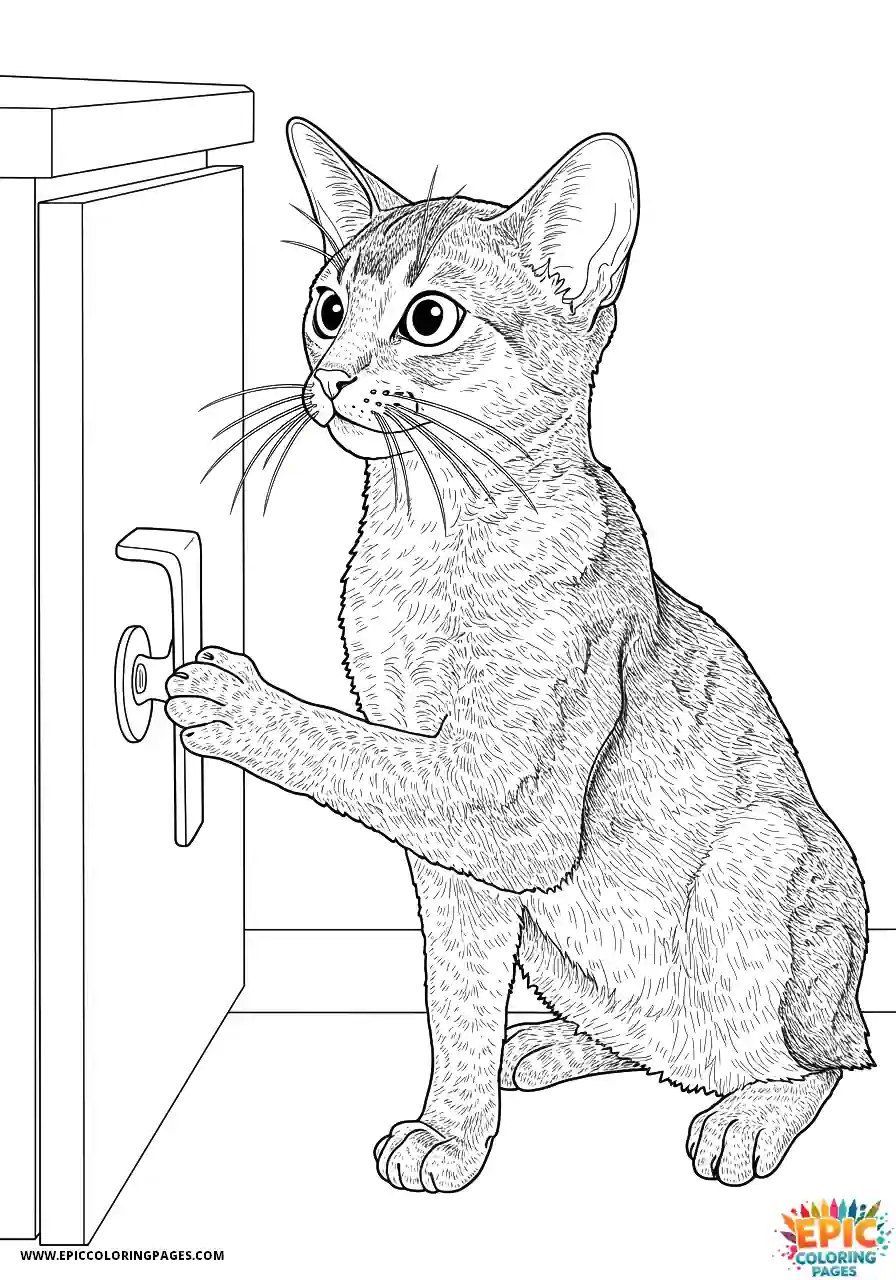
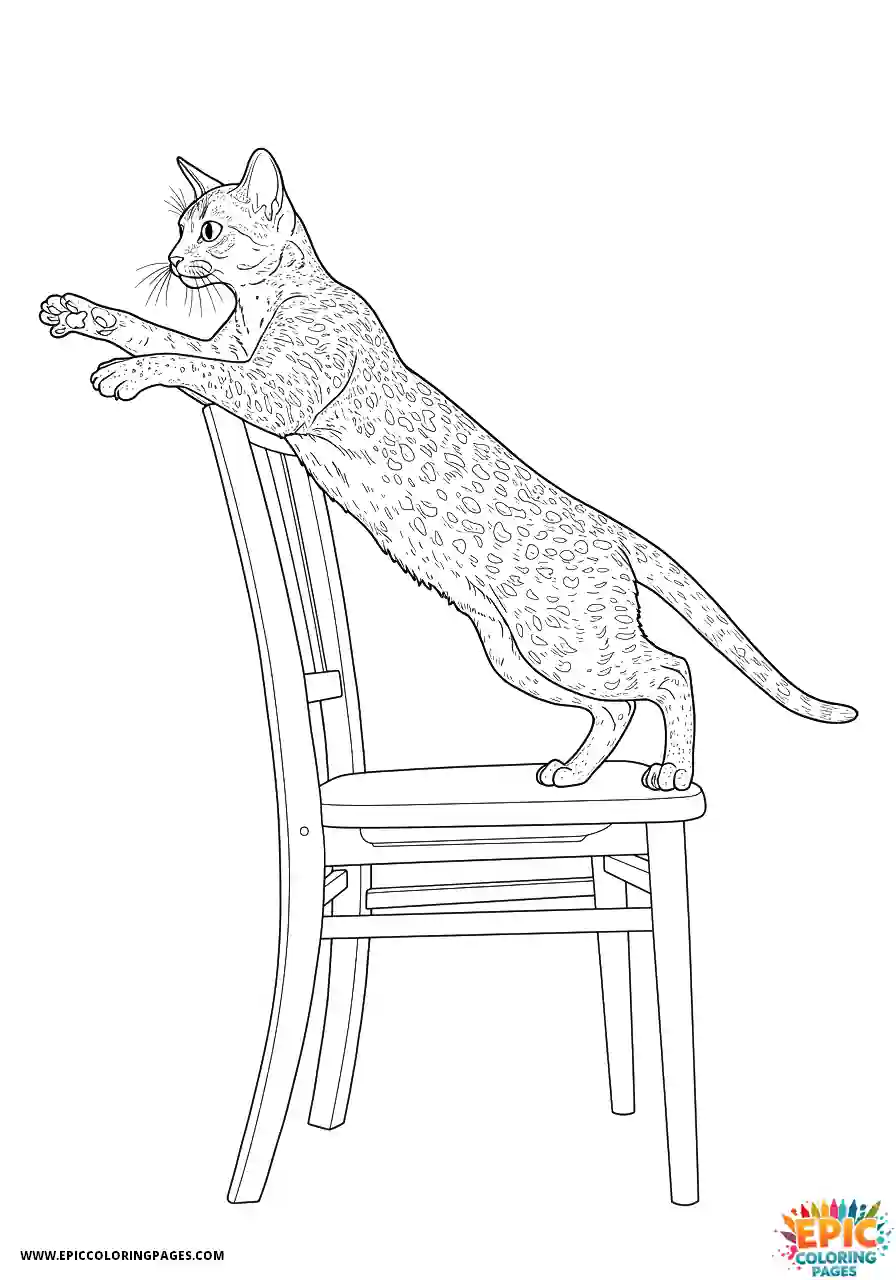
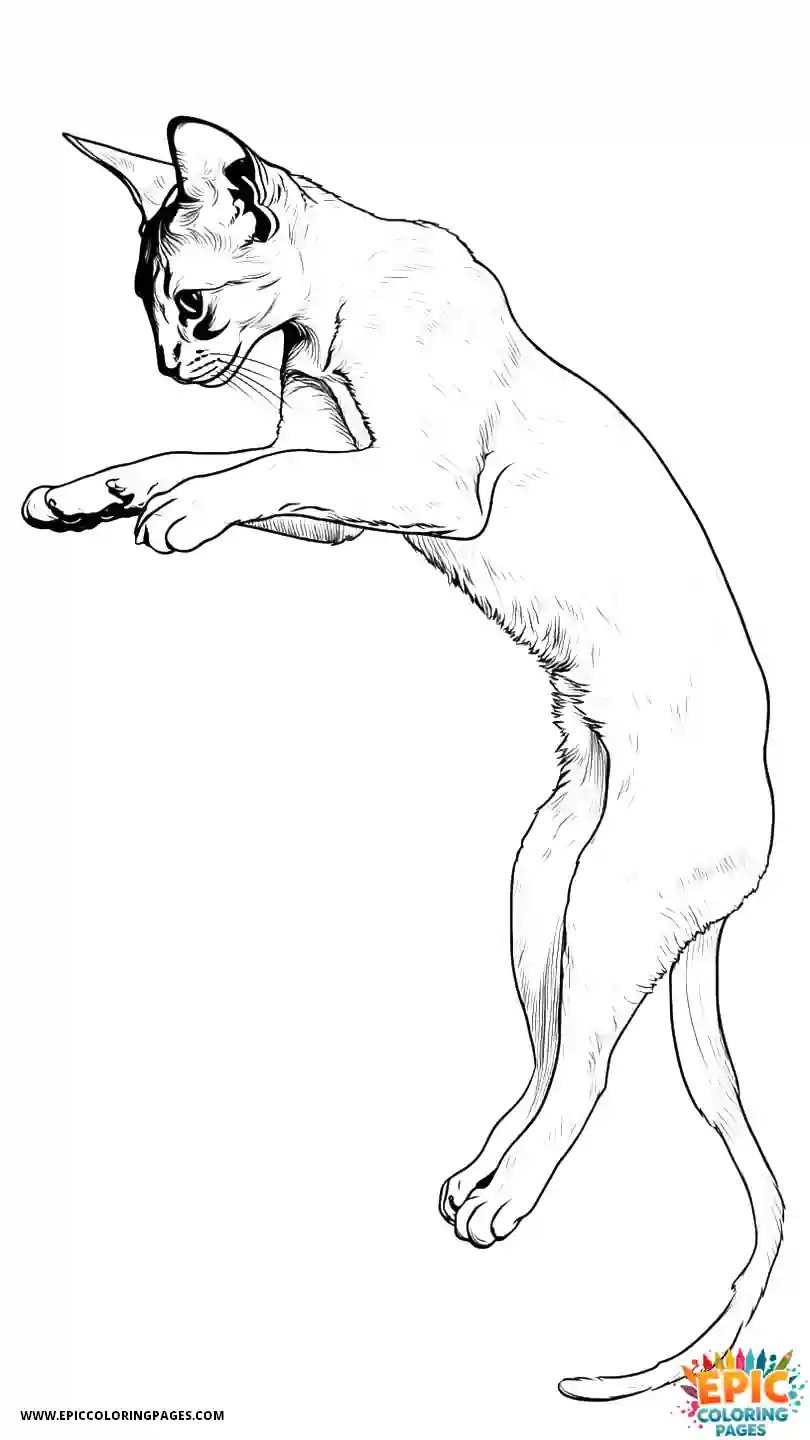
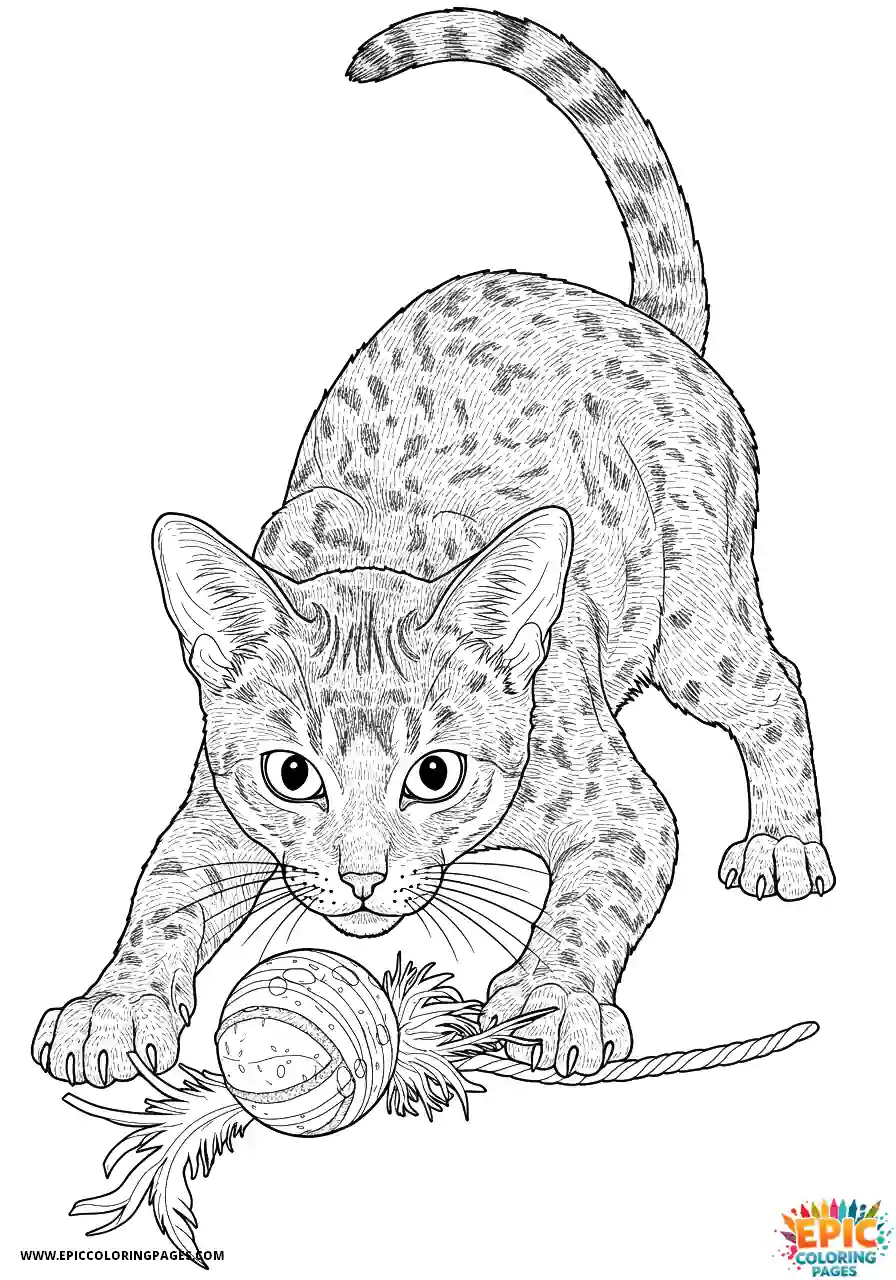
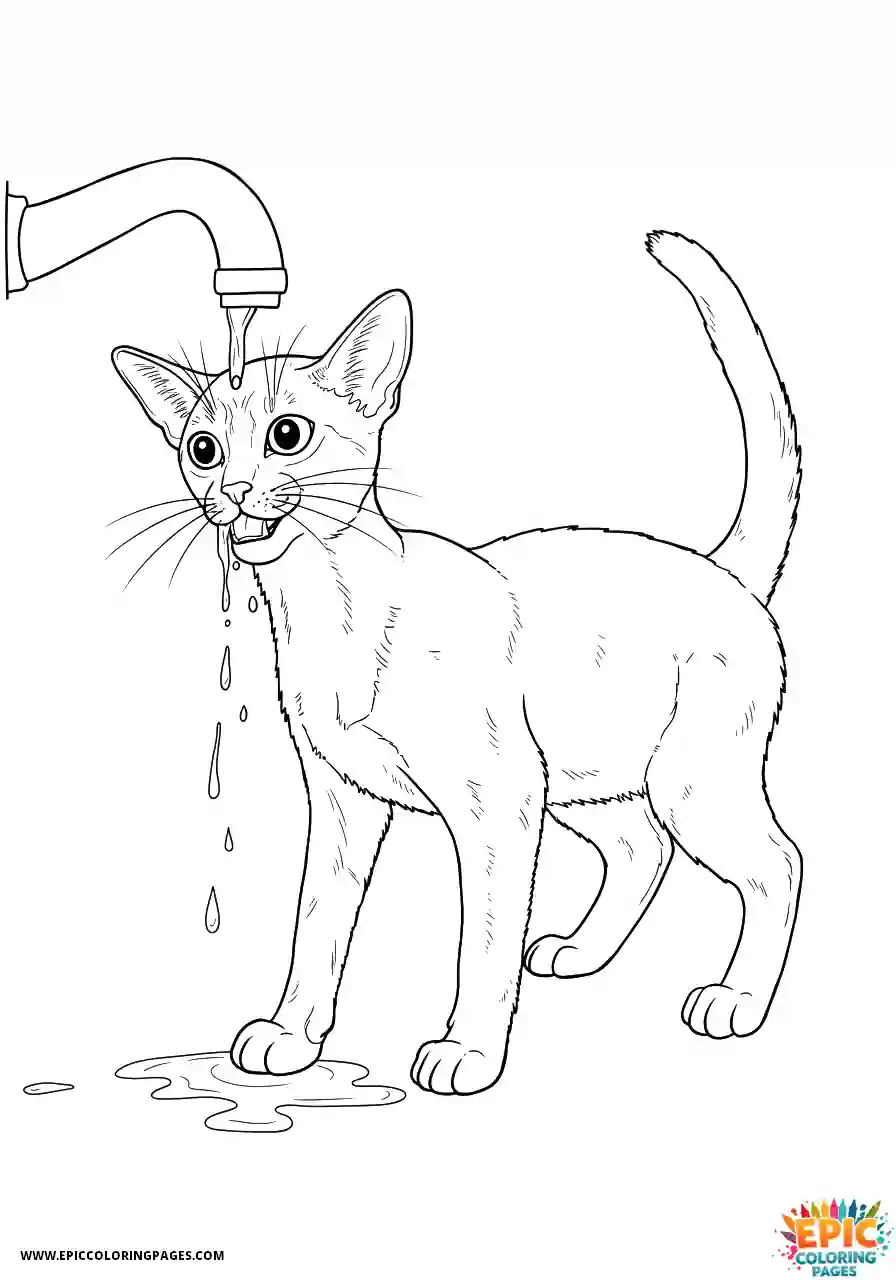
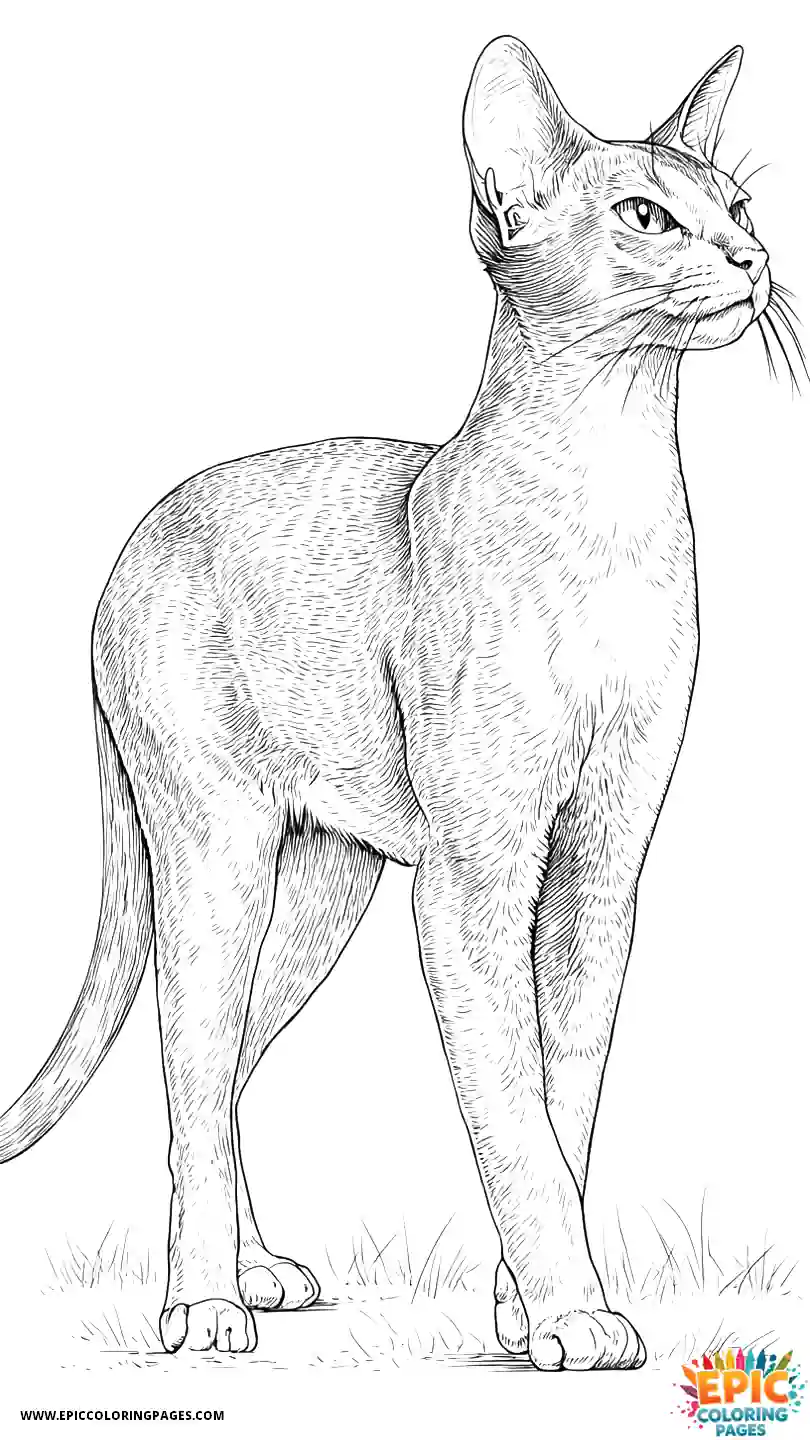
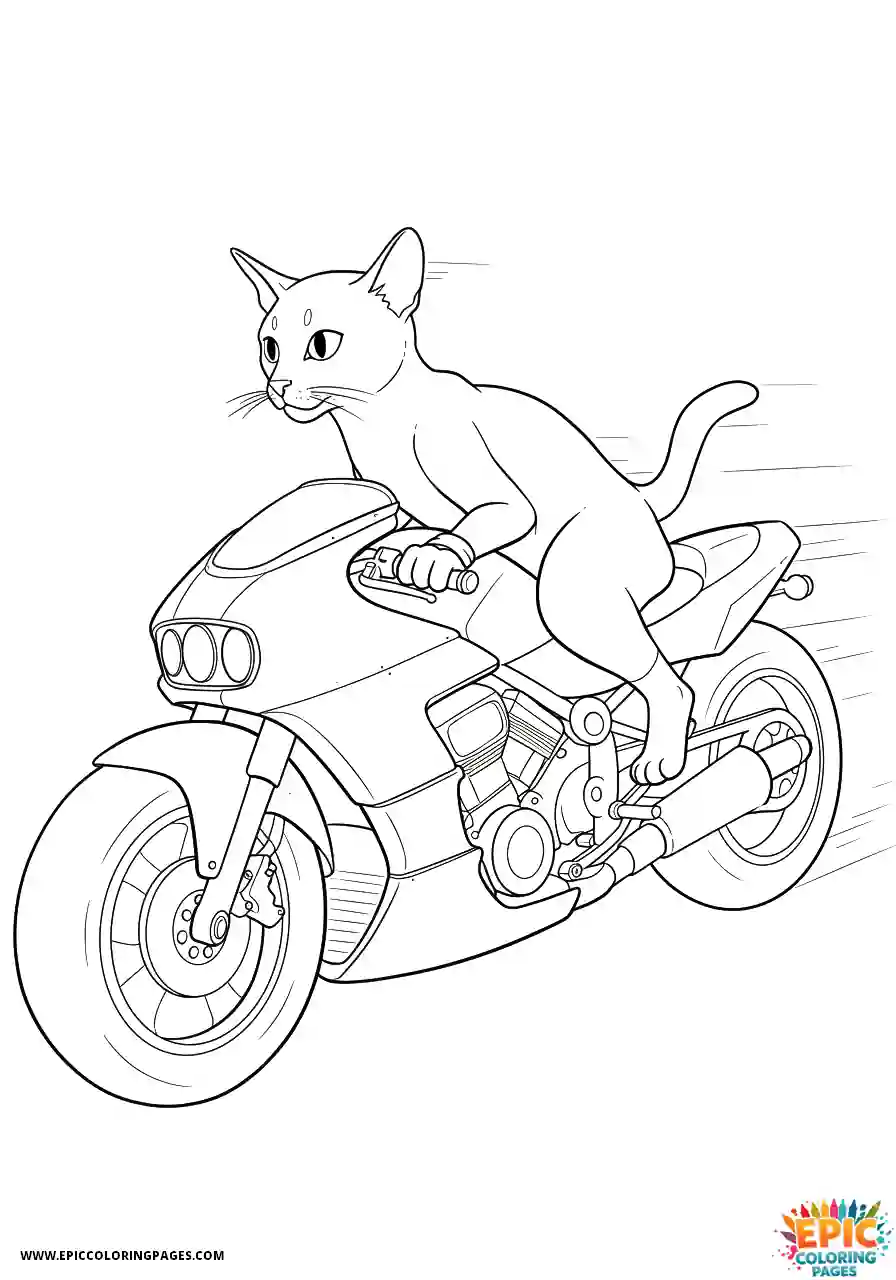
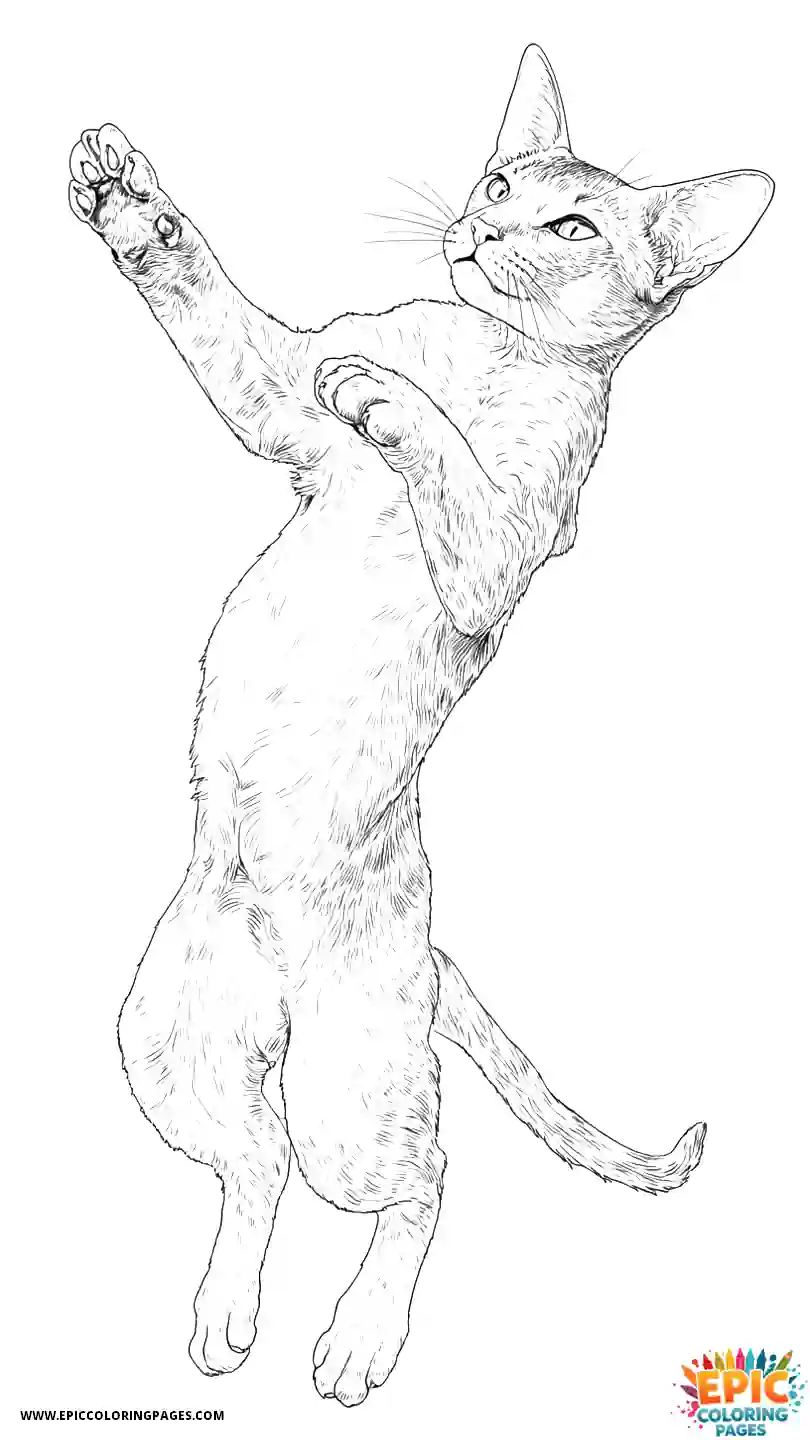
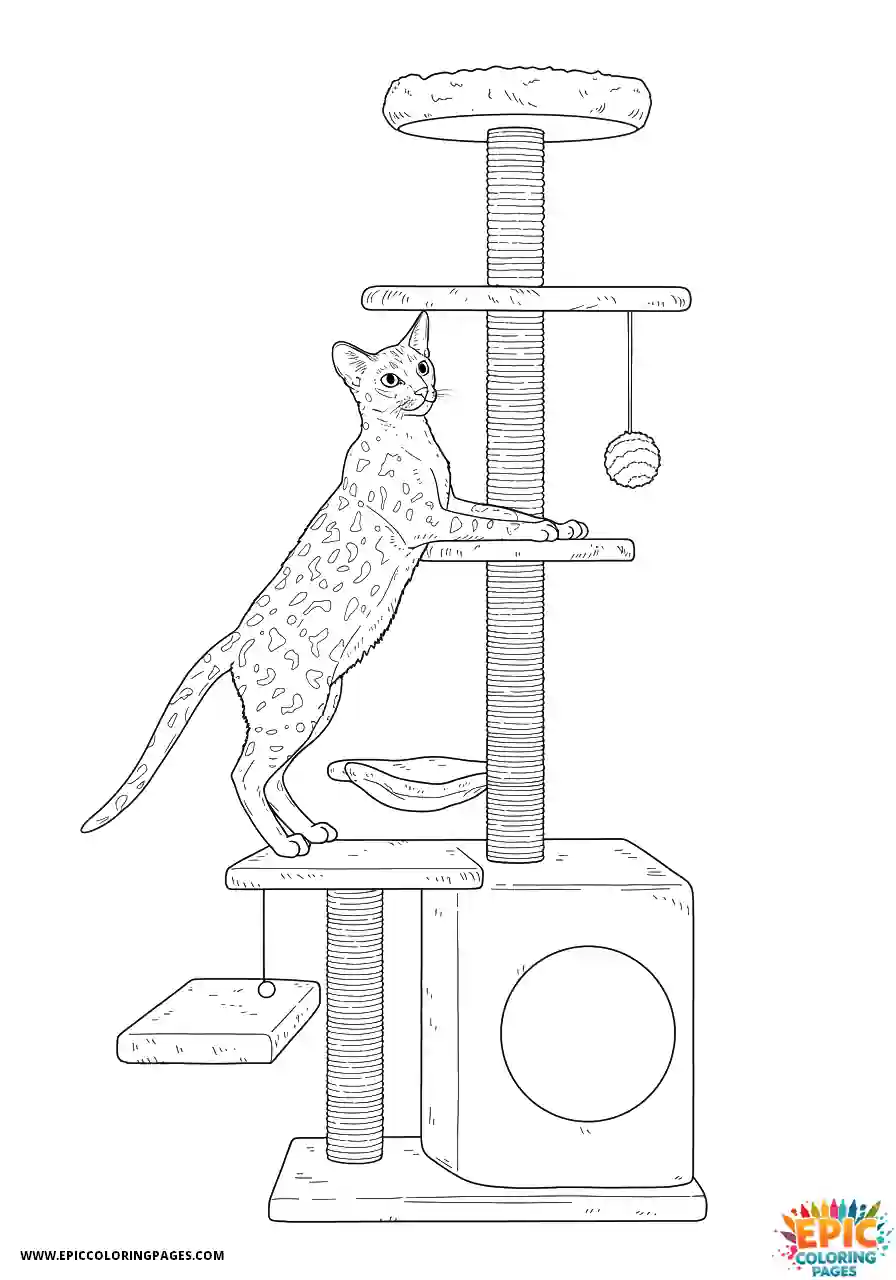
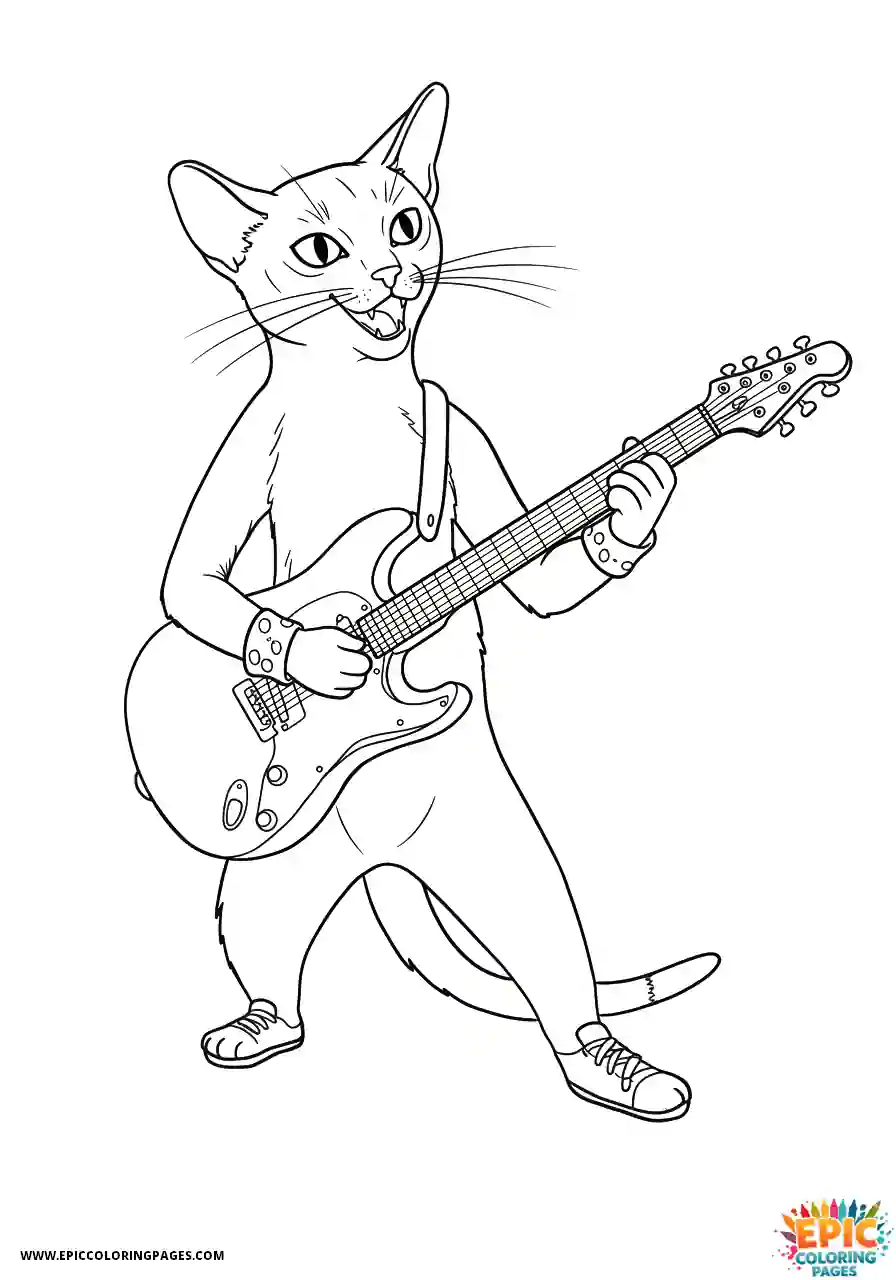
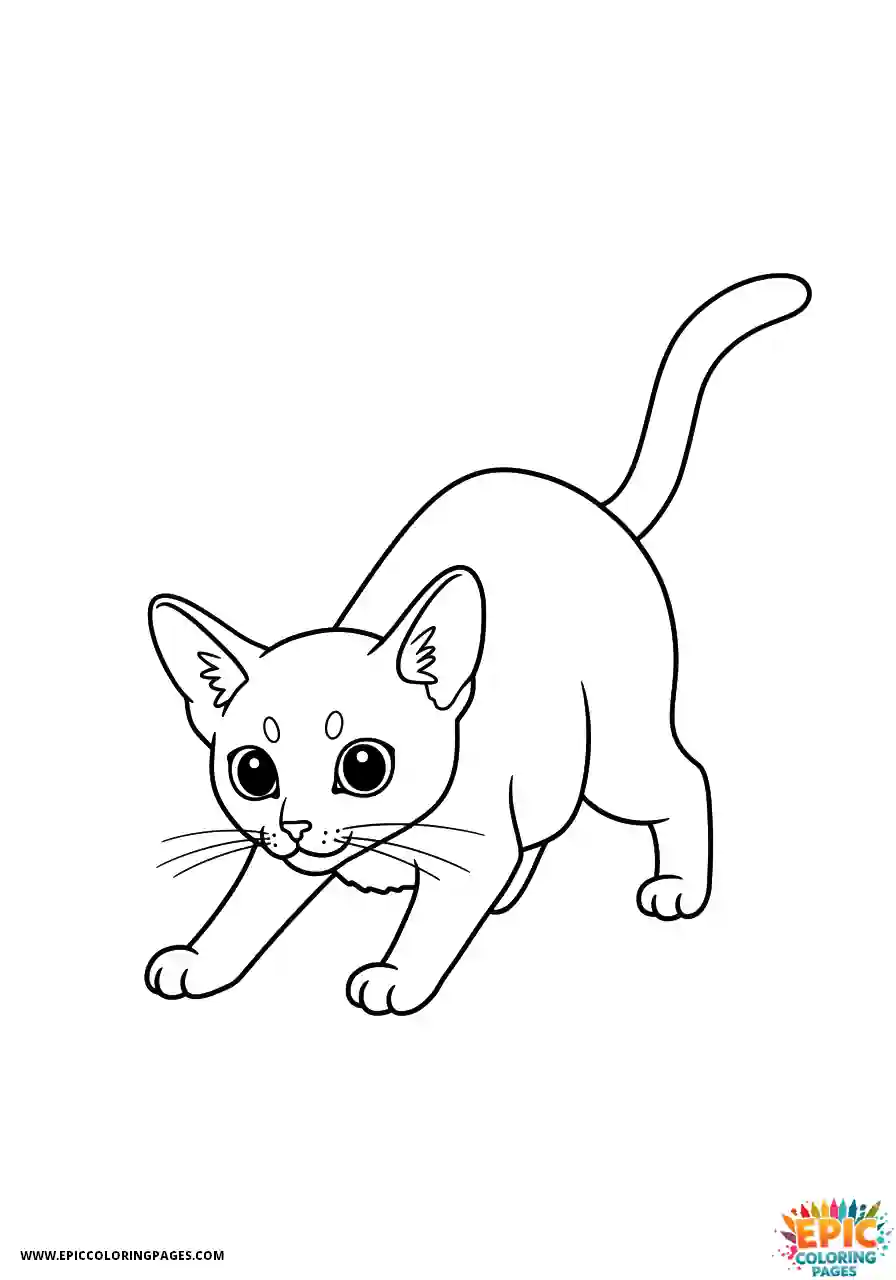
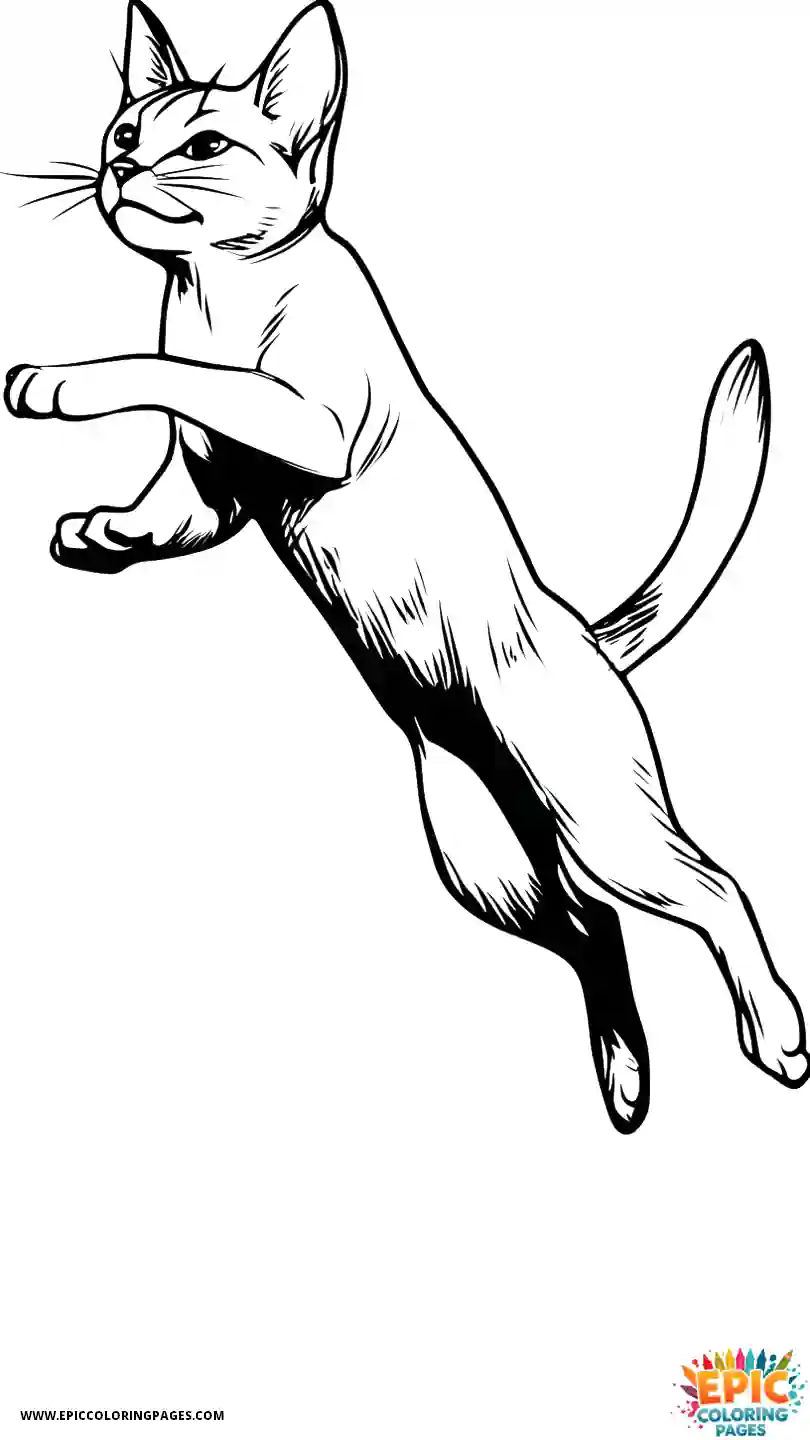
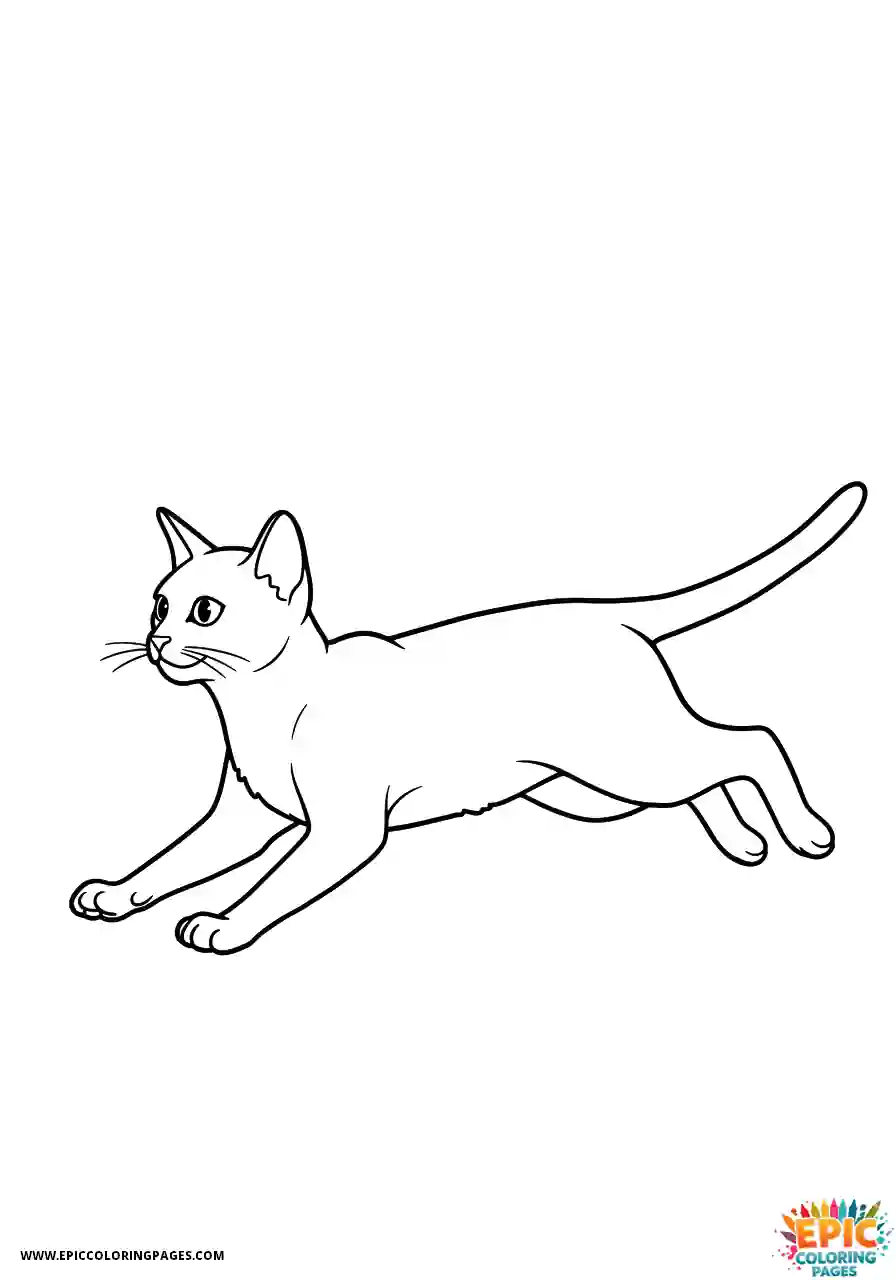
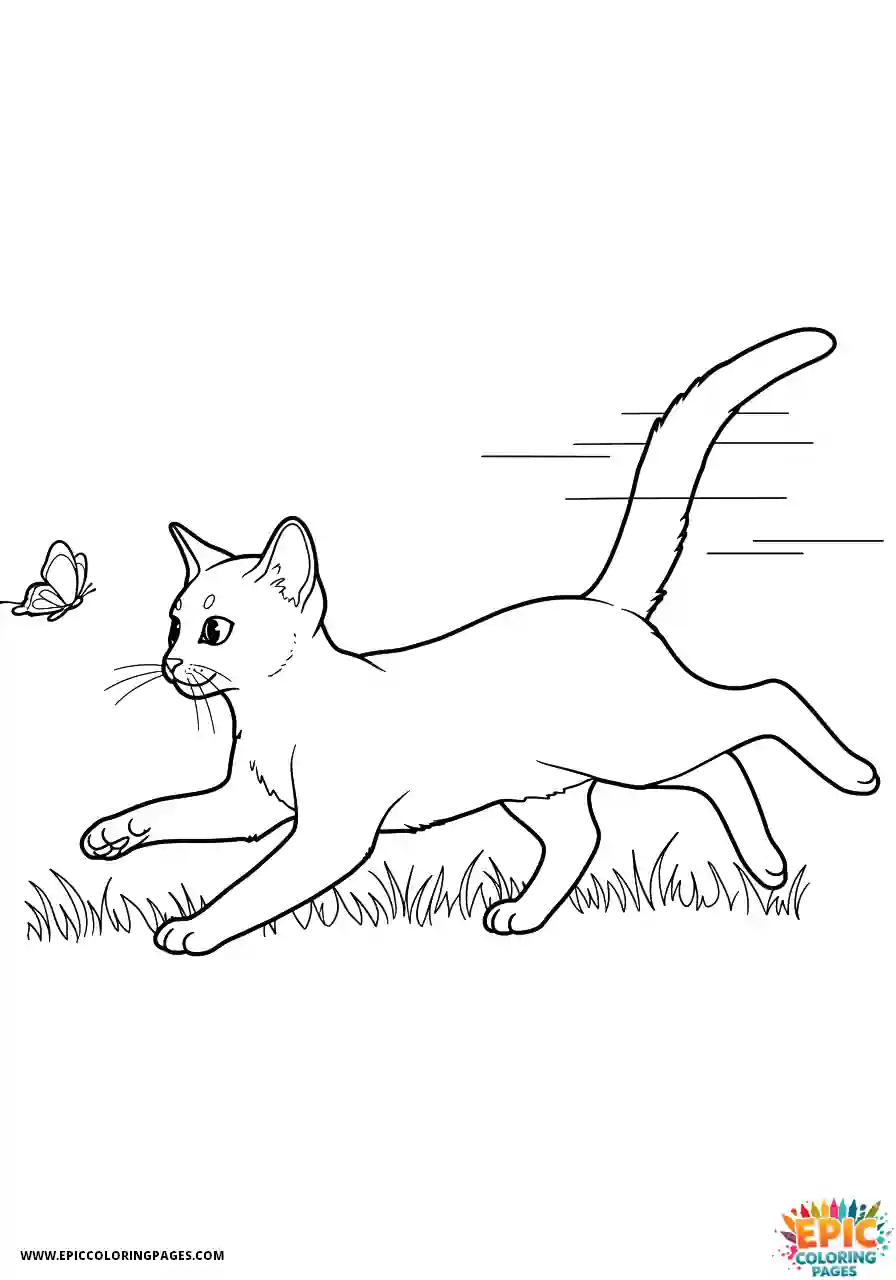
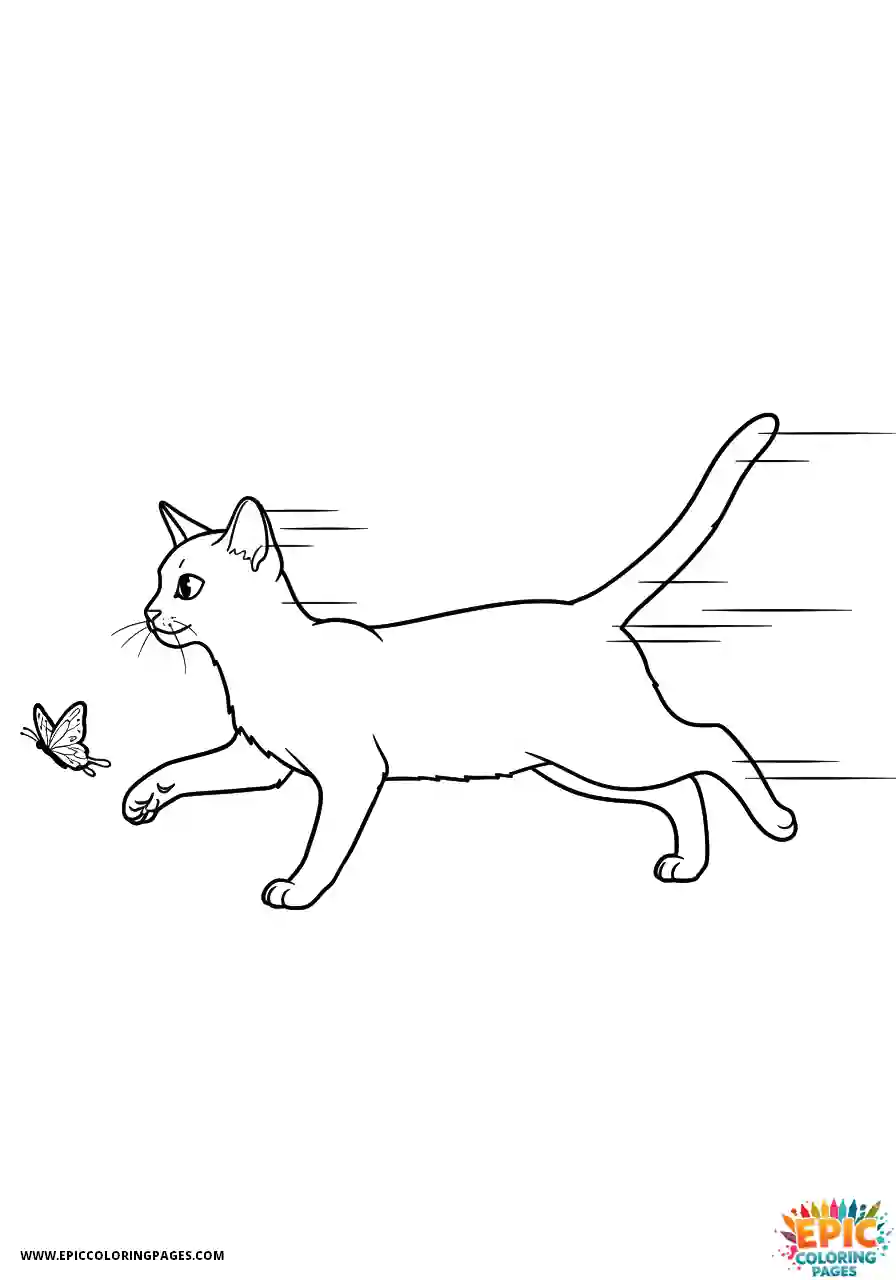
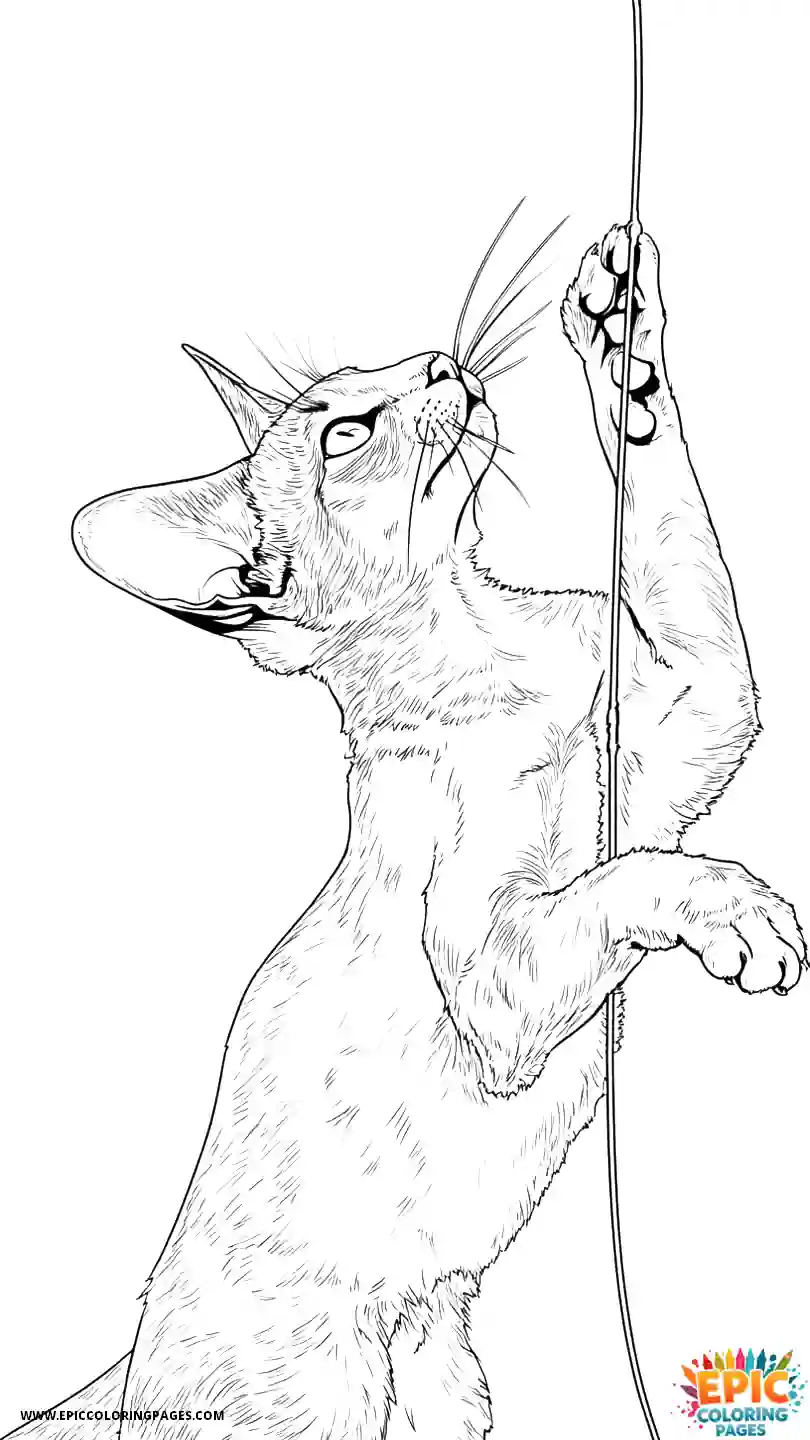
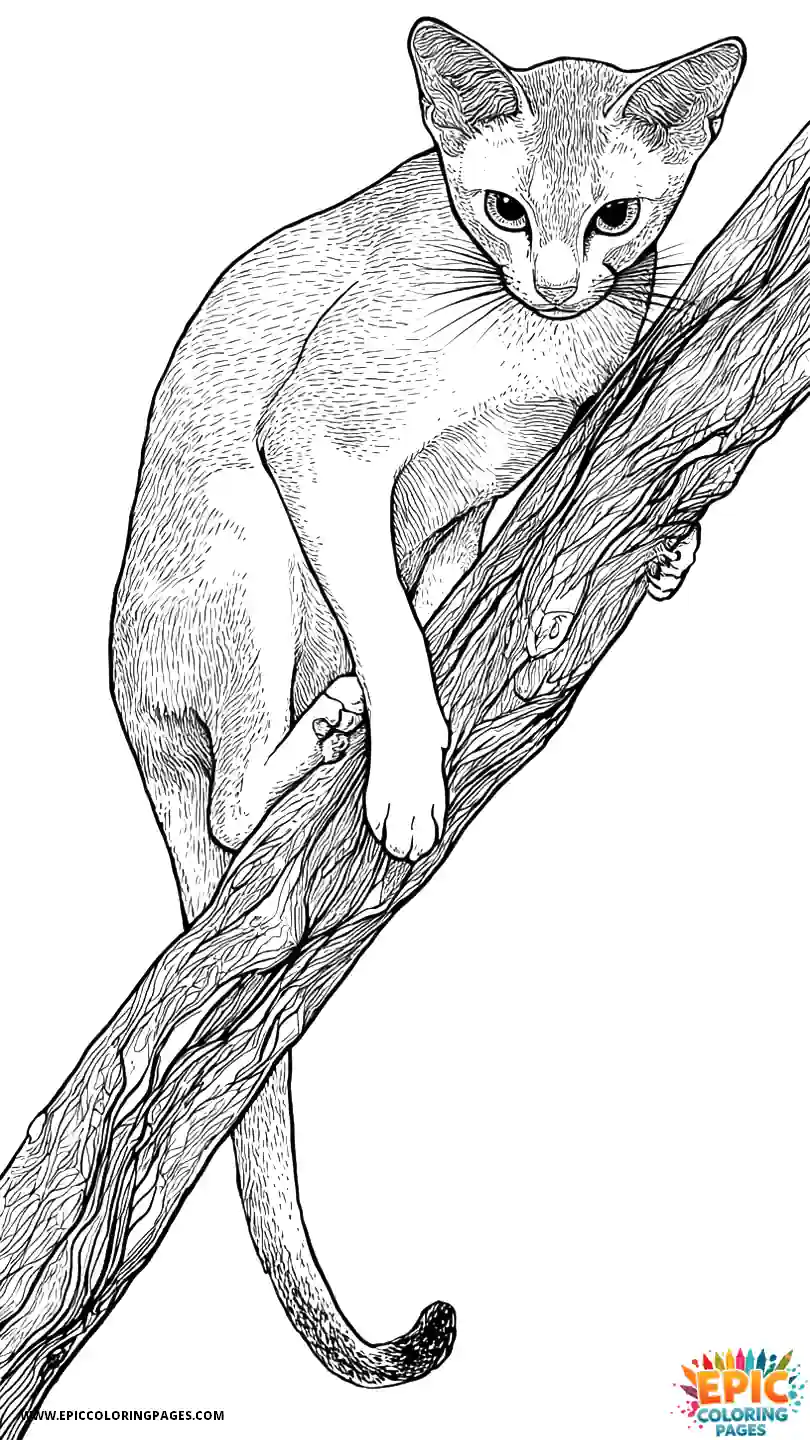
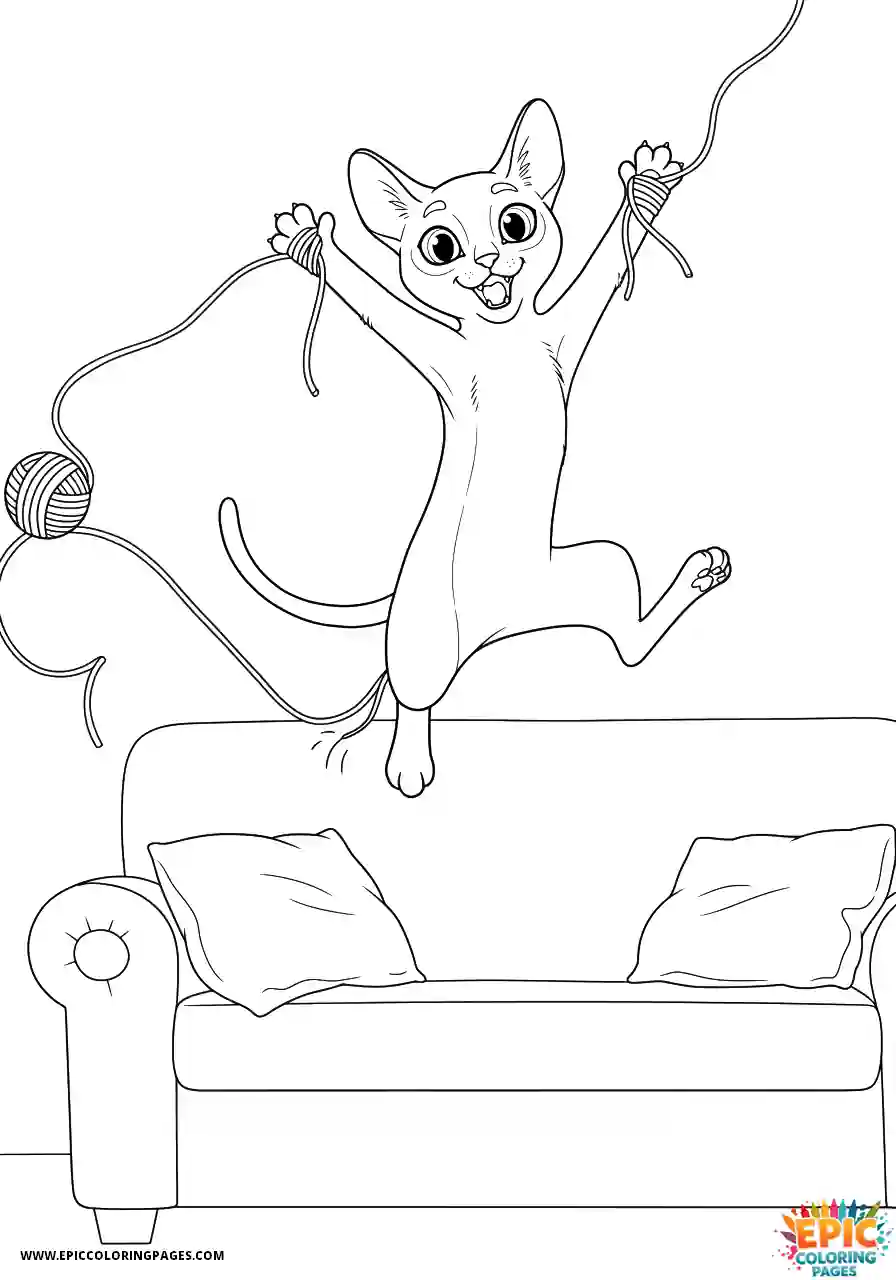
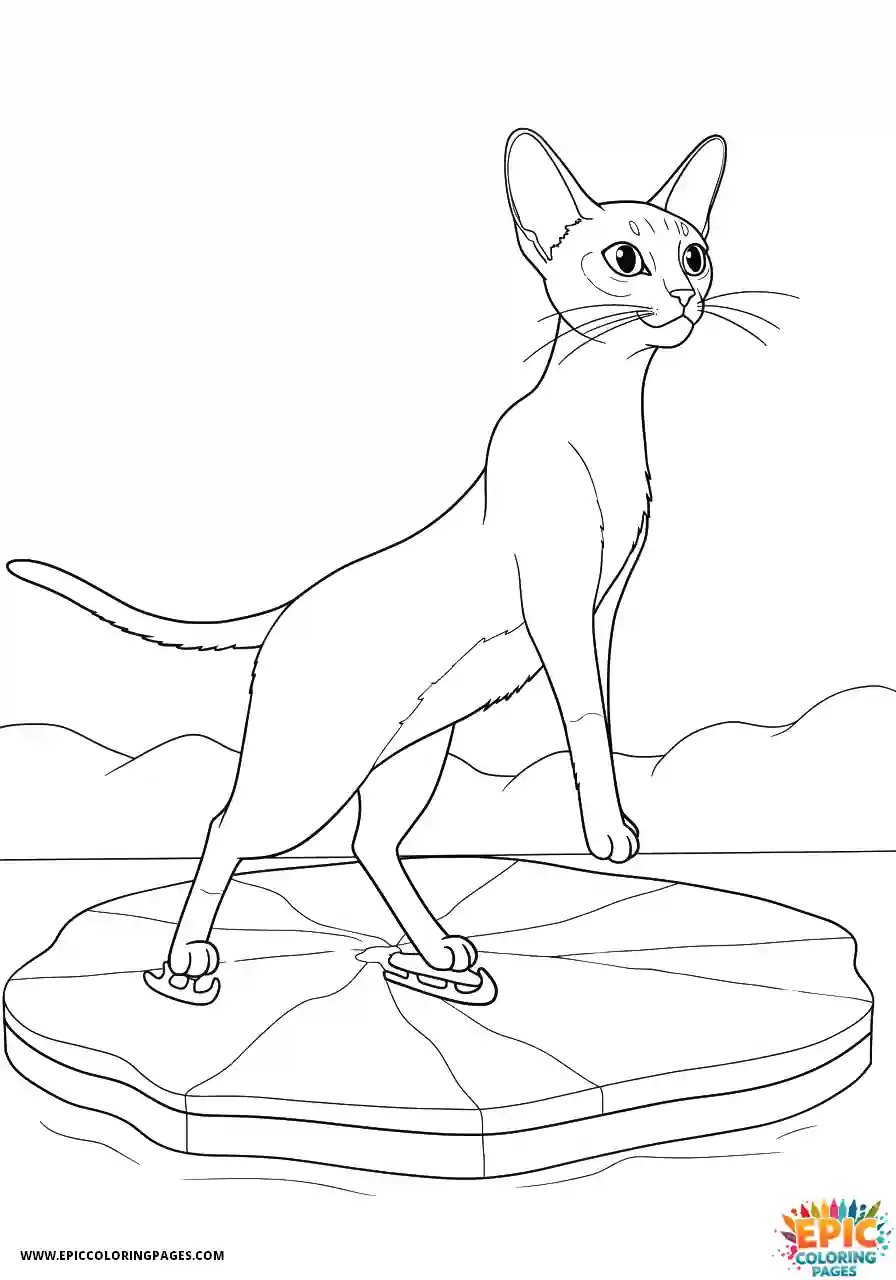
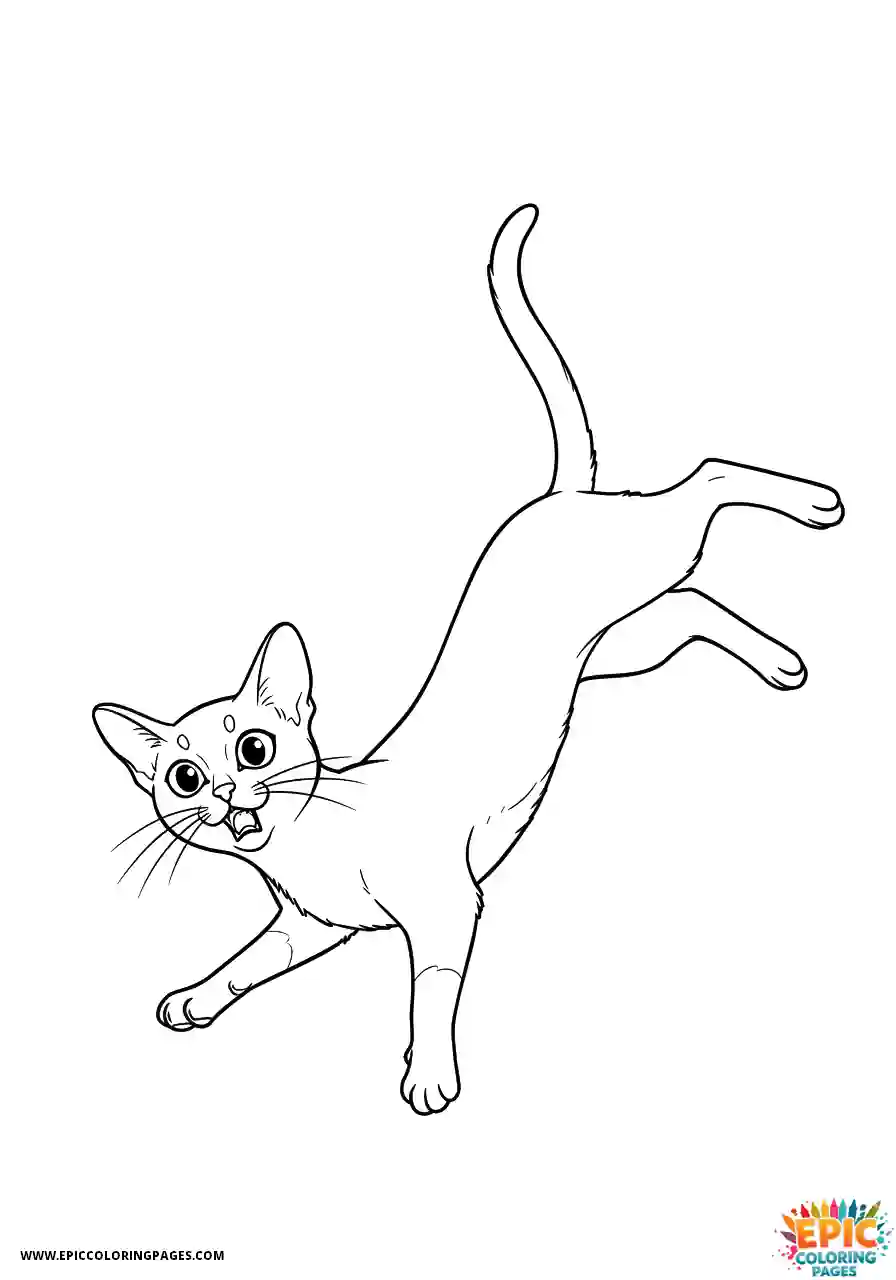
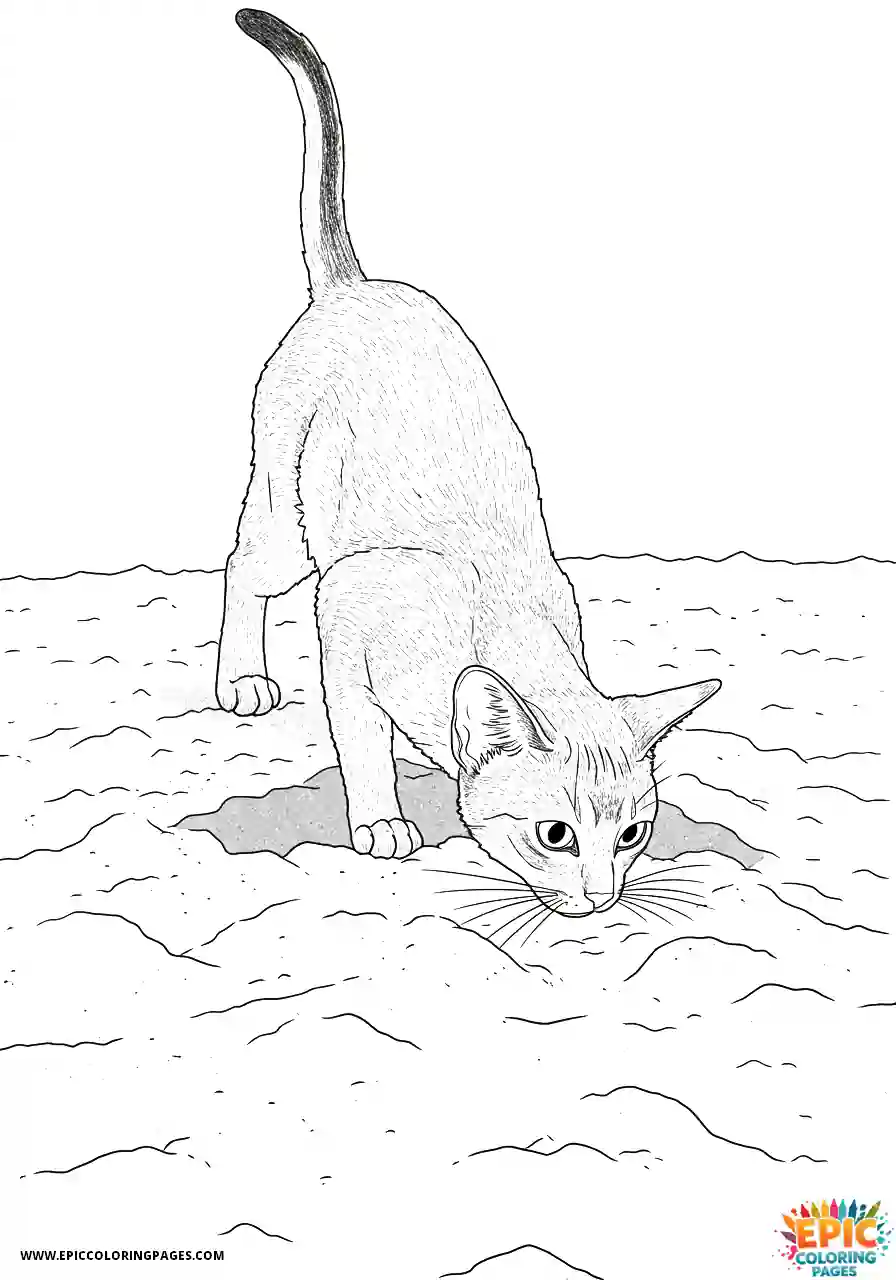
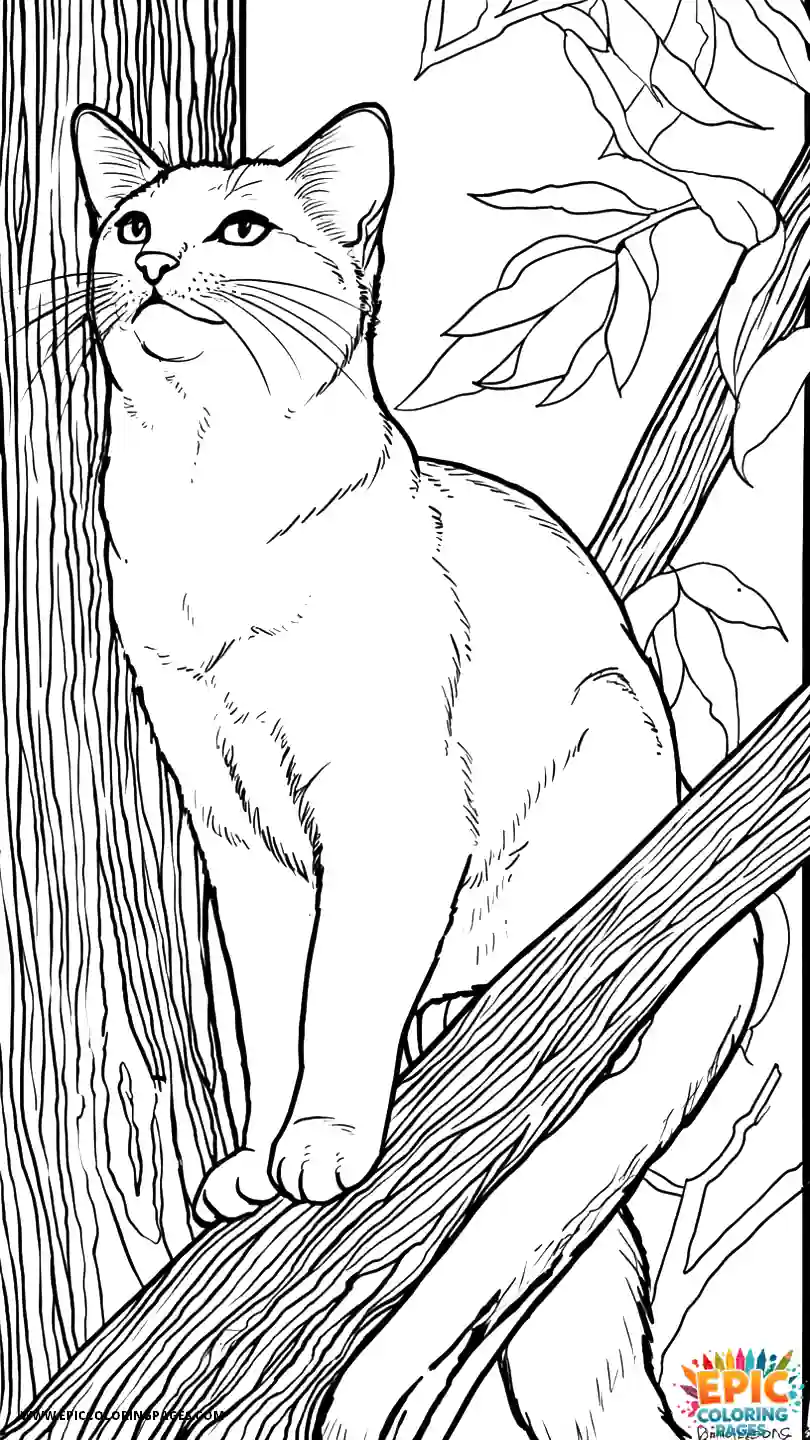
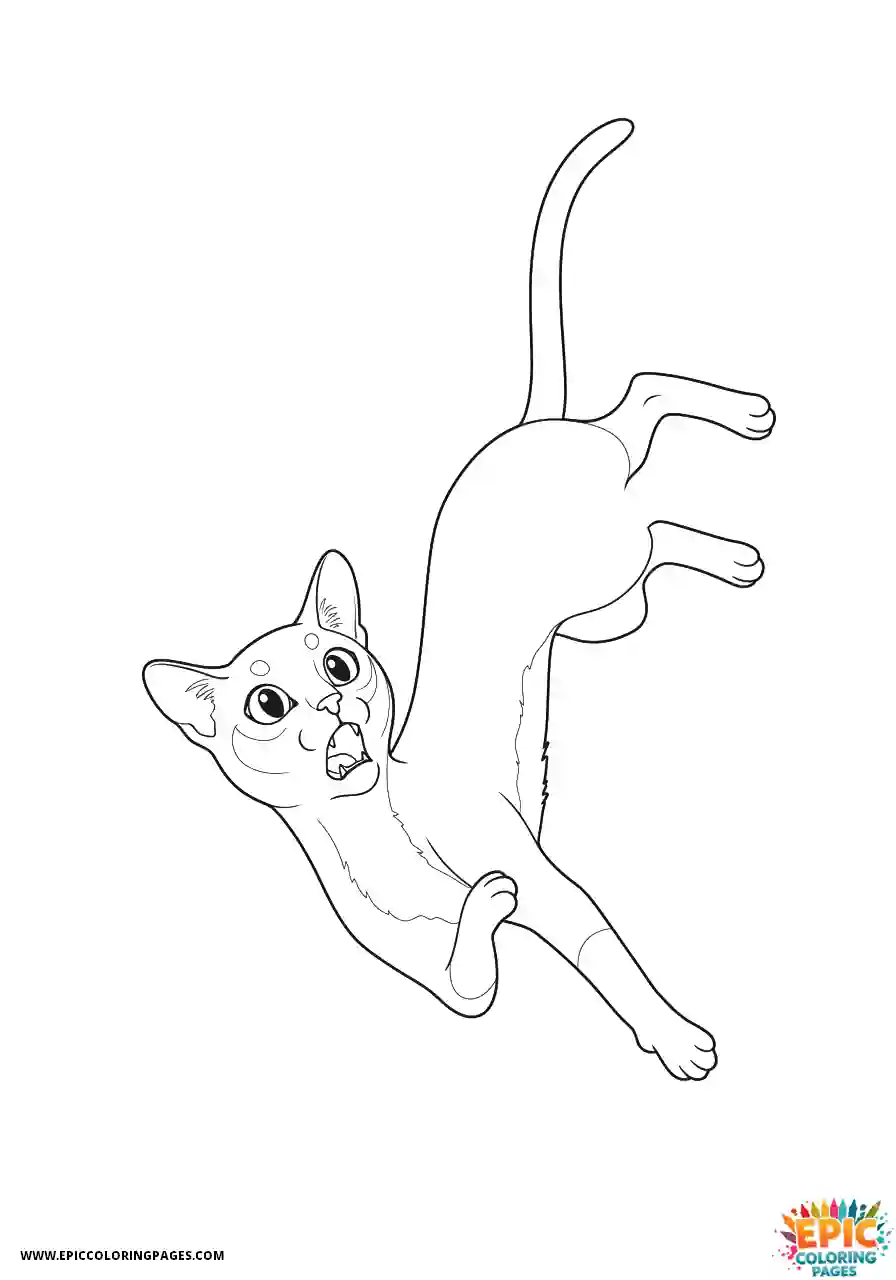
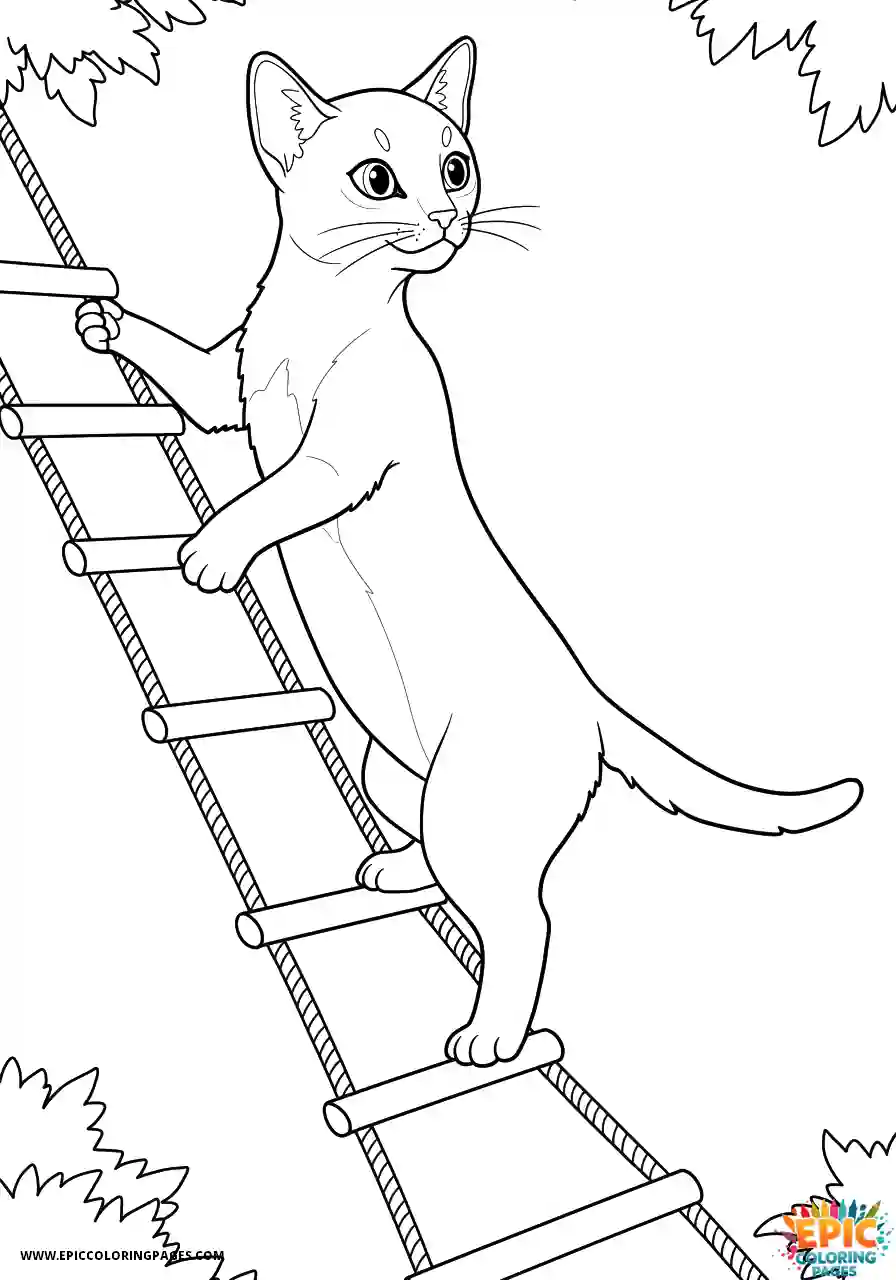
Because the Abyssinian is one of the most active breeds, often called the “Clown of the Cat World,” this collection moves away from static poses to feature them in motion climbing trees, jumping, and exploring. This gives you the chance to color their lithe, muscular bodies in action.

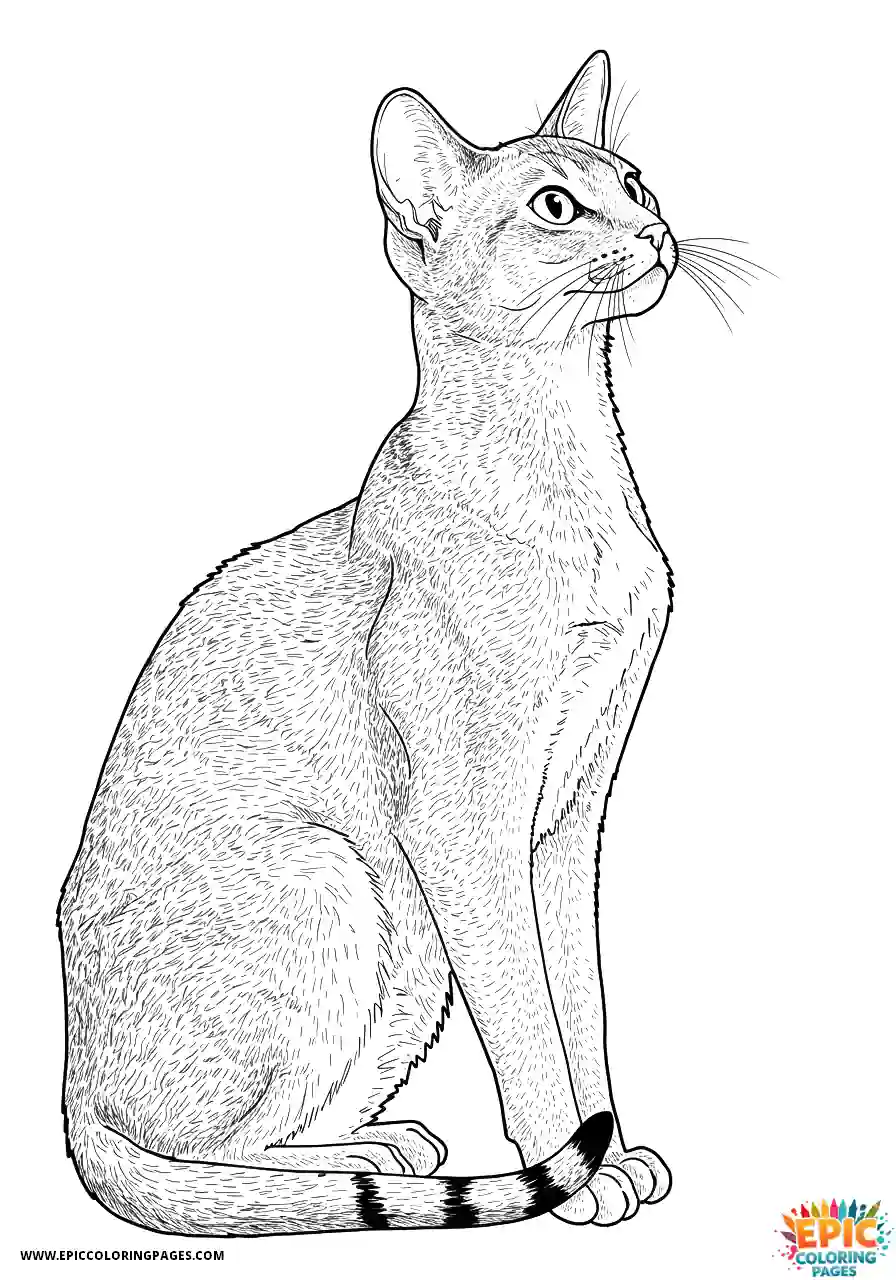
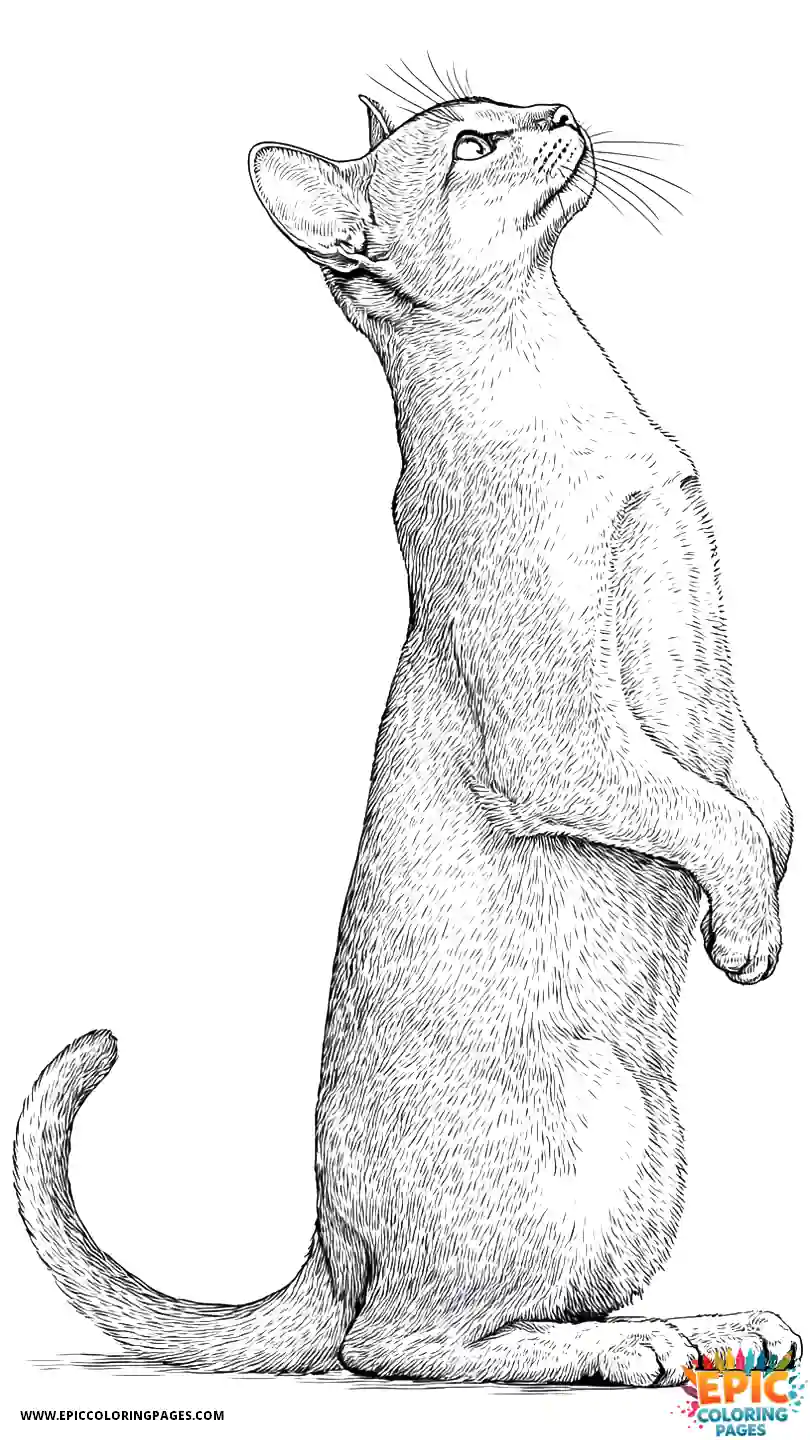
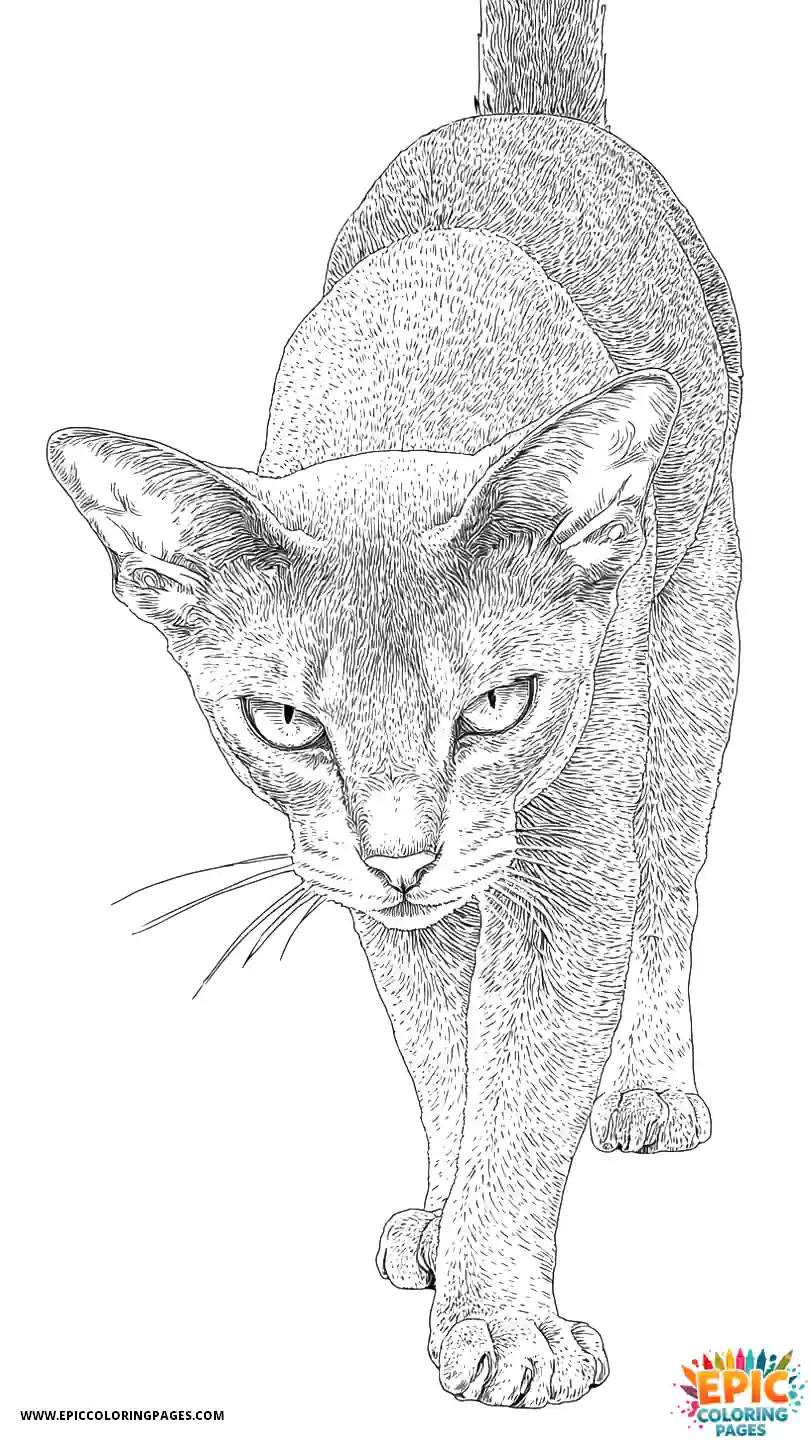
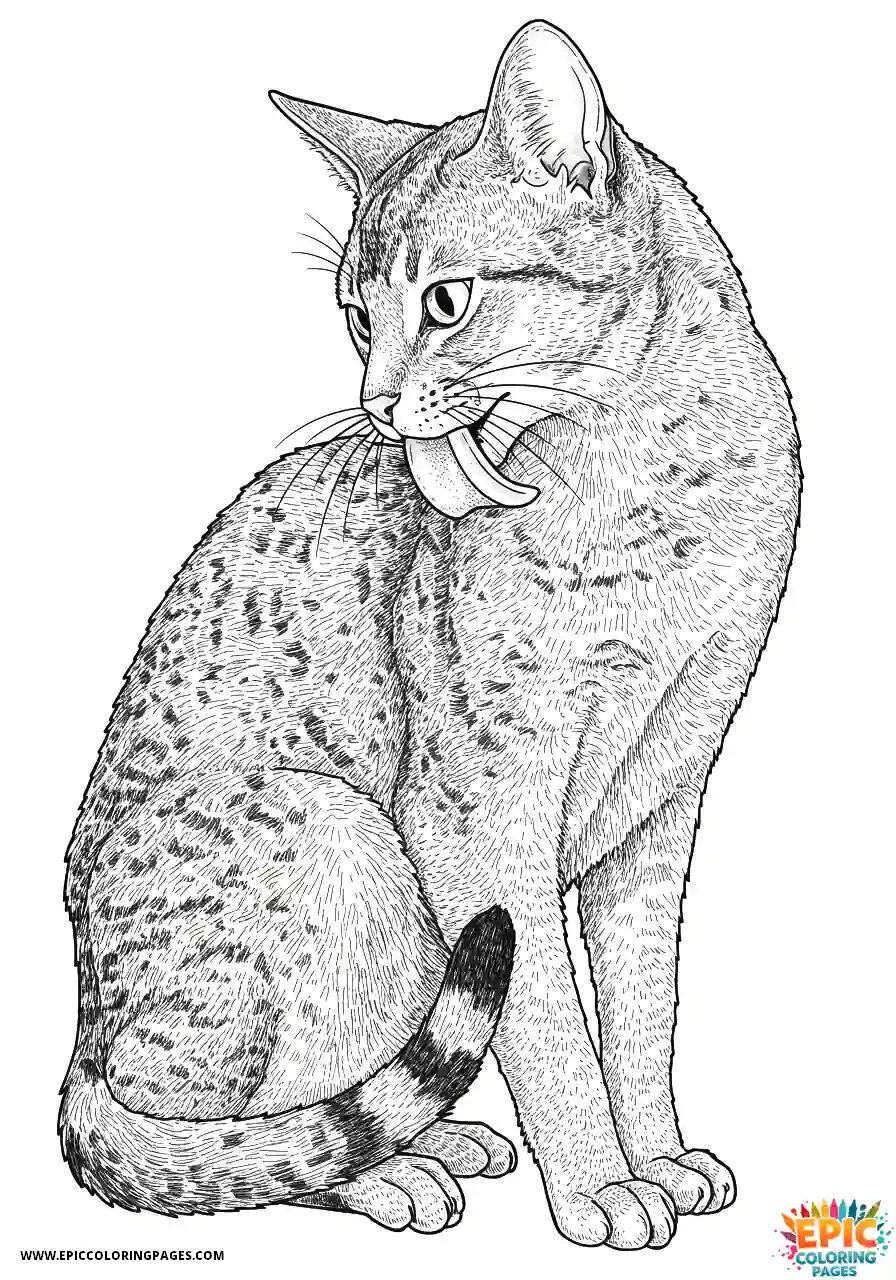
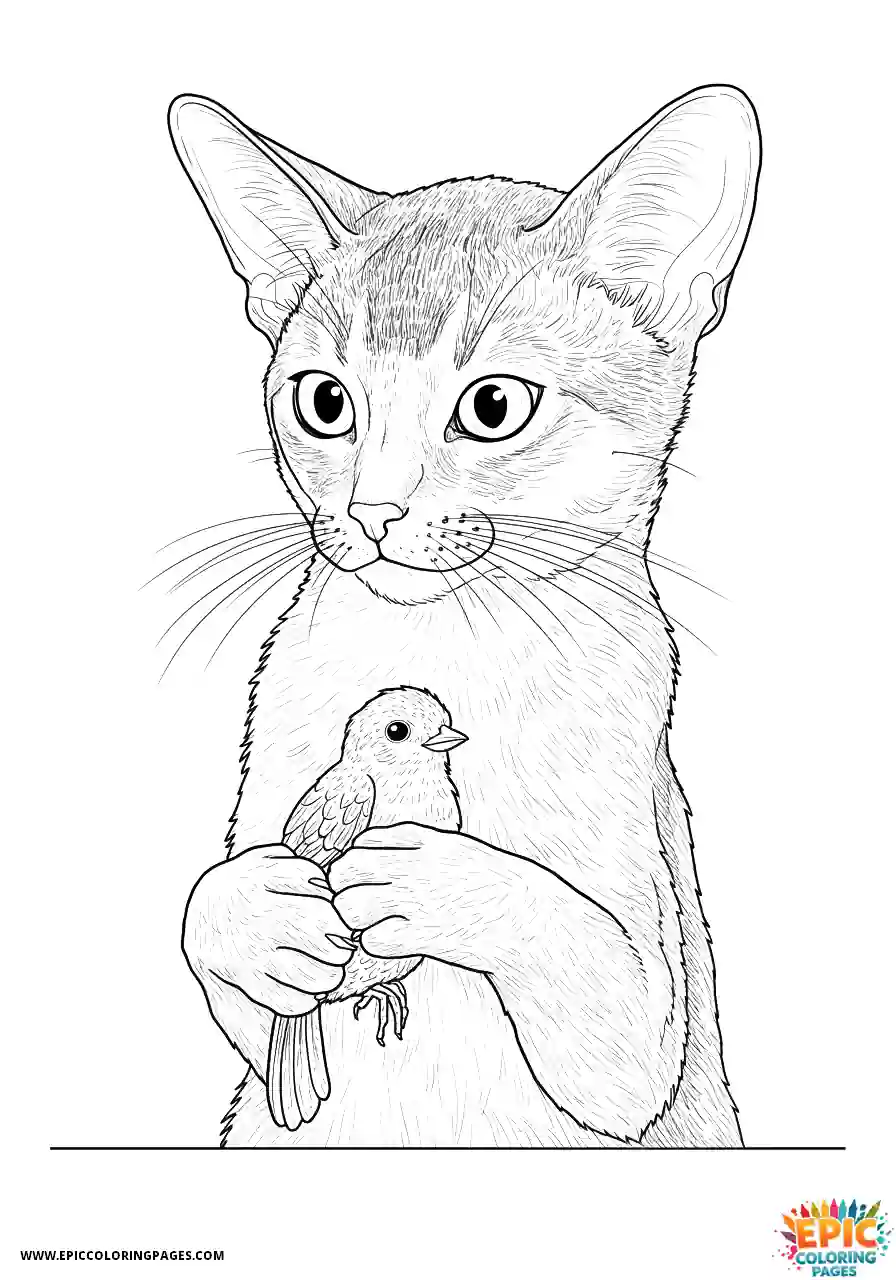
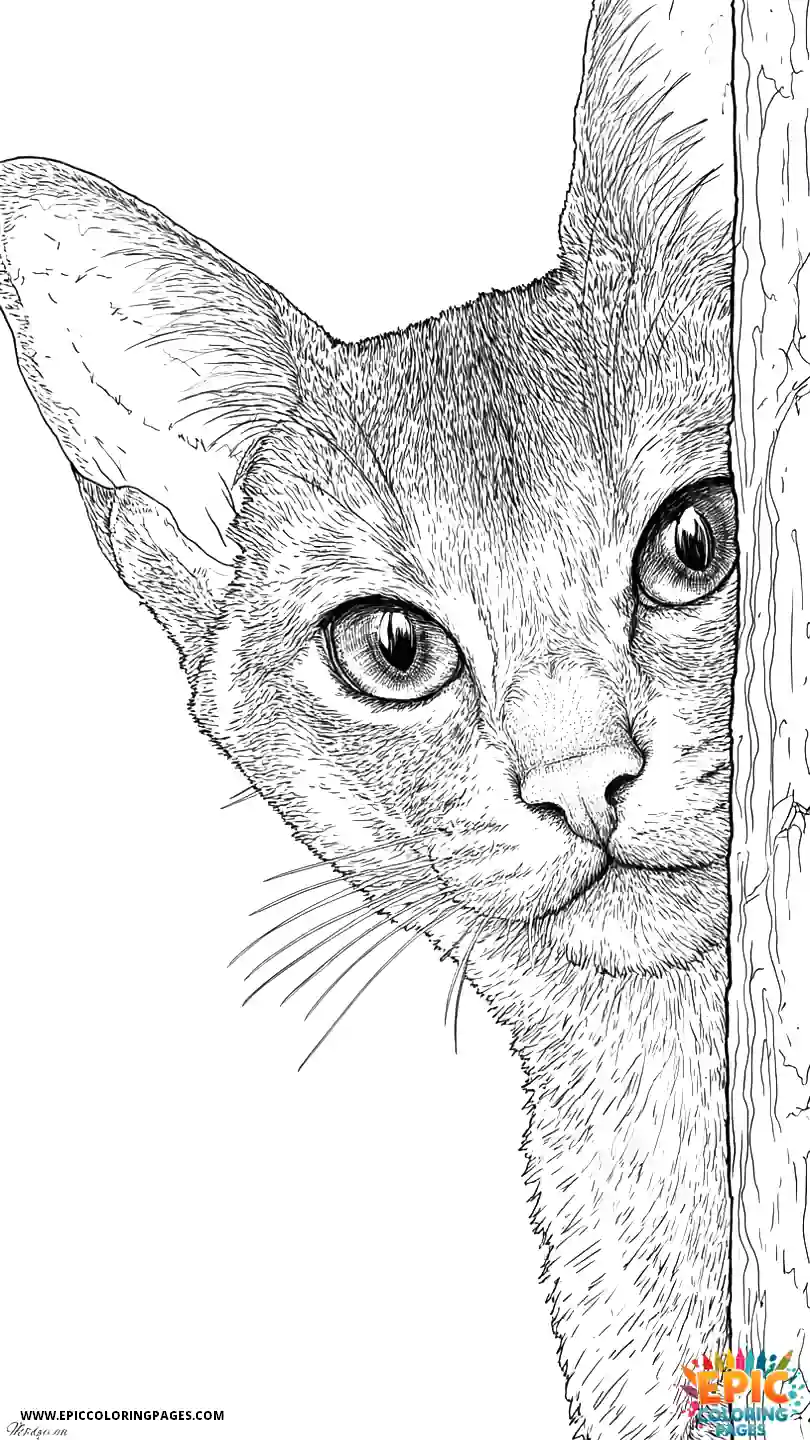
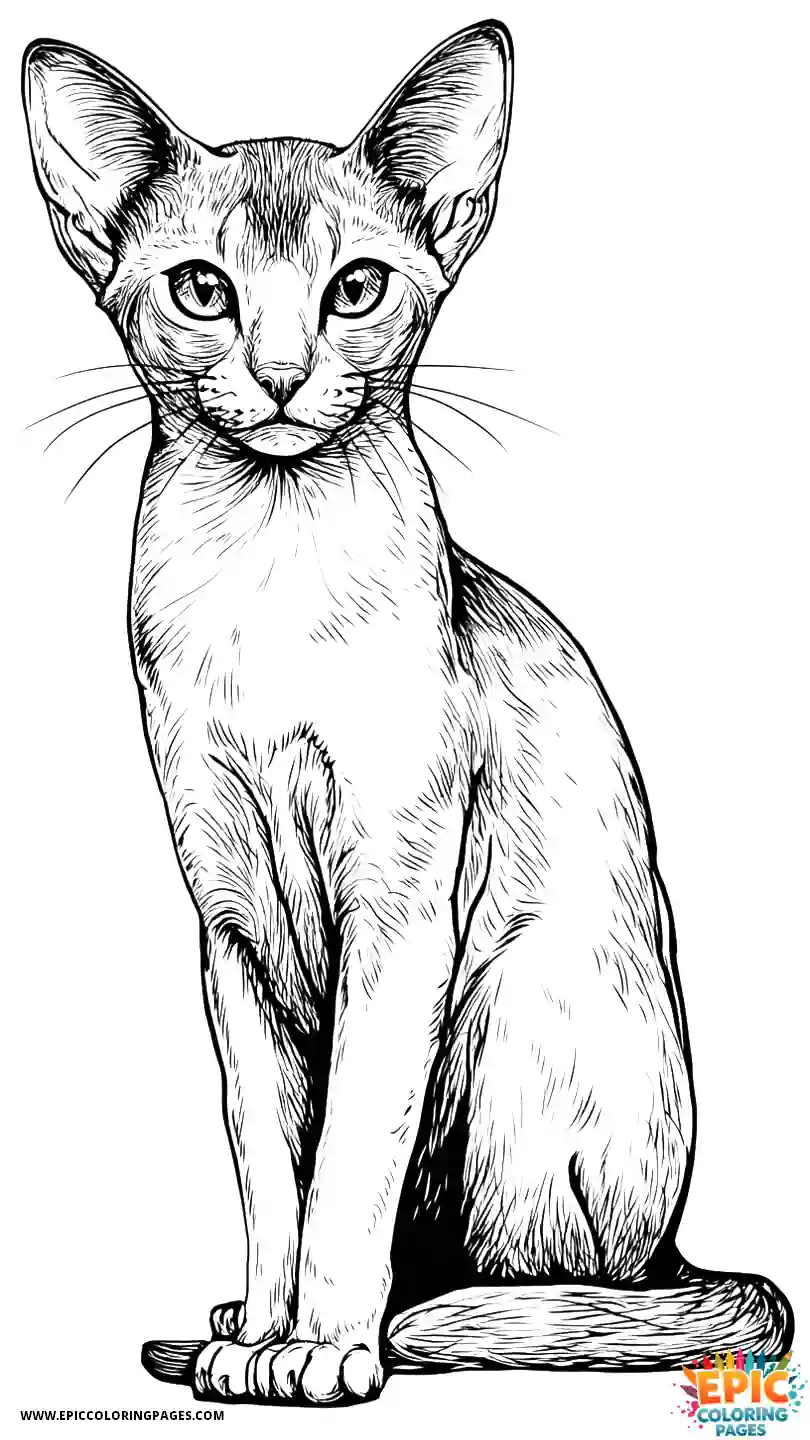
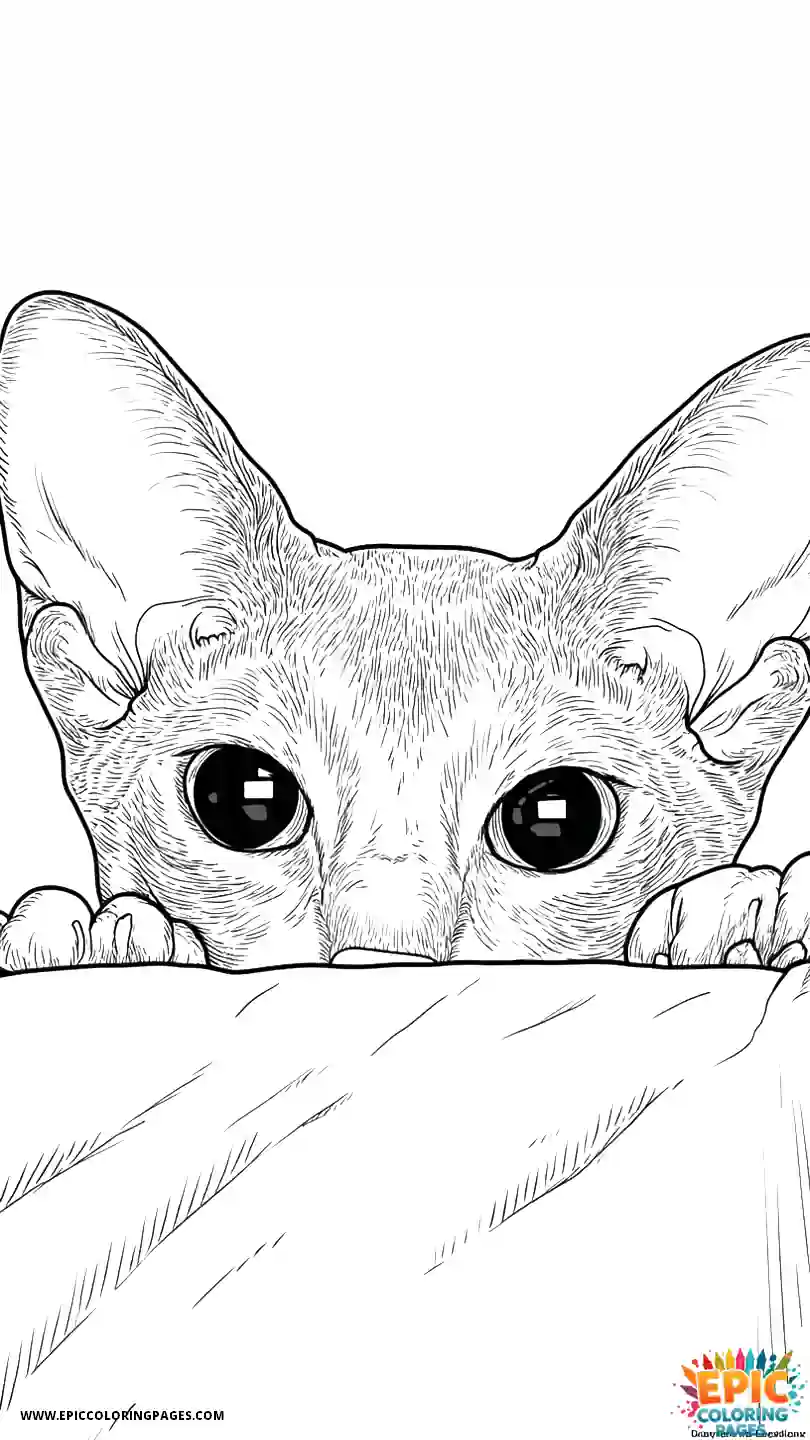
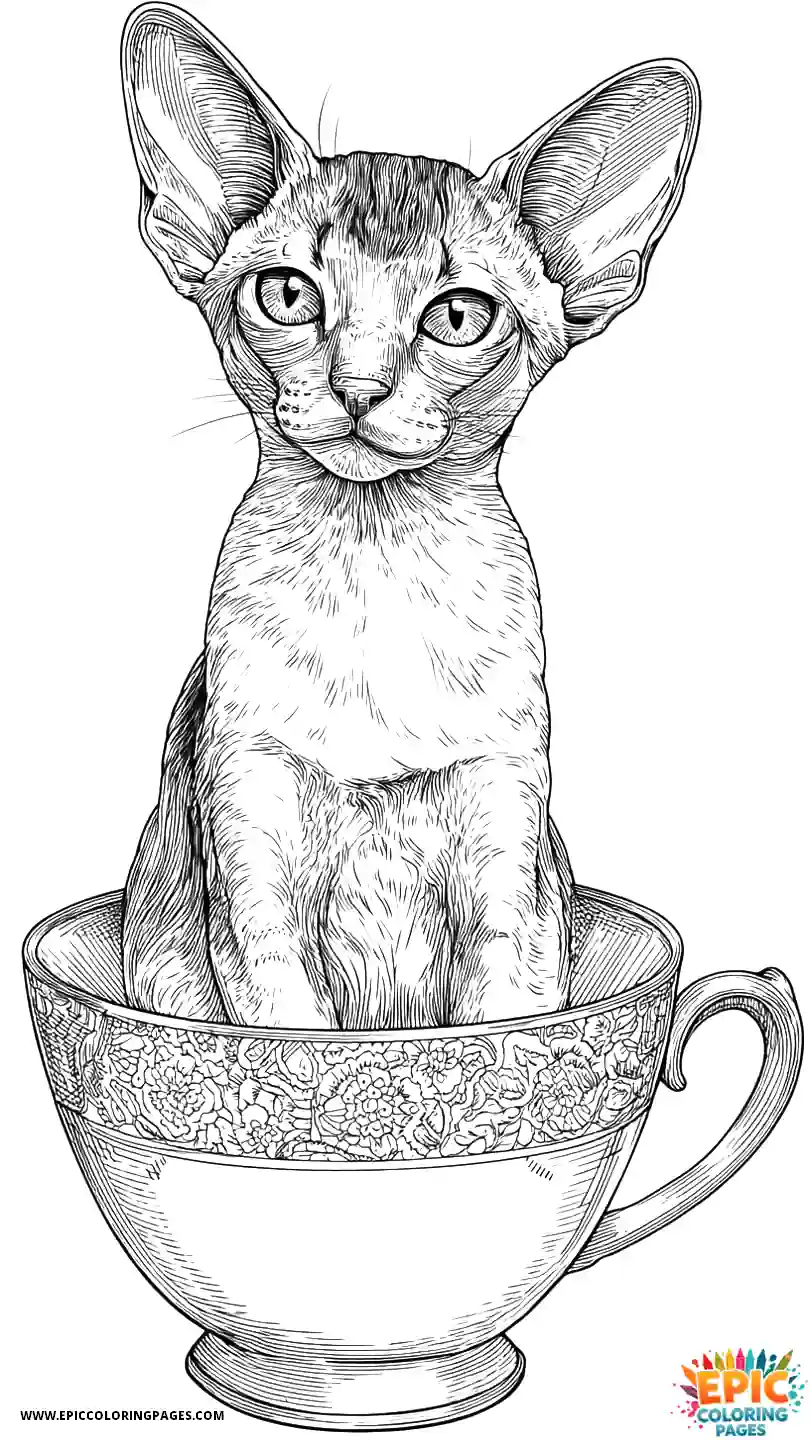
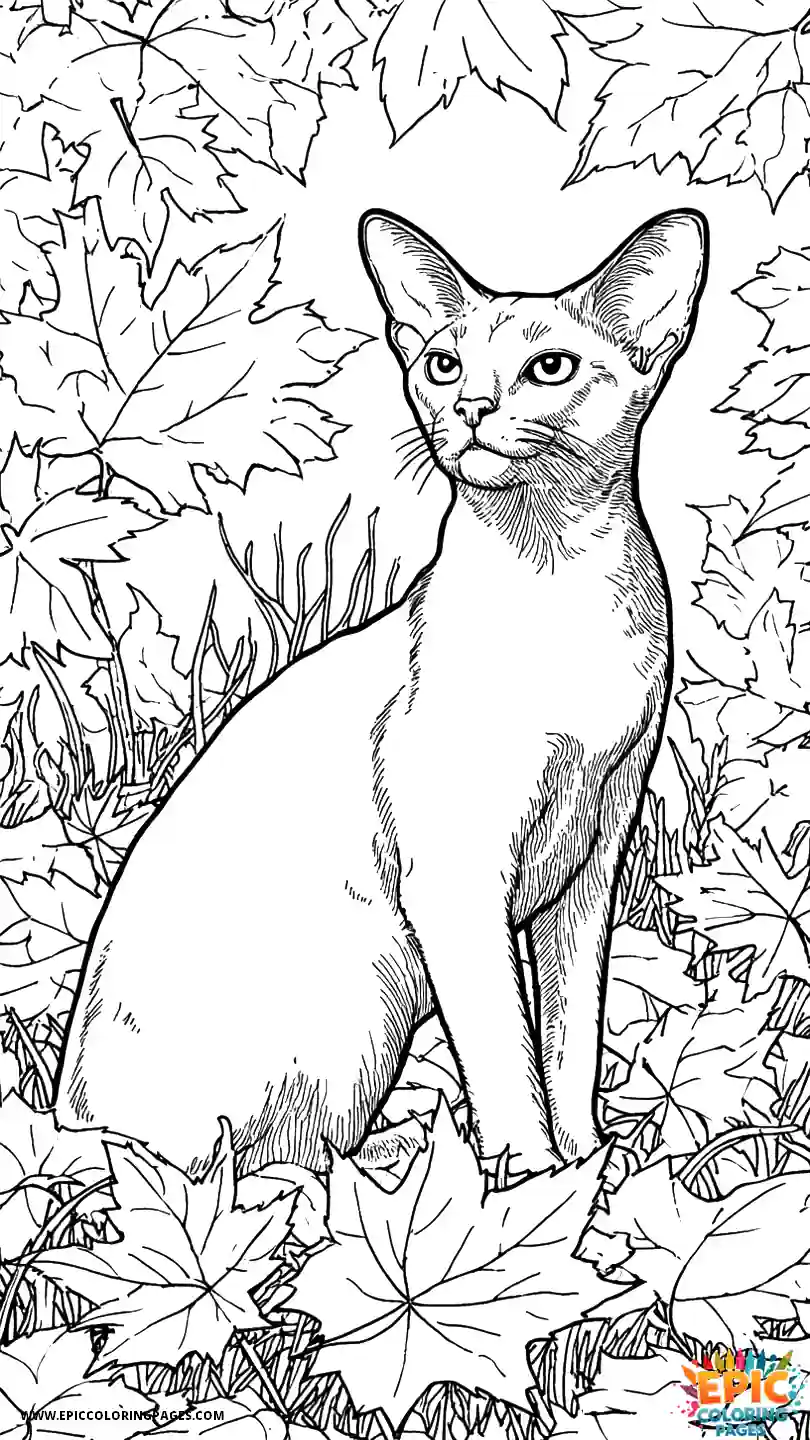
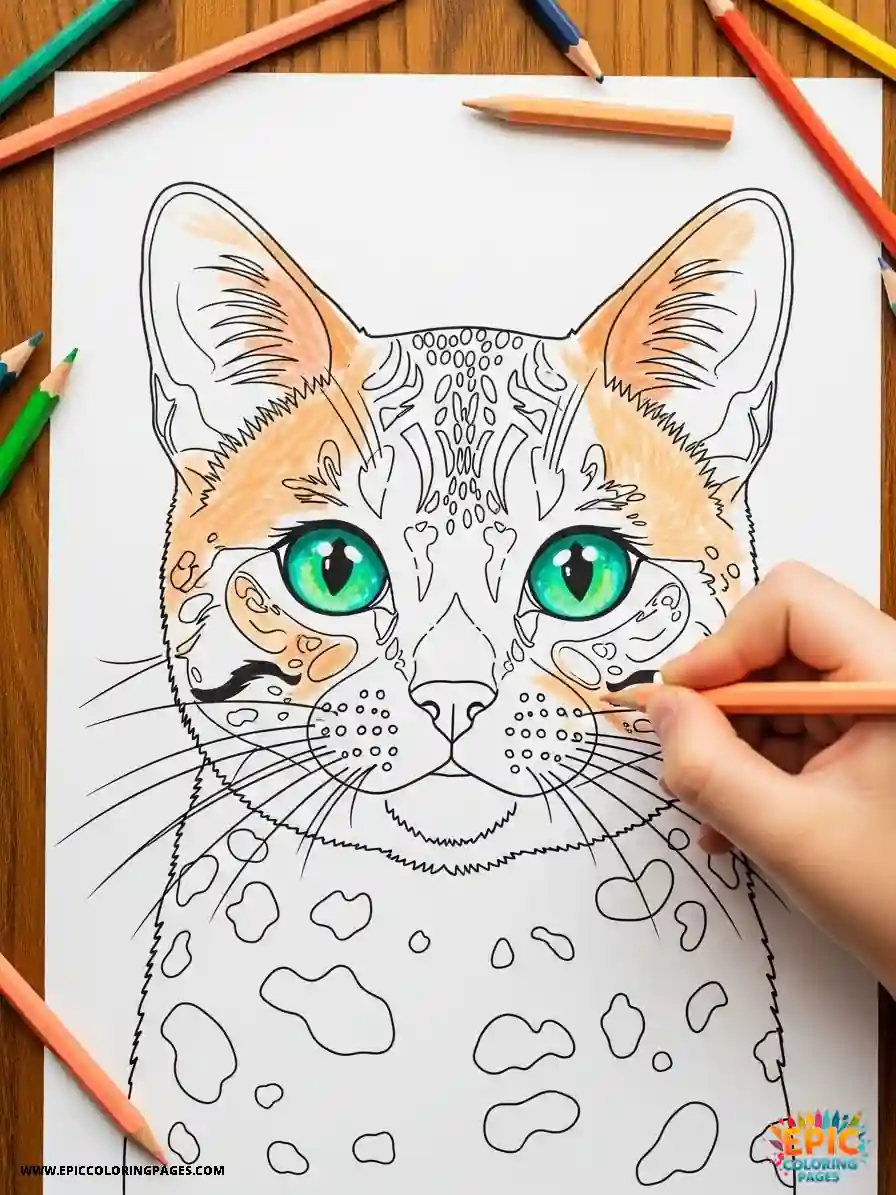
  • The “Agouti” Challenge: Unlike solid-colored cats, the Abyssinianโ€™s coat requires a layering technique. Our realistic pages are designed with fine texture lines to help you practice the “ticked” look, where you can blend burnt sienna, gold, and reddish-browns to achieve their famous “Ruddy” or “Sorrel” glow.

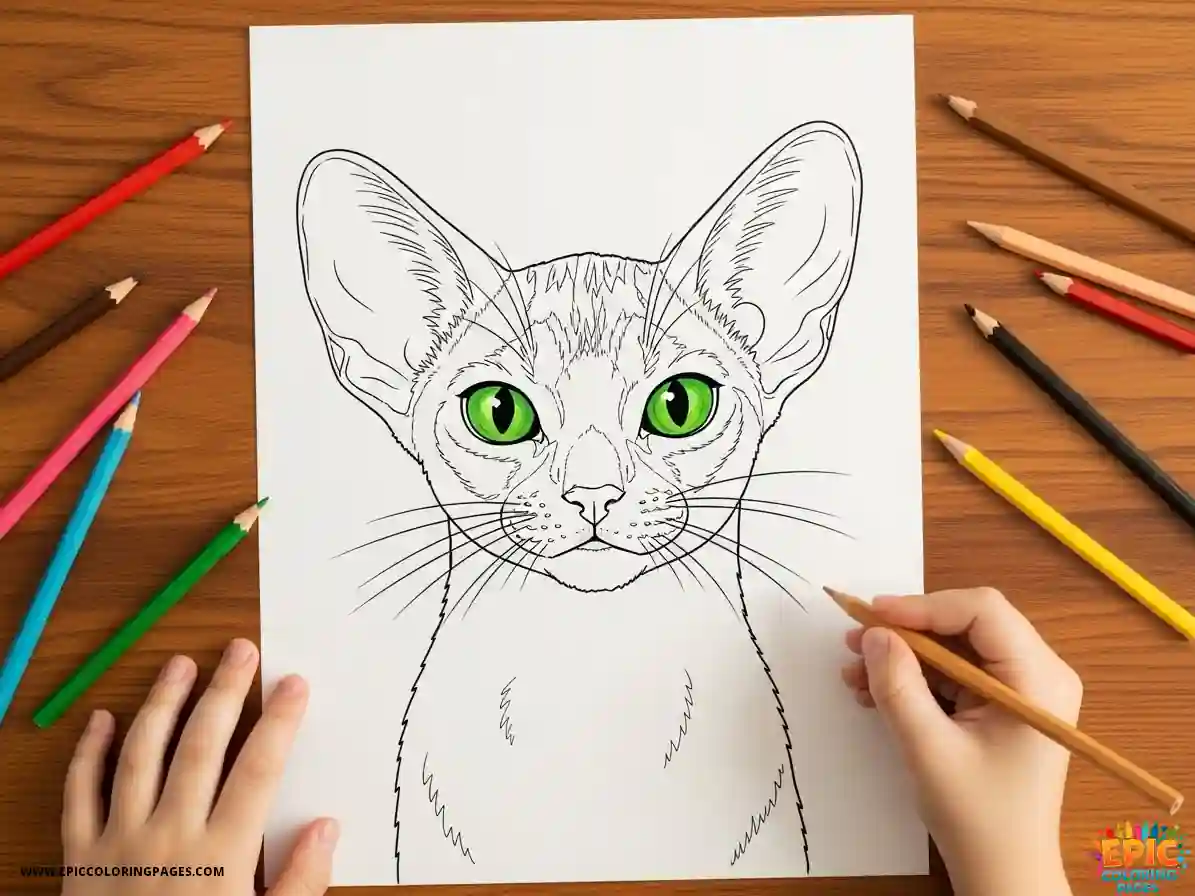
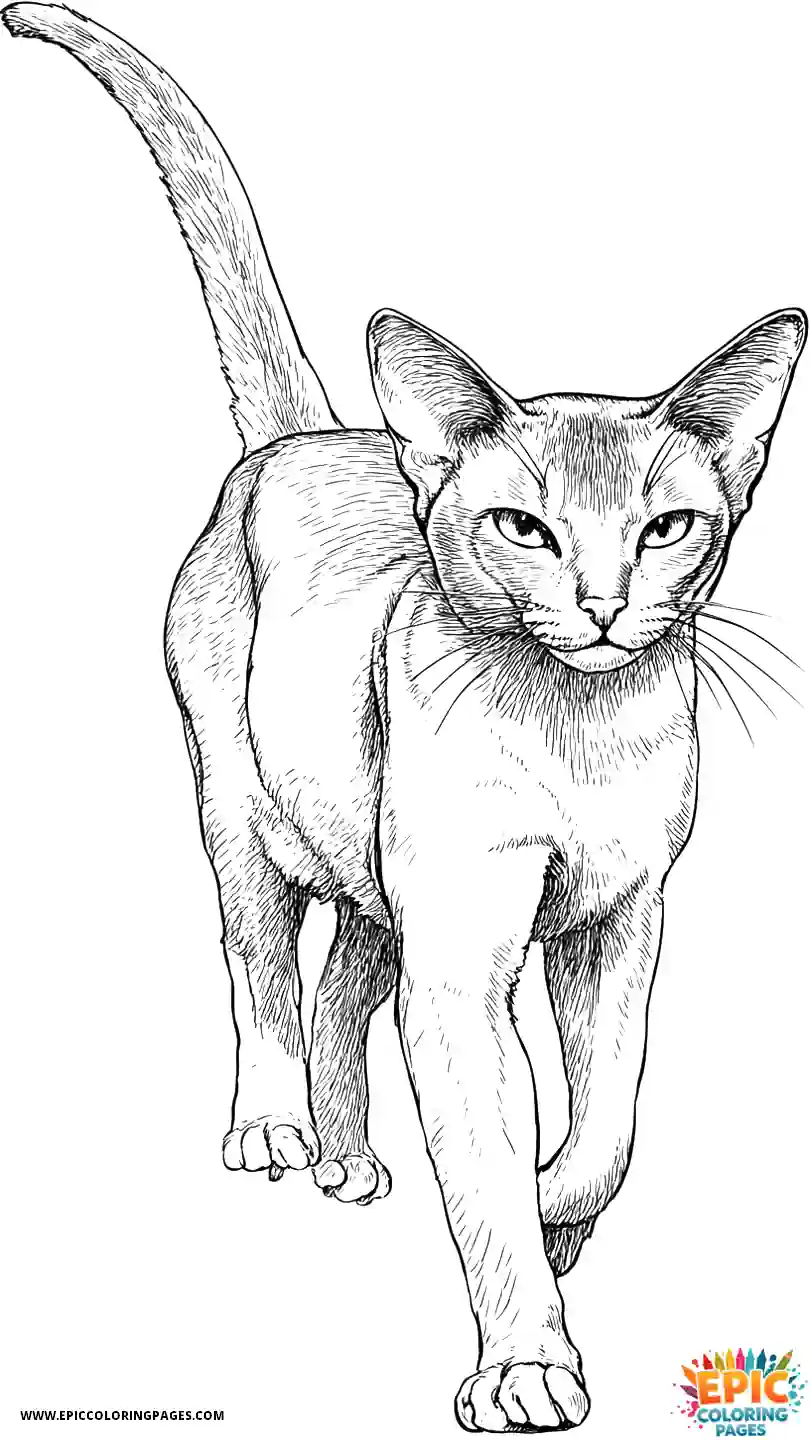
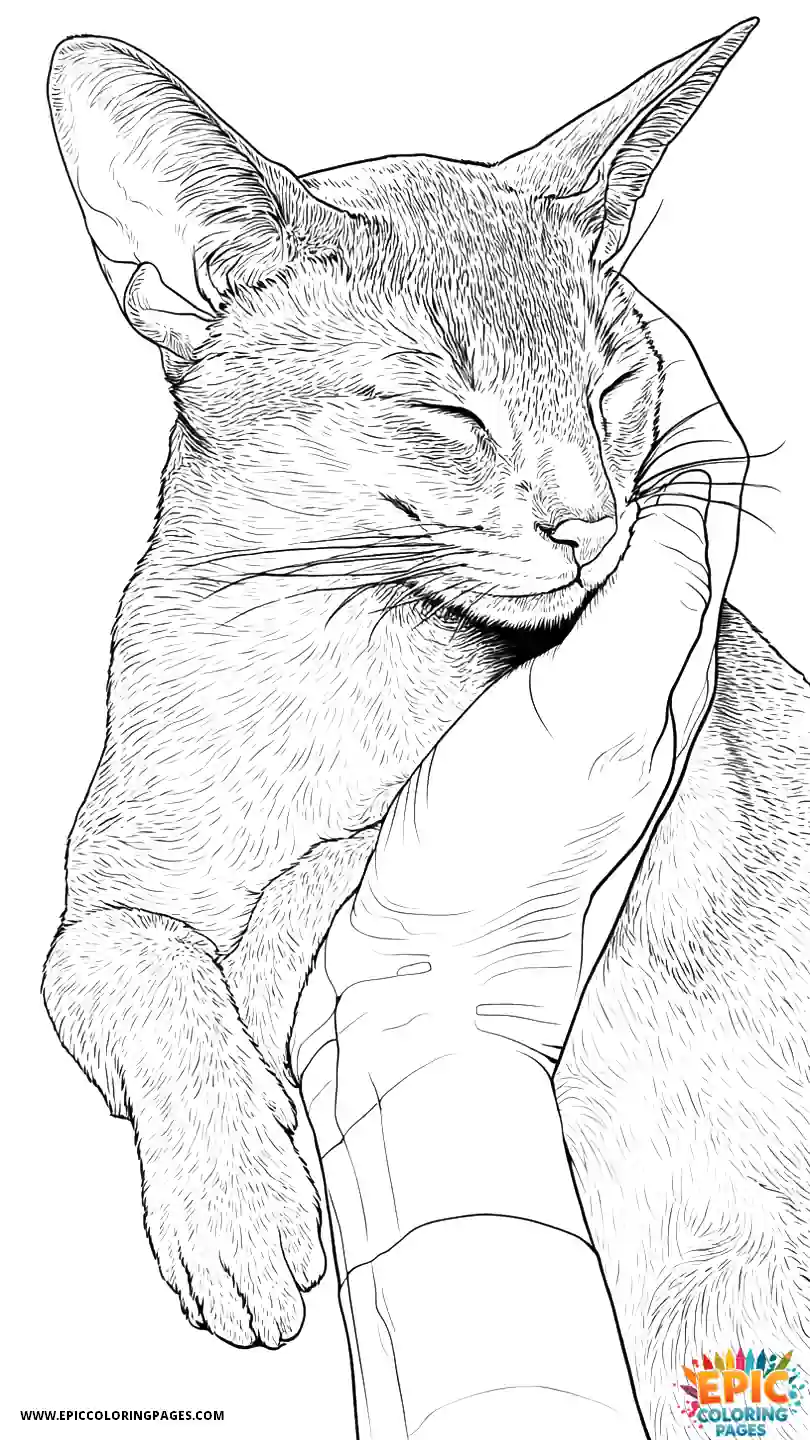
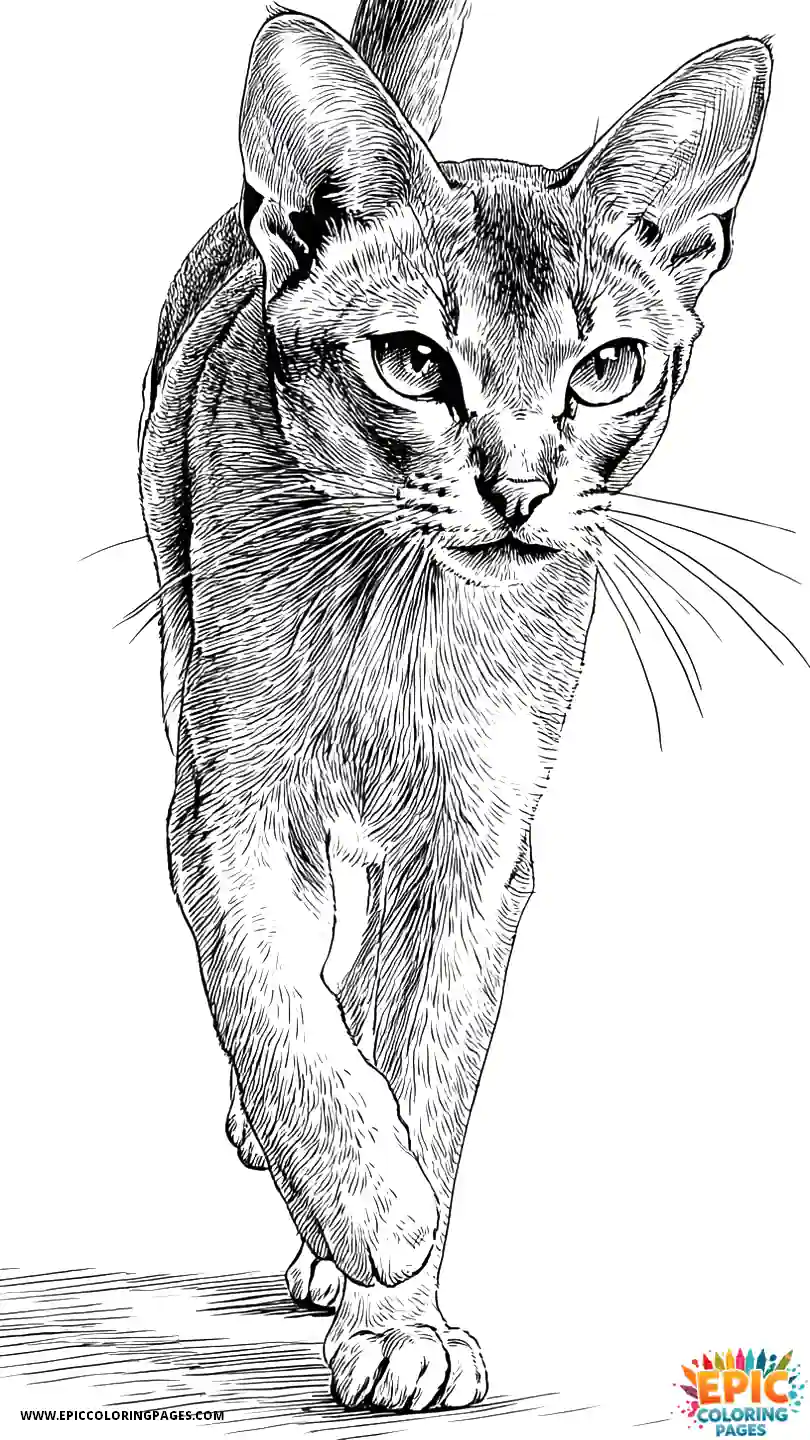
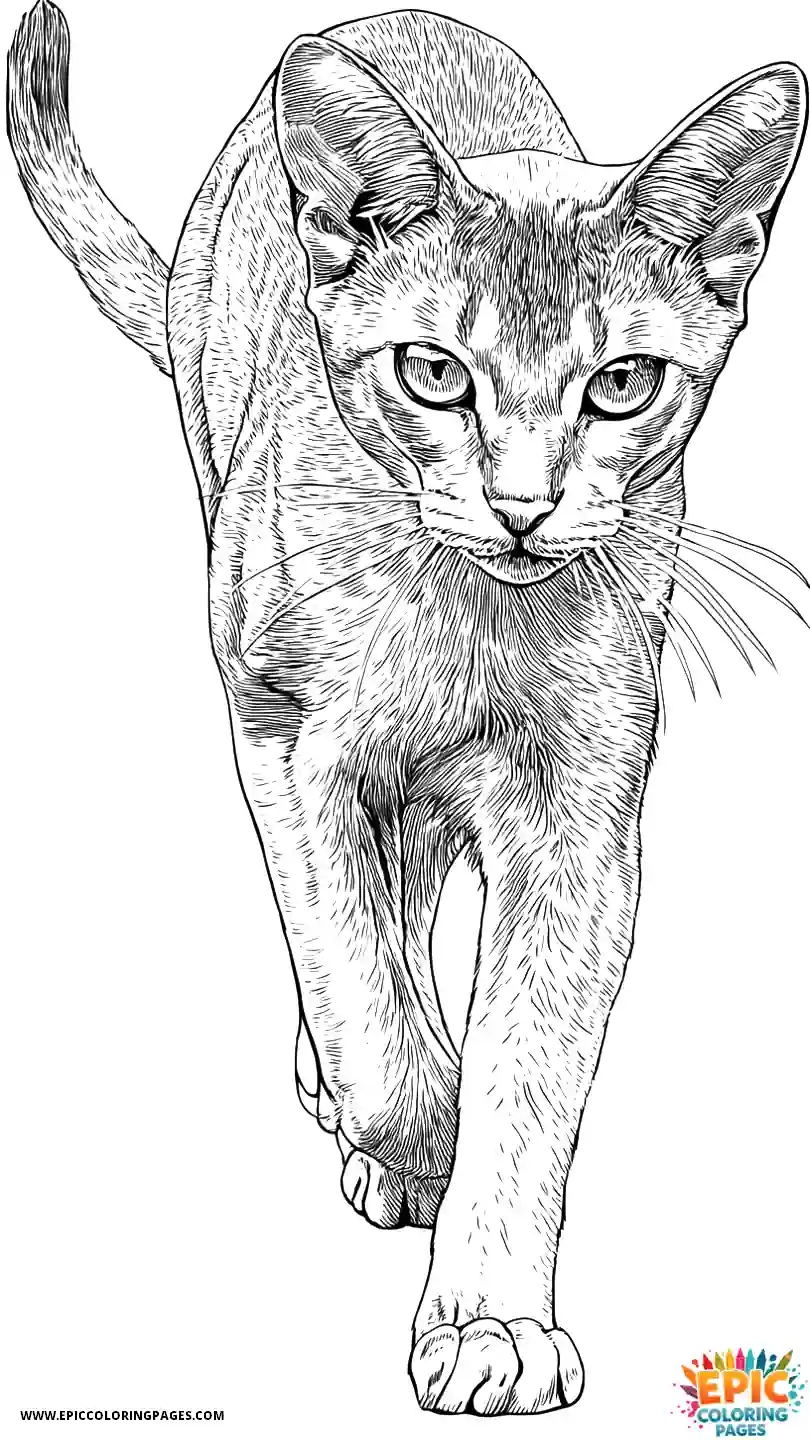
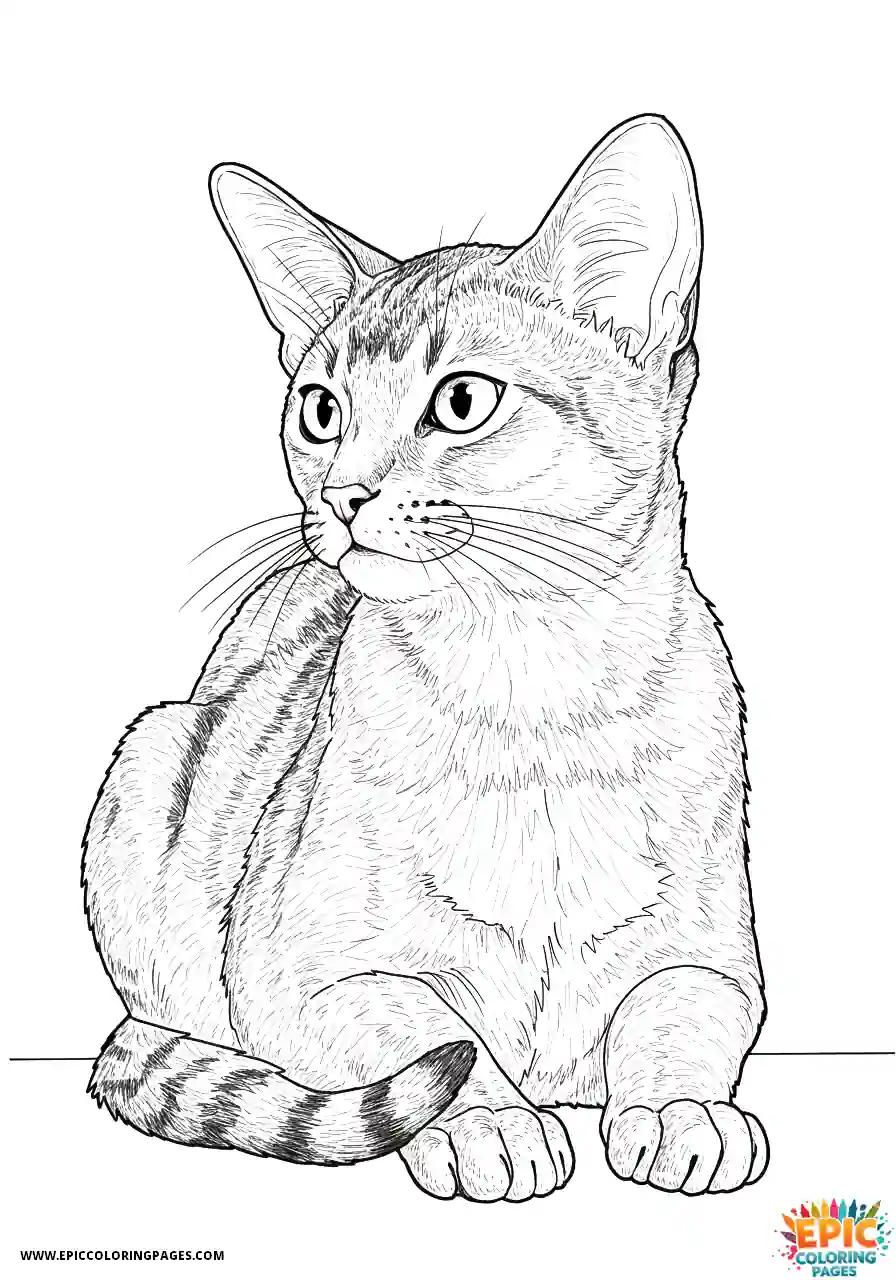
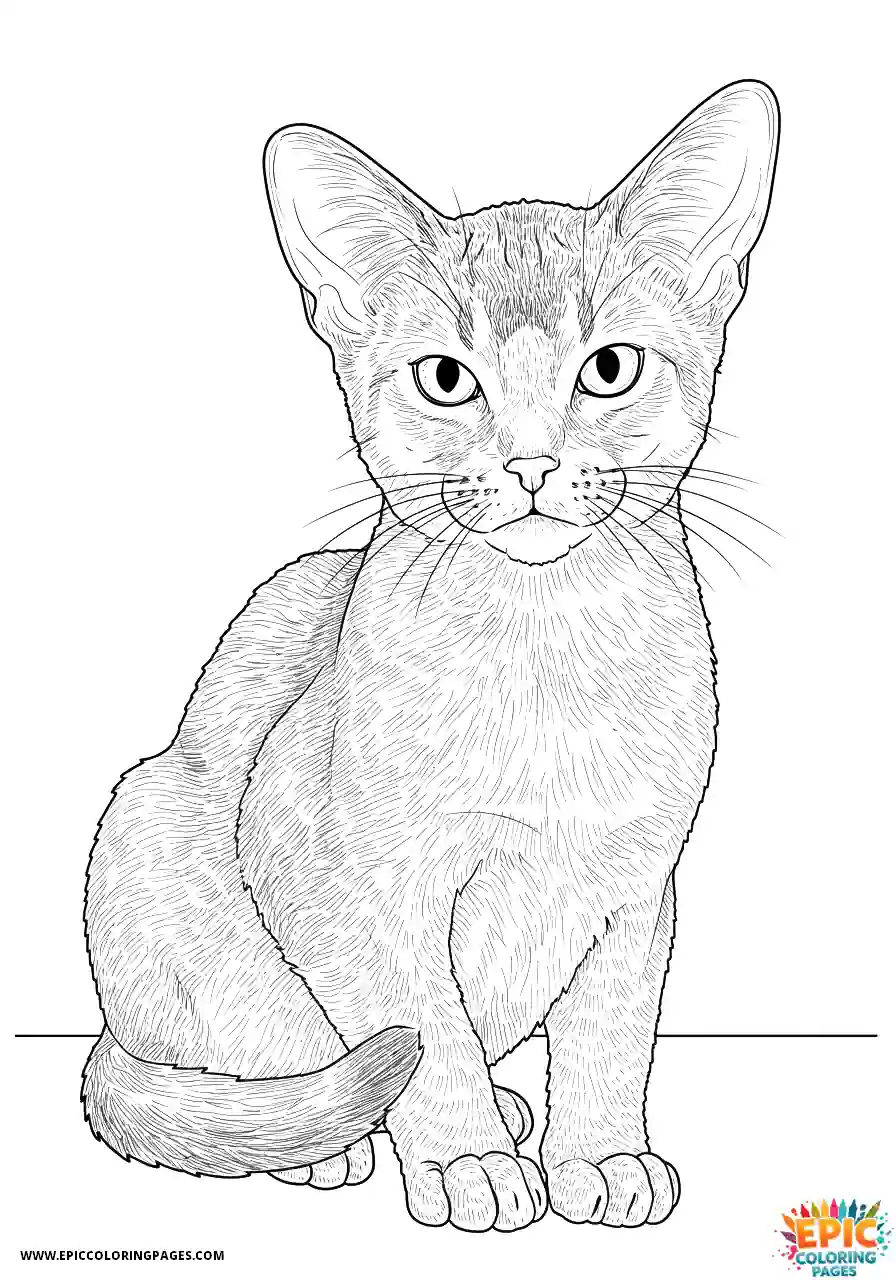
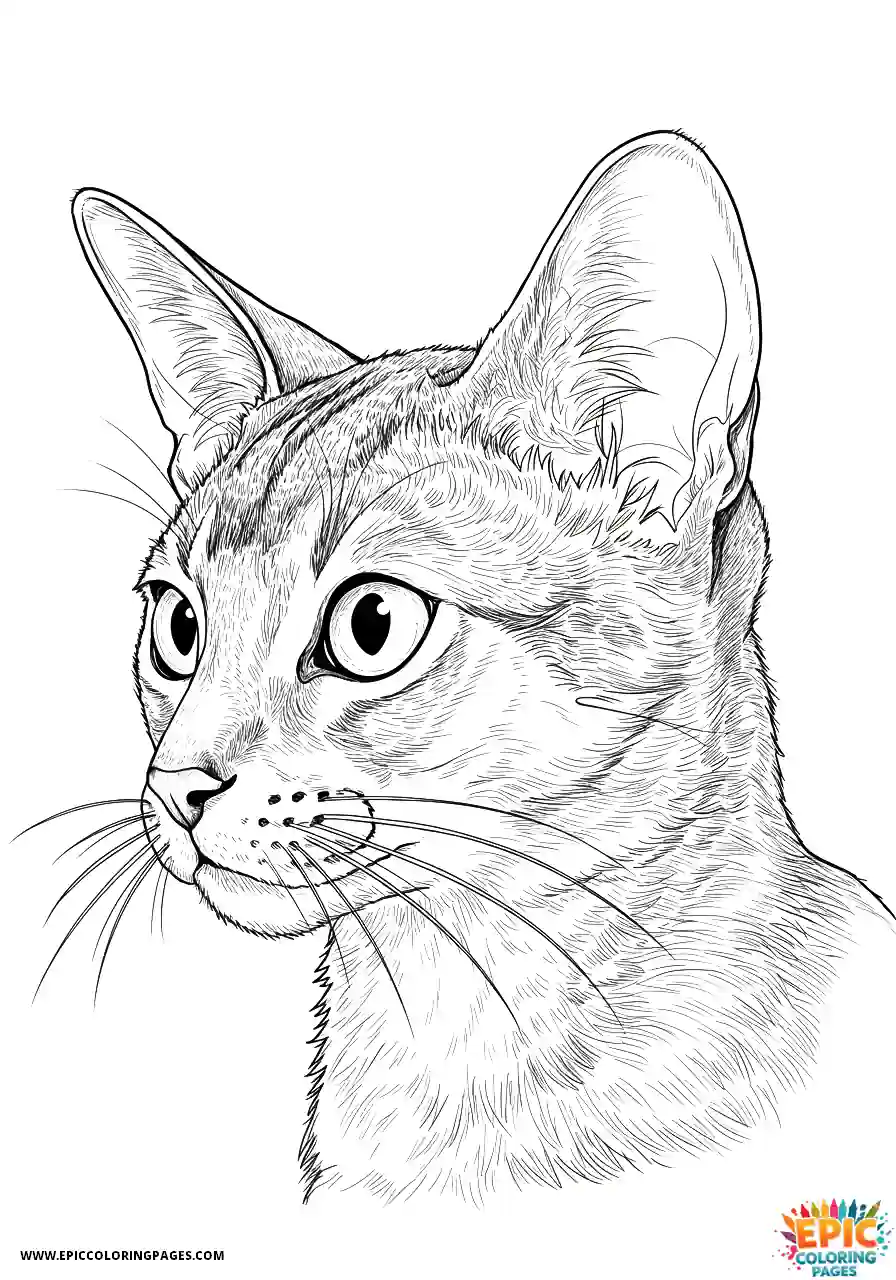
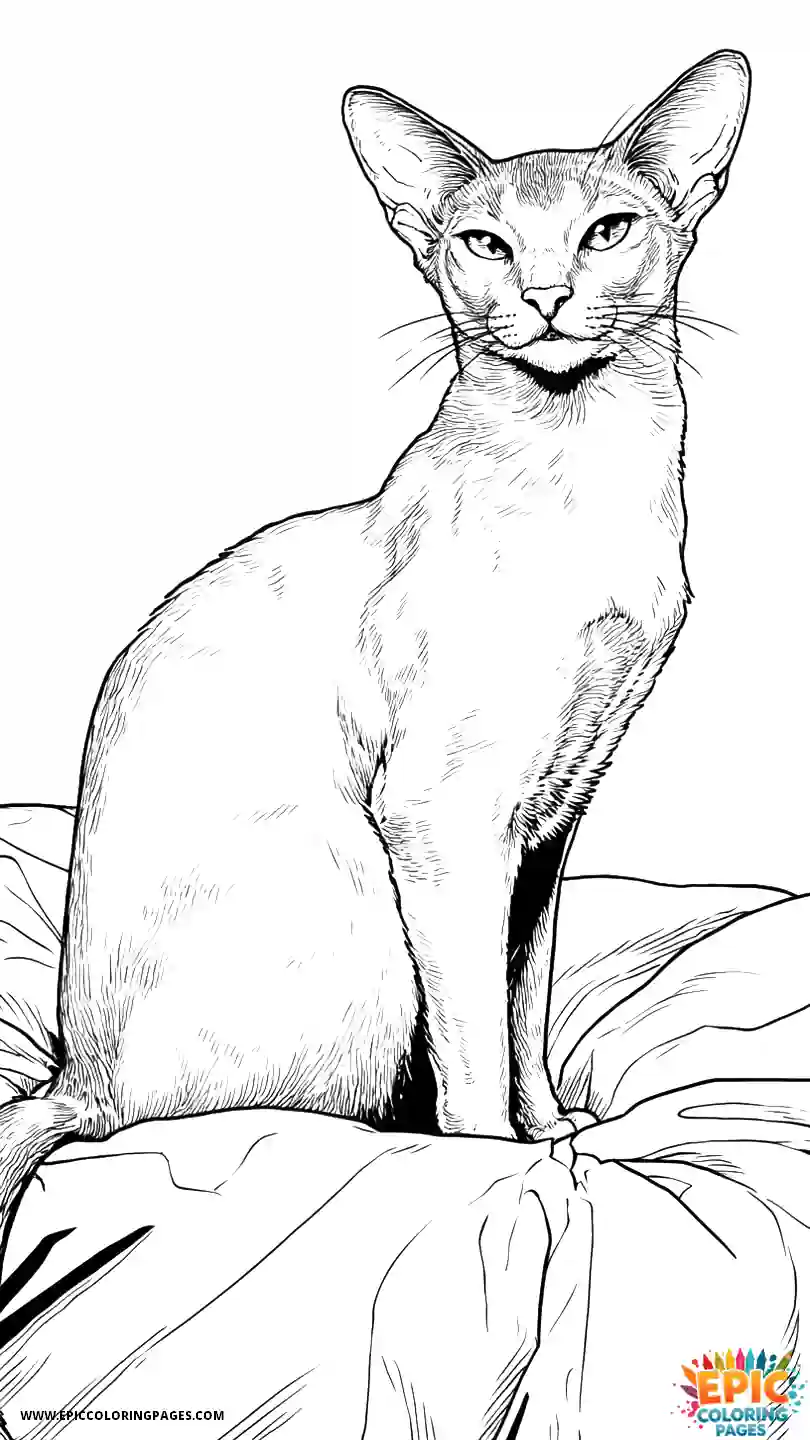
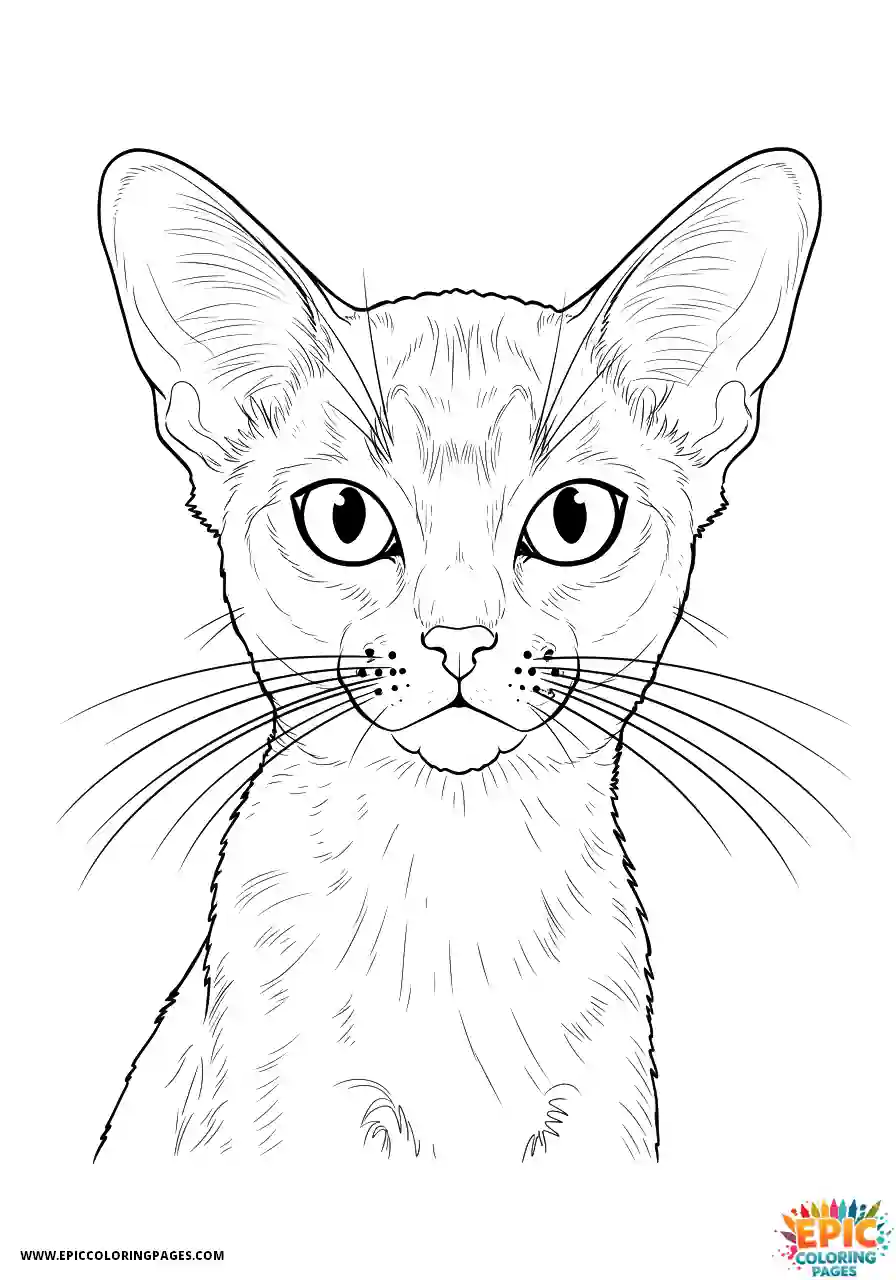
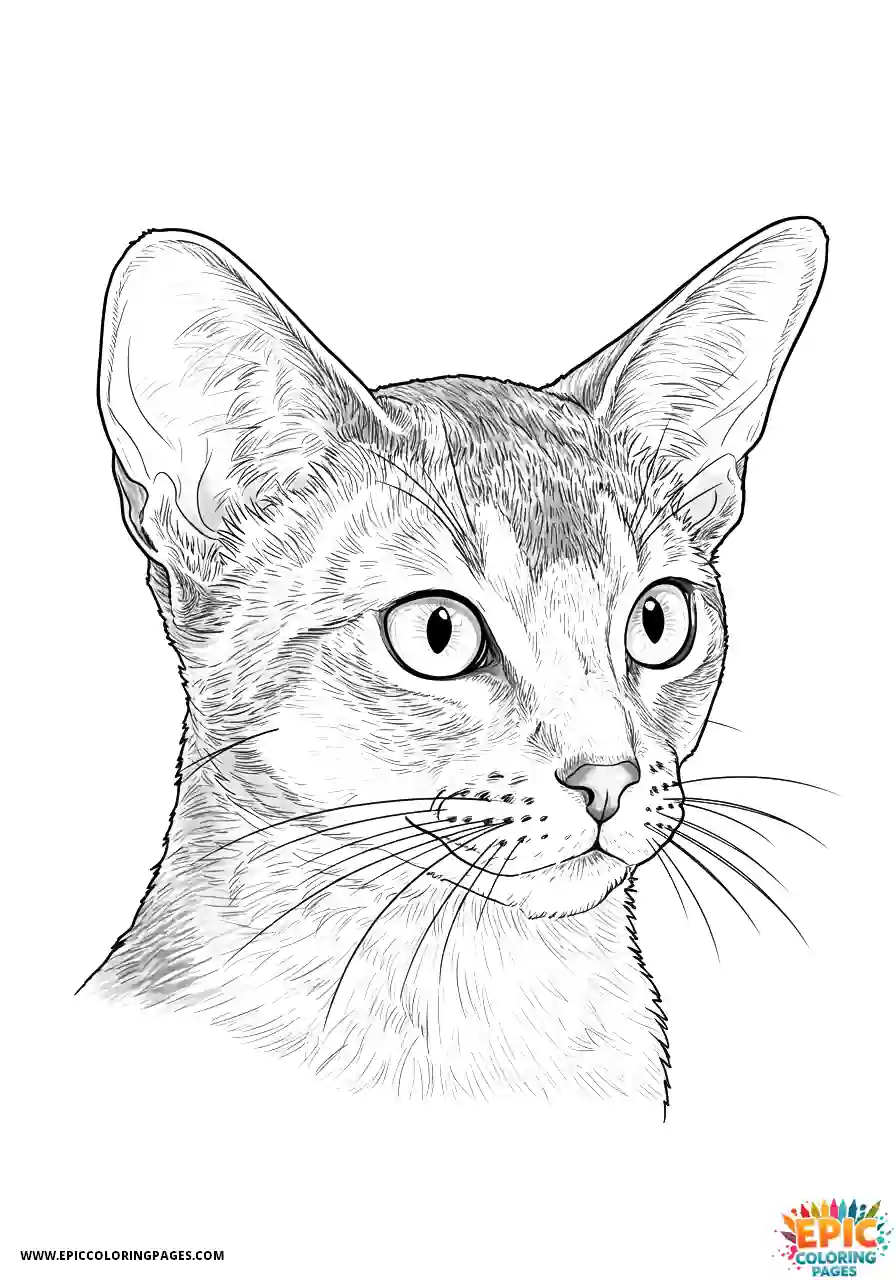
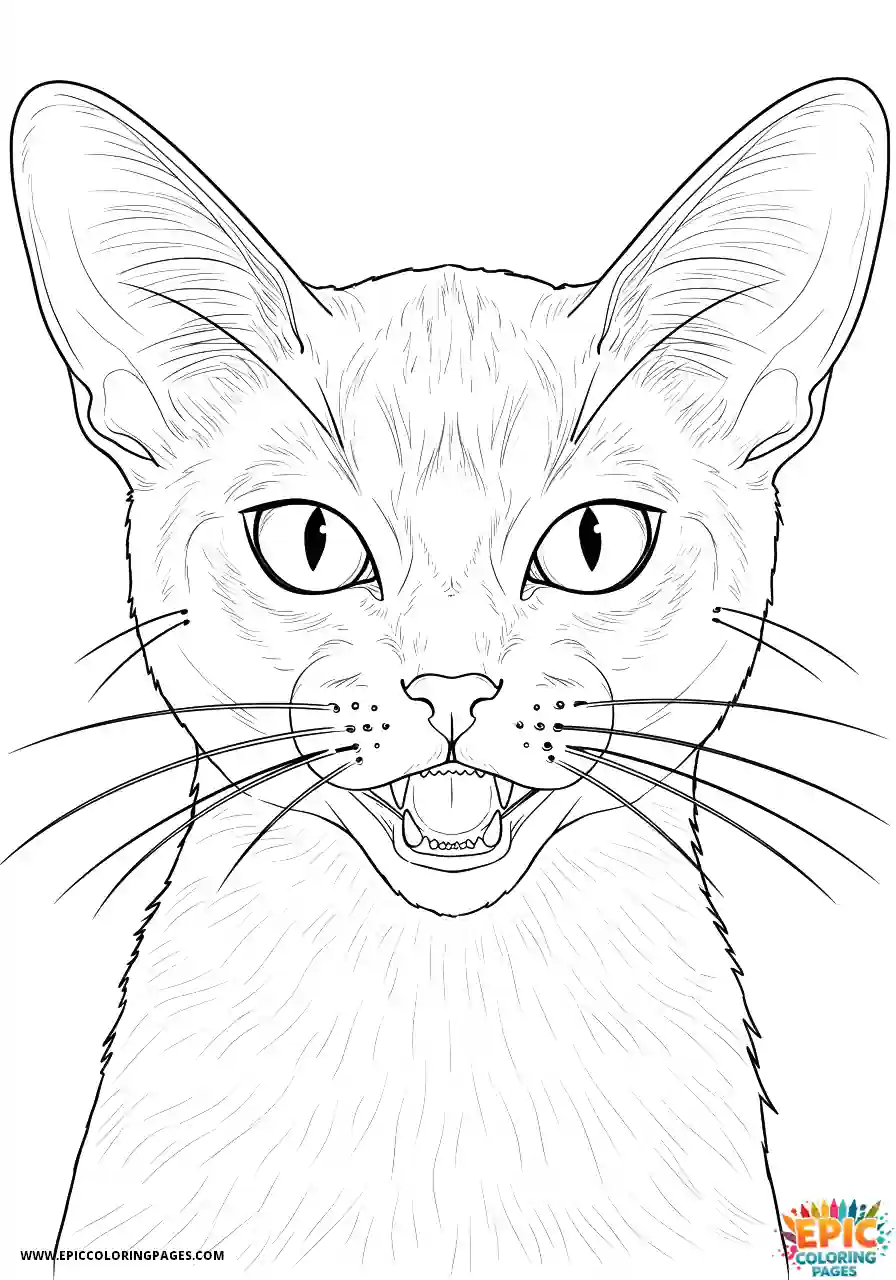
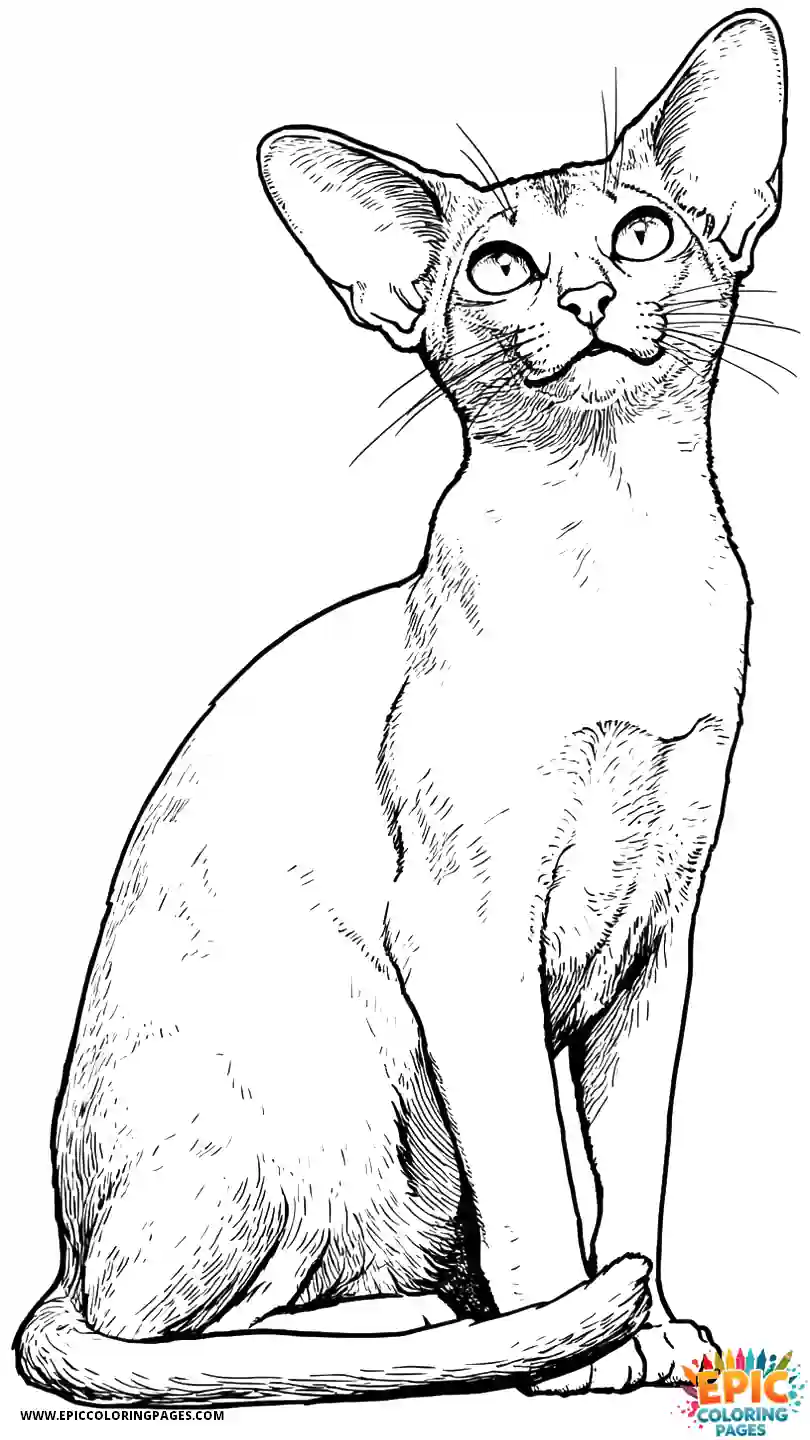
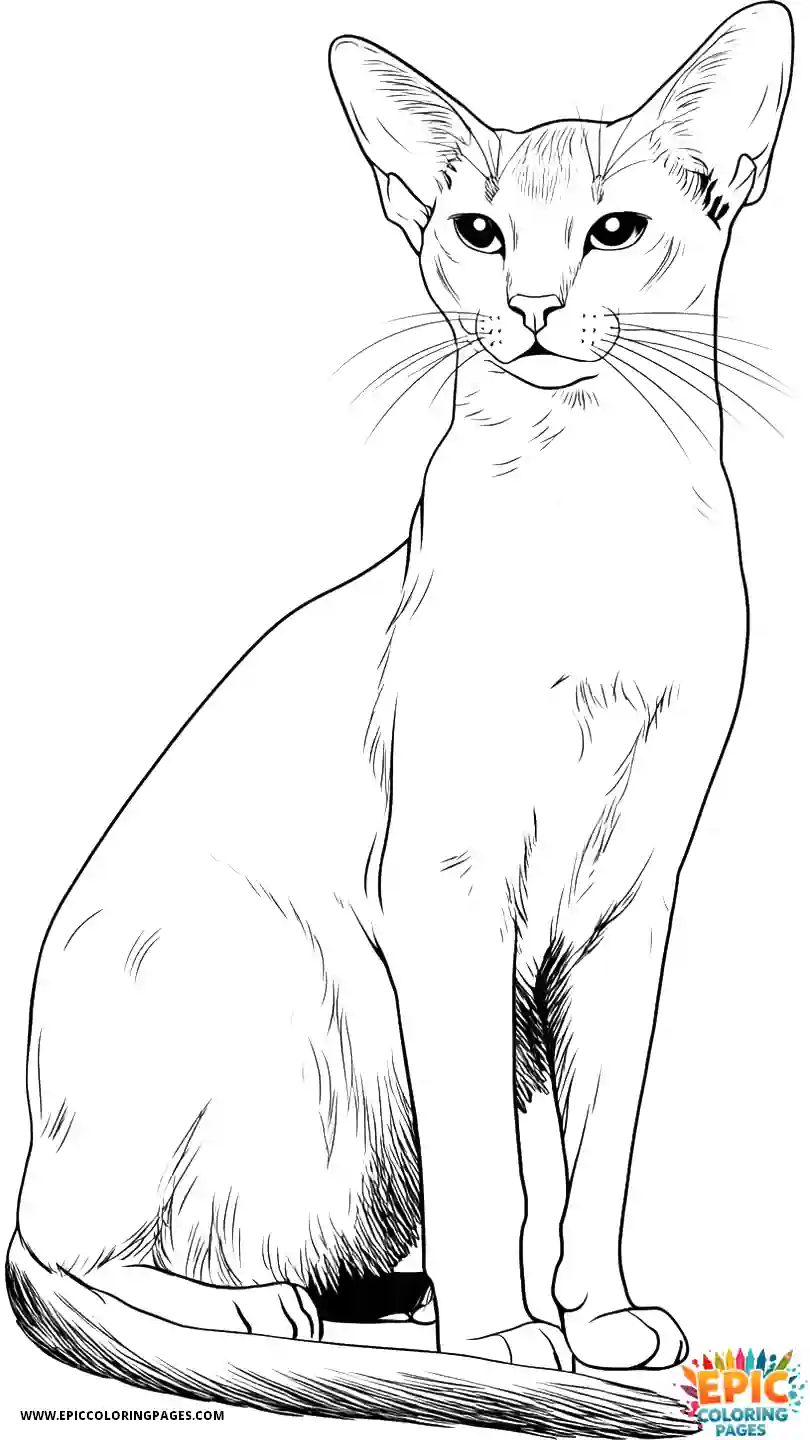
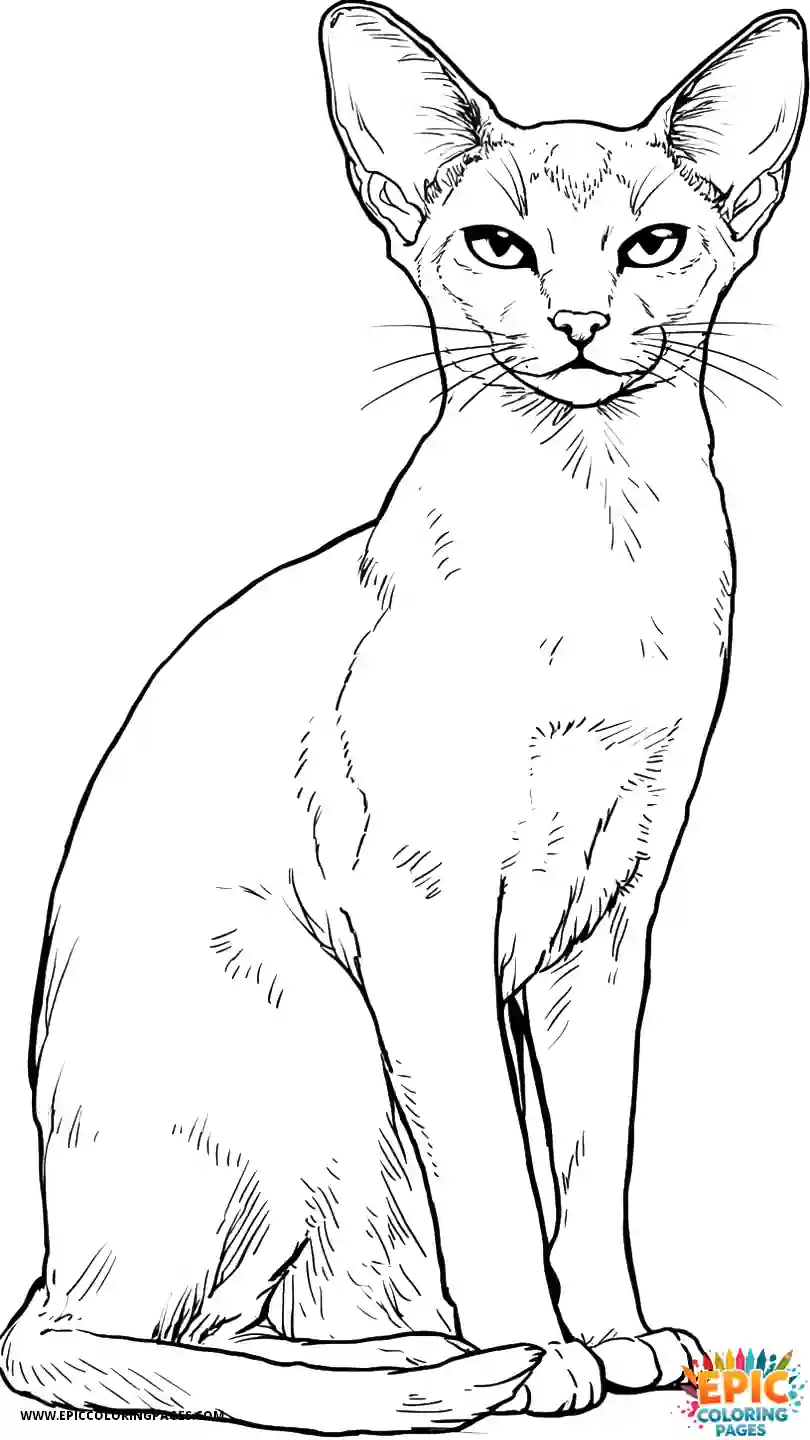
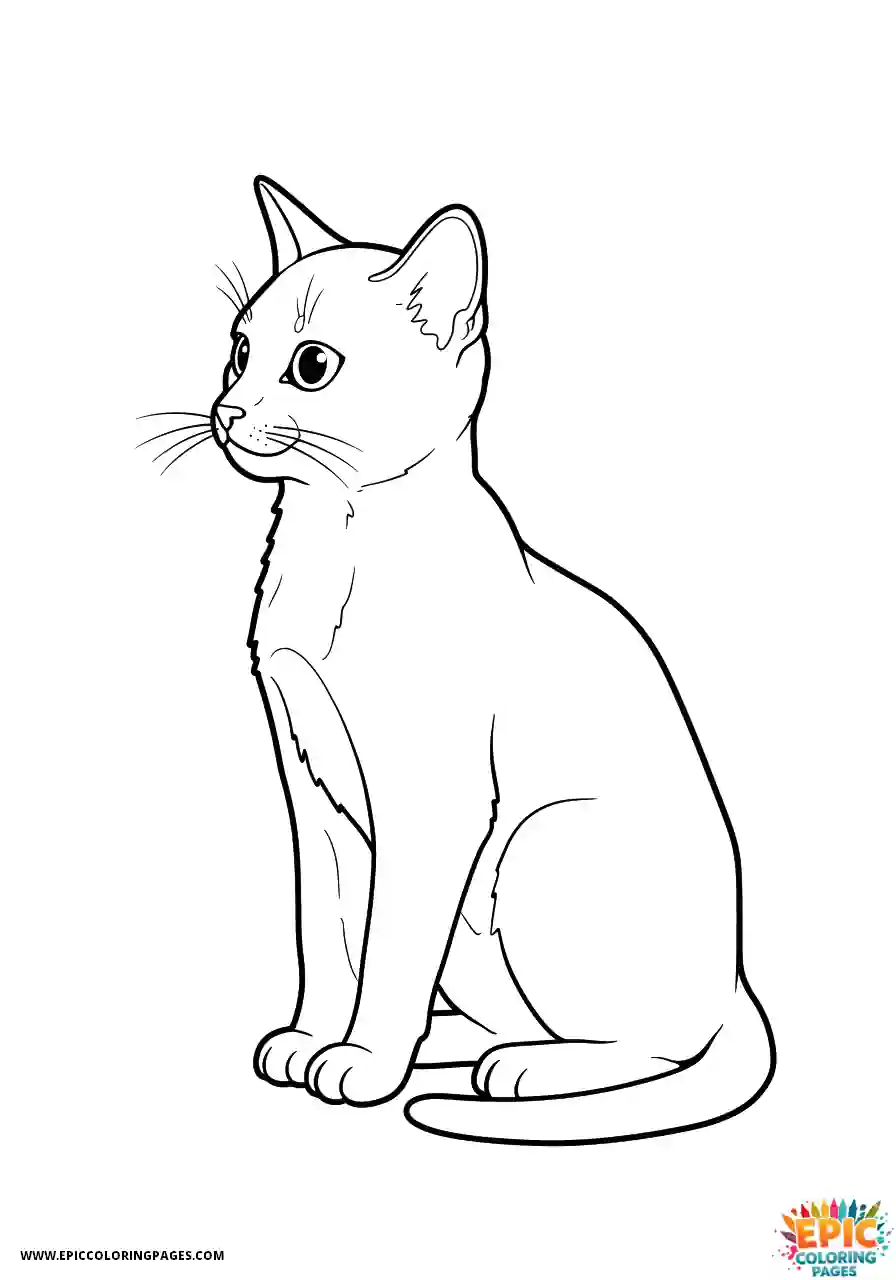
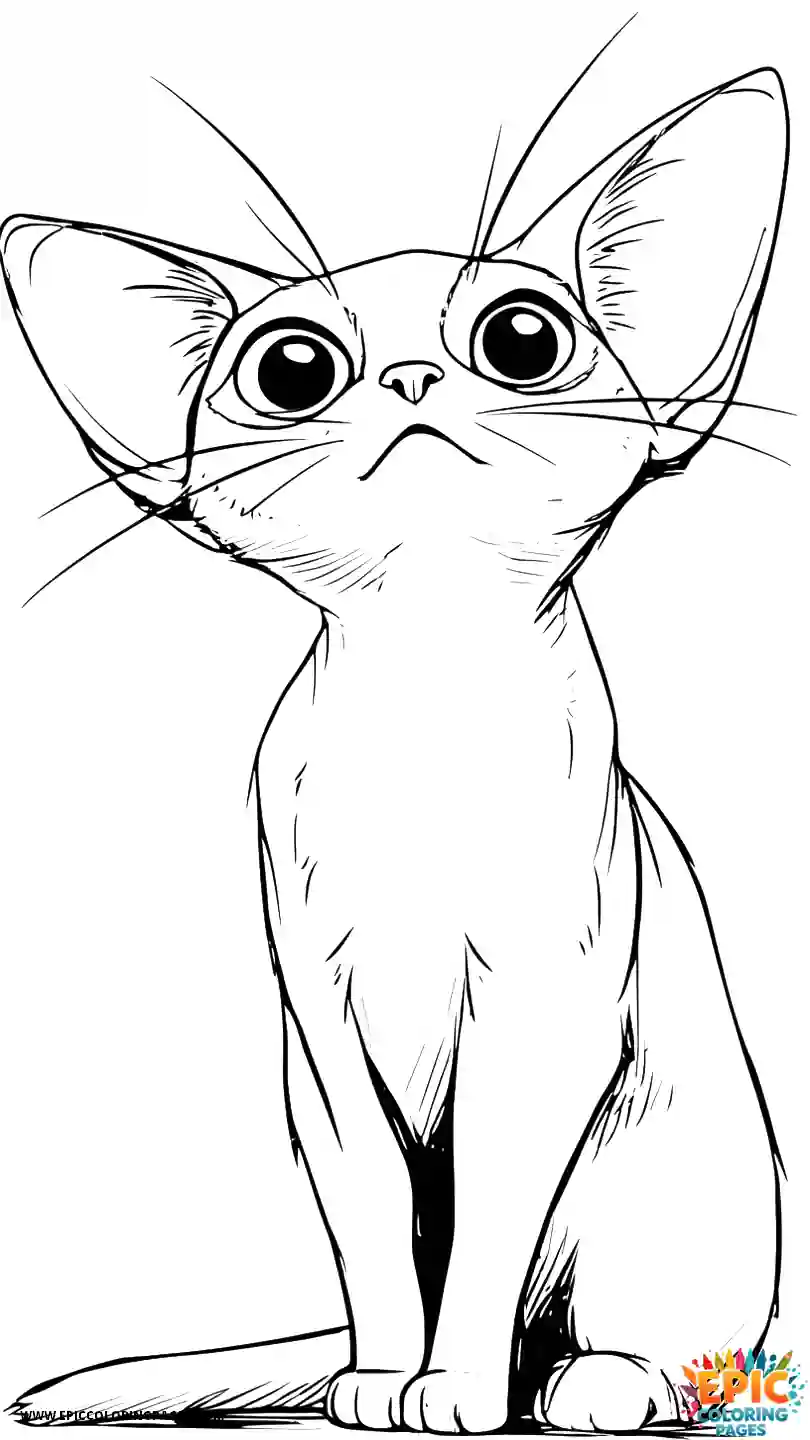
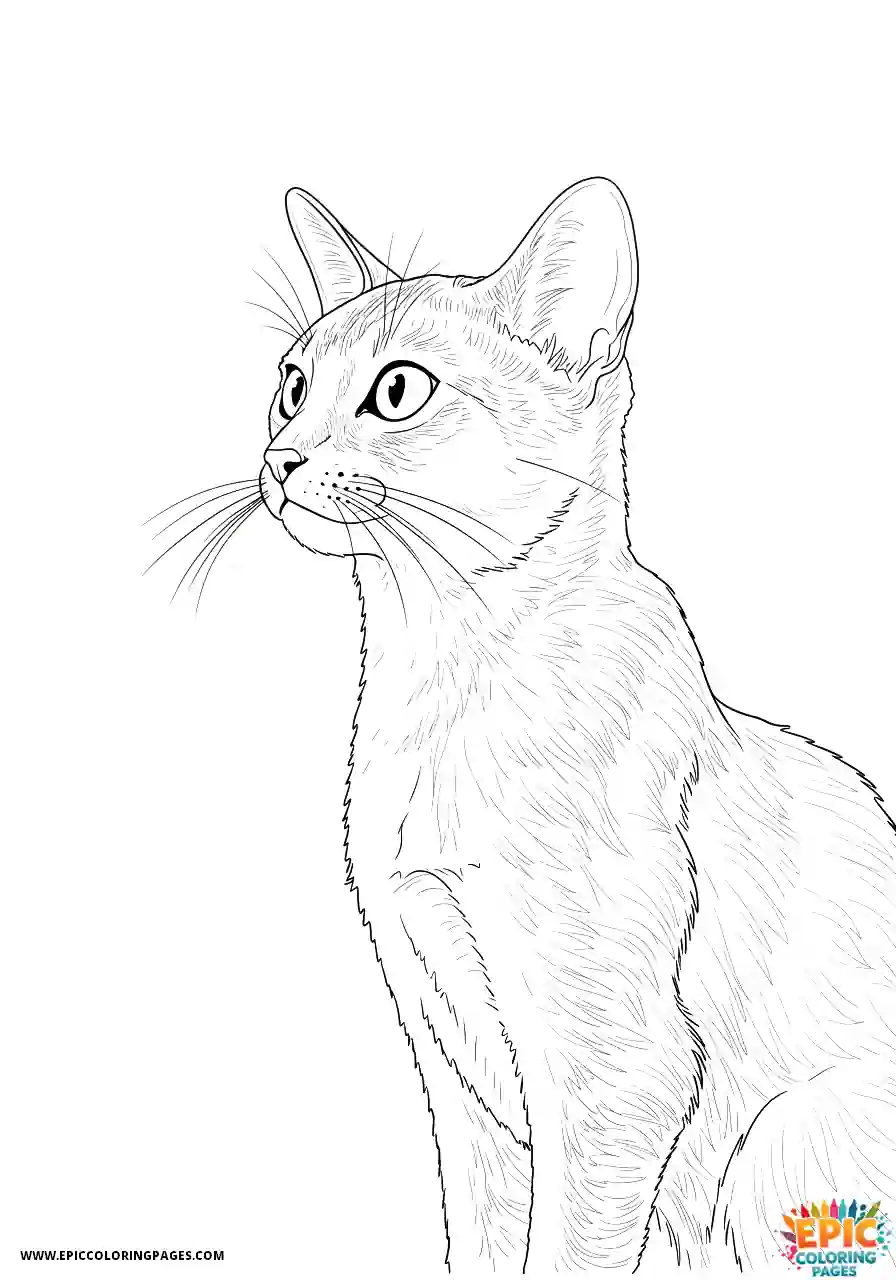
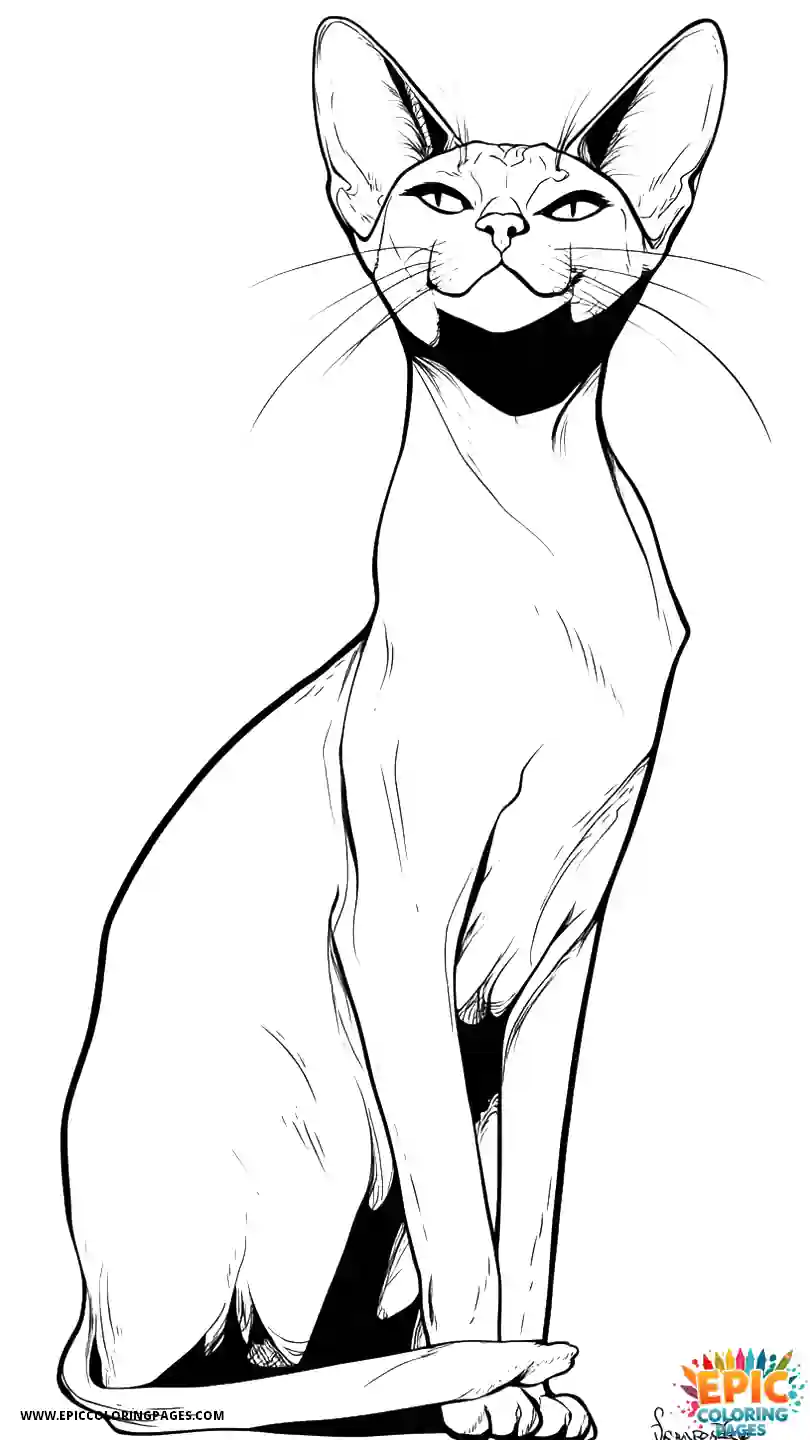
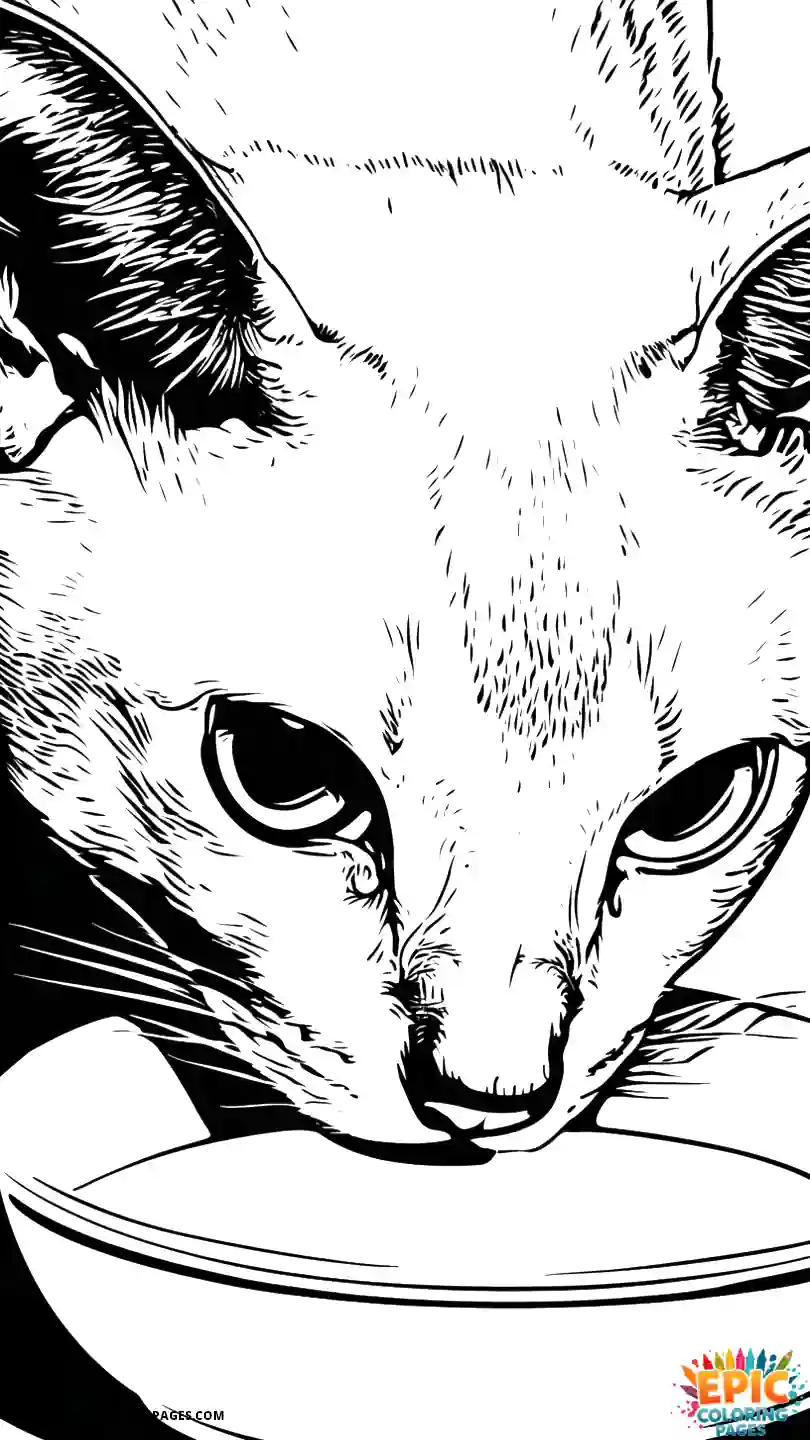
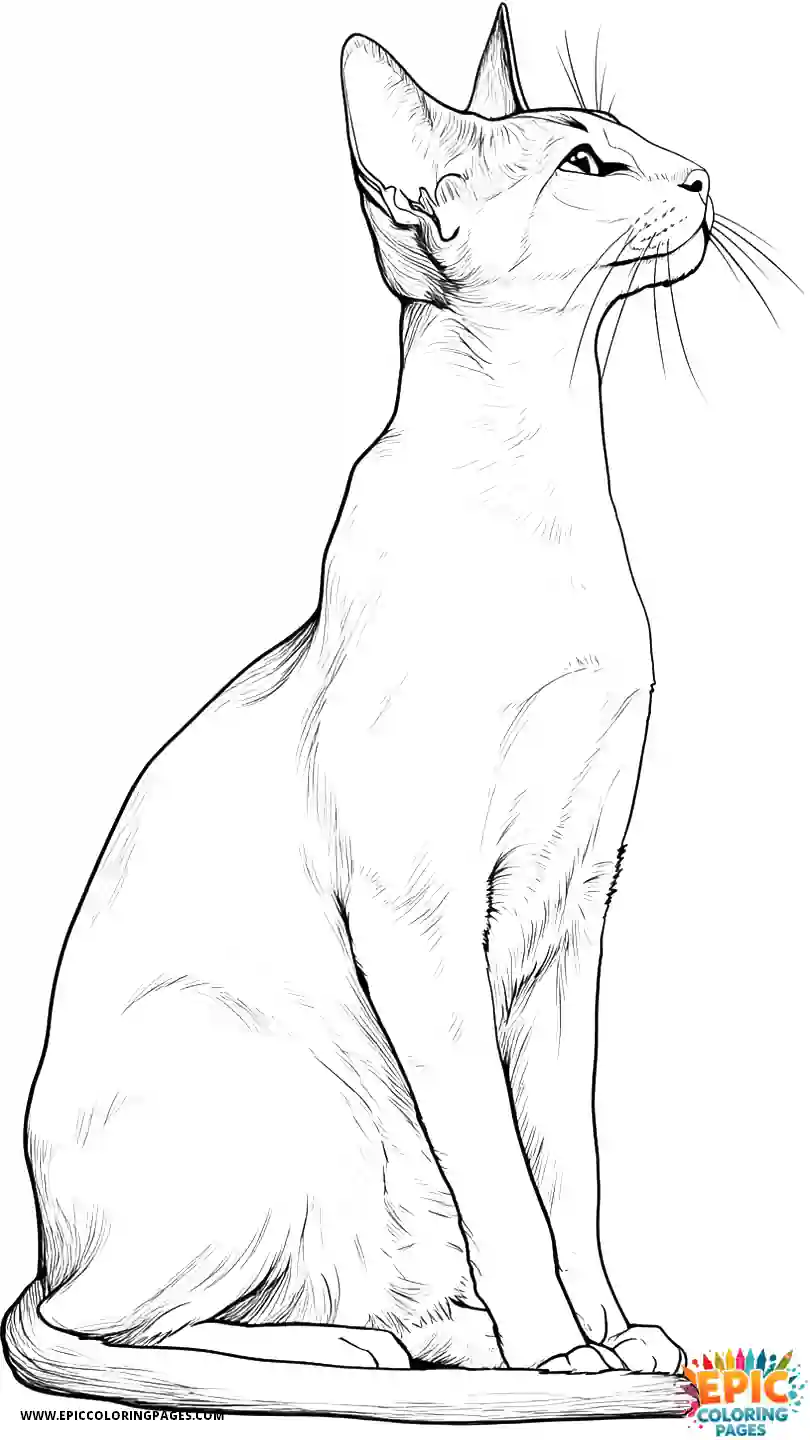
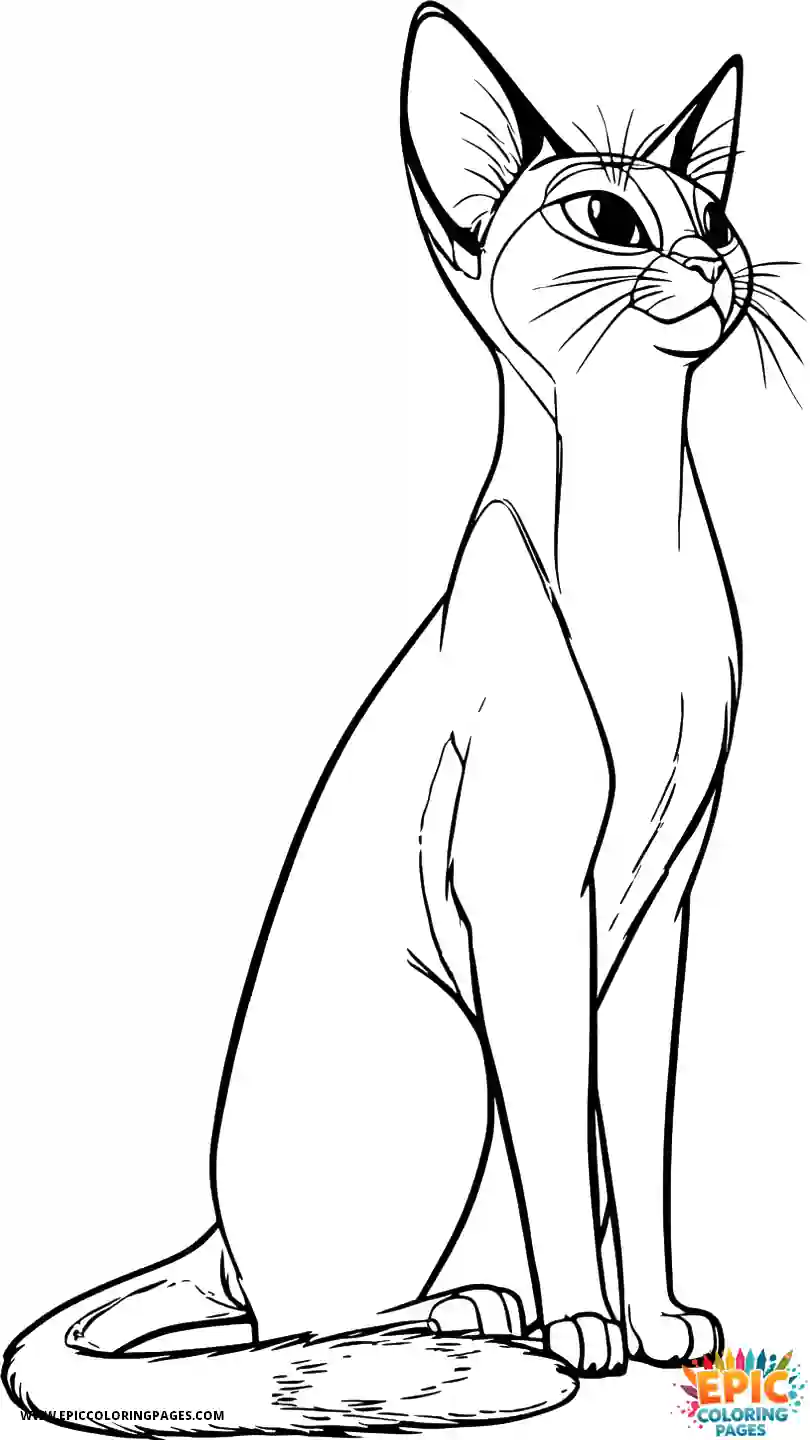
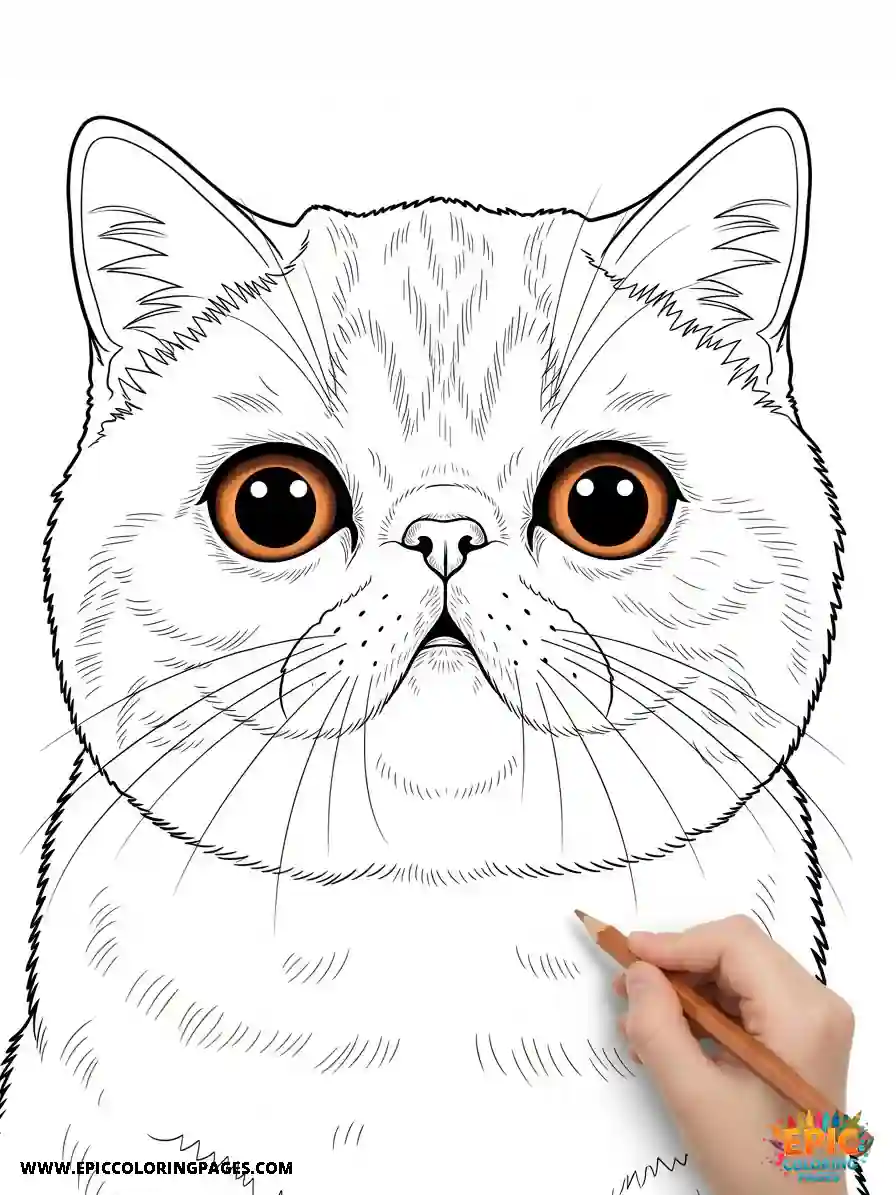
  • Facial Details: Note the large, alert ears and the distinctive “mascara lines” surrounding their almond-shaped eyes. These details are prominent in our portrait illustrations, allowing for precise work with fine-tipped markers or sharp pencils.
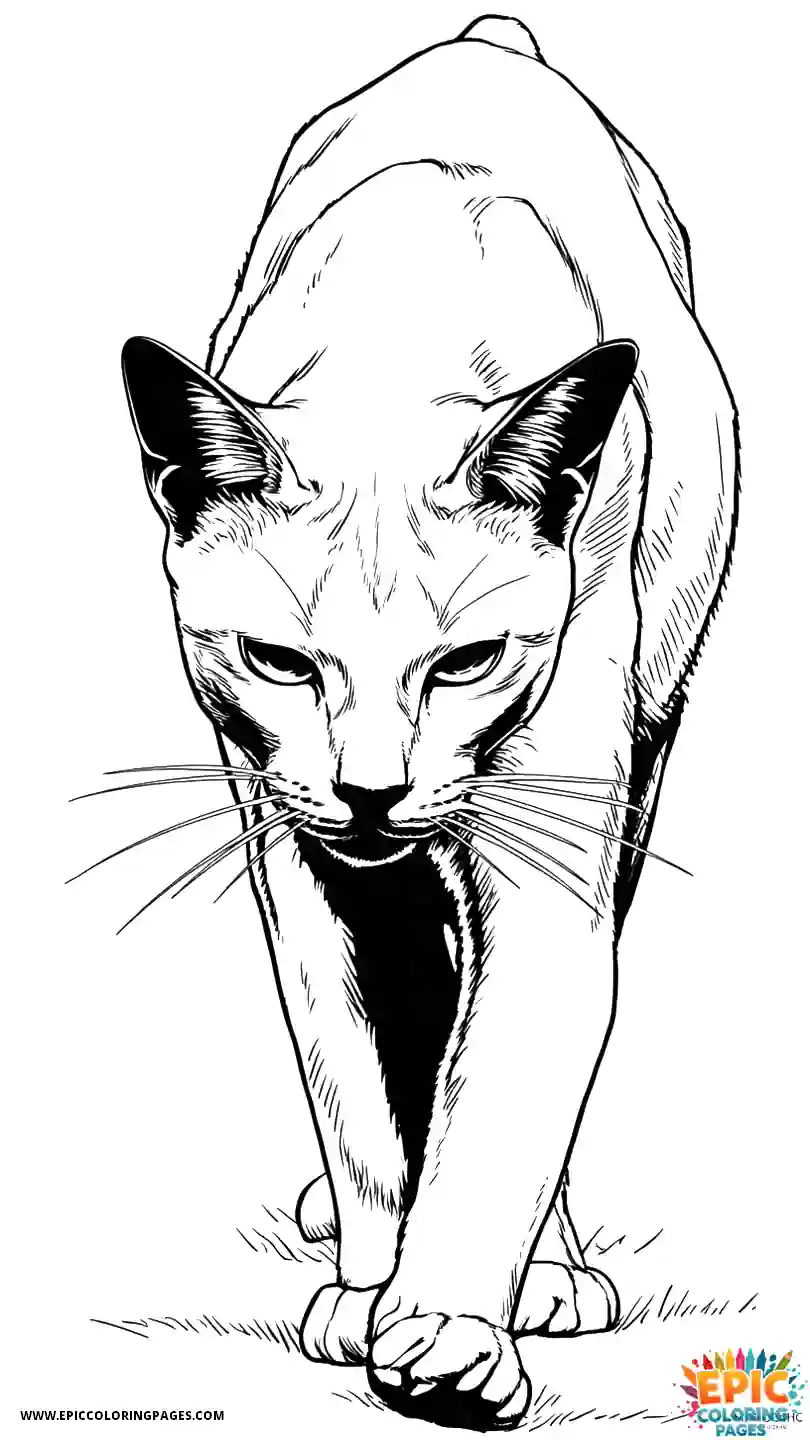
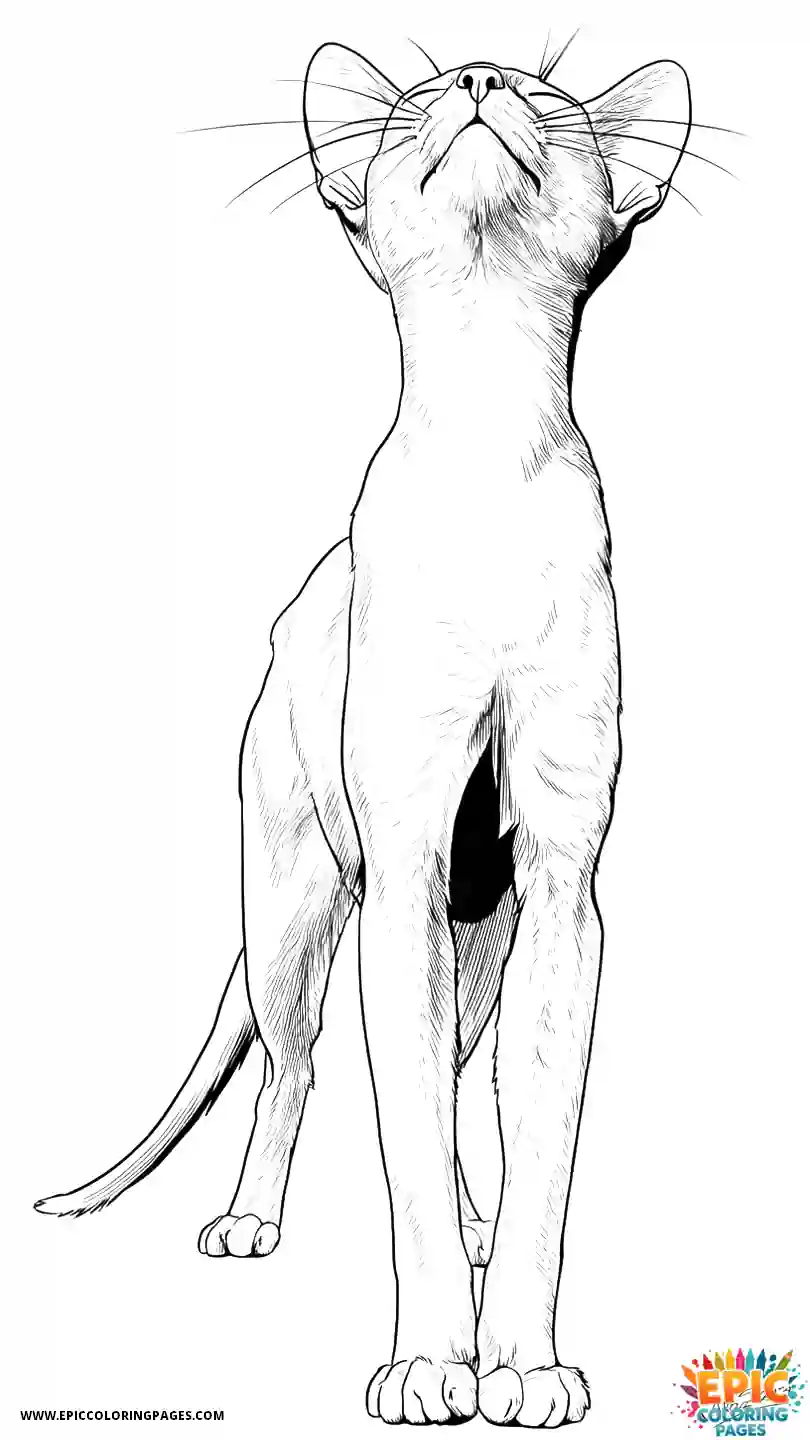
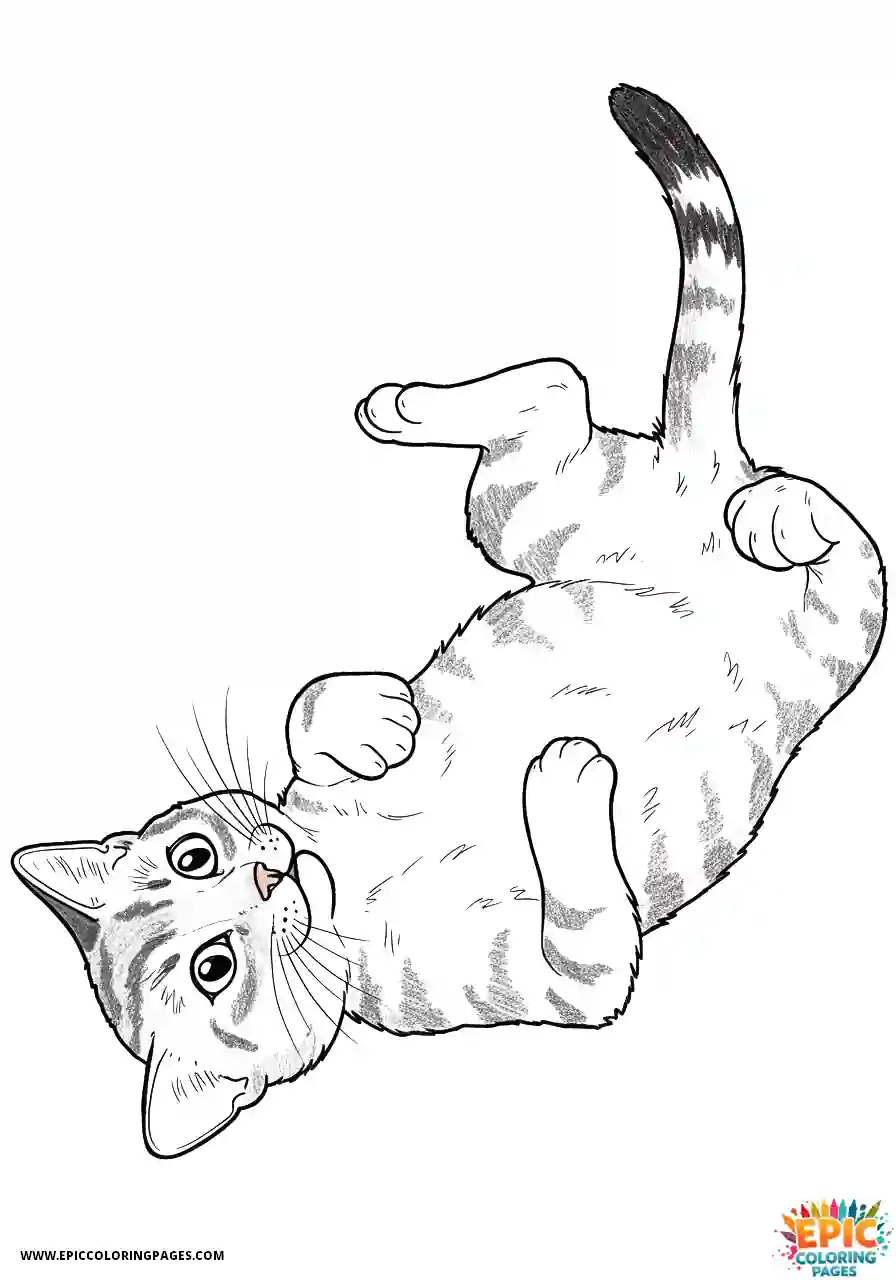
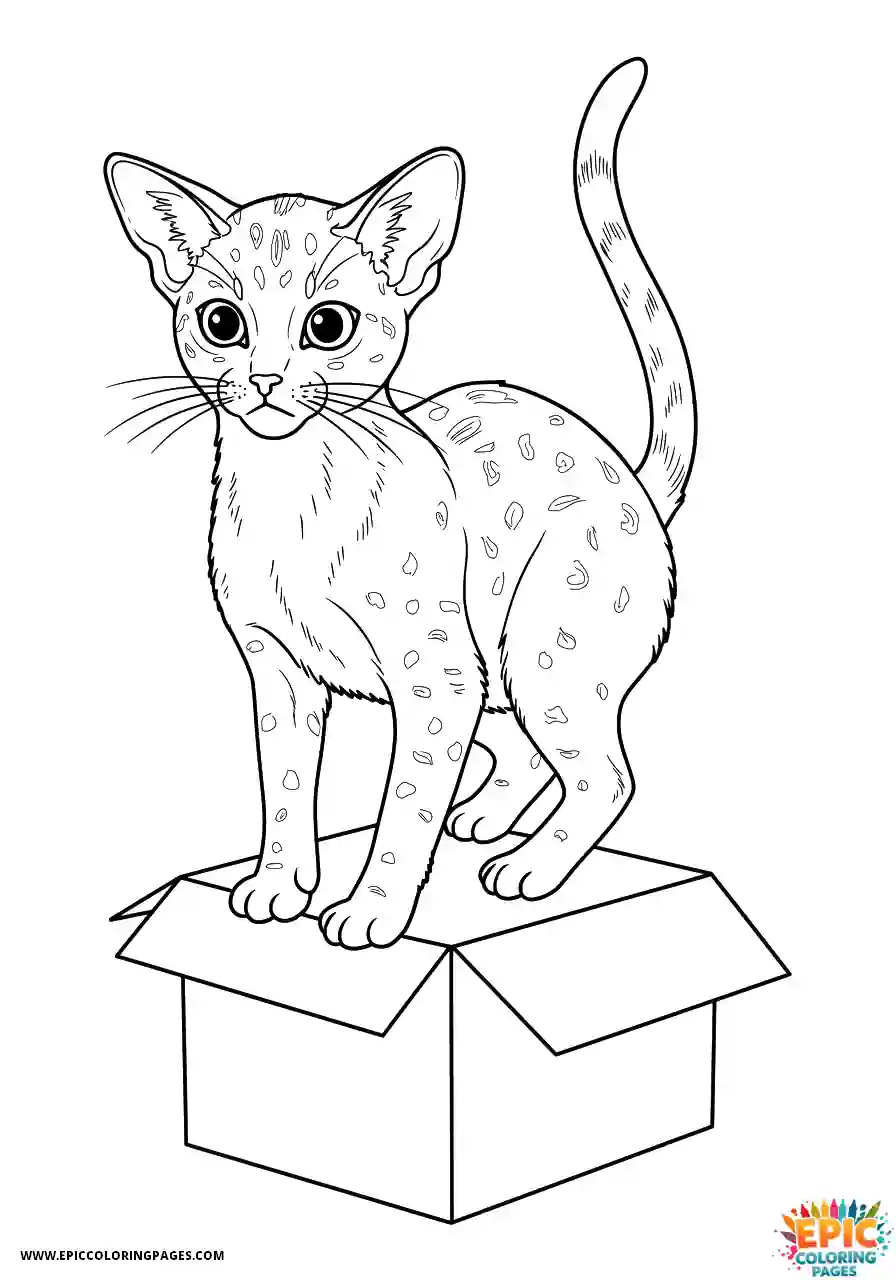
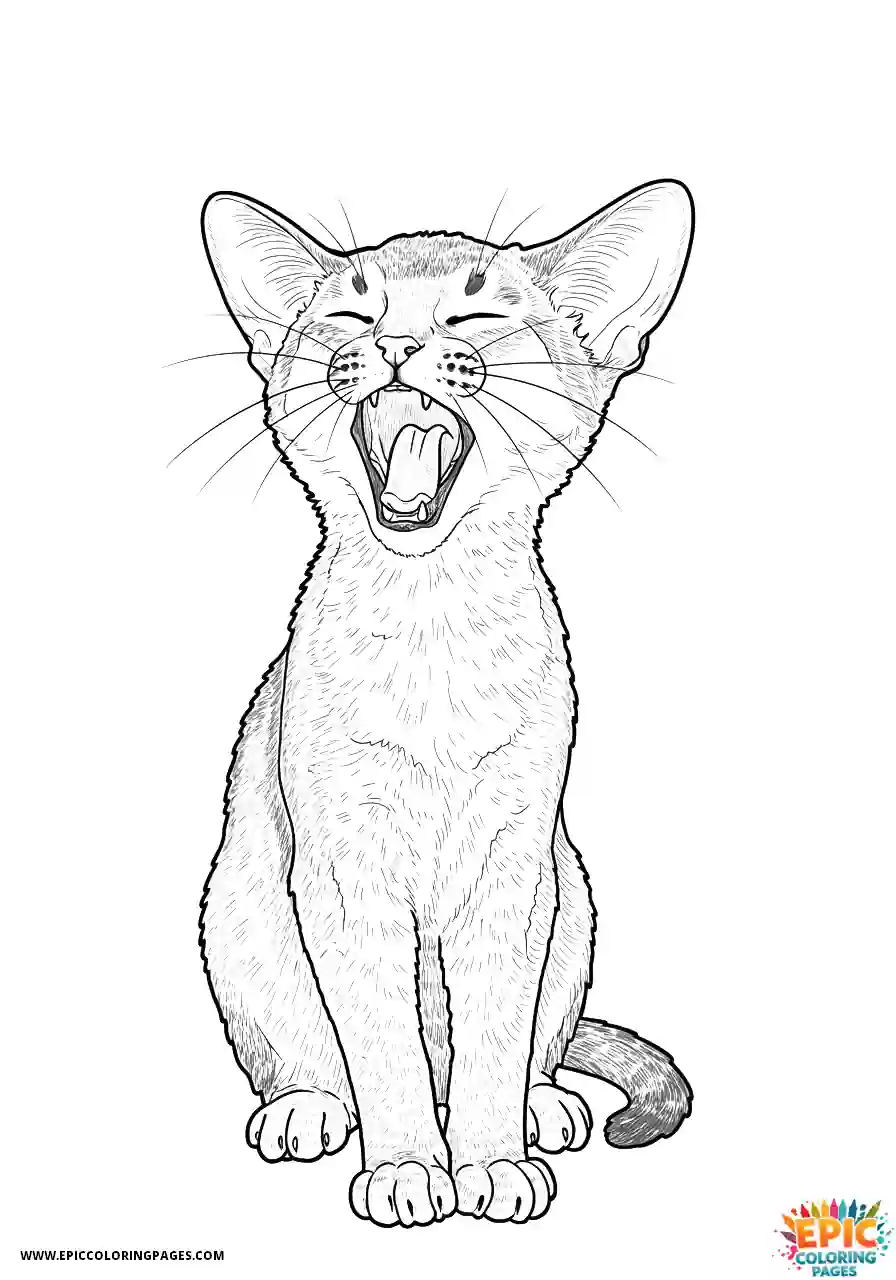
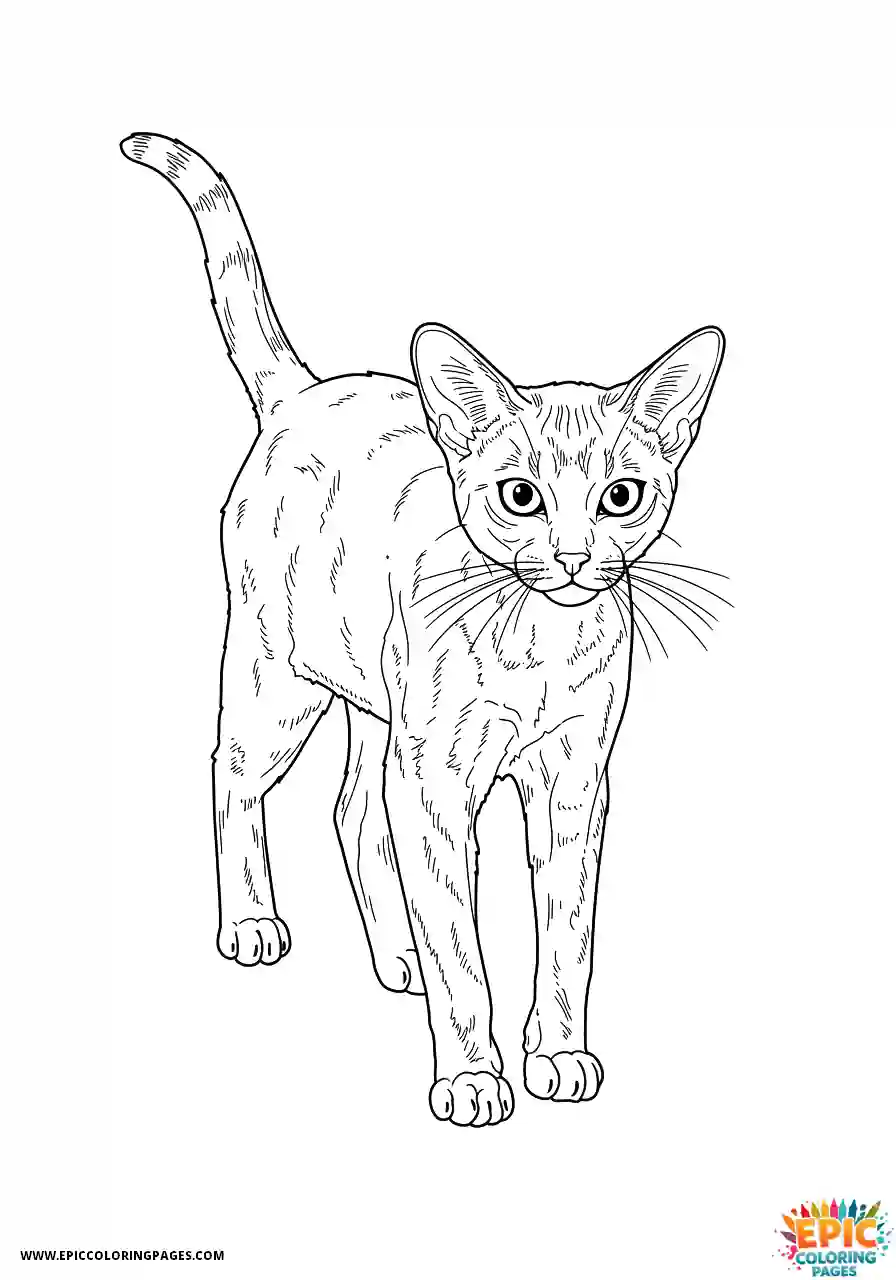
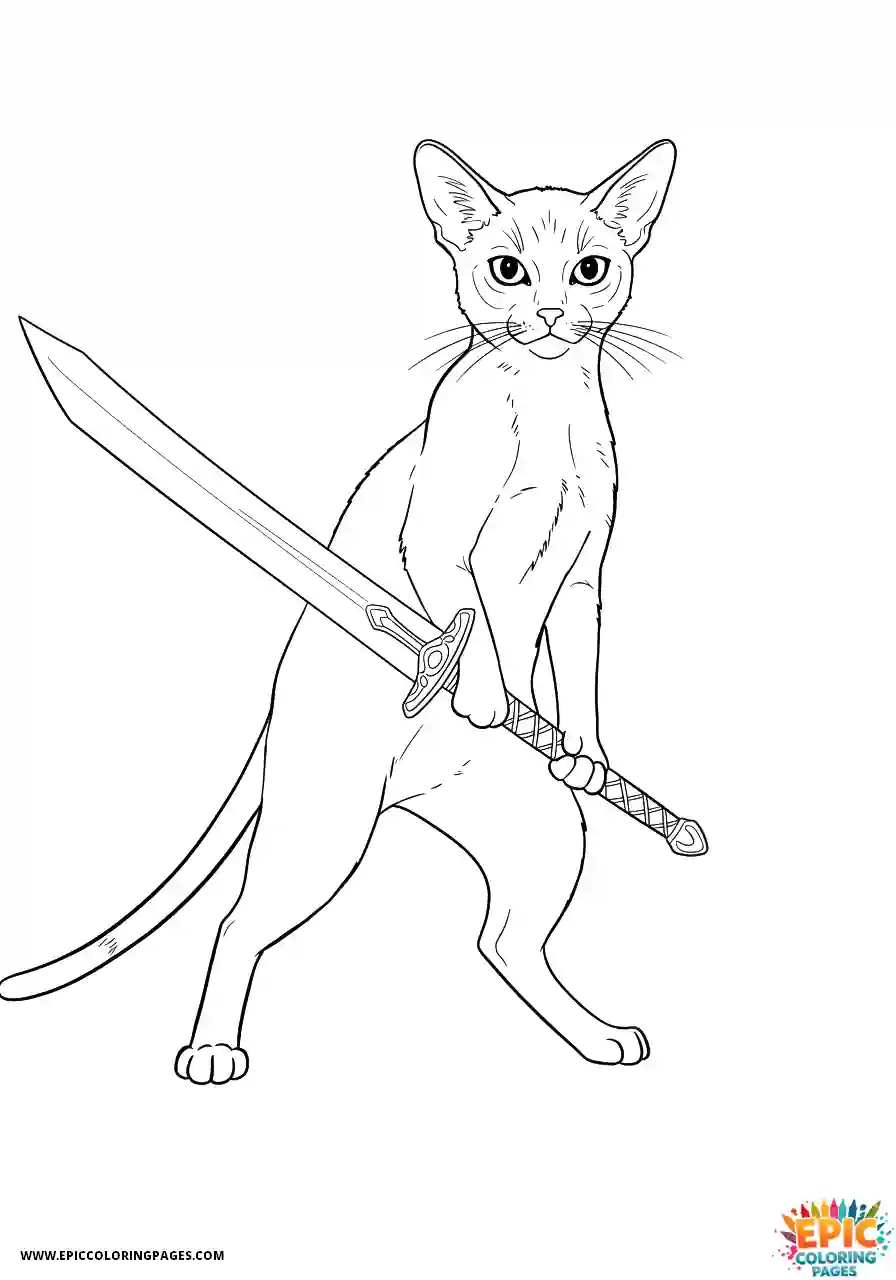
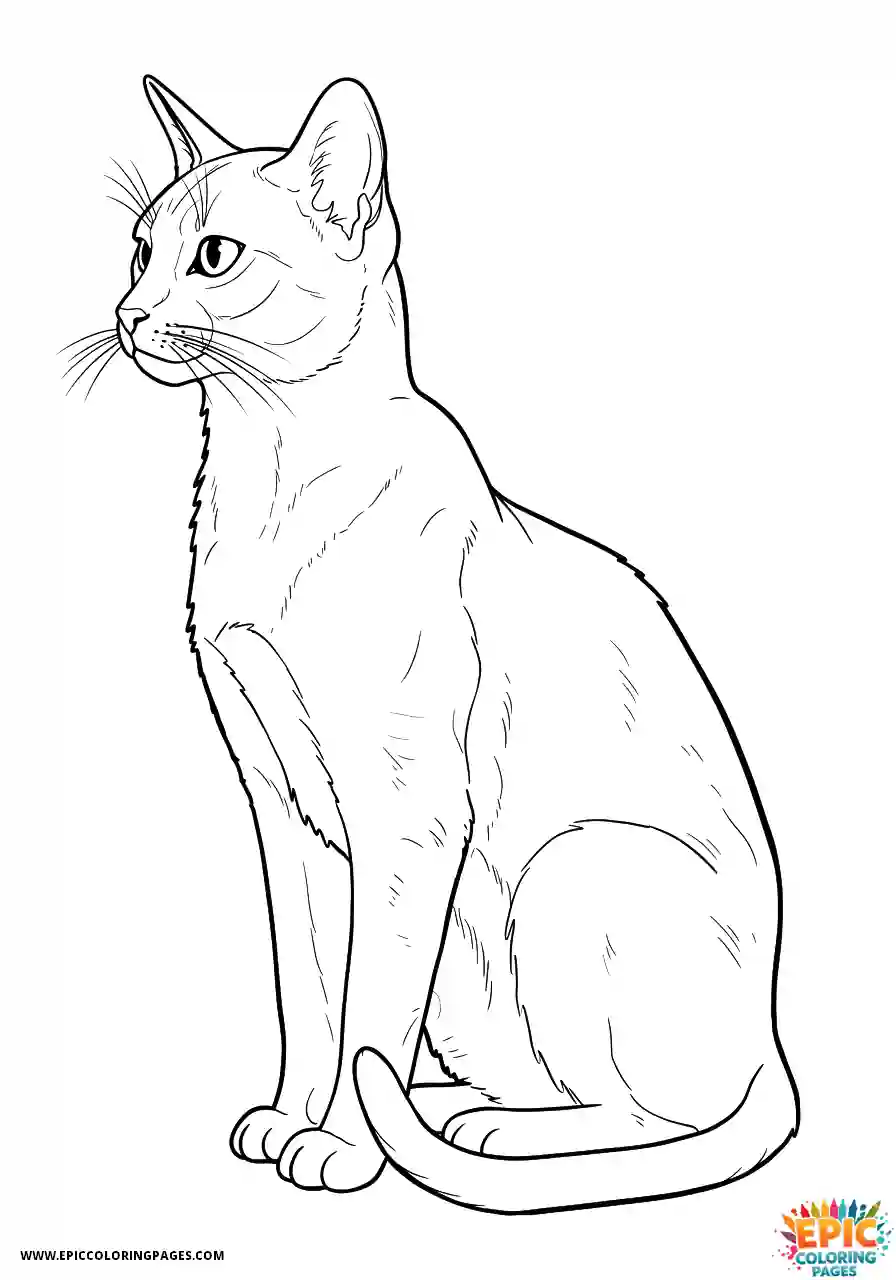
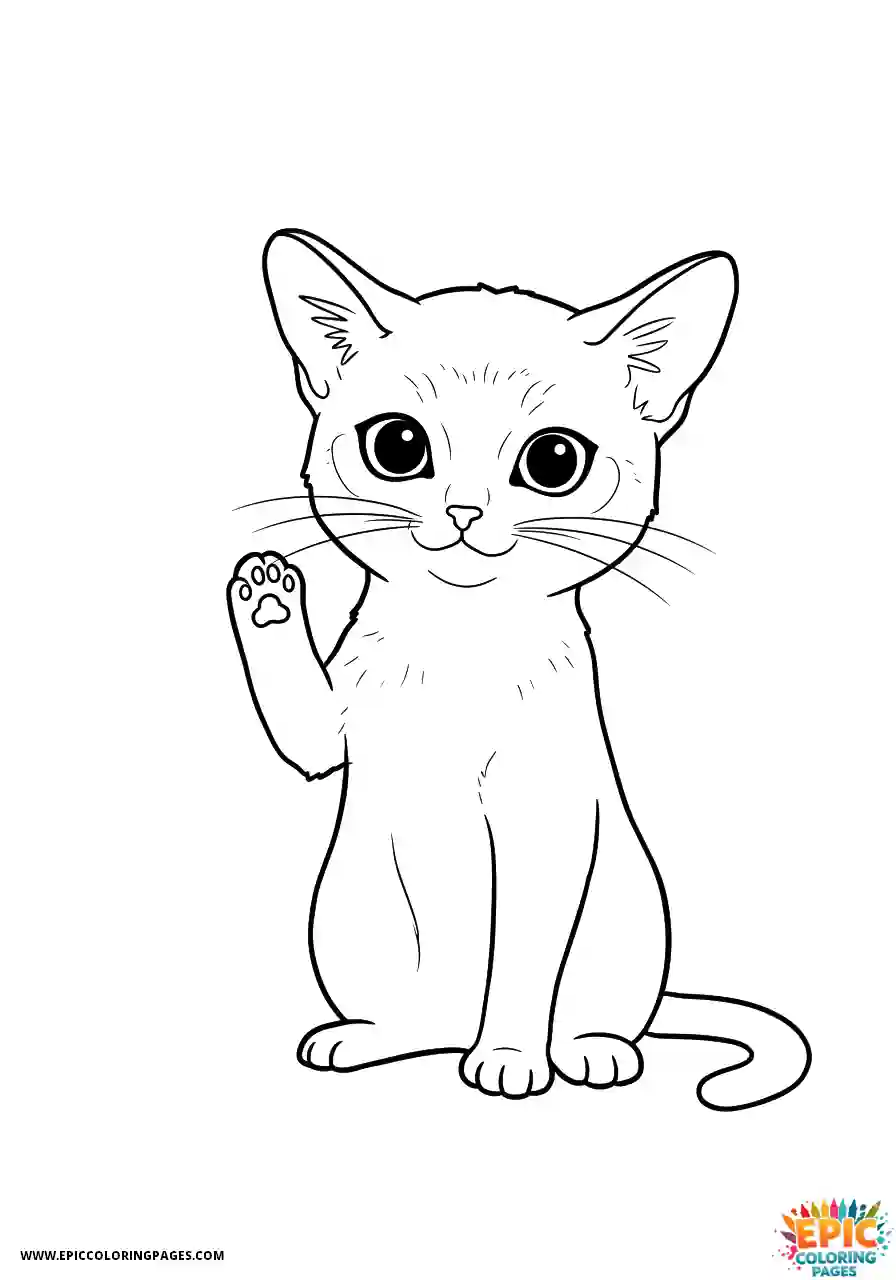
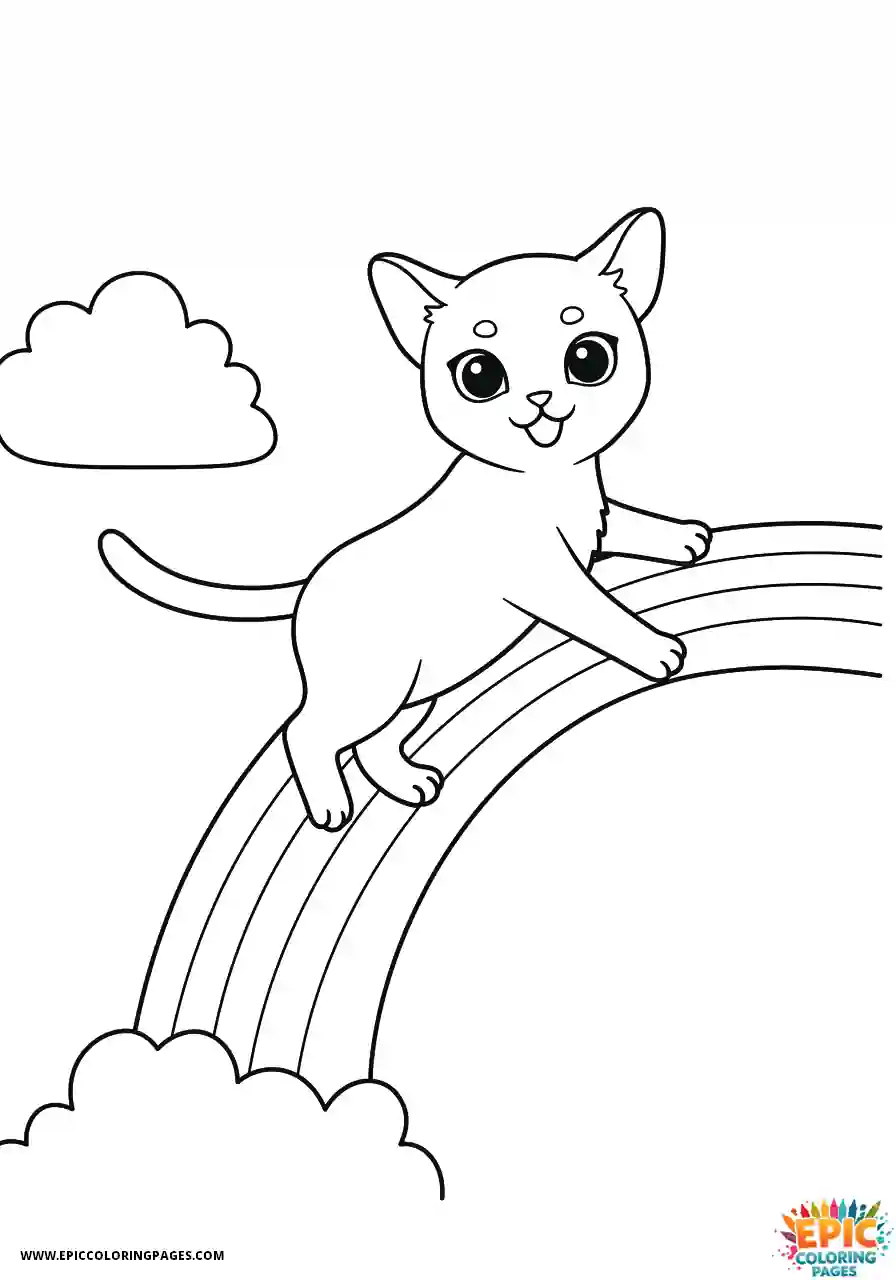
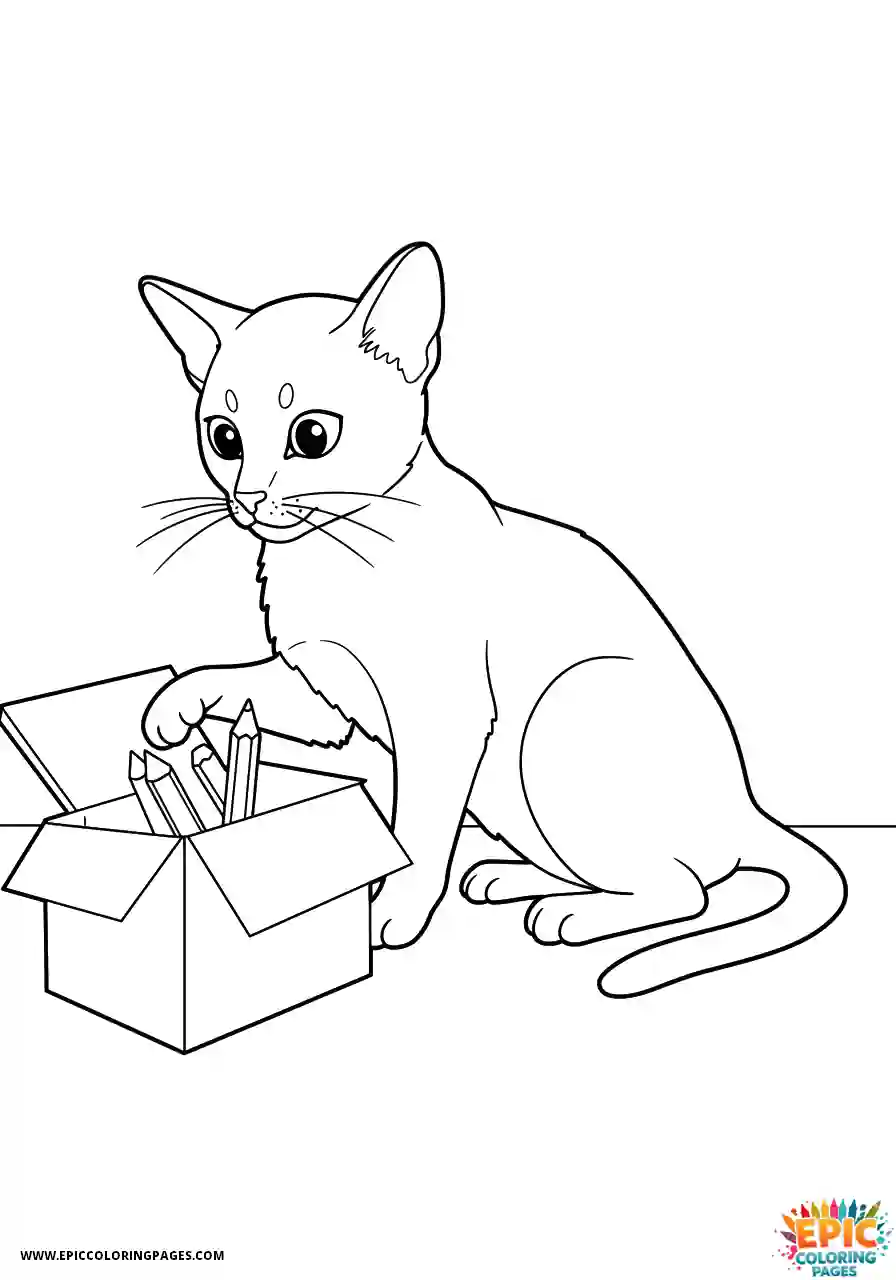
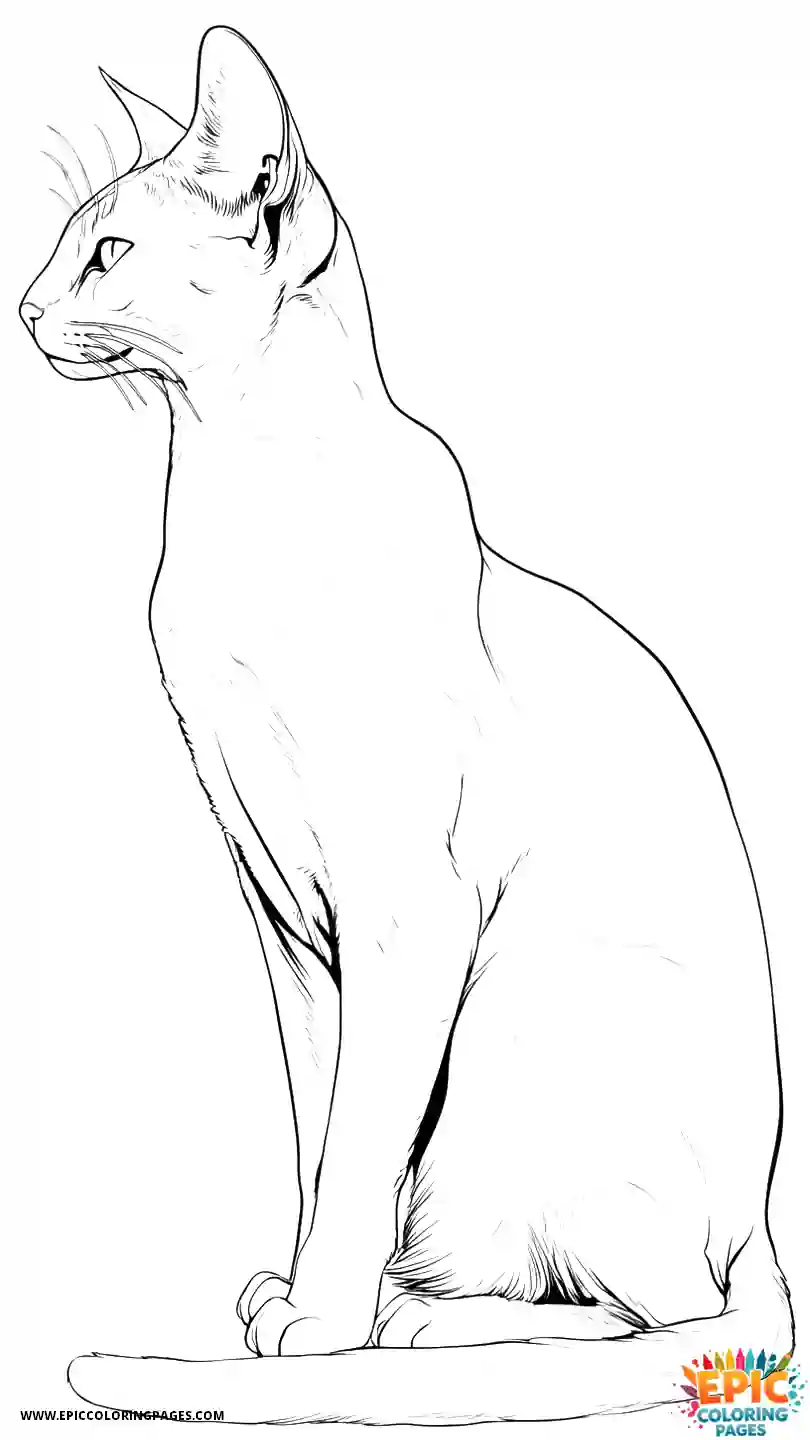
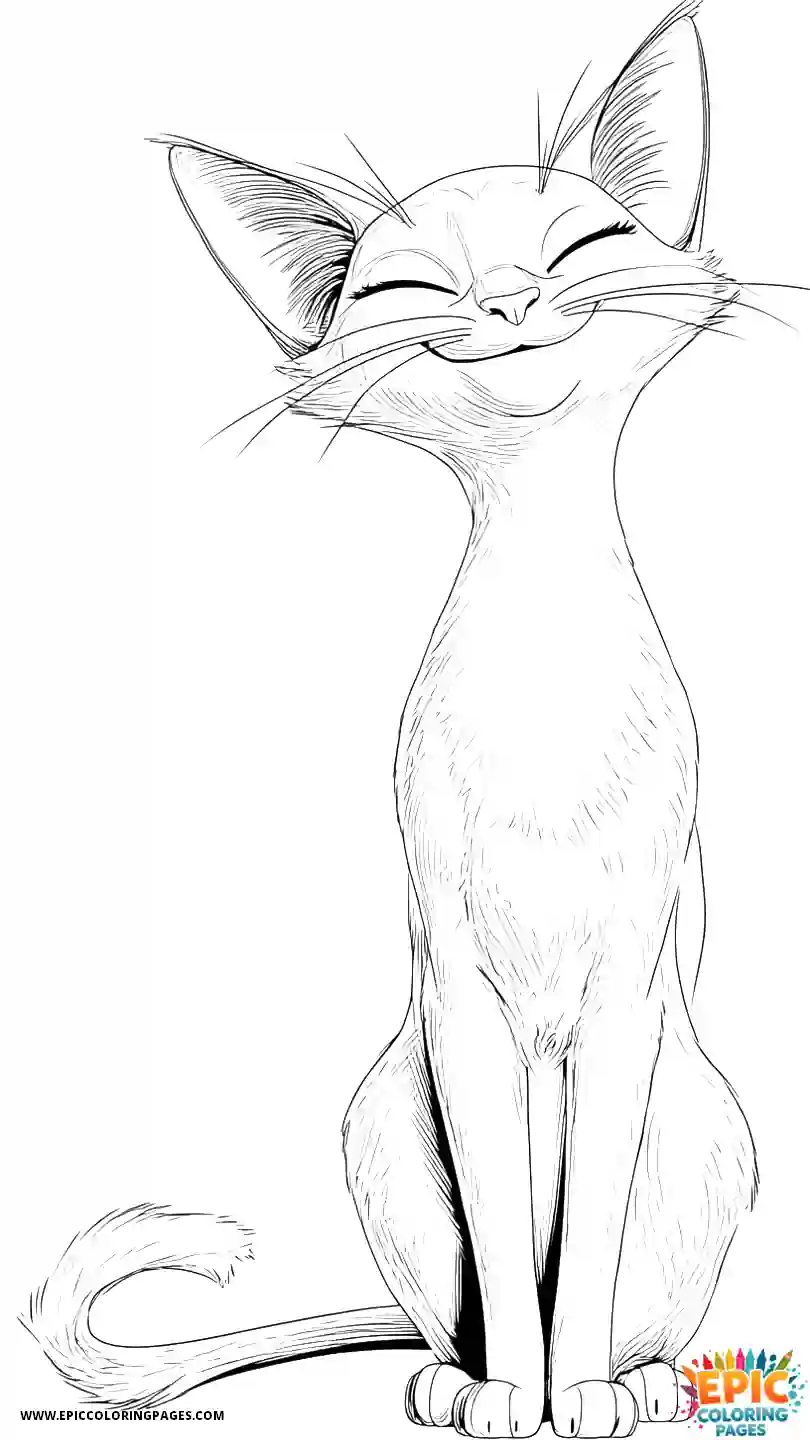
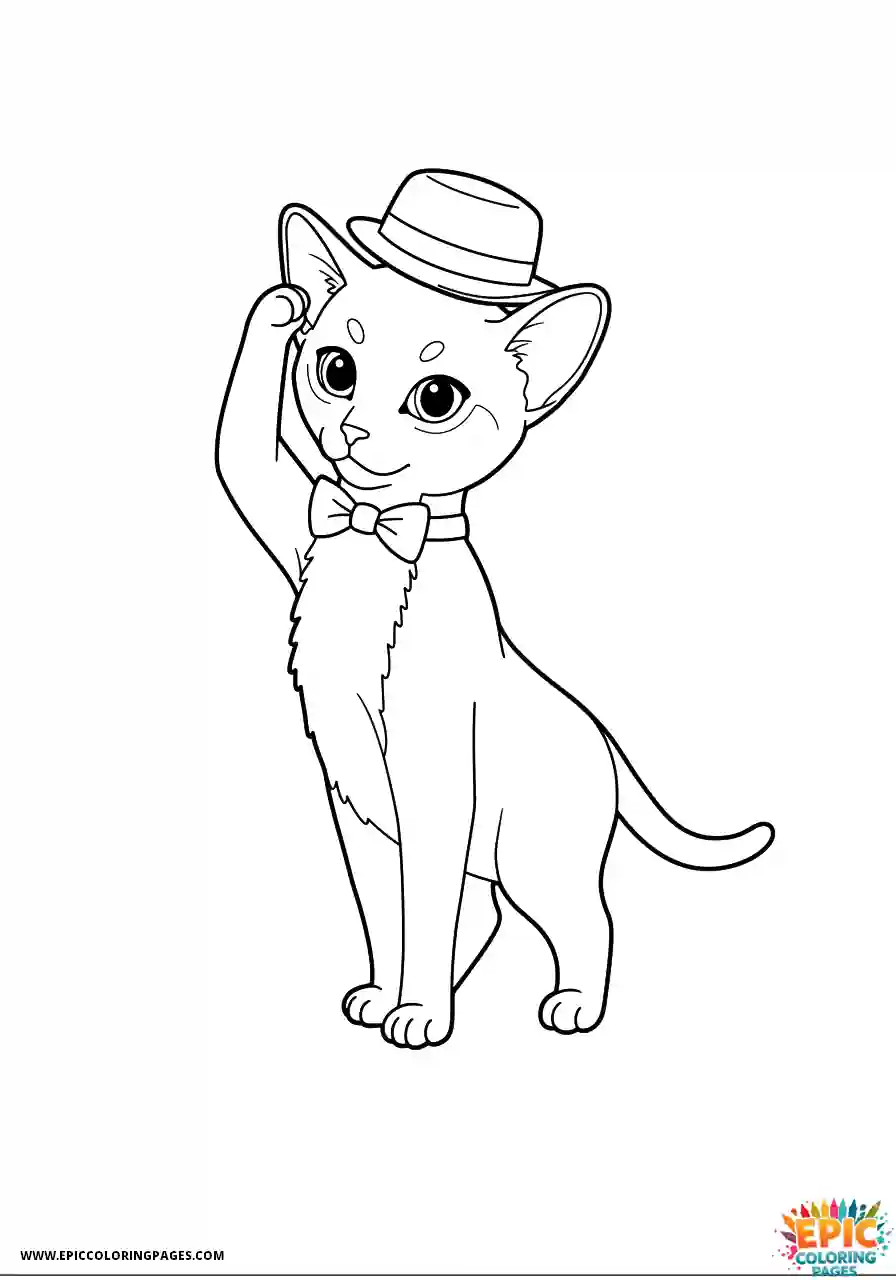
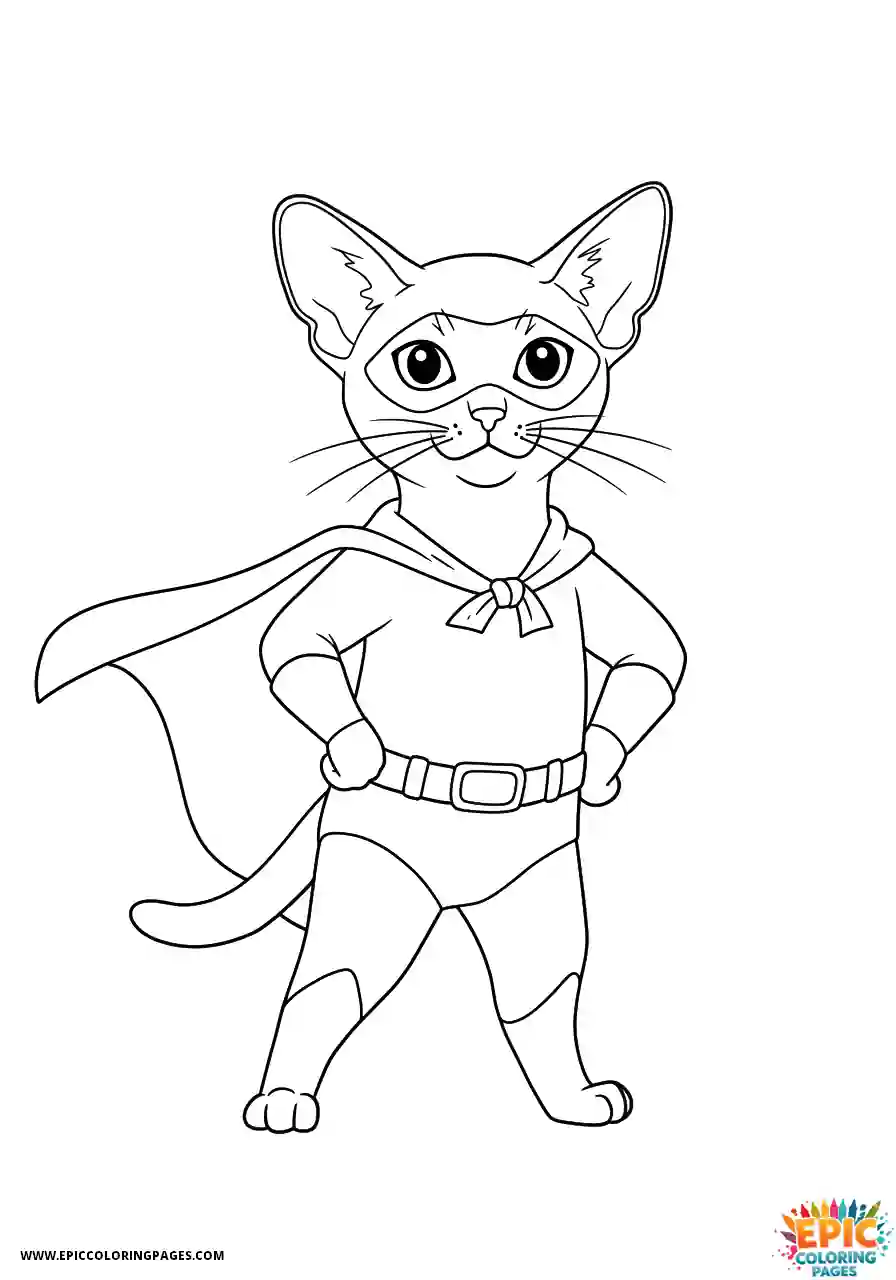
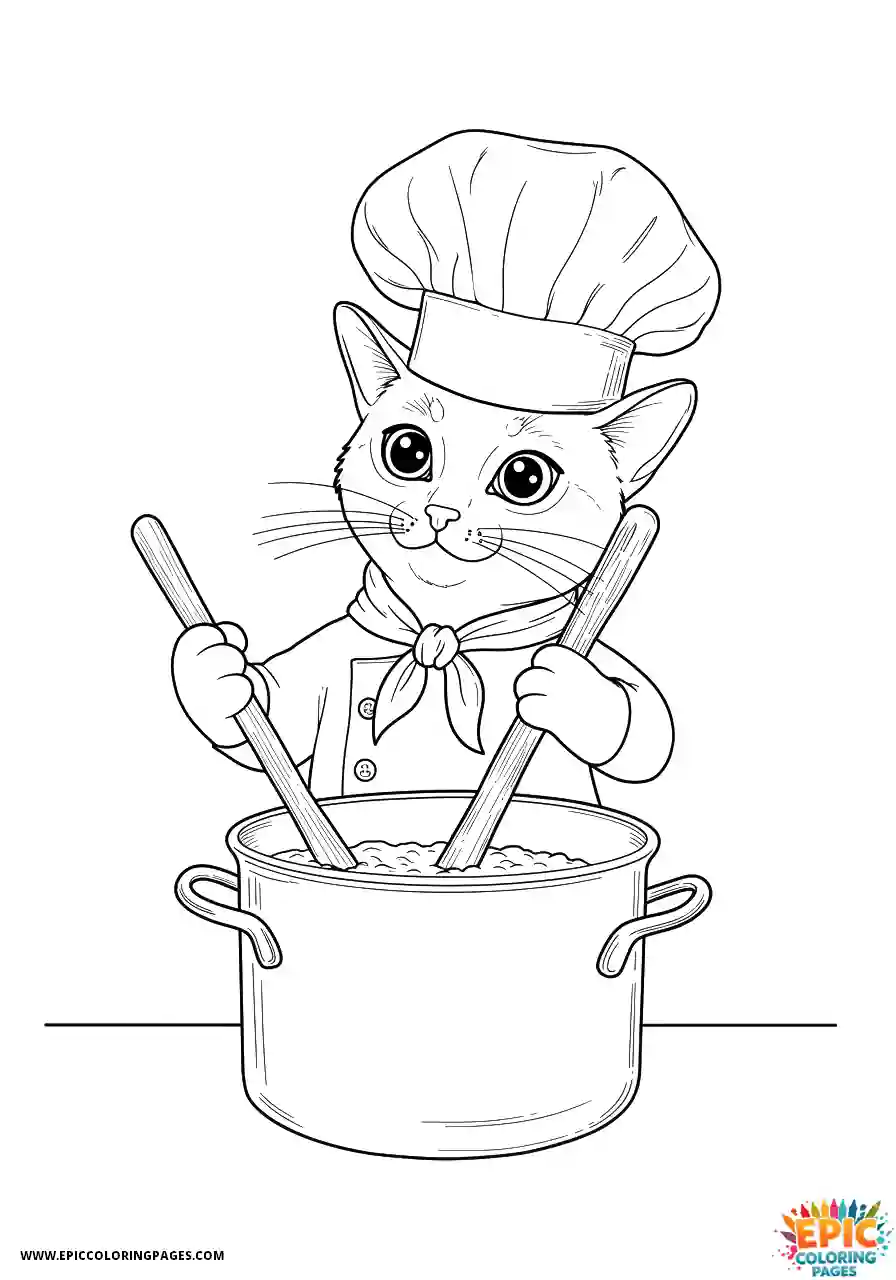
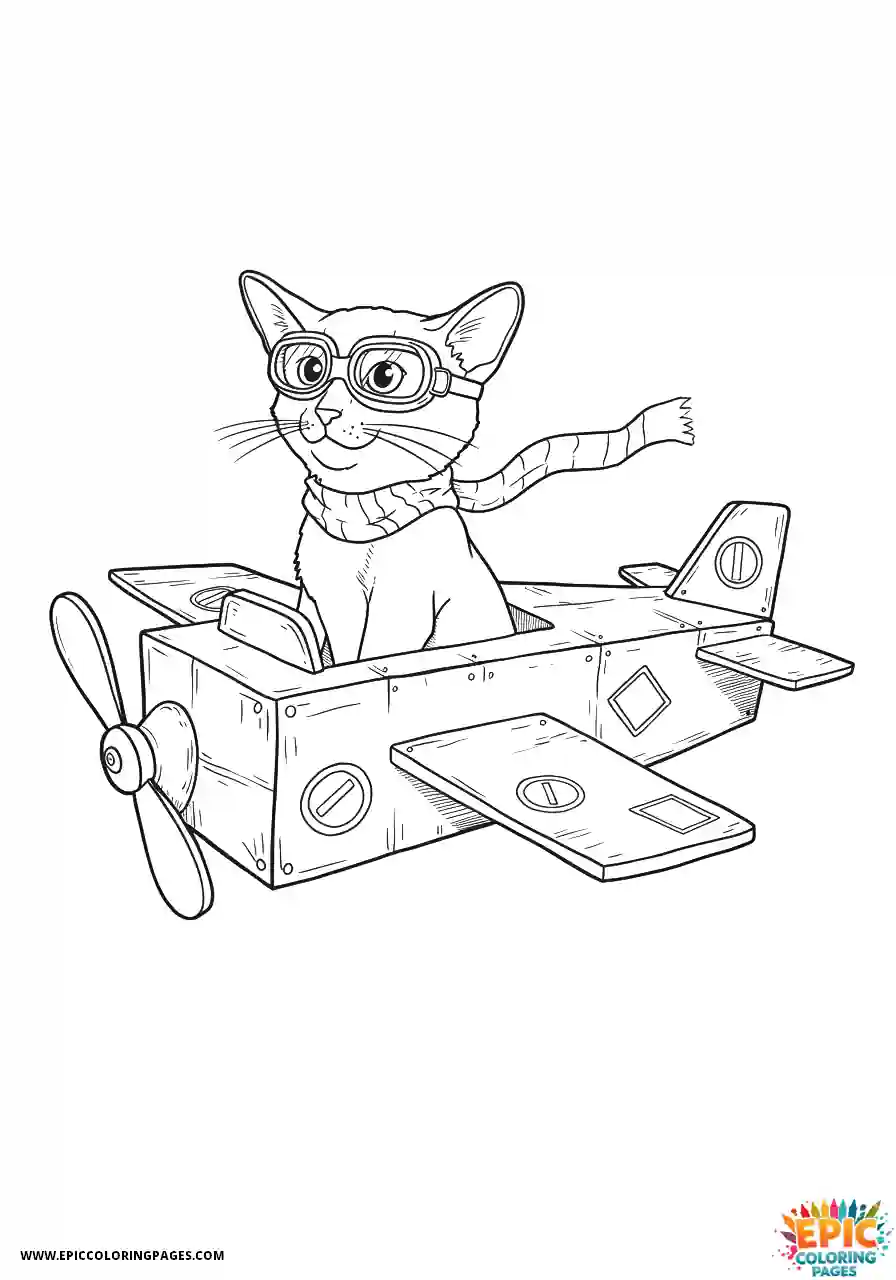
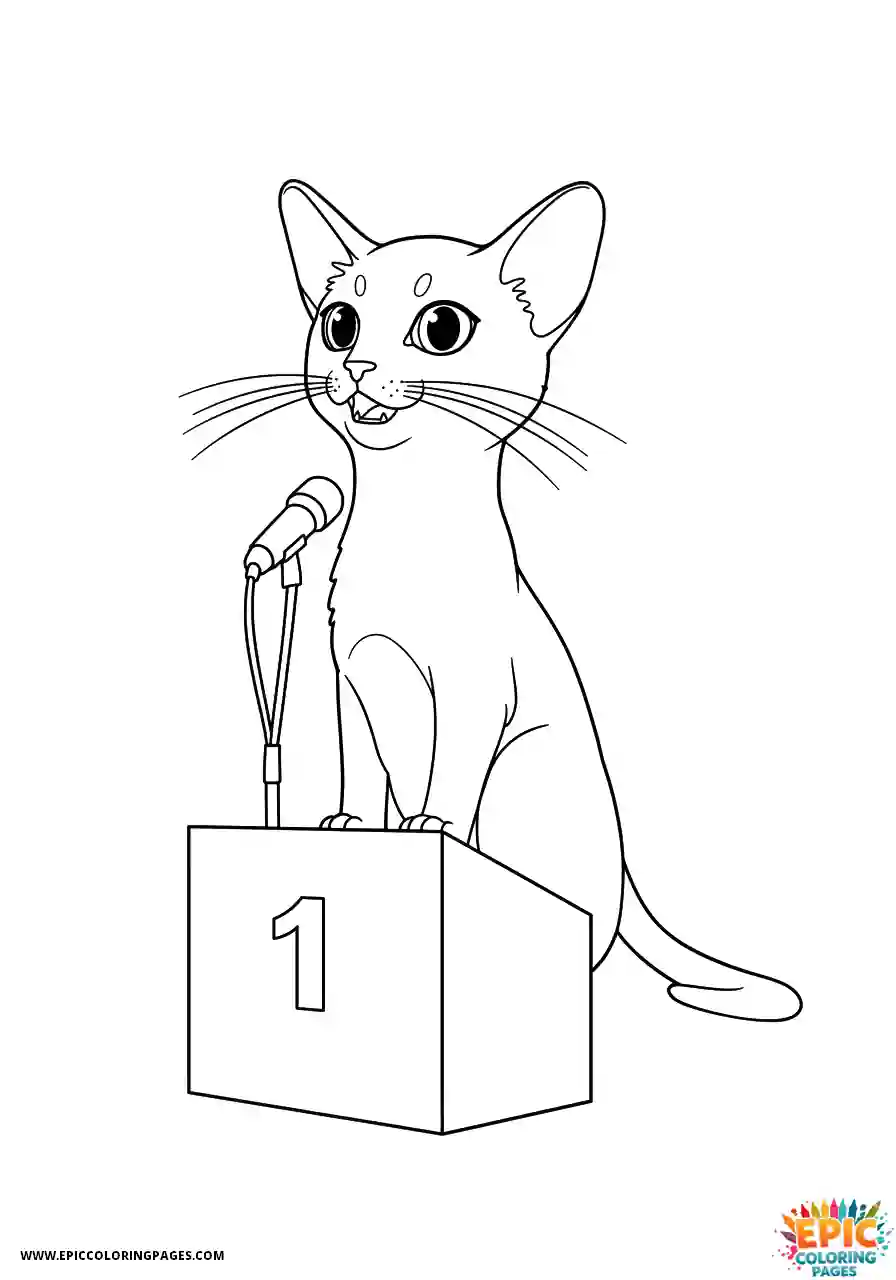
  • Stylized Versions: Even in our simpler outlines for children, we emphasize the breed’s oversized ears and slender legs, ensuring the character of the Abyssinian remains recognizable regardless of the artistic style.

Pick Your Purr-fect Design: The Abyssinian Collection

More Cat Coloring Fun From Our Collection

Love these? Don’t stop here! Continue your coloring adventure with our other amazing cat collections.

Access our complete collection of cats coloring pages.

Professional Coloring Tips for Abyssinian Cat Pages

Abyssinian cats possess one of nature’s most distinctive coat patterns a warm, ticked appearance that seems to shimmer with depth and movement. Capturing this unique beauty in your coloring pages requires understanding both the breed’s physical characteristics and some fundamental coloring techniques that bring flat illustrations to life.

Understanding the Abyssinian Coat

The Abyssinian’s coat is unlike most other cat breeds. Each individual hair features multiple bands of color, creating what’s called “ticking” or “agouti” marking. This natural pattern produces a rich, glowing appearance without distinct stripes or spots. When you look at a real Abyssinian, you’ll notice their coat appears to shimmer as light catches different angles of these banded hairs.

The most common color is ruddy a burnt sienna base with black or dark brown ticking. However, Abyssinians also come in red (cinnamon with chocolate ticking), blue (warm beige with slate-gray ticking), and fawn (pale cream with light brown ticking). Understanding these color variations helps you make informed choices when approaching your coloring page.

Creating Depth Through Layering

The secret to capturing an Abyssinian’s dimensional coat lies in layering multiple shades rather than applying a single flat color. Start with your lightest base tone across the entire body. For a ruddy Abyssinian, this might be a warm peachy-beige or light burnt sienna.

Once your base layer is complete, identify the natural shadow areas: along the spine, under the chin, behind the legs, and along the belly where it curves inward. Apply a slightly darker shade in these regions using gentle, feathered strokes rather than harsh lines. This creates the foundation for realistic form.

Your third layer introduces the ticking effect. Using short, directional strokes that follow the natural growth pattern of cat fur, add your darkest tone. On a ruddy cat, this would be deep brown or black. These strokes should be concentrated along the spine, on the tops of the legs, and around the tail, gradually becoming sparser toward the lighter undersides.

Direction Matters: Following Fur Flow

Cat fur doesn’t grow uniformly across the body. On an Abyssinian, fur flows backward from the nose, downward and backward along the sides, and forward on the lower legs before changing direction at the paws. The tail fur radiates outward from the center line.

When applying your coloring strokes, always move your pencil or marker in the direction the fur naturally grows. This creates a more convincing texture. Short, quick strokes work best for most of the body, while slightly longer strokes suit the tail. Around the ruff (neck area), fur grows outward in all directions from a central point radiate your strokes accordingly.

The Eyes: Windows to Personality

Abyssinian cats are known for their large, almond-shaped eyes that come in gold, copper, green, or hazel. The eyes deserve special attention because they convey the breed’s alert, intelligent expression.

Start by identifying the light source in your image. Leave a small highlight dot or crescent uncolored on each eye where light would naturally reflect typically in the upper portion of the iris. This tiny detail instantly brings the eyes to life.

The iris shouldn’t be a solid color. Real eyes have depth, with color radiating from the pupil in subtle striations. Begin with your chosen base color (let’s say copper), then add slightly darker lines radiating outward from the pupil like sun rays. Darken the outer rim of the iris for added dimension. The pupil itself should be the darkest element, though you may leave a tiny highlight there too if your coloring page shows dilated pupils.

Ears: Often Overlooked Details

Abyssinian ears are relatively large and set wide apart, with tufts of fur at the tips and a distinctive “thumbprint” marking on the back a lighter patch where a human thumbprint might press. The inner ear is usually lighter pink, while the outer ear follows the body’s color pattern.

When coloring ears, remember they’re partially translucent. Where light shines through from behind, add a warm pink or peachy glow. The base of the ear where it connects to the head is typically darker, while edges may catch more light. The ear tufts can be accentuated with fine, wispy strokes extending beyond the outline.

Highlighting for Dimension

Even after layering your base colors and shadows, your Abyssinian may still look flat without strategic highlights. Identify where light would naturally hit: the bridge of the nose, forehead, shoulder blades, hip bones, and the tops of the paws.

Using a colored pencil one or two shades lighter than your base coat (or even white for dramatic effect), gently add shine to these areas. For colored pencils, you can also use light pressure with white over your colors to create a subtle gleam. For markers, leave these areas less saturated during your initial coloring, or use lighter tones.

The Abyssinian’s coat naturally appears more vibrant where light hits. This shimmering quality separates a good coloring job from an exceptional one.

Whiskers and Fine Details

Whiskers are challenging because they’re white or cream-colored against various backgrounds. If your coloring page has printed whisker lines, you can color carefully around them. If not, consider adding them yourself with a white gel pen or white colored pencil after completing the rest of your work.

Whiskers aren’t straight they have natural curves and emerge from specific points on the face: beside the nose, above the eyes (superciliary whiskers), and on the cheeks. They extend well beyond the face width, typically tapering to fine points.

Don’t forget other fine details like the delicate skin of the nose (usually brick red or pink in Abyssinians) and the paw pads (typically dark with pink centers).

Color Selection Strategies

For beginners using basic color sets, approximating Abyssinian colors is straightforward. For ruddy, combine orange, brown, and touches of red or burgundy. For red Abyssinians, use lighter oranges with cinnamon brown. Blue requires gray, beige, and touches of blue-violet in shadows. Fawn calls for cream, pale peach, and light taupe.

Advanced colorists with larger palettes can achieve more nuanced results by mixing complementary colors. Adding tiny amounts of green to red-orange creates more sophisticated, muted tones. A touch of purple in shadows adds richness without muddying colors.

If you’re working with colored pencils, experiment with burnishing applying heavy pressure with a light pencil over your colored layers to blend them seamlessly together. This technique creates the smooth, polished look characteristic of an Abyssinian’s sleek coat.

Background Considerations

Your Abyssinian shouldn’t float in white space. Even simple backgrounds dramatically improve the overall composition. Consider the cat’s natural environment: sunny windowsills, cozy furniture, or playful settings that reflect the breed’s active personality.

Keep backgrounds simpler and less saturated than your main subject so the cat remains the focal point. If your Abyssinian is in warm tones, a cool-toned background (soft blues or greens) creates pleasing contrast. Conversely, warm backgrounds work well with blue or fawn Abyssinians.

Use softer pressure or lighter values in the background compared to your subject. Slight blurring or less detail in background elements draws the eye to the sharply defined cat in the foreground.

Common Mistakes to Avoid

Many colorists make their Abyssinians too uniformly colored. Remember, the magic is in the variation no two areas of an Abyssinian should look identical.

Another frequent error is over-darkening. Abyssinians have an overall warm, glowing appearance. If your cat looks muddy or too dark, you’ve likely been too enthusiastic with shadows and ticking. It’s better to build up gradually than to darken too quickly.

Harsh lines between colors break the illusion of soft fur. Always blend your transitions, either through careful overlapping strokes or by using a colorless blender pencil.

Finally, don’t ignore the white areas. Abyssinians have cream or white chins, throats, and inner legs. These light areas are essential to the breed’s characteristic look and shouldn’t be colored the same as the body.

Practice and Patience

Coloring an Abyssinian well takes time, especially if you’re aiming for realistic depth and texture. Don’t rush. Building up layers gradually gives you more control and better results than trying to achieve the final look in one pass.

Try coloring the same page multiple times using different color schemes or techniques. Each attempt teaches you something new about color interaction, pressure control, and artistic decision-making.

Most importantly, enjoy the meditative process. Coloring is as much about the journey the focused relaxation and creative expression as it is about the finished piece. Your Abyssinian cat coloring page is not just practice; it’s a small work of art created through your unique choices and efforts.

Interesting facts about the Abyssinian Cats

What are the main colors of Abyssinian cats?

To color them realistically, you should know their four main coat colors: Ruddy (burnt orange with black ticking), Sorrel (copper red with cinnamon ticking), Blue (warm beige with slate-blue ticking), and Fawn (rose-beige with light cocoa ticking).

The Abyssinian has a unique “ticked” coat (bands of color on each hair). Instead of blocking in solid color, use sharp colored pencils to make short, layered strokes. Mix orange, brown, and gold tones to create that shimmering, wild-cat look.

Yes, extremely! They are often called the “clowns of the cat kingdom.” They are high-energy, very intelligent, and love to be involved in everything you do. They are not typically lap cats; they prefer to be on high perches watching the action.

No cat is 100% hypoallergenic, but Abyssinians can be a better choice for some people with mild allergies. They have short hair and shed less than many other breeds, which minimizes the spread of dander, but they still produce the protein that causes allergies.

While their name suggests Ethiopia (formerly Abyssinia), genetic research shows they likely originated near the coast of the Indian Ocean. They are one of the oldest domesticated breeds, resembling the sacred cats depicted in Ancient Egyptian art.

Item adicionado!