

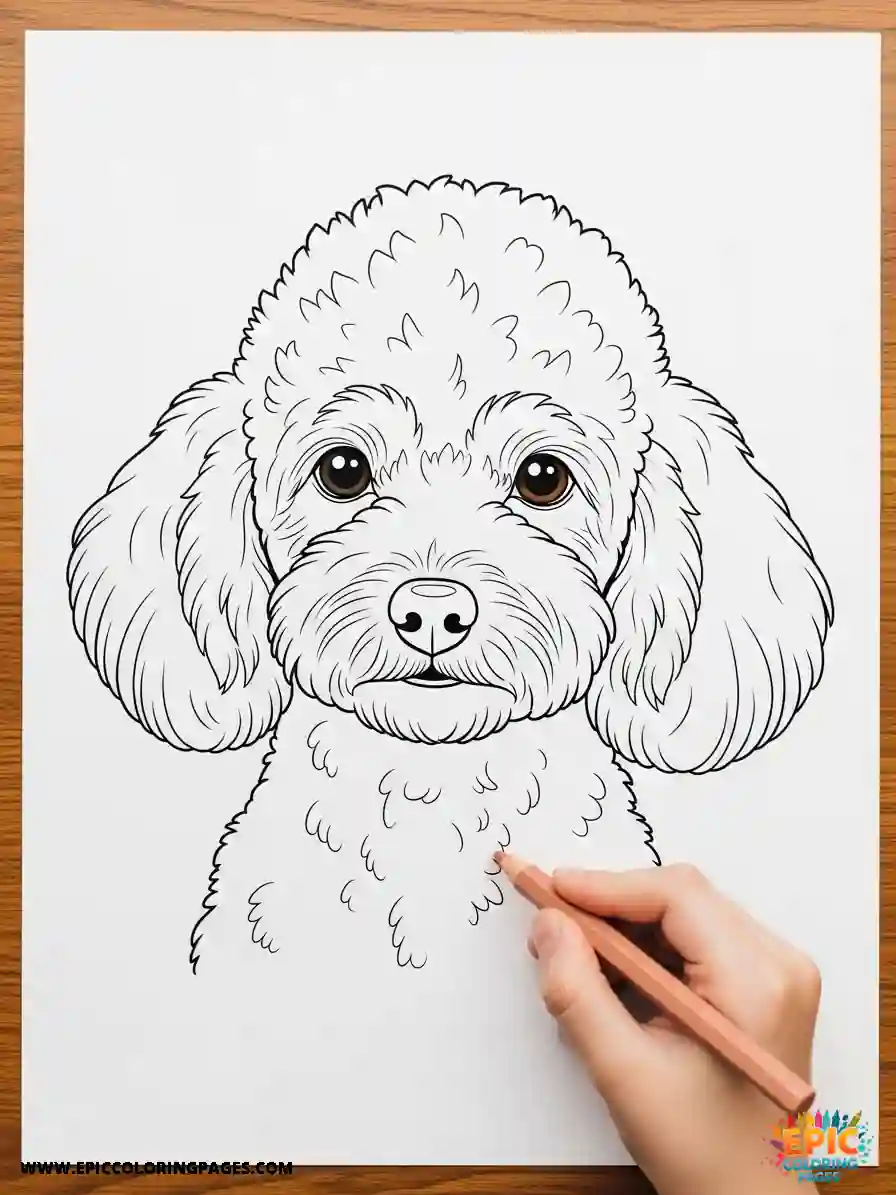
Poodle Dog Coloring Pages (327+ Free Printables)
Poodles are one of the most elegant, intelligent, and recognizable dog breeds in the world, making them a favorite among kids and adults alike. Their expressive faces, curly coats, and playful personalities turn every coloring page into a fun and creative experience. Whether you’re coloring for relaxation, learning, or family time, Poodle-themed pages offer endless artistic possibilities.
On this page, you’ll find a massive collection of free Poodle Dog coloring pages, carefully designed to suit different ages, skill levels, and artistic preferences. From simple outlines perfect for young children to highly detailed illustrations for teens and adults, every printable is made to deliver both fun and quality.

The Versatile Beauty of Poodles on Paper
When it comes to coloring, few subjects are as satisfying as the Poodle. Their distinct curly coat offers a wonderful opportunity to practice different shading techniques, such as scumbling or stippling, to create depth and texture. The breed’s natural elegance translates beautifully onto paper, allowing artists to experiment with accessories like bows, collars, and elaborate grooming styles. From the classic “Continental Clip” to the fluffy “Puppy Clip,” the variety of hairstyles alone ensures that no two coloring sessions are ever the same.
Moreover, engaging with these coloring pages is a fantastic way to develop fine motor skills in children and provide stress relief for adults. The intricate lines of our realistic sketches challenge older artists to focus on detail, while the broader, simpler outlines of our cartoon variations provide instant gratification for younger kids. It is a wholesome, screen-free activity that brings the charm of these four-legged companions right into your living room, ready for your artistic touch.
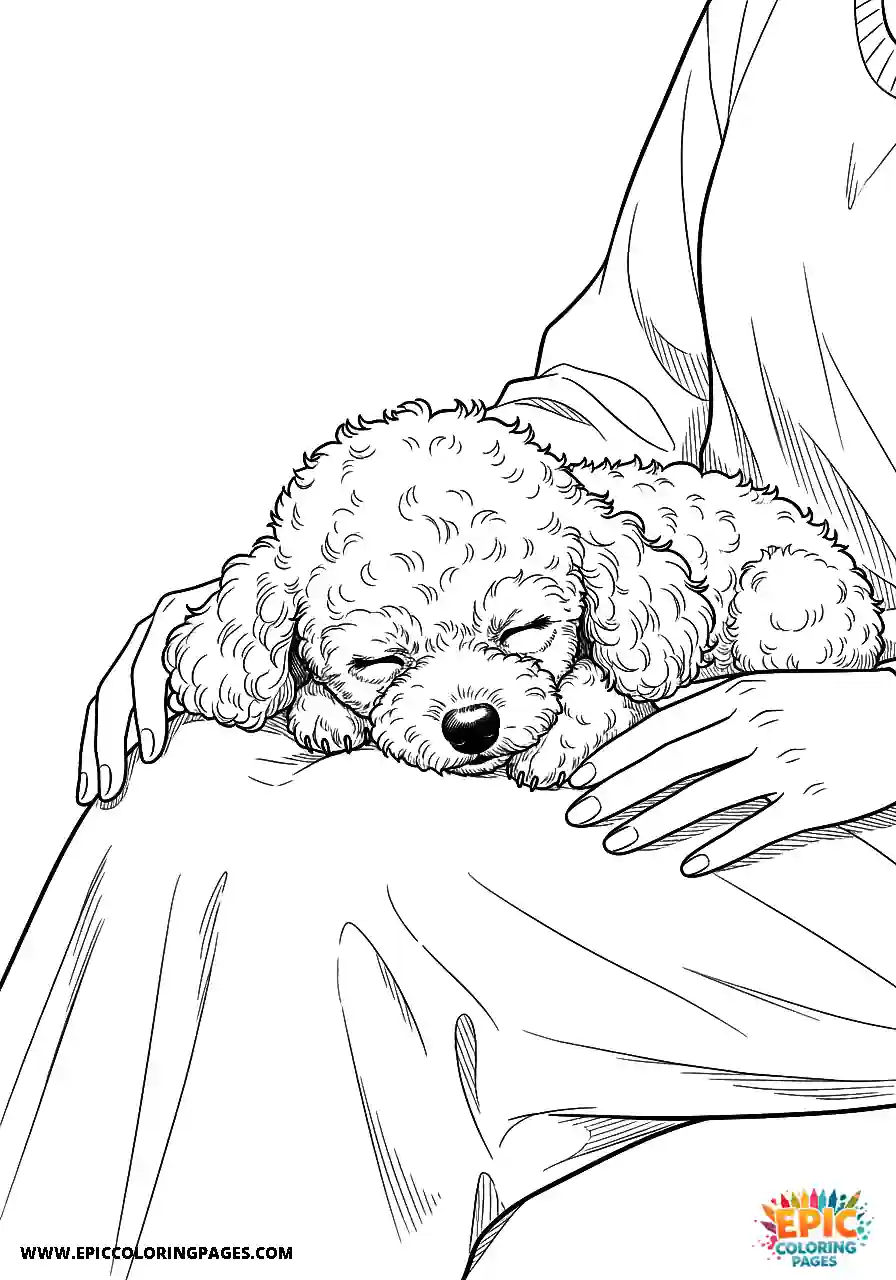
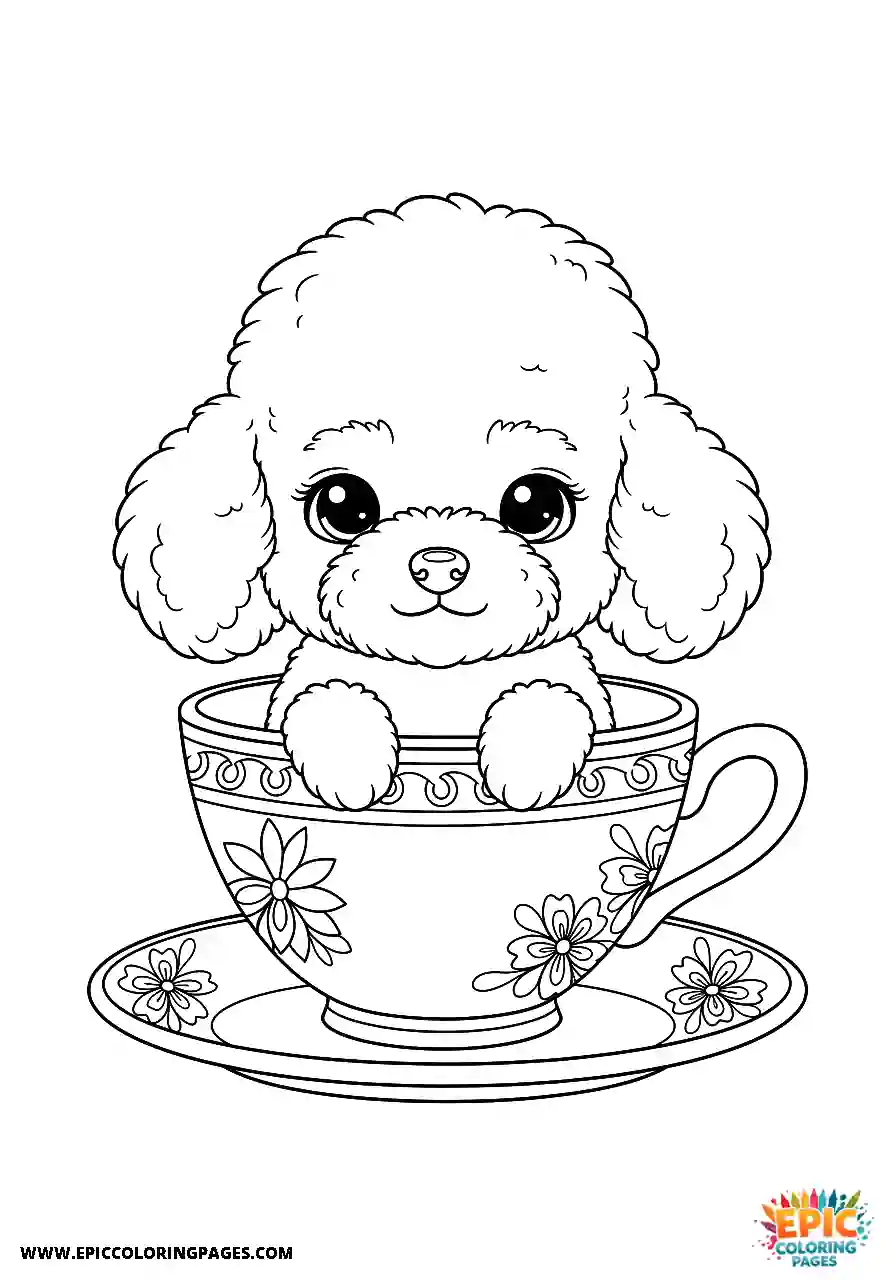
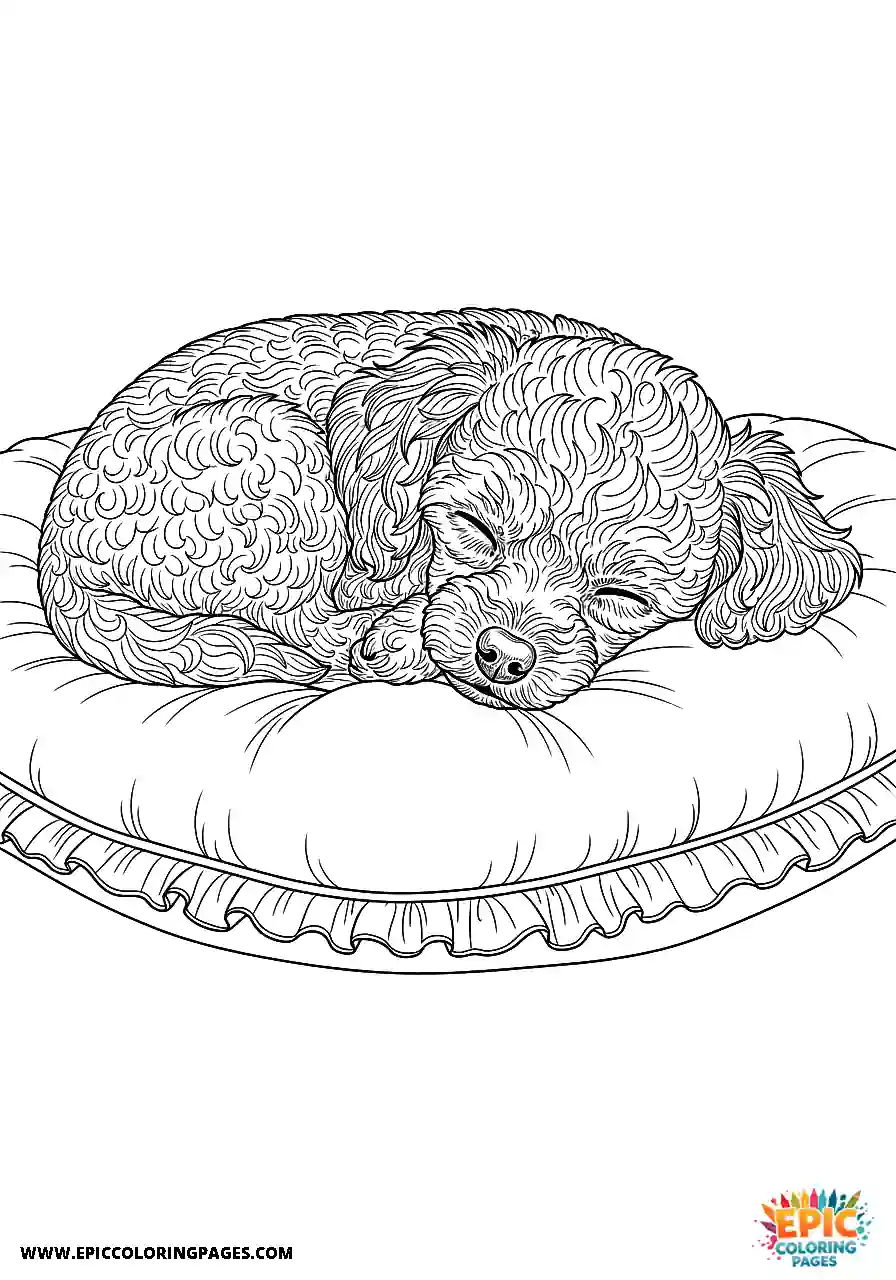
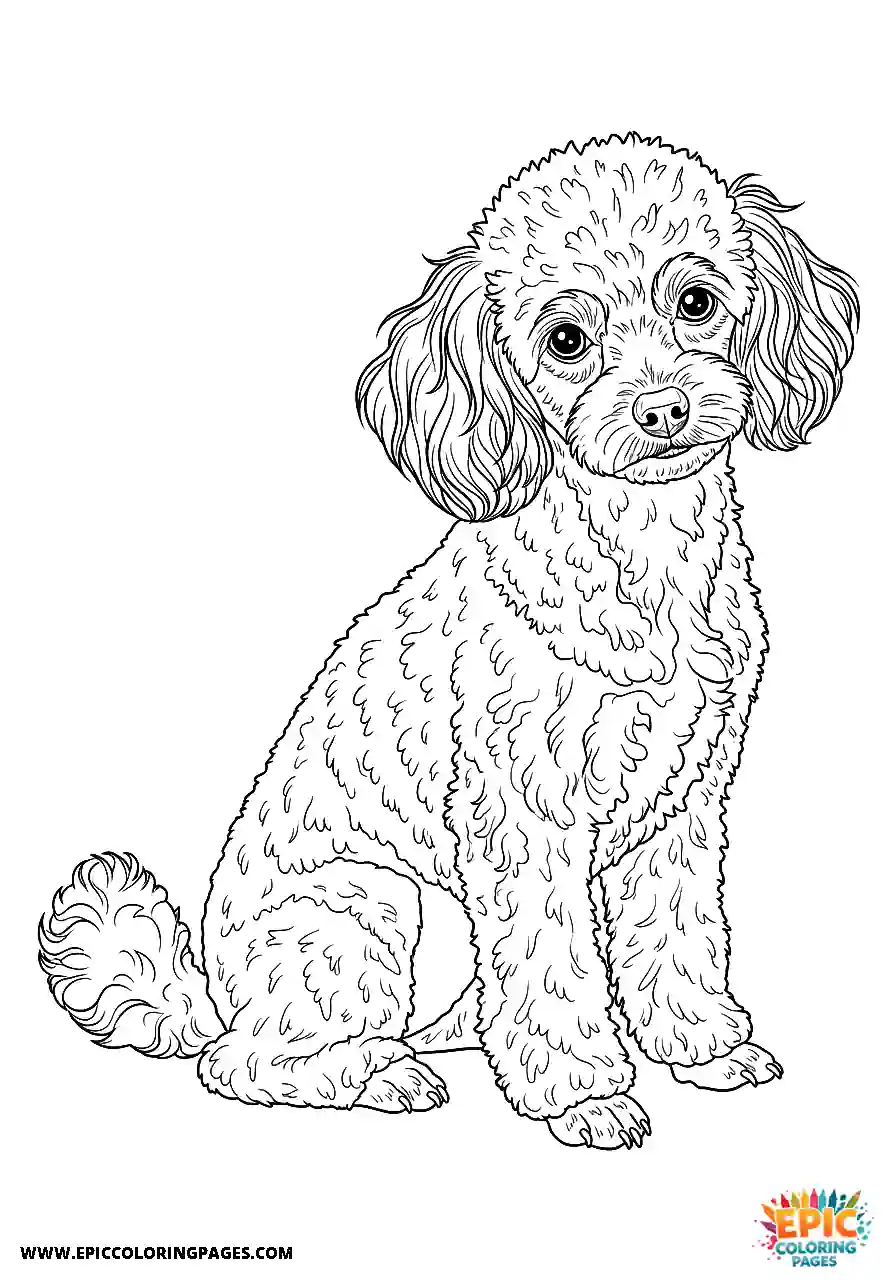
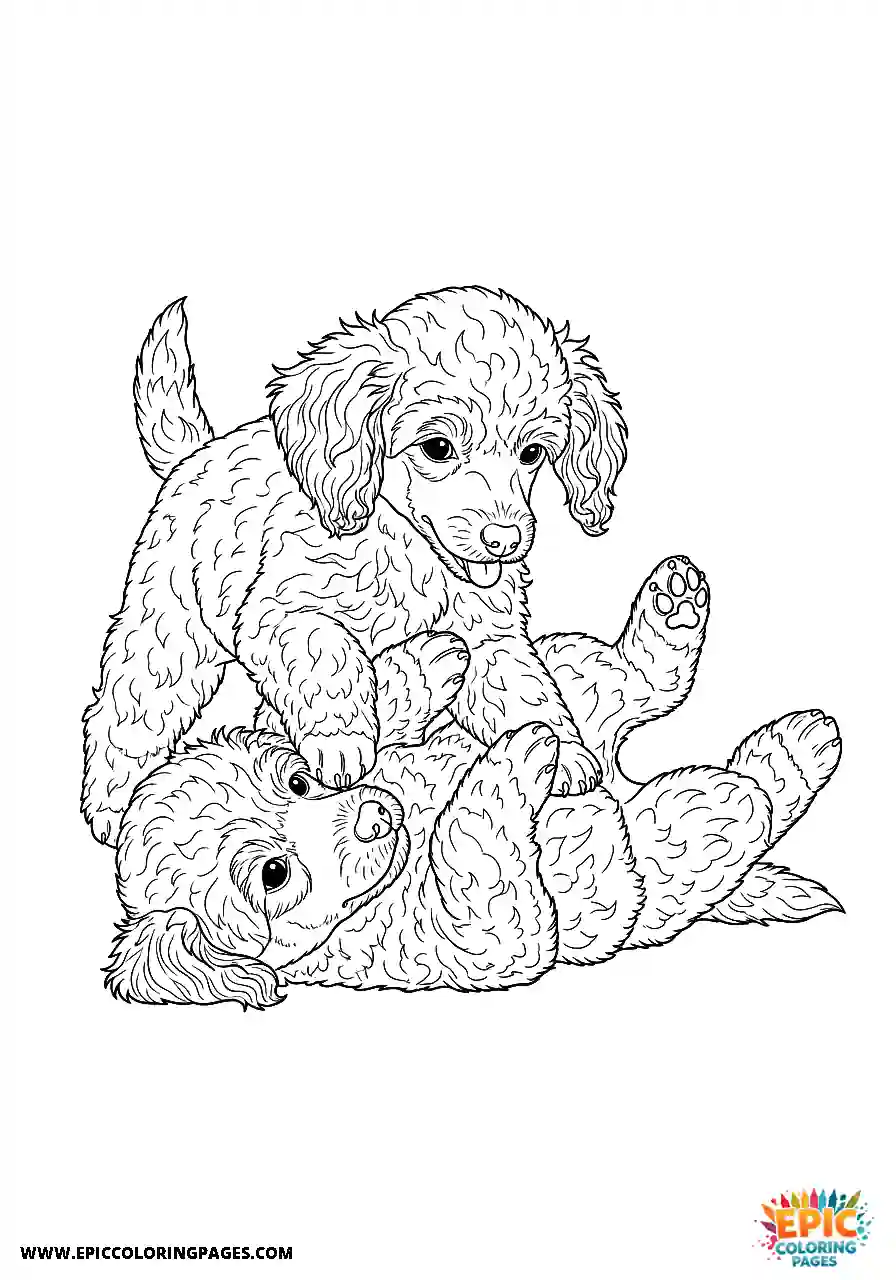
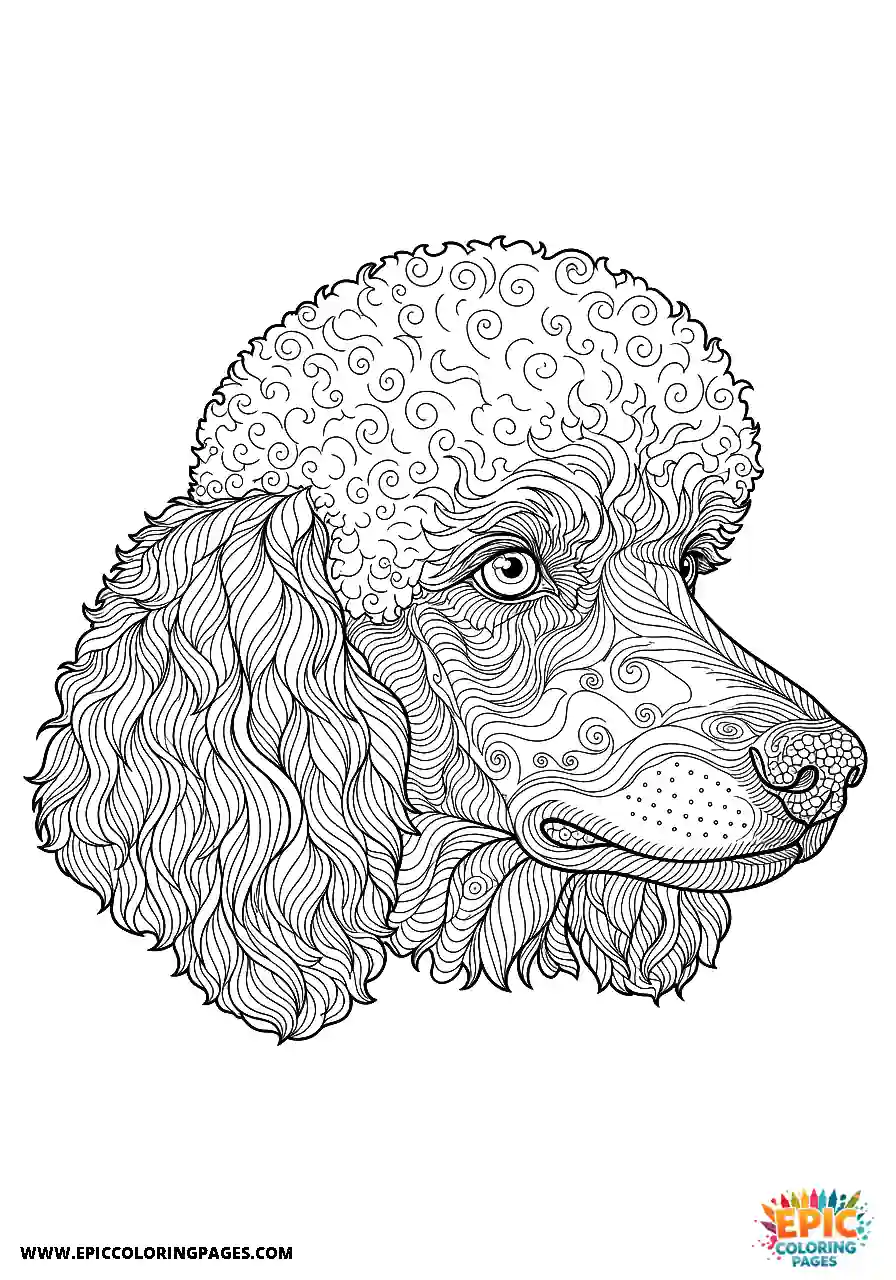
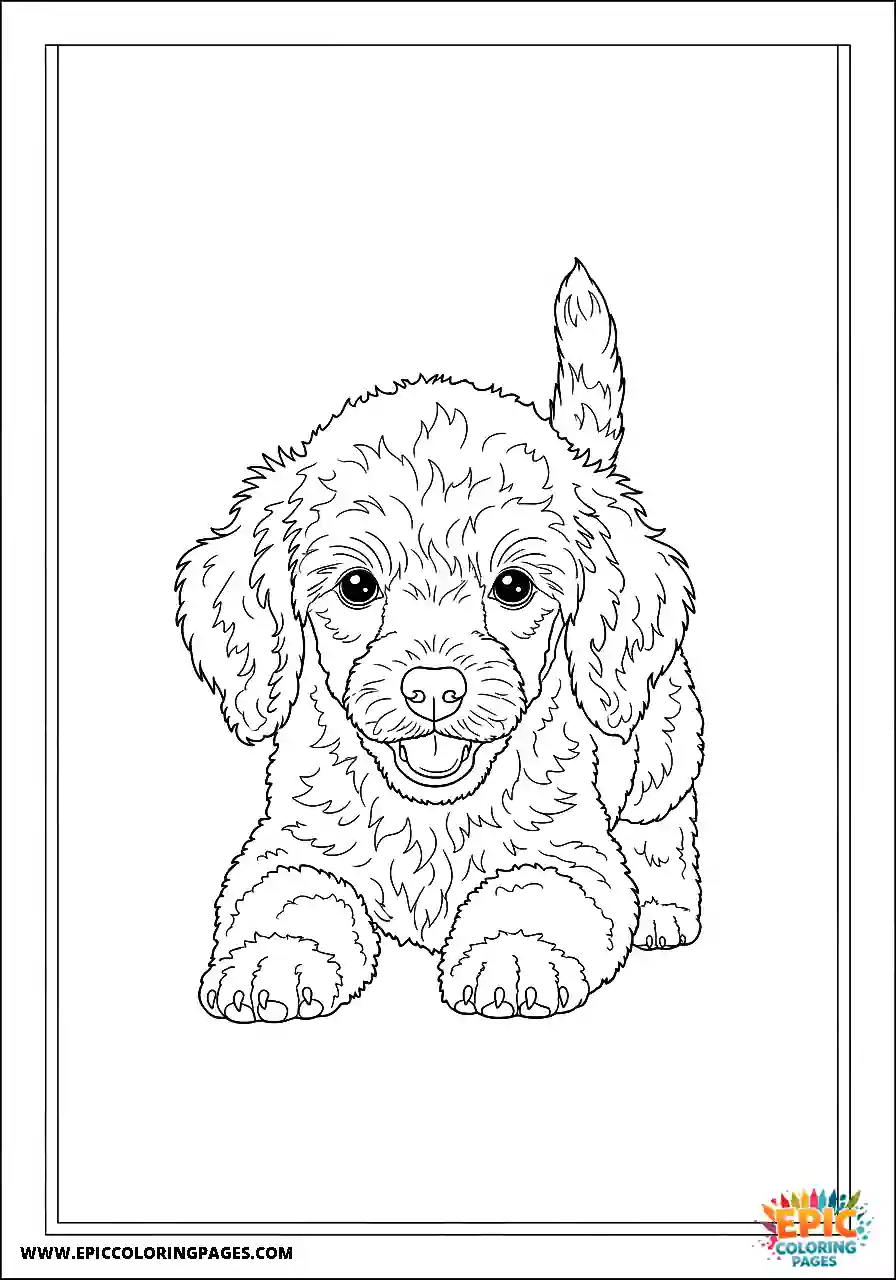
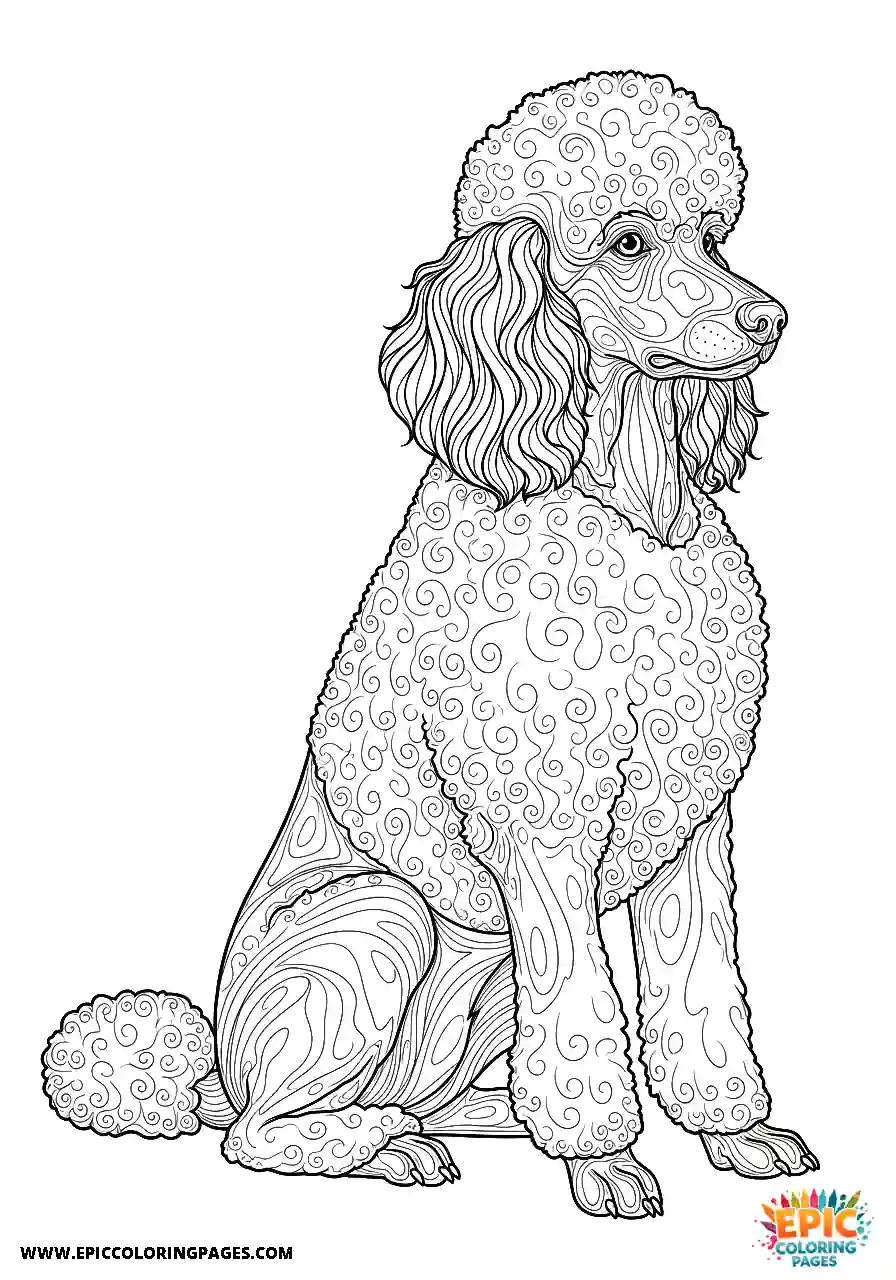
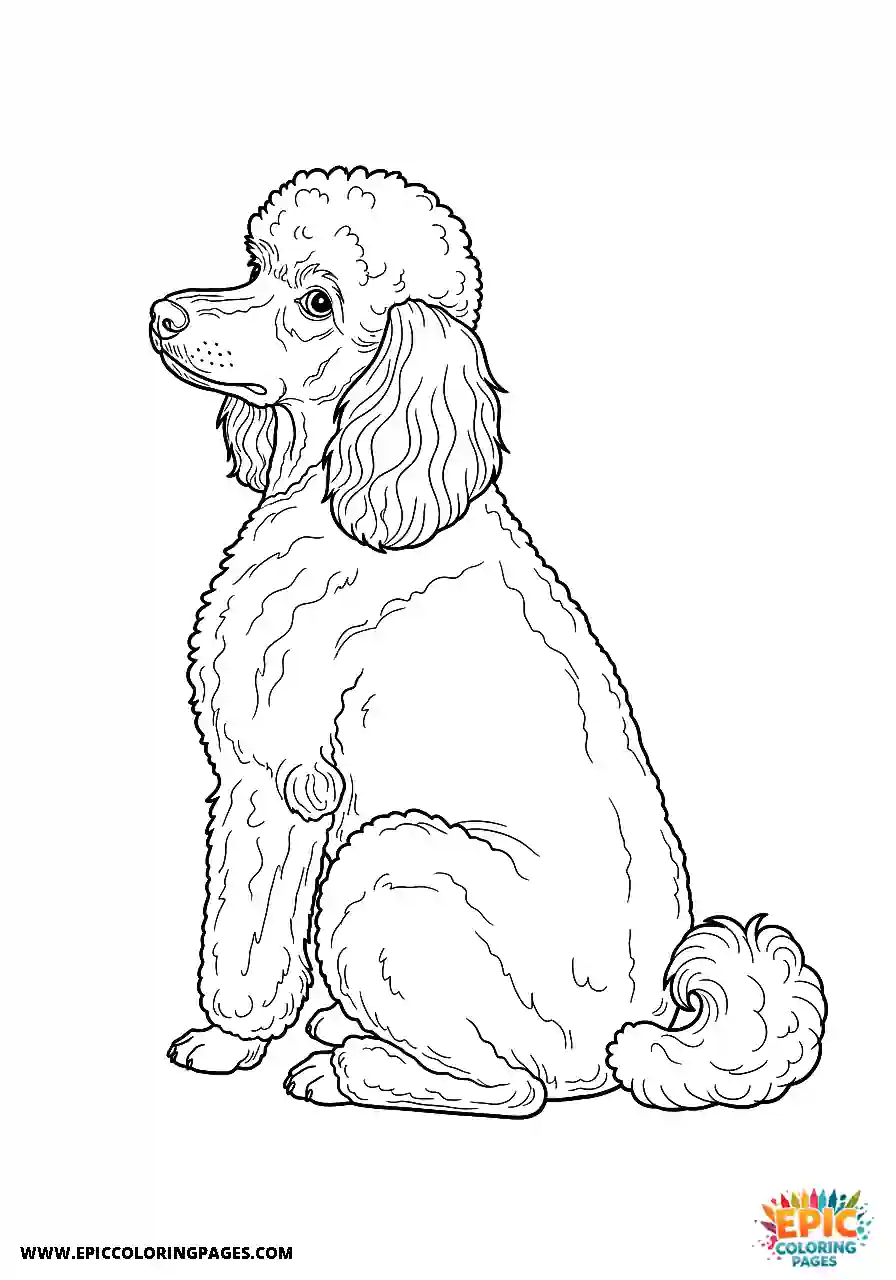
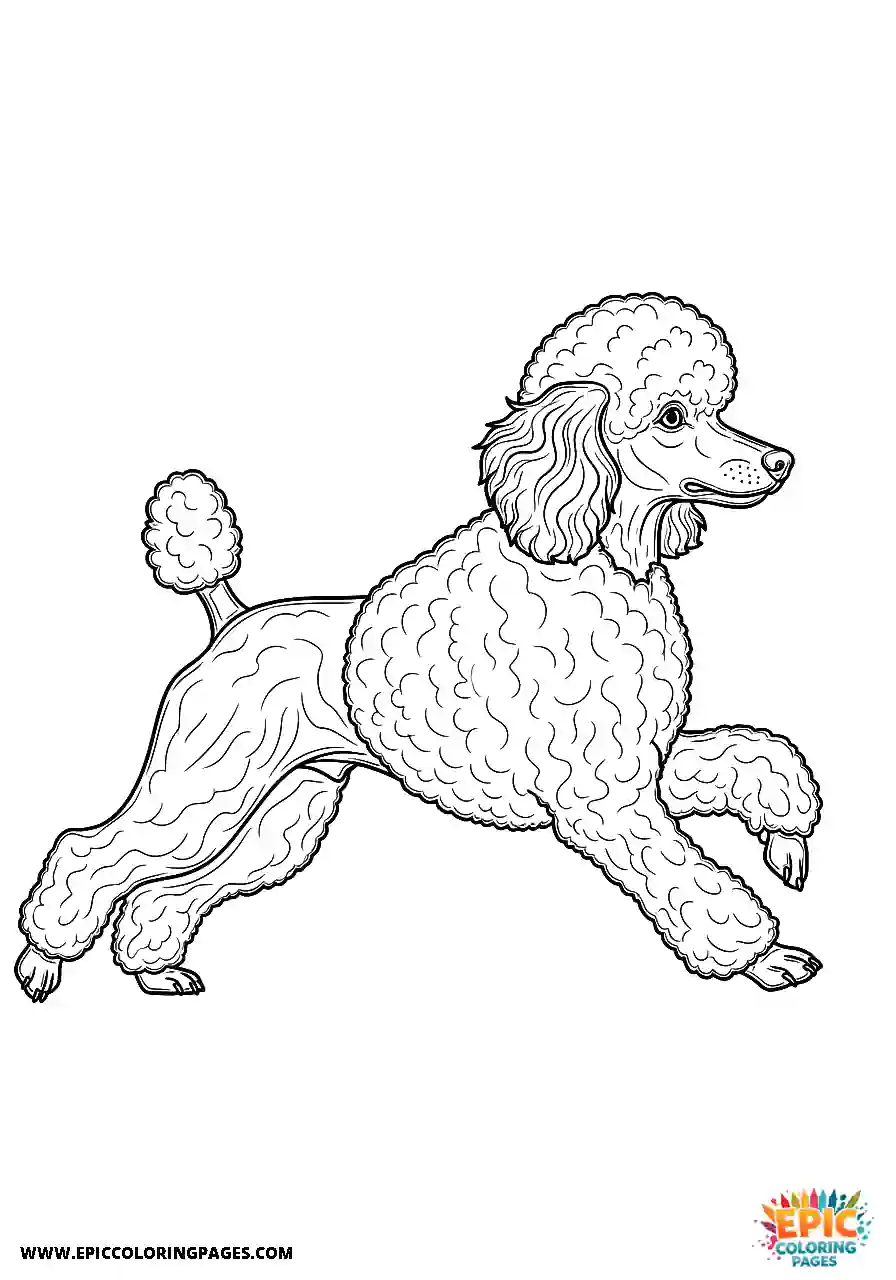
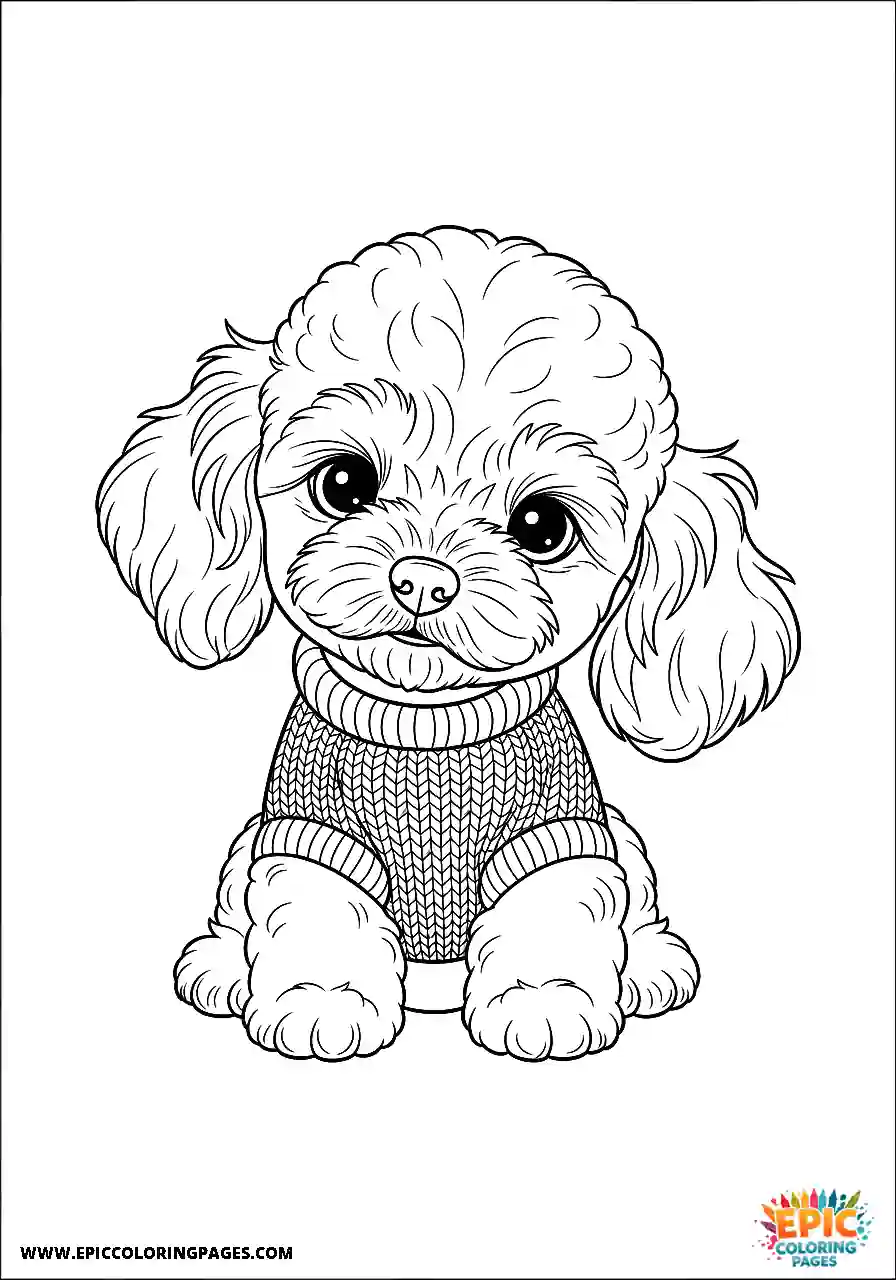
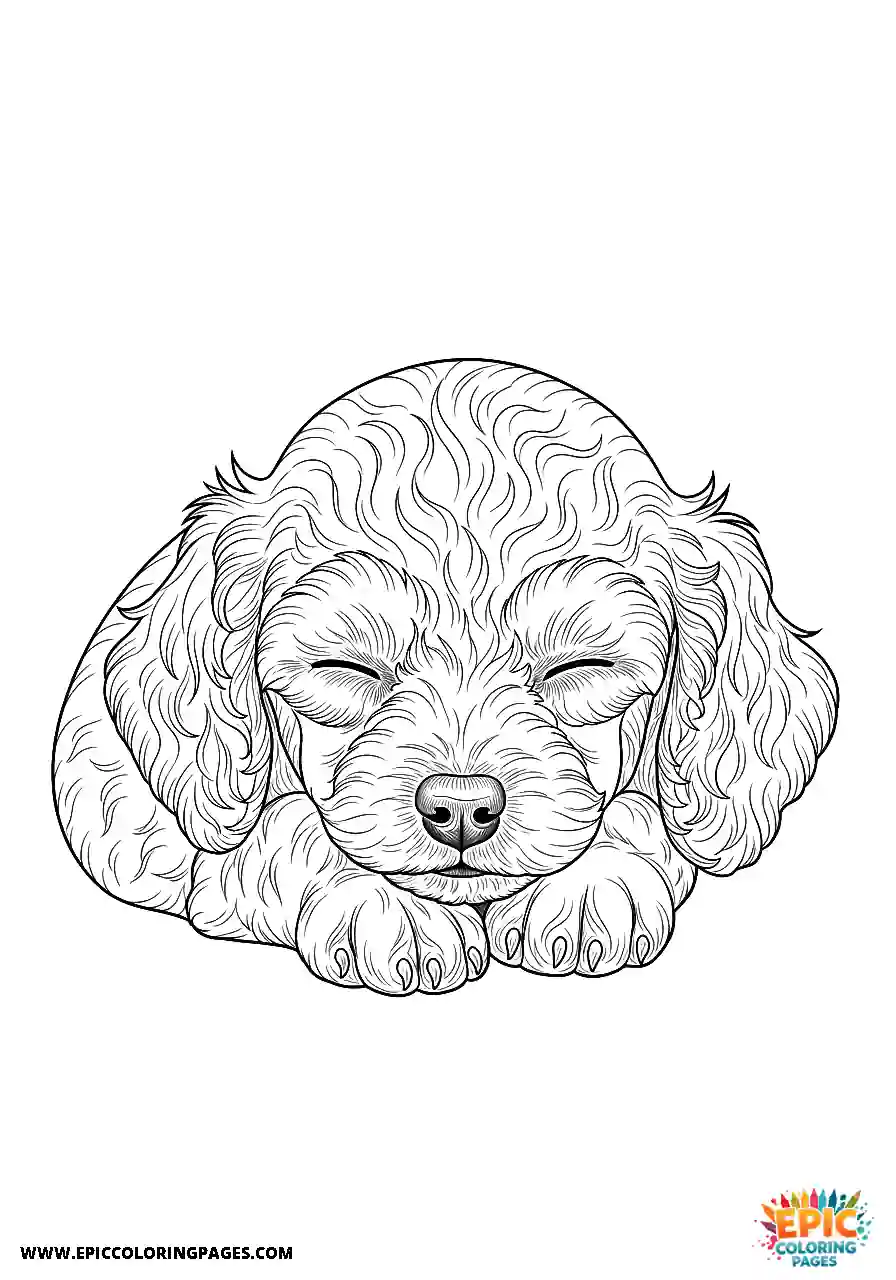
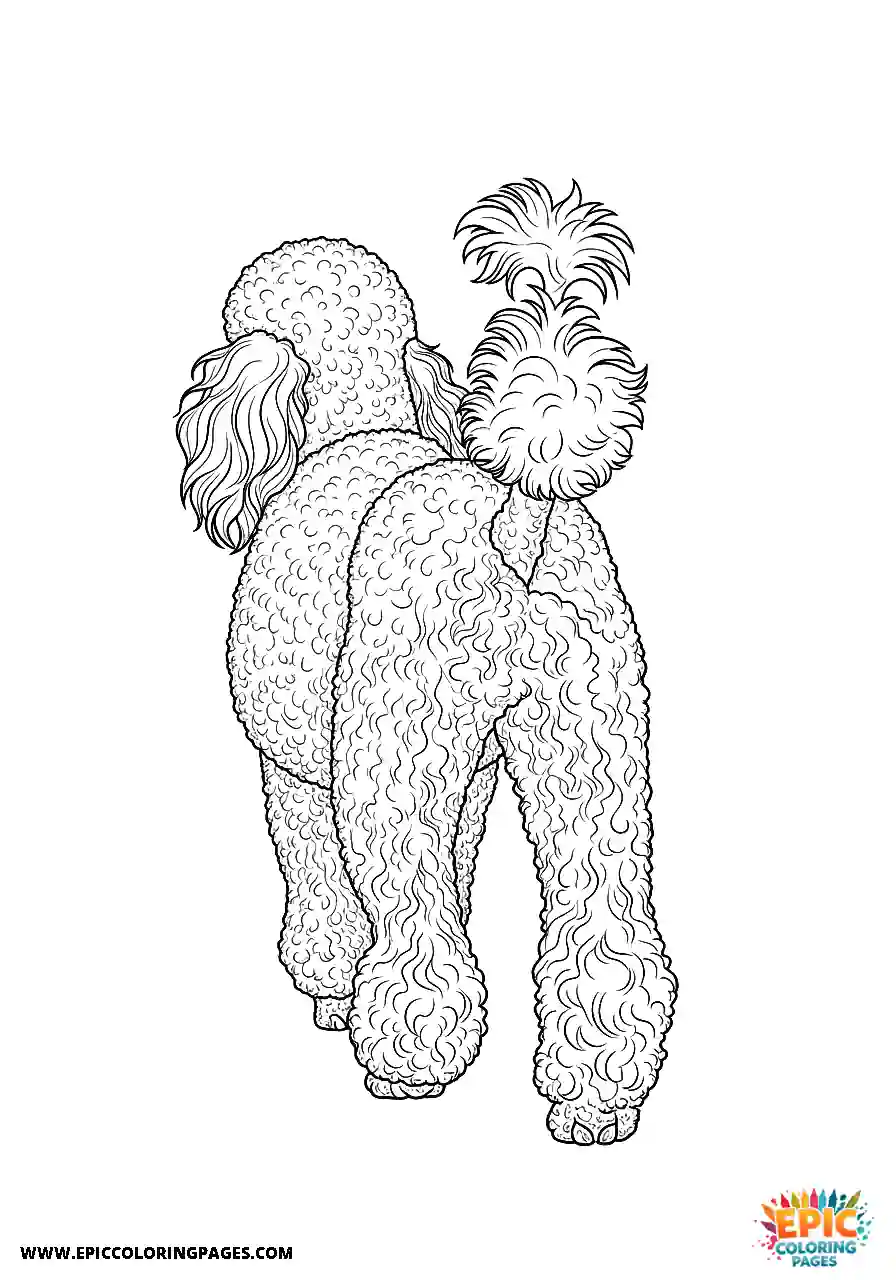
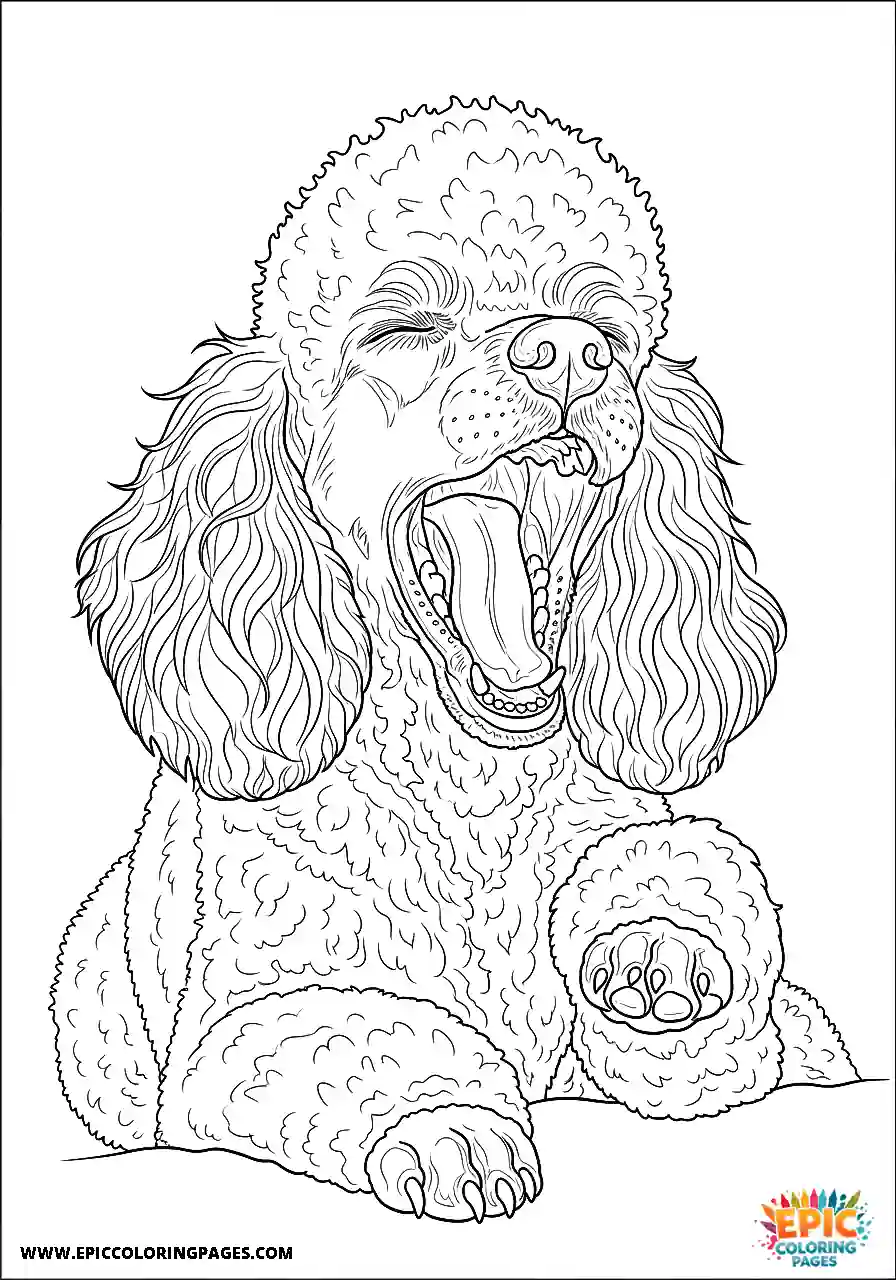
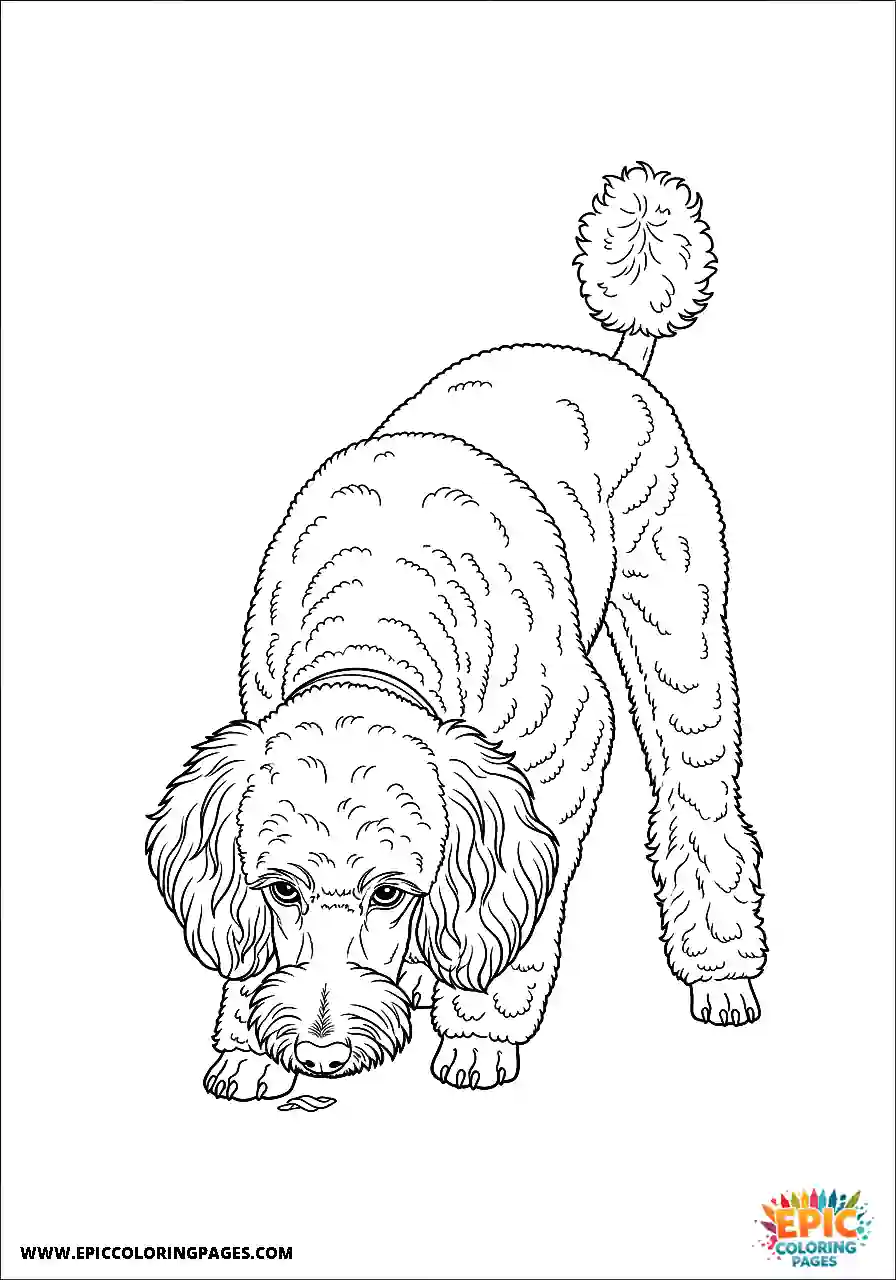
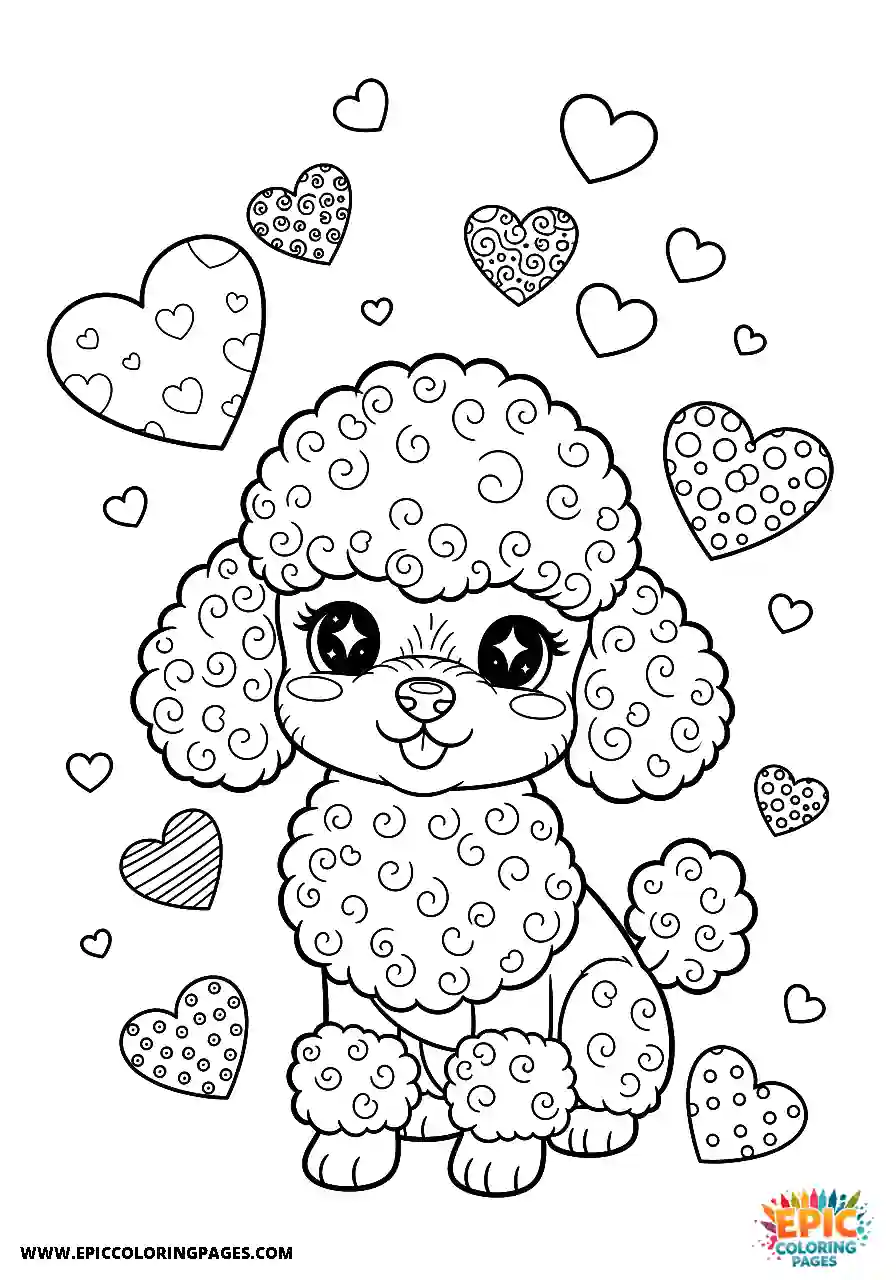
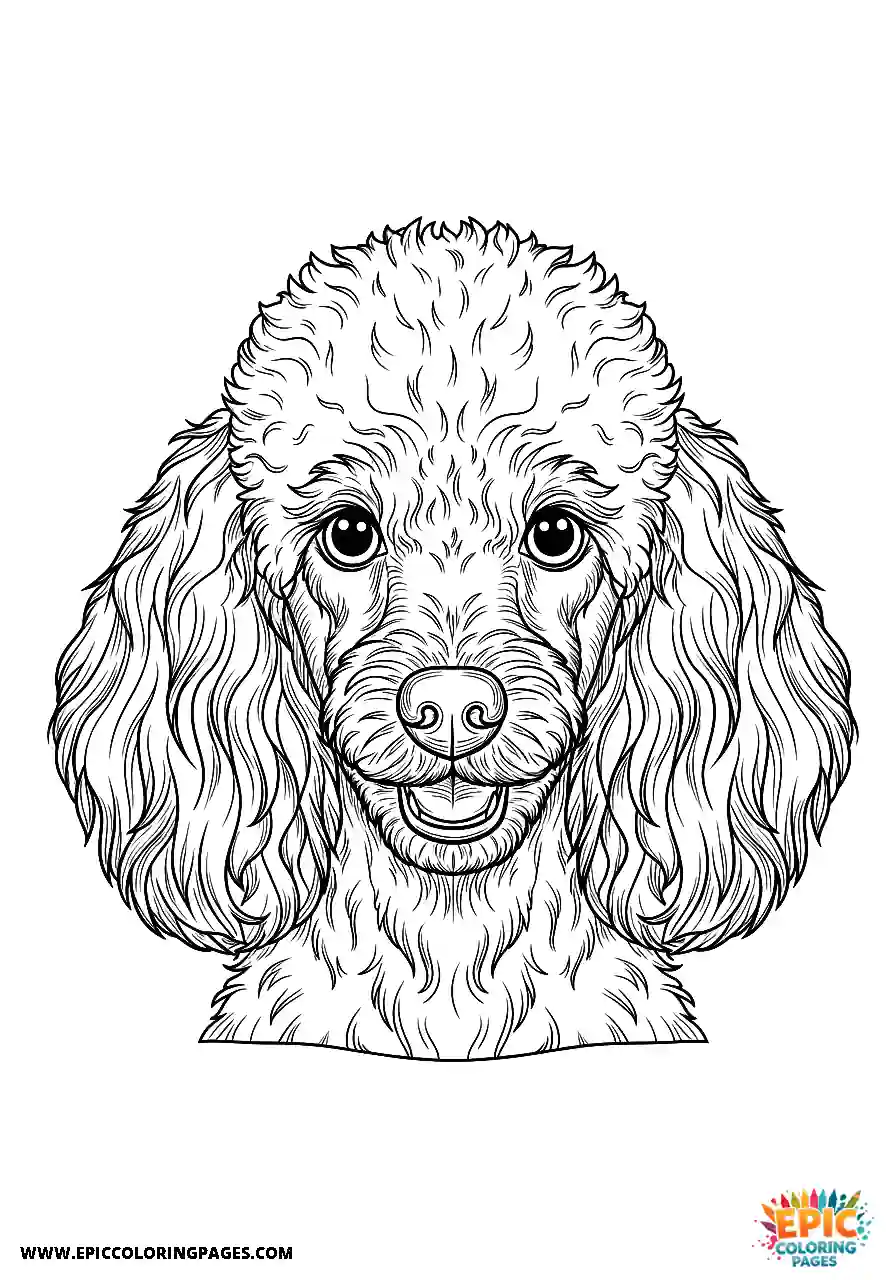
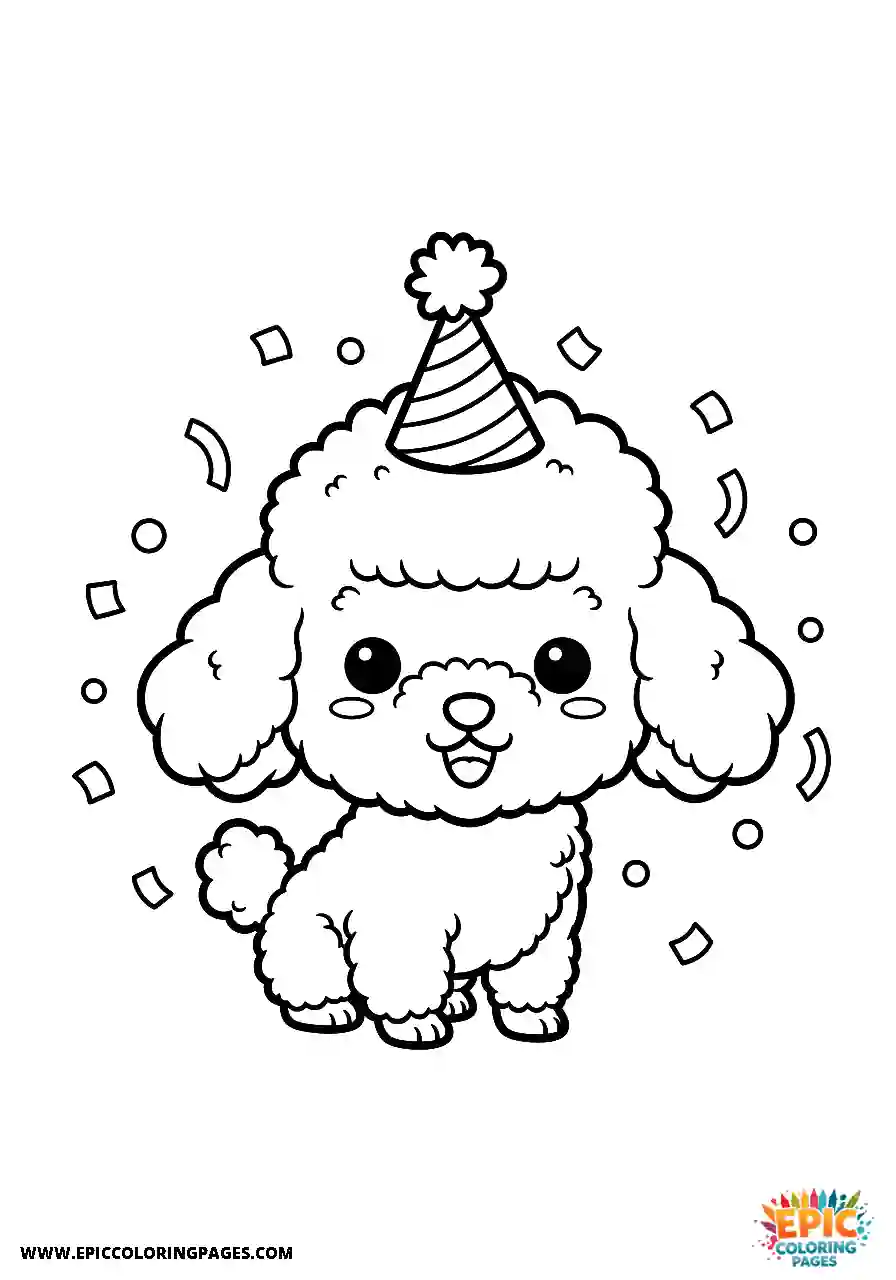
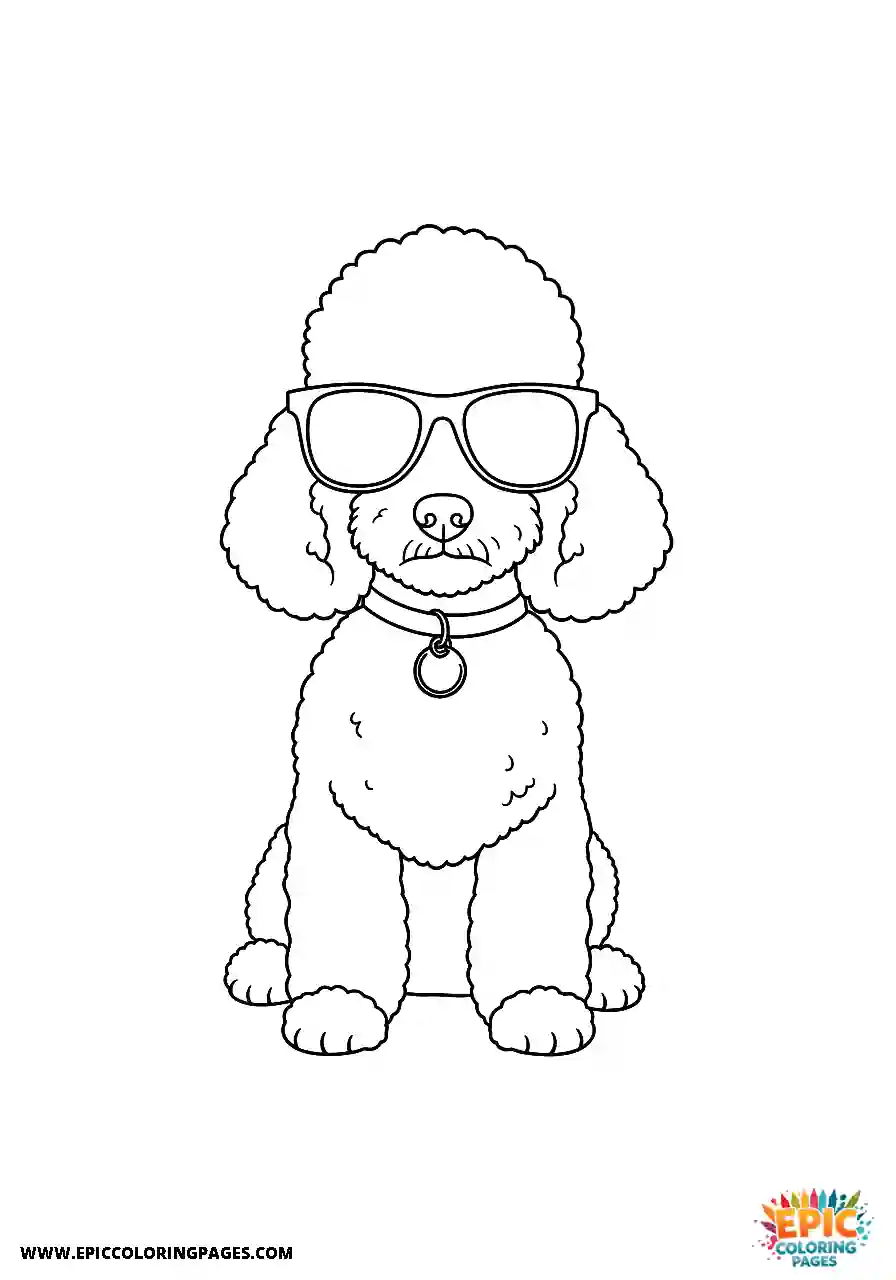
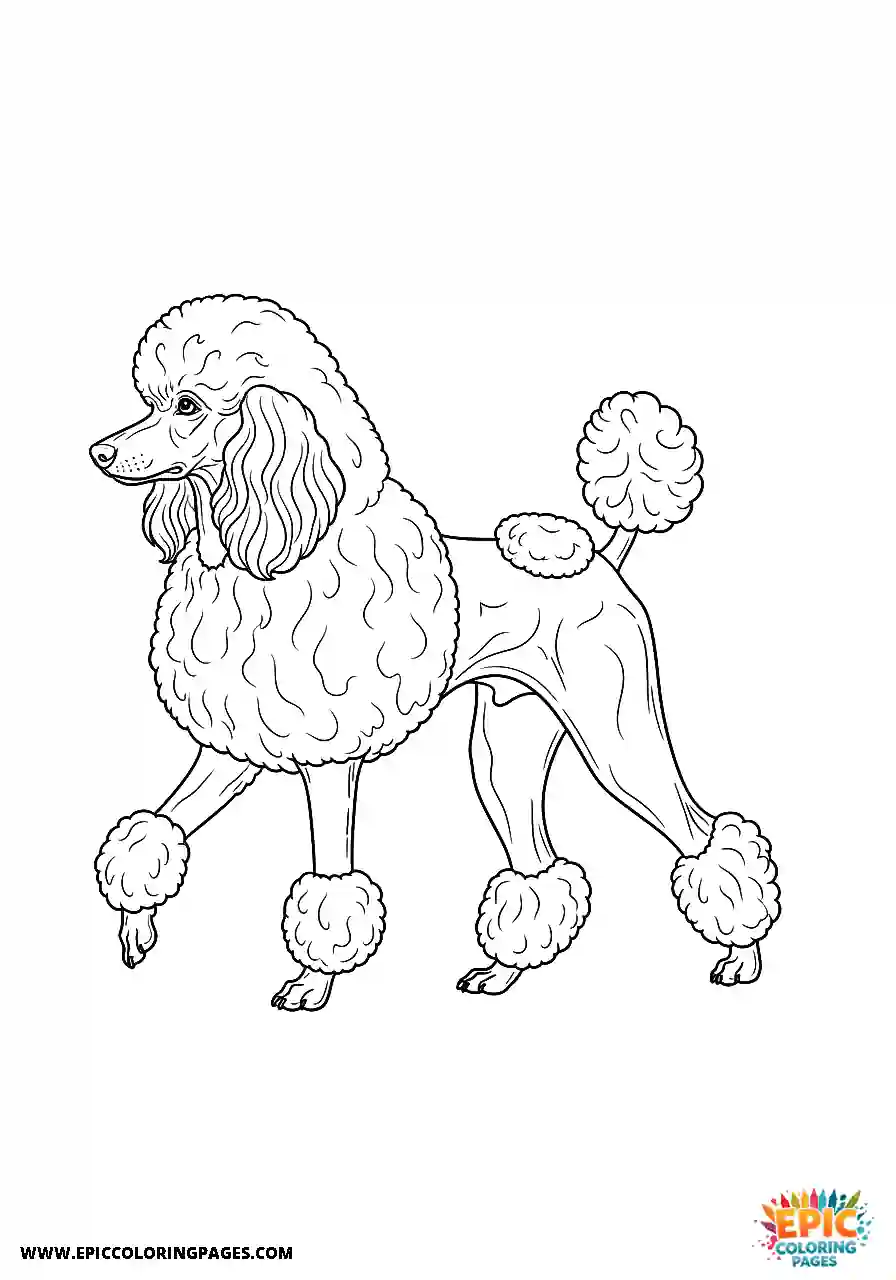
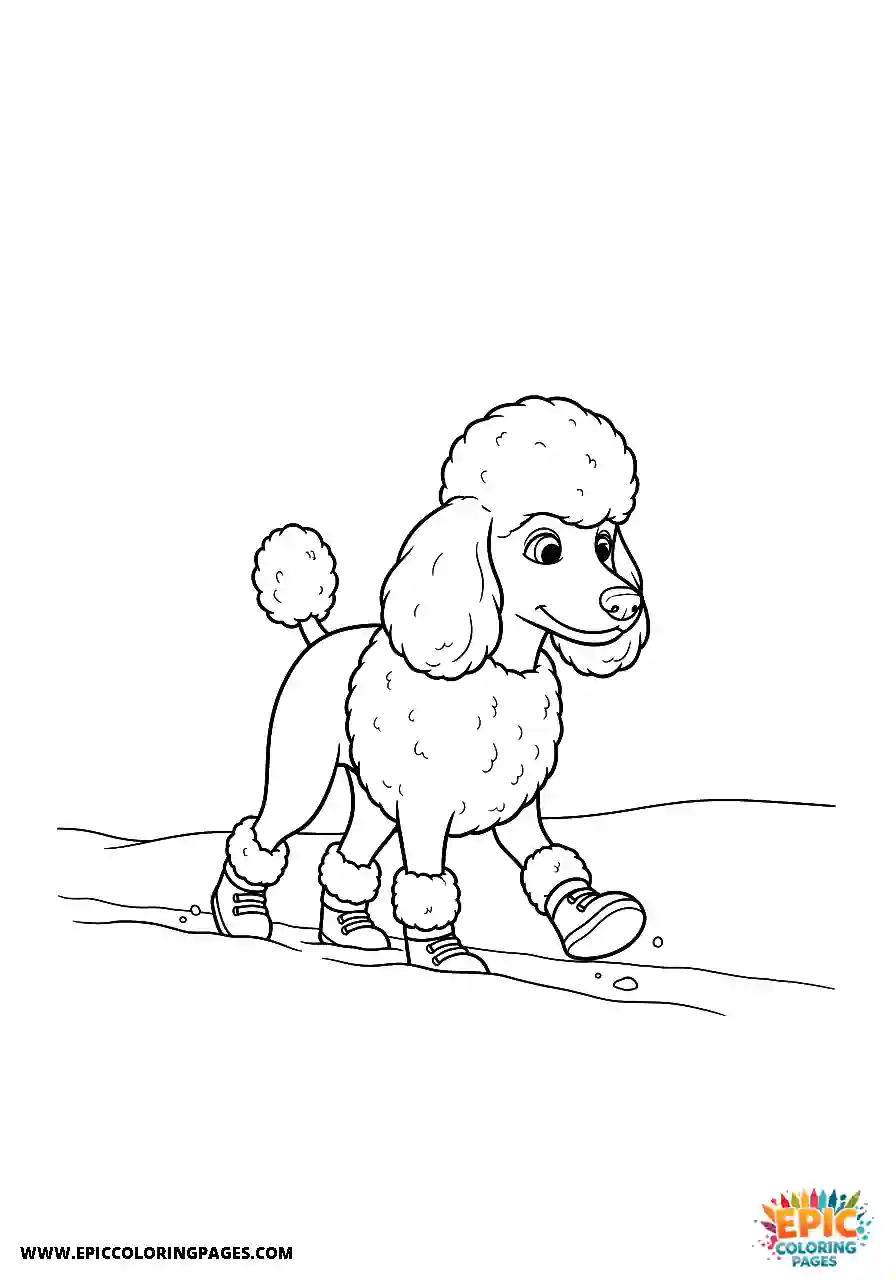
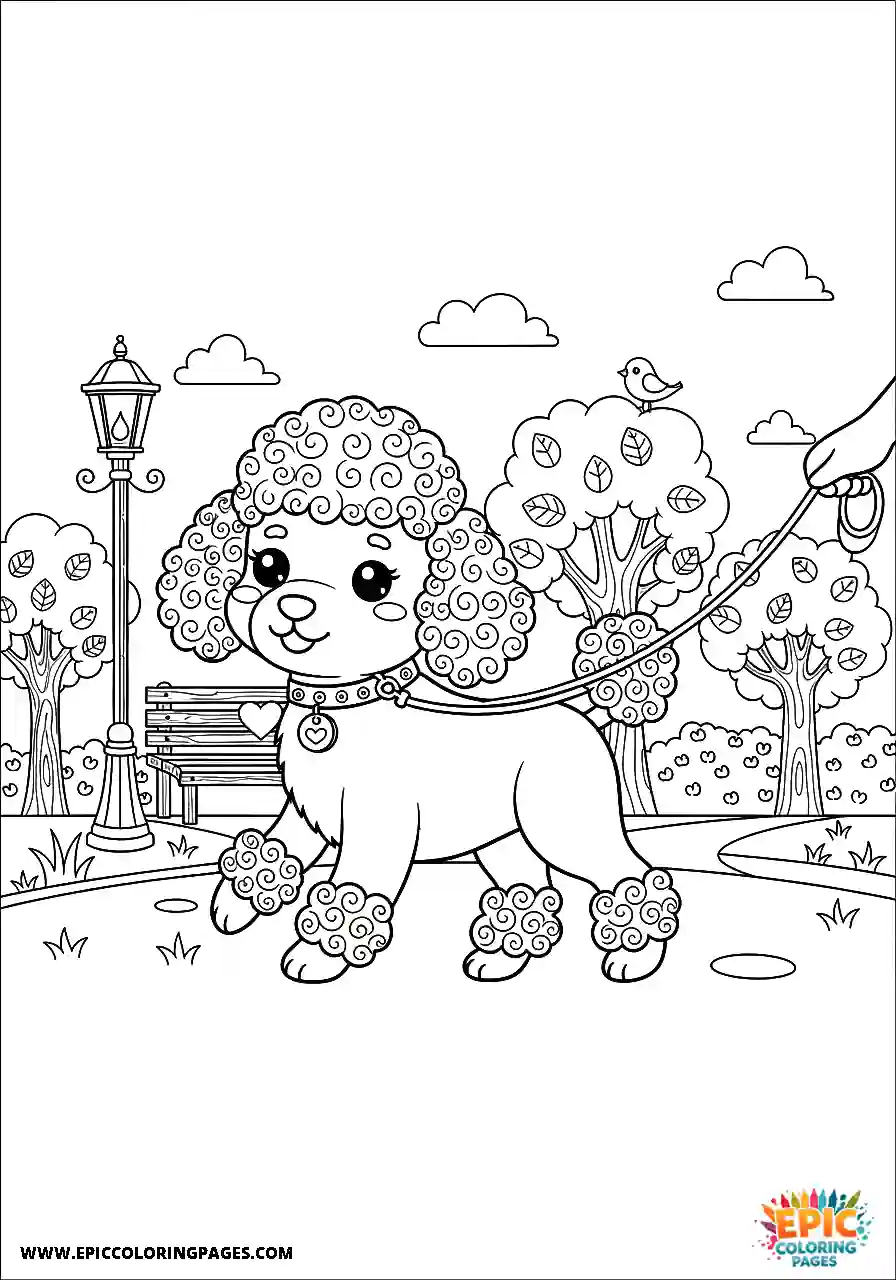
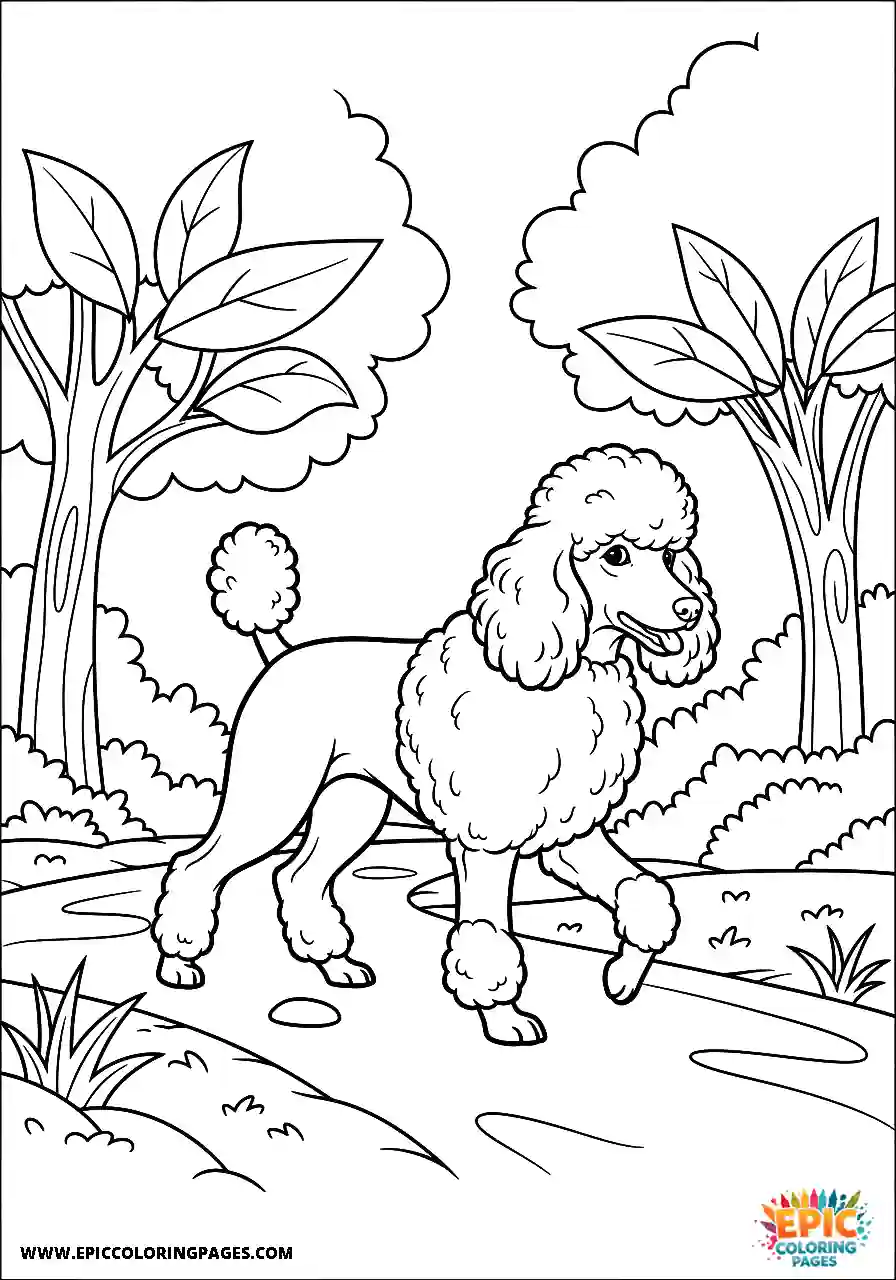
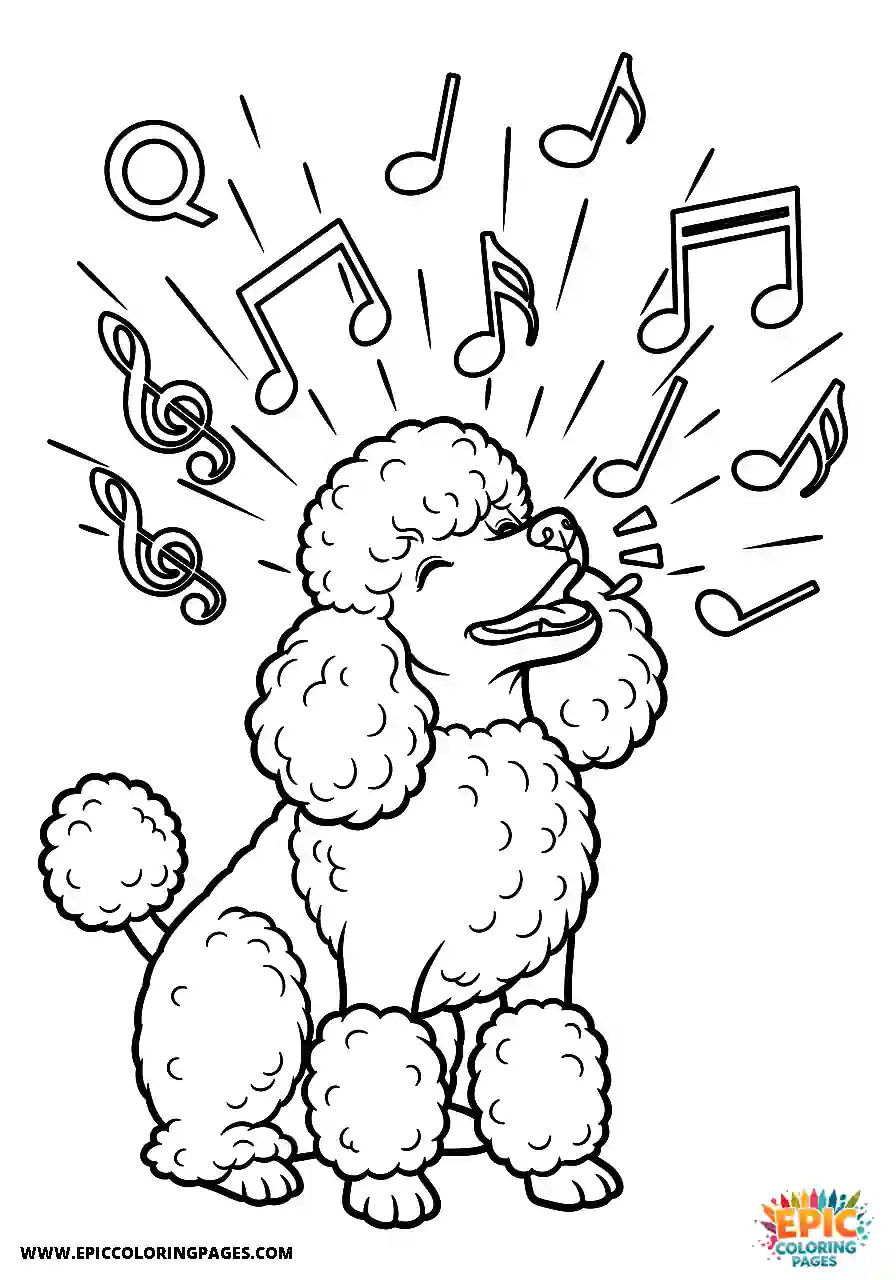
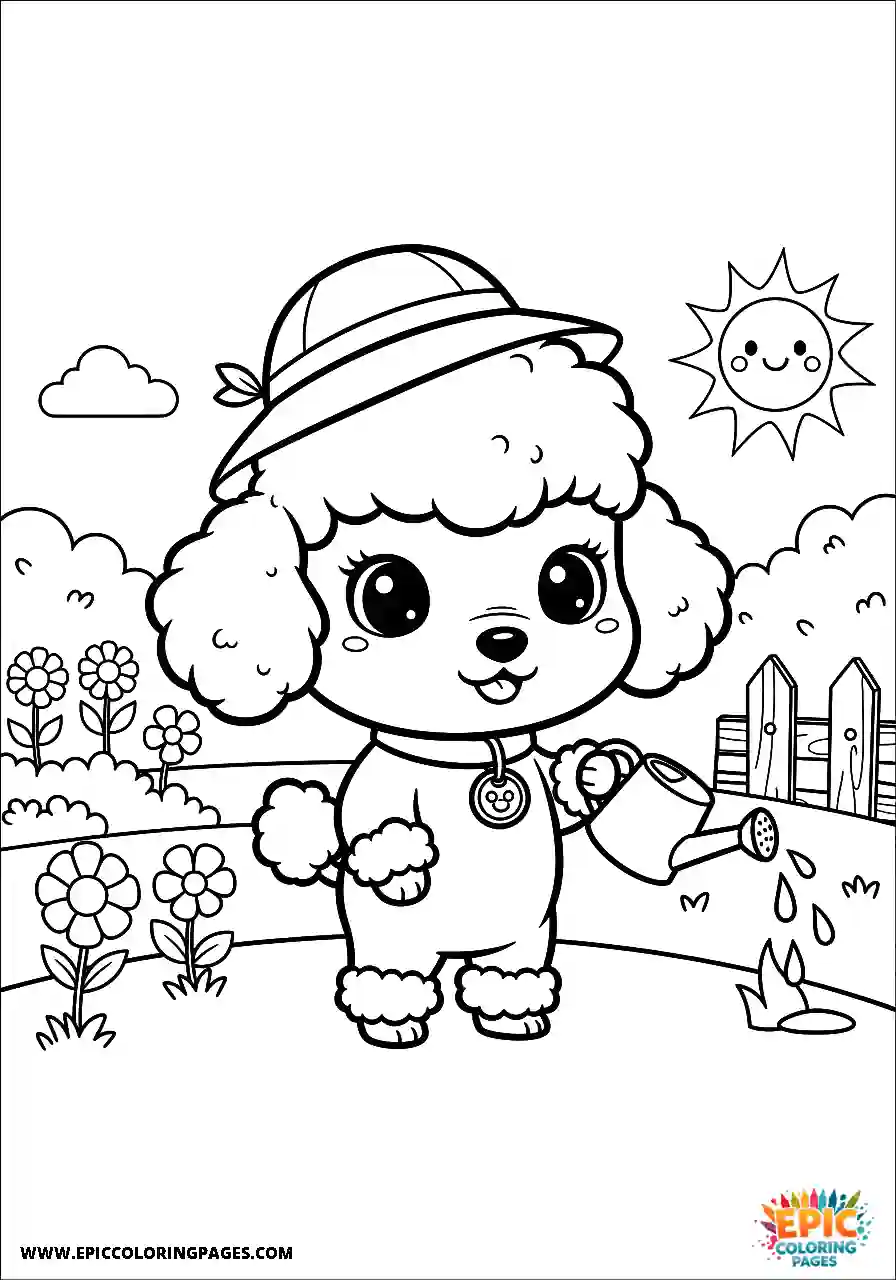
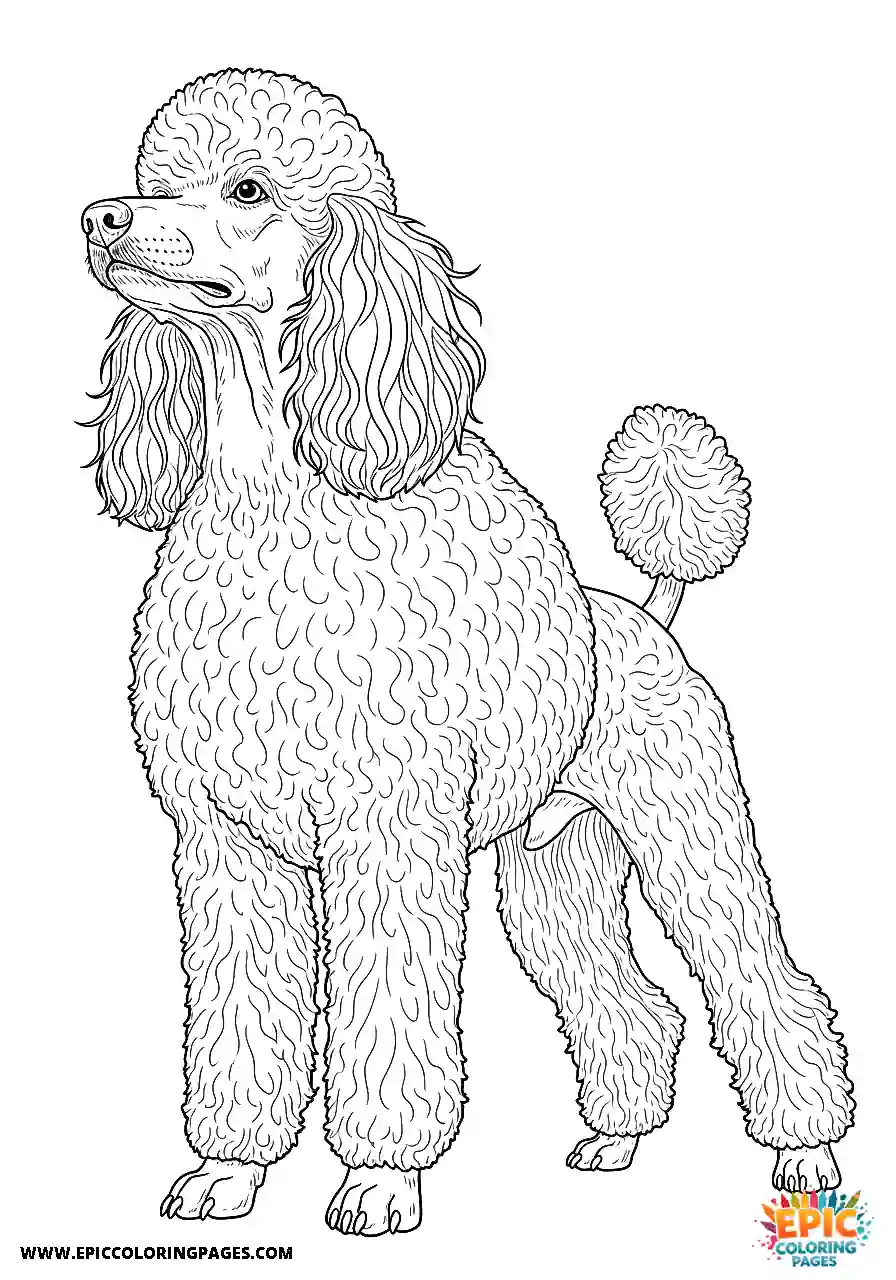
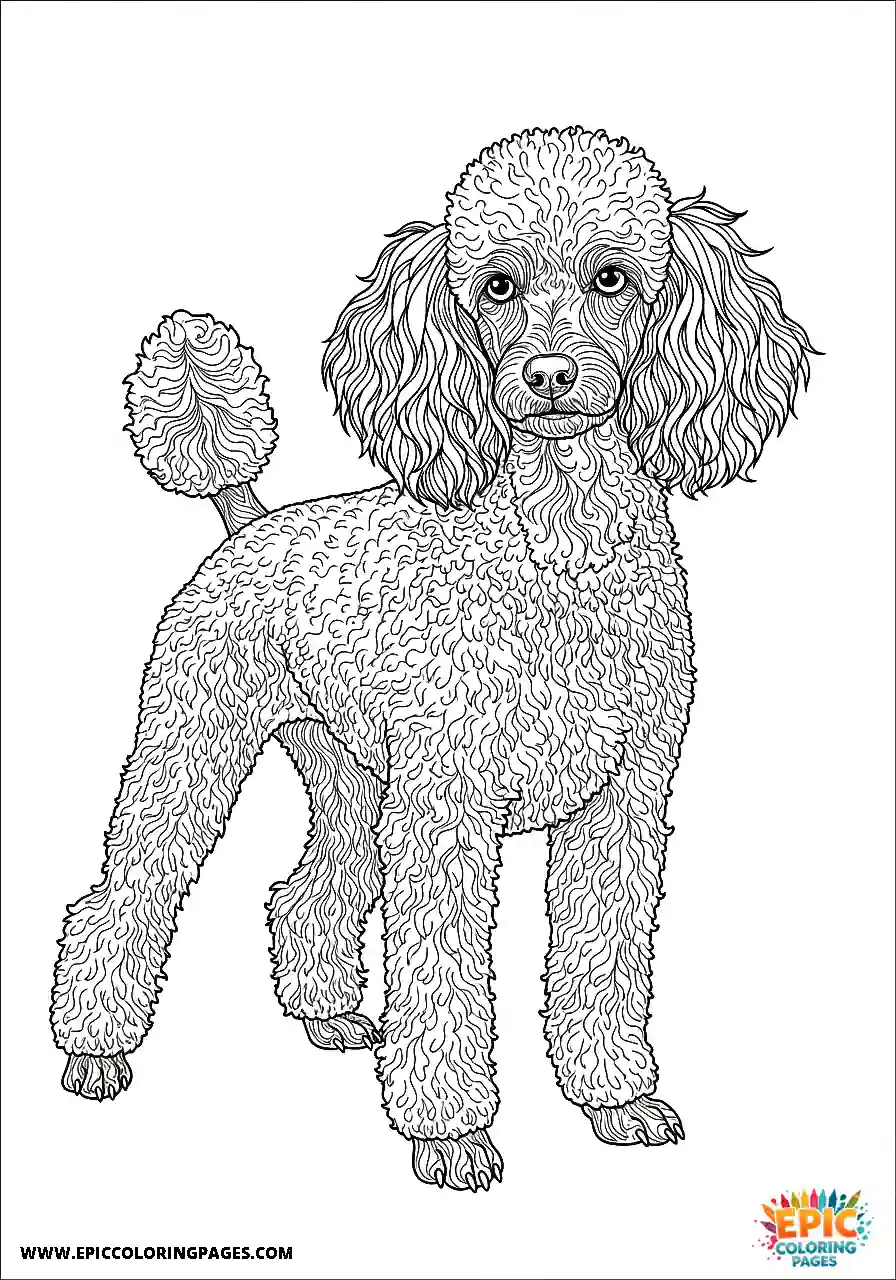
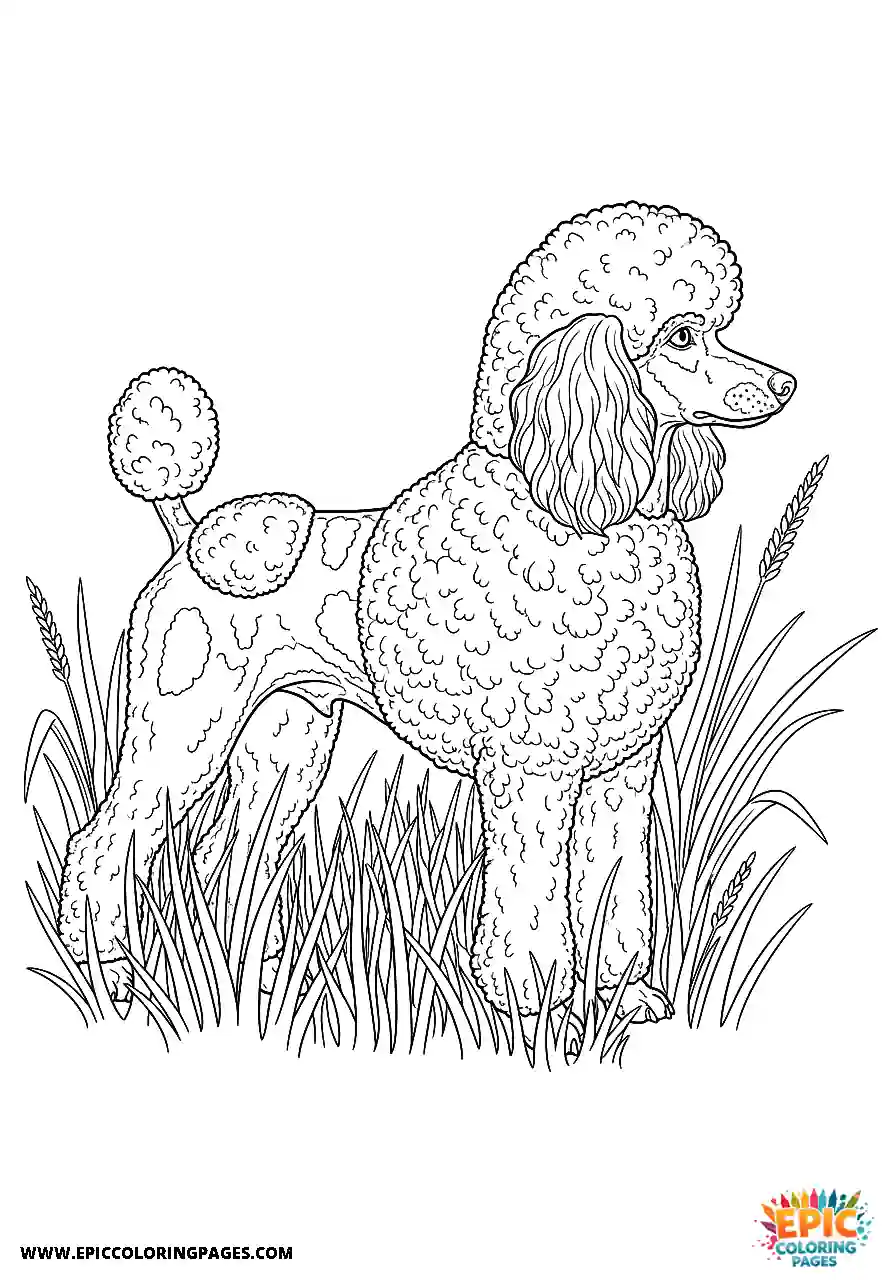
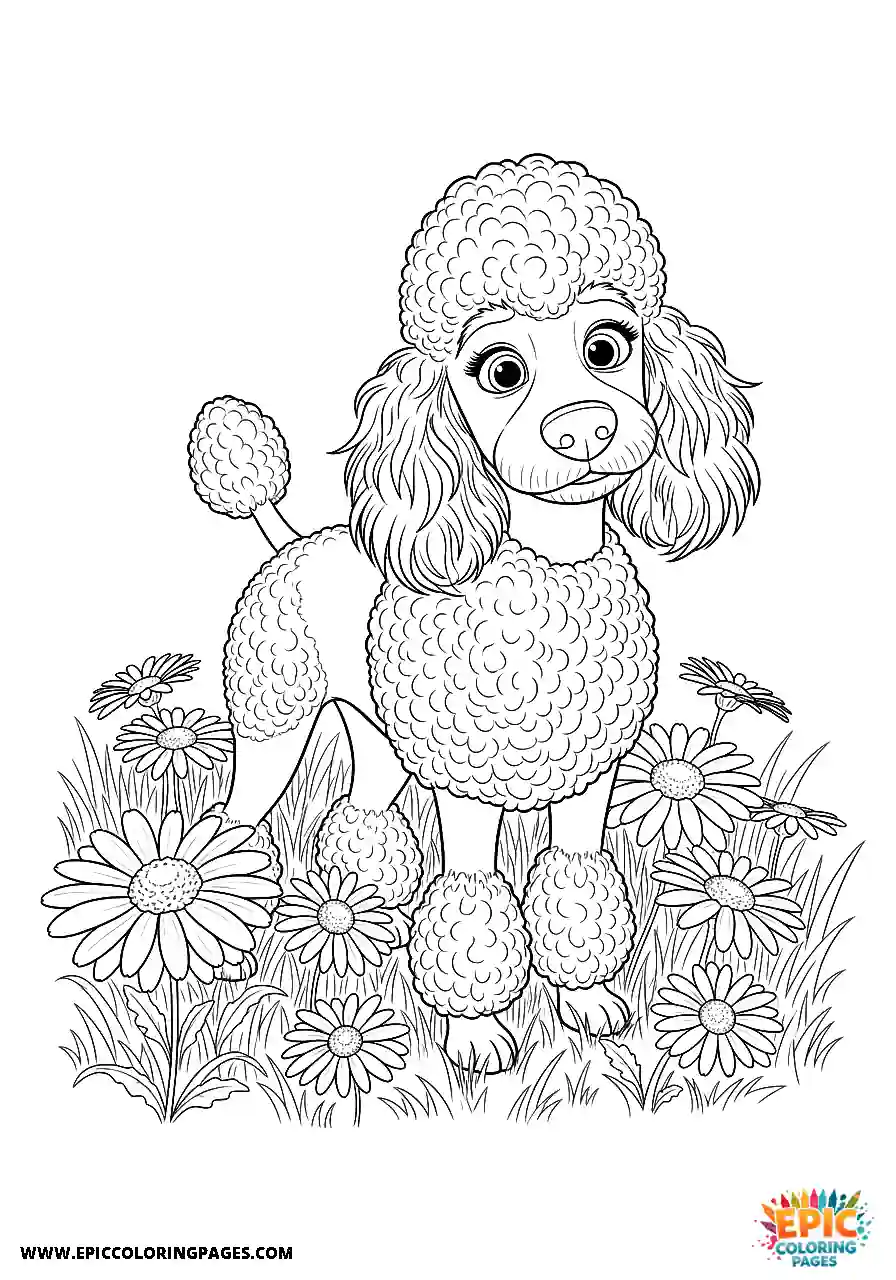
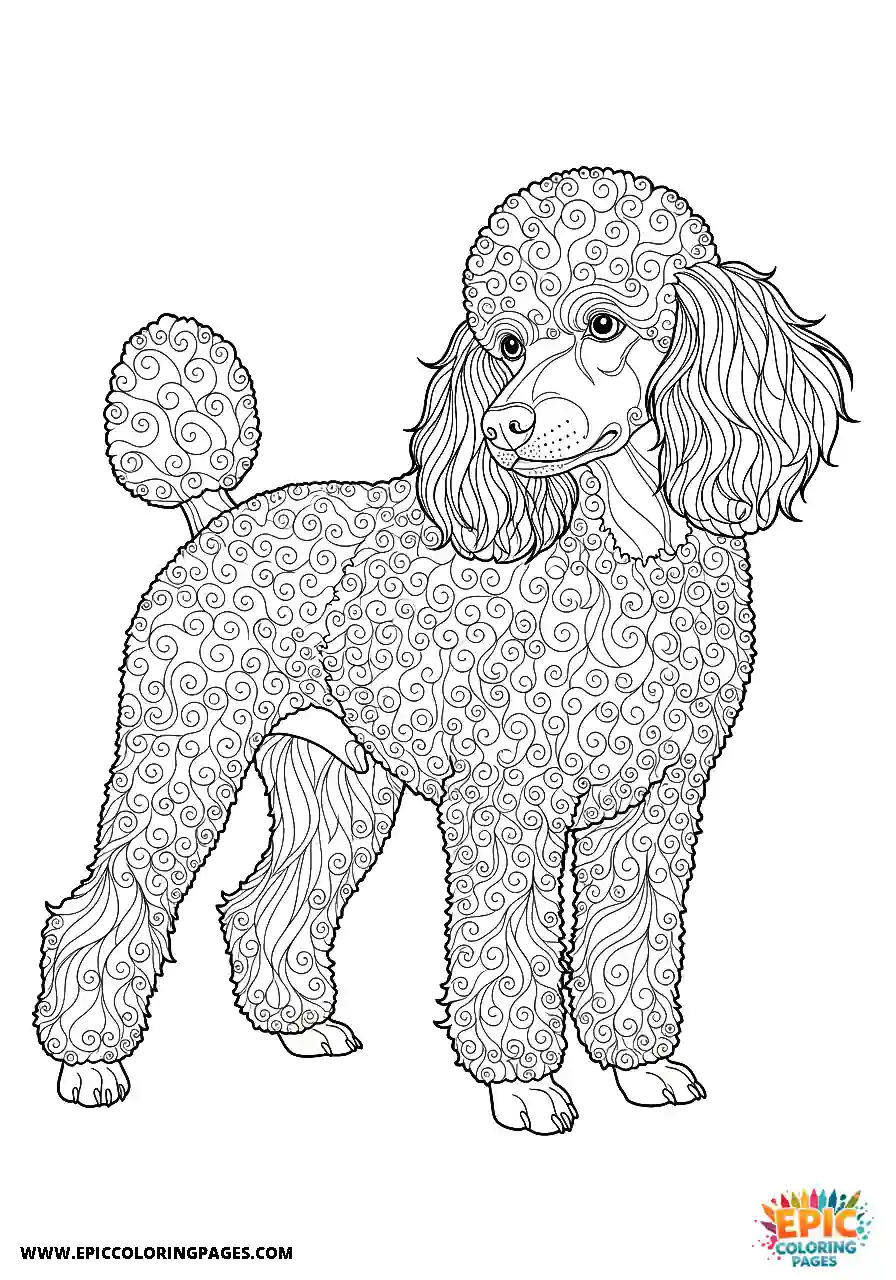
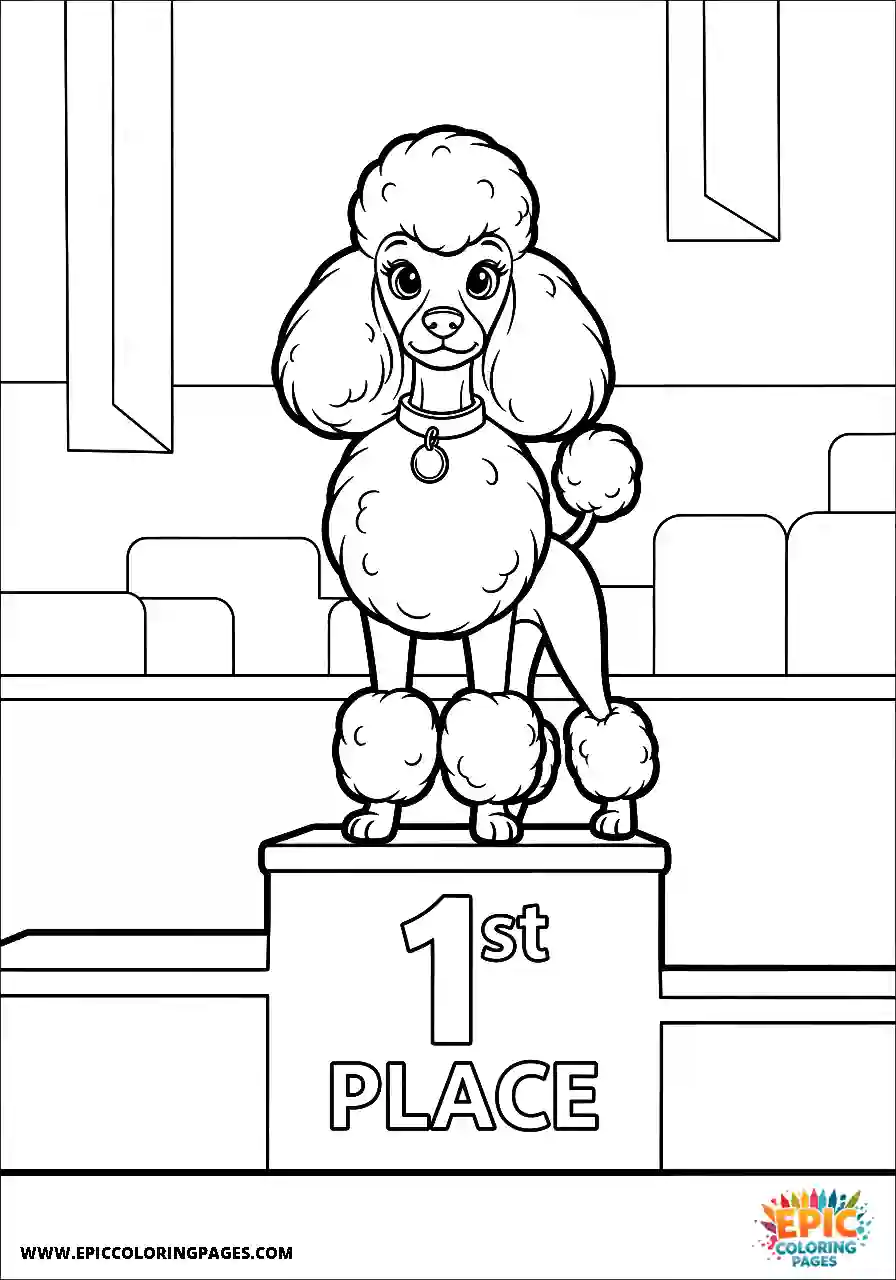
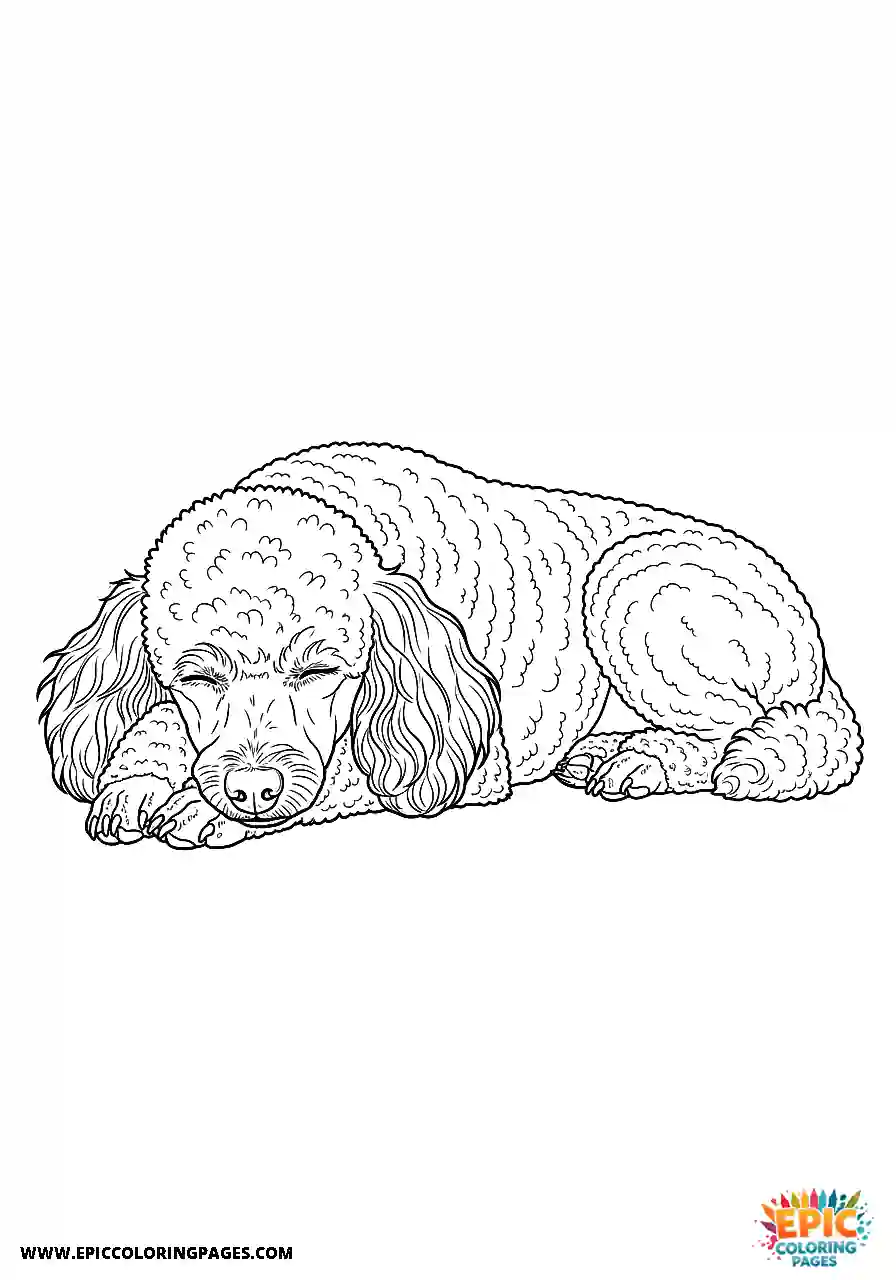
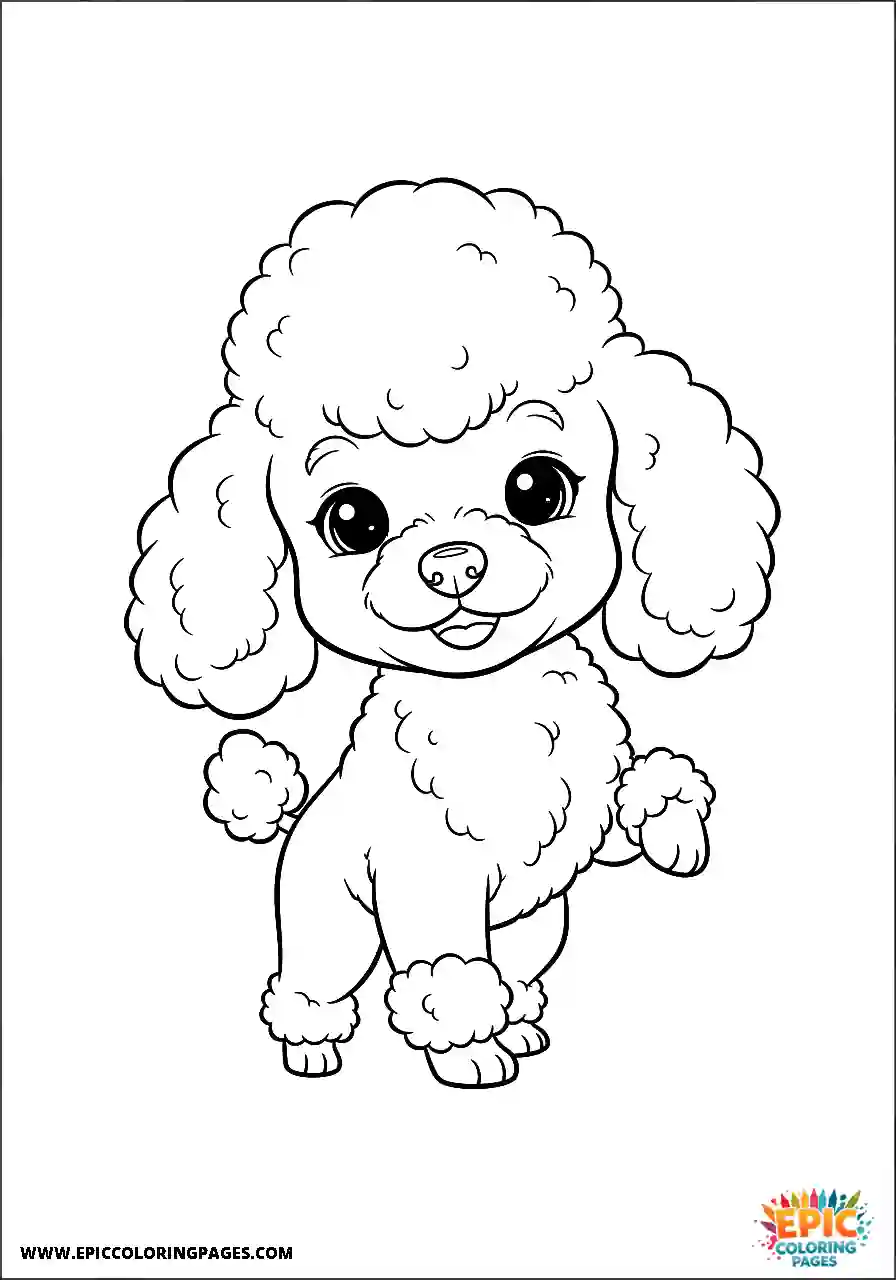
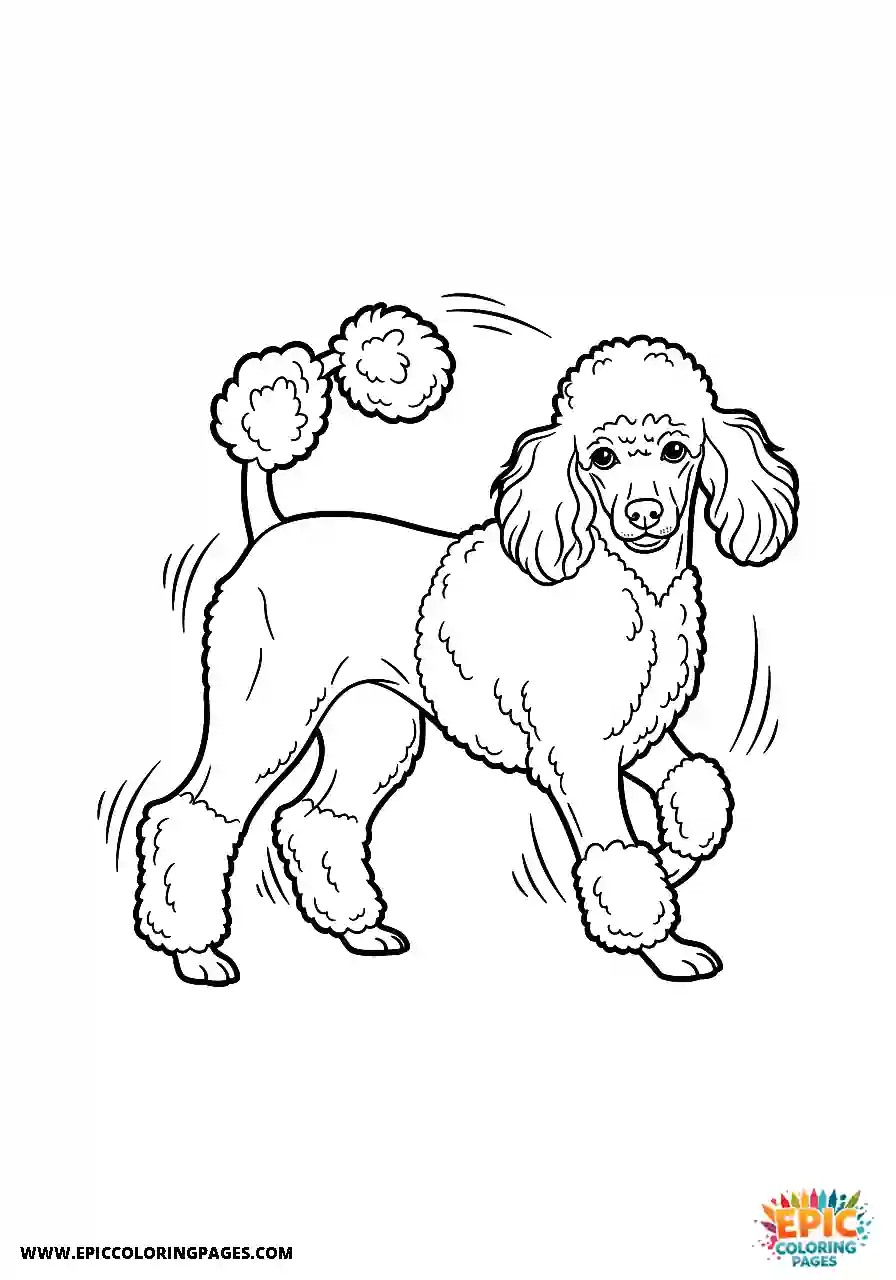
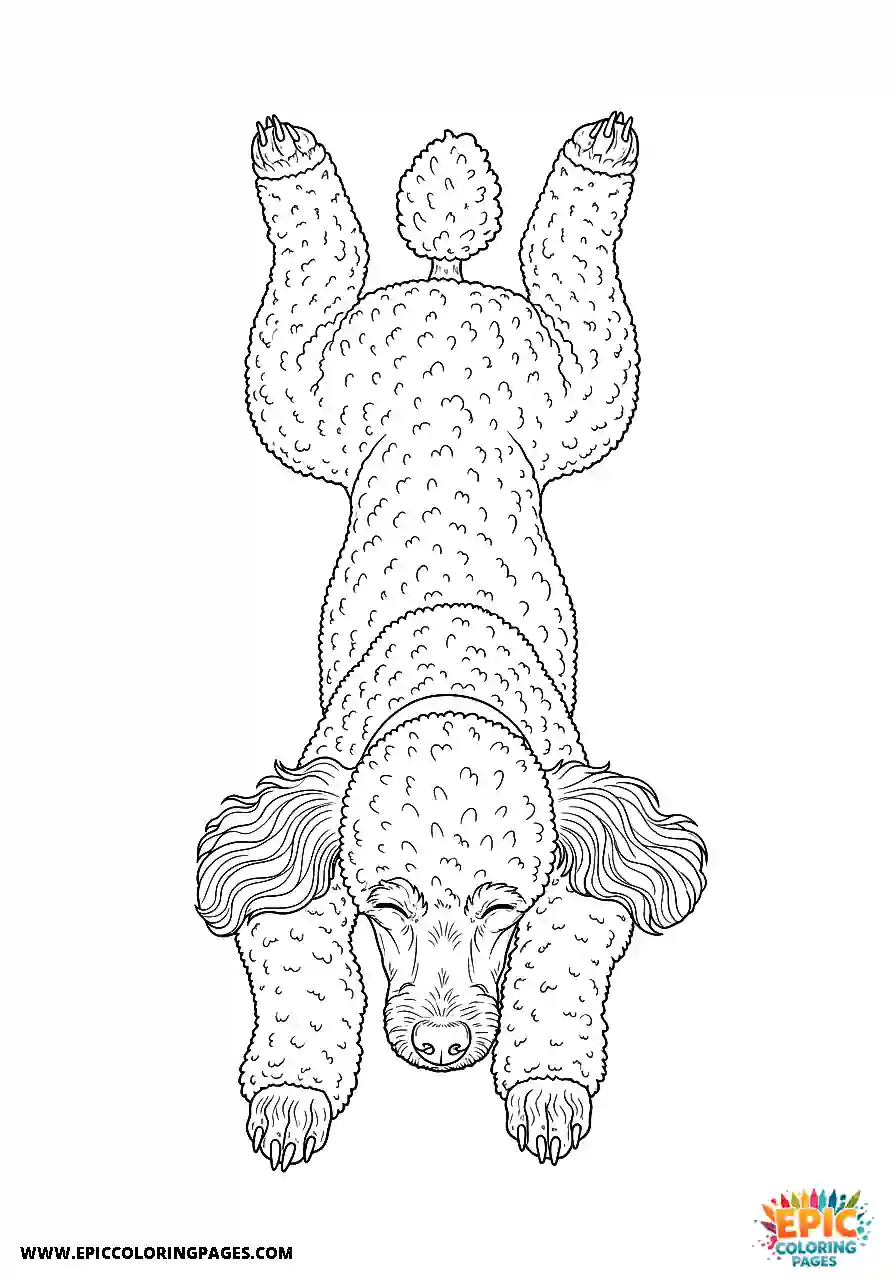
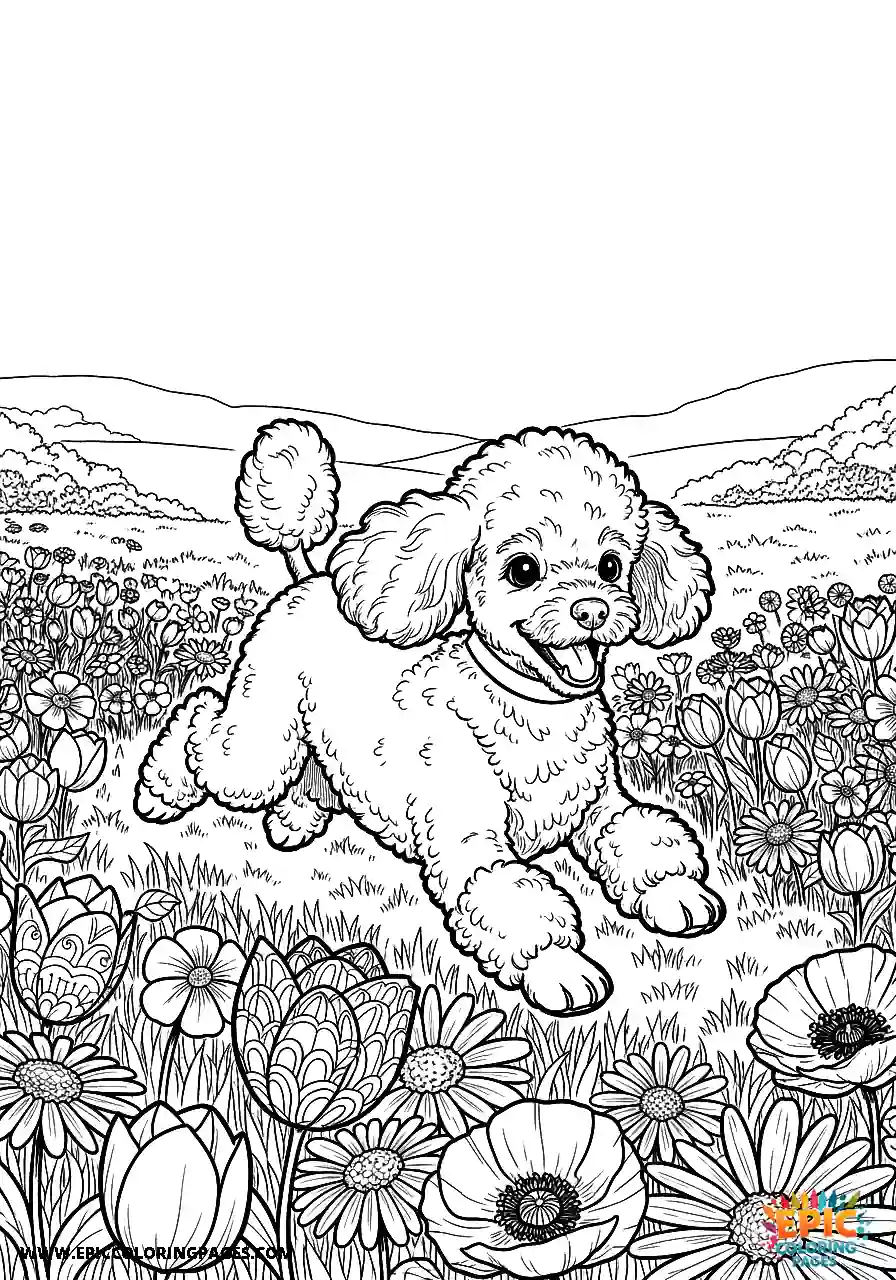
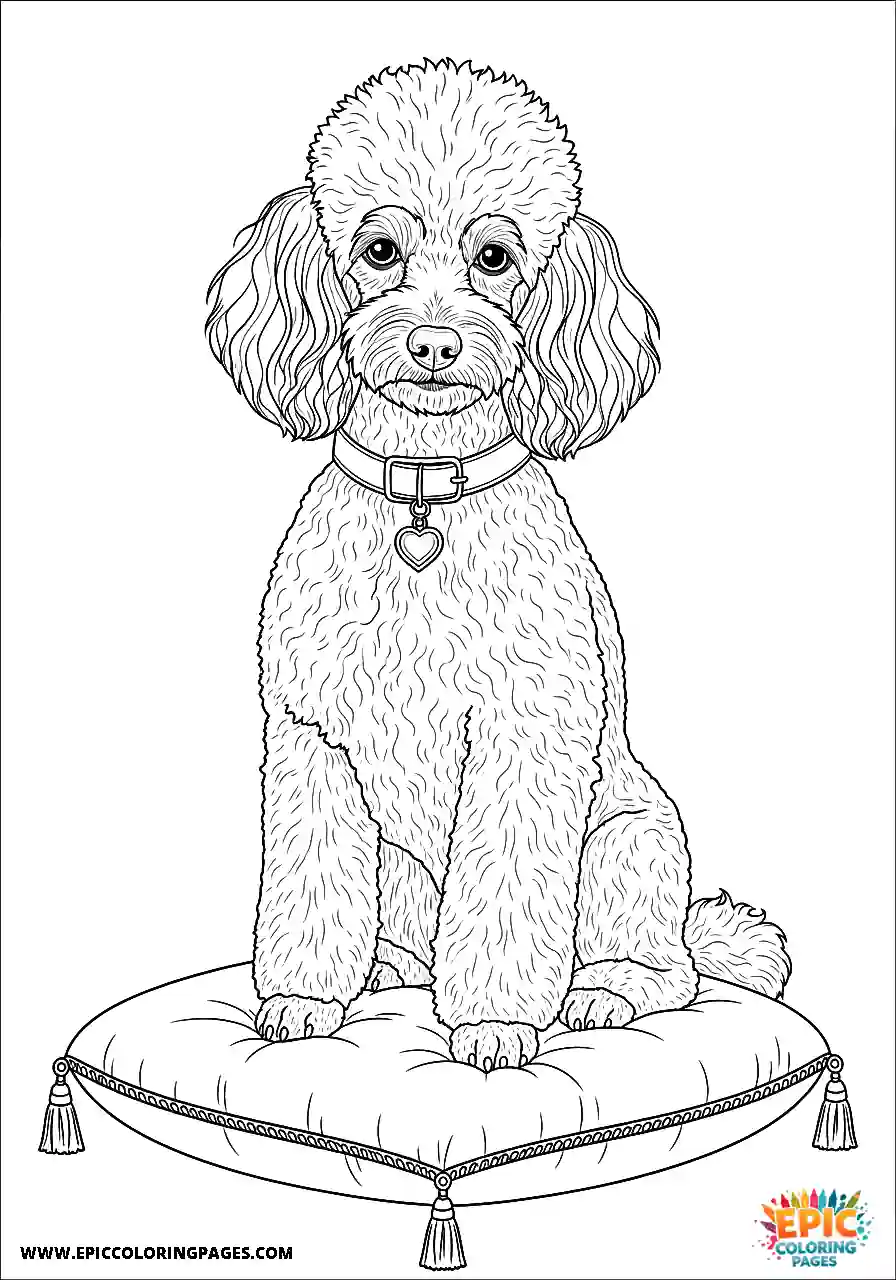
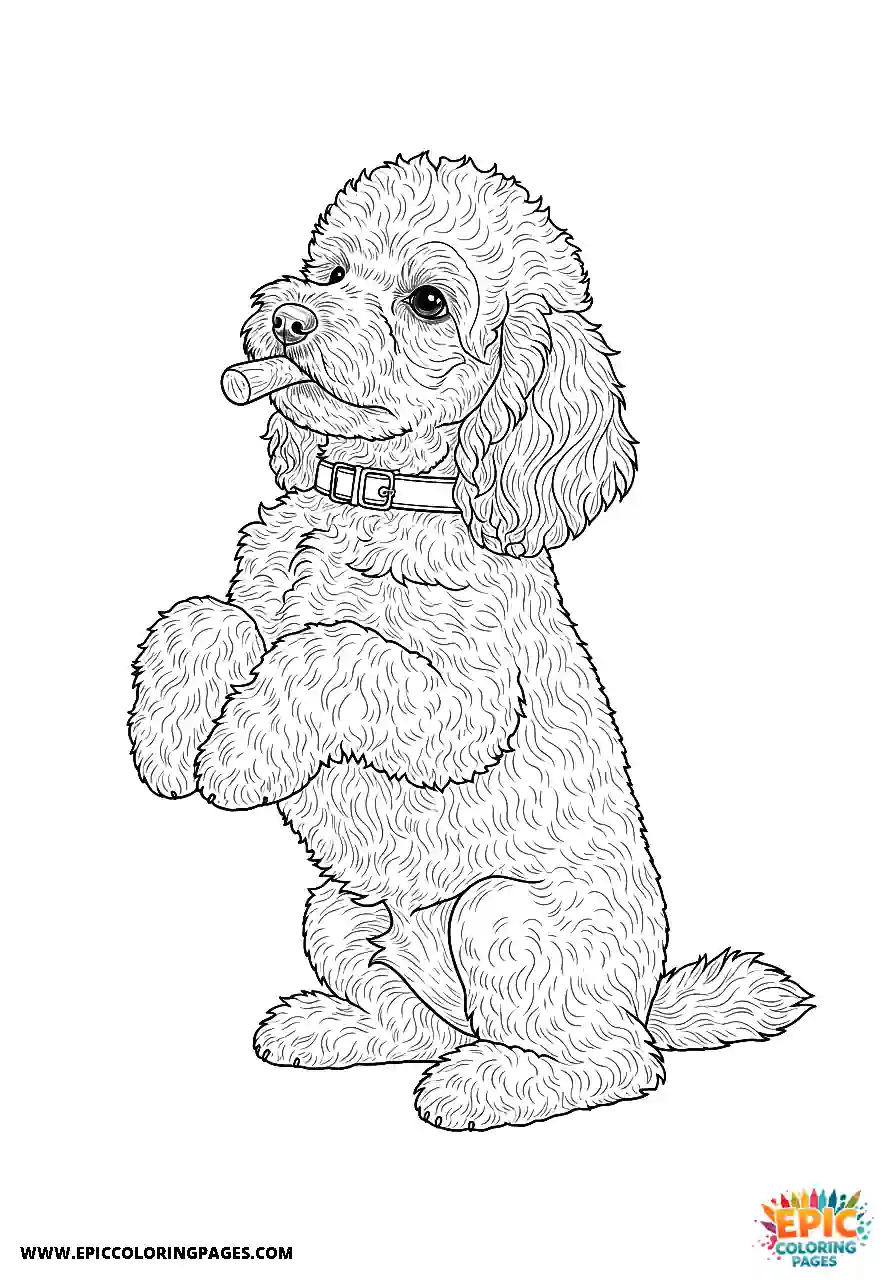
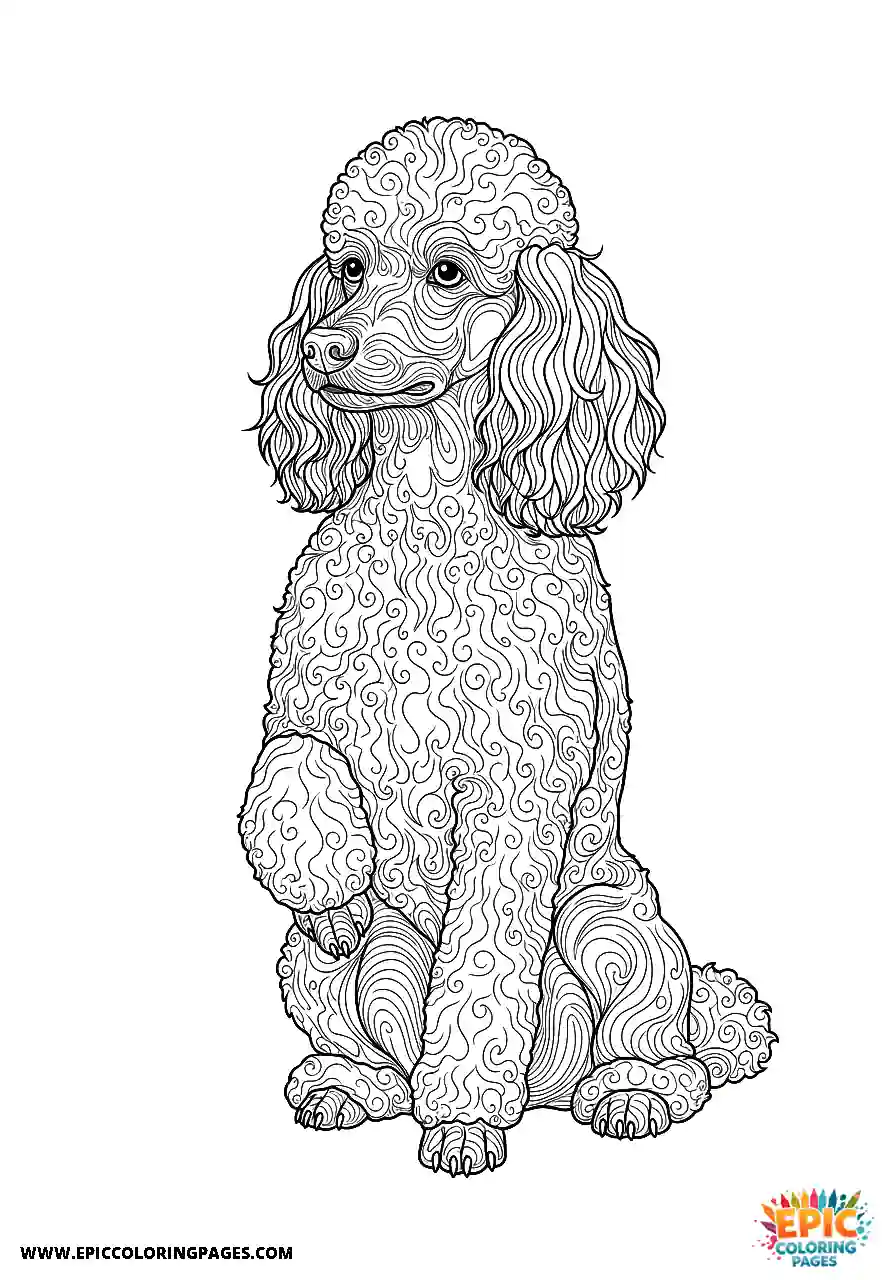
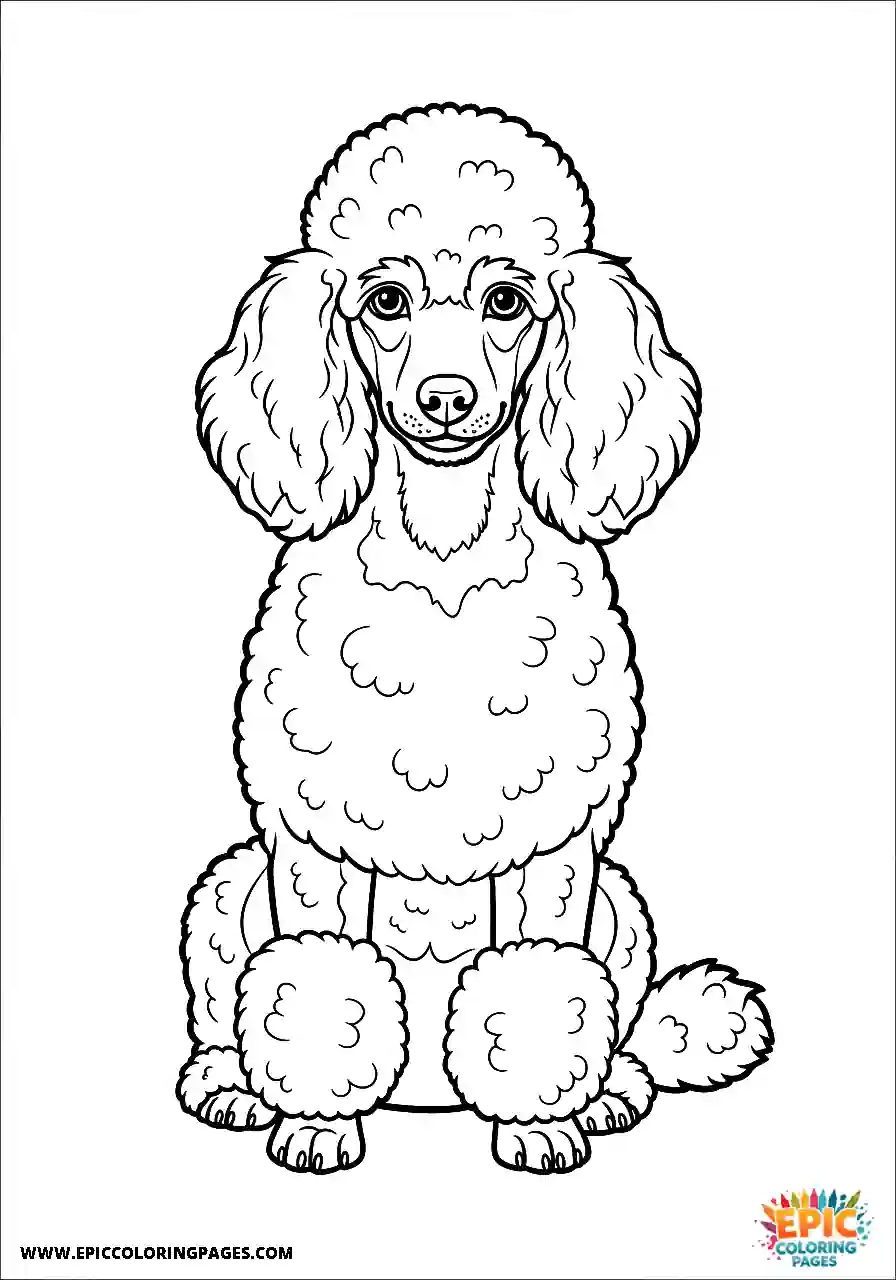
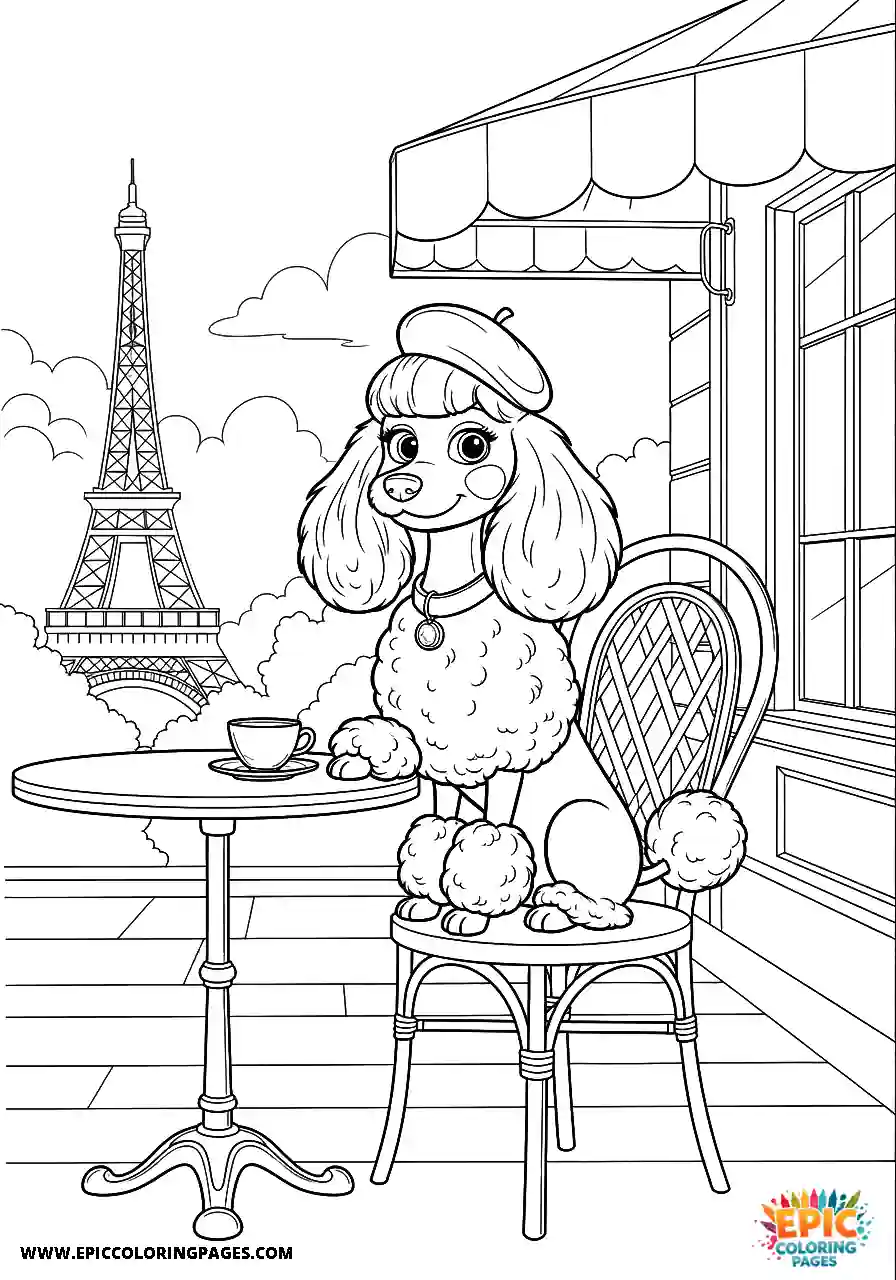
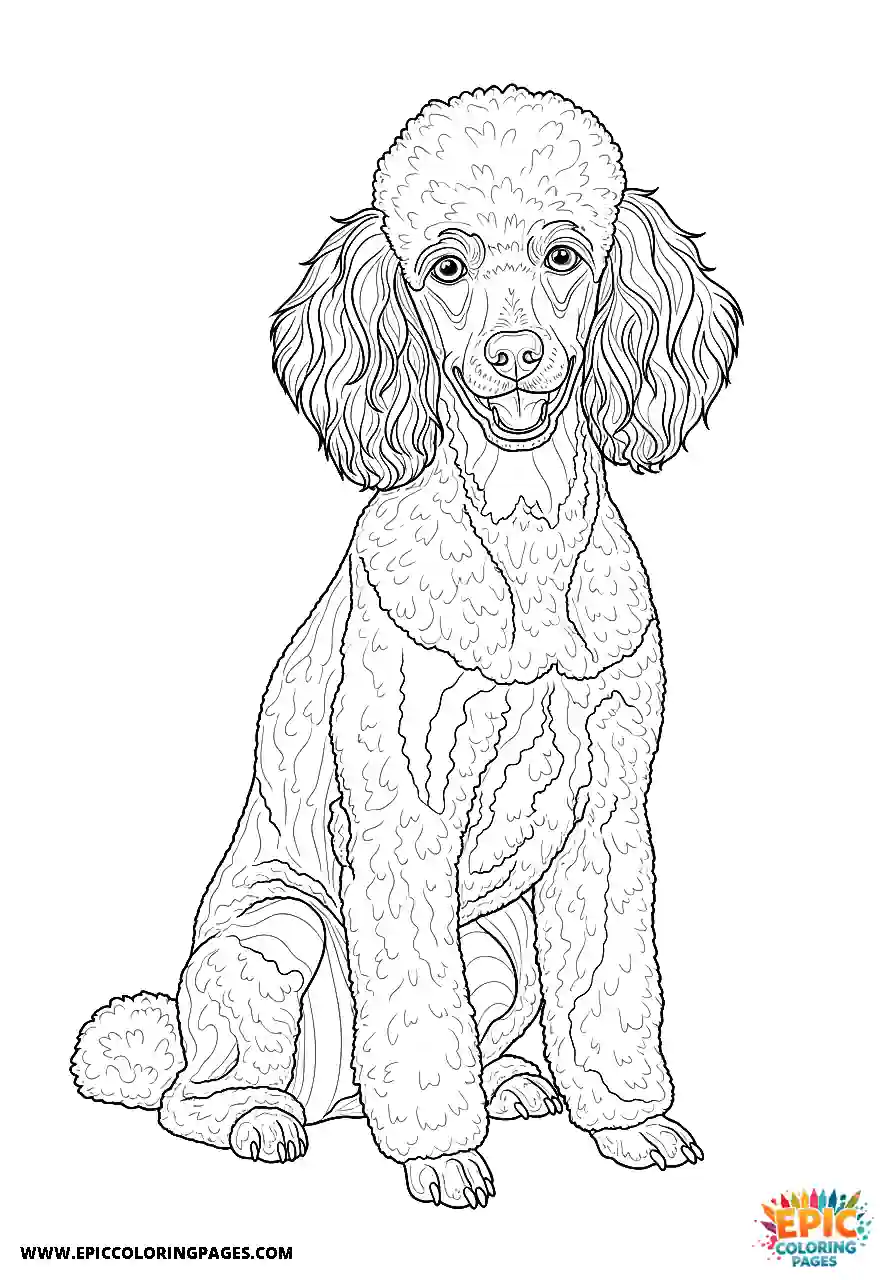
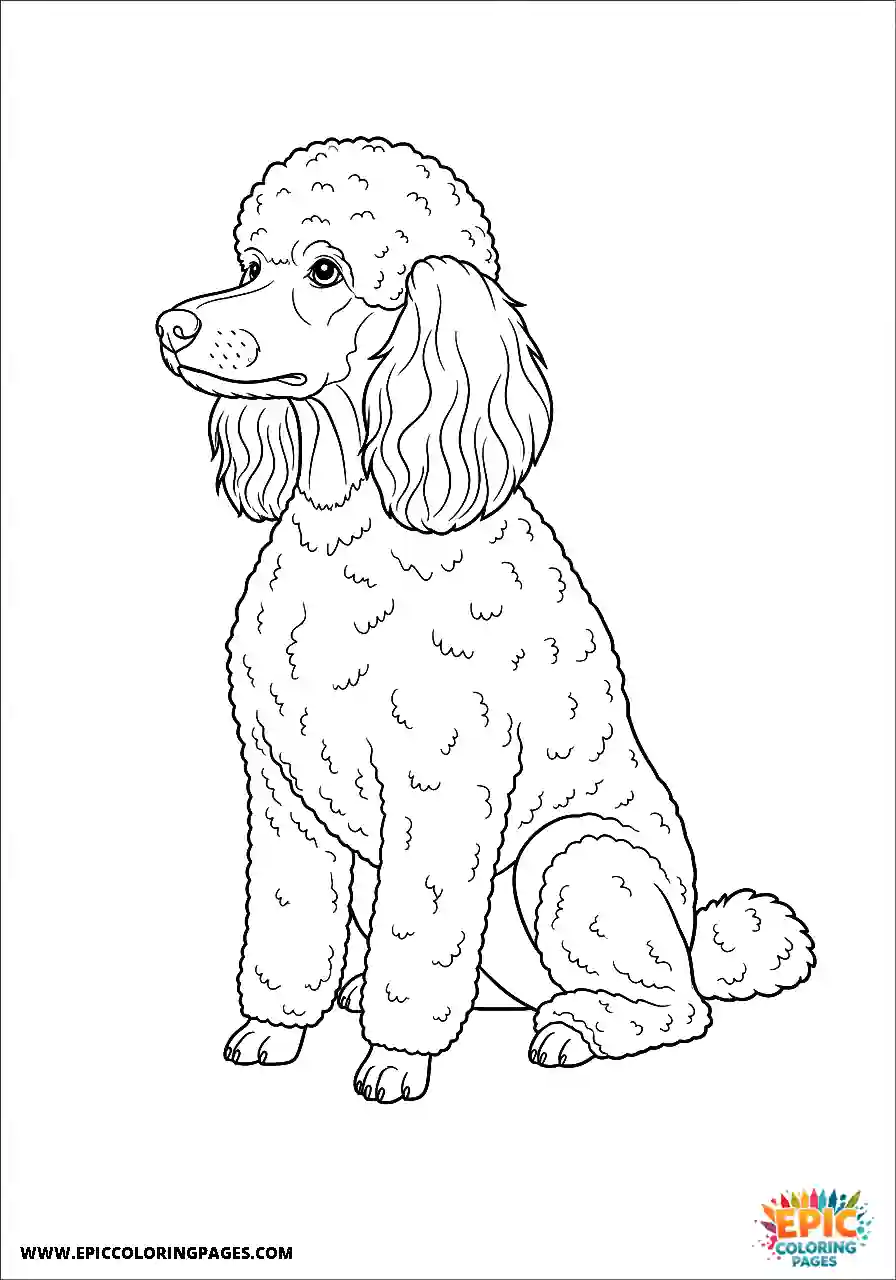
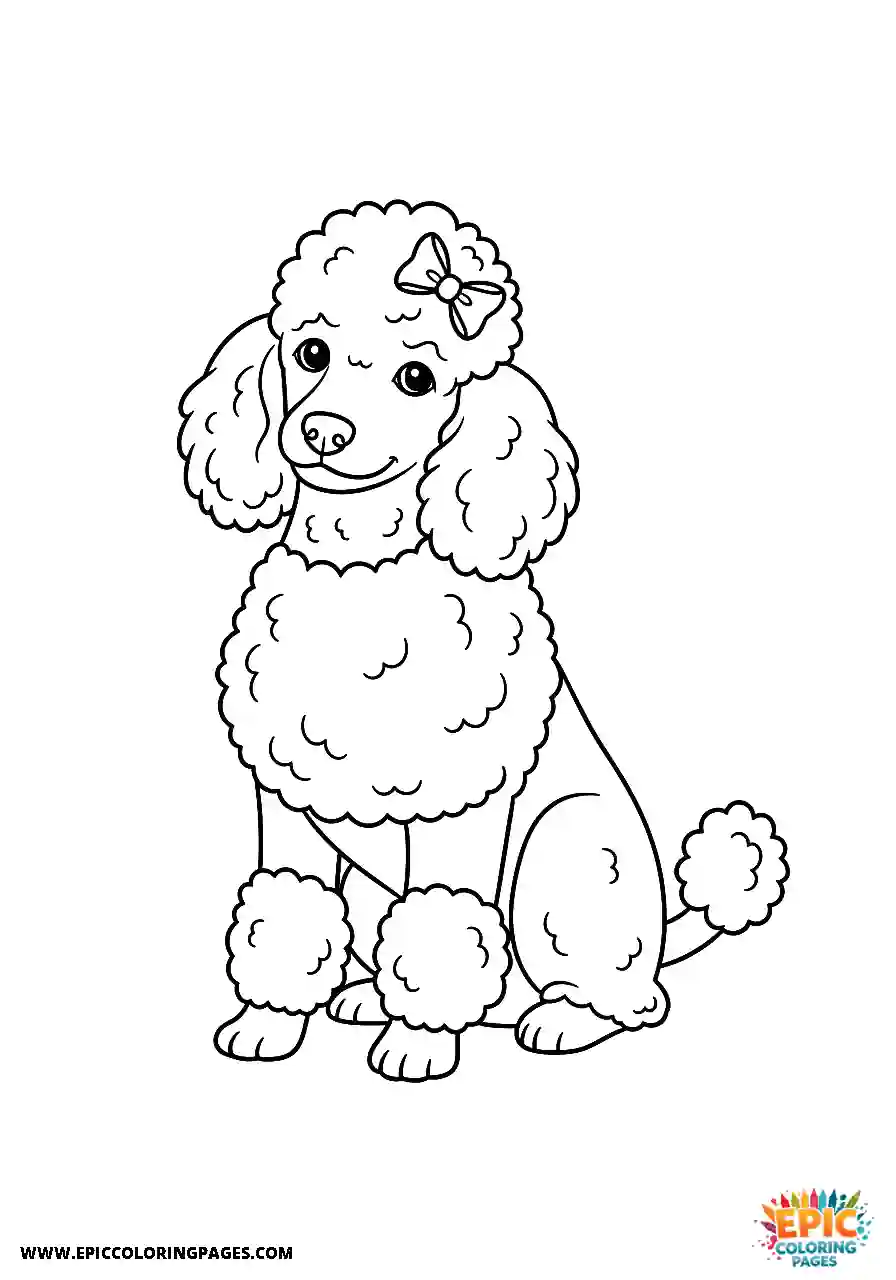
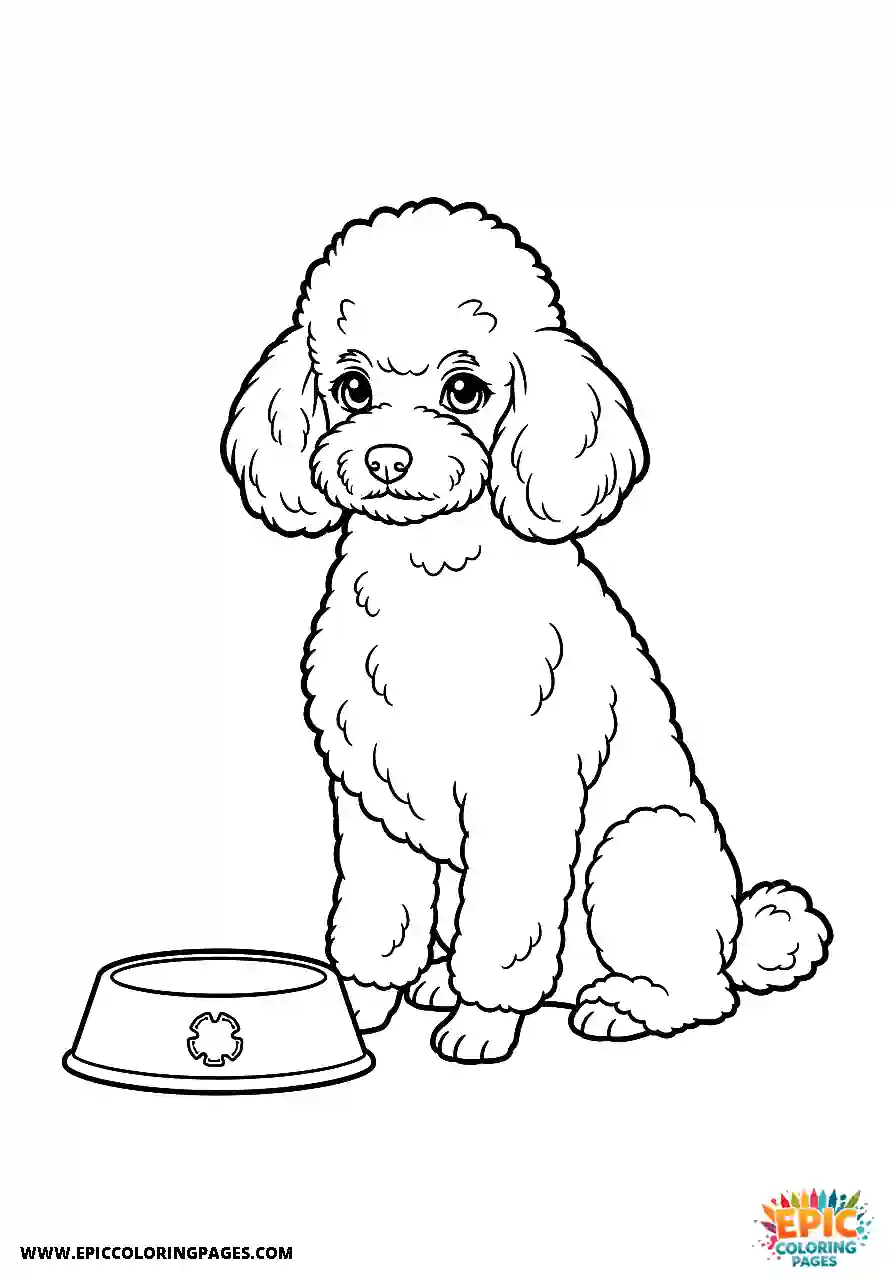
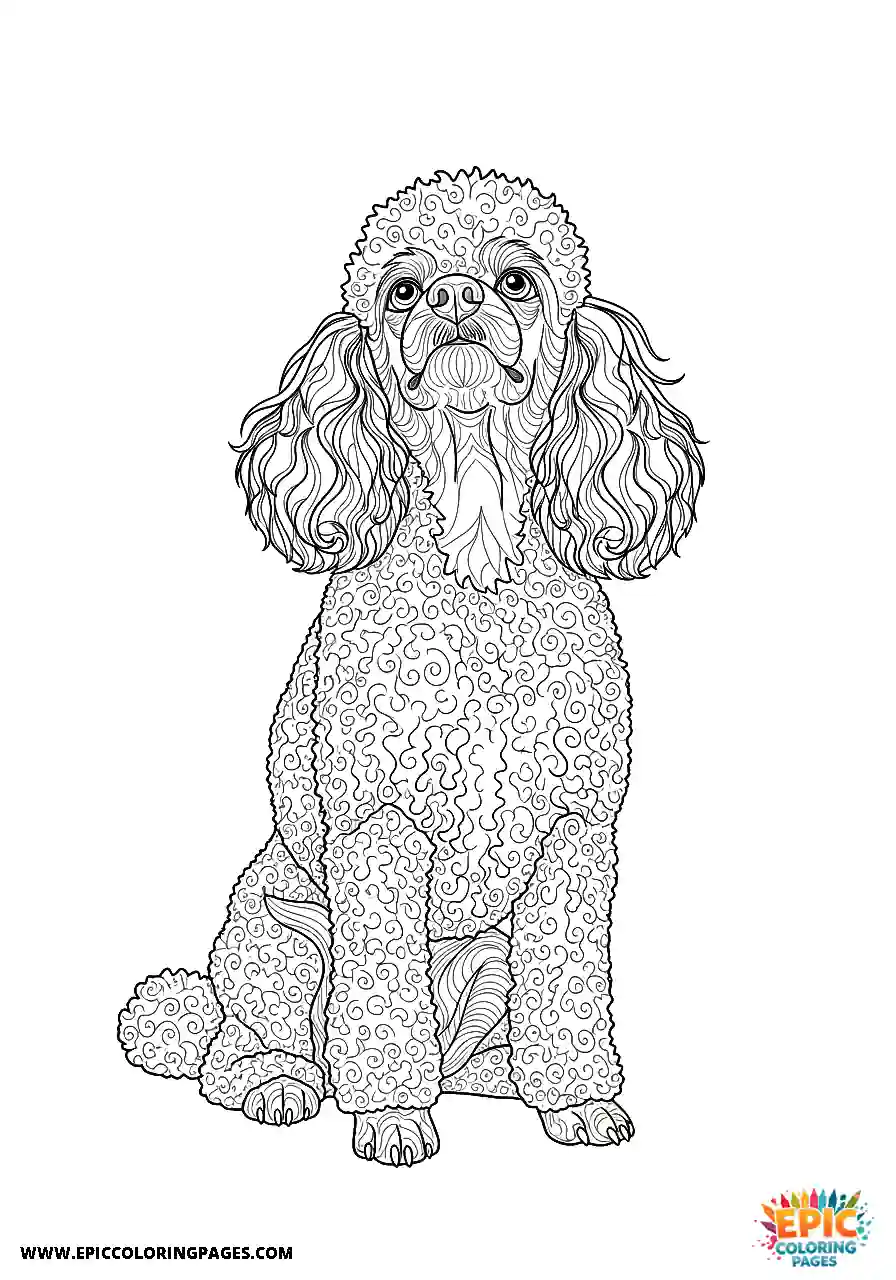
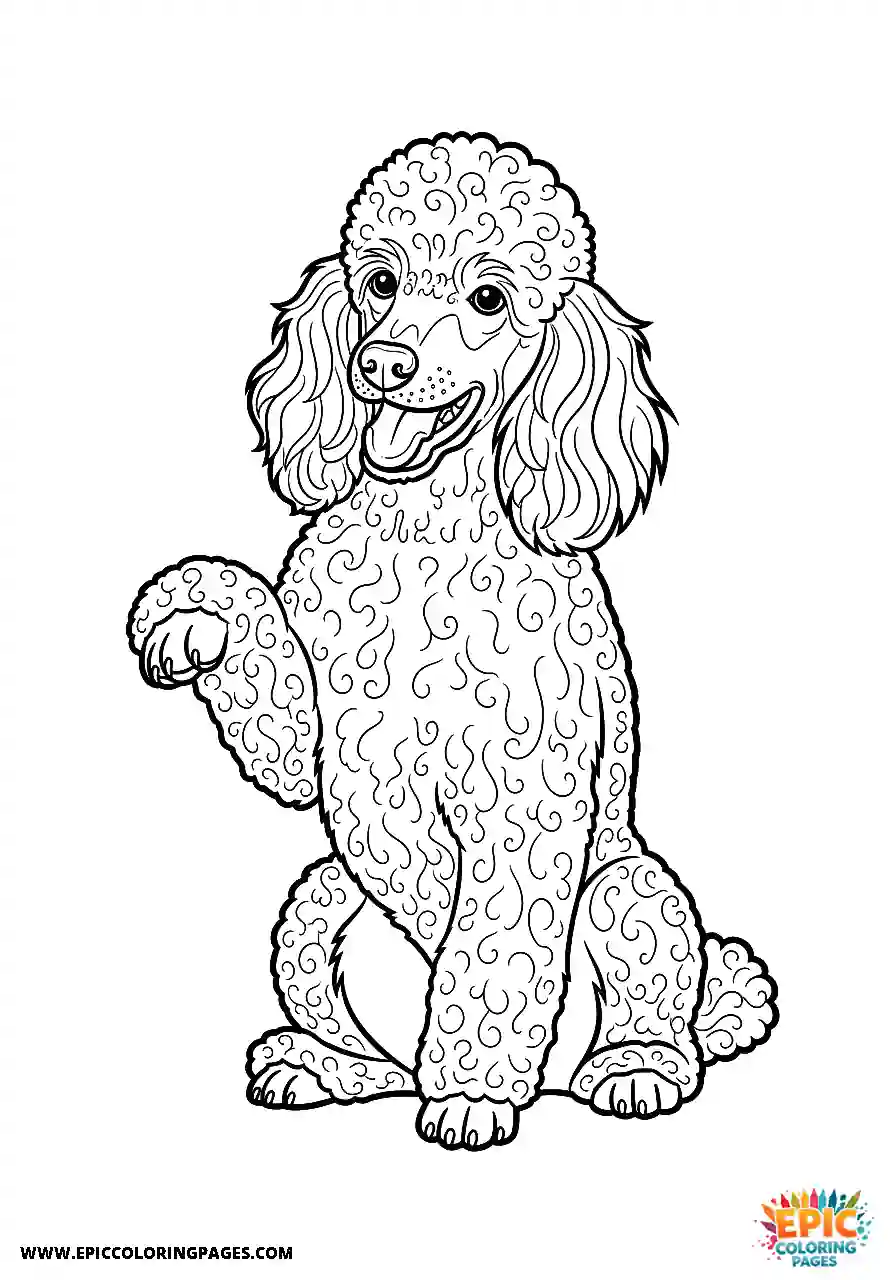
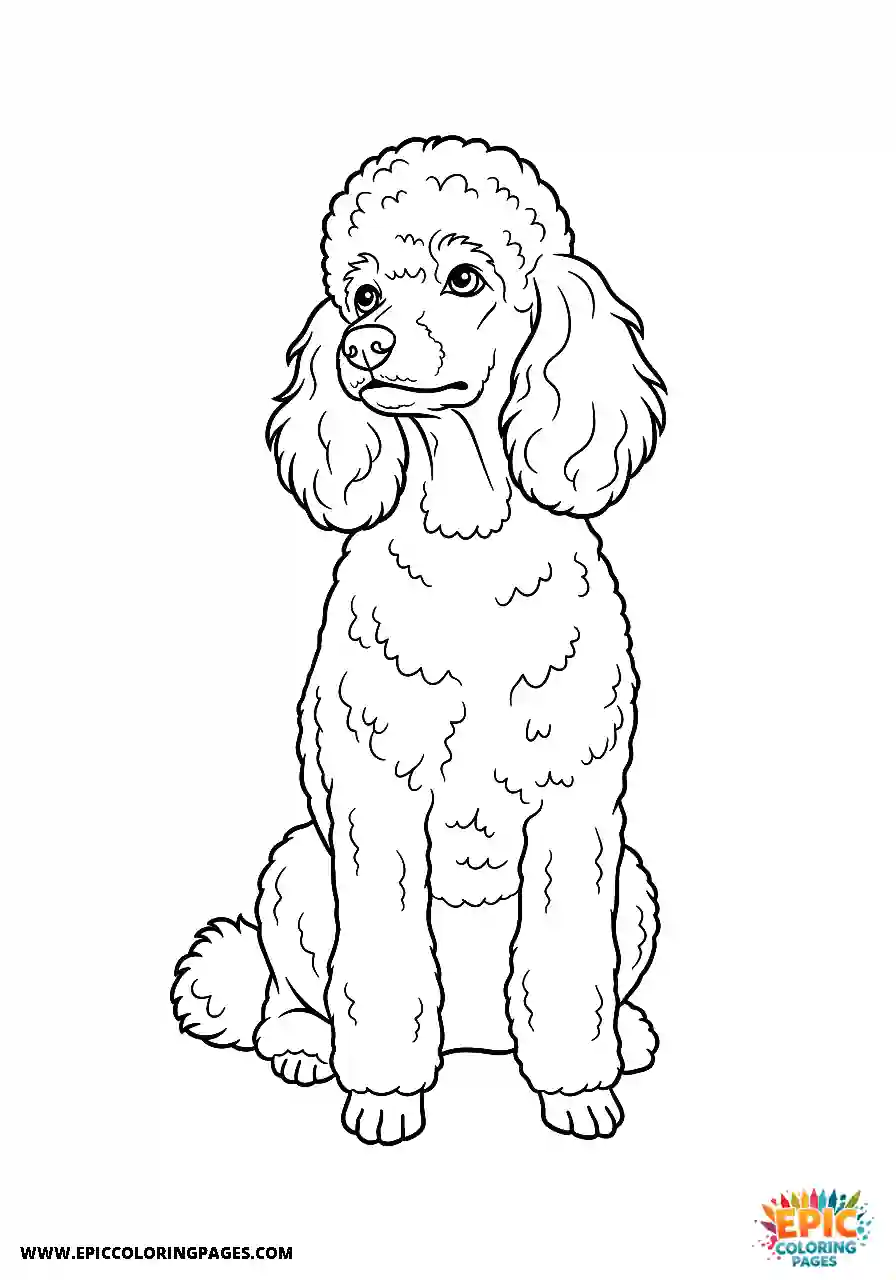
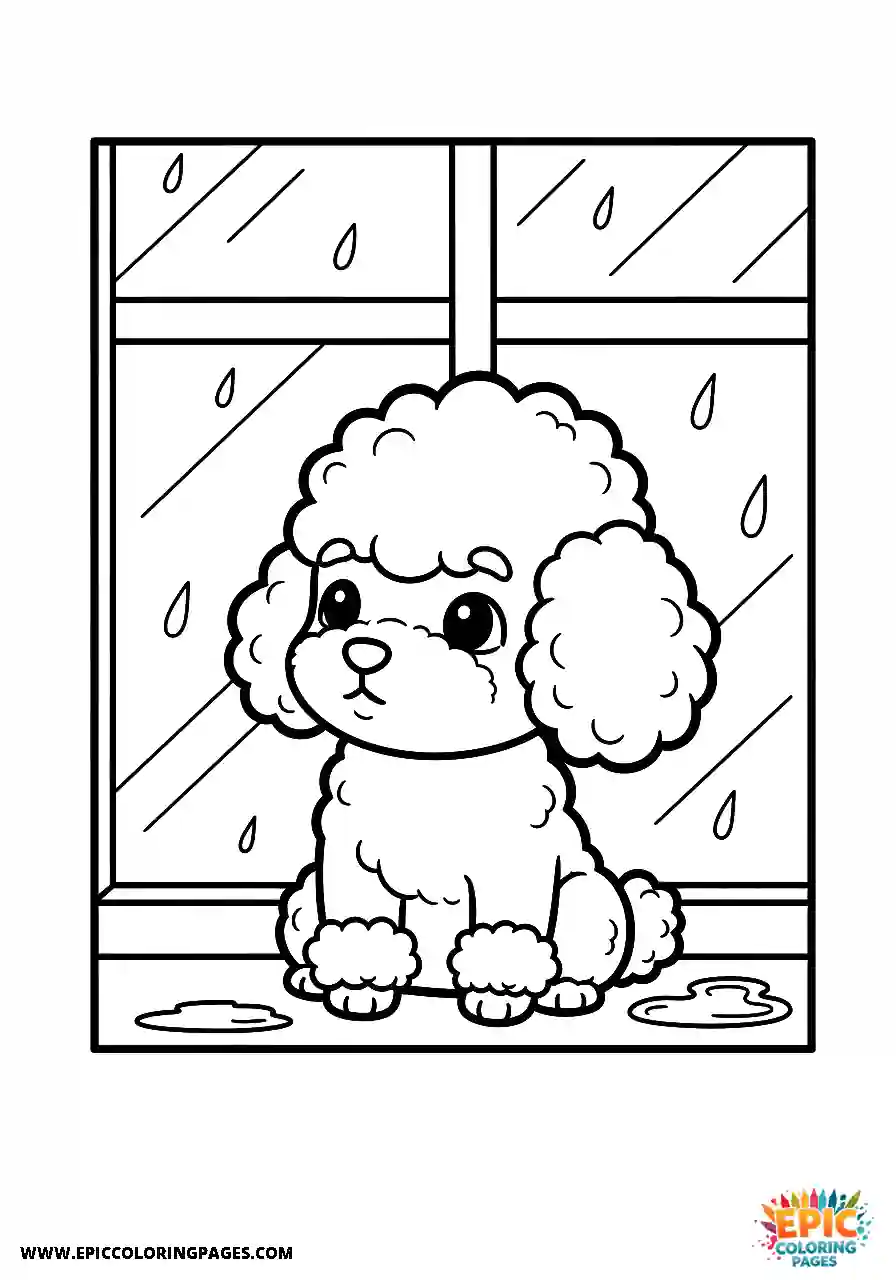
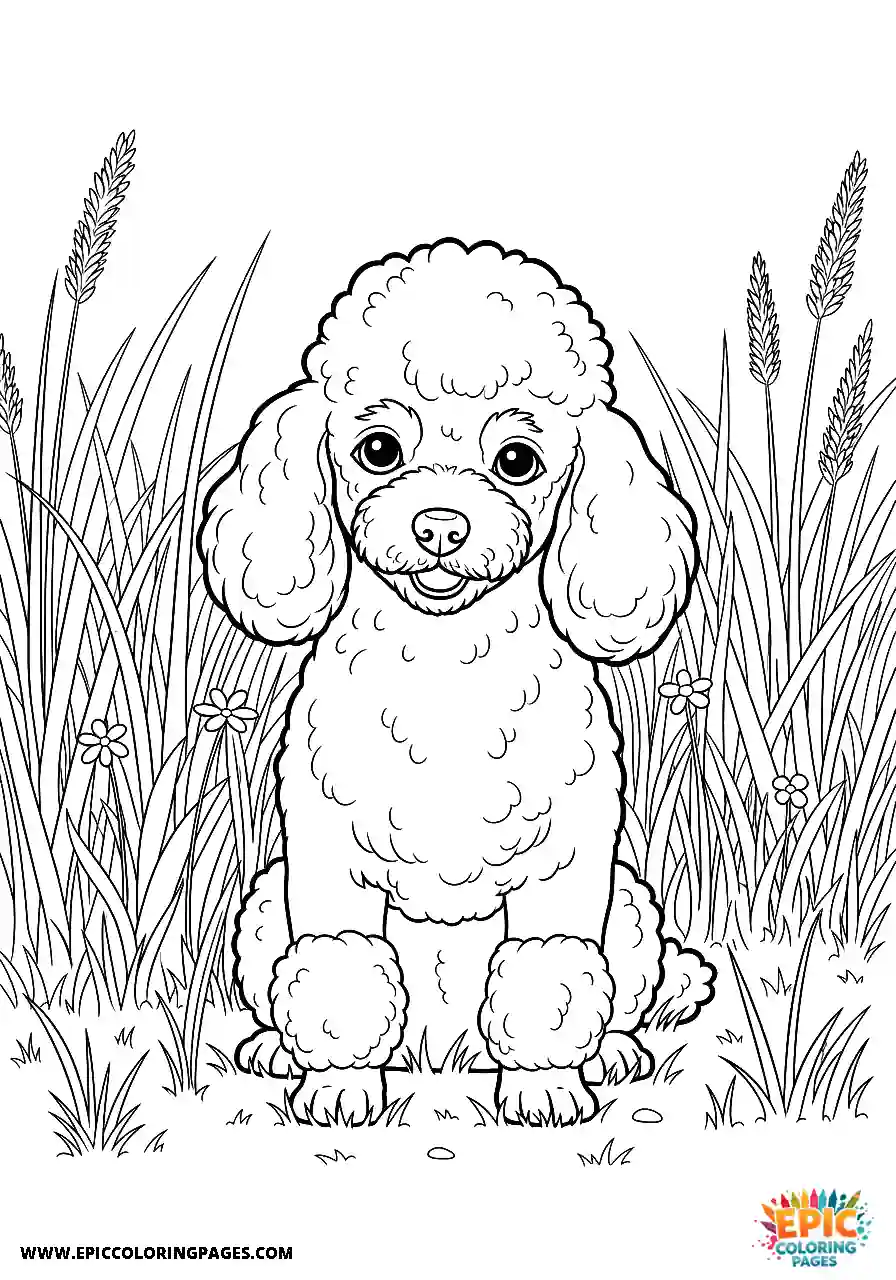
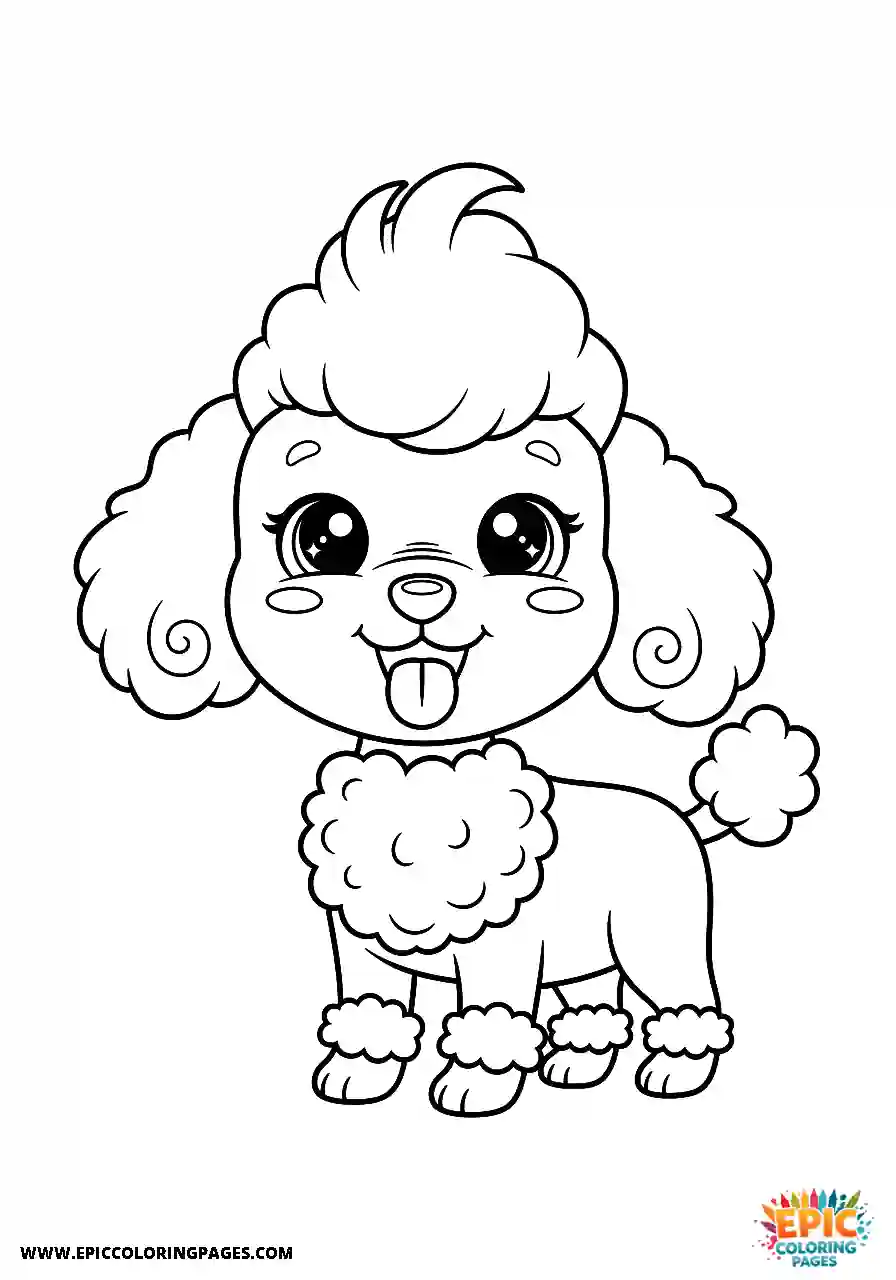
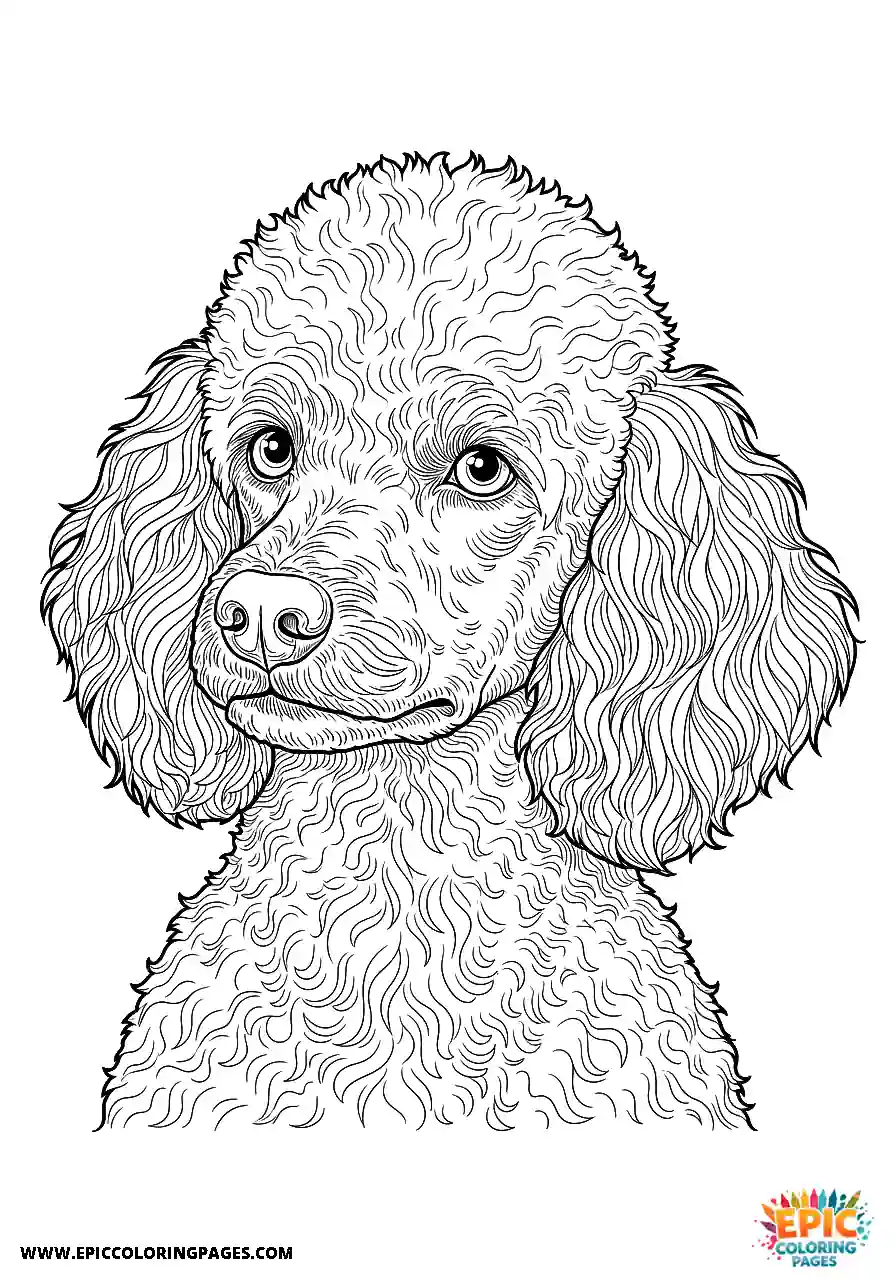
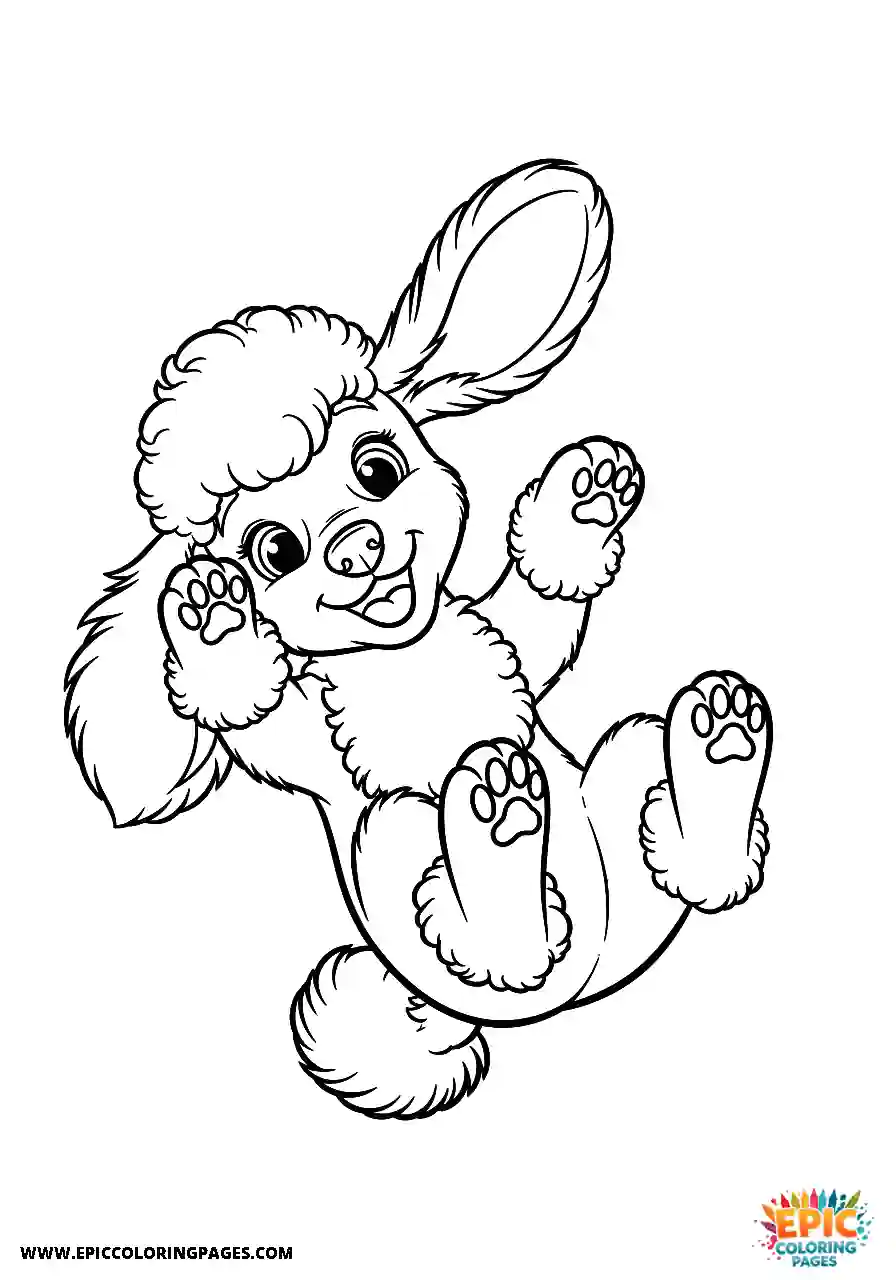
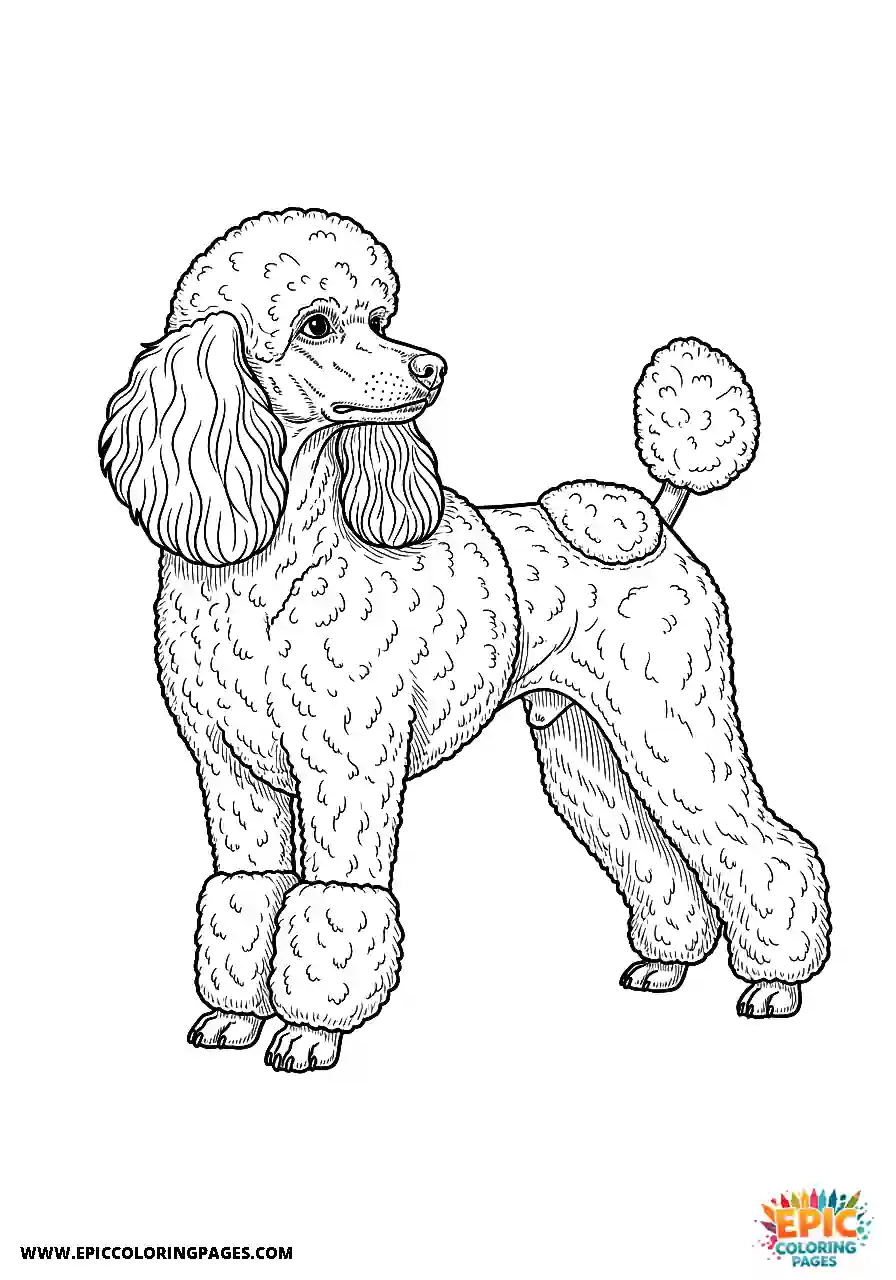
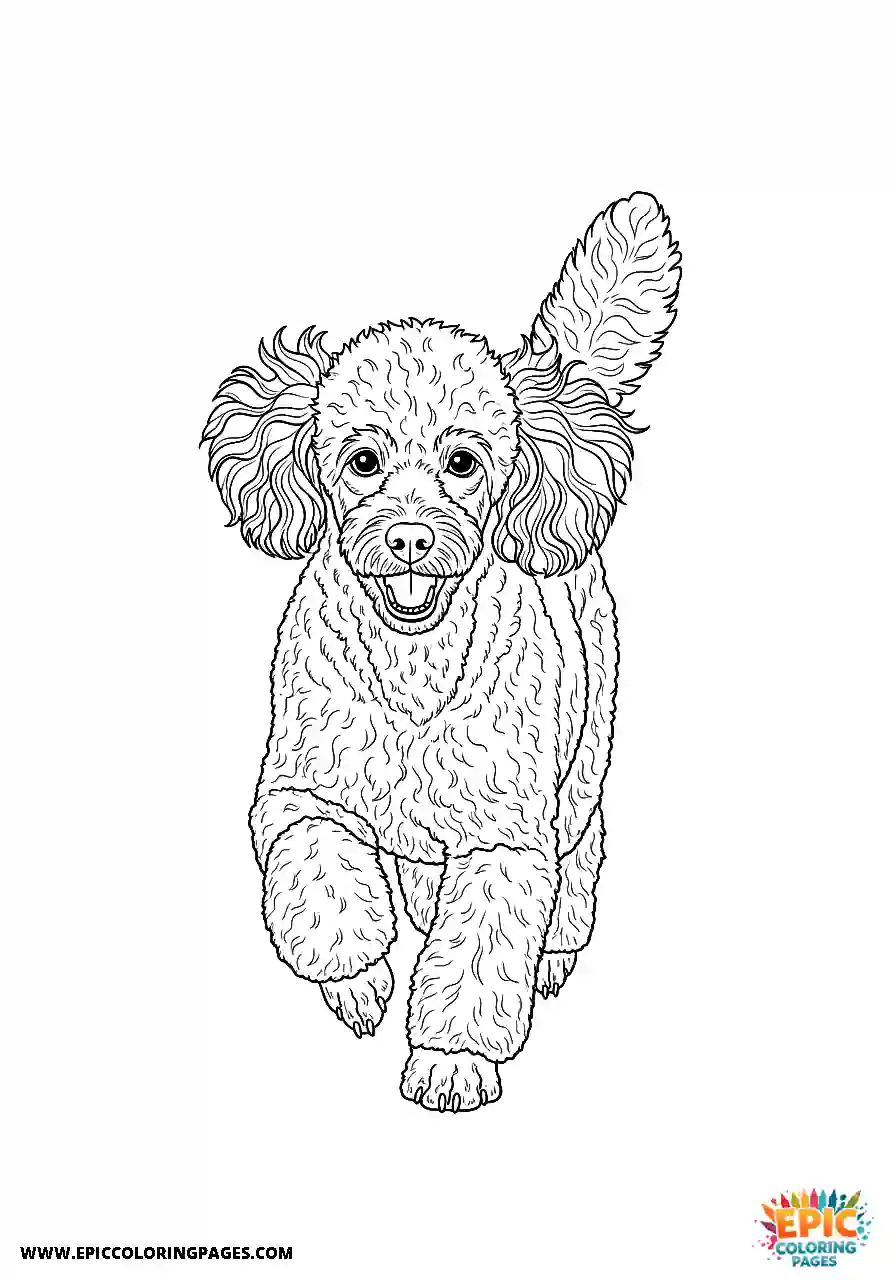
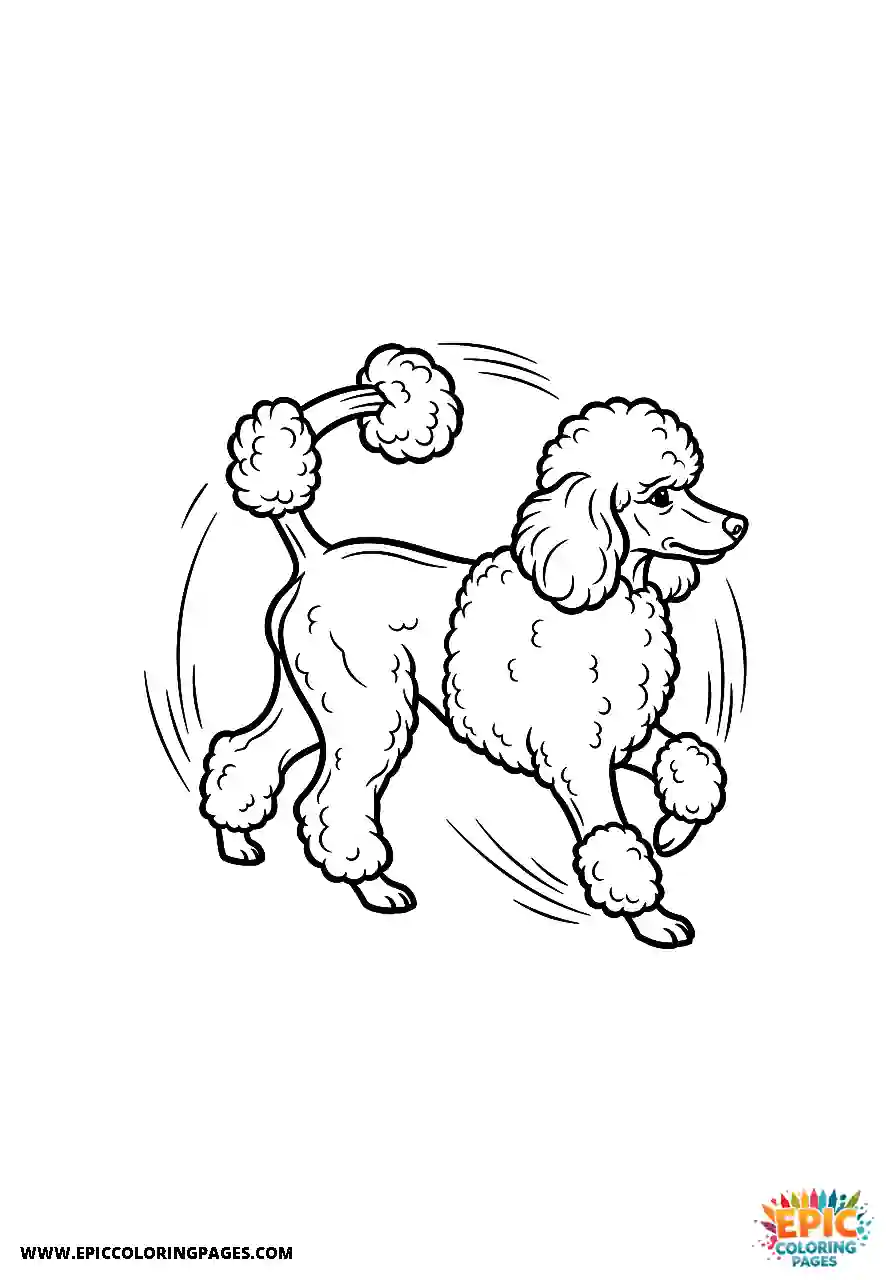
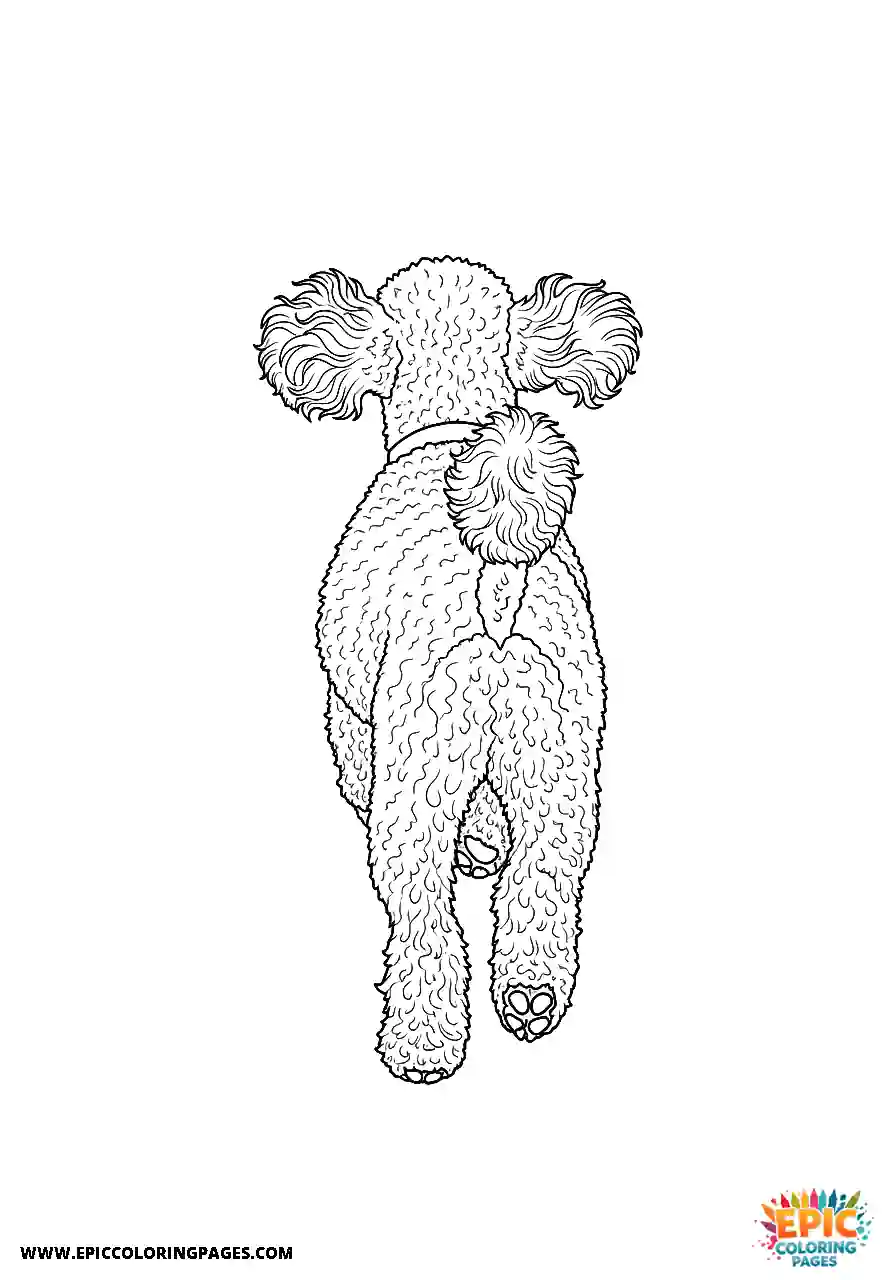
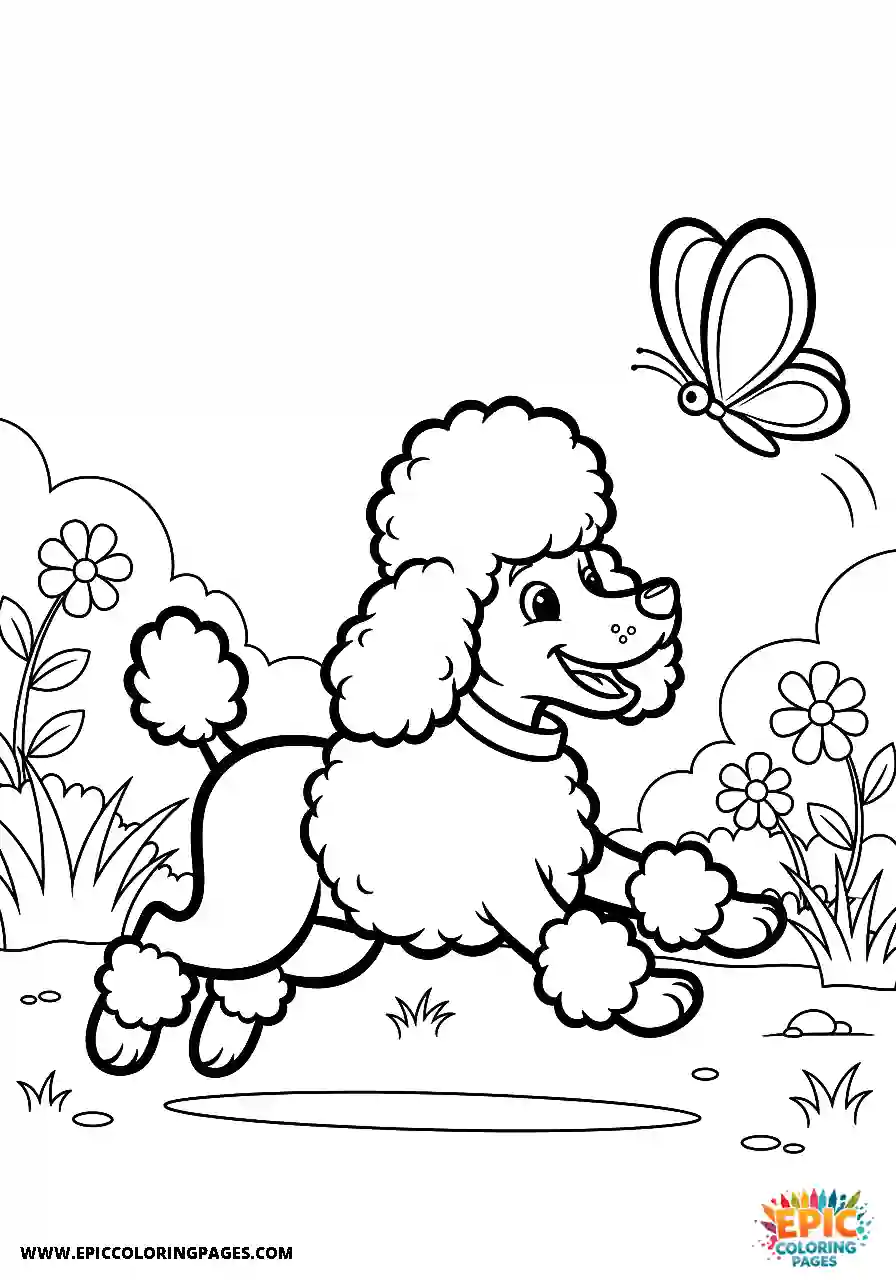
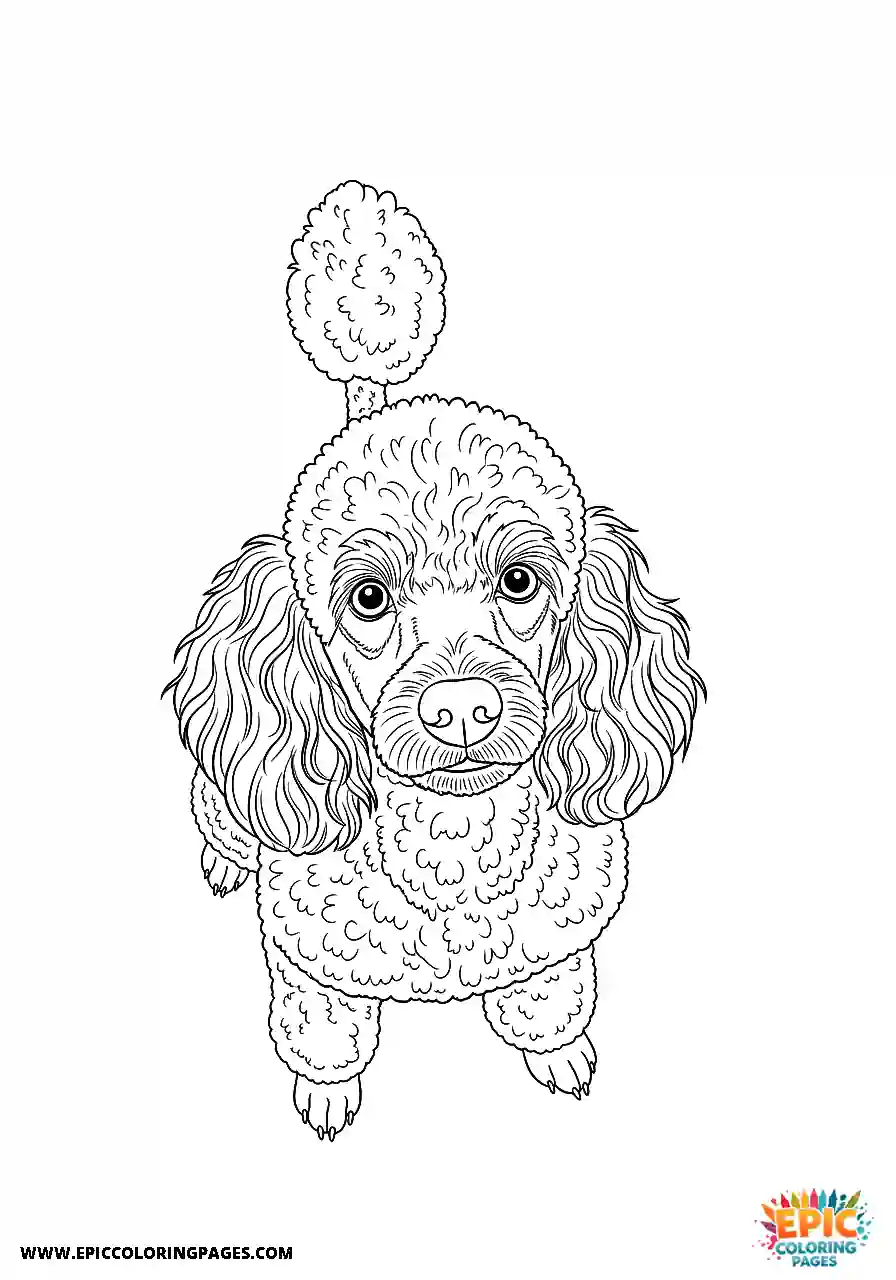
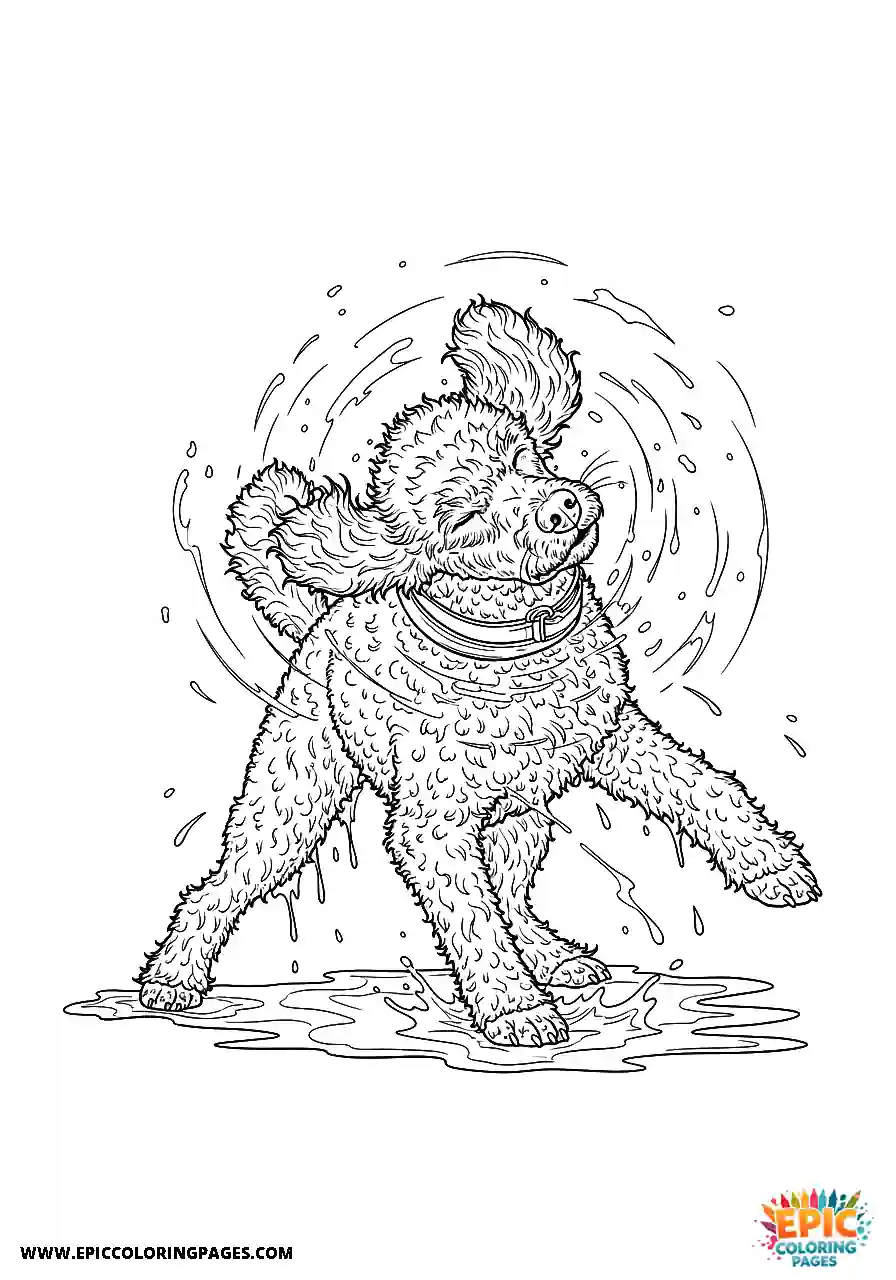
Gallery of drawings of Poodle dogs.
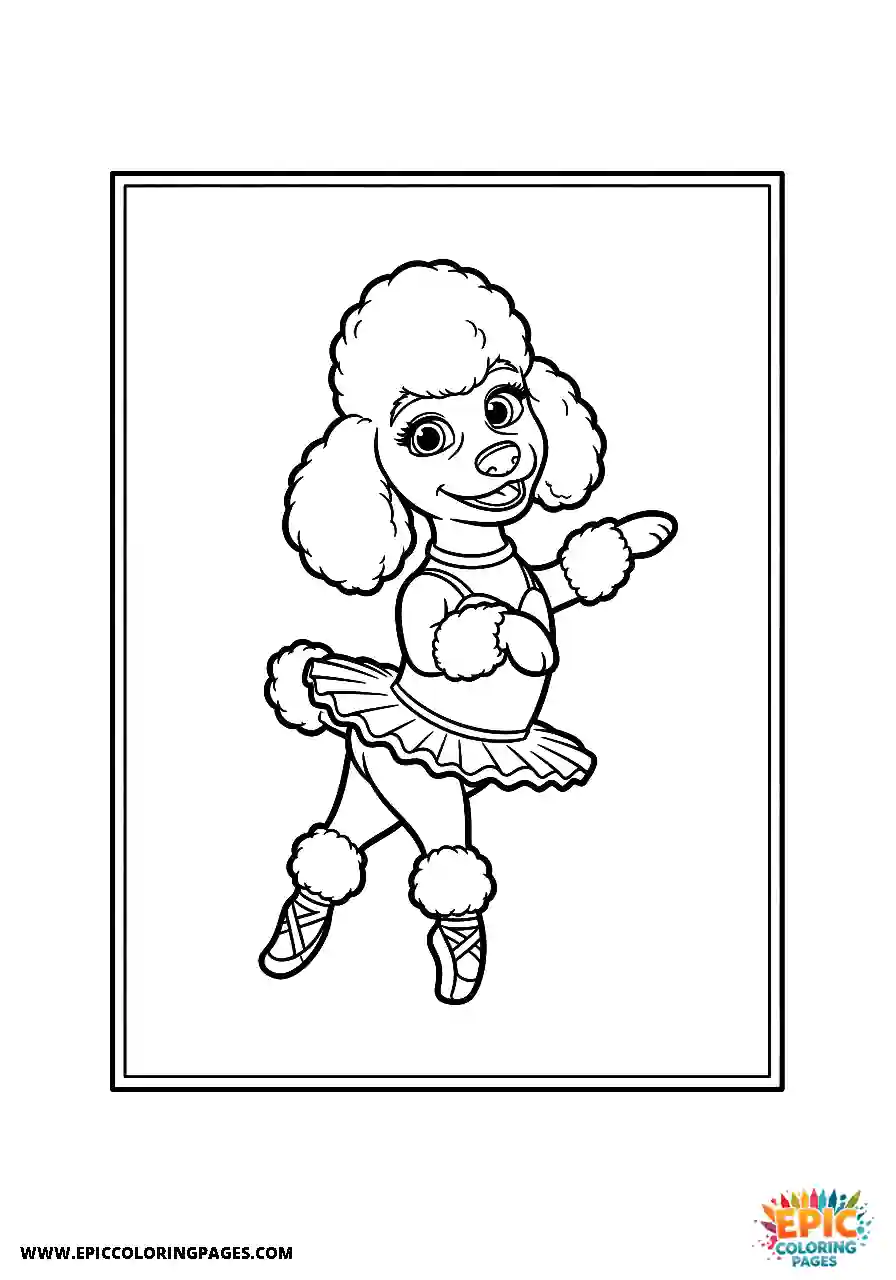
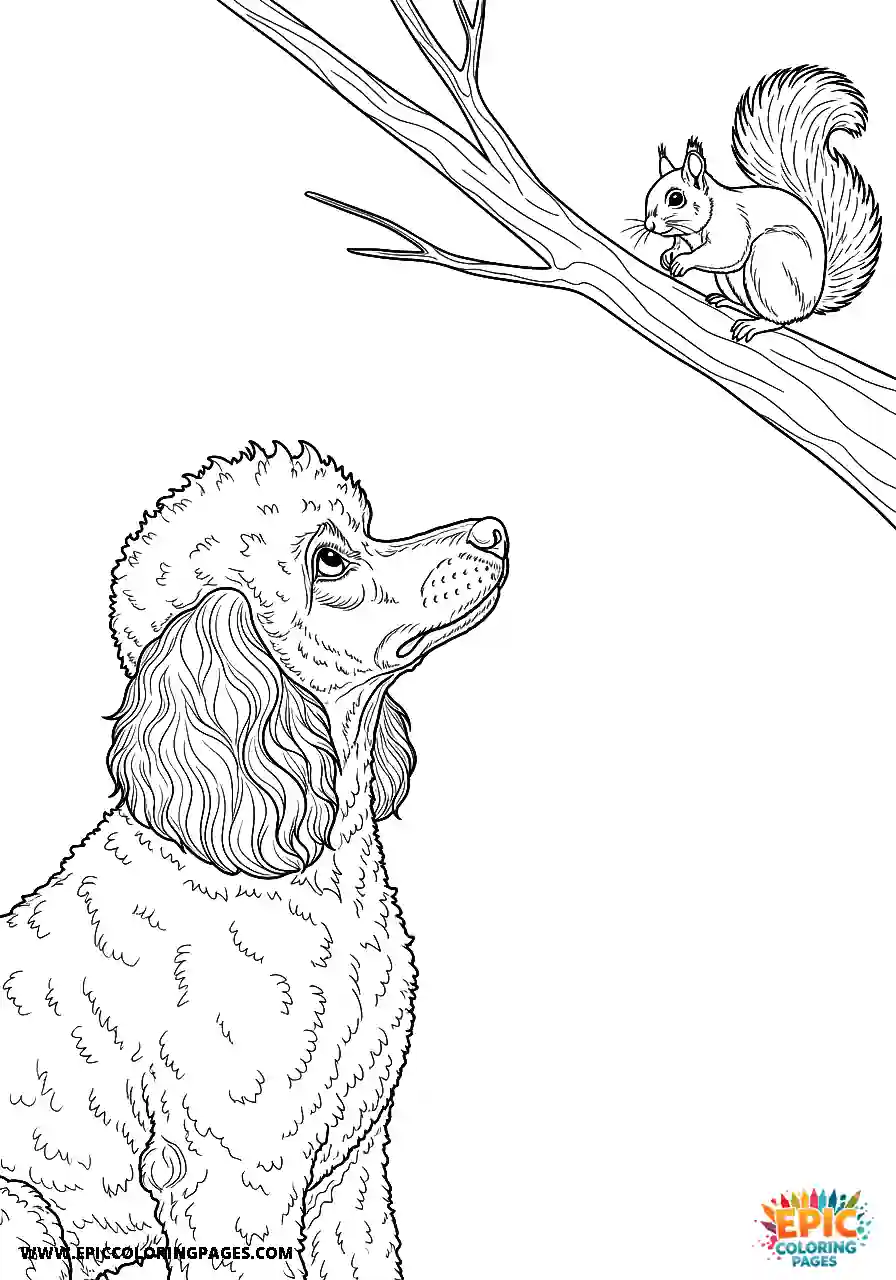
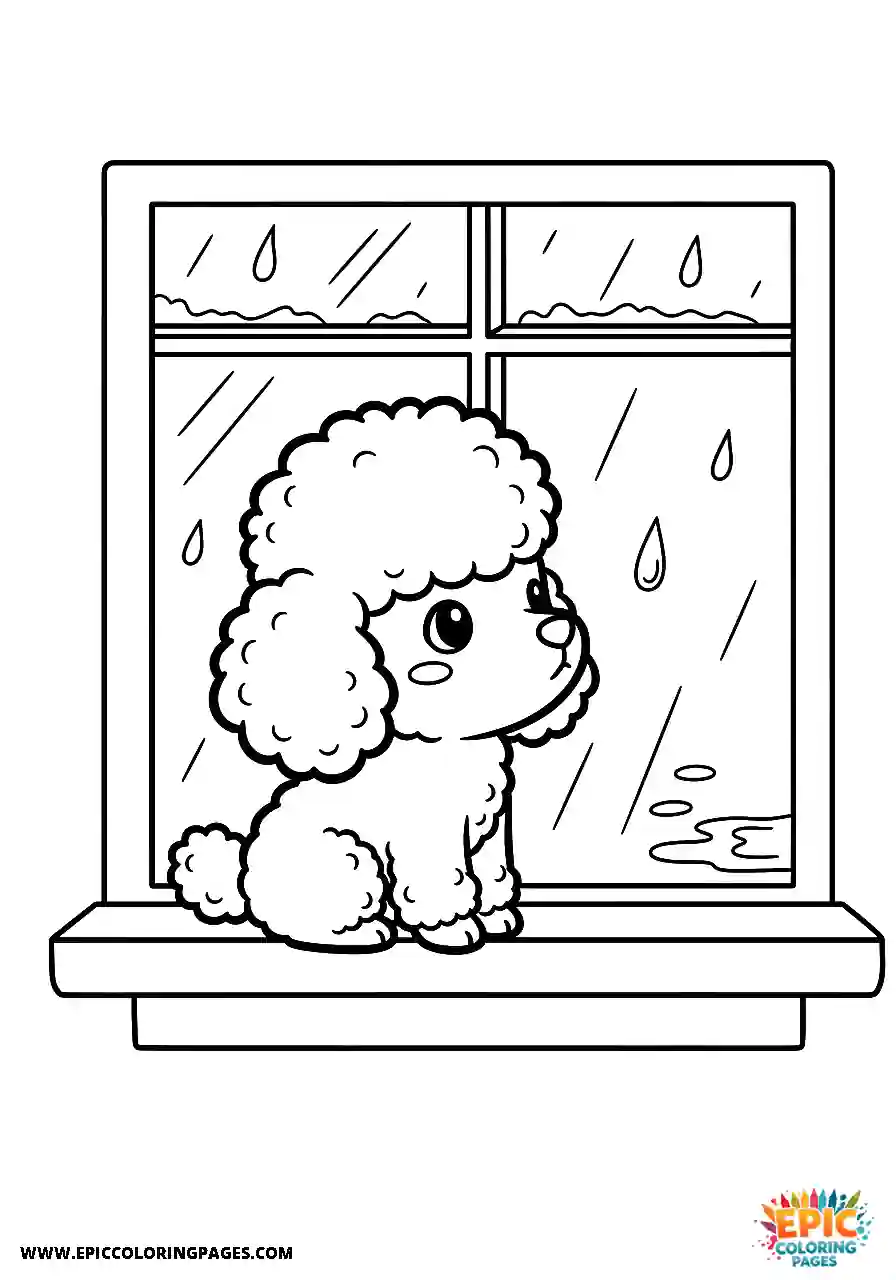
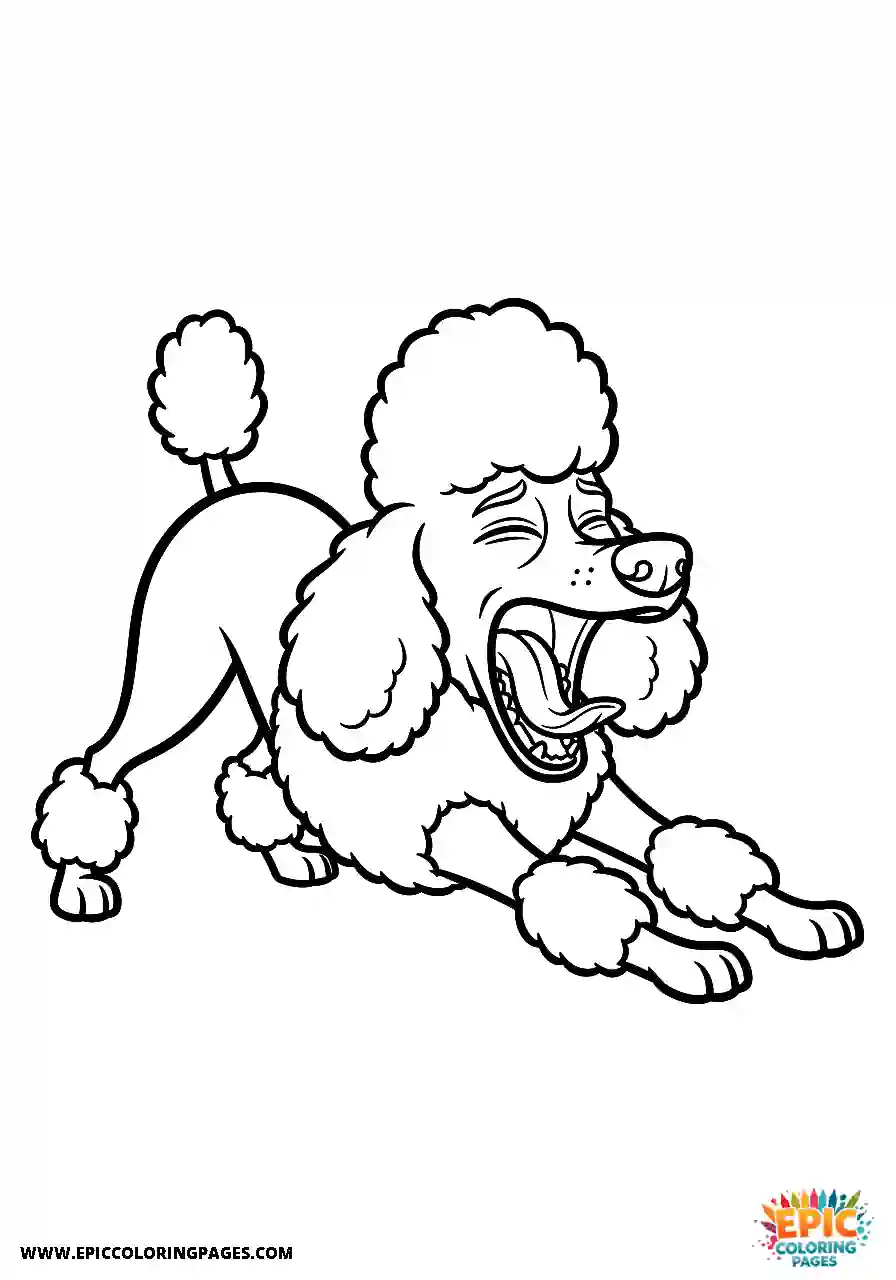
Our collection includes animation-style drawings, cartoon designs, chibi and kawaii illustrations, manga and anime-inspired art, as well as realistic Poodle drawings with detailed coats and expressive features. Whether you want something fun and simple or intricate and artistic, there’s a page waiting for you.















Professional Coloring Tips for Poodle Dog Pages
Poodles possess a distinctive elegance that makes them both delightful and challenging to color. Their iconic curly coat, refined posture, and expressive features offer wonderful opportunities to develop your coloring skills while creating truly stunning artwork.
Understanding Poodle Coat Texture
The poodle’s curly coat is their most recognizable feature, and capturing this texture separates ordinary coloring from exceptional work. Rather than coloring their fur as a solid block, think about how light interacts with those tight, springy curls.
Start by observing that curly fur creates countless tiny shadows and highlights. Each curl catches light differently, creating a dynamic surface. When coloring, use small circular motions with your pencil or marker to mimic this texture. Layer lighter colors first, then add depth with medium tones in the recessed areas between curls. This builds dimension naturally.
For colored pencils, try the “stippling” technique making small dots or dashes that follow the direction of curl growth. This creates visual interest without overwhelming the image. With markers, work in light layers, allowing each to dry before adding the next. This prevents over-saturation while building rich, textured color.
Color Choices Beyond the Basics
While many people default to white, black, or gray for poodles, these dogs actually come in a remarkable variety of colors. Apricot poodles have a warm, peachy tone that looks beautiful with cream highlights and subtle coral shadows. Brown poodles range from deep chocolate to café au lait, offering rich opportunities for warm color palettes.
Silver poodles present an interesting challenge. They’re not simply gray they have cool undertones with hints of blue or lavender. Try mixing gray with the palest blue or purple for shadows, and use white or pale cream for highlights. This creates a sophisticated, luminous quality.
For black poodles, avoid using straight black throughout. Real black fur has subtle color variations. Add dark blues, purples, or even deep greens in shadow areas. Leave some areas less saturated to show where light hits the curls. This prevents the “flat” look that pure black often creates.
Capturing Poodle Grooming Styles
Poodles are famous for their distinctive grooming cuts, and understanding these helps you color more effectively. The “Continental clip” features pompoms of fur on the legs and tail, with a closely shaved body. When coloring these styles, pay attention to the contrast between fluffy and smooth areas.
The pompoms should appear voluminous and soft. Use lighter pressure and colors in their centers, gradually darkening toward the edges. This creates the illusion of rounded, three-dimensional puffs. For shaved areas, use smoother, more even coloring with subtle shading to show the body’s contours beneath.
The face of a poodle typically features a fuller topknot and longer ears. These areas deserve extra attention. The topknot often catches the most light, so keep your highlights bright here. The ears, which hang down, naturally fall into shadow on their undersides darken these areas to show how they drape.
Working with Poodle Features
Poodles have expressive, almond-shaped eyes that convey intelligence and personality. When coloring the eyes, always leave a tiny white highlight this “catchlight” makes the eyes appear alive and bright. The eyes are typically very dark brown or black, but add a hint of warmth by underlaying a deep red-brown before applying darker colors.
The nose should be solid black or dark brown, but it’s not uniformly colored. The top surface catches light and should be slightly lighter or have a small highlight. The nostrils and underside remain darkest. This small detail adds significant realism.
Poodles have relatively long, graceful necks and legs. When shading these areas, remember that cylindrical forms are lightest where they face the light source and darkest on the opposite side. Use gradual transitions rather than harsh lines. This creates the smooth, elegant appearance characteristic of the breed.
Background Choices That Complement
Your background choice dramatically affects how your poodle appears. Poodles are often associated with sophistication, so consider backgrounds that enhance this quality. Soft pastels create an elegant, refined mood. A simple gradient from pale blue to lavender can make a white poodle stand out beautifully.
For a more playful approach, consider grooming salon elements perhaps colored circles or squares suggesting tiles, or simple shapes suggesting grooming tools. Keep these elements subtle so they don’t compete with your main subject.
Natural settings work wonderfully too. A simple grass suggestion using various greens beneath the poodle, or abstract flowers in the background, can create context without overwhelming. Use less saturated colors in backgrounds so your poodle remains the focal point.
Advanced Techniques Worth Trying
Once you’re comfortable with basic coloring, experiment with color temperature to add sophistication. Warm colors (reds, oranges, yellows) advance visually, while cool colors (blues, purples, greens) recede. Use warmer tones where the poodle is closest to the viewer and cooler tones in areas further away. This creates subtle depth.
Complementary colors make each other appear more vibrant. If you’re coloring a brown poodle, adding touches of blue in shadows creates visual interest. For a white poodle, pale lavender or blue shadows look more interesting than gray.
Try the “burnishing” technique with colored pencils after layering colors, go over them firmly with a light color or colorless blender. This smooths the texture and creates a polished, professional appearance, perfect for a poodle’s refined look.
Common Mistakes to Avoid
Many colorists make poodle fur too uniform. Real fur has variations some areas catch more light, others fall into shadow, and the texture isn’t identical everywhere. Build variation intentionally. Similarly, avoid coloring right up to every outline with the same pressure. Varying your intensity creates more natural, less “coloring book” results.
Don’t neglect the whites. White fur isn’t actually white paper it needs color too. Use pale grays, creams, or even light blues and lavenders to give white poodles dimension. The only pure white should be your brightest highlights.
Finally, resist rushing through the curly coat. This texture is what makes poodles special. Taking time to build it thoughtfully will elevate your entire piece.
Creating Emotional Connection
Think about what makes poodles special beyond their appearance. They’re known for intelligence, loyalty, and dignified playfulness. Let this inform your color choices and technique. Perhaps add warmth to your palette to convey friendliness, or choose crisp, clean colors to emphasize their refined nature.
The best colored pages aren’t just technically proficient they capture something essential about their subject. As you color, consider what you want viewers to feel. Do you want them to smile at a playful puppy poodle, or admire an elegant show dog? Your color choices, contrast levels, and attention to detail all contribute to this emotional impact.
Coloring poodle pages offers a perfect balance of technical challenge and creative expression. Whether you’re just beginning or have years of experience, these magnificent dogs provide endless opportunities to refine your skills and create artwork you’ll be proud to display.
More Dog Breeds to Color
If you loved these Poodle designs, don’t stop here! The world of dogs is vast and diverse, and we have hundreds of other breeds waiting for you to bring them to life with color. Whether you prefer big guard dogs or tiny lap dogs, our library is constantly growing.
Check out our complete collection of dog coloring pages to find your next favorite project.
Frequently Asked Questions and Interesting Facts About Poodle Dogs
Poodles are fascinating dogs with a rich history and many unique traits. Below, we answer common questions and share interesting facts to help you learn more while enjoying your coloring experience.
Why do people say poodles are the worst?
This is actually a misconception! Some people might find poodles challenging because they’re highly intelligent and require mental stimulation, consistent grooming, and regular exercise. Without proper care and attention, poodles can develop behavioral issues like excessive barking or anxiety. However, these traits don’t make them “the worst” they simply mean poodles need committed owners. When properly cared for, poodles are loyal, affectionate, trainable, and make excellent family pets. The negative reputation often comes from people who weren’t prepared for the breed’s specific needs.
Are poodles hypoallergenic?
While no dog is truly 100% hypoallergenic, poodles are considered one of the best breeds for allergy sufferers. Their curly coat traps dander and hair rather than releasing it into the air, which significantly reduces allergic reactions. Poodles have hair instead of fur, which grows continuously like human hair and sheds minimally. This characteristic, combined with regular grooming and bathing, makes poodles an excellent choice for people with mild to moderate dog allergies.
Do poodles shed?
Poodles shed very minimally compared to most other dog breeds. Instead of seasonal shedding cycles, poodles lose small amounts of hair continuously, which typically gets caught in their curly coat rather than falling onto your furniture and floors. This is why regular grooming is essential without it, the trapped hair can form mats and tangles. Professional grooming every 4-6 weeks helps maintain their coat and removes loose hair.
What were poodles bred for?
Contrary to their reputation as fancy show dogs, poodles were originally bred as water retrievers in Germany! The name “poodle” comes from the German word “pudelhund,” meaning “splashing dog.” They were expert duck hunters, and their distinctive haircut wasn’t just for show the shaved areas allowed for better swimming mobility, while the pom-poms of hair protected their joints and vital organs from cold water. Even today, poodles retain their natural swimming ability and retrieving instincts.
How long do poodles live?
Poodles are generally a long-lived breed, with lifespan varying by size. Toy Poodles typically live 14-18 years, Miniature Poodles live 12-15 years, and Standard Poodles live 11-13 years. With proper nutrition, regular veterinary care, exercise, and mental stimulation, many poodles exceed these averages. Their longevity makes them wonderful long-term companions, though potential owners should be prepared for the commitment.
Are poodles aggressive?
No, poodles are not inherently aggressive. In fact, they’re known for being friendly, loyal, and good-natured. However, like any breed, improper socialization, lack of training, or mistreatment can lead to fear-based aggression or defensive behaviors. Toy and Miniature Poodles may sometimes display “small dog syndrome” if they’re not properly trained, but this is a behavioral issue, not a breed characteristic. With proper socialization from puppyhood and consistent positive reinforcement training, poodles are gentle and excellent with children and other pets.
How big do toy poodles get?
Toy Poodles are the smallest variety of poodle, standing under 10 inches tall at the shoulder and typically weighing between 4-6 pounds when fully grown. Despite their tiny size, they have the same intelligence and personality as their larger counterparts. They usually reach their full adult size by 6-7 months of age, though they continue to fill out and mature until about 12-18 months old.
How long do standard poodles live?
Standard Poodles, being the largest variety, typically live 11-13 years, though many live longer with excellent care. Factors affecting their lifespan include genetics, diet, exercise, preventive healthcare, and overall lifestyle. Standard Poodles are generally healthy dogs, but regular veterinary checkups and attention to breed-specific health concerns can help maximize their longevity.
Are poodles hunting dogs?
Yes! Poodles are indeed hunting dogs, specifically bred for waterfowl retrieval. Standard Poodles were prized hunting companions in Europe for centuries, working alongside hunters to retrieve ducks and other game from water. They’re classified in the “Non-Sporting Group” by the American Kennel Club, but this is somewhat misleading they retain strong hunting instincts, excellent swimming abilities, and a natural retrieving drive. Many poodles today still participate in hunting trials and make capable working dogs.
Where do poodles originate from?
While France adopted the poodle as its national dog, poodles actually originated in Germany over 400 years ago. They were developed as water retrievers and duck hunters. The breed later became extremely popular in France, where they were further refined and became associated with French culture and aristocracy. This is why they’re sometimes called “French Poodles,” though Germany is their true birthplace.
Are poodles smart?
Absolutely! Poodles consistently rank as the second most intelligent dog breed (after Border Collies) according to canine intelligence expert Stanley Coren. They excel at obedience training, learn new commands quickly (often in fewer than five repetitions), and have excellent problem-solving abilities. This intelligence makes them highly trainable for various tasks, from service work to performing tricks, but it also means they need mental stimulation to prevent boredom and destructive behaviors.
Are poodle tails docked?
Traditionally, yes poodle tails have been docked (surgically shortened) for generations, originally to prevent injury while hunting in thick brush and water. In the United States, tail docking remains common and is part of the AKC breed standard for show dogs. However, this practice is increasingly controversial and is actually banned in many European countries and other parts of the world where it’s considered unnecessary cosmetic surgery. Many pet owners today are choosing to leave their poodles’ tails natural, which gives them a longer, elegant appearance.
What poodle mix is best?
The “best” poodle mix depends entirely on your lifestyle and preferences! Popular poodle mixes (often called “Doodles”) include Goldendoodles (Golden Retriever + Poodle) for friendly, active families; Labradoodles (Labrador + Poodle) for energetic, social households; Cockapoos (Cocker Spaniel + Poodle) for smaller homes; Bernedoodles (Bernese Mountain Dog + Poodle) for gentle giants; and Aussiedoodles (Australian Shepherd + Poodle) for highly active owners. Each mix combines poodle intelligence and low-shedding coat with traits from the other parent breed. However, it’s important to note that mixed breeds don’t always inherit predictable traits, and purebred poodles themselves make excellent companions.
What are poodles' weaknesses?
Poodles have a few breed-specific challenges to be aware of. Their high intelligence can work against them if they’re bored they may become destructive or develop problem behaviors. They require regular, professional grooming every 4-8 weeks, which can be expensive and time-consuming. Poodles can be prone to separation anxiety and don’t do well when left alone for long periods. Some health concerns include hip dysplasia (especially in Standard Poodles), progressive retinal atrophy, epilepsy, Addison’s disease, and bloat. Additionally, their sensitive nature means they respond poorly to harsh training methods and thrive best with positive reinforcement.
What do poodles love most?
Poodles absolutely love being with their people! They’re incredibly social dogs that thrive on human companionship and attention. They love mental challenges like puzzle toys, training sessions, and learning new tricks. Many poodles adore water and swimming, thanks to their hunting heritage. They enjoy active play, retrieving games, and long walks or runs with their owners. Poodles also love having a job to do whether it’s agility training, obedience work, or simply being your devoted companion. Quality time with their family is what makes poodles happiest.
Can poodles be left alone?
Poodles can be left alone for short periods (4-6 hours maximum), but they don’t handle prolonged isolation well. They’re highly social, people-oriented dogs that form strong bonds with their families and can develop separation anxiety if left alone too frequently or for too long. If you work full-time, consider doggy daycare, a pet sitter, or coming home during lunch. When left alone, provide mental stimulation through puzzle toys, a comfortable environment, and ensure they’ve had adequate exercise beforehand. Gradual training from puppyhood can help poodles become more comfortable with alone time, but they’ll always prefer having company.