Cane Corso Coloring Pages (326+ Free Printables)
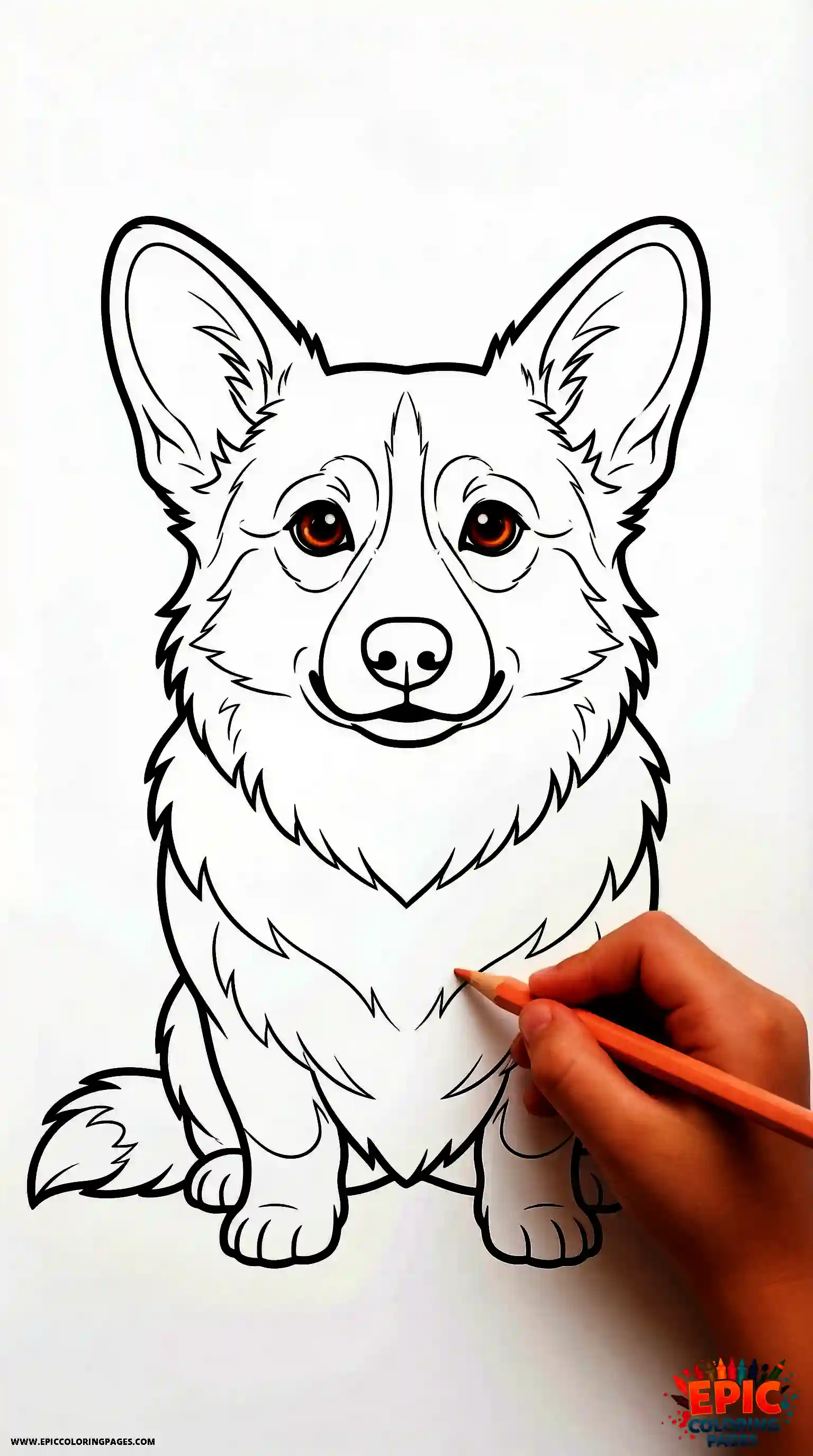
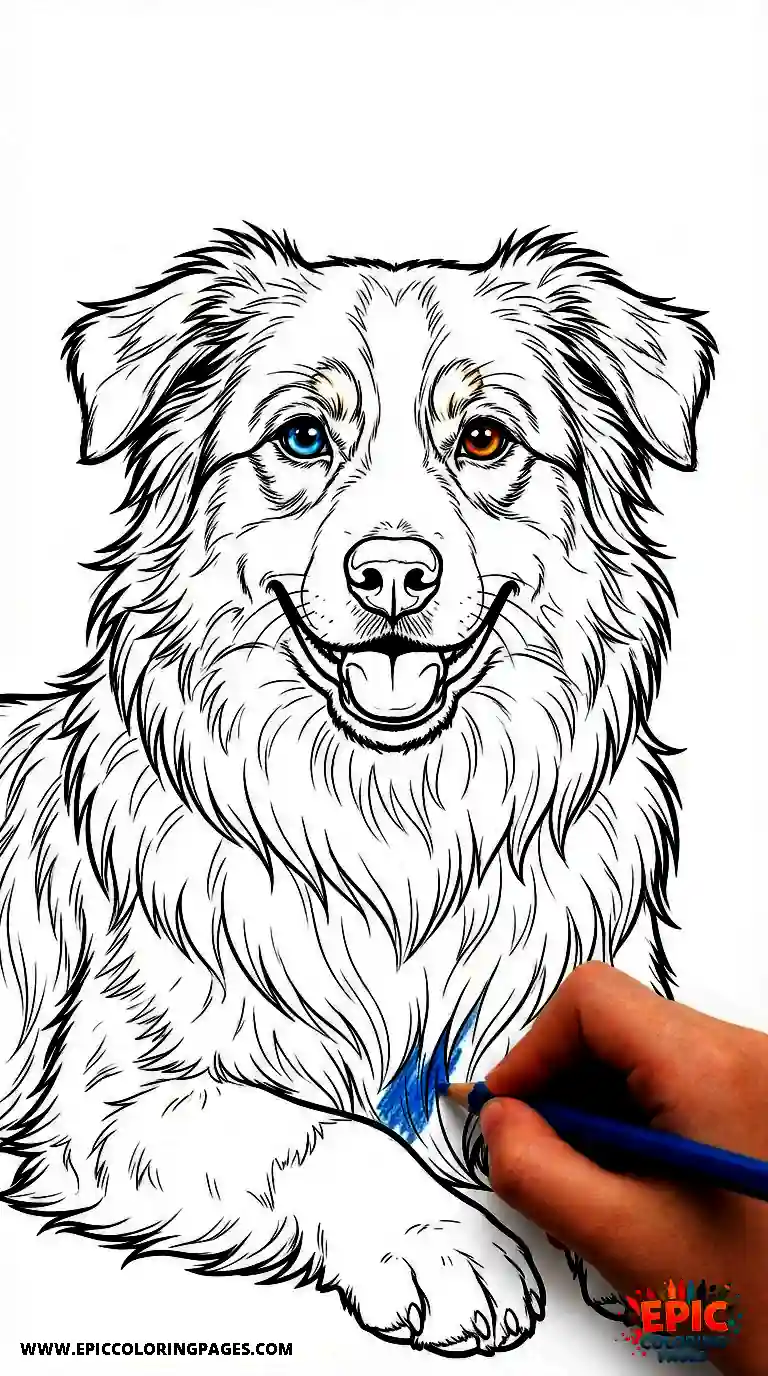
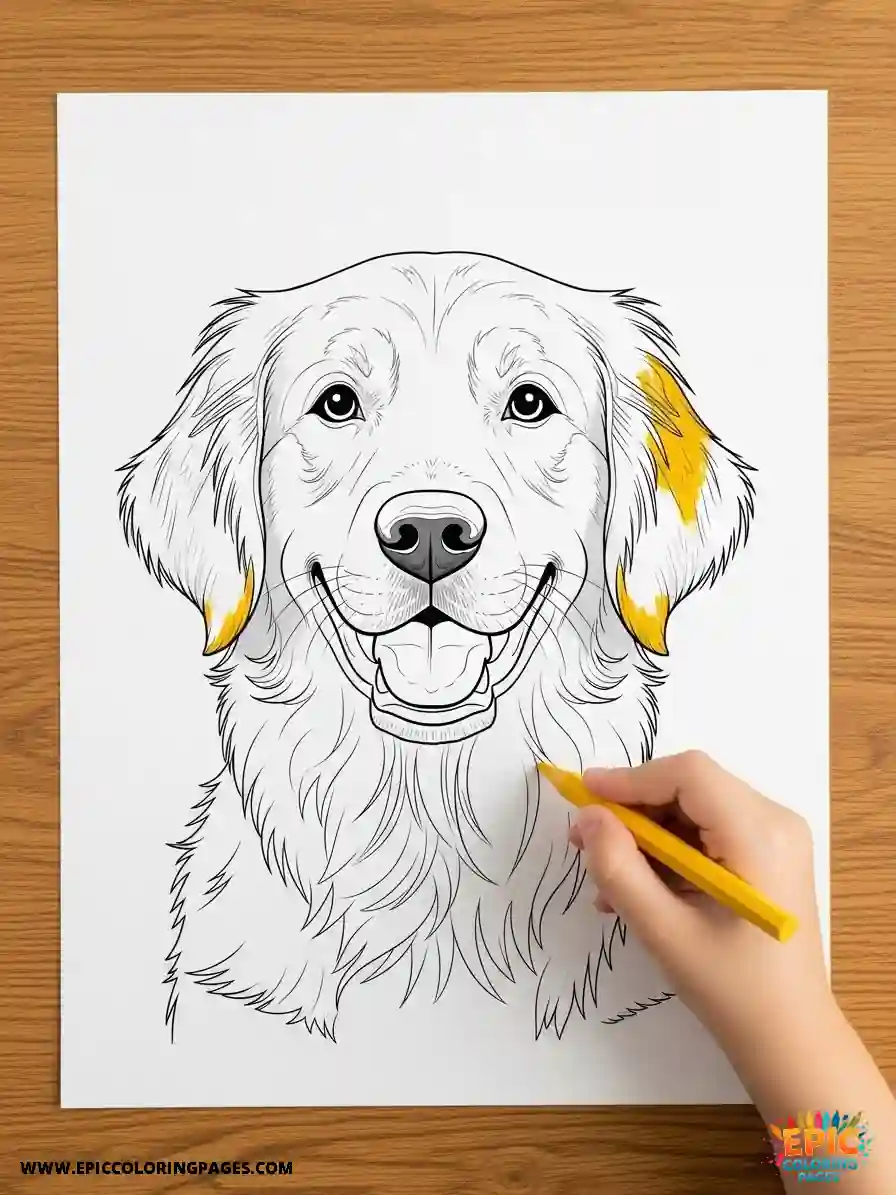
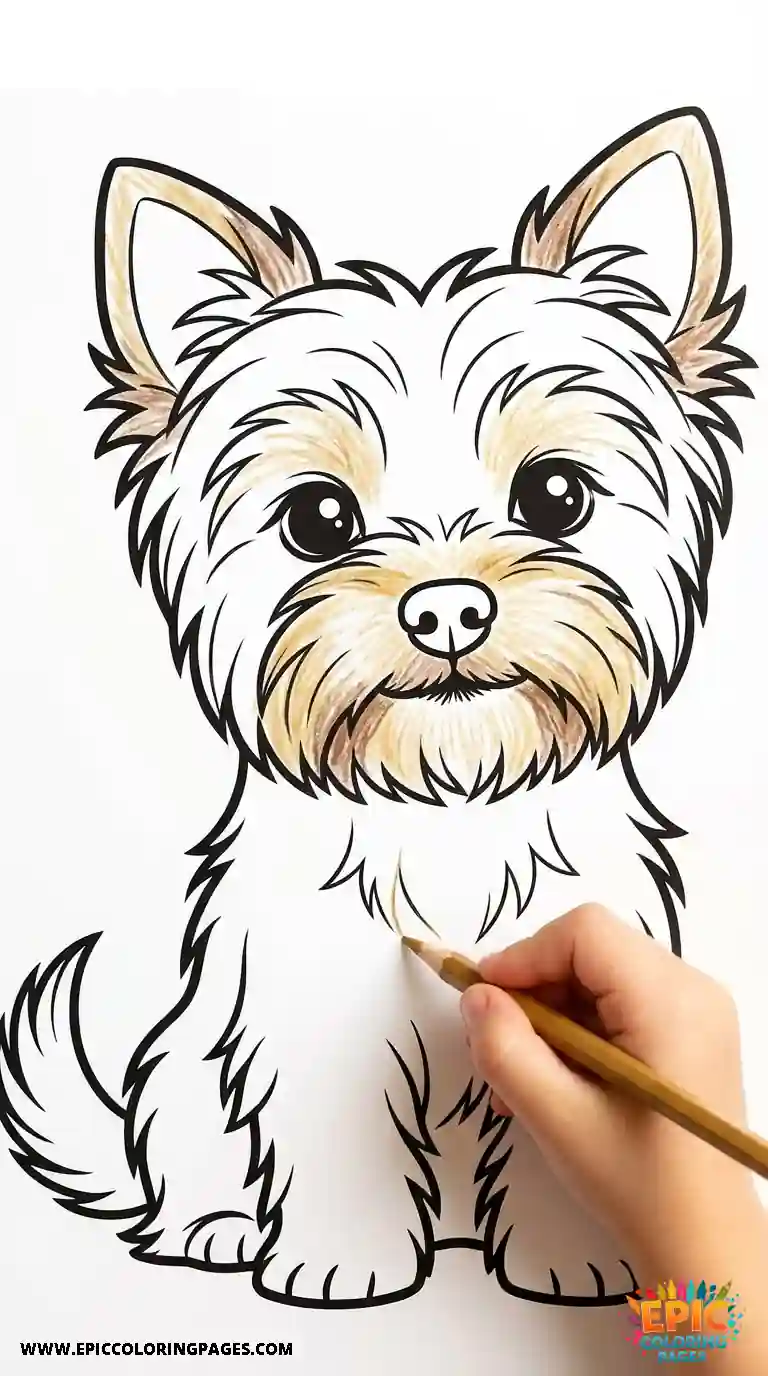
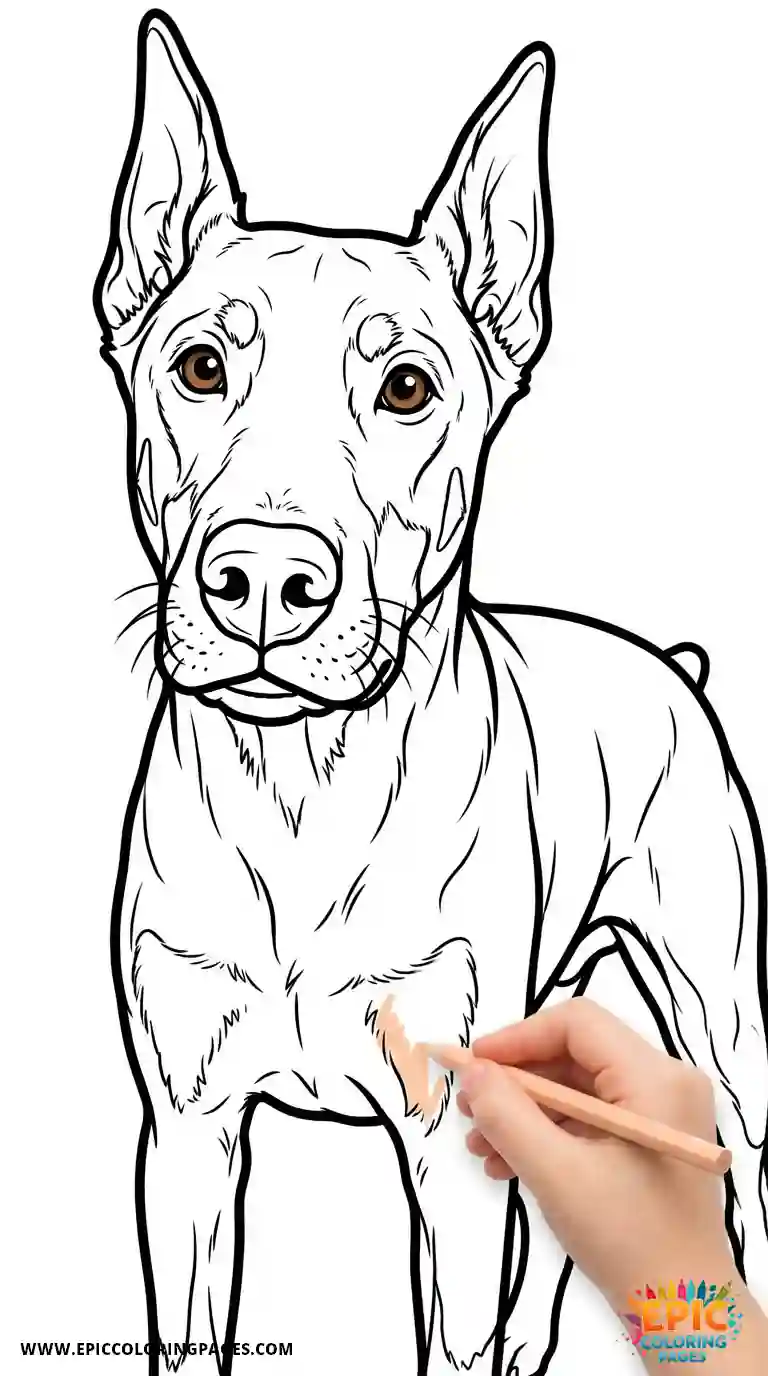
Descending directly from the ancient Roman war dog Canis Pugnax, the Cane Corso is a formidable guardian breed that originated in Southern Italy. Its name roughly translates to “Bodyguard Dog” from the Latin cohors, reflecting centuries of history as a versatile farmhand used for hunting wild boar, herding cattle, and protecting property. This collection of Cane Corso coloring pages captures the imposing stature of this Italian Mastiff, highlighting its muscular frame, broad skull, and the distinctive cropped ears often associated with the breed standard.
Physically, the Cane Corso presents a unique challenge for artists due to its short, dense coat and powerful anatomy. Unlike fluffier breeds, the Corso’s musculature is clearly visible beneath the skin, requiring careful shading to define the chest, shoulders, and hindquarters. These illustrations provide a range of poses from the alert, stoic stance of a guardian to the softer expression of a family companion allowing colorists to experiment with common coat colors like black, blue (gray), fawn, and brindle.

🎨 Free Interactive Editor - Customize Your Coloring Pages
Click on any image to open our FREE editor and add personalized text, emojis, zoom in for details, and save in professional 300 DPI quality!
Add Text
11+ fonts
Emojis
500+ items
Zoom
Precision
Save
300 DPI
Click any coloring page to start customizing!
Coloring the Italian Mastiff
This gallery focuses on the breed’s commanding presence. You will find pages that emphasize the blocky head and strong muzzle perfect for practicing facial expressions and eye detail alongside full-body sketches that showcase their athletic build. Whether you choose to color a sleek, solid black guardian or a complex brindle pattern with tiger-like stripes, these designs offer a satisfying blend of anatomical precision and artistic freedom.
Brave Cane Corsos, Cozy Moments, and Playful Puppy Scenes
From strong guardian stances near mountain cliffs and modern homes to sleepy puppies curled up beside boots and fireplaces, these pages showcase the many sides of the Cane Corso. Some illustrations focus on realistic detail and powerful expressions, while others capture softer moments like resting in the grass, watching over a crib, or patiently waiting for a treat.
You’ll also find plenty of playful artwork in chibi, kawaii, cartoon, anime, and manga styles. Puppies race through agility poles, leap for frisbees, tug on rope toys, roll in the snow, wear raincoats and bow ties, and pose in imaginative scenes with wagons, trophies, flowers, and even astronaut outfits. The variety keeps the gallery feeling lively from start to finish.
Close-up portraits, dynamic action poses, peaceful nap scenes, muddy outdoor adventures, and humorous puppy moments all help highlight why Cane Corsos are both impressive protectors and deeply lovable companions.
More Dog Coloring Pages...
Love coloring magnificent dog breeds? Don’t stop here! Explore our comprehensive collection of dog coloring pages featuring hundreds of breeds from tiny Chihuahuas to giant Great Danes. Whether you’re passionate about working dogs, toy breeds, or sporting companions, you’ll find endless hours of creative fun waiting for you. Discover new favorites, learn about different breeds, and build your ultimate dog coloring portfolio!
The Best Professional Tips for Coloring Cane Corso Dog
Bringing a Cane Corso to life through coloring requires understanding both the breed’s distinctive characteristics and effective coloring techniques. Whether you’re a beginner exploring this majestic Italian mastiff or an experienced colorist, these insights will help you create stunning representations.
Understanding the Cane Corso's Distinctive Features
The Cane Corso possesses a muscular, athletic build that sets it apart from other mastiff breeds. Their coat lies close to the body, creating smooth contours that catch light differently than fluffier breeds. Pay attention to how their powerful chest, defined shoulders, and lean hindquarters create natural shadows and highlights. Their facial structure with a broad skull, pronounced stop, and strong muzzle gives them an expression that balances nobility with alertness.
Authentic Coat Colors and Patterns
Cane Corsos come in several accepted colors, each with unique characteristics. Black coats often show subtle blue or gray undertones in certain lighting. Gray ranges from light silver to deep slate, frequently appearing warmer in sunlight. Fawn varies from light cream to deep red-brown, sometimes with darker shading along the back. Brindle creates tiger-stripe patterns where darker stripes overlay a lighter base color. Many Cane Corsos also feature a black or gray mask on their face, which typically extends over the muzzle and around the eyes.
Building Depth in Short Coats
Short-coated breeds like the Cane Corso benefit from layering techniques that suggest texture without overworking the surface. Start with your base color in light, even strokes following the natural direction of fur growth. The coat flows backward from the nose, downward on the legs, and outward from the spine. Use slightly darker tones in areas where muscles create natural shadows under the jaw, behind the shoulders, along the ribcage, and where the legs meet the body.
For realistic dimension, leave the highest points of muscles slightly lighter. The tops of the shoulders, the bridge of the nose, and the rounded portions of the haunches naturally catch more light. This contrast between light and shadow creates the muscular definition that makes the breed so impressive.
Working with Different Coloring Media
Colored pencils excel at creating the smooth, sleek appearance of a Cane Corso’s coat. Use light pressure and multiple layers rather than pressing hard initially. Burnishing using a light color or colorless blender to smooth the pigment works beautifully for their glossy coat. For brindle patterns, lay down your base color completely before adding stripes, and vary the width and darkness of stripes for natural variation.
Markers require a different approach since they’re less forgiving. Work from light to dark, and use the natural texture of your paper to suggest the coat’s slight texture. Brush markers allow you to follow fur direction more naturally than bullet tips. If you’re using water-based markers, you can blend colors while they’re still wet using a damp brush or blending marker.
Crayons and gel pens offer accessibility for younger colorists or those seeking different effects. With crayons, layer colors rather than pressing hard, which can create waxy buildup. Metallic gel pens can add subtle highlights that suggest the sheen on a healthy coat.
Capturing the Eyes and Expression
The Cane Corso’s eyes reveal their intelligent, watchful nature. Eye color typically ranges from dark brown to amber, depending on coat color. Dark-coated dogs usually have darker eyes. Create depth by leaving a small highlight often in the upper portion of the iris completely white or very light. The pupil should be the darkest point, with the iris slightly lighter and showing subtle color variation.
The area around the eyes deserves attention too. Cane Corsos often have subtle wrinkles on their forehead when alert, and the skin around the eyes may show different pigmentation than the coat. These details bring personality to your coloring.
Background Choices That Complement
Your background selection can dramatically affect how your Cane Corso appears. Since these are working dogs with Italian heritage, consider settings that reflect their history rustic stone walls, countryside scenes, or architectural elements. For a more modern approach, urban settings showcase their role as loyal companions and family protectors.
If you’re focusing entirely on the dog, a simple gradient background keeps attention on your subject without distraction. Cool backgrounds (blues, greens) make warm-colored dogs pop forward, while neutral backgrounds (grays, tans) work universally well.
Common Challenges and Solutions
Many colorists struggle with making black or very dark gray Cane Corsos interesting without losing detail. The solution lies in using multiple shades of your dark color and incorporating cool or warm undertones. A black dog isn’t just black it might show blue-black in shadows and warm charcoal where light hits. Don’t be afraid to use dark purples, blues, or even dark greens in your deepest shadows.
For brindle patterns, inconsistency makes them look more natural. Real brindle isn’t perfectly uniform stripes vary in thickness, some areas show more striping than others, and the pattern often becomes less distinct on the legs and face.
Advanced Techniques for Experienced Colorists
Once you’re comfortable with basics, try adding environmental lighting effects. If your Cane Corso is outdoors, consider how sunlight affects the coat warm golden tones on sun-facing sides, cooler shadows on the opposite side. Indoor lighting tends to be warmer and more diffused.
Reflected light adds another level of realism. When a dog stands on grass, subtle green tones might reflect onto the underside of the belly and legs. Near water or sky, cool blues might reflect onto the coat. These subtle touches separate good coloring from exceptional work.
Practicing Observation
Studying photographs of Cane Corsos in various lighting conditions trains your eye to see subtle color variations. Notice how light bounces off different parts of their body, where shadows naturally fall, and how their coat color shifts depending on the environment. This observation translates directly into more confident, realistic coloring choices.
Remember that coloring should be enjoyable. While these techniques can enhance your work, there’s no single “correct” way to color your Cane Corso pages. Experiment with different approaches, color combinations, and media. Each finished page reflects your artistic choices and helps develop your skills further.
The beauty of coloring lies in the process itself the meditative quality of putting color to paper, the satisfaction of seeing your work develop, and the creative decisions that make each piece uniquely yours. Whether you’re aiming for photorealism or exploring creative color palettes, these guidelines provide a foundation to build upon as you bring these magnificent dogs to life.
Interesting facts about the Cane Corso Dog
What is a Cane Corso?
The Cane Corso is an Italian breed of mastiff developed as a guardian, hunter, and farm dog. These powerful, muscular dogs are direct descendants of ancient Roman war dogs called “canis pugnax.” The name “Cane Corso” roughly translates to “bodyguard dog” or “coursing dog” in Italian. They’re intelligent, loyal, and intensely devoted to their families, standing 23-27 inches tall and weighing 90-110 pounds or more.
How much is a Cane Corso?
A Cane Corso puppy from a reputable breeder typically costs between $1,500 and $4,000, with show-quality or champion bloodline puppies reaching $5,000 or more. Prices vary based on lineage, breeder reputation, location, and whether the puppy comes with health certifications. Remember that the initial cost is just the beginning these large dogs require substantial investments in food, veterinary care, training, and proper fencing throughout their 10-12 year lifespan.
How to pronounce Cane Corso?
Cane Corso is pronounced “KAH-neh KOR-so” in Italian. The first word sounds like “con-ay” but faster, with emphasis on the first syllable. The second word rhymes with “corso” as in “torso.” Many English speakers incorrectly say “cane” like the walking stick, but the proper Italian pronunciation gives it a softer, two-syllable sound.
How big do Cane Corsos get?
Cane Corsos are large, powerful dogs. Males typically stand 25-27.5 inches tall at the shoulder and weigh between 99-110 pounds, though many exceed this range. Females are slightly smaller at 23.5-26 inches tall and 88-99 pounds. They reach their full height around 12-18 months but continue filling out and developing muscle mass until approximately 2-3 years of age.
Does Cane Corso shed?
Yes, Cane Corsos do shed, but moderately. They have a short, double-layered coat that sheds year-round, with heavier shedding occurring twice annually during seasonal changes in spring and fall. Regular brushing 2-3 times per week helps manage loose hair and keeps their coat healthy. Despite their short fur, you’ll still find dog hair around your home, though it’s far less dramatic than long-haired breeds.
Are Cane Corso dangerous?
Cane Corsos are powerful protection dogs with strong guarding instincts, which requires responsible ownership rather than labeling them as inherently dangerous. When properly socialized, trained, and raised in experienced hands, they’re stable, loyal family companions. However, their size, strength, and protective nature mean inadequate training, poor socialization, or irresponsible ownership can lead to serious incidents. They’re not recommended for first-time dog owners and require consistent leadership, boundaries, and early socialization.
Are Cane Corso aggressive?
Cane Corsos are not naturally aggressive toward humans but are naturally protective and territorial. They were bred to guard property and family, which means they’re naturally wary of strangers and highly alert to threats. Aggression issues typically stem from poor breeding, lack of socialization, inadequate training, or abuse. A well-bred, properly raised Cane Corso is confident, calm, and stable, showing aggression only when their family is genuinely threatened. Early and ongoing socialization is absolutely critical for this breed.
Are Cane Corso good family dogs?
Cane Corsos can be excellent family dogs for the right households those with experience handling large, powerful breeds and the time to dedicate to proper training. They’re incredibly loyal, affectionate with family members, and naturally protective of children in their household. However, they require early socialization, consistent training, significant exercise, and firm but loving leadership. They do best in homes with older children who understand how to interact respectfully with dogs, as their size alone can accidentally knock over small children.
When do Cane Corso stop growing?
Cane Corsos reach their full height between 12-18 months of age, but they continue filling out, gaining muscle mass, and maturing physically until approximately 2-3 years old. Mental maturity takes even longer, with many Cane Corsos not reaching full emotional maturity until 3-4 years of age. Males typically take longer to fully develop than females. It’s important to avoid over-exercising puppies during their growth phase to prevent joint and bone problems.
Are Cane Corso hypoallergenic?
No, Cane Corsos are not hypoallergenic. No dog breed is truly 100% hypoallergenic, but Cane Corsos produce normal amounts of dander, saliva proteins, and shed moderately, all of which trigger allergic reactions in sensitive individuals. Their short coat doesn’t trap allergens like longer-haired breeds, but they’re definitely not a good choice for people with significant dog allergies. Regular bathing and grooming can help reduce allergen levels but won’t eliminate them.
Are Cane Corso good dogs?
Cane Corsos are exceptional dogs for the right owners those who understand working breeds, have experience with large dogs, and can provide proper training, socialization, exercise, and leadership. They’re intelligent, loyal, protective, and form incredibly strong bonds with their families. However, they’re not good dogs for everyone. First-time owners, apartment dwellers, or those wanting a low-maintenance pet should consider other breeds. In experienced, committed hands, Cane Corsos are magnificent companions that excel at protection work and family guardianship.
Where does Cane Corso come from?
The Cane Corso originated in Italy, where they descended from ancient Roman war dogs called “canis pugnax.” After the fall of the Roman Empire, these dogs were preserved by farmers in southern Italy, particularly in Puglia, where they worked as versatile farm dogs hunting wild boar, guarding property, herding livestock, and protecting families. The breed nearly went extinct in the mid-20th century but was revived by dedicated enthusiasts in the 1970s and officially recognized by the Italian Kennel Club in 1994 and the American Kennel Club in 2010.
Are Cane Corso easy to train?
Cane Corsos are highly intelligent and capable of learning quickly, but “easy to train” depends on the owner’s experience level. They’re strong-willed, independent thinkers bred to make guardian decisions, which means they require a confident, consistent trainer who can establish clear leadership without harsh methods. They respond best to positive reinforcement combined with firm boundaries. For experienced trainers, they’re quite trainable, for novice owners, their stubbornness and dominance-testing behaviors can be challenging. Early training and lifelong consistency are absolutely essential for this powerful breed.