

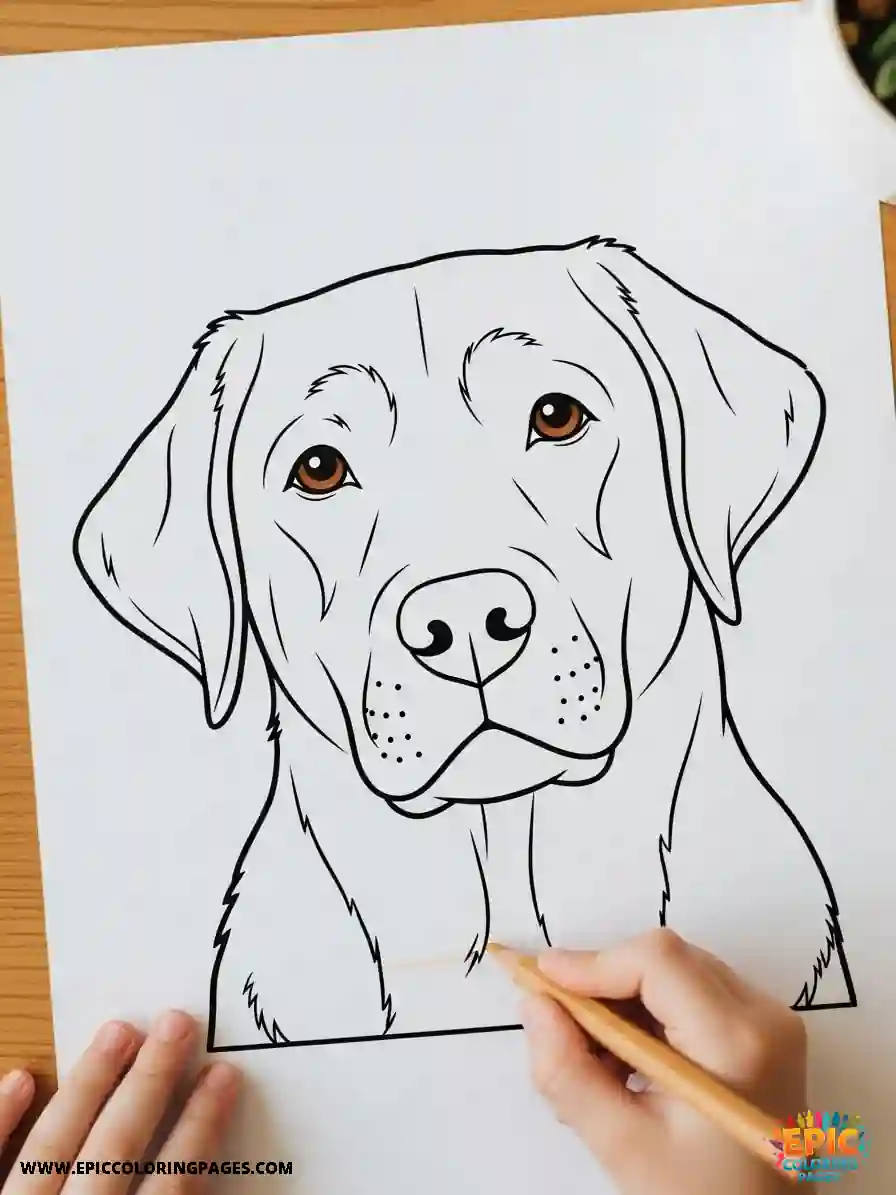
Labrador Retriever Dog Coloring Pages (275+ Free Printables)
Labrador Retrievers are America’s most beloved dog breed, known for their friendly disposition, intelligence, and unwavering loyalty. These gentle giants have captured hearts worldwide with their playful nature and those irresistible puppy-dog eyes. Whether you’re a proud Lab owner, dreaming of getting one, or simply appreciate these magnificent dogs, our comprehensive collection of Labrador Retriever coloring pages offers the perfect creative outlet to celebrate this amazing breed.
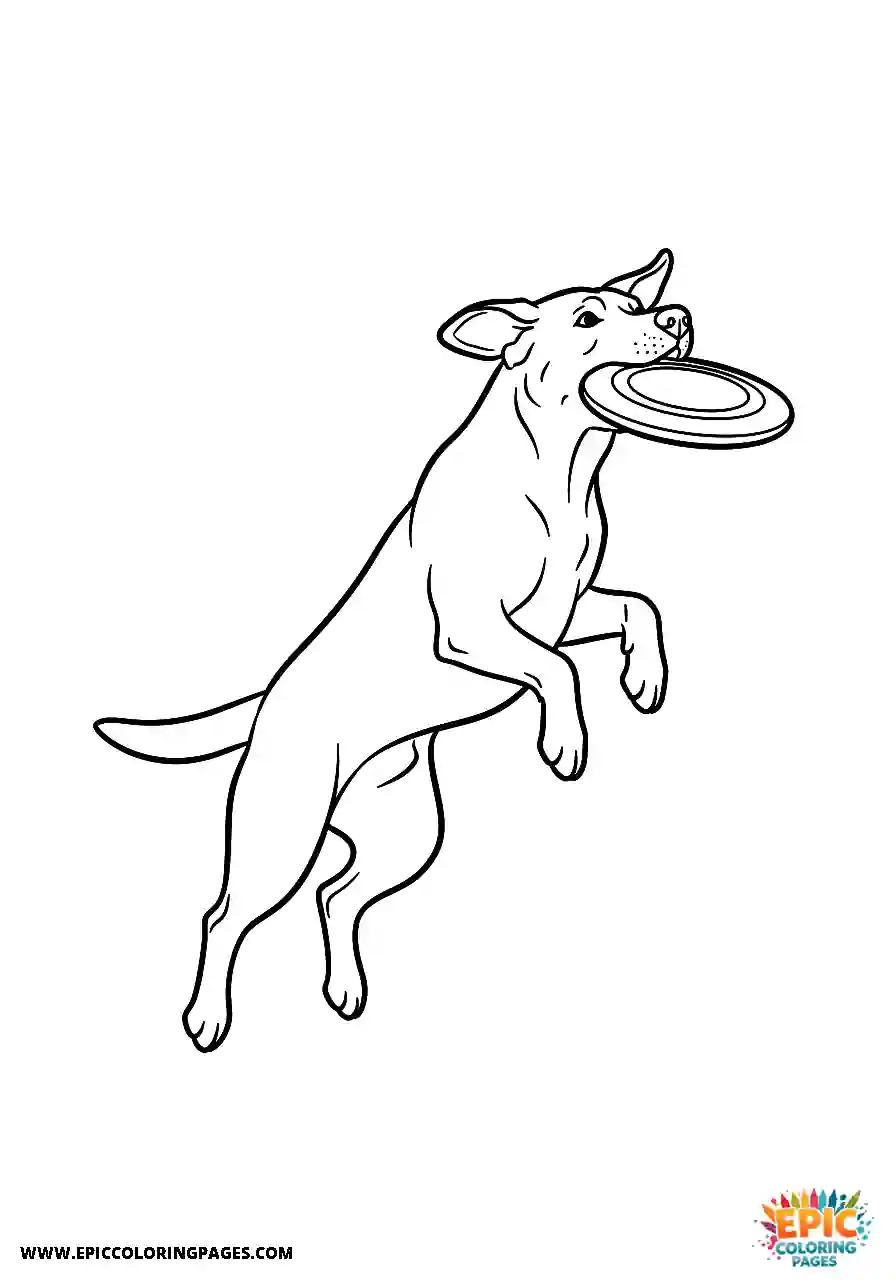
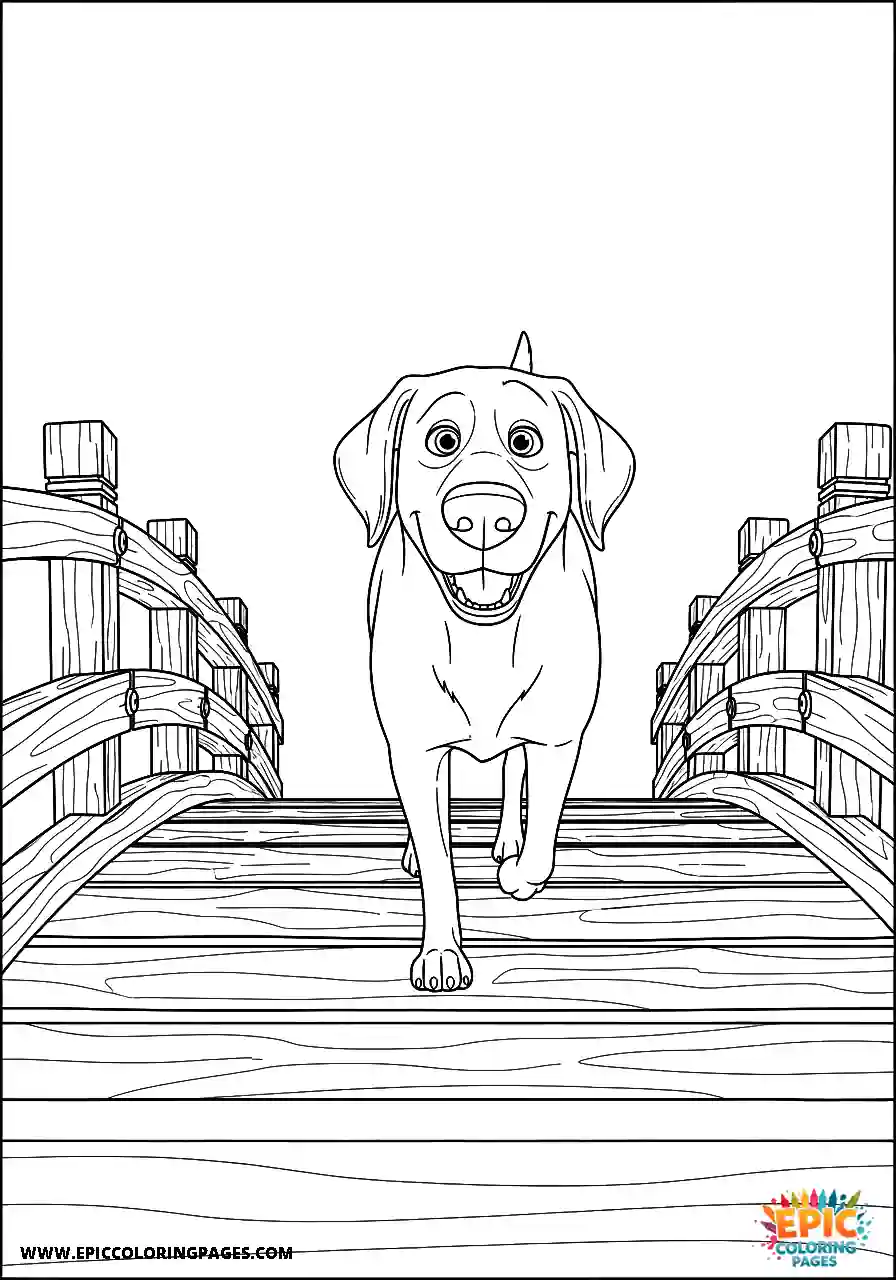
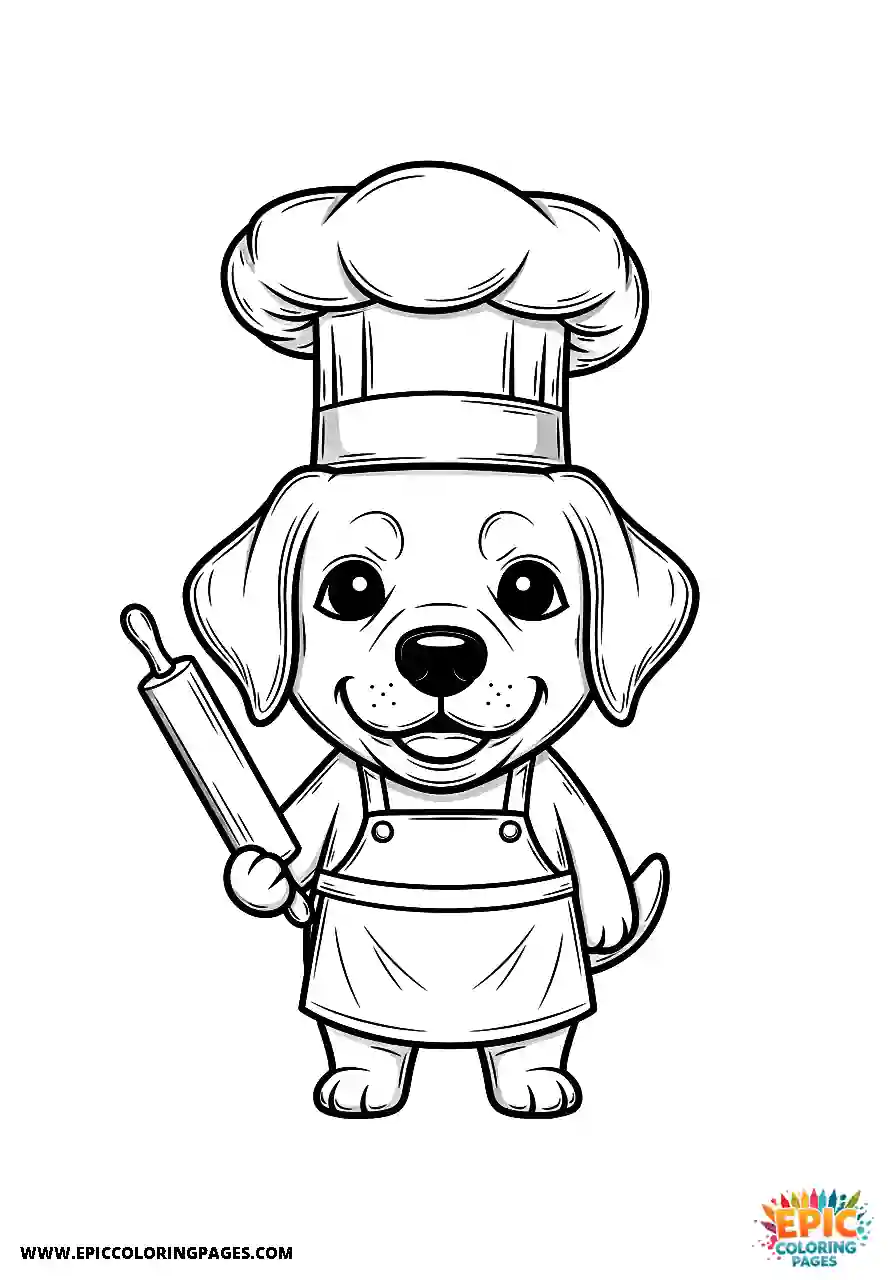
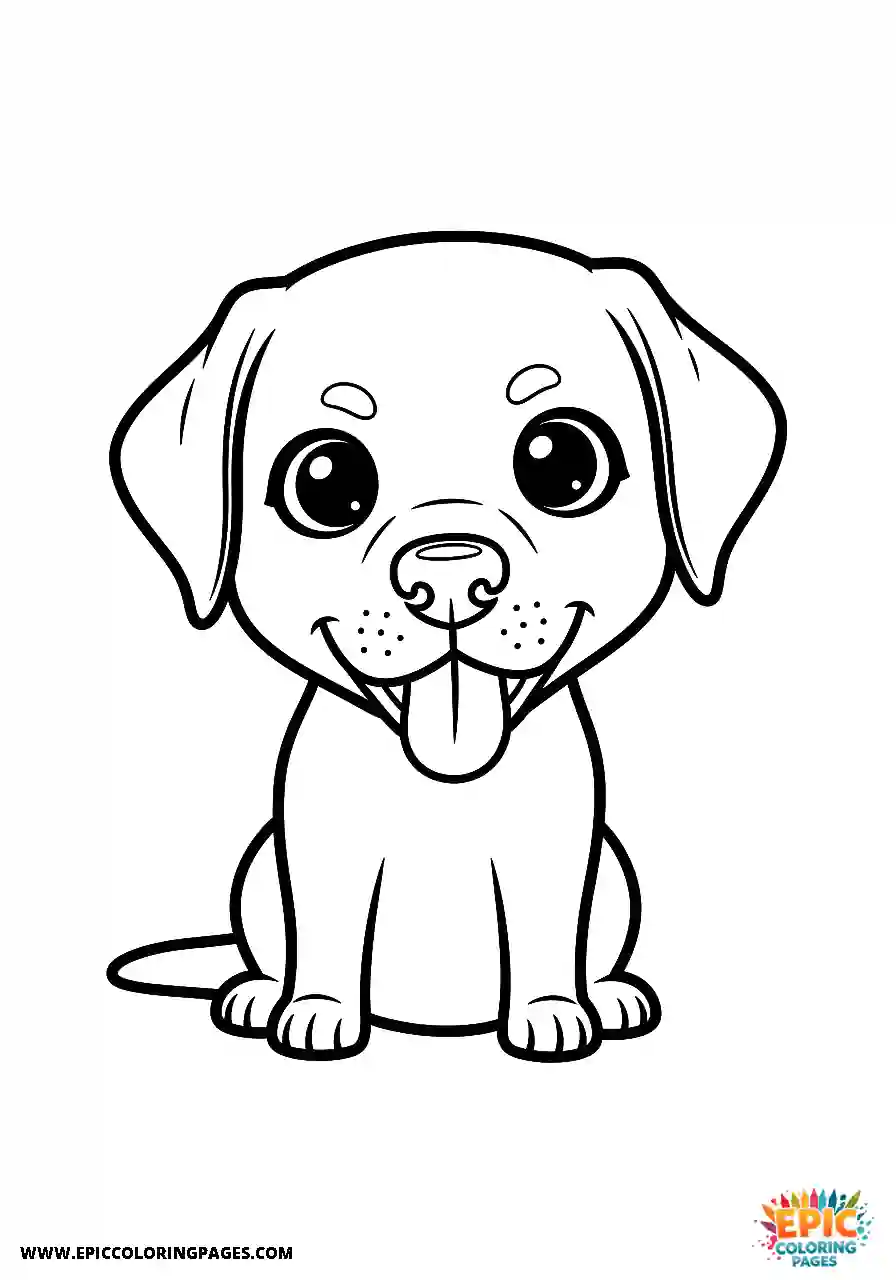
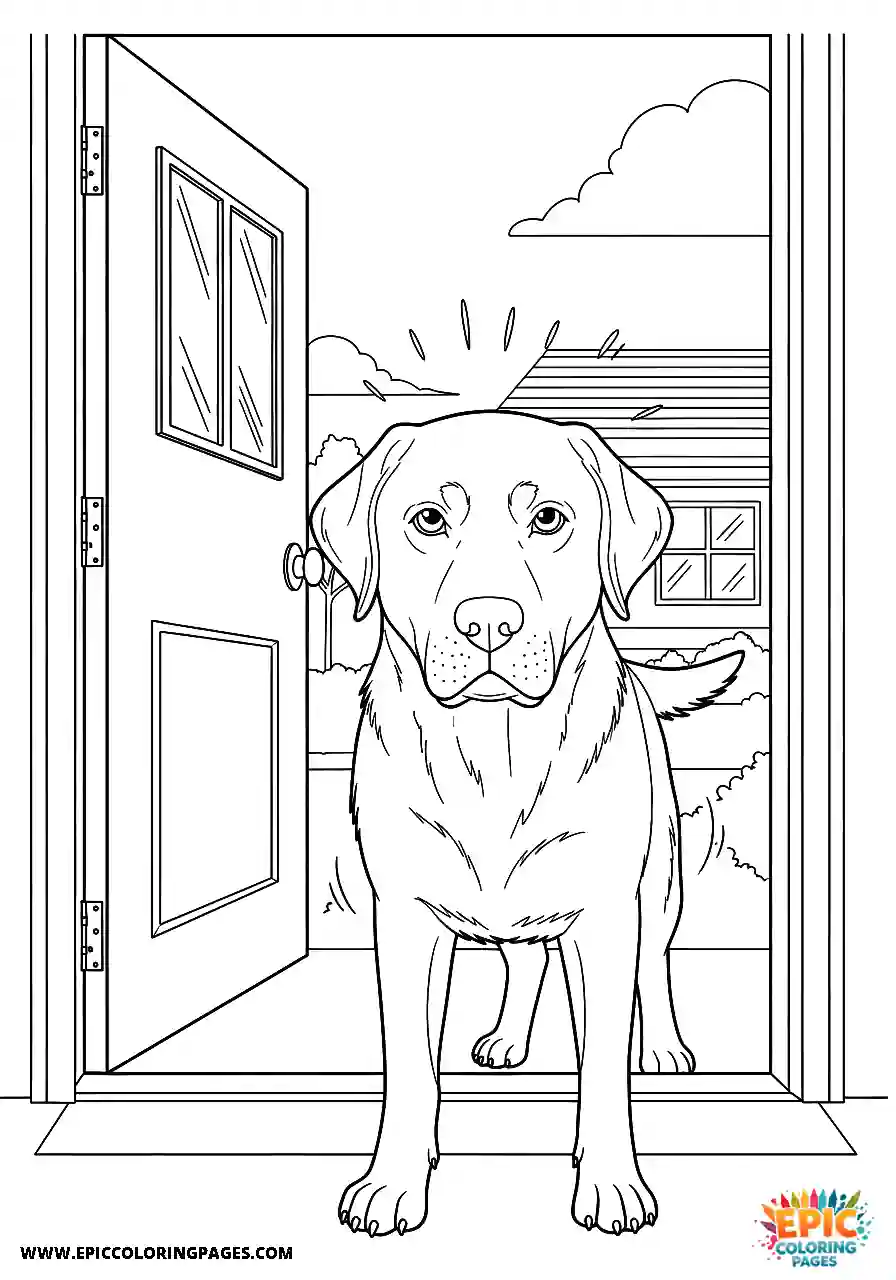
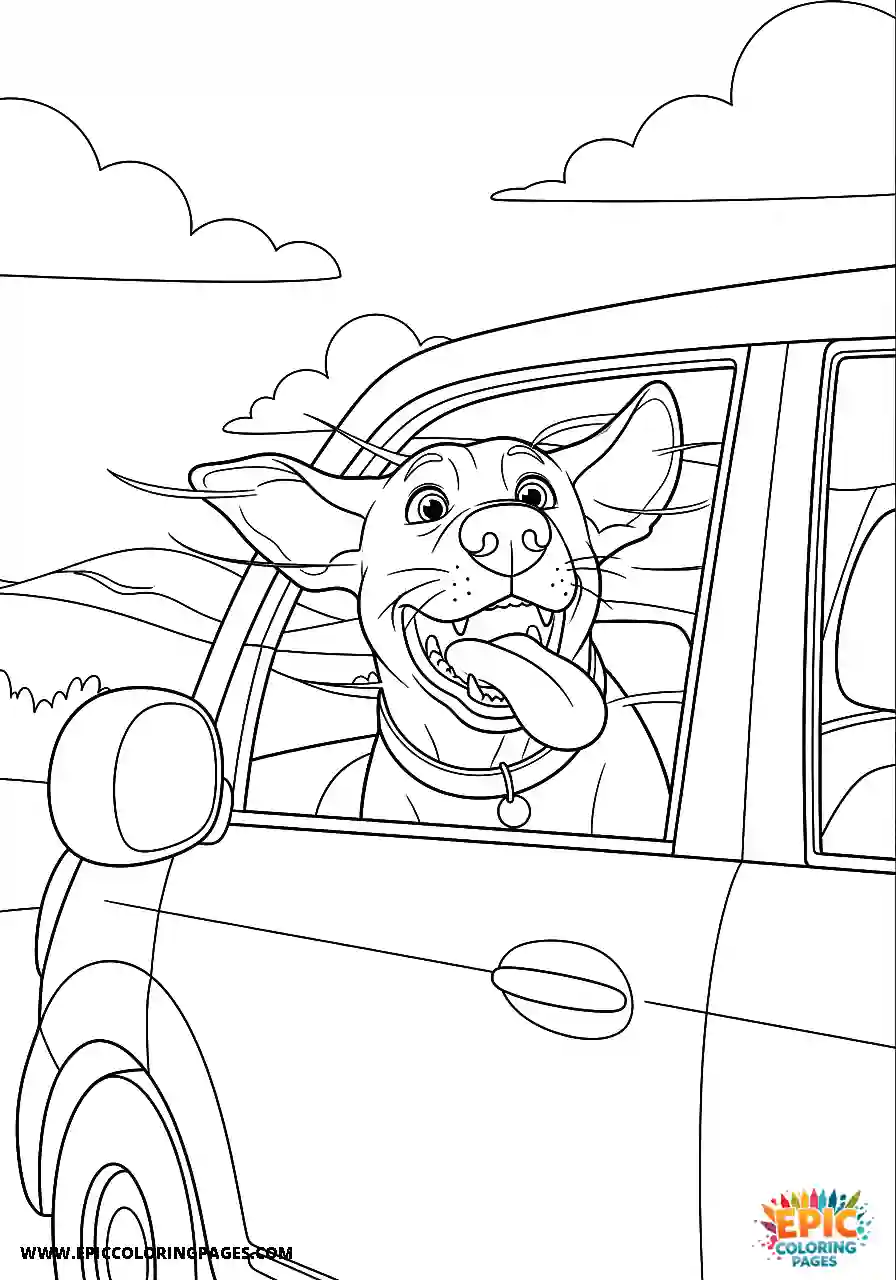
Our extensive gallery features over 275 free printable designs showcasing Labs in every imaginable scenario from playful puppies chasing butterflies to noble adults swimming in lakes, Labs playing fetch, cuddling with their families, and even dressed up for special occasions. Each carefully curated design captures the essence of what makes Labrador Retrievers so special: their boundless energy, loving temperament, and that signature happy-go-lucky smile that melts hearts everywhere.
These coloring pages aren’t just fun they’re educational too! As children color, they learn about breed characteristics like the Lab’s distinctive otter-like tail, webbed paws perfect for swimming, and their water-resistant double coat. Adults will appreciate the therapeutic benefits of coloring while honoring their favorite breed. From simple outlines perfect for toddlers to intricate, realistic portraits that challenge advanced colorists, there’s something here for every skill level and age group.
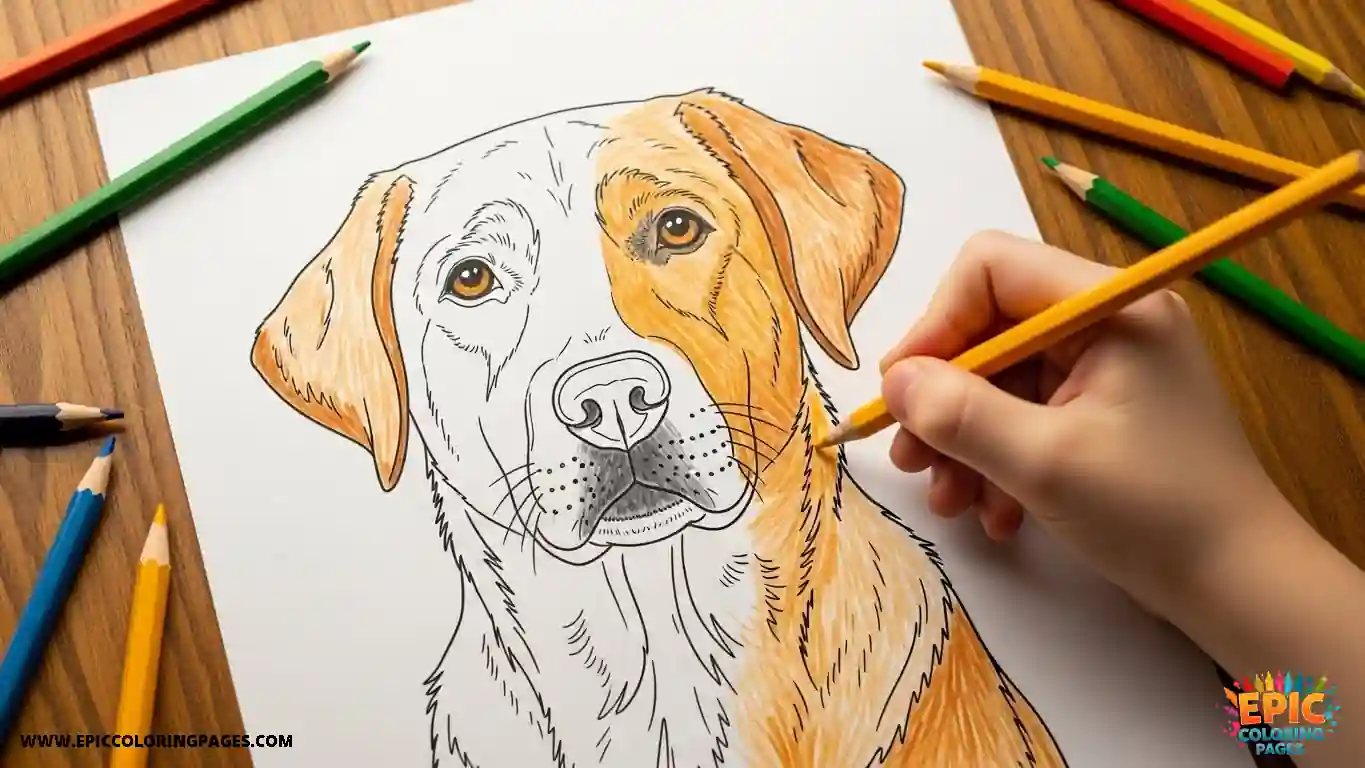
The Joy of Coloring "America's Favorite Dog"
Labrador Retrievers have a rich history that dates back to 19th-century Newfoundland, where they were originally bred to help fishermen retrieve nets and catch. Today, they excel as family companions, service dogs, therapy animals, and search-and-rescue heroes. Their versatility and trainability make them ideal subjects for coloring activities that can spark conversations about responsibility, compassion, and the special bond between humans and dogs.
Coloring these magnificent dogs offers numerous benefits beyond simple entertainment. For children, it develops fine motor skills, color recognition, and patience while fostering empathy toward animals. For adults, coloring provides stress relief and mindfulness practice a meditative activity that calms the mind and boosts creativity. Teachers and parents will find these pages invaluable for lessons about animal care, breed diversity, and responsible pet ownership. Whether you’re filling time on a rainy afternoon, planning a dog-themed birthday party, or creating handmade cards for fellow Lab lovers, our collection provides endless possibilities for creative expression and quality time with loved ones.
Stunning Gallery of Labrador Retriever Designs Ready to Print
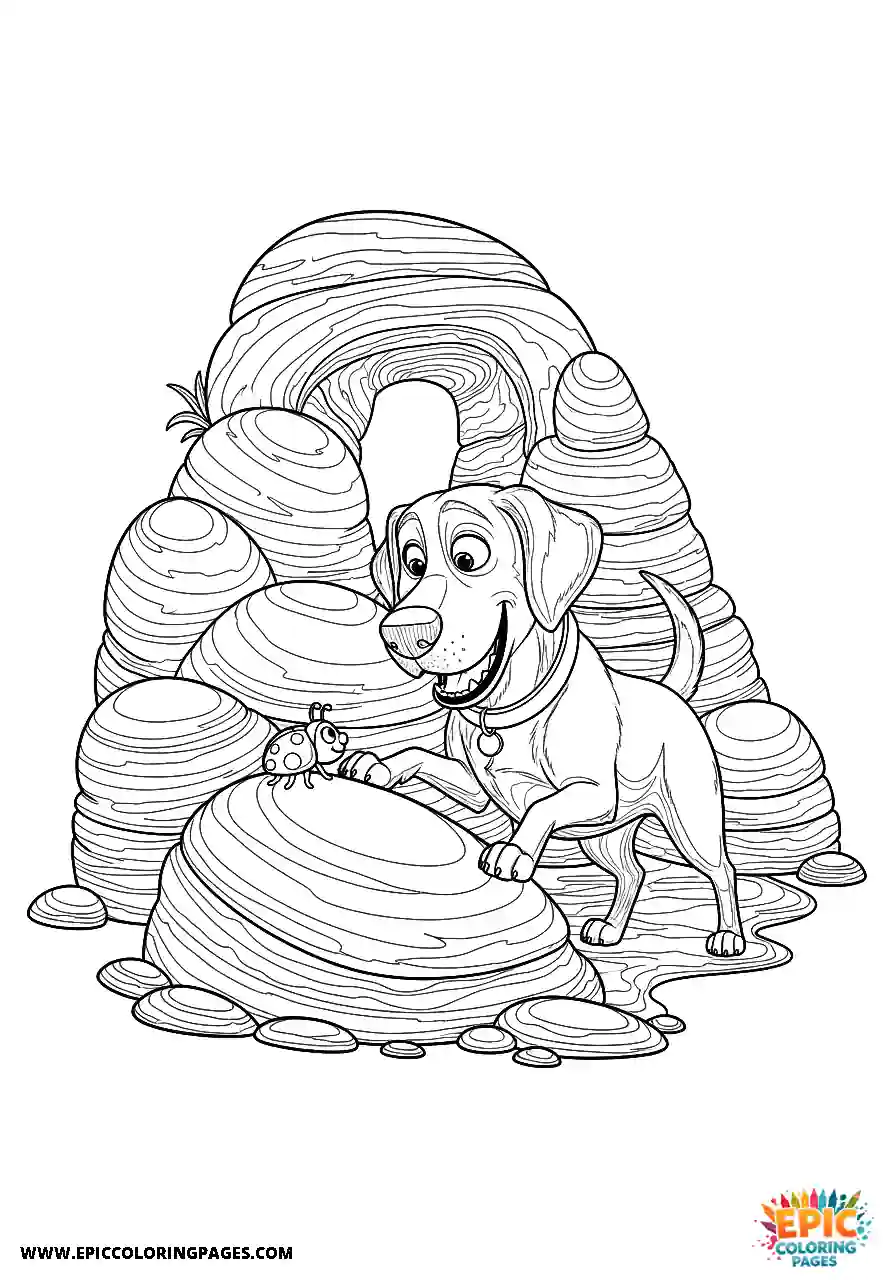
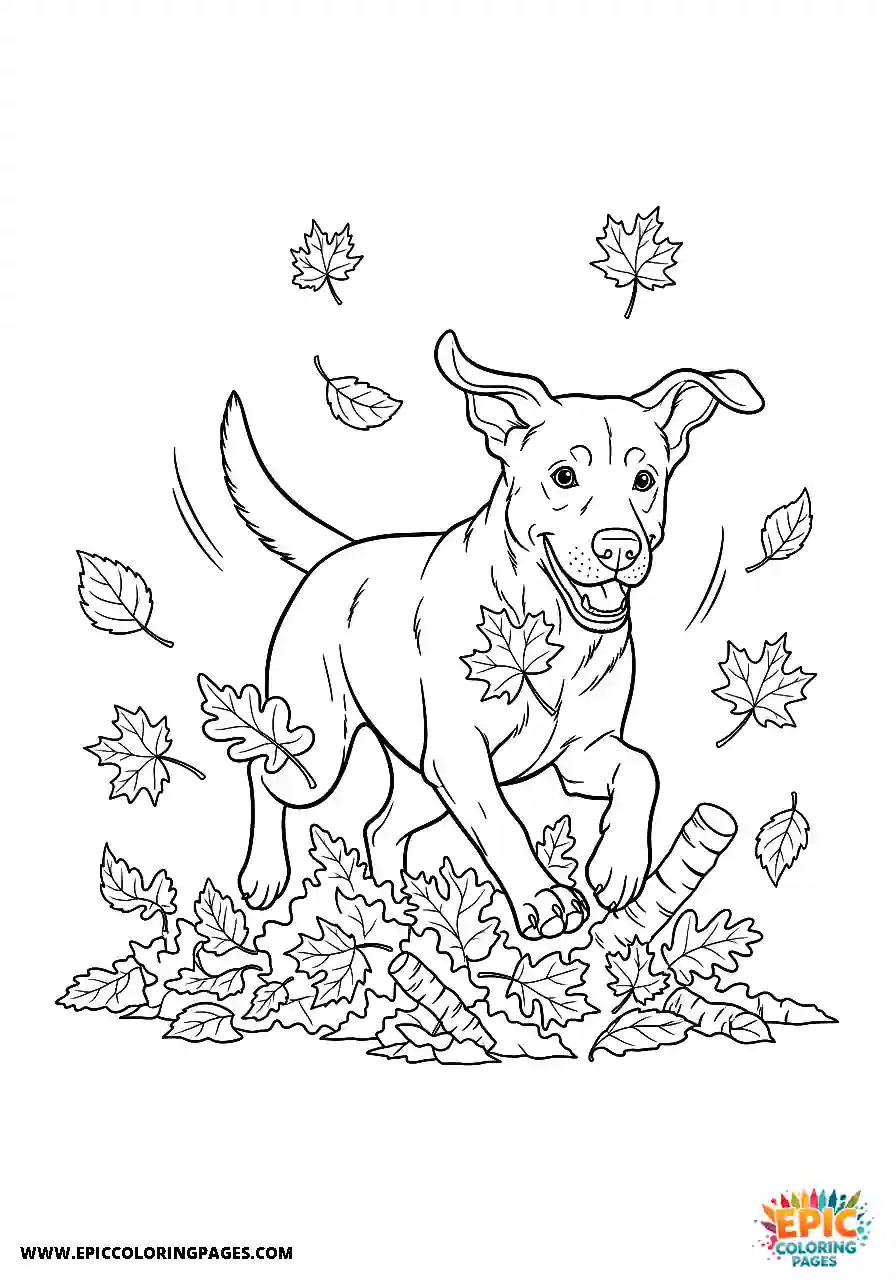
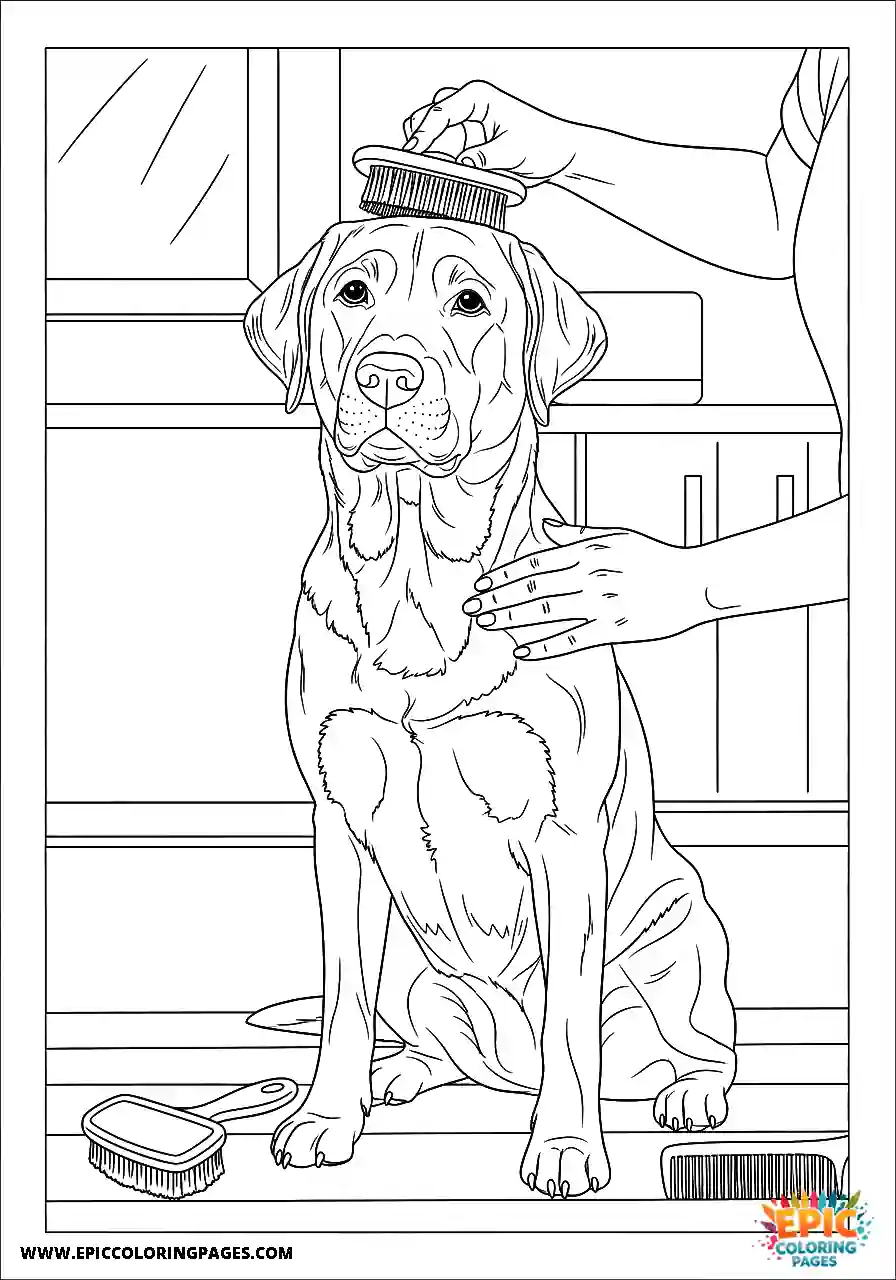
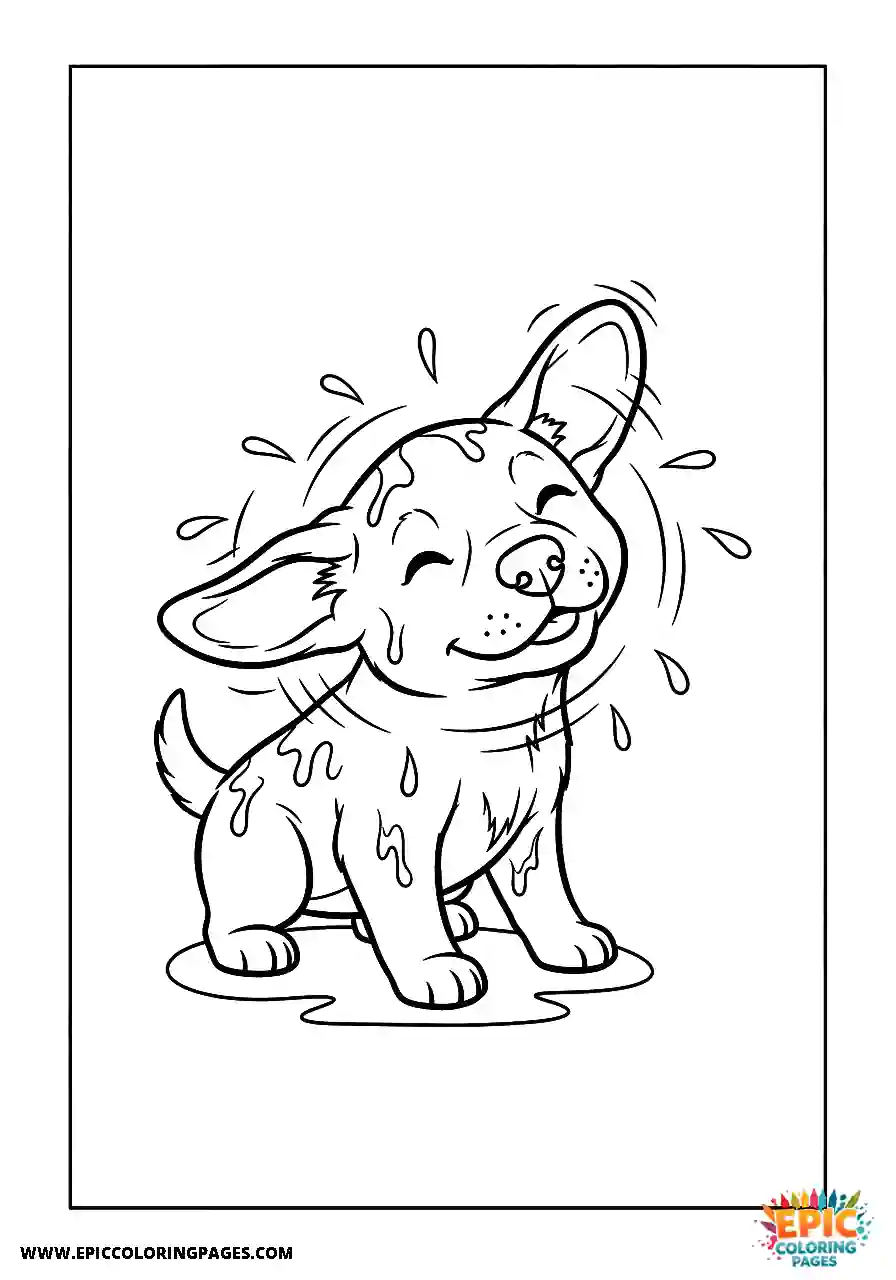

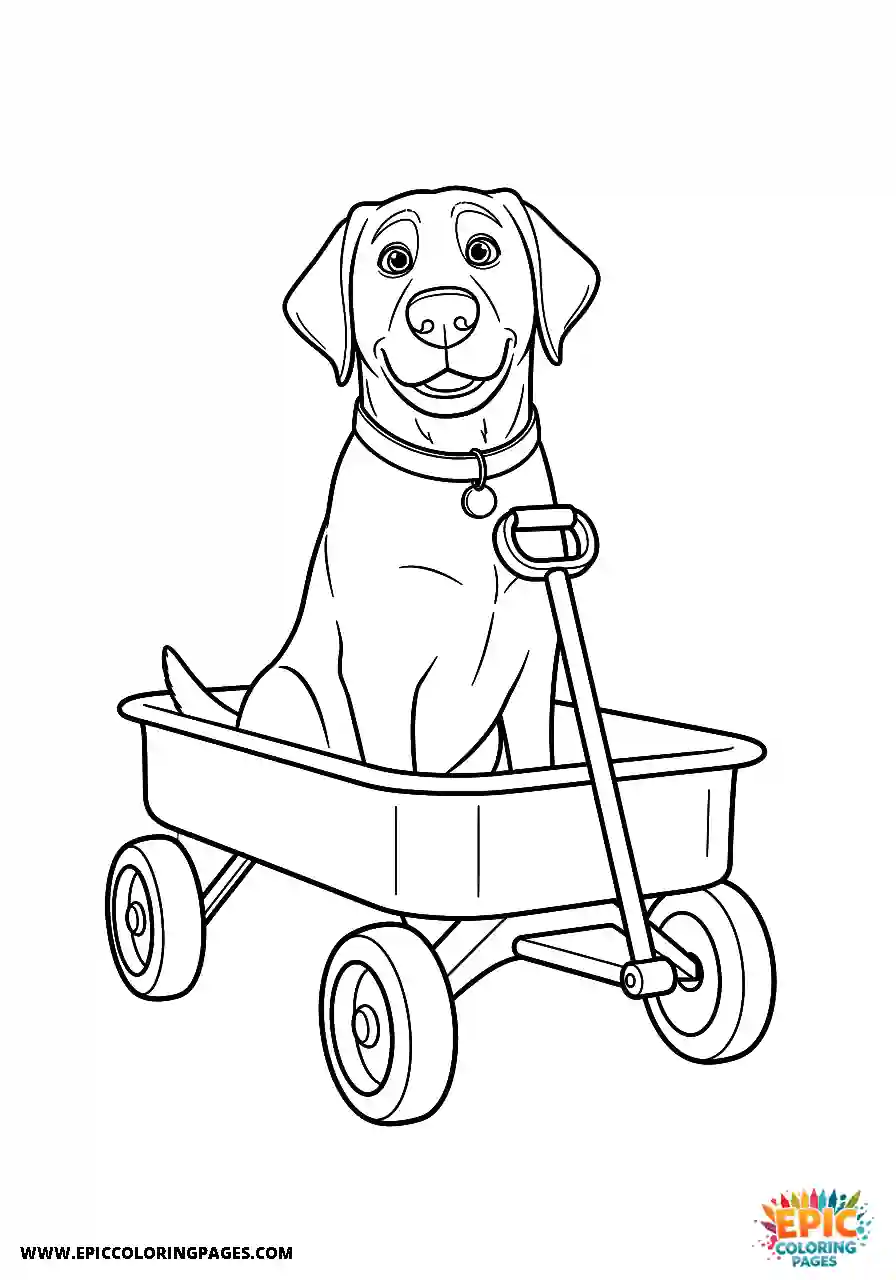
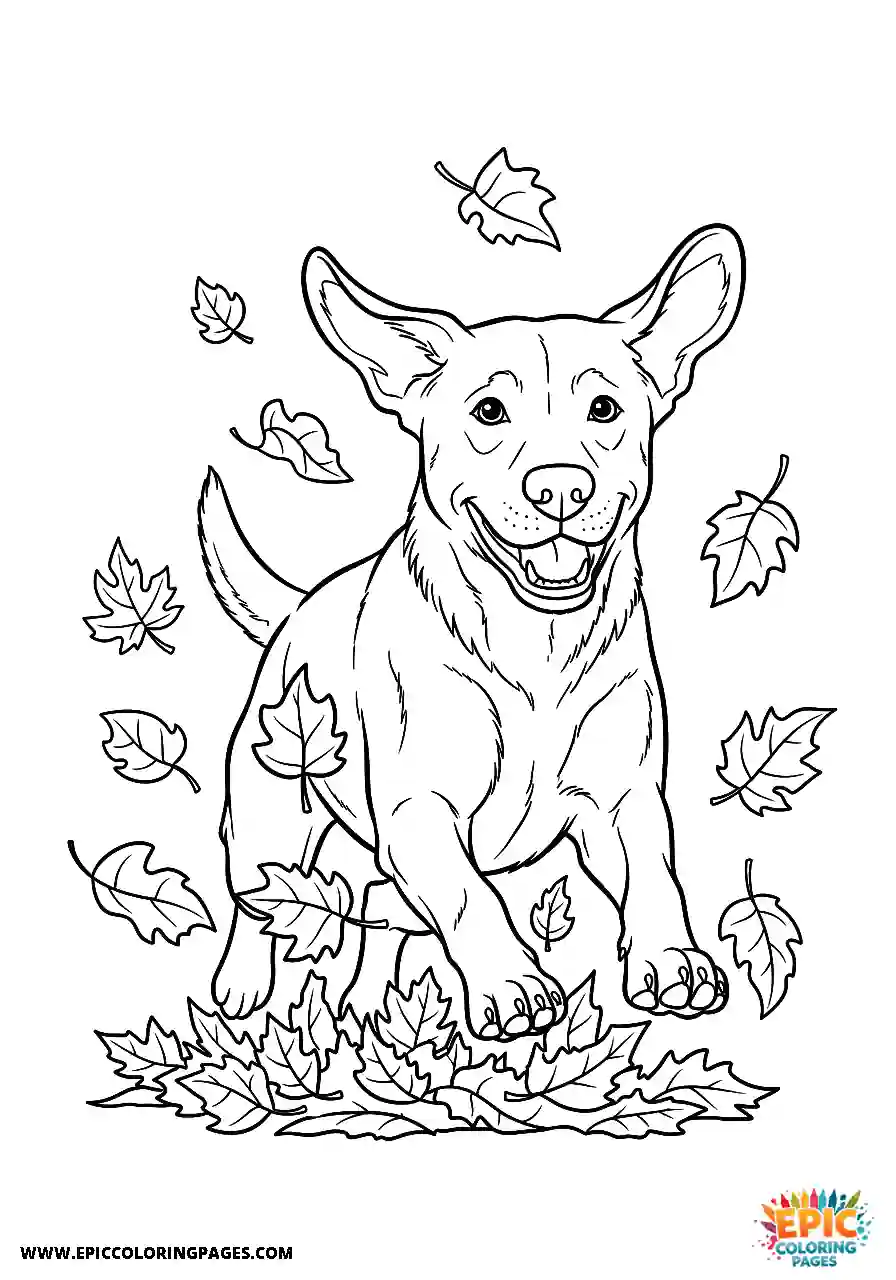
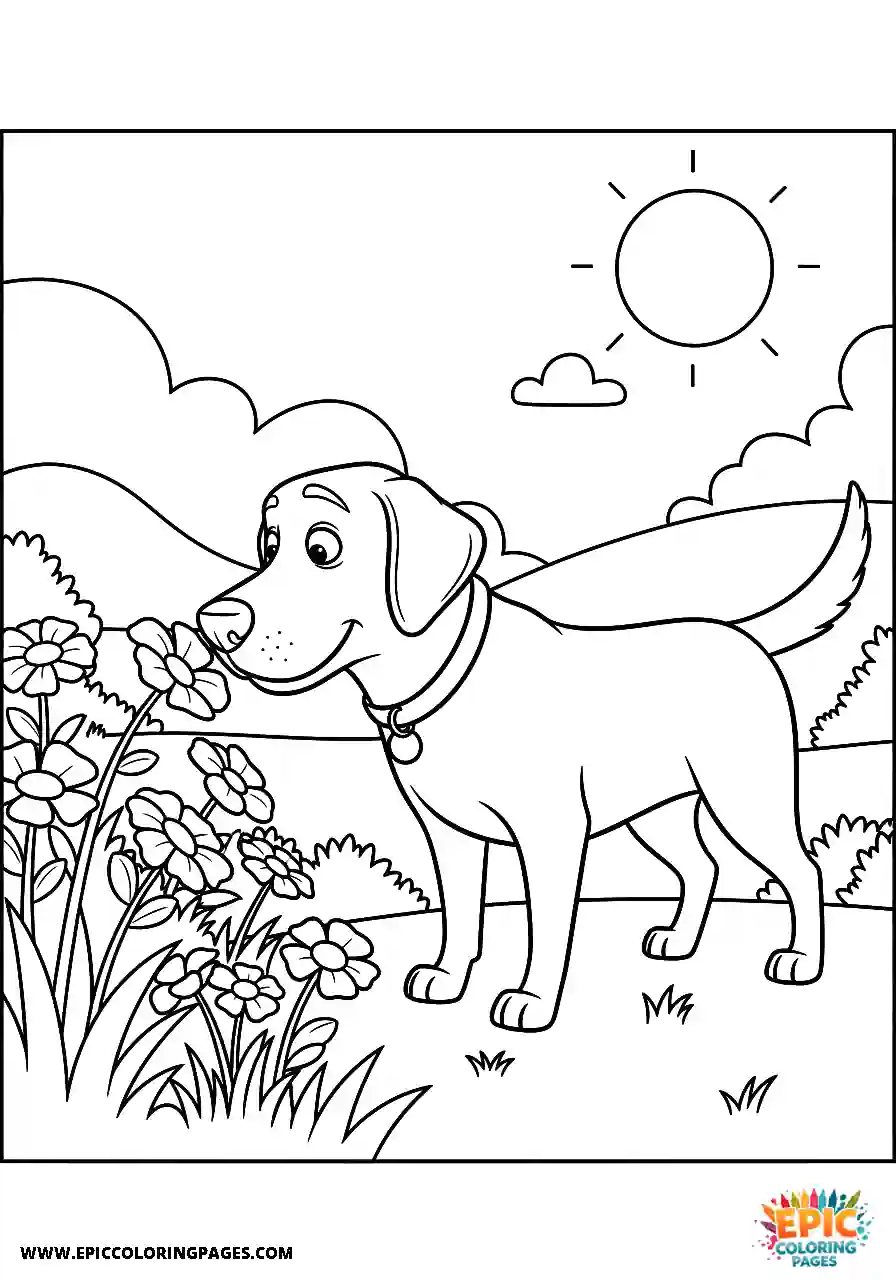
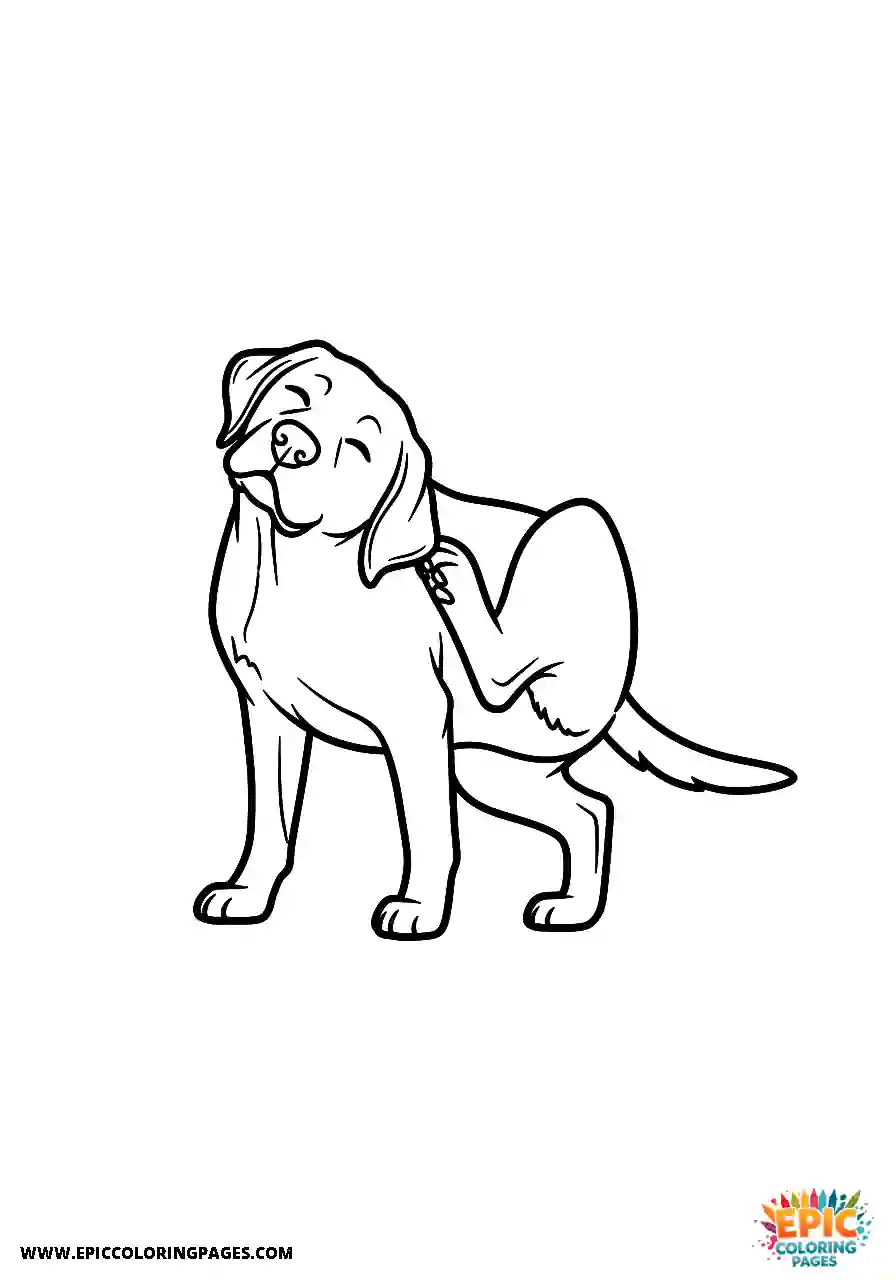
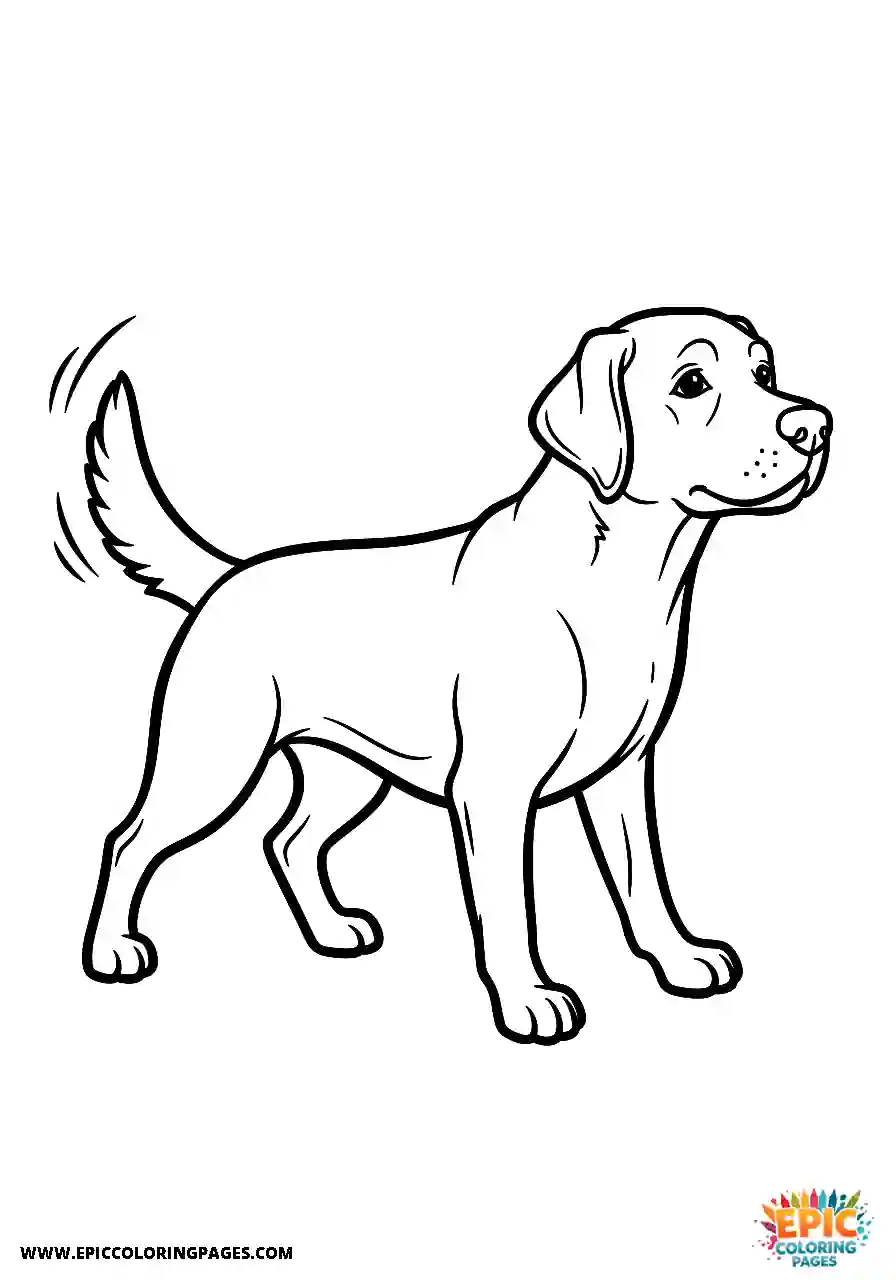
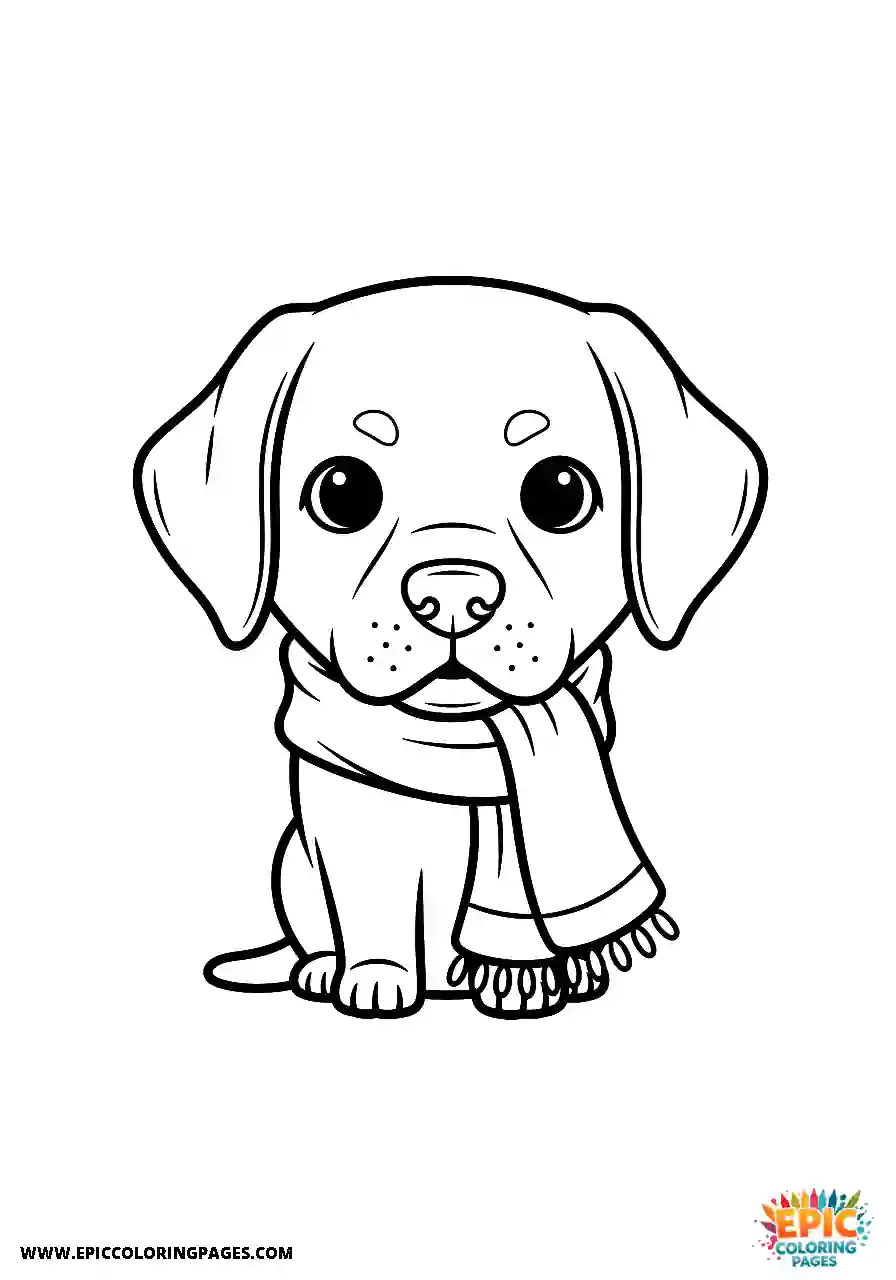

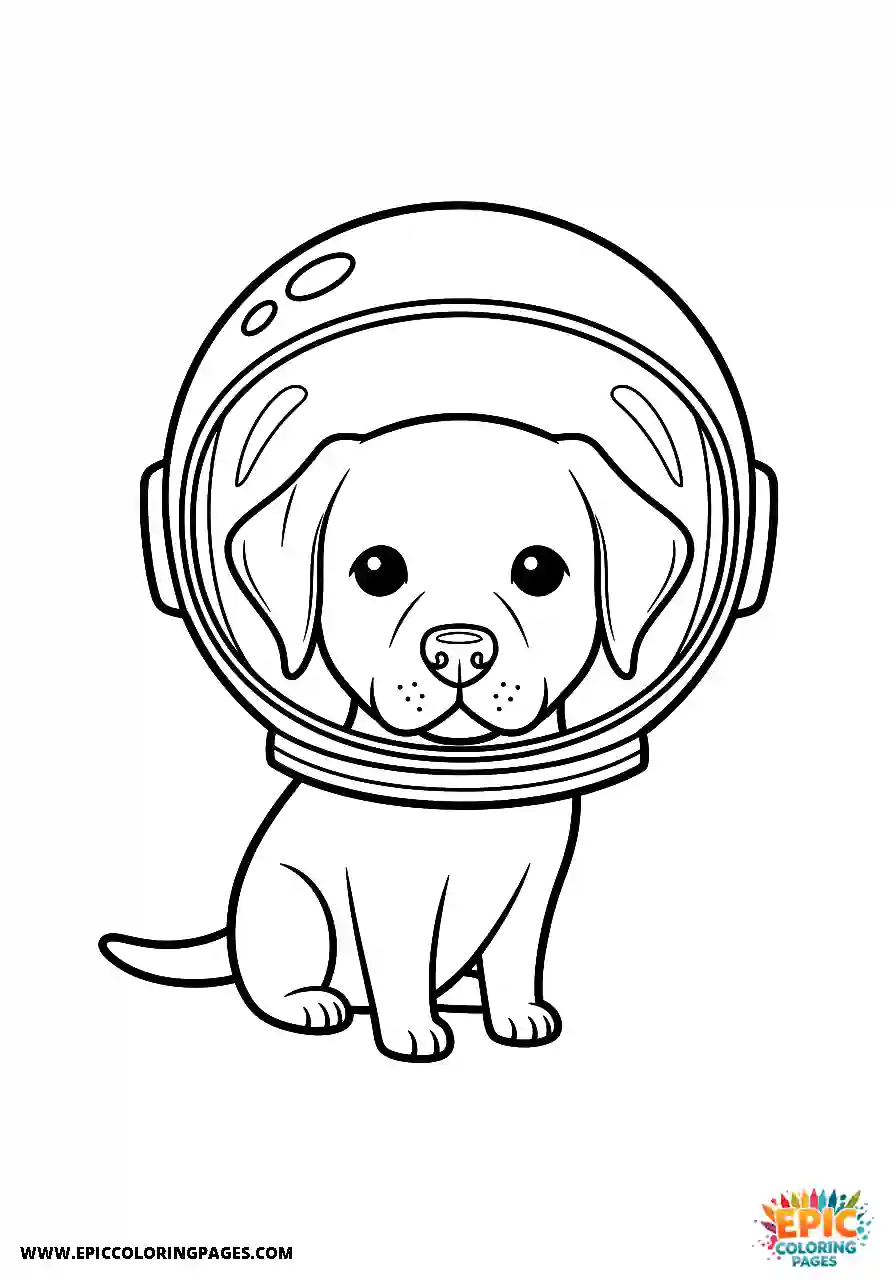
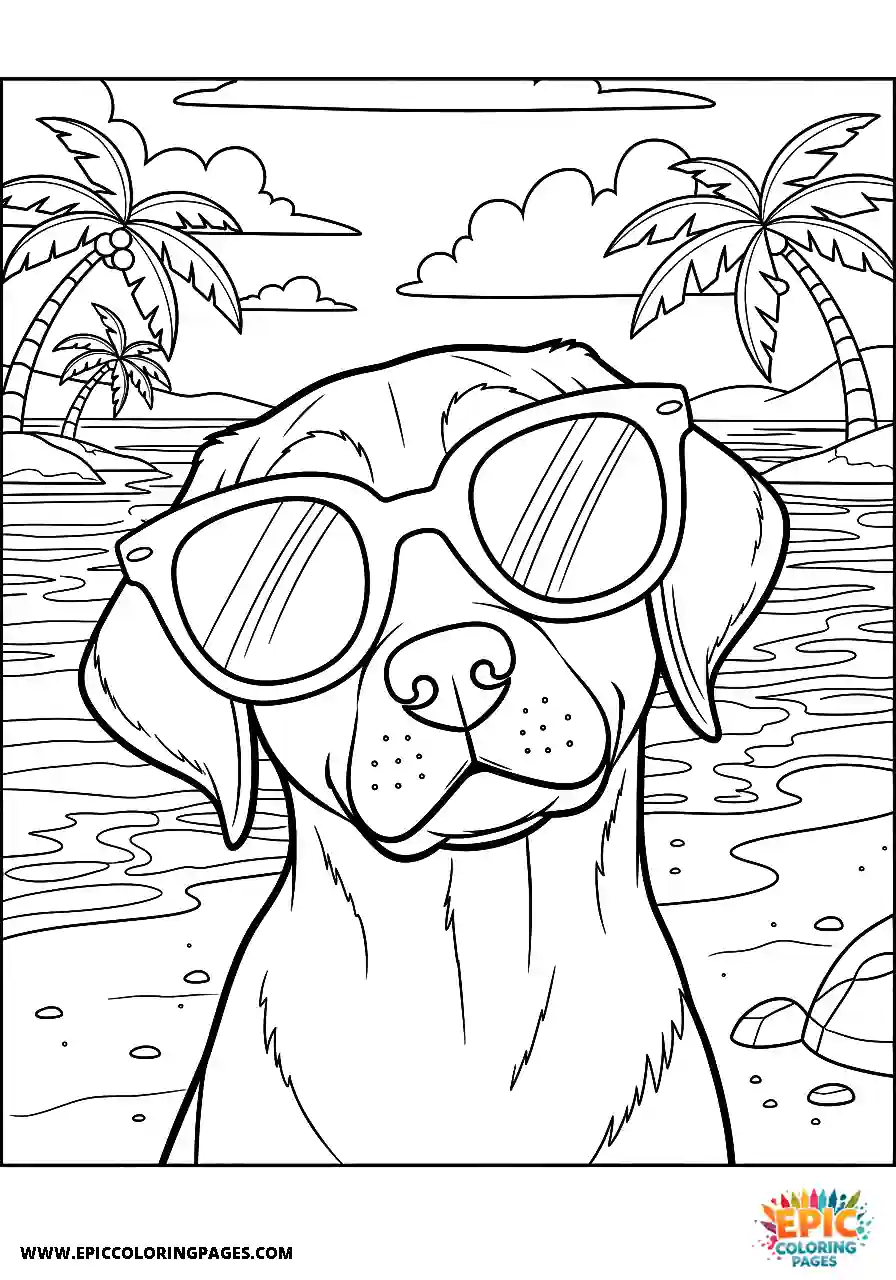
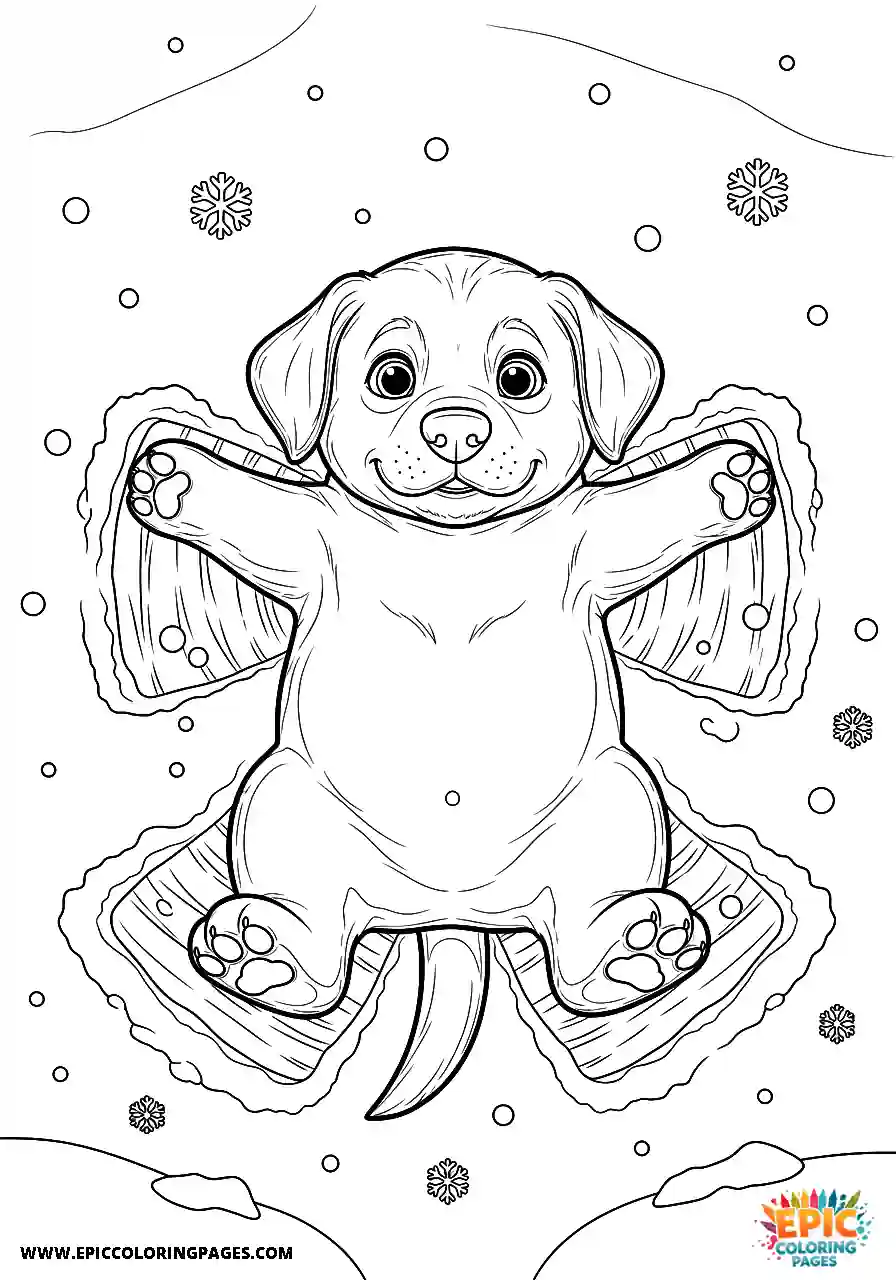

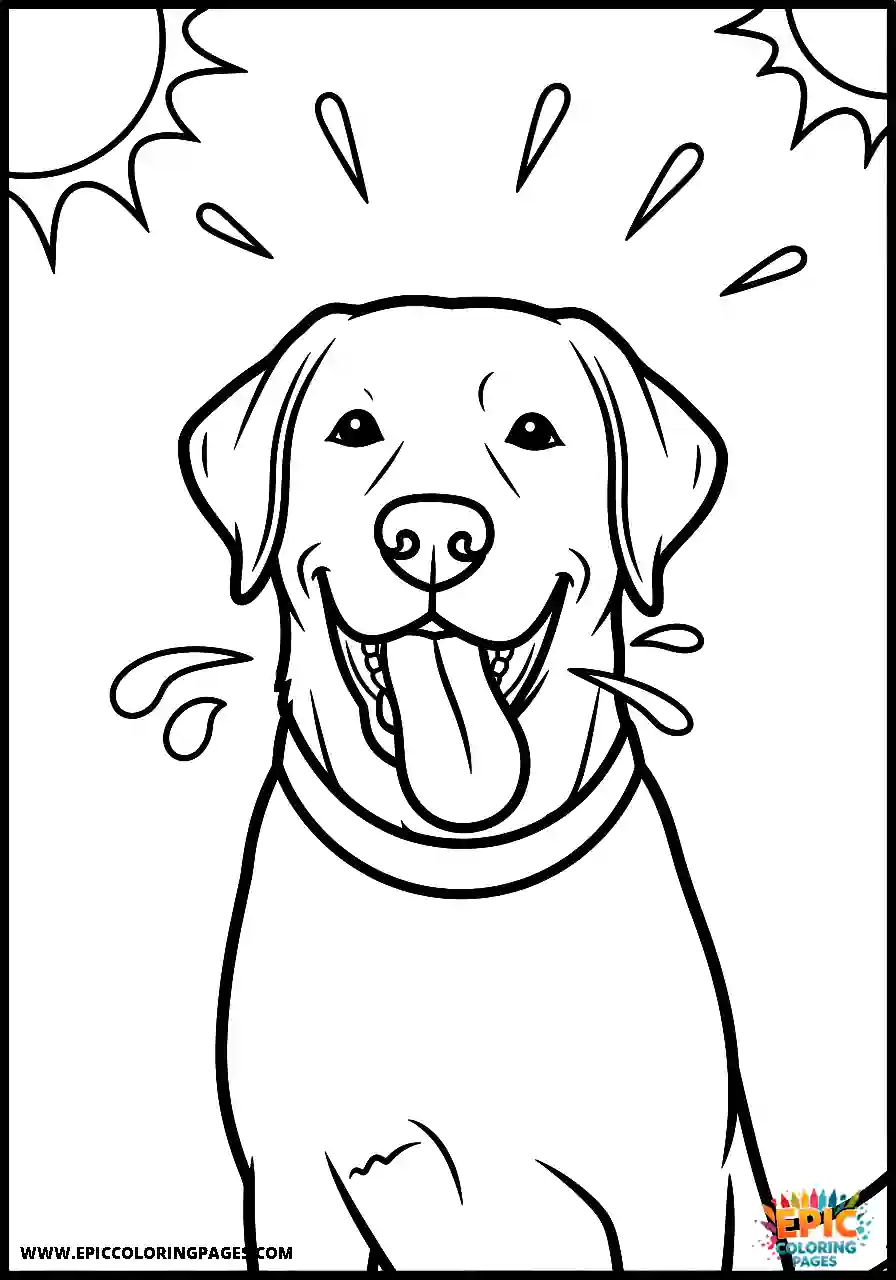
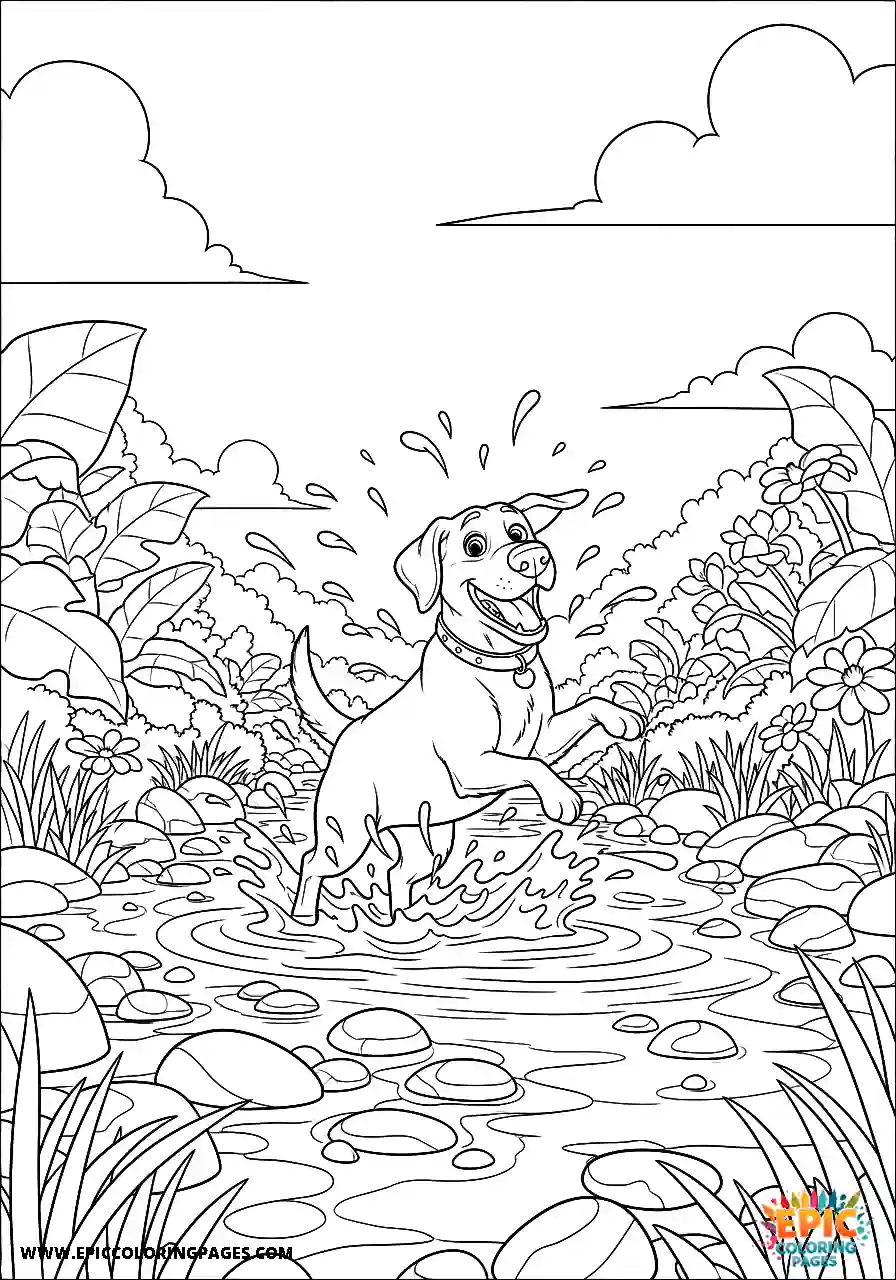
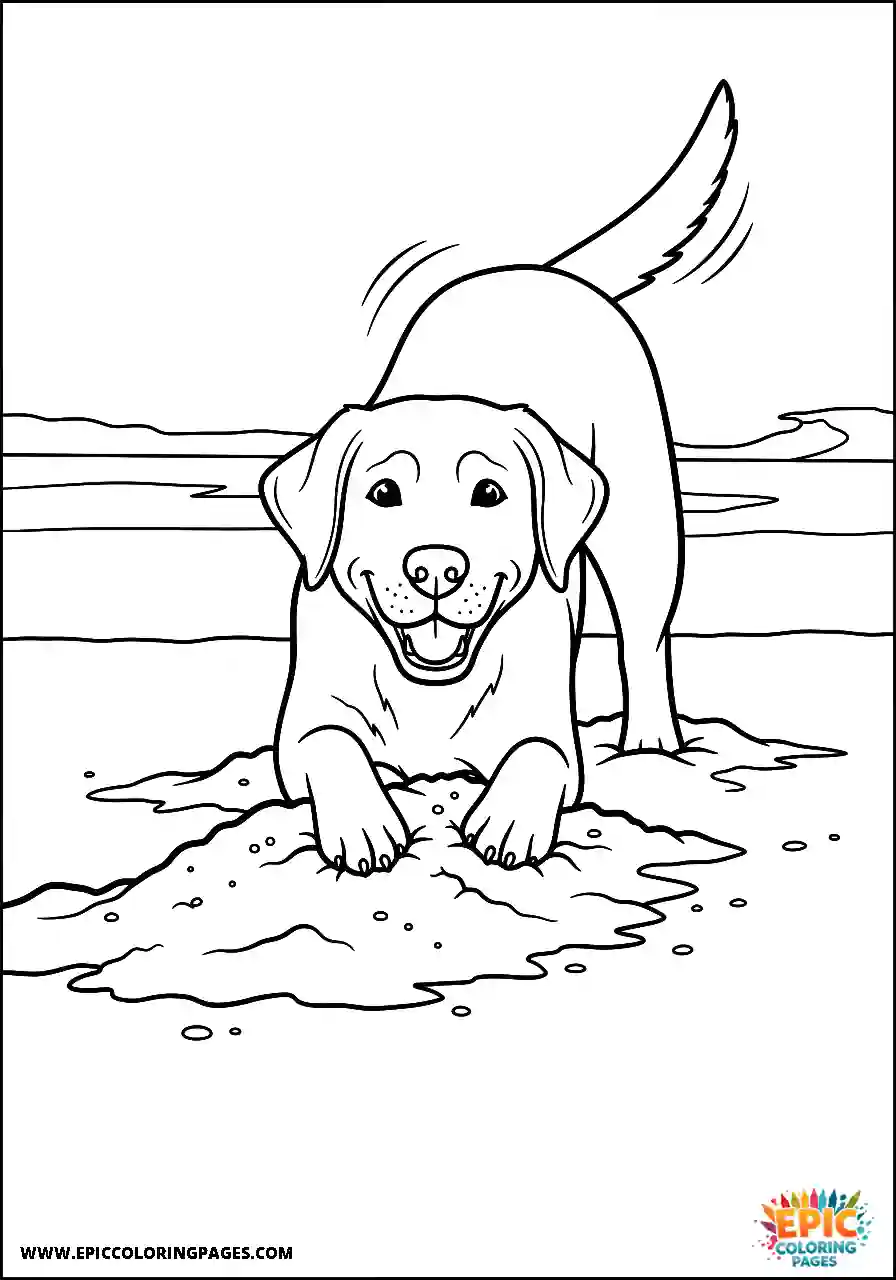
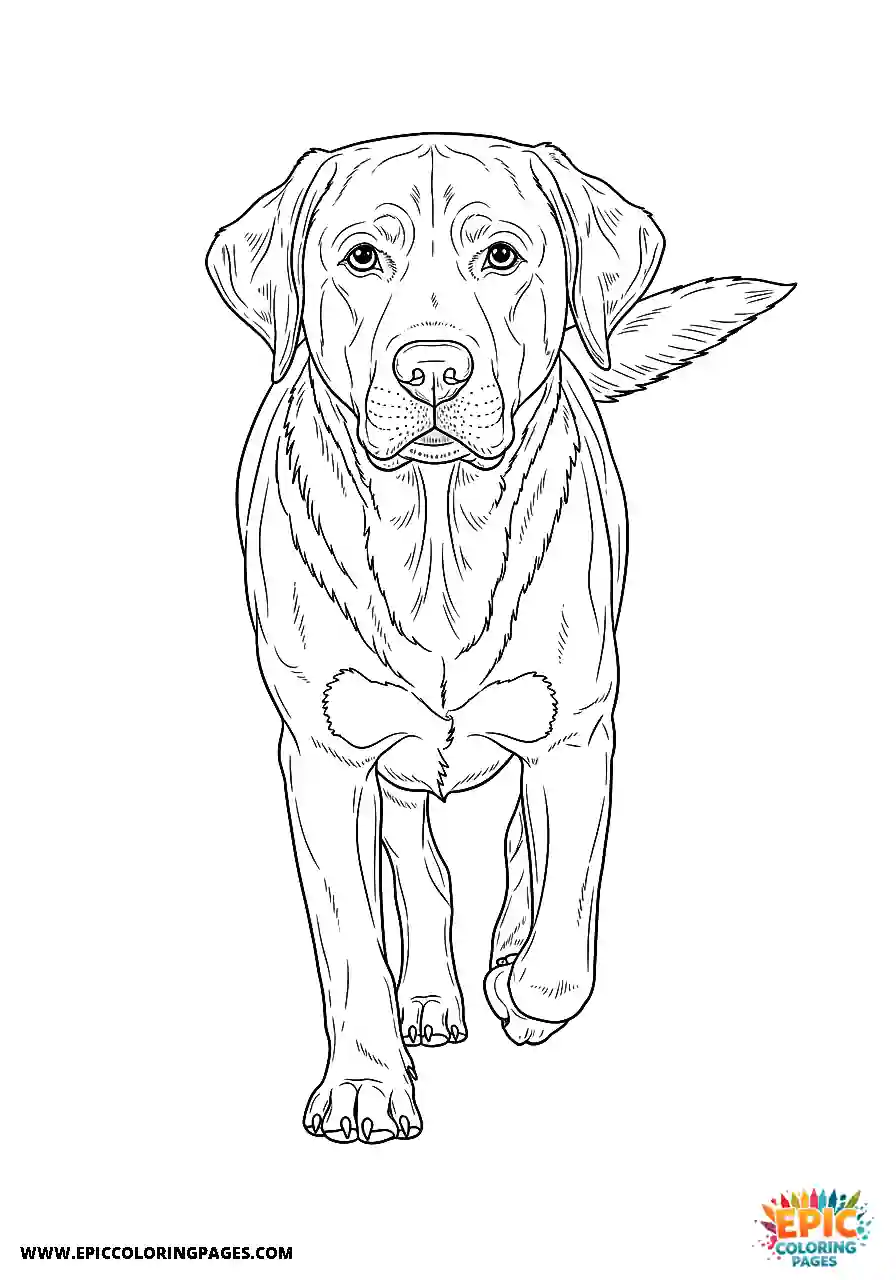
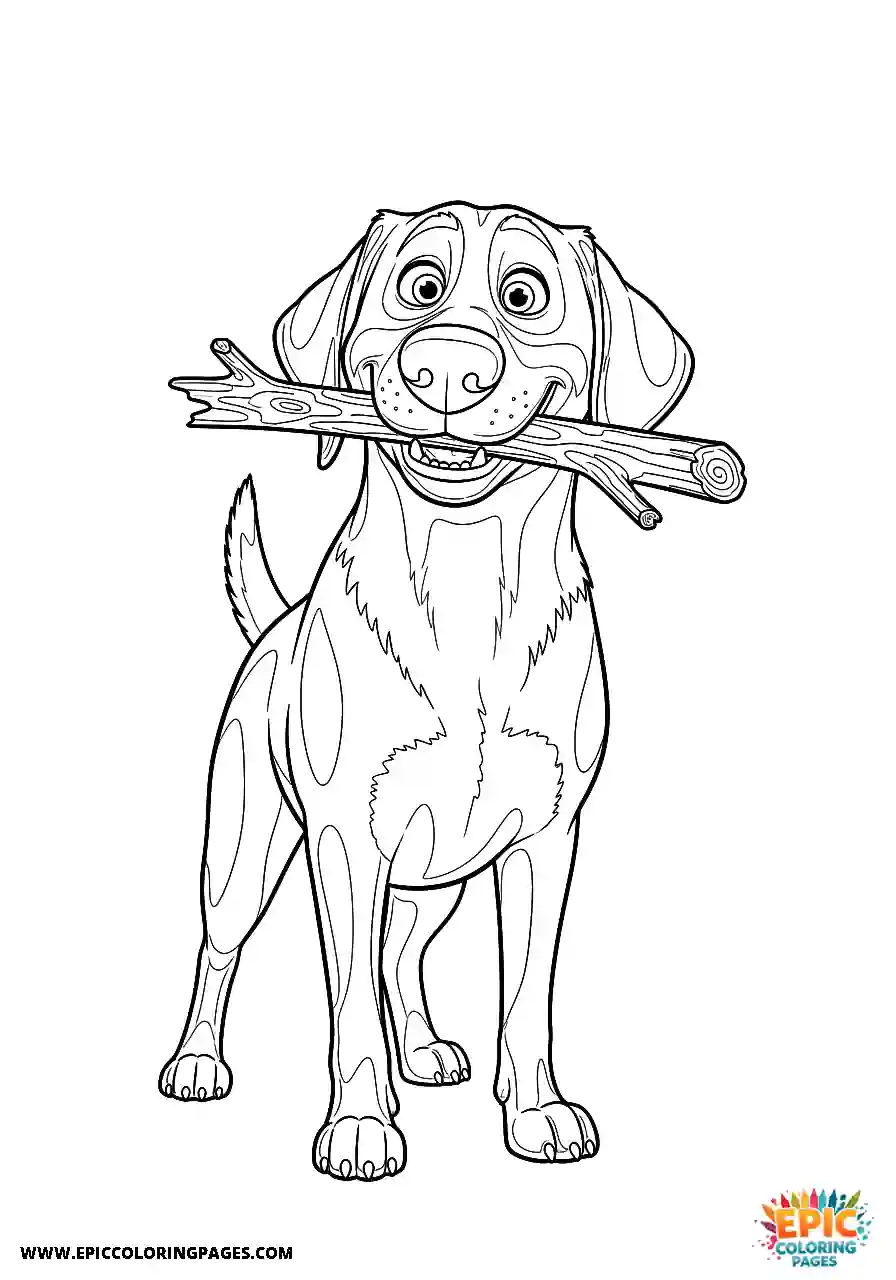
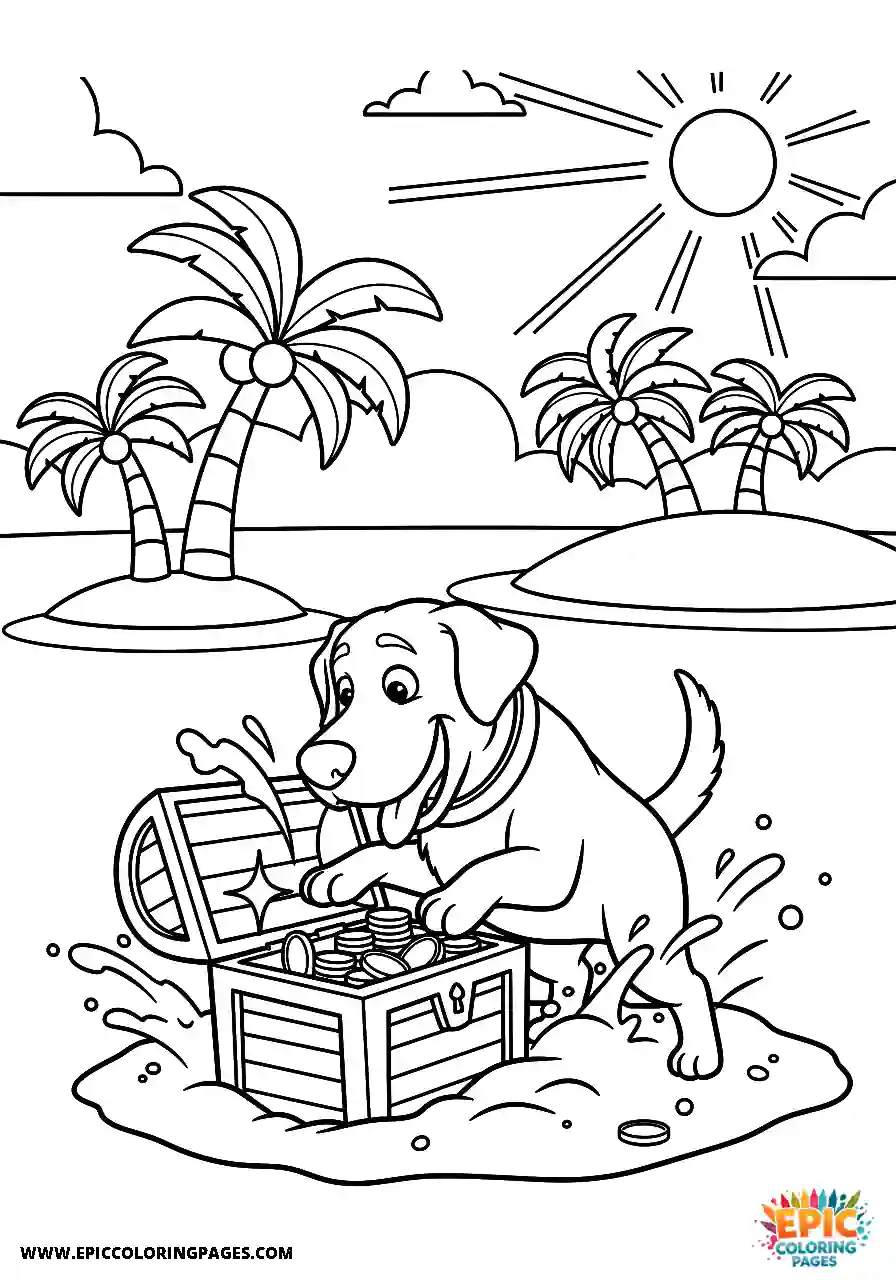
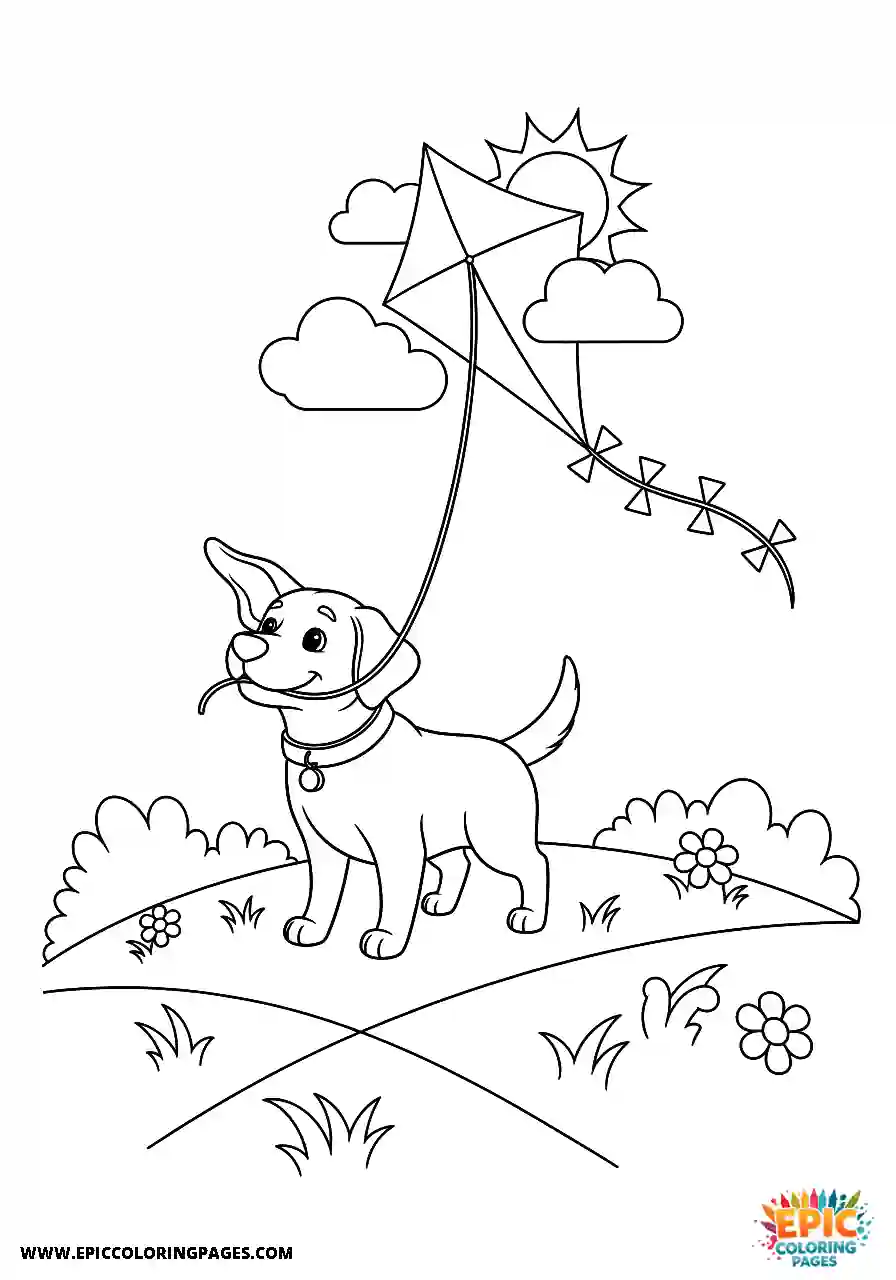
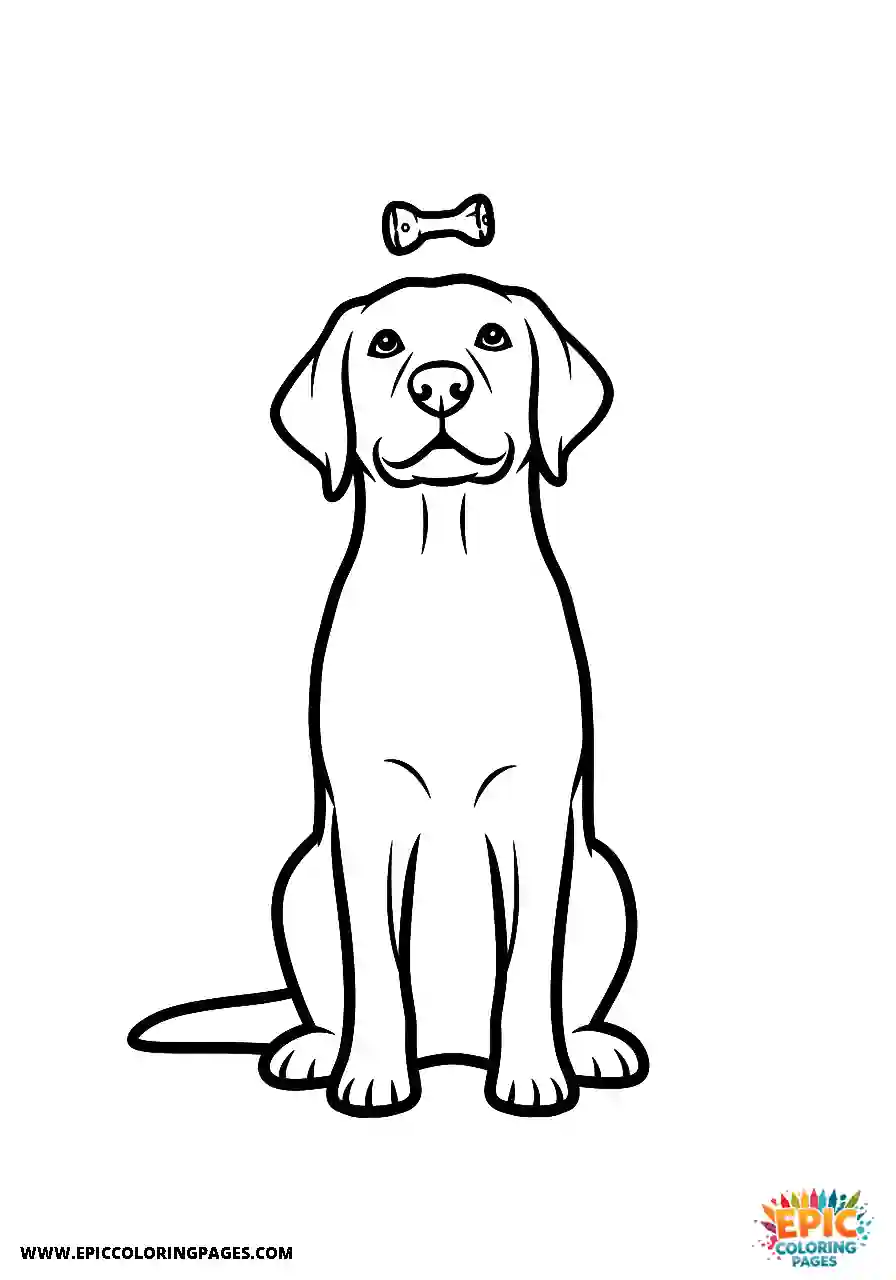
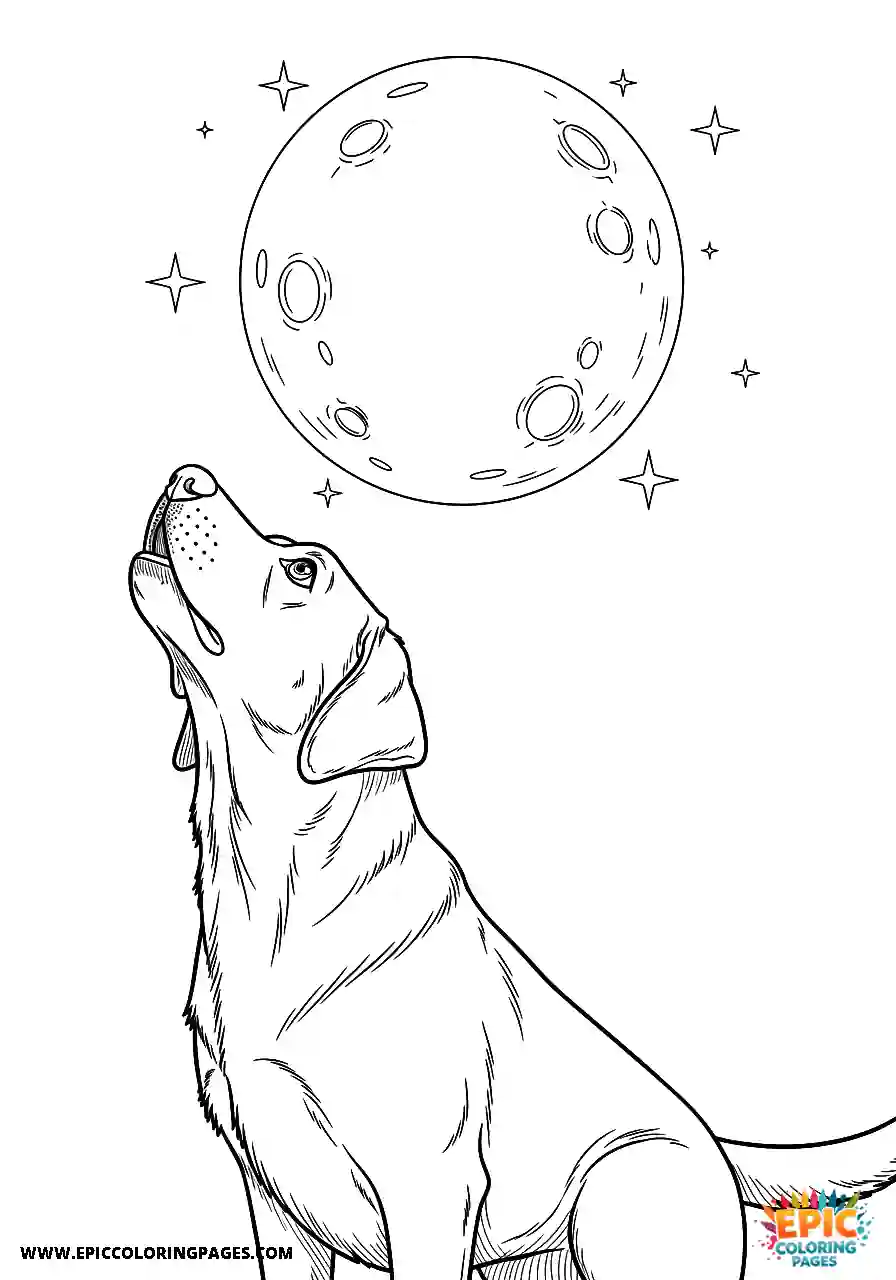
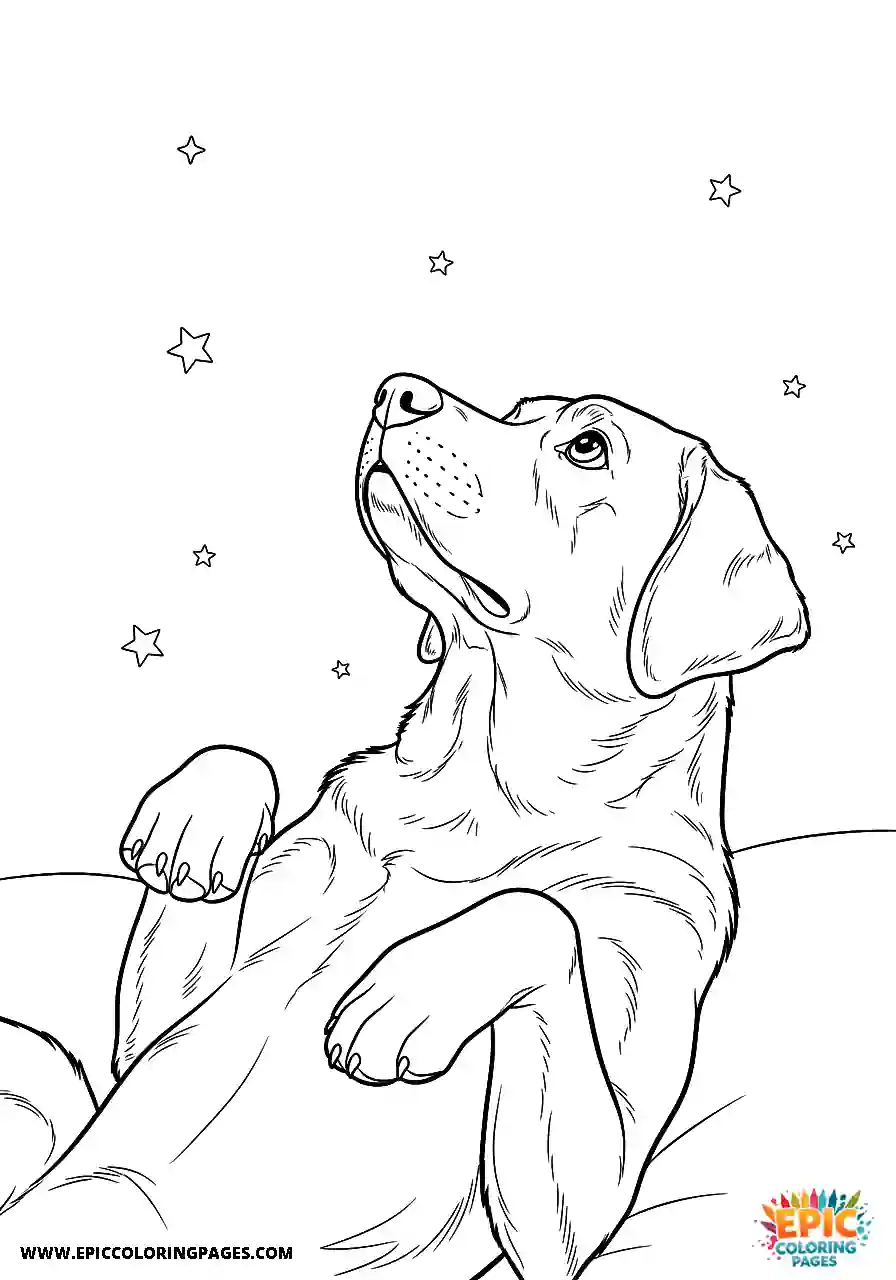

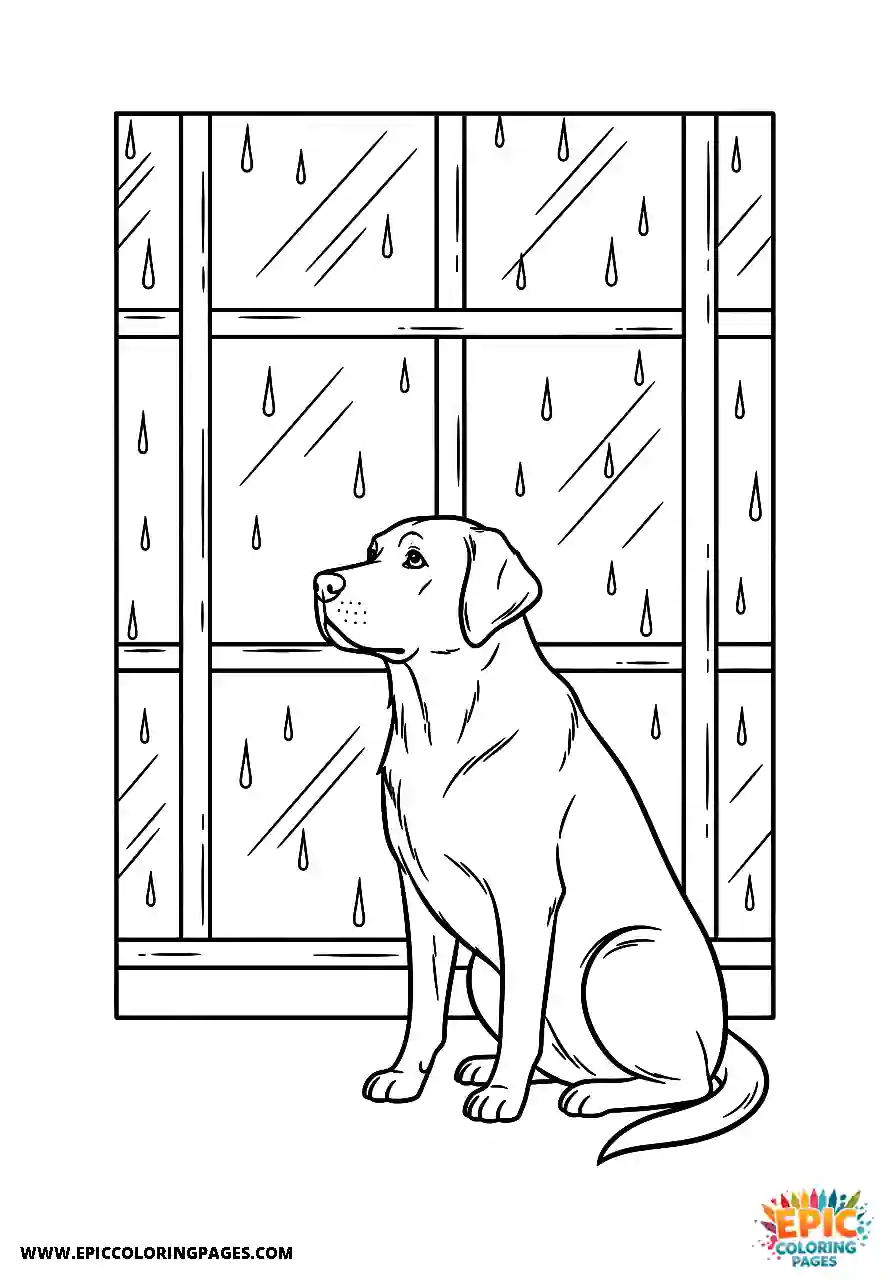
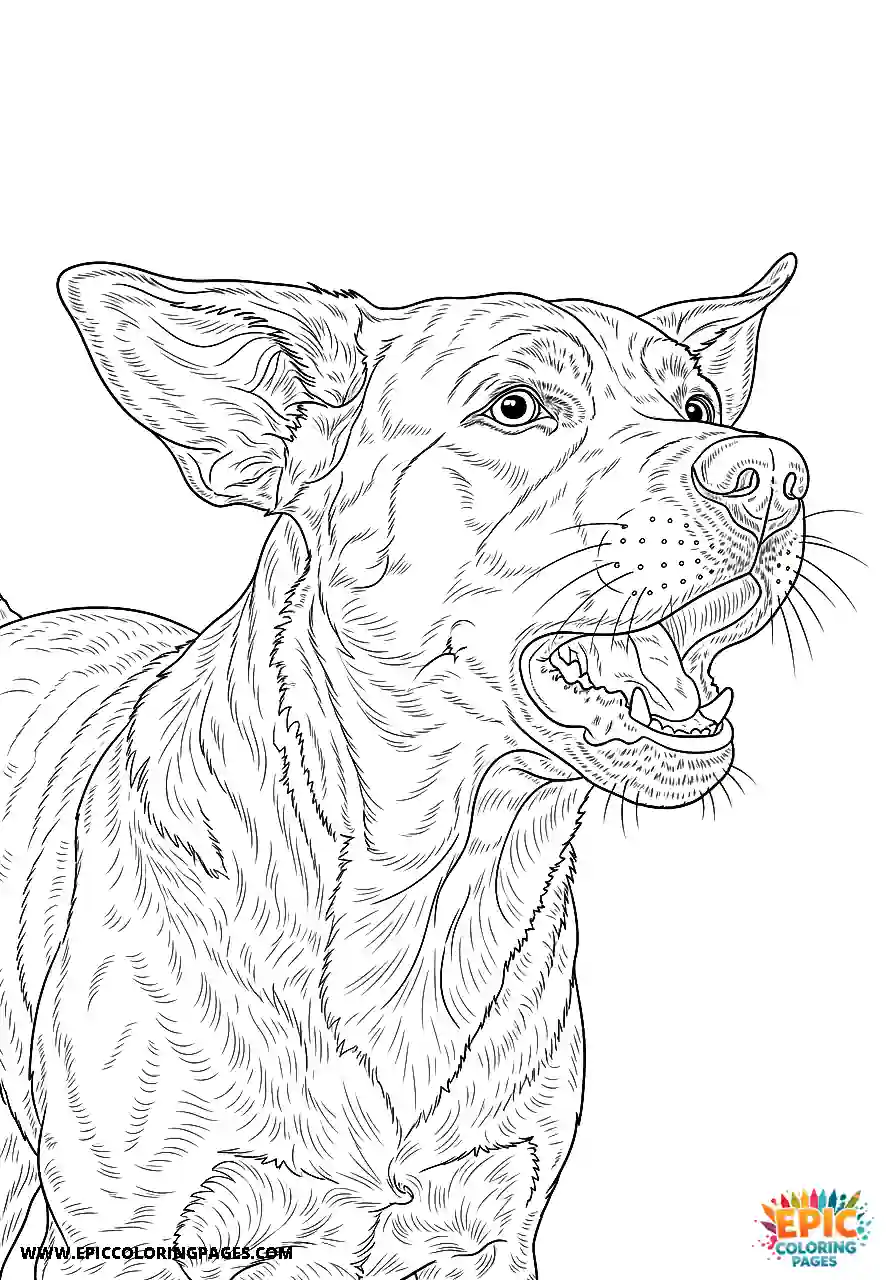
Professional Coloring Tips for Labrador Retriever Dog Pages
Labrador Retrievers capture hearts with their friendly expressions and athletic build, making them wonderful subjects for coloring. Whether you’re just starting out or have years of experience with colored pencils, these tips will help you bring these beloved dogs to life on paper.
Understanding Labrador Anatomy for Better Coloring
Before you pick up your first pencil, take a moment to observe what makes Labs unique. Their broad heads, otter-like tails, and muscular bodies create distinctive shapes that affect how light and shadow fall across their forms. Labs have a double coat a soft undercoat beneath a short, dense outer layer which creates subtle texture variations you’ll want to capture.
The breed comes in three main colors: yellow (ranging from pale cream to fox red), black, and chocolate. Even within these categories, there’s remarkable variation. A yellow Lab might have darker shading along the spine and ears, while black Labs often show blue or purple undertones in bright light rather than pure black throughout.
Choosing Your Medium and Colors
For Colored Pencils: Start with a base layer using light pressure. For yellow Labs, begin with pale yellows or creams, building up to golden or amber tones in shadowed areas. Black Labs benefit from layering dark blues, purples, or even deep greens beneath your blacks this creates depth and prevents that flat, construction-paper look. Chocolate Labs glow when you layer warm browns over a base of burnt sienna or terra cotta.
For Markers: Work from light to dark, and remember that marker colors intensify as they dry. Use a colorless blender to soften edges and create gradients. The key with Labs is avoiding harsh transitions their short fur lies smooth, creating gentle color shifts rather than dramatic contrasts.
For Watercolors or Brush Pens: Embrace the fluid nature of water-based media to capture a Lab’s glossy coat. Leave small areas of white paper for highlights on the nose, eyes, and top of the head where light naturally catches. Build color gradually with multiple thin washes rather than one heavy application.
Mastering the Labrador's Distinctive Features
The Eyes: Lab eyes radiate warmth and intelligence. Use rich browns for most Labs, though some chocolate Labs have striking hazel or green eyes. Always include a catch light that bright reflection that brings eyes to life. Position it consistently as if from a single light source, typically in the upper portion of the eye.
The Nose: A Lab’s nose is broad and substantial. Black and yellow Labs have black noses, while chocolate Labs sport brown ones. Don’t color it solid leave a highlight on the bridge and upper portions, then add tiny dots or texture marks to suggest the slightly rough surface. The area where the nose meets the muzzle often has a subtle pink or brown undertone.
The Coat Texture: Even though Labs have short fur, you’ll want to suggest direction and texture. Use short, light strokes that follow the contours of the body downward on the legs, backward along the spine, outward on the chest. Avoid creating visible lines; instead, let your strokes blend together while maintaining that sense of direction.
Creating Depth and Dimension
Shadows anchor your Lab in space and make it feel three-dimensional. The underside of the body, beneath the chin, under the ears, and between the legs all need darker values. Inside the ears, use warm browns or reddish tones even on black Labs, as ear interiors often catch and reflect warm light.
Consider your light source carefully. If light comes from above and slightly to one side (the most natural), the top of the head, shoulders, and back will be lighter, while the chest, belly, and far side of the body recede into shadow. The back leg on the far side should be slightly darker than the front leg to create depth.
For outdoor scenes, remember that Labs often have grass stains on their bellies and paws these subtle greenish tints add realism and story to your artwork. If your Lab is wet, intensify your darks and leave more white highlights to suggest that glossy, just-out-of-the-water look.
Advanced Techniques Worth Trying
Burnishing: After building up several layers with colored pencils, use a light pencil or colorless blender to press and smooth the colors together, creating that polished, glossy finish characteristic of a healthy Lab coat.
Complementary Shadows: Don’t just darken your base color for shadows. For yellow Labs, try adding hints of purple or blue in the deepest shadows. For chocolate Labs, use cool grays or blues. This creates vibration and interest that pure brown shadows lack.
Background Considerations: Labs love the outdoors. A simple suggestion of grass, water, or fallen leaves can contextualize your dog without overwhelming the main subject. Use softer edges and less detail in the background to keep focus on your Lab.
Common Mistakes to Avoid
Don’t outline everything in black this flattens your image and creates a cartoon effect unless that’s your intention. Instead, let color and value changes define edges. Where the light side of your Lab meets a light background, you might barely define the edge at all, letting the viewer’s eye complete the form.
Avoid using pure white for highlights. A very pale version of your base color looks more natural and integrated. Save true white for only the brightest sparkles like the wet shine on a nose or the brightest catch light in an eye.
Resist the urge to add too much detail in areas that would naturally blur like the far side of the body or elements in the background. Not every whisker needs to be rendered. Sometimes suggestion creates more convincing results than exhaustive detail.
Making It Your Own
The most engaging colored artwork tells a story. Is your Lab a dignified elder with graying around the muzzle? A puppy with oversized paws and boundless energy? A working retriever with intense focus? Let these characteristics guide your color choices and the energy of your strokes.
Consider the personality traits Labs are known for loyalty, playfulness, gentleness with children and think about how color temperature and value contrast can enhance these qualities. Warm, golden tones feel inviting and friendly. Cooler tones might suit a more contemplative portrait.
Remember that coloring is as much about the journey as the destination. Each page offers an opportunity to experiment, whether you’re testing a new color combination, practicing smoother blending, or simply enjoying the meditative rhythm of filling a space with color. There’s no single “correct” way to color a Labrador your unique interpretation is what makes your artwork valuable.
Take breaks to view your work from a distance or in a mirror. This fresh perspective often reveals areas that need adjustment and helps you see your piece as a unified whole rather than a collection of parts. Most importantly, enjoy the process of bringing these wonderful dogs to life, one stroke at a time.
More Canine Companions...
Discover even more printable fun by visiting our main collection and exploring similar designs made especially for dog lovers.
Visit our complete page dog coloring pages.
Frequently asked questions and interesting facts about Labrador Retriever Dog
How long can a Labrador Retriever live?
Labrador Retrievers typically live between 10 to 12 years, though many healthy Labs reach 13 or even 14 years with proper care, nutrition, and regular veterinary checkups. Factors like genetics, diet, exercise, and healthcare play crucial roles in their longevity. Maintaining a healthy weight is particularly important, as obesity can shorten a Lab’s lifespan and lead to joint problems and other health issues.
Do Labrador Retrievers shed?
Yes, Labrador Retrievers are moderate to heavy shedders year-round, with two major shedding seasons in spring and fall when they “blow” their coat. Their dense double coat consisting of a soft undercoat and water-resistant outer coat requires regular brushing (at least 2-3 times weekly, daily during shedding season) to manage loose hair and keep their coat healthy. Despite the shedding, proper grooming makes it manageable for most families.
Are Labrador Retrievers hypoallergenic?
No, Labrador Retrievers are not hypoallergenic. They produce dander (dead skin cells) and shed considerably, both of which are common allergen triggers. While no dog is truly 100% hypoallergenic, Labs are not recommended for people with significant dog allergies. If you have mild allergies but love Labs, regular grooming, air purifiers, and frequent home cleaning can help reduce allergen levels.
How big can a Labrador Retriever get?
Male Labrador Retrievers typically stand 22.5 to 24.5 inches tall at the shoulder and weigh between 65 to 80 pounds, while females are slightly smaller at 21.5 to 23.5 inches tall and 55 to 70 pounds. However, some Labs can exceed these ranges, especially if they’re from field lines (working dogs tend to be leaner) versus show lines (which may be stockier). Proper diet and exercise are essential to prevent obesity, as overweight Labs can develop serious health problems.
How much does a Labrador Retriever cost?
The cost of a Labrador Retriever varies widely depending on factors like breeder reputation, pedigree, location, and whether the dog is pet-quality or show-quality. Pet-quality Labs from reputable breeders typically cost between $800 to $1,500, while show-quality or champion bloodline puppies can range from $1,500 to $3,000 or more. Adoption from shelters or rescues is a more affordable option, usually costing $50 to $500, and gives a deserving dog a second chance.
How much for a Labrador Retriever puppy?
Labrador Retriever puppies generally cost between $800 and $2,000 from responsible breeders, with prices varying based on lineage, health certifications, and breeder location. Puppies with championship bloodlines, extensive health testing, or specialized training (like hunting lines) can cost $2,000 to $3,500 or more. Remember that the initial purchase price is just the beginning factor in expenses for vaccinations, spaying/neutering, supplies, training, and ongoing care throughout your Lab’s lifetime.
When do Labrador Retrievers stop growing?
Labrador Retrievers typically reach their full height by 9 to 12 months of age, but they continue to fill out and gain muscle mass until they’re about 18 months to 2 years old. Some Labs, particularly males, may continue developing and maturing until age 2 or even slightly beyond. During this growth period, proper nutrition with age-appropriate food and avoiding excessive exercise that could damage developing joints is crucial for healthy development.
Where do Labrador Retrievers come from?
Despite their name, Labrador Retrievers originated in Newfoundland, Canada (not Labrador) in the 1700s and 1800s. They descended from the St. John’s Water Dog, a breed used by fishermen to retrieve nets and catch fish that escaped from fishing lines. English nobles visiting Canada were impressed by these dogs’ work ethic and brought them to England in the early 1800s, where they were refined into the breed we know today and given the name “Labrador Retriever.”
What to know before getting a Labrador?
Before bringing home a Labrador Retriever, understand that they’re high-energy dogs requiring at least 1-2 hours of daily exercise, mental stimulation, and consistent training. Labs are enthusiastic chewers, especially as puppies, so be prepared to provide appropriate outlets and puppy-proof your home. They’re social animals who don’t do well with prolonged isolation Labs thrive on family interaction and can develop separation anxiety if left alone too long. Additionally, budget for quality food, regular vet care, grooming supplies, and potential health issues like hip dysplasia or ear infections.
What not to do with a Labrador Retriever?
Never leave a Labrador unsupervised for extended periods, as they can become destructive when bored or anxious. Don’t skip daily exercise an under-exercised Lab will find their own “entertainment,” usually involving chewing furniture or digging. Avoid overfeeding, as Labs are notorious food lovers prone to obesity, which causes serious health problems. Don’t use harsh training methods; Labs respond best to positive reinforcement. Never leave them in hot cars or exercise them excessively in extreme heat, as their thick coat makes them susceptible to overheating.
What are Labradors scared of?
Like all dogs, individual Labradors may have unique fears, but common anxieties include loud noises (thunderstorms, fireworks, vacuum cleaners), unfamiliar people or dogs when not properly socialized, being left alone (separation anxiety), and sometimes water (despite being natural swimmers, some Labs need gradual introduction). Some Labs develop fears due to negative past experiences or lack of early socialization. Patient, positive exposure and counter-conditioning can help Labs overcome most fears. Generally, well-socialized Labs are confident, stable dogs with fewer fear issues than many other breeds.
What do Labradors love the most?
Labrador Retrievers absolutely love their families above all else they’re happiest when included in family activities and being near their people. They have an intense love for food (Labs are famously food-motivated, making training easier but weight management challenging), swimming and water activities (it’s in their DNA!), retrieving games especially fetch with balls or sticks and having a job or purpose, whether it’s formal training, puzzle toys, or helping carry items. Labs also adore praise and positive attention, making them eager-to-please companions who thrive on interaction and approval.