Home Girls Anime Girl

Anime Girl Coloring Pages (588+ Free Printables)

Anime character design evolved from early 20th-century Japanese visual storytelling traditions, developing distinct aesthetic principles that prioritize expressive eyes (often occupying 25-35% of facial space), simplified anatomical proportions, and symbolic hair colors indicating personality traits. These stylistic conventions create instantly recognizable figures whose emotional states transmit through exaggerated facial features and dynamic postures elements that translate exceptionally well to coloring activities where young artists explore gradients, cel-shading techniques, and color psychology.

The genre’s female protagonists span archetypal categories from magical girls wielding supernatural abilities to slice-of-life students navigating contemporary Japanese settings. Each character design incorporates cultural signifiers: school uniforms with sailor collars (seifuku), elaborate costume transformations, and accessories reflecting narrative roles. Understanding these visual languages helps colorists make informed choices about palette selection warm tones for energetic heroes, cool blues for contemplative intellectuals, pastels for romantic leads while experimenting with techniques like screentone simulation and highlight placement that define professional anime illustration.

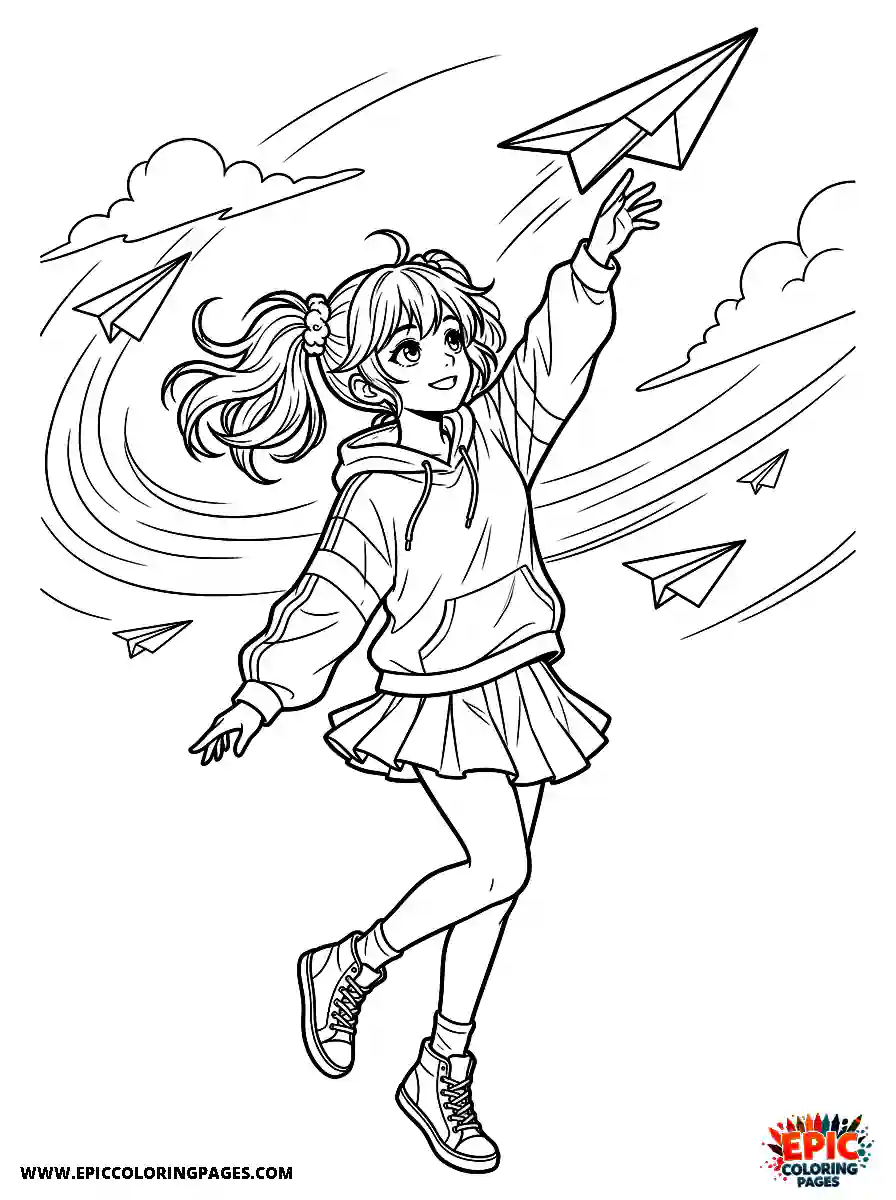
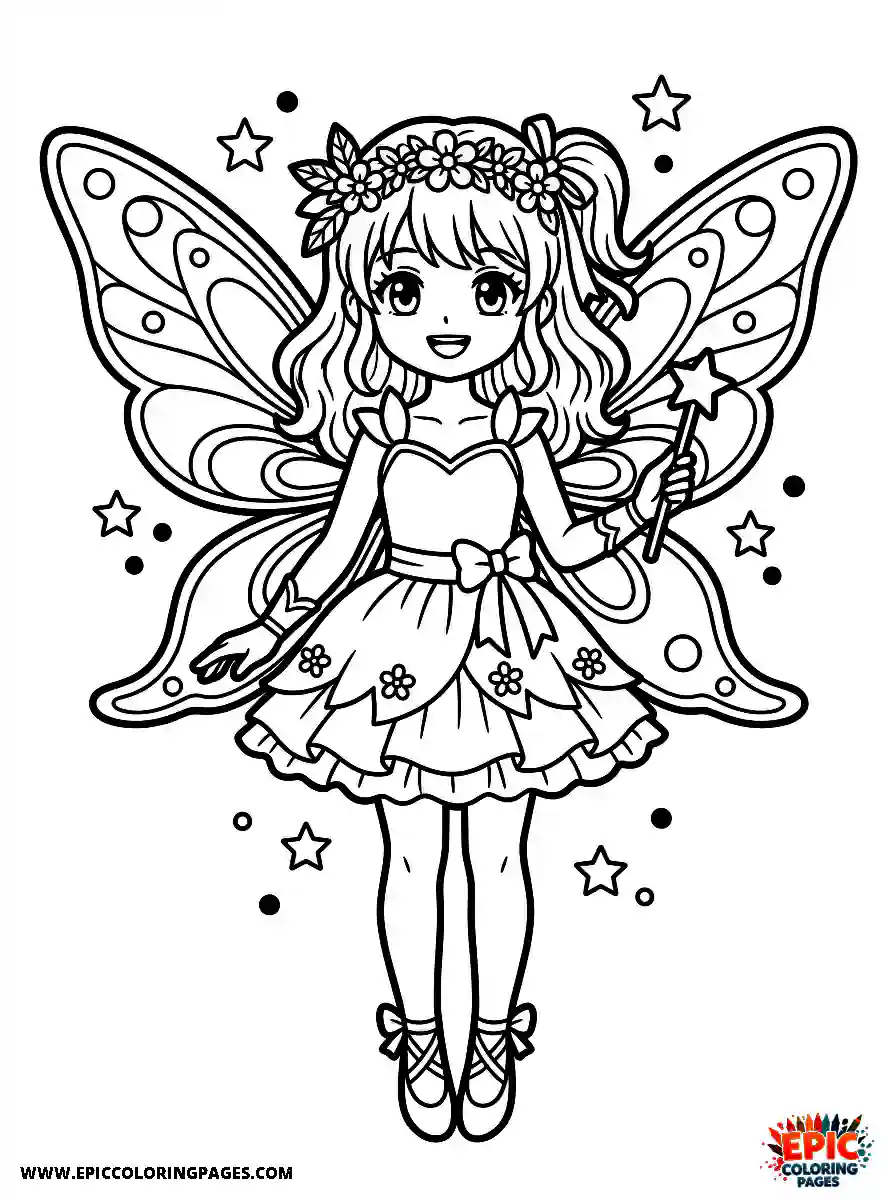
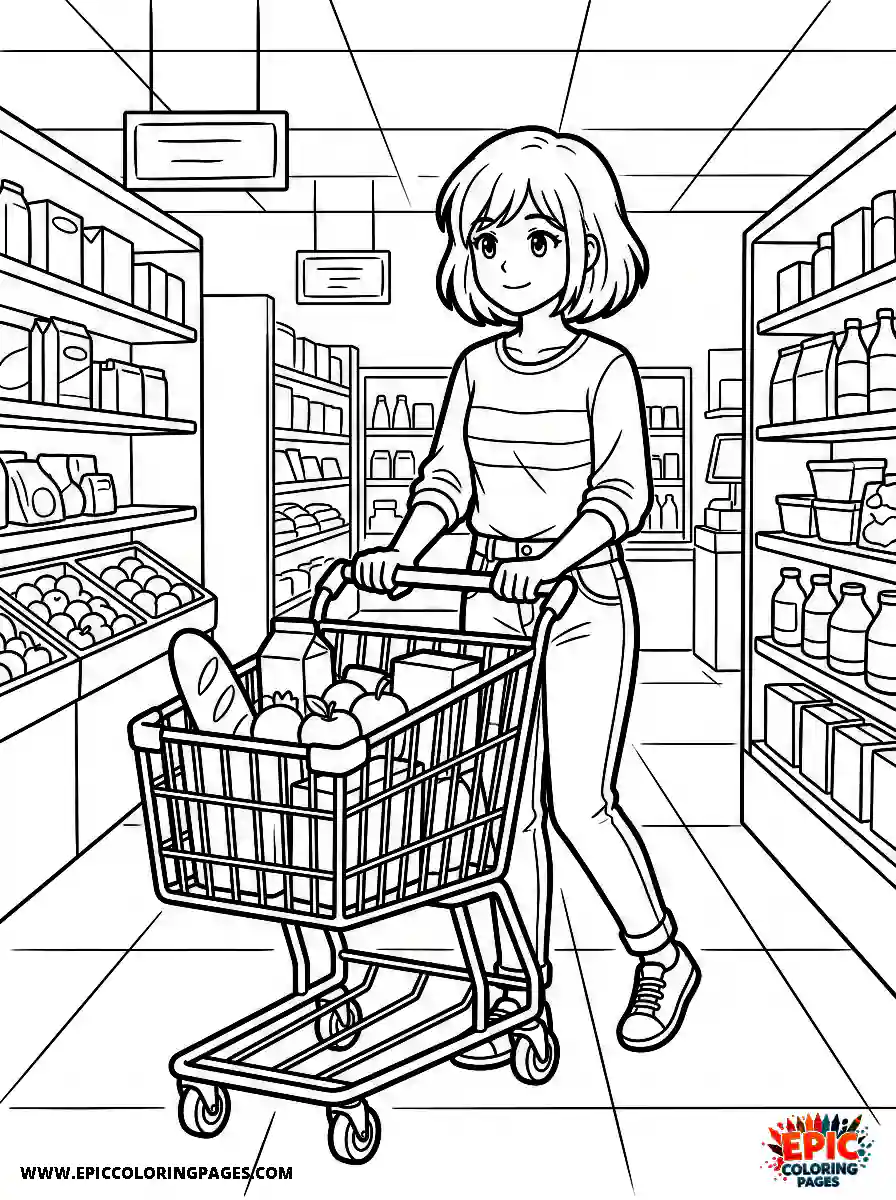
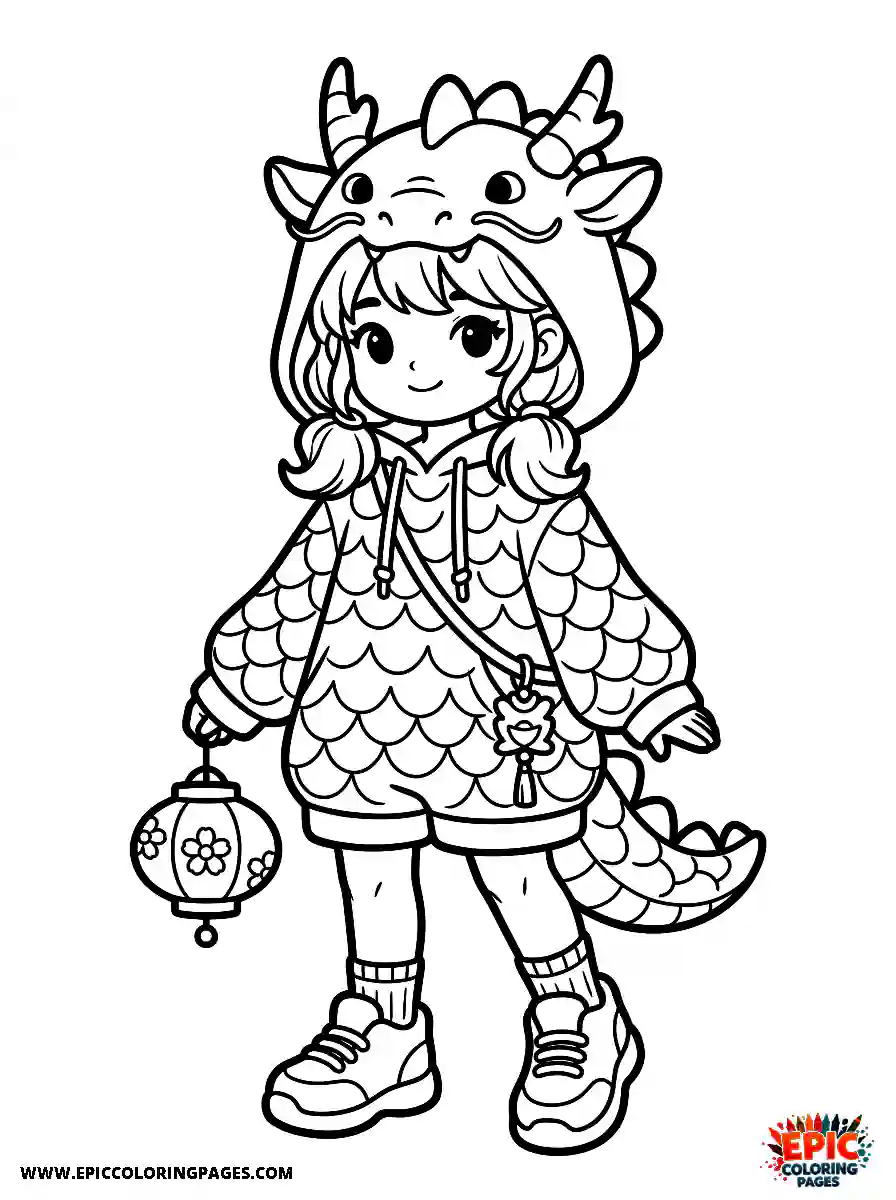
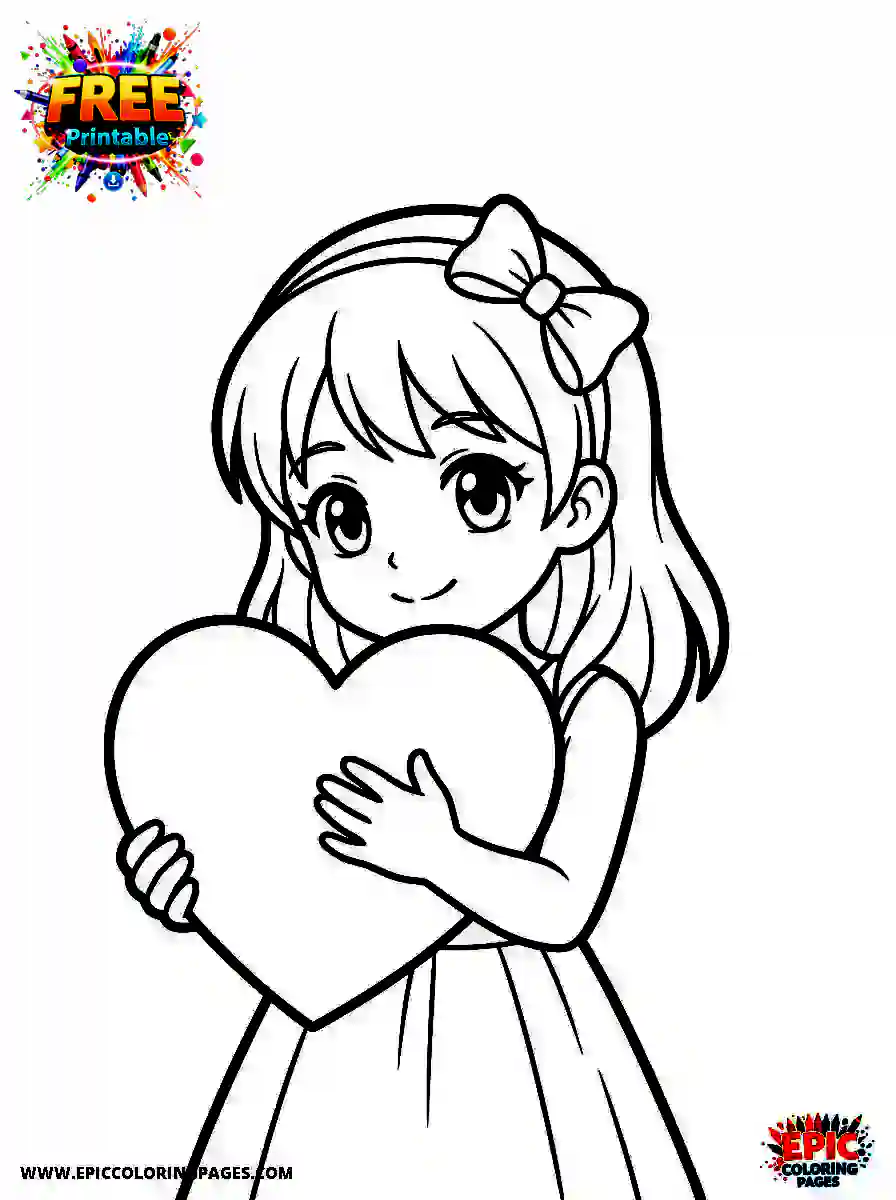
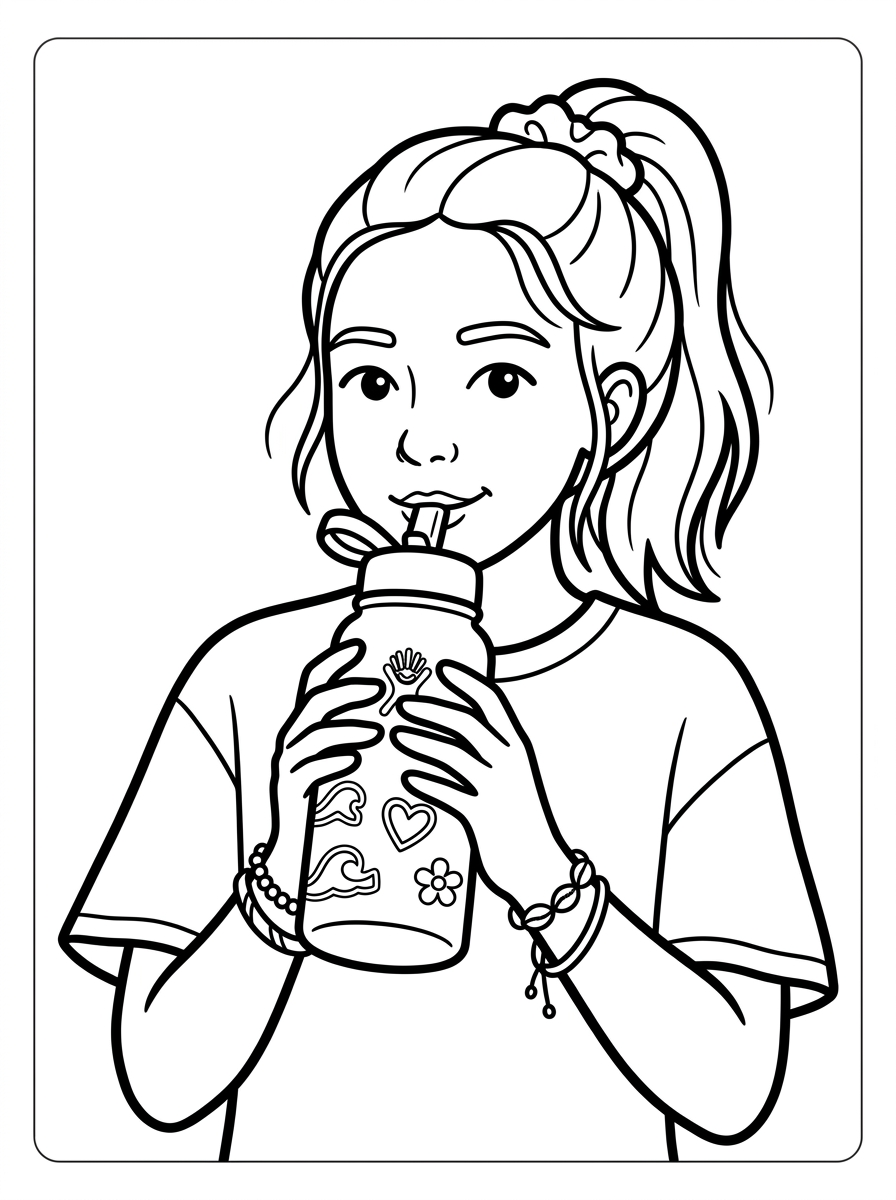
Anime girl coloring Page featuring a cheerful character with thick lines and stylish details in a fun manga-inspired scene

🎨 Free Interactive Editor - Customize Your Coloring Pages

Click on any image to open our FREE editor and add personalized text, emojis, zoom in for details, and save in professional 300 DPI quality!

✏️

Add Text

11+ fonts

😊

Emojis

500+ items

🔍

Zoom

Precision

💾

Save

300 DPI

Character Design Fundamentals in Anime Illustration

Traditional anime production requires understanding proportion systems that deviate from realistic human anatomy. The “chibi” style compresses figures to 2-3 head heights, emphasizing cuteness through enlarged heads and minimal limb detail. Standard shoujo (girls’ genre) proportions extend characters to 6-8 heads tall, creating elegant silhouettes where leg length often exceeds torso measurements. These mathematical frameworks govern not only body structure but also spatial relationships between facial features eye placement typically begins at the horizontal midline, with spacing equal to one eye-width between them.

Hair rendering presents the most complex coloring challenge, as anime strands cluster into geometric shapes rather than individual filaments. Professional artists divide hair into primary masses, secondary overlapping sections, and highlight strips that follow directional flow. Colorists can replicate depth by reserving white space for shine, applying base tones in middle values, and introducing shadows where masses overlap. This layering technique transforms flat line art into dimensional forms, teaching fundamental shading principles applicable across artistic mediums.

Anime Girl Collection

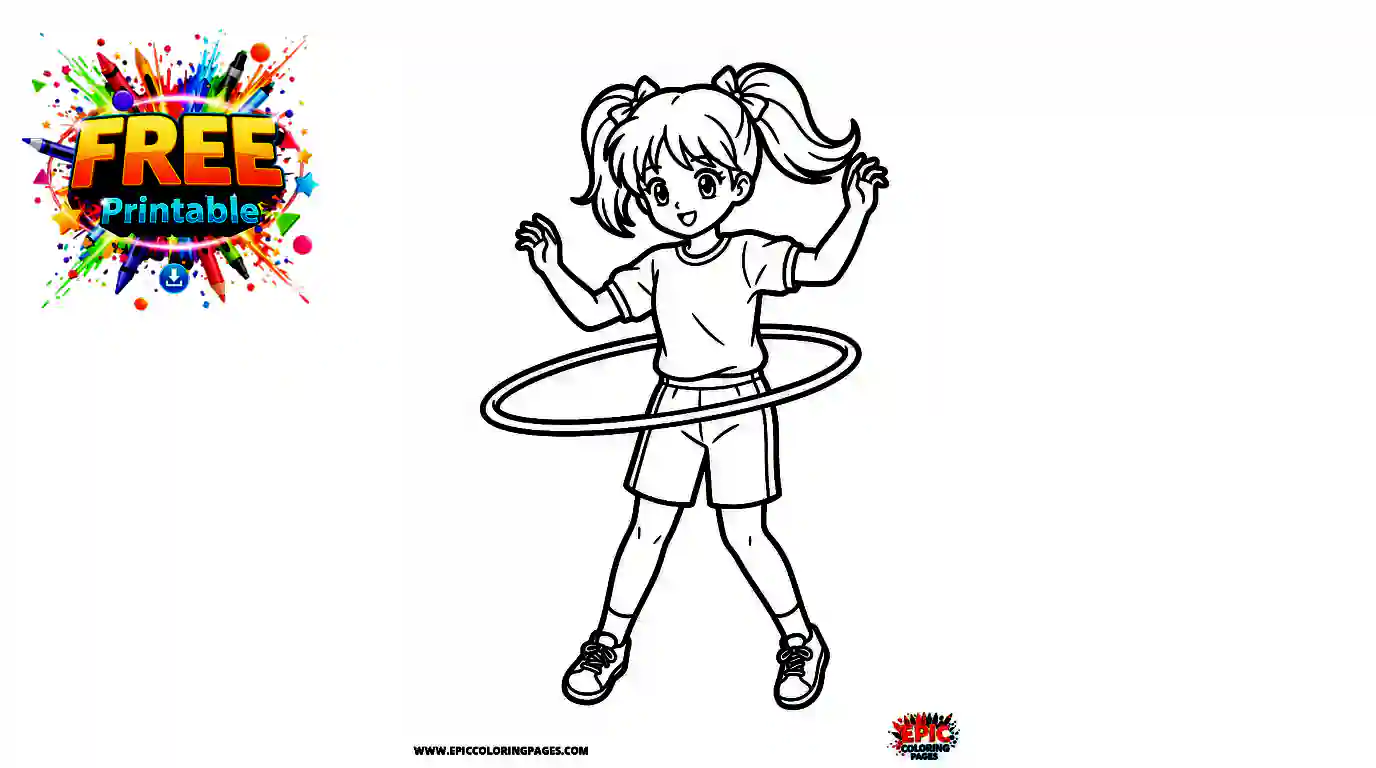
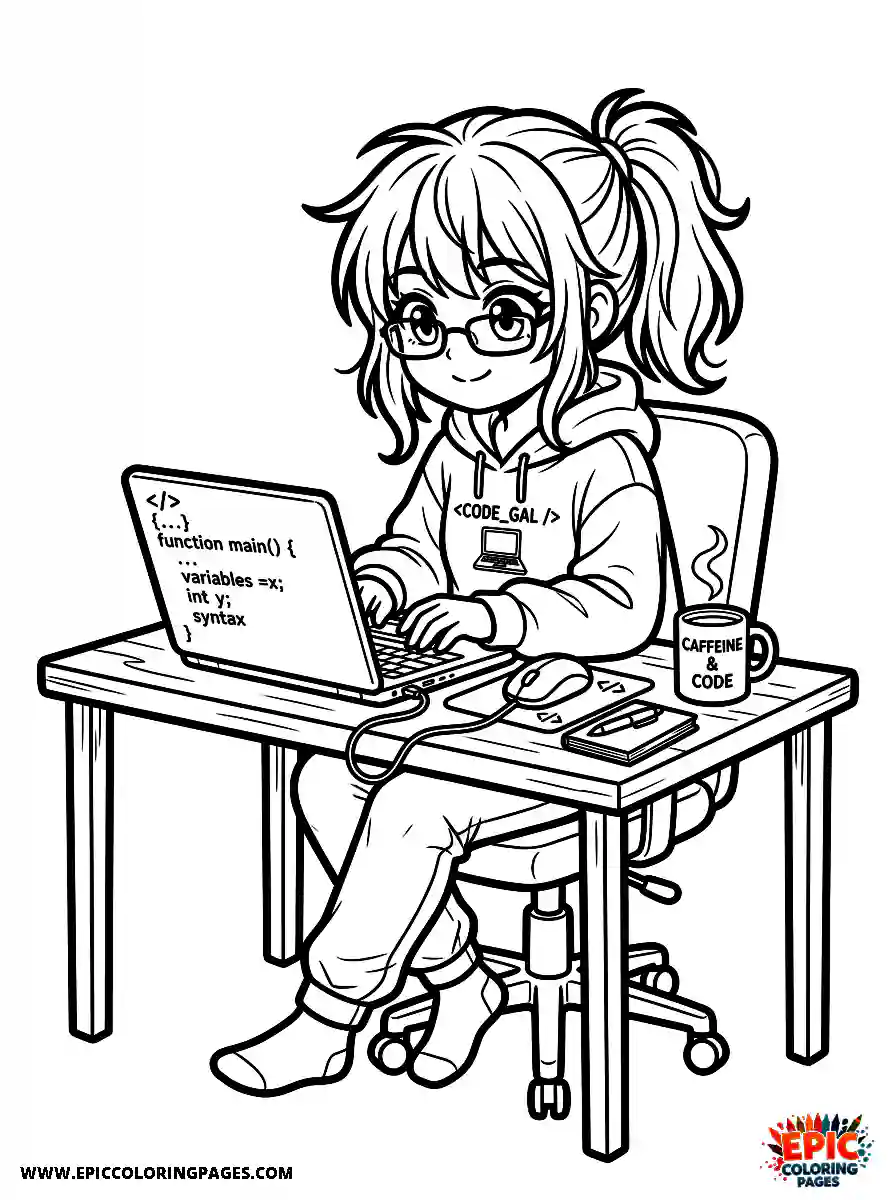
This gallery explores the enormous visual variety found in modern anime-inspired character art, combining energetic sports scenes, imaginative careers, cozy daily activities, fantasy costumes, and expressive slice-of-life moments into a single diverse collection. Athletic poses such as soccer, volleyball, martial arts, yoga, skateboarding, surfing, kayaking, and ice skating appear alongside creative professions including scientists, librarians, photographers, bakers, doctors, musicians, architects, programmers, florists, and filmmakers. The combination creates a broad artistic showcase filled with movement, emotion, and highly recognizable anime-inspired personality traits.

Many illustrations in this collection also emphasize playful storytelling and atmospheric detail rather than simple static poses. Seasonal activities, festival scenes, magical fantasy themes, rooftop stargazing, cooking moments, library studies, carnival games, beach adventures, and cozy winter environments all contribute to a more cinematic visual experience. Thick outlines, expressive facial reactions, flowing clothing, and stylized motion lines make these coloring pages especially appealing for both younger audiences and anime fans interested in dynamic compositions with strong visual variety.

More Girl Coloring Pages

Expand your collection with our extensive gallery of girls’ coloring pages girls’ coloring pages, featuring a variety of artistic styles, from realistic portraits to fantastical interpretations of various cultures and eras.

Professional Tips for Coloring Anime Girl

Coloring anime characters brings a unique set of challenges and rewards. Unlike realistic portraits, anime art thrives on bold creative choices, dramatic contrasts, and expressive color storytelling. These pages give you freedom to experiment while still maintaining that signature anime aesthetic.

Let’s explore techniques that work whether you’re just starting out or already comfortable with colored pencils and markers.

Understanding Anime Skin Tones

Anime skin doesn’t follow traditional shading rules. The style typically uses flat base colors with minimal transitional shading.

Start with a light peachy tone as your foundation. Add a slightly darker shade only in key shadow areas under the chin, along the neck, and beneath the hair. Keep these shadows soft and limited.

For cheeks, use pink or coral very lightly. A common mistake is over-blending skin in anime coloring. The style actually benefits from that graphic, almost cel-shaded appearance.

If your page shows an active pose like the soccer player or the gymnast consider adding a warm glow to areas where light would naturally hit. This adds dimension without losing the anime feel.

Hair Coloring Strategies That Pop

Anime hair is where you can really have fun. These styles are designed with gravity-defying volume and dramatic flow.

Choose your base color first, but don’t fill everything uniformly. Leave strategic white spaces where light reflects usually along the top curves and outer strands.

Layer a darker shade of the same color family in the underlayers and where hair overlaps. For example, if you’re coloring the ballet dancer’s hair purple, use a deep violet in the shadows and leave the highlights pure white or very light lavender.

Direction Matters

The volleyball player’s ponytail or the cheerleader’s style work great for practicing directional shading. Follow the hair’s movement with your strokes rather than coloring in circles.

For truly vibrant results, try unconventional colors. That scientist character would look stunning with teal or mint green hair anime celebrates non-realistic color choices. 

Clothing and Costume Details

These pages feature incredibly diverse outfits, from superhero capes to wedding planner business wear.

For uniforms like the police officer or firefighter, research actual color schemes first. Kids learning about community helpers appreciate accuracy here.

Athletic wear on characters like the tennis player or field hockey athlete looks best with bold, saturated colors. Use white or very light gray for athletic stripes and logos.

Fabric Texture Techniques

The fashion model and ballet dancer offer chances to experiment with fabric textures. Use slightly darker tones in fold lines to suggest flowing material. The aerial yoga silks especially benefit from this approach gradient shading makes the fabric appear translucent.

Costumes like the witch, mermaid, or fairy allow total creative freedom. Metallic gel pens work beautifully for adding sparkle to the angel’s halo or the mermaid’s tail scales.

Background and Environmental Elements

Most anime coloring pages keep backgrounds minimal, putting full focus on the character.

For pages showing specific settings the library, laboratory, or ice rink use lighter, desaturated colors behind the character so she remains the focal point.

The beach and outdoor scenes work well with gradient skies. Blend from light blue at the horizon to deeper blue at the top. This technique appears on pages with the kite flyer and the surfing character.

Ground shadows should be simple. A soft gray oval beneath characters creates the impression they’re standing on a surface without distracting from the main artwork.

Expression and Eye Techniques

Anime eyes are the emotional centerpiece of every character.

Start with the lightest color in the lower portion of the eye. Gradually transition to a darker shade at the top. This creates depth and that characteristic “sparkle.”

Leave deliberate white spaces for light reflections typically two small circles or ovals in each eye. These highlights bring the character to life.

Matching Eyes to Emotions

For the excited expressions on pages like the birthday celebration or gift opening scenes, consider adding tiny starbursts near the eyes with a white gel pen.

Characters showing focused concentration the chess player, the programmer, or the artist benefit from slightly narrowed eyes colored with deeper, more serious tones.

Tool Selection for Different Effects

Colored pencils give you the most control for detailed work on pages like the jeweler or the botanist examining plants.

Press lightly for base layers, gradually building intensity. This prevents waxy buildup and lets you correct mistakes easily.

Markers for Bold Anime Style

Markers create that authentic anime cel-shaded look. They’re perfect for the action poses the karate kick, the skateboard tricks, or the rock climbing scenes. Work quickly and confidently; markers show hesitation.

Gel pens add finishing touches. Use them for the musician’s instrument details, the baker’s frosting patterns, or sparkles on the Valentine’s cards.

Watercolor Pencil Hybrid Approach

Watercolor pencils offer a hybrid approach. Color normally, then lightly brush with a damp brush for smooth gradients on the hot chocolate steam or the sunset yoga beach scene.

Creating Dynamic Action Scenes

Many of these pages capture movement the soccer kick, the gymnastics flip, the rope jumping.

Use motion-suggesting techniques to enhance these moments. Add light speed lines radiating from the action point with a colored pencil that’s slightly darker than your background.

For the burpee exercise or the trampoline jump, consider making the clothing colors more intense at the point of action and slightly lighter at the extremities. This draws the eye toward the movement’s center.

The horseback riding and scooter scenes benefit from small dust clouds or wind effects. Use very light gray or tan in small swirling marks near the ground.

Seasonal and Holiday Specific Pages

The collection includes wonderful seasonal activities perfect for holiday coloring sessions.

Halloween Magic

For the Halloween scenes the witch costume, pumpkin carving, and trick-or-treating embrace oranges, purples, and blacks. Add yellow-green highlights for an eerie glow effect.

Winter Holidays

Christmas pages like the tree decorating and present opening work beautifully with traditional red and green, but don’t be afraid to try modern combinations like rose gold and navy.

Spring Celebrations

The Easter egg painting and Valentine’s Day cards allow for pastels. Layer light pink, lavender, and mint for a soft, spring-appropriate palette.

Winter activities the snowman building, ice skating, and sledding shine with cool-toned shadows. Use light blue and purple for snow shadows rather than gray.

Food and Cooking Scene Tips

Several pages feature food preparation and eating the baker, sushi dining, ice cream, and various cooking activities.

Make food look appetizing with careful color choices. Use warm browns for baked goods, vibrant reds for strawberries in the jam-making scene, and rich purples for the pie filling.

Add small white highlights to create shine on wet or glossy foods the hot chocolate’s surface, the frosting on cupcakes, or the fresh fruit in the smoothie.

Steam rising from hot foods like the ramen, soup, or coffee should be very subtle. Use light gray with wispy, irregular strokes that fade as they rise.

Musical Instrument Details

The collection features numerous musicians violin, guitar, drums, saxophone, and many orchestral instruments.

Research actual instrument colors if accuracy matters for your purpose. However, anime style welcomes creative liberties a purple violin or teal saxophone fits perfectly in this aesthetic.

Metallic Instruments

For metallic instruments like the trombone, saxophone, or glockenspiel, use gold or silver as a base, then add darker bronze or gray in recessed areas. Leave bright highlights on curved surfaces.

String Instruments

String instruments need visible wood grain suggestions. Use light brown as a base, then add thin, slightly darker brown lines following the instrument’s curves.

Occupation and Career Character Pages

These pages brilliantly showcase diverse careers from veterinarian to astronaut, chef to architect.

For professional uniforms, accuracy helps educational value. The doctor’s white coat, nurse’s scrubs, and dentist’s attire traditionally use medical whites and blues.

The architect, graphic designer, and photographer pages let you add authentic tool details. Color drafting tools, cameras, and design equipment with realistic metallics and blacks.

Creative professionals like the animator, film director, and makeup artist offer chances to add surrounding elements. Include colorful palettes, vibrant film equipment, or diverse cosmetic shades around these characters.   

Sports and Athletic Activity Pages

The athletic scenes span everything from soccer and hockey to yoga and aerial silk work.

Team sports uniforms look great in bold, contrasting colors. Make the soccer player’s jersey a vibrant red or blue with white accents.

Competition Sports

Individual sports like the figure skating and gymnastics benefit from costume-like coloring. Think competition leotards with gradient effects or geometric patterns.

Calm Athletic Activities

For yoga and stretching poses, choose calming colors soft purples, muted teals, or earthy greens. These activities have a peaceful quality that warmer, calmer colors enhance.

Outdoor sports like the mountain biking or kayaking scenes need environmental context. Add blue for water, green for trails, and appropriate sky colors to ground these active poses.

Advanced Shading for Experienced Colorists

If you’re comfortable with basic techniques, try these elevated approaches.

Cross-Hatching Texture

Cross-hatching with colored pencils adds texture to fabric. Use this on the fashion model’s dress or the princess’s gown for a sophisticated look.

Burnishing for Smooth Finishes

Burnishing creates ultra-smooth, almost painted effects. Apply light layers first, then use a colorless blender pencil or light-colored pencil to smooth everything together. Perfect for the angel costume’s flowing robes.

Complementary Color Shadows

Complementary color shadows add visual interest. Instead of darkening with black or gray, use the opposite color wheel shade. Orange-based shadows under purple hair create unexpected depth.

Temperature Contrast

Temperature contrast makes characters pop off the page. Use warm tones (yellows, oranges, reds) in light areas and cool tones (blues, purples) in shadows especially effective on the dancer and model pages.

Common Mistakes to Avoid

Even experienced colorists hit these snags with anime-style pages.

Over-saturating skin creates an unnatural appearance. Anime skin should remain relatively light and simple compared to hair and clothing.

Ignoring the light source causes confusing shadows. Decide where light comes from before you start shading, then stay consistent throughout the page.

Making outlines the same color as the fill. If you’re using markers, consider going over black outlines with a dark version of your fill color. This creates a more cohesive, professional result.

Pressing too hard initially. Build colors gradually through multiple light layers rather than one heavy application. This is especially important for the detailed pages like the scientist in the laboratory or the librarian with books.

Creating Your Personal Anime Style

These 588+ pages offer unlimited experimentation opportunities.
Develop signature color combinations you return to repeatedly. Maybe your anime girls always have unusual eye colors or specific palette preferences.
Keep a reference sheet of your favorite color mixes. When you nail the perfect shade for athletic wear or school uniforms, note which pencils or markers you combined.

Building Themed Collections

Try themed collections within the set. Color all the musical characters with jewel tones, or make every outdoor adventure scene use earth tones. This creates a cohesive portfolio if you’re building a collection.

The variety here from the paleontologist to the pop star, from the plumber to the princess means you’ll never run out of new scenarios to interpret through color.

Start with pages that match your current skill level and gradually challenge yourself with more complex poses and costume details. The simple stretch poses work great for beginners, while the aerial yoga or rock climbing scenes reward more experienced techniques.

Most importantly, remember that anime style celebrates bold choices and personal expression. There’s no single “correct” way to color these characters your creative voice is what brings each page to life.

Item adicionado!