

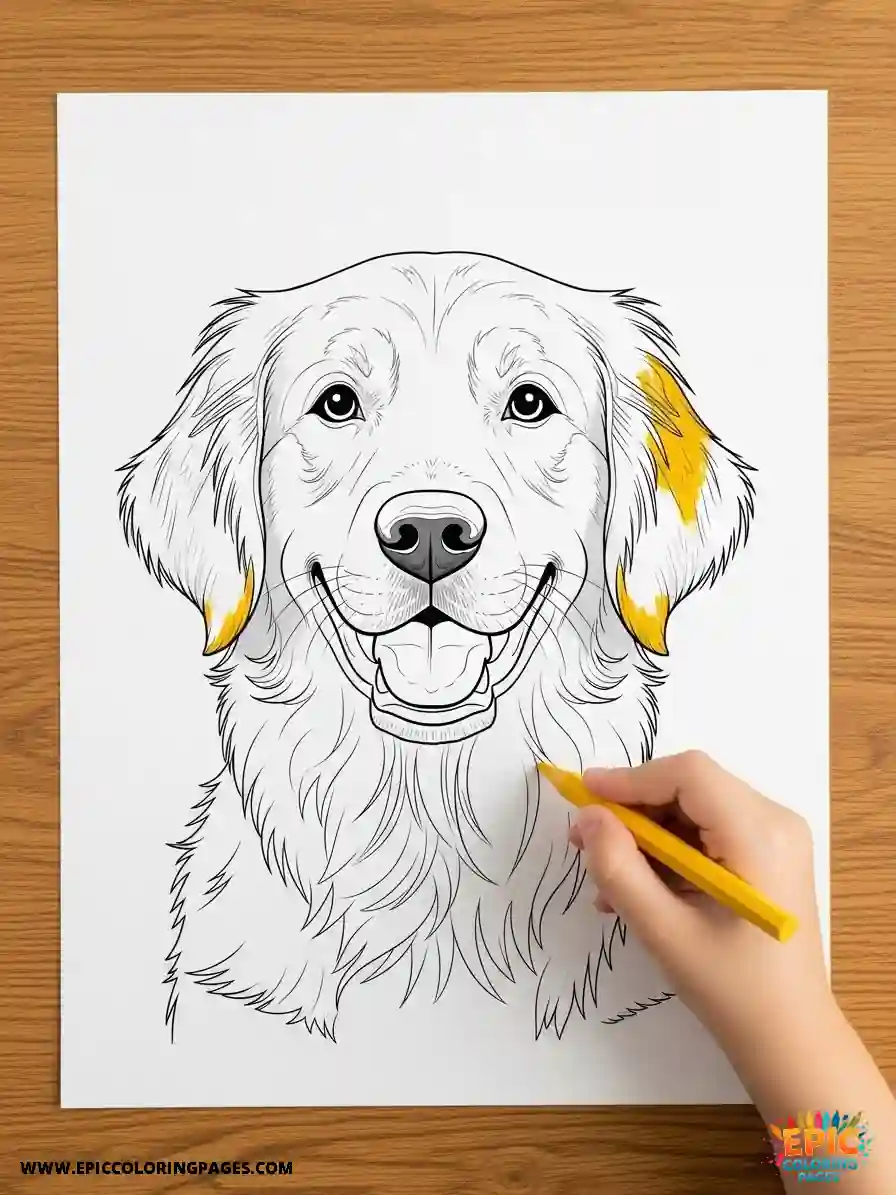
Golden Retriever Dog Coloring Pages (373+ Free Printables)
There are few things in this world as heartwarming as the sunny smile of a Golden Retriever. Known as “America’s Sweetheart,” these dogs are beloved for their boundless loyalty, flowing golden coats, and gentle eyes. Whether you are a proud pet parent, a dog lover, or an artist looking for your next project, our collection of Golden Retriever coloring pages is designed to spark joy and unleash your creativity. We have curated a massive library that captures the spirit of this incredible breed in every stroke.
Our carefully curated gallery features over 373 free printable designs showcasing these magnificent dogs in countless adorable poses and settings. From playful puppies tumbling through flower fields to majestic adult Goldens sitting proudly, each illustration celebrates the unique charm that makes this breed one of America’s most cherished canine companions. These coloring pages provide more than just entertainment they’re a gateway to relaxation, creativity, and a deeper appreciation for one of nature’s most lovable creatures.
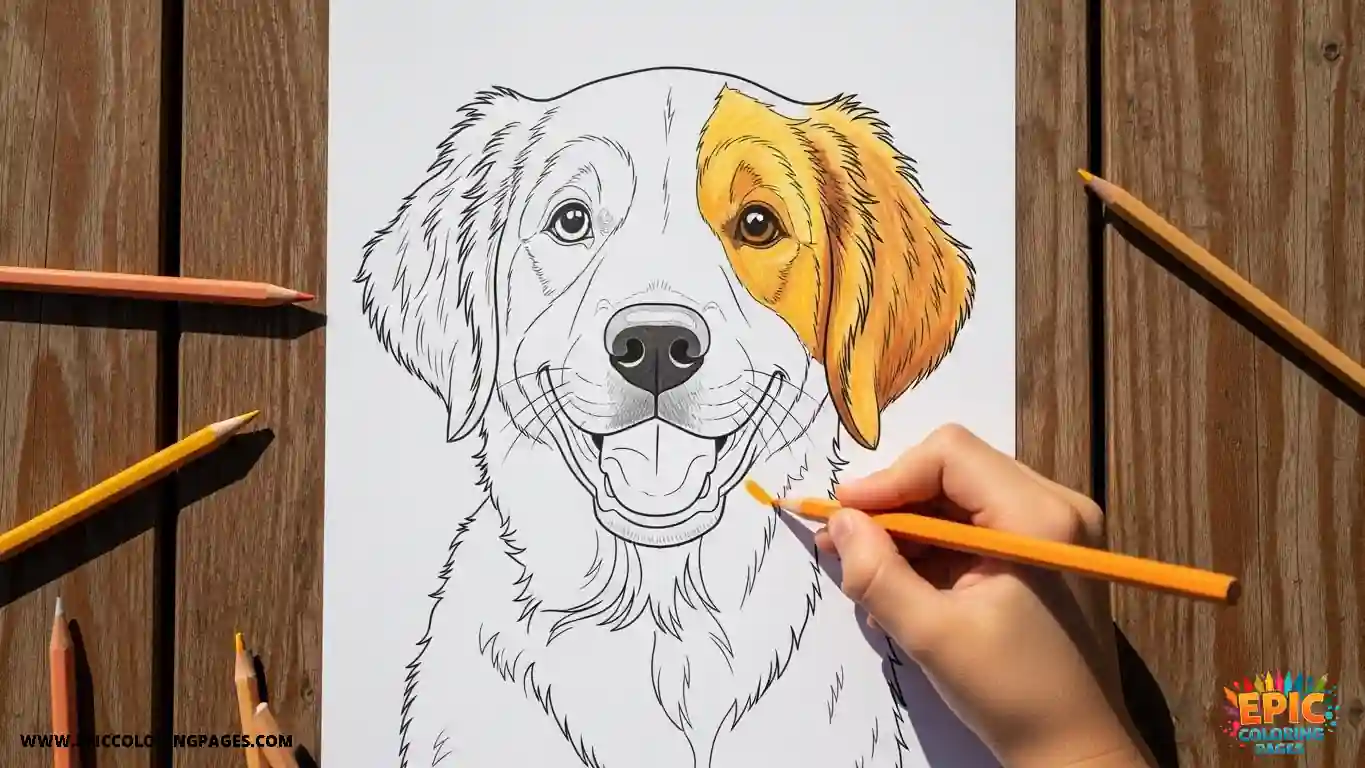
Discover Your Perfect Design
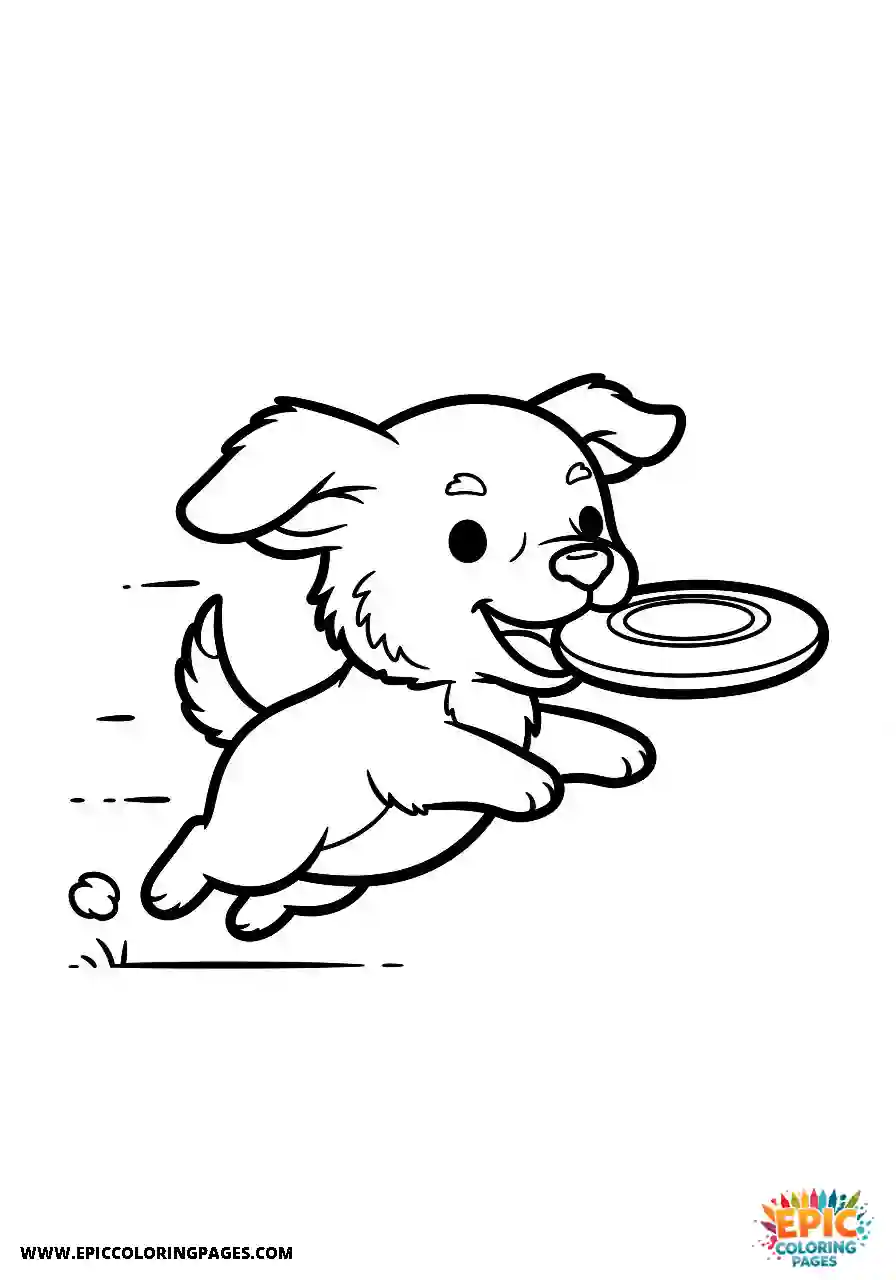
Below you’ll find our extensive collection featuring diverse artistic interpretations of these wonderful dogs. Our gallery includes animation-style illustrations with fluid, expressive movements that bring these gentle giants to life on paper. Cartoon designs offer simplified, fun interpretations perfect for younger colorists, while chibi versions present impossibly cute, big-headed Golden Retrievers that are irresistibly charming.
Manga and anime styles capture these dogs with characteristic large eyes and dynamic poses that appeal to fans of Japanese art forms. Kawaii designs emphasize adorable features with pastel-friendly aesthetics that practically beg for soft, cheerful colors. For those seeking authenticity, our realistic illustrations showcase the breed’s true physical characteristics from their distinctive feathered coats to their warm, intelligent expressions providing satisfying challenges for advanced colorists who appreciate anatomical accuracy and intricate detail work.
Golden Retriever Gallery
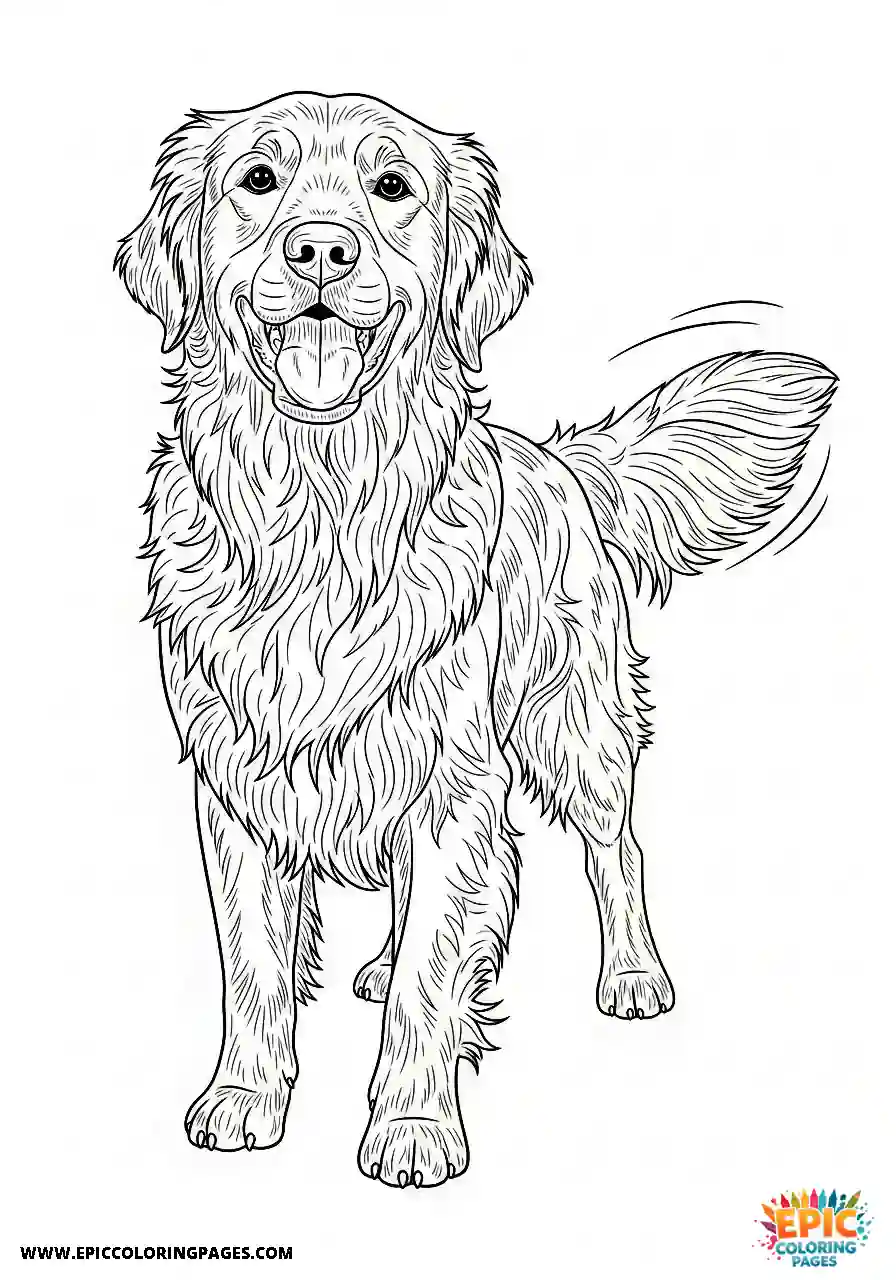
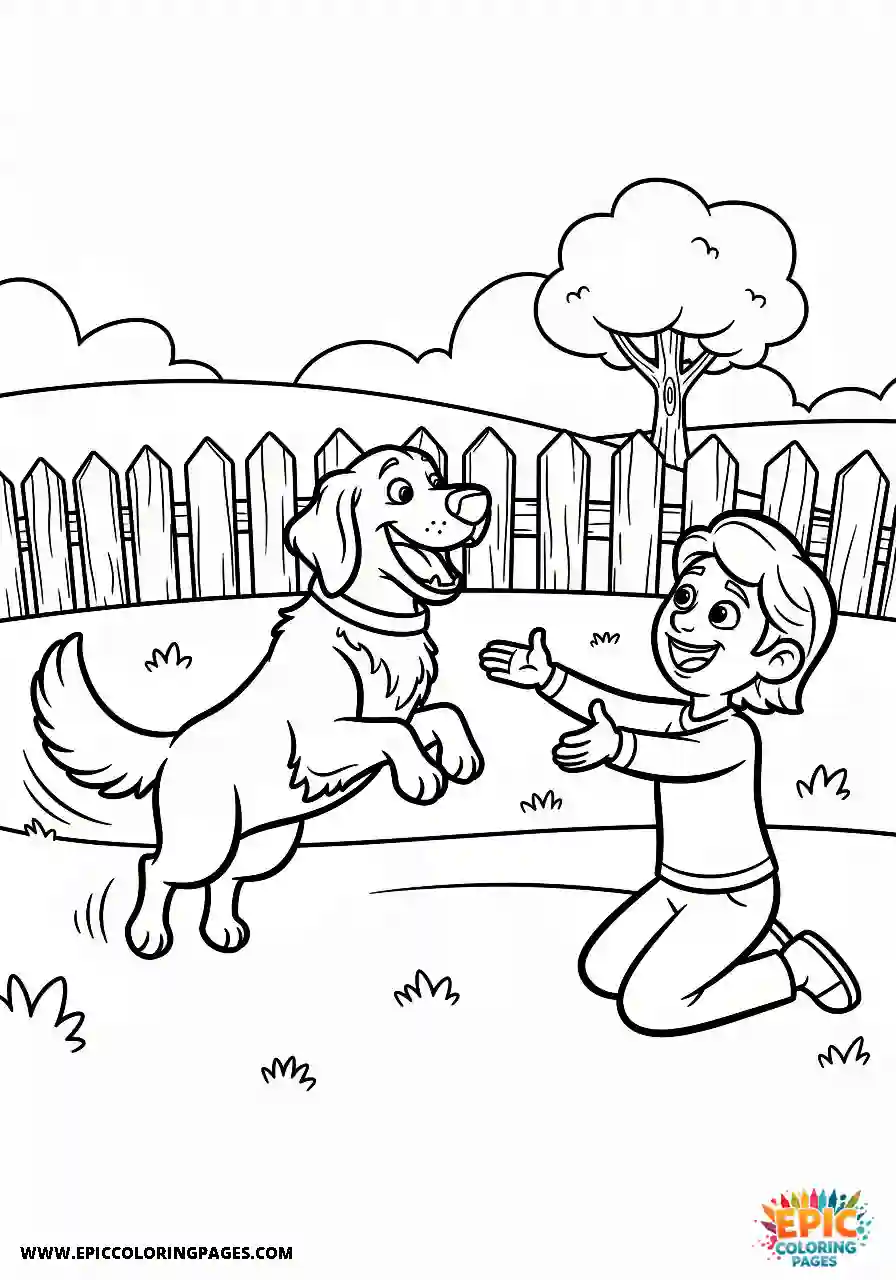
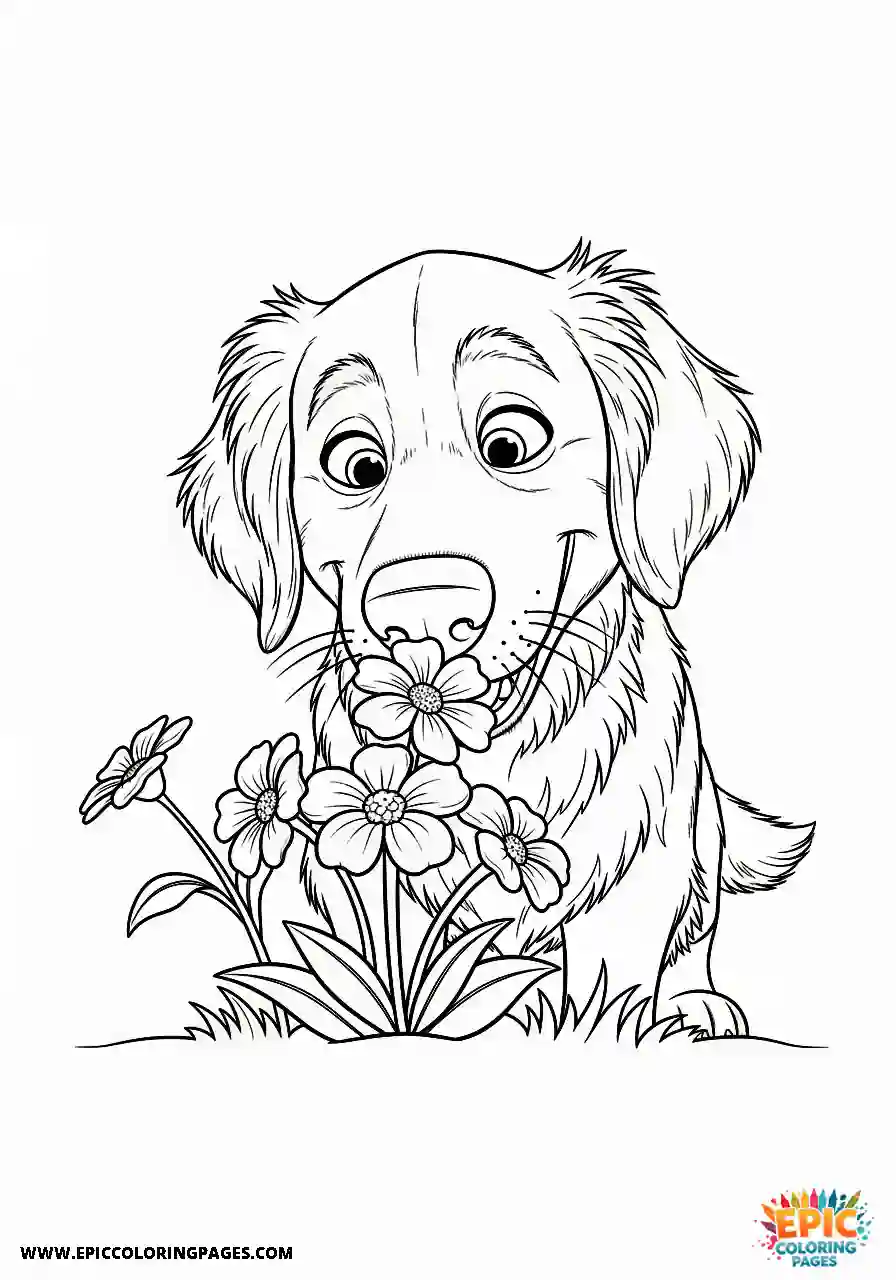
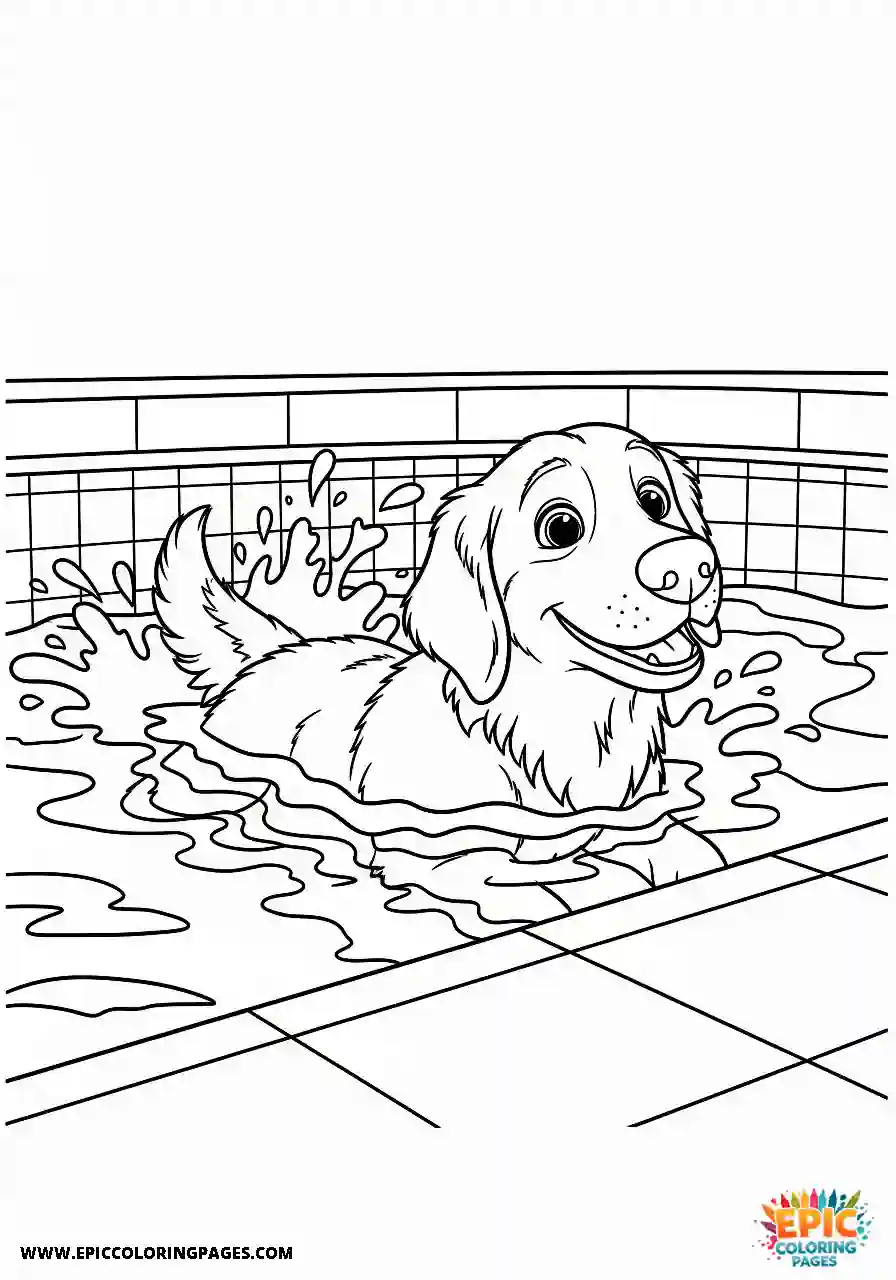
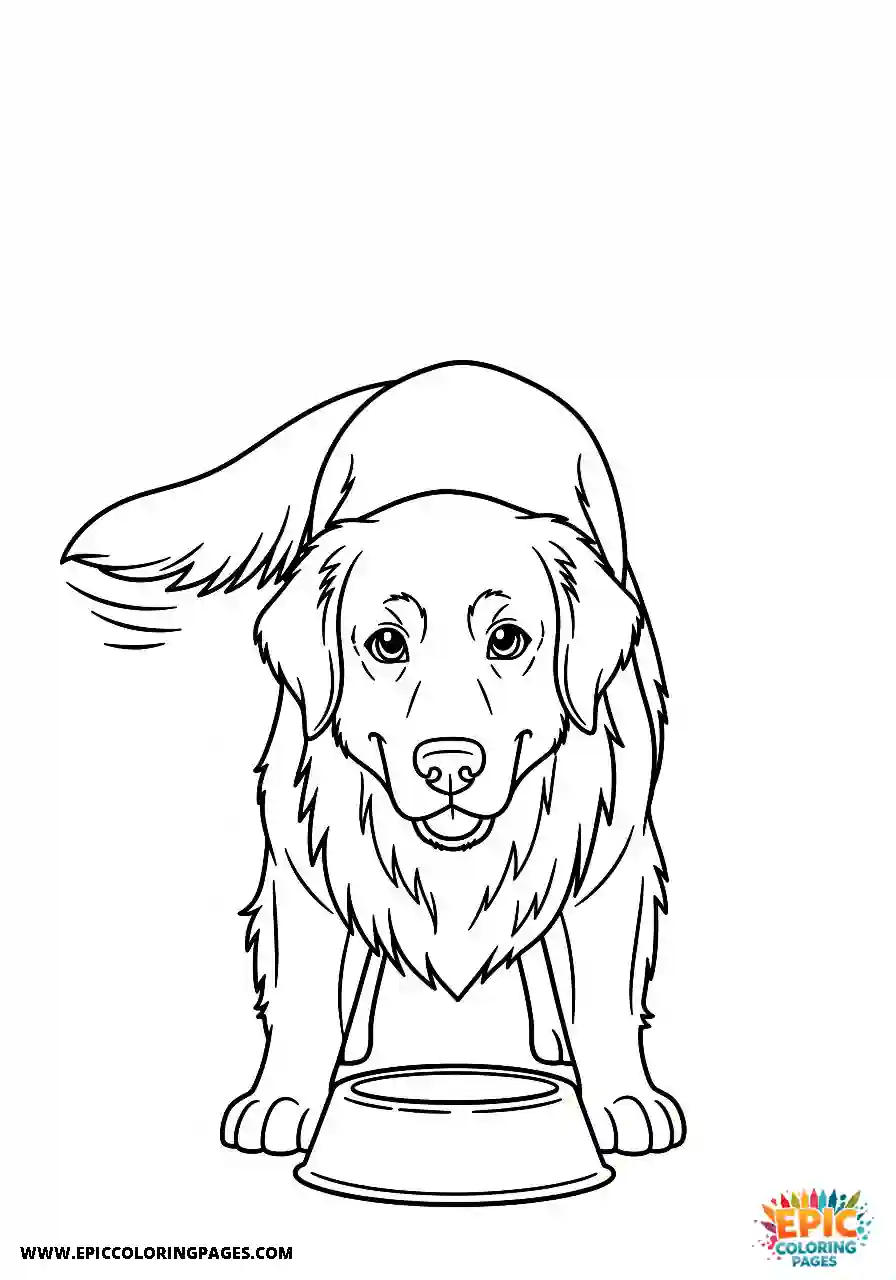
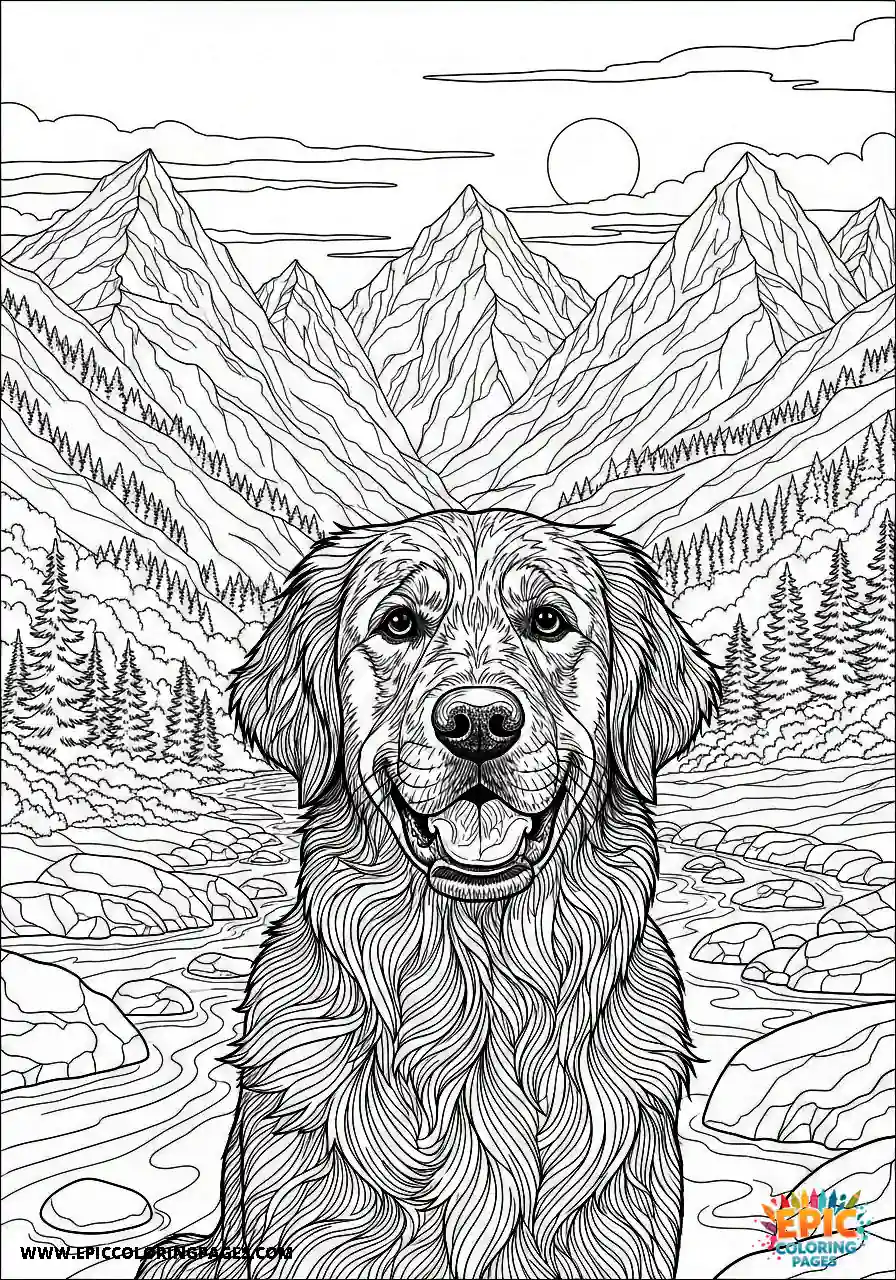
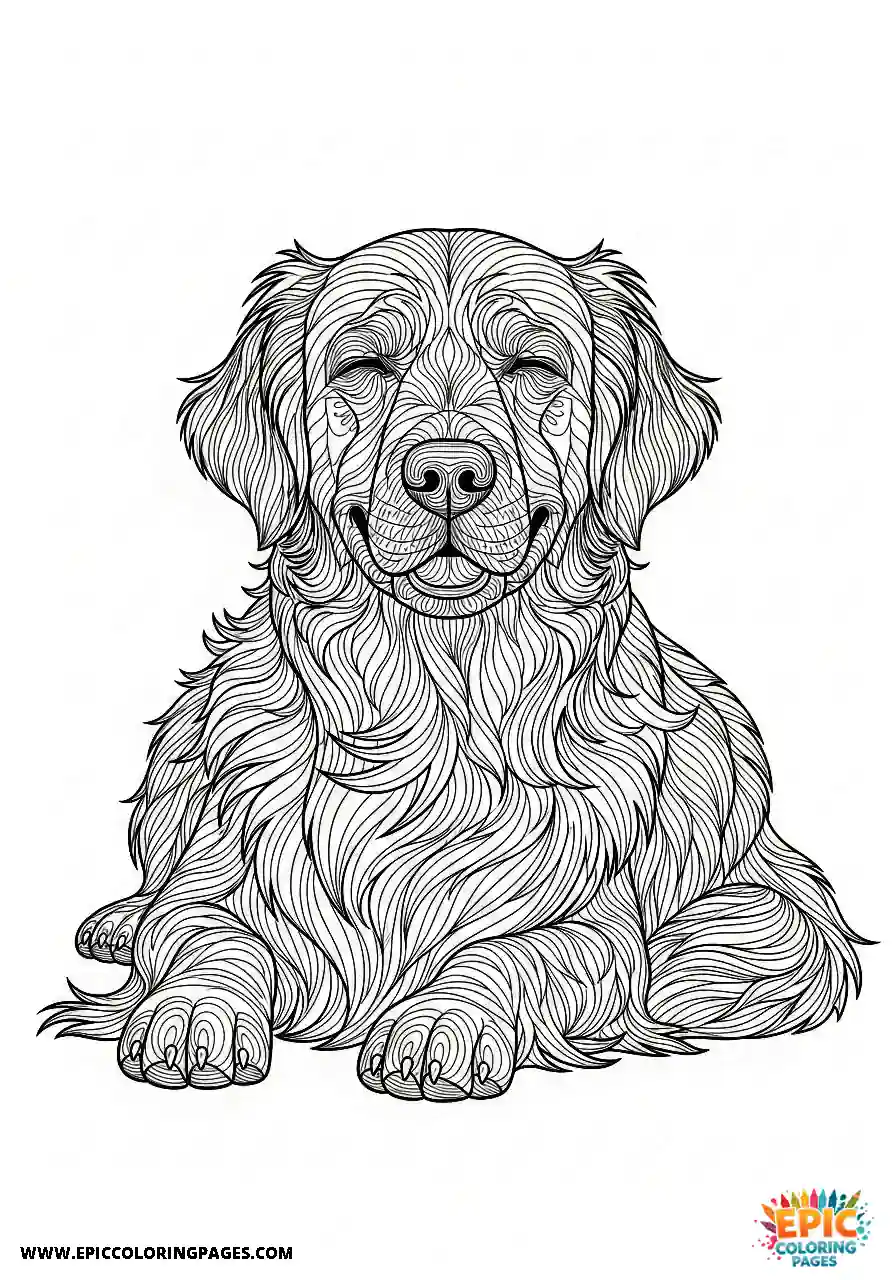
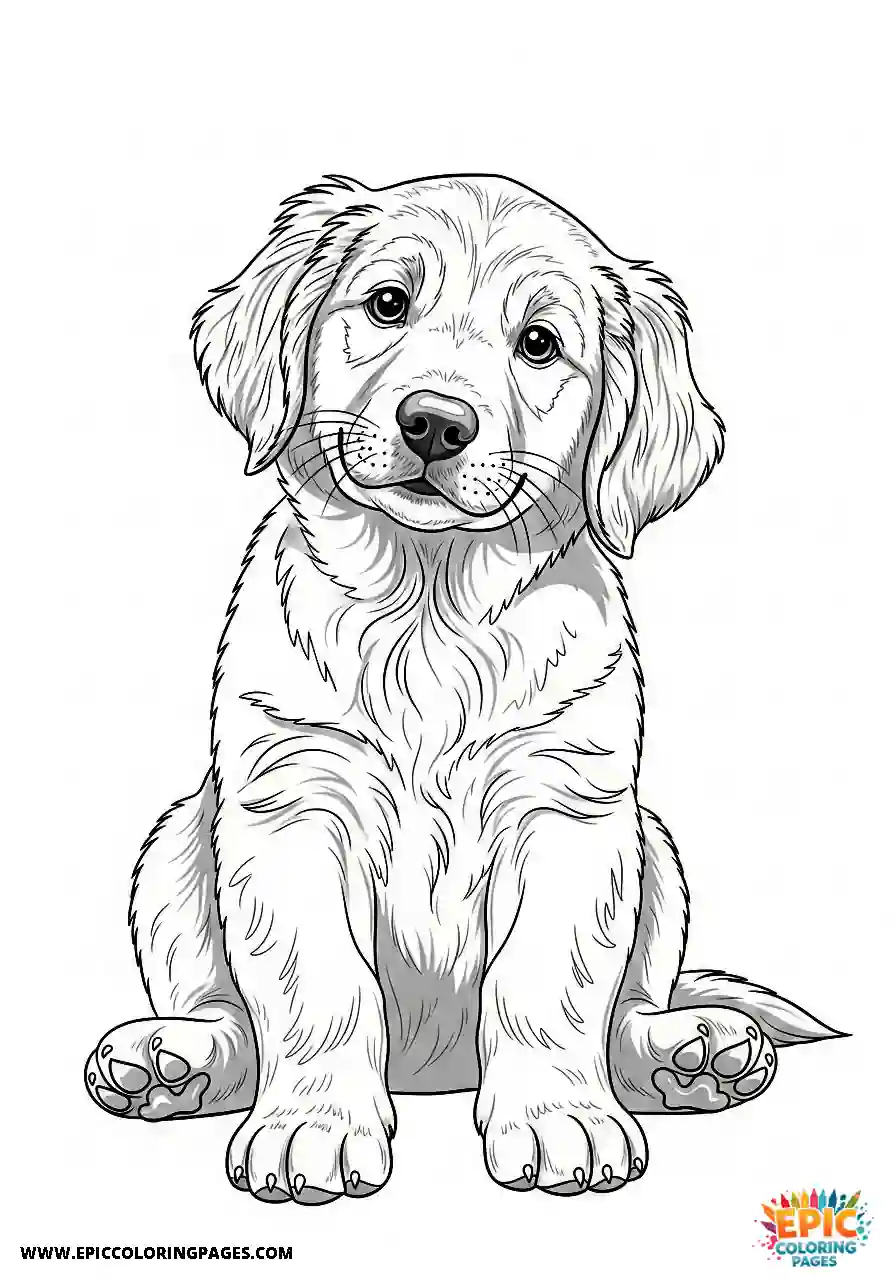
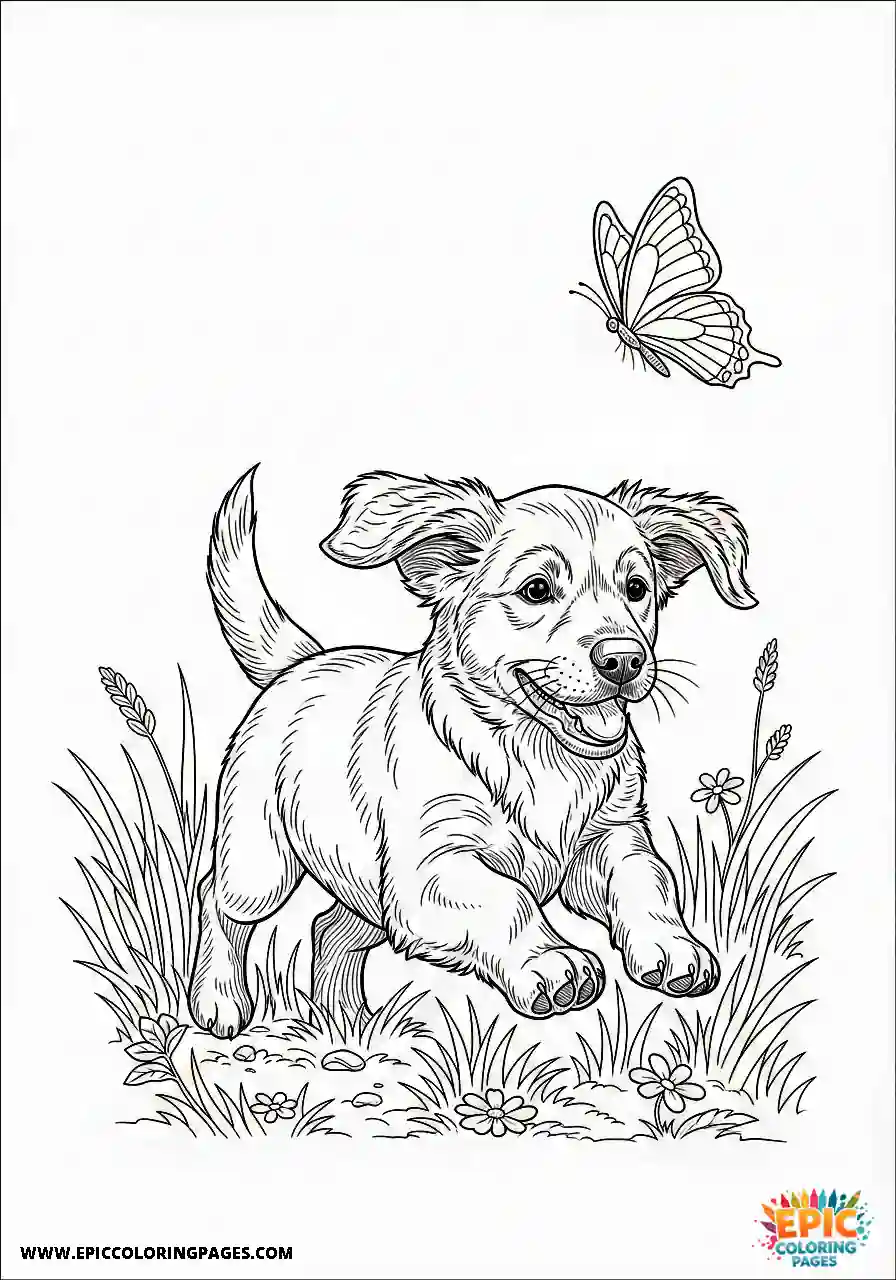
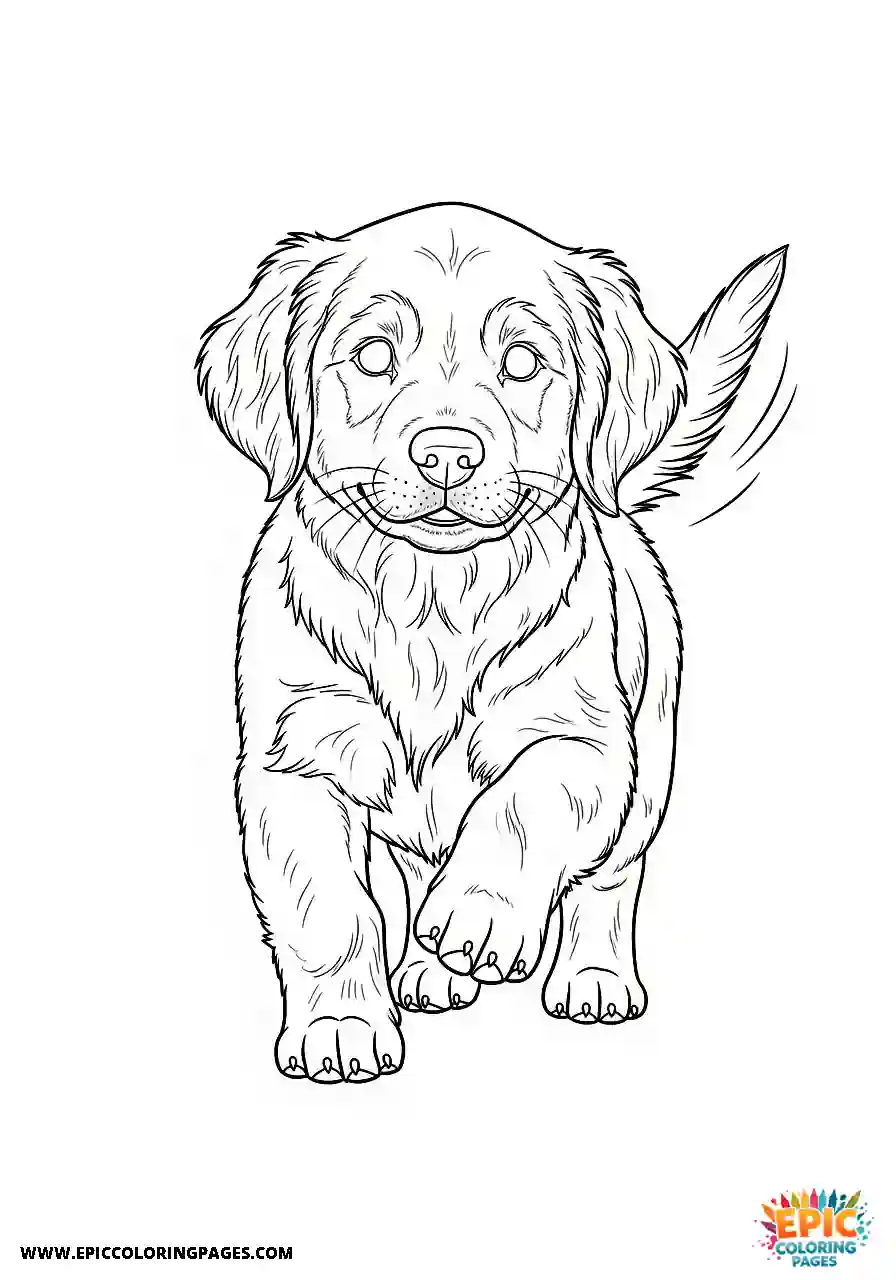
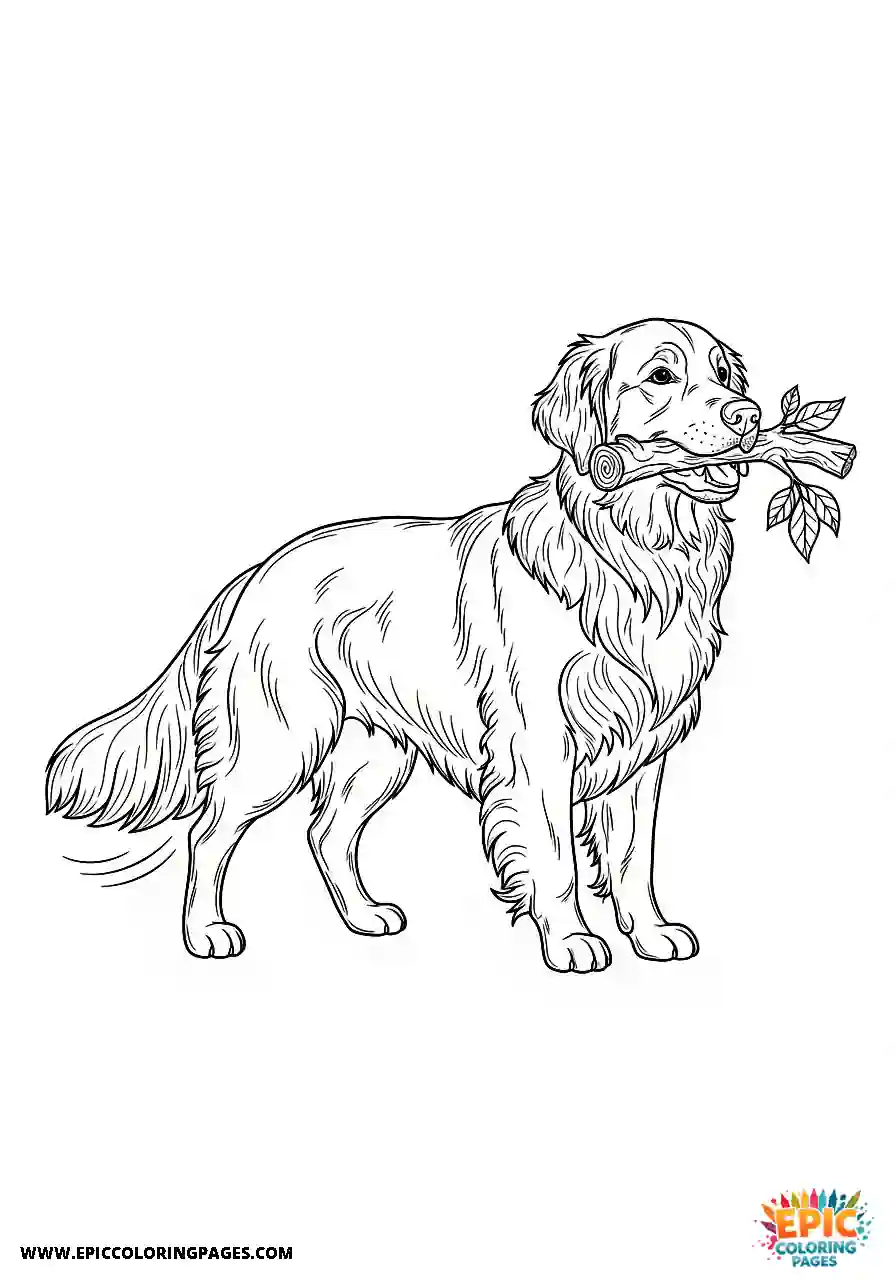
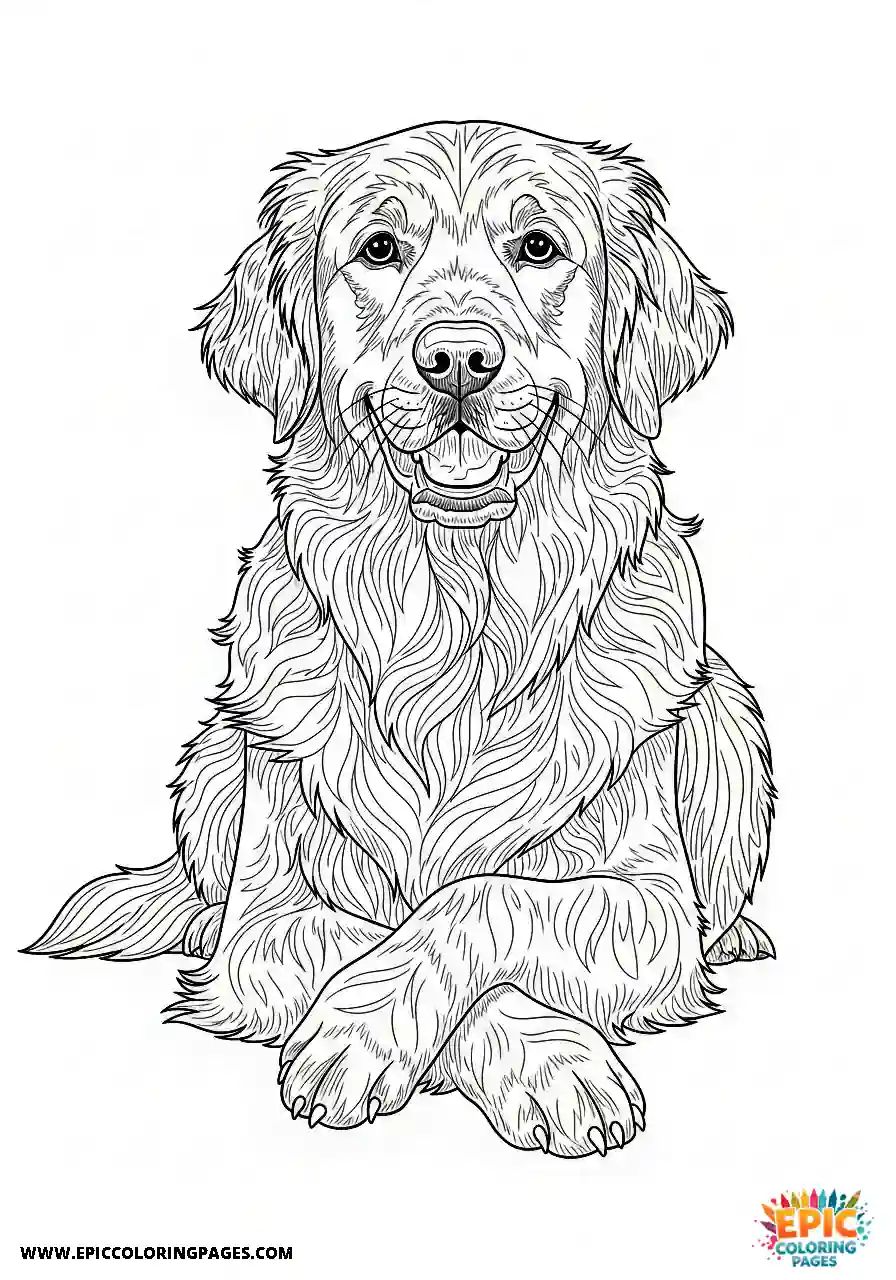
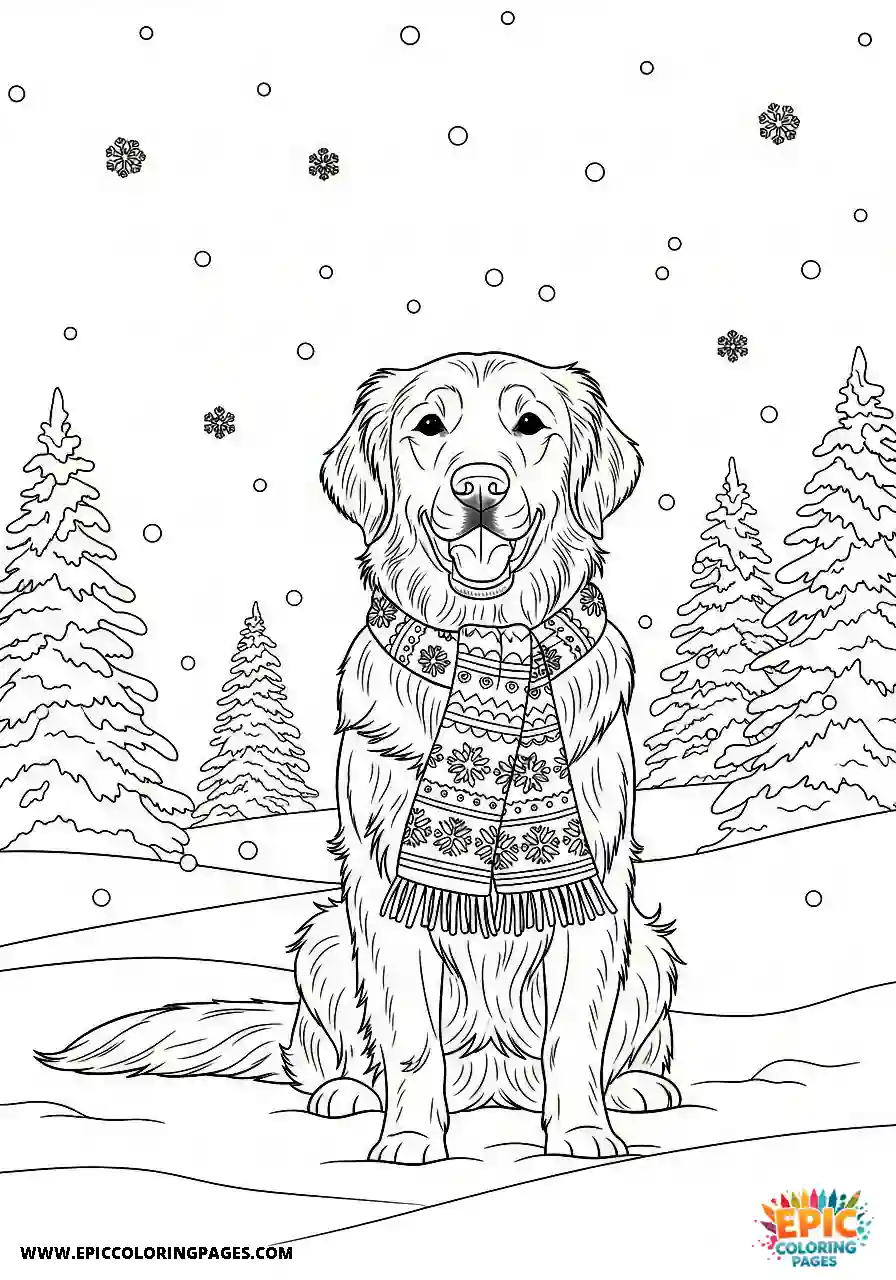
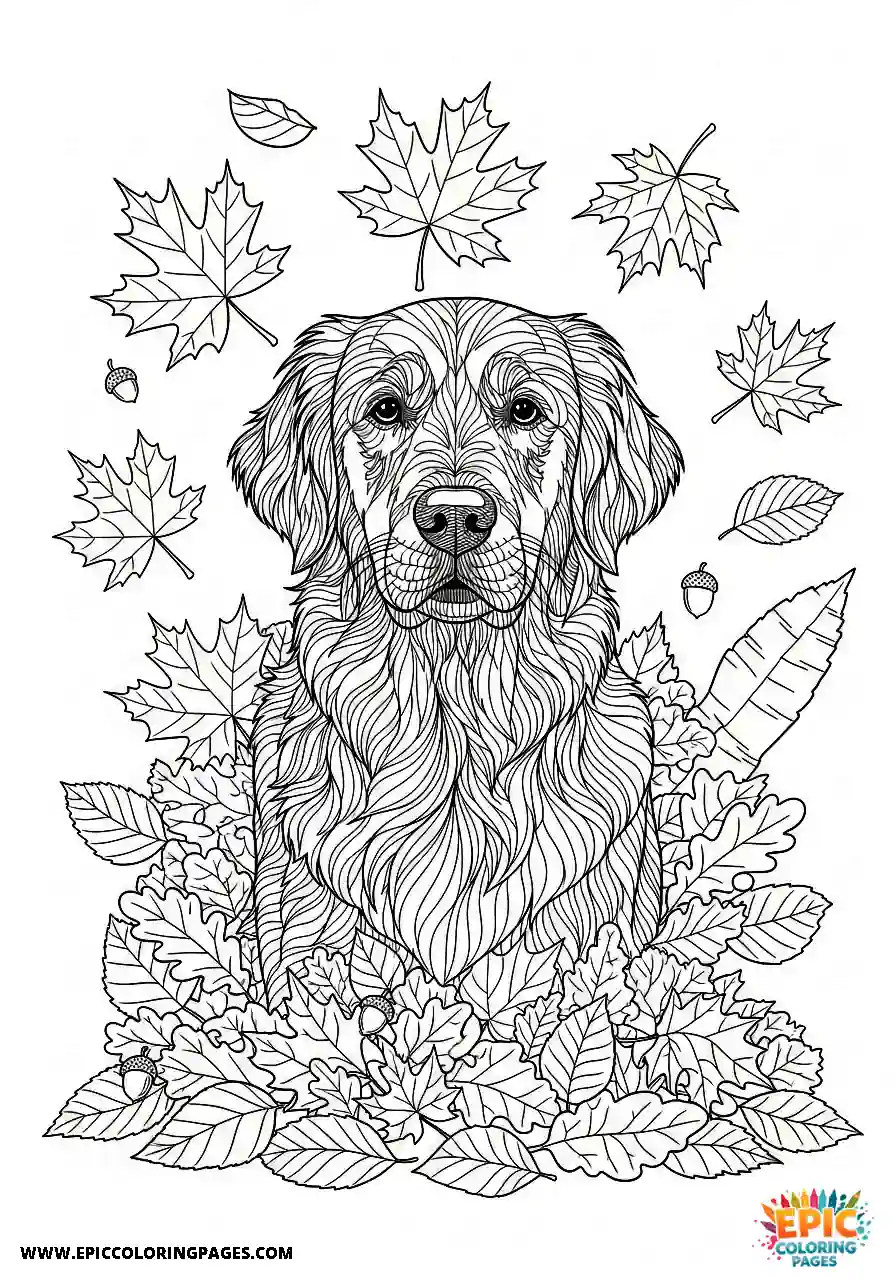
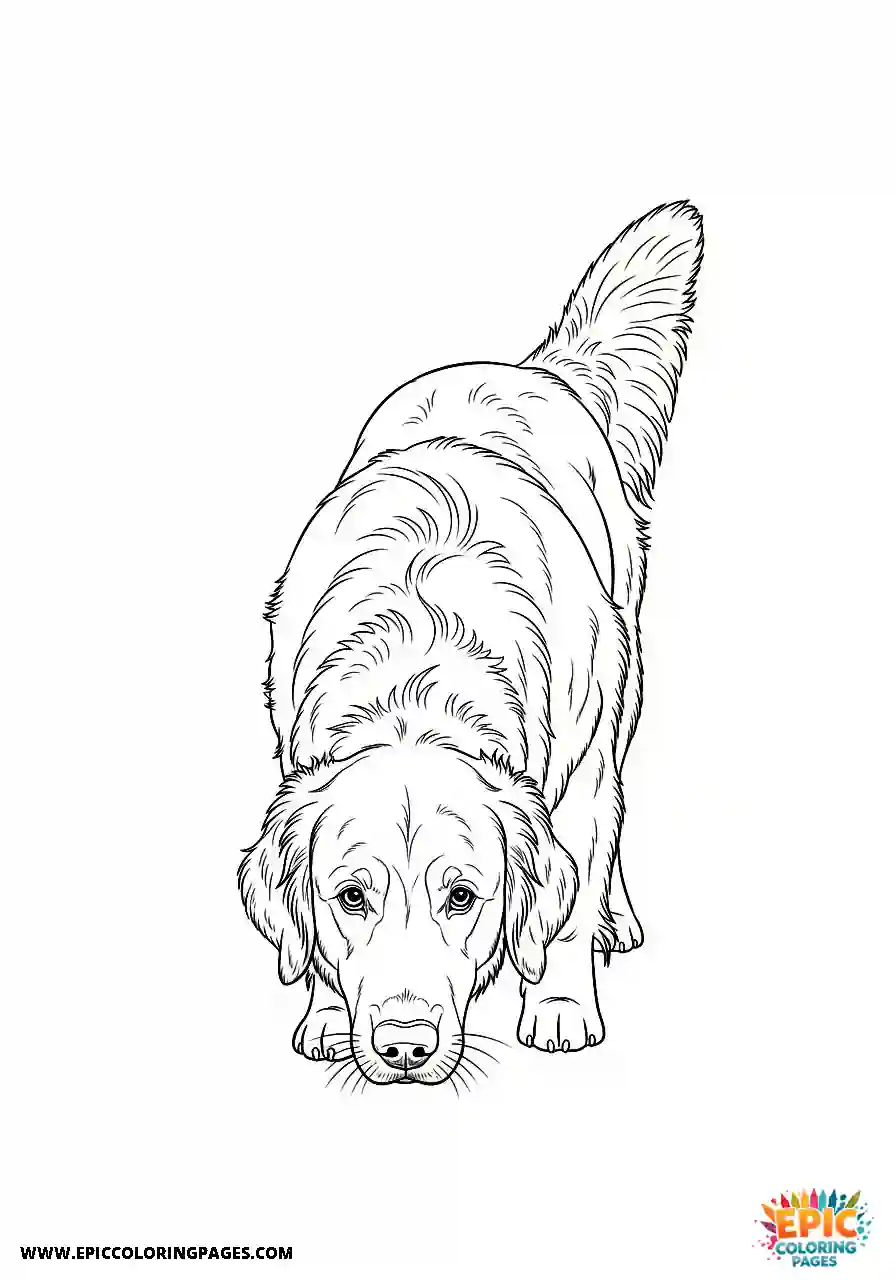
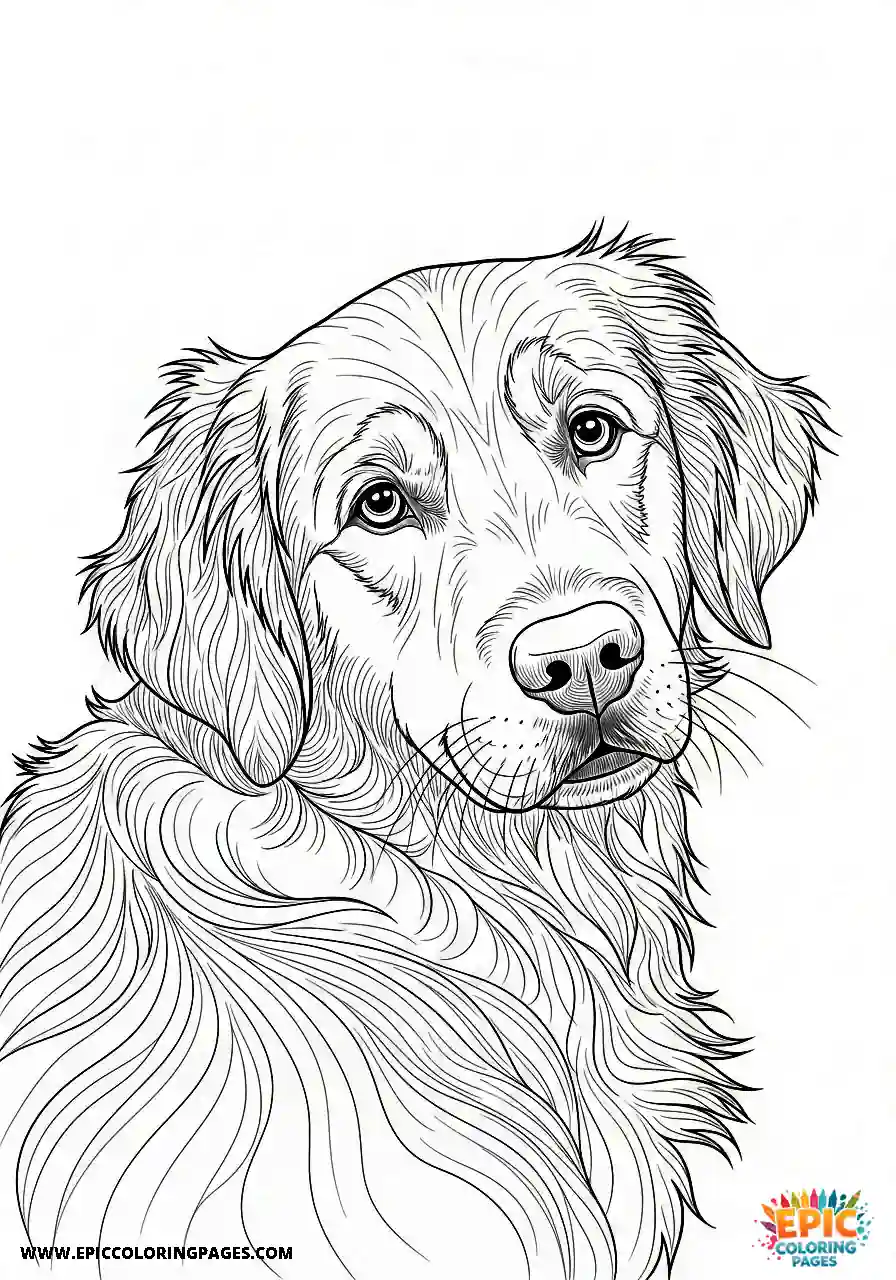
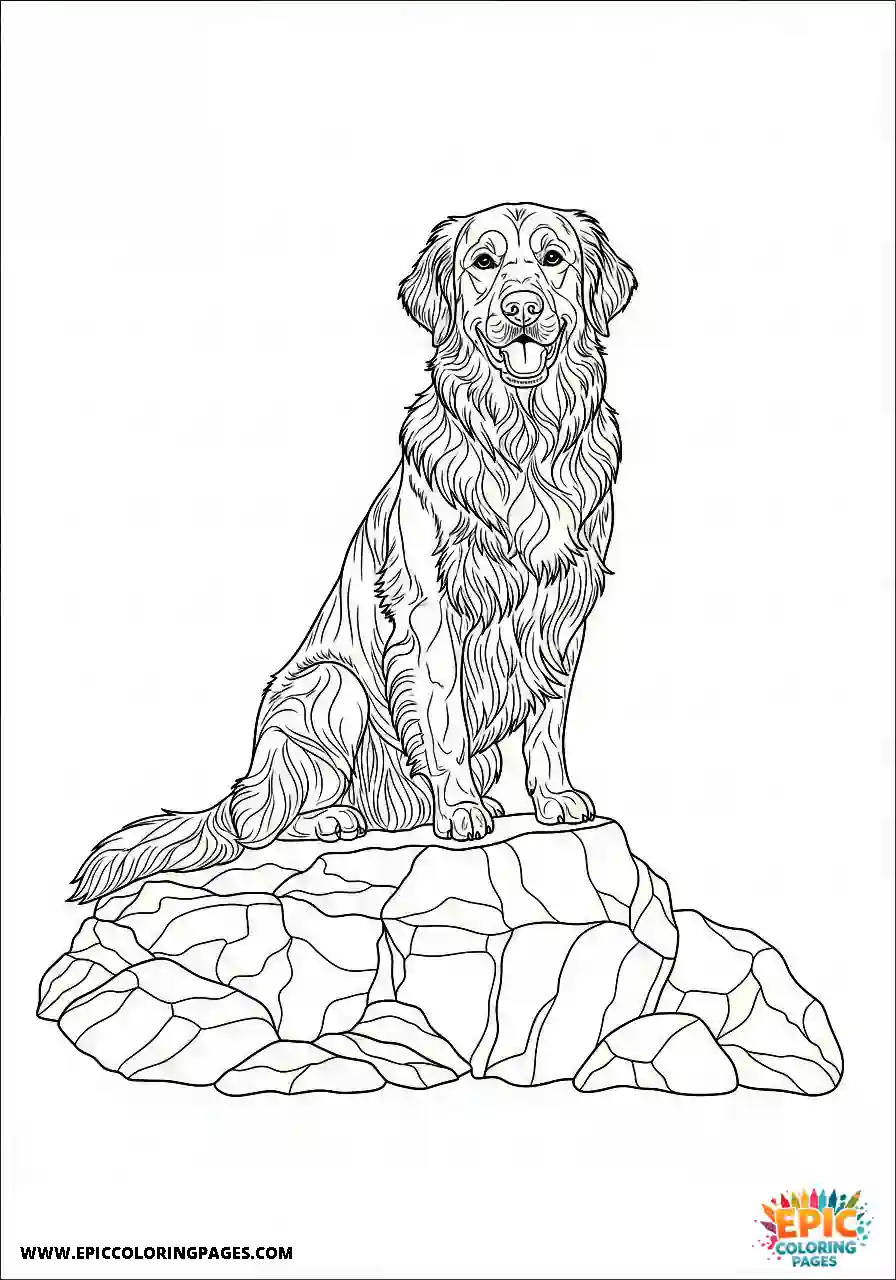
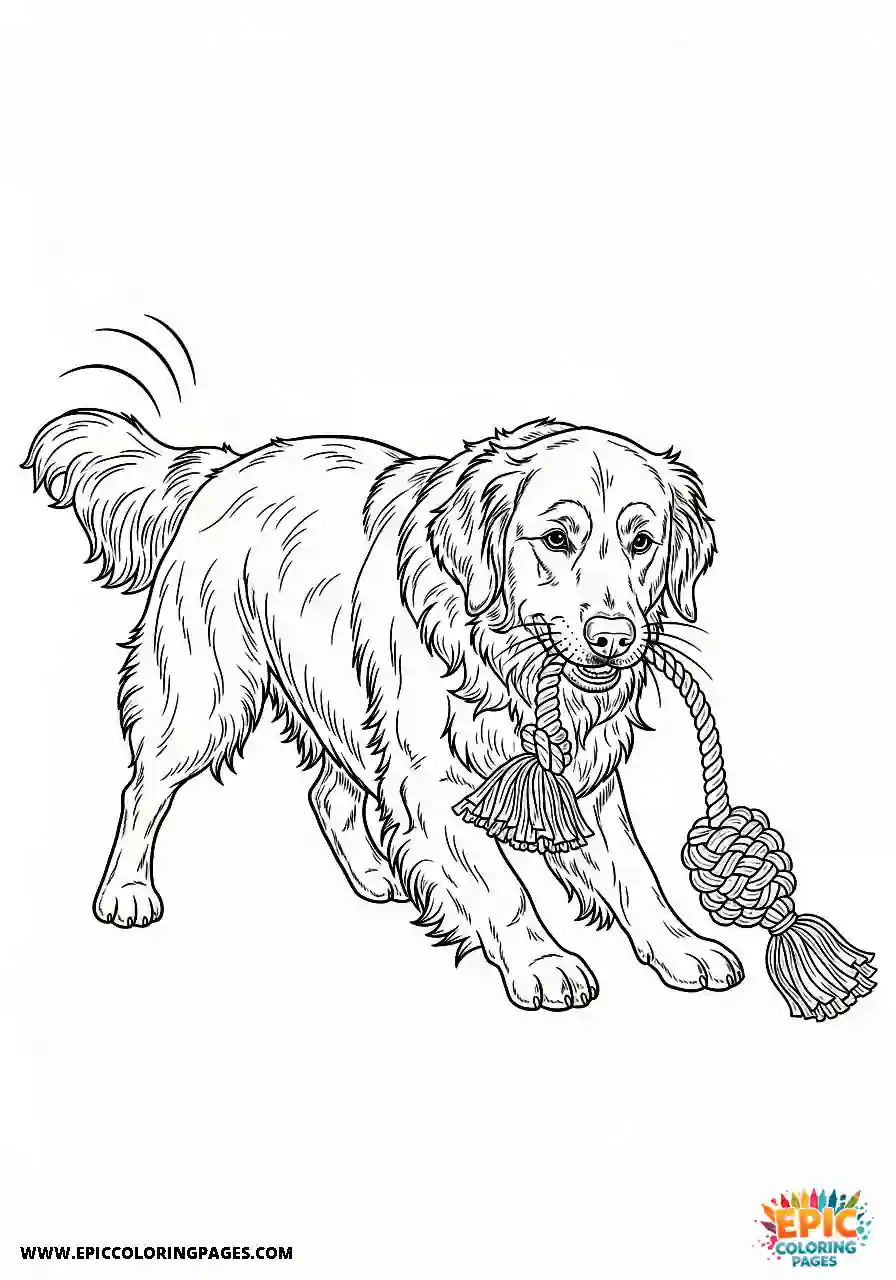
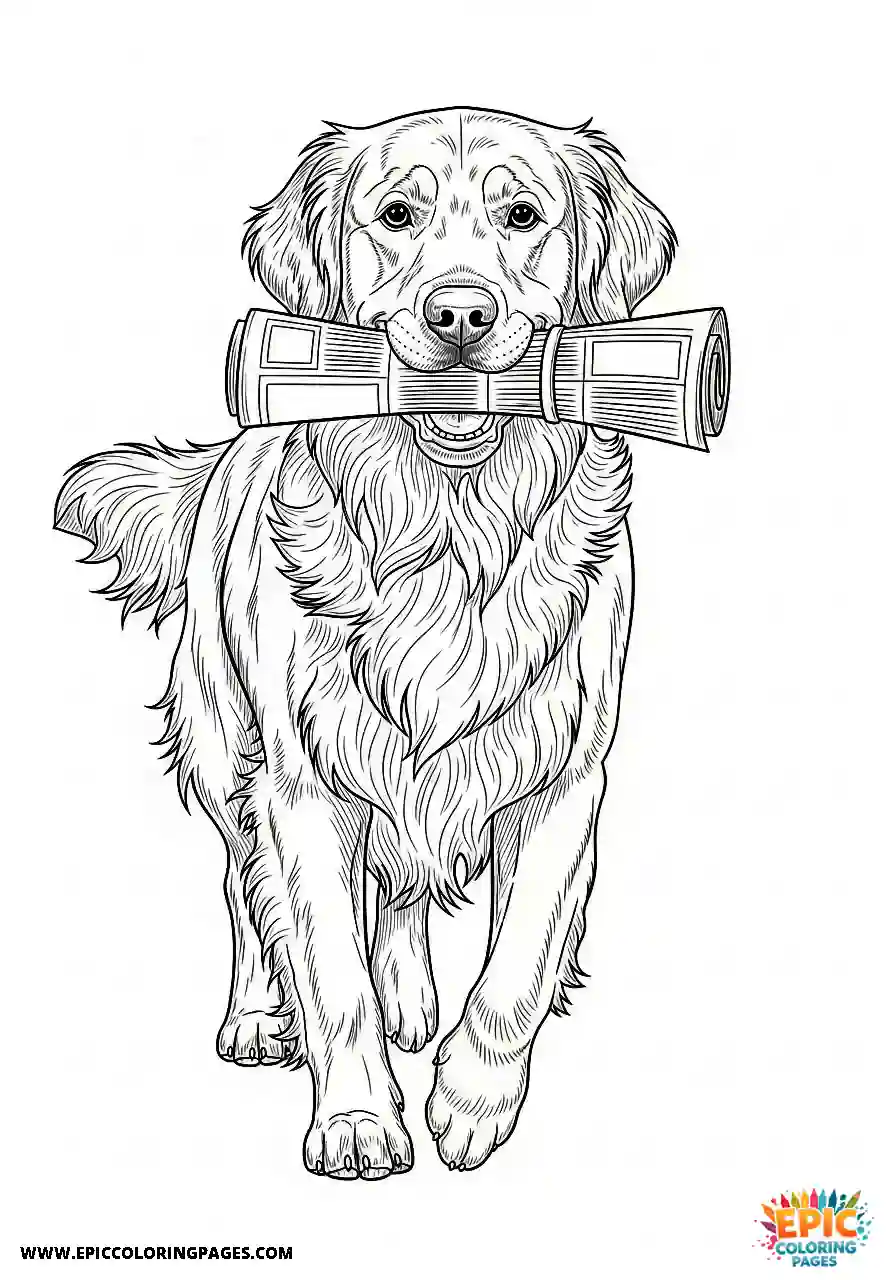
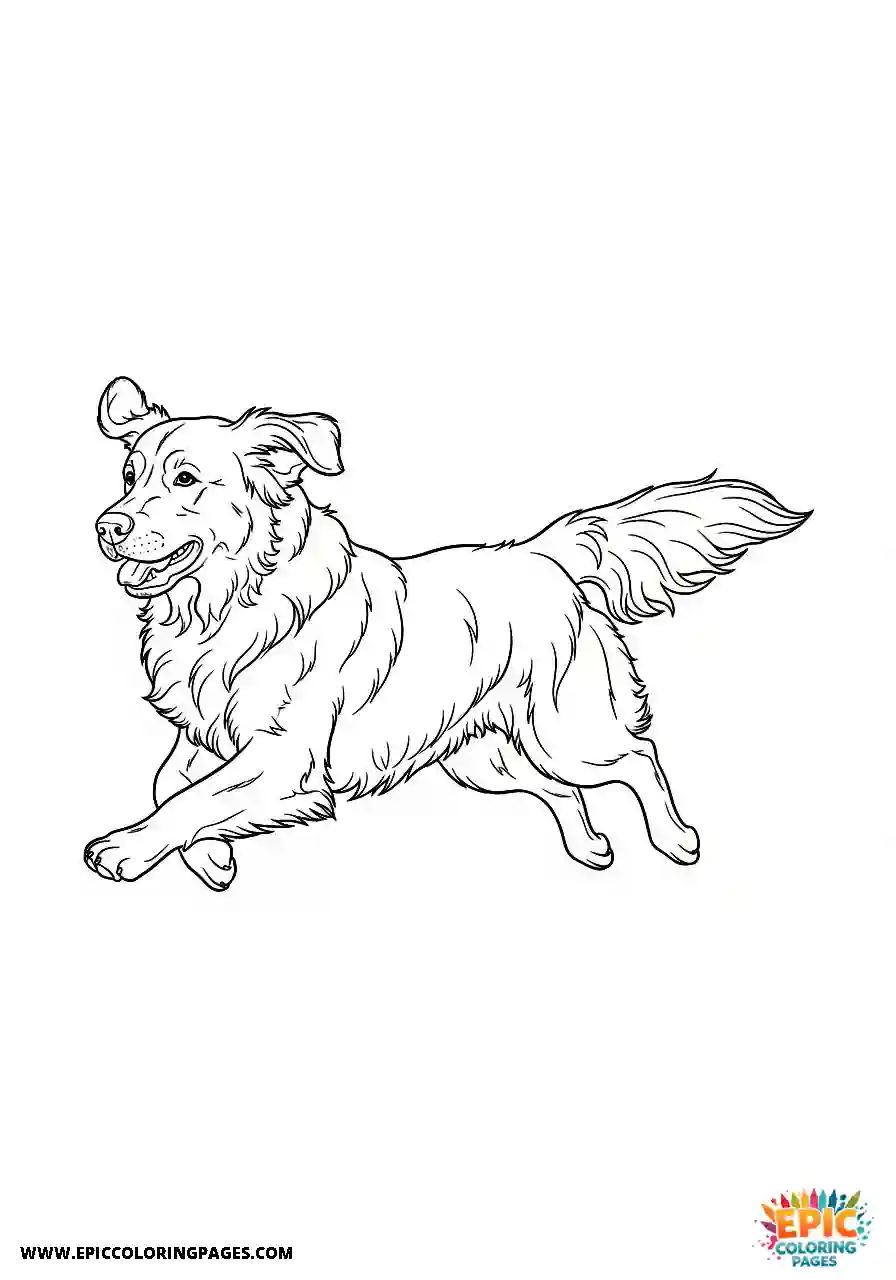
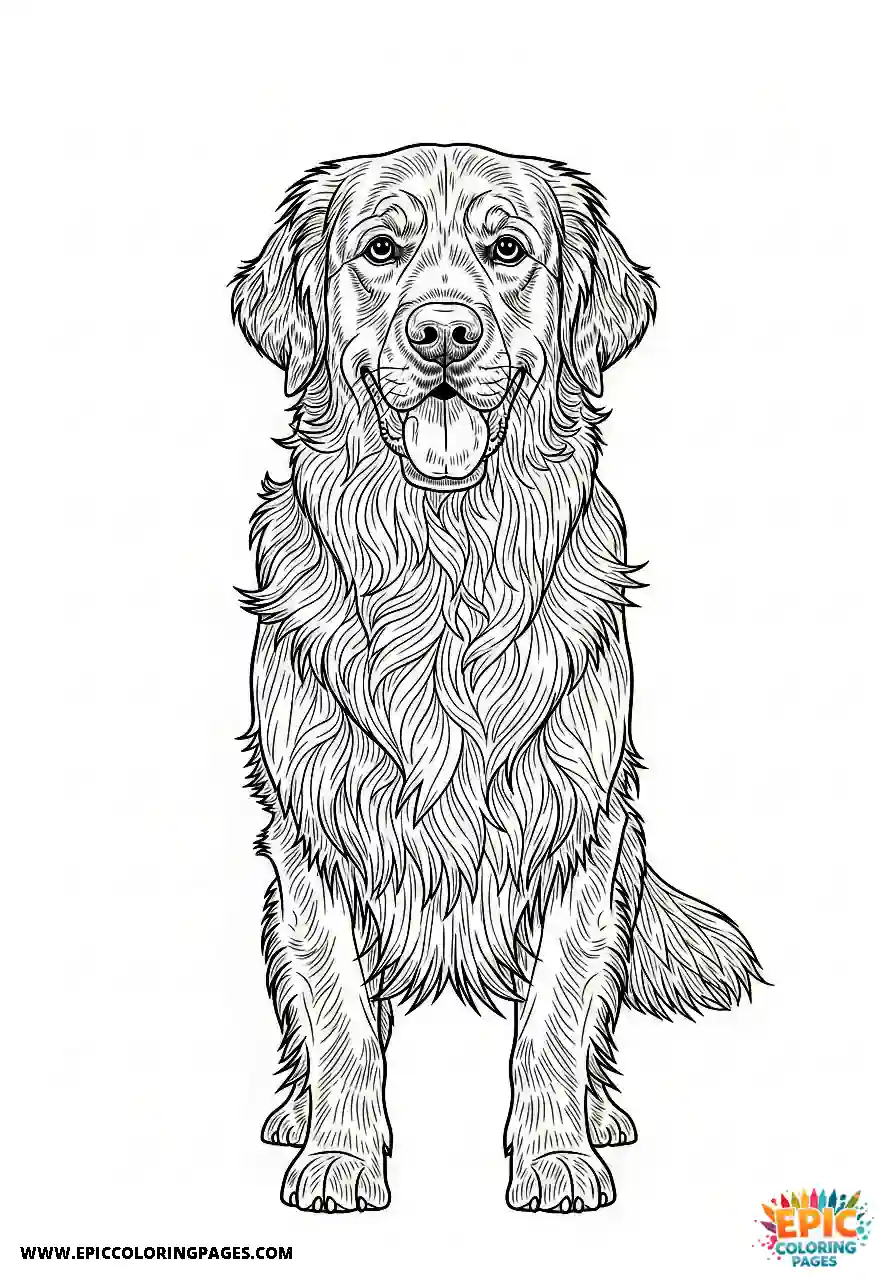
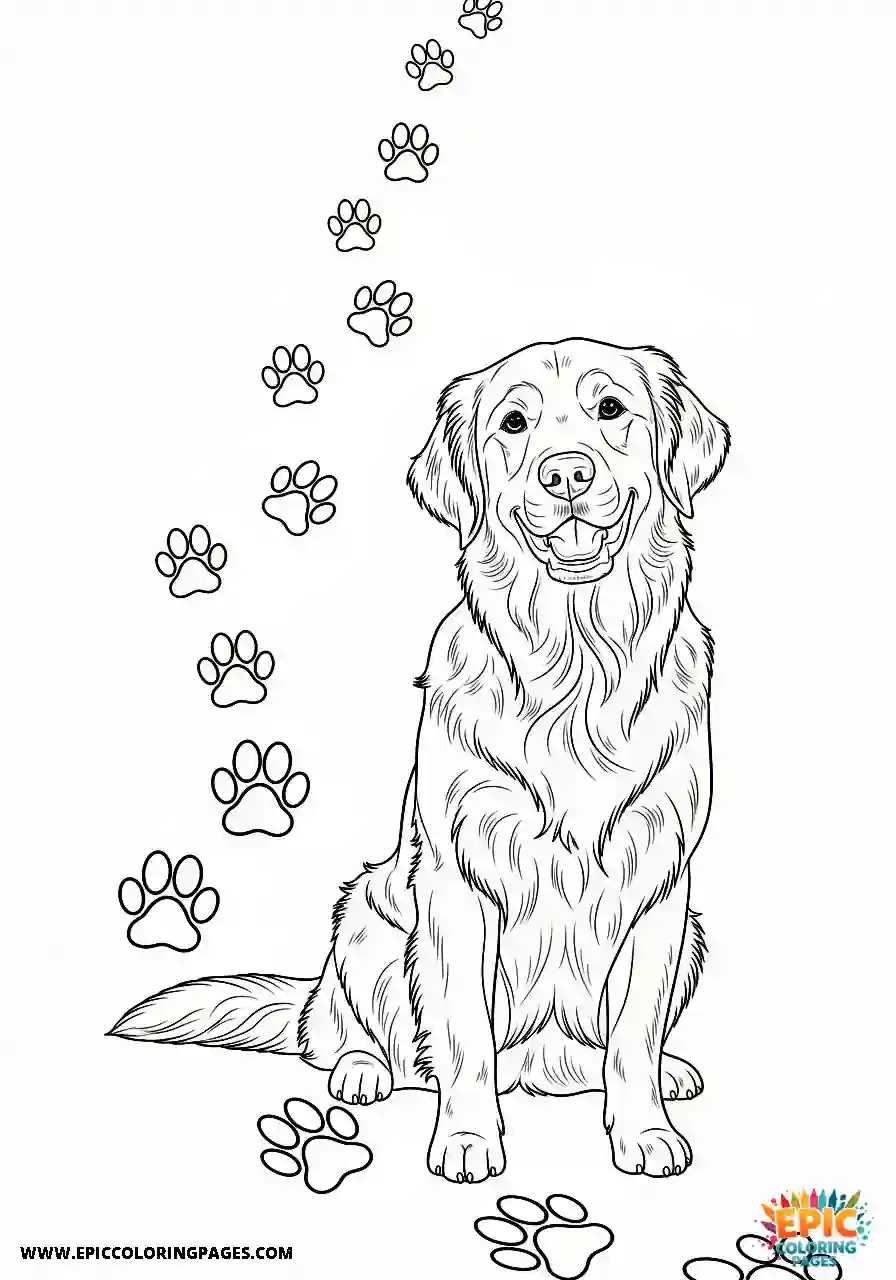
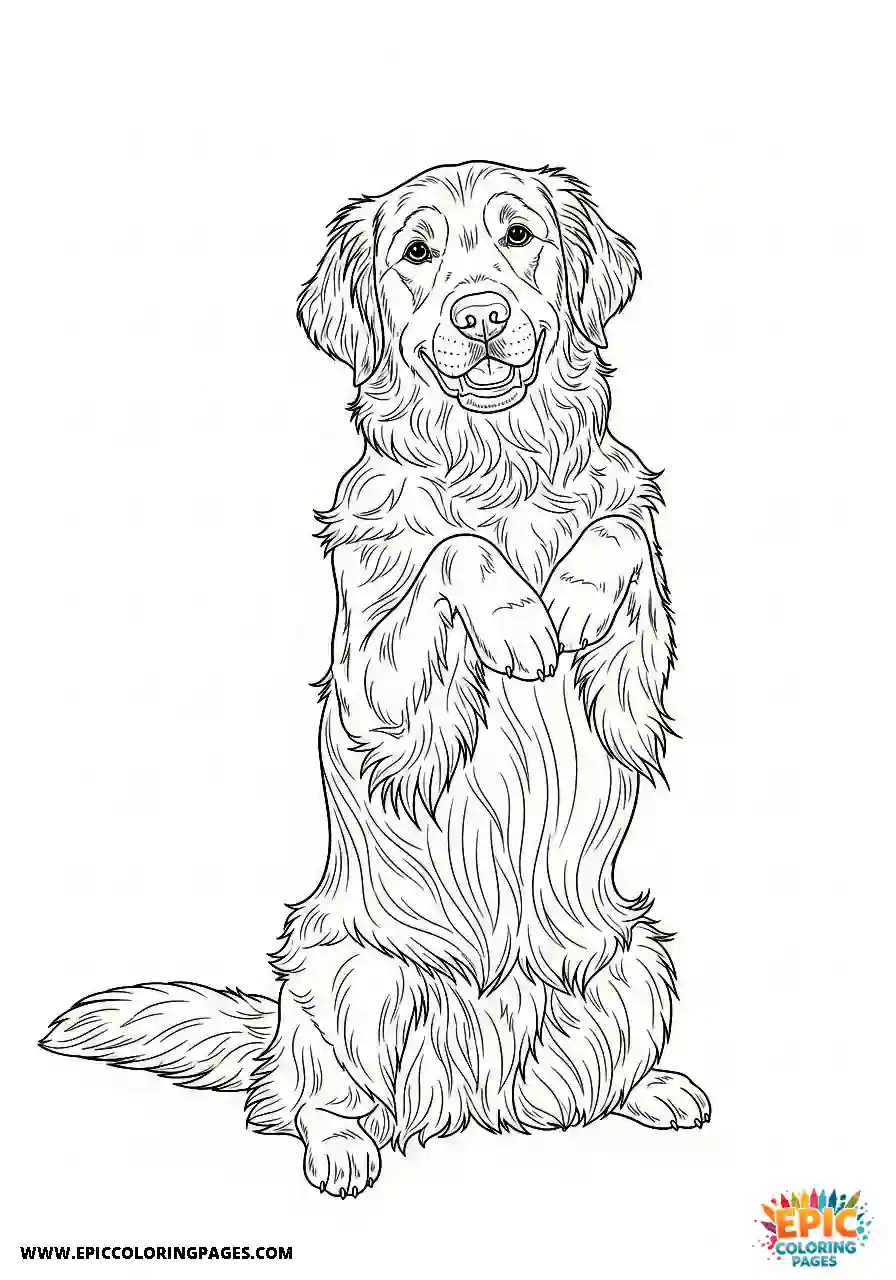
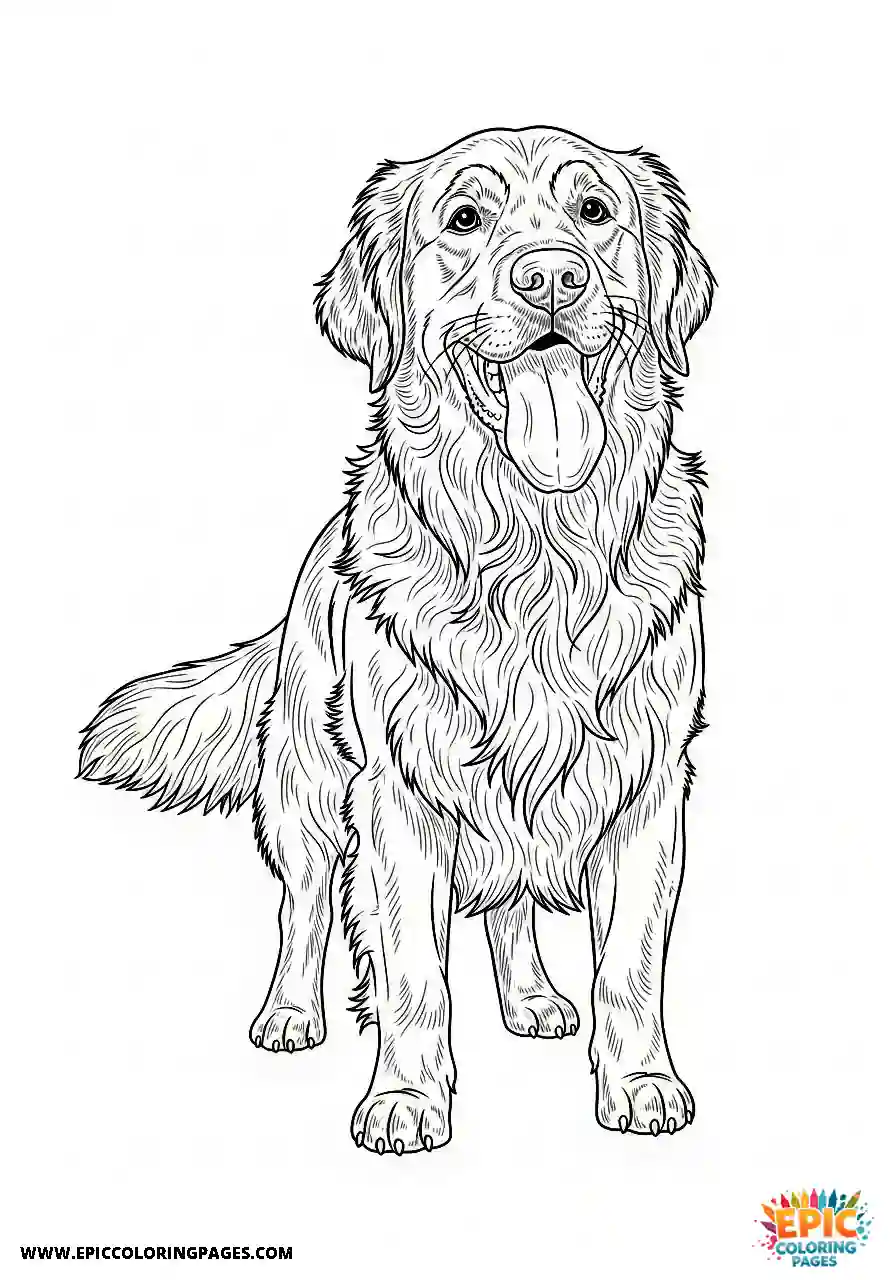
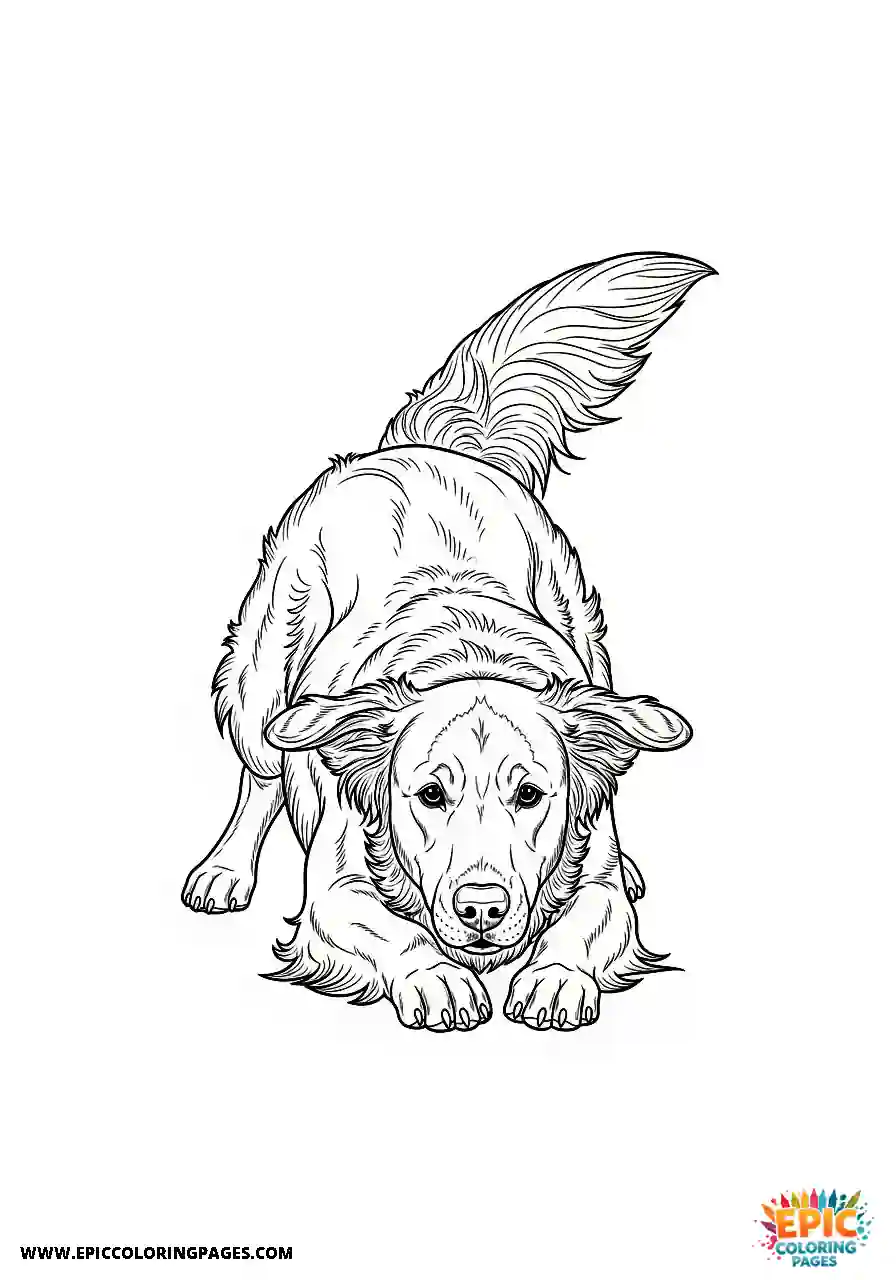
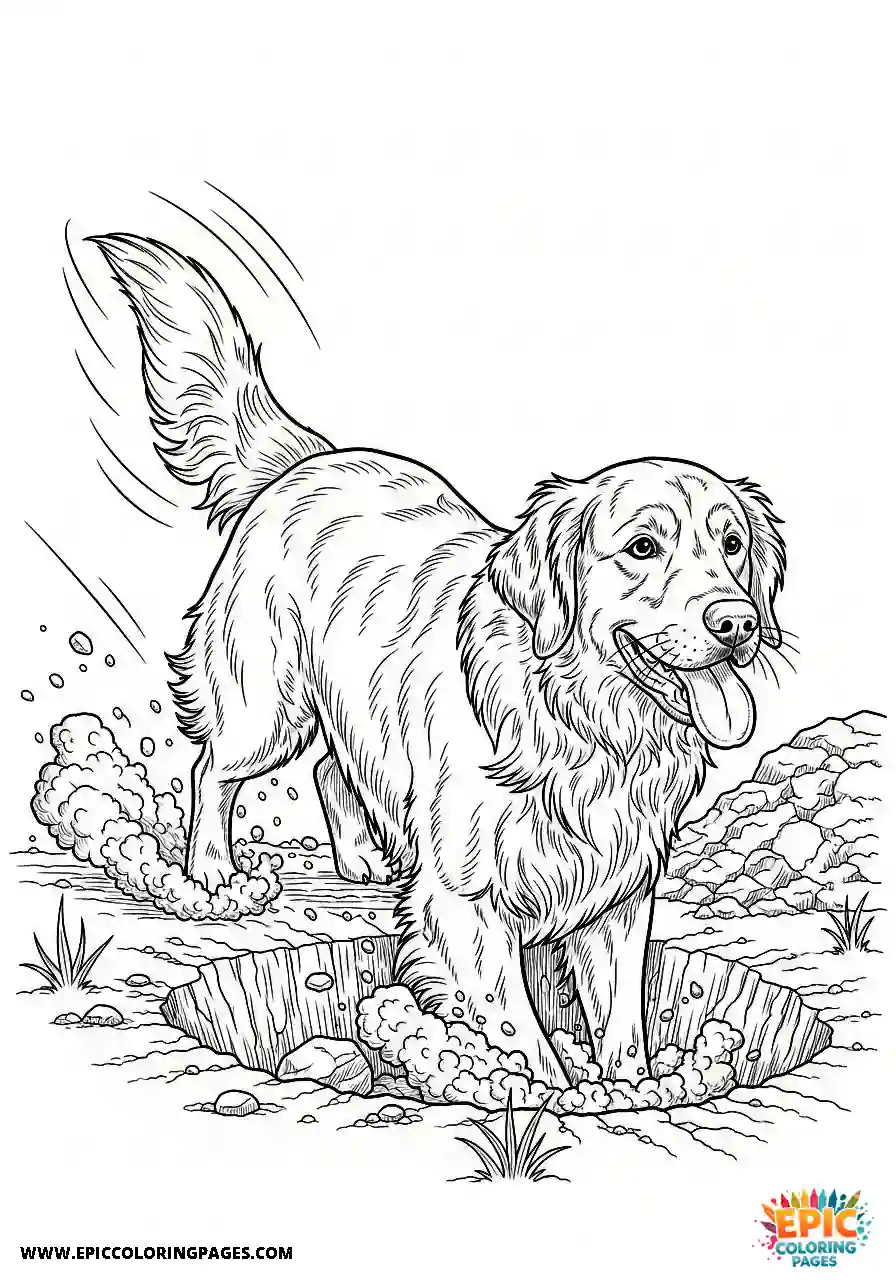
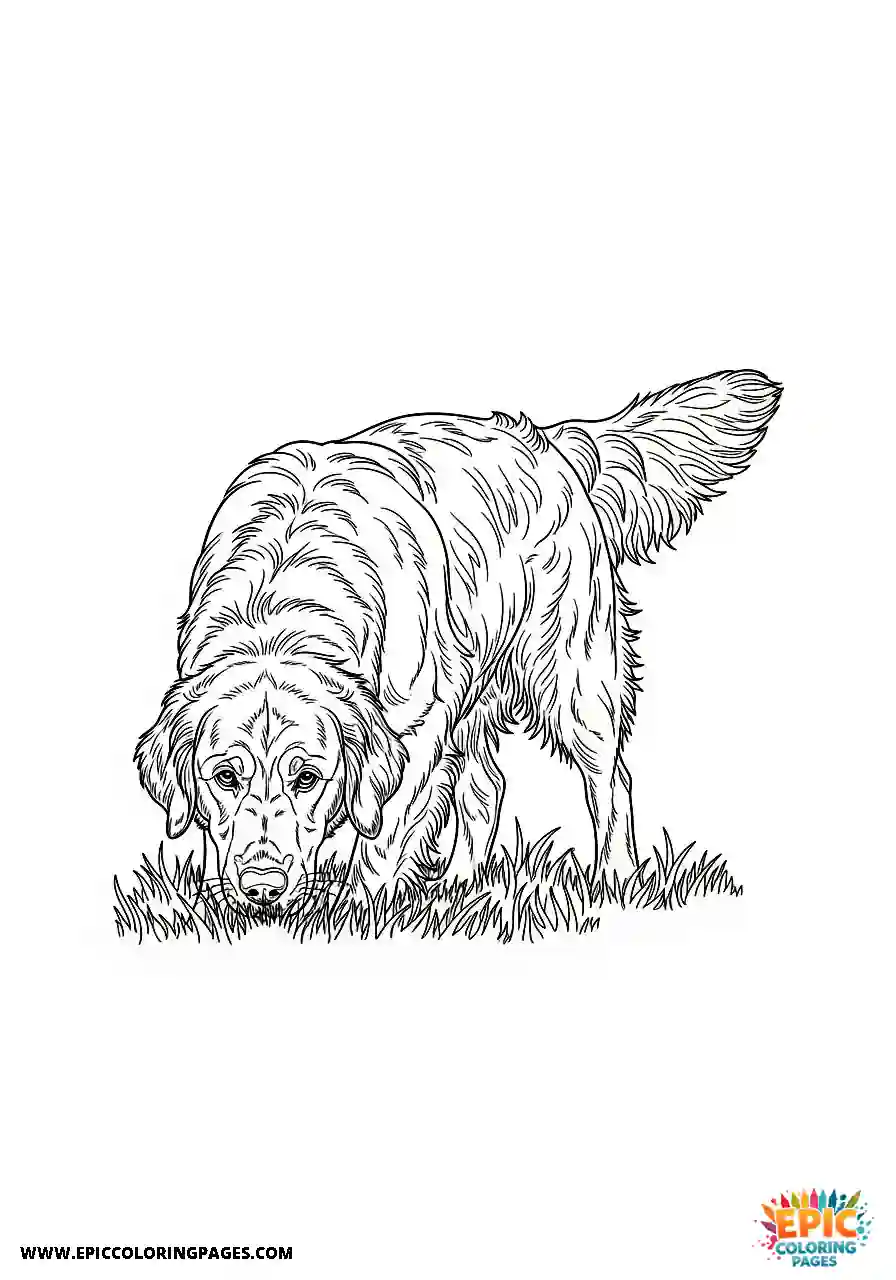
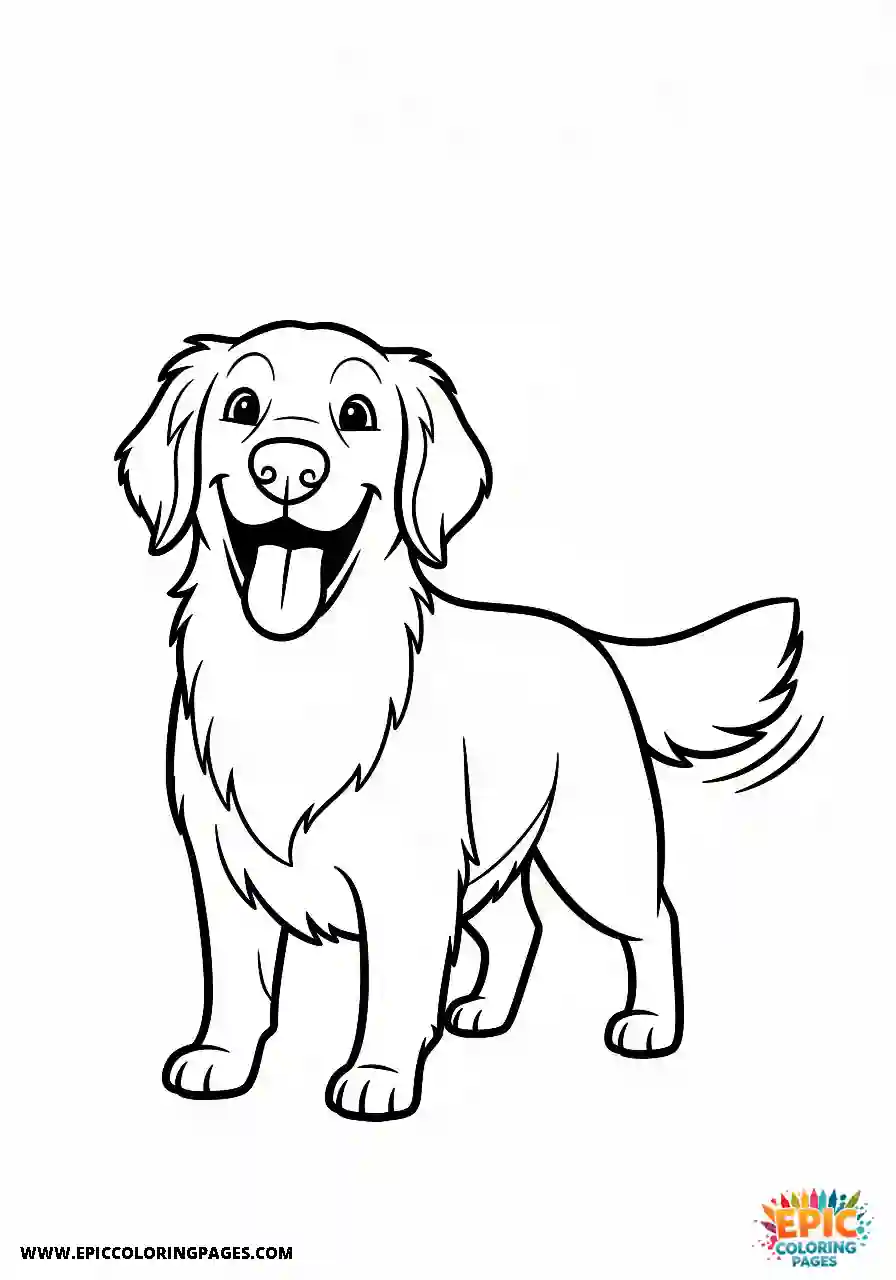
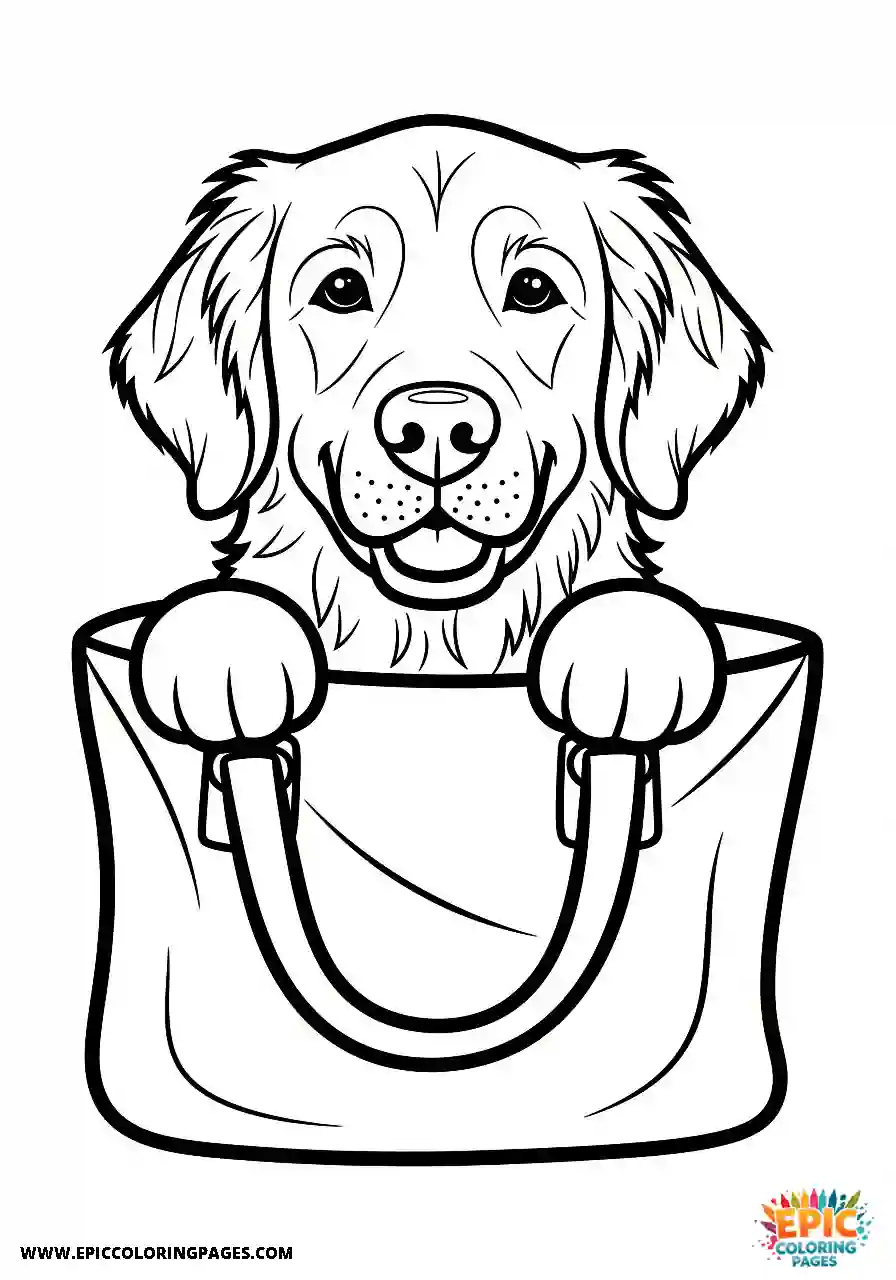
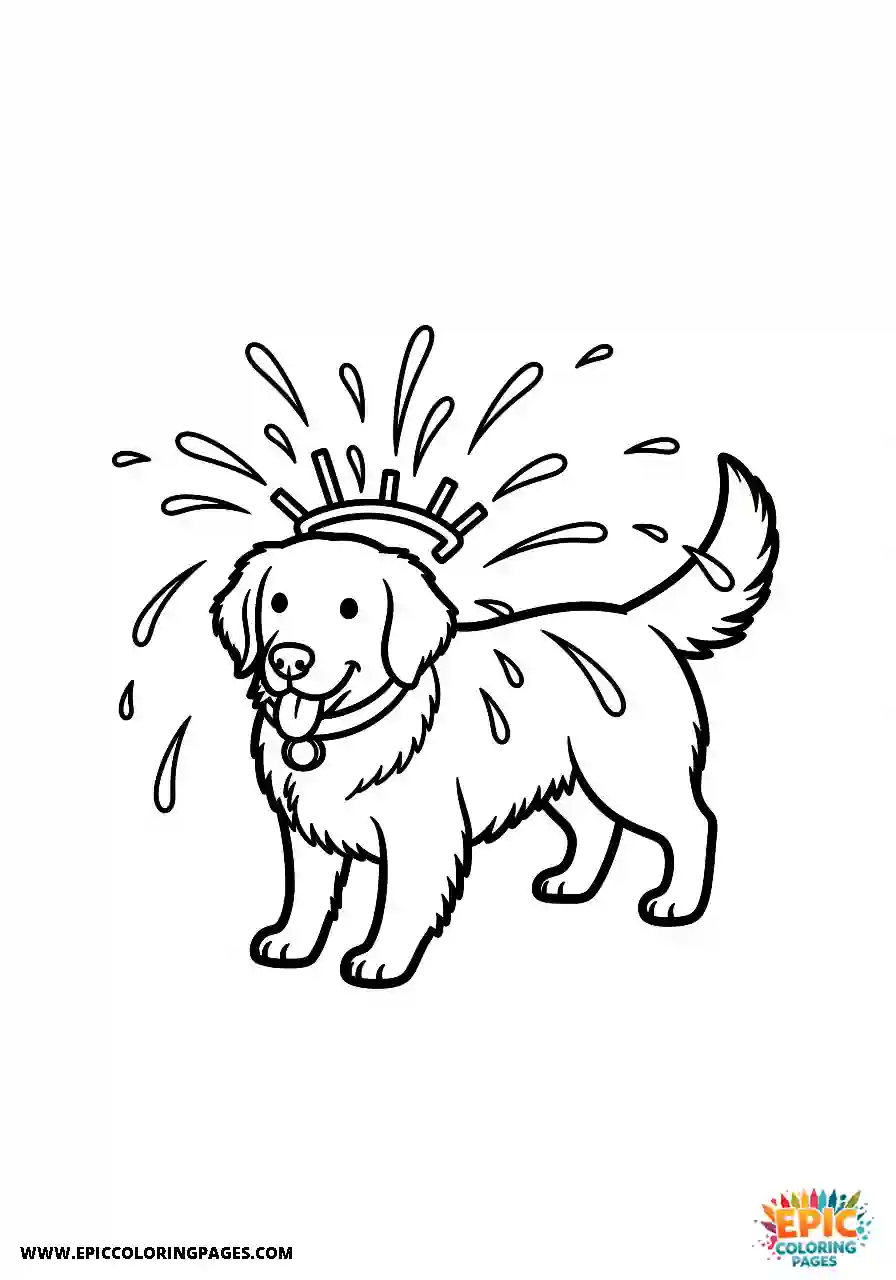
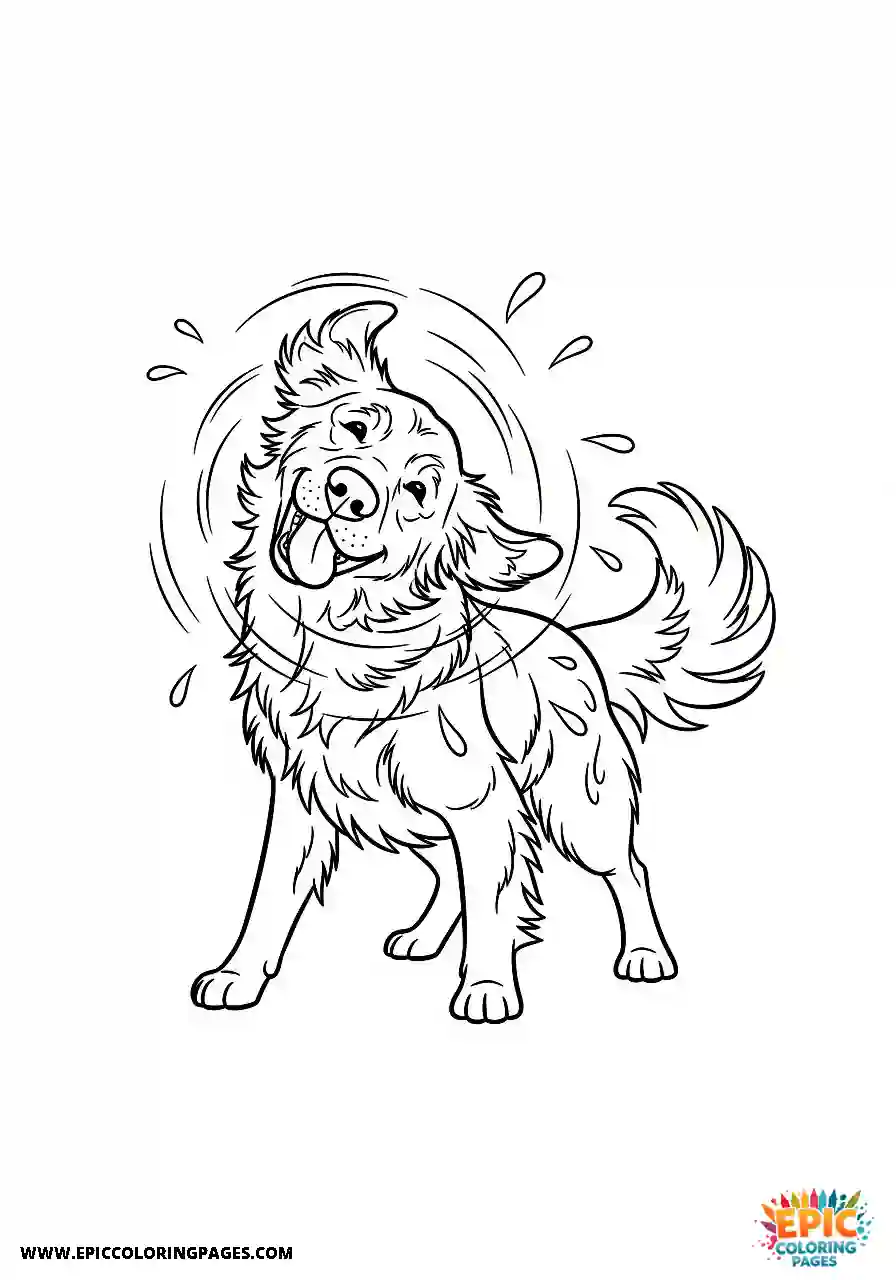
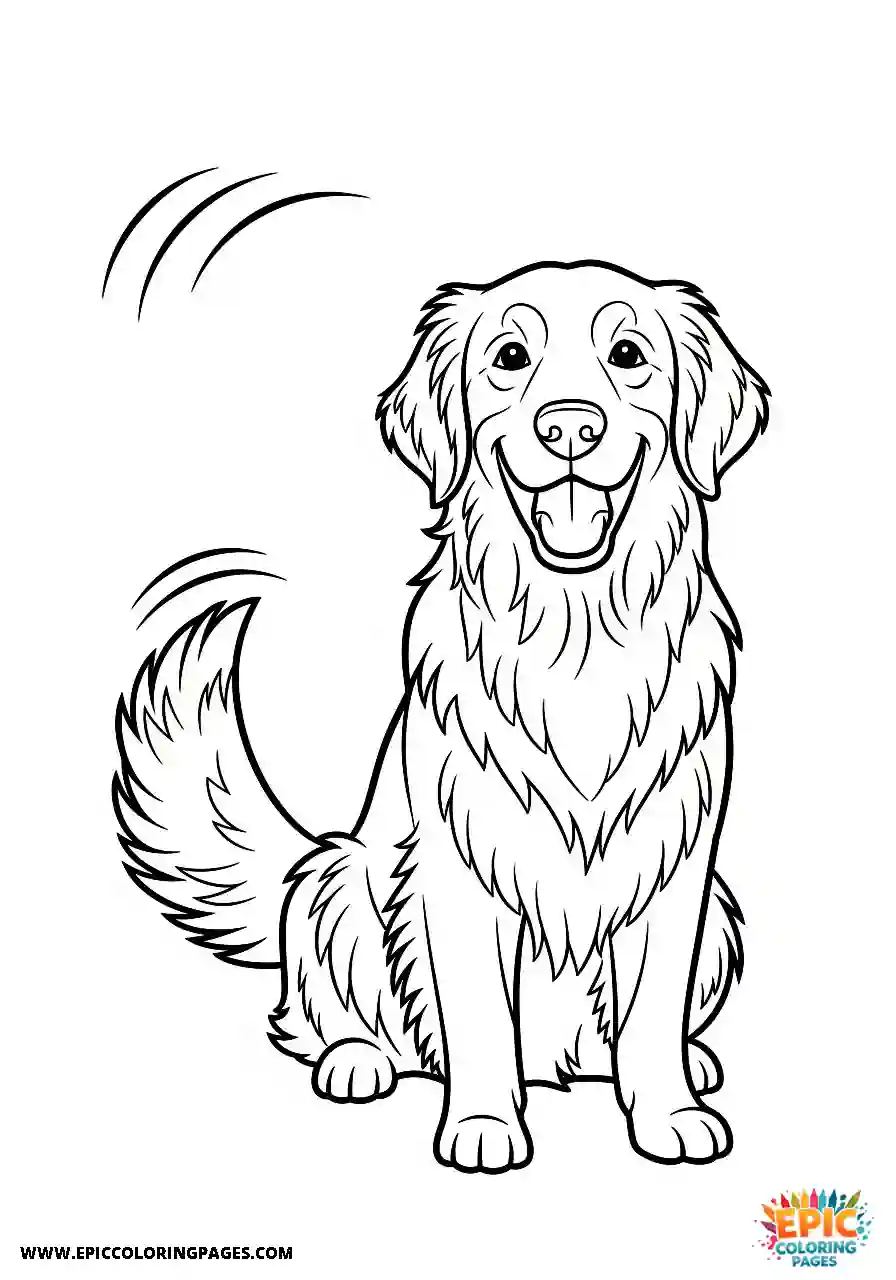


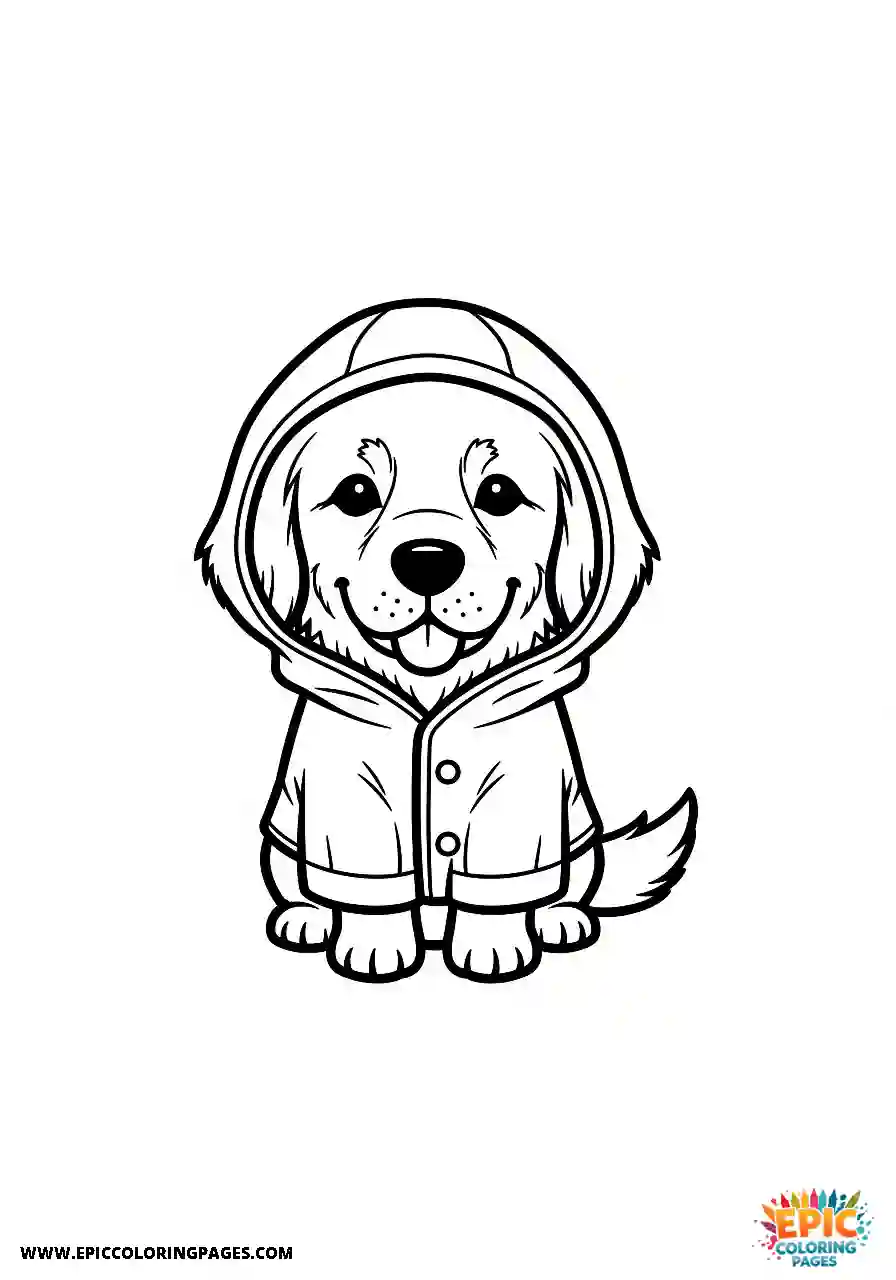
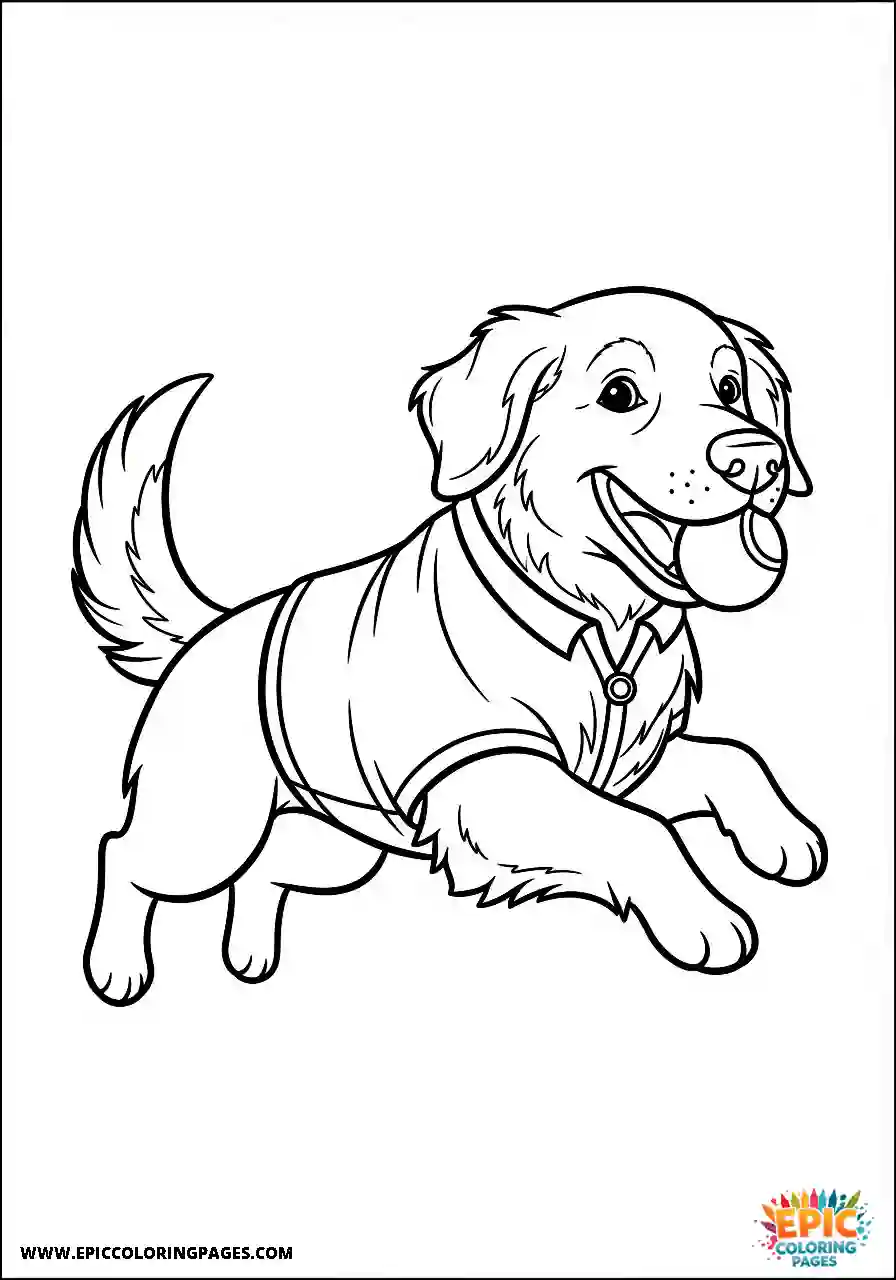
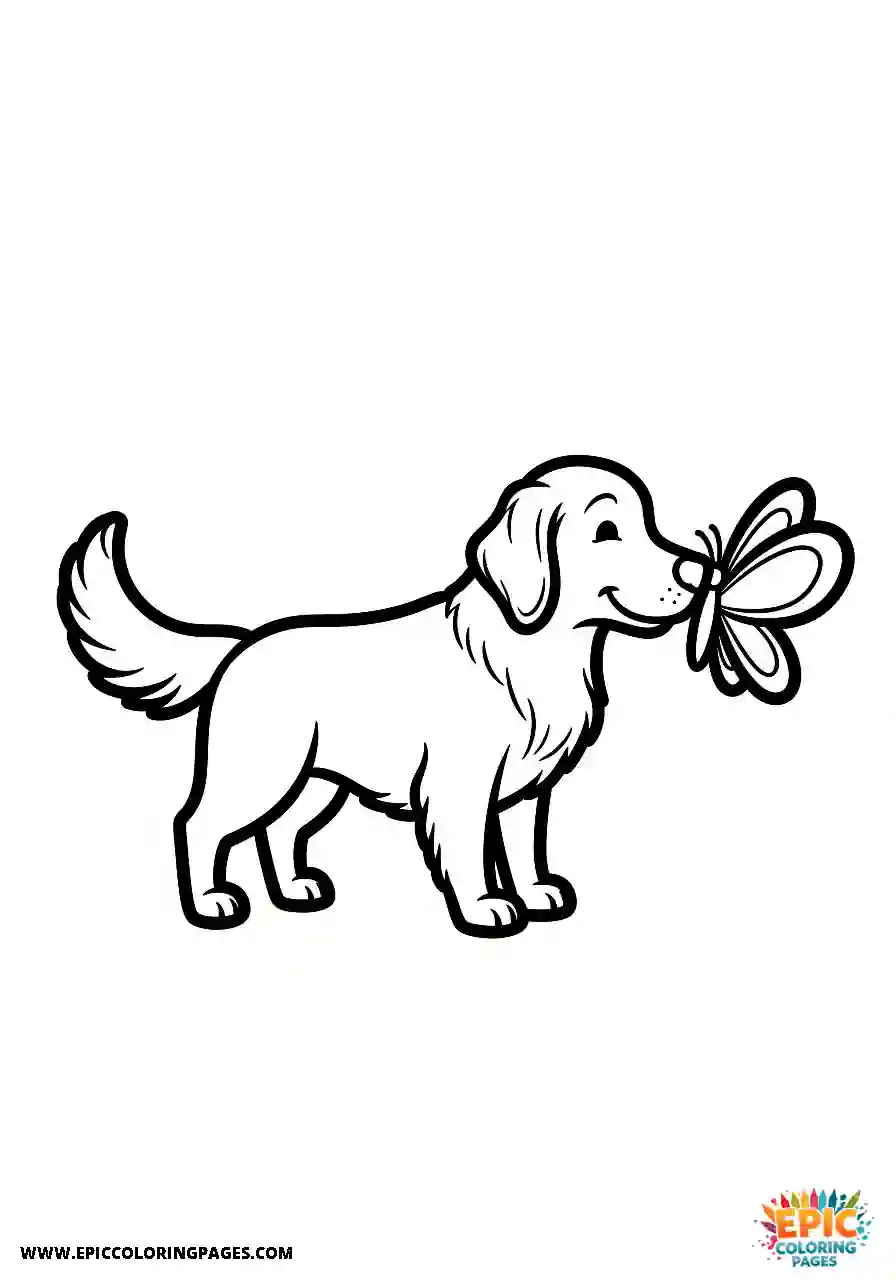
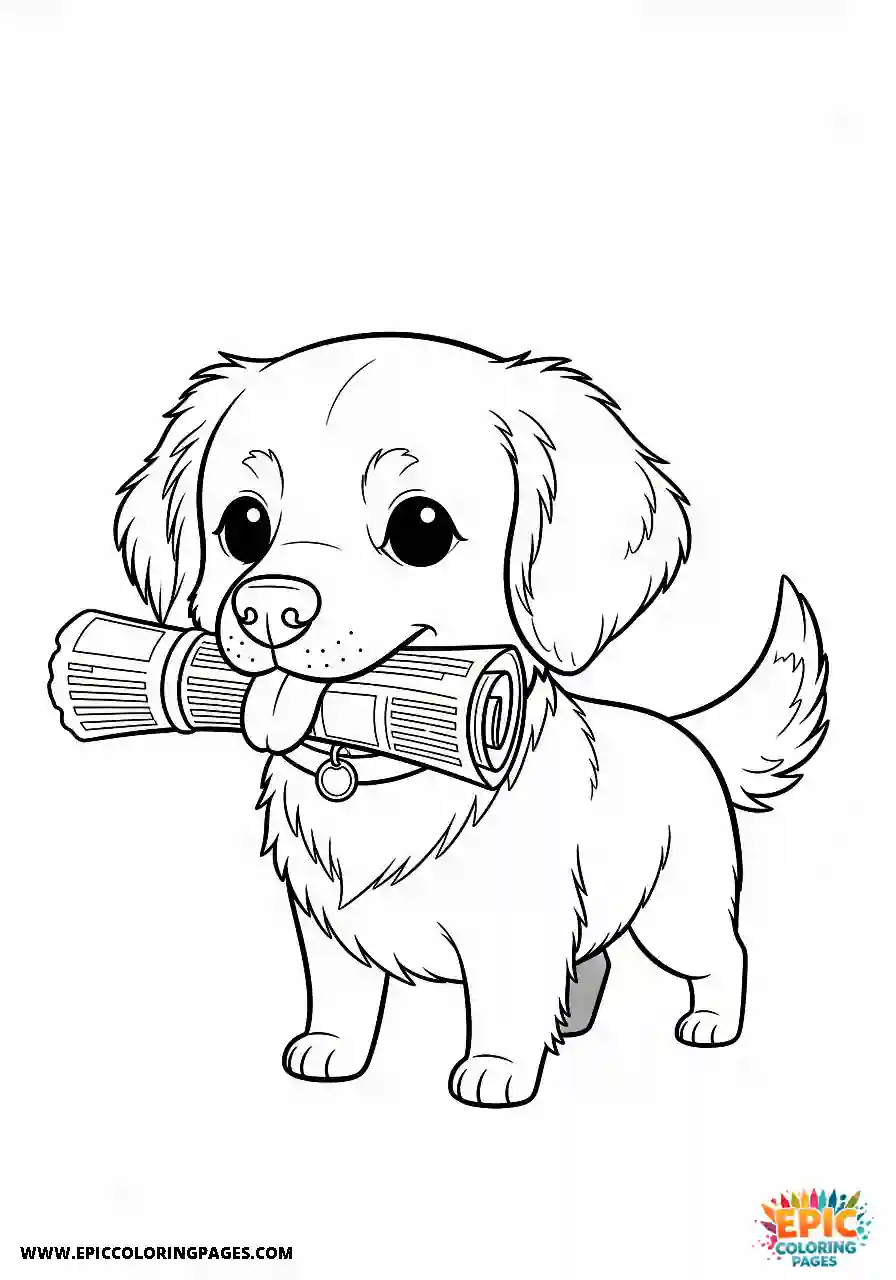
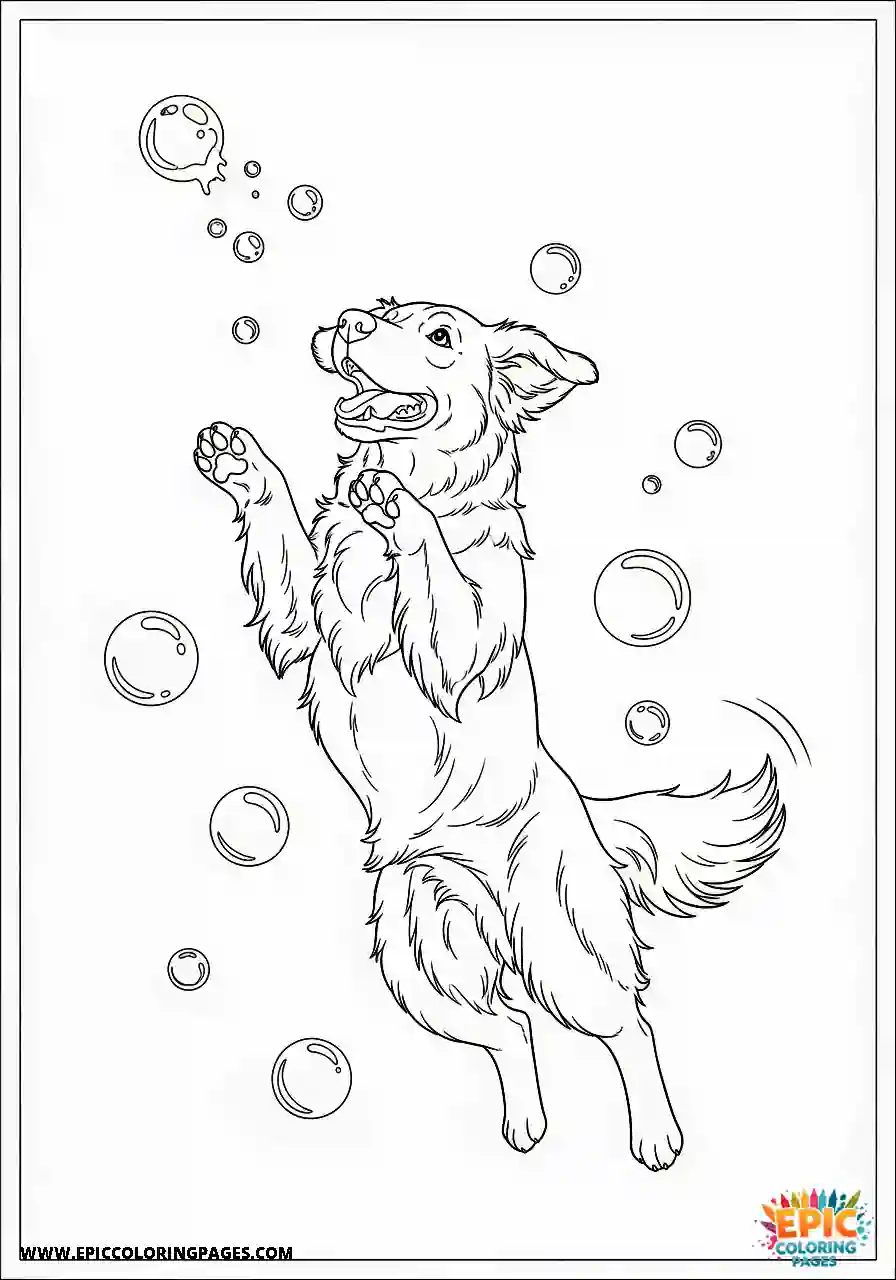
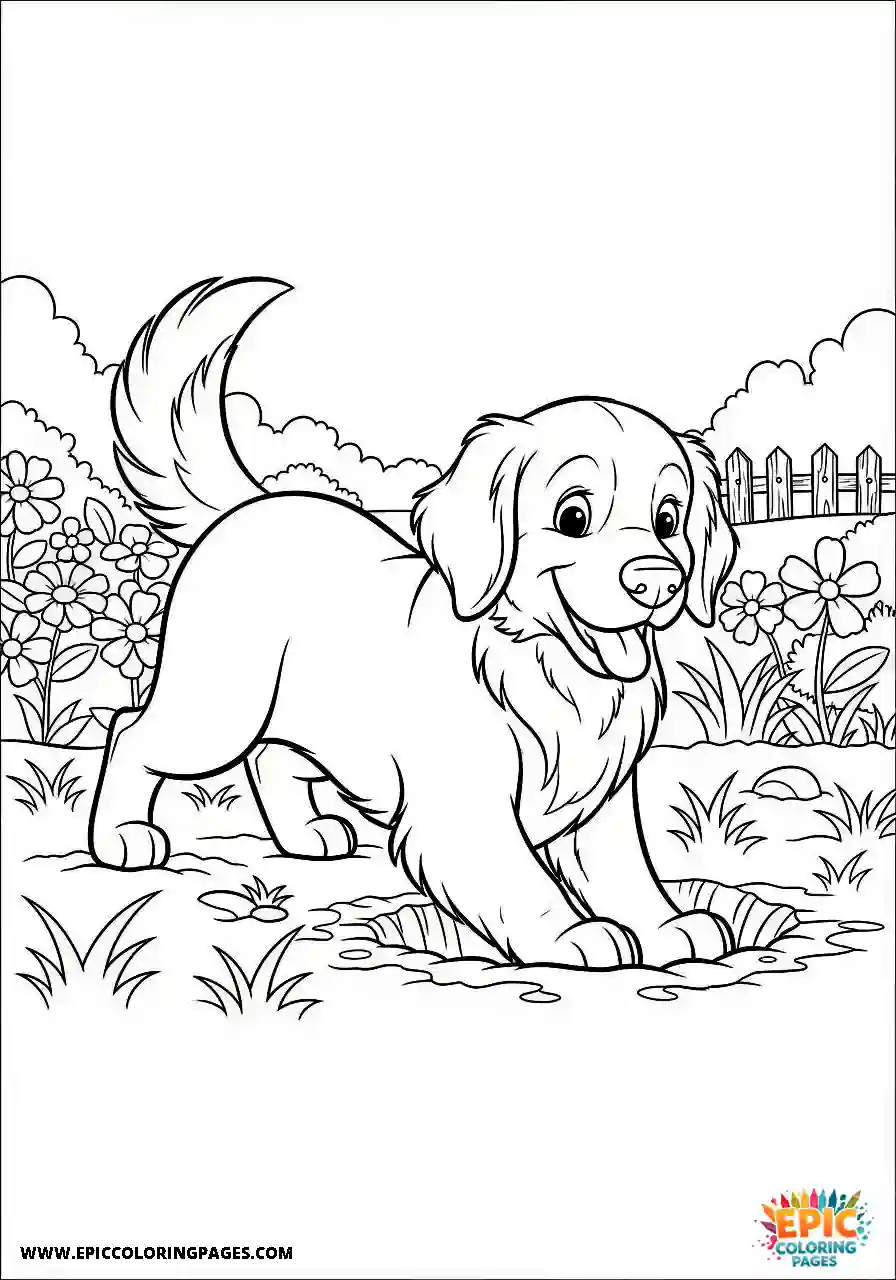
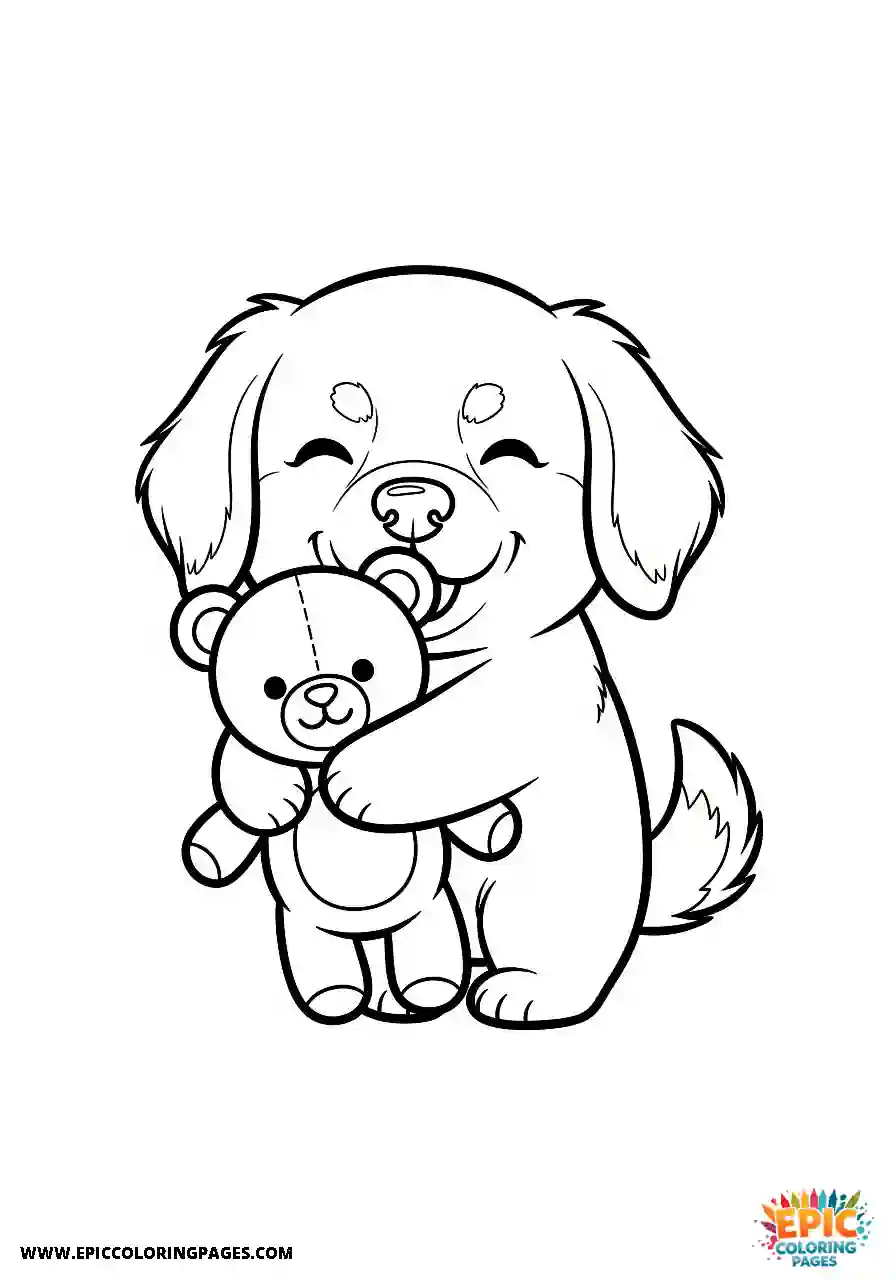
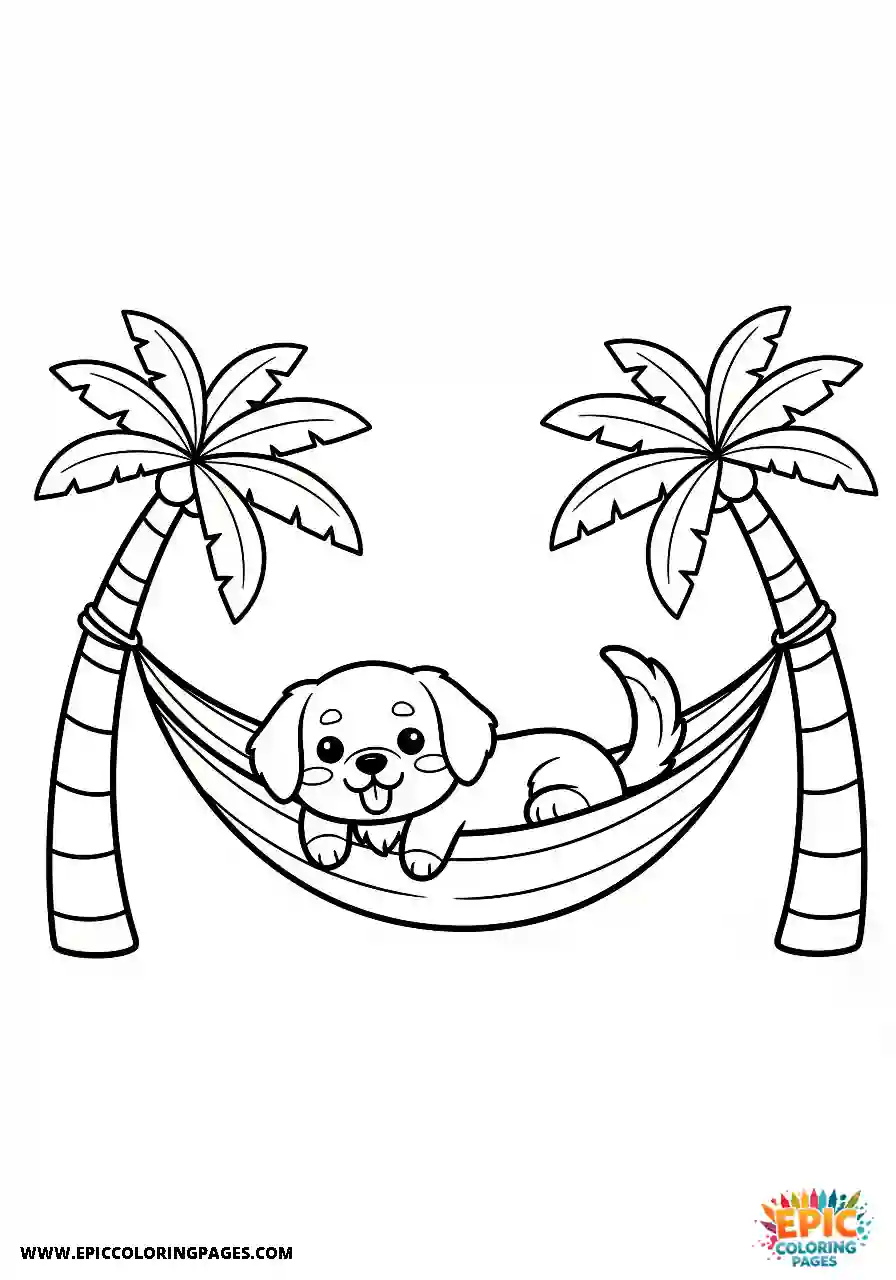
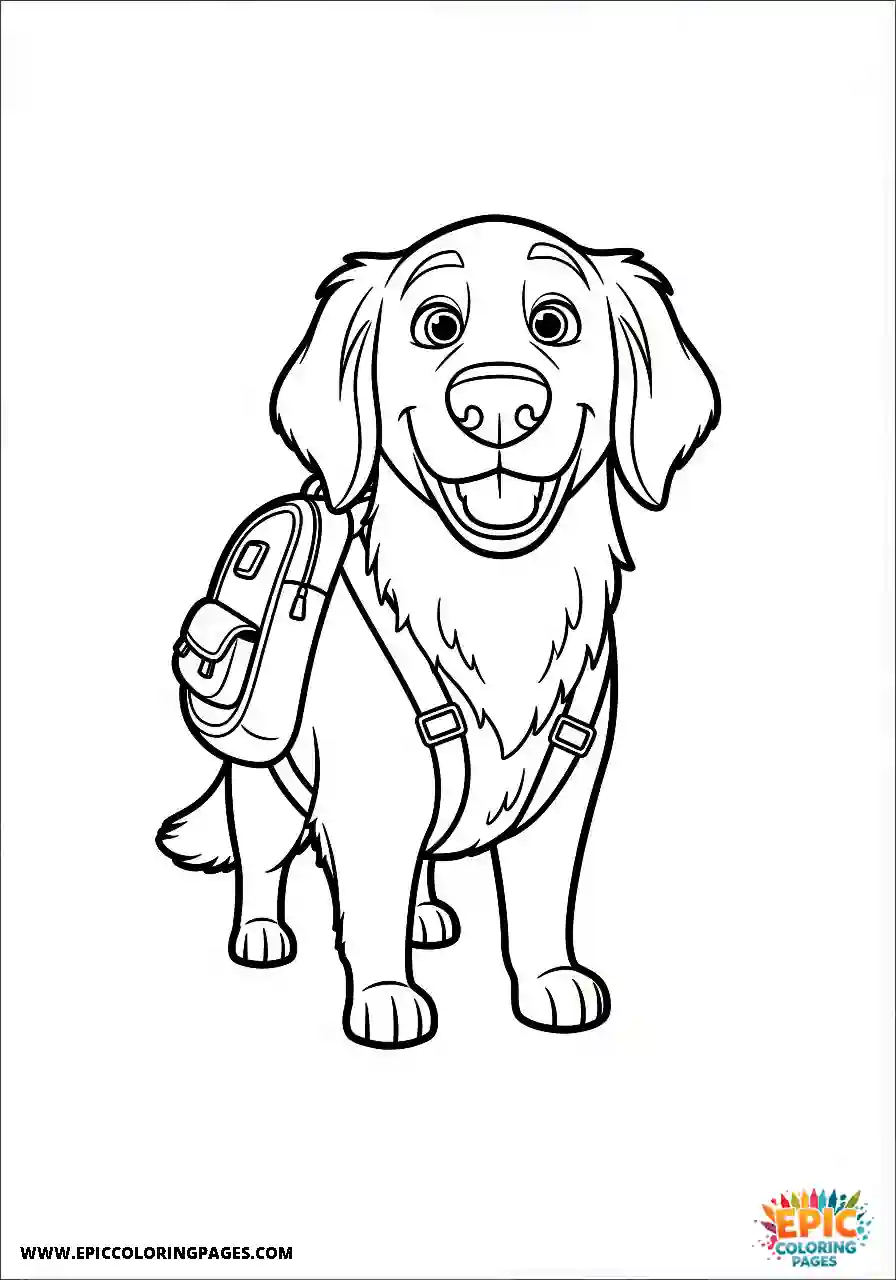
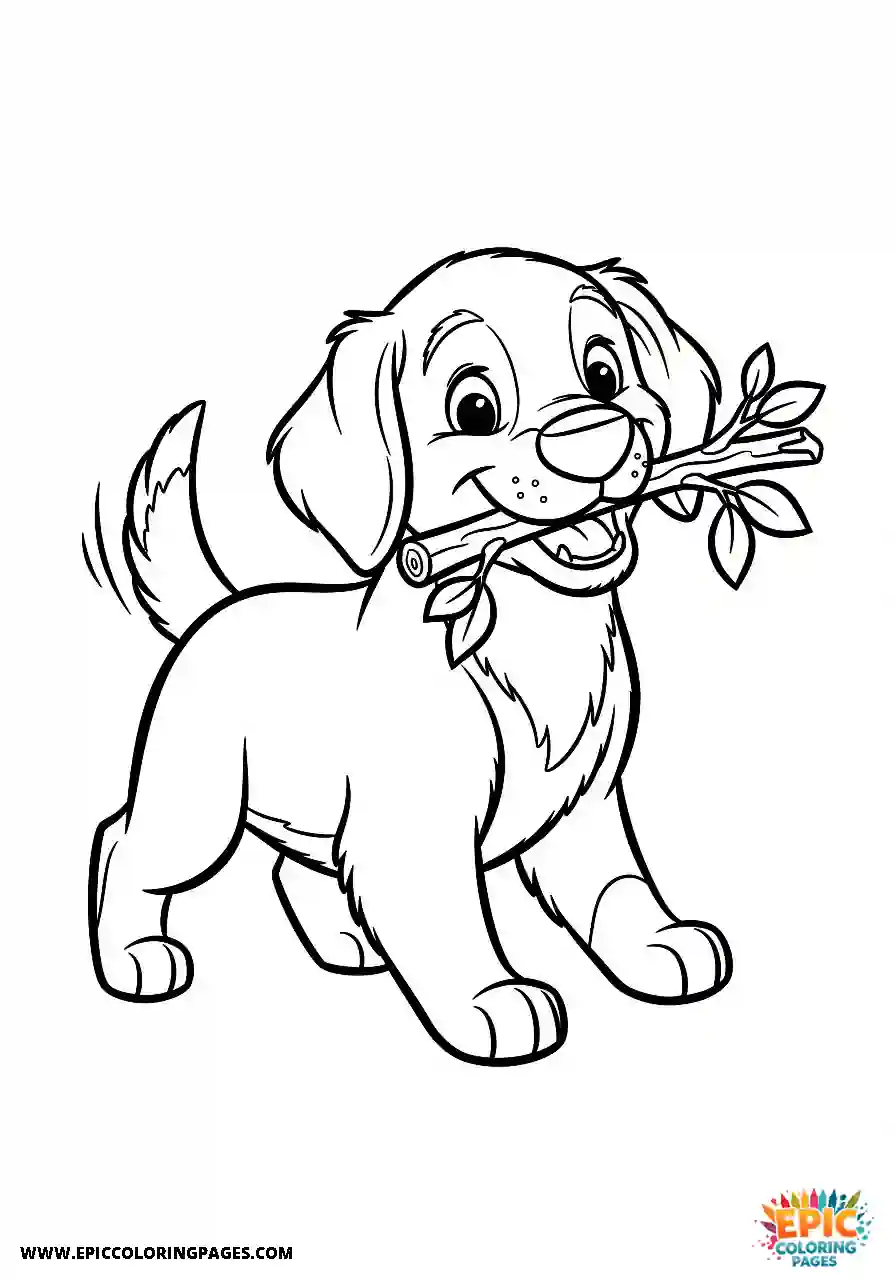
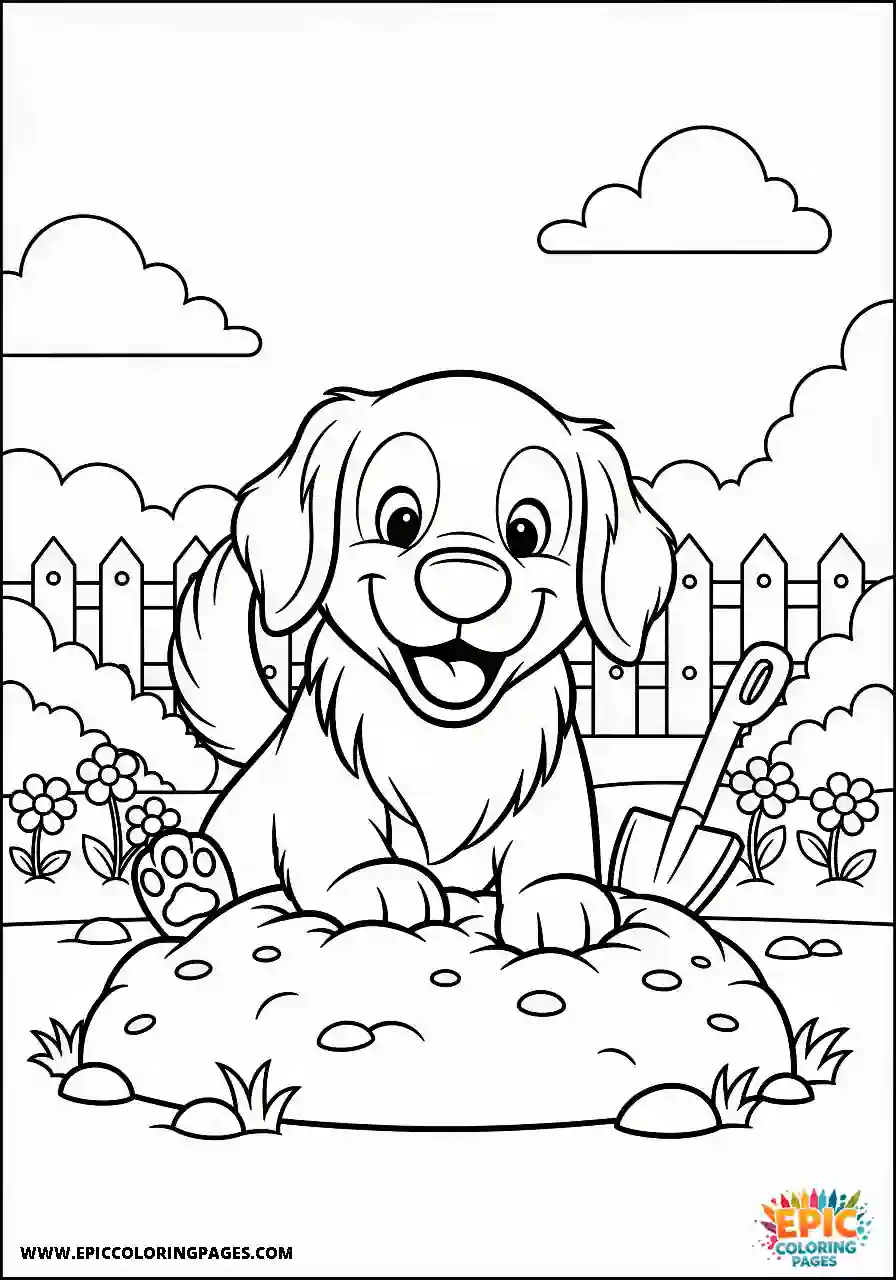
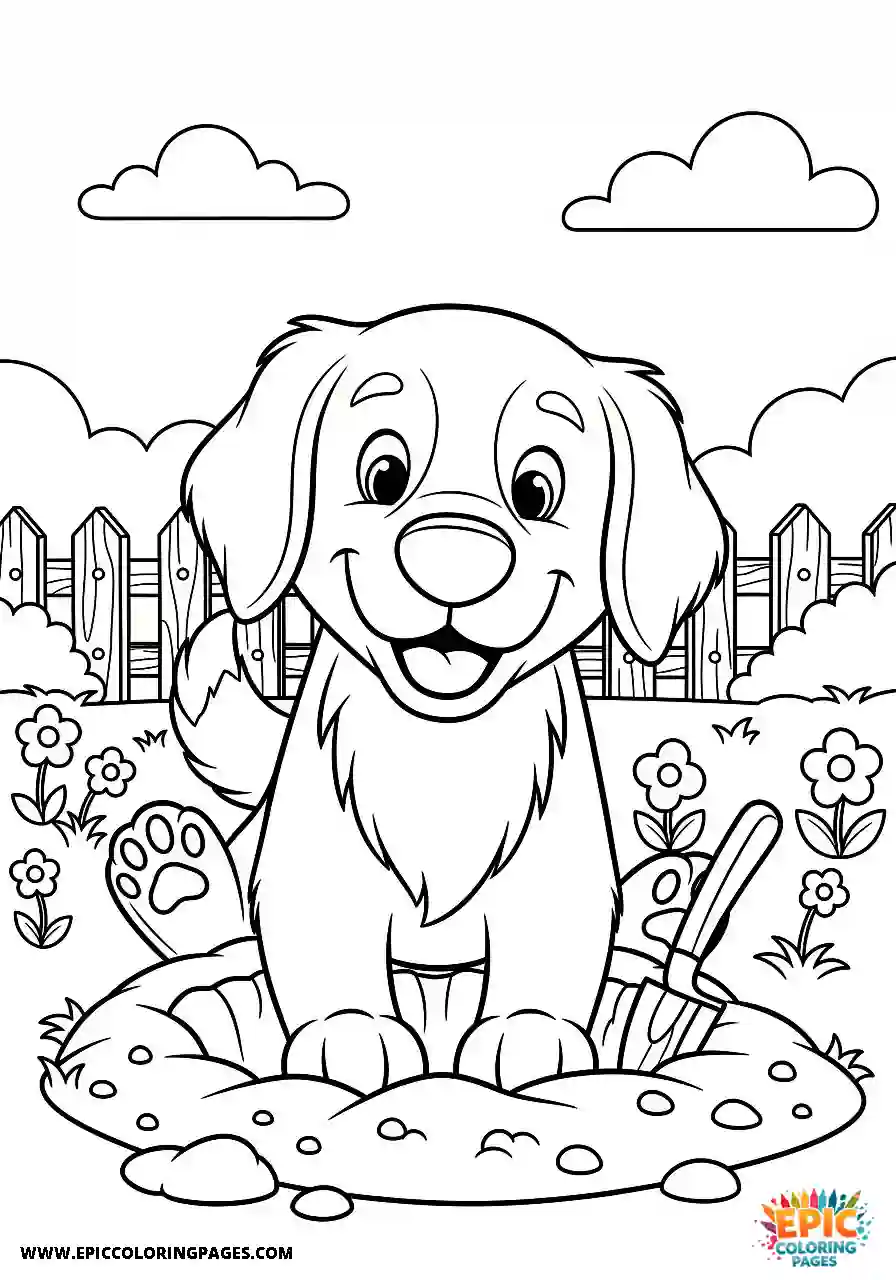
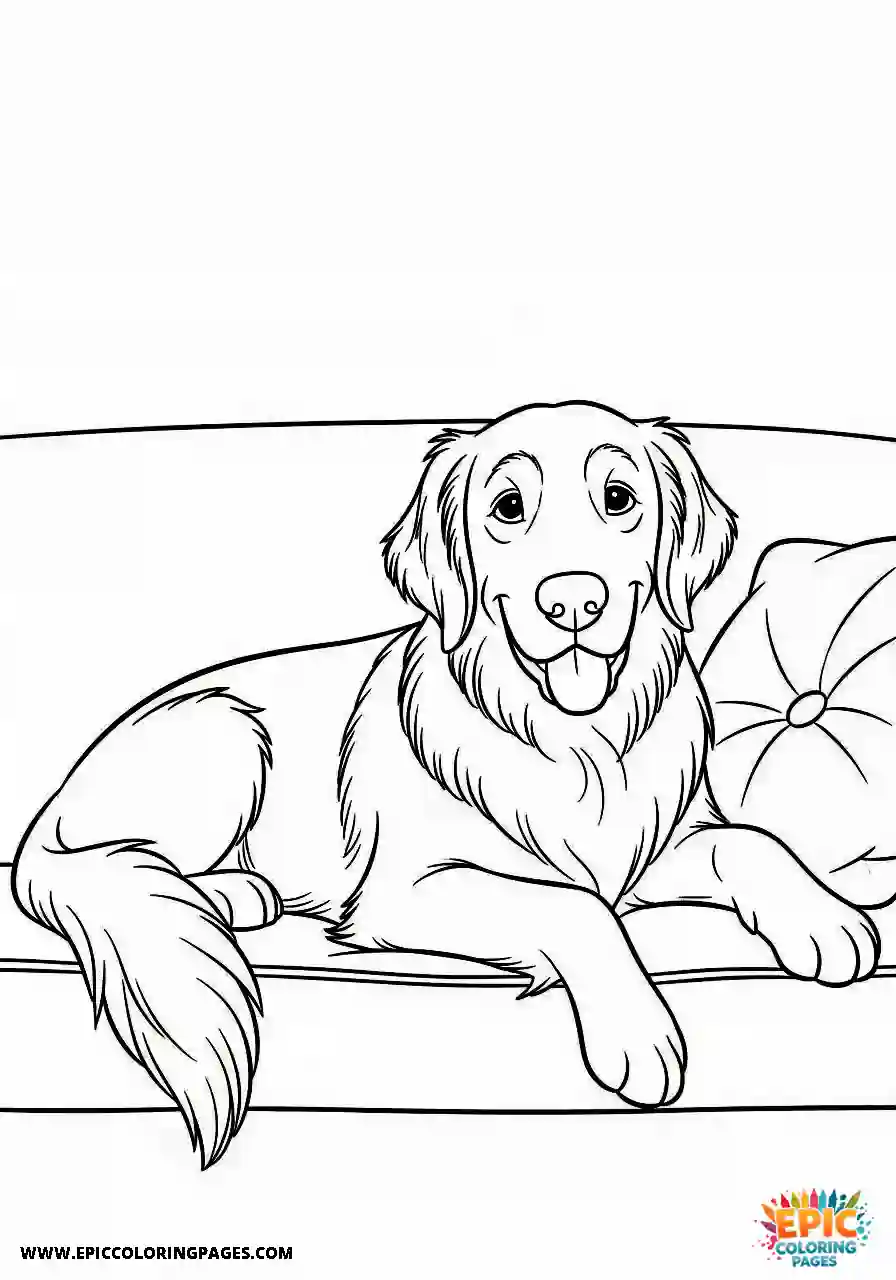
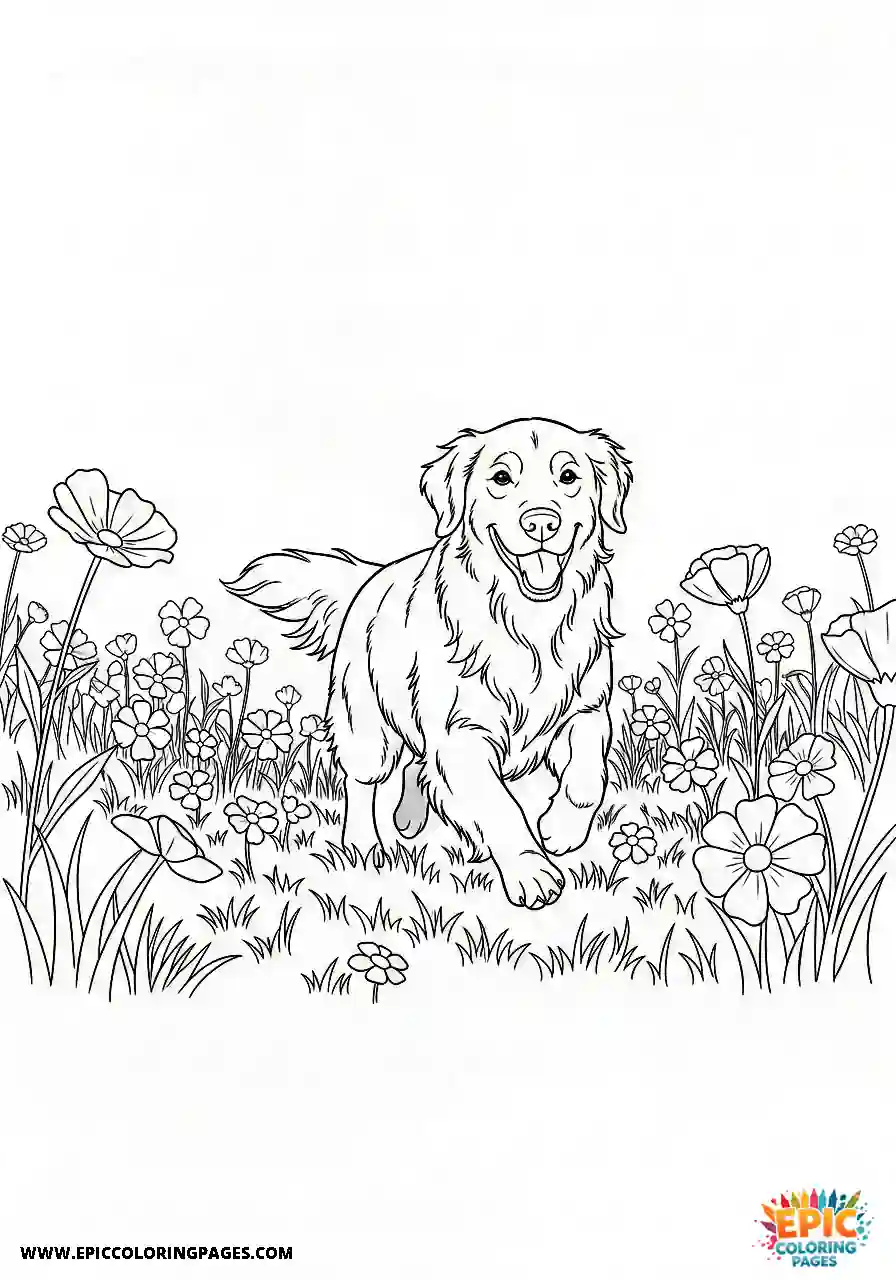
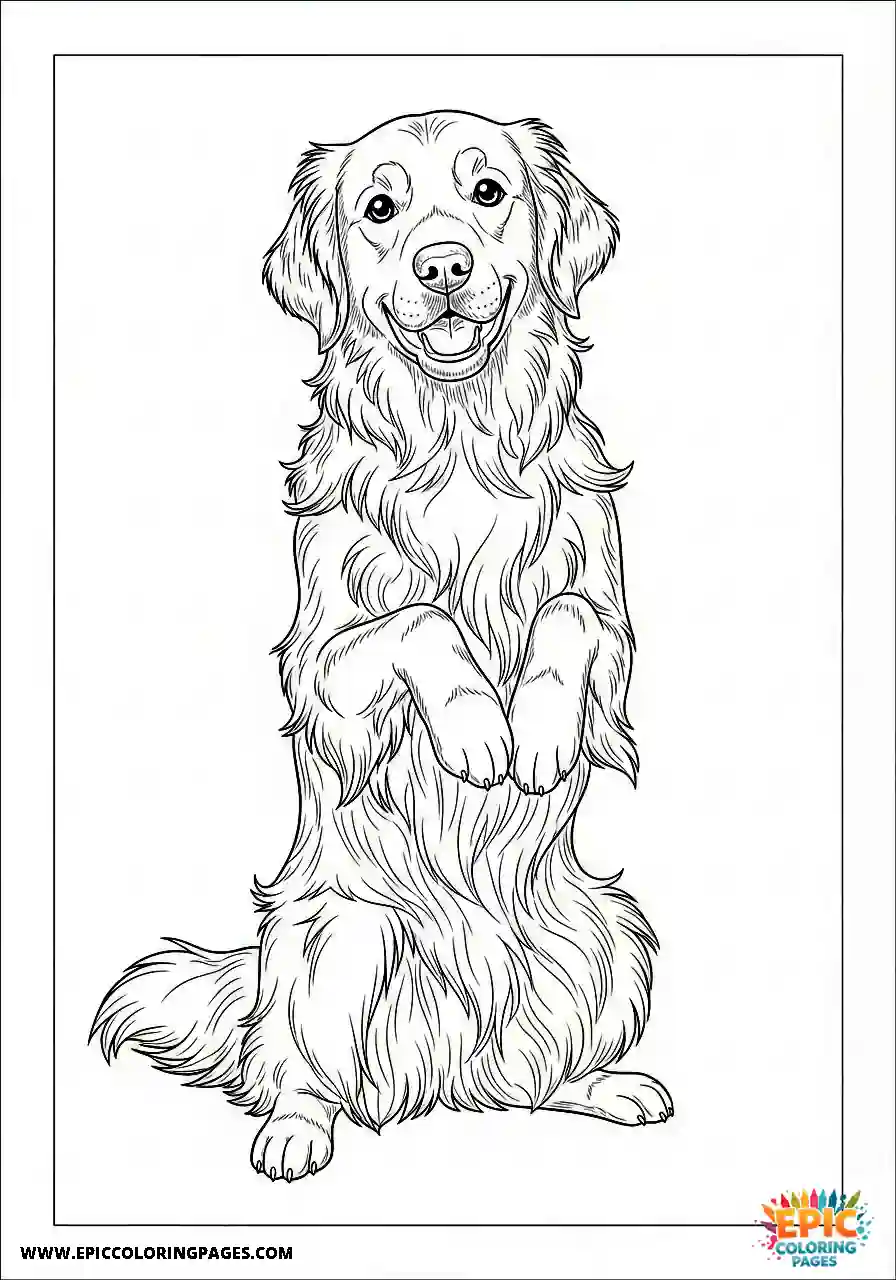
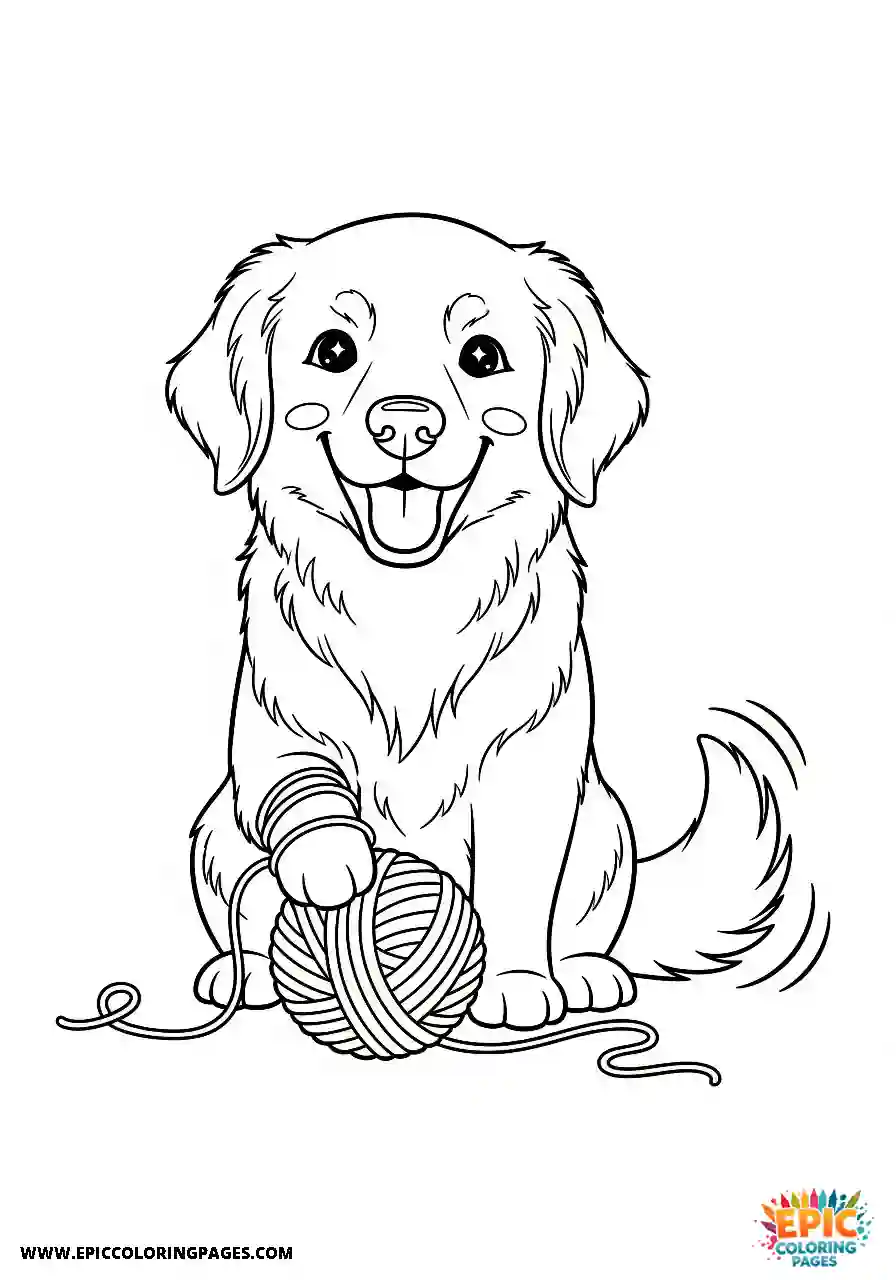
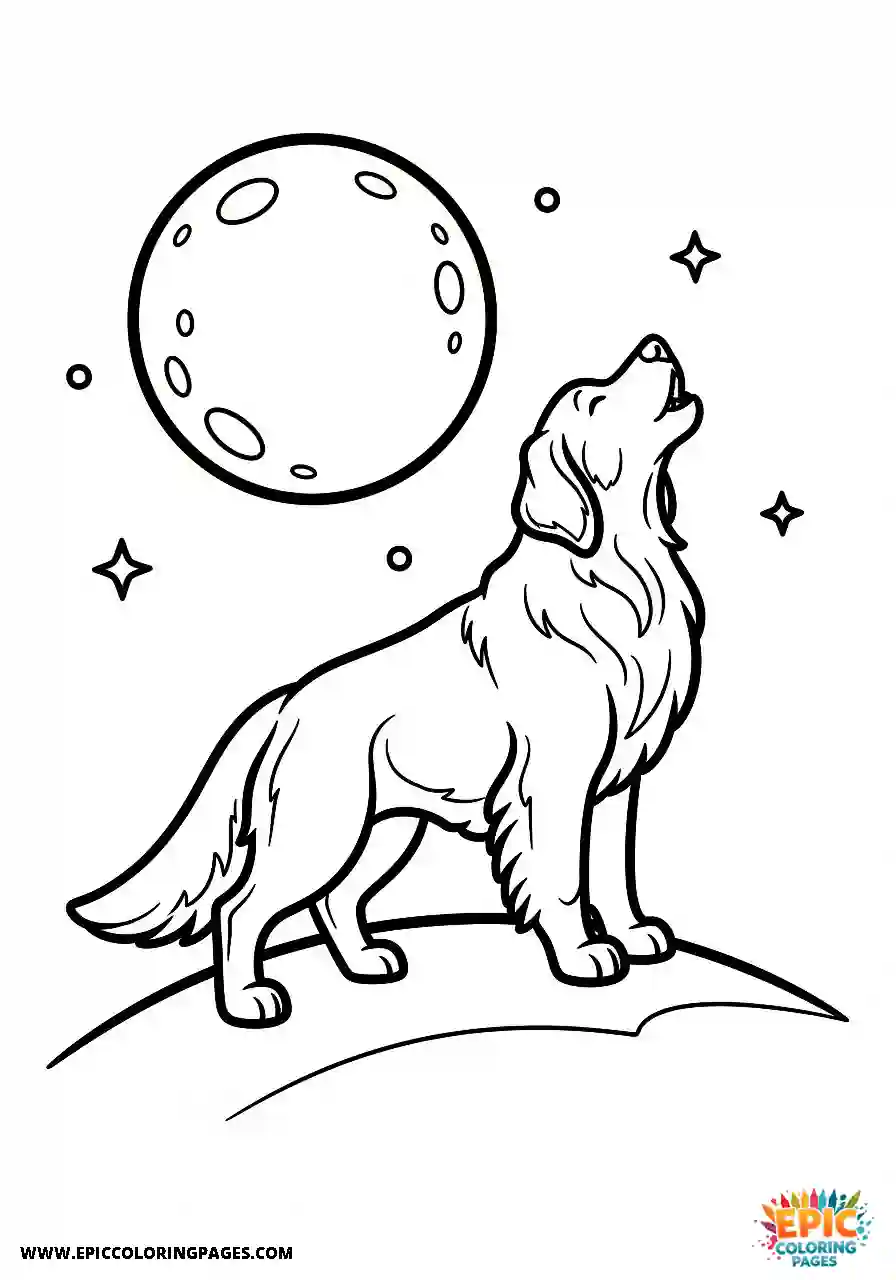
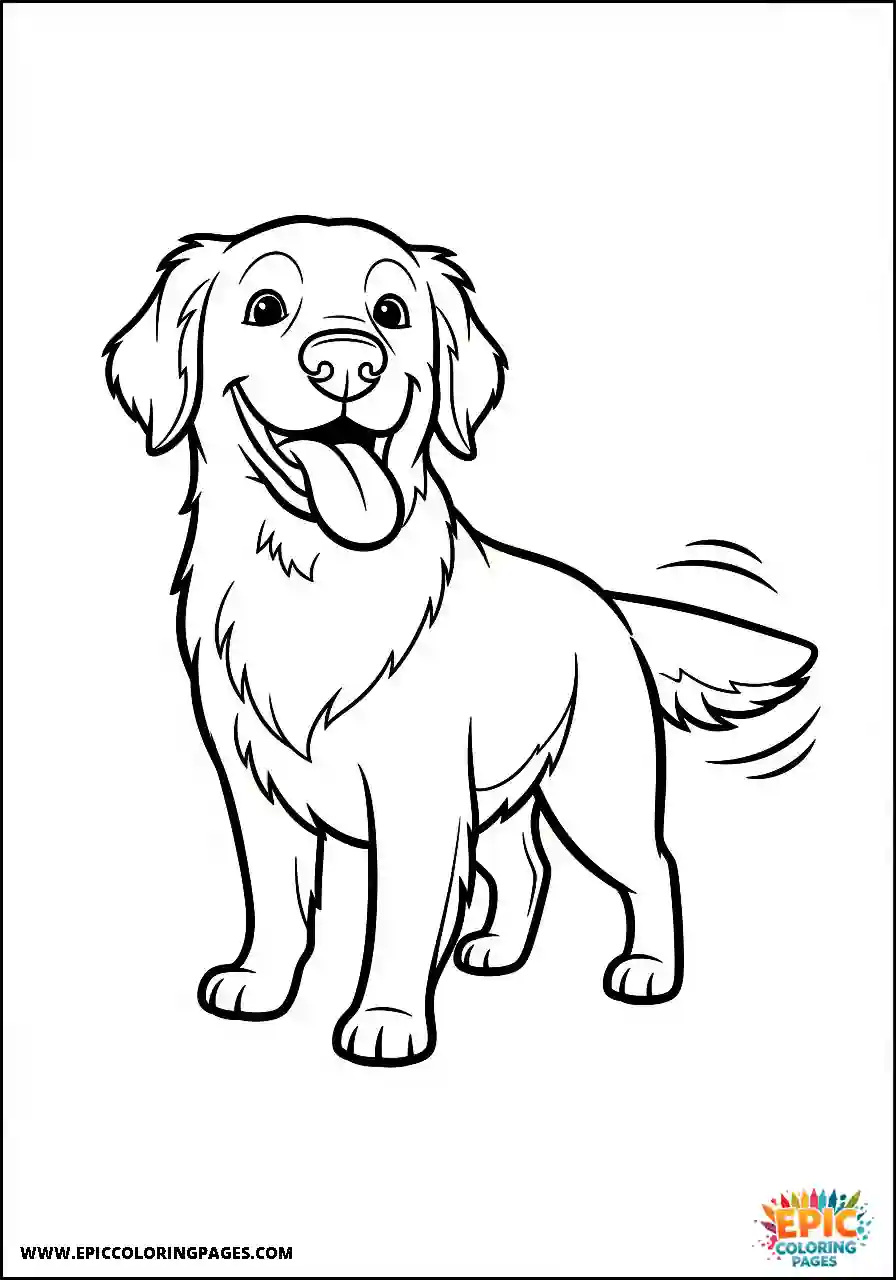
Professional tips and techniques for coloring Golden Retrievers
Coloring a Golden Retriever presents a beautiful challenge their iconic coat isn’t just one flat golden shade, but a rich tapestry of warm tones that shift from cream to deep amber. Whether you’re just starting out or you’ve been coloring for years, understanding how to capture that lustrous, flowing coat will transform your pages from simple outlines into artwork that truly celebrates this beloved breed.
Understanding the Golden Retriever's Coat
Before you pick up your first coloring tool, take a moment to observe what makes a Golden Retriever’s coat so distinctive. Their fur isn’t uniform it features longer feathering on the chest, legs, and tail, while the face and ears have shorter, sleeker fur. The coat also has natural highlights where light hits the top of the head and shoulders, and deeper shadows underneath the body and where fur layers overlap.
Real Golden Retrievers range from pale cream (sometimes called “English Cream”) to rich, reddish gold. There’s no single “correct” color, so feel free to choose the shade that speaks to you.
Choosing Your Tools
Colored Pencils work beautifully for Golden Retrievers because you can layer colors gradually to build depth. They give you control over those subtle variations in the coat. Brands like Prismacolor, Faber-Castell, or even Crayola can work what matters most is having at least three shades: a light cream or pale yellow, a medium golden tone, and a deeper amber or light brown.
Markers create bold, vibrant results but require more planning since they’re harder to blend. Alcohol-based markers like Copics blend more smoothly than water-based ones. If you’re using markers, consider leaving some areas lighter before adding darker tones you can’t easily go lighter once you’ve applied a dark color.
Crayons are perfect for younger colorists or anyone who enjoys a more textured, nostalgic look. Press lightly for lighter areas and harder for shadows.
Digital coloring apps offer unlimited color options and easy corrections. Apps like Procreate or even Pigment give you the freedom to experiment without worry.
Creating That Golden Glow: Step-by-Step
Start with your base layer. Using your medium golden color, lightly fill in the entire dog except for areas where you want bright highlights typically the top of the head, along the back, and the chest. Don’t press too hard yet; you’re just establishing the foundation.
Add your highlights. This is what brings your Golden Retriever to life. Use your lightest color (cream, pale yellow, or even white) on the areas where natural light would hit: the forehead, the bridge of the nose, the tops of the ears, along the spine, and the upper portions of the legs. Blend these lighter areas into your base color by gently layering where they meet.
Build depth with shadows. Shadows appear under the chin, beneath the body, in the ears, around the eyes, and where the legs meet the body. Use your darkest shade a light brown, amber, or even a warm tan. Apply these colors more heavily in the deepest shadows and gradually lighten your pressure as you move toward the mid-tones.
Create texture for the fur. Instead of coloring in smooth, solid strokes, try using short, directional lines that follow how the fur naturally grows. On the face, these strokes are short and follow the contours of the skull. On the chest and tail, make longer, flowing strokes. This technique works with any medium and instantly makes the coat look more realistic.
Capturing the Details
The eyes are crucial they’re what give your Golden Retriever personality. Golden Retrievers typically have warm brown eyes, ranging from light amber to dark chocolate. Leave a small white spot (or use white pencil/gel pen) as a light reflection to make the eyes look glossy and alive. Add a darker brown around the pupil and outer edge of the eye.
The nose is usually black or dark brown. Don’t just fill it in with solid black add a lighter gray or brown on the top portion where light hits it, and leave a tiny white highlight to show the nose’s natural shine.
The tongue (if visible) is a warm pink. Add a slightly darker pink or light red along the center line and edges for dimension. A touch of white along the center creates that wet appearance.
The ears are often a deeper, richer gold than the rest of the body since they’re typically a bit darker and have thicker fur. Use your medium and dark shades here, with highlights only on the very edges where light catches them.
Advanced Techniques
Layering for luminosity: Professional colorists often use three or more passes over the same area. Start light, assess, then add another layer. Each layer intensifies the color and allows you to fine-tune the tones. This works especially well with colored pencils.
Complementary shading: Want to add extra richness? Try adding a touch of light purple or cool gray in the deepest shadows. This might sound counterintuitive, but using a cooler shadow color makes the golden tones appear warmer and more vibrant by contrast. Use this sparingly and subtly.
Burnishing: If you’re using colored pencils, try burnishing using a white or cream pencil to press firmly over your colored areas, blending all the layers together into a smooth, almost painted look. This eliminates the grainy paper texture.
Background considerations: Your Golden Retriever will look even more striking with a thoughtful background. A simple blue sky makes the warm gold pop beautifully. Green grass or autumn leaves complement the coat’s tones. Even a soft, light gray or cream background can make your dog the clear focal point.
Common Challenges and Solutions
“My Golden looks flat.” You probably need stronger contrast between your highlights and shadows. Don’t be afraid to go lighter in your lightest areas and darker in your shadows. Our eyes often trick us into playing it too safe.
“The fur looks choppy or striped.” Blend your colors more where they meet. Overlap your strokes and vary the pressure. If using markers, work quickly while the ink is still wet to blend colors together.
“I can’t get the coat to look fluffy.” Focus on texture. Use those directional strokes that follow fur growth patterns. Leave some white space between stroke clusters, especially on the chest and tail feathering, to suggest separated fur tufts.
“My colors look muddy.” This often happens when blending too many different colors or pressing too hard too soon. Stick to colors within the same warm family (yellows, oranges, light browns), and build up gradually rather than pressing hard immediately.
Make It Your Own
While these tips help you color a realistic Golden Retriever, remember that coloring is also about creativity and joy. Maybe your Golden has a bandana or collar in your favorite color. Perhaps you want to add flowers around them or show them playing in the snow. Some people enjoy adding patterns to the background or even giving their Golden a fantasy twist with sparkles or rainbow highlights.
There’s no wrong way to enjoy your coloring page. These techniques are here to help you achieve the results you envision, whether that’s lifelike realism or playful creativity.
Before You Begin
Set yourself up for success: find good lighting (natural daylight is ideal), sit comfortably, and gather all your materials before starting. If you’re working on paper, consider placing another sheet beneath your coloring page to create a slightly cushioned surface this helps with blending and prevents texture from the table showing through.
Most importantly, take your time. Coloring is meant to be relaxing. If you notice yourself rushing or feeling frustrated, step away for a few minutes. Some of the most beautiful results come from coloring sessions spread over several sittings, allowing you to return with fresh eyes.
Golden Retrievers are known for their friendly, patient nature channel that same patience into your coloring, and you’ll be amazed at what you create.
More Canine Companions...
If you loved these Golden Retrievers, don’t put your coloring tools away just yet! The world of dogs is vast and diverse, and we have captured almost every breed you can imagine. Whether you are a fan of the tiny Chihuahua or the giant Great Dane, we have a collection waiting for you. Expanding your portfolio with different breeds is a great way to learn new textures and color palettes.
Access our complete page of dog coloring pages.
Frequently Asked Questions and Interesting Facts About Golden Retriever Dog
Whether you’re considering welcoming a Golden Retriever into your family or simply curious about these remarkable dogs, understanding their characteristics, care requirements, and fascinating history enriches the coloring experience. Below, we’ve answered the most common questions about these beloved companions.
How long do golden retrievers live?
Golden Retrievers typically live between 10 to 12 years, though some can reach 13-14 years with excellent care, proper nutrition, and regular veterinary checkups. Their lifespan can be influenced by genetics, diet, exercise, and overall health management. Providing your Golden with a balanced lifestyle helps maximize their years as your loyal companion.
Do golden retrievers shed?
Yes, Golden Retrievers are moderate to heavy shedders throughout the year, with increased shedding during spring and fall when they “blow” their coats. Their beautiful double coat requires regular brushing ideally 3-4 times weekly to manage loose fur and prevent matting. While shedding is unavoidable with this breed, consistent grooming significantly reduces the amount of hair around your home.
How much is a golden retriever?
A Golden Retriever puppy from a reputable breeder typically costs between $1,000 and $3,500, depending on lineage, location, and breeder reputation. Show-quality or champion bloodline puppies can exceed $5,000. Adoption from shelters or rescue organizations offers a more affordable option, usually ranging from $200 to $500, and gives a deserving dog a second chance at a loving home.
Are golden retrievers smart?
Absolutely! Golden Retrievers rank as the fourth most intelligent dog breed according to canine psychologist Stanley Coren’s research. They excel at obedience training, quickly learning new commands often within just five repetitions. Their intelligence, combined with their eagerness to please, makes them outstanding service dogs, therapy animals, and search-and-rescue partners.
What is a golden retriever boyfriend?
The term “golden retriever boyfriend” describes a partner who embodies the lovable qualities of the breed: enthusiastic, loyal, affectionate, and consistently cheerful. This playful internet terminology refers to someone who’s supportive, energetic, always excited to see you, and radiates positive energy essentially, the human equivalent of a tail-wagging Golden Retriever greeting you at the door.
Are golden retrievers hypoallergenic?
No, Golden Retrievers are not hypoallergenic. They produce normal levels of dander (dead skin cells) and shed considerably, both of which trigger allergic reactions in sensitive individuals. People with dog allergies should spend time with Golden Retrievers before committing to ownership. Those seeking hypoallergenic alternatives might consider breeds like Poodles, Portuguese Water Dogs, or Goldendoodles (Golden Retriever-Poodle mixes).
How much golden retriever puppy?
Golden Retriever puppies from responsible breeders generally cost $1,500 to $2,500, with prices varying based on geographic region, breeder credentials, and the puppy’s pedigree. Beyond the initial purchase, budget for first-year expenses including vaccinations ($200-300), supplies ($300-500), food ($500-700), and potential training classes ($150-300). The lifetime cost of owning a Golden Retriever can exceed $20,000.
When do golden retrievers stop growing?
Golden Retrievers reach their full height by 12-18 months but continue filling out and gaining muscle mass until around 2 years old. Males typically weigh 65-75 pounds and stand 23-24 inches tall, while females weigh 55-65 pounds and measure 21.5-22.5 inches at the shoulder. Their physical and emotional maturity continues developing through their second year.
Are golden retriever aggressive?
Golden Retrievers are among the least aggressive dog breeds, renowned for their gentle, friendly temperament. They were specifically bred to retrieve game without damaging it, requiring a “soft mouth” and calm disposition. While individuals may display protective behaviors or react defensively if threatened or improperly socialized, aggression is extremely uncharacteristic of well-bred, properly raised Golden Retrievers.
Where golden retriever from?
Golden Retrievers originated in Scotland during the mid-to-late 1800s. Lord Tweedmouth developed the breed at his estate in the Scottish Highlands by crossing a yellow Wavy-Coated Retriever with the now-extinct Tweed Water Spaniel, then incorporating Bloodhound, Irish Setter, and additional retriever bloodlines. His goal was creating the perfect gamekeeper’s dog for the rugged Scottish terrain.
When golden retriever full grown?
A Golden Retriever is considered fully grown at approximately 18-24 months of age. While they reach their adult height around 12-18 months, they continue developing muscle definition and reaching their mature weight until about 2 years old. Mental maturity may take slightly longer, with some Goldens maintaining their playful, puppy-like enthusiasm well into their third year.
Are golden retriever good dogs?
Golden Retrievers consistently rank among America’s most popular breeds for excellent reasons. They’re exceptionally good family dogs, combining intelligence, trainability, and gentle temperament. Their patience with children, adaptability to various living situations, and desire to please make them ideal for first-time dog owners. They thrive on human companionship and integrate seamlessly into active family lifestyles.
Where did golden retrievers originate?
Golden Retrievers originated in the Scottish Highlands during the Victorian era. Dudley Marjoribanks, the first Lord Tweedmouth, meticulously documented his breeding program from 1868-1890 at his Guisachan estate. His goal was developing a superior retriever suited for Scotland’s rainy climate and varied terrain, resulting in the beautiful, capable breed we cherish today.
Can golden retriever be black?
No, purebred Golden Retrievers cannot be black according to breed standards. Their coats range from light cream to rich golden shades, never black. Dogs advertised as “black Golden Retrievers” are typically mixed breeds, often Golden Retriever-Labrador crosses, or they may be purebred Flat-Coated Retrievers, which closely resemble Goldens but have black coats.
Are golden retriever easy to train?
Yes! Golden Retrievers are exceptionally easy to train due to their high intelligence, eagerness to please, and food motivation. They respond beautifully to positive reinforcement methods and consistently rank among the most trainable breeds. Their natural desire to work alongside humans, combined with their patience and focus, makes them favorites for obedience competitions and professional training roles.
Can golden retriever be a guard dog?
While Golden Retrievers may alert you to strangers with barking, they’re generally too friendly to serve as effective guard dogs. Their instinct is to greet everyone including intruders with enthusiasm rather than suspicion. However, their size and bark can provide a deterrent effect, and their loyalty means they’ll defend family members if seriously threatened, though aggression contradicts their fundamental nature.