Professional Coloring Tips for Alapaha Blue Blood Bulldog Pages
Bringing an Alapaha Blue Blood Bulldog to life through coloring is a rewarding artistic challenge. This rare Southern breed has distinctive features that deserve thoughtful attention from their muscular build to their striking coat patterns. Whether you’re a beginner exploring colored pencils for the first time or an experienced artist refining your technique, these tips will help you capture the noble character of this remarkable guardian breed.
Understanding the Alapaha's Unique Appearance
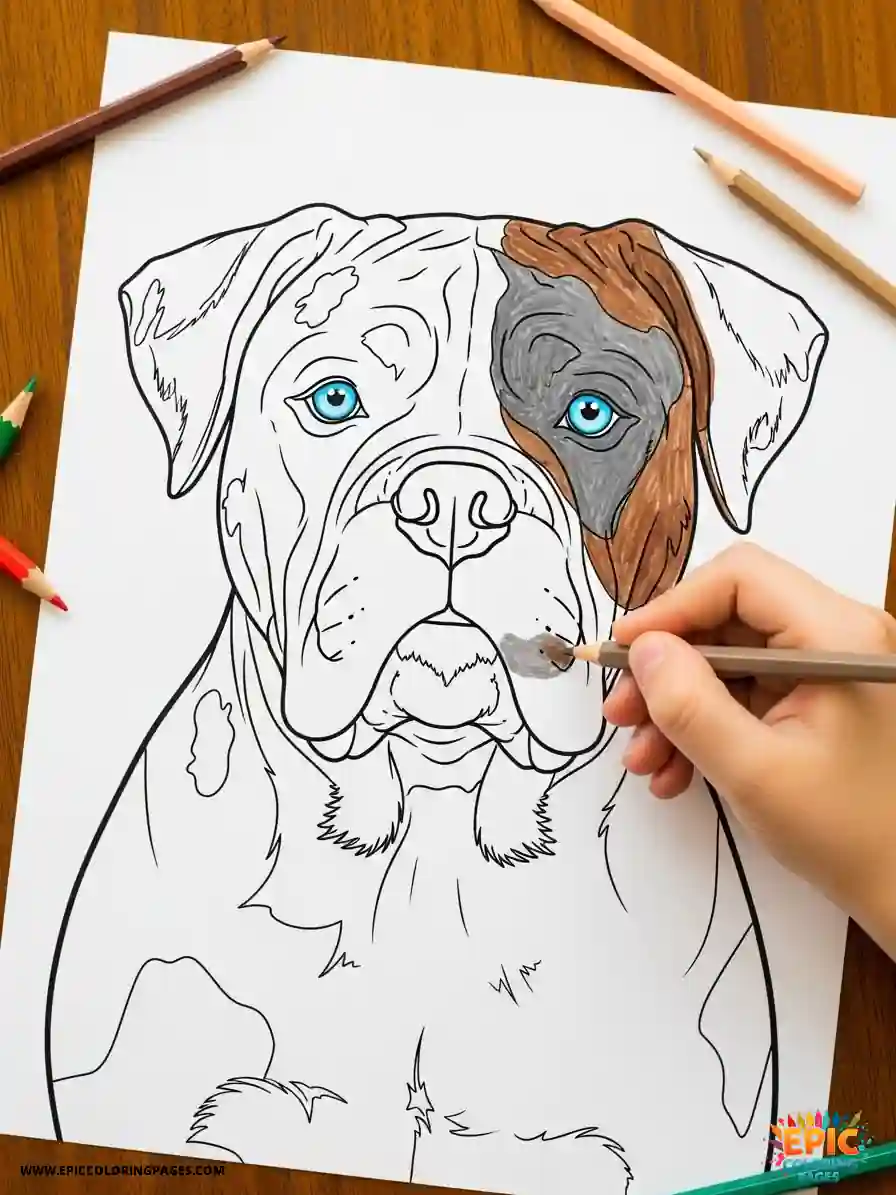
Before you begin coloring, take a moment to study what makes this breed special. The Alapaha Blue Blood Bulldog typically weighs between 55-90 pounds with a powerfully built, athletic frame. Their most distinctive feature is often their coat pattern many display beautiful patches of white combined with brindle, blue merle, brown, or red markings. Some have that captivating “glass eye” trait where one or both eyes appear blue or partially blue.
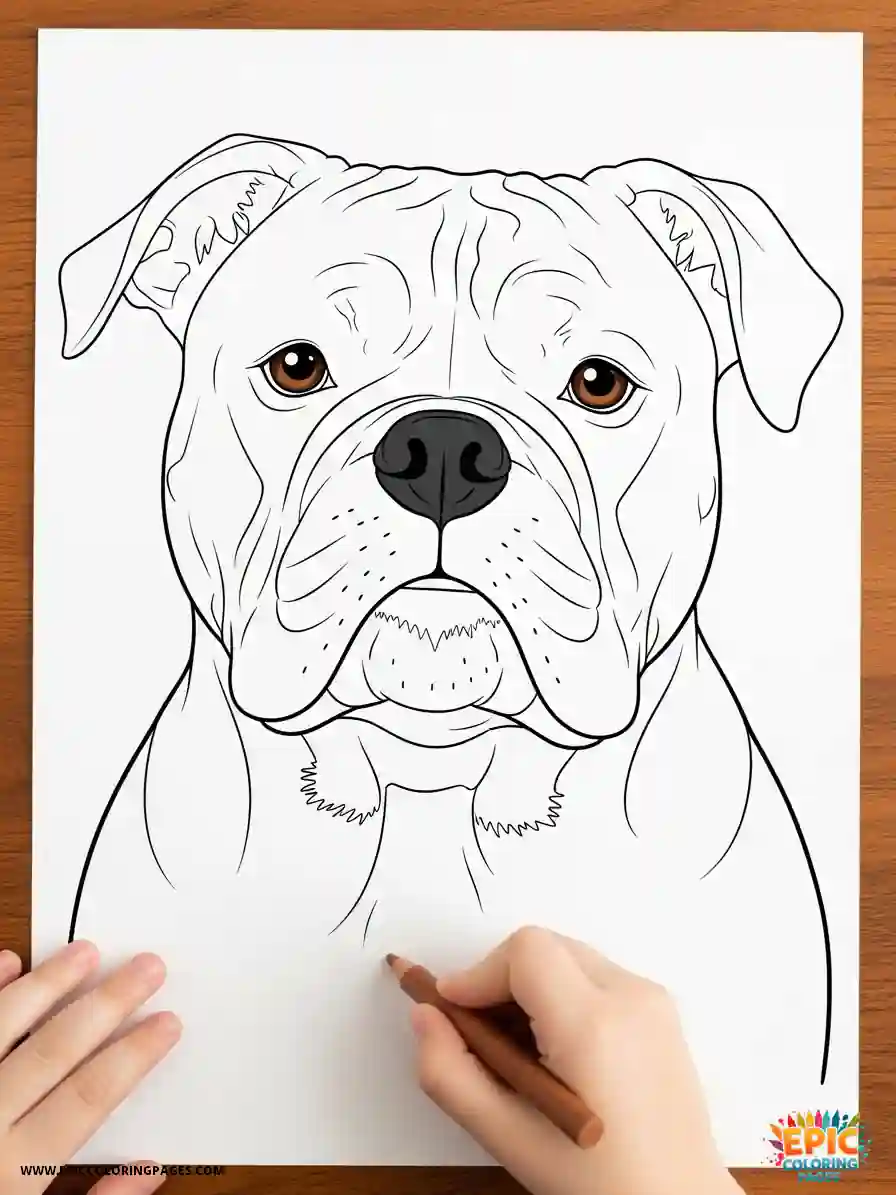
The breed’s head is broad and square with pronounced cheeks, and their ears can be either cropped or natural (button or rose style). Their chest is deep and wide, reflecting their working heritage as plantation guardians in the American South. Understanding these physical traits helps you make informed decisions about shading, color placement, and emphasis in your artwork.
Choosing Your Color Palette
The Alapaha’s coat offers wonderful variety. The most common patterns include:
White-based coats with patches: Start with a clean white base, leaving the paper untouched in the lightest areas. Layer your darker colors (browns, grays, or brindle patterns) in distinct patches. Real Alapahas often have asymmetrical markings, so don’t worry about perfect symmetry nature rarely is.
Brindle patterns: This tiger-stripe effect requires patience. Begin with a base color (tan, brown, or gray), then add darker stripes in varying thicknesses. The stripes shouldn’t be perfectly uniform; vary their width and spacing for a more natural appearance. Use a sharp pencil or fine-tipped marker for crisp lines.
Blue merle: This sophisticated pattern shows mottled patches of gray-blue mixed with black and white. Start with light gray, add darker gray patches irregularly, then introduce small black spots. The “blue” is actually a diluted black, so think cool grays rather than bright blues.
For the eyes, many Alapahas have warm brown tones, but some display striking blue or heterochromatic eyes (two different colors). If your coloring page shows eye detail, consider using a light touch initially you can always darken, but lightening is difficult.
Layering Techniques for Depth and Realism
Professional-looking results come from building color gradually rather than applying heavy pressure immediately. Start with light layers and slowly increase intensity. This approach works whether you’re using colored pencils, markers, or crayons.
For the muscular body, identify your light source first. Typically, light comes from above and slightly to one side. The top of the head, shoulder blades, and upper legs receive the most light and should remain lighter. The underside of the chest, beneath the legs, and under the jaw naturally fall into shadow.
Create shadows by layering complementary colors rather than just pressing harder with the same color. For a brown coat, add touches of dark purple or blue in the deepest shadows. For white areas, use very light blue, gray, or even lavender for shadows instead of black, which can look harsh.
The Alapaha’s short, glossy coat catches light in specific ways. Leave small areas of highlight along muscle curves particularly on the shoulders, haunches, and top of the head to suggest that natural sheen. If you’re using colored pencils, you can carefully lift color with an eraser in these spots after initial coloring.
Working With Different Mediums
Colored pencils: These offer the most control for detailed work. Use circular motions for smooth coverage and directional strokes that follow the dog’s muscle structure. Blend with lighter colors or a colorless blender pencil. The paper’s texture matters smoother paper works better for realistic effects, while textured paper can add interesting effects to fur.
Markers: Work from light to dark since markers are difficult to layer once dry. Use the bullet tip for details like eyes, nose, and paw pads, and the broad chisel edge for larger areas. Let each layer dry completely before adding the next. Alcohol-based markers blend more smoothly than water-based ones.
Crayons: Despite their reputation as children’s tools, crayons can produce beautiful effects. Use the tip for details and the side for broader coverage. Layering multiple colors creates richer tones than single applications. You can blend crayons by rubbing gently with a tissue or your finger (though this works best with softer crayons).
Watercolors or brush pens: Start with very diluted colors and build gradually. Let white areas dry completely before adding adjacent colors to prevent bleeding. The Alapaha’s muscular definition lends itself well to wet-on-dry techniques where you add darker tones to dried base layers.
Capturing Facial Features
The face is where personality emerges. The Alapaha typically has an alert, confident expression that reflects their protective nature.
For the nose, use black or very dark brown, leaving a small white highlight to show moisture and dimension. The nose leather has a slightly rough texture, which you can suggest with tiny irregular marks rather than solid color.
Eyes deserve special attention. Build them in layers: start with the base color (brown, blue, or amber), add a darker ring around the iris, then place the darkest black in the pupil. Always leave a small bright highlight usually in the upper portion of the eye to create that spark of life. The area immediately around the eye often has slightly darker skin, creating natural eyeliner.
The Alapaha’s strong jaw and pronounced cheeks create natural shadows. Darken the area under the cheeks and beneath the chin. The forehead typically has a slight furrow between the eyes that you can emphasize with gentle shading.
Background Choices That Enhance Your Subject
While the dog is your focus, the background shouldn’t be an afterthought. Simple approaches often work best:
A subtle gradient perhaps from light blue at the top fading to white at the bottom suggests sky without competing for attention. For outdoor scenes, soft greens in the lower portion hint at grass without requiring detailed rendering.
If you prefer the dog to truly pop, consider a light neutral background (cream, light gray, or tan) that contrasts with the coat colors. Alternatively, leaving the background white creates a clean, professional look that focuses all attention on your subject.
For more advanced colorists, a simple fence, barn door, or porch railing behind the dog can provide context related to the breed’s Southern heritage as a farm guardian without overwhelming the composition.
Common Challenges and Solutions
Patchy coverage: This happens when you press too hard initially. Work in light layers with consistent pressure. If patchiness occurs, layer additional light coats rather than pressing harder in specific spots.
Muddy colors: Too many layers or incompatible colors mixing can create dull, brownish results. Limit yourself to three or four layers maximum, and test color combinations on scratch paper first.
Lost white areas: Once you’ve colored over white fur or highlights, they’re difficult to recover. Consider using masking fluid (for watercolors) or simply coloring carefully around these areas. Some artists lightly outline white areas with pencil before starting.
Unnatural brindle stripes: Real brindle isn’t perfectly spaced or uniform. Vary your stripe width, let some stripes break or fade, and follow the dog’s body contours rather than drawing straight lines.
Adding Personal Artistic Style
While realism is one approach, don’t be afraid to interpret the Alapaha in your own way. Some artists enjoy emphasizing the breed’s powerful build with bold, strong lines and high contrast. Others prefer softer, more impressionistic approaches that capture the dog’s gentle nature with family.
You might choose a limited color palette for a striking effect perhaps just blues and browns, or a monochromatic scheme. Abstract backgrounds with geometric patterns can create modern, eye-catching results. Seasonal themes work wonderfully too imagine an Alapaha surrounded by autumn leaves or spring flowers.
The key is making intentional choices rather than random ones. Even stylized or non-realistic coloring benefits from understanding the underlying structure and typical coloring patterns.
Finishing Touches
Step back and evaluate your work with fresh eyes. Often, the difference between good and great is subtle refinement. Does the face need slightly darker shading under the chin? Would a bit more highlight on the shoulder enhance the muscular appearance? Are the paws fully defined, or do they fade into the background?
Consider adding a few carefully placed whiskers with white gel pen or leaving thin white lines during the coloring process. The Alapaha has whiskers around the muzzle and above the eyes that add to their expressive face.
If you’re using colored pencils, a light spray fixative protects your work from smudging. For marker artwork, this isn’t necessary as markers set permanently once dry.
Learning and Growing
Every coloring page you complete builds your skills. Save your finished work and occasionally look back at earlier pieces you’ll be surprised how quickly you improve. Take photos of your colored pages in good lighting to share with others or keep a digital portfolio of your progress.
The Alapaha Blue Blood Bulldog, with its rich history and distinctive appearance, offers endless opportunities for artistic exploration. Each time you color one, you’ll discover new techniques and approaches. Most importantly, enjoy the meditative, creative process. There’s something special about slowly bringing these noble dogs to life, one careful stroke at a time.
Whether you’re coloring for relaxation, artistic development, or simply love of this remarkable breed, remember that your interpretation is valid and valuable. The Alapaha’s strength, loyalty, and gentle dignity deserve to be celebrated through art and your colored pages do exactly that.